Home Blog Page 120

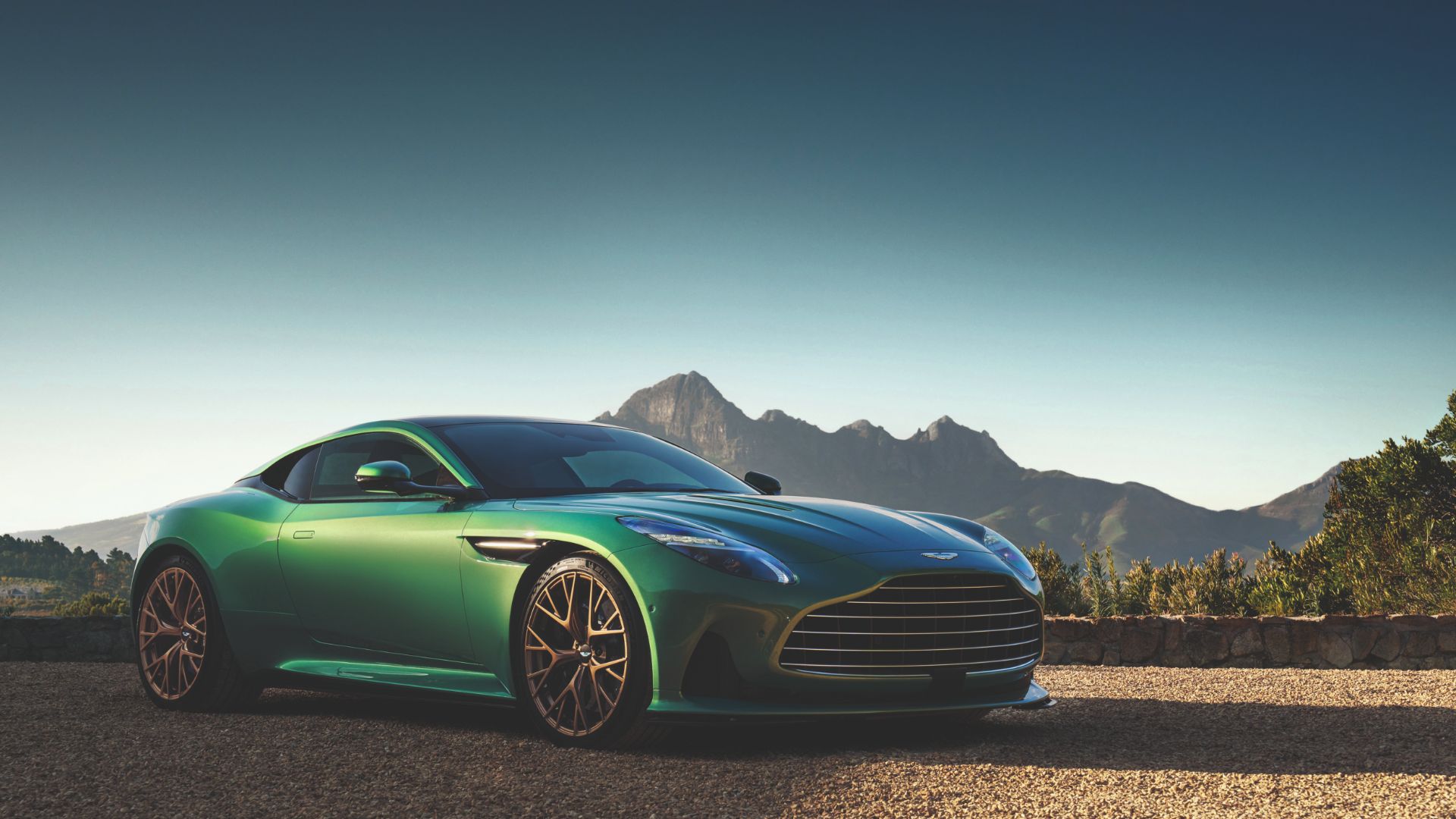
New Aston Martin DB12: suave ‘super tourer’ debuts with 680hp and new tech

0
Aston Martin DB12

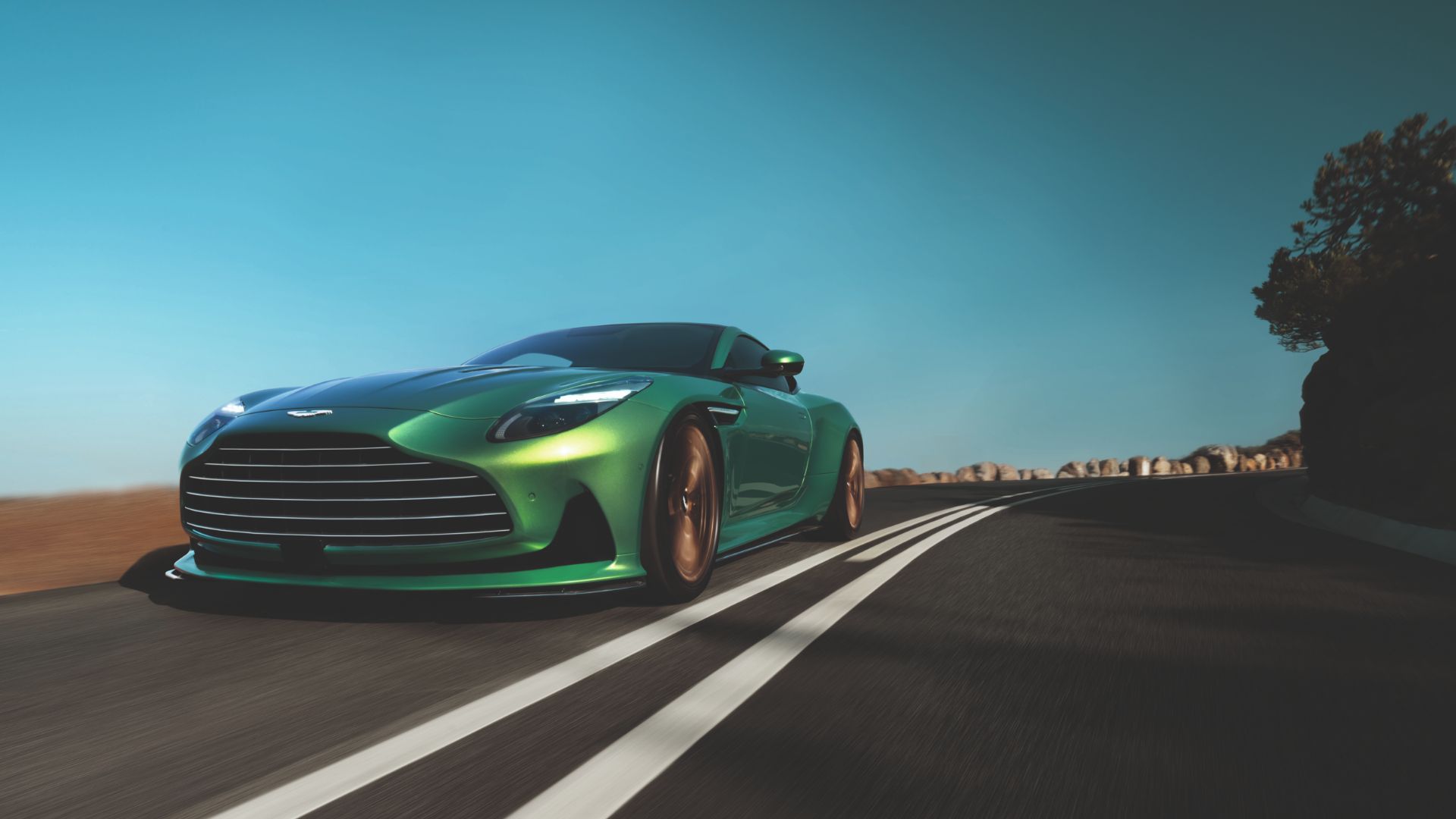
What car will 007 drive when he next screeches onto our screens? This one, probably. The 26th instalment of the James Bond franchise isn’t due until 2025, but don’t be surprised if MI6’s finest rocks up in an Aston Martin DB12.

Let’s hope so, because the new DB12 certainly looks the part. With a 680hp twin-turbo V8 under its bulging bonnet, it could also lay waste to a few trigger-happy henchmen on a perilous mountain road.

Aston Martin says this is ‘the world’s first super tourer‘ and the start of a new era for the esteemed yet embattled British brand. We’ll be driving the DB12 next month – on perilous mountain roads, no less. Until then, here is everything you need to know.

Licence to thrill
Aston Martin DB12

The heart of the DB12 is a reworked version of Aston Martin’s proven 4.0-litre twin-turbo V8. Larger turbochargers, new cam profiles and improved cooling result in 680hp at 6,000rpm, alongside a brawny 561lb ft of torque from 2,750rpm (the outgoing DB11 V8, for comparison, mustered 535hp and 513lb ft).

With a dry weight of 1,685kg – reckon on close to 1,800kg with fluids – that’s enough to propel the DB12 to 62mph in 3.6 seconds and a top speed of 202mph. Chief engineer Roberto Fedeli promises an “exciting soundtrack” from the switchable exhaust, too.

Power reaches the rear wheels via an eight-speed automatic transmission. There’s no old-school manual alternative, but you can take control via paddles behind the steering wheel. Brakes are iron discs or optional carbon-ceramics – the latter saving 27kg in unsprung weight – while the bespoke Michelin Pilot Sport 5S tyres were developed specifically for the DB12.

What goes on tour…
Aston Martin DB12

Whether you call it a ‘super tourer’ or a supercar, the DB12 remains a GT in the traditional sense: a car built for long European road trips – or revisiting your childhood home in the Scottish Highlands, perhaps?

The default GT drive mode, selected via a knurled controller on the centre console, is said to offer ‘a luxurious ride quality… for sublime yet agile cruising’. Switching to Sport or Sport+ ramps up the intensity, plus there’s a new Wet mode tailor-made for British weather.

This is also the first DB model with an electronic rear differential. Unlike a mechanical diff, it can switch from open to fully locked in milliseconds, helping to enhance turn-in and improve stability at speed. Where conditions allow, it should also help the DB12 go sideways

‘The sharpest DB ever’

Aston Martin DB12

That brings us to the sportier side of the DB12’s character. Aston Martin promises ‘the sharpest DB ever’ along with ‘class-leading driving dynamics’. When your rivals include the McLaren Artura and Maserati MC20, that’s a bold claim.

The car’s bonded aluminium structure is seven percent stiffer than a DB11 and its non-isolated steering column is said to offer improved feedback. We recently tried a similar setup on the run-out Aston Martin DBS 770 Ultimate and were genuinely wowed by how alert and focused it felt.

Drivers can choose from four settings for the stability control: Wet, On, Track and Off. The system relies on numerous sensors around the car, including a new six-axis inertia unit, and is calibrated to work in the background, intervening as unobtrusively as possible.

As seen on screens
Aston Martin DB12

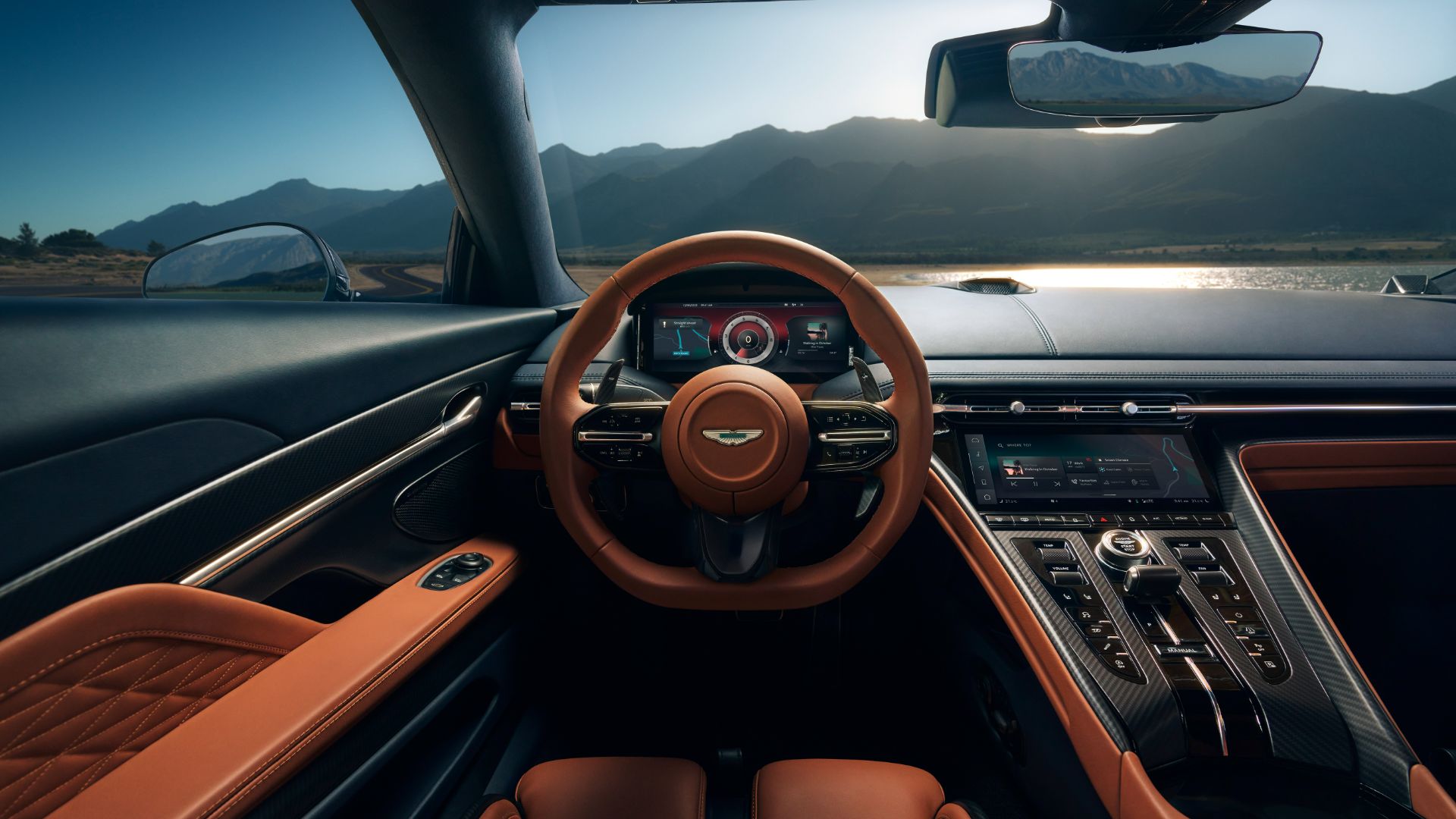
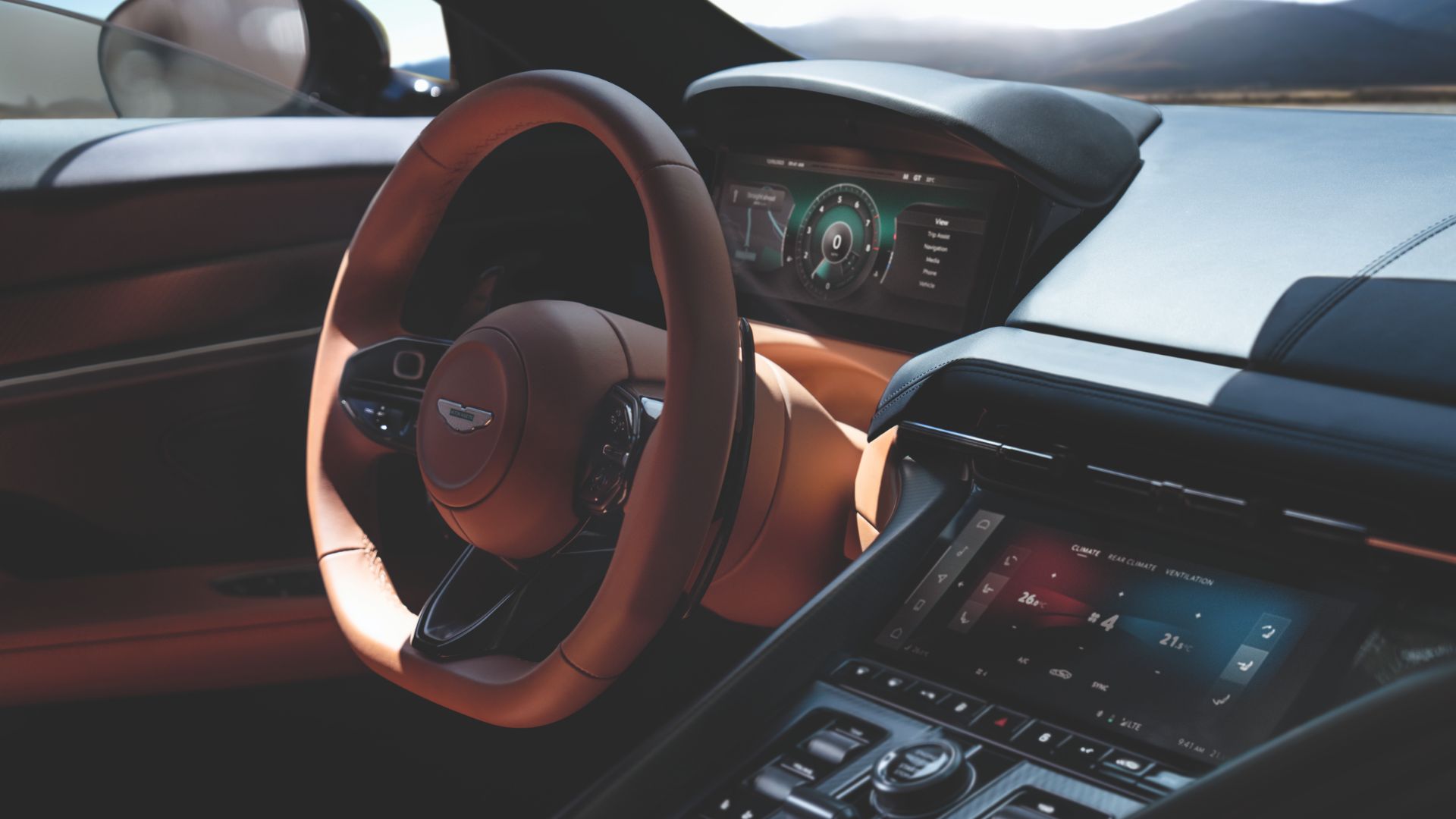
If one aspect of the DB11 cried out for an update, it was the interior. Thankfully, its successor boasts an entirely new cabin that banishes the ancient Mercedes-Benz media system for good.

This time, Aston Martin has developed its own in-house infotainment, with two 10.25-inch screens, 3D navigation, online connectivity – including over-the-air software updates – and a dedicated smartphone app. You can also link up your phone via Apple CarPlay or Android Auto.

The driver and front passenger are cocooned by a high centre console with a mixture of analogue switches and digital controls. Buyers can pick from hand-stitched leather or Alcantara upholstery, plus endless options for personalisation via Aston Martin’s ‘Q’ division. The DB12’s surround-sound audio system comes from Bowers and Wilkins, the British company that also supplies McLaren.

DB12 gives you wings
Aston Martin DB12

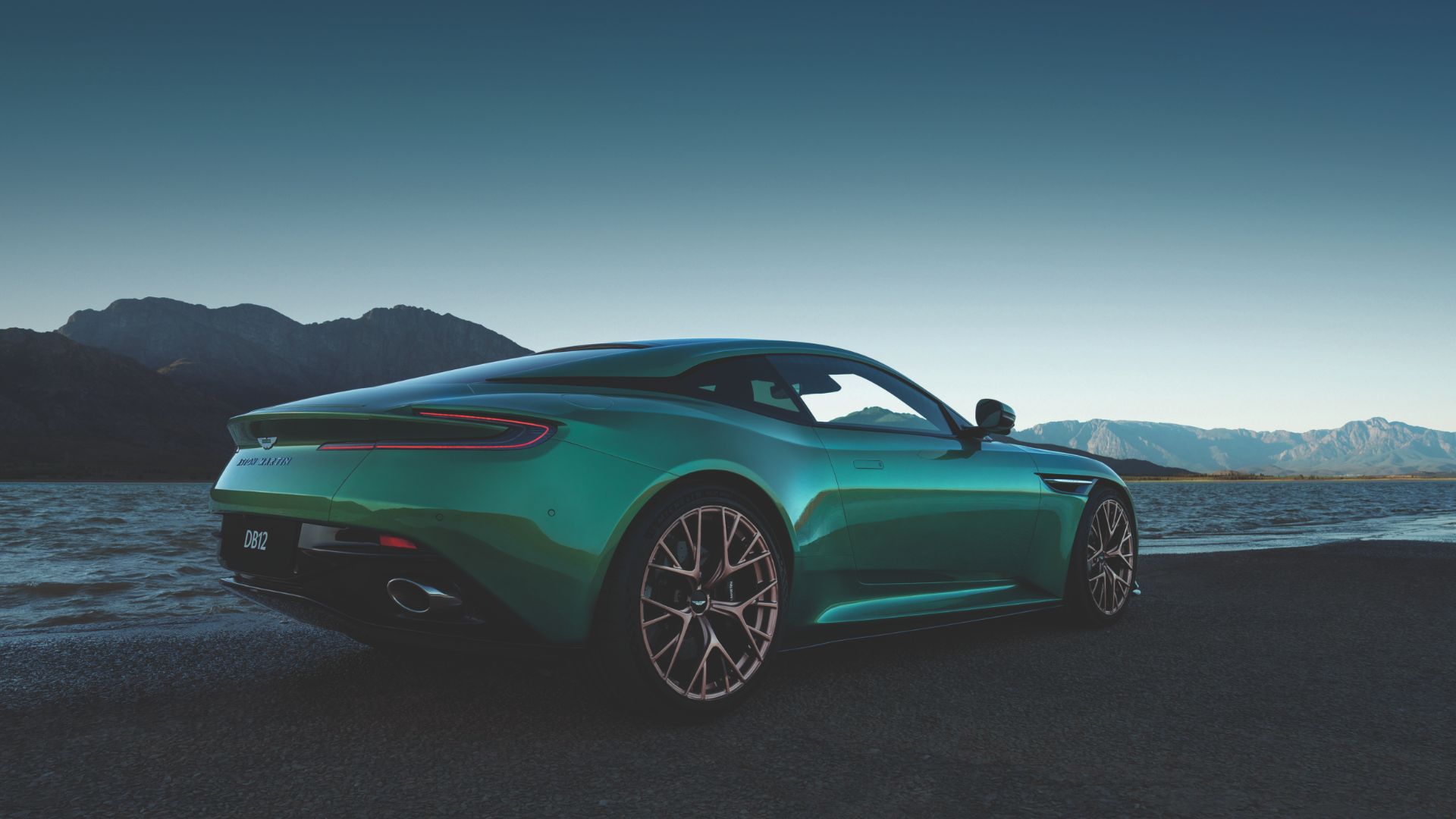
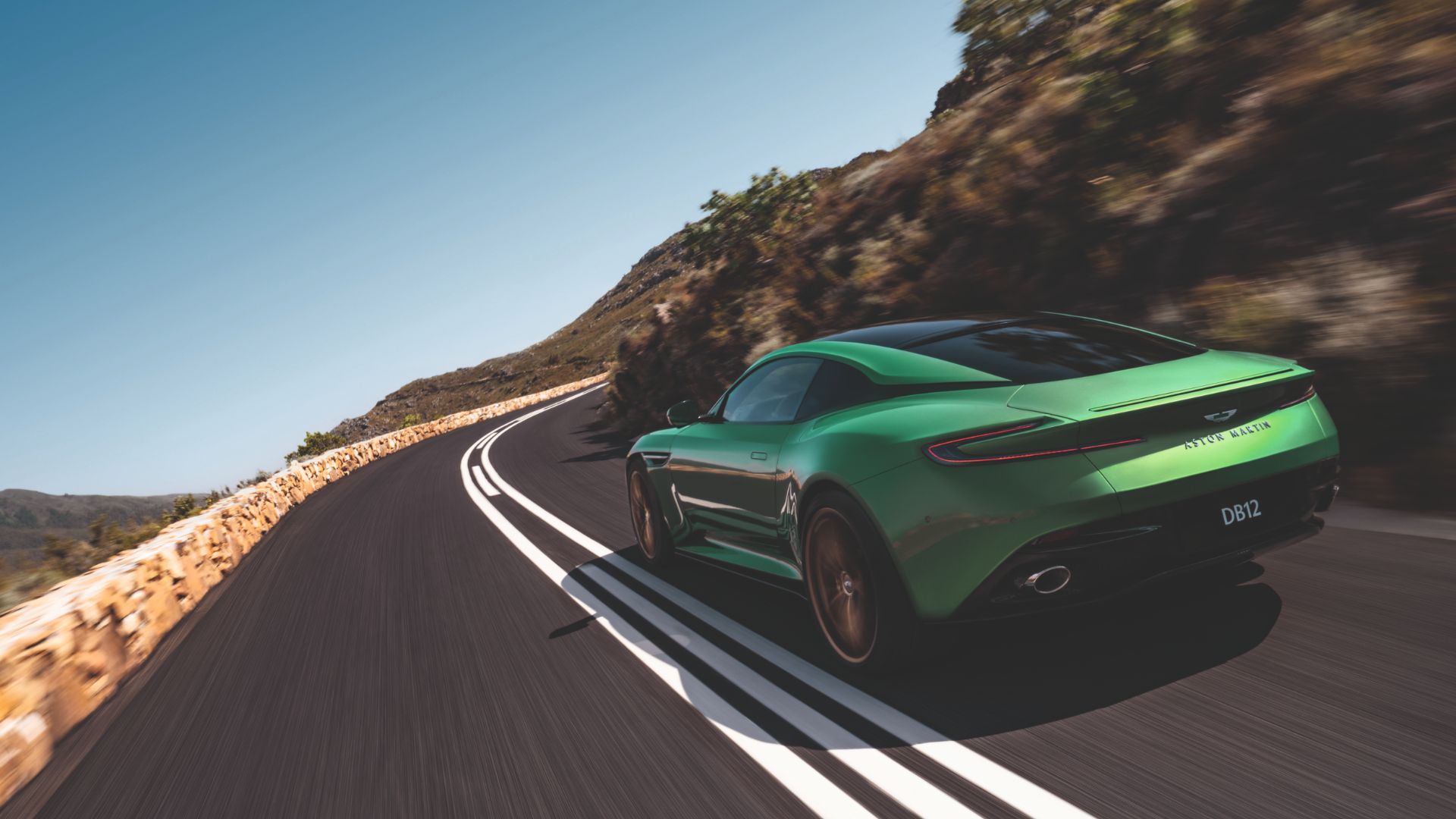
Lastly, there’s how it looks. The DB12 is clearly part of a bloodline that began with the DB7 in 1994, but its taut contours and athletic stance are definitely more Daniel Craig than Pierce Brosnan.

Riding on 21-inch forged alloy wheels, it sports frameless wing mirrors, pop-out door handles and a new version of the Aston Martin ‘wings’ badge. Design boss Merek Reichmann says: “We’ve fused everything together on the DB12 – the handling, dynamics, powertrain, sense of space, and styling – and we’ve done it to the max through technology to deliver this new category of performance-design driving experience”.

Whatever the end result – even if, God forbid, Bond went back to BMWs – the DB12 is an incredibly important car for Aston Martin. Come back to Motoring Research soon for our full first drive.

ALSO READ:

Aston Martin Vantage F1 Edition review
Aston Martin DBX707 review

Best supercars to buy in 2023

Advertisement

Goodwood Festival of Speed 2023: What we’re looking forward to

0
Goodwood Festival of Speed

The Goodwood Festival of Speed 2023 takes place from 13-16 July in the beautiful grounds of Goodwood House, West Sussex. Our hope is for glorious sunshine – and that some contemporary F1 drivers will make an appearance before jetting off to Budapest for the Hungarian Grand Prix.

This year marks several important anniversaries, including the 30th Festival of Speed since its inception in 1993. That first event was a relatively humble affair, with only 2,000 people predicted to attend.

In fact, 25,000 joined the likes of George Harrison and Nick Mason, convincing the former Earl of March – now the Duke of Richmond – that he’d started something special.

Celebrating 75 years of Porsche

Goodwood Festival of Speed

The Festival of Speed grew almost exponentially into the behemoth we know today, with classic and contemporary racing cars quickly becoming a permanent fixture.

At the turn of the century, the major car brands joined the party, along with technology partners, extreme sports stars and just about anything with wheels and an engine. Today, Goodwood hosts one of the best motoring events on the planet. 

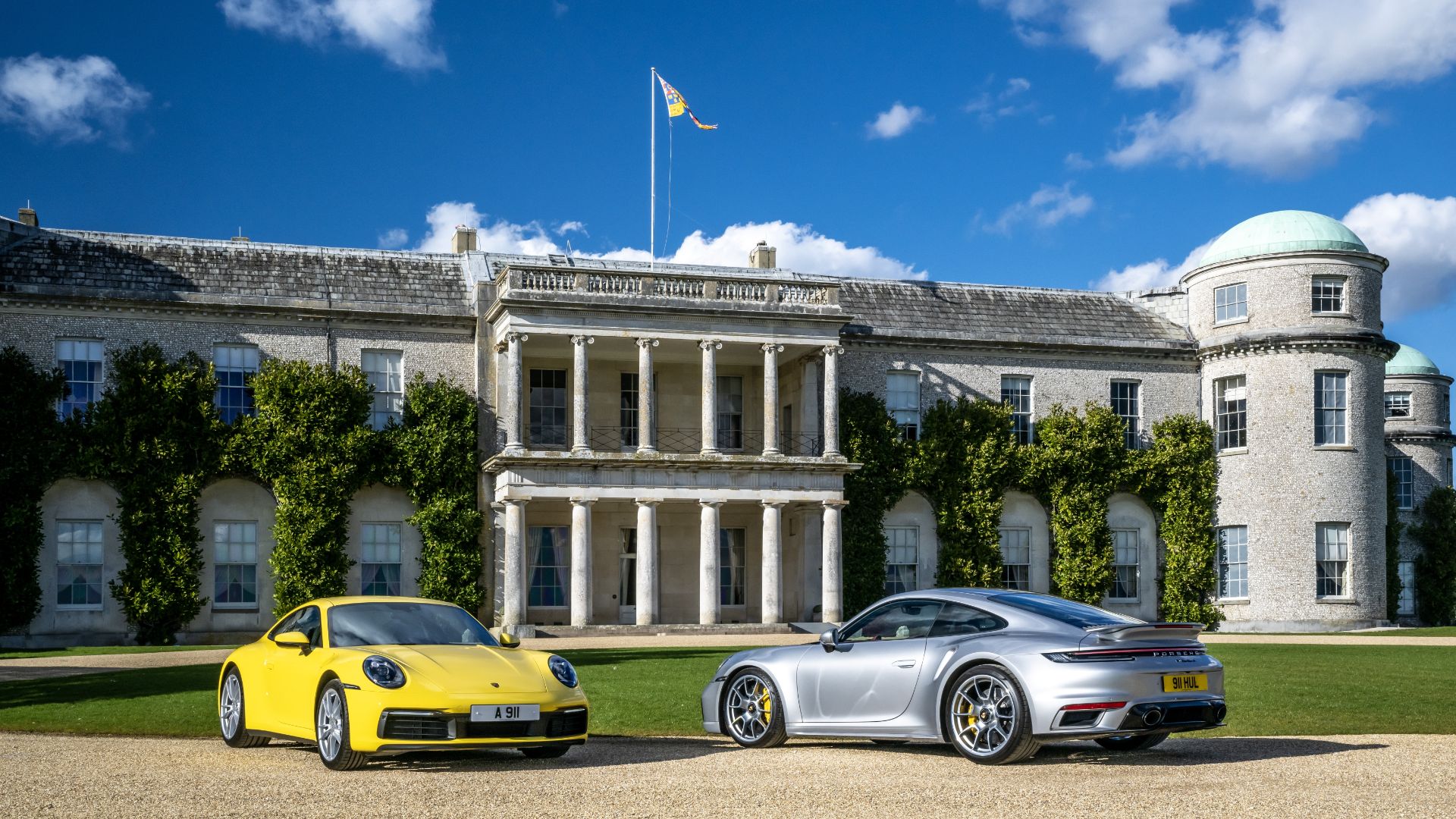
For 2023, the ‘central feature’ sculpture celebrates 75 years of Porsche, with numerous famous German road and racing cars taking to the hillclimb throughout the four-day event. 

Le Mans legends in action

Mazda 787B

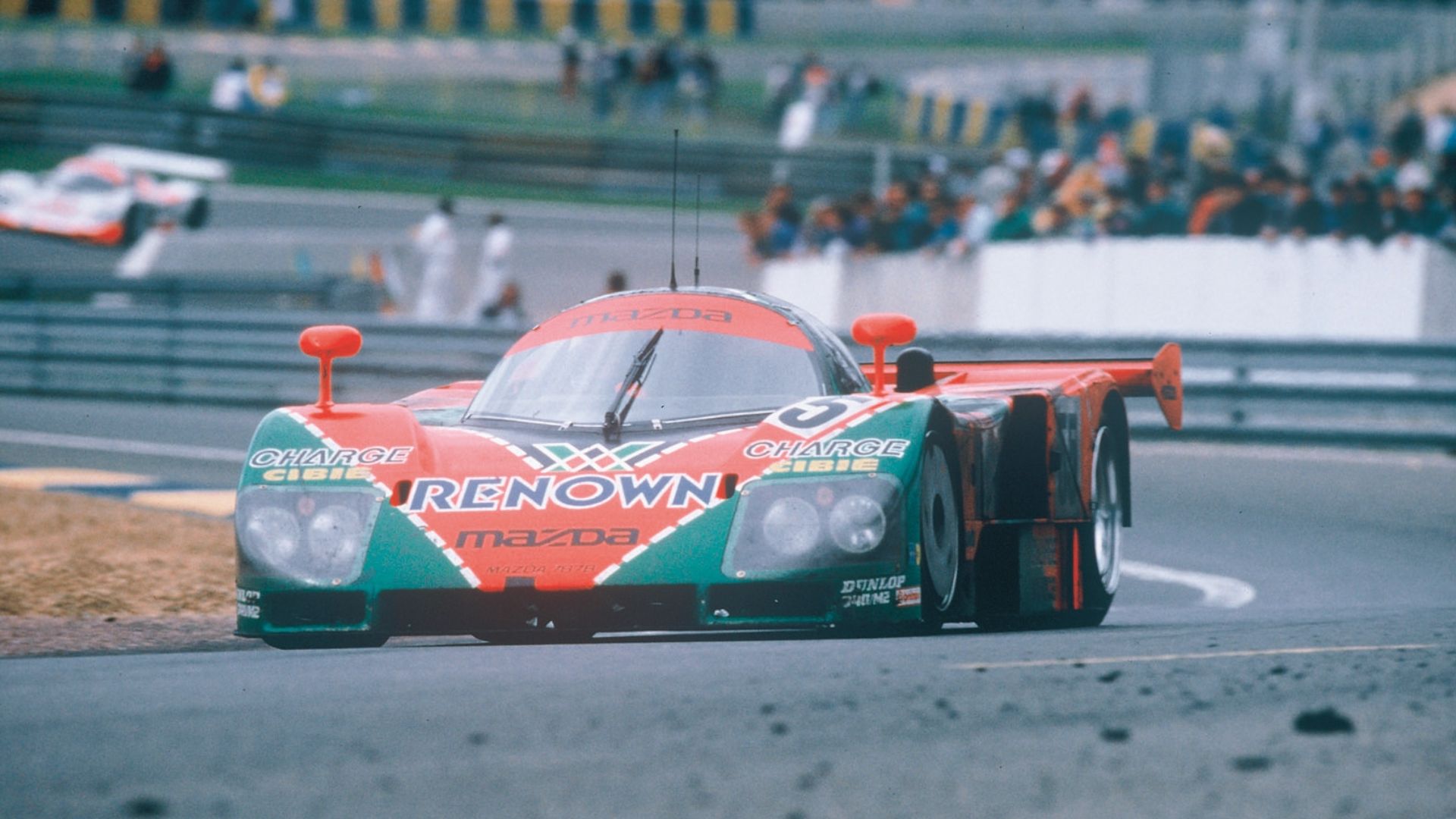
Porsches will be ever-present in celebrating the centenary of Le Mans, too – expect to see the legendary 917 in action on the hill. Another invited great from the 24-hour race is the Mazda 787B (pictured above). With its piercingly loud rotary engine, it remains the only Japanese car to win Le Mans outright.

The shriek of Formula One engines will also slice through the summer air. Four-time F1 champion Sebastian Vettel will entertain the crowds in Nigel Mansell’s championship-winning Williams FW14B and Ayrton Senna’s McLaren MP4/8. Vettel’s passion for the environment means the cars will run solely on sustainable fuel. 

Might we also see another hillclimb record? Nick Heidfeld’s time of 41.6 seconds, set in 1999 in the McLaren MP4/13, still stands in the non-electric category. For those lucky enough to witness Max Chilton’s record-breaking electric run of 39.08 seconds last year, set in the radical McMurtry Speirling, the same car will return to have another crack at bending space and time. 

The unofficial British motor show

Goodwood Festival of Speed

Beyond the track, the Festival of Speed also looks to the EV future. Electric Avenue showcases the very latest battery-electric vehicles, from urban runabouts to seven-figure hypercars, flanked by interactive activities for visitors of all ages. 

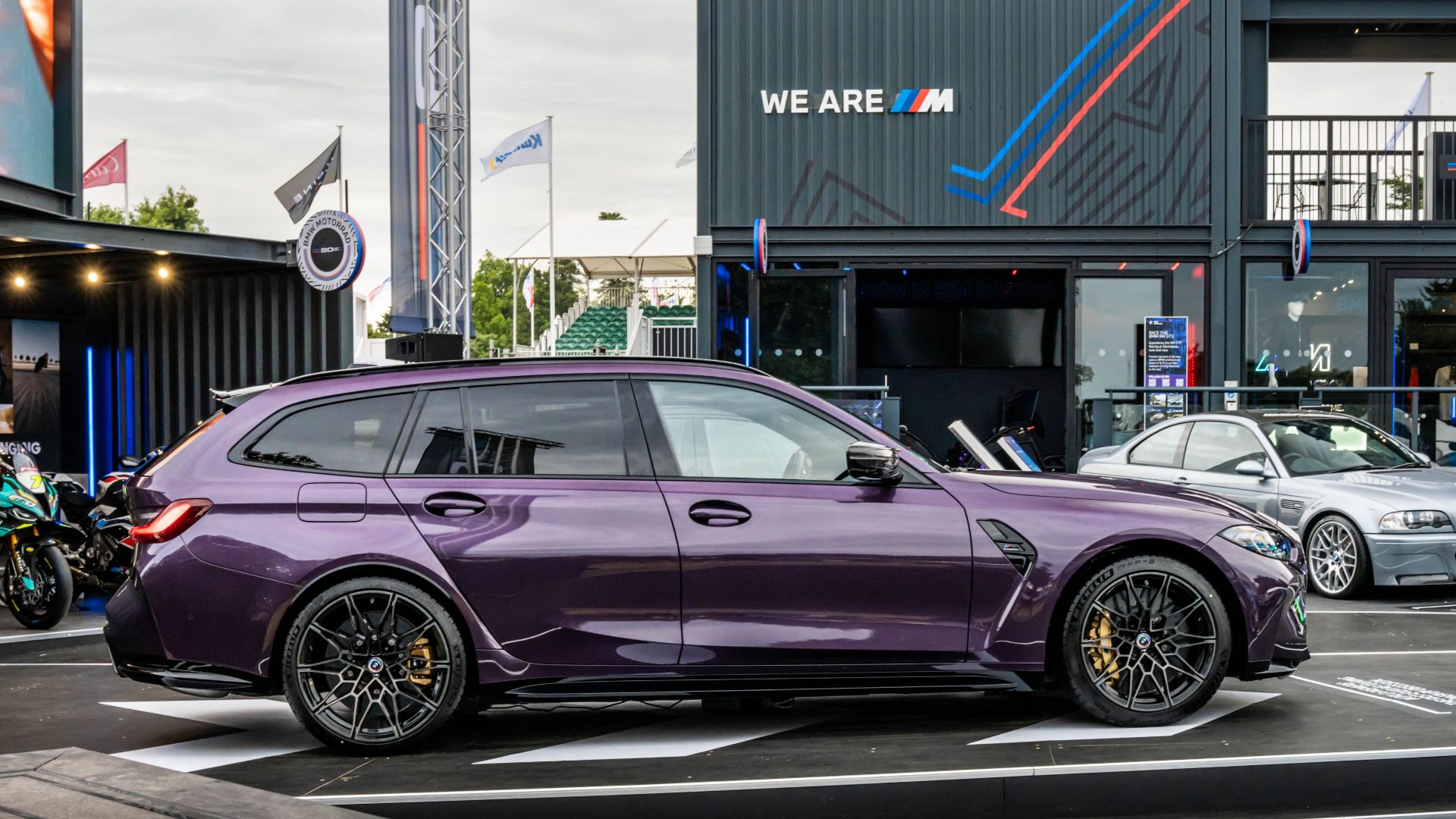
Eleswhere, the Supercar Paddock brings together many of the fastest and most exciting cars in the world. Highlights from 2022 included the Mercedes-AMG One, Ferrari SP3 Daytona and Czinger 21C. We got our first look at the BMW M3 Touring (pictured above), too.

The paddock is where the Festival of Speed shows its intimate side, as fans get up-close with famous machines. You can feel the ground shake as an F1 car fires up, or possibly indulge in a bit of celeb-spotting.

A glamorous garden party

Goodwood Festival of Speed

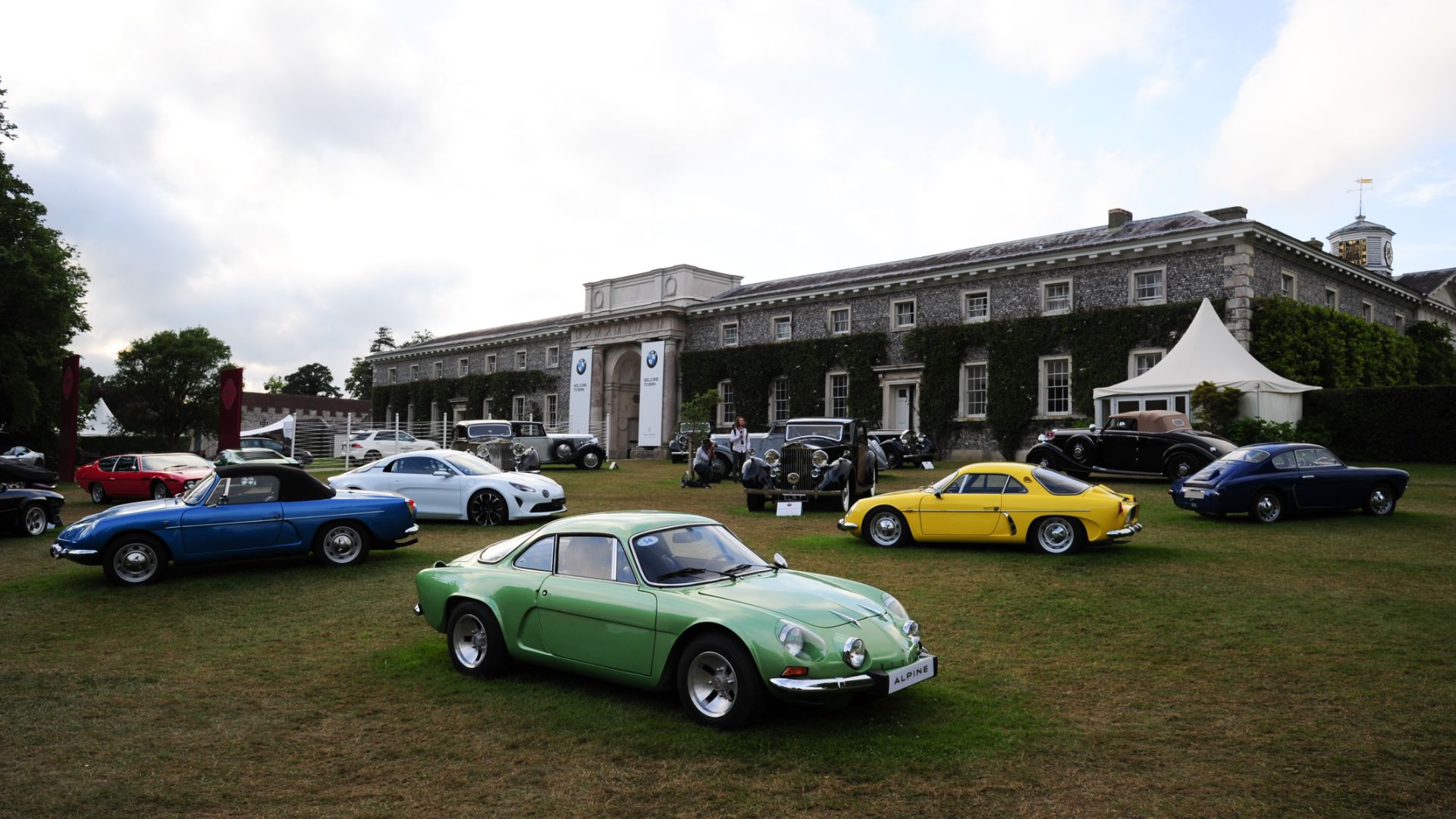
Lastly, if you want to escape the commotion, the Cartier Style & Luxe lawn features the most elegant concours cars and radical concept vehicles, all displayed for your viewing pleasure.

Tickets for the 2023 Festival of Speed cost from £60 and are available from the Goodwood website. You can spend vastly more on various hospitality packages, but honestly, we wouldn’t bother. Just take a packed lunch and enjoy the spectacle. It’s really about the cars, after all.

ALSO READ:

Kamm 912c is a fresh twist on the Porsche restomod recipe

Best supercars to buy in 2023

Classic car news and reviews on Retro Motor

Advertisement

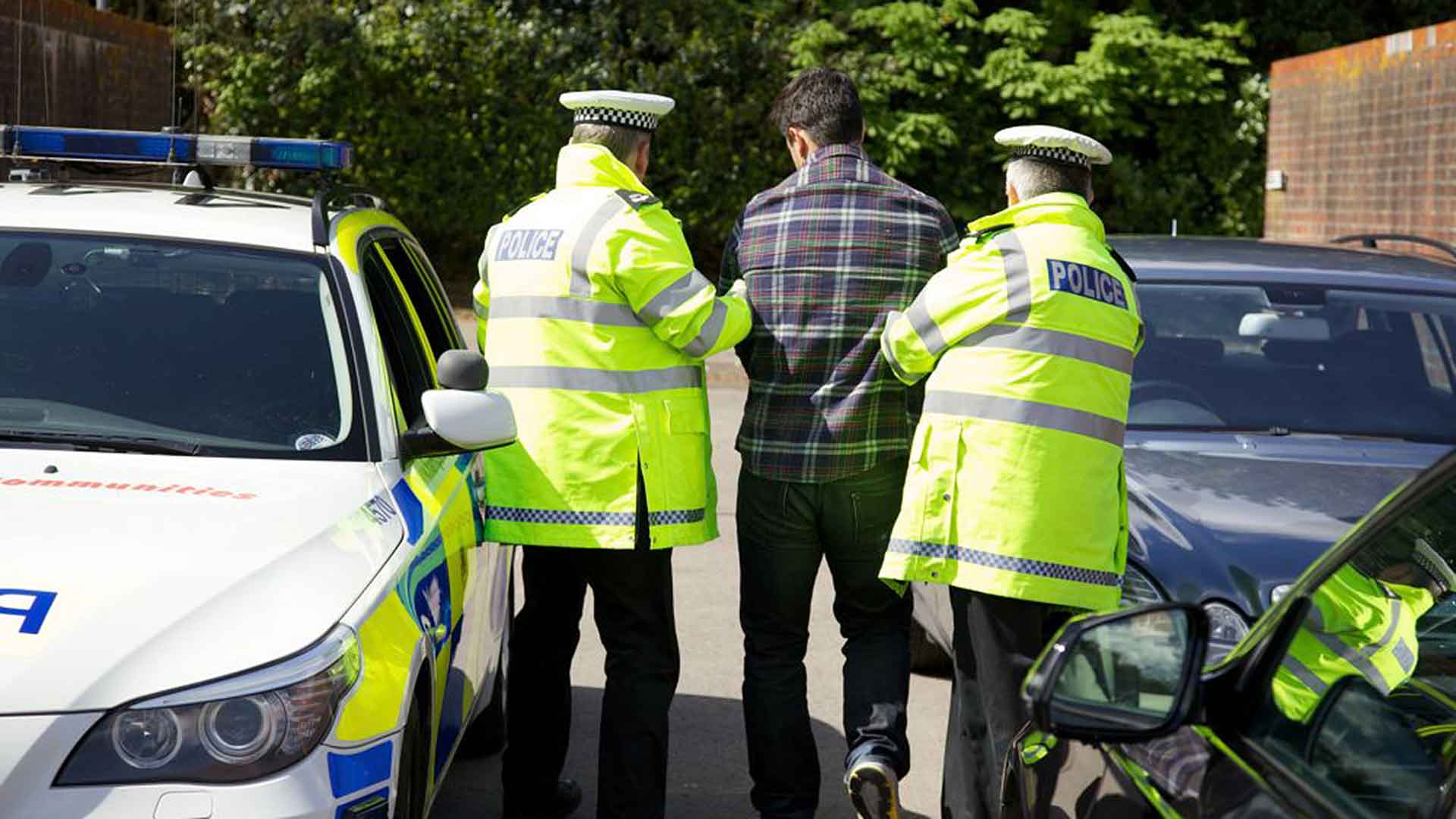
Car crime on the rise: vehicle thefts rocket by 25% in 2022

1

Vehicle thefts rose by almost a quarter last year, new figures from the Office of National Statistics (ONS) – and released to the AA – have revealed.

The total number of vehicle thefts increased from 104,435 in 2022 to 130,389 in 2023: an increase of 24.9 percent.

Thefts from vehicles also climbed by 9.9 percent, with almost 213,000 people having items stolen from their car or van.

The true figure is likely to be higher still, adds the ONS. Devon and Cornwall Police were unable to supply any statistics.

“These figures are in danger of getting out of control,” said AA Insurance Services MD, Guy Park. “This would have significant cost implications, both in terms of the impact to wider society as well as the price policy holders pay.

“We urge police chiefs and crime commissioners across the country to create an action plan to crack the issue.”

Car crime goes high-tech

Lockdown car crime

The latest vehicle theft figures show how car crime has gone high-tech. Relay theft, key cloning and signal blocking continue to be the main methods of illegally obtaining vehicles.

Indeed, as carmakers improve key security and advise motorists to put keys ‘to sleep’ in order to reduce these types of offence, the AA warns that criminals have developed even more advanced practices to attack car security systems.

This is why experts are advising motorists use a physical steering wheel lock; it is a device that cannot be overcome by the technology used by gangs to steal cars.

When it comes to theft from vehicles, more ‘traditional’ techniques such as smashing windows and forcing doors are the preferred methods.

Keeping items hidden away, or not storing valuables in vehicles, may encourage the thief to move on to the next car, rather than attacking your own.

“There is no one thing that can guarantee keeping your car safe from theft, but just making it a bit harder for the thieves can make it less likely that they’ll go for your car,” adds Guy Park.

ALSO READ:

London tops car crime hotspots – and everyday cars most likely to be stolen

F1 star Lando Norris takes delivery of custom McLaren 765LT Spider

Kamm 912c is a fresh twist on the Porsche restomod recipe

Advertisement

Kamm 912c is a fresh twist on the Porsche restomod recipe

0
Kamm 912c

Q. When is a 911 not a 911? A. When it’s a Porsche 912. Long before the Cayman and Boxster – and before even the 924 and 914 – this was a budget version of the world’s most famous sports car. It looked like a 911, but had a four-cylinder engine in place of the usual flat-six.

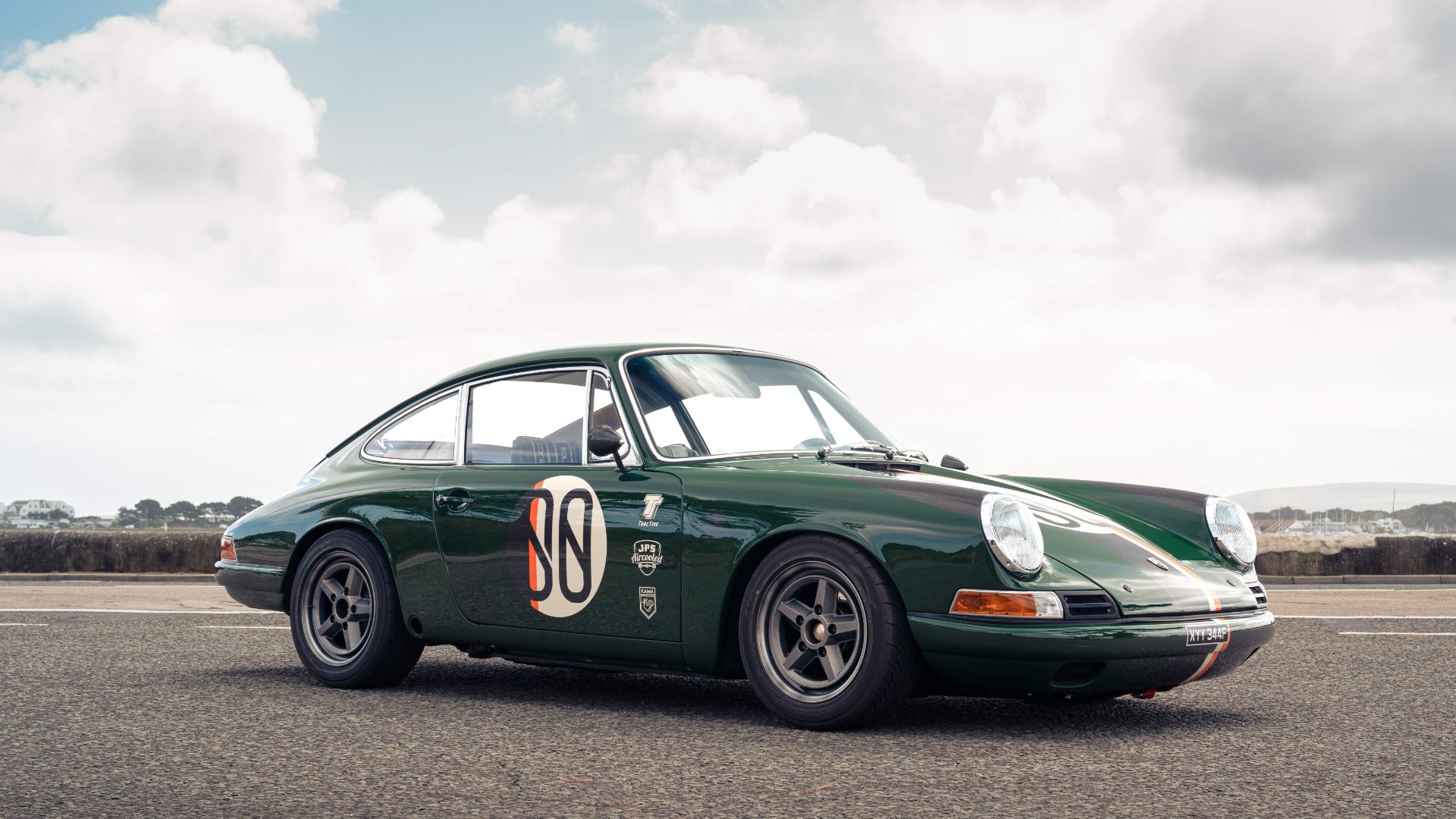
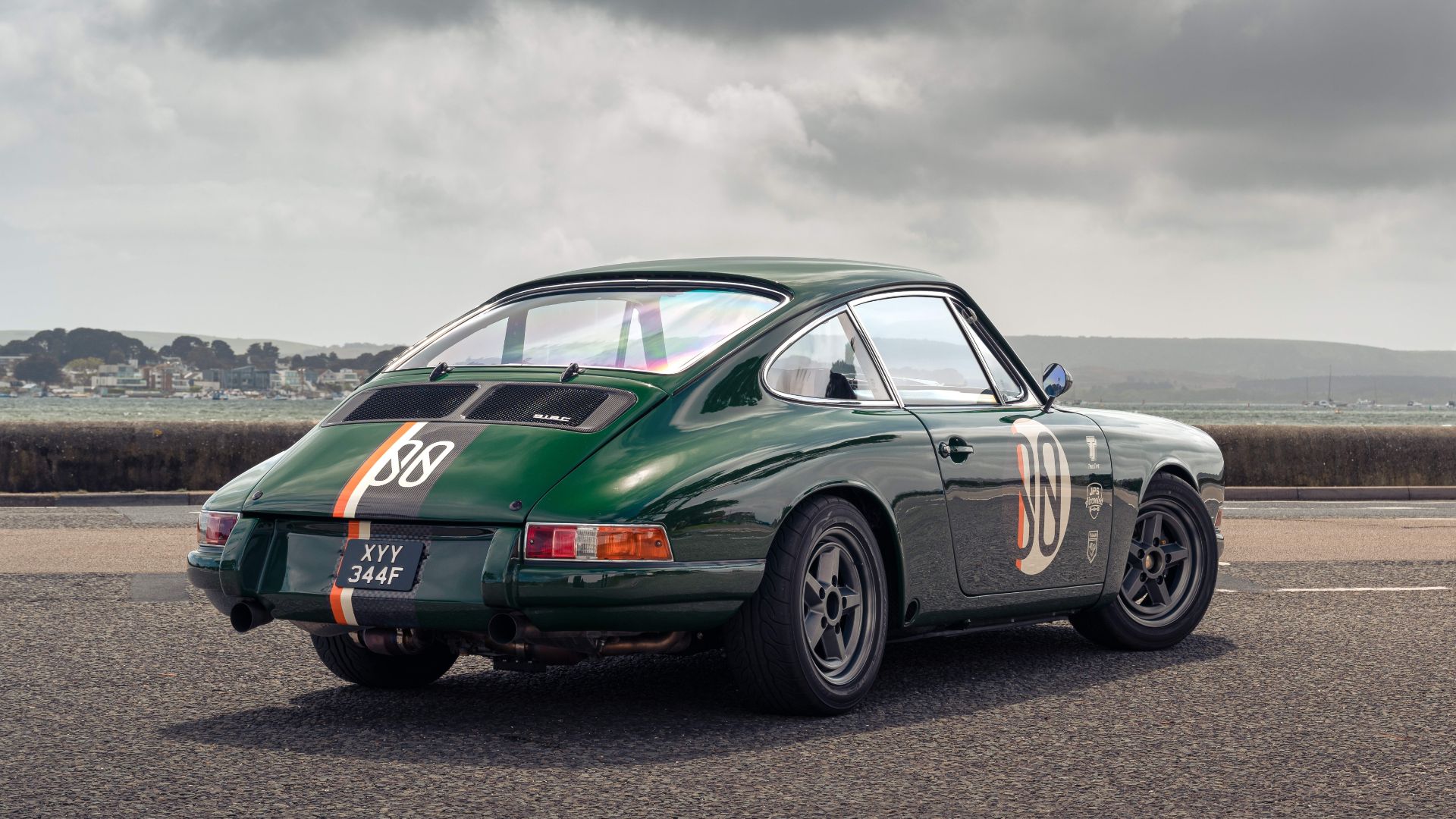
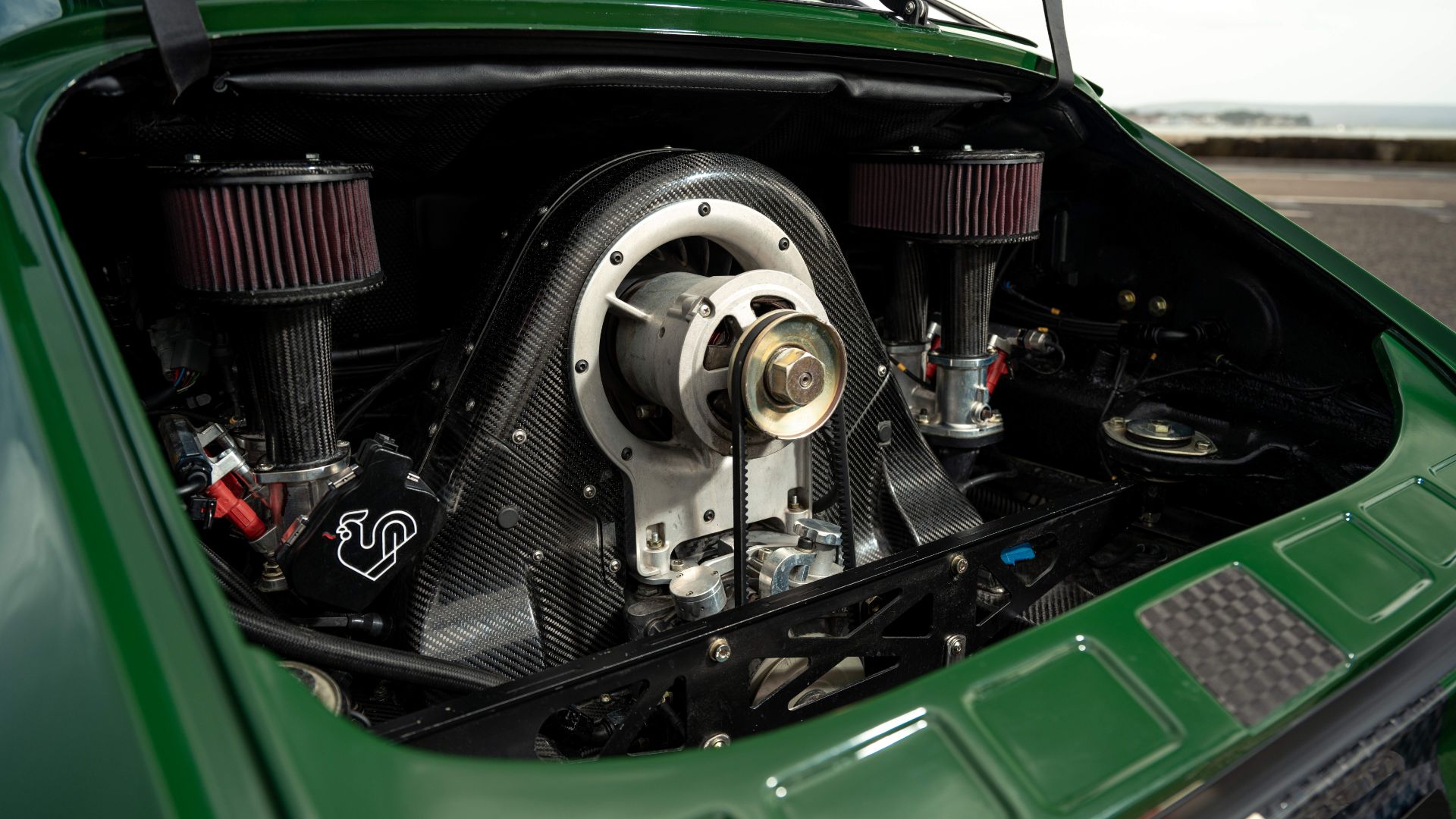
There’s nothing ‘budget’ about the Kamm 912c, a Hungarian restomod priced from £312,000 – or £278,000 if you provide your own Porsche. You may have seen the 912c prototype reviewed in the press last year, but this is our first look at the production version, complete with lots more carbon fibre and an uprated engine.

We’ve already seen countless restomod 911s from the likes of Singer, Theon Design and Paul Stephens AutoArt, but a 912 is an intriguing alternative. One of its chief advantages is light weight: Kamm quotes just 750kg with fluids. For context, that’s nearly 400kg lighter than a basic Ford Fiesta.

Punching above its weight

Kamm 912c

The 2.0-litre four is rebuilt by Swiss motorsport experts JPS, revs to 7,200rpm and produces 190hp. That’s a specific output of 95hp per litre, or ‘the highest horsepower per litre of any air-cooled street engine’. For comparison, the iconic 1973 Porsche 911 Carrera 2.7 RS mustered just 78hp per litre.

With electronic fuel injection, a Life Racing ECU and DBW throttle bodies, the motor is said to deliver ‘constant performance levels in all environments’. Open the rear lid and it looks mouth-watering, too, especially the unadorned carbon fan shroud.

Kamm 912c

In terms of body and chassis mods, you’ll find Lexan polycarbonate windows, TracTive semi-active coilover suspension and AP racing brakes, including a hydraulic handbrake. Steel-look alloy wheels are optional, or you can choose classic Fuchs or 917-style split-rims.

Want more carbon fibre to accentuate the 912’s small ‘c’? A fully carbon body shell is available, improving rigidity and further reducing weight.

Hungary for more

Kamm 912c

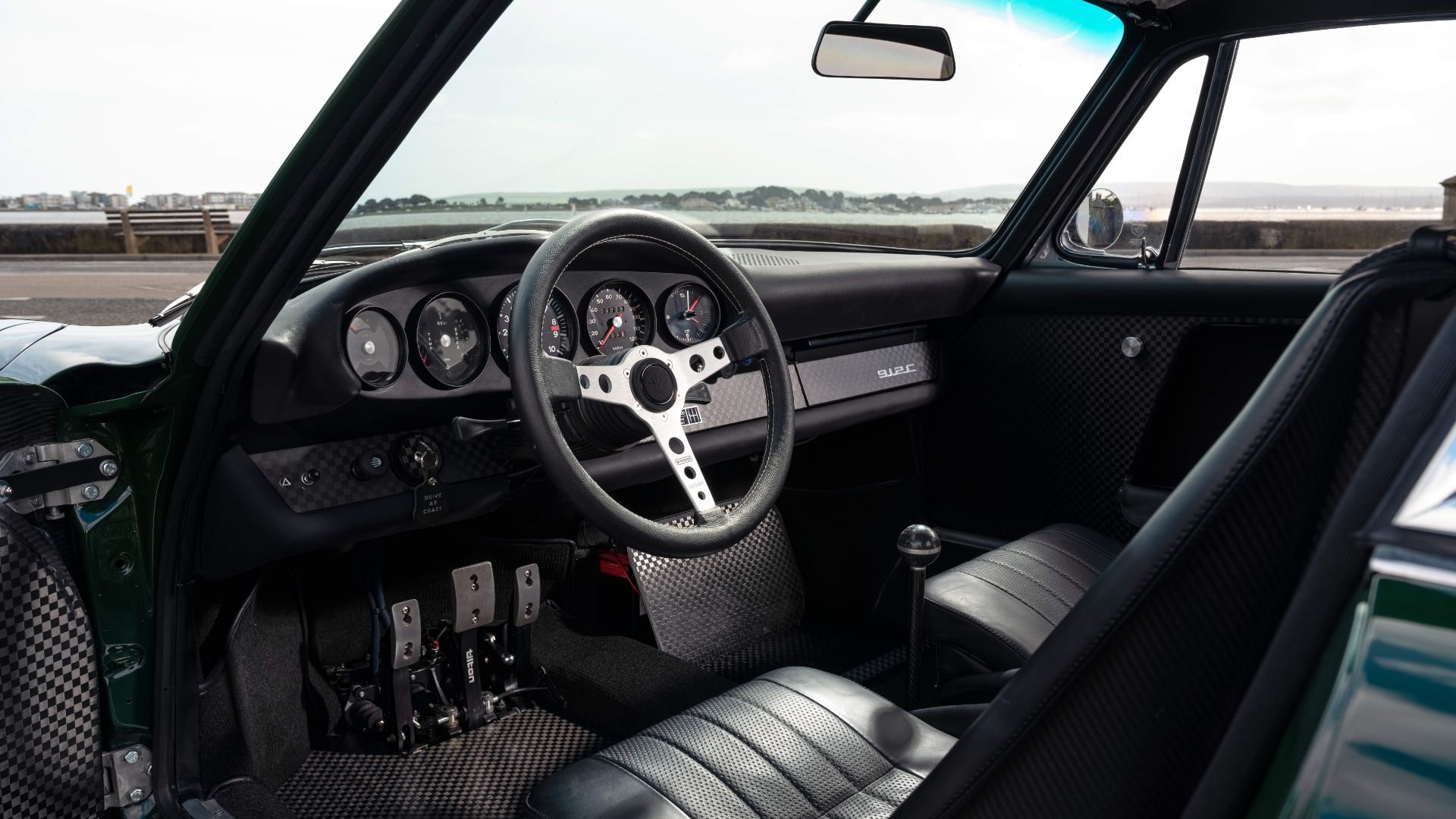
Inside, the simple cabin prioritises functionality and feedback, with classic Porsche-replica seats, lightweight carpets and electric air conditioning.

A carbon fibre gear lever stirs the five-speed ‘box, which has a racing-style dog-leg first gear. The other key touch-points are a three-spoke Momo steering wheel and AP Racing pedal box.

Each 912c is built to order in Budapest and fully bespoke. The first production car is destined for the USA, with two build slots remaining for 2023. Kamm founder Miklós Kázmér said: “The 912c is designed to be as usable as a modern car but retains the driving experience of a classic racing car. We provide reliability and performance with the analogue feel you would expect from a sports car of the sixties, and this makes it unique in the restomod sector.”

We’ll be driving this first production Kamm 912c next month, so come back to Motoring Research soon for our first drive verdict.

ALSO READ:

Porsche 911 Dakar review

Supercharged Porsche 911 by Theon Design review

17 secret Porsches hidden in plain sight

Advertisement

F1 star Lando Norris takes delivery of custom McLaren 765LT Spider

0
Lando Norris and McLaren 765LT Spider

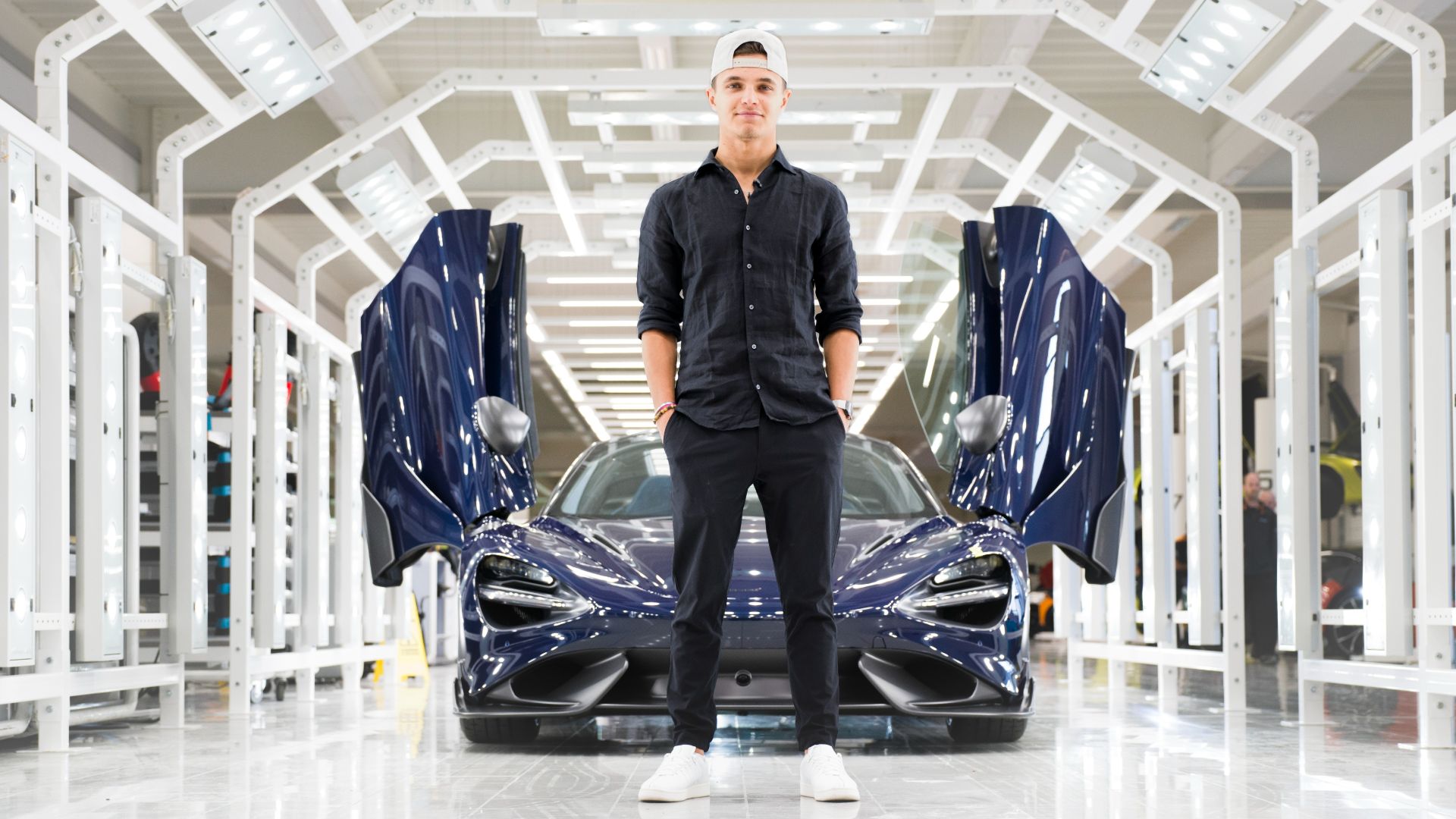
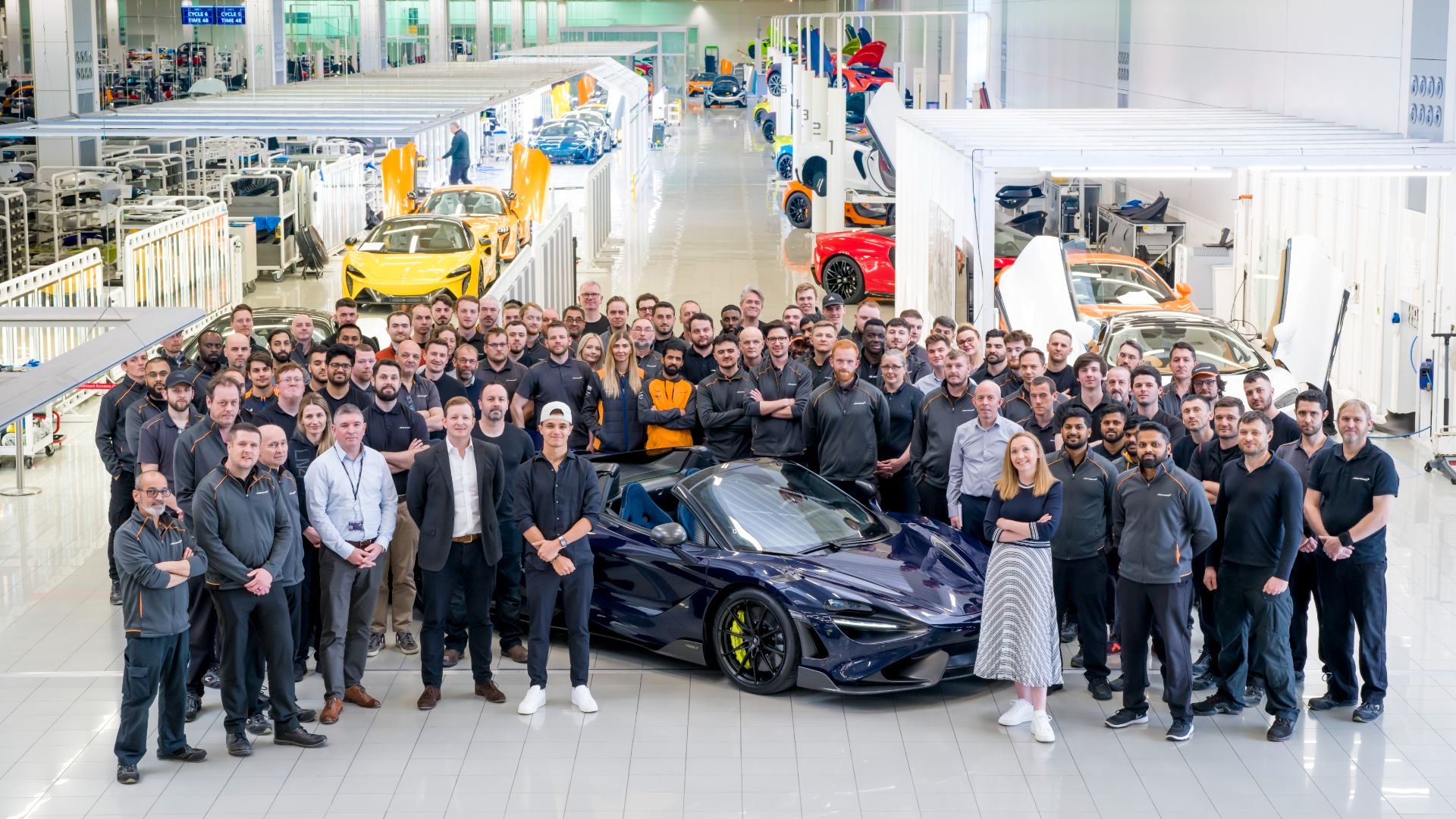
One of the benefits of being a Formula One driver is a steady supply of cool company cars. Back in 2019, a fresh-faced Lando Norris took delivery of an orange McLaren 570S. Four years later, the F1 ace has upgraded to a 765LT Spider.

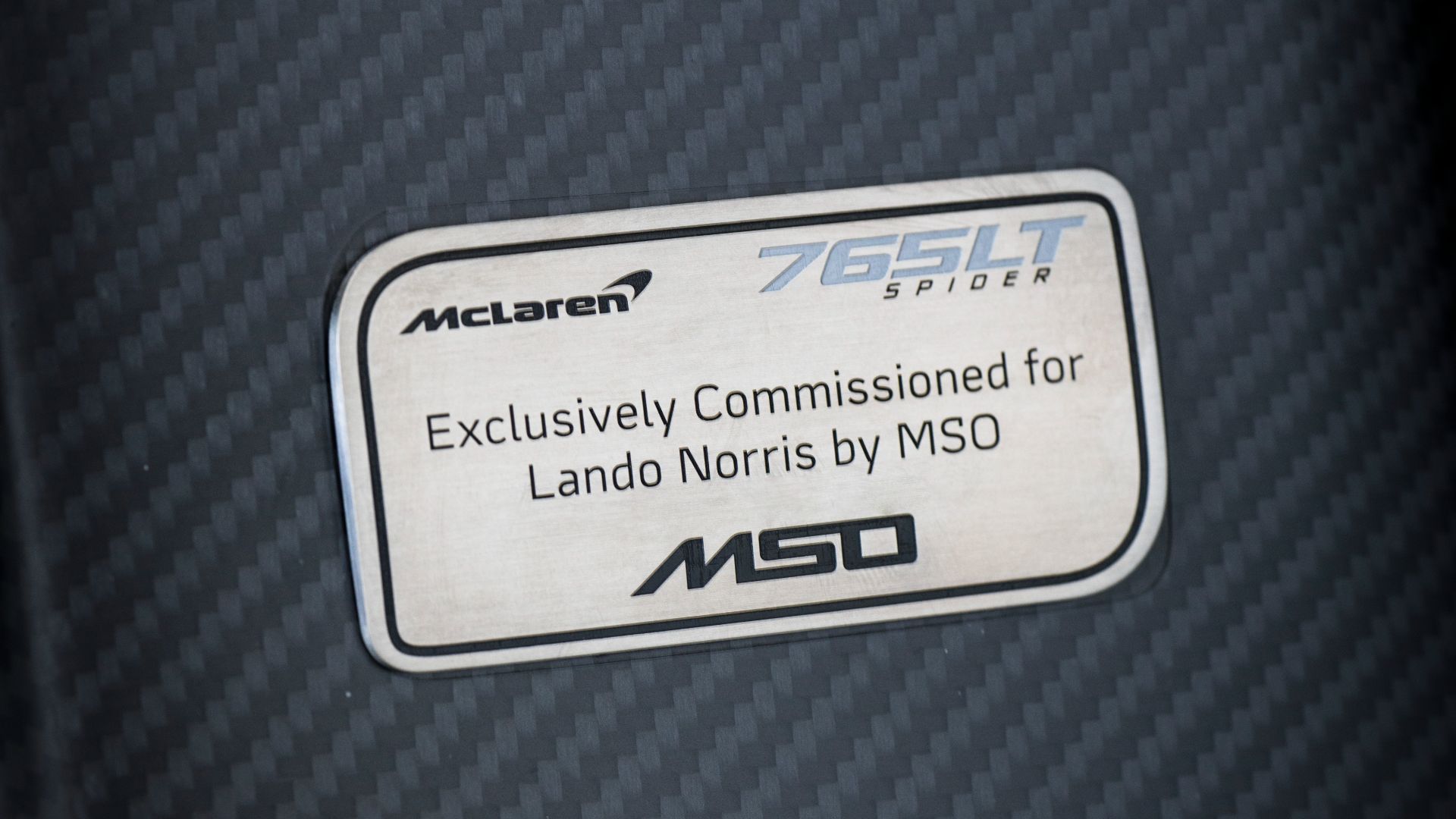
Norris collected his car from the futuristic McLaren Technology Centre in Woking, Surrey. The 765LT Spider has been modified by McLaren’s in-house MSO division to the 23-year-old driver’s exact spec, including body panels in blue-tinted visual carbon fibre and bright ‘Lando Yellow’ highlights. An ‘LN’ monogram is embossed onto the headrests of the blue Alcantara seats.

This unique Spider is one of 765 cars made, all of which have now been sold. “I’ve been able to drive a lot of different McLarens, but this is the first car that I’ve designed – this is me in a car,” said Norris.

“I’m a carbon lover, the more carbon I can have, the better. But I didn’t want to have my logo everywhere, I wanted something a bit more subtle and MSO has done a fantastic job to realise my vision.”

Along came a Spider

Lando Norris and McLaren 765LT Spider

McLaren launched the 765LT – a harder, faster version of the 720S – in 2020, then the Spider version followed in 2022. It’s the latest in a ‘Longtail’ bloodline that stretches right back to the McLaren F1.

Powered by a 4.0-litre twin-turbo V8, the 765LT Spider can hit 62mph in a blistering 2.8 seconds. Our review said: ‘The 4.0-litre V8 actually feels a little flat below 3,000rpm, but then it takes off like a lit firework. You’re pinned into the seat, involuntarily holding your breath, fingertips on the right paddle as you watch the change-up lights then grab the next gear. It’s intense.

‘Thankfully, at least for your licence’s sake, the LT is also engaging at sensible speeds. Its hydraulic steering – with a slower ratio for the Spider – is alive with constant feedback, while impressive visibility helps you place it precisely and use every inch of road.’

Compared with Lando’s McLaren MCL60 daily-driver, a 765LT Spider probably feels quite tame. But as a road car, it’s as wild and exhilarating as they come.

From racetrack to road

Lando Norris and McLaren 765LT Spider

The MCL60 has come up short from the outset of this season, with McLaren fans left disappointed by its performance. In truth, they may need to look to 2024, as it will be next month before the team’s new wind tunnel is installed and further development can truly take place.

Away from the track, as 765LT production winds down, the men and women of Woking are turning their attention to the new 750S: the lightest and most powerful series-production McLaren ever made. Read our full preview for all the details

The 750S will make its public debut at the Goodwood Festival of Speed this summer. Will Lando Norris be there to pull the covers off – or perhaps do a flat-out demo run up the famous Goodwood hillclimb? Don’t bet against it.

ALSO READ:

Concours on Savile Row brings rare classics to free London event

Rolls-Royce Dawn bows out as electric Spectre waits in the wings

New Mercedes-Maybach EQS SUV is the ultimate electric SUV… for now

Red Bull takes an Australian F1 road trip

Advertisement

Concours on Savile Row brings rare classics to free London event

0
2023 Concours on Savile Row

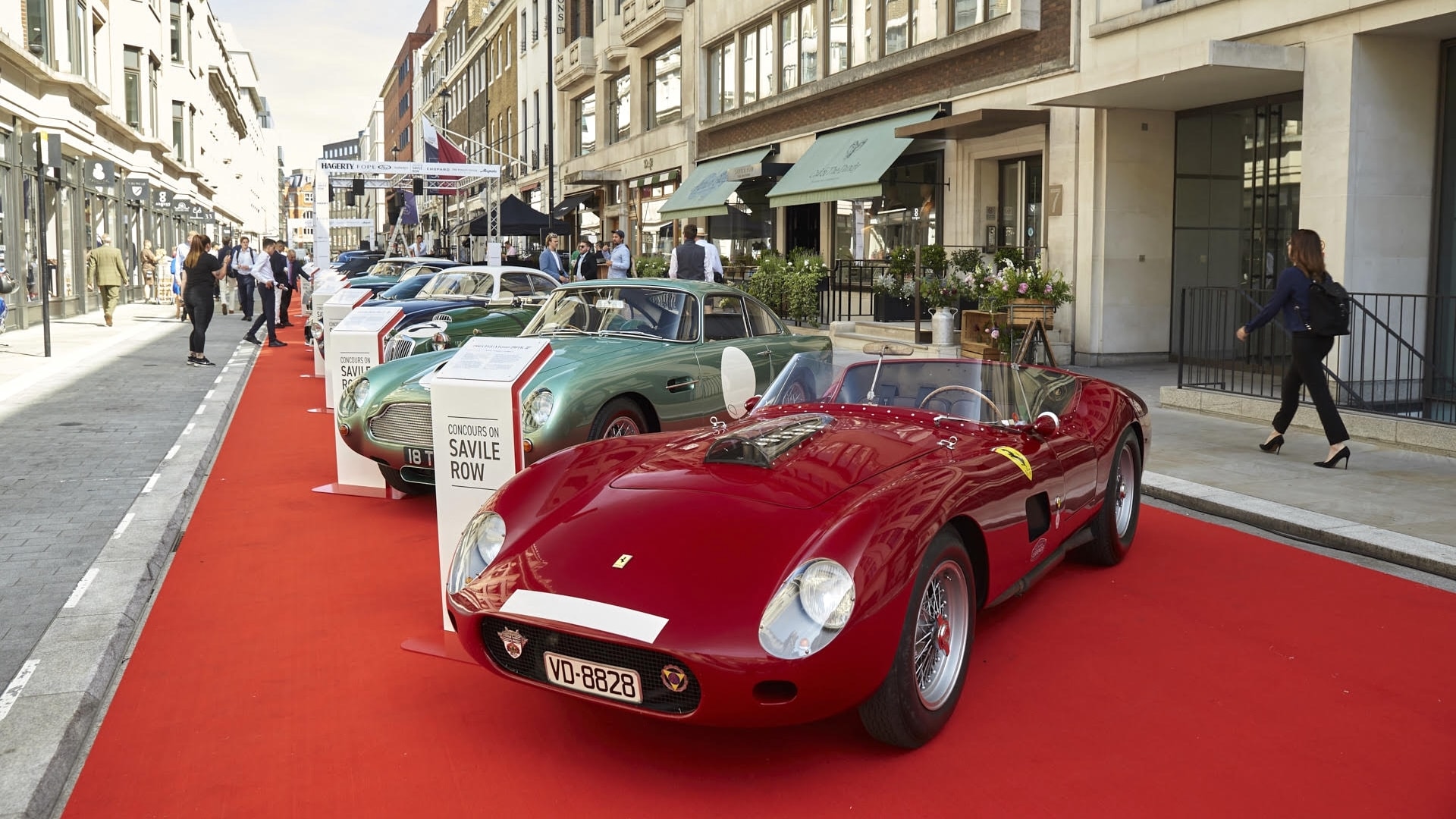
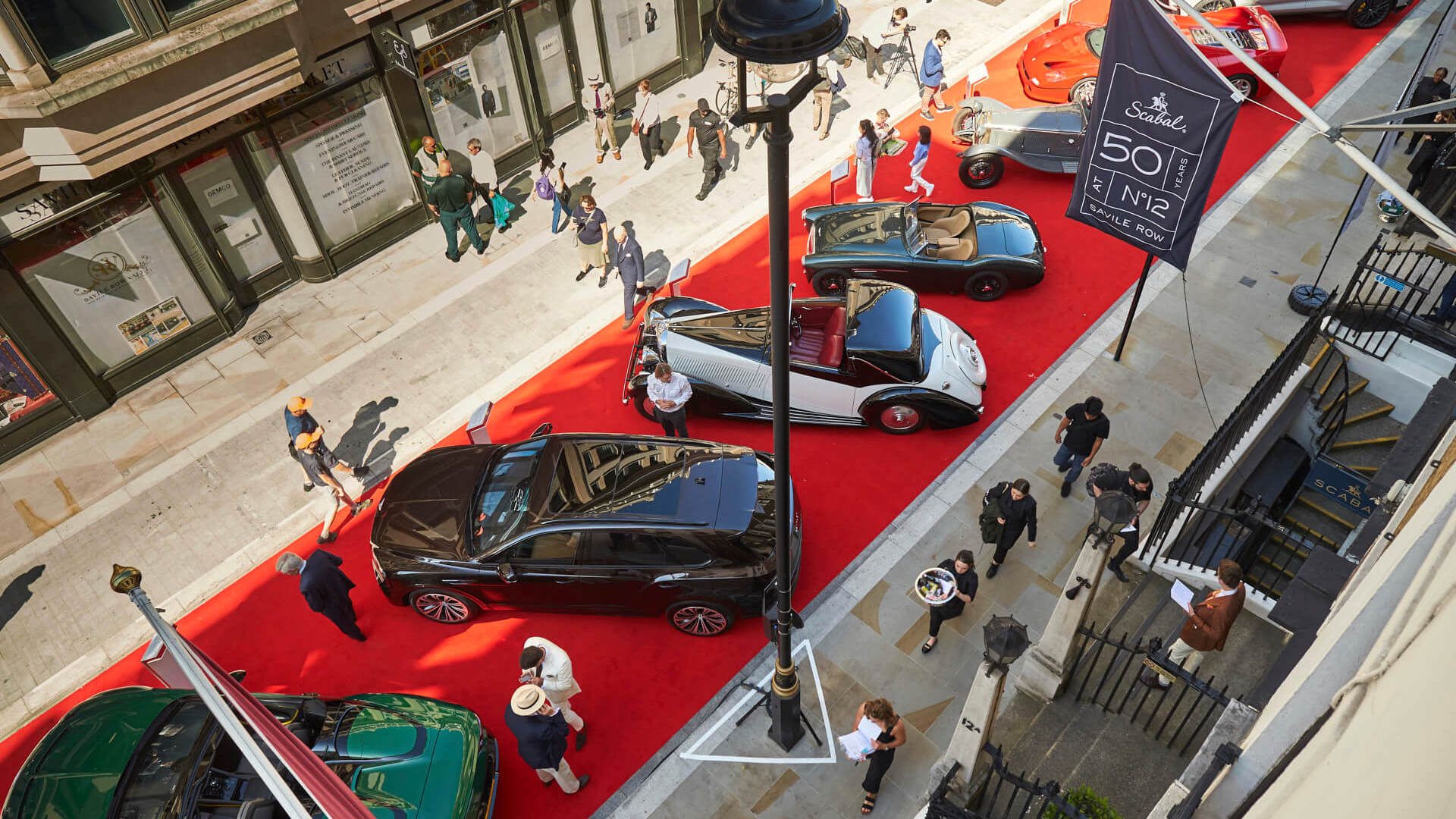
London’s Savile Row – famous for its high-end tailors – plays host to a display of rare and exotic retro cars next week. 

The second Concours on Savile Row promises to be even grander than 2022’s event, with more cars and additional supporting partners.

Taking place on Wednesday 24 May and Thursday 25 May 2023, the covers come off at 10am and the event remains open – with the street closed to normal traffic – until 8pm on both days. Concours on Savile Row is free to attend, with no tickets required.

Classic or electro?

2023 Concours on Savile Row

With an expanded array of cars, Concours on Savile Row will stretch the length of the street, seeing cars paired with particular tailors. For 2023, the show has also expanded around the corner, into the area outside the Royal Academy of Arts on Burlington Gardens.

Vehicles on show this year will span everything from a 1957 Ferrari 250 GT Spyder Competizione to a brand new Aston Martin DBX707 SUV

New marques taking part include Callum Design with its restomod Vanquish 25, and RML with its Ferrari-based Short Wheelbase supercar. Electrified exotics will also be present, including the Bentley S2 Continental by Lunaz and Superformance GT40 from Everrati. 

Alfa Romeo is using the event to celebrate the 100th anniversary of the Quadrifoglio badge, while Audi will display past and present models with Quattro four-wheel drive.

A red-carpet debut

2023 Concours on Savile Row

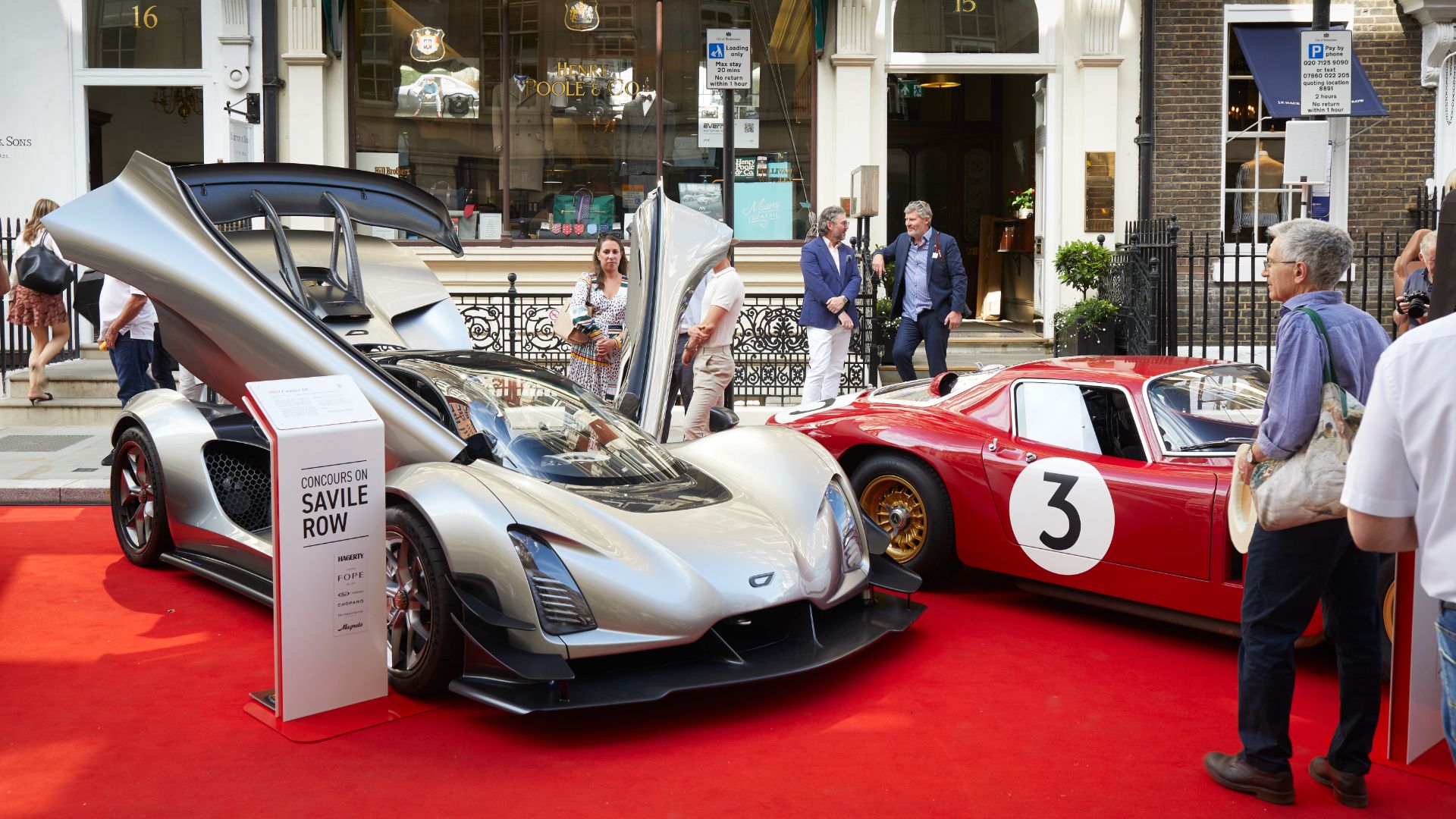
The significance of the Concours on Savile Row was demonstrated last year by the UK debuts of the Czinger 21C hypercar (pictured above) and McLaren Artura.

On the first evening of the event, EFG Private Bank and the Royal Academy of Arts will host a gala dinner in the Collections Gallery. The Academy will also lead a roundtable discussion on the topic of ‘investment-level collector cars that transcend the car hobby and become rolling works of art’.

Craft displays, live music and pop-up refreshment stalls will complete the event. The weather forecast looks good at the moment, too…

ALSO READ:

Le Mans legend: ex-works Porsche 962 heads to auction

Aston Martin DBS 770 Ultimate review

Hennessey opens new London showroom

Advertisement

Hennessey London opens at new Mayfair showroom

0
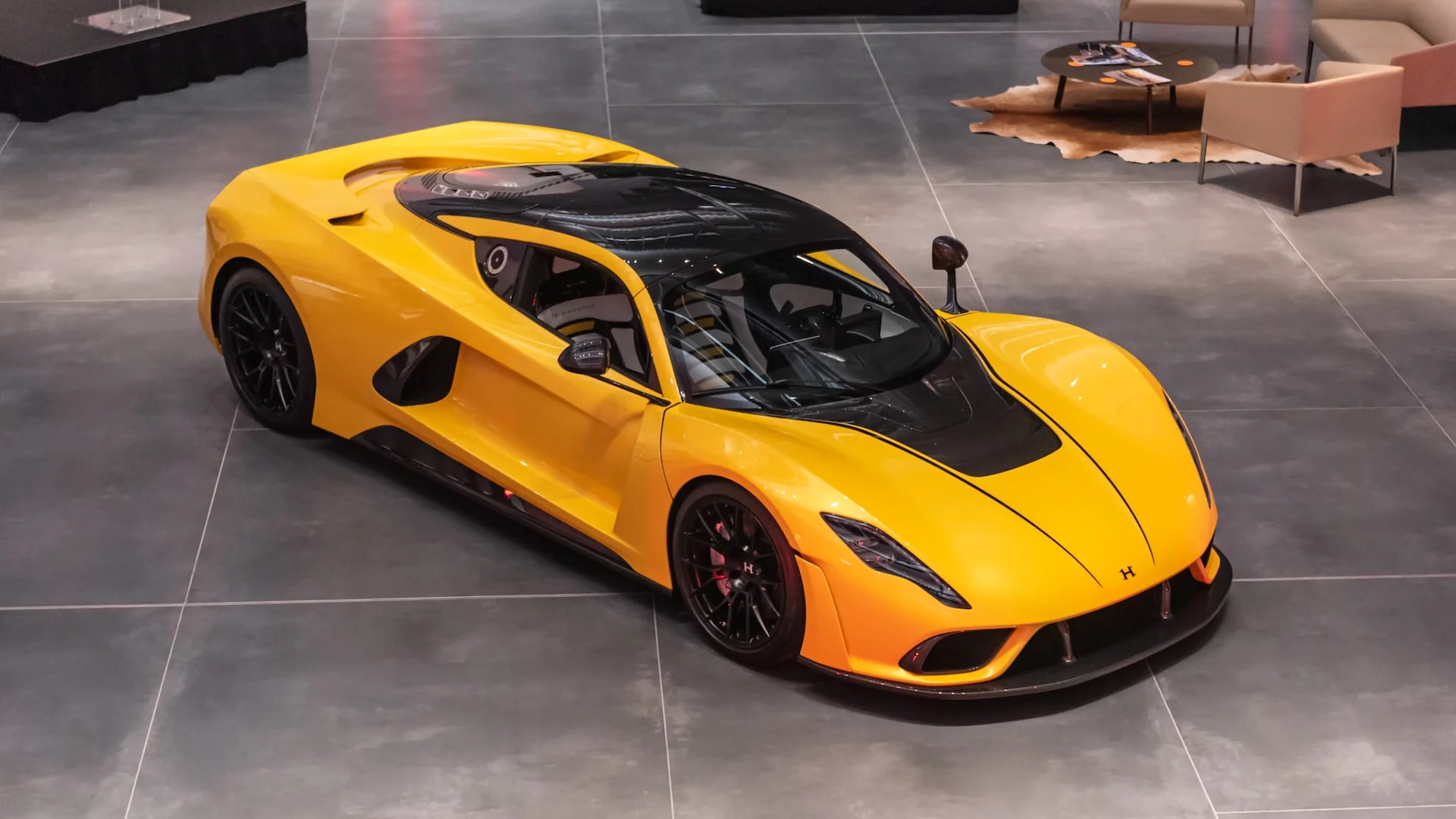
Hennessey London Hypercar Dealership

Texas-based tuning company and hypercar maker Hennessey has opened a new dealership in the heart of London. 

A partnership with H.R. Owen will see Hennessey vehicles sold from a showroom in Bruton Street, Mayfair. Hennessey will also be represented at H.R. Owen’s ‘super site’ in Hatfield, Hertfordshire.

The new Hennessey London location was chosen to ‘serve affluent residents’ in the capital, along with providing a gateway to customers in Europe.

Pushing performance boundaries

Hennessey London Hypercar Dealership

John Hennessey established his eponymous company in 1991, quickly building a reputation for extreme tuned cars. In 2011, Hennessey released the Venom GT, a highly modified version of the Lotus Elise that set several (unofficial) world speed records. 

Hennessey London will sell vehicles developed from the Venom F5 hypercar. Powered by a 1,817hp 6.6-litre twin-turbo ‘Fury’ V8, the F5 is predicted to be capable of more than 300mph

At launch, Hennessey noted that the Venom F5 could be built in right-hand-drive form. 

John Hennessey said: “We are very pleased to partner with H.R. Owen, the UK’s leading luxury motor group. Its team’s hypercar experience allows us to confidently expand our footprint, knowing that our clientele will be in the care of professionals. We are honoured to align with a professional team that shares our family ideals, brand vision and passion for ultimate performance.”

Hypercar heritage

Hennessey London Hypercar Dealership

Although all the planned 24 examples of the Venom F5 Coupe have been sold, Hennessey has since added new variants, including an open-top Roadster. 

A track-orientated ‘Revolution’ model was revealed earlier this year, with wild aerodynamic additions to generate 635kg of downforce at 249mph. 

Ken Choo, CEO of H.R. Owen, said: “The H.R. Owen Group looks to brands that relentlessly innovate, seeking to be the best no matter the cost or complexity. Hennessey is the perfect addition to our portfolio of partners, with a storied heritage, a proven hypercar that has already received critical acclaim, and a forward-facing vision of the future of performance.”

ALSO READ:

Lamborghini celebrates 60 years with record gathering at Silverstone

Skoda reveals new Royal Green paint to celebrate King’s coronation

Suzuki Jimny to get the Twisted treatment

Advertisement

How to buy the right tyres for your car

0
How to buy the right tyres for your car

It’s difficult to overstate the importance of tyres when it comes to safety. They’re the only part of a car that touches the tarmac, so every input you make – acceleration, steering or braking – must go through them. 

Their contact patch with the road is much smaller than you’d think, too: about the size of your computer keyboard across all four tyres.

There’s a reason all racing drivers are obsessed with tyres, then. And they’re just as vital for road driving. Read our five-minute guide to make sure you choose the right tyres and stay safe.

Are premium tyre brands better?

How to buy the right tyres for your car

Never has the mantra ‘you get what you pay for’ been truer than with tyres. They’re one of the few products where you really are better off plumping for a premium brand.

In a back-to-back test by journalist Jonny Smith, the dramatic differences between the name-brand and budget tyres was apparent. Comparing two identical examples of the Mercedes-AMG C63, the car with ‘premium’ Continental rubber performed much better in handling, braking and agility tests.

“Many people want to know why premium tyres are preferable to budget brands,” said Smith. “With tyres the only part of your car in direct contact with the road, it makes sense to ensure they’re the best quality possible.”

It’s not all about the high-performance stuff, though. Some tyres won’t be the right fit for your car. The track-focused Pirelli P Zero Trofeo R is not the right choice for a Toyota Prius, for instance. Likewise, eco-oriented tyres from a well-regarded brand won’t suit a McLaren Senna.

In direct comparisons using the tyre energy label, however, it’s still name brands that do best. A good mid-range tyre that performs well across fuel economy, wet weather and noise should suit most needs.

Tyre energy labels: explained

How to buy the right tyres for your car

So, what is the tyre energy label? Briefly, it’s a good way of comparing tyre performance – and indeed performance per pound. 

Every tyre sold since 2012 has come with an energy label, much like you find on fridges and other white goods. It allows you to compare products at a glance, with simple graphics showing how they stack up for fuel economy, wet-road grip and noise.

Fuel economy

This is based on a tyre’s rolling resistance – i.e. how much friction it generates with the road. Measurements are taken on a calibrated test rig. The lower the rolling resistance, the better the fuel economy. The most efficient rubber earns an ‘A’, while the least efficient tyres are rated ‘G’.

Wet-road grip

Good grip is most important when the roads are wet, so this rating is based on wet-braking performance in a straight line. Experts say an A-rated tyre can stop in a 30 percent shorter distance than a G-rated one. That’s potentially the difference between a near-miss and a dangerous crash.

Noise

Anyone who regularly drives the concrete section of the M25 will know just how noisy tyres can be. This final infographic puts the tyre into one of three categories, based on the noise it emits in decibels – measured from outside the car – when cruising at a steady speed. One black bar means a quiet tyre, while three bars is noisier, albeit still within legal limits.

Do I need different tyres for winter weather?

How to buy the right tyres for your car

Having the right tyres for the conditions can be transformative. On snow and ice, a two-wheel-drive car with winter tyres will fare better than four-wheel-drive SUV with standard rubber. It doesn’t matter which wheels are driven if traction isn’t put to the ground effectively. 

Winter tyres offer much-improved grip in cold conditions, including on dry roads if the temperature is below 7 deg C. They are actually mandatory during the colder months in some European countries. Just as slick rubber will dramatically increase performance on a dry track, so winter tyres boost grip in colder, frostier conditions.

There are also tyres suited to all types of conditions. ‘All-season’ doesn’t necessarily mean they’ll only work in a blizzard.

Are your car tyres safe?

MOT advisories

The law says you must replace a tyre once the tread-depth drops below 1.6mm across three quarters of its surface. An easy test is to place a 20p piece in the groove of the tyre. If the outer band of the coin is hidden, your tyre is legal. 

However, bear in mind that a new tyre has a tread-depth of around 8mm, so grip will be reduced – particularly in the wet – well before it reaches the legal limit. Consumer group Which? recommends replacing your tyres when tread depth reaches 2-3mm.

You should also check tyre pressures regularly. Over-inflated rubber could increase your risk of skidding or having a blowout, while too little pressure will increase fuel consumption and have a detrimental effect on handling. In both instances, your tyres will also wear at an excessive rate. The correct pressures for your car will be listed in the handbook. Alternatively, use the tyre pressure checker tool on the TyreSafe website.

Regularly check for flat spots, bulges, cracking and rubber degradation. A sun-dried tyre can be just as dangerous as having insufficient tread. Also, check they are still in-date. Look at the markings on the tyre’s sidewall and find a four-digit code. The third and fourth numbers here indicate the year of manufacture. If this is more than 10 years ago, replace your tyres.

Part-worn tyres: should you take the risk?

How to buy the right tyres for your car

On the subject of safety, part-worn tyres are often a false economy. If you’re paying two-thirds of the cost of a new set for tyres with 4mm of tread left, you’re paying more than half the price for half the product. 

Recent research has also indicated that as many as 90 percent of part-worn tyres in the UK aren’t safe for sale.

It isn’t illegal to sell part-worn tyres, but talk of a ban is in the air. If you really must, check for tread depth, pressure when inflated, flat spots, bulges, degraded rubber and other damage. Also check the date on the tyre.

Tyre sizes: explained

How to buy the right rubber for your car

Tyres come in a wide range of different sizes. Check your car handbook, or read the markings on the outer sidewall to see what size your replacement tyre should be.

For example, a typical tyre size is 195/50 R15H. Breaking this down gives you:

  • 195 – tyre width in mm
  • 50 – tyre sidewall profile, as a percentage of tyre width
  • R – stands for ‘Radial’. All modern tyres are radial-ply
  • 15 – diameter of the wheel rim in inches
  • H – speed rating (see below)

Regardless of the national speed limit being 70mph, you must fit tyres rated for the maximum speed of your car. Speed ratings are marked with letters and range from N (88mph) to ZR (over 149mph). You’ll find a full list of speed ratings on the TyreSafe website.

How to save money on tyres

How to buy the right tyres for your car

We really can’t say it enough – don’t scrimp on rubber. They are the most safety-critical part of your car, so buy the best you can. And there are ways you can avoid paying over the odds for good quality tyres.

If you need a tyre at short notice, the cheapest option will probably be an independent tyre fitter, rather than a franchised car dealer. Make a few phone calls to compare prices and ensure the fee you are quoted includes new valves, fitting and balancing. Remember, you can haggle.

If you have more time, buying online will almost certainly prove cheaper – and you may be able to have the them fitted at your home or office. Again, it pays to shop around as there are plenty of retailers competing for your business. Popular websites include Asda Tyres, Black Circles, MyTyres and Tyre Shopper.

ALSO READ:

What are the pros and cons of smart motorways?

How to avoid buying a cloned car

The best new cars to buy in 2023

Advertisement

Yellow box junctions: what are the rules and how can I avoid a fine?

2
Yellow box junction

A study by the RAC has uncovered problems with 90 percent of proposed new yellow box junctions.

Previously, this type of monitored junction was only located in London and Cardiff, but a ruling in 2022 has granted councils across the UK new powers to enforce moving traffic offences.

Yellow box junctions are designed to prevent a road becoming blocked and keep traffic flowing. However, they can also catch drivers unawares, resulting in a fine of up to £130.

Many are monitored by enforcement cameras, which can automatically process penalty charge notices (PCNs) – hence their ‘money box junctions’ nickname.

Our guide will help you obey the rules and avoid a penalty.

Yellow box junctions are usually found in urban areas, where tailbacks can block opposing traffic flow. Previous research by the RAC found eight in 10 drivers said they struggle to drive cleanly through yellow box junctions. And the motoring organisation’s latest report found more than half (55 percent) of the new yellow box junctions applied for by councils since 2022 directly contravene the current government guidance.

An investigation by Click4Reg found London councils earned up to £520,000 from moving traffic violations every day.

The City of London borough typically issues up to 200,000 penalties in a year, making around £25 million as a result.

Read on for the facts about yellow box junctions.

Breaking the rules of yellow box junctions

Yellow box junctions: what you need to know

What is the point of a yellow box junction?

A box junction keeps traffic flowing by marking out an area of road space that should be kept clear at all times.

When can I drive into a yellow box junction?

You are only meant to enter a box junction if your exit is clear – in other words, if you can drive all the way through it without stopping.

Am I ever allowed to stop in a yellow box junction?

If you are turning right, you can stop in a box junction if oncoming traffic prevents you from doing so – but only if your exit is clear.

What is the penalty for stopping in a yellow box junction?

The fine for stopping in a yellow box ranges from £70 to £130 (the latter in London). However, it is halved if paid within 14 days.

Will I get points on my licence for breaking yellow box rules?

No, you will not receive penalty points on your driving licence for a yellow box offence.

Why do people get annoyed about yellow box junctions?

Motorists get frustrated with box junction transgressors because everyone else gets blocked, along with the offending driver. It is considered one of the more ‘selfish’ motoring offences.

I still remember something about them from my driving test…

Well remembered! Yellow box junctions are covered by rule 174 of the Highway Code.

Video: how to use a yellow box junction

RAC spokesperson Simon Williams said: “Our research shows yellow box junctions are very divisive issue for drivers.

“There is a strong feeling that many junctions are not set up fairly, which leads to drivers having no choice but stop in them, whether that’s due to poor traffic light sequencing, poor design or being used in the wrong place.

The RAC adds that authorities should carefully analyse every yellow box junction before installing a camera, to confirm it’s possible to drive through without stopping.

ALSO READ:

How to drive safely on smart motorways

The hidden secrets of everyday motoring

The best new cars to buy in 2023

Advertisement

Firefly Sport EV: the electric sports car helping kids be safer drivers

0
Firefly Sport EV

Here’s a sobering statistic: 20 percent of newly qualified drivers will crash within six months of passing their test. However, with tuition via the Young Driver scheme, that number tumbles to less than 10 percent.

Young Driver is the UK’s largest driving school for children, with 70 venues across the country. Kids aged 10-17 can get behind the wheel of a Vauxhall Corsa, but the coolest car – the new Firefly Sport EV – is reserved for those aged 4-10.

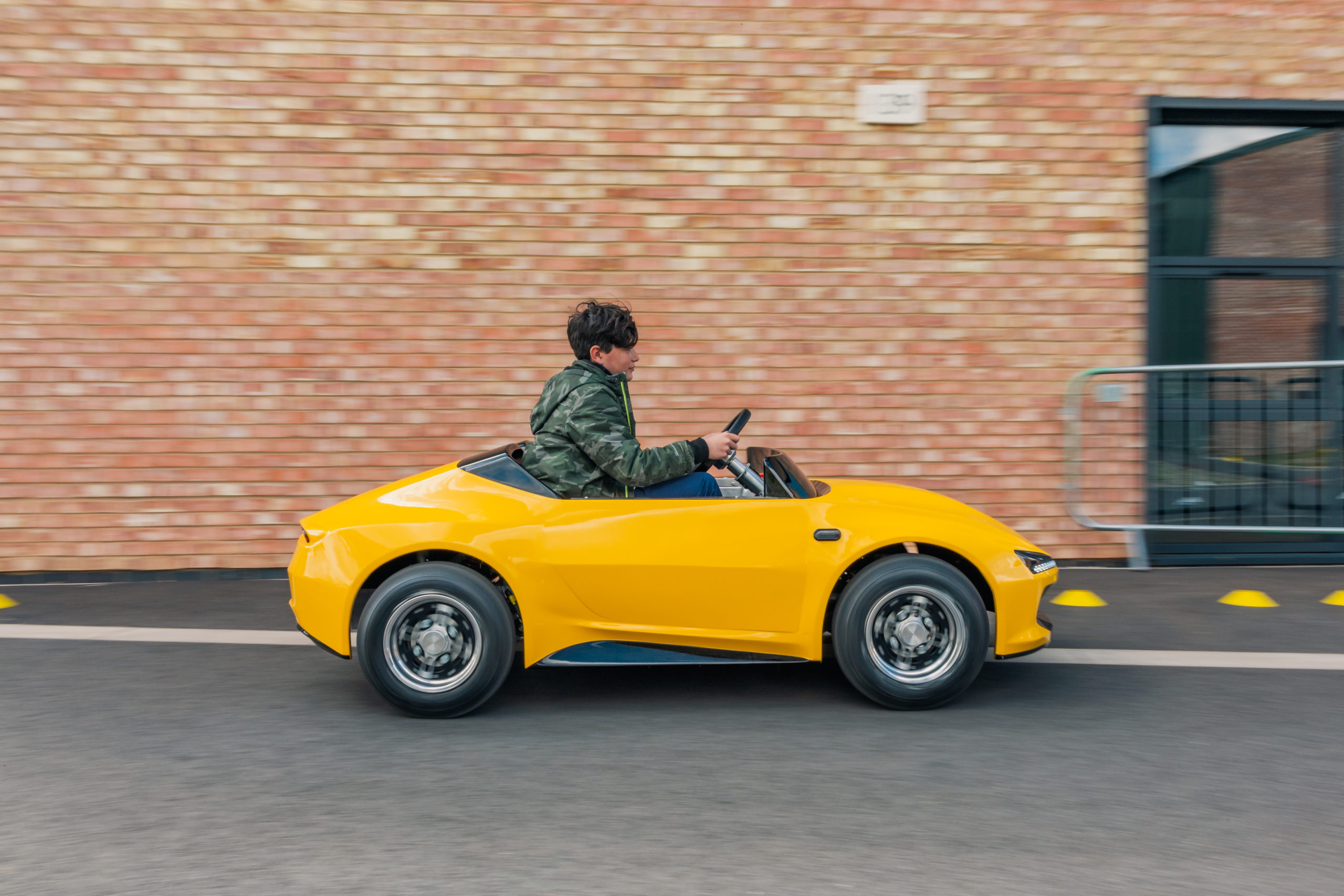
Powered by 12-volt batteries and two 24-volt motors, the Firefly Sport looks like a shrunken supercar and boasts a top speed of up to 25mph. We enlisted the help of a youthful volunteer to bring you our first drive verdict…

‘An authentic experience’

Firefly Sport EV

In truth, my son Thomas – at 12 years old – is already beyond the Firefly Sport’s target age range. But he gamely accepted the assignment, jumping aboard the electric roadster at Bicester Heritage in Oxfordshire.

With an aluminium chassis, independent suspension, alloy wheels and rack-and-pinion steering, the Firefly is designed to offer ‘an authentic motoring experience’. It can be recharged via solar panels and, for nervous parents, a remote cut-off switch can stop the car from 200 metres away. There’s also an optional roof if the weather turns a bit ‘British’.

Speaking of which, the Firefly Sport is also a fully homegrown effort. The chassis is constructed in Coventry, the body in Huddersfield, the electric motors are made in Bournemouth and the batteries come from Bromsgrove. 

Need for speed

Firefly Sport EV

Thomas liked the Firefly Sport’s “mini McLaren” styling and found its two-seat cabin quite roomy, despite being designed for younger children. The biggest draw, though, was the tablet-style dashboard, with digital dials, a reversing camera, music streaming and ‘more than 1,000 sound effects’. Take that, Tesla.

Around a road-style course marked out by cones, Thomas quickly got to grips with the Firefly’s simple controls. His initial aim was to go as fast as possible, but soon he was using the indicators, stopping at junctions, reverse-parking and driving (almost) like a grown-up.

“That was a really fun experience,” said Thomas after handing back the £11,500 Firefly (“worth more than your car, dad”) in one piece. “It was easy to drive, actually, but harder to remember all the rules of the road.”

Investing in the future

Firefly Sport EV

Sessions in the Firefly Sport cost £20 for 15 minutes and can be booked via the Young Driver website. If you have a child aged 10+, lessons with a fully qualified instructor in a Corsa cost from £40.

Speaking about the Young Driver initiative, Fifth Gear presenter Vicki Butler-Henderson said: I strongly believe in getting behind the wheel as soon as possible. You don’t have to aim for a career as a driver – learning early will be a huge benefit for anyone”.

As for Thomas, he’s keen for another go. If it prevents him following his dad’s example – of rear-ending a BMW the day after my driving test – it could be a wise investment.

ALSO READ:

How to drive safely on smart motorways

Best electric cars to buy in 2023

Your EV questions answered on Motoring Electric

Advertisement