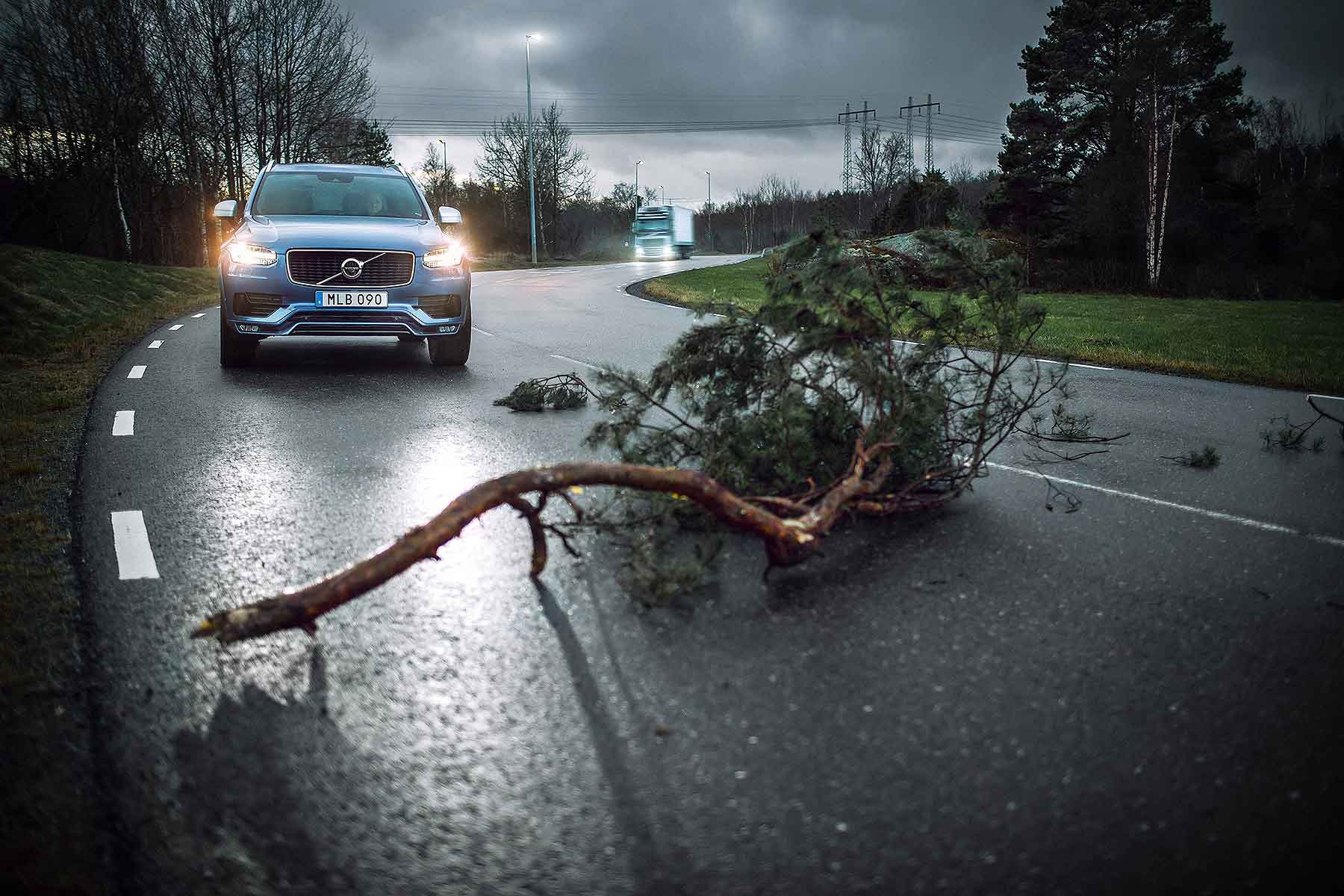
Volvo is, for the first time, to share real-time safety alert data with another company. OK, that company is Volvo Trucks, but it’s still another step towards all cars becoming connected and talking to one another.
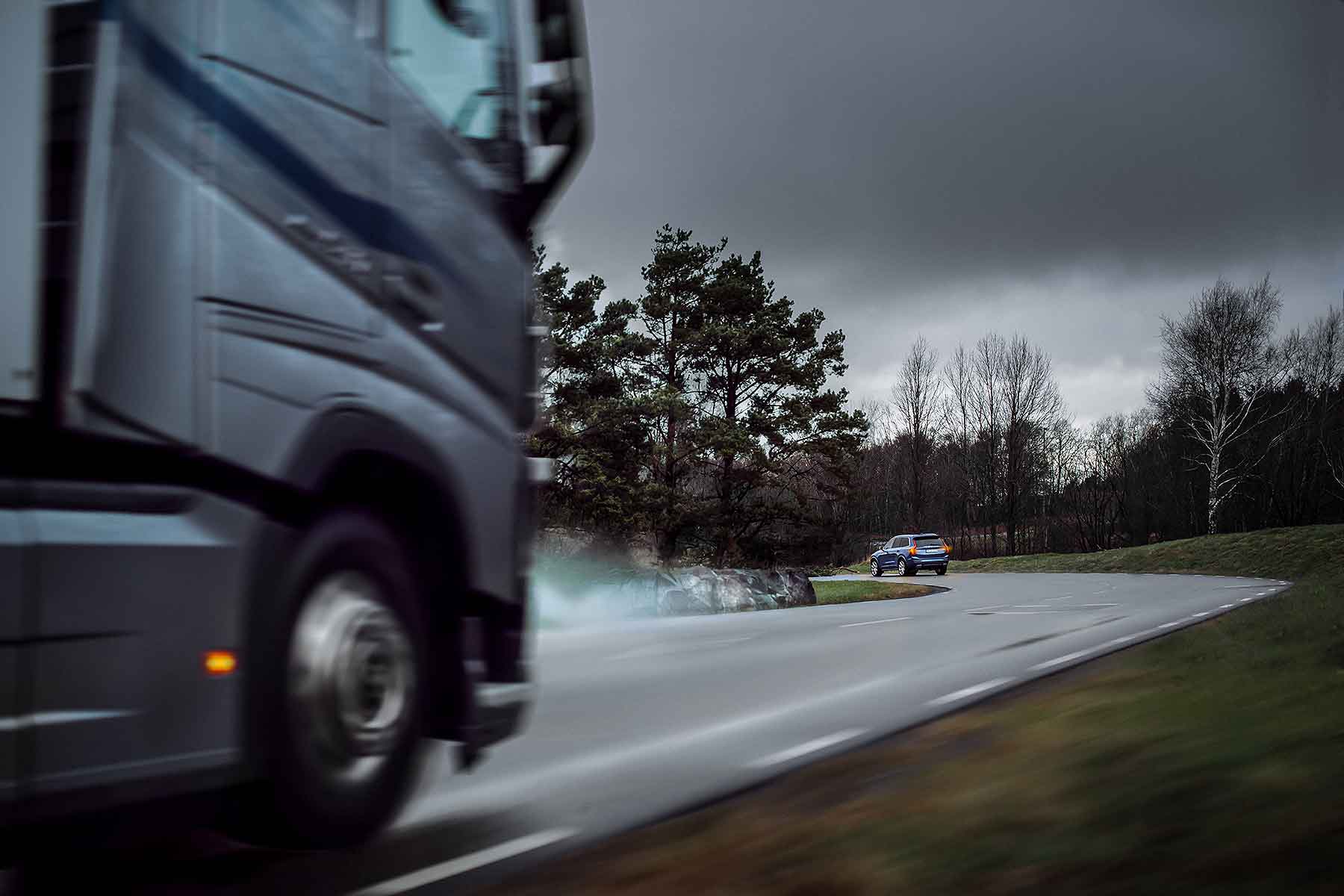
The service will initially start in Sweden and Norway. Volvo trucks fitted with hazard alert systems will be able to communicate with Volvo cars equipped with the Hazard Light Alert system, and vice versa. A UK launch has not been confirmed, but is expected.
All data will be communicated live, but it will be anonymised and fully secure, stresses Volvo – so the cloud-based system will be GDPR-compliant.
“Sharing real-time safety data based on our connected safety technology can help avoid accidents,” said vice president of Volvo Cars Safety Centre Marlin Ekholm. “The more vehicles we have sharing safety data in real time, the safer our roads become.”
The safety boost in Sweden and Norway is itself expected to be significant. Volvo trucks and cars represent a “considerable portion” of new vehicle sales in both countries; Hazard Light Alert has been standard on all 90 and 60-series cars there since 2016, and is on the new XC40.
Adding Volvo Trucks will “cover more area, identify more potential hazards and boost overall traffic safety”, particularly on blind corners and over the crests of hills. Drivers, said Ekholm, will “virtually ‘see around the corner’ and avoid an accident before it happens.”
And Volvo is open to speaking with other companies about a safety data-share pair-up. “We look forward to establishing further collaborations with other partners who share our commitment to traffic safety.”
Volvo, remember, invented the three-point seatbelt but then, in 1959, opened up the patent to all other vehicle manufacturers. Estimates put the lives subsequently saved at one million and counting. Could its push for real-time safety alerts lead to many more saved lives in the future?
2018 Ford Fiesta ST prices start from an ultra-competitive £18,995, Ford has announced – and the hot new fast Ford is open for ordering now, with first deliveries expected in the summer.
The sub-£19k starter price is for the ST-1, which still includes modern-day essentials such as air con, 6.5-inch Ford Sync3 touchscreen infotainment with Apple CarPlay and Android Auto, Recaro sports seats, 17-inch alloys, cruise control and a full Euro NCAP-approved safety pack.
Pricing the new Fiesta ST from under £19,000 makes the new fast Ford appear very competitively positioned alongside its key rivals – none of which can be bought for less than £20,000.
Ford Fiesta ST: starting prices of its rivals
Mini Hatch Cooper S 3-door: £20,635
Peugeot 208 GTI 208: £21,185
Renaultsport Clio 200 Turbo: £20,300
Vauxhall Corsa VXR: £21,145
Volkswagen Polo GTI DSG: £21,145
However, the Fiesta ST-2, which costs from £19,995, is likely to prove the most popular new Fiesta ST because of the extra kit included for the £1,000 price premium.
This includes climate control, premium B&O Play sound system, heated Recaro seats, rear privacy glass, an alternative machine-finish 17-inch alloy… and blue front seat belts.
The ST-3 costs £21,495 and sadly loses the blue front seat belts. It does gain larger 18-inch alloys though, plus power-fold door mirrors, auto wipers and auto-dim rear-view mirror, red brake calipers, keyless start, a 4.2-inch digital instrument cluster and a larger 8-inch Sync3 infotainment screen.
Seven colours are available: Race Red, Frozen White, Magnetic (a dark grey), Moondust Silver, Shadow Black, Silver Fox and, unique to the ST, Performance Blue. Race Red is free, the others are optional metallics, priced from £495 (Silver Fox and Performance Blue are £745).
All versions can be ordered with the ST Performance Pack, an £850 option that includes a Quaife limited-slip differential (a fast Fiesta first), Launch Control and ‘performance shift lights’. We at Motoring Research already consider this a must-have…
Aston Martin is honouring the 20th anniversary of its original V8 Vantage V600 with an ultra-limited run of 2018 V12 Vantage V600 special editions – which will also mark the end of production of its long-running ‘VH’ sports car platform.
The original 1998 V600 was a V8 Vantage, but apparently it’s a customer commission that’s led to the contemporary V600s being V12s. They commissioned just 14 cars: seven coupes and seven roadsters.
All have a seven-speed manual gearbox paired with the 600hp naturally-aspirated V12 engine: they’ll also probably be the 6.0-litre V12’s swansong, as its been replaced by a 5.2-litre twin-turbo V12 in the latest DB11.
The power is unchanged over the 1998 original though – which underlines just what a monstrously powerful car it was for the time. A supercharged version of Aston’s famed V8 engine delivered the firepower.
Creating a special edition of a car that’s already been replaced is an unusual commission, but such is the flexibility of the Q by Aston Martin bespoke division, it was able to manage it.
Indeed, said Aston Martin vice president and chief creative officer, “this is precisely why we created our ‘Q by Aston Martin – Commission’ service.
“Our customers can create truly bespoke sports cars by personally collaborating with myself and Aston Martin’s design team. The V600 name remains a classic in Aston Martin’s heritage and I’m proud to see it adorn the V12 Vantage V600 once again.”
The new V600s have been given a unique grille and bulging bonnet, revised side strake and a brand new carbon fibre rear diffuser. Centre-lock forged and machined alloy wheels are fitted.
Inside, the interior is decked out in carbon fibre and dark anodised aluminium. The lightweight seats have new trim and the centre armrest is made from hand-crafted saddle leather.
Once the 14 cars have been finished, that’ll be it for the Aston VH platform, which has underpinned everything from the firm since the original DB9 and V8 Vantage. Today’s architecture is several generations on in terms of sophistication, making these V600s retro modern classics straight out the box.
The customer who commissioned the V12 Vantage V600, dubbed ‘Triple V’, has not been named – but they’re not buying all of the cars, which is great news for Aston collectors. Deliveries begin in autumn 2018: pricing and ordering is strictly upon request…
Jaguar has opened a new hot lap experience at the ‘hellish’ Nürburgring Nordschleife, running a 575hp F-Type SVR and the equally-potent XJR575 to take up to three people on high-speed experiences of the world’s most challenging racetrack.
The Jaguar Race Taxi experience sees professional drivers become taxi drivers, hammering the cars around the German racetrack and generating cornering forces of up to 1.2g.
Indeed, “our highly experienced professional drivers are veterans of the Nürburgring 24-Hour Race,” said JLR European engineering operations manager Phil Talboys, “making them uniquely qualified to show customers the true potential of these V8 Jaguars”.
With 73 corners and nearly 21km of racetrack to learn like the back of their hand, such experience is reassuring.
The only proviso is that passengers must be aged 18 or over: although the F-Type will only seat one person, up to three passengers can go out in the XJR575 – and the €199 cost (that’s around £175 at today’s exchange rates) is a cost per lap, not per person.
Book either in person at the track, or in advance via Jaguar’s German website. For 2018, the Jaguar Race Taxi experience will run from now until November.
Jaguar Race Taxi experience
How much: €199 (around £175)
How many people: One person (F-Type SVR), three people (XJR575)
How long: 30 minutes
What you get: Safety briefing, hot lap of the Nürburgring Nordschleife, post-lap video footage review
Go-faster stripes: turning the humdrum into a humdinger since the 1960s. Ever since Briggs Cunningham painted a pair of blue lines along the bonnet, roof and rear of his 1951 C-2R Le Mans car, the racing stripe has been synonymous with the quest to go faster.
As an article in the spring 2015 issue of The Shelby American explains, “Cunningham liked the white and blue colour combination. American FIA entries had been painted white, so Cunningham chose to paint his cars that colour. With this paint scheme Cunningham’s cars became instantly recognisable. In fact, in subsequent years twin stripes were referred to as ‘Cunningham stripes’.”
But while the American millionaire blazed a trail for stripes on the track, it was left to designer Peter Brock to champion their use on the road. Having spotted an unfinished custom 1946 Ford Convertible at a used car lot, Brock set about building his dream car. The blue stripes applied to the finished article were a tip of the hat to the Cunningham race cars of the 1950s.
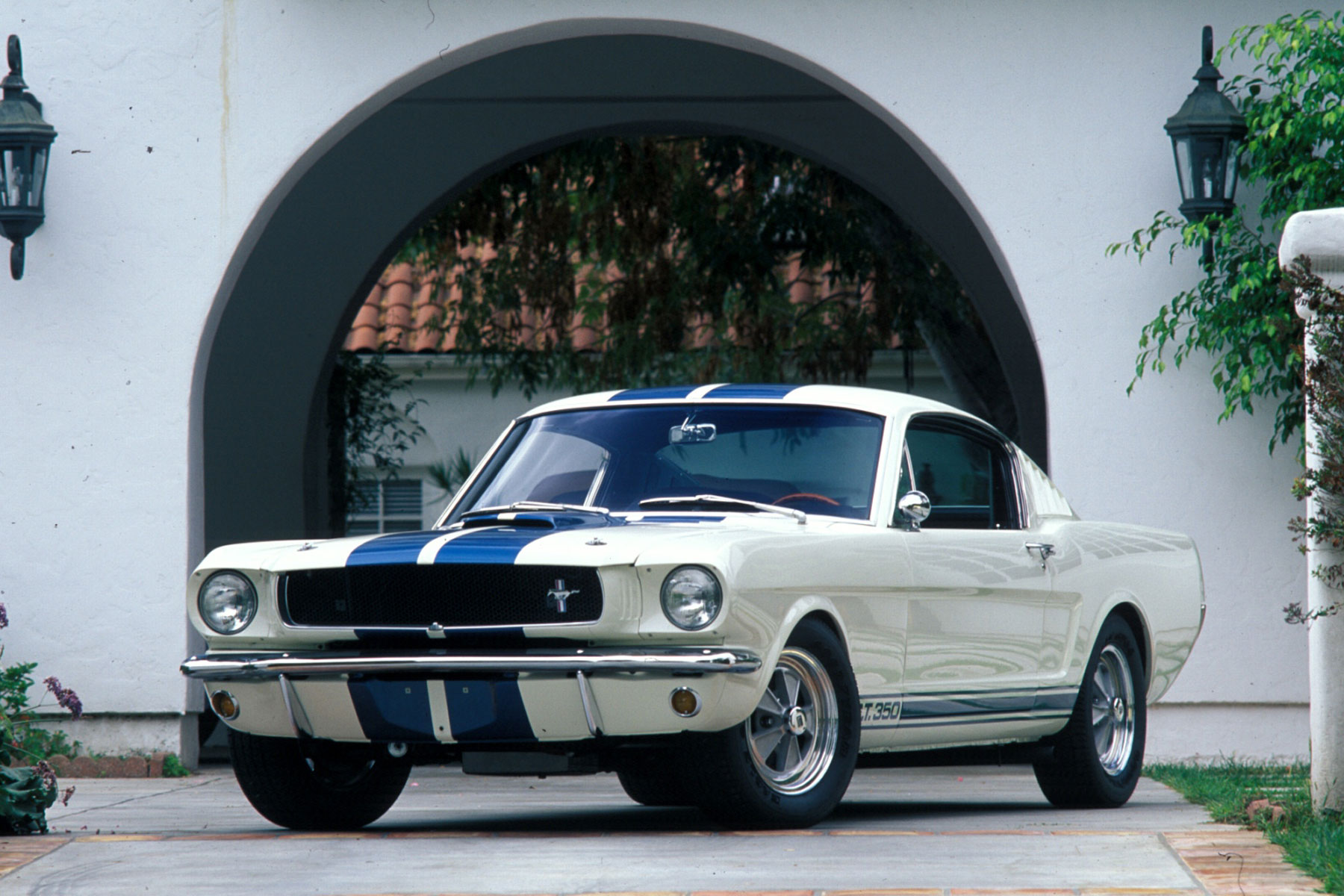
The story continued when Brock – who was working at Shelby American as its designer – was tasked with creating a competition look for the Shelby Mustang GT350, without the use of badges or bespoke body panels. With no budget to play with, Brock kept things simple, using GT40-inspired stripes along the side of the car, with a pair of 10-inch wide ‘Le Mans stripes’ running from the gravel pan at the front to below the bumper at the rear.
Many of the Wimbledon White cars were delivered without the iconic stripes, with dealers fearful of undue attention from the police. Customers prepared to risk a run-in with the law could have the stripes applied at the dealership, presumably all too happy to bask in the glow of a competition-look road car.
Meanwhile, on the other side of the Atlantic, France was waking up to the power of the go-faster stripe. Unveiled at the 1964 Paris Motor Show, the Renault 8 Gordini caught the eye thanks to its Bleu de France paintwork and twin white stripes.
Soon, the lines of paint or decal strips were earning their stripes in accessories catalogues across the world. In the US, go-faster stripes became almost mandatory equipment on the new breed of muscle cars sweeping the nation, with manufacturers aware of their showroom appeal.
American Motors even attempted to leverage some go-faster magic on its ad for one of the country’s cheapest cars, with the press advertisement for the Rambler asking: “Do Rogues really come with rally stripes?” before answering: “No, but with the new engine they drive that way.”
Flash – king of the universe
Here in the UK, if a manufacturer didn’t offer stripes as an option, it was easy to find an aftermarket company that would. The Ford Lotus Cortina was one of the earliest flag-bearers, with its olive green painted flash helping create one of the most memorable styling jobs of the 1960s.
Of note is the fact that, in common with the Shelby GT350, the Lotus Cortina used the ‘less is more’ approach to devastating effect, inspiring countless imitators in the process. The go-faster stripe was a central part of the overall package.
From sports cars to coupes, and more recently hot hatches, the go-faster stripe became a visual clue that a car might be packing a little more punch than it first appeared. And even if it didn’t, there were obvious psychological benefits associated with the upgrade.
The go-faster stripe was a cast-iron guarantee that the Maidstone inner ring road would be turned into the Mulsanne Straight, at least that’s what the driver thought when at the wheel of his or her Mini 1275 GT, Austin Allegro Equipe or Hillman Avenger.
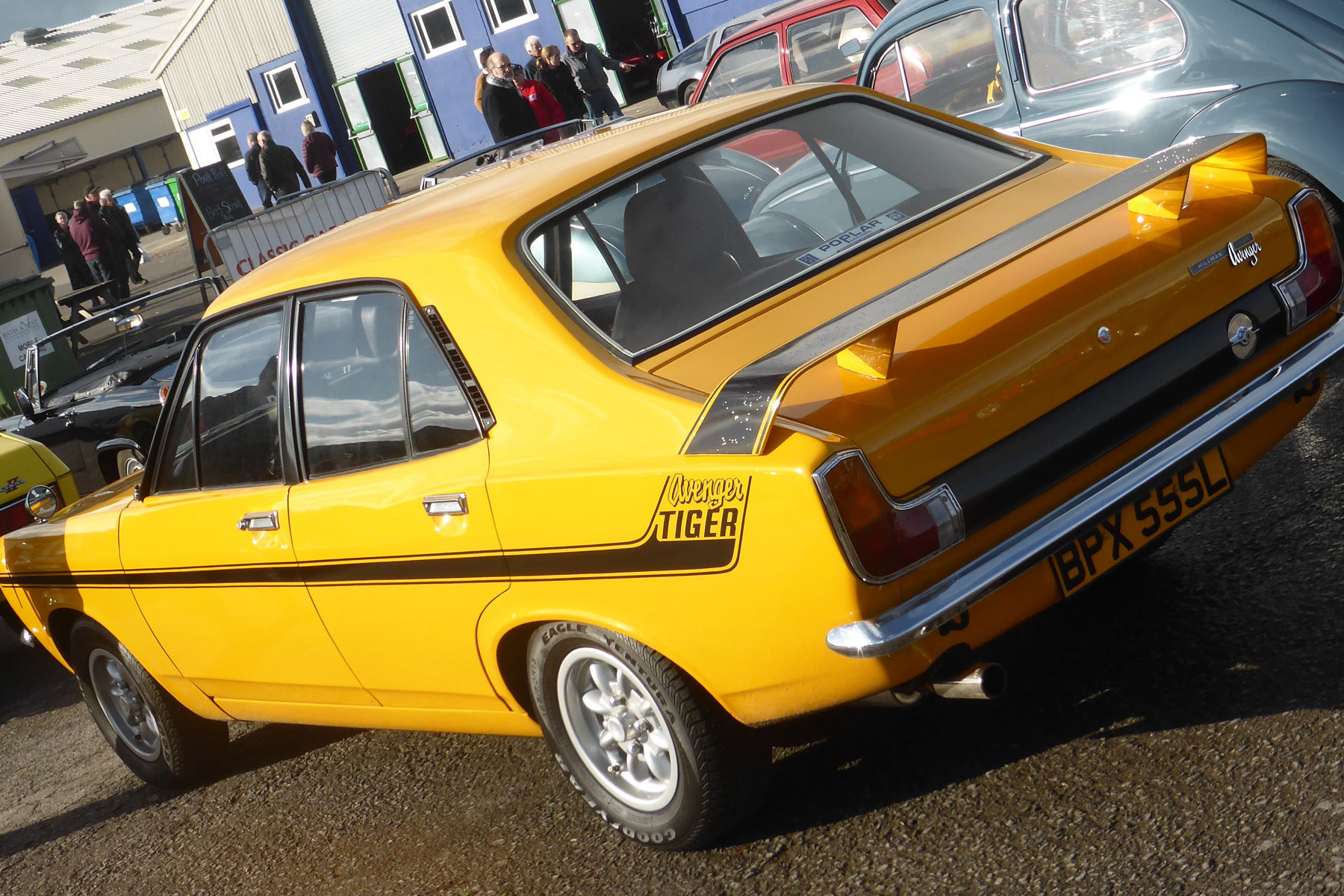
In fact, the Avenger Tiger featured one of the most exquisitely executed go-faster stripes of the 1970s, with the black decals contrasting beautifully with the Sundance Yellow paintwork, and blending seamlessly into the rear spoiler. Few cars wore their stripes quite as well as the Tiger and Vauxhall Viva Brabham.
In 1980, Goodyear offered free go-faster stripes with a set of Grand Prix-S recessed white letter tyres. “Go faster stripes free with every set of go safer tyres,” proclaimed the advert, although it’s not clear how many people claimed this attractive offer.
From Viper to Sting
Today, the go-faster stripe is still used to good effect by car manufacturers as part of their personalisation packs, although the results aren’t always successful. A set of side stripes on a Fiat 500 would be a good investment at £150, but if you spent cash on stripes for your Nissan Pixo or previous-generation Peugeot 108, you might want to speak to a financial adviser.
As a rule of thumb, the go-faster stripe works best on a car with a close link to motorsport. Which is why the black stripes on the Porsche 911 Carrera T and the white stripes on the Ford GT ‘67 Heritage Edition work so well. It’s authentic, innit.
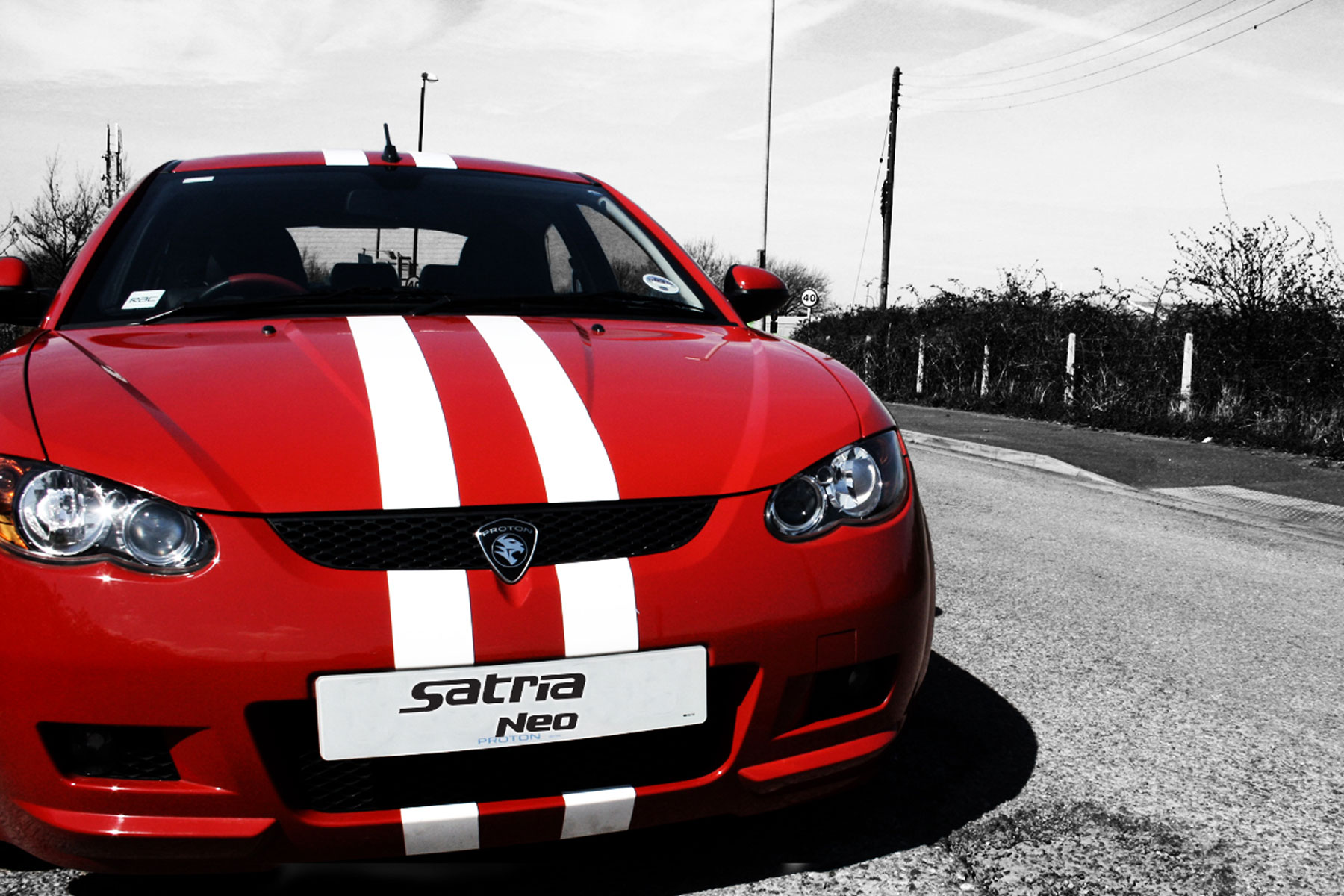
And we can’t overlook the impact of the Dodge Viper, which introduced a new generation to the joys of the stripe. Without it, we might not have seen the likes of the Proton Satria Neo Sport and the Vauxhall Corsa Sting.
Clearly, the go-faster stripe can give a car ideas above its station, but on balance it’s a force for good. It says more positive things about you than a sticker for a local commercial radio station, which serves only to tell the world that you enjoy your music being interrupted by hyperactive DJs and your weather forecasts bookended by ads for double glazing firms.
Some would argue that there hasn’t been a car built that can’t be improved by a set of black steel wheels, but is the same true of the go-faster stripe? Ladies and gentlemen, we present the following evidence to spark some debate…
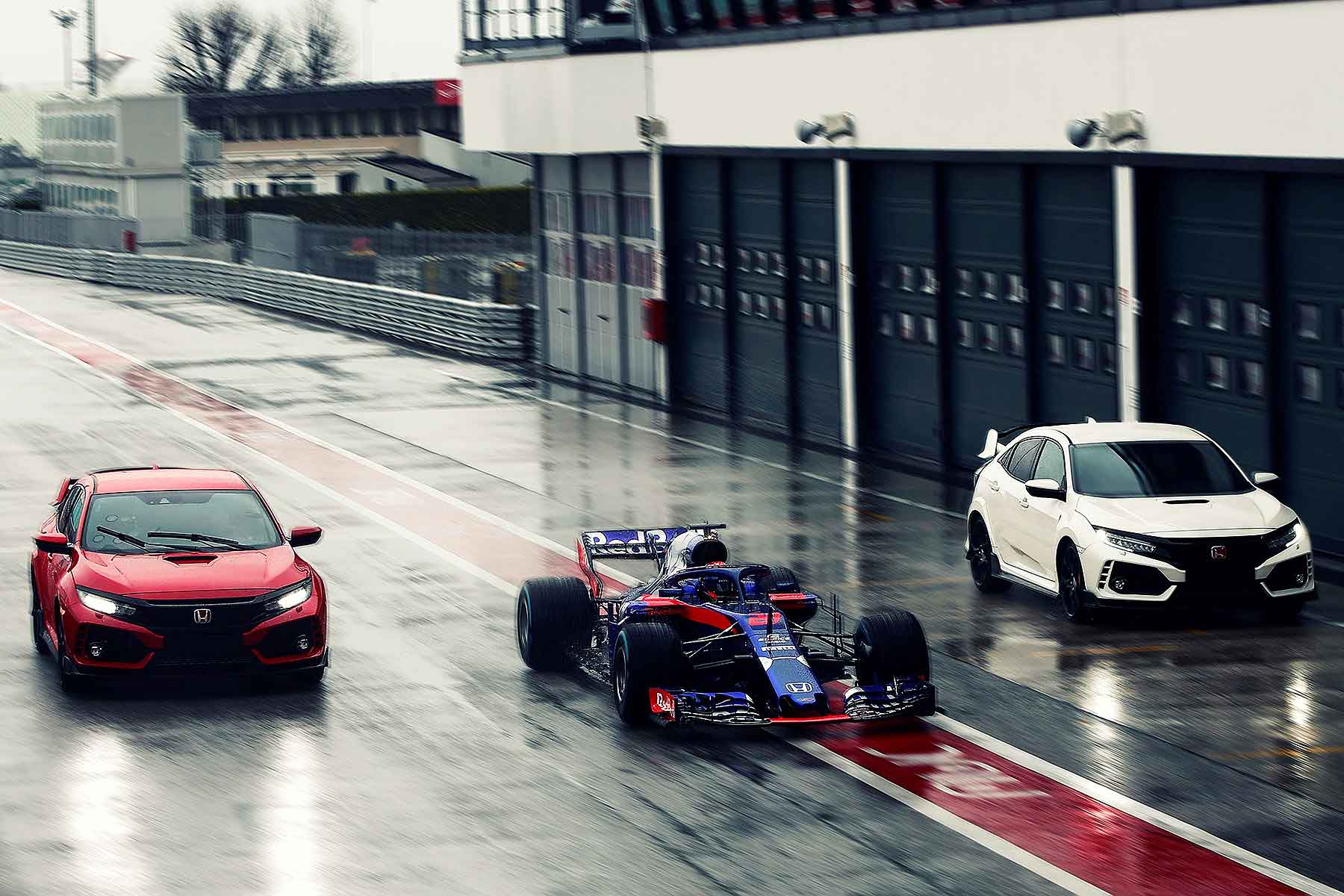
Honda is currently enjoying an F1 resurgence, after its return to the grid suffered three years in the doldrums with McLaren. Freshly partnered up with Red Bull Toro Rosso, the team scored points in its first race together and has consistently been running at the sharp end since.
Now, the team has decided to reward Gasly and Hartley with a company car each. But these are top-line racing drivers. Honda thus hasn’t given them a 93g/km CO2 Civic Diesel each, but instead dropped off a pair of Civic Type Rs for the F1 racers.
Gasly already has his Type R, and the Frenchman reckons he’s “very lucky… I’m excited to try it out on the iconic Route Napoleon in the South of France”. Good man.
New Zealander Hartley gets his own Type R soon – and it will be a return to the Honda Civic road car family for the former Porsche World Endurance Championship racer. “Would you believe, my first ever road car was a 1996 Honda Civic. It’s nice to get the upgrade to the Type R.”
His only gripe: this year’s F1 race calendar is 21 Grand Prix long, so “I won’t get to drive it as much as I’d like”. Which should at least save him a bit on the fuel allowance.
For his part, Gasly proved why he’s a sponsor’s dream. Honda’s PR team was keen to stress the Type R’s 414-litre boot and wide 1,120mm opening. Slickly, the 2016 GP2 champion commented the spacious boot was a boon “for going to the airport with all the luggage I need to carry”.
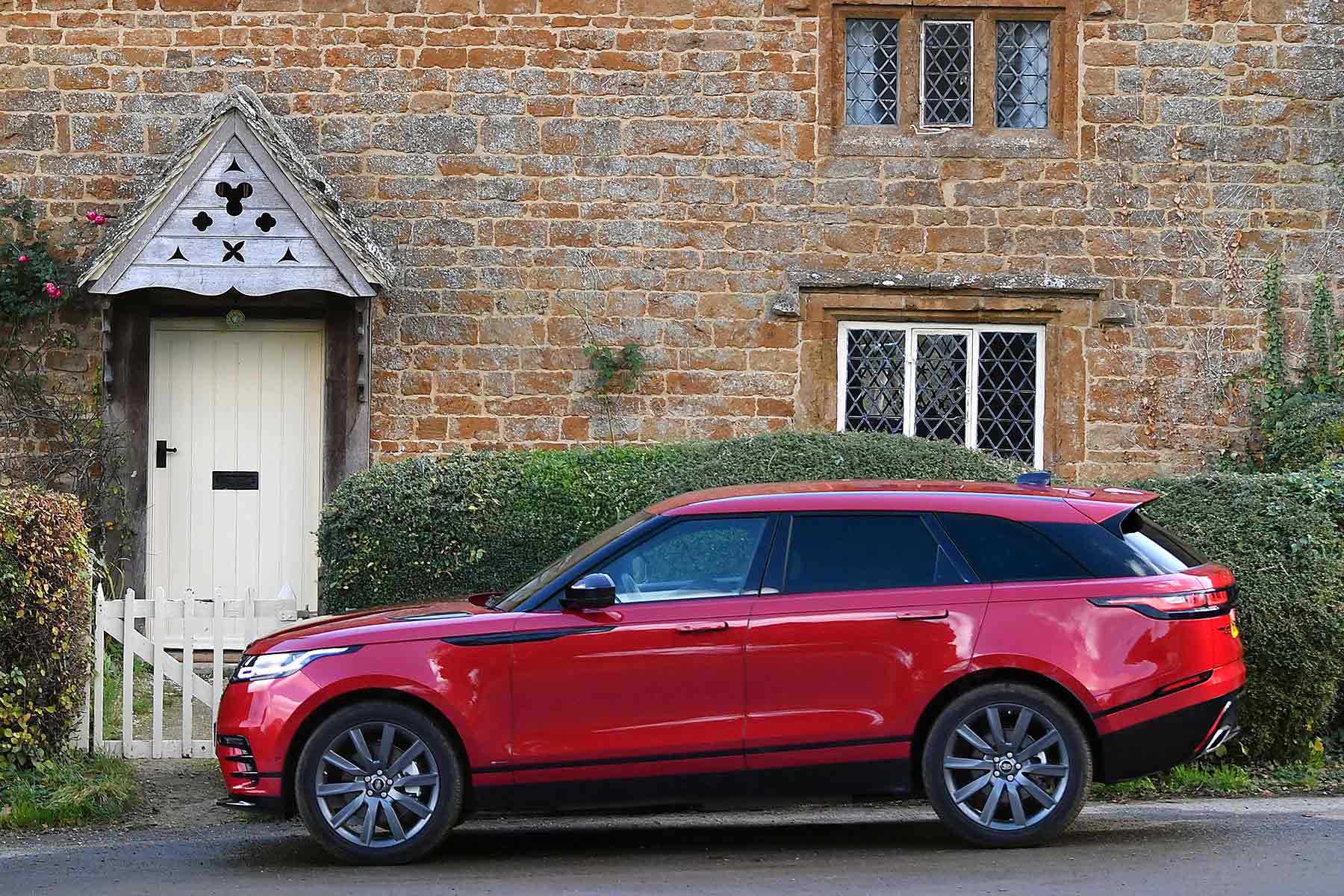
Land Rover has broadened the choice of engines offered on its Velar mid-size luxury SUV – and all engines, both petrol and diesel, now feature particulate filters to reduce exhaust emissions.
The diesel engine range has expanded to include a 275hp D275 3.0-litre V6 motor, sitting below the existing D300. This takes the entry price for a diesel V6 Velar down from almost £51,000 to under £50,000: prices start from £49,740.
The new engine option closes the gap between the 240hp 2.0-litre diesel and the meatier 300hp V6 (we list entry-level prices below); Finbar McFall, JLR’s global product marketing director, suggests it’s been through customer demand. “Creating the perfect Range Rover Velar is now easier than ever.”
Responding to the fact more buyers are shunning diesel and choosing petrol engines, Land Rover has fitted a larger fuel tank to the P250 and P300 2.0-litre models – up from 63 litres to 82 litres. This means more miles between refills – as petrol is less fuel-efficient than diesel, it means fewer filling stations stops for petrol drivers.
Interestingly, Land Rover has made coil-sprung suspension standard across the range. Air suspension is now optional on all V6s, plus the higher-performance 240hp diesel and 300hp petrol. Previously it was standard; this means the firm’s been able to lower the list price of the Velar.
Adaptive Dynamics is now offered as well, using special suspension dampers that can vary their firmness 500 times a second. It’s a more affordable way of adding breadth to the Velar’s driving dynamics without resorting to the higher cost of air suspension.
Other standard equipment on all Velar (voted World Car Design of the Year 2018) now includes a rear-view camera, front and rear parking sensors, autonomous emergency braking, lane-keep assist and a driver alertness monitor.
A popular option is now more widely available as well. The novel Kvadrat premium textile seat trim, which is a natural and sustainable alternative to leather, is now offered on more models across the range.
In all, the various specification changes will be good news for dealers: all but one Velar, the V6 diesel, now starts from under £50,000, which should help them fight off criticism that the posh mid-size SUV is too expensive. Presumably because of weak demand, Land Rover also seems to have removed the pricey P380 performance V6 petrol from the range – which cost from over £70,000 even in its cheapest guise.
Or maybe it’s creating space for a high-performance V8 Velar at the top of the range…
The entry-level diesel is now priced from £44,735, instead of £45,145, and the saving for the D240 diesel is even more striking – it’s from £47,730 instead of over £54,000. And the introduction of the D275 means V6 Velar diesel prices are over £8,000 more accessible than they previously were…
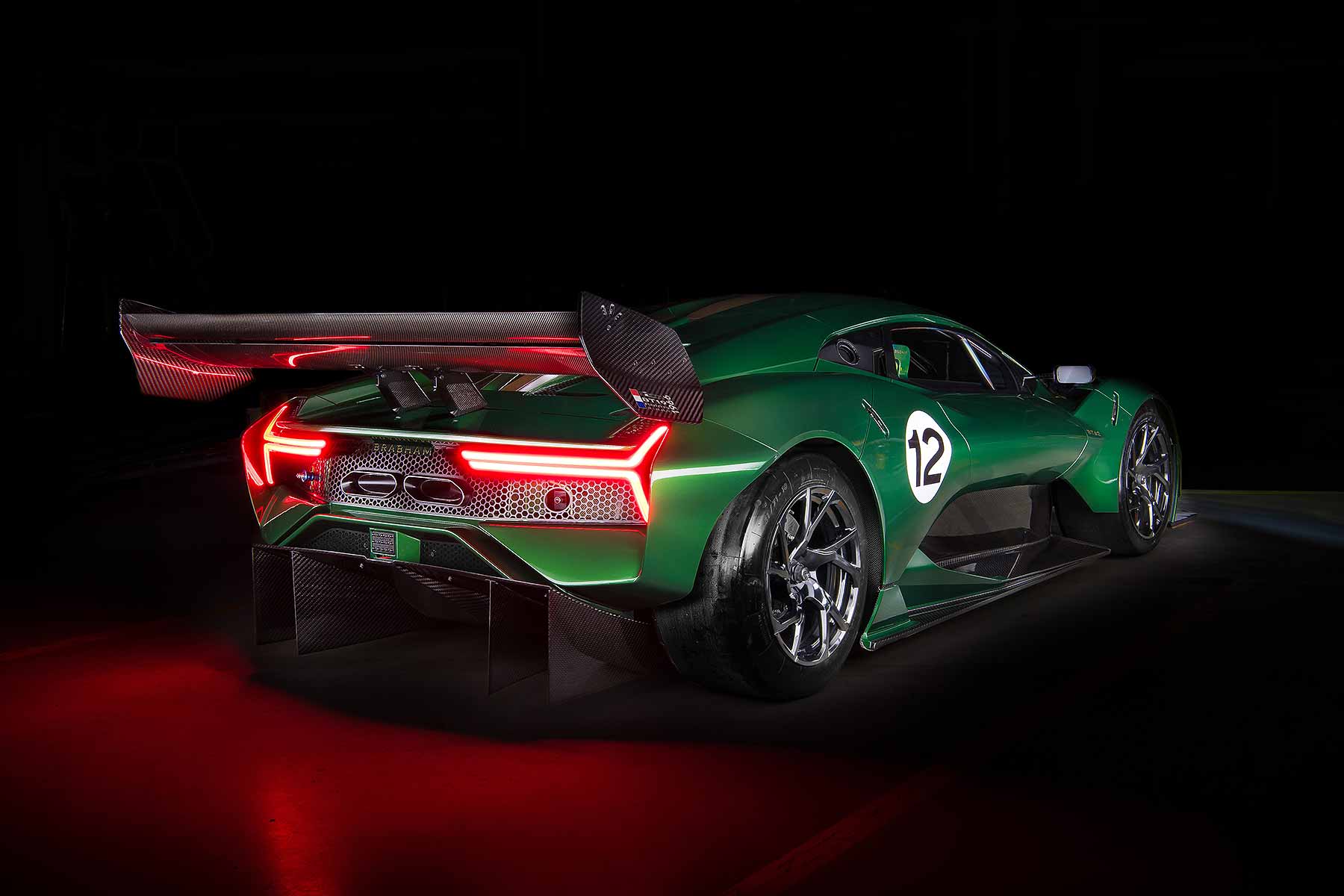
Microsoft will play a key role in the development of the £1m BT62 supercar, with the American giant announced as Brabham Automotive’s technology partner.
The use of Microsoft’s enterprise systems will allow the company “to work seamlessly and efficiently across the world,” the firm said in a statement. The computer giant will also assist Brabham with data analytics and driver development, with the owners of the BT62 supercar benefiting from a performance program powered by advanced cognitive technologies.
“Consistent with Brabham’s approach to technology, we will be utilising mixed reality technology for an immersive customer configuration and for current and future product development,” said a spokesperson, a day after the 700hp track-only supercar was unveiled at the Australian High Commission in London.
The BT62 is a carbon fibre supercar powered by a 5.4-litre V8 engine, with a power to weight ratio of 730hp per tonne. Production is limited to just 70 cars, with the first 35 liveried in tribute to each of Brabham’s F1 Grand Prix victories. First deliveries will begin later in 2018.
Speaking at the launch, managing director, David Brabham said, “I set out twelve years ago to re-establish the iconic Brabham name, determined to see it return to global competition. My father had an incredible determination to succeed and, like him, I’ve worked tirelessly through this time, drawing on my experience as a racing driver, leader and mentor, never once losing sight of that goal.
“It’s been challenging at times, but what we have achieved is simply staggering. Today’s unveiling makes me feel incredibly proud as the Brabham legacy enters a new era.”
True to Brabham’s Anglo-Australian roots, the company will have its US, European and Middle Eastern office in the UK, while its Australasian and Asian office will be based in Adelaide, South Australia, where the production of the BT62 will also take place in a 15,000sq. m facility.
Everyone loves a fast Ford, but who makes the greatest performance cars to wear the Blue Oval badge? Over fourteen rounds, we’ve paired up rivals from both sides of the pond. Here, they go head-to-head here in a performance face-off spanning more than five decades.
Ford Performance line-up
Today, Ford Performance is a global brand responsible for producing fast cars. Created from the previous teams developing cars for specific territories, Ford now wants all key markets to have access to the same performance vehicles. So, from the Fiesta ST to the latest Ford GT, there is no reason why the country you live in should deny you access to the good stuff. However, that hasn’t always been the case.
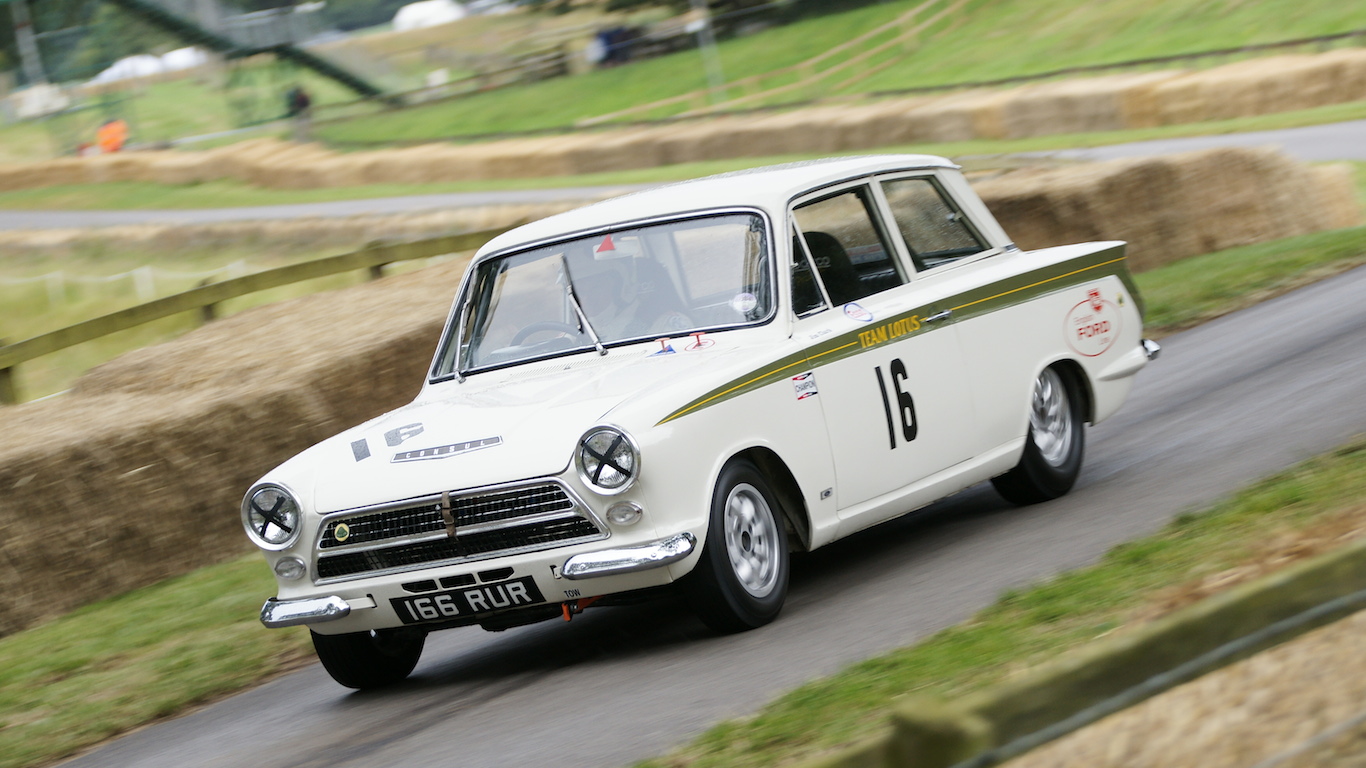
Round 1: 1960’s Road Racers – 1963 Lotus Cortina.
Let’s start with arguably the first real fast Ford produced in Britain, in the shape of the Lotus Cortina. A twin-cam 1.6-litre engine with just 105hp might not sound much today, but light aluminium panels kept weight down to just 850kg. This translated into motorsport success, with the Lotus Cortina taking wins in numerous touring car classes. Jim Clark picked up the 1964 British Saloon Car Championship behind the wheel of a Lotus Cortina, while still competing in Formula 1.
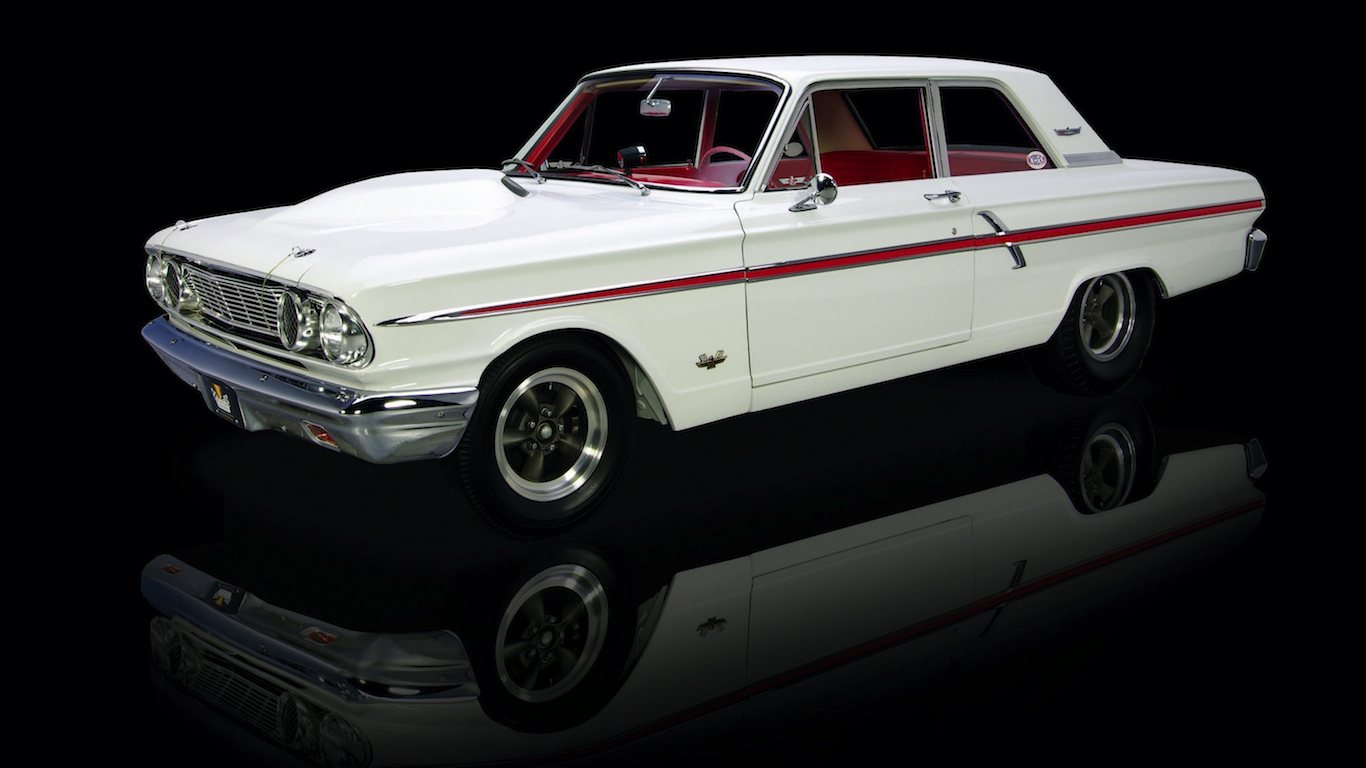
Much like the Lotus Cortina, the American Fairlane Thunderbolt was built with racing in mind. Just 100 examples were created to homologate the car for drag racing, with the same 426 cubic inch (7.0-litre) V8 engine used in NASCAR racers. Officially rated at 425hp, but estimated to be far more powerful, this engine – combined with fibreglass body panels and a stripped-out interior – made the Thunderbolt a devastating road car.
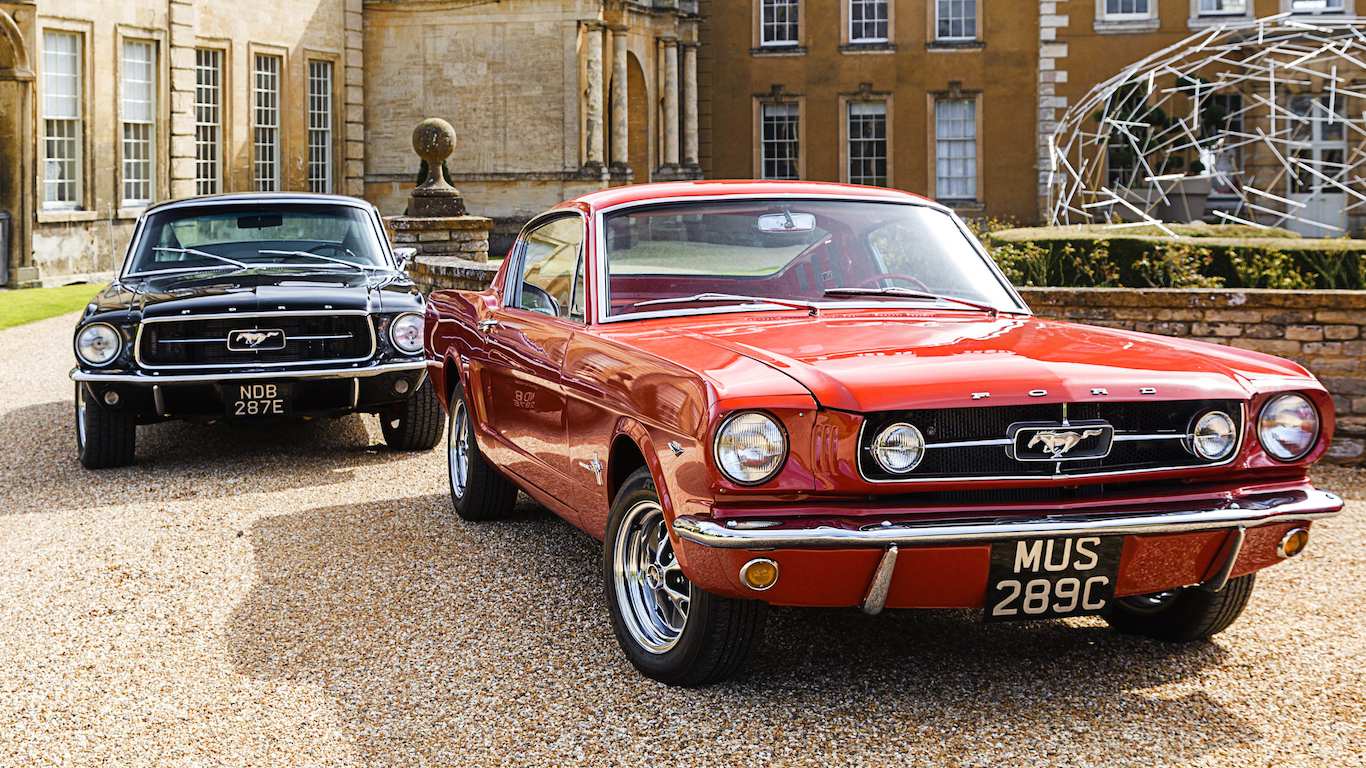
Round 2: Blue-Collar Coupes – 1965 Mk1 Mustang
Developed to appeal to both men and women, the original Mustang took 22,000 orders on the first day it was unveiled at the 1964 World’s Fair. It also created the ’pony car’ segment, which spawned new rivals from Dodge and Chevrolet. A 271hp 289 cubic inch (4.7-litre) V8 made for the fastest early Mustang, until more power was added in later years. Several generations later, the original Mustang still holds just as much appeal as it did then.
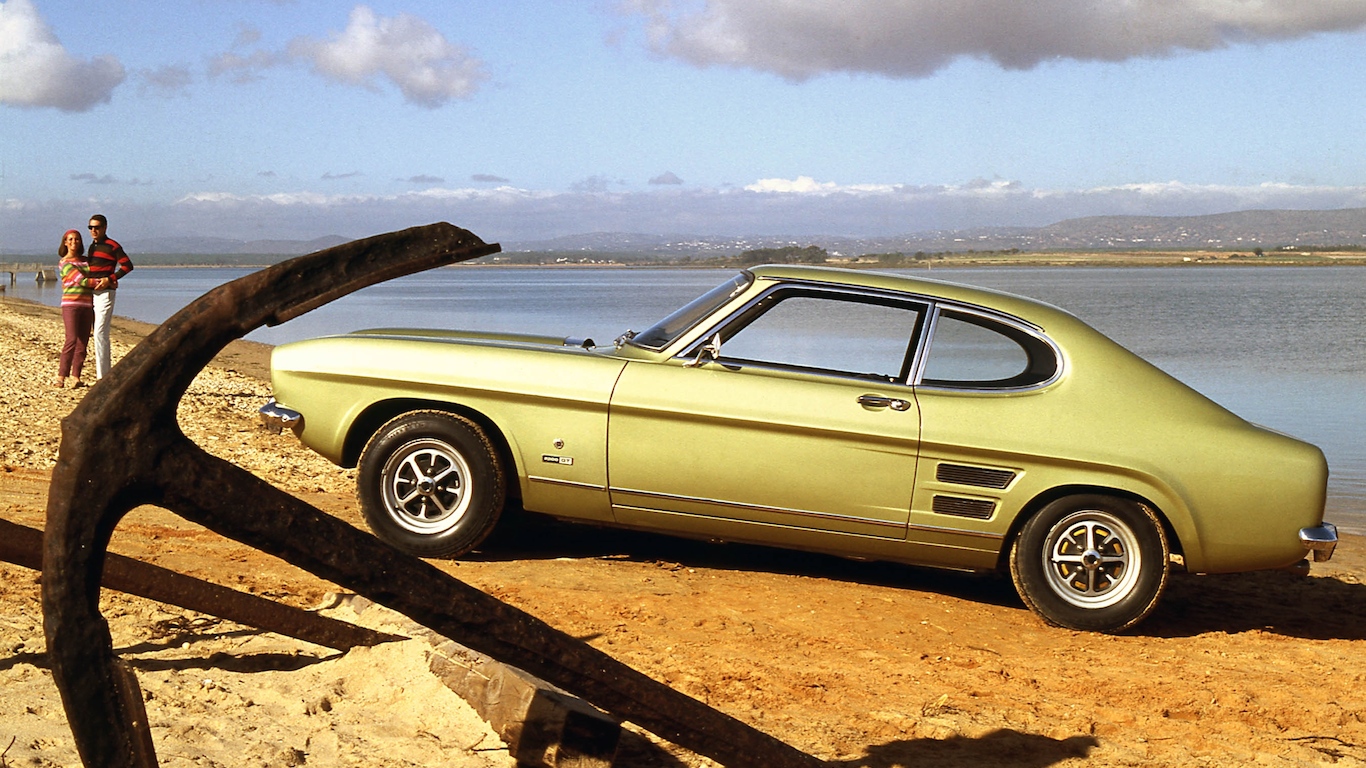
Round 2: Blue-Collar Coupes – 1969 Mk1 Capri
Famously advertised as ‘the car you’ve always promised yourself’ the Capri brought the idea of ‘grand touring’ to the working man. Unashamedly intended as the European version of the Mustang, and even styled by the same person, this was the pony car in miniature. With rear-wheel drive and a range of engines from tepid 1.3-litre inline-four to potent 3.0-litre V6, there was a Capri for everyone. Later Capris were largely ignored by European markets, but it remained a part of British culture until 1986.
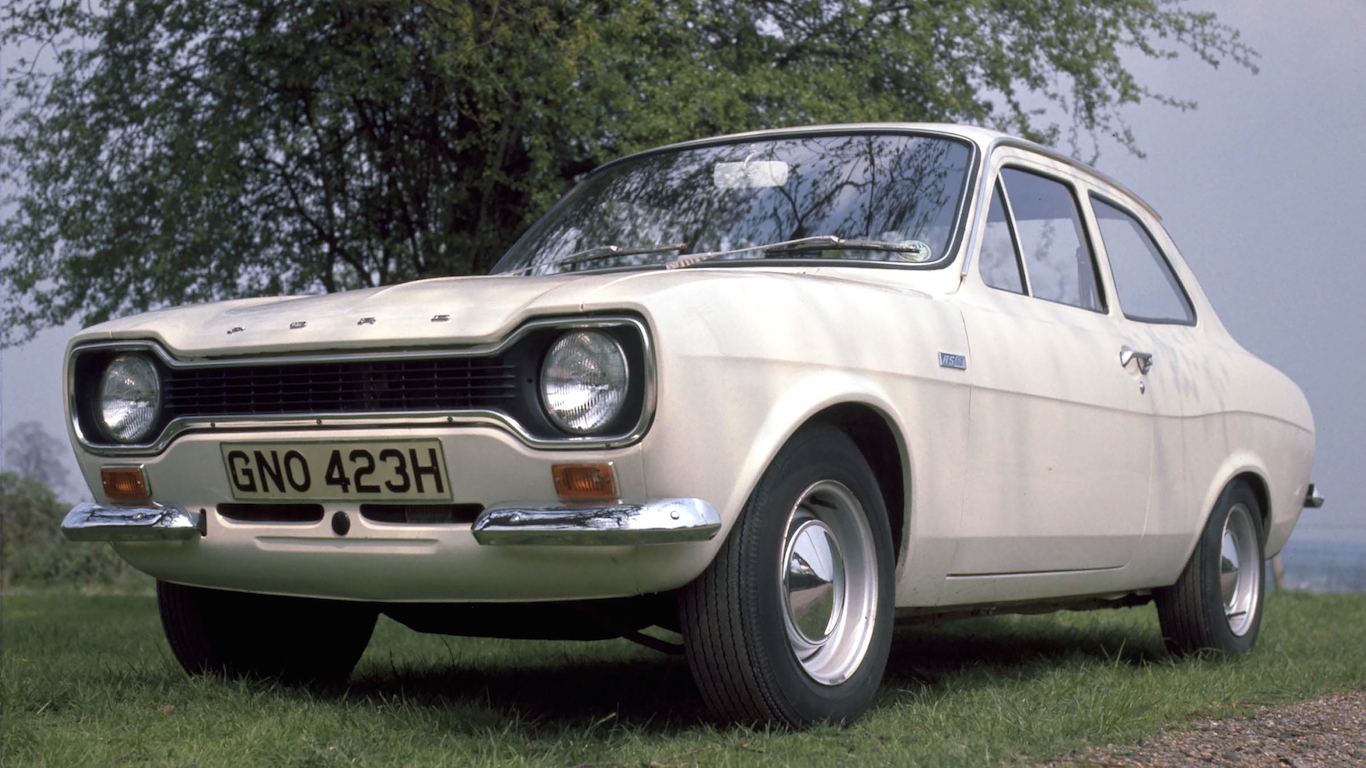
Starting a performance lineage that’s still going strong today, the first British Ford to wear the RS badge was the RS1600 Escort. Built to go rallying, the initial RS1600 models were little more than homologation specials, with a 1.6-litre Cosworth-BDA engine that revved to 6,500rpm. The later Mexico version, made in honour of Ford winning the 1970 London to Mexico Rally, was still desirable but better suited to street use. Today, any Mk1 Escort is likely to be worth big money, and the RS1600 and Mexico models have a legendary reputation.
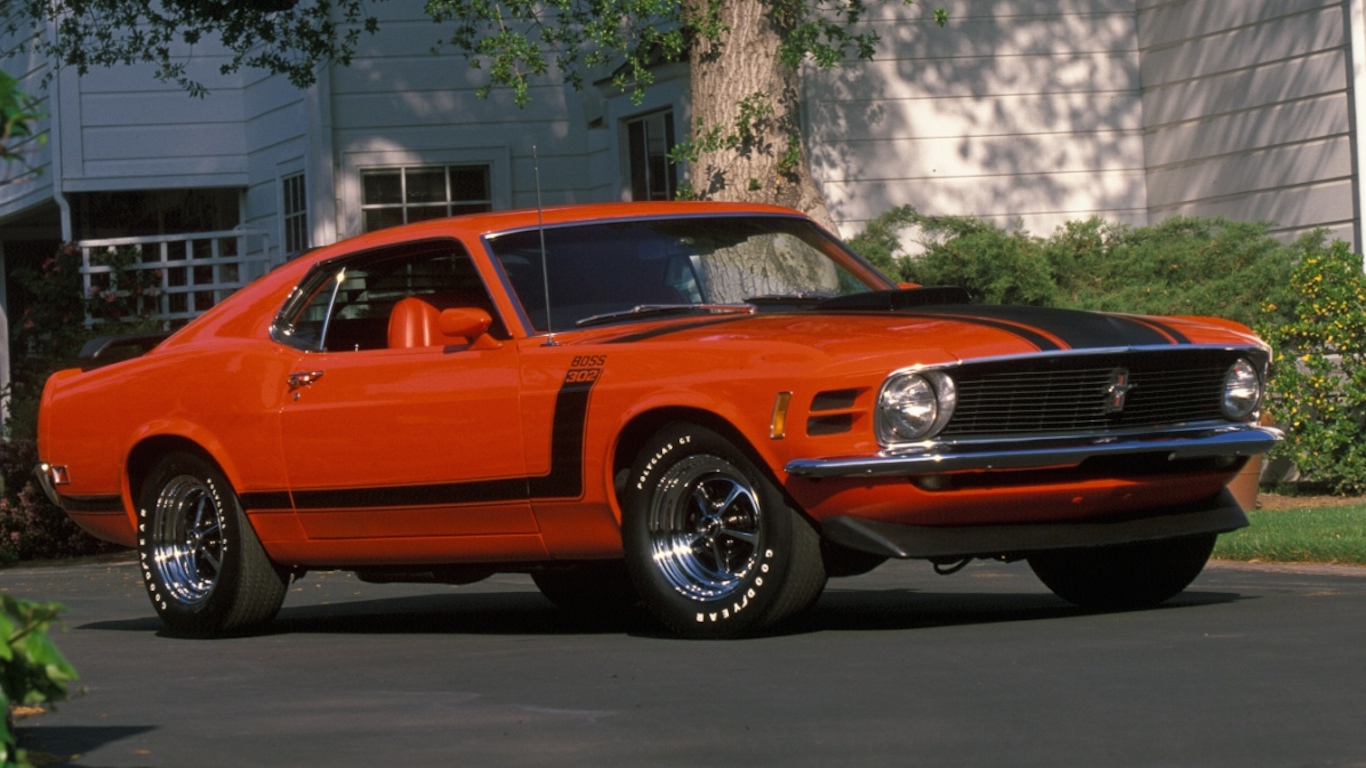
Round 3: Competitive Spirit – 1970 Boss 302 Mustang
Across the Atlantic, Detroit was creating a version of the Mustang to go racing in the SCCA Trans-Am series. First introduced in 1969, the Boss 302 used – as you may have guessed – a 302 cubic inch (5.0-litre) V8 engine with 290hp, connected to a four-speed manual gearbox. In 1970, it took victory in the Trans-Am series, with the Boss 302 claiming six wins from 11 rounds, during an extremely competitive season.
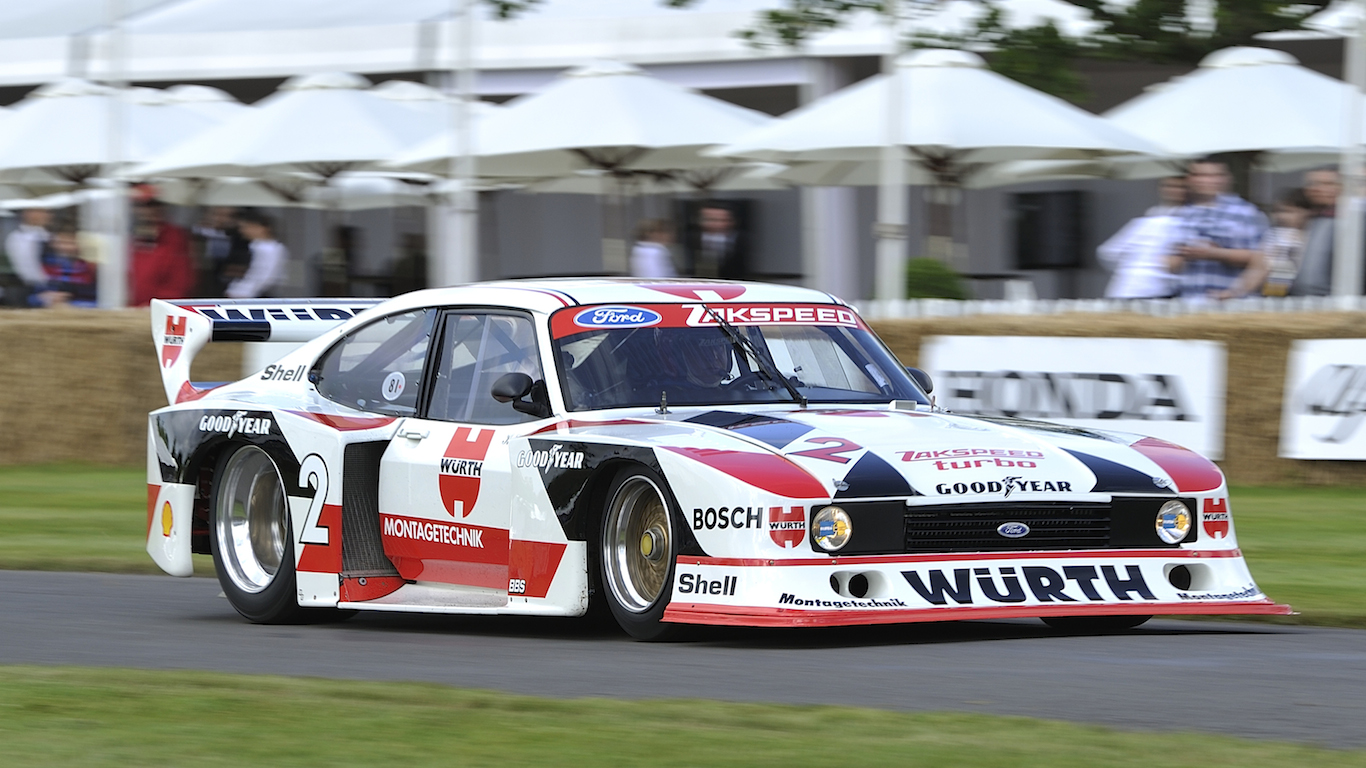
Round 4: Wide and Wild – 1981 Zakspeed Capri Turbo
This may look, vaguely, like a Mk3 Ford Capri, but the Zakspeed version was built to meet FIA Group 5 regulations. Only the doors, bonnet and roof had to be kept standard, resulting in the ultra-wide stance. Klaus Ludwig would drive the Zakspeed-entered car in the 1981 Deutsche Rennsport Meistershaft, taking titles for both himself and the team. Power came from a turbocharged 1.4-litre engine, producing around 500hp.
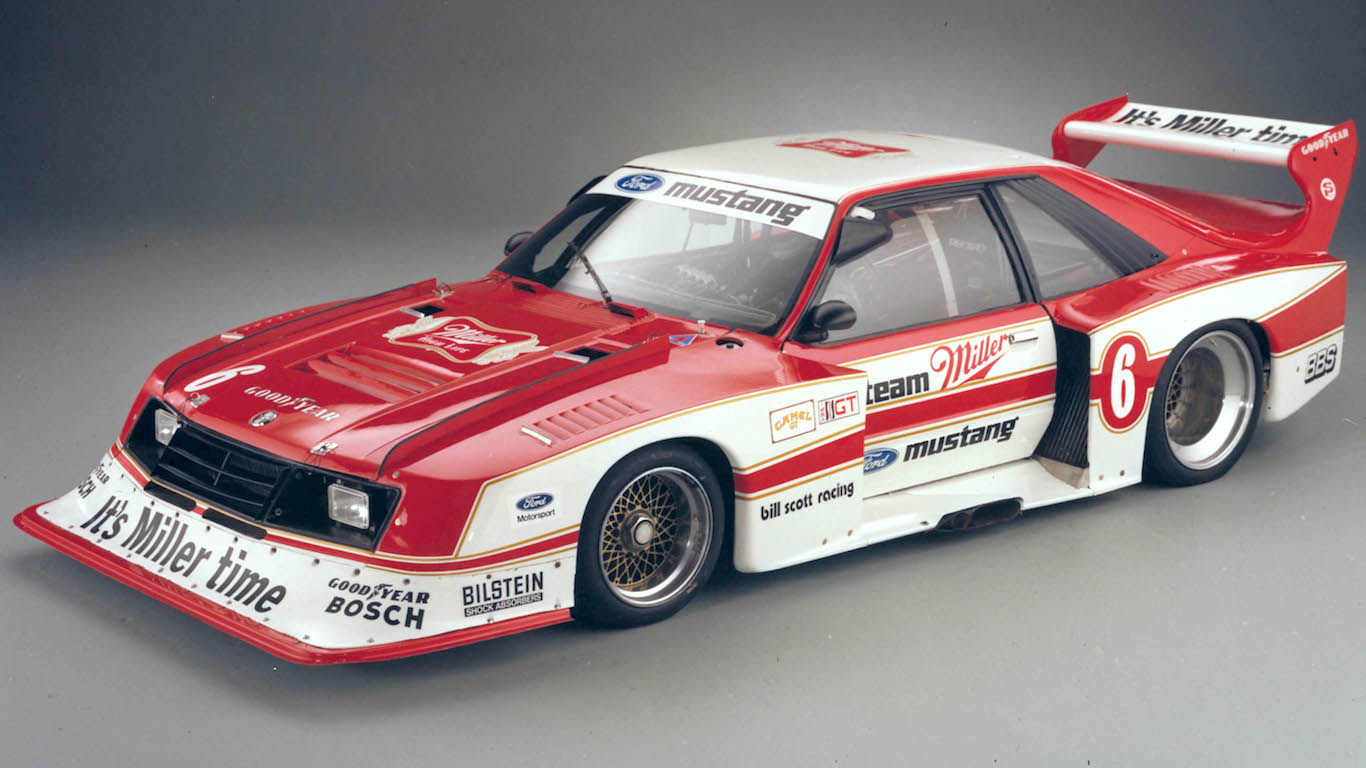
No, you’re not seeing double. This isn’t the Capri again, we promise. This is the 1981 Mustang Turbo, also built by Zakspeed and entered in the GTX Class of the IMSA Camel GT Championship. Featuring a certain Klaus Ludwig as one of the drivers, the Zakspeed team was contracted to build a Group Five race car for Ford’s Special Vehicle Operations. However, the Mustang Turbo was unable to match the success of the Capri, and was replaced with a new GTP-class car in 1983.
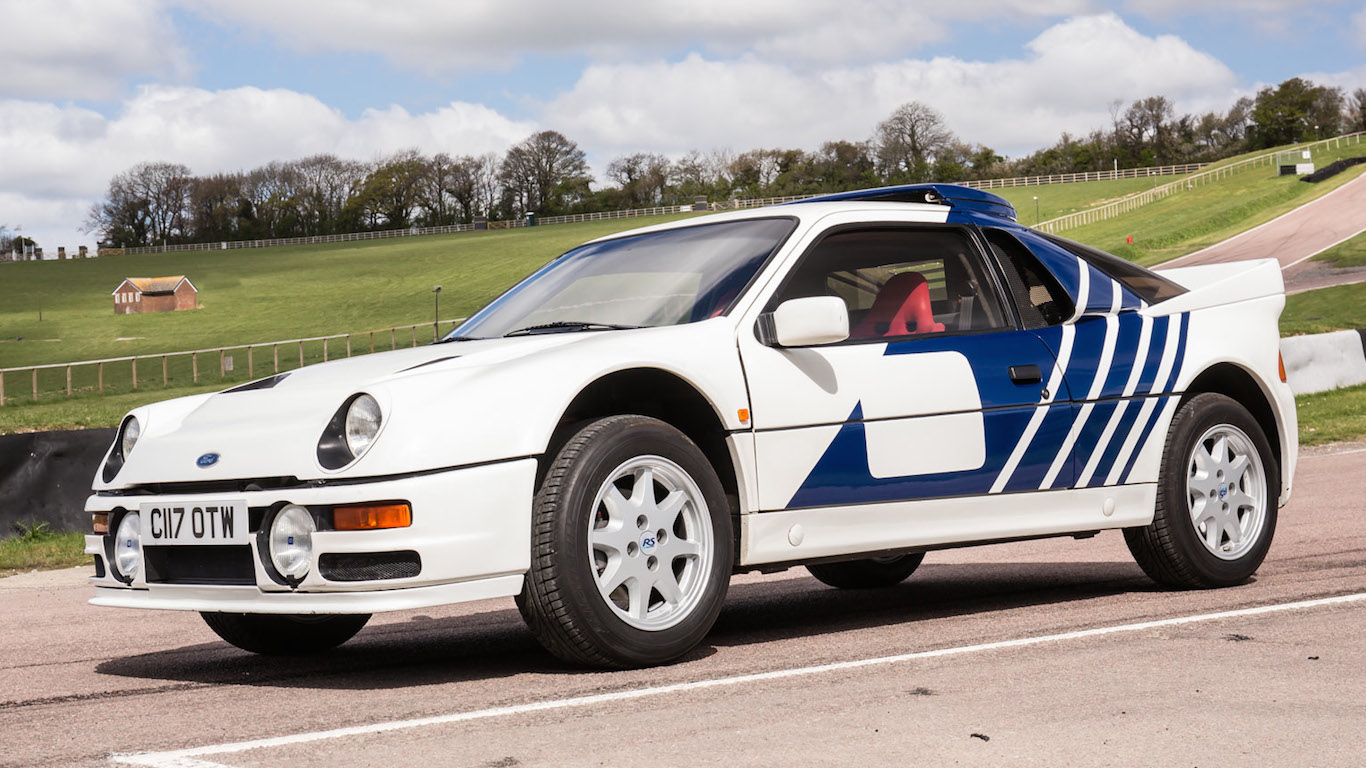
Round 5: Homologation Heroes – 1984 RS200
Group B was the pinnacle of rallying, with crazy horsepower and exotic materials used to create the ultimate competition cars. Four-wheel drive and a mid-mounted 1.8-litre turbo engine producing up to 450hp in rally trim helped make the RS200 competitive. Just 200 road cars were built to homologate the racer, but all this was ultimately in vain. A crash involving an RS200 on the 1986 Rally de Portugal would contribute to the outlawing of Group B cars for the following season.
Round 5: Homologation Heroes – 1969 Torino Talladega
Just as the RS200 pushed Group B regulations to the extreme, Ford had been doing the same decades earlier in NASCAR. Featuring a special aerodynamic front grille and sloping fastback roof, the Torino Talladega was made to hit high speeds on banked ovals. Although it might not have the same fearsome reputation as the RS200, it was successful in taking the 1969 manufacturers’ championship. Special ‘aero warriors’ like the Talladega were later removed from NASCAR due to changes in homologation requirements.
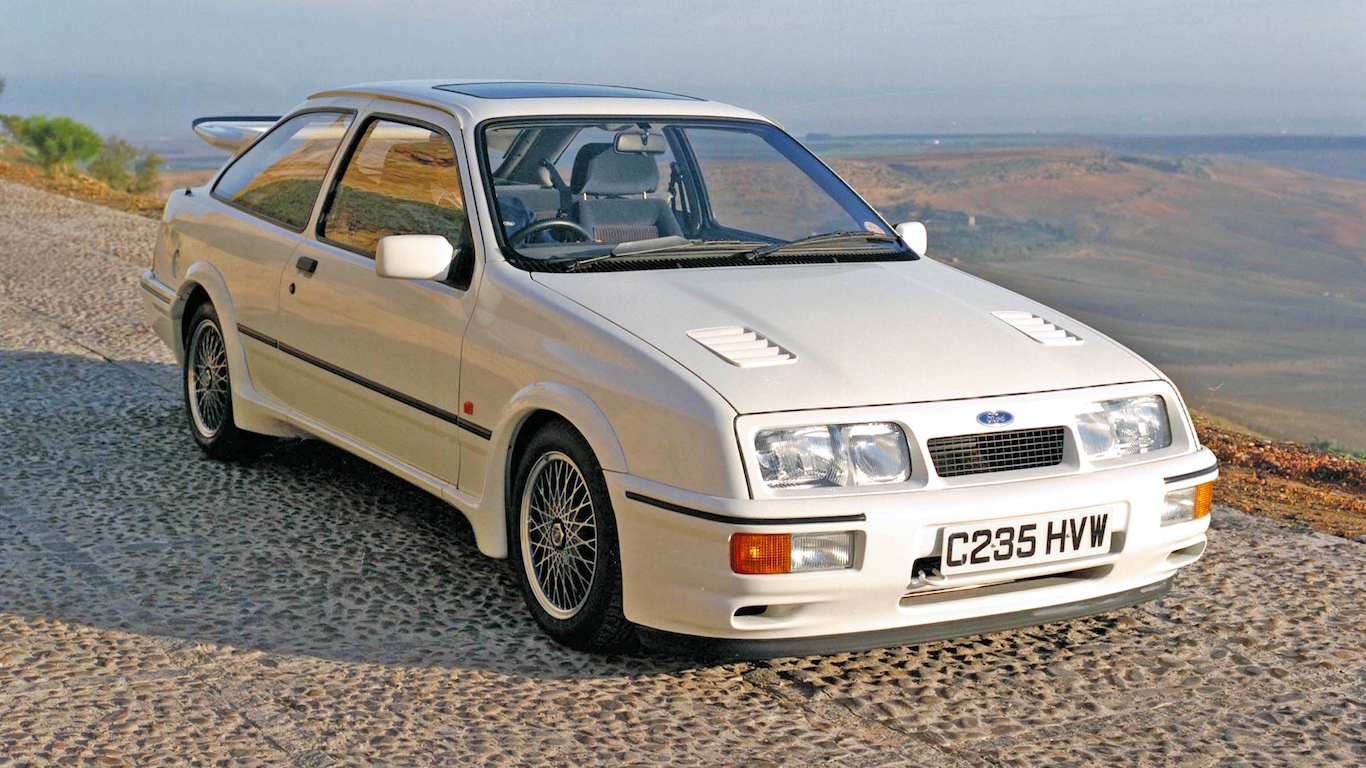
Round 6: Tin Top Legends – 1986 Sierra RS Cosworth
Ford is often single-minded when pursuing motorsport victory, and the Sierra RS Cosworth was the product of its quest for FIA Group A domination. Taking 15 major Touring Car championships cemented its on-track ability, while a reputation for being the ultimate prize for joy-riders ensured the road car was just as revered. More than 5,000 examples were built, combining rear-wheel drive with a 204hp 2.0-litre turbocharged engine. Oh, and there’s that iconic ‘whale tail’ spoiler, too.
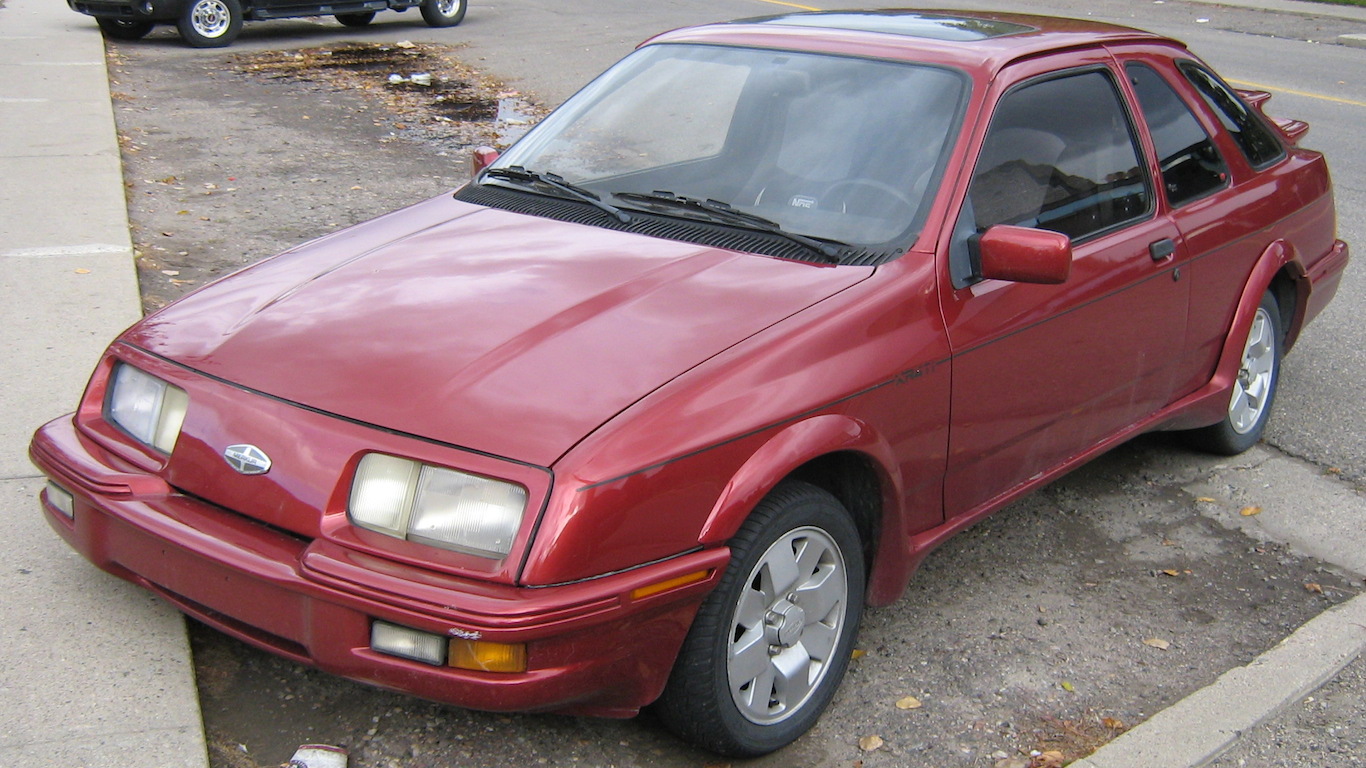
Round 6: Tin Top Legends – 1985 Merkur XR4Ti
North American buyers couldn’t buy the Sierra Cosworth, but they did get the XR4Ti. Sold under the short-lived Merkur brand, this was an XR4i Sierra, but with the European 2.8-litre V6 ditched in favour of a 175hp 2.3-litre turbocharged four-cylinder engine. Around 42,000 examples were built between 1985 and 1989, but today the XR4Ti is often forgotten. Andy Rouse drove a Merkur XR4Ti to victory in the 1985 British Touring Car Championship, paving the way for the later Sierra RS Cosworth.
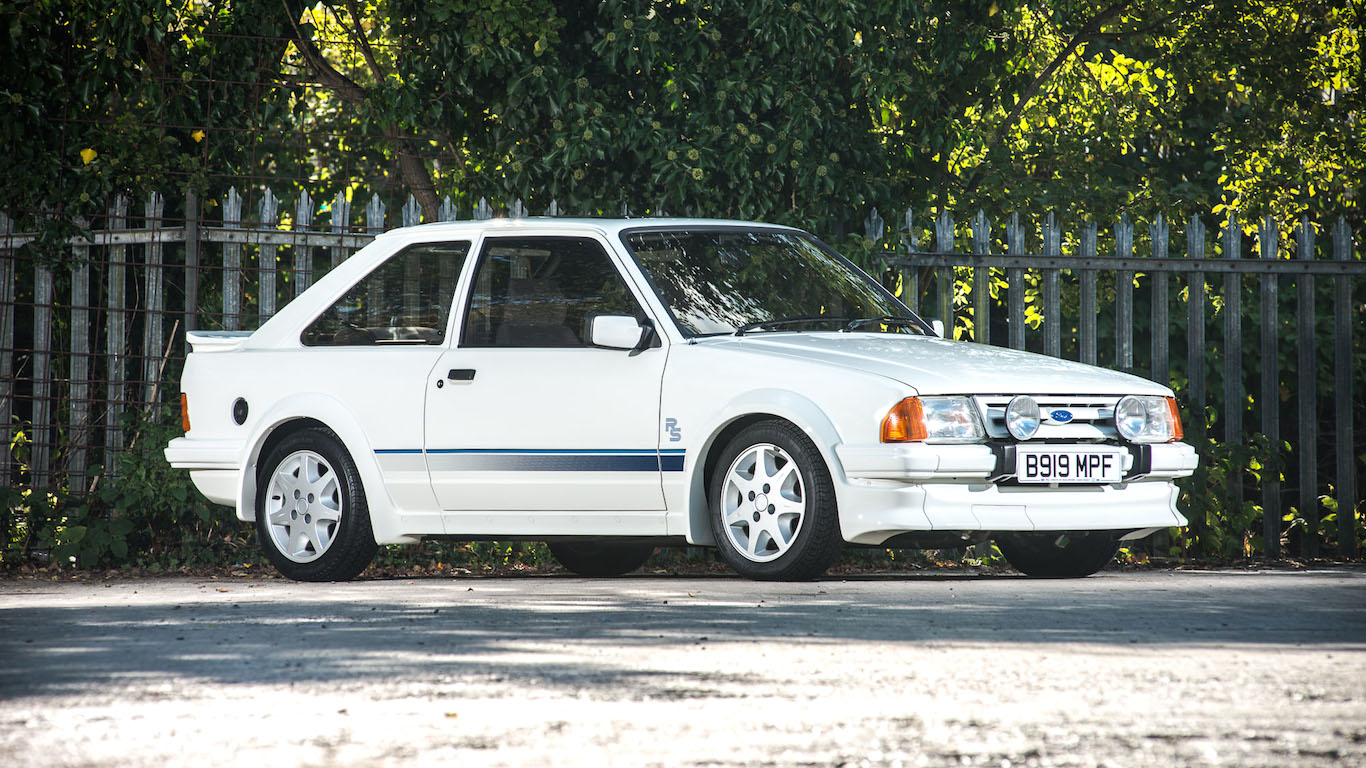
Round 7: Boosted Blue Ovals – 1984 Escort RS Turbo Series I
The third-generation Escort marked a huge change from the previous two. Ditching rear-wheel drive in favour of sending power to the front wheels was radical, as was the adoption of a hatchback body. Natural aspiration was out for the fastest Escort, with turbocharging the ‘must have’ of the 1980s. The RS Turbo was endowed with a 1.6-litre engine, making 135hp. Values today have skyrocketed, with prices of around £30,000 not uncommon for restored Series 1 cars.
Round 7: Boosted Blue Ovals – 1984 Mustang SVO Turbo
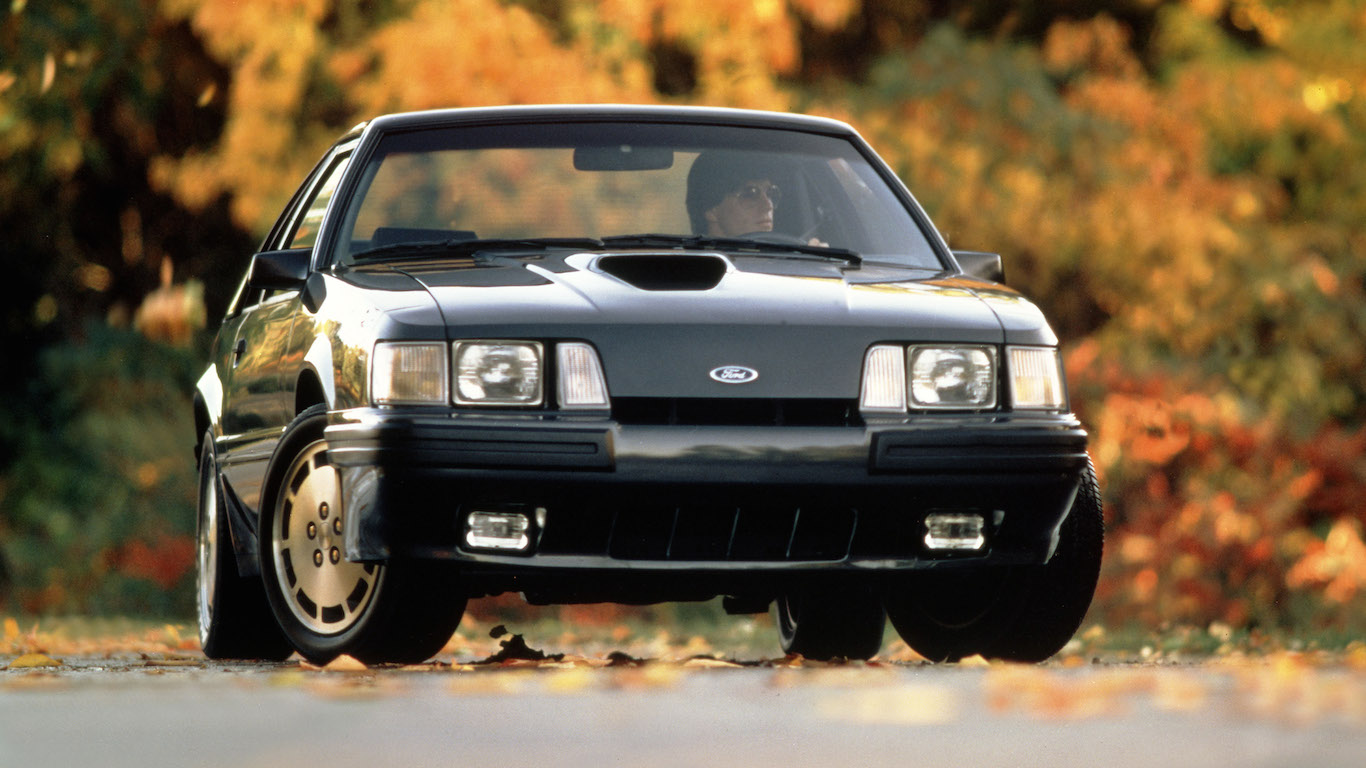
Just as revolutionary as the Mk3 Escort was in Europe, the third-generation Mustang was also a shock to the system. A modern, aerodynamically-shaped body marked a new Ford design era (a switch to front-wheel drive was even considered). The ‘Fox body’ Mustangs remained rear-wheel drive, but did gain turbocharged engines, predating the current Ecoboost ’Stang by some three decades. The SVO Turbo version was the most potent, with up to 205hp from its 2.3-litre four-cylinder motor, a limited-slip differential and adjustable Koni suspension.
Round 8: Street Sleepers – 1996 Taurus SHO
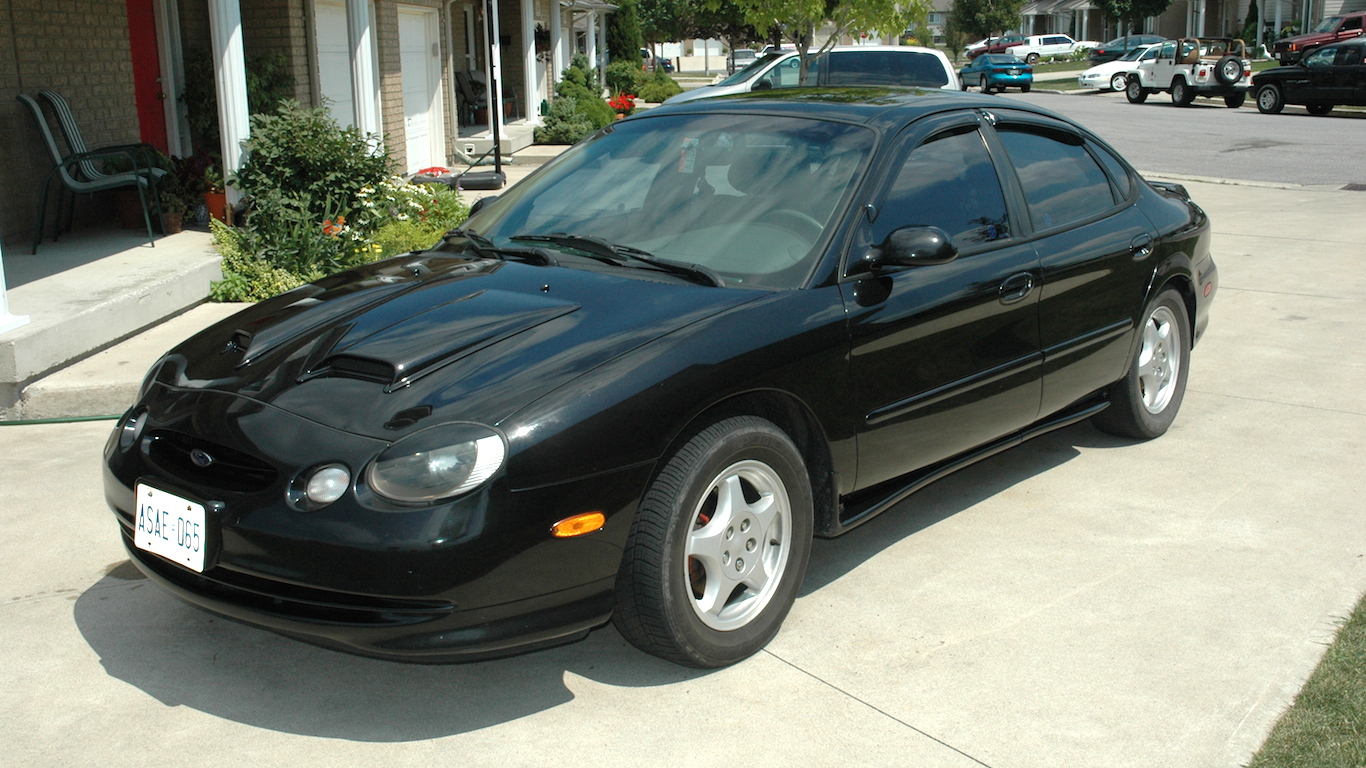
Standing for Super High Output, the SHO was the performance variant of the Taurus saloon. Perhaps to offset the shock caused by the styling of the third-generation Taurus, Ford upped things for the SHO by adding a V8 engine instead of the previous V6 unit. Developed by Yamaha, the 3.6-litre motor made 235hp and 230lb ft, with 32 valves and aluminium cylinder heads. The bodywork of the SHO was left largely untouched, masking the performance beneath.
Round 8: Street Sleepers – 1999 Mondeo ST200
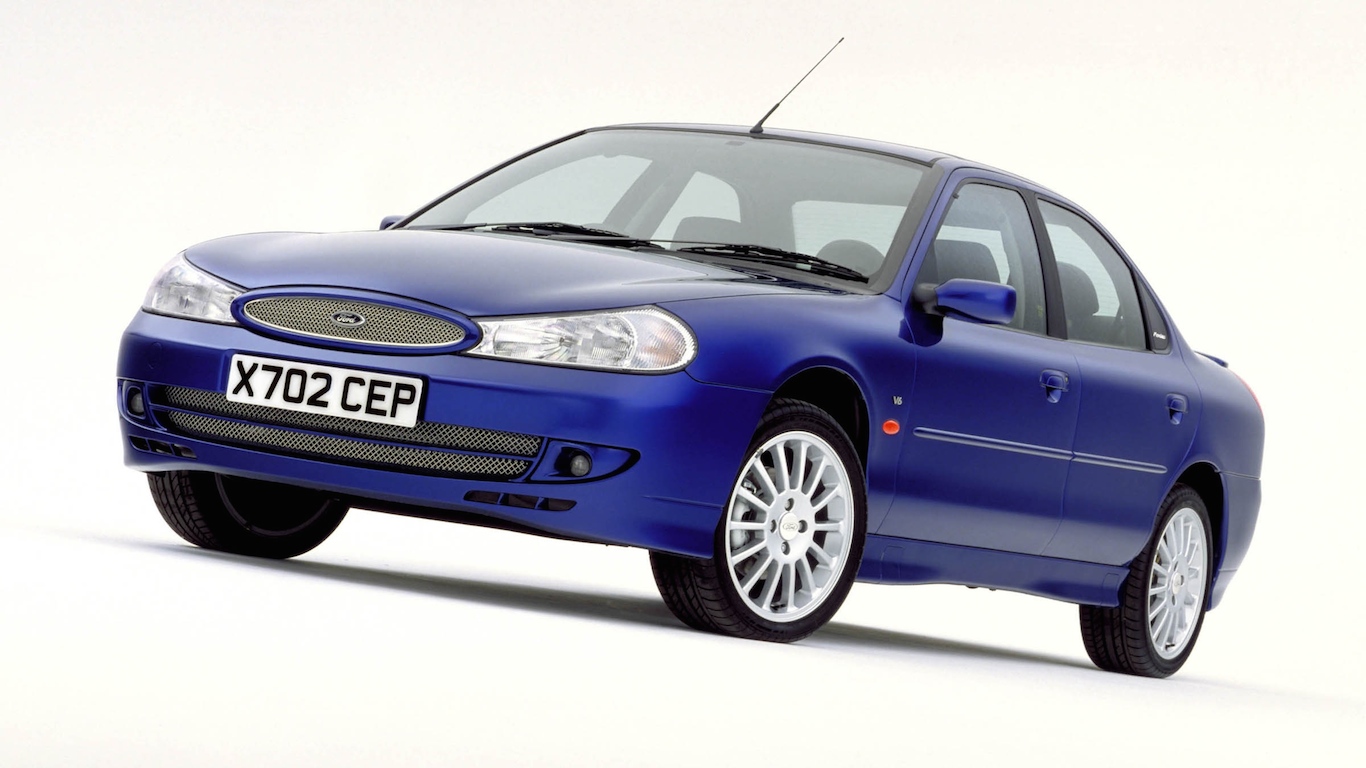
Things were going well for Mondeo Man as the 1990s drew to a close, and the limited edition ST200 version launched in 1999 was as good as it got. The 2.5-litre V6 engine was developed by Ford’s Special Vehicle Team in America, and marked the move towards greater transatlantic cooperation. With 200hp, the result was quick – rather than devastating – performance, but the natural ability of the Mondeo meant it was fun to drive. Today it flies under the radar as a forgotten fast Ford, but it seems primed to become a modern classic.
Round 9: Millennium Coupes – 1999 Ford Racing Puma
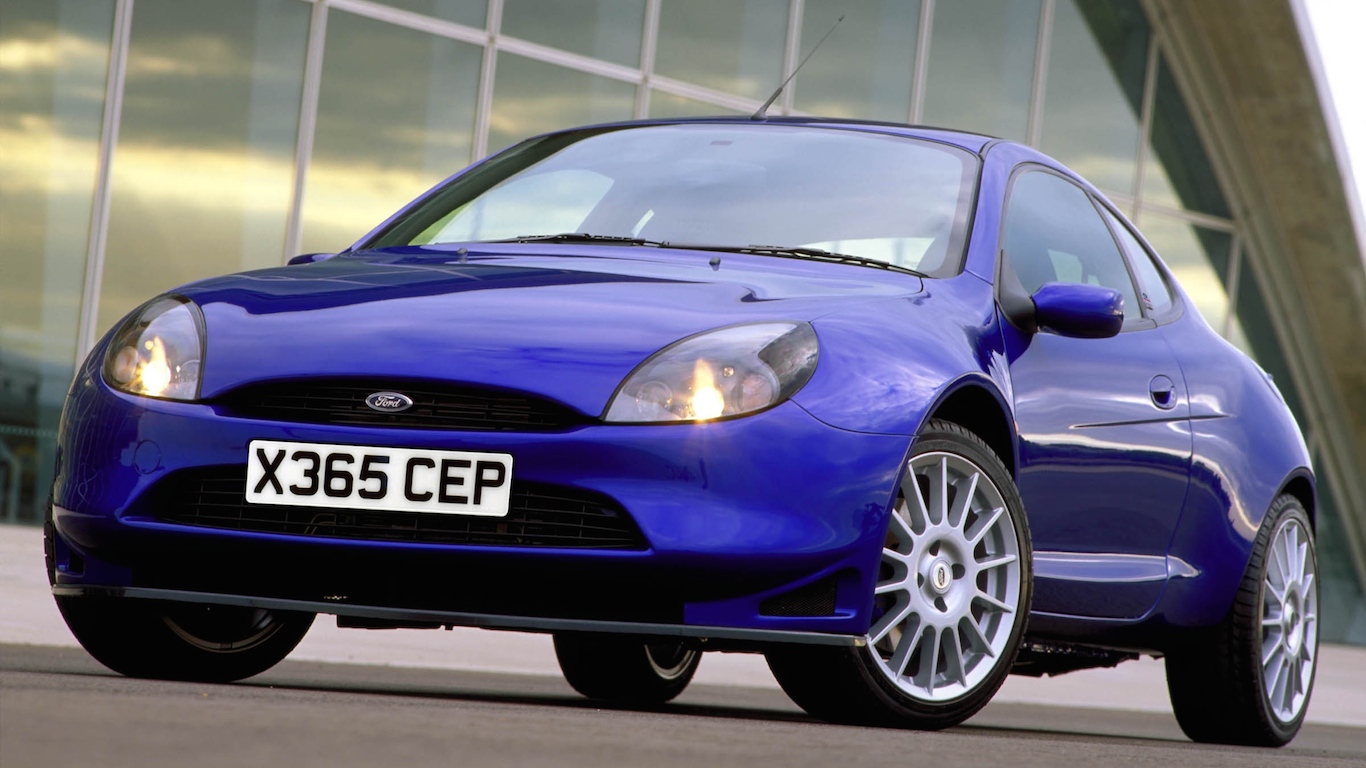
Despite proving popular with the British public, the Ford Puma often came in for criticism for being underpowered. This changed in 1999 with the introduction of the Ford Racing Puma. The existing Yamaha-developed 1.7-litre engine was enhanced to deliver 155hp at 7,000rpm, with 0-62mph taking a frantic 7.9 seconds. But the Racing Puma wasn’t just about straight-line performance. Bigger brakes, wider wheels and uprated suspension meant it stopped and handled well, too. With just 500 built, the FRP is a genuine rarity worth seeking out.
Round 9: Millennium Coupes – 1999 Mercury Cougar
The original Mercury Cougar was an upmarket version of the first-generation Ford Mustang. This eighth-generation Cougar, launched in 1999, shared a platform with the Mondeo, and never quite managed to deliver the excitement promised by its bold ‘New Edge’ looks. Sold in Europe under the Ford badge, a 2.5-litre V6 with 170hp was as good as it got. Slow sales meant the Cougar was canned in 2002, less than four years after being introduced.
Round 10: Peak Performance – 2000 Mustang SVT Cobra R
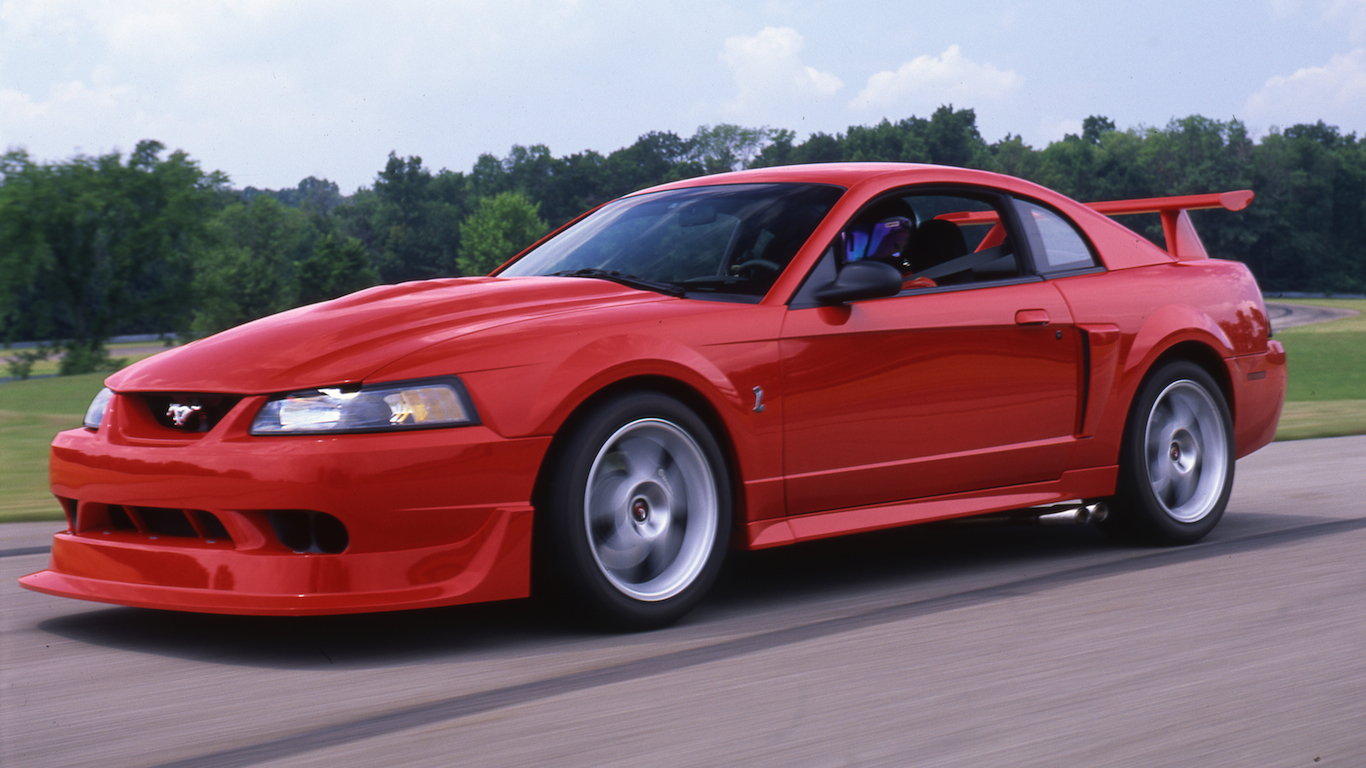
Ford was on a roll with performance products in both the US and UK at the turn of the millennium, but the pressure to do more was ever-present. Enter the ultimate version of the fourth-generation Mustang. Available for just one model-year, and with only 300 examples built, the Cobra R was ultra-fast and ultra-rare. A hand-built 385hp 5.4-litre V8 was fed by a 20-gallon racing fuel cell, and exhaled through a side-exit exhaust. All cars came in Performance Red and featured a gigantic rear wing and adjustable front splitter as standard. The interior was stripped of all luxuries, including the back seats.
Round 10: Peak Performance – 2002 Mk1 Focus RS
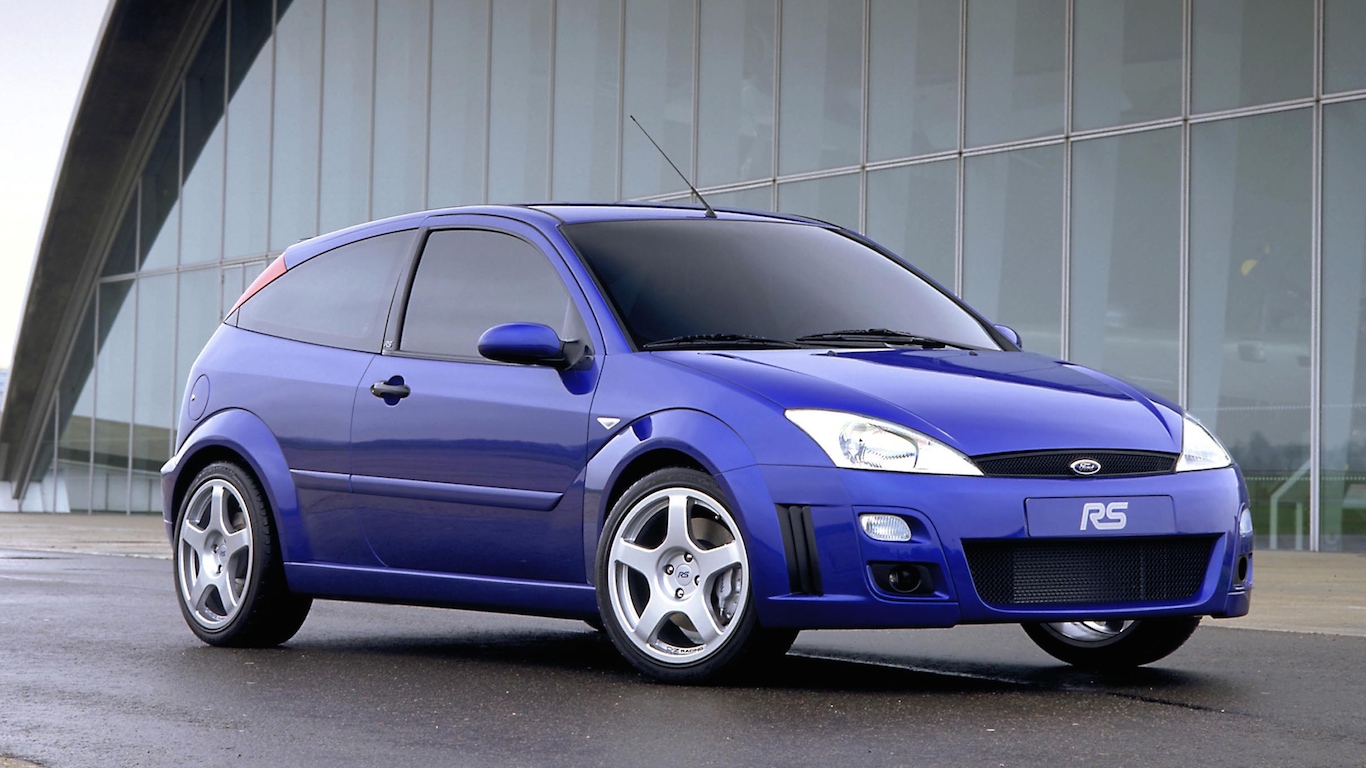
One of the most controversial cars to wear the Rallye Sport badge, the Mk1 Focus RS divided enthusiasts and journalists alike. Most loved the WRC-inspired looks and punchy 212hp 2.0-litre turbo engine. Some were unconvinced by the aftermarket-looking blue interior trim. Yet most divisive was the Quaife torque-biasing differential, used partly due to a lack of 4WD. It made the Focus RS hugely effective on road and track, but also aggressive and physical to drive. A true old-school hot hatch, but one that’s already increasing in value.
Round 11: Transatlantic Special – 2002 Focus ST170
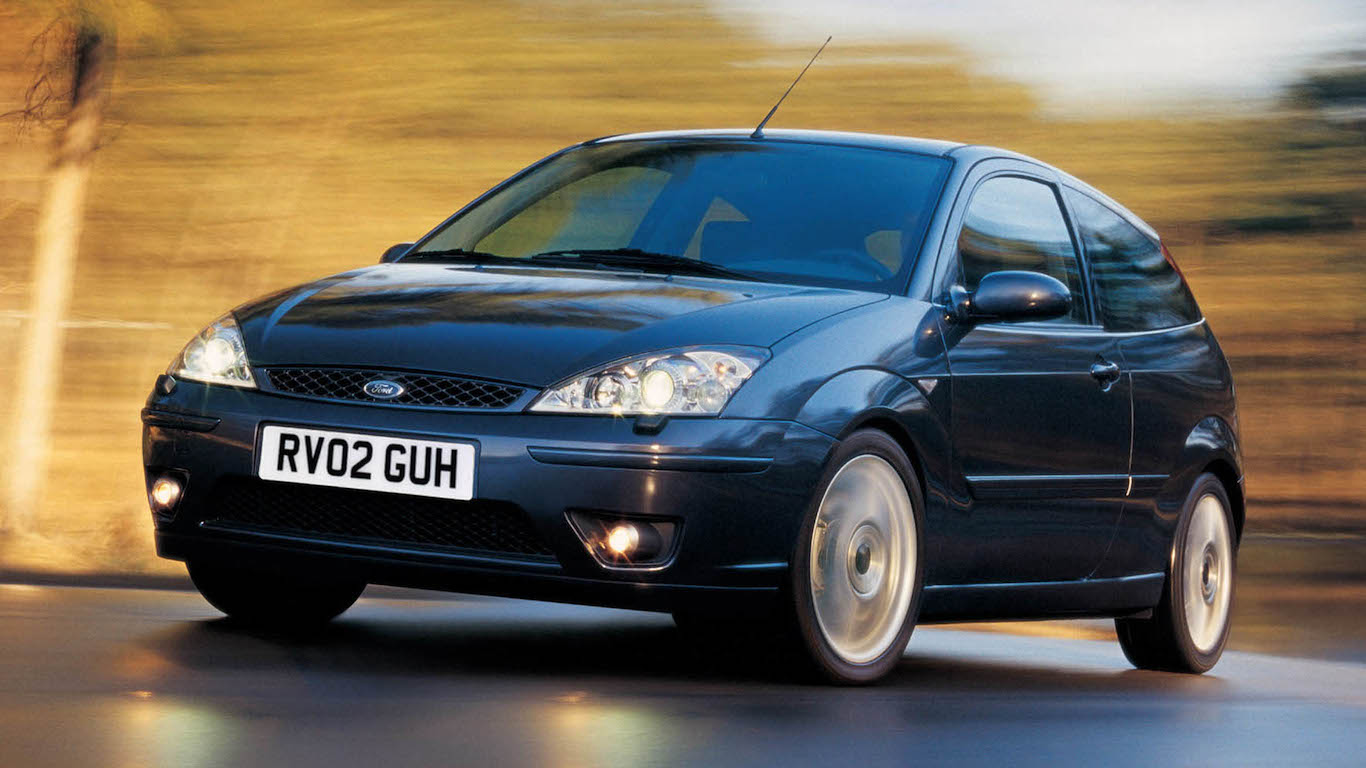
While the RS is most revered first-generation Focus, it wasn’t the only performance version offered. The ST170, also launched in 2002, featured a naturally aspirated 2.0-litre engine developed by Cosworth. With 17-inch multispoke alloy wheels, uprated brakes and Recaro leather seats, it ticked off a number of hot hatch requirements. An estate version was also offered, preceding the current performance wagon craze by over a decade.
Round 11: Transatlantic Special – 2002 Focus SVT
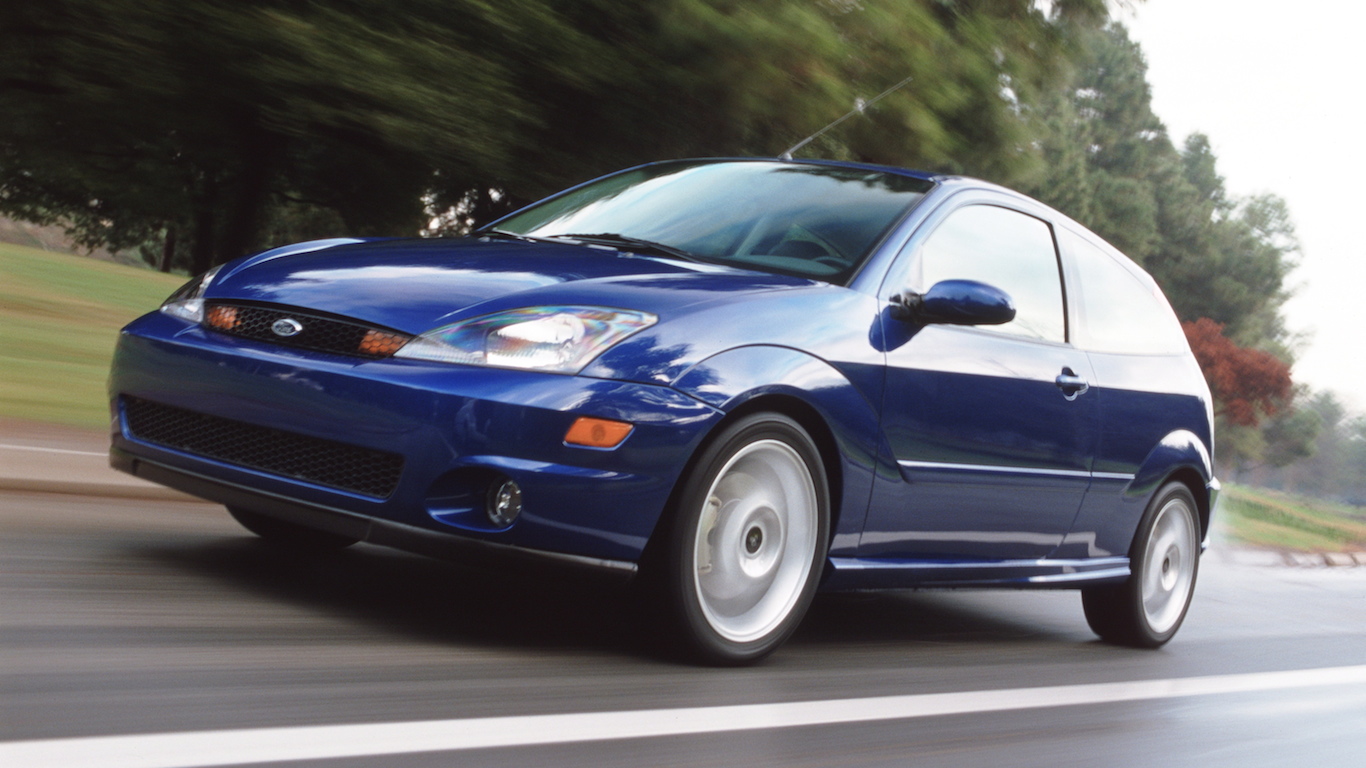
Look familiar? Minor cosmetic changes aside, the 2002 Focus SVT was the same machine as the European-market ST170. A demonstration of Ford’s desire to build ‘world cars’ even when it came to performance variants, the SVT was the result of cooperation between Special Vehicle divisions on both sides of the Atlantic. American buyers even got the option of wild colours like Screaming Yellow and Competition Orange, although they were denied the estate version.
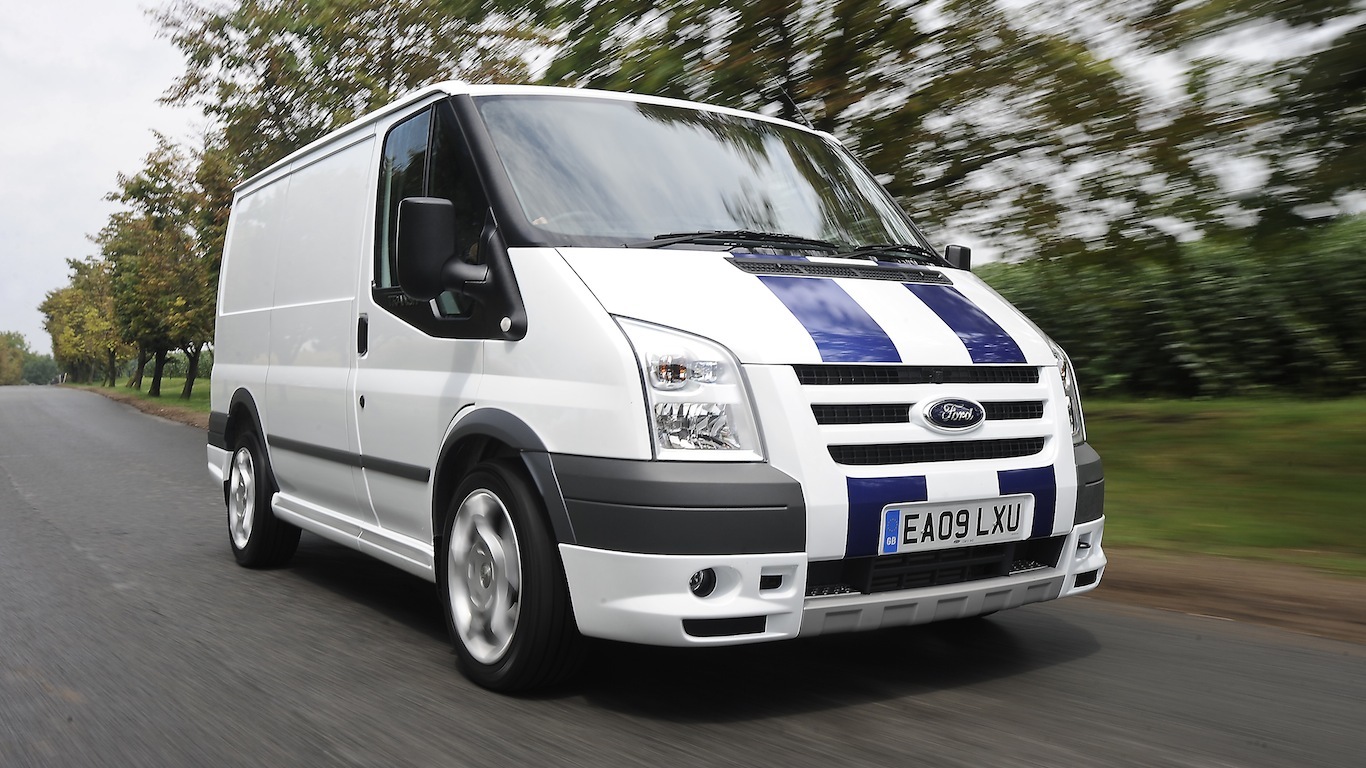
Round 12: Ultimate Utility – 2007 Transit Sport Van
The backbone of Britain. Not just a van, but the van. Driven by everyone from bakers to breakdown services if the adverts from the 1990s were correct. The Transit is a defining commercial vehicle yet, despite its popularity, we’ve never been treated to a performance version. Yes, Ford produced a number of Supervans – laying a Transit body on the chassis of a race car – but they weren’t sold to the public. Instead, in 2007, we got the Sport Van. With a standard 129hp 2.2-litre diesel engine there was no more power, and even the twin exhaust pipes were fake. There were at least bonnet stripes and 18-inch wheels, though.
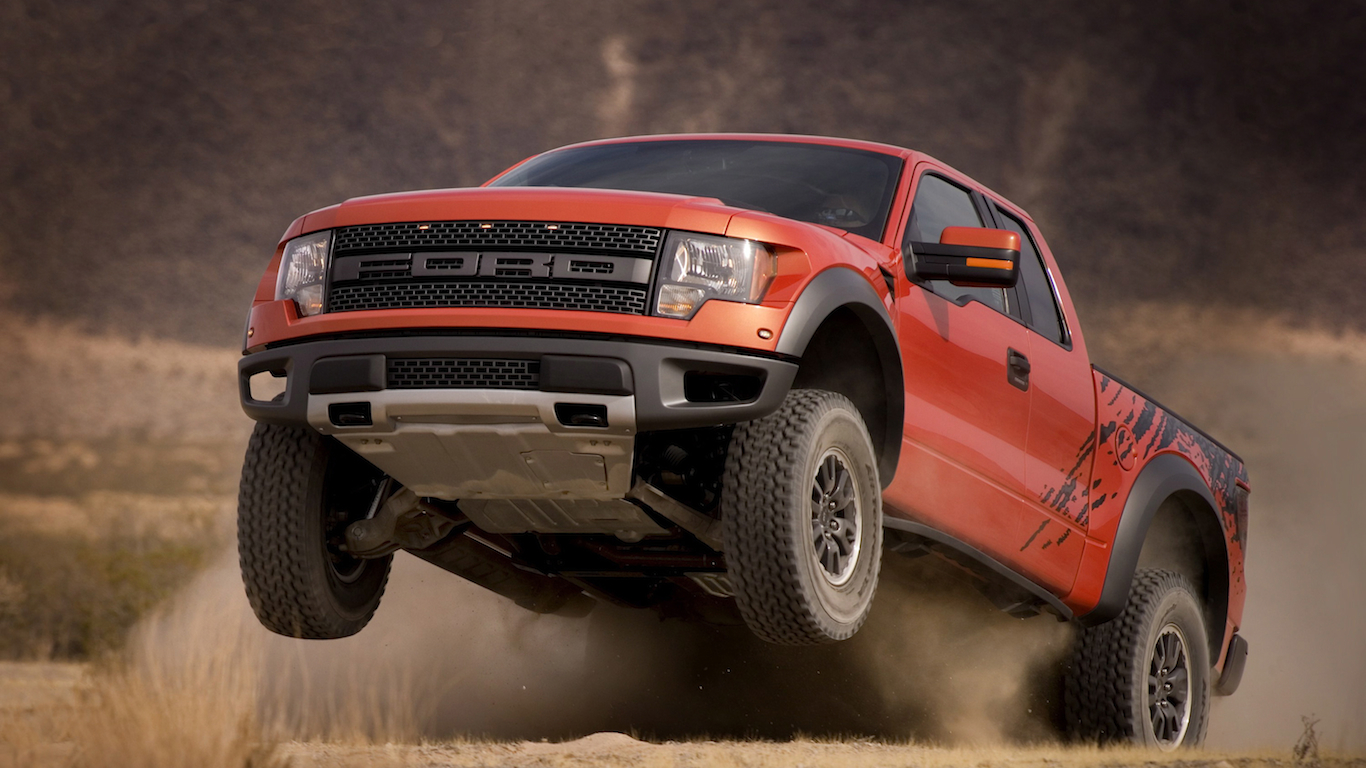
Cross the Atlantic and the F-150 pick-up truck has been the best-selling vehicle in the USA since 1981. Like the Transit in the UK, the F-150 is the mainstay of American life, and the Blue Oval saw fit to create a true performance version in 2010 with the SVT Raptor. With a 6.2-litre V8 producing 411hp and 434lb ft of torque, this was a serious utility vehicle. Despite the potential to terrify people off-road at speed, the Raptor can still tow 3,600kg and carry up to 800kg. Sorry Transit, the Raptor takes this round.
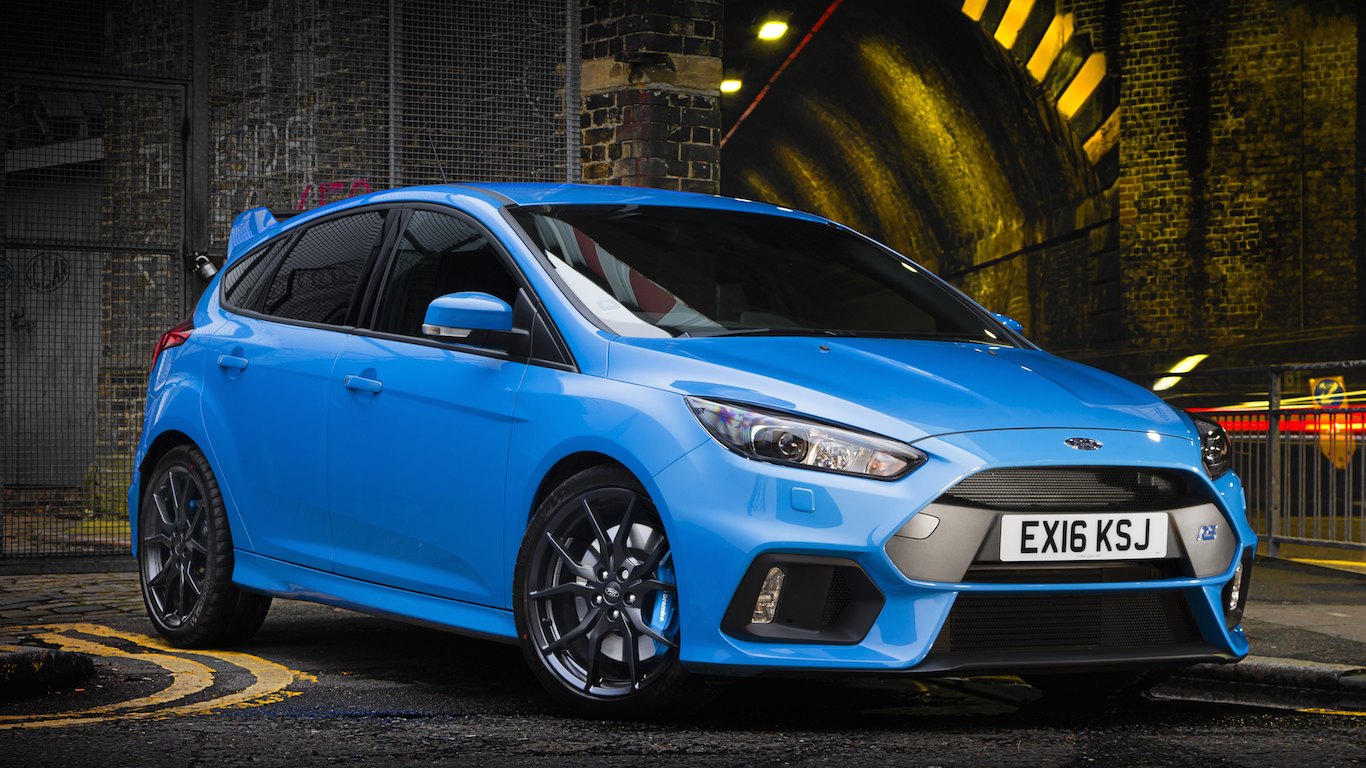
Round 13: Modern Masters – 2016 Mk3 Focus RS
Bringing the North American Ford Special Vehicles Team and European Team RS together in one global Ford Performance brand meant both sides of the Atlantic were involved in the creation of the latest Focus RS. It also meant UK and US buyers got the same 350hp 2.3-litre engine and, finally, a Focus RS with four-wheel drive. With the ability to hit 0-62mph in 4.7 seconds, and run to 165mph, the benefits of global thinking seem pretty clear. There’s also the small matter of that infamous ‘drift mode’…
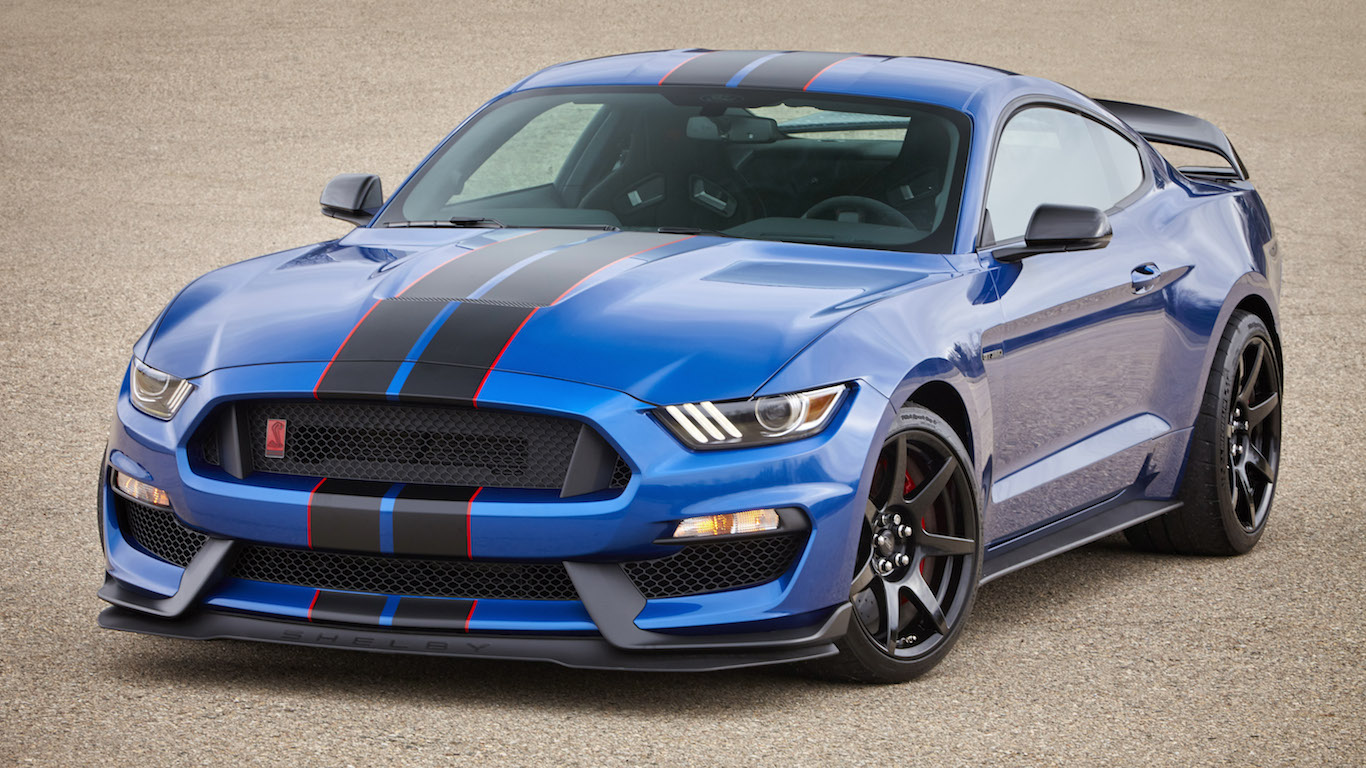
Round 13: Modern Masters – 2017 Shelby Mustang GT350R
The latest Mustang ticked off a lot of firsts. It’s the first Mustang to have independent rear suspension across the range, the first to be sold globally and, most importantly, the first to be made in right-hand drive. It meant UK buyers have the ability to own and drive a 5.0-litre V8 (or 2.3-litre turbo) muscle car without the need to sit on the ‘wrong’ side. But it’s not all good news. UK customers are denied the chance to buy the Shelby GT350R, with its 526hp flat-plane-crank 5.2-litre V8 engine, carbon fibre wheels, bespoke bodykit and stripped-out interior. Globalisation can’t give you everything, it seems.
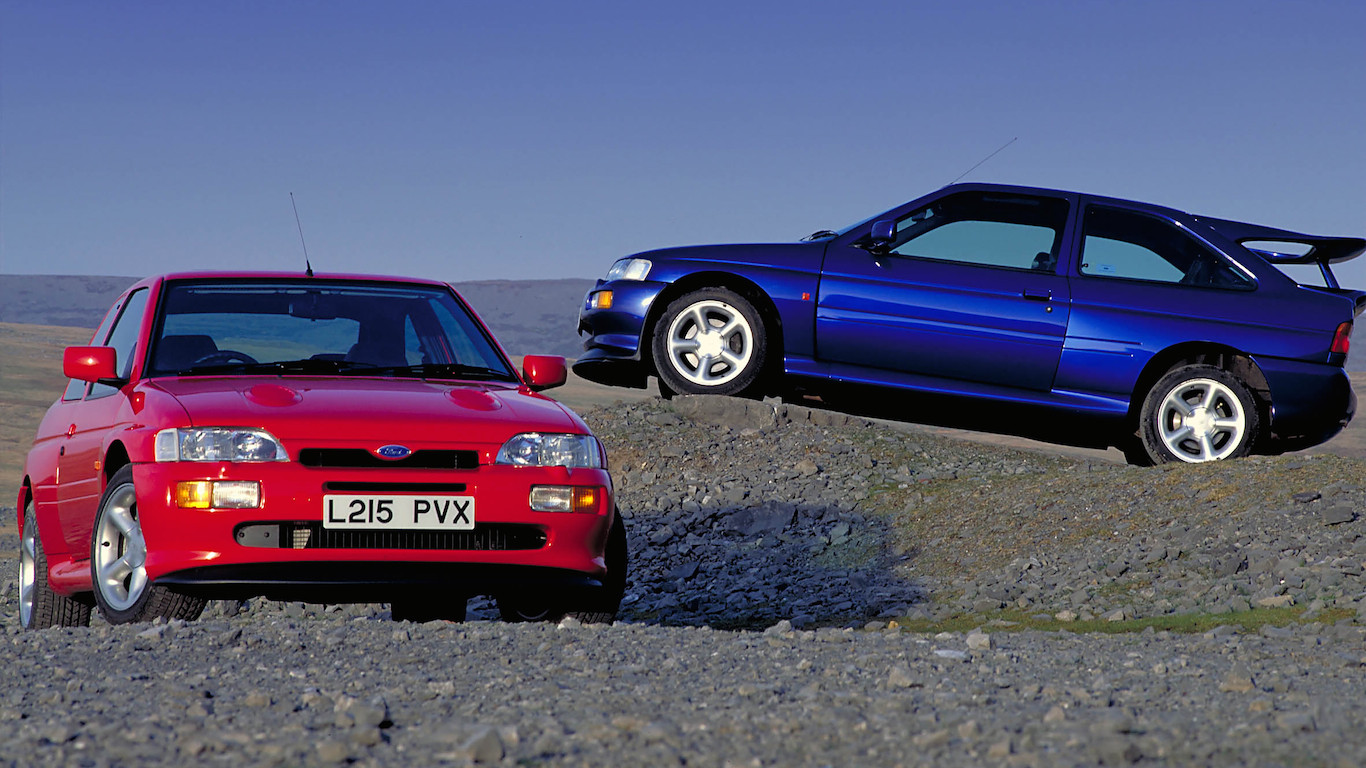
We’ve saved the best until last, picking out the absolute top examples of what Ford can do. Designed and engineered in the UK but built in Germany, the Escort RS Cosworth borrowed a shortened chassis from the Sierra RS, along with the same 2.0-litre turbocharged engine – now making 227hp. The four-wheel-drive system was new, but most obvious was the huge double rear wing that produced substantial amounts of downforce. That this was all wrapped in a body that resembled the regular Escort hatchback, but could hit 60mph in less than six seconds. Jeremy Clarkson bought one from new, and later regretted selling it.
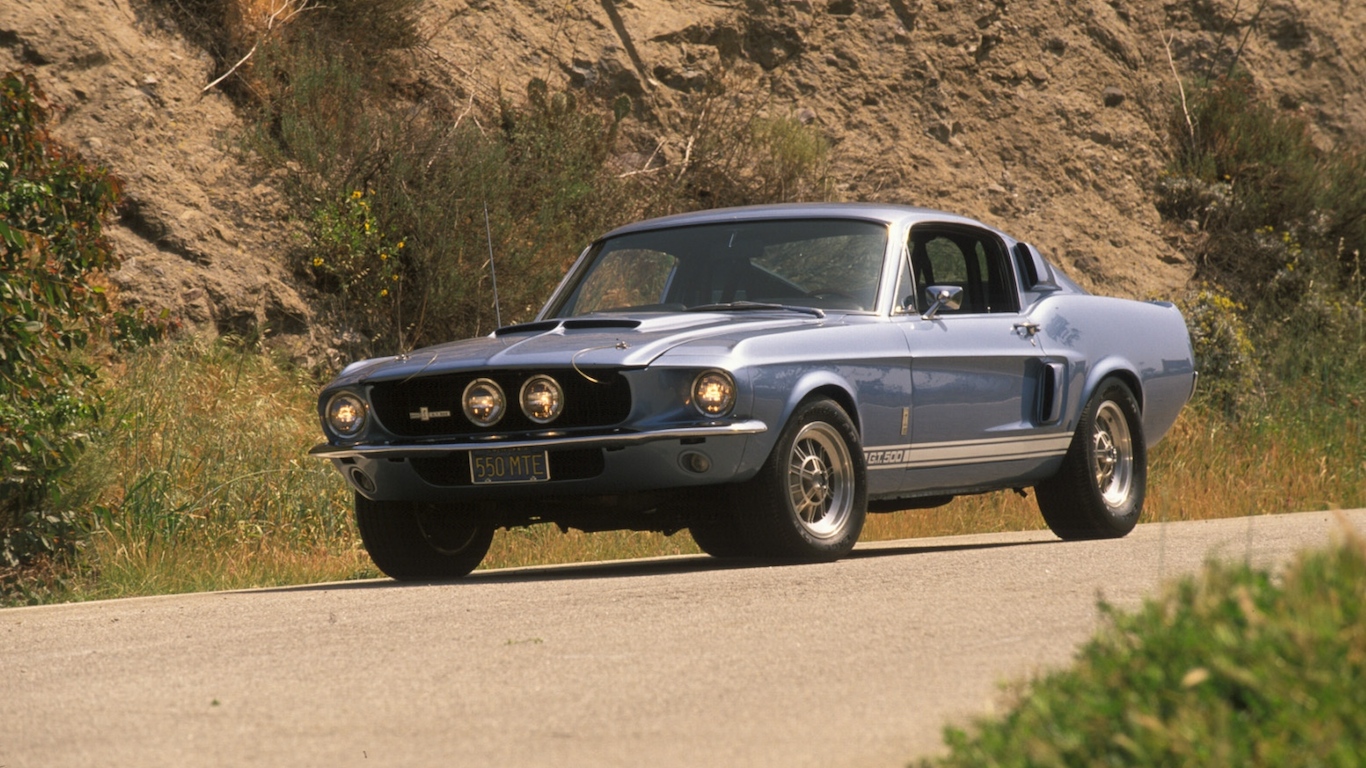
The GT350 may have been the first Shelby Mustang when launched in 1965, but there’s something special about the 1967 GT500 and its big-block 428 cubic inch (7.0-litre) ‘Police Interceptor’ V8 engine. Fitted with twin four-barrel carburettors, it produced 360hp, and had the option of four-speed manual or three-speed automatic gearboxes. Debate rages amongst Mustang enthusiasts as to which is better to drive, GT350 or GT500, but the starring role of the latter in the Gone in 60 Seconds movie cements it as the defining fast American Ford for us.
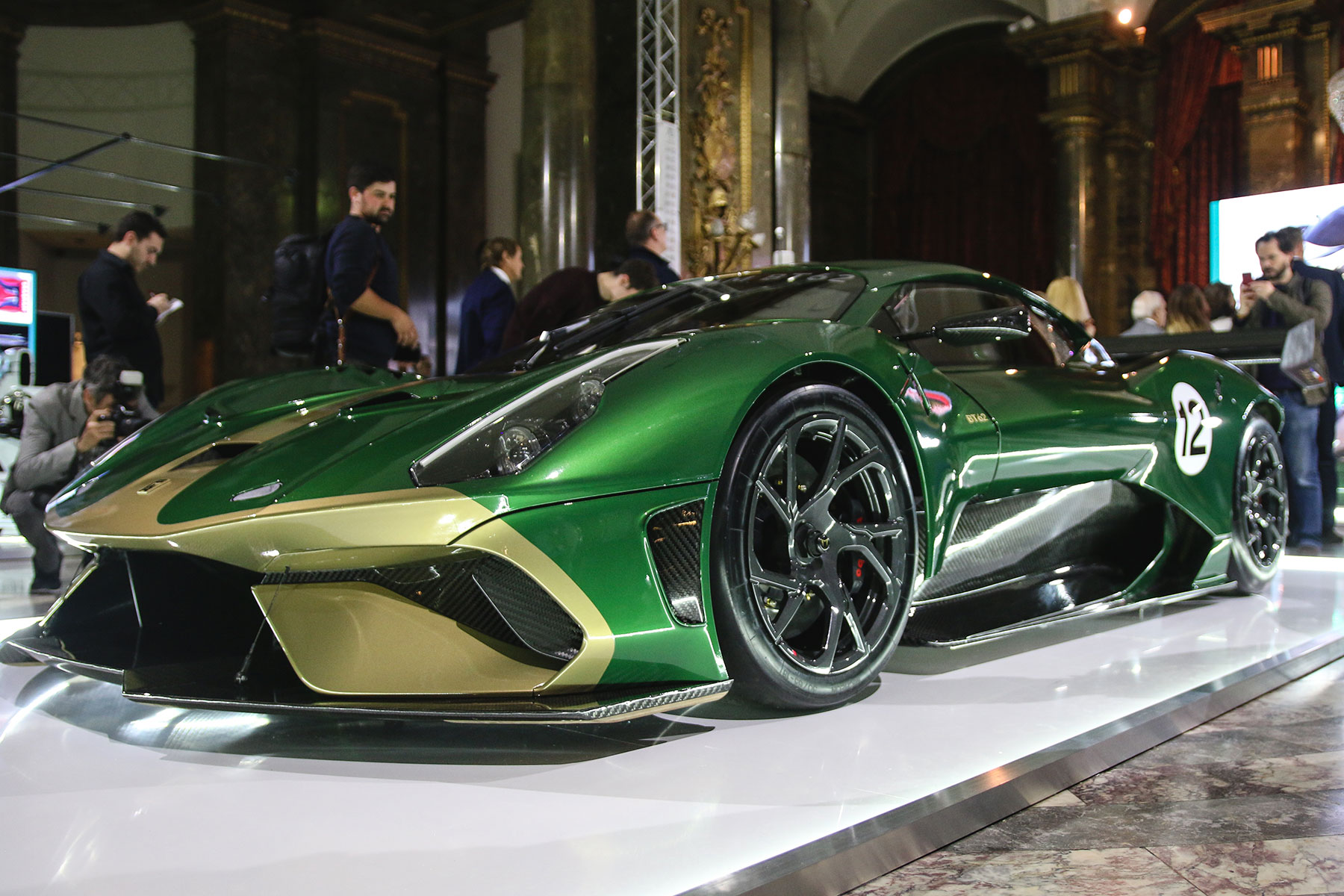
70 years after it first started racing, the famous Brabham brand is back – and the reveal of a 700-horsepower track-only supercar called the BT62 at the Australian High Commission in London helped launch its comeback with a bang.
The company was originally founded by Jack Brabham and partner Ron Tauranac in 1948: it’s Jack’s son, David Brabham – himself a former F1 racer – who’s leading the rebirth of Brabham. It’s no one-product company either; the intention is to roll out a line of specialist supercars, to compete with other motorsport-infused brands such as McLaren, Ferrari and Porsche.
There are even plans to race at the Le Mans 24 Hours.
The Brabham BT62 is a ground-up fresh design, powered by a Brabham 5.4-litre V8 engine that, thanks to a kerb weight of less than a tonne, gives a power to weight ratio of 730 hp per tonne.
MD David Brabham said: “It’s with great pride that I honour and continue my father’s legacy in revealing the next chapter in the evolving Brabham story.” This, he explained, is the culmination of a 12-year project to bring back Brabham.
“The team we have in place, and the vision it shares, provides a solid platform for Brabham Automotive to execute its long-term business strategy. Our first step to deliver on that strategy is the Brabham BT62, a car truly worthy of carrying the iconic Brabham name.”
We won’t have long to wait, either: first deliveries of the BT62 will begin later in 2018.
Brabham BT62: in detail
The BT62 is a carbon fibre supercar that will cost £1 million plus taxes. The reborn company plans to build just 70 of them – and the first 35 will come in an exclusive range of retro liveries inspired by Brabham’s title-winning 35-year run in Formula 1 racing.
Jack Brabham remains the only man to have won the F1 World Championship in a car bearing his own name, and Brabham’s most recent world titles were scooped by Brazilian Nelson Piquet.
Video: Brabham BT62 revealed in London
An aggressive aerodynamic package means the BT62 produces way more downforce than it actually weighs – over 1,200kg, says the new company. Michelin racing slicks give it ample traction and Brabham Automotive says it’s working closely with the tyre firm to “ensure the continued performance of its vehicles to the very highest levels”.
The mid-engined car is rear-wheel drive, with a race-spec gearbox mounted at the back. Cool details include a motorsport-spec air jack system, plus carbon ceramic brakes with six-piston calipers front and rear. Interestingly, although it’s left-hand drive in the images, right-hand drive is available on request.
Brabham Automotive director of technology and engineering Paul Birch said” “Created from a blank sheet of paper, our first car takes Brabham into an exciting new era, whilst honouring and upholding the marque’s glorious past.
“Using contemporary materials, processes and technologies, and following a rigorous two-year engineering and development programme, the resulting BT62 is a car that demands total engagement and commitment from its driver, delivering immense reward and satisfaction.”
70 cars for 70 years
Production will be limited to just 70 cars – one for each year since Sir Jack Brabham lauchced his racing career – with the first 35 liveired in tribute to each of Brabham’s F1 Grand Prix victories.
Owners will be invited to join a tailored driver development and experience programme, to enable them to get the best from their 700hp track star. First delivers are expected later this year.
 Volvo is, for the first time, to share real-time safety alert data with another company. OK, that company is Volvo Trucks, but it’s still another step towards all cars becoming connected and talking to one another.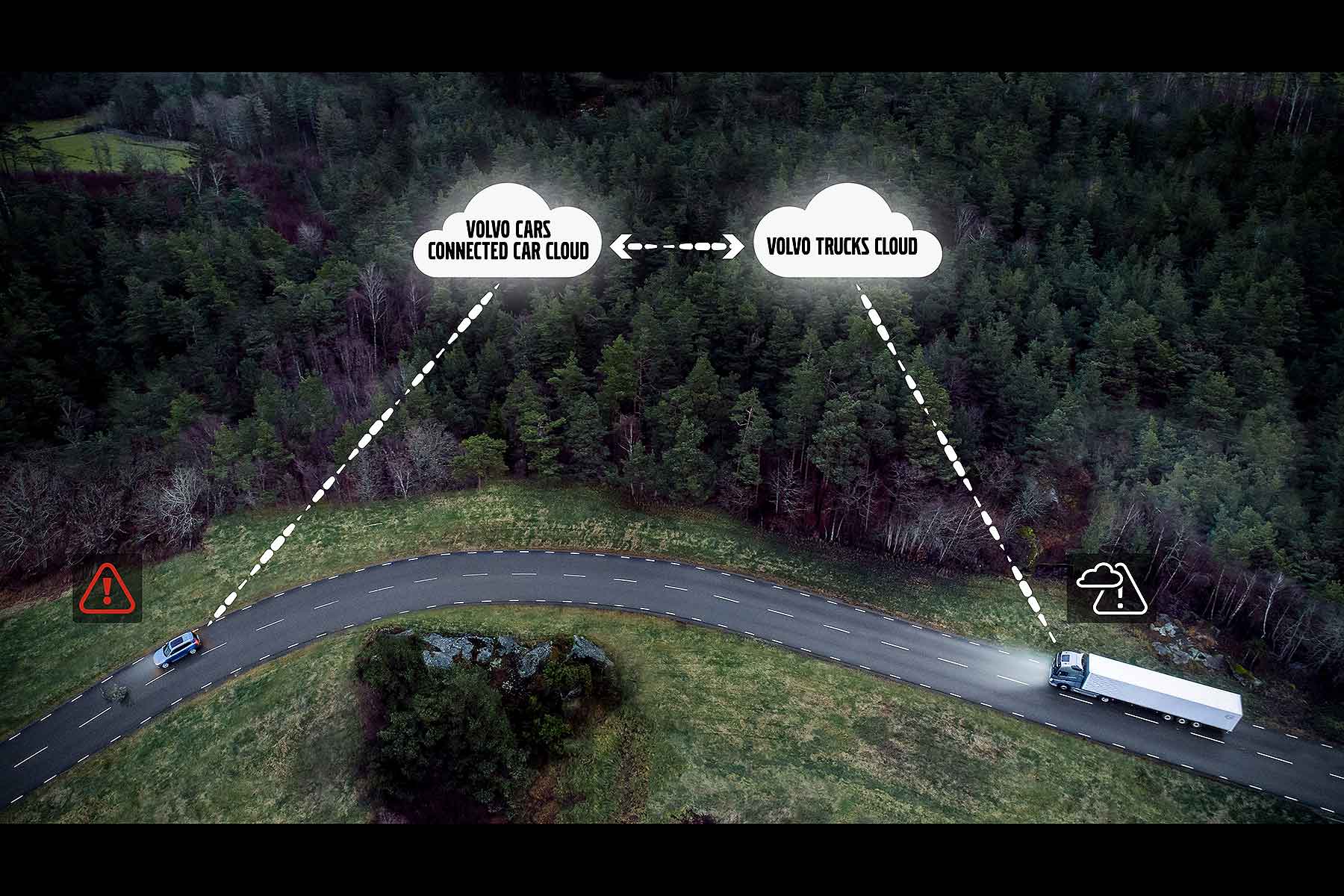
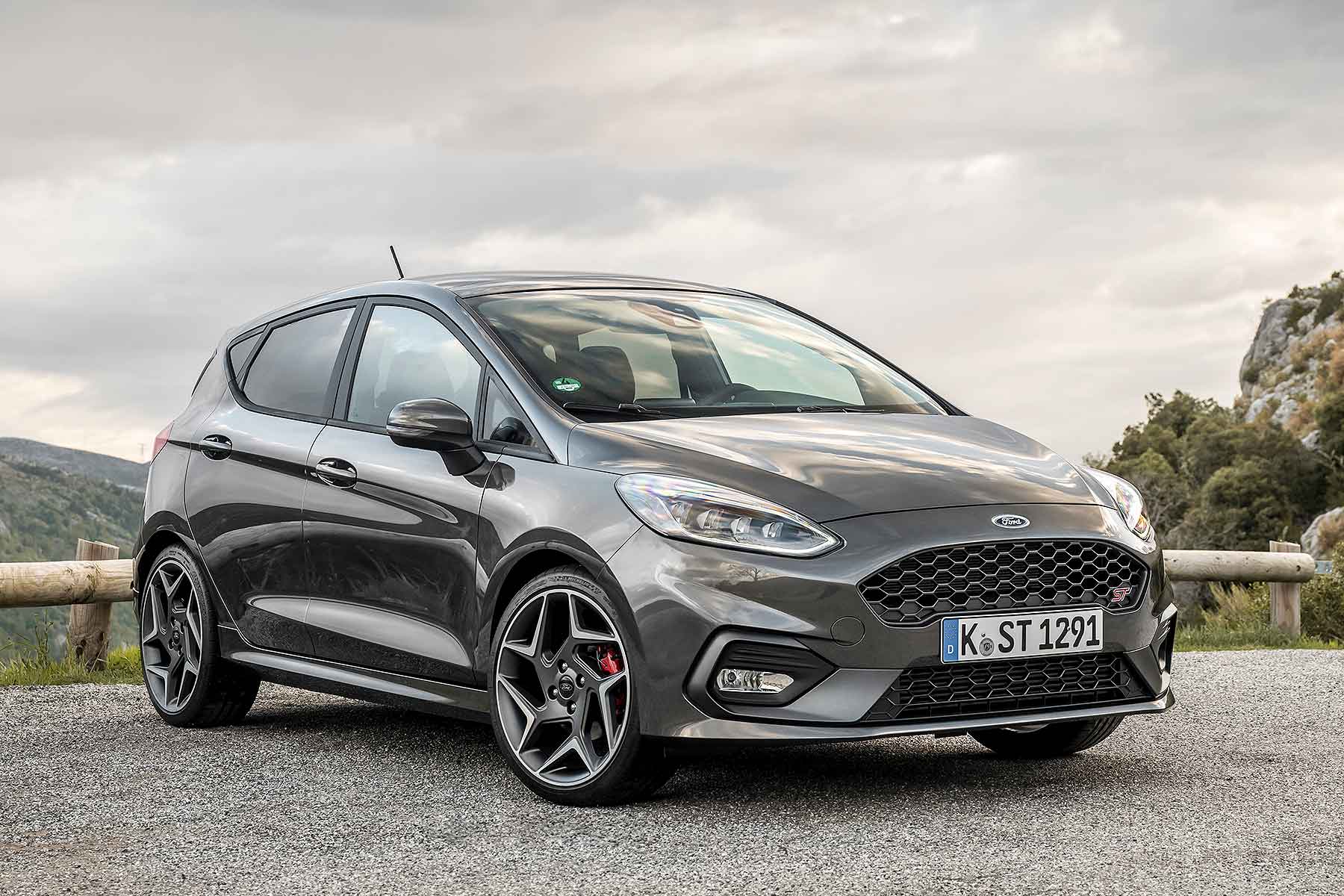 2018 Ford Fiesta ST prices start from an ultra-competitive £18,995, Ford has announced – and the hot new fast Ford is open for ordering now, with first deliveries expected in the summer.


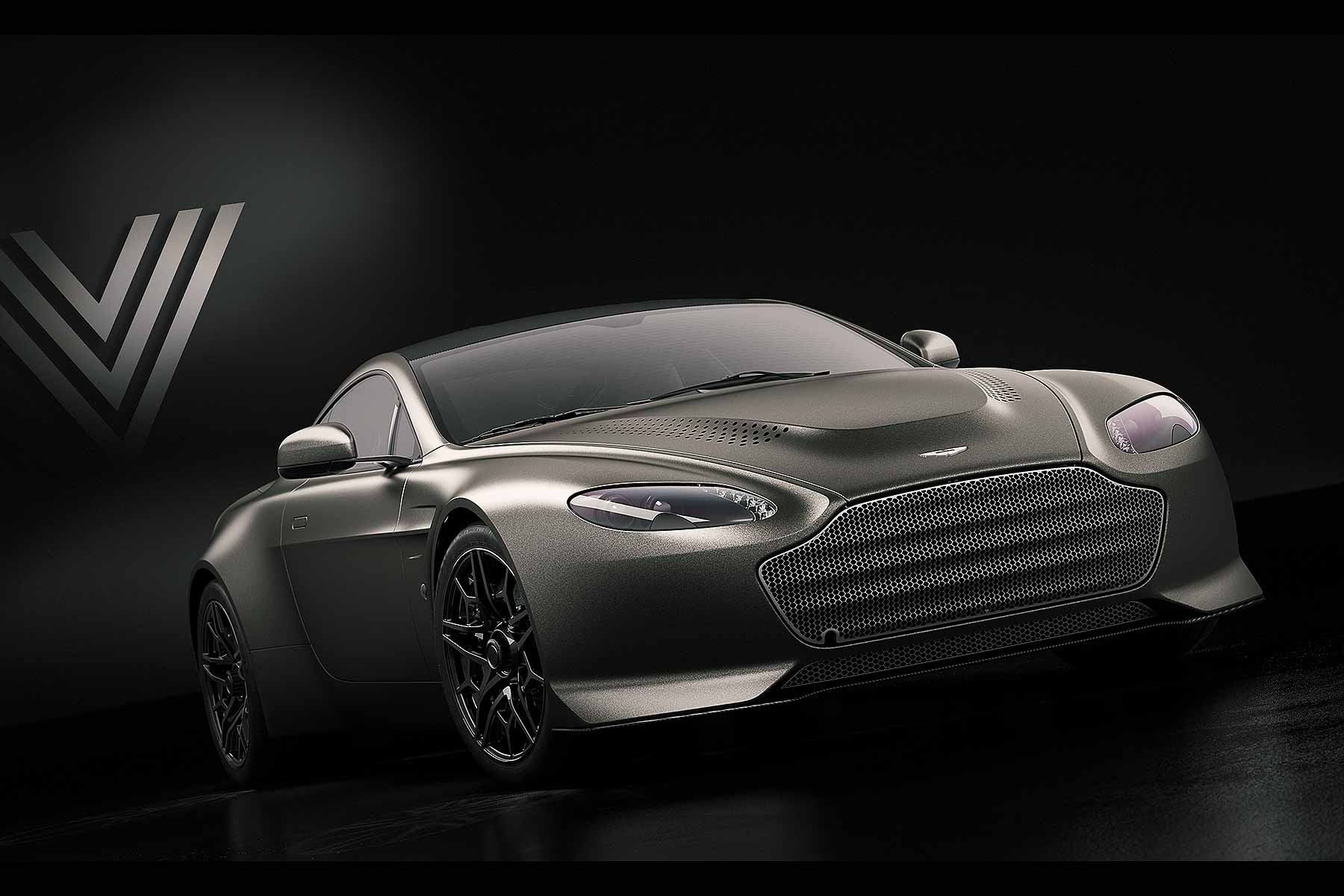 Aston Martin is honouring the 20th anniversary of its original V8 Vantage V600 with an ultra-limited run of 2018 V12 Vantage V600 special editions – which will also mark the end of production of its long-running ‘VH’ sports car platform.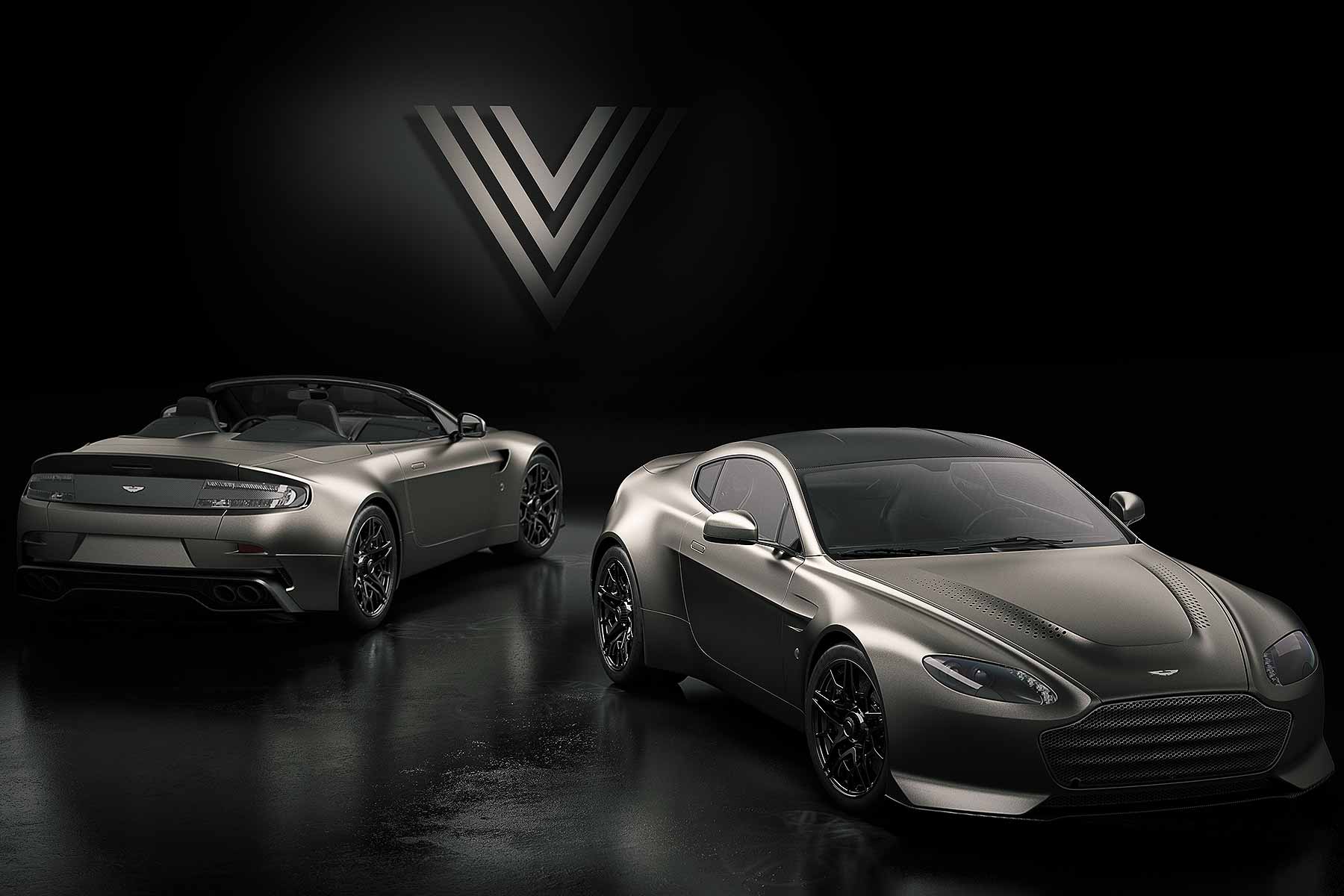
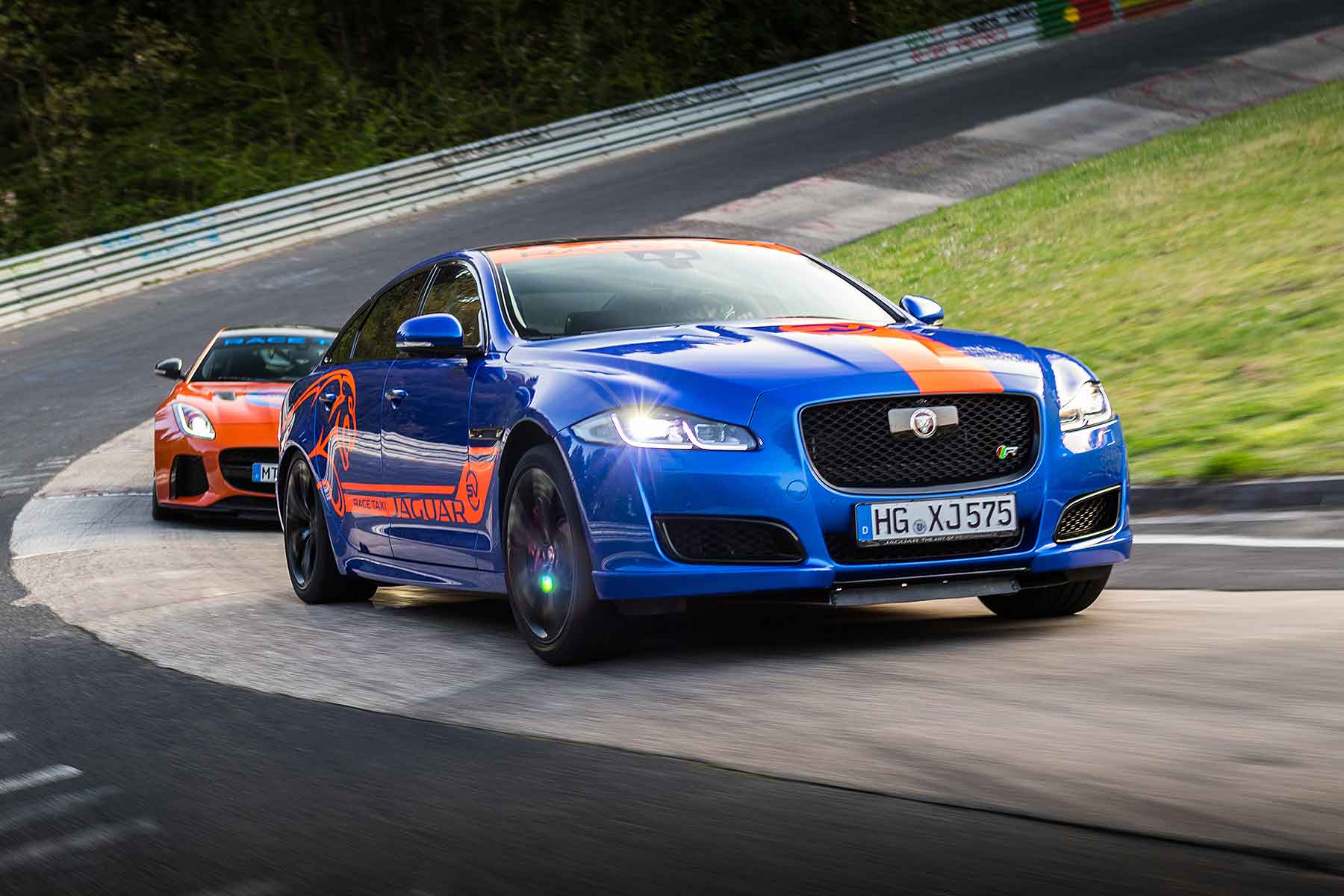 Jaguar has opened a new hot lap experience at the ‘hellish’ Nürburgring Nordschleife, running a 575hp F-Type SVR and the equally-potent XJR575 to take up to three people on high-speed experiences of the world’s most challenging racetrack.

 Two British-built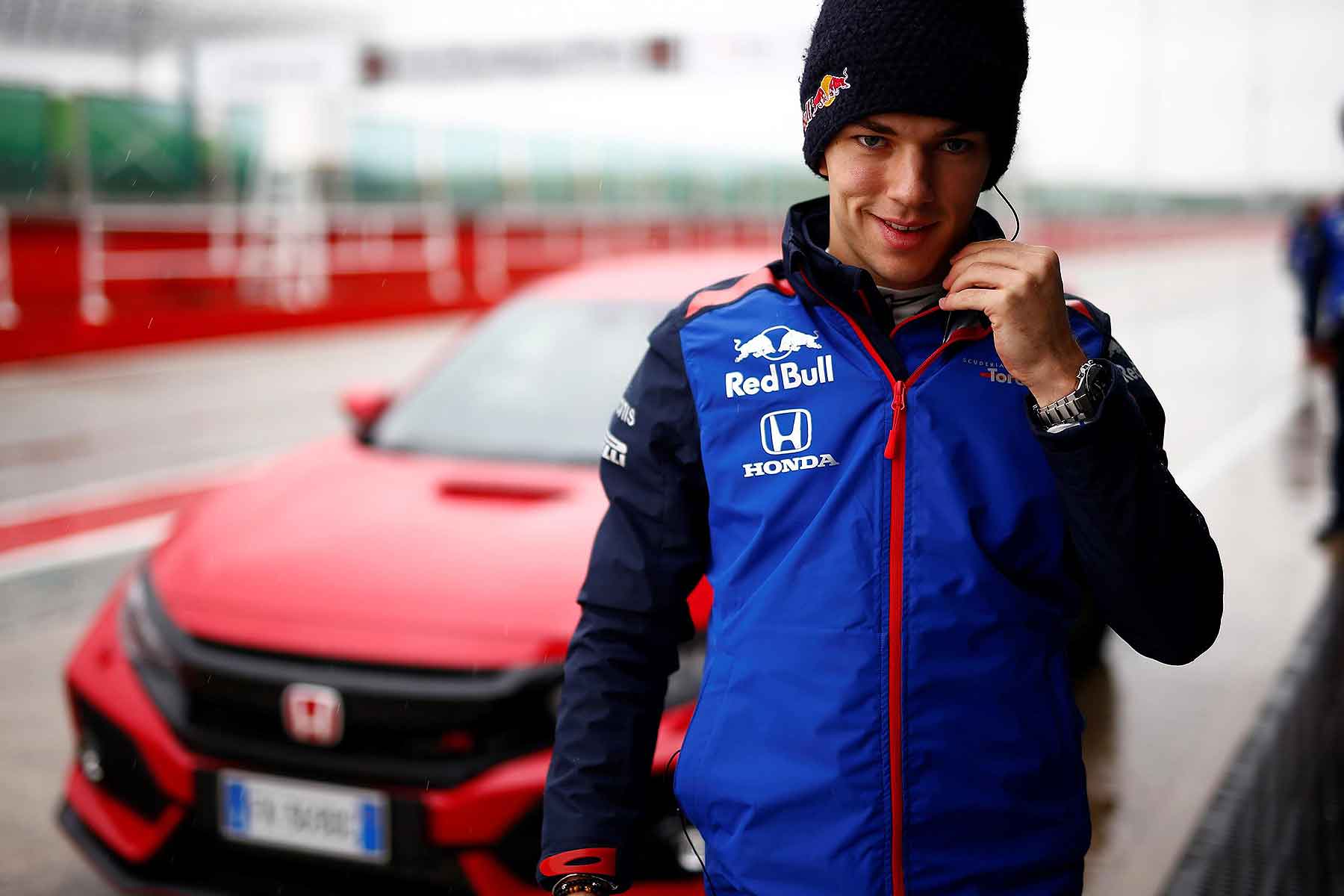
 Land Rover has broadened the choice of engines offered on its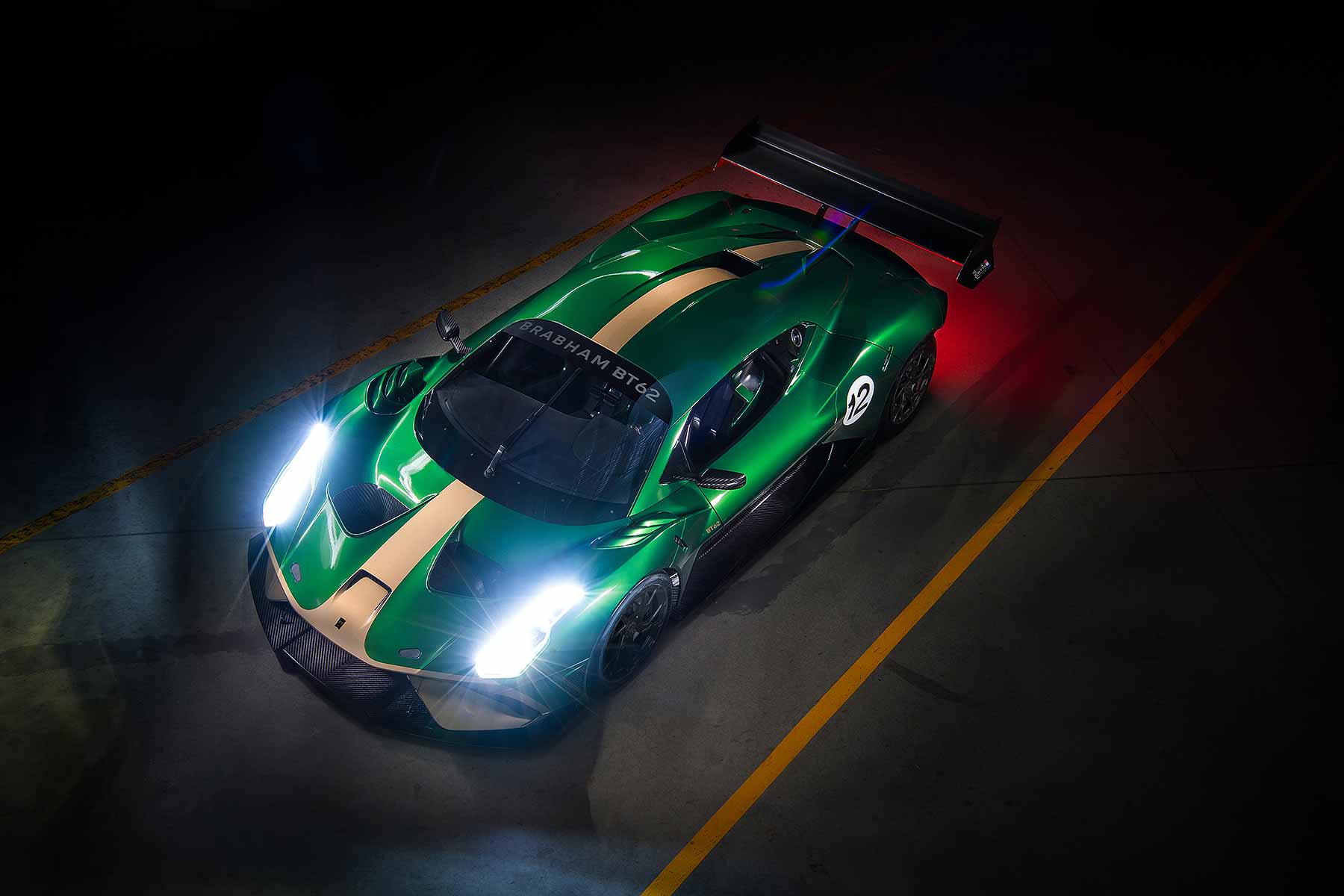
 Everyone loves a fast Ford, but who makes the greatest performance cars to wear the Blue Oval badge? Over fourteen rounds, we’ve paired up rivals from both sides of the pond. Here, they go head-to-head here in a performance face-off spanning more than five decades.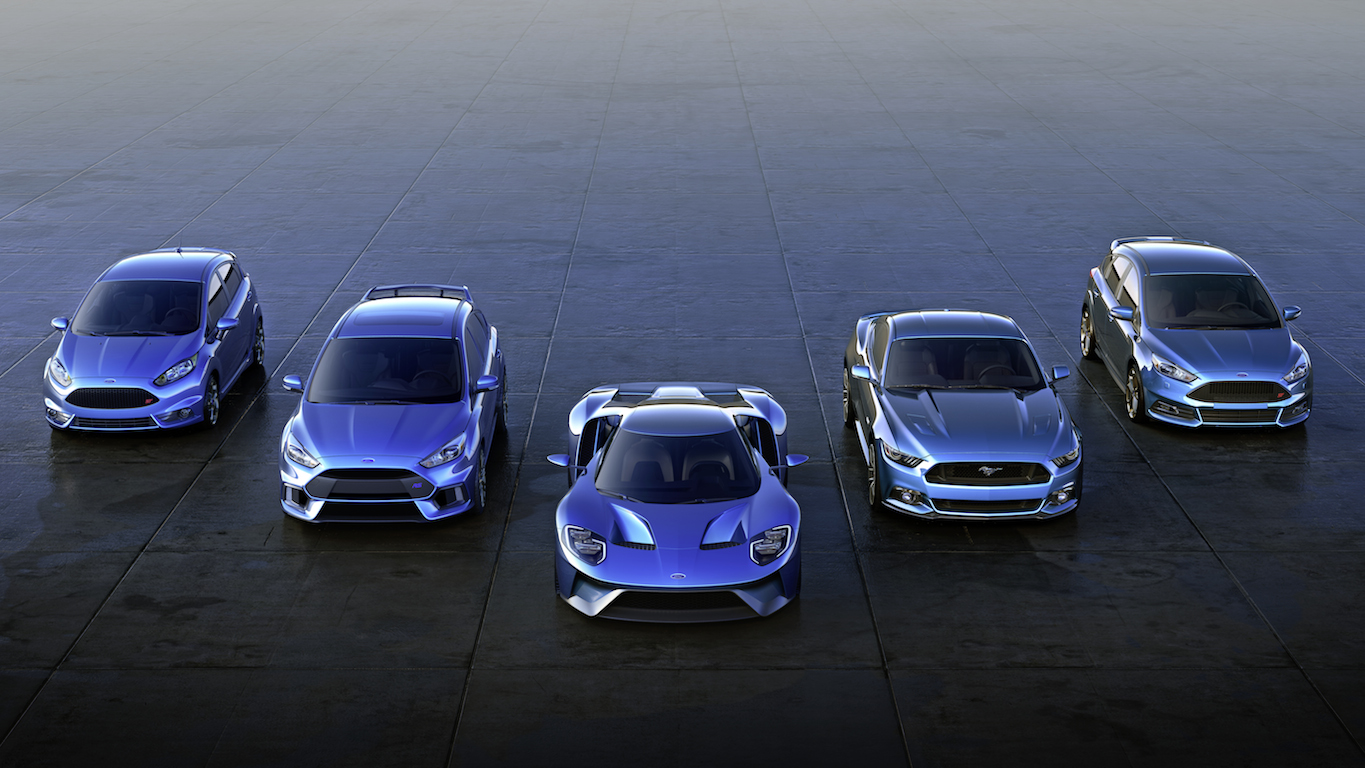


 70 years after it first started racing, the famous Brabham brand is back – and the reveal of a 700-horsepower track-only supercar called the BT62 at the Australian High Commission in London helped launch its comeback with a bang.