Volvo and diesel are continuing their ‘conscious uncoupling’, with the new fleet-focused S60 saloon the latest car from the Swedish brand to ditch diesel. Indeed, it’s the first Volvo in decades to be produced without a single diesel engine in its line-up.
“Our future is electric and we will no longer develop a new generation of diesel engines,” explained Hakan Samuelsson, president and chief exec of Volvo Cars.
“We will phase out cars with only an internal combustion engine, with petrol hybrid versions as a transitional option as we move towards full electrification.
“The new S60 represents the next step in that commitment.”
To be launched imminently, the new S60 will thus offer only Drive-E petrol or a plug-in petrol, with mild hybrid versions following, and battery electric versions possibly coming later. It’s part of what Volvo describes as the most comprehensive electrification strategy in the car industry.
What’s the roadmap? By 2025, Volvo is aiming for full EVs to make up half its global sales. By next year, all new models launched will be diesel-free, and it will disappear entirely from the line-up by the early 2020s.
Volvo’s had a helping hand in making the S60 its first modern car to be built without a diesel engine, though. It’s to be produced solely in Charleston, South Carolina, at its brand new North American manufacturing facility.
This means every new S60 in the world will be built in the USA – a market that, thanks to the Volkswagen dieselgate scandal, is now one of the most anti-diesel nations in the world…
Trying to research which new car to buy can be tough at the best of times, especially if your local dealer is a long way away, or you’re not entirely sure what you’re looking for.
Skoda’s solution has been a 12-month trial of online ‘tours’ of its cars through the Live Tour function on its website. Potential buyers have been able to interact directly with ‘product hosts’ via video, and have them explain all the features of the cars. This includes demonstrating how key features work, answering any questions that prospective buyers might have, and also arranging an appointment to view in person.
Following the launch of Live Tours, more than 2,000 have been taken by interested customers, with some 95% rating the experience positively. Not only that, but 38% have followed things up with a test-drive at aSkoda dealership, and 10% have progressed to ordering a new car.
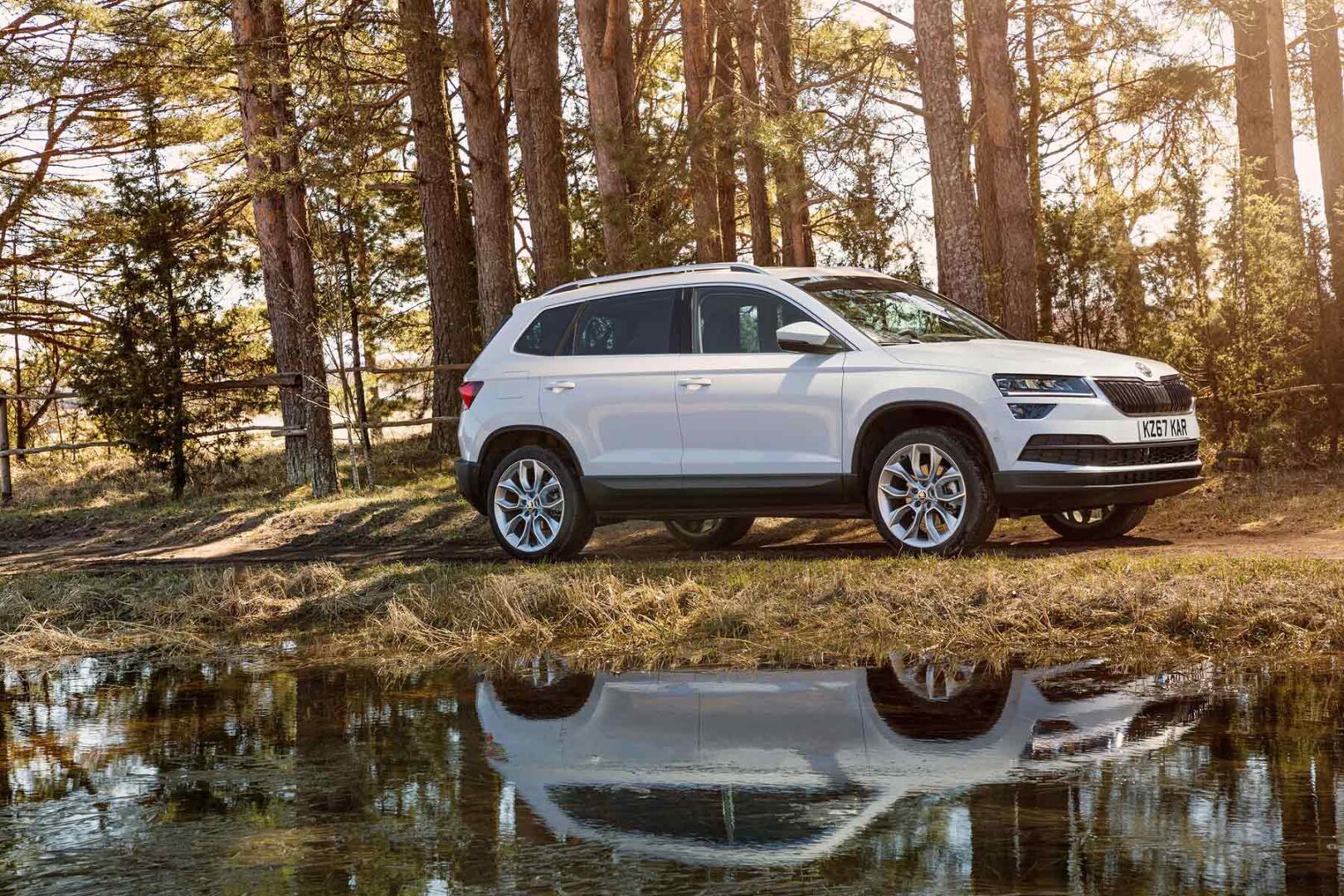
Skoda made use of Live Tour to launch the new Karoq SUV some three months before it appeared in showrooms, with 20% of those who took an early preview placing an order.
Retailers are not being sidelined by this progress, and Skoda is even using the technology to give product demonstrations to dealership staff, and planning to offer bespoke handovers to fleet customers. That the final sale following a Live Tour interaction is still made by a real dealership should mean retailers view this as a positive development, and not a threat.
The Czech brand is currently on a roll, following the most successful April in the company’s history, with more than 107,000 new Skodas delivered to customers worldwide. Tools like Live Tour should help Skoda sustain growth, as 75% of those interacting with the service were new to the brand.
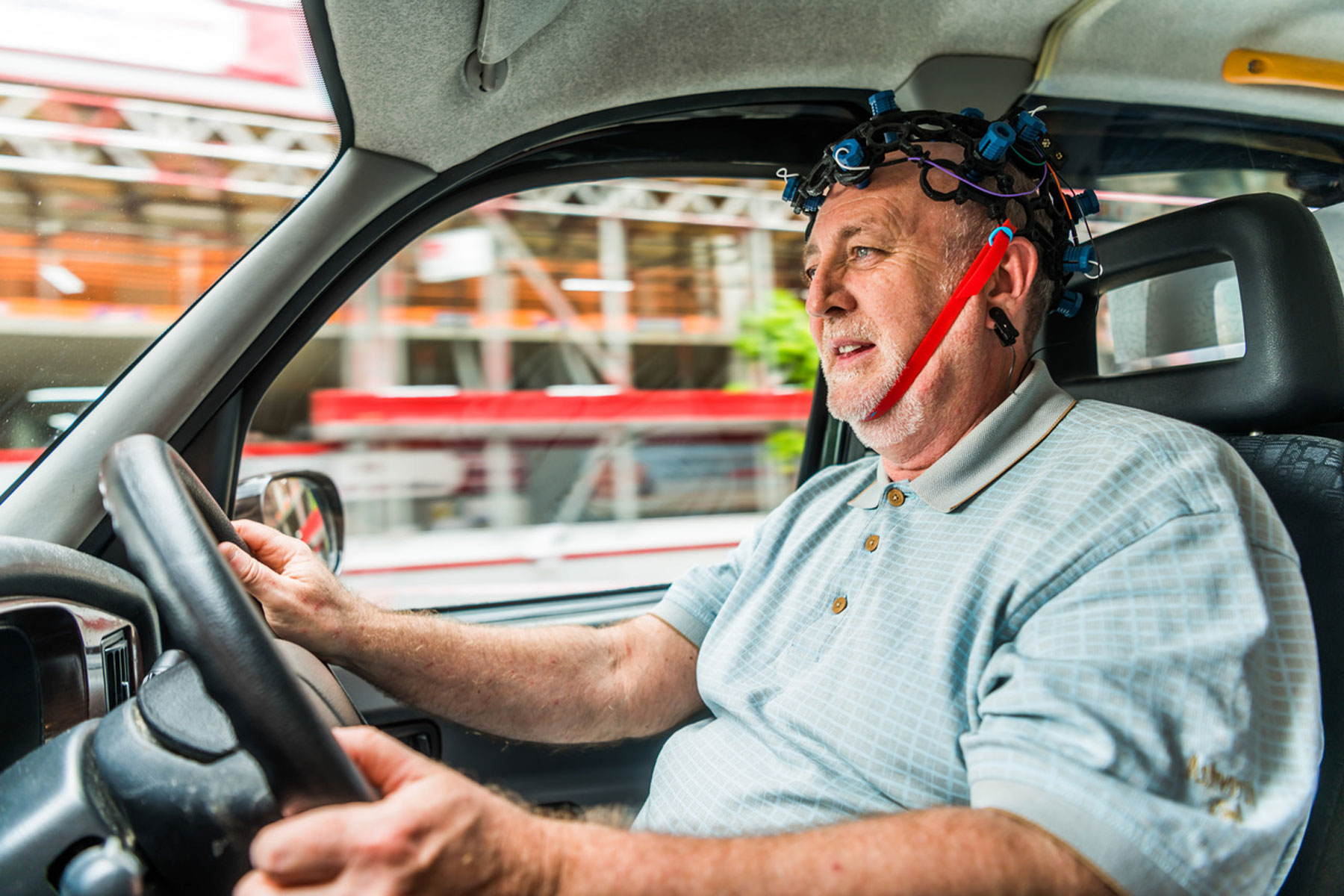
Driving an electric vehicle can have significant mental health benefits and could make you feel calmer, less stressed and happier behind the wheel. That’s according to a study undertaken by LEVC (London EV Company) in conjunction with academics from the University of York, released as part of Mental Health Awareness Week.
In an experiment designed to monitor metal health activity of drivers in both the new LEVX TX electric taxi and the previous diesel model, Dr Duncan Williams subjected four London cabbies to a series of trial drives. The aim: to find out if the quiet cabin of an electric vehicle had an effect on the wellbeing of the hard-working taxi drivers.
The electroencephalogram – or ‘brain cap’ to us non-scientific types – monitored brain activity over a set route through London, providing insight into the differing mental states between drivers of electric and diesel vehicles. The caps do little for your street cred behind the wheel, but they might help lower the stress levels on the streets of the capital.
The results were pretty conclusive, with drivers of the electric vehicles showing a higher level of concentration, particularly when waiting at traffic lights. Heart rates were found to be considerably less variable than in the diesel taxi, while drivers reported increased happiness. Clap along if you feel like happiness is the trurth.
Dr Duncan Williams (no relation to Pharrell) said: “This study proved hugely interesting. The drivers all reported being calmer, less stressed and happier in the electric taxi than in the old diesel model. Traditionally those feelings would correlate with more Alpha brain waves, which are a good indicator of relaxation. But when we looked at the data, the drivers’ showed more Beta brain waves, an indicator of mental activity and attention.
“What does this mean? Well, the study suggests that the quieter driving environment allowed cabbies to be in a more concentrated state of mind. In other words, by removing the noisy diesel engine rumble, they are perhaps freed up to get on with driving in a more focused, but calm way. It’s a fascinating result and, given the movement towards electric commercial vehicles, shows there are even more benefits of going electric than we might have previously thought.”
Clap along if you feel like a taxi with a panoramic roof
As you’d expect, Chris Gubbey, CEO of LEVC, was quick to extol the virtues of driving a ‘leccy cab, saying: “Our aim with the TX was to make the world’s most advanced taxi, a vehicle that would not only help reduce urban air pollution but improve comfort and convenience for passengers and drivers across the globe. We are delighted to find we have made a vehicle that is now proven to also make cabbies’ working lives better.”
The all-new TX is powered by an advanced electric powertrain with a small back-up petrol generator, giving a range of up to 377 miles including an all-electric range of 80 miles. The TX also boasts USB ports, on-board wifi, a pananoramic roof and a host of active and passive safety systems.
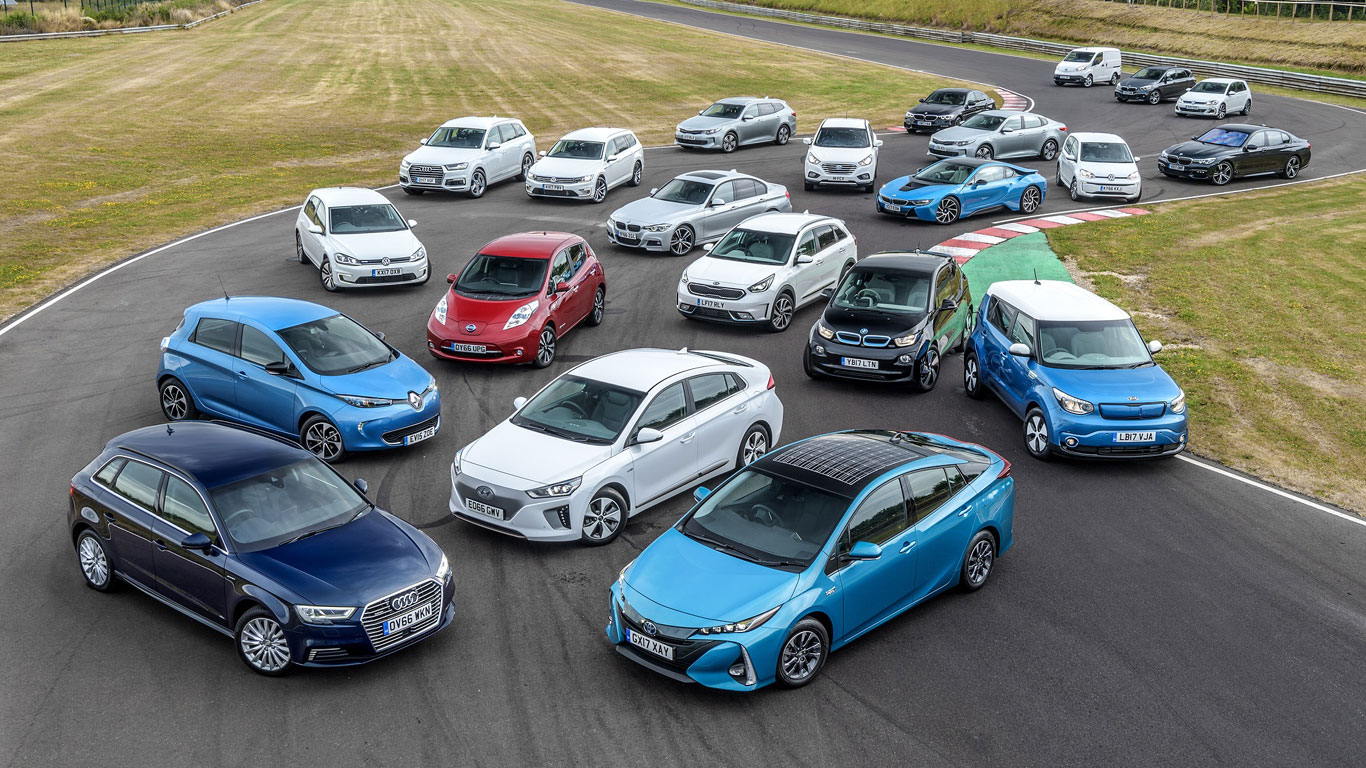
Last year saw a record number of electric and plug-in hybrid vehicle registrations, which were up 27 percent year-on-year. In a landmark 12 months for the segment, the total number of plug-in cars passed the 130,000 mark, with Go Ultra Low predicting annual electric car registrations of 60,000 in 2018. Using data sourced from the Department for Transport, we round up the most popular plug-in hybrid and electric cars on UK roads today.
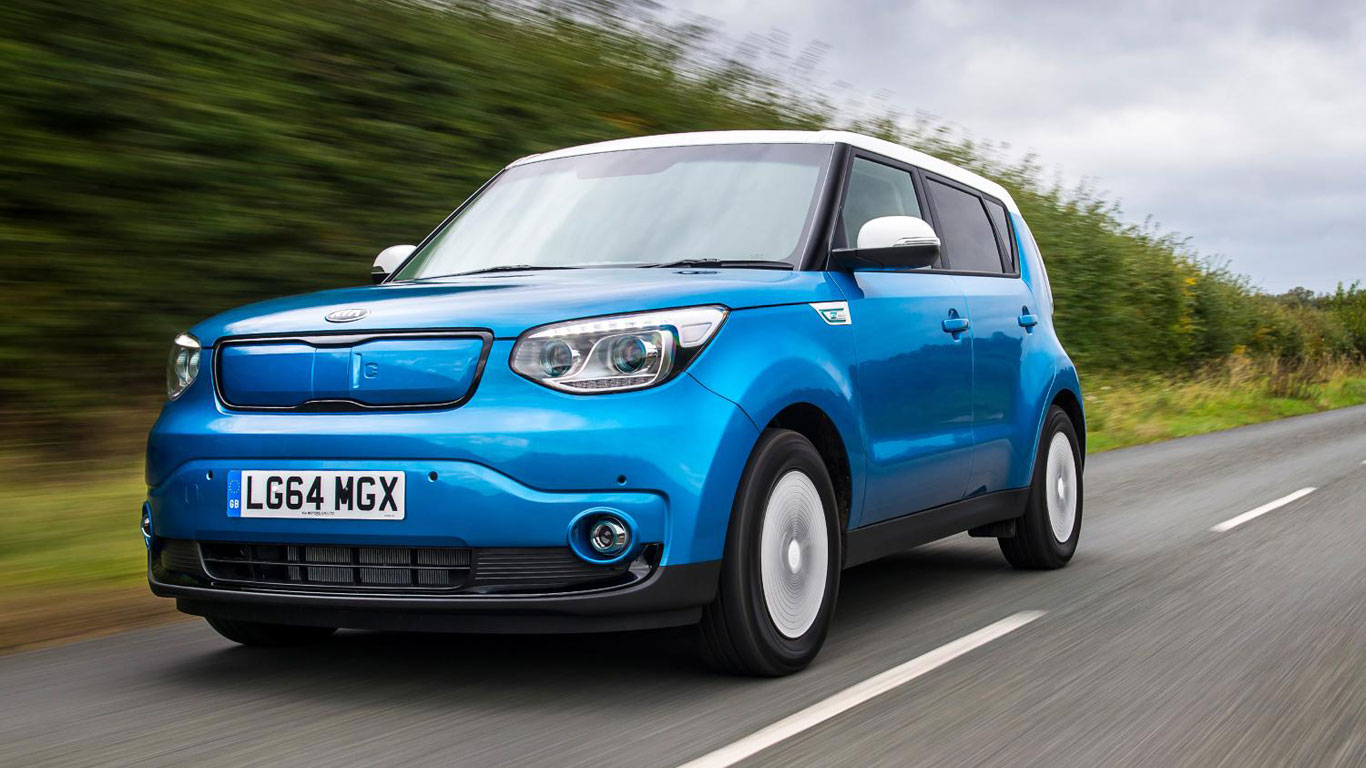
25. Kia Soul EV: 465 cars
With a range of 155 miles and a price tag of £25,995 – after a £4,500 Plug-in Car Grant (PiCG) reduction – the Kia Soul EV might not offer the same value for money as a more modern electric car, but it has a seven-year warranty on its side. It’s also well-equipped, with an eight-inch infotainment system, heated front seats and steering wheel, reversing camera and dual-zone climate control. It’s available through selected dealers only.
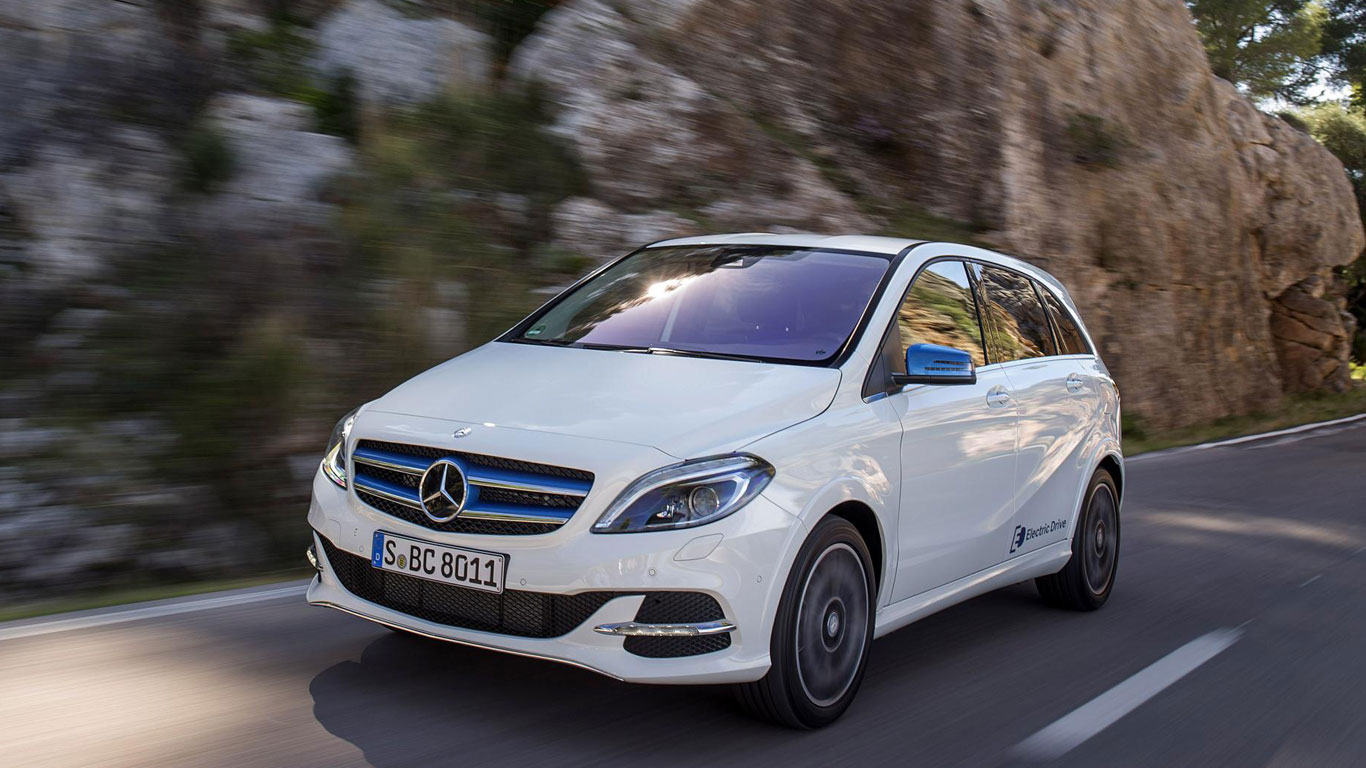
24. Mercedes-Benz B-Class Electric Drive: 481 cars
Mercedes-Benz pulled the plug on the B-Class Electric Drive in 2017, with the German company preparing for a new range of EQ electric cars. This was the first mass-produced all-electric Mercedes, which featured a powertrain co-developed by Tesla to provide 124 miles of range, or an additional 18 miles courtesy of a Range Plus upgrade.
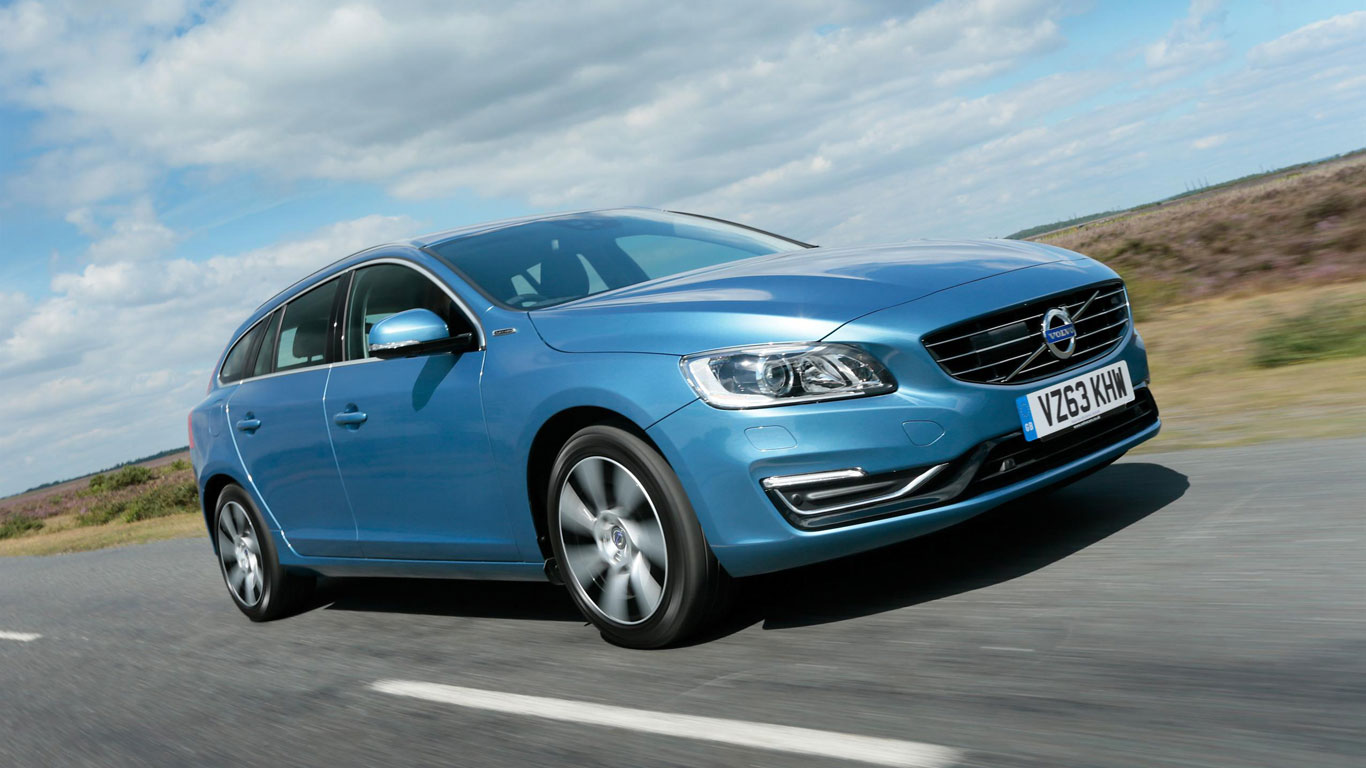
23. Volvo V60 Plug-in Hybrid: 785 cars
Until Volvo unveils a plug-in hybrid version of the new V60, you’ll have to pick and choose from the 785 old models. Two versions of the diesel-electric plug-in hybrid were available – a D5 and a more powerful D6 – with a claimed fuel-economy figure of 156.9mpg and CO2 emissions of 49g/km. With prices ranging from £40,000 to £50,000, it was too expensive when new, but used prices start from just £13,000.
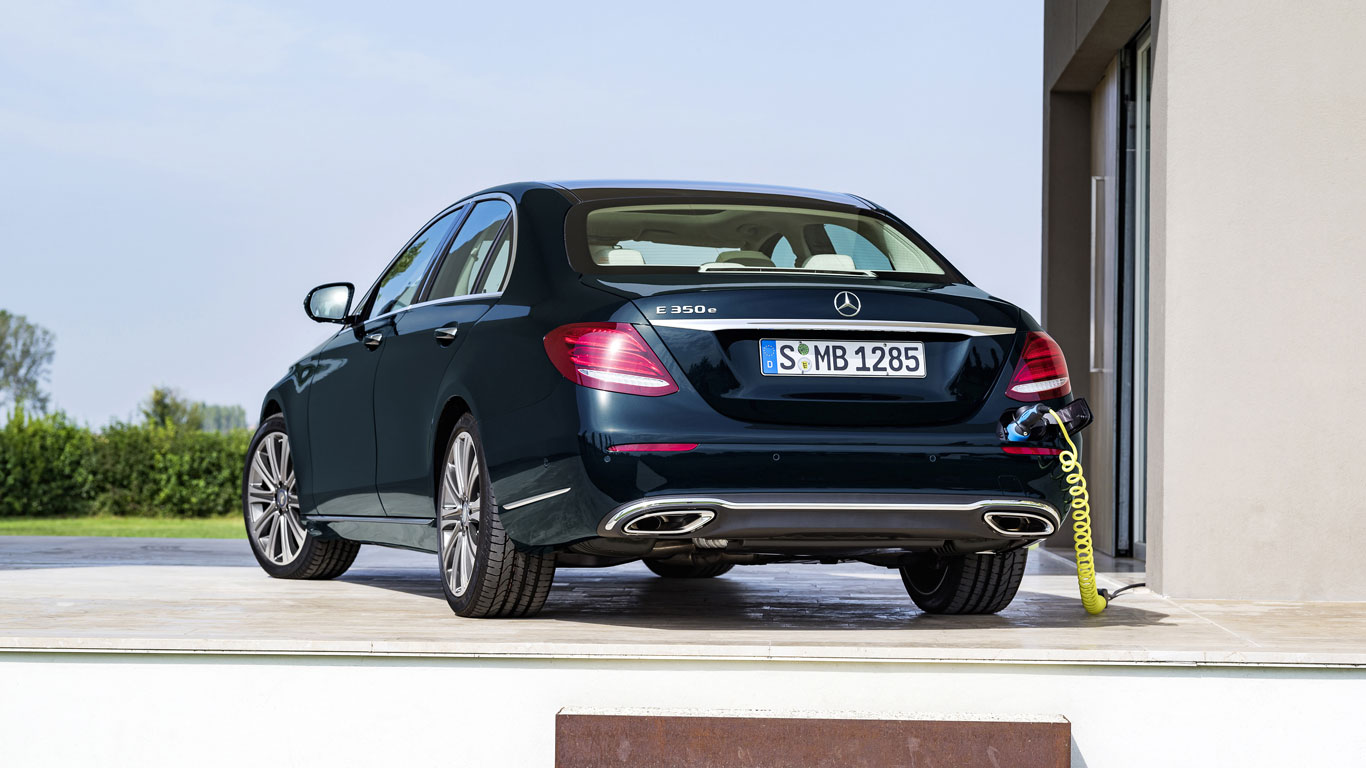
22. Mercedes-Benz E350e: 901 cars
The new Mercedes-Benz E350e features a more socially acceptable petrol-electric plug-in hybrid powertrain to deliver up to 134mpg and CO2 emissions of 57g/km. This makes it appealing to fleet buyers, who will be turned on by the lower rate of company car tax. It makes less sense for a private buyer, as it will be a while before the high list price is offset by the fuel savings.
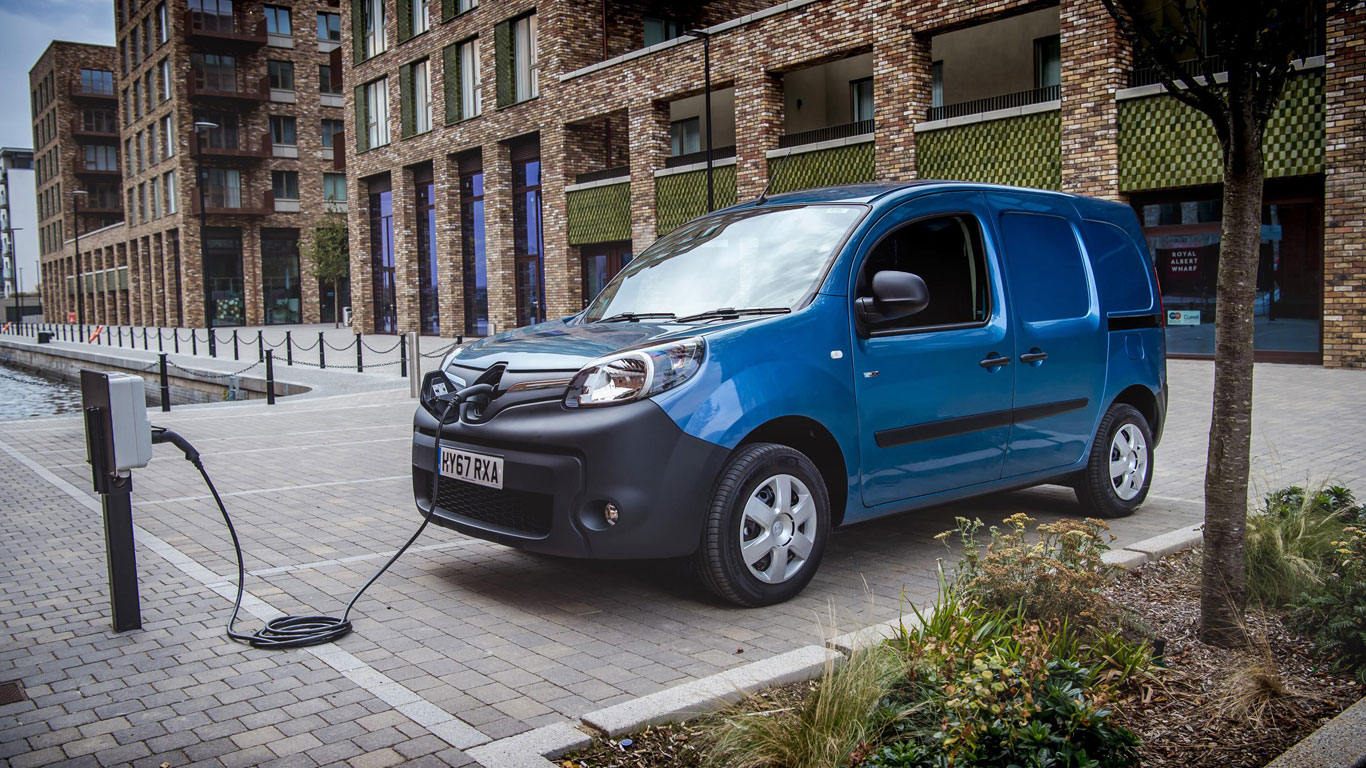
21. Renault Kangoo ZE: 929 cars
The Kangoo ZE offers an NEDC driving range of 170 miles, although Renault points out that a more realistic estimate is 124 miles in the summer, dropping to 75 miles in the winter. Three versions are available: an entry-level van, a larger Maxi van, and a Crew van featuring folding rear seats. Business user prices start from £18,693.47, excluding battery hire.
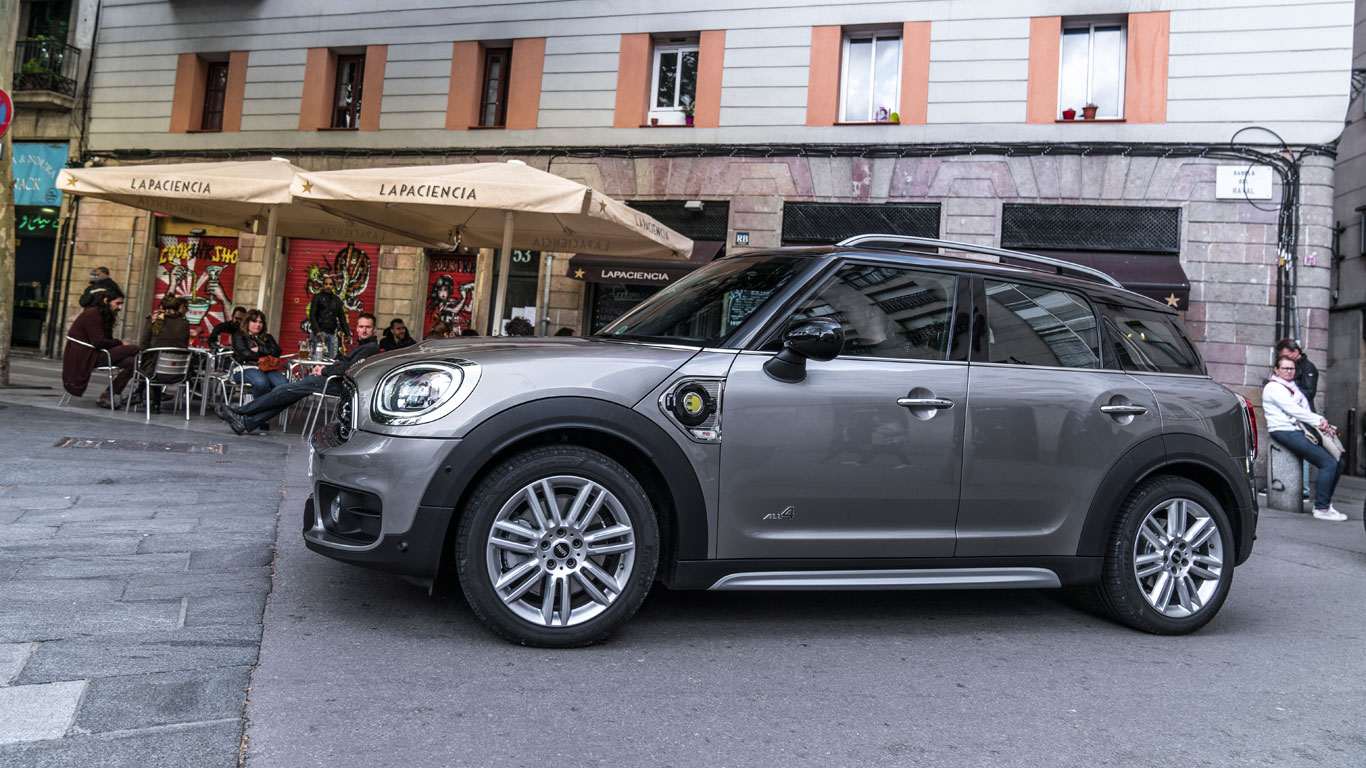
20. MINI Countryman PHEV: 946 cars
The MINI continues to get bigger and bigger, and the Countryman PHEV has a price tag to match. You’ll pay upwards of £31,895 for this maxi MINI with an environmental conscience, which offers an ability to drive up to 25 miles in all-electric mode. The 1.5-litre three-cylinder turbocharged petrol engine and electric motor deliver a combined output of 224hp, while CO2 emissions are just 49g/km.
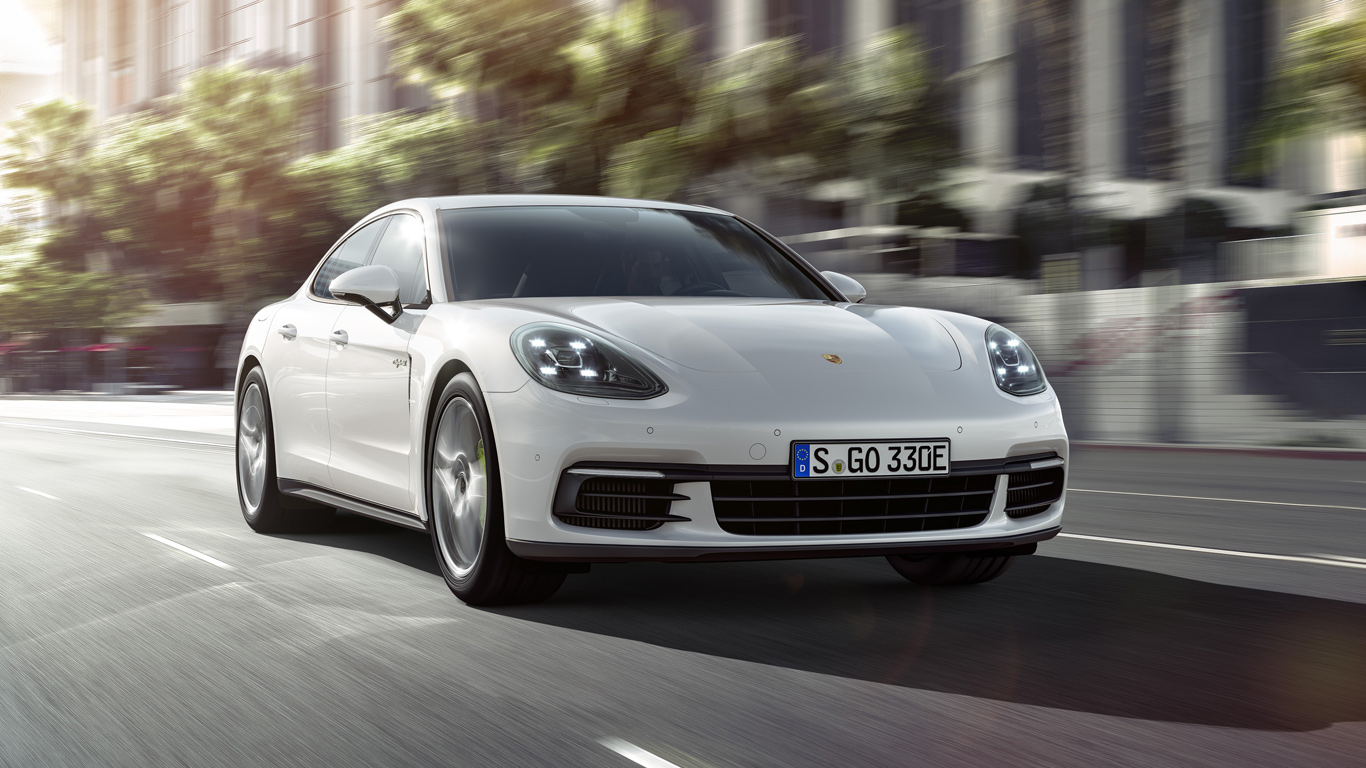
19. Porsche Panamera E-Hybrid: 1,074 cars
There are no fewer than six different Panamera E-Hybrid models to choose from, ranging from the £81,141 entry-level version to the ’bahn-storming Turbo S E-Hybrid Sport Turismo estate. Even in its ‘basic’ form, the 426hp Panamera 4 E-Hybrid offers a 0-62mph time of 4.6 seconds and CO2 emissions of just 56g/km.
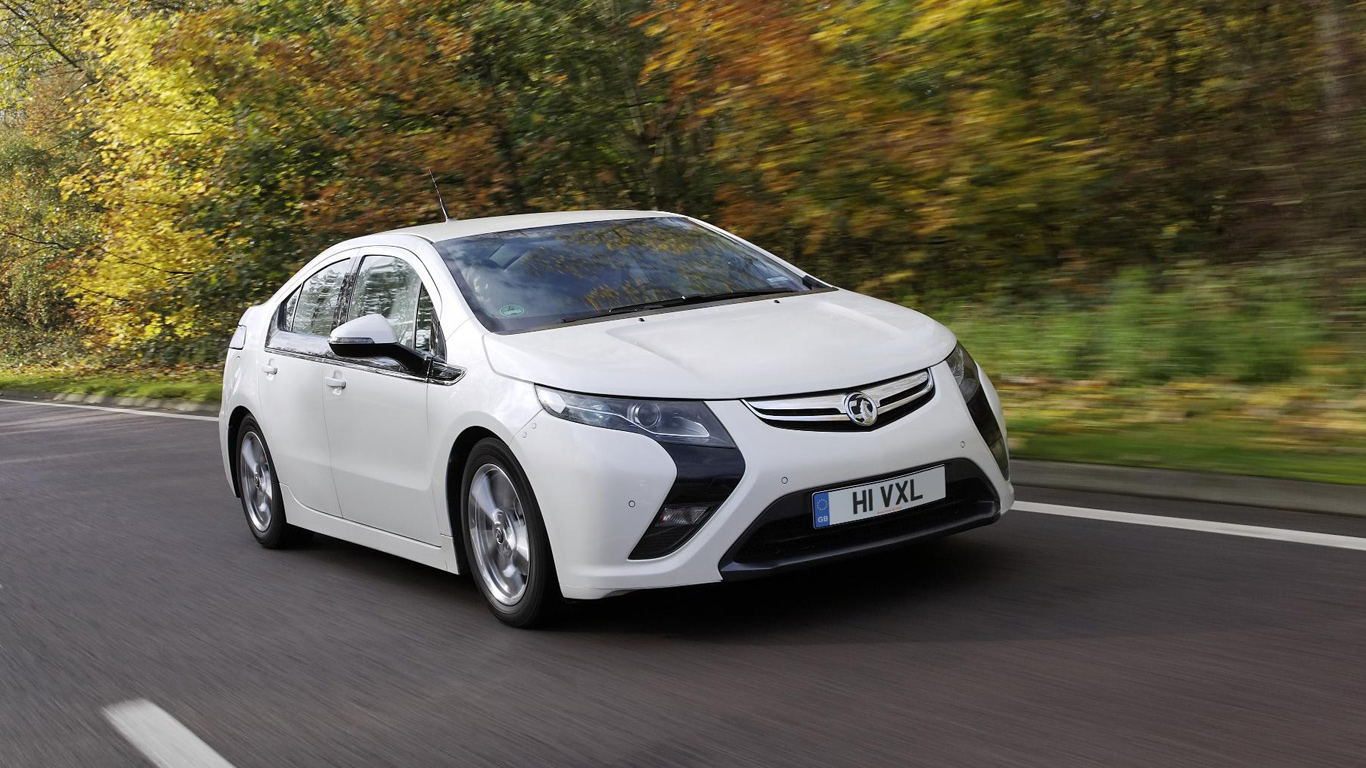
18. Vauxhall Ampera: 1,269 cars
Remember the Vauxhall Ampera? It was rather good. The former European Car of the Year was there at the start of the green car revolution and featured an electric motor paired with a four-cylinder petrol engine. The range-extender offered up to 50 miles of electric range before the 1.4-litre petrol engine kicked in to deliver a total range of 300 miles. Used prices start from £10,000.
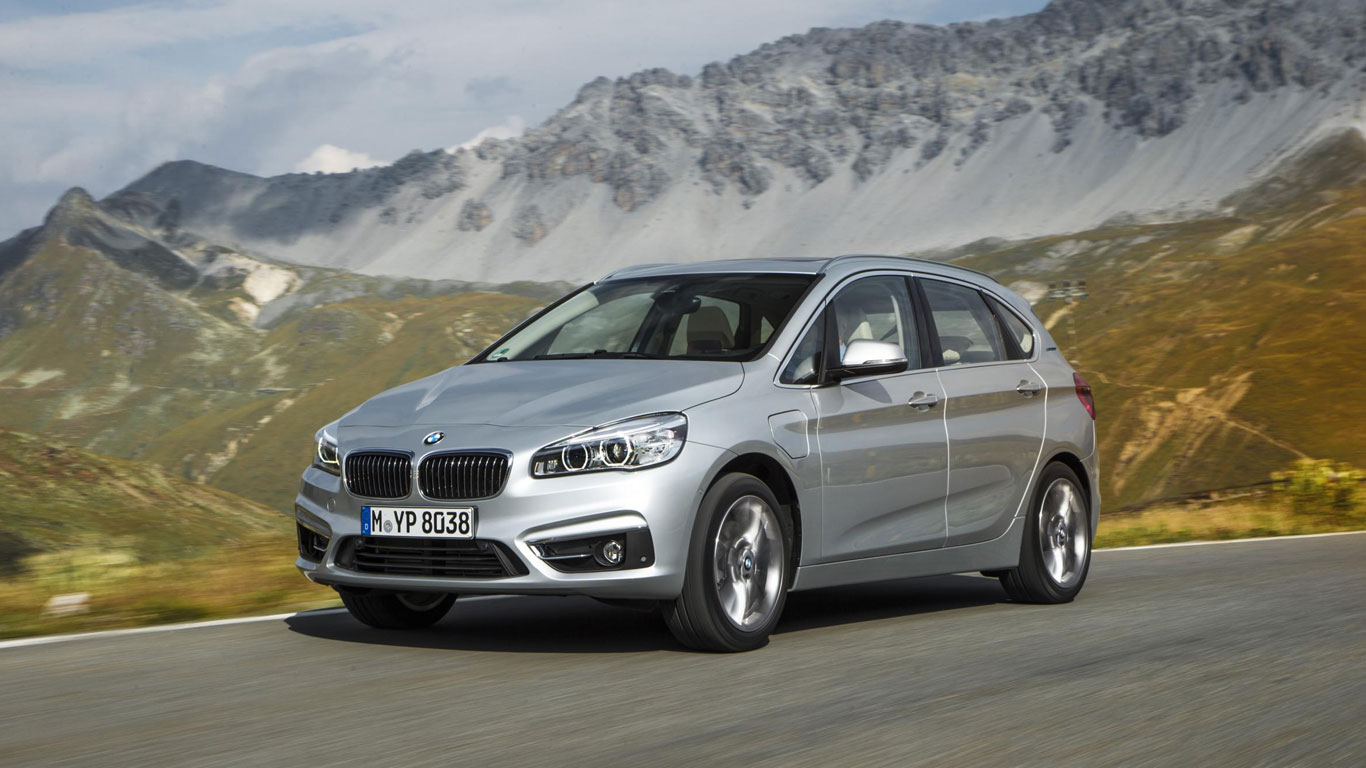
17. BMW 225xe: 1,458 cars
It might look like the standard BMW 2 Series Active Tourer, but the charging flap on the front wing provides the only clue that the 225xe is a plug-in hybrid model. Speeds of up to 78mph and distances of up to 25 miles are achievable in all-electric mode, with CO2 emissions of just 57g/km.
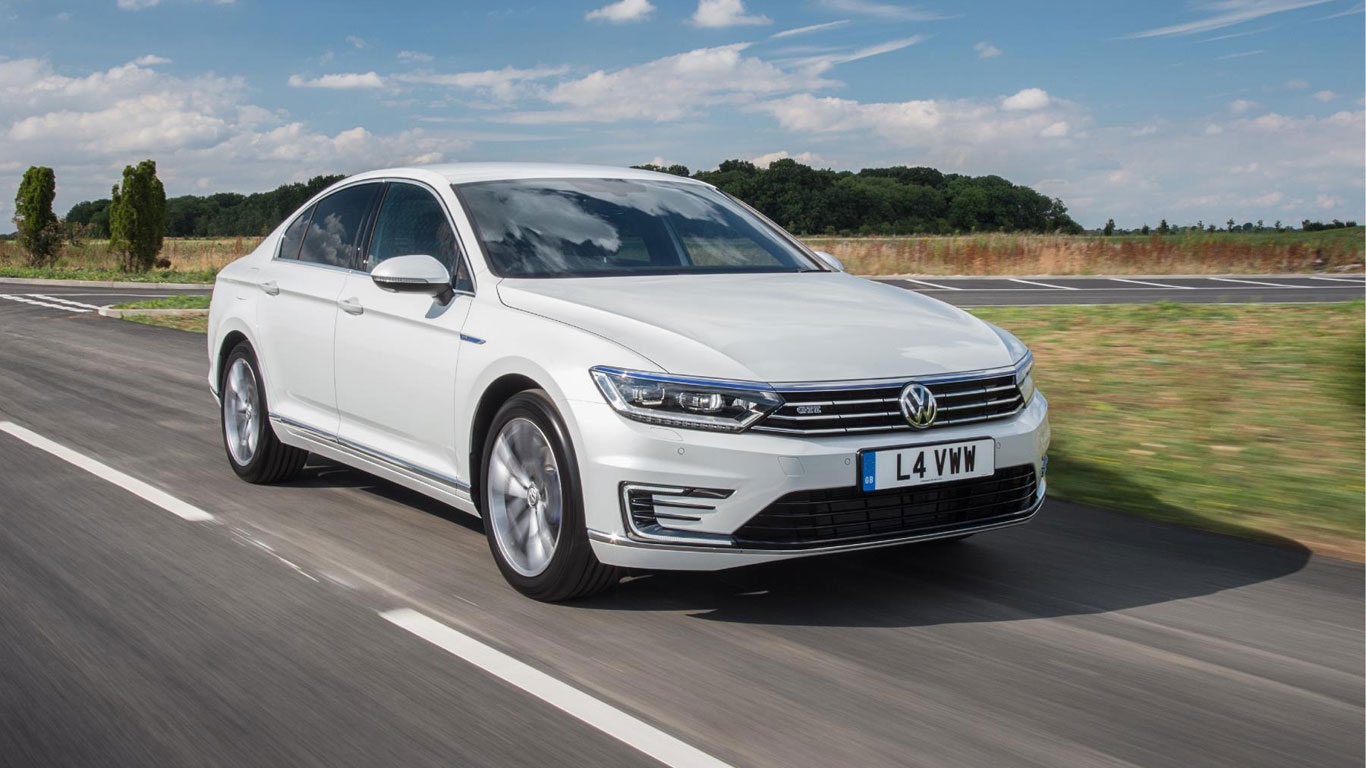
16. Volkswagen Passat GTE: 1,606 cars
With prices starting from just shy of £35,000 after PiCG, the Volkswagen Passat GTE saloon is an expensive car, but the figures are impressive. Up to 31 miles can be driven in electric mode, contributing to an overall range of 660 miles. It’s quick, too, sprinting to 62mph in 7.4 seconds, before hitting a top speed of 140mph.
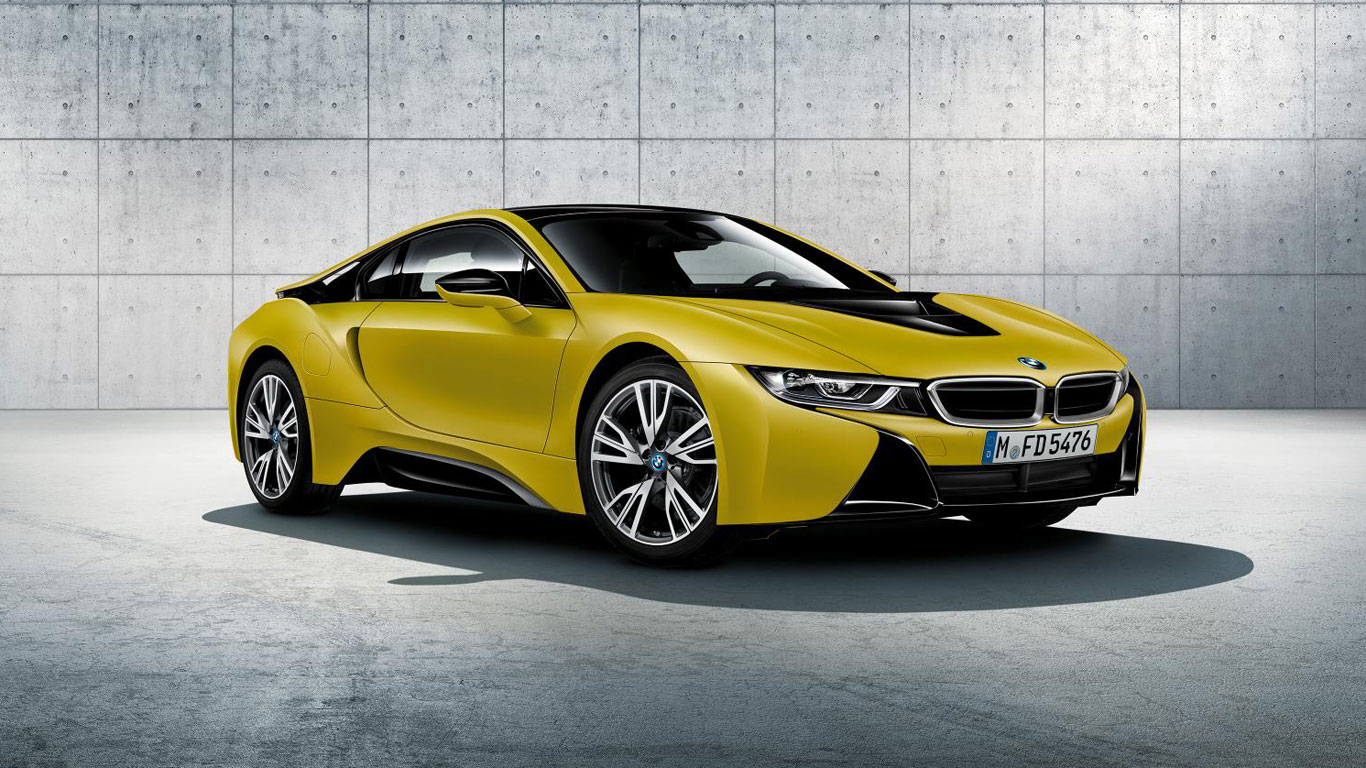
15. BMW i8: 1,763 cars
Very much the pin-up of the hybrid world, some 1,763 BMW i8s have found a home in the UK. Boasting a turbocharged three-cylinder petrol engine and an electric motor, the i8 will hit 62mph in just 4.4 seconds, yet delivers CO2 emissions of just 42g/km. It feels like the future, but you’ll pay upwards of £112,735 for the privilege.
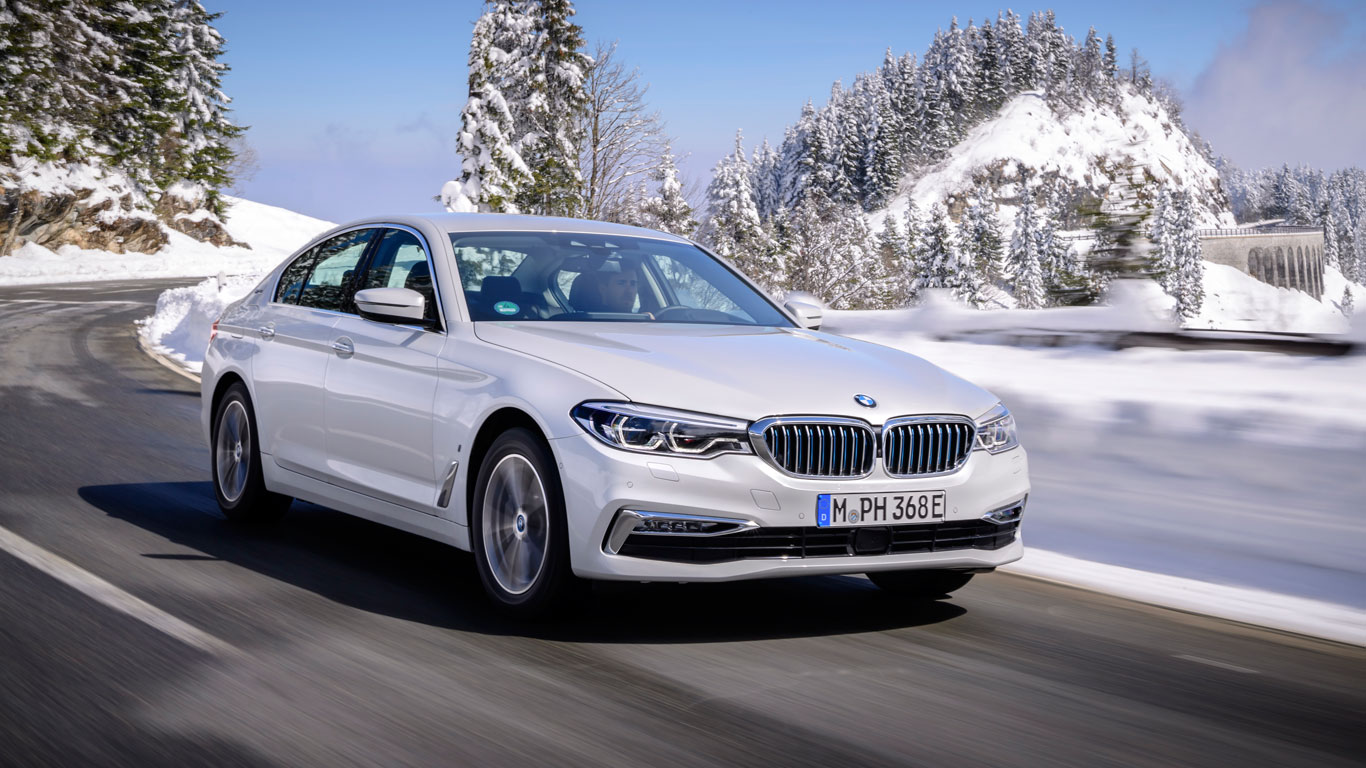
14. BMW 530e: 1,896 cars
The BMW 530e was a runner-up in the World Green Car category at the recent World Car of the Year awards, with the Nissan Leaf finishing top. It’s the first 5 Series with a plug, and it’s mightily impressive, with CO2 emissions of just 46g/km and an all-electric range of 29 miles. With a price tag not too dissimilar to the 530d, the 530e is likely to appeal to private owners as well as company car drivers.
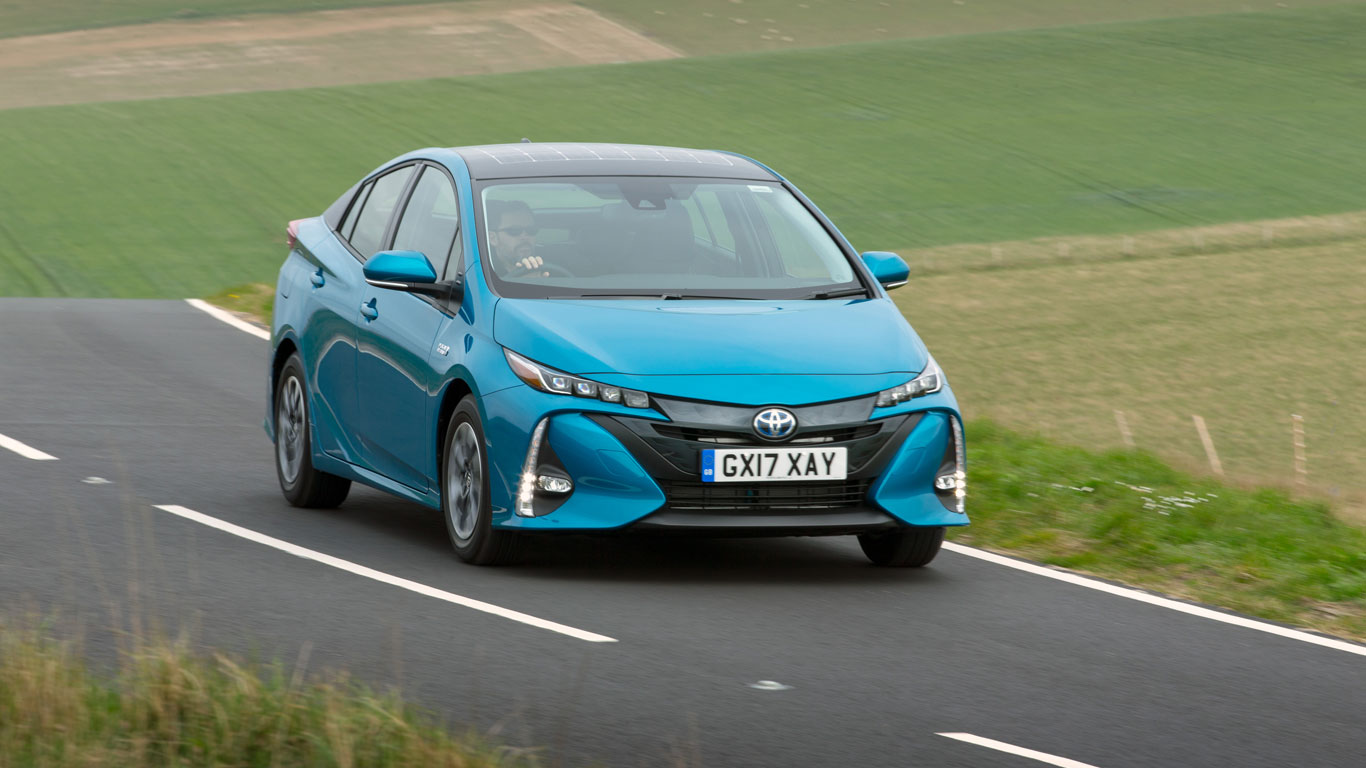
13. Toyota Prius Plug-in Hybrid: 2,087 cars
The Prius Plug-in Hybrid appears to have it all: up to 235mpg, CO2 emissions of 28g/km, a charging time as low as two hours, and Toyota’s excellent Safety Sense package. In the real world, you’re likely to see a figure of 70mpg, although up to 39 miles of range is available in pure electric mode.
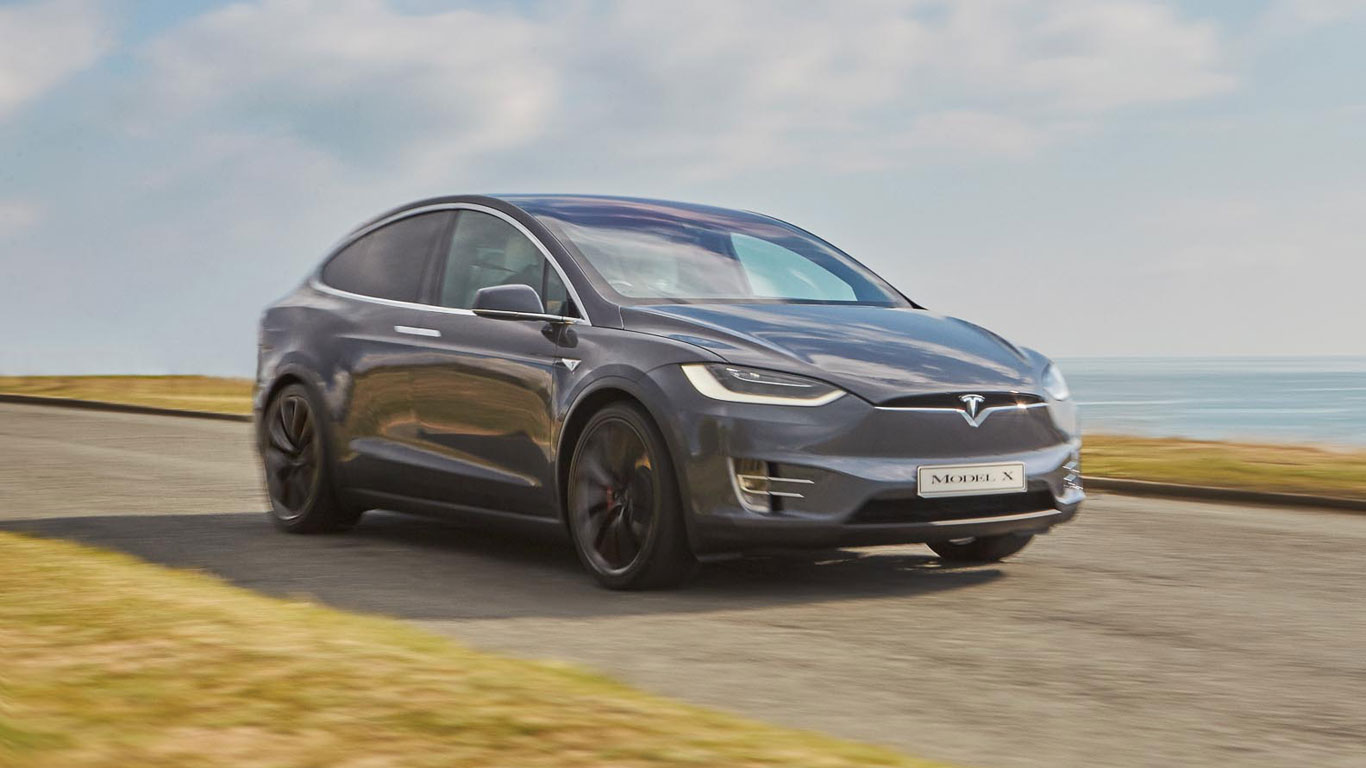
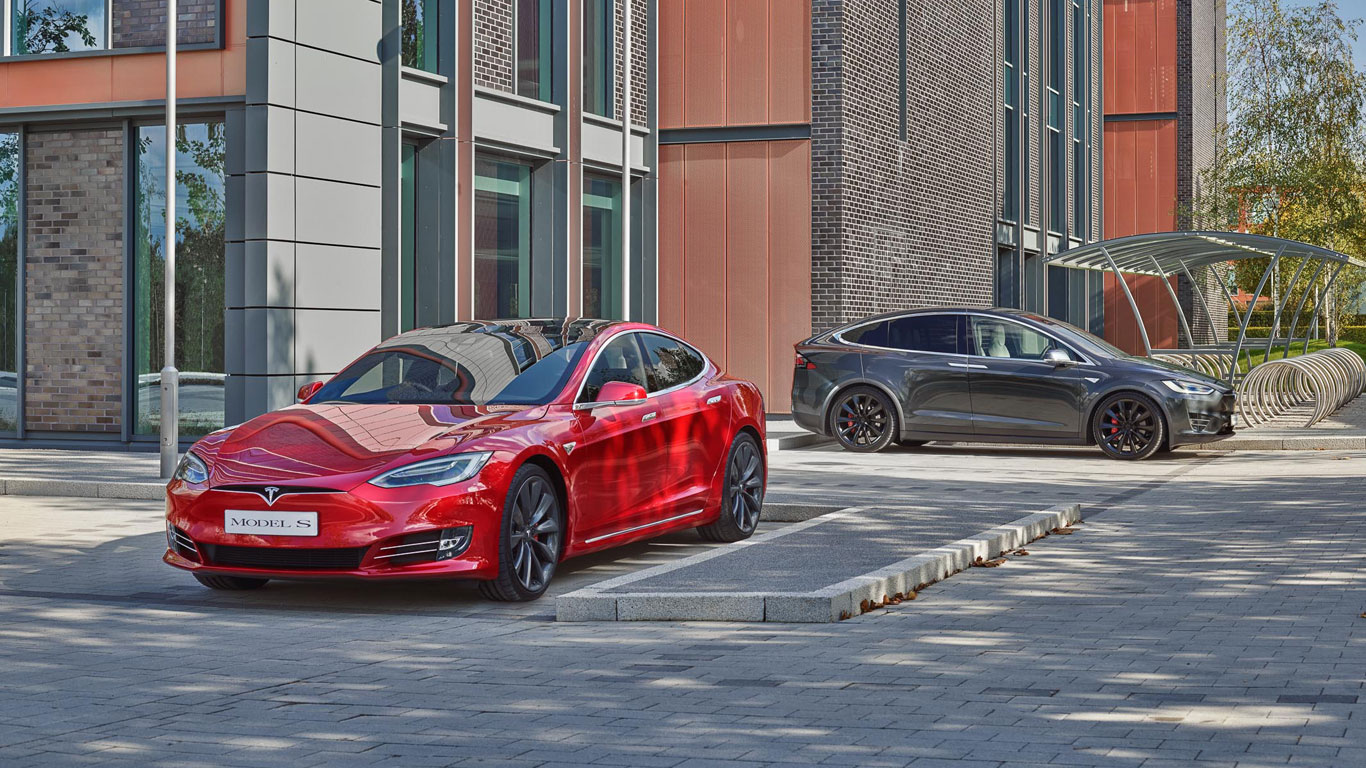
12. Tesla Model X: 2,114 cars
“The Model X is the safest, fastest and most capable sport utility vehicle in history,” says Tesla. A bold claim, but there’s no doubting its credentials. The largest 100kWh battery provides up to 351 miles of range, while its gull-wing doors open to reveal seating for up to seven adults. Opt for the P100D and the Model X will sprint to 60mph in 2.9 seconds.
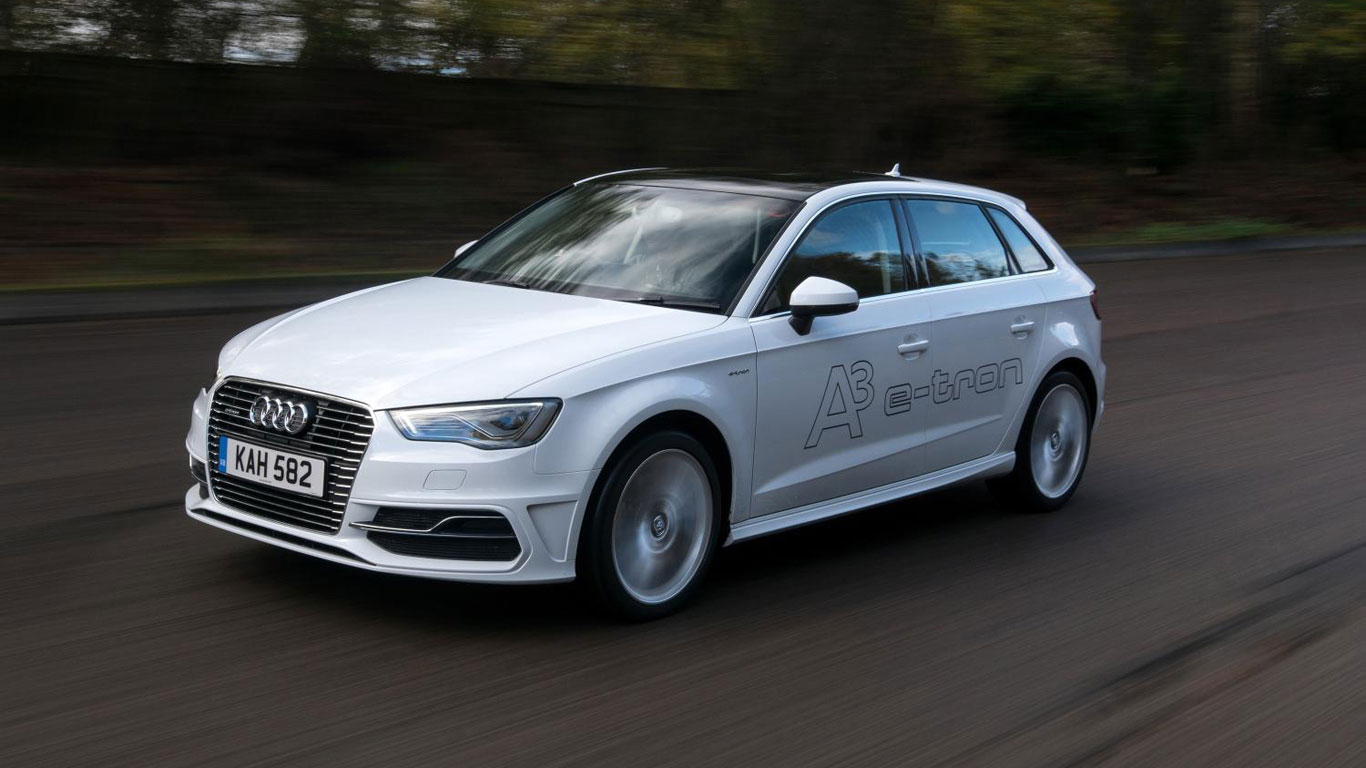
11. Audi A3 e-tron: 2,402 cars
We ran an Audi A3 Sportback e-tron as a long-termer back in 2015, and we found it to be a really easy car to live with. We charged the car every night and achieved between 11 and 22 miles of electric range before the A3 reverted to being a regular hybrid. Overall, we managed to achieve 45-50 mpg.
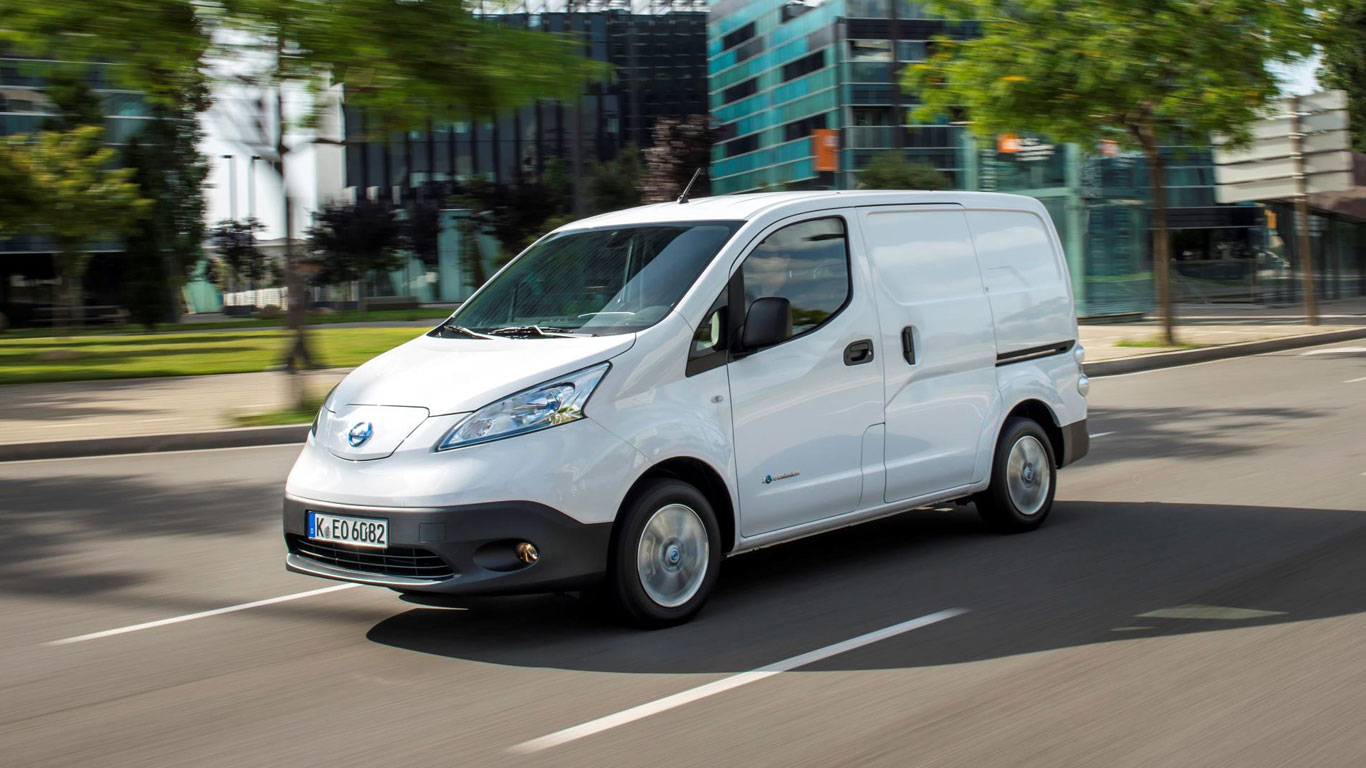
10. Nissan e-NV200: 2,639 cars
The tenth most popular plug-in hybrid or electric vehicle is a van. The Nissan e-NV200 is the largest electric van on the market and uses the running gear from the Leaf to deliver between 124 and 188 miles of range. Quick-charging provides 80 percent of charge in as little as 40 minutes, and prices start from £18,599 plus VAT.
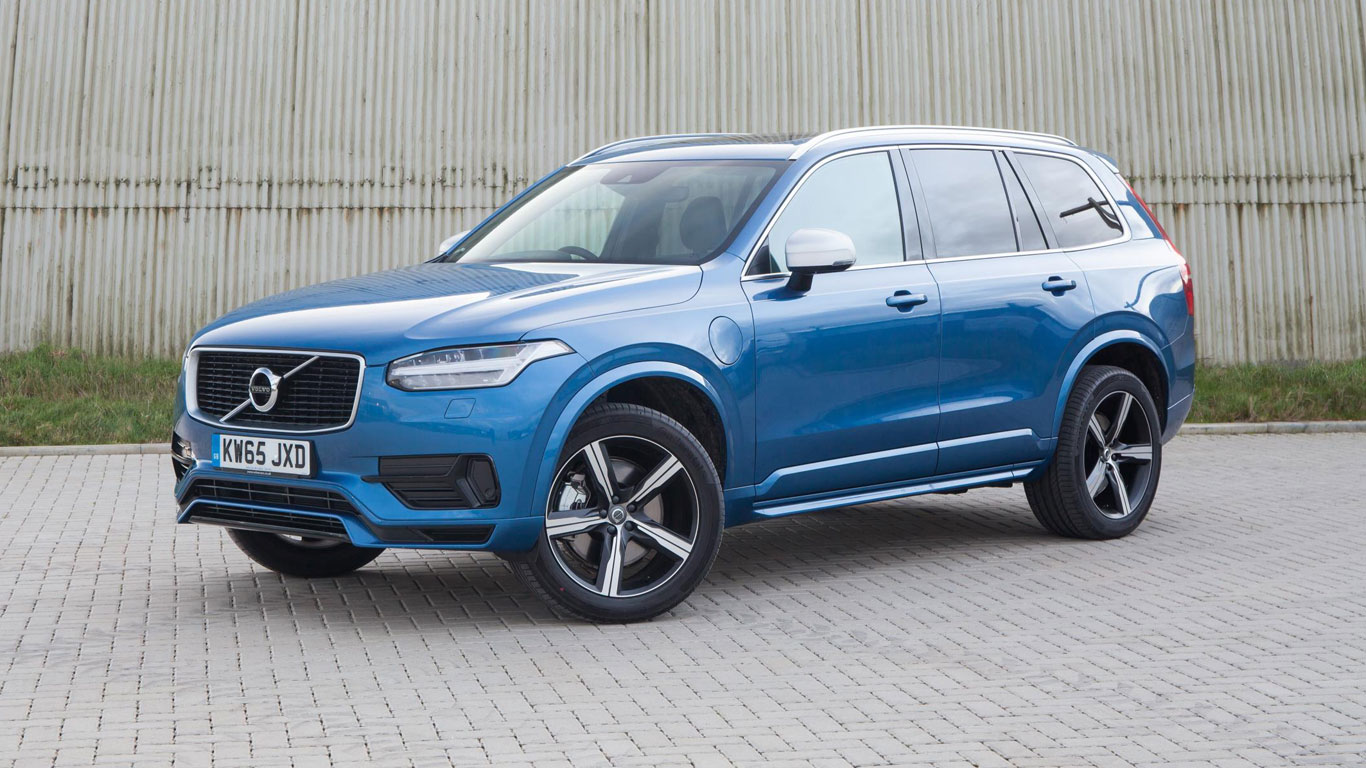
9. Volvo XC90 T8: 3,338 cars
The Volvo XC90 T8 is powered by a 303hp 2.0-litre turbocharged petrol engine, which is paired with an 87hp electric motor to provide CO2 emissions of 49g/km and a 0-60mph time of 5.3 seconds. Prices start from £62,570 for the entry-level Momentum trim. Our guess is that the XC60 Plug-in Hybrid will join its larger sibling in a future top 25 round-up.
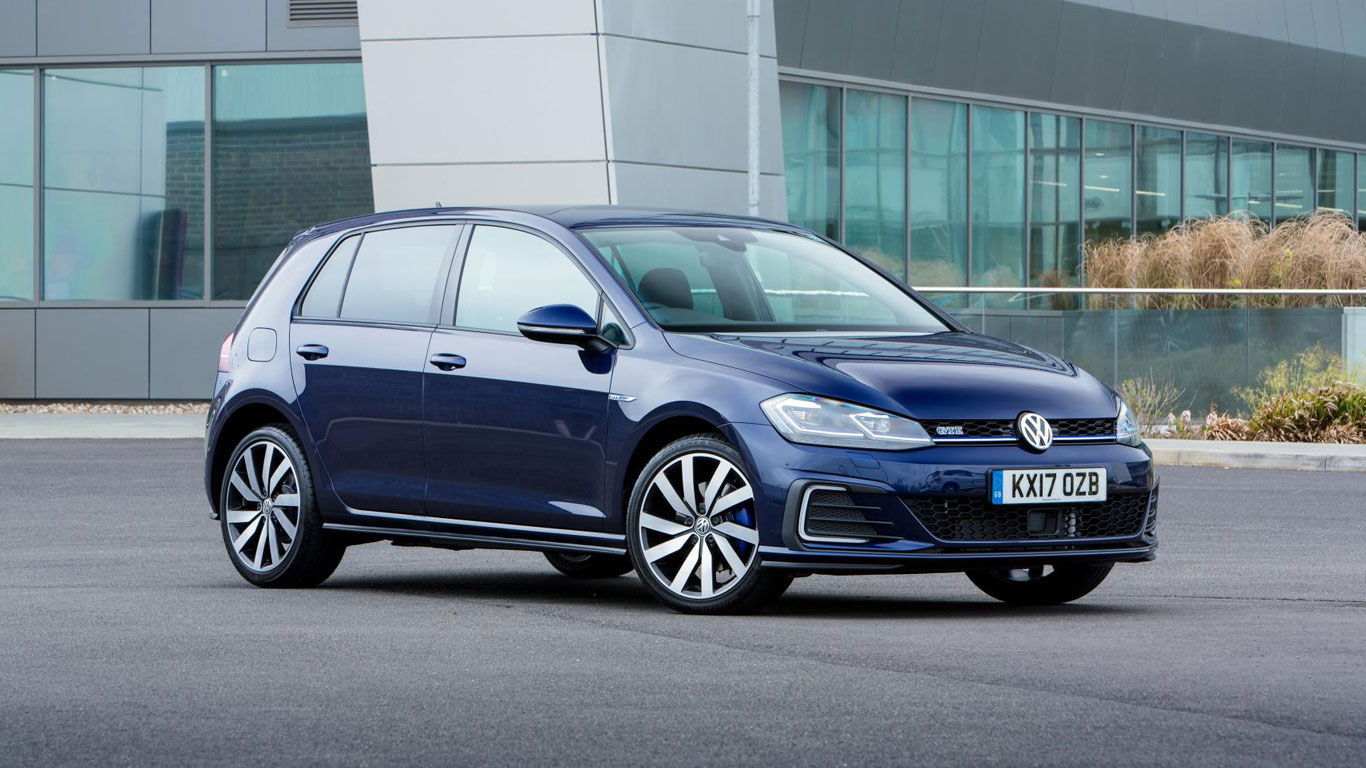
8. Volkswagen Golf GTE: 5,411 cars
“Due to unprecedented demand, leading to long delivery lead times, Golf GTE is currently closed to ordering.” That’s the greeting you’ll receive if you visit the Volkswagen website in the hope of adding to the 5,411 Golf plug-in hybrid drivers in the UK.
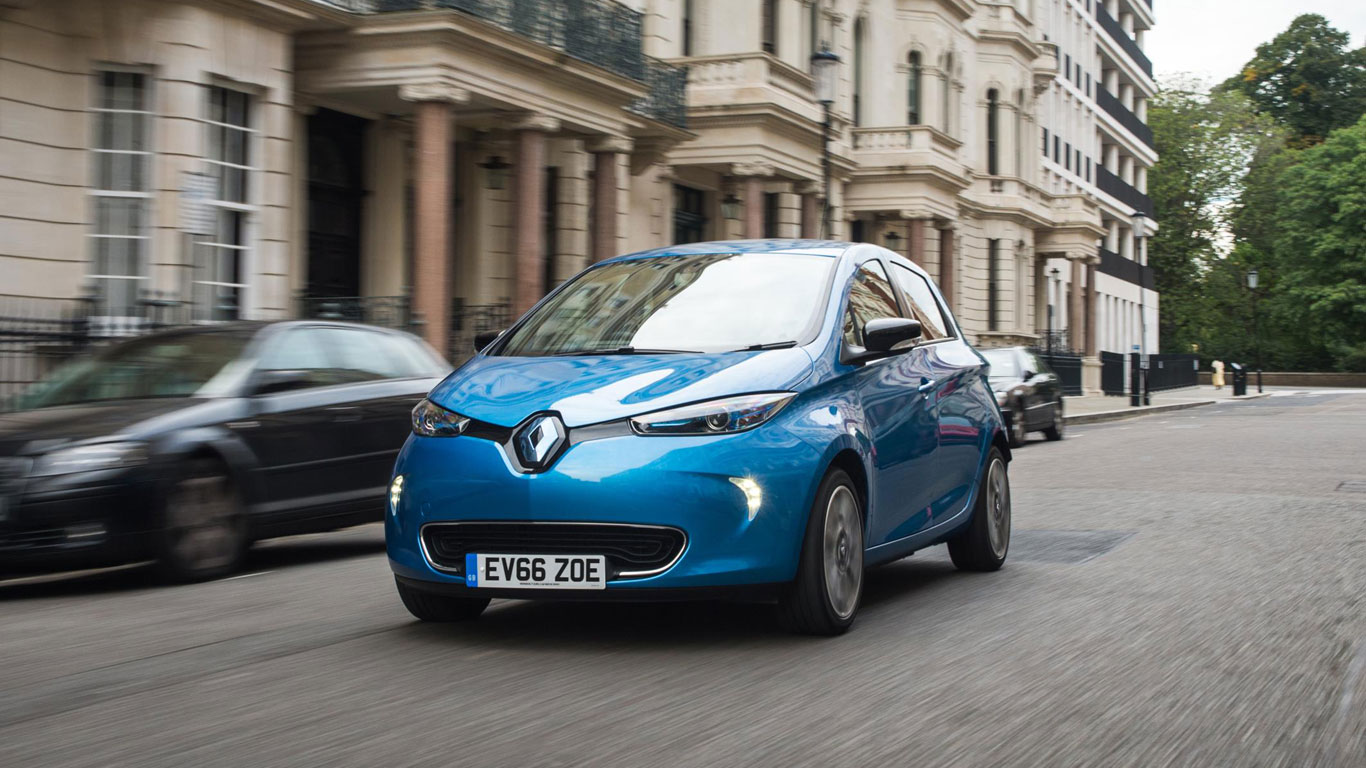
7. Renault Zoe: 5,751 cars
In 2017, the Renault Zoe was Europe’s best-selling electric vehicle for the third year running, with sales up 44 percent over 2016. For 2018, Renault has introduced a new R110 motor, which is 16hp more powerful than the previous version, but provides the same real-world range of 186 miles. The R110 is available to order now, with first deliveries expected in late summer.
6. Tesla Model S: 6,972 cars
The Tesla Model S is arguably the most famous electric car on the planet, while it’s also the sixth most popular electric or plug-in hybrid car in the UK. In 100D guise, the Model S provides up to 393 miles of range, while the flagship P100D sees this drop to 381 miles. On the flip-side, you can accelerate to 60mph in just 2.5 seconds in the P100D.
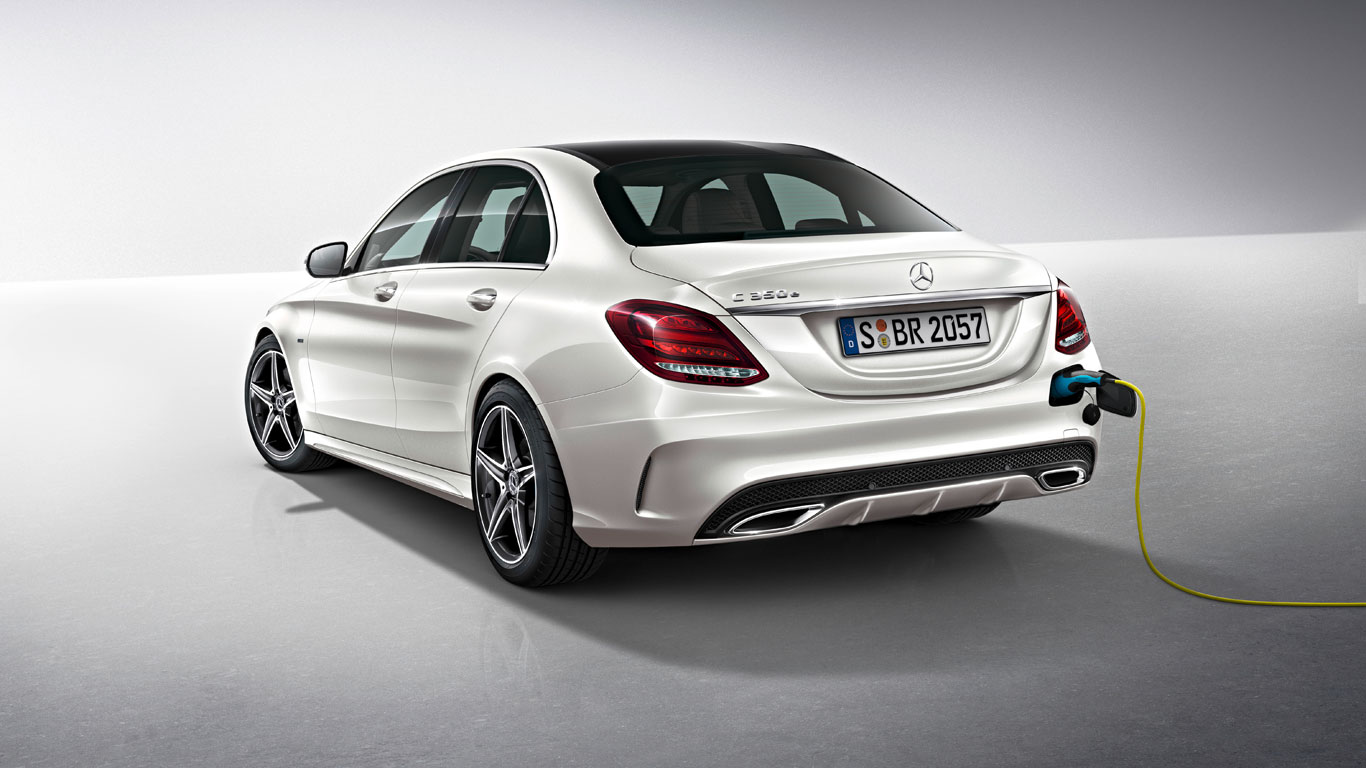
5. Mercedes-Benz C350e: 8,867 cars
The Mercedes-Benz C350e doesn’t like to shout about its green credentials, but the flap on the rear bumper provides a subtle clue that this is a plug-in version. It offers CO2 emissions of 48g/km, making it ideally suited to the company car drivers of the UK, who we suspect account for the majority of the 8,900 or so cars on the road.
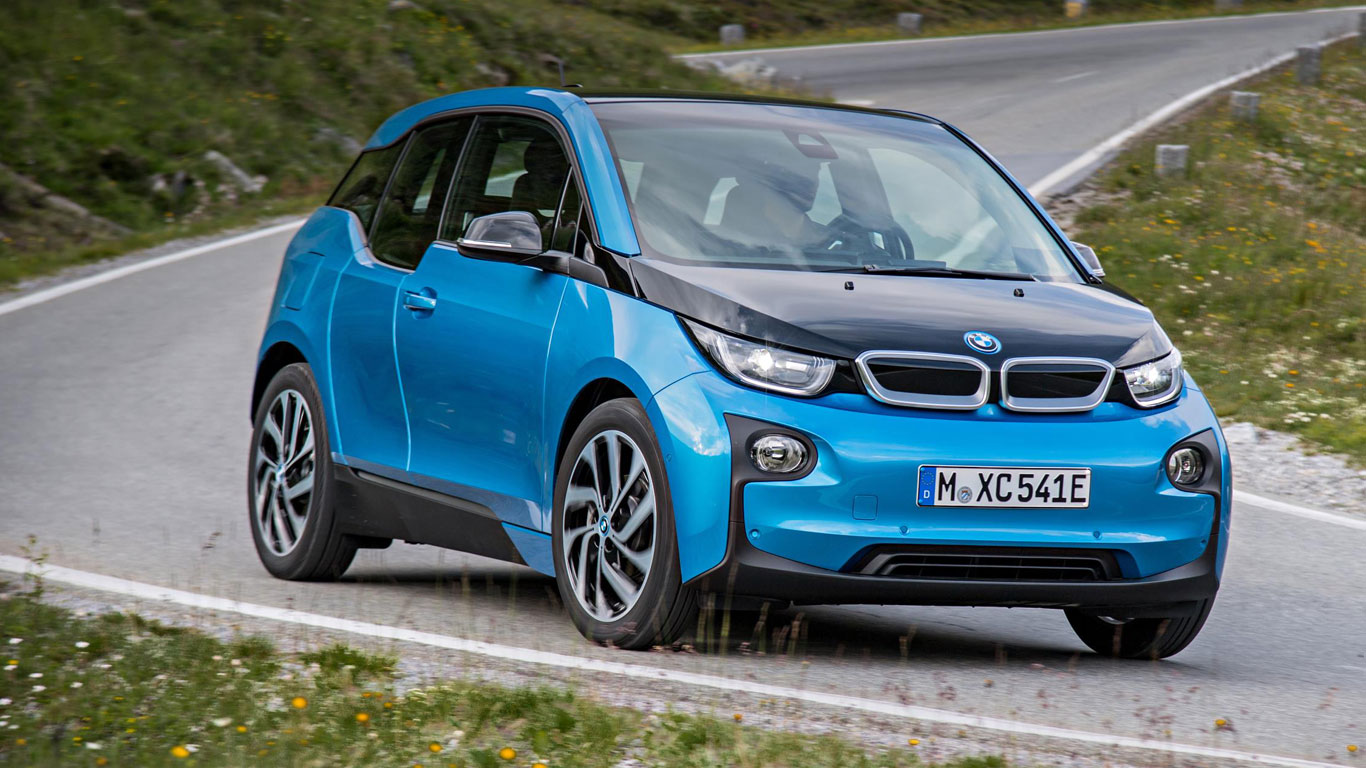
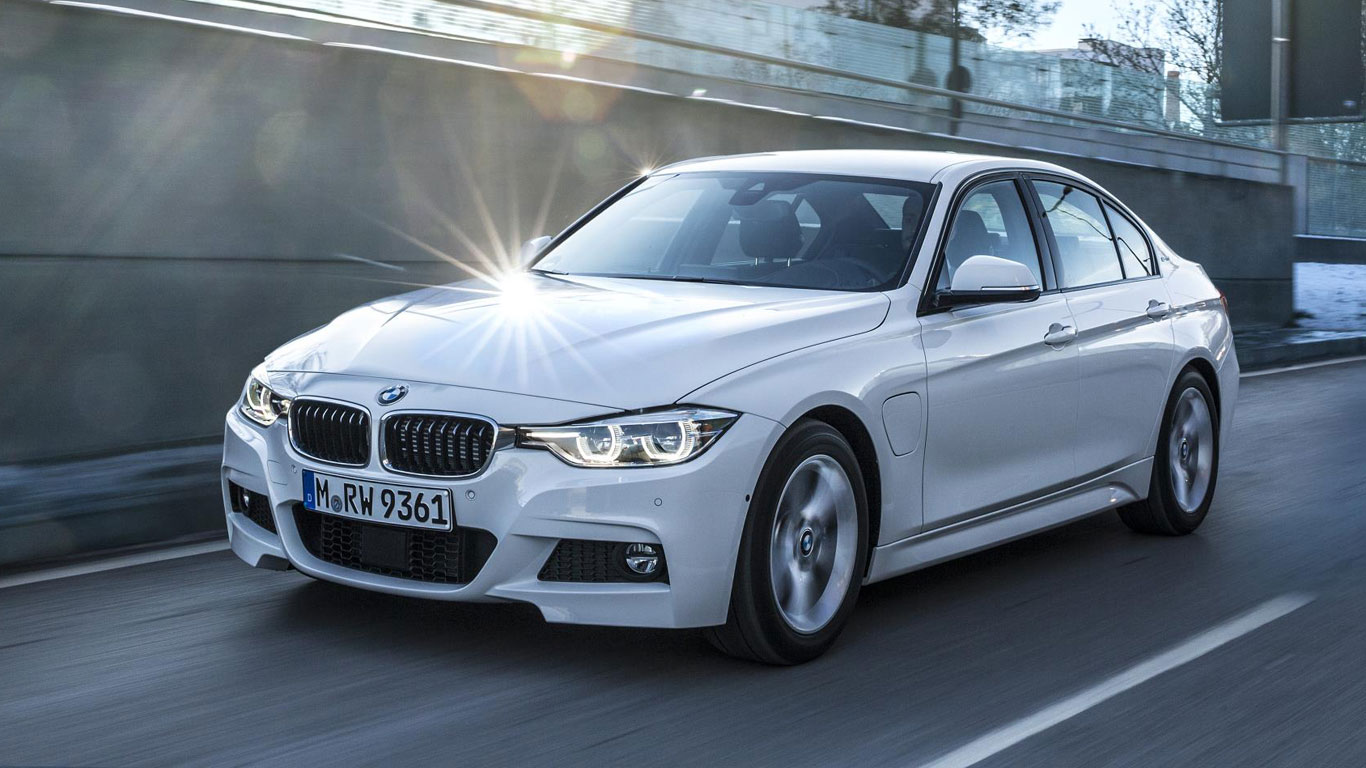
4. BMW i3 (i3 REX): 9,024 (6,437) cars
The BMW i3 is proof that buyers are prepared to pay more for their electric car if the execution is nearly perfect. It’s great to drive, cool to look at, and is blessed with one of the nicest interiors in the world. The i3 has been facelifted for 2018, with BMW introducing a new range-topping i3S model. Prices start from under £30,000 after PiCG.
3. BMW 330e: 9,143 cars
We drove a BMW 330e in 2016. Our verdict: “As a company car, it makes so much sense. There’s a reason why fleet users crave a 320d to cover the miles, and this is nicer to drive and will get fewer scowls as diesel resentment builds. We’re surprised BMW is only expecting to sell just over 1,000 in the UK in the first year.” Two years on and just look at the number of cars on the road.
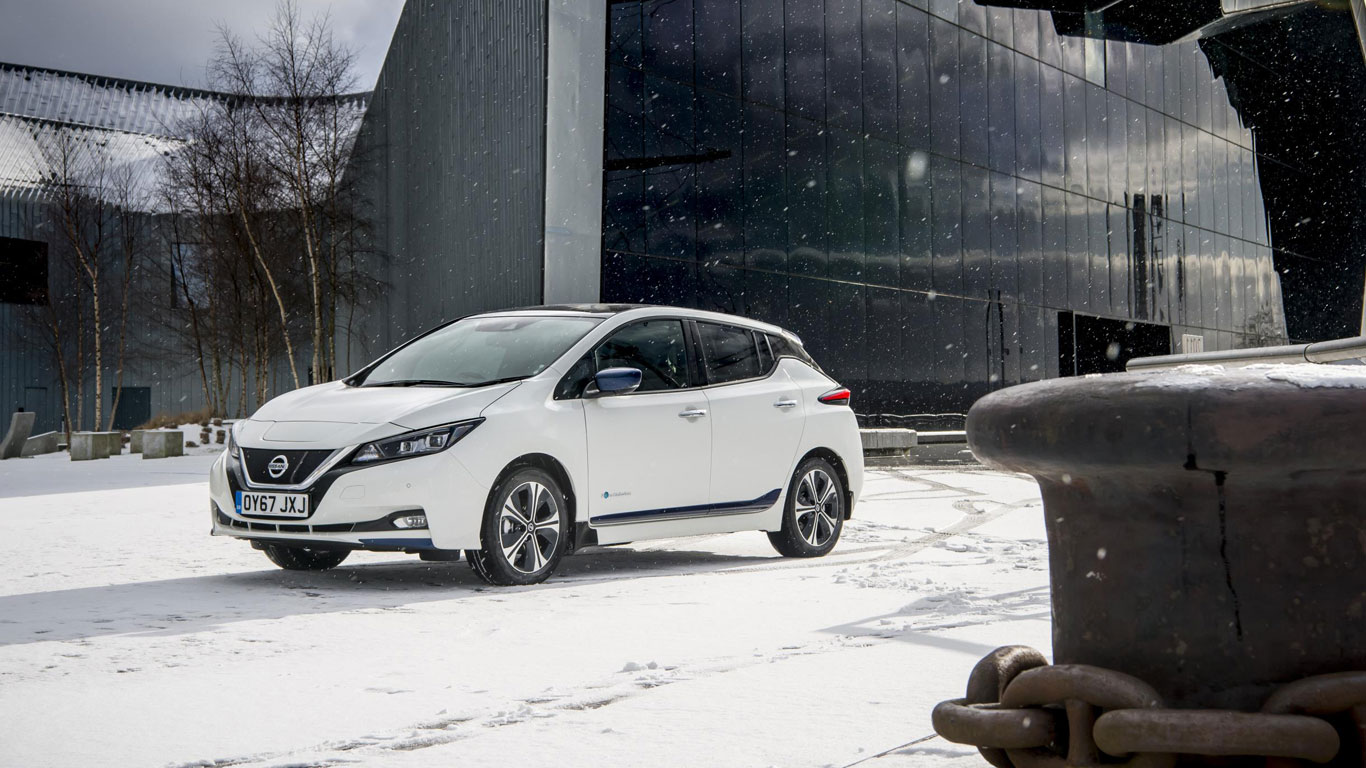
2. Nissan Leaf: 19,624 cars
Our verdict on the new Nissan Leaf: “The 2018 Nissan Leaf is exactly the car it needed to be. It’s better all round, and crucially, more normal too. A stylish, contemporary car that just happens to be electric. The EV aspect is exceptional, from the brilliant refinement, to the punchy and classy performance, to the extended range. It rides and handles with more European polish, and it’s even pretty good fun.”
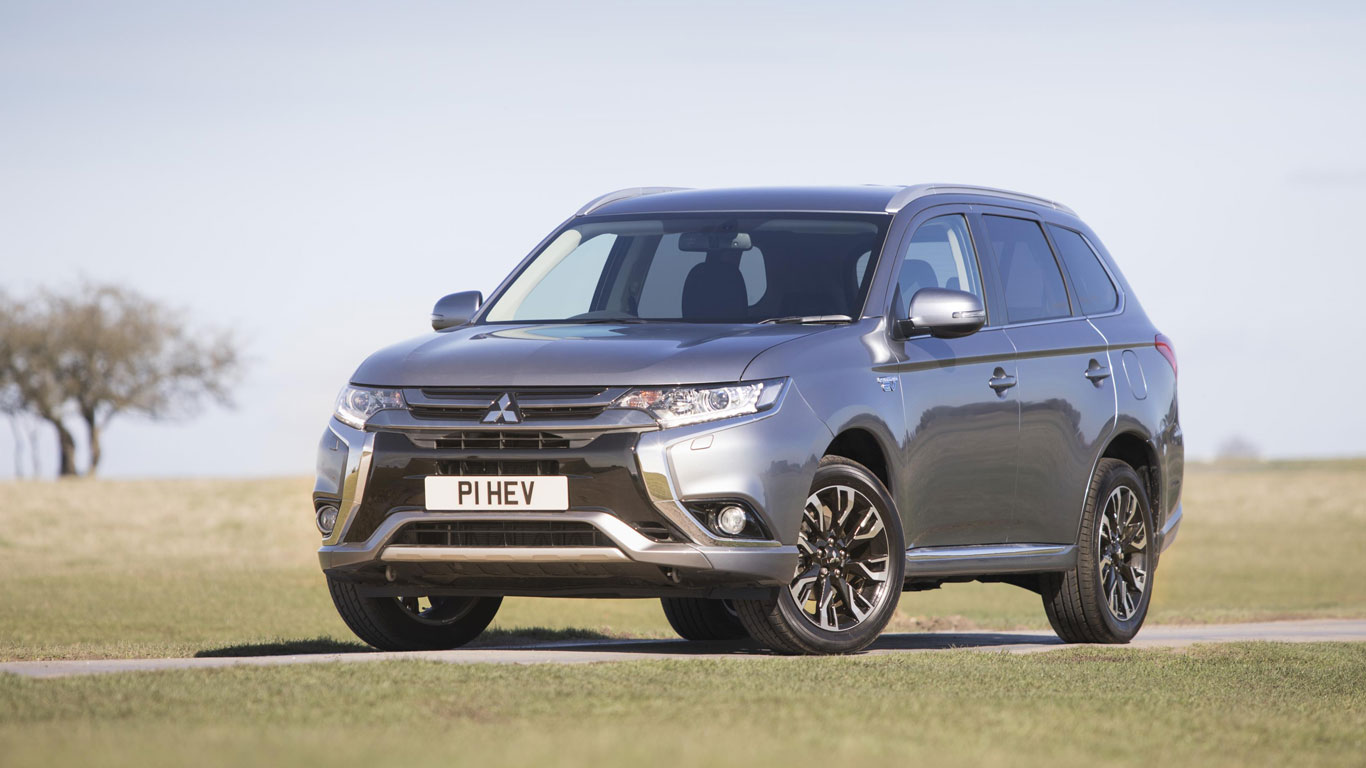
1. Mitsubishi Outlander PHEV: 32,048 cars
That’s a staggering number of Mitsubishi Outlander PHEV models on the road. Launched in 2014, the Outlander PHEV was one of the first plug-in hybrid models to gain widespread adoption, helped in no small part by an aggressive pricing policy. At the time of writing, Mitsubishi confirmed that is has shifted 2,695 units in the first four months of 2018, taking the total to 36,800 currently on the road. We’ve used the old figure of 32,048 to be consistent with the other cars featured in the gallery.
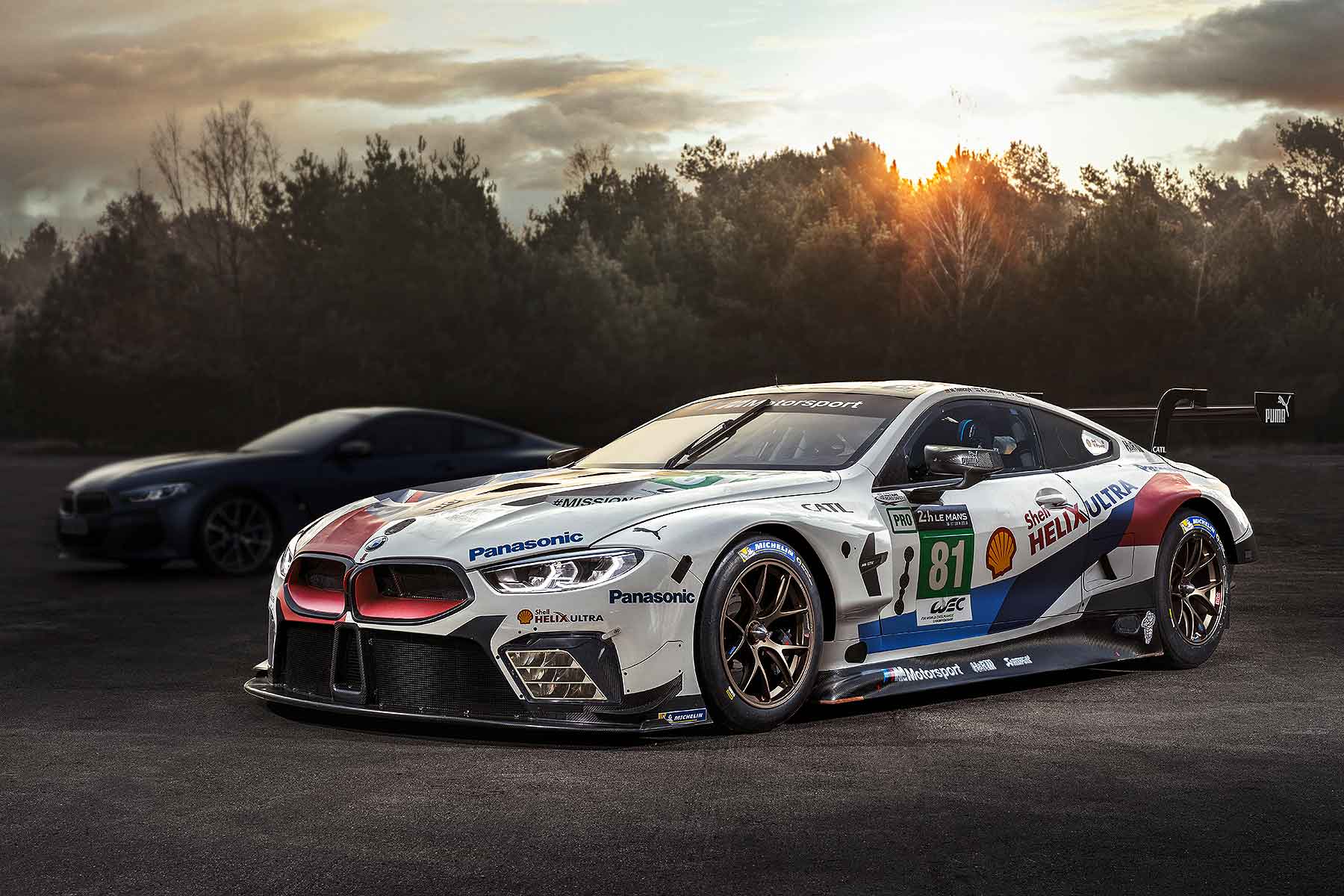
BMW returns to Le Mans on 15 June with the racing M8 GTE – but it’s not just the track-ready 8 Series Coupe that will make its debut. BMW has announced the new road-spec 8 Series Coupe will debut, too.
“There isn’t a better setting for the world premiere of the new BMW 8 Series Coupe than the 24-hour race at Le Mans,” reckons BMW AG board member of development Klaus Fröhlich. LM24 is about passion, dynamics and long-distance capability, he enthused, and revealing the new 8 there will “define our new sports car in a special way”.
BMW will launch it in M850i xDrive Coupe guise; that means twin-turbo V8 engine and intelligent all-wheel drive, rear differential lock, adaptive M suspension with Active Roll Stabilisation, Integral Active Steering and 20-inch wheels. And you thought race cars were high-tech…
Two FIA World Endurance Championship will race at Le Mans; they’ve already appeared at the Spa Francorchamps 24 Hours, and the UK-American IMSA WeatherTech SportsCar Championship.
Apart from the somewhat blurry image above, BMW’s not giving away anything else about the new 8 Series just yet, apart from telling us it is a “sovereign cruiser that pampers its passengers” and has “captivating agility and the highest degree of precision” and such like.
It is however, confirmed for market launch later in 2018, and will form BMW’s new halo car both in terms of dynamics and driving culture. Surely that’s something to look forward to?
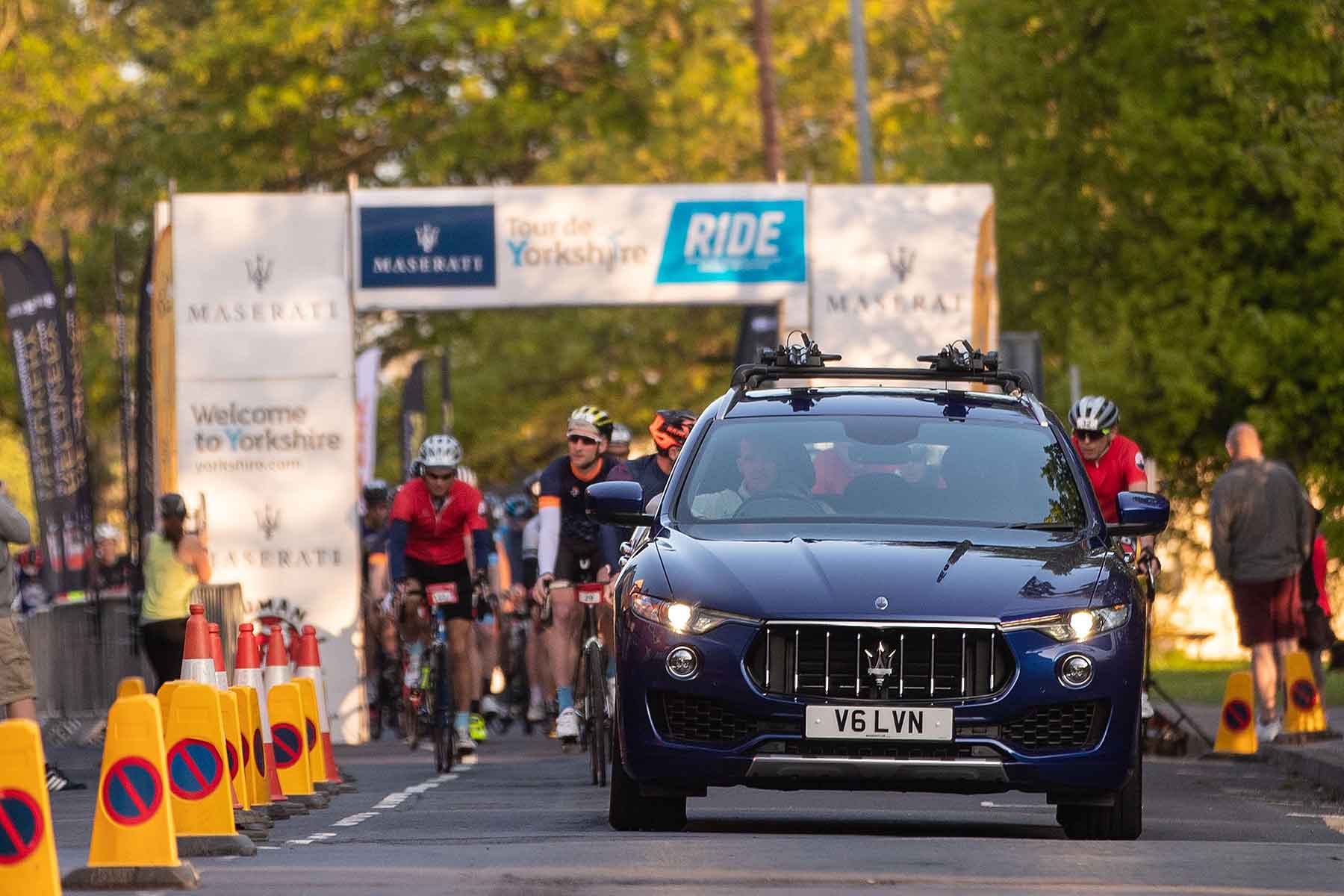
I’ve now just about recovered from this year’s Tour de Yorkshire Ride. Held on the final day of the cross-Yorkshire epic, we sportive riders get to cycle the same route as the pros do later in the day. It’s a great warm-up for the crowds, and a killer for us riders.
I did the full long route, 129 kilometres and over 2,500 feet of climbs. The pain in my leg muscles was at times crippling, so intense were the ascents. It was yet another reminder of how superhuman pro riders are.
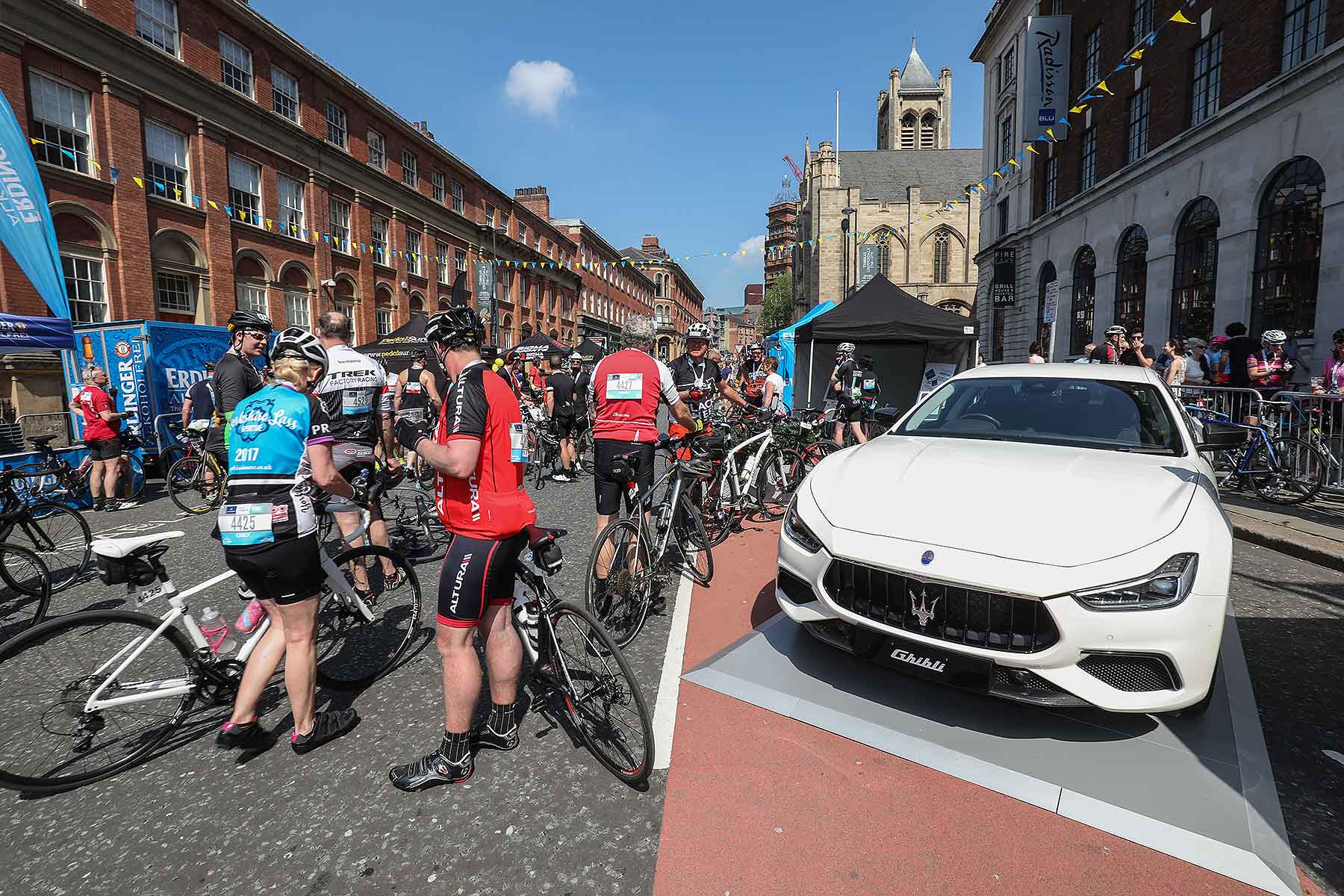
But I made it, and even managed a fist-pump over the finish line, before turning the corner and receiving my medal in the riders’ cool-down area that had water and (low alcohol) beer, food, massage tents… and a couple of Maseratis on display. When you’re title sponsor, you get to do that.
At first, it’s not obvious what links led Maserati to back the Tour de Yorkshire. Sure, the numbers are impressive – 2.5 million spectators along the route, claims that the Tour de Yorkshire was watched by more people than the iconic Giro d’Italia held the same weekend, neither is to be sniffed at. But what’s the hook that makes it genuine rather than opportunistic?
Our customers, says Maserati. Ever-more of them are choosing, in their spare time, to take up cycling. By their nature, they are generally well off, and so able to invest in expensive bicycles and equipment. They love brands, and authenticity, and storied marques with history and tales to tell.
Just as they lust after Bianchi and Pinarello bicycles, so too might a bit of awareness see them ogling Maseratis, goes the thinking.
Particularly as it now has the bicycle-friendly Levante SUV. I drove up to Yorkshire in one and, as the city centre car park had tight height restrictions, chose to stick my bike in the back. I dropped the seats and it went straight in; I didn’t even have to take the wheels off. Riders who are chancing a quick Sunday morning blast before lunch with the family (and thus don’t want to faff with roof bars or cycle racks) appreciate this: making Maseratis more practical has strengthened the logic of the partnership.
Maserati’s been title sponsor of Tour de Yorkshire for four years now. For a firm that doesn’t make bicycles or field competitive teams in the sport, it doesn’t seem an obvious link. But, thanks to the boom in cycling, it actually makes more sense amongst its target customers than you may first realise.
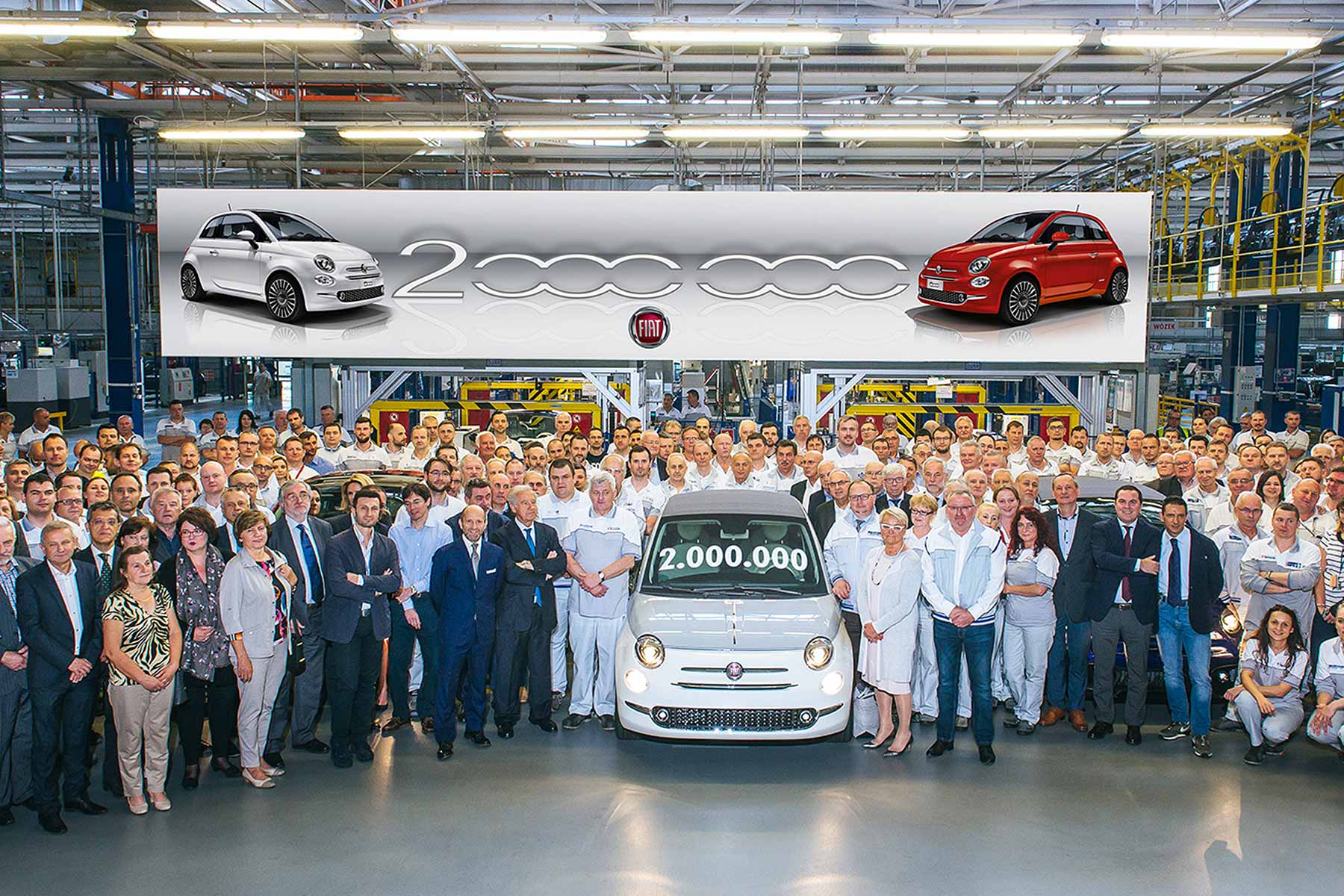
The success story of the new Fiat 500 continues, with the company announcing the two millionth reborn retro city car has been produced at the factory in Tychy, Poland.
The total comes 11 years after the current car was introduced. Although it’s been updated several times, it’s still the original recreation, making its current sales rate of over 200,000 a year even more impressive.
Indeed, for five years running, the 500 has been the best-selling city car in Europe, despite the constant arrival of newer rivals. Last year, it had a market share of almost 15 percent, and the latest quarterly sales of almost 60,000 is actually an all-time record.
The Fiat 500 is the favourite city car of the UK, Spain, Belgium, Switzerland, Portugal, Austria, Hungary, Croatia and Slovenia. It’s also a top-three in Italy, Germany, France, Sweden, Slovakia, Romania and Bulgaria.
It’s fair to say Europeans still love the Fiat 500.
They also love special edition 500s, it seems: there have been 30 of them in the 11 years the new car’s been on sale. UK 500 prices may well start from £11,620, but many buyers are still happy to spend plenty more on top.
Current specials include the Collezione, which is a follow-on from last year’s 500-60th and Anniversario models, built to mark 60 years of the 500.
The new car still has some way to go to beat sales of the original 500, though. Twice as many were sold following its introduction in 1957, although in fairness, rivals were far fewer in number back then. Whether Fiat decides to keep the current car in production for another decade in order to chase the original’s sales figure remains to be seen…
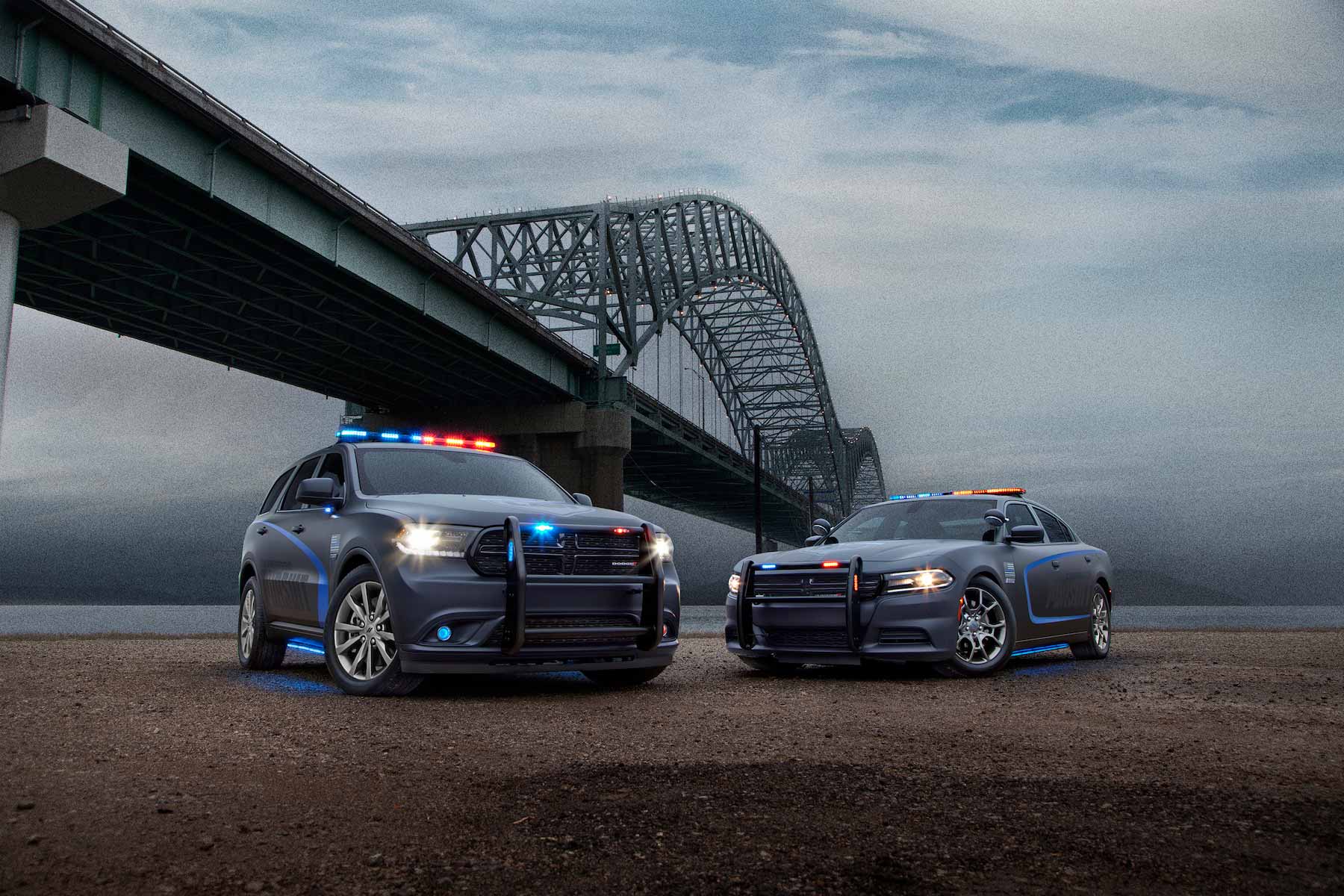
Being a police officer in the UK is tough at the best of times, but it must seem even harder when glancing at the vehicle choices offered to their North American colleagues.
A diesel Vauxhall Astra estate is no comparison to an all-American V8-powered SUV or saloon. Proving that there is no replacement for displacement, even when it comes to keeping the thin blue line, Dodge has announced a new Police Pursuit version of the Durango SUV.
Powered by a 5.7-litre Hemi V8 engine, with 360hp and 390lb-ft of torque, this is a true muscle SUV with more than sufficient power to live up the ‘Pursuit’ billing. An eight-speed automatic gearbox is standard, as is the AWD system, making high-speed chases possible whatever the weather conditions might be. It also means forgetting thoughts of extravagant drifting action by cop cars in classic movies, sadly.
The Durango Pursuit also includes what Dodge bills as an exclusive ‘K-9 friendly’ three-zone climate control system, helping out four-legged law enforcers. Sizeable ground clearance, and the ability to tow up to over 3,200kg, should also make the Durango attractive to police departments.
Dodge has already cornered a substantial stake in the lucrative North American law enforcement market, with the similarly V8-powered Charger Pursuit the current top-selling police car.
Unfortunately, Dodge makes no mention of any plans to bring either the Durango or Charger Pursuit models across the Atlantic.
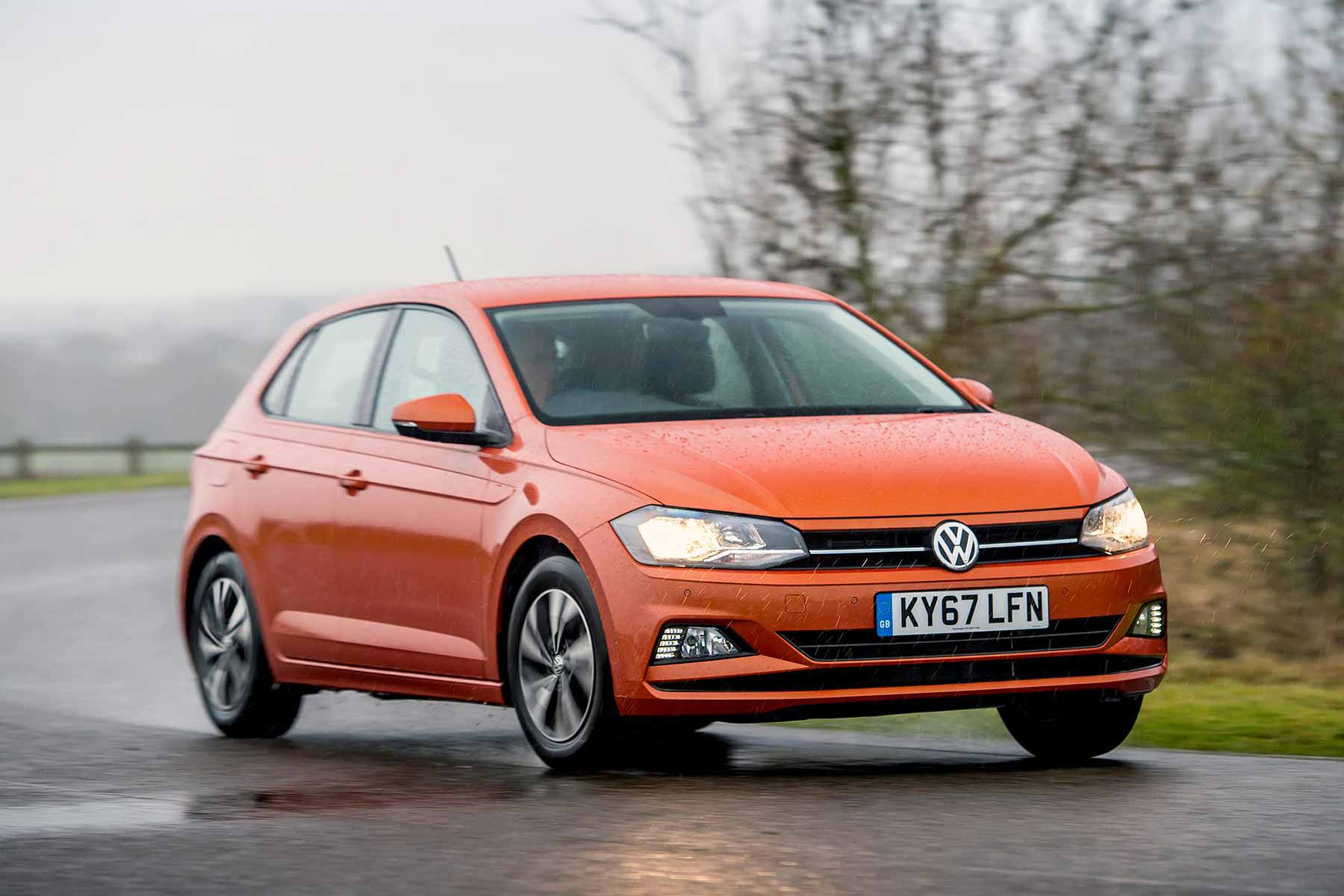
Recalls have been issued for the latest 2018 Volkswagen Polo, plus the new Seat Ibiza and Seat Arona, after a Finnish car magazine discovered a safety issue that could lead to the middle passenger’s seatbelt unbuckling itself.
The issue was found during on-track testing – when steering through an evasive lane-change manoeuvre with five people on board, the outer and middle-seat passenger seatbelt buckles clashed, leading to the middle seatbelt becoming unlocked.
The magazine repeated this several times, on the Polo, Ibiza and Arona – and the safety issue repeatedly arose.
Volkswagen Polo
Seat Ibiza
Seat Arona
Volkswagen Group advised owners of the three cars – all derived from the same platform – not to use the middle seat while the issue was investigated. The car firm has now recalled all models sold to date for a technical fix.
“There is the possibility,” said Volkswagen and Seat in statements, “that in rare situations (e.g. sudden quick lane changes with five passengers on board) and when the rear centre seat and the rear left seat are occupied at the same time, the left seat belt lock could be unintentionally released.”
There is now a technical solution: “A redesigned belt lock fixture, which will prevent this from happening.”
All three cars are still legally homologated and safe to drive, added VW and Seat: however, they’ve advised customers not to use the middle seat until the fix is made. And this won’t be an immediate repair, either: Volkswagen and Seat are “now addressing the concerned authorities for their final validation in order to implement the solution, both on vehicles in the market as well as on the future series production”.
The recall campaign will start within the next few weeks: customers will be contacted by letter, for a safety check and, if necessary, the fitment of a redesigned part.
“The check, as well as the implementation of the redesigned belt lock fixture will be free of charge.”
The Volkswagen Golf GTI is a cult car with a fanatical fanbase. Every summer, thousands of GTI devotees descend on Lake Wörthersee, Austria – almost all of them in modified Volkswagens. The 37th annual GTI-Treffen witnessed the world debut of VW’s Golf GTI TCR concept, among many other highlights. Join us for a guided tour.
Clean machine
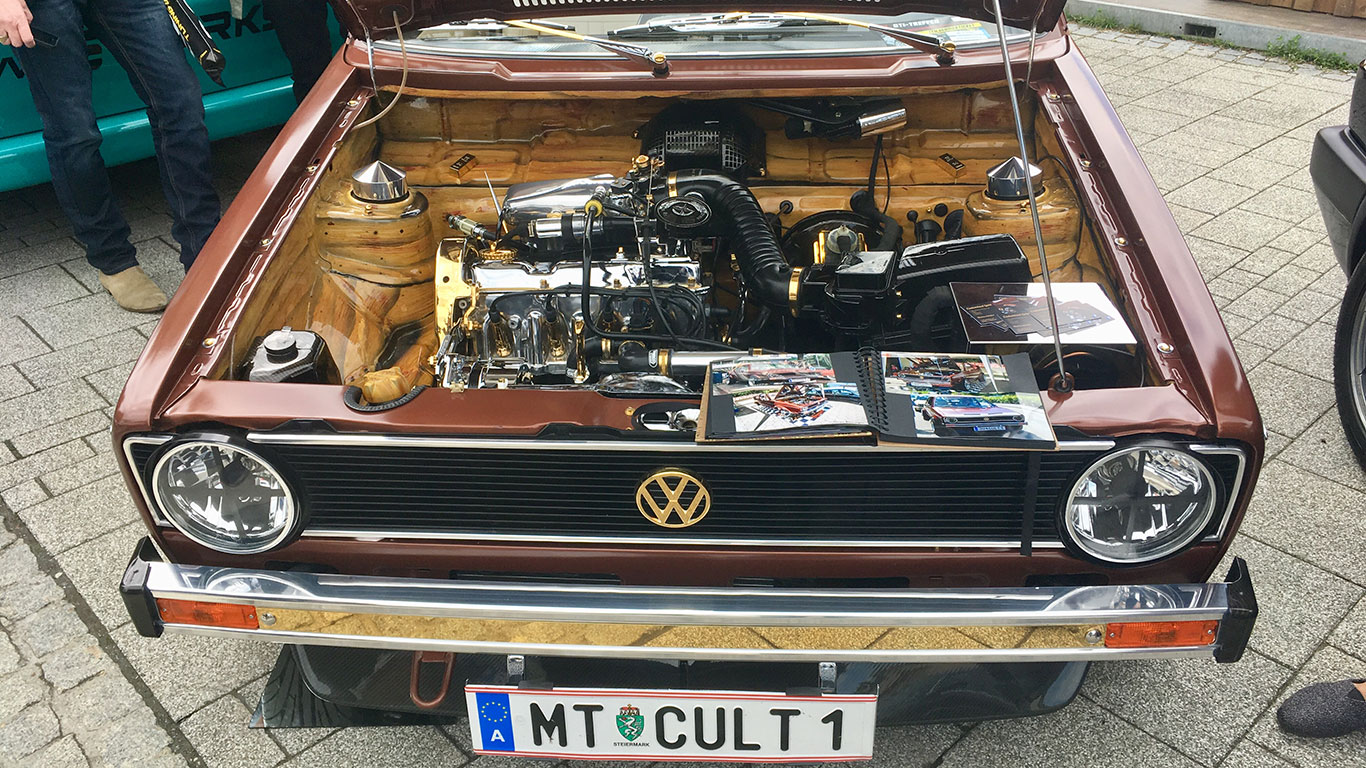
Many cars at Wörthersee are parked with bonnets aloft, showing off super-clean engine bays. This Mk1 Golf Cabriolet boasts gold-plated fittings. Note the wood-effect wrap on the inner wings and scuttle, too.
Supercharge me
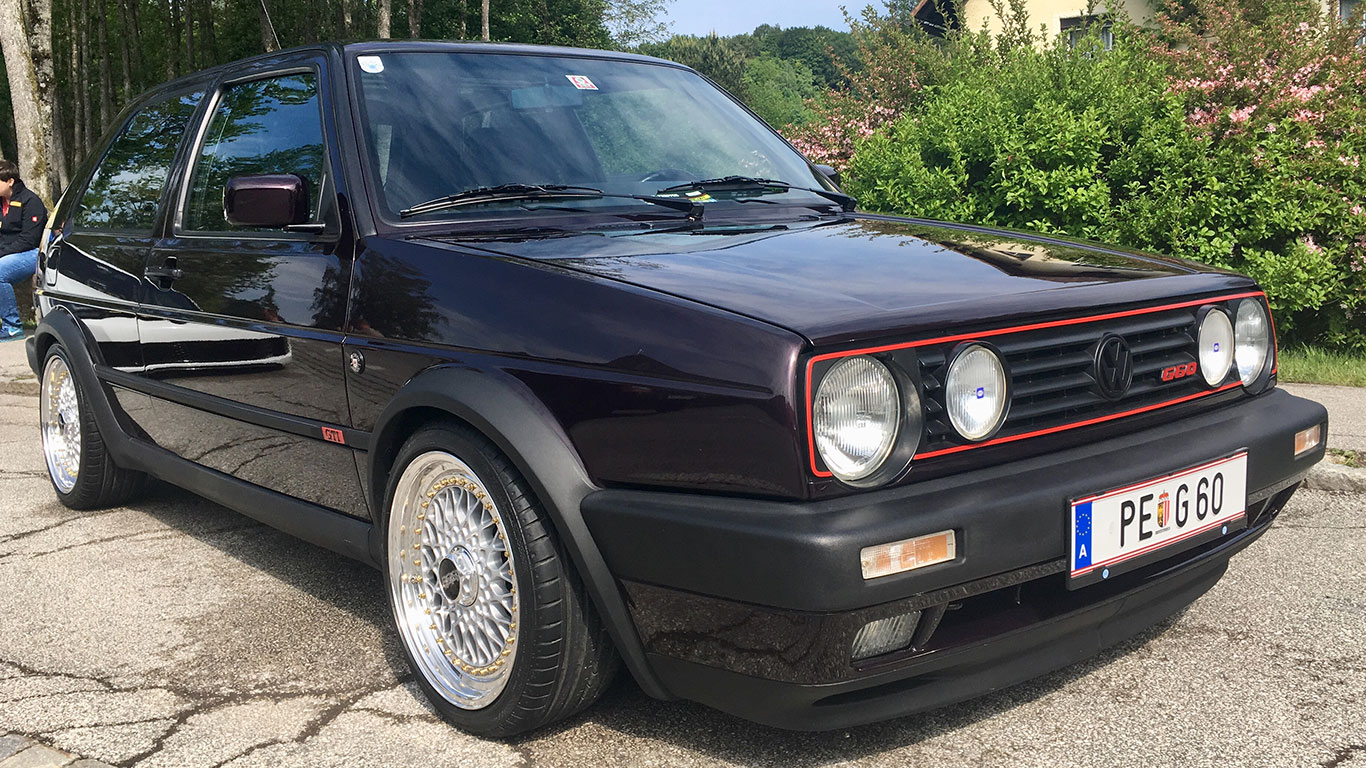
In 1990, Volkswagen added a supercharger to the Mk2 GTI 8v. The 160hp Golf G60 was the result – seen here looking stock apart from a set of BBS split-rim alloys. The ‘G-Lader’ engine was also used in the Corrado coupe and limited-edition Golf Rallye.
Hyper hatch
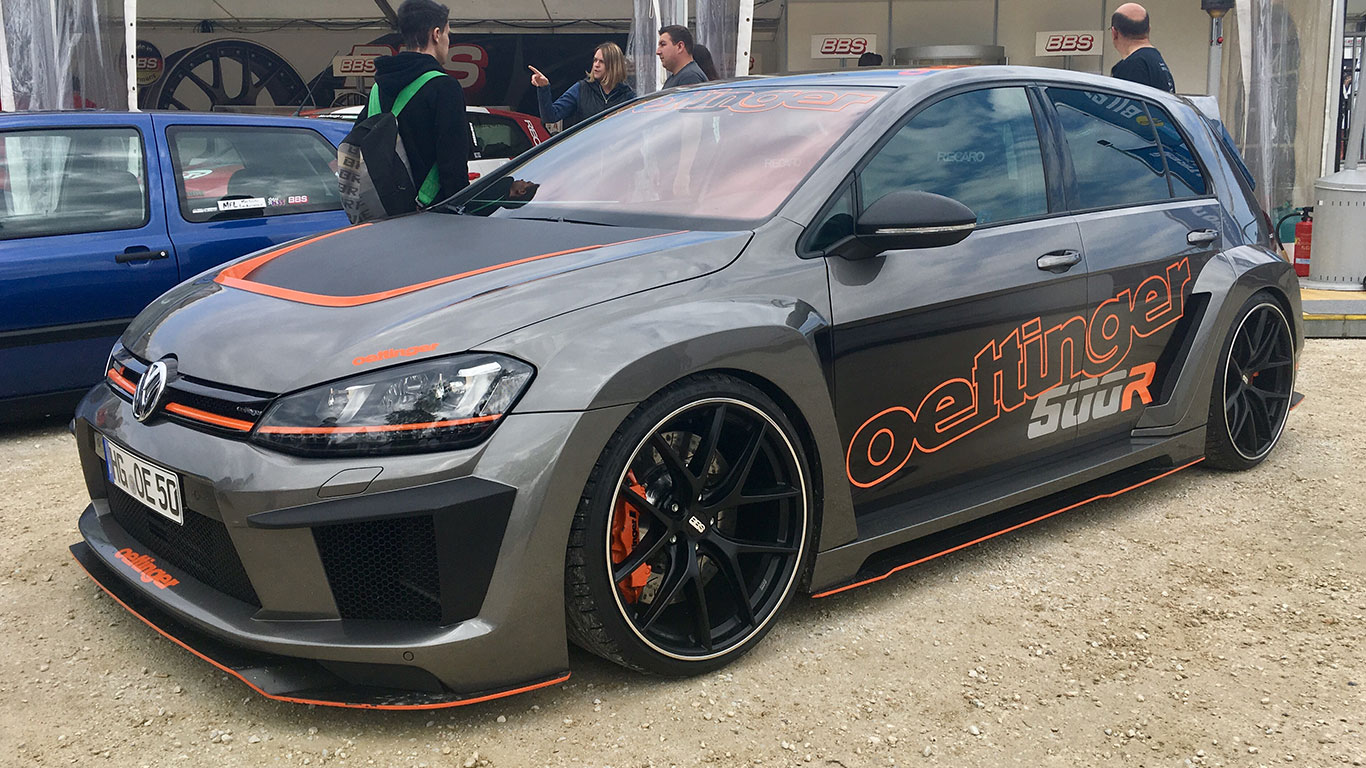
There are plenty of tuner demo cars on display at Wörthersee. This is Oettinger’s 500R – a 550hp Golf that hits 62mph in 3.4sec. Enough to worry a Porsche 911 Turbo…
Peak Golf
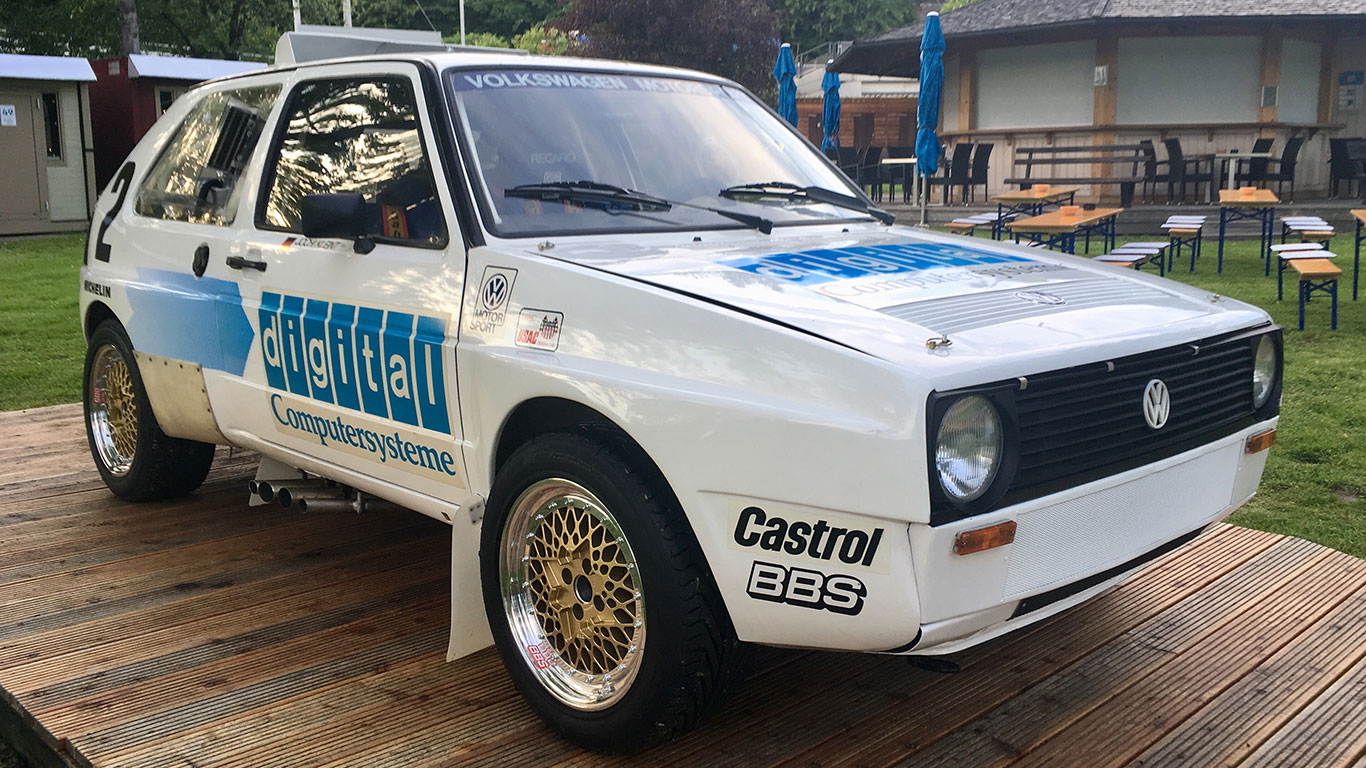
Volkswagen has built some pretty extreme Golfs of its own. This Mk2-based prototype raced America’s legendary Pikes Peak hillclimb in 1986. It has two turbocharged 1.3-litre Polo engines producing 250hp each.
Mk1 magic
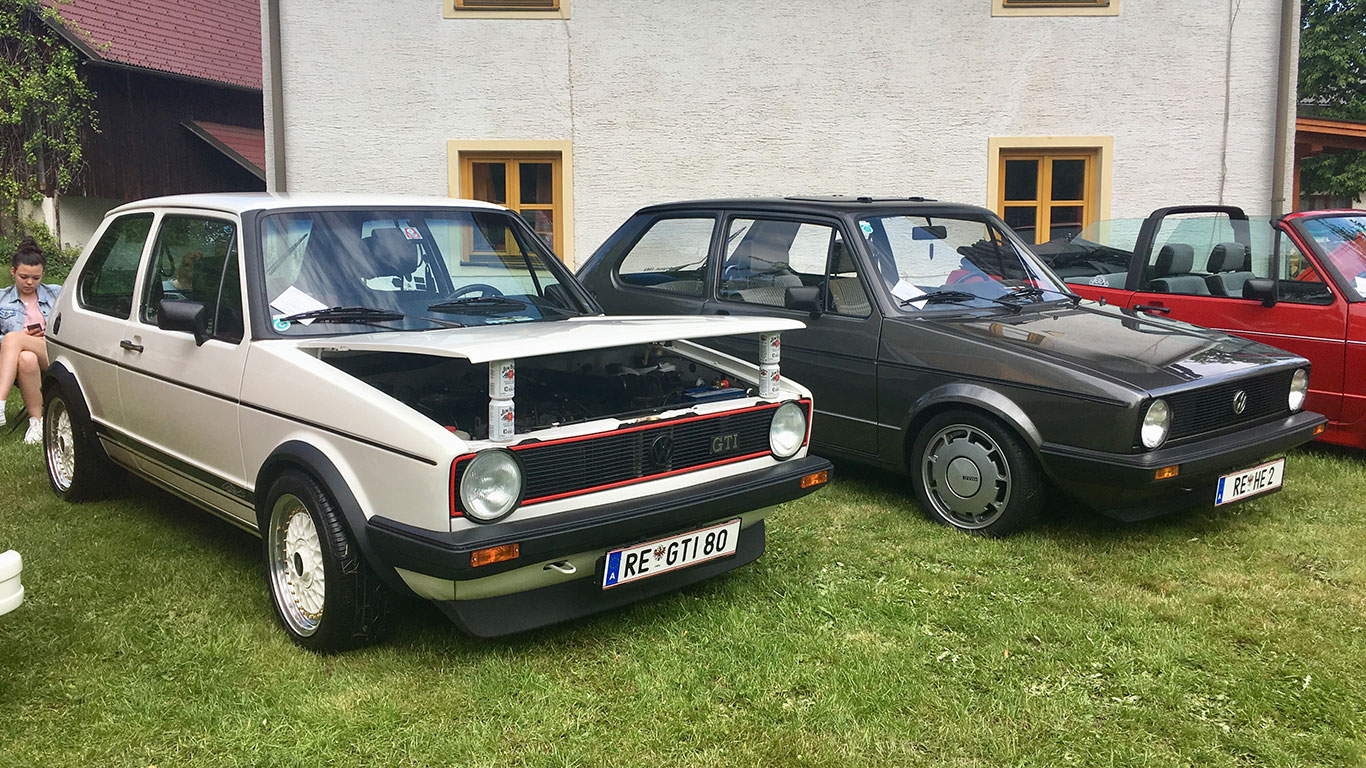
The Mk1 Golf GTI wasn’t the first hot hatch, but it defined the genre. There’s huge affection for ‘Das Original’ among the fans at Wörthersee and – 42 years on – it remains a staple of the GTI scene.
Back from the brink
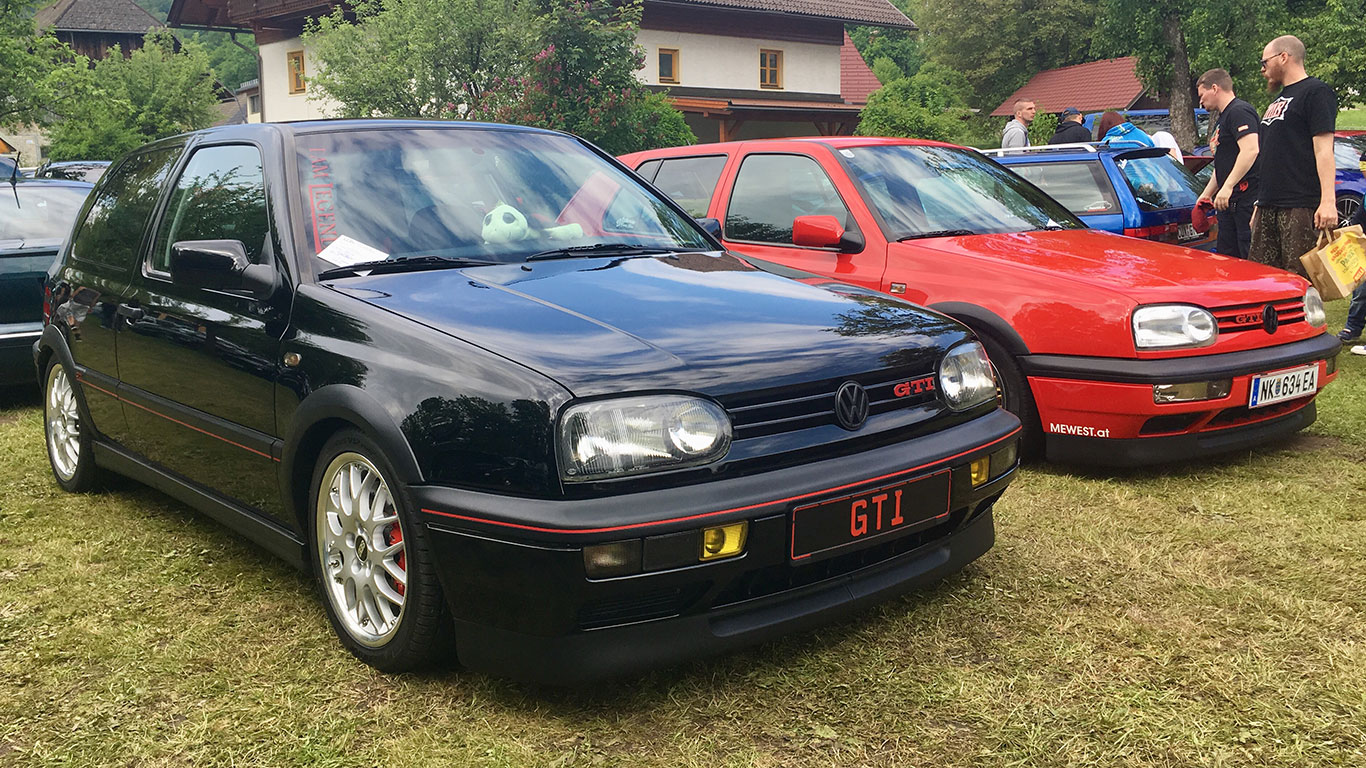
By contrast, the Mk3 Golf GTI is the least-loved of the breed. Its plight wasn’t helped by poor reviews and the arrival of a new flagship Golf: the 2.8-litre VR6. Today, it’s making a comeback, with plenty of tidy examples on show in Austria.
Brown sugar
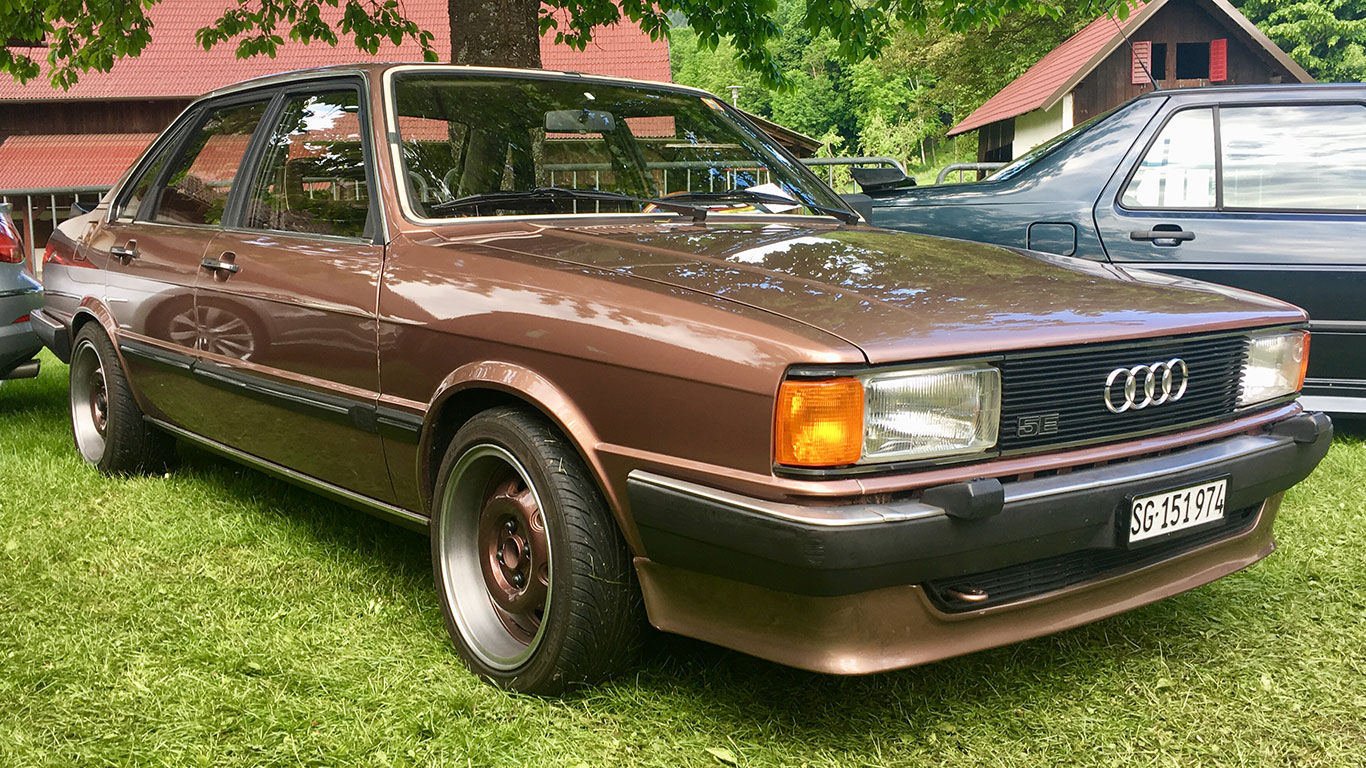
Proof that it isn’t all Volkswagens at Wörthersee: this gloriously retro Audi 80 CD was a star of the campsite. In case the brown paint and alloys weren’t enough, it also has a brown velour interior.
Mark phwoar
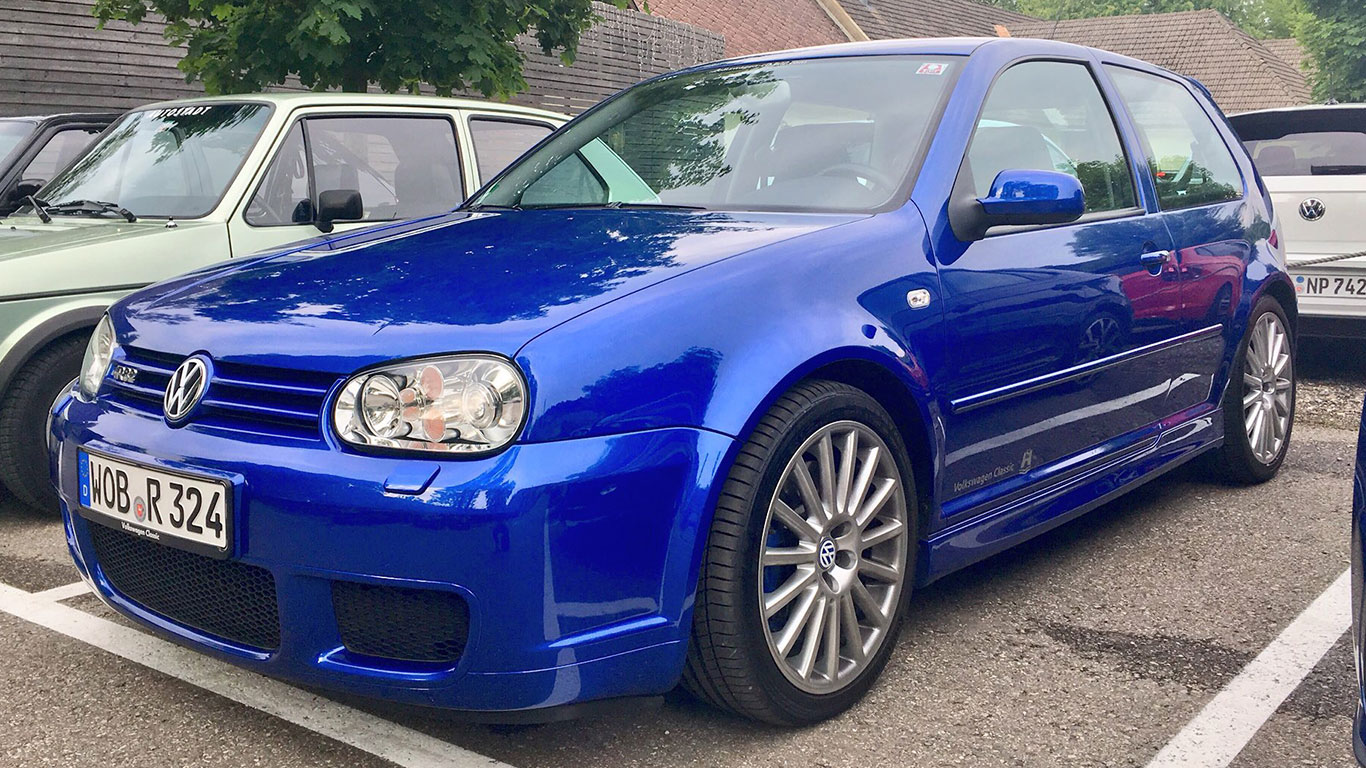
A standard Mk4 Golf R32: nothing special there, you might think. But this Deep Blue Pearl car comes from Volkswagen’s Autostadt museum in Wolfsburg, meaning it’s probably the best R32… in the world.
Buggin’ out
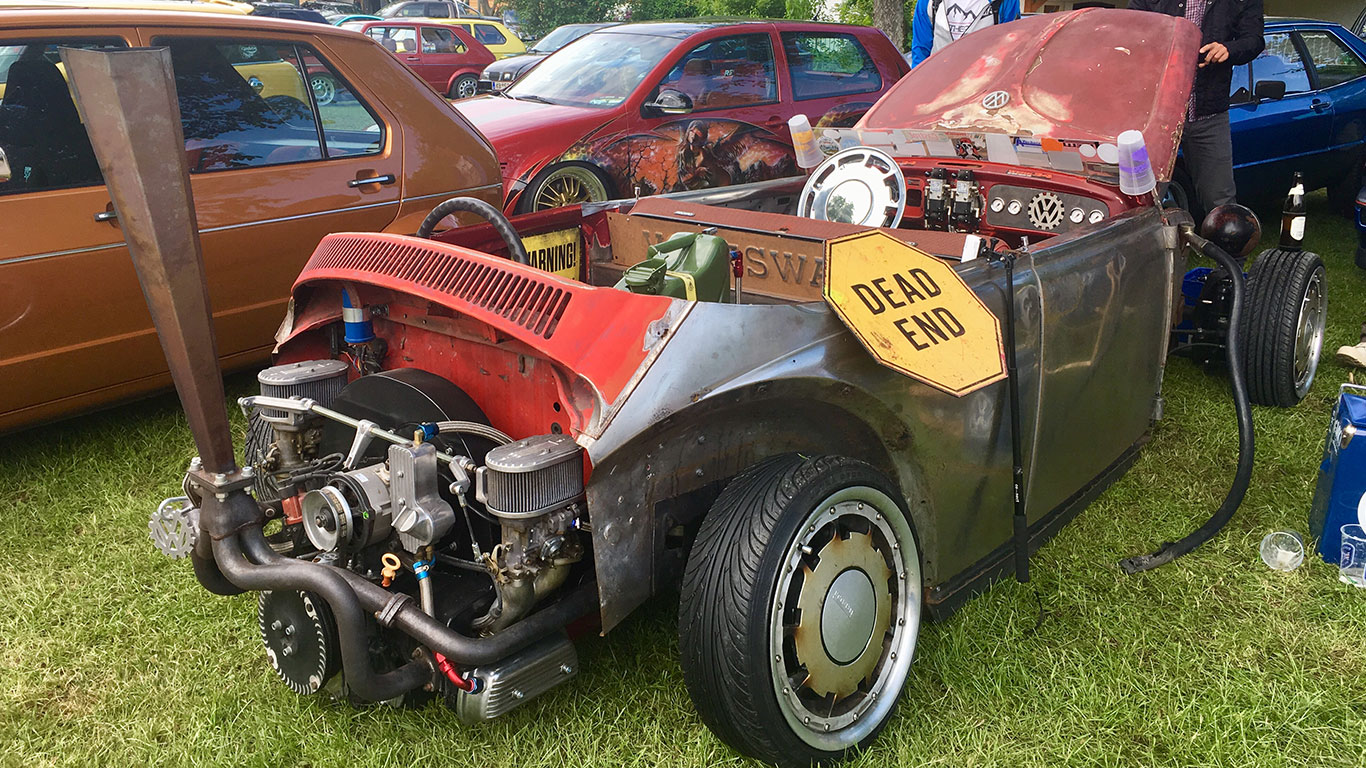
The award for ‘most brilliantly bonkers car at Wörthersee’ goes to this rat-look VW Beetle roadster. It has bouncing hydraulic suspension, a chimney for an exhaust and a Pirelli P-slot alloy in place of a steering wheel.
Trailer parked
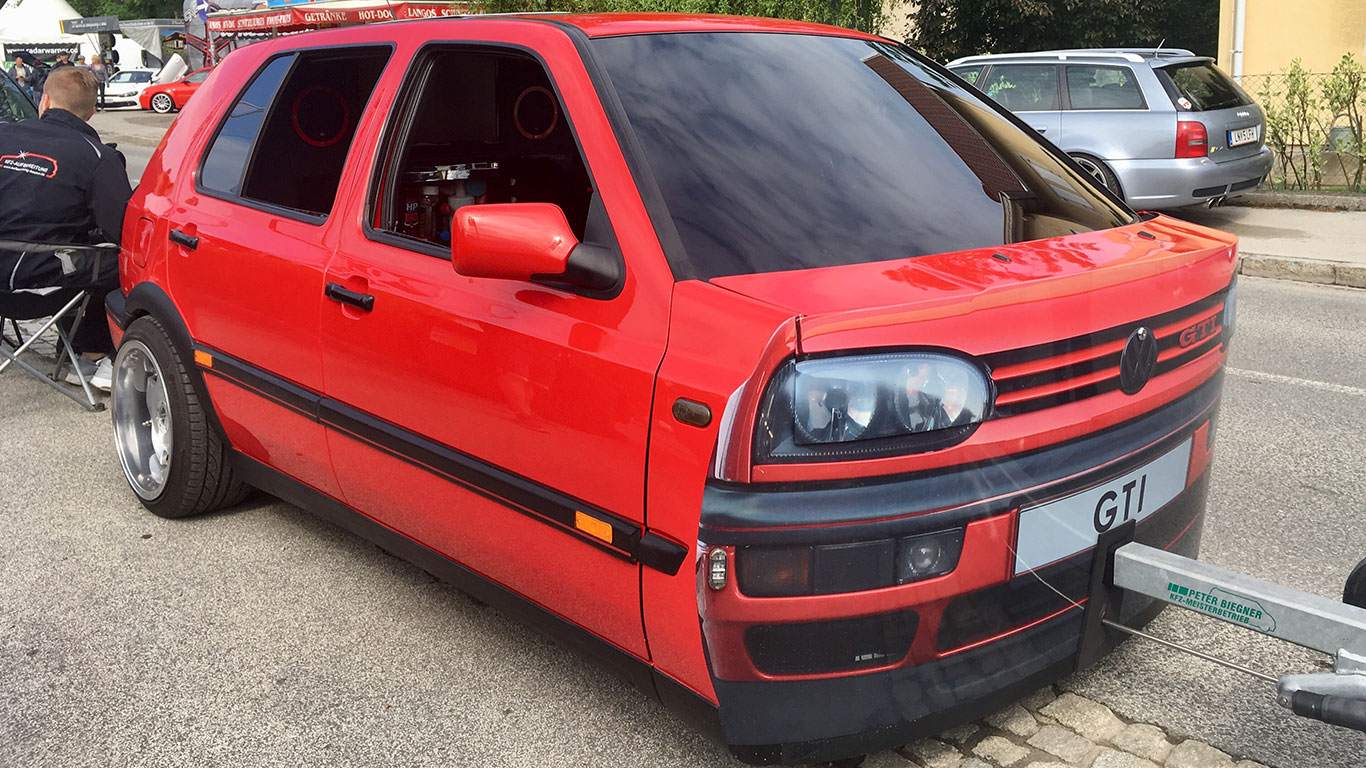
Another off-the-wall creation was this Mk3 GTI-based trailer. Inside, it offered sleeping space for two, a TV and a beer fridge. Cooler than a caravan, if a tad more cramped.
It’s a wrap
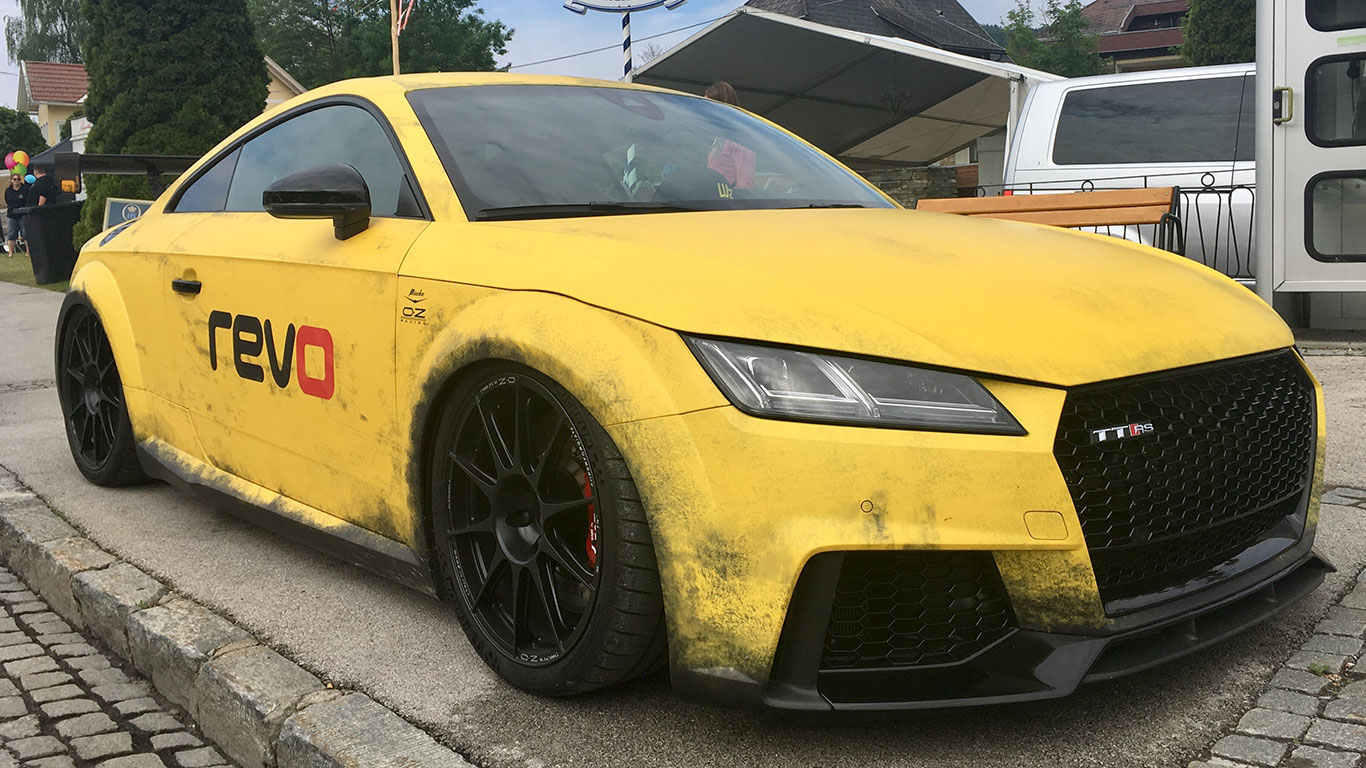
‘Dirty wraps’, as seen on this Audi TT RS, were big at Wörthersee 2018. A car’s paintwork is wrapped in sticky-backed plastic that looks filthy or rusty. Counter-intuitive, perhaps, but it stands out among all the perfect polished paintwork – and we guess that’s the point.
For the chop
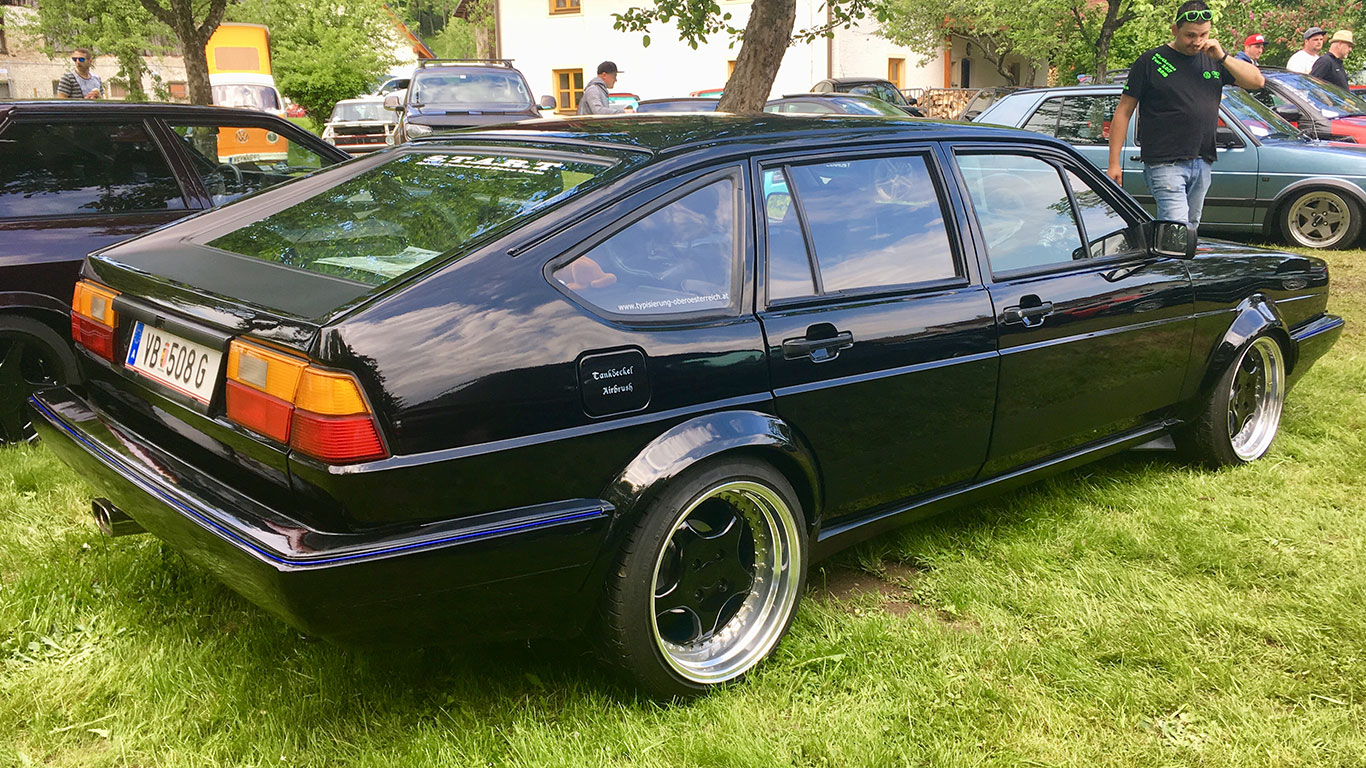
Think there’s something a little odd about this second-generation (B2) Passat? Well, you’re right. The roof has been chopped in hot rod-style. With four doors and a hatchback to fit, that’s quite a feat of panelwork.
Yes to BBS
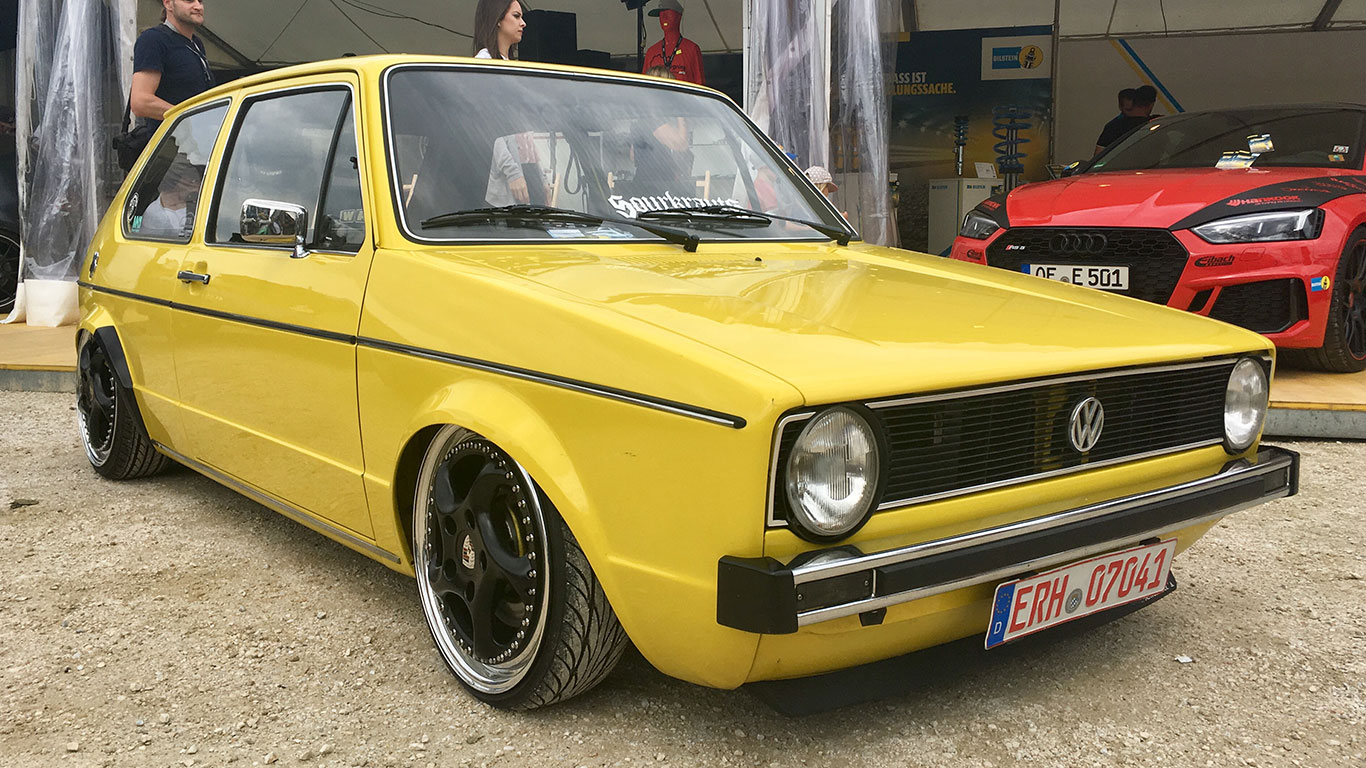
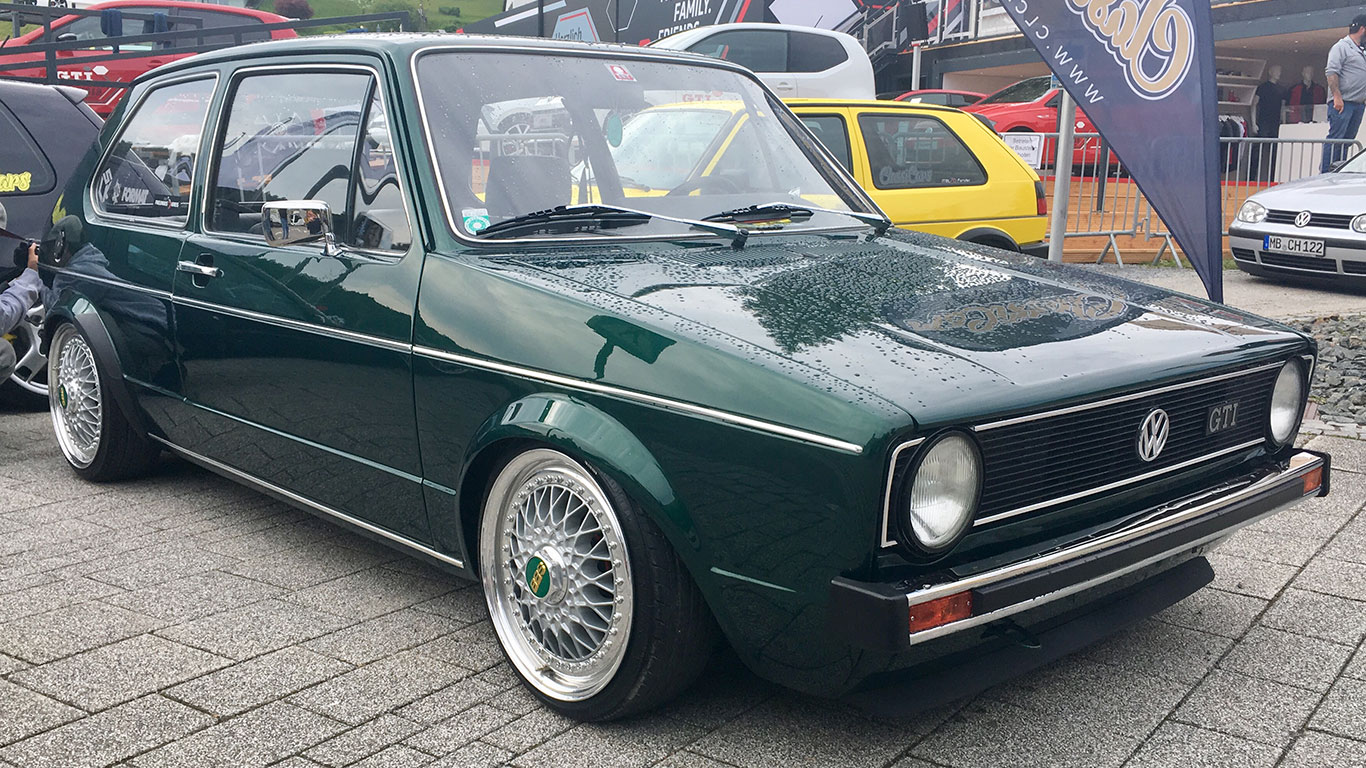
There’s just something about that classic Giugiaro shape. This Mk1 Golf wears an extra-wide side of BBS split-rims – the iconic wheels of the VW scene. It also has smaller steel bumpers, as fitted to early GTIs.
Brits abroad
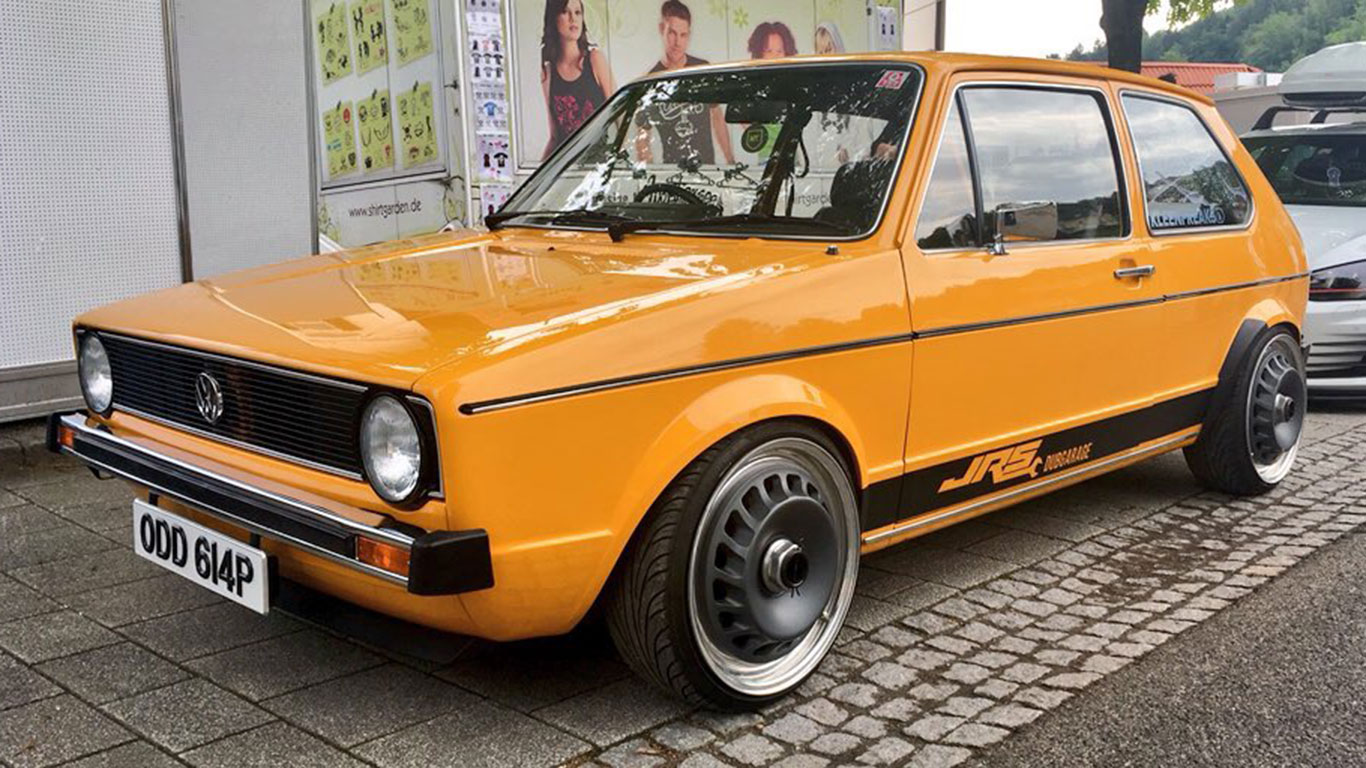
A Mk1 GTI that’s driven all the way to Austria from the UK. Built by JRS DubGarage, it has a 2.0-litre TFSI engine and DSG semi-auto gearbox, both transplanted from a Mk6 Golf R. Those turbine-style alloys are one-offs, too.
Country life
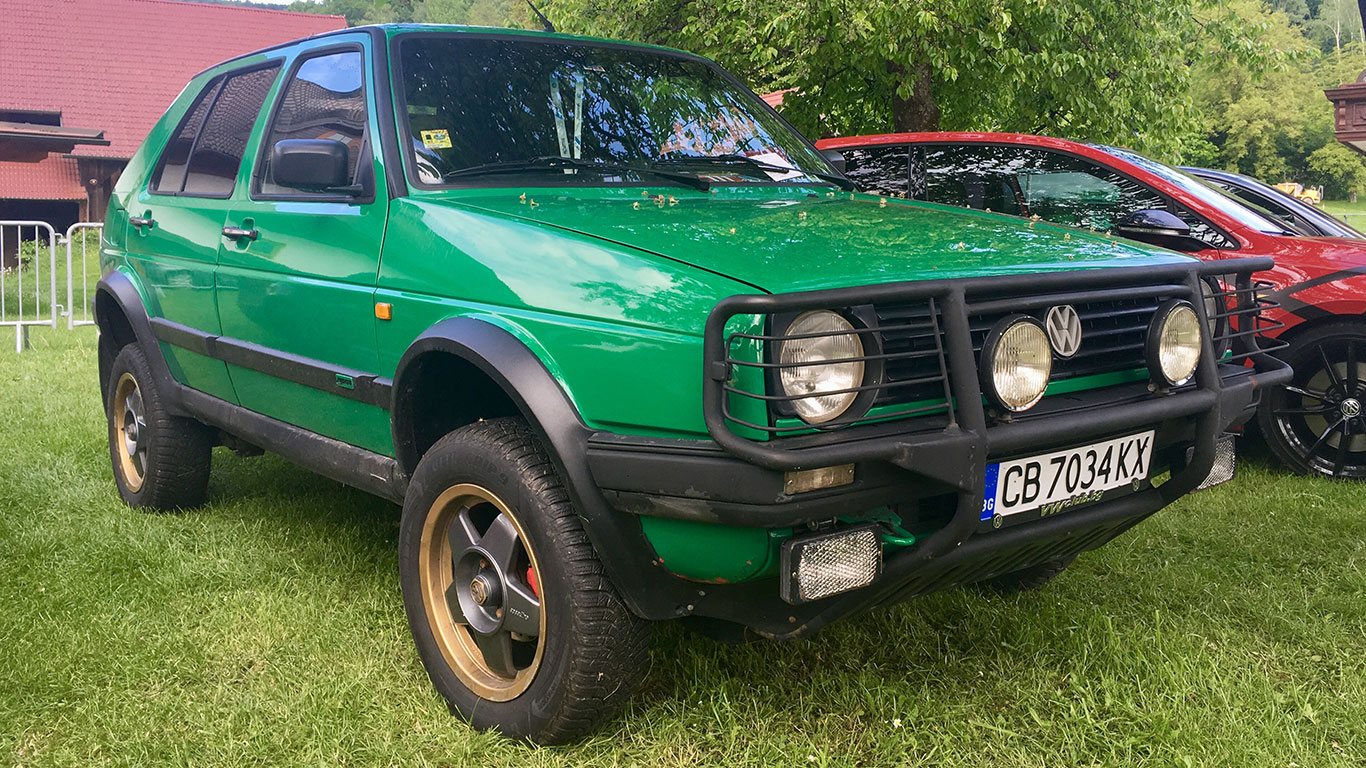
The Mk2 Country remains one of the strangest special-edition Golfs. It had raised suspension, Syncro four-wheel drive, bull bars and a spare wheel mounted on the tailgate. The original crossover?
Citi life
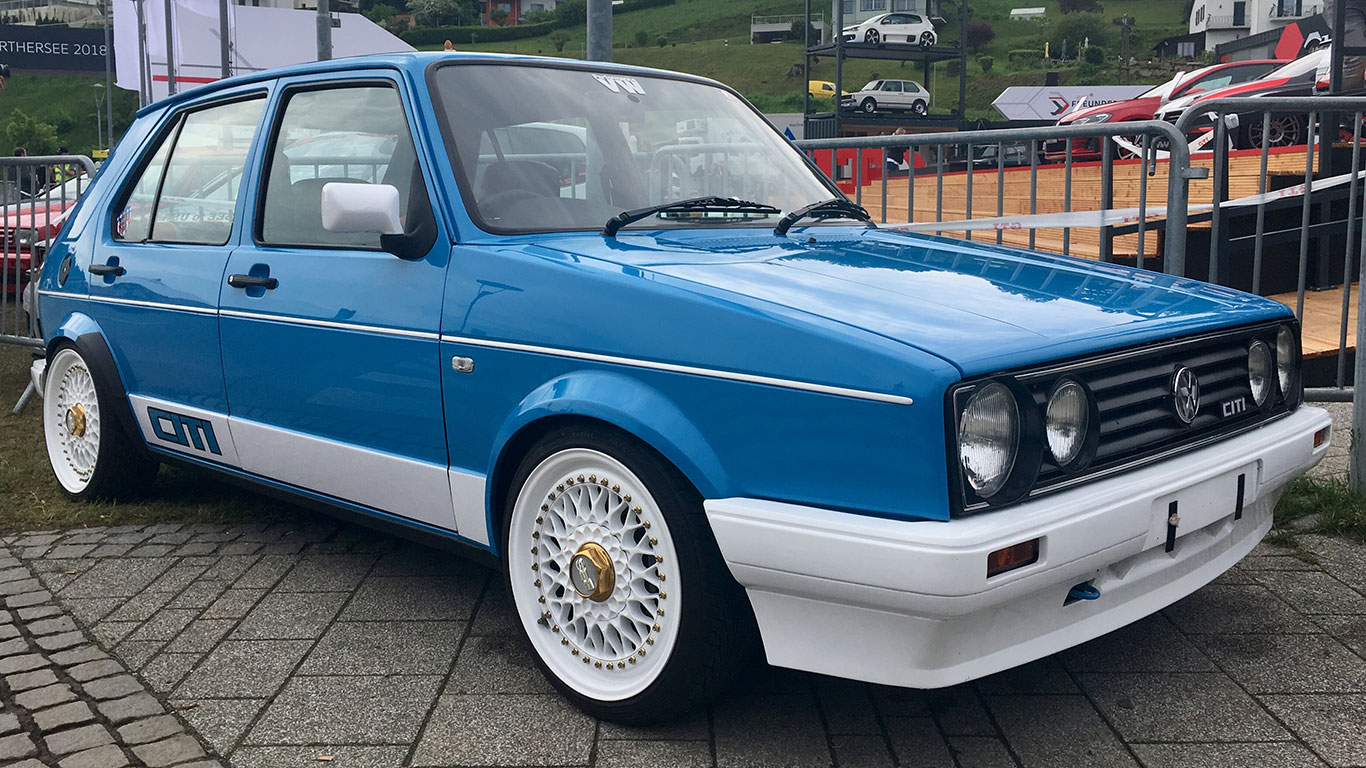
The Citi Golf was effectively a continuation of the Mk1, manufactured in South Africa until 2009. It was only available with five doors, but a CTI version – launched in 1990 – used the same 1.8-litre engine as the original GTI.
Estate of the art
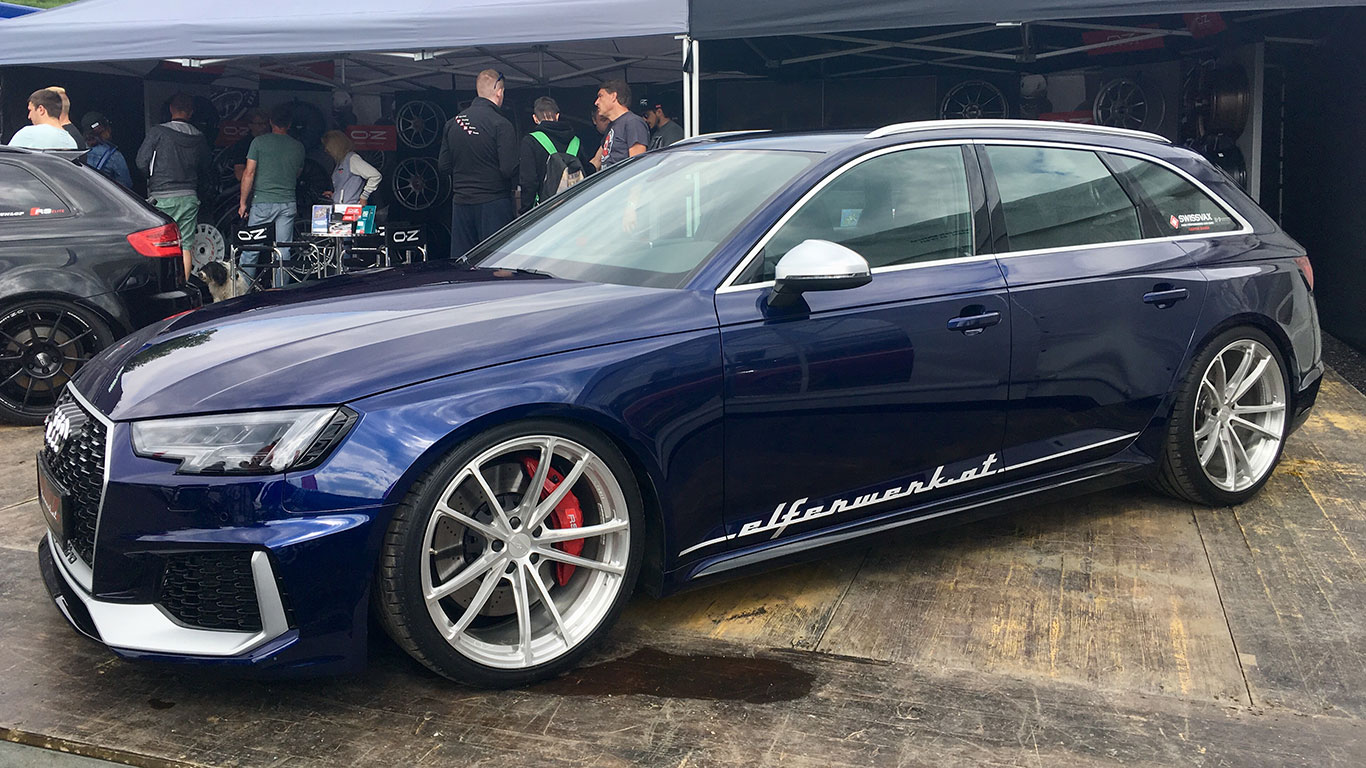
Are you brave enough to modify your brand new Audi? Some people clearly are, as this ‘slammed’ 2018 RS4 reveals. We’re not sure if the engine has been tweaked, although the standard 450hp and 443lb ft seems ample.
Batteries included
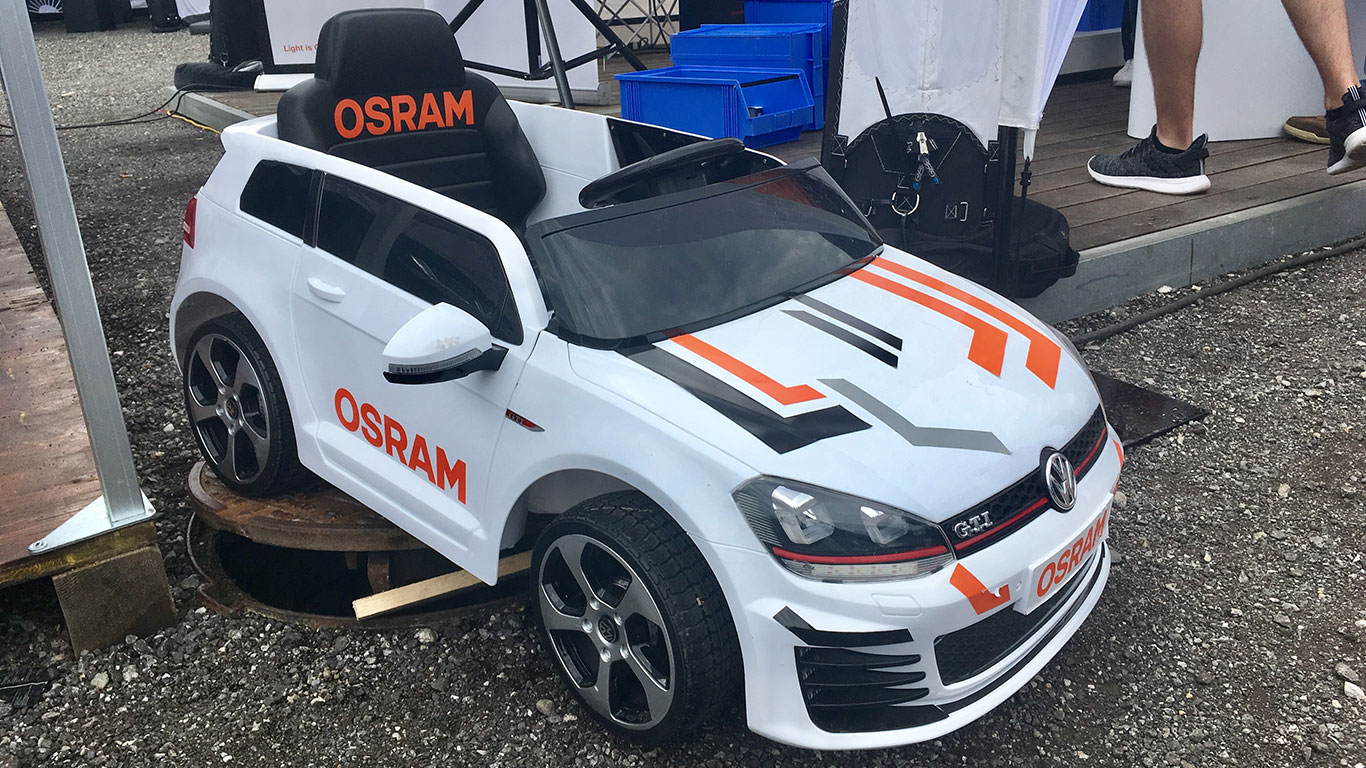
Wörthersee takes over the entire village of Reifnitz and seeing it all demands a lot of walking. These electric mini-GTIs were ideal for little legs and available to borrow at the show.
Porsche patrol
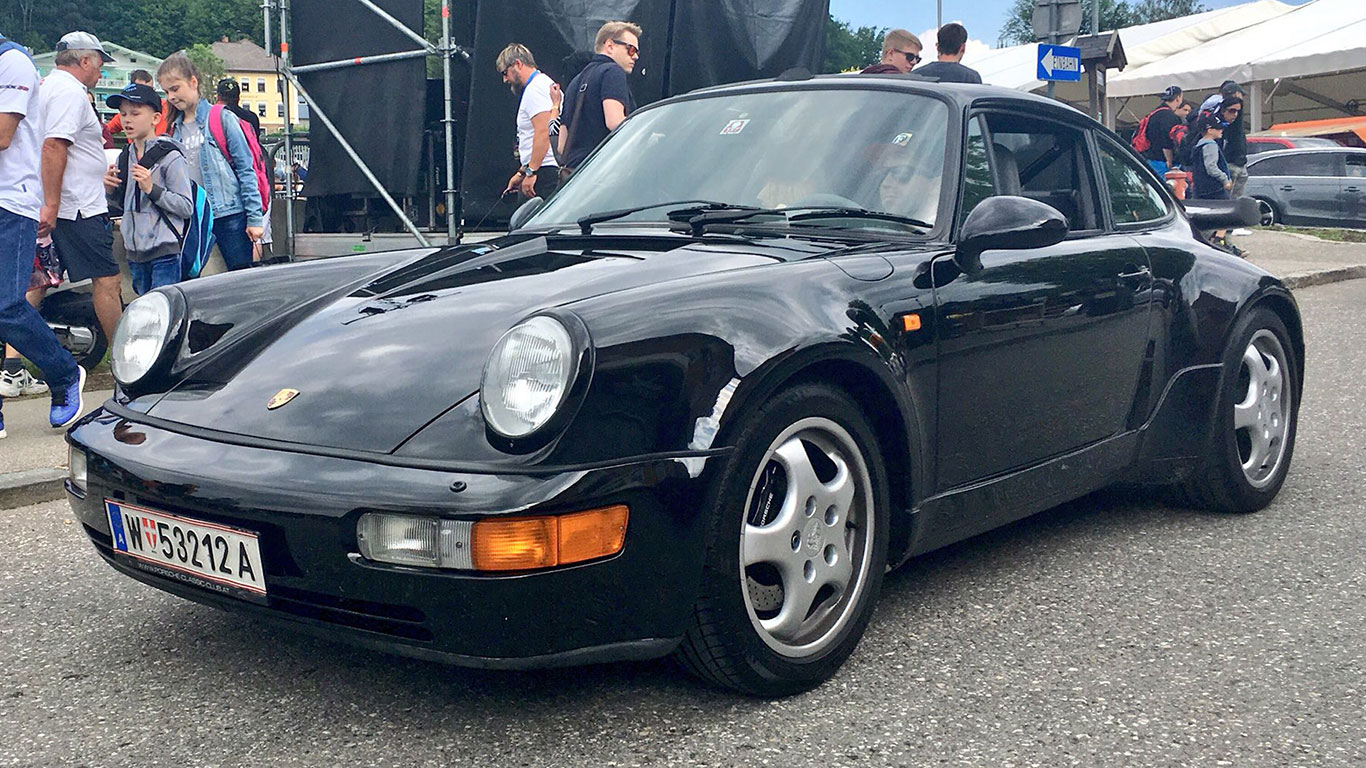
We spotted a few air-cooled 911s among the many, many Volkswagens and Audis. This 964 Turbo nailed the wide-arch look nearly three decades ago. Watch the slideshow below for more photos from Wörthersee 2018.
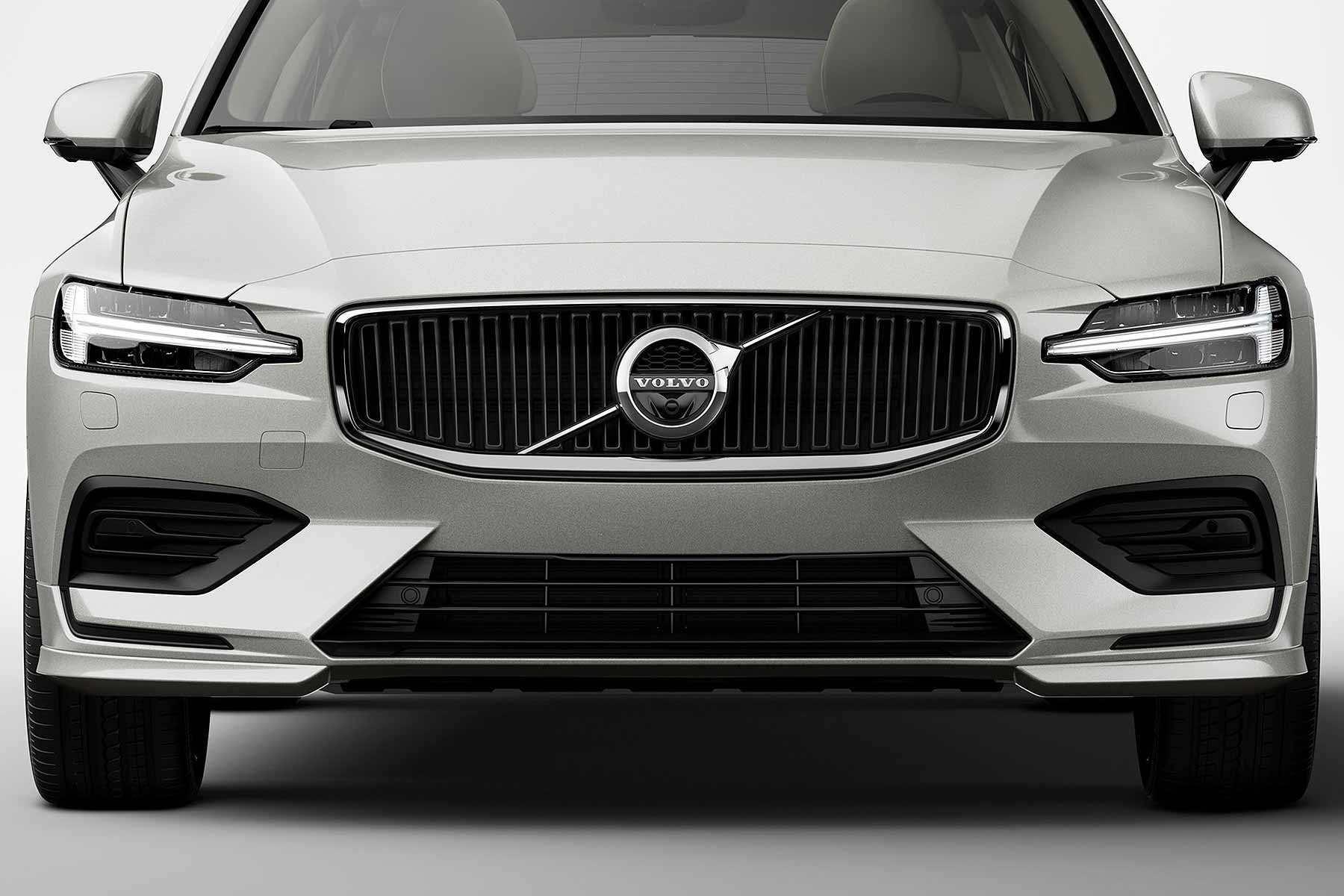 Volvo and diesel are continuing their ‘conscious uncoupling’, with the new fleet-focused S60 saloon the latest car from the Swedish brand to ditch diesel. Indeed, it’s the first Volvo in decades to be produced without a single diesel engine in its line-up.
 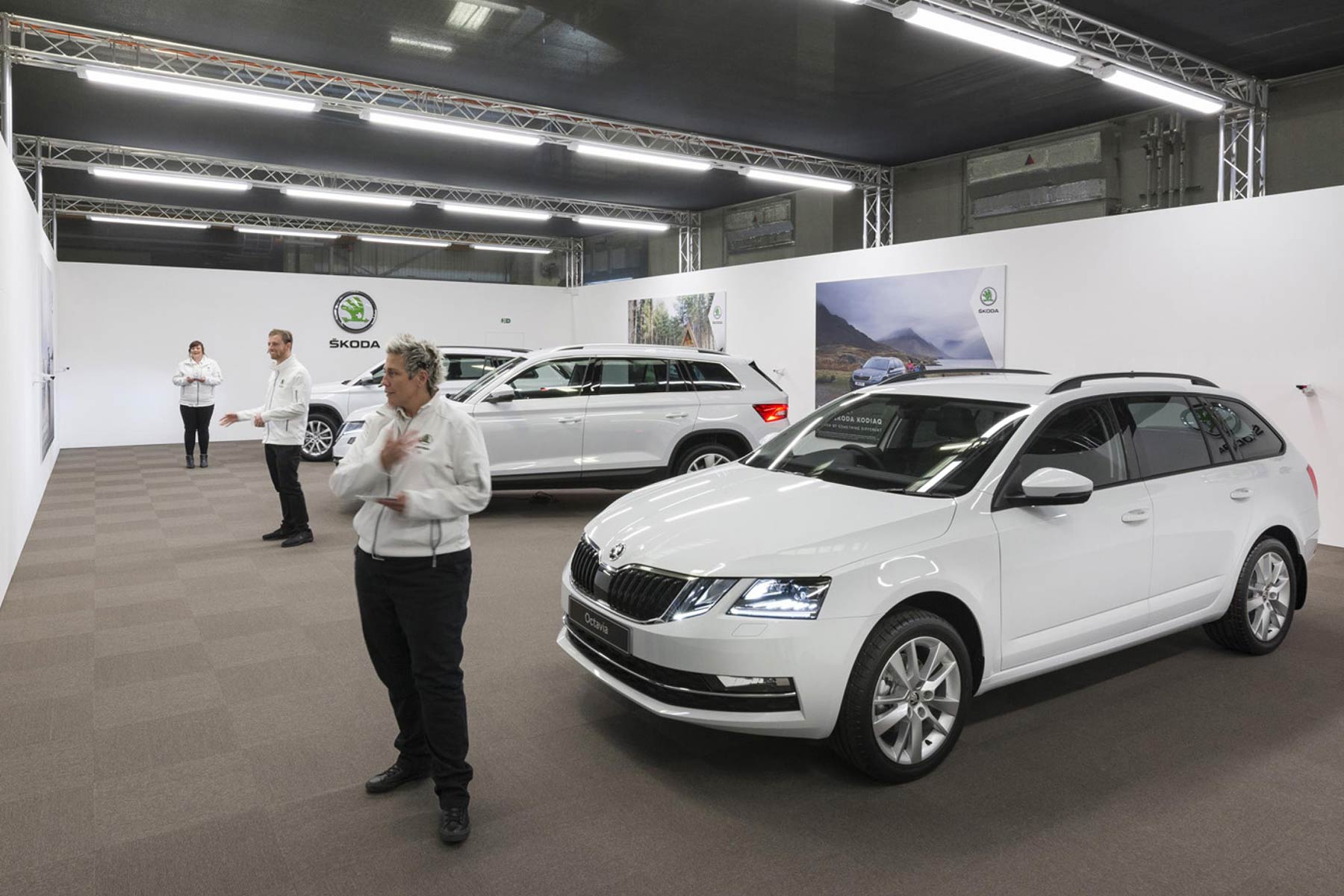 Trying to research which new car to buy can be tough at the best of times, especially if your local dealer is a long way away, or you’re not entirely sure what you’re looking for.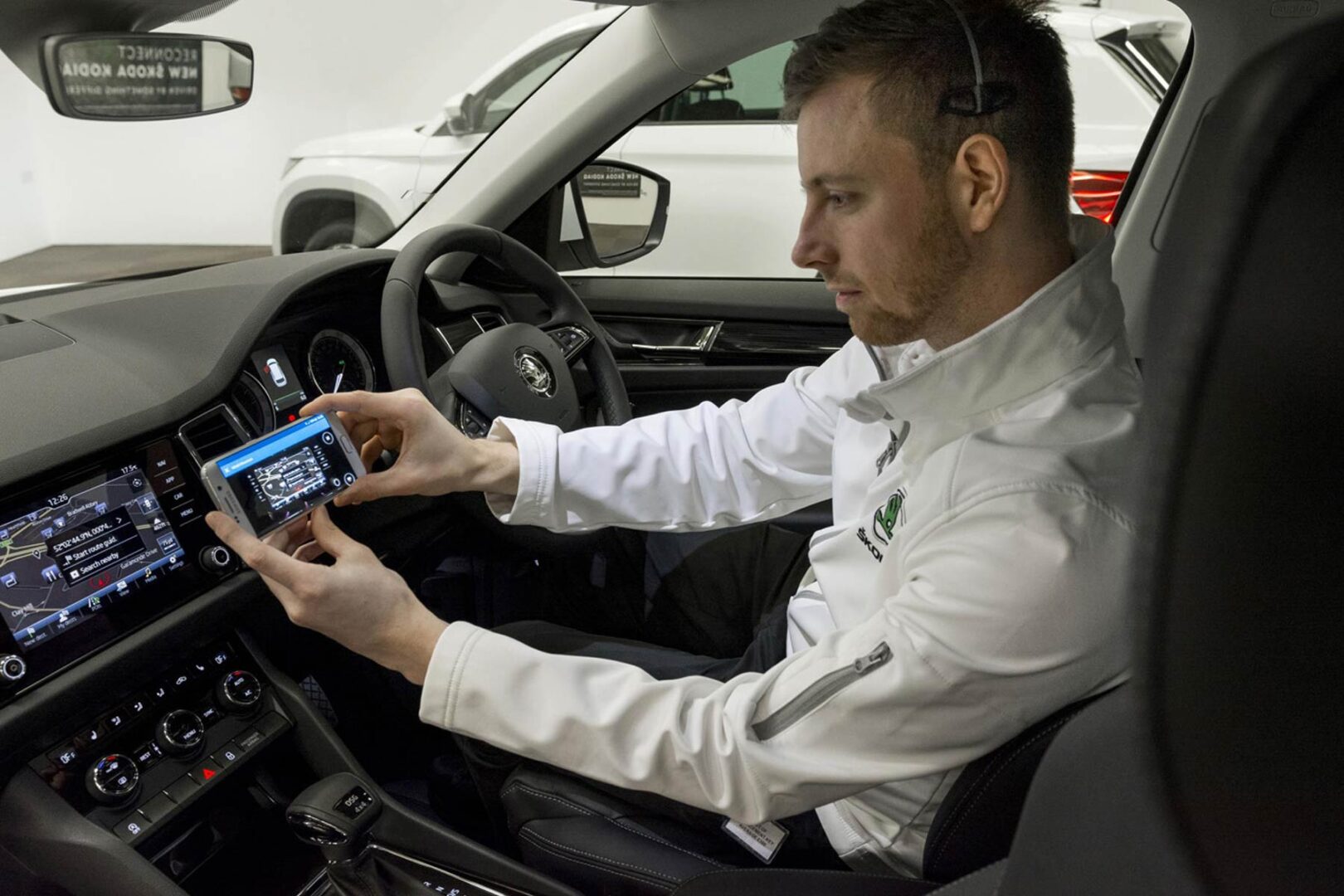
 BMW returns to Le Mans on 15 June with the racing M8 GTE – but it’s not just the track-ready 8 Series Coupe that will make its debut. BMW has announced the new road-spec 8 Series Coupe will debut, too.
 I’ve now just about recovered from this year’s Tour de Yorkshire Ride. Held on the final day of the cross-Yorkshire epic, we sportive riders get to cycle the same route as the pros do later in the day. It’s a great warm-up for the crowds, and a killer for us riders.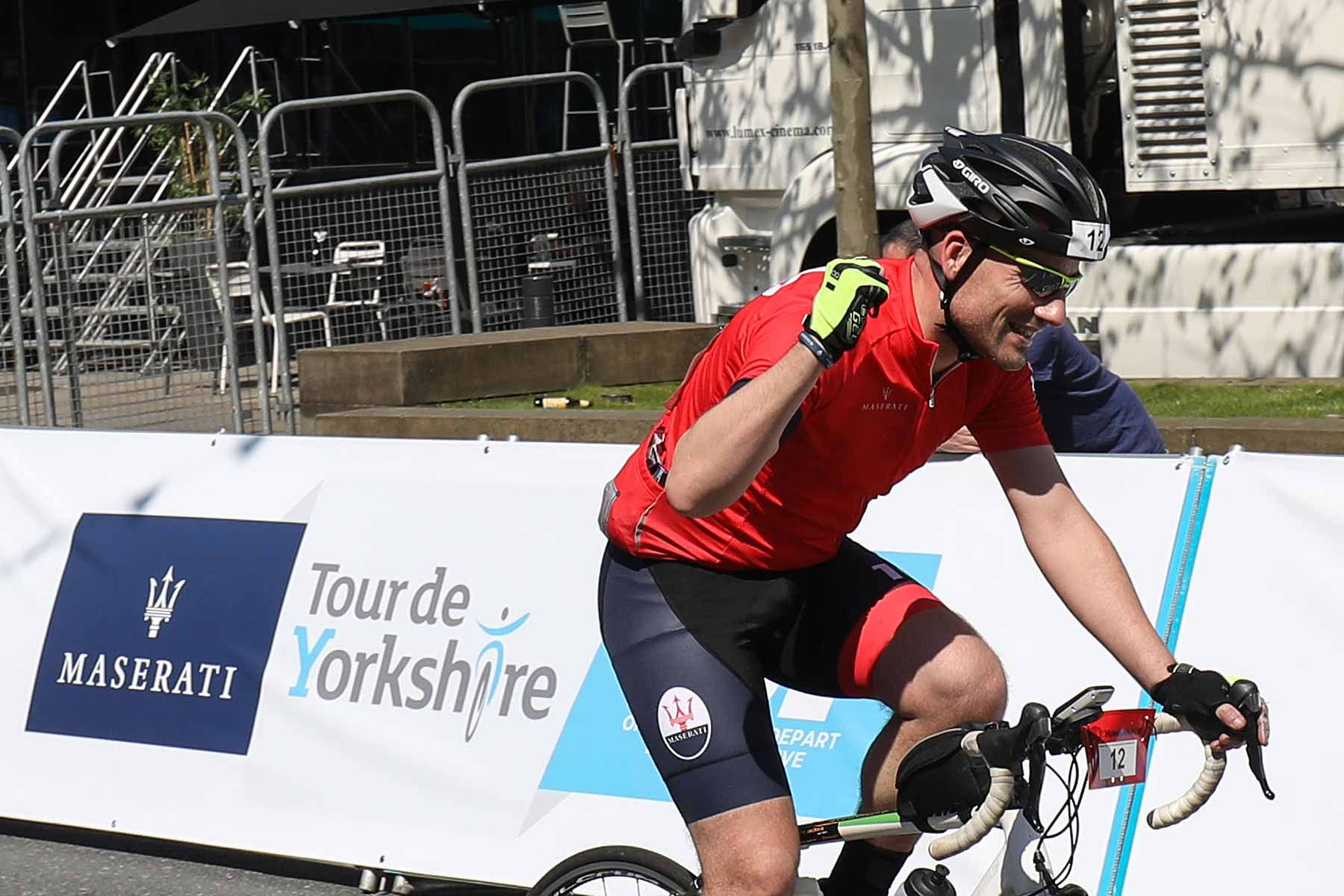


 The success story of the new Fiat 500 continues, with the company announcing the two millionth reborn retro city car has been produced at the factory in Tychy, Poland.
 Being a police officer in the UK is tough at the best of times, but it must seem even harder when glancing at the vehicle choices offered to their North American colleagues.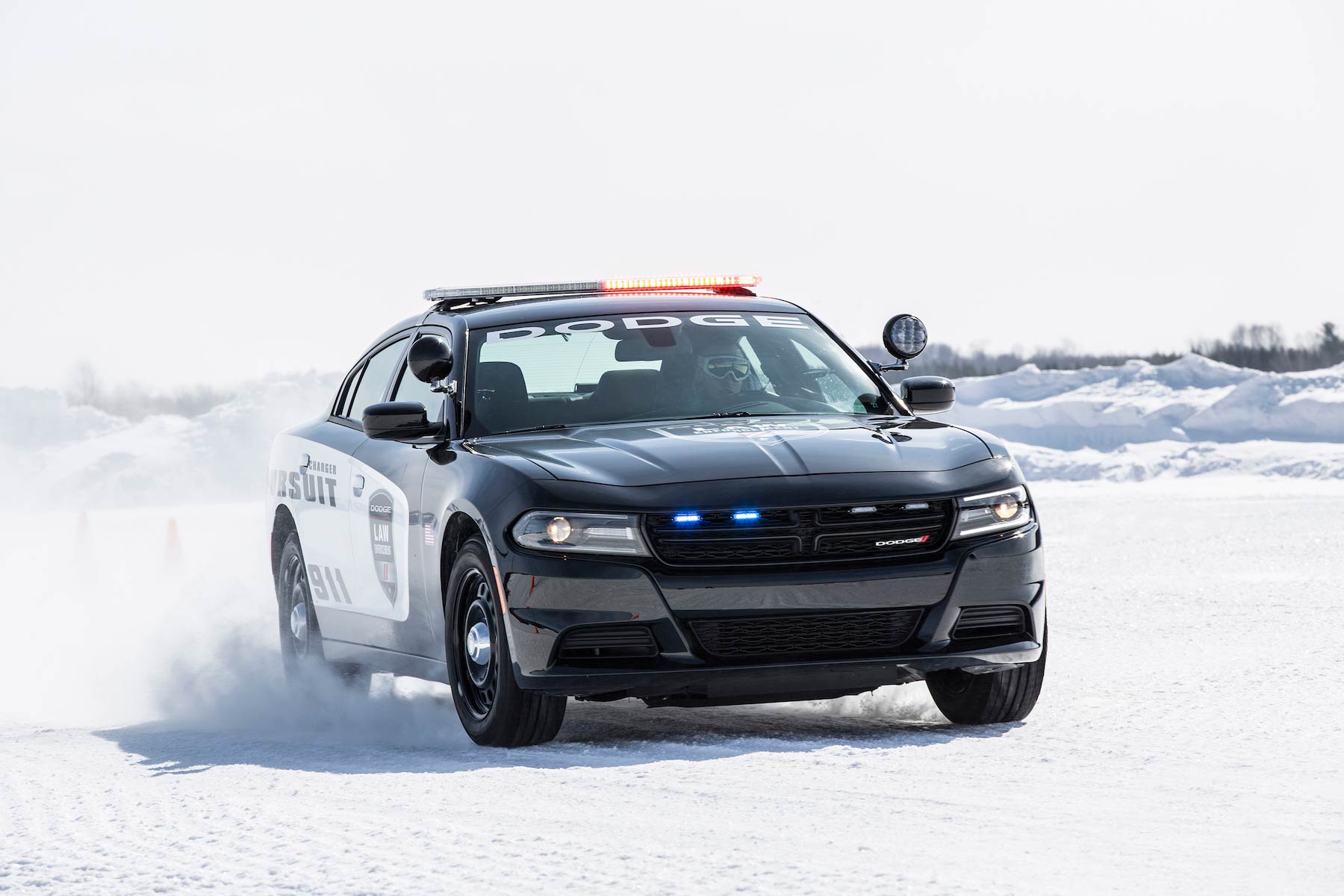
 Recalls have been issued for the latest 2018 Volkswagen Polo, plus the new Seat Ibiza and Seat Arona, after a Finnish car magazine discovered a safety issue that could lead to the middle passenger’s seatbelt unbuckling itself.