If you’ve heard of Liberty Walk, you’ll no doubt be familiar with the polarising things they do to the world’s fastest and most expensive cars. Aventadors, 458s, even a Miura – all with wide-body kits, wings and air suspension to ‘slam’ them to the ground. Their next project? Chiron? 812 Superfast? Nope.
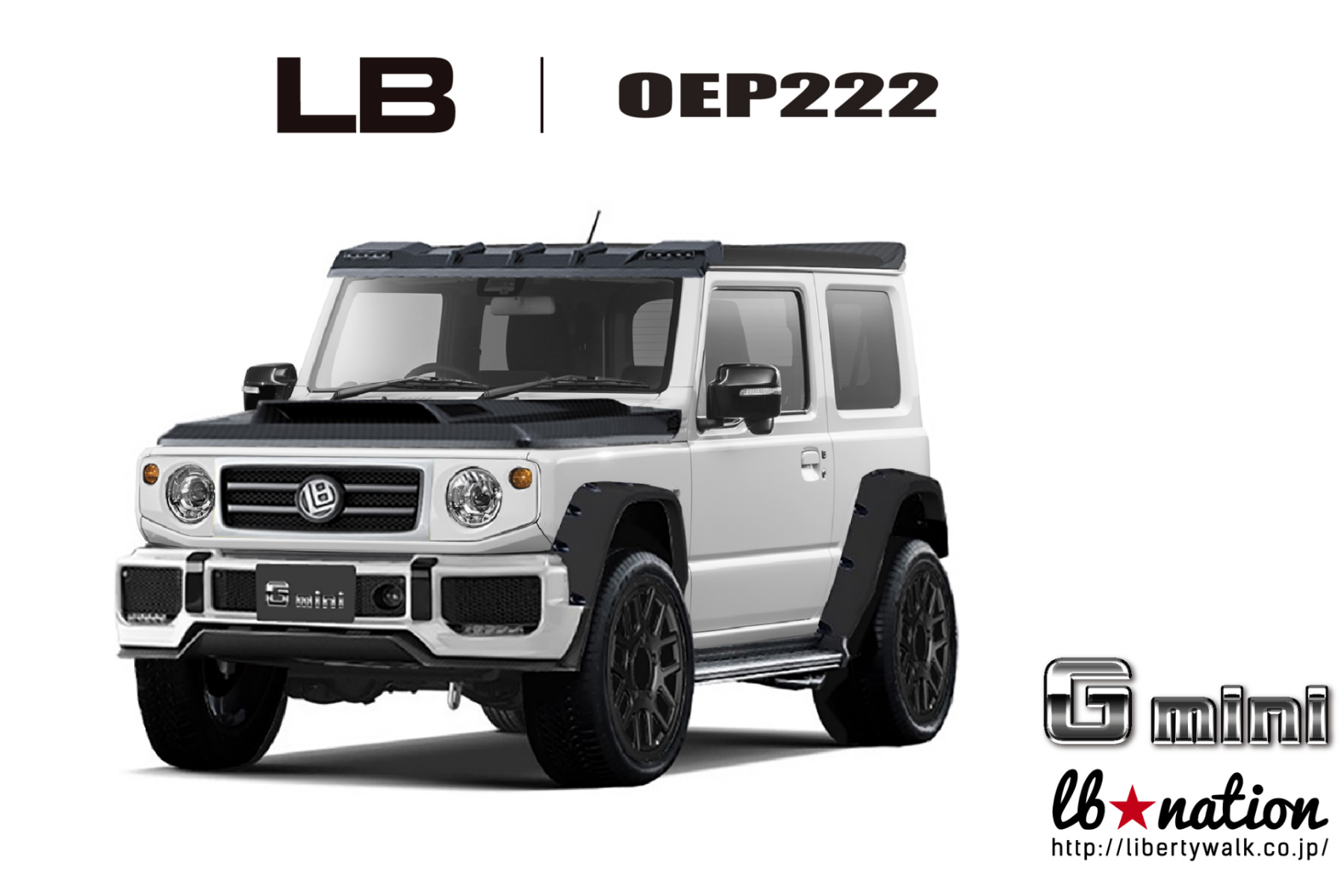
Say hello to the Liberty Walk Suzuki Jimny – the G mini.
Madonna’s 16-year-old Mini Cooper S on sale for £55,000
Hyundai explains the meaning of N at the Nurburgring
As you might have worked out from images and from the name, they’re making no secret of the fact this kit is designed to bring out the baby G-Wagen in the Jimny. Both are the last bastions of body-on-frame design, yet are at polar opposites of the market.
Hollywood Boulevard meets the Lake District. What could be more fun than giving farmer boy Jimny a G-Class suit jacket?
That’s exactly what they’ve done, with very last-gen G bumpers and arches that echo LB Works’ own G-Class modifications. A new grille, carbon bonnet as well as lashings of carbon elsewhere, G63 style side-exhausts (!) and Brabus-style wheels complete the transformation.
Your sense of humour has to be lacking if you don’t think the G mini is hilariously brilliant. What we don’t know is what’s going on underneath (if anything) or indeed what the price is. Hit “Buy now” on the website and you’re invited to sign up to enquire.
The new Jimny was already definitely one of the coolest new cars you can buy. Whether Liberty Walk’s kit makes it cooler is down to specific taste. We’re just happy it exists – clever name, too.
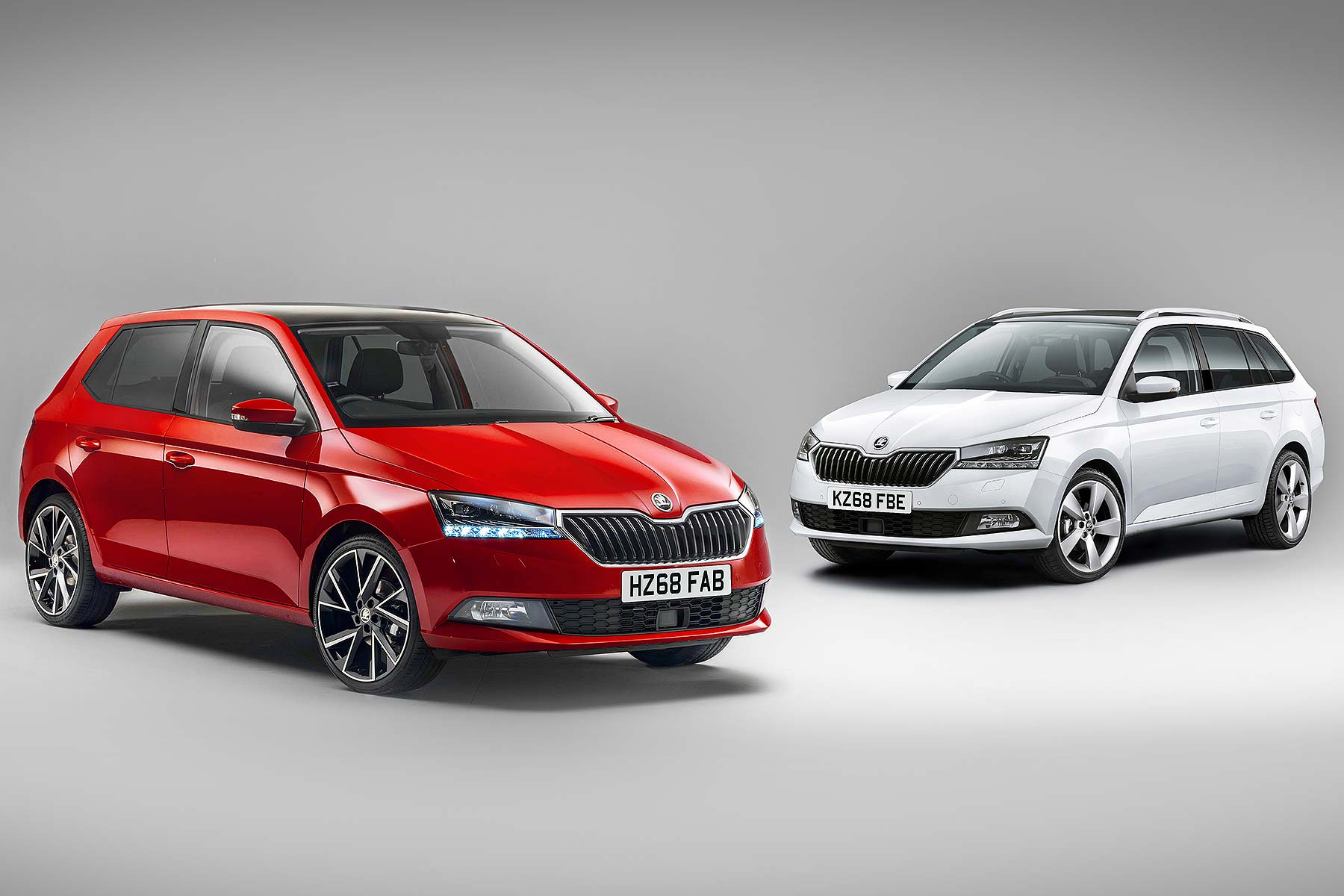
Skoda has revised the Fabia supermini for 2019 by boosting standard kit, fitting eye-catching LED daytime running lights – and eradicating diesel engines from the line-up.
It makes the facelifted new Fabia range another line-up of superminis to go petrol-only; the all-three-cylinder petrol engine range stretches from 75hp (the only non-turbo) to 110hp units (the previous, gutless, 60hp entry-level version has been dropped, and all are WLTP-ready).
In dealer showrooms from September 2018 – just in time for the 68-plate registration change – prices for the new Fabia range start from £12,840.
Skoda now fits a trip computer and, more significantly, its Front Assist city emergency braking system as standard to every Fabia, although the base SE trim remains otherwise fairly light on kit.
The SE range costs from £14,115, and includes the all-important air conditioning, touchscreen infotainment, alloy wheels, a better radio, auto up and down for the electric windows and front fog lights. SE models also get the famous Skoda umbrella, located under the front passenger seat. For a little more, Colour Edition models add 16-inch wheels in white, silver or black: prices start from £14,665.
Skoda’s given the Fabia SE L standard Amunsden sat nav with online functionality – and a year’s free subscription to the connected services – as well as an illuminated front centre console and a posher design of 16-inch wheel. The Fabia Monte Carlo range remains too: priced from £16,785, the warmed-over Fabia gets climate control, LED rear lights, a styling pack and rear electric windows.
The Fabia is the second best-selling Skoda in the UK, after the Octavia, and is the firm’s best-selling car of all across Europe. As before, it’s offered both as a five-door hatch and an estate, with the top 110hp engine including an optional seven-speed DSG.
We recently reviewed the new Volkswagen Touareg and found it a hugely appealing luxury SUV for those with upwards of £50,000 to spend. Now, those who have less than £50k can also get a look-in, thanks to the launch of a new variant.
Joining the Touareg range is a lower-power 231hp version of the 3.0-litre TDI V6 turbodiesel, which sits below the 286hp launch model.
It is priced from £48,995 in base SEL guise, instead of £51,595. The 231hp version still gets an eight-speed tiptronic auto though, and both 4Motion all-wheel drive and a limited slip differential. Even the engine’s basically the same, albeit detuned.
Performance takes a bit of a hit: 0-62mph takes 7.5 seconds instead of a near hot hatch-like 6.1 seconds; the top speed is 135mph instead of 145mph.
Economy is no better either: the power-capped 231hp still averages 42.8mpg and emits 173g/km CO2.
Posh new Volkswagen Touareg SUV PCP from £499 a month
Its power is better-spread, though. 231hp is produced from 3,250-4,750rpm; the 286hp version’s peak is restricted to 3,500-4,000rpm. Pulling power of 369lb ft is generated from 1,750-3,000rpm; the 286hp’s peak torque kicks in from 2,250-3,250rpm.
It retains the same 3.5-tonne towing weight as well.
The cheaper new Touareg gets the same comprehensive haul of equipment as the higher-power model, and is also still offered in R-Line guise for £52,495 and prime R-Line Tech for £55,595. The latter has the Innovision Cockpit layout that so impressed us during our model review.
Ordering for the 231hp Touareg is open now; if even a second diesel choice is one diesel too many for you, fear not – a turbo petrol alternative is coming later in the year. But don’t expect the fuel economy of that one to match the diesels…
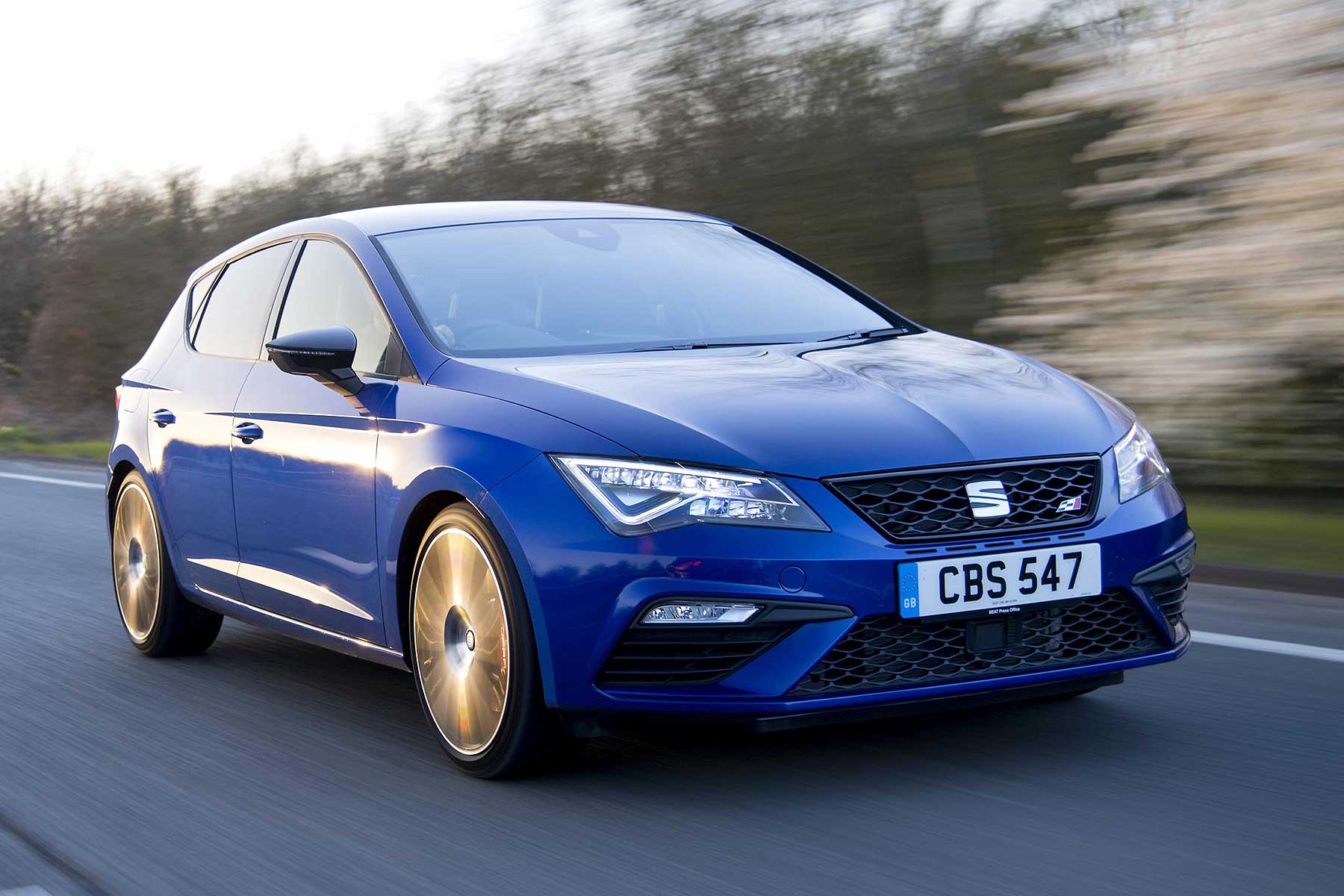
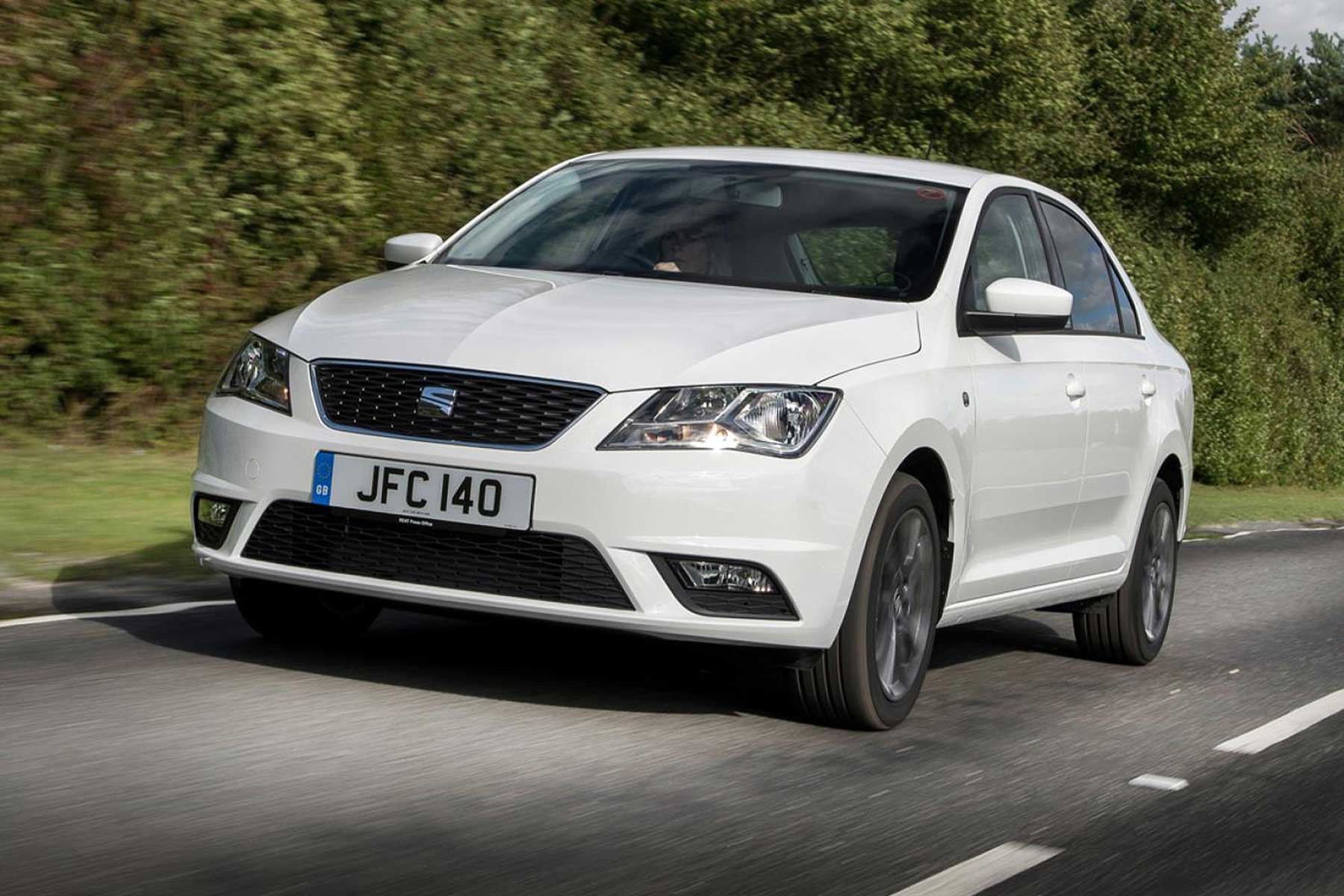
Seat is ditching the optional extra and offering its full 2019 model range to buy in a simple three-choice sales process, called Seat Easy Move.
Instead of choosing a car and then having to tediously run through numerous specification choices and optional extras, the new Seat model range asks buyers to make three simple choices: engine, trim level, colour… and that’s it.
Seat new car buyers now don’t even need to pay extra for metallic paint: it’s now included for free in the purchase price of the car (although solid colours are still available).
The only options are now dealer-fit accessories such as parking sensors or alarms, or panoramic sunroofs on a few models. Everything else is built around the core Ibiza, Leon, Arona and Ateca range of SE, Xcellence and FR.
Those who want more extras can choose more feature-packed variants of each: SE Technology, FR Sport and Xcellence Lux.
For less popular models such as the Mii, Alhambra and Toledo, the line-up is even simpler.
‘Time for a change’
Seat has rolled the initiative out across its entire model range after trialling it on the new Arona small SUV earlier this year.
The Spanish car firm’s UK director Richard Harrison said: “Everyone used to think that having loads of choice was a good thing, but in fact people find it really difficult to understand all the permutations and options when buying a new car. We realised it was time for a change.
“We have built Easy Move by looking at what options customers want and bundling them into neat packages that are really logical to understand.
“When you add on the industry complexity of WLTP (where individual factory options could change the CO2 output of the car) and you look at where consumer trends are going, it makes complete sense.
“I would be surprised if we didn’t see a number of competitors following Seat UK in this.”
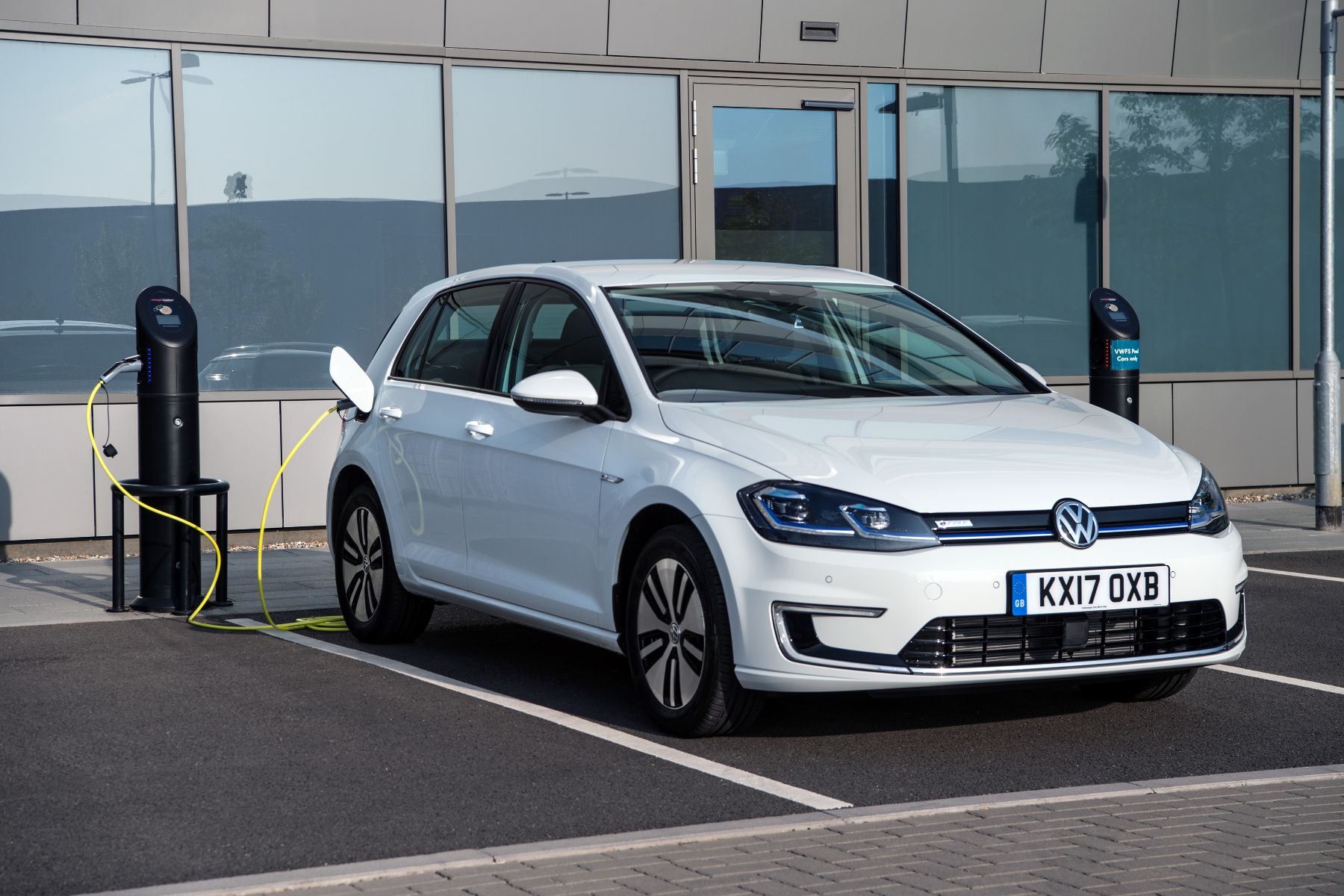
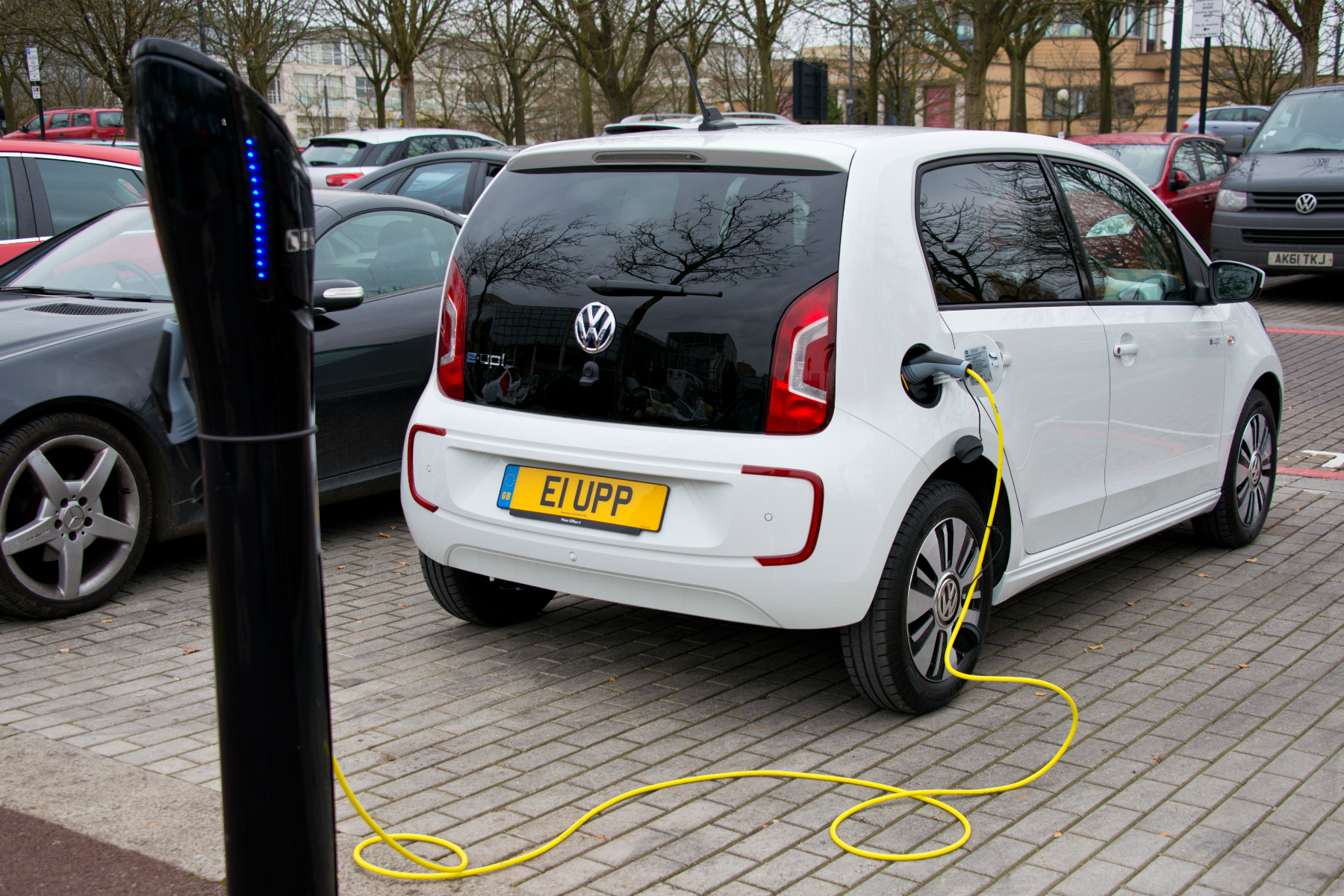
Cadmium is a highly toxic cancer-causing metal that is a usually a by-product of zinc production. It has also just been found to be present in 124,000 VW plug-in hybrid and electric vehicles, prompting a production shutdown and possible recall.
Kraftfahrt-Bundesamt (KBA), Germany’s Federal Transport Authority, may force a recall of all affected vehicles due to the presence of the carcinogenic material in high-voltage battery chargers – roughly 0.008 grams per device. The material is largely prohibited by the German government for use in vehicles, due to the damage it can potentially do to the environment when the car is recycled or scrapped.
Volkswagen has halted the production of Golf GTE, Passat GTE, e-Golf and e-Up! models, with hybrid Audi and Porsche models also affected. The company claims the charger containing the material comes from an external supplier that had not made it aware of the presence of cadmium. A replacement supplier has, allegedly, already been found.
Off the back of the ‘dieselgate’ emissions scandal, Volkswagen Group needed to champion a new route to clean, efficient motoring. Electric power was just that, with plug-in and hybrid technology a willing and achievable stepping stone. It seems, however, it can’t escape controversy.
That the buck doesn’t stop with VW itself should provide some solace for the automotive leviathan. Hopefully, it can implement a recall and introduce the new chargers post-haste.
An ongoing problem with BMW exhaust gas recirculation (EGR) modules has led to issues including engine fires and sudden power loss. And the company’s staggered response to the problem has raised eyebrows with authorities the world over.
The Driver and Vehicle Standards Agency (DVSA) is speaking to BMW about how best to proceed and whether matters have been handled properly to date. BMW UK, meanwhile, is embarking on a “technical campaign” to examine diesel EGRs, following a recent Europe-wide recall of 324,000 vehicles due to potential for engine fires.
A criminal case has been filed against the marque in Korea for its hesitance to recall more than 100,000 cars that could potentially suffer similar fire issues, following the 27 recorded cases that prompted the European recall.
This all comes after a recall of 312,000 cars was announced in May due to EGRs causing a loss of power, with owners of BMW 1 Series, 3 Series, Z4 and X1 petrol and diesel models built between March 2007 to August 2011 advised to take their cars to dealers for adjustment and repair.
In June 2018, a coroner highlighted a lack of persistence on the DVSA’s part to push BMW into action, after a collision involving a stricken 3 Series resulted in a death.
First reports of electrical gremlins affecting 1 Series, 3 Series and Z4 models were made as far back as five years ago. The cars would stall and the brake lights would be out of operation.
In the conclusion of the inquest, Her Majesty’s Assistant Coroner said that there were “critical questions surrounding vehicle safety standards in this country, as well as the conduct of both the DVSA and of BMW UK and BMW AG”.
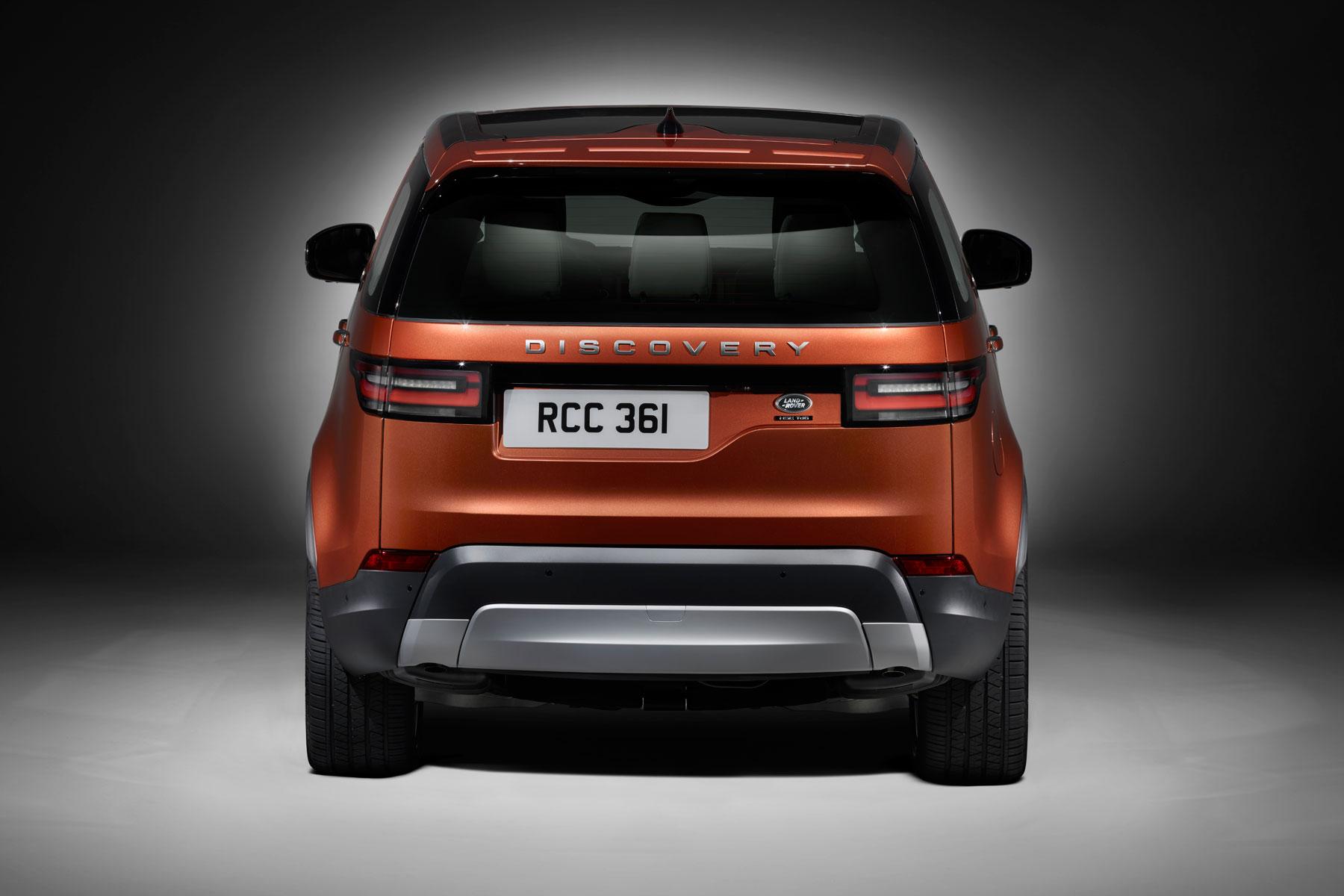
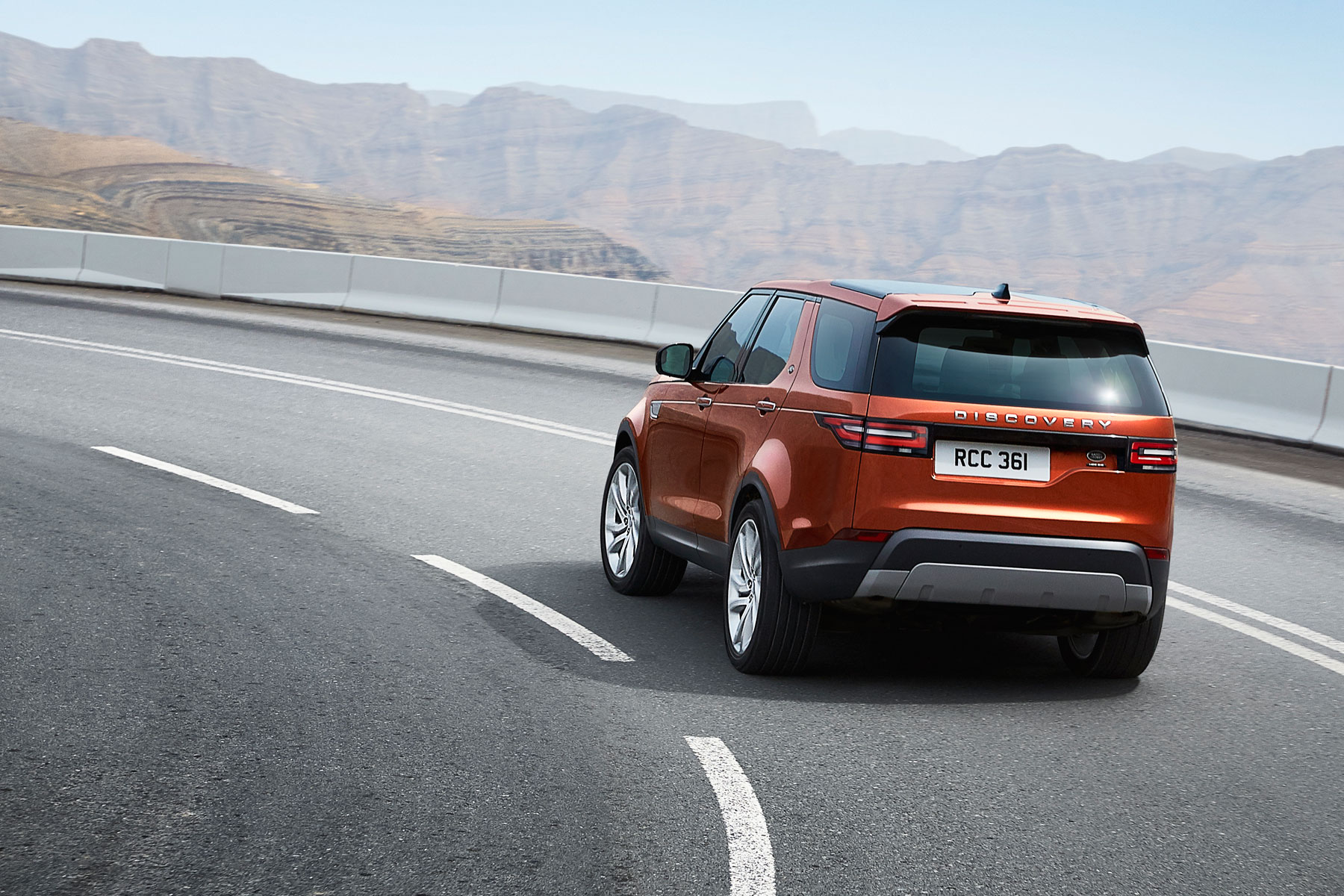
It’s fair to say that the offset rear plate on the new Land Rover Discovery hasn’t won universal acclaim. Unlike the tailgate, opinions are split. But if you fancy a new Disco, but can’t look beyond the rear plate, an East Midlands firm has the answer.
For the not insignificant price of £1,200, East Midlands Customising will carry out a rear number plate conversion that “loses that horrible looking rear end”. Not our words, Lynn, but the words of the person in charge of the firm’s Facebook page.
This isn’t the first time an aftermarket company has had a go at fixing the Discovery’s wonky plate. Last year, German tuning company Startech unveiled a solution it calls ‘Discovery of Symmetry’. The price for this ‘perfect symmetry’: 809 euros, or £727 at the current exchange rate.
Meanwhile, back in the UK, the East Midlands approach has attracted 187 ‘likes’, 114 comments and 120 shares, suggesting that Land Rover might need to consider an in-house refresh of its own.
Slim, fast
Design director Gerry McGovern might disagree. In 2017, he told Auto Express: “You know what part of the problem is with that offset plate? It depends on what number plate you put on it. And it was designed for a slimmer number plate.
“What we’re seeing is, and we’re going to rectify it, is a lot of our dealers are putting deeper number plates on the cars. And that compounds the problem. You get a load of yellow with the blue stripe at the side and it doesn’t quite fit.”
Land Rover claims that the asymmetric plate recess “provides a visual link to Discoverys of the past”, going on to suggest that the single-piece tailgate is “the ultimate 21st Century solution for modern families.”
What’s the betting that the Land Rover Discovery will emerge from a future mid-life facelift with the number plate moved to the centre? For the tuning companies and modifiers who make a living out of fixing Land Rover’s ‘problem’, it’s best left on the, er… left, where it adds character.
Andy Pardy isn’t a man to sit back and do nothing. Which is why he quit his job, bought a van and set off on a European adventure to spell things out. Put simply, he wants to ‘STOP BREXIT’.
On a 30,000km (18,641-mile) trip he has dubbed ‘The Last European Tour’, Mr Pardy is creating the words using a GPS tracker by travelling across the continent over the coming months. His hope: to encourage politicians to stop Brexit.
As his Instagram account reveals, Mr Pardy – aka @therogueconsultant – set off from Loch Lomond on 10 July, before crossing the water to Northern Ireland, over the border into the Republic of Ireland and sailing to Wales, before making his way to Cornwall.
Thirty hours and 1,522km after leaving Loch Lomond, he had ‘written’ the letter ‘S’, completing stage one of his mission. His last update, on 8 August, shows him crossing the border into Finland, commenting: “the P is progressing nicely.”
A farewell tour
His website outlines the reasons for his adventure, which will cover 32 countries over the course of 356 driving hours.
“As you’re probably aware, it’s our last summer inside the EU as we know it. To mark the occasion, I’ve decided to embrace the concept of free movement and embark on a farewell tour.
“My objective is to follow a carefully constructed route, visiting 32 of mainland Europe’s countries whilst sharing the best of what they have to offer along the way. My van and I will stick diligently to this route, ensuring we leave a clear message daubed over the continent: Stop Brexit.”
I completed the O on the weekend and have been catching up on my blog posts 🚐🇪🇺 Check them out on my website (link in bio). Bring on the P!
Click ‘Live Tracking’ for current location – we are somewhere between Tromso & Alta (deep inside the Arctic Circle) ❄️ #stopbrexitpic.twitter.com/wQJSGo7kNS
— The Rogue Consultant (@ConsultantRogue) August 7, 2018
Mr Pardy told Sky News: “I believe the ability to explore as well as live and work abroad without tiresome red tape is an immense privilege and, although we don’t yet know to what extent this might be affected, I wanted to highlight some of the benefits as they stand.”
Not everyone is behind the mission, with people taking to Twitter to voice their opinions. Keith Adams had this to say:
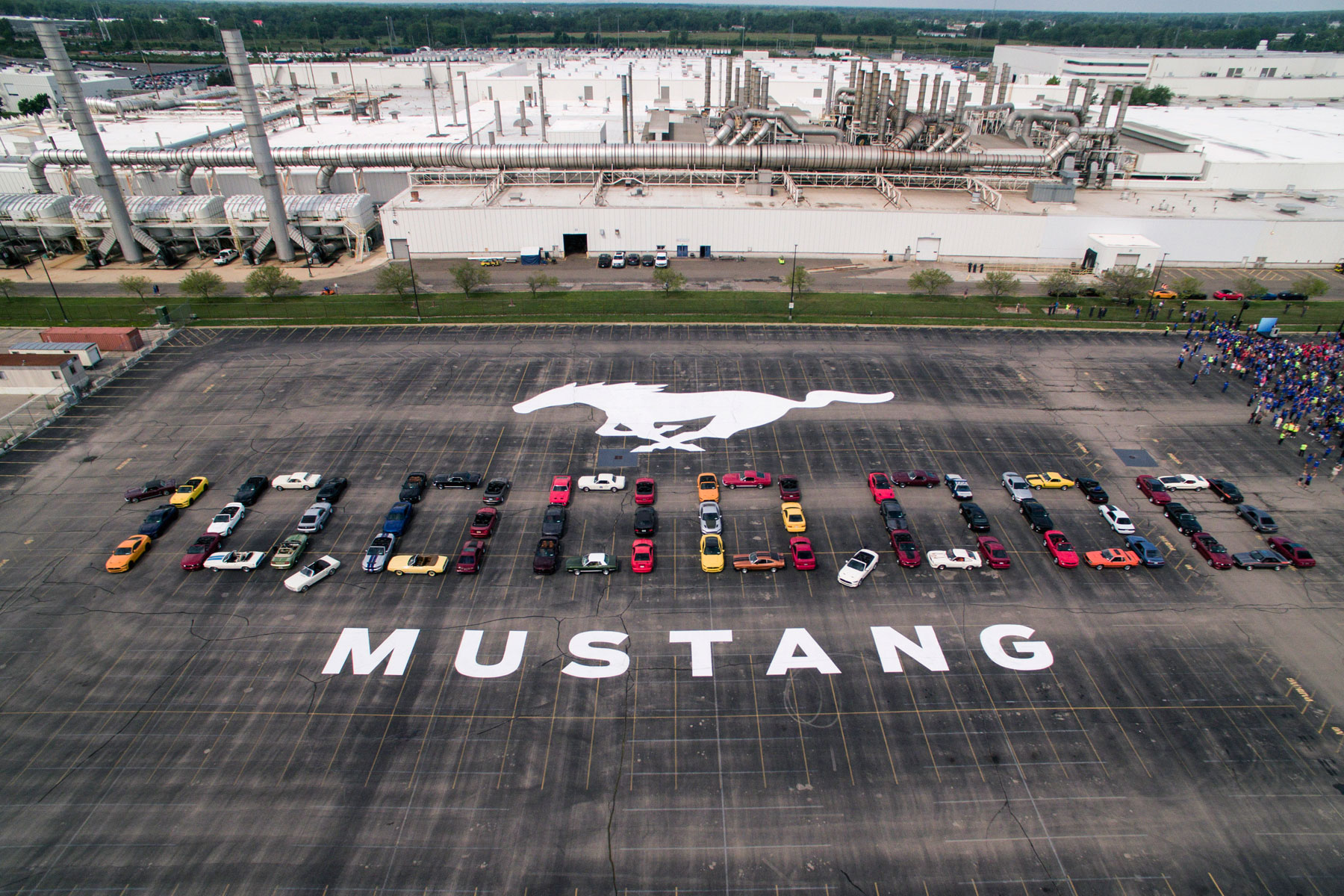
It’s easy to be cynical about production milestones and automotive anniversaries, but whichever way you look at it, news of the 10-millionth Ford Mustang is a big deal.
Some context is required. The first Mustang rolled off the production line in 1964, two years before Toyota launched the Corolla. Oh, sure, the Corolla has shifted 45 million units and counting, but the purchase of the Toyota is driven by necessity rather than passion.
Buying a Ford Mustang is a lifestyle choice. Emotional desire rules rationalism – you buy a Mustang because you want one. Shifting 10 million units in 54 years is no mean feat, and speaks volumes about the car’s enduring appeal.
Give yourself a non-patronising pat on the back for a job well done.
Unsurprisingly, the Mustang is America’s best-selling sports car of the last 50 years and the world’s best-selling sports car for the past three consecutive years. Ford does the whole best-selling thing rather well: the F-Series pick-up is quite popular Stateside, while the Fiesta remains top dog in the UK.
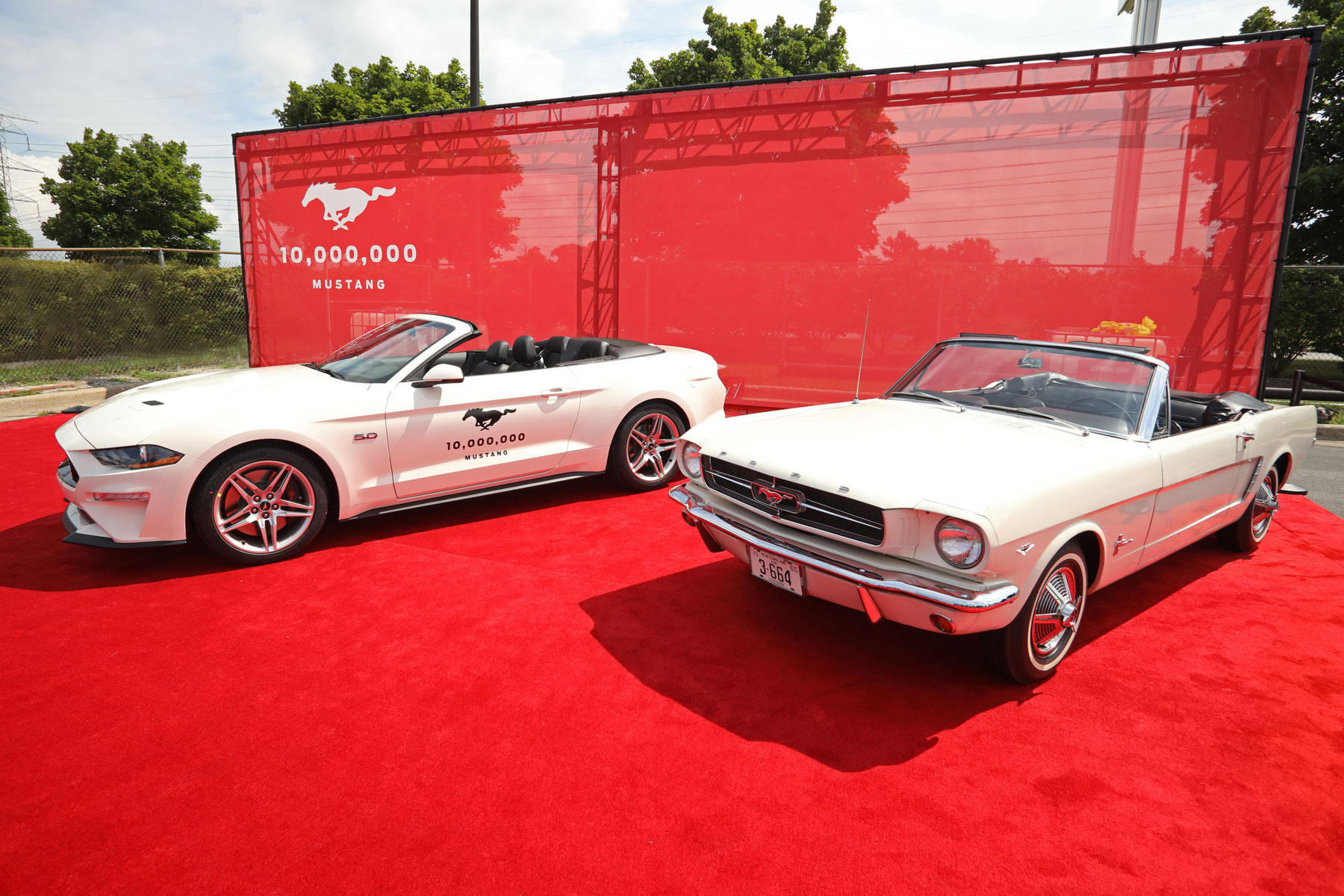
Paying homage to the first serialised Mustang of 1964, the 10-millionth car is a GT V8 six-speed manual convertible finished in Wimbledon White. The name might be the same, but the cars are very different: the first Mustang V8 offered 164hp, while today’s model develops 460hp.
Jim Farley, president of global markets for Ford – and no doubt feeling like a proud dad – said: “Mustang is the heart and soul of this company and a favourite around the world.
“I get the same thrill seeing a Mustang roll down a street in Detroit, London or Beijing that I felt when I bought my first car – a 1966 Mustang coupe that I drove across the country as a teenager. Mustang is a smile-maker in any language.”
The London reference is significant, as the first right-hand-drive models went on sale in 2016, with UK buyers falling head over heels in love with Ford’s slice of Americana. Some 7,000 have since been sold, with Ford asking £37,045 for the recently revised 2.3 EcoBoost, rising to £42,145 for the 5.0 V8 GT.
If you fancy a Dark Highland Green Bullitt Mustang, we bring bad news: the £47,545 special edition is sold out in the UK.
Wheeler Dealers has been a huge hit for the Discovery Channel, with the show having just completed its 15th series.
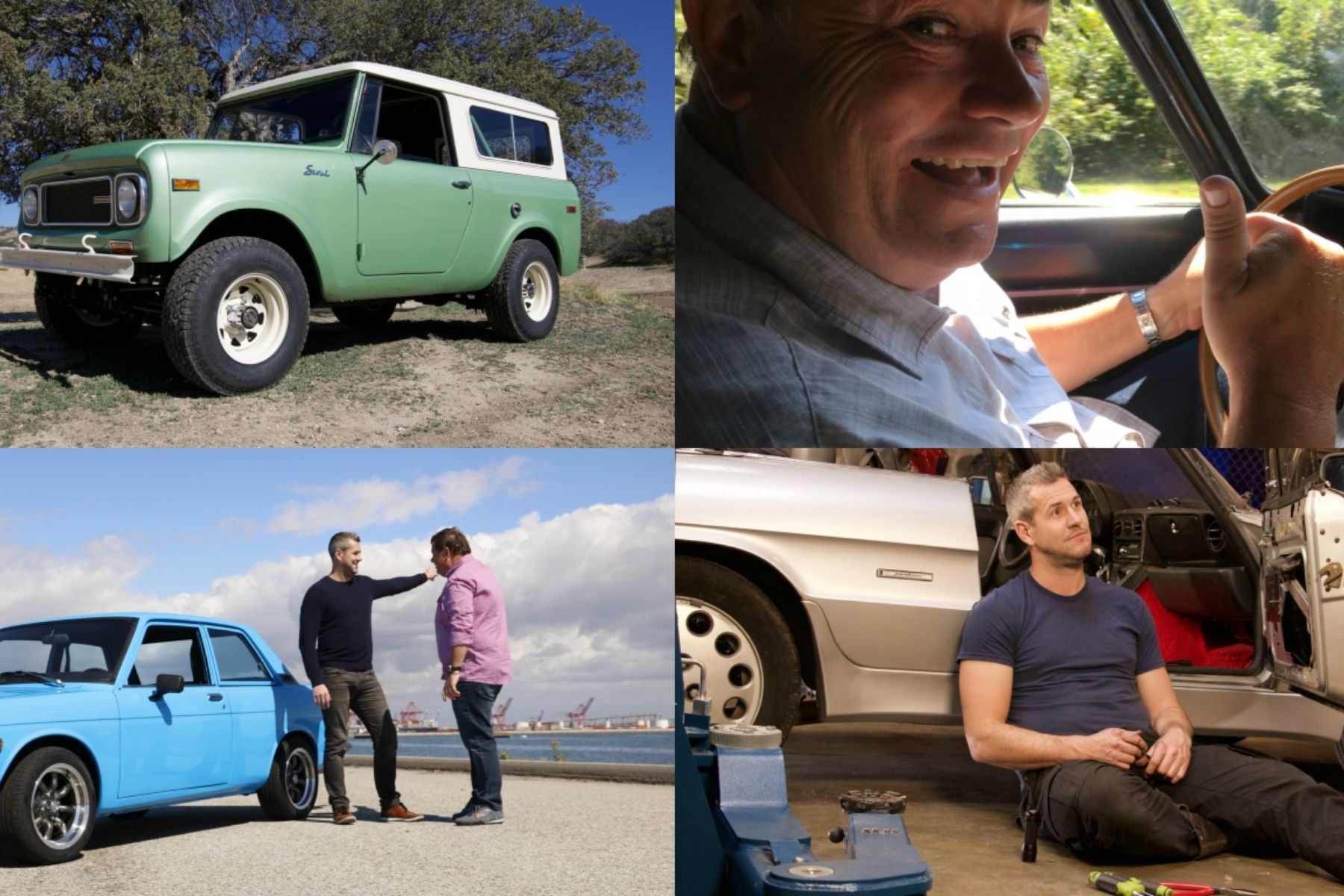
The concept is simple: car dealer Mike Brewer finds a used classic in need of some TLC to buy, and hands it over to his mechanic, Ant Anstead, to restore. Ultimately, with his wheeling and dealing skills, Brewer aims to make a profit come sale time.
Based at a workshop in Huntington Beach, California, the most recent series’ have offered an array of cars that cater to the American market. We’ve ran through the episodes in the order Discovery Channel UK aired them, so let’s jump straight in.
1988 Jeep Grand Wagoneer
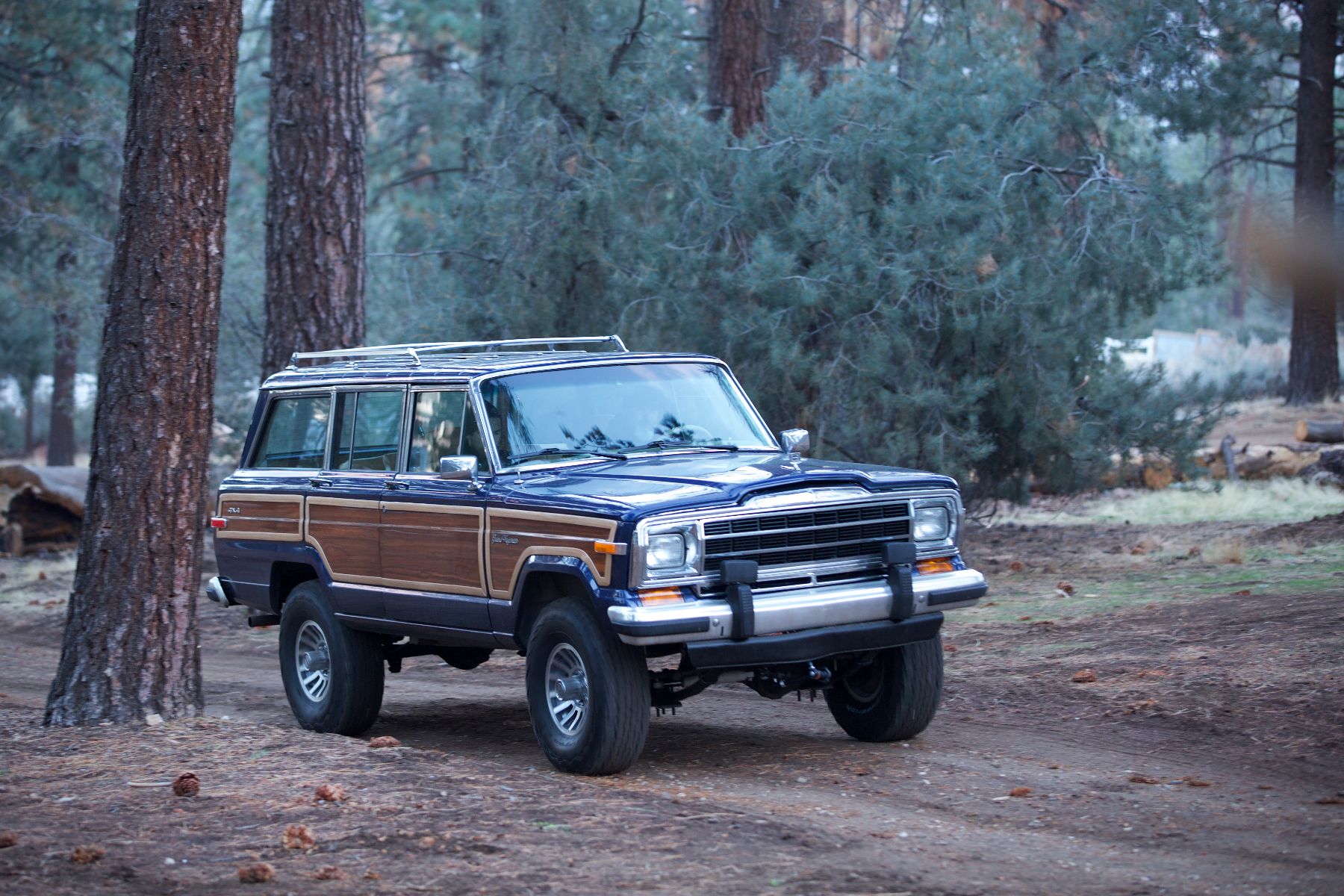
What better place to start than with what some consider the original luxury SUV. Beating the Range Rover to market by some seven years when launched in 1963, the Wagoneer mixed Jeep’s off-road knowledge with upmarket features. Offered in various forms until 1991, it was the third longest-produced car in North America.
The later Grand Wagoneer, as featured on the show, was fully loaded with equipment. Electrically adjustable front seats, leather trim and a chrome grille were all part of the deal. As was the retro-tastic vinyl woodgrain exterior trim.
Powered by a 5.9-litre V8, the Grand Wagoneer that Mike set his sights on looked to be in a sorry state. Minus a rear window, and with the vinyl ‘wood’ damaged, the exterior would need work. Problems with the four-wheel-drive system were the only major mechanical concern.
Although the air conditioning, power seats and electric windows still worked, the interior had certainly seen better days. Trim pieces falling apart at least helped Brewer establish that the Wagoneer was free from rust. With all the issues, a price of $4,500 (£3,000) secured the deal.
Despite the low asking price, Brewer was unsure whether the Wagoneer would be a good investment. Ant Anstead was also unconvinced, especially after learning the interior and four-wheel-drive transfer box would need replacing.
A full respray, upgraded suspension parts, and a new vacuum controller for the 4WD certainly helped. The vinyl woodgrain was replaced with hand painted patterns directly onto the body. Finally, the tatty interior was reupholstered.
Being sold for $26,500 (£19,000), thanks to the demand for good Wagoneers, ensured a profit of $7,150 (£5,200).
1987 Alfa Spider Quadrifoglio
Spanning four generations between 1966 and 1994, the Alfa Romeo Spider sold more than 124,000 units. The USA was a particularly strong market, especially following the starring role of a Series 1 Spider in 1967 film The Graduate. An entry-level ‘Graduate’ trim even appeared during the 1980s.
All Spiders used a front-engined, rear-wheel-drive layout, with a roadster body and seating for two. Engines were a variety of four-cylinder units, ranging from 1.3 to 2.0 litres in size.
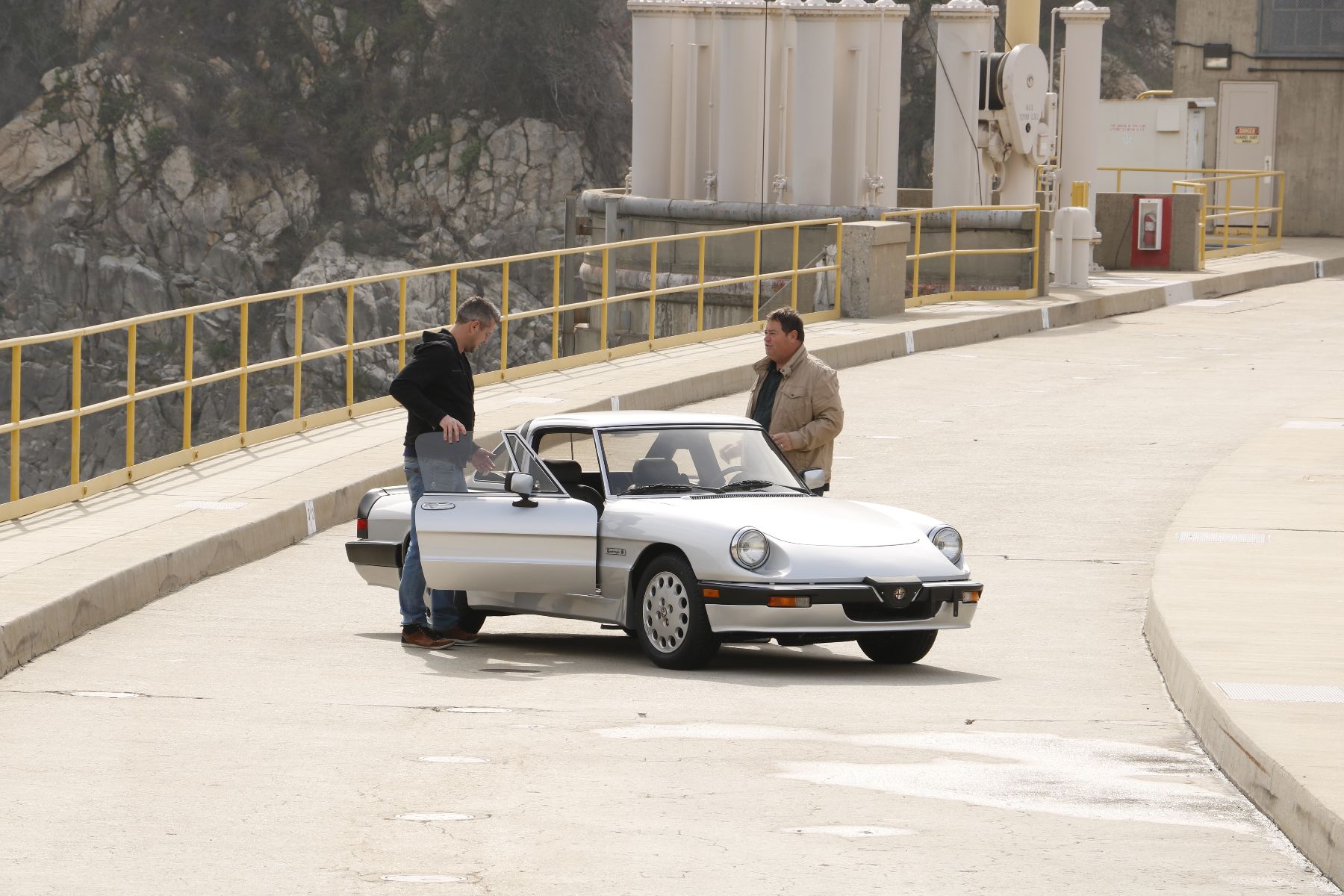
On the hunt for a Spider, Mike came across a special Quadrifoglio Verde model. Introduced in 1986, the ‘QV’ cars came with a painted hard-top, front and rear spoilers, and a standard 2.0-litre engine. The car found by Brewer had all of these, but a number of issues to sort.
For $7,000 (£5,500), Mike inherited a silver Spider in need of work on the propshaft and differential. The air conditioning was also classically Italian in its temperament, but at least the bodywork was found to be surprisingly lacking in rust.
It might have had a hard-top, but the fabric roof was also in need of replacement, and the driver’s side electric window needed to be fixed. To sort the sloppy power delivery, Ant Anstead fitted a new rear differential and refurbished the propshaft bearings.
Fitting new parts to the air conditioning brought it back to life, while the whole car received attention to make it look like a classic Alfa Romeo should. Being in demand, Brewer was able to sell the Spider for his asking price of $10,000 (£7,150), making $1,600 (£1,150) in profit.
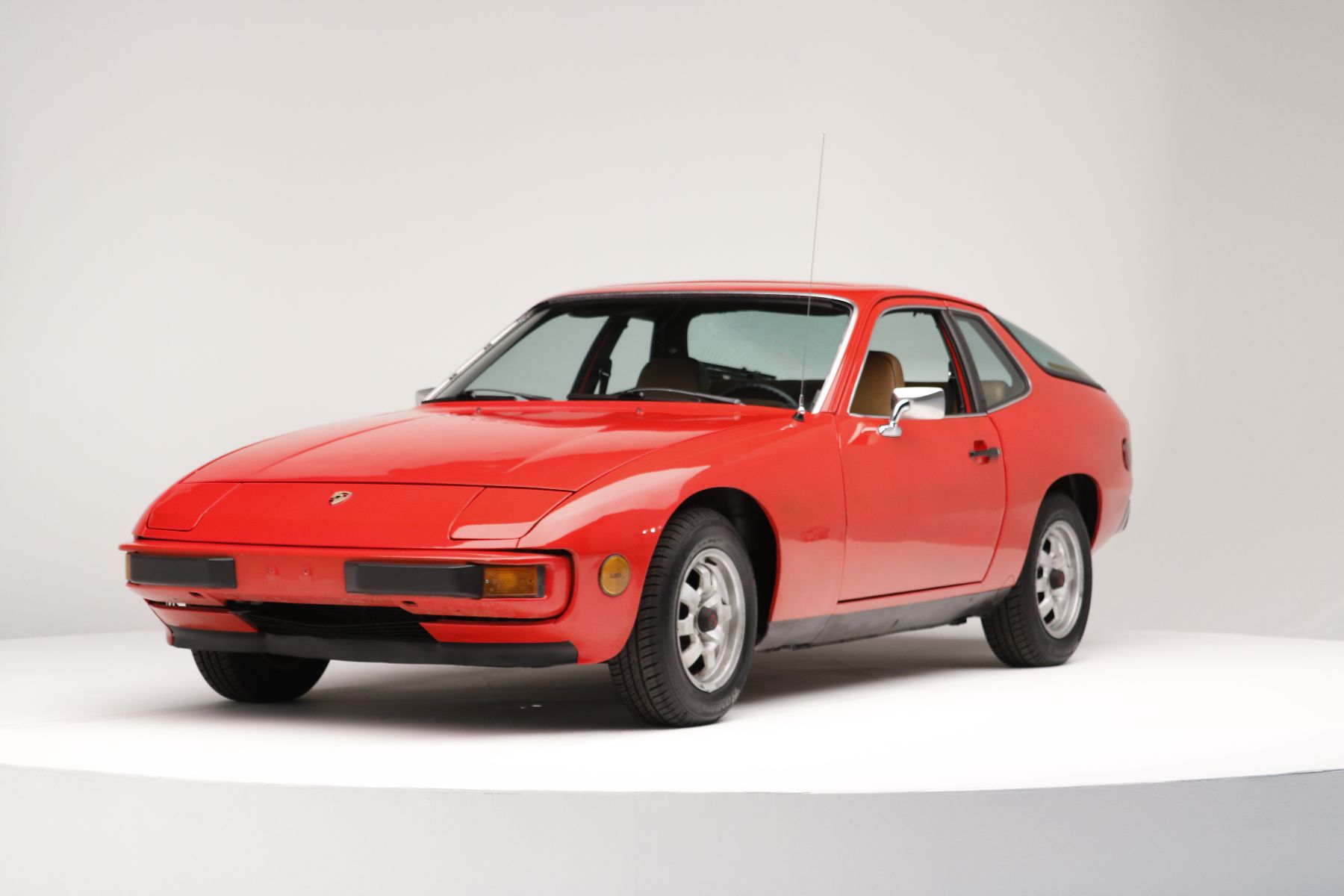
1977 Porsche 924
Ask any car salesman and they’ll tell you that you should never let sentimentality get in the way of doing a deal. Yet, with this 1977 Porsche 924, Mike Brewer was certainly drawn in by rose-tinted memories.
All the way back in October 2003 when Wheeler Dealers first appeared on our screens, it was a red Porsche 924 that Brewer first held out his hand to do a deal on. Purchased for just £700, Mike managed a £490 profit on that original 924.
Fast forward to 2018, and the Wheeler Dealers team had a much bigger budget. Showing how much Porsche values have risen, this time around $3,700 (£2,500) was needed to buy a 924 in need of some attention.
Often unfairly derided as a Porsche for the poor, some 121,000 924s were built between 1976 and 1985. The car here is a US-spec model, featuring a four-speed manual gearbox and a four-cylinder engine producing a ‘mighty’ 95hp.
Compared to some of the cars that have entered the workshop, the efforts needed to get the 924 up to scratch were relatively limited. Fixing an oil leak did require the removal of the entire engine, while a new fuel pressure regulator sorted the rough idling.
Ant was also tasked with updating the interior, and fitting a new short-shift gear linkage. An exterior polish made the car look showroom fresh, with final costs coming to $8,380 (£5,900). Sadly the intended buyer backed out of the deal at the last minute.
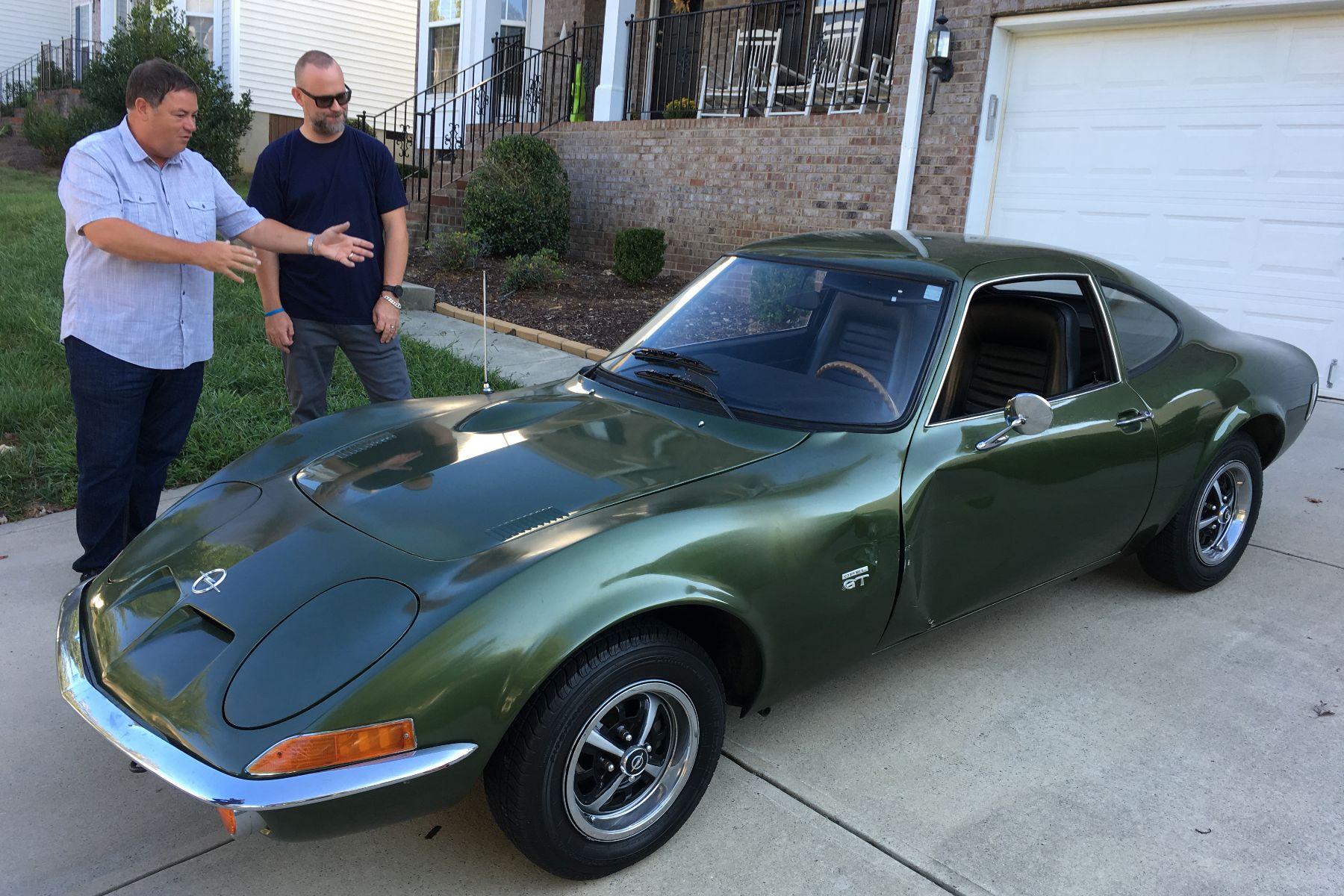
1969 Opel GT
Perhaps one of the more curious vehicles to emerge from the Opel back-catalogue, the GT was a front-engined, rear-wheel-drive sports car sold between 1968 and 1973. Power came from either a 1.1-litre four-cylinder engine with 67hp, or the preferable 1.9-litre with 102hp.
Although 103,000 were produced, a Vauxhall-badged version was never made, but the GT did cross the Atlantic to the American market. Mike spotted this car for sale in Charlotte, North Carolina.
Bought for the princely sum of $6,000 (£4,200), the green GT was most notable for the serious dent in the driver’s door panel. Used by Brewer to haggle down the price, he also broke the manually-operated pop-up headlights while on the test drive.
Dodgy brakes and a flat spot under acceleration both kept Ant Anstead busy in the workshop. As if repairing the bodywork wasn’t enough to be doing…
Thankfully for Mr Anstead, Mike decided to have the damaged door skin professionally repaired. This left Ant with minor damage to the wing to fix with a slide hammer and brute force. A new fuel filter solved the engine issues, with a new water pump also fitted.
With the delicate headlight mechanism also repaired, a full body respray was on the cards. The rear panel was finished in black to bring some ‘European style’ to the Opel GT. A final selling price of $13,500 (£9,700) saw Brewer walk away with $3,650 (£2,700) in profit. Luuuverly!
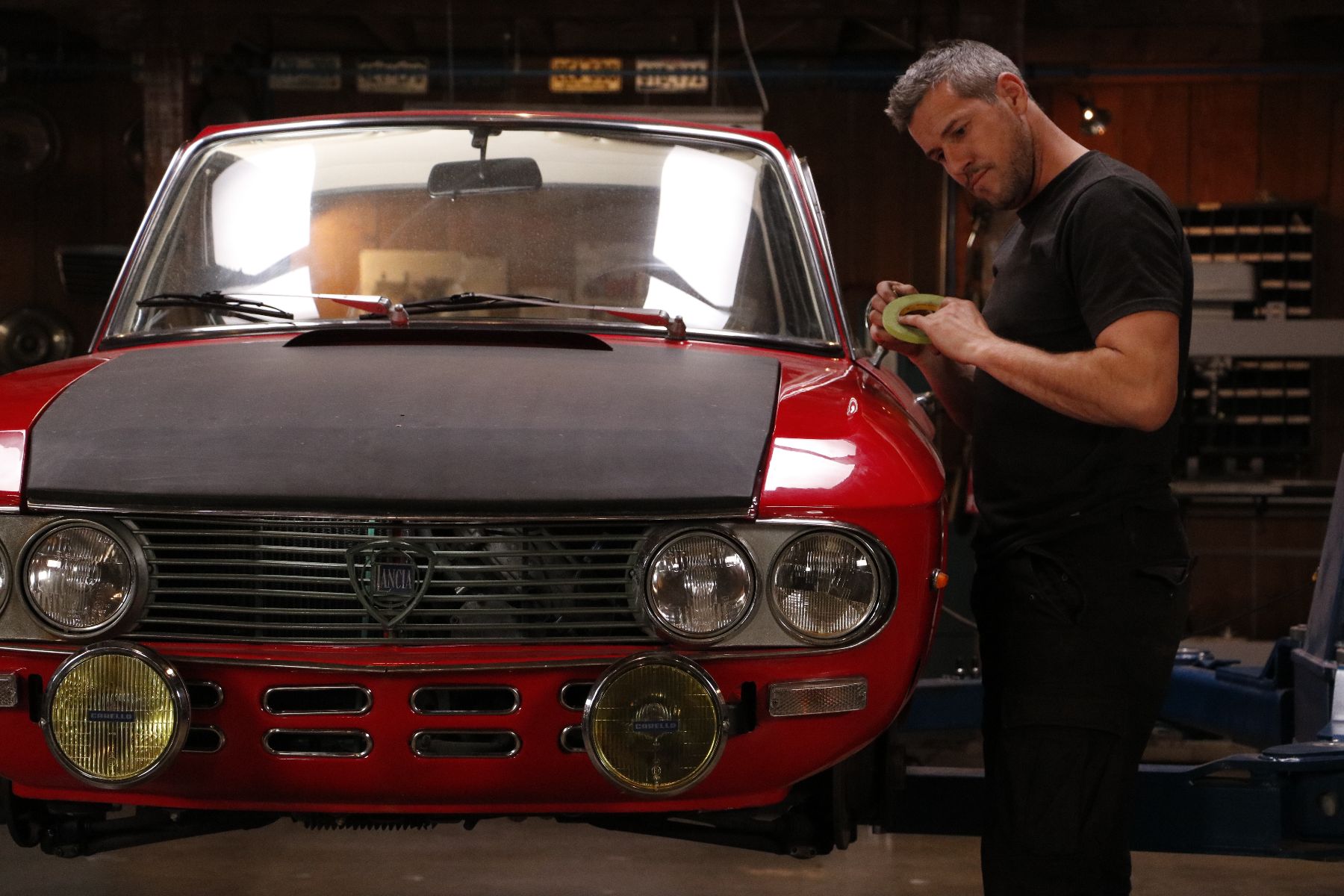
1972 Lancia Fulvia
What could be a better used purchase than a Rover P6 3500 V8? Apparently it’s a 1972 Lancia Fulvia, bought after the aforementioned Rover was too far gone for even the skills of Ant Anstead to resurrect.
We’ll gloss over the weirdness of a Rover P6 still surviving in America, and deal with the $9,500 (£7,000) paid to a California collector for the little Fulvia. Noises from the drivetrain and heater controls that did nothing were the main issues to fix.
Built between 1963 and 1976, the Fulvia was one of the first Lancia models to feature front-wheel drive. All were powered by a variety of V4 engines, and offered in saloon, coupe, and fastback body styles.
The Fulvia was also a genuine rally-proven machine, helping Lancia win the 1972 International Championship for Manufacturers, the precursor to the modern WRC. Multiple other victories came in the Italian Rally Championship, too.
With all that rallying pedigree behind it, Ant and Mike opting for a competition-inspired theme for the Fulvia was no surprise. Gold wheels were matched with big foglamps and a widened satin black bonnet. A new wooden dashboard, crafted by hand, added extra Italian flair.
Rebuilt driveshafts, a new heater matrix, and replacement oil seals for the gearbox brought the Fulvia back to full health.
All the time and money was well spent, with a final selling price of $33,000 (£25,500) after some haggling. This left a tidy profit of $18,195 (£15,700) after all the work was accounted for.
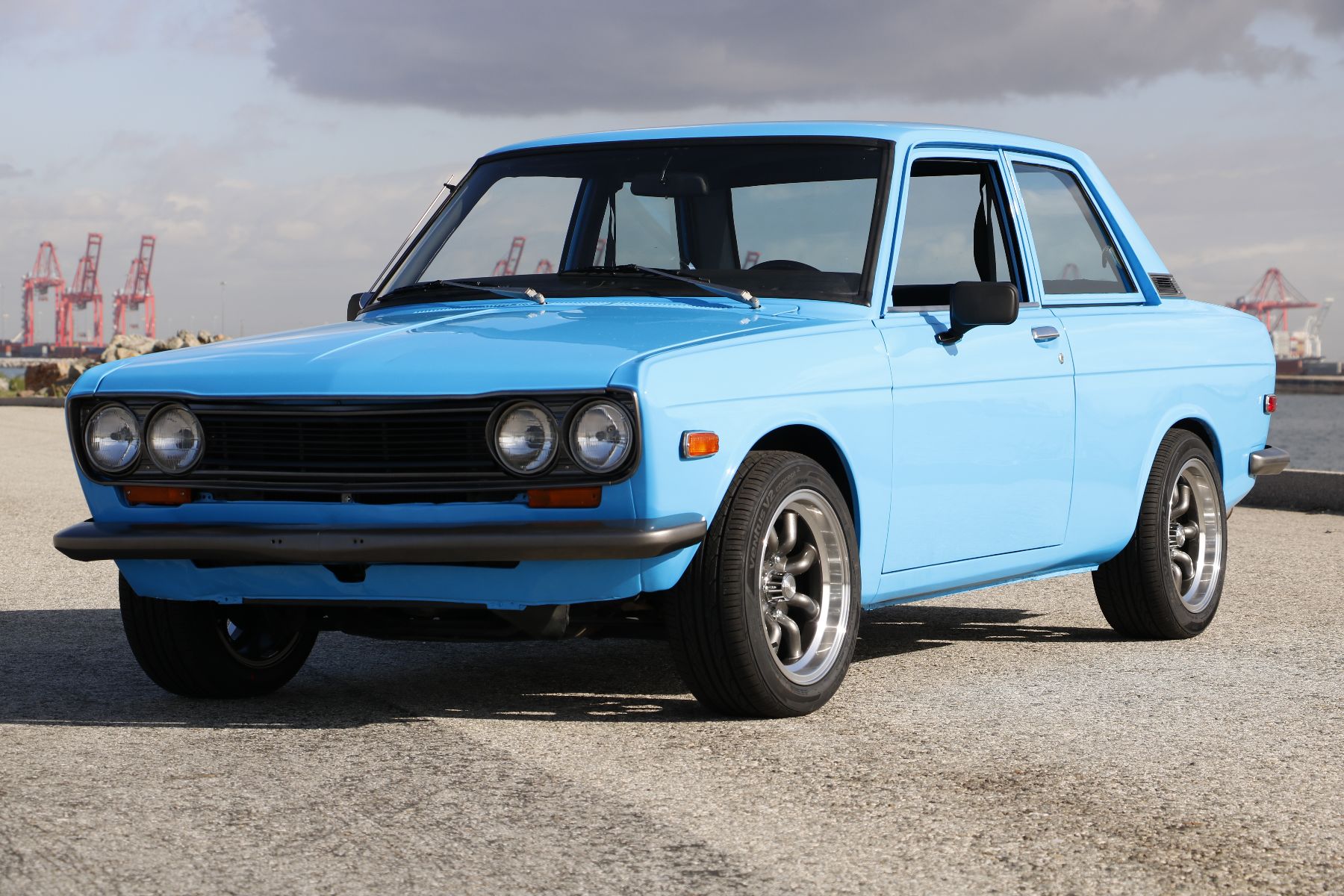
1972 Datsun 510
With rear-wheel drive and a variety of body styles, the Datsun 510 proved hugely popular when new. Sold between 1968 and 1973, US buyers were offered a 1.6-litre four-cylinder engine with a four-speed manual gearbox.
The 510 became famous in the United States for being used in the Trans Am sports car series. It actually took glory in the 1972 championship for cars under 2.5 litres, beating Alfa Romeo and Toyota. That success was the inspiration for the rough-and-ready paintwork on this 510.
Bought from a collector with an obsession for Datsun 510s, $5,000 (£3,500) was enough to secure a car with numerous bodywork issues. Fortunately the seller included replacement parts to fix the damaged panels, whilst the overall mechanical condition was noted to be good.
In fact, beyond a tatty interior that had been stripped in places for motorsport use, only the dodgy exterior would require major attention from Ant Anstead.
Despite having replacement panels, Ant would need to put in some serious effort to fix the damaged front and rear wings. Cutting, welding, and filling brought the panels back to life, whilst a full respray ditched the dodgy red for a distinctive blue colour.
Interior dials were repaired and updated, whilst Ant also fitted a five-speed gearbox, new 15-inch wheels, and rewired the tail lights for fancy LED units. Selling the car for $20,000 (£15,000) netted a happy Mike Brewer a profit of $8,070 (£6,200) after expenses were deducted.
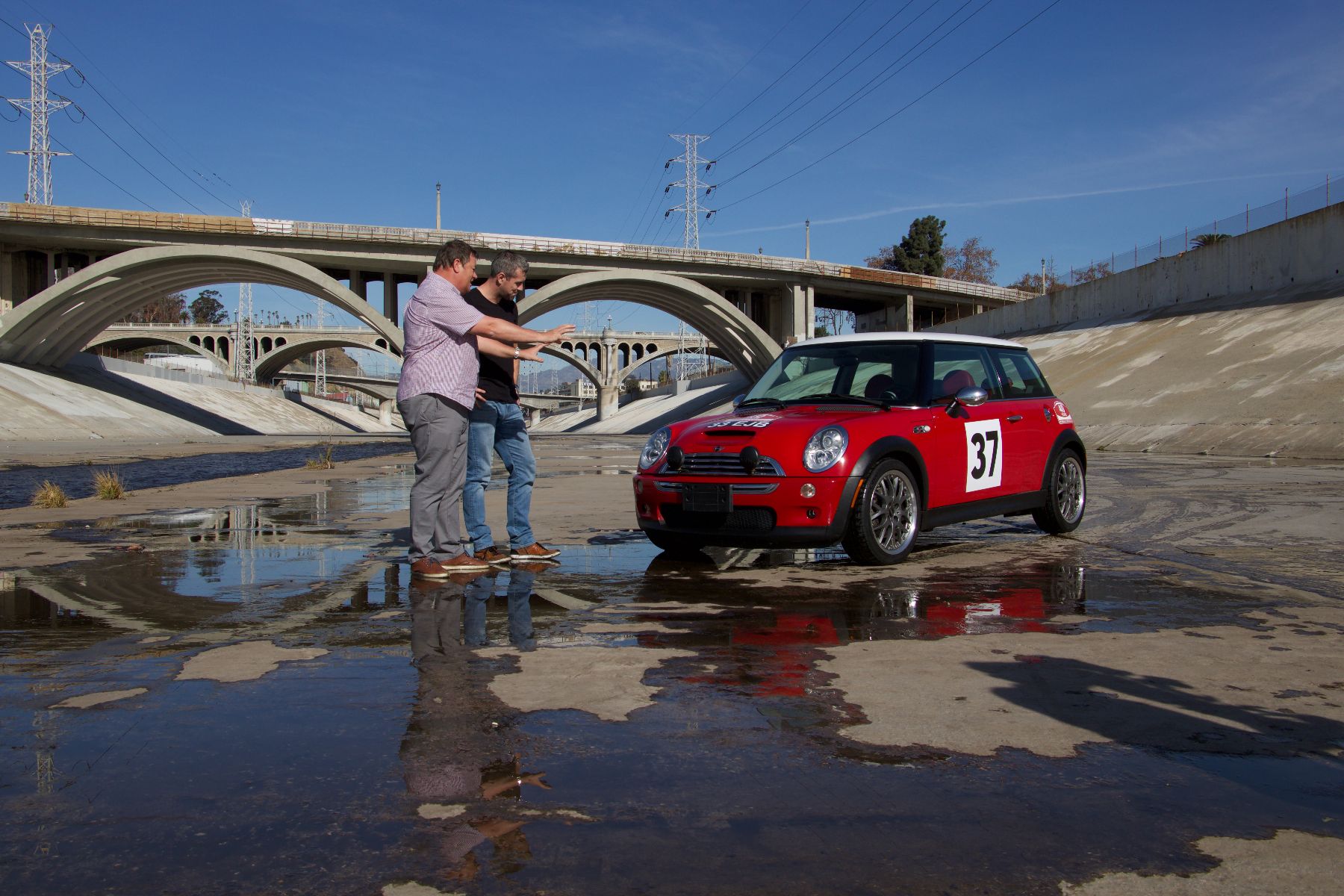
2004 Mini Cooper S MC40
The newest car to feature on this series of Wheeler Dealers, it feels strange to consider the original ‘new’ Mini as falling into the realms of being a classic. Yet the earliest examples are now 18 years old.
Sentimentality crept in again, as Mike announced the 1964 Mini Cooper S (as used to win the Monte Carlo Rally) was his favourite car ever. Cue the hunt for the modern recreation.
Launched in 2004, the MC40 was the first US-market special edition of the modern Mini, built to celebrate that historic 1964 rally win. Just 1,000 examples of the MC40 were made, powered by a 1.6-litre supercharged engine and wearing special rally-inspired decals.
The car eventually bought by Brewer for $5,300 (£4,100) had lost its stickers over the years, was on lowered suspension and had a sagging headlining. Most significant was the 95,000 miles on the clock, meaning a substantial 100k service was due soon.
In fact, the major 100,000 mile service would cover most of the work done. Sensors, spark plugs, and belts were replaced, while the supercharger was also given some attention. The lowered suspension was put back to standard, as were the headlights.
Mike tracked down a company who could recreate the distinctive MC40 decals, restoring the collectability of the Mini. It worked, as Brewer was able to flog the car to a serial Mini owner, who wanted a cheaper model for his daughter. Doing a little deal left a profit of just $1,110 (£925) after costs and expenses.
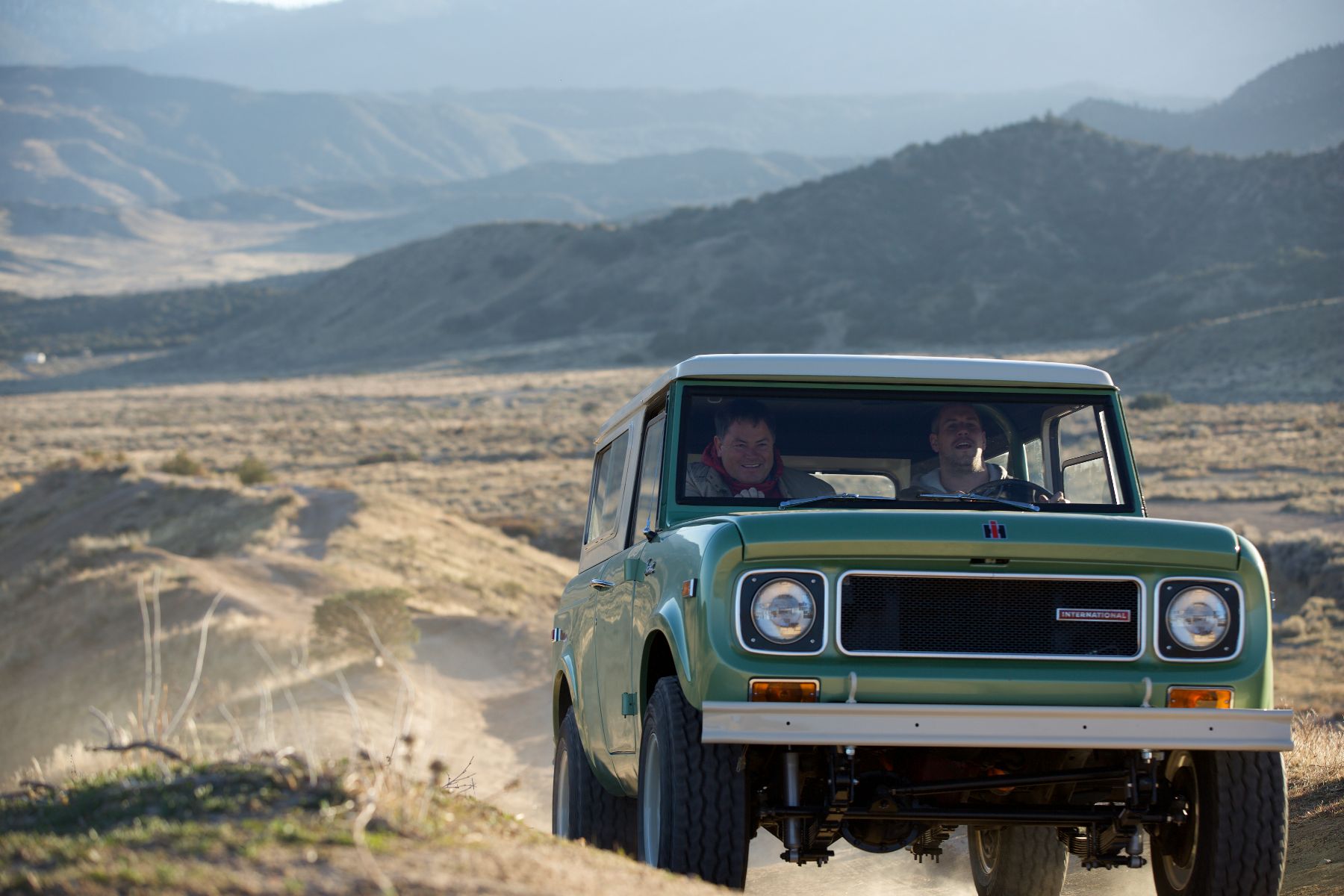
1970 International Harvester Scout 800A
Blame it on those hipsters and their love for anything retro. Mike Brewer was on the hunt for another early SUV, and the International Harvester Scout is an ‘on trend’ choice. A producer of agricultural and utility vehicles, the International Harvester brand disappeared during the 1980s.
Designed as a rival for the Willys Jeep, the Scout featured standard four-wheel drive on most models, along with a removable roof. Engines ranged from four-cylinder petrol units through to sizeable V8s.
The engine powering the Scout bought by Mike Brewer was the 3.2-litre four-cylinder model, with the car having been used by the military in the past.
Bought for $8,000 (£6,000), the Scout came as standard with wayward power steering and an interior best described as ‘rustic’. The vacuum-powered windscreen wipers were only half-working, and the tailgate made a symphony of squeaks.
On top of fixing all the issues found on the test-drive, Ant Anstead was also tasked with replacing the leaky transfer case for the four-wheel-drive system. A full respray to Heritage Green was meant to pay homage to the military history of the Scout, while new power steering and windscreen wipers made it safe to drive again.
New seats, wheels and tyres pushed the expenditure up, but the coolness of the Scout helped Brewer secure a quick sale. Refusing to budge from the $22,500 (£16,000) asking price meant ending the series with a healthy profit of $6,700 (£4,500).
All told, Mike and Ant managed to make a total profit of $47,715 (£36,675) during the series. More than enough for another series of Mike Brewer telling us to hold out our hand to shake on a deal…


 Skoda has revised the Fabia supermini for 2019 by boosting standard kit, fitting eye-catching LED daytime running lights – and eradicating diesel engines from the line-up.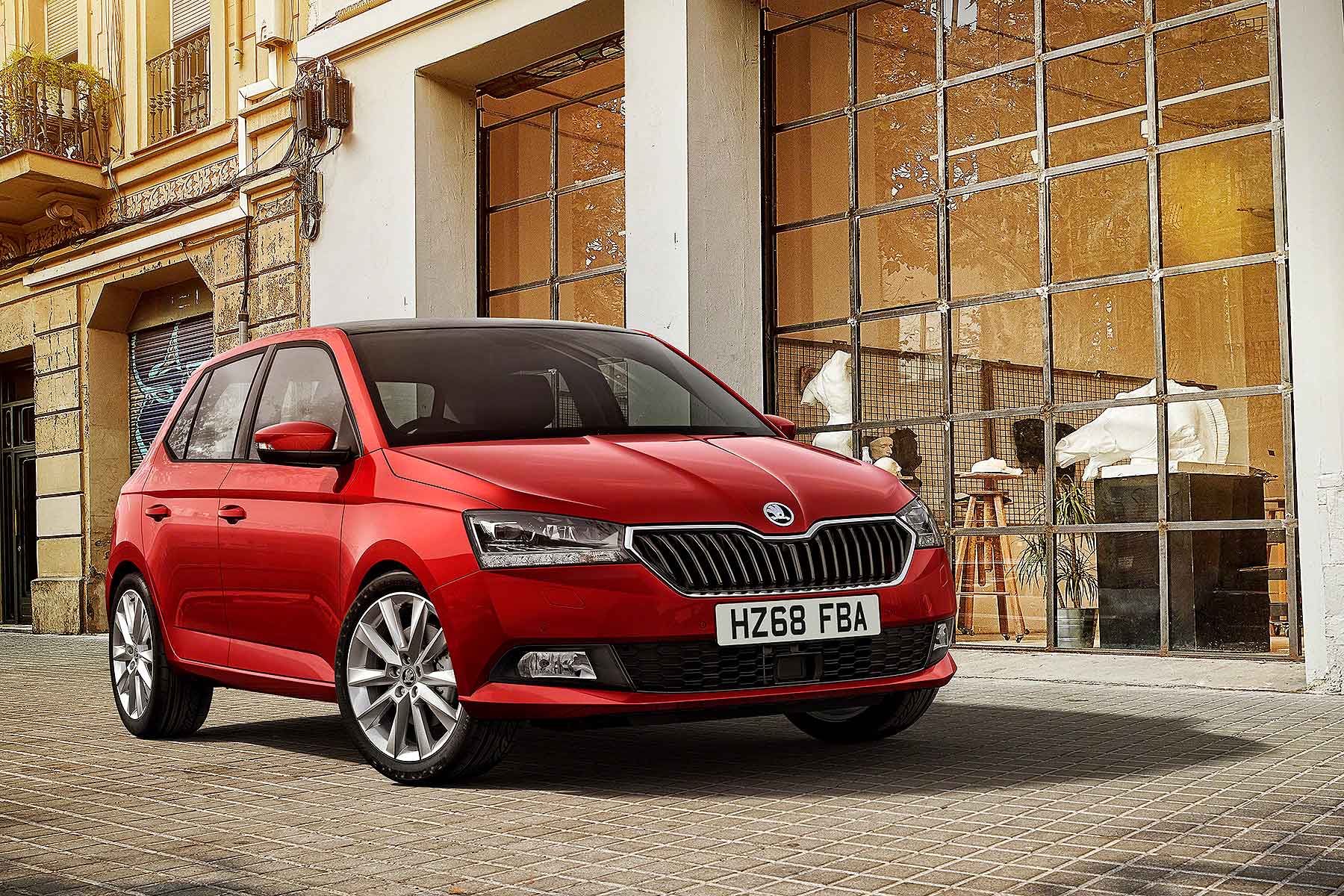
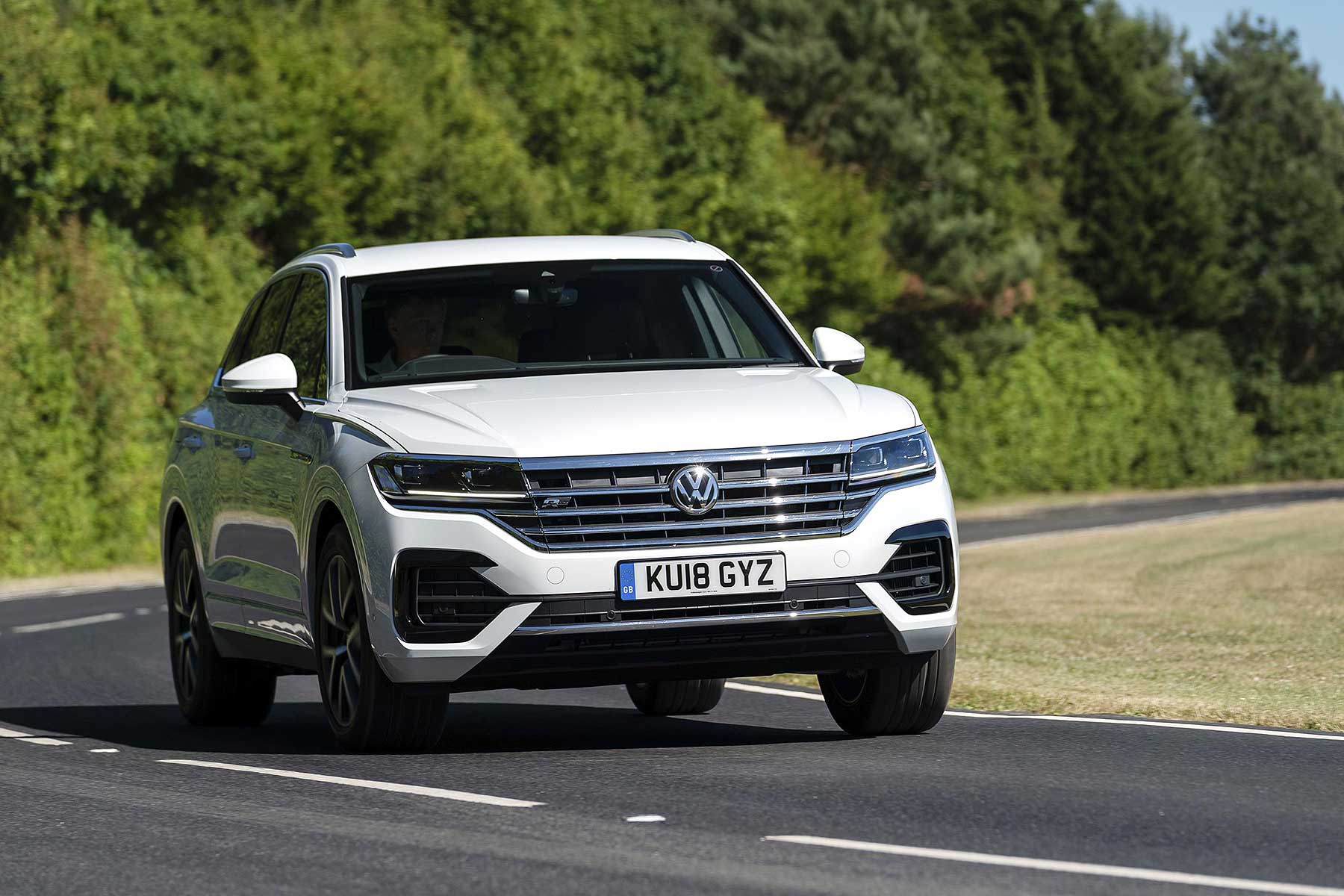 We recently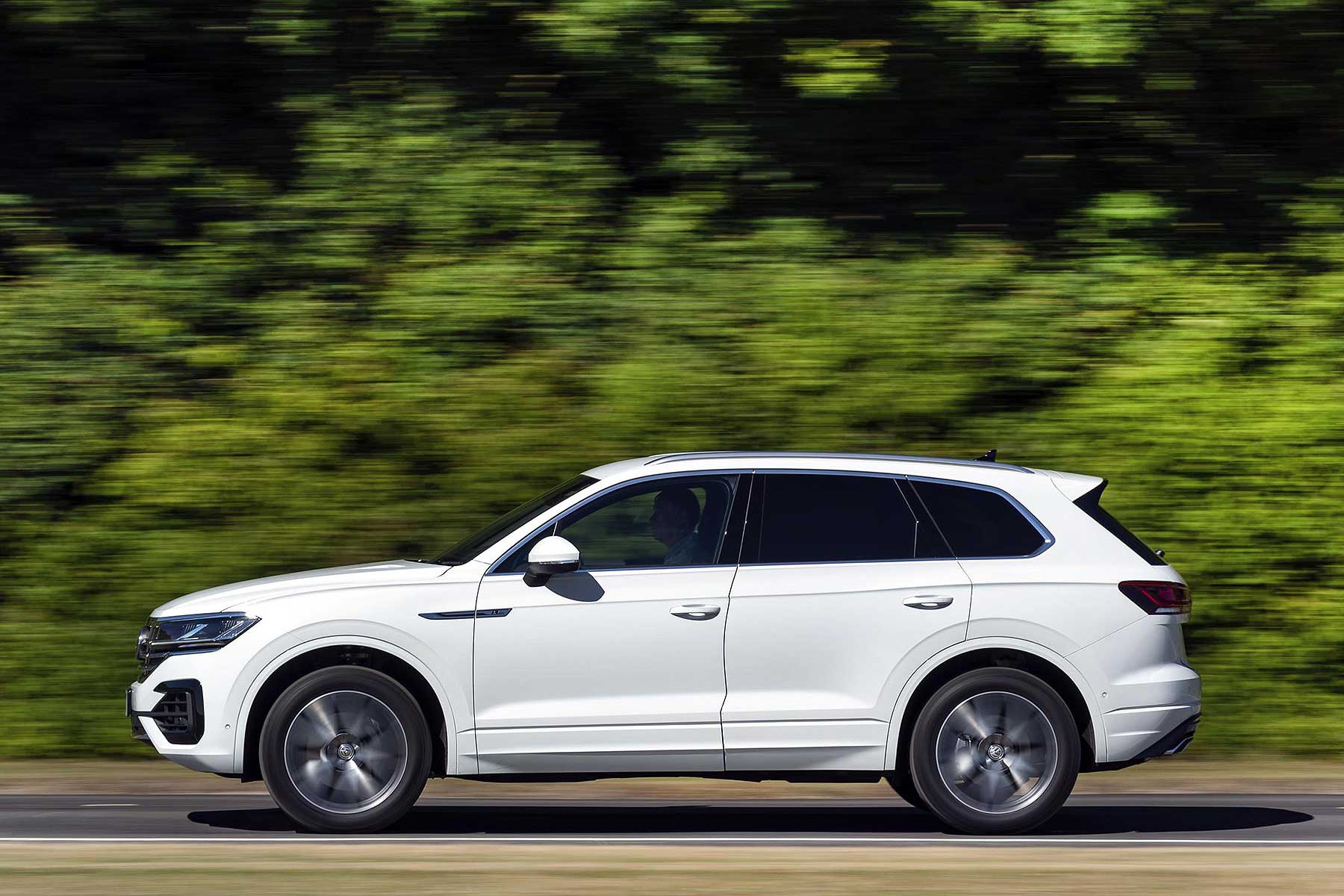
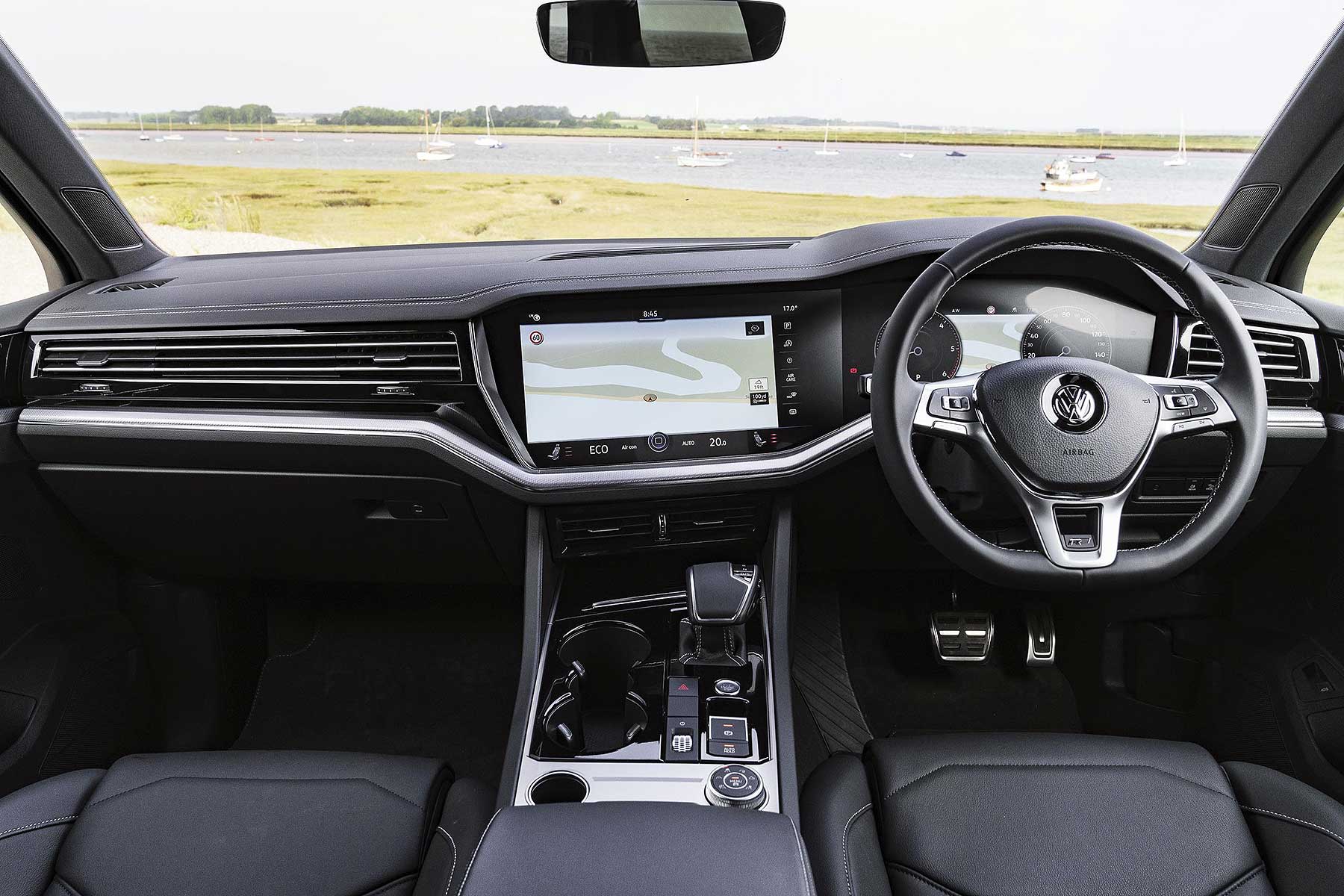
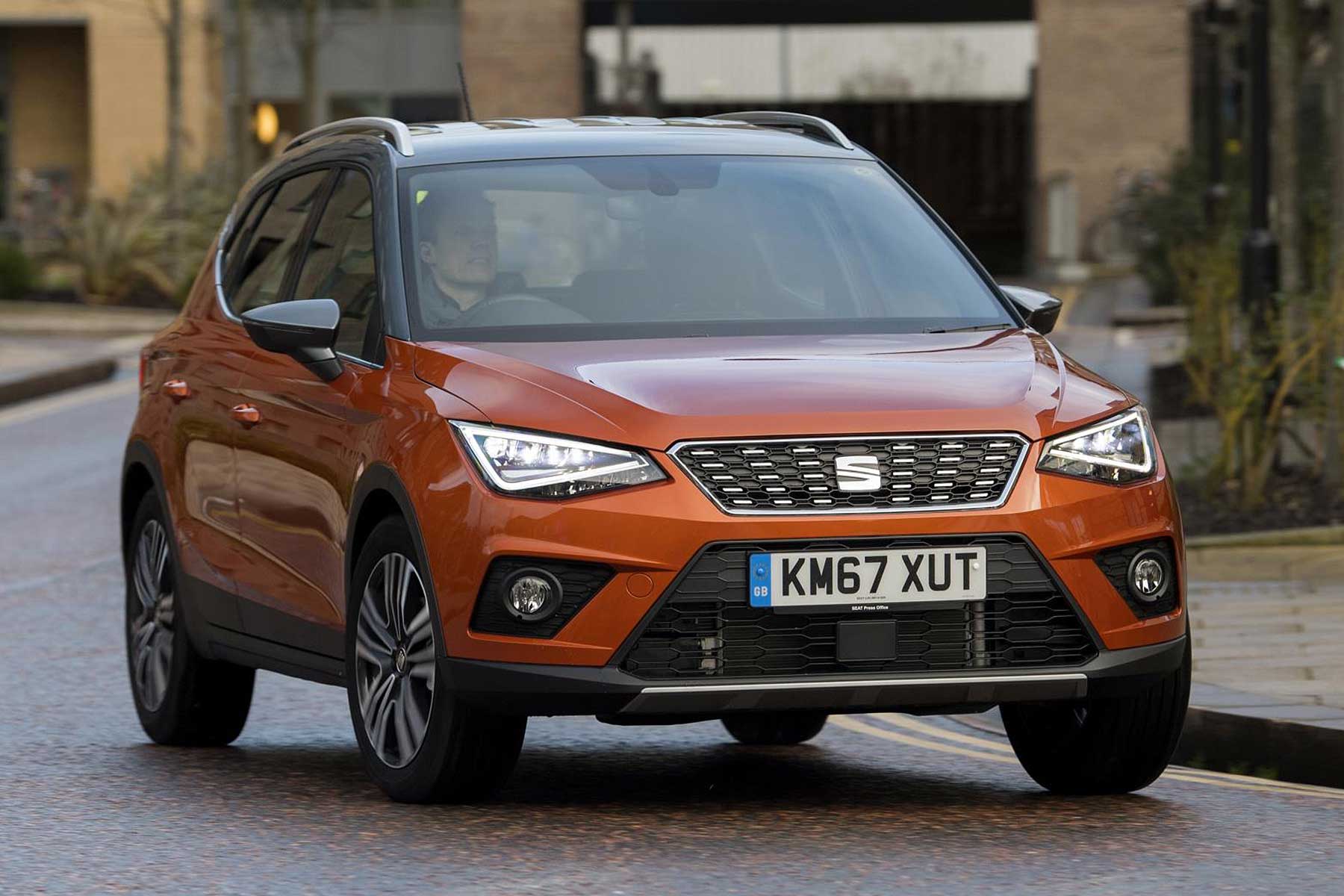 Seat is ditching the optional extra and offering its full 2019 model range to buy in a simple three-choice sales process, called Seat Easy Move.