Apple CarPlay is the must-have car tech feature for iPhone users. But for those without inbuilt sat nav in their car’s infotainment system, it’s also been somewhat frustrating, as it has only supported the proprietary Apple Maps nav, not user favourites such as Waze and Google Maps.
No longer. After confirming it will now allow third-party navigation apps within Apple CarPlay at its World Wide Developer Conference in June, the firm has now confirmed the iOS 12 software update that will provide iPhones with the functionality to do this has, as of September 17th at 6pm, gone live and is available for installation.
Both Waze and Google Maps have been running beta test programmes of their iOS 12 integrations. Google Maps was the first to go live – the version 5.0 software update is now available to download in the App Store. It brings the Google Maps logo to the Apple CarPlay screen at last.
Waze has also now launched in Apple CarPlay, the company announced in a tweet.
It’s official: Waze for #Apple CarPlay is here and available to #iOS Wazers on 400+ car models worldwide. Good things come to those who wait ??.
Apple announced the arrival of iOS 12 at its 2018 Apple Event. The tech company also announced new iPhone Xs and iPhone Xr handsets, and the Apple Watch 4 wearable.
J.D. Power recently discovered Apple CarPlay users are much more satisfied with the tech than Android Auto motorists. The only real gripe of iPhone CarPlay users? The inability to use Google Maps (56 percent of people said they used it, compared to just 26 percent for Apple Maps).
Now Apple has belatedly fixed this, expect CarPlay satisfaction levels to further increase.
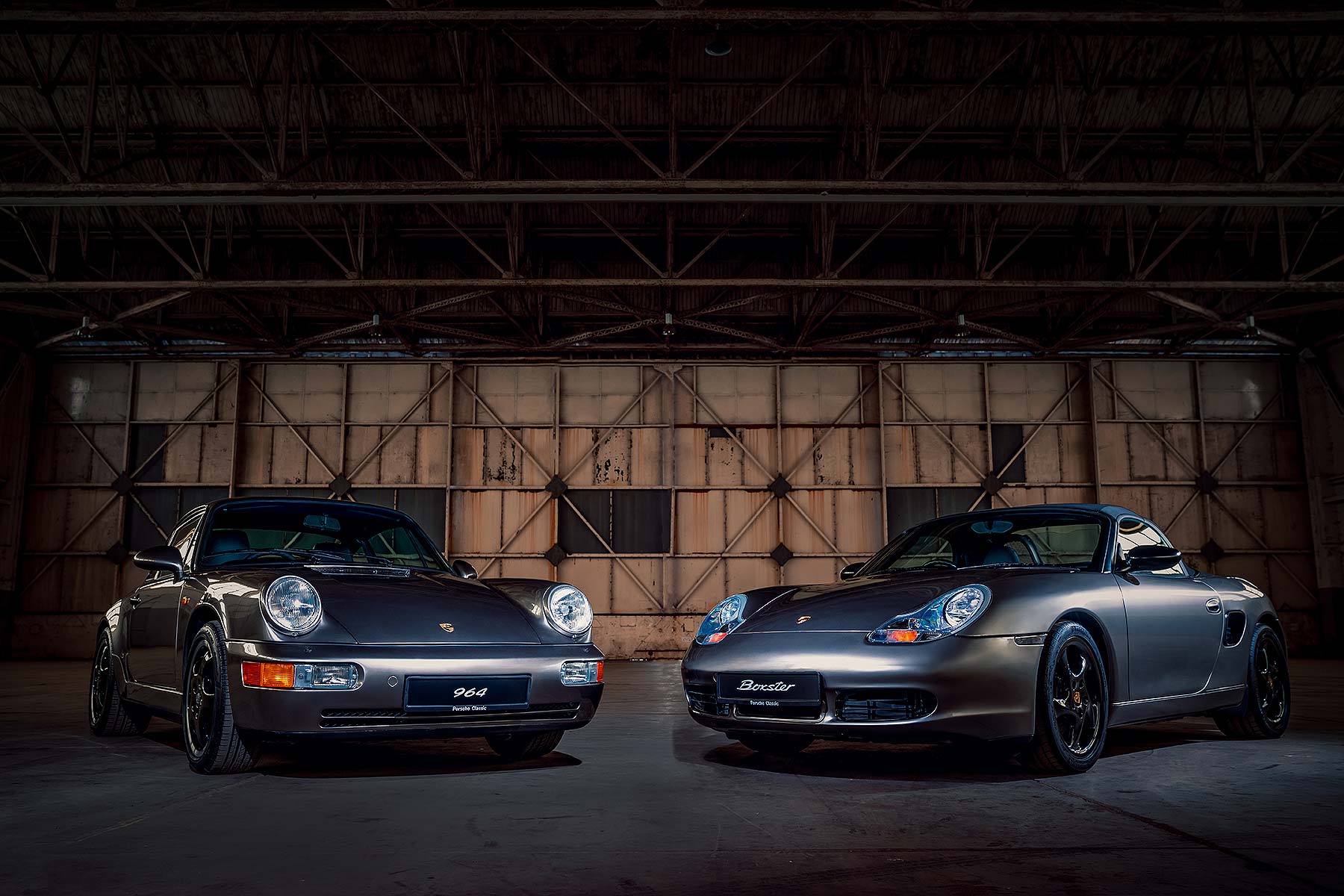
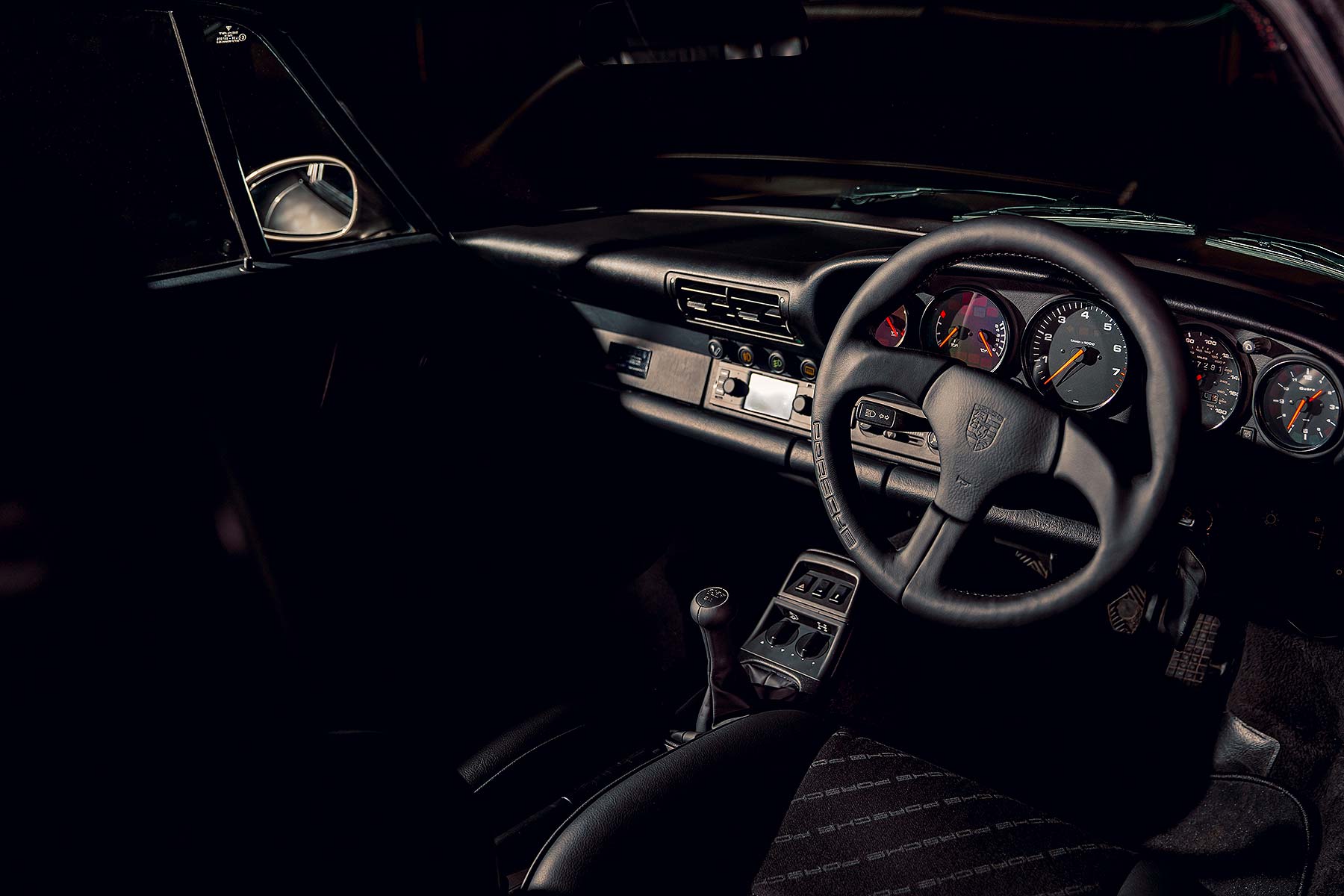
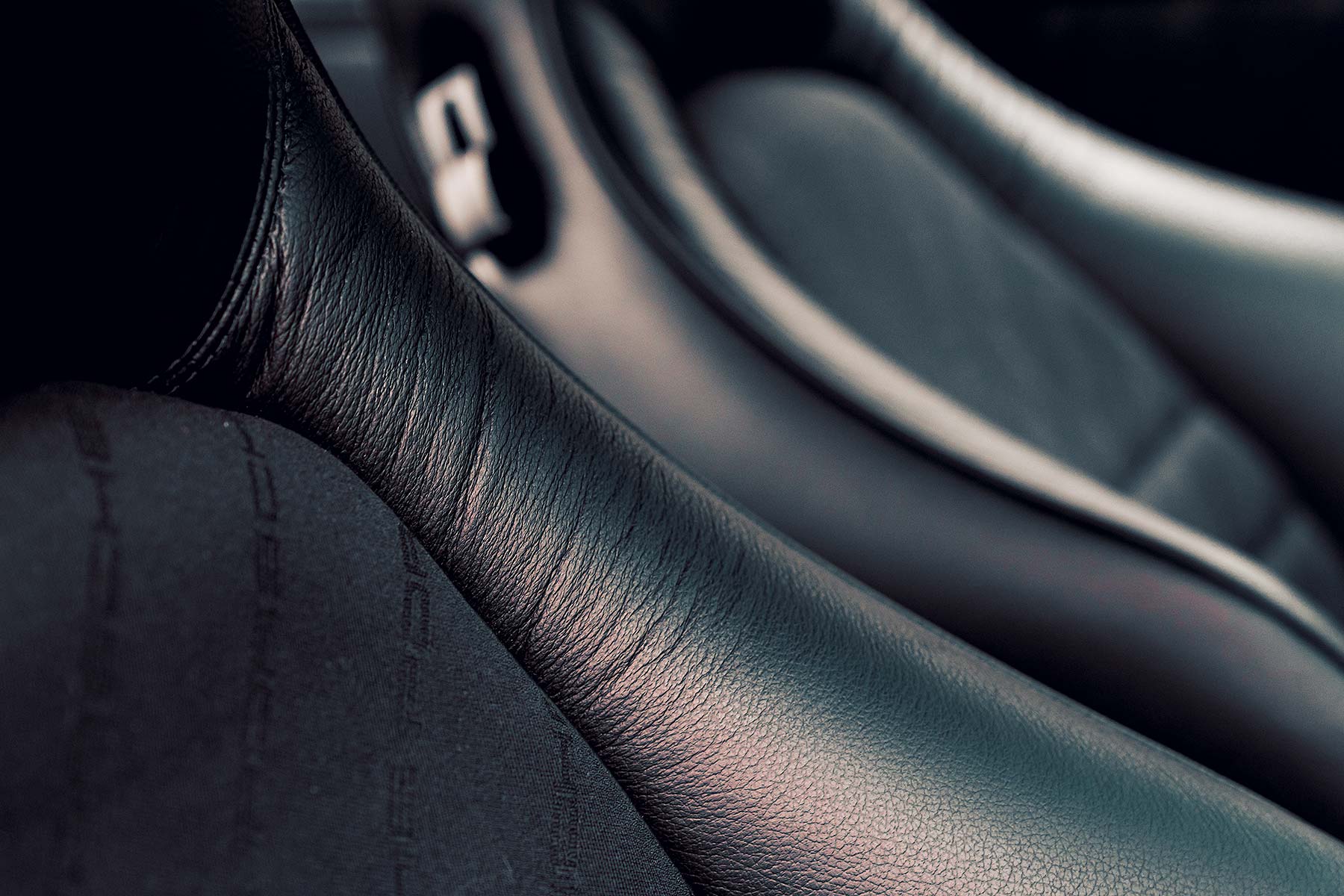
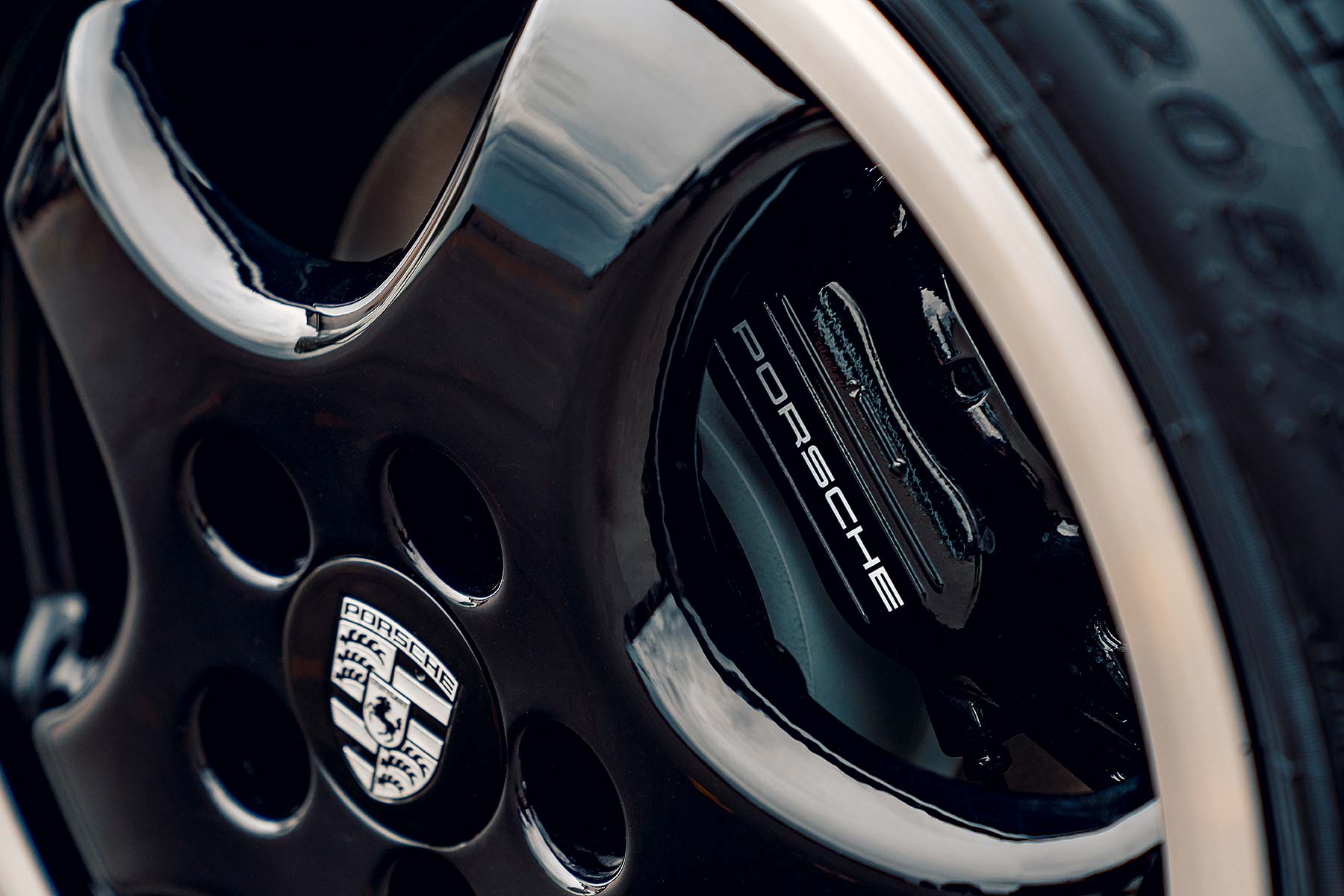
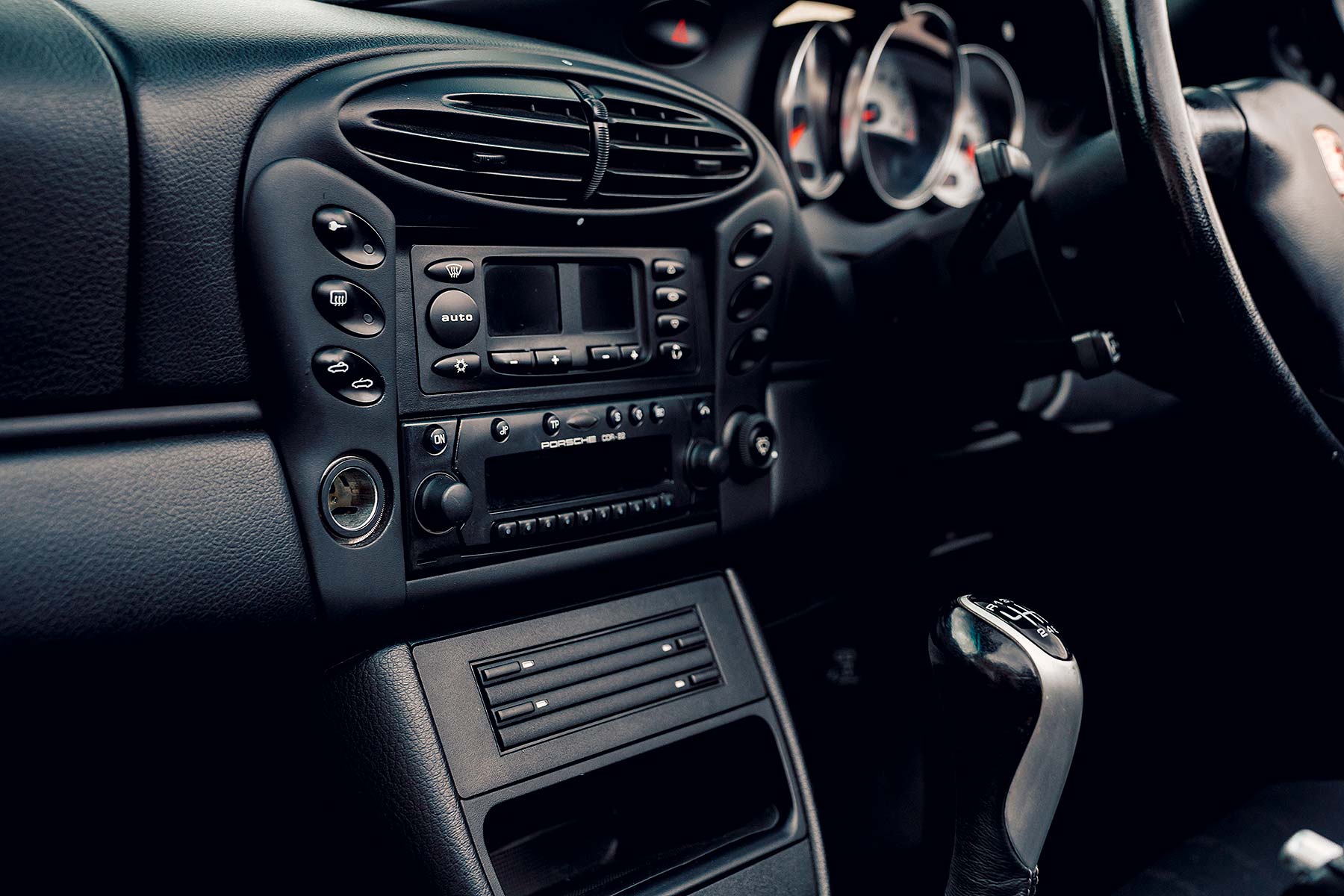
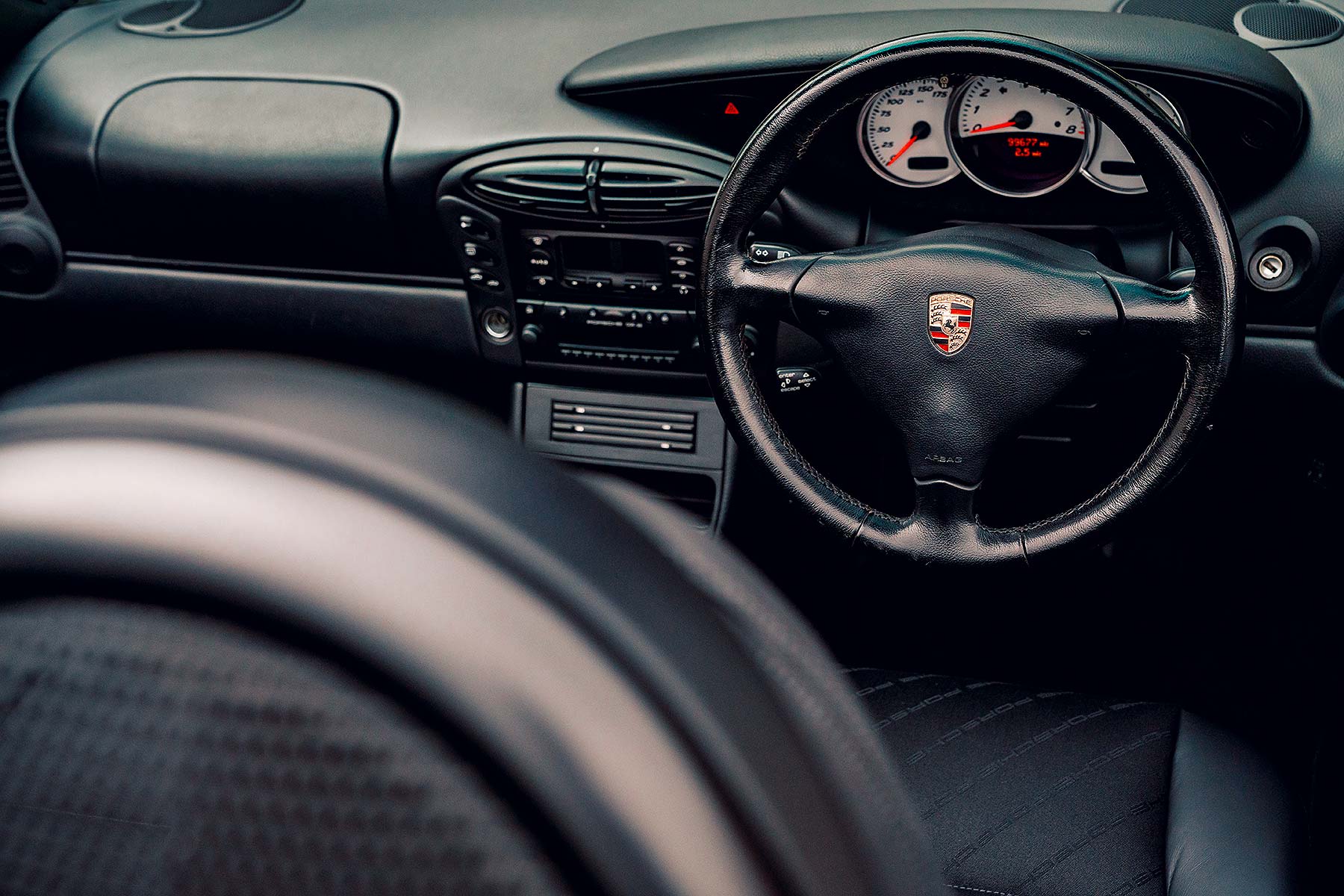
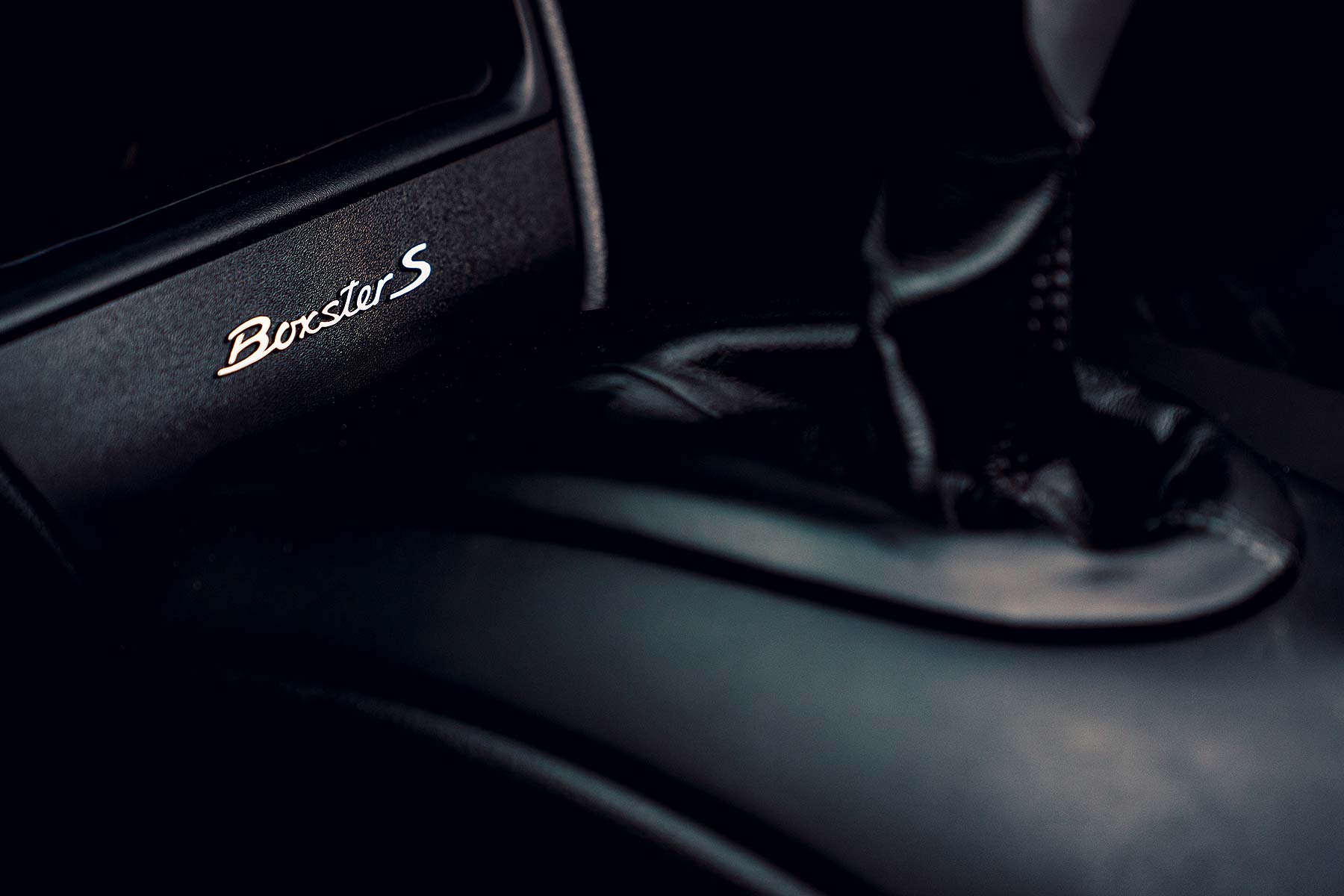
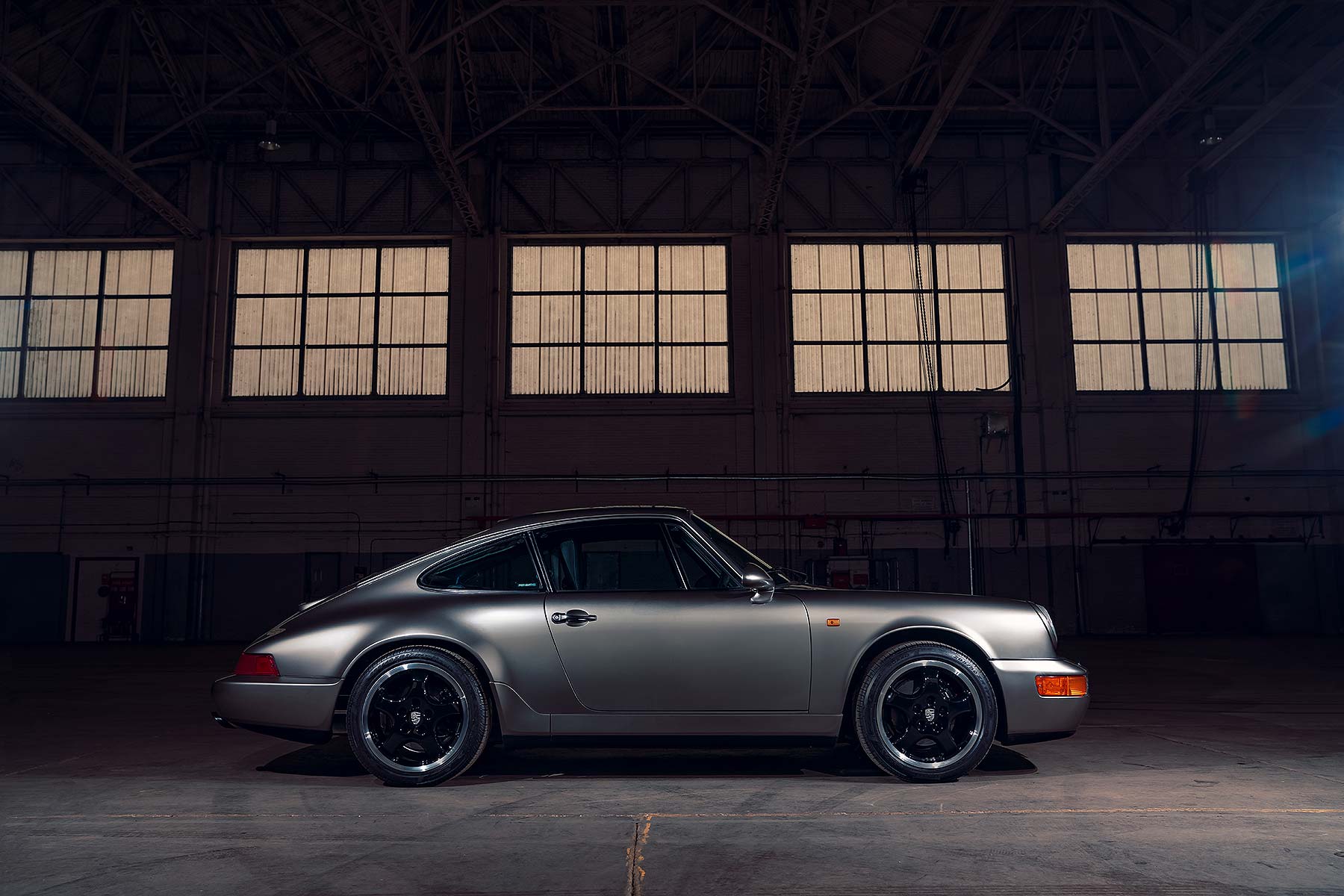
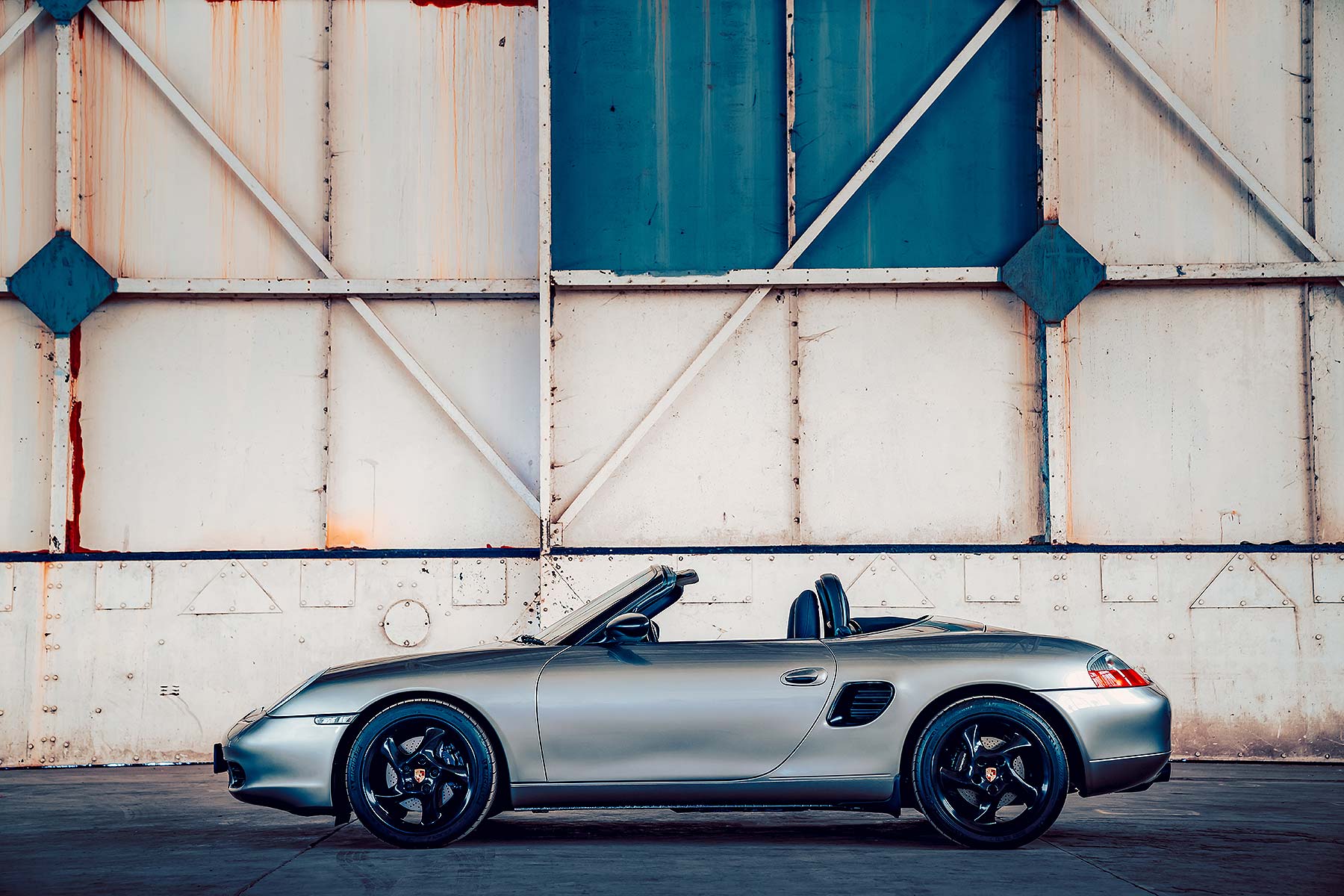
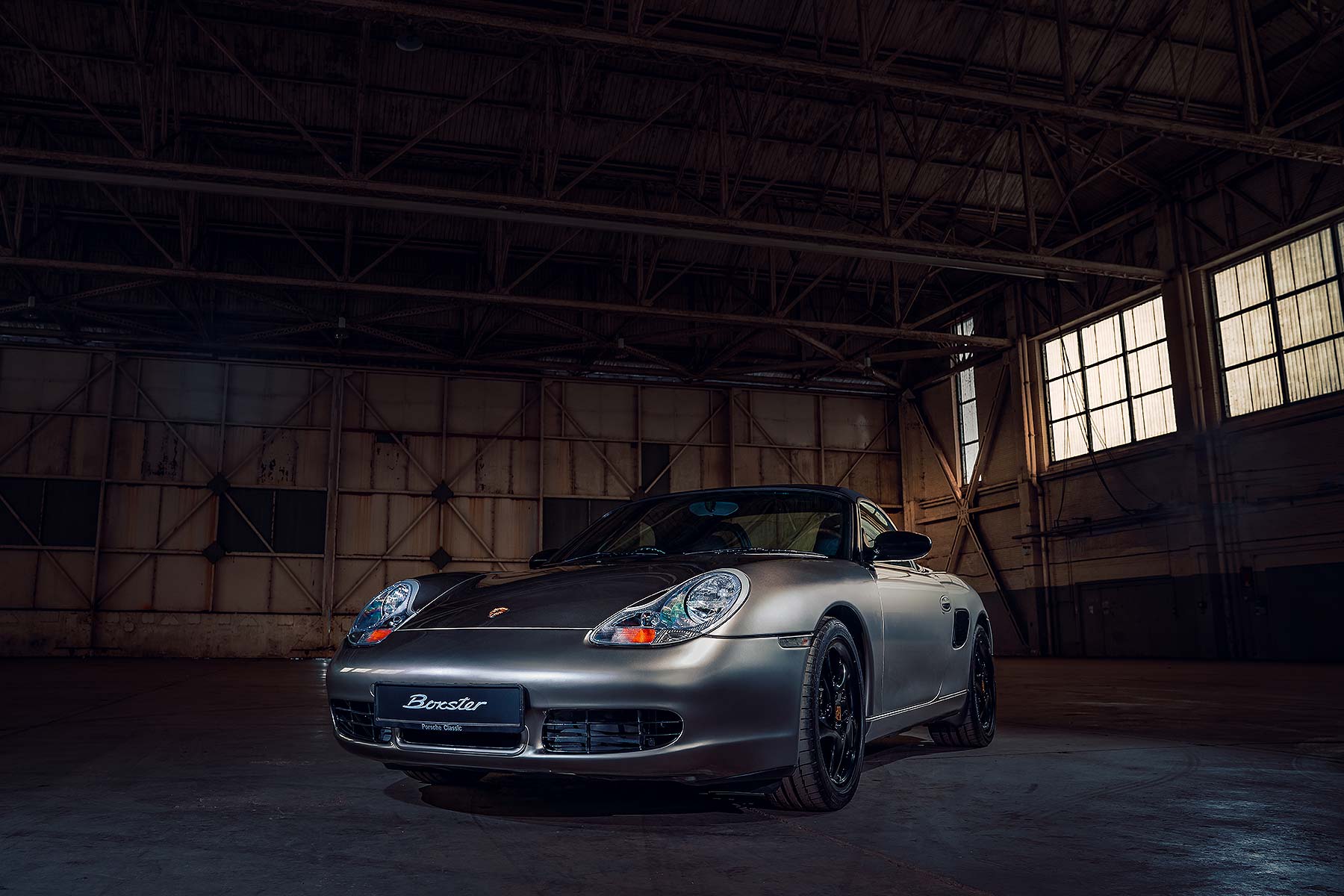
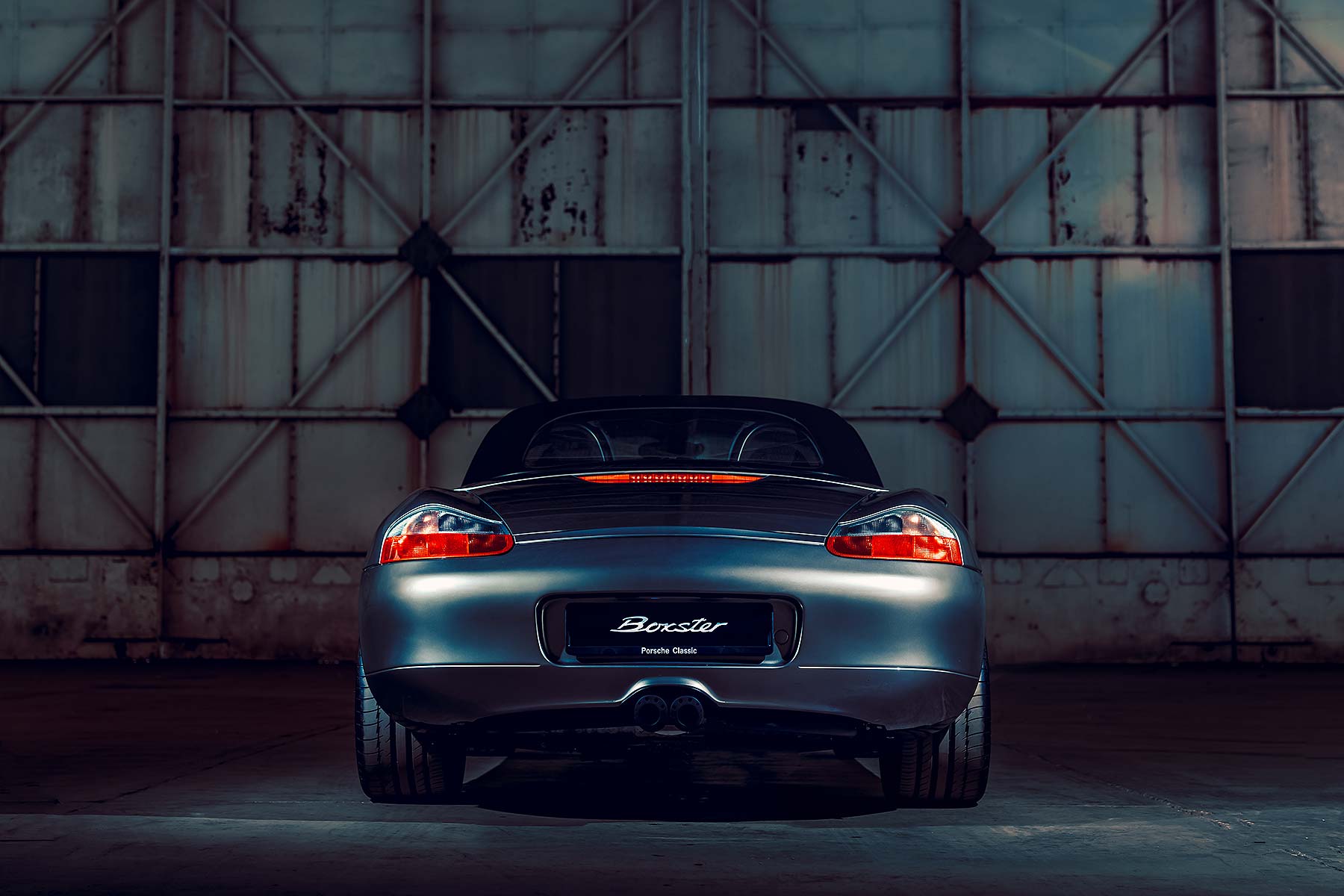
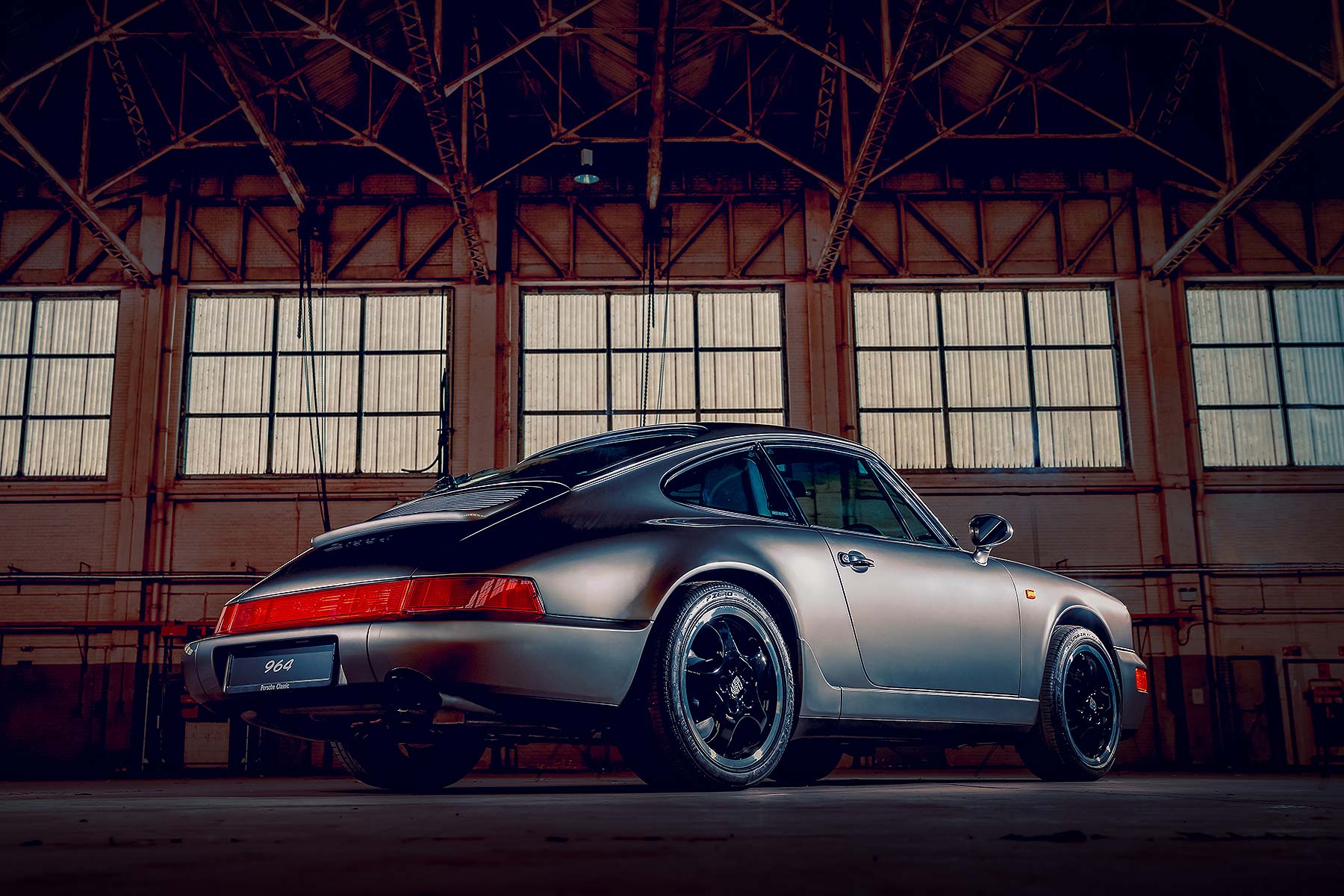
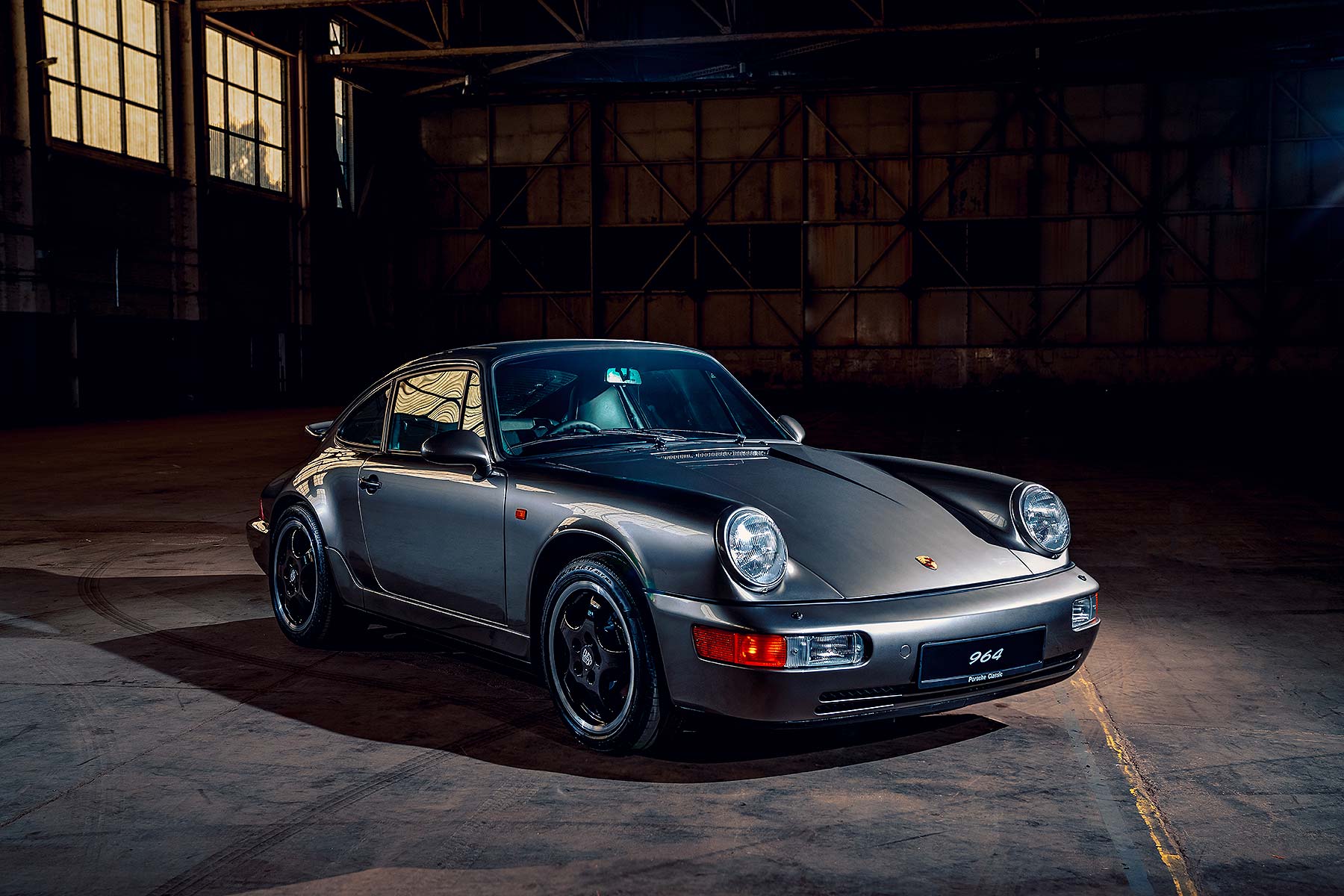
Porsche has commissioned 20 special restorations to demonstrate its cars’ history, hardiness and the extent of its classic catalogue. All the cars will be on display at the Classic Motor Show in Birmingham this weekend.
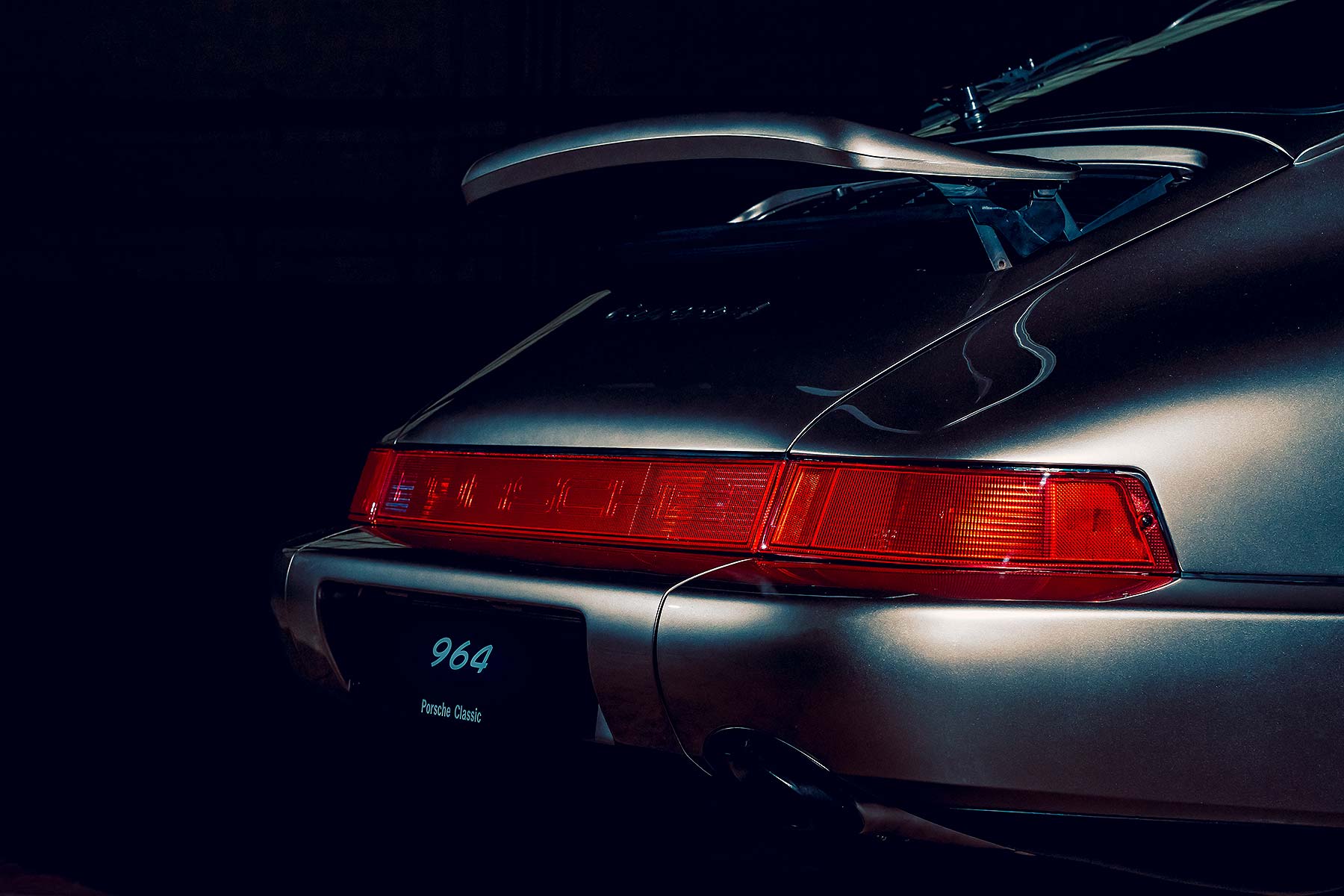
We’re nearly at the end of Porsche’s 70th anniversary year – and what a year of celebrations and spectacular models it’s been. The fun’s not over yet, though, with the 20 classics coming to the NEC, all fully restored and presented in special 918 Spyder ‘Liquid Metal’ silver.
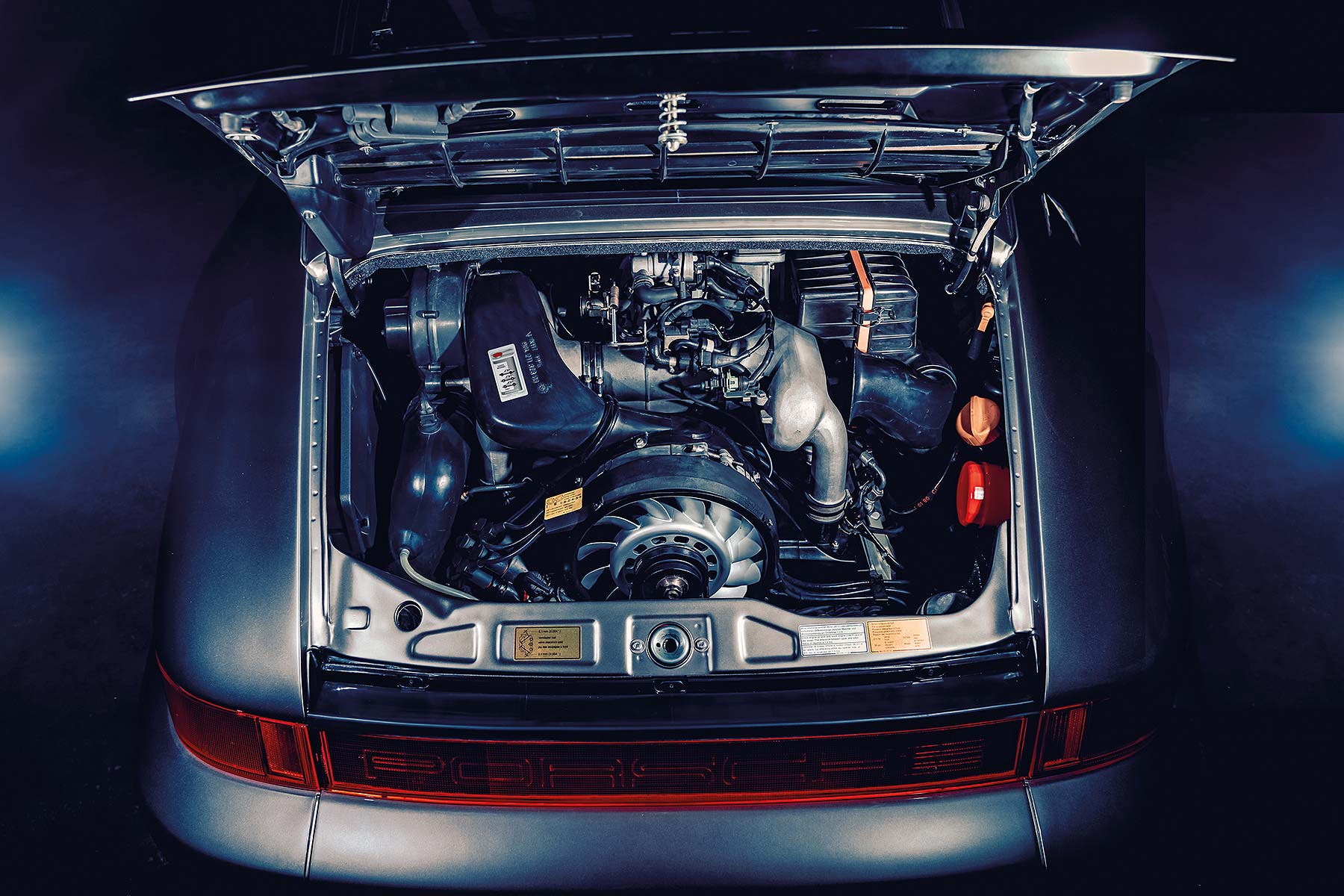
What was the level of restoration? Well, this is Porsche, so about as extensive as it gets. Each car was submitted by an individual Porsche Centre or specialist selected by Porsche GB for the project. All received what the company describes as a ‘bare metal restoration’. That’s everything off, down to the chassis, for a component-parts recommission.
The range of cars spans from ‘996’ 911s and Boxsters from as late as 2003, all the way back to a 1970 914, with a 928, 968, 944, 924 and 911s of many vintages in between.
This selection is supposed to encapsulate Porsche’s sports car golden age. That’s 30 years worth of front-, mid- and rear-engined, water- and air-cooled sports cars presented in better-than-new condition.
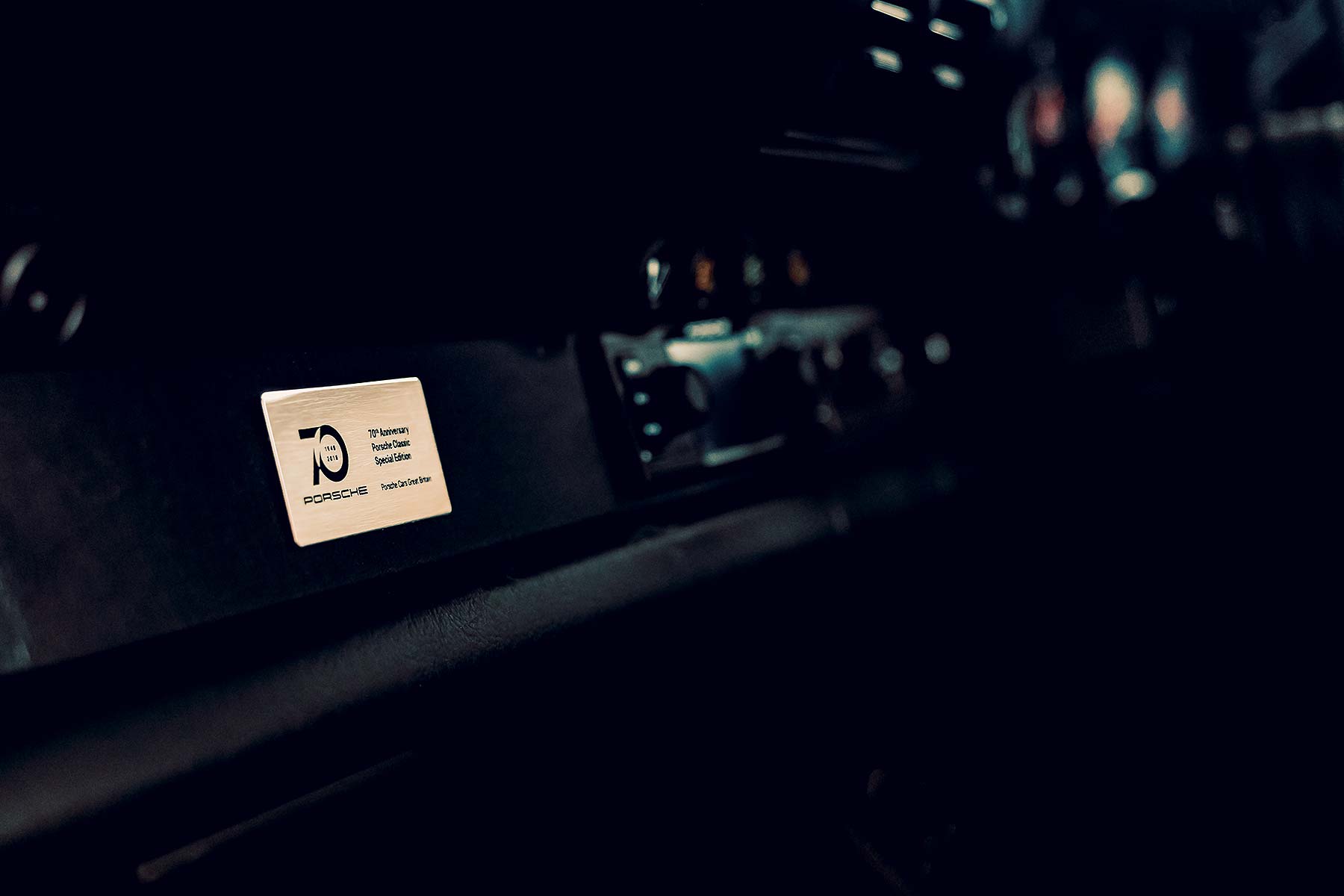
We say ‘better than new’ as some of these cars will also feature Porsche Classic Parts, such as retro-style satellite navigation and tracking systems. Each car gets a ’70 years of Porsche’ plaque, as well as a subtle graphic on the outside.
“Following the success of previous restoration projects, we were keen to find another initiative to tie in with celebrations of 70 years of Porsche sports cars,” said Jonathan Mannell of Porsche Cars GB.
“The customer feedback from our Centres participating in the previous restoration competitions indicated that there was demand for authentic restorations of Porsche models across the spectrum. Bringing our history and tradition alive in this manner is also a great way to help celebrate the 70th anniversary of the first Porsche sports car.”
Read more:
Lucky Brazilians will soon be able to buy this funky Volkswagen Tarok pickup
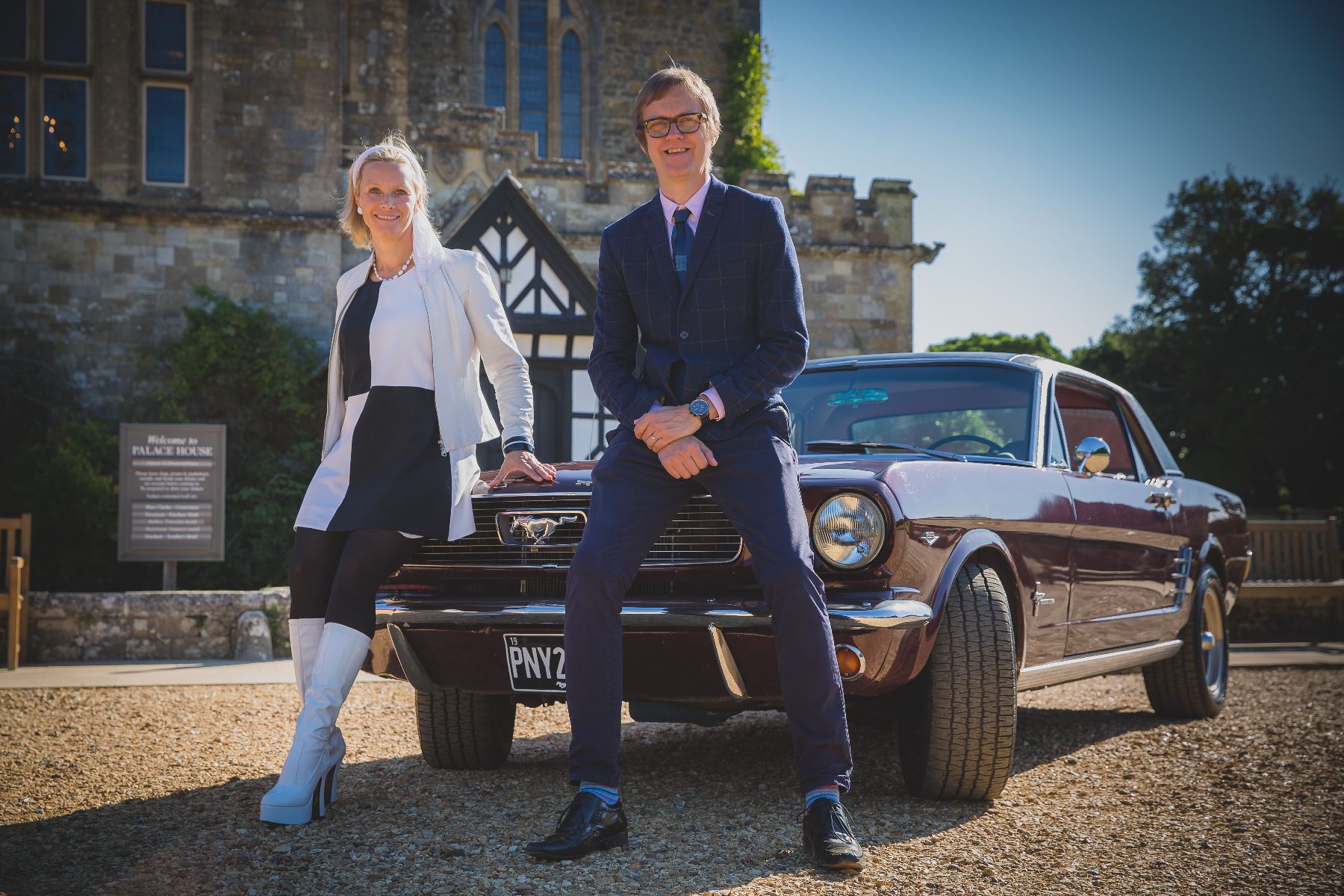
The Car Years is a new motoring TV show hosted by Vicki Butler-Henderson (of Fifth Gear and Top Gear fame) and Alex Riley (The One Show, The Classic Car Show).
Each episode will focus on a specific year, with the presenters picking their favourite car from that year.
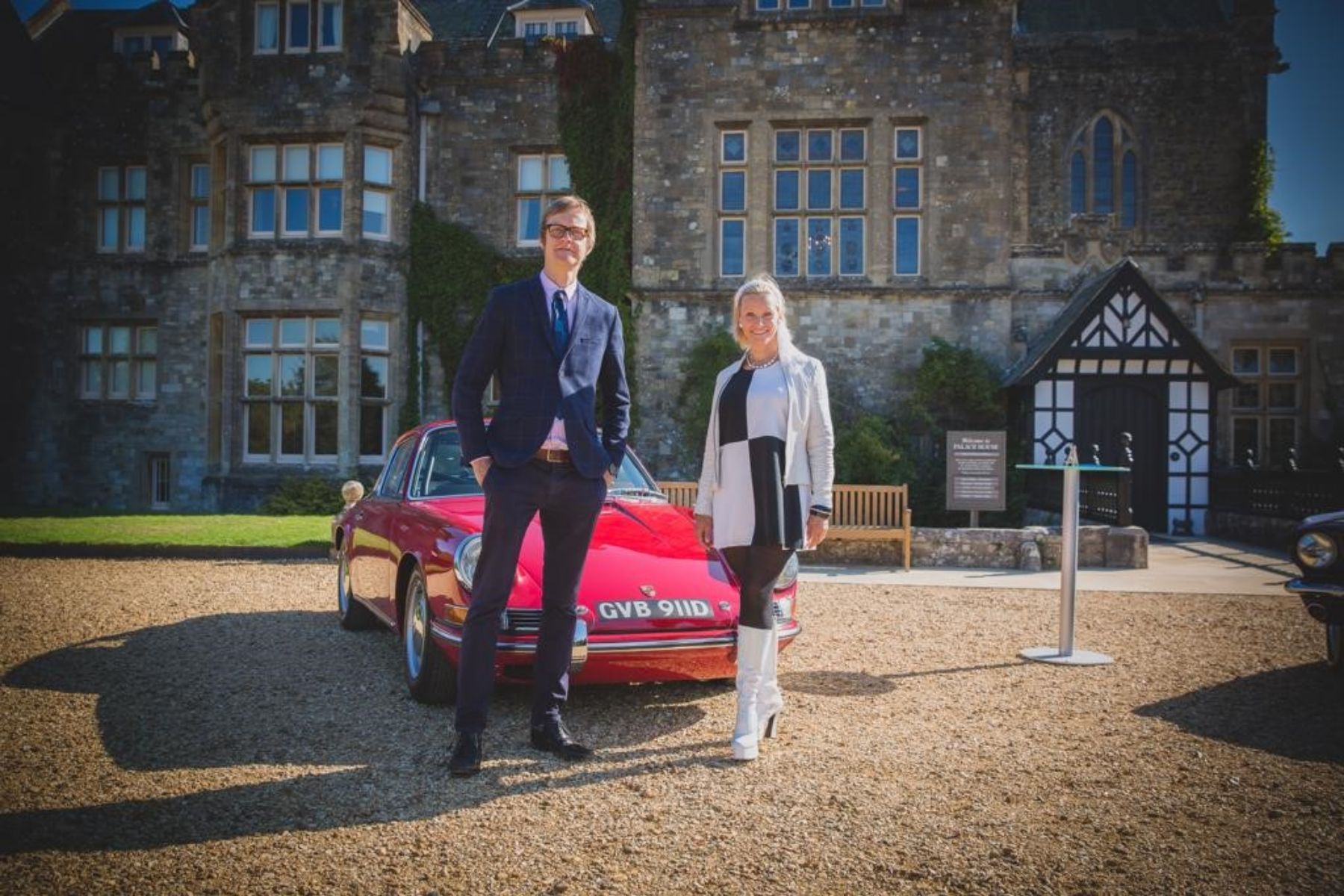
The first episode is based on 1964 – and the hosts have picked the Porsche 911 and the Ford Mustang respectively. A big year for cars, right?
Vicki and Alex make a case for their car to a panel of experts. These include Chris Rutledge, managing director of Coys, Quentin Wilson (of old Top Gear) and ex-Top Gear and current The Grand Tour script editor, Richard Porter. Whichever car wins gets crowned the car of its year.
“I’m thrilled to be part of this beautifully shot series that allows us to tell the stories behind some of the best known and interesting cars ever made” said VBH.
“This show is a rare thing – it’s all about the cars. We’re not telling people how to be a dealer or a restorer and we’re not just larking about, instead we’re championing great cars and telling the fascinating stories behind them,” explained Alex Riley.
The show will surely be as educational as it is entertaining. Maybe we will even learn a thing or two about some of our favourite retro rides?
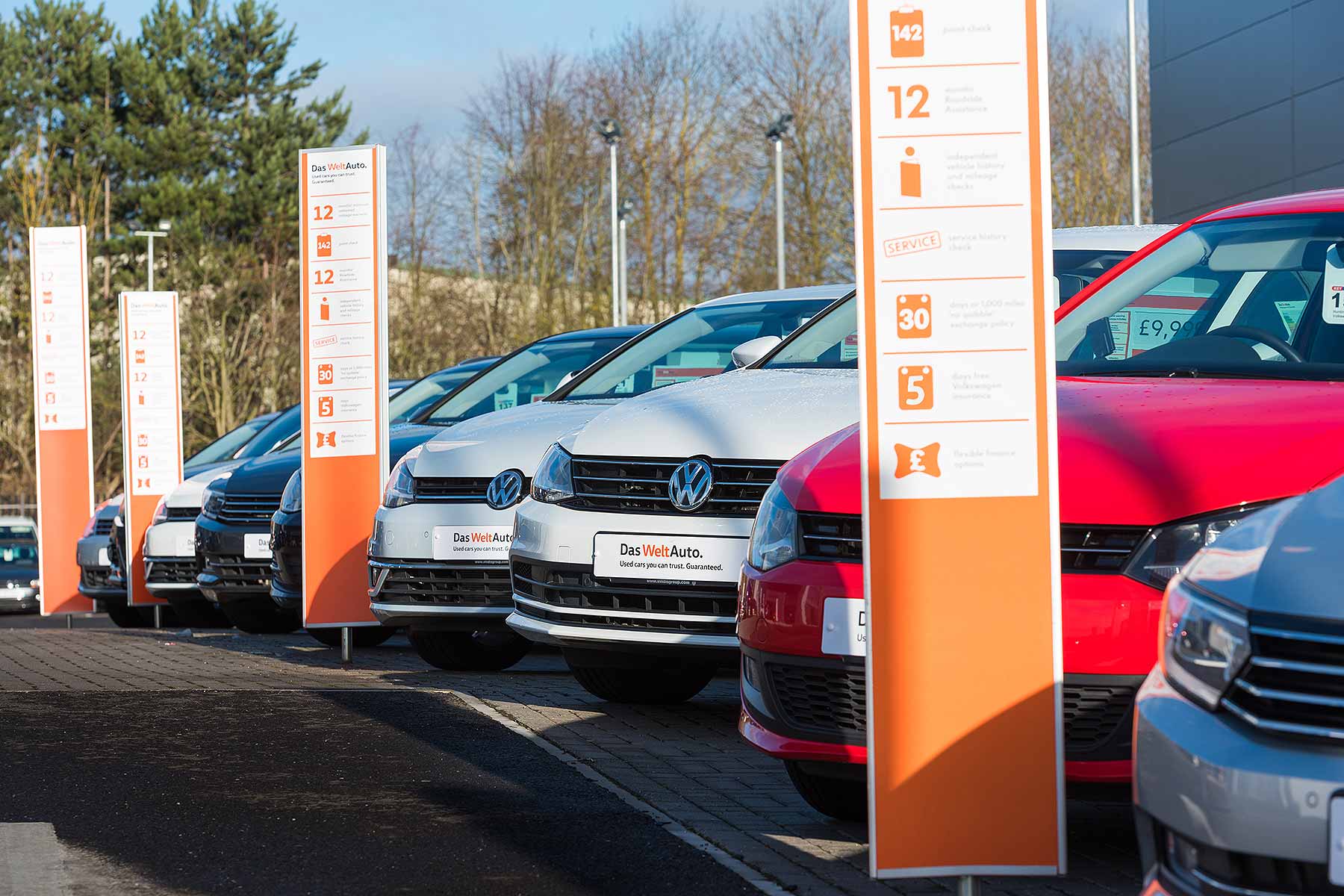
The trend has not, however, been repeated in the used car sector, according to new evidence from Glass’s. The data firm has looked back at trade values for diesel cars up to five years of age – and, over the past three years, discovered there has been little change.
Used diesel car prices have not crashed, as some predicted. But there has still been a split from petrol and alternative fuel vehicles (AFVs) – ironically caused caused by the previous popularity of diesel.
Glass’s says that because fewer people were buying new petrol cars, there is now a shortage of good used petrol and AFV cars in the secondhand car market. This is making it tricky for dealers to stock their forecourts with these in-demand cars. Trade prices are, as a result, going up.
And the result on used car forecourts? Diesels are now selling faster than petrol cars, as they’re now both cheaper to buy as well as being cheaper to run. “Consumers view diesel as a more attractive value proposition” says Glass’s editor Rob Donaldson.
“These are still key drivers for retail customers, often outweighing all other considerations.”
But the trend may not continue indefinitely, he adds. The slowdown in new diesel car sales will lead to tighter supplies of secondhand models “and, conversely, an increase in petrols and AFVs.
“We should expect a firming of diesel prices, unless retail demand weakens with increasingly negative legislation.”
Buy your affordable used diesel cars while you can, then, as prices compared to petrol cars may not remain such good value indefinitely.
The first in-car air purifier has been launched in the UK today. And, if what its maker, Airbubbl, says about air quality in our cars is true, such products may soon become the norm.
The problem is invisible but very real. Airbubbl’s research indicates that professional drivers suffer with cabin air pollution levels equivalent to smoking 54 cigarettes a year.
However, it’s the ‘980 passively smoked cigarettes’ figure that hits home more: the equivalent of being in a room with a person smoking three cigarettes every day. In high-congestion urban environments, pollutant levels can be up to 140 percent higher in the cabin than outside the car.
The new Airbubbl air purifier is said to remove more than 95 percent of dangerous gases and pollutants from the cabin of a car within 12 minutes. It’s designed to combat the health risks faced by professional drivers in particular.
“If you are someone who drives for a living you, unfortunately, spend the majority of your day in a vehicle where you are constantly breathing in dangerous gases and pollutants” said Marc Ottolini, CEO of Airlabs.
“Commercial drivers are forbidden from smoking in their vehicles because we all recognise the risks associated with smoking and passive smoking, yet we underestimate the damage that a vehicle filled with polluted air is having on the health of professional drivers.
“As with any other occupation, professional drivers are entitled to a safe working environment.”
Air pollution has been linked to 40,000 premature deaths per year. On average, we can expect to lose around six months of life expectancy due to air pollution.
Whether this filter will boost life expectancy for users is up for debate. That we should do all we can to reduce our intake of dangerous pollutants is a no-brainer.
The Airbubbl in-car air purifier is available now from the company’s website and from Amazon, priced from £300.
The new BMW Z4 made its European debut at the 2018 Paris Motor Show and is the latest in a long line of Z cars dating back to the 1980s. Here, we chart the history of BMW’s Z cars, from the Z1 to the new ‘G29’ Z4. But first, a look at one of the ancestors…
Fit for The King
It had been a long time coming. Until the Z1 arrived in the Italian town of Punta Ala ahead of its big reveal, the two-seater sports car had been absent from the BMW range since the 1950s. That car was the V8-engined 507, a sports car so beguiling it was fit for The King. Elvis Presley, that is…
BMW 507
A tough act to follow, for sure, but not to the extent that you would turn your back on the sports car market for the best part of three decades. Yet that’s precisely what happened. When BMW 507 number 252 was shipped to its owner, it signalled the end of BMW two-seater sports car production until the board of management came up with the idea of creating a new department. A creative think tank, where engineers, technicians and designers were given free rein to work on turning concepts into reality.
BMW Technik GmbH
The name of the company was BMW Technik, known internally as ZT. Within just six months, the 60-strong team had delivered a range of concepts under the name of ‘Z1’. It seemed like a long shot, but the BMW board gave the project the green light and a working prototype was presented within a year. In August 1986, BMW Technik went public with its first product: the BMW Z1, with the Z standing for Zukunft, German for ‘future’.
BMW Z1
Not that the Z1 was the only fruit of BMW Technik’s labour. Within three-and-a-half years, the technology-focused company had completed 140 projects, including the steering wheel and the finned alloy wheels for the BMW M5. But the Z1 was its most high-profile effort and the car that would kick start a new era of BMW sports car production. It was put on display at the 1987 Frankfurt Motor Show and such was the response, BMW had to press forward with a production version.
BMW Z1
It was the brainchild of Dr Ulrich Bez, who left Porsche to join BMW in 1982, only to return to Stuttgart in 1988. His legacy was one of the most innovative and fascinating cars of the 1980s. In just over three years, BMW Technik designed, developed and built a car with a new shape, new rear suspension, new transaxle driveline and a body featuring sliding doors and PVC panels.
BMW Z1
Such was the strength of the monocoque, the Z1 could be driven without any of the 13 clip-on panels in place. Indeed, the task of removing or replacing the ‘skin’ could be achieved in just 30 minutes. But the sliding doors were the Z1’s chief party trick: a feature so innovative, Gwyneth Paltrow starred in a film devoted to their genius. Probably.
BMW Z1
From a driver’s perspective, there was more to the Z1 than a pair of trick doors. At its heart – or rather, at its ‘front-mid’ – was the 170hp straight-six engine from the BMW 325i. By mounting it 10 inches further back, the engineers achieved near-perfect 49:51 front-rear weight distribution. Furthermore, what BMW described as “go-kart-like handling” was achieved by a new multi-link axle comprising two transverse control arms and one longitudinal control arm. It was dubbed the ‘Z-axle’.
BMW Z1
Initial response was overwhelmingly enthusiastic. As the first Z1 rolled off the assembly line in early 1989, BMW had received 4,000 orders and production was sold out until the end of 1990. It wasn’t cheap, but a list price of 83,000 Deutschmarks didn’t deter buyers. Indeed, sales contracts were changing hands for 20,000 Deutschmarks. After a run of 8,093 cars, production ended in June 1991. A right-hand-drive version was never built, but that didn’t stop unofficial sales in the UK.
BMW Z1 Coupe
BMW planned four-wheel drive and coupe versions of the Z1, with the latter making it as far as the mock-up stage. Although it never made it beyond a concept, its influence on the future Z3 coupe is clear to see.
BMW Z1 Art Car
In spring 1991, the artist A.R. Penck adorned a red Z1 with black graffiti, adding another member to the series of BMW Art Cars. Six months earlier, BMW Motorsport had arranged a ‘Z1 adventure tour’ to the south of France, comprising a flight in a helicopter, track time at the Paul Ricard circuit and accommodation in sport hotels.
BMW Z3
Although development started in 1991, it would be four years before BMW unveiled a successor to the Z1. The Z3 lacked the technical and technological wizardry of the Z1 – normal doors and no Z-axle – but it would it sell in far greater numbers than its predecessor. This was also the first BMW to be built outside of Germany, with Z3 production taking place in an all-new plant in South Carolina.
BMW Z3
One of the first people to get behind the wheel of the BMW Z3 – and indeed, to even see the new car – was Pierce Brosnan. Under guard, the Z3 was used as a Bond car in Goldeneye, with the producers under strict instructions not to allow anyone other than the film crew to see it. The Z3’s short appearance upset 007 purists: this was the first non-British production car to be used as a key Bond car.
BMW Z3
Not that anybody at BMW was in the least bit concerned about traditions and patriotism. The short appearance in Goldeneye helped shift over 300,000 models, and the entire first year’s allocation sold out before the Z3 arrived in showrooms. BMW even built 100 special ‘007 Edition’ cars, with the entire allocation selling out within 24 hours.
BMW Z3
At launch, the Z3 was available with a 1.8-litre engine developing 115hp or a 1.9-litre engine with an output of 140hp. Neither were particularly rapid – the 0-62mph times were 10.5 and 9.5 seconds respectively – which is why BMW added more powerful motors. The 2.2, 2.8 and 3.0-litre engines delivered the power the Z3 needed, but it was never the sharpest sports car on the market.
BMW Z3 M Roadster
In 1997, BMW launched the Z3 M Roadster with the 321hp 3.2-litre straight-six engine from the M3. It was like a regular Z3 pumped full of testosterone: huge wheels, flared arches and mirrors and dials exclusive to the M were just some of the upgrades. In truth, it couldn’t quite handle all that power, while the absence of traction control in the early cars meant that it needed to be treated with respect.
BMW Z3 M Coupe
If the Z3 M Roadster was a bit of a letdown, the Z3 M Coupe felt anything but. The styling still divides opinion, but the roof improved torsional rigidity, doing wonders for the handling, while the ‘breadvan’ rear-end added some additional practicality. The Z3 M Coupe is, without a doubt, the ultimate Z3 and prices have been on the rise for a while.
BMW Z8
In 1999, BMW paid homage to the 507 in the form of the Z8. Power was sourced from a 5.0-litre V8 engine producing 400hp, which was mated to a six-speed manual gearbox. Much like the Z3, it wasn’t the ultimate driving machine BMW would have you believe, but it has become a collector’s item, with good, low-mileage examples changing hands for big money.
BMW Z8
For the critics, the Z8’s biggest problem was its lack of a clear identity. Sure, it looked glorious, with its retro undertones, but was it designed to be a lazy boulevard cruiser or a B-road weapon? Today, the Z8 is appreciated for its styling penned by Henrik Fisker and its M5-sourced 5.0-litre V8 engine.
BMW Z8
Once again, James Bond was on hand to thrust a new BMW into the limelight. The Z8 enjoyed more screen time than the Z3, appearing multiple times in The World Is Not Enough, although it met a rather cutting end courtesy of a circular saw. No Z8s were harmed during filming: the car of two halves was created using a Corvette engine and a kit-car chassis.
BMW Alpina Roadster V8
Alpina has worked its magic on BMW Z cars, including the Z1 and Z4. But its best work was reserved for the Z8, which became the Alpina Roadster V8. A 4.8-litre V8 engine was fitted in place of the standard car’s 5.0-litre unit, with the manual gearbox replaced by a ZF automatic transmission. It produced 381hp and delivered a more relaxed and smoother drive. Just 555 were built, all left-hand drive. This example sold at the RM Sotheby’s Monterey sale for $400,000.
BMW Z4 (E85)
The BMW Z4 was unveiled at the 2002 Paris Motor Show, with power sourced from a choice of two straight-six engines: a 3.0-litre producing 231hp and a 2.5-litre with an output of 192hp. The styling was penned by Danish designer Anders Warming under the direction of Chris Bangle, with production handled by the factory in South Carolina. The Z4 Coupe was launched as a concept at the 2005 Frankfurt Motor Show before a production version was unveiled at the 2006 New York Motor Show.
BMW Z4 M Roadster and Z4 M Coupe
The Z4 M Roadster and Z4 M Coupe also arrived in 2006, with power sourced from the six-cylinder engine from the BMW M3. With 343hp available, the Z4 M could hit a top speed limited to 155mph.
BMW Z4 GT3
BMW built a dozen works racing cars using the Z4 M Coupe, with the engines tuned to produce 430hp. The Z4 won 11 of the 16 races in the VLN Endurance Racing Championship in 2009 and 2010, and spawned a successor in the form of the Z4 GT3. This car produced 515hp from its 4.4-litre V8 engine.
BMW Z4 (E89)
The second-generation Z4 launched in spring 2009, with the big news being that this was the first Z car to use a retractable folding hardtop roof. As a result, there was no longer a need for separate roadster and coupe versions of the car.
BMW Z4 Zagato Roadster and Coupe
In 2012, BMW and Zagato collaborated on two special editions, one launched at the Concorso d’Eleganza Villa d’Este and the other at the Pebble Beach Concours d’Elegance. The Zagato Roadster took just six weeks to create and highlights included the rear lights set behind black tinted glass, paintwork designed to look like a cloak of liquid metal, and 19-inch alloy wheels.
BMW Z4 GTE
In July 2012, BMW began working on the Z4 GTE, the successor to the Z4 GT3. Designed for the American and European Le Mans Series, the GTE used the same 4.4-litre V8 engine as the GT3, with the new car showcasing revised aerodynamics. It made its debut at the 2013 12 Hours of Sebring and raced until 2015.
BMW Z4 (G29)
That’s the history, but what of the future? The new BMW Z4 roadster made its global debut during Monterey Car Week before making its first European appearance at the 2018 Paris Motor Show. Developed in conjunction with Toyota, the cumbersome folding hard-top roof has been ditched, with the Z4 reverting back to a folding soft-top. As a result, the new car will be lighter and, we hope, better to drive. Time will tell…
InMotion Ventures, Jaguar Land Rover’s venture capital fund, has invested in British electric motorcycle startup Arc, which claims to have built the world’s most advanced electric motorcycle.
The Arc Vector, revealed at the Milan Motorcycle Show (EICMA) on 6 November, is described as using “exotic materials, thoroughbred componentry and cutting-edge architecture, wrapped in a futuristic body”.
Founder and CEO of Coventry-based Arc, former Jaguar engineer Mark Truman, calls it the world’s first fully-electric motorcycle with a full human machine interface (HMI) – including a fully-connected heads-up display helmet and ‘haptic’ motorcycle clothing.
“Our aim has always been to bring technology, performance and safety together to create an entirely new two-wheeled experience.
“Vector isnt just a motorbike; it’s the world’s first fully-electric cafe racer, it’s an innovative heads-up display helmet and it’s a sensory riding suit – all working in unison to create an experience package like no other.”
JLR’s InMotion Ventures joins other early-stage and ‘angel’ investors in the startup phase of Arc. The aim is “for Vector to be the cleanest, safest and most fulfilling motorcycle on the road”.
Sebastian Peck is the division’s MD and said “the Vector is an incredible development in the next generation of motorcycle travel.
“We want to make sure that we’re not only changing the way people move but delivering unparalleled outdoor enjoyment while doing so.”
Arc will reveal the Vector in Milan today: come back later for more news of the radical new motorcycle.
The impressive Ford car-van one-two is thanks to the blue oval’s increasing domination of the UK commercial vehicle market. Sales were up 2 percent in October, giving Ford a 33.2 percent share of the market.
That’s double the market share of the nearest rival, says the firm.
It’s not just a freak result for October, either. 52,000 Transit Custom have been sold so far in 2018, making it the third best-selling vehicle in Britain this year – behind only the Ford Fiesta and Volkswagen Golf.
And don’t think they’re all white van men (or women), either. Sales of white Transit Custom have declined to less than 45 percent of sales. Ford says more people are buying silver and grey Transits, and the new-for-2018 Orange Glow is also proving popular.
Ford also reminded us that it’s not just number 1 in terms of overall vehicle sales, thanks to leadership in the passenger and commercial vehicle sectors: the C-Max, Galaxy, Transit Courier, Transit Connect, Transit Custom, Tourneo Custom and Ranger pickup also lead their individual markets, too…
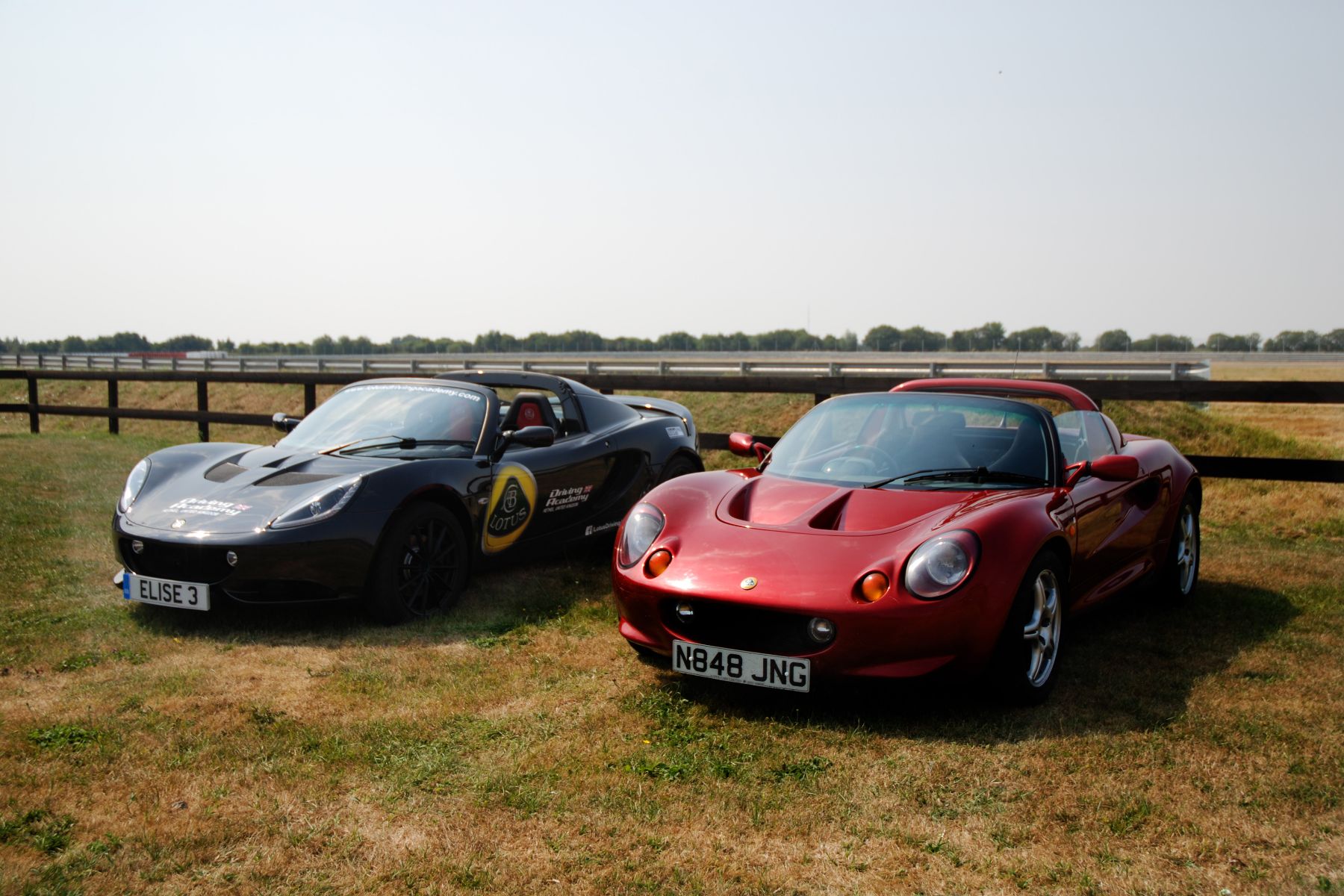
More than 22 years after the launch of Lotus’ iconic back-to-basics sports car, the woman after whom it was named has returned to Norfolk to meet the Elise.
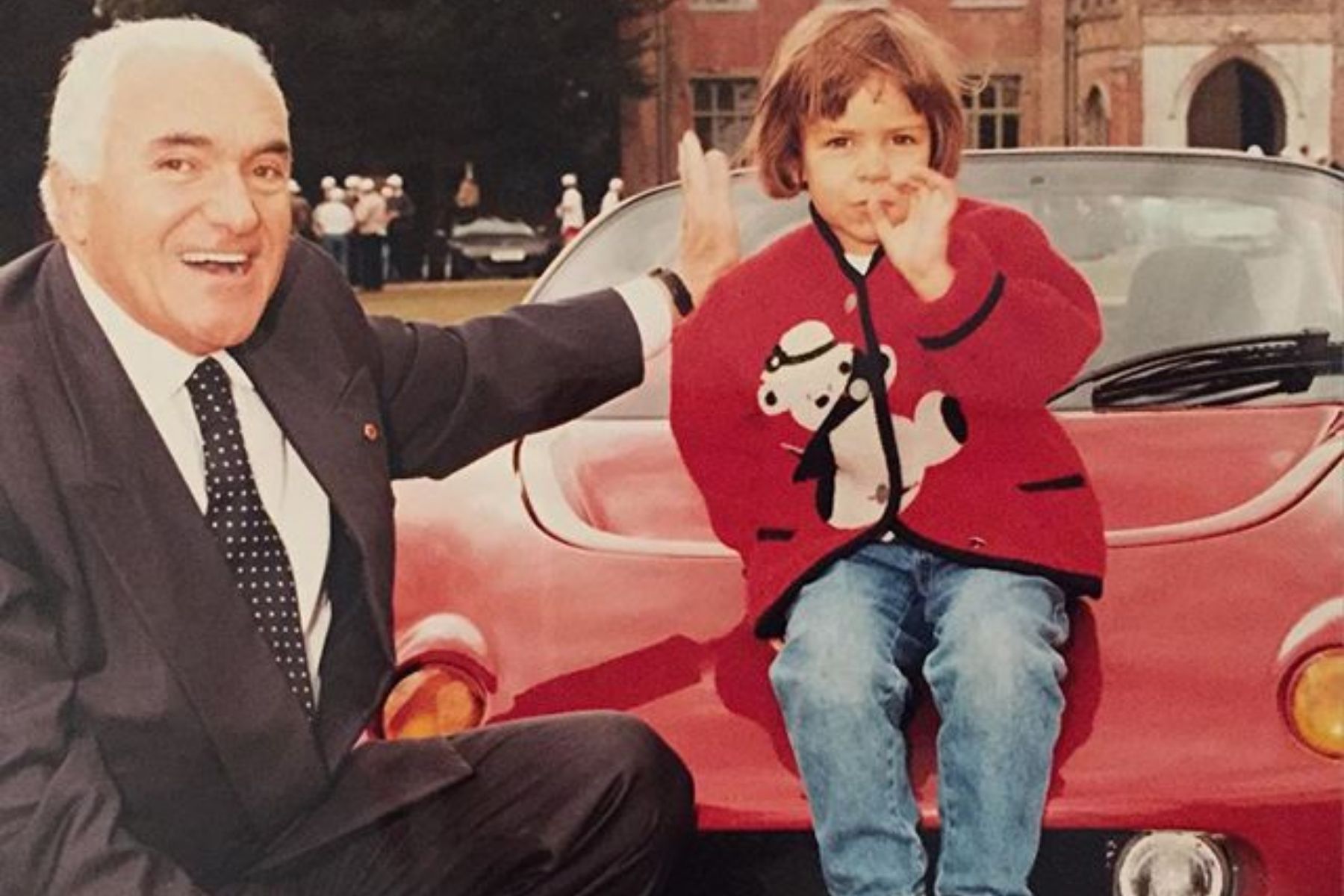
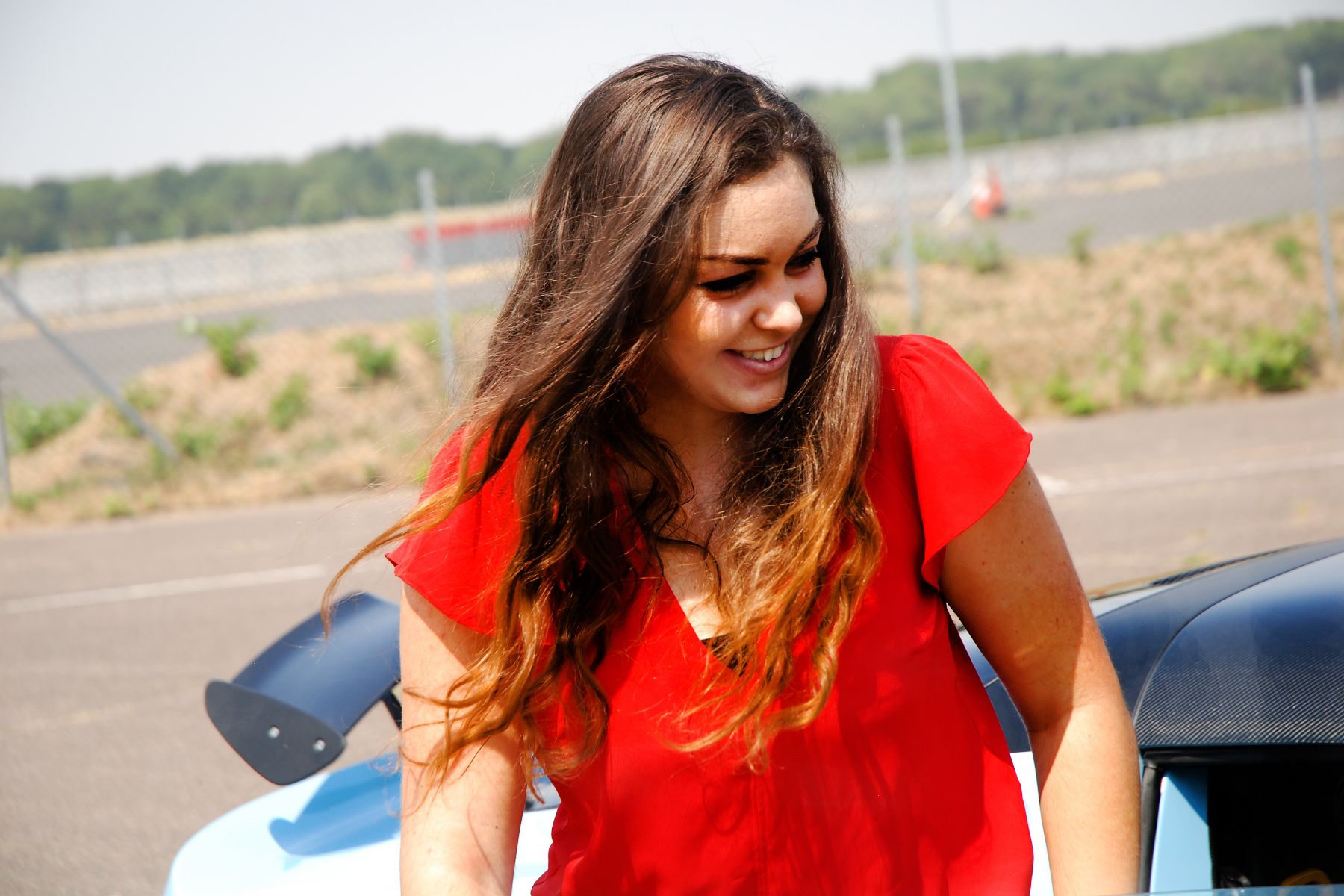
Elisa Artioli was the granddaughter of Romano Artioli, chairman of Lotus in 1995. Back then she was a little girl and can be seen posing with her granddad on the first production Elise.
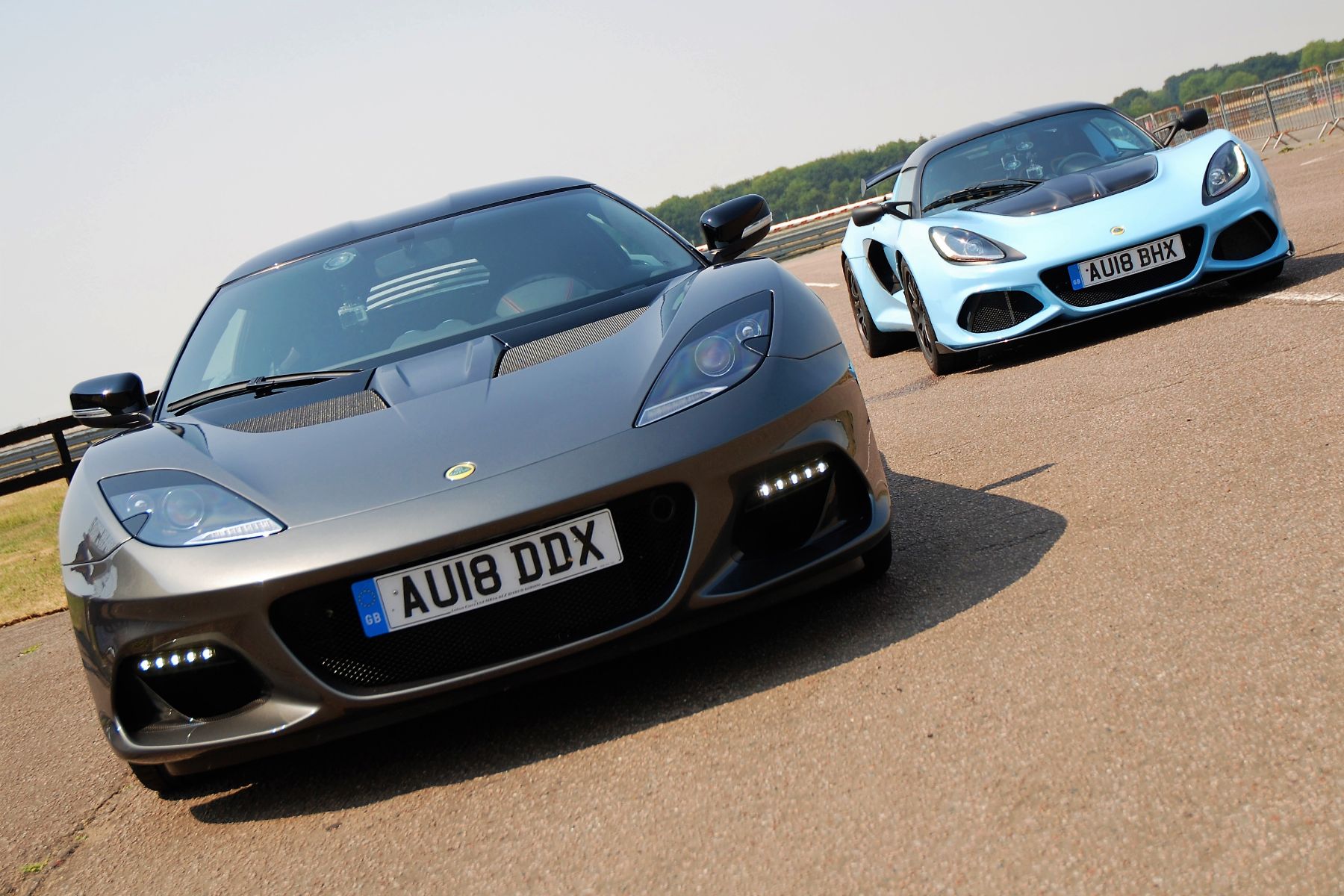
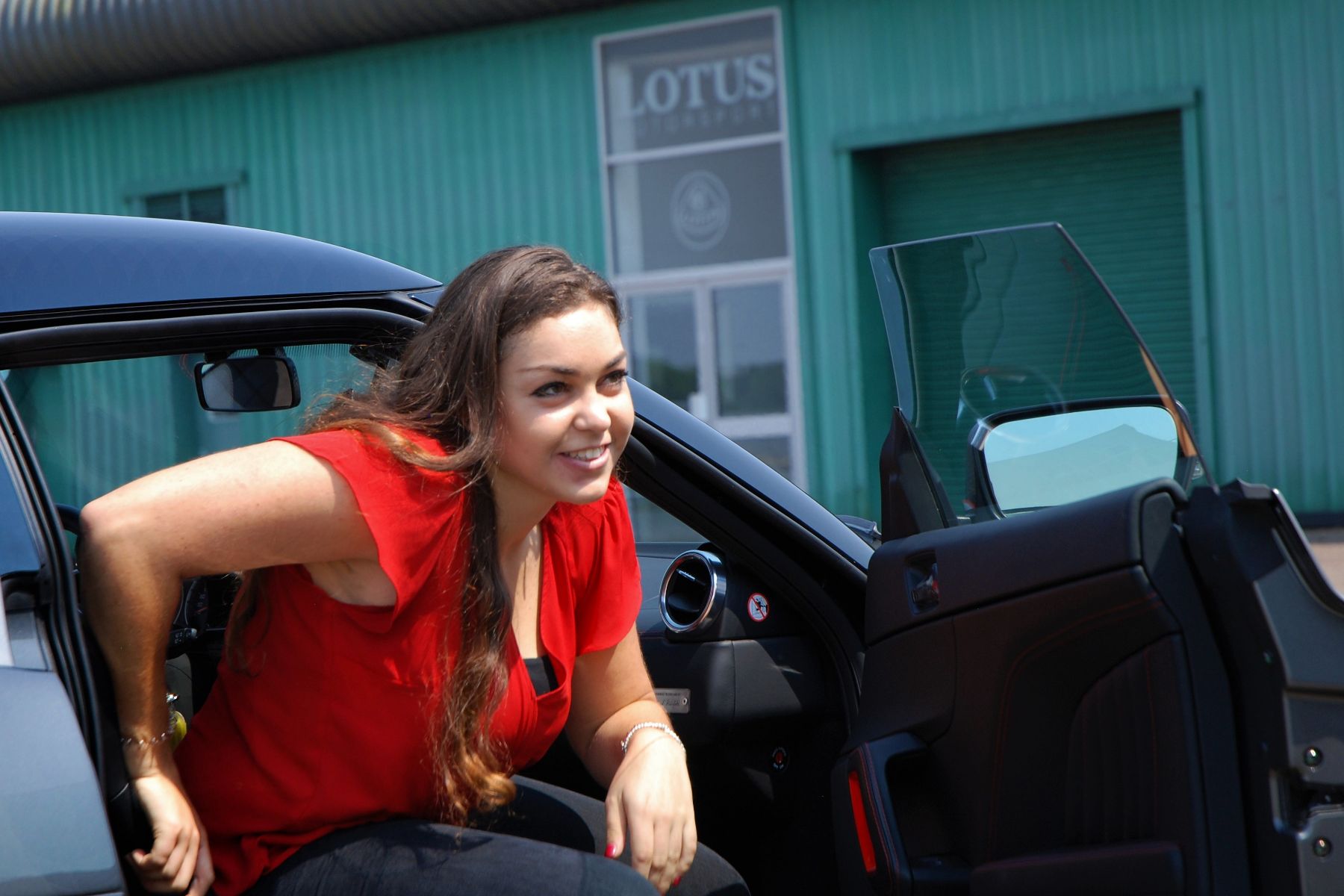
As well as taking the Exige Sport 410 and Evora GT410 Sport for her first drive around Hethel, she was also reunited with that original Elise.
There’s no word yet on whether Elisa’s more hardcore brother, Exige, is planning a trip any time soon…
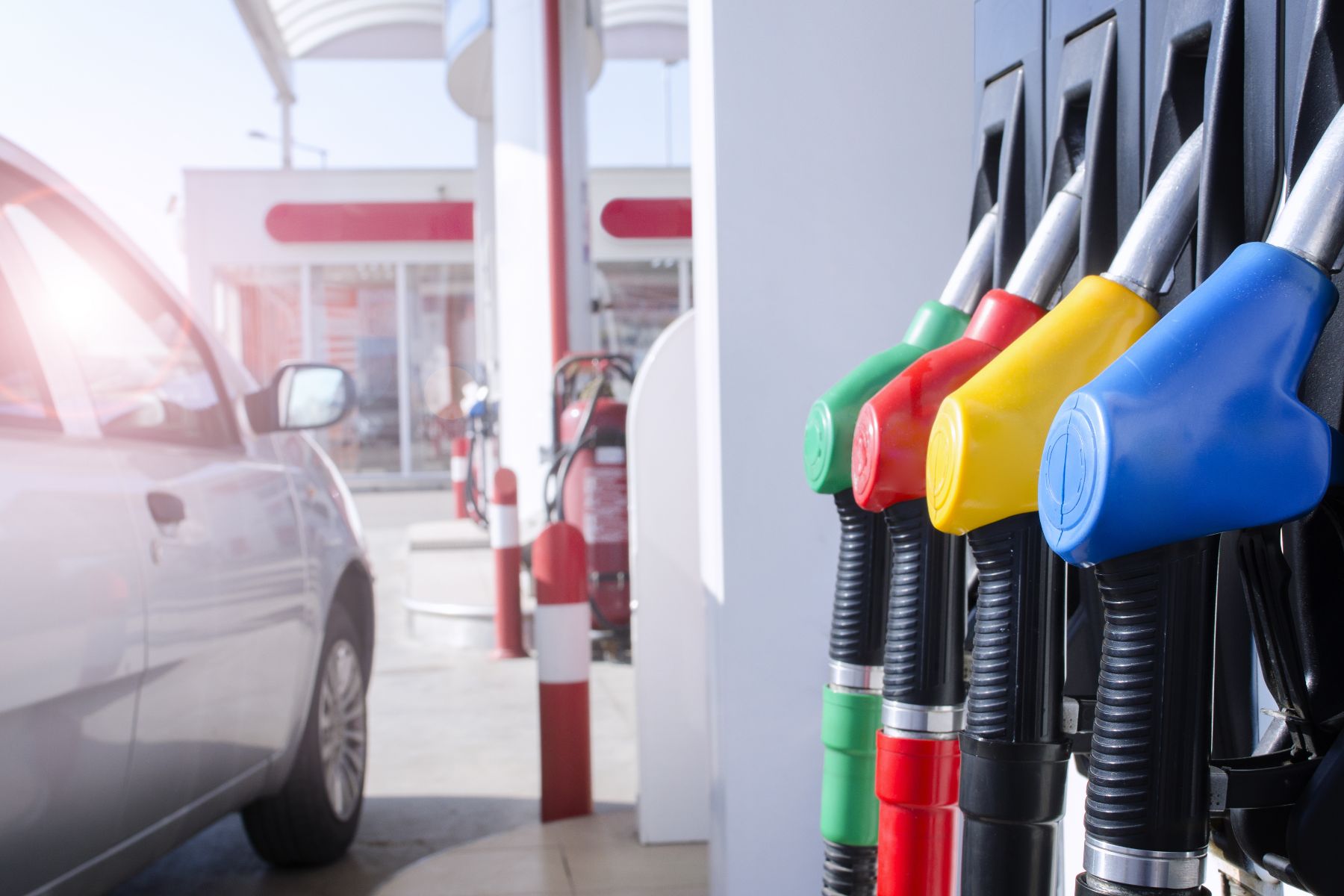
As many as 25,000 people every year fill up with fuel and don’t pay. A spokesperson from the National Police Chiefs’ Council says this can be avoided by converting to pay-at-pump across the the board.
Chief Constable Simon Cole claims that 12 percent of crimes in his Leicestershire constituency are retail-related, including ‘dine and dash’ fill-ups.
Could this be solved by implementing an industry-wide pay-at-pump system? In a word, yes, but at what cost? The Petrol Retailers’ Association is at pains to highlight how important walk-in business is to profits at petrol stores.
Gordon Balmer, commercial manager of the PRA, says that 50 percent of petrol station profits aren’t actually on fuel. That’s a whole chunk of takings lost in the event of a full switch, on top of the £20,000+ per station he claims it would cost to implement. That cost could be far higher for individual cases with less infrastructure to build on.
Of course, pay at pump-only could negate the need for a checkout attendant or indeed a station to go with the pumps at all, saving on salaries and other running costs. But then you have to consider the potential job losses…
Mr Balmer also highlights that petrol stations are an important part of rural infrastructure. With recent closures, the local shop, post office and cash machine may all be located there.
While Mr Balmer’s point is valid, you could say that’s good reason for those living rurally to walk in, regardless of whether they pay at the pump for fuel or not.
Indeed, a solution to “design out bilking in 30 seconds”, as Mr Cole said in an interview with the Telegraph, does sound appealing. Pre-paying for fuel is certainly something that’s commonplace overseas.
Should the police make it incumbent on certain industries to pay out for new systems to reduce crime? Even though pay-at-pump would save petrol stations on losses from theft, we’re not so sure.
Read more:
‘Taken for a ride’: RAC demands 3p a litre cut in the price of petrol
How to find the cheapest petrol and diesel near you
 Apple CarPlay is the must-have car tech feature for iPhone users. But for those without inbuilt sat nav in their car’s infotainment system, it’s also been somewhat frustrating, as it has only supported the proprietary Apple Maps nav, not user favourites such as Waze and Google Maps.

 The
The 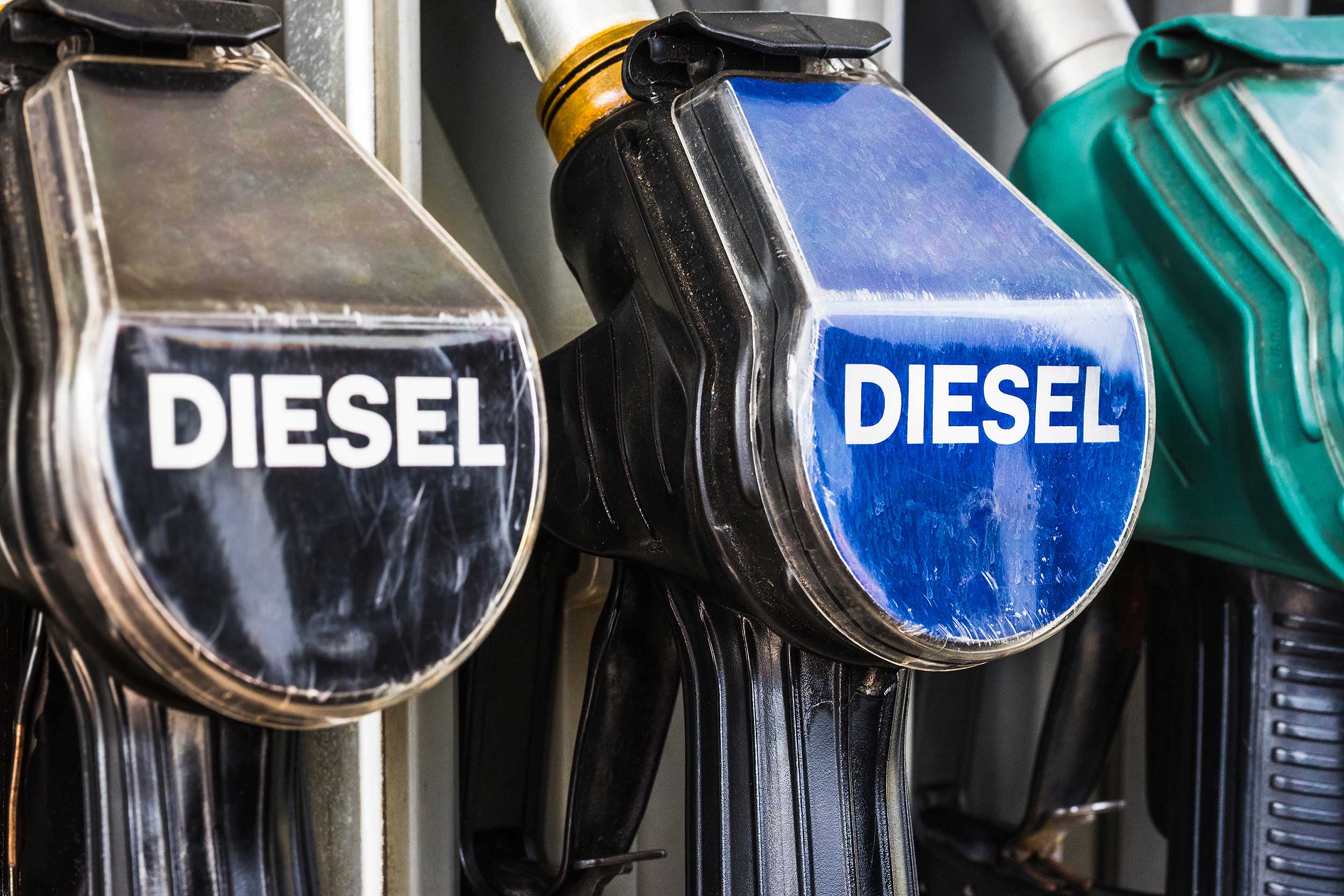




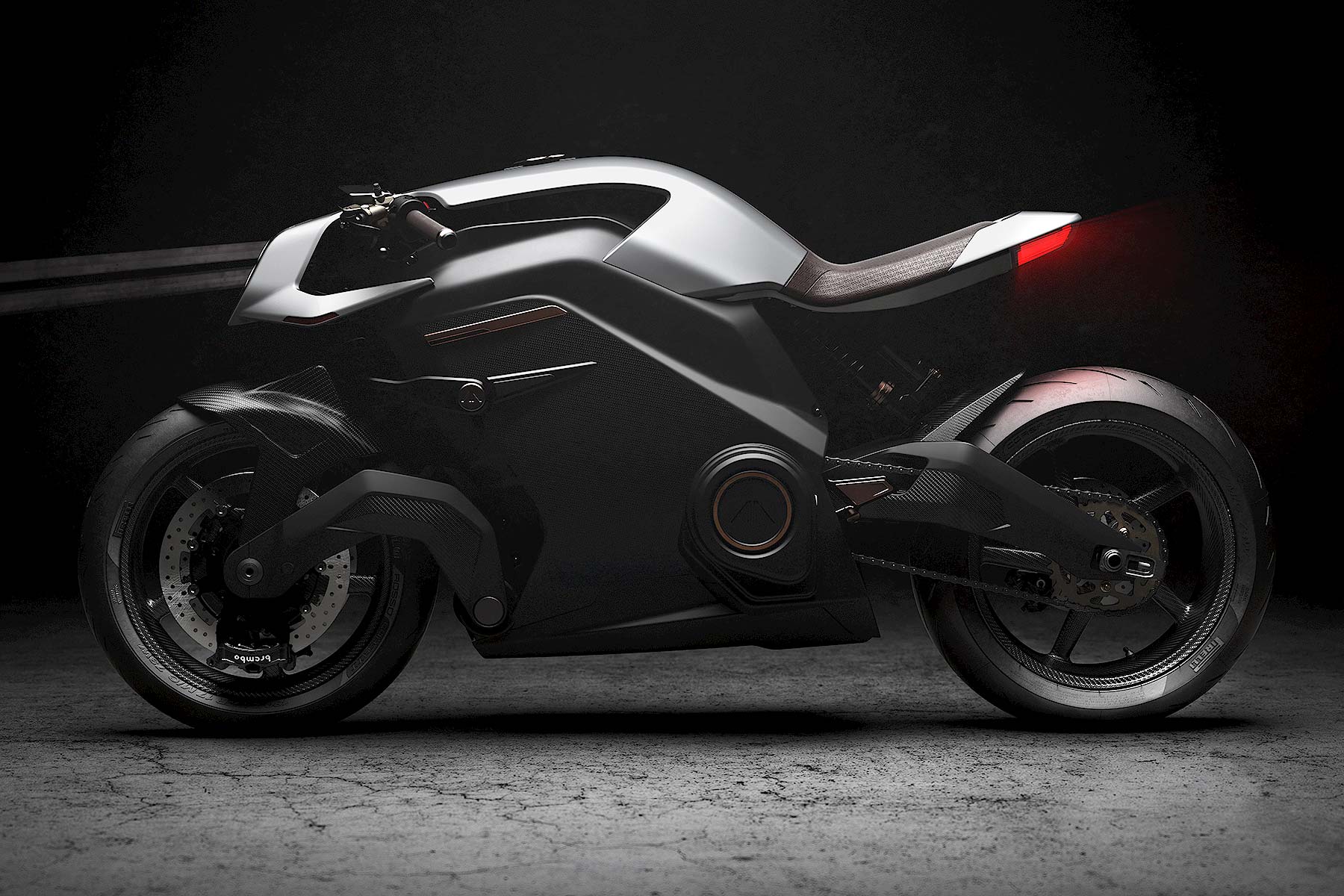 InMotion Ventures, Jaguar Land Rover’s venture capital fund, has invested in British electric motorcycle startup Arc, which claims to have built the world’s most advanced electric motorcycle.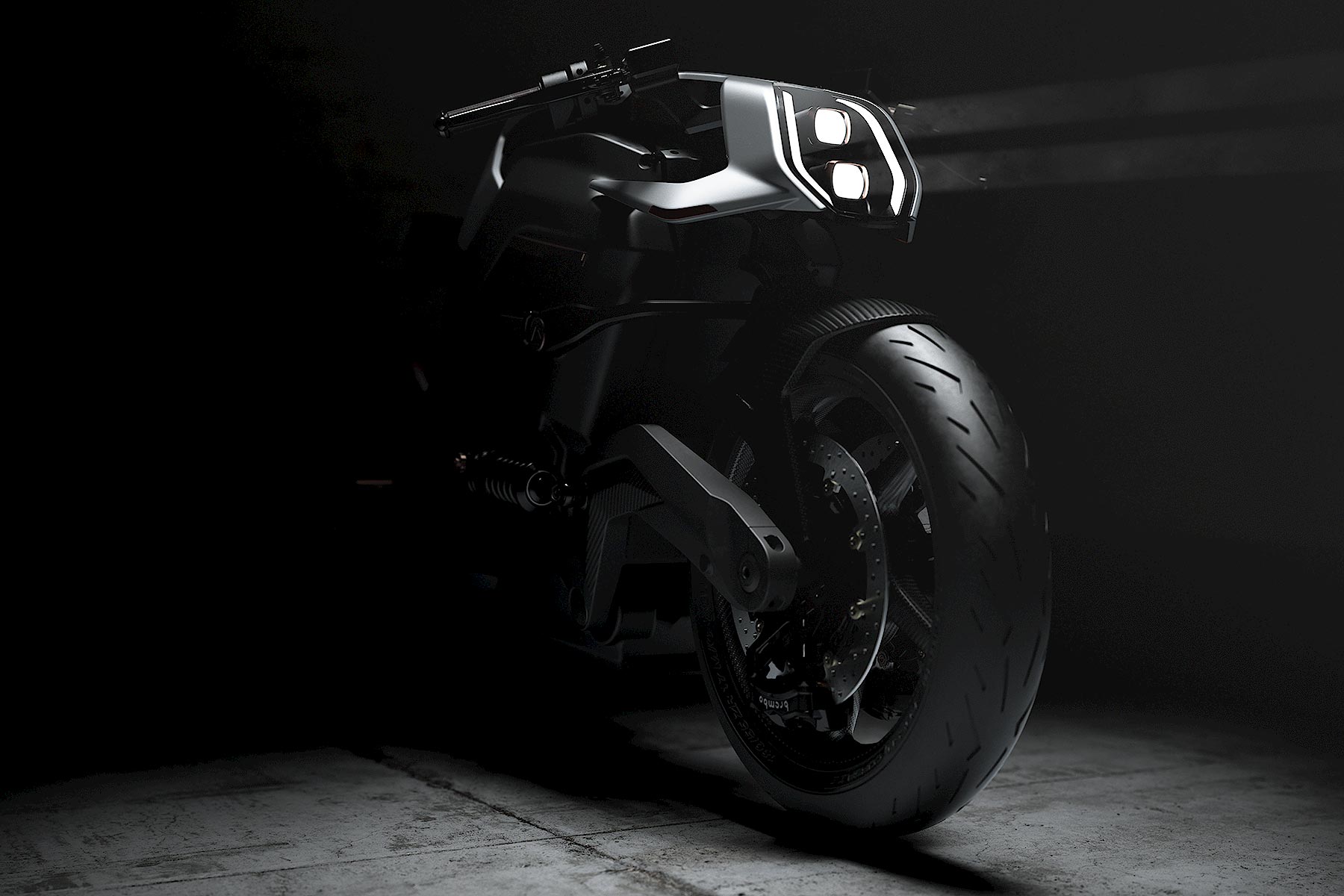
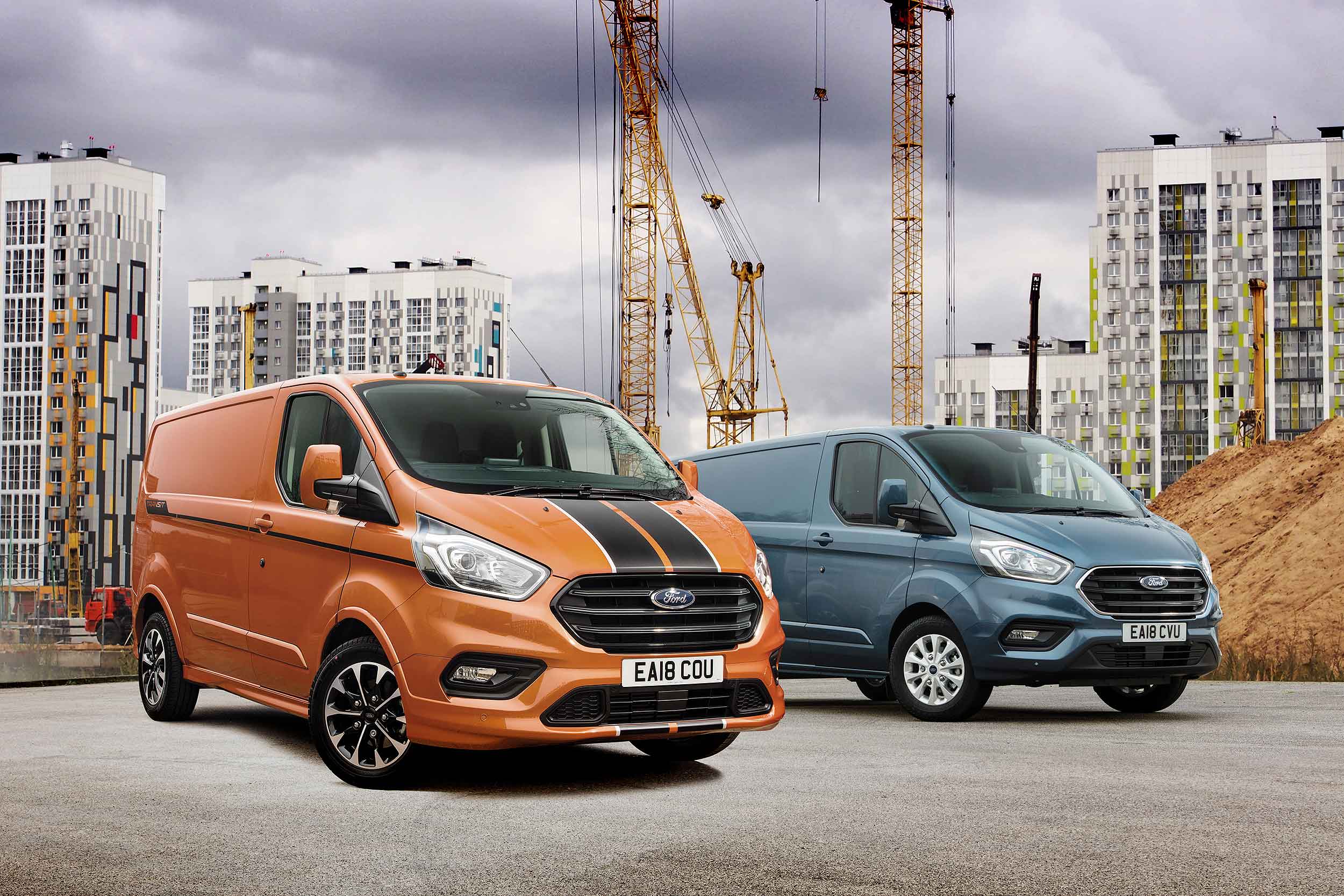 The Ford Transit Custom van wasn’t just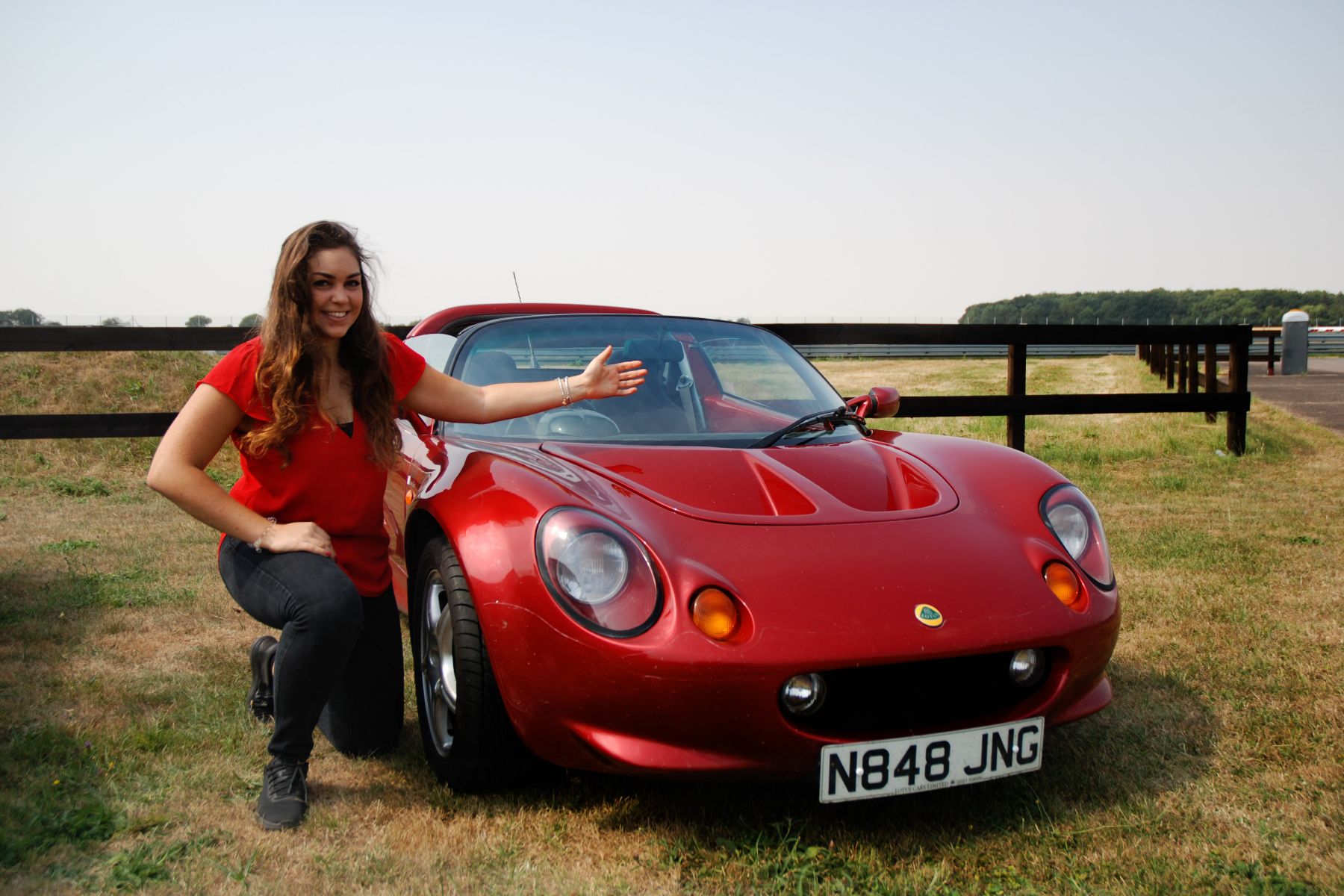
 As many as 25,000 people every year fill up with fuel and don’t pay. A spokesperson from the National Police Chiefs’ Council says this can be avoided by converting to pay-at-pump across the the board.