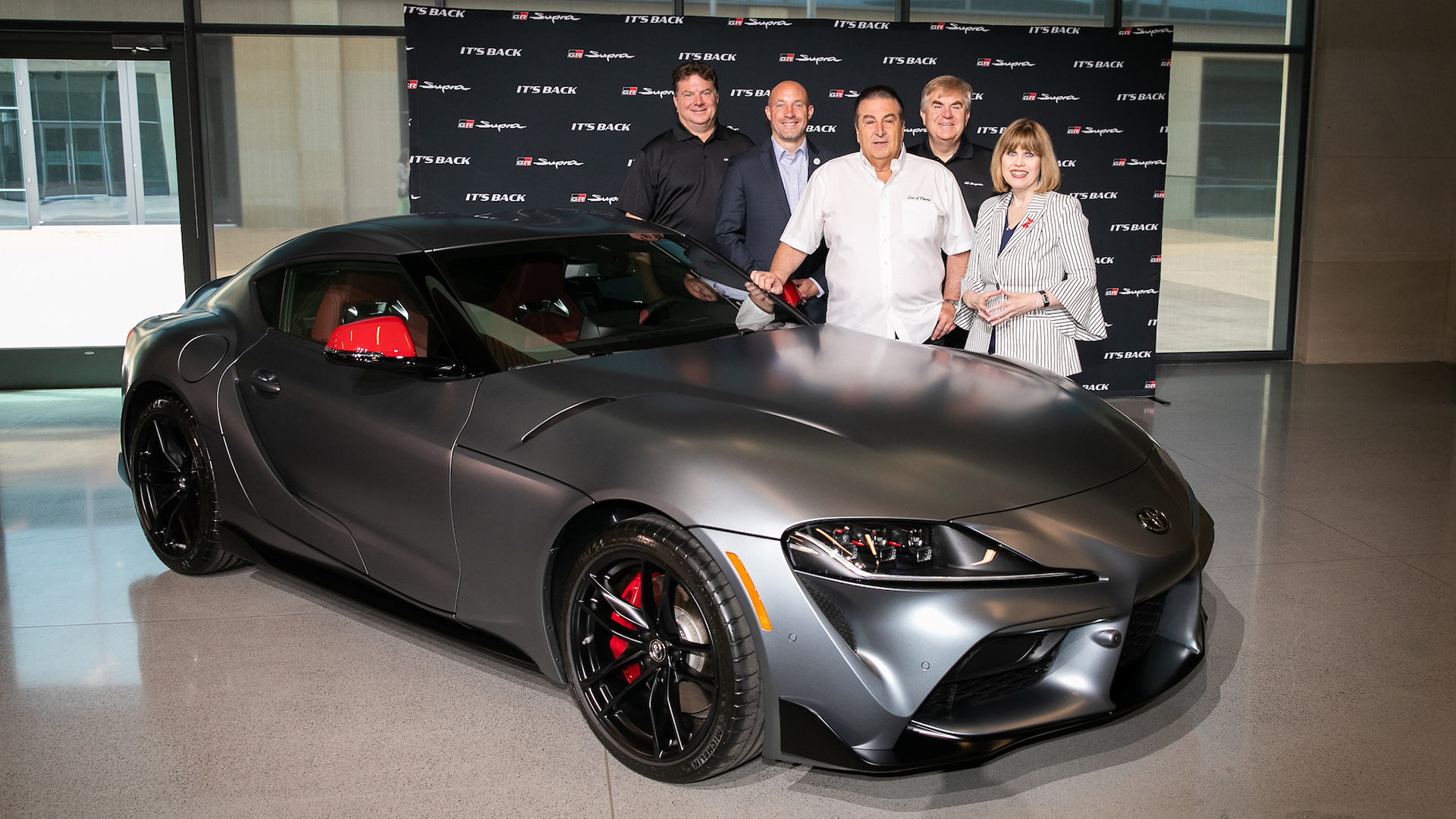
The winning bidder for the very first 2020 Toyota GR Supra to leave the production line has now taken delivery of his special car.
John Staluppi, President and CEO of the Auto Atlantic Group of dealerships, plus an avid car collector, has had to wait six long months.
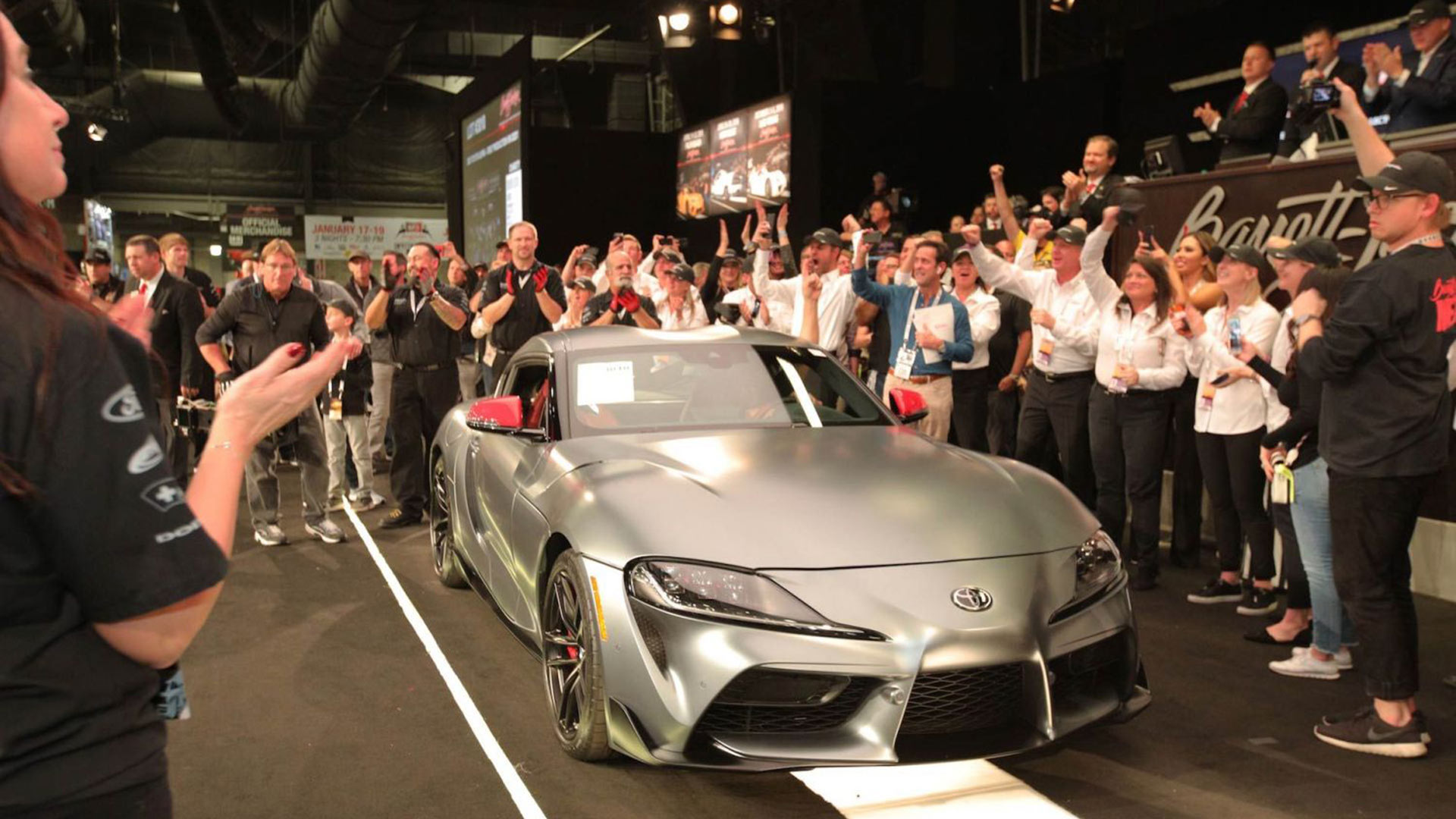
Staluppi’s winning bid of $2.1 million (£1.55 million) was enough to secure the car at the Barrett-Jackson Scottsdale auction back in January.
Although the $2.1 million figure may be enough to buy 42 regular production GR Supras, the car Staluppi now has is rather special.
It wears a VIN which ends in ‘20201’ to denote that it was the first fifth-generation Supra to be built for the 2020 model year.
‘Global Supra #1’ also wears special matte exterior paint, combined with red door mirror caps and a set of gloss black alloy wheels. A red interior is also part of the package.
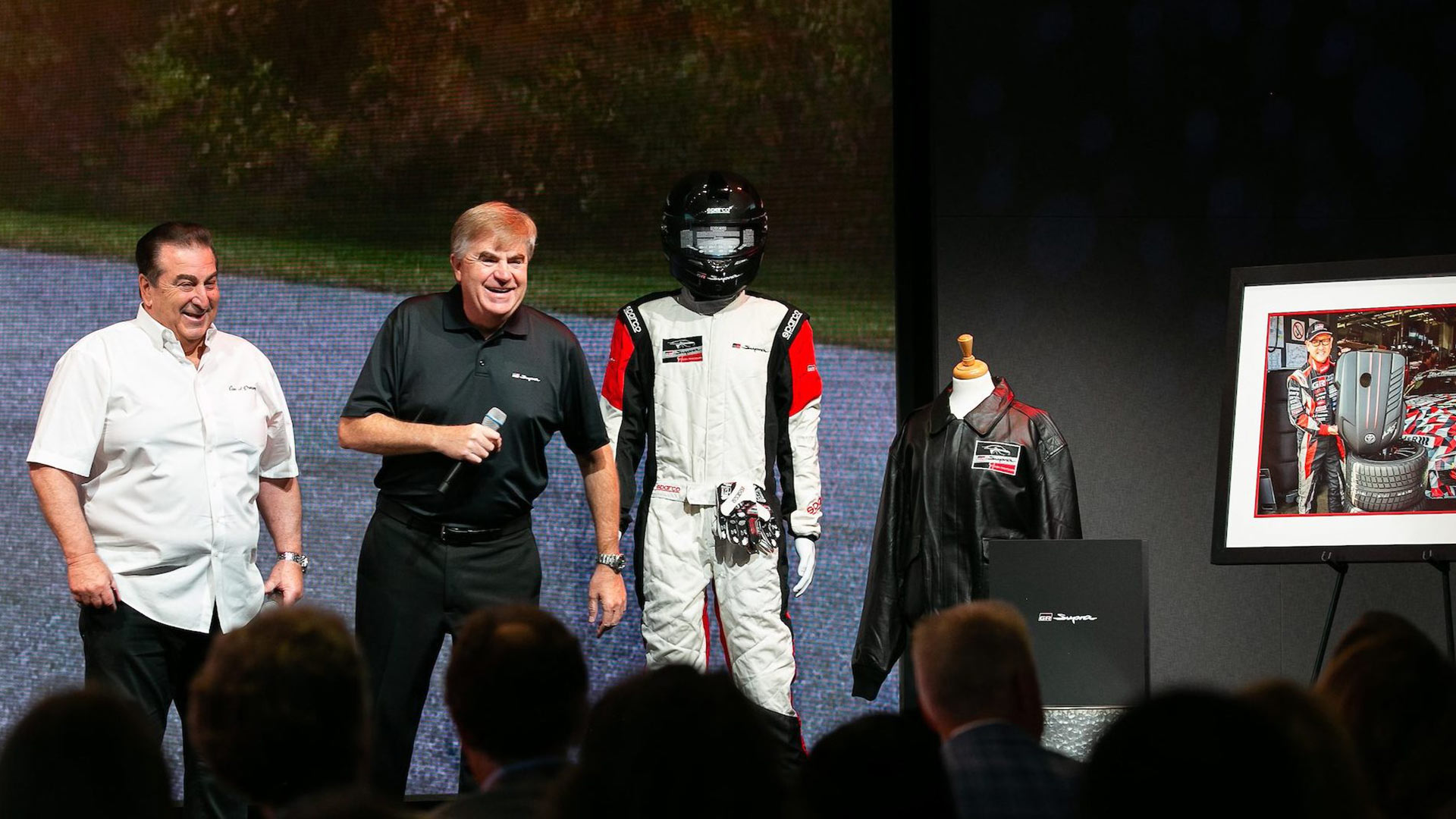
Staluppi also collected a variety of other special items along with the first GR Supra. Bob Carter, Toyota executive vice president of sales, presented Staluppi with his new car and his accompanying goodies.
These included a custom-created Toyota race suit, a VIP track day experience, and a photo signed by Toyota Motor Corporation President Akio Toyoda. The engine cover of the GR Supra was also signed by Toyoda-san.
Most important of all in the process was the money raised for charity. Proceeds from the $2.1 million hammer price will be split between the American Heart Foundation, along with the Bob Woodruff Foundation.
Just a few years ago, Volvo was a minor player in the premium car sector. Its biggest hit, the XC90 large SUV, was ageing badly, and other models such as the S60 and V70 were off the pace.
Even its best-selling car, the XC60 mid-size SUV, was ready for replacement, while its newest model, the V40, was basically a Ford Focus in drag.
Today, Volvo is a different company.
It started with the all-new XC90, a radical reinvention that took everyone by surprise and set the template for everything since.
The XC90 was stylish, sophisticated and a quantum leap on in terms of quality and ability – suddenly a fierce rival to alternatives from Audi, BMW and Mercedes-Benz.
Hit after hit has followed: the S90 and V90, XC60, XC40, S60 and V60. Volvo has replaced almost its entire model range, with only the V40 waiting for reinvention.
Geely gave Volvo serious financial backing, scrutinised its development plans, but then seemed happy to oversee things from afar. Geely didn’t interfere and Volvo has thrived.
The Geely magic has since benefited another company on its knees: the London Taxi International.
Geely rescued it, renamed it the London Electric Vehicle Company (LEVC), and funded development of a plug-in hybrid taxi that London cabbies, a notoriously tough audience to please, are raving about.
LEVC is now planning to do the same in the commercial vehicle sector with a plug-in hybrid van.
It seems, if Geely commits to a company, it’s sure to prosper.
Lotus sunbeam
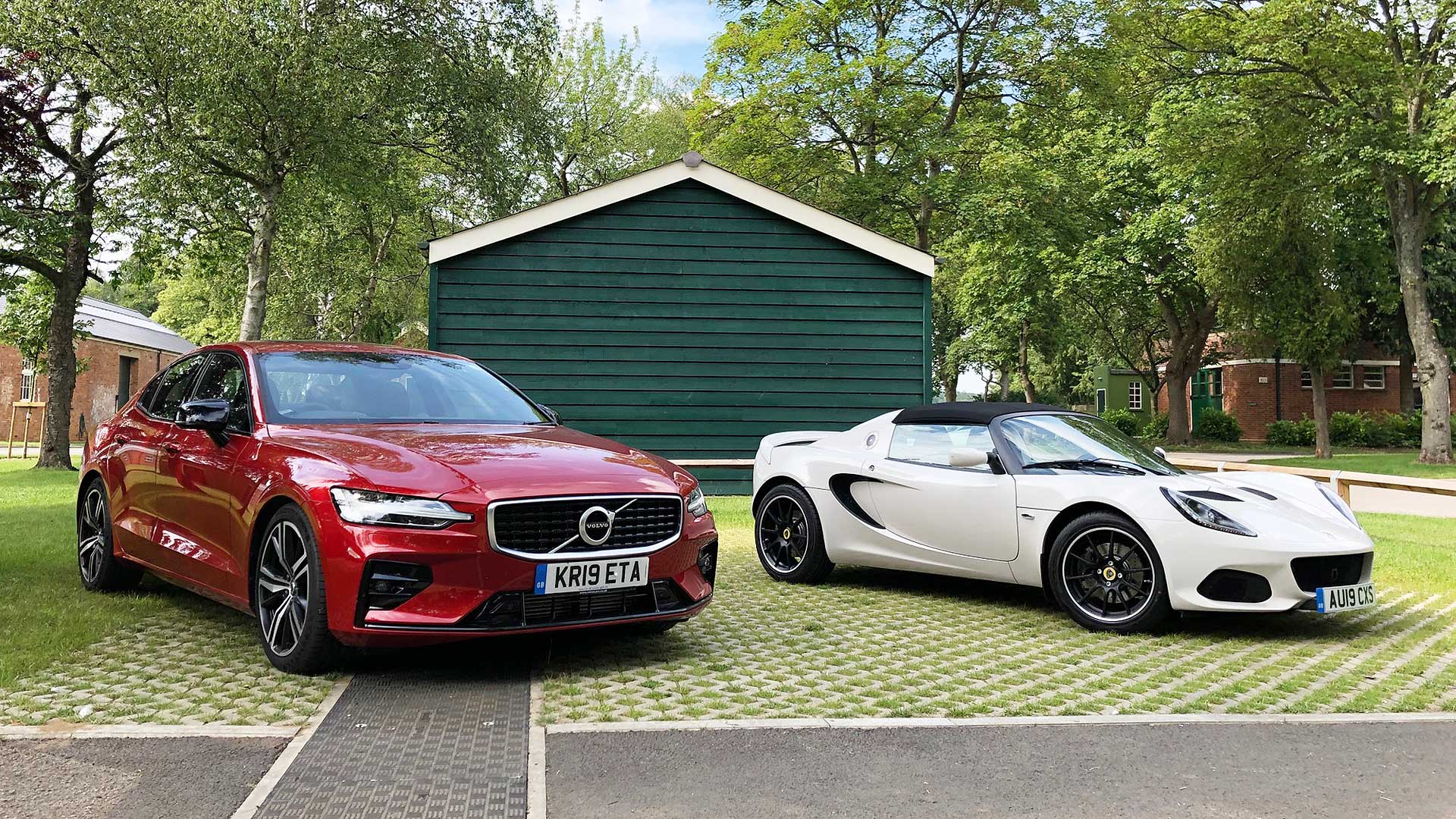
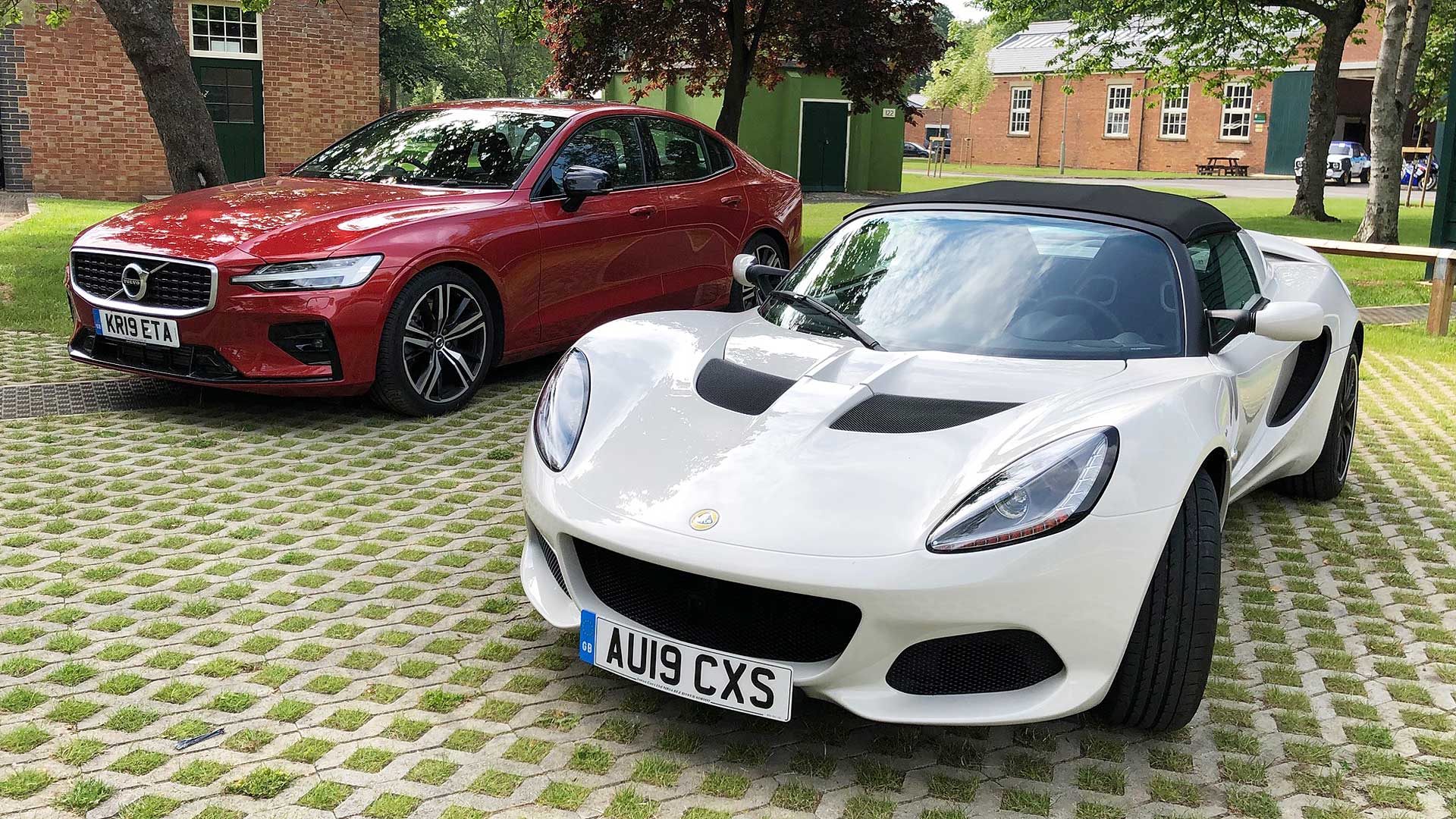
And the latest company set to demonstrate the Geely magic? Lotus. Next month, it will reveal a brand new £1 million-plus electric hypercar.
Next year, it will start replacing its current dated (albeit still brilliant) sports cars. It is even likely to make an SUV (although the company has yet to confirm this).
I visited Lotus this week, to drive some of its current cars. The mood amongst the team? Buoyant. It is already seeing what Geely is bringing to the firm, and can’t wait to start talking about new products.
As I drove home in a Volvo test car – the excellent new S60, a convincing BMW 3 Series rival at last – I got it, too.
Watch Lotus with interest: it’s getting ready to do a Volvo.
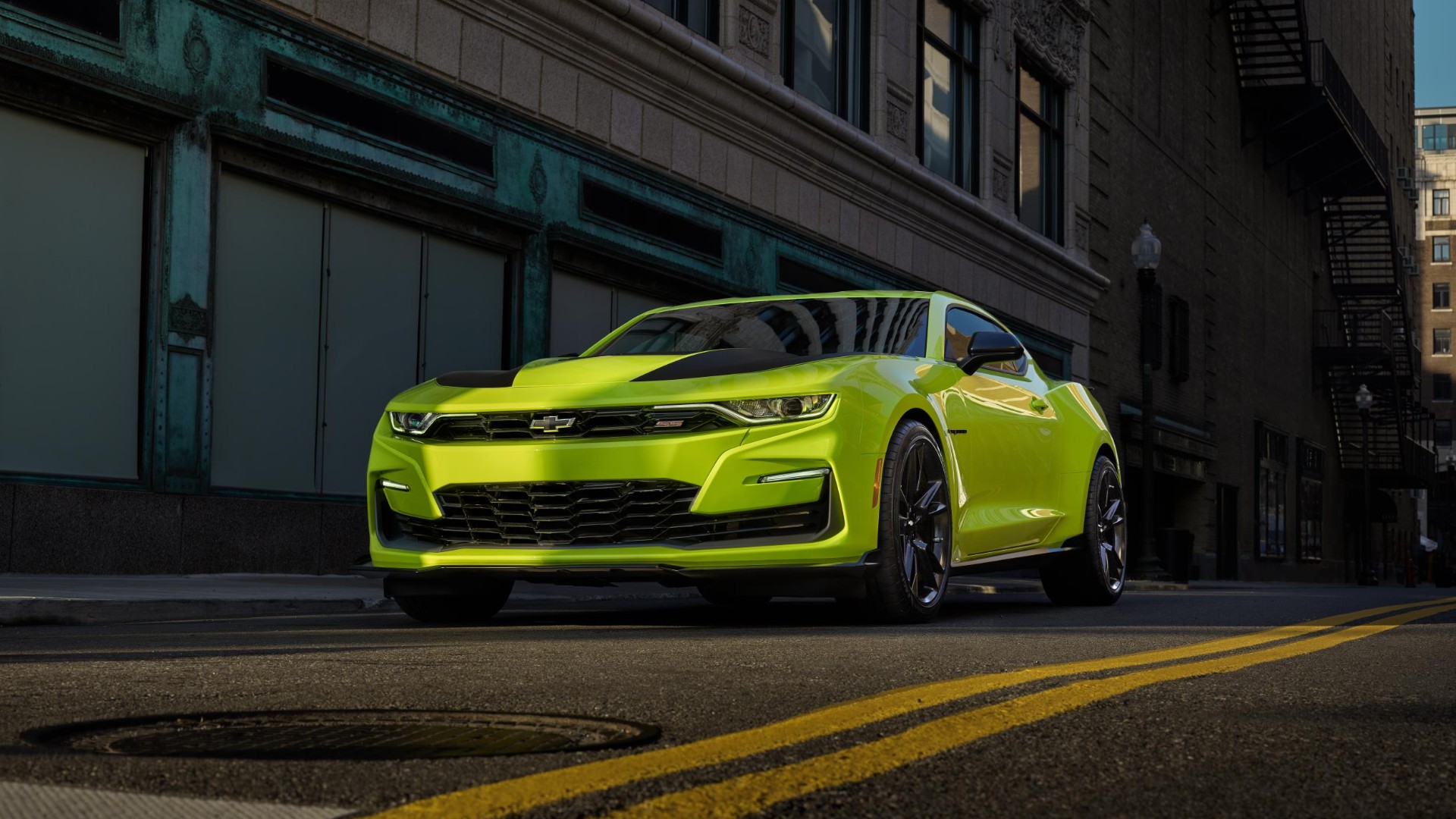
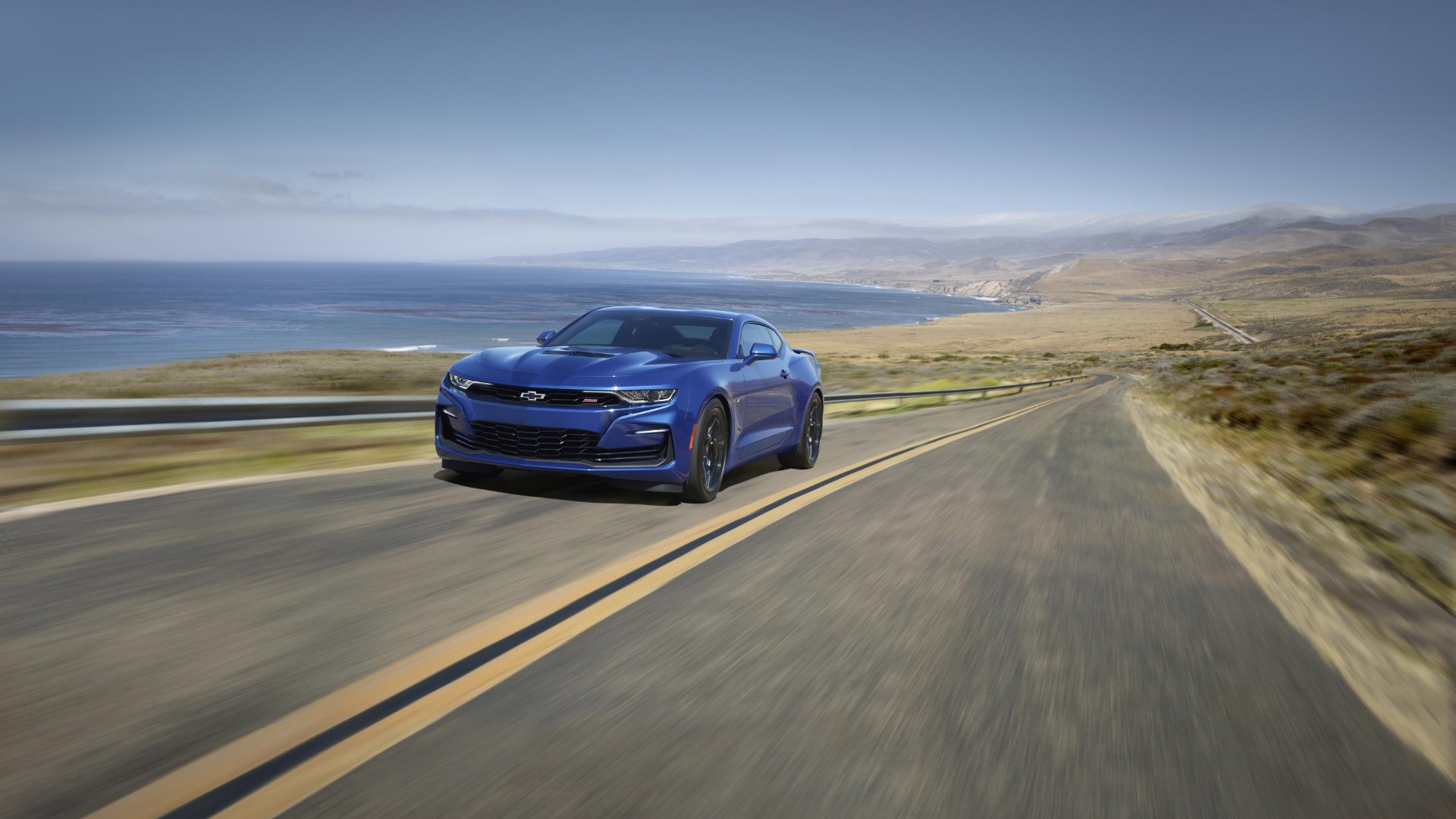
Chevrolet could end production of its iconic Camaro muscle car in 2023.
Although the Camaro is much-loved by fans, poor sales may force the American marque to cross a seventh-generation car off the development docket.
Anonymous sources inside GM told Muscle Cars & Trucks that development of a seventh-generation car has been ‘suspended’.
The rumours come despite the fact that an updated Alpha platform is ready (under the skin of the newly-revealed Cadillac CT4 and CT5) and could form the basis of a new Camaro.
If the Camaro name is indeed ‘likely to be shelved’ in 2023, it won’t be the first time. There was an eight-year production gap between the fourth- and fifth-generation cars.
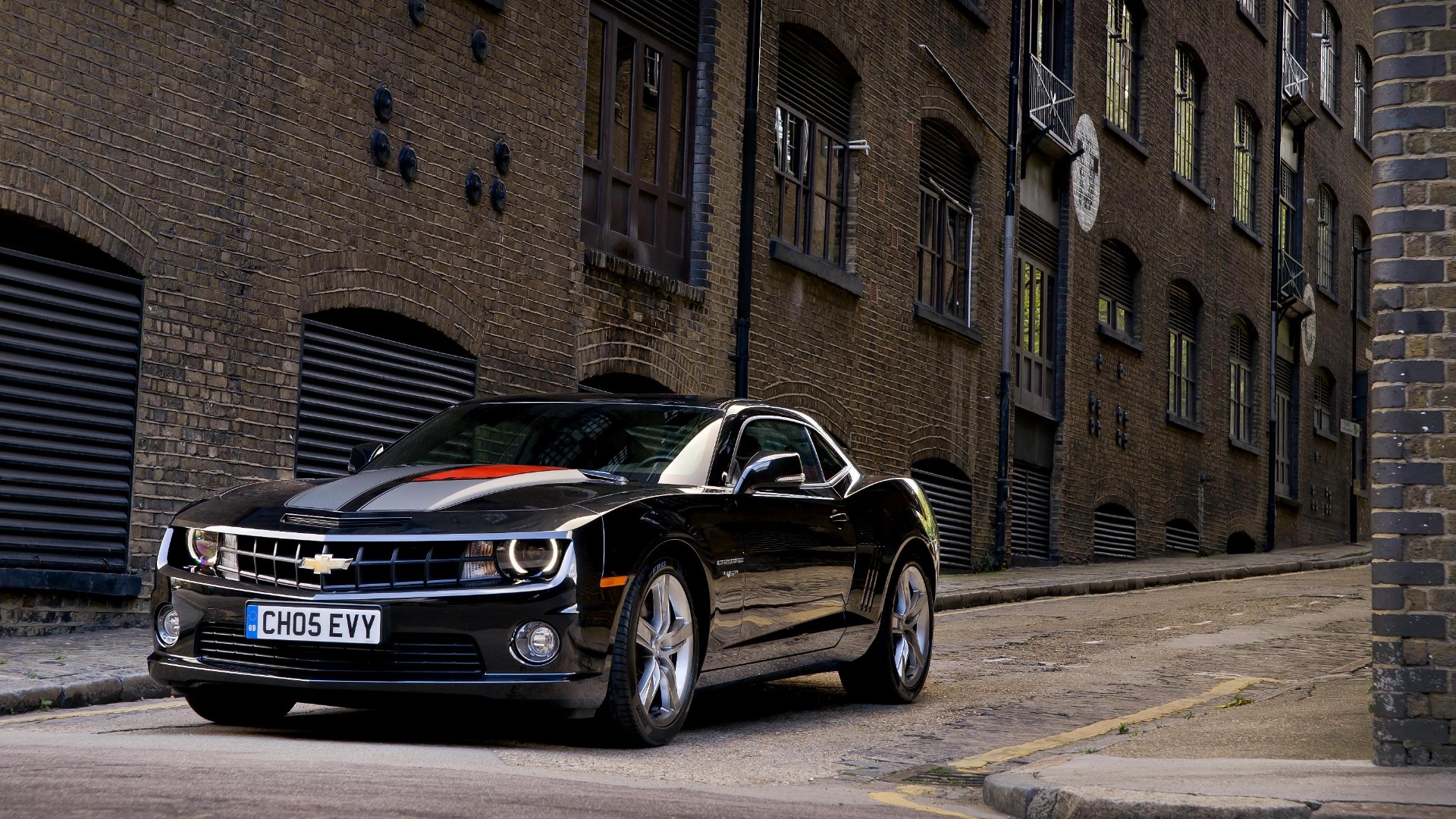
The former, known by enthusiasts as the last ‘F body’, died in 2002. A new-generation car was teased by a retro concept that appeared in the Transformers film in 2007, with the production version following in 2009.
GM had fallen on very hard times at that point, but the Camaro brought some welcome good news. The hype around Transformers and excitement for the return of a classic nameplate with retro looks and monster performance fuelled a sales boom.
Chevy regularly shifted more than 80,000 units a year during fifth-gen Camaro production. The sixth-generation car, which debuted in 2015, hasn’t done so well. Last year just 51,000 Camaros were sold, down on the previous year’s near-68,000 figure.
Why isn’t the Camaro selling?
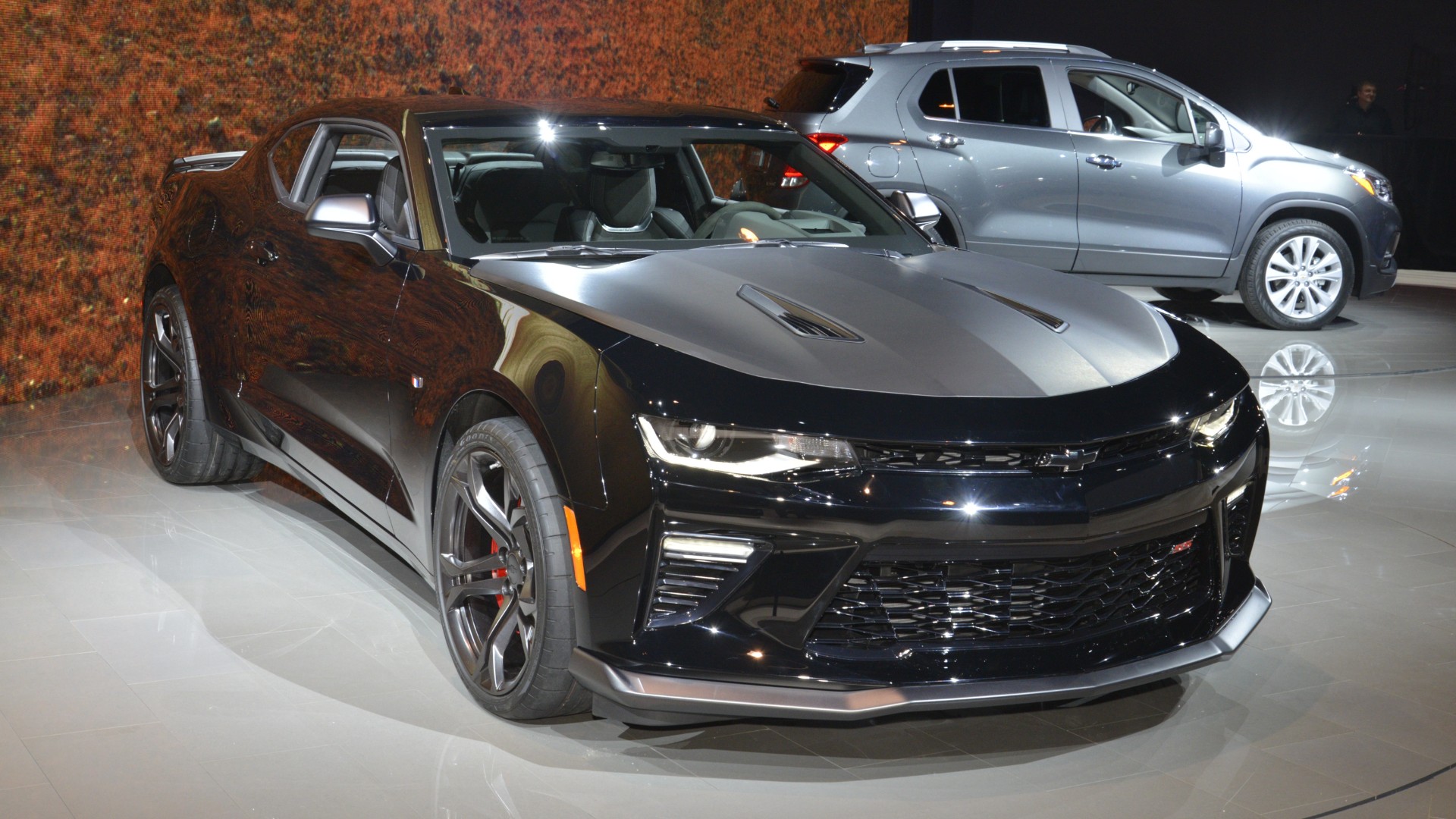
The gen-six, while a good performance machine, doesn’t have the viability of a proper pony car. It’s got the V8 and the handling, but it’s not very practical, difficult to see out of and, in SS V8 form, quite expensive.
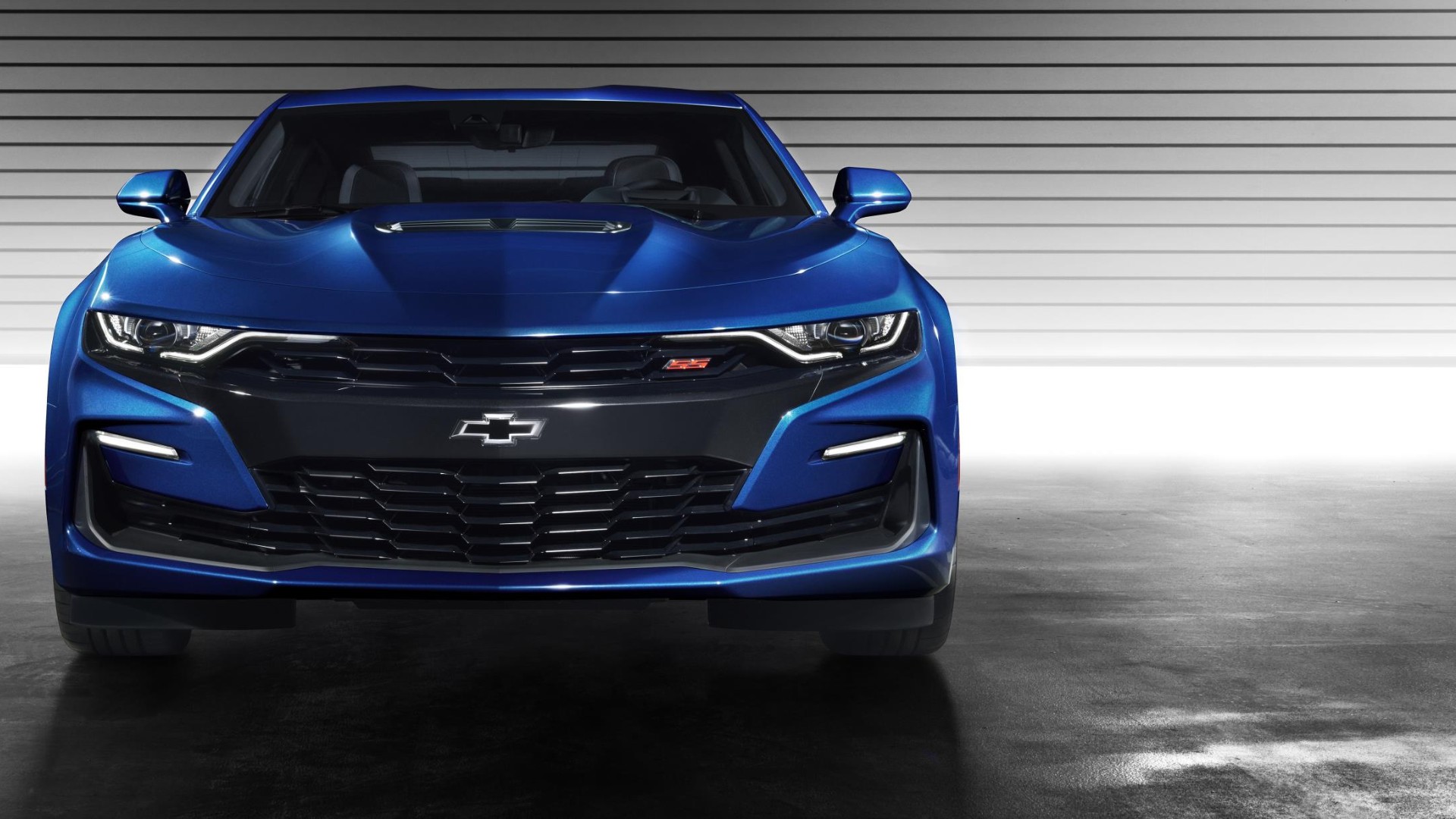
Then there is the styling. It was a polarising thing on release, if not offensive-looking. The recent facelift, though, has to be one of the worst received in the entire history of the car.
Apart from that, perhaps people have had their fill. Retro styling is very familiar now, and the new car made a slightly odd go of further modernisation.
Then again, the success of Dodge’s Challenger – a car as old as the hills – says otherwise. It has retained a very old-school and simple bravado, while the Camaro (and to a lesser extent, the Ford Mustang), have become a bit fussy. Plus, it’s the powerhouse poster car where 707hp is third-best.
Whatever happens, if it happens, we’ll be sad if the Camaro goes. Not that we got it officially in the UK anyway…
Fraudsters are employing a new tactic in their pursuit of a quick – and dangerous – buck, warns claims expert AX.
‘Hide and crash’ involves the criminal’s car hiding in your blind-spot, then accelerating abruptly, swerving in and slamming on the brakes.
Their aim is to get you to crash into the back of them. Generally speaking, it’s always the person behind who’s considered at fault, hence the fraudsters’ focus.
“This new tactic is a dangerous progression of the existing ‘slam on’ approach,” explains Neil Thomas, director of investigative services at AX.
“Criminals can take cover in a driver’s blind-spot, wait for the ideal moment, then accelerate and move into their pathway before slamming on the brakes.”
The top five tactics to induce accidents
Motor fraud costs drivers and insurers £340 million every year. Hide and crash is, in fact, an evolution of existing tactics used by criminals to put themselves at the blameless end of a smash.
This involves someone flashing to let you out, only for them to accelerate and hit you. Because you’re being let out, it’s the other driver’s right of way, and therefore technically not his or her fault.
3. Crash for ready cash
This involves employing any of these tactics and more and then asking for cash to fix their car
4. Hide and crash
Hiding in the driver’s blind-spot, then accelerating, swerving in front and braking hard.
5. Hire and crash
The fraudster hires a car and stages an accident with a friend.
Where is most at risk for motor fraud?
Anywhere where you might find yourself encroaching on another driver’s right of way is a risk. This includes most roundabouts, especially those without CCTV, traffic lights and side road turnings.
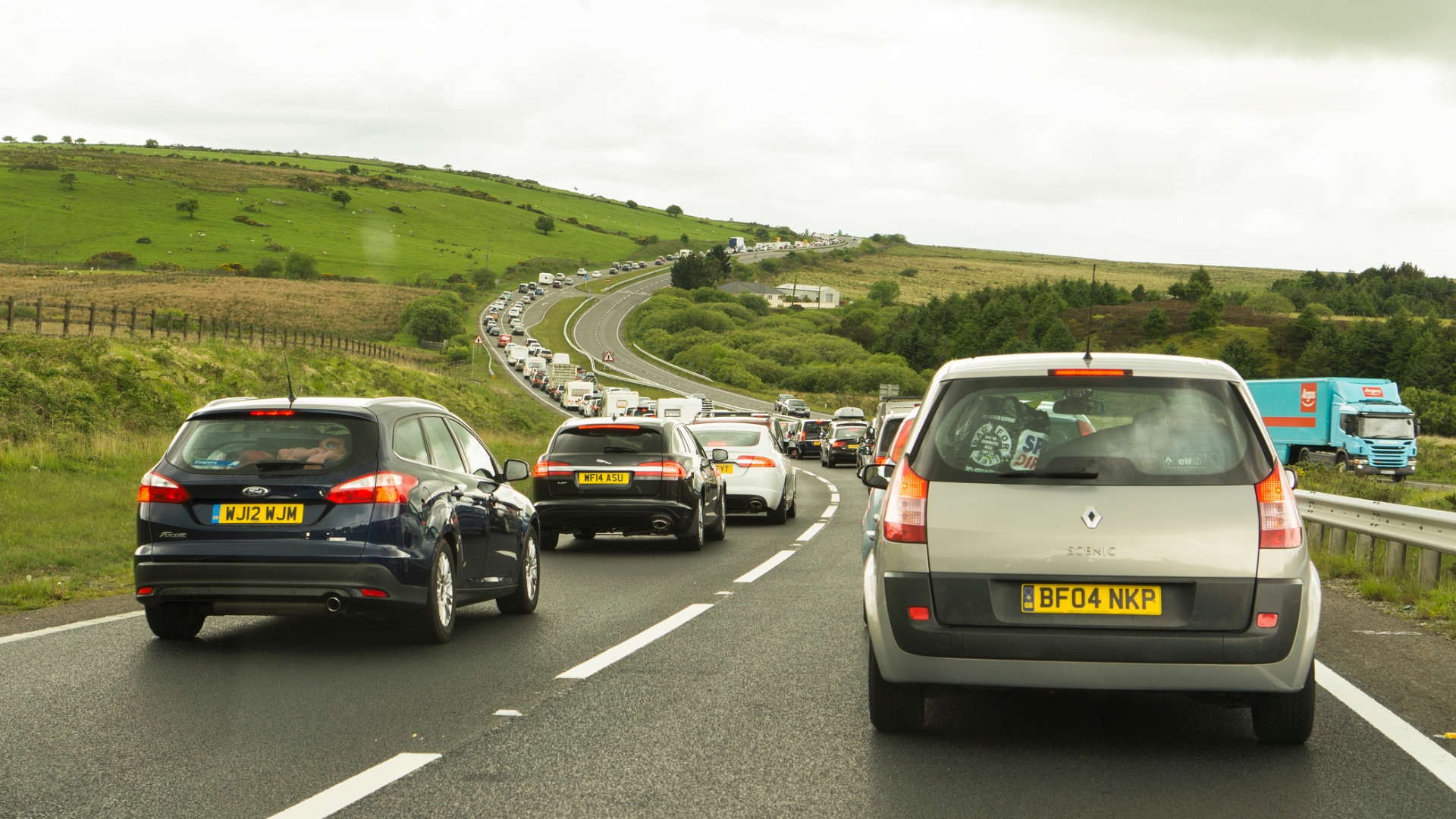
Motorways, particularly when they’re busy, are popular for traditional ‘slam on’ tactics. This takes advantage of the automatic presumption of fault and the high speeds on motorways. It’s also hidden in the hustle and bustle.
Protecting yourself against fraudulent crashes
Dash cams can be a huge ally in the fight against motor fraud.
Double-check every move you make, especially when being ‘let out’. If you take your time, someone who is genuinely letting you out might move on. A fraudster could well linger, frustratedly gesturing for you to go.
Watch for passengers in the car in front of you looking back, too. This can be a sign that they’re getting ready for a ‘slam on’.
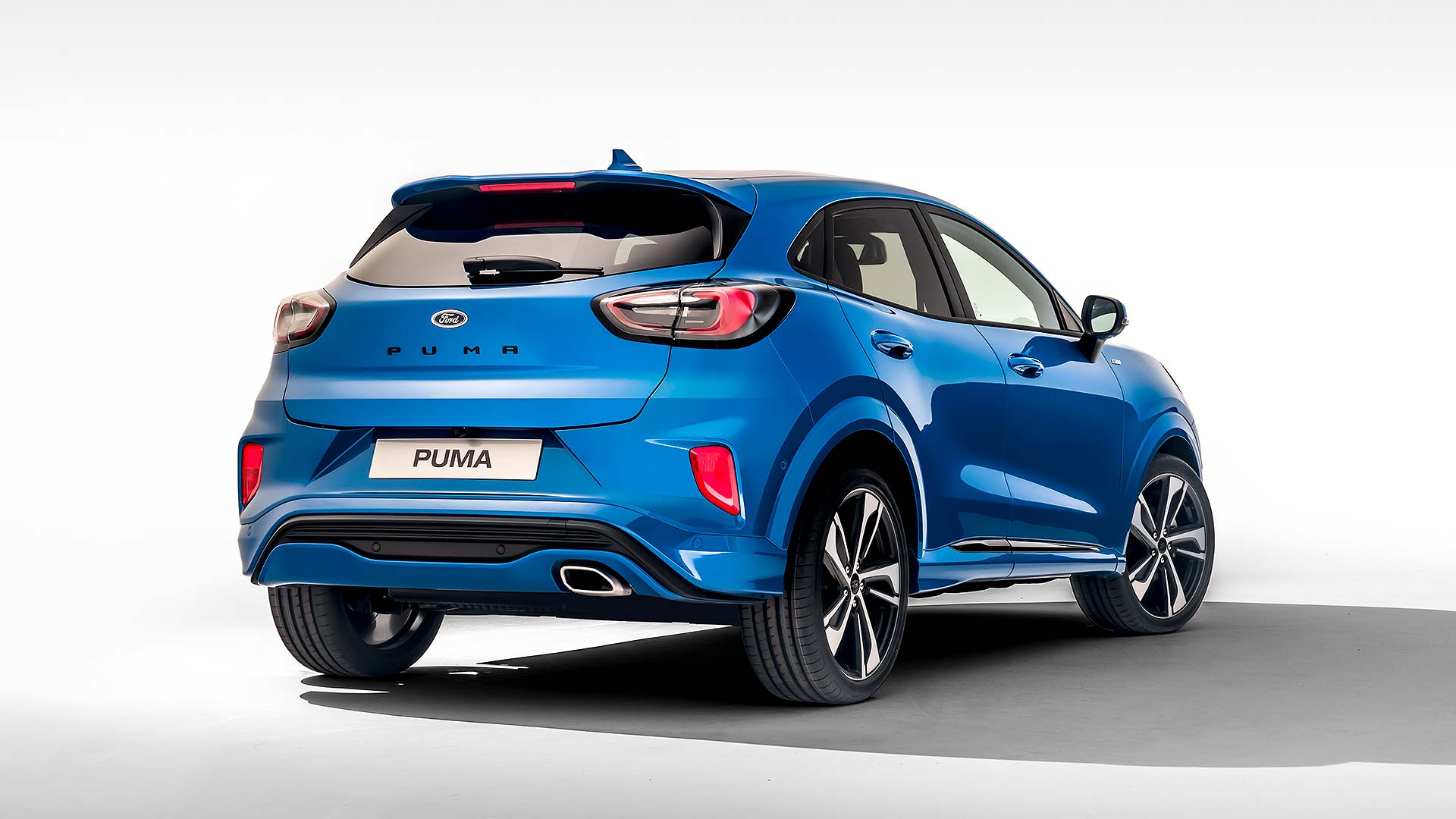
The Ford Puma is back. But before you get carried away with thoughts of Steve McQueen, Tiff Needell terrorising fellow Top Gear presenters and front-wheel-drive coupes, the new Puma is a small SUV. Like the old Puma, it’s based on the Ford Fiesta, but aside from the name, that’s where the similarities end. But the return of the much-loved name got us thinking about other cars that have returned from the dead.
The last Ford Puma was, quite simply, one of the best handling front-wheel-drive cars ever built. Pick of the engines was the 1.7-litre unit co-developed with Yamaha, but the Puma also featured a delightful gearbox, complete with a terrific gear knob. No other small coupe could touch it – the car, not the knob – which meant the Puma appealed to both fashion-led buyers and keen drivers.
Toyota Supra
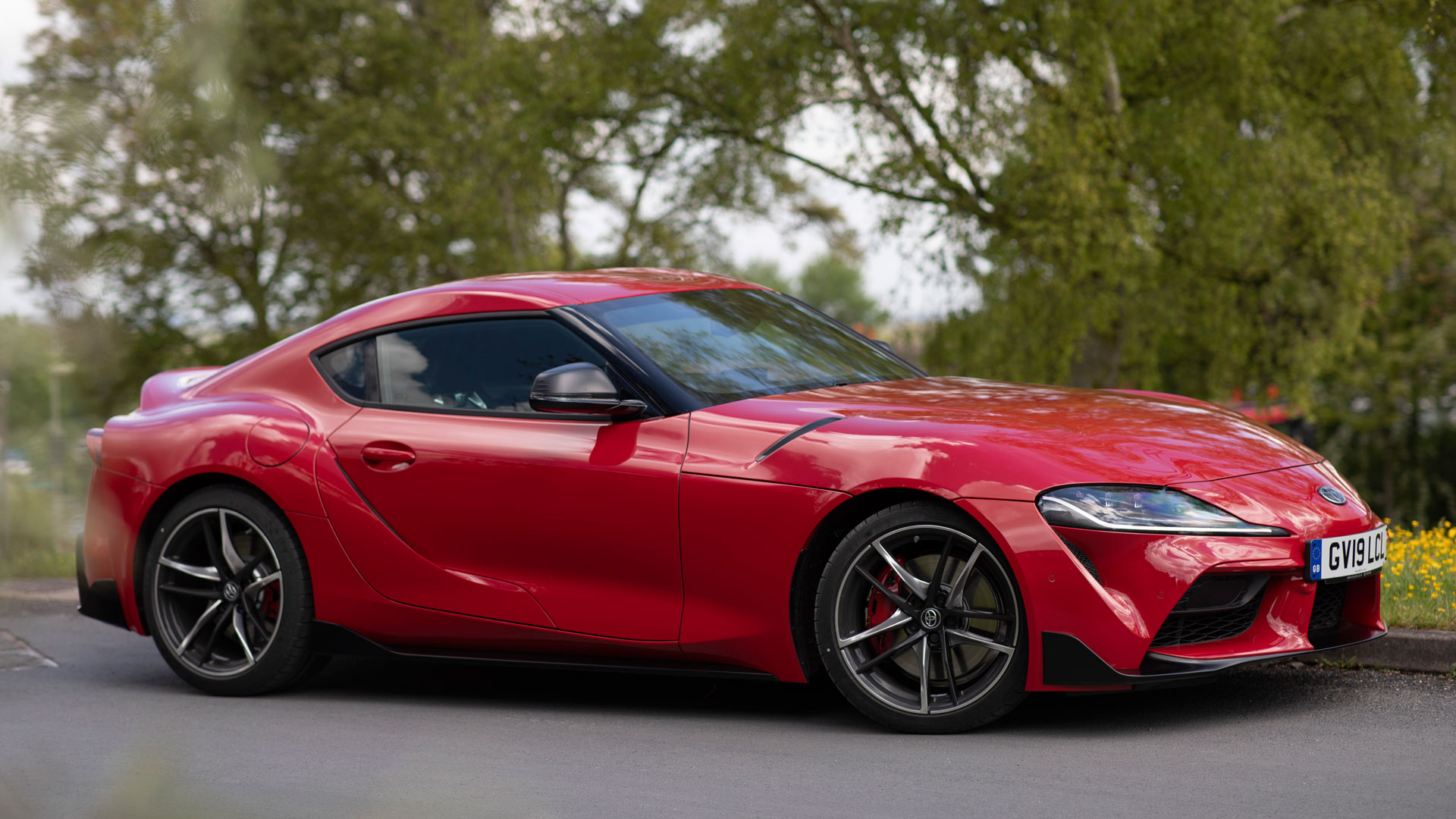
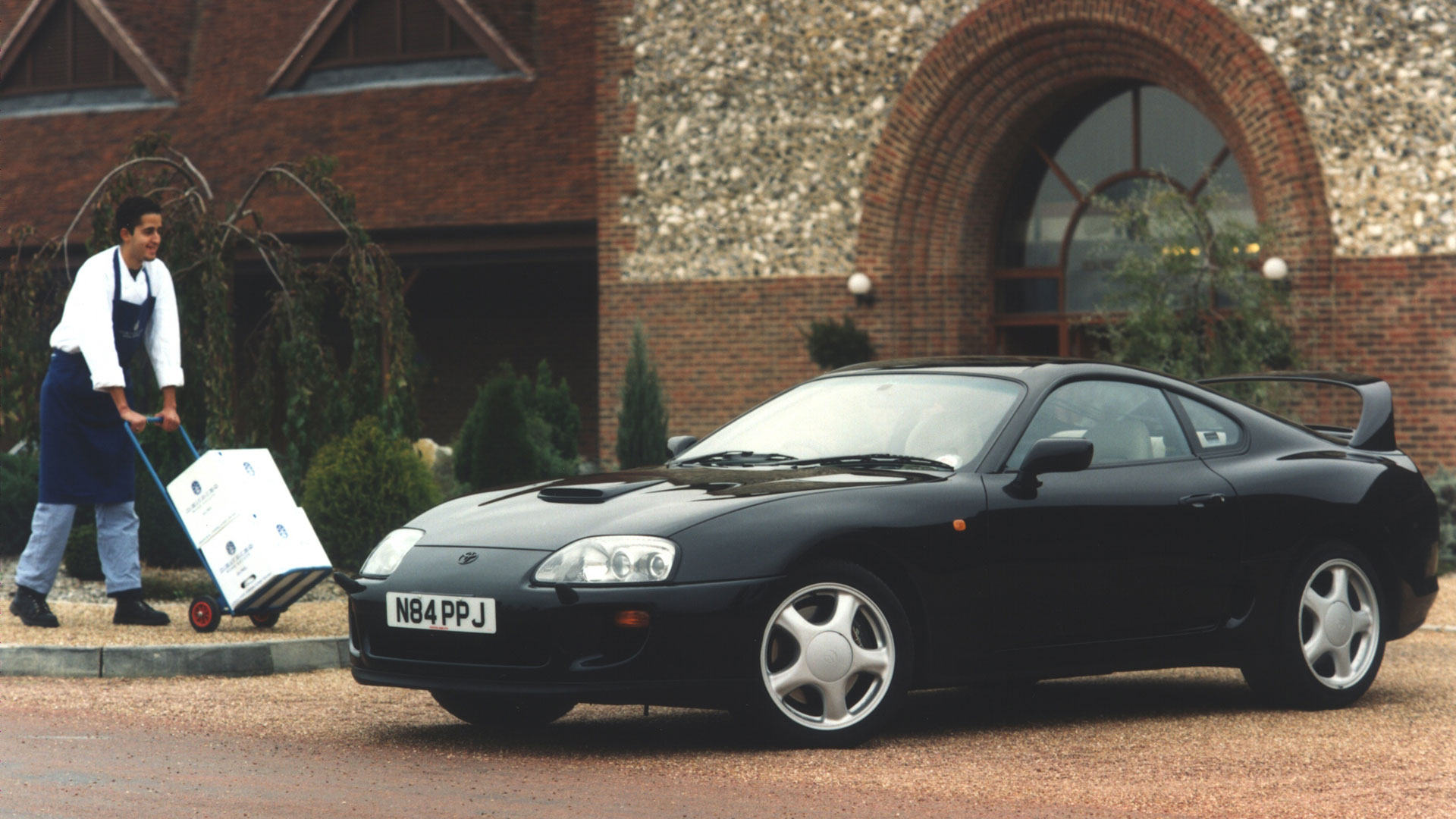
But while Ford has transformed the Puma from a cute coupe to a crossover, Toyota hasn’t messed with the Supra formula. The new car may borrow much from its sibling the BMW Z4 – including engines – but this rear-drive sports car is a near figure-for-figure copy of its predecessor.
And by figure-for-figure, we mean they both produce near-on the same power and share the same footprint. Back in 1993, 320hp+ was not to be sniffed at. You could see off the top end of the Porsche 911 range with that. Today, it’s more Cayman than 911 territory, but we’re pleased that Toyota didn’t disappear down the horsepower wars rabbit hole.
Alpine A110
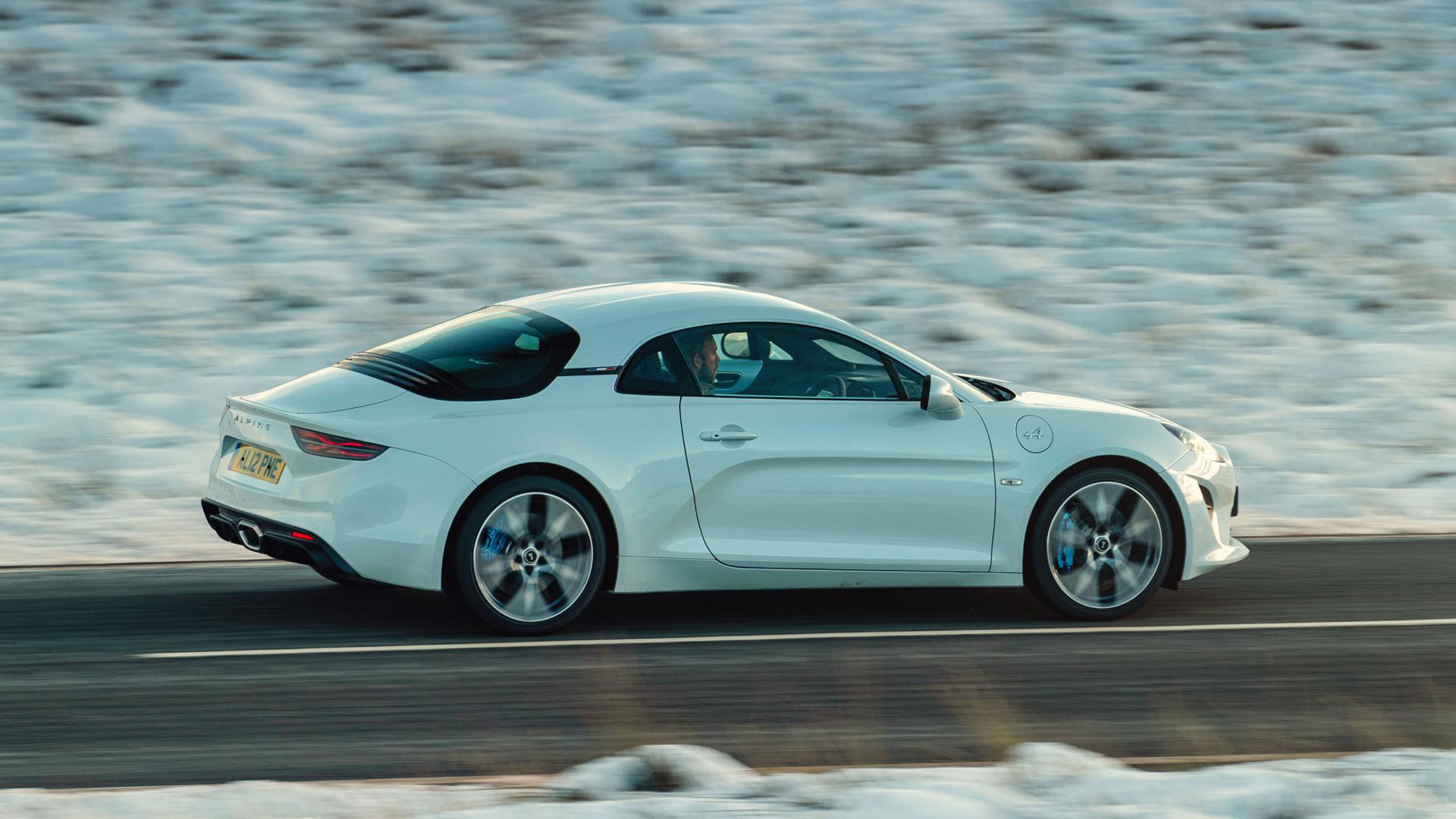
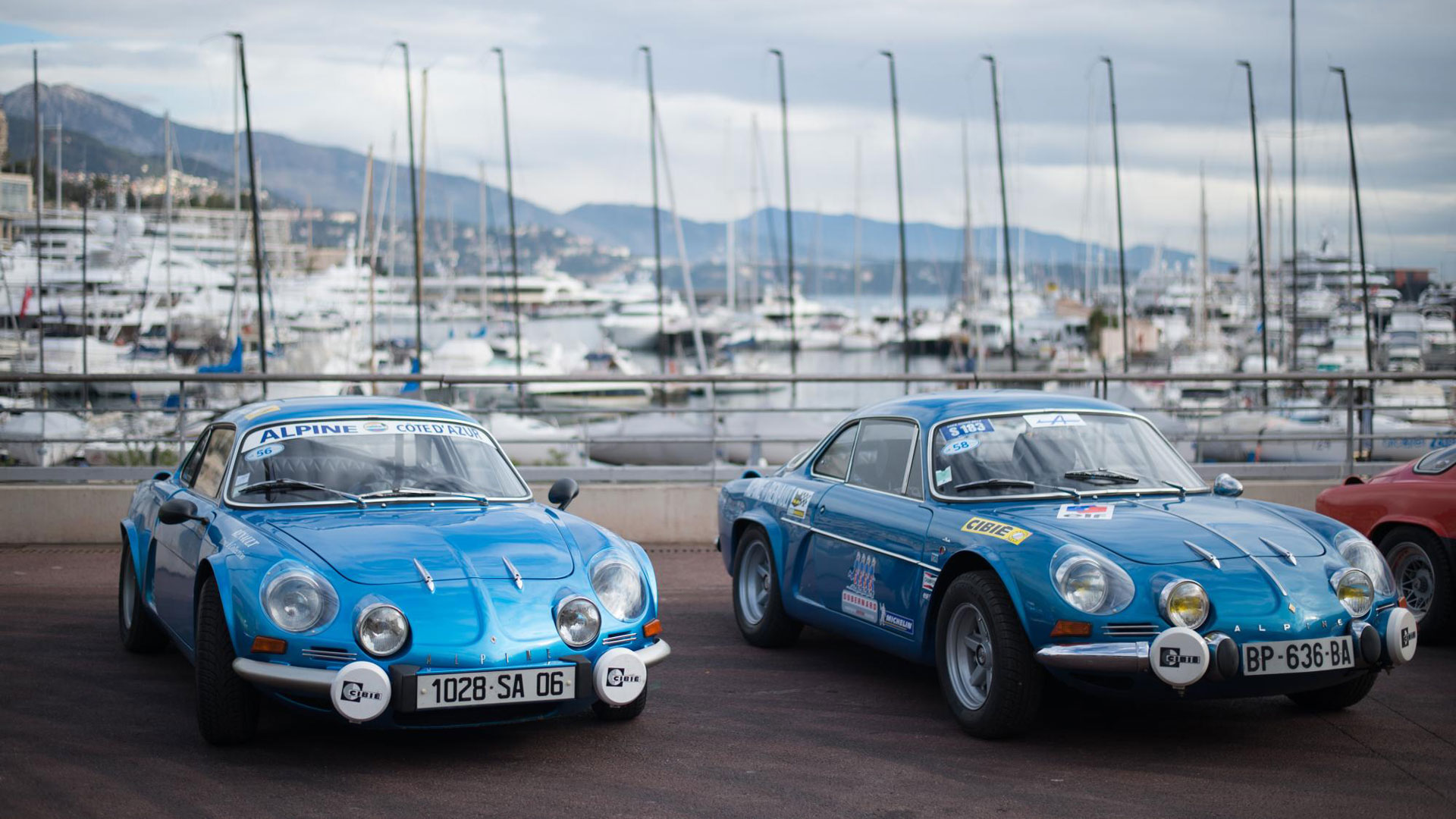
Alpine took a similar approach for its resurrection. It’s a back-from-the-dead double-whammy, as both the Alpine name and the A110 model return. The new car is so good, it came within a count-back of beating the Jaguar I-Pace to the 2019 European Car of the Year crown.
The new A110 has a lot to live up to. This lightweight sports car tore up the rally stages, to claim the first World Rally Championship in 1973. The new car apes the original’s style as well as its less-is-more ethos.
Ford Galaxy
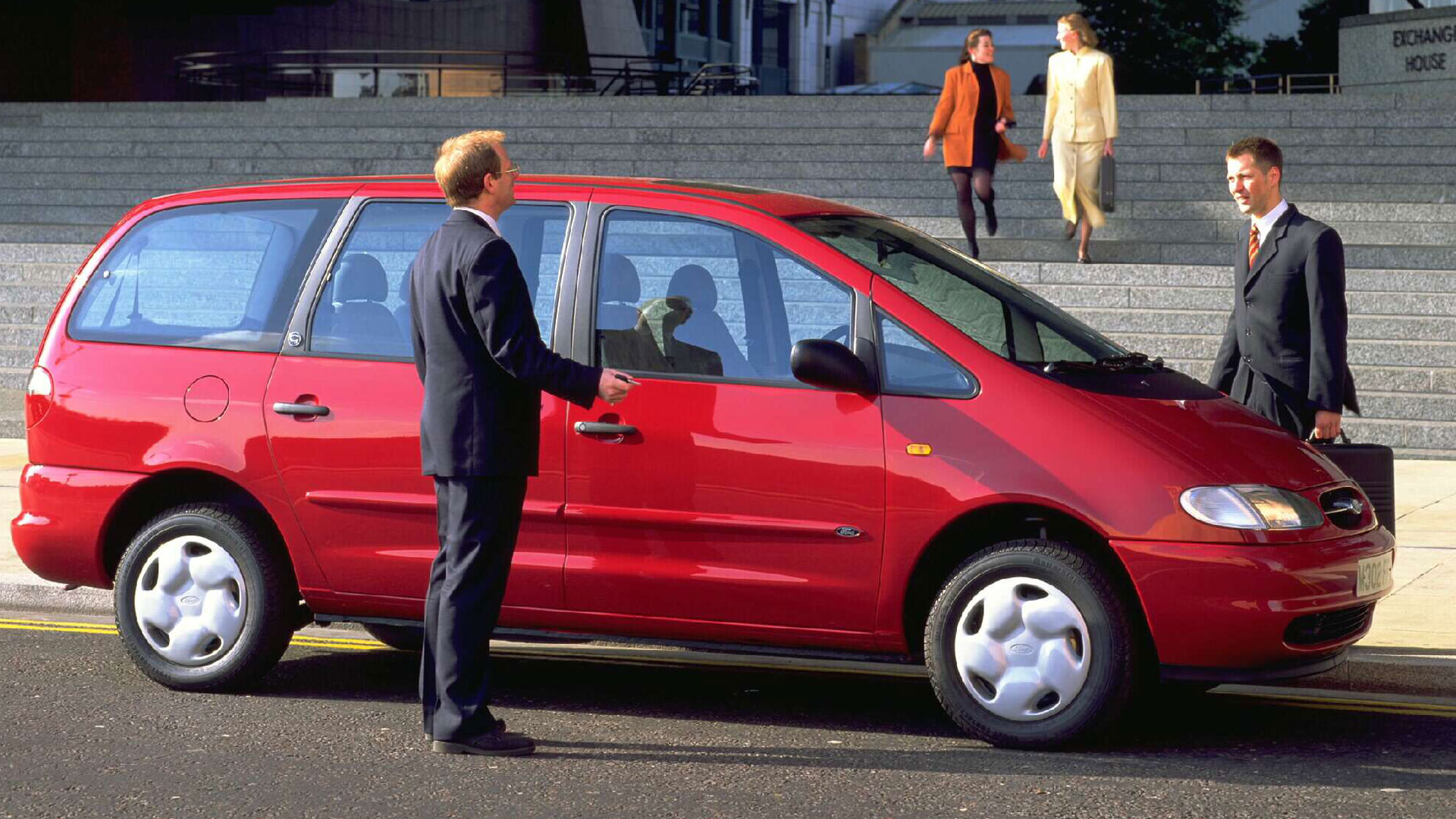
Technically, the Galaxy doesn’t succeed the Galaxie, even in name. The Galaxy arrived at the height of the MPV revolution in the 1990s, sharing underpinnings with the Volkswagen Sharan and Seat Alhambra. It was a perfectly competent but not particularly inspiring machine.
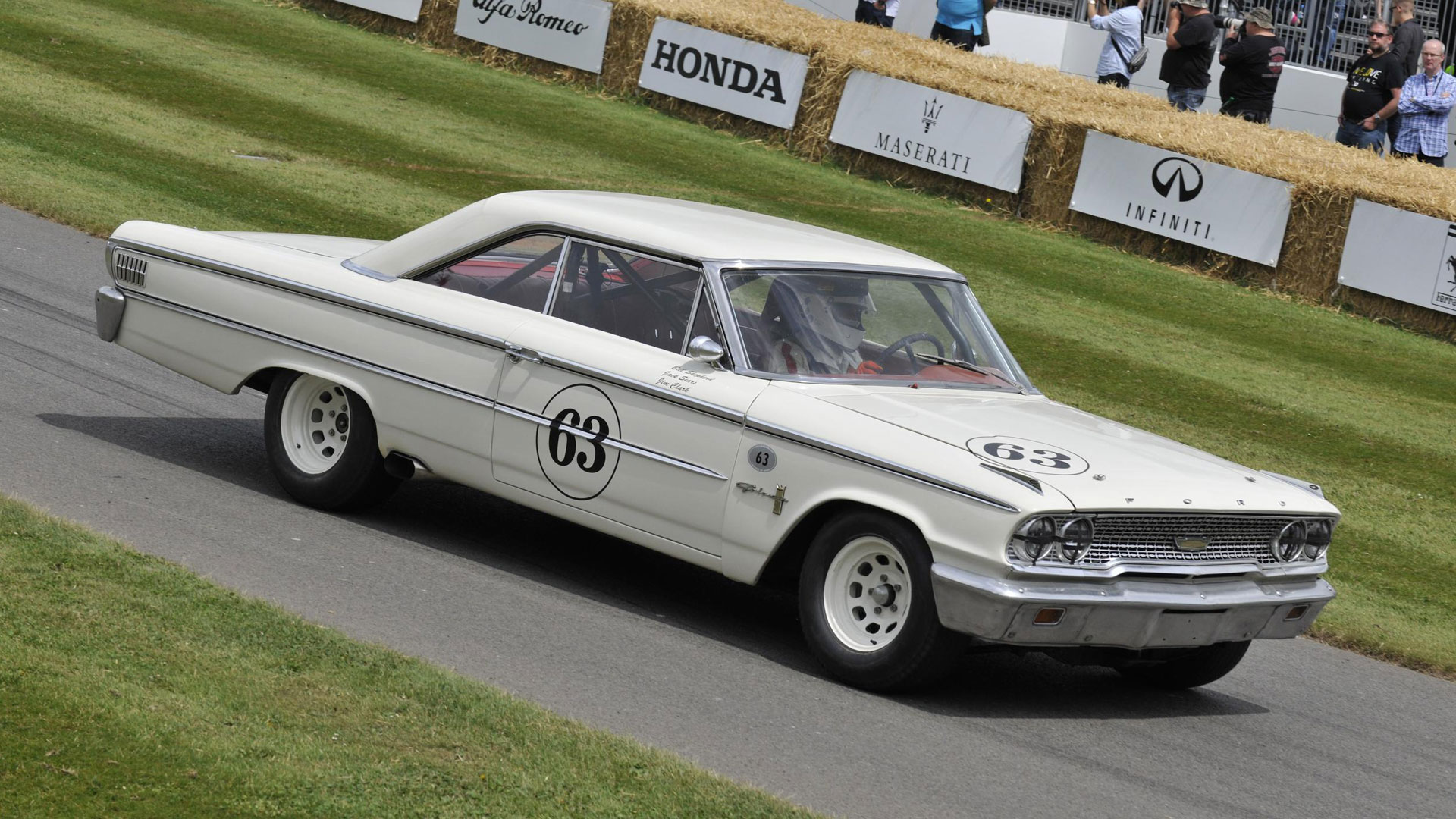
The humble MPV is not to be confused with the earlier Ford Galaxie. More than a spelling change, this Galaxie was a monstrous luxury saloon and coupe from the 1960s that turned its hand to NASCAR and various other race disciplines. You won’t find a 7.0-litre V8 under the ‘hood’ of the modern-day MPV, that’s for sure…
Aston Martin Lagonda
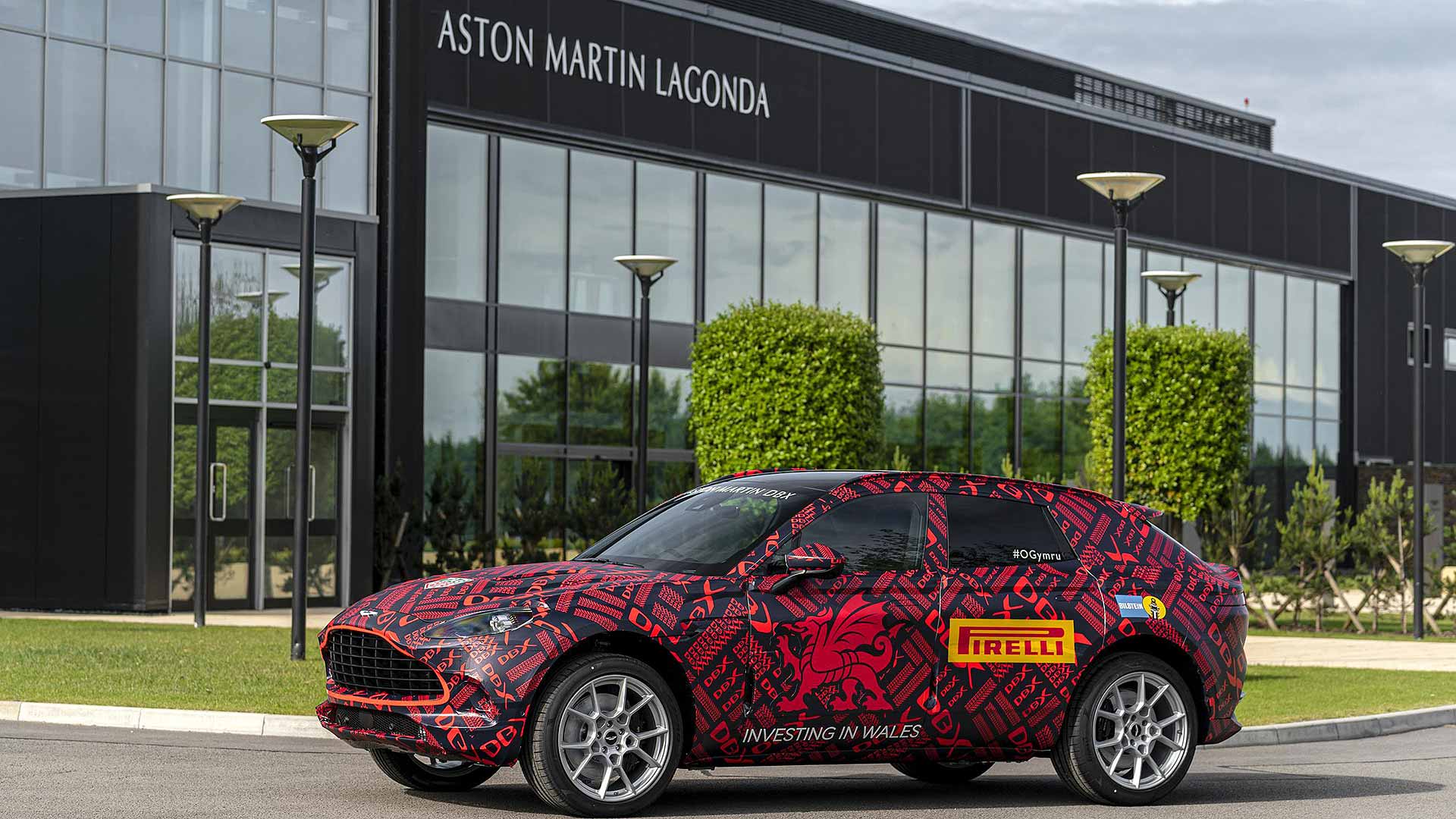
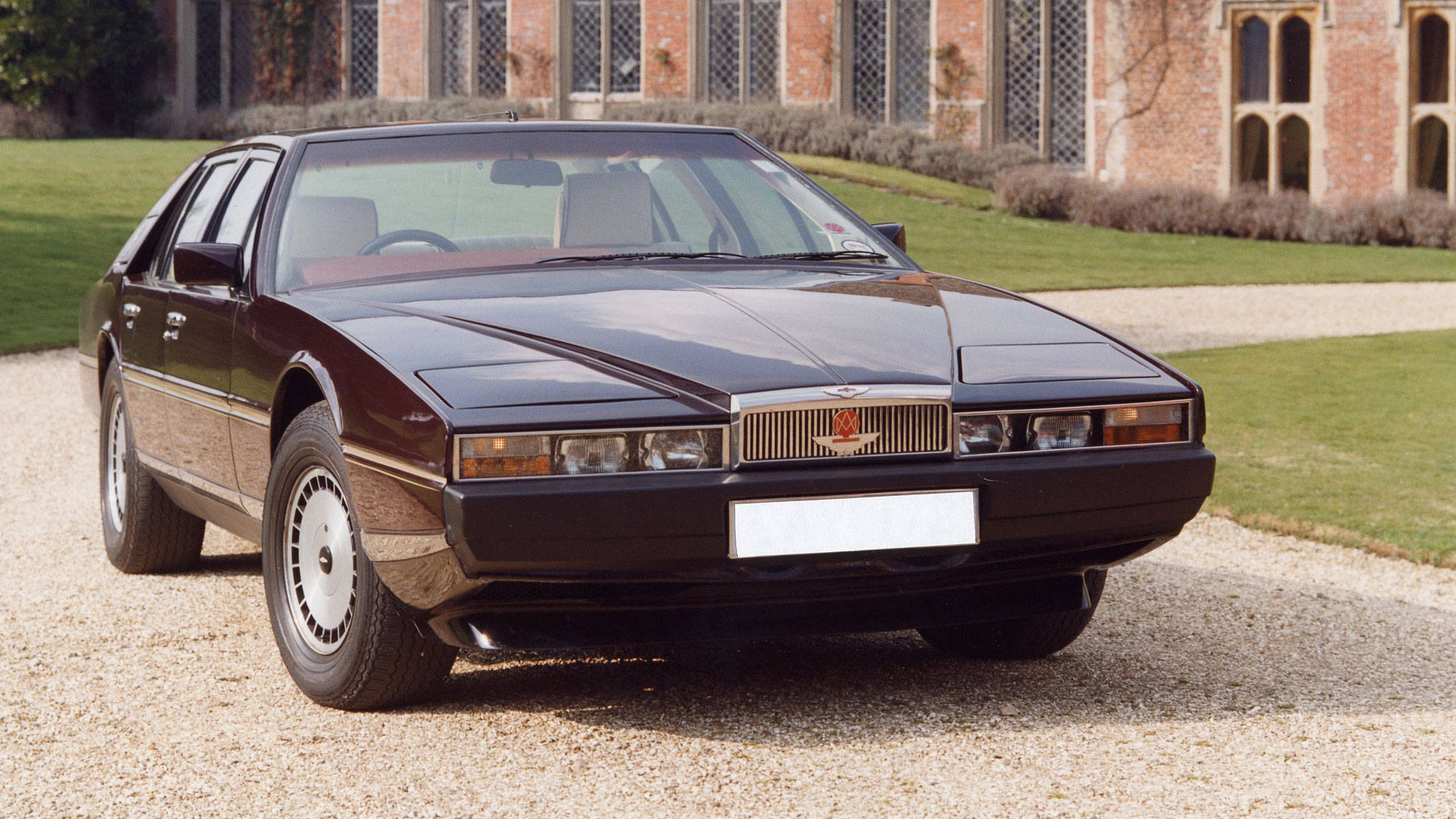
The Aston Martin Lagonda Series 2 turns 43 this year, but it still looks futuristic today. This utterly ridiculous and mad luxury saloon must have made a Rolls-Royce Shadow resemble a horse and cart in its day.
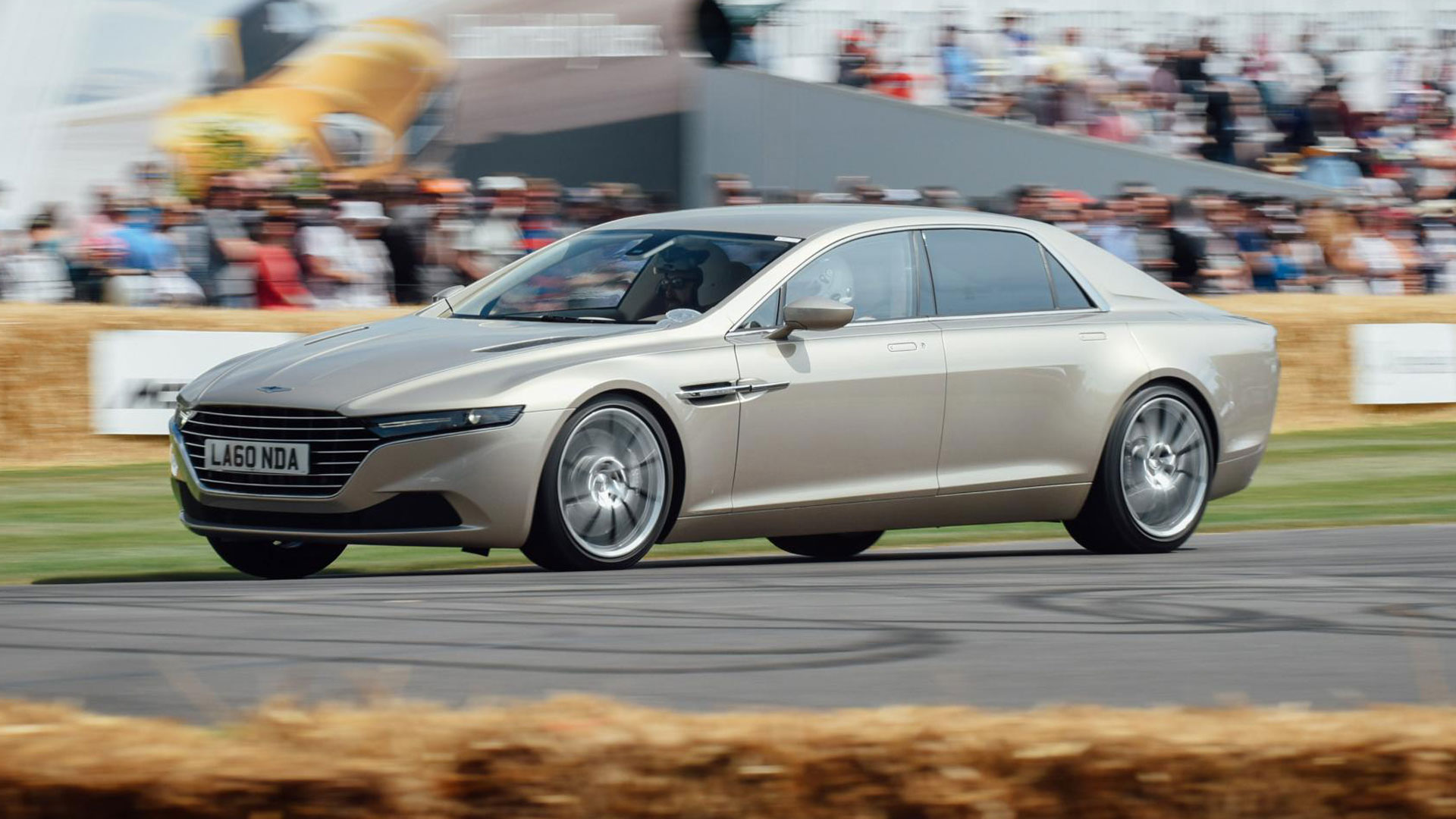
Now, Lagonda is on its way back, albeit as a standalone car marque. Still, it retains the pro-futurist vibe of the 70s wedge, claiming to be the world’s first all-electric luxury car brand. We can’t wait to see the first cars on the road, but in the meantime, here’s the Aston Martin Lagonda Taraf at Goodwood.
Mitsubishi Eclipse
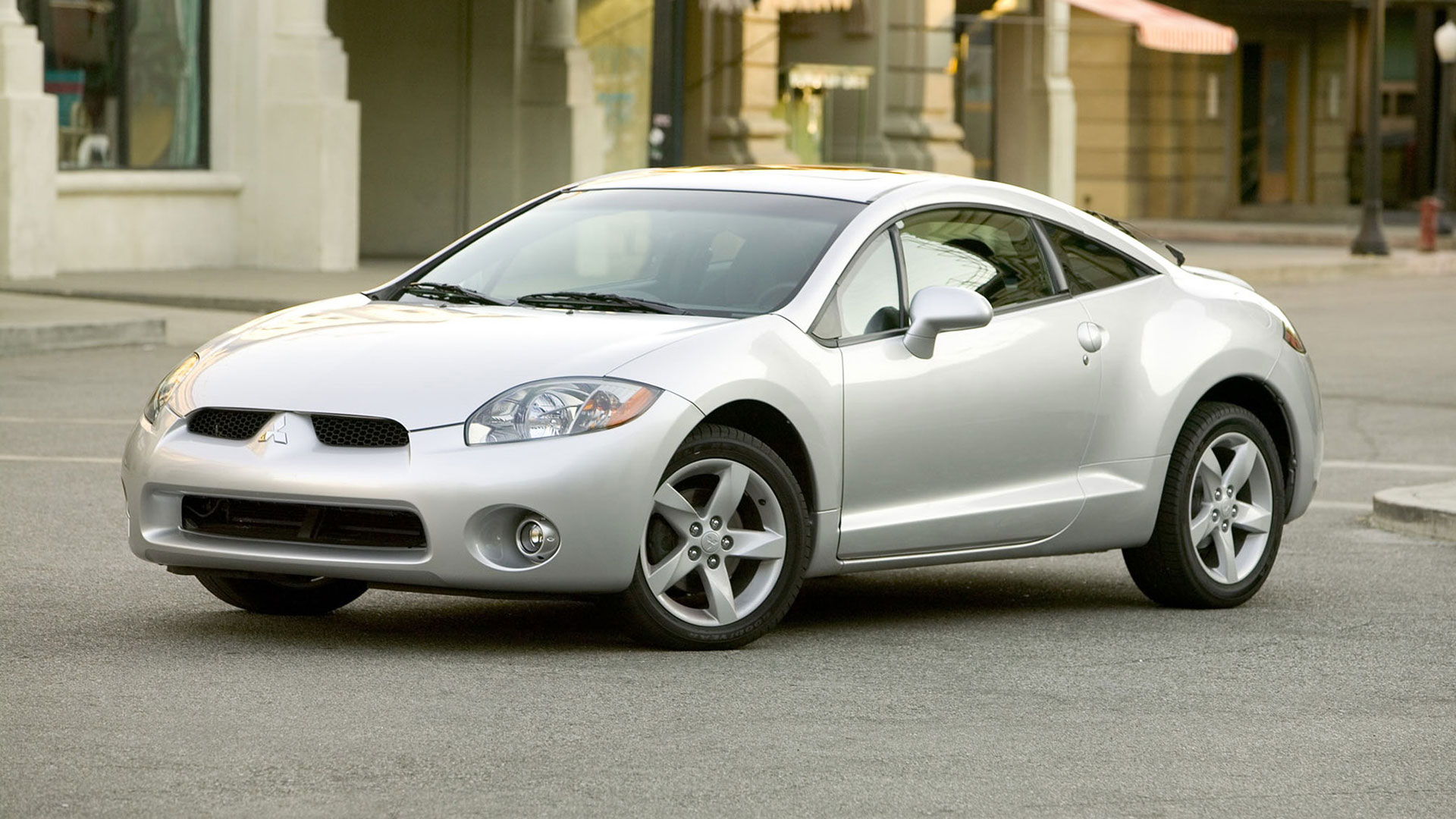
Being front-wheel-drive, the Mitsubishi Eclipse wasn’t the sharpest coupe in the toolbox, but it shot to fame thanks to the Fast & Furious franchise.
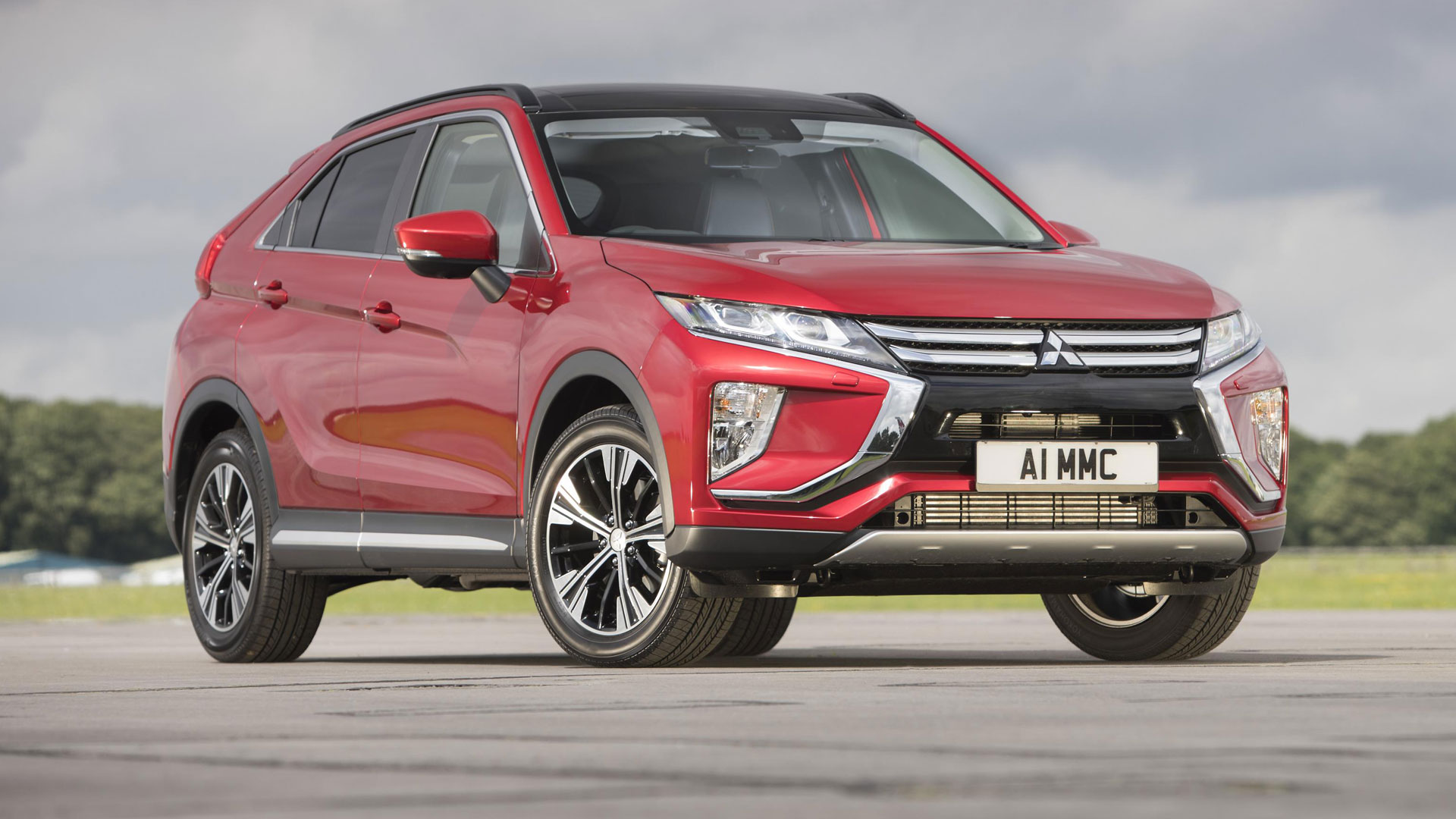
Meanwhile, the new interpretation of the Eclipse is unlikely to shoot to fame in any shape or form. This paint-by-numbers crossover feels like a bit of a wasted use of the Eclipse badge, especially given the name’s illustrious past.
BMW 8 Series
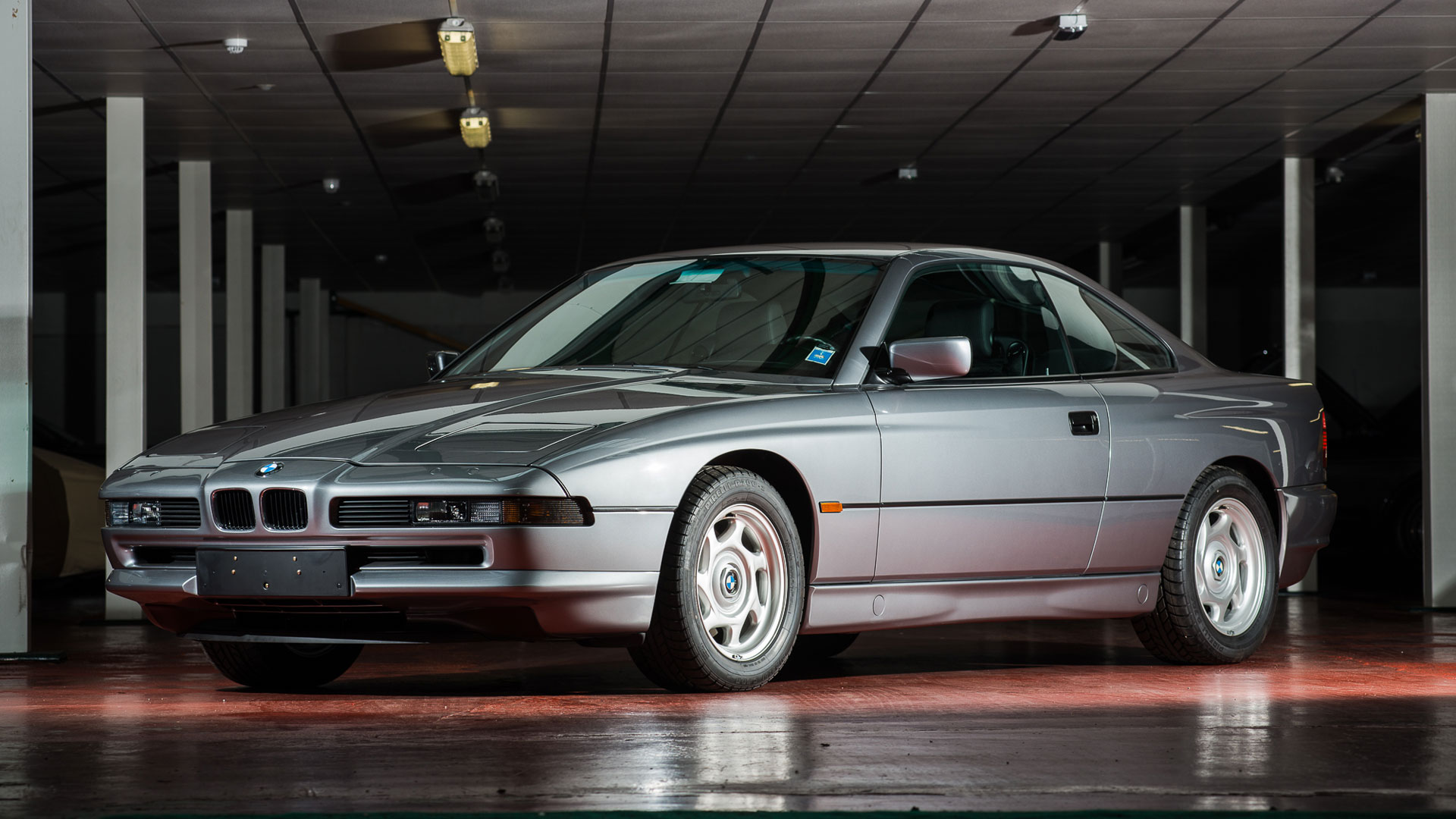
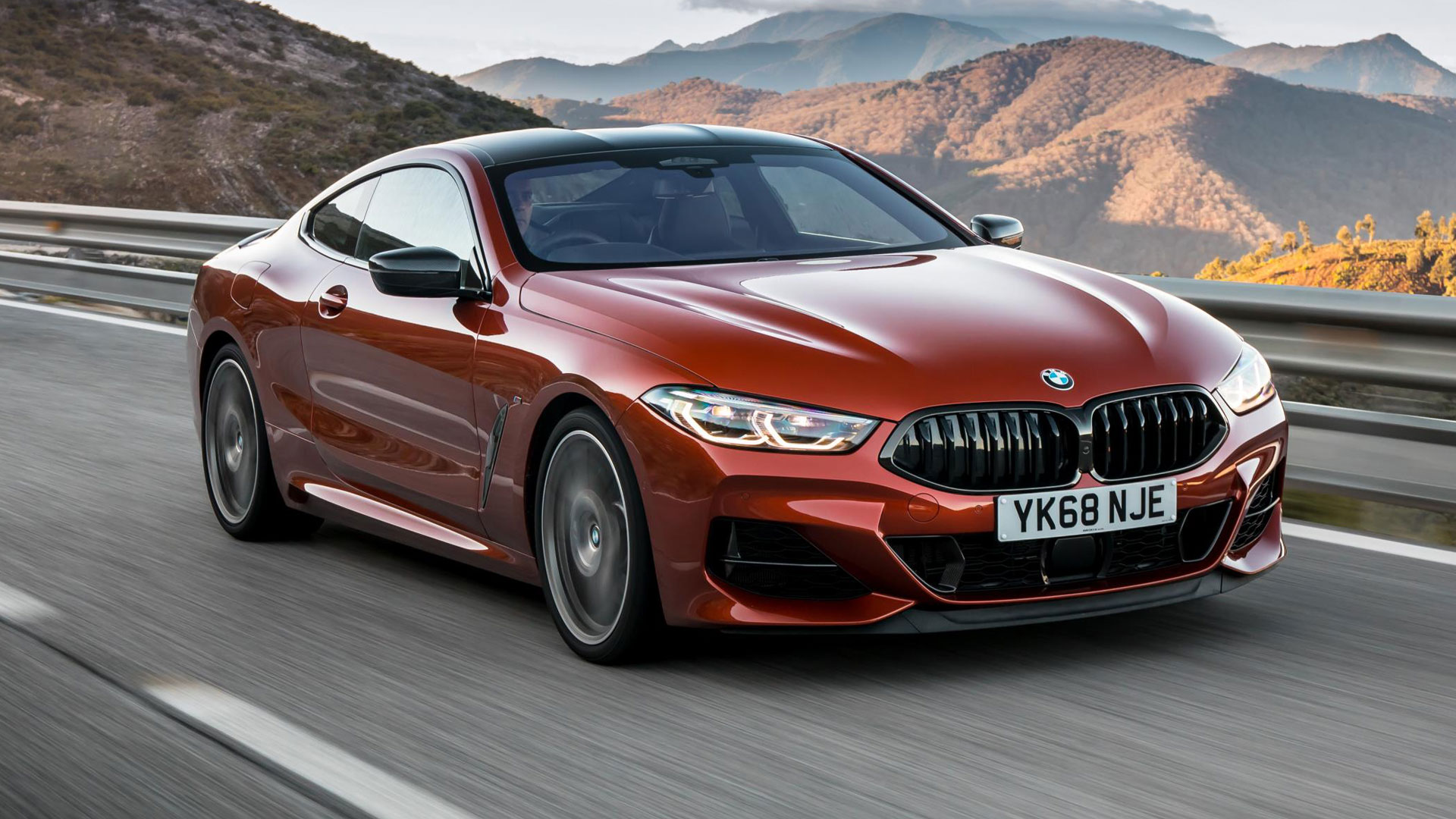
First shown at the 1989 Frankfurt Motor Show, the BMW 850i followed the 750i saloon as the second post-war German car to be powered by a 12-cylinder engine. It made a great first impression – by the summer of 1990, it was reported that the entire production of 10,000 to 12,000 units had been sold until 1993 – but the 8 Series never really fulfilled its undoubted potential.
Which is partly why the 8 Series range was dormant for 20 years following the end of production in 1999. But now it’s back, with the new 8 Series boasting an eye-catching design and a bespoke interior. Coupe and convertible versions are available, with prices starting from £76,295.
Honda NSX
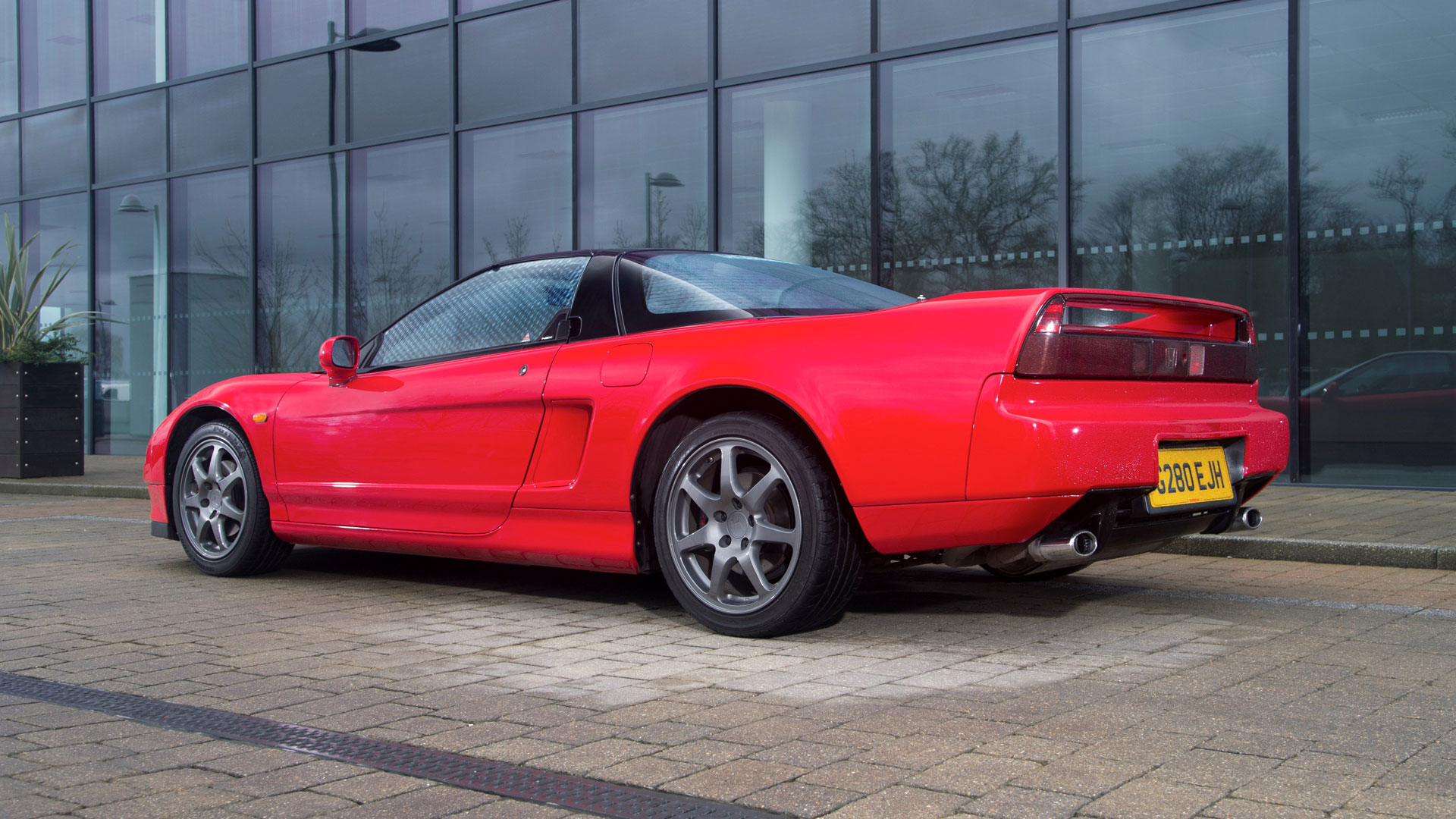
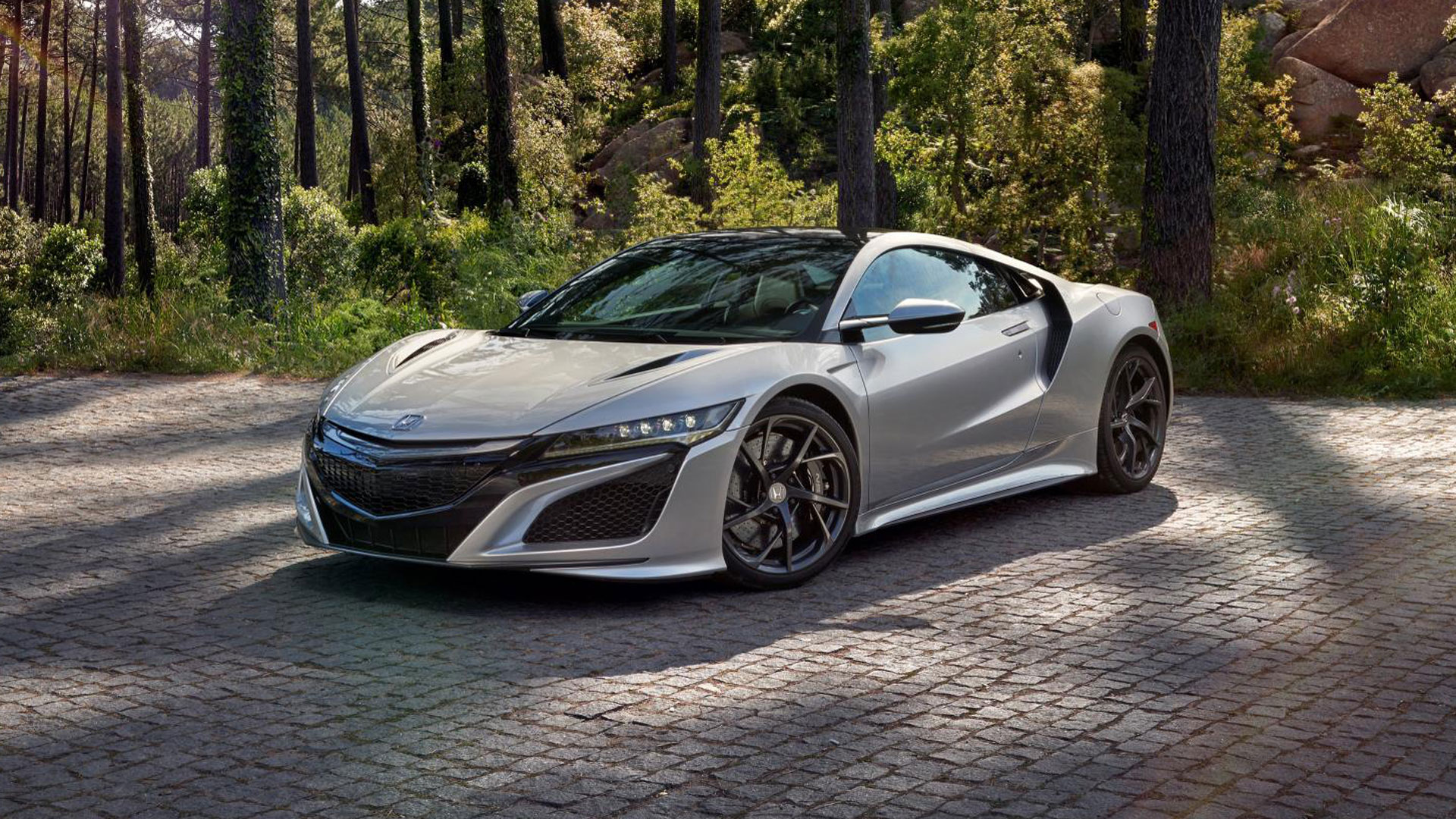
The original ‘everyday supercar’, the Honda NSX proved that cars of this ilk needn’t be badly built or hard to drive. Launched in 1990, the NSX enjoyed a 15-year production run, before the badge was put out to pasture for more than two decades.
If the original NSX was an analogue affair, the new version is more digital. With a combined output of 581hp from its V6 engine, the new NSX can hit 62mph in a hypercar-baiting 2.9 seconds. In the words of our Tim Pitt, “it’s as straightforward to drive as a Civic or Jazz, yet it still inspires reverence on the right road”.
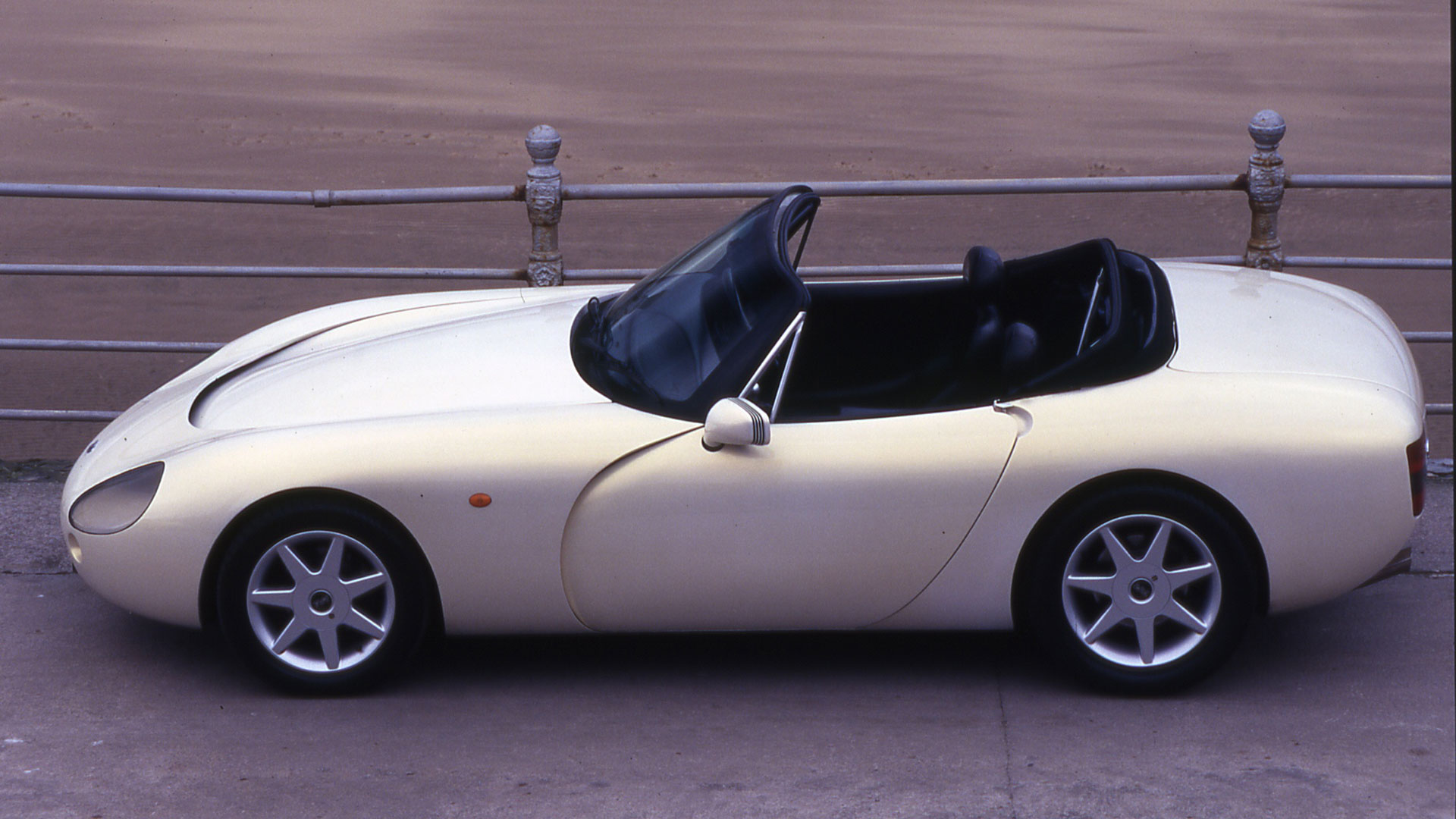
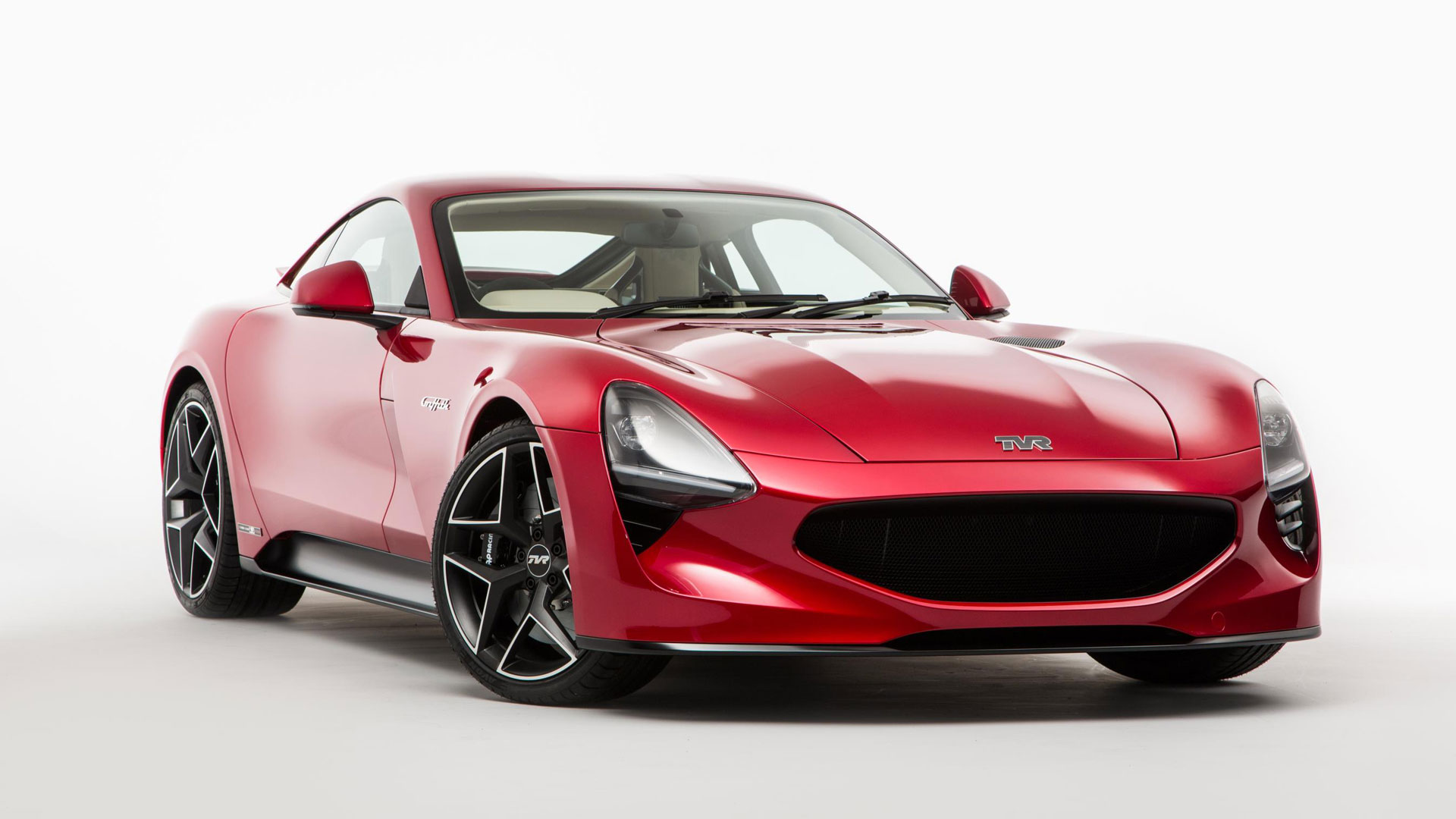
TVR Griffith
According to the TVR Car Club, an order was taken every eight minutes following the unveiling of the Griffith at the 1990 Birmingham Motor Show. Hardly surprising, given the classic sports car styling, the thunderous V8 under the bonnet and the supercar-taming pace. Just over 600 were built in 1992, with production continuing into the new millennium.
The second coming of the TVR Griffith arrived in 2017, with power sourced from a Cosworth-tuned 5.0-litre V8 engine. The new Griffith features Gordon Murray’s iStream architecture and weighs just 1,250kg. Sadly, a production delay means that the new TVR is unlikely to hit the road until 2020 at the earliest.
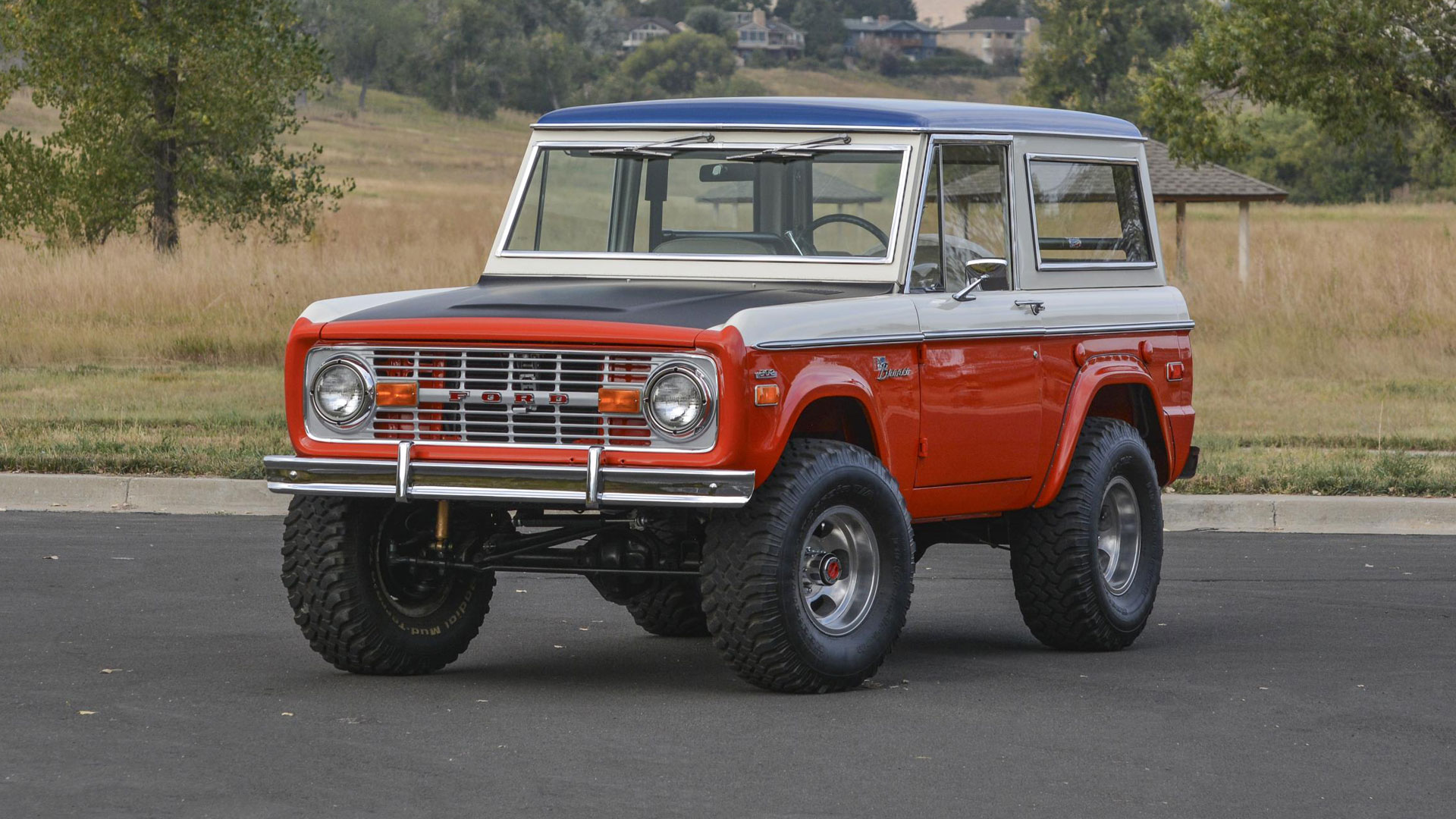
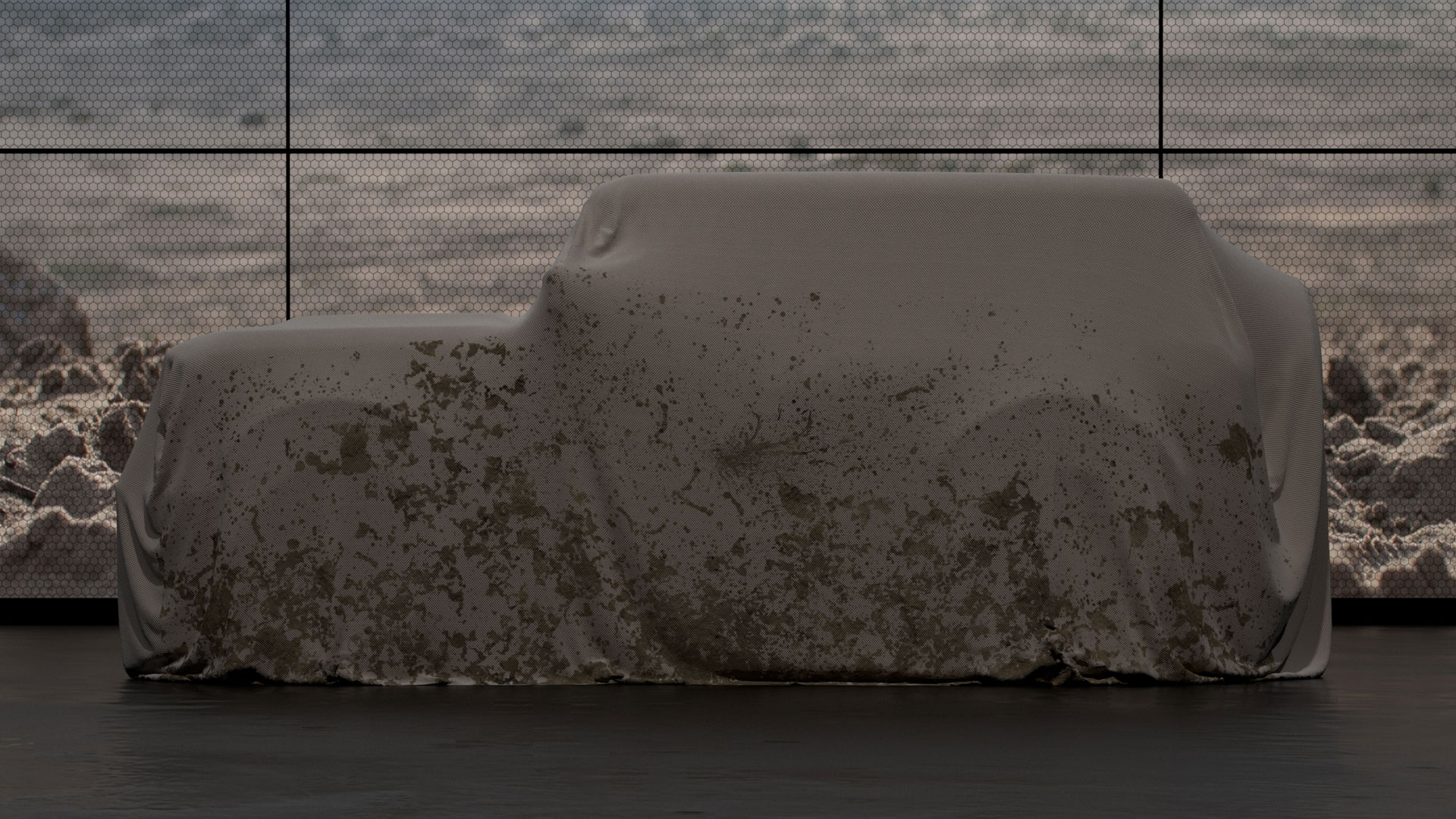
Ford Bronco
Launched in 1965, the Ford Bronco enjoyed a three-decade production run before bowing out in 1996. Conceived as a ‘modern-day symbol for the American cowboy’, the Bronco achieved immortality following the OJ Simpson car chase in 1994.
Ford announced the Bronco’s return in 2017, with the new SUV expected to hit the streets in 2020. It’s likely to feature a removable roof and doors, along with the option of a hybrid powertrain. We’re not sure about modern-day American cowboys, but we expect to see a number of former Bronco orders forming a disorderly queue for a slice of nostalgia.
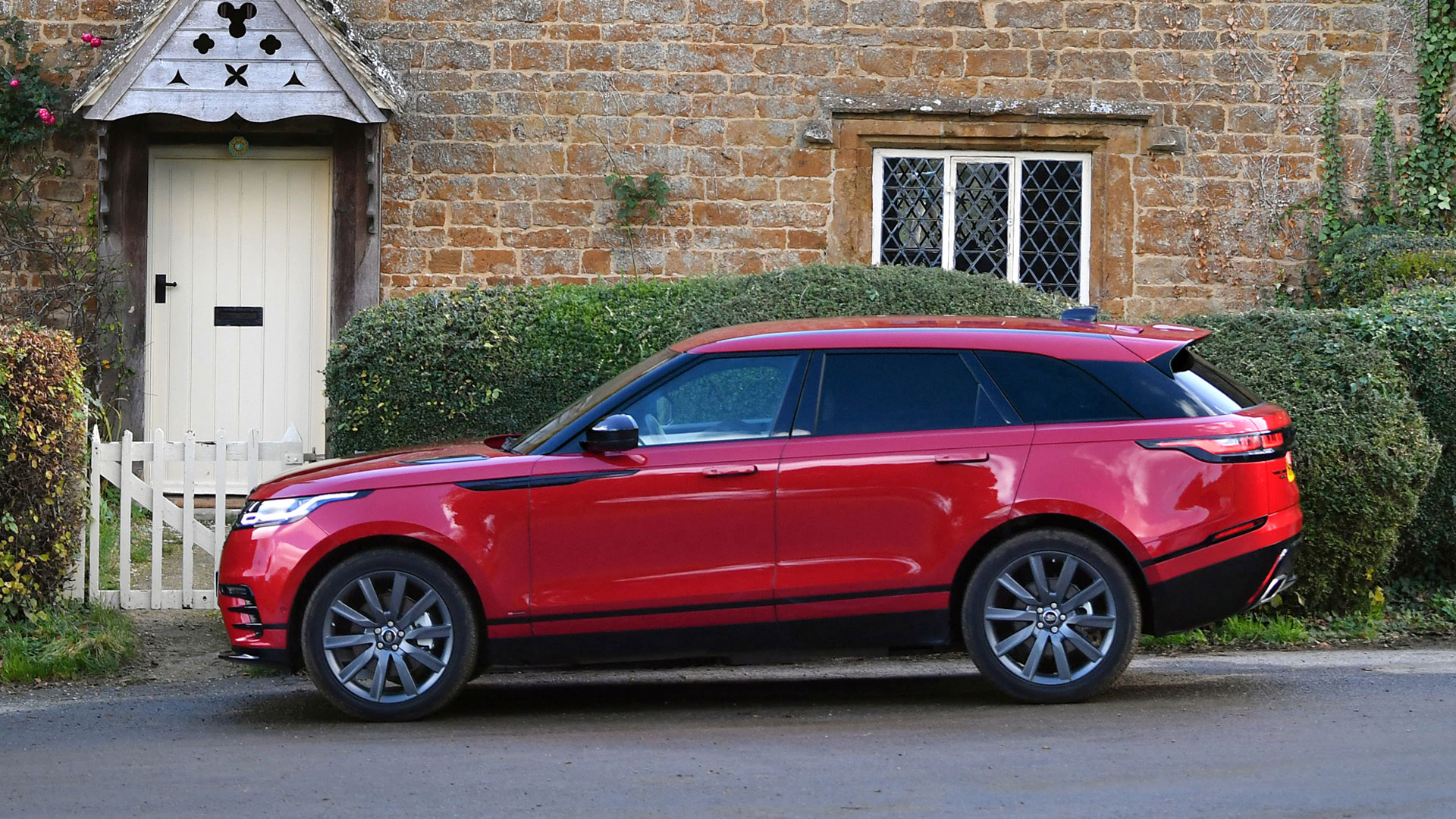
Range Rover Velar
The Range Rover Velar might be the most stylish SUV in the Land Rover range, but its name is steeped in history. From a product perspective, it sits between the Evoque and Range Rover Sport, with prices starting from a little over £45,000.
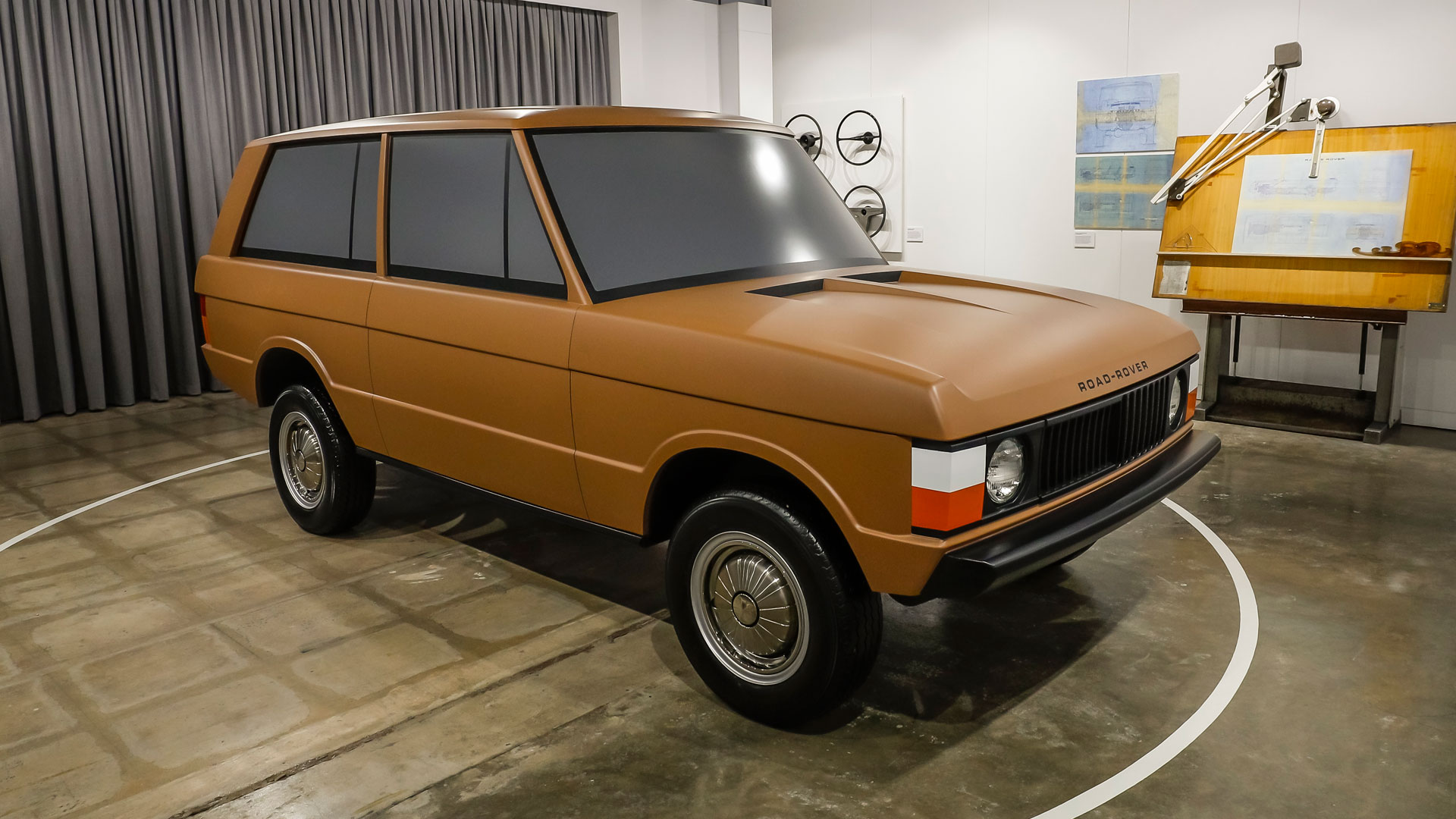
The Velar’s styling might be ultra-modern, but its name is a link back to the earliest days of Range Rover. The Velar name was used for the secret prototype built in 1967, ahead of the Range Rover’s launch in 1970. “We wanted to develop a more comfortable on-road Land Rover that would combine the comfort of the Rover with the Land Rover 4×4 capability,” said Roger Crathorne, also known as ‘Mr Land Rover’.
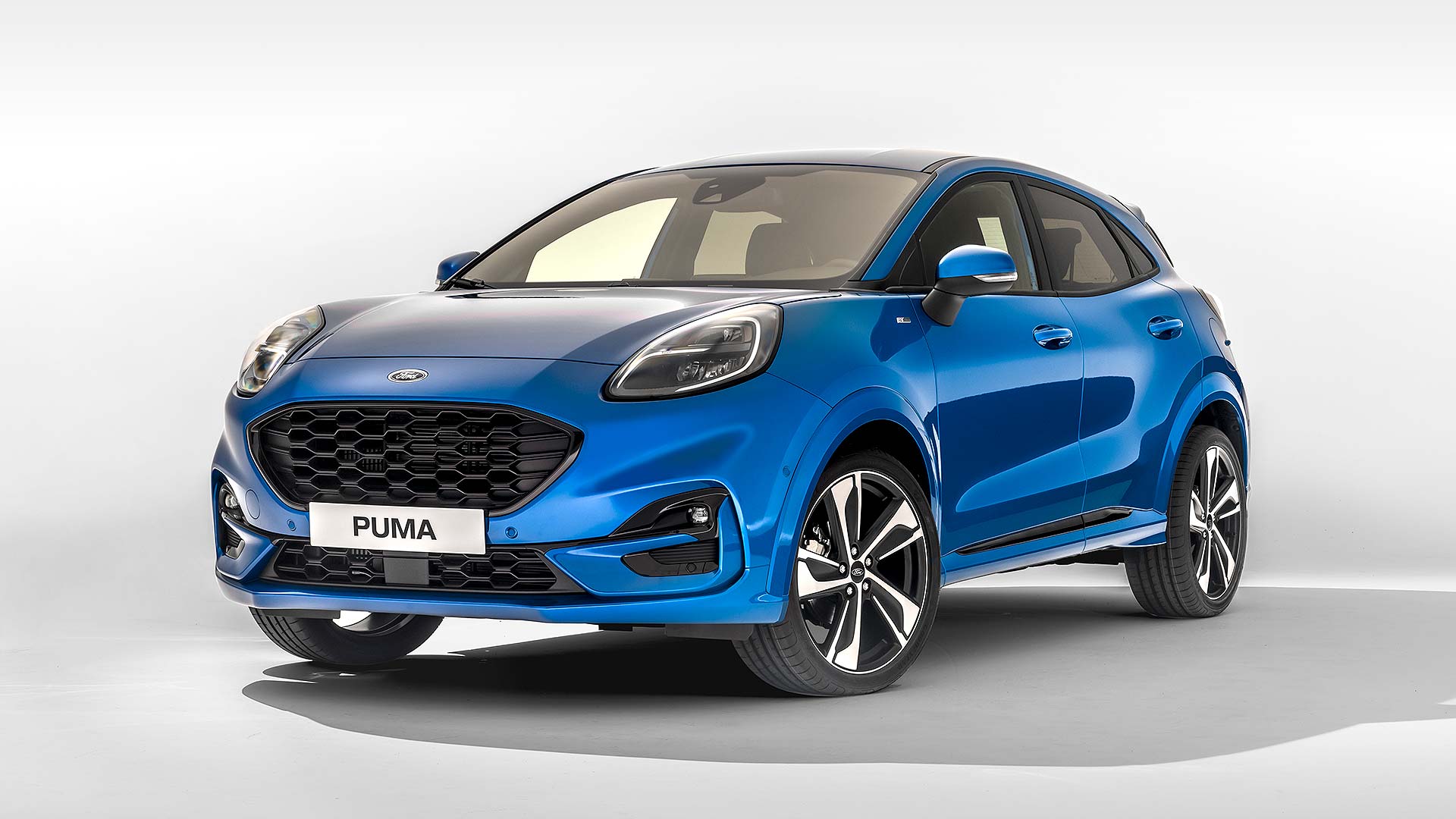
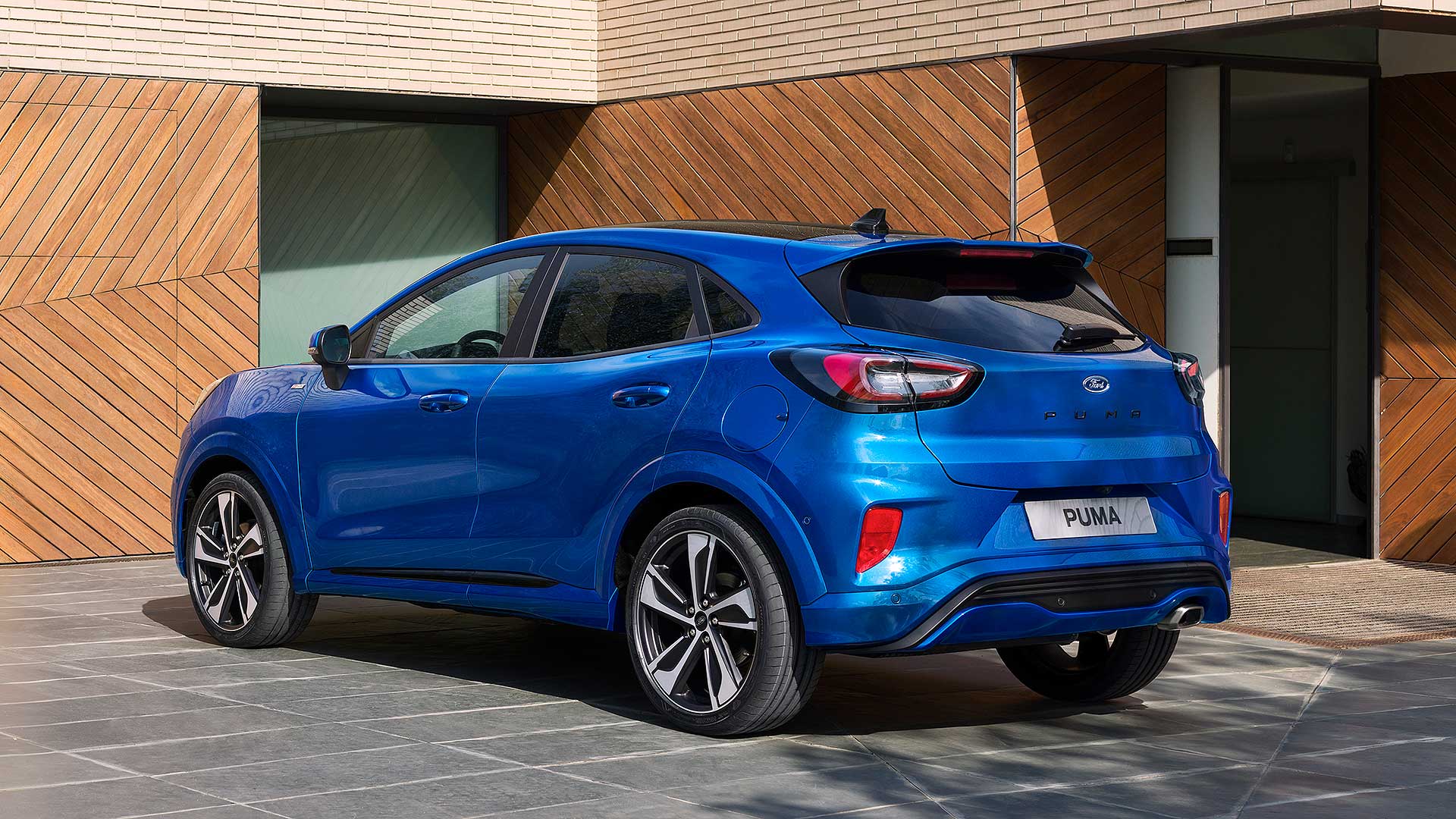
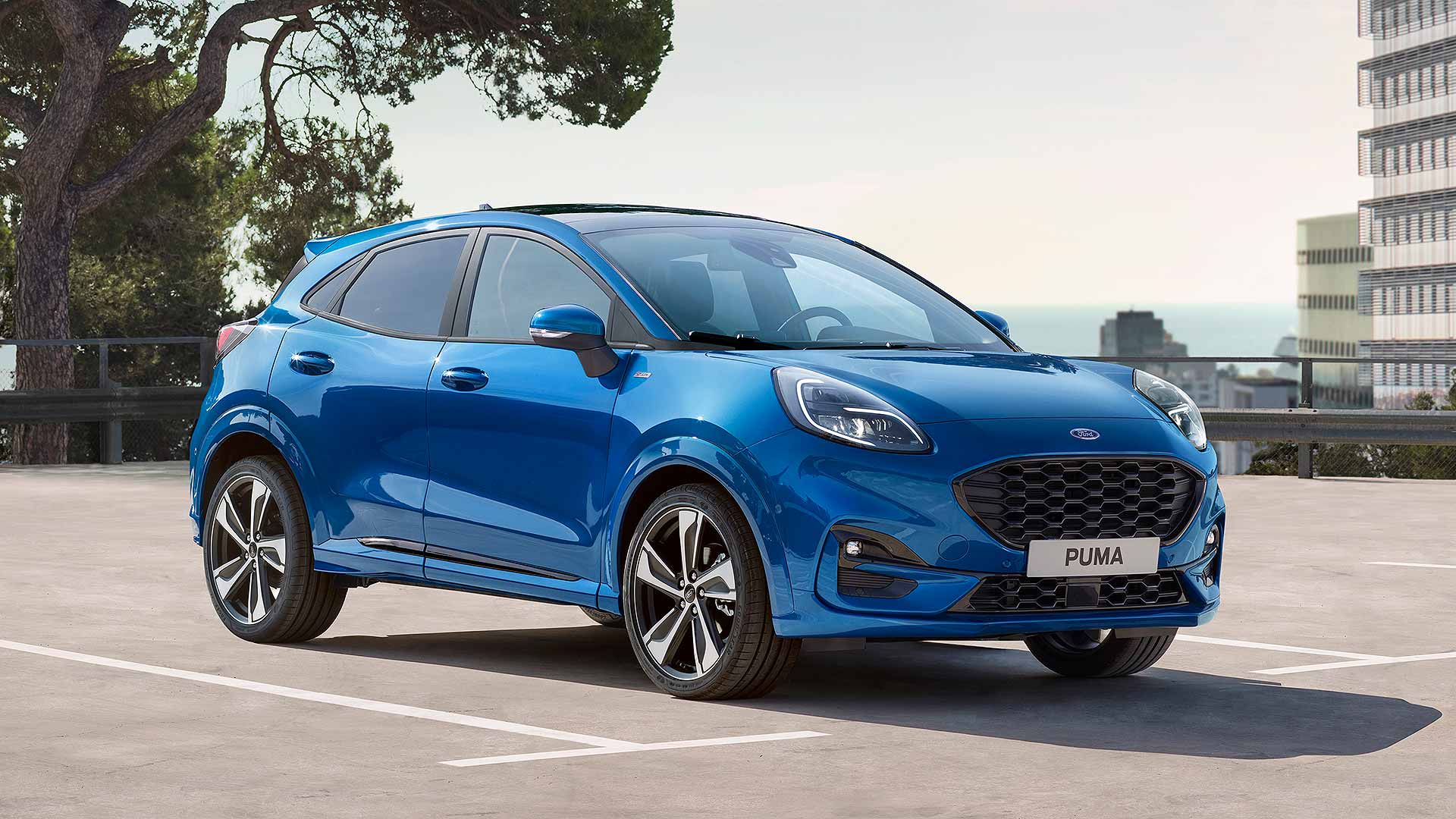
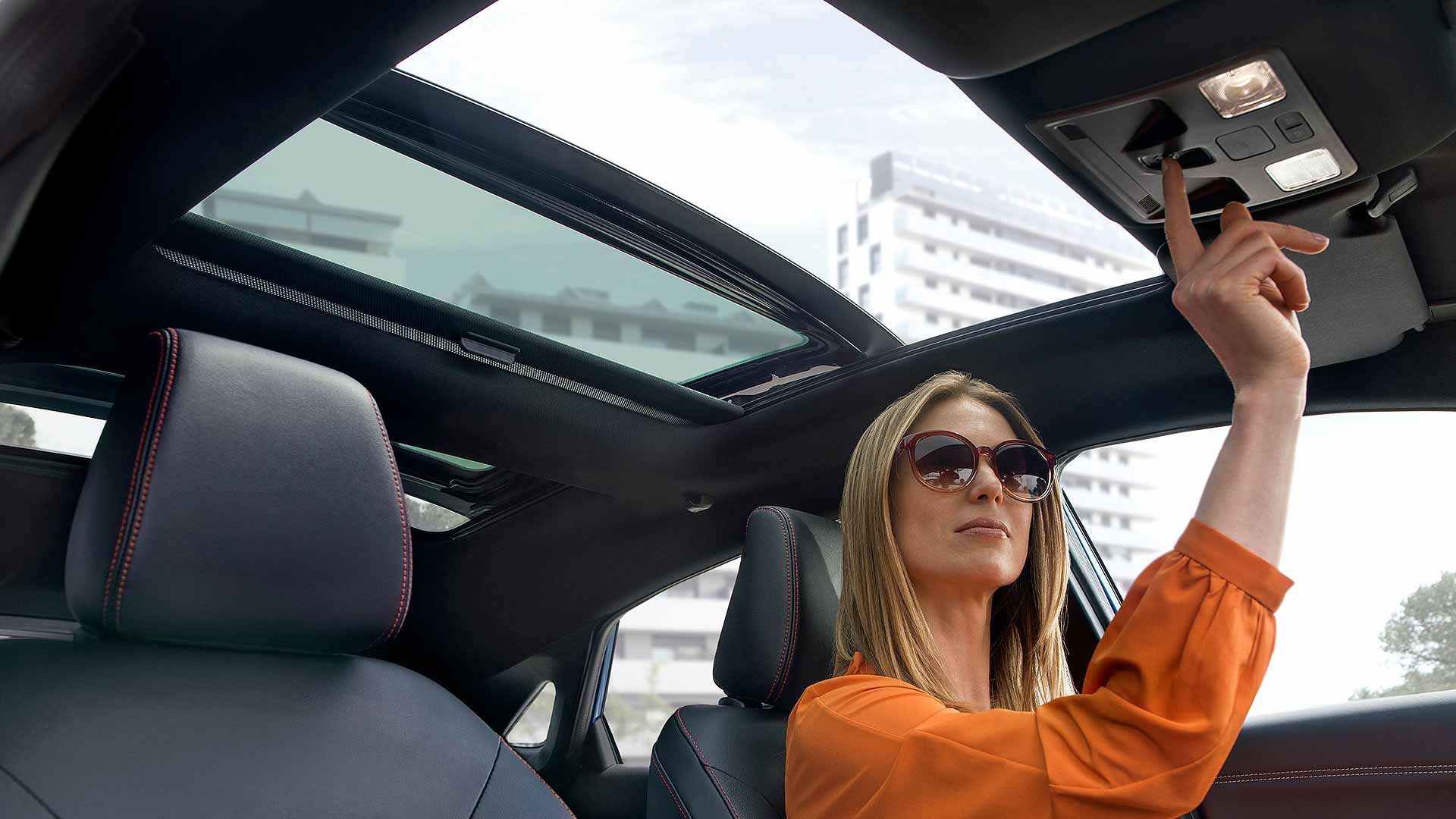
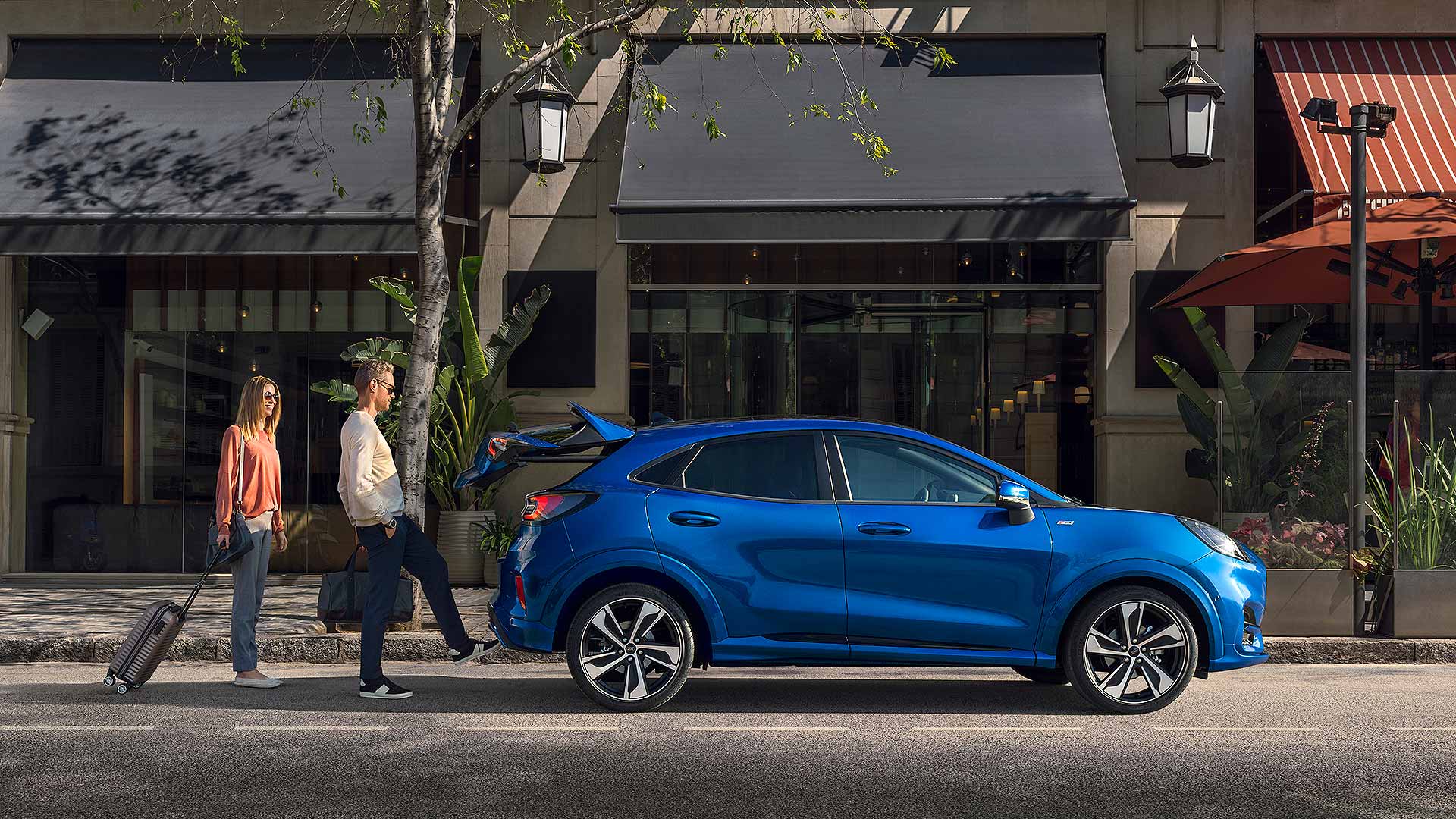
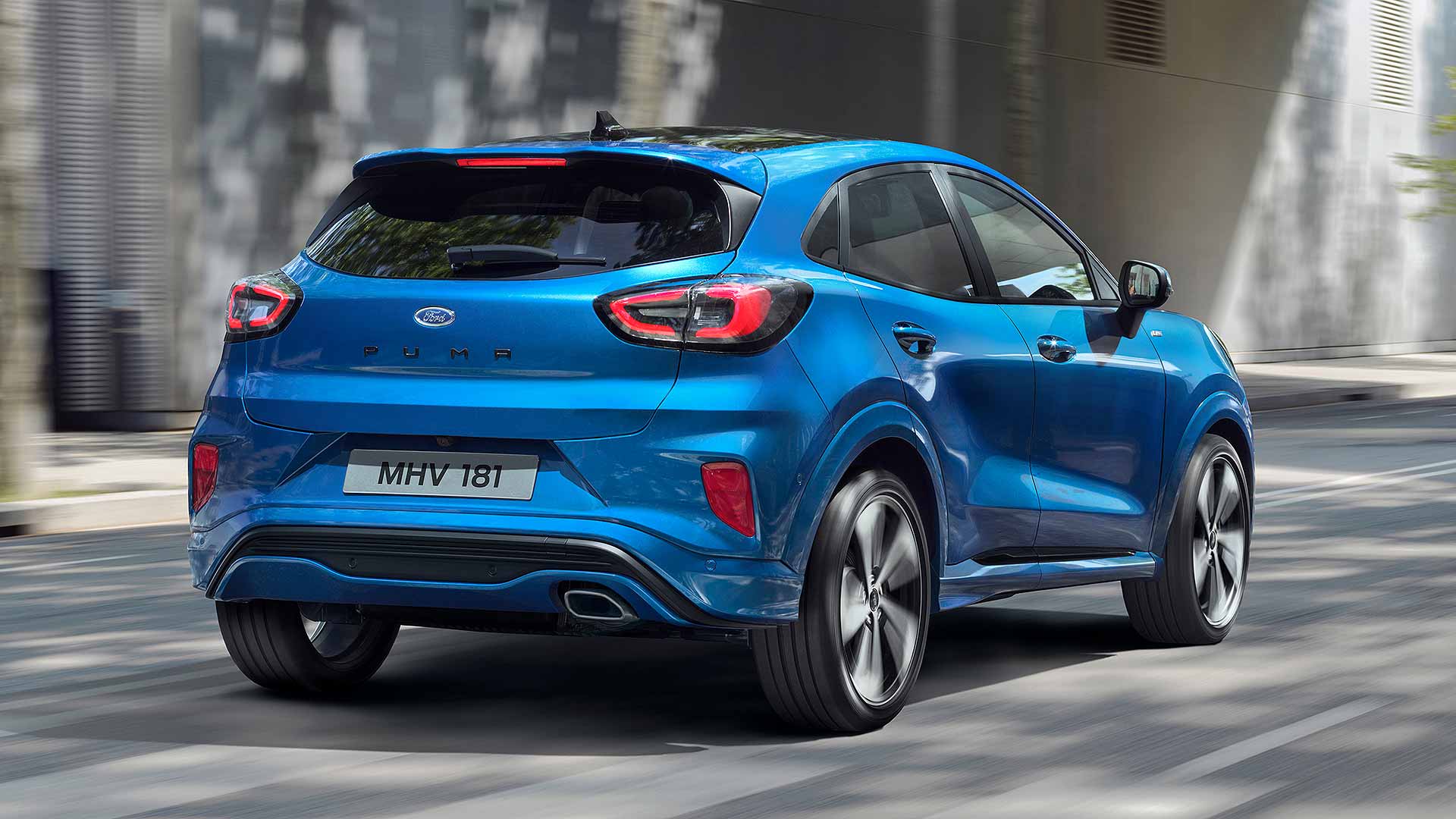
The new Ford Puma is a super-stylish small SUV that looks set to cause a stir in the sector when it goes on sale later this year. Not only does it look fantastic, it literally contains hidden depths inside, too.
It doesn’t replace Ecosport, and arrives just months after the similarly stylish new Kuga goes on sale, in December 2019. Ford’s SUV game is about to get serious.
Designer Thomas Morel says styling has been central to the creation of the new Ford Puma, which began with sketches back in 2015. “We wanted it to stand out in a crowd,” he told Motoring Research.
Describing how the Puma team brainstormed in a single room dedicated to the Puma project, Morel said the design team “had much more leverage” to create the vehicle they wanted. “We wanted it to have attitude, and character, with simple, sculpted lines and no odd quirks.”
The high front end, with vertical headlights that hint at the Ford GT, is distinctive, and the side featureline swoops down as it moves rearwards; Morel calls it ‘anti-wedge’. The Puma has a sporty rear roofline and muscular rear wheelarches.
It has a squat, foursquare stance on the road, thanks to a wide track and tyres bigger in diameter than even a Ford Focus.
Fiesta roots
The new Ford Puma is derived from the acclaimed Ford Fiesta platform. It is 4186mm long, 1,805mm wide and 1,537mm tall: a Fiesta is just over 4 metres and an Ecosport is 4.1 metres.
The Puma’s dimensions are similar to rivals such as the Captur and T-Cross.
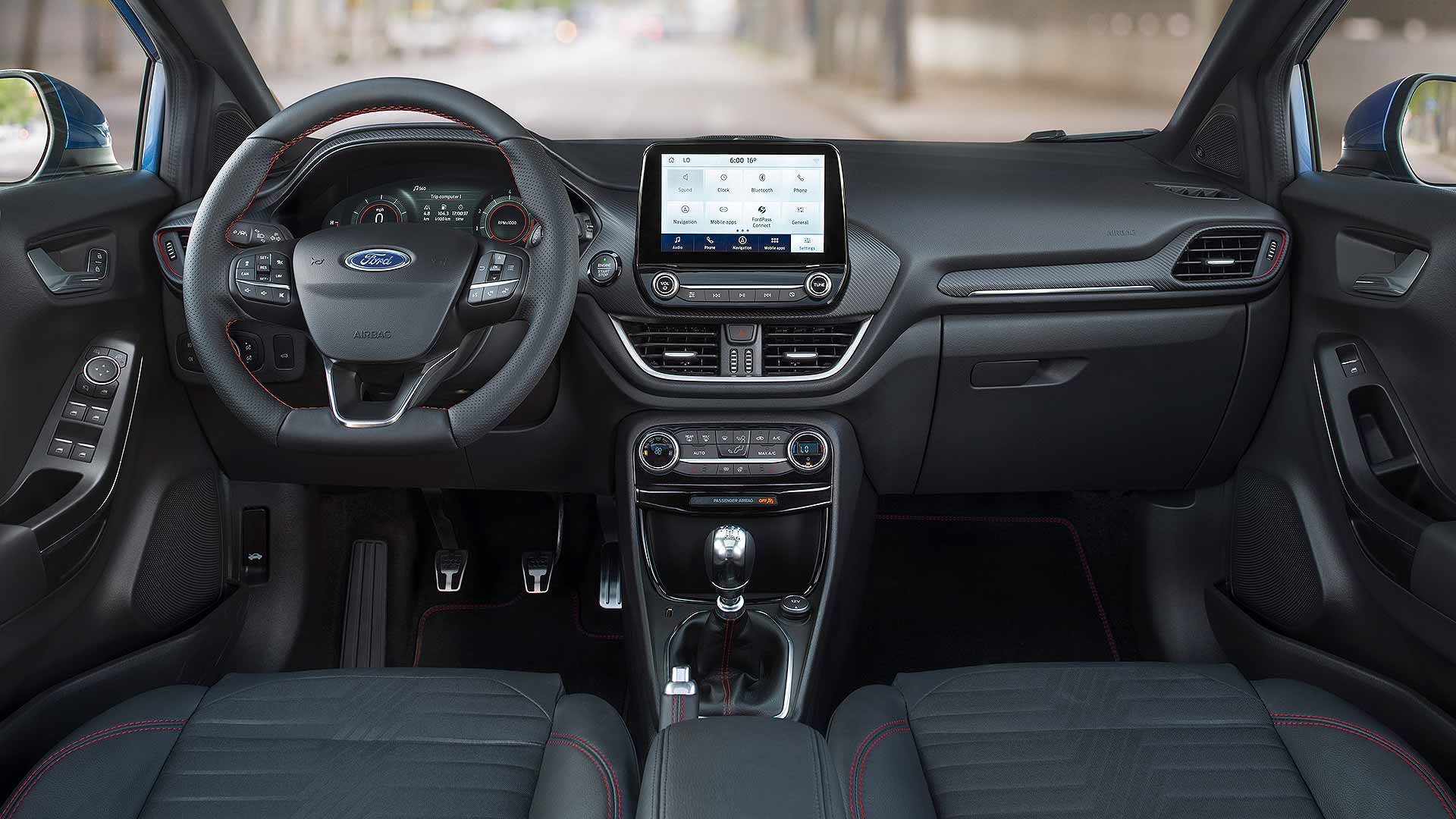
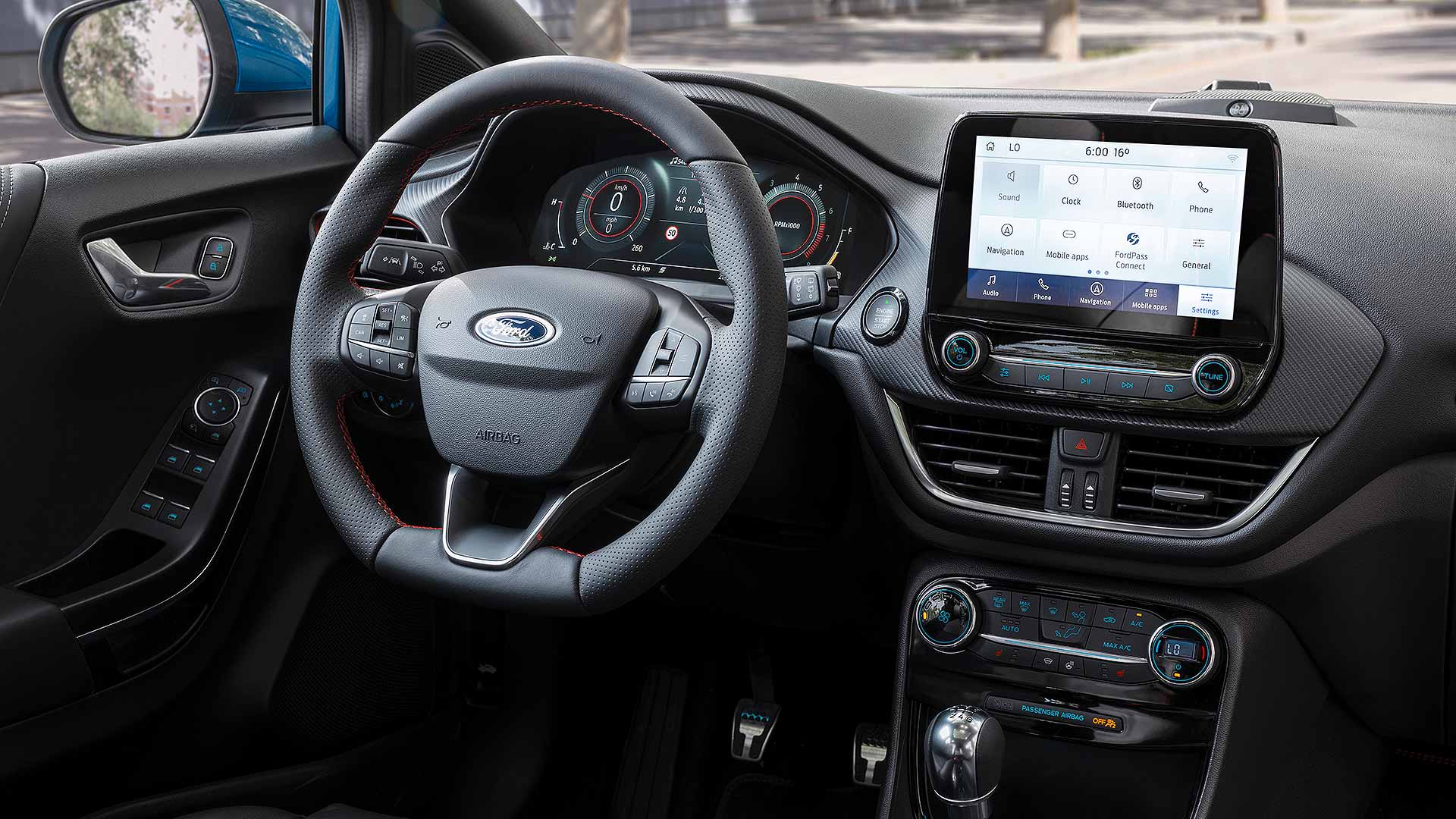
Inside, the dashboard architecture is similar to the Fiesta too, although it’s deeper and occupants sit 60mm higher off the ground.
There are lots of soft-touch plastics, the option of an all-new digital instrument cluster, and plenty of cubbies “because people expect more storage.
“We wanted to create an interior that made people confident and feel protected.”
It is roomy and comfortable up front, and surprisingly spacious in the rear. Six-foot-tall adults will find sufficient headroom, knee room and space for feet.
Ford is even offering washable seat covers that can be easily unzipped and placed in the washing machine.
Practicality points
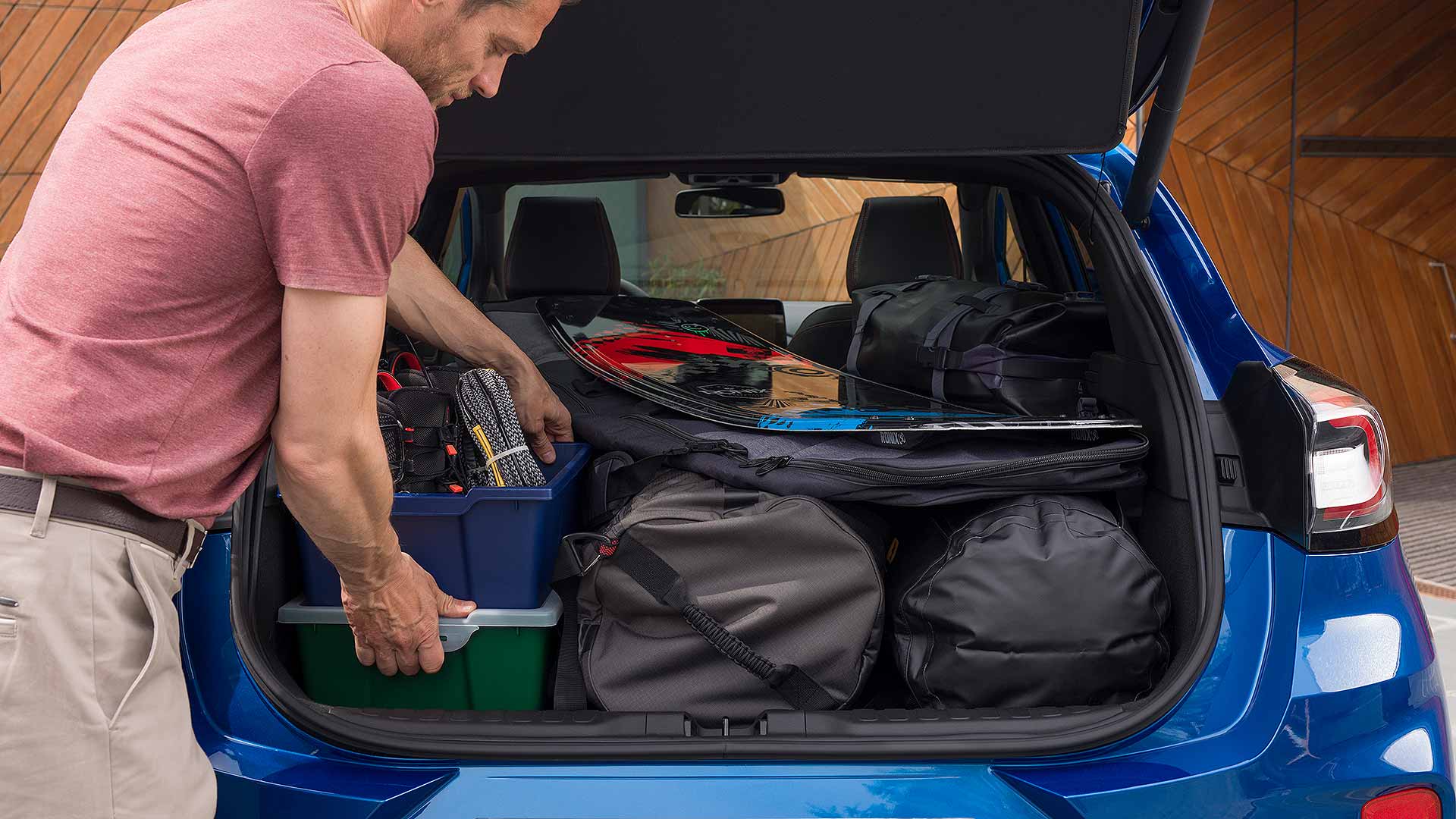
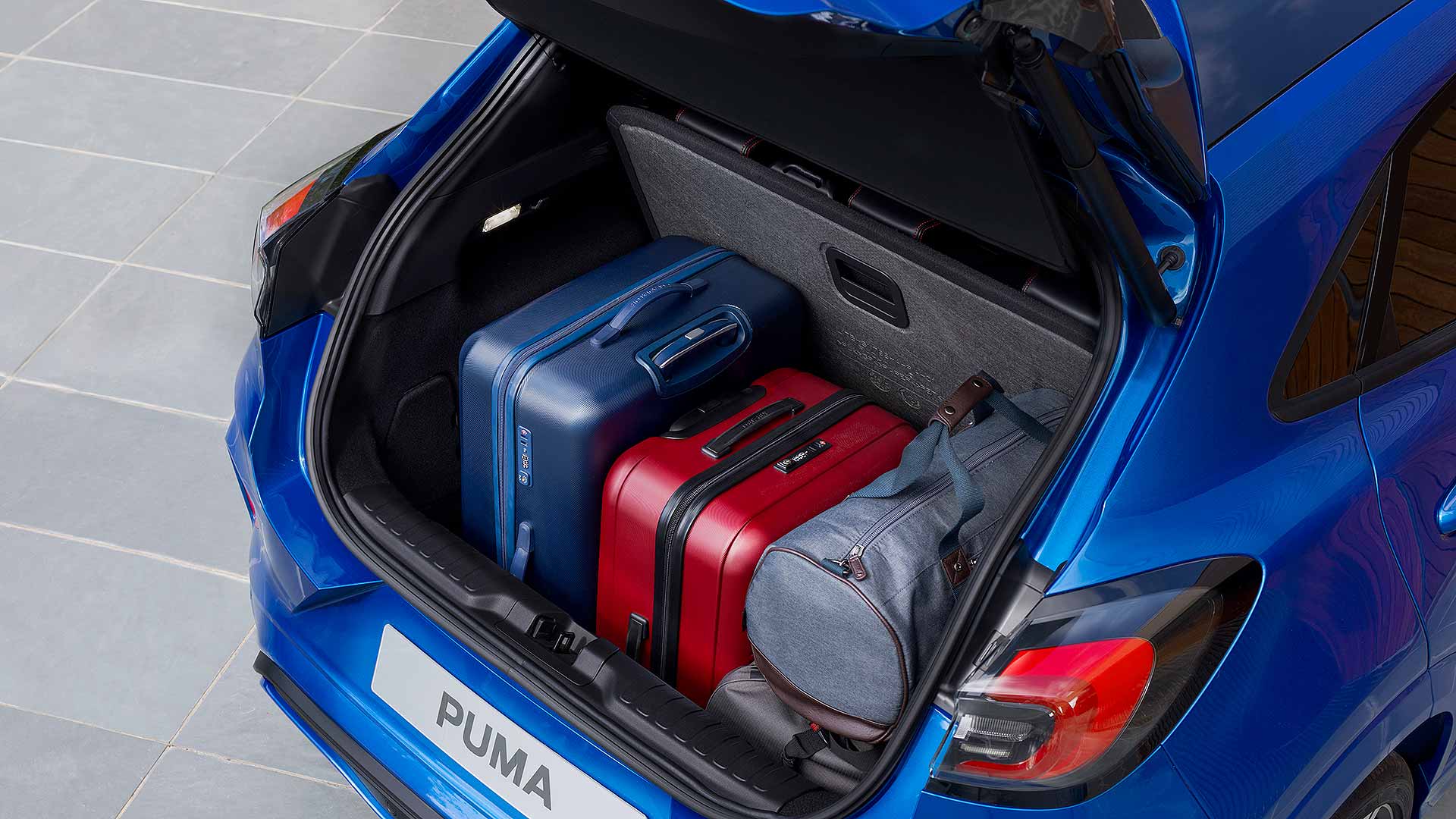
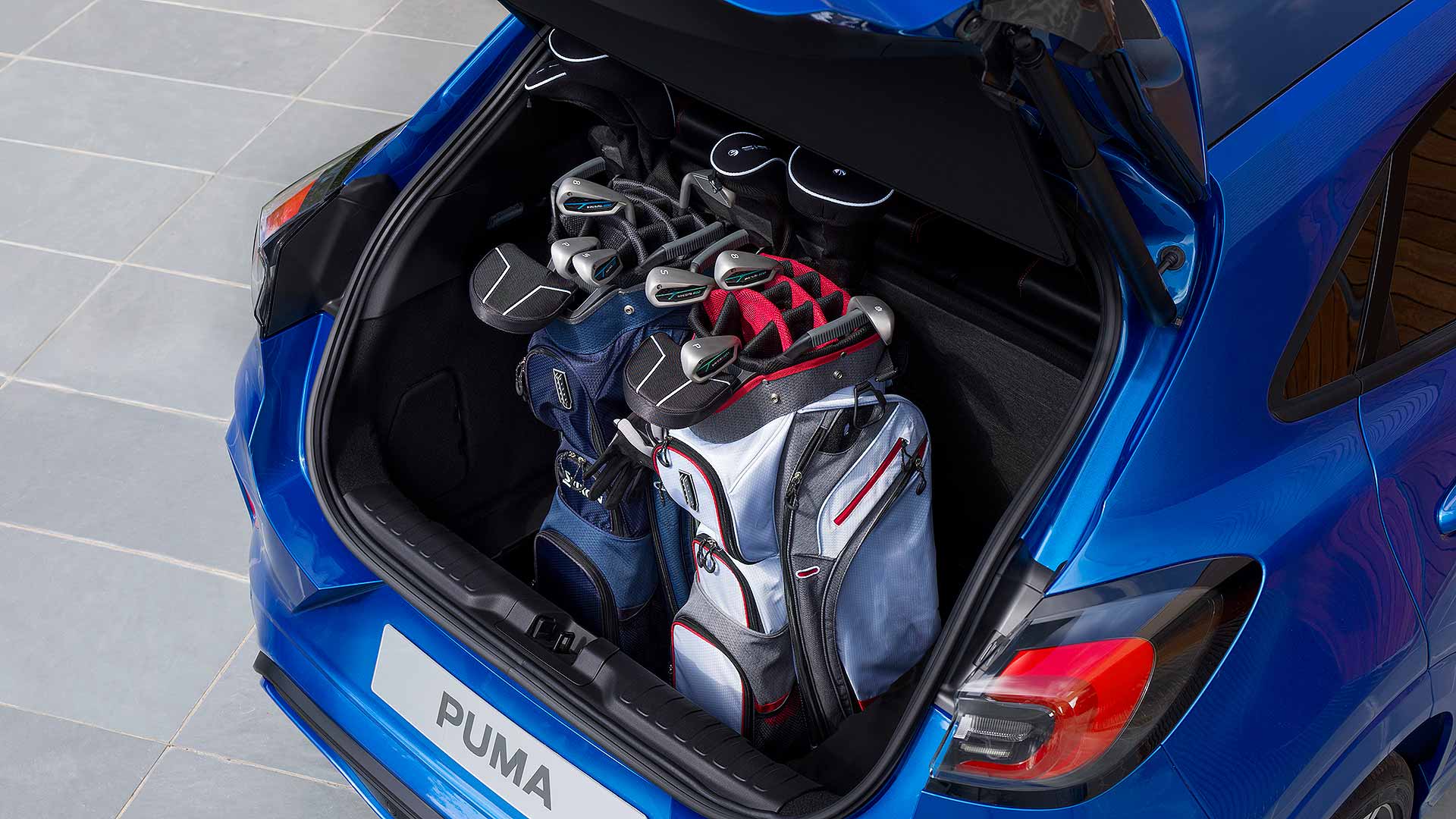
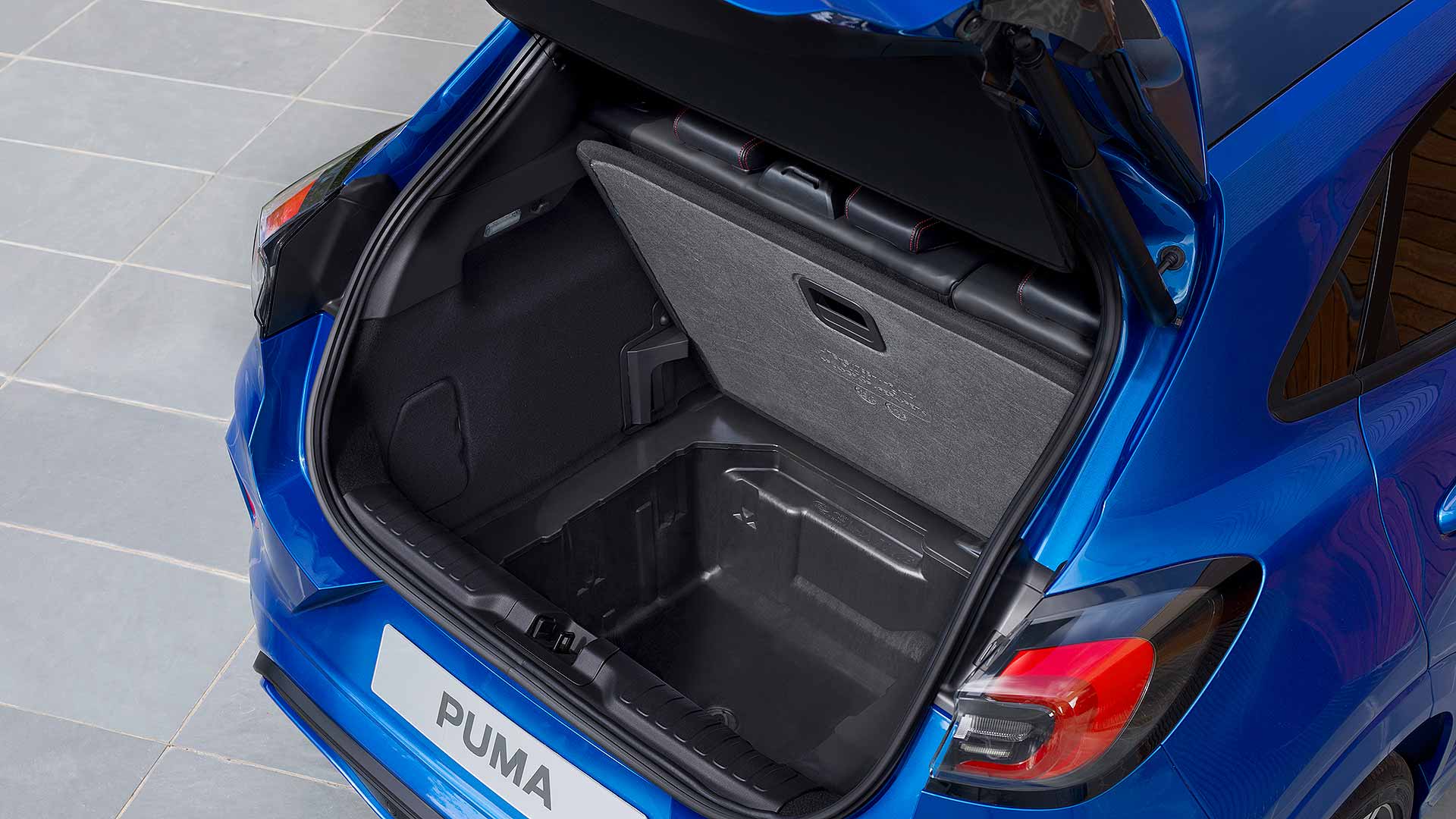
But it is the boot that packs the biggest surprise of all with the new Ford Puma. Despite the stylish appearance, it is enormous.
A total of 456 litres is larger than anything in this class and bigger than today’s Ford Kuga, a much larger vehicle.
It can take loads 1 metre wide, up to 1.15 metres tall, and swallows numerous suitcases and folding bicycles with ease. A clever new parcel shelf design, attached to the tailgate, further aids practicality.
Ford also brings this sector’s first hands-free power tailgate as an option.
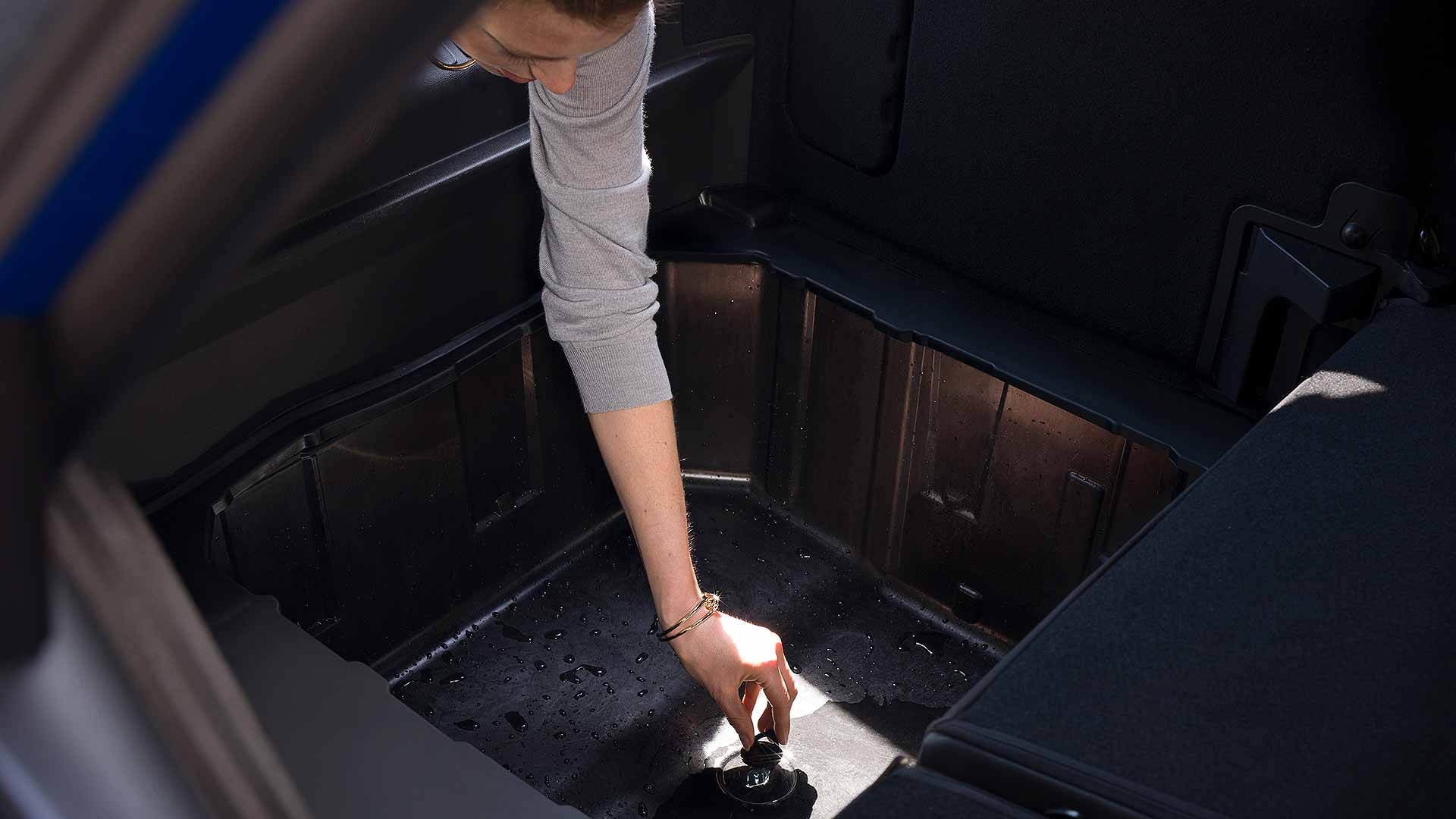
The real surprise is beneath the boot floor, though. This is the Ford MegaBox, an 80-litre plastic box that gives more space, more practicality and more usability.
Video: Ford MegaBox
Ford demonstrated it by loading in two sets of golf clubs, packed upright: the tailgate still closed.
Because it is tough, washable plastic, muddy items can be thrown in and stored out the way.
Brilliantly, it even has a drain plug: rinse it out with a hose, pull the plug and the water drains away.
The Ford Puma’s MegaBox is a sector-standout feature that takes practicality to an entirely new level, particularly for those used to the sorely compromised Nissan Juke. Ford admits one of its biggest challenges will be communicating how practical the stylish new Puma is…
Puma power
Engine-wise, the Puma will launch with two petrol engine options, the 1.0-litre Ecoboost with either 95 horsepower or 125 horsepower.
In November 2019, two mild hybrid ‘MHEV’ versions will arrive, with 125 horsepower or 155 horsepower. Lower power one will be exceedingly economical, with CO2 emissions from 124g/km.
A 1.5-litre diesel and a seven-speed DCT automatic will follow in May 2020.
Ford is also promising the new Puma will handle much better than the competition. It will be roll-free and use its ample Focus-like track width to offer an ability “far higher than its rivals”.
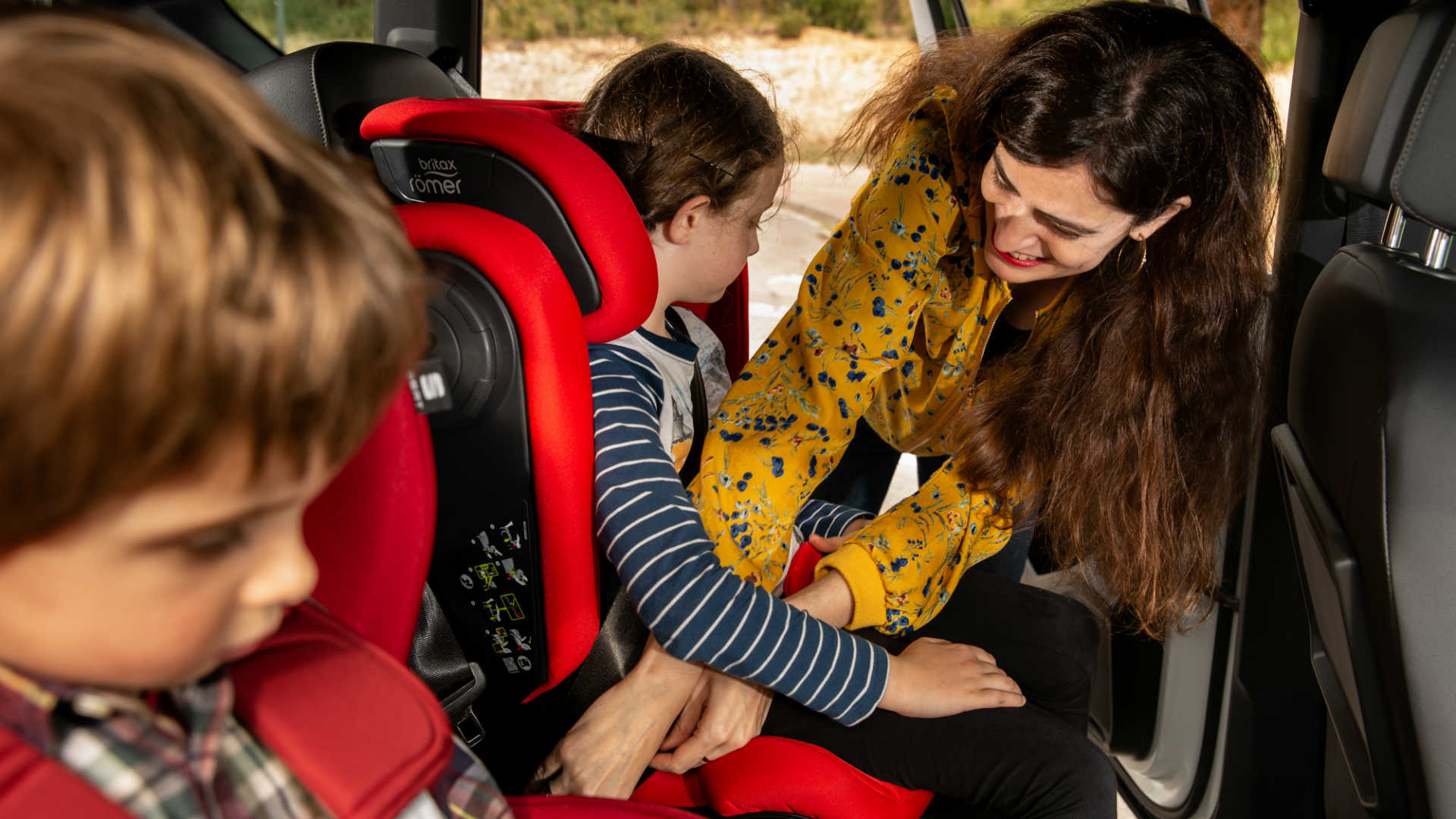
New research commissioned by Seat suggests that a large proportion of parents are not using a child seat correctly. A study of 1,000 UK parents of children aged 12 or under yielded some troubling revelations.
As many as one in three said they’d transported someone else’s child without a child seat, while one in five said they let their child sit on a cushion rather than a booster seat. One in 10 said they’d had four or more children sat across one three-seat row.
A third of parents admitted they’ve used a car seat designed for an older child, while one in five said they’d used an incorrectly installed child seat.
Sometimes it’s not willful disregard of the rules, though. Many parents are not-so-blissfully ignorant of the regulations and dangers. Three-quarters of parents think the government should do more to make parents aware of car seat regulations.
A fifth of parents are confident about the rules around kids and car seats, with 40 percent of parents worried they’ve not fitted a child seat properly.
The law states that children under 12 or under 135cm tall, legally require some form of booster seat when travelling in a car, to prevent sliding under the adult belt in the event of an accident. As many as 47 percent of parents were unaware of this.
Take a seat, kids
In a bid to reduce injuries, drivers face a fine of up to £500 and three penalty points for using the wrong restraints. There were almost 10,000 injuries to children aged 15 or under, recorded in 2017, while 20 were killed.
“According to research from Spain’s Traffic Department, the difference between correct and incorrect child seat use can reduce the risk of casualty by 75 per cent and injuries by 90 per cent,” said Javier Luzon, from the Seat vehicle safety development department.
“It is crucial to use the seat which is certified for the child’s height and weight, as the design of each one meets the specific requirements to protect children’s bodies.”
A bad Brexit deal risks reversing a decade of UK automotive industry growth because of its dependence on free trade, said the £101 billion industry trade body’s chief executive today.
However a 20 percent industry boost is possible if the next Prime Minister secures a good Brexit deal and then works with industry.
Mike Hawes (pictured below), speaking at the Society of Motor Manufacturer and Trader’s (SMMT’s) international summit, said the next PM should prioritise frictionless trade.
“You cannot operate a ‘just-in-time’ network without frictionless trade,” said Hawes. Hard Brexit border delays risk a £50,000-per-minute cost to the automotive industry, according to SMMT calculations.
In a worst case scenario, this could cost £70 million a day. “Combine with WTO tariffs… this would deliver a knockout blow to the sector’s competitiveness.”
WTO passenger car tariffs alone would amount to £4.5 billion a year, “reducing consumer choice and increasing costs to UK car buyers,” said Hawes.
Earlier SMMT figures suggested WTO trade could add £1,500 to the price of the average British new car.
Export is vital for the UK automotive industry: 8 in 10 new cars built in Britain are exported. Most go to the EU. Add in imports, and 3.3 million new cars are traded between the UK and EU every year.
£20 billion Brexit boost?
Britain is the world’s 10th largest exporter, and automotive is the largest single export industry. Take out automotive, and SMMT research suggests Britain would fall to 14th, behind Canada, Mexico, Russia and Belgium.
The sector, which is worth £101 billion, employs 168,000 people and contributes an annual £18.6 billion to the UK economy.
The SMMT has published a new study, the 2019 UK Automotive Trade Report, which also outlines the positives of a good Brexit trade deal.
The organisation has identified opportunities that, if backed by a positive automotive-focused trade strategy, could yield a £20 billion uplift in global automotive trade.
“This report shows that, if the right choices are made, a bright future is possible.”
The SMMT has outlined eight recommendations for the UK’s new PM, which include seeking new trade opportunities in global markets and strengthening government engagement with industry.
But free trade remains the top priority. “I will keep repeating it until I am blue in the face,” said Hawes. “We need a deal: no deal is not an option.”
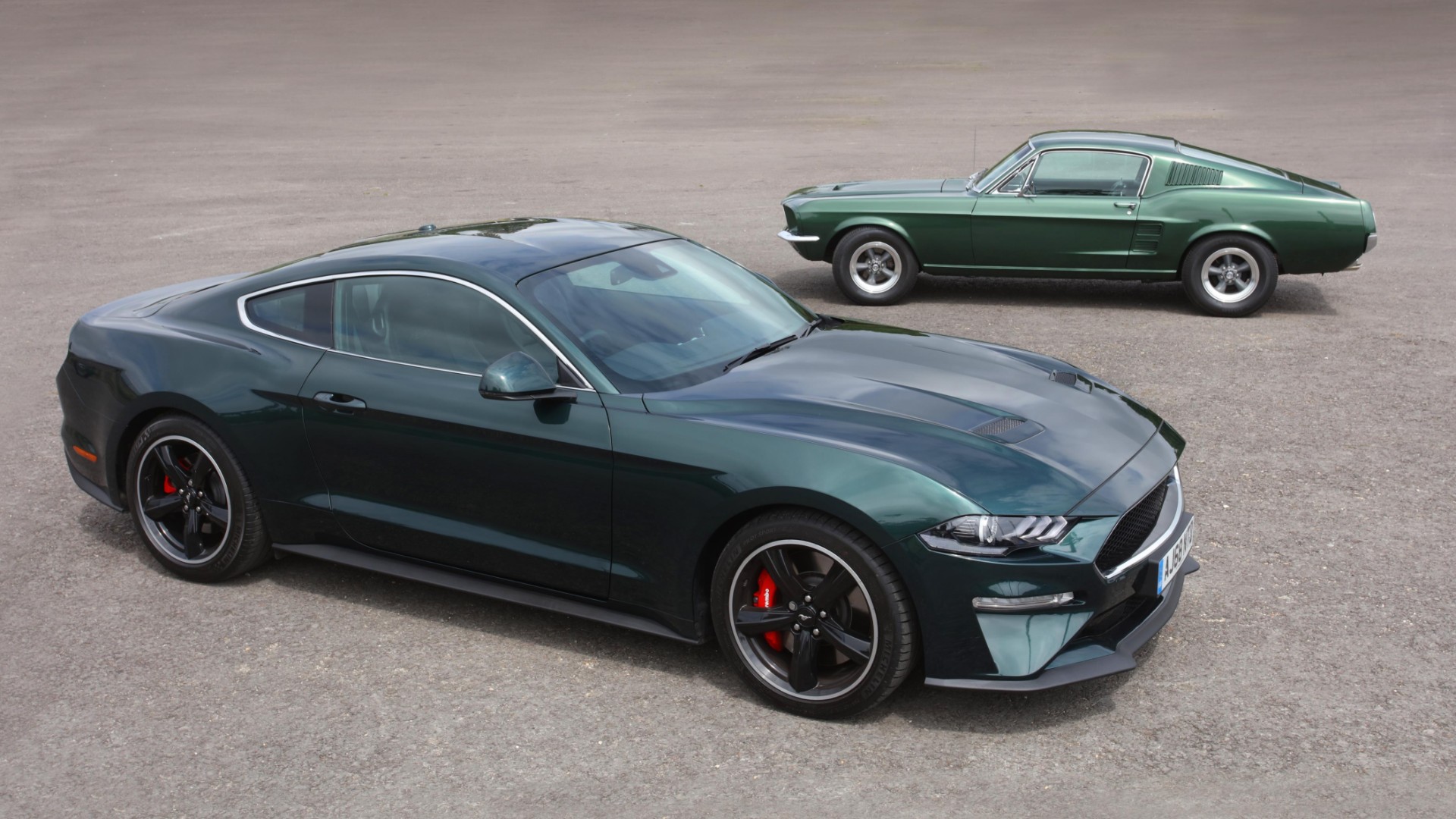
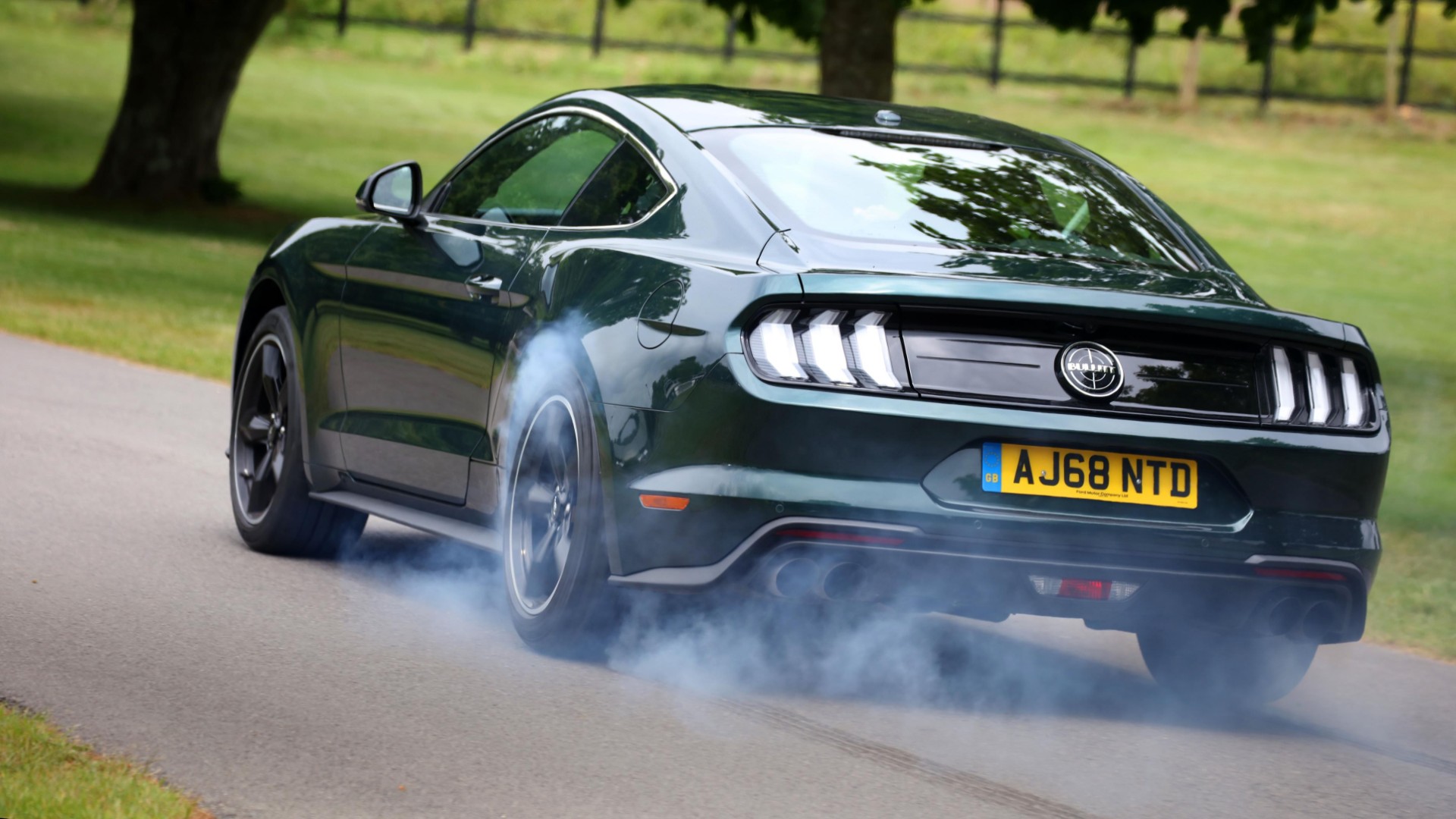
The limited edition Bullitt Mustang is to live on into 2020 as Ford looks to take advantage of high demand. The full 2018 and 2019 quota filled quickly for the model. It celebrates the 50th anniversary of the Warner Brothers film, which starred Steve McQueen as Frank Bullitt alongside a Highland Green Ford Mustang.
The car reportedly sold out immediately after its 2018 launch, prompting another production run. If you missed out the first time, be quick, as the new run is on sale now from £48,210. Deliveries are expected to begin in the UK early next year.
As a reminder, the Bullitt Mustang benefits from a lung upgrade for its 5.0-litre ‘Coyote’ V8 engine, courtesy of the high-performance Shelby GT350. The ‘Open Air Induction System, including the Shelby’s intake manifold and 87mm throttle bodies, helps the Bullitt to produce over 450hp.
If you’re feeling a bit contrarian, you can actually option your Bullitt without the Highland Green paintwork that’s so evocative of Steve McQueen’s original San Francisco-skidding steed. Other choices are limited to just the one, though. How does Shadow Black sound?
Fewer than 200 Bullitt Mustangs were allocated to the UK; exactly how many this extended run will deliver remains to be seen but you can be sure there won’t be many. Get on the blower to your local Ford dealer, Frank.
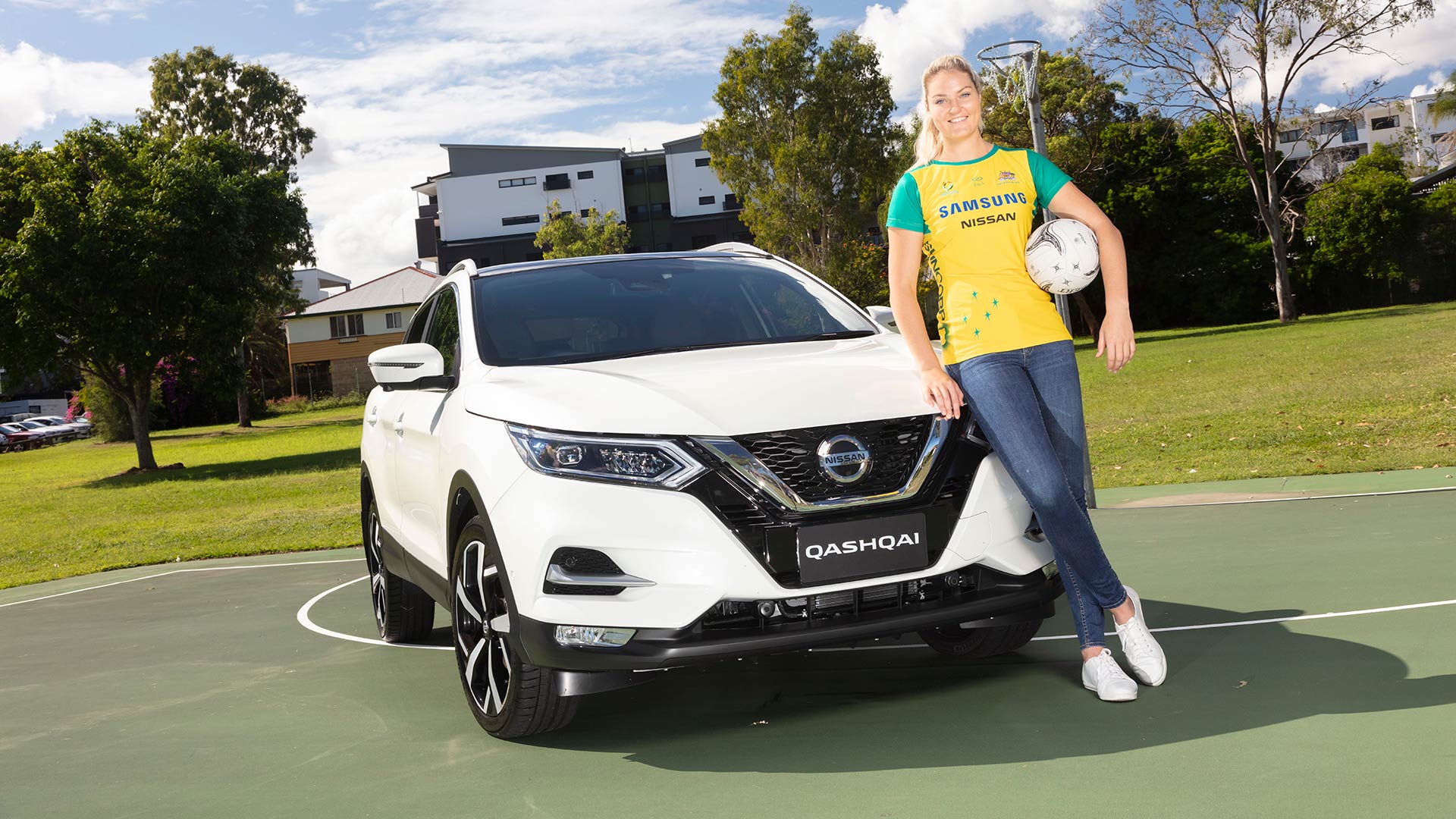
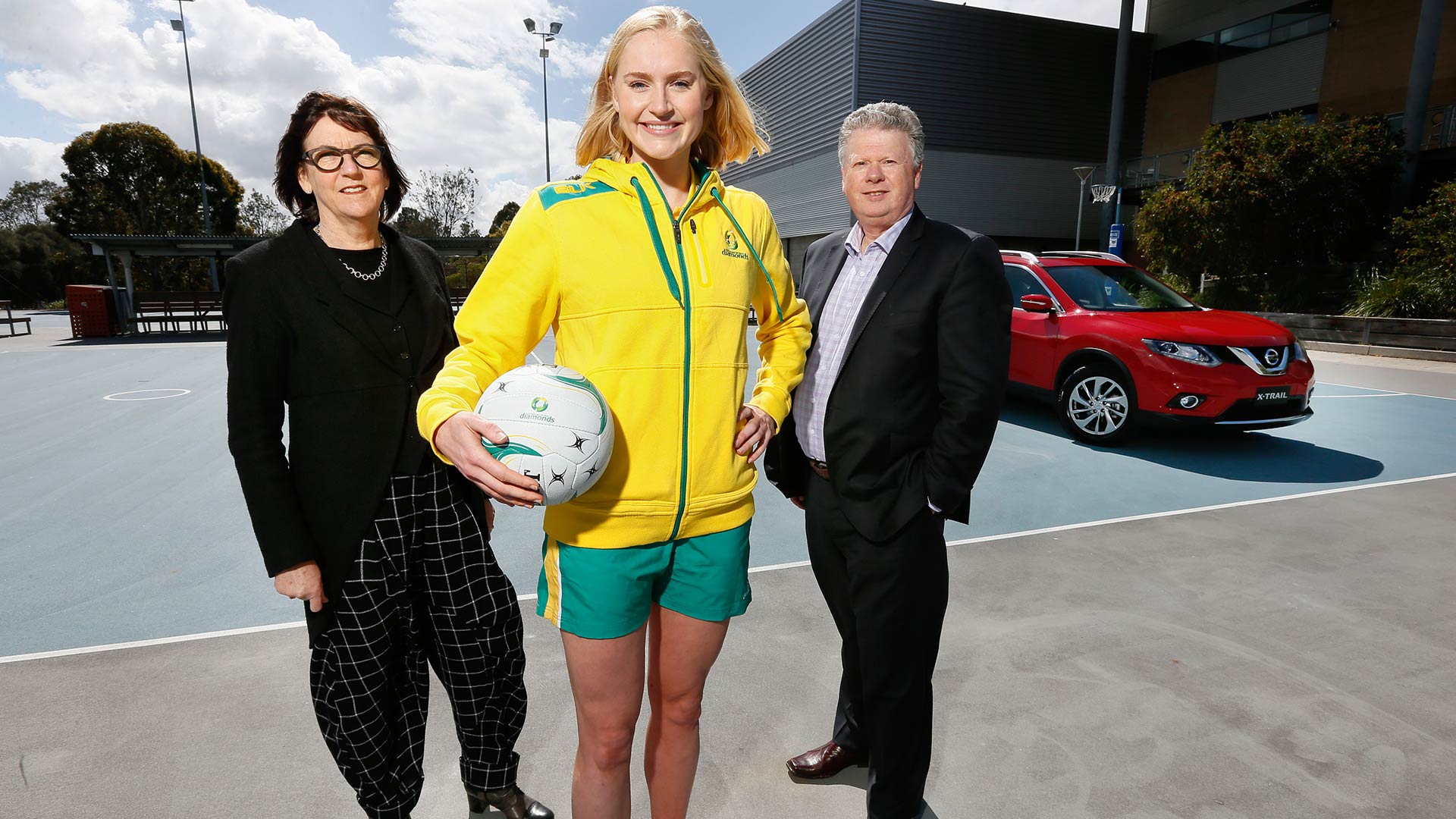
Nissan has expanded its support of netball in Australia with the appointment of Gretel Tippett as brand ambassador.
The 25-year-old Queenslander becomes the latest netball star to enter a partnership with Nissan, and took delivery of a brand-new range-topping Qashqai Ti.
Tippett has been named as a Australian Diamonds player for the forthcoming Netball World Cup, which takes place in England from the 12th to 21st July.
At the tipping point
Adding Tippett to the Nissan roster sees her placed alongside two current Australian Diamonds players. Diamonds captain Caitlin Bassett, and defensive player Jo Weston, are existing brand ambassadors. Australian netballing legend Sharelle McMahon is another representative for the company.
Speaking about her appointment as ambassador, Tippett stated she was: “very humbled when asked to join the Nissan family, I absolutely love the brand and Nissan has done so much for Australian netball, the sport that I love, so it’s very exciting for me”.
The Queensland Firebirds player added that: “most of my family drive Nissans, dad had a Nissan Navara and the family car for many years was a Nissan Pathfinder, so I jumped at the opportunity to be a part of the Nissan team. It means a lot to me.”
Along with being Nissan fans, the Tippett family is also rather sporty, with two of Gretel’s brothers having played in the AFL.
Nissan squad goals
Along with appointing brand ambassadors, Nissan is a major partner of the Australian Diamonds team, and also provides player performance data for the Suncorp Super Netball league.
Netball is recognised as the highest-profile female sport in Australia. The establishment of the professional Super Netball league provides guaranteed player salaries, along with primetime TV coverage of matches.
Nissan has a track record of collaborating with young female sports stars. Last year the company named 21-year-old tennis player Naomi Osaka as a brand ambassador, and even allowed her to help design a special edition of the GT-R sports car.
Osaka also drives a Nissan GT-R Nismo, meaning Gretel Tippett might want to push for something a little quicker if the Diamonds are successful in the 2019 Netball World Cup.
 The winning bidder for the very first 2020 Toyota GR Supra to leave the production line has now taken delivery of his special car.
  Although the $2.1 million figure may be enough to buy 42 regular production GR Supras, the car Staluppi now has is rather special.
  Staluppi also collected a variety of other special items along with the first GR Supra. Bob Carter, Toyota executive vice president of sales, presented Staluppi with his new car and his accompanying goodies.
  Just a few years ago,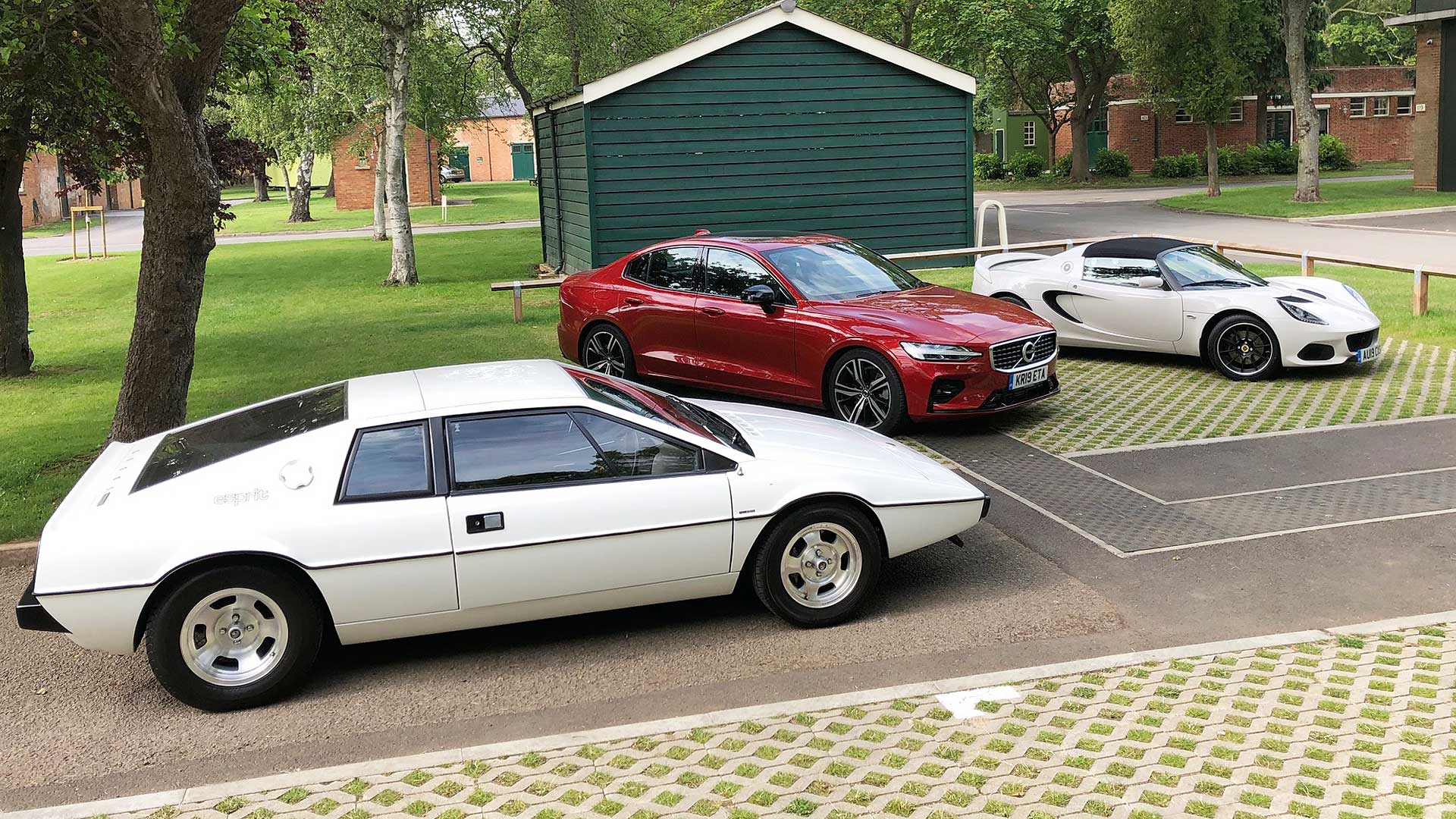




 The
The 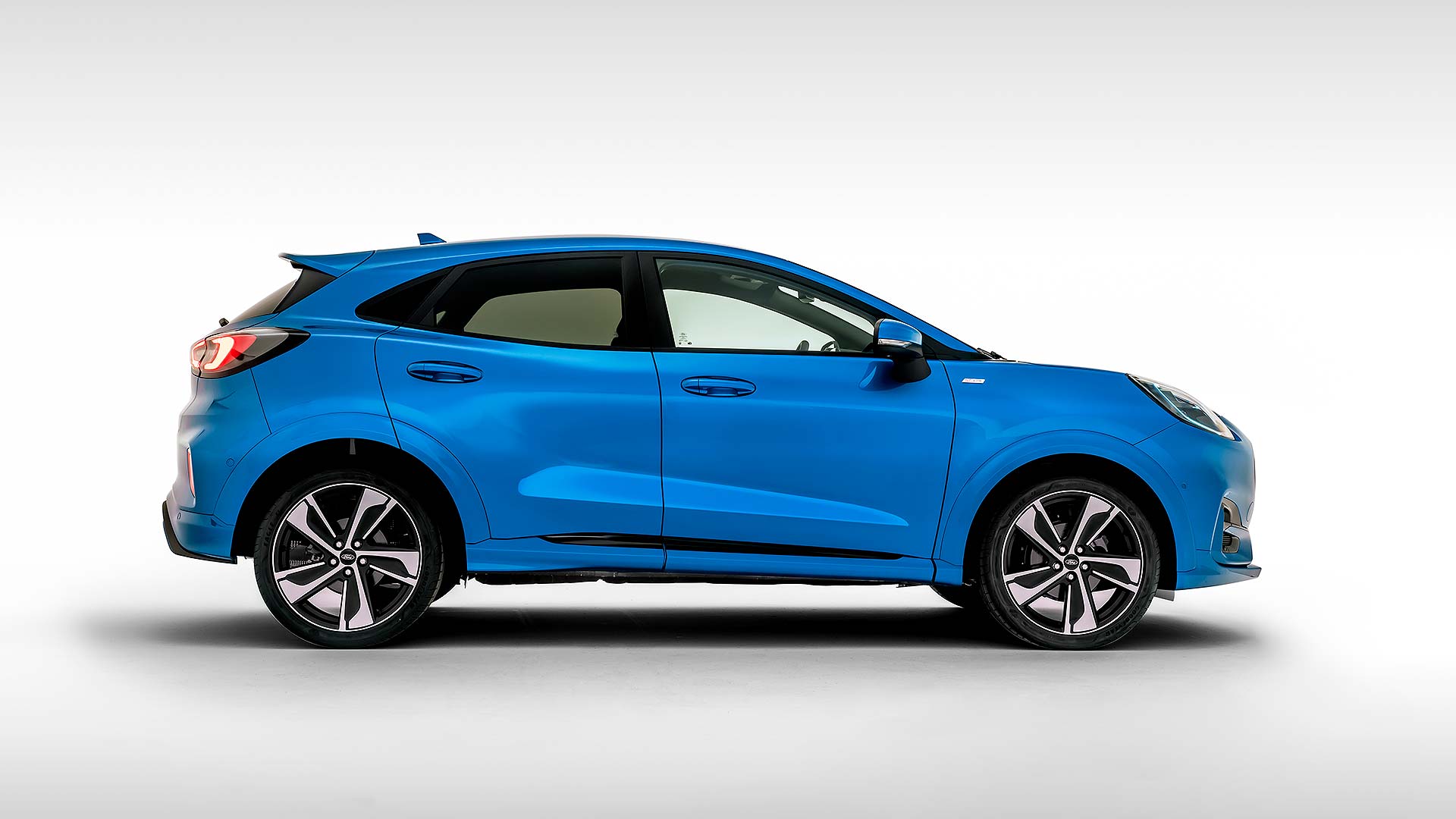

 A bad
A bad