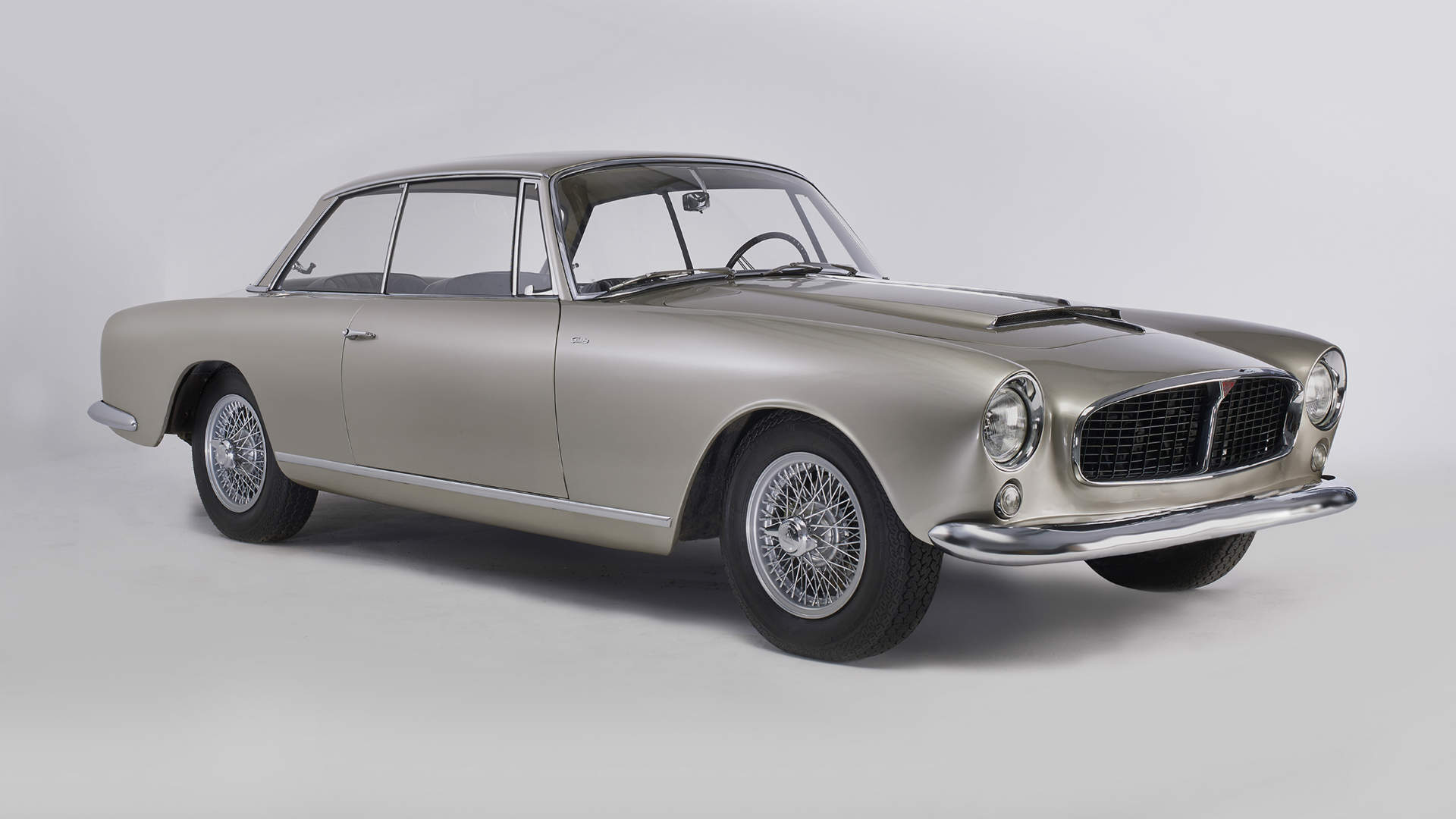
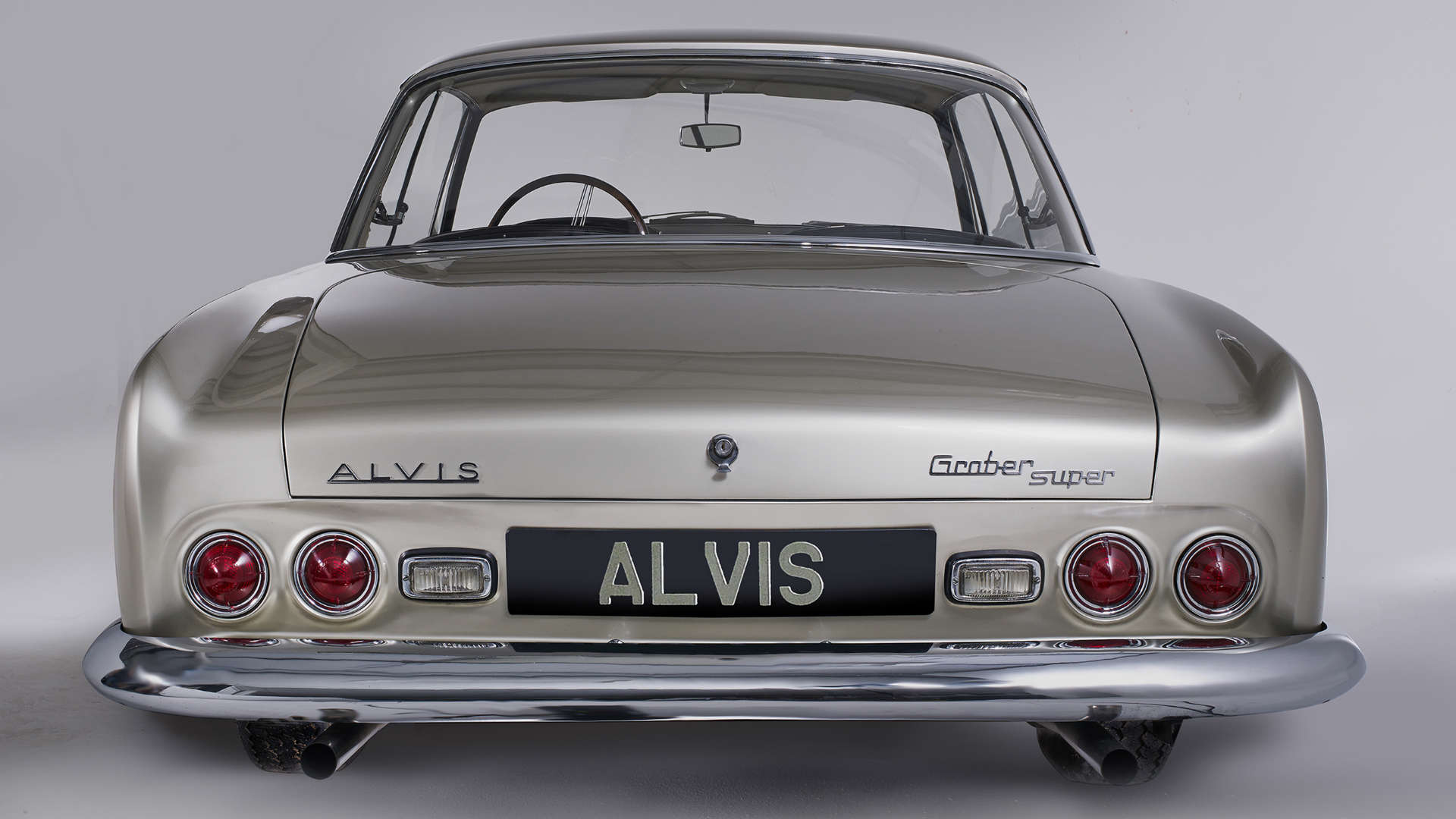
Using components stored in crates for over 50 years, two chassis and six body derivates will be built – and five cars are destined for Japan.
Alan Stote, owner of The Alvis Car Company, said: “Our models are, literally, what Alvis would have created had it not halted production for over 50 years.
“The factory had planned to build 150 4.3-litre chassis in 1938. As the site suffered serious damage by bombing in 1940, only 73 chassis were completed, so we will continue that series, with new chassis, built to the original drawings.”
100 percent road-legal
Prior to the Second World War, Alvis was one of the country’s leading car manufacturers. The Coventry-based firm developed a reputation for innovation and quality engineering, producing cars to rival the pre-eminent luxury manufacturers of the time.
Not afraid to push boundaries, Alvis was the first carmaker to design and race a front-wheel-drive model, the first to develop an all-synchromesh gearbox, and the first to start working on a British car with independent front suspension.
Now, using original chassis and engine blocks unused since production stopped in 1968, The Alvis Car Company is extending its Continuation Series.
Unlike some other continuation cars, however, Alvis has worked with the Driver Vehicle and Standards Agency (DVSA) to ensure that its cars are 100 percent road-legal.
It will take 4,000 to 5,000 hours to build each car at the Kenilworth Works service and restoration centre, where the chassis, engine blocks and original components have been stored in crates.
The 3-litre models will be available with a choice of Super Coupe, Cabriolet and Drop Head Coupe body styles, while Bertelli Sports Coupe, Lancefield Concealed Hood and Vanden Plas Tourer bodies are available with the 4.3-litre version.
Options include automatic transmission and power steering on the 3-litre models, with air conditioning, upgraded audio systems and servo-assisted brakes available across the range. A three-year warranty comes as standard.
Turning Japanese
Thanks to fuel injection and modern engine management electronics, the Alvis continuation cars meet legislation in a number of markets, including Japan.
The Alvis Car Company has signed a deal with Meiji Sangyo to allow the Tokyo-based company to act as its exclusive dealer for the whole of Asia. Meiji Sangyo was the main agent for Alvis in the 1950s.
“It underlines the enduring appeal of our cars that Meiji Sangyo wanted to be our distributor in the Far East. Knowing how quality is appreciated in Japan, our agreement with Meiji Sangyo is a huge recognition of our values,” said Stote.
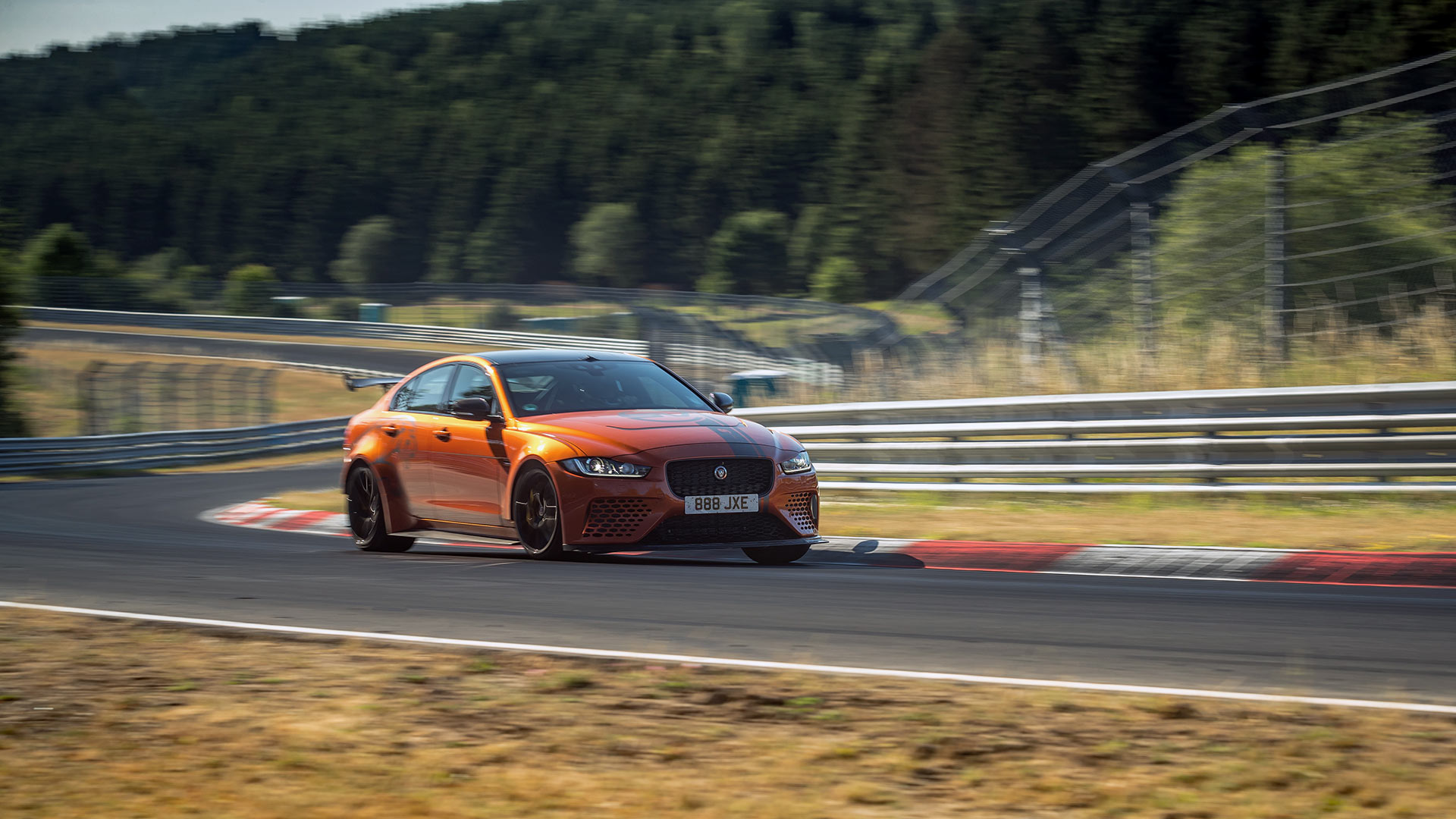
Jaguar has cemented the position of the XE SV Project 8 as the fastest production saloon car to lap the German Nürburgring Nordschleife circuit.
The 600 horsepower four-door managed to improve on the existing record, previously set by Jaguar in 2017, by some 2.9 seconds.
The fastest American cars around the Nürburgring
With a time of seven minutes 18.361 seconds to complete the 20.6 km (12.8 mile) circuit, the supercharged V8 XE SV is now rubbing shoulders with serious hardcore machinery.
Maximum track attack
Helping the XE SV go even quicker than before was the use of a car fitted with the special ‘Track Pack’ two-seater configuration. Choosing this removes 12.2 kg (27 pounds) from the weight of the Project 8, and installs a purposeful pair of bucket seats up front.
Jaguar also set the height-adjustable coilover suspension to ‘track’ mode, and – sensibly – ensured the front splitter and giant rear wing were set for maximum downforce.
Topping off the adjustments was the fitment of ultra-high performance Michelin rubber. The brand-new Michelin Pilot Sport Cup 2 Rs are street legal, but feature competition-grade construction and compounds.
Back once again for the ‘Ring master
In charge of tackling the demanding 154 corners of the Nürburgring Nordschleife was Jaguar development driver, and former BTCC racer, Vincent Radermecker.
Responsible for setting the XE SV’s original record-breaking ‘Ring time in 2017, Radermecker has also recorded a lap record at the French Circuit Clermont-Ferrand with Jaguar.
The Belgian driver has been instrumental in helping develop the performance of the Project 8, meaning he should certainly have been comfortable with the saloon’s potential 200 mph top speed.
Racing against the clock
Improving on the Nürburgring Nordschleife time is just the latest in a series of on-track achievements for the XE SV Project 8. Lap records have also been broken at Laguna Seca in California, along with at the Dubai Autodrome.
Production of the limited-edition Project 8 is planned to finish later this year, with Jaguar recently launching a slightly subtler Touring version.
Jamal Hameedi, Engineering Director, Jaguar Special Vehicle Operations, was clearly happy with the improved record set by the powerful production saloon.
Speaking about the new lap time, Hameedi commented: “The original Nürburgring time set by Jaguar XE SV Project 8 demonstrated the extreme performance envelope of the world’s fastest production sedan, but the SV team is driven by a motorsport mentality and we knew Project 8 could go even faster.
“This new official record time is a fitting reward for everyone who has played a part in pushing the boundaries for our customers with Project 8.”
New DVSA MOT data collated by Warranty Direct shows seven in 10 cars on the road have brakes or tyres that would warrant an MOT advisory (or indeed a combination of both).
The data was used in combination with claim stats from more than 50,000 Warranty Direct policies between March 2018 and May 2019.
During that time, there were 4.8 million instances of sub-optimal tyres and 4.6 million below-par brakes. Overall, tyres accounted for 35 percent of advisory cautions, while brakes made up 34 percent.
A total of 8.7 million vehicles left an MOT station between March 2018 and May 2019 with advisories on their records. The number of individual advisories topped 15 million, so each of these cars had an average of around two MOT advisories.
An advisory is a fault that doesn’t warrant a fail at the time of the test, but should be addressed before the next MOT test. It’s generally considered that an advisory will turn into a minor or a major fault (and thus a fail) during the following 12 months.
Being a millimetre or two above the minimum tread depth on a tyre is one example of an advisory.
“The recent high number of advisory issues are of significant concern and indicate a large proportion of drivers are taking potential, unnecessary risks when it comes to vehicle safety,” said Simon Ackers, CEO of Warranty Direct.
“Ignoring or leaving advisory issues for too long could lead to serious accidents and high repair costs for drivers. We recommend all motorists take the correct safety measures and deal with any advisory issues as soon as possible.”
Brakes and tyres top the list of defective items that cause road accidents in the United Kingdom.
Brakes took the lead in 2017, causing 570 accidents. Inadequate tyres caused 472 accidents during the same period.
Brakes and tyres: how to stay safe
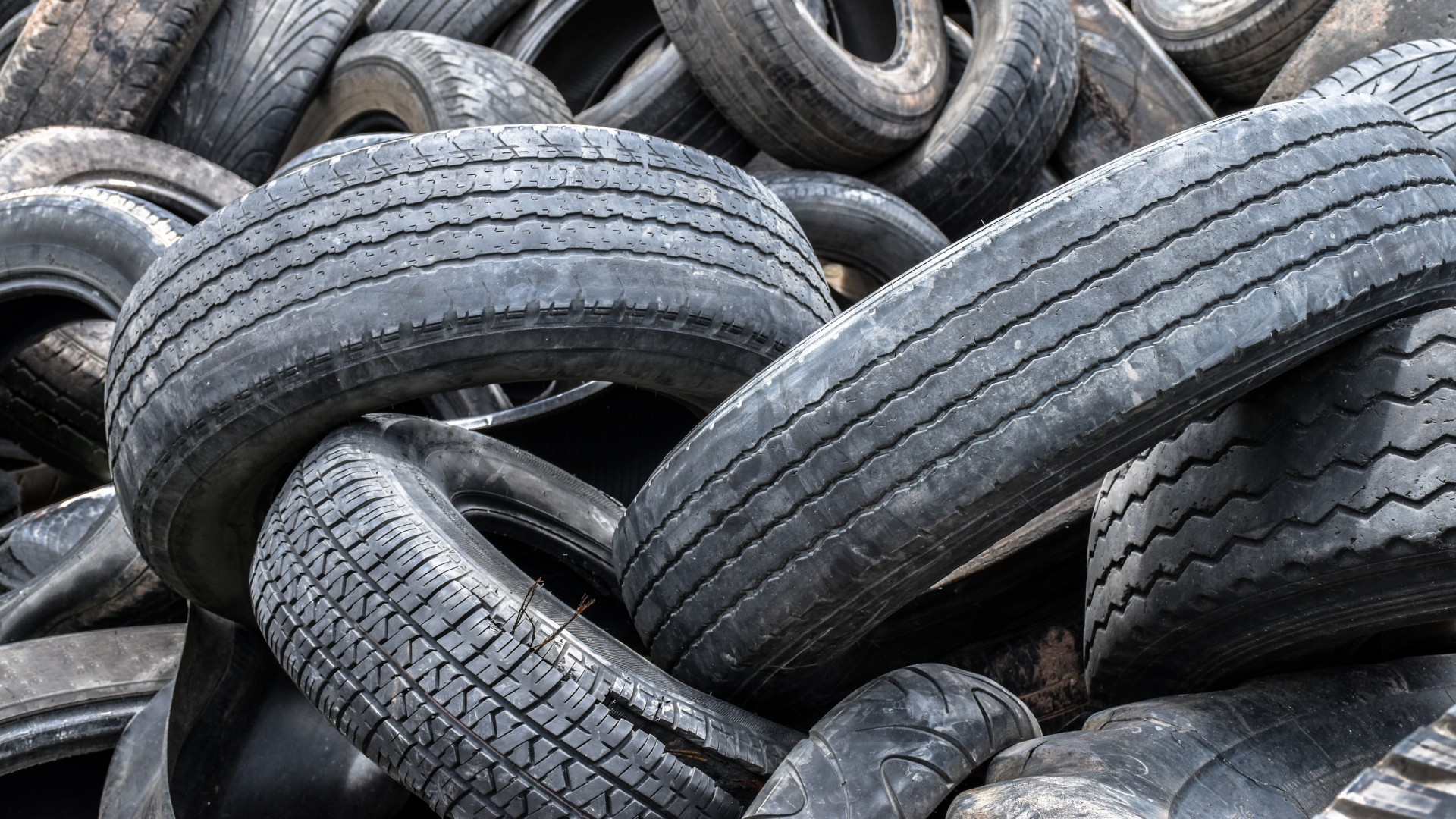
When it comes to tyres, a minimum 3mm of tread is recommended across the width of the tyre. Anything less than 1.6mm is an MOT failure.
Also look out for cracking, flat spots and damage to your wheels as other forms of degradation. Keep an eye on your tracking and wheel alignment to maximise the life of your tyre.
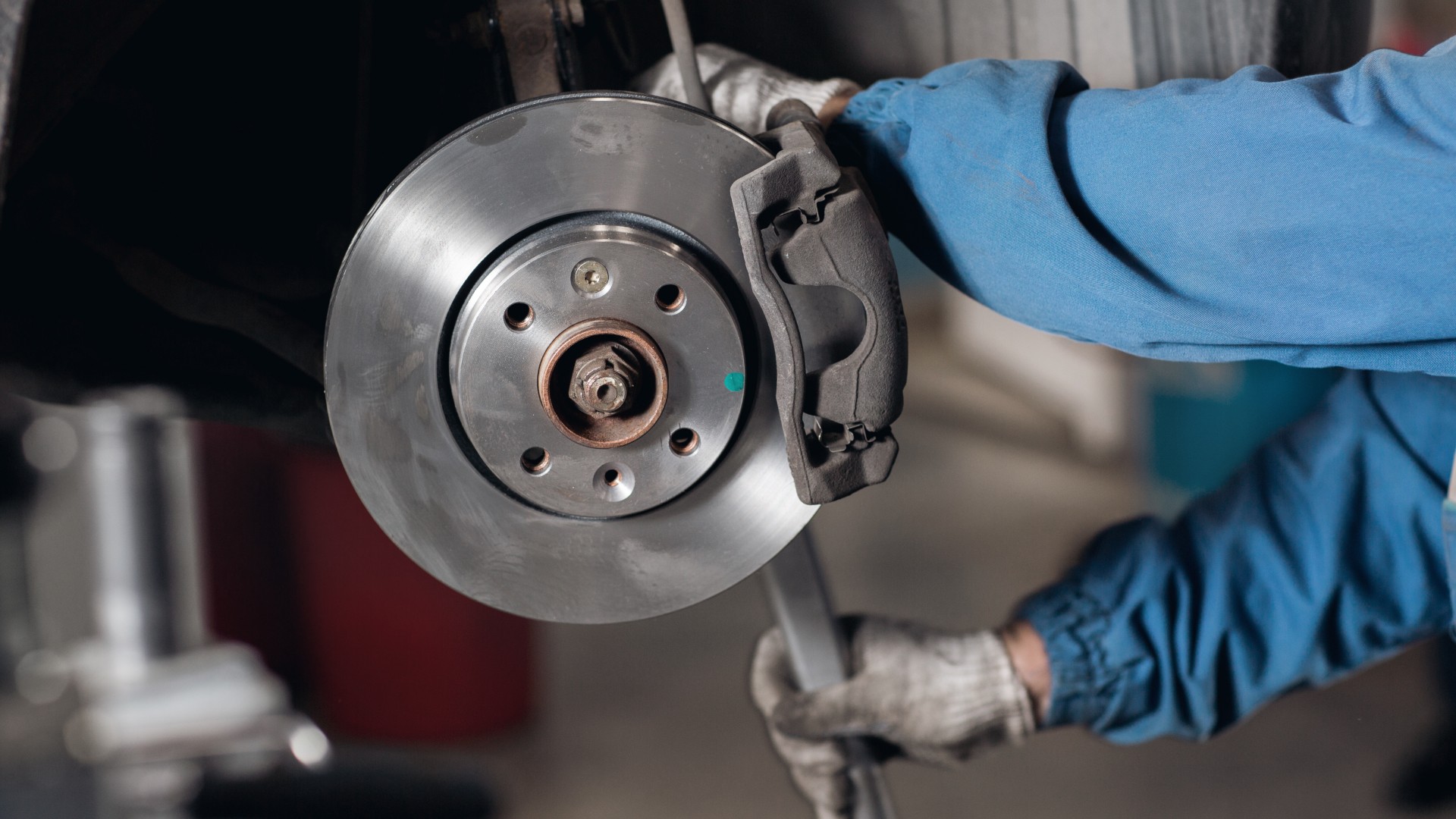
As for brakes, pads will be a major fault if they have worn below the wear indicator. If they’re below 1.5mm, the fault is considered dangerous: both are an MOT fail. The RAC recommends your pads should be replaced if the material wears below 3mm.
For discs, significant wear will constitute a major fault. Being insecure or fractured is considered dangerous. The more discs wear down, the more likely they are to crack.
The Driver and Vehicle Standards Agency (DVSA) has hit back at reports criticising a decade-low driving test pass rate.
There are claims that the pass rate – which has slumped to 45.8 percent – is due to a new parallel parking manoeuvre, introduced in 2017.
During the driving test, the examiner will ask the learner to perform one of three reversing exercises. Media reports have singled out one specific manoeuvre, the requirement to pull up on the right-hand side of the road, reverse for around two car lengths, and rejoin the traffic.
Rob Harper, chair of the Association of Approved Driving Instructors told The Telegraph: “I think it’s a dangerous manoeuvre and so do many of my members.
“We have had lots of complaints from instructors, learner drivers and from members of the public, who aren’t used to seeing people doing it.”
But the DVSA has slammed the media reports, saying that learner drivers make fewer serious and dangerous faults on the ‘pull up on the right’ manoeuvre compared to other reversing exercises.
The top reasons for failing the driving test are actually failing to look properly at junctions and not using mirrors effectively when changing direction.
‘A lifetime of safe driving’
Mark Winn, DVSA’s chief driving examiner, said: “DVSA’s priority is to help everyone through a lifetime of safe driving.
“Candidates should only attempt their test when they’ve gained a broad range of experience and are ready to drive safely and independently.
“Anyone who fails their driving test has to wait at least 10 working days to take another. This ensures the candidate has time to undergo additional training and improve any faults noted by the examiner before they take their test again.”
The driving test was revamped in December 2017 to “make the test more reflective of real-life driving”.
The DVSA says that it doesn’t recommend that a driver always pulls up on the right; the best practice is to pull up on the left.
“It’s far safer for new drivers to be taught this legal manoeuvre by a driving instructor, rather than leaving it to chance once they’ve passed their test,” it says.
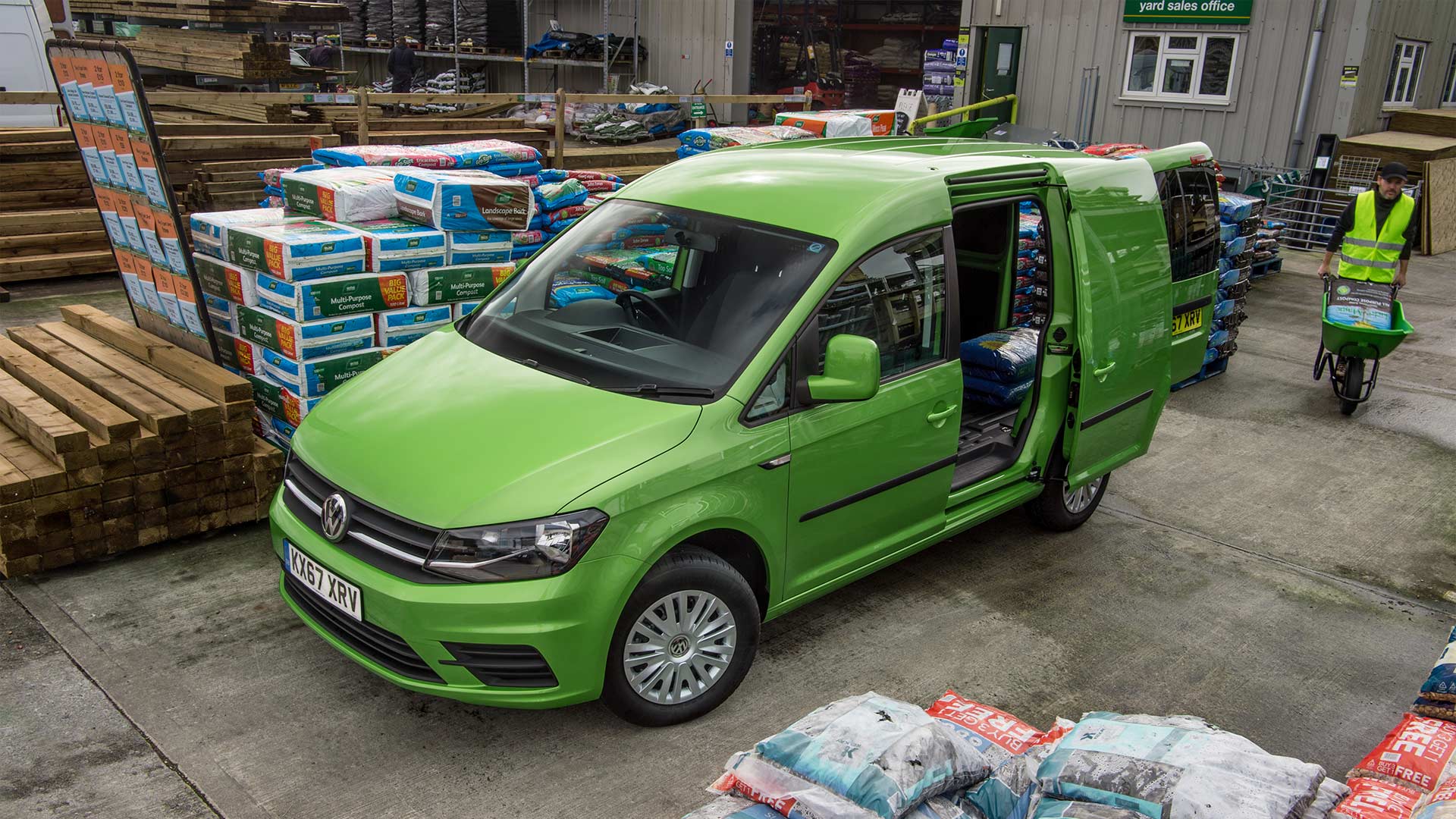
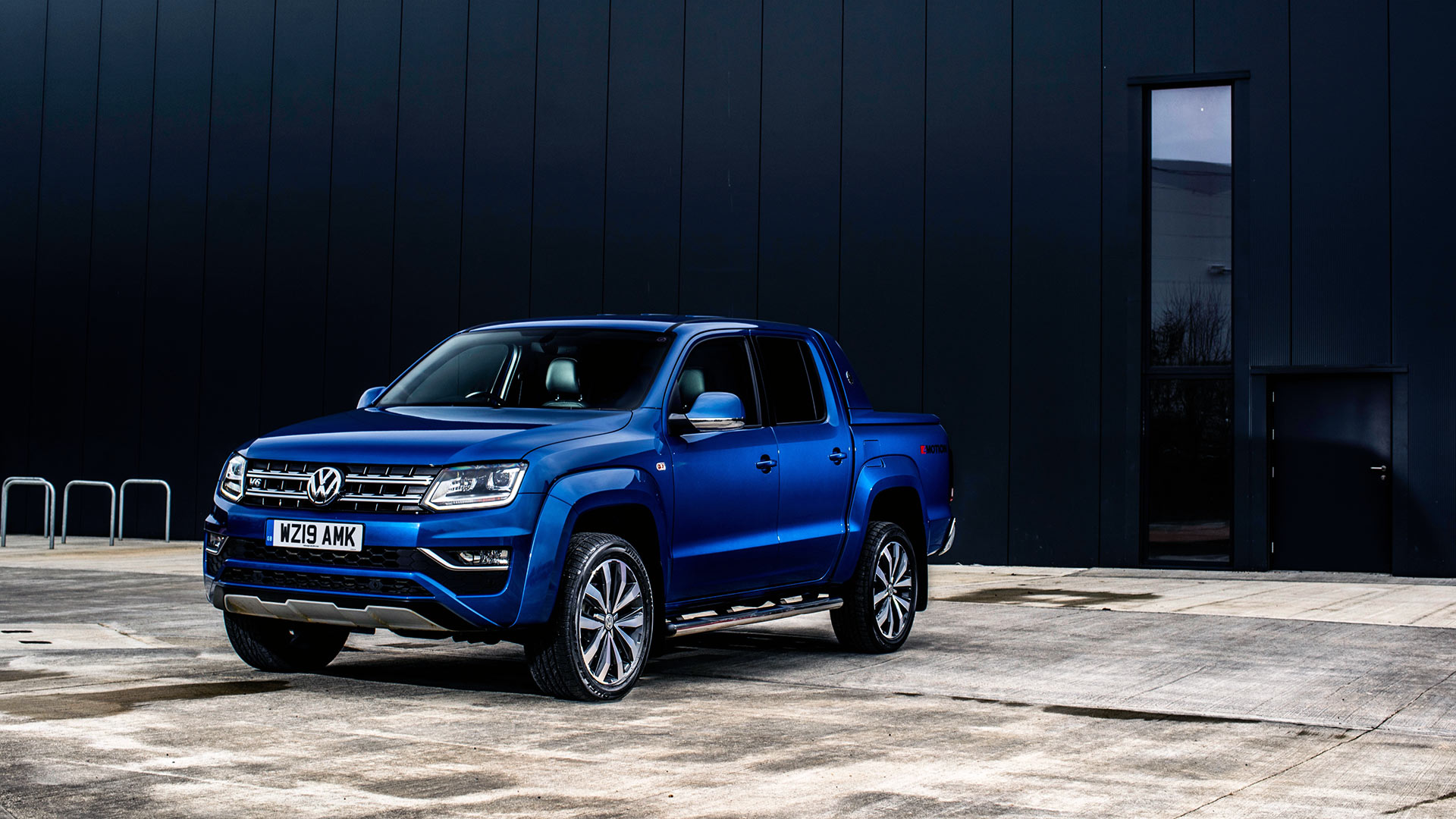
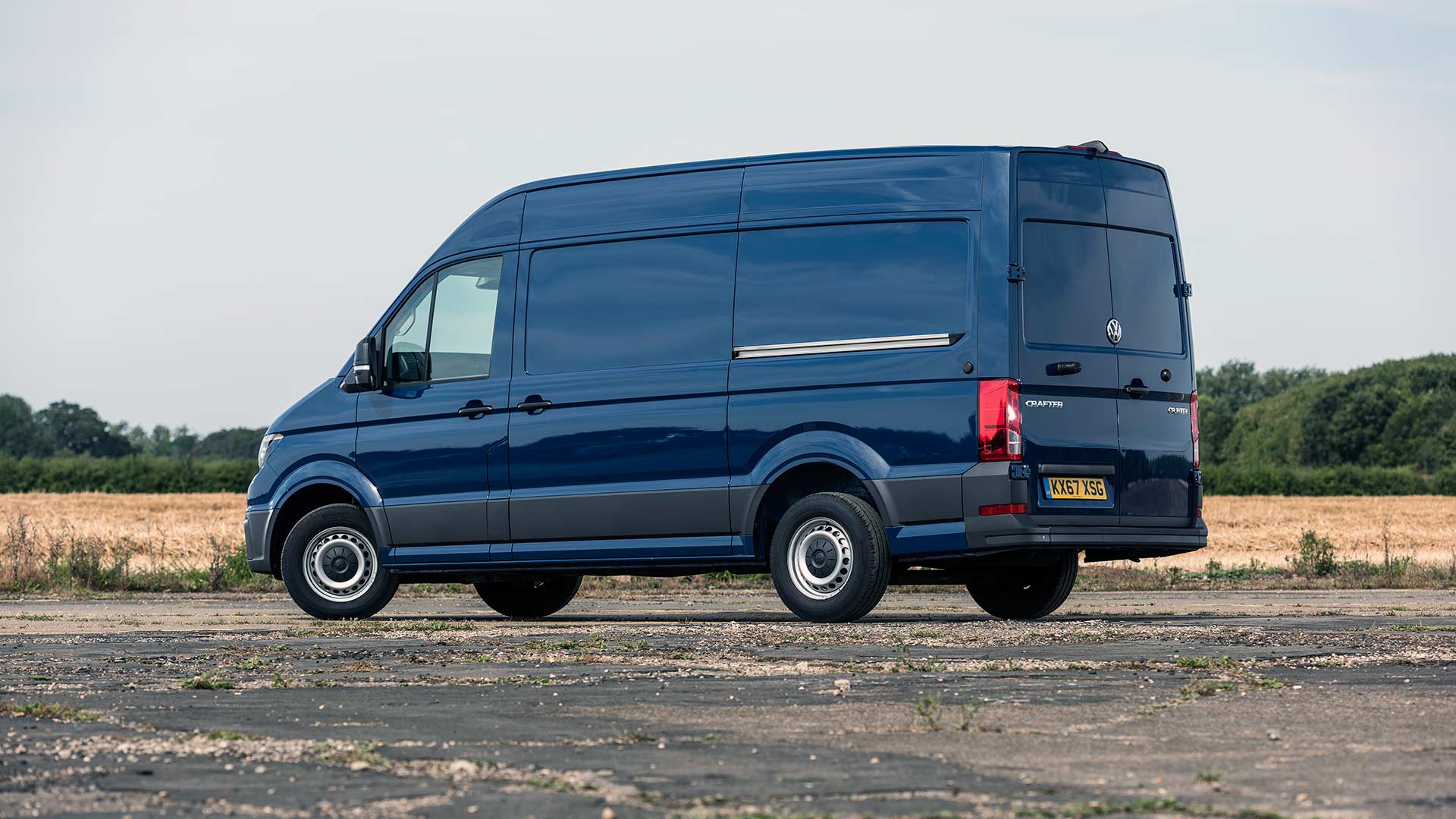
Volkswagen has announced a new digital platform aimed at making the process of buying a new van easier for customers.
Those that use a van for work everyday are likely to be short on time, and trips to dealerships eat into important business hours.
The answer is the new Contract Hire Direct service, allowing commercial vehicle customers to deal directly with Volkswagen UK.
The new process will allow buyers to find a van that meets their needs, tailor a finance package, and then apply for contract hire or lease online through the website.
Volkswagen promises that the deals available from VW Financial Services will prove to be good value, and customisable based upon mileage and customer deposit size.
Even after ordering, there is still no need to actually head to a local Volkswagen Van Centre. Customers can request for their new van or pickup to be delivered directly to their door instead.
With more than 80 percent of new vehicle customers beginning their research online, extending the process to include actual purchasing is a logical extension.
Sarah Cox, Head of Marketing for Volkswagen Commercial Vehicles, said: “The typical customer journey has changed and we are excited to be launching this new system via our award-winning website to keep up with the demand.
“As part of our Working With You promise, we’re committed to evolving our services to meet the ever-changing needs and requirements of the modern-day business, and we would expect to see more direct sales options coming on line in future.”
The automotive world has been whipped into a frenzy about the radical new mid-engined 2020 C8 Chevrolet Corvette Stingray.
However, if you are of the firm belief that a Corvette should only be front-engined, then the forthcoming Mecum Harrisburg auction is for you.
More than 1,200 vehicles will cross the block in the epic four day event, held at the Pennsylvania Farm Show Complex.
Amongst them are representatives from almost all of the previous classic Corvette generations, including the ones we have picked out below.
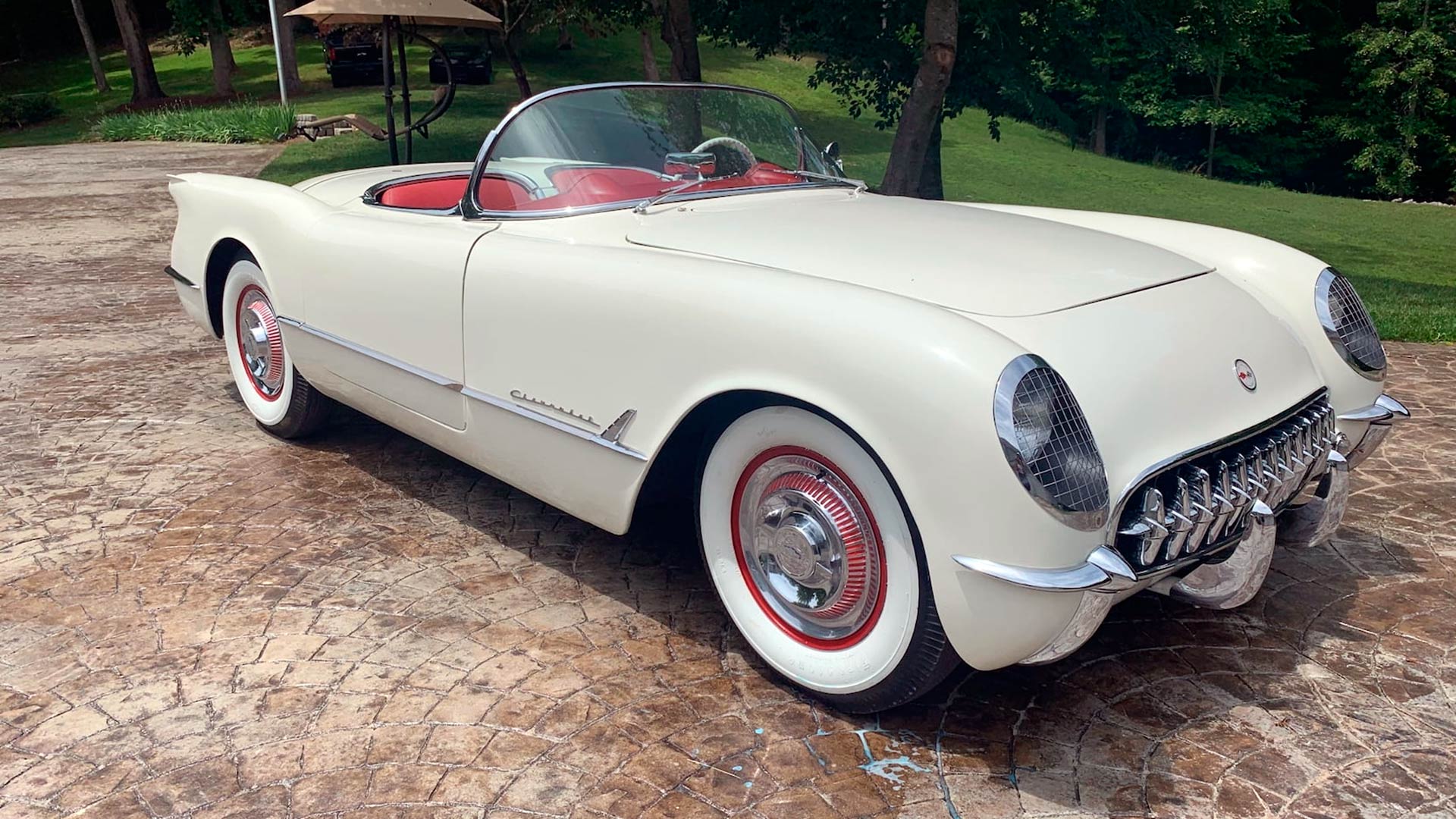
1954 C1 Chevrolet Corvette Roadster
What better place to start than with an early example of the first-generation Corvette. With 1954 marking the first full year of ‘Vette production, more than 3,600 rolled off the production line.
Details on this exact car heading for sale are slim. The modest ‘Blue Flame’ inline-six engine and two-speed automatic gearbox, as fitted when new, are both present though. A Polo White exterior is complemented by a red interior, both of which look to be in great condition.
Whilst it may not be the fastest Corvette, an early C1 is where the legend began.
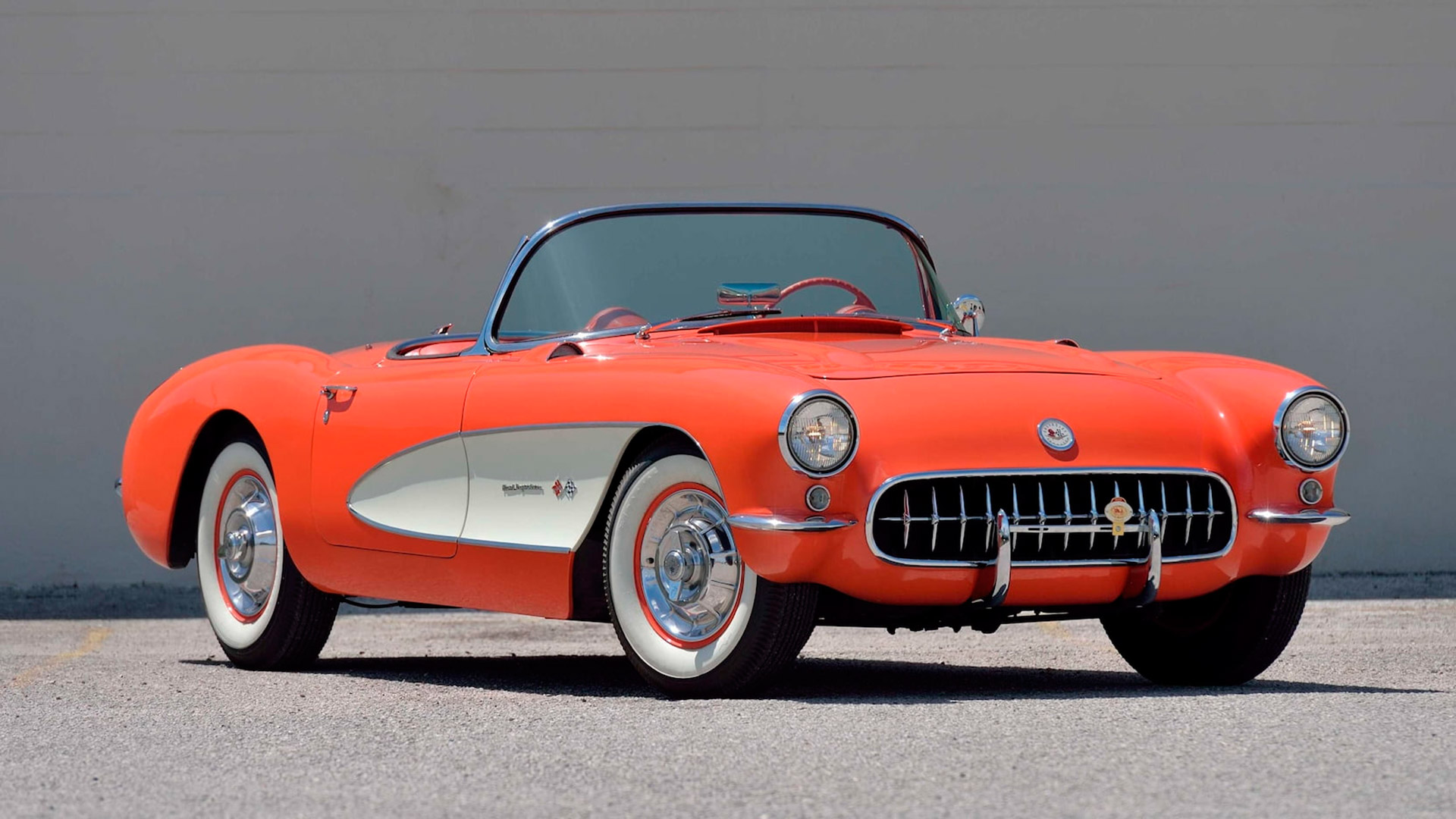
1957 C1 Chevrolet Corvette Fuelie
If you want your C1 Corvette with an extra dose of performance, this car features the fuel-injected 283-cubic inch V-8 engine with 250 horsepower. It represents one of just 484 ‘Vettes sold in 1957 with the fuelie motor.
Other technical highlights include the rare four-speed manual transmission, combined with the optional Positraction differential. Wide whitewall rubber, and a hardtop, are also included.
Painted in distinctive Venetian Red, this C1 forms part of the Todd Werner Collection up for sale in Harrisburg. It should also be noted that this car won was an AACA National Senior Award winner in 2015.
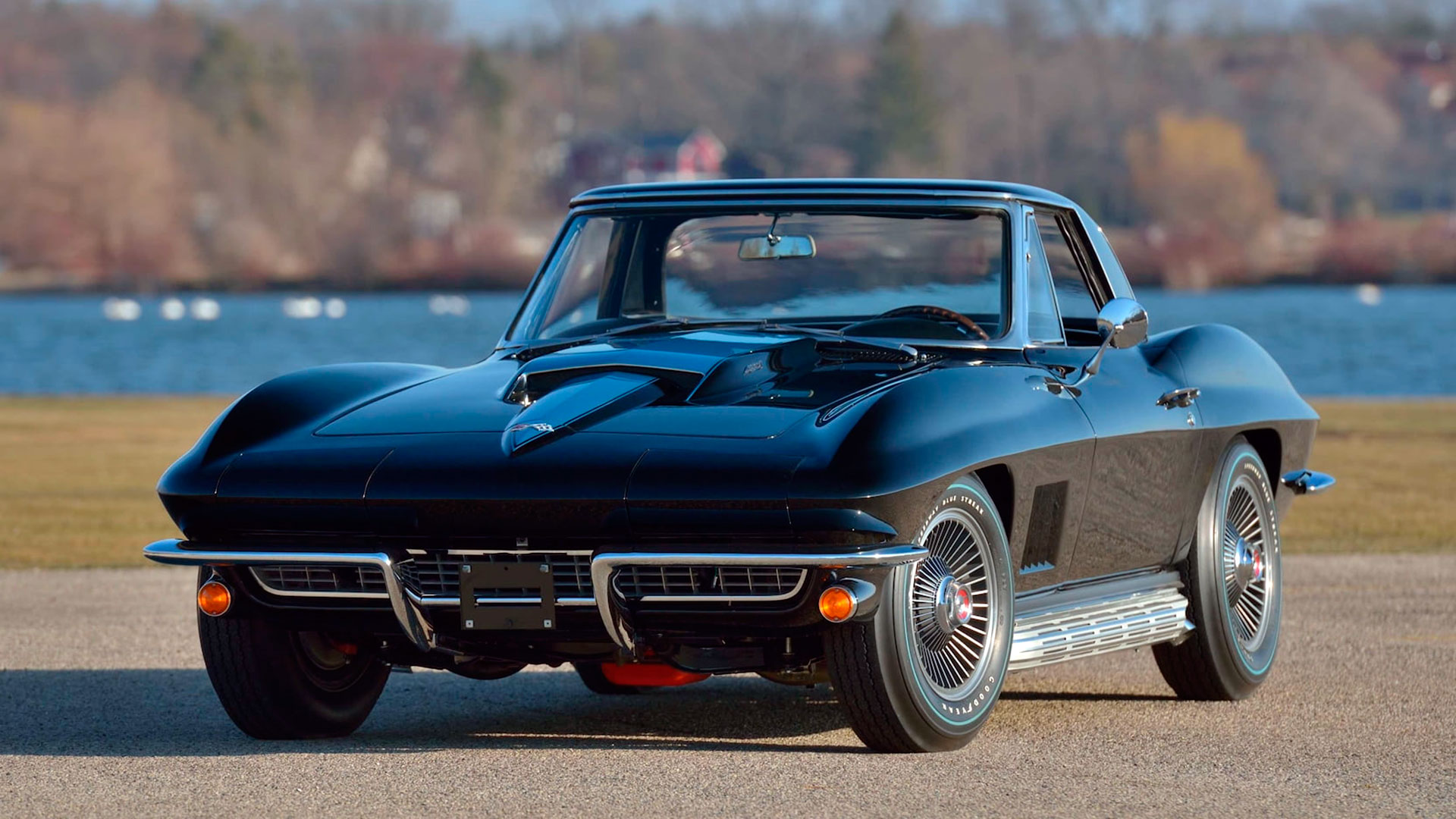
1967 C2 Chevrolet Corvette Convertible L88
This Corvette is so collectable that Mecum Auctions have produced a special booklet to explain the significance of it. Fame comes from the fact this was the first C2 Corvette to be fitted with the legendary ROP L88 option – meaning the 427-cubic inch V-8 engine lurks beneath the hood.
Casually rated with an output of 430 horsepower, the L88 was a thinly disguised racing engine, with the true performance estimated to be much higher. It made this particular car the perfect foundation for Tony DeLorenzo to go sports car racing.
DeLorenzo would go on to become one of the most successful Corvette racers, and won the 1967 SCCA National D Production Championship with this car. In later years it has won countless show awards, and stands as a serious piece of Corvette history.
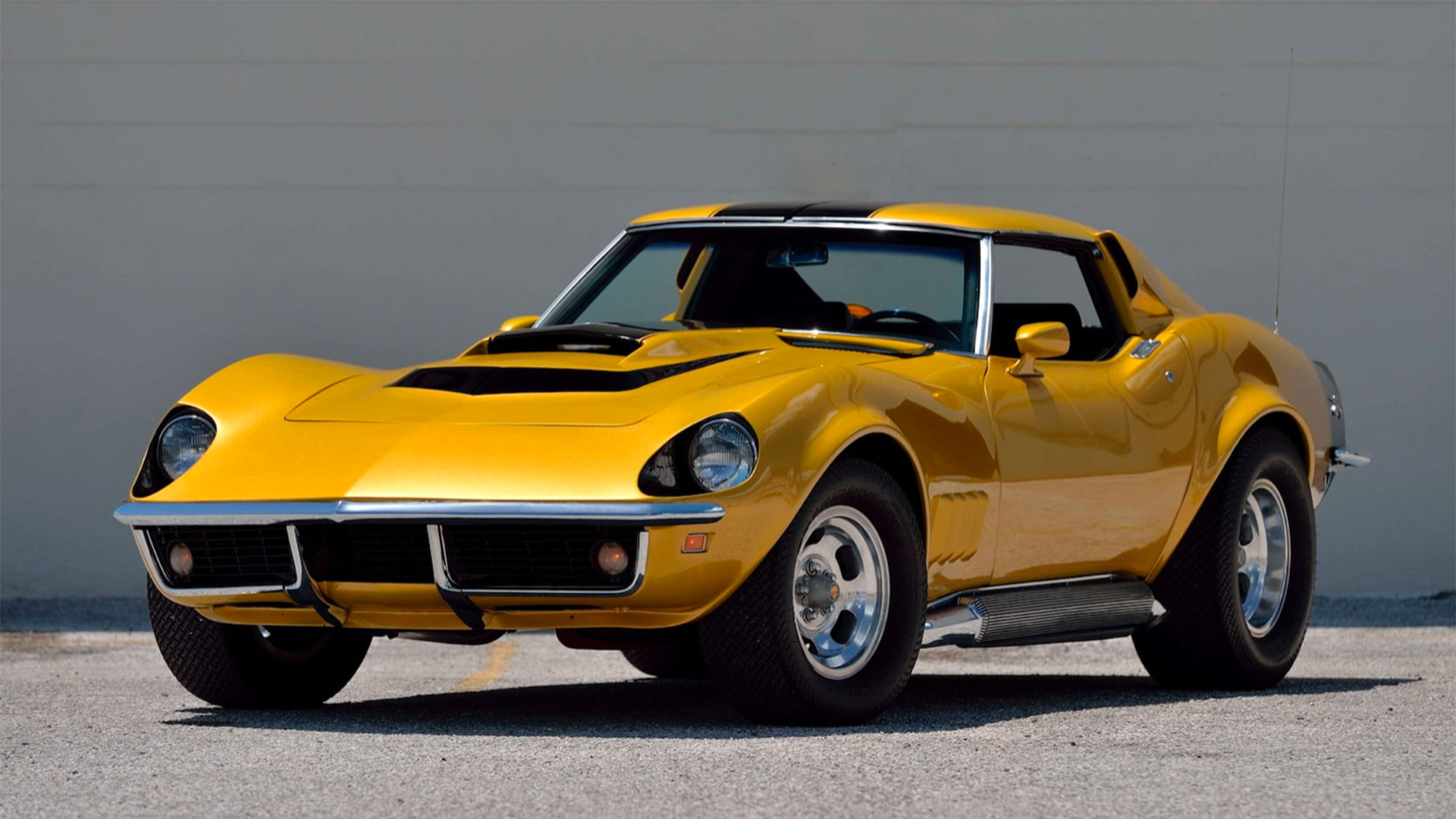
1969 C3 Chevrolet Corvette Baldwin Motion Phase III GT
One of just ten created by Motion Performance, this ultra-rare C3 also features an, albeit modified, 427-cubic inch engine under the customized bodywork.
The black and gold color scheme, recessed headlights, and even Shelby-esque air scoops made this a distinctive machine. Aggressive side-exit exhausts complete the visual overhaul, with a black interior also part of the package.
Featured on the cover of ‘Supercar Magazine’ in 1970, this ‘Vette has also appeared in a book documenting the history of Baldwin-Motion. As part of the Todd Werner Collection, a host of important documents – including the NCRS Shipping Data Report – come with the car.
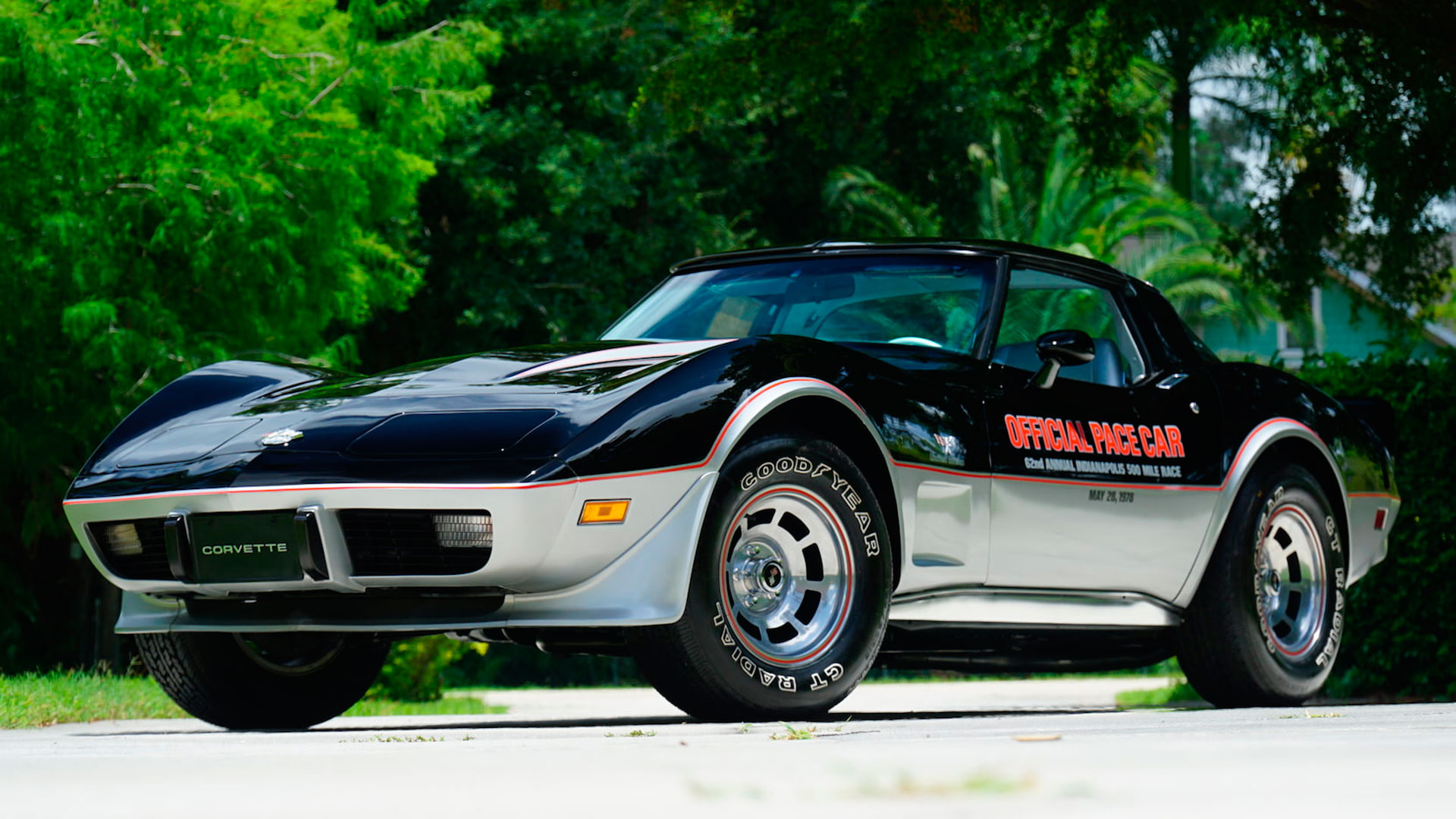
1978 C3 Chevrolet Corvette Pace Car Edition
With more than 6,500 built, the 1978 Limited Edition Pace Car replica accounted for a sizeable percentage of Corvette production that year. But few will have covered the miniscule mileage that this example has clocked up in four decades.
Just 48 miles have rolled beneath the original Goodyear GT tires, whilst the passenger window still wears the original sales sticker and EPA information. It means the Indy 500 decals look like new, and that the silver leather trim appears untouched.
Chevrolet loaded the Pace Car Edition with options, including air conditioning, power windows, and an AM/FM radio featuring an eight-track tape player. Whoever buys this example is likely to place it into storage, preserving the incredible low mileage.
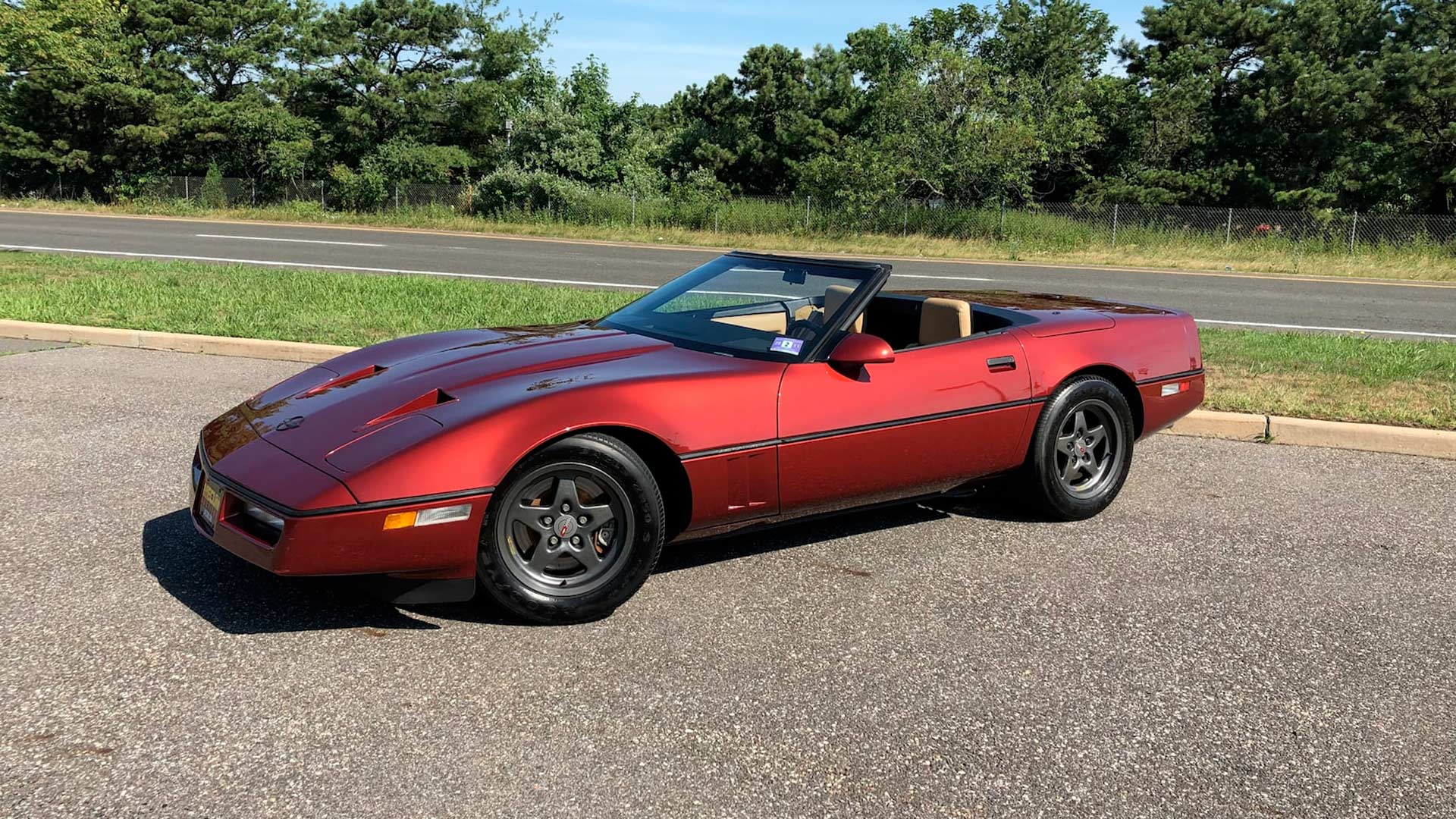
1987 C4 Chevrolet Corvette Callaway Twin Turbo
Callaway Twin Turbo versions of the C4 Corvette have become the stuff of legend, and Mecum Harrisburg features one of just 65 convertible examples sold during 1987. This marked the first year customers could tick the ‘B2K’ option when buying a ‘Vette.
Callaway would then add a pair of turbochargers to the 5.7-liter V-8 engine, boosting output to an impressive 345 horsepower. As an official Chevrolet-approved conversion, the factory warranty still remained intact.
Owned by just one person since new, this Callaway Corvette has covered 17,000 miles. It wears a set of 16-inch Dymag wheels, which were offered solely for the 1987 model year.
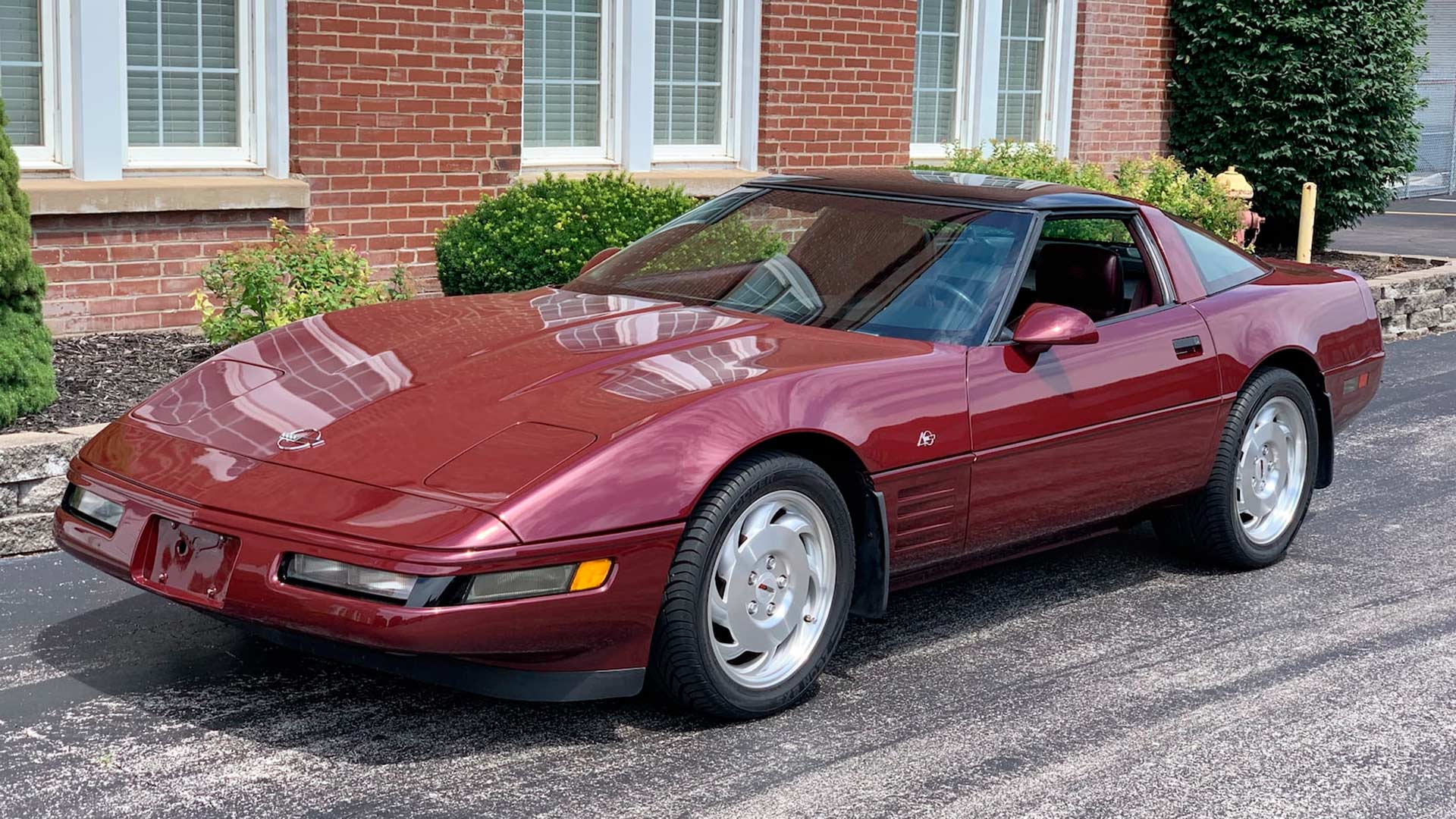
1993 C4 Chevrolet Corvette 40th Anniversary
Never one to miss out on a special edition, Chevrolet celebrated the 40th anniversary of the Corvette in style for 1993. Enter ‘Ruby Red’ paintwork, a matching Ruby Red leather, plus extra emblems attached to the car.
Although this car appears to be missing the special Ruby Red wheel centers, it does at least represents a Corvette that has been used. A total of 63,000 miles are recorded on the odometer, with this car featuring the 300 horsepower LT1 5.7-liter V-8 engine and automatic transmission.
This 40th Anniversary Corvette could make for a usable collector car, especially given the rising interest in cars from the late 1980s and early 1990s.
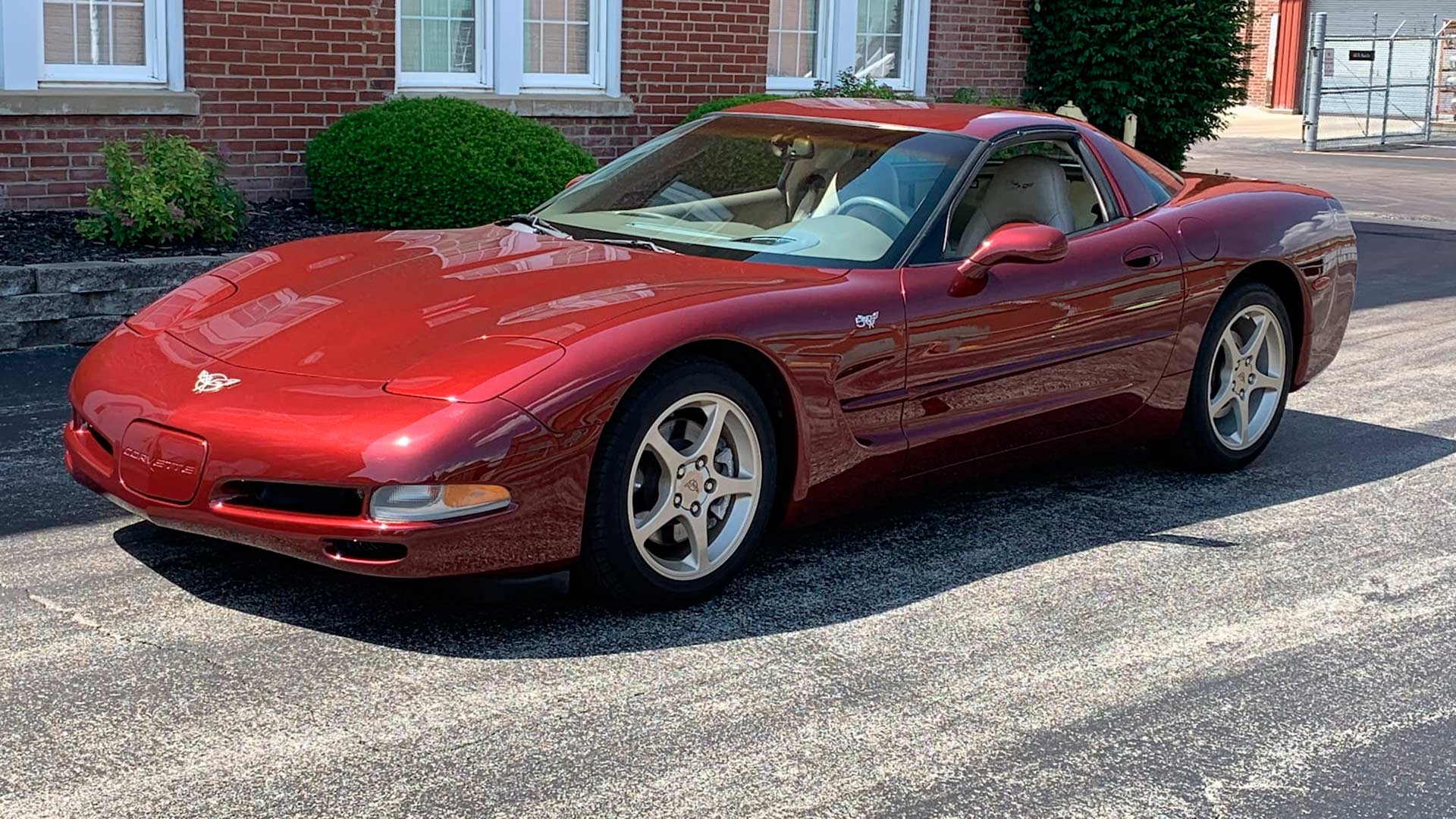
2003 C5 Chevrolet Corvette 50th Anniversary
Jump forward a decade and General Motors had dusted off the birthday celebration playbook for the fifth-generation of the Corvette. Marking a half-century of production was done with ‘Anniversary Red’ paintwork, which looked remarkably similar to the C4’s Ruby Red hue.
The alloy wheels were painted in ‘Warm Nickel Metallic’, whilst the optional magnetic Selective Ride Control suspension also appears on this car. Finished in two-tone shale leather, the interior includes a Heads-Up display and dual-zone climate control.
Producing 350 horsepower, the LS1 5.7-liter V-8 is connected to a six-speed manual transmission. A top speed of 175 mph beckons, and this car has covered some 50,000 miles from new.
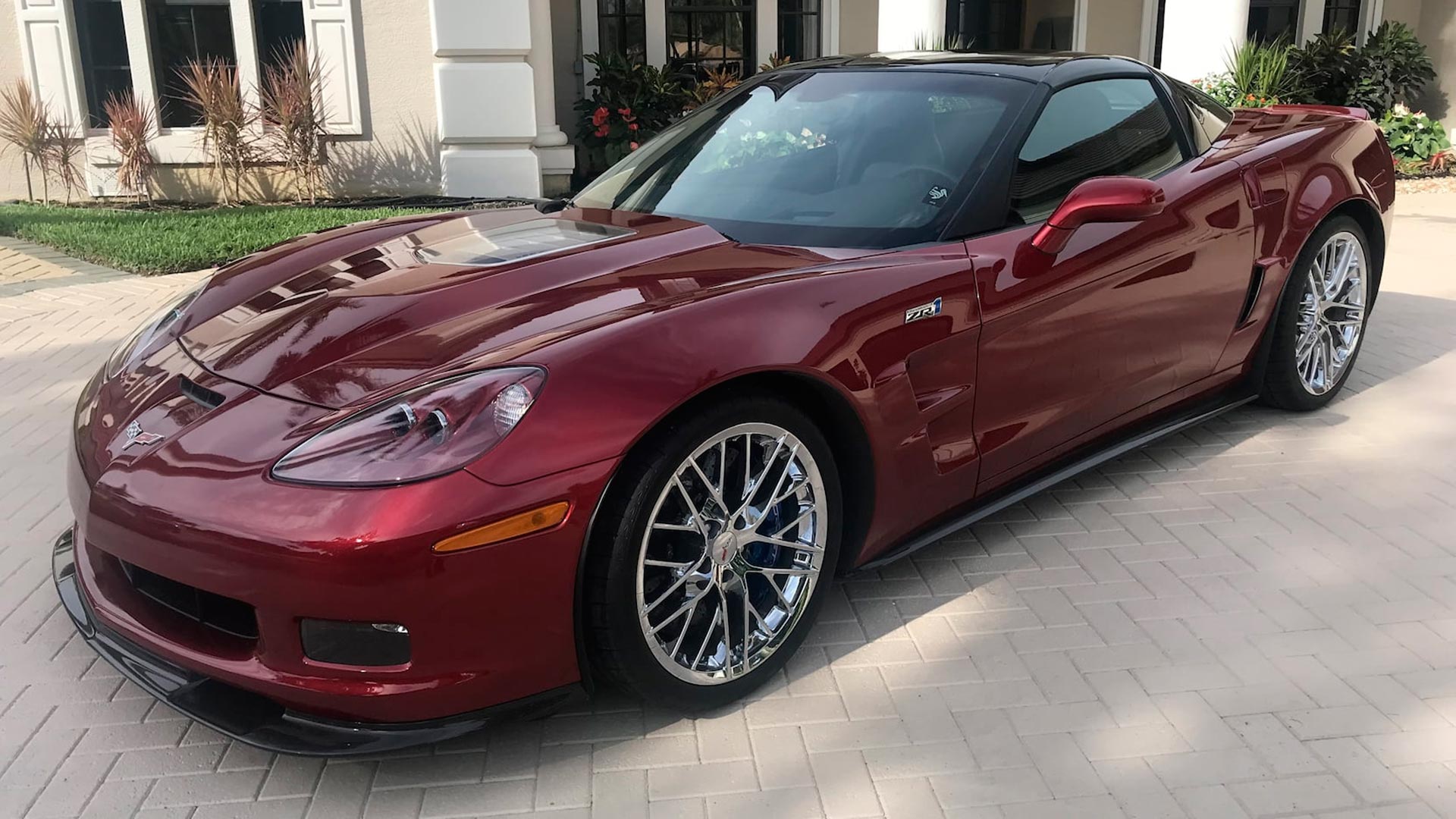
2011 C6 Chevrolet Corvette ZR1
We’ve saved the best until last for our selection, and this immaculate 2011 ZR1 is certainly worth waiting for. Despite the massive performance on offer, somehow the owner of this C6 ‘Vette has accumulated a tiny mileage in eight years.
The supercharged LS6 6.2-liter V-8 engine offers 638 horsepower, creating the ultimate performance Corvette at the time. A top speed of 205 mph, with 0-60 mph taking just 3.3 seconds. Carbon fiber bodywork, ceramic Brembo brakes, and six-speed manual transmission were all standard.
When buying this ZR1 the owner picked the $10,000 Premium Package, and also added the optional chrome wheels and Crystal Red Metallic paintwork. It all makes for a deeply desirable sixth-generation Corvette.
The action at Mecum Harrisburg kicks off on Wednesday July 31st, and continues all the way to Saturday August 3rd. We expect there will be plenty of buyers adding a new Corvette to their garage over those four days.
Classic cars are leaving the UK bound for the EU, with European collectors benefiting from the weak pound.
That’s according to auction house Coys, which has seen a “noticeably higher than average sale rate of cars being shipped to European countries”.
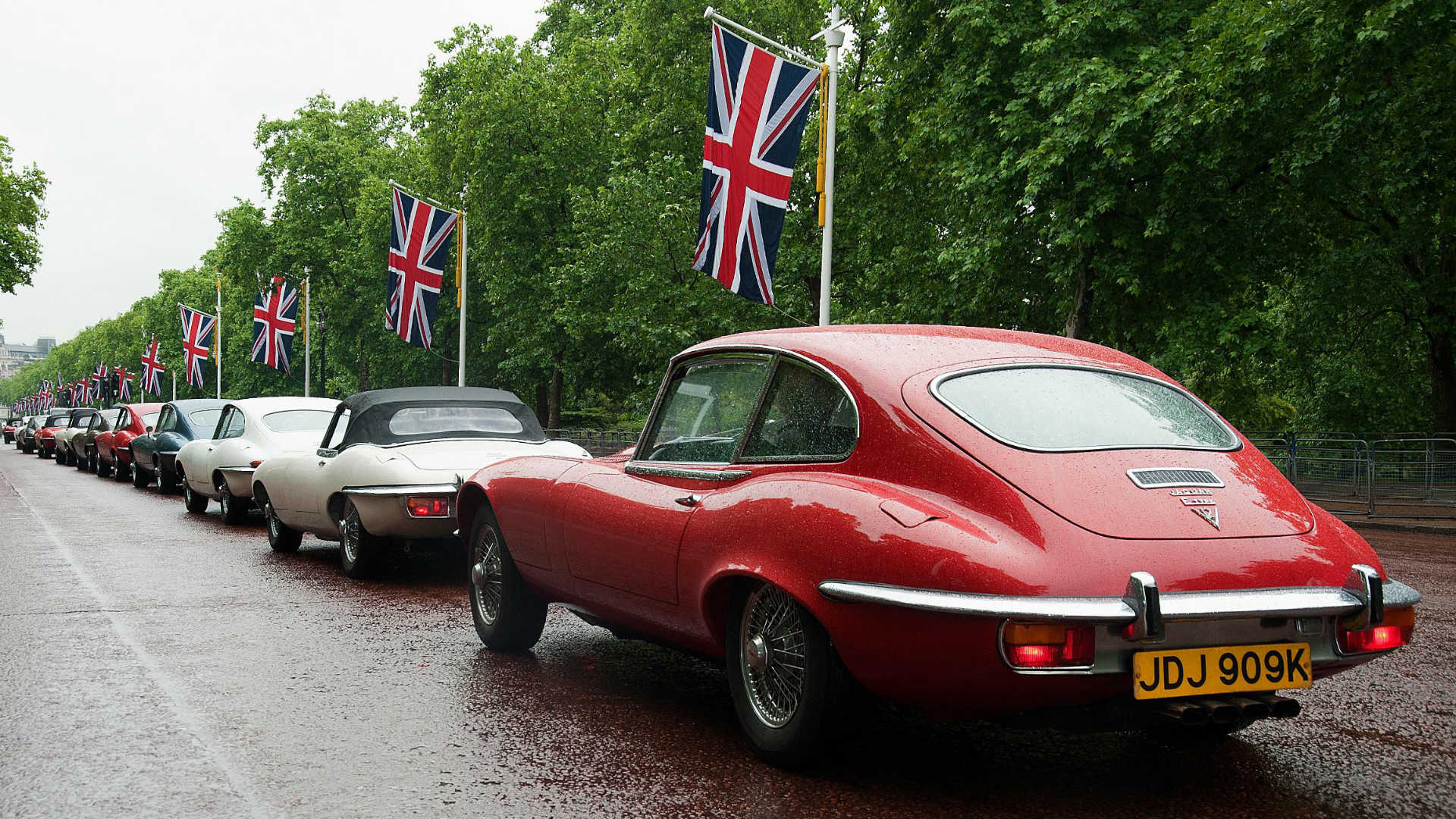
At a recent Blenheim auction, a collector arrived from Marseille and bought a Mercedes-Benz 230 SL, a Fiat 500, a Jaguar E-Type and a Ferrari 308.
Meanwhile, a German buyer – new to the classic car market – purchased a Lamborghini Jalpa and a Maserati Merak. Coys referenced an “auction room bidding war between two Germans that left any English buyers in the dust”.
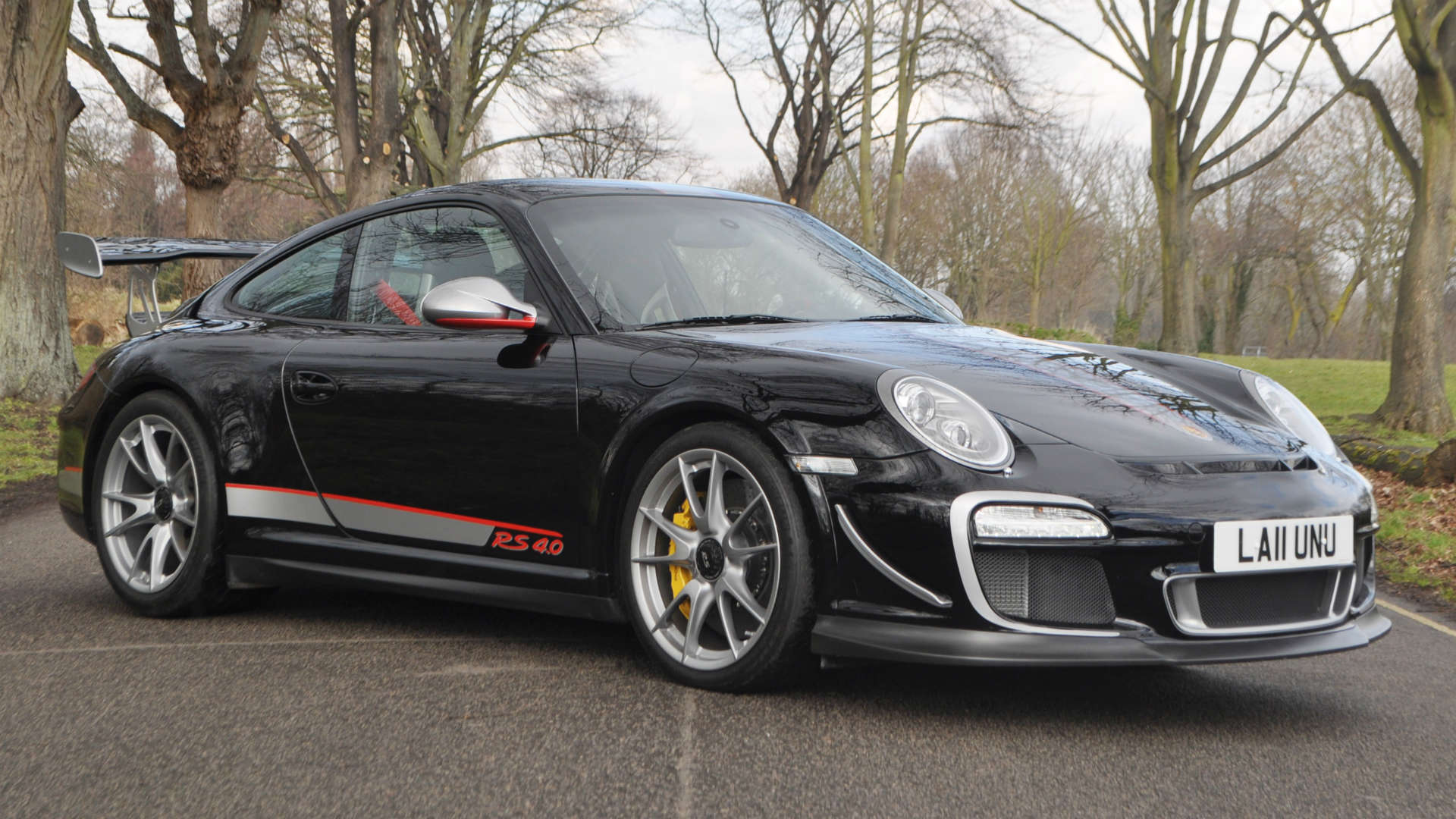
The Porsche 997 GT3 RS 4.0 (pictured) left the UK bound for Spain, selling for £312,700.
‘Alignment of the planets’
Chris Routledge of Coys said: “The strength of the Euro against Sterling has undoubtedly created a very advantageous buying climate for European classic car collectors, with not only sensibly priced cars but with the current exchange rate being perceived as being at least 25 percent discounted against European asking prices.
“This is a unique set of circumstances – an alignment of the planets if you like. The quality of the stock in the UK is of the highest international standard, European buyers know it and are very keen to get their hands on it, as with current exchange rates, the prices could not be more attractive.
“For UK sellers of classic cars and other collectibles who wish to sell in Sterling to European collectors, the outlook is very strong while these exchange rates continue, and they should consider grabbing hold of this opportunity while they can. We live in very interesting times.”
Needless to say, Coys is urging UK classic car owners to consider selling their classics at its next international auction at Schloss Dyck in Germany on 3 August 2019.
The auction house has made “special arrangements for discounted transport” to allow them to “copper bottom” their chances of selling their classic to a European buyer.
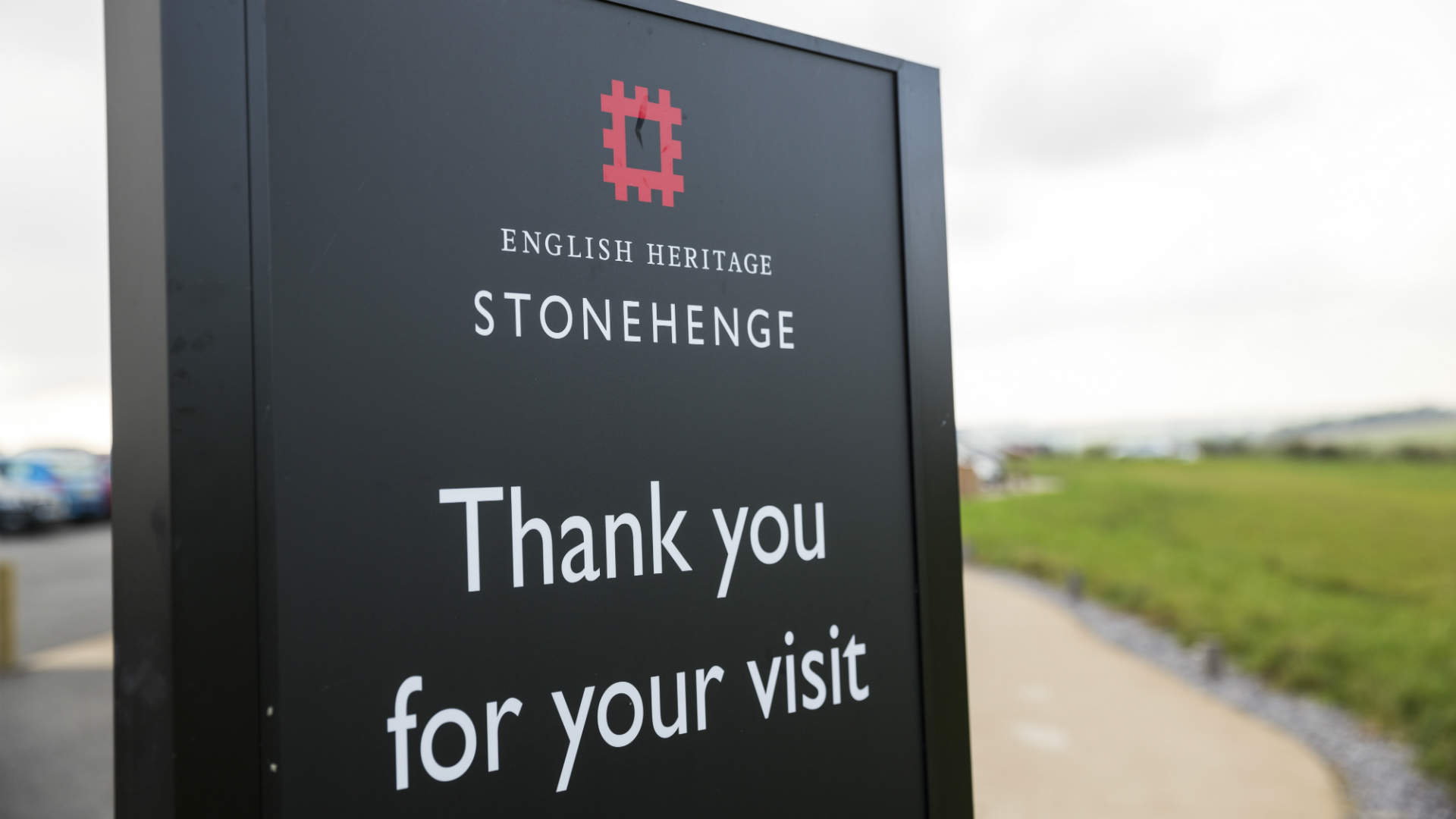
It would welcome a longer Stonehenge tunnel to “reduce further the impact on the cultural landscape”.
Unesco joins a long list of opponents, including environmentalists, local residents, druids, archaeologists and farmers. Members of the Stonehenge Alliance have submitted a 220-page document outlining their objections.
‘Truly shocking’
Kate Fielden, a spokesperson for the alliance, said: “Major road and tunnel engineering will have a truly shocking impact on this site.
“If the plan were to go ahead an entirely new dual carriageway, deep cuttings, and tunnel entrances would be introduced on a massive scale into this country’s premier prehistoric landscape. The expanded road would draw significantly more traffic into the World Heritage Site.”
Highways England argues that the proposed Stonehenge tunnel – which would be a further 50 metres away from the monument – would avoid “intrusion on the view of the setting sun from the stones during the winter solstice”.
The upgrade also includes eight miles of dual carriageway, a new bypass to the north of Winterbourne Stoke, and junctions with the A345 and A360 either side of the World Heritage Site.
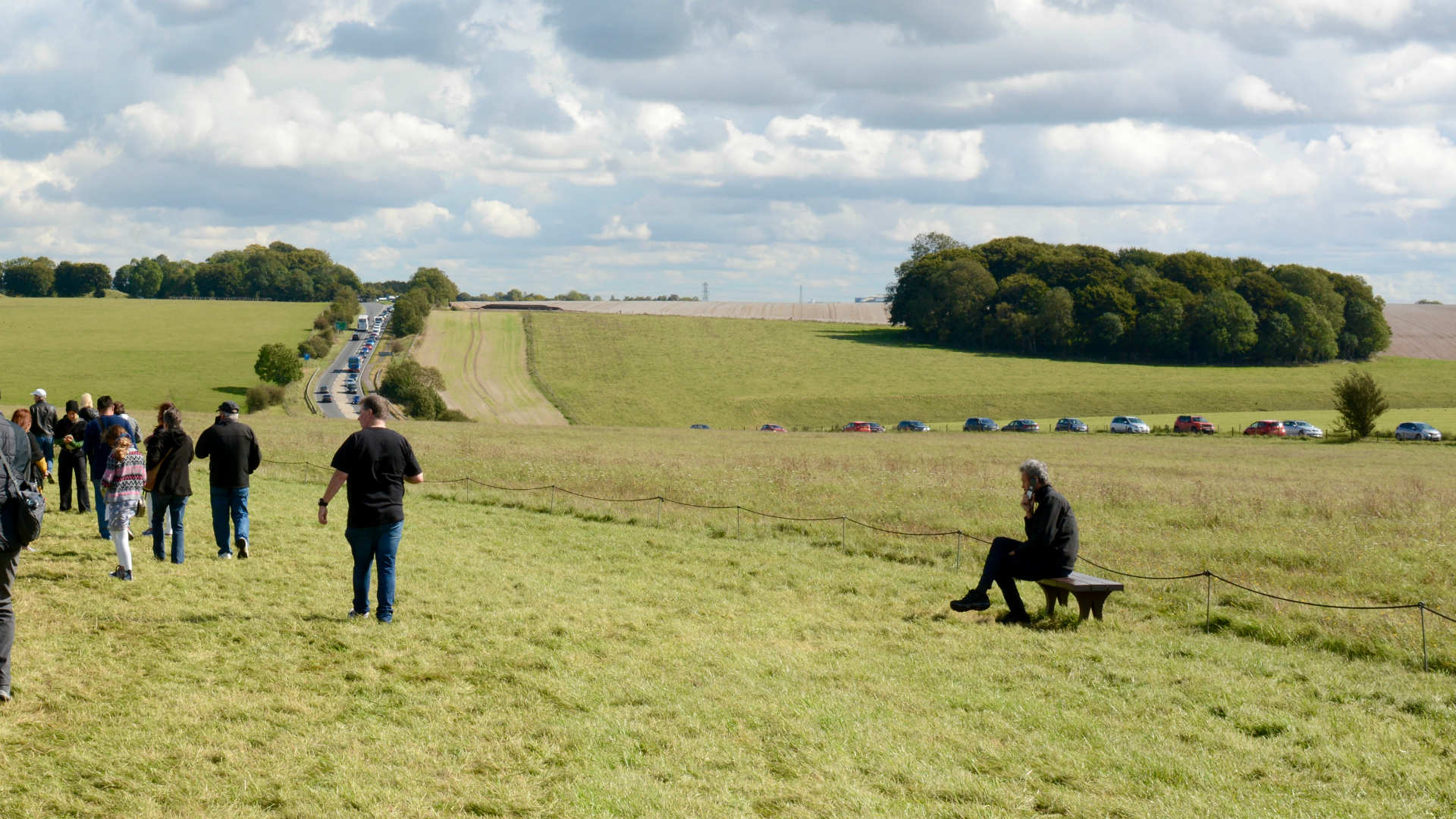
Stonehenge is a notorious bottleneck on the A303 between London and the South West, responsible for severe delays at peak times and during the summer holidays.
Many motorists would welcome the upgrade, but the scheme is unlikely to reach its conclusion earlier than 2026; the contractor procurement process will take 18 months alone.
Highways England hopes to start work on the Stonehenge upgrade in 2021, should be planning consent be granted.
‘Unlock congestion’
Highways England project director Derek Parody said: “We expect this scheme to be of interest to some of the world’s best construction companies, who want to be part of delivering this transformational project – a scheme which will not only unlock congestion along this vital A303 route, conserve and enhance the outstanding universal value of the World Heritage Site but also benefit the local and regional economy by providing skills and job opportunities for businesses large and small.
“This in no way pre-empts the outcome of the ongoing Development Consent Order Examination. While this continues to progress, we need to begin the procurement to put us in a position to be able to start construction on schedule in 2021, providing consent is given.
“The start of the procurement process demonstrates the Government’s continued commitment to this scheme and an expectation that progress on it continues as planned”.”
2019 has seen the start of a brand-new motorsport championship called W Series, which is only open to women.
With primetime TV coverage, and 18 competitors gunning for an impressive grand prize, we have a full guide to everything you need to know about #WSeries.
OK, so what is the W Series?
The W Series is the first all-female single-seater motorsport competition in the world. It has been created to promote the best women drivers in motorsport, with the ultimate aim of delivering the first female Formula 1 World Champion.
Led by chief executive Catherine Bond Muir, the W Series also includes ex-Formula 1 driver David Coulthard and legendary design engineer Adrian Newey as board members.
A substantial $1.5 million prize fund is on offer, with the championship being free to enter.
? Want to watch today’s action? Check out https://t.co/ofMtVkf1Tf
Does motorsport need an all-female championship in 2019?
The organisers of the W Series believe an all-female competition is needed to help fast-track the best women drivers to Formula 1, and that a gender-specific championship is the most effective way to do so.
Whatever your opinion, what cannot be denied is that female drivers are underrepresented in top-level motorsport. For example, only five women have entered Formula 1 races since the championship began in 1950. The last female to actually start a Grand Prix was Lella Lombardi in 1976!
Although other series such as IndyCar and NASCAR have seen more recent, and regular, female entrants, there is still a clear gender imbalance in motorsport.
The hope is also that a high-profile competition like the W Series will encourage girls to consider careers in engineering and science subjects linked to racing.
How were the W Series drivers chosen?
More than 100 drivers applied to enter the 2019 W Series, then whittled down to 18 by a comprehensive selection process.
A total of 54 contenders were invited to an extensive series of on- and-off-track challenges to gain a place. This included tests of driving skills, fitness appraisals, and even psychometric evaluations.
The 18 chosen drivers will be competing for championship glory, and $500,000 for the overall winner. All competitors will receive financial prizes wherever they finish in the championship.
Who are the British contenders in the W Series?
Although 13 nationalities are represented in the 2019 W Series, British drivers account for five of the coveted 18 seats.
Jamie Chadwick was the first female driver to win a British GT Championship, and the first woman to win a British Formula 3 race.
Esmee Hawkey has raced Porsches in the UK GT Cup, and also competes in the Porsche Carrera Cup Great Britain.
Undertaking stunt driving duties for the Fast and Furious Live stadium show is just one career highlight for Jessica Hawkins, along with racing in the Mini Challenge UK.
Alice Powell was the first female driver to win a Formula Renault race, and also won the 2014 Asian Formula Renault Championship.
Finally, Yorkshire-based Sarah Moore has already competed in 132 races, and won the 2009 Ginetta Junior Championship, becoming the first woman to do so.
What cars do they use in W Series?
All drivers will use equal-spec Tatuus F3 T-318 single-seater racers, featuring a turbocharged 1.8-litre engine and six-speed sequential gearbox.
Slick tyres will be used, with the cars also featuring adjustable aerodynamic wings and spoilers. Just like in Formula 1, a HALO safety device is fitted over the open cockpit.
Where do races in the W Series take place?
For 2019, the W Series has secured a prestigious spot supporting six European rounds of the Deutsche Tourenwagen Masters Championship.
This means racing at famous tracks such as Hockenheim, Misano, and Brands Hatch. Plans for future seasons include expanding the W Series to include Asia and the Americas.
W Series race weekends will see driver undertake two free practice sessions on the Friday, before qualifying on Saturday morning.
The race itself takes place on Saturday afternoon, lasting for around 30 minutes.
As in Formula 1, the top 10 finishers will each score championship points.
How can I watch W Series on TV?
W Series organisers have been prolific in securing primetime TV coverage for this important new championship. In the UK, this means free-to-air live HD coverage of every W Series race on Channel 4.
Did you catch our new ad on @Channel4? We think it’s pretty cool. ?
Lee McKenzie, who has previously reported on Formula 1 for BBC and Channel 4, will be lead anchor for W Series coverage. Commentary will be provided by Claire Cottingham, with David Coulthard as co-commentator.
Ted Kravitz will be the dedicated pitlane reporter for the W Series, continuing his established F1 role.
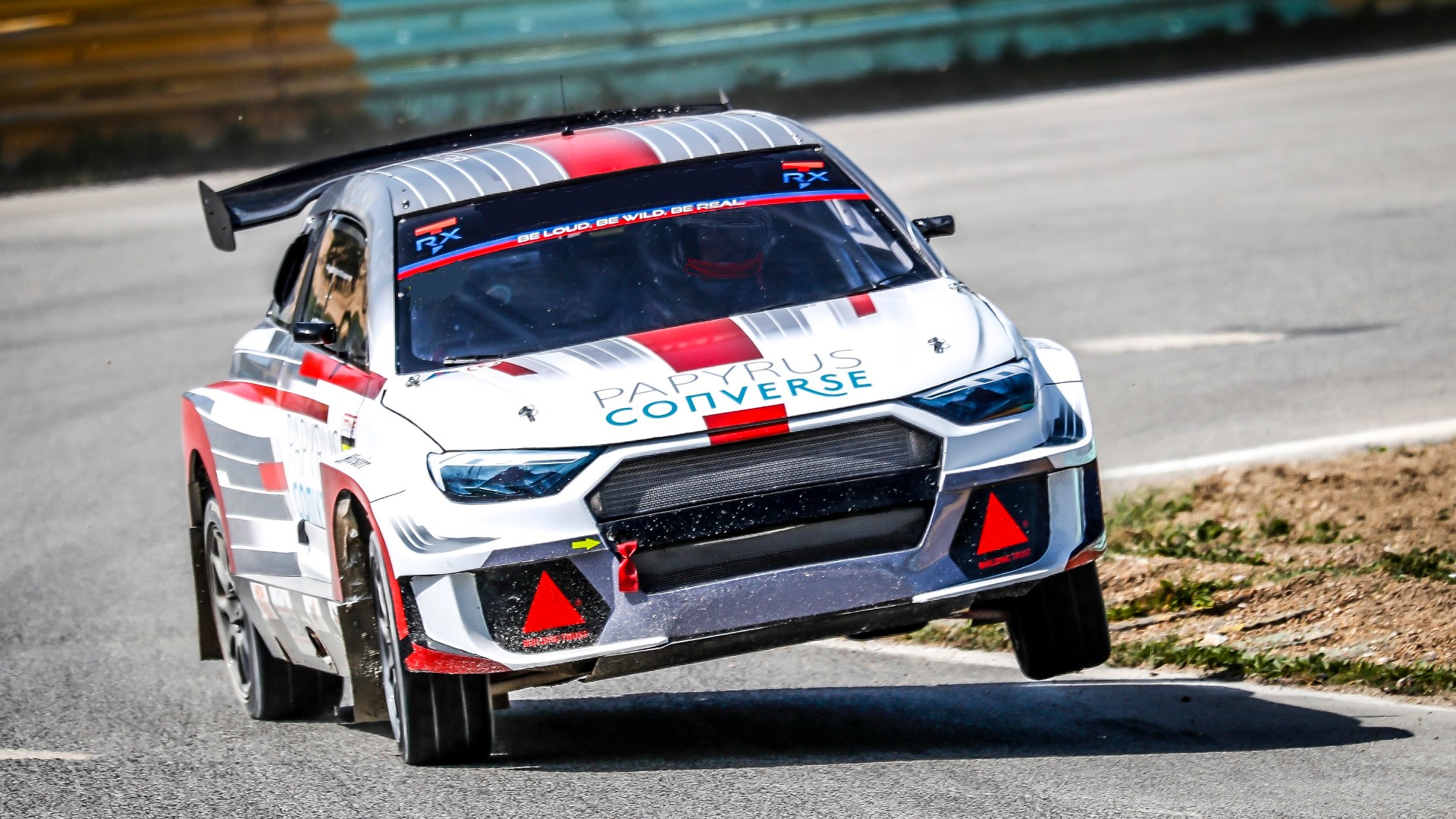
That’s the first of a series of rounds for the season, which will visit through Portugal, Austria, Hungary and Germany. McCarthy will be driving a Rallycross variant of the new Audi A1.
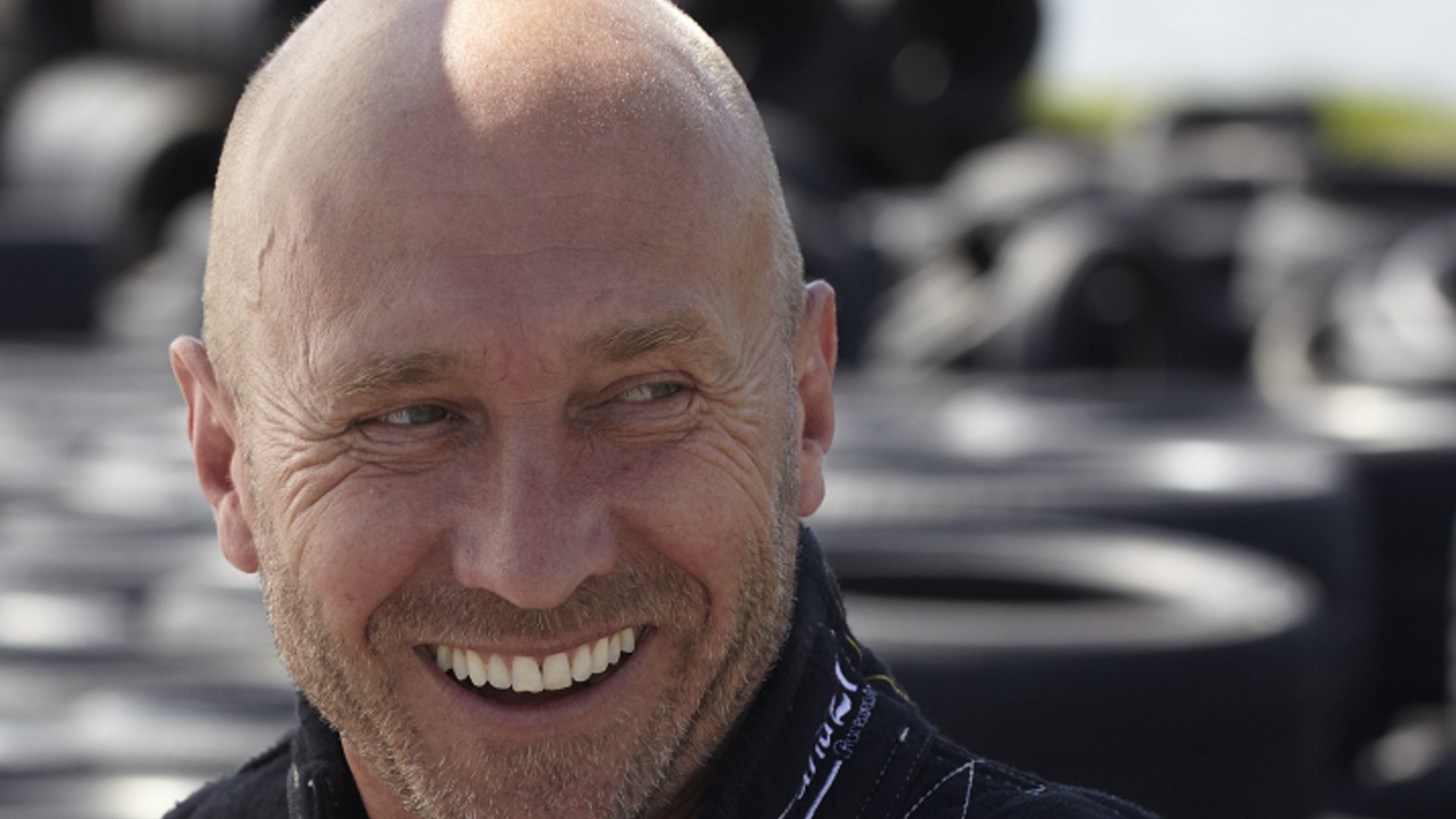
After rising through the ranks to some early ‘90s efforts in F1 and five cracks at Le Mans, McCarthy played the black-suited ‘Stig’ in the first two series of ‘new’ Top Gear in the early 2000s. He was ‘killed’ when he was fired off the end of an aircraft carrier in a Jaguar XJ-S. Classic Top Gear…
“At 58 years old, I’m so proud and delighted to be coming back to motor racing at this level,” said Perry McCarthy.
“It’s a big challenge ahead, especially as I’ve never competed in rallycross, but it’s given me something to get my teeth into and thankfully I was still fast in testing.
“Since I retired, I’ve been doing corporate speeches and personal appearances around the world, but now my racing instincts have returned in a big way. I may not be as young as I used to be, but I’ve been training for a while now and I am fit, focused and hungry.”
Rallycross is no joke, either. The circuits are technical and the racing is tactical. Driving on low-grip surfaces requires balletic balance and judgement. It’s a superb test of a racing driver’s key skills and instincts.
“The nature of the series is entertainment,” continued McCarthy.
“It’s flat-out, adrenaline-fuelled motor racing action, where all drivers compete on a level playing field in PanteraRX6 rallycross cars. The driver-focused motorsport is guaranteed to pack all the action and drama that it used to deliver to its passionate rallycross fans.
“I’m grateful to TitansRX founder and CEO Max J Pucher for taking me on board and am looking forward to plenty of wheel-to-wheel action.”

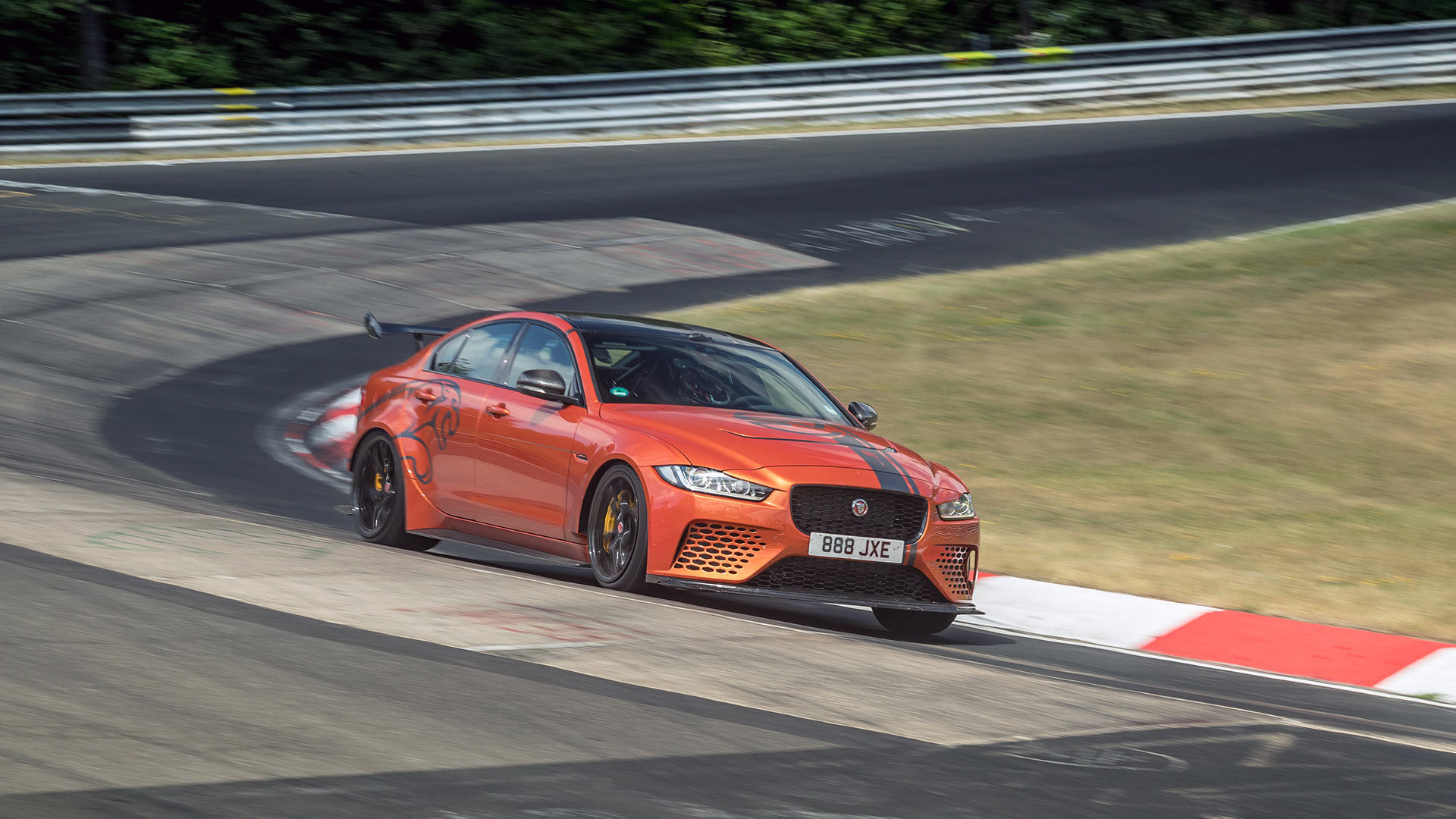 Jaguar has cemented the position of the
 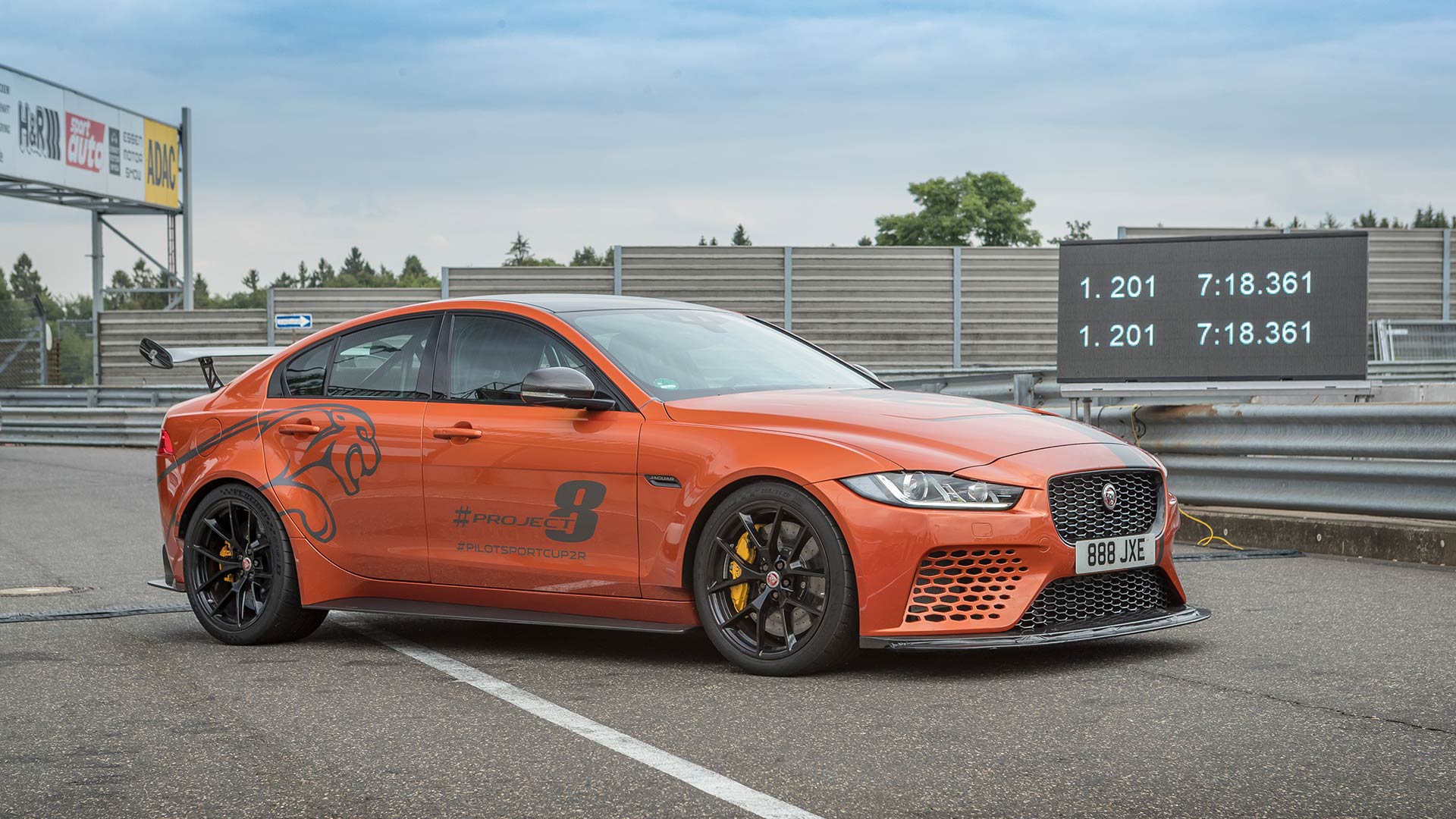 Helping the XE SV go even quicker than before was the use of a car fitted with the special ‘Track Pack’ two-seater configuration. Choosing this removes 12.2 kg (27 pounds) from the weight of the Project 8, and installs a purposeful pair of bucket seats up front.
 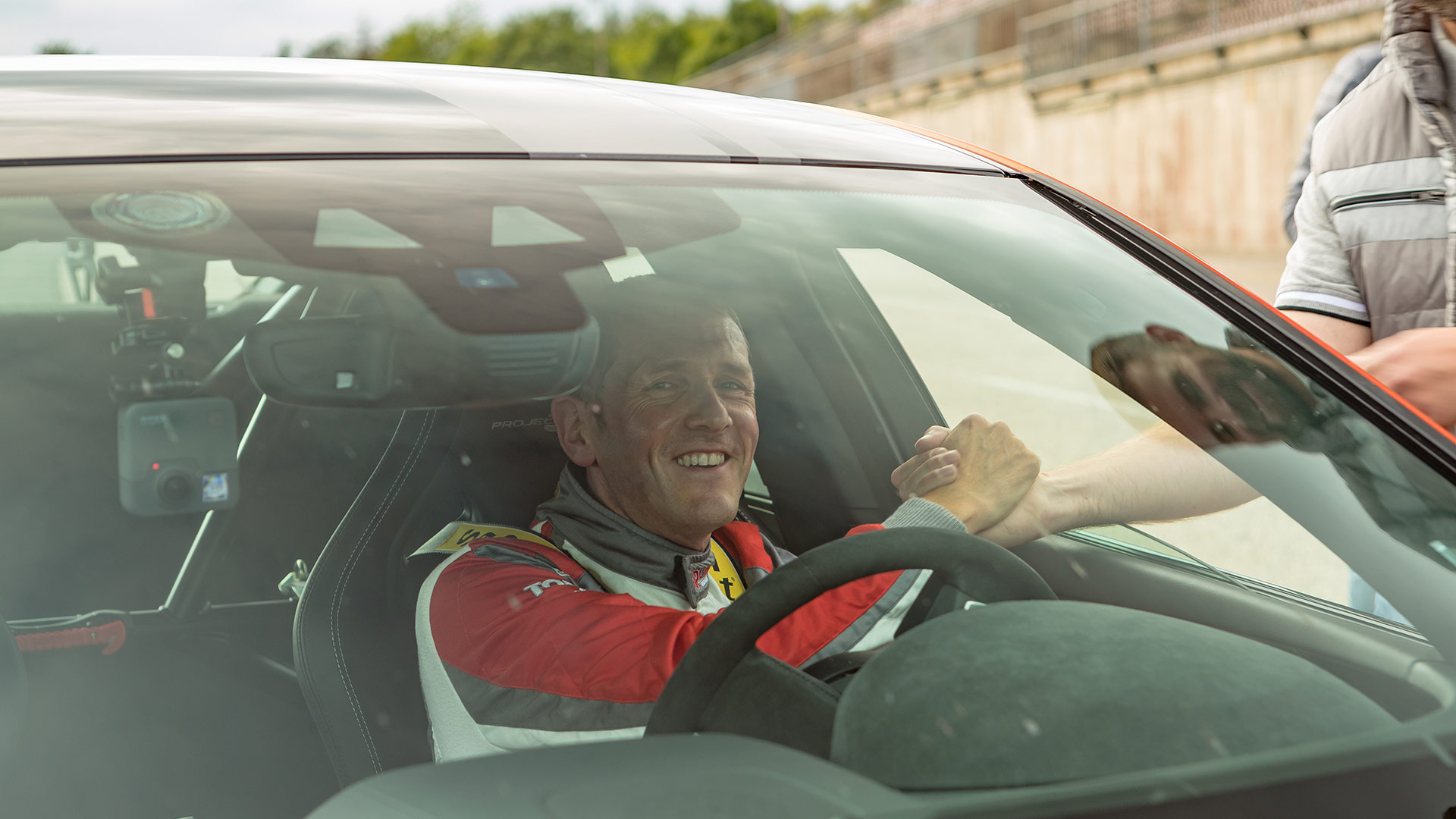 In charge of tackling the demanding 154 corners of the Nürburgring Nordschleife was Jaguar development driver, and former BTCC racer, Vincent Radermecker.
  Improving on the Nürburgring Nordschleife time is just the latest in a series of on-track achievements for the XE SV Project 8. Lap records have also been broken at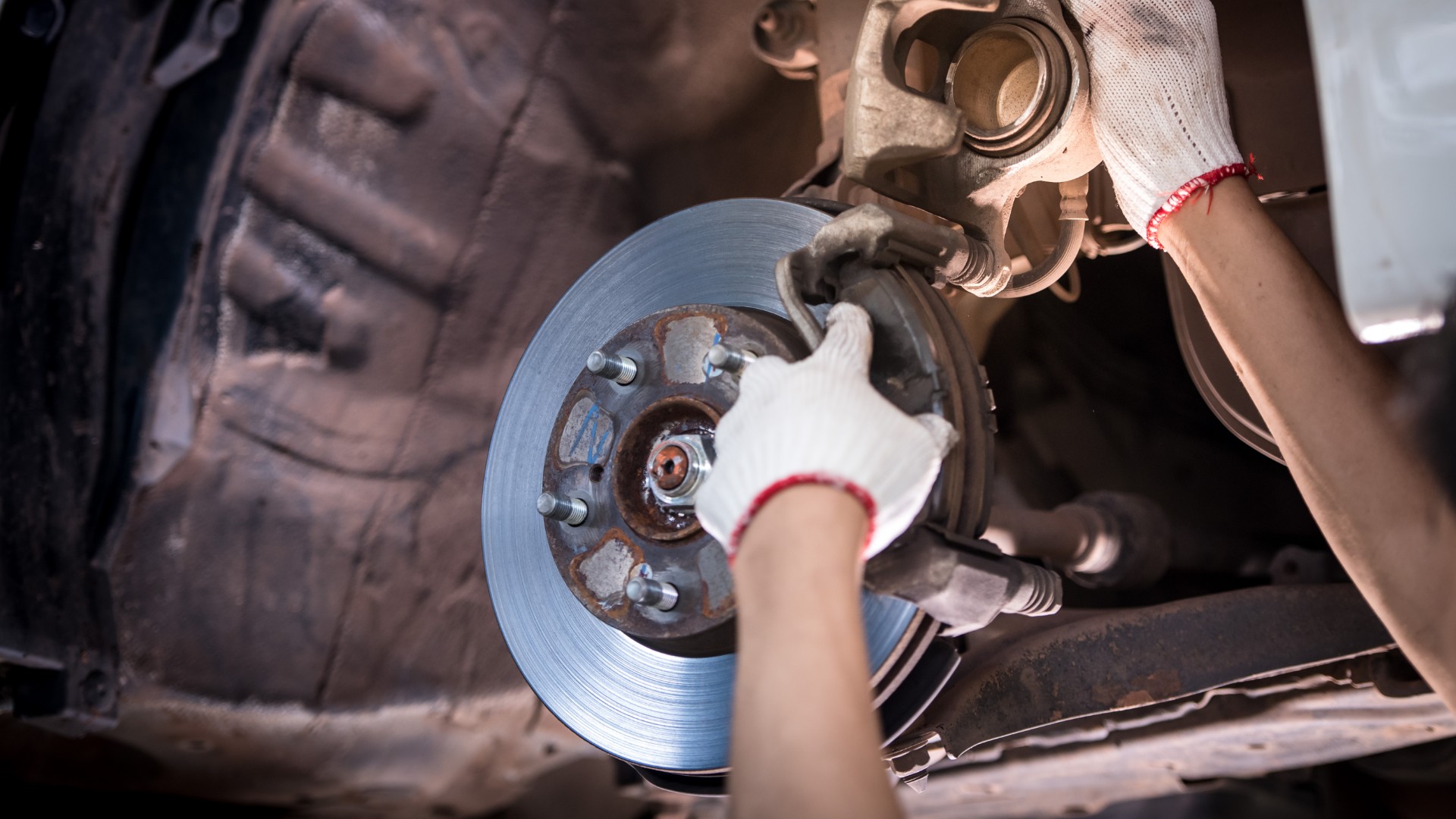




 Even after ordering, there is still no need to actually head to a local Volkswagen Van Centre. Customers can request for their new van or pickup to be delivered directly to their door instead.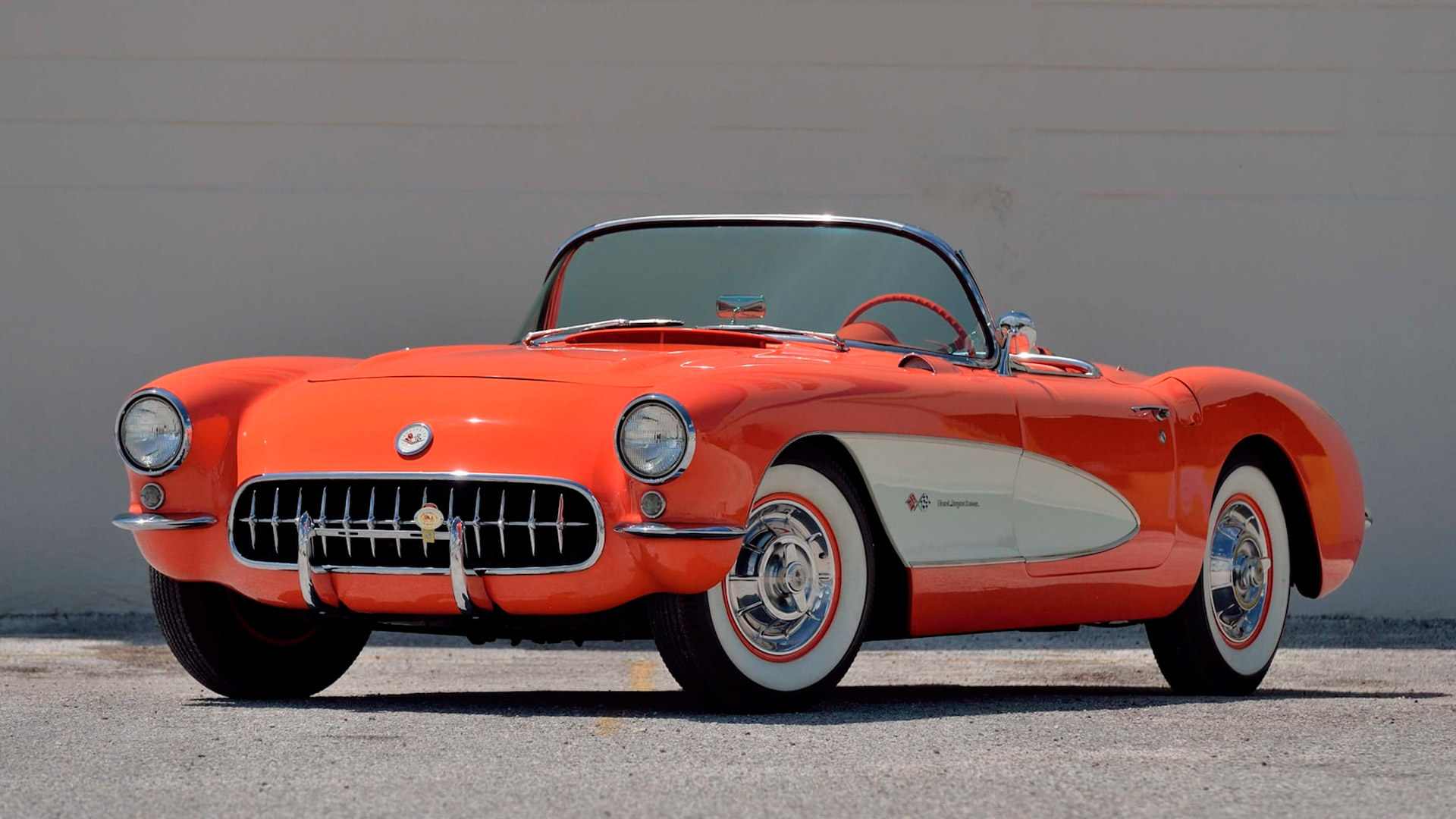



 For 2019, the W Series has secured a prestigious spot supporting six European rounds of the Deutsche Tourenwagen Masters Championship.