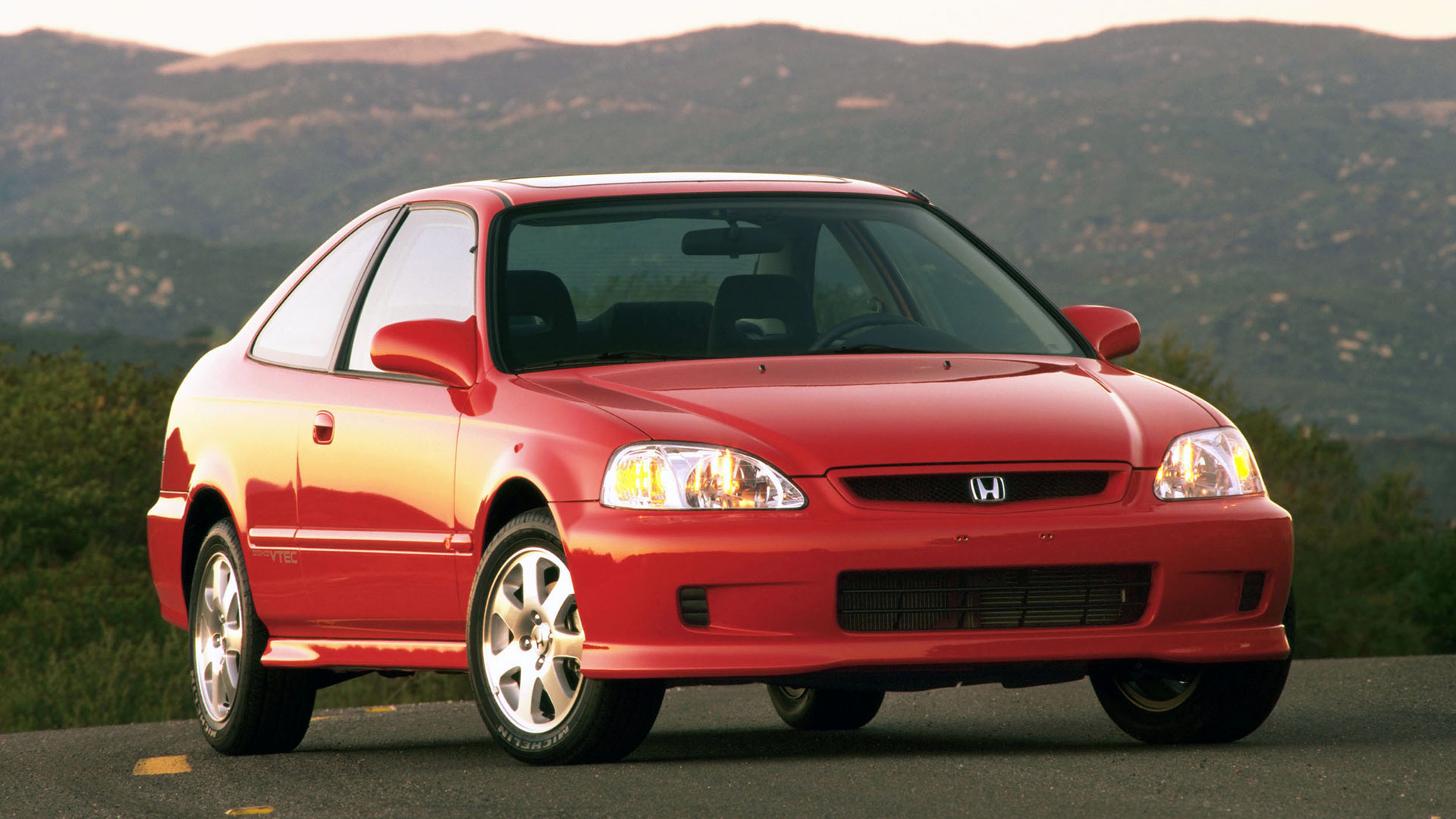
One of the highlights on the Honda stand for the 2019 SEMA Show will be a tuned 1999 Honda Civic Si, taken from the company’s heritage collection.
Set to be placed alongside a range of modified modern Hondas, this 20-year-old example demonstrates just how far the company, and tuning trends, have come.
But what is it that makes this compact coupe such an icon of the import tuning scene?
Gonna party like it’s 1999
Can 1999 really be that long ago? From worries about the Millenium Bug, to the debut of The Matrix in cinemas, the sixth-generation Civic Si coupe inhabits an era old enough for this car to classed as ‘heritage’ by American Honda.
The sixth-gen Civic Si was sold for only two model years between 1999 and 2000, making it a relative rarity. But it finally brought the mythical B16A2 1.6-liter four-cylinder engine to the United States Civic.
Previously featured in the open-top del Sol two-seater, the B16A2 produced 160 horsepower at an incredible 7,600 rpm, and would rev all the way to an 8,000 rpm redline. It would also accelerate the EM1 Civic Si from 0-60 mph in 7.1 seconds, with the accompanying aural kick of the DOHC VTEC system.
Up for the challenge
Honda had clearly sensed that the Civic Si coupe would have major appeal to the tuning scene, and used is part of the eponymous Civic Si Challenge in 2000.
This saw competitors invited to spend a $10,000 budget to create the ultimate street, drag, or show car version of the new Civic Si. The cars were then subjected to a number of tests, designed to evaluate who had done the best job.
The car set to be featured at SEMA this year was created by Super Street magazine, who won the top prize in the 2000 contest. Along with the glory of winning, a 1:18-scale diecast replica of the finished car was created by Mattel.
Think less Plain Jane, more blank canvas
What the Super Street-created car did was show the inherent potential within the Civic Si. On leaving the factory, the standard car was a fairly indistinctive-looking two-door coupe, with only a handful of small decals to show how special it was.
Yet that was simply a blank canvas for modifiers to put their own personal stamp on the Civic shape. You only need to look at the ‘shopping list’ of parts on the SEMA Civic, featuring brands like Wings West, Momo, and Racing Hart to understand the range of options tuners had available.
A price of $17,445 in 1999, slightly more than a base V-6 Ford Mustang, also made the Civic Si accessible to a wide range of potential owners. Honda does not have exact figures, but estimates around 30,000 of the two-door Si models found homes between 1999 and 2000.
A screaming VTEC legacy
The affordable and tunable legacy the 1999 Civic Si left, is one that Honda is still keen to pursue today. The current 2020 Civic Si Coupe might be turbocharged, and won’t rev to 8,000 rpm, but it does cost only $25,200 and comes with 205 horsepower.
A $25,000 price tag is also what buyers now need for the finest unmolested examples of the EM1 Civic Si, like this one which sold on Bring a Trailer last year. That may seem a lot of money for a simple Honda coupe from the 1990s, but it demonstrates the impact this car had.
Although other cars on the import tuner scene may have had more power or fancier designs, the humble Civic Si managed to be an accessible starting point for many into the world of VTEC performance.
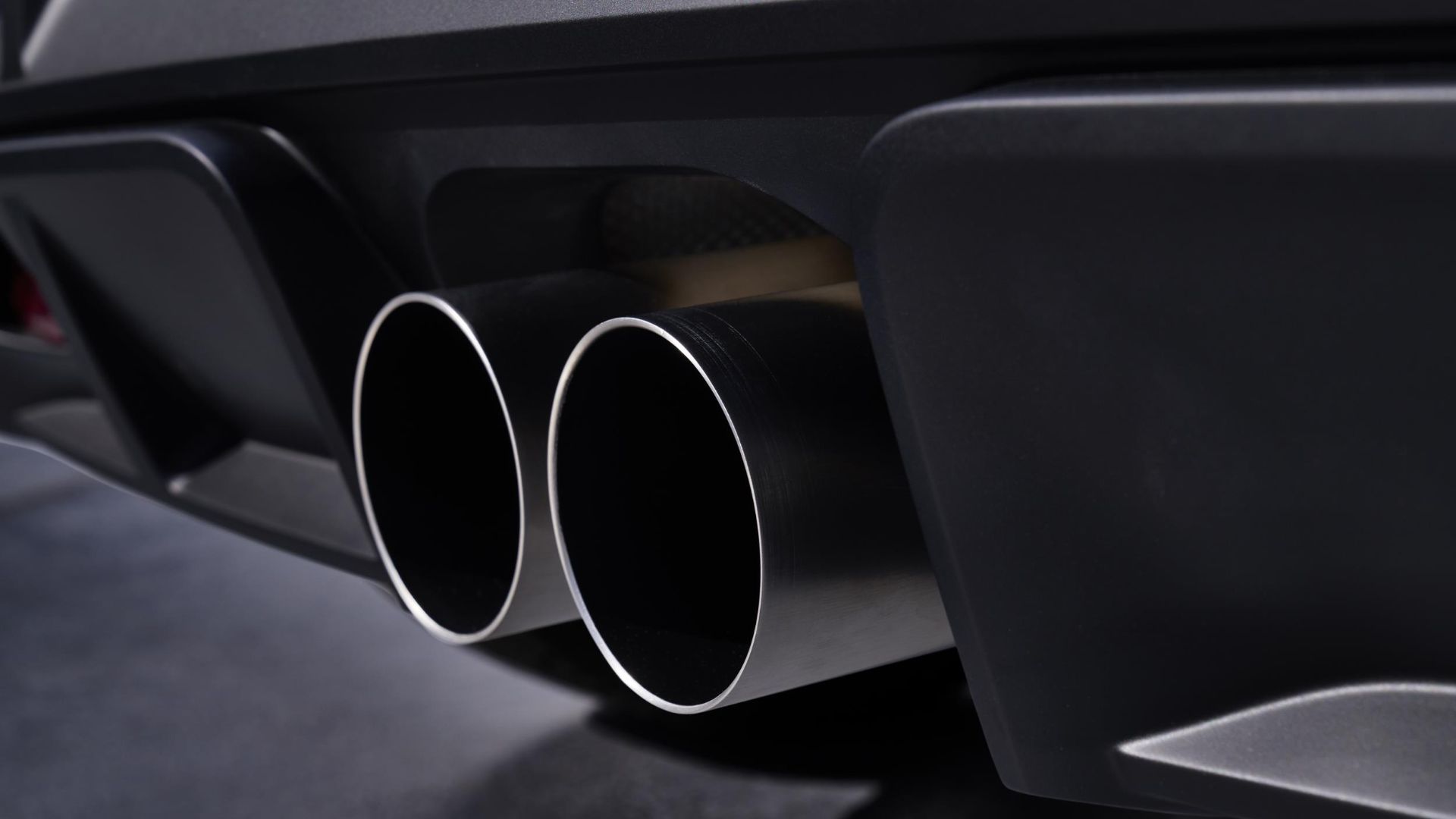
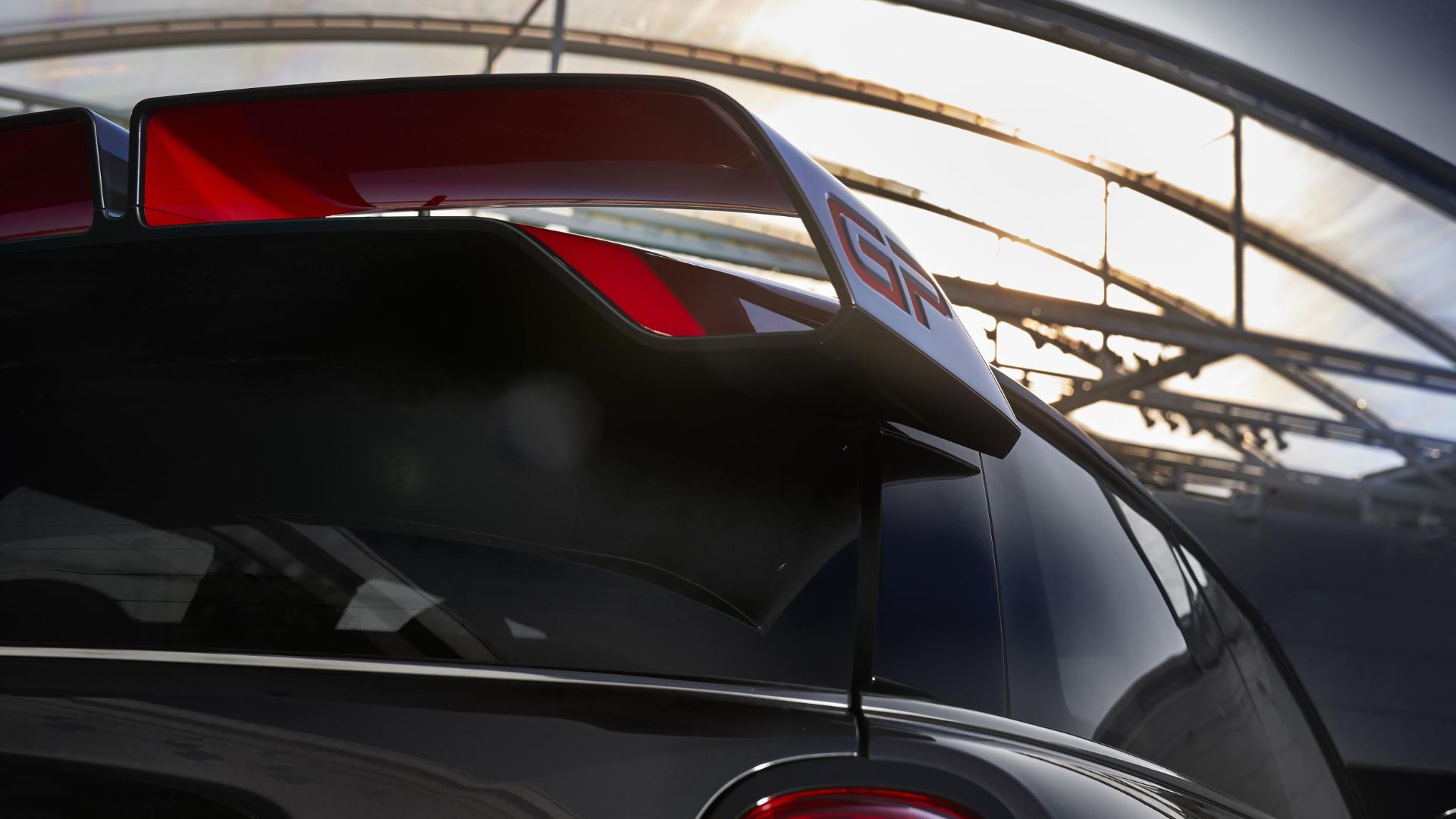
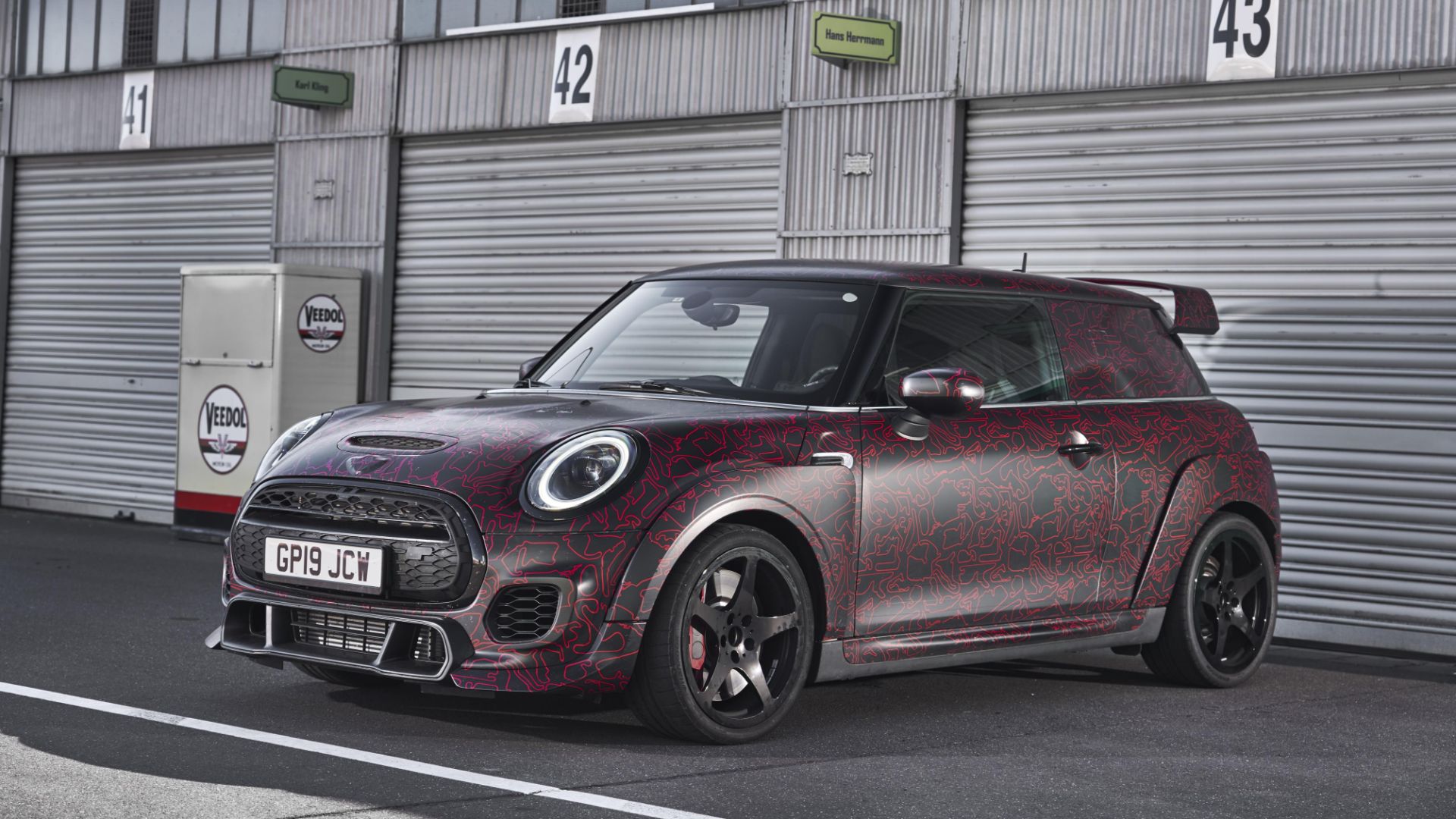
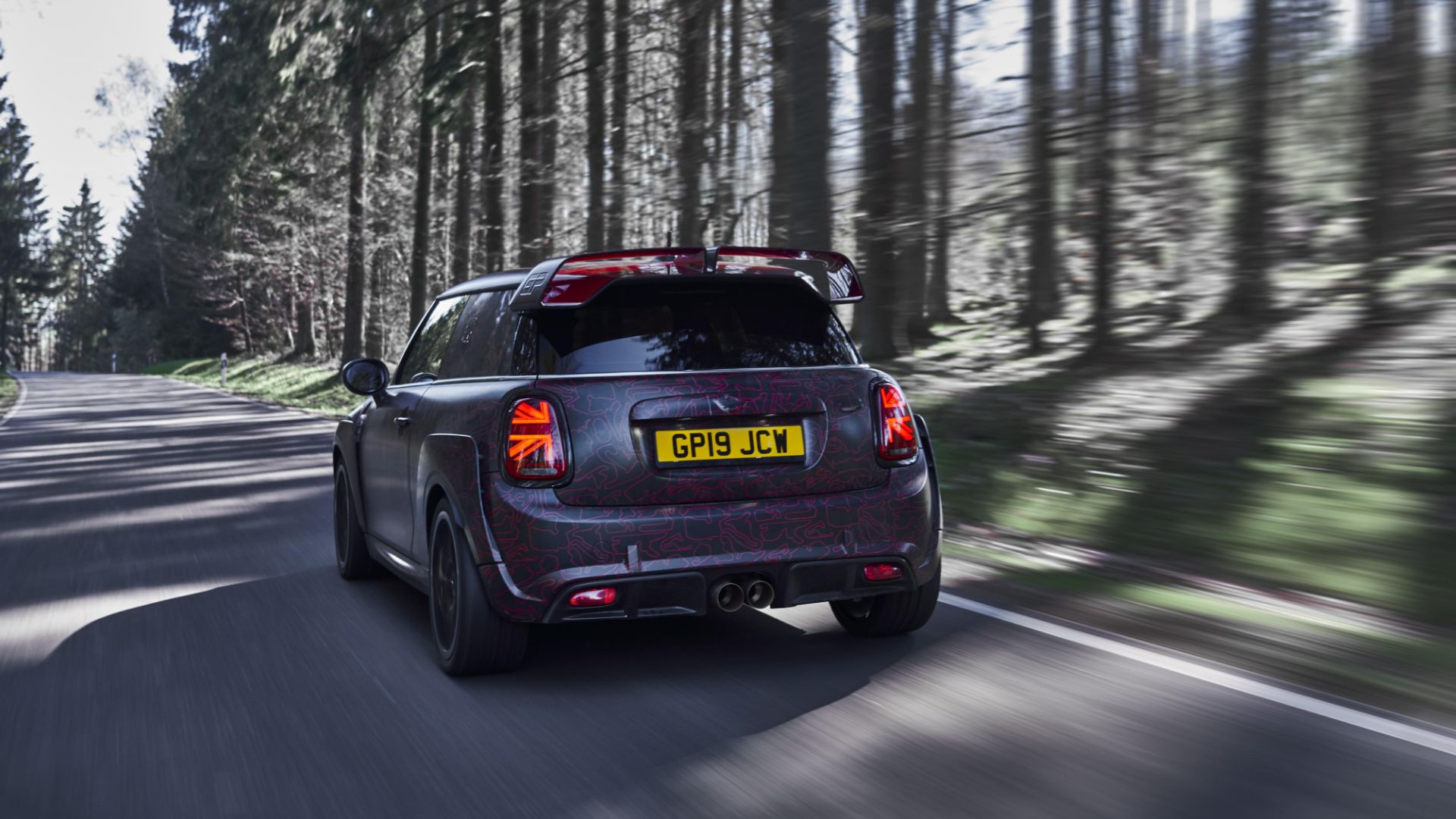
Mini has announced prices for the GP variant of its Cooper JCW hot hatchback – and it’s not cheap. The hottest Mini will start from £33,895.
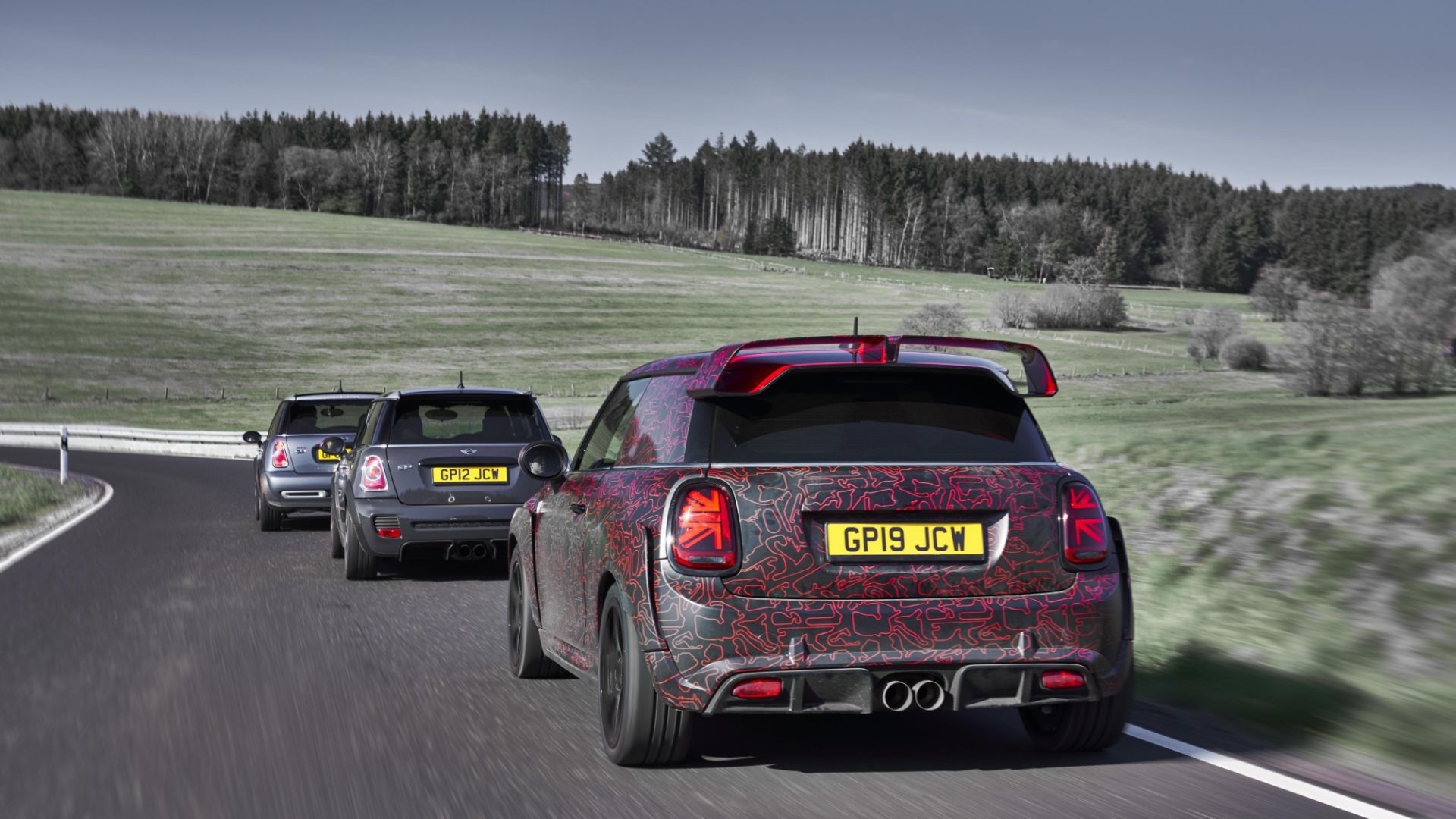
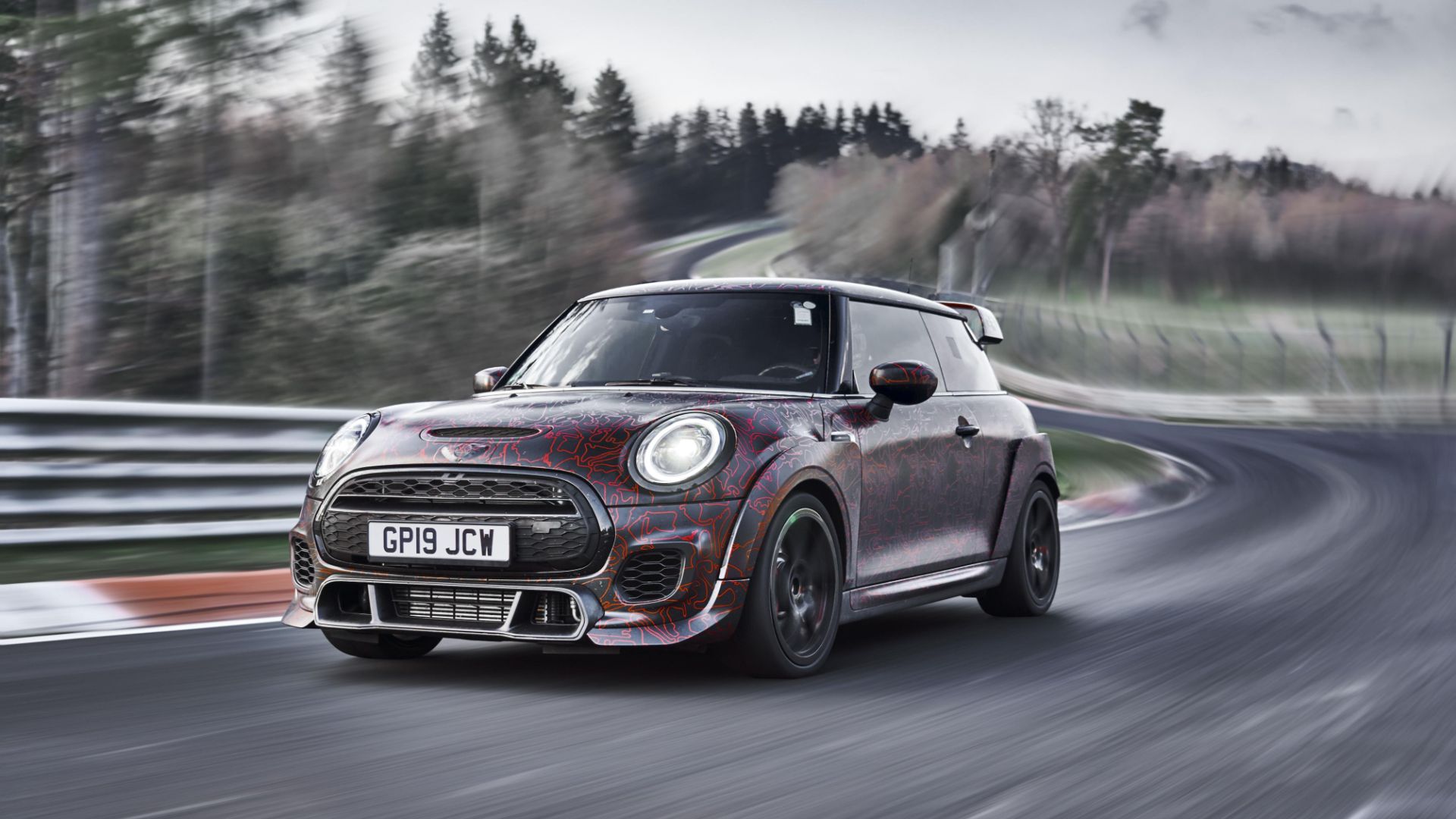
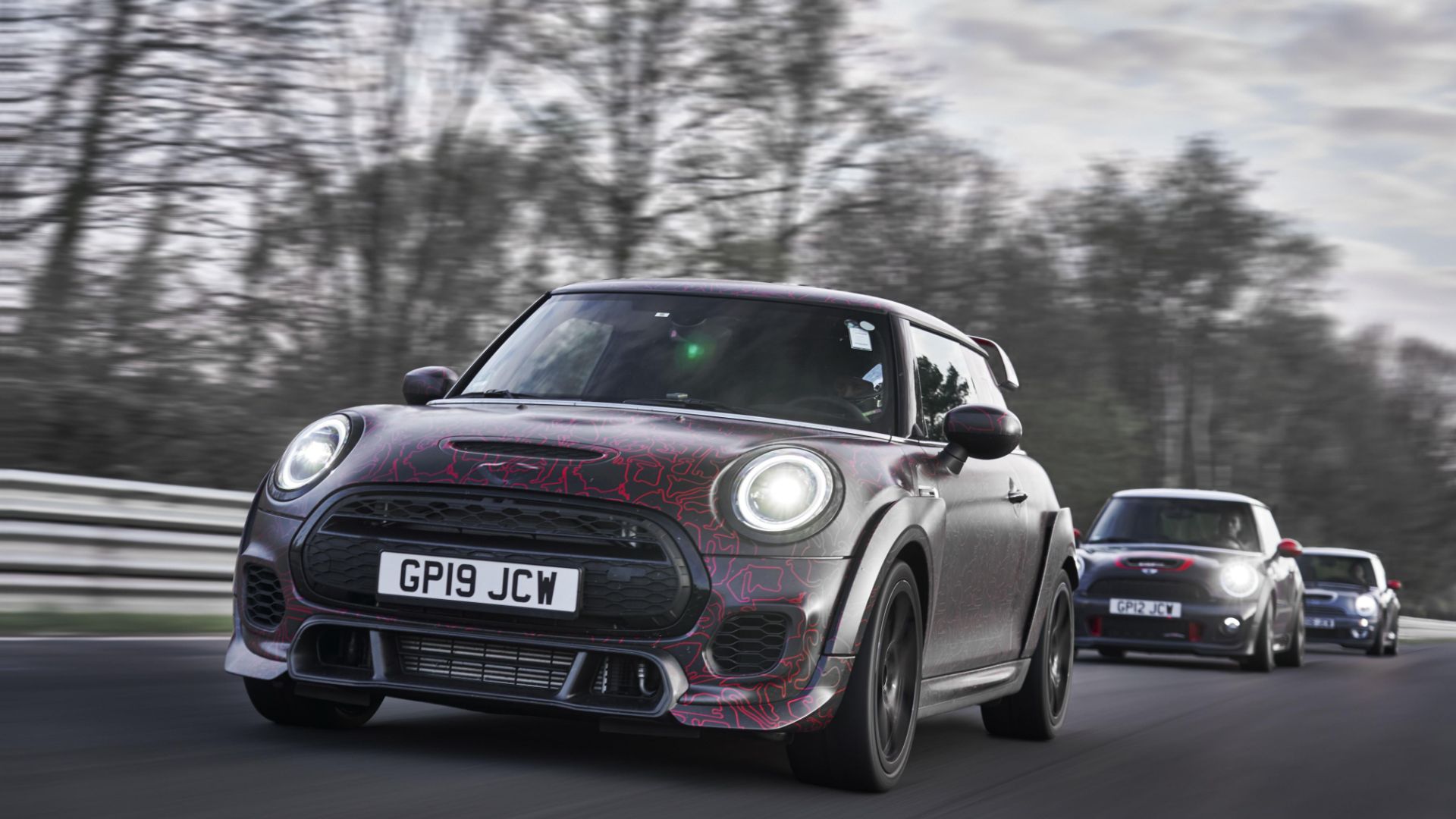
In its defence, the GP is a very special type of Mini. This third-generation car will pack 306hp, new chassis technology and bespoke aerodynamics. It all adds up to a Nurburgring lap-time of less than eight minutes.
Not so long ago, times like that were the preserve of ‘grown-up’ hot hatches like the Seat Leon Cupra, Volkswagen Golf Clubsport S and so on.
Built in limited numbers, this hardest of hardcore Minis has, in the past, proven its worth as an investment. While expensive when new, the original GP1 of 2006 still costs upwards of £10,000, while similar non-GPs are around five times cheaper.
The GP2 also does well in terms of retained value, with both cars very well regarded by enthusiasts.
Three thousand examples of the new GP3 will be made available. The GP1 and GP2 of 2006 and 2013 were a fair bit rarer, however, with just 2,000 of each generation. The original GP1 was priced from around £22,000, while 2013’s GP2 exceeded £30,000.
This car’s launch has been a long-drawn-out process. It was shown in disguised prototype form at the Goodwood Festival of Speed earlier in the summer. Its full reveal is scheduled for the Los Angeles Auto Show, which opens on 22 November 2019.
The new GP seems an appropriate way to round out a year of celebrations of Mini’s 60th anniversary.
UPDATE: An earlier version of this article listed the new Mini GP’s price as £34,995. A spokesperson told us this is the car’s expected on-the-road price, but it is not fully confirmed yet, so the firm is now quoting £33,895 as the car’s recommended retail price.
Whichever way you look at it, £34,995 for a new Mini is a lot of money. I’m not going to venture down the ‘Mini car, Maxi price’ alley, but £35k for a supermini? Ouch.
Sure, it comes with a Nurburgring lap time, but I’ve seen coaches, campervans and even Chrysler PT Cruisers lapping the big toll road in the trees, so that’s no big deal.
To be honest, I wouldn’t care if the Henry Cooper Works Doctor came with a dinner date with Keeley Hawes and a lifetime supply of Hobnobs, because it still seems expensive. Actually, thinking about it, the Hawes and Hobnobs thing could tip the balance in favour of the hot hatch.
Naked attraction
I digress. My biggest problem the hardcore Mini isn’t the price, it’s the fact that maximum Mini thrills are available at a more affordable price. Like, less than half the price.
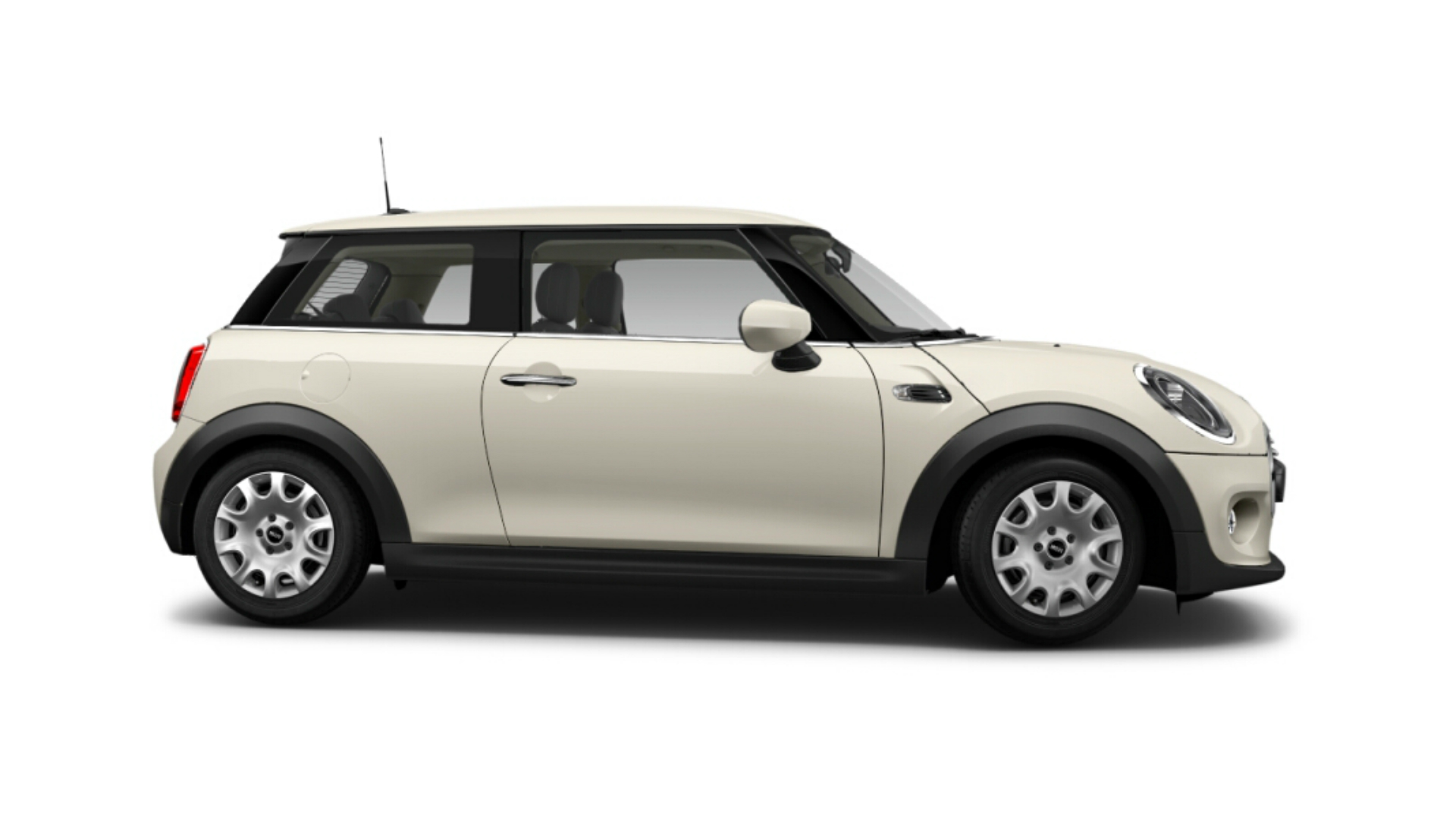
The Mini three-door Hatch One Classic is a rather awkward name for a quite brilliant car. This is the modern Mini in a state of undress – laid bare for a warts and all examination of the car’s famed ‘go-kart’ handling.
It costs £16,195, which is just £200 more than an entry-level Ford Fiesta. For that you get LED lights galore, air conditioning, multi-function steering wheel, a 6.5-inch display, vegan-friendly seats, Bluetooth, DAB digital radio and 15-inch steel wheels.
Yes, steel wheels. Forget what you might have read in What Glamour? magazine, because owning a small car with steel wheels is a rite of passage. It’s like the transition from the nursery slopes to the black run – first you must prove your mettle with a set of steelies.
The Mini One Classic is powered by one of the best three-pots in the business. In this form, the BMW 1.5-litre twin-turbo produces 102hp, which isn’t going to set any ‘Ring records, but is more than enough to raise a smile on the inner ring road.
At 44.8mpg to 47.9mpg, it’s also the most frugal Mini Hatch, short of putting your name down and waiting in line for the electric version. But unlike the leccy one, the Mini One offers enough range for a Londoner to take a day trip to Crich Tramway Village near Matlock without breaking into a sweat.
Other tramway museums are available. Probably.
Just say no
Clearly, Mini has made a mint out of a business model that encourages dealers to encourage punters into upgrading to a more expensive model. Mini would rather you didn’t buy a three-door Hatch One Classic, not when there are countless trim levels, engines, packs, options and accessories to choose from.
Anyone who leaves a Mini showroom with a £16,195 Mini has either mastered the art of saying “no” or is a former cast member of Grange Hill.
I’m fully aware that the list price is largely irrelevant, so the fact that the Mini One Classic is available on PCP or PCH for £199 a month will be music to the ears of Generation Rent. Granted, the rear seats are best reserved for child contortionists, and the ride is a little on the firm side, but if your heart is set on a Mini, I doubt you’ll care.
It’s also fair to say that the Fiesta offers better value for money and greater practicality, so the rational money would be on the Ford. But that’s missing the point of this pointless opinion piece.
Personally, I think Mini could go further by targeting its entry-level model at the under 25s, offering free telematics-based insurance and other incentives to get them behind the wheel. In a few years, they might want to ‘upgrade’ to a Sport, Cooper or JCW, but I suspect they’ll be having too much fun in the One Classic to even notice.
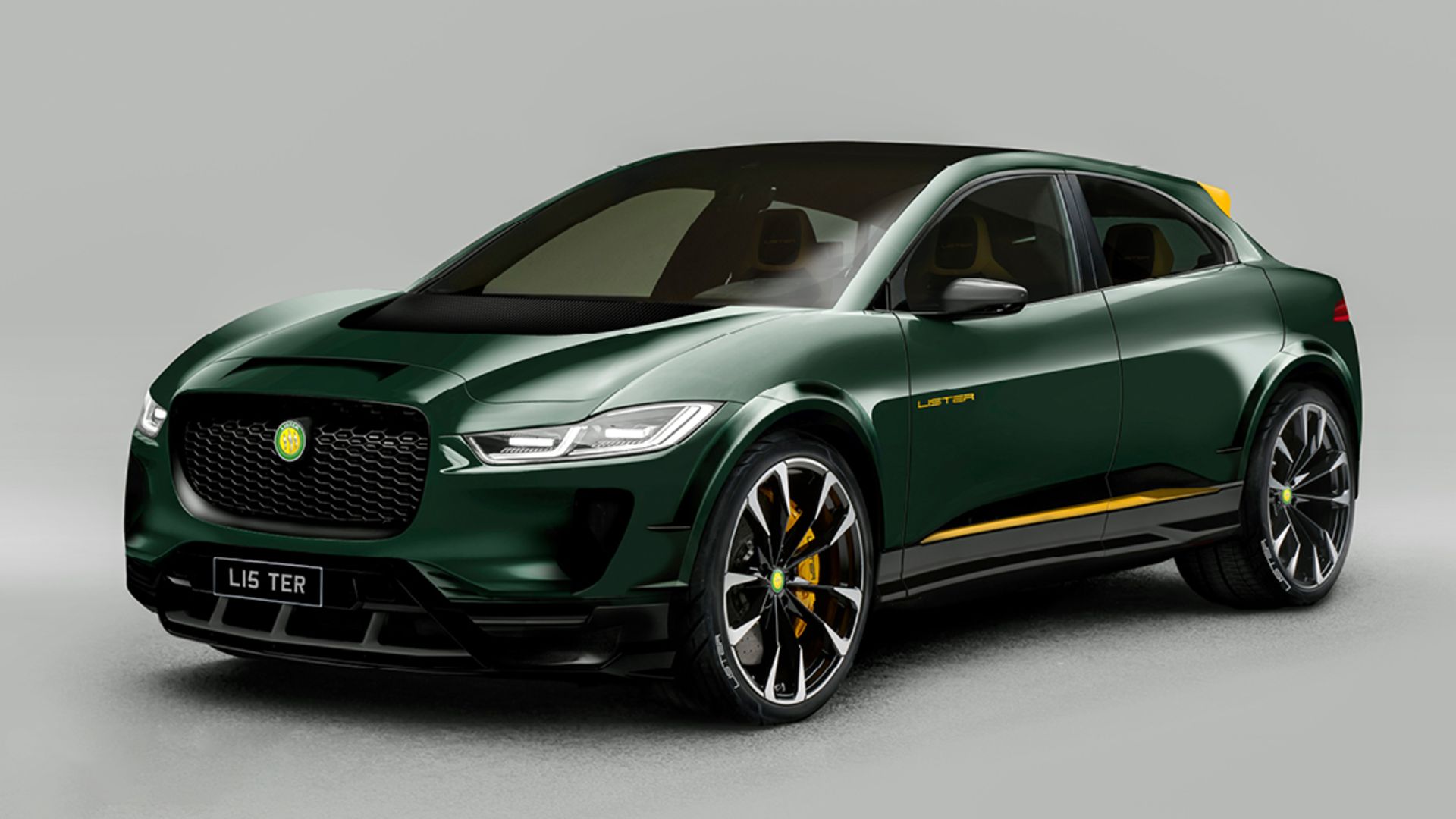
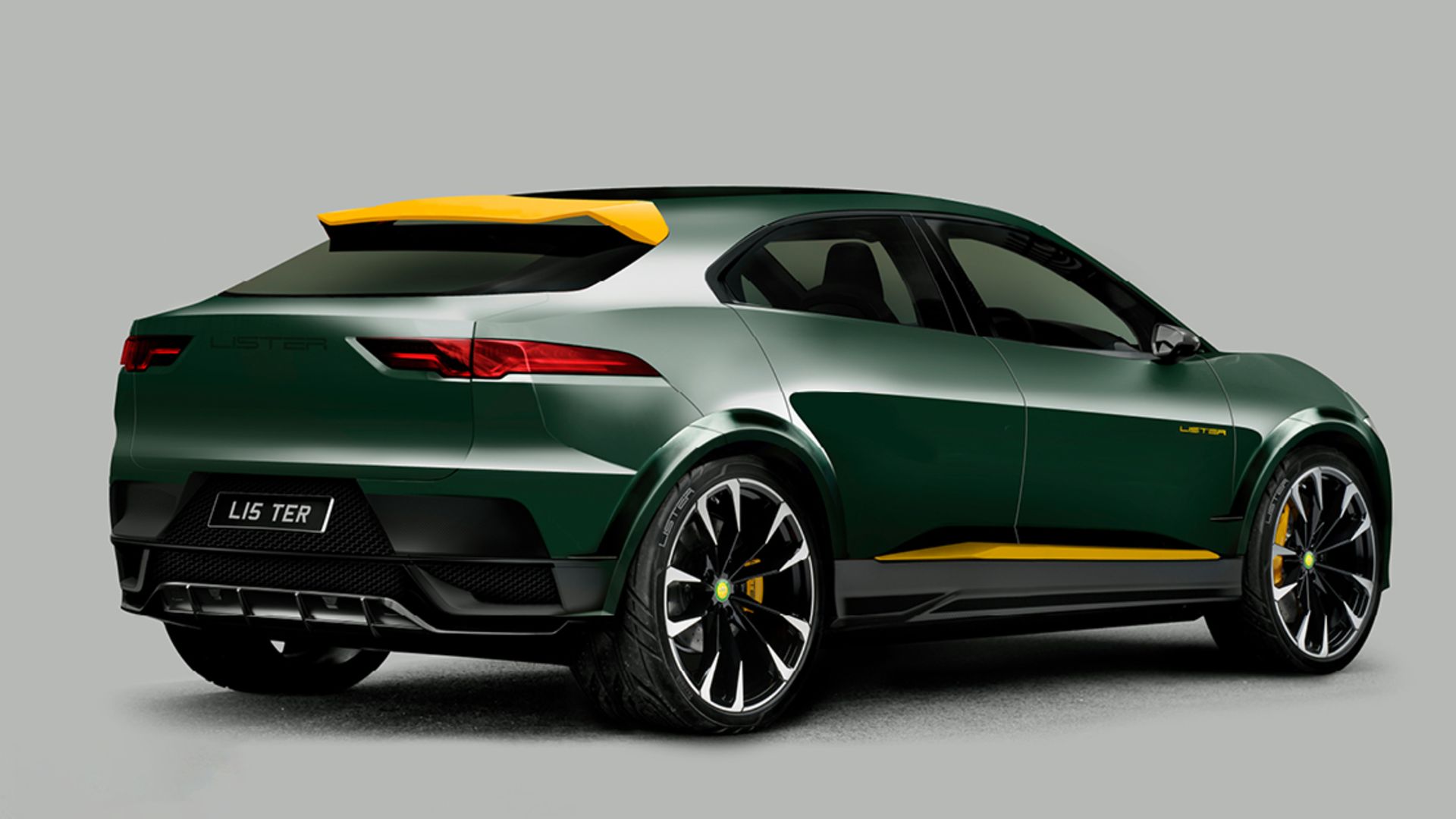
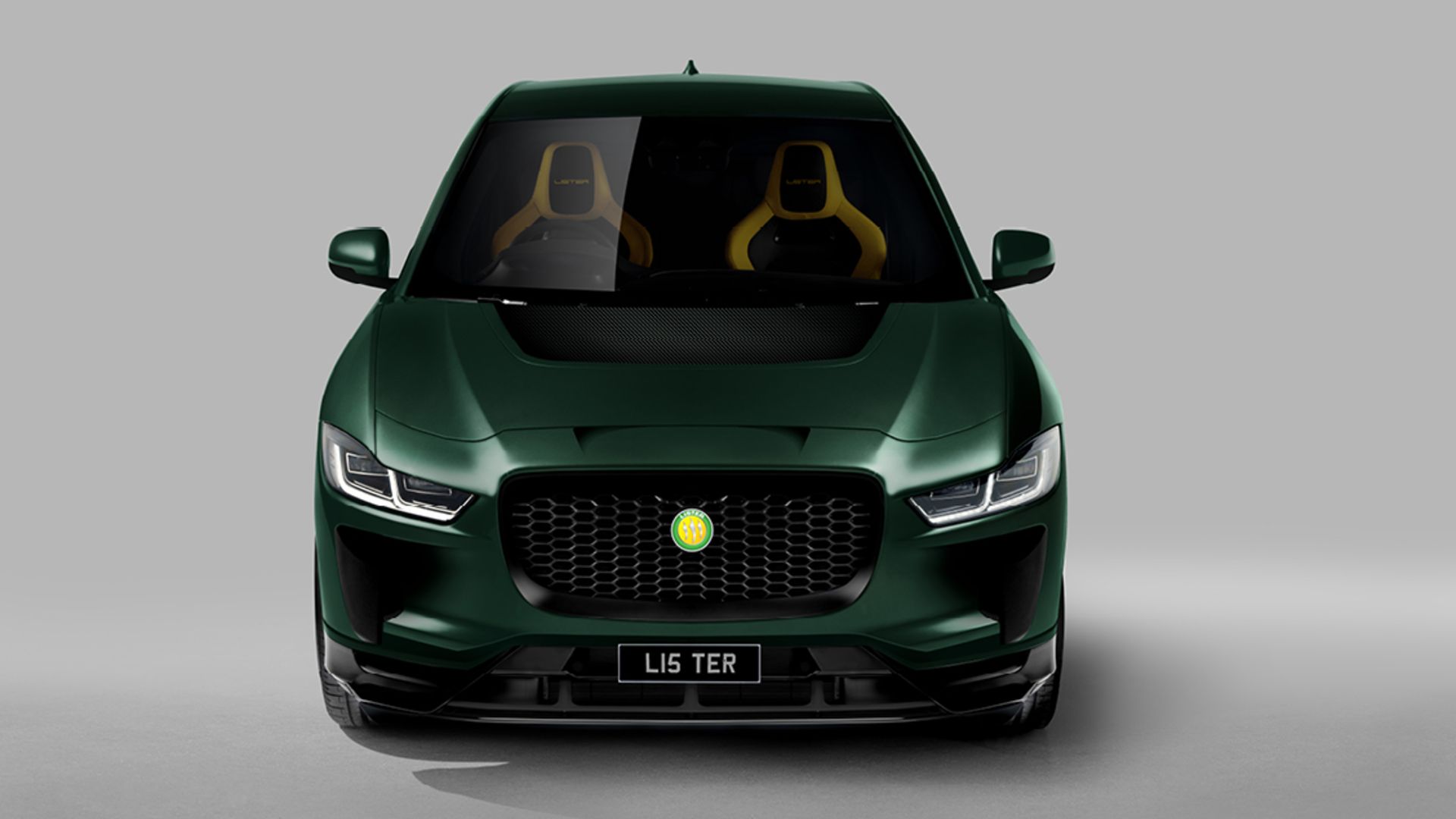
Jaguar’s all-electric I-Pace SUV has gained some welcome extra attitude from Lister. The famous racing marque and Jaguar modifier has modified Jaguar’s first EV to create the SUV-E Concept.
From a distance, you’ll note the obvious flashes of classic Lister green and yellow, as well as new Lister titanium wheels. Get closer and the more aggressive bodywork comes into view. The front and rear bumpers, splitter, rear diffuser, bonnet and spoiler are all made of carbon.
On the inside, customers get a choice of Nappa leather in no less than 60 colours.
Upgrades to the I-Pace are more than skin-deep. Carbon-ceramic brakes are added, as is fully-adjustable lowered suspension. All the carbon parts help reduce weight by 100kg to 2,033kg.
Updated software offers increased horsepower and torque, although specific numbers haven’t been quoted yet. Lister estimates the SUV-E will crack 60mph in four seconds.
The best bit, perhaps, is the upgraded exhaust sound. The noise complies with new electric vehicle regulations, to make them safer for pedestrians.
Lister’s site reads: ‘Whilst at Lister petrol runs through our veins instead of blood, we cannot ignore the interest in electric vehicles.
‘We are therefore introducing the SUV-E concept based on the Jaguar I-Pace as an opportunity for those interested in electric power to own a truly unique and bespoke electric vehicle. All Lister SUV-E will be built to customers individual specifications.’
Lister expects the SUV-E production car to cost around £125,000, and it will be produced in very limited numbers. Exactly how many is yet to be determined, as the company gauges interest in the car.
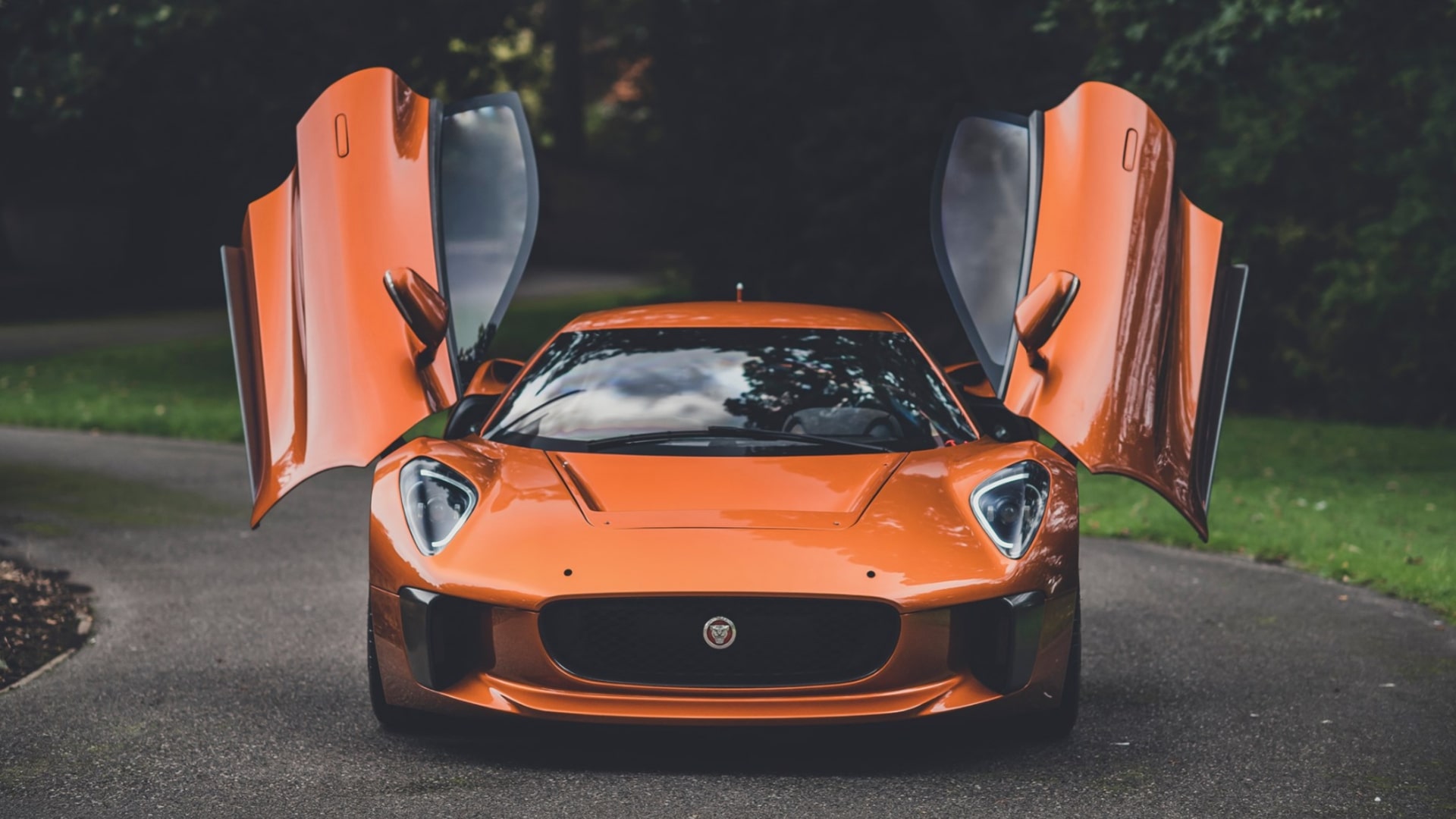
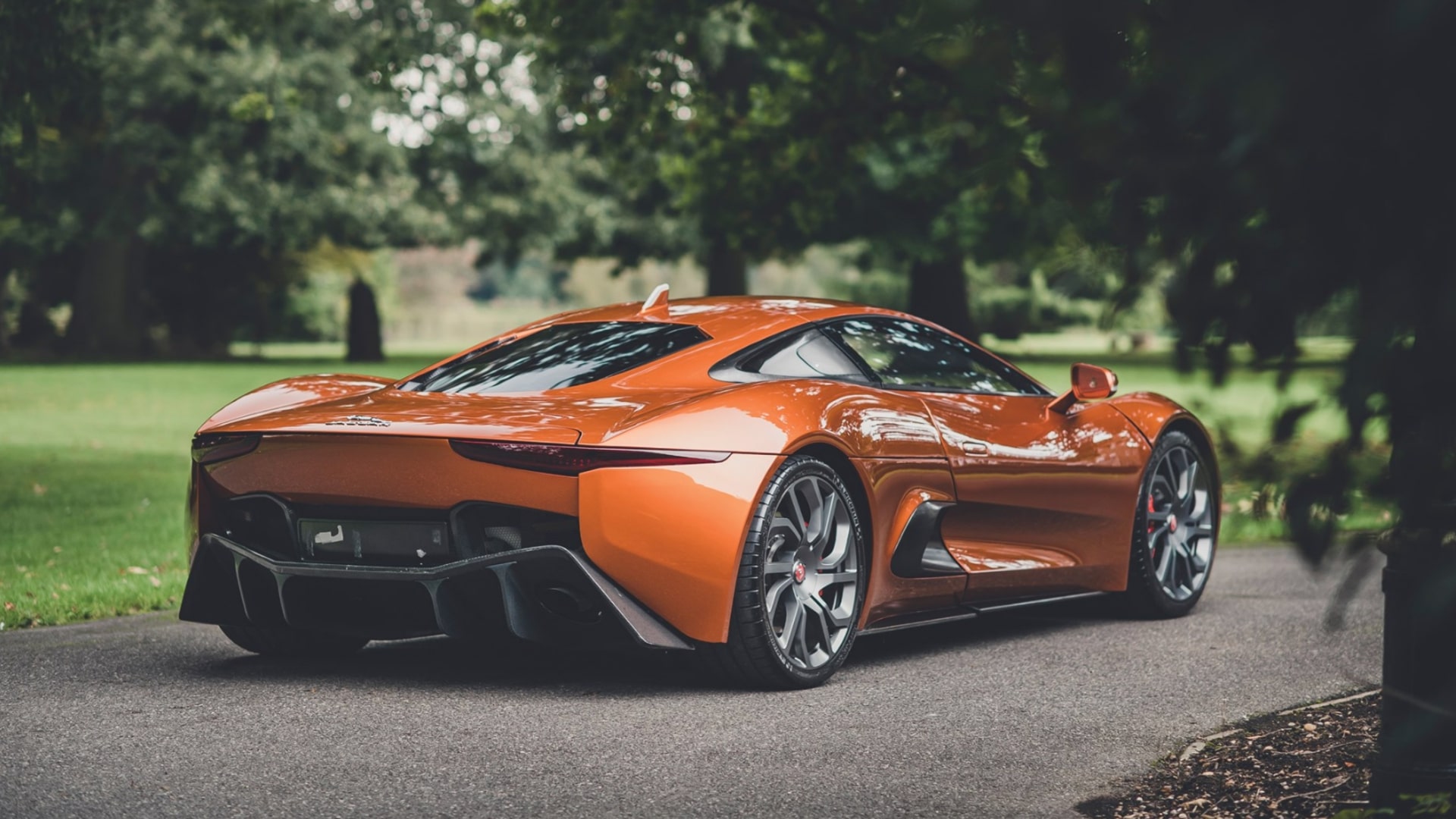
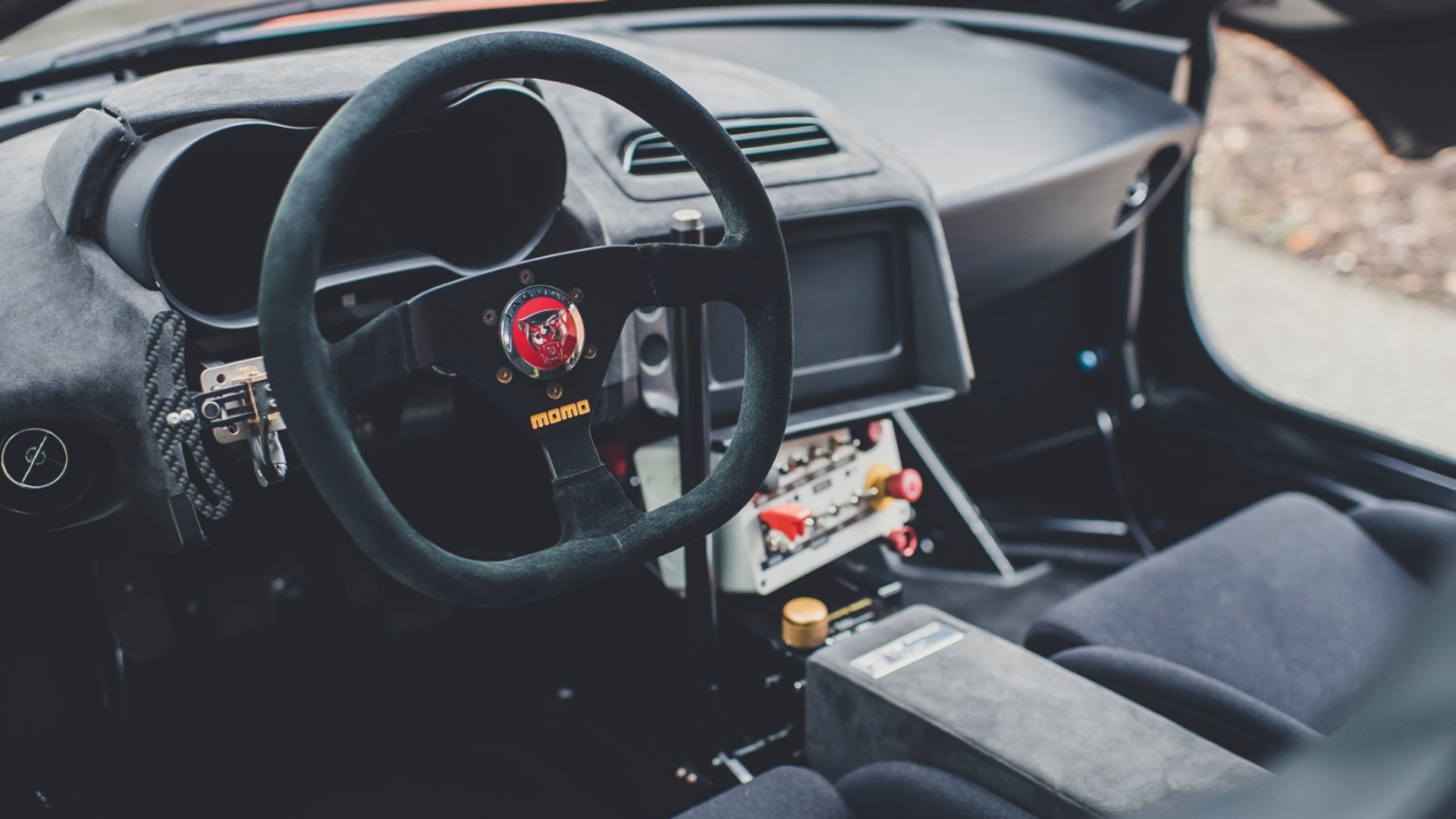
A Jaguar C-X75 prototype stunt car used in 2015 James Bond film Spectre is up for auction later this month. If you can drag yourself away from the Formula One action, it will be offered at RM Sotheby’s Abu Dhabi Grand Prix sale on 30 November.
While it looks like Jaguar’s mothballed hybrid hypercar of 2013, this is a very different beast underneath. The first of four prototype stunt cars, it features a WRC rally-spec spaceframe and a 492hp V8, rather than the Cosworth four-cylinder engine of the original.
It also has a hydraulic handbrake, for some sideways car chase theatrics, plus a bucket seat to keep the stunt driver held in properly.
In the film, Mr Hinx, played by muscle-bound wrestler-turned-actor Dave Bautista, pursued Daniel Craig’s 007 around Rome at the wheel of the big Jag. Craig, of course, was piloting his special Aston Martin DB10.
As well as the film, this car has also appeared for various promotions. Felipe Massa had some hot laps in it prior to the 2015 Mexican Grand Prix, for example.
The car has undergone a full inspection by its builders, Williams Advanced Engineering, while recent work includes an engine rebuild and new clutch.
While the Jaguar is far from a finished article, it is a curious slice of movie history. Not to mention being devastatingly pretty.
How much can you expect to pay? It’s anyone’s guess; there’s not much of a precedent here. All will be revealed when the car crosses the block in Abu Dhabi.
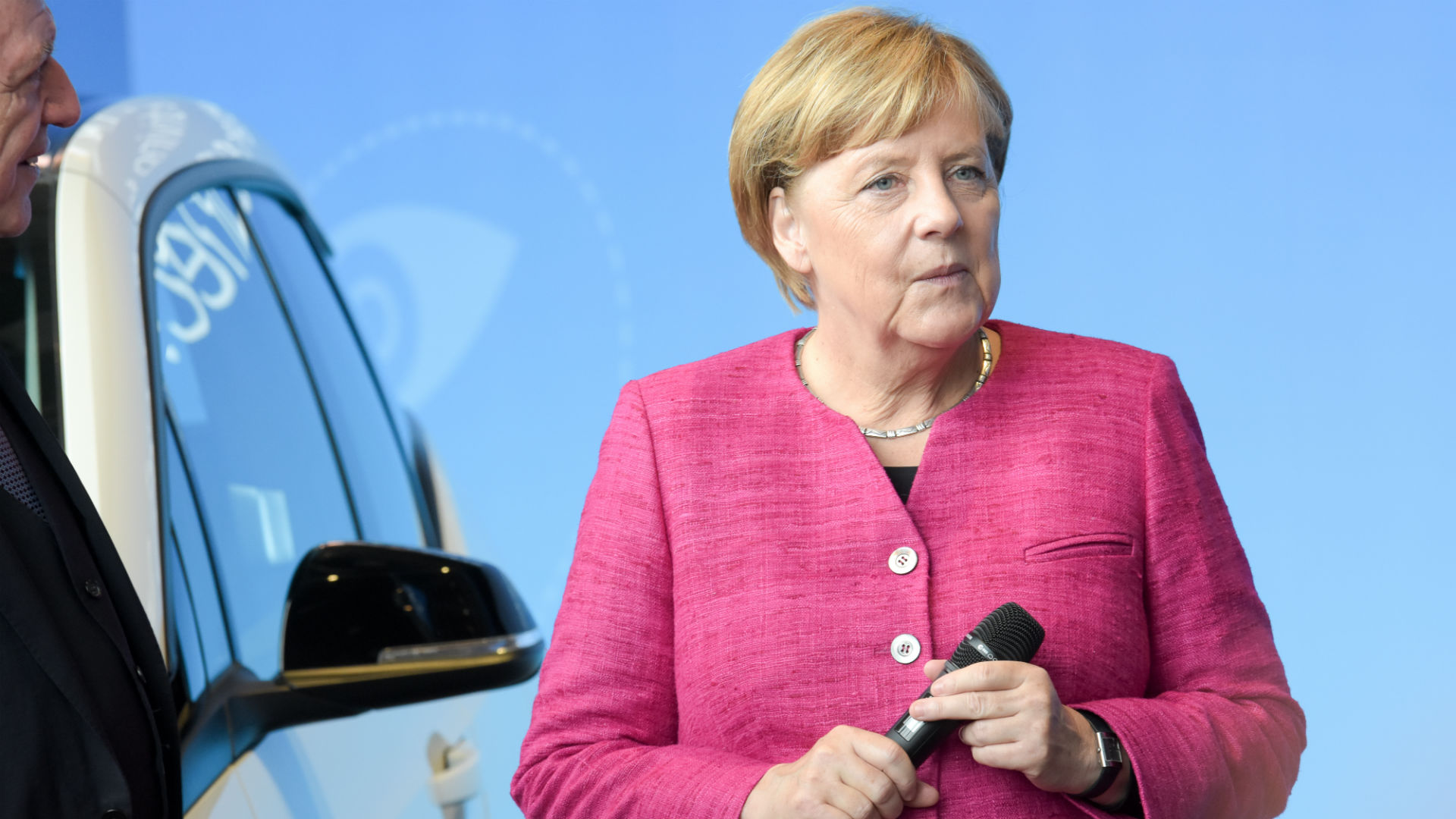
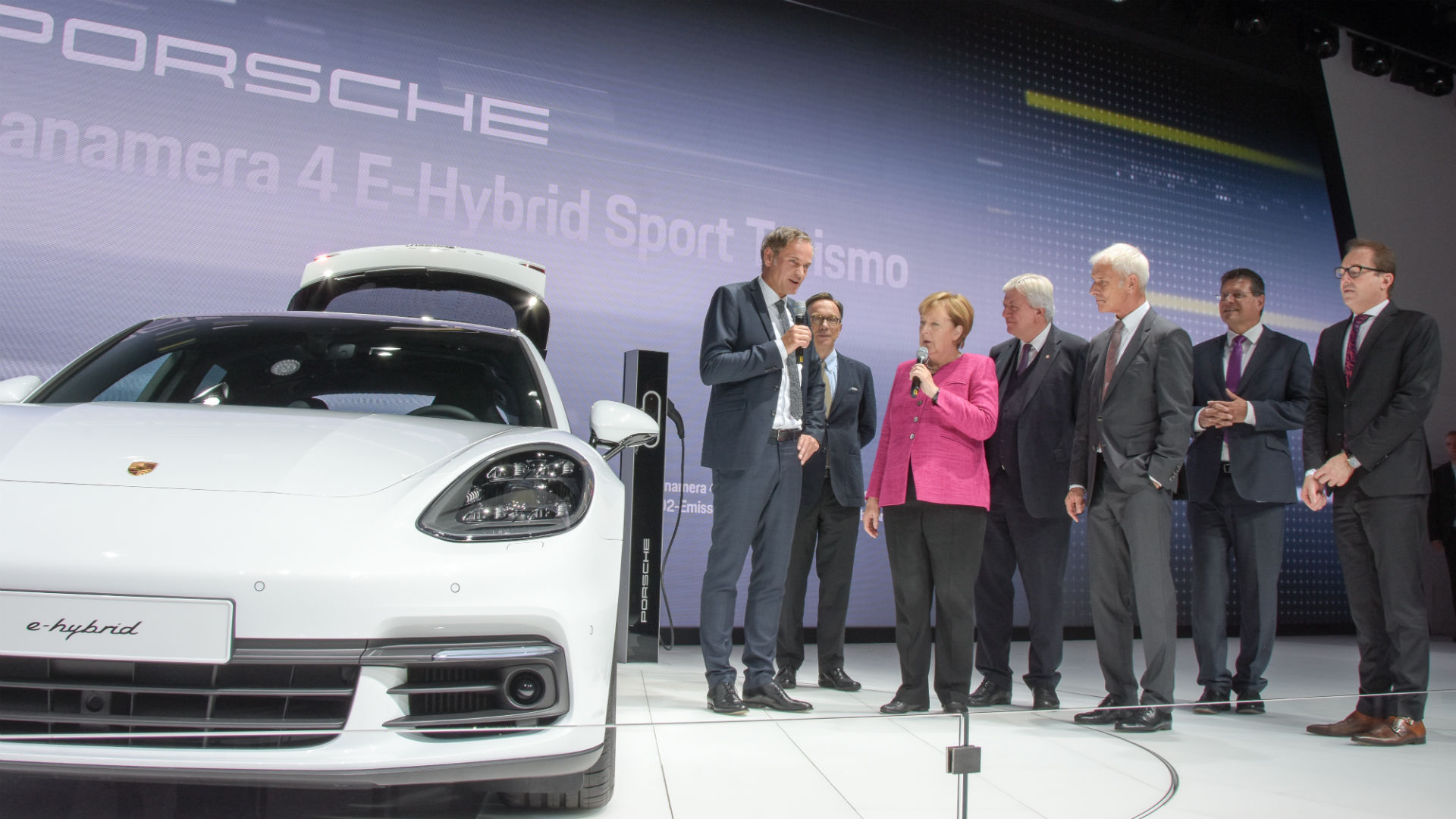
In a video message on Sunday, the German chancellor said investment in charging stations would encourage demand for electric cars and accelerate the shift away from petrol and diesel vehicles.
Germany currently has around 21,000 charging stations, while the UK has around 10,000, according to the latest Zap-Map figures.
“For this purpose, we want to create a million charging points by the year 2030 and the industry will have to participate in this effort, that is what we will be talking about,” Merkel said in her weekly podcast.
Today, the German Chancellor will hold meetings with senior industry executives, parts suppliers and labour unions on how to boost sales of all-electric vehicles.
Topics will include investment in the electric car charging network, manufacturers and the government sharing the cost of subsidies for the purchase of electric cars, plus investment in hydrogen fuel cell vehicles.
There are also concerns that Germany faces a surplus of car industry workers, as fewer employees are required to build electric cars.
“We want to take our specialist workers along on the road to a modern, climate-friendly future,” Merkel said.
A poor charging infrastructure, high purchase prices and limited range are three of the most common reasons cited for drivers not making the switch to electric cars.
Germany is at the forefront of a new generation of electric vehicles. Before this evening’s meeting, Angela Merkel will visit the Volkswagen factory in Zwickau to mark the start of production of the new ID.3 – the company’s first mass market all-electric vehicle.
Once complete, the plant in Zwickau will be Europe’s largest factory exclusively building electric cars, building 330,000 cars every year.
Stephen Weil, the prime minister for Lower Saxony, home of Volkswagen, wants to see 100,000 public charging points in place by 2021.
“An extremely demanding time lies ahead for the German automotive industry that must be accompanied actively by policymakers,” he said.
Many of the earliest Formula 1 teams were simple concerns, focused only on the spirit of competition. Today, the world of Formula 1 is dominated by global automotive giants, who use it to develop and promote technology to be used by regular drivers on the road
Ahead of this weekend’s United States Grand Prix in Austin, Texas, we have taken a look at how car manufacturers use modern Formula 1 racing as a worldwide advertising billboard.
Mercedes-Benz was one of the earliest manufacturers to become involved with Formula 1. Legendary drivers like Juan Manual Fangio and Stirling Moss drove for the team in the 1950s, until 1955 when Mercedes withdrew from motorsport entirely.
2010 saw the return of the Mercedes-Benz team to Formula 1. The introduction of turbocharged V-6 hybrid engines in 2014 has seen the team win six Constructors’ Championships, with Lewis Hamilton on course for another Drivers’ Championship this year.
2020 Mercedes-AMG One
Mercedes-AMG has looked to turn that on-track success into a road car like no other. Known simply as the ‘One’, this hypercar is powered by the same 1.6-liter turbocharged V-6 engine as used in the F1 race cars.
With more than 1,000 horsepower, and an eight-speed paddle shift gearbox, this is an extremely direct demonstration of motorsport technology for the road.
Lewis Hamilton reveals the Mercedes-AMG One
Mercedes-AMG star driver Lewis Hamilton was on hand to help reveal the One, driving it on to the stage at the 2017 Frankfurt Motor Show. A combination of four electric motors, along with the turbocharged V-6 engine, allows the One to travel up to 15 miles on battery power alone.
Lewis Hamilton has been involved in developing the One, meaning those who buy the 275 production cars will know its abilities have been tested by a multiple F1 World Champion driver. Hamilton’s team mate, Valtteri Bottas, has also spent time with the 217 mph One.
An almost guaranteed Mercedes-Benz leader on track
Mercedes-Benz entered into an agreement with Formula 1, agreeing to provide the safety car for the championship from the 1996 season onwards. This includes cars used by the medical teams and doctors, along with other official vehicles.
It means that in the event of a race being neutralized due to bad weather or an accident, millions of F1 fans around the world will see a Mercedes leading the field. Various road-going Mercedes models have been used, with the 577 horsepower AMG GT R currently responsible for safety car duty.
Alfa Romeo celebrates a return to Formula 1
Italian company Alfa Romeo can trace the roots of its motorsport activity as far back as 1911, and it became active in Formula 1 from the outset. This included seeing its driver, Giuseppe Farina, win the inaugural FIA World Championship of Drivers in 1950.
Alfa withdrew as a factory team in 1951, but continued to supply engines to F1 until 1985. For the 2018 season, Alfa Romeo entered into a partnership with the Swiss Sauber team. Heading into 2019, this resulted in the outfit being renamed Alfa Romeo Racing.
2019 Quadrifoglio Alfa Romeo Racing Special Editions
Alfa has been keen to use its reborn Formula 1 project to help market its range of road cars. This includes ‘Alfa Romeo Racing’ versions of the Giulia Quadrifoglio sedan, and Stelvio Quadrifoglio SUV, wearing liveries inspired by the F1 racing cars.
Both Giulia and Stelvio use a 2.9-liter turbocharged V-6 engine producing 513 horsepower, and are fitted with an Akrapovic titanium exhaust system. Current Alfa Romeo Racing drivers Kimi Räikkönen and Antonio Giovinazzi were drafted in to help show off the new cars.
2019 Ferrari Monza SP1
Enzo Ferrari was famous for initially having no interest in producing road cars, with his interest solely focused on motorsport. However, after WWII, Ferrari began to produce cars for the street in order to fund his racing team.
Having competed in every season of Formula 1 since 1950, Ferrari is now intrinsically linked with the category. Such a close association means Scuderia Ferrari members are frequently involved with road cars. Here, Team Principal Mario Binotto, and driver Sebastian Vettel, are seen with the limited edition Monza SP 1.
Sebastian Vettel and Ferrari California T
The advantage of driving for a company which solely makes exotic sports cars means that the company car choices tend to be impressive. Four-time World Champion Sebastian Vettel moved to Ferrari for the 2015 season, and wasted no time in getting involved with the range of road cars.
Vettel has appeared in videos promoting Ferrari road cars, including the California T convertible. Introduced in 2014, the California T was the first Ferrari to use a turbocharged engine since the F40, mirroring the move of F1 to forced-induction power.
Michael Schumacher and his car collection
Winning five Formula 1 World Championships with Ferrari between 2000 and 2004, Michael Schumacher is rightly regarded as a legend by the Scuderia. His move to the Italian team in 1996 transformed Ferrari into a world-beating outfit, with a level of ruthless on-track efficiency never seen before.
Schumacher was also a keen advocate for Ferrari’s road cars, seen here alongside his race car and two vehicles from his own personal collection.
Developing the Enzo Ferrari with Michael Schumacher
Much like Mercedes-AMG with the One, Ferrari has created several F1-inspired road cars and made use of its talent in the Scuderia to help develop them. Schumacher’s dominance of the sport coincided with the creation of the 2002 Enzo Ferrari. This hypercar was made from carbon fiber and powered by a mid-mounted V-12 engine with 651 horsepower.
Other items taken from Formula 1 included a paddle shift transmission, and brakes featuring carbon ceramic discs. Schumacher assisted in refining the abilities of the Enzo, and also worked on the track-only FXX version. The German driver later owned examples of both the Enzo and FXX.
Abarth 695 Tributo Ferrari for Alonso and Massa
Alonso and Massa will have needed sizeable garages during their time at Ferrari. In 2010, the duo received their own Abarth 695 Tributo Ferrari, featuring a 180 horsepower 1.4-liter turbocharged four-cylinder engine. Naturally, an F1-inspired paddle shift transmission was part of the package.
Painted in the same Scuderia Red as the Ferrari F1 racers, carbon fiber was used for various parts including the exterior mirror covers. Brembo performance brakes, and special 17-inch wheels added to the deal, but the F1 link was tenuous at best.
BMW’s brand takeover of Williams Racing
In the early 2000s, the only cars capable of coming close to Ferrari during their dominant period were powered by BMW engines. The German company had launched a partnership with the Williams team, leading to the outfit being branded as BMW Williams F1.
Along with developing V-10 engines for use in the Williams F1 cars, the racing cars were also finished in a BMW-inspired blue and white livery. German driver Ralf Schumacher, brother of Michael Schumacher, was retained along with Columbian Juan Pablo Montoya for driving duties.
F1 technology for BMW road cars
Whilst Ferrari would still take multiple championships, the naturally aspirated P83 V-10 engine built by BMW in 2003 was regarded as one of the greatest ever made. Revving to 19,000 rpm, it generated a staggering 940 horsepower.
BMW was keen to highlight the ability of its engines, and fitted the 2005 E60 M5 with a 5.0-liter V-10 producing 500 horsepower and 384 lb-ft of torque. A seven-speed paddle shift transmission was also inspired by F1, although American customers were offered a six-speed manual unit, too. The same drivetrain combination was also fitted to the 2005 M6 coupe and convertible.
McLaren names a supercar after Formula 1
McLaren had been the dominant team in F1 during the late 1980s and early 1990s, mastering the use of lightweight materials like carbon fiber. Designer Gordon Murray convinced McLaren to back his vision of a three-seater sports car, using the knowledge the company had gained from Formula 1.
The result was the F1, built around a carbon fiber chassis and fitted with a BMW V-12 engine. Murray had been fastidious in his pursuit of performance, with details like gold leaf used in the engine bay as a heat shield. With 618 horsepower, the F1 became the world’s fastest production car in 1998, setting a top speed of 240.1 mph.
McLaren names a supercar after a legendary driver
The F1 was the first step taken by McLaren into the road car market, with the company now responsible for producing almost 5,000 cars a year. In 2018 it introduced the latest in its ‘Ultimate Series’, named after Ayrton Senna – the legendary F1 driver who won three World Championships with McLaren.
Limited to 500 units, the Formula 1 inspiration includes Brembo carbon ceramic brakes, special center-lock alloy wheels, and a roof-mounted air intake. Power comes from a twin-turbocharged V-8 engine, producing 789 horsepower and 590 lb-ft of torque.
Sergio Perez and the McLaren P1
Before the Senna, McLaren Automotive’s most recent Ultimate Series hypercar was the P1. Launched in 2013, the development and release of the hybrid-powered machine coincided with Mexican driver Sergio Perez joining the McLaren Formula 1 team.
Part of this included Perez being tasked with demonstrating the performance of the new P1 road car on the Top Gear test track. Driving a 903 horsepower hypercar on a closed course was likely to be one of the easier corporate responsibilities for Perez, who was unceremoniously dropped by McLaren and the end of the 2013 season.
McLaren driver Lando Norris and his company car
Current McLaren Formula 1 driver Lando Norris is performing well in this first season with the team. The 19-year-old is also rather pleased with his company car at McLaren, having taken delivery of a 570S coupe.
Powered by a twin-turbocharged V-8 engine with 570 horsepower, the 570S is capable of a top speed in excess of 200 mph. This is certainly not your usual car for a teenager, but then Lando Norris is not an average teen driver.
Linking the Honda Civic Type R to Toro Rosso
The latest Honda Civic Type R has become the first version of the performance compact car to be sold in the United States. As a global product, Honda has been keen to use its presence in Formula 1 to spread the message of its new Type R.
Honda currently supplies engines to the Toro Rosso F1 team, meaning its drivers for the 2018 season bagged themselves new company cars. Pierre Gasly and Brendon Hartley took delivery of their own turbocharged Type Rs last year. There is no word on whether Hartley had to return his when he left the team at the end of the year…
From a time when McLaren and Honda were still friends
Honda supplied McLaren with engines from the 2015 season through 2017. It marked the return of the Japanese manufacturer to F1 as an engine builder for the first time in seven years, with a change to the new turbo hybrid era also taking place.
The three seasons were fraught, with the Honda engines suffering from terrible reliability issues. Even when it did work, the power plant was also noted to be down on performance. Despite this, McLaren driver Jenson Button was still on hand to try and help sell the benefits of the Honda Civic Type R and its turbocharged engine.
Fernando Alonso tests the new NSX
The original Acura NSX was developed with assistance from Ayrton Senna, whilst Honda was responsible for supplying engines to McLaren. Fast-forward to the second-generation NSX, and Honda was once again in charge of engines to power McLaren’s F1 contenders.
Despite the animosity between the two companies, McLaren driver Fernando Alonso still took part in marketing events like driving the new NSX. F1 inspiration can be found in the turbocharged V-6 engine and its hybrid electric powertrain. Alonso also found that the braking ability of the NSX was closest in feel to his F1 racer.
Aston Martin and Red Bull Racing working together
Red Bull Racing adopted car manufacturer Aston Martin as a title sponsor during 2018, whilst the two companies were involved in the creation of the ultimate road car. Details first emerged in 2017 of plans for a mid-engined Aston Martin hypercar, with input from Adrian Newey – Red Bull Racing’s Chief Technical Officer.
Advanced aerodynamics, lightweight carbon fibre construction, and an F1-inspired energy recovery system are all ideas provided by Red Bull Racing for the Valkyrie.
Aston Martin Valkyrie hits the tracks
The engine in the Valkyrie is supplied by Cosworth Racing, producing an astonishing 1,160 horsepower from a 6.5-liter V-12. An F1-style paddle shift transmission is part of the package, whilst the seats for each of the 150 examples of the Valkyrie will be custom fitted to their buyer.
For those who find the regular Valkyrie too vanilla, Aston Martin also plans an AMR Pro version. This will feature a more aggressive energy recovery system for an extra power boost, and carbon-carbon brakes inspired by Formula 1. It will generate so much downforce that the AMR Pro could, hypothetically, be driven upside down.
Infiniti rewards Vettel with a special edition FX50
Red Bull Racing enjoyed considerable success from 2010 to 2013, securing four World Championships with Sebastian Vettel. The team also established a sponsor partnership with Nissan’s luxury division, Infiniti.
To celebrate Vettel’s success, in 2012 Infiniti created a special edition of the FX50 SUV. The changes included matte white exterior paintwork, an aggressive aero kit inspired by an F1 car, and a 5.0-liter V-8 engine with 420 horsepower. Buyers could also opt for a gigantic carbon fiber rear spoiler, adding $6,000 to the $127,000 list price.
Daniel Ricciardo with the Infiniti Q50 Hybrid
At least Vettel could be proud that Infiniti created a car with more power and a large spoiler for him. During his time with Red Bull Racing, in 2015 Australian driver Daniel Ricciardo became the first Formula 1 driver to test out the redesigned Autódromo Hermanos Rodríguez circuit in Mexico City.
Ricciardo had to make do with driving the updated race track in an Infiniti Q50 Hybrid sedan. This featured 359 horsepower from a 3.5-liter V-6, combined with an electric motor. Ricciardo could only watch, as then Toro Rosso test driver Carlos Sainz Jr. took to the track in a Red Bull Formula 1 car.
Renault Sport and the range of Megane hot hatches
Renault has had a lengthy involvement with Formula 1, entering its own team in 1977 and supplying engines to others since 1983. Underpinning this on-track activity has been a range of road-going performance cars, said to take inspiration from the track.
The latest in this lineage is the Megane R.S. Trophy-R, powered by a 300 horsepower 2.0-liter turbocharged engine. An Akrapovic titanium exhaust, carbon fiber bodywork for the hood and rear diffuser, plus optional carbon fiber wheels all link to Renault’s F1 efforts. With a price starting at $65,000, the cost of this compact hatch is also F1-inspired.
Megane Renault Sport 230 Renault F1 Team
Back in 2006, Renault was the team to beat in Formula 1, as Fernando Alonso tasted title success with the team in 2005. A year later he was on track for a second championship, whilst Renault released a special edition of the Megane hatchback to celebrate.
In addition to the incredibly lengthy name, the R.S. 230 Renault F1 Team gained lightweight alloy wheels, special decals, and Recaro seats. Far removed from Alonso’s weekend racer, the R.S. 230 still proved popular with European hot hatchback fans.
F1 dominance leads to the Renault Clio Williams
Renault has a track record for producing hatchbacks inspired by Formula 1 success. The early 1990s saw a dominant partnership with Williams Racing, with a special version of the Clio supermini created in 1993. It led to a highly respected hot hatch, featuring a 145 horsepower 2.0-liter engine.
Although the links to the F1 were limited to badging at best, the Clio Williams did actually enjoy on-track action during the 1996 F1 season. A Clio Williams served as the safety car for the Argentine Grand Prix that year, spending several laps controlling the field.
The time Renault placed an F1 engine in the Espace minivan
Two years later in 1995, Renault decided to celebrate its continued Formula 1 success with the sheer madness of the Espace F1. Mounted in the middle of the minivan was a 3.5-liter V1-20 engine taken directly from a Formula 1 car, and uprated to 789 horsepower.
A semi-automatic transmission was also fitted, along with carbon ceramic brakes. Four bucket seats allowed passengers to enjoy the performance, which included accelerating from 0-124 mph in just 6.9 seconds. Unsurprisingly, the Espace F1 remained as a concept only.
Daniel Ricciardo gets his own special Koleos SUV
Formula 1 fans were shocked when Daniel Ricciardo abandoned Red Bull Racing for Renault at the end of the 2018 season. However, the move opened up possibilities for Renault to market F1-inspired products in Ricciardo’s Australian homeland.
Available only in Australia, the Koleos Formula Edition adds 19-inch wheels, special side steps, and unique badging to the 400 examples. Ricciardo has been denied any Espace F1-style performance in this SUV though. A 2.5-liter gasoline engine offers more sedate performance with 169 horsepower.
We do love a game to test our car knowledge. Some of the questions in this spot-the-difference badge quiz put together by Whocanfixmycar.com are easy, but others will befuddle your brain.
So, anoraks at the ready, let’s get into it…
Abarth
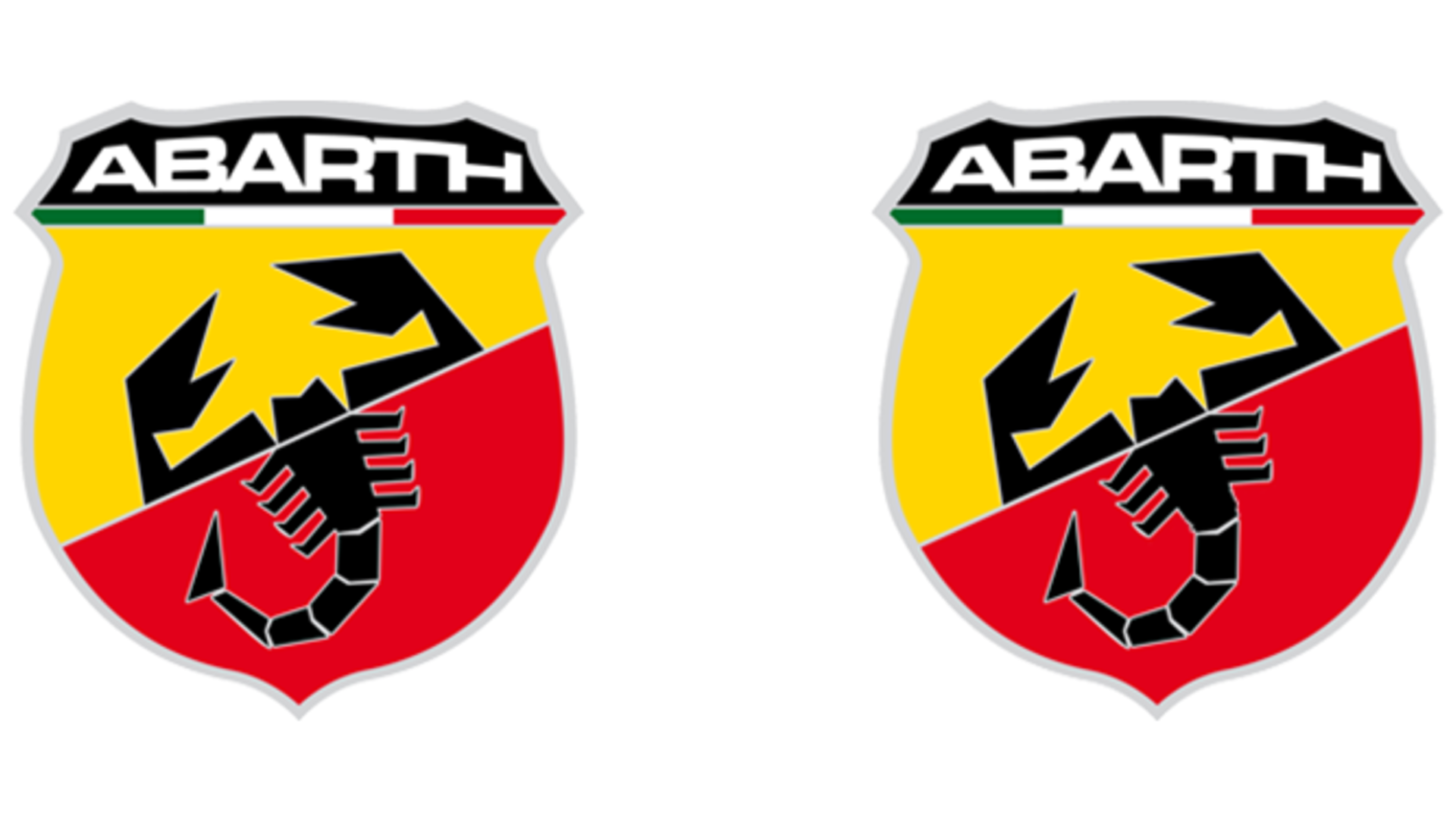
We start with Abarth. Left or right? The rather intricate logo features a scorpion. It’s small and powerful, and also happened to be Carlo Abarth’s zodiac sign.
The correct answer is ‘left’. If the balance of colours wasn’t the giveaway, it’s the fact that scorpions are arachnids, and therefore have eight legs.
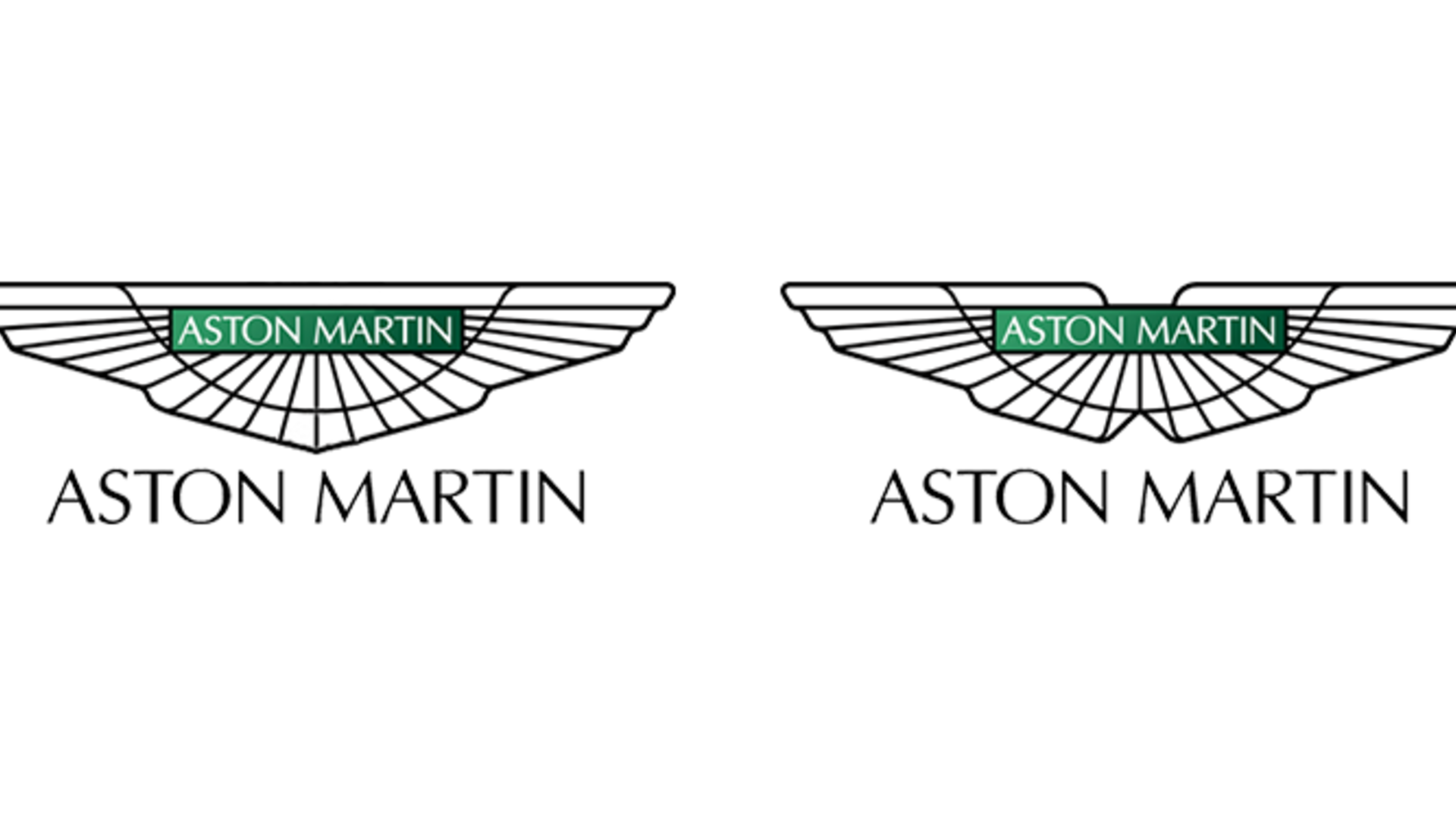
Aston Martin
Aston Martin is perhaps the UK’s most glamorous automotive export. We’d forgive you for being so drawn by the looks of its cars, you haven’t had time to study the badge.
The Aston logo is a set of wings, as seen on the right. The left-hand logo appears to be one big wing.
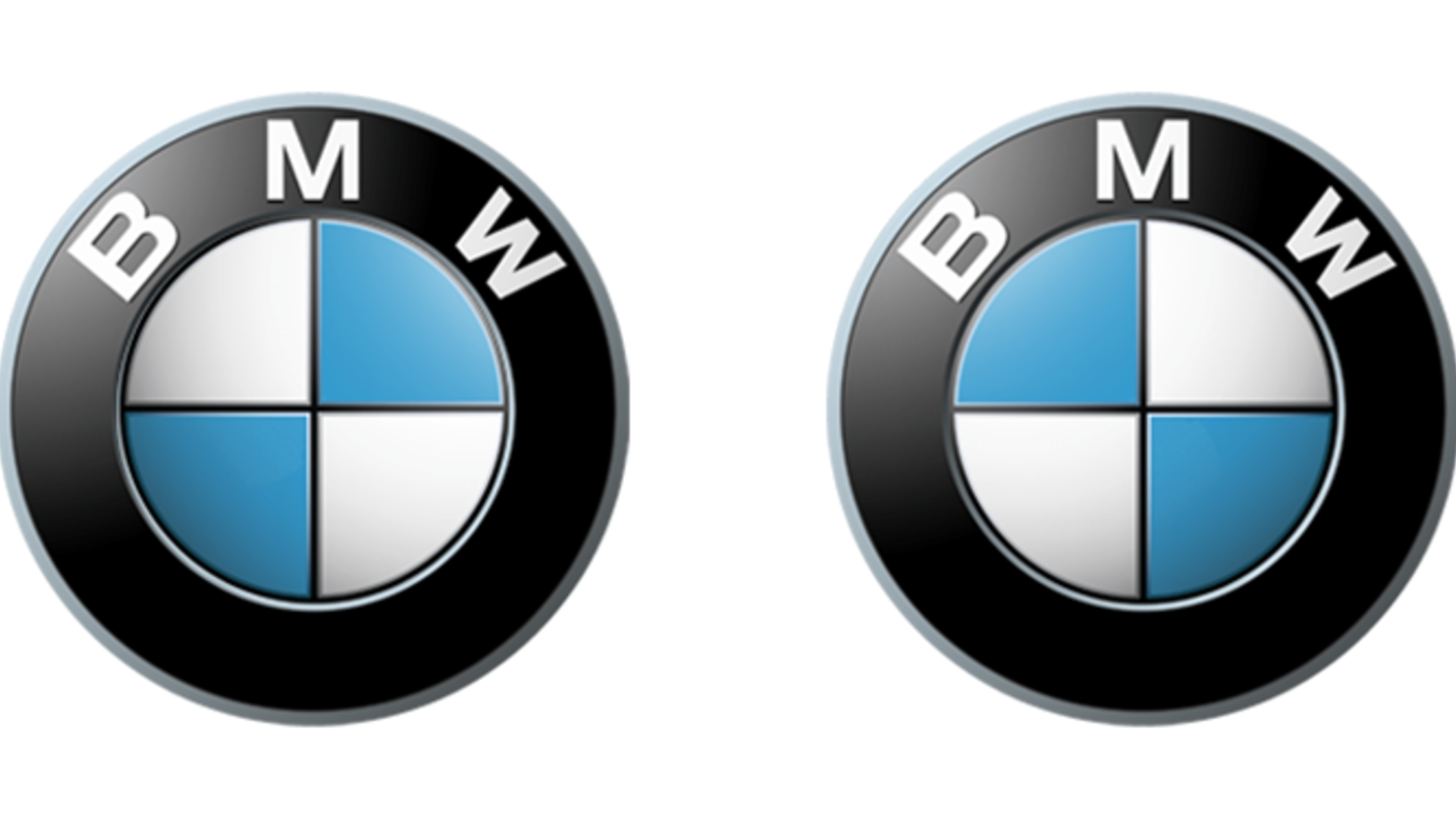
BMW
The Bavarian Motor Works badge has the colours of the Bavarian flag incorporated into it. Many believe the badge represents a spinning propeller, but this is a myth.
If it were a propeller, which way would it spin? That’s the clue for this one. When you realise right is right, it becomes obvious.
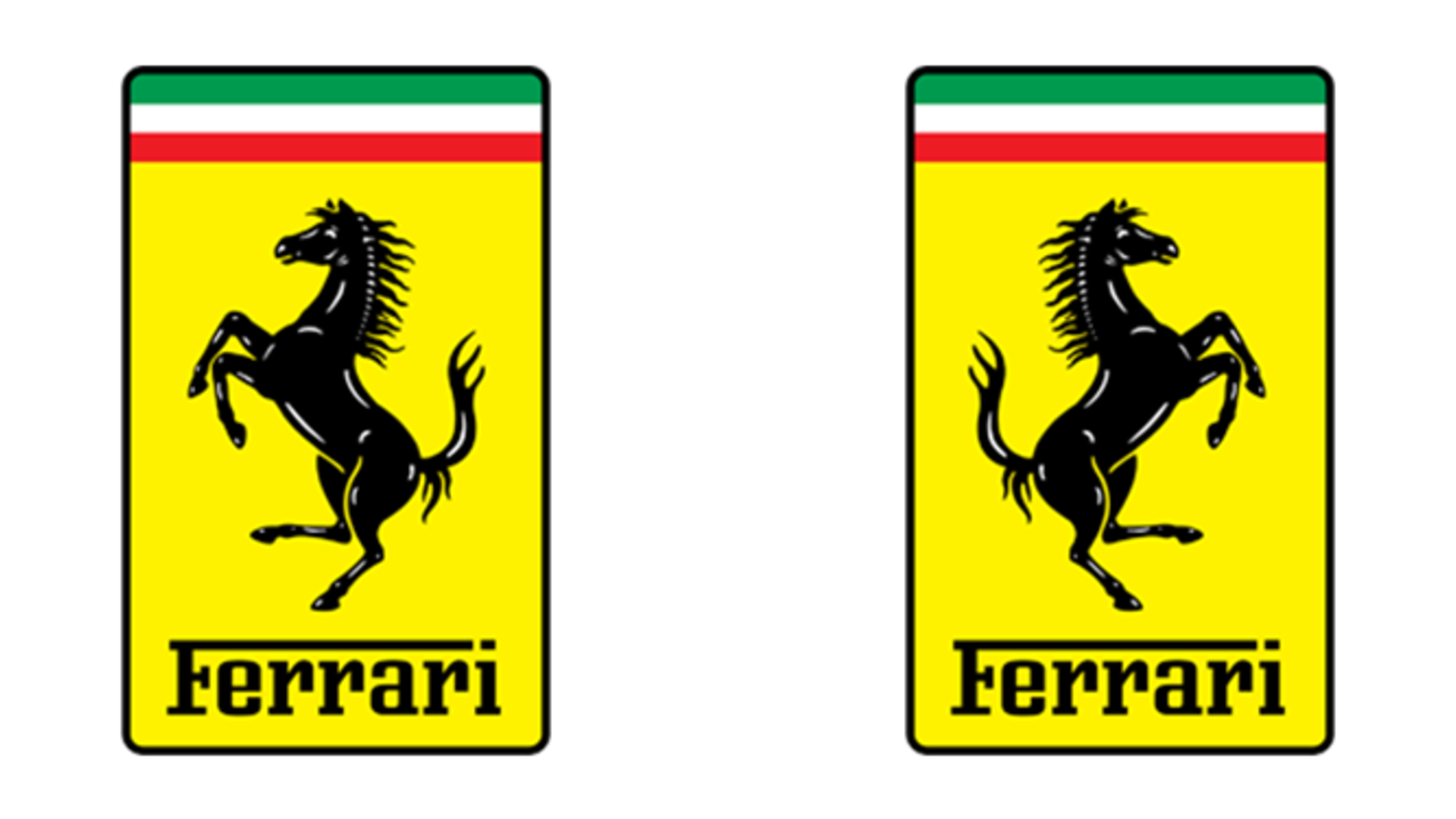
Ferrari
Ferrari’s prancing horse is one of the most recognisable logos in motoring. It was originally the crest of Italian WW1 fighter ace, Count Fracesco Baracca.
This one was pretty easy. The correct prancing horse is on the left.
Ford
The Blue Oval has, for most of its life, simply displayed ‘Ford’ in a curvaceous font. Which one is correct, though?
If you know the way Ford flourishes, you’ll know right is right. The left-hand badge seems a little simple, even to untrained eyes.
Honda
Honda’s prominent ‘H’ has been a symbol of Japanese mobility for more than 70 years. But which badge is correct?
It is, of course, the left one. Look at the ‘legs’ of the letter: they’re too close together on the right-hand image.
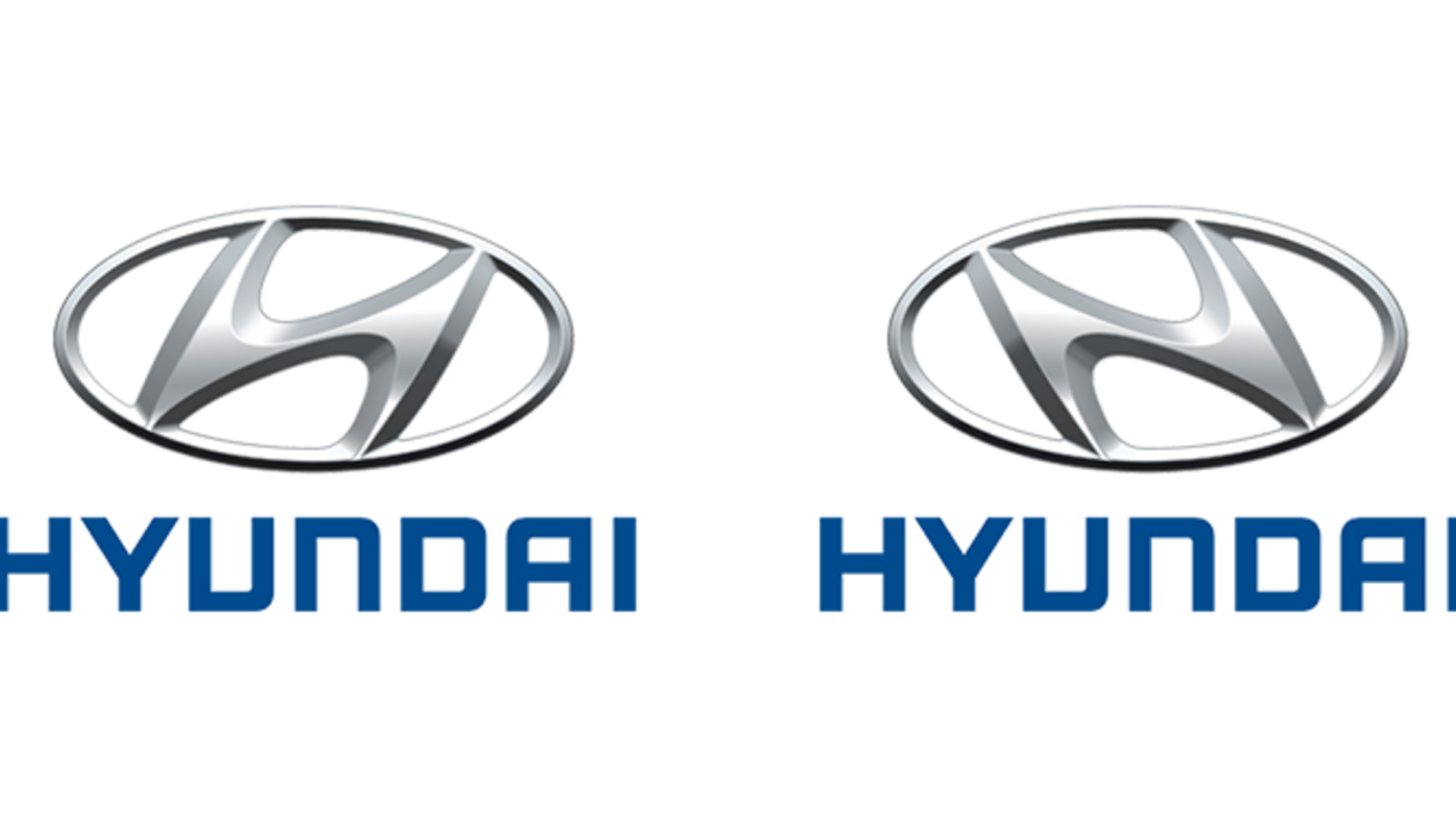
Hyundai
Hyundai is an industrial titan first and a carmaker second. The slanted ‘H’ has thus been around a while longer than the cars to which it’s attached. It’s quite recognisable, so this one should be easy.
It’s slanted the wrong way on the right. So left is right here.
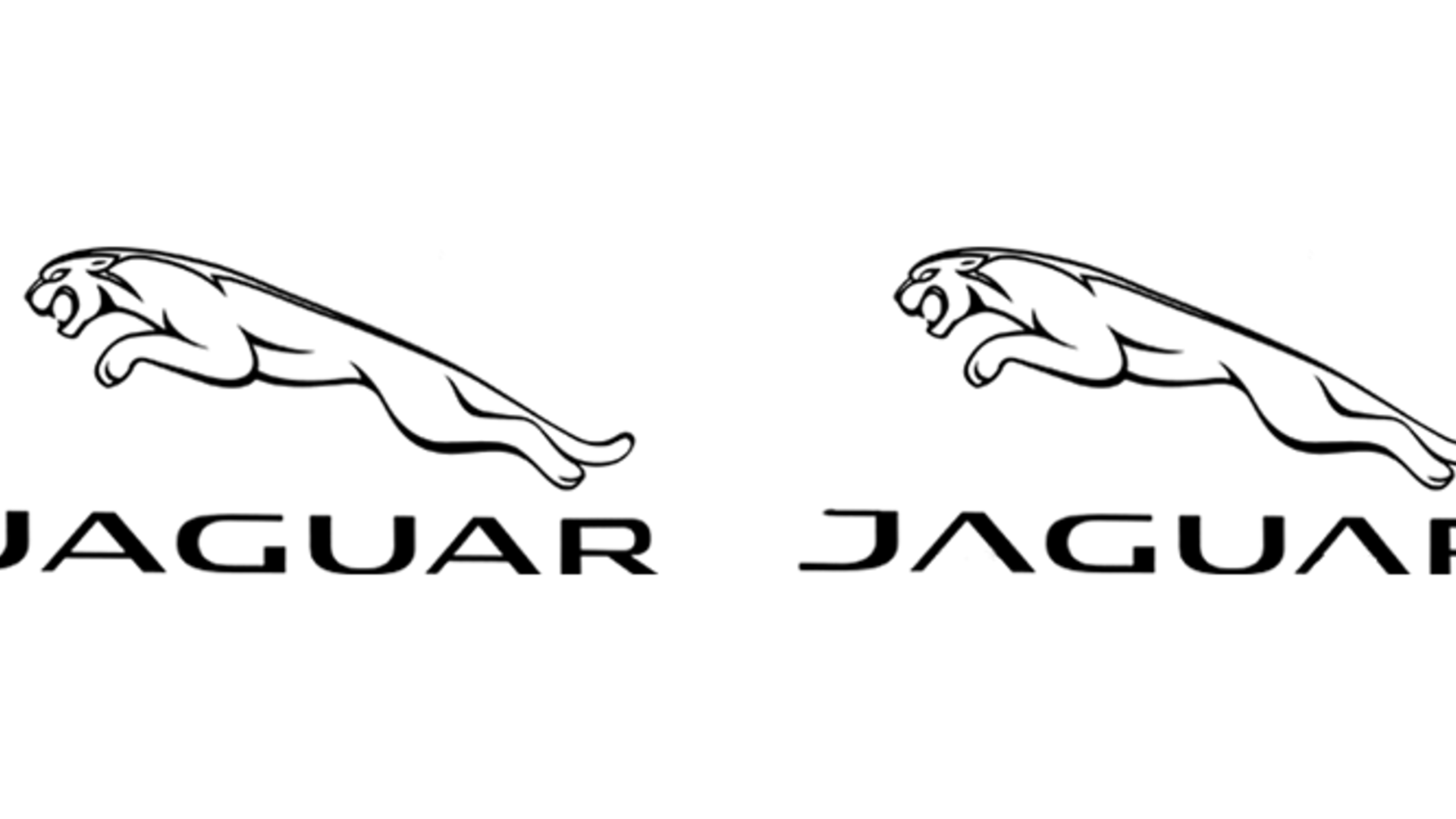
Jaguar
Jaguar has had many iconic logos over the years, from the ‘growler’ to the ‘leaper’. Can you spot the correct badge, though?
It’s a bit of a trick, this one. If you were focusing too much on the leaper, you are missing the point. It’s the written word ‘Jaguar’ that’s the giveaway. Left wins again.
Jeep
Jeep has a logo that reflects its cars: simple and fit for purpose. This shouldn’t be too difficult.
Yup, you guessed it (probably). Right is right. The ‘J’ in Jeep has never had a crossed top.
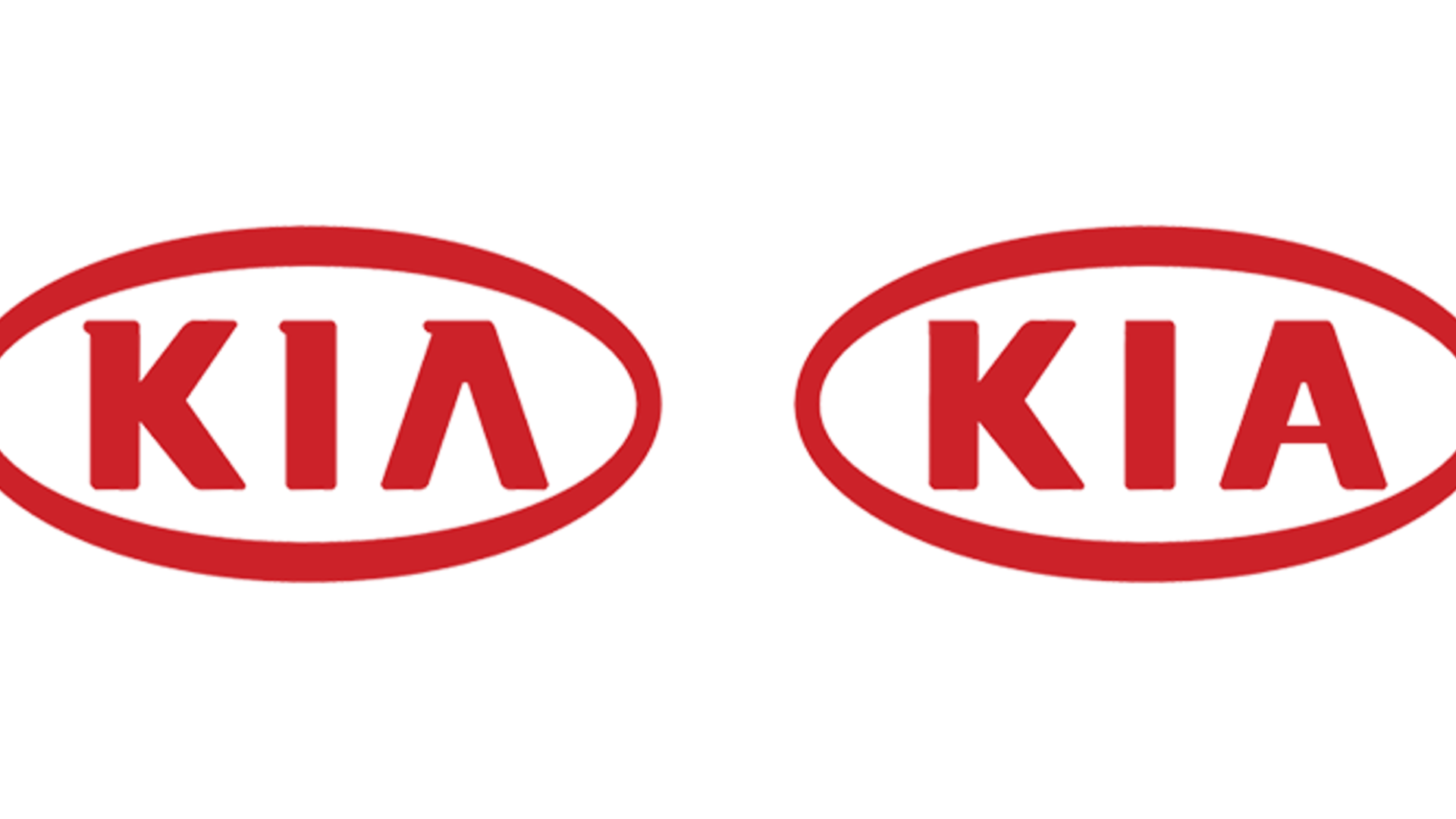
Kia
No style for style’s sake, no embellishment, just function. Much like what Kia has represented for many years. So what’s the difference?
Of course the A isn’t actually supposed to be a normal A. The real logo on the left loses the line across the middle.
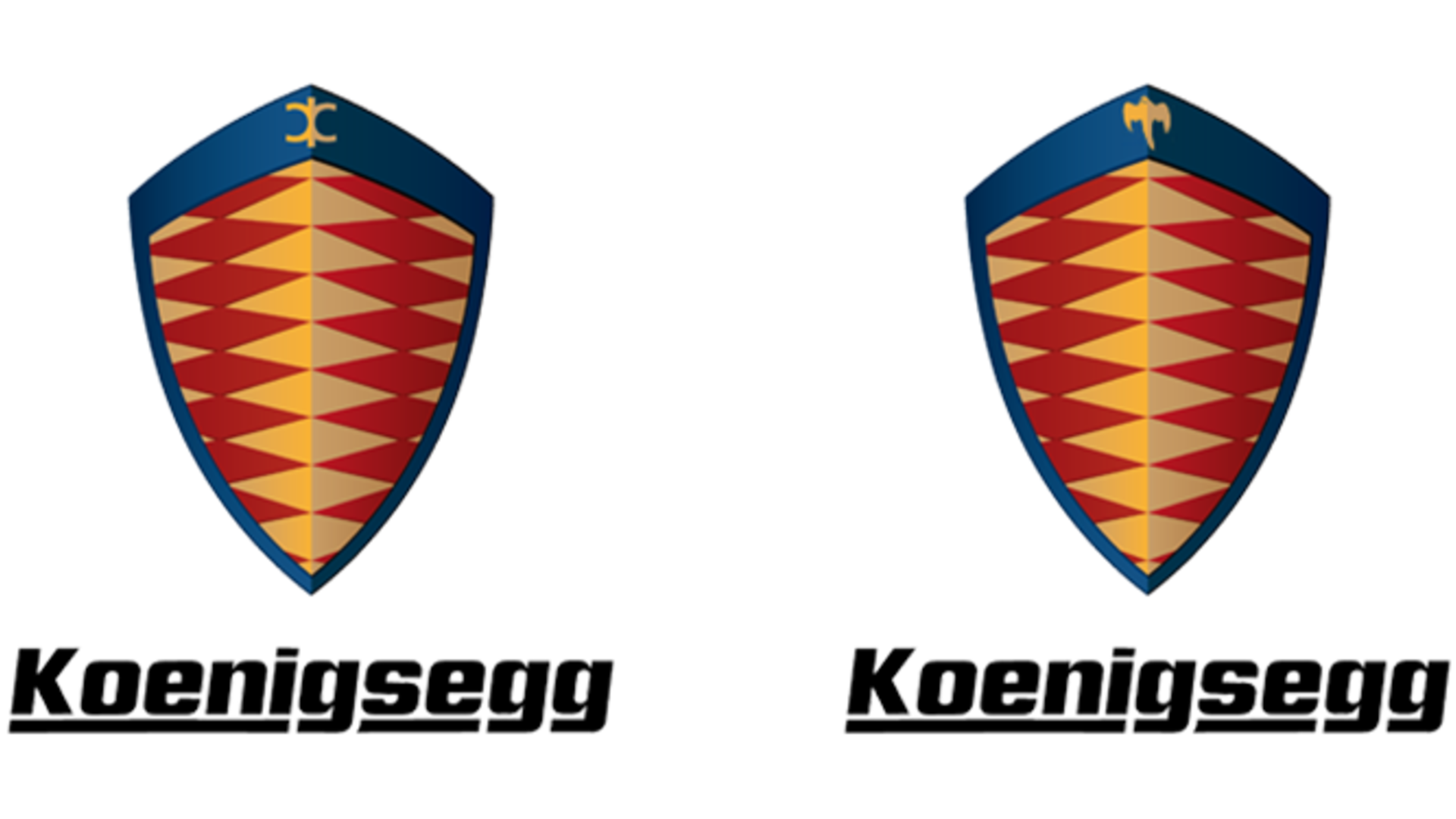
Koenigsegg
OK, we’ll be somewhat impressed if you’ve even heard of Koenigsegg, let alone seen the logo. The Swedish hypercar manufacturer isn’t exactly mainstream.
But those in the know will know the left badge is correct. The shield is the crest of the Koenigsegg family. That little ghost shouldn’t be there, although it is the symbol of the fighter squadron that operated out of Koenigsegg headquarters today.
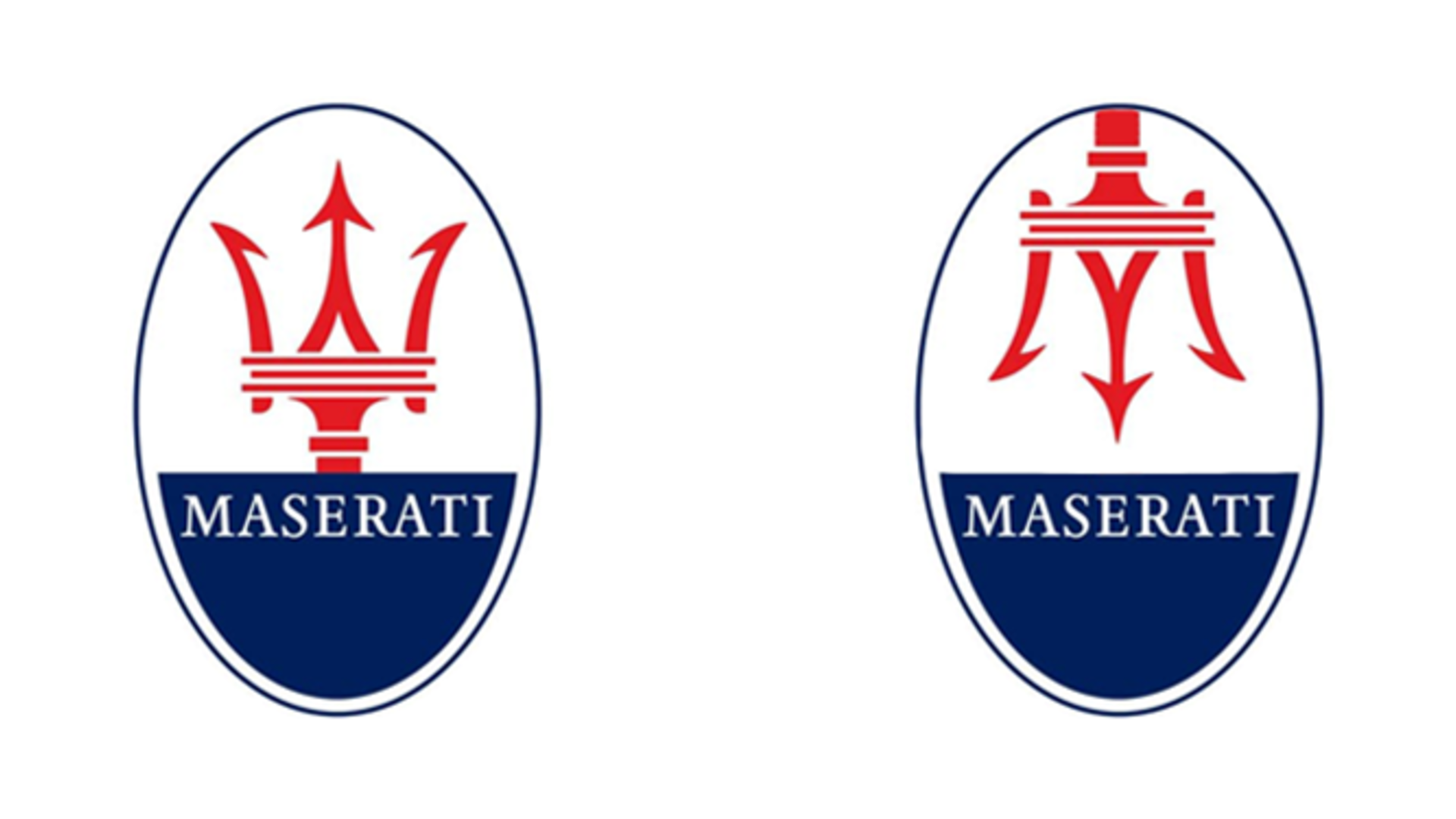
Maserati
Maserati was around long before Ferrari. Neptune’s trident symbolises power and agility, while the blue and white colour scheme is a homage to the city of Bologna’s flag.
An easy one, we would hope. Power and agility are best expressed when the trident is pointing upwards.
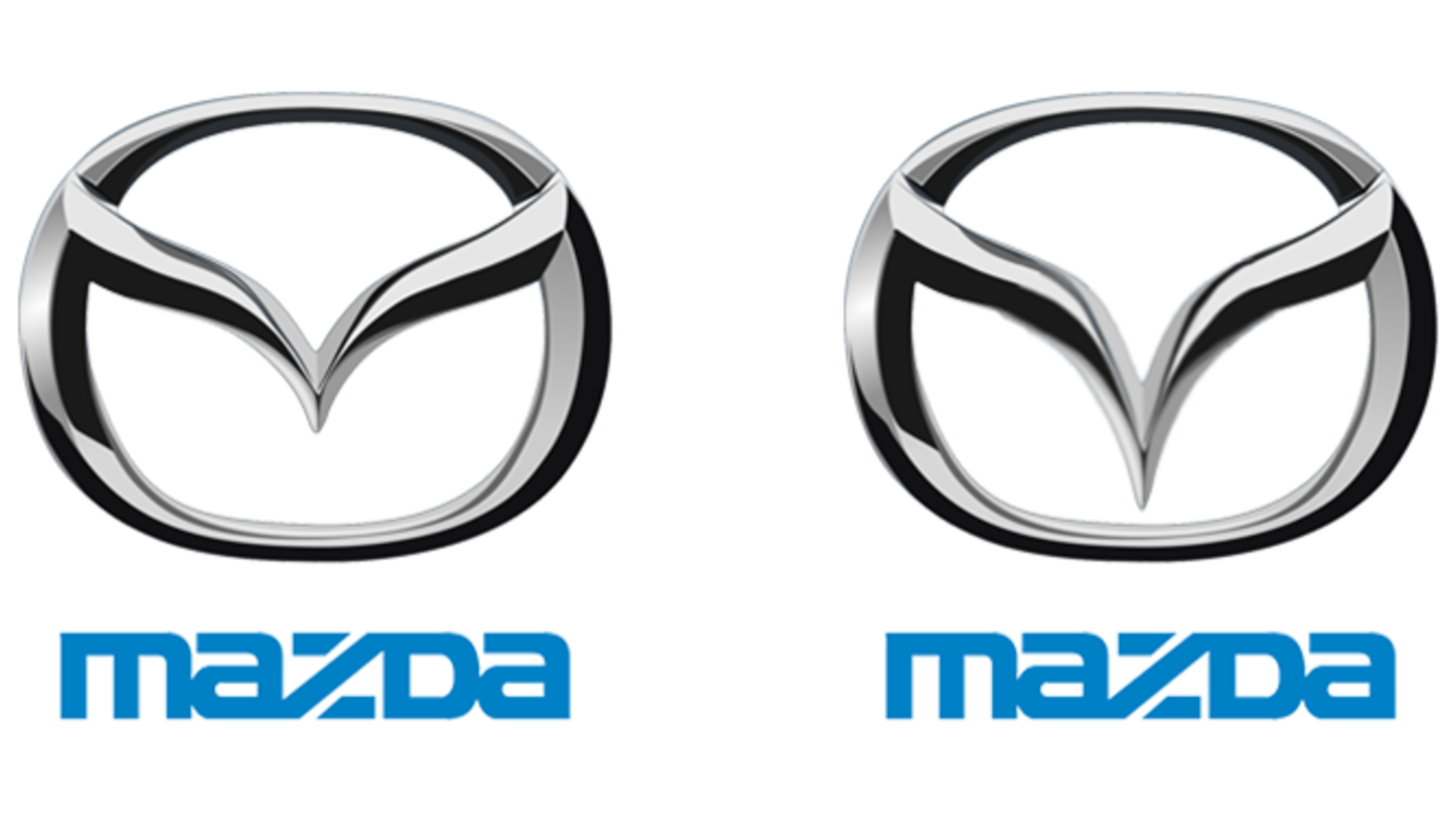
Mazda
The lesser-known Japanese brand is famous for its back-to-basics sports cars, and today sells some of the best everyday cars on sale. We’d forgive you for not spotting the difference on this one.
In fact, the badge on the right is just a little bit droopy. Left is correct.
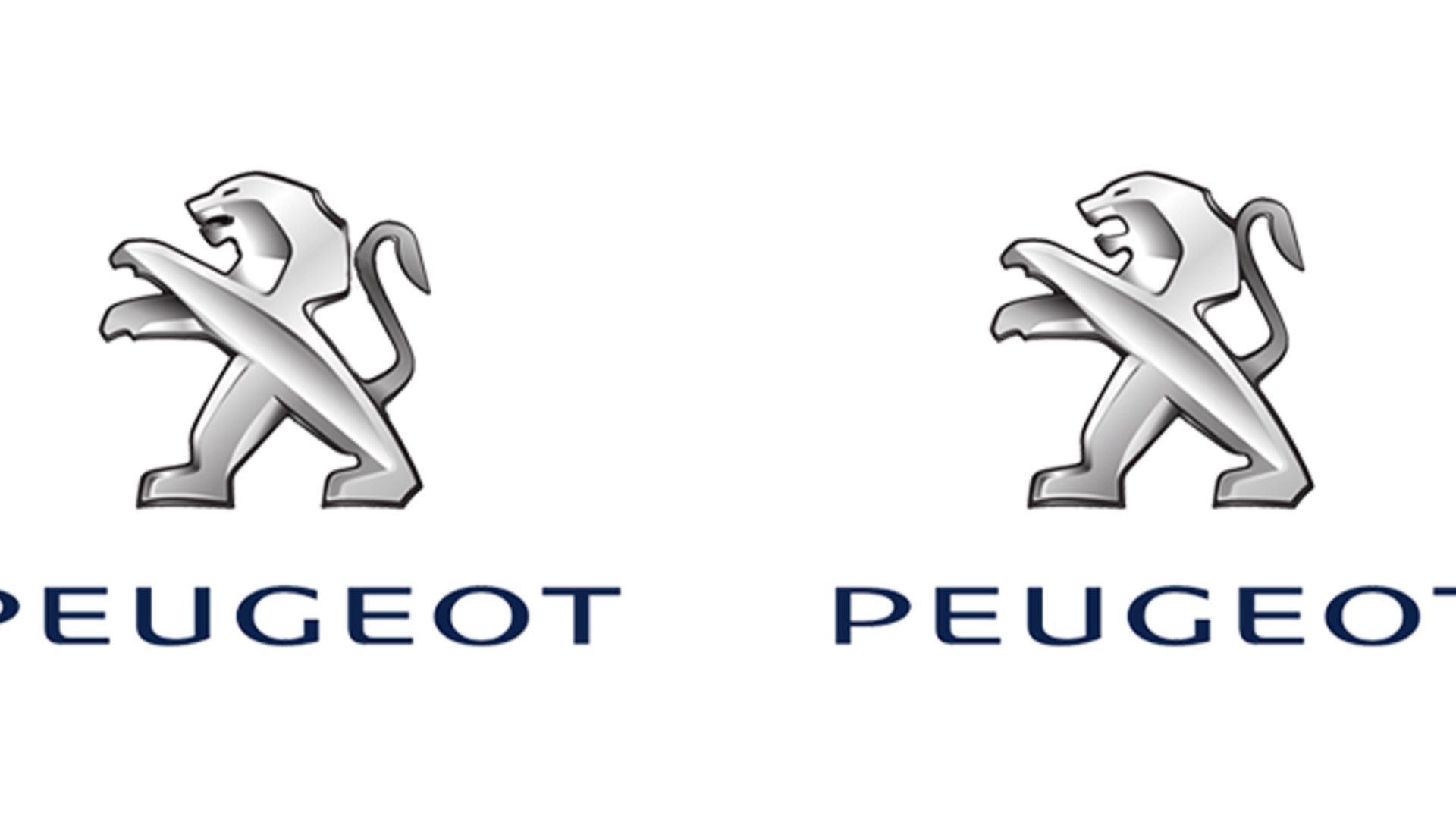
Peugeot
The Peugeot lion has been around for more than 150 years, first used for a company that made steel products. It represented strength and sharpness.
Did you spot the difference between the two lions? Right is correct, and it’s all in the mouth and tail.
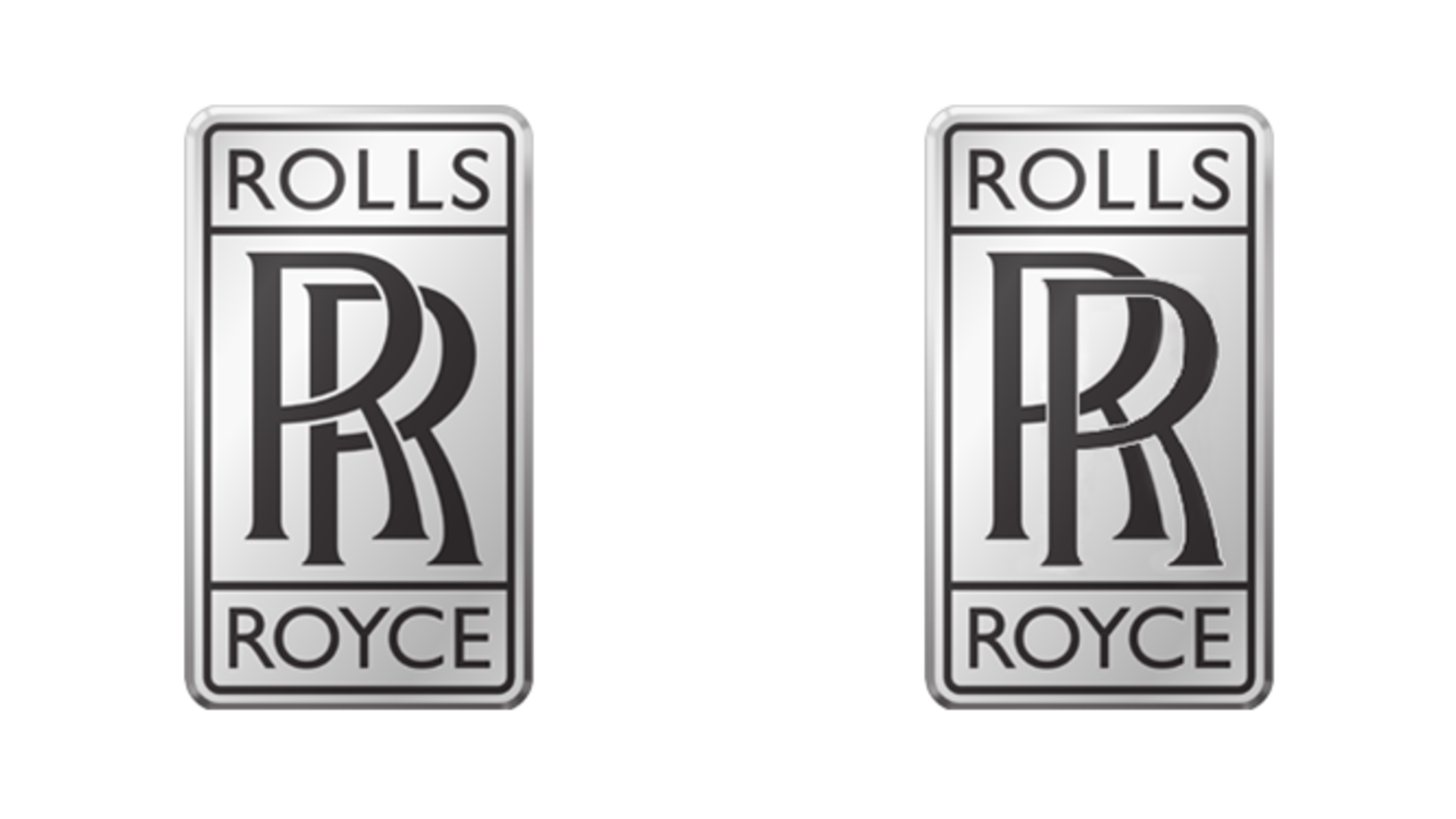
Rolls-Royce
You might mostly know Rolls-Royce for the Spirit of Ecstasy bonnet mascot, but its badge is also very recognisable.
Because ‘R-R’ doesn’t stand for ‘Royce-Rolls’, the overlap has to be the right way round. That’s why left is correct.
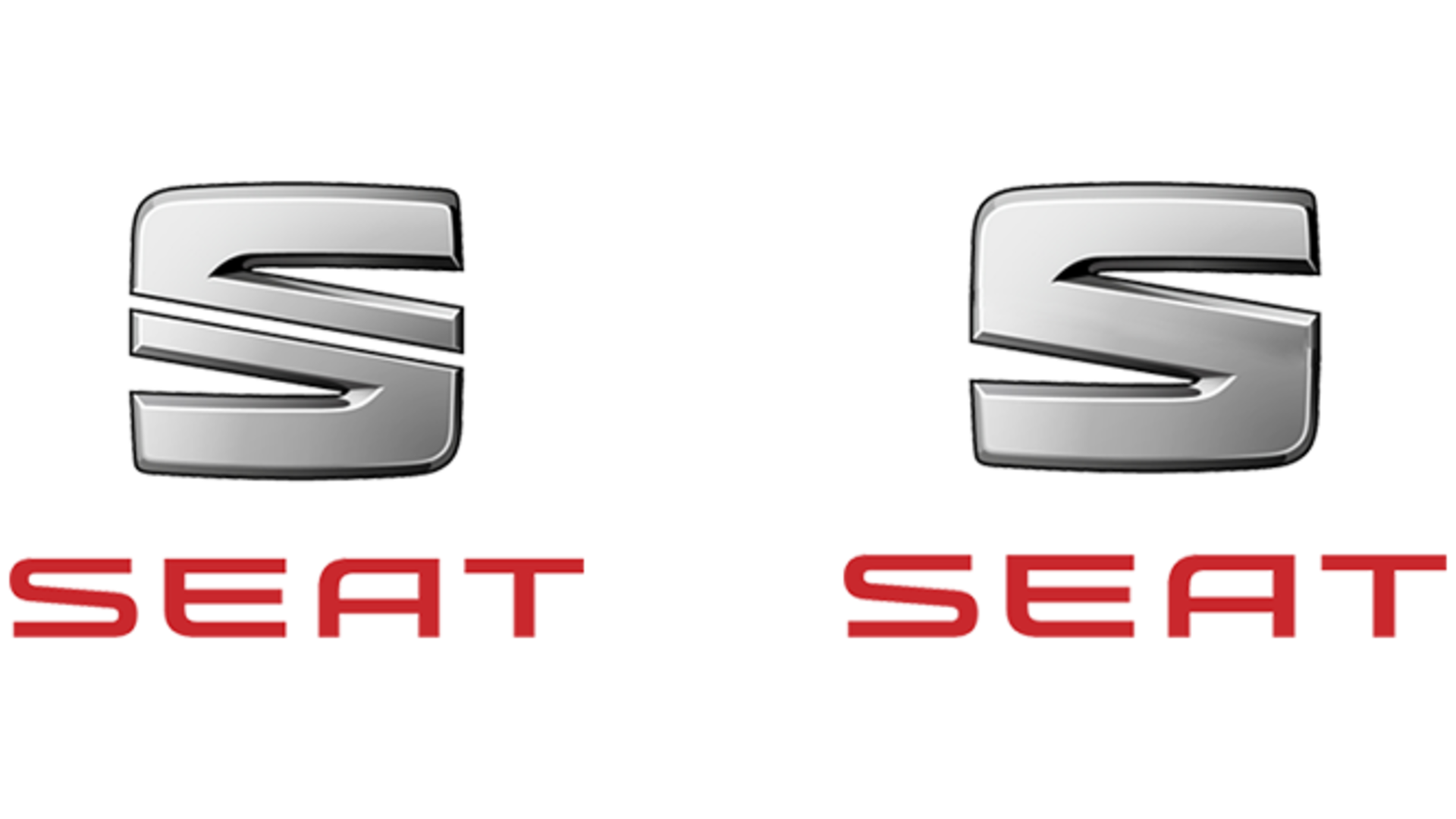
Seat
The Spanish manufacturer has been building cars since 1950, and is now under the Volkswagen Group umbrella. It does a good job of draping familiar platforms in sleeker bodywork.
There’s always a bit of flourish with Seat. So why would its badge just be a plain old ‘S’? If you guessed left, you guessed right.
Tesla
A curious one, Tesla. While extremely famous and seemingly a massive talking point, it’s not been around that long. So how do you tell which is the correct badge?
Well, it’s design intuition, really. Does the right one look a little too plain? Does the left look too fiddly? The former is the case, so left is correct.
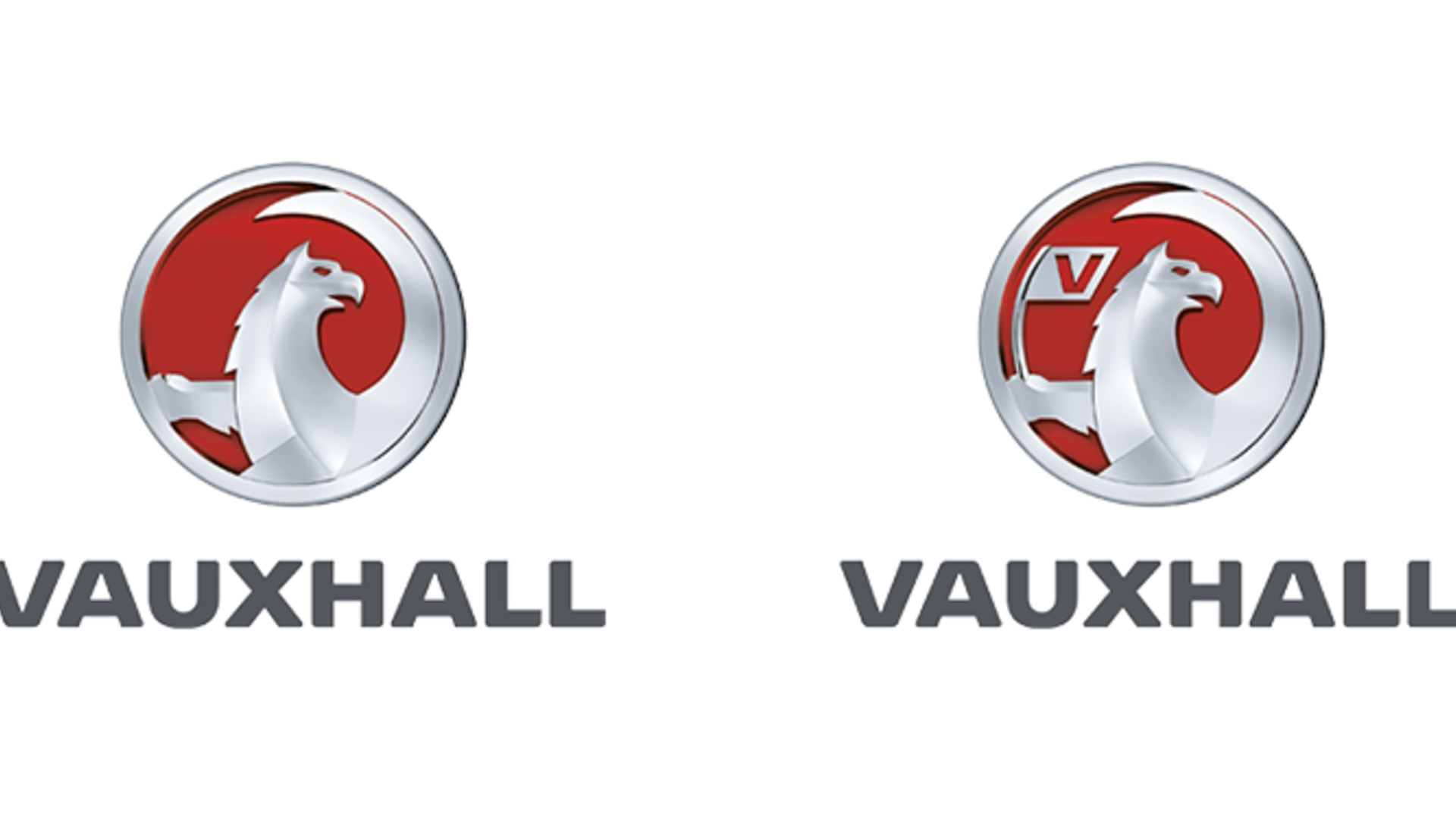
Vauxhall
The Griffin. What a history Vauxhall has had, so this shouldn’t be too difficult.
The Vauxhall logo has carried a flag with a ‘V’ since the 1920s. Right is right.
Volkswagen
Volkswagen doesn’t really do animals rearing up, or exotic family crests. It does the job of a people’s car. You’ll have to be hot on your logos to know this one.
Especially because Volkswagen has recently made a switch. The new logo doesn’t shirk tradition, though, particularly the tradition of keeping the ‘V’ and ‘W’ separate. Right is right.
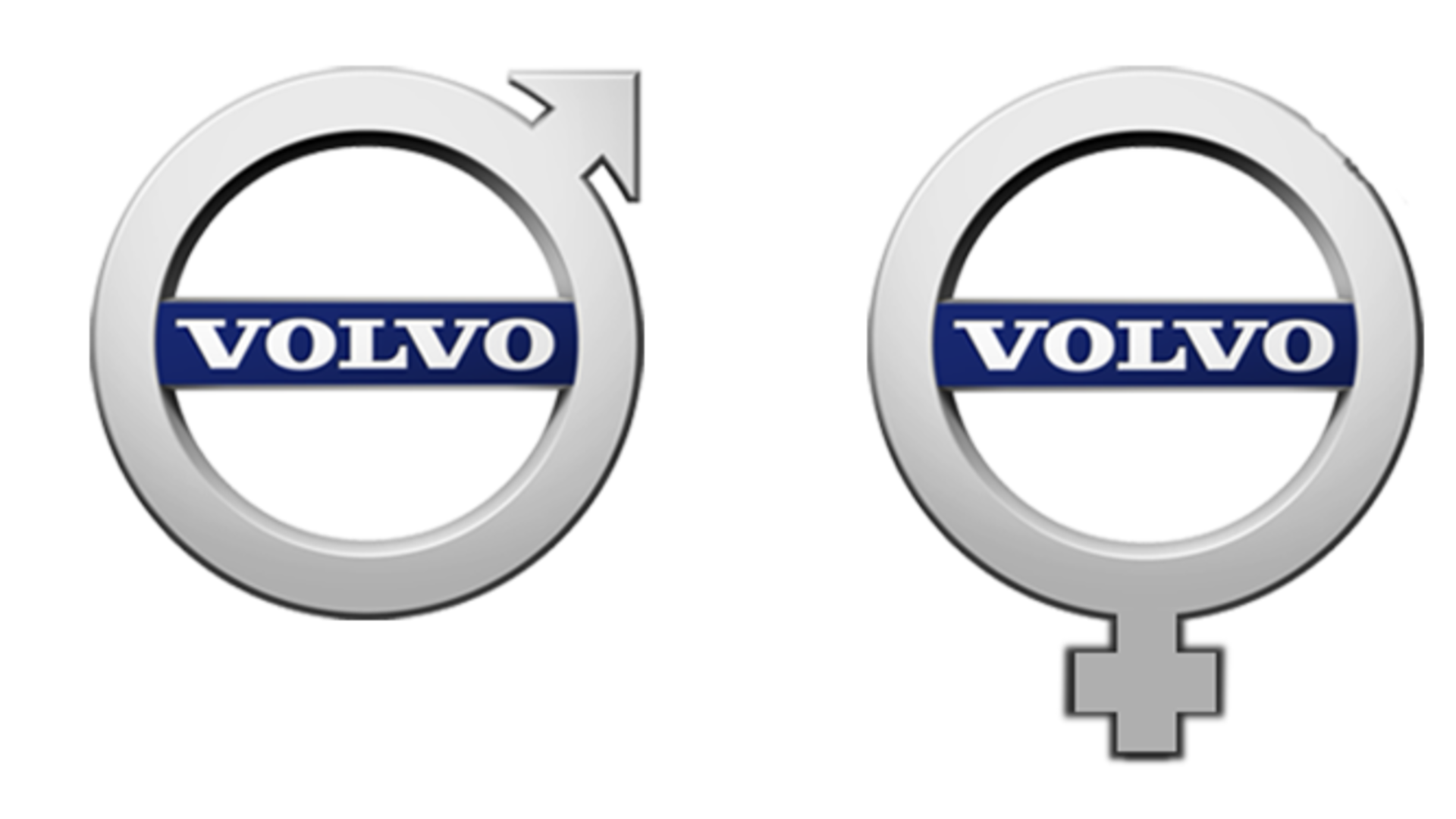
Volvo
Simple, Swedish, stylish, safe – all fair descriptions of both the Volvo badge and the cars to which it’s attached.
Of course, with such a simple logo, it’s hard to not be obvious, so they had a bit of fun with it. Left is right, but that doesn’t mean girls can’t drive Volvos.
Potential customers for the new third-generation Bentley Flying Spur now have a new application to help them decide on their perfect configuration.
Launched for both Apple and Android smart devices, the Flying Spur Augmented Reality app will offer a range of options to help buyers visualize their future Bentley.
The new application will even allow for a virtual test drive of the all-new $200,000 luxury sedan, letting users experience the 6.0-liter W-12 engine and its 635 horsepower output.
No spur of the moment decisions
Key to the Flying Spur application is the augmented reality technology, which allows users to visualise the new Bentley anywhere in full 3D. This can be from simple table-top sized, or even scaled to represent true life-size, just in case you need to ensure that it will fit in your garage.
App users can fully tailor their virtual Flying Spur in two distinct design options offered by Bentley. The two ‘Performance’ and ‘Luxury’ choices feature different paintwork and interior trim selections, intended to reflect the range of opportunities available to Bentley buyers.
Once customers are happy with their chosen specification, they can then take a virtual test drive using the application. Although it might not fully capture the experience of accelerating from 0-60 mph in 3.7 seconds, or hitting a top speed of 207 mph, it will at least give some indication to potential buyers of what they could have.
Augmented visions of the future
The use of augmented reality technology is becoming a major feature for car manufacturers, with luxury brands the most engaged. Bentley has previously released an AR Visualizer application for the EXP 100 GT concept car.
Fellow Volkswagen Group brand Porsche also released an augmented reality application earlier this year, allowing buyers to fully customize their perfect Porsche product.
Porsche, along with BMW, have even released augmented reality ‘smart glasses’ to dealership service technicians in North America. These allow technicians to access important information and schematics whilst working, and send images to central engineering experts who can advise on how to resolve complex issues.
With every passing year, a traditional stick-and-three-pedals manual transmission is getting harder to find. Key new sports cars like the Alpine A110 and Toyota Supra have abandoned the idea altogether. And for those still offering manuals, they are more of a niche option – coming to market months and even years after the auto version. Want a new sports car that you shift yourself? These are the last remaining contenders to give you that manual fix.
Porsche 911
Porsche has taken its time, but a manual-equipped ‘992’ 911 is on the way. Arriving in 2020, it’s only available on Carrera S and Carrera 4S models as a no-cost option. That means you won’t be able to get a brand new manual 911 for less than £90,000. Happily, however, rumour has it that the upcoming GT3 will retain a manual ’box, too.
Aston Martin Vantage AMR
Aston Martin is another marque that abandoned the stick and clutch pedal temporarily. Launched with an eight-speed automatic gearbox last year, the new Vantage can now be ordered with a stick. Initially, it’ll be the super-limited AMR version, but a manual will be optional for the ‘normal’ car from next year.
Noble M600
We sense that the good people at Noble Automotive are fans of the manual gearbox. When describing the M600 on its website, the company says “Our personal preference is indeed a manual system, however we do understand that many supercar buyers prefer, for many reasons, a paddle shift system.” It’s a hunch, but we reckon the auto option will be more popular in foreign markets, while we Brits stick with the stick. As it were.
Chevrolet Corvette
The final nail in the manual Corvette’s coffin was hammered in with the reveal of the mid-engined C8. It’s dual-clutch auto only, but arrives next year (as the 911 is getting its manual ’box). Grab a traditional front-engined, rear-drive Corvette with a manual transmission while you still can. With a 460hp 6.2-litre V8, it can still show the Europeans a thing or two.
Jaguar F-Type
If you fancy a manual gearbox in your new Jaguar F-Type, you’ll have to ‘make do’ with the V6. Not that this should be too much of a hardship, because even the 3.0-litre V6 340 supercharged version offers a top speed of 161mph and a 0-60mph in 5.5 seconds. Yours for a touch over £60,000. Upgrade to the S and the 0-60mph time drops to 5.3 seconds, while top speed increases to 171mph. You’ll need to find an extra £11,000, mind.
Toyota GT86/Subaru BRZ
The Toyota GT86 and Subaru BRZ are simply dripping in retro charm. Front-engined, rear-wheel drive, six-speed manual gearboxes, superb driving position and perfect balance – everything you need for a B-road blast. You could opt for a six-speed automatic transmission, but then you could take a bath in gravy. Technically possible, but honestly, why?
Chevrolet Camaro
With 650hp and 650lb ft of torque, the ZL1 is the most powerful Camaro ever produced and available with either a six-speed manual or 10-speed automatic transmission. It’s not long for this world, mind, as GM executives continue to query the Camaro’s unimpressive sales figures. Hopefully, now it’s on sale in Australia, it’ll get the bump it needs to survive.
Lotus Exige
The Exige’s days are numbered, as a steady flow of ever more extreme variants seems to suggest. The last time we rounded up the manual survivors, the fastest version had 360hp. Now the Cup 430 has (you guessed it) 430hp. It’ll get to 60mph in 3.2 seconds, weighs just 1,110kg and will top 174mph. It’ll cost you, though – got upwards of £100,000 to spare?
Porsche 718 Cayman GT4
Obviously you could have a ‘normal’ Porsche 718 with a manual, but you want the GT4, with a 420hp 4.0-litre flat-six and a six-speed manual. The difference with this GT4? They are fitting a PDK auto at some point, too. You’ll pay an extra £22,000 versus a 718 Cayman S, though, given its £75,348 price.
Porsche 718 Boxster Spyder
It’s a similar story for the Porsche 718 Boxster Spyder. The flat-six is back, and we’re oh-so happy for it. Better still, unlike the previous Spyder, this one gets some Porsche Motorsport suspension hardware at the front, courtesy of the GT3. Six cogs, six cylinders, a clutch pedal and a drop-top. Doesn’t that sound nice? Maybe not in November…
Lotus Elise
For 20 years, the Lotus Elise has been the default choice for those in search of pure driving thrills. Sadly, with prices starting from £44,640 for the Elise Sport 220, rising to £57,360 for the Cup 250, the little Lotus is less ‘everyman’ than it used to be. Mind you, the Elise Sport does boast one of the best gearknobs since the Ford Puma and the Honda Civic Type R FD2.
Mazda MX-5
If you’re after an affordable sports car with a six-speed manual gearbox, the Mazda MX-5 is your best option. The MX-5 is every bit as good as you may have read, and recently got a whole lot better, with the addition of the 184hp 2.0-litre engine. Now with a bit of power to match its plucky character, there’s never been a better MX-5.
Ford Mustang
If you’re going to do the whole Ford Mustang thing, you really ought to opt for the full-fat 5.0-litre V8. Oh, sure, the 2.3-litre EcoBoost is more efficient and will be cheaper to run, but to enjoy the authentic Mustang experience, vee-eight is where it’s at. Beyond that, it’s up to you – the automatic transmission is marginally more economical, but the six-speed manual allows you to take the ‘Stang by the scruff of the neck and give it a damn good thrashing.
Lotus Evora
The latest Lotus Evoras have swollen in terms of performance and price. The 410hp 3.5-litre supercharged V6 engine means the new GT10 is capable of 0-60mph in 3.9 seconds. A six-speed manual gearbox is fitted as standard, although a six-speed automatic is available as an option. It’ll cost you from £85,900.25
Dodge Challenger
All but the entry-level Challenger models are fitted with a six-speed Tremec manual gearbox as standard, right through to the SRT Hellcat. Only the bonkers 840hp Demon is auto-only. Still, you’re not exactly living in horsepower poverty with a 707hp Hellcat. For the sake of a manual shift, we’d consider taking the hit.
Nissan 370Z
The Nissan 370Z takes us back to Datsun Z cars of old. A hairy-chested brute of a sports car powered by a 3.7-litre V8 engine and offering classic rear-wheel drive dynamics. Prices start from £29,870 for the basic Z, rising to £40,370 for the Nismo.
Caterham Seven
If you want back-to-basics, seat-of-your-pants thrills – this is as good as it gets. The gearstick in a Caterham Seven is a short and stubby affair, perfectly positioned alongside the tiny steering wheel. Prices start from £26,490 for the bargain-basement Seven 270, through to £48,890 for the bonkers 620. Shifting through a six-speed gearbox has never been more exhilarating.
Audi TT
Sadly, the Audi TT RS won’t offer the option of a manual gearbox, so you’re stuck with the common or garden TT. Might we suggest the 2.0-litre TFSI in S line trim?
Morgan 3 Wheeler
The Morgan 3 Wheeler weighs just 525kg, but manages to punch above its weight in more ways than one. The 2.0-litre V-twin engine is mated to a Mazda-sourced five-speed manual gearbox to offer a unique take on the drivers’ car formula. Brilliant.
British-built, track specials
Of course, you’ll still find a number of low-volume, track-focused manufacturers willing to fly the flag for the manual gearbox. Select from the likes of Ariel, Radical, Ginetta, Ultima and Westfield for maximum thrills. There’s a new Ariel Atom, with a turbocharged four-cylinder from the Honda Civic Type R…
Coming soon: Aston Martin Vanquish
Aston Martin’s recent Vanquish Vision Concept teased a mid-engined supercar that you’d never expect would have a manual gearbox. Trust Aston Martin to surprise us all, there were rumblings it was planning a stick-shift for its McLaren 720S rival. Here’s hoping.
Coming soon: De Tomaso P72
Born to channel the spirit of hairy-chested De Tomaso supercars of old, the P72 resembles a 1960s sports prototype racer. Under the clamshell sat a roaring V12 when it appeared at Goodwood this year, though the production version is due to get a Roush-tuned V8. And yes, it’ll have a manual…
Coming soon: Gordon Murray Design T.50
We saved the best until last. If it came from anyone else, we wouldn’t have faith it would happen. But it’s Gordon Murray who wants to produce a V12-powered 600hp+ hypercar that revs to five figures and has a manual gearbox. We await his three-seat T.50, a true successor to the McLaren F1, with great anticipation.
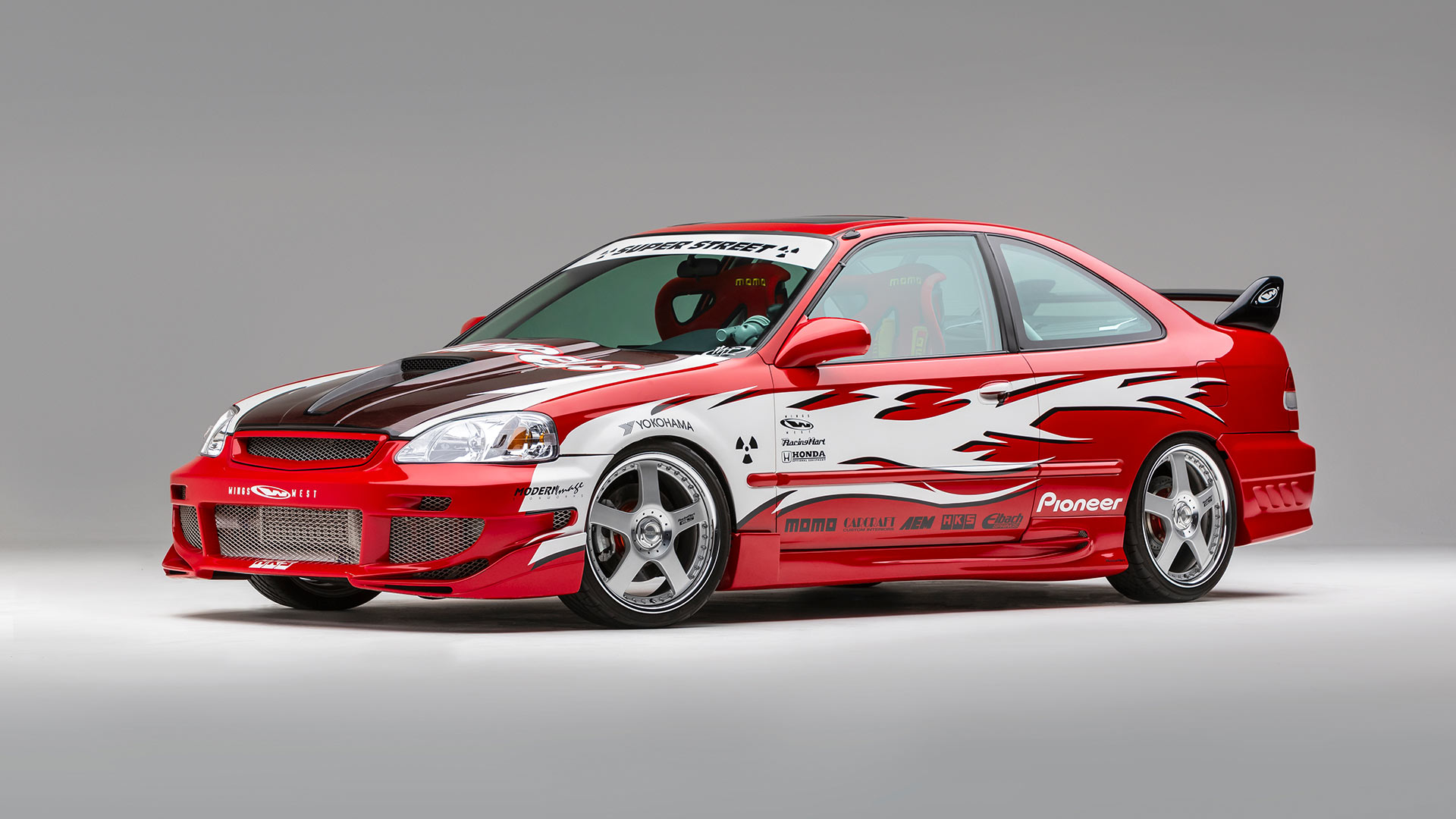 One of the highlights on the Honda stand for the 2019 SEMA Show will be a tuned 1999 Honda Civic Si, taken from the company’s heritage collection.
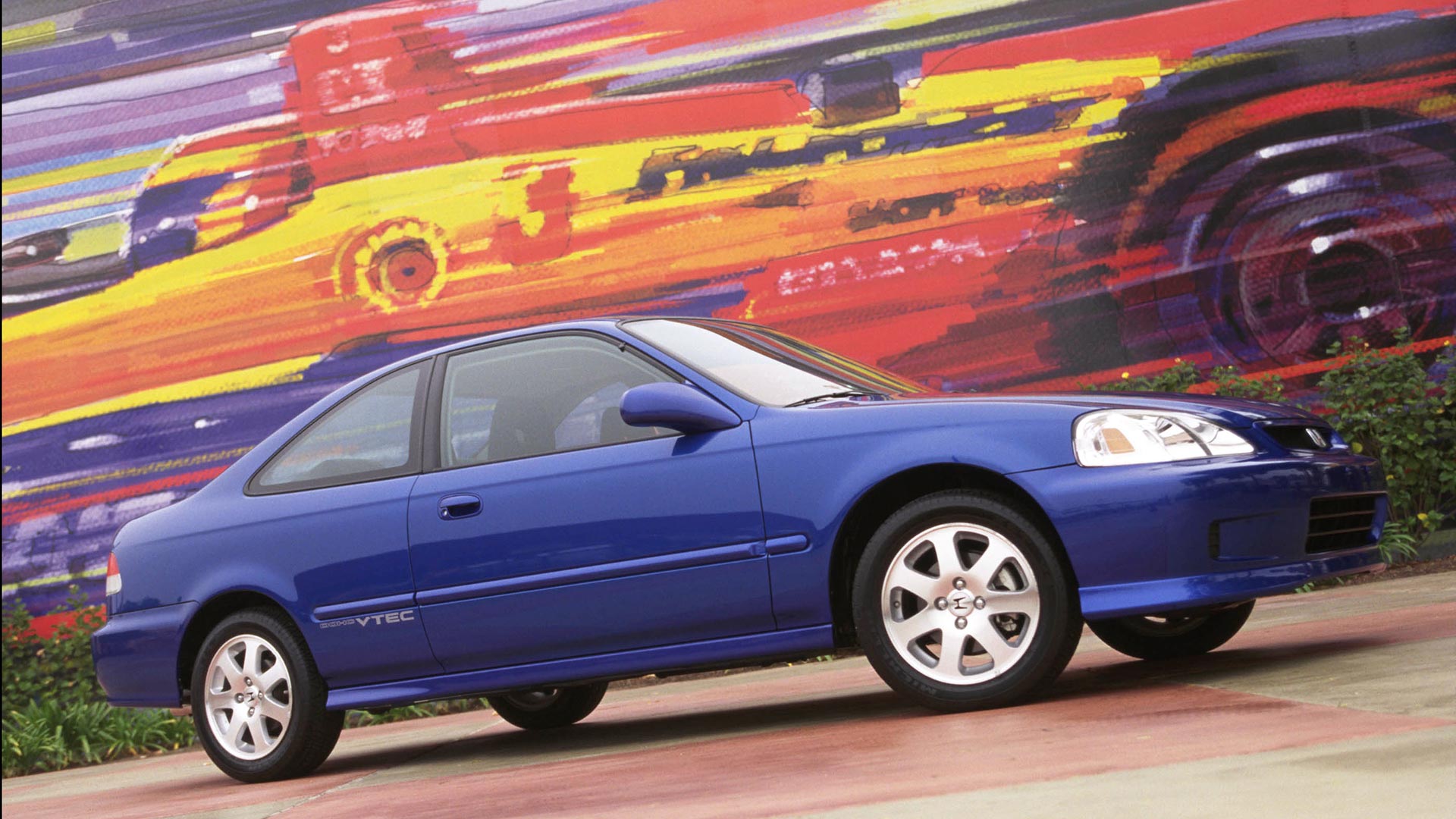 Can 1999 really be that long ago? From worries about the Millenium Bug, to the debut of The Matrix in cinemas, the sixth-generation Civic Si coupe inhabits an era old enough for this car to classed as ‘heritage’ by American Honda.
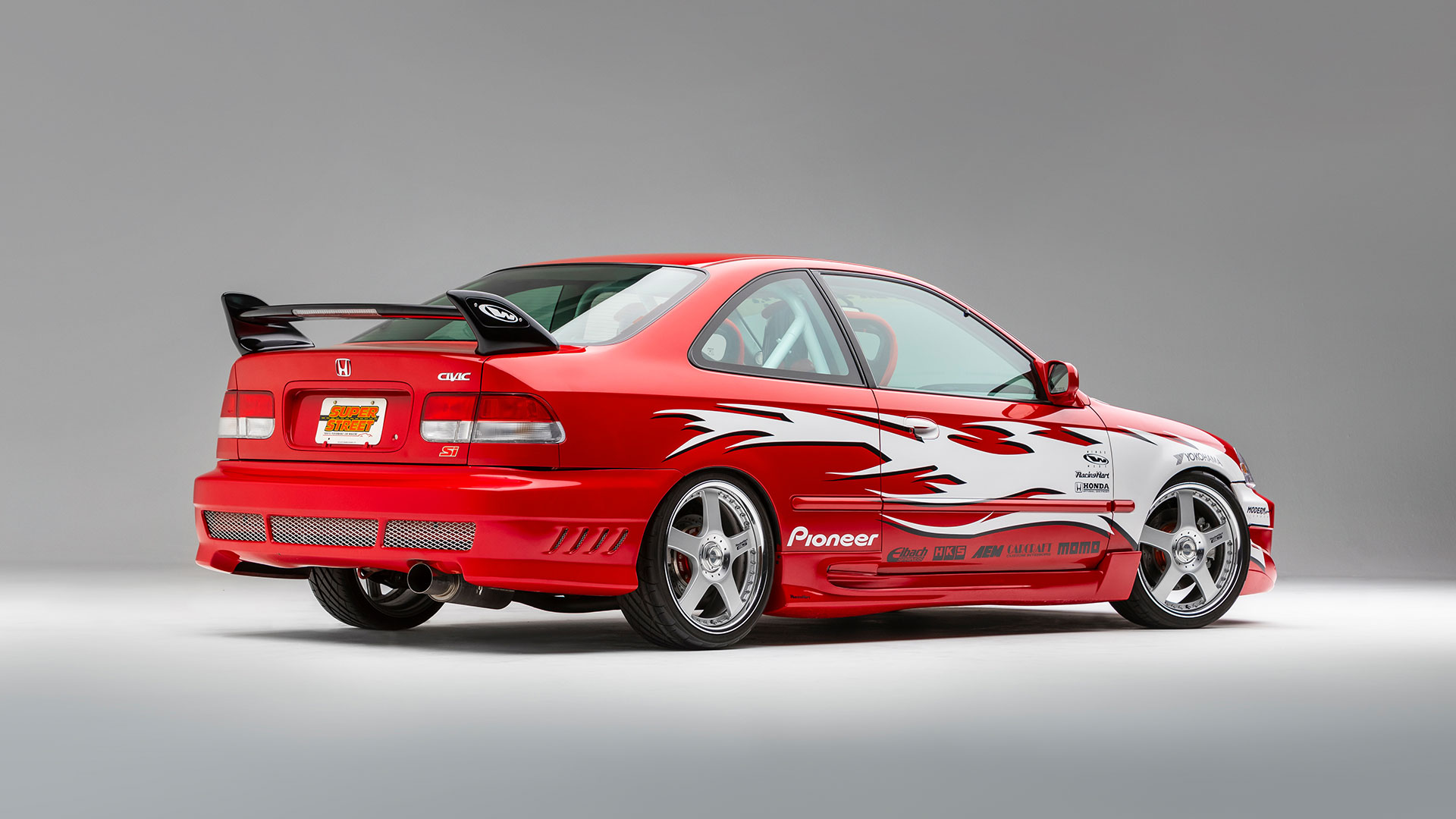 Honda had clearly sensed that the Civic Si coupe would have major appeal to the tuning scene, and used is part of the eponymous Civic Si Challenge in 2000.
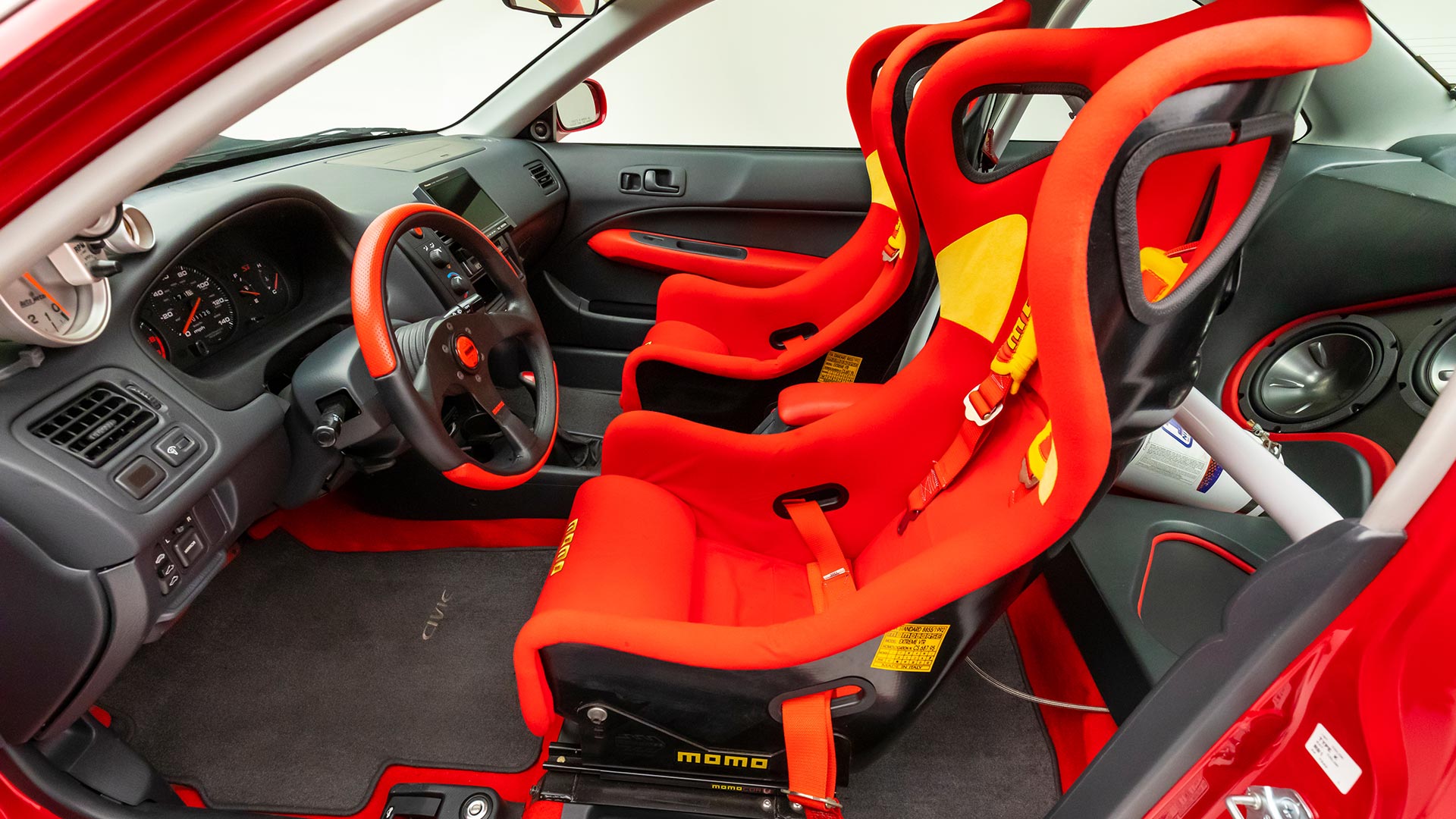 What the Super Street-created car did was show the inherent potential within the Civic Si. On leaving the factory, the standard car was a fairly indistinctive-looking two-door coupe, with only a handful of small decals to show how special it was.
  The affordable and tunable legacy the 1999 Civic Si left, is one that Honda is still keen to pursue today. The current 2020 Civic Si Coupe might be turbocharged, and won’t rev to 8,000 rpm, but it does cost only $25,200 and comes with 205 horsepower.


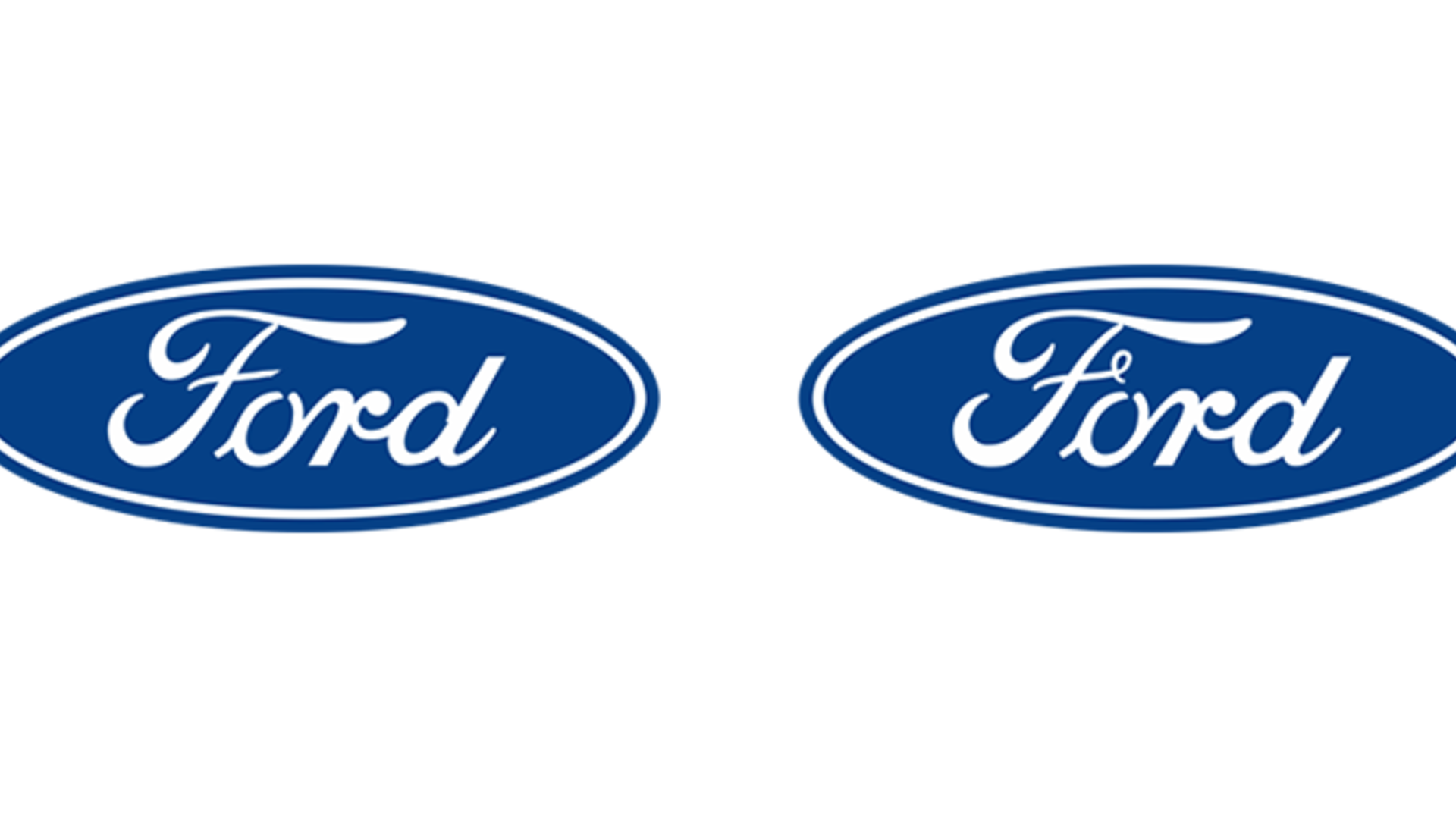 The Blue Oval has, for most of its life, simply displayed ‘Ford’ in a curvaceous font. Which one is correct, though?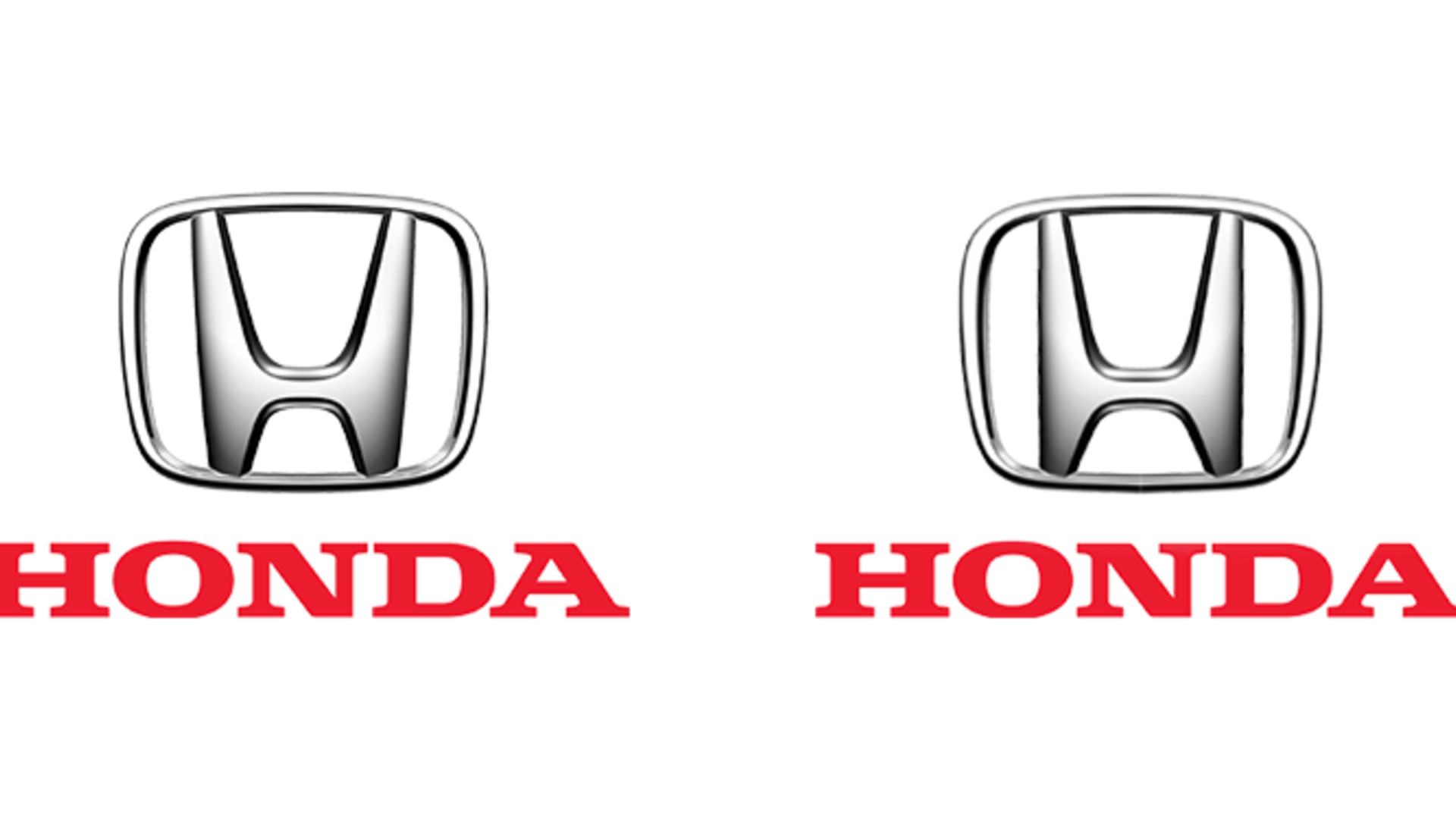



 Potential customers for the new third-generation
  Key to the Flying Spur application is the augmented reality technology, which allows users to visualise the new Bentley anywhere in full 3D. This can be from simple table-top sized, or even scaled to represent true life-size, just in case you need to ensure that it will fit in your garage.
  The use of augmented reality technology is becoming a major feature for car manufacturers, with luxury brands the most engaged. Bentley has previously released an AR Visualizer application for the EXP 100 GT concept car.


