Home Blog Page 313

Coca-Cola has ‘ruined Christmas’, says waste company

0

Ban the Coca-Cola Christmas truck

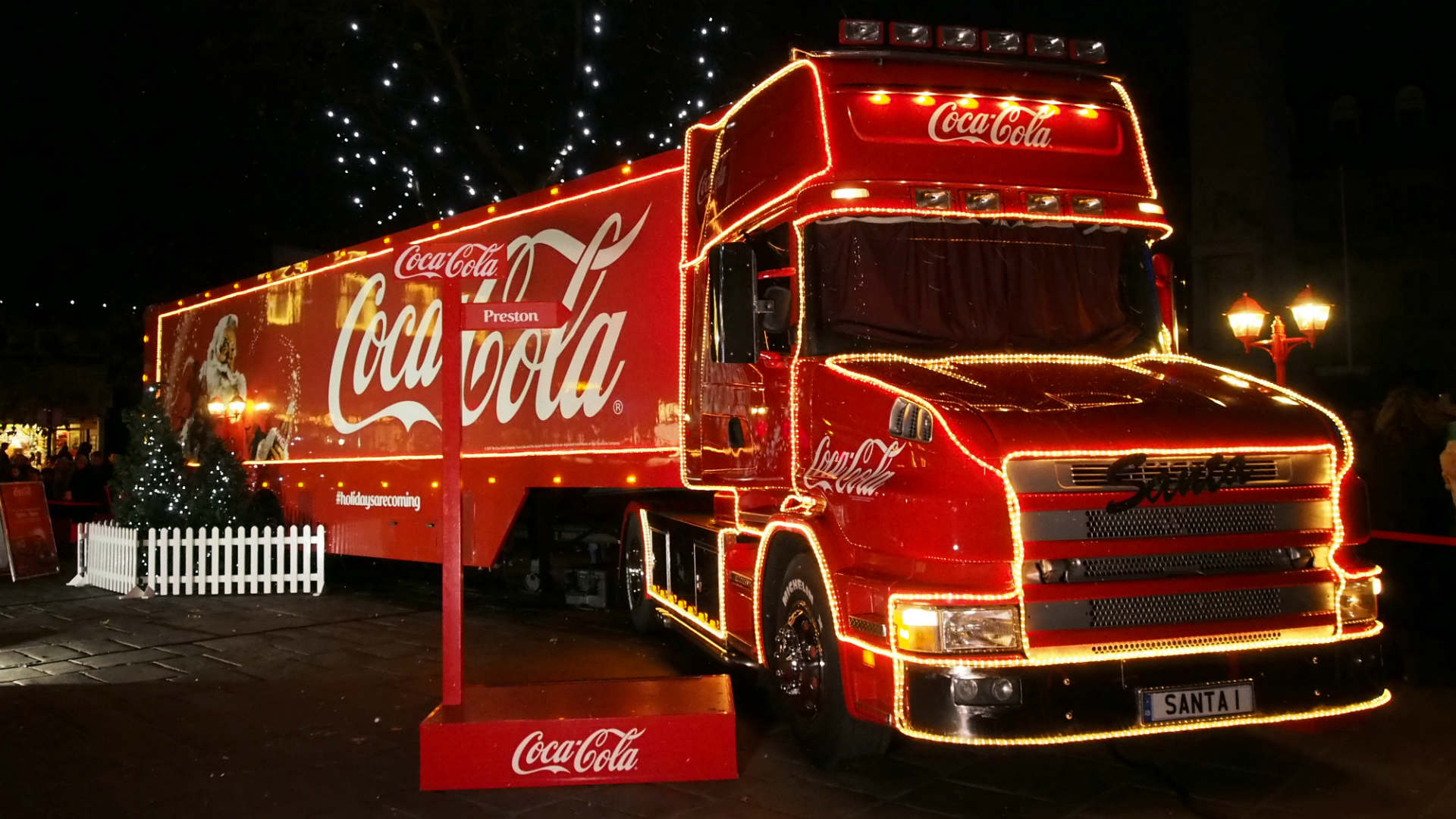
The Coca-Cola Christmas Truck will roll into Edinburgh today to start its UK tour. It’s confirmation that, like it or not, the holidays are coming.

Actually, there’s more than one truck, unless the big red lorry has magical powers akin to the big fella in the red suit. It will also be in Cardiff today, with the tour drawing to close at the O2 Arena on Sunday 15 December.

But one waste company wants to ban the Coca-Cola truck, claiming it’s ‘one of the stupidest Christmas traditions’. 

“Driving a truck the length and breadth of the country for no clear purpose sets a bad example,” says Mark Hall of BusinessWaste.co.uk.

Coca-Cola would take issue with the ‘no clear purpose’ claim. According to its website, the truck will ‘spread holiday magic’ and bring ‘festive joy to people across the UK’.

There’s also the small matter of selling bottles of fizzy pop and ensuring the Coca-Cola name is spread far and wide via social media. 

As Buddy the Elf might say, “The best way to spread Christmas cheer is singing loud for all to hear… and taking a big red truck on a tour of the UK.”

‘Ruined Christmas’
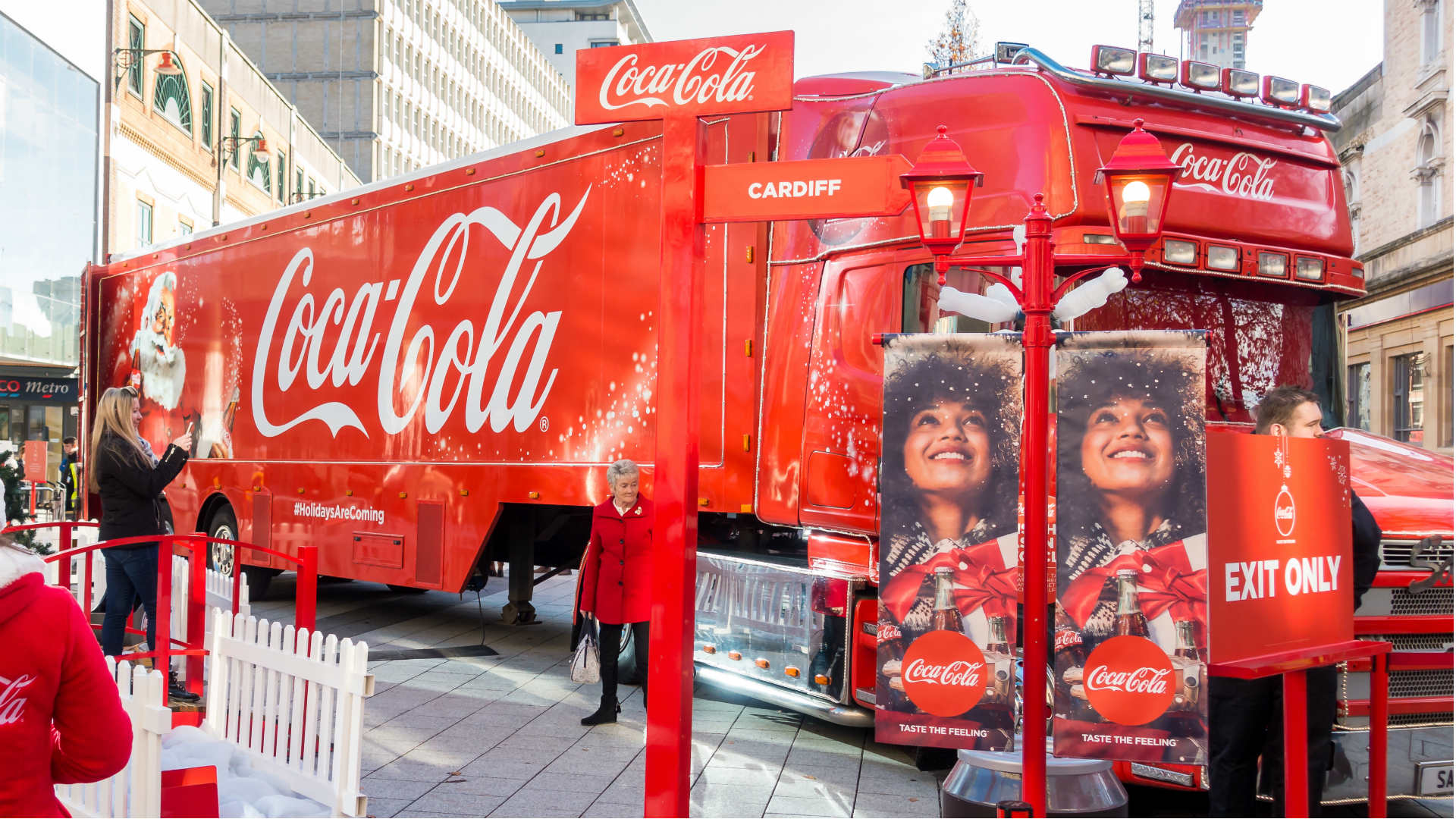
Coca-Cola truck in Cardiff

BusinessWaste.co.uk says the Coca-Cola truck does 10.6mpg, weighs 40 tonnes and will use 287 gallons of diesel fuel. It also says that Santa’s sleigh is more efficient, but we’re not sure that’s been verified by the WLTP test.

Mark Hall doesn’t hold back. “Those fizzy pop guys night [sic] have invented the red-suited Santa, but they’ve ruined Christmas,” he ranted. 

“The fact is, they’re driving lorries over 3,000 miles up and down the country, then up and down the country, then up and down the country one final time on completely unnecessary journeys, with zero route planning.

“That’s the same as driving from London to Moscow – and back again!“

Which camp are you in? Will you welcome the big red truck and its band of Christmas helpers, or do you agree with Mark Hall?

The Coca-Cola truck: naughty or nice? You decide.
Advertisement

New Renault Zoe interior recycles seatbelts and plastic bottles

0

Renault Zoe 100 percent recyclable material cabin

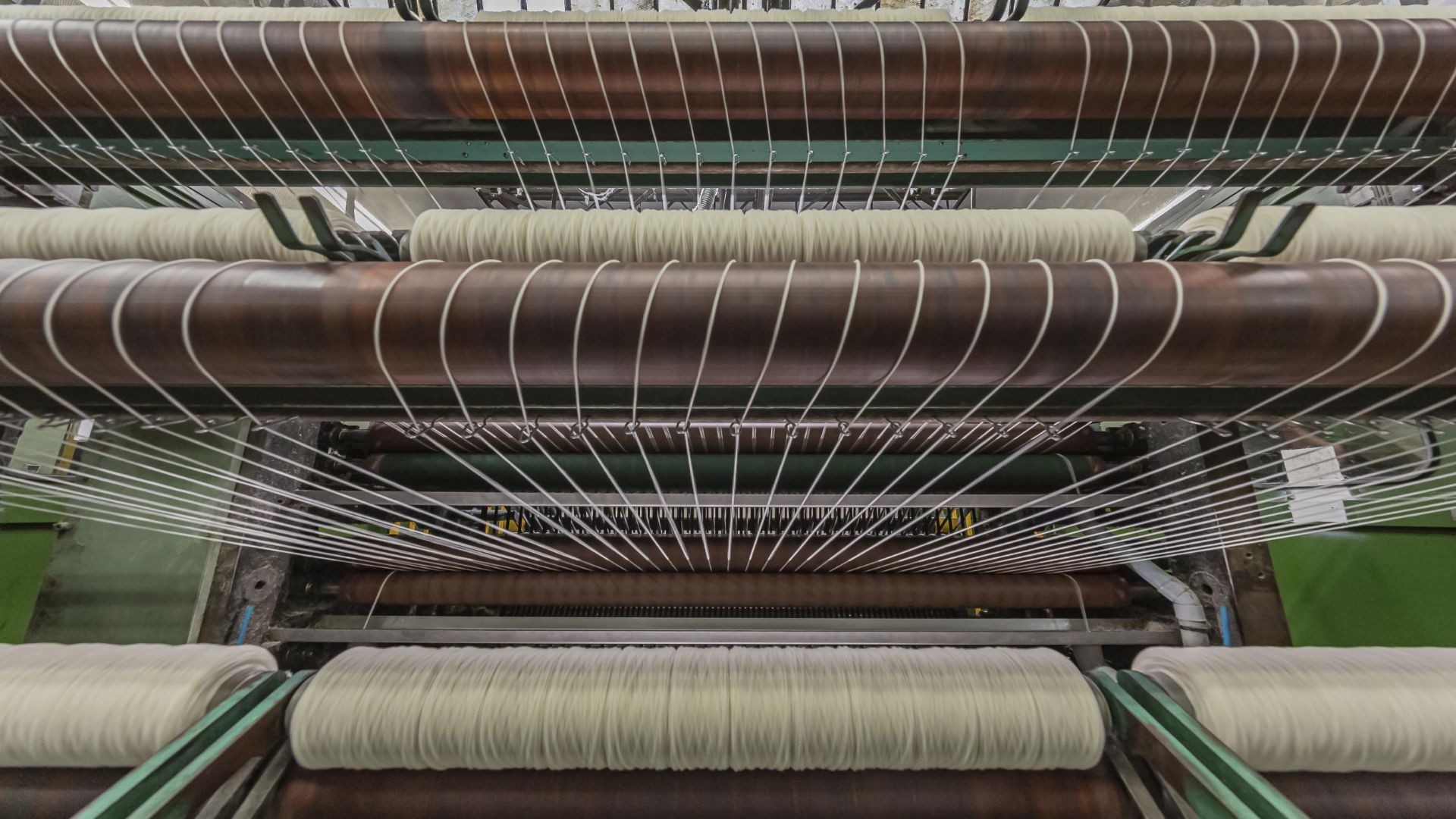
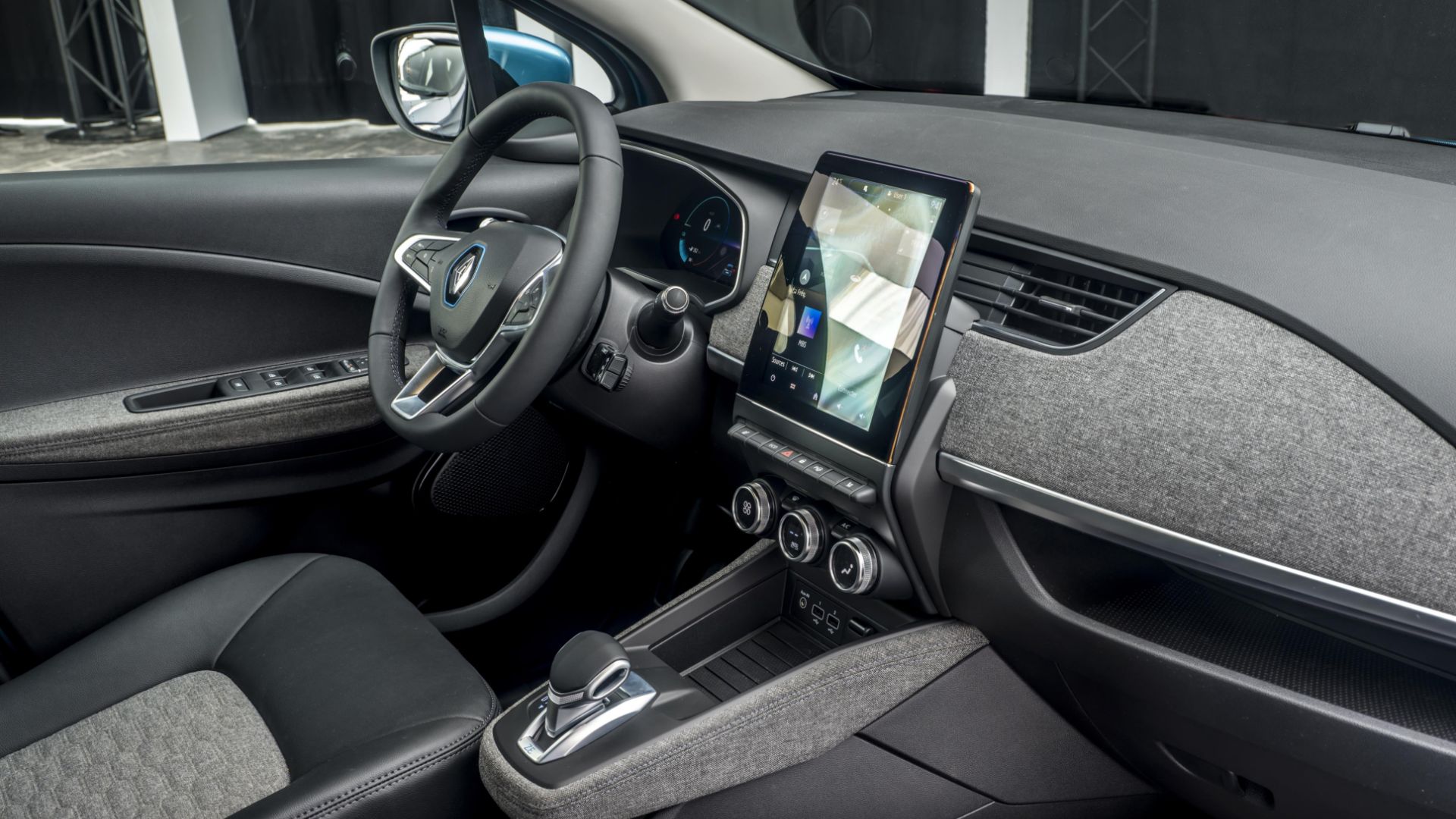
Renault will be using a new fabric for its car seats made of 100 percent recycled material. The patented fabric, which will be used in the Zoe electric car, is made out of recycled seatbelts, textile straps and plastic bottles.

A total of eight square metres of the Zoe’s cabin will be covered by the material. This includes the dashboard, gear lever surround and door fittings.

Renault Zoe 100 percent recyclable material cabin

The covering has been tested for the rigours of daily driving, including wear-resistance, ability to be cleaned and resisting sun damage.
CO2 emissions from manufacturing are reduced by more than 60 percent in comparison with conventional materials. The production process doesn’t use thermal transformation, which is very CO2-intensive.
Renault Zoe 100 percent recyclable material cabin

“Faced with the challenge of the energy transition, industries have an essential role to play in changing their production methods and reducing their environmental impact,” said Jean-Philippe Hermine, director of environmental strategy at Renault.

“This approach contributes to the Group’s commitment to reduce the environmental impacts of each vehicle throughout its life cycle and to reduce its global carbon footprint by -25% in 2022 compared to 2010.”

Advertisement

ASA rules Lexus self-charging hybrid ads ‘not misleading’

0

Lexus self-charging hybrid advert

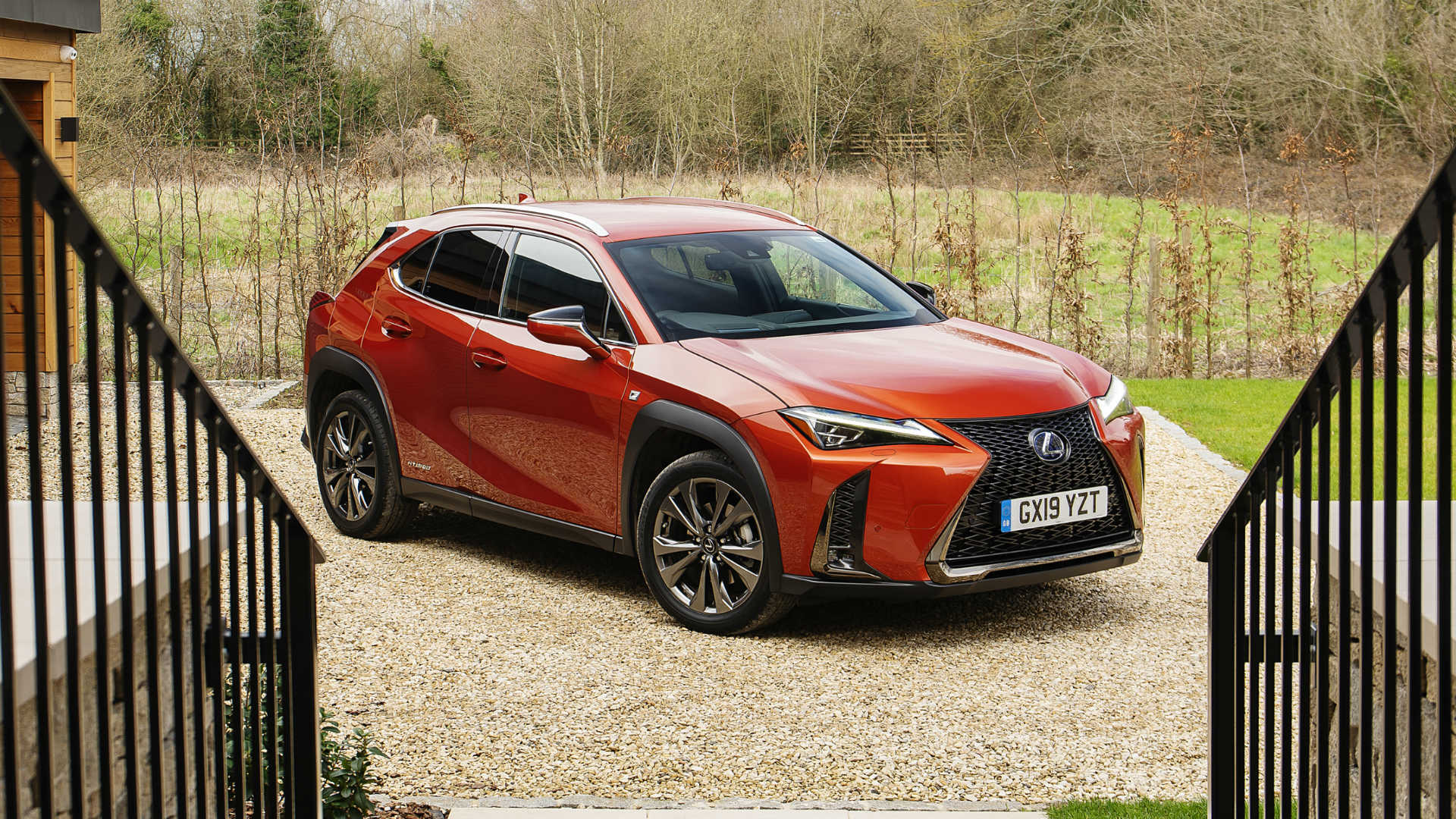
The Advertising Standards Authority (ASA) has rejected complaints about Lexus and its ‘self-charging hybrid’ adverts.

A total of 25 people challenged whether the claim ‘self-charging hybrid’ was misleading because they believed it misrepresented the way in which the battery was charged.

In response, the ASA said: “Because the ads did not misrepresent the way in which the electric battery was recharged by using the petrol engine, we concluded they were not misleading.”

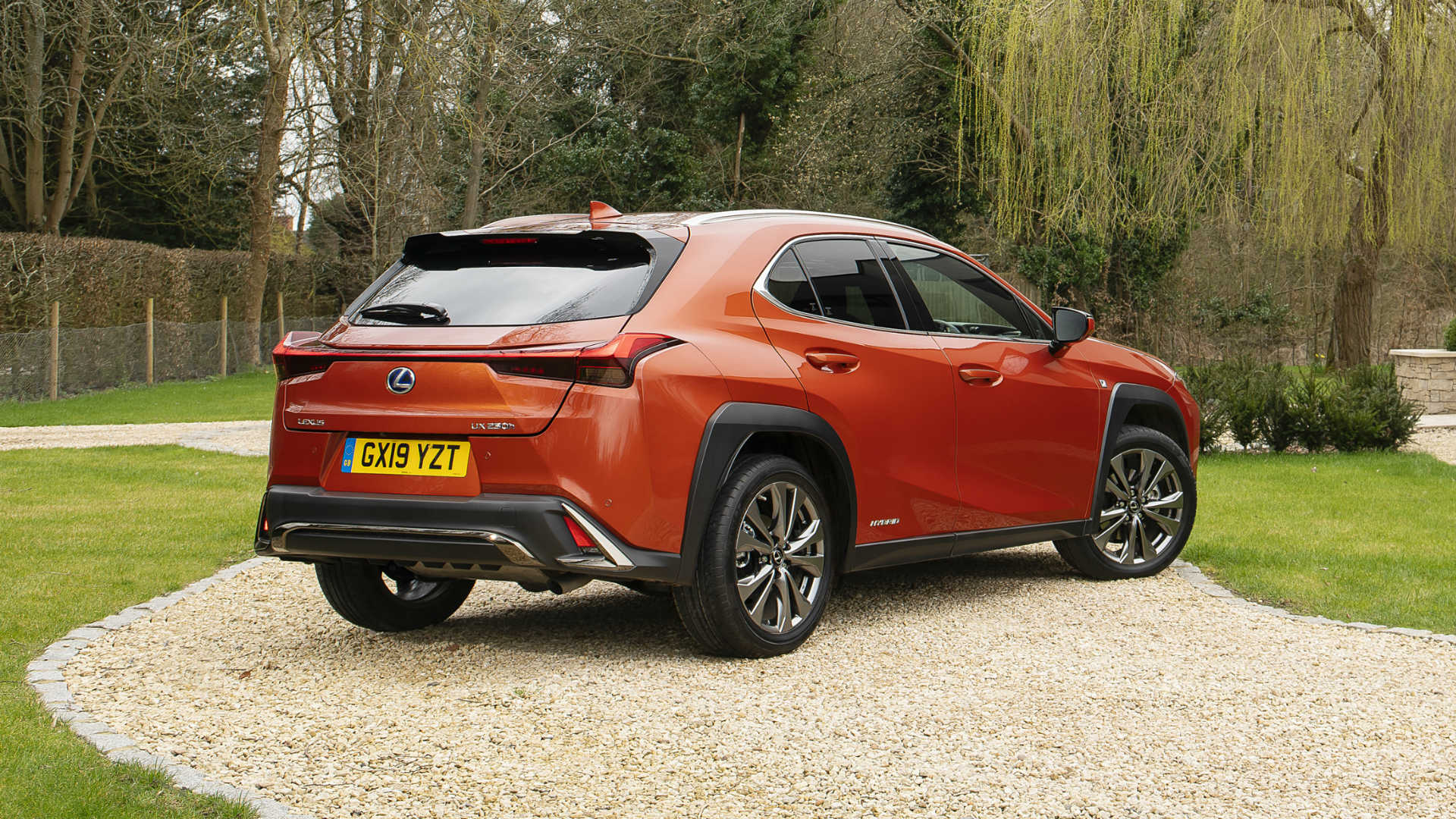
The complaints centred on a campaign for the Lexus UX, specifically a television advert, poster and Facebook post.

In the television ad, a voiceover said: “To capture something striking, you need to keep your eyes open, and the more you look the more you will see. So keep going. The all-new Lexus UX self-charging hybrid.”

In response to the complaints, Toyota GB said the hybrid electric vehicles use a petrol engine and and an electric motor that could operate independently to each other, as well as working in tandem.

In a statement, Toyota said it “believed that consumers would be aware that the hybrid vehicle was powered through a combination of petrol and electricity and that the ‘hybrid’ was descriptive of that dual source of power”.

Lexus UX self-charging hybrid

The ASA agreed with Toyota. “Consumers would interpret the ads to mean that the Lexus UX was a new model of ‘self-charging hybrid‘ car,” it said.

It was noted that the ads “did not include content which implied the battery was charged via plugging in”.

In conclusion, the ASA said: “We considered the ads did not contain any references to other types of car, ‘hybrid’ or otherwise, and did not make any stated or implied claims in relation to the car’s environmental impact.

”We therefore considered consumers would be unlikely to view the ads as a comparison which implied the ‘self-charging hybrid’ engine was an improvement, including by being more environmentally friendly, compared to other types of hybrid vehicle.”

The UX is the smallest of three SUVs in the Lexus range and prices start from just under £30,000. You can read our first drive review of the car here.

Advertisement

Opinion: Why must we go back for the future?

0

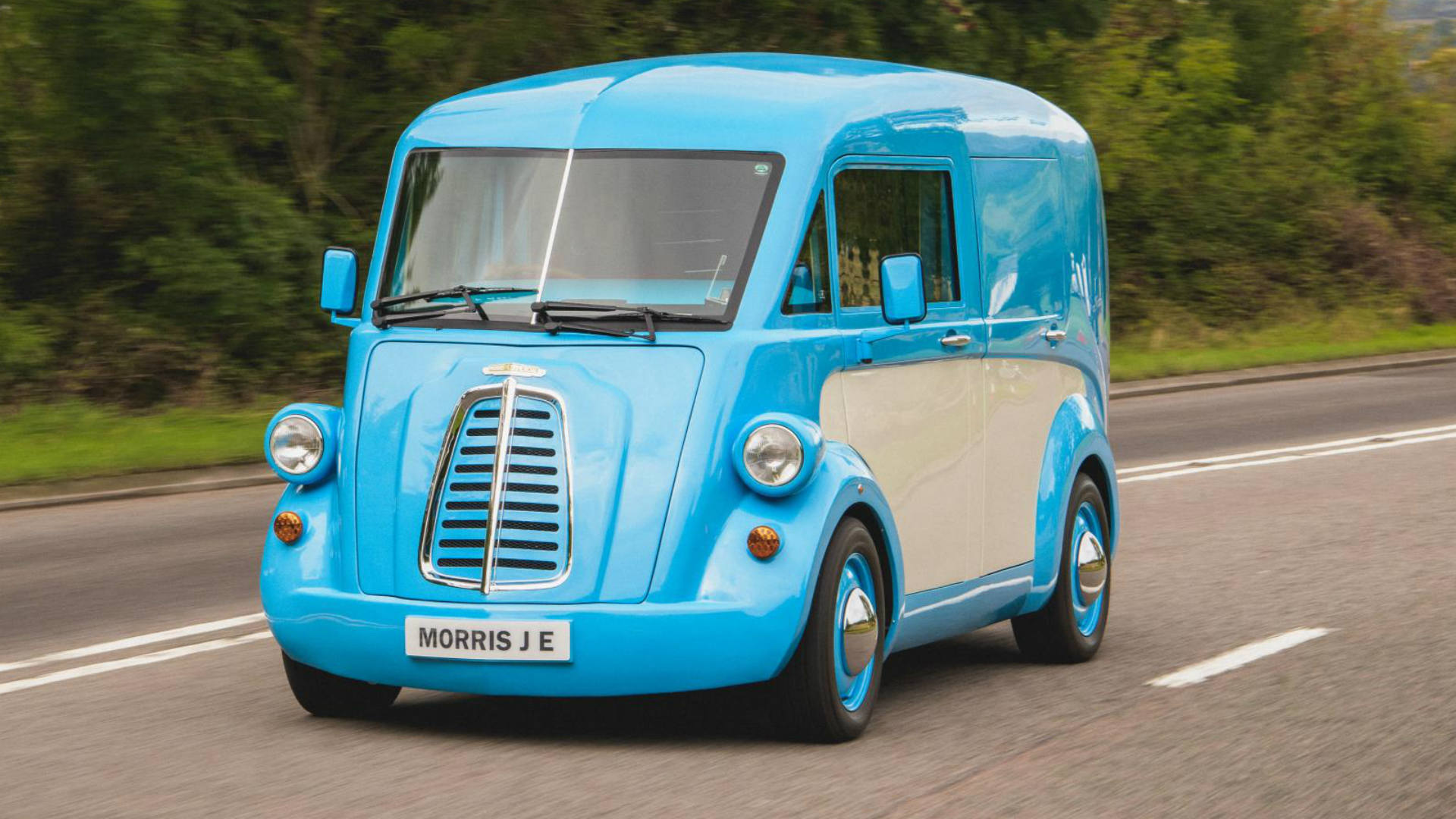
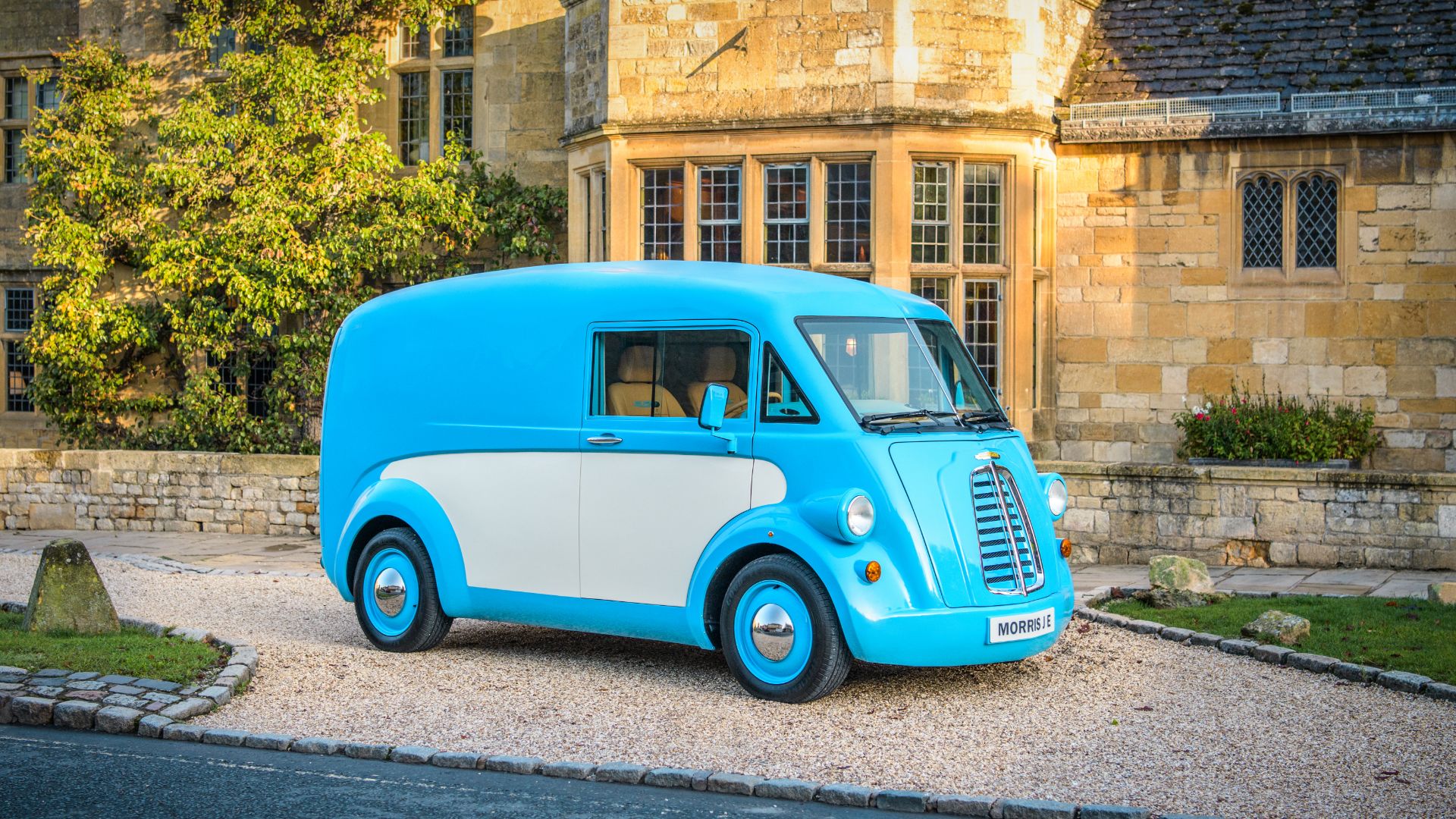
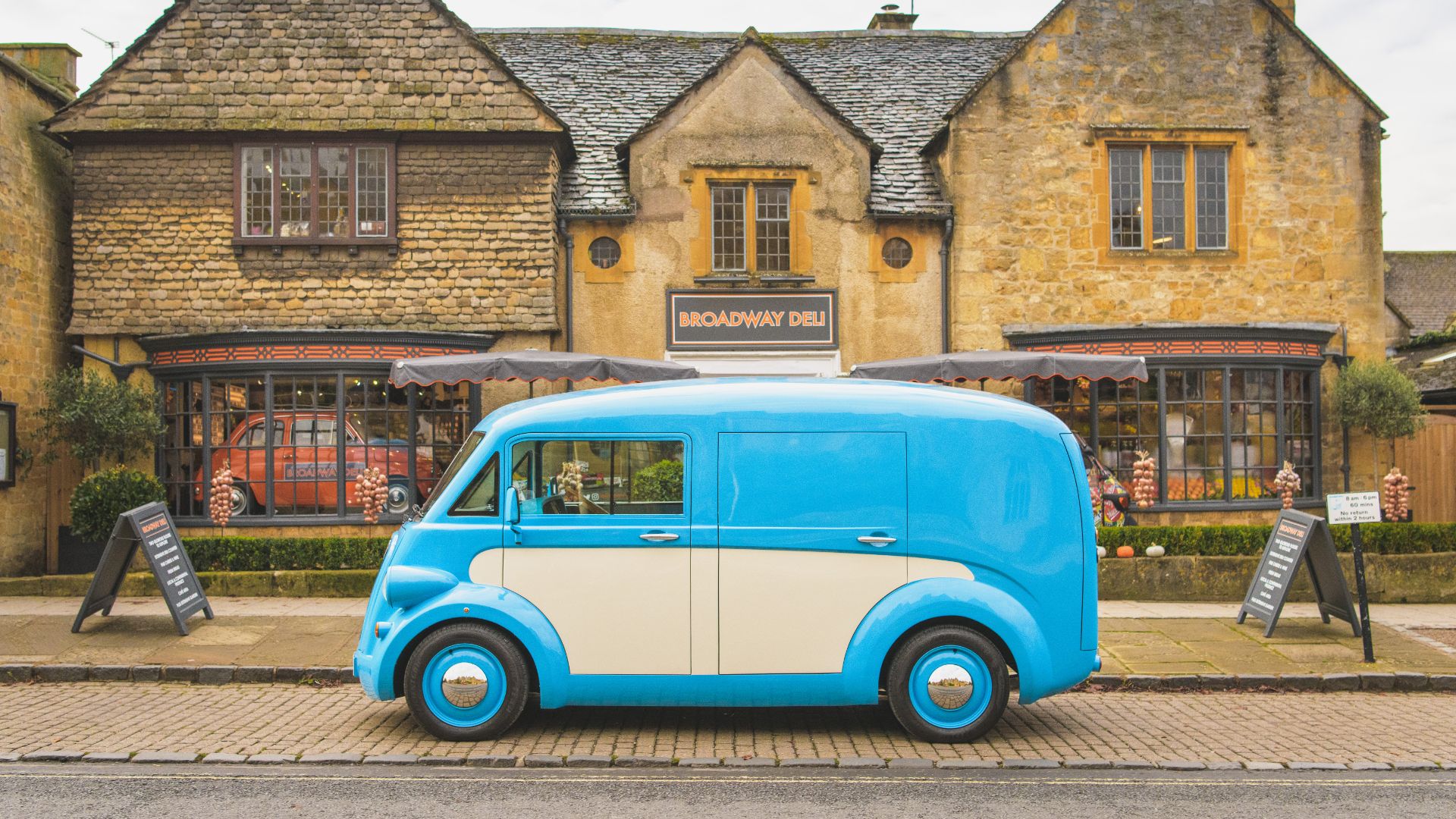
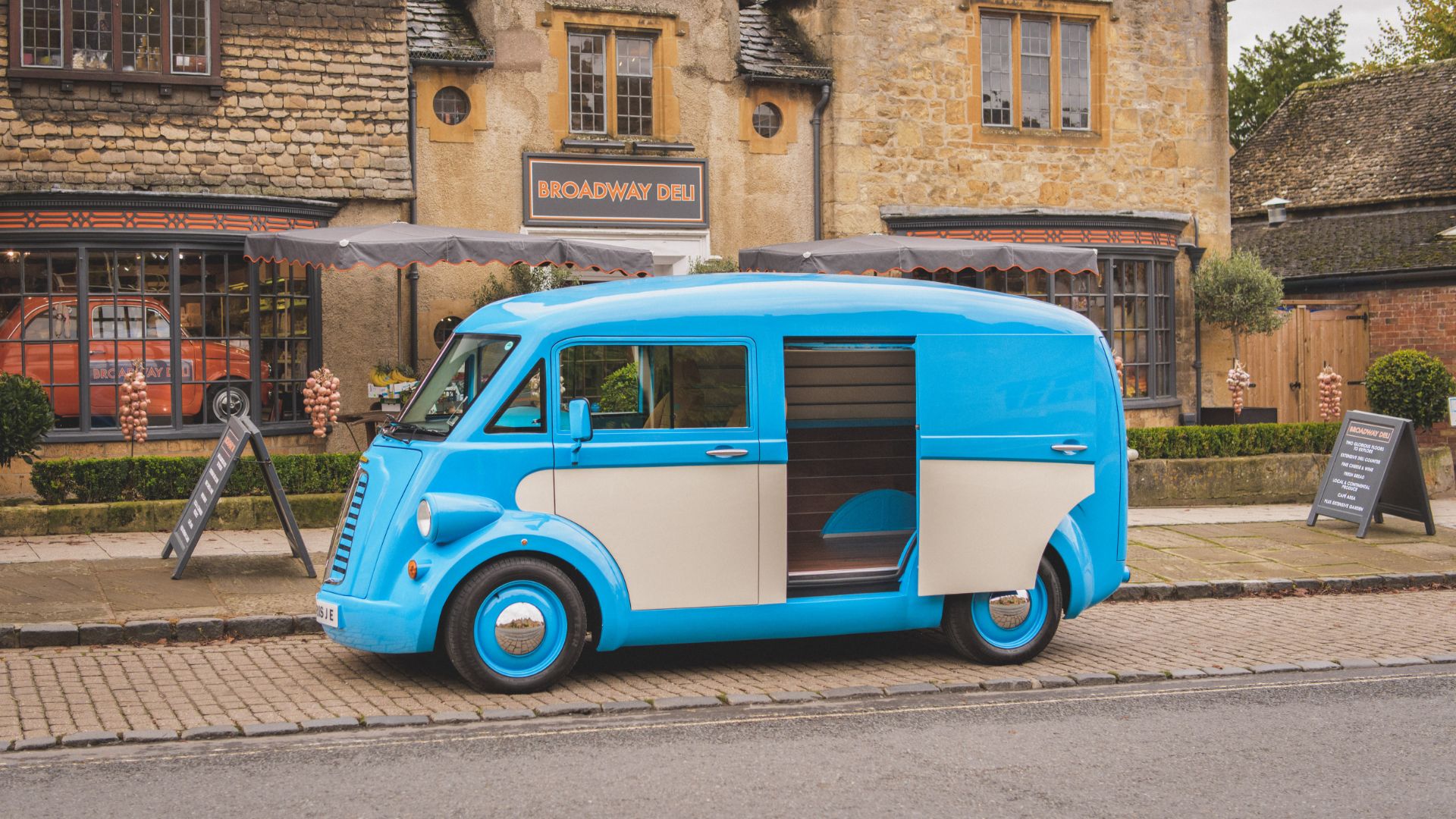
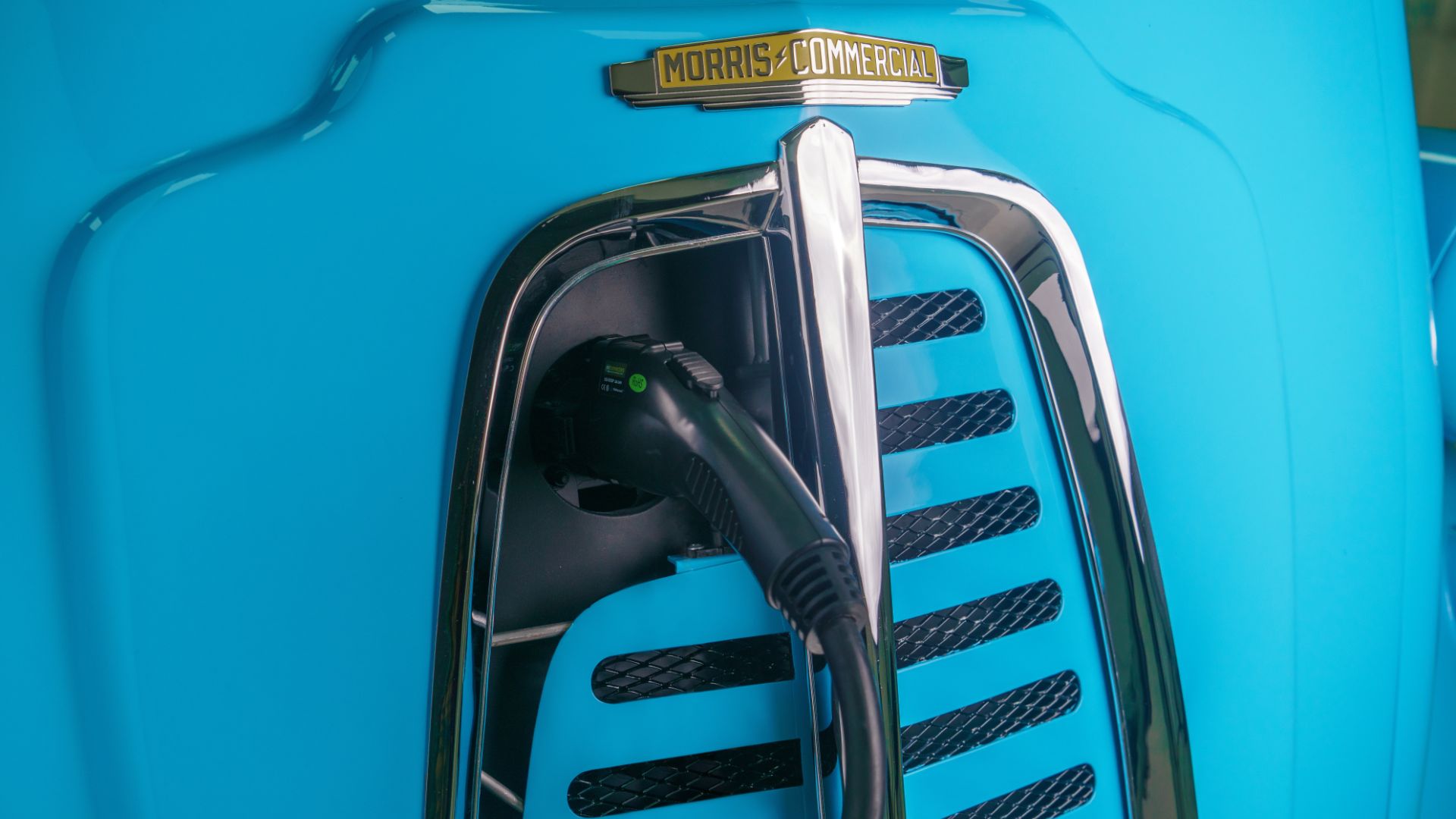
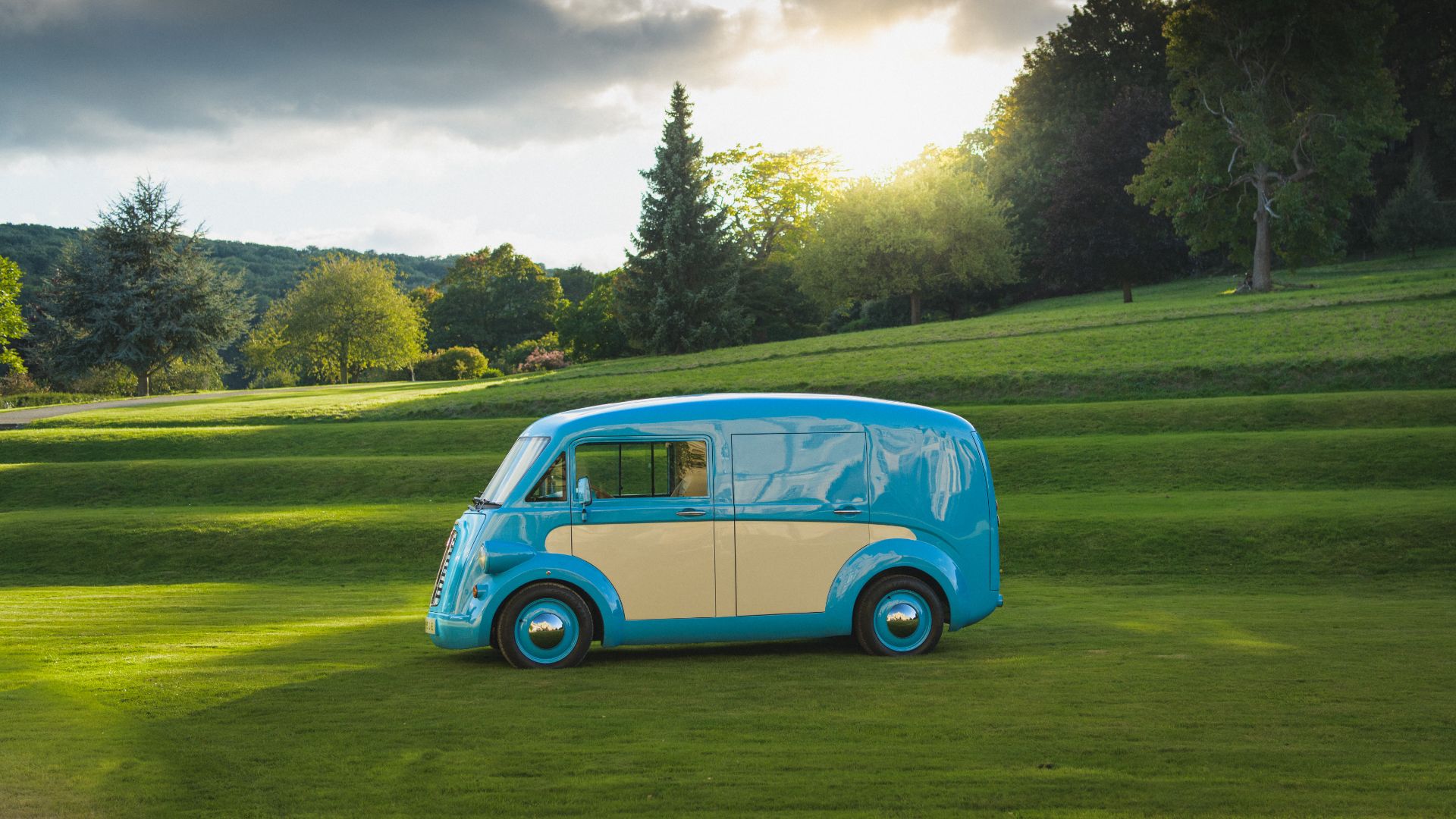
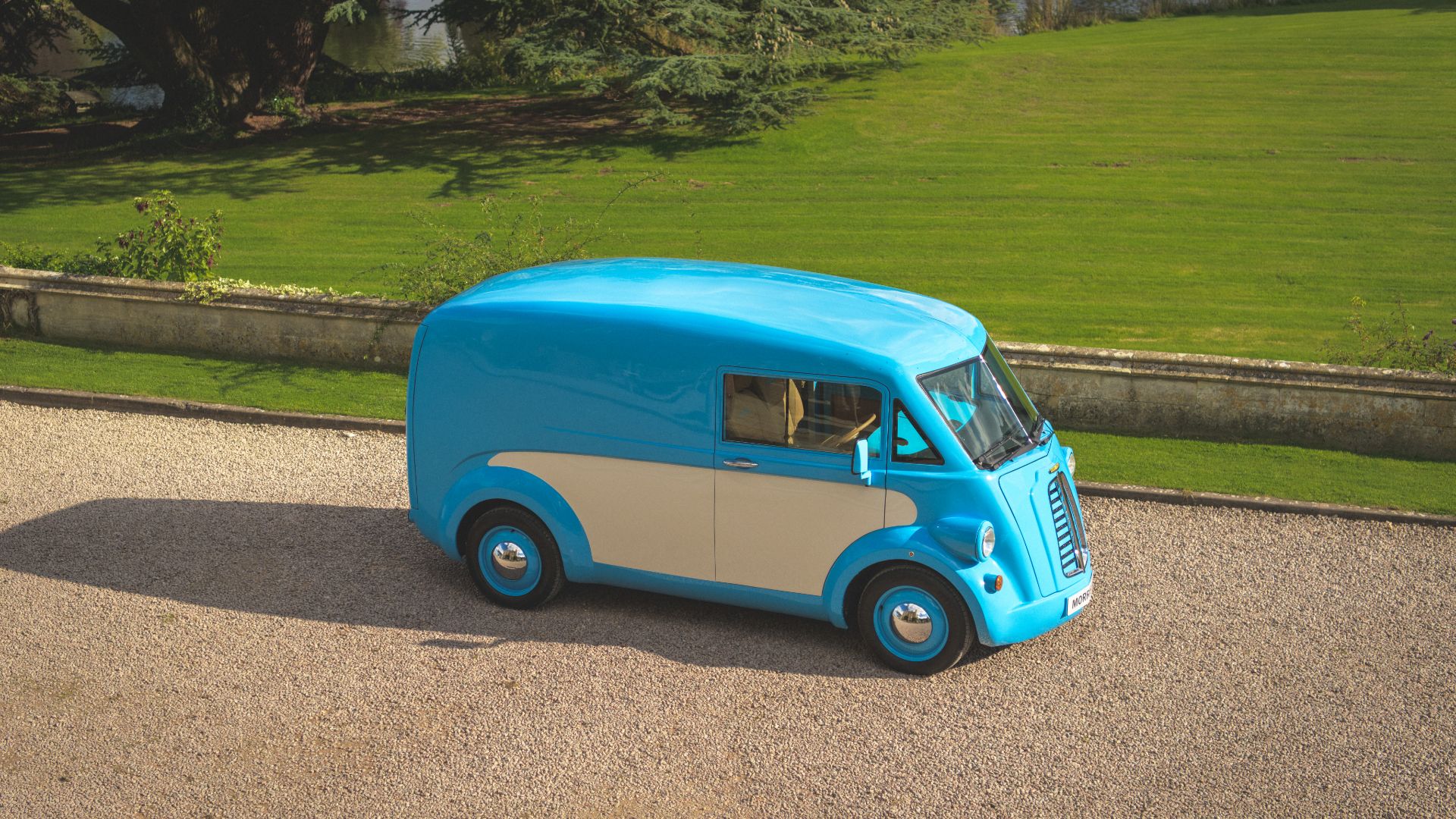
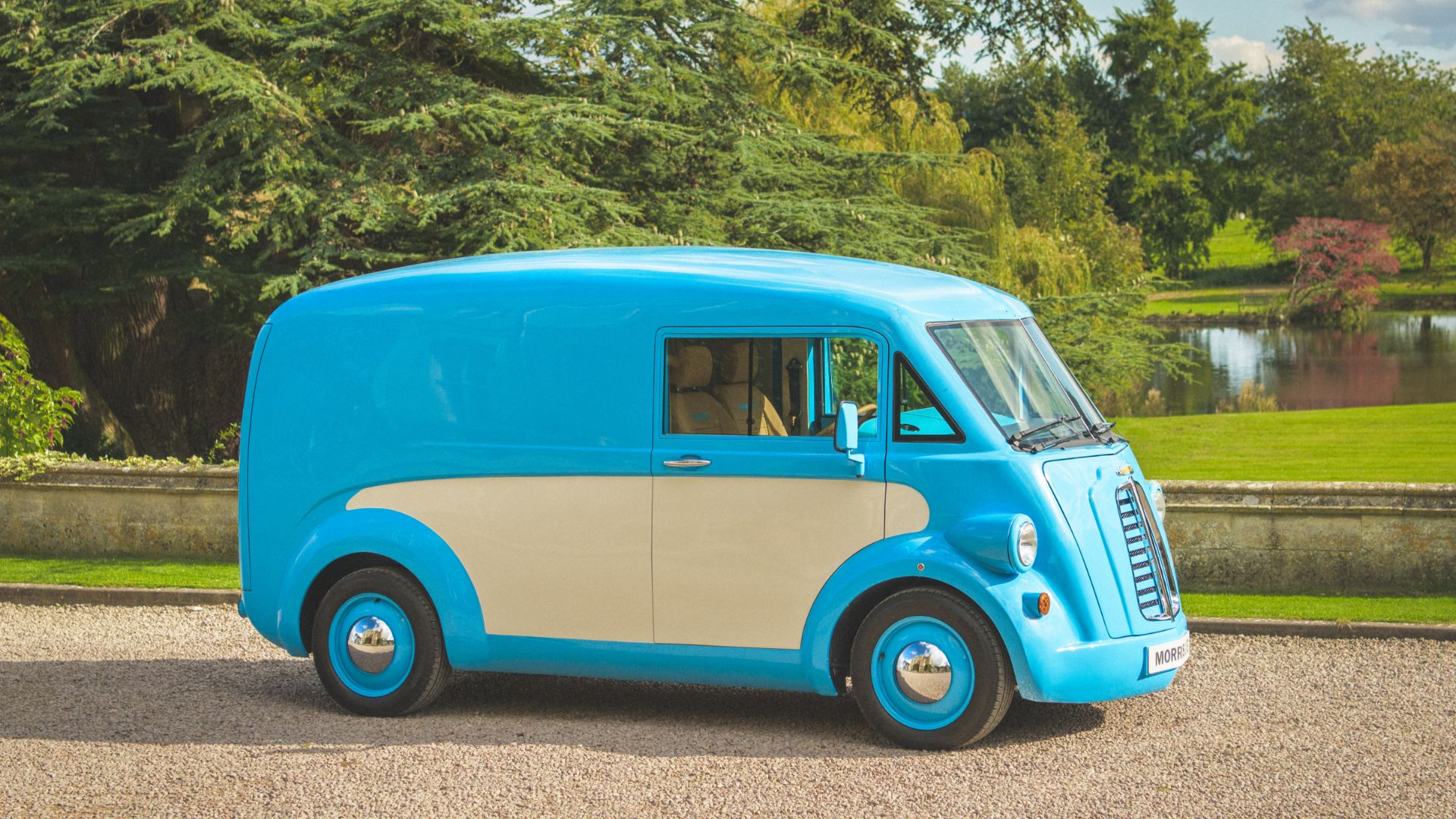
Morris JE electric van

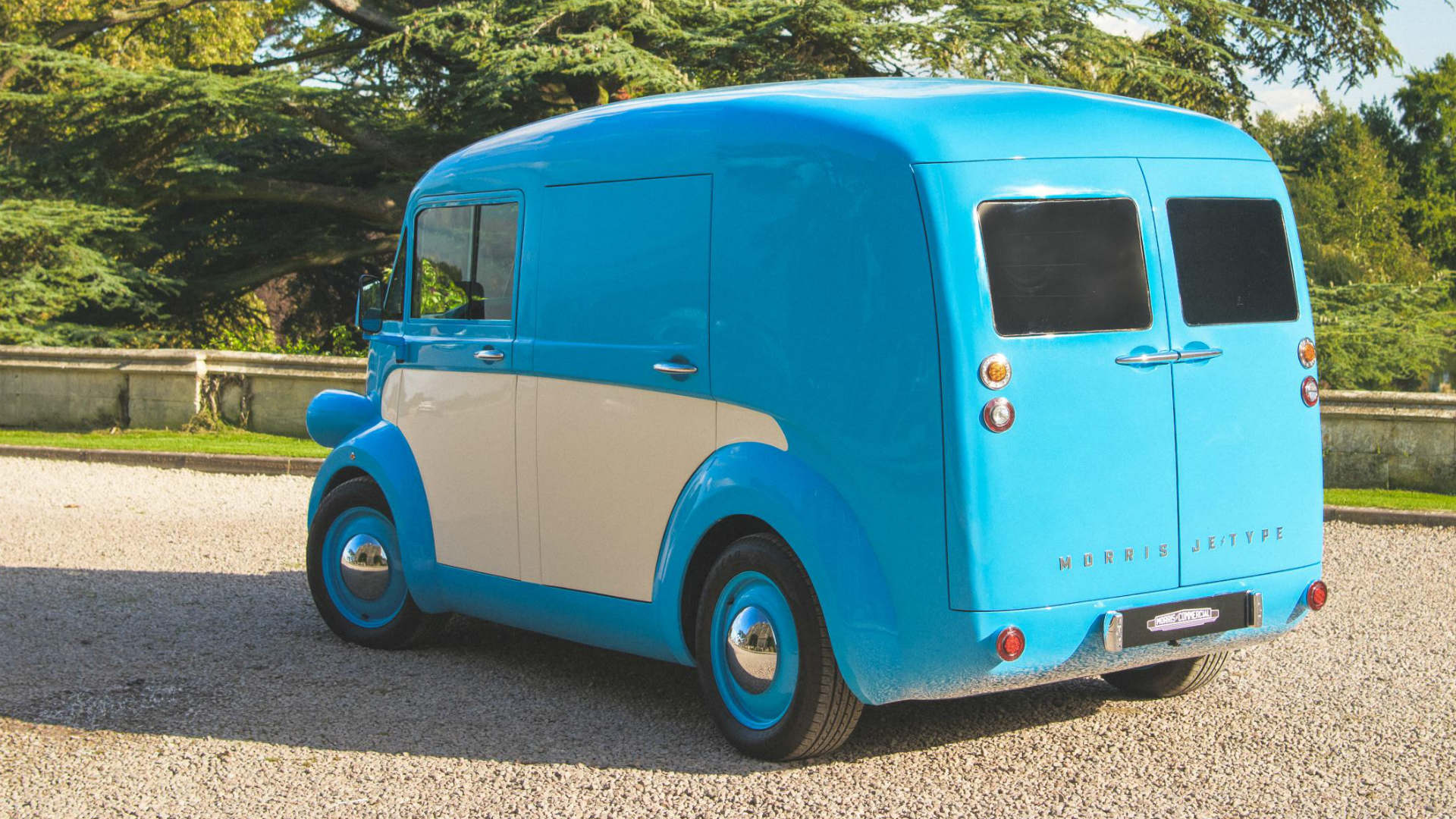
‘A retro-styled electric masterpiece’, reads one headline for the Morris JE van. ‘Brilliantly retro’, says another. ‘Retro-cute’ and ‘the cutest electric van I’ve ever seen’ concludes this quartet of rather gushing and sickly-sweet intros.

I’m sorry, but I’m just not buying it. Quite literally, given the fact that the JE van is expected to sell for around £60,000 in 2021.

It’s a ‘reimagining of the original [and] iconic’ J-type van, says Morris Commercial, before describing the 1950s classic as ‘unapologetically distinctive’.

What’s the obsession with reimagining stuff from our past? What next, a reimagining of other distinctive elements of 1950s Britain, such as polio, pea-soupers and women tied to the twin-tub washing machine?

Mind you, there’s no knowing what Britain will look like two years from now.

Putting aside the pros and cons of electric vehicles for a moment, shouldn’t the designs be forward-thinking, progressive and challenging? I’m not sure a van that looks like something Mr Tumble might drive is going to do much for the EV market.

Morris JE van

The company claims it will appeal to a wide range of customers, but the list is exhausting, if not exhaustive.

Small boutique businesses, larger corporate fleets, luxury and lifestyle brands, the hospitality industry, the sport and leisure industry, high-end manufacturing, the events industry and green logistics.

And… breathe. Anyone for a game of monkey tennis?

Of those, who is going to want to drop £60k on Mr Tumble’s company wheels? I can’t see an artisan coffee company ditching the H-van for one of these. Is a fleet buyer going to say “no thank you” to the resources and support of Volkswagen, Renault, Nissan and the like?

The figures don’t add up. A range of 200 miles and a one-tonne payload might look acceptable in 2019, but the technology should have moved on by 2021. The LDV EV30 boasts another name from Britain’s ‘glorious past’, 200 miles of range and a one-tonne payload. The price? Rumoured to be in the region of £30,000.

Morris Commercial says it will create “an individuality in a market where dull, generic design is normal”. Which is one way of justifying an exorbitant price tag and a dashboard that looks straight outta LazyTown.

Vans are ‘dull’ and ‘generic’ because that’s what the market wants. These vehicles are built to do a job on time, reliably, efficiently and without fuss. Sure, there’s a place for vans without ‘clean me‘ perma-scrawled into the dirt on the back doors – I know folk who love their vans more than their family car.

It’s just that most vans I see look like they’ve been used as target practice at the local paintballing centre within a few months of hitting the road. How is the JE’s carbon-fibre body going to withstand even the lightest of damage?

I don’t doubt the hard work that’s gone into creating this ‘masterpiece’. But harking back to a bygone era hints at a lack of creativity and an absence of ideas. Besides, I have a feeling the ‘retro-cute’ market will be swallowed up by Volkswagen’s Buzz Cargo thingy.

I could be wrong (and it wouldn’t be the first time). Maybe the commercial sector is waiting for Mr Tumble to roll into LazyTown in a blaze of zero emission glory. Me, I’m just waiting for someone to unearth a barn-find Bedford CF Electric.

Advertisement

You’ll spend 8 MONTHS of your life stuck in traffic

0

British drivers stuck in traffic

If you drove to or from work today, the chances are you encountered some traffic along the way. But have you ever stopped to wonder just how long you spend top to toe in tailbacks? ‘Stopped’ being the operative word.

EIGHT MONTHS. You’ll spend eight months of your life stuck in traffic, staring at the rear lights of a compact crossover, wondering if you’ll make it home in time for The One Show

A study of 2,000 motorists found that we spend two months searching for a parking space and the equivalent of one year driving to work. Maybe it’s time to consider working from home.

Overall, you could spend nearly four years behind the wheel, racking up almost 600,000 miles in the process. This is still less than the mileage on the cab that took you home from the pub on Friday night.

A life in cars

UK traffic jam

The Webuyanycar.com study is quite revealing – and a little depressing. While it would be nice to think that time behind the wheel involves picturesque coastal drives, cruising along with the top down and banging tunes on the stereo, the reality is quite different.

Here are some of the figures:

  • Miles driven: 592,920
  • Time spent in car: 3.7 years
  • Time on the motorway: 11 months
  • Time on country lanes: 12.2 months
  • Time in cities: 10.4 months
  • Sitting in traffic: 8 months
  • Finding a parking space: 2 months
  • Driving to work: 12 months
  • Driving around lost: 15 days

Richard Evans, head of technical services at Webuyanycar.com, said: “This research highlights how much of our lives revolve around our cars. Driving almost 600,000 miles is no mean feat and we are tested on a daily basis with congestion, squabbling children, work demands and elusive parking spaces.

“For many of us our cars are a lifeline and we will experience a number of key life moments behind the wheel.”

Advertisement

Peugeot to enter Le Mans 2022 with hybrid hypercar

0

Peugeot Le Mans 2022

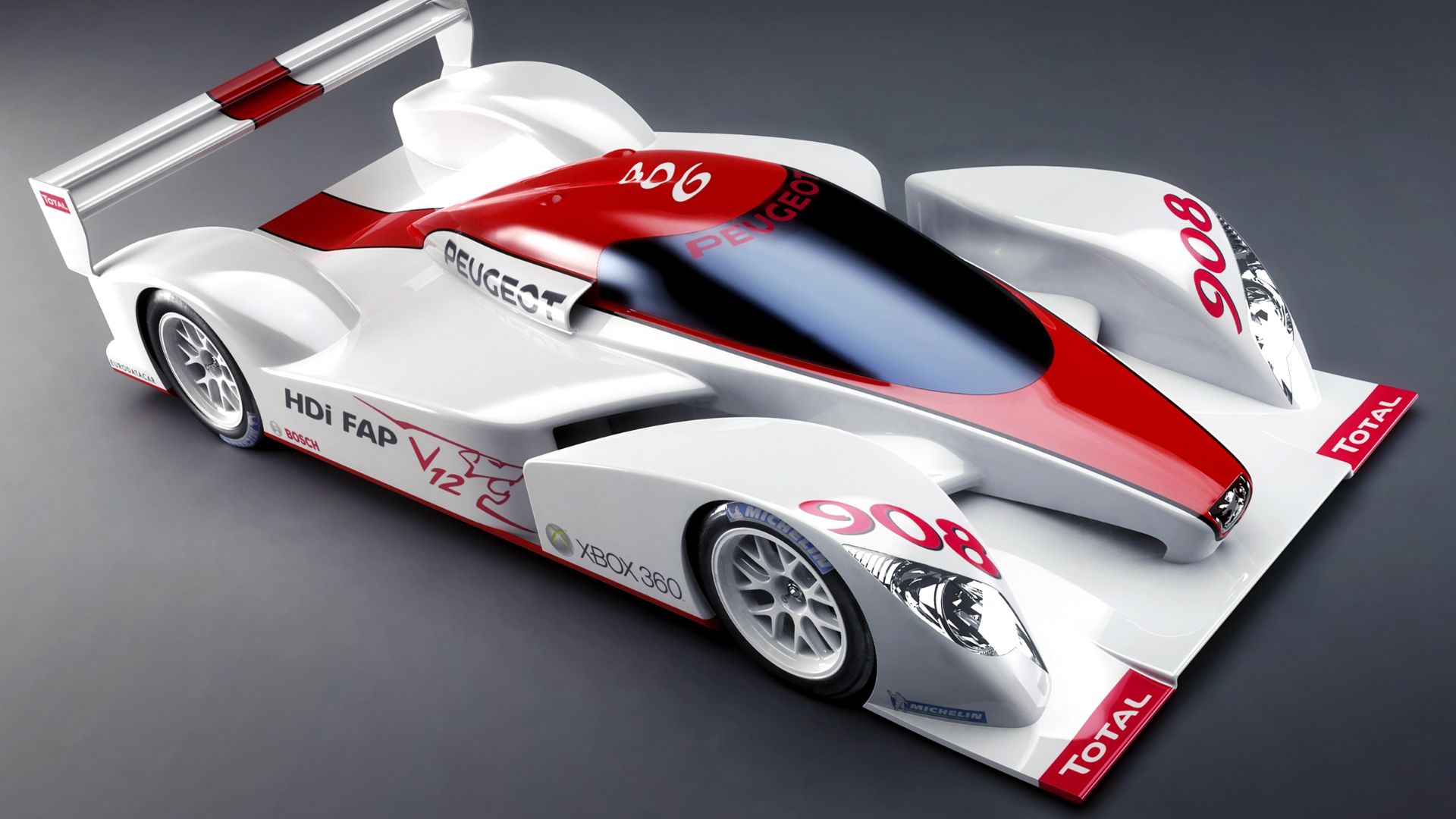
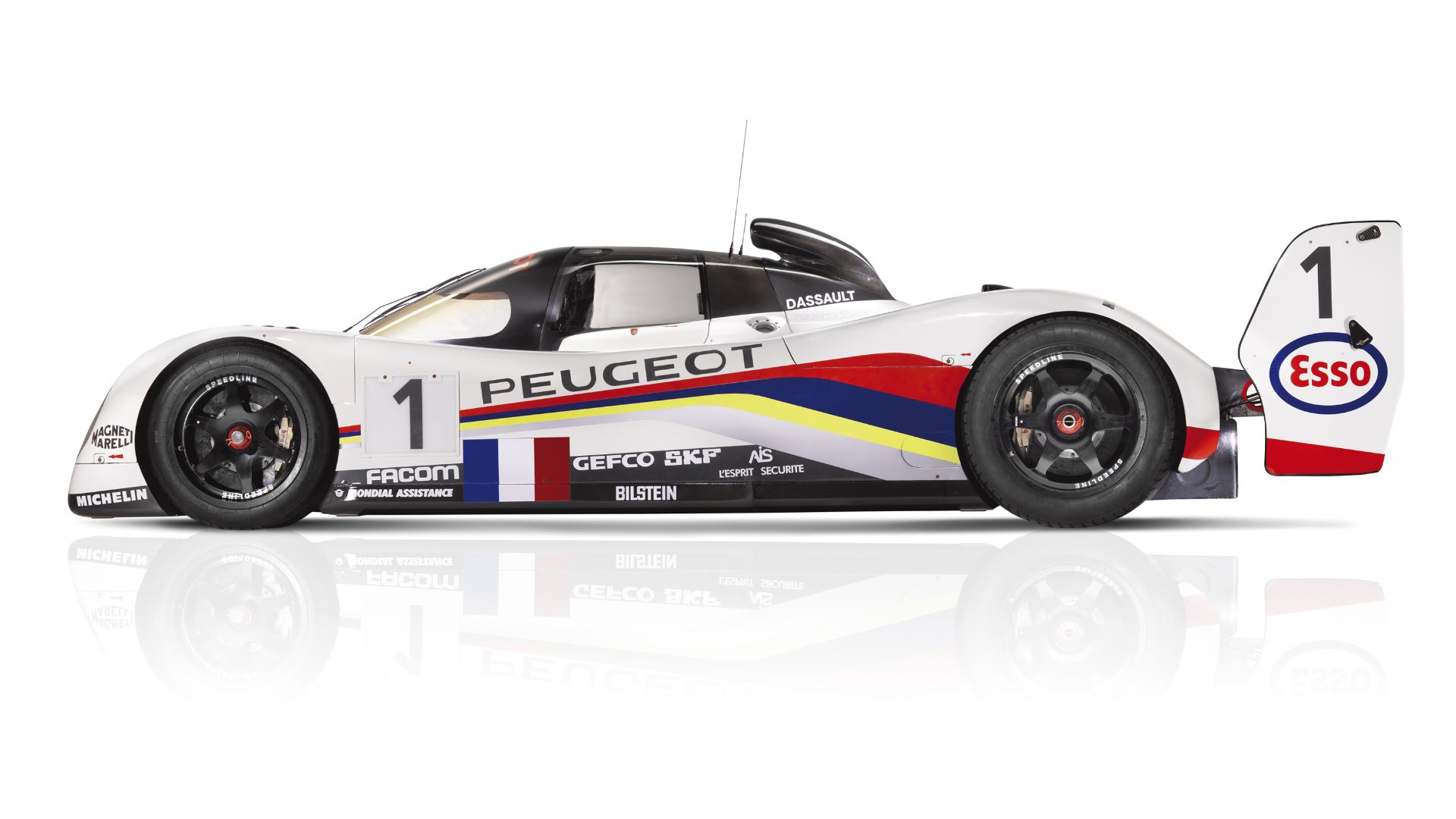
Peugeot has announced plans to return to Le Mans once the Hypercar class is well established. The new racer will join the Aston Martin Valkyrie and Toyota GR SuperSport on the grid in 2022.

Peugeot last won Le Mans in 2009 with the diesel-powered 908 HDI FAP. It was due to race in 2012, but backed out at the eleventh hour due to budgetary constraints. The more ‘affordable’ Hypercar class means that shouldn’t happen again.

Peugeot hypercar is comingPeugeot Le Mans 2022

One of the main goals of the new Hypercar class, as well as increasing the connection between race and road cars, is to significantly cut costs. LMP racing famously became so expensive that even Porsche and Audi pulled their support in recent years.

The aim for this new WEC class is to attract more manufacturers to a cheaper, more relatable series of top-level endurance racing. It seems to be working.

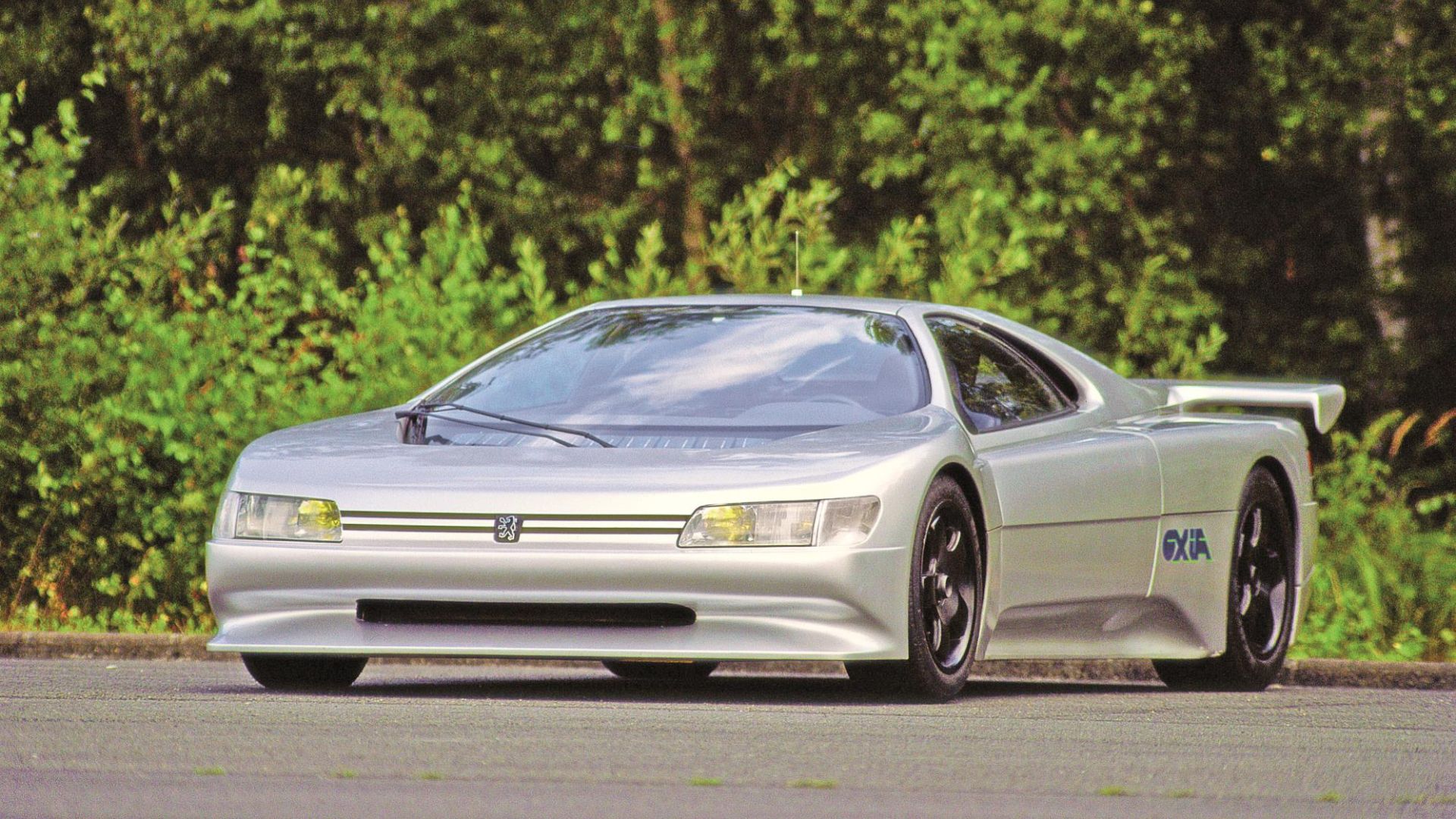
The new class will allow manufacturers to choose whether they race with hybrid power. Given Peugeot’s increasing focus on electric cars, we suspect its Le Mans contender will be electrically boosted. And there will be a production Peugeot hypercar, too. The rules mandate that 20 road-going versions must be produced in order to homologate the racers. We definitely wouldn’t say no to a modern interpretation of 1989’s Oxia Concept…

Peugeot Le Mans 2022

  • Porsche 917 meets Concorde – Golden jubilee of speed

“The Peugeot brand’s passion for motorsport has always played a core role in achieving the many victories we have scored in our history,” said Peugeot brand director, Jean-Philippe Imparato.

“The changes that the FIA WEC is introducing fit now with the transition we are undergoing ourselves with the electrification of our range and the launch of high-performance products, developed in close association with PSA Motorsport.”

Advertisement

Morris returns after 32 years – with a £60,000 electric van

0

Morris JE

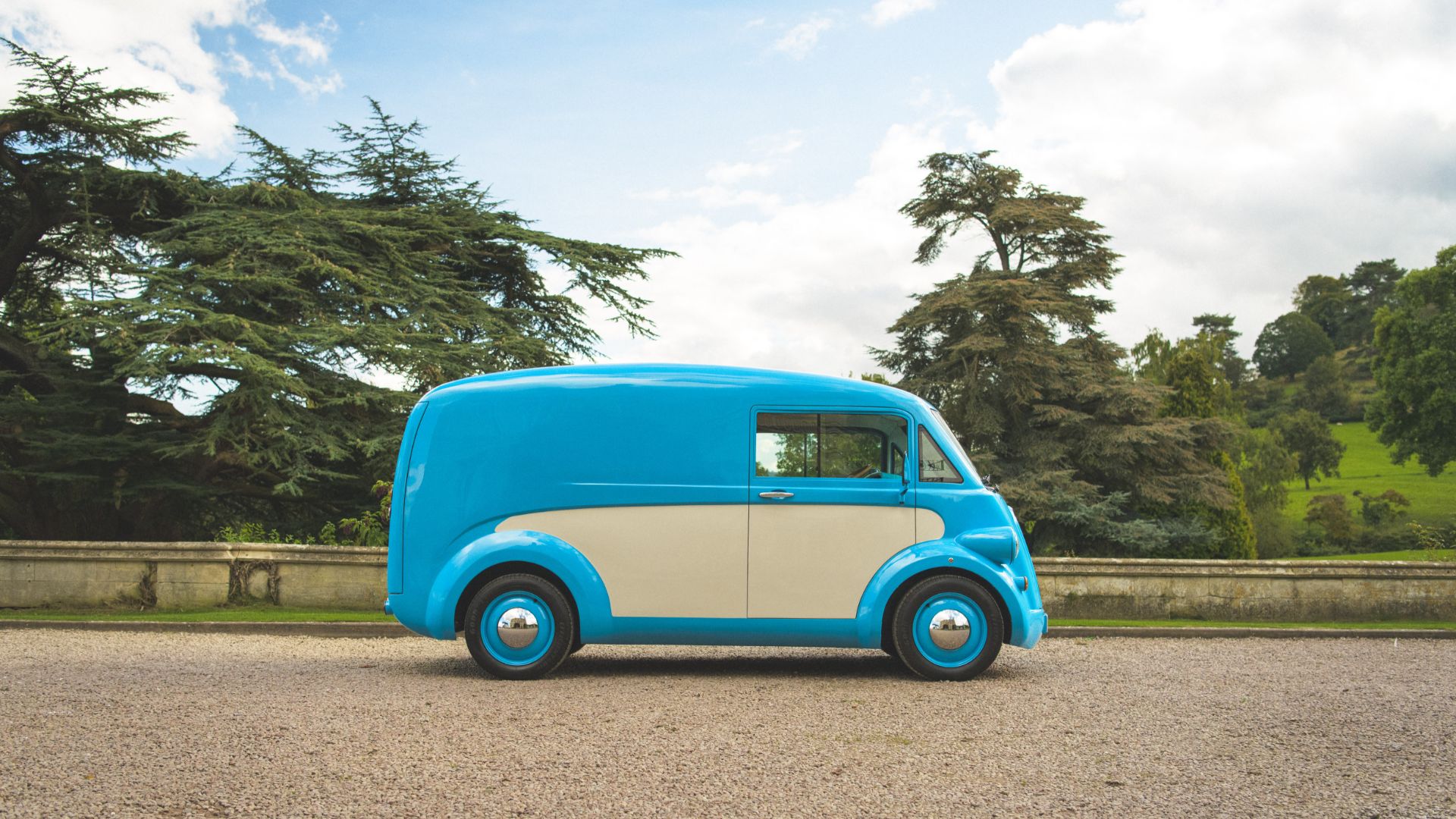
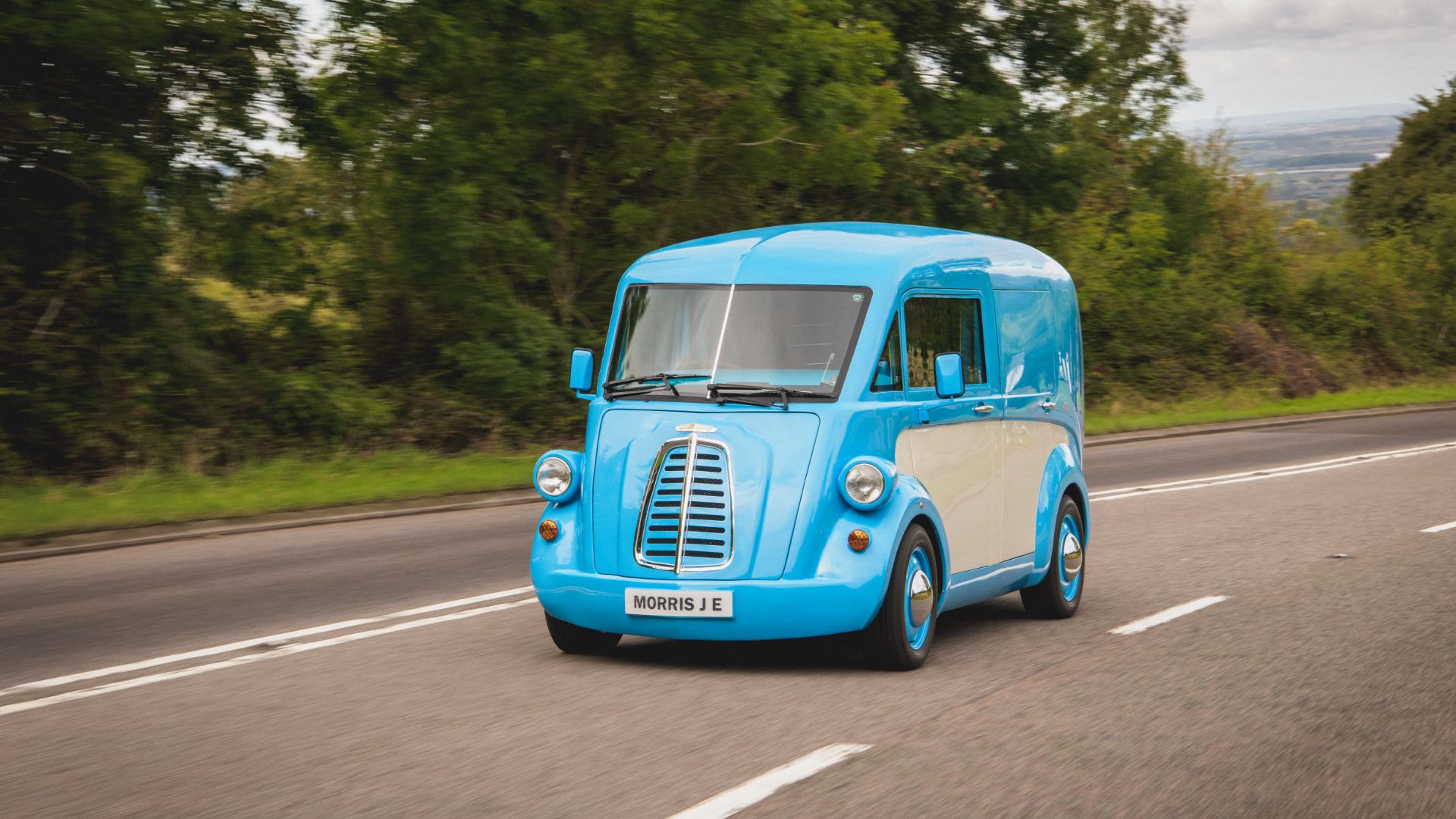
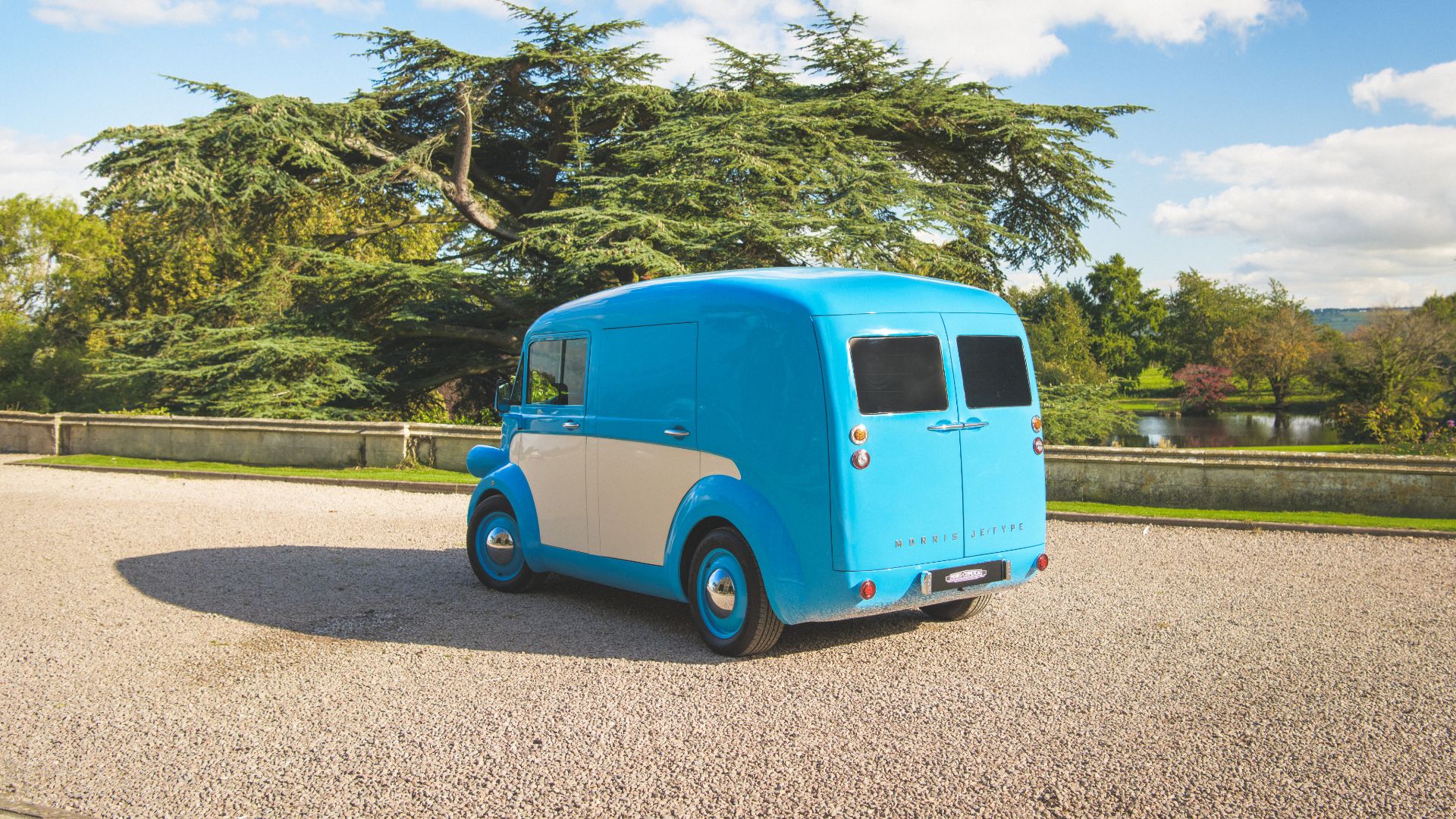
The new Morris JE electric van has been revealed in full and it looks as unapologetically retro as we’d hoped. Just a couple of obstacles stand in your way if you want one. Firstly, it won’t go into production until late 2021. And secondly, it will set you back around £60,000.

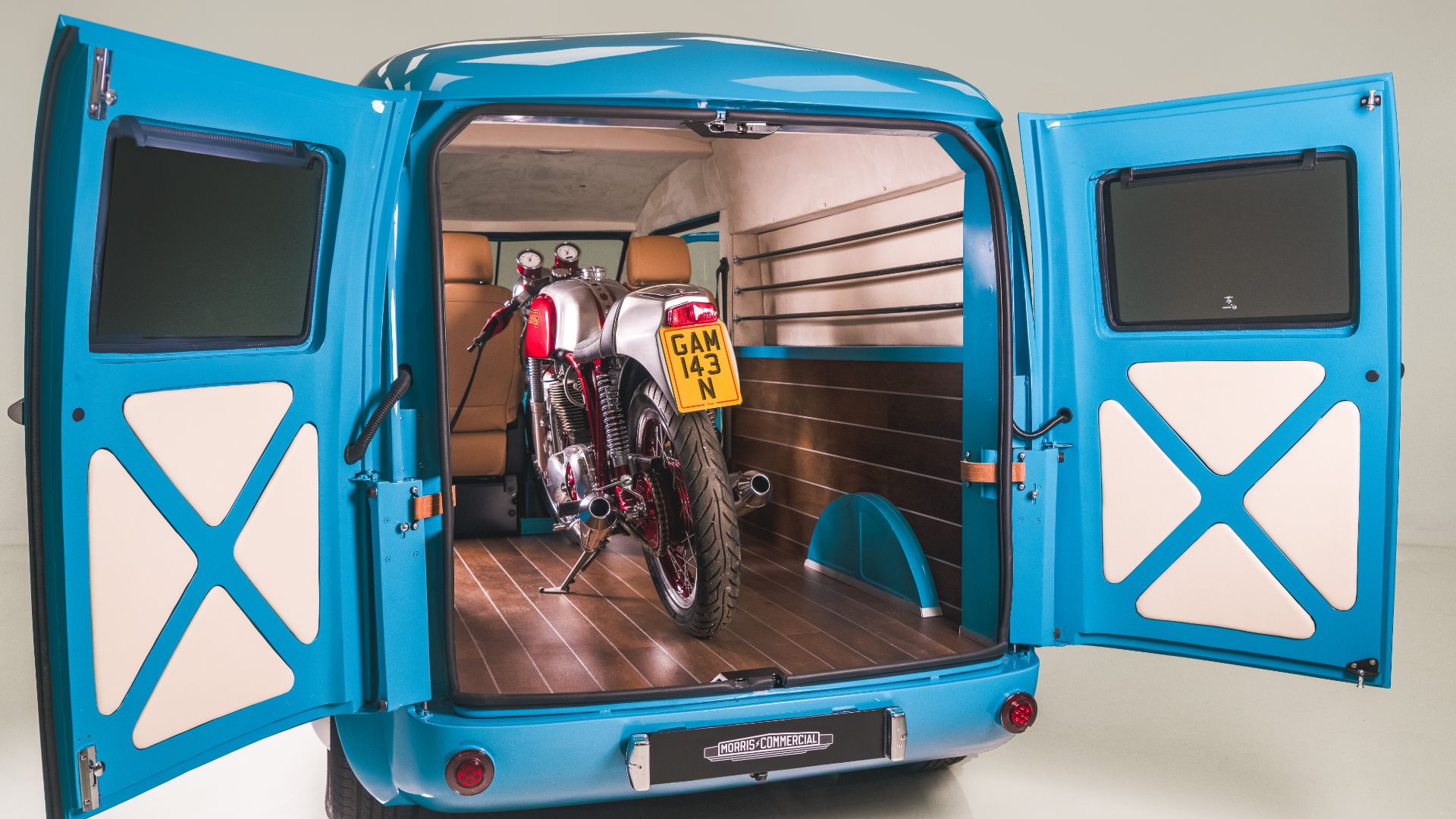
In spite of its quaint styling, the JE is very much a modern van, with carbon fibre panels to add strength and save weight.  A modular platform also means there can be different products spun off in future. These could include, says Morris, a pick-up, minibus and camper van.

Morris JE

The JE is also electric, of course. With an expected 200-mile range, 1,000kg payload and a 5.5 cubic-metre carrying capacity, it is decently practical. Morris says that, in spite of it being within the 2.5 tonne segment, that kind of carrying ability is something you’d ordinarily see in the 3.5 tonne class.

“It is a delight to unveil the new Morris JE to the world and for us to show what we have been working so hard to achieve,” said Dr Qu Li, CEO of Morris Commercial.

“From the outset, our vision was to bring a new concept to the LCV market, not just in terms of the battery electric powertrain, but also to introduce a timeless design that takes the aesthetics and appeal of such a vehicle to a whole new level. What we have created is a beautiful, retro design that sits upon a cutting-edge, modular BEV platform, delivering practicality and functionality to compete with the best in its segment.”

Morris JE

  • Volvo uses blockchain tech to make EVs more ethical

Still, £60,000 remains a lot of money for a small van. But while builders or tradespeople may not see the appeal, there are more premium ‘lifestyle’ applications. Morris highlights the hospitality, sport and leisure industries, along with high-end manufacturing. 

We could quite easily imagine one of these as a vegan food truck parked up in Shoreditch. They’d make appropriate additions to Goodwood’s commercial fleet, too. The right buyers could well exist for the JE, then. But they will have to wait.

Advertisement

Mazda CX-30 gets ‘almost perfect’ safety score

0

Euro NCAP results

The latest round of Euro NCAP crash-test results has been published, and it’s good news for a range of crossovers and SUVs. However, the new Vauxhall Corsa falls short.

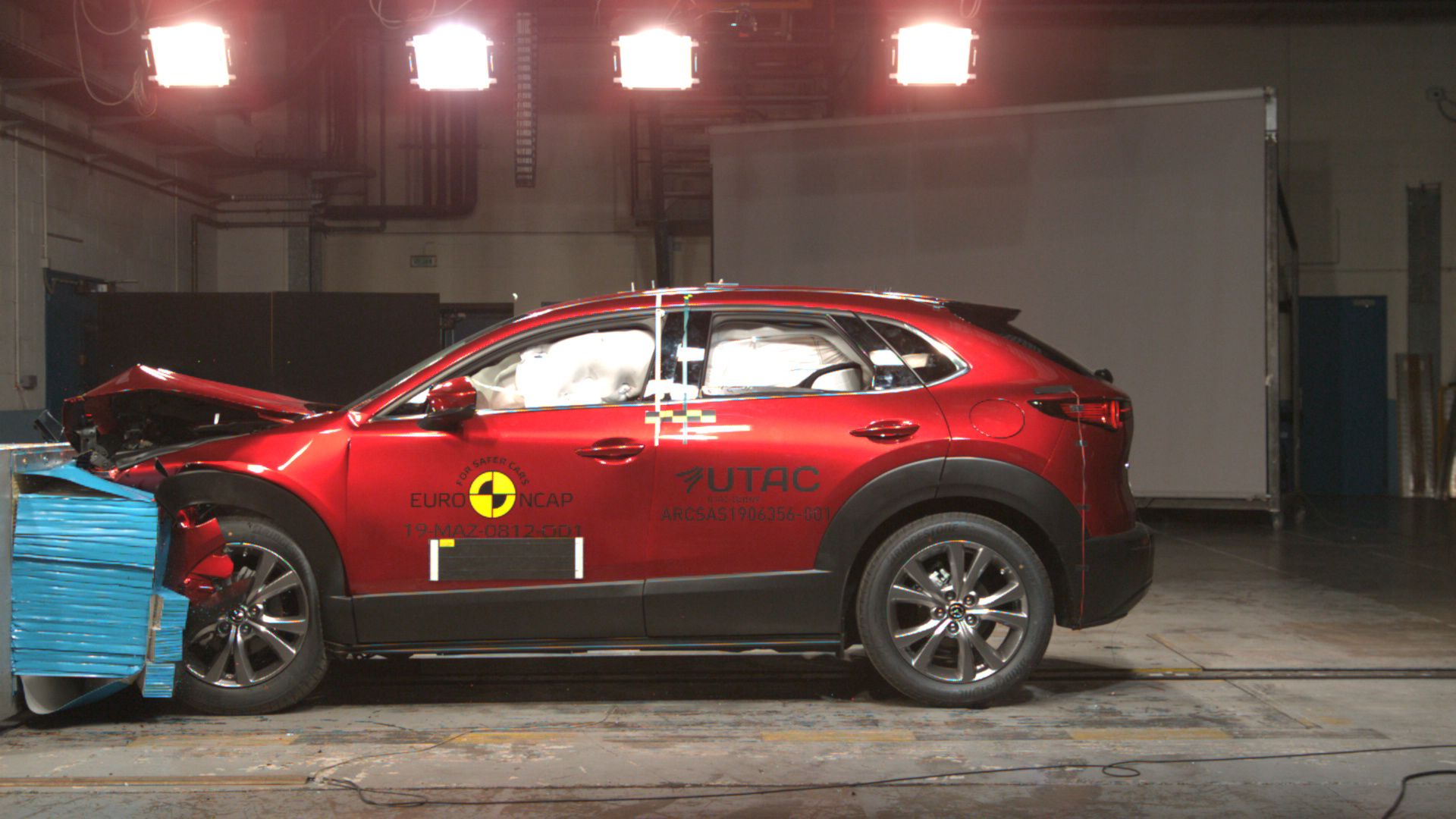
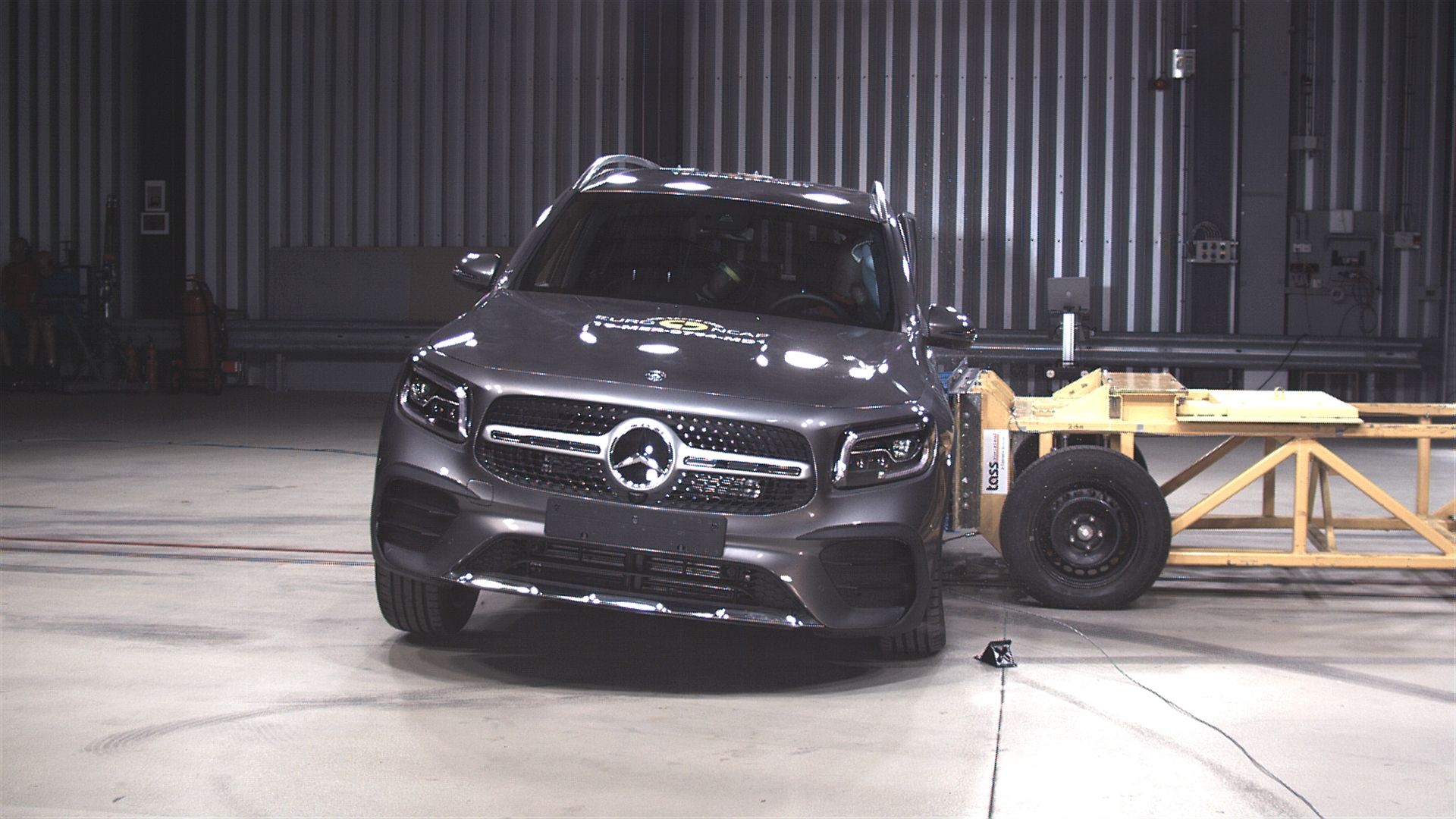
The Mazda CX-30 was the star performer in the tests: awarded 99 percent for adult occupant protection. Its score was, in the words of Euro NCAP’s Michiel van Ratingen, “almost perfect”.

Euro NCAP results

“There are still several cars to be rated in 2019, but it is unlikely we will see better for this part of the assessment,” remarked van Ratingen. “And congratulations to Ford and Mercedes-Benz for their five-star ratings, too.”

The GLB compact crossover is the sixth Mercedes to earn five Euro NCAP stars this year.

Ford’s Explorer SUV, which is coming to Europe as a plug-in hybrid, also achieved a five-star rating.

Euro NCAP results

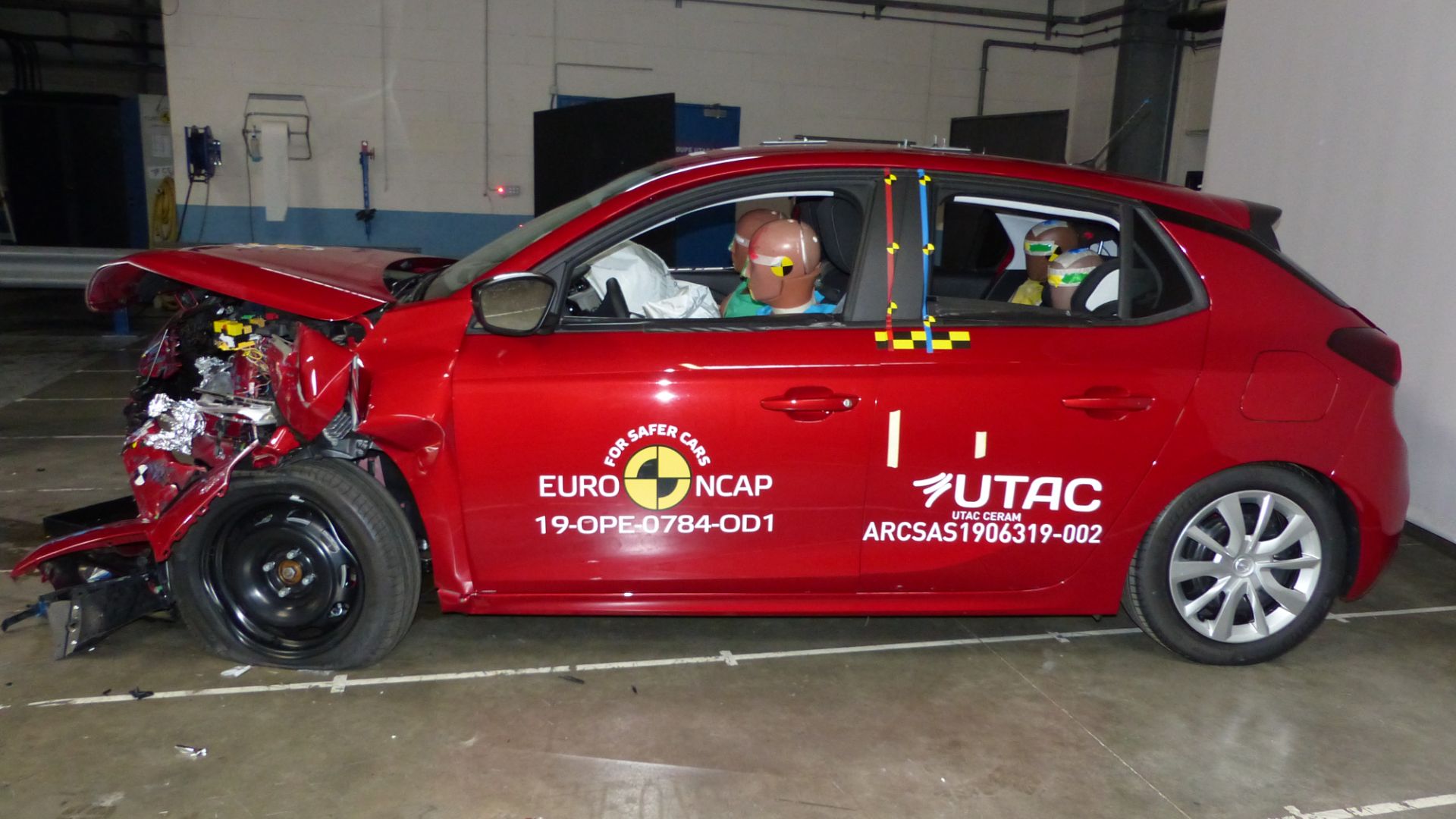
Vauxhall only managed four stars for the new Corsa, an unfortunate result given it missed out on five stars by a single percentage point. The Corsa was awarded five out of five in three out of the four assessment areas, but its Safety Assist performance wasn’t quite up to scratch.

“Euro NCAP is now gearing up for new tests in 2020, but we’re confident that manufacturers will continue to deliver the highest levels of safety to their customers, said van Ratingen.”

Advertisement

‘Stop demonising older drivers’, says road safety charity

0

Older drivers shouldn't be demonised

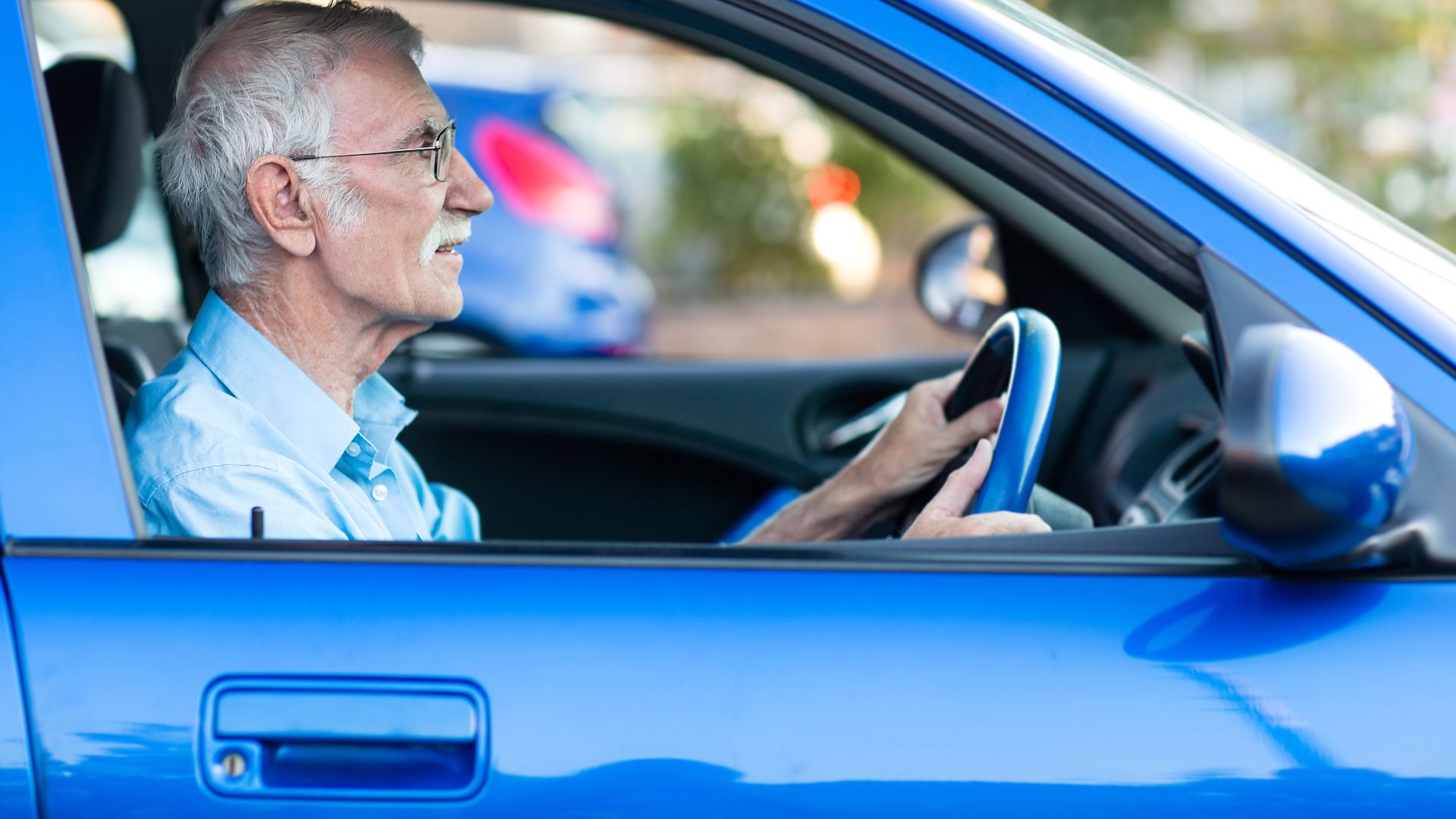
Government figures predict the number of drivers aged over 75 to quadruple over the next 25 years. Road safety charity IAM Roadsmart is calling for a renewed debate on how to make older drivers safe behind the wheel. Discouraging older people from driving shouldn’t be considered, it says.

Quite the opposite. Driving is a way to keep older generations healthy, engaged and independent, and should be encouraged, it says. This, in spite of recent prevailing opinions suggesting that older drivers’ use of cars should be reviewed. Swansea University conducted research on the subject in 2016. It suggests that drivers aged 70 and over are four-times less likely to be in an incident than the youngest drivers on the road, up to the age of 24.

Older drivers shouldn't be demonised

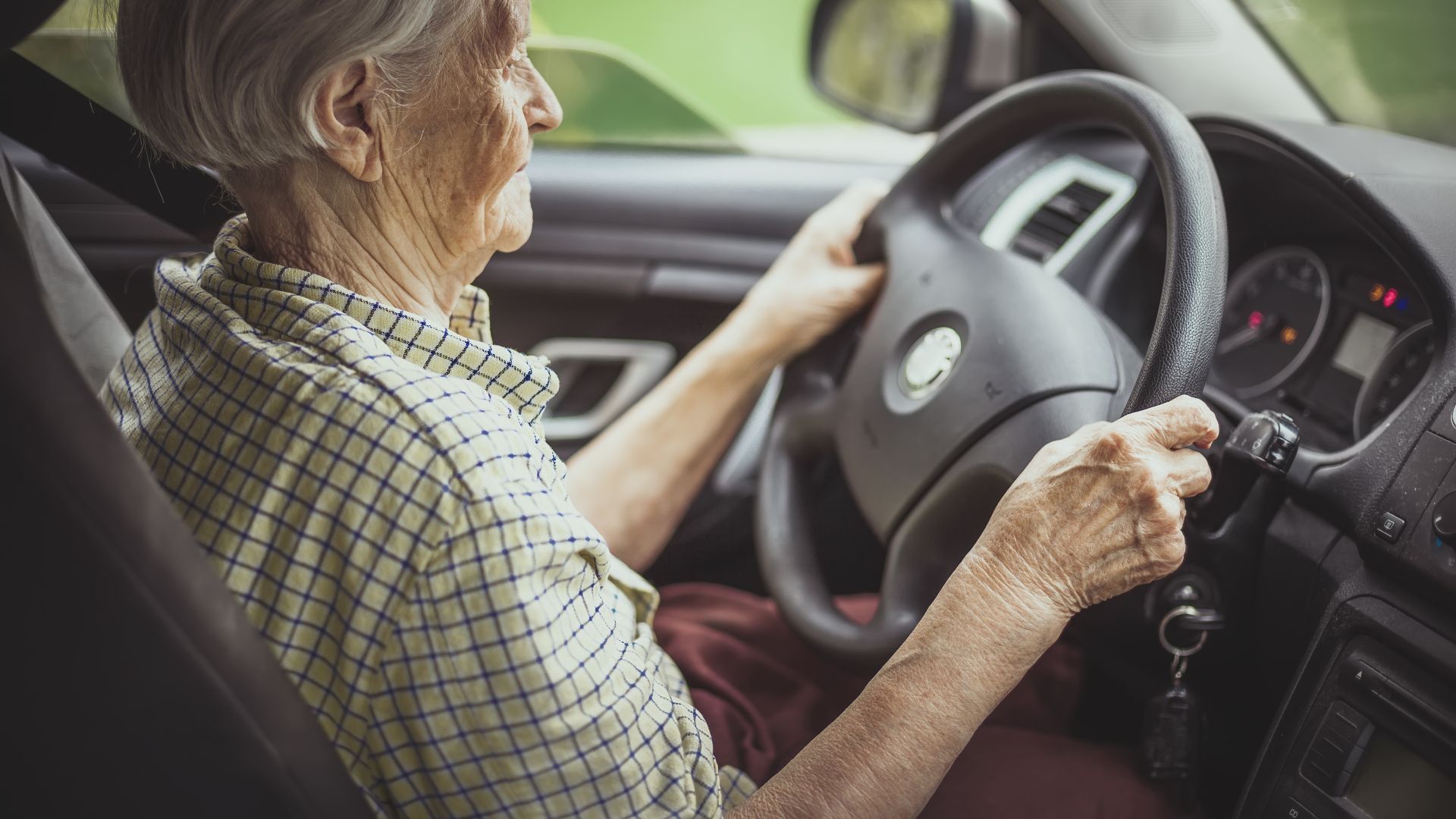
The charity cites a number of reasons why older drivers are, in fact, safer. They make a lot of sense. For one, older drivers have the most experience. They tend to avoid driving during the most dangerous times or in the most dangerous conditions. They also tend to be cautious and follow the rules.

“Contrary to popular opinion the evidence is clear: older drivers remain one of the safest groups behind the wheel,” said Neil Greig, IAM RoadSmart director of policy and research.

“So as the number of older people continues to expand at a significant rate, it’s crucial that we face up to this growing issue and develop solutions that will enable older people to stay driving for as long as they are safe to do so.”

  • Should SUVs be banned from company car fleets to cut CO2?

Older drivers shouldn't be demonised

  • Road rage is getting worse, says RAC survey

“As the population ages, we want to see the driving licence renewal age raised to 75, accompanied by an eye test to ensure the individual remains capable of identifying and reacting to any potential hazards. GPs should also be able to prescribe a driving assessment where they think it appropriate and these, in time, could become compulsory for drivers over 85.

“As a nation we need to accept that older drivers are here to stay and stop making assumptions of the kind we often see in the media and public opinion, where older drivers are demonised and openly criticised.”

Advertisement

Maserati GranTurismo bows out, with electric successor likely

0

Last Maserati Gran Turismo

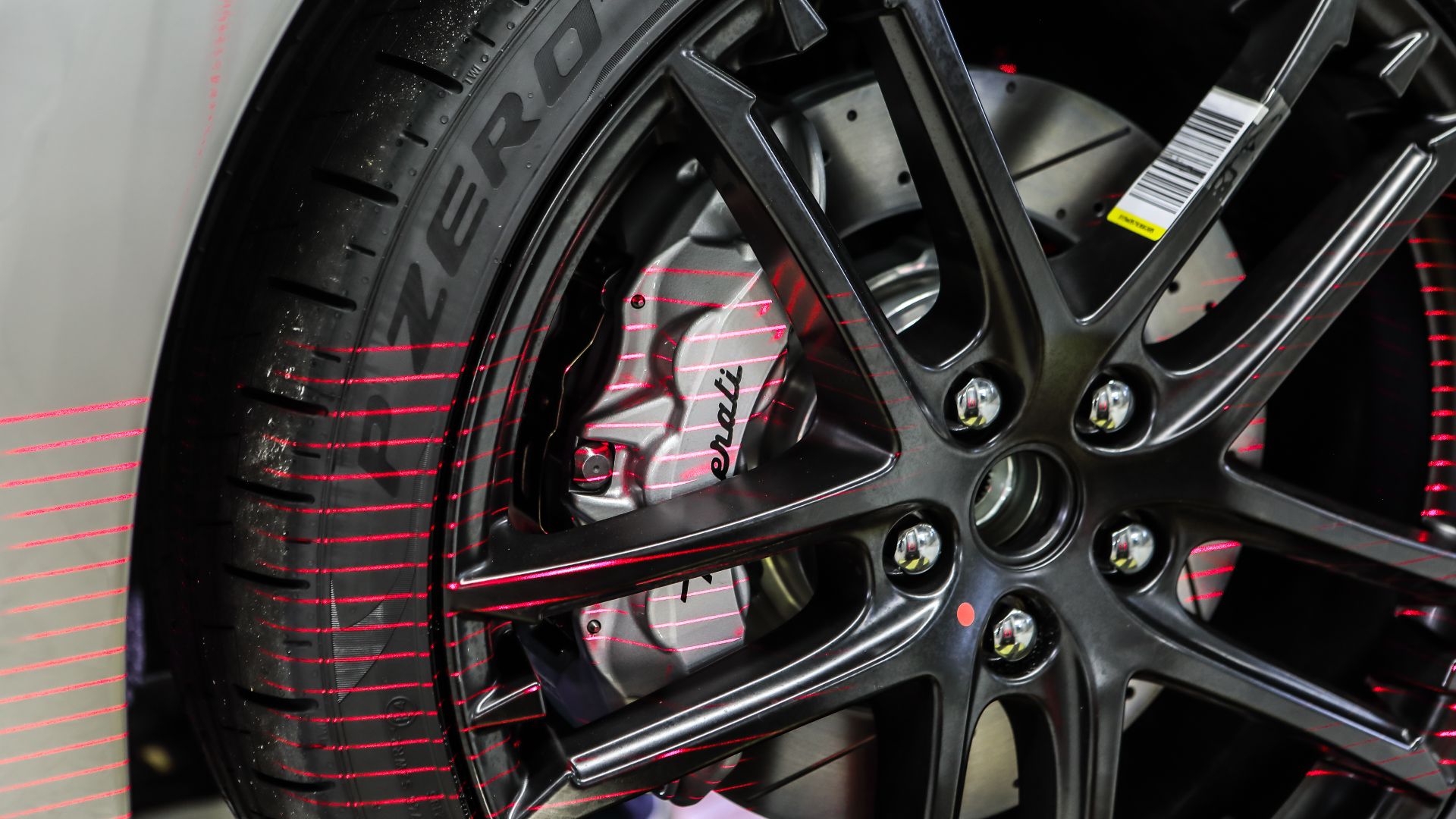
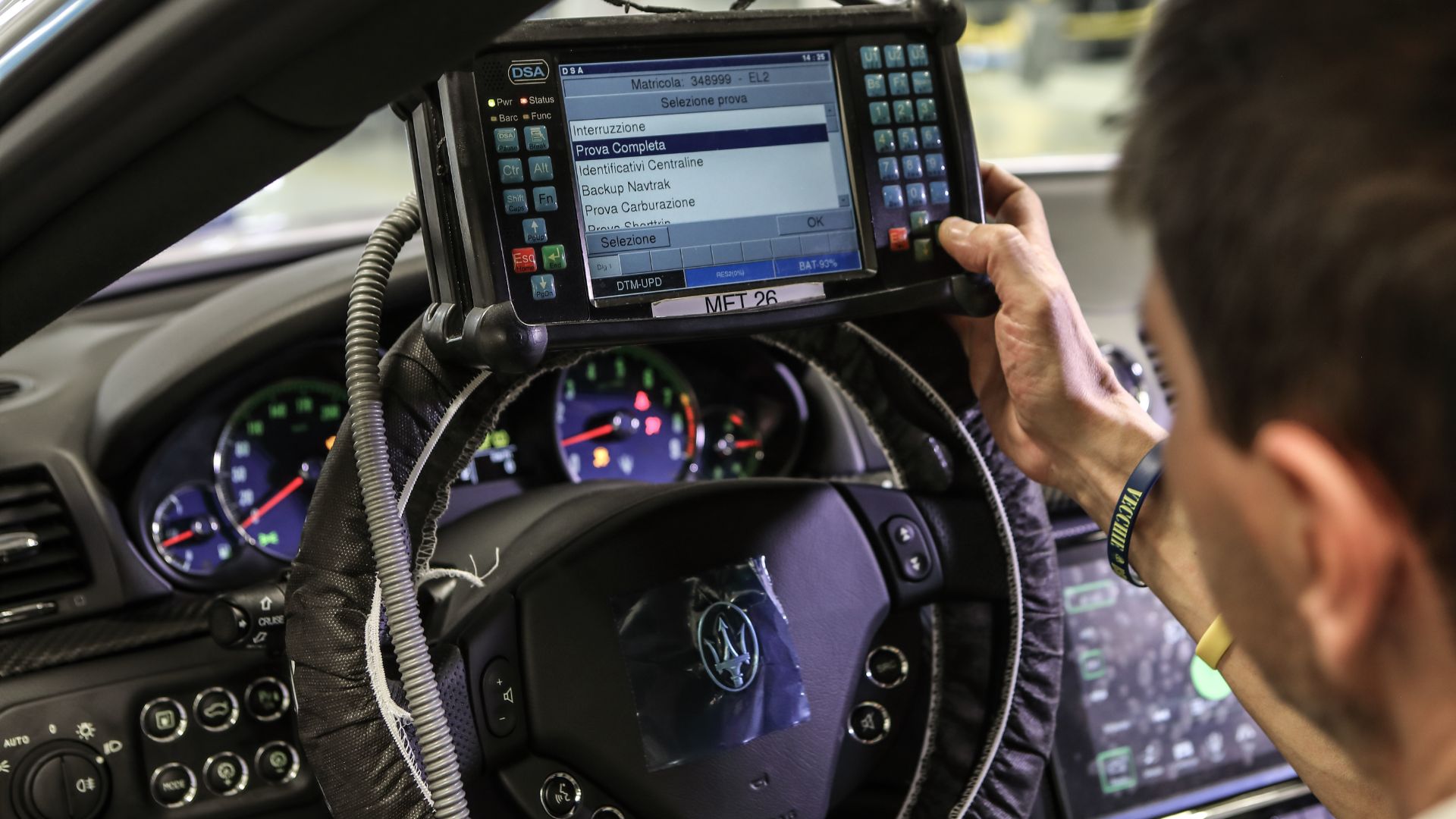
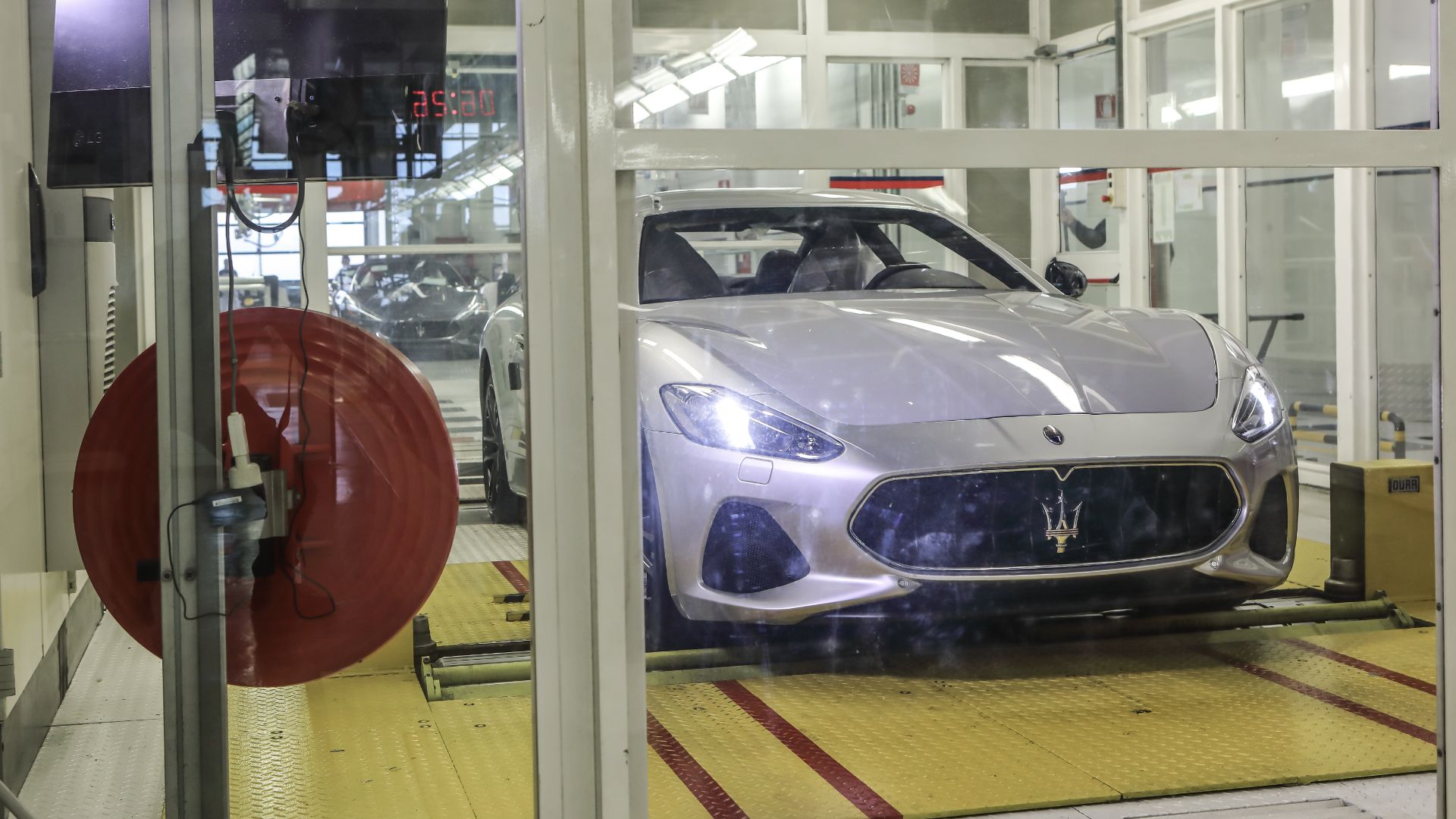
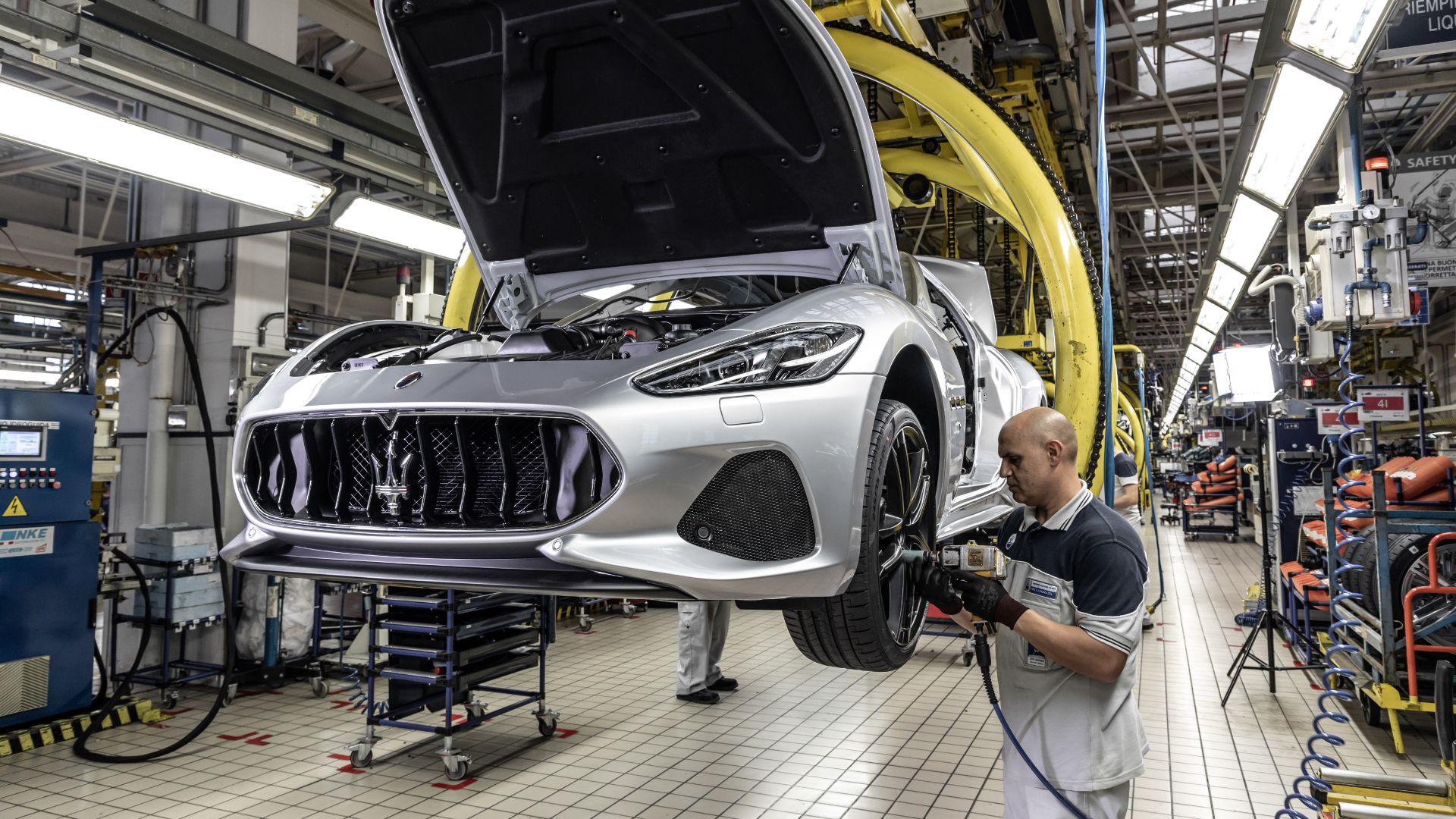
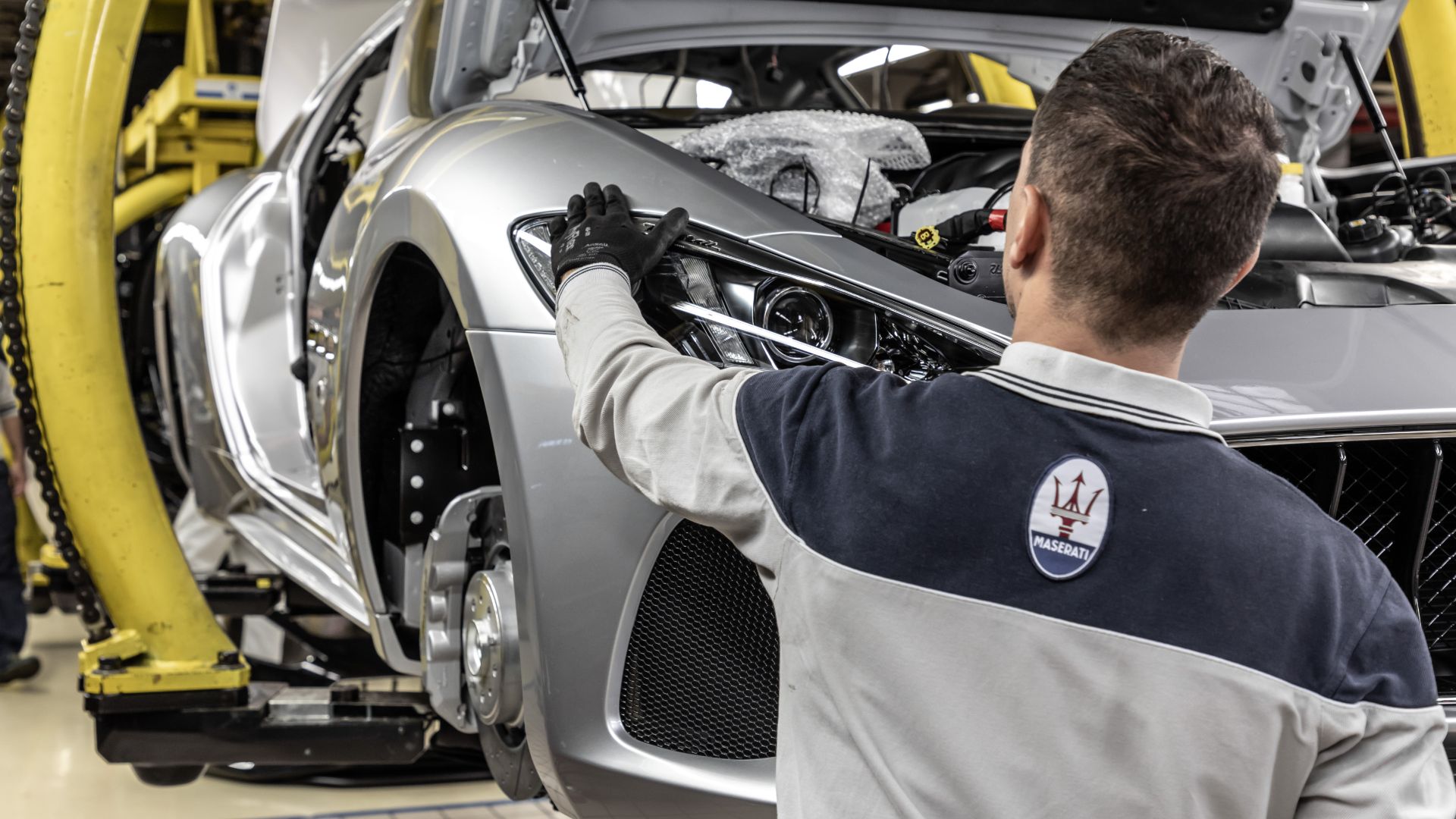
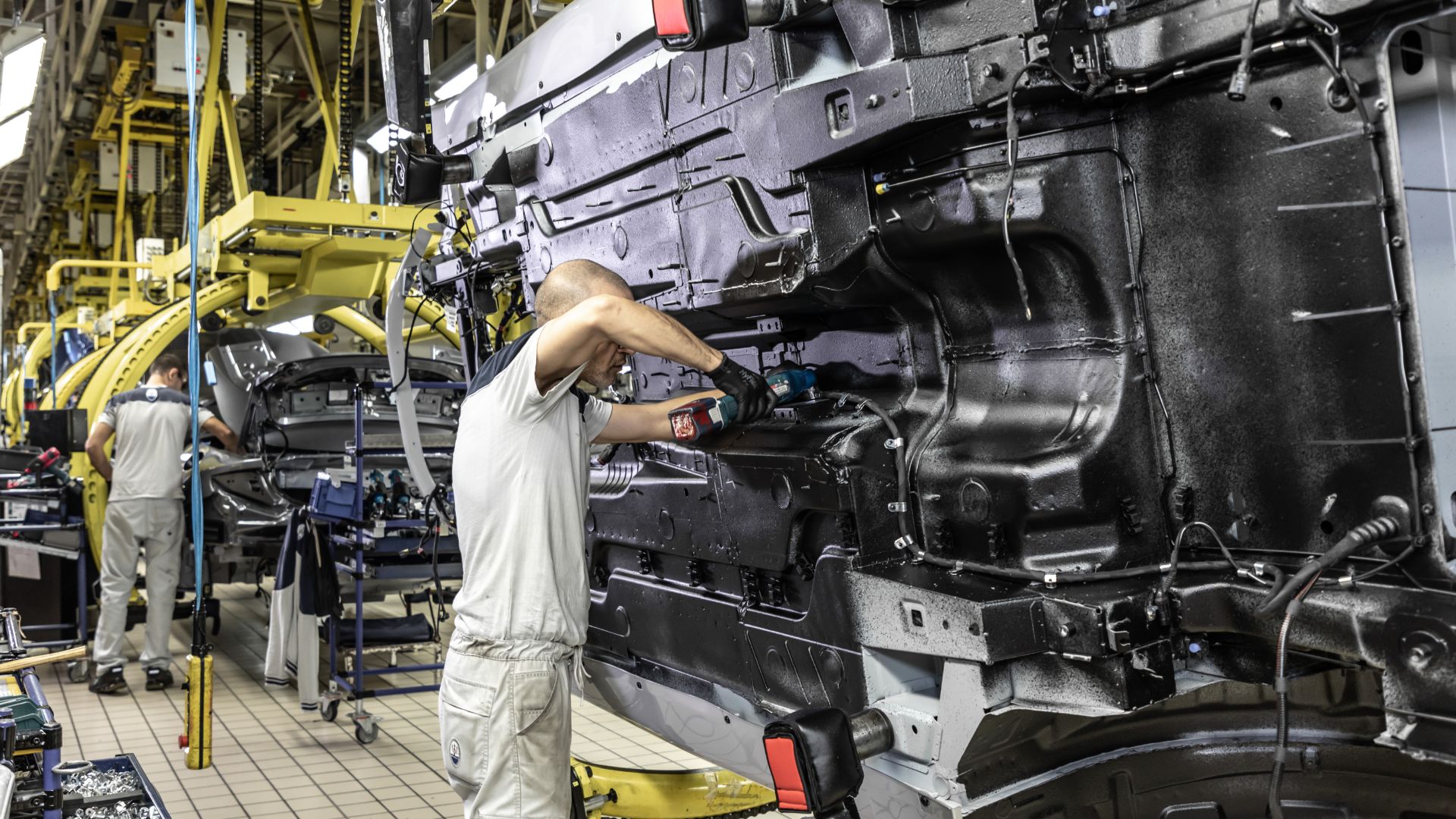
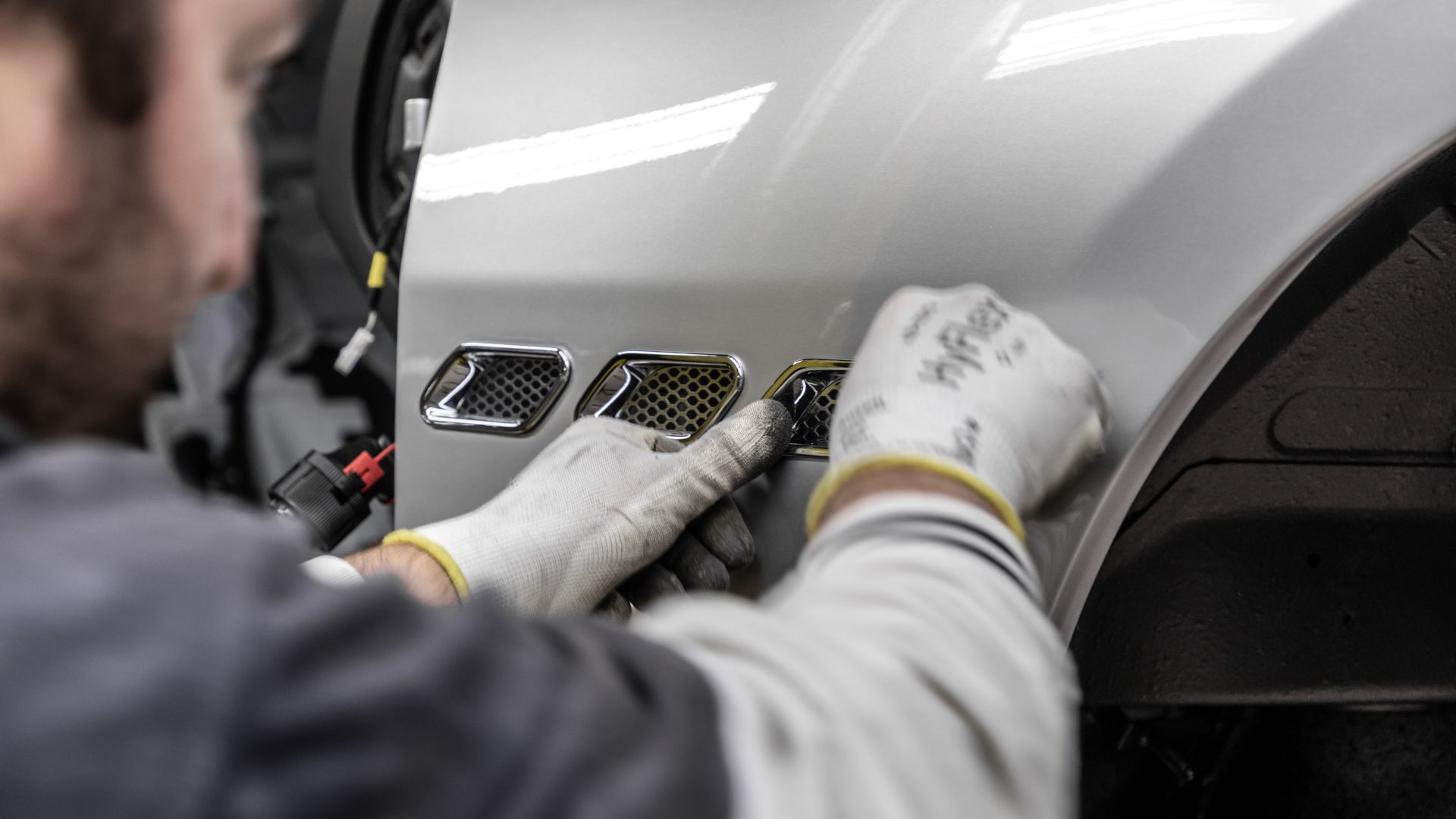
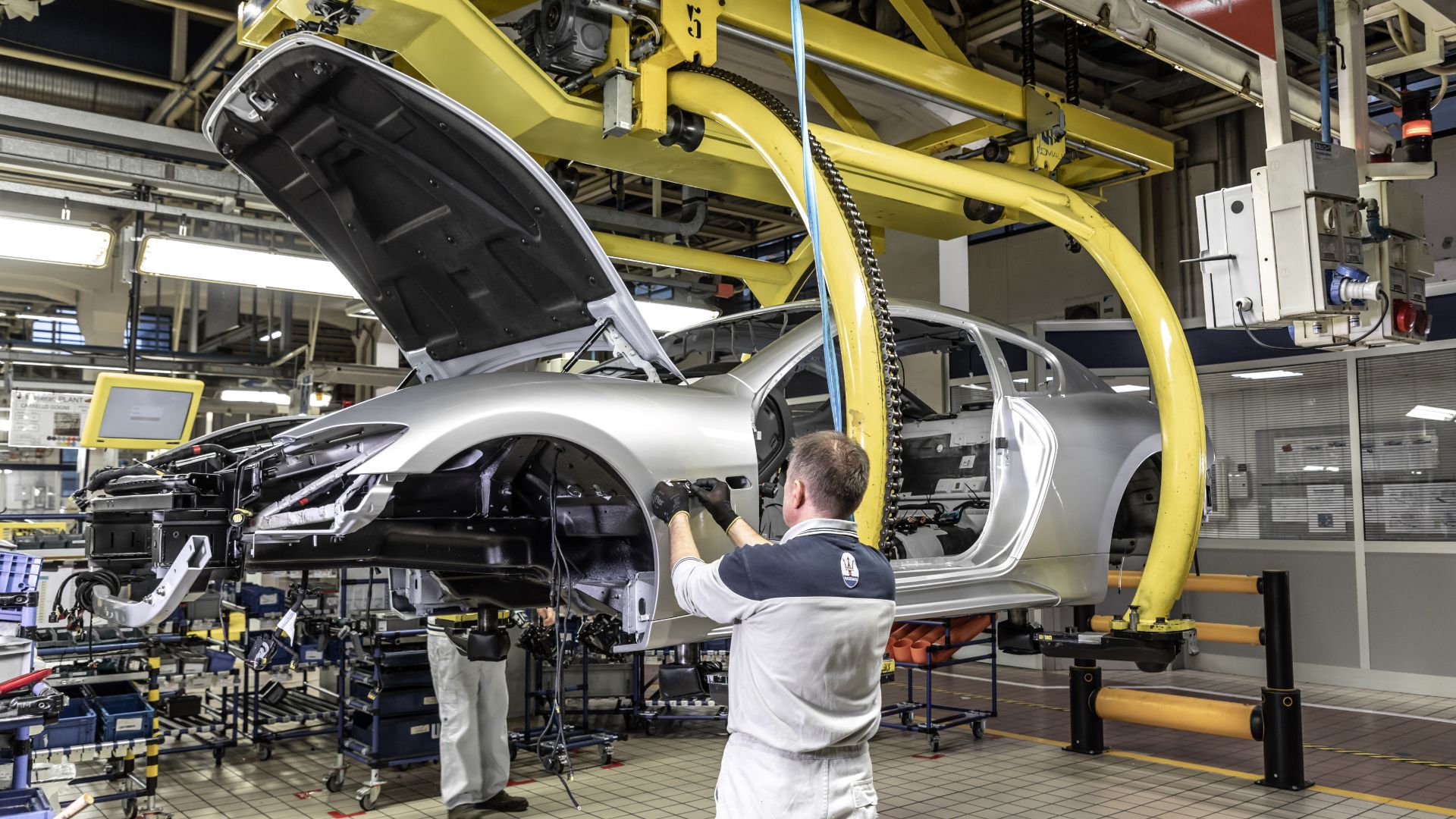
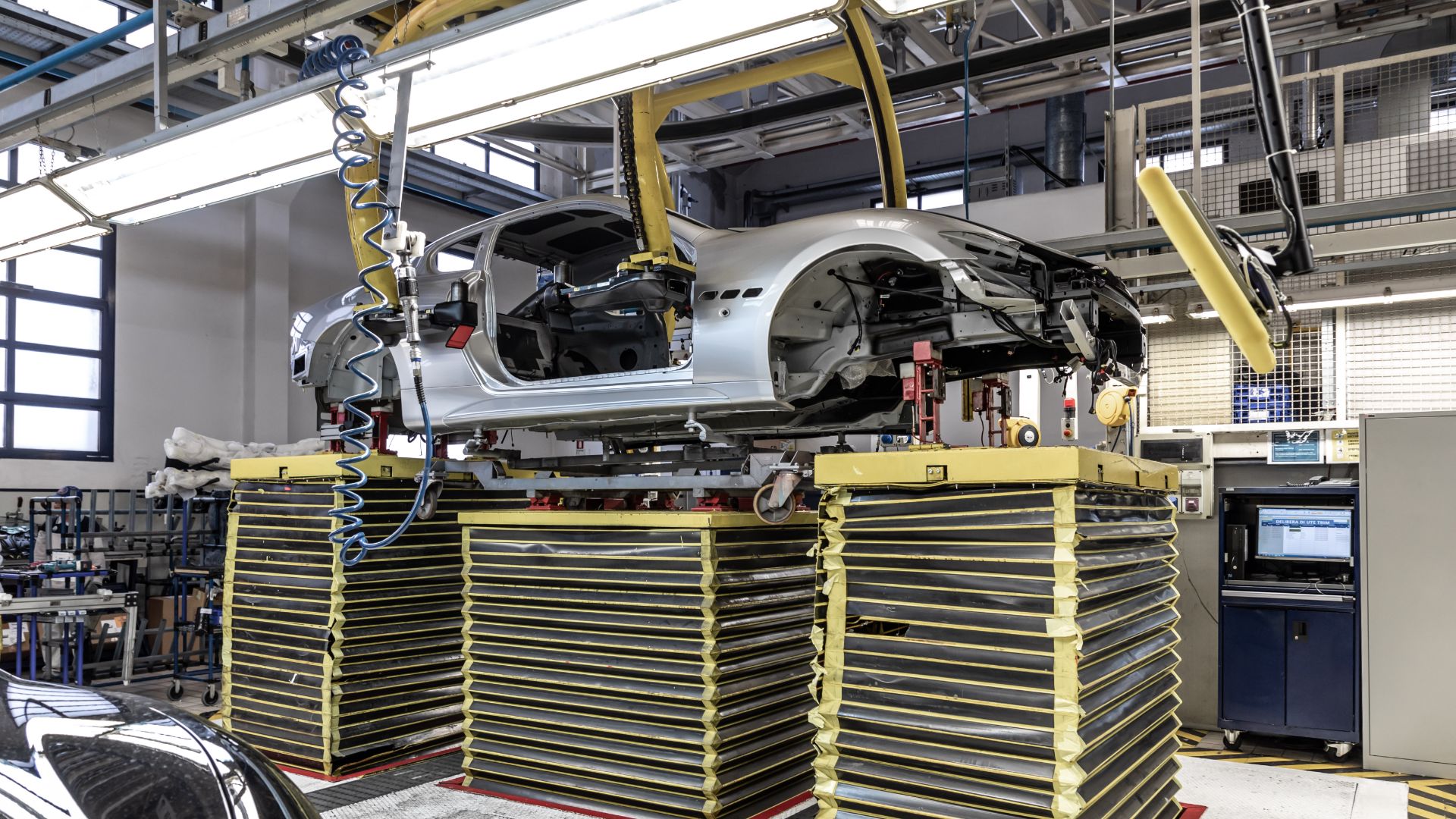
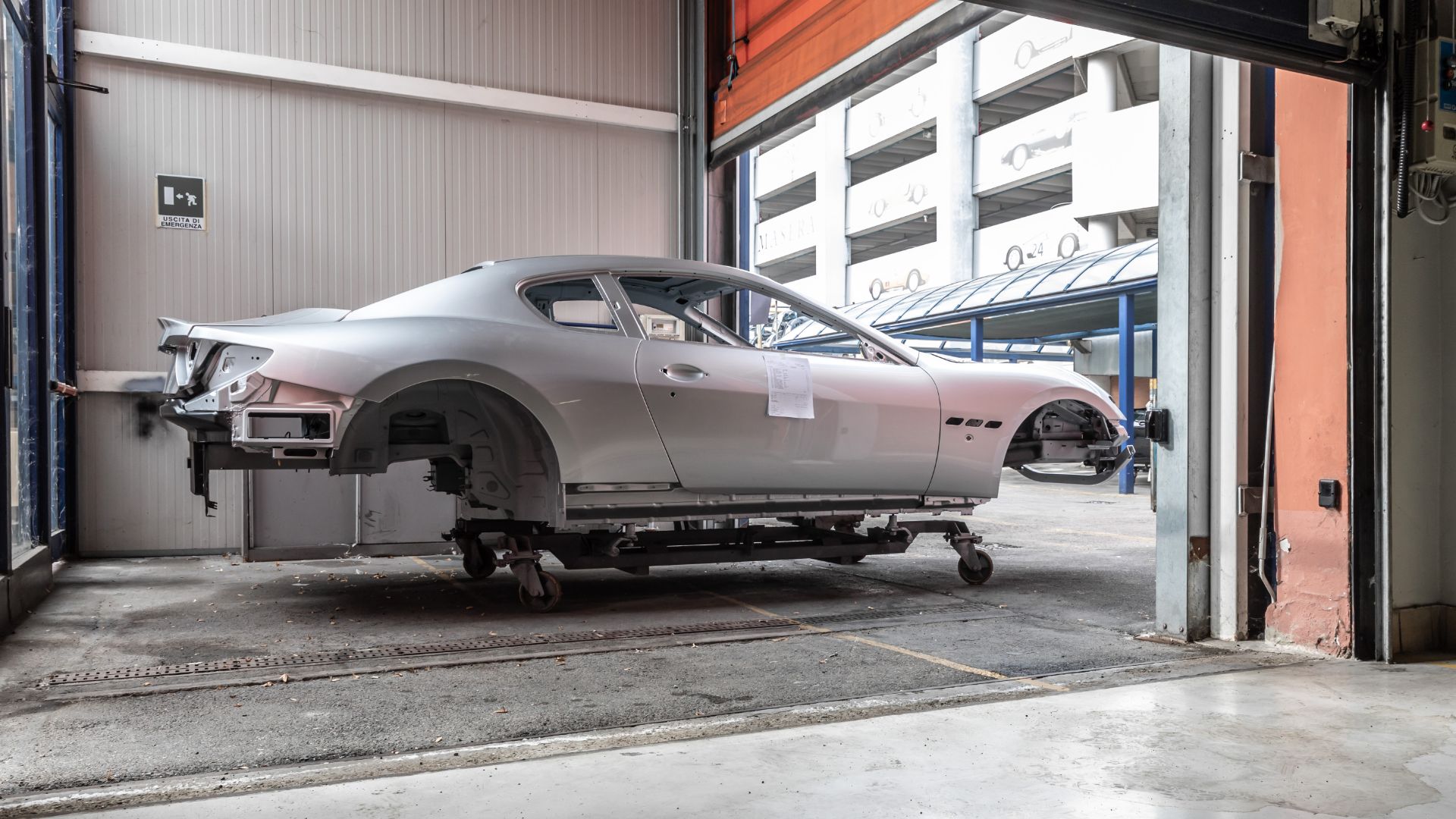
The very last Maserati GranTurismo has been produced, after 12 years in production. That means congratulations are in order for the Nissan GT-R. It’s now the only super sports car from the last decade still on sale.

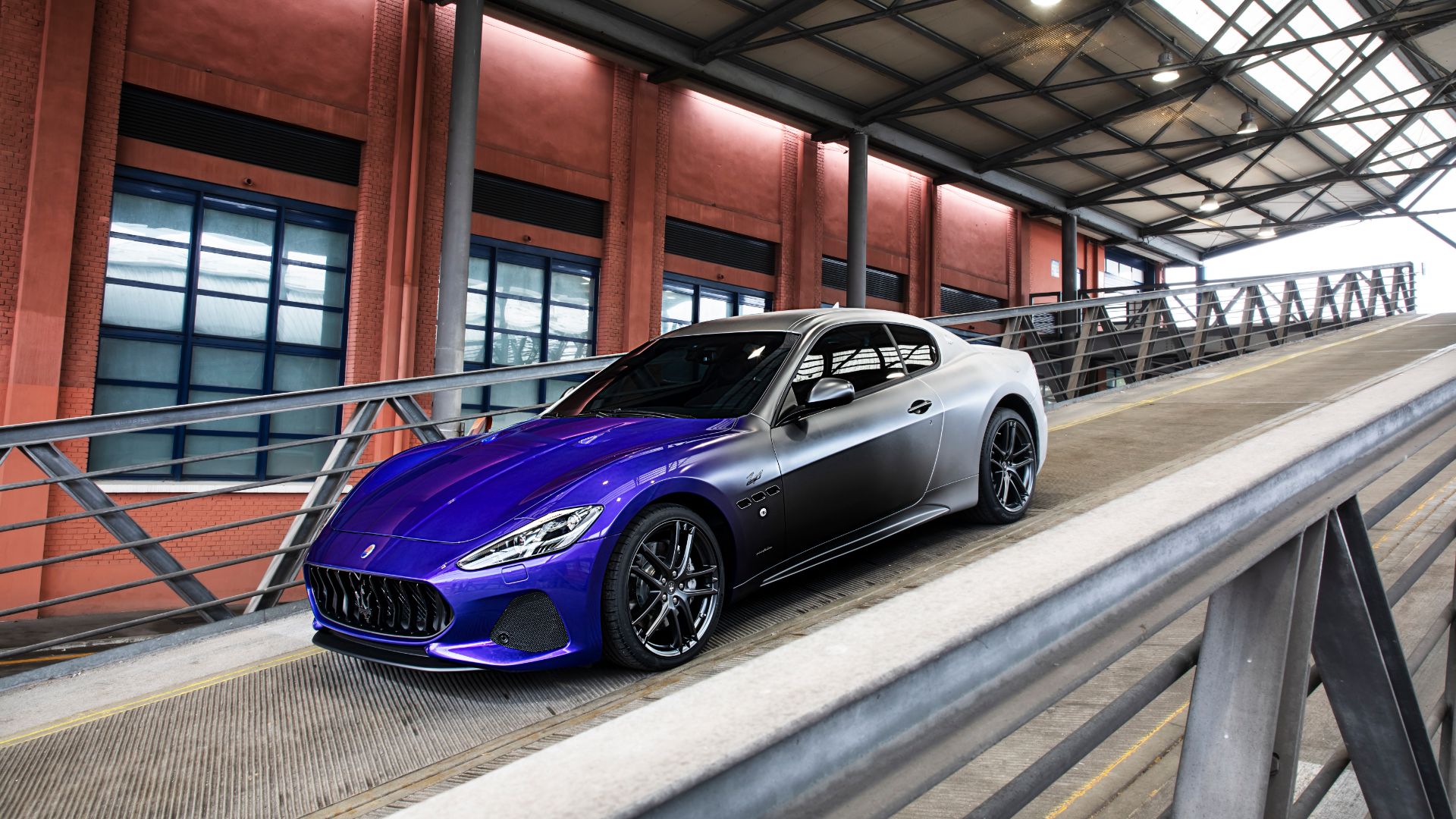
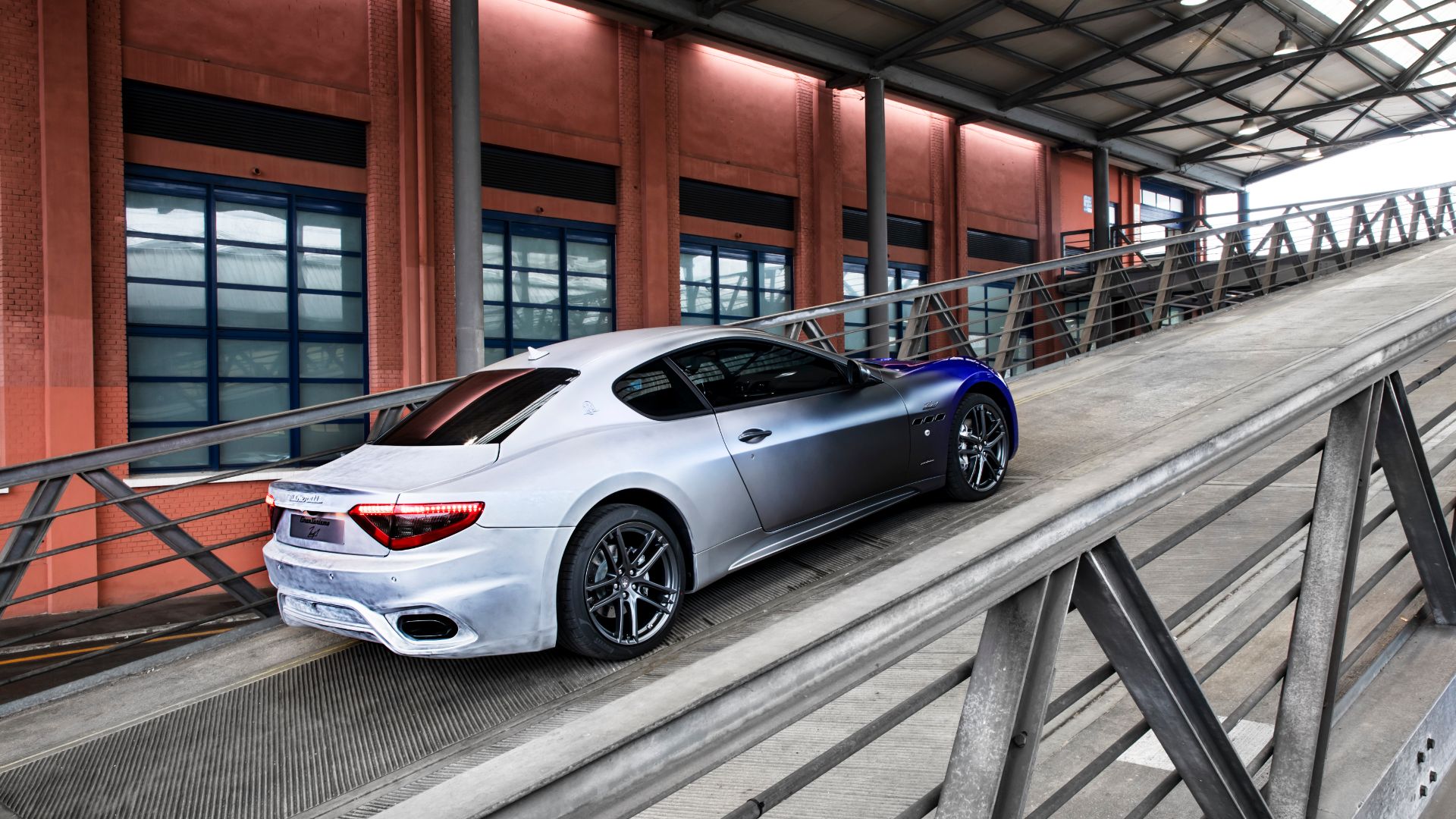
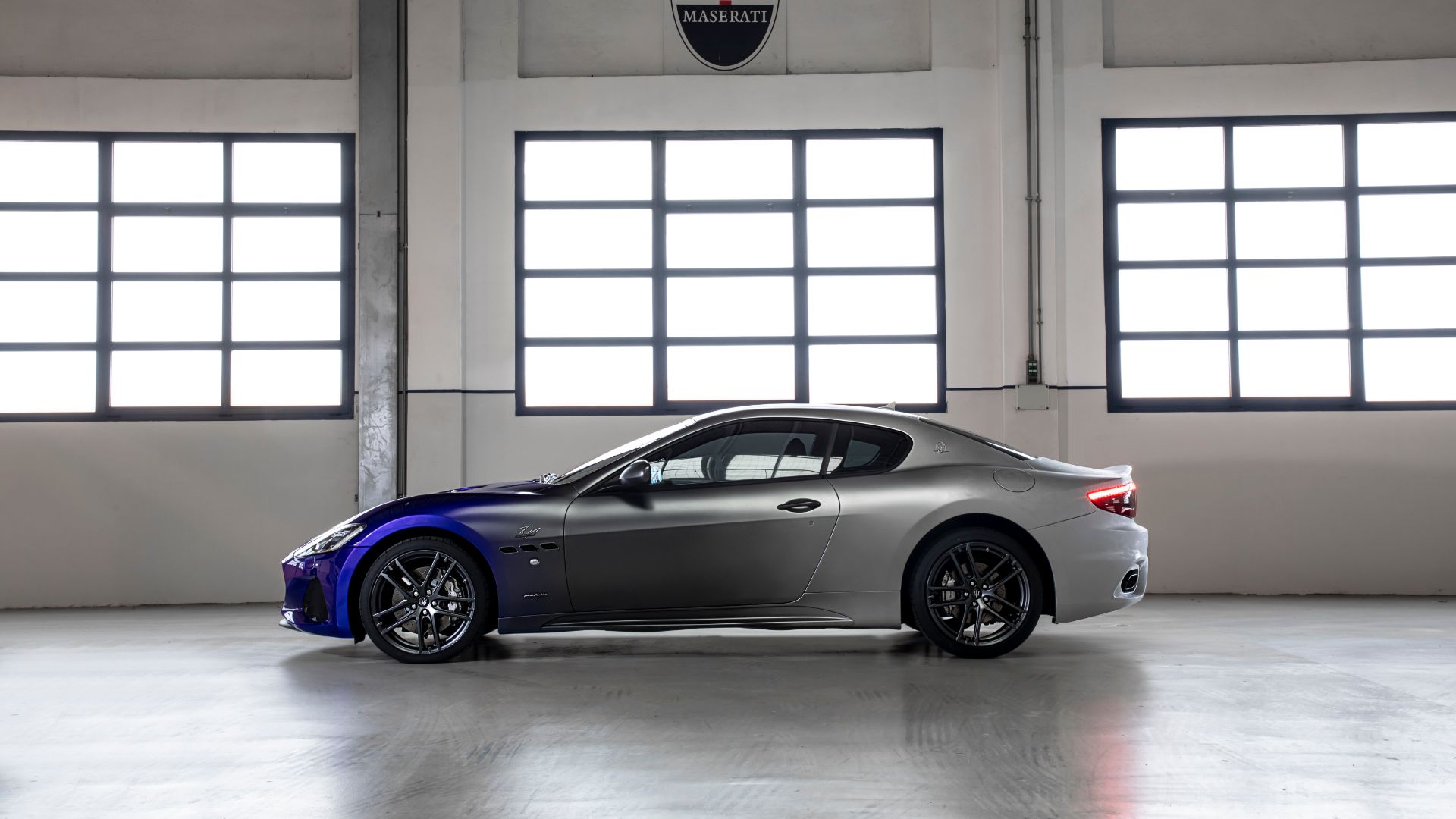
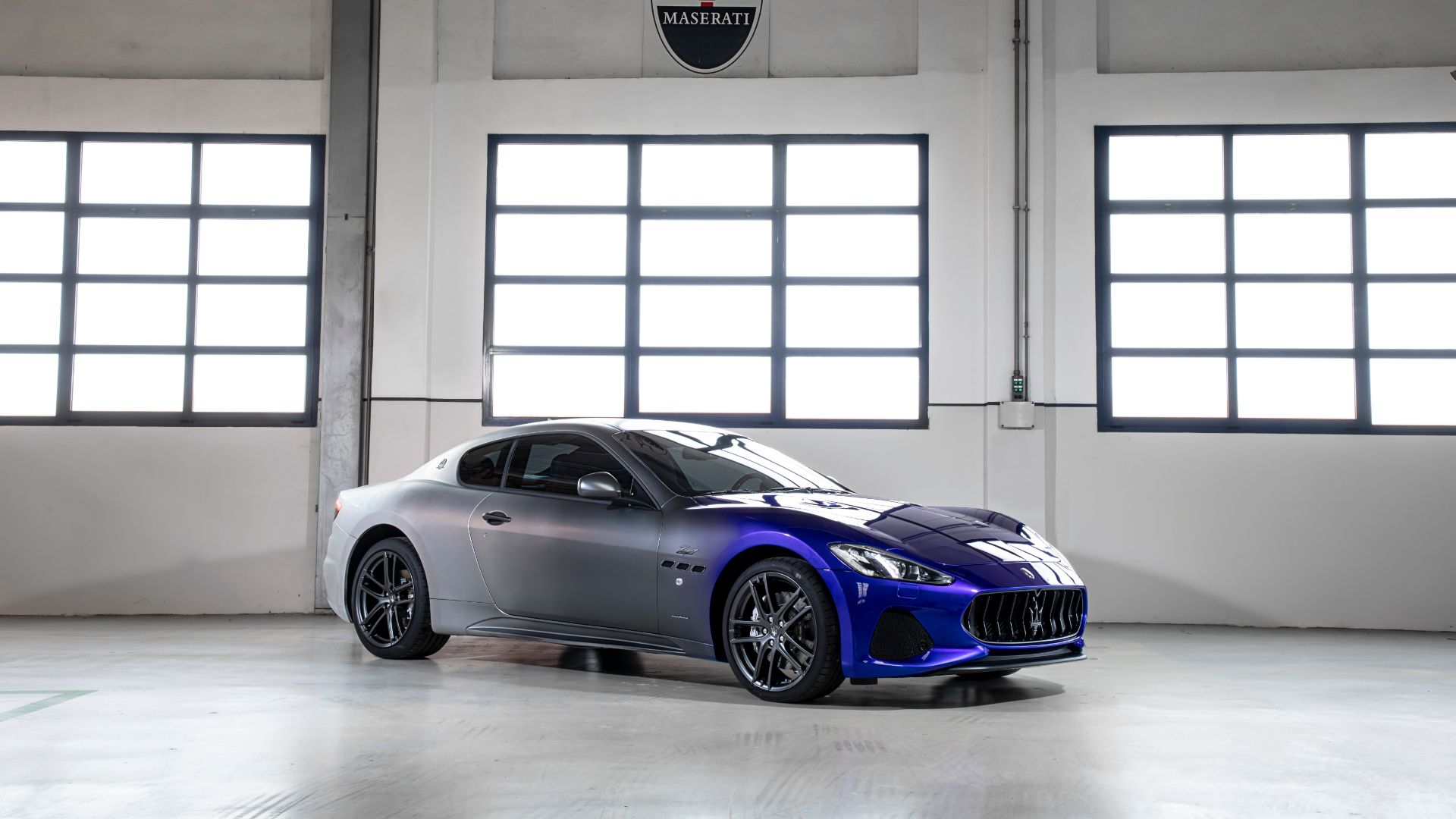
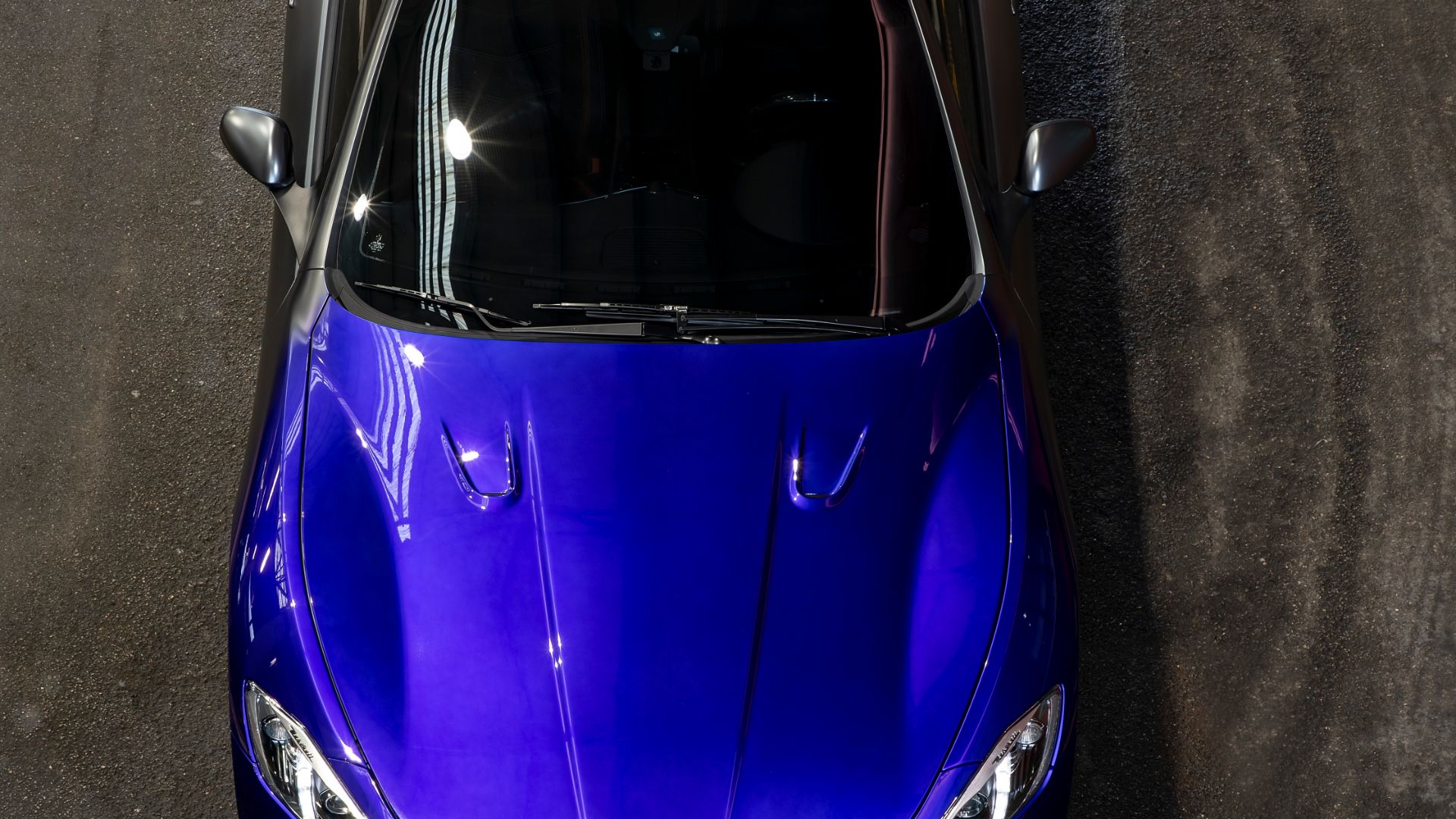
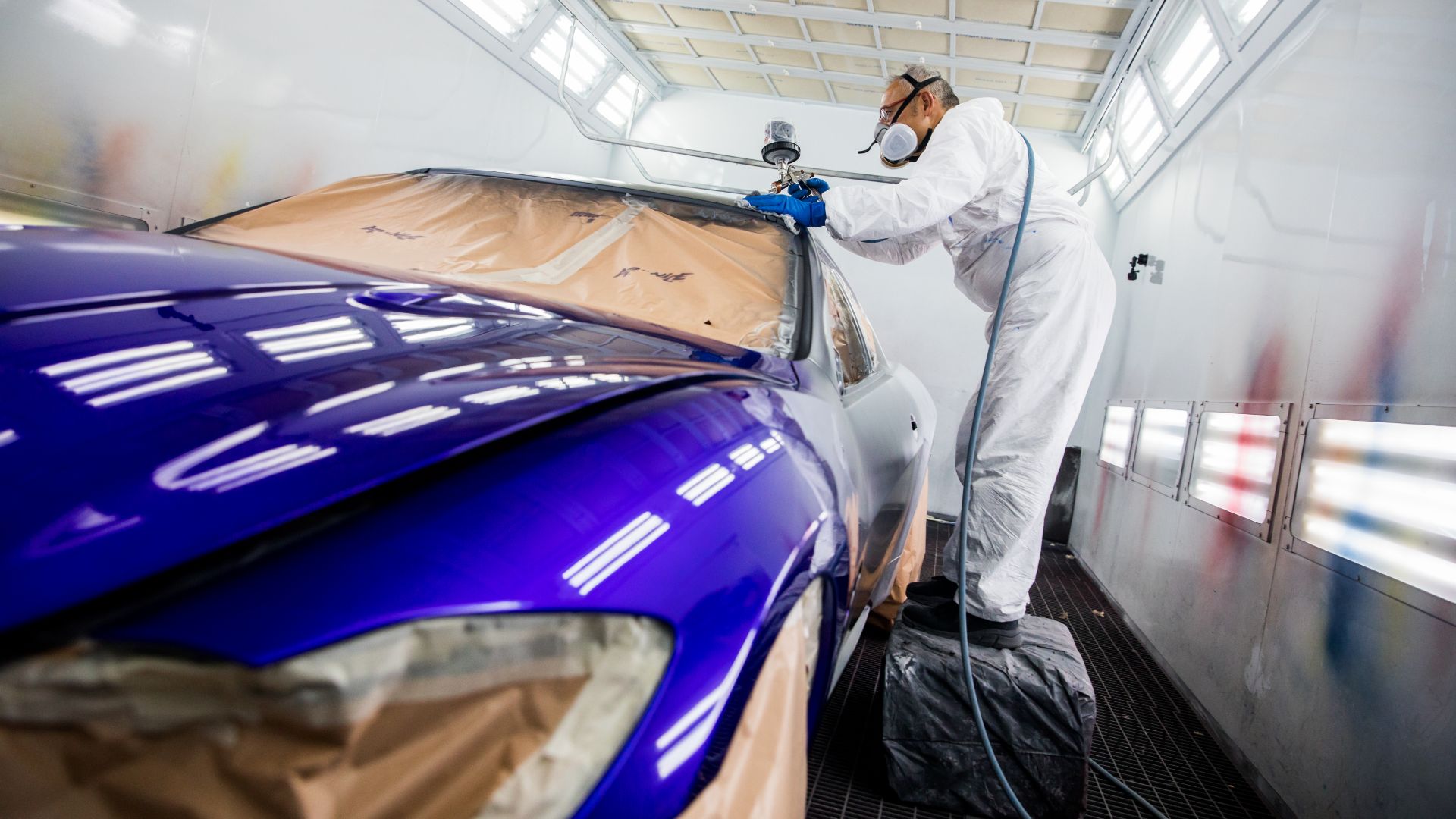
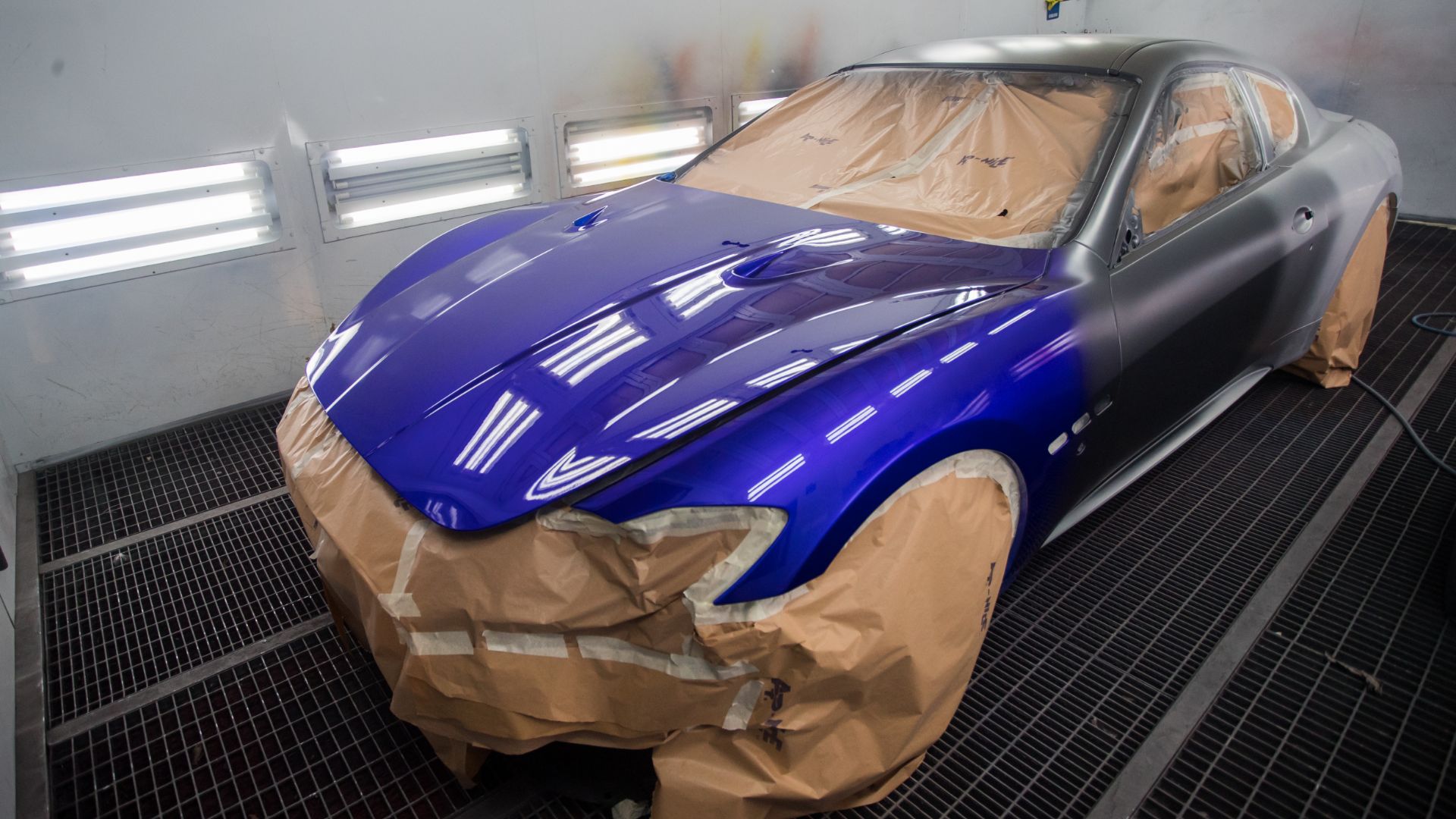
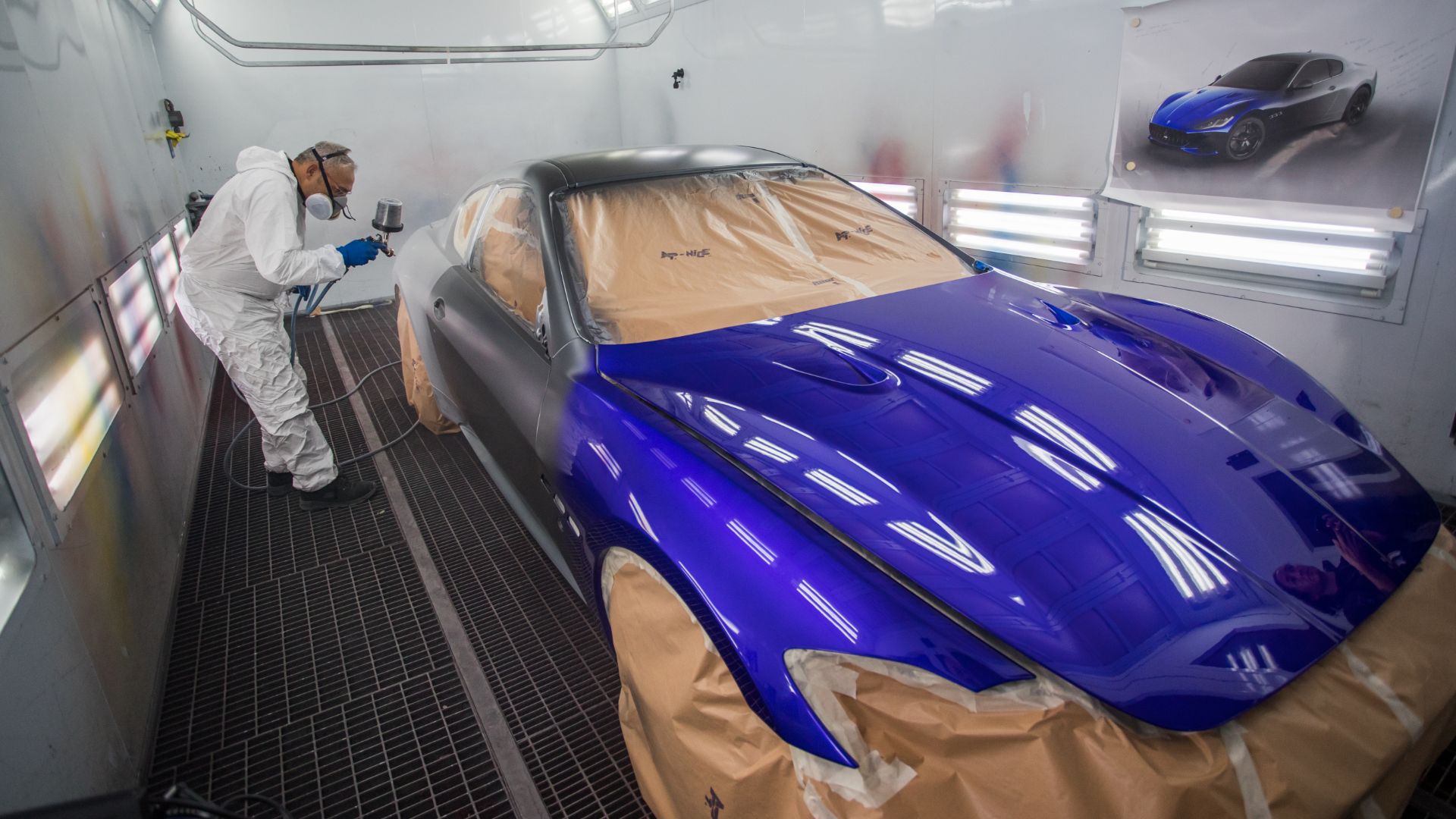
On a serious note, the departure of the GranTurismo is as sad as it is expected. The final car is called the GranTurismo Zéda and is described as ‘the bridge which connects the past, the present and the future’.

It will be going on tour, serving as a goodbye to the outgoing car, while Maserati talks about what comes next.

Last Maserati Gran Turismo

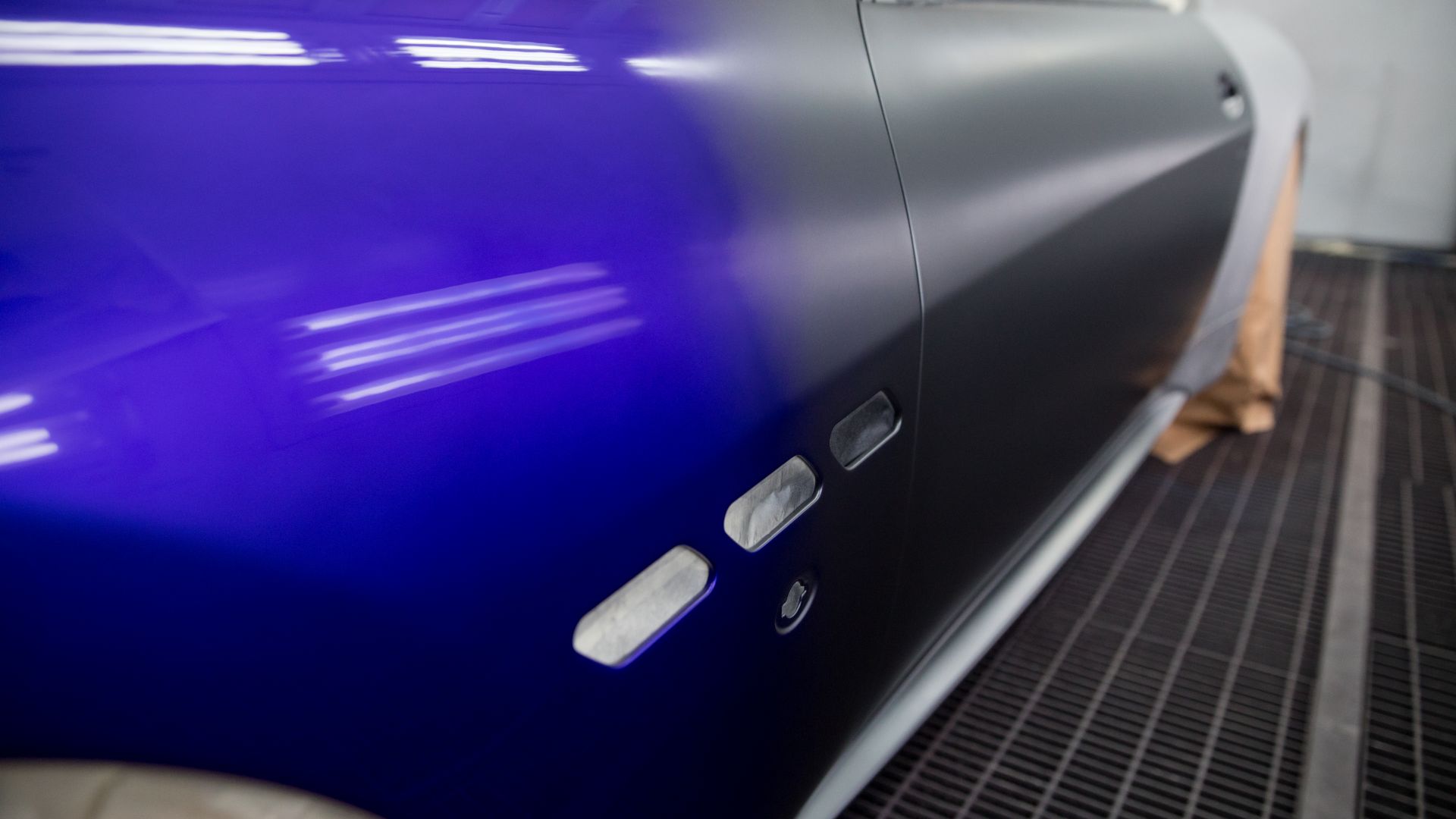
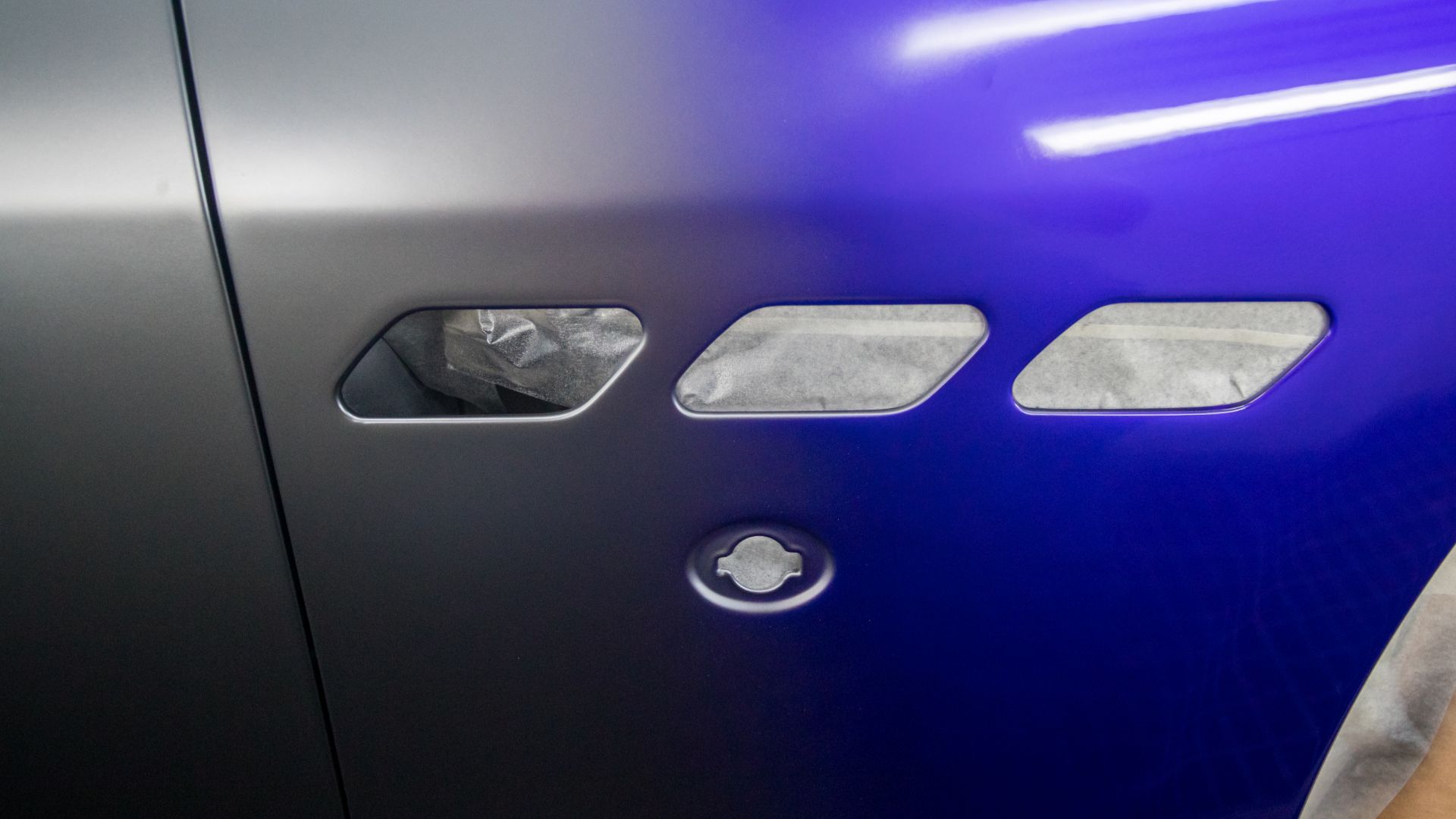
The paint scheme on the car is supposed to represent this transition. A lively metallic blue transitions through a ‘metallurgic’ hue to a dirty white at the back.

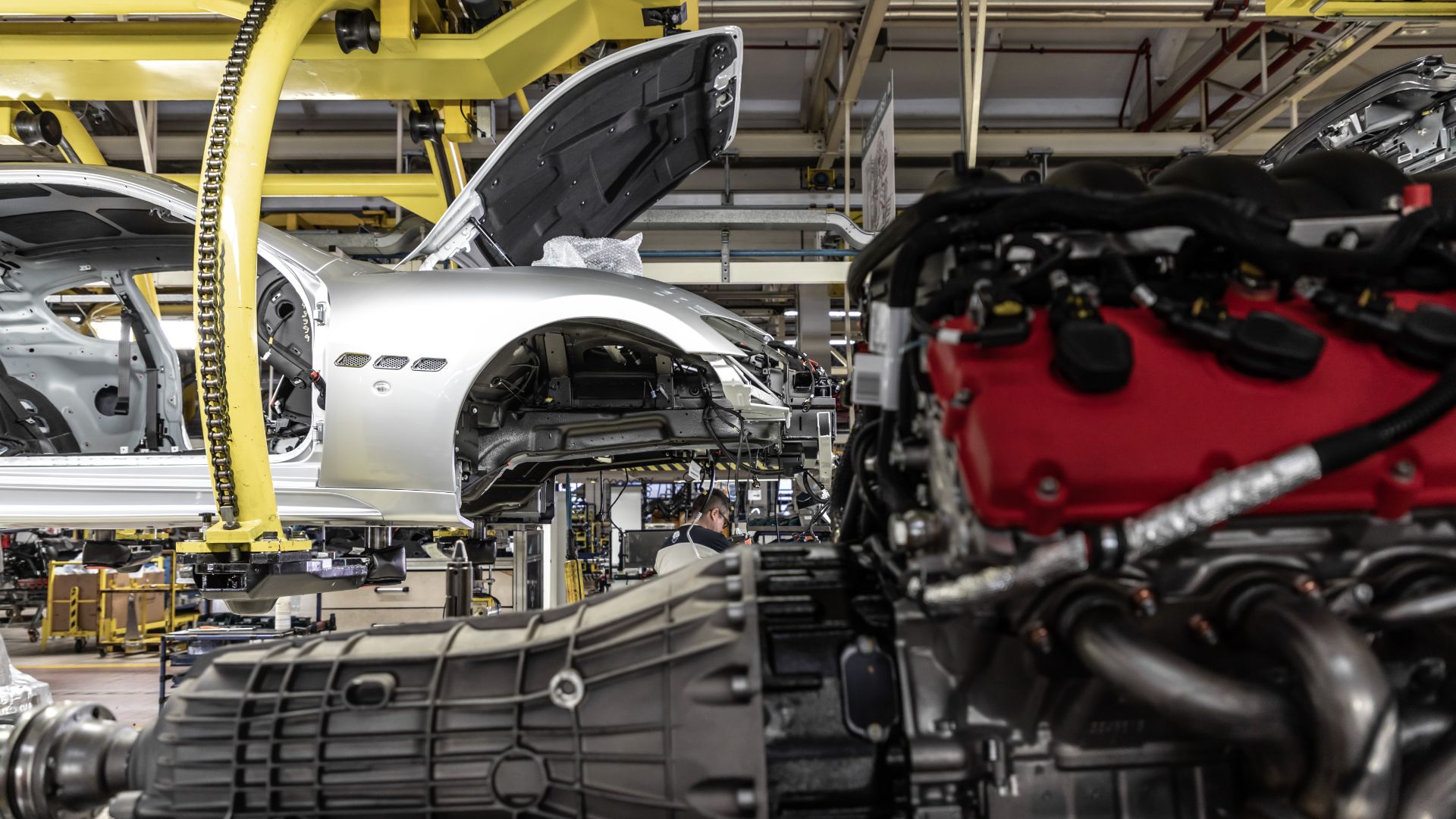
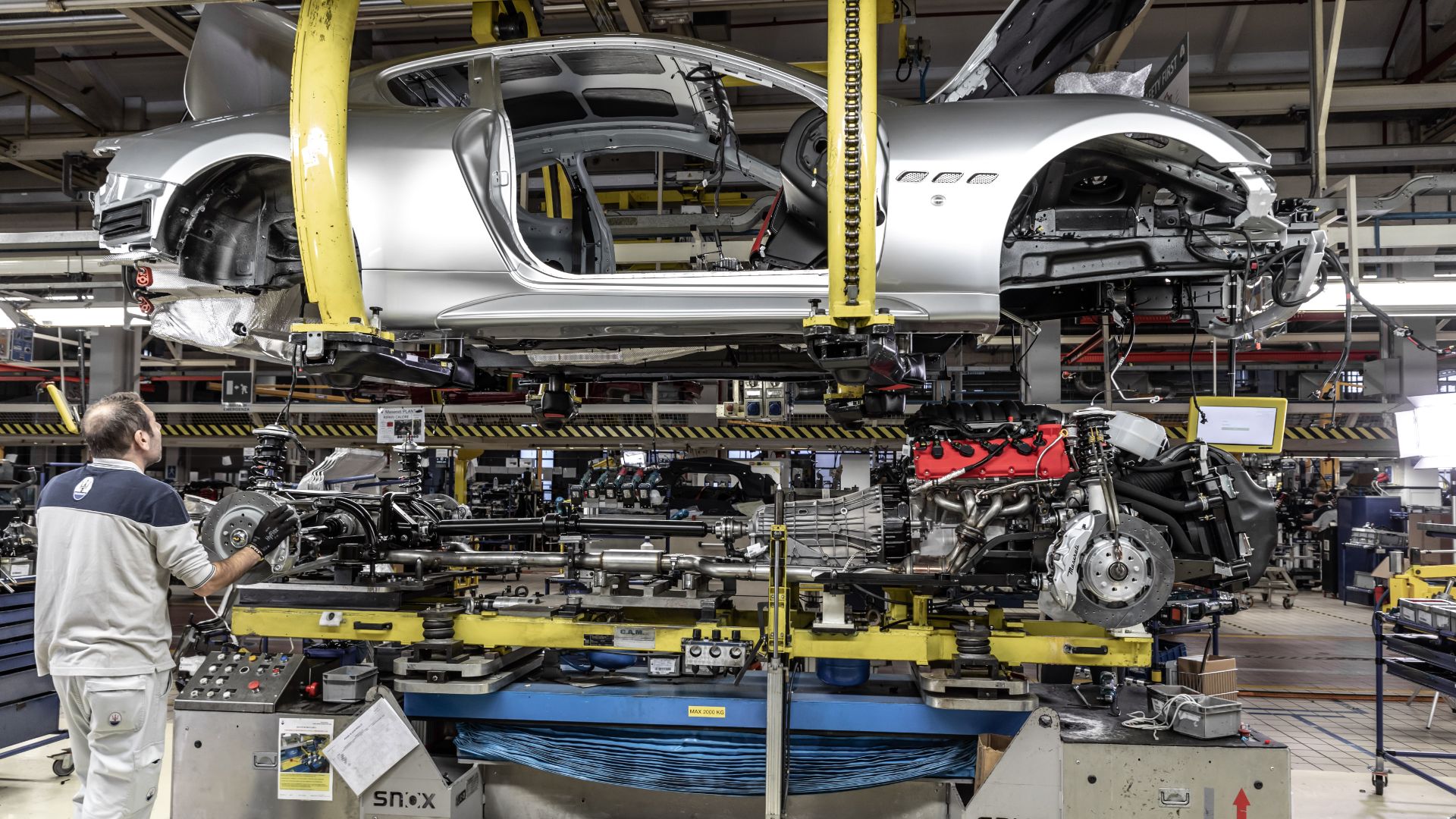
The factory in Modena is now being prepared for the GranTurismo’s successor. Big change is coming, as Maserati has hinted that the car, influenced by the Alfieri concept of 2014, will be all-electric. Grand touring cars have been the marque’s staple for more than 60 years, so whatever comes next has big shoes to fill, and a long lineage to follow.

As for the GranTurismo itself? It felt a touch antiquated not long after it came out. Its character evolved, from stately, stylish GT to fire-spitting hot-rod. For all its flaws, it aged like a fine wine. The frustration of its antiquity never quite outweighed its charm.

  • One in ten drivers don’t know what tyre tread depth means

Last Maserati Gran Turismo

Revealed as a coupe in March 2007, the GranCabrio version followed in 2009. The S variant took things up a notch in 2008, with a 434hp 4.7-litre V8 (up from 4.2 litres and 399hp).

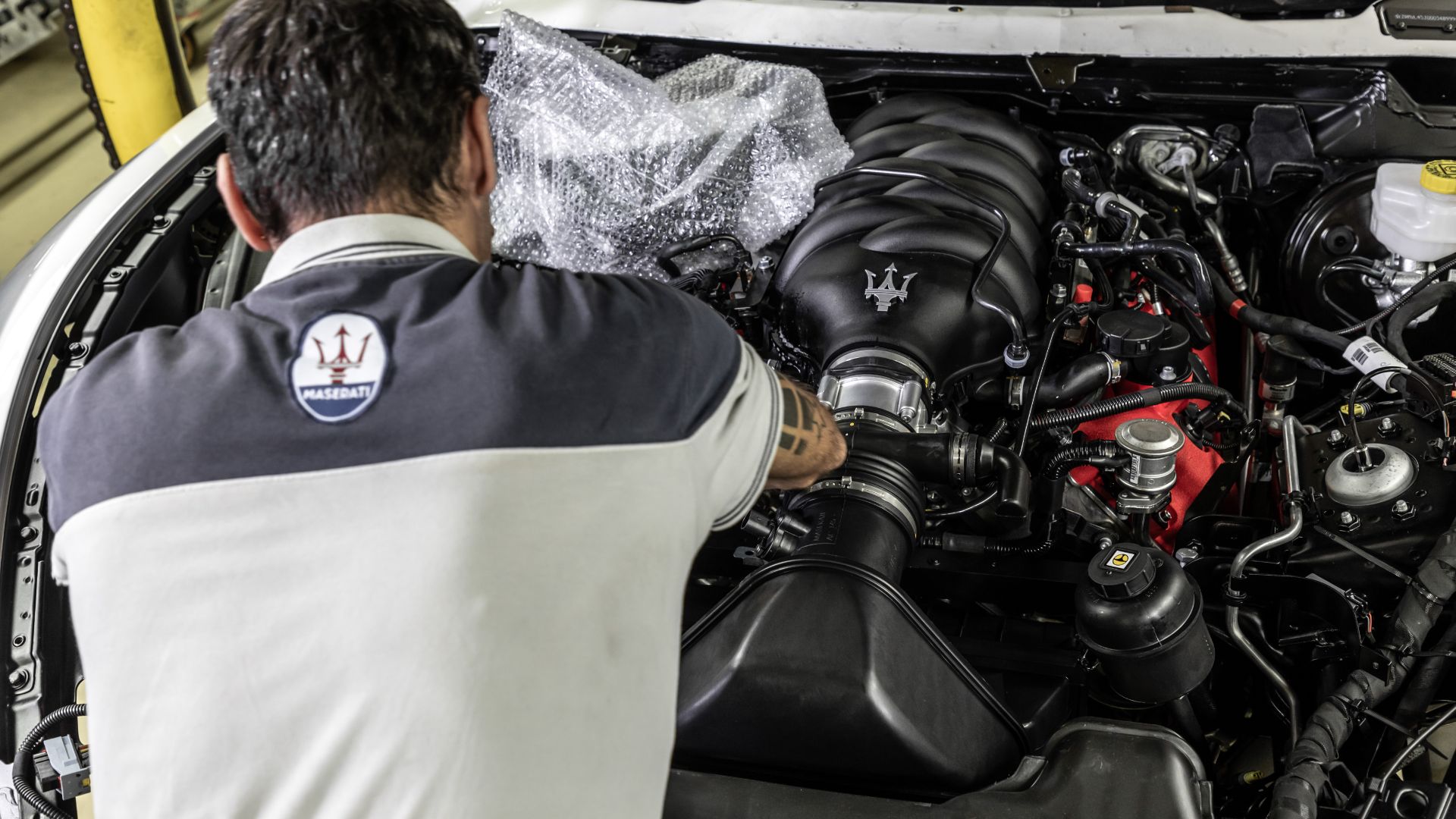
The biggest upgrade, however, was to the big Maser’s vocals. The guttural howl of this Ferrari-sourced V8 is unmistakeable, and a staple of all GranTurismo variants going forward, be it the hardcore MC Stradale, upgraded MC Sport Line or outgoing GranTurismo Sport.

During its 12 years in production, more than 40,000 GranTurismo and GranCabrios were sold, of which 28,805 were the former.

Goodbye, GranTurismo. We’ll miss you. The grand tourer segment just got a lot quieter.

Advertisement