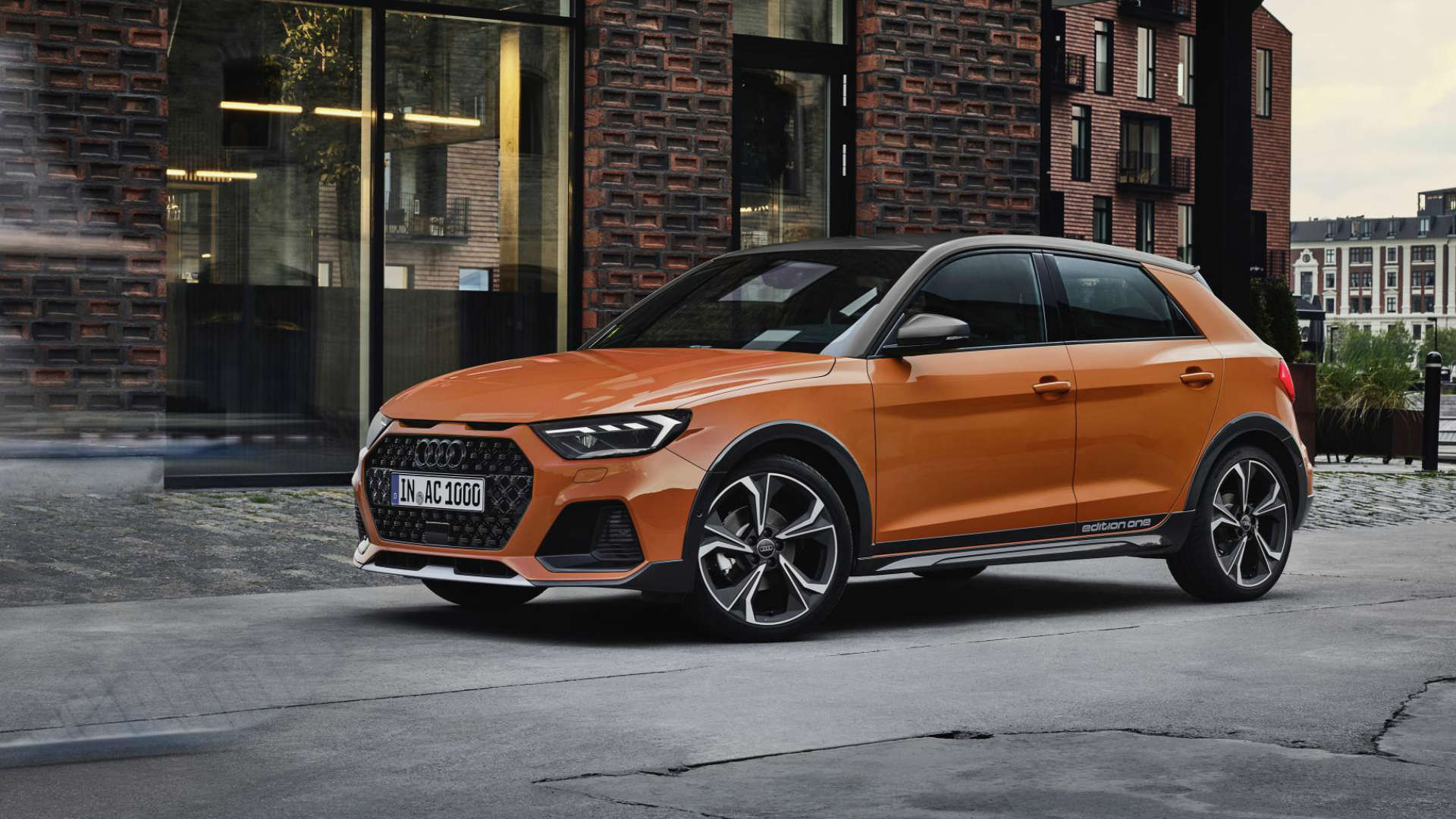
Audi has launched a new three-year fixed price car insurance scheme.
Policies are available for new and used cars, and Audi claims it saves customers shopping around for renewal deals.
Cover runs in 12-month increments, and customers will be sent renewal notices at each interval, confirming the fixed price. Customers are not tied into the policy for the full term.
Polices include the guaranteed use of Audi-approved repairers and genuine Audi parts. Customers are also protected against uninsured drivers.
According to Parkers, the previous-generation A1 is likely to be the cheapest Audi to insure. When powered by the 1.2-litre engine, the A1 hatchback and A1 Sportback slot into group nine, placing them alongside the likes of the Ford Fiesta and the cheapest Dacias.
At the opposite end of the spectrum, the Audi R8 has a group 50 insurance rating, making it one of the most expensive cars to insure.
How to get cheaper car insurance
Car insurance is one of the biggest costs of motoring, so it pays to get a good deal. In the summer, we revealed how you can save money on your car insurance. In summary, here are some tips:
Buy the right car: hatchbacks and city cars with small engines are likely to be the cheapest, especially if they’re inexpensive to repair.
Shop around: use a price comparison site, but also contact insurers not listed on such websites. You’ll be amazed at how much you can save.
Never accept the renewal quote: you’ll almost certainly get a cheaper price by going elsewhere. There’s little reward for loyalty in the world of car insurance.
Get the right policy: if you don’t drive to work, a policy that excludes commuting will be cheaper. Equally, don’t overestimate how many miles you’re likely to cover in a year – you could be paying too much.
Wait until you get older: insurance gets cheaper when you turn 21 and 25. Be patient – those desirable cars are within reach.
As Boris Johnson returns to No. 10 after his general election victory, we look at how the prime minister may choose to travel. These are the cars of British politicians.
Boris Johnson: Mitsubishi Outlander PHEV
As we can see here, Boris was an early supporter of Tesla. The Lotus-based Roadster was the breakout electric marque’s first model more than 10 years ago. If Mr Johnson saw into the future then, can he do so again in 2020 and beyond?
Boris Johnson: Tesla Roadster
As we can see here, Boris was an early supporter of Tesla. The Lotus-based Roadster was the breakout electric marque’s first model more than 10 years ago. If Mr Johnson saw into the future then, can he do so again in 2020 and beyond?
Boris in Transit
If we’re honest, we don’t see the right honourable BoJo as a white van man. He’ll be glad that he doesn’t need a Ford Transit to clear his possessions out of No. 10, though.
Boris and a Tranny
Mr Johnson does seem to be a fan of Britain’s most popular van, mind. We wonder if he has one in the Downing Street garage, next to a collection of Jaguar limousines.
Boris goes electric
Whatever you think of our controversial PM, he is very pro eco car and has been for some time. Here, he poses with an all-electric Renault Fluence ZE.
Theresa May: BMW 7 Series
In her role as Home Secretary, Theresa May was often seen arriving at Number 10 in an armoured BMW 7 Series. She was forced to give up the 7 Series when she became PM, switching to a Jaguar XJ.
The Prime Ministerial XJ
In the twilight hours of the current XJ’s life, it retains its role as the Prime Minister’s wheels – a job it’s had since it was introduced. With an electric XJ due soon, it’ll be interesting to see whether an armoured version is built for future PMs.
David Cameron: Williams Advanced Engineering
Williams Advanced Engineering is credited with the development of the Jaguar C-X75, Dendrobium D1 and most recently, the Lotus Evija. And it all started in 2014 with David Cameron. The then-PM cut the ribbon to open the new Williams R&D division.
David Cameron: the two-millionth Mini
Cameron had plenty of dealings with the motor industry while he was at No. 10. He even tried the two-millionth new Mini on for size when it was built back in 2011.
Jaguar XJ
Nonetheless, he’d always end up back in an XJ. The big Jag was also used by Gordon Brown, Tony Blair and John Major. In fact, the relationship between Jaguar and Downing Street goes back many years, stemming from a time when Jaguar was still a British-owned company.
Rover P5B
Prior to that, high-ranking government offices and Prime Ministers would have been seen in the majestic Rover P5B. The uniquely-British saloon car was powered a 3.5-litre V8 engine sourced from Buick, hence the ‘B’ in P5B. Sir Edward Heath, James Callaghan, Baroness Margaret Thatcher and Harold Wilson (seen here) all made use of a P5B while in office.
David Cameron: Honda CR-V
Of course, our Prime Ministers have a life outside of Number 10 and many would have owned cars prior to being elected to the biggest job in the land. Indeed, during a visit to the Honda factory at Swindon, David Cameron told staff how much he missed driving his Honda CR-V.
David Cameron: Nissan Micra
In May 2016, David Cameron hit the headlines when he bought his wife Samantha an ageing 2004 Nissan Micra. He paid £1,500 for the 90,000-mile Micra and drove it home from a used car dealer near his home in Oxfordshire. We suspect Mrs Cameron was delighted with the car.
Nigel Farage: Volvo V70 (sort of)
Nigel Farage, leader of the Brexit Party, owns an old tank. No, not the one pictured, but a 59-plate Volvo V70.
Nicola Sturgeon: Jaguar XJ
Nicola Sturgeon doesn’t own a car, but the leader of the SNP does perform her ministerial duties by making use of a Jaguar XJ.
Natalie Bennett: car club
As you may have guessed, the leader of the Green Party, Natalie Bennett, doesn’t own a car either, preferring to ride a bicycle or take the train. We also understand she’s a member of a car club.
Leanne Wood: Volkswagen Passat
We understand Leanne Wood, leader of Plaid Cymru, drives a Volkswagen Passat. #TogetherStronger and stuff.
Boris Johnson: Toyota Previa
In 2014, the new prime misister was pictured filling his ageing Toyota Previa with fuel. Nothing wrong with that. In fact, we fully endorse running a car on a budget. But surely the former Mayor of London should have been out riding one of his Boris Bikes?
Ed Miliband: Ford Focus
Remember when Ed Miliband came under fire for having his green Ford Focus washed for him? No, neither do we. But we suspect Ed has got other things on his mind this week. Best leave that bird poo stain for another week, eh?
Nick Clegg: Ford Galaxy
In a Galaxy far, far away… In 2014, former Deputy Prime Minister Nick Clegg told listeners of a radio station that he owned ‘a second-hand Ford Galaxy, not in prime condition’, before going on to claim he really wanted an electric people carrier. May we humbly suggest the Tesla Model S with the optional two extra seats in the boot? Perfect.
Gordon Brown: Vauxhall Omega CD
Gordon Brown caught the eye when he became Prime Minister in 2007 by refusing to give up his Vauxhall Omega CD. Despite promising to chop it in for a Toyota Prius, he still owned it nine months later. Sadly, he did eventually give up on this austerity measure by upgrading to a 4.2-litre Jaguar XJ.
Alan Clark: Jaguar SS100
The late Alan Clark was a former Conservative MP who served under the governments of Margaret Thatcher and John Major. As well as a published author, he was also known for his love of cars and he owned a beautiful Jaguar SS100 similar to this one. He was often seen driving away from the House of Commons in the old Jag.
Ann Widdecombe: Ford Focus
OK, we don’t actually know if Ann Widdecombe has ever actually owned a Ford Focus, but we suspect not. But any excuse for us to use this photo is fine by us.
Sir Winston Churchill: Land Rover Series I
This is probably the most British photograph you’ll see today. Sir Winston Churchill and a Land Rover Series I. Superb.
John Prescott: ‘two Jags’
Whatever else John Prescott does with his life, he will always be remembered for having two Jags. Famously nicknamed ‘Two Jags’, the former Deputy Prime Minister had one Jaguar in his Hull consistency and another Jag — an XJS — in London. The latter of which he sold on Auto Trader in 2014.
Chris Huhne: Tesla
This is Chris Huhne at the wheel of a Tesla Roadster. He was driving it as part of an Eco Rally. That’s about all we can say.
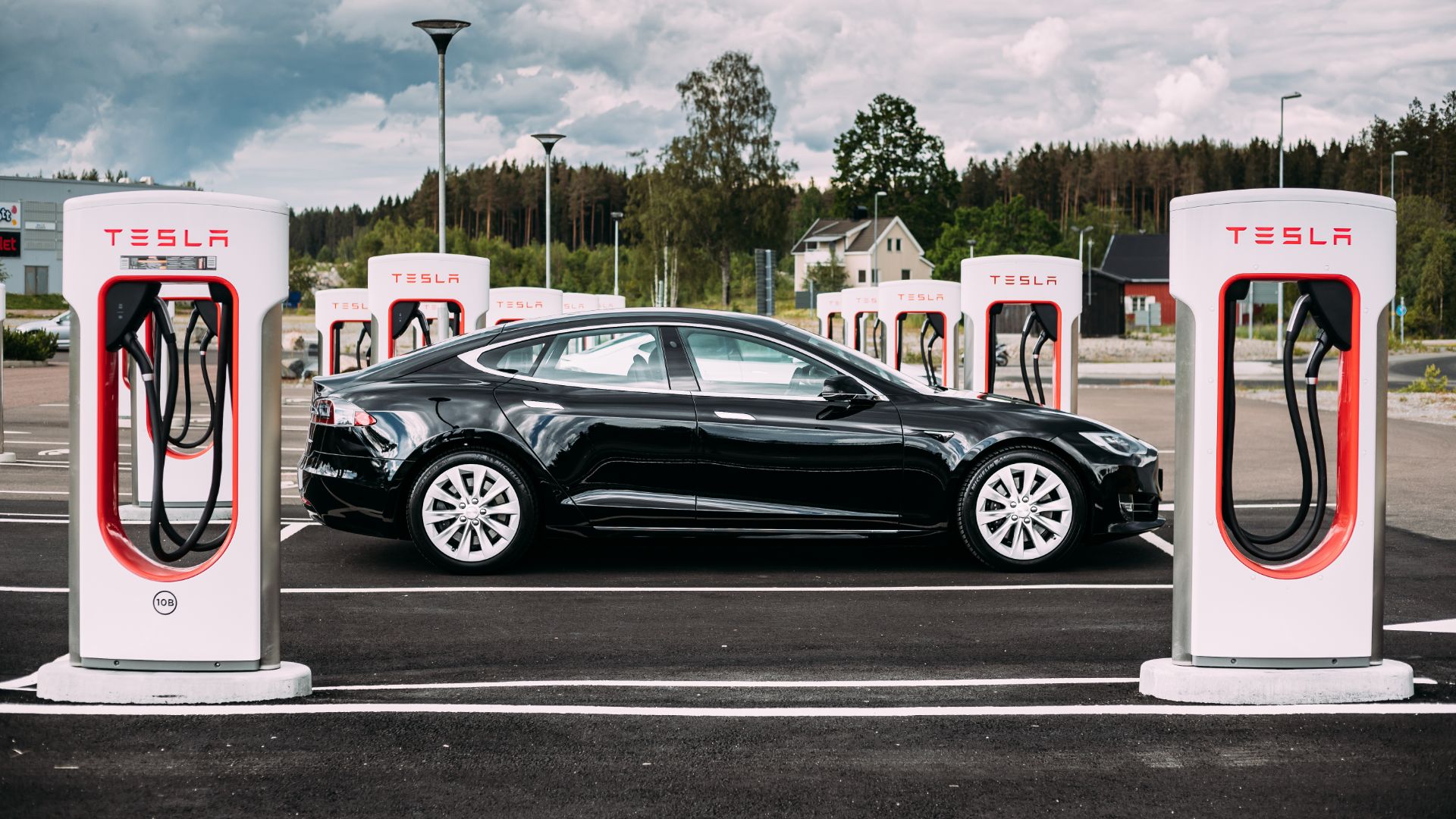
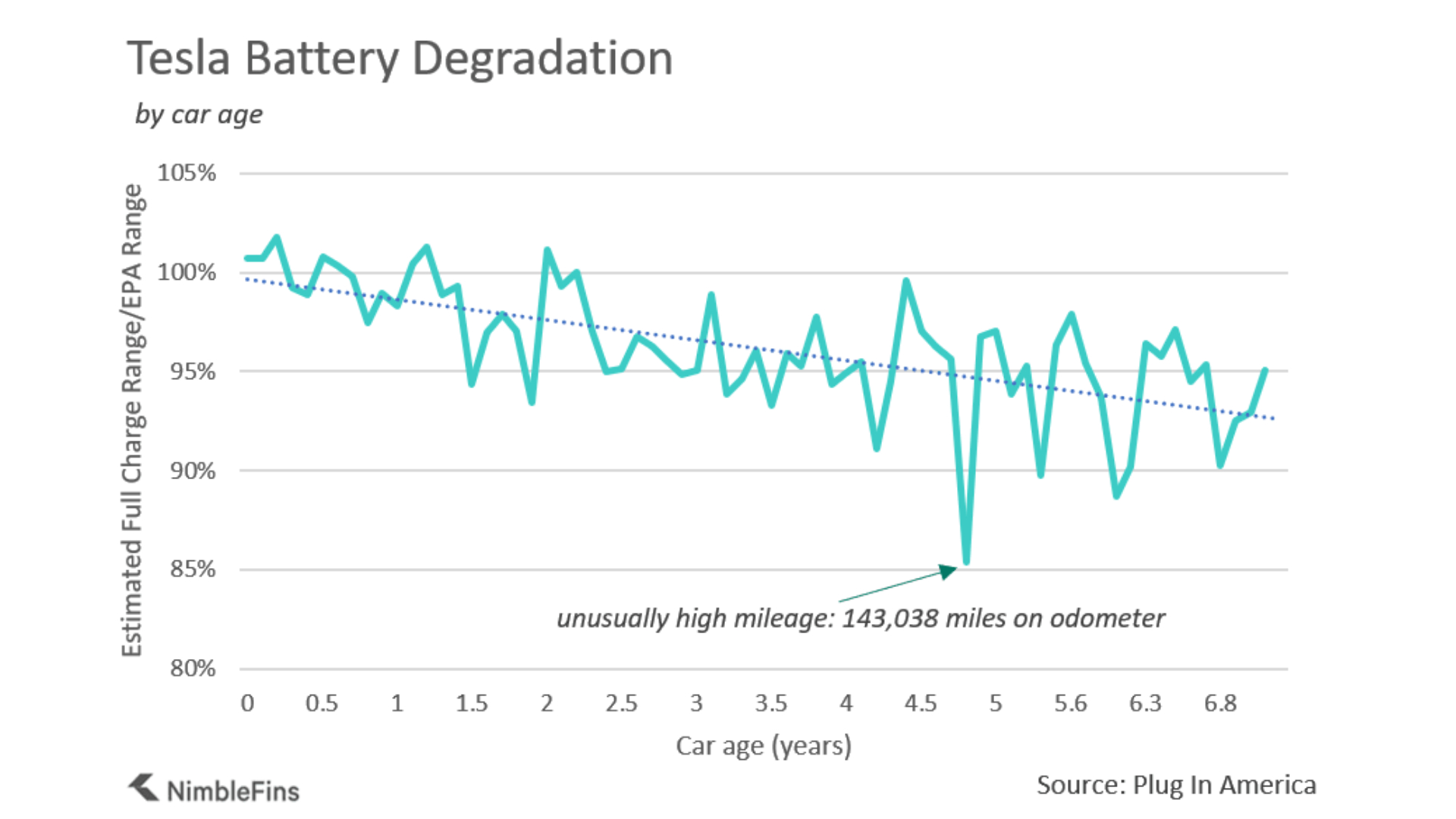
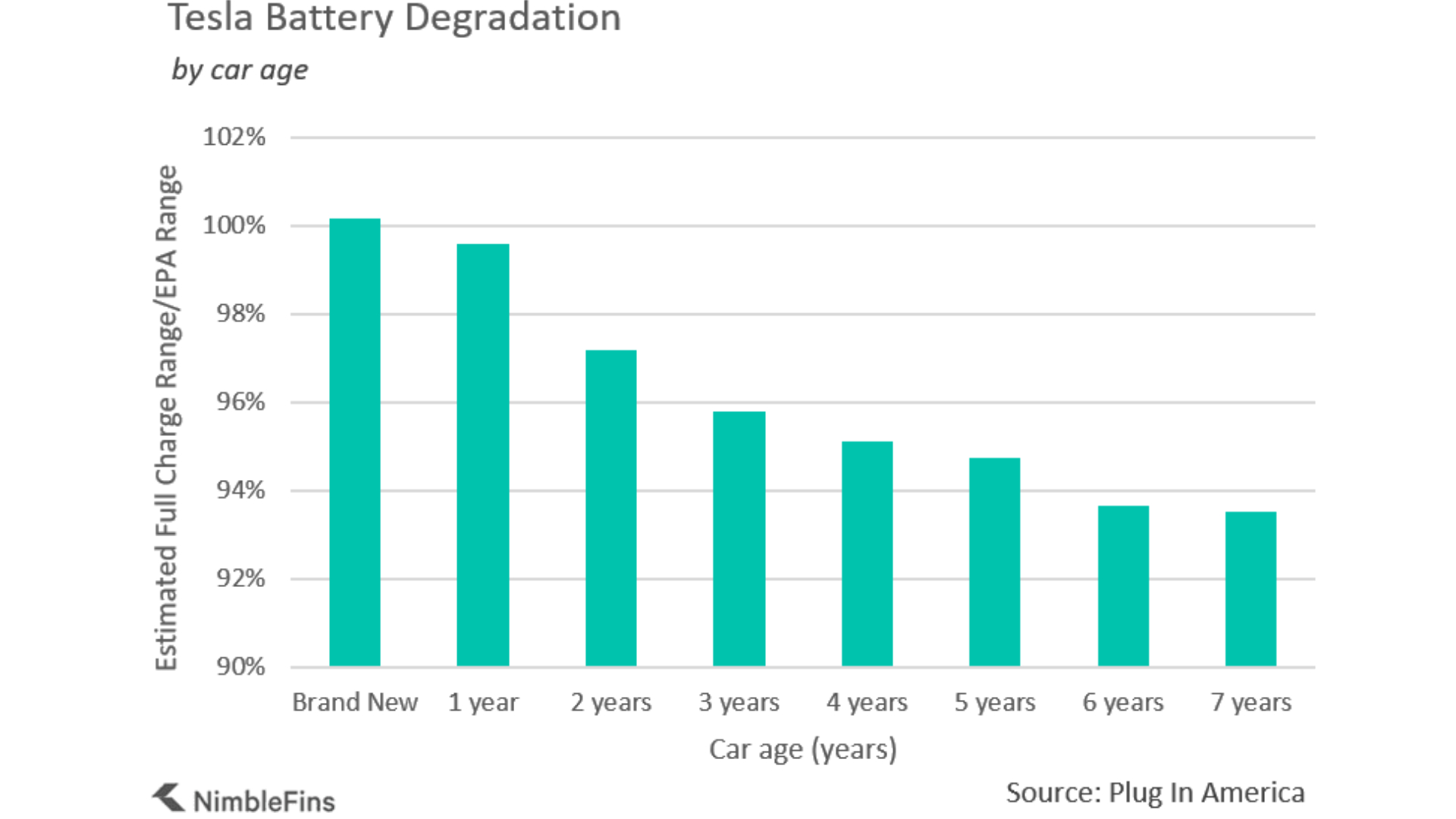
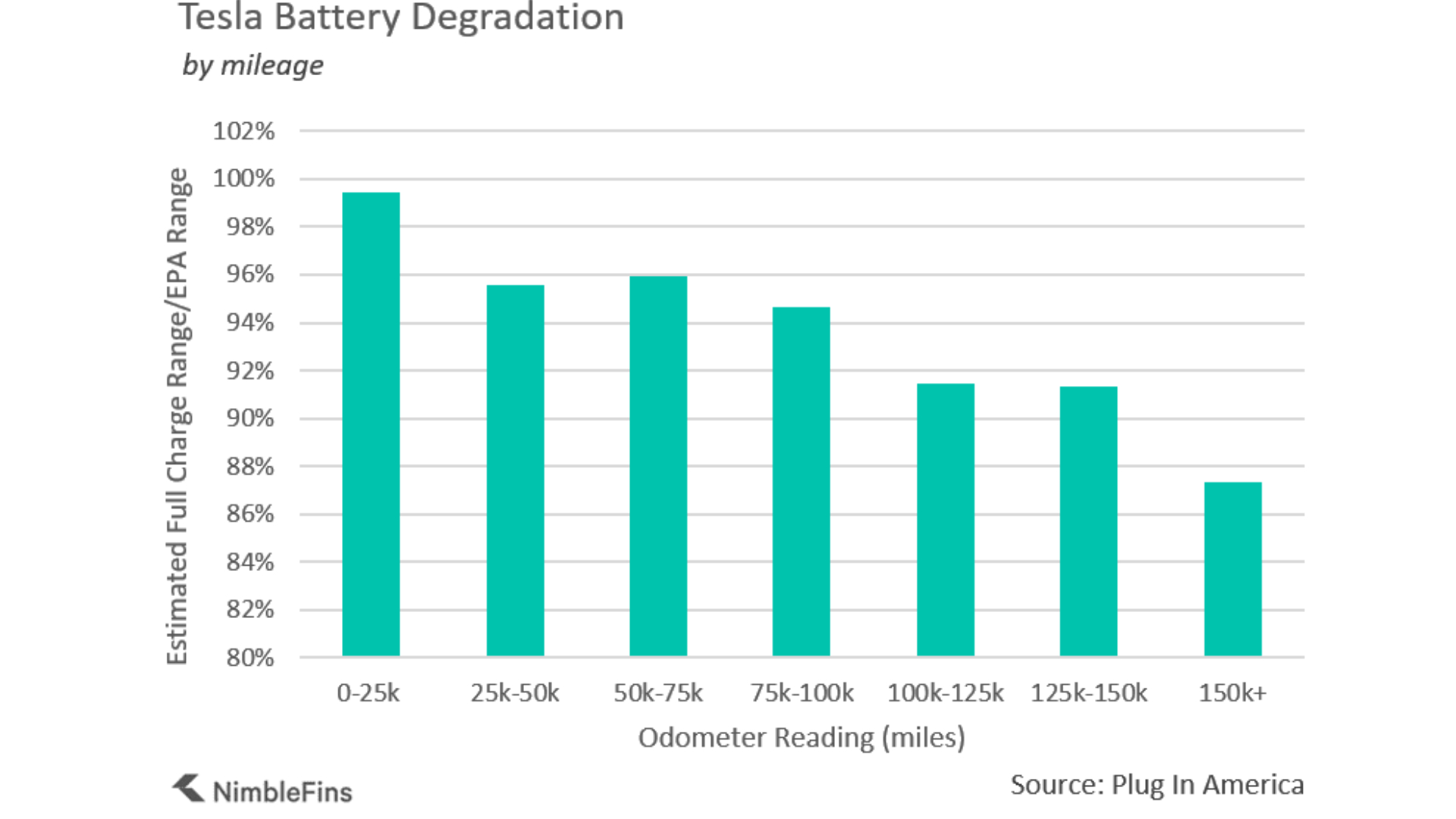
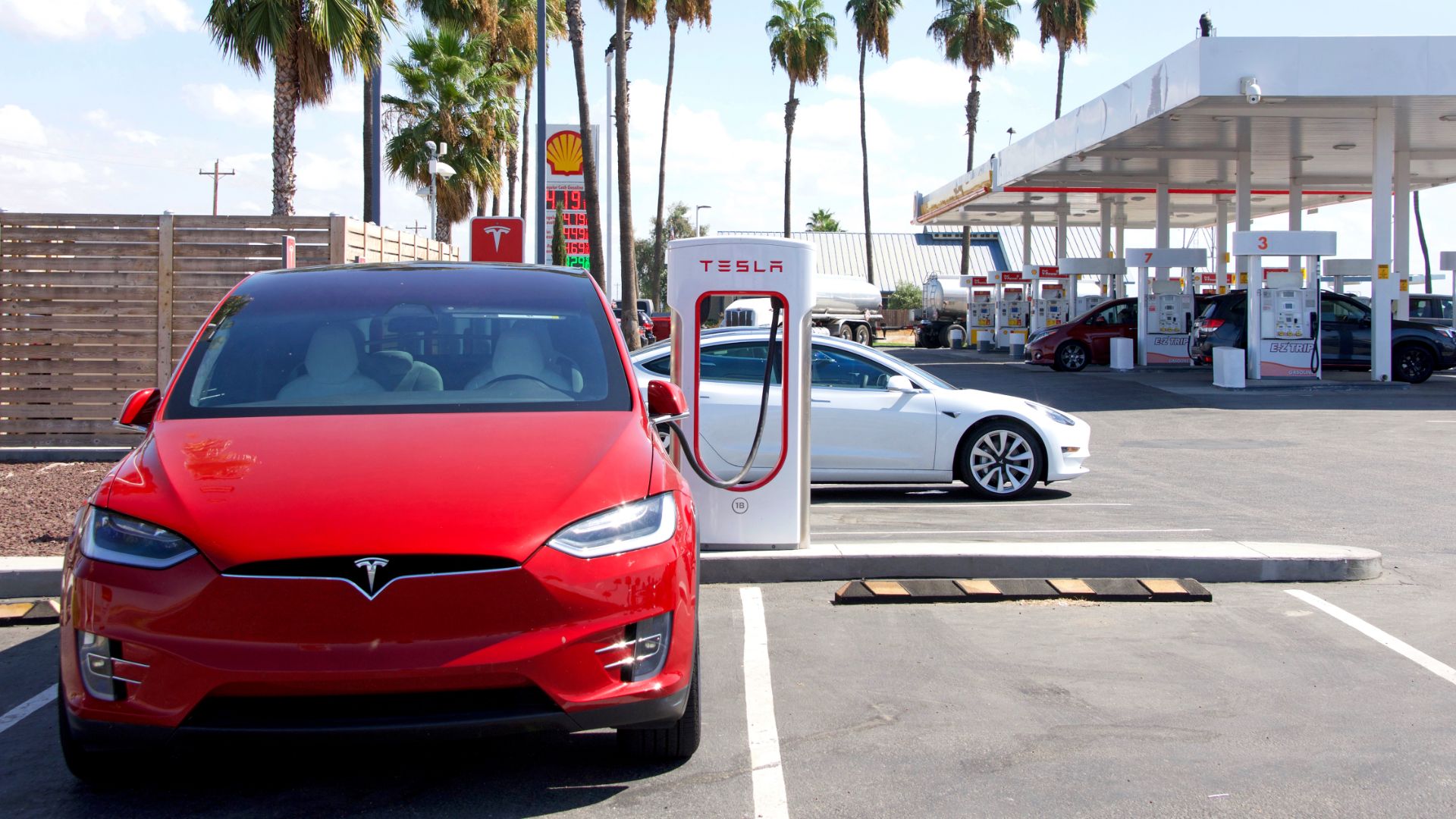
A real-world study of Teslas has revealed how much battery capacity the electric cars lose over time. And the good news is the losses are marginal: around one percent each year.
Just as an internal combustion car loses horsepower over time, electric cars have less battery capacity as they age. Think of it as your car’s fuel tank getting marginally smaller every year.
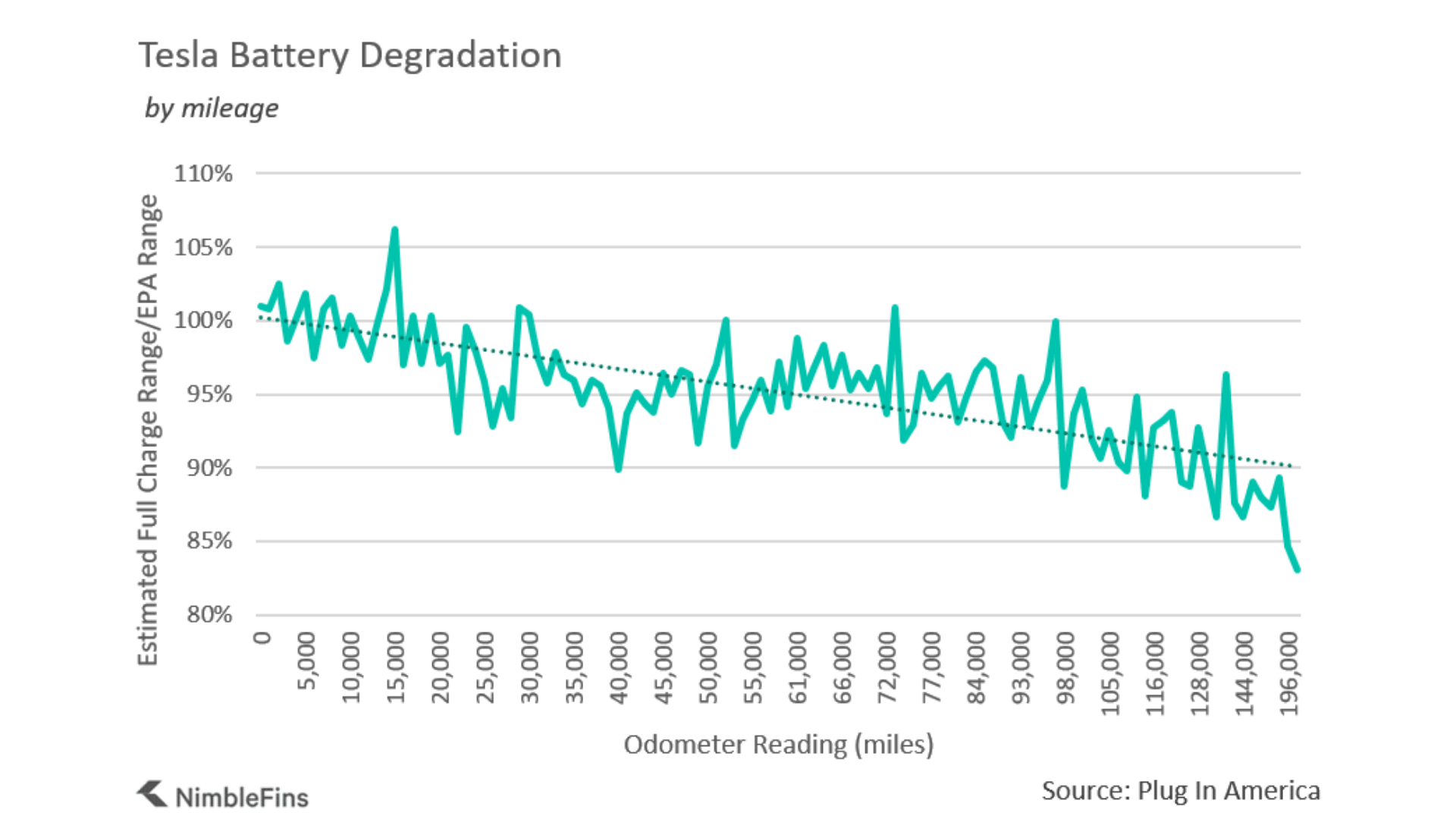
The Tesla research was carried out by Plug In America and analysed by NimbleFins. Five hundred Tesla Model S owners submitted data on the usage of their cars. These included when it was manufactured, bought, the battery size, the quoted range (when new) and the mileage the car has covered.
Time is almost up for U.S. federal income tax credits on new Teslas
A general takeaway is that the more mileage an electric car has, the more battery capacity it will have lost. Remember, more mileage means more charging. The car with the highest mileage in the study, a Model S P85 with 232,442 miles, was capable of charging to a 220-mile capability. That’s 83 percent of its original 265-mile range when new. Up to around 150,000 miles, the cars seem to retain 90 percent of their charge capacity.
‘It’s interesting to see that a car with unusually high mileage for the age (over 143,000 miles for a car less than 5 years old) has more significant battery deterioration than a typical car of the same age,’ said the report.
‘This shows that mileage is also a considerable factor in how quickly a battery deteriorates—this makes sense, as more miles driven means more charge cycles, and it’s mostly the charge cycles that reduce a battery’s usable capacity.’
The average mileage in the UK is 7,600 a year. On that basis, an original high-end Model S would take 30 years to reach that unusually high mileage of 230,000 miles, or 20 years to reach 150,000 miles. With the assumption, of course, that time doesn’t play into that degradation.
It would be very interesting to test a seven-year-old Model S that hasn’t covered any miles.
Overall, the results seem to show that battery tech used even in the very first Teslas is relatively robust. Many worry about the longevity of electric cars, but if their performance at what is considered end-of-life mileage (and even beyond) is as suggested, buyers can expect a decent life.
And as battery technology progresses, so too may the already impressive longevity.
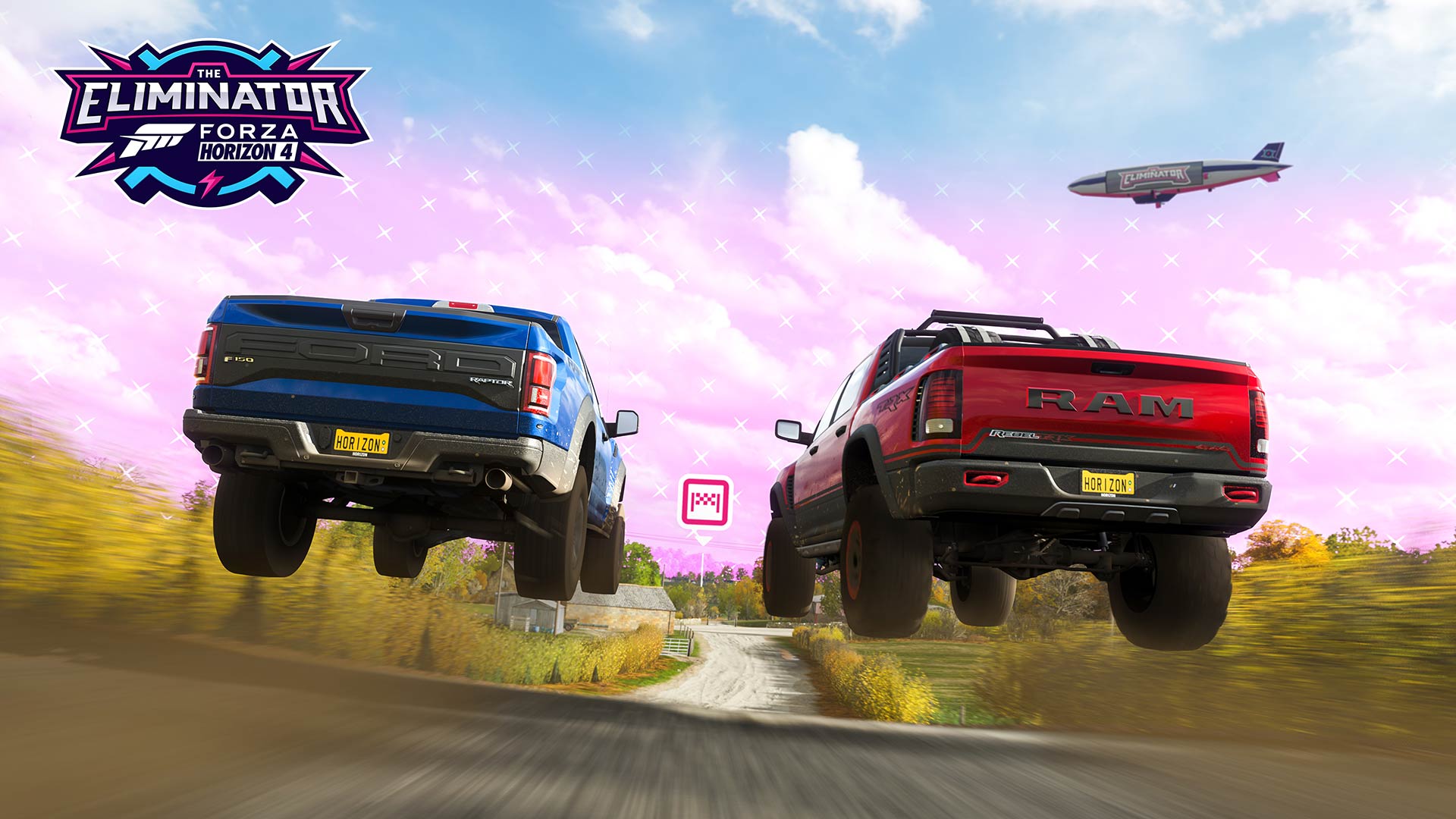
Microsoft Xbox One and Windows PC gamers will gain a new mode for the popular Forza Horizon 4 racing game, just in time for the holiday season.
Branded as ‘The Eliminator’, the new mode is clearly influenced by the success of games like PlayerUnknown’s Battlegrounds and Fortnite Battle Royale.
Like those two games, The Eliminator will pitch a large group of gamers into combat with each other. But, instead of weapons, here the winner will be decided by who manages to beat all others in a series of head-to-head races.
There can only be one winner
Set within a special arena inside Forza Horizon 4’s UK-based map, the walls of the arena shrink as The Eliminator mode progresses. Forced closer together, a final race determines the ultimate victor.
All players begin the contest driving a 1965 Mini Cooper. However, other cars can be found across the map, with players needing to hunt them down to claim them.
Cars added especially for The Eliminator mode include the 2008 Renault Mégane R26.R, 2016 Porsche 911 GT3 RS, and (fittingly) the 1970 Mercury Cougar Eliminator.
Racing for pink slips?
When out exploring the massive open-world Forza Horizon 4 map, players in The Eliminator mode are able to challenge others to 1-on-1 duels.
Once another driver has been challenged, they must accept the head-to-head race. The game then picks a finishing point, with both drivers then able to battle it out to get their first.
The winning driver is then able to either upgrade their own car, or steal the vehicle being used by the losing opponent. The loser is also eliminated from the game, whilst the winner goes on to fight more battles.
Filling a space in the digital garage
The Eliminator mode is the latest in a series of expansions for the BAFTA-winning racing game. Earlier this year, Forza Horizon 4 launched a special Lego Speed Champions expansion pack, whilst the Fortune Island add-on made a debut last year.
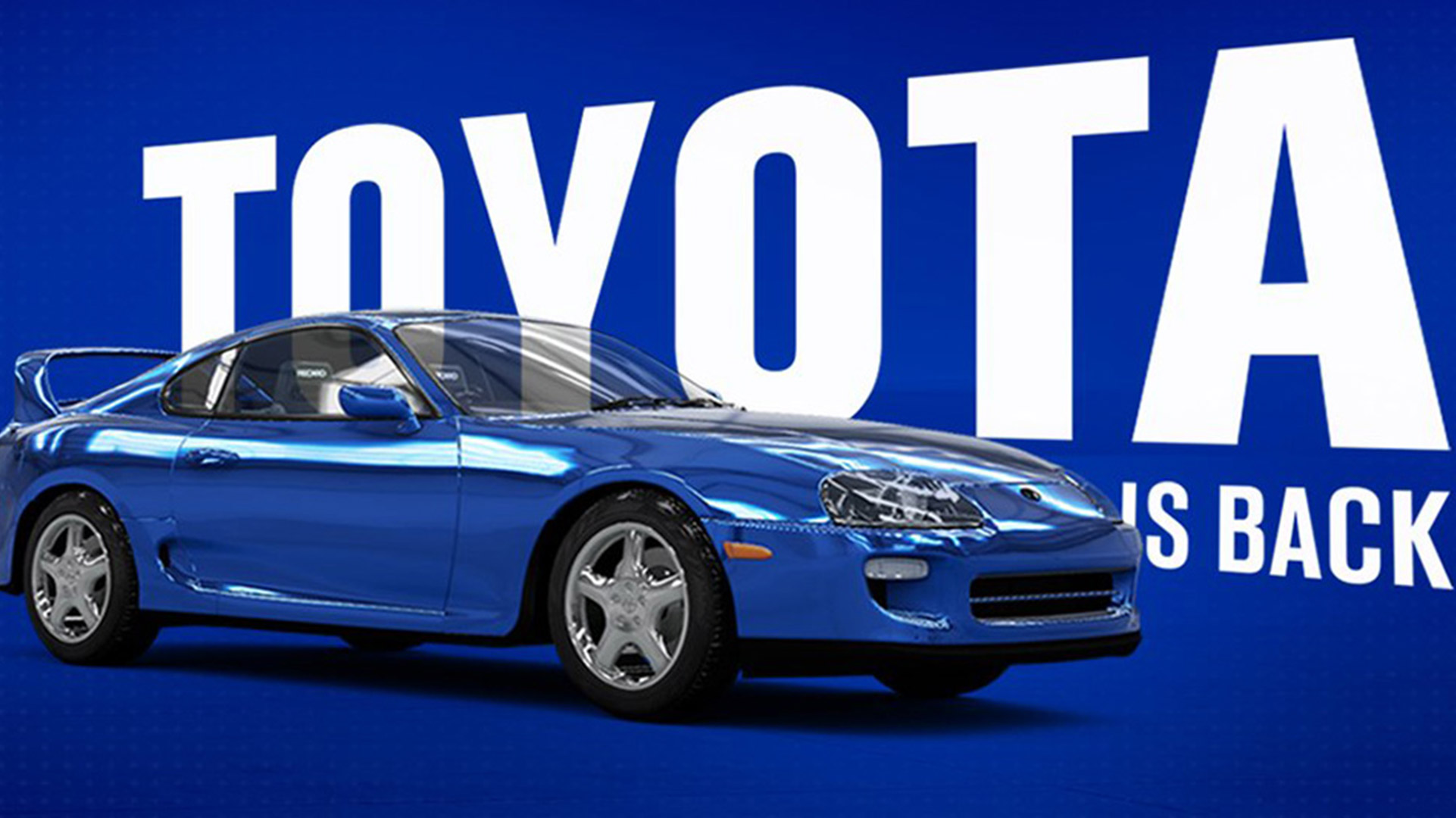
This month also sees the return of Toyota to the Forza series. Licensing issues had prevented Toyota and Lexus models from appearing in the range of Forza games. However, these have now been resolved, and fans will be able to get behind the virtual wheel of the 1998 Toyota Supra RZ in Forza Horizon 4.
Forza franchise developer Turn 10 Studios has also confirmed that the agreement with Toyota is a long-term one, meaning that cars from the brand will appear in Forza games for the foreseeable future.
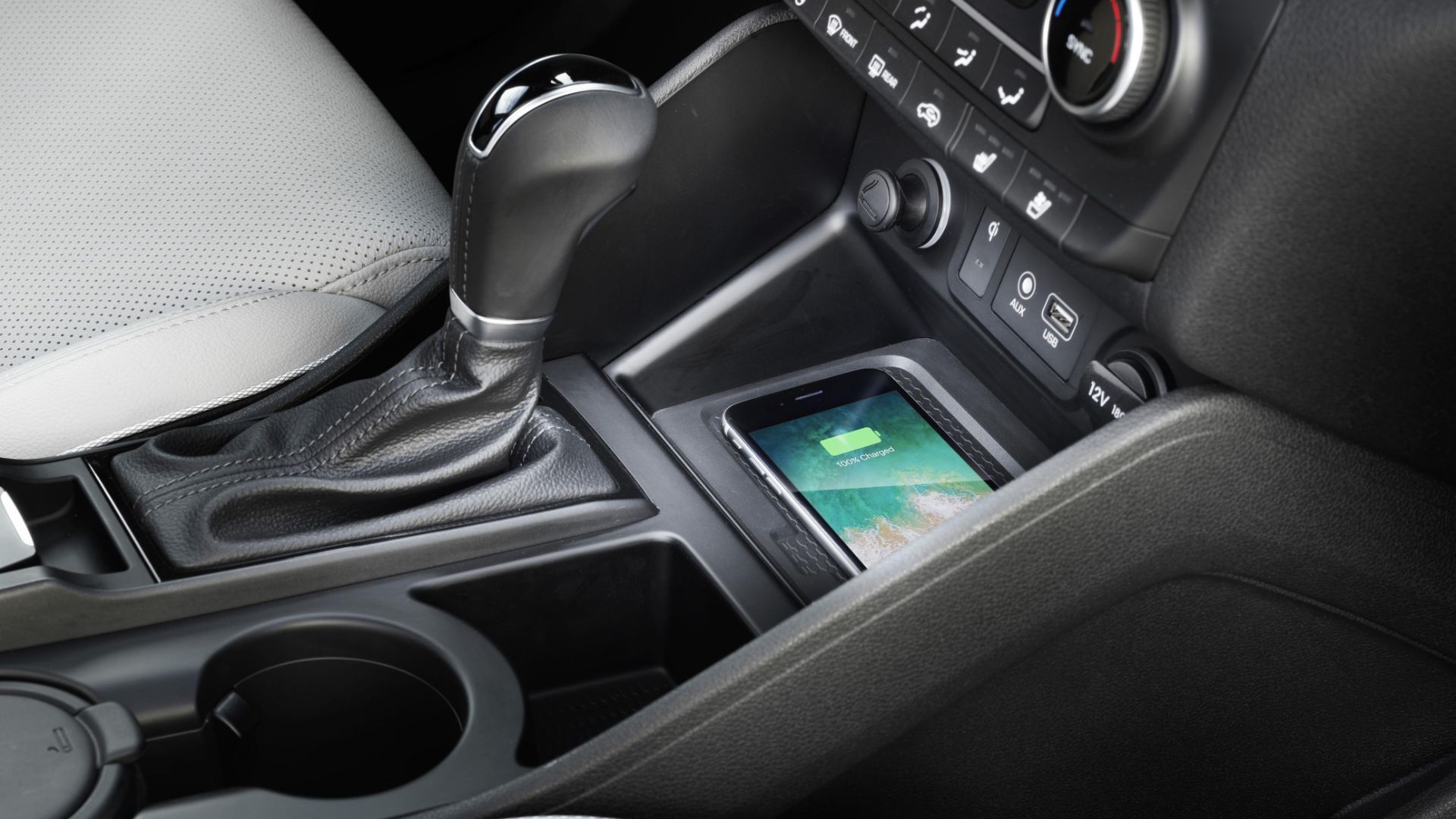
Wireless phone charging isn’t always available on modern cars, let alone anything older. But there is a way of adding it retrospectively. Meet the Connects2 universal in-car charging pad.
This wireless charger can be placed anywhere flat in the cabin of your car, or indeed in the office or at home. And while wireless charging capability may cost several hundred pounds extra for a new car, this one retails at £29 from Halfords.
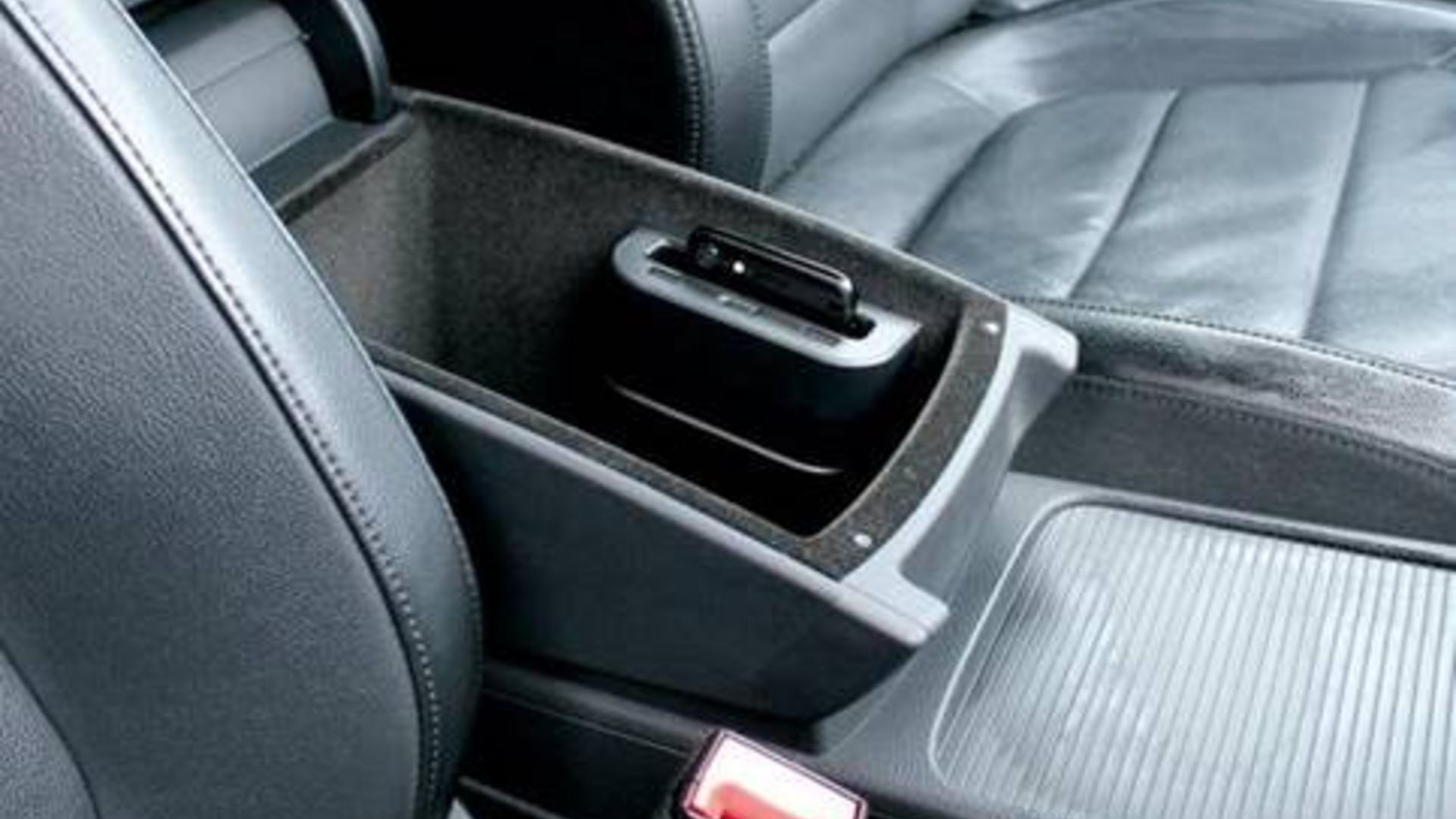
Also available is an in-car charging pocket, which adds a level of security for your device. Essentially, it holds your phone, rather than it resting atop a pad. It mounts in a glovebox, armrest or on any flat surface.
Lights on the pouch indicate the phone’s charge status and there are two USB ports for multi-device charging. This more comprehensive item is available for £79 from Halfords.
Opinion: Wireless chargers – gimmick or essential?
I’m not sure if I can speak for my MR colleagues, but I’ve been genuinely disappointed by the lack of wireless charging in some new cars I’ve driven recently.
I can confidently say this is something I’ll likely add to my own, older car. That’s an exclusive list, mostly reserved for broadcasting devices, which include aux cables and FM transmitters. It could make a nice replacement for my old-fashioned USB cable.
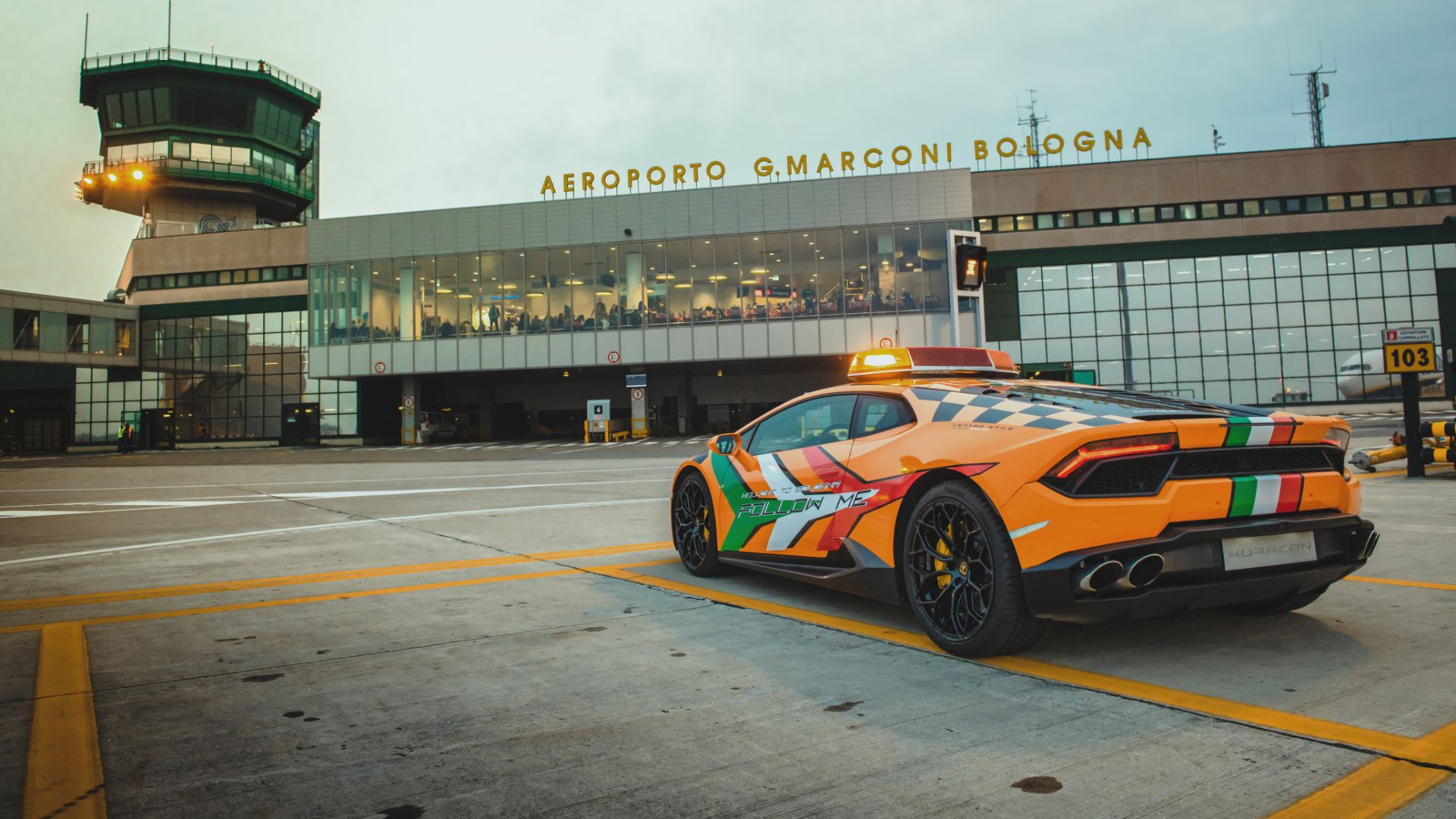
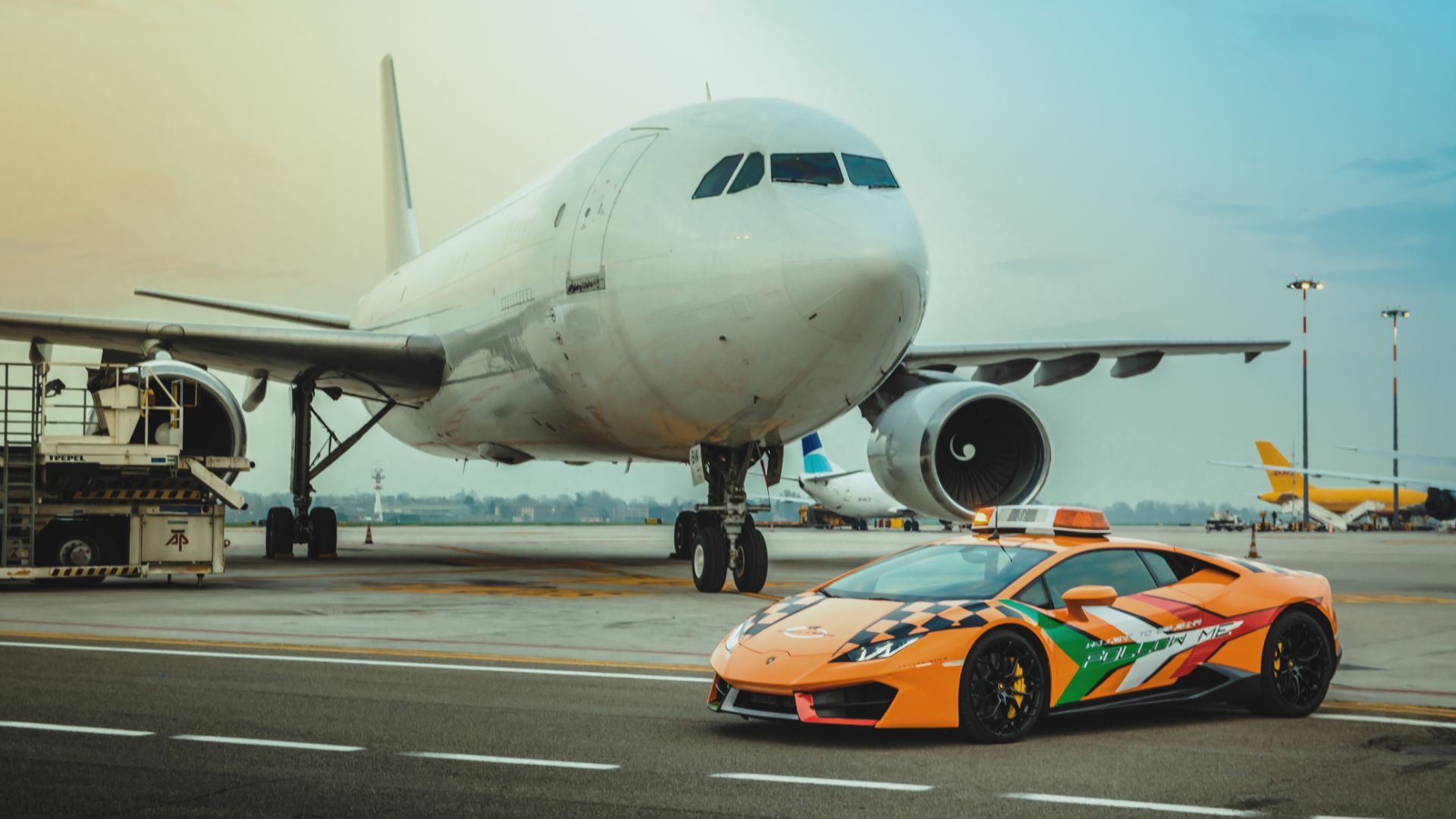
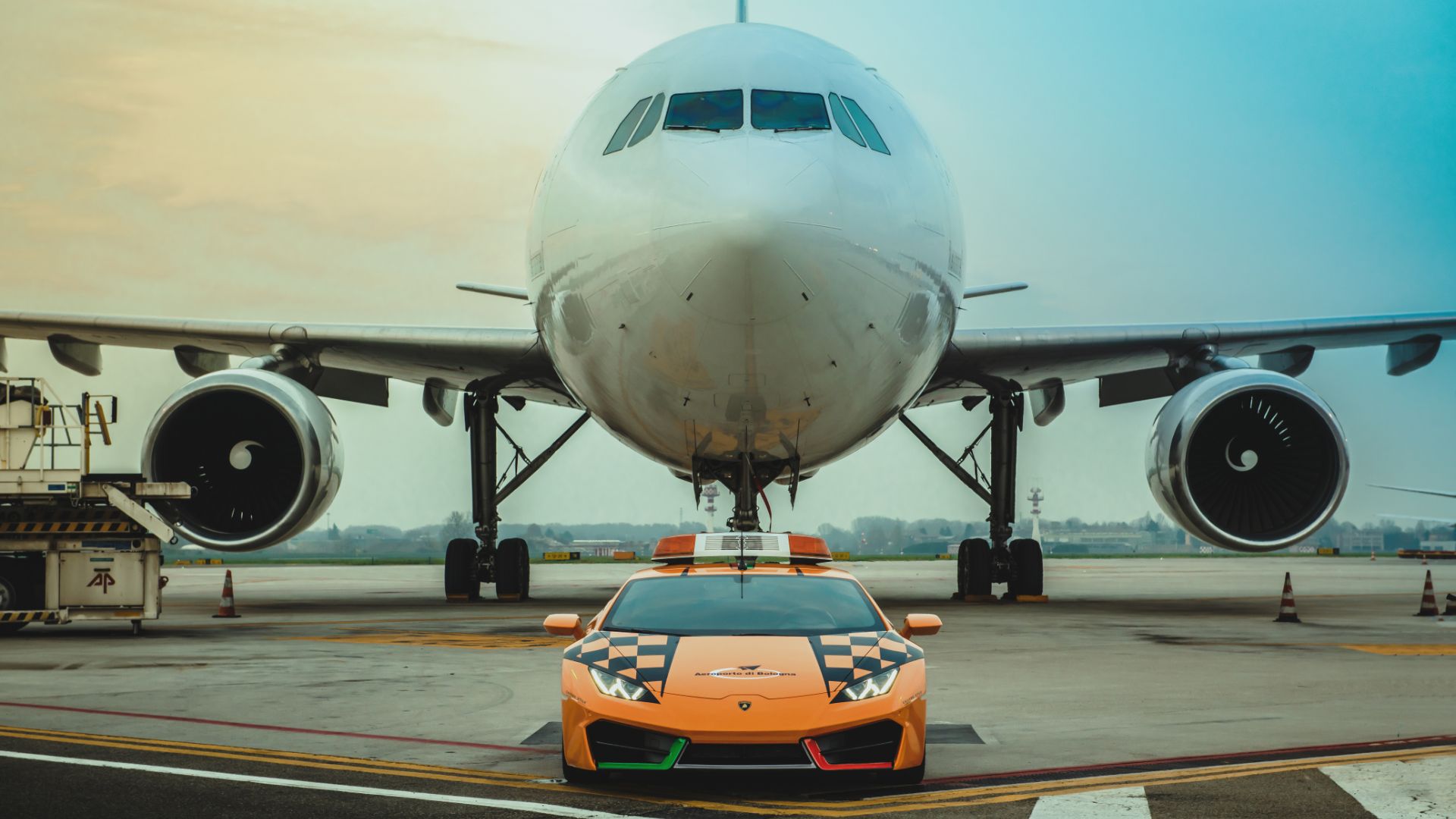
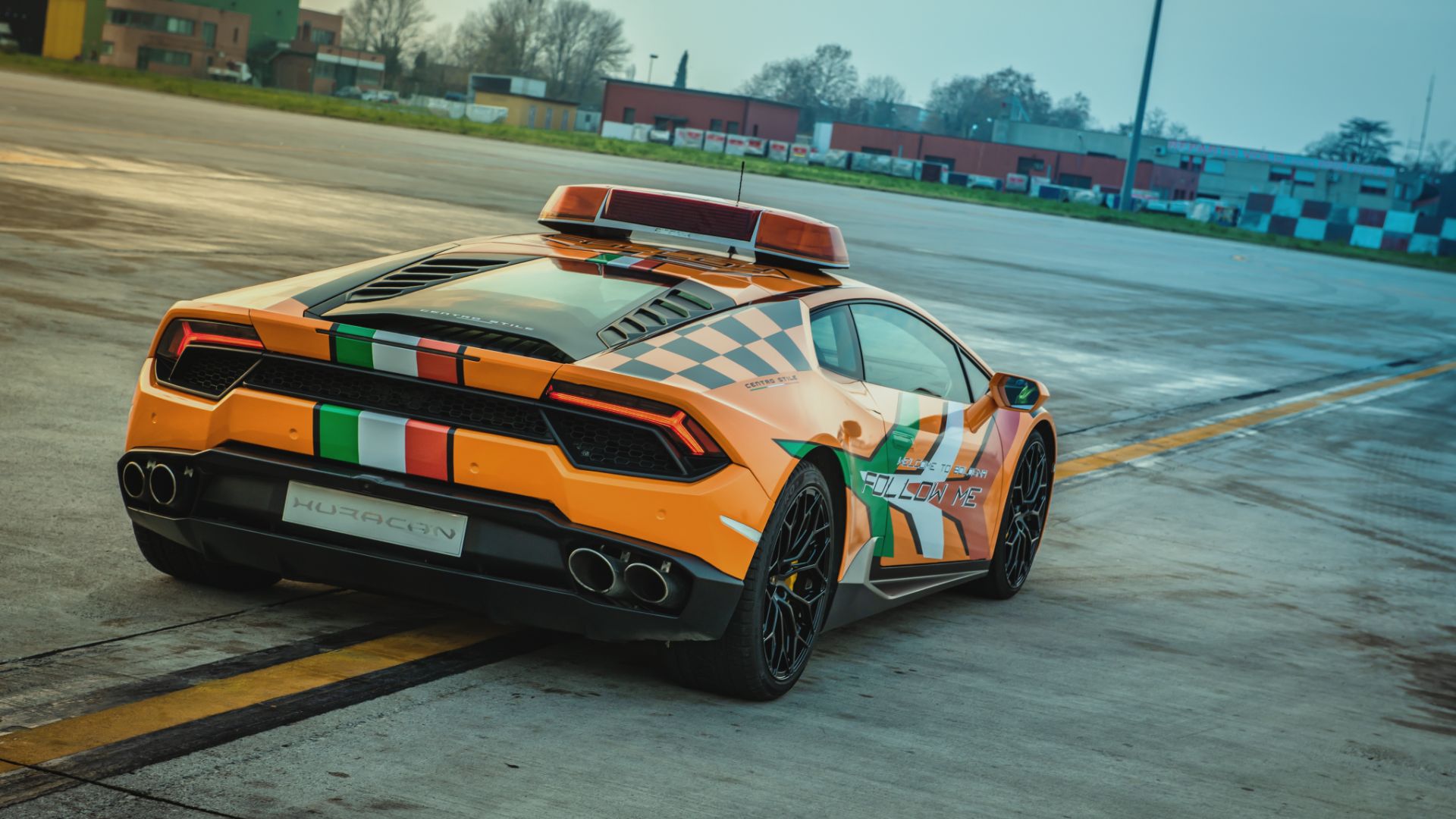
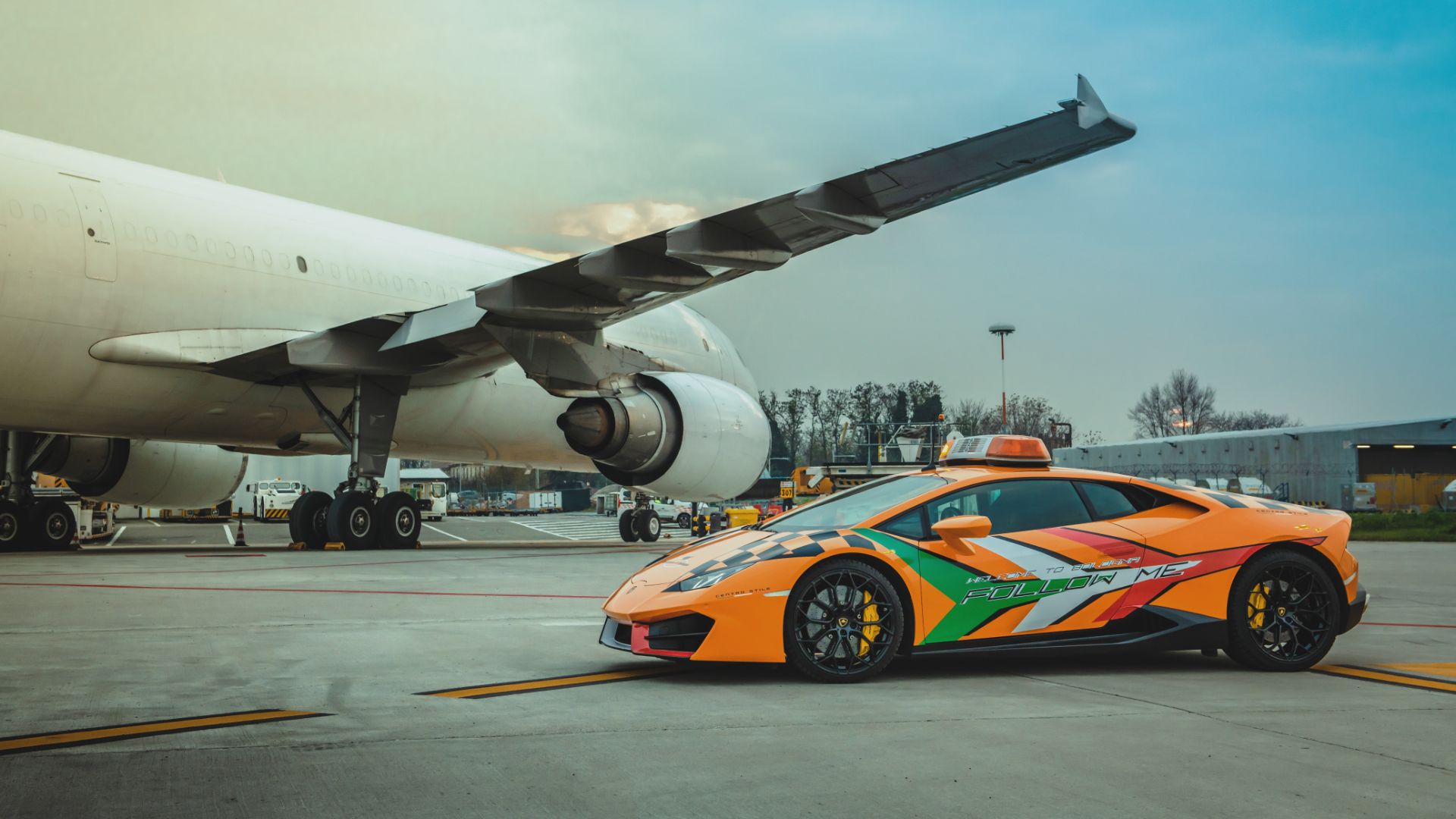
Lamborghini has delivered a new Huracan to Guglielmo Marconi Airport in Bologna. It’s the sixth car the marque has sent to its local airport, for use leading aircraft on the runways.
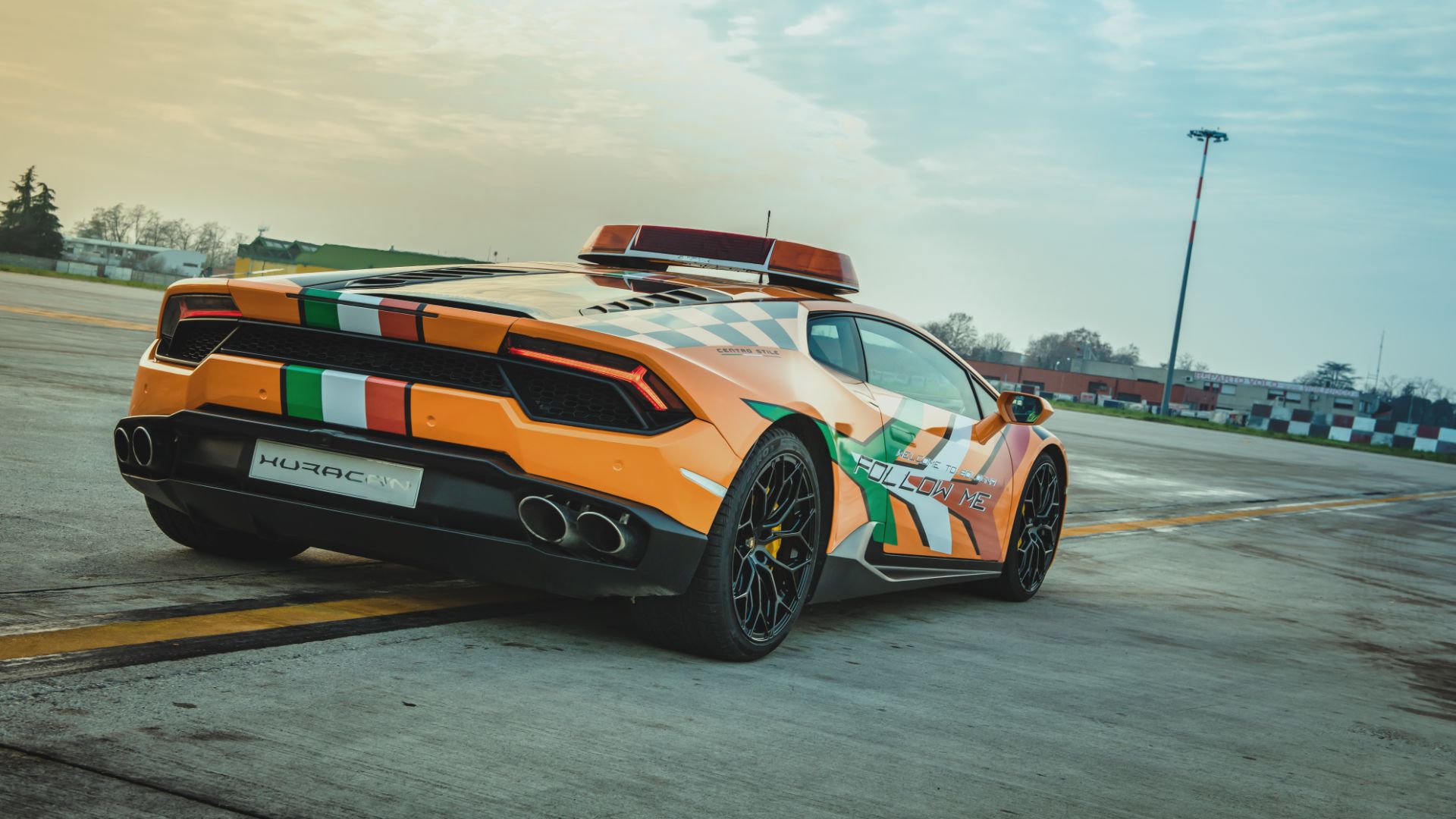
The ‘Follow Me’ Lamborghini is quite unlike any other Huracan. Designed by Lamborghini Centro Stile, a unique livery covers its Arancio orange body.
Lamborghini patents revolutionary electric car tech with university
The previous ‘Follow Me’ Huracan was a Grigio silver car with yellow livery. The new one features an Italian flag on each side, split into three ‘Y’ shapes, similar those in the Lamborghini Aventador’s rear lights.
Over the top, the Italian tricolore features again, along with a chequerboard design on the front and rear haunches. Up front, the Italian green and red colours can be seen on the front air inlets.
As if a bright orange Lamborghini covered in stripes wasn’t visible enough, there’s also a light bar on the roof. Flashing orange lights make sure pilots never lose sight of the V10 supercar.
Surprisingly, this Huracan isn’t the new Evo model, but a rear-driven LP-580. Slightly different for this specific example are the carbon side skirt inlets and wheels borrowed from the hardcore Performante.
Most people wouldn’t report a family member for drink-driving. That’s according to a survey of nearly 30,000 British drivers.
Just two percent of motorists would call the police if the driver was a family member, meaning a shocking 98 percent would turn a blind eye. Conversely, 49 percent of those surveyed said they would call the police if the driver was a complete stranger.
The AA members who took part in the study said they’d prefer to hide the keys, call a taxi or offer a lift to the person considering driving while under the influence of alcohol.
Male drivers aged 17-24 are over-represented in drink-drive accidents. They’re also less likely to perceive drink-driving as risky or unacceptable.
Last month, the government launched a campaign aimed at encouraging young people to stop their friends from getting behind the wheel when drunk.
‘Socially unacceptable’
Road safety minister Jesse Norman said: “Driving even while below the legal limit is becoming increasingly socially unacceptable, with more and more people choosing to turn down drinking any alcohol when they plan to drive. But even so, there are still some drivers who are willing to take the risk.
“Friends, colleagues and family members can positively influence those around them. So we are calling on them to stop potential drink drivers from getting behind the wheel and risking tragedy this Christmas.”
The legal limit in England, Wales and Northern Ireland is 80mg per 100ml, but there are calls to lower this to 50mg. This would bring the rest of the country in line with Scotland, where the limit has been lower for five years.
Drivers are encouraged to use the non-emergency 101 number to report dangerous driving to the police. However, stopping a drink-driver at source is a more effective approach, so hiding the keys is a recommended course of action.
Jack Cousens, head of roads policy for the AA, said: “If you spot dangerous driving, it’s important that you report it – even if you think it’s an act that you shouldn’t get involved in, such as your boss driving home drunk from your company Christmas party.
“It’s a simple process and should only take a few minutes. Plus, you’ll be helping to keep the roads safe for everyone in the long-term.”
The penalties for being caught drink-driving are severe. Causing death by careless driving while under the influence of drink carries up to 14 years in prison, an unlimited fine and a minimum two-year disqualification.
Christmas is coming, and shoppers will soon begin the last-minute dash for gifts. If a Lynx shower set won’t cut it for your loved one this year, we’ve got a few motoring-themed ideas that could make for a pleasant surprise.
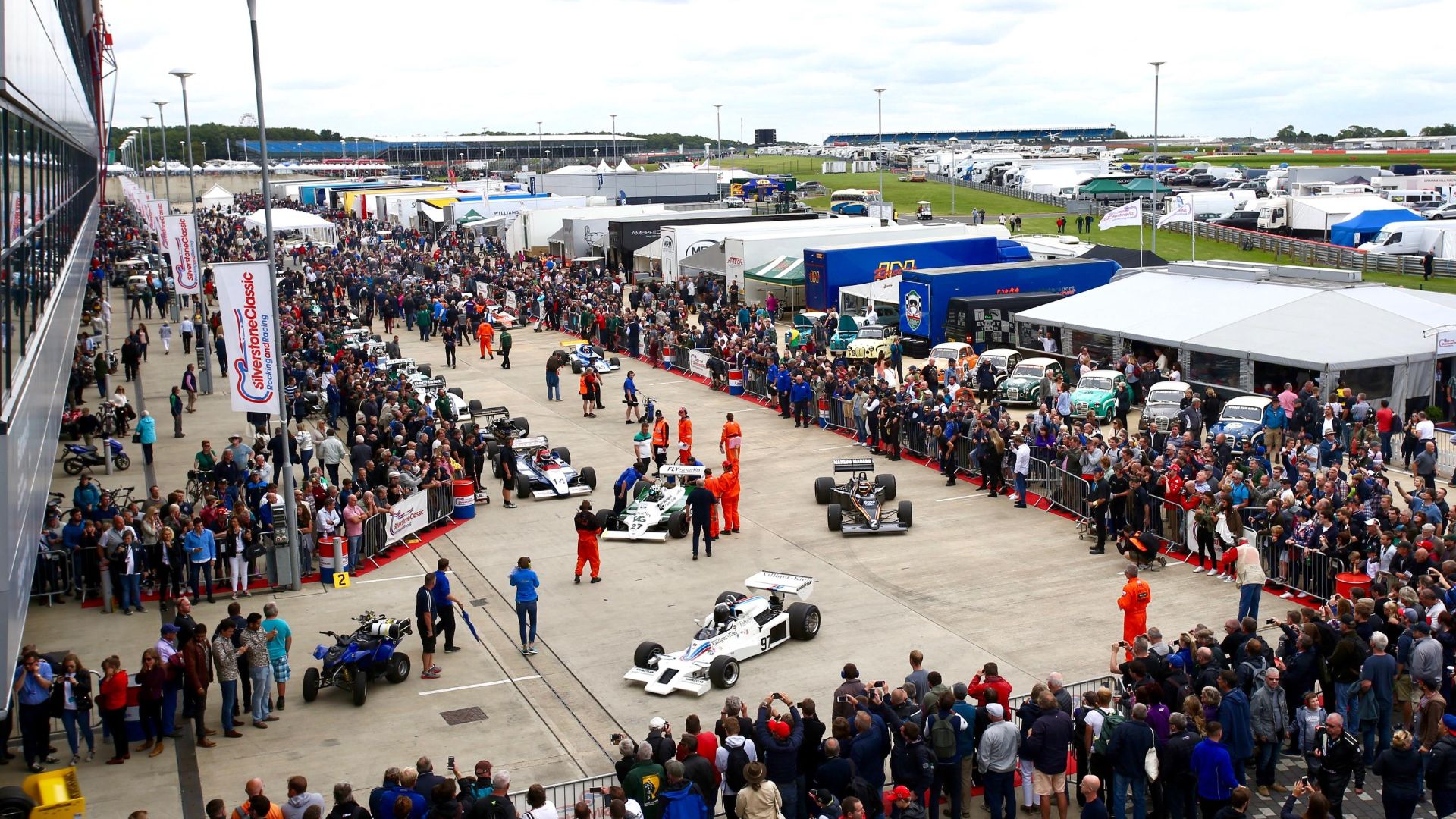
Watching cars racing door-to-door on a circuit is always special . The Silverstone Classic delivers this, plus a sprinkling of live music on top, over the course of a summer weekend. Tickets are available from the event website.
Goodwood hosts the Members’ Meeting, Festival of Speed and Revival. If you love cars, you have to try all three. Tickets to any Goodwood event will be a surefire hit with any car fan.
Once you’ve got the tickets sorted, what are you going to wear? There is plenty of Jaguar gear you can kit out the petrolhead in your life with: jackets, glasses, T-shirts and more.
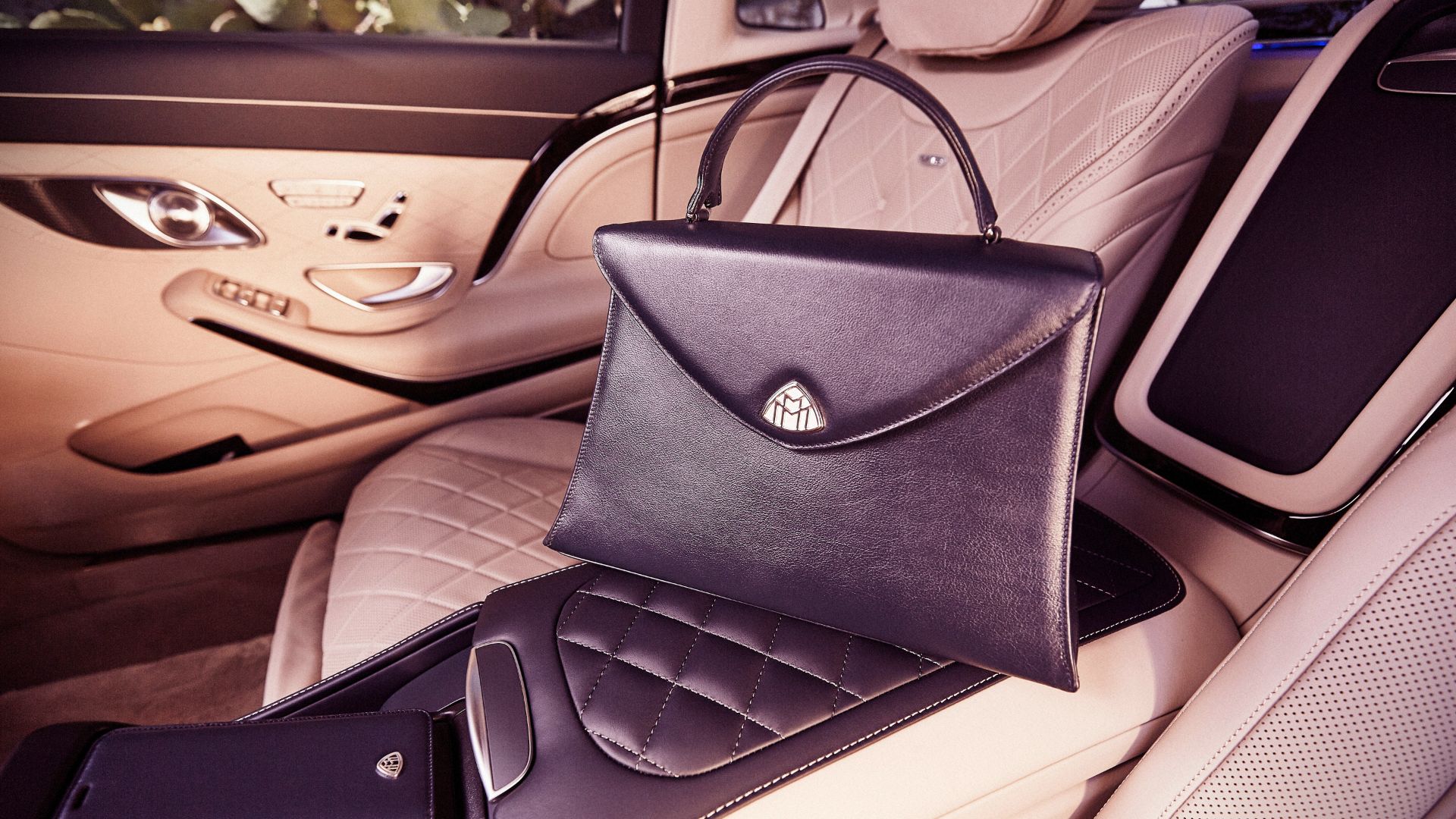
Maybach merchandise
Is your partner’s Louis Vuitton bag looking a little tired? Have no fear: Maybach, Mercedes-Benz’s luxury division, is here to help with a selection of bags and apparel. It’s lovely stuff, although perhaps not ideal for lugging around a car show.
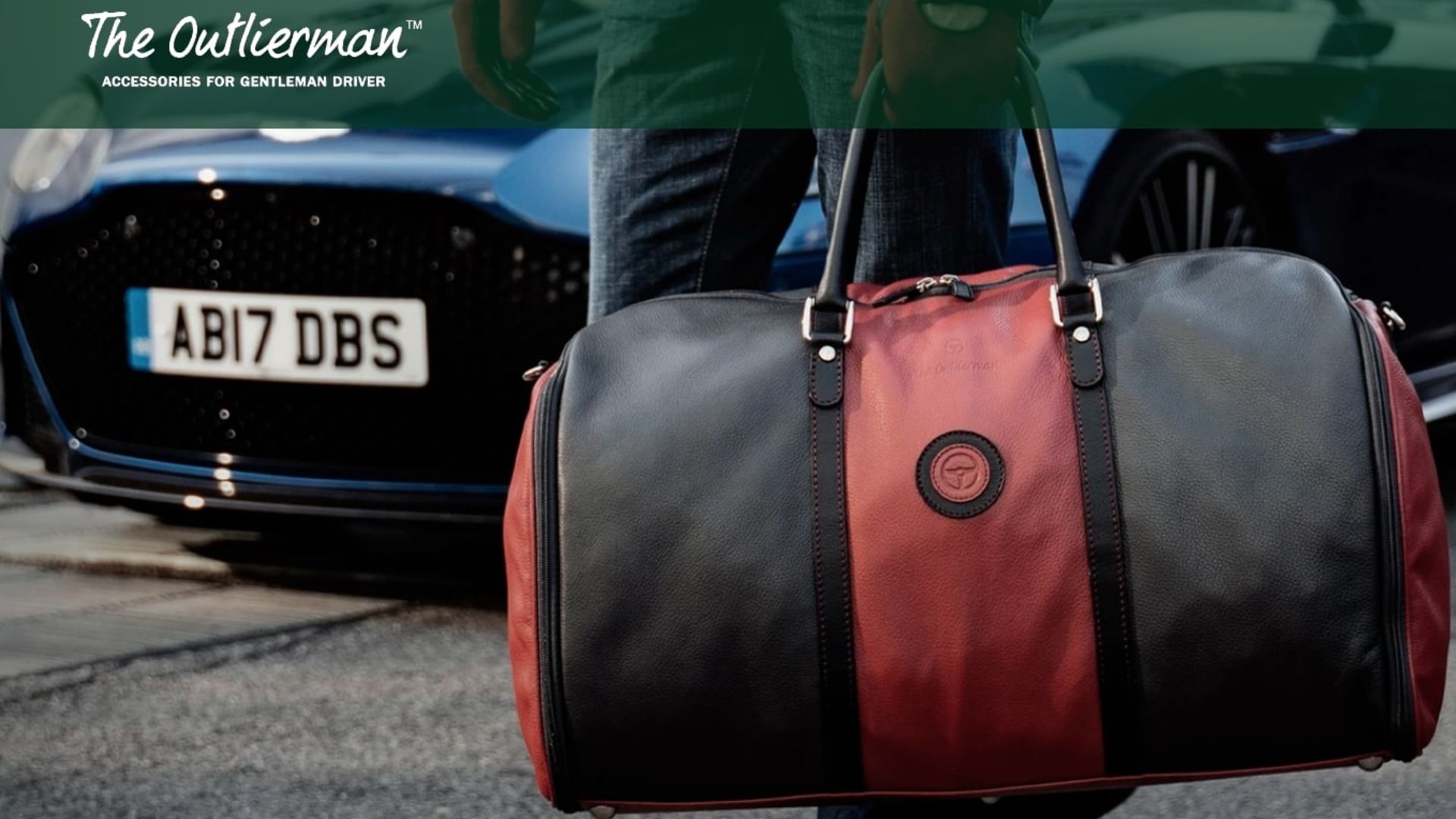
If motoring-branded apparel isn’t quite the ticket, but the premium look is appreciated, check out The Outlierman. These ‘accessories for the gentleman driver’ include driving gloves, scarves and weekend bags. Swanky stuff.
Fully Charged apparel
Want to wear your eco credentials on your sleeve? The Fully Charged website could have something to suit, with hats, T-shirts, hoodies, mugs and more in stock.
Frank Stephenson sketch prints
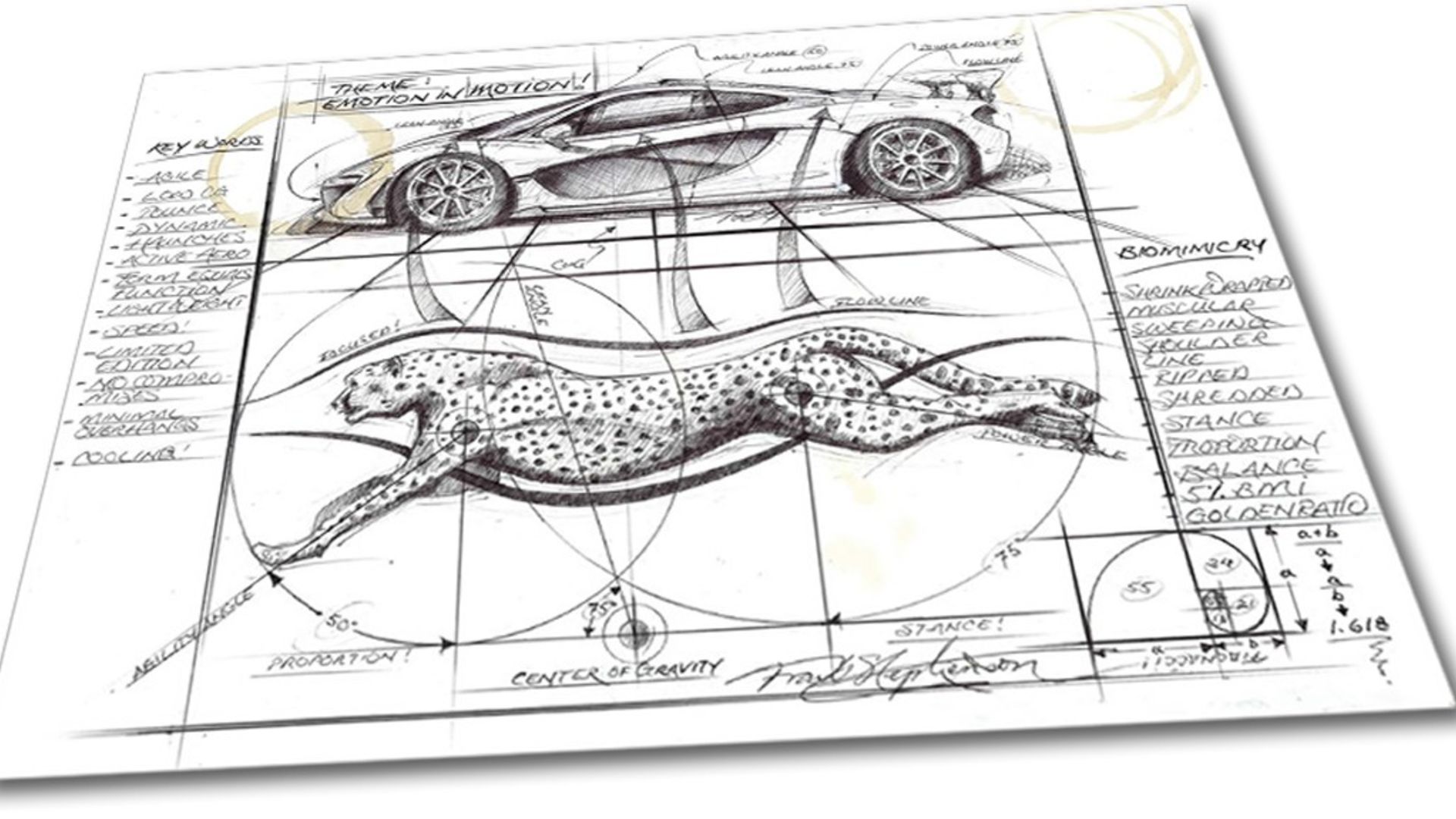
Now for some car-themed art. We start our selection with a couple of pieces from Frank Stephenson, the genius responsible for designs from the new Mini to McLaren P1. Limited-edition prints detailing the design and inspiration for both cars are now available.
Motiveculture art
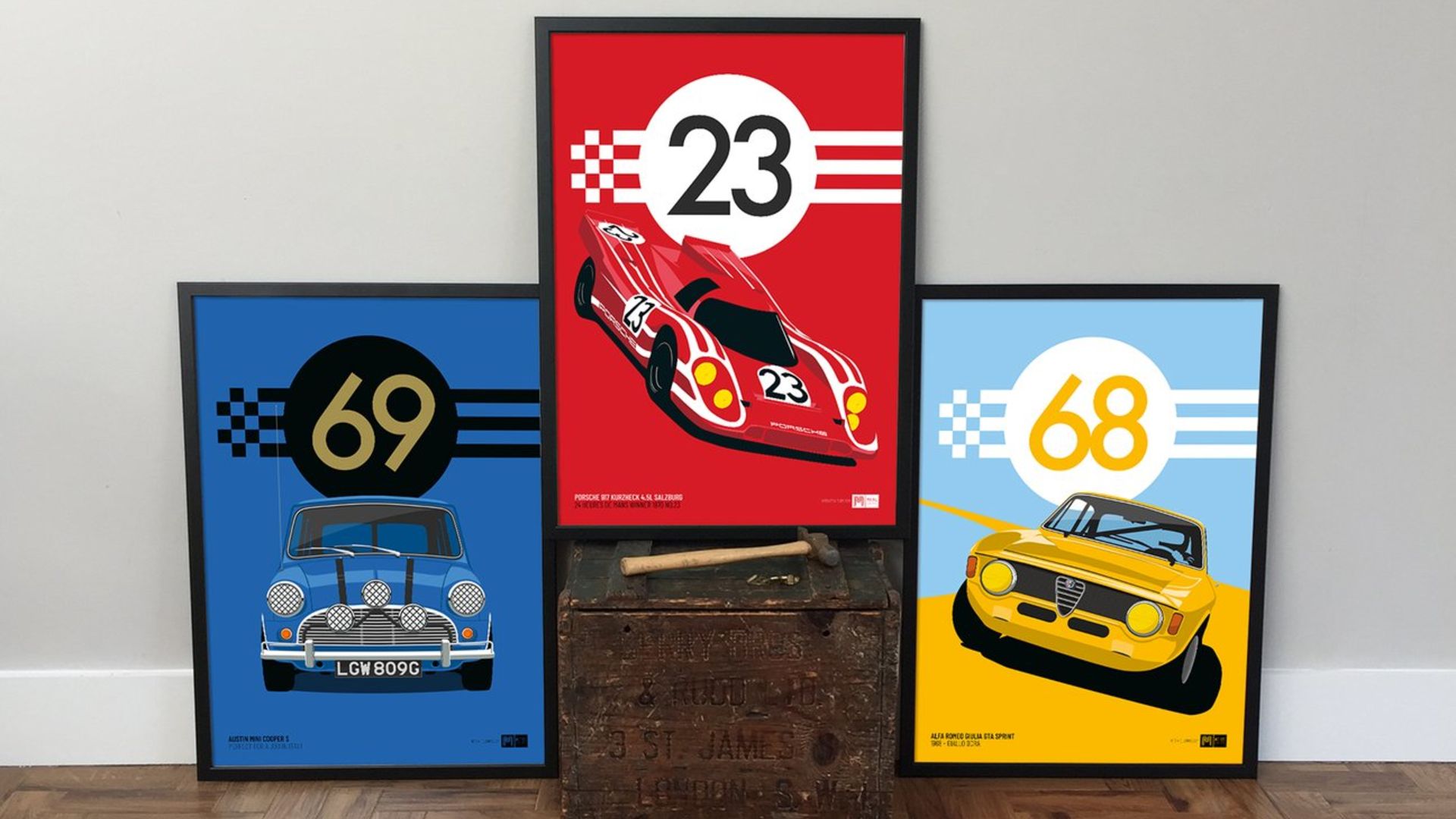
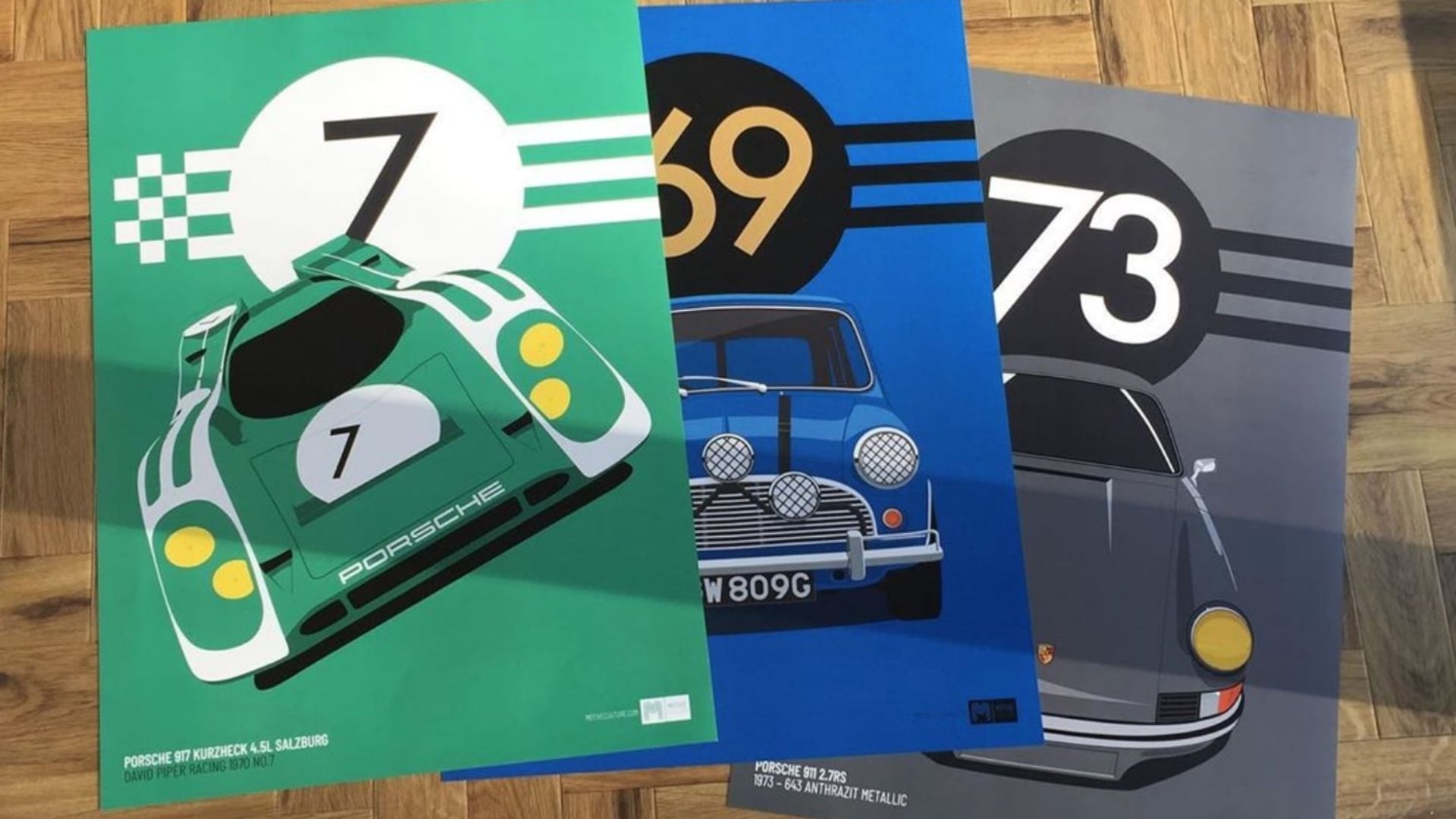
For something a bit more affordable, Motiveculture is almost unbeatable. The pictures are minimalist but stylish, with high-quality flat colours and sharp definition. Classic cars and modern art go together like bread and butter: get one on your wall.
If you love the above, but can’t find a particular car you like, Automobilist can probably help. It’s the company that created the awesome poster for the launch of the new De Tomaso.
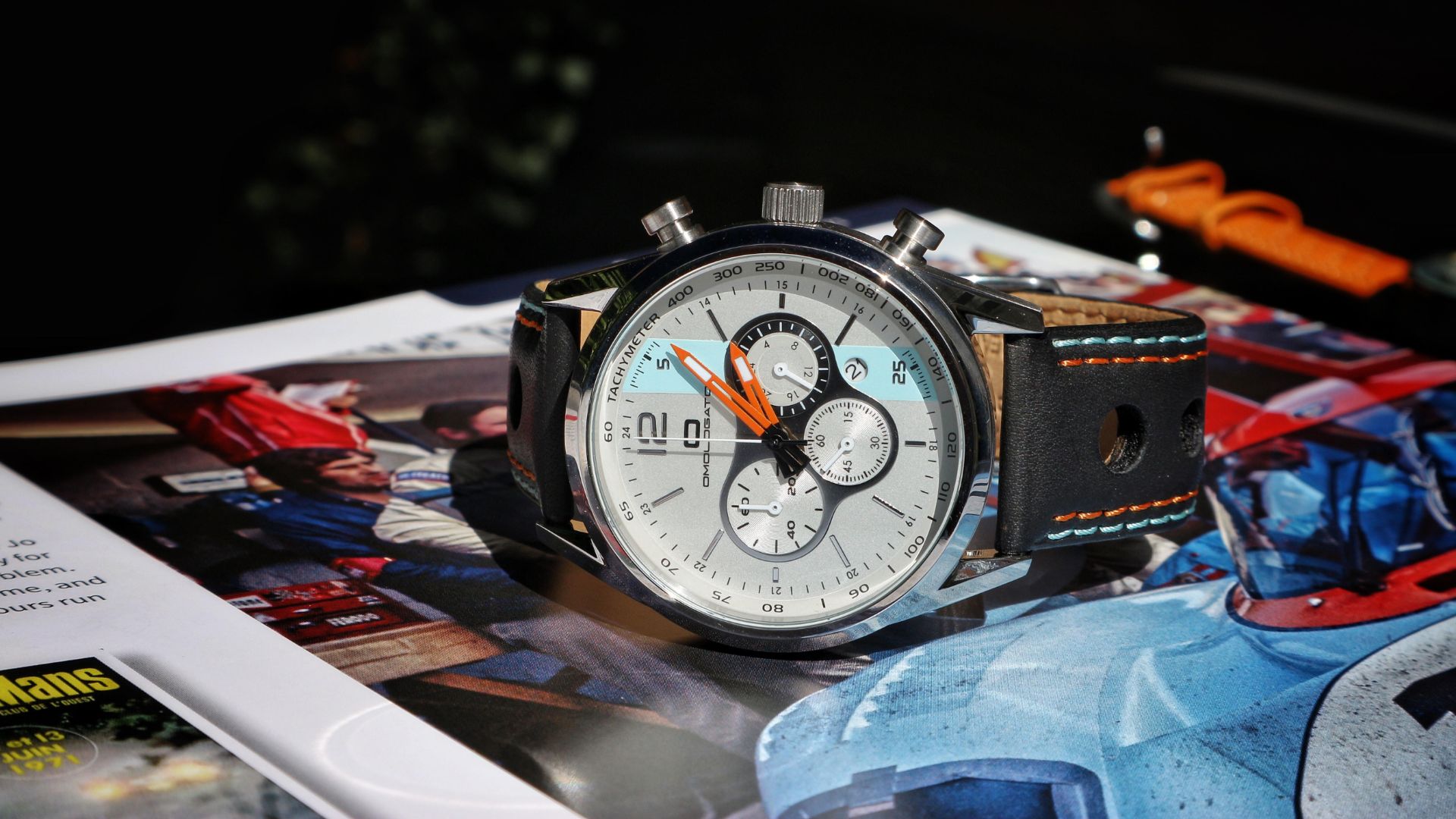
If you reckon your friend isn’t punctual enough at Christmas, car-themed chronographs don’t come much cooler than these. Bonus points: the company’s founder is a genuine petrolhead.
Nurburgring Monopoly
Nurburgring-themed Monopoly should keep the whole family entertained this festive season. Counters include racing trophies, helmets, a Formula 1 car and more.
After tensions in Nurburgring Monopoly reach their peak, sit everyone down with a good film. Well, in the case of Hobbs & Shaw, perhaps just a film. Either way, if you love cars, it’s hard to turn down watching Jason Statham skid a McLaren 720S around London.
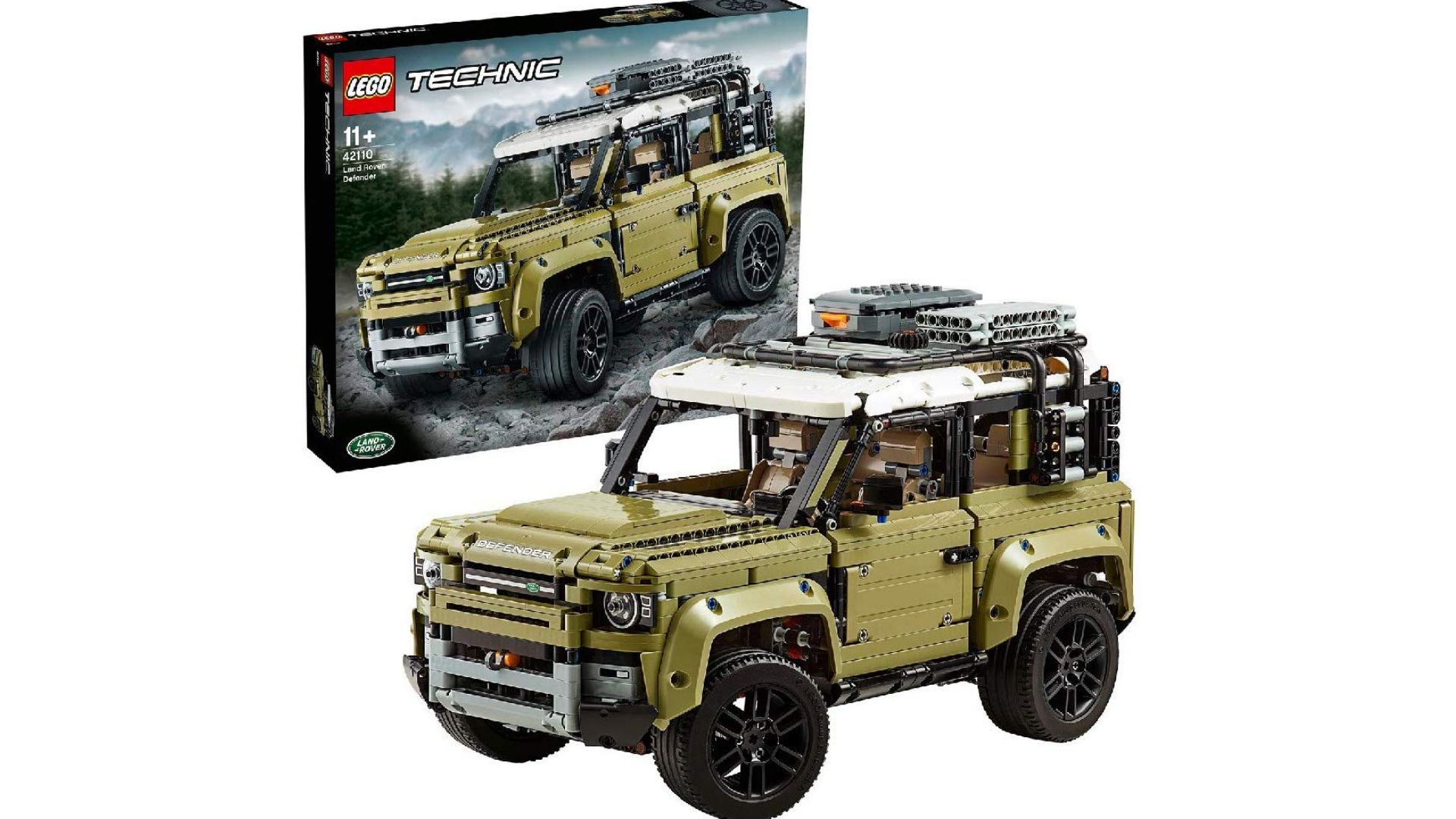
Lego and cars are connected like never before. There are so many models to pick from, but the new Land Rover Defender is one of our favourites. It’s available on Amazon. And so cool!
The Crew 2
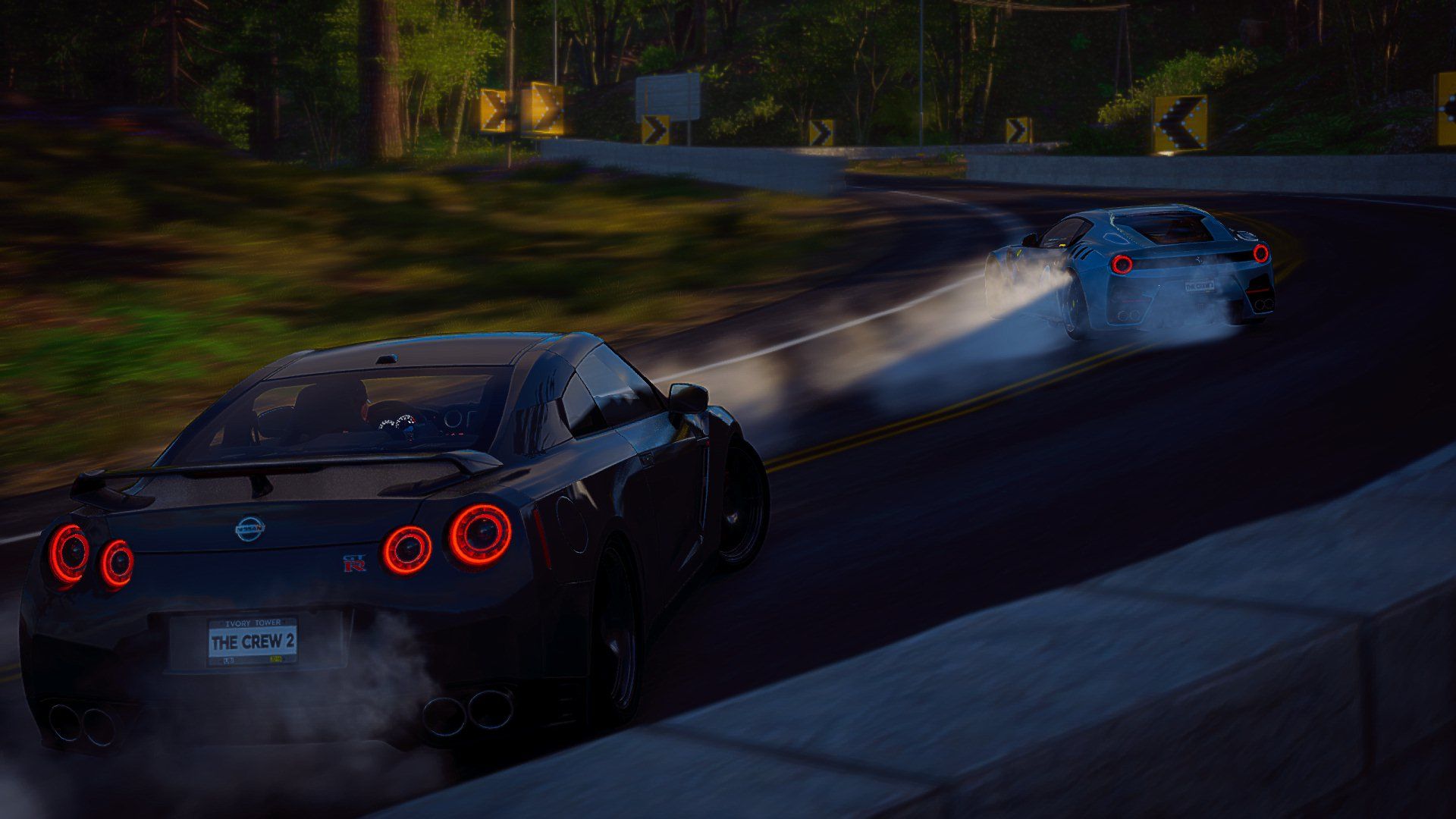
You can only venture so far on a car-themed Christmas list before getting into games. With that, we have a mini list within a list, picking our favourite titles, plus the best kit to play them with. The Crew 2 is the most underrated open-world racer of the last 10 years. Pick your vehicle to explore America, including supercars, muscle cars, and rally cars, not to mention planes, helicopters and boats.
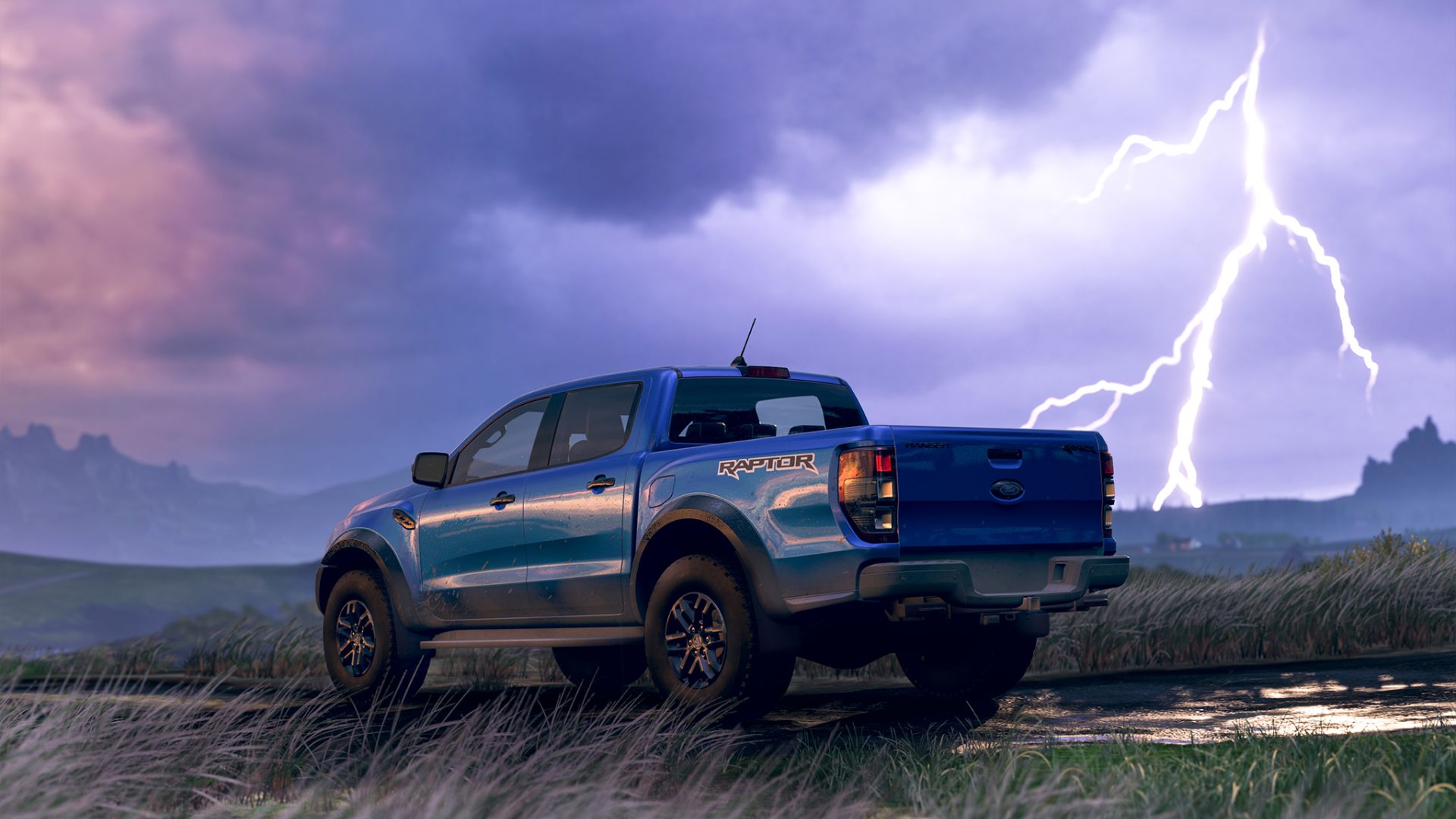
Forza Horizon 4
Forza Horizon 4 does what The Crew does, but in the UK, with more cars and better graphics, albeit a much smaller map. It’s a good laugh for an hour of dry stone wall-smashing fun.
Project Cars 2
If The Crew and Horizon are a bit arcade-like and your loved one has ideas of being an amateur racing driver, Project Cars 2 is the one. Get them out on Classic Le Mans in a Ford MkIV, pretending they’re Dan Gurney. We won’t judge – we do it all the time.
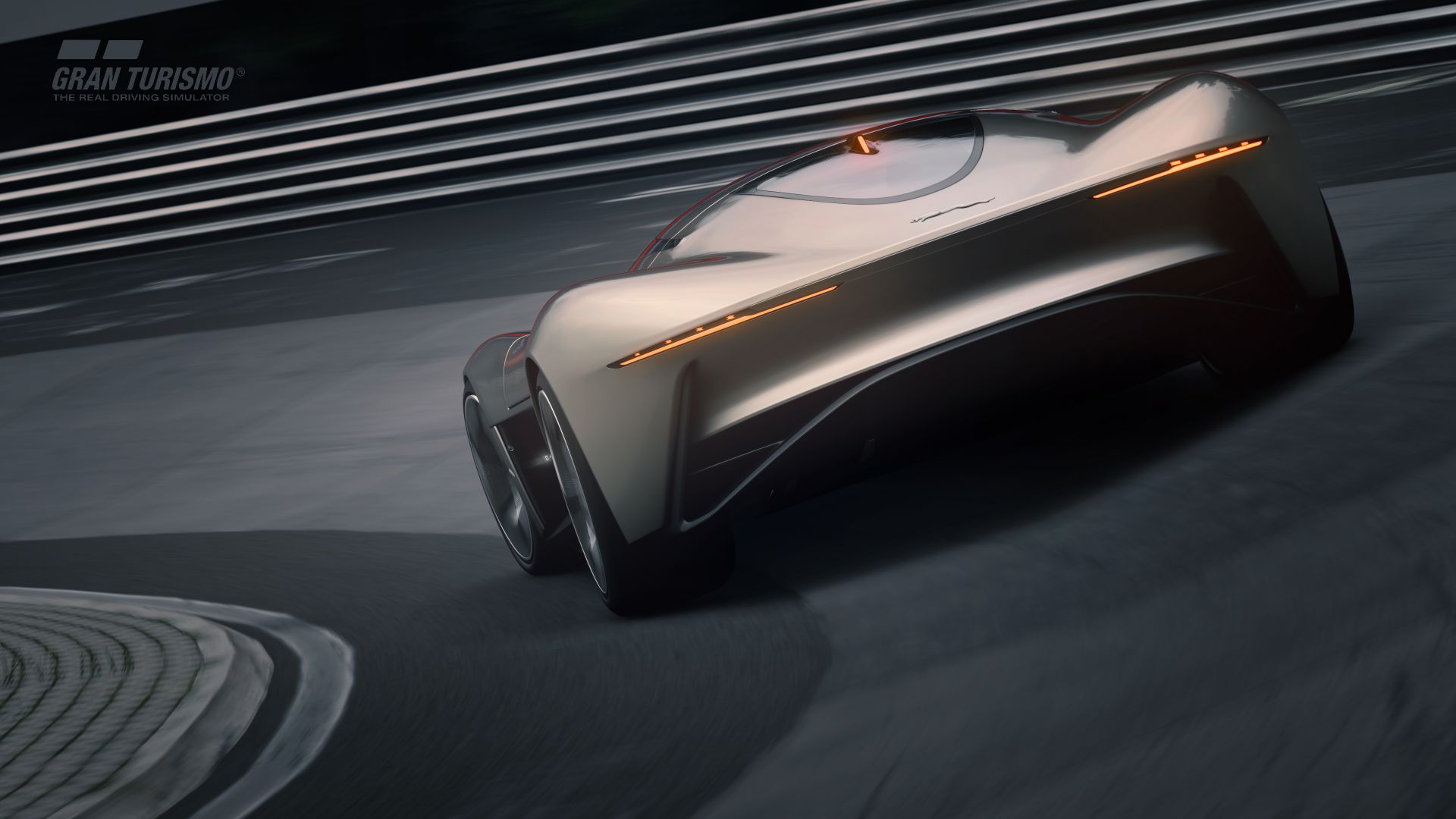
Gran Turismo Sport
For a Playstation racing game fix, there is only one, isn’t there? Gran Turismo Sport is a welcome return to form for the GT franchise. It’s the best mix of realism and fun since 2004’s Gran Turismo 4.
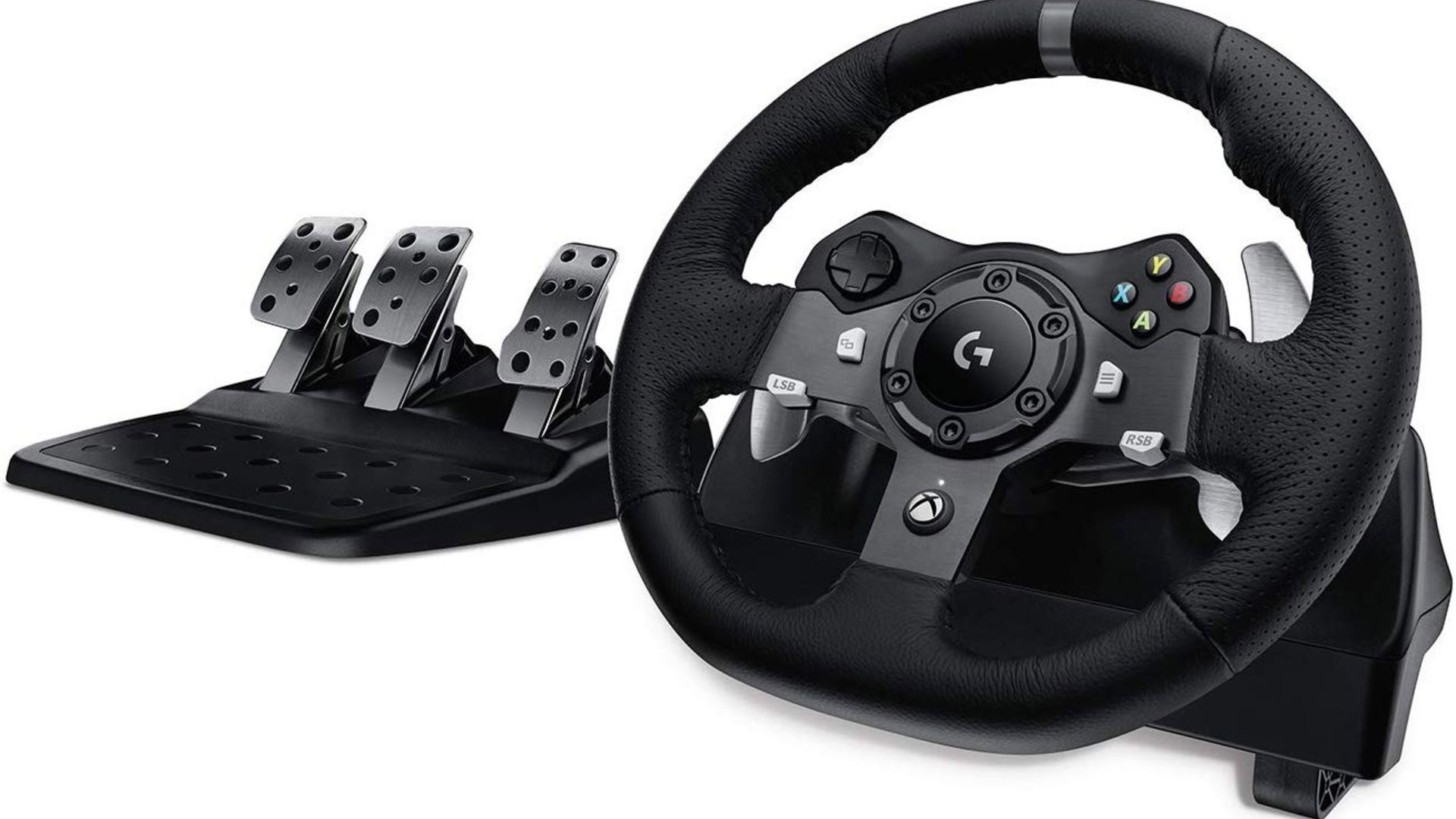
Logitec racing wheel
All of the above are much more enjoyable if you use a proper racing wheel, rather than a controller. Logitec’s G920 (Xbox) and G29 (PS4) help get more from these games on a reasonable budget.
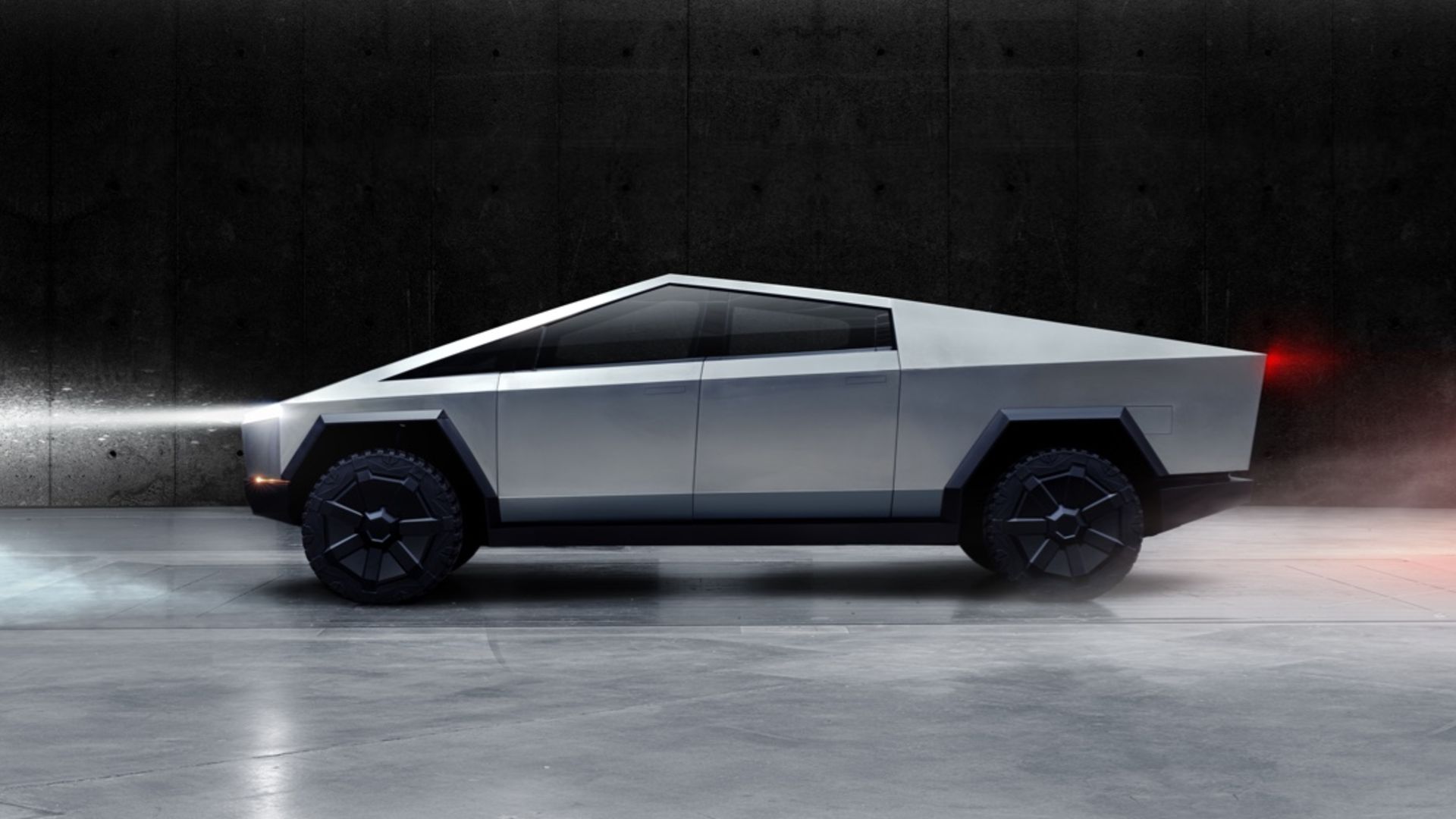
Tesla Cybertruck reservation
Like buying a star, a reservation for a Cybertruck is both reasonably affordable and a bit of a laugh. You can even get a refund once the joke has passed. Or, if it actually happens, go through with your order…
New cars just keep on getting safer – and UK automotive research centre Thatcham Research is highlighting this by revealing the 10 safest new cars launched in 2019.
These 10 motors, it says, are some of the safest new cars ever made: “Carmakers have really raised their game this year,” says the organisation.
How 2019’s safest cars were judged
Thatcham Research used a set criterion to draw out 2019’s 10 safest new cars. All should have a five-star Euro NCAP rating and high scores in all the individual categories.
They should also have a broad array of standard-fit crash-avoidance tech, such as autonomous emergency braking and electronic lane-keeping. The 10 cars should also all be affordable and have strong sales potential, “bringing safety to the masses” and continually improving the crash performance of cars we can all afford.
Here, in alphabetical order, are the 10 safest new cars launched to market in 2019.
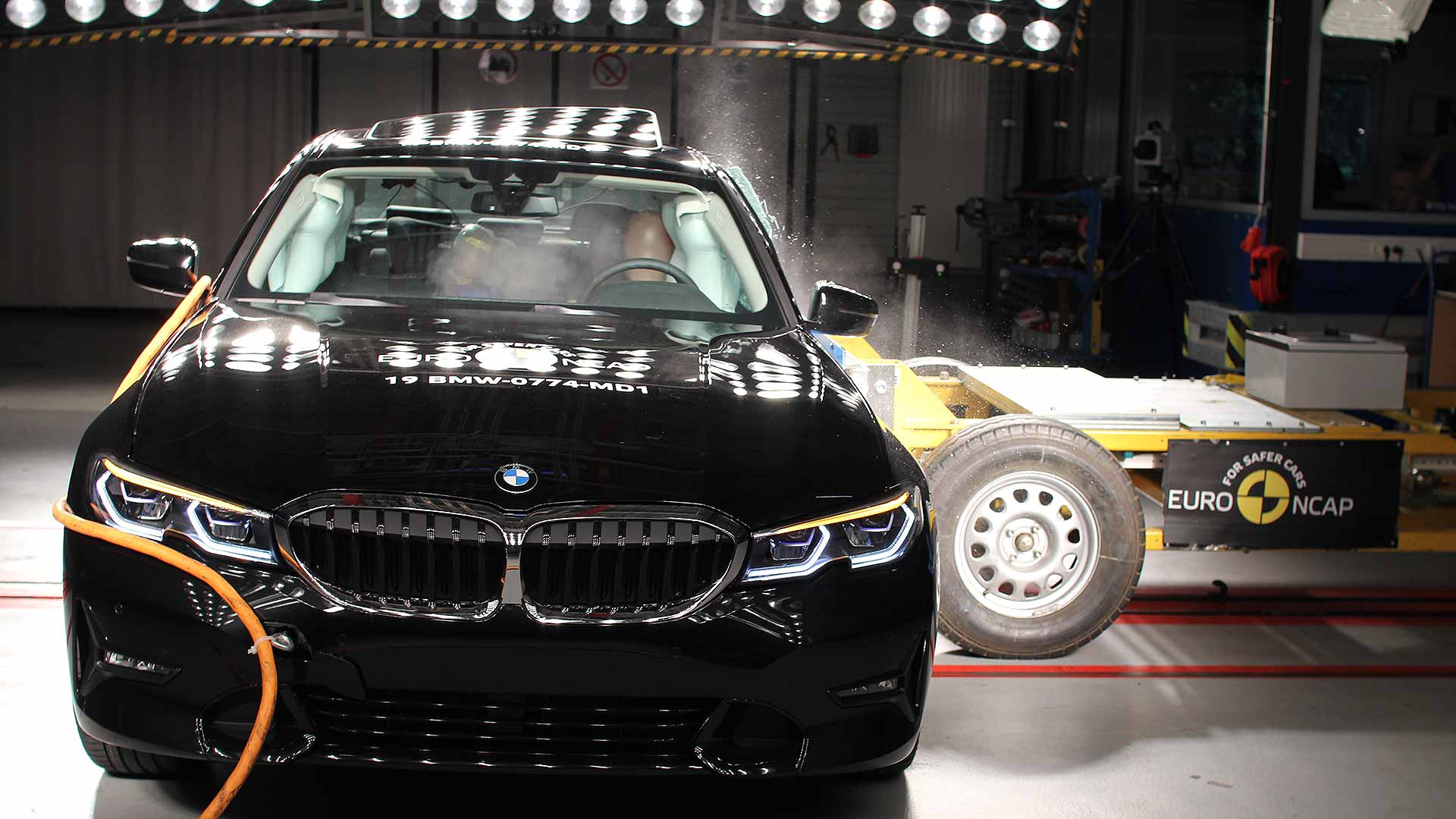
BMW 3 Series
The new BMW 3 Series scored an impressive 97 percent rating for Adult Occupant Protection. Even better than that, it scored 100 percent in the Euro NCAP pole crash, described as the most invasive crash test of all.
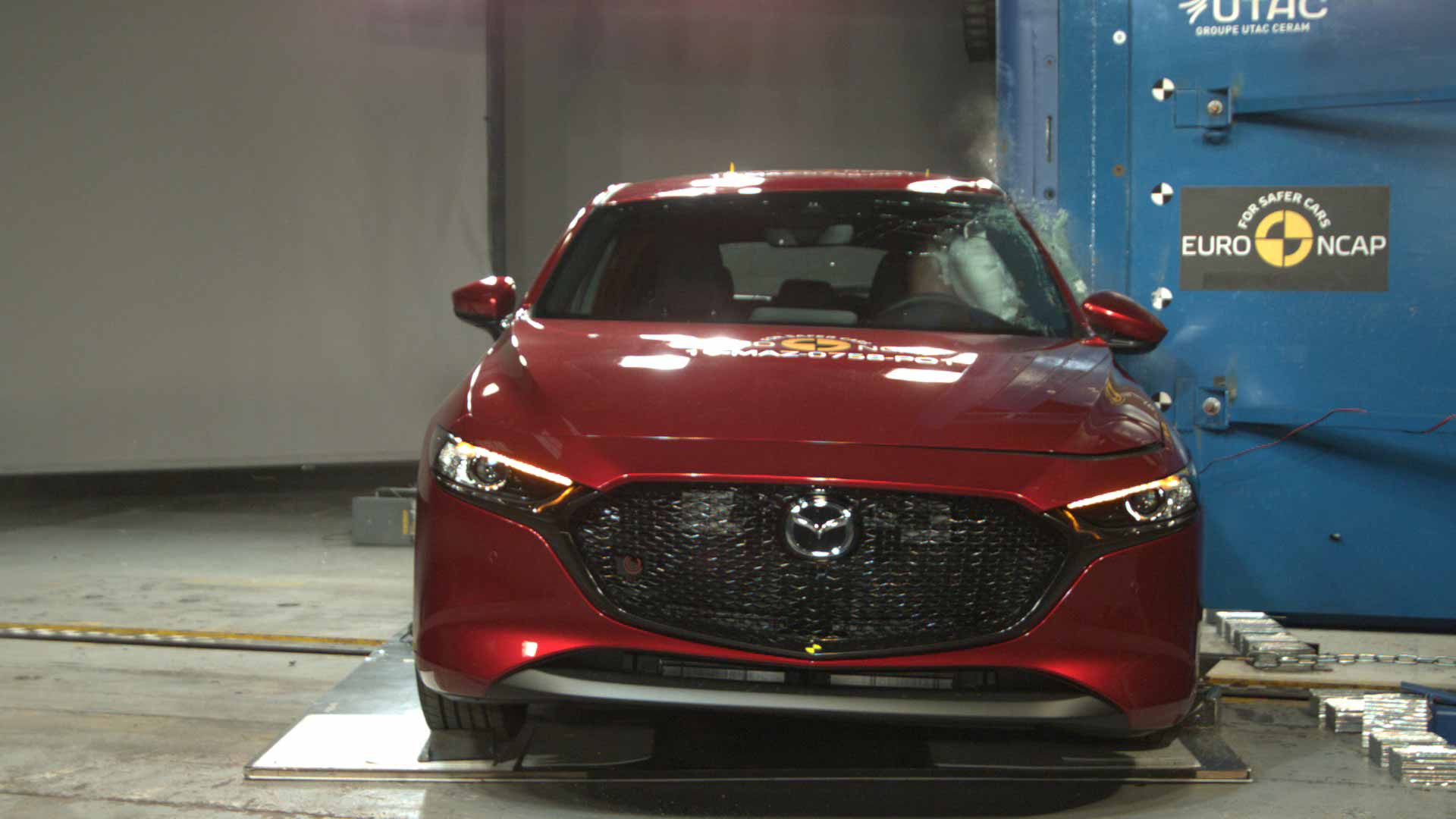
Mazda 3
Thatcham Research director Matthew Avery called the Mazda 3 “a really good performer in so many areas”. It also has an innovative Driver Monitoring system, “which isn’t included in the current Euro NCAP rating, but will be in the future”.
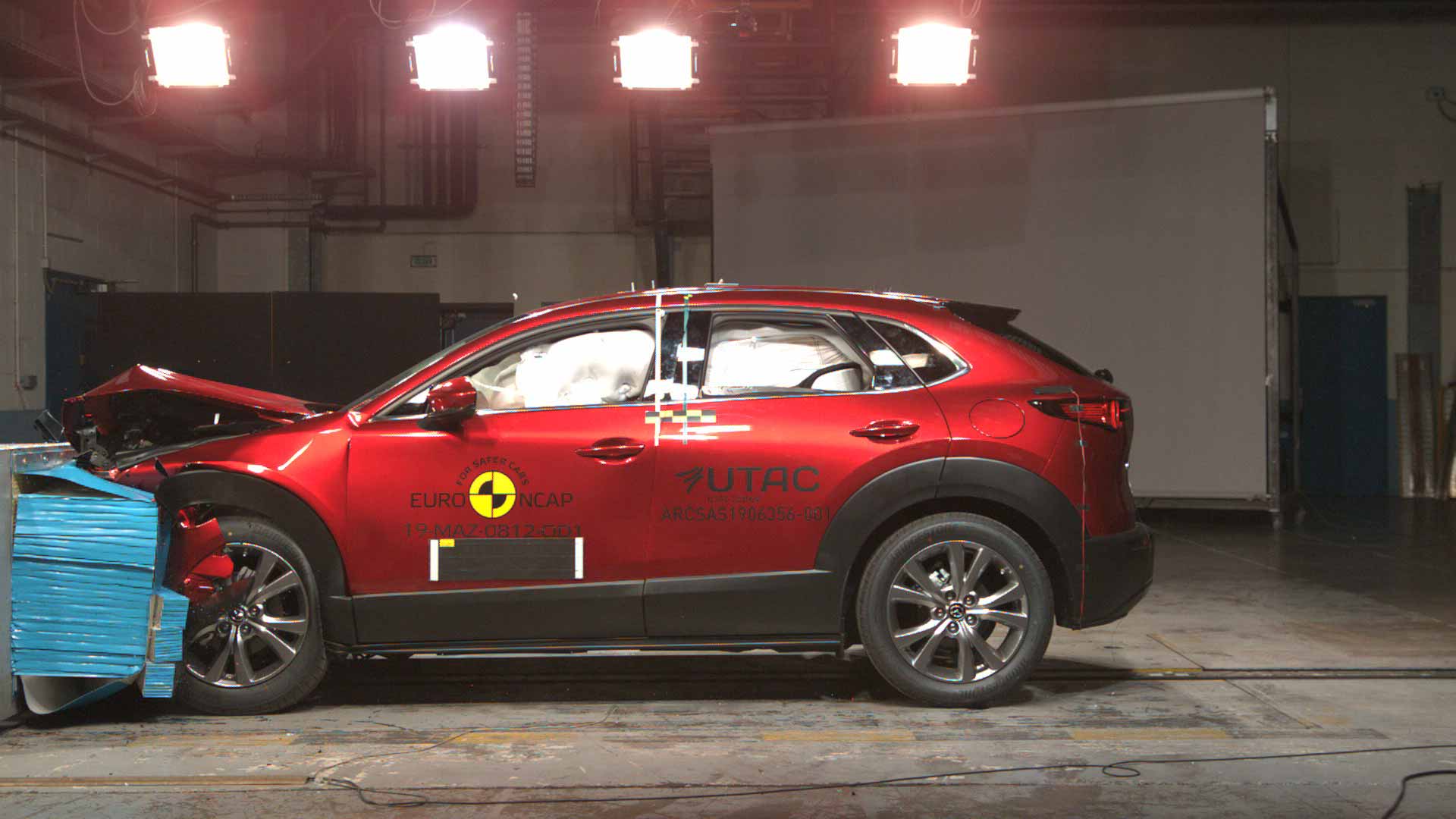
Mazda CX-30
The Mazda CX-30 scored 99 percent in the Adult Occupant Protection category – “maxing out in the Full Frontal, Side impact, Pole crash and AEB City tests was the highest ever seen in Euro NCAP testing,” said Avery. The car’s combination of class-leading active and passive safety was highly praised.
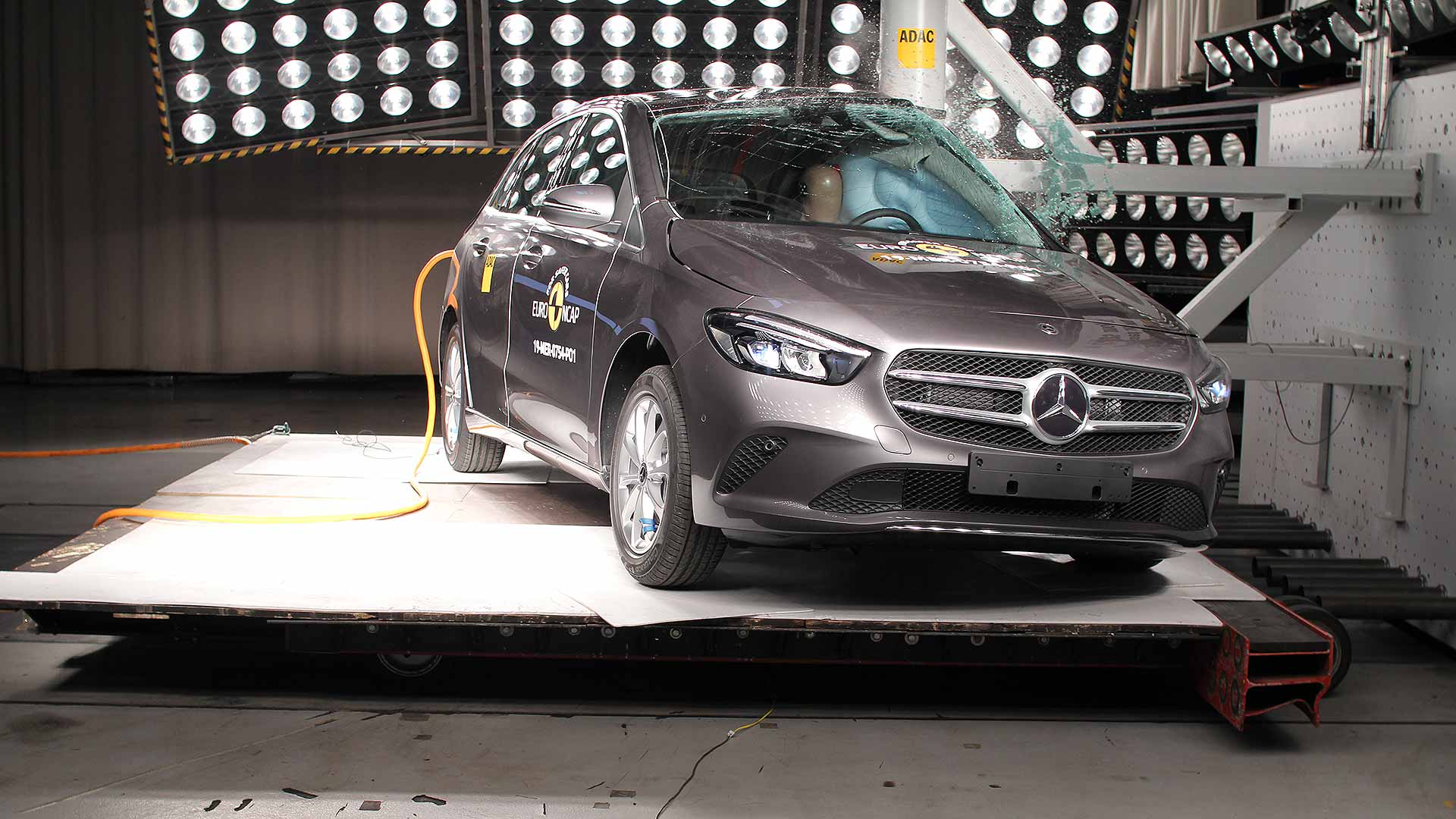
Mercedes-Benz B-Class
The B-Class is a family-friendly small people carrier that reinforces the Mercedes-Benz brand’s reputation of offering safety as standard across its model range. Further proof of this…
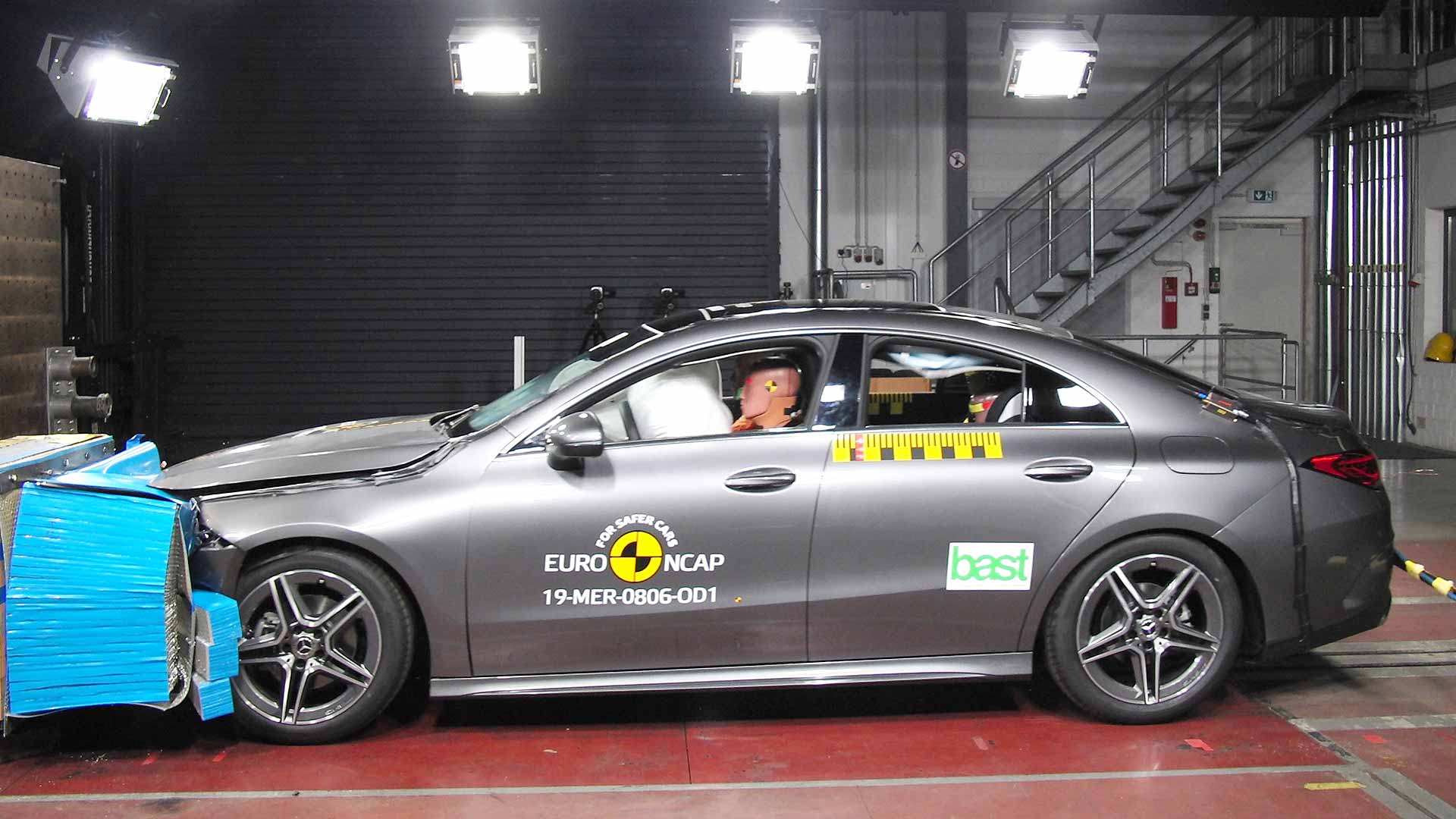
Mercedes-Benz CLA
… Comes with the second Mercedes-Benz to feature in the safest new cars of 2019 list. The CLA scored 90 percent across all the Euro NCAP categories, making it the best performer of 2019.
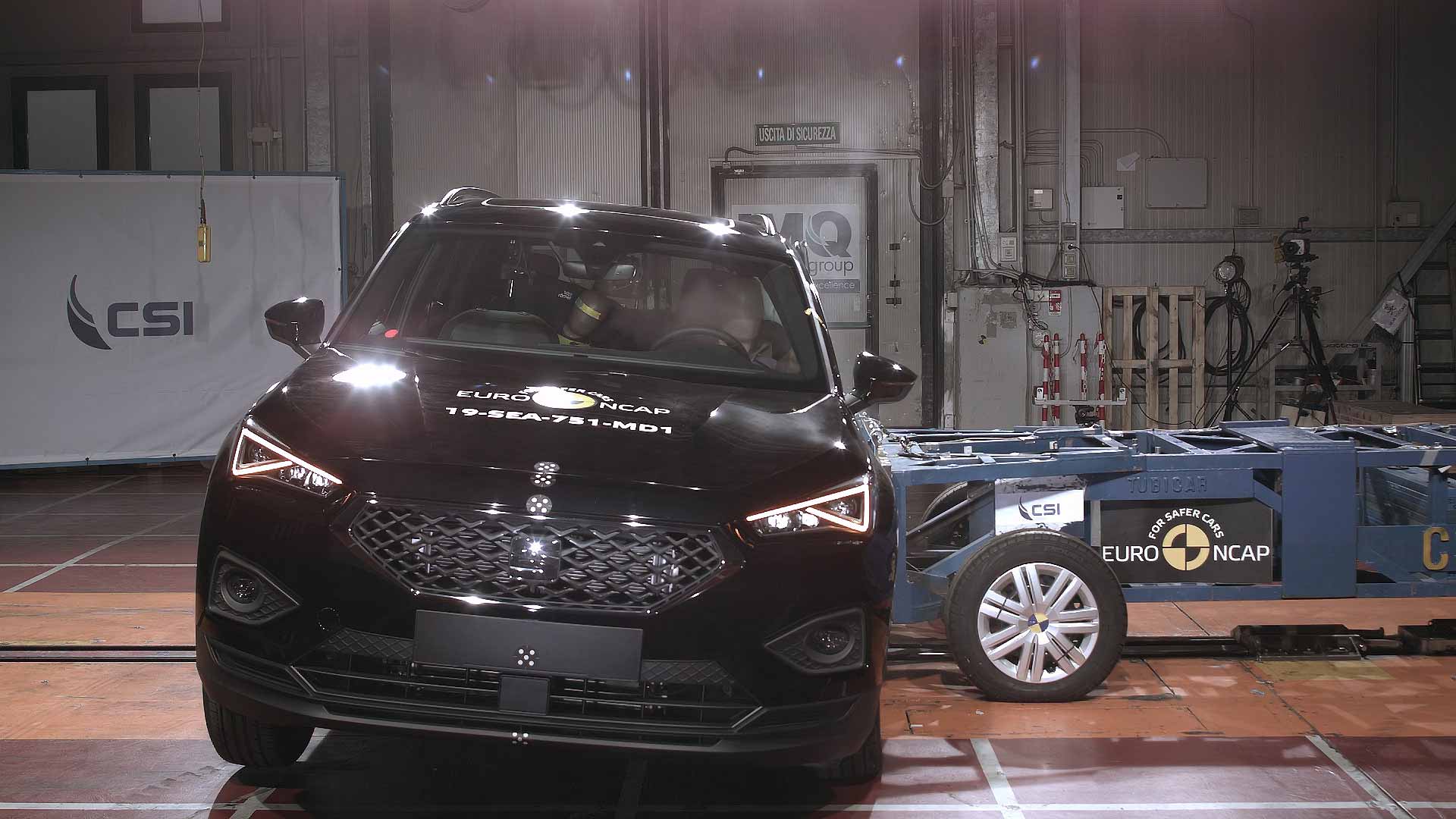
Seat Tarraco
Seat’s large SUV offers safety at a reasonable price point, said Avery. It put in a “good performance for its driver assistance technologies, with strong AEV and Lane Support System scores”. He added it is one of the safest big SUVs you can buy.
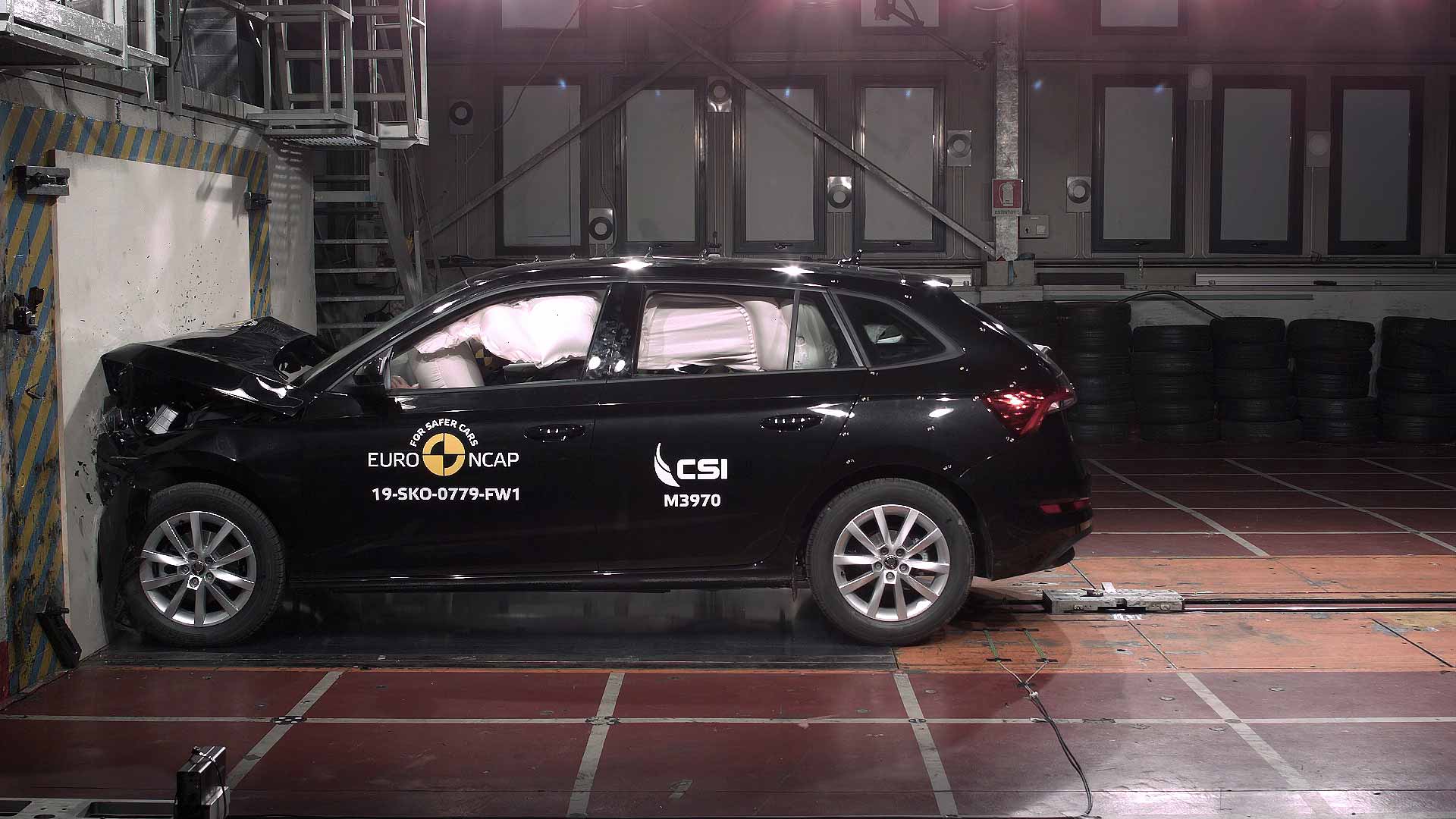
Skoda Scala
“Maximum safety on a minimal budget” is how Avery describes the Skoda Scala family hatch. It is “one of the safest small cars available in 2019,” rating particularly highly on passive and active safety protection.
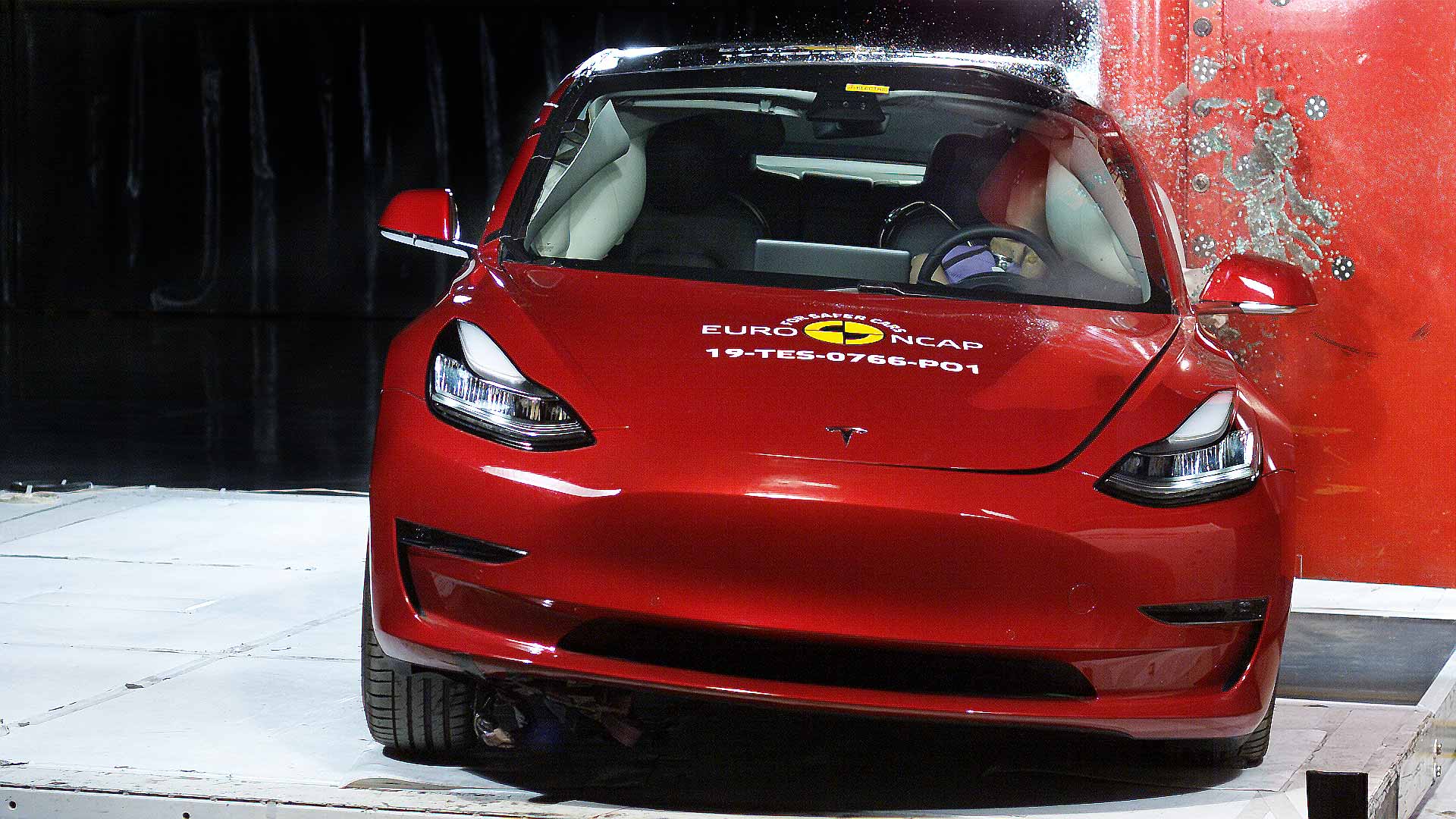
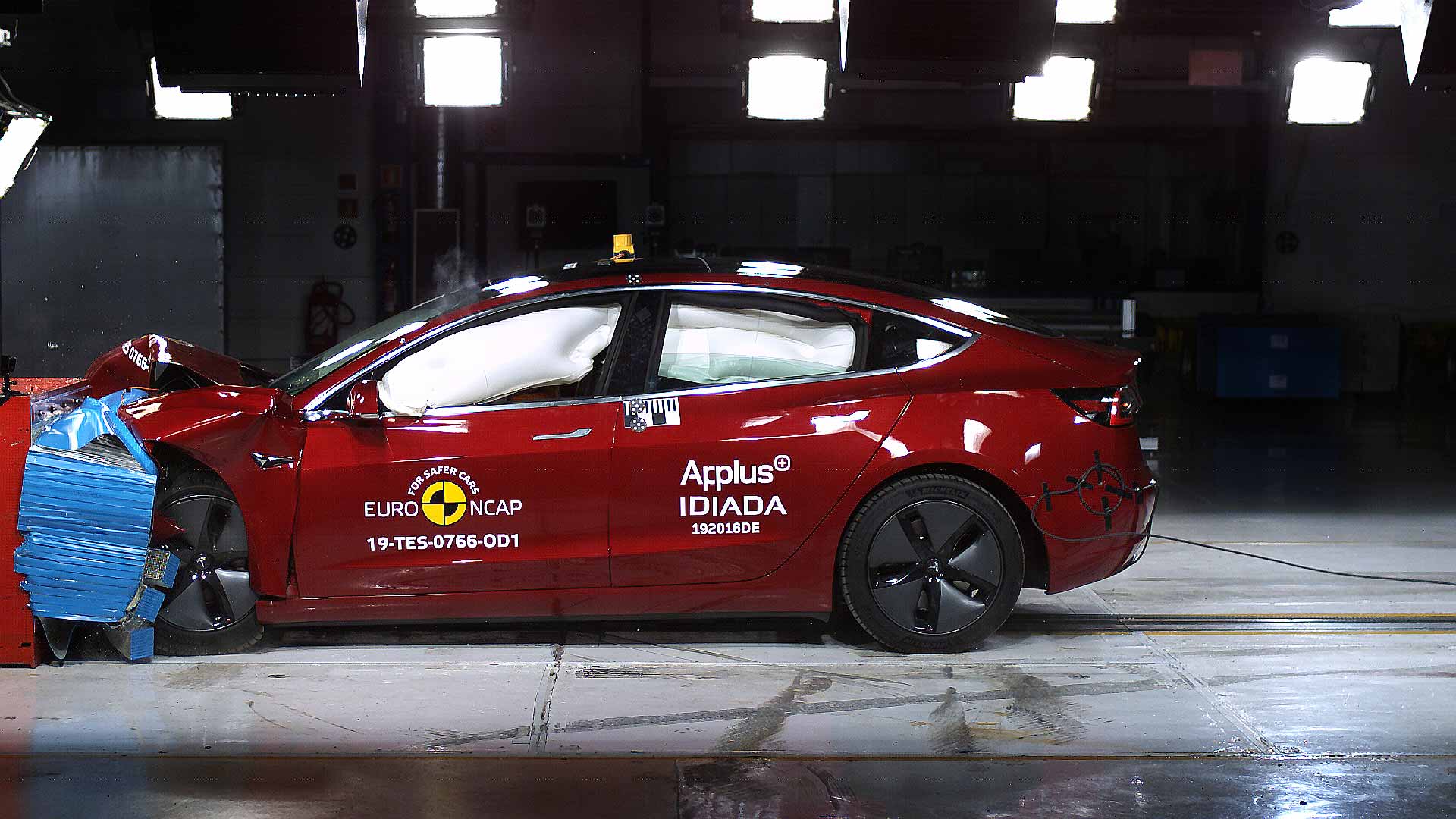
Tesla Model 3
The stylish Tesla Model 3 electric car scored the highest overall score in Euro NCAP’s Safety Assist category – “and by some distance,” said Avery. The EV also scored top points in the Lane Support System tests too, going some way to validating Elon Musk’s bold claims for the performance of Tesla Autopilot and its related assistance systems.
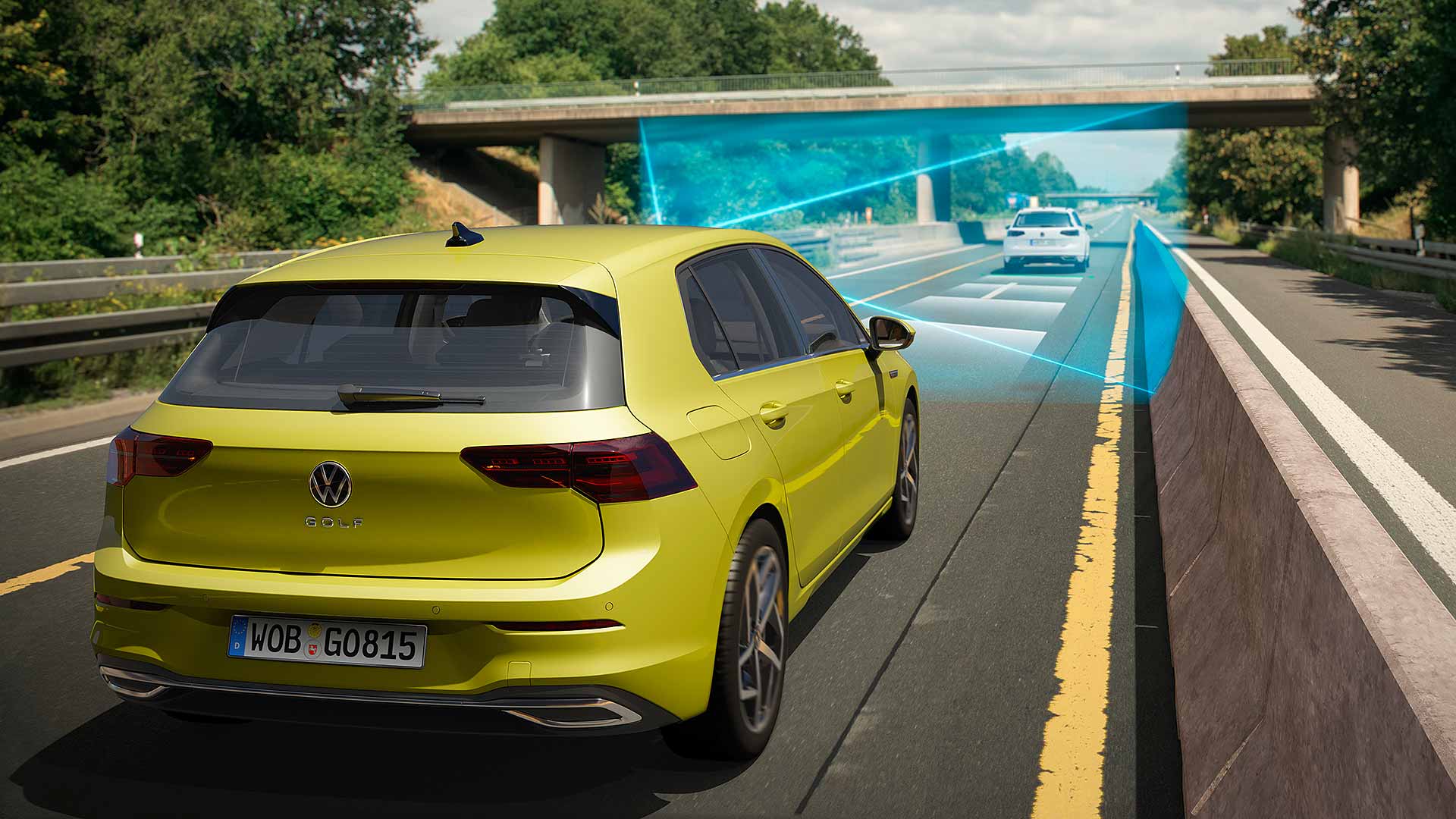
Volkswagen Golf 8
Volkswagen’s best-selling car is a European favourite. The all-new Golf 8 has a broad array of standard-fit safety tech, such as AEB autonomous emergency braking, a Lane Support System, “and also some great driving assistance systems including Electronic Lane Keeping”.
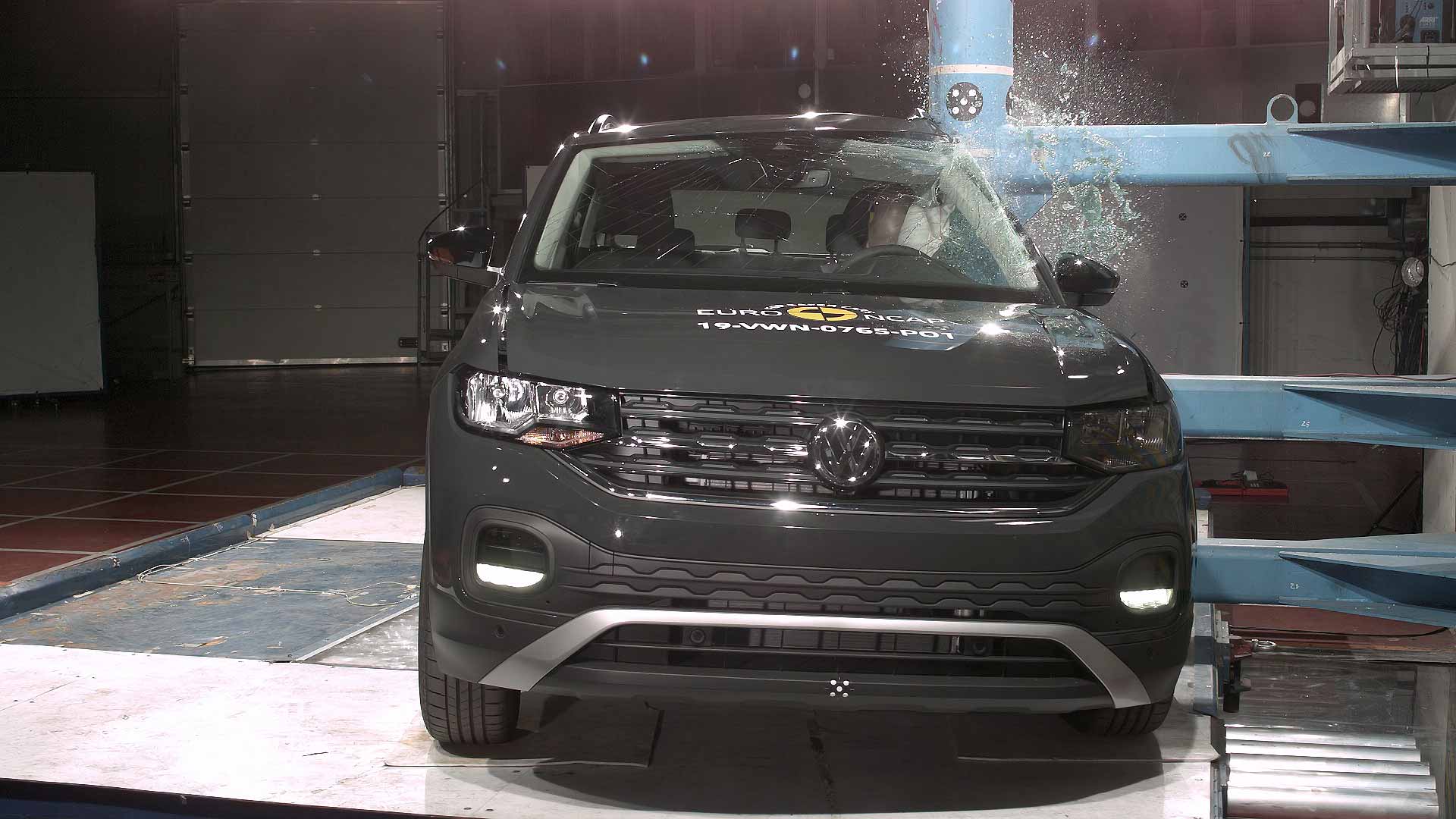
Volkswagen T-Cross
A standout performer in the fast-growing small crossover segment, the T-Cross serves up the usual high performance of Volkswagen cars in impact testing, said Avery. It also has a standard Lane Support System.
All 10 cars will now go forward to be judged in the overall Safety Award 2019. Only one can win… and the victor will be revealed in early January. Which gets your vote, and why?
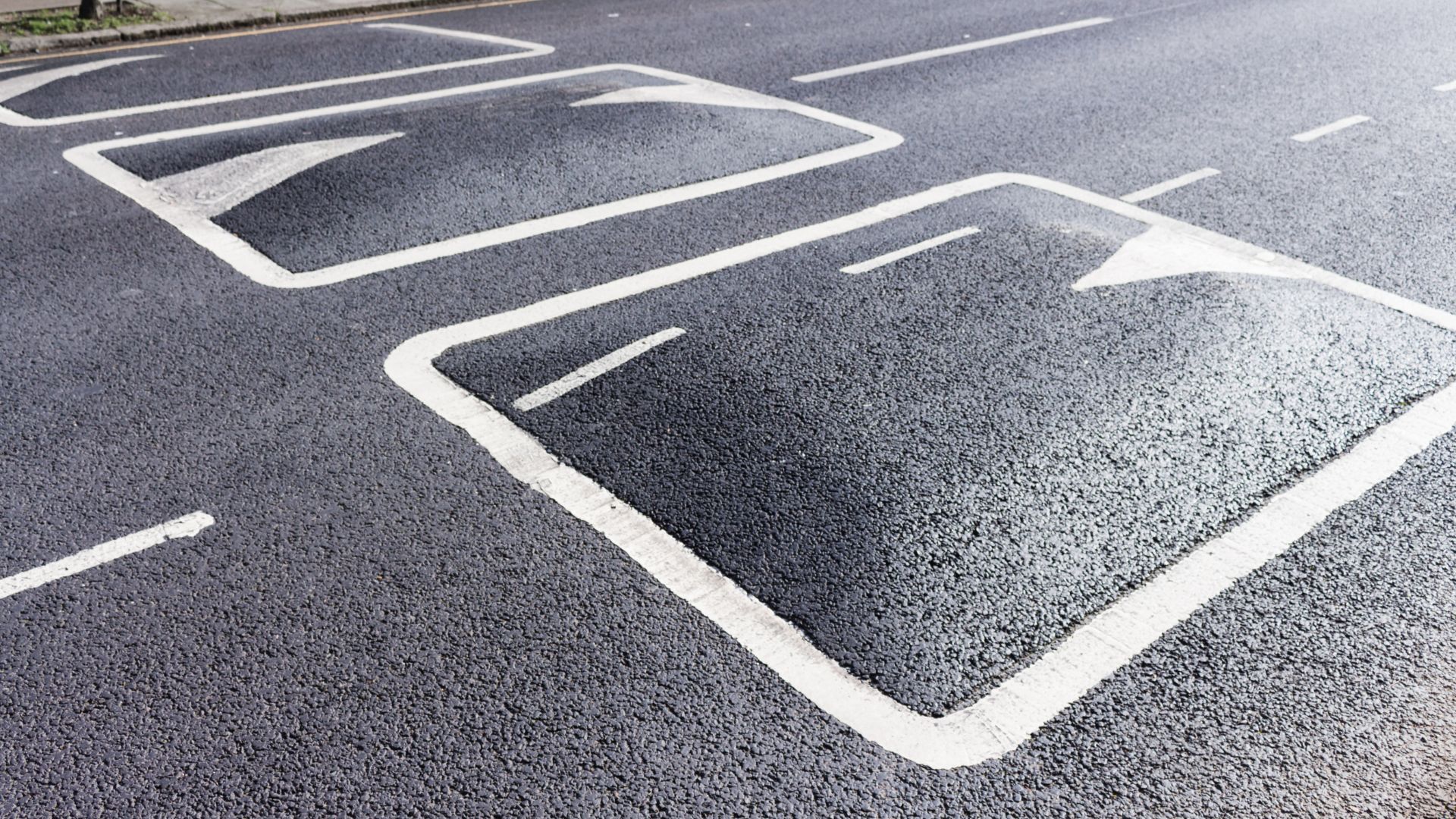
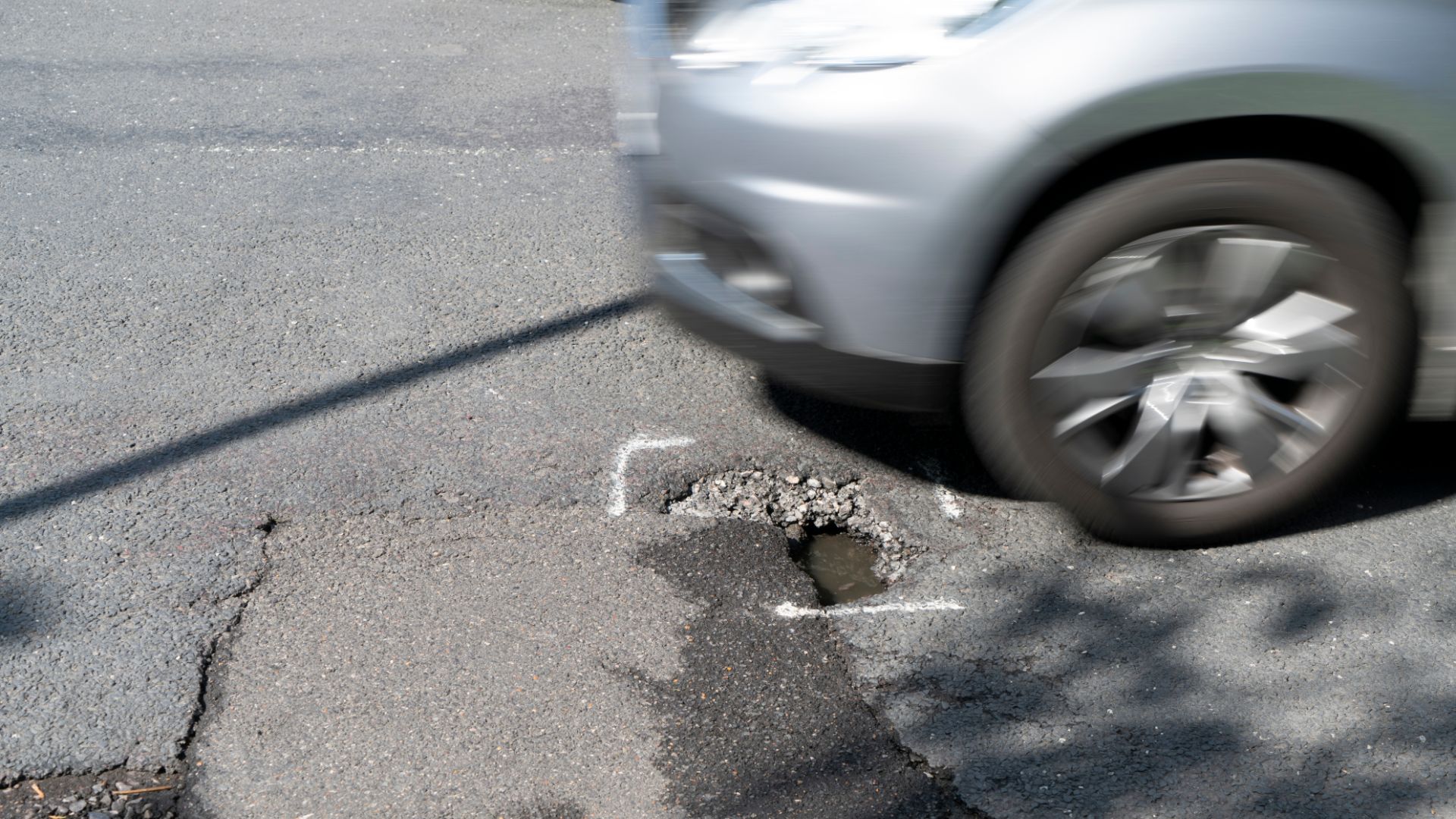
New data has revealed that one in four motorists have damaged their car on a pothole or speedbump. That number rises to nearly one in three (30 percent) for people in urban areas.
The Opinium survey of 2,000 drivers found that a quarter of those who had damaged their car in such a way had incurred costs of between £51 and £100 for the repairs. Over a third (175 drivers) had paid between £101 and £250, and 40 drivers had a bill of over £250.
Around 200 (39 percent) of the affected drivers said they had complained to the council about the damage to their cars. Over half (55 percent) said they were ignored. Thirty-nine percent (78 drivers) said that action was taken as a result of their complaint. Twenty drivers (10 percent) even sent their bill to their respective councils.
Just over a fifth of those who had taken damage from potholes or speed humps said they did consider complaining but “didn’t see the point” because “nothing would change”.
Roads that damage cars could be increasing emissions
Incredibly, one in six drivers (17 percent) said that they consciously take a longer route to avoid potholes and other road damage. Longer journeys often translates to more emissions, meaning potholes could, in some way or another, be increasing emissions output.
“Damage to cars caused by speedhumps and potholes, in particular, is becoming a big problem as councils struggle with the cost of repairing them,” said Ben Wooltorton, COO of InsureTheGap, the company behind the survey.
“This cold snap will see more potholes and, as we can see from the research, repairs can run into hundreds of pounds. It really is worth avoiding them if possible, and going a different way if the road is particularly bad.”