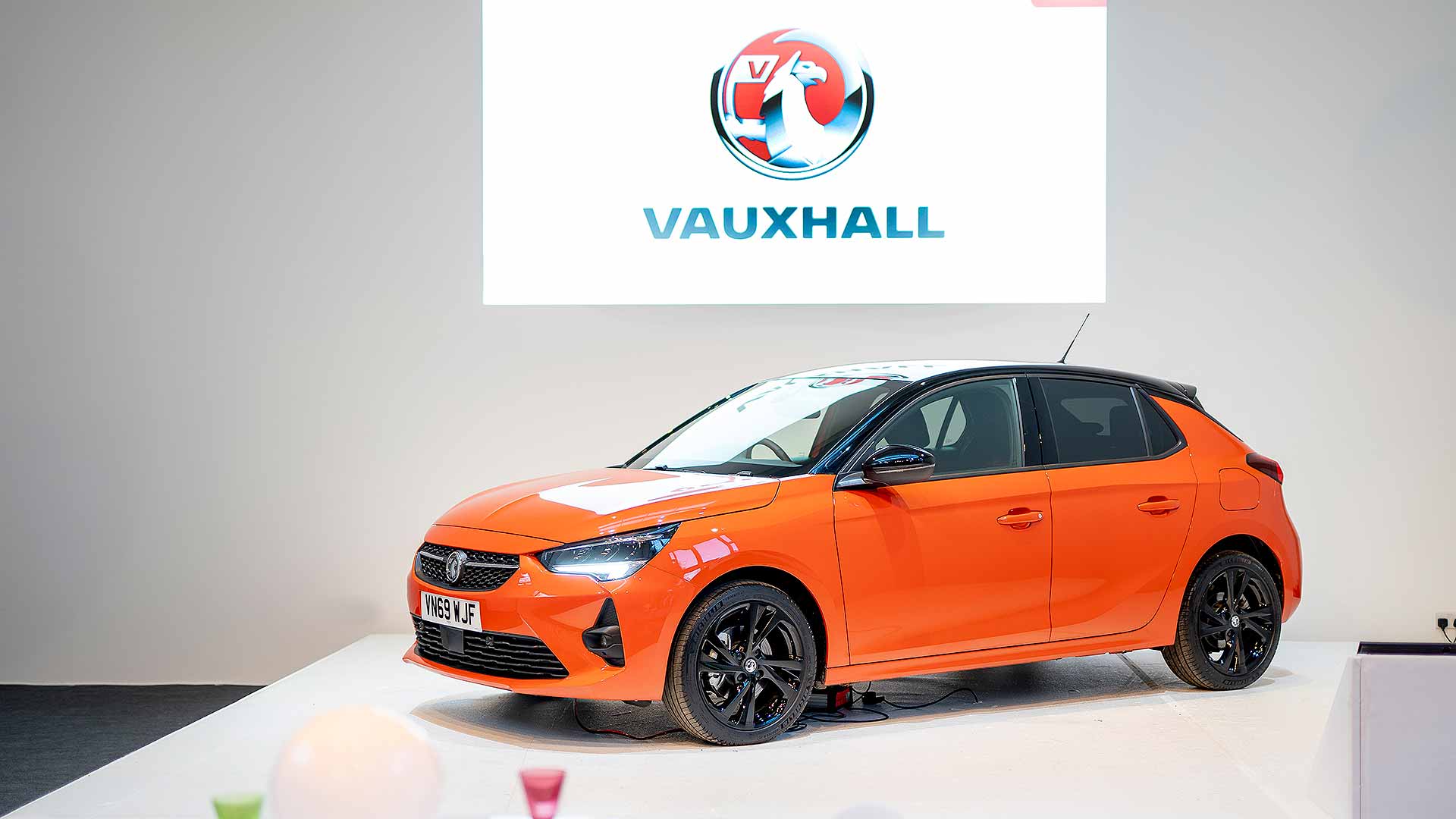
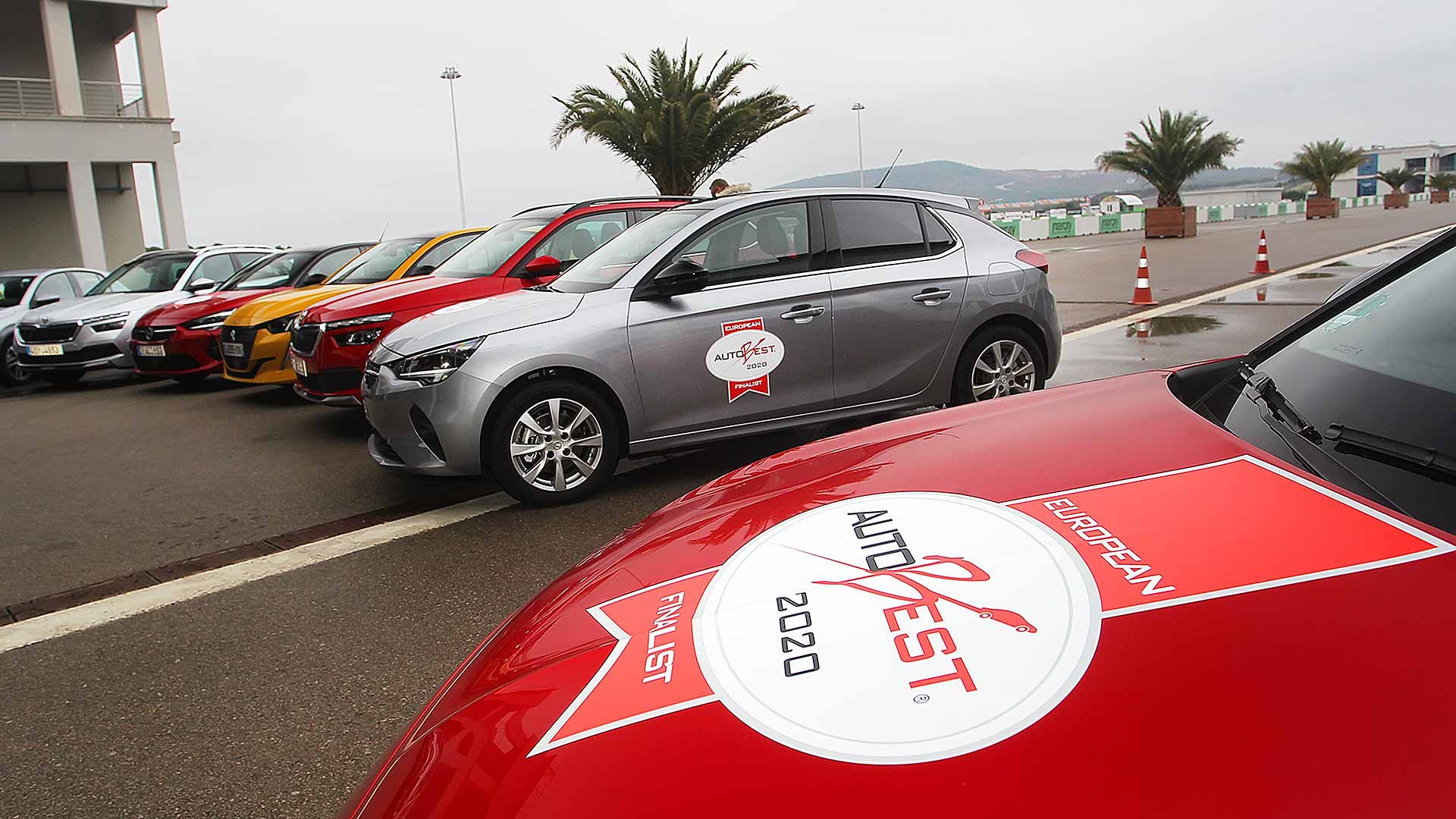
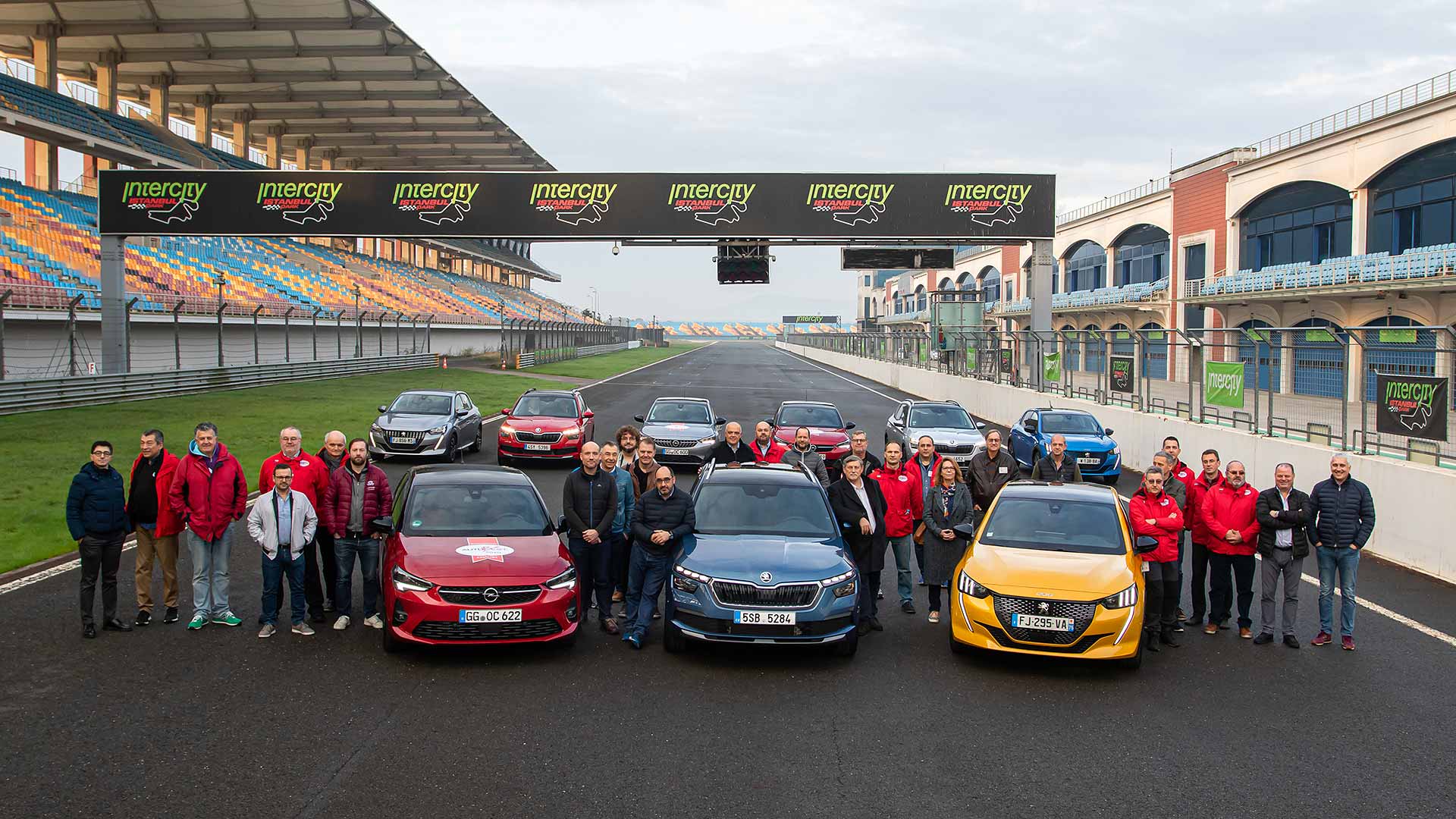
A total of 31 jury members from across Europe – it’s one member per nation – awarded the Corsa a total of 17,617 points, just 157 more than the new Peugeot.
The Skoda Kamiq came third, with 16,848 points. The other two finalists, the Renault Clio and Nissan Juke, followed.
The judging process included a two-day test at the former Formula 1 racetrack, Istanbul City Park. Jurors, who represent 95 percent of the European population, carried out extensive tests and attended detailed presentations from finalist brands.
“It was a very balanced final five,” said jury president Ilia Seliktar. “All the finalists are great examples of what is today a ‘Best Buy Car’ on our continent.
“Last year at AUTOBEST, we said that the next winner of Best Buy Car of Europe should be an electrified new product,” said AUTOBEST founder and chairman Dan Vardie. “It is exactly what happened, and the new Corsa is a perfect example of electrification for the masses.
‘The new Corsa is the first car to democratise the future of electric motoring, helping people in Europe embrace the future confidently as the next normality.”
AUTBEST 2019 winners
Other AUTOBEST awards have also been revealed. Hyundai Motor Group design chief Luc Donckerwolke has been named DESIGNBEST 2019 victor, for a track record that includes work at Audi, Bentley and Lamborghini.
His current portfolio includes the Hyundai, Kia and upmarket Genesis brands.
Mazda’s Skyactiv-X technology has won the TECHNOBEST 2019 prize, for combining the best of petrol and diesel engine tech – and potentially giving a new lease of life to the internal combustion engine.
Skoda’s ‘Laura’ personal assistant has won the SMARTBEST 2019 tech. This in-house development by Skoda took the prize for showing that cars needn’t merely be software carriers for technology companies.
Finally, Volkswagen’s promising new ID.3 electric car has scooped the ECOBEST 2019 prize.
AUTOBEST awards aim to find the best offering for Europe’s real-world car buyers. Jurors, including the author, vote using a matrix of 13 criteria, weighted to price, service network and versatility. Design and new technologies are also significant voting criteria.
Time is running out if you are still searching for Christmas gifts. If you’re in need of inspiration, we’ve created a list of 20 books guaranteed to appeal to the car enthusiast in your life.
Alternatively, why not add them to your own Christmas wish list? Read on to discover some literary gems.
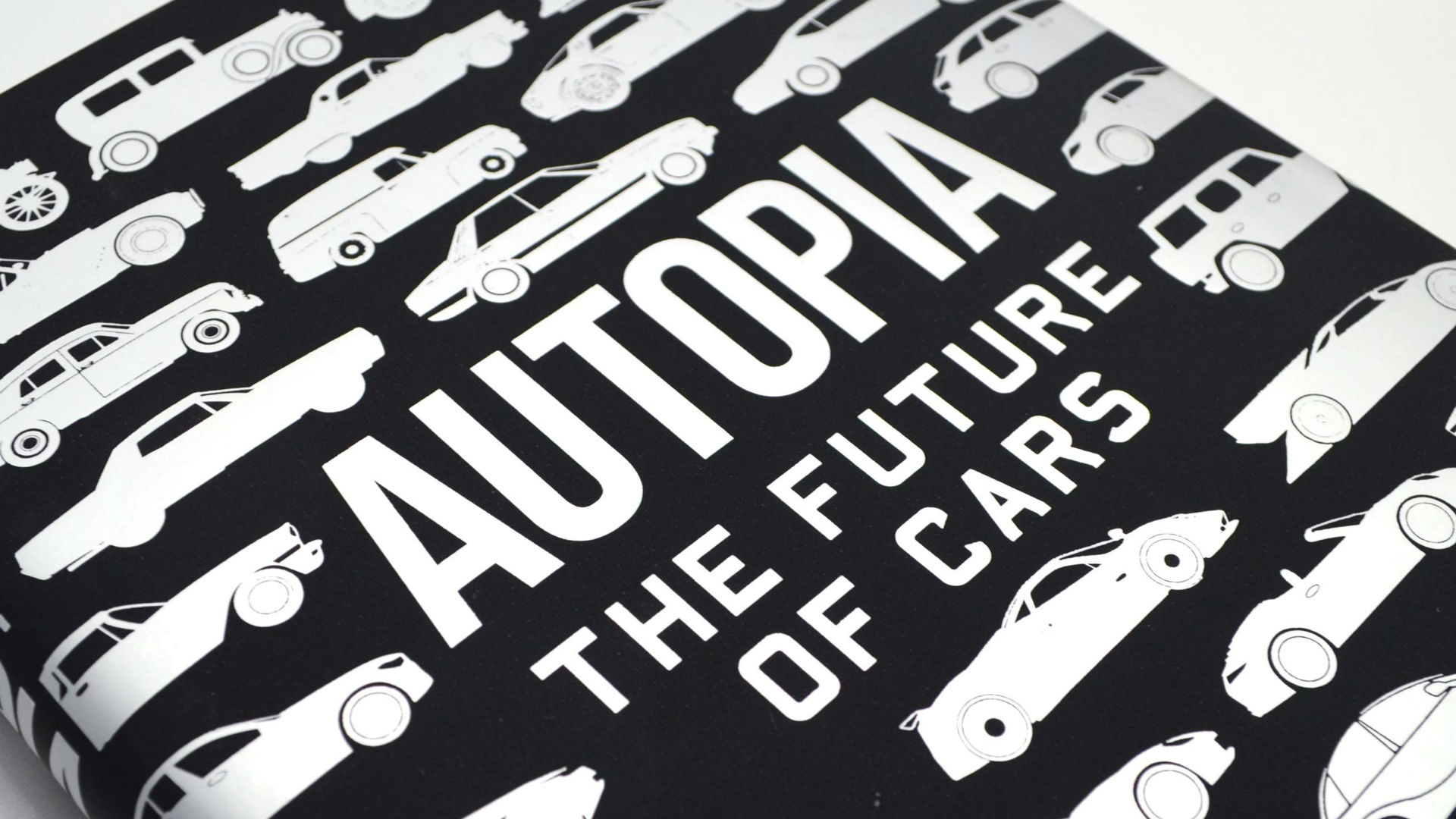
Autopia: The Future of Cars
Written by Jon Bentley, the presenter of The Gadget Show, this book celebrates the ‘rich heritage’ of motoring’s past and looks into the future of the automobile. Will electric or hydrogen win the race to replace petrol and diesel? Will we be travelling to work using jetpacks? By talking to the engineers and coders who are shaping the car industry, Jon Bentley predicts the answers.
Buy Autopia: The Future of Cars on Amazon
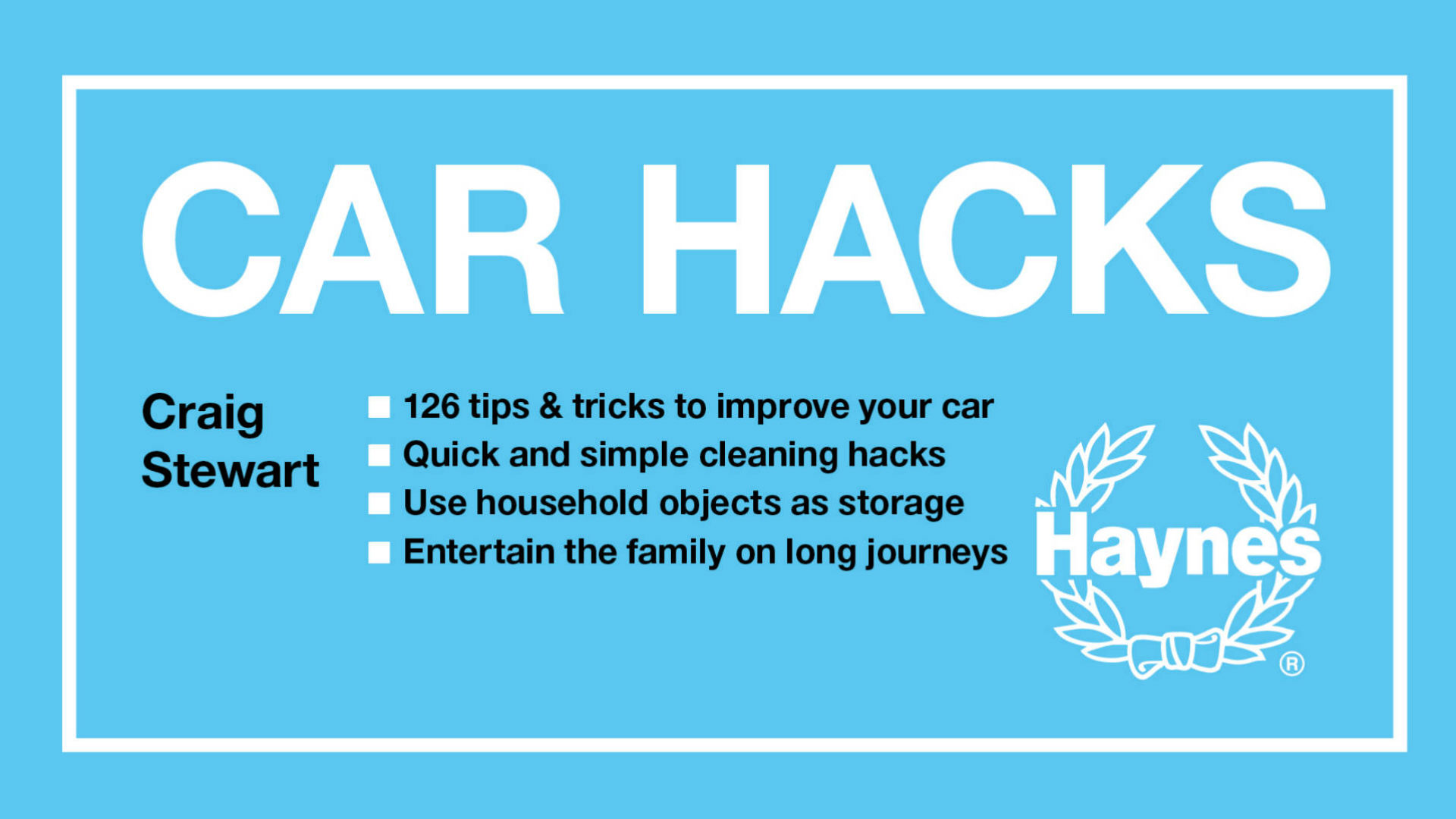
Car Hacks
There are 126 tips and tricks in the Car Hacks book, and we’ll be testing a good proportion of them over the Christmas holidays. Indeed, we recently published a feature focused on car hacks that use items you’ll find in your home, including everything from a pair of tights to herbal tea bags. A great stocking-filler or a handy reference book to put in your garage.
Buy Car Hacks on Amazon
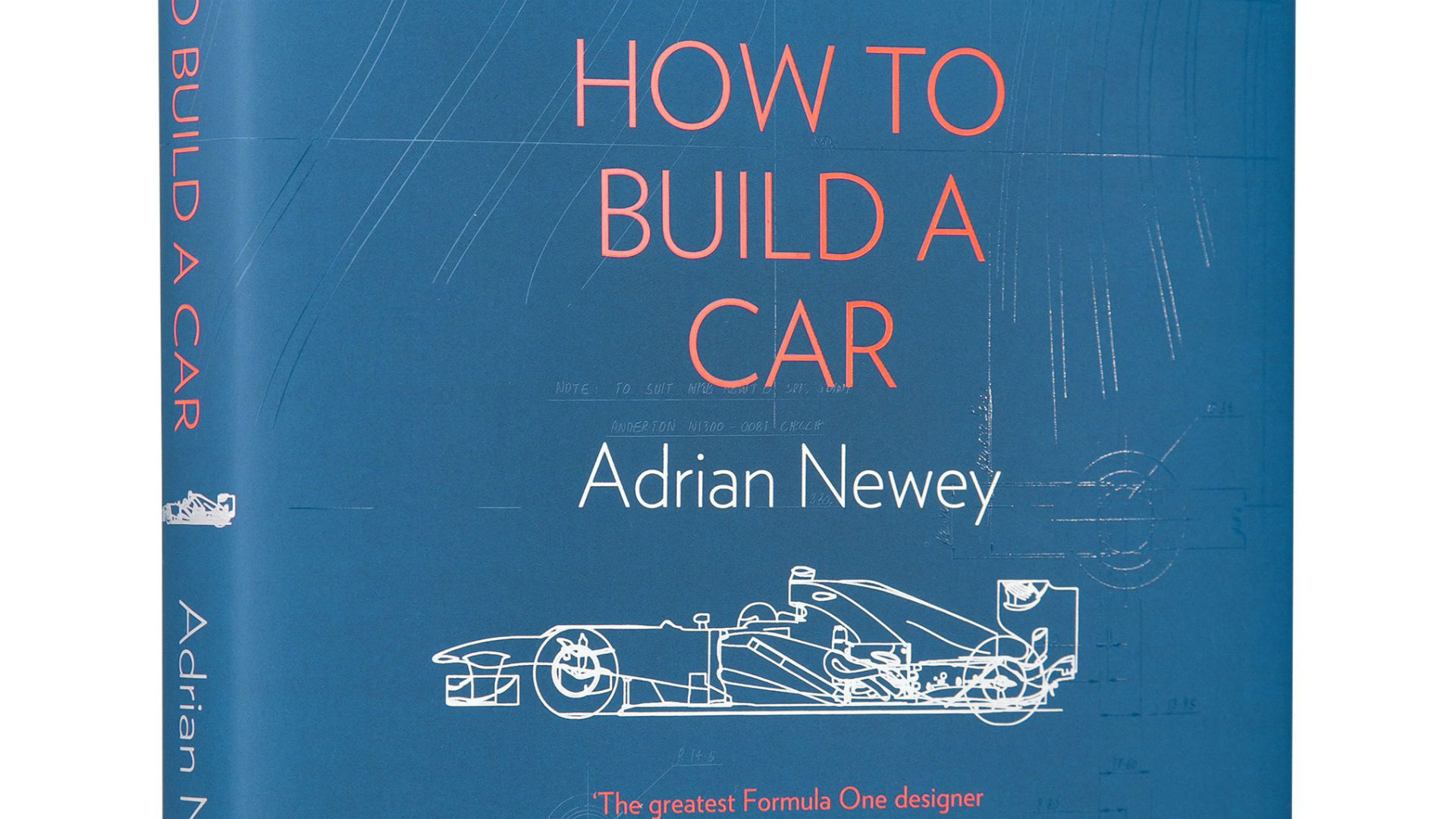
How to Build a Car
How to Build a Car explores the story of Adrian Newey’s 35-year career in Formula One through the prism of the cars he has designed, the drivers he has worked alongside and the races in which he’s been involved. The current chief technical officer of Red Bull Racing, Newey has designed F1 cars for some of the biggest names in the sport. Not bad for a guy who was expelled from school for hijacking a concert soundcheck and blowing out a stained-glass window.
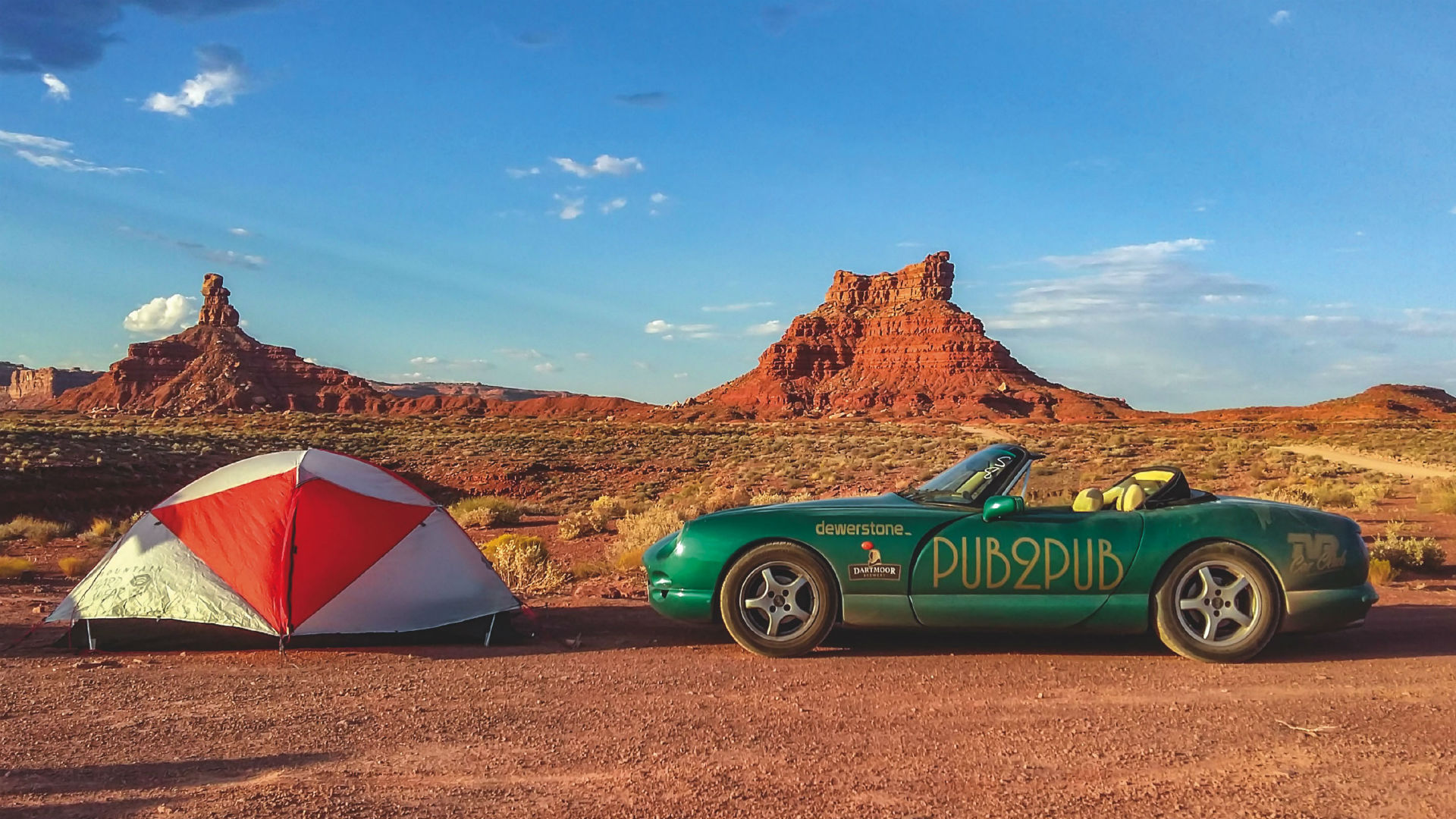
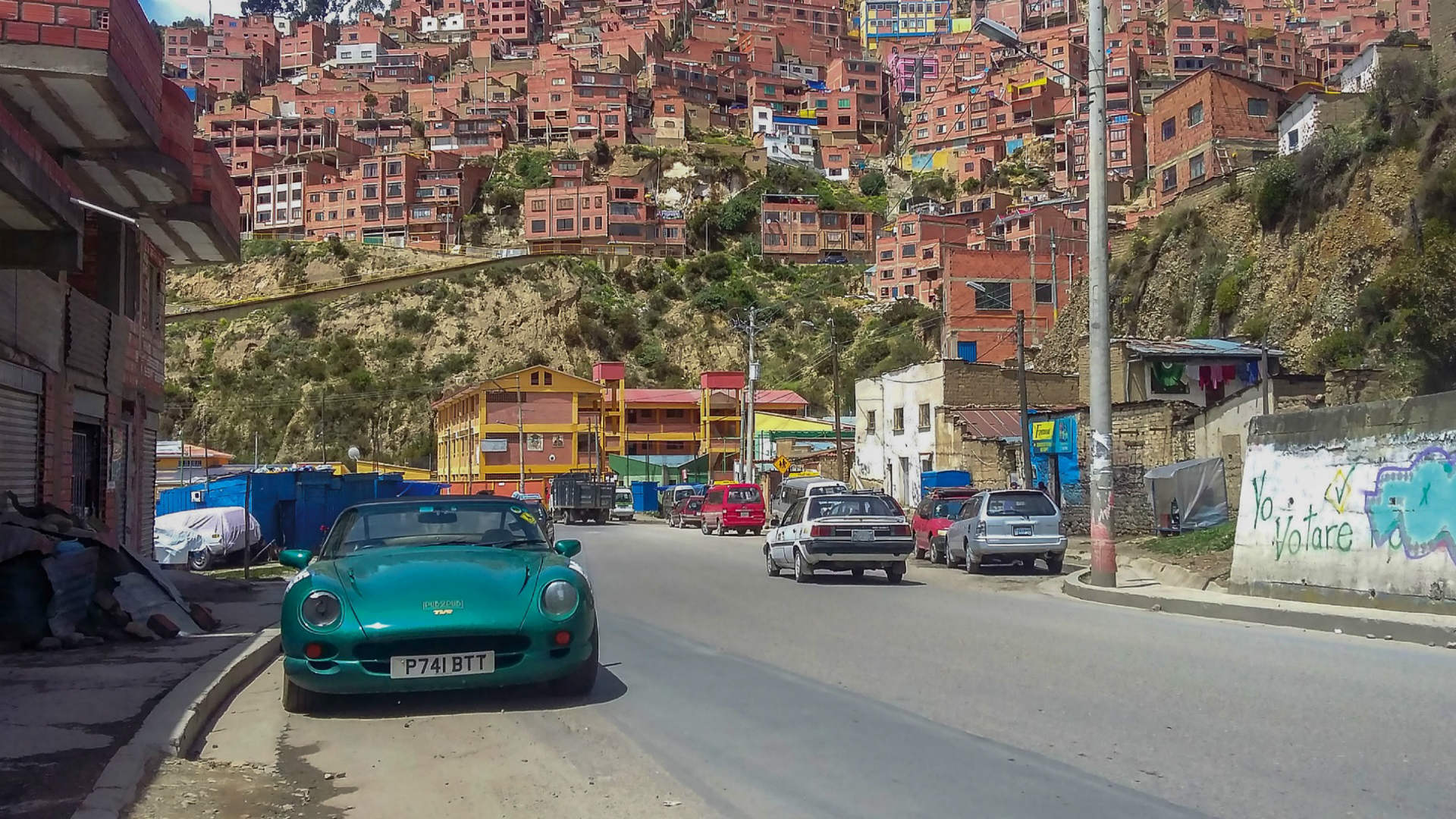
This book chronicles the epic 27,000-mile journey made by Ben Coombs in his TVR Chimaera. The intrepid traveller visited 25 countries to grab a beer in pubs at opposite ends of the world, from an abandoned Soviet mine 700 miles from the North Pole, to a remote pub at South America’s southernmost tip. Forget joining a gym, embarking on an amazing road trip ought to be one of your new year’s resolutions.
Buy Pub2Pub on Amazon
How to be Formula One Champion
Written by The Grand Tour script writer, Richard Porter, this book asks if you’re the next Lewis Hamilton. You’ll discover what it takes to hit the big time in top-flight motorsport, including the art of champagne spraying and how to wear a massive watch. It even outlines the art of ‘psychologically crushing your teammate without him noticing’. This time next year, you could be the best F1 driver… in the world.
Buy How to be Formula One Champion on Amazon
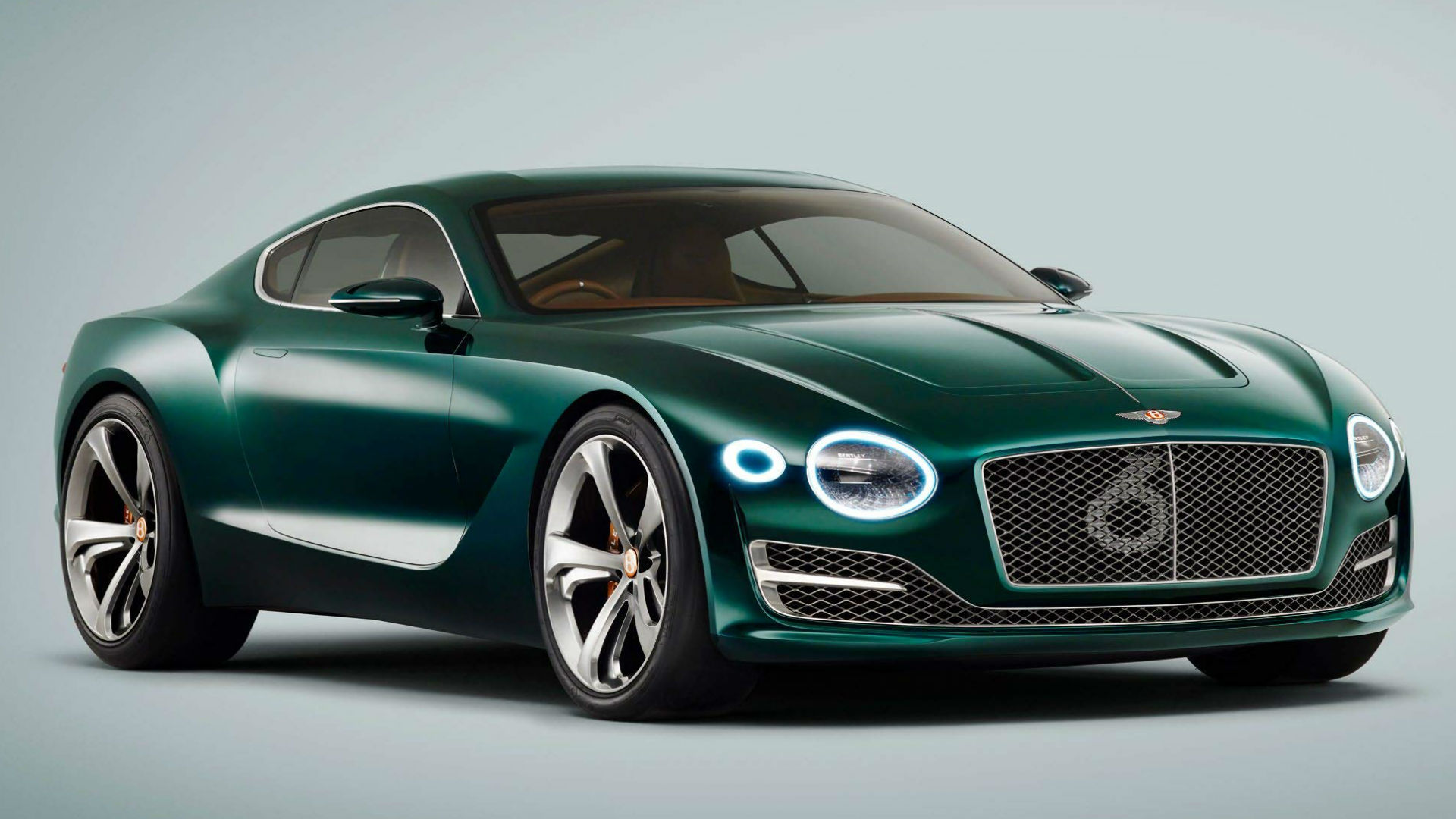
100 Years of Bentley
Time is running out if you want to celebrate Bentley’s centenary in 2019. Written by university lecturer and respected journalist Andrew Noakes, this book is a ‘lavish celebration of the company, from its earliest models right up to the modern day cars’. The weighty tome is perfect coffee-table material, with 240 pages and more than 200 pictures from the archives.
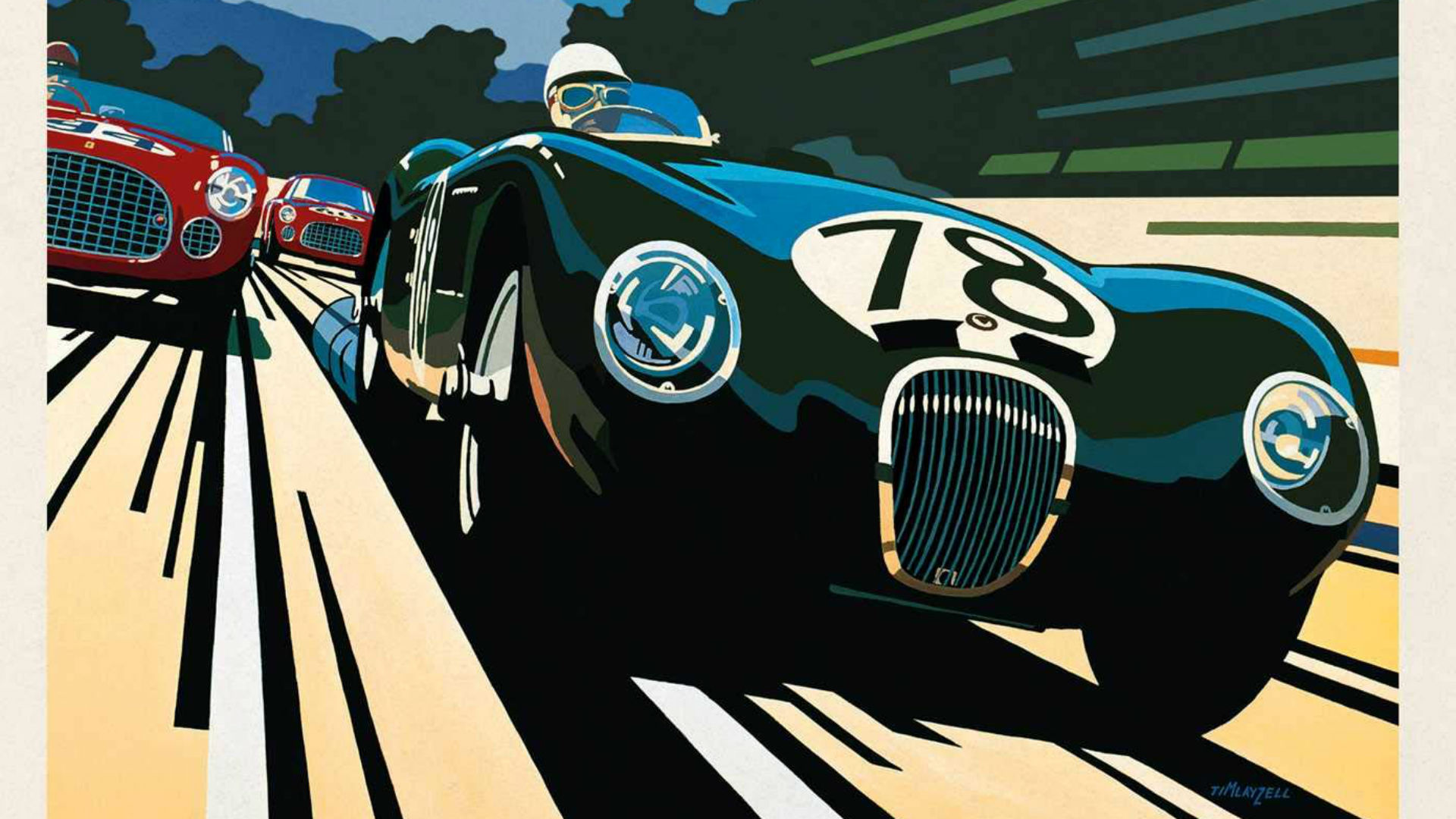
Peter Grimsdale’s book celebrates the British car industry’s golden age. It charts the boom years between the Second World War and the 1960s, when Britain thrived on improvisation and dogged determination. If you’ve read the extract on the death of Mike Hawthorn, you’ll know that this is a must-read this Christmas.
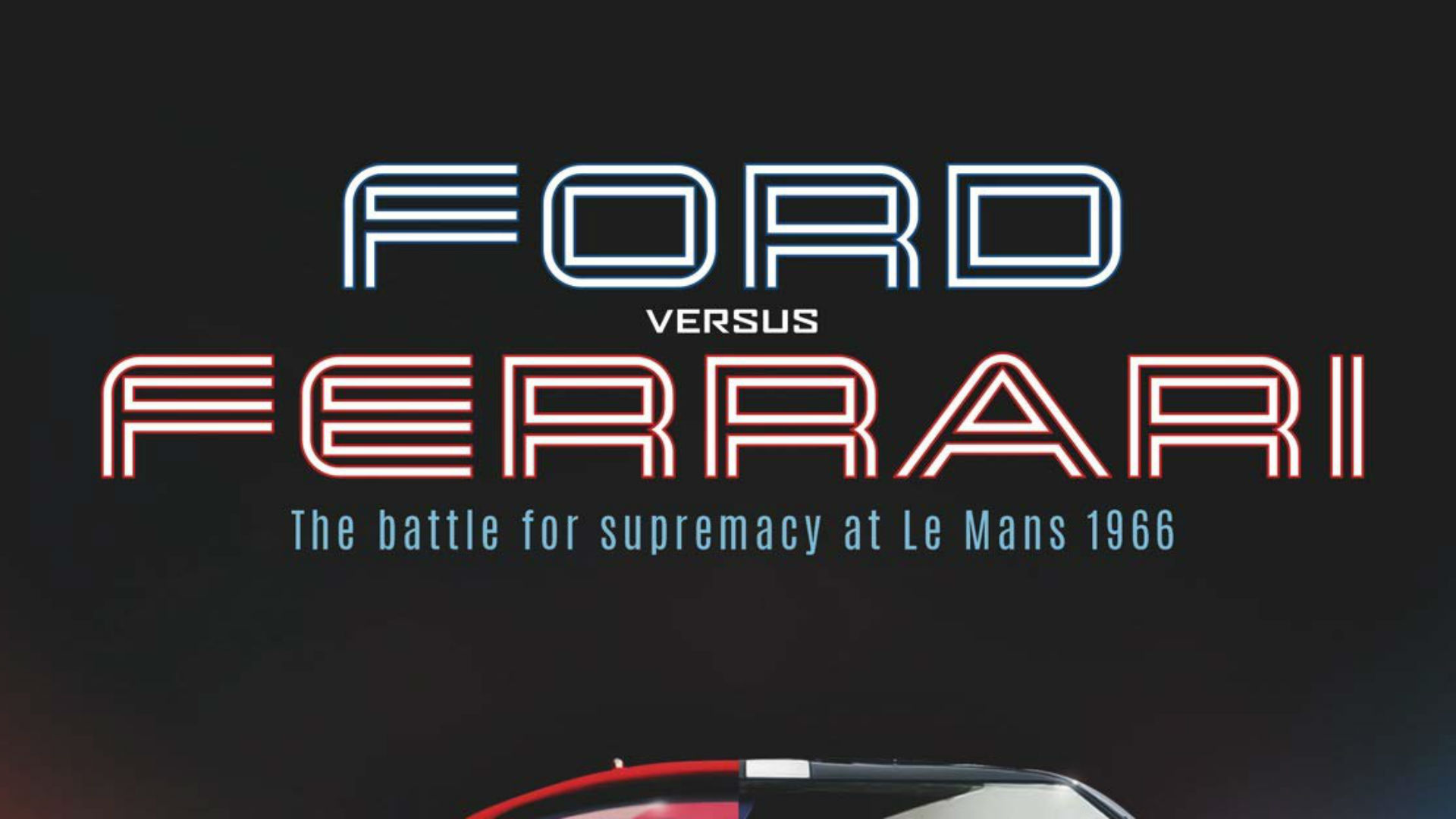
Ford versus Ferrari: The Battle for Supremacy at Le Mans 1966
You’ve seen the film (probably), now read the story. There are many books on the subject of Ford’s quest to topple Ferrari at Le Mans, but this is the latest. Crucially, this book goes into detail about the Lola GT, which isn’t always the case in stories about ‘Ford v Ferrari’.
Buy Ford versus Ferrari: The Battle for Supremacy at Le Mans 1966 on Amazon
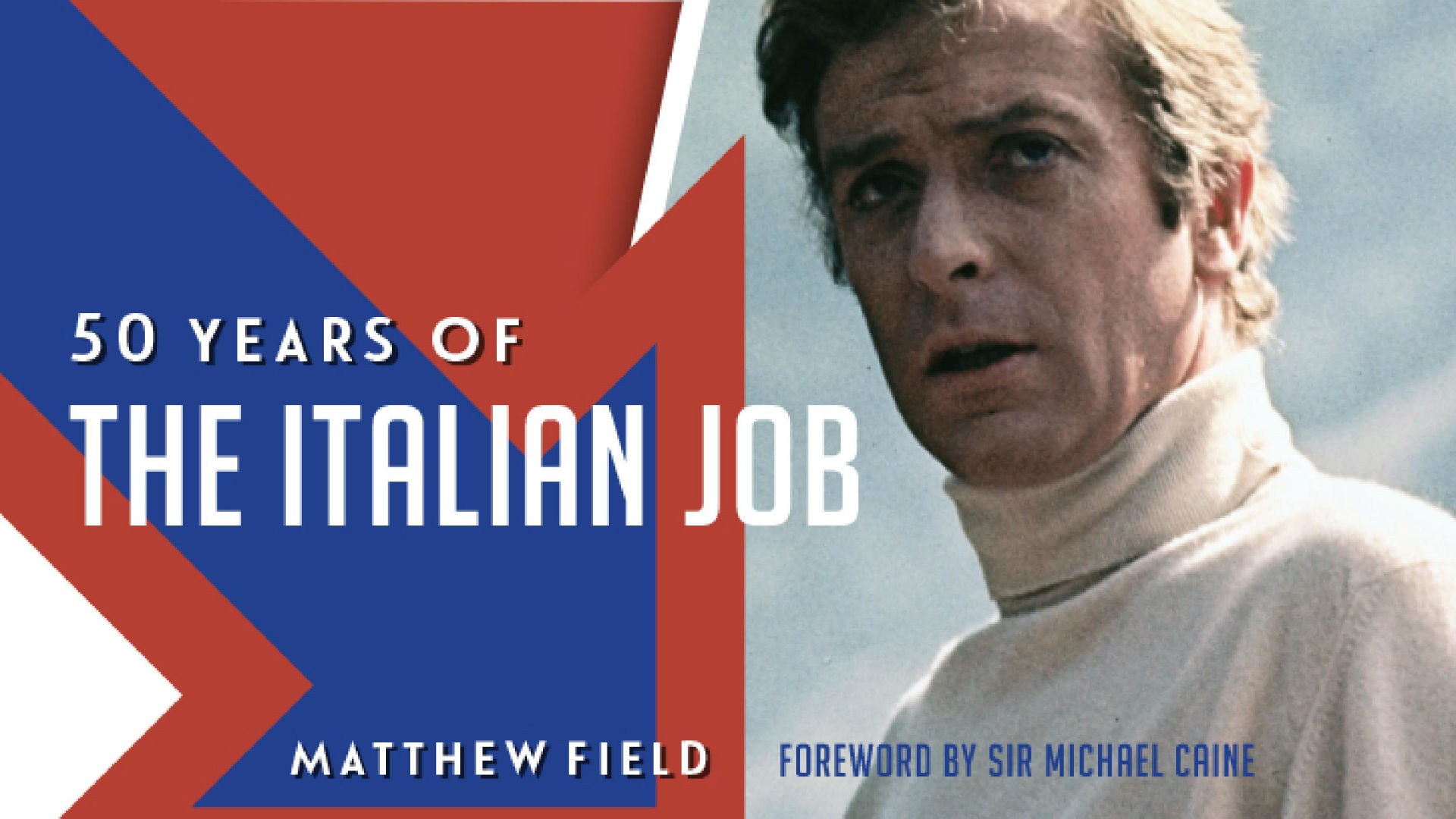
The Self Preservation Society: 50 Years of The Italian Job
The 60th anniversary of the Mini happened to coincide with the 50th anniversary of The Italian Job film. The 1969 comedy camper is likely to be on television at some point over the Christmas period, so why not read 336 pages on the subject beforehand? It’s not a cheap book, but it’s one that you’ll pass on to your children.
We’ve got the original hardback version of this book – and we loved it. Whether you’re buying it to read to your children at bedtime, or for them to read by themselves, it’s a heartwarming and humorous tale inspired by the true story of the Citroen 2CV. Cameron McAllister’s book is a brilliant portrayal of how a little car won the war…
Buy The Tin Snail on Amazon
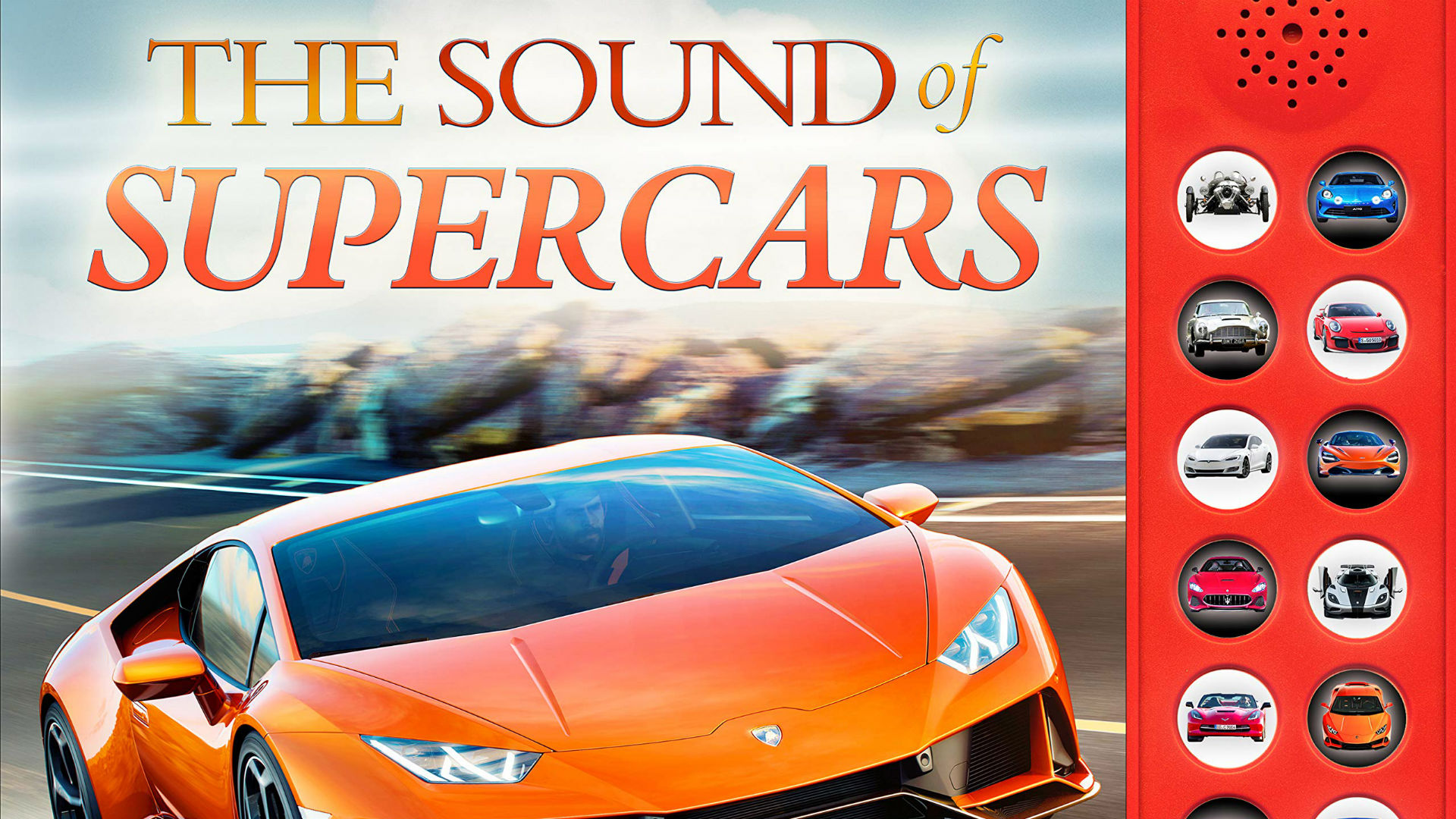
The Sound of Supercars
This book is likely to inspire the next-generation of car enthusiasts. Whether they’ll be able to enjoy the evocative sound of a supercar at full chat is a matter for debate, because the electric car may have taken over by the time they’re ready for ‘L’ plates. There are 12 cars in the book, ranging from the air-cooled two-cylinder Morgan 3-Wheeler to the 16-cylinder Bugatti Chiron.
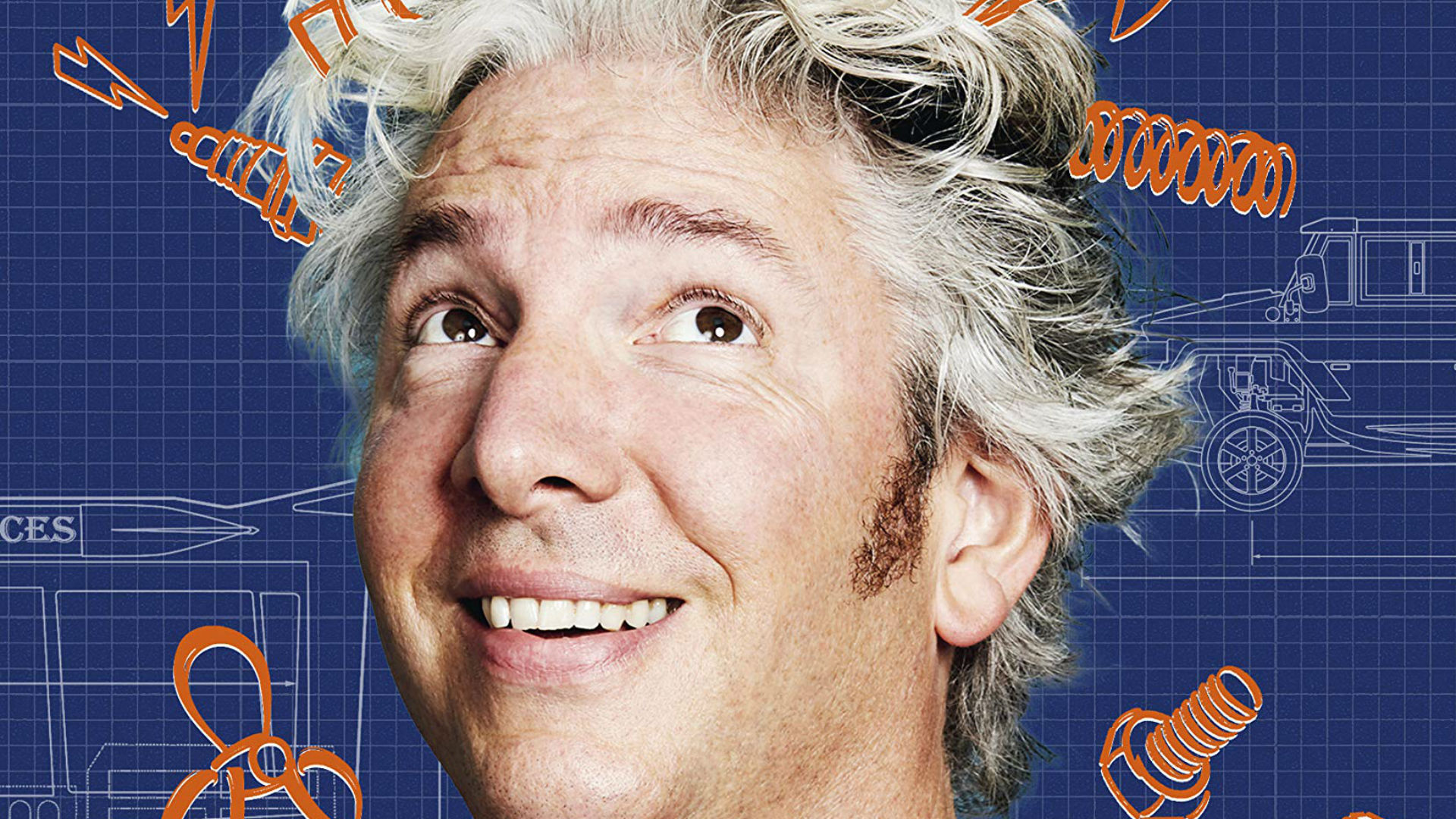
Best known for co-hosting Wheeler Dealers with Mike Brewer, this is the world according to Edd China. The book invites you to ‘go behind the scenes on Wheeler Dealers’ and ‘climb aboard this giant motorised shopping trolley’. Because who wouldn’t want to climb aboard a giant shopping trolley? Pull up a road-going sofa and enjoy.
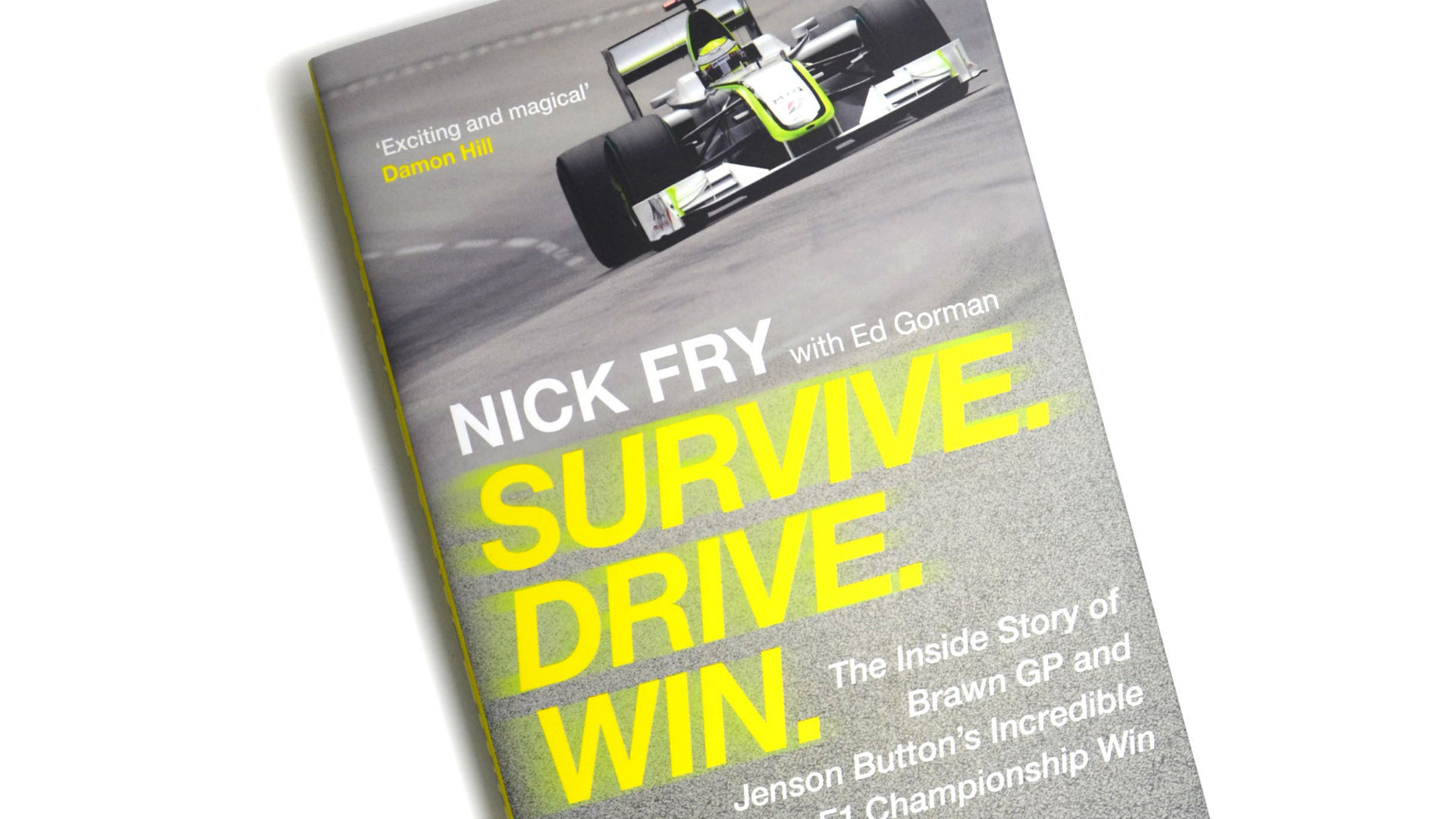
If the reviews are anything to go by, this book is little short of extraordinary. Damon Hill’s description says it all: “The story of Brawn GP is legendary. Imagine sitting at home at Christmas thinking you were out of a job, then by next Christmas you were a World Champion. This is F1’s Leicester City story – it’s every bit as exciting and magical.”
Buy Survive. Drive. Win. on Amazon
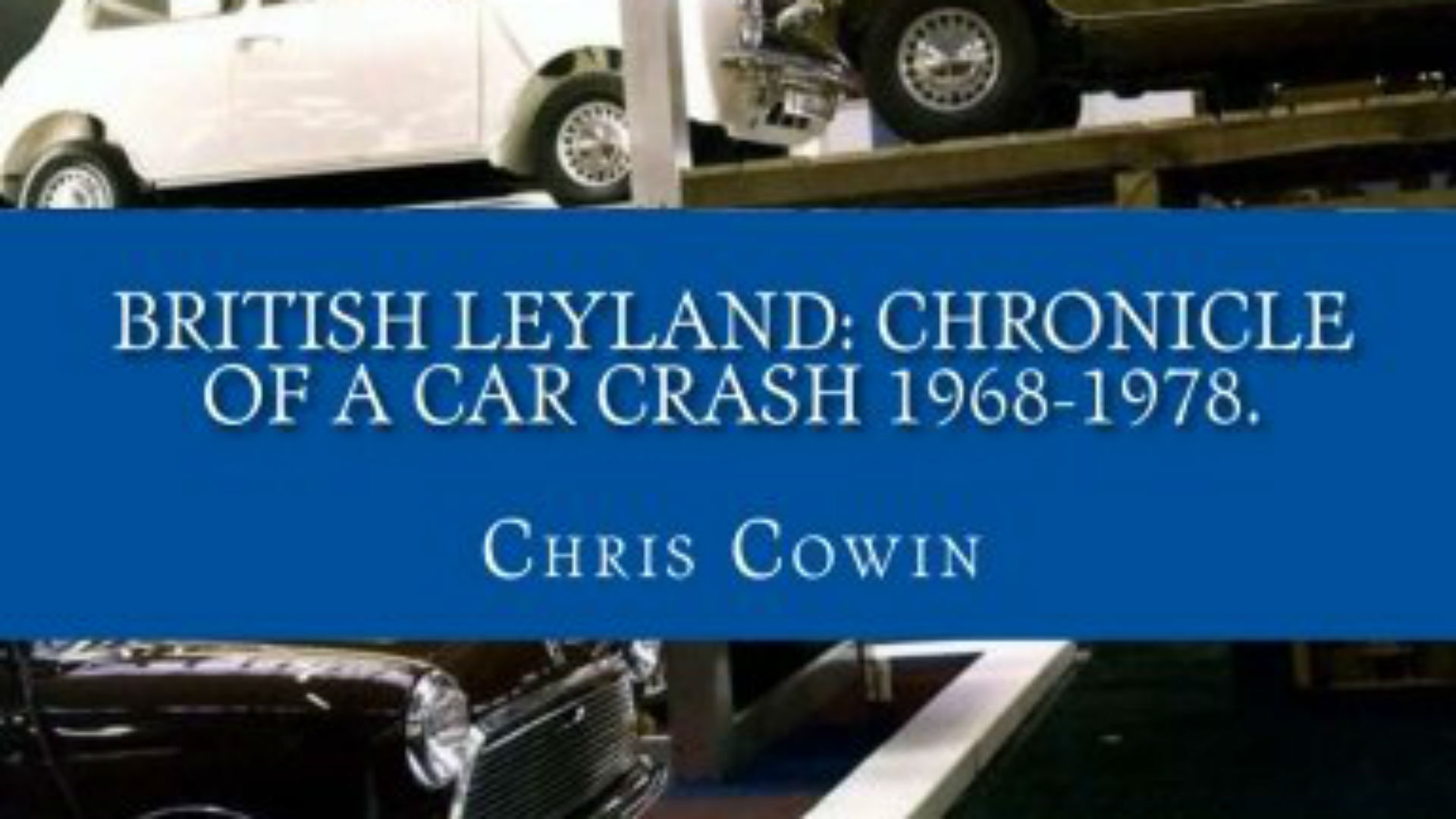
British Leyland: Chronicle of a Car Crash 1968-1978
There’s nothing magical about the collapse of the British car industry, although its disappearance act would give Paul Daniels a run for his money. ‘Why did British Leyland crash?’ asks the book, before outlining the reasons in great detail. Read it and weep.
It’s highly likely that you own a car book written by Giles Chapman. His latest title celebrates 60 years of the Mini, from its revolutionary introduction, to the popular new-generation cars of today. Buy it now, before the Mini enters its 61st year.
Buy Mini: 60 Years on Amazon
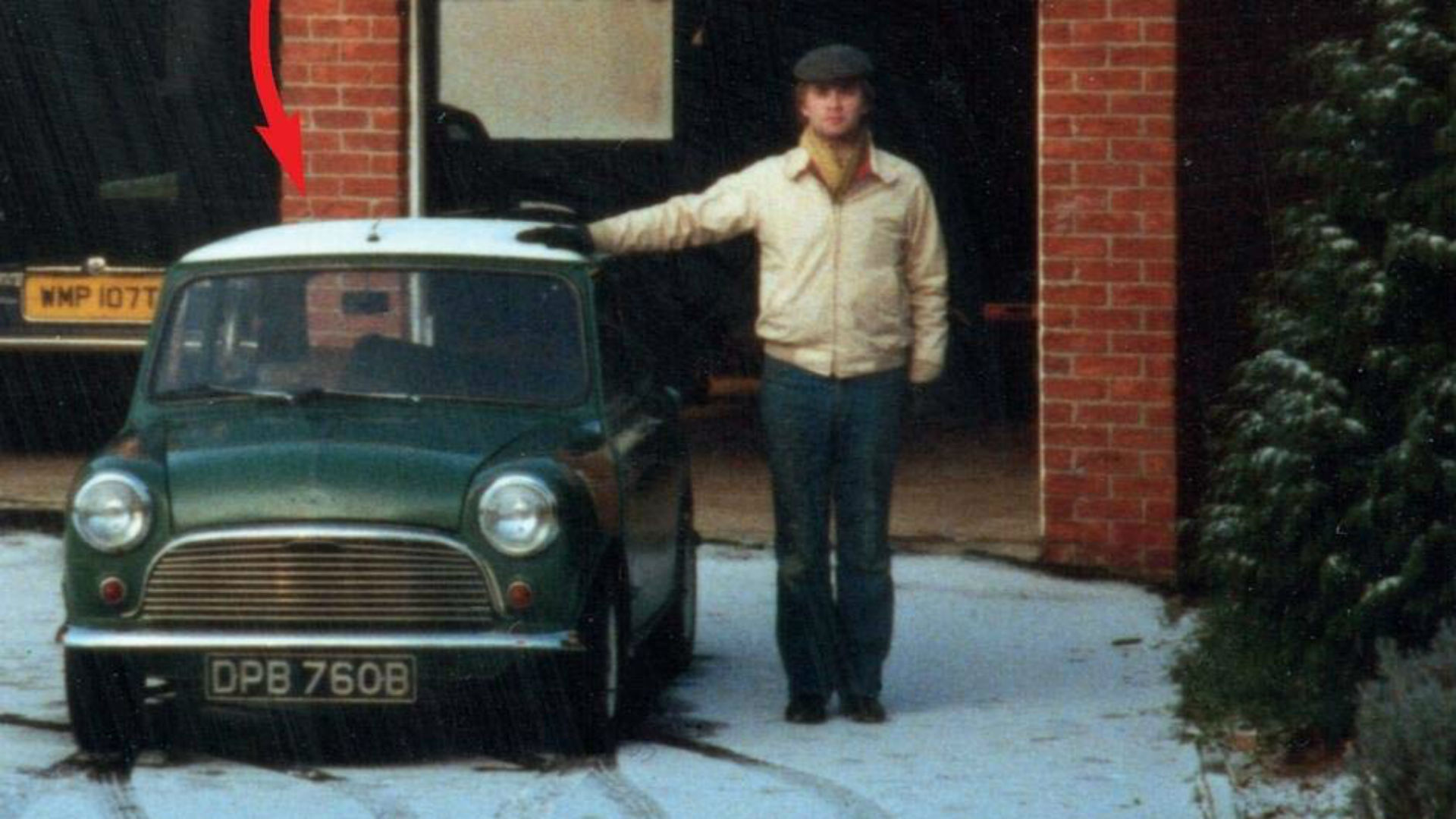
My Mini Cooper: Its Part in My Breakdown
James Ruppert’s books are typically eccentric and off-the-wall. This one is no exception, with the ‘Bangernomics’ overlord and serial Mini owner explaining ‘how not to buy, run or restore a classic car’.
Buy My Mini Cooper: It’s Part in my Breakdown on Amazon
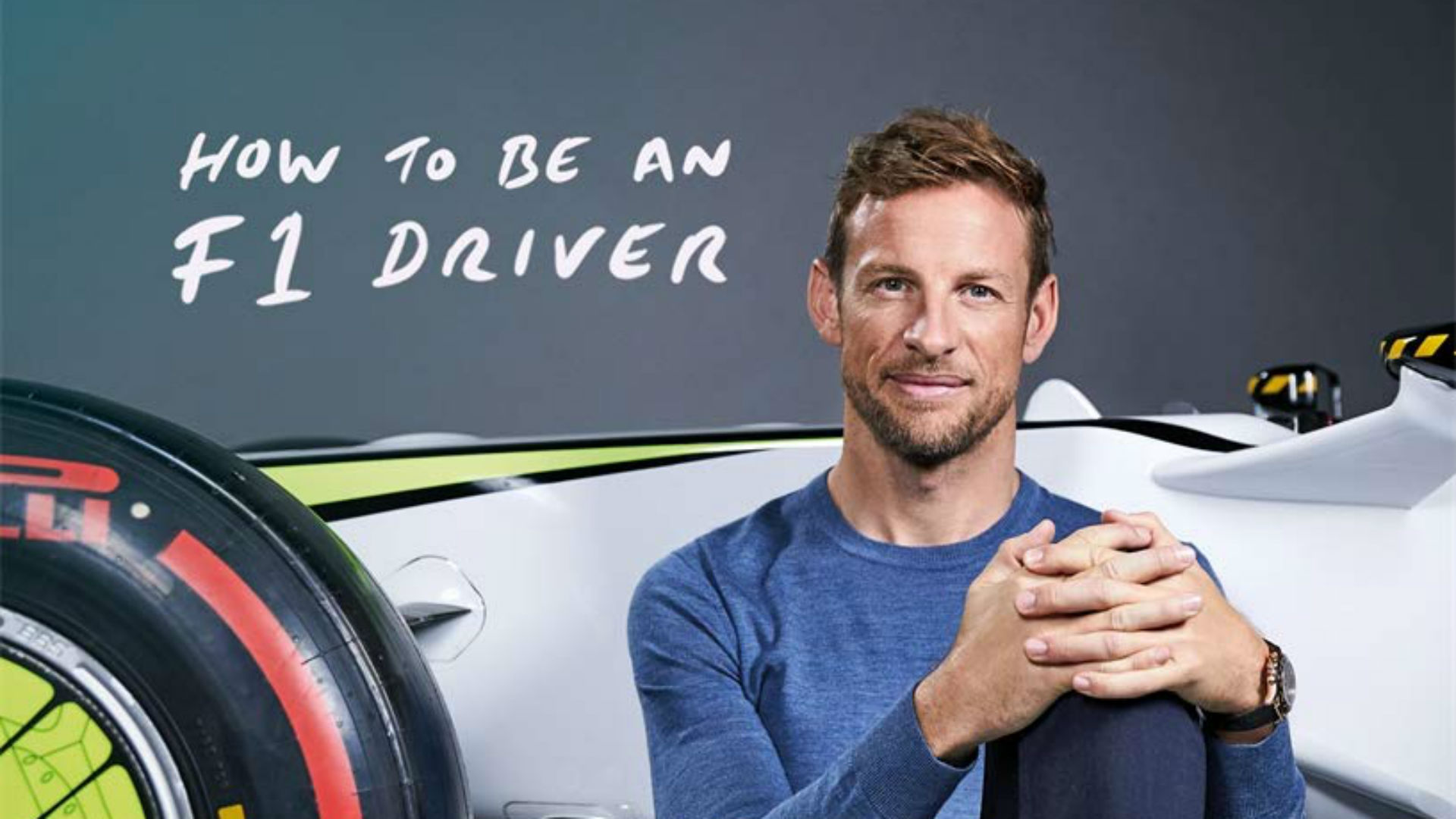
How to be an F1 Driver
Who better than Jenson Button to explain how to be a Formula One driver. This book takes you on a journey from his hometown of Frome in Somerset to the glitz and glamour of Monaco, with everything in between.
Buy How to be an F1 Driver on Amazon
My Greatest Defeat
This one is going straight to the top of our Christmas list. It’s a collection of ‘honest and revealing insights into 20 of the greatest living racing drivers’. It was written before the death of Niki Lauda, so it includes a discussion with the Austrian on the subject of the loss of one of his aircraft over Thailand. Other drivers include Damon Hill, Sebastien Loeb and Jackie Stewart.
Buy My Greatest Defeat on Amazon
The Official DVSA Highway Code
Are you taking your driving test in 2020? Maybe you know somebody who is? Forget a pair of socks or some ‘smellies’ this Christmas – grab a copy of the Highway Code. Alternatively, if you know of a driver who would do with a reminder of the rules of the road, this could be a subtle hint.
We certainly know some people who would like to make a clean break following the events of 2019. Mike Hudson’s book explains how you can escape modern life in a campervan or motorhome. Mike has been living the dream in his ‘van-home’ for the past three years. Come Boxing Day, you might fancy doing the same thing…
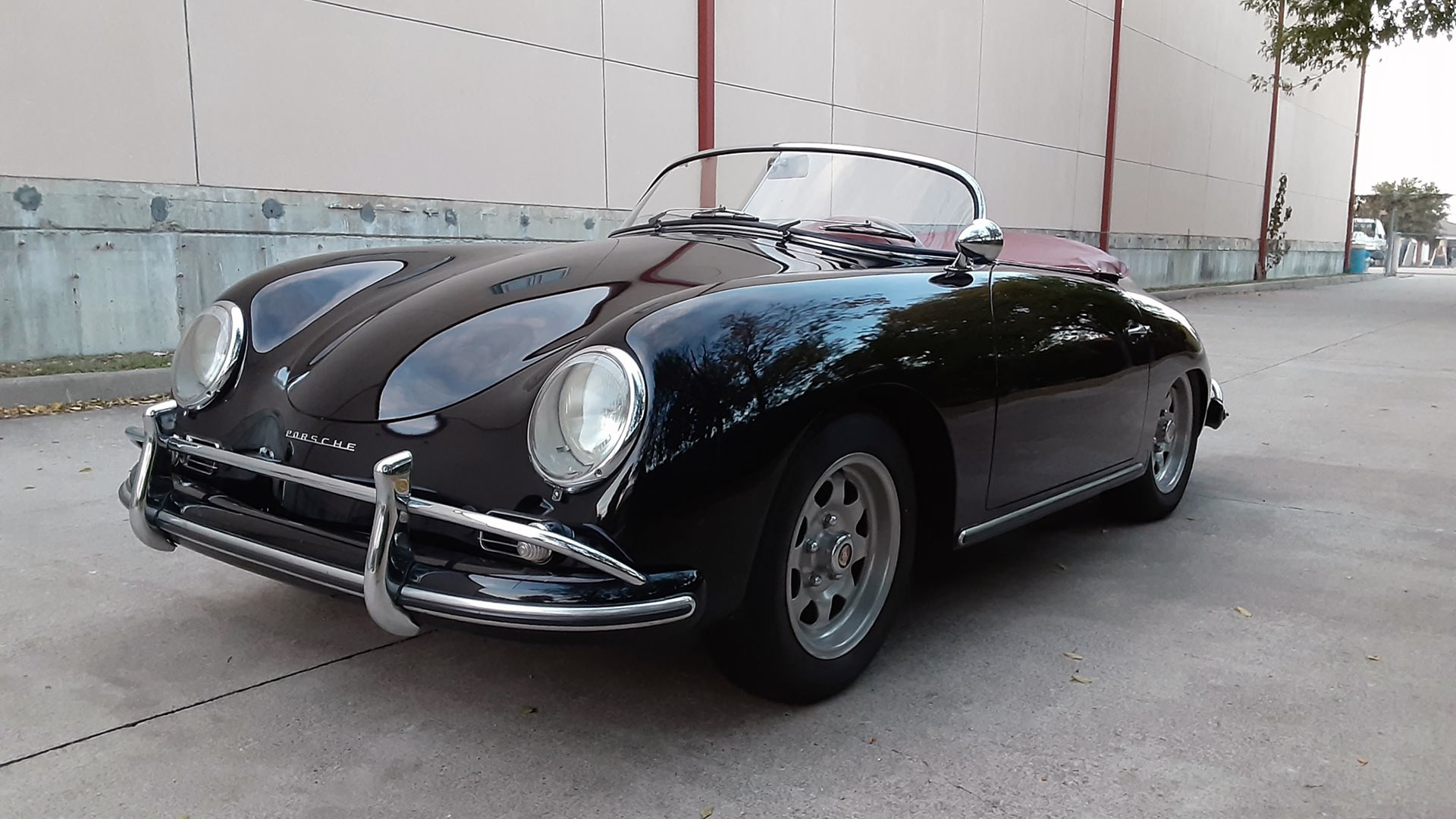
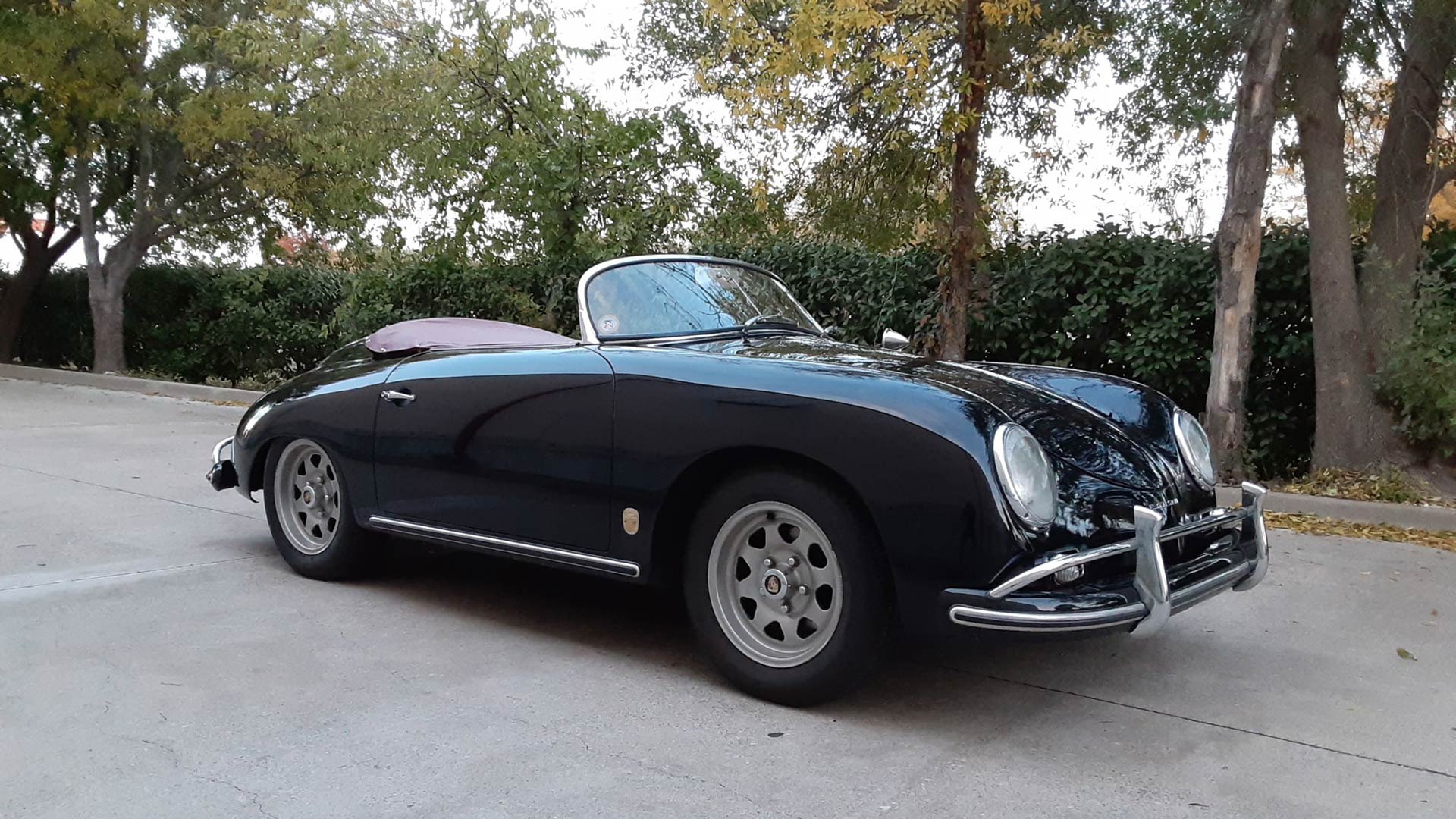
A classic Porsche for sale on auction website Bring a Trailer could have one of the most intriguing ownership stories to tell.
Having covered more than 500,000 miles with its original purchaser, the late Mike Robbins, this 356A Speedster has travelled further than many people do in a lifetime.
Buying this Porsche not only means gaining a desirable classic car, but also becoming the custodian of a true piece of motoring enthusiast history.
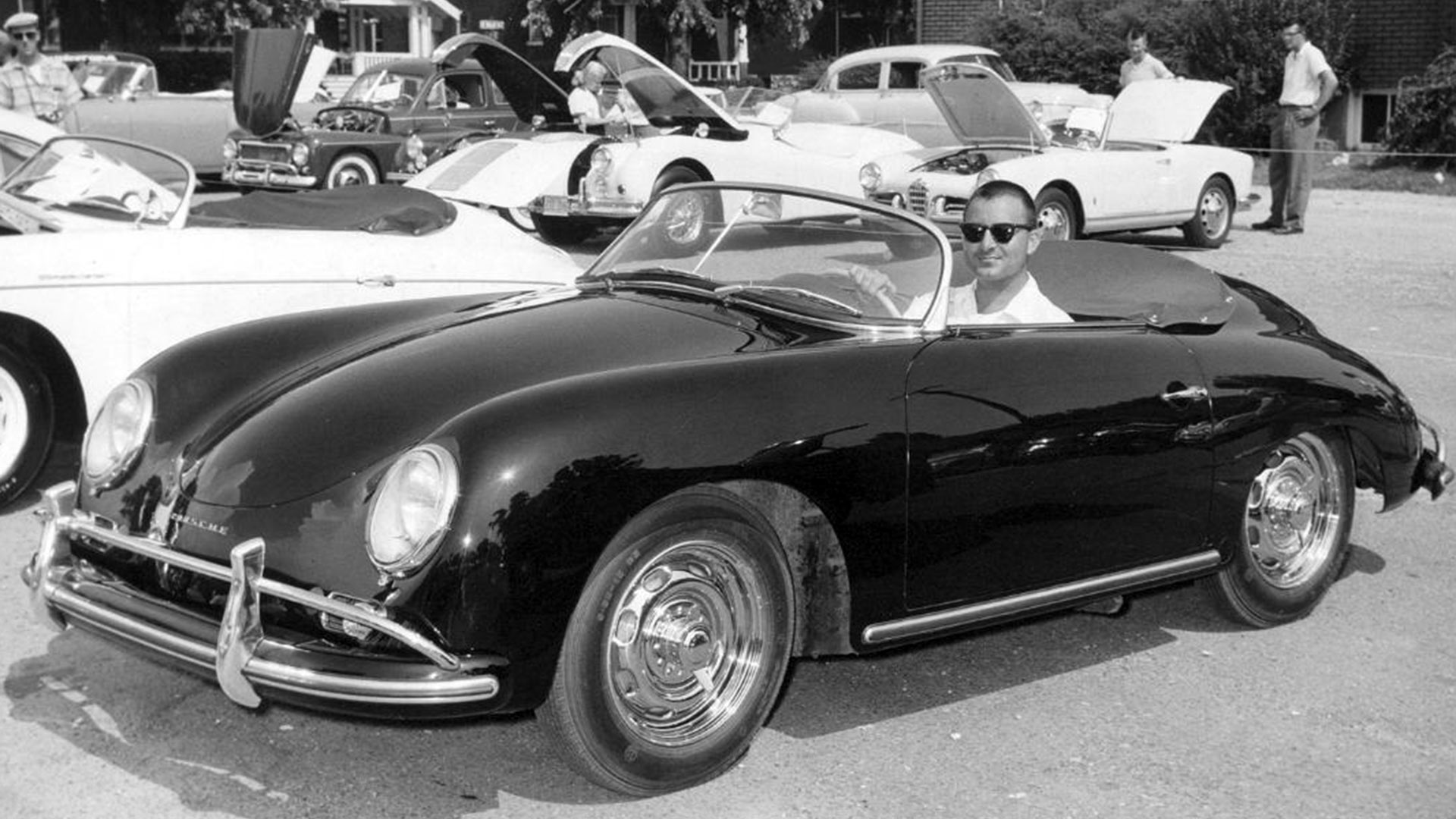
Mike Robbins, whilst working as an engineer, purchased the 356A Speedster new from Sagan’s VW/Porsche in New York. He would go on to own the car for 54 years, before it was transferred to the current seller.
During that time of ownership, Robbins drove the 356A more than 500,000 miles across the United States. This included driving the car to 47 out of the 56 Porsche Club of America (PCA) Porsche Parades that he attended in person.
Even in later years, Robbins would still make appearances at Porsche Club of America events by telephone. He had joined the owners club in 1961, before helping establish a greater presence of the PCA in his home state of Indiana.
He would also serve as PCA National Secretary from 1963 to 1964, and would later have responsibility for the organization in the upper midwest regions of the United States.
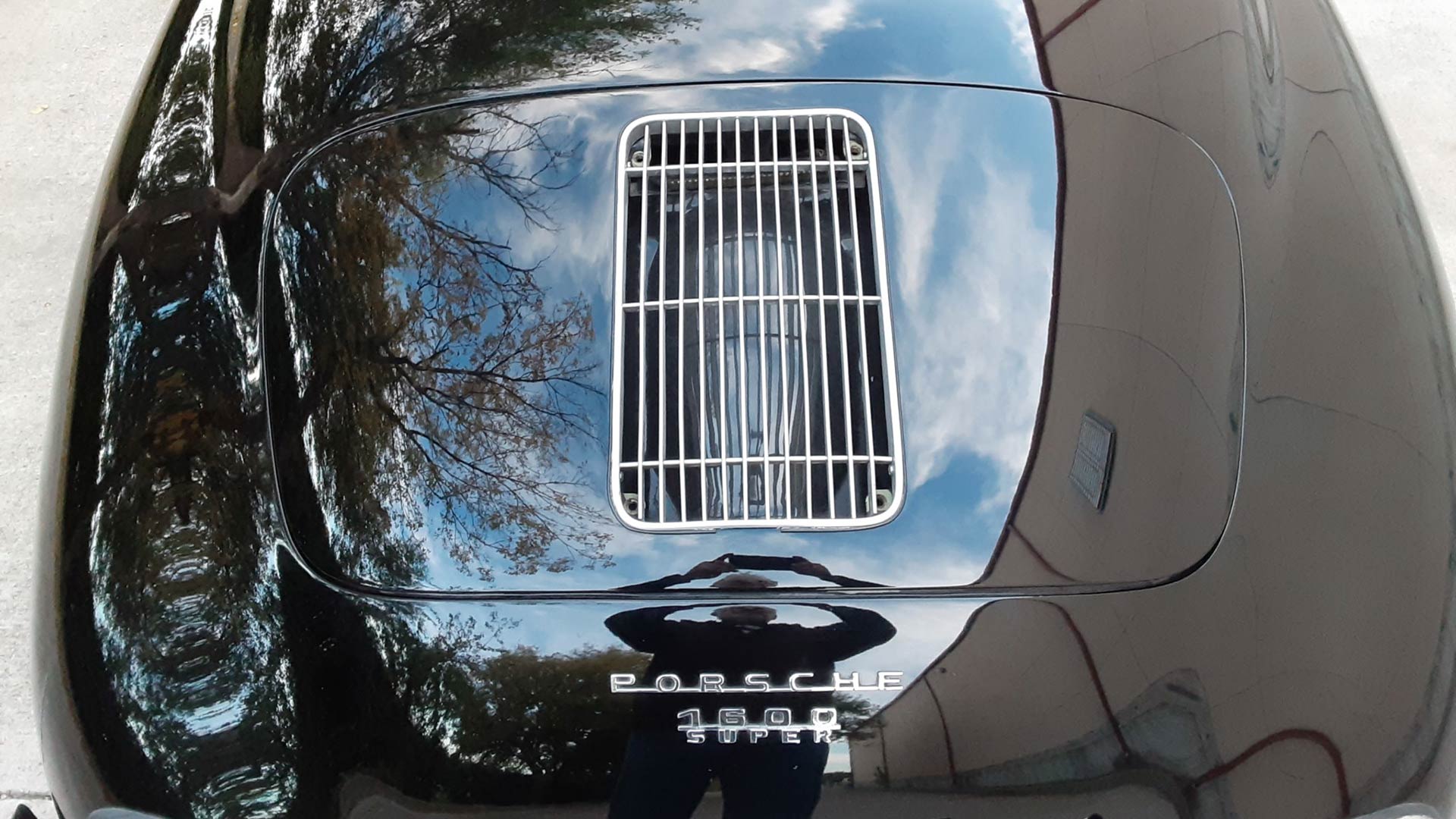
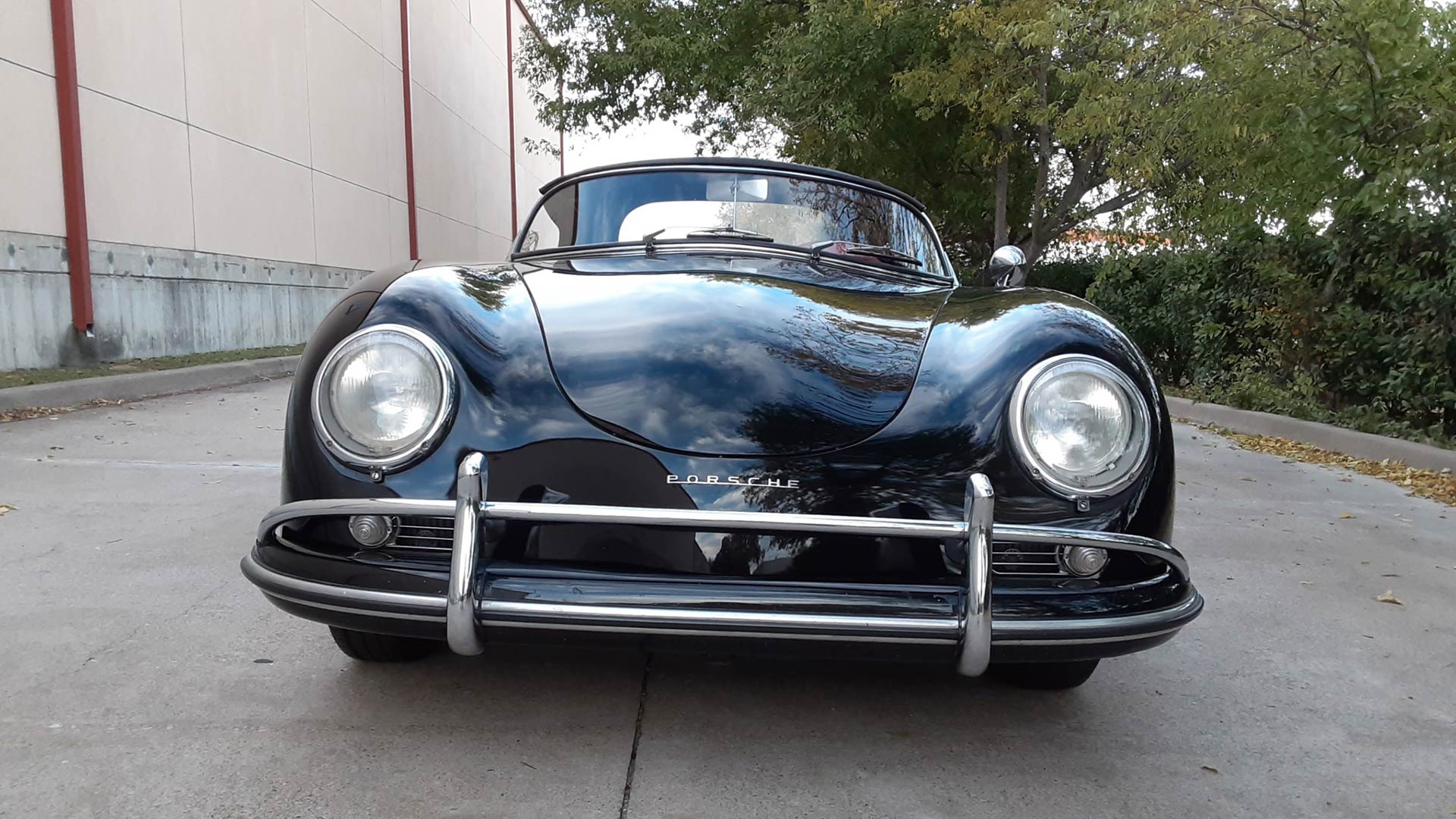
Ordered from the factory with black paintwork, the 356A came without a handle for the front hood, ‘Speedster’ rear badging, or additional trim for the sides.
According to Robbins, the person who originally ordered the Speedster backed out of the deal, and he purchased it whilst it was on the showroom floor of the Sagan’s VW/Porsche dealership.
Having covered so many miles, work has been undertaken on the bodywork. This included replacing the floor pans in 1970, whilst repairs were made following a collision with a telegraph pole in 1960.
The 15-inch wheels were fitted in 1970, along with upgraded disc brakes from a Porsche 356C. New Michelin tires were fitted in November 2019, whilst Robbins previously fitted LED lights and a high-level brake light to the Porsche during his ownership.
Power comes from a 1.6-liter flat-four engine, with the unit fitted the latest in a line of replacements. The original matching engine was sold to another Porsche 356 enthusiast back in 1961. The original four-speed transaxle was also sold to another owner.
However, the car has now been reunited with the original transaxle, following some good fortune. Vic Skirmants, of 356 Enterprises, noticed that the transaxle he had recently rebuilt matched the Porsche Certificate of Authenticity listed on the Bring a Trailer auction.
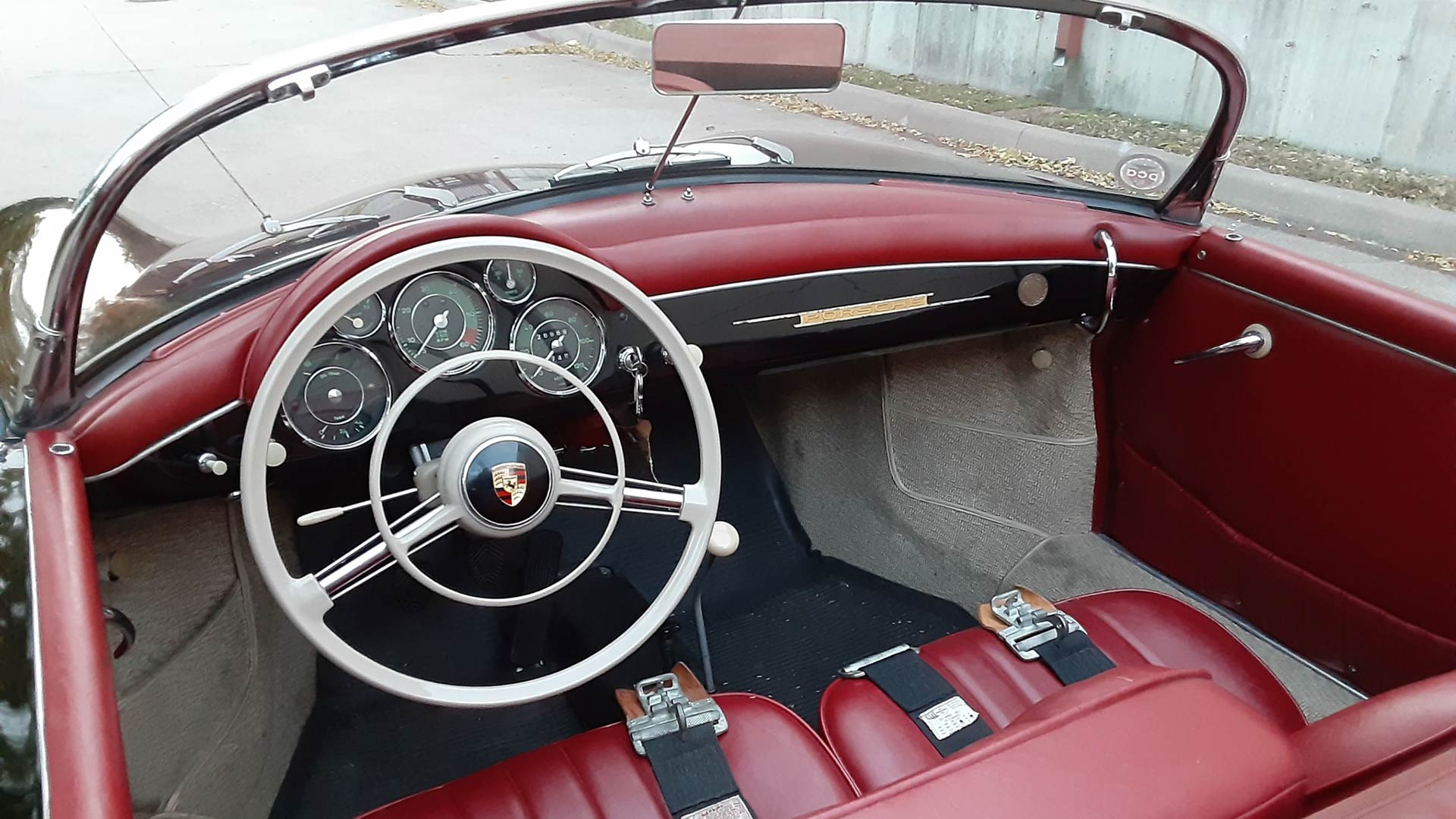
The interior is finished in red leather, and was ordered with individual coupe-style seats. This also includes color-coded door cards and dash top, whilst the carpets are an oatmeal squareweave design.
Fitted with green VDO gauges, the instrument cluster includes an odometer currently displaying 27,000 miles. According to Mike Robbins, this odometer has been fully around the clock at least five times.
Provided with the car is an extensive array of supporting literature and documentation. This also includes a collection of personalized license plates, along with tool kits, spare parts, and a luggage rack.
Bidding for the Porsche ends on Wednesday December 18th, with the value already pushed beyond $200,000.
The history attached to this car would leave many to think it should be placed in a museum to be preserved. Porsche 356A Speedsters are already deeply collectible, especially one with such importance in North America.
Yet, arguably, the greatest way to celebrate the life of Mike Robbins and his 356A Speedster would be to keep driving it like he did.
The Porsche Taycan has been one of the most hotly-anticipated cars of 2019, mooted as the electric car to teach Tesla a lesson. Recent testing by America’s Environmental Protection Agency (EPA), however, indicates Porsche still has something to learn from Mr Musk’s upstart effort.
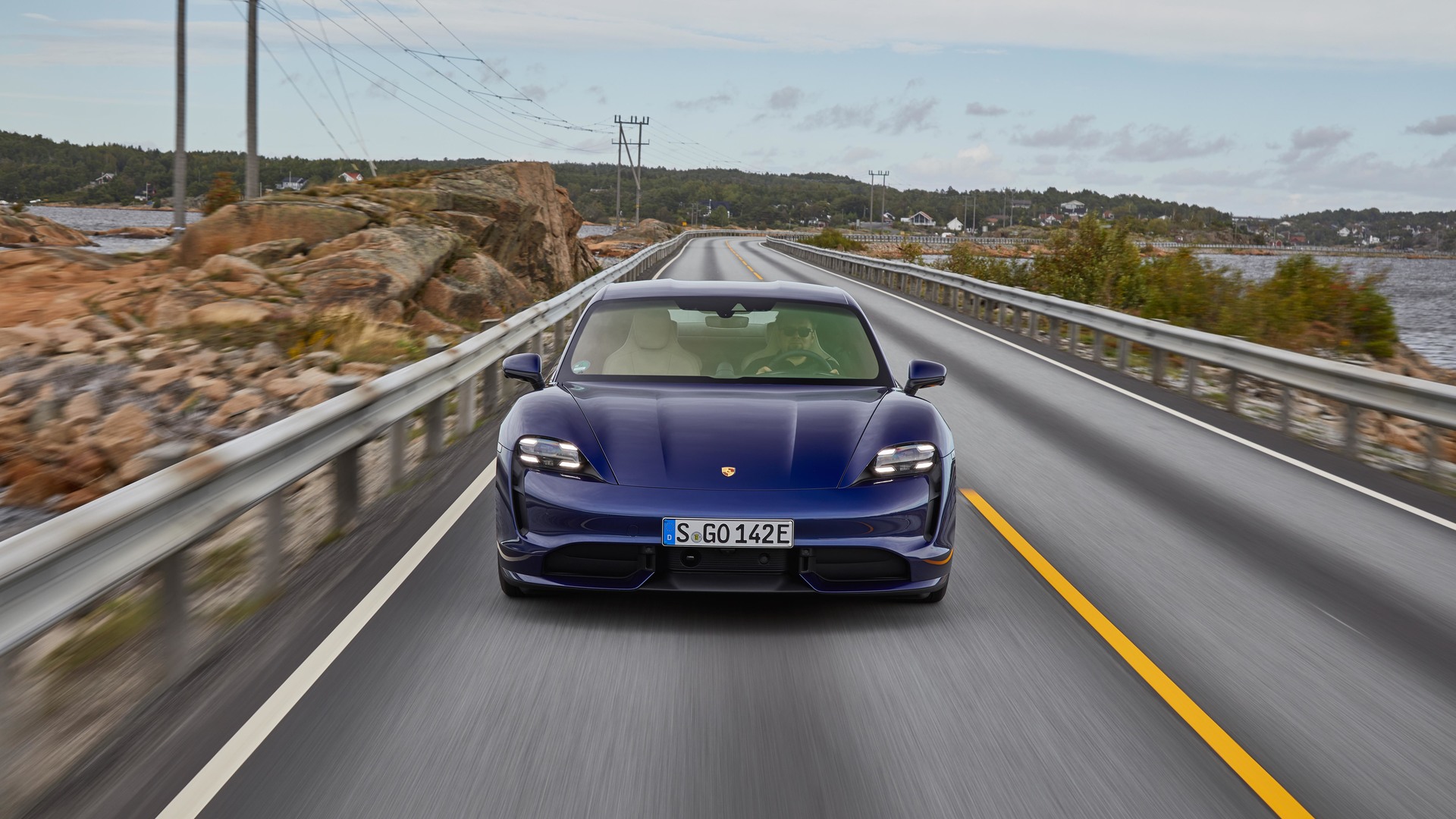
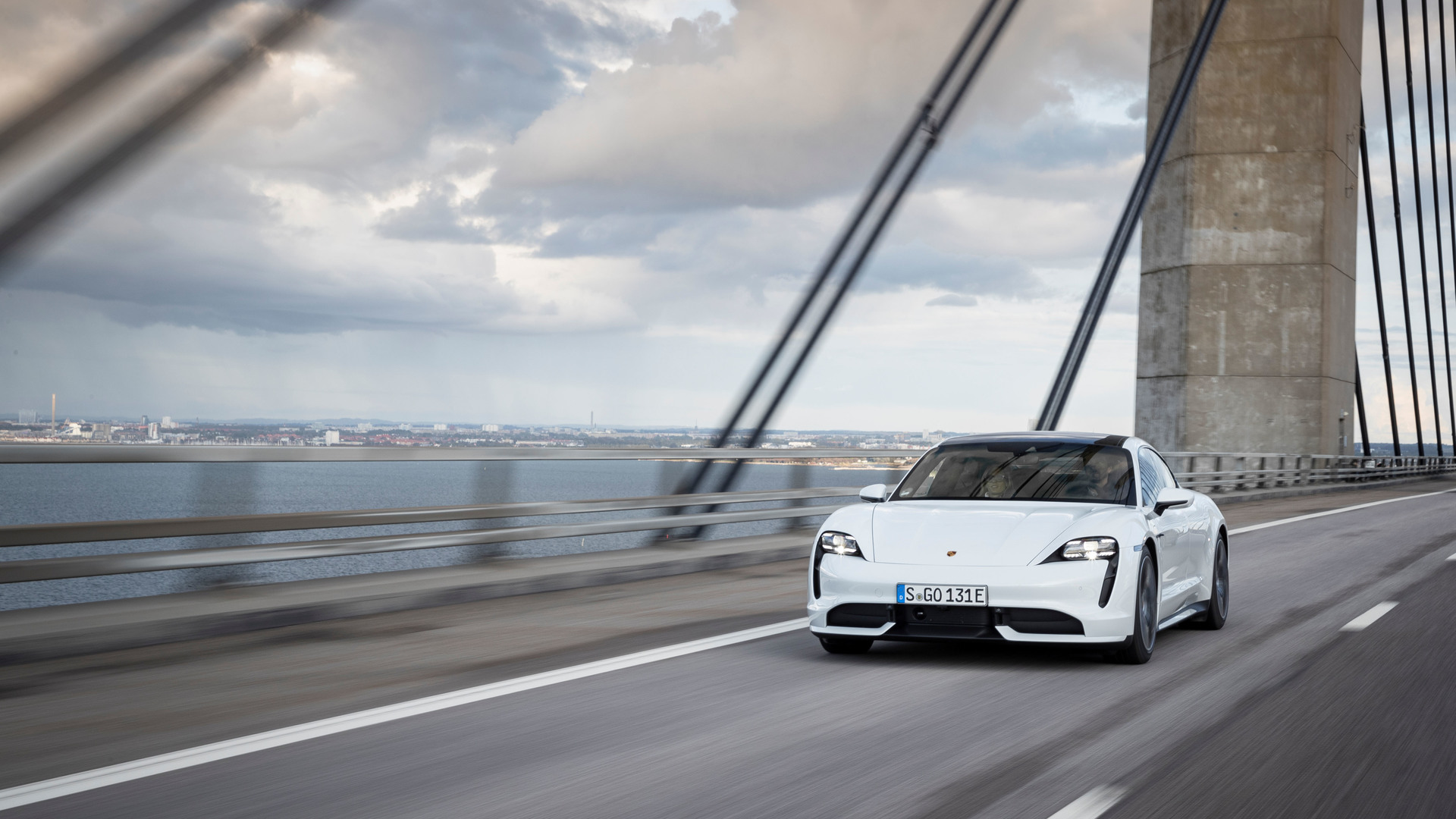
Porsche’s range estimate of 280 miles for the Taycan Turbo, which is also close to the WLTP tested figure, is well beyond that achieved by the EPA. It has given the Turbo a 201-mile rating.
For context, the Porsche’s 93.6kWh battery pack compares to a 100kWh battery in the Tesla Model S Long Range, which manages 373 miles of range.
As Car & Driver reports, the Porsche’s 69 MPGe rating is poor for a modern electric car. It’s worse even than GM’s 1996 EV1 experimental electric car, which managed 85 MPGe.
Electric car affordability gap is too wide
The Taycan has been impressing reviewers with its sporty dynamics, however. And Porsche is at pains to point out its 800-volt architecture is a revolution for the industry, allowing quicker charging and repeatable performance.
The Nurburgring is the commute of very few, however. As an everyday proposition, there were worries about the Taycan from the outset, and this EPA revelation builds on those.
Porsche has recognised this chink in the Taycan’s armour, and commissioned an independent range review from AMCI Testing. By their reckoning, the Taycan Turbo should be good fo 275 miles over mixed driving, including cities and motorways. In ‘Range Mode’, that jumps to 288 miles.
Some details of AMCI’s testing: ‘The Taycan Turbo was operated in Normal Mode with Regen set to Auto and HVAC to Eco. Driving was precisely coordinated at the speed of traffic up to and including the legal speed limit during city driving, and up to 5mph over the legal limit on highways’.
As many have reported, the Taycan 4S could prove to be the smart buy of the range. It offers the best range and a still-impressive power figure of 522hp, or 563hp in the more powerful version. We await the EPA test of the 4S with interest.
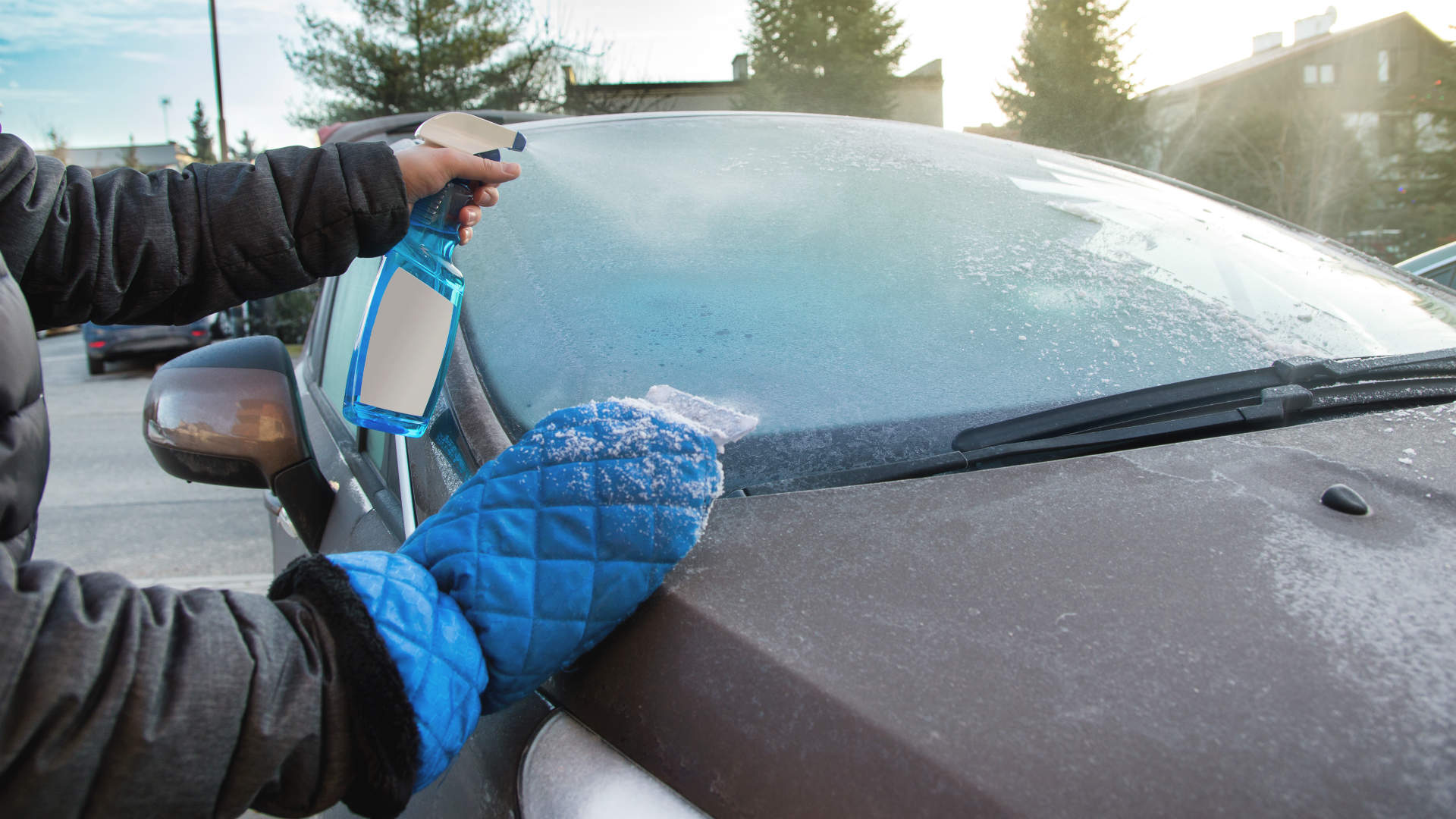
If you have had enough of dragging ice scrapers over frozen windscreens, a new windscreen treatment called Duxback could be the answer to your winter prayers.
Developed for the airline industry, Duxback causes water to ‘bead’ on glass, improving visibility in the rain… but it also claims to prevent frost from sticking to your windscreen.
“In wintertime,” claim the manufacturers, “ice will either not stick to the glass or will be much easier to remove.”
Such a product is nothing new. Rain-X has been making raindrops fly off windscreens for 40 years. But while you can use Rain-X at home, Duxback must be professionaly applied, at a branch of Halfords.
It costs £25, whereas Halfords is selling a 500ml bottle of Rain-X 2-in-1 glass cleaner and water repellent for £5. So is it worth the extra £20?
We can’t say, because we haven’t tried it, but tests have shown that Duxback improves driving visibility by 35 percent in rainy weather. It also improves a driver’s ability to identity small objects in wet conditions by 25 percent.
We’ve used Rain-X in the past and the results have been good. Our only criticism would be that it’s not long before it needs to be re-applied.
In the case of Duxback, the treatment lasts six months, which makes the original £25 seem like better value.
Winter is here
Aaron Edwards from Halfords Autocentres said: “Cold weather can play havoc with our cars. Our research shows that motorists are taking potentially dangerous short-cuts to keep their windscreens clear.”
Indeed, a recent Halfords survey of 1,600 motorists found that 50 percent admitted to using a kettle of hot water to defrost their car. Thirty-five percent have used a bank card without realising it can scratch the glass.
Rule 229 of the Highway Code states the following under the heading of ‘Icy and snowy weather’:
Before you set off
you MUST be able to see, so clear all snow and ice from all your windows
you MUST ensure that lights are clean and number plates are clearly visible and legible
make sure the mirrors are clear and the windows are demisted thoroughly
remove all snow that might fall off into the path of other road users
check your planned route is clear of delays and that no further snowfalls or severe weather are predicted.
If you do nothing else today, check the condition of your windscreen wipers, make sure you know where your ice scraper is located, and possibly order some de-icer to put in the cupboard.
Many of us love the smell of a new car’s interior. But have you ever stopped to consider what that smell actually is?
More importantly, does the ‘new car smell’ pose a risk to your health?
Worryingly, the answer to that question is ‘yes’, according to the emissions and efficiency specialists at Emissions Analytics.
The British firm argues that a car’s interior has the capacity to emit volatile organic compounds (VOCs) over the life of the vehicle. The ‘new car smell‘ has ‘typically been ignored, partly because it has been difficulty to measure’, it says.
Until now. Thanks to recent advances in technology, it’s now possible to measure the effects of VOCs in a car’s interior over the lifetime of the vehicle. There are dozens of VOCs to consider, including:
Residual compounds from the manufacturing process and material treatment of different interior compounds and textiles
Adhesives and carrier solvents that will de-gas – as much as 2kg of adhesives can be found in a modern car
Degradation of cabin materials as a result of oxidation, ultraviolet light and heat
Acetaldehyde is a particular problem. Exposure can cause ‘flush reactions’, such as itchiness, blotchiness and a flushed complexion. Asian people possess less functional acetaldehyde dehydrogenase enzyme, which is responsible for breaking it down.
What’s in that ‘new car smell’?
This is why cars sold in China, Japan and Korea are the subject of strict VOC regulations. Consider the substances outlined in the following table and you might not look at your car’s interior the same way again. The majority are regulated in Asian countries.
Analyte
Symptoms
Formaldehyde
Respiratory irritant and a contributory factor in asthma and cancer
Acetaldehyde
Flush reaction (as outlined above)
Acrolein
Highly toxic and severely irritating to the eyes, mucous membranes, respiratory tract, and skin
Benzene
Known carcinogen
Ethylbenzene
Can cause throat irritation and dizziness
Xylene
Causes headaches, dizziness, drowsiness and nausea
Styrene
Causes headaches
Toluene
Commonly known as nail polish remover – can cause headaches and nausea
Tetradecane
Irritating to the eyes, mucous membrane and upper respiratory tract
In partnership with Anatune, Emissions Analytics tested a nearly-new Hyundai i10. The car was tested every 15 minutes for 60 seconds over five hours on an early summer’s day.
There were two principle outcomes: a steady accumulations of ten VOCs as temperatures rose, and the unexpected dynamic of emissions during the final 15 minutes.
In particular, methanol and acetone rose from very low base points to more significant levels. While methanol is a common solvent and not directly regulated, it is toxic and could be an irritant.
Of even greater concern is the concentration of acetaldehyde, which rose to more than 10 TIMES the regulated limit in China and Japan.
‘Market failure’
Emissions Analytics is calling for more research: ‘From a vehicle testing perspective, the ability to detect and speciate different analytes in real time opens up the possibility for more extensive research of exposure and the potential for regulation to reduce detrimental health exposures.
‘It could also assist driver education in respect of ‘VOC build-up’ when a vehicle is parked in hot weather.’
The company is calling for regulations to reflect where there is ‘market failure’, and for greater consumer awareness. Whether or not you like the ‘new car smell’, it looks like we’re set to learn more about its effects on our health.
Audi has launched a new three-year fixed price car insurance scheme.
Policies are available for new and used cars, and Audi claims it saves customers shopping around for renewal deals.
Cover runs in 12-month increments, and customers will be sent renewal notices at each interval, confirming the fixed price. Customers are not tied into the policy for the full term.
Polices include the guaranteed use of Audi-approved repairers and genuine Audi parts. Customers are also protected against uninsured drivers.
According to Parkers, the previous-generation A1 is likely to be the cheapest Audi to insure. When powered by the 1.2-litre engine, the A1 hatchback and A1 Sportback slot into group nine, placing them alongside the likes of the Ford Fiesta and the cheapest Dacias.
At the opposite end of the spectrum, the Audi R8 has a group 50 insurance rating, making it one of the most expensive cars to insure.
How to get cheaper car insurance
Car insurance is one of the biggest costs of motoring, so it pays to get a good deal. In the summer, we revealed how you can save money on your car insurance. In summary, here are some tips:
Buy the right car: hatchbacks and city cars with small engines are likely to be the cheapest, especially if they’re inexpensive to repair.
Shop around: use a price comparison site, but also contact insurers not listed on such websites. You’ll be amazed at how much you can save.
Never accept the renewal quote: you’ll almost certainly get a cheaper price by going elsewhere. There’s little reward for loyalty in the world of car insurance.
Get the right policy: if you don’t drive to work, a policy that excludes commuting will be cheaper. Equally, don’t overestimate how many miles you’re likely to cover in a year – you could be paying too much.
Wait until you get older: insurance gets cheaper when you turn 21 and 25. Be patient – those desirable cars are within reach.
As Boris Johnson returns to No. 10 after his general election victory, we look at how the prime minister may choose to travel. These are the cars of British politicians.
Boris Johnson: Mitsubishi Outlander PHEV
As we can see here, Boris was an early supporter of Tesla. The Lotus-based Roadster was the breakout electric marque’s first model more than 10 years ago. If Mr Johnson saw into the future then, can he do so again in 2020 and beyond?
Boris Johnson: Tesla Roadster
As we can see here, Boris was an early supporter of Tesla. The Lotus-based Roadster was the breakout electric marque’s first model more than 10 years ago. If Mr Johnson saw into the future then, can he do so again in 2020 and beyond?
Boris in Transit
If we’re honest, we don’t see the right honourable BoJo as a white van man. He’ll be glad that he doesn’t need a Ford Transit to clear his possessions out of No. 10, though.
Boris and a Tranny
Mr Johnson does seem to be a fan of Britain’s most popular van, mind. We wonder if he has one in the Downing Street garage, next to a collection of Jaguar limousines.
Boris goes electric
Whatever you think of our controversial PM, he is very pro eco car and has been for some time. Here, he poses with an all-electric Renault Fluence ZE.
Theresa May: BMW 7 Series
In her role as Home Secretary, Theresa May was often seen arriving at Number 10 in an armoured BMW 7 Series. She was forced to give up the 7 Series when she became PM, switching to a Jaguar XJ.
The Prime Ministerial XJ
In the twilight hours of the current XJ’s life, it retains its role as the Prime Minister’s wheels – a job it’s had since it was introduced. With an electric XJ due soon, it’ll be interesting to see whether an armoured version is built for future PMs.
David Cameron: Williams Advanced Engineering
Williams Advanced Engineering is credited with the development of the Jaguar C-X75, Dendrobium D1 and most recently, the Lotus Evija. And it all started in 2014 with David Cameron. The then-PM cut the ribbon to open the new Williams R&D division.
David Cameron: the two-millionth Mini
Cameron had plenty of dealings with the motor industry while he was at No. 10. He even tried the two-millionth new Mini on for size when it was built back in 2011.
Jaguar XJ
Nonetheless, he’d always end up back in an XJ. The big Jag was also used by Gordon Brown, Tony Blair and John Major. In fact, the relationship between Jaguar and Downing Street goes back many years, stemming from a time when Jaguar was still a British-owned company.
Rover P5B
Prior to that, high-ranking government offices and Prime Ministers would have been seen in the majestic Rover P5B. The uniquely-British saloon car was powered a 3.5-litre V8 engine sourced from Buick, hence the ‘B’ in P5B. Sir Edward Heath, James Callaghan, Baroness Margaret Thatcher and Harold Wilson (seen here) all made use of a P5B while in office.
David Cameron: Honda CR-V
Of course, our Prime Ministers have a life outside of Number 10 and many would have owned cars prior to being elected to the biggest job in the land. Indeed, during a visit to the Honda factory at Swindon, David Cameron told staff how much he missed driving his Honda CR-V.
David Cameron: Nissan Micra
In May 2016, David Cameron hit the headlines when he bought his wife Samantha an ageing 2004 Nissan Micra. He paid £1,500 for the 90,000-mile Micra and drove it home from a used car dealer near his home in Oxfordshire. We suspect Mrs Cameron was delighted with the car.
Nigel Farage: Volvo V70 (sort of)
Nigel Farage, leader of the Brexit Party, owns an old tank. No, not the one pictured, but a 59-plate Volvo V70.
Nicola Sturgeon: Jaguar XJ
Nicola Sturgeon doesn’t own a car, but the leader of the SNP does perform her ministerial duties by making use of a Jaguar XJ.
Natalie Bennett: car club
As you may have guessed, the leader of the Green Party, Natalie Bennett, doesn’t own a car either, preferring to ride a bicycle or take the train. We also understand she’s a member of a car club.
Leanne Wood: Volkswagen Passat
We understand Leanne Wood, leader of Plaid Cymru, drives a Volkswagen Passat. #TogetherStronger and stuff.
Boris Johnson: Toyota Previa
In 2014, the new prime misister was pictured filling his ageing Toyota Previa with fuel. Nothing wrong with that. In fact, we fully endorse running a car on a budget. But surely the former Mayor of London should have been out riding one of his Boris Bikes?
Ed Miliband: Ford Focus
Remember when Ed Miliband came under fire for having his green Ford Focus washed for him? No, neither do we. But we suspect Ed has got other things on his mind this week. Best leave that bird poo stain for another week, eh?
Nick Clegg: Ford Galaxy
In a Galaxy far, far away… In 2014, former Deputy Prime Minister Nick Clegg told listeners of a radio station that he owned ‘a second-hand Ford Galaxy, not in prime condition’, before going on to claim he really wanted an electric people carrier. May we humbly suggest the Tesla Model S with the optional two extra seats in the boot? Perfect.
Gordon Brown: Vauxhall Omega CD
Gordon Brown caught the eye when he became Prime Minister in 2007 by refusing to give up his Vauxhall Omega CD. Despite promising to chop it in for a Toyota Prius, he still owned it nine months later. Sadly, he did eventually give up on this austerity measure by upgrading to a 4.2-litre Jaguar XJ.
Alan Clark: Jaguar SS100
The late Alan Clark was a former Conservative MP who served under the governments of Margaret Thatcher and John Major. As well as a published author, he was also known for his love of cars and he owned a beautiful Jaguar SS100 similar to this one. He was often seen driving away from the House of Commons in the old Jag.
Ann Widdecombe: Ford Focus
OK, we don’t actually know if Ann Widdecombe has ever actually owned a Ford Focus, but we suspect not. But any excuse for us to use this photo is fine by us.
Sir Winston Churchill: Land Rover Series I
This is probably the most British photograph you’ll see today. Sir Winston Churchill and a Land Rover Series I. Superb.
John Prescott: ‘two Jags’
Whatever else John Prescott does with his life, he will always be remembered for having two Jags. Famously nicknamed ‘Two Jags’, the former Deputy Prime Minister had one Jaguar in his Hull consistency and another Jag — an XJS — in London. The latter of which he sold on Auto Trader in 2014.
Chris Huhne: Tesla
This is Chris Huhne at the wheel of a Tesla Roadster. He was driving it as part of an Eco Rally. That’s about all we can say.
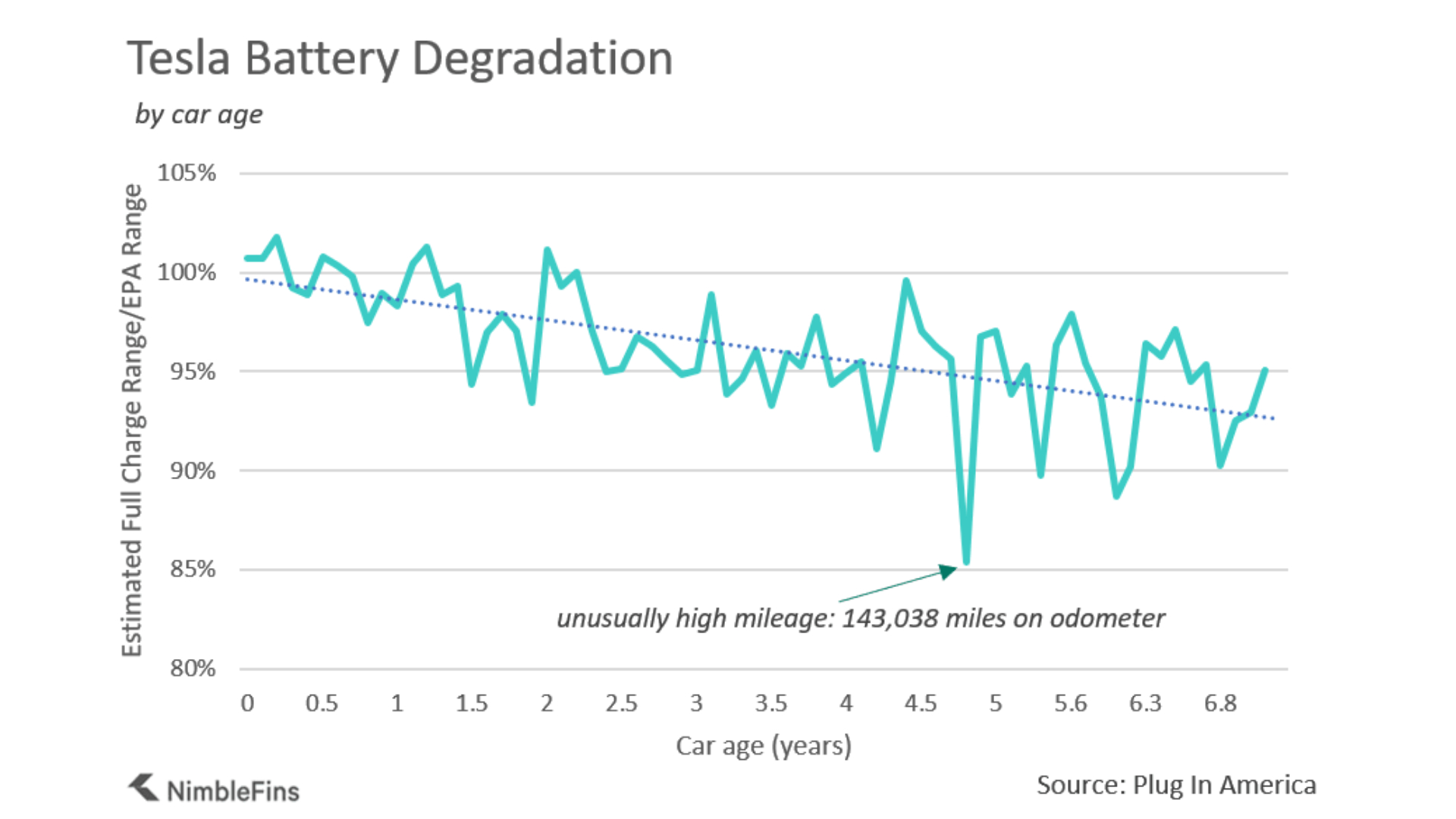
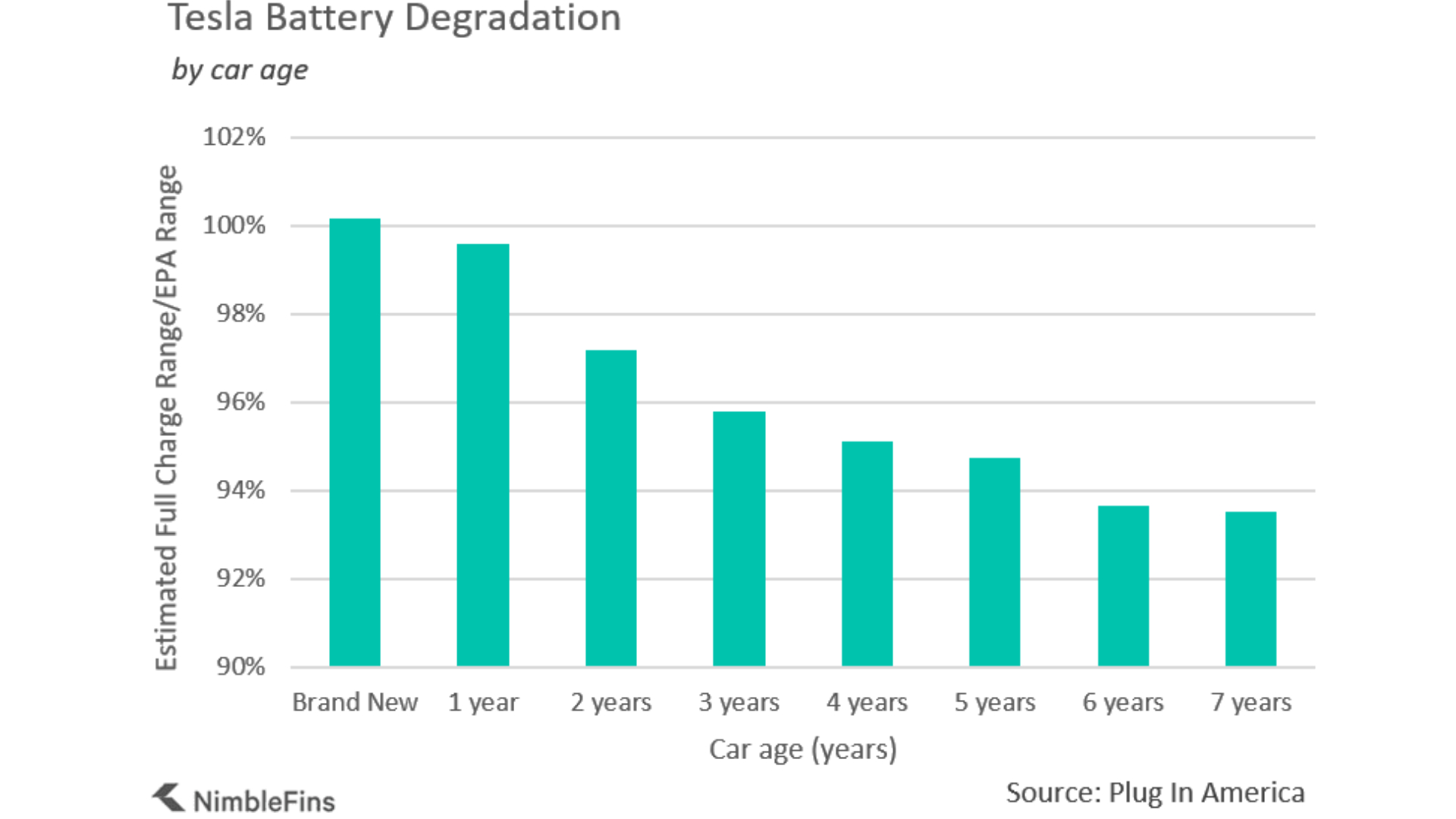
A real-world study of Teslas has revealed how much battery capacity the electric cars lose over time. And the good news is the losses are marginal: around one percent each year.
Just as an internal combustion car loses horsepower over time, electric cars have less battery capacity as they age. Think of it as your car’s fuel tank getting marginally smaller every year.
The Tesla research was carried out by Plug In America and analysed by NimbleFins. Five hundred Tesla Model S owners submitted data on the usage of their cars. These included when it was manufactured, bought, the battery size, the quoted range (when new) and the mileage the car has covered.
Time is almost up for U.S. federal income tax credits on new Teslas
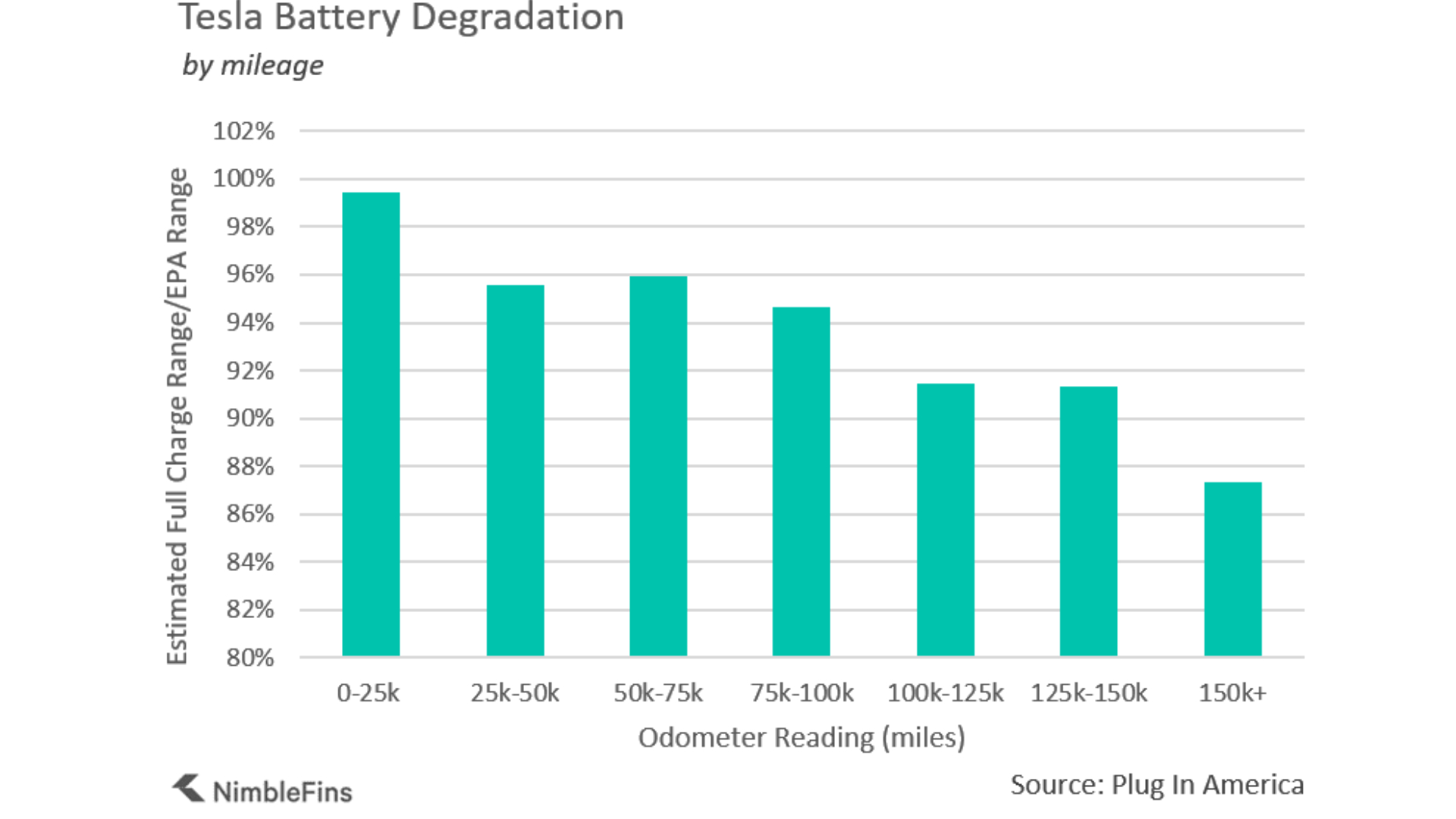
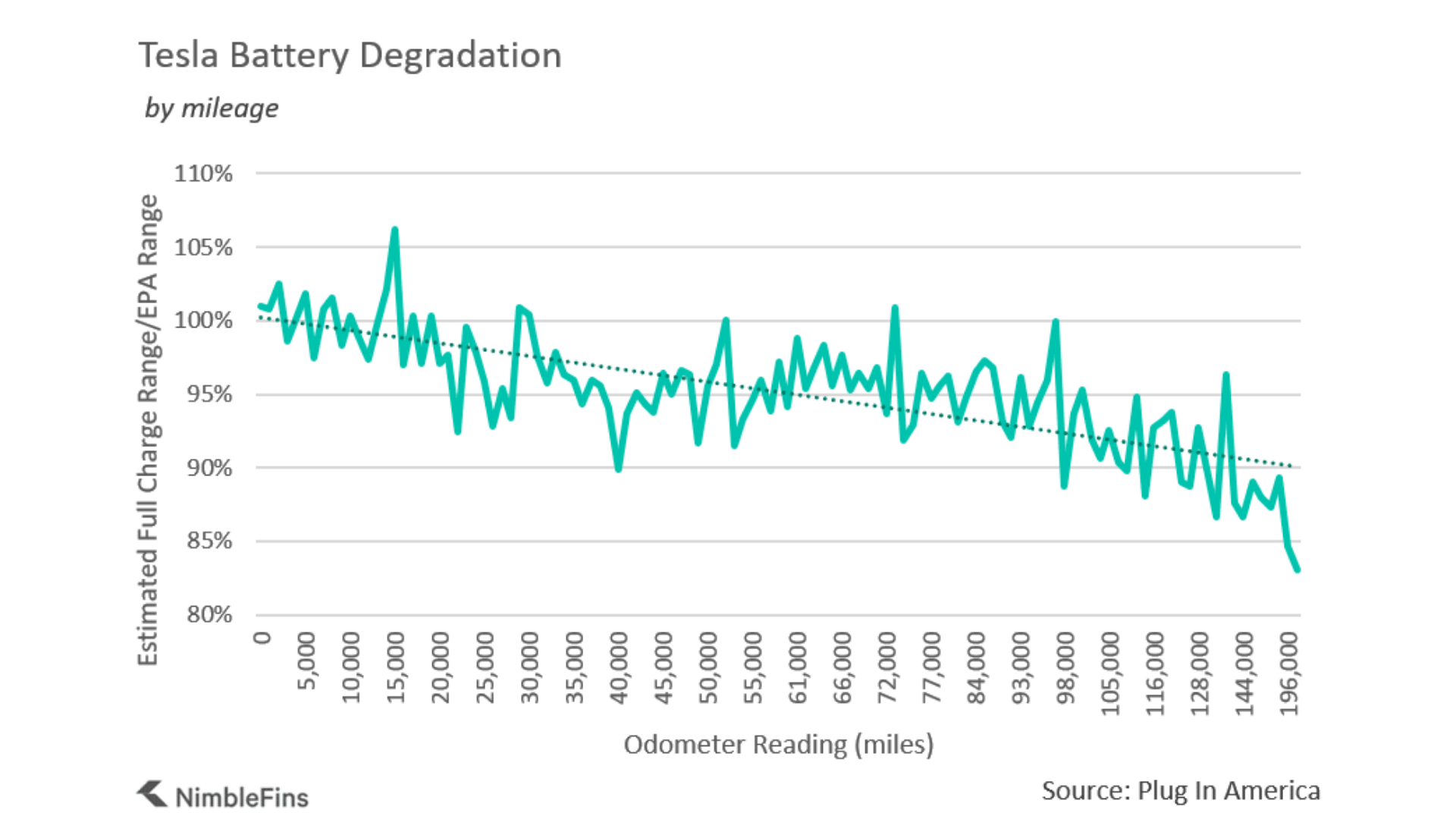
A general takeaway is that the more mileage an electric car has, the more battery capacity it will have lost. Remember, more mileage means more charging. The car with the highest mileage in the study, a Model S P85 with 232,442 miles, was capable of charging to a 220-mile capability. That’s 83 percent of its original 265-mile range when new. Up to around 150,000 miles, the cars seem to retain 90 percent of their charge capacity.
‘It’s interesting to see that a car with unusually high mileage for the age (over 143,000 miles for a car less than 5 years old) has more significant battery deterioration than a typical car of the same age,’ said the report.
‘This shows that mileage is also a considerable factor in how quickly a battery deteriorates—this makes sense, as more miles driven means more charge cycles, and it’s mostly the charge cycles that reduce a battery’s usable capacity.’
The average mileage in the UK is 7,600 a year. On that basis, an original high-end Model S would take 30 years to reach that unusually high mileage of 230,000 miles, or 20 years to reach 150,000 miles. With the assumption, of course, that time doesn’t play into that degradation.
It would be very interesting to test a seven-year-old Model S that hasn’t covered any miles.
Overall, the results seem to show that battery tech used even in the very first Teslas is relatively robust. Many worry about the longevity of electric cars, but if their performance at what is considered end-of-life mileage (and even beyond) is as suggested, buyers can expect a decent life.
And as battery technology progresses, so too may the already impressive longevity.
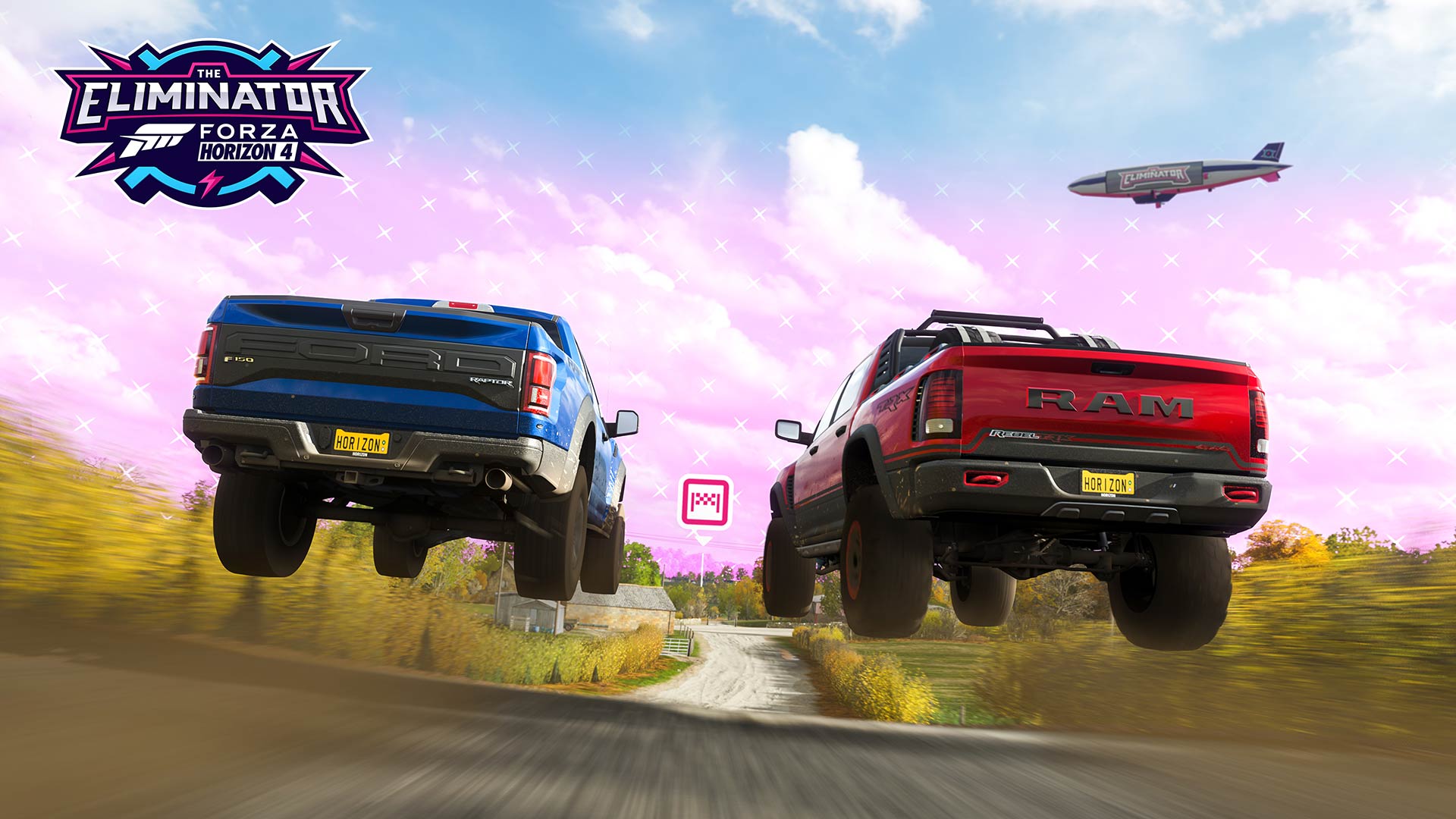
Microsoft Xbox One and Windows PC gamers will gain a new mode for the popular Forza Horizon 4 racing game, just in time for the holiday season.
Branded as ‘The Eliminator’, the new mode is clearly influenced by the success of games like PlayerUnknown’s Battlegrounds and Fortnite Battle Royale.
Like those two games, The Eliminator will pitch a large group of gamers into combat with each other. But, instead of weapons, here the winner will be decided by who manages to beat all others in a series of head-to-head races.
There can only be one winner
Set within a special arena inside Forza Horizon 4’s UK-based map, the walls of the arena shrink as The Eliminator mode progresses. Forced closer together, a final race determines the ultimate victor.
All players begin the contest driving a 1965 Mini Cooper. However, other cars can be found across the map, with players needing to hunt them down to claim them.
Cars added especially for The Eliminator mode include the 2008 Renault Mégane R26.R, 2016 Porsche 911 GT3 RS, and (fittingly) the 1970 Mercury Cougar Eliminator.
Racing for pink slips?
When out exploring the massive open-world Forza Horizon 4 map, players in The Eliminator mode are able to challenge others to 1-on-1 duels.
Once another driver has been challenged, they must accept the head-to-head race. The game then picks a finishing point, with both drivers then able to battle it out to get their first.
The winning driver is then able to either upgrade their own car, or steal the vehicle being used by the losing opponent. The loser is also eliminated from the game, whilst the winner goes on to fight more battles.
Filling a space in the digital garage
The Eliminator mode is the latest in a series of expansions for the BAFTA-winning racing game. Earlier this year, Forza Horizon 4 launched a special Lego Speed Champions expansion pack, whilst the Fortune Island add-on made a debut last year.
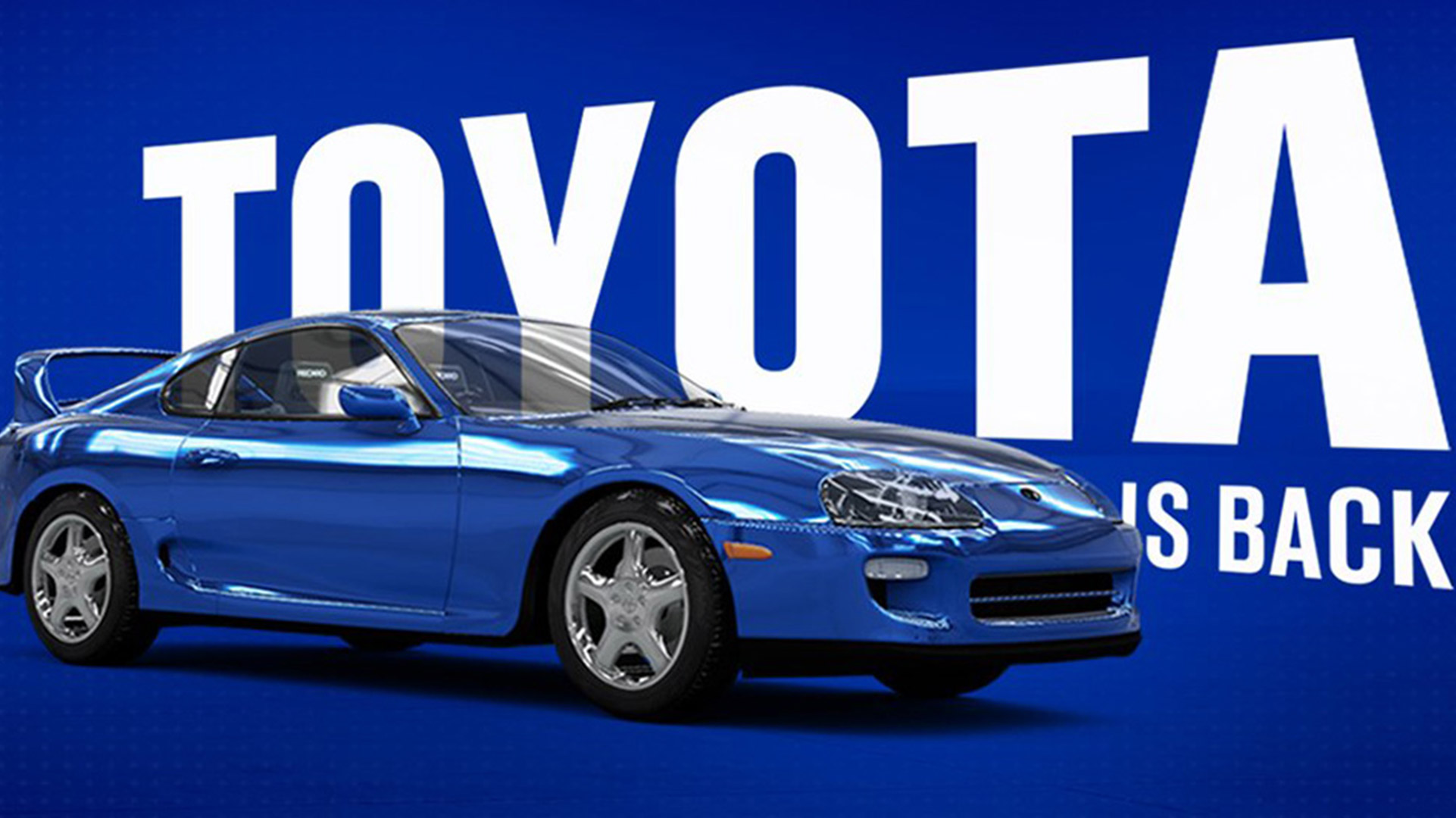
This month also sees the return of Toyota to the Forza series. Licensing issues had prevented Toyota and Lexus models from appearing in the range of Forza games. However, these have now been resolved, and fans will be able to get behind the virtual wheel of the 1998 Toyota Supra RZ in Forza Horizon 4.
Forza franchise developer Turn 10 Studios has also confirmed that the agreement with Toyota is a long-term one, meaning that cars from the brand will appear in Forza games for the foreseeable future.