Grey was Britain’s most popular new car colour for the third year running, latest figures from the Society of Motor Manufacturers and Traders show.
Almost one in four new cars sold last year were grey – and the popularity of the colour actually grew eight percent over 2019.
Perhaps reflecting the mood of the country in 2020, the second most popular colour was black, with one in five new car buyers choosing the moody hue.
White came third, meaning more than six in 10 new cars sold in 2020 were either white, black or grey.
“2020 was a pretty dark year for the automotive industry and having grey as the top new car colour probably reflects the atmosphere,” said SMMT chief executive Mike Hawes.
Code red
Blue cars did slightly grow in popularity, to take a 16.9 percent share of the new car market. It was well clear of red, which dropped 7.9 percent to take a meagre nine percent share of new car sales.
The last time so few red cars were sold was back in 1997.
Interestingly, white was the most popular car for pure electric cars, while black was top for buyers of plug-in hybrid (PHEV) motors.
White also topped the list for city car buyers, with black the top choice for executive and luxury cars.
The SMMT adds that no fewer than 106 distinct car colours were registered during 2020.
And the least popular new car colour of all? Maroon.
Motorsport UK, the national membership organisation and governing body for British motorsport, has outlined a new impact of Brexit.
For those competing in races in Europe, taking cars and equipment to the continent will require the use of an ATA Carnet.
This is likely to add an extra degree of administrative and financial pressure to those competing abroad in motorsport.
What is an ATA Carnet?
An ATA Carnet is an international customs document, typically described as being ‘a passport for goods’. It allows for goods to be temporarily imported to another country, removing the need to pay import duties and taxes unnecessarily.
The ATA Carnet also acts as a guarantee for customs agents. A failure to take cars and equipment back to their country of origin within 12 months results in duties being levied.
According to advice taken by Motorsport UK, the post-Brexit agreement made between the UK and EU means race teams taking cars or equipment to Europe will need to make use of an ATA Carnet.
More money to be paid upfront
Motorsport teams will have to apply for an ATA Carnet in advance. This will need to list all cars and equipment that would be taken to a European event.
Applying for the ATA Carnet, administered by the Greater Birmingham Chamber of Commerce, costs £330+ VAT. However, Motorsport UK members are able to pay a reduced rate of £240+ VAT.
A security premium is also needed to cover the cars and equipment being taken to Europe. This would be forfeited should all items not be taken back to the UK as intended.
The premium can take the form of a refundable deposit, calculated as 40 percent of the items being moved abroad. Alternatively, a non-refundable insurance premium can be bought.
Motorsport could be staying at home, too
Applying for an ATA Carnet can be done online. But, the documents themselves need to be physically checked and stamped at both borders by customs officials.
Failing to get the ATA Carnet stamped properly could see cars and equipment not allowed into a new country. Alternatively, taxes and duties could end up being levied on them.
Given that European rounds for some UK-based championships have been reduced for 2021, some motorsport teams may be spared the extra complexities of the ATA Carnet.
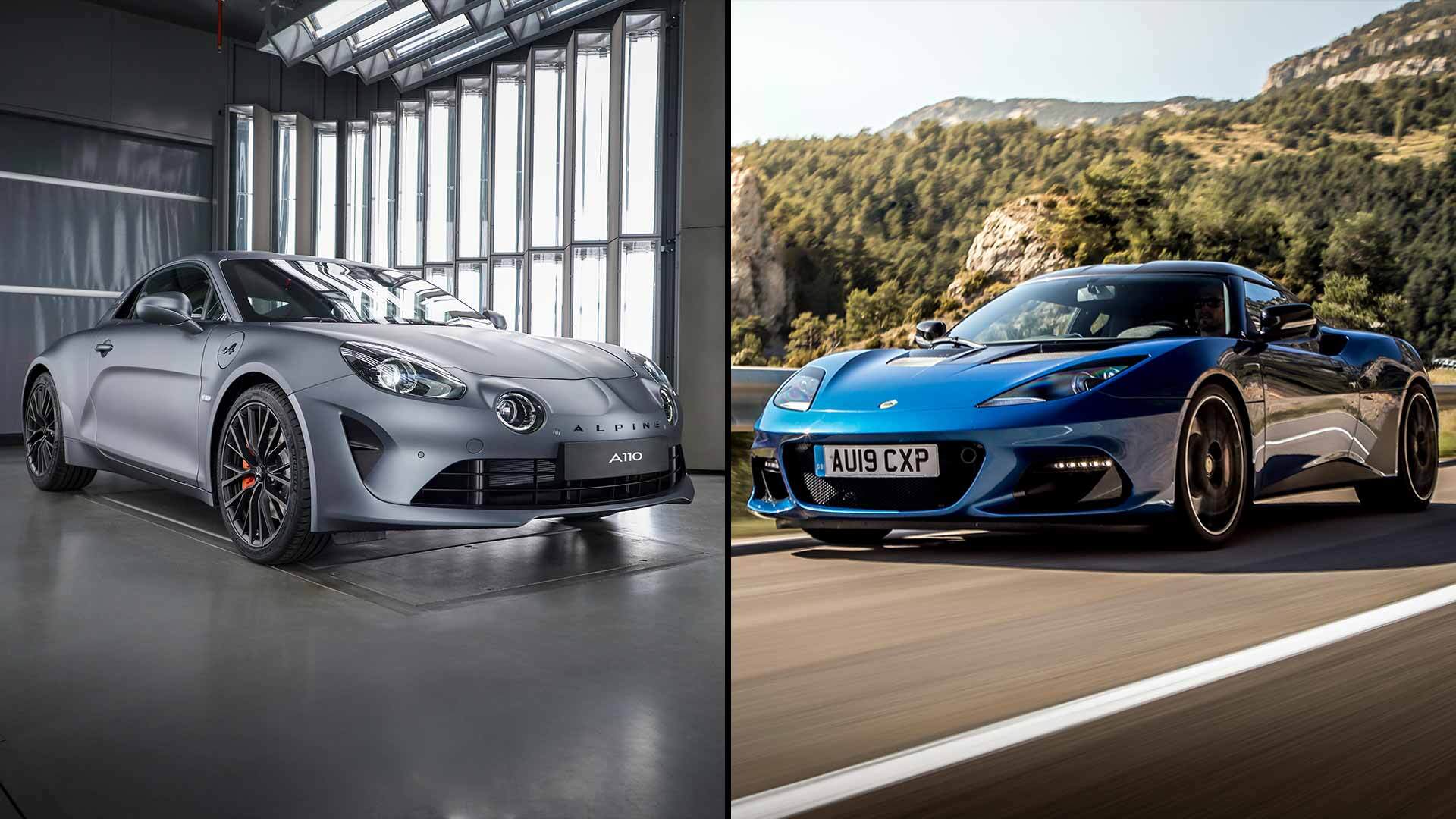
Lotus and Alpine will work together to develop a new electric sports car. The two companies have signed a Memorandum of Understanding looking at various areas of collaboration – including motorsport.
We have no details yet on how the joint project will look, or its market positioning, but it could serve as a replacement for the Alpine A110 and Lotus Elise and/or Evora.
Lotus has already made clear its commitment to EVs. Its flagship Evija, revealed in 2019 and now entering production, has ‘lightest, most energy dense electric power package ever fitted to a road car’.
Alpine to enter Formula E
The press release also states ‘a collaboration to leverage Alpine’s motorsport platform covering Formula One to Formula E and Endurance is also under study’. At a time when other marques, such as Audi and BMW, are abandoning Formula E, this seems a bold move. It could potentially mean the return of Lotus to top-level racing, too.
In an exclusive interview, Lotus CEO Phil Popham told us the British marque will launch one final car powered solely by internal combustion. This vehicle – likely to be badged ‘Esprit’ in homage to one of Lotus’ greatest sports cars – was originally due in late 2020, but has been delayed by the pandemic.
Beyond this, Popham stated “every new Lotus model will offer electrification” – meaning hybrids or full EVs. He continued: “We have many people working on new platforms, but they typically take at least four years to develop. For now, Lotus is focused on sports cars, although we believe the brand has enough strength and equity to move into other segments.”
Beyond a new Esprit
The Lotus-Alpine deal could also lead to consultancy work for other manufacturers, says Popham: “The joint-services element of our agreement will additionally make our engineering expertise available to those wishing to engage our innovations.”
Lotus has a rich history of working for other brands. In a separate interview, chief aerodynamicist Richard Hill told us about his work on a radical Chevrolet Corvette concept – and the famous Lotus Type 108 bicycle, which Chris Boardman rode to Olympic gold in 1992.
Other cars honed in Hethel range from the iconic Lotus Carlton to the Proton Satria GTI.
‘Our companies have much in common’
Alpine CEO Laurent Rossi said: “Both brands have an amazing legacy and we are most excited to start this work together, from engineering tailored solutions to developing a next-generation EV sports car.
“We’re putting F1 at the heart of our business, leveraging our in-house expertise and best-in-class partners such as Lotus to inject our cars with leading-edge performance, technology and motorisation”.
Phil Popham added: “Our companies have much in common – from a pioneering pedigree in light-weighting, to championship-winning sports cars which perform as impressively on the road as they do in the motorsports arena.
“It is a natural fit in many ways and the co-development of an EV sportscar is hugely exciting for our companies, our fans and customers around the world.”
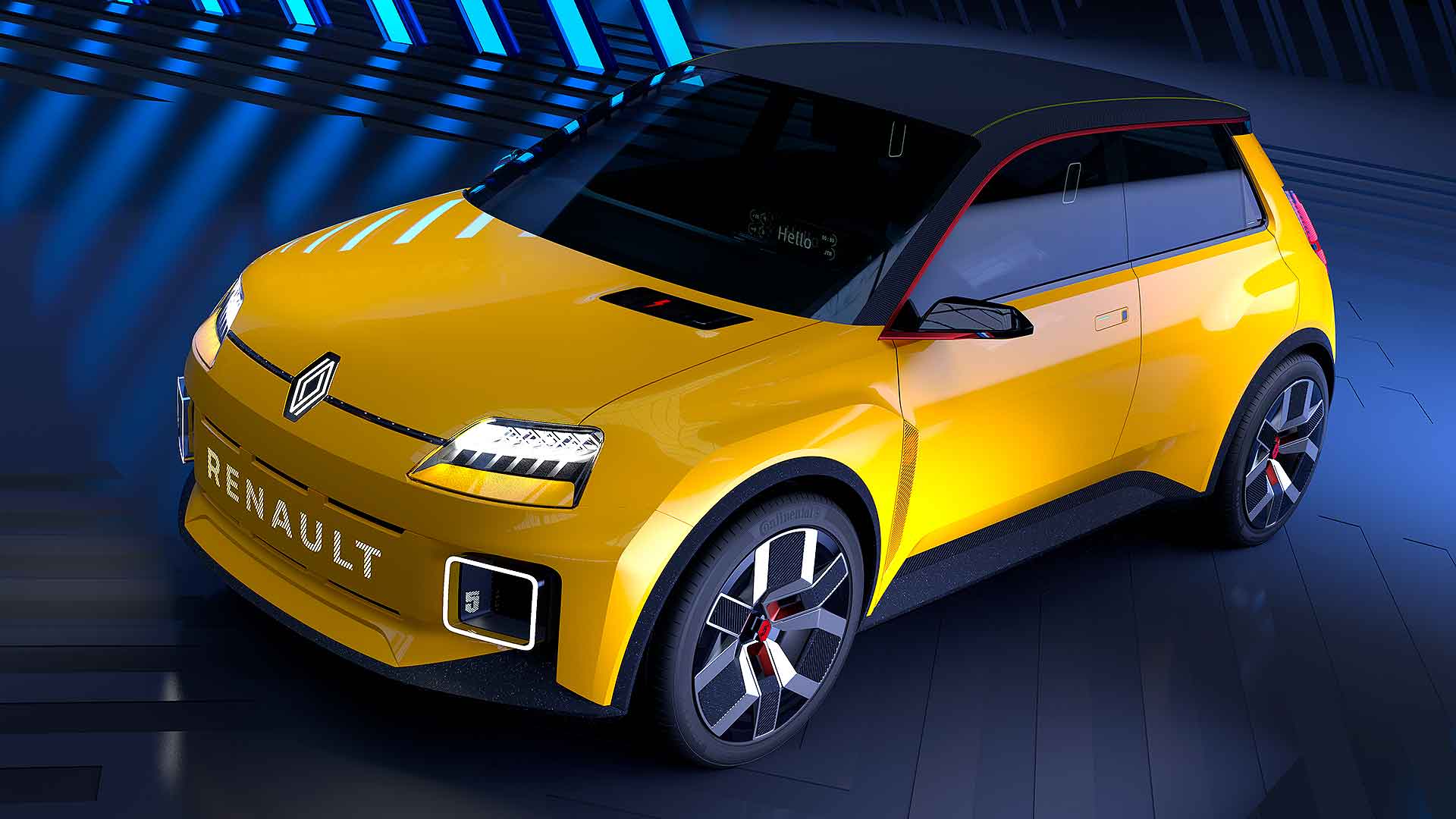
Described as “the rebirth of a cult car, more modern than ever,” the 100 percent electric car pays homage to the top-selling original but with a modern twist.
It’s part of Renault’s plan to ‘reconnect with its past’.
The firm has lofty sales goals for the new electric Renault 5 too, saying it will “democratise the electric car in Europe”.
The bright yellow prototype is proudly based on the original R5, said design director Gilles Vidal.
“This prototype simply embodies modernity, a vehicle relevant to its time: urban, electric, attractive.”
Renault 5 Prototype: in detail
The electric Renault 5 Prototype references the original R5 in numerous ways – and cleverly makes some of them functional.
For example, the bonnet air intake hides the charging hatch; the rear lights included wind-cheating aero flaps and the fog lamps in the bumper are also daytime running lights.
Mr Vidal references the original ‘5’ with the side vent, wheels and rear logo.
Front and rear logos light up and there’s a French flag on the rear-view mirrors to underline the “invented in France” ethos.
Renault says both the front end and textile roof are inspired by the world of furniture and are also “full of French charm”.
The new electric Renault 5 is expected to launch by 2025 and will rival other retro-themed small EVs such as the Fiat 500 Electric, Mini Electric and Honda e.
Renault is planning to make fewer cars but significantly improve the profit it makes on each one with a new strategic plan called ‘Renaulution’.
The firm will shrink its manufacturing capability down from four million cars in 2019 to 3.1 million by 2025.
Renault will also halve the number of platforms in its model range, from six to three – and is planning to reduce the amount of money it invests in R&D.
By 2023, this will help it generate an operating margin of three percent; by 2025, Renault is targeting a profit of at least five percent.
It also wants to lead in electric cars, with half the cars launched by 2025 being full EVs and 35 percent of its sales being hybrid.
Renault will plans to have the greenest mix of new car sales in Europe.
“The Renaulution is about moving the whole company from volumes to value,” said Groupe Renault CEO Luca de Meo.
“It is a profound transformation of our business model.
“We’ve streamlined our operations starting with engineering, adjusting our size when required, reallocating our resources in high-potential products and technologies.
“This boosted efficiency will fuel our future line-up: tech-infused, electrified and competitive.”
Dacia and Lada
The Groupe Renault strategic plan also includes the Dacia-Lada and Alpine brands.
Dacia will radically reduce the number of platforms it produces, from four to just one, and move from 18 body types to 11.
Seven new models will be launched by 2025 and there will be the “revival of iconic models”.
This points to the expansion of the Dacia brand into the family hatchback segment – and also the potential reinvention of the famous Lada Niva as part of the planned “revival”.
Dacia will remain “Dacia with a touch of coolness” while Lada will still be “rough and tough”.
Alpine surprise!
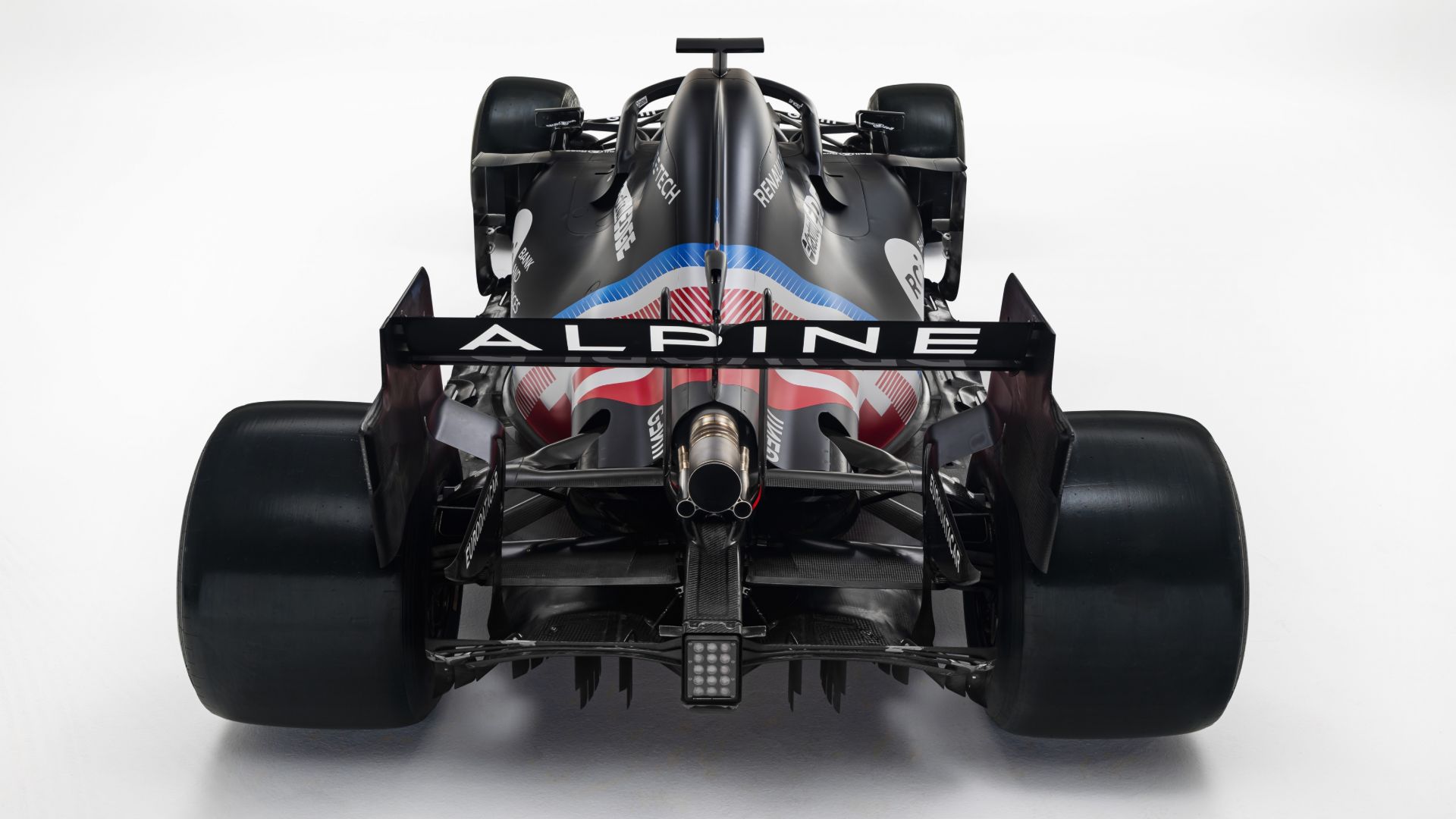
The expanded Alpine brand now includes Alpine cars, Renault Sport cars and the Renault Sport Racing F1 team.
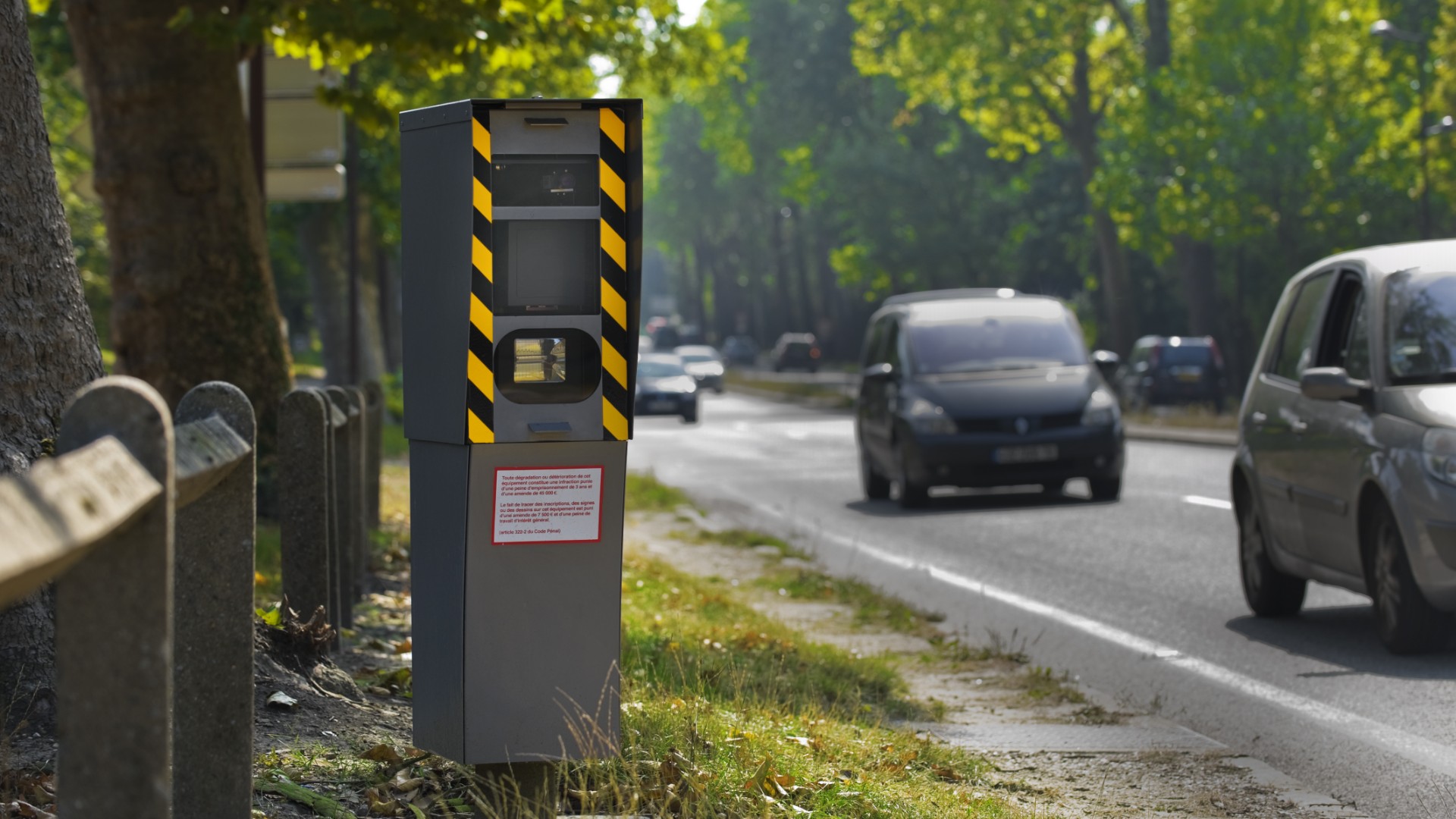
Speeding fines for British drivers in the European Union can no longer be enforced following the end of the Brexit transition period.
The UK’s departure from the EU means a directive allowing the cross-border exchange of information in the event of a traffic offence no longer applies.
This also means EU drivers will escape a speeding fine when travelling in the UK.
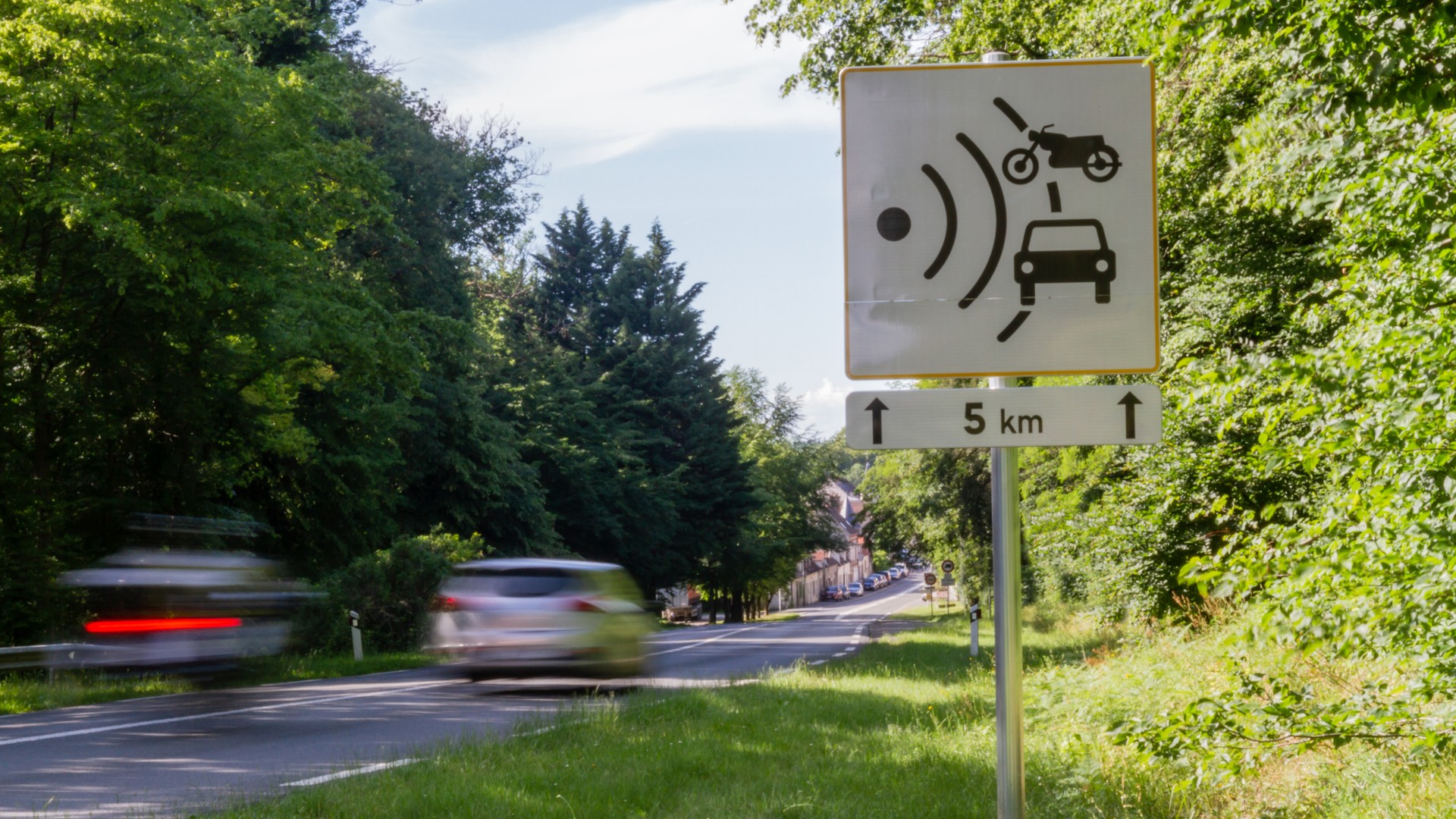
Figures from the French motoring website Caradisiac show that France sent contravention notices to 444,378 UK drivers in 2019. This puts the UK at the top of the league table for fines issued under automated control (cameras).
The UK finished ahead of Belgium (295,899 fines), Spain (262,012), Germany (249,291) and the Netherlands (206,102).
France stands to lose up to €60 million (£53 million) in unpaid UK motoring fines once travel restrictions are lifted.
Drivers still face on-the-spot fines
Directive 2015/413, nicknamed ‘Cross Border’, followed on from a Directive dating back to 2011. It covers a wide range of motoring offences, including:
Speeding
Jumping a red light
Failure to wear a seatbelt
Driving while under the influence of alcohol
Driving while under the influence of drugs
Not wearing a helmet (motorcyclists)
Driving in a prohibited lane
Using a handheld mobile phone at the wheel
This doesn’t mean British drivers will be able to travel in France with impunity. As reported by The Times, drivers stopped by French police will be ordered to pay an on-the-spot fine.
Anyone caught travelling at 50km/h or more above the speed limit could have their vehicle seized.
Fines range from €135 (£120) to €1,500 (£1,335), depending on the severity of the offence.
France is keen to reach an agreement similar to what’s in place with neighbouring Switzerland. The Times has reported that French officials fear Britain will “drag its heels”, although the prospect of losing revenue from speeding EU drivers could push the issue up the agenda.
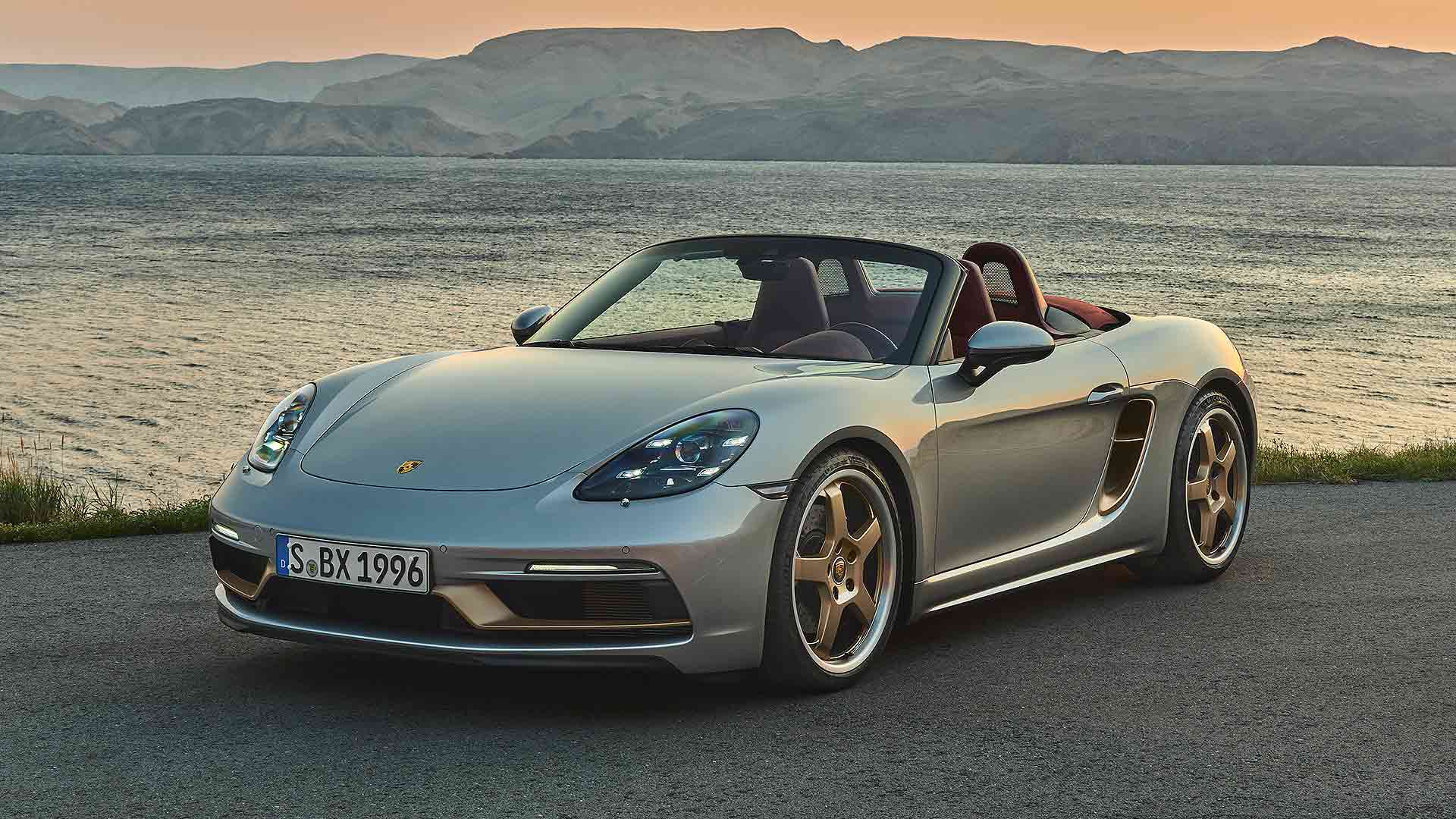
Porsche is marking 25 years of Boxster production with a limited-run special edition called Boxster 25 Years.
The new collectable is based on the range-topping 718 Boxster GTS 4.0 model, paring its 400hp 4.0-litre engine with either a six-speed manual or seven-speed PDK gearbox.
It has a top speed of 182mph and reaches 62mph in as little as 4.0 seconds.
Gold standard
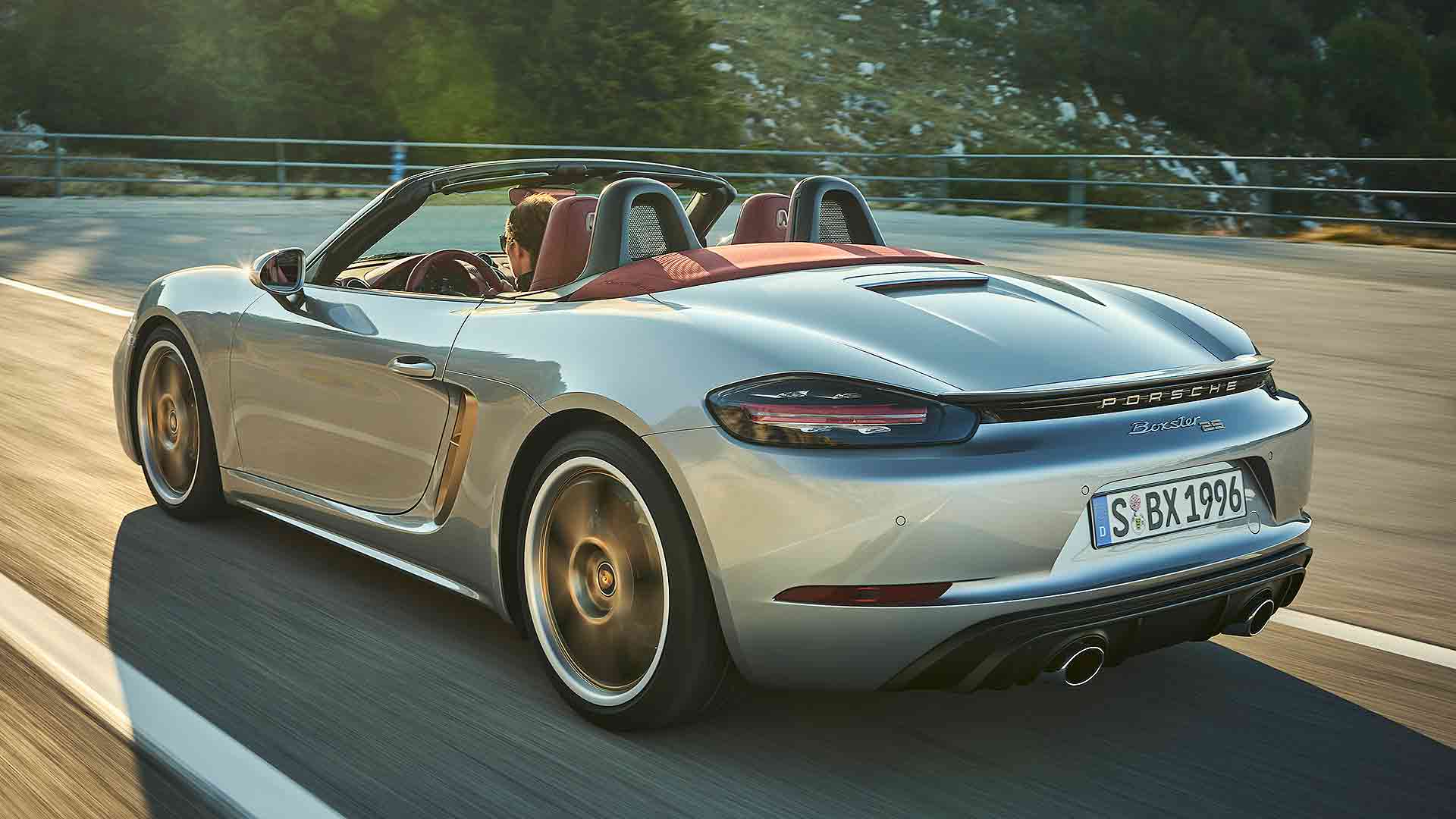
The stand-out feature of the Boxster 25 is a unique body highlight called Neodyme.
This contrasts with the GT Silver Metallic body colour and, says Porsche, references the copper-like features on the original 1993 Detroit concept car.
Neodyme is used on the front apron, side air intakes, rear lettering and the bespoke 20-inch alloys.
Those who don’t like GT Silver Metallic can pick Jet Black Metallic or Carrera White Metallic instead.
Simply red
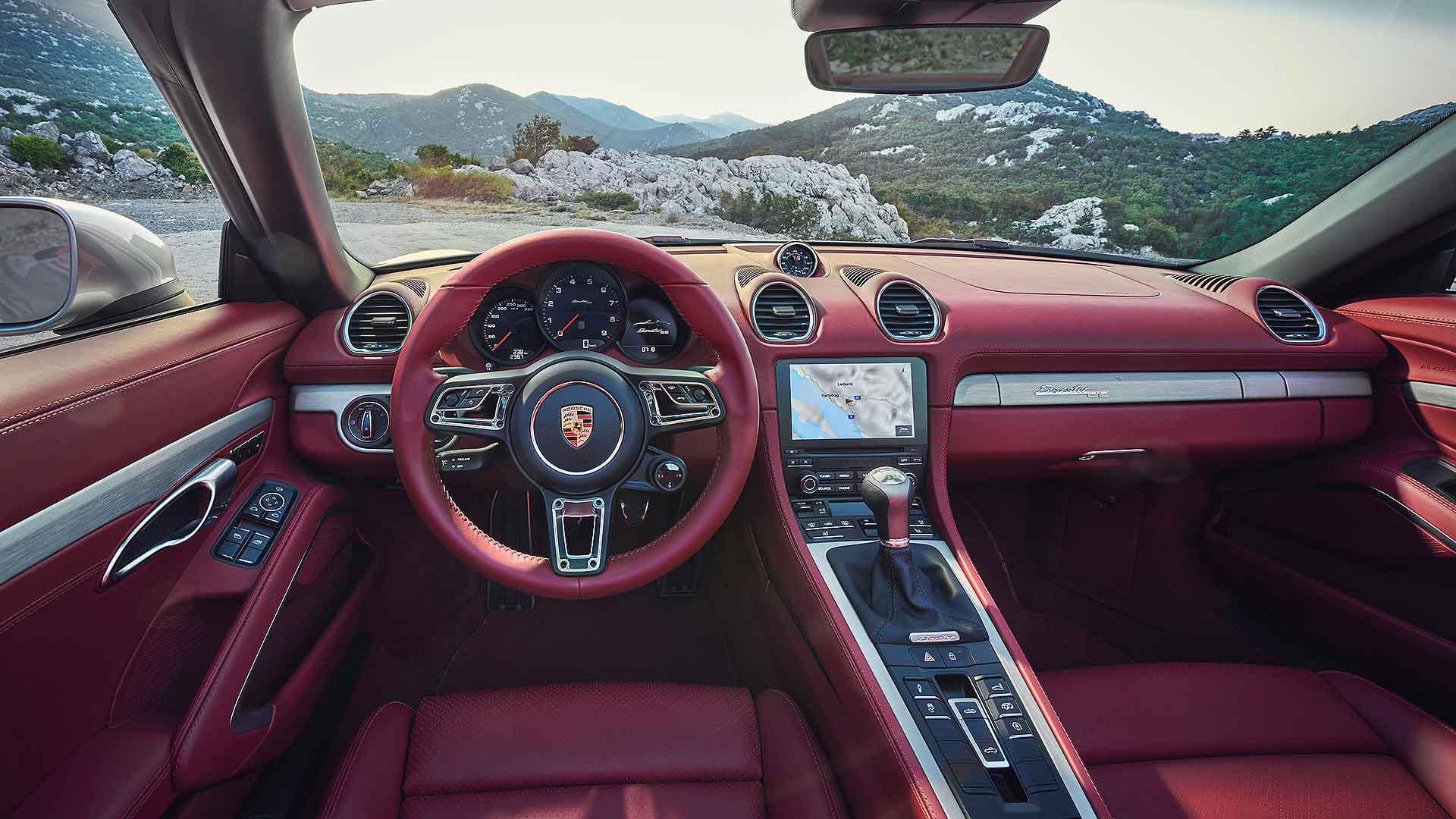
The Bordeaux red leather interior and red fabric soft-top (embossed with Boxster 25 lettering) also mimic the original concept.
The Boxster 25 is packed with equipment, befitting its range-topping positioning. The seats are electric, the GT steering wheel is heated and the LED headlights have the Porsche Dynamic Lighting System as standard.
Porsche Active Suspension Management is standard – it’s 10mm lower than the regular car – as is Porsche Torque Vectoring with a mechanical limited-slip differential.
A select few
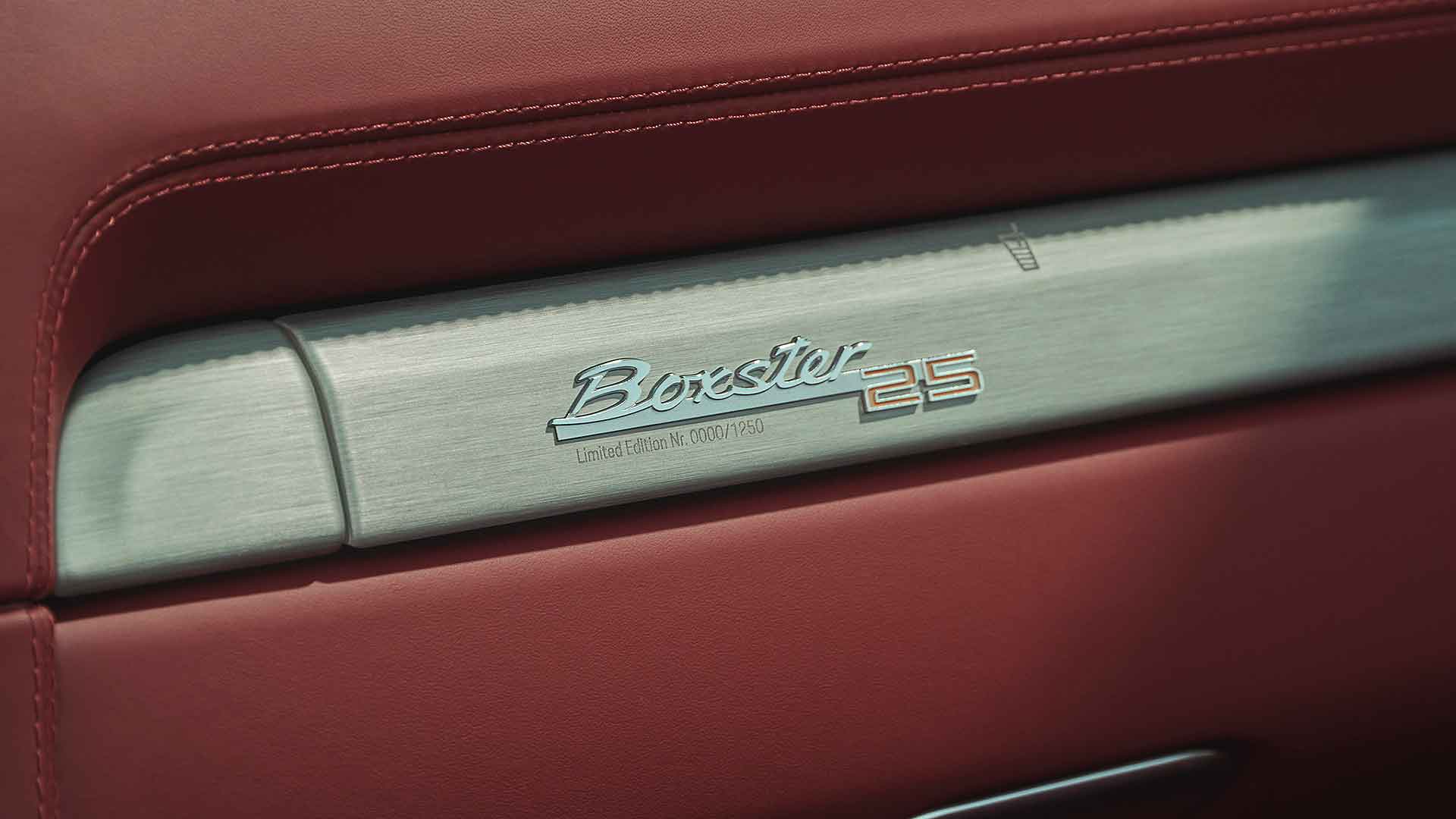
The Boxster 25 also gets high-gloss tailpipes, a windscreen surround in contrast black, an aluminium-look fuel filler cap and a Boxster 25 logo on the aluminium dash strip, complete with individual ‘1-of-1,250’ numbering.
Needless to say, it isn’t cheap; prices for the Porsche Boxster 25 Years start from £72,760. Ordering is open now and deliveries begin in the spring.
Devon and Cornwall Police will use ANPR cameras to catch motorists flouting Covid-19 lockdown rules.
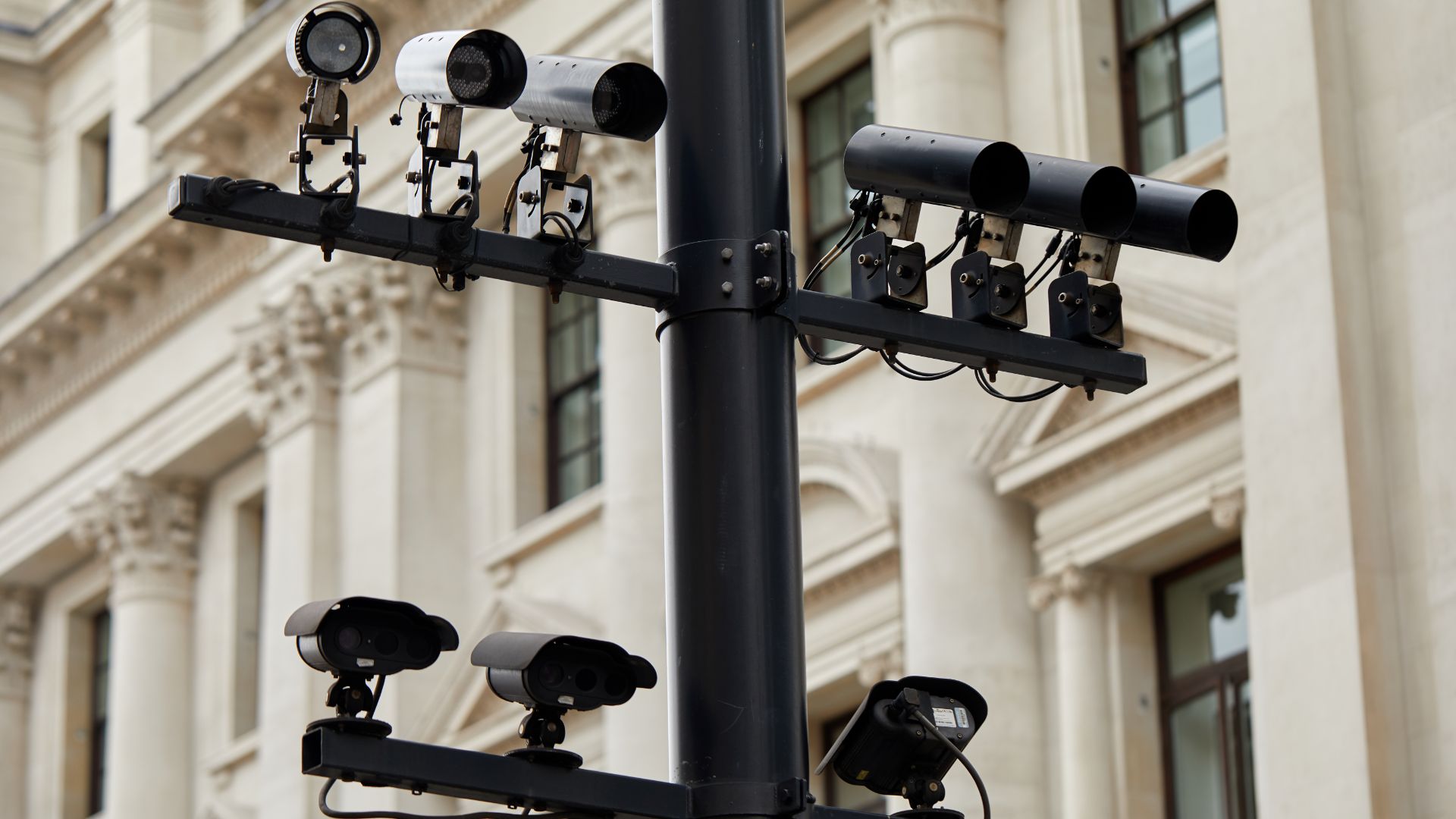
Static cameras will be mounted in numerous locations across the region, while every officer has access to an ANPR (Automatic Number Plate Recognition) app on their devices. This allows them to access live information about vehicles spotted on the road.
In a tweet responding to a concerned motorist, Devon and Cornwall Police said officers will “engage, explain and encourage before any kind of enforcement”. This followed a question about a car registered in Yorkshire but being used in Devon. “All you should have to do is have a chat and explain the situation”.
Speaking on Saturday, Devon and Cornwall’s chief constable said that “with more roads in Devon alone than there is in Belgium,” police officers cannot be everywhere at once. He called on the public to obey the rules.
“A thousand people a day are dying. You know what to do, please do it. We are going to enforce and there is going to be an awful lot of activity and an awful lot of difficult conversations if this carries on,” said Mr Sawyer.
‘Appalled and upset’
Although there are fewer cases of Covid-19 in Devon and Cornwall than in many parts of England, rates are increasing in some parts of the region. The latest figures show Cornwall has the highest rate (338.2 per 100,000 people), followed by Exeter (283.9) and Plymouth (273.2).
While many parts of the country were plunged into ever-stricter tiers in 2020, Cornwall and the Isles of Scilly remained in tier 1. Cornwall moved into tier 2 before Christmas, but joined Devon in tier 3 at the end of the year. Both counties, including the Isles of Scilly, are now part of the national lockdown.
Cornwall has the most empty houses of any area in England. Of the 18,621 empty residences, 13,642 are second homes used as holiday houses. This is thought to have led to an increases of Covid-19 cases in county.
Meanwhile, in Devon, Rob Steemson of Dartmoor National Park said he was “appalled and upset by the amount of visitors that were in and around Dartmoor over the weekend”. There have been calls for Dartmoor National Park to close its car parks, which is something that might happen if people continue to drive to the moors.
‘Done a great job so far’
The use of ANPR cameras has been welcomed by Devon and Cornwall police and crime commissioner Alison Hernandez, who said: “Covid is spreading rapidly across the whole of the UK, not least because this new strain of the virus is far more contagious.
“We need to be doing everything we possibly can to prevent the spread of coronavirus. The people of Devon and Cornwall have done a great job so far which is reflected in our case rates which are among the very lowest in the whole country.
“But we mustn’t become complacent. I was saddened to hear about the reports of hundreds of covid breaches over the weekend, many of which are understood to be related to second homes.
“As such, I welcome the force’s use of ANPR to monitor vehicle movements and make sure the only journeys being made here are essential ones. Using this technology helps us see where certain vehicles have come from and allows officers to further investigate their reasons for travel.”
Fines for drivers in breach of the rules
Devon and Cornwall Police told Motoring Research: “As part of our efforts to enforce the national lockdown in our area, we have increased the number of visible units on patrol and our use of vehicle stop-checks within Devon and Cornwall.
“All officers have access to the Police National Computer (PNC) and the ANPR database in which they can undertake research on vehicles as part of this process; what we are not doing is using ANPR to alert the force to any vehicle that may not be local that happens to be in our region, or using ANPR details solely as the basis to issue a Covid-related fine.
“At all times, our officers will have a conversation with any vehicle user to understand the reason for their journey. There will be many who are in Devon or Cornwall for a legitimate reason as laid out under Government Covid guidelines and, rest assured, these will be treated fairly. Those who are in breach of the rules, however, run the risk of receiving a fine, being told to turn around and to return directly to their home address.”
An icon of the Russian motoring world has been given back its rightful name, after years out in the cold.
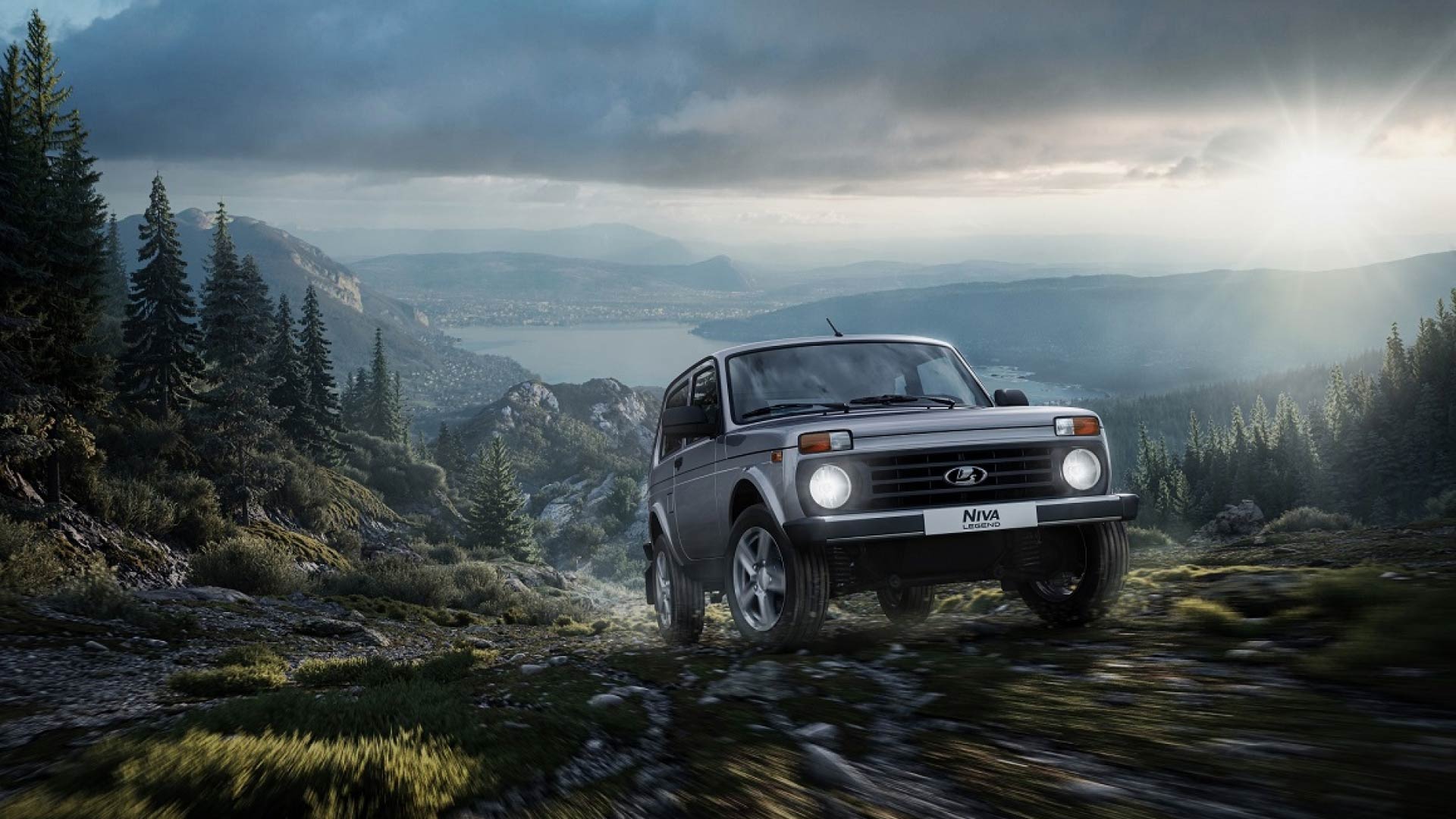
Lada has announced it will once again brand its latest version of its long-lasting 4×4 with the Niva name. To be precise, the 45-year-old SUV will be called the Lada Niva Legend, recognising the significance of the Soviet-era off-roader.
With the introduction of a new Land Rover Defender, the Niva Legend is the oldest SUV still made in original form.
A motoring icon of Mother Russia
First displayed at the 25th Congress of the Communist Party of the Soviet Union in 1976, the Lada Niva went into full production the following year. Despite the huge socio-political changes in the world since then, Lada has continued to build the utilitarian machine.
The Niva was the company’s first vehicle not based on a Fiat model, intended to offer affordable all-wheel drive practicality. According to Lada, the Niva Legend still remains Russia’s cheapest new SUV.
A joint-venture between AvtoVAZ, the owner of the Lada brand, and General Motors saw the Niva nameplate dropped in 2006. Instead, the classic SUV was simply called the ‘4×4’, with the Niva badge applied to a contemporary Chevrolet model.
I Am Legend
Groupe Renault purchased a stake in AvtoVAZ in 2008, later fully acquiring the company and associated brands. In turn, this allowed AvtoVAZ to end the partnership with General Motors, and restore the Niva name to the legendary SUV.
Confusingly, Lada will also continue to produce the Chevrolet-derived model, badged simply as the Niva.
Updates in 2019 mean there are a whopping ten trim levels to pick from with the Niva Legend. This includes the option of a ‘Comfort’ package. This adds decadent Western luxuries like central locking, and an audio system with USB connectivity.
Russian pricing for the Niva Legend begins at the equivalent of just £5,850. The range is topped by an on-trend Black edition, priced at £6,700.
Not even a Dacia Duster can come close to beating those amounts.
Those still unconvinced by the idea of a mid-engined Chevrolet Corvette will have the chance to test one out, virtually, later this week.
The Series 31 Update for Microsoft’s Forza Horizon 4 racing game will see the addition of the eighth-generation Corvette Stingray.
It comes after Forza players had persistently requested the new Corvette be added to the award-winning game, which already features hundreds of performance vehicles.
Brawn in the UK
With Forza Horizon 4 using a UK setting, it will be an opportunity to test out how the all-American supercar copes with British roads.
Chevrolet has previously confirmed that UK buyers will be offered the new Corvette in right-hand drive. The inclusion of it in the Forza game could make for an important test drive for those considering the Stingray.
The car to be featured in the game will be a Z51 Performance Pack-equipped Corvette. This means the 6.2-litre V8 engine produces 495 hp, combined with 470 lb-ft of torque.
Like all C8 Corvettes, it uses an eight-speed dual-clutch transmission, and has a top speed close to 200 mph.
More than just the Corvette to try
Along with the latest Stingray, Forza fans will also have the chance to enjoy two other new vehicles this month.
Adding the third-generation Camaro IROC-Z will likely please those Chevrolet fans who find a mid-engined Corvette too shocking. Based on the Z28 model, the Camaro IROC-Z used a 5.0-litre V8 with 215 hp, and upgraded Bilstein suspension.
In contrast to American brawn, the diminutive Honda S800 will make a Forza Horizon 4 debut, too. Powered by a 791cc four-cylinder engine, the S800’s 70 hp output made it the first Honda road car to reach 100 mph.
New competitions and challenges will be included as part of the update, set to be available from Thursday, 14 January.