To celebrate Pride month, sat nav app Waze has teamed up with Boy George to create a bespoke theme.
The new Boy George theme includes voice directions from the Culture Club star – with “words of wisdom” thrown in – plus a curated Boy George playlist.
Users can even choose bespoke Boy George ‘Car-ma Chameleon’ or ‘Goldsmobile’ car icons.
The sat nav directions are not any old voice guidance alerts. Rather, they take the form of Boy George “sitting down to a nice cup of tea and a chat”.
Not only will users be told where to turn and receive alerts of hazards ahead, they’ll also enjoy words of wisdom, such as a reminder that “life is about learning to be yourself”.
Wazers can even choose their mood when they set the sat nav directions.
Utilising the Waze integration with Spotify, the Boy George Pride playlist features tracks selected to “celebrate acceptance, freedom of expression, and love”.
As they listen, users are advised to follow Boy George’s golden rule: “Listen to the music you live; passion always eclipses what’s fashionable.”
Want to try out the new Boy George Waze theme? Head to the ‘settings’ cog and click ‘drive with Boy George’.
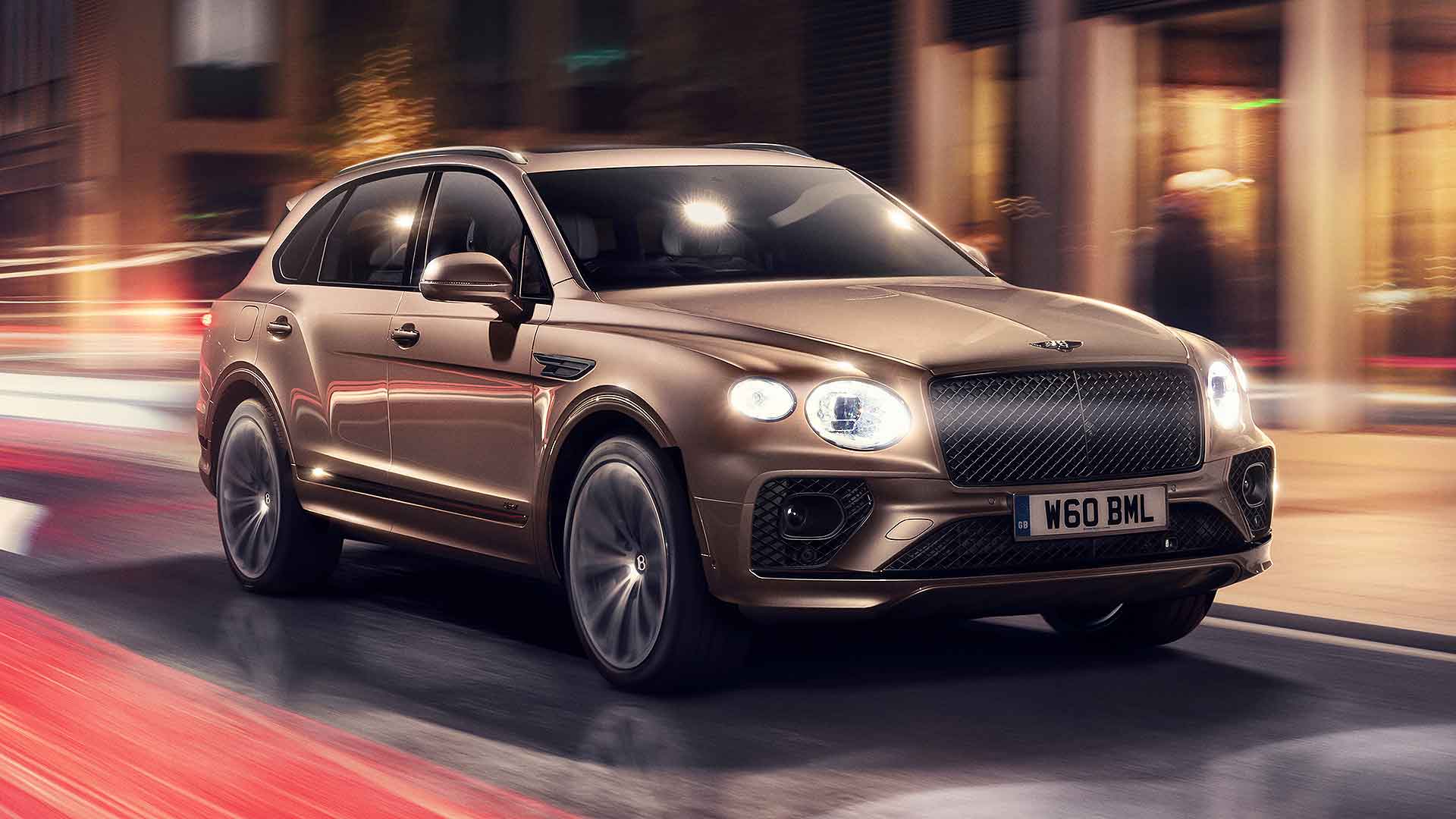
Bentley has opened ordering for the revised Bentayga Hybrid – and revealed usage data that shows owners of the existing model are already driving most of their journeys in pure electric mode.
The plug-in hybrid SUV, which has an EV range of 25 miles, is generally used by owners daily, with half of them regularly undertaking journeys of less than 30 miles.
Nearly every customer makes use of EV mode, charging their Bentayga at home and only occasionally using the petrol engine on a day-to-day basis.
For when they need to go further afield, the 3.0-litre twin-turbo V6 engine combines with the 17.3kWh battery to deliver a combined range of 430 miles.
It also has a suitably Bentley-like total power of 443hp and 516lb ft of pulling power. 0-62mph takes 5.2 seconds.
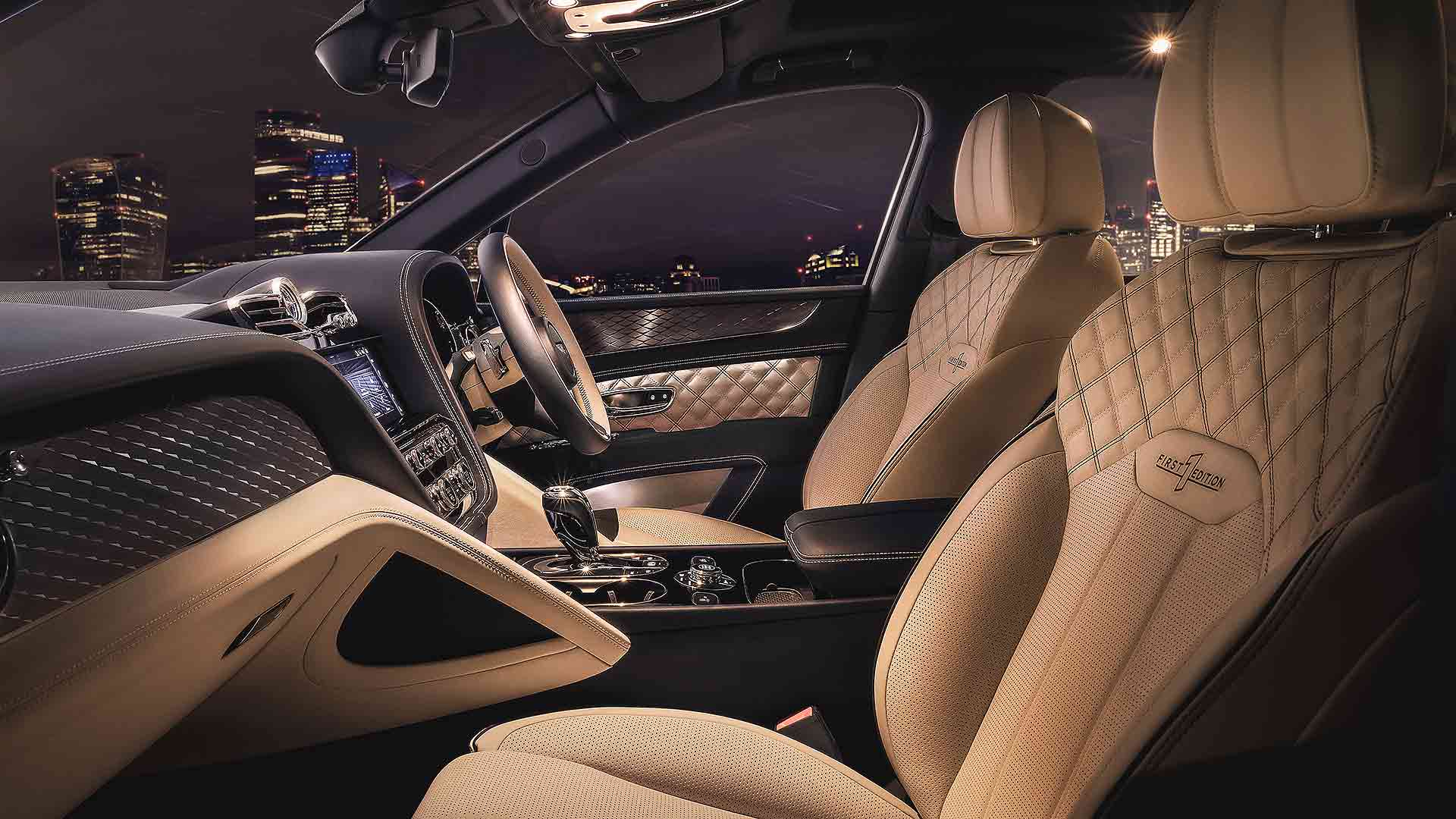
The revised Bentayga Hybrid carries over the styling enhancements of the core range, and gains the same significant tech boost inside. Bentley continues to offer it in five-seat or more indulgent four-seat configuration.
This “focuses the customer choice on powertrain preference rather than cost”.
Ordering is open now with first deliveries due later in June.
It’s not the only Bentley hybrid that’s set to launch in 2021, either: the next is “due to break cover this summer” and more details will be following soon.
Jess Hawkins, the W Series racing driver and Guinness World Record holder, will take the Motorbase seat of Andy Neate.
It marks the second BTCC stint for Hawkins, who drove for the Power Maxed Racing team at the Norfolk track in 2020.
A second shot at success
Hawkins described her BTCC debut in 2020 as being a “dream fulfilled”, having come close before to competing in the touring car series. As a mid-season entrant to the championship, Jess had to contend with maximum success ballast being added to her car.
Despite this, she still returned respectable results at Snetterton, moving up the standings for each of the three races.
Having won numerous karting competitions when younger, Hawkins came second in the Pro class of the 2017 Mini Challenge UK.
Her stunt driving has seen her work on the James Bond film, No Time to Die. She has also set the Guinness World Record for driving the fastest-accelerating lawnmower.
Heading back to Norfolk
The second chance for Hawkins comes as regular Motorbase driver Andy Neate has “personally taken the decision to take a short sabbatical from the BTCC at Snetterton.”
Neate was involved in a dramatic first corner crash in the second of the season-opening rounds at Thruxton. He was penalised for causing the incident, which removed Jade Edwards and Glynn Geddie from the race.
The stewards found that Neate drove in “a manner incompatible with general safety or departing from the standard of a reasonably competent driver”. This saw him fined £2,000, and given three penalty points on his racing licence.
Hawkins was surprised to receive the call from Motorbase. But, she commented that she was: “extremely excited to be making a return to the BTCC at Snetterton after my debut there in 2020.”
The Snetterton rounds of the 2021 British Touring Car Championship will take place on Sunday, 13 June.
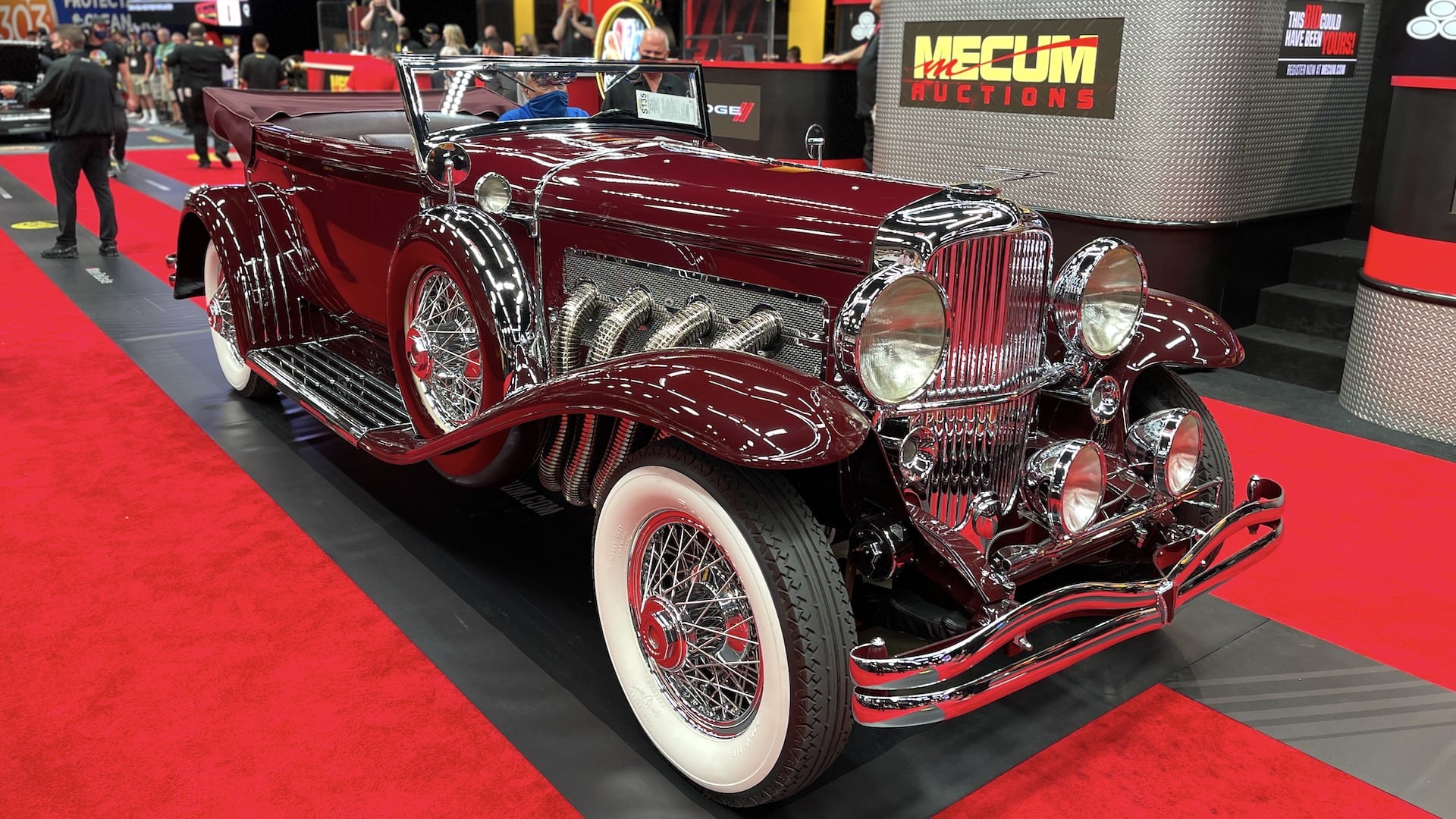
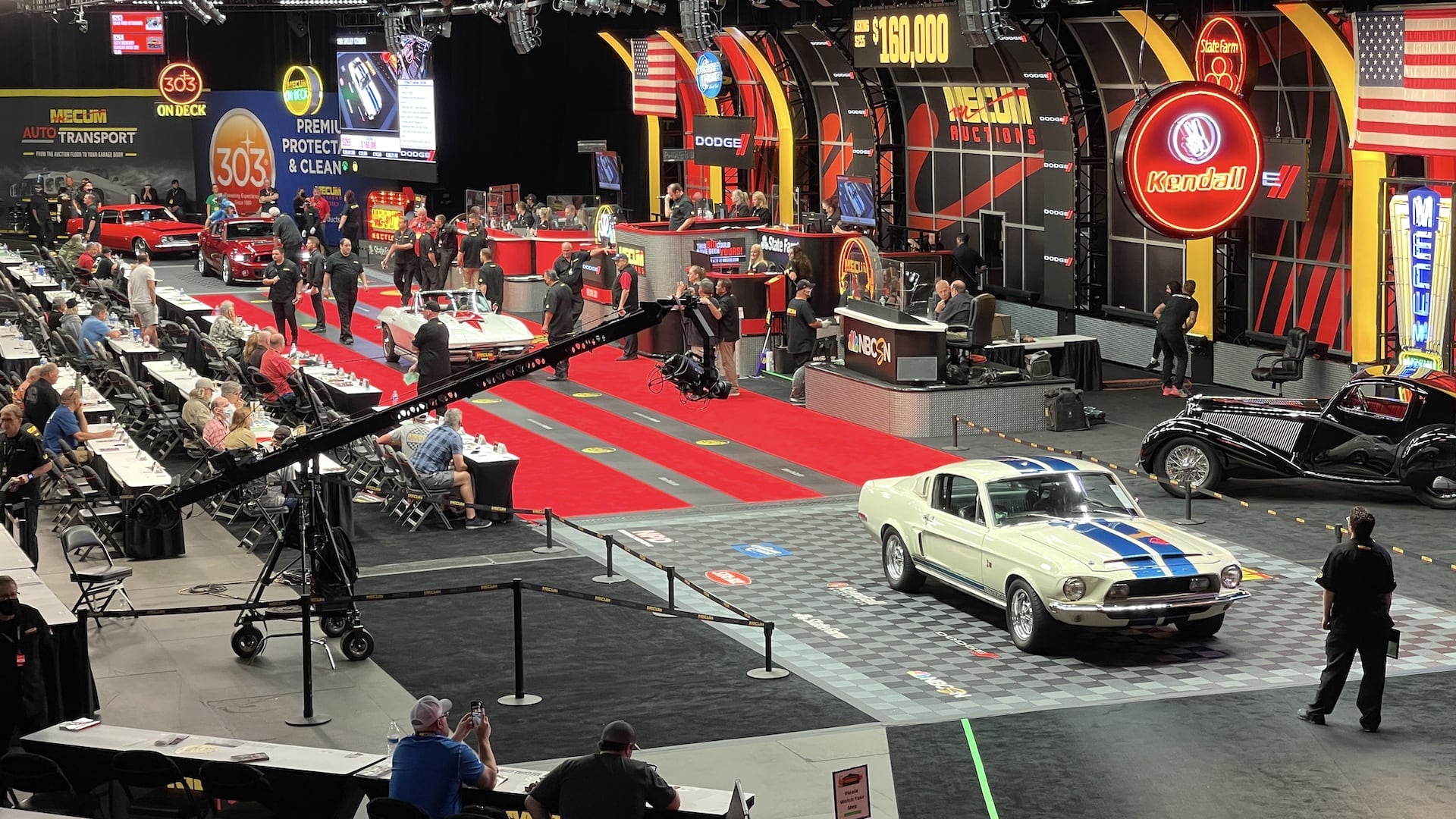
Mecum Auctions has announced that it will now accept payment of winning bids with cryptocurrency.
The Wisconsin-based company has chosen BitPay as its cryptocurrency provider, opening up a wide range of payment options.
With the cryptocurrency option available to in-person and online bidders, the company hopes it will attract a new generation of customers.
Taking bids through the blockchain
Registered Mecum bidders will be able to select from various different cryptocurrencies and ‘coins’. This includes the popular Bitcoin, along with Ethereum and even Dogecoin.
Bitcoin has become the cryptocurrency of choice for certain car manufacturers. Karma dealerships in California have previously committed to accepting Bitcoin.
Tesla announced earlier this year that the company would allow payment for new cars with Bitcoin. However, Elon Musk later retracted the brand’s commitment, citing environmental concerns from the ‘mining’ of Bitcoin.
IndyCar driver Rinus VeeKay featured Bitcoin sponsorship in the recent Indy 500 race.
Spring Classic sets new records
Stephen Pair, CEO of BitPay, commented: “Mecum Auctions realizes the potential for crypto to revolutionize the collector car auction industry, making payments faster, more secure and less expensive on a global scale”.
He added that: “Our goal at BitPay is to make accepting crypto a seamless process and to increase adoption as crypto is the future of payments, and we’re thrilled to have the opportunity to support Mecum in providing crypto payment solutions for car enthusiasts worldwide.”
Mecum’s cryptocurrency announcement came as part of the recent 2021 Indy auction. This event saw the company hit a new record, seeing total sales of more than $107 million.
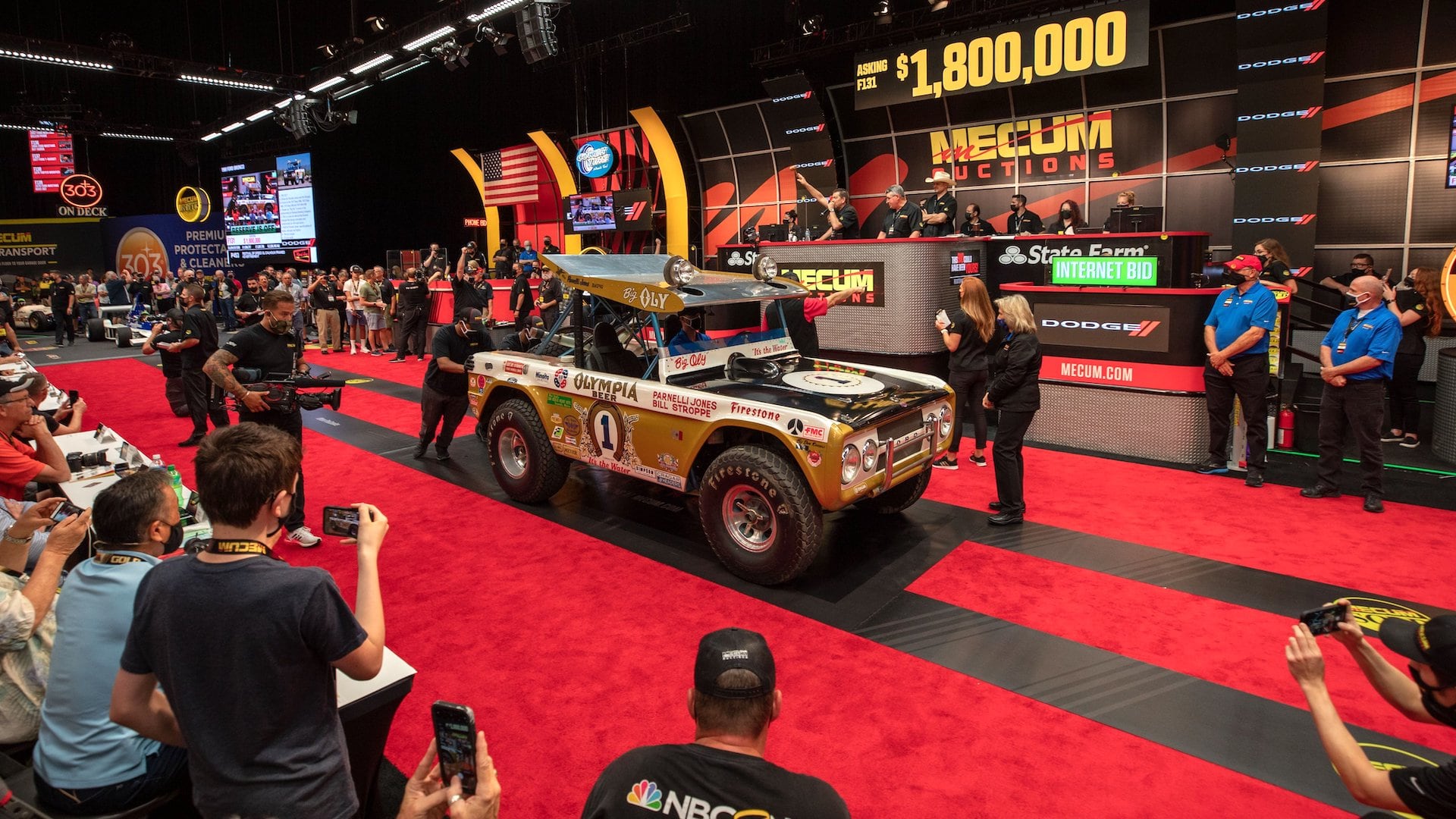
Top-selling cars included the famous ‘Big Oly’ Ford Bronco, which sold for $1.87 million.
The government has claimed motorists could save £35 per year on the cost of car insurance following the introduction of new rules designed to reduce the number of fraudulent road accident claims.
As part of the reforms, there will be a simplified process for making accident claims online that are under £5,000, removing the need for lawyers.
Medical evidence will also be mandatory for all future whiplash claims.
The Ministry of Justice claimed insurers have pledged to pass on the savings to drivers, estimating they are worth £1.2 billion.
“For too long, the system for making whiplash claims has been open to abuse by individuals looking for an easy payday – with ordinary motorists paying the price,” said Lord Chancellor Robert Buckland.
“Our changes, which come into force today, will put an end to this greedy opportunism and ultimately see savings put back into the pockets of the country’s drivers.”
However, accident management company Call Brian hit out at the changes and accused the government of making things overly complicated for motorists involved in accidents.
It said it is not being made clear to motorists that they will need to understand a 64-page legal guide, adding they will also need knowledge of the MedCo system – which is used to facilitate the sourcing of medical reports in soft tissue claims brought under the Ministry of Justice.
“Firstly, Brits are expected to fork out for costly legal fees if they want to add any kind of professional legal weight to their claims, then you’re expecting them to become theoretical and medical experts just to get the compensation they deserve,” said Colin Shaw, the CEO of the firm.
“And even then, there’s no guarantee of winning, so everyone, not just motorists, will be left out of pocket under this new system.”
“I just can’t see how it’s going to work at all and feel it will become a real health and financial headache for already stress-induced Brits battling the effects of the pandemic.”
Toyota and Lexus have launched a warranty programme that provides up to 10 years’ worth of cover for new and used vehicles.
Under the ‘Relax’ banner, a year’s warranty is added each time it is serviced at a main Toyota or Lexus dealer. Servicing costs are unchanged from today, and vehicles – including vans and pick-ups – are eligible if they are less than 10 years old or have covered under 100,000 miles.
Relax replaces both Toyota’s previous 5-year, 100,000-mile new car warranty, and the Lexus 3-year, 60,000-mile warranty. It is extended by one year each time a car is serviced at an approved Toyota or Lexus dealer.
The scheme applies to all new Toyota and Lexus models and also applies retrospectively to models already sold, and vehicles maintained outside of the main Toyota and Lexus dealer networks are also eligible, assuming they are bought back for a main or interim service.
Claims under the warranty can be made outside of the UK too, assuming the firm’s dealership network is also participating in the Relax scheme – Toyota explained that should a car need remedial work in the south of France for example, the local dealer would be able to authorise the work under the Relax scheme.
The scheme works in the same way for vehicles with longer service intervals: for instance, the Toyota Proace van has a two-year maintenance schedule, and so has two years of warranty added each time it is serviced.
Toyota’s previous warranty scheme, introduced in 2010, remains valid, with Relax beginning at the end of the five-year period.
“This is a game-changing proposition that redefines the manufacturer warranty, giving our customers the reassurance and value of cover for up to a decade of motoring,” said Rob Giles, Toyota’s customer services director.
“There are compelling business benefits to be gained as well, with Relax connecting us with more owners, building loyalty and giving our network partners the opportunity to maximise value chain opportunities in both sales and after sales activities.
“The foundation for this exceptional level of protection is the essential quality, durability and reliability of our vehicles and our commitment to delivering customer-first service.
“As well as rewarding existing Toyota owners, our Relax programme will also strengthen the appeal of our vehicles to new customers, equally whether they are considering a new car or a used model.”
Used to dominate the BTCC in 1994, the Alfa Romeo 155 2.0 TS helped revolutionise the touring car series.
Now, the exact car that helped Gabriele Tarquini and the Alfa Corse team claim title success, will be sold by RM Sotheby’s in Milan, Italy.
Tin-top titans
For fans of the BTCC, the Super Touring formula used between 1990 and 2000 produced some of the best motorsport on the planet.
Super Touring rules dictated that cars should be four-door saloons, and fitted with 2.0-litre naturally aspirated engines. Manufacturers were prevented from fitting extra wings and spoilers that could not be found on regular road cars.
Alfa Romeo joined the BTCC in 1994, bringing with them the 155 TS saloon. The car had previously found success in the Italian Superturismo series, and the Spanish Touring Car Championship.
With the BTCC seen as the world’s premier touring car championship, Alfa Romeo wanted to win it.
Changing the game entirely
With ex-Formula 1 driver Gabriele Tarquini behind the wheel, the Alfa Romeo 155 would win the first five races of the 1994 BTCC. This included taking three pole positions, and setting four fastest laps.
Helping Alfa Romeo win was the trick aerodynamic aids fitted to the 155 TS. Hidden during pre-season testing, Alfa Romeo used a raised rear spoiler when racing to generate more downforce.
Alfa Romeo created a special-edition road car, with the extra aerodynamic appendages supplied unfitted in the boot. It meant the buyers of the 2,500 Silverstone Editions could choose whether to add the bigger spoiler.
Driving straight to victory
Such a creative approach to the rules prompted challenges from rival teams. This culminated in Renault, BMW, and Ford developing their own ‘aero specials’ for the BTCC. Alfa Romeo would also be forced to use the lower rear wing.
The reduced performance of the Alfa Romeo, combined with the improved rival teams, limited the success of the Italian team for the rest of the season. However, such a dominant start to the year had given Alfa Corse and Gabriele Tarquini a huge points advantage.
It meant that Tarquini collected the 1994 Drivers’ title, with Alfa Corse collecting the Manufacturers’ championship.
A one-hit wonder
Alfa Corse officially quit the BTCC at the end of 1994, leaving the Alfa Romeo team to be managed by Prodrive for the following year. As a parting gift for winning the championship, Gabriele Tarquini was gifted one of the cars he had driven that year.
Chassis number 90080 was used in the later stages of the 1994 season, and included podium finishes at Silverstone. These results were the ones to help Tarquini seal title success.
The car has been owned by Tarquini since, making this is the first time it has been offered for public sale.
Italian heroes for sale
To buy any period BTCC racer that has been so well preserved is a rare opportunity. To buy one that has been owned by the driver who used it to win is almost unheard of.
Such history, and the car being left in original condition, means the expected sale price is €300,000 to €400,000 (£258,000 to £344,000).
The Alfa Romeo 155 TS is listed as part of the RM Sotheby’s Milan sale. Other lots include a Ferrari 550 GT1 race car, and an outrageous Lamborghini LM002. Bidding begins on Tuesday, 15 June.
The number of cars stolen in the UK fell by 15 percent last year. This was likely due, in part, to the pandemic, with drivers looking after their cars as they spent more time at home.
According to figures obtained by Compare the Market via a Freedom of Information request, 28,454 cars were stolen in the UK in 2020. That compares to 33,289 in 2019.
Based on data from 26 police forces, Birmingham West is the hotspot for cars being stolen, with 1,375 thefts in 2020. It’s followed by Sheffield (1,123) and Liverpool (1,062).
Doncaster – ranked as the fifth most likely place to have a car stolen – saw thefts increase by eight percent in 2020 compared with figures from 2019, however.
93 percent of thefts are keyless
According to vehicle tracking company, Tracker, keyless car theft accounted for 93 percent of stolen cars last year.
“There are measures you can put in place to help reduce the chance of your car being stolen, but nothing can keep your vehicle 100 percent secure,” said Dan Hutson of Compare the Market. “You need to make sure you have an insurance policy that covers theft, so you don’t end up out of pocket if a criminal strikes.”
Electric car motorists are able to travel a mile on a penny’s worth of ‘fuel’ for the first time since the 1970s.
That’s according to EDF Energy, which has launched an EV-specific electricity tariff. It claims its GoElectric 35 rate is the lowest in Britain, with an off-peak charging rate of 4.5p per kwh – equivalent to 1.3p per mile for a typical EV.
This, the company says, means it is possible for British drivers to travel for a penny a mile for the first time since 1972. Back then, petrol cost 35p per gallon and the Ford Cortina was the country’s most popular car.
According to EDF, the average motorist estimates it would cost 34p to travel a mile in an EV. And 38 percent of the 2,000 people surveyed weren’t aware it’s cheaper to fully charge an electric car than to fill a petrol or diesel vehicle with fuel.
Cheaper travel by EV
EDF added that, on average, respondents said the average price of recharging stands at £25.80 – £20 more than the true cost using its EV-specific rate.
“As Britain’s biggest generator of zero carbon electricity, we’re committed to making it as easy as possible for motorists to make the switch to an EV,” said Philippe Commaret of EDF.
“Our GoElectric 35 tariff offers the cheapest off-peak rate in Britain, providing drivers with the cheapest travel costs seen in decades at just a penny a mile.”
A new app has been launched to help track the number of bugs that end up splatted on car number plates. The idea is to help scientists survey the insect population.
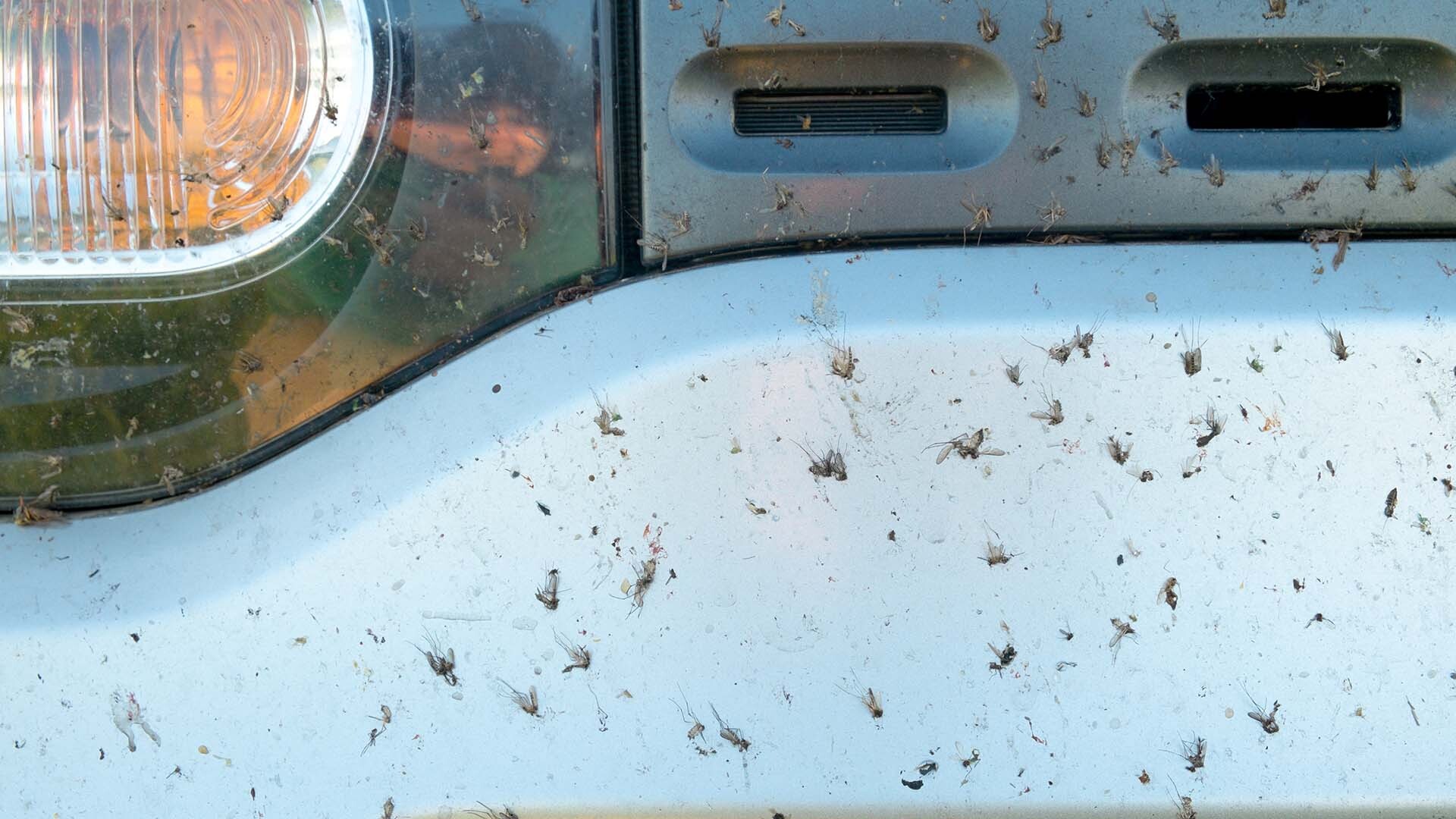
Before making a journey, drivers are asked to clean their car’s number plate. They then count the number of bugs splatted at the end of a journey using the Bugs Matter app, which sends a photograph to the scientists running the project.
The survey is based on the ‘windscreen phenomenon’, says Bugs Matter, a term given to the observation that people tend to find fewer insects squashed on the windscreens of their cars compared with several decades ago. However, evidence of this decline is thin on the ground.
The campaign is being run by the Buglife charity and alongside the Kent, Gwent, Essex and Somerset Wildlife Trusts. The trial is set to run from 1 June through to 31 August.
‘A major concern to everybody’
“Many people remark on not having to clean bug splats off their car windscreens as much as they did 20 or 30 years ago,” said Andrew Whitehouse, countries manager at Buglife.
“The falling abundance of flying insects should be a major concern to everybody as these essential creatures are, quite simply, the small things that run the world.
“In 2019, dozens of citizen scientists helped Kent Wildlife Trust gather data on the numbers of insects squashed on car number plates. The results showed that the number of insects counted was 50 percent lower than in a survey using the same method carried out by the RSPB in 2004. This is a startling figure, although not enough evidence to say it represents a decline.”