Four projects that aim to drive uptake of zero-emission vehicles have been awarded government funding. The cash comes from the Department for Transport’s £20 million zero emission innovation fund.
The projects have received funding in the latest round. These are a device that provides battery health data for used EVs, a battery that boosts charging power during peak times, a zero-emission ambulance and a solar-powered fridge for commercial vehicles.
In total, 62 projects have been funded through the scheme so far. The Department for Transport said projects funded ‘could unlock some of the biggest barriers to EV ownership by providing ground-breaking solutions to battery health and charging for both urban and rural areas’.
One of the winners in the latest round is the BEVscan project, led by Agile Charging to develop a plug-in device for EVs that records battery health. The aim is to improve the experience of buying second-hand electric vehicles. The founders of Agile Charging – which is also developing a portable EV charger – created E-Car Club, a car-sharing scheme that was sold to Europcar in 2015.
‘Making electric vehicles more attractive’
The second winner is the Chilled OXproject to develop a solar-powered refrigeration unit for small commercial vehicles. This is claimed to offer a 37 percent increase in battery range.
The third project to get funding is the hydrogen-powered Specialist Health Vehicle being developed by HV Systems Limited. It will build a zero-emission ambulance with a hydrogen range extender system, which aims to ‘overcome the limitations of existing ICE vehicle conversions’.
The final project, called Rural Grid Boosting, will develop a kinetic battery to provide a temporary power boost for ultra-fast EV charging during times of peak demand in rural areas.
“Ahead of the major climate summit COP26 this year, investment in exciting projects such as these is key to making the switch to electric vehicles more attractive for drivers than ever before,” said Transport Secretary, Grant Shapps.
“Not only will they propel us further towards our net-zero ambitions, they will also help harness some of the brightest talent in the UK tech industry, encouraging businesses to become global leaders in EV innovation and creating jobs as we build back better.”
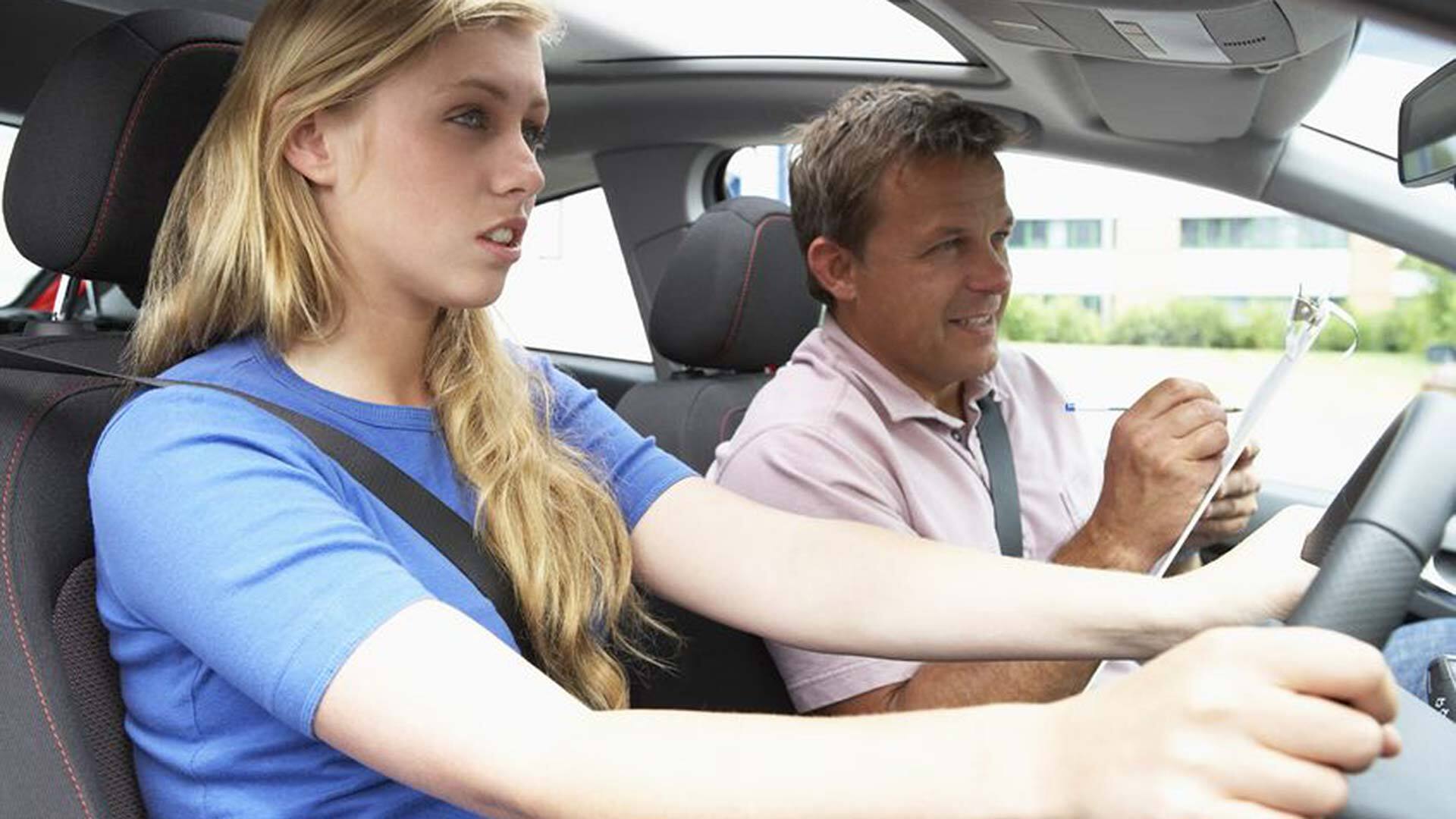
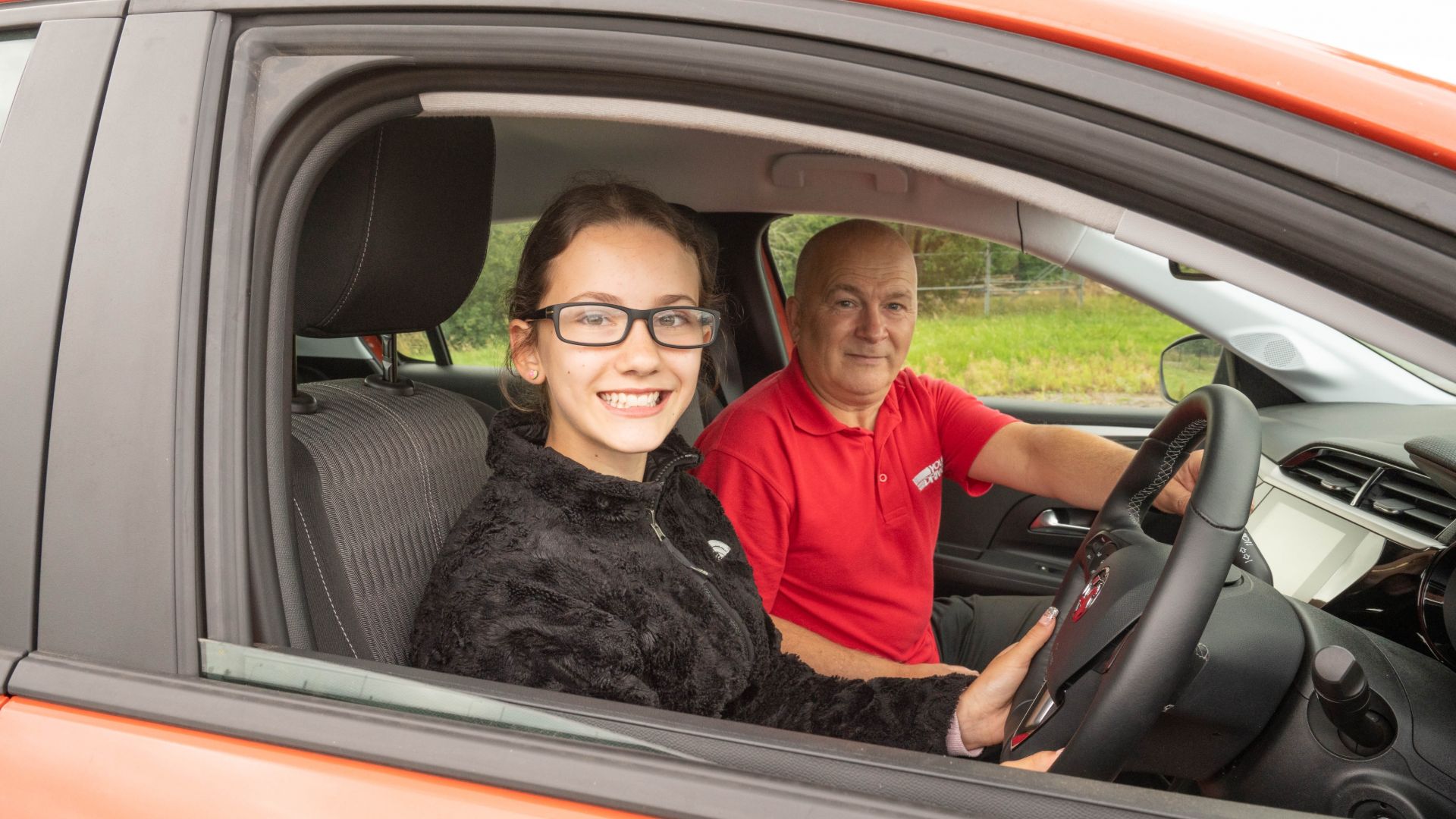
Those who pass their driving test at the first go are the safest drivers, according to new data.
Price comparison website MoneySuperMarket’s data looks at the number of attempts drivers had to pass their test. This is then compared with the number of car accidents they experienced in both their first three years of driving and across their driving lifetime.
The findings show that new drivers who require fewer test attempts also have fewer accidents. One third (33 percent) of first-time passers have had zero accidents since passing their test, while half (51 percent) did not have an accident in their first three years on the road.
First-time passers also recorded the fewest accidents over their driving lifetime to date: 1.5 on average. That’s less than the national average of 2.3.
Londoners least likely to pass
One third (32 percent) of second-time passers also have a clean driving licence since passing their test, and nearly half (46 percent) had no accidents during their first three years on the road. Drivers who passed on their second attempt had a lifetime average of 1.7 accidents.
In comparison, 18 percent of drivers who took five attempts to pass had no accidents over their driving lifetime. Of this group, a quarter (25 percent) reported having three or more accidents in their first three years of driving, as well as an average of three accidents over the course of their driving lifetime.
Welsh drivers are the most likely to pass their test first time, at 48 percent, followed by those in Scotland (47 percent). Londoners have the least success at passing first time, at 37 percent.
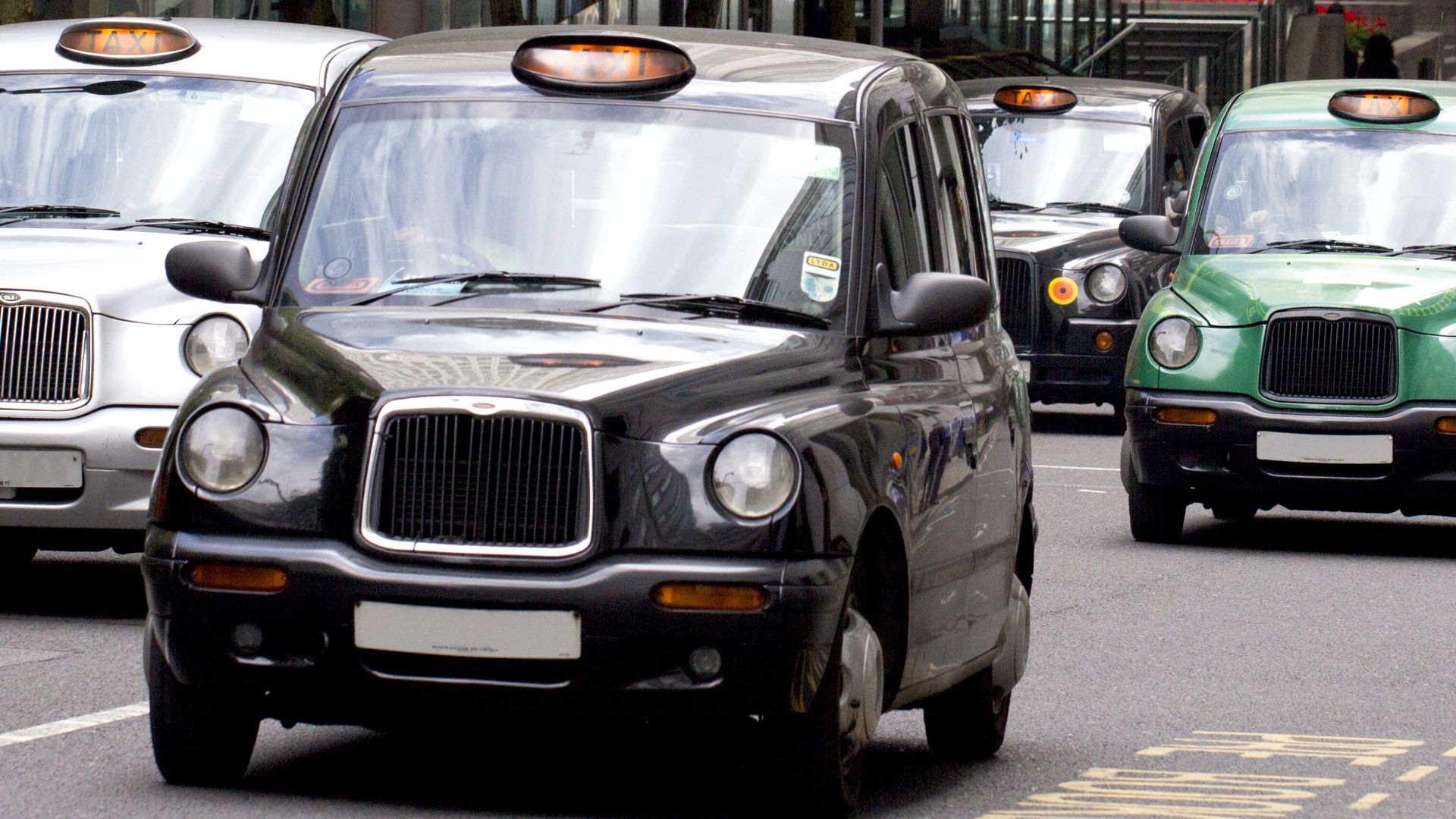
Taxi operators may see a surge in demand as the coronavirus restrictions are eased.
According to a poll, 21 percent of adults – equivalent to 11 million people in the UK – said they plan to use cabs more often than before the pandemic.
The survey by Alfi, a manufacturer of screens for taxis, said a quarter of those who plan to use taxis more will use public transport less, with 10 percent saying they won’t use public transport at all.
Alfi said the primary reason for people wanting to switch from using public transport is a concern over the transmission of coronavirus. However, tests conducted by Imperial College London for Transport for London repeatedly failed to find traces of Covid-19 in the air and on surfaces touched by passengers on the tube and on buses.
‘Planning to socialise more’
Additionally, research by the Rail Safety and Standards Board found the risk of contracting Covid-19 while travelling by train is about 1 in 11,000 journeys. This is equivalent to less than 0.01 percent, based on an hour-long train journey in a carriage with no social distancing or face coverings.
The risk also more than halves if passengers wear a face covering. These have been mandatory when travelling by train since June 2020, unless the passenger is exempt.
The survey says more than a third of people (34 percent) will be relying on taxis because they plan to socialise more. Around 10 percent of those planning to take more taxis say it is easier to book as there are now more on the roads.
Additionally, five percent are planning to use cabs more because they sold their car during the pandemic.
Porsche has launched a new Touring Pack for the 911 GT3. It adds a few creature comforts, along with notably more restrained styling.
Ticking the Touring Pack option box removes the huge rear wing, adding silver trim for the window surrounds, silver exhaust outlets and a new ‘GT3 Touring’ badge for the engine cover. The standard LED headlamps are also swapped for smoked units.
Inside, the steering wheel, gear lever and door panels are trimmed in leather instead of plastic, while the seats also feature partial leather trim. The Touring has brushed black aluminium trim for the dashboard and sill treadplates, too.
This isn’t the first time a performance-focused 911 to feature a comfort-biased option. The tradition stretches back to the 1973 Porsche Carrera 2.7 RS and was revived on the previous ‘991’ generation 911.
The GT3 Touring Pack model is powered by the same 510hp 4.0-litre flat-six engine in the ‘standard’ GT3. Unlike the old model, buyers can choose from either a six-speed manual gearbox or seven-speed PDK dual-clutch automatic.
The manual GT3 will get from 0-62mph in 3.9 seconds, which drops to 3.4 seconds when fitted with PDK. That’s despite the latter ’box increasing the car’s kerb weight from 1,418kg to 1,435kg. Top speed is 199mph with the manual and 198mph with the auto.
The 911 GT3 Touring is priced from £127,820. Included in the price is a ‘bespoke driving experience’ around the Silverstone circuit, along with a unique wristwatch.
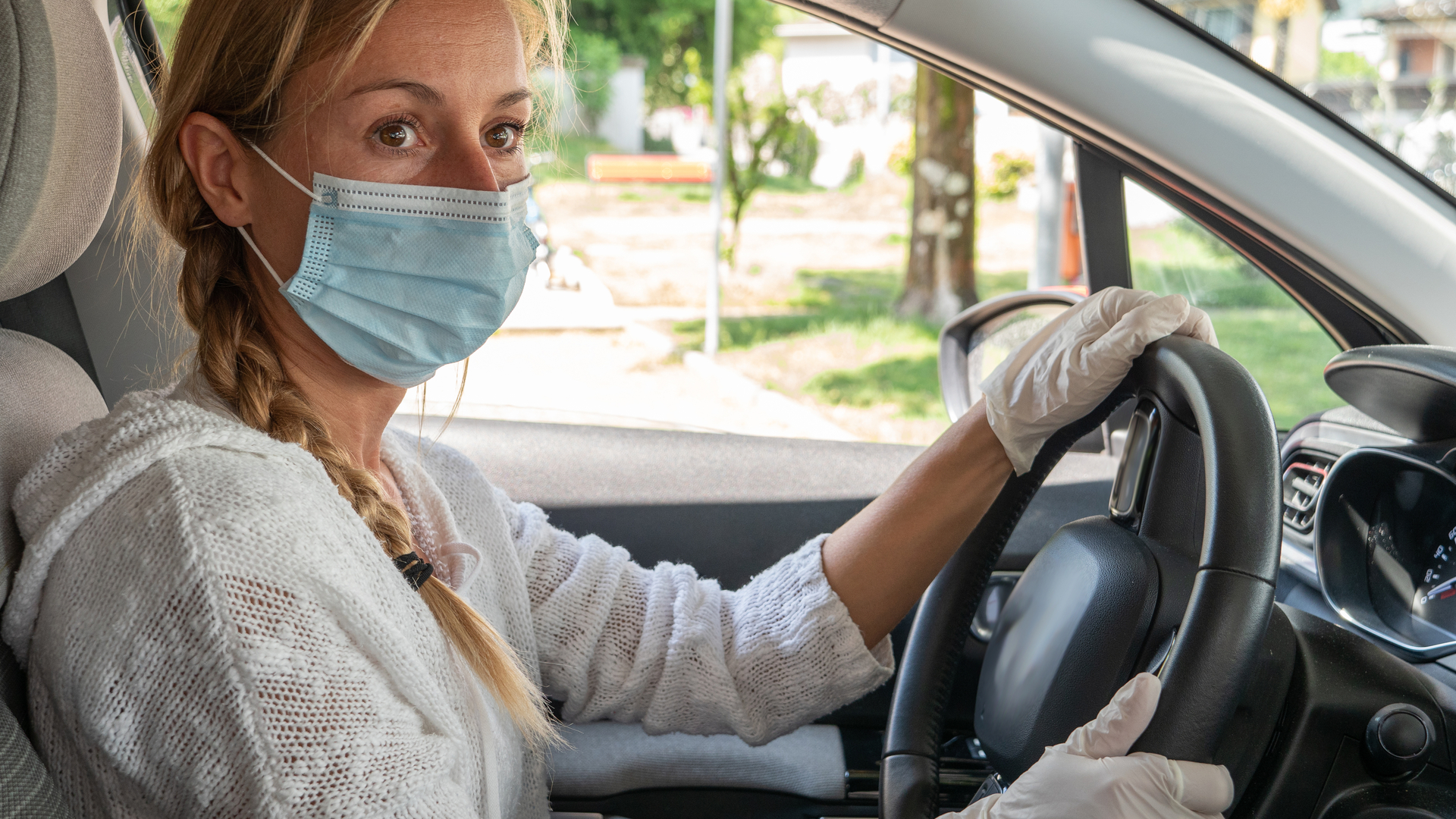
The full lifting of coronavirus restrictions in England may have been delayed by four weeks – from 21 June to 19 July 2021 – but the rules on sharing a car are now less limiting than during the official lockdowns.
The government says: ‘When car sharing, you should only travel in groups of no more than six people, or two households, unless you are travelling for a reason that is exempt.’
Ways you can reduce the risk of infection when sharing a car include:
Sharing transport with the same people on every journey
Minimising the size of the group
Opening windows for ventilation
Travelling side by side or behind other people, rather than facing them
Facing away from each other
Using seating arrangements to maximise distance between the car’s occupants
Asking the driver and passengers to wear a face mask
Rules for taking a taxi
There are different rules for sharing a taxi or minicab. Again, you are limited to a group of six people from different households, or no more than two households for a larger group.
However, you must wear a face mask unless you are exempt. Failure to do so could result in a fine – and the driver is entitled to refuse entry to the vehicle. You should also pay via a contactless card if possible.
Microsoft has released the first details of its Forza Horizon 5 racing game, ahead of its release later this year.
Set to be offered for both Xbox consoles and Windows PC, the fifth instalment of the Horizon franchise will be set in Mexico.
With restrictions on international travel likely to continue in 2021, a virtual trip to the North American country could be welcome.
New location, larger environment
Announcing Forza Horizon 5 at E3 2021, Microsoft has promised that it will deliver the “largest, most diverse open world ever” in the Horizon series.
Based around a fictional festival, the Forza Horizon franchise began in 2012. Compared to the traditional Forza Motorsport range of games, Horizon is designed to offer a dramatic arcade experience.
Previous games, such as the UK-based Forza Horizon 4, have placed an emphasis on larger-than-life fun. This has included racing the Flying Scotsman train, or even competing against a giant hovercraft.
Hitting peak performance
Setting the game in Mexico will see Forza Horizon 5 take players across a varied landscape. This will range from the desert, to snow-capped mountains, and deep into the jungle.
Seasonal variation, first introduced in Horizon 4, will change the weather conditions and even create tropical storms. The launch trailer features a terrifying sandstorm, and players will even be able to tackle a volcano!
Gamers using the latest Xbox Series X, or Series S, consoles will gain an even more detailed environment.
Ready for a virtual test drive?
One of the stars of the Forza Horizon 5 trailer is the Mercedes-AMG One hypercar. Frequently delayed in the real world, the virtual release of the F1-powered could beat the physical car to production.
Other new cars spotted in the video trailer include the latest Land Rover Defender, along with the reborn Ford Bronco SUV. New modification options, including 100 different alloy wheels, and special body kits will be available to players.
Greater online multiplayer interaction is planned. This even includes being able to create and tune cars to leave on the map for other players to find.
Multiple options for arcade action
More details on Forza Horizon 5, such as a full list of cars to be included, will be confirmed closer to the release date.
Along with the Xbox consoles and Windows PC, players will be able to use the Xbox Gaming Pass Xbox Cloud Gaming to get their racing fix.
The finished game is due to be released on 9 November 2021, with three different versions available. Along with the Standard and Deluxe games, those buying the Premium edition will get early access on 5 November.
Drivers may now be charged to enter Birmingham’s Clean Air Zone. The UK’s second CAZ went live on 1 June 2021, but no charges were levied for the first two weeks. This was to allow motorists “time to adjust”.
Cars, taxis and vans that don’t meet the required exhaust emission standards will be subject to an £8 daily charge, rising to £50 for coaches and HGVs.
The Bath Clean Air Zone was Britain’s first CAZ and, following Birmingham, more are set to be introduced in Manchester, Oxford, Bradford and other cities.
Not all Clean Air Zones are the same. Here, we detail all you need to know about the Birmingham Clean Air Zone.
Why is there a Birmingham Clean Air Zone?
The government is committed to reducing deaths due to air pollution, which causes up to 36,000 deaths a year across the UK – and a reported 900 a year just in Birmingham.
People who live close to busy roads are particularly vulnerable – as are children.
Because children are closer to the ground than adults, scientists say they are exposed to three times more air pollution as a result.
Birmingham has been defined as an air pollution hotspot, due to persistent breaches of statutory NOx levels, and is obliged to take targeted action.
When did it go live?
The Birmingham Clean Air Zone went live at midnight on 1 June 2021 and charges were introduced from 14 June 2021.
Where is the Birmingham Clean Air Zone?
Simply, the Birmingham CAZ is everywhere within the A4540 Middleway ring road – but not the Middleway itself.
Every entrance to the zone will be clearly marked so motorists should know that they have entered it – and alternative routes will be open for those who wish to avoid it.
Importantly, motorists will not receive any alert or message if they enter the zone in a non-compliant vehicle: it is up to car owners to know this.
ANPR cameras throughout the Birmingham CAZ will monitor vehicles for compliance.
How much is the Birmingham Clean Air Zone?
Charges for cars, taxis and light goods vehicles (small vans) are £8 per day. For heavy goods vehicles and coaches, the charge is £50 per day – unless a valid exemption is in place.
Motorists can drive in and out of the zone as many times as they wish once they have paid it – but the charge works day-by-day, not on a 24-hour basis.
Those who drive into the zone at 11pm and leave it at 1am will therefore have to pay the charge for two days, not one.
The Birmingham Clean Air Zone charge can be paid six days prior to a visit, on the day of the visit, or six days afterwards.
Motorists who fail to pay the charge within this time will receive a Fixed Penalty Notice.
What is the fine for not paying the Birmingham Clean Air Zone?
Failure to pay the charge results in a £120 Fixed Penalty Notice.
This is reduced to £60 for those who pay it within 14 days of receipt.
Which vehicles are included in the Birmingham Clean Air Zone?
The Birmingham Clean Air Zone is a ‘category D’ zone. All vehicles are included: cars, non-compliant buses, coaches, taxis and private hire vehicles, HGVs, vans and minibuses.
A Category D CAZ is the only Clean Air Zone to include cars. Local authorities also have the option to include motorcycles, but Birmingham has chosen not to.
The council estimates that one in four vehicles currently driving within the zone will be subject to the charge, although other studies have suggested up to 60 percent of the 200,000 vehicles entering the city each day could be affected.
Which cars will be charged in the Birmingham Clean Air Zone?
Euro 4 petrol vehicles – that’s most models from 2006-onwards – and Euro 6 diesels – most vehicles from September 2015 – are compliant with the Clean Air Zone.
Pre-Euro 4 petrol models and pre-Euro 6 diesels will be charged in the Clean Air Zone as they are not compliant.
As a rule of thumb, pre-2006 petrols and pre-September 2015 diesel cars may be charged – but motorists must check their registration online to be sure of their car’s status.
Diesel vehicles have traditionally been worse for NOx emissions, which is why the age limit is much stricter for diesels. Newer diesels are as clean as petrol cars.
Is there a Birmingham Clean Air Zone Scrappage Scheme?
Car retailer Motorpoint has been selected by Birmingham City Council to deliver a Scrappage Scheme. People working within the CAZ for more than 18 hours a week, earning less than £30,000 a year, can scrap their old car and receive a £2,000 credit towards a new vehicle from Motorpoint.
The scheme runs at its Aston and Oldbury branches.
The £2,000 can also be spent as a mobility credit to use on public transport via Transport for West Midlands’ Swift Card scheme.
Is the Birmingham Clean Air Zone a Congestion Charge?
Birmingham City Council is keen to stress the Clean Air Zone is not a London-style Congestion Charge.
Only non-compliant vehicles are charged, rather than all vehicles. What’s more, the money raised has to be used in emissions-reducing projects and can’t go into general council coffers.
“If the scheme doesn’t raise a single penny, that’s fine by us,” council communications manager Jemma Callow told Motoring Research. “It will mean it’s doing its job in tackling pollution.”
Brands outside the Stellantis group will also be included, if a Spoticar retailer decides to add them.
“Stellantis is always looking at new ways to innovate the market”, said used vehicle operations director Nick Richards.
“With the launch of Spoticar, we bring our excellent used-approved programmes across our brands into a single platform for customers to use.
“We’ve also optimised the platform so customers can view online, or visit a showroom to finalise the details, giving them the convenience and choice to decide what is best for them.”
Online-ready
Spoticar has been designed with online used car purchases in mind. The firm claims it allows buyers to complete a deal entirely from home, including obtaining part-exchange values and organising a finance package.
At launch on 16 June, the platform will advertise more than 12,000 approved used cars.
Each one will have a one-year warranty and roadside assistance package (provided by the RAC). A 30-day exchange commitment is also included for customers who experience a fault that cannot be fixed.
Customers aren’t barred from a physical experience, either. For the two in three people who still want to view and test-drive used cars before purchase, Spoticar will let them choose the vehicle they want online and then link them to the relevant car dealer.
They can then either view the car in person – or arrange a home delivery test drive if they prefer.
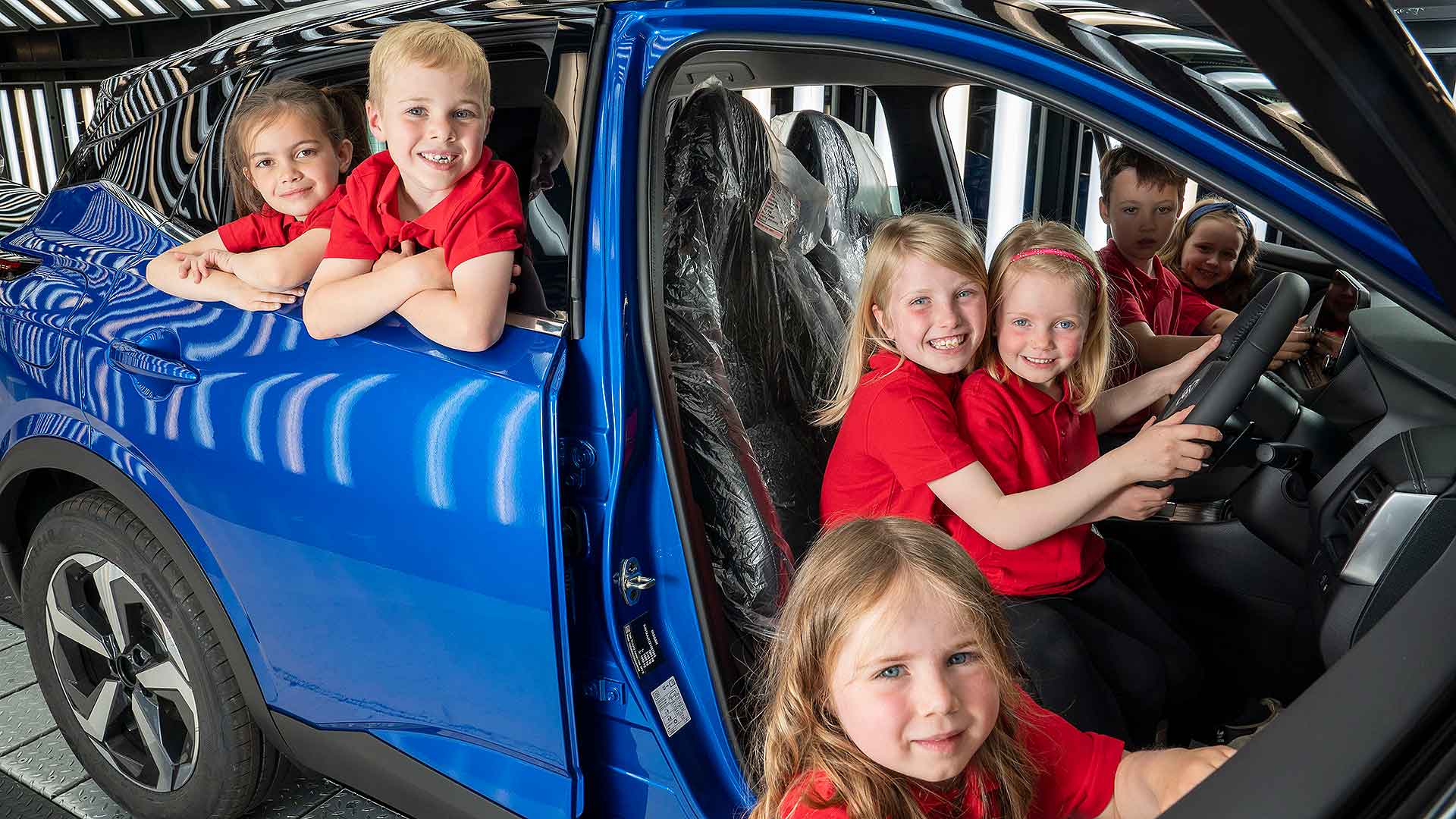
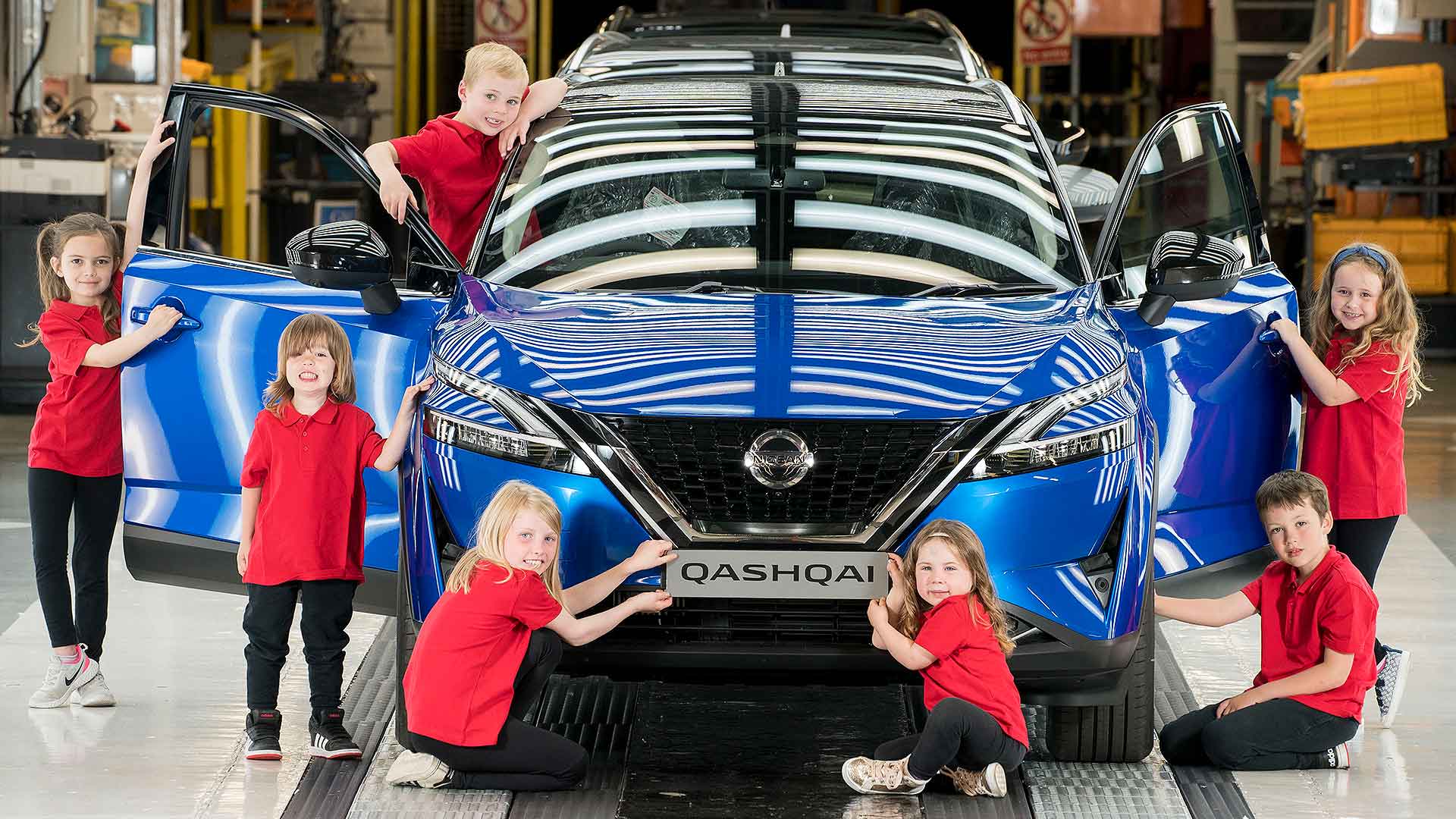
Nissan has begun production of the third-generation Qashqai in Sunderland with a promise to offer every child in the North East a place on a special careers event.
The firm wants to inspire future generations of manufacturing and engineering professionals and is investing in a Nissan Skills Foundation event for youngsters.
The commitment to include every child in the North East is part of Nissan’s target to “step up our efforts to inspire the next generation of talent”.
This year, Nissan is marking 35 years of building cars in Britain – and the careers pledge comes after £400m of investment to build the latest Qashqai.
As well as being built in Britain, the Qashqai is also designed and engineered here.
Nissan has now sold 3.5 million Qashqai since launching the first one in 2007.
“We know it has been a tough year for young people,” said Nissan UK VP for manufacturing Alan Johnson, “so we’re using the launch of this next-generation car to step up our efforts to inspire the next-generation of manufacturing talent.
“We want every child in the North East of England to have the opportunity to be inspired by the Nissan Skills Foundation.”
Nissan founded its Skills Foundation in 2014 to encourage youngsters to consider careers in manufacturing.
Today, it comprises 10 different activities for children aged 7 to 18, and also provides resources for regional schools outside the area to take part in international STEM competitions.
More than 65,000 young people to date have taken part in a Nissan Skills Foundation event.
Signs will feature on fuel pump labels, and there will be targeted digital, radio and social media advertising.
The government warns “a small number of older vehicles, including classic cars and some from the early 2000s” won’t be compatible with E10 fuel.
They should continue to use E5 petrol – the supplies of which are being maintained in the ‘super’ petrol grade.
‘Build back greener with a tankful’
E10 fuel is being introduced because the government estimates it could cut road transport CO2 emissions by 750,000 tonnes a year – equivalent to the yearly uptake of a forest the size of the Isle of Wight.
“The rollout of E10 is the latest in a strong of measures we’re taking to cut road emissions, reduce pollution and keep us on track to meet our ambitious net zero by 2050 target,” said transport minister Rachel Maclean.
“This campaign will not only make drivers aware of the changes we’re making, but will also show millions of motorists how E10 introduction plays a part in helping reduce carbon emissions and build back greener with every tank of petrol.”
To support the introduction of E10 fuel – which will replace existing E5 petrol at filling stations – 100 jobs have been secured following the reopening of AB Sugar’s Vivergo plant in the north east.
Production at existing UK biofuel plants will also be stepped up.