Home Blog Page 181

New Lexus NX is firm’s first-ever plug-in hybrid

0
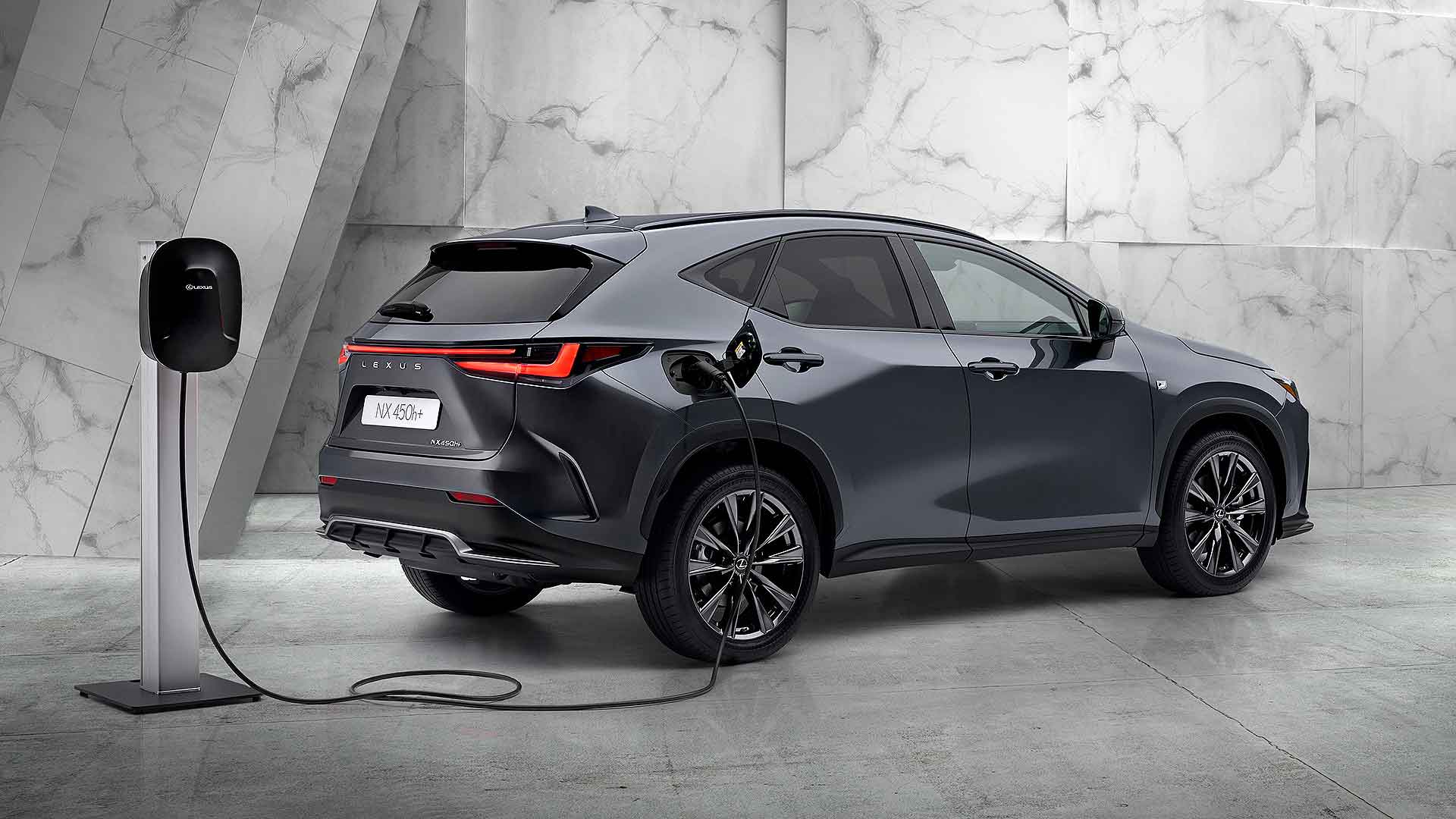
2022 Lexus NX 450h

Lexus has revealed the all-new NX compact SUV that will launch in the UK later in 2021 – and for the first time, there will be a plug-in hybrid (PHEV) version in addition to the core hybrid range.

The new NX 450h+ is actually the first-ever Lexus plug-in hybrid, and offers very competitive PHEV figures of at least 39 miles’ EV driving range and CO2 emissions below 40g/km.

This will be very advantageous to UK company car drivers in particular.

The NX 450h+ will sit at the top of the line-up, offering 306hp and 0-62mph in just over 6.0 seconds.

Alongside the PHEV version, the new ‘self-charging hybrid’ NX 350h has 22 percent more power, 10 percent lower emissions and 15 percent better acceleration than before.

Design step-change

2022 Lexus NX 450h

The new NX marks a “significant evolution of Lexus design” says the firm: it is more sophisticated, dynamic and mature, with a “more muscular character”.

It’s a bigger car overall – 20mm longer, with a 30mm wheelbase stretch, 20mm wider and 5mm taller. This gives more space to rear passengers in particular.

The car’s wider tracks, wheels of up to 20-inches, short overhangs and long bonnet give it a more powerful appearance – and at the rear, instead of a Lexus logo, the word ‘LEXUS’ is now written across the tailgate.

2022 Lexus NX 450h

Big step changes continue inside. The interior is the first to use Lexus new ‘Tazuna’ driver cockpit.

This replace the fiddly and oft-criticised setup of current Lexus, whose mouse-style trackpad infotainment system is awkward to use.

2022 Lexus NX 450h

Instead, there is a large central touchscreen up to 14.0 inches in size, which is fully Apple CarPlay and Android Auto ready.

The dashboard has been simplified so now requires minimal eye, head and hand movement to operate, and owners should generally find it all much easier to use.

2022 Lexus NX 450h

Needless to say, quality will be impeccable: Takumi craftsmanship brings fine quality materials and “high sensory appeal”.

Lexus says it’s also been inspired by “omotenashi hospitality” principals, so people will “feel as welcome and comfortable as possible”.

Special mention to the e-latch doorhandles, that make it impossible to open a door into oncoming traffic or cyclists, and a power tailgate that operates twice as fast as before.

Lexus has sold 170,000 NX in Europe since its launch in 2014. The new second generation version will launch in the final quarter of 2021.  

ALSO READ

‘Misleading’ Hyundai ad banned after claims it could clean the air

Self-driving cars are coming to Birmingham

York will use real-time data to reduce traffic jams

Advertisement

Values of ‘unexceptional’ classic cars are rising fast

0
Austin Allegro

Values of run-of-the-mill classic cars are outperforming some iconic, sought-after classics such as the Jaguar E-Type.

That’s according to classic car insurance provider Hagerty, which tracks the market values for more than 2,000 vehicles. It said ‘unexceptional’ cars that were once the backbone of Britain are proving to be popular investments.

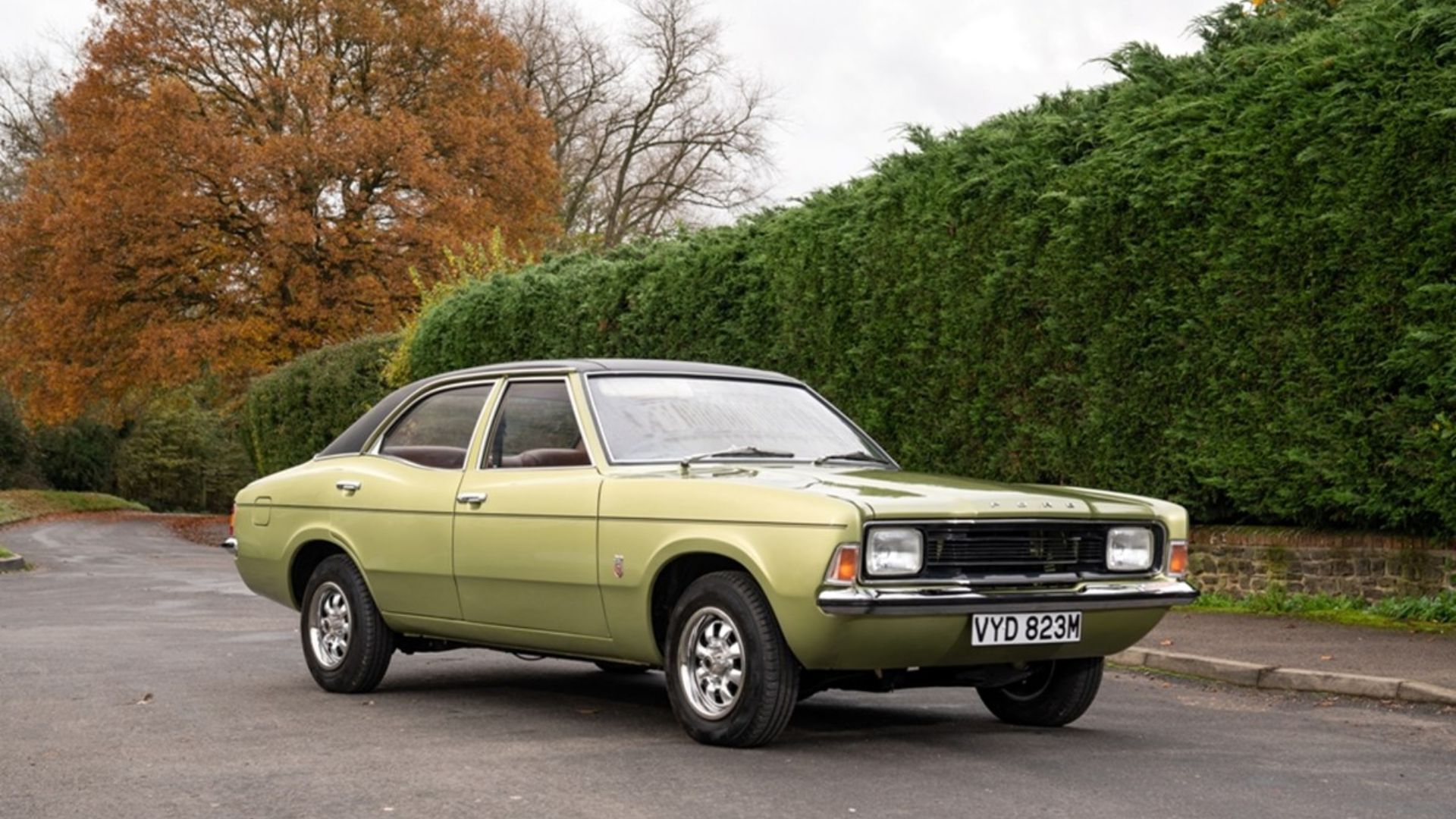
Ford Cortina

The company sources its data from UK auctions, trade sales and private sales. Comparing values from 2020 to 2021, the top 10 best performers are:

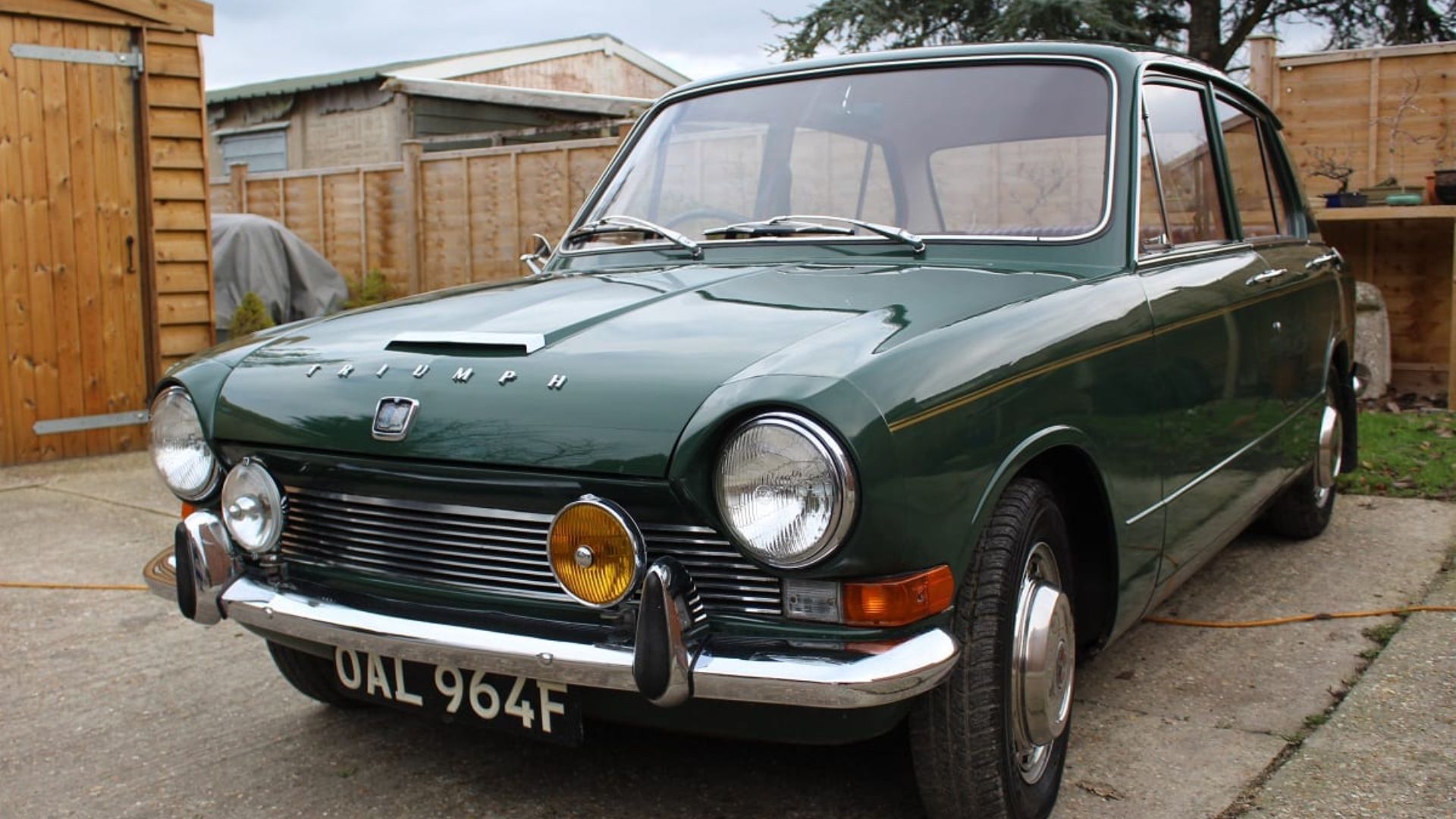
  • 1965-1970 Triumph 1300 up 20.4 percent
  • 1962-1966 Ford Cortina Mk1 up 19.4 percent
  • 1973-1982 Austin Allegro up 13.6 percent
  • 1962-1980 Renault 4 up 10.6 percent    
  • 1963-1976 Hillman Imp up 10.1 percent
  • 1970-1976 Ford Cortina Mk3 up 7.8 percent    
  • 1968-1979 Renault 16 up 7.4 percent
  • 1948-1960 Peugeot 203 up 5.2 percent
  • 1975-1981 British Leyland Princess up 5.1 percent     
  • 1987-1994 Alfa Romeo 33 up 4.4 percent

During the same period, values of the Jaguar E-Type Series III increased by 8.2 percent, Hagerty added. 

The company speculated that part of the appeal of the 10 classic cars mentioned above is that, on average, they cost less than £4,000.

Triumph 1300

“These everyday cars are becoming increasingly rare,” said John Mayhead, head of automotive intelligence for Hagerty. “For decades, the vast majority were unloved workhorses that would eventually be sold for scrap at best. 

“Now, with rarity on their side and nostalgia tugging at the heartstrings, enthusiasts are snapping up the remaining examples, sometimes because of an emotional connection and sometimes perhaps because they feel a duty to preserve them for the enjoyment of future generations.” 

ALSO READ:

For sale: Princess Diana’s Ford Escort engagement gift

Porsche 911 is most wanted classic car

These classic cars from 1980 are now tax-free

Advertisement

For sale: Princess Diana’s Ford Escort engagement gift

0
Ford Escort

A Ford Escort given to Princess Diana as an engagement present heads to auction later this month.

Sold by Reeman Dansie, the Ford Escort Ghia was given to the princess in May 1981 by the Prince of Wales, two months before the royal wedding. The car was used by Diana until August 1982.

Ford Escort

According to the auction house, the vehicle has ‘disappeared from public view’ for the last 20 years, with the current owner keeping the car’s royal provenance from friends.

The car still carries its original registration and is in ‘incredibly original condition’, having covered 83,000 miles since new. It still retains its original paint and upholstery.

Ford Escort

It also comes complete with a silver frog mascot on the bonnet, a copy of a gift from Diana’s sister, Lady Sarah Spencer, to remind her of the ‘fairy tale of a beautiful girl whose kiss turns a frog into a prince’.

The auction of the Ford Escort takes place on 29 June.

Ford Escort

ALSO READ:

The many cars of the British Royal family

Royal Daimler with seats for the Queen’s corgis sells for £80,500

Royal wedding cars of the world

Advertisement

Motorists spend £4.2 billion to maintain cars every year

0
Car maintenance

Motorists are spending a combined £4.2 billion a year on car maintenance, including servicing, MOT tests and visits to garages, reveals new research.

According to MoneySuperMarket, Brits spend an average £185 on car maintenance each year. Drivers in the East Midlands pay the most for maintenance (£211), followed by those from East Anglia (£209) and the North East (£207). Londoners spend the least (£148). 

Meanwhile, nearly half of car owners (47 percent) do not have a budget for car maintenance, preferring to pay for it as and when it arises, the comparison website said.

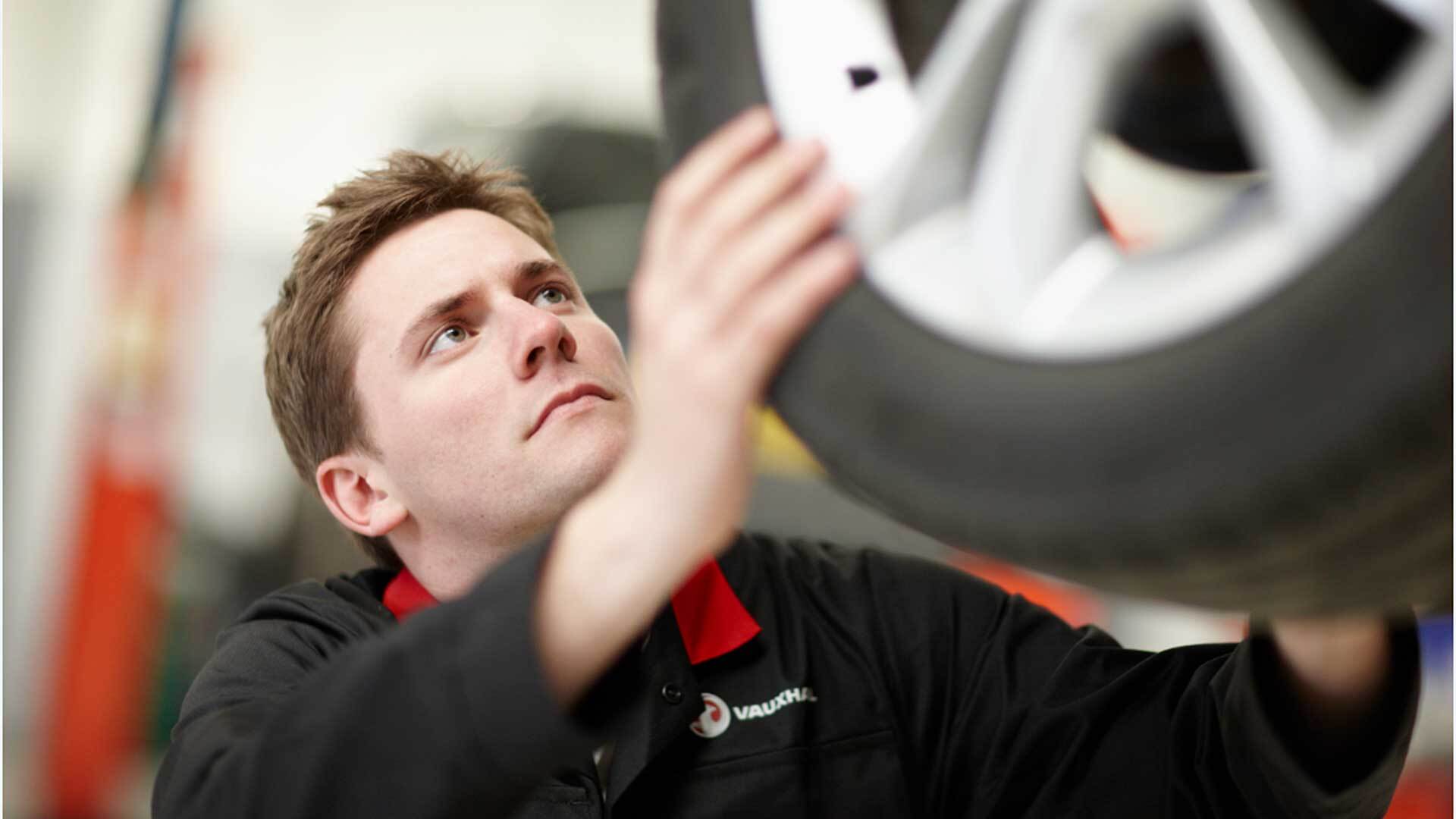
Many motorists are unable to maintain their cars personally – just 11 percent said they are confident with a toolkit, while only 45 percent of drivers said they are capable of performing basic maintenance. Twenty percent saying they require assistance, with drivers from the South West and Wales most likely to need help.

‘Age is a factor’

Car maintenance

Age is a factor influencing car maintenance confidence with older drivers aged 65 and over (37 percent) more likely to be very confident when it comes to changing a tyre than 25–34-year-olds (24 percent).

“Owning a car is a hugely liberating thing but it can be very expensive,” said Katie Devine from MoneySuperMarket.

“We all know about the upfront costs such as the car itself and insurance, but we often forget how much we spend on keeping our cars roadworthy. Our findings reveal just how seriously Brits take maintenance – something that doesn’t come cheap.”

ALSO READ:

The best car insurers in 2021

Toyota and Lexus launch 10-year warranty for new and used cars

How to get the highest price for your PCP trade-in car

Advertisement

Mission Motorsport smashes electric car distance record

0
Mission Motorsport EV challenge

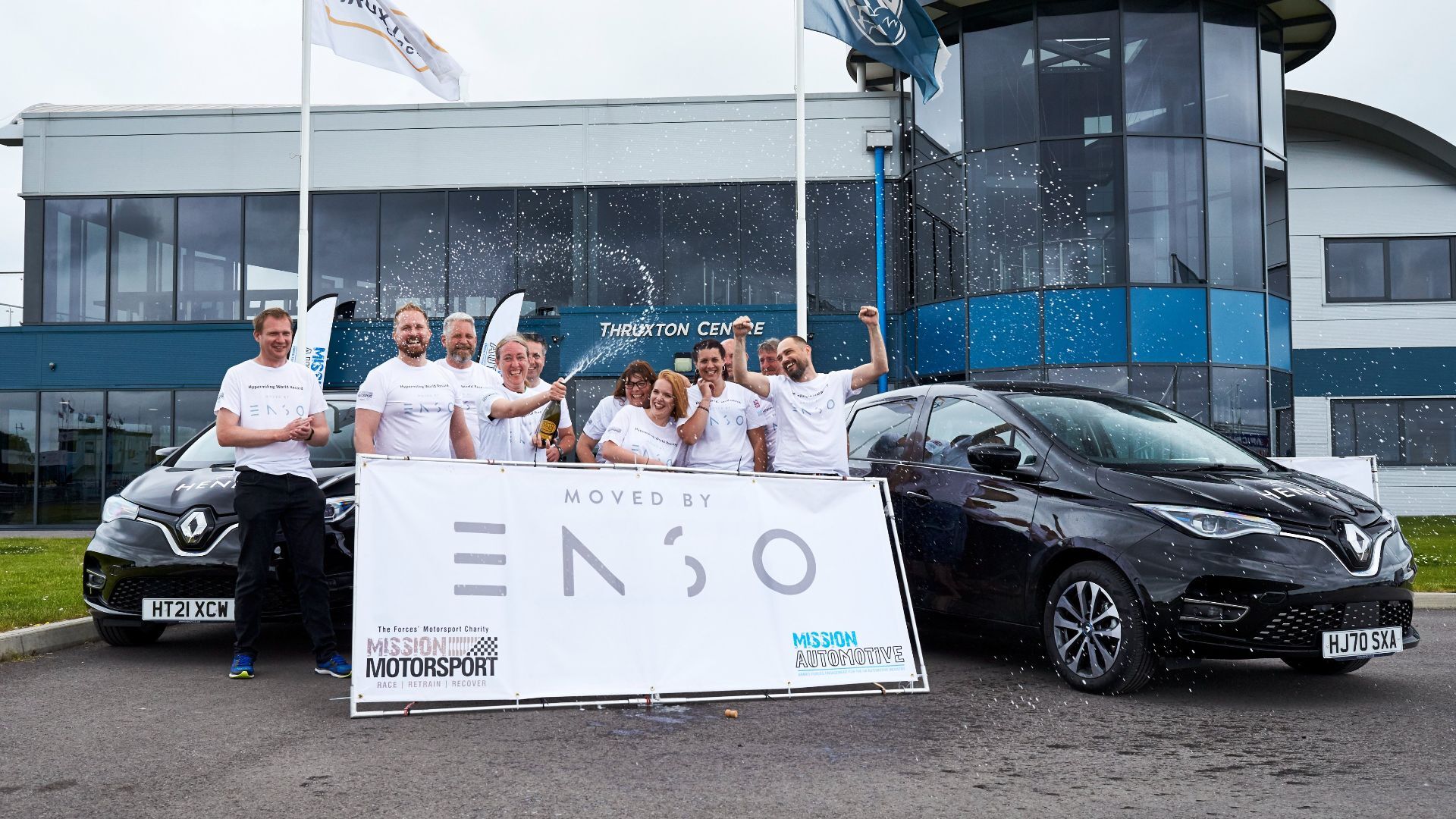
Armed forces charity Mission Motorsport has set a new record for hypermiling an electric vehicle. A team of veterans drove a standard Renault Zoe for 475 miles on a single charge.

That equates to an average of 9.14 miles per kilowatt hour. It easily beats the previous record of 7.9 miles per kilowatt hour, which was set in France in 2018.

The record was set at Thruxton – the UK’s fastest racetrack – although the location is somewhat ironic, given the Zoe averaged 19mph throughout the record attempt in order to conserve range.

‘Smooth and consistent driving’

Mission Motorsport EV challenge

Mission Motorsport said the Zoe used was a standard roadgoing model, sourced from a dealer group, although it was fitted with tyres designed to extend the range of the vehicle. The EV tyres were sourced from Enso, which is aiming to develop rubber that is ‘sustainable without passing the cost onto the driver or the environment’.

A second Zoe – fitted with standard tyres – was also driven around the track at the same time and covered 424 miles before running out of power.

“Thruxton was the obvious choice for this record attempt, but despite being the UK’s fastest track, the key to hitting 475.4 miles was finding the optimum speed and smooth consistent driving,” said James Cameron, Mission Motorsport CEO.

“Backed by Enso EV tyre technology, we were certain we could break the record, but what we couldn’t have foreseen was the incredible difference in efficiency and distance with the Enso tyres.” 

ALSO READ:

Mission Motorsport: how racing helps give soldiers a second chance

Mission Automotive: unlocking the high-voltage potential of Britain’s service leavers

‘Affordable’ conversion makes classic Mini an electric car

Advertisement

Self-driving cars are coming to Birmingham

0
Self-driving car

A major trial of self-driving cars is to take place in Birmingham.

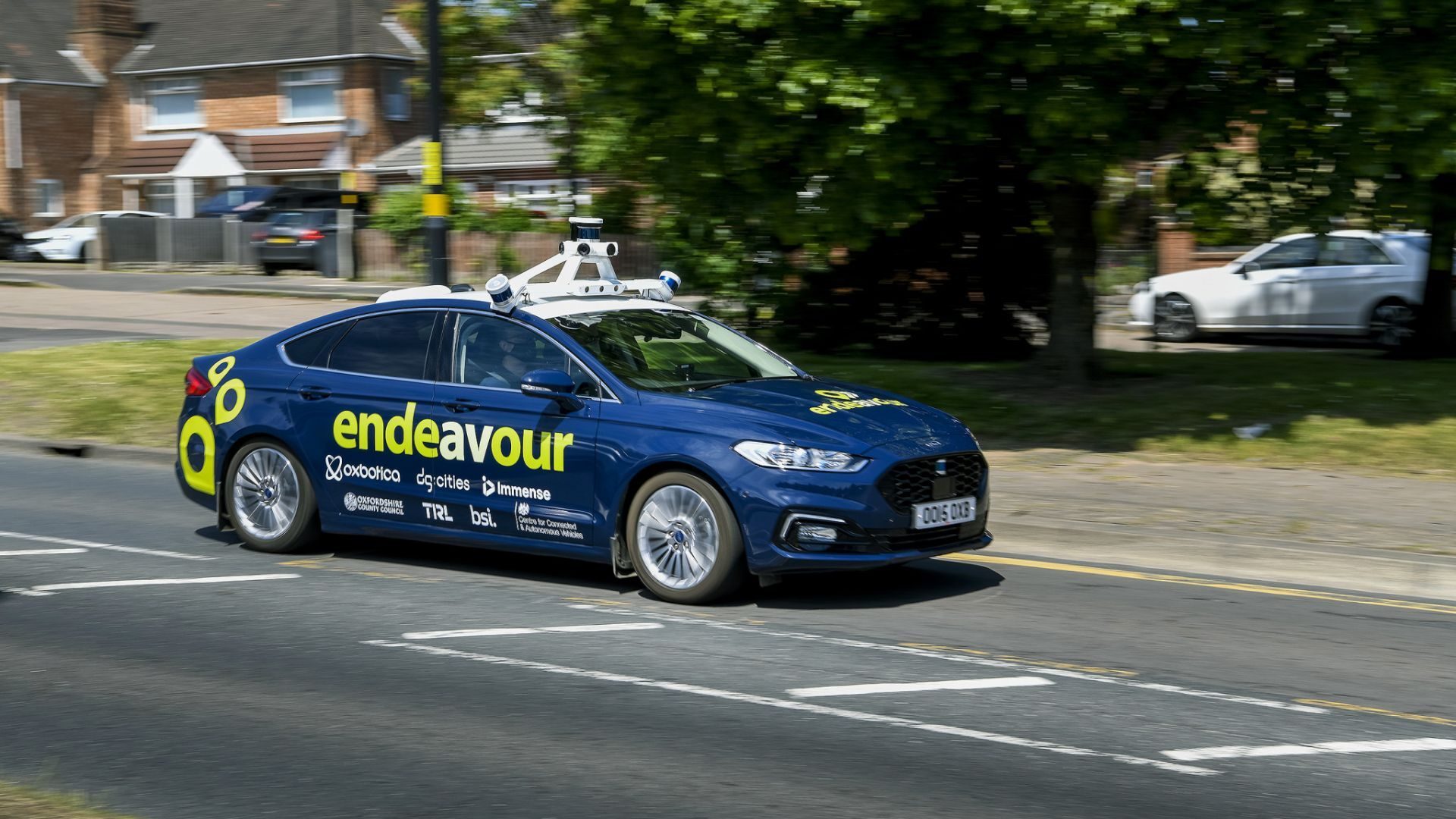
Called Project Endeavour and backed by the government, it features four Ford Mondeos fitted with lidar, radar and stereo cameras, along with an autonomy software platform by Oxbotica.

The fleet is capable of full ‘level four’ autonomous driving and will operate in a five-mile area around Lea Hall station, between Birmingham International Airport and the city centre. During the trials, a professionally-trained safety driver will be in each vehicle at all times, and will resume control ‘if necessary’.

The cars will drive around the city during the daytime for several weeks, Oxbotica said. This will allow them to experience different traffic situations and weather conditions. The route contains roundabouts, traffic lights and junctions in both industrial and residential areas.

‘Reducing private vehicle use’

Self-driving car

Birmingham City Council is also backing the trial and said it is ‘keen to understand the impact that autonomous vehicle services could have on areas with limited connectivity and how improving access to employment hubs could boost job opportunities and reduce private vehicle use’.

“Project Endeavour is a one-of-a-kind research project that is allowing us to learn about the challenges of deploying autonomous vehicles in multiple cities across the UK – a key part of being able to deploy services safely,” said Graeme Smith, senior vice president at Oxbotica.

“This stage of the mobility project is a new step for us, as Birmingham hosts our fleet of autonomous vehicles for the first time in real-life environments, and there has been a huge amount of enthusiasm from the local authority in the UK’s second largest city ahead of the deployment. 

“So far, Project Endeavour has been a real collaborative effort, bringing everyone into the discussion, from local authorities, to road safety groups, transport providers, and, most importantly, the general public.”

ALSO READ:

Safety body hits out at government ‘driverless cars’ plan

UK government paves the way for driverless car testing

‘Driverless dread’: most Brits say they want to KEEP control of their car

Advertisement

‘Misleading’ Hyundai ad banned after claims car could purify the air

0
Hyundai Nexo

Hyundai has been forced to withdraw an advert for its Nexo hydrogen car after the Advertising Standards Authority (ASA) ruled it to be misleading.

One person complained that a line in the advert – “a car so beautifully clean, it purifies the air as it goes” – could not be substantiated.

The ASA said the complainant had raised concerns because they understood that, although the car would not release exhaust fumes like a traditional combustion engine, it would still emit particulates into the air as a result of brake and tyre wear.

Hyundai Nexo

Hyundai countered that ‘a clean supply of air was essential to provide the oxygen in order for the fuel cell to operate, because the air contained gases and particles that would damage the fuel cell’. It also said the air filter removed 97 percent of fine dust and gases, such as sulphur dioxide and nitrous oxides.

Although the Nexo does not filter and clean particulates from its own brakes and tyres, Hyundai said the air that was drawn into the car may include those particulates, as well as particulates from other vehicles.

The ASA banned the advert as it ‘understood particulates from brake and type wear would still be released into the air and would not necessarily be removed by the car, unless they happened to pass through its air filtration system’. 

Hyundai Nexo

It added: ‘We understood that particulates from brake and tyre wear were a significant source of air pollution from vehicle use.’

ALSO READ:

New hydrogen system delivers off-grid electric car charging

Hyundai Nexo scores five stars in Euro NCAP test

New Hyundai Bayon small SUV revealed

Advertisement

York will use real-time data to reduce traffic jams
0
City of York

York plans to introduce real-time transport modelling data to reduce congestion in the historic city.

The City of York Council said it is using the technology to manage the road network and estimated travel times could be reduced by 10 percent, based on a trial.

The council gave an example that if there was a road traffic collision on the York outer ring road, the new software would be able to predict the impact on the wider road network based on traffic conditions at the time.

This gives the council the ability to react ‘live’ by changing traffic light timings across the city and informing people sooner of possible delays.

Fans of The Italian Job may remember this is how gridlock was created in the film, allowing the thieves to escape with the gold…

Previously, the council monitored the network through CCTV and social media feeds, with network operators and transport engineers manually implementing traffic signal changes to better manage the flow of traffic in busy periods.

‘Proving to be a success’

City of York

The real-time prediction model is used to predict traffic conditions ahead of time by combining historical data with live traffic information. It also integrates with 100 live traffic flow sensors, 100 signal controllers and speed data.  

“At this early stage it’s already proving to be a success,” said Dave Atkinson, head of programmes at City of York Council.

“We’re able to predict future traffic levels based on our live traffic behaviour and manage the flow of traffic better in busy periods by adjusting traffic lights to best suit traffic conditions.” 

ALSO READ:

York wants to be the UK’s first zero-emissions city

Smart motorways in Yorkshire to get safety improvements

Ecotricity motorway EV charging network sold to Gridserve

Advertisement

Ecotricity motorway EV charging network sold to Gridserve

0
Ecotricity Electric Highway

The much-criticised Ecotricity Electric Highway network of motorway electric car chargers has been sold to well-funded energy business Gridserve.

Bosses are promising a significant ramp-up of investment in the ageing network of motorway chargers.

Every existing charger will be replaced with newer, faster chargers – and all will feature contactless payment.

Gridserve, which already held a 25 percent stake in Ecotricity, points to its new flagship Moto motorway services on the M6 in Rugby as an example of what to expect: the site features 12 ultra-rapid 350kW chargers.

Ecotricity founder Dale Vince admitted “the Electric Highway needs a growth spurt, to make sure that it stays ahead of driver demand.

“The Electric Highway needs an owner with access to serious funding and real commitment to the cause.”

The first Electric Highway chargers were installed a decade ago. Today, it remains the network that delivers more miles per year than any other – however, many of the chargers are still the original, slow 7kW units.

Gridserve CEO Toddington Harper promised “the upgraded network will provide the confidence for millions more people to make the successful transition to electric vehicles in the earliest possible timeframes”.

The FT reports government ministers want at least six superfast charging pints at each motorway service area by 2023.

Transport minister Rachel Maclean stressed that “we need to do a lot more on the infrastructure side of things.

“We want people to undertake those longer journeys and, more importantly, to have an electric vehicle as their main car.”

ALSO READ

RAC launches warranty for used electric cars

Used car experts predict turbulence in secondhand market

New Kia Sportage revealed with bold new design

Advertisement

RAC launches warranty for used electric cars

0
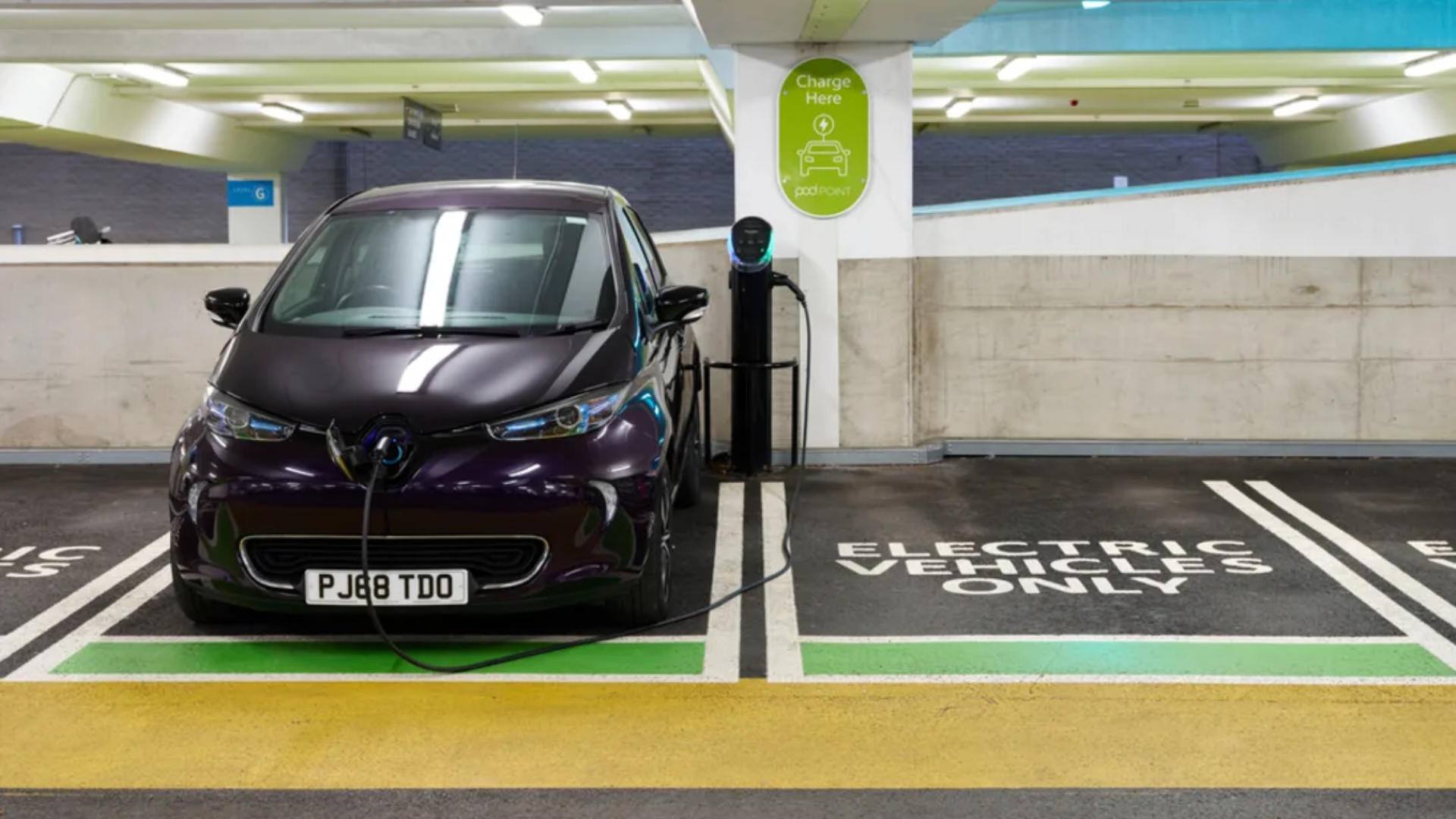
Renault Zoe

The RAC has launched a warranty scheme for second-hand electric and hybrid cars.

It can be applied to any used electric or hybrid car, up to a maximum of eight years old and with up to 80,000 miles on the clock at the time of purchase. Cover is available for a variety of periods up to 24 months, while claims can be made up to a limit of the vehicle purchase price.

The warranty covers components in the electric drivetrain and charge system, with the exception of the batteries. These are generally already covered by long manufacturer warranties, the RAC says.

‘Building consumer confidence’

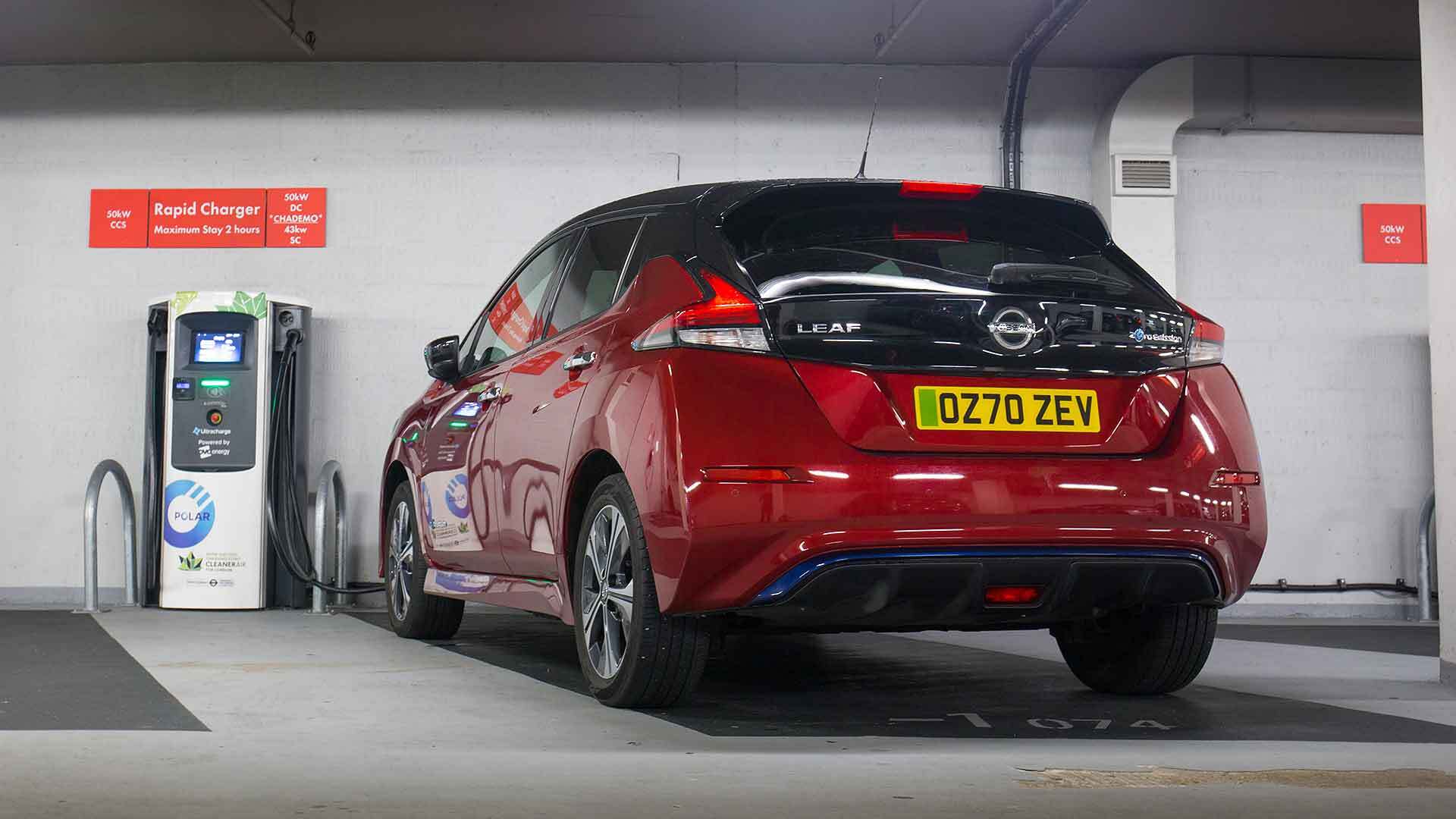
Nissan Leaf

Electric cars – from plug-ins through to conventional hybrids – are starting to appear on the used market in greater numbers, something that will gather huge momentum in the coming years,” said RAC director of electric vehicles Sarah Winward-Kotecha.

“This new warranty, which provides the most comprehensive level of warranty cover that the RAC has yet offered on any vehicle, delivers peace of mind to electric car buyers, especially the vast majority who will be moving away from petrol or diesel power for the first time.” 

“Indeed, we’re confident it could play a key part in helping to build widespread consumer confidence in electric cars and hybrids as an attractive and reliable choice right across the used car market. 

“Given the profile of the likely buyer and the age of the vehicles, we are expecting dealers to typically offer six or 12 months of cover using this warranty when a consumer buys a car and then give them the option of an upgrade to the full 24-month maximum.”

ALSO READ:

Volvo calls plug-in hybrids ‘part-time electric cars’

Why hybrids may be a greener solution than electric cars

Advertisement