BP has become the latest fuel retailer to launch a smartphone app-based payment system, called BPme. The system is already live in more than 500 BP filling stations and the firm is targeting nationwide rollout by the spring.
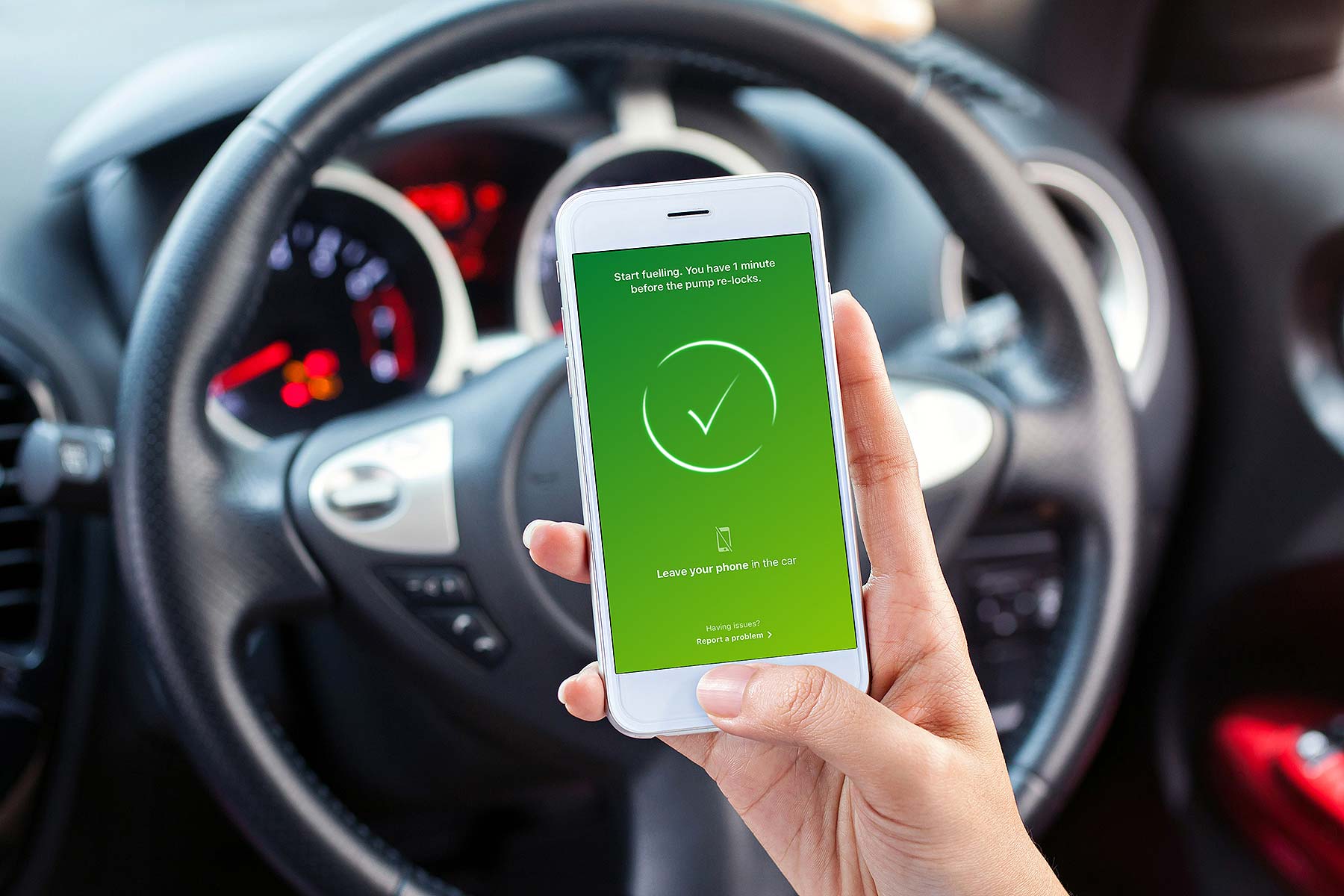
Instead of visiting the filling station shop to pay for fuel, or fiddling with pay-at-pump systems, the BPme tech allows hands-free payment entirely through the app. Before leaving the car, users select the pump they’re at, wait for a ‘Start Fuelling’ dialogue, and then can leave their phone in the car and do just that.
The firm joins Shell in offering app-based payment tech: the Shell Fill Up & Go system was launched in 2017.
BP says the app will “give our customers a little bit of time back” and, says its UK head of retail Nicola Grady Smith, is a particular boon for parents who may not want to leave their children alone in the car while they go to pay for fuel.
Offered on both Android and Apple iOS, the app works by storing the user’s payment card details (and also their Nectar card, if they wish). The app will locate nearby BP filling stations and can route them to it via navigation apps including Waze, and BP says it will function even if only 3G signal is available.
“BPme has been designed to minimise data and battery usage,” adds the firm. And, for safety reasons, it “can only be used inside a vehicle”.
BP has, however, not changed its policy on using smartphones outside of cars on filling station forecourts – the practice is still prohibited. But this could be subject to change in the future, hinted BP bosses, if and when expert guidance is revised. Today’s smartphones, said one exec, are much safer than older handsets…
For now, though, UK filling station practices are similar – if you’re spotted on your phone while filling up, the fuel pump will be cut off and you’ll be given a stern warning…
Renault has cut its UK new car warranty from four years to three, with the change kicking in for all cars and vans ordered from 1 February 2018. The standard warranty deal is now three years and 60,000 miles, or three years and 100,000 miles for the Renault Zoe EV and Koleos SUV.
The firm has given new car buyers something in return, though. A new EasyLife Pack is now offered on all new Renaults: it’s a £99 add-on that includes three years’ free servicing.
Renault says this will potentially save owners more than £500 over three years.
It’s transferrable too, so if they sell the car (or trade it in early through a PCP upgrade), the new owner can still benefit from the free servicing deal.
Renault UK MD Vincent Tourette says the EasyLife Pack “will help customers save money on their servicing, manage future costs and ensure their vehicle is maintained by authorised, trained and professional staff in one of our nationwide retailers”. It will be accepted in all 160 Renault UK dealers.
The firm is making the move because so many new car buyers use three-year PCP deals, meaning the perceived benefits of an extended warranty are diminishing. Cheaper running costs are of greater interest – hence the appeal of Renault’s free servicing pack.
And for those upset by losing the fourth year of warranty, Renault will let customers add it back on, along with an extra year of roadside assistance, for £300. Four years’ servicing and warranty costs £400, and a full four-years servicing, warranty and roadside assistance pack is £500.
As with the £99 EasyLife Pack itself, these costs can be added to the finance agreement, so buyers don’t have to fork out for them upfront.
Data released this morning reveals that the UK’s new car market fell by 6.8 percent in January compared to the same period last year.
The Society of Motor Manufacturers and Traders (SMMT) reports that 163,615 cars were driven off forecourts in January – with diesel being the hardest hit.
Fewer than 59,000 diesels were registered last month compared to 78,905 in January 2017 – something the SMMT describes as ‘concerning’.
“The ongoing and substantial decline in new diesel car registrations is concerning, particularly since the evidence indicates consumers and businesses are not switching into alternative technologies, but keeping their older cars running,” said SMMT chief executive Mike Hawes.
“Given fleet renewal is the fastest way to improve air quality and reduce CO2, we need government policy to encourage take up of the latest advanced low emission diesels as, for many drivers, they remain the right choice economically and environmentally.”
Registrations down 6.3% in Jan and the @SMMT is clear who’s to blame: “Confusion over government policy continued to cause buyers to hesitate”.
The organisation says the figures illustrate the importance of diesel cars and engines to the UK economy. Last year, more than two in five of the cars leaving British production lines were diesels, while manufacturers also produced more than 1 million engines – directly supporting some 3,350 jobs and, combined with the UK’s petrol engine output, delivering some £8.5 billion to the economy.
The sale of alternatively-fuelled cars, including hybrid and electric vehicles, increased by 23.9 percent from 7,279 to 9,020. They now account for a market of share of 5.5 percent.
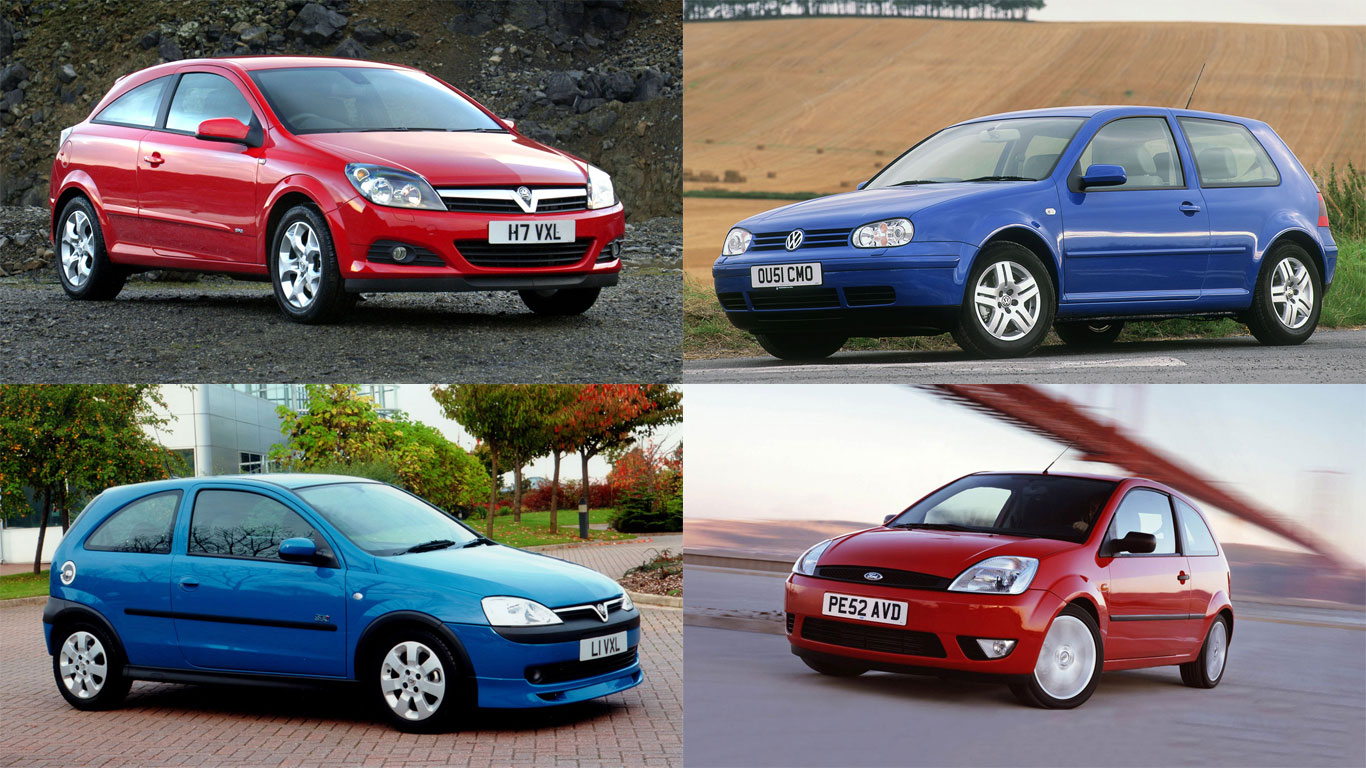
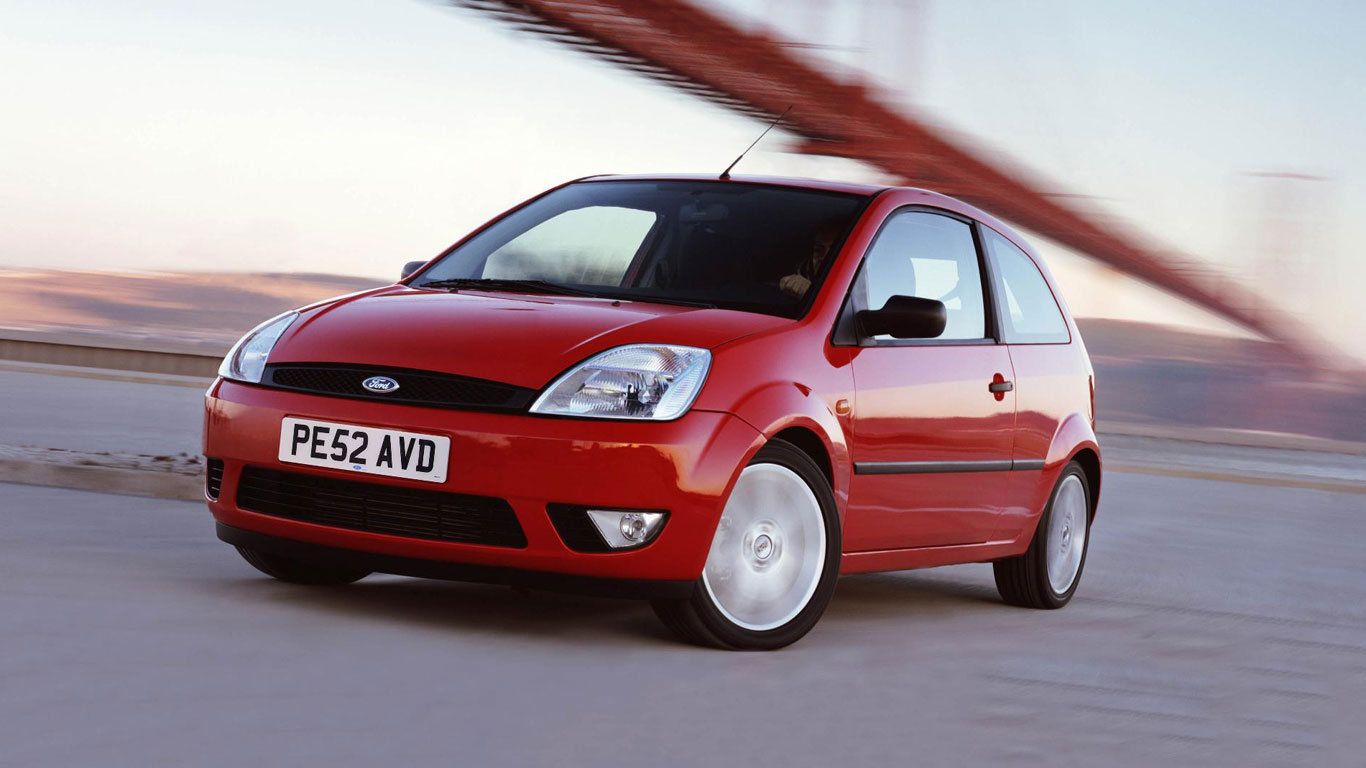
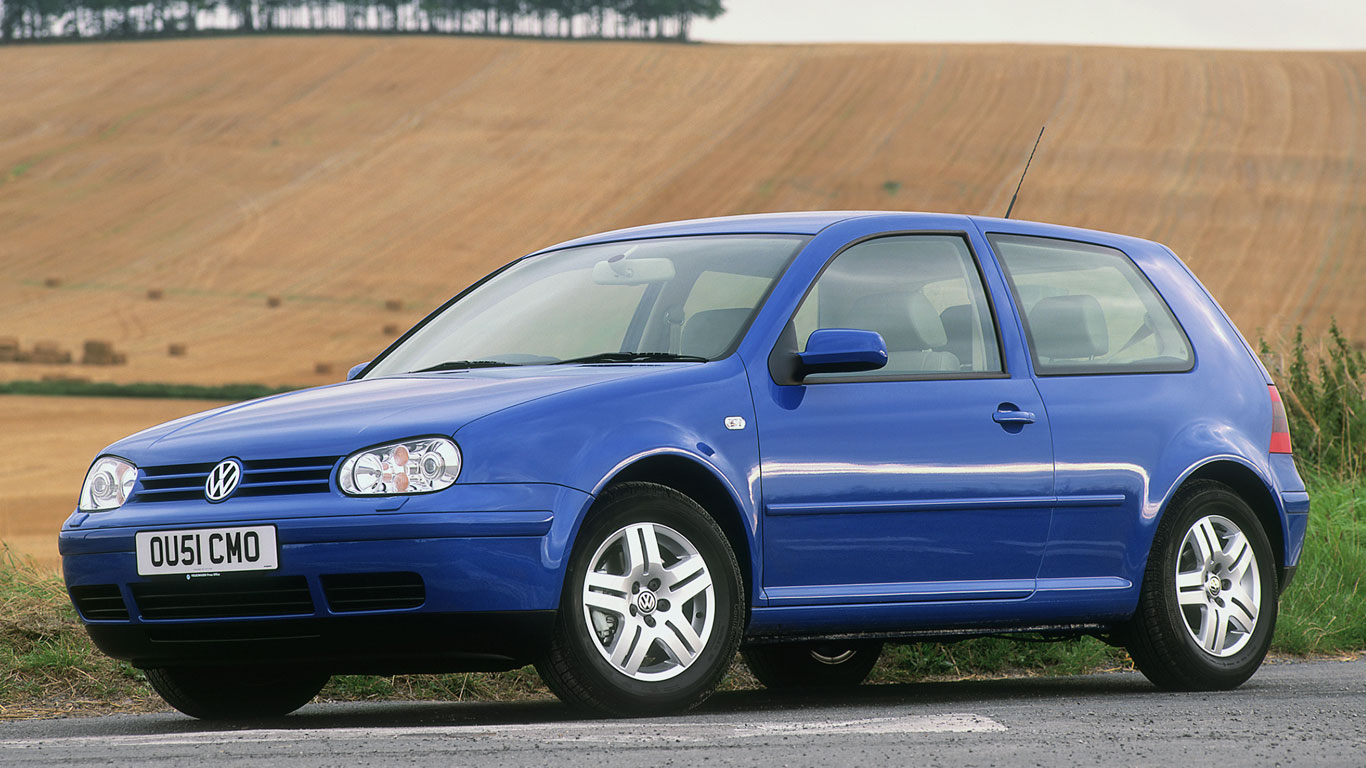
Data of the best-selling cars in January reveals that the new Ford Fiesta is proving to be a hit with buyers – with nearly twice as many registered compared to the Volkswagen Golf, which sits in second place. Curiously, the once-popular Vauxhall Corsa has dropped to eighth place.
The new fourth-generation Mercedes-Benz A-Class has been revealed. The firm is bullish, saying it redefines modern luxury and revolutionises interior design in the compact class; ordering opens in March and deliveries begin in the spring.
The new A-Class is bigger than before, with a 370-litre boot now just 10 litres shy of a Volkswagen Golf. It’s easier to get in and out of – particularly in the rear – and easier to see out of as well. Naturally, it’s safer than ever, with S-Class-grade safety assist tech available, while comfort options include climate-controlled massaging front seats, 64-colour ambient lighting (including illuminated air vents) and semi-autonomous driving functionality.
Engines are all-new. The 1.4-litre (actually, 1,332cc…) M282 motor sounds the star of the show: it has cylinder deactivation, produces up to 167hp when they’re all activated, and should return diesel-like economy. The M260 2.0-litre puts out a handy-sounding 224hp and the OM608 1.5-litre turbodiesel produces a meagre-sounding 116hp but is bound to deliver good economy, low CO2 and, thanks to standard AdBlue NOx-reducing tech, ultra-low exhaust nasties. It will be a star of the new WLTP fuel economy rules.
What else is standout about the new A-Class, though? Here are 11 things you need to know.
1. The new Mercedes-Benz A-Class is the first Merc not to have a cowl atop the dash. Instead, the dash ‘wing’ stretches from side-to-side, with the freestanding screens sitting proud on top.
2. Even the basic A-Class has twin 7-inch colour displays. The next one up has a 7-inch and a 10.25-inch display; the range-topper has dual 10.25-inch displays (that’s 26cm), housed under a single piece of glass. The central display is touchscreen, for the first time – you can pinch-zoom maps, like you do on a tablet device or smartphone.
3. The choice of ambient lighting colours has increased fourfold, from 12 to 64. To help you find the perfect hue, Mercedes-Benz has preassigned 10 colour ‘worlds’, delivering “an avant-garde lighting display with spectacular colour changes”.
4. The new MBUX (Mercedes-Benz User Experience) multimedia system has artificial intelligence (AI). If you always listen to PM on Radio 4, it will learn this, and suggest it to you at around 16.50 each weekday. It will learn who you regularly call and when, and pre-empt this for you. If you regularly drive a route, it will pop this up as a suggestion on the home screen: all you need to do is accept. It’s going to be quite uncanny.
5. It has voice control. Shout, “hey, Mercedes!” and you can fire instructions to your A-Class like you do your Amazon Alexa device.
6. It has a Cd drag factor of just 0.25. This is very aerodynamically slippery indeed – the best in its sector, in fact.
7. Even the smallest alloy wheel is 16-inches. The largest goes up to 19 inches. Will the future Mercedes-AMG A-Class nudge into the 20″s?
8. Three engines will be offered at launch: the A 200 is a 1.33-litre, the A 250 is a 2.0-litre and the A 180 d is a 1.5-litre. The A200 does up to 55.3mpg when fitted with the 7G-DCT automatic, although only this auto version has cylinder deactivation functionality. It works on partial loads between 1,250rpm and 3,800rpm.
9. Mercedes-Benz has built a new Technology Centre for Vehicle Safety (TFS). The new A-Class is the first Merc to be developed there. Findings from real-life accidents have gone into it, helping optimise “every single bodyshell component… according to the loads and stresses encountered”.
10. Entry-level A 180 d and A 200, surprisingly, have basic (and cheaper) torsion beam rear suspension. Only A 250 and all 4MATIC models have a more advanced four-link independent rear suspension. You can get three types of dampers though: comfort, ‘sports comfort) lowered by 15mm, and active damping.
11. Mercedes-Benz has spent four years developing the new A-Class. It’s covered 12 million test kilometres, with “a few hundred” test cars covering miles in 10 countries (the UK was, sadly, not one of them).
And finally…
Mercedes-Benz surprisingly mentions the “Elk test” in its launch information for the new A-Class. The car “soon attracted criticism” following its 1997 launch, it says: “because an A-Class overturned… and Mercedes-Benz responded: the A-Class was given a revised suspension system and ESP as standard”. The firm, it says, duly raised the safety of compact cars and “put its stamp on the whole industry. It started the success story that is the A-Class.”
While crunching the numbers for our recent feature on popular cars vanishing from our roads, our heads were turned by the sheer number of vehicles listed by the DVLA as off the road. In other words, cars declared SORN (Statutory Off Road Notification) by their owners.
The government introduced SORN 20 years ago this week, with owners required to let the authorities know when a vehicle has been taken off the road and is no longer taxed or insured. With this in mind, we’ve braved the spreadsheet once again with the aim of compiling the top 20 cars listed as SORN in the UK.
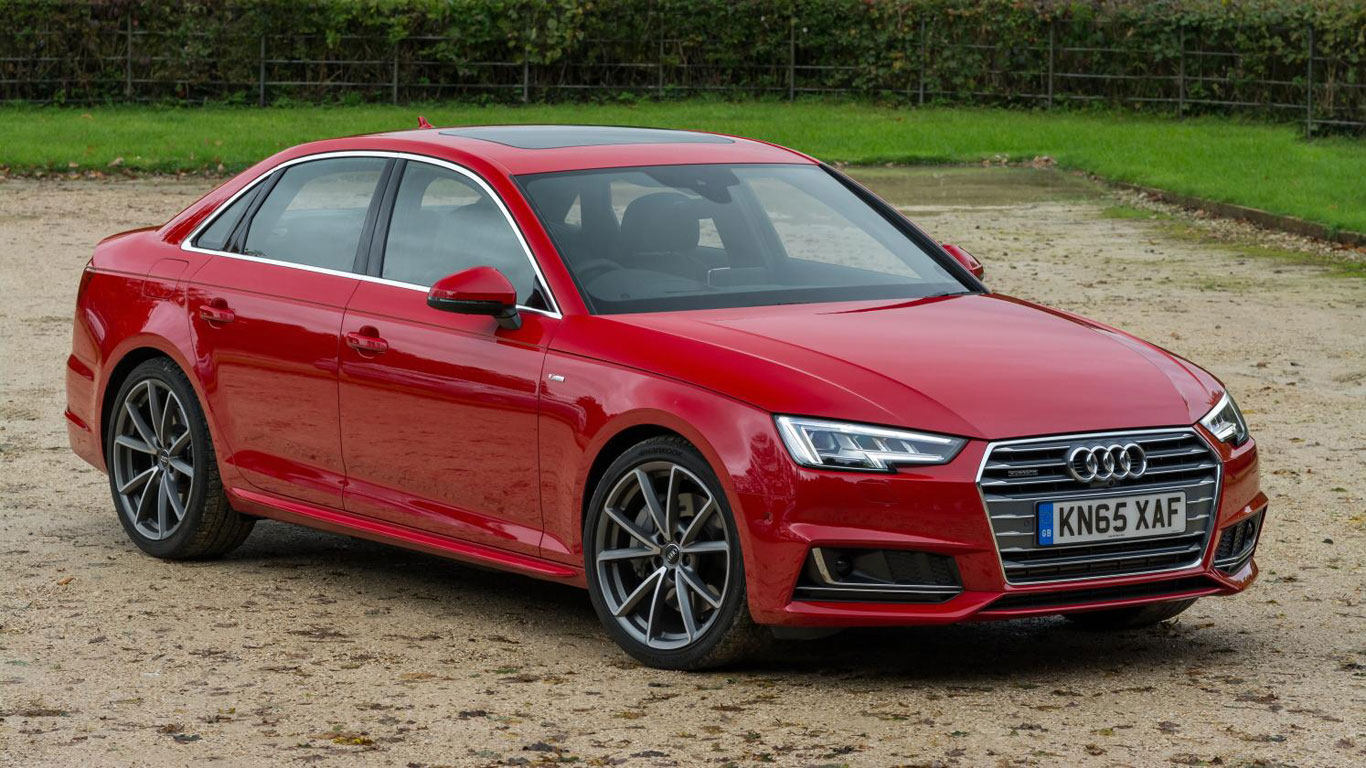
Firstly, it’s important to point out that SORNs aren’t the preserve of rare exotics and classic cars. The vast majority of cars registered as being off the road will be sat in a compound waiting for a new owner, or vehicles pre-registered by dealers in an effort to boost monthly sales figures. Which will explain why there are 21,000 Audi A4s registered as SORN in the UK. In all cases, we’ve rounded the number up or down to the nearest thousand.
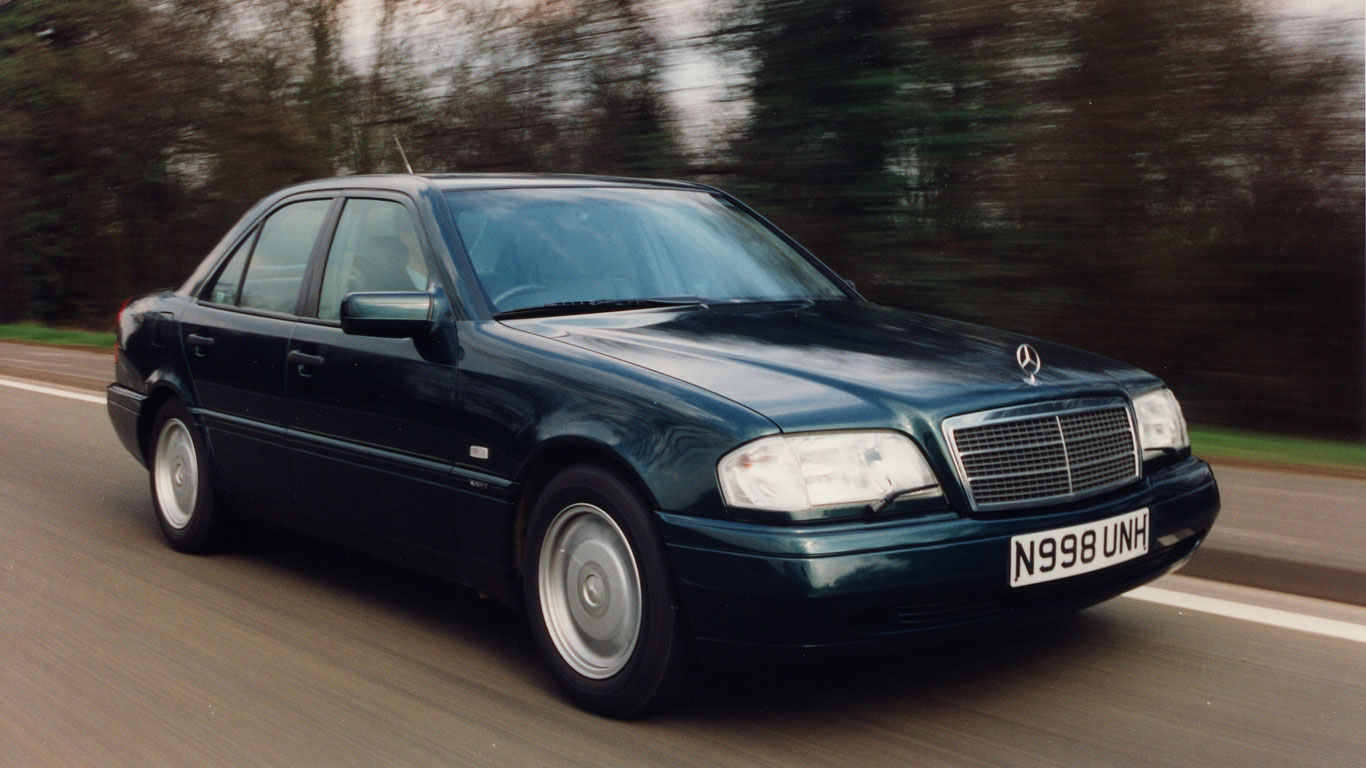
19. Mercedes-Benz C-Class
On sale in the UK: 1993 – present
Number listed as SORN: 23,000
Other reasons for declaring a car SORN include large companies having a surplus of fleet vehicles, rental firms with too many vehicles, and the classic example of keeping a classic for summer use. The Mercedes-Benz C-Class is a popular fleet favourite and was the UK’s ninth best-selling car in 2017.
18. Volkswagen Passat
On sale in the UK: 1973 – present
Number listed as SORN: 23,000
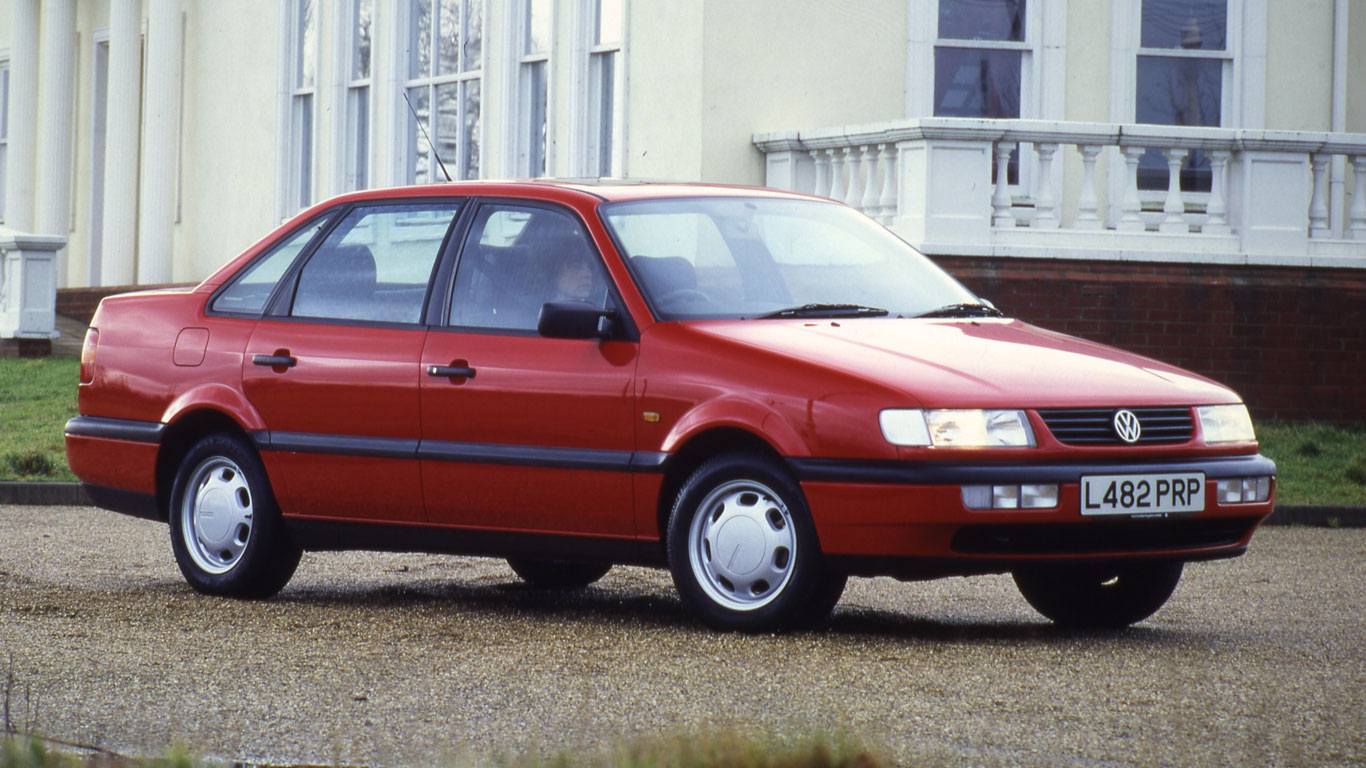
The Volkswagen Passat is another fleet favourite, which is reflected in the specification of the cars listed as SORN. The SE TDI and Sport TDI are two of the most popular versions, both of which are recent models that might be coming to the end of a lease agreement. At the opposite end of the spectrum, it’s pleasing to know that there are 48 Passat W8s declared SORN.
17. Fiat Punto/Grande Punto
On sale in the UK: 1993 – present
Number listed as SORN: 24,000
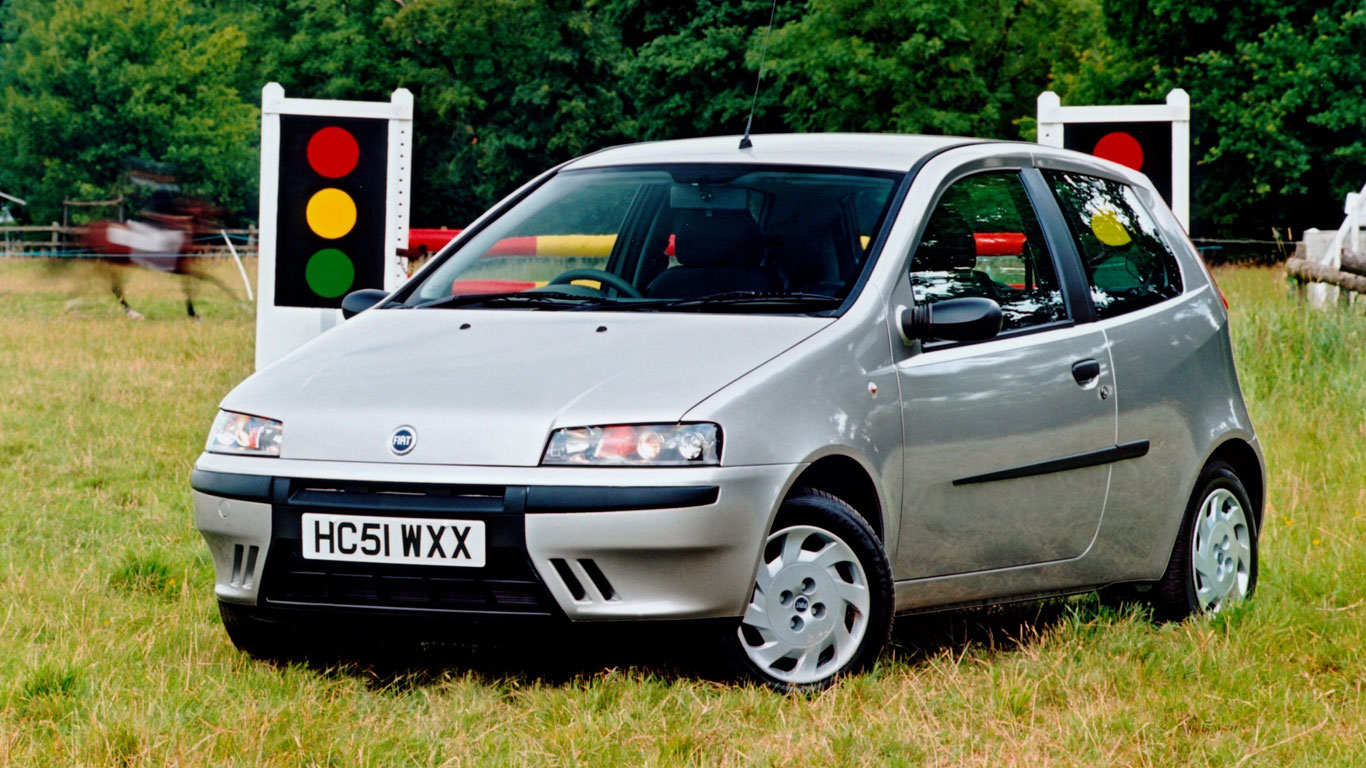
The Fiat Punto made the headlines in 2017 when it became the first car to be given a zero-star safety rating by Euro NCAP. In its current guise, the Punto has been on sale since 2005, so a replacement is long overdue. There are 24,000 listed as SORN, all trying hard to avoid a run-in with a lamppost or a pedestrian.
16. Honda Civic
On sale in the UK: 1973 – present
Number listed as SORN: 26,000
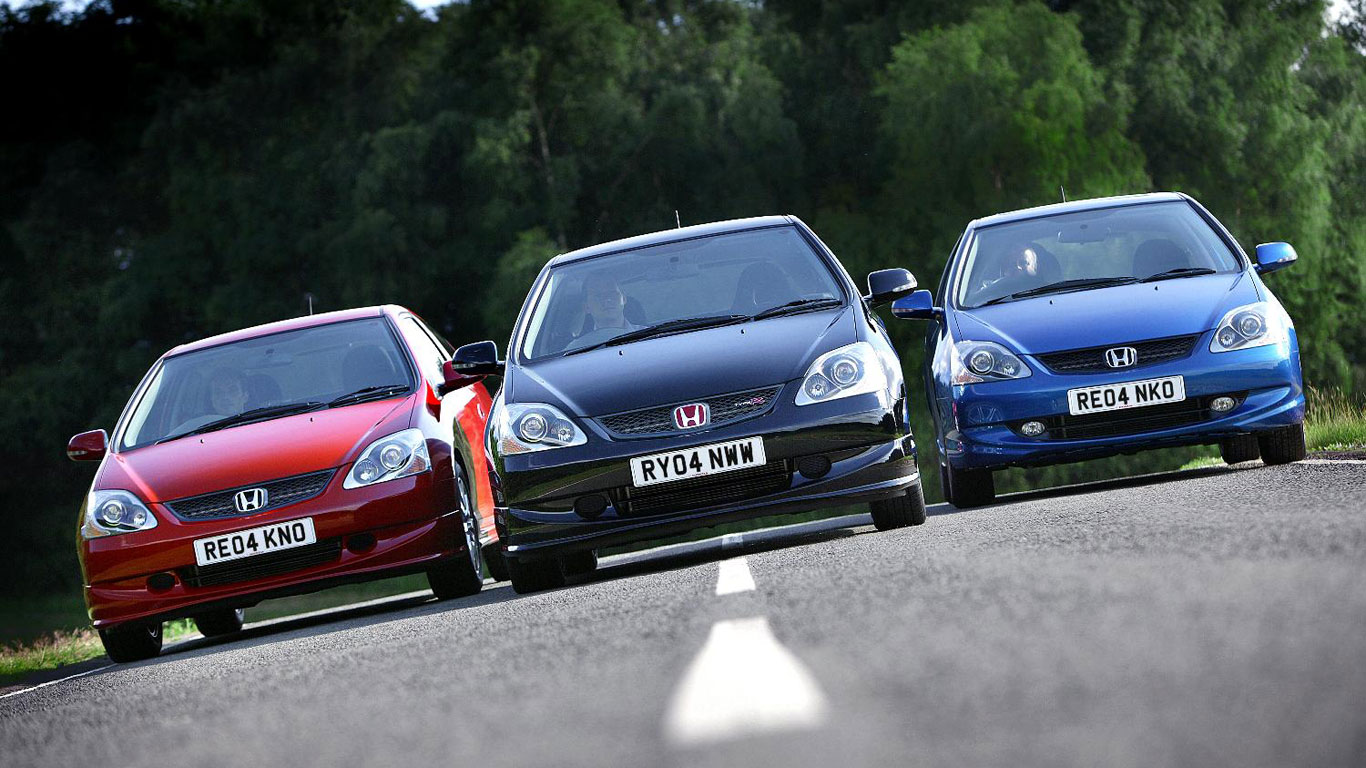
Of the 26,000 Honda Civics listed as SORN, we wonder how many are parked in and around Swindon. Interestingly, at around 2,300, the Type-R is the most common Civic listed as being off the road. Nine percent is a large proportion for the most enthusiast-led car in the range.
15. Ford Ka/Ka+
On sale in the UK: 1996 – present
Number listed as SORN: 29,000
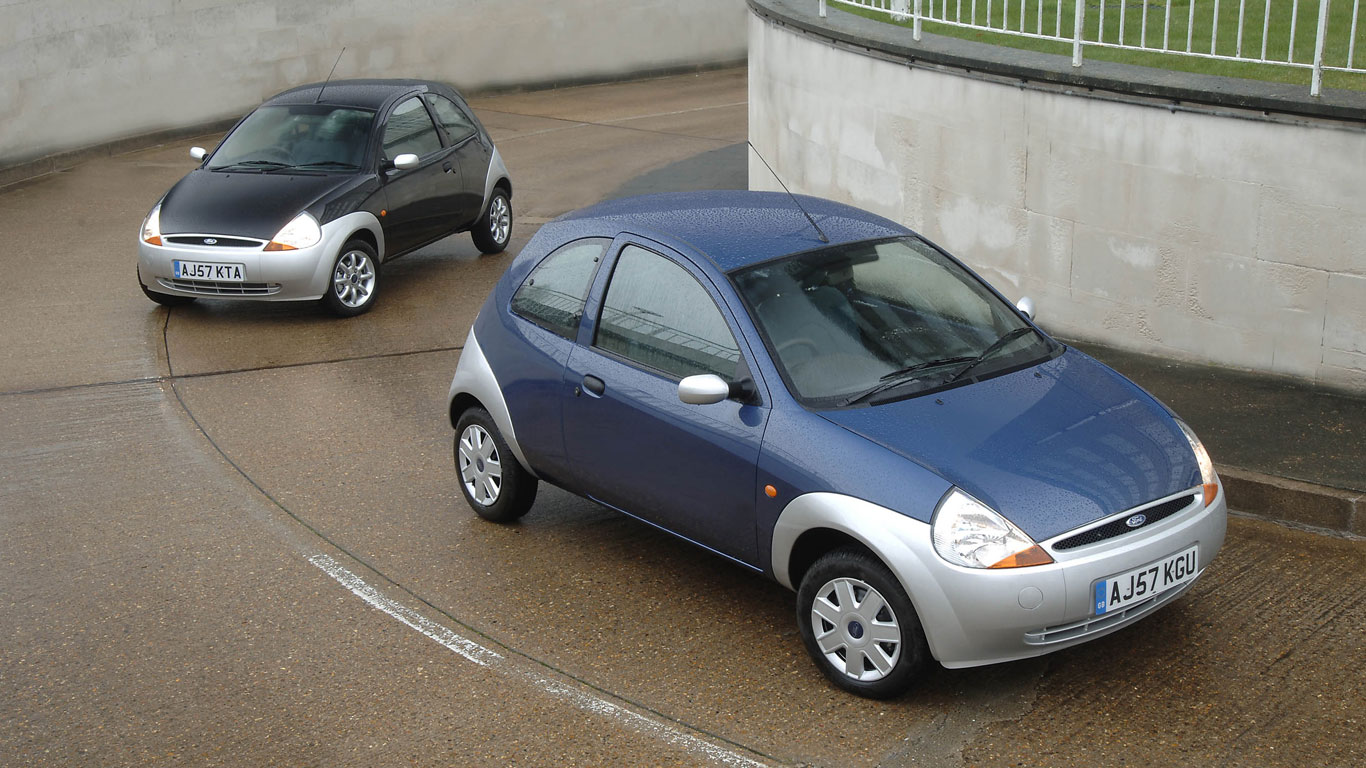
Rust is the enemy of the original Ford Ka, but it remains one of the best designs of the 1990s and can still teach modern city cars a thing or two about dynamics. There are around 29,000 Kas languishing in garages, compounds and forecourts.
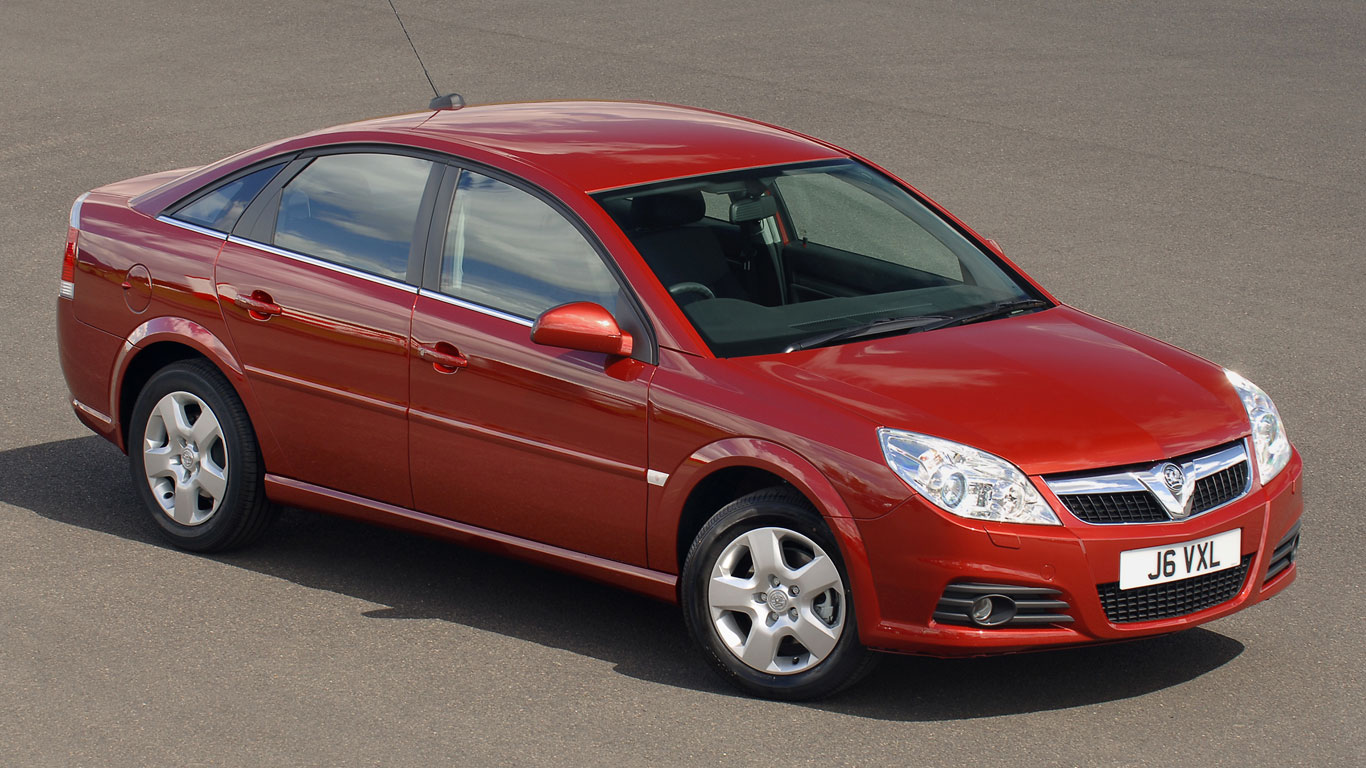
14. Vauxhall Vectra
On sale in the UK: 1995 – 2008
Number listed as SORN: 30,000
This is an interesting one. The Vauxhall Vectra has been gone a decade – and lease agreements have long since expired – and yet there are 30,000 of them sat doing nothing in the UK. Is somebody storing them in a huge warehouse, ready to launch a one-make banger racing series? To provide some context, there are just 3,300 Insignias registered as SORN.
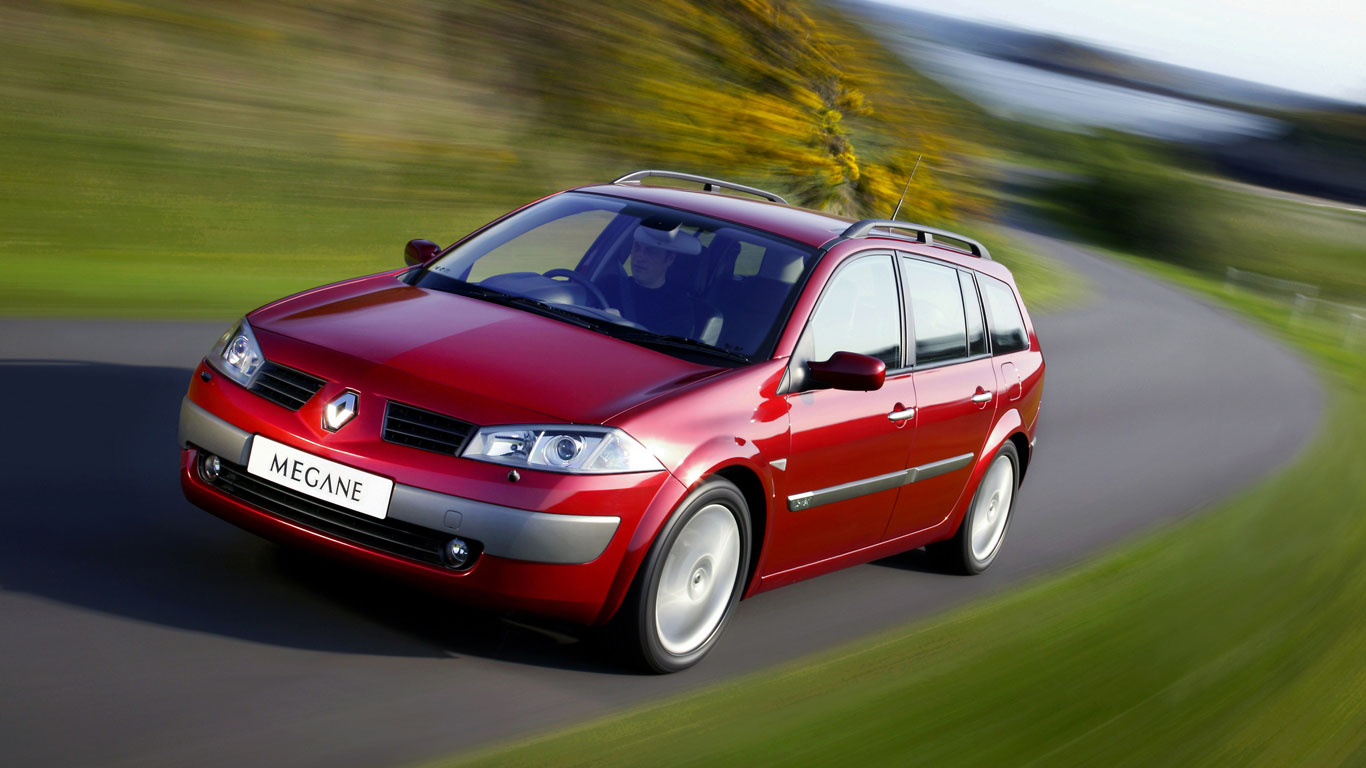
13. Renault Megane/Megane Scenic
On sale in the UK: 1996 – present
Number listed as SORN: 30,000
Aside from the Renault Sport versions and the Coupe and Cabriolet models, the Megane is largely a disposable product. That’s to say that there’s little love for them once the cost of maintenance begins to outweigh the purchase cost. And yet, there are 30,000 of them listed as SORN.
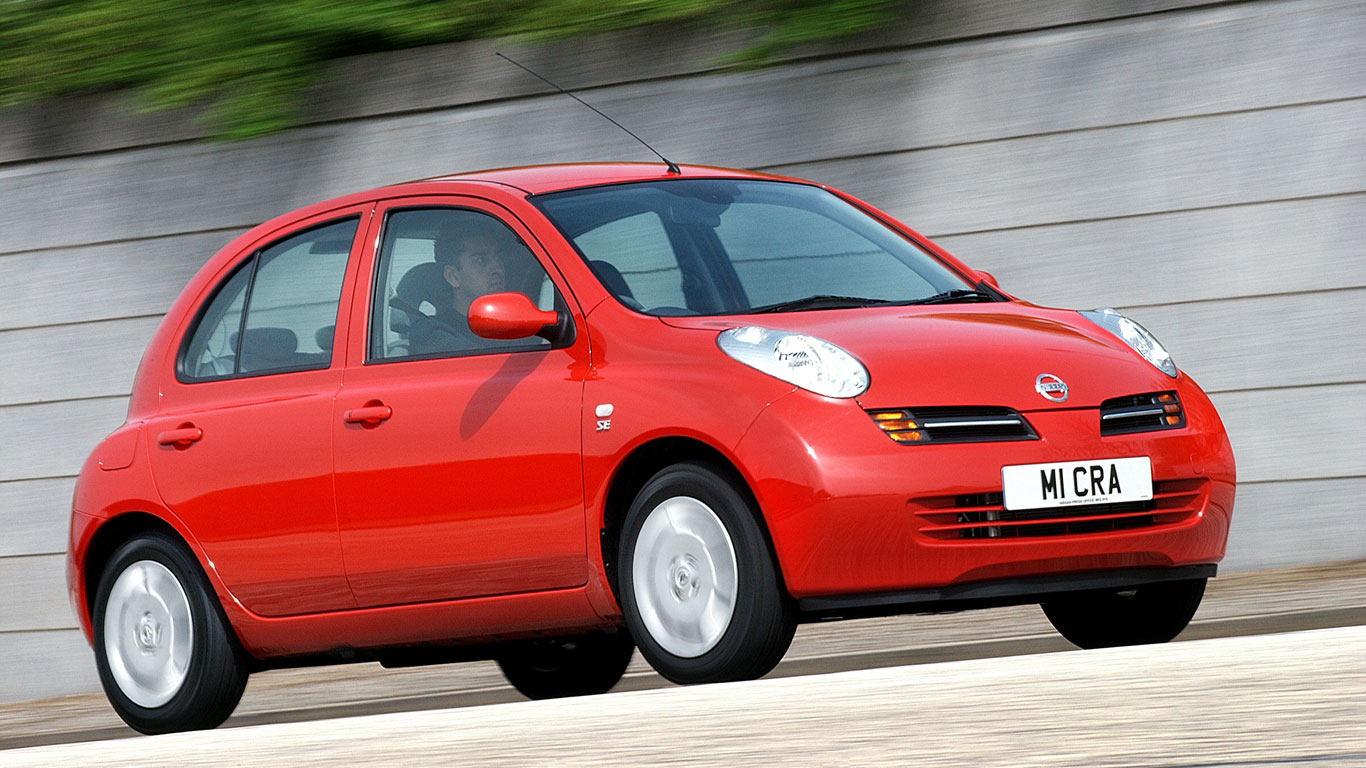
12. Nissan Micra
On sale in the UK: 1983 – present
Number listed as SORN: 32,000
The Nissan Micra has enjoyed 35 years of uninterrupted sales in the UK, which goes a little way to explaining the 32,000 cars deemed surplus to requirements. Just think of all those driving school adventures you could have in one of these spare Micras.
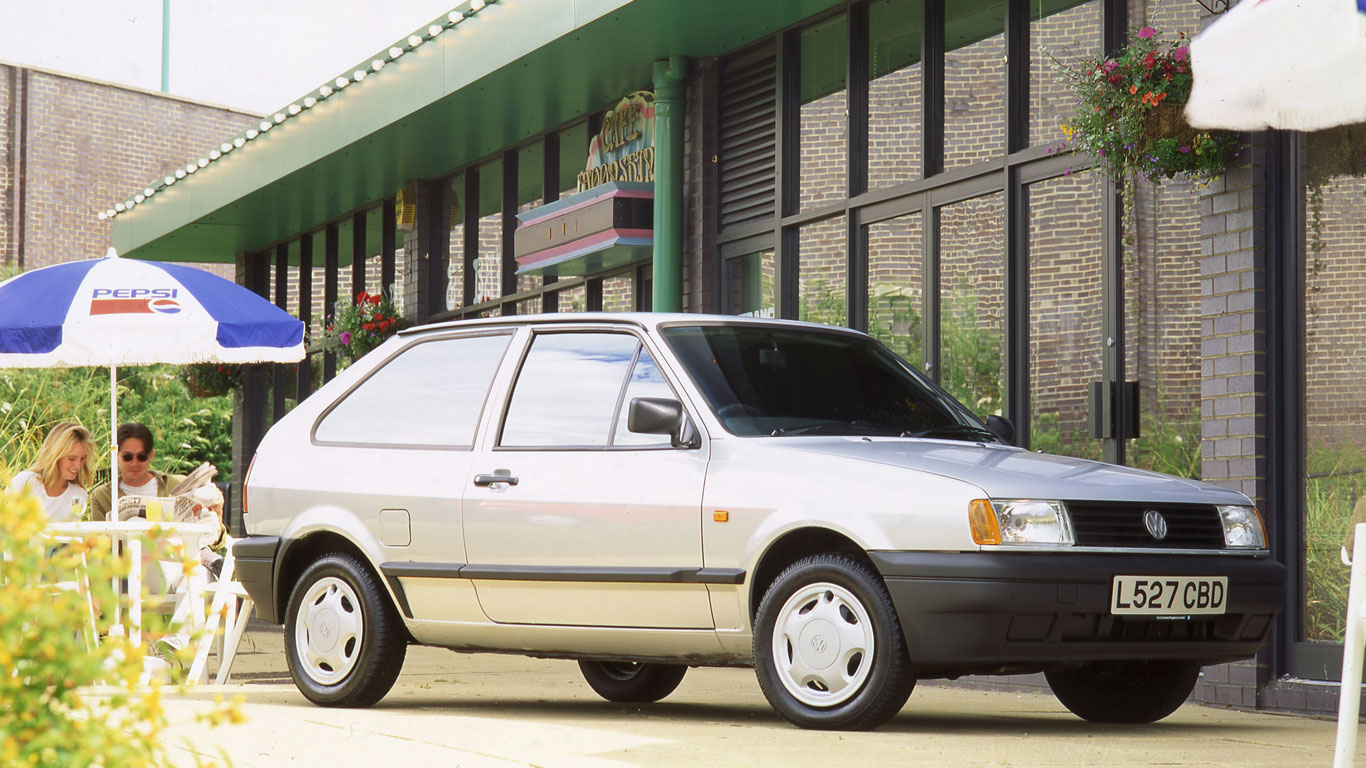
11. Volkswagen Polo
On sale in the UK: 1975 – present
Number listed as SORN: 34,000
Another old-timer in terms of length of service, the Volkswagen Polo has been on sale in the UK since the mid-70s. Two of the most popular models listed as SORN include the Polo E (4,738 units) and Polo S (2,633 units). The rarest? That’ll be the Polo LX Formel E, with just one unit.
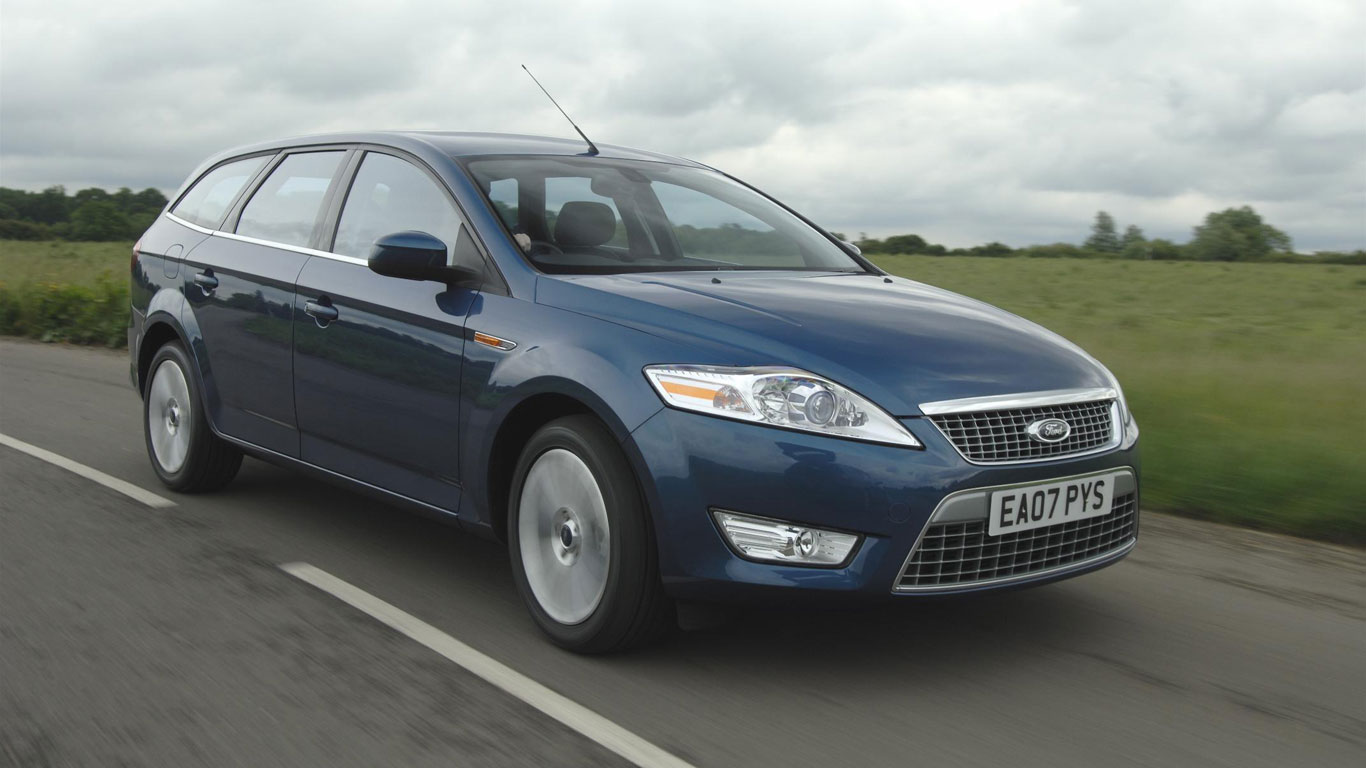
10. Ford Mondeo
On sale in the UK: 1993 – present
Number listed as SORN: 40,000
The Ford Mondeo is celebrating its 25th anniversary in 2018, having been a mainstay of Travelodge and Little Chef car parks since 1993. True to repdom form, the LX is the most common model listed as SORN.
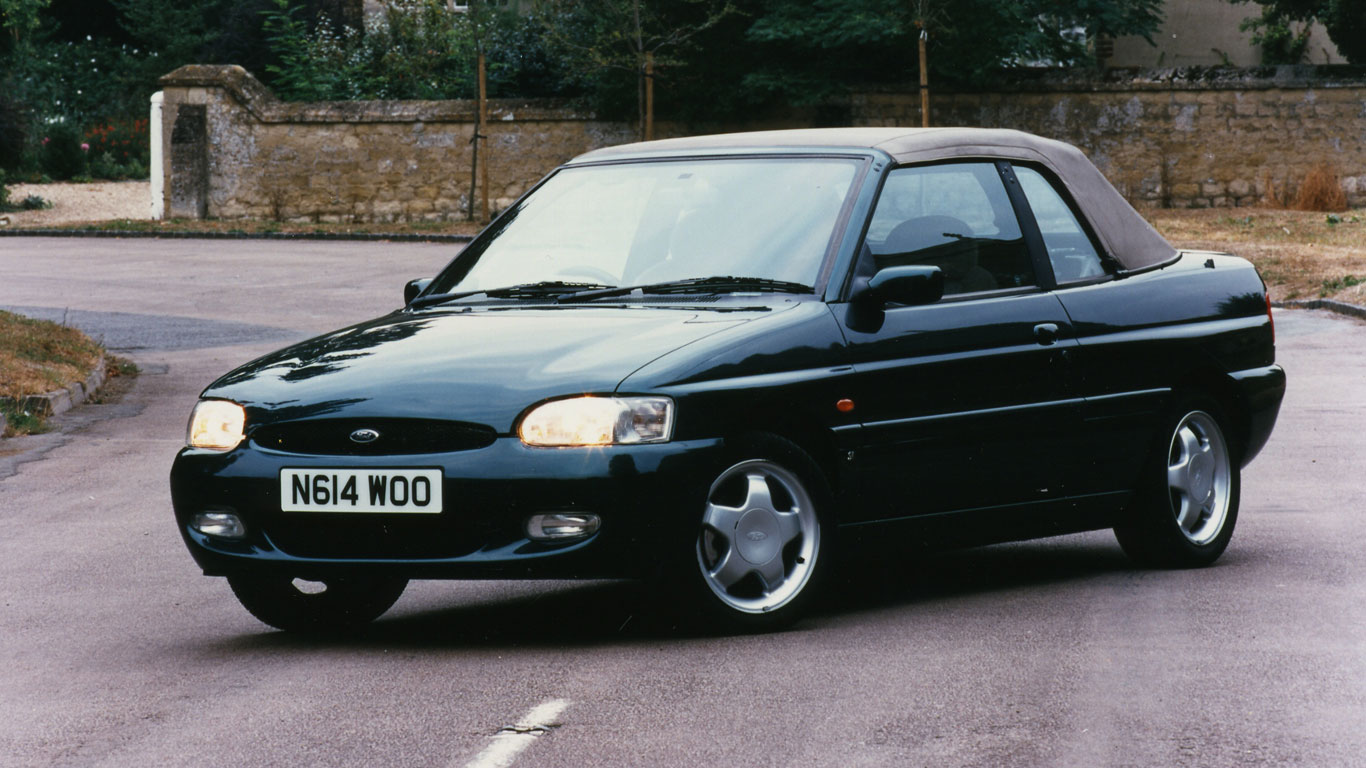
9. Ford Escort
On sale in the UK: 1968 – 2000
Number listed as SORN: 43,000
It’s 50 years since the Escort first hit the streets, making this another anniversary for Ford. But while the Mondeo continues to press on to face the rise of crossovers and SUVs, the Escort died out at the turn of the millennium, so it’s surprising to discover that there are 43,000 units registered as SORN.
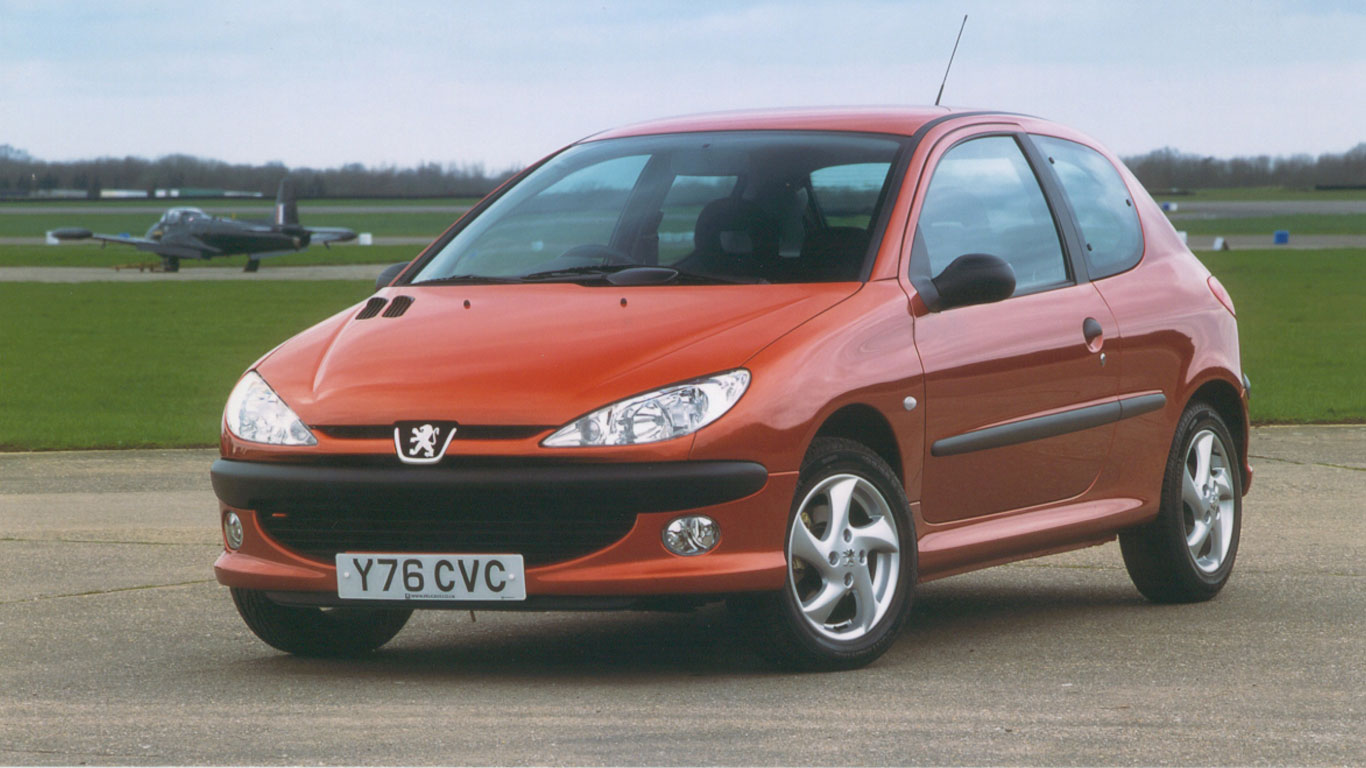
8. Peugeot 206
On sale in the UK: 1998 – 2006
Number listed as SORN: 43,000
The 206 is Peugeot’s best-selling car of all-time, so it’s no surprise to see a large number of cars listed as SORN. But let’s not forget that the last 206 was sold in the UK back in 2006, so all the cars will be at least 12-years-old.
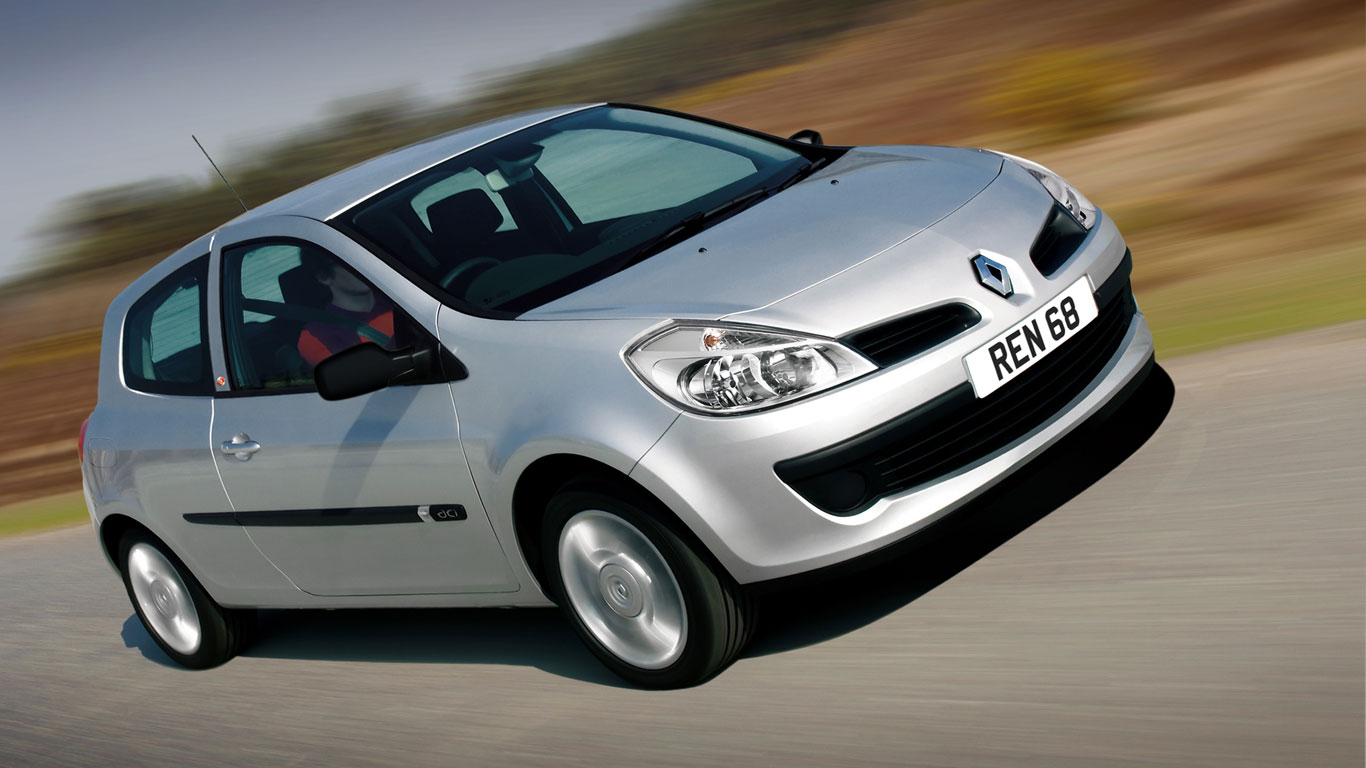
7. Renault Clio
On sale in the UK: 1991 – present
Number listed as SORN: 48,000
The Renault Clio was the second best-selling car in Europe in 2017, and yet it couldn’t even manage a top 20 slot in the UK. However, there are around 48,000 Clios listed as SORN.
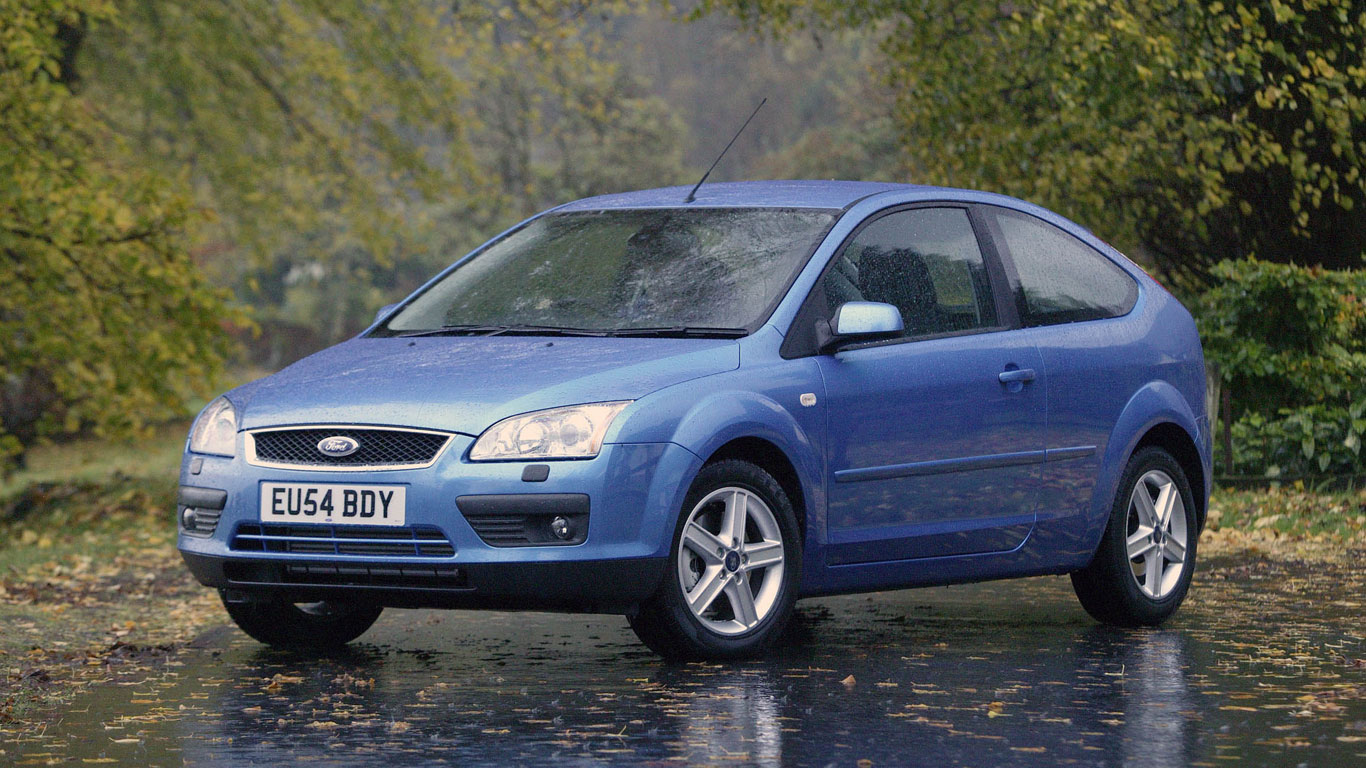
6. Ford Focus
On sale in the UK: 1998 – present
Number listed as SORN: 62,000
SORN was introduced on 31 January 1998, the same year in which the Ford Focus made its debut. It immediately struck a chord with UK buyers, with its New Edge styling representing a radical departure from the tired and lacklustre Escort.
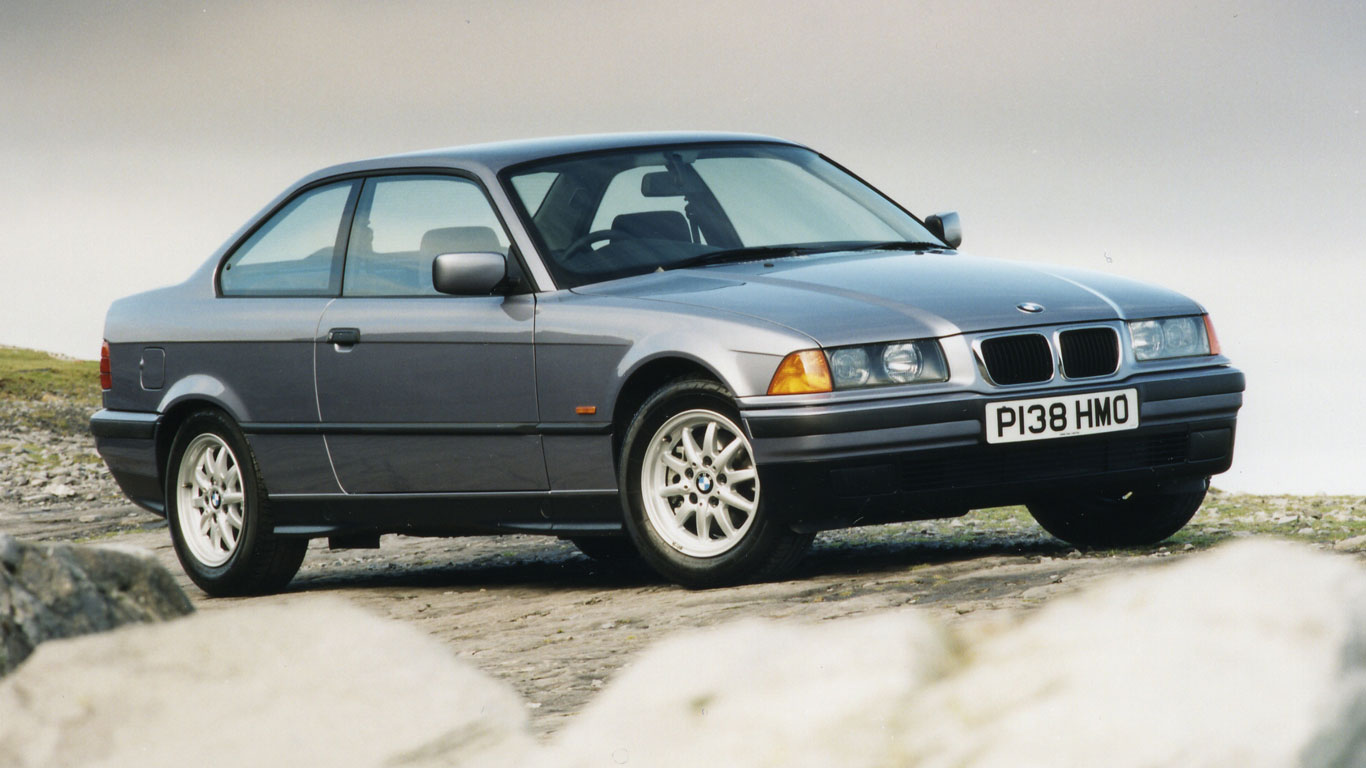
5. BMW 3 Series
On sale in the UK: 1975 – present
Number listed as SORN: 67,000
Into top five, where we find the only premium car to finish in the top half of the table. Introduced in 1975, the BMW 3 Series soon became the benchmark for premium compact saloon cars, and while the Mercedes C-Class sells in greater numbers, the 3er remains the dynamic leader in its class.
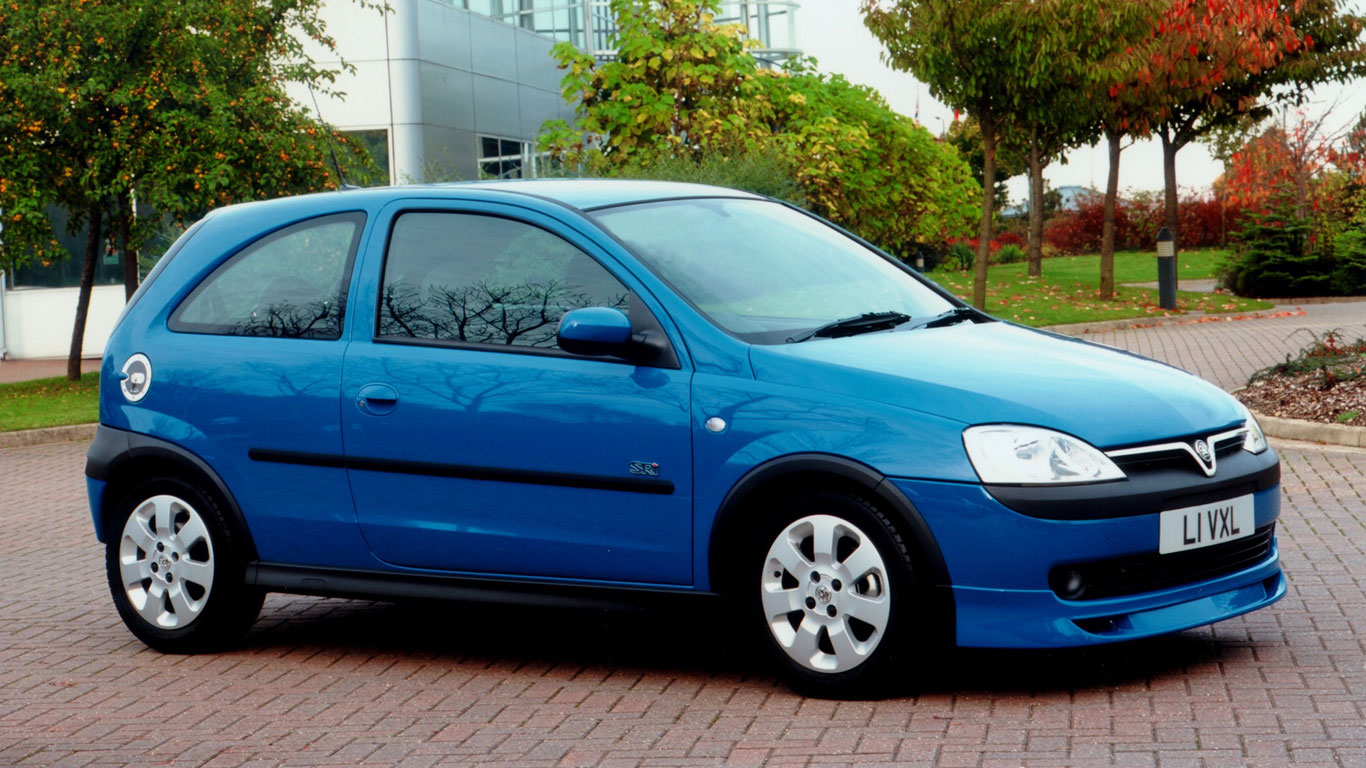
4. Vauxhall Corsa/Corsavan
On sale in the UK: 1993 – present
Number listed as SORN: 73,000
Still with us? OK, well you’ll be amazed to discover that there are 73,000 Vauxhall Corsas listed as being off the road in the UK. If not amazed, you’ll be enthralled. Tell you friends. Amaze people at your next dinner party.
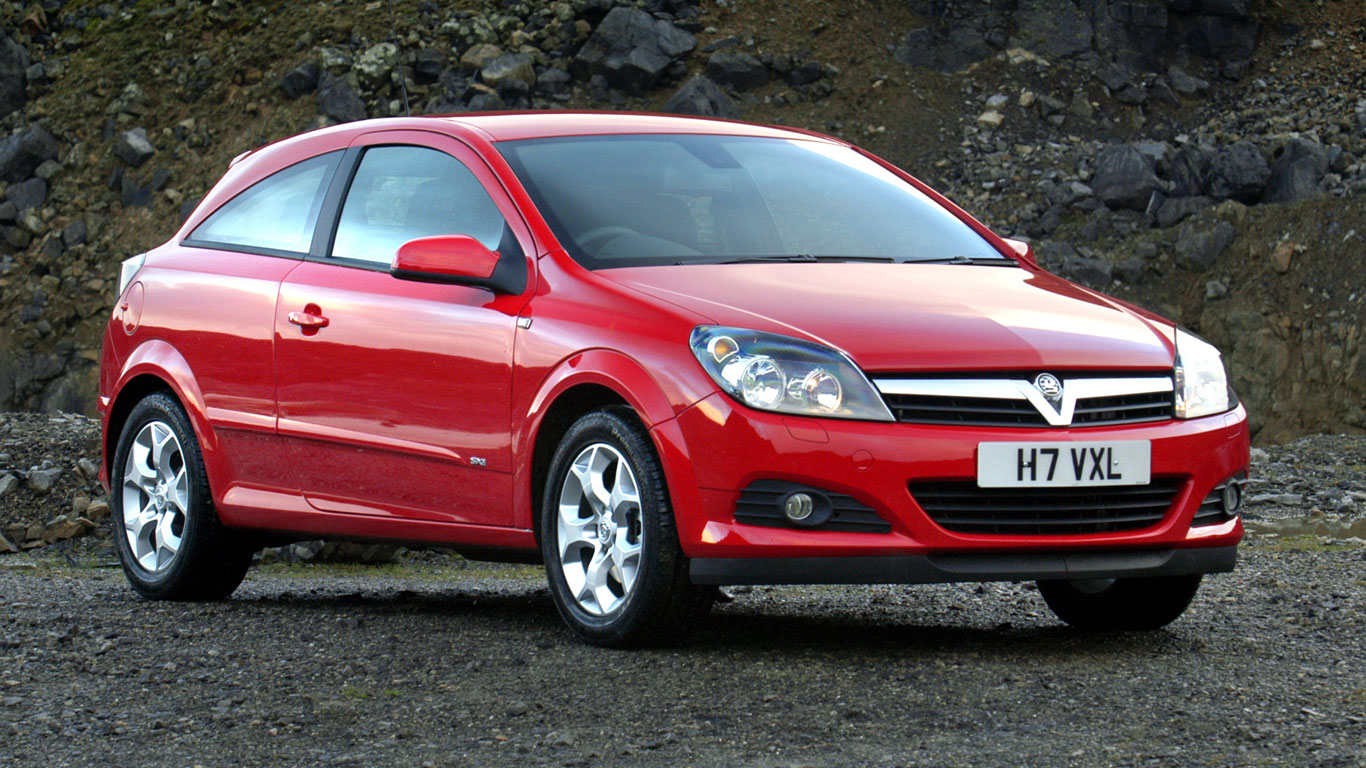
3. Vauxhall Astra/Astramax/Astravan
On sale in the UK: 1980 – present
Number listed as SORN: 74,000
If you were expecting to find a treasure trove of exotics and rarities at the end of this rainbow, prepare to be disappointed. The cars featured here reflect the UK market place, particularly the stock of fleet, used, rental and pre-registered vehicles. Which is why the Vauxhall Astra finishes third.
2. Ford Fiesta
On sale in the UK: 1976 – present
Number listed as SORN: 75,000
Predictably, there’s some correlation between the two best-selling cars in the UK and the number of vehicles listed as SORN. Which is why there are 75,000 Fiestas registered as off the road.
1. Volkswagen Golf/Golf Plus
On sale in the UK: 1974 – present
Number listed as SORN: 81,000
And a further 81,000 Volkswagen Golf and Golf Plus models are registered as SORN. That’s a Golf for every person in Harlow. Or one between two for every resident of Oxford. Or half a Golf for every person in Barrow-in-Furness. In other words, there are a lot of unused Golfs in the UK.
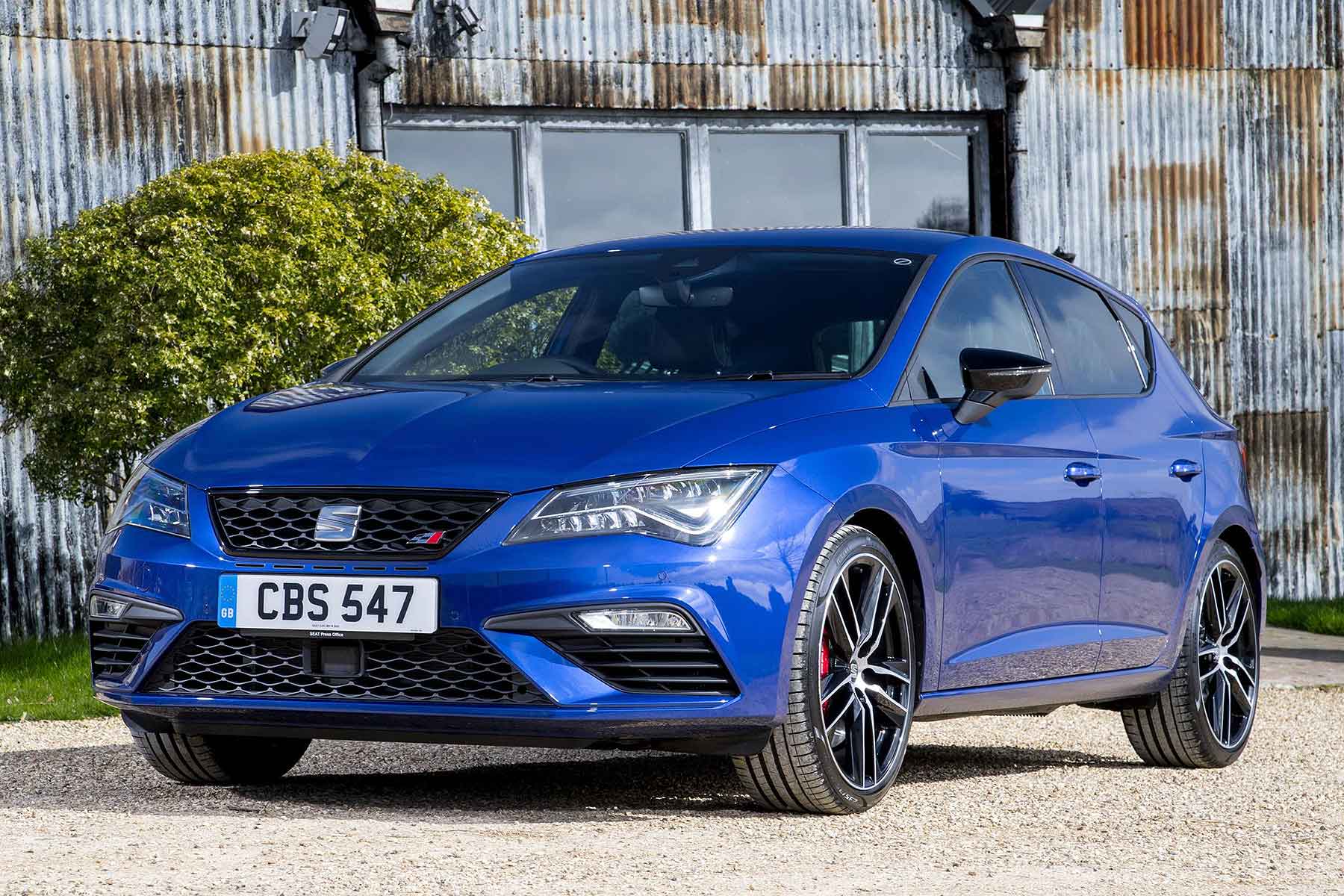
Seat has cut up to £1,945 from the list price of its Leon Cupra range, taking the entry-level SC three-door and five-door models below £30,000 – for both manual and DSG automatics.
The reductions comprise £555 off the manual cars, and a heftier £1,905 off the DSG autos. It means manual and automatic Leon Cupras now cost exactly the same: an auto is effectively a no-cost option.
Seat Leon Cupra: 2018 prices
Seat Leon SC Cupra 300 manual: £29,600
Seat Leon SC Cupra 300 DSG auto: £29,600
Seat Leon Cupra 300 5dr manual: £29,900
Seat Leon Cupra 300 5dr DSG: £29,900
Seat Leon ST Cupra 300 manual: £30,895
Seat Leon ST Cupra 300 4Drive DSG: £32,580
There’s been no cut in standard equipment despite the lower prices, either. Indeed, Seat’s now added as standard its Digital Cockpit electronic instrument binnacle as standard, along with 19-inch alloys, Dynamic Chassis Control, and both Android Auto and Apple CarPlay connectivity.
Of course, even sub-£30k prices are too much for most of us to stump up outright. So Seat’s pulled together a PCP finance package that offers a five-door Leon Cupra DGS, with metallic paint, for £349 a month.
It requires a £5,099 customer deposit, but the dealer adds £1,500 to this, and the £349 a month finance plan is spread over four years at 5.8 percent APR. the final payment is £11,538 and the total amount payable is £33,050 (compared to the list price of £30,480).
Oh, and if you’ve already ordered a Leon Cupra at the higher prices, don’t worry. So long as it’s not already been registered, Seat will update your order to the better-equipped and cheaper cars. Effectively giving you cashback without lifting a finger!
2018 Seat Leon Cupra vs rivals
So how does the new Leon Cupra compare in terms of price to its key rivals? Here are the starter list prices for some of its direct competitors…
The current MOT system is to be scrapped from May 2018 – with a new, more challenging test taking its place.
From 20 May, all cars being put forward for their annual test of roadworthiness will be examined under strict new rules. These will see faults graded depending on how dangerous they are, and greater emphasis placed on diesel car emissions.
Currently, all cars on UK roads between three- and 40-years-old must be MOTed annually by an approved garage. Any major faults will result in a fail: these include things like tyres below the minimum tread depth, or CO2 emissions above a certain level.
Other faults, classed as ‘advisories’ include things like worn tyres (but not below the 1.6mm minimum tread depth) or rust that doesn’t affect the structural integrity of the vehicle. The idea is that car owners should consider fixing these issues – especially as they may get worse over time – but they don’t prevent the vehicle being roadworthy at the time of the test.
The new rules essentially rename ‘advisories’ as ‘minor faults’. They work in the same manner – issues that they owner needs to be aware of, but things the tester has no qualms over allowing the car’s owner to drive away with.
However, other faults will now be split between ‘dangerous’ and ‘major’ faults. The former will include things that make the car dangerous to drive away from the garage – even if it’s to be repaired or if the existing MOT is still valid. Major faults, meanwhile, will trigger an MOT fail but won’t be flagged up as dangerous.
The changes, which are being brought in to meet a new EU directive, have attracted criticism from motoring organisation the RAC.
“While on the surface this change seems like a sensible move, we fear many motorists could end up being confused by the new categories which give an indication as to the seriousness of vehicle defects identified in an MOT test,” said RAC spokesman Simon Williams.
“Rather than MOT failures simply being black and white, the new system creates the potential for confusion as testers will have to make a judgement as to whether faults are ‘Dangerous’, ‘Major’ or ‘Minor’. This will surely be open to interpretation which may lead to greater inconsistency from one test centre to another.
“Motorists may also struggle to understand the difference between ‘Dangerous’ and ‘Major’ failures. The current system ensures that any vehicle with a fault that doesn’t meet the MOT requirements is repaired appropriately before being allowed back on the road.”
There will also be new rules for diesel cars which could make it more difficult to pass the MOT test. Vehicles emitting ‘visible smoke of any colour’ will be issued with a major fault and therefore an instant fail, while cars with diesel particulate filters that have been removed or tampered with will also fail. That’s unless the owner can prove that amendments have been made to clean the filter.
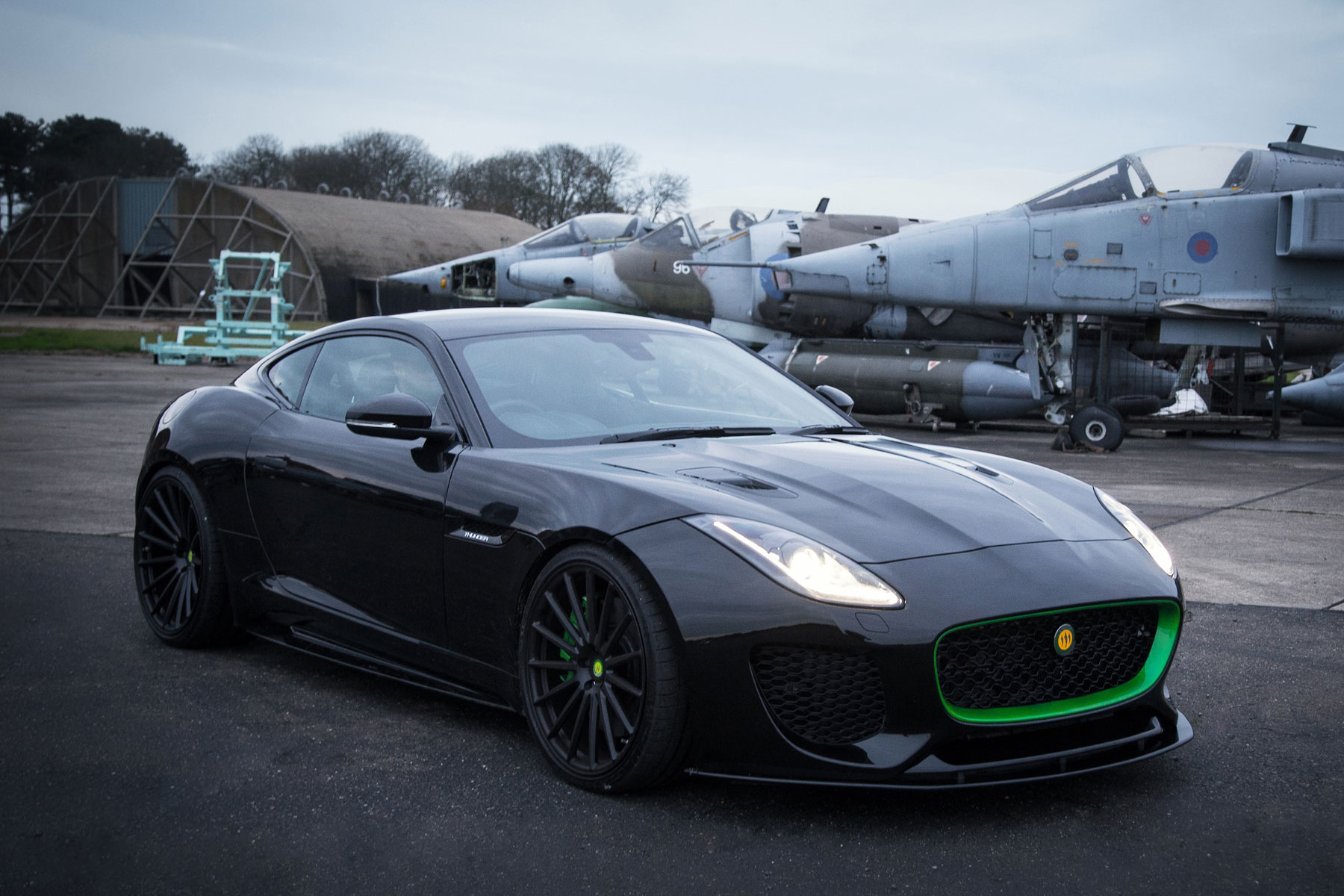
Lister will launch the fastest, most powerful and luxurious car it has ever built at next month’s Historic Motorsport International, staged at London’s ExCeL.
The Jaguar F-Type-based Lister Thunder uses the showroom 5.0-litre supercharged V8 engine to deliver a devilish 666bhp, enough to send the firm’s first modern-day road car since the Storm of 1993 to a top speed of 208mph. The 0-62mph sprint is polished off in just 3.2 seconds.
It won’t come cheap: Lister is asking £139,950 for the thunderous F-Type, and the Cambridgeshire-based company will build just 99 examples. Lister hopes to use its heritage and cars like the Thunder to become synonymous with tuned Jaguars.
A new era of vehicle tuning has arrived in the form of the Lister Thunder. 208mph, 0-60 in just over 3 seconds and a devilish 666bhp. Watch the launch video here: https://t.co/9ZOZLCDjL0pic.twitter.com/lN4Pf3LXBp
Lawrence Whittaker, CEO of Lister Motor Company, said: “Like Brabus and AMG with Mercedes and Alpina with BMW, we are hoping to become synonymous once again with tuning Jaguar vehicles, giving customers new enhanced, bespoke performance and design alternatives to Jaguar’s acclaimed model programme.
“Although we are not directly affiliated with Jaguar Land Rover, Lister has a Jaguar tuning heritage dating back 65 years. Our new Lister Thunder is the fastest and most powerful Lister ever created, with a 208mph top speed and 0-100 time of just 6.8 seconds. I am utterly proud of what we have achieved, and the Thunder is just the beginning!”
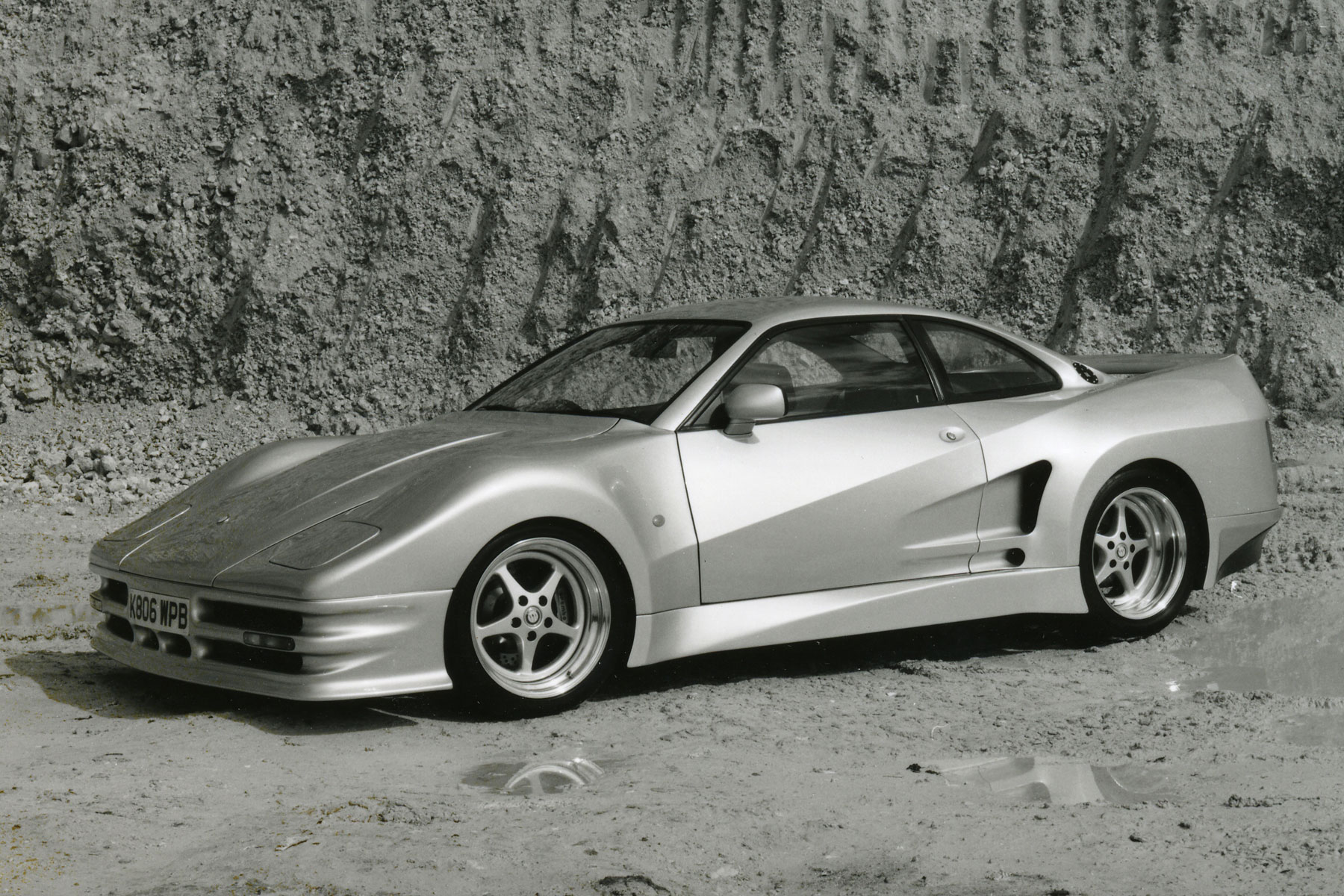
The firm already builds continuation models at its factory in Cambridge, including the Stirling Moss Edition: an exact replica of the super-lightweight Lister Knobbly driven to victory by Moss at Silverstone in 1958. But the Thunder is more in-line with the V12-engined Storm of 1993 and the Le Mans of 1986.
Lister will release the full specification of the Thunder at the car’s unveiling in February, but the company has confirmed some details. The carbon fibre front bumper is custom-made and includes an extended splitter for added downforce. Lister vents adorn the bonnet, while the grille centre, decals and callipers match the customer’s desired interior combination.
The rear bumper is also carbon fibre and houses enlarged carbon exhaust tips that are said to deliver a “thundery note when pressed”. The rear badge is made from solid brass and chromed, presumably because that’s what customers expect from their 208mph F-Type.
The Thunder’s cabin is finished in Bridge of Weir Nappa leather, available in 36 colours, with Lister logos stitched into the headrests and seat pattern, matching the front grille.
Lawrence Whittaker has high hopes for the future, saying: “We came to the inaugural ExCel show last year and it was one of the best shows we have attended, quickly selling a new Knobbly whilst on the stand!
“That is why we have chosen this year’s follow-up event at ExCel to launch the exciting new Lister Thunder, which will mark the first car from our revised Jaguar tuning programme.”
What else can we expect from Lister? With the popularity of crossovers and SUVs, would tuned versions of the F-Pace and E-Pace be a stretch for a brand steeped in motorsport history? Don’t bet against it.
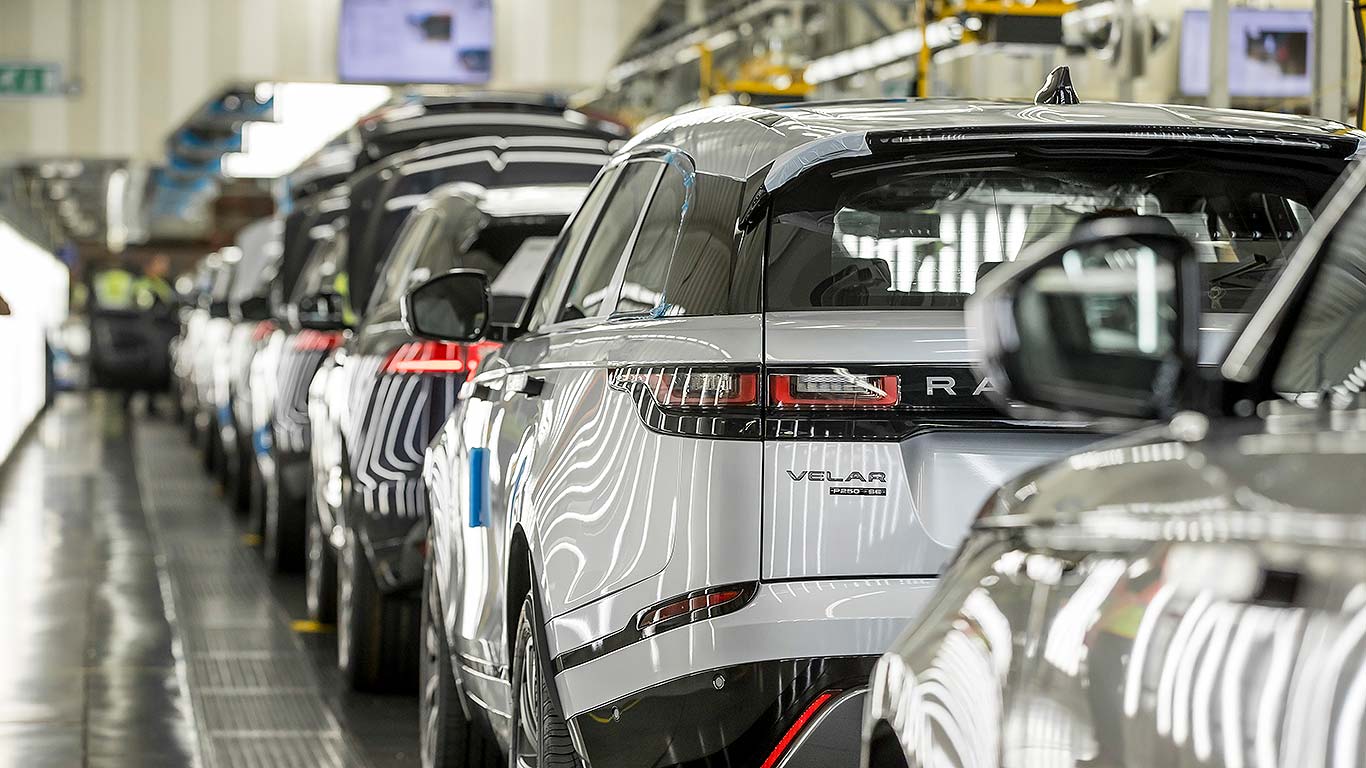
First, the bad news. Fewer cars were built in Britain during 2017, the first decline in UK car manufacturing for eight years, new figures from the Society of Motor Manufacturers and Traders (SMMT) reveal . A total of 1,671,166 cars were made here last year, 3 percent down on 2016 – but in more positive news, this is still the second-highest total in 17 years.
It’s British car buyers who are to blame for the decline. Last year, we bought almost 10 percent UK-made cars, and worryingly, the decline accelerated to almost 25 percent in December 2017. Exports were also down, but by a lesser 1.1 percent – although these too fell over 9 percent in December.
8 in 10 British-built cars are exported: in 2017, that equalled 1.3 million new cars. So which cars did Britain build most of in 2017? Here’s the countdown of the 10 most popular…
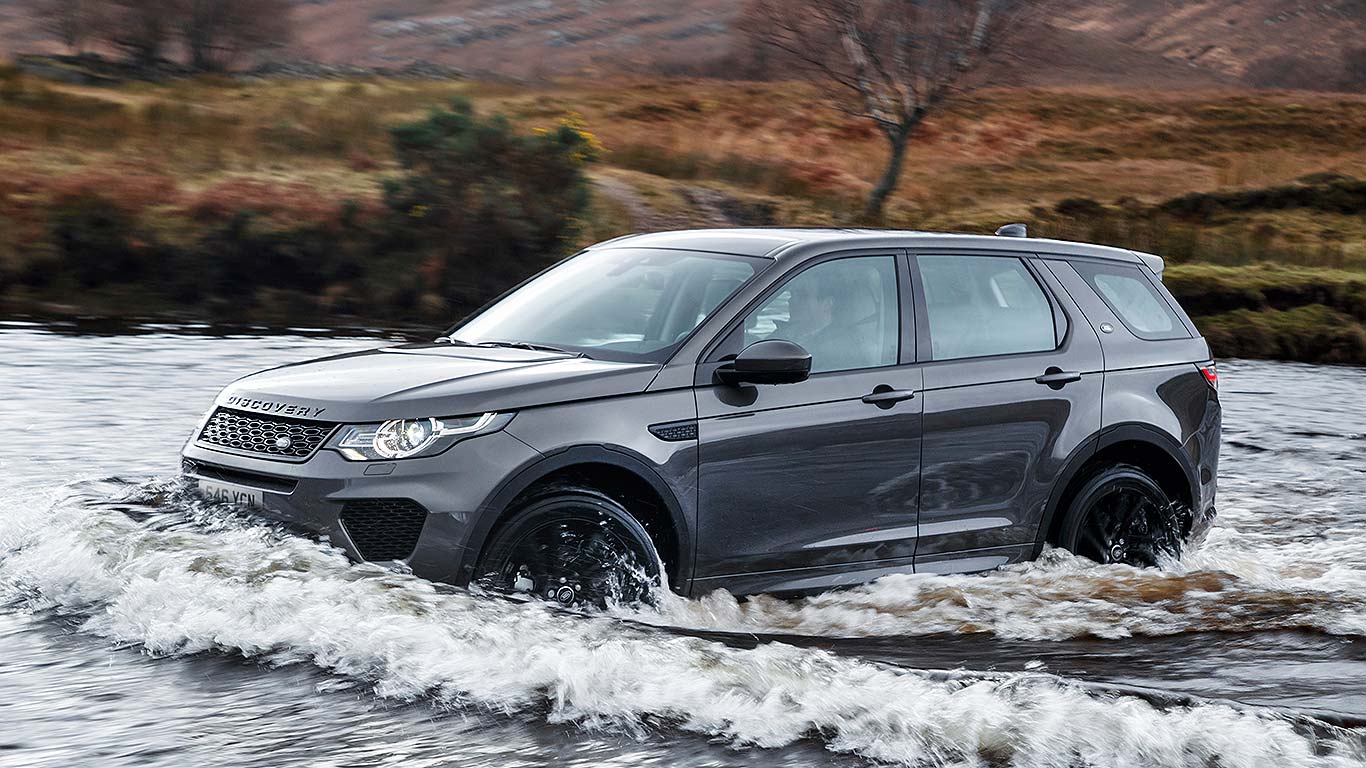
10: Land Rover Discovery Sport
Built at Halewood in Liverpool, Land Rover’s seven-seat SUV is doing solid business, although is still not as popular as its ageing premium Range Rover sibling, up next…
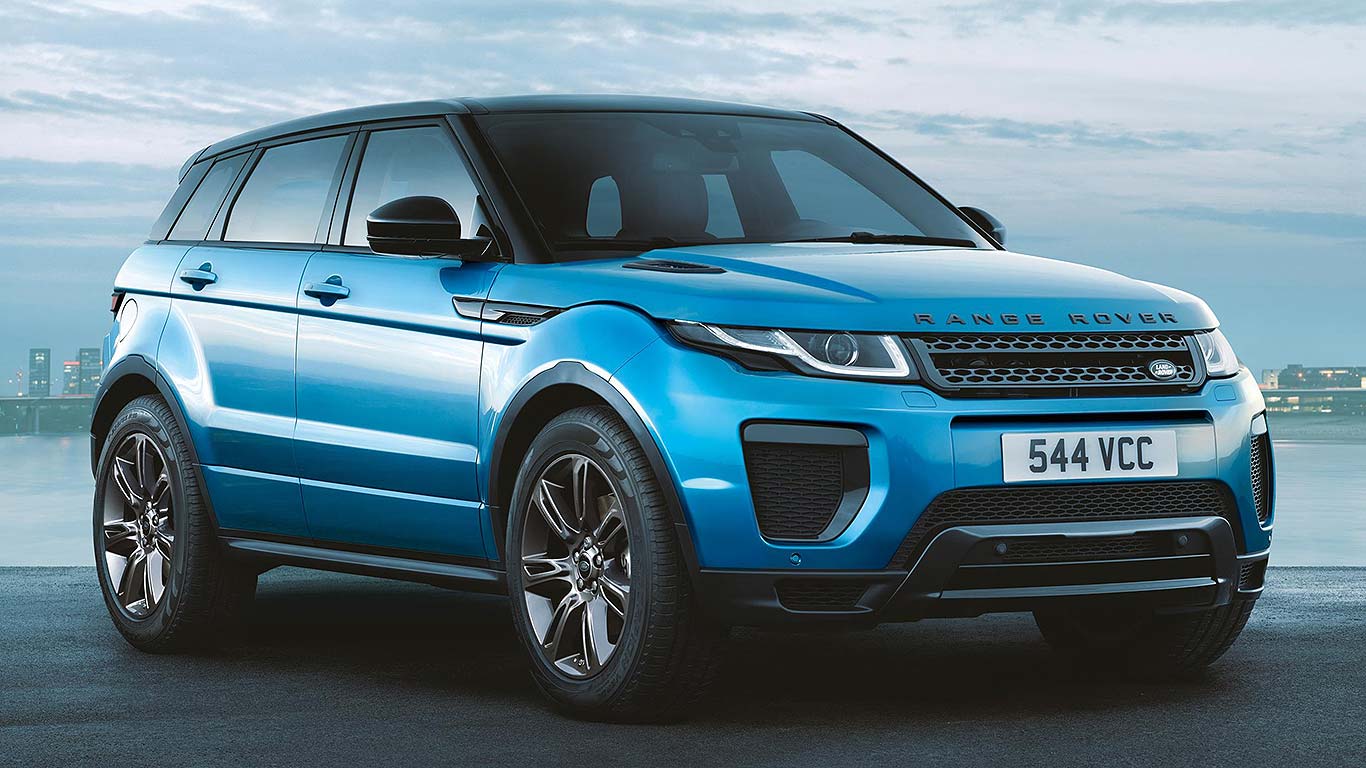
9: Range Rover Evoque
But how long can the Range Rover Evoque continue to defy the odds? Since its introduction in 2011, Halewood has operated 24/7, but Land Rover recently announced this is drawing to a close, as sales start to slow ahead of its replacement.
A new Range Rover Evoque is expected to be seen later in 2018, and hopefully the flat-out operation of the giant JLR plant near Liverpool will recommence…
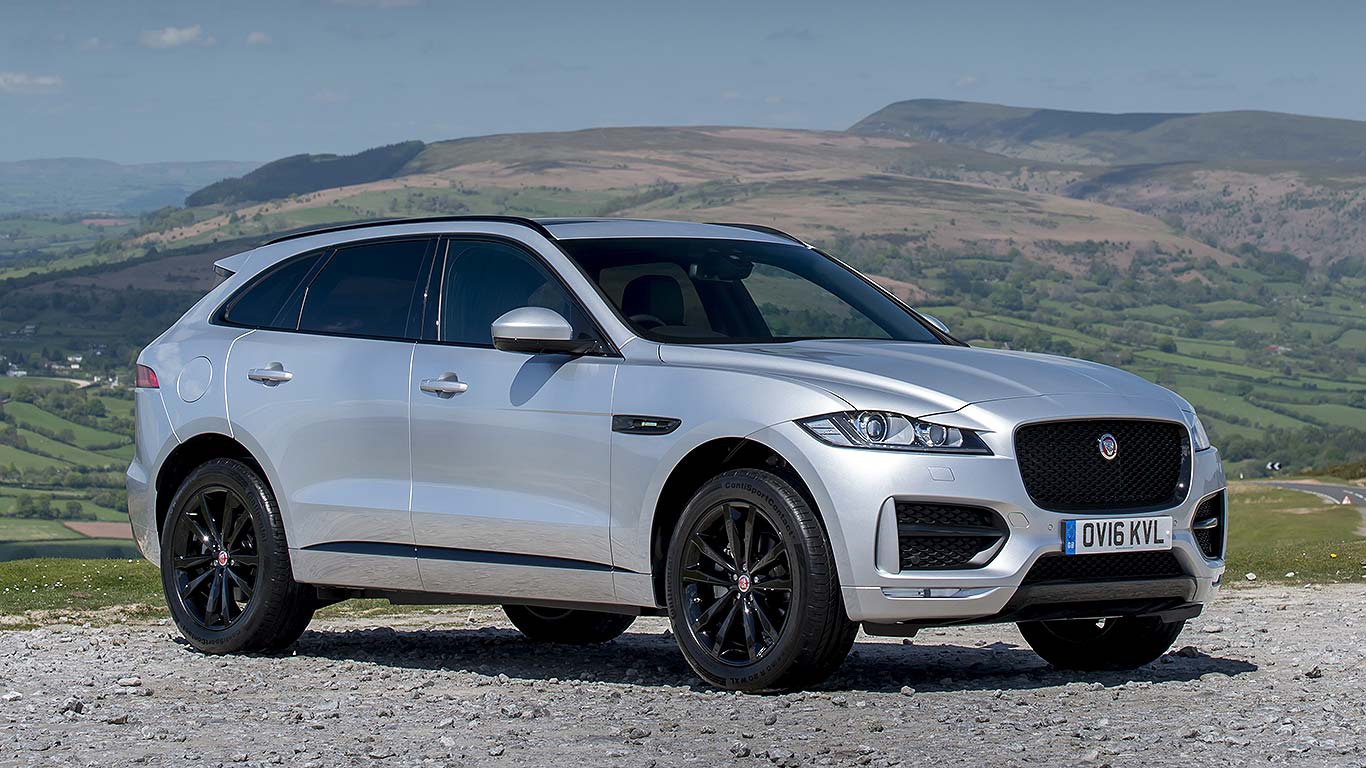
8: Jaguar F-Pace
Jumping into eighth place is a Jaguar! The firm’s incredibly popular F-Pace is becoming the most successful, most significant Jag ever, and has at last put the brand on the map. It’s built in Solihull and this facility too is operating around the clock to meet demand.
It’s the reigning 2017 World Car of the Year, which boosted its success in 2017, and demand still shows little sign of tailing off in 2018.
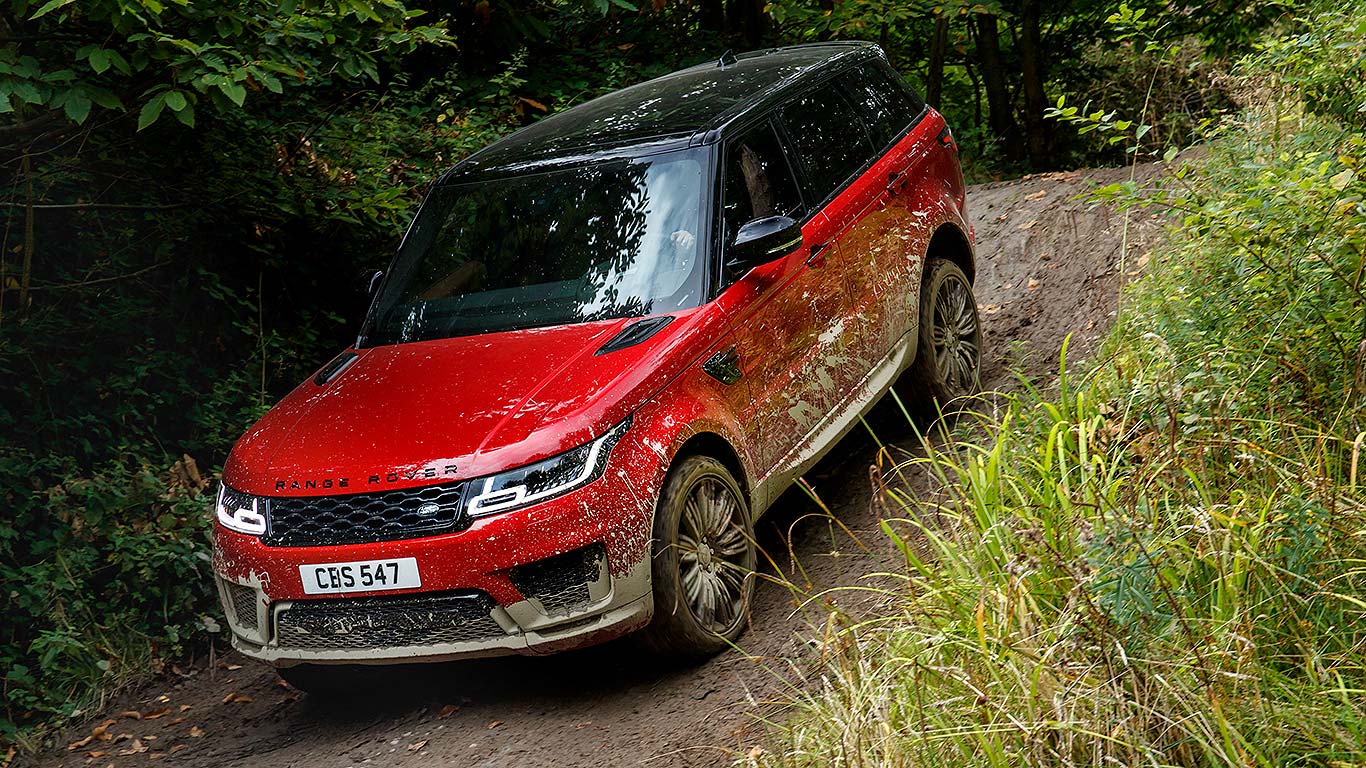
7: Range Rover Sport
Said to be Jaguar Land Rover’s single most profitable model, the Range Rover Sport thrived for another year in 2017. It was facelifted later in the year and a plug-in hybrid is now available, further boosting the aluminium-built model’s green credentials.
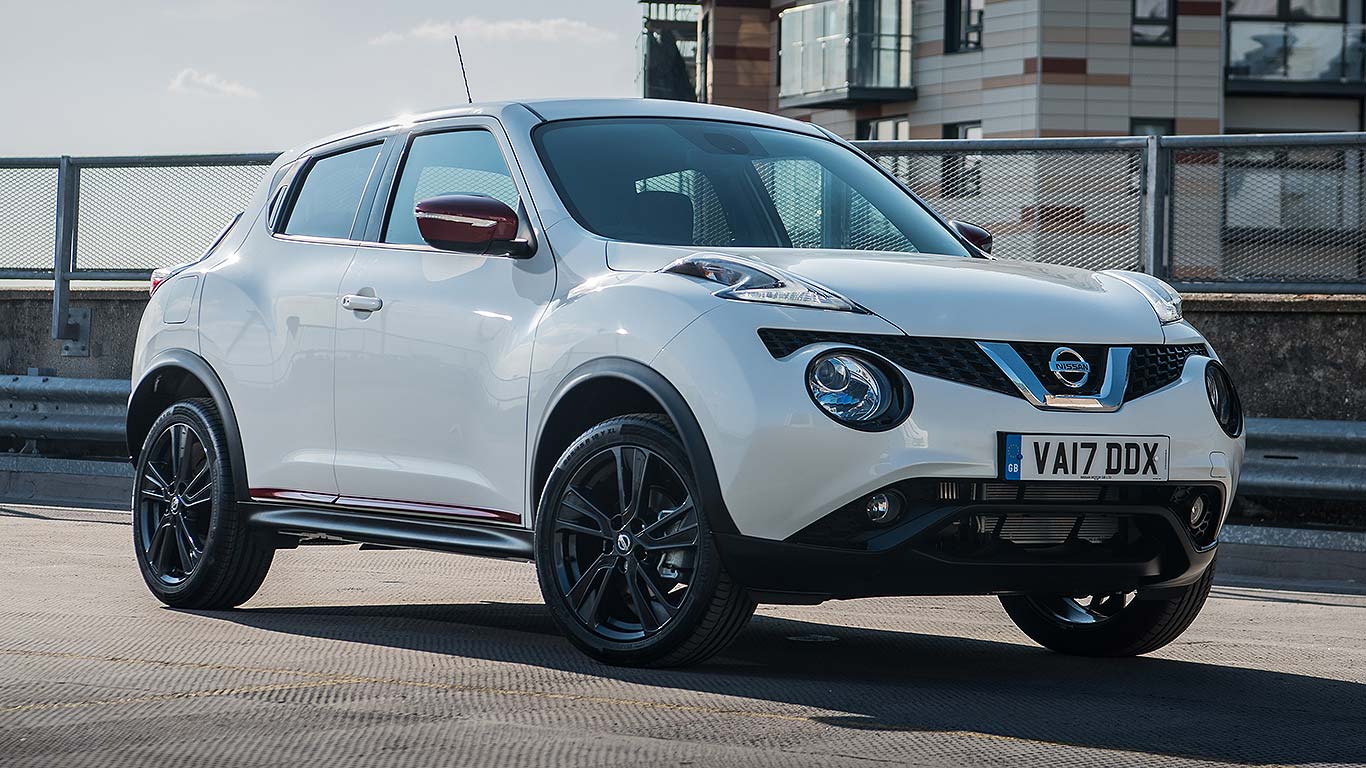
6: Nissan Juke
Nissan builds the Juke at its massive Sunderland plant, but the supermini-sized crossover is ageing badly, and demand is tailing off. We expect to see a new Juke in 2018 which again should restore the car’s fortunes – provided Nissan again gets the design right, that is.
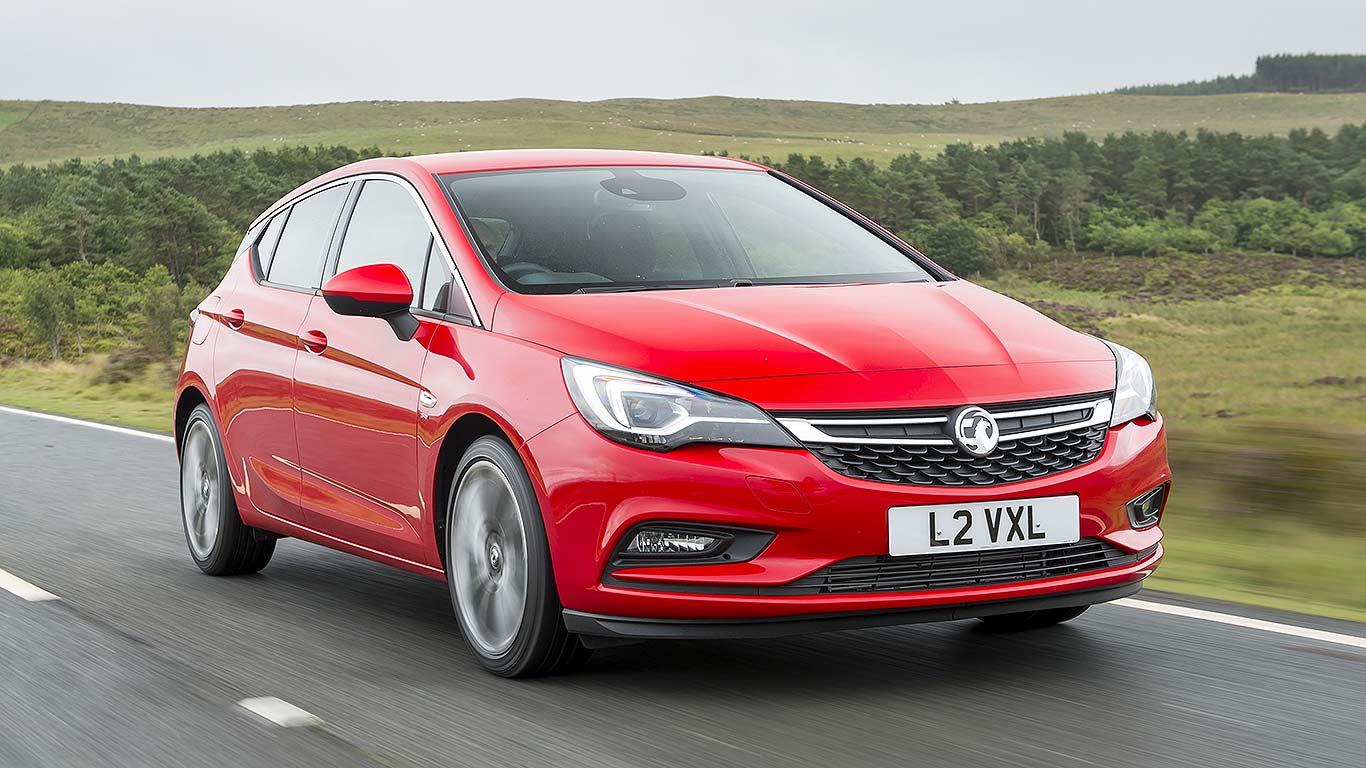
5: Vauxhall Astra
There’s much concern over Vauxhall’s Astra production plant in Ellesmere Port. A second round of redundancies has been announced as the facility ramps up efforts to prove its sustainability. The latest Astra is a good car, but the malaise of the brand is having a big effect on sales.
The future of this car plant is one to watch carefully – it’s probably the most under-threat automotive factory in Britain right now…
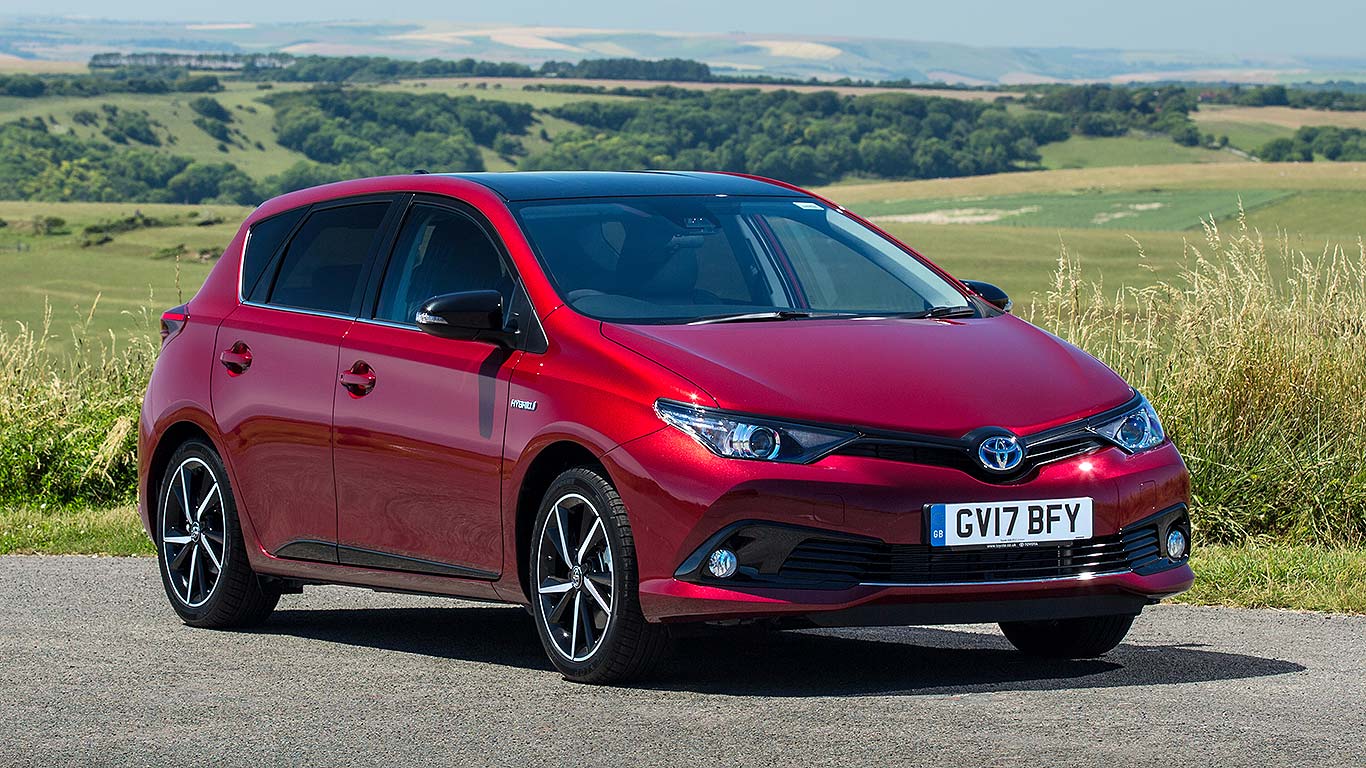
4: Toyota Auris
The ageing Auris is nearing replacement. Toyota has already announced its Burnaston, Derbyshire factory will make the new one, which is good news. This means there won’t be too much concern about dropping behind a Japanese arch-rival in the UK car production stakes…
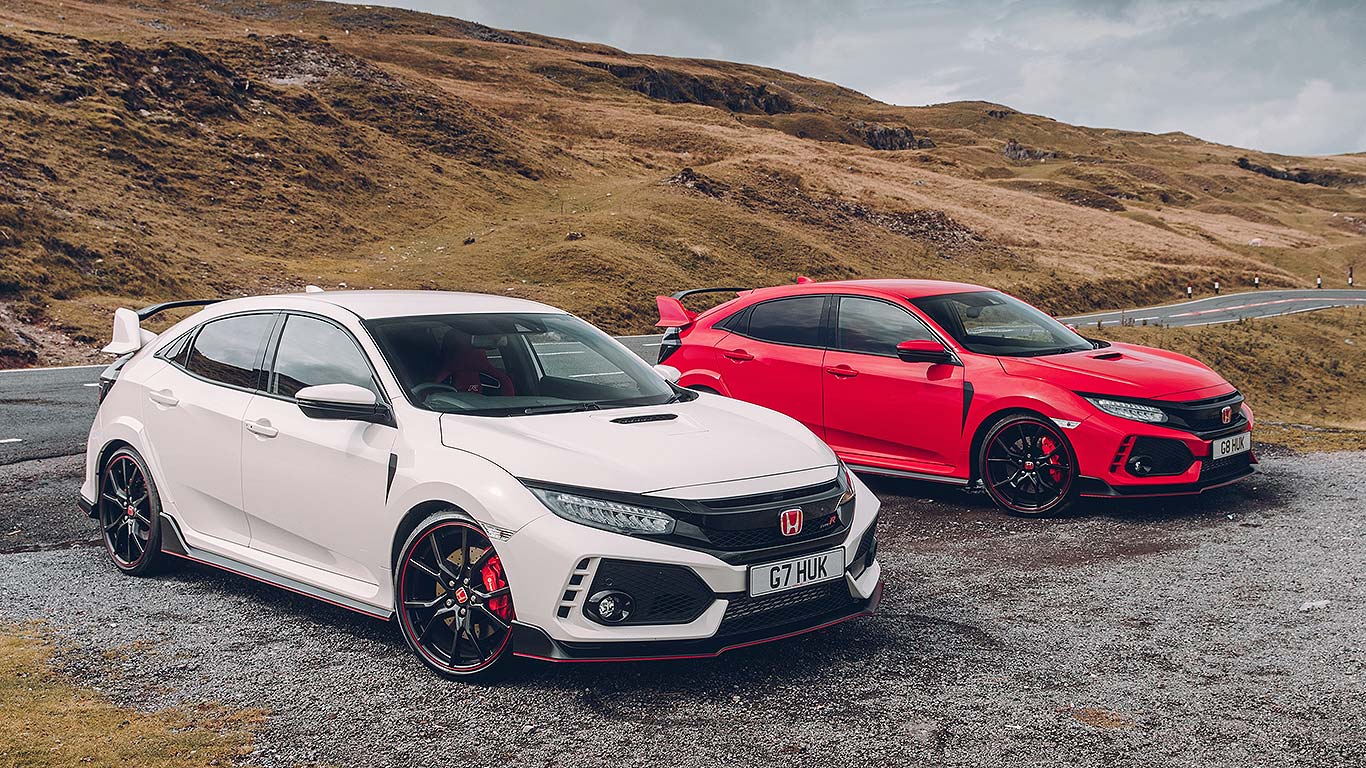
3: Honda Civic
The latest Honda Civic is proving to be a huge success, which is great news for the plant in Swindon. Half of all production is exported to the United States, such is North American demand for the new Civic, and the factory is back to operating at near-capacity.
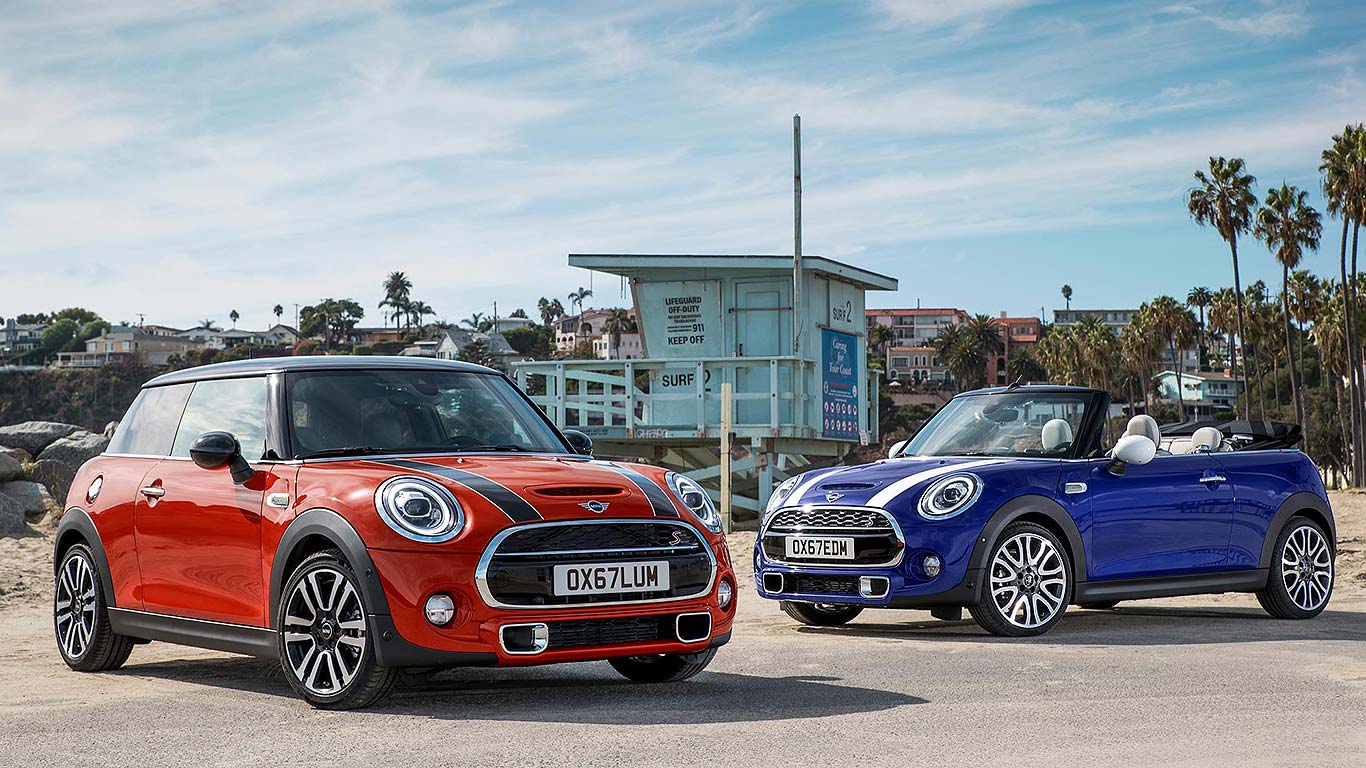
2: Mini
Mini enjoyed a solid year in 2017. Production was up slightly, and a new electric model was confirmed for the Plant Oxford factory, bringing sustainable models to its future roster.
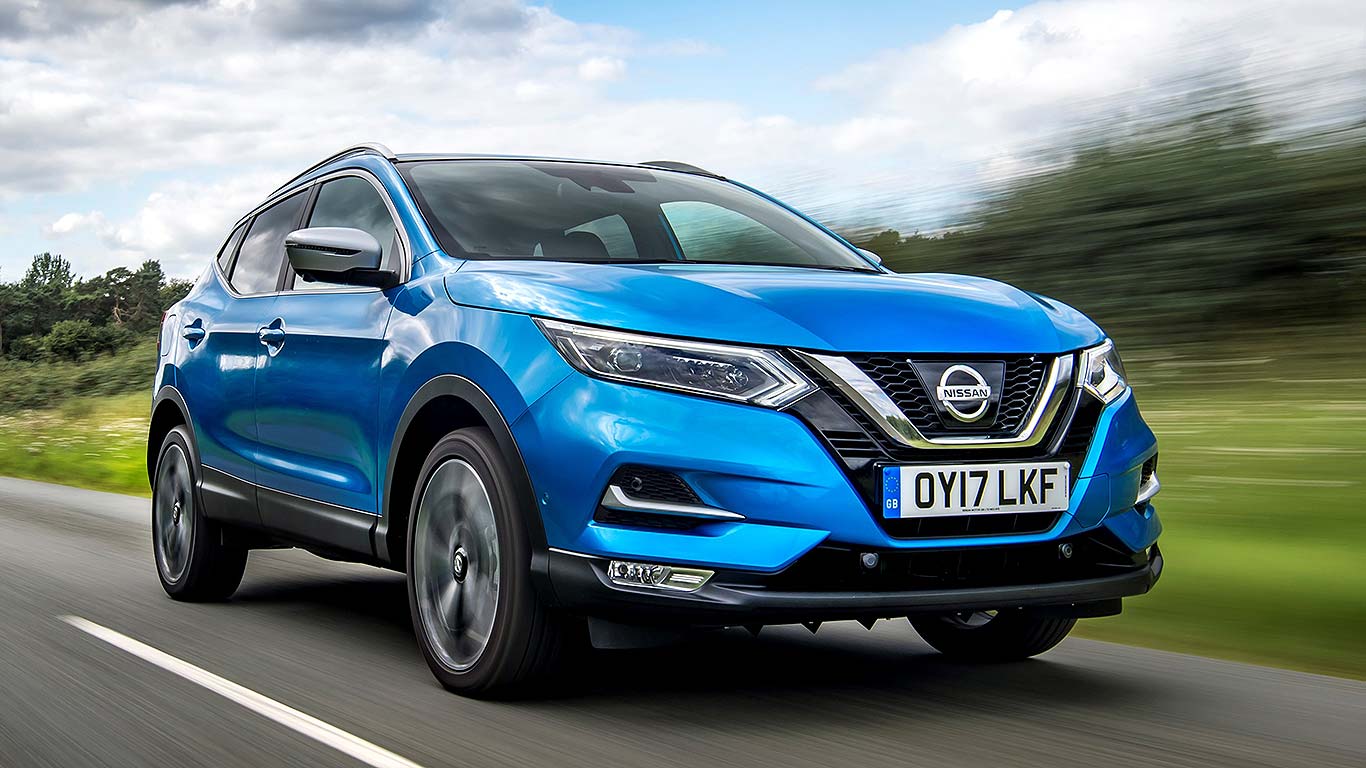
1: Nissan Qashqai
The Nissan Qashqai continued its reign as the car Britain builds in greater numbers than any other. A facelifted model was seamlessly launched in 2017 which, like all other Qashqais, was designed at the firm’s Paddington studio and engineered at its base in Cranfield, Bedfordshire.
That the Qashqai continues to be one of the best-selling cars for British buyers means it’s a success story both here and abroad. Long may it continue…
2017’s biggest car makers in Britain
So that’s the top 10 cars – how did that leave the brand rankings? Well, fittingly, Jaguar Land Rover came out top, as the car firm building most cars in Britain. It was down marginally, by 2.3 percent, as was the next-largest car firm, Nissan.
Mini was third, with a modest production increase, and Honda was boosted by over 22 percent by the success of the new Civic. Derbyshire’s Toyota, in contrast, was hobbled by the ageing Auris and Avensis – although Ellesmere Port’s Vauxhall has no such excuses, as the Astra is a relatively new model. Just what is going wrong at Vauxhall?
1: Jaguar Land Rover: 532,107 cars – DOWN 2.3 percent
2: Nissan: 495,206 cars – DOWN 2.4 percent
3: Mini: 218,885 cars – UP 3.8 percent
4: Honda: 164,160 cars – UP 22.4 percent
5: Toyota: 144,077 cars – DOWN 20.1 percent
6: Vauxhall: 92,164 cars – DOWN 22 percent
7: Specialists: 24,567 cars – DOWN 9.4 percent
The British car exporters
So where are all the cars built in Britain exported to? The EU is Britain’s single biggest trading partner, taking more than half the 1.3 million cars built here in 2017. The next biggest market is the US, although as the figures show below, this is way down on around 15 percent of cars made here…
Top 10 markets for British-built cars in 2017
1: 53.9% – EU
2: 15.7% – US
3: 7.5% – China
4: 2.9% – Australia
5: 2.6% – Turkey
6: 2.6% – Japan
7: 2.1% – Canada
8: 1.6% – South Korea
9: 1.2% – Russia
10: 0.9% – Israel
Britain in Europe
Which were the top EU countries for British cars? Leading the way is Germany, which is fitting, because many of the UK’s top 10 best-selling cars are actually built in Germany. Surprisingly, more British-built cars go to Belgium than the much larger market of Spain.
And what was the best-selling car in the best-selling country for British cars, Germany? Why, the Vauxhall Astra…
1: Germany
2: Italy
3: France
4: Belgium
5: Spain
The powerhouses of Britain
It wasn’t just cars built in Britain last year – and this was a real production highlight of 2017. 2.72 million of them were made in 2017, the biggest total ever, thanks to growth of 6.9 percent on 2016.
Big engine plants include Ford’s Dagenham and Bridgend, Toyota in Deeside BMW at Hams Hall and, of course, Jaguar Land Rover’s huge factory in Wolverhampton.
It’s back… but not just yet. The BBC hasn’t confirmed the official air date for the next series of Top Gear, but with The Grand Tour finding its groove, the broadcaster will be keen to ensure it doesn’t get forgotten.
“The world’s biggest motoring show is back!” proclaims the press release, which appears to be a direct response to Jeremy Clarkson’s introduction to a recent episode of The Grand Tour, in which he declared it be “the world’s most exciting motoring show”.
But let’s not turn this series preview of Top Gear into a battle of handbags and a steak-infused fracas. Instead, let’s look forward to an old favourite returning to our screens on a Sunday evening. It’ll sure as hell be a welcome break from Strictly Come Ice Skating Midwives.
The BBC is calling it series 25 of Top Gear, which is a bit like the Premier League claiming there was no football before 1992. But, it is the 25th series since Clarkson and co. gave the show a much-needed reboot in 2002. Sorry Woollard, Goffey, Edmonds and Rippon.
So, what can we look forward to when Top Gear returns at some point in the spring? Quite a lot, if the teaser images and video are anything to go by. They have a lot to cram into six hour-long episodes.
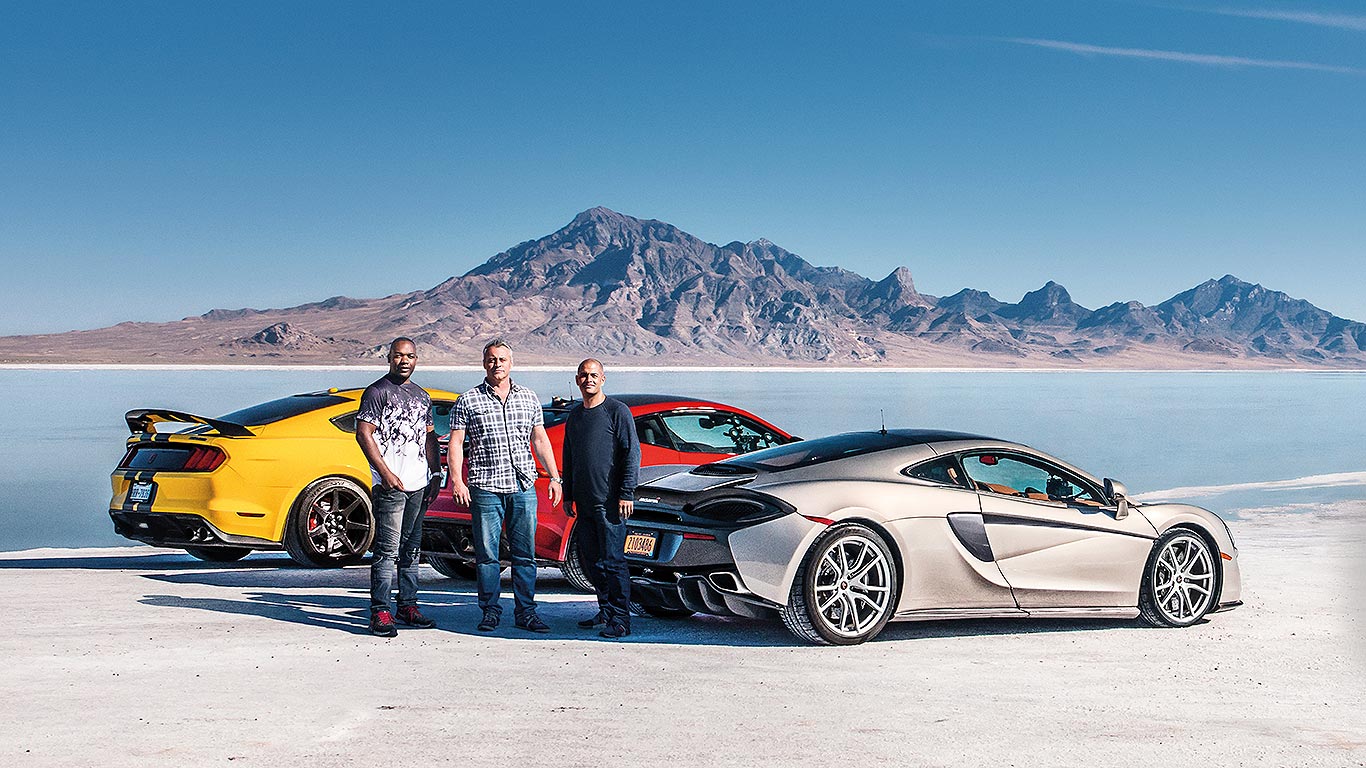
The group tests look interesting, with Matt LeBlanc, Chris Harris and Rory Reid driving across Utah in a Ford Mustang GT350R, Jaguar F-Type SVR and McLaren 570GT, and tackling the Burghley Horse Trials in an Alfa Romeo Stelvio, Volvo XC60 and Range Rover Velar.
We’ll also see Chris Harris taking a sumo wrestler for a ride in Japan, Matt LeBlanc getting up to mischief with Ken Block (again), and Rory Reid dancing in a car.
“Who says we don’t do serious car reviews?” asks Matt LeBlanc at the beginning of the trailer, before we’re treated to 60 seconds of dirt, tyre smoke, hijinx and a Roller slamming into a fruit and veg stall. Oh, and not forgetting The Stig.
When is it back? Well, the final episode of series two of The Grand Tour airs on 16th February, so our guess would be 25th February at the earliest.
Clarkson, Hammond and May have hit some real high points in this series – the Lancia vs Audi feature is a good case in point – so the BBC has some catching up to do. Over to you, Le Blanc, Harris and Reid.
 BP has become the latest fuel retailer to launch a smartphone app-based payment system, called BPme. The system is already live in more than 500 BP filling stations and the firm is targeting nationwide rollout by the spring.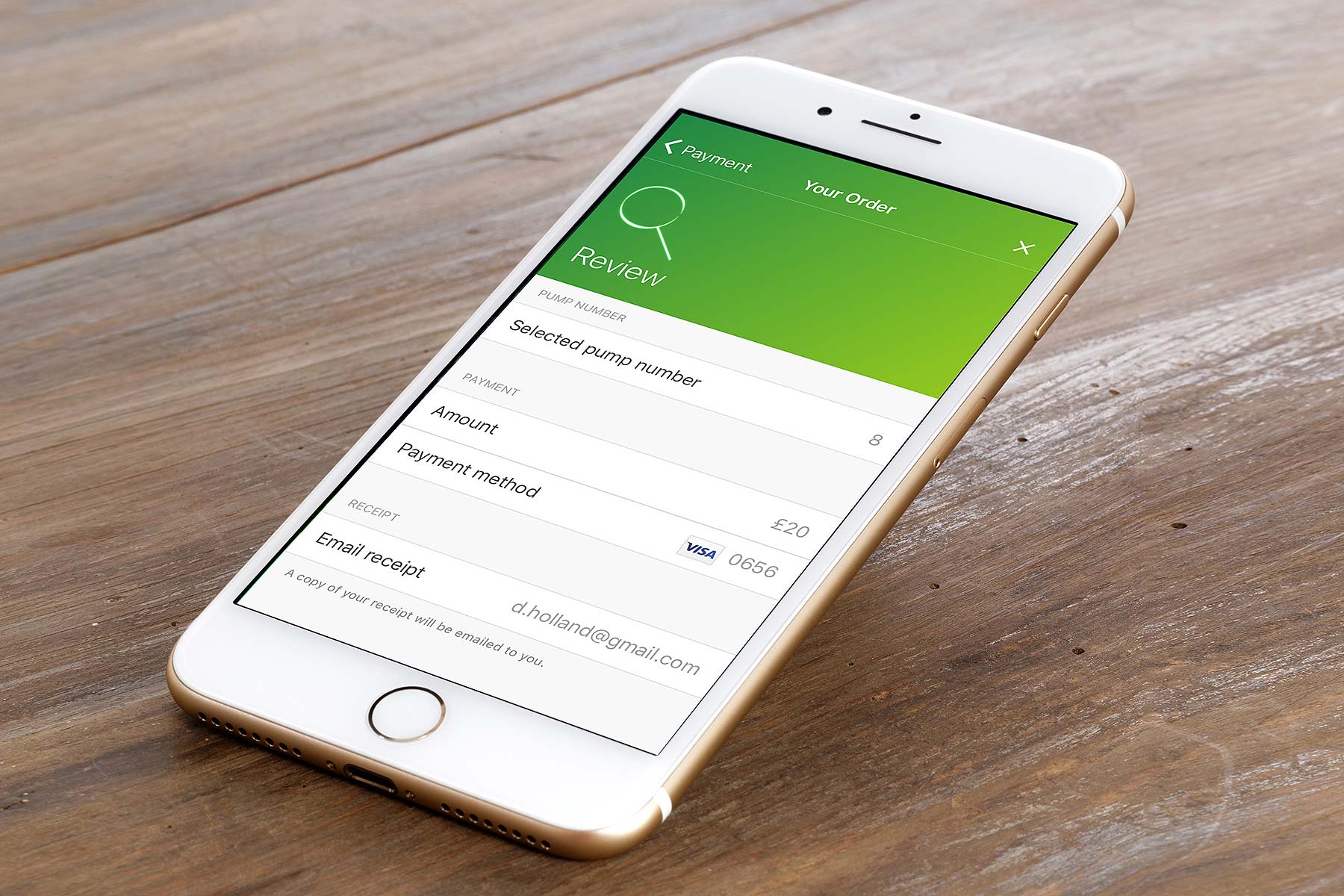
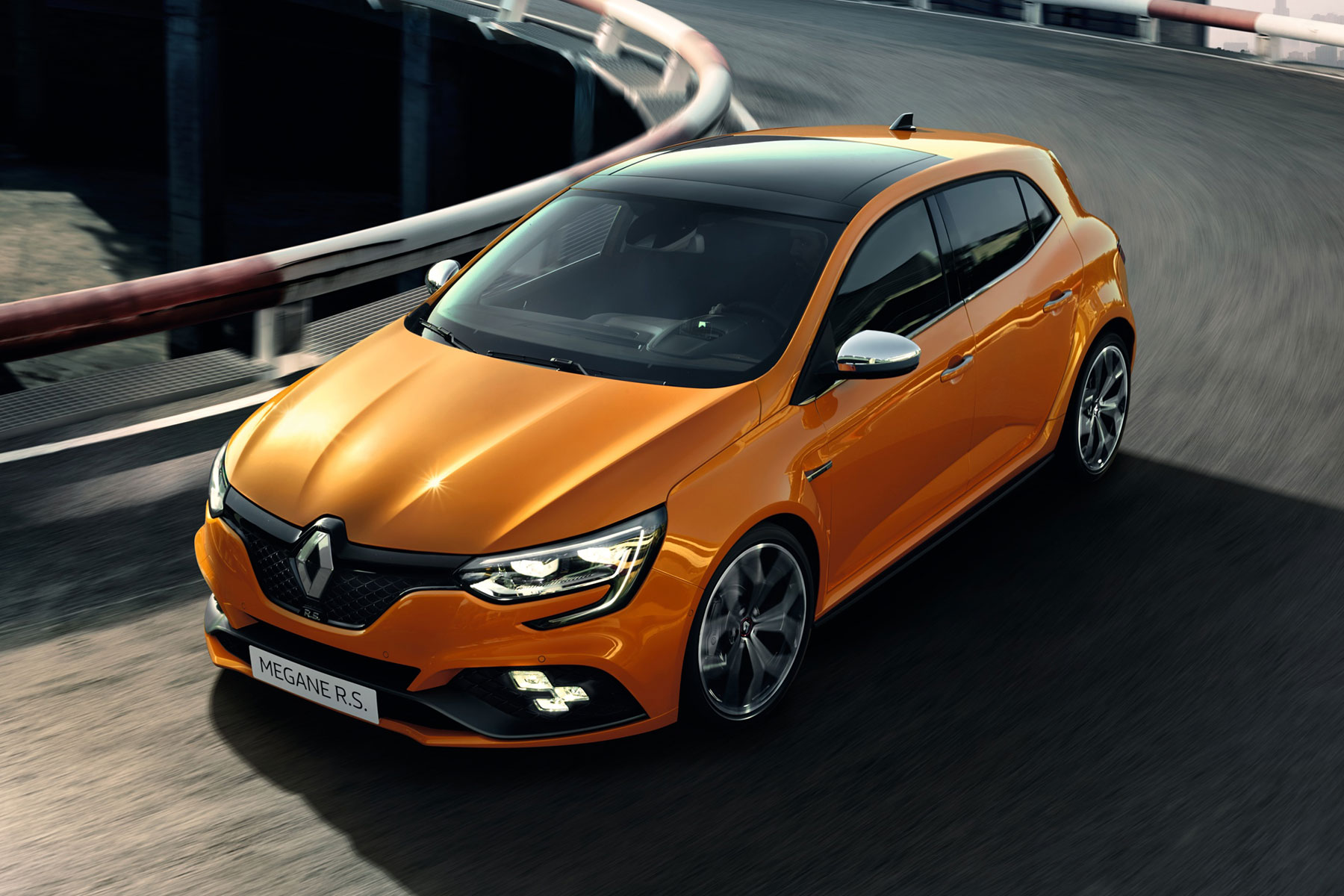 Renault has cut its UK new car warranty from four years to three, with the change kicking in for all cars and vans ordered from 1 February 2018. The standard warranty deal is now three years and 60,000 miles, or three years and 100,000 miles for the Renault Zoe EV and Koleos SUV.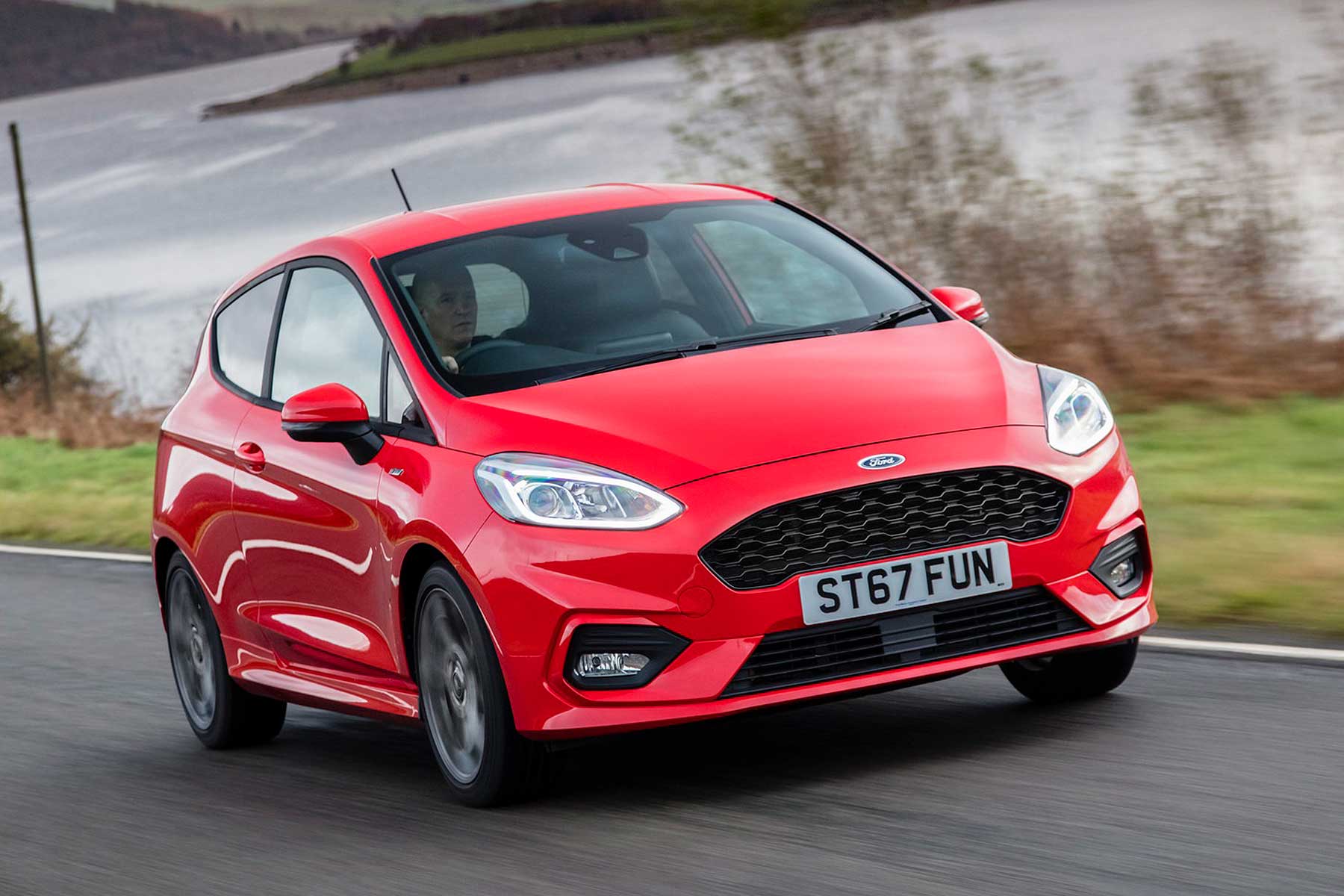
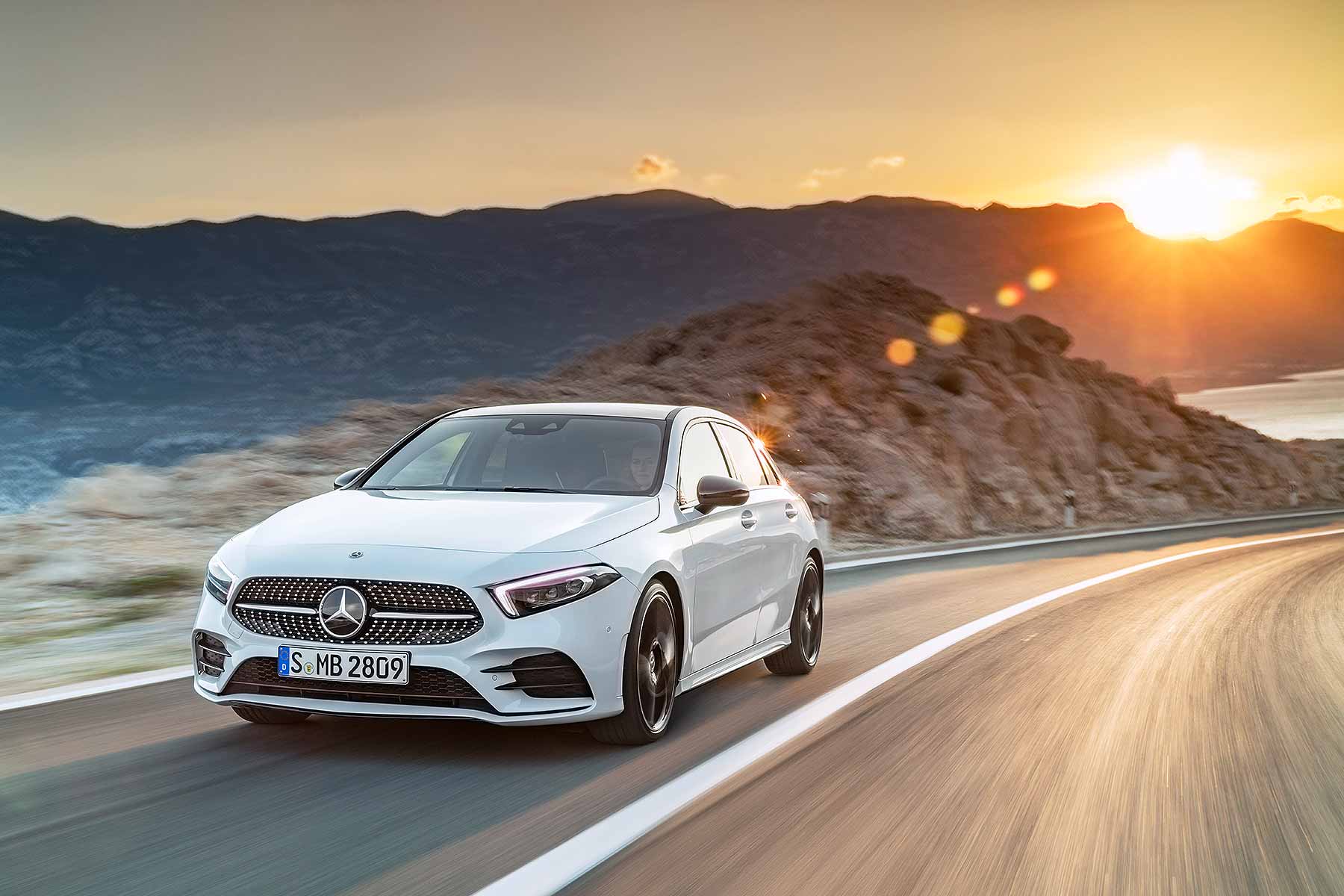 The new fourth-generation Mercedes-Benz A-Class has been revealed. The firm is bullish, saying it redefines modern luxury and revolutionises interior design in the compact class; ordering opens in March and deliveries begin in the spring.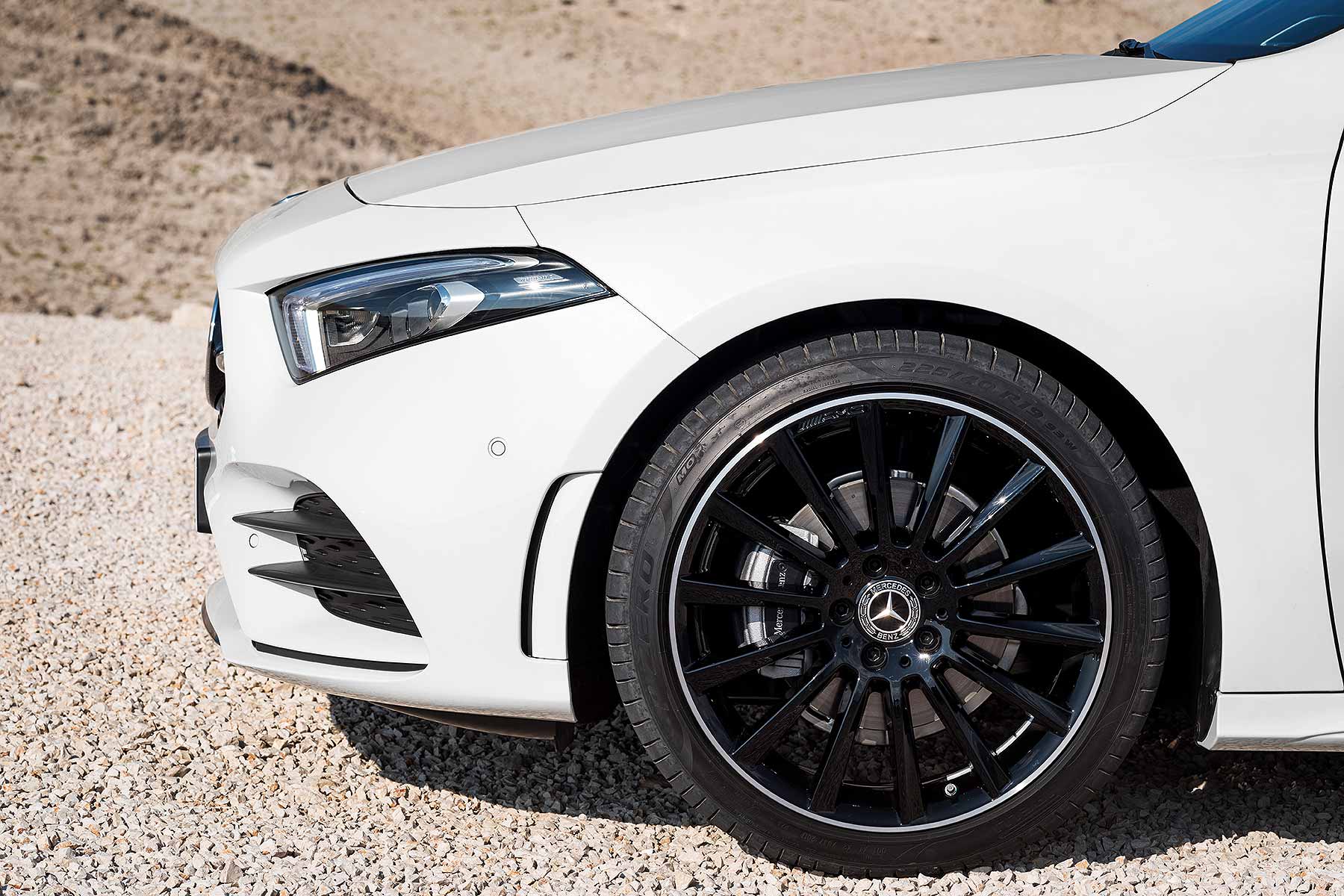
 Seat has cut up to £1,945 from the list price of its Leon Cupra range, taking the entry-level SC three-door and five-door models below £30,000 – for both manual and DSG automatics.
 First, the bad news. Fewer cars were built in Britain during 2017, the first decline in UK car manufacturing for eight years,