Home Blog Page 453

A brief history of Mercedes-AMG

0

Best AMG Cars

Aufrecht Melcher Großaspach, more commonly known as AMG, can trace its roots back to 1965. To celebrate Mercedes-Benz at its most bonkers, we pick 25 of the best AMG cars.

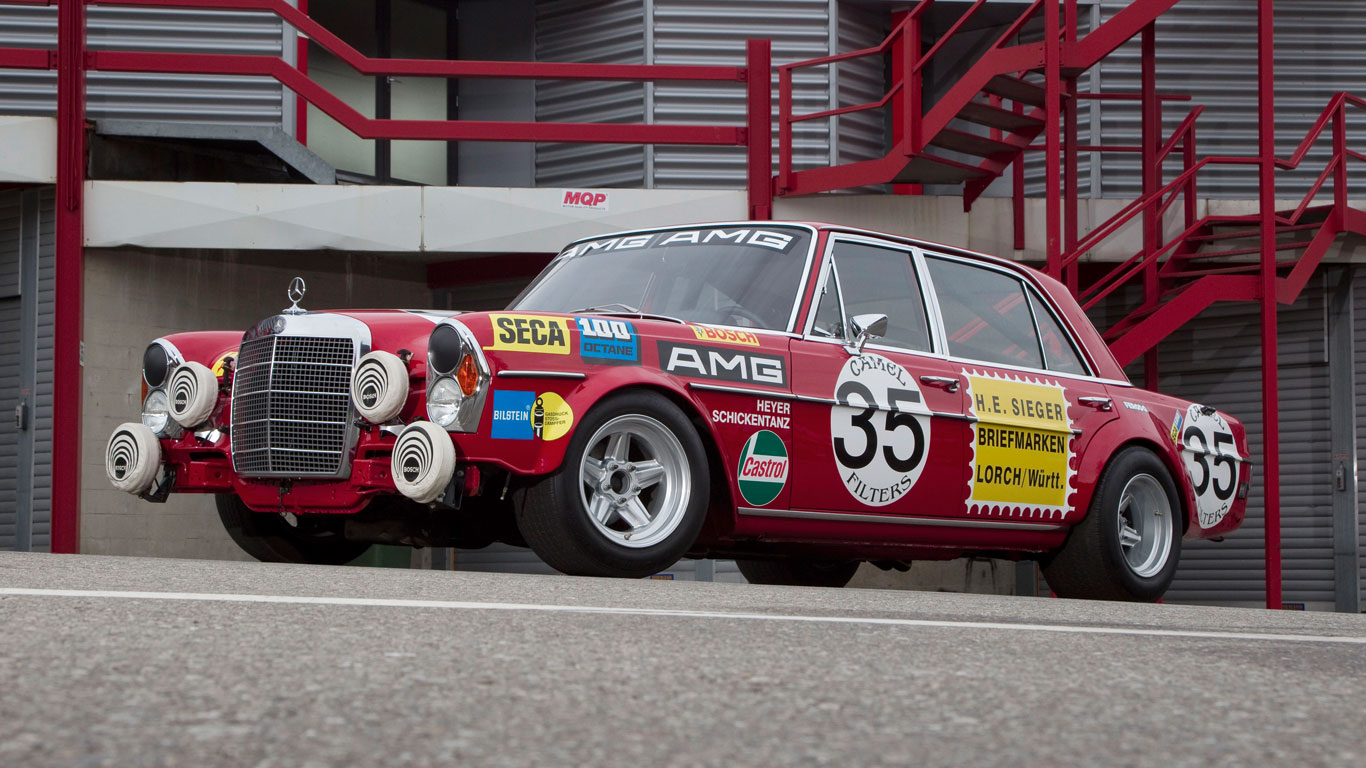
AMG 300 SEL ‘Red Pig’ (1971)
Best AMG Cars

Messrs Aufrecht and Melcher created the AMG Mercedes 300 SEL 6.8 in 1971 and it finished second overall at the 24 Hours of Spa. The ‘Red Pig’ was the first major milestone on the AMG journey.

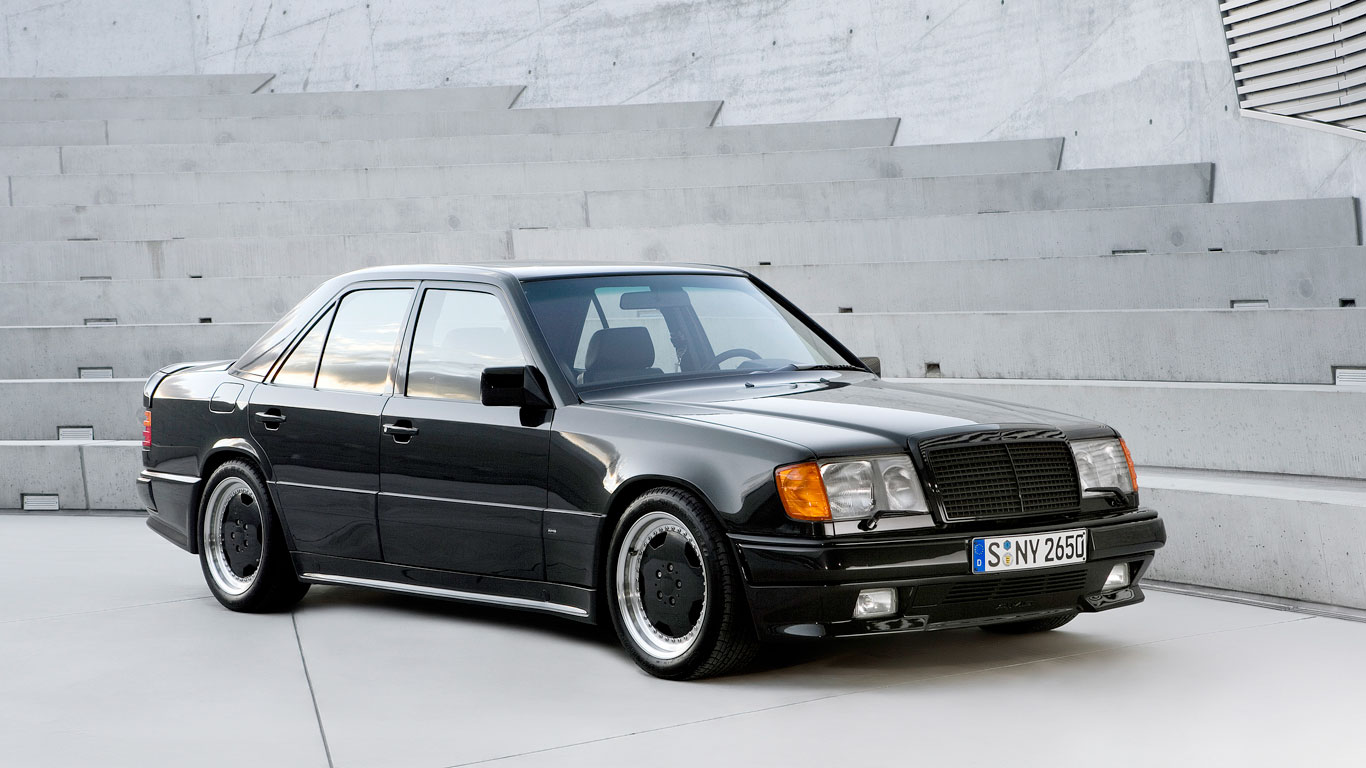
Mercedes-Benz 300 E 5.6 AMG (1986)
Best AMG Cars

AMG moved to its current home in Affalterbach in 1976 and, 10 years later, created the 5.6-litre V8 300 E. At the time it was the fastest production saloon car in the world.

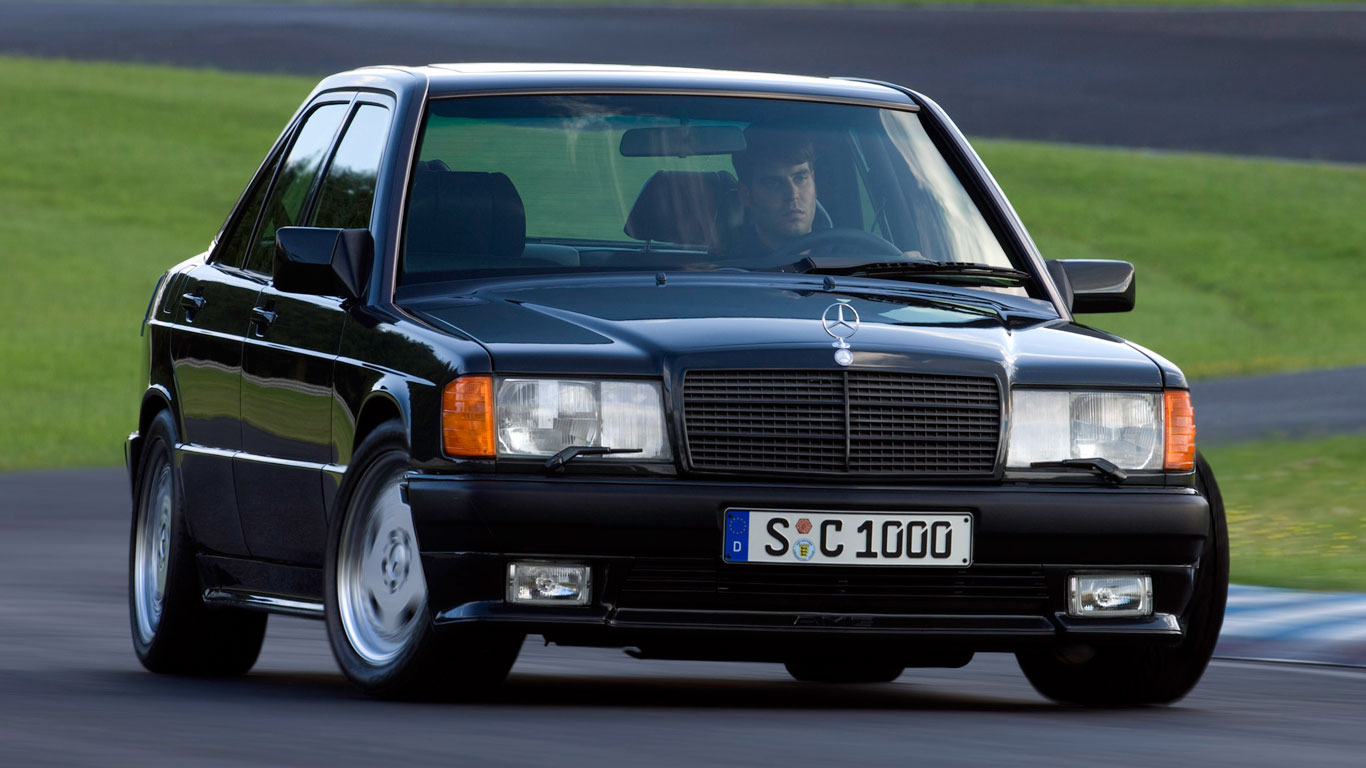
Mercedes-Benz 190 E AMG (1989)
Best AMG Cars

The 225hp 190 E AMG is significant for being the first AMG model to be available through Mercedes-Benz dealerships and with a full M-B warranty.

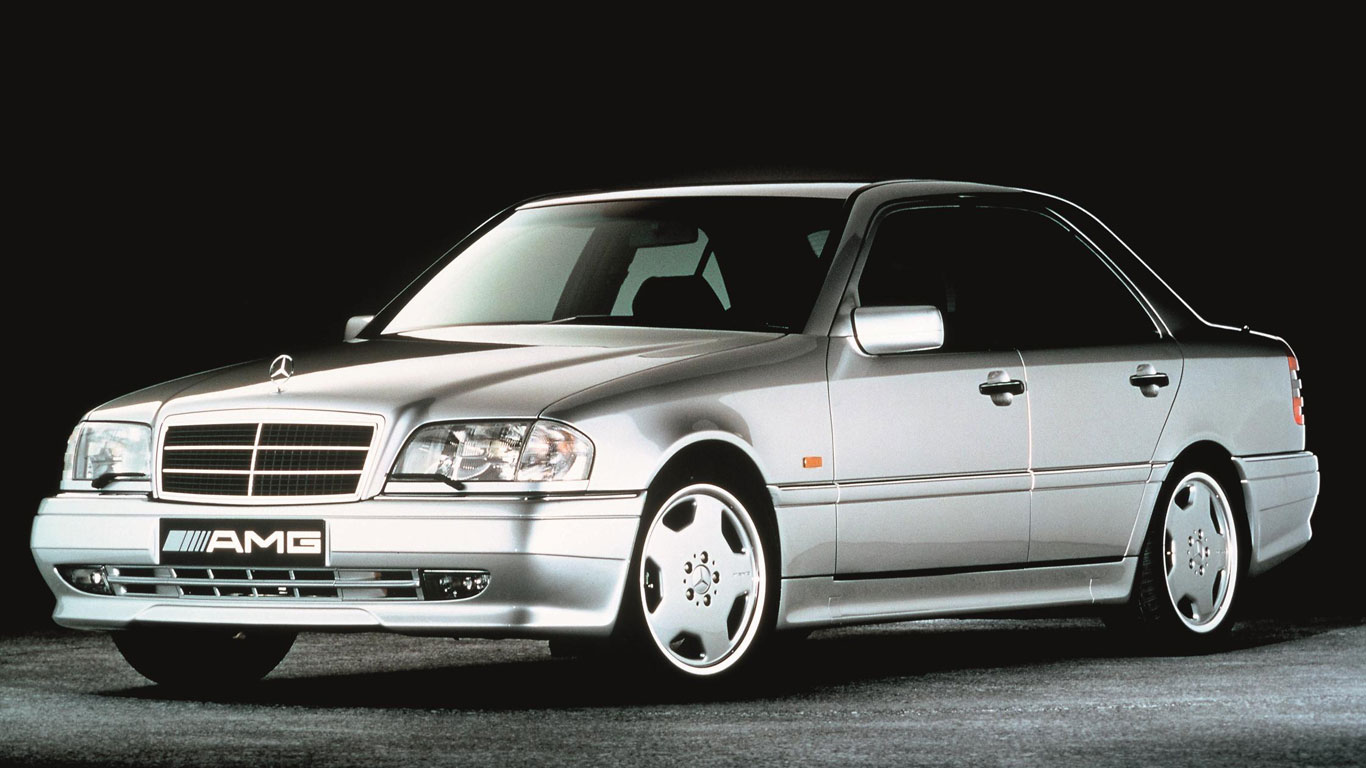
Mercedes-Benz C 36 AMG (1993)
Best AMG Cars

The 280hp C 36 AMG of 1993 is even more significant, as it was the first AMG car to be jointly developed by Mercedes-Benz and AMG. Looks remarkably subtle by modern standards.

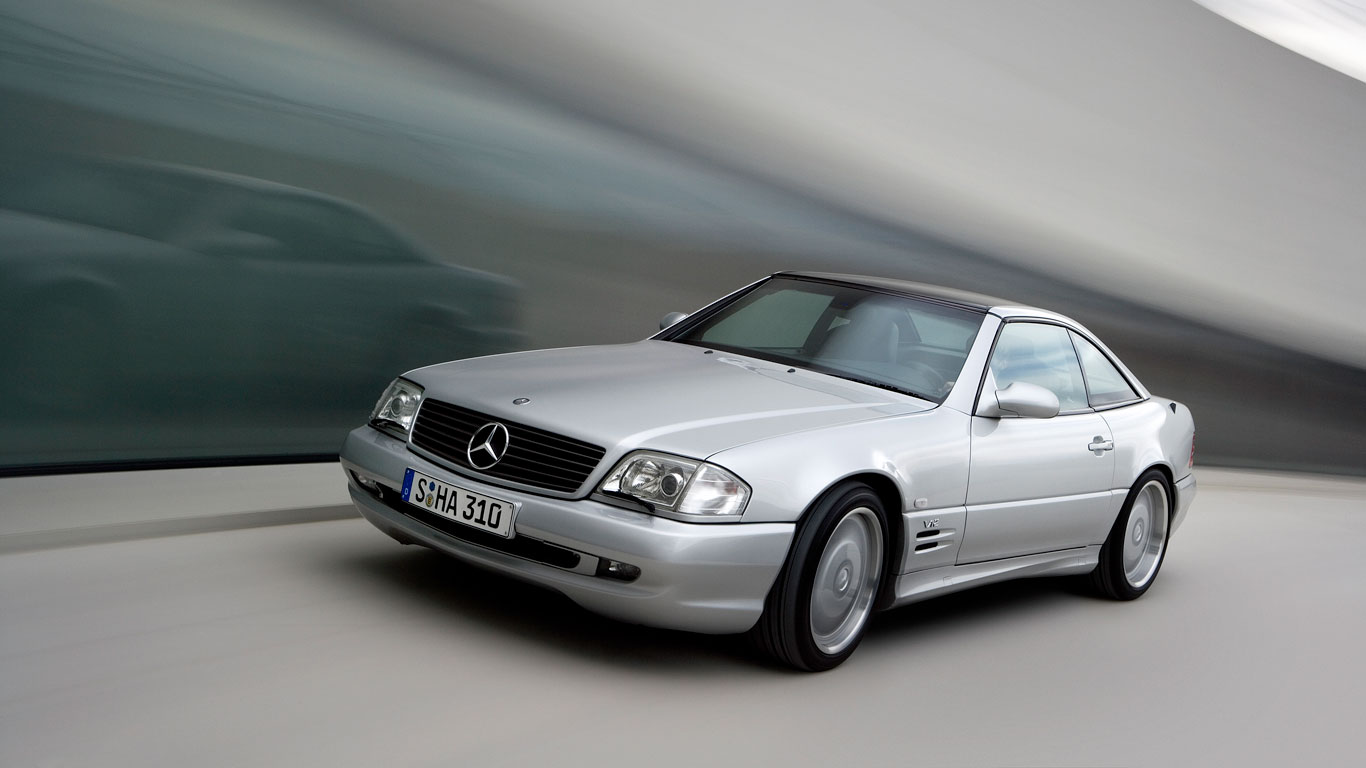
Mercedes-Benz SL 73 AMG (1995)
Best AMG Cars

The SL 73 AMG is a rare beast, as only 85 were ever made. It was a tad heavy and very, very expensive, but who wouldn’t want a 7.3-litre V12 SL? With a fuel card, preferably.

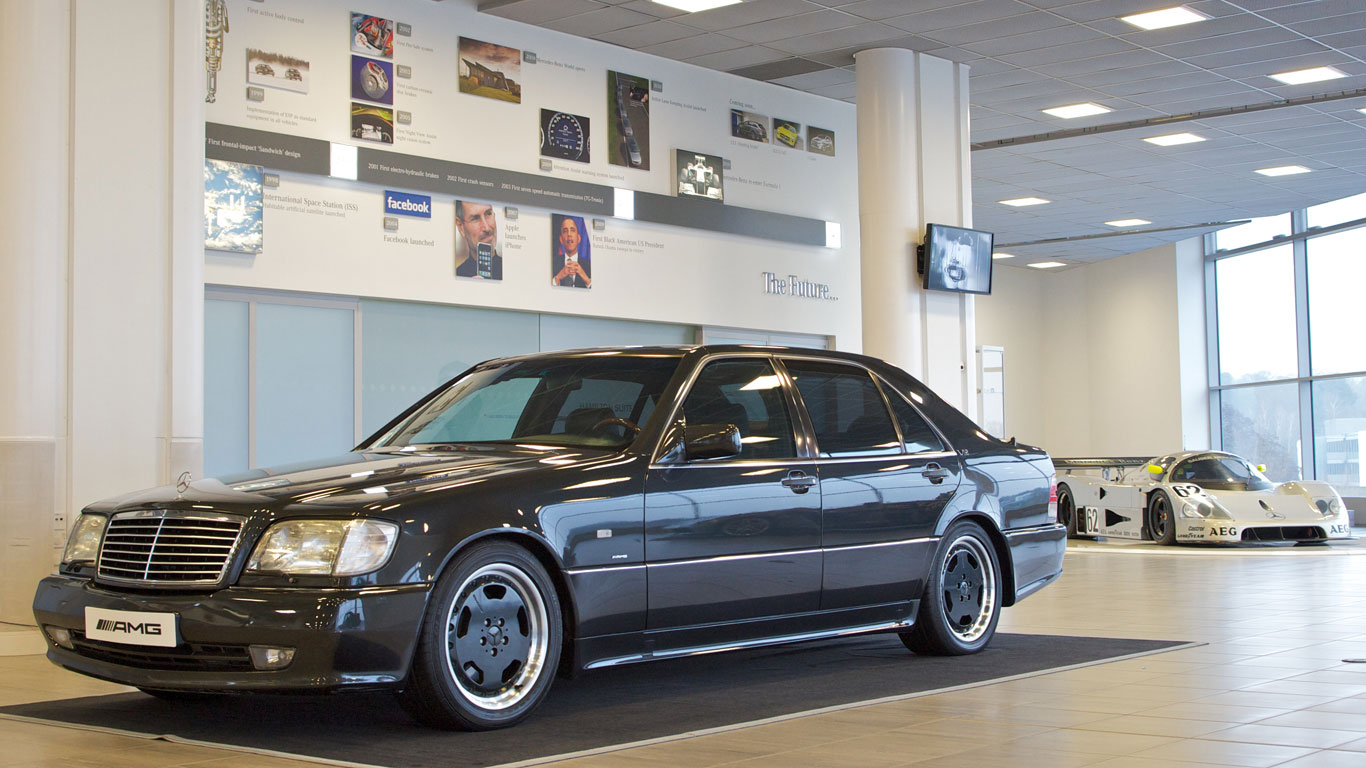
Mercedes-Benz S 70 AMG (1996)
Best AMG Cars

Talking of rarities, how about the S 70 AMG? Only 112 of these Autobahnstormers were built, each one with a 500-horsepower 7.0-liter V12 engine.

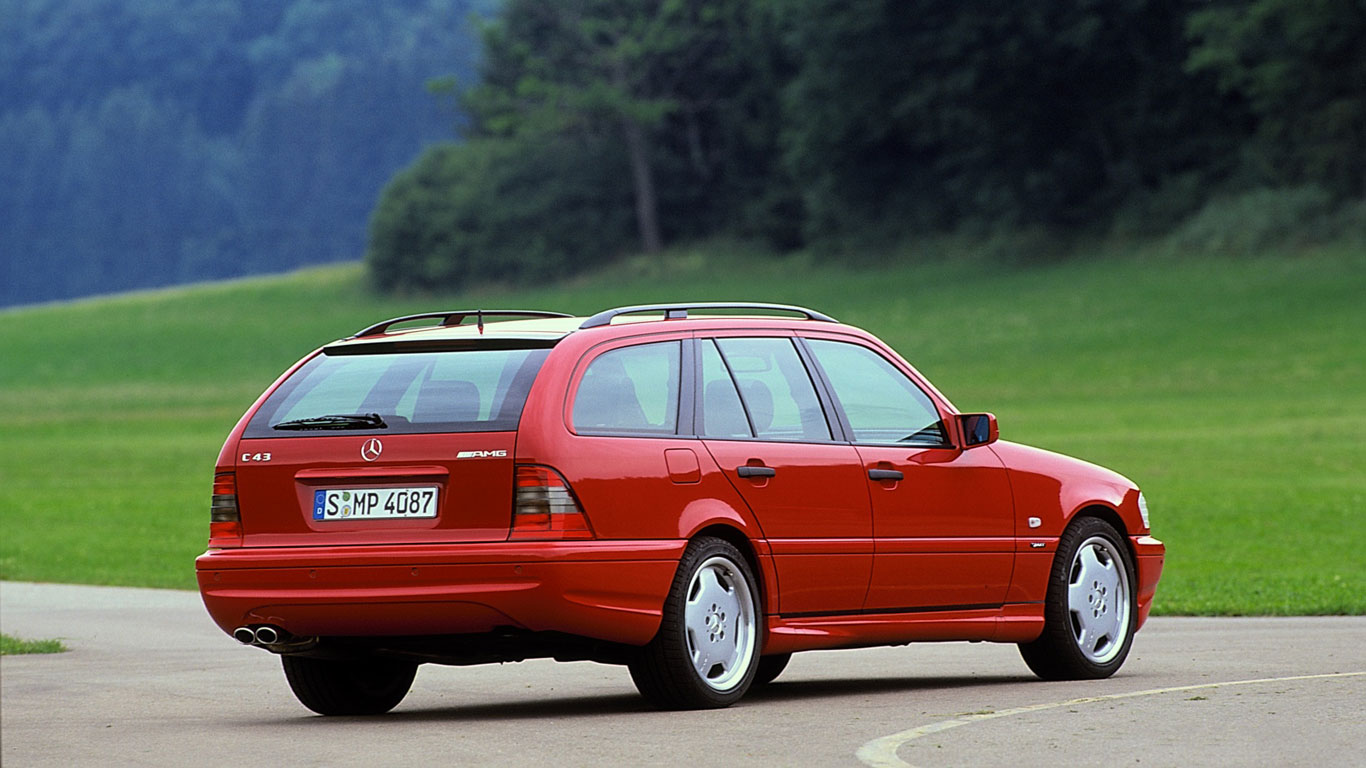
Mercedes-Benz C 43 AMG (1997)
Best AMG Cars

The C 43 AMG of 1997 was a tad more affordable, but no less alluring. Available as a saloon or estate, it was powered by a V8 engine developing 306-horsepower.

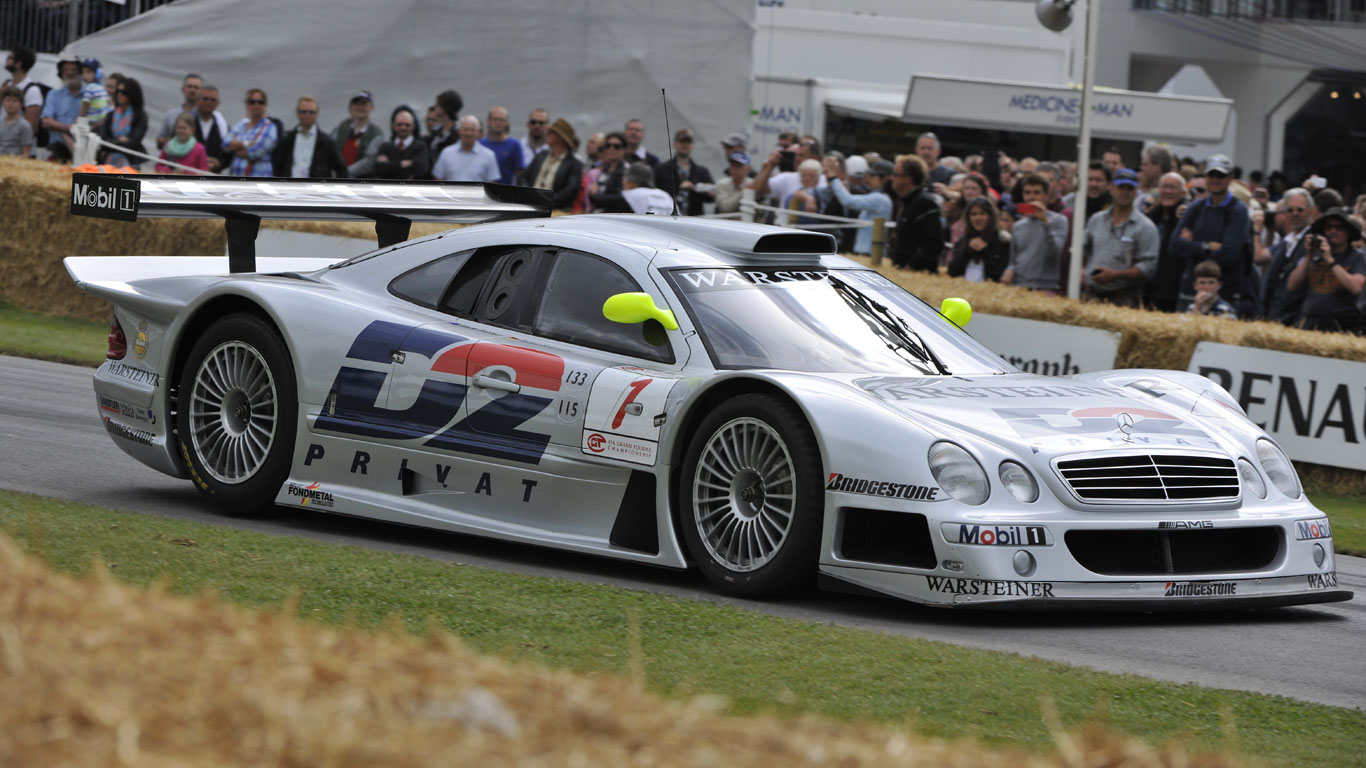
Mercedes-Benz CLK GTR (1999)
Best AMG Cars

The first of the Top Trumps-winning AMG cars. The CLK GTR was created for homologation purposes and only 26 were built (20 coupes, six roadsters).

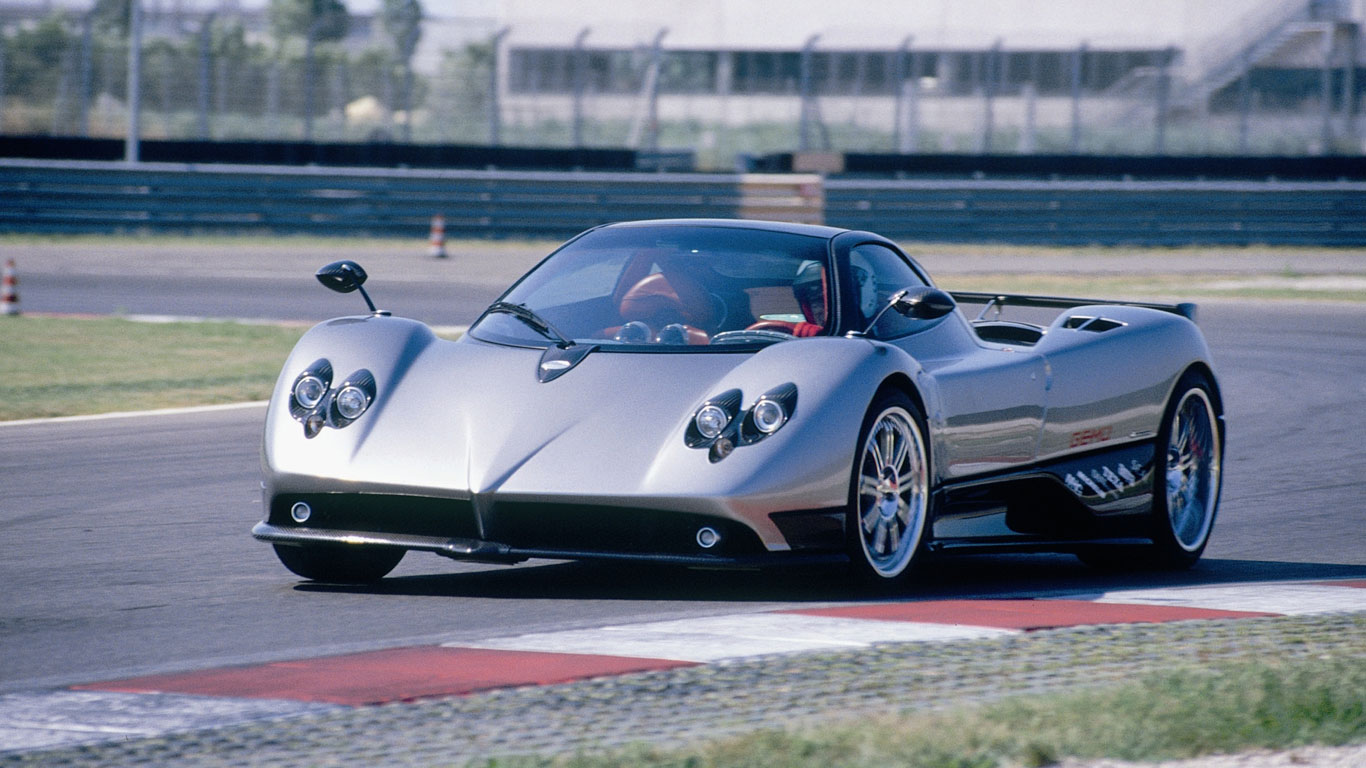
Pagani Zonda C12 (1999)
Best AMG Cars

Yes, we know the Pagani Zonda doesn’t wear an AMG badge, but it has the beating heart of Affalterbach. Power was sourced from the same 7.3-liter found in the earlier SL 73 AMG.

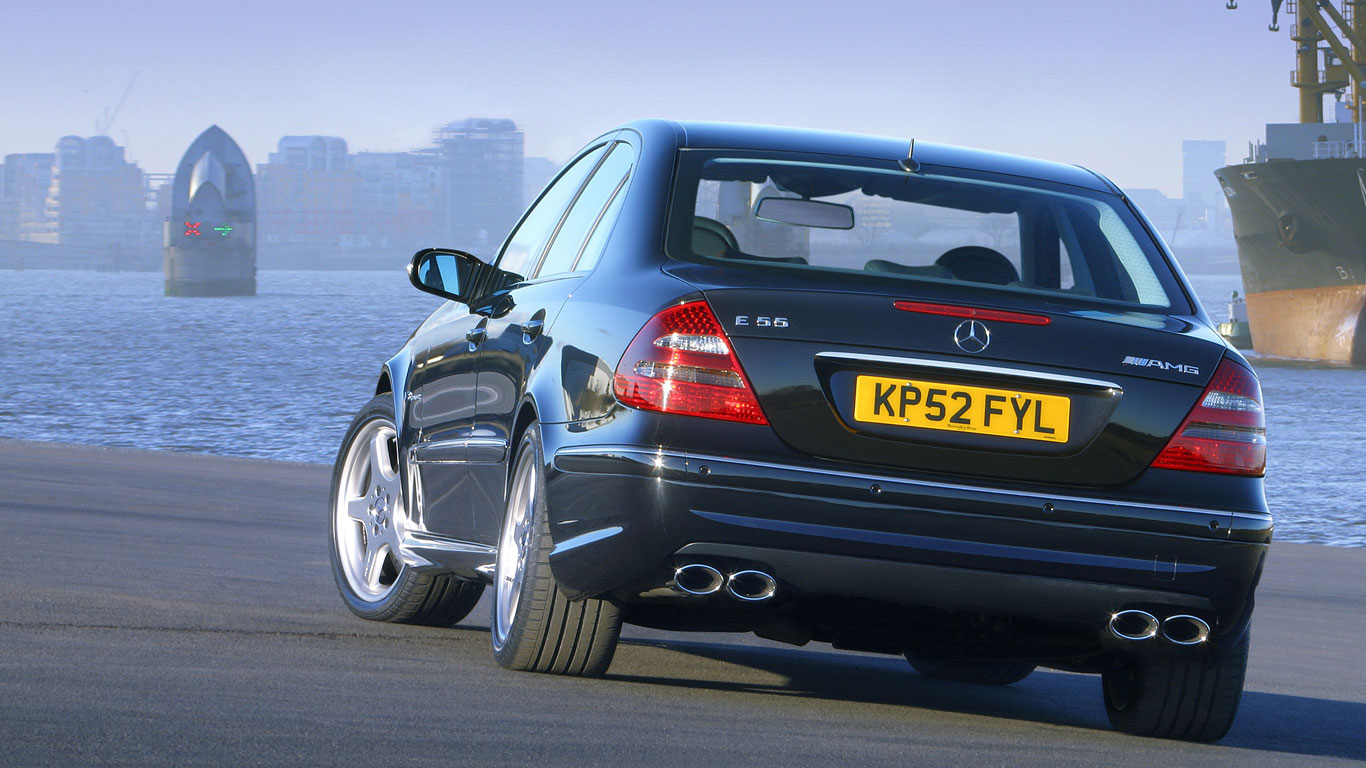
Mercedes-Benz E 55 AMG (2002)
Best AMG Cars

The year 2002 was a big one for Mercedes-AMG. Five new models were launched, including the E 55 AMG super-saloon, which represents a formidable used car bargain.

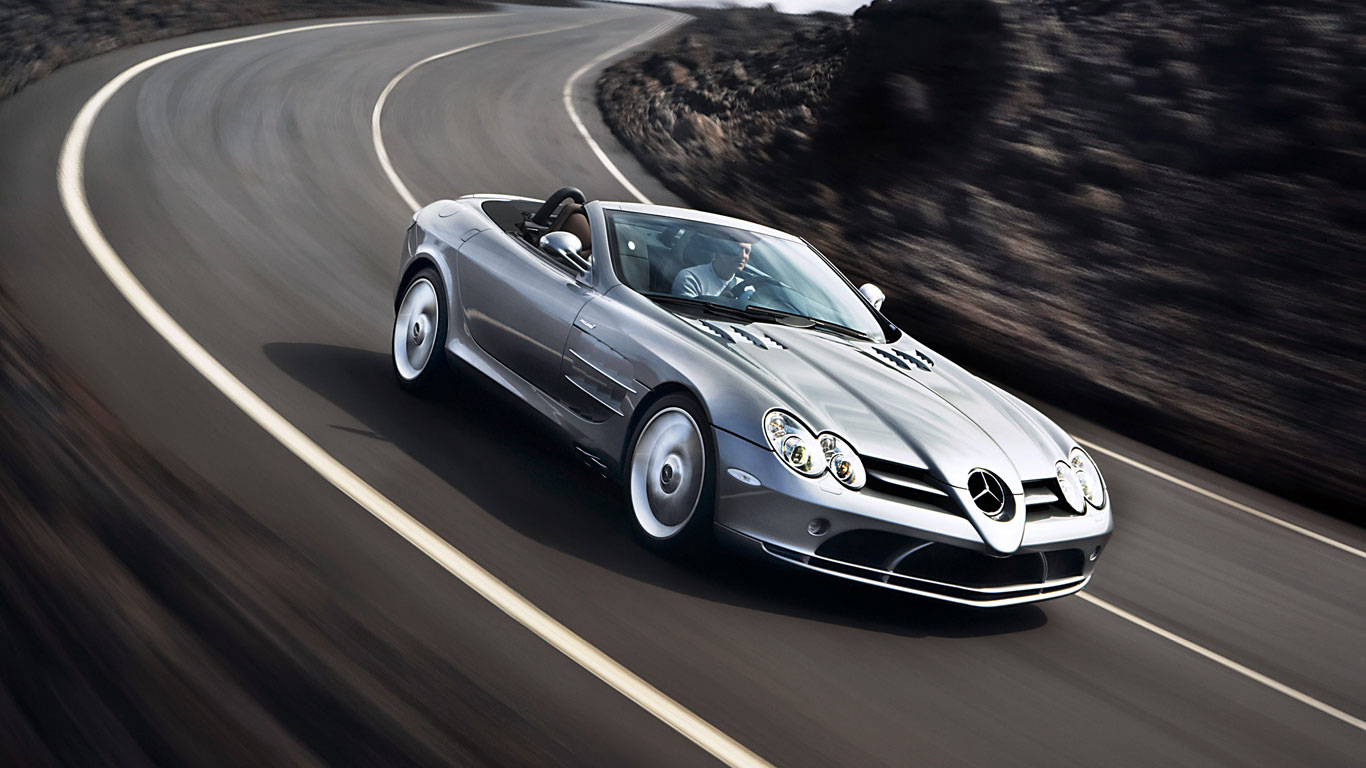
Mercedes-Benz SLR McLaren (2004)
Best AMG Cars

Formula One technology and a hand-built supercharged AMG V8 engine. What’s not to like about the Mercedes-Benz SLR McLaren?

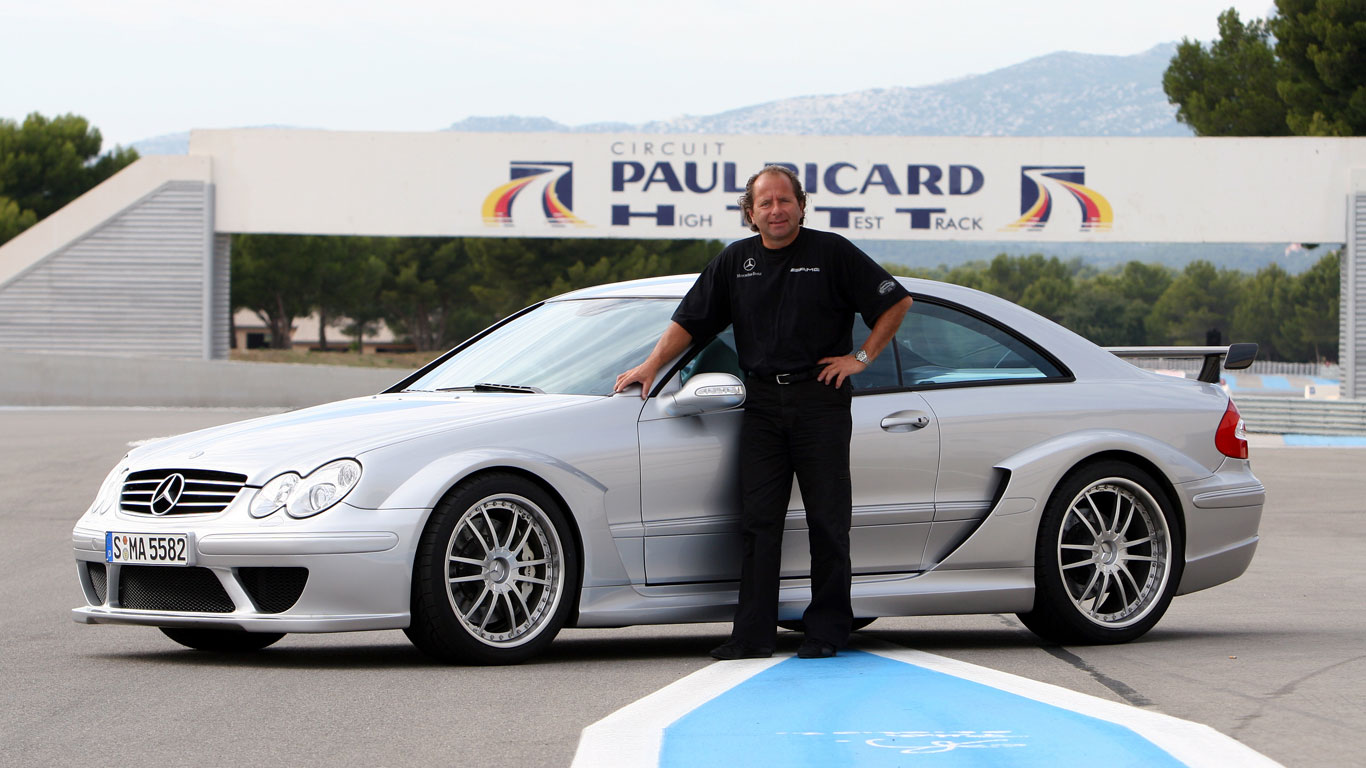
Mercedes-Benz CLK DTM AMG (2004)
Best AMG Cars

It’s hardly a name that rolls off the tongue, but the Mercedes-Benz CLK DTM AMG was capable of giving supercars a bloody nose. Top speed was knocking on 200mph and it would sprint to 60mph in 3.8 seconds.

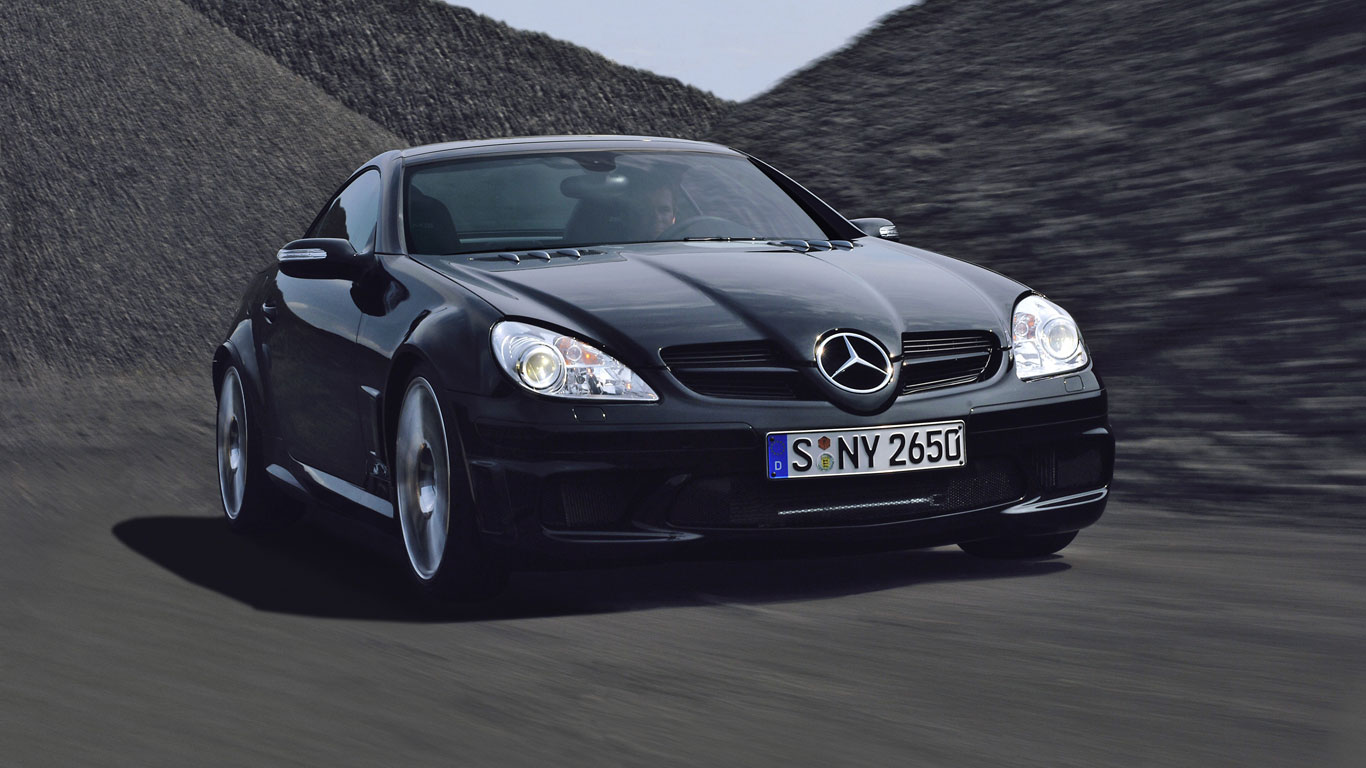
Mercedes-Benz SLK 55 AMG Black Series (2006)
Best AMG Cars

The first Black Series car arrived in 2006, in the form of the Mercedes-Benz SLK 55 AMG. These track-focused special editions were designed for those who found ‘standard’ AMG products just a tad tame.

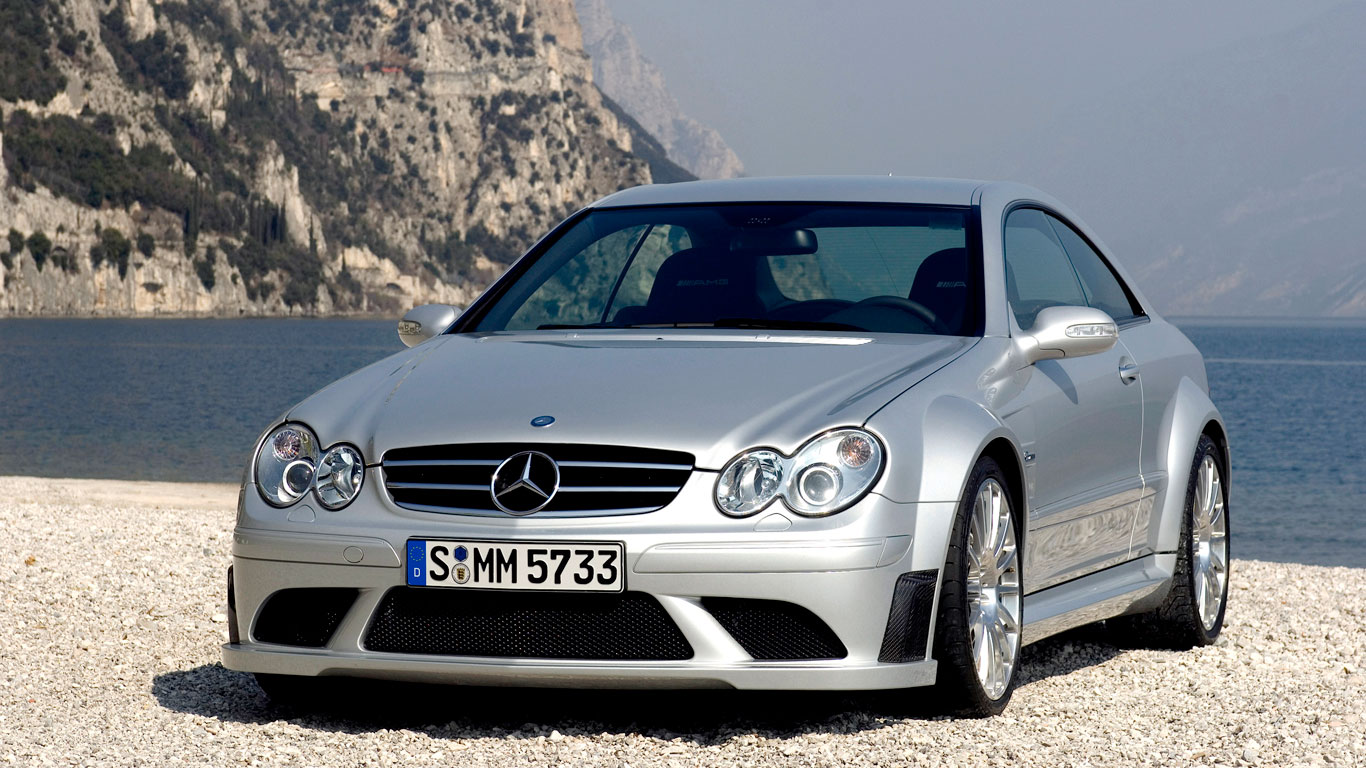
Mercedes-Benz CLK 63 AMG Black Series (2007)
Best AMG Cars

Designed to take on the Porsche 911 GT3 RS, the CLK 63 AMG Black Series of 2007 was a brutal machine. Jeremy Clarkson bought one. And then complained about it. A lot.

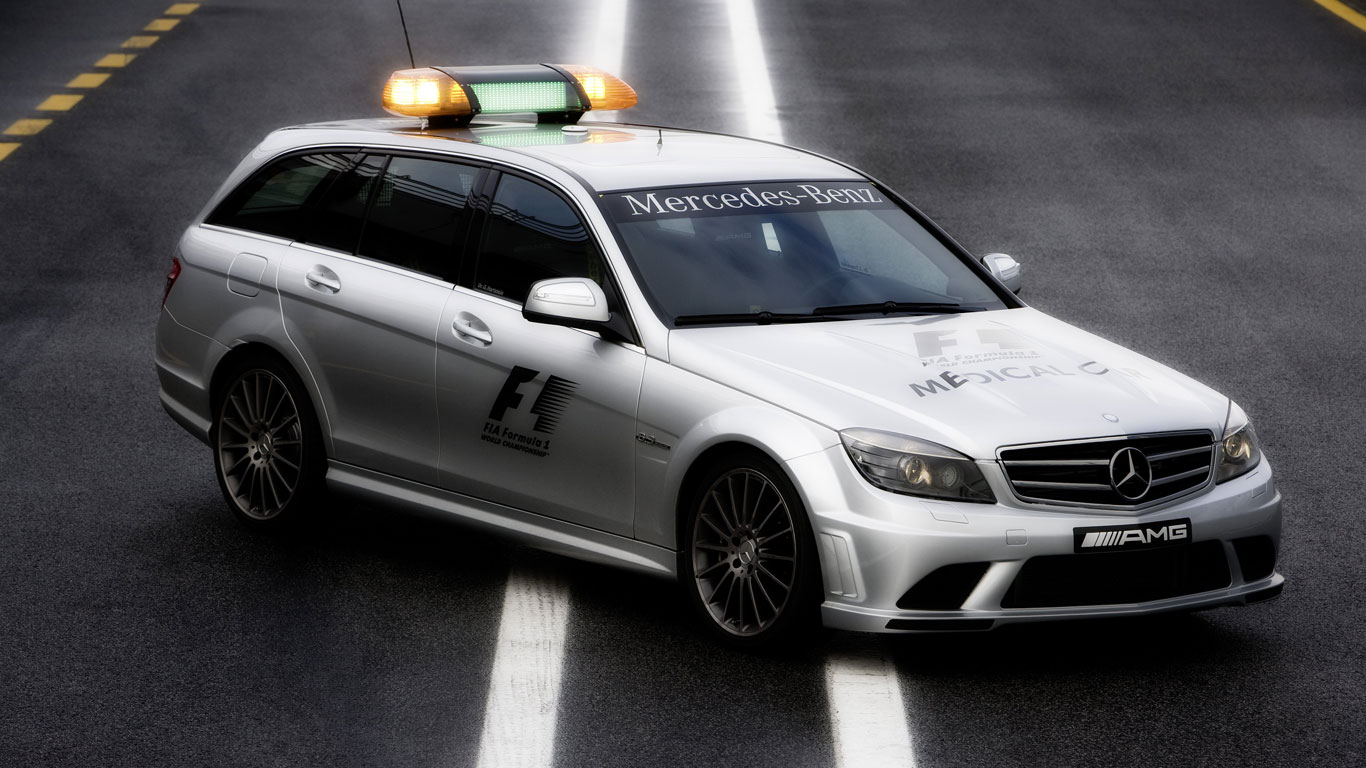
Mercedes-Benz C 63 AMG Estate (2008)
Best AMG Cars

There have been many Mercedes-AMG F1 safety cars over the years, but the C 63 AMG Estate is one of our favourites. Under the bonnet you’d find a hand-crafted 6.2-litre V8 engine. Nice.

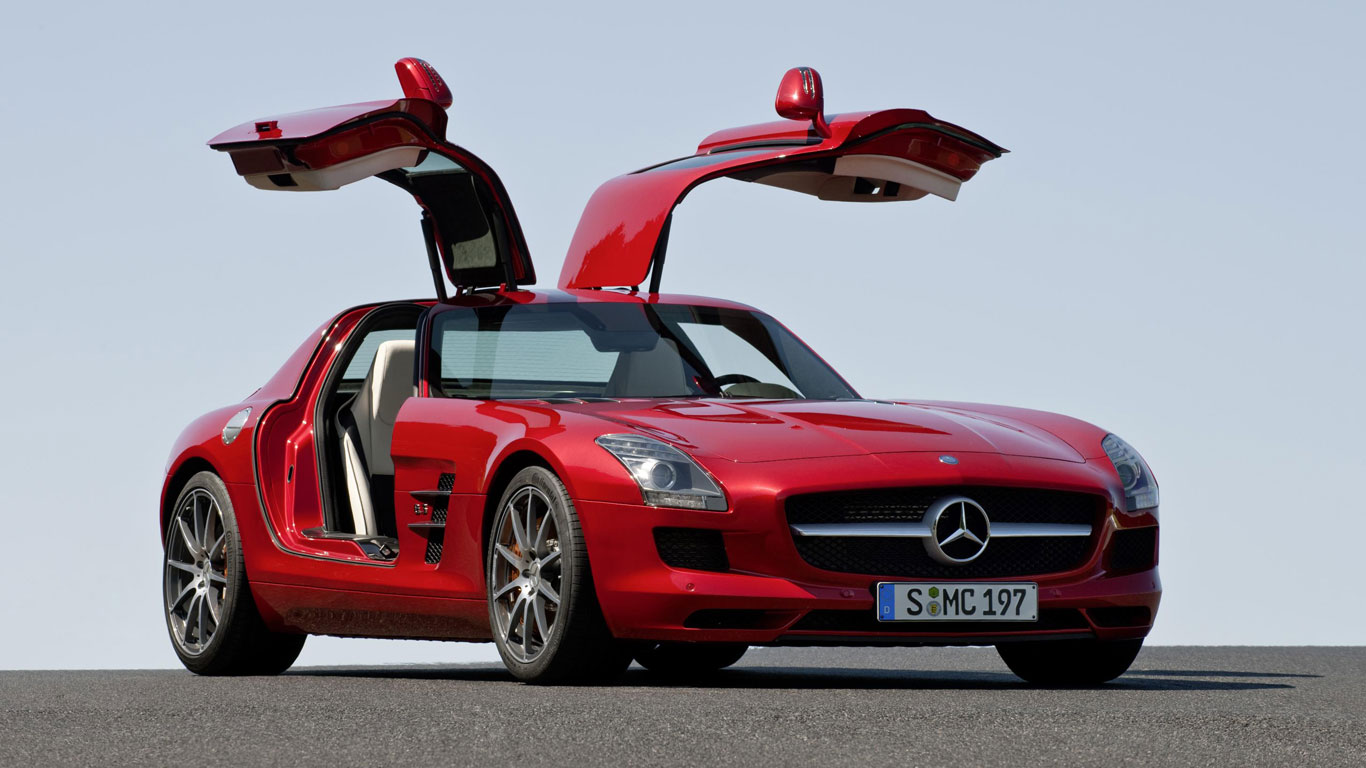
Mercedes-Benz SLS AMG (2009)
Best AMG Cars

The gull-winged SLS was the first car developed entirely by AMG and was designed to be a successor to the SLR McLaren. It featured the same 6.2-litre engine you’d find in the C 63.

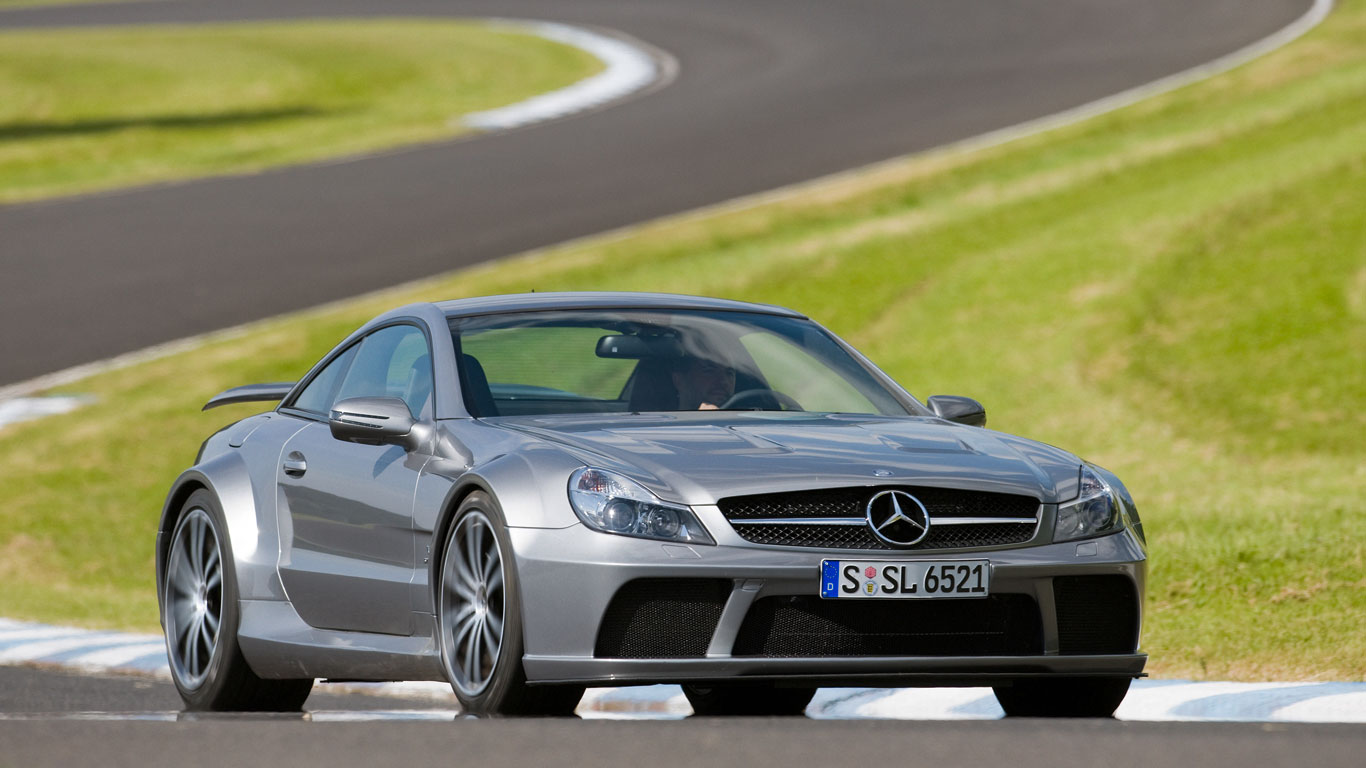
Mercedes-Benz SL 65 AMG Black Series (2009)
Best AMG Cars

What an absolute legend of a car. Top speed limited to 199mph and a 0-60 time of 3.8 seconds provide some clues as to this track warrior’s potential. It cost £250,000 when new.

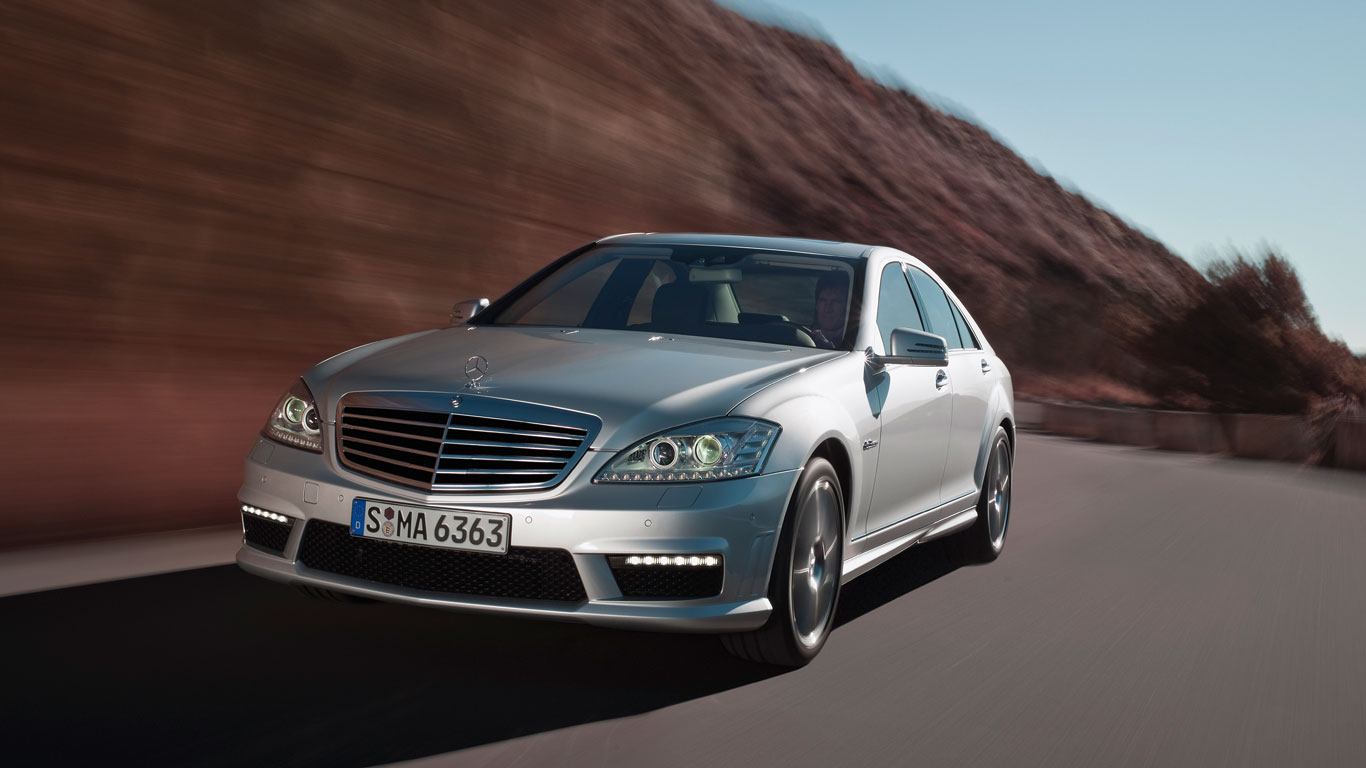
Mercedes-Benz S 63 AMG (2010)
Best AMG Cars

One of the world’s greatest limos treated to a full-fat AMG makeover. What’s not to like about that? Later, it would be offered as a coupe, too.

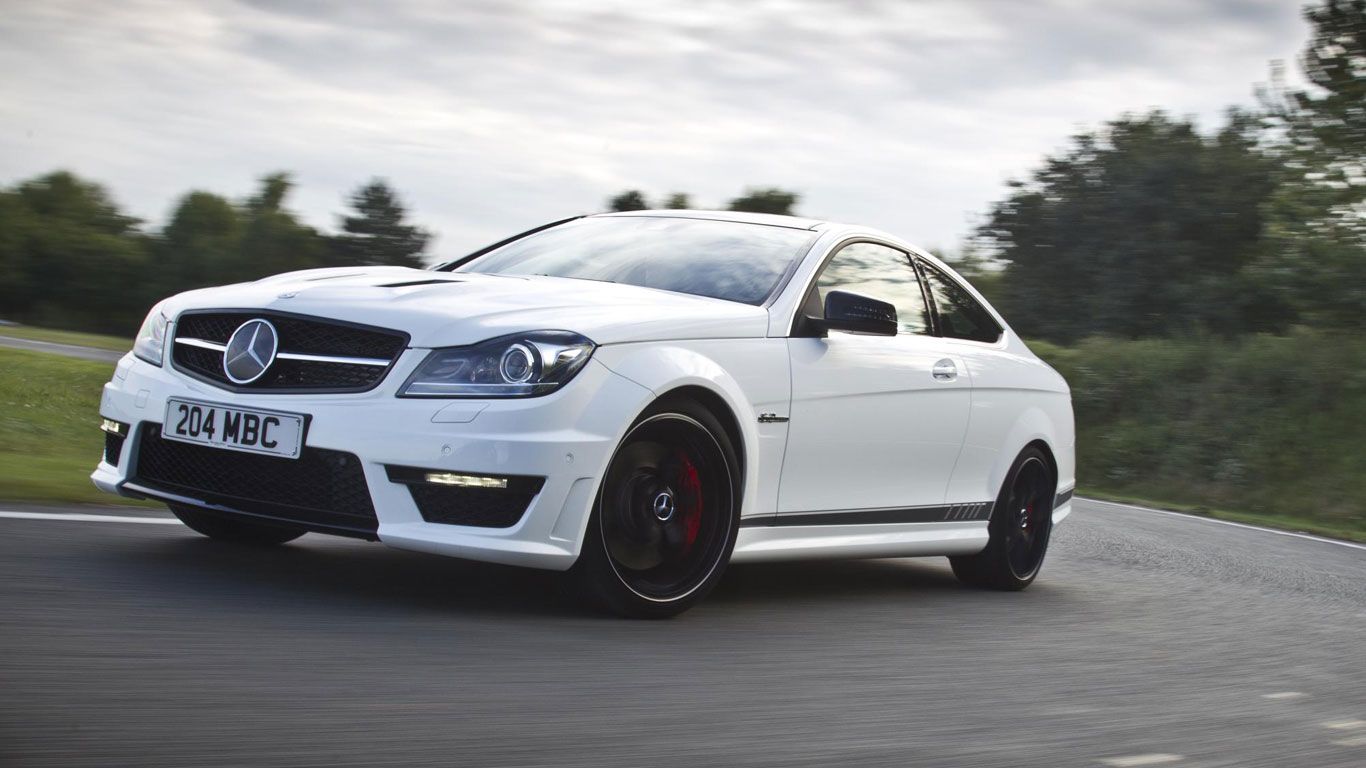
Mercedes-Benz C 63 AMG Coupe (2011)
Best AMG Cars

Could this be one of the most accomplished AMG cars of all time? It was the last AMG C-class to have a naturally-aspirated engine, meaning superb throttle response.

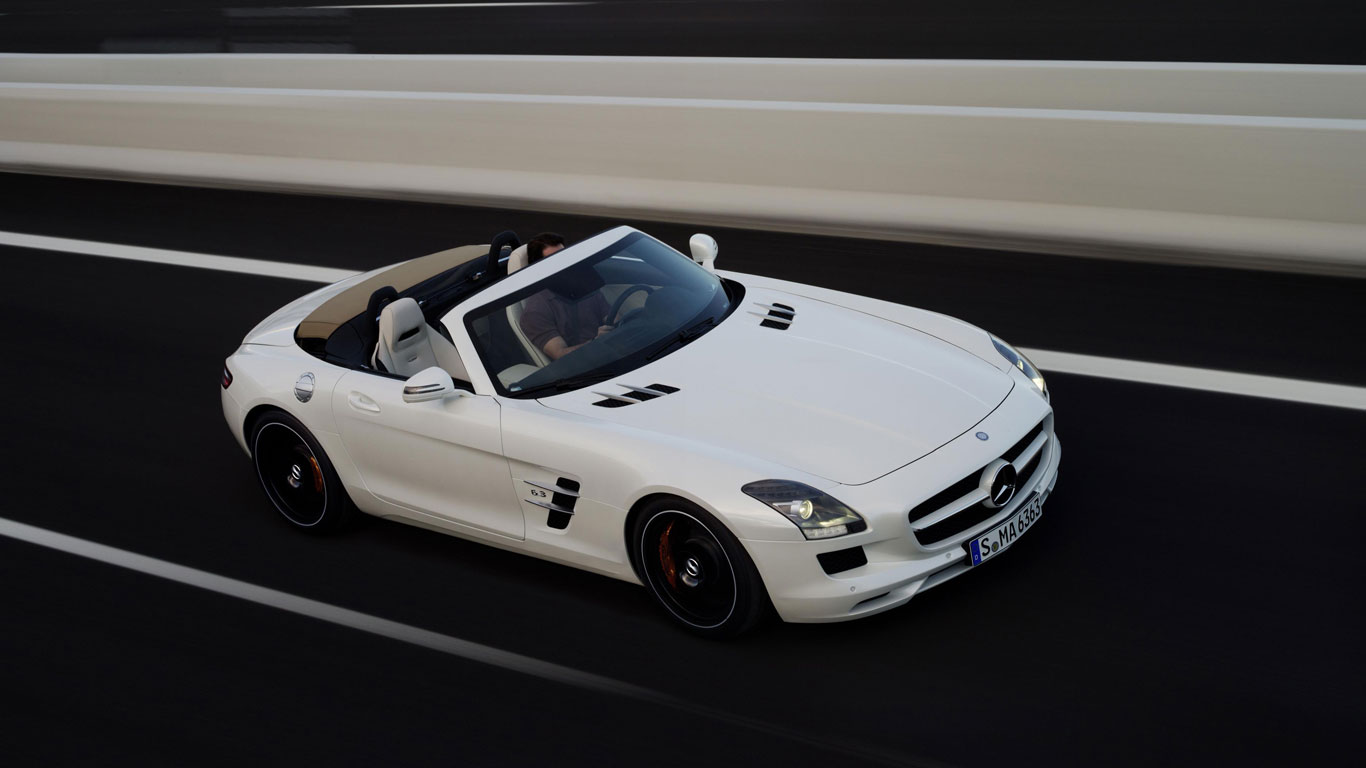
Mercedes-Benz SLS AMG Roadster (2012)
Best AMG Cars

How would sir like his SLS? Coupe, with the iconic gullwing doors? Or Roadster, to enjoy the magnificence of the 6.3-litre V8 engine? We’d take the latter, please.

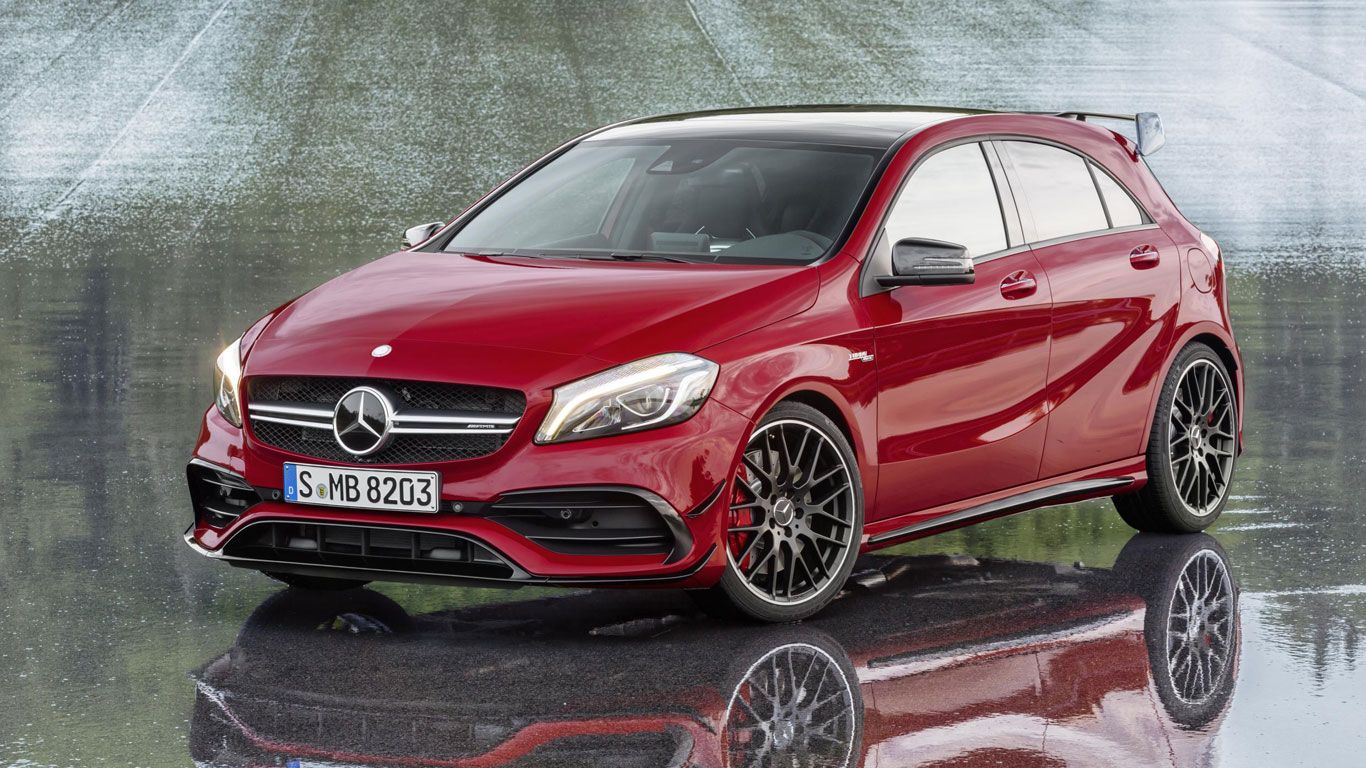
Mercedes-Benz A 45 AMG (2013)
Best AMG Cars

Mercedes-Benz has been accused of diluting the AMG brand in recent years, but the A 45 AMG proves it can also get it right. This is a hot hatch, AMG-style. Bonkers, but brilliant.

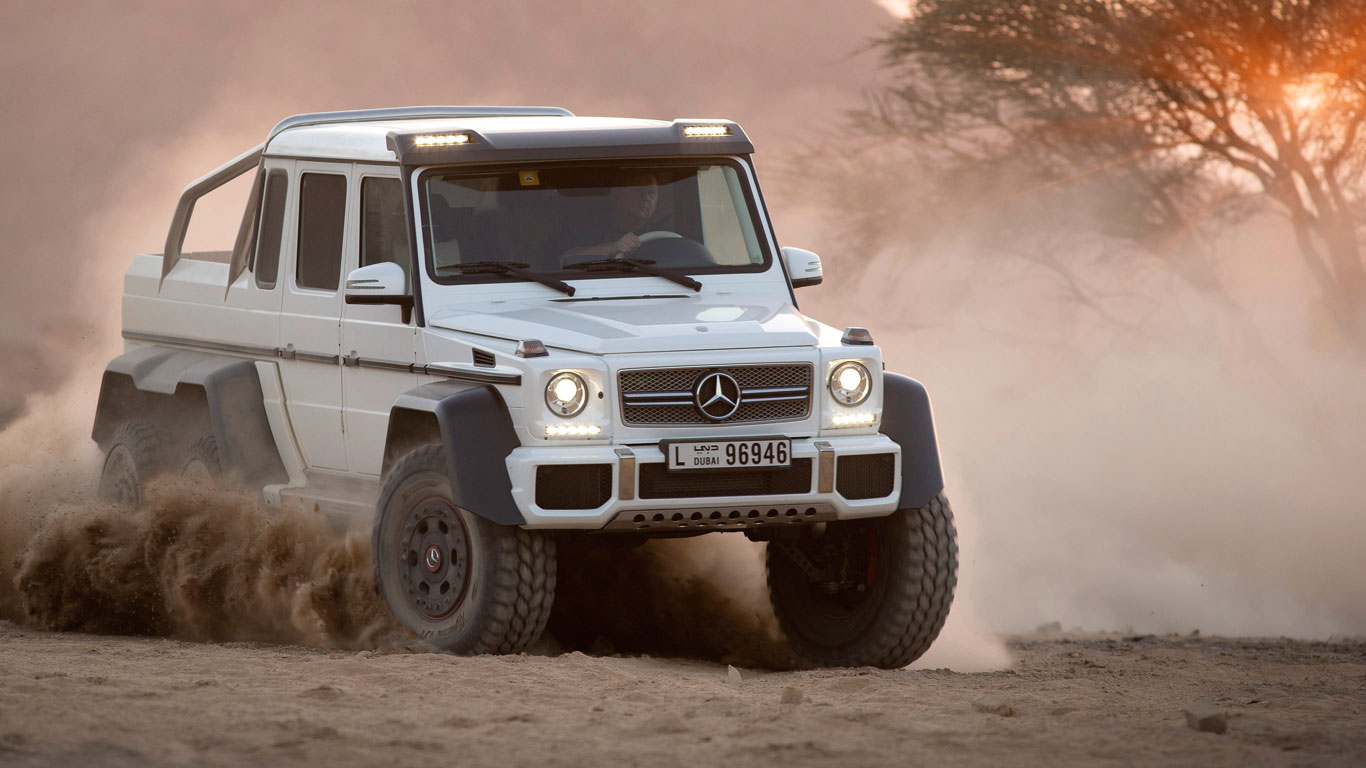
Mercedes-Benz G 63 AMG 6×6 (2013)
Best AMG Cars

And speaking of bonkers… We could have included the ‘normal’ G 63 AMG, but that would be foolish when there’s a 6×6 in existence.

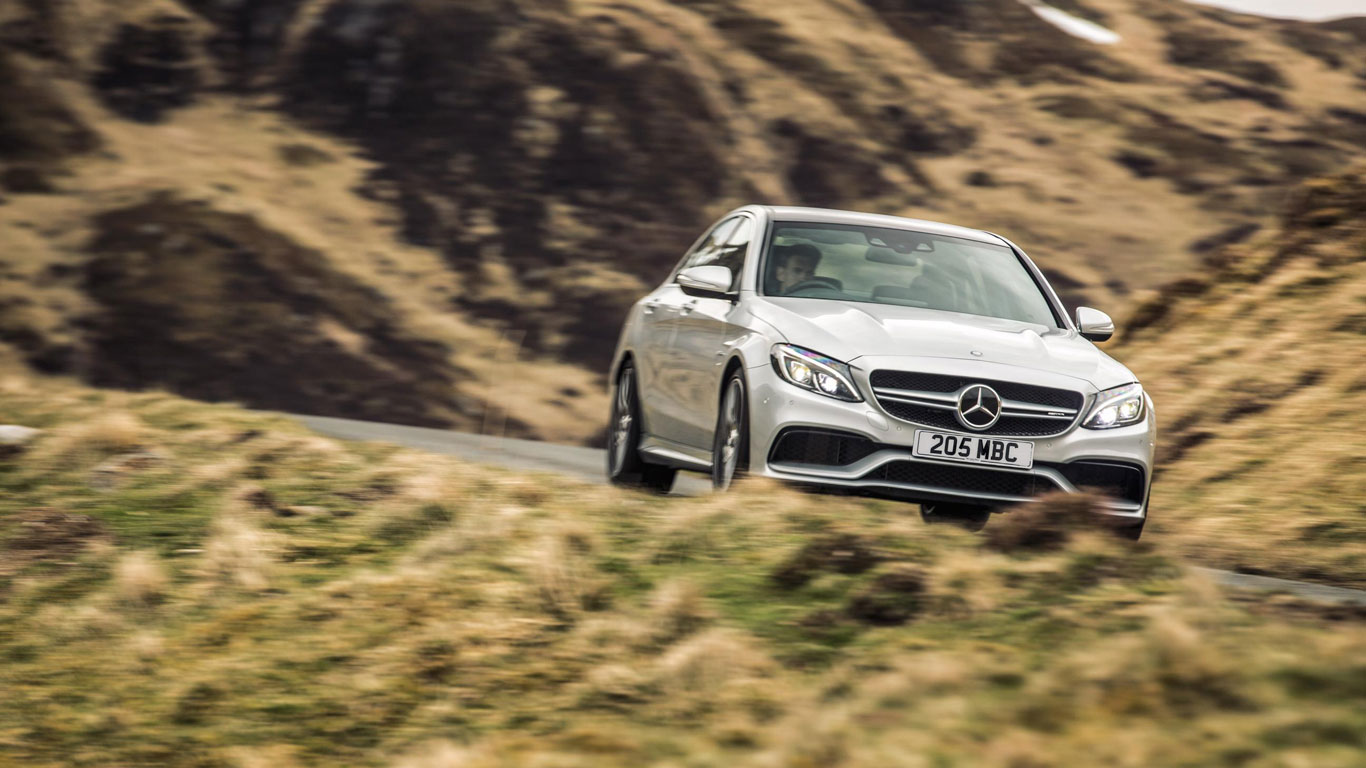
Mercedes-AMG C 63 AMG (2015)
Best AMG Cars

For similar reasons, we’d probably opt for the estate version of the current C 63 AMG. The modern version isn’t quite a match for its forebears, but it remains a formidable machine.

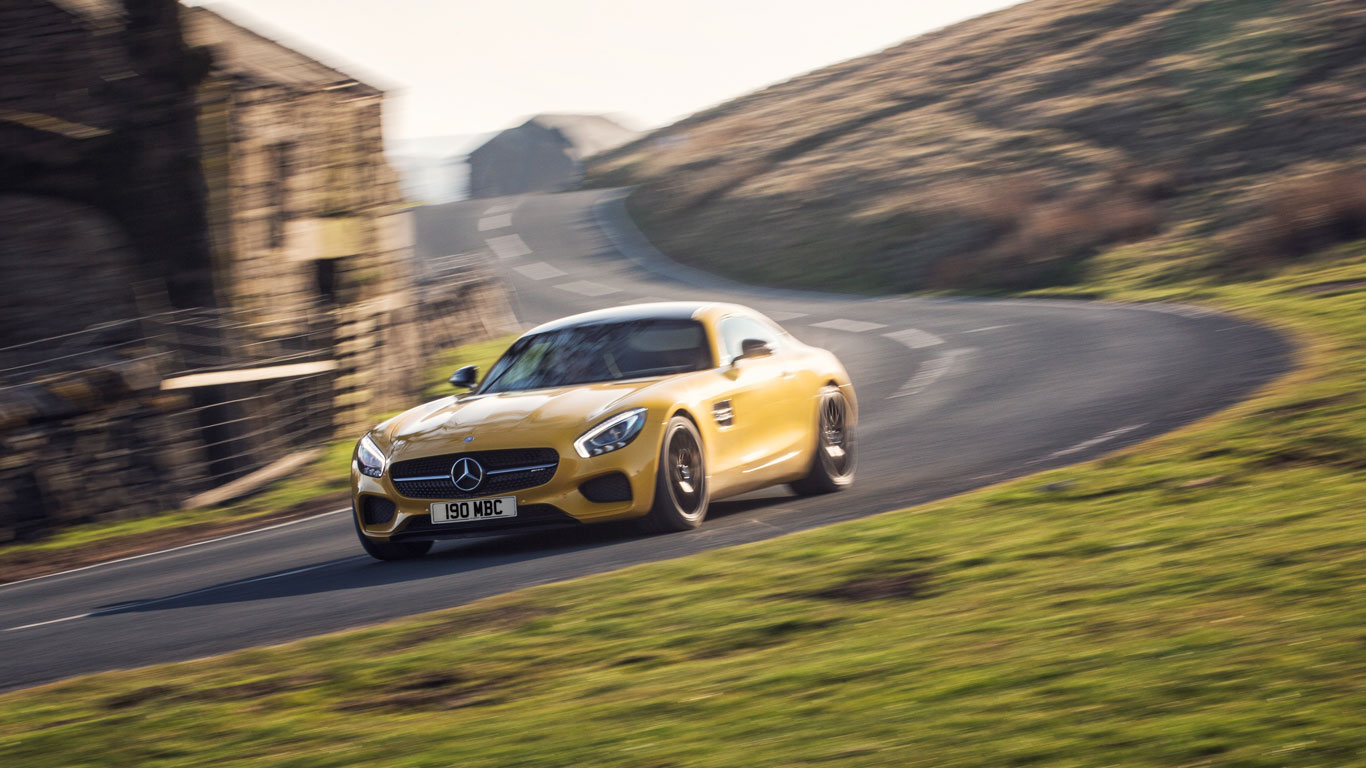
Mercedes-AMG GT S (2015)
Best AMG Cars

And then there’s the achingly good looking Mercedes-AMG GT S. It boasts a fantastic chassis and a soundtrack to rival that of the Stuttgart Radio Symphony Orchestra.

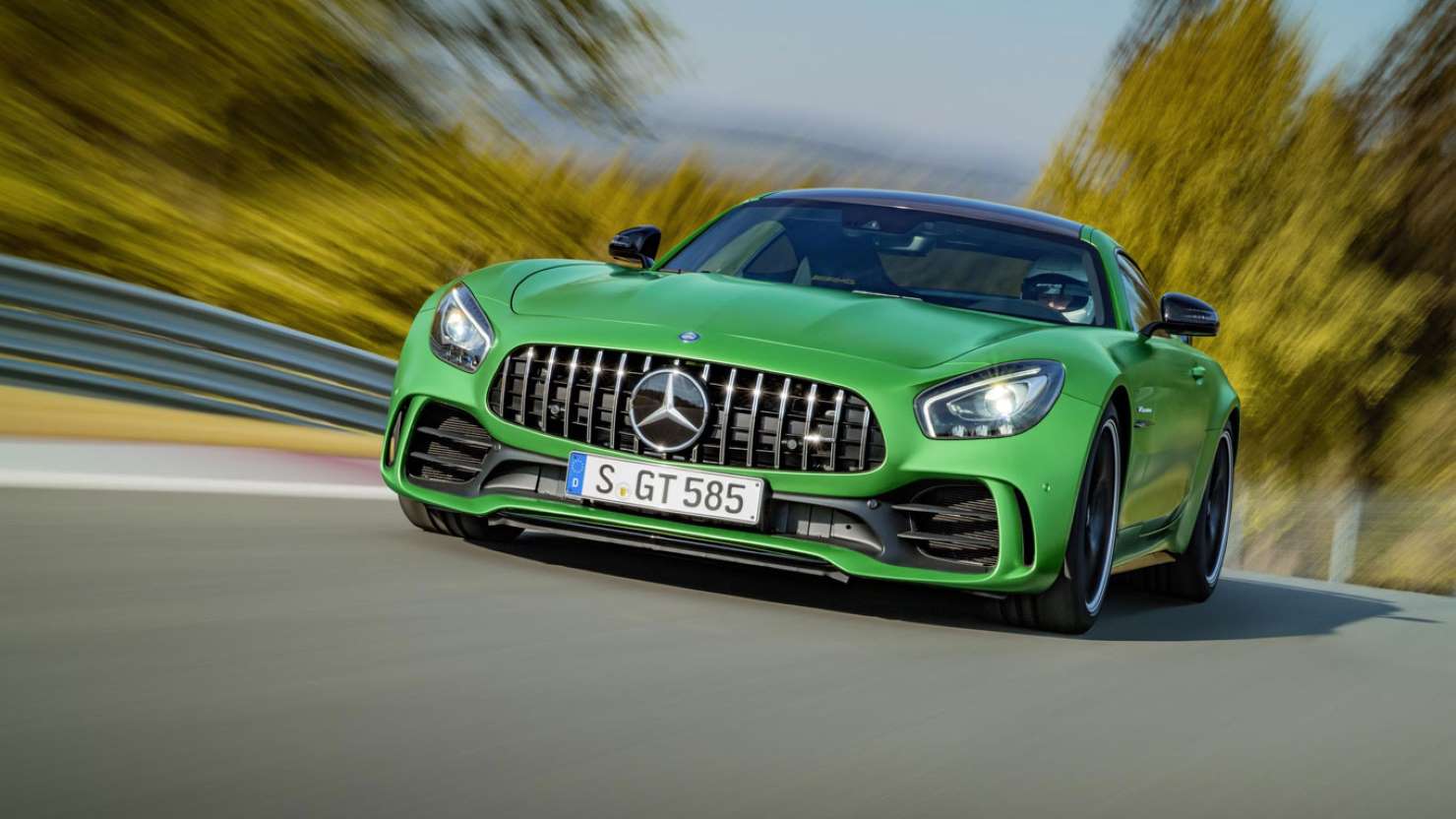
Mercedes-AMG GT R (2016)
Best AMG Cars

In June 2016, none other than Lewis Hamilton helped Mercedes-AMG reveal a new 585hp AMG GT R. This is the AMG GT at its most hardcore, with a stiffer chassis, rear-wheel steering and a huge wing. How does 0-62mph in 3.6 seconds and a top speed of 197mph grab you?


Advertisement

New Suzuki Jimny rapped by Euro NCAP for ‘disappointing’ 3-star rating

0

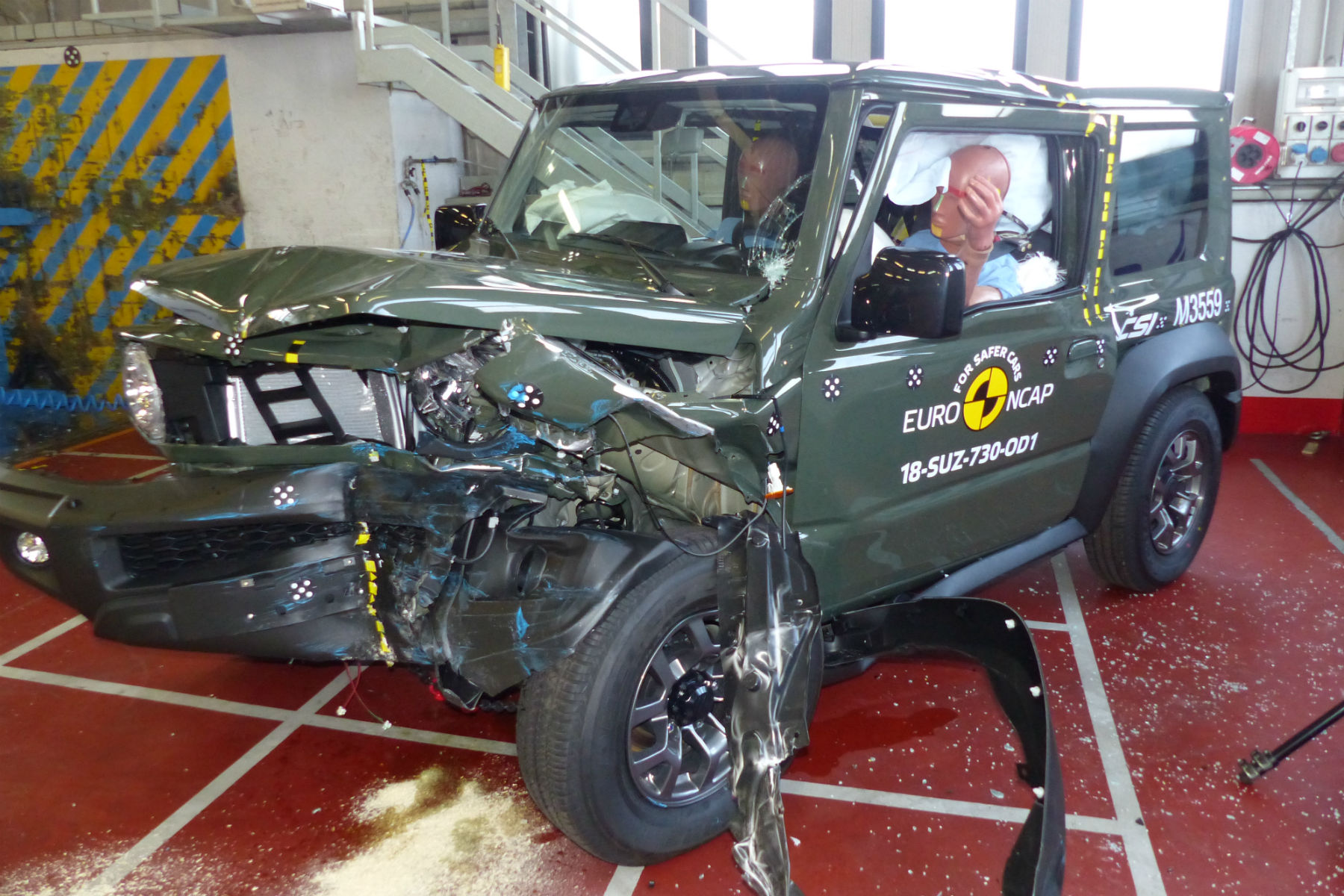
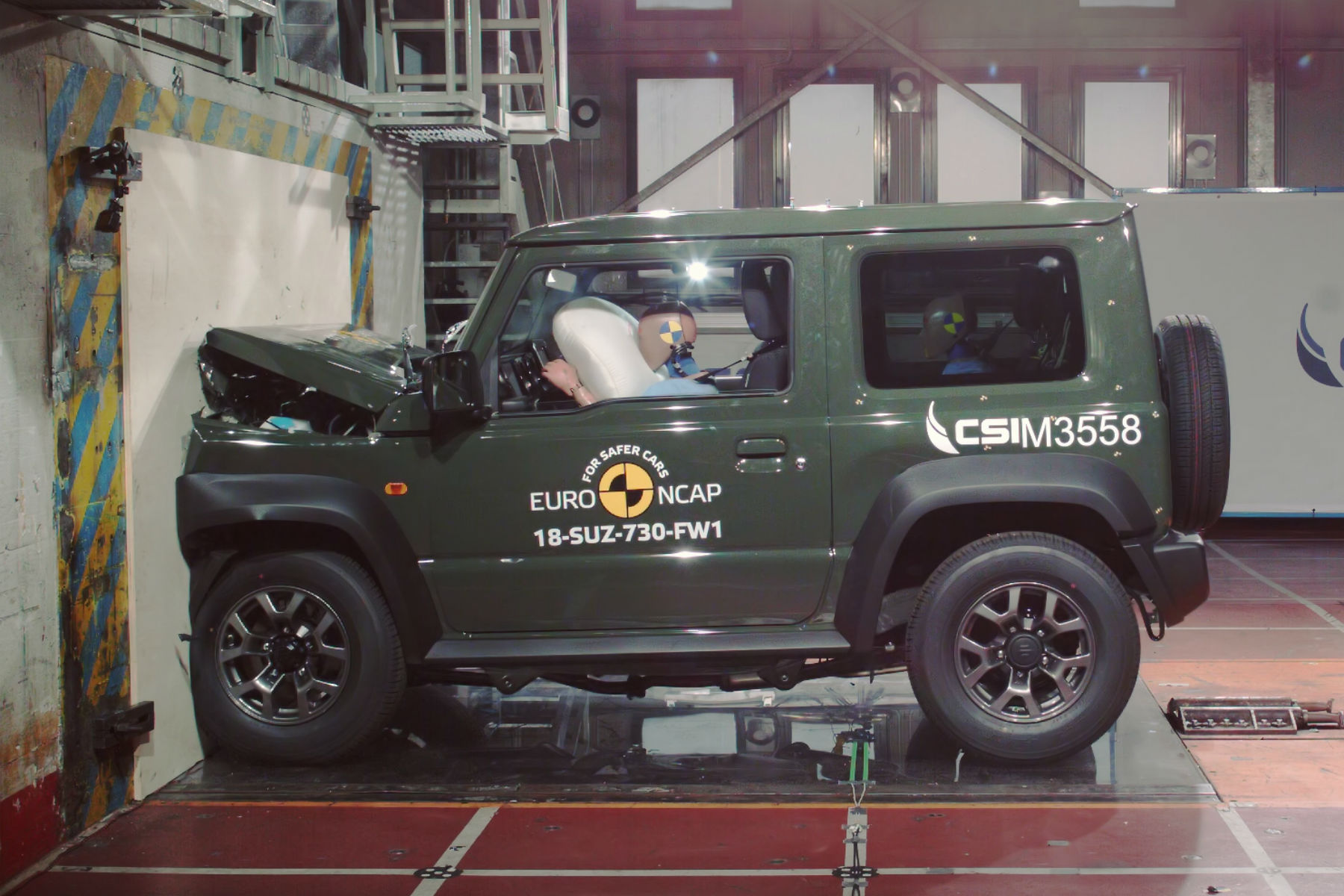
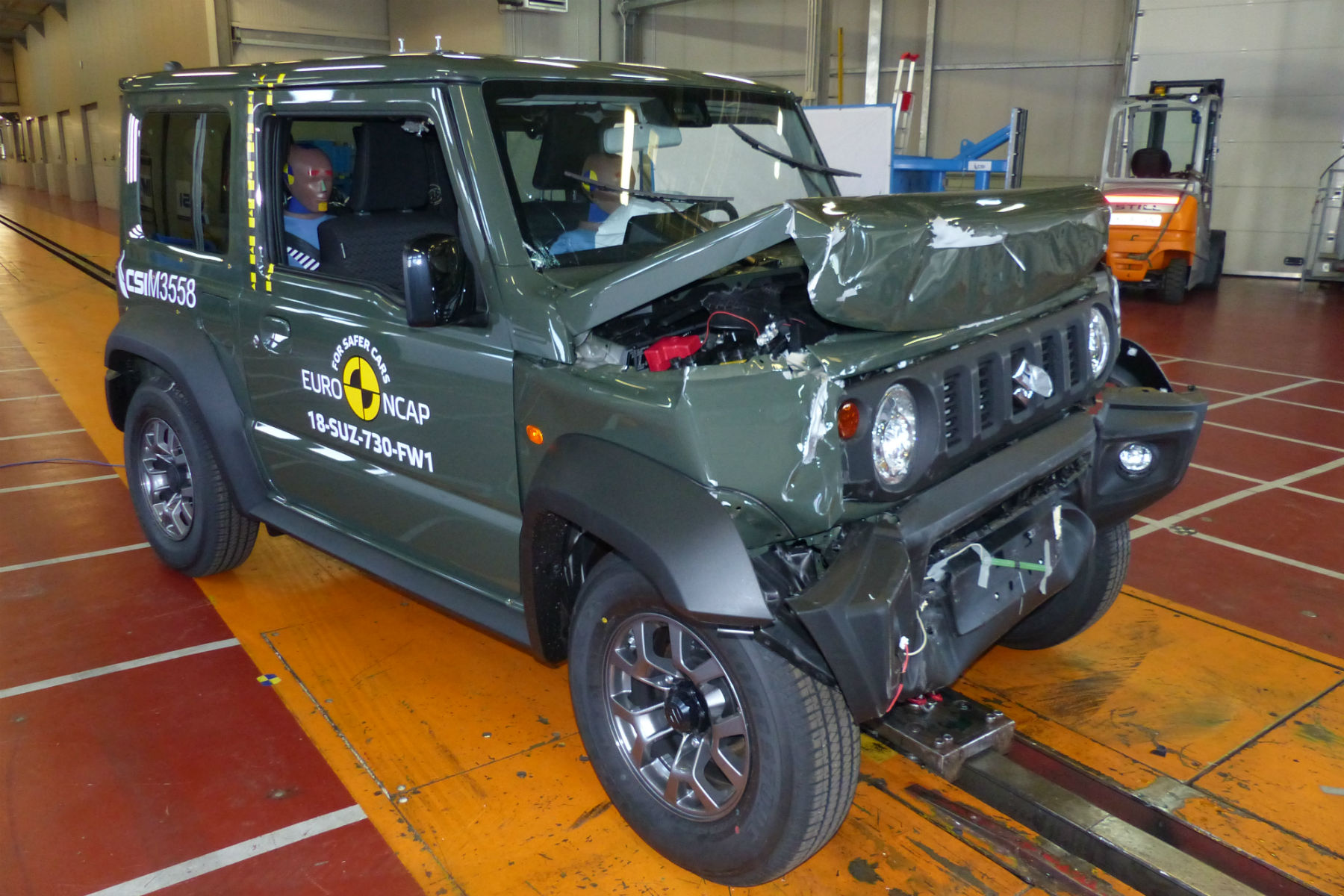
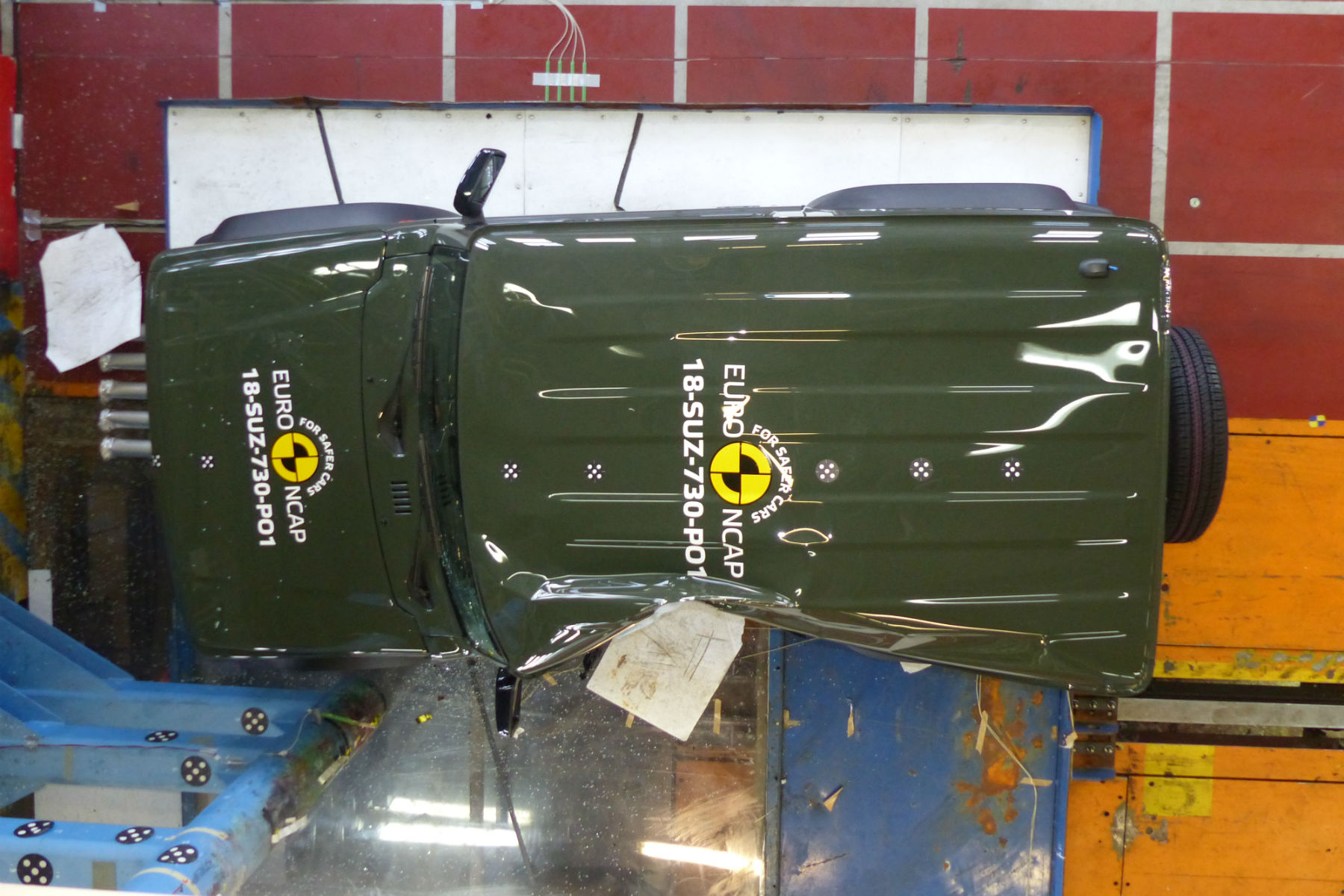
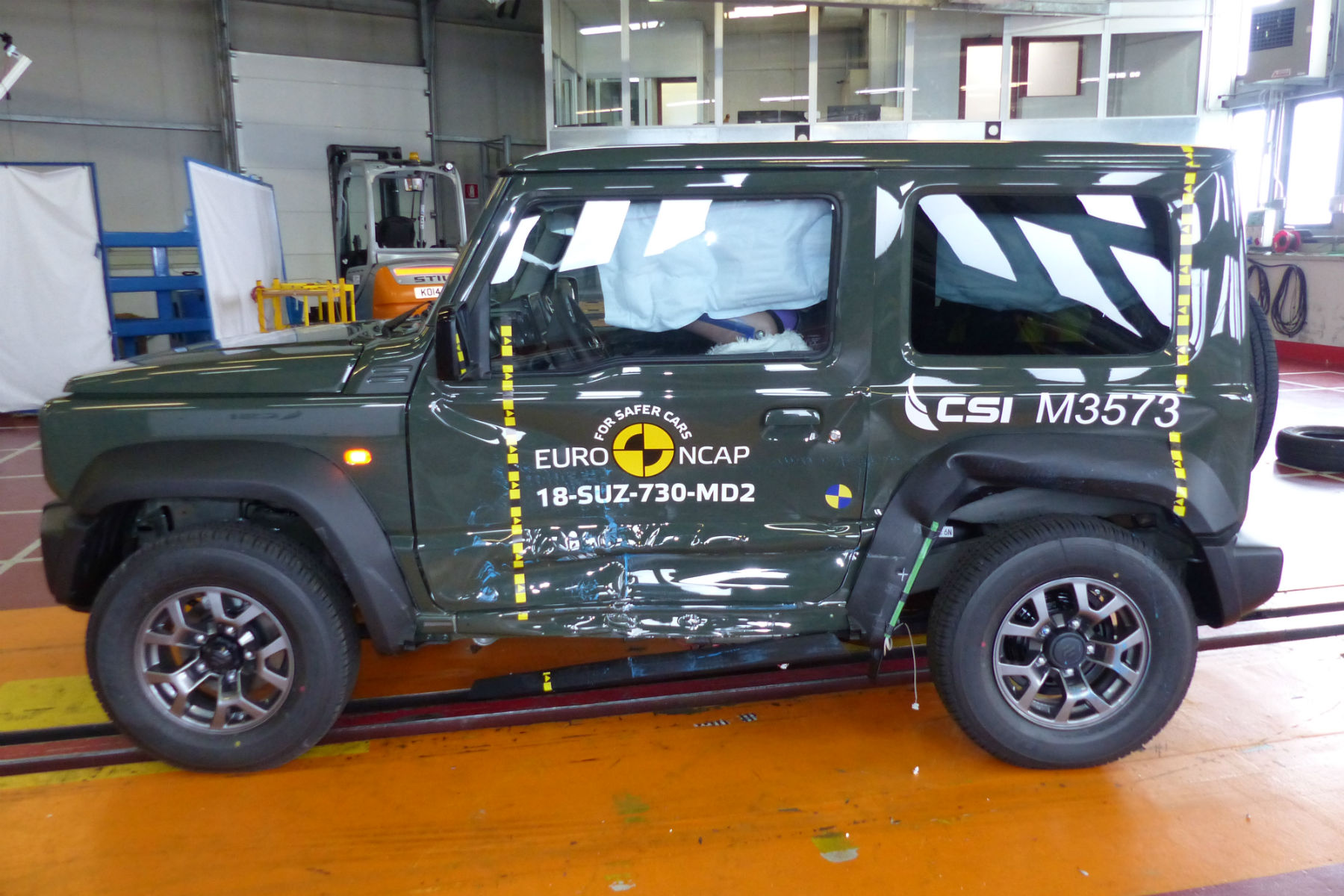
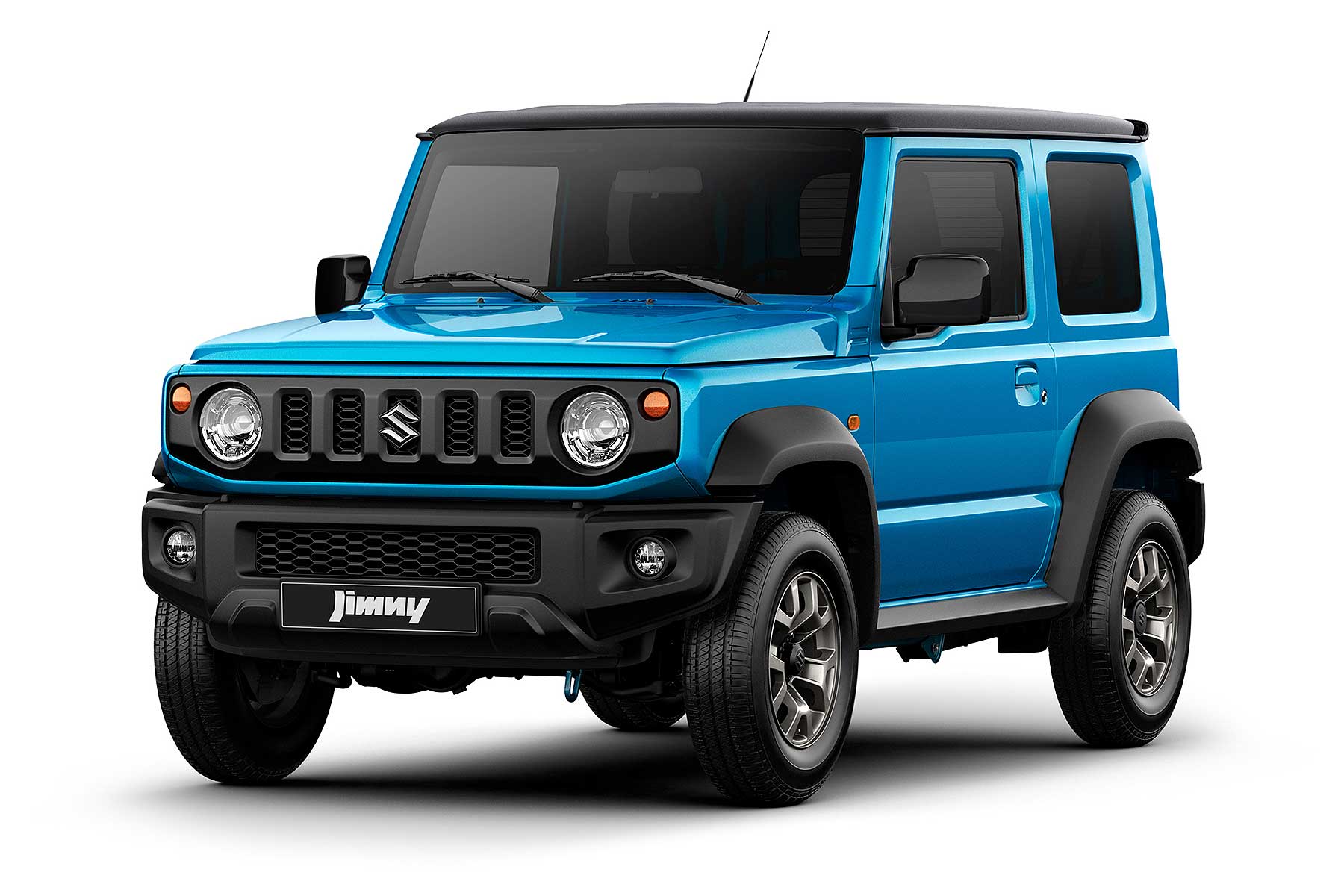
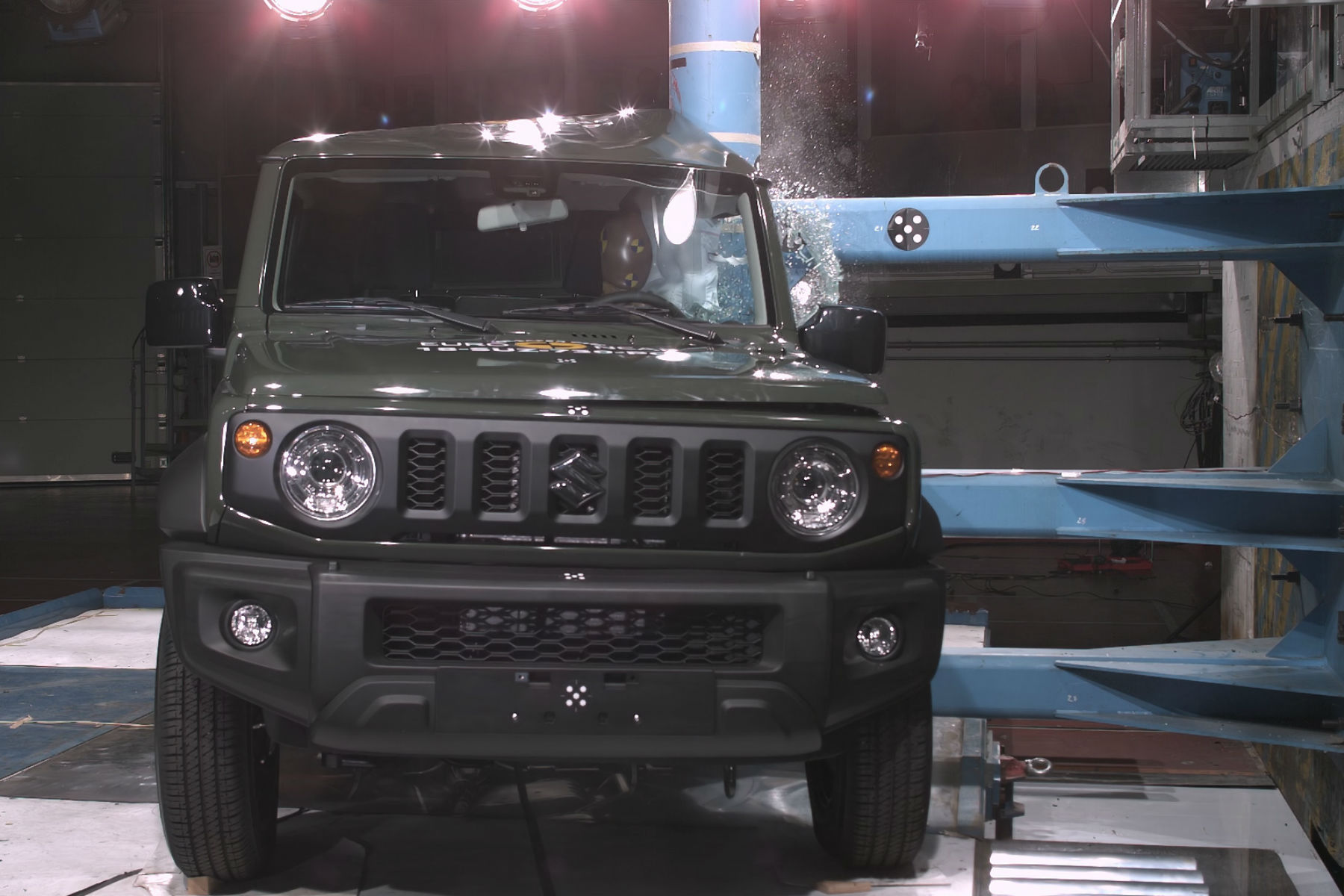
Suzuki Jimny Euro NCAP testThe new Suzuki Jimny has been earning rave reviews during its recent press launch but safety testing watchdog Euro NCAP is less impressed: it has awarded the diminutive new 4×4 a meagre three-star rating in its latest tests.

Describing its crash performance as ‘disappointing’, Euro NCAP says the Jimny falls short on adult occupant protection and safety assist systems.

Matthew Avery from Thatcham Research, Euro NCAP’s UK partner, said its testing performance “betrays its ostensibly rugged exterior.

  • A brief history of the Suzuki Jimny

Suzuki Jimny Euro NCAP test“As a completely new vehicle, it should offer far more protection to drivers in the event of an accident.
“The safety technology available with this vehicle did not perform optimally either.” Euro NCAP called out a mediocre Autonomous Emergency Braking (AEB) system, which Avery said “showed weak performance in tests of its pedestrian avoidance in daylight and does not operate in low light.

“The youthful audience the Suzuki Jimny has been designed for deserve – and need – better protection in terms of passive and active safety.”

2019 Suzuki JimnyLuckily, other newly tested models performed better. Indeed, the latest Volkswagen Touareg and Audi A6 both scored five-star ratings – despite facing the additional challenge of the new Euro NCAP AEB cyclists’ tests.
“It’s pleasing to see carmakers like VW and Audi rise to the challenge presented by the new AEB cyclist tests, which were brought into the Euro NCAP programme at the start of the year,” said Avery.

However, the A6 wasn’t quite perfect. “The Safety Assist score for the Audi A6 is not class-leading, which is a shame to see.”Suzuki Jimny Euro NCAP test

Euro NCAP also tested the new Ford Tourneo Connect, which put in a solid four-star performance. It now sits at the top of the van-derived people carrier sector for safety.

“Ford has given the Tourneo Connect more than a facelift, from a safety perspective at least,” said Avery.

“It’s pleasing to see a number of standard-fit driver aids, which all performed well in testing. This is especially important in larger vehicles as they present a greater potential threat to cyclists and pedestrians.”

Advertisement

Brexit: car industry says no deal is a bad deal

0

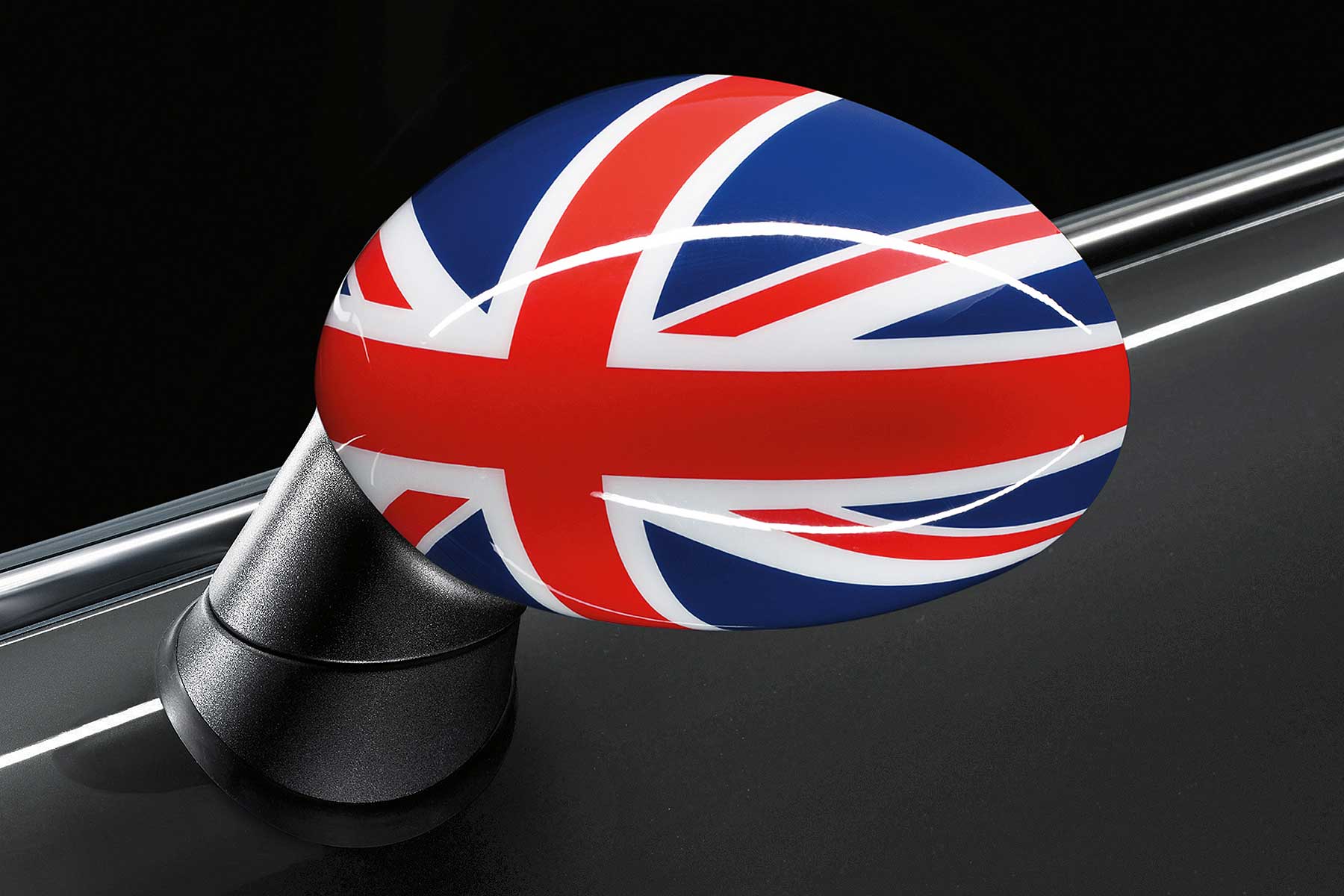
MINI Union Jack door mirrorThe Society of Motor Manufacturers and Traders (SMMT) has called on negotiators to rule out a no-deal Brexit because a potential tariff bill of at least £5 billion for both Brits and Europeans would be “just the tip of the iceberg”.
It warned that the health of the entire European car industry is at stake, not just in Britain, because of the deeply-integrated nature of the business.

As the car industry is crucial to the whole European economy, the SMMT has urged Brexit negotiators to swiftly dismiss the ‘no-deal’ option once and for all.

The organisation is meeting with EU officials in Brussels today, to underline the economic importance of the car industry – and the hefty economic repercussions if a deal is not struck.

‘Stakes are high’

Mike Hawes, SMMT chief executive, said, “Tariffs alone should be enough to focus minds on sealing a withdrawal agreement between the EU and UK, but the potential impact of ‘no-deal’ means the stakes for the automotive sector are far higher.”

His warning was stark. “Without a deal, there can be no transition period and the complex issues surrounding tariffs and trade, customs, regulation and access to talent will remain unresolved.

“Our industry is deeply integrated across both sides of the Channel so we look to negotiators to recognise the needs of the whole European automotive industry and act swiftly to avoid disruption and damage to one of our most valuable shared economic assets.”

2.7 million cars and vans cross the Channel each way every year, says the SMMT. £3.4 million of components are also exported out of the UK – and three times that sum is imported from European suppliers. In truck terms, that’s more than 1,100 lorry movements a day, most of them without a customs check.  

No-deal Brexit: cars become £1,500 dearer

Add in tariffs, and the cost of UK-built cars in Europe would rise by an average of £2,700. Here in the UK, car prices would go up by £1,500 – and as 7 in 10 new cars registered by Brits come from Europe, the effect would be immediate and significant.

As for the industry itself, it employs 13.3 million people across Europe, and represents nearly 7 percent of EU GDP. “No-deal is now not an option, as limited progress pushes the sector closer to a cliff-edge.”

It’s time for negotiators to be pragmatic, said the SMMT, securing a withdrawal agreement and transition agreement, “and safeguarding one of Europe’s most valuable economic assets”.

Advertisement

Mercedes-AMG A 35 4Matic: a 306-horsepower ‘entry-level’ hot hatch

0

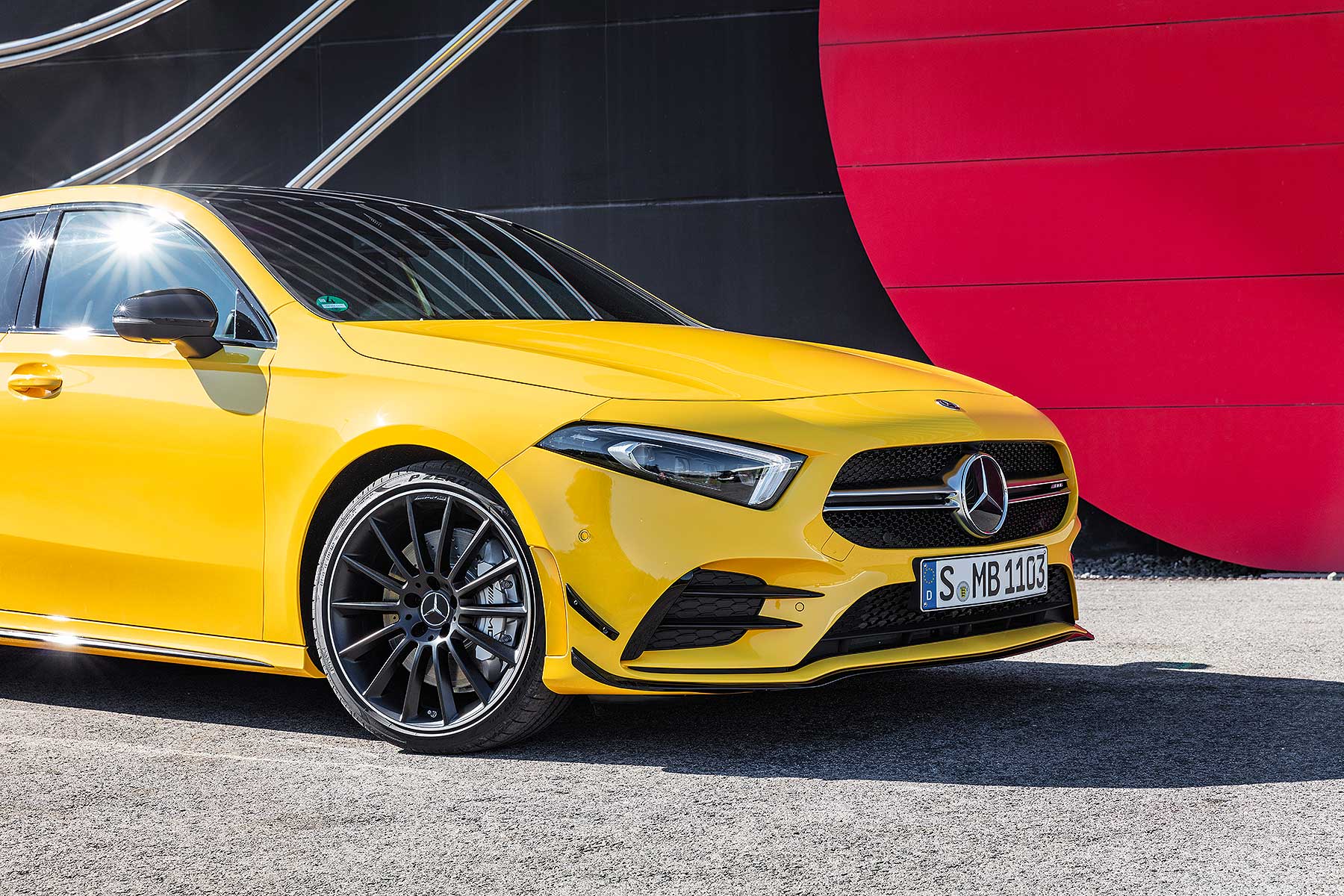
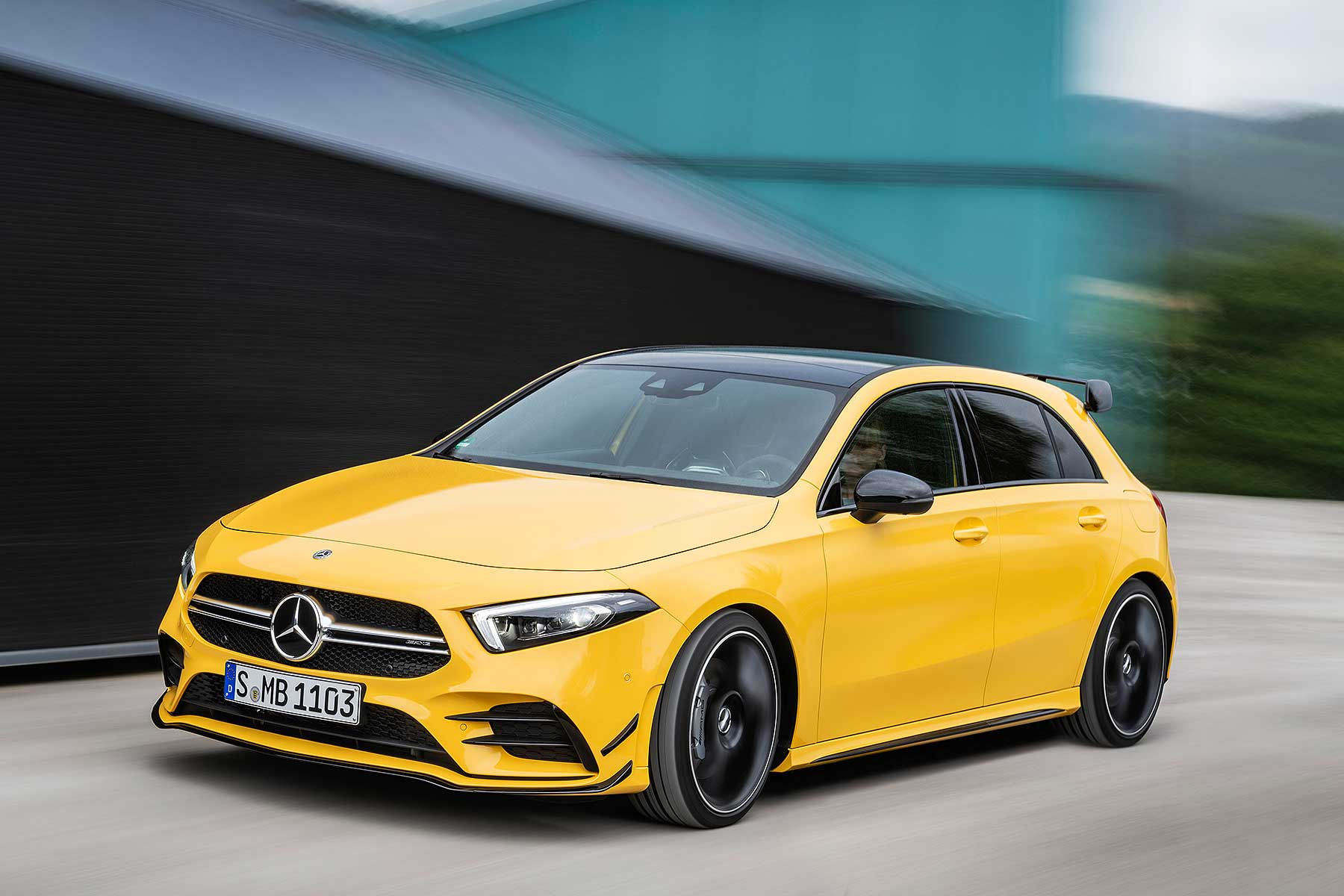
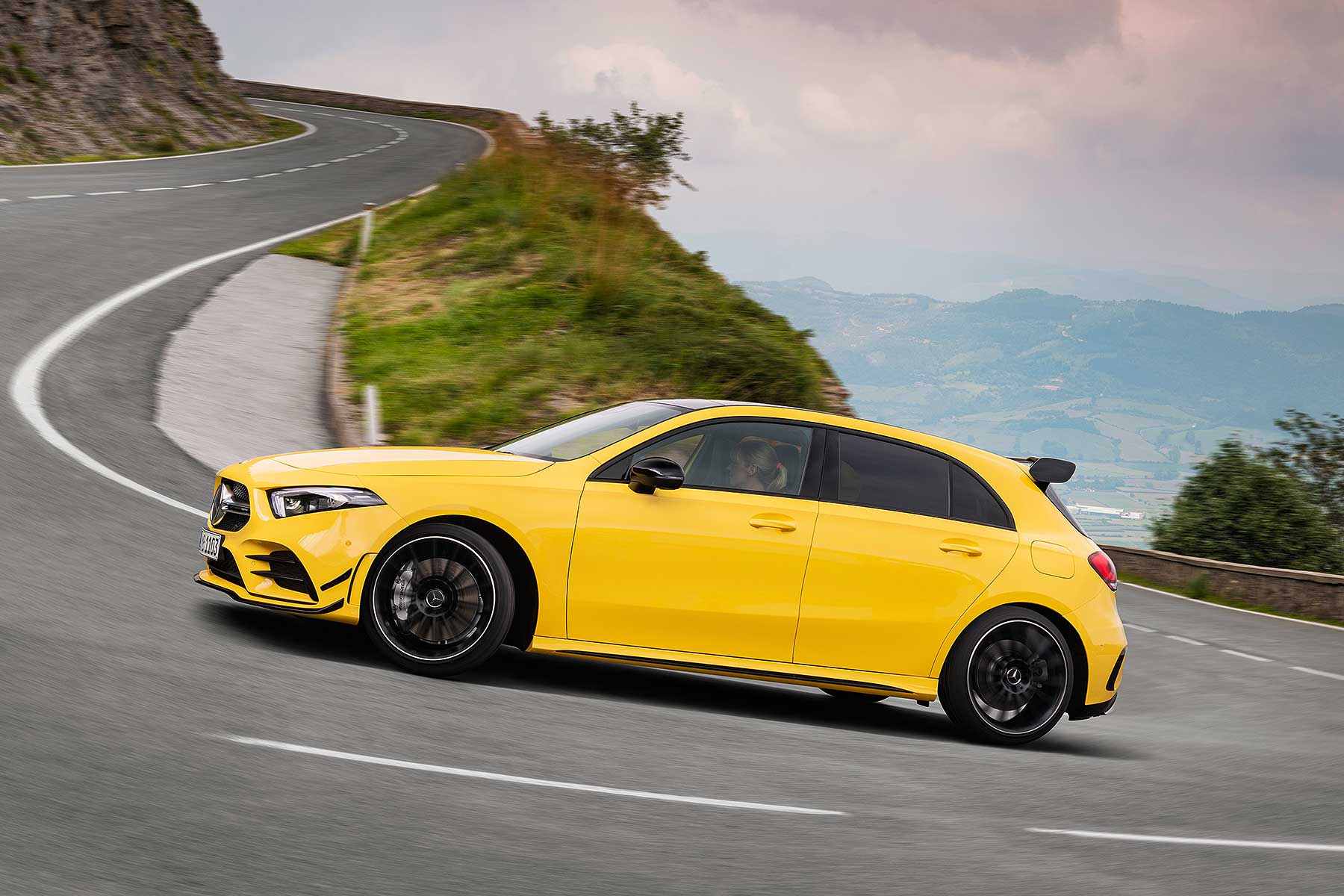
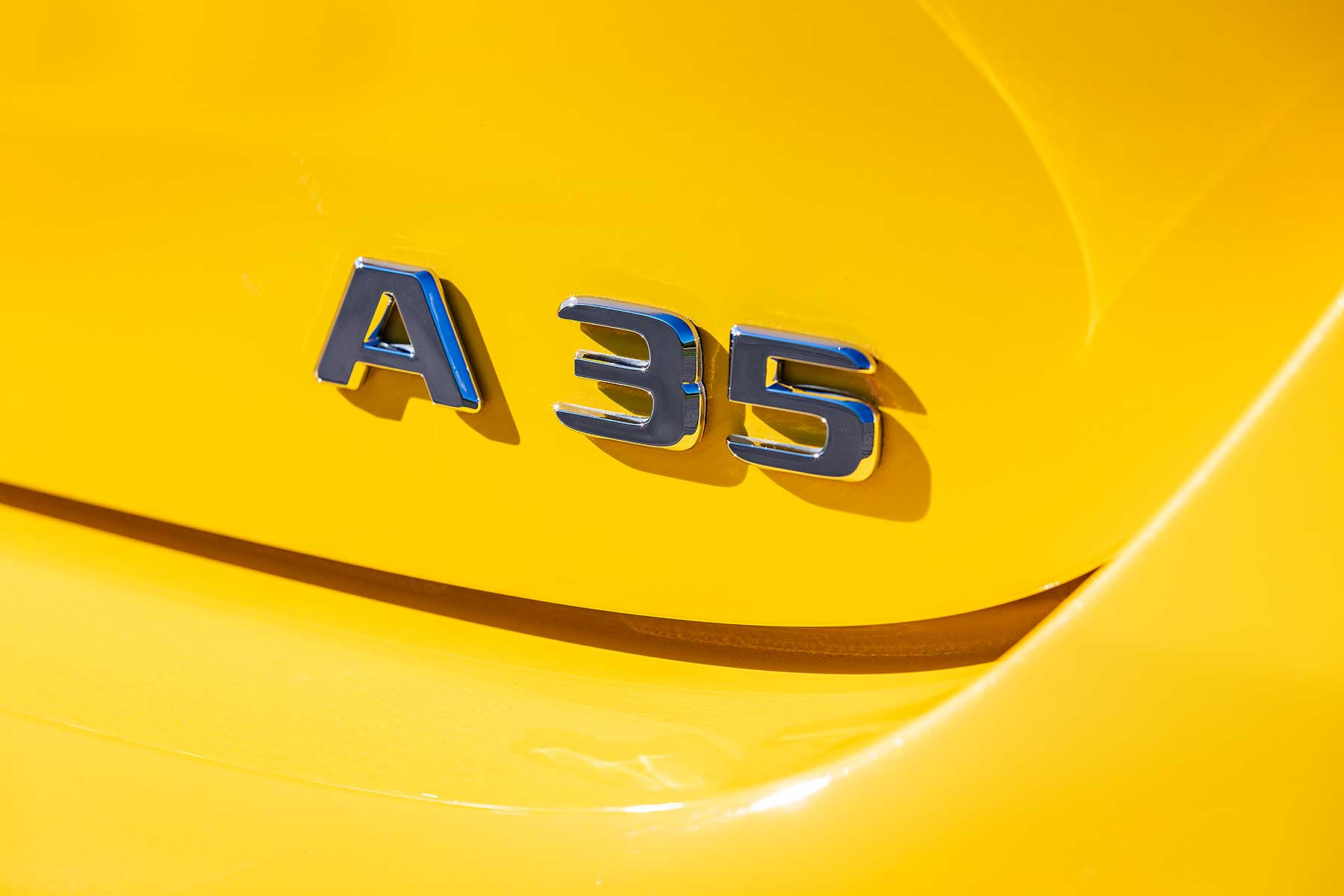
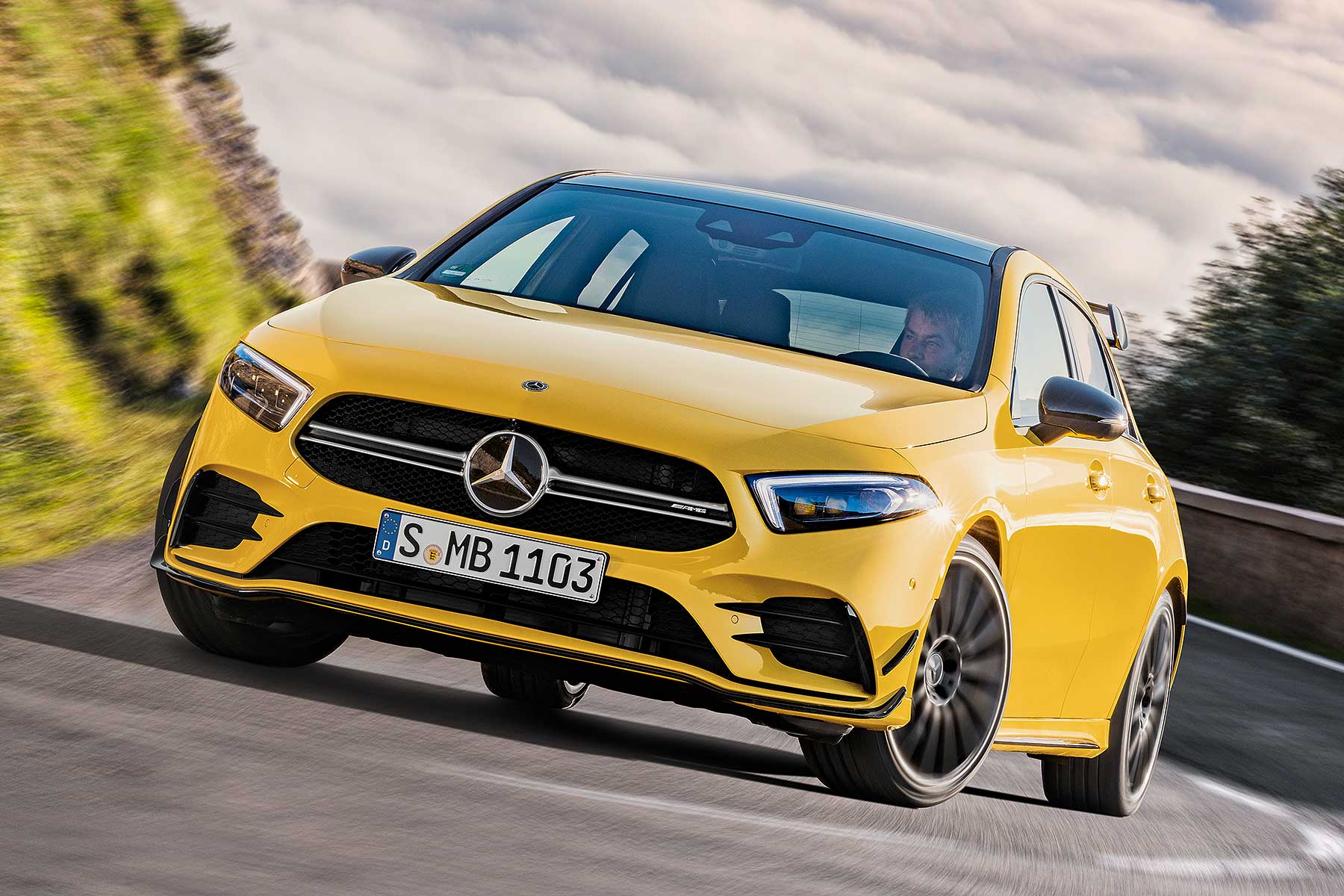
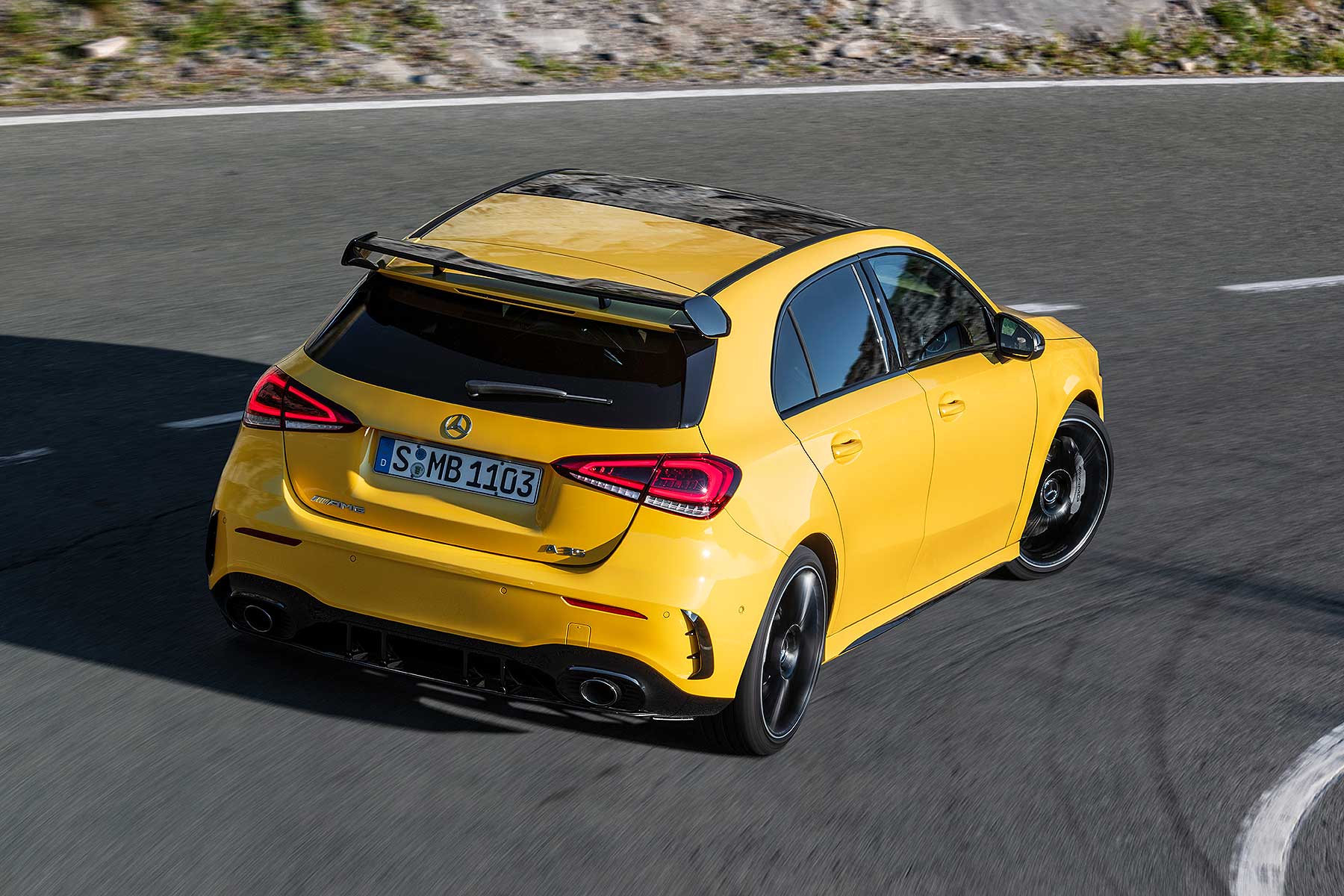
2019 Mercedes-AMG A 35 4MaticThe new Mercedes-AMG A 35 4Matic is proof they do things differently at AMG. Despite having a power output of 306 hp, and a 0-62mph acceleration time of 4.7 seconds, this new A-Class is nevertheless described as an ‘entry-level’ hot hatch.
An entry-level car that’s faster than many other brands’ range-topping hot hatches.

It’s an early sign the future new Mercedes-AMG A 45 4Matic is going to be explosive…

2019 Mercedes-AMG A 35 4Matic

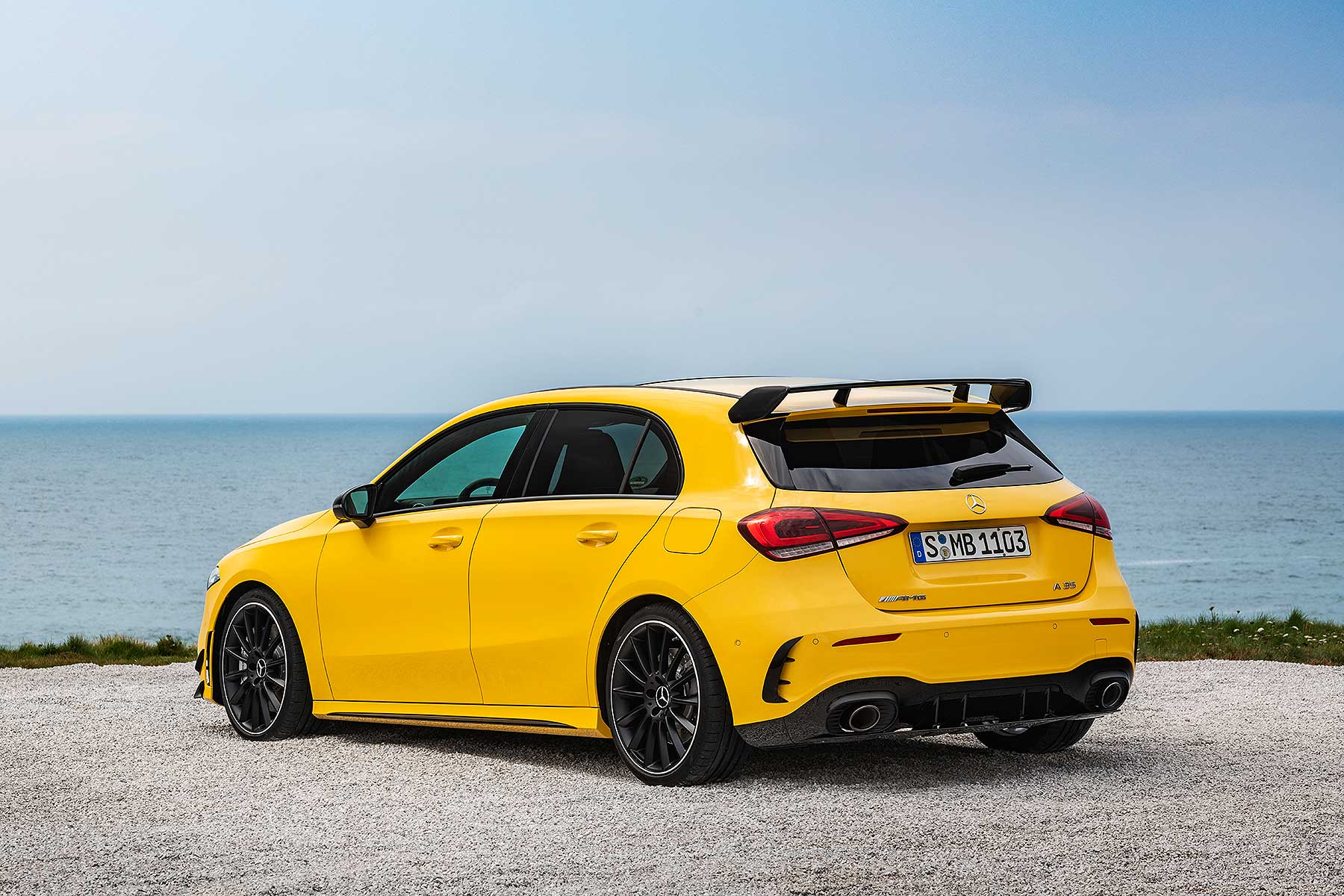
The A 35 AMG certainly looks the part. It has an AMG grille with twin louvres, F1-style aero ‘flicks’ above the front splitter, twin-spoke 18-inch alloys and a rear end packing a beefed-up apron with inset diffuser, massive roof spoiler and dual exhausts.

2019 Mercedes-AMG A 35 4Matic

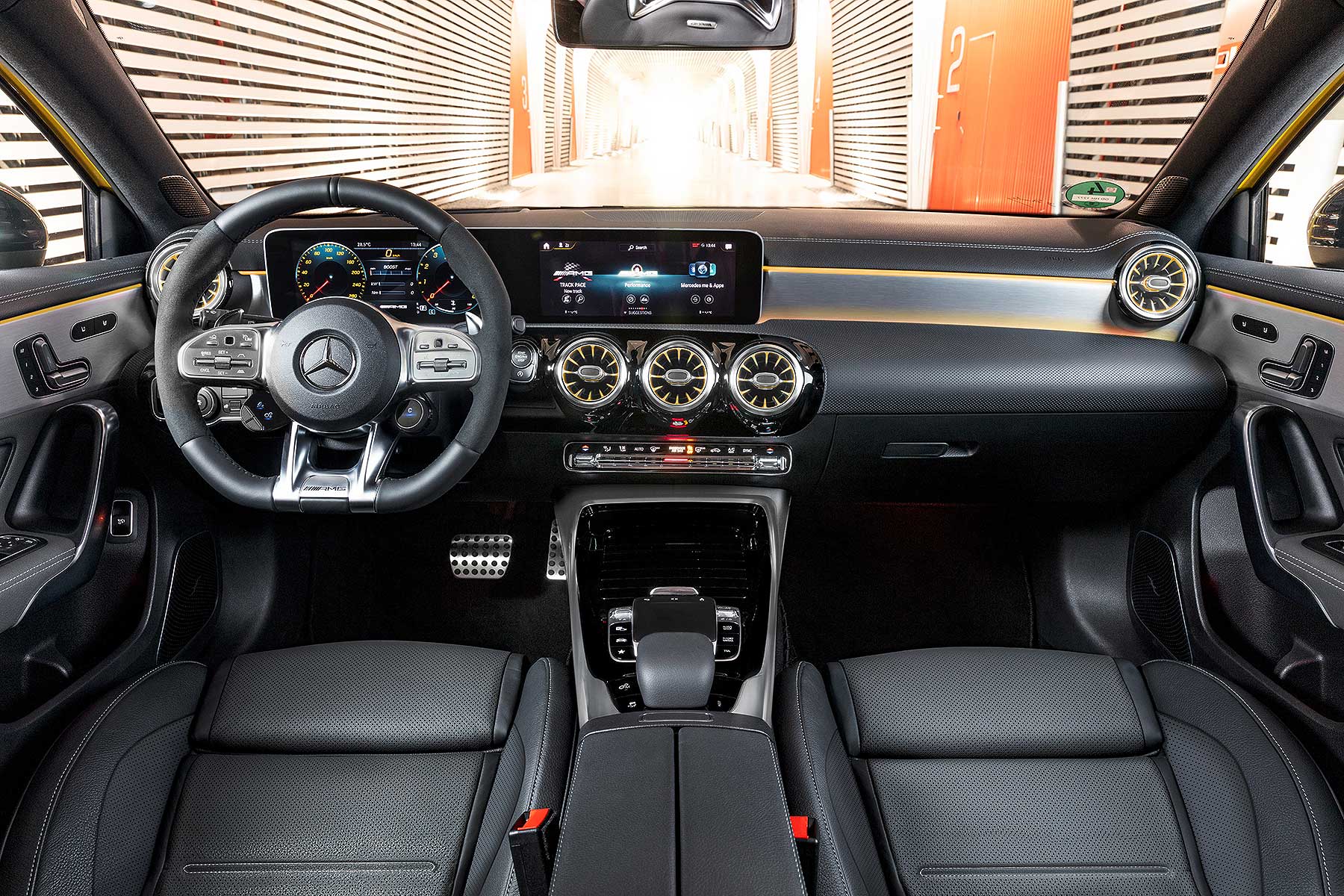
There are race bucket-look sports seats inside with deep bolsters, Dinamica microfibre seat inserts, air vents decked out with red rings and, yes, even red seatbelts.

2019 Mercedes-AMG A 35 4Matic

Mercedes-AMG has designed three bespoke AMG displays for the widescreen cockpit display – we like the sound of Supersport, with a big central rev counter and additional displays either side. They even have a 3D layout for added impact.

The MBUX touchscreen display has AMG extras too, such as the AMG Trace Pack and numbers-packed telemetry data. Owner can choose from 80 different data feeds: perfect for track days, says AMG. It will even save your 0-62mph acceleration times for analysis (and bragging rights on social media) later.

Mercedes-AMG A 35 4Matic: in detail

2019 Mercedes-AMG A 35 4Matic

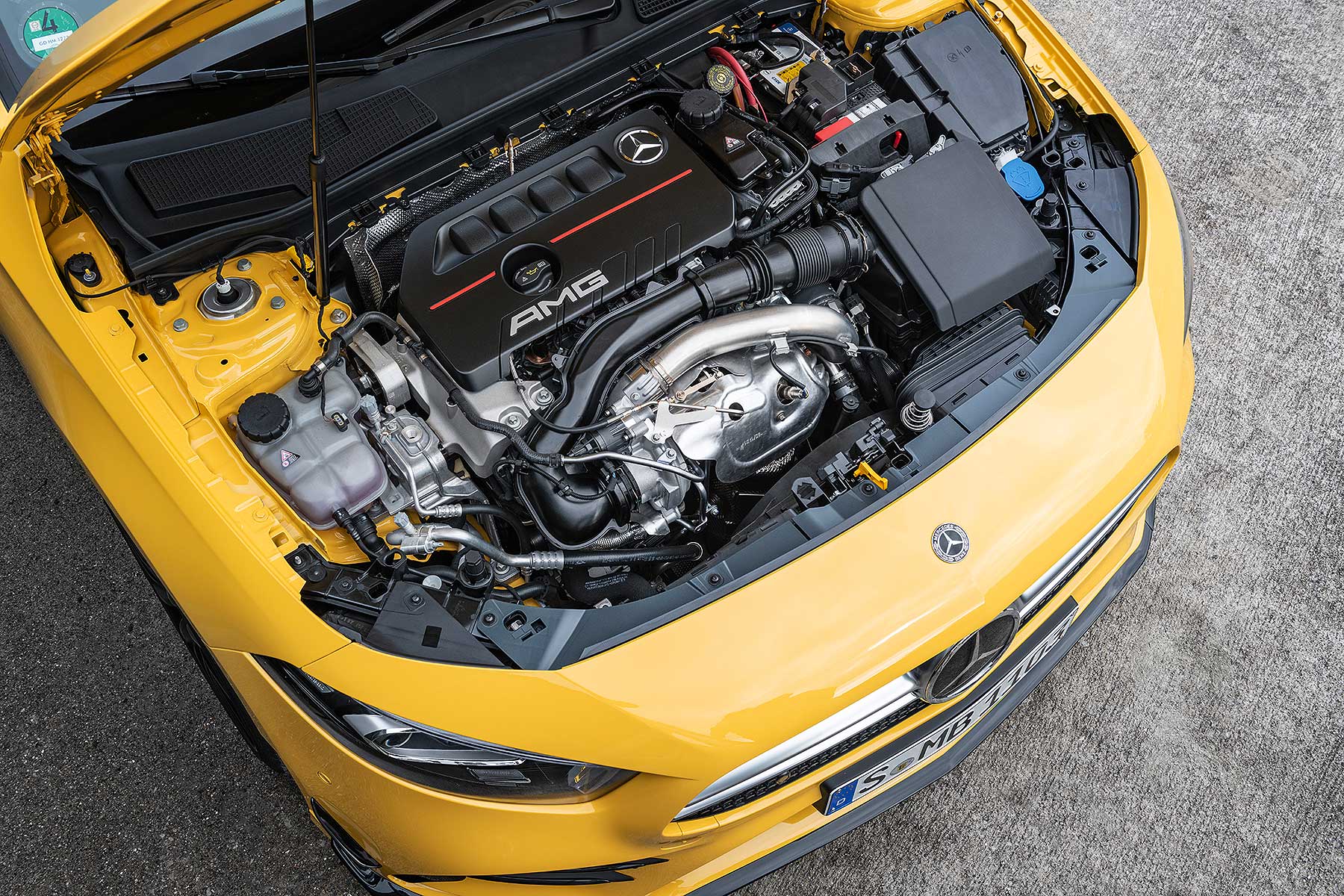
Mercedes-AMG has boosted up the new A-Class’s 2.0-litre four-cylinder engine to 306hp with a new twin-scroll turbocharger. It responds super-crisply, we’re told, and Camtronic variable valve control means it’s relatively efficient too, with economy of up to nearly 39mpg claimed.

2019 Mercedes-AMG A 35 4Matic

Of course, it has a rorty AMG exhaust, with an automatically controlled flap to turn it from relatively legal into loud and raucous at the press of a button.

The engine is paired with an AMG Speedshift DCT 7G gearbox, which inevitably has a race start function, maximising the traction of the AMG Performance 4Matic all-wheel drive system for hassle-free traffic light domination of Golf GTIs and Honda Civic Type Rs.

2019 Mercedes-AMG A 35 4Matic

Adaptive damping is also standard, with three different modes; this enables AMG to offer five different AMG Dynamic Select drive profiles, from relatively comfortable to rock-hard and racy. There are lots of AMG-specific suspension components too, such as a beefed-up front knuckle and bespoke geometry.

Big brakes are standard: four-piston, silver-painted monoblock front calipers grab 350mm front discs. They’re actually the same size brakes as the old A 45 4Matic.

Mercedes-AMG has not just bolted new bits onto the A 35 4Matic, either. It’s actually strengthened the entire bodyshell, with modifications to the front-end improving precision and turn-in, and a ‘shear panel’ in the engine bay upping stiffness. There are two more new diagonal braces on the underside, too.

2019 Mercedes-AMG A 35 4Matic

“With the introduction of the A 45 in 2012, we presented a real benchmark in the compact segment,” said Mercedes-AMG CEO Tobias Moers.

“The demand for our compact models has developed very dynamically in recent years. This success has encouraged us to further expand our portfolio and place it on a broader footing.

“With the new A 35, we are fulfilling our brand promise of driving performance in every detail and offering thrilling lateral dynamics at the level of today’s A 45.”

2019 Mercedes-AMG A 35 4Matic

And tomorrow’s A 45? It’s coming, adds the firm. This A 35 is a warm up for that car: it’s been developed at the same time as its forthcoming bigger brother and carries all the AMG DNA that model will possess.

Plus, presumably, a suitable power hike even over this. Question is, how much beyond the 400hp mark will it go…

Advertisement

Aston Martin DBZ Centenary Collection: the £6 million ‘old and new’ duo

0

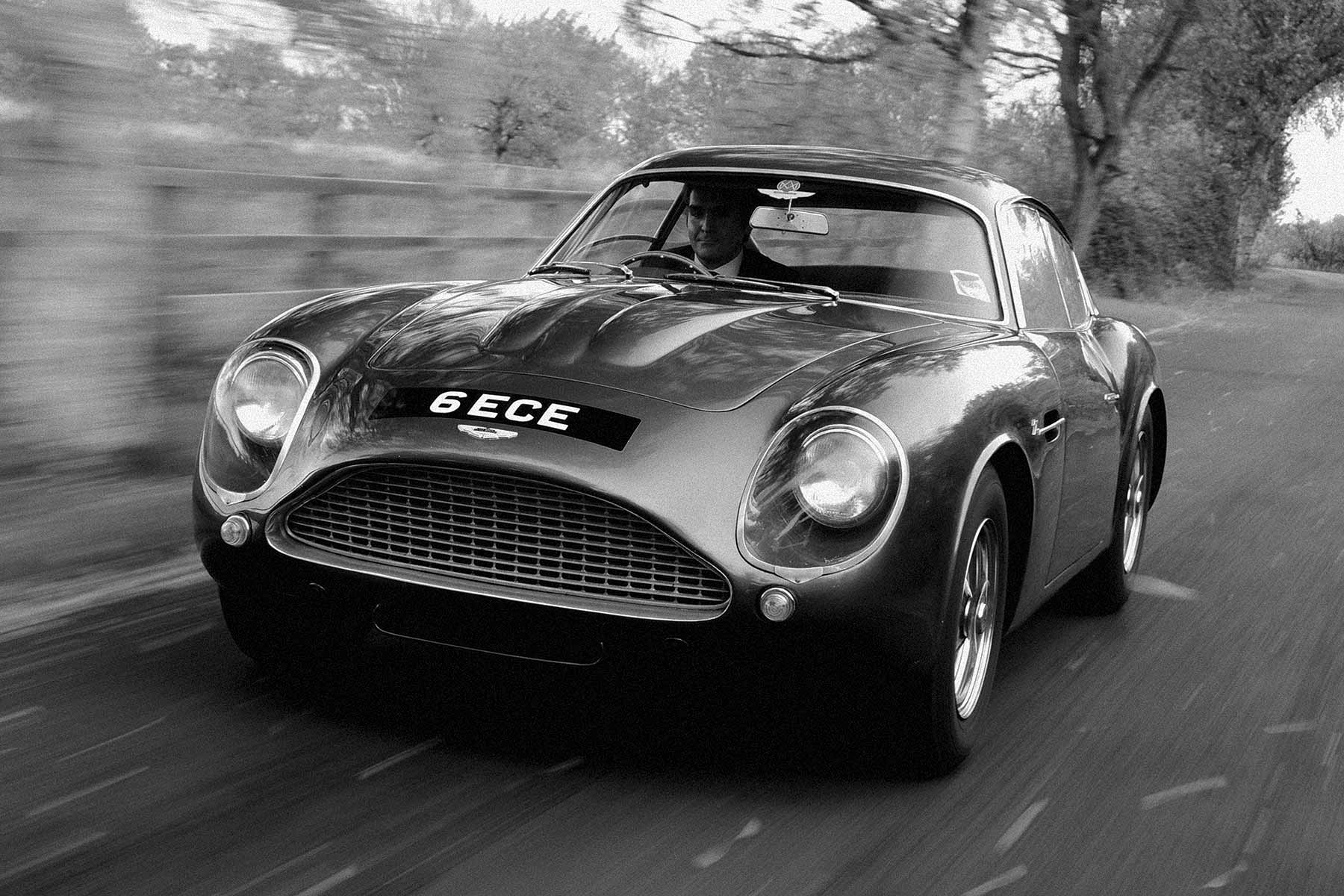
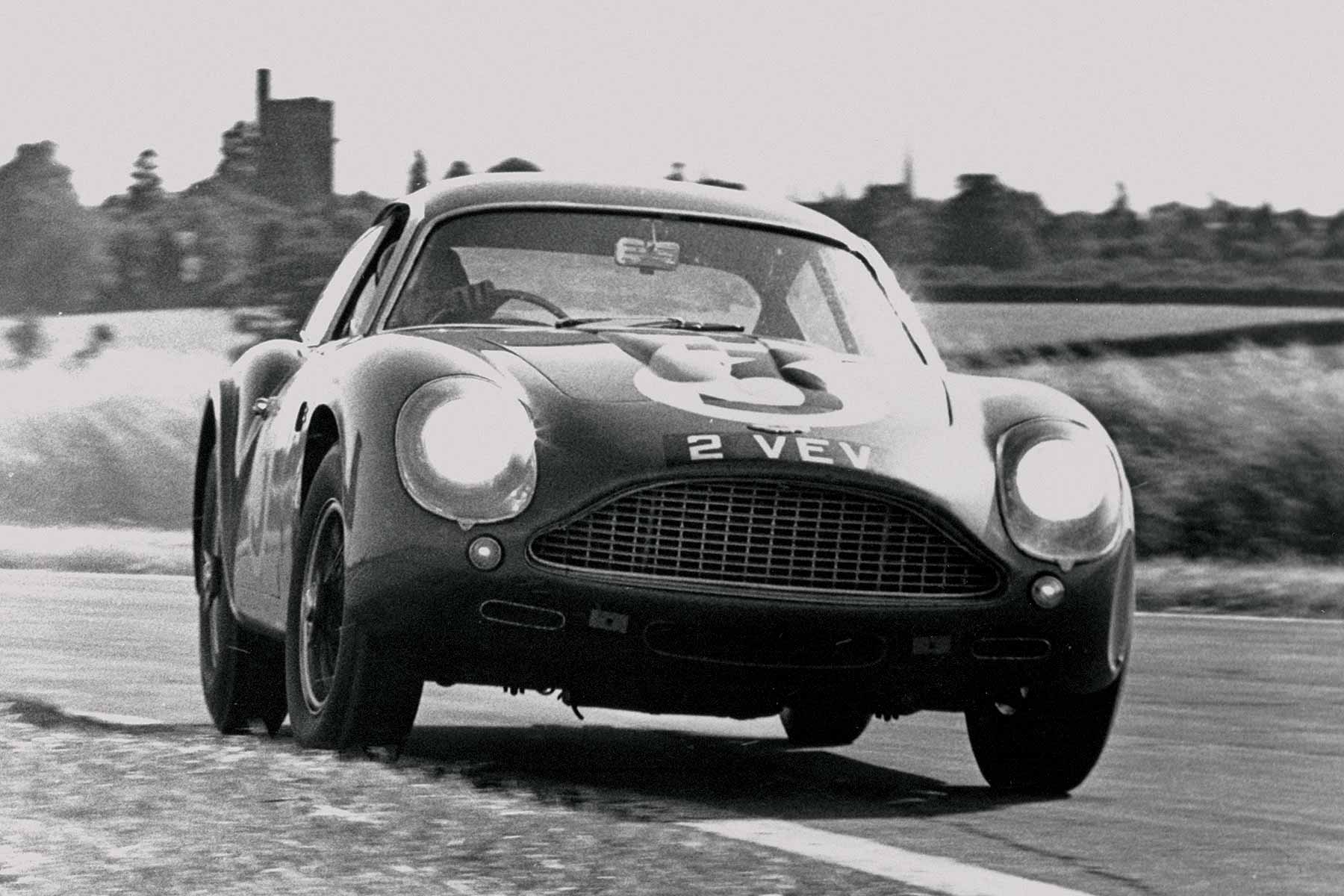
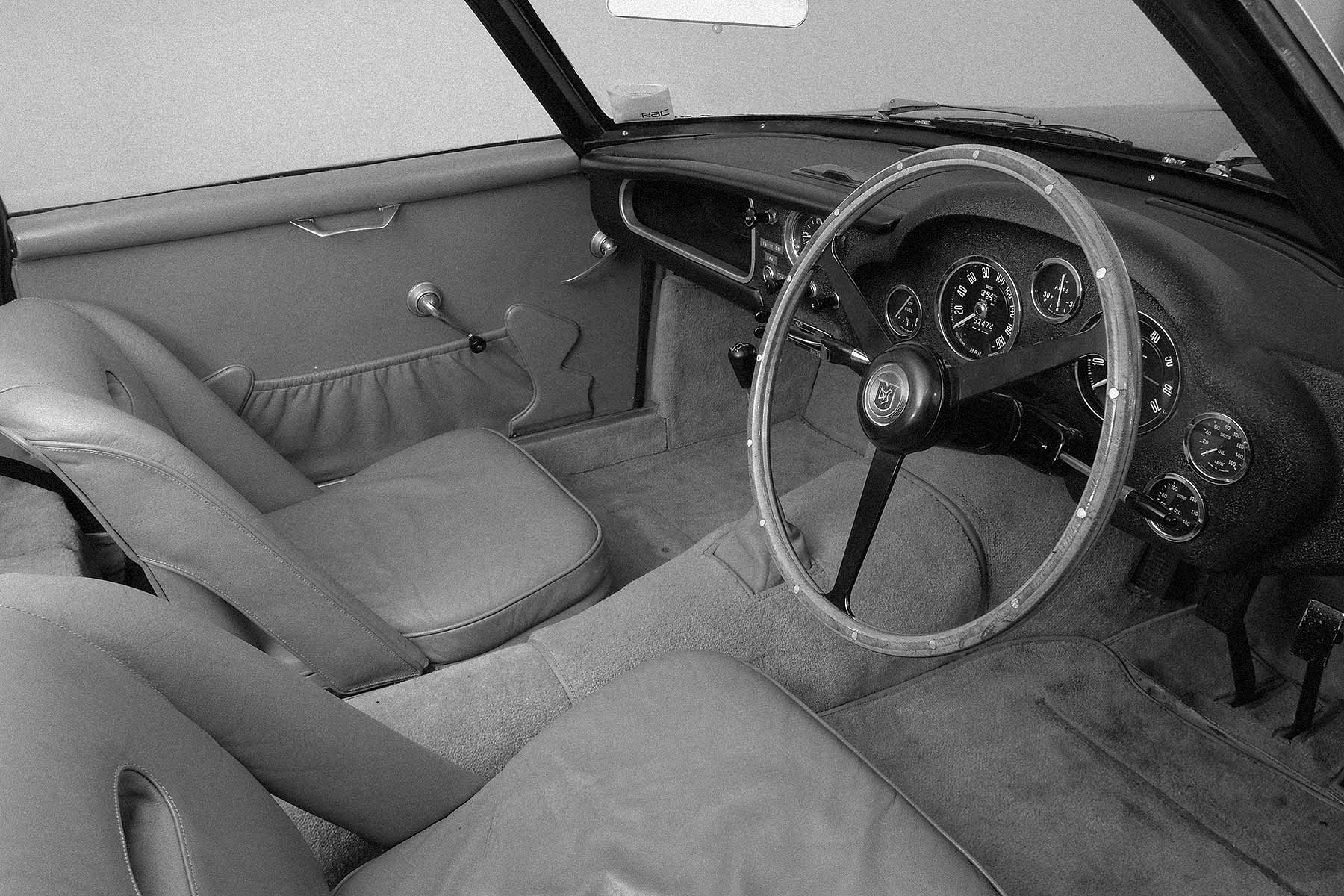
Aston Martin DB4 GT Zagato ContinuationAston Martin has announed the surprise new £6 million DBZ Centenary collection. No, not a single mega-bucks Zagato Aston Martin monster. Rather two stunning examples from both ends of this exclusive and long-running collaboration: a retro reborn Aston Martin DB4 GT Zagato, and a brand new Aston Martin DBS GT Zagato.
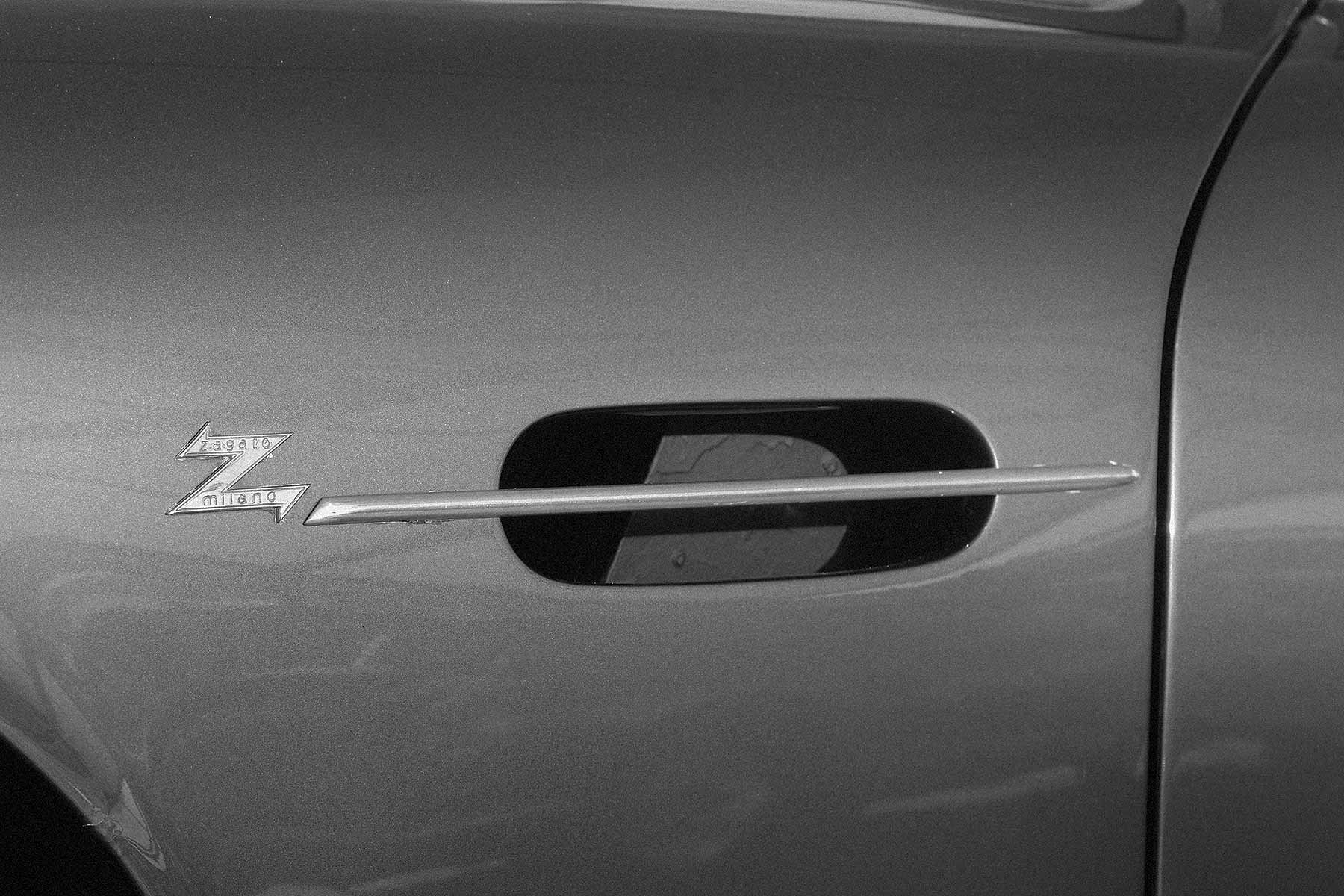
Yes, this is an ‘old and new’ collection that only comes as a pair – a suitably lavish celebration of the legendary Italian design house in 2019.

Depending on how highly you value the reborn DB4 GT Zagato, you could even call it a ‘buy one, get one free’ offer…

Aston Martin DB4 GT Zagato Continuation

Aston Martin describes the DBZ Centenary Collection as “a unique project that pays tribute to an icon of the paste and creates a classic of the future”. There will be just 19 pairs sold, to commemorate the founding of the design house by Ugo Zagato in 1919.

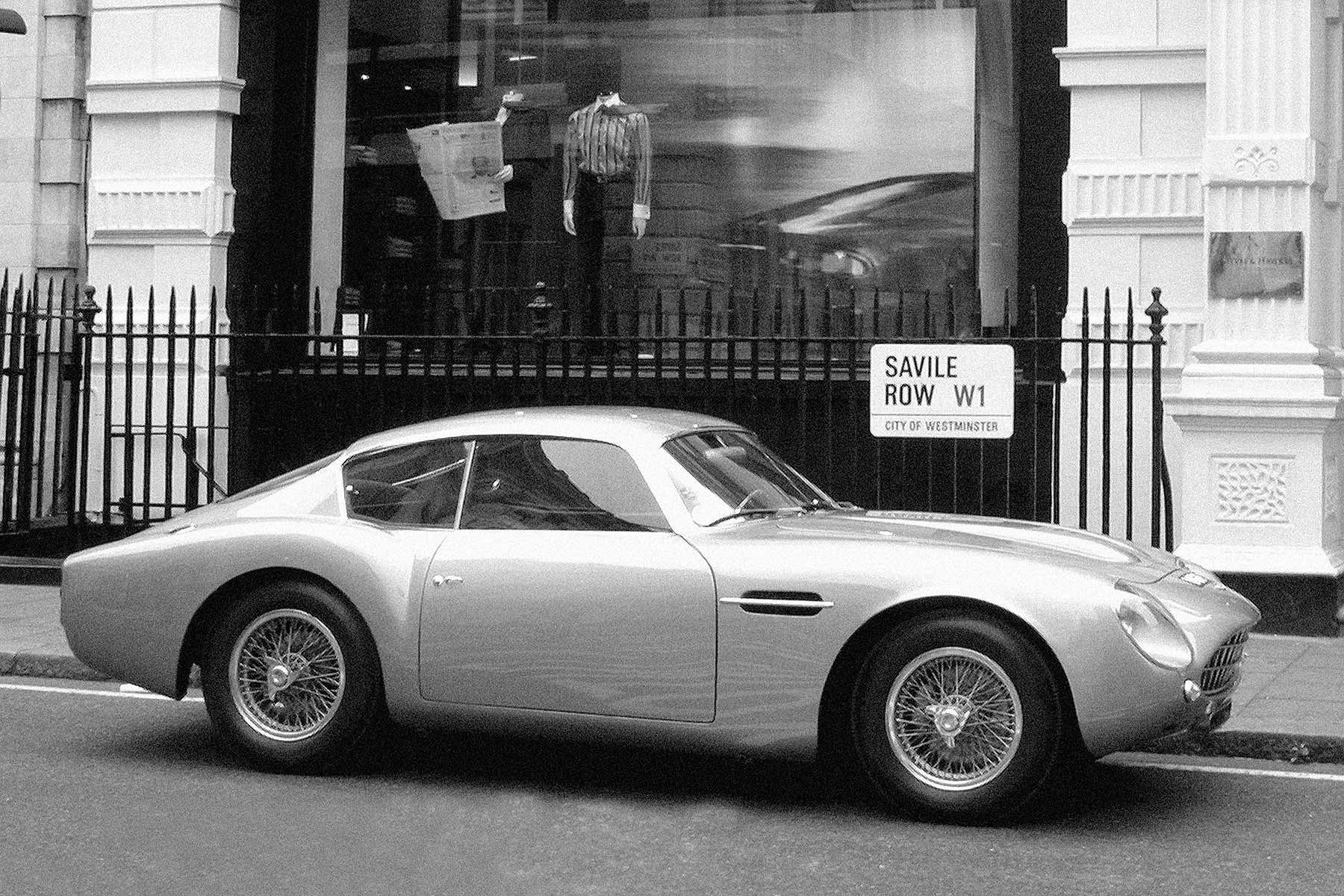
Quite the pair they are, too. In short, the DB4 is the latest in a rapidly growing cohort of continuation specials – coach-built beauties revived in the modern era. The DB4 GT Zagato is arguably the most significant Aston Martin of all time and is, of course, the lynchpin of this long-standing partnership.

The DBS GT Zagato is the new boy. This latest chapter in the story of the Aston and Zagato collaboration is based, as you’ve probably already guessed, on the new DBS Superleggera. Let’s break them both down in more detail, starting with the new DBS.

Aston Martin DBS GT Zagato

Aston Martin DBS GT Zagato Continuation

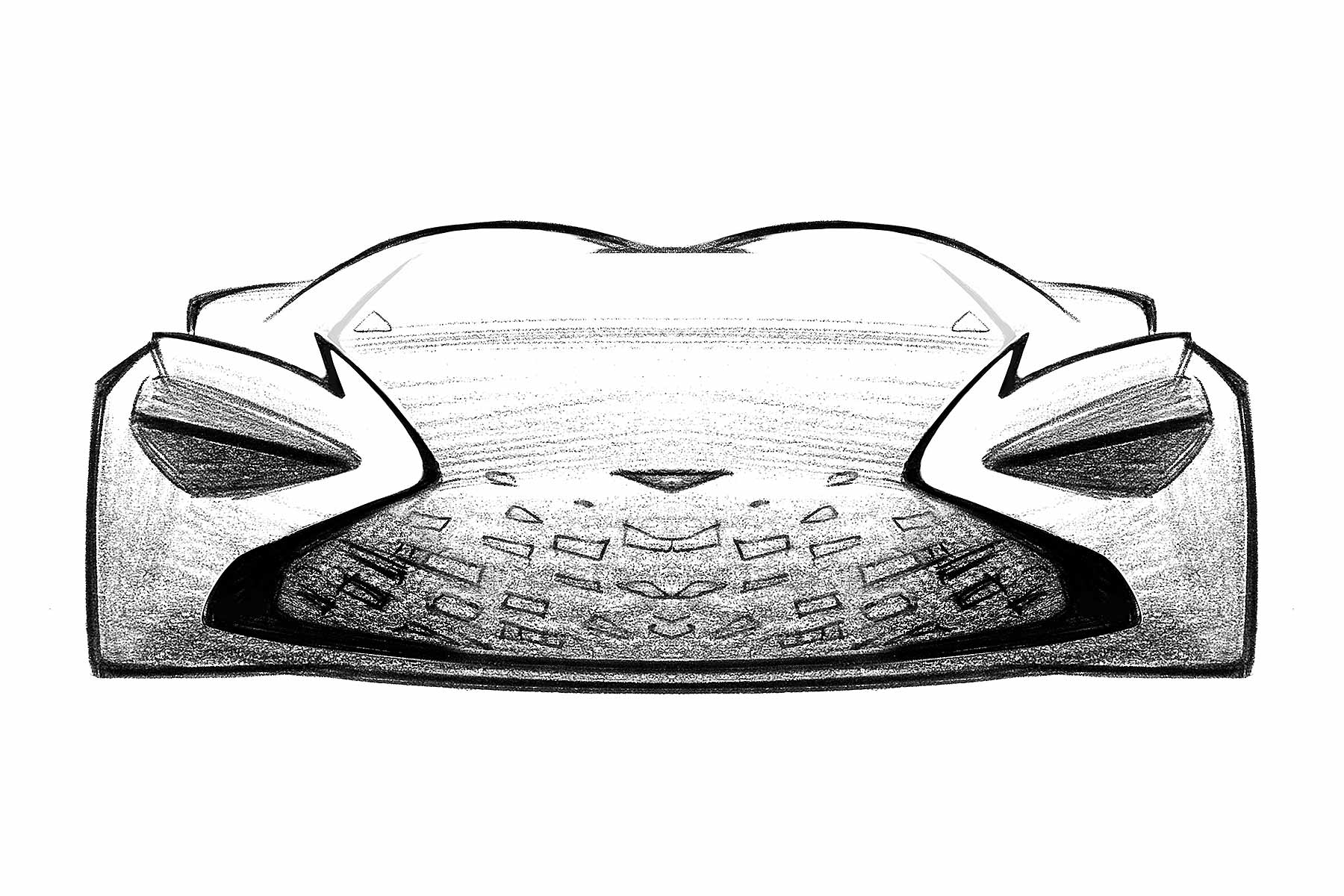
This as-yet-unseen car is to be the rarest of all the modern-era Aston Martins. Yes, Valkyrie hypercar included. It will feature all of the definitive hallmarks of a Zagato-bodied Aston: a distinctive grille, double-bubble roof, truncated rear end design and delectable interior appointments.

The 700hp twin-turbo V12 and eight-speed transmission will remain, ensuring the Zagato of today is no shrinking violet..

Interestingly, this is the first of the new-era Astons to get the Zagato treatment, so we should expect the DBS to be a taste of where Zagato goes with its Aston work going forward.

Indeed, it was “created to embody the next evolution in Aston Martin Zagato design language”. Certainly, the teaser sketch above suggests something pretty radical.

Aston Martin DB4 GT Zagato Continuation

Aston Martin DB4 GT Zagato Continuation

The DB4 GT Zagato is a continuation of the original legend – a car that raced at the hands of stars like Jim Clark. The originals are now some of the most valuable Aston Martins in existence thanks in part to their star power, their historical providence (both racing and otherwise) and of course, being Zagatos, their rarity.

Aston Martin DB4 GT Zagato Continuation

Aston arguably kicked off the continuation trend three decades ago, with the sanction II cars of 1988 and the sanction III cars of 2000. Chances to own any of these cars, let alone an original, are few and far between.

When originals do come up, they’re twice the cost of this Centenary Collection. See: another reason it’s a bargain.

Aston Martin DB4 GT Zagato Continuation

As with any of these recreations, it’s to be utterly authentic to the originals in design and execution – tubular frame under alloy panels and all. We wonder whether that will be the case to the old “no two are exactly alike” extent…

The new DB4 GT Zagato car is yours – along with the DBS GT Zagato – for £6 million, though we suspect all 19 pairs have been sold for some time.

One of the very few things these cars won’t do two-by-two, however, is arrive. While the DB4 will be in customer’s hands as early as Q4 2019, the DBS will arrive at least a year later…

Advertisement

Williams-developed Dendrobium D-1 electric hypercar inches closer to reality

0

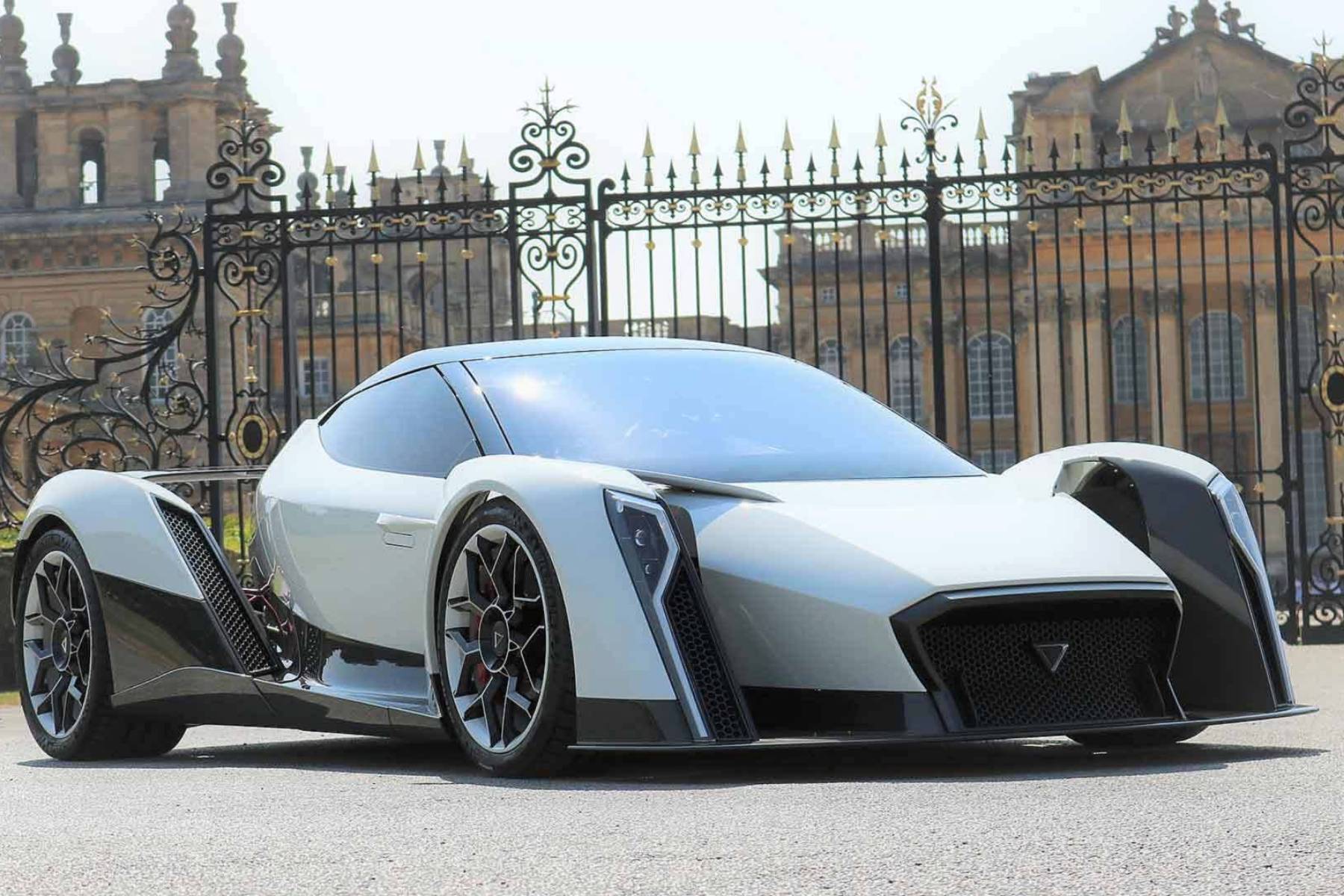
DendrobiumThe Dendrobium D-1 was revealed last year as a futuristic-looking zero-emissions hypercar. Now, we have an update on what’s under the skin, and the partners working on the project.

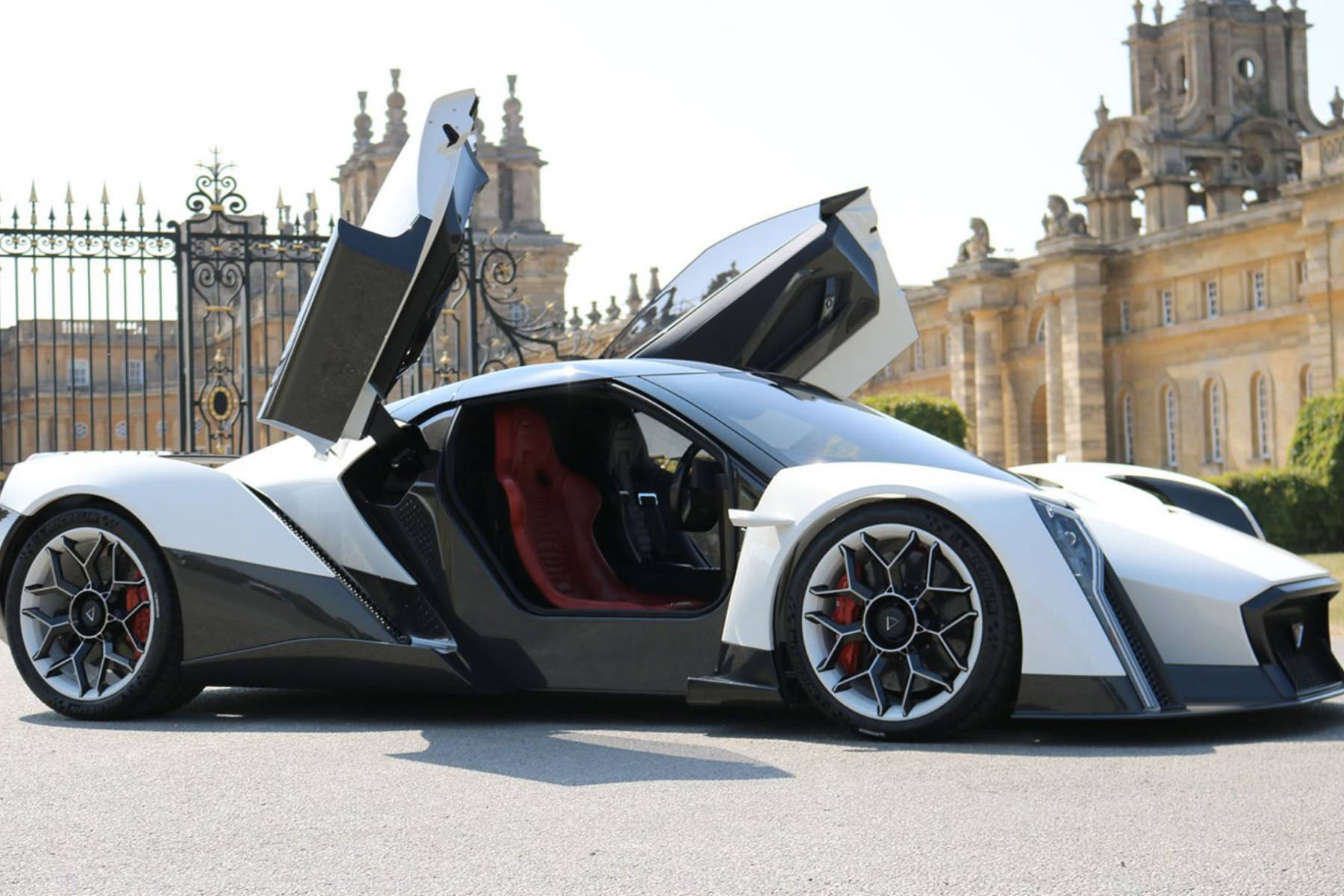
Strong support from Williams Advanced Engineering doesn’t stop many from crying “vapourware”. Unfortunately, that’s the inevitable assumption when we’re presented with most snazzy-looking concepts that light up and do little more. However, the fact we can now see inside the D-1 is encouraging. The interior looks attractive and there’s no denying the coolness of those doors. 

Dendrobium is partnering up with what could be big players in the future of EV battery development and production. The fledgling Dendrobium Automotive Limited has entered a four-way agreement with Magnis Resources, Charge CCCV (C4V) LLC and Dendrobium Advanced Technologies. C4V and Magnis will assist in the production of future high-performance and solid-state batteries.

As for the car? Odd numbers are beginning to come in, including 1,750kg weight and 1,800hp power targets. The platform, dubbed the Protocell carbon tub, has allegedly been engineered to underpin multiple models.

A star at Salon Privé

Dendrobium

The car enjoyed some limelight at the recent Salon Privé event at Blenheim Palace, though it was arguably somewhat overshadowed by the debut of the Lamborghini Aventador SVJ.

As an exercise in design, the D-1 remains impressive, but as is the case with any new supercar, the proof will be in the performance, production and sales.

I can honestly say that Dendrobium Automotive is one of the most exciting and future-focused businesses I’ve ever been involved with,” said Chairman and CEO of Dendrobium Automotive, Nigel Gordon-Stewart.

You can be assured that the Dendrobium brand will become synonymous with the most exciting and technically sophisticated e-hypercars on the market and available globally.”

We’re cautiously optimistic that the D-1 might just join the ranks of the fully-realised new-age EV supercars, along with the Pininfarina PF1, Rimac, Tesla Roadster, NIO EP9 and more. 

Read more:

Advertisement

Kia e-Niro electric crossover confirmed with 301-mile range

0

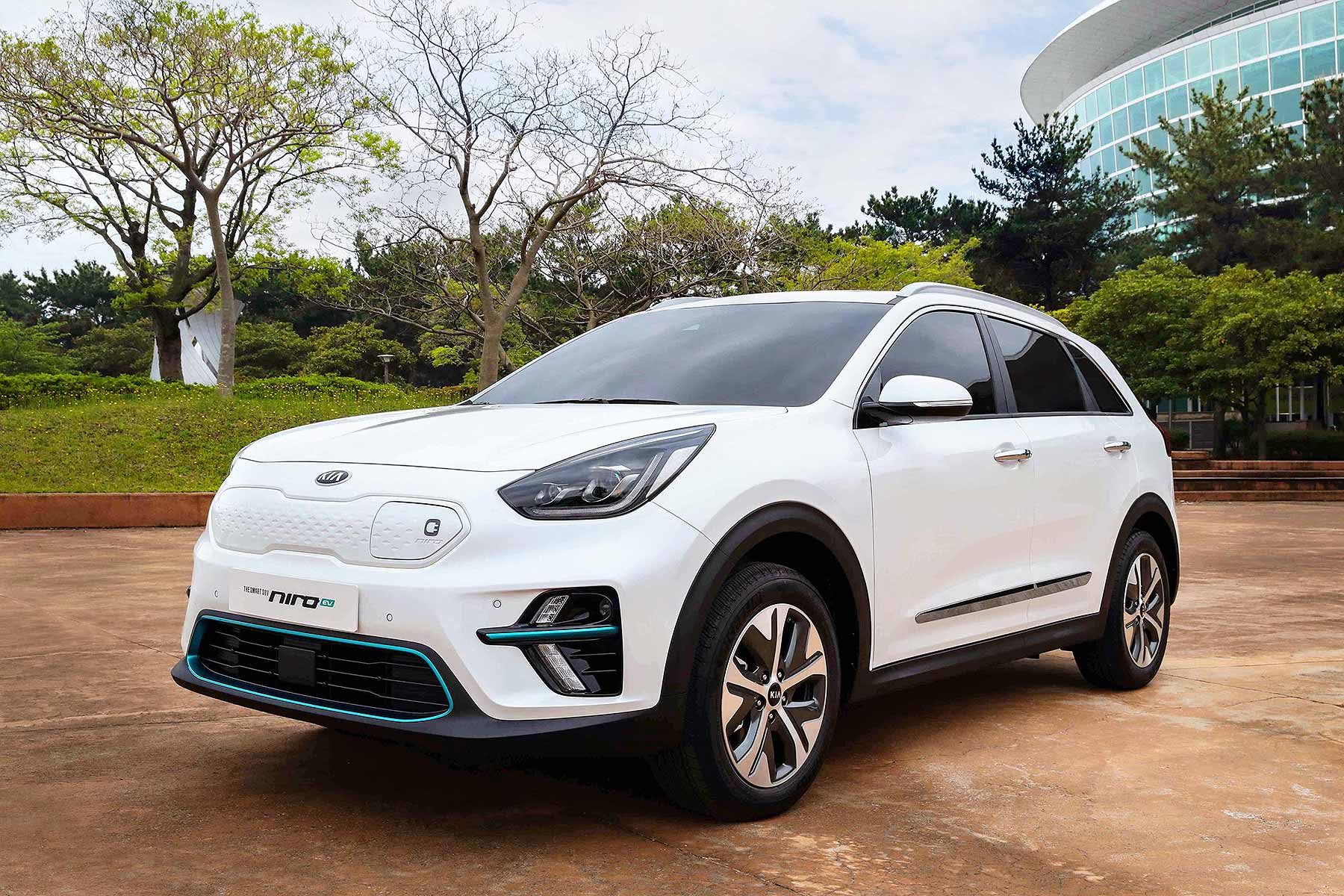
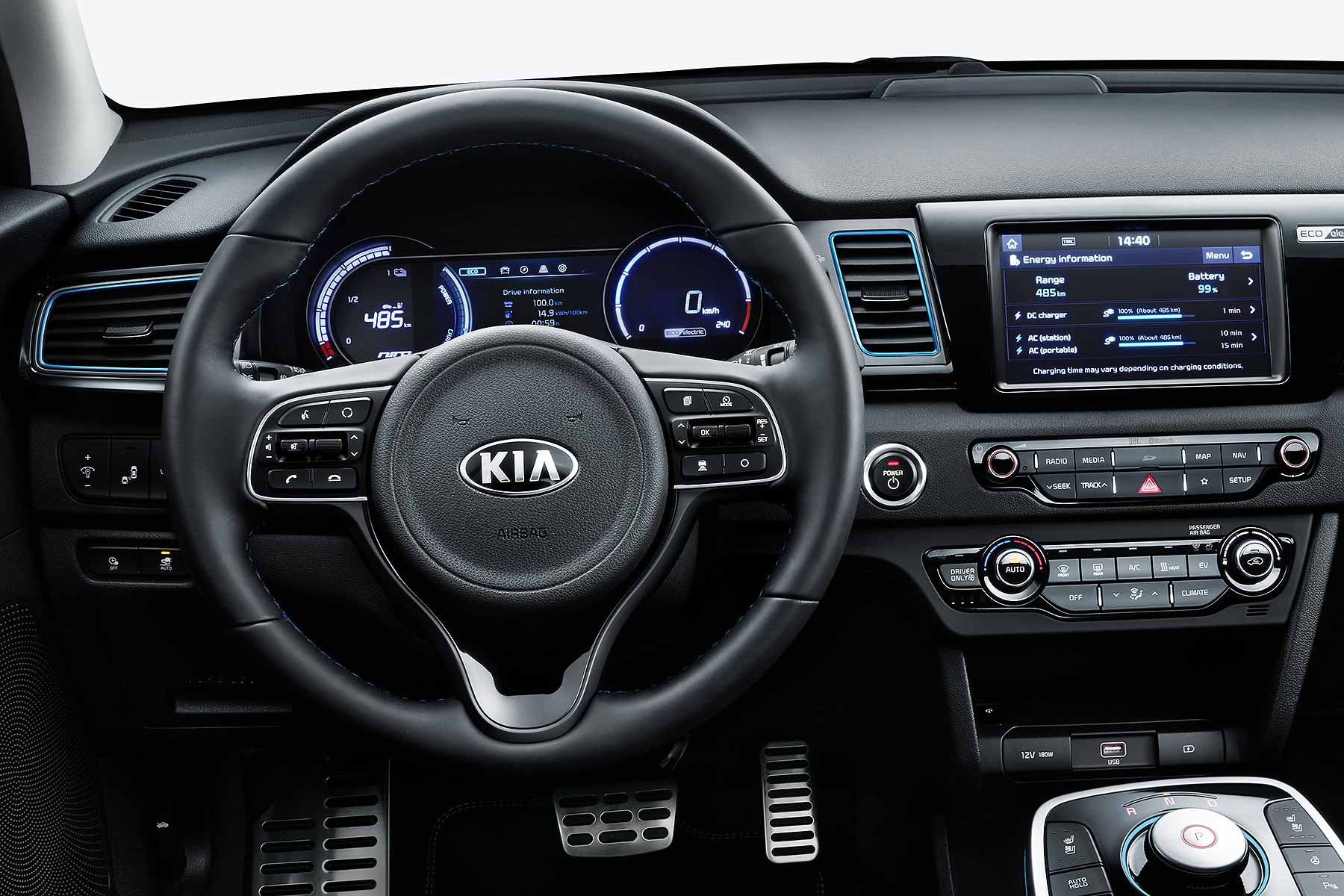
2019 Kia e-NiroThe new Kia e-Niro crossover already beats the just-revealed Audi E-tron, Mercedes-Benz EQC and the Jaguar I-Pace – for overall driving range, that is. Kia has just confirmed a driving range of up to 301 mile on a single charge, which no premium SUV can currently better.
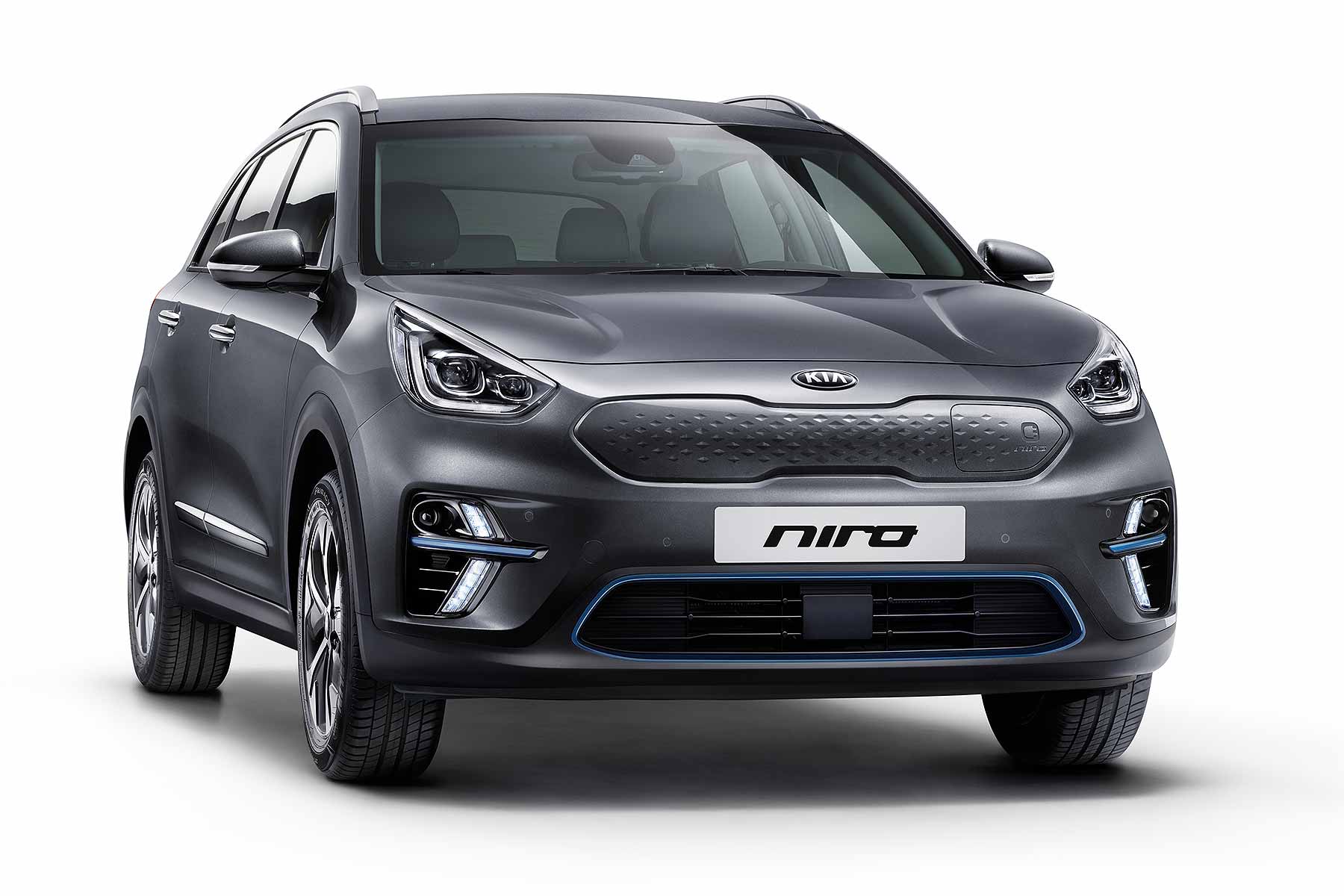
Kia’s 301-mile figure is according to the new WLTP standard; in the same test, the Jaguar I-Pace will cover 292 miles, while both the Audi E-tron and Mercedes-Benz EQC will do 249 miles.

The Kia e-Niro even beats the 280-mile NEDC figure Mercedes-Benz cheekily quoted; this test is being phased out in favour of the tougher WLTP test.

2019 Kia e-Niro

Kia achieves this official 300-mile range with a smaller, cheaper, faster-to-charge battery than its premium rivals. The 64kWh lithium ion unit is still a decent size though (and 24hWh bigger than a Nissan Leaf); Kia says it’s able to go further than some particularly thirsy petrol cars (supercar owners, it’s referencing you).

Capable of fast-charging with a 100kW unit, the battery will charge from flat to 80 percent charge in 54 minutes.

If you can’t stretch to the 64kWh battery, a cheaper Kia e-Niro will be offered, with a 39.2kWh unit. This will have a still-OK 193-mile WLTP range.

2019 Kia e-Niro

The 39.2kWh e-Niro won’t be as fast as its bigger brother though. It gets a 136hp electric motor, for 0-62mph in 9.8 seconds.

The pricier 64kWh e-Niro has a 204hp motor, which accelerates to 62mph in just 7.8 seconds. Both cars are covered by Kia’s 7-year, 100,000-mile warranty – and, yes, both battery pack and electric motor are included.

Kia will give the new e-Niro its European debut at the Paris Motor Show next month. Full prices and delivery dates will be confirmed towards the end of 2018.

Advertisement

2019 Audi E-tron electric SUV revealed, begins 12-car EV surge

0

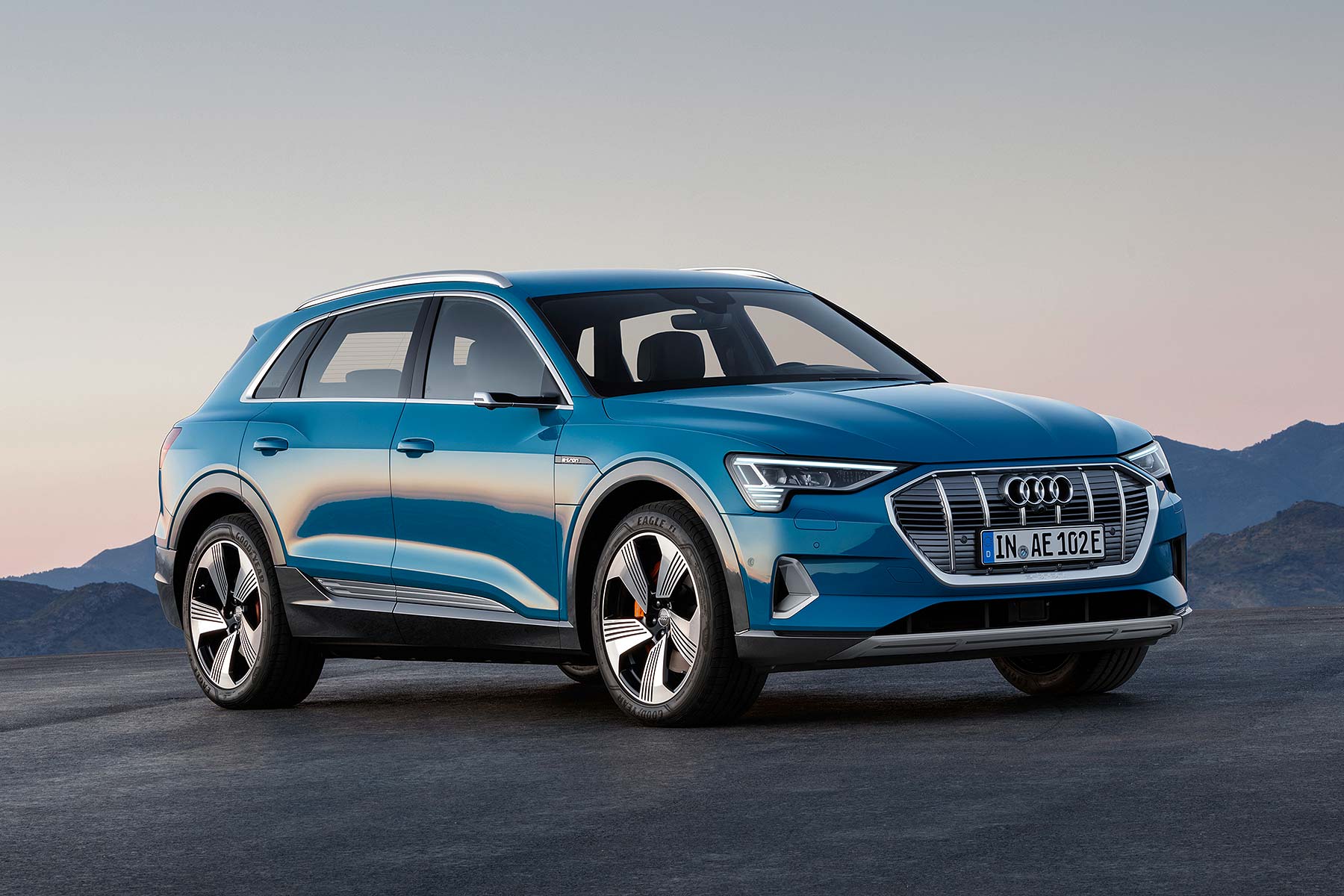
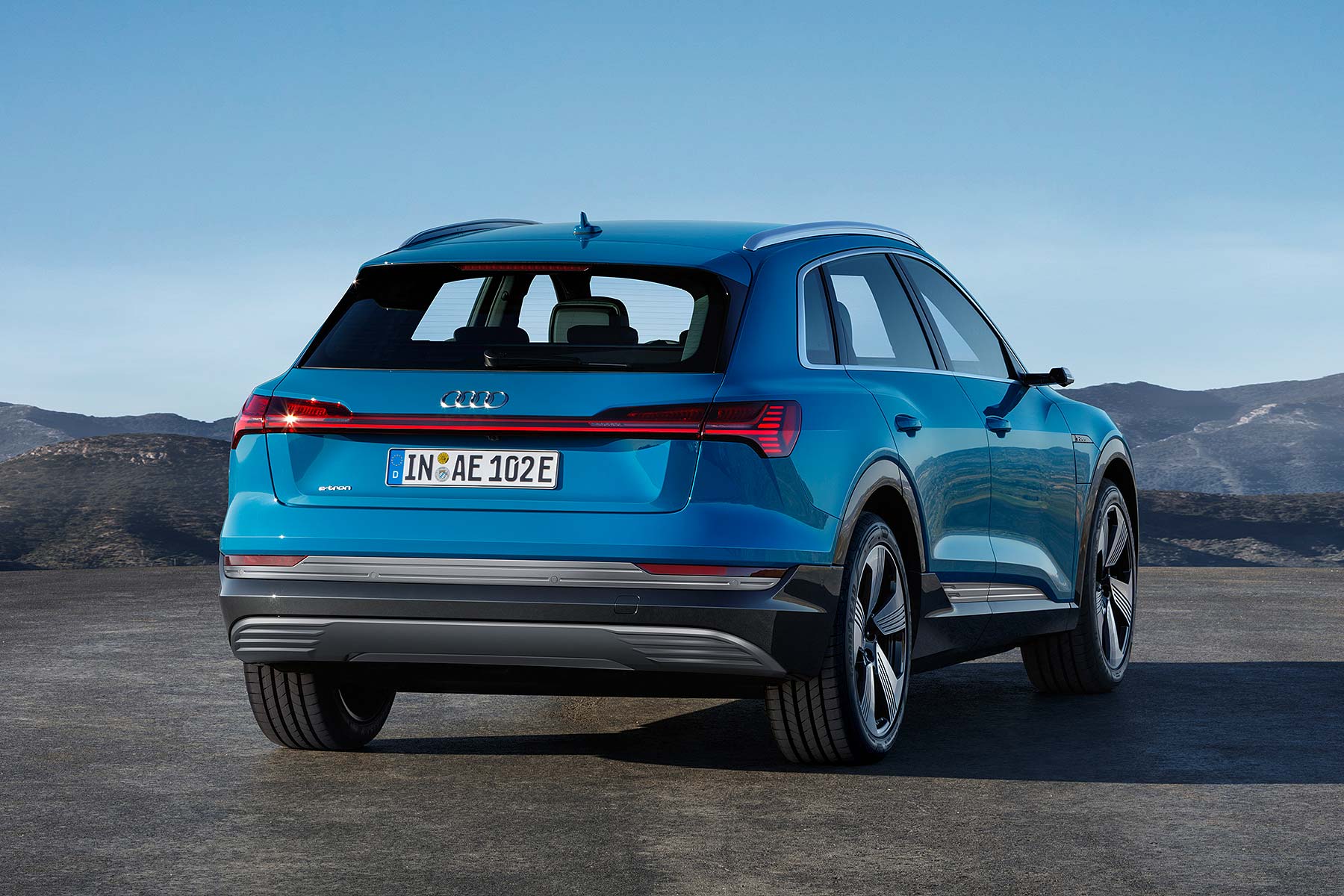
2019 Audi e-tronThe Audi E-tron is an all-electric SUV that marks the beginning of Audi’s electric car push. It is the first of 12 all-electric Audis to be launched between now and 2025. It arrives in European dealers later this year.
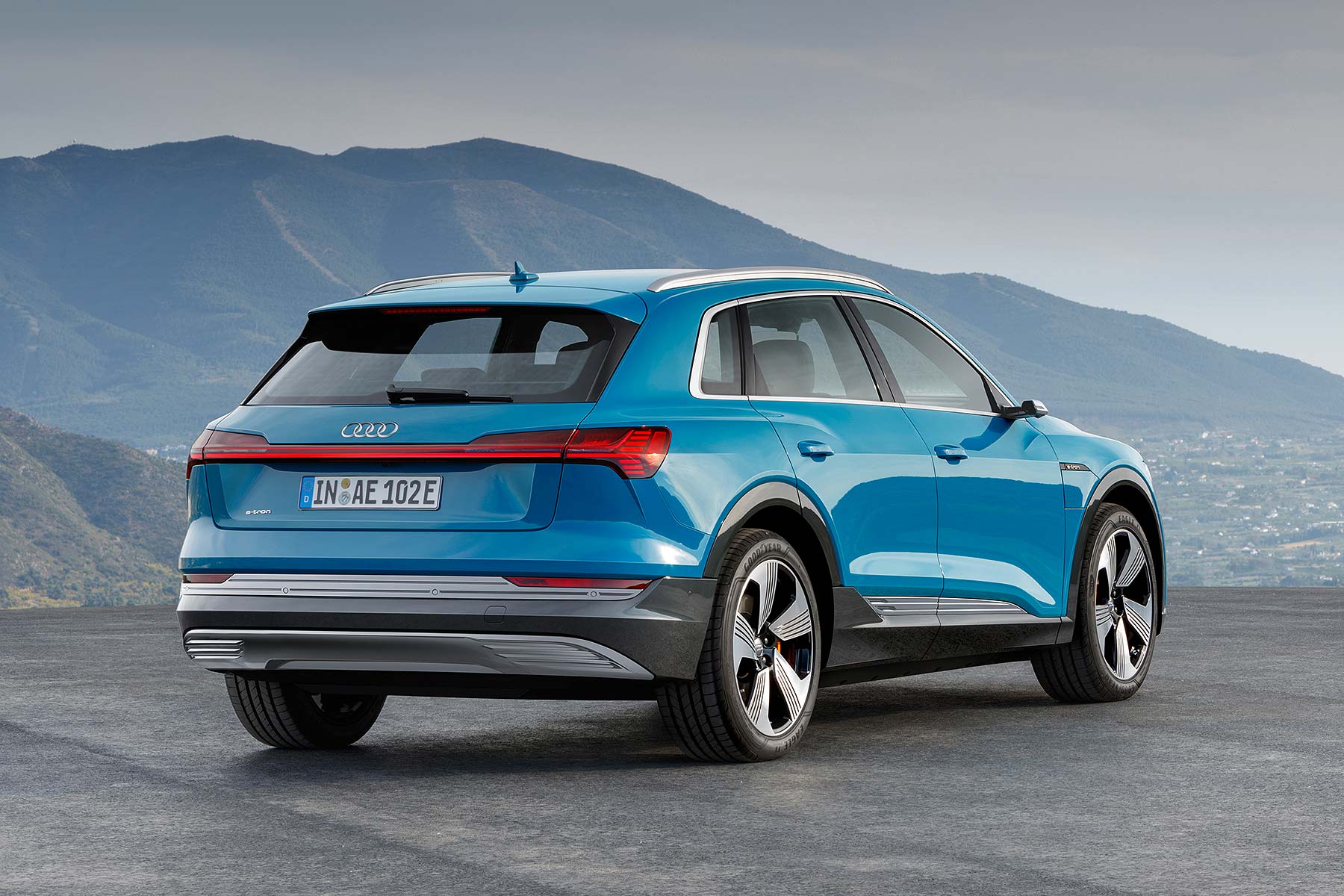
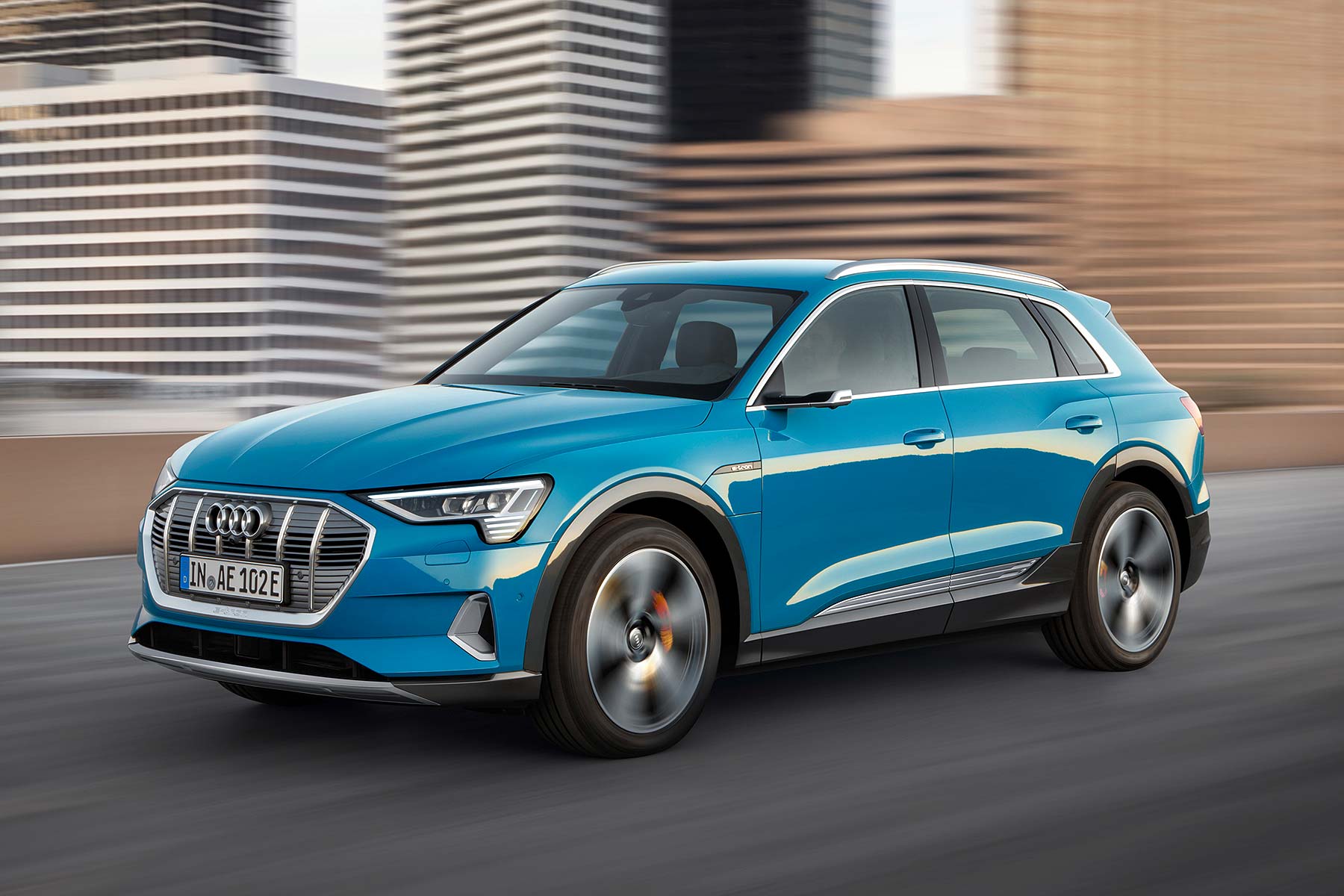
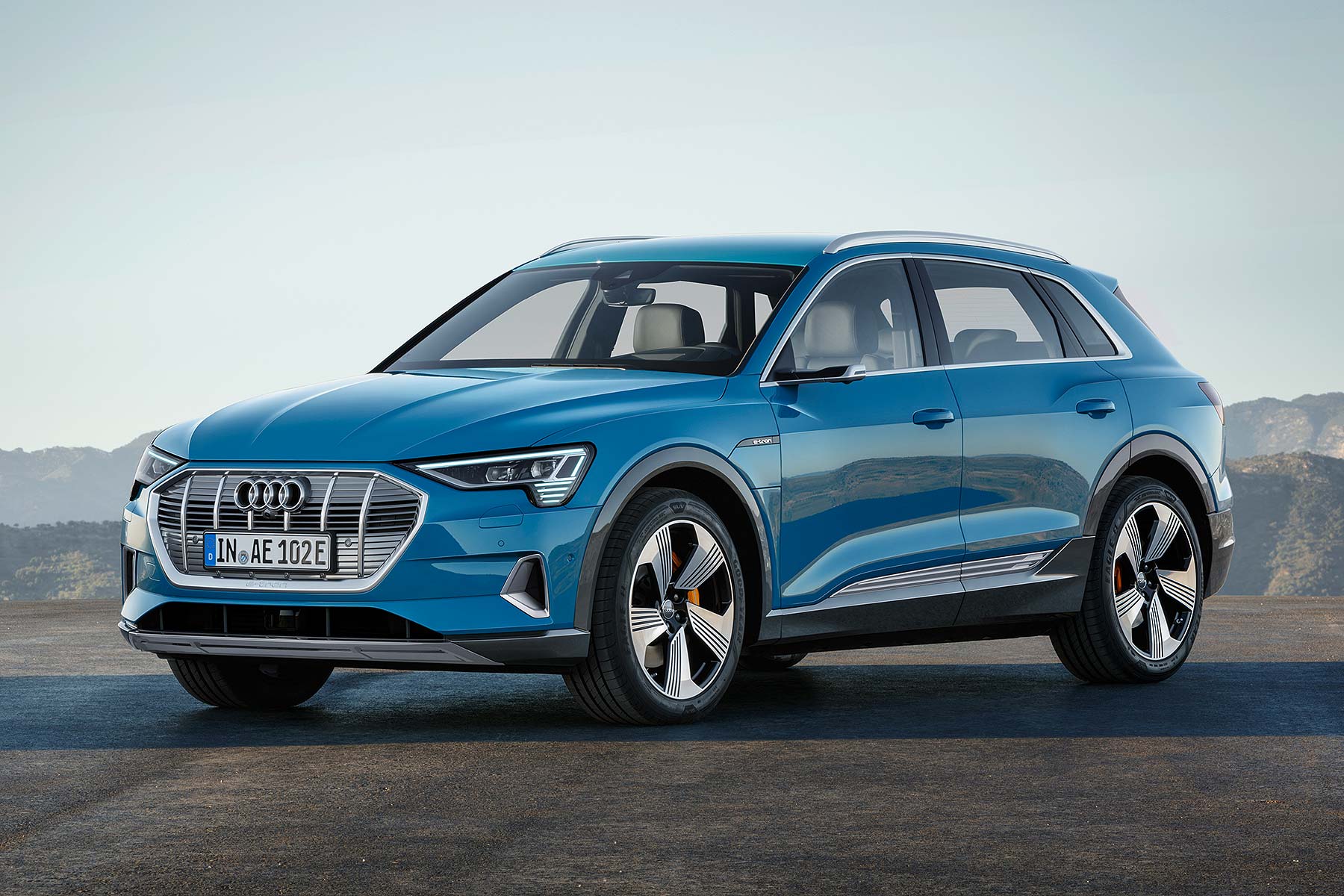
The five-seat mid-size e-tron SUV will quickly be joined by an E-tron Sportback in 2019, and Audi’s also planning to show an E-tron GT coupe concept car at the 2018 LA Auto Show in November. It’s co-developing this car with Porsche.

By 2025, 1 in 3 new Audis will be fully electric. That’s why Peter Mertens, Audi’s technical director, says it is “definitely a highlight in the history of our company”.

The new electric Audi E-tron is the latest premium EV SUV to launch, following the Tesla Model X, Jaguar I-Pace and recently-revealed Mercedes-Benz EQC. Surprisingly, BMW has yet to respond with a production-ready electric SUV.

2019 Audi e-tron

First, the top-line stats for the new Audi E-tron. It has a 95kWh battery (only the 100kW Tesla Model X has a bigger battery), and Audi’s quoting a 249-mile range (matching the Mercedes-Benz EQC – but this could go up when final production figures are revealed) and 0-60mph in 6.4 seconds. It has two electric motors, one in the front and one in the rear. The brand’s trademark quattro all-wheel drive is thus maintained.

The front produces 135kW (180hp), and the rear produces 140kW (188hp), which boosts to 165kW (221hp) for six-second bursts. This cuts the 0-60mph time to 5.5 seconds.

2019 Audi e-tron

In the United States, the Audi E-tron costs $74,800, and in Germany, €79,900. In the UK, a price tag of around £70,000 is expected – which will reduce by £4,500 once the government Plug-in Car Grant is subtracted.

Audi E-tron: in detail

2019 Audi e-tron

Distinguishing the Audi E-tron at the front is a platinum grey singleframe grille. Fully closed, this will become a defining feature of Audi’s full EVs. There are also four horizontal LED slats within the headlights, which will be another E-tron signature.

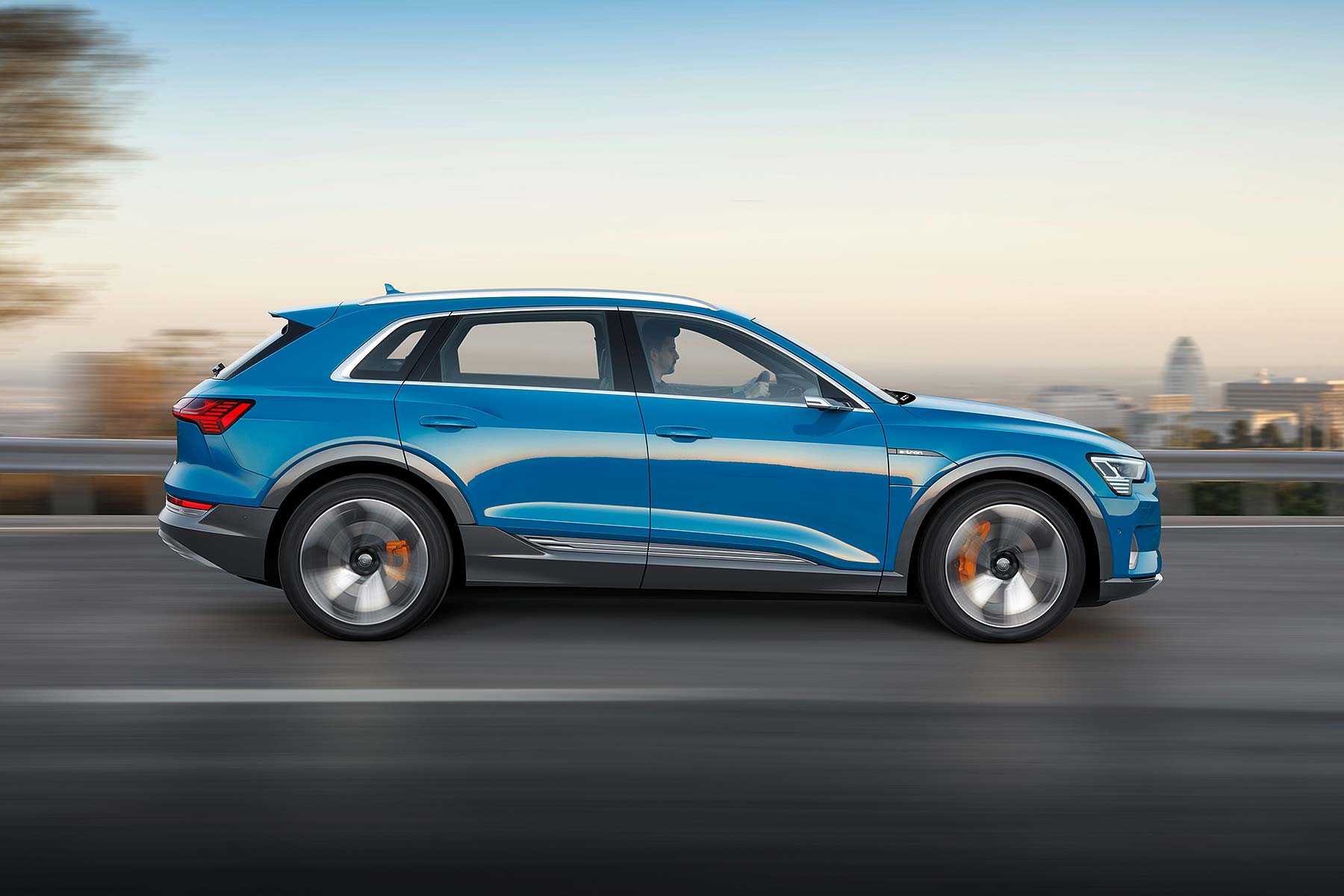
At the side, it’s contoured and equipped with muscular arches like other Audi SUVs, while the black inserts on the lower doors mark out the location of the battery “and thus the energy centre of the Audi E-tron”.

2019 Audi e-tron

The batteries are mounted low and centrally within the platform, aiding both handling and packaging.

At the rear, the broad LED light strip mimics the high-end look of the Audi A7, A8 and Q8. Audi says the LED strips in the outermost edges “are [a] graphical representation of full battery charge”. It also highlights the lack of tail pipes with cross-slats in the rear diffuser.

2019 Audi e-tron

Audi says the E-tron uses world-first electrohydraulic brake control. This sees energy recovered by the electric motors in more than 90 percent of decelerations – topping up the battery as the E-tron slows down.

20-inch alloys are standard, and the 255/50-second tyres have been aero-tuned. Fully adaptive air suspension is standard; it drops down at speed to reduce drag. The full range of height-adjust is 76mm – that’s three inches – which also improves the E-tron’s off-road ability.

2019 Audi e-tron

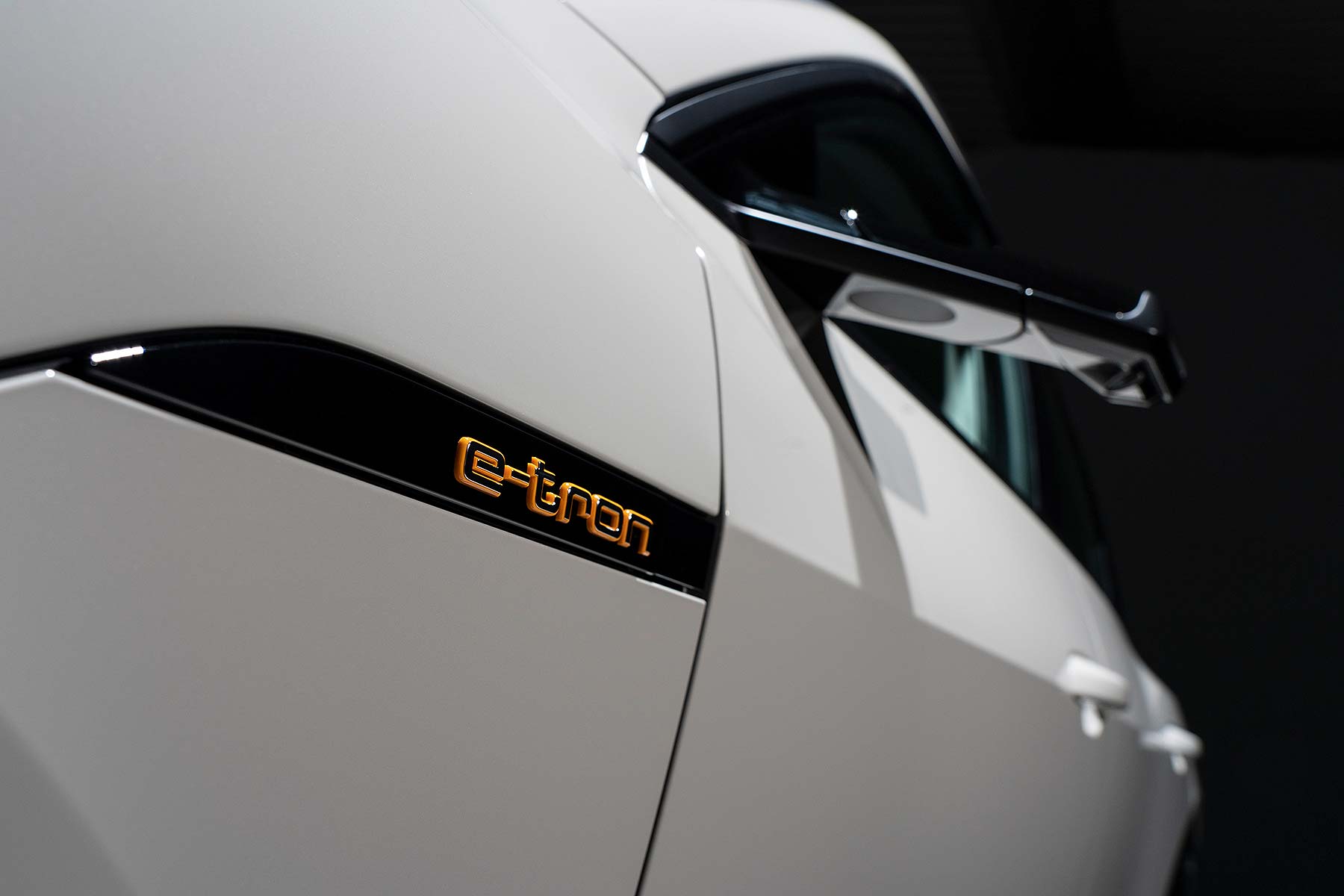
It also has world-first virtual door mirrors as an option. These reduce drag from the bodywork and further help boost the range. Their colour displays are neatly integrated into the door panels (see above).

2019 Audi e-tron

The Audi E-tron is ready to accept 150kW DC fast charging. This will give it an 80 percent charge in 30 minutes. The standard charger is an 11kW AC unit, which tops up in around eight and a half hours (a 22kW fast-charger, which halves this time, is optional); Audi’s also teamed up with Amazon to offer ‘Audi Home Charging powered by Amazon Home Services’ for full app-controlled home charging.

2019 Audi e-tron

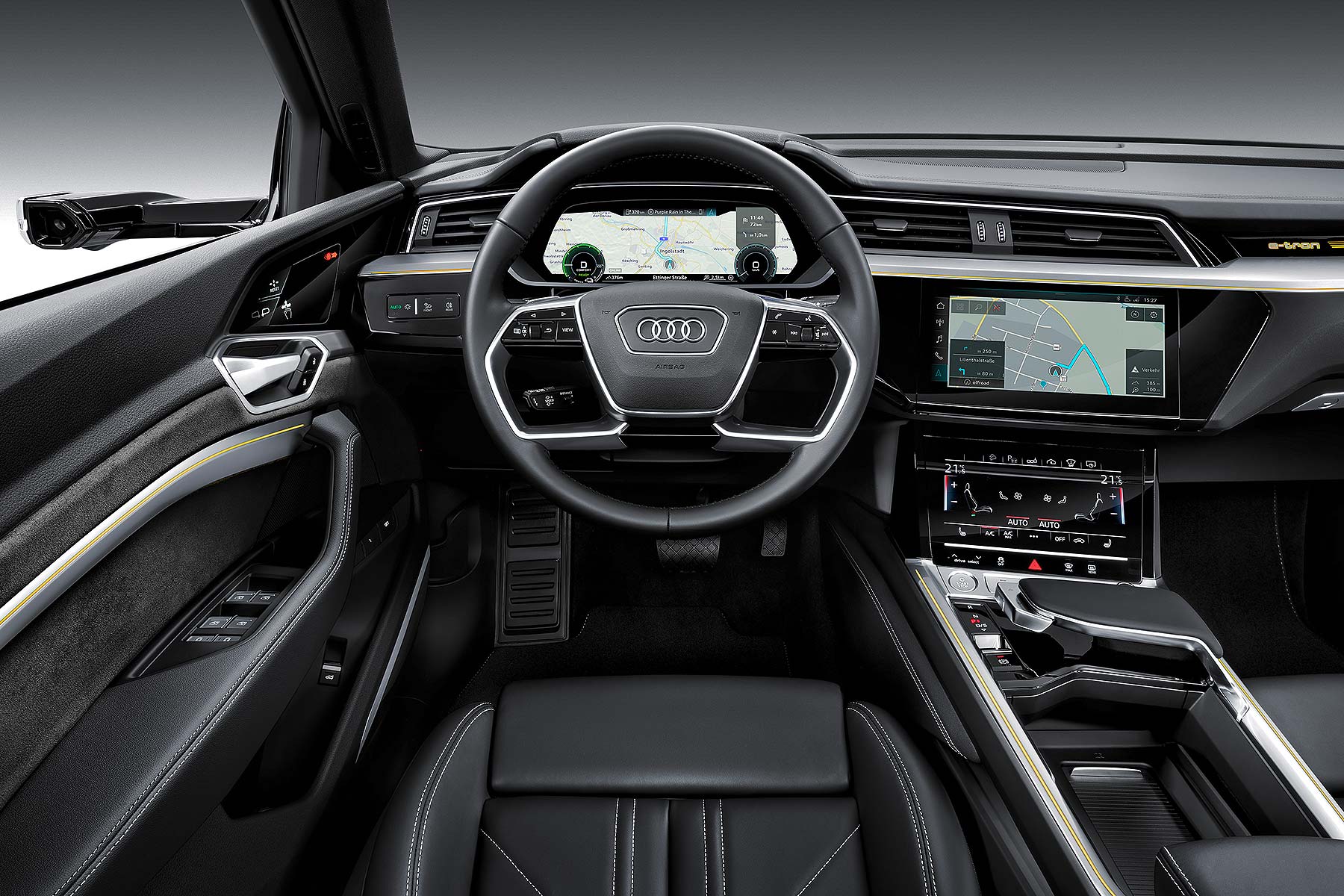
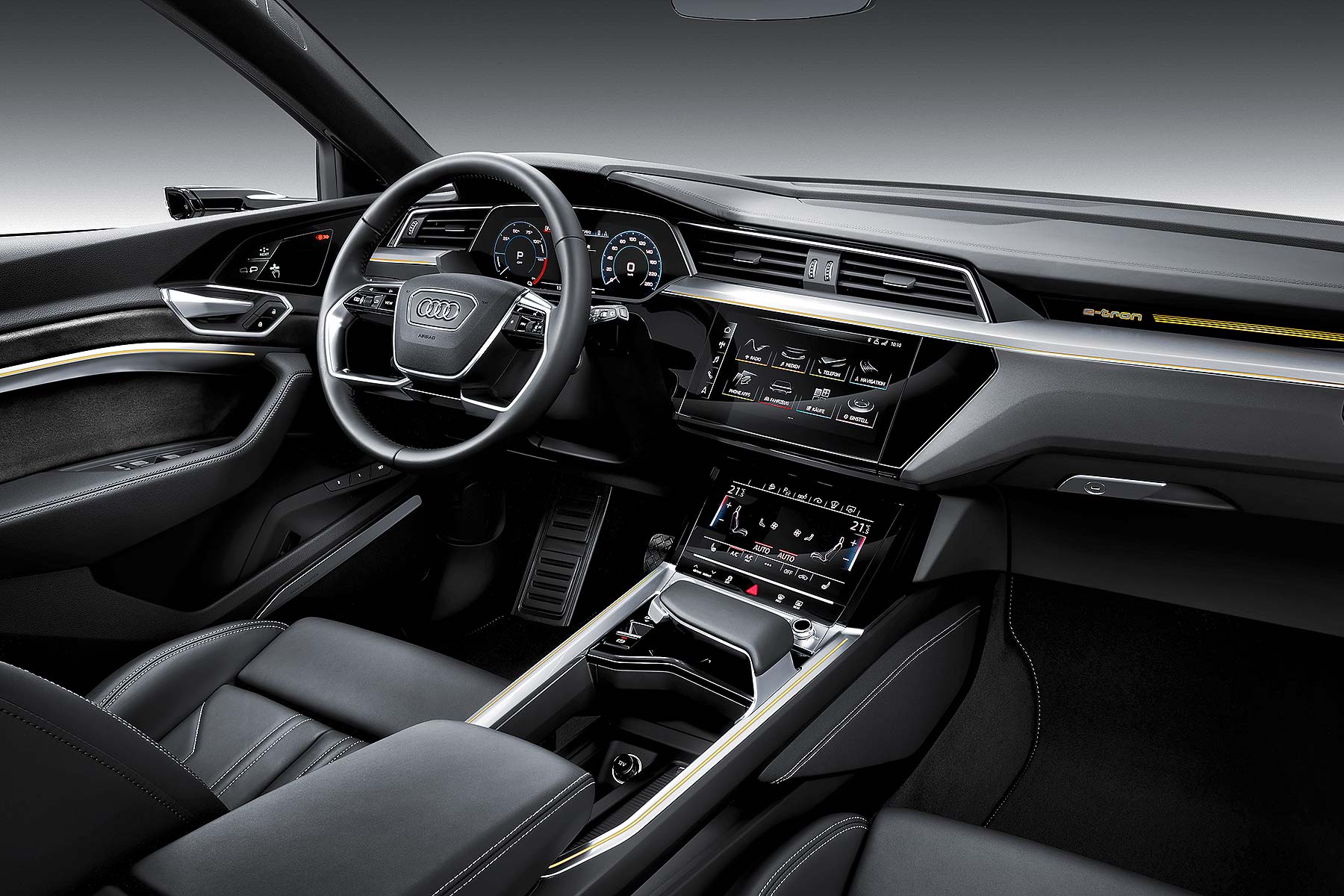
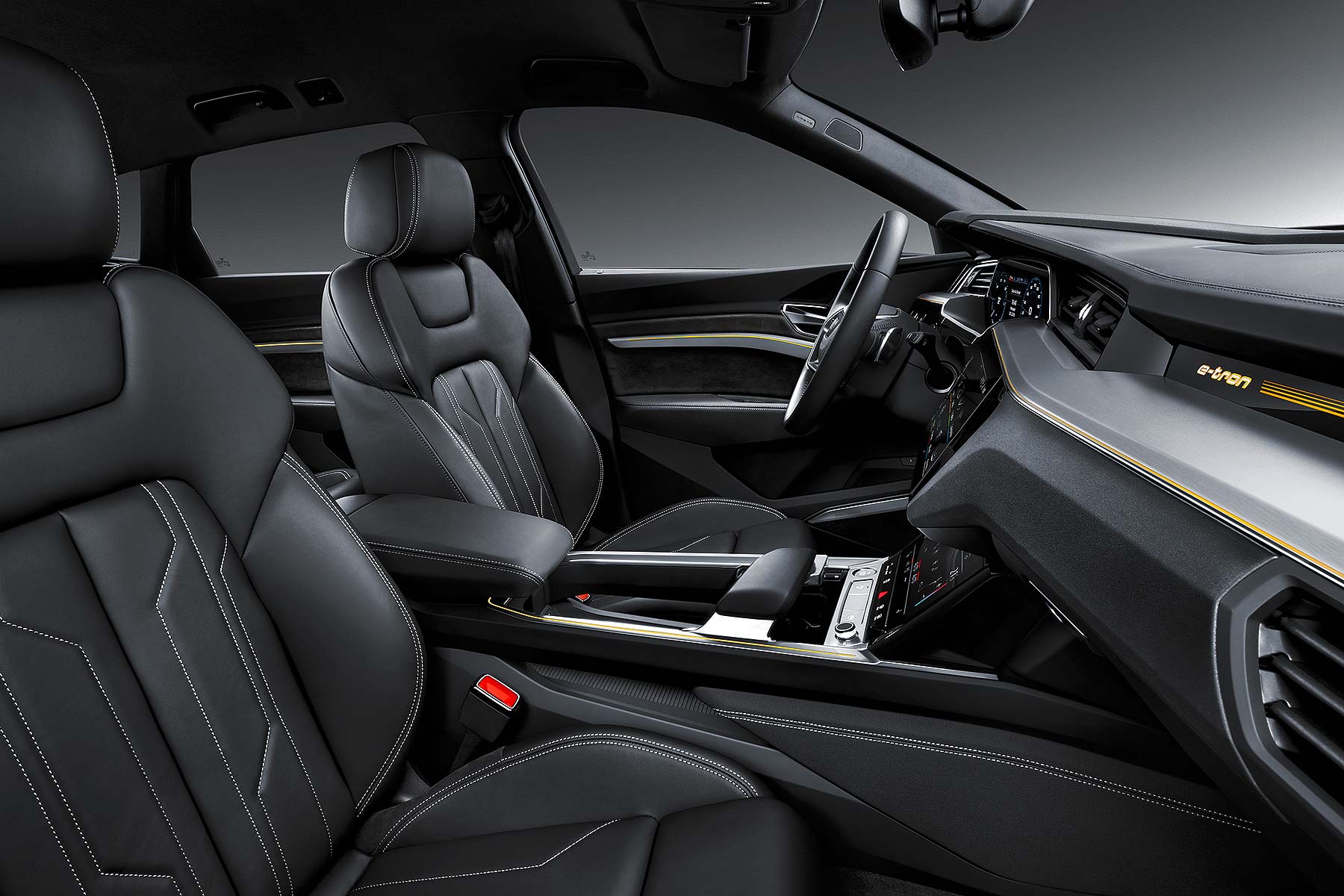
The E-tron has a typically Audi-grade interior, with a high-end look and neatly-integrated technology. There’s a slimline Audi virtual cockpit display and two further MMI touchscreen displays. The interior, which is roomy for five, delivers “a new level” of quietness. “The only sounds are from its tyres and the gentle hum of the electric motors.”

2019 Audi e-tron

Audi says the E-tron uses world-first electrohydraulic brake control. This sees energy recovered by the electric motors in more than 90 percent of decelerations – topping up the battery as the E-tron slows down. It can contribute as much as 30 percent to the range, depending on how it’s driven.

The heater for the cabin and booster for the air conditioning is powered by waste heat from electrician components. This can boost the range by up to 10 percent, depending on the weather.

The new Audi E-tron is built in Belgium, and production has already started. Boosting the car’s credentials is the fact Audi’s made the car factory entirely CO2-neutral.

In a move mimicing Tesla’s Model 3 preorders, Audi is already accepting orders for the new E-tron in the UK. Buyers are asked to put down a £1,000 deposit.

Advertisement

How much profit do car companies make every SECOND?

0

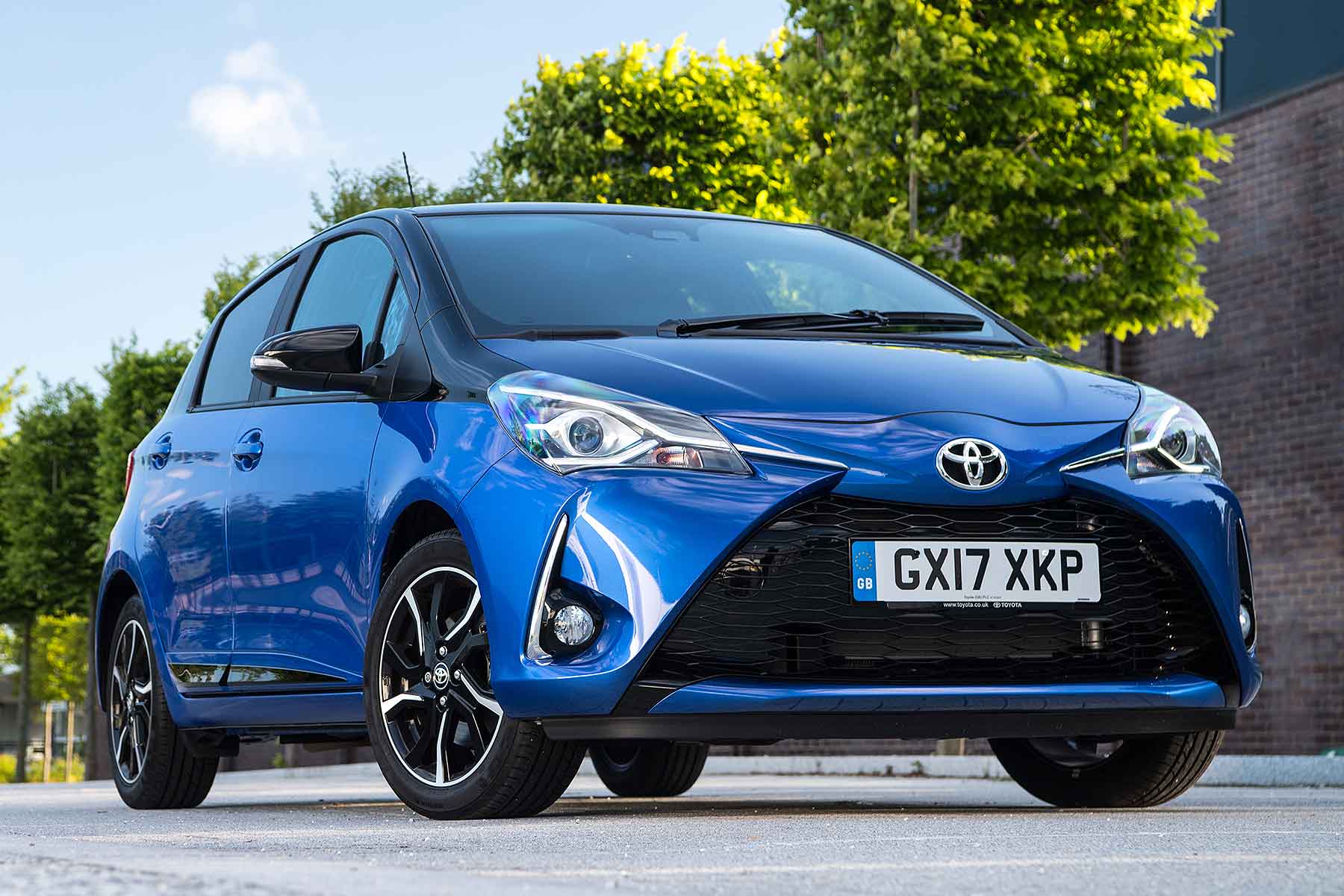
Toyota profit

Ever wondered how much money car manufacturers make? Well, motor trade insurer Staveley Head has done the maths and worked out the profits of 15 carmakers down to the second.

The sums start with each manufacturer’s yearly takings and profits. Then, all that’s needed is some very long-winded division based on those numbers.

For example, it means taking Toyota’s £13.5 billion profit over the previous 12 months and dividing it by 31,536,000 (the number of seconds in a year). The result is Toyota’s per-second profit for the past year: £430. 

How much do they make?

Toyota comes top, but rivals don’t fare so well. Ford made an average of £173 profit in a second, while Volkswagen is down at just £91.

Premium brand Mercedes-Benz seems to have had an excellent 12 months, with £255 made every second on average. That’s over twice the amount of Porsche.

Jaguar Land Rover is down at £46 per second – and Bentley, Ferrari, Seat, Aston Martin, Renault, Hyundai, Bentley and Skoda are all included in the tool above, too.

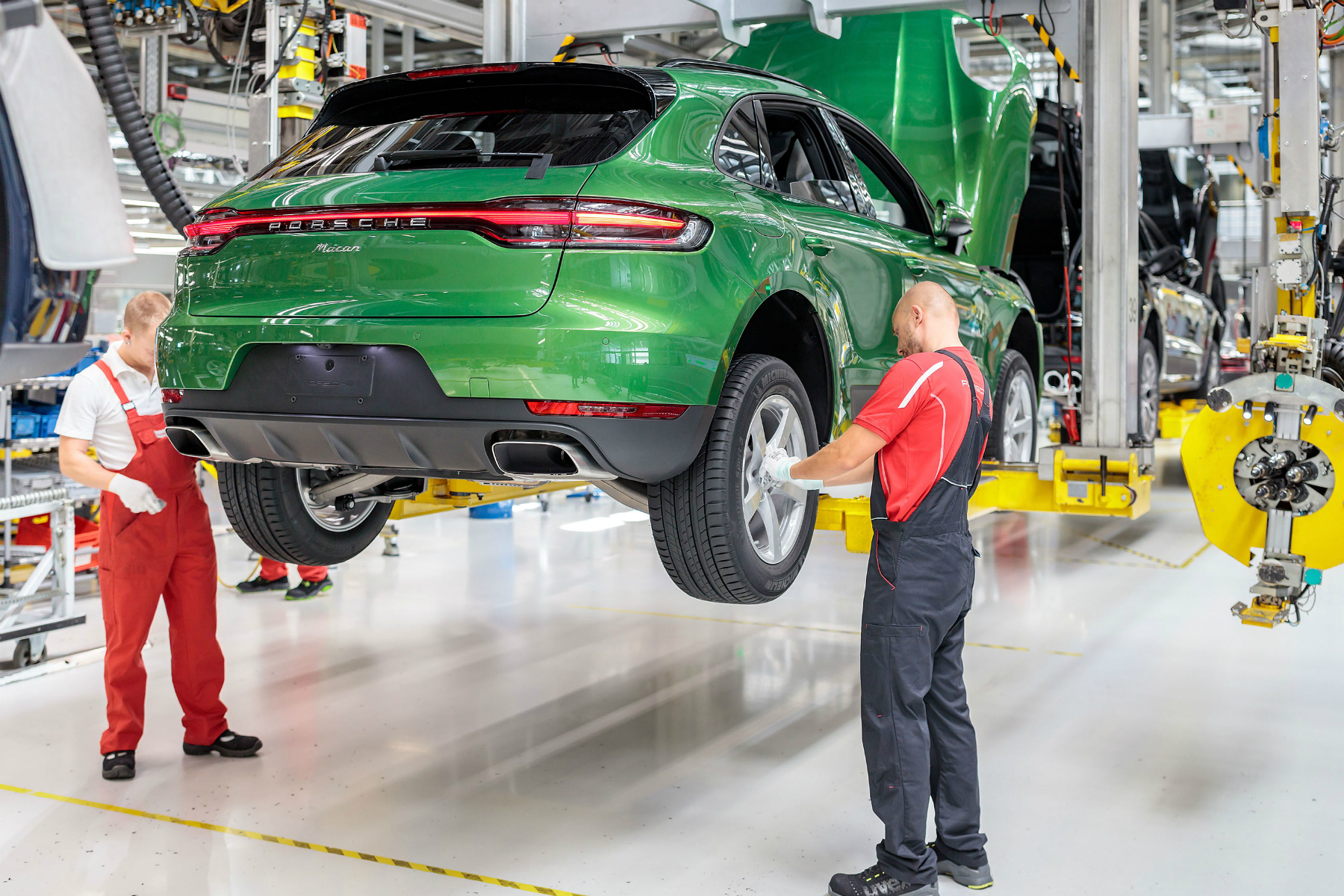
Porsche profit

How many they’re selling

Units sold is a very different thing to profit, of course, but still very interesting. Over the course of two minutes, Toyota sold 34 cars, Mercedes nine and Porsche just one. All of a sudden Porsche’s lower profit-per-second number doesn’t look so bad, given they sell one car for every nine Mercedes…

VW and Ford aren’t too far behind Toyota, with 24 and 25 cars shifted every two minutes respectively. JLR manages just two.

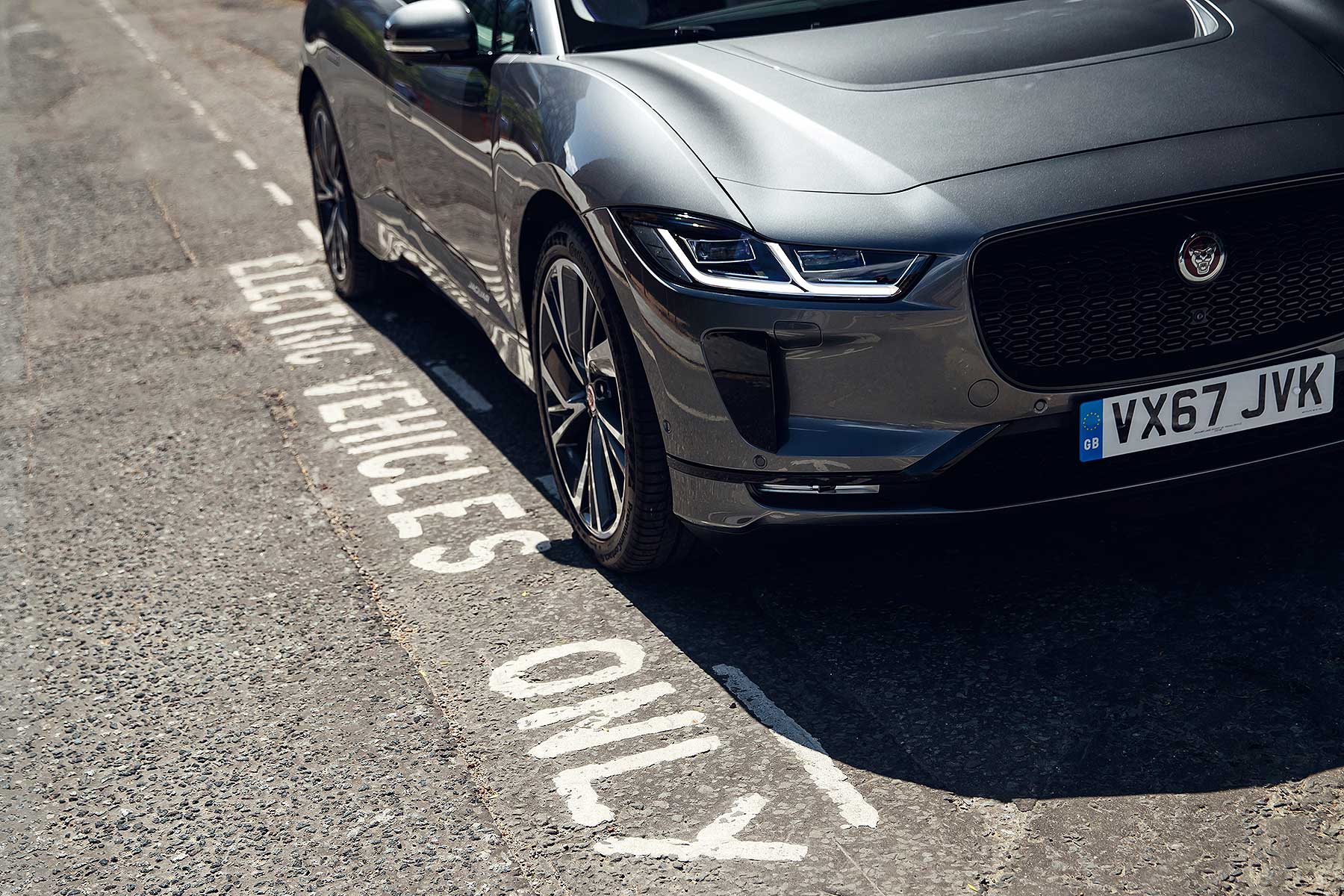
Per-unit profit is perhaps the biggest indicator of success, though. On each car sold, JLR made an average £2,774. Porsche, on the other hand, made £13,757.

Jaguar profit

Is this a reliable source?

There are a lot of averages and aggregates incorporated here. It’s not a live feed of what each carmaker is selling and earning, rather a year’s information divided over various measurements of time. Still, it’s an interesting way to take it all in.

Read more:

Advertisement

Tailgating kills or seriously injures more than 100 people a year

0

Tailgating driverMotorists have voted tailgating their most-hated irritation in other road users – but Highways England has revealed new figures that show it’s more than just irritating, it’s actually injuring and even killing people.
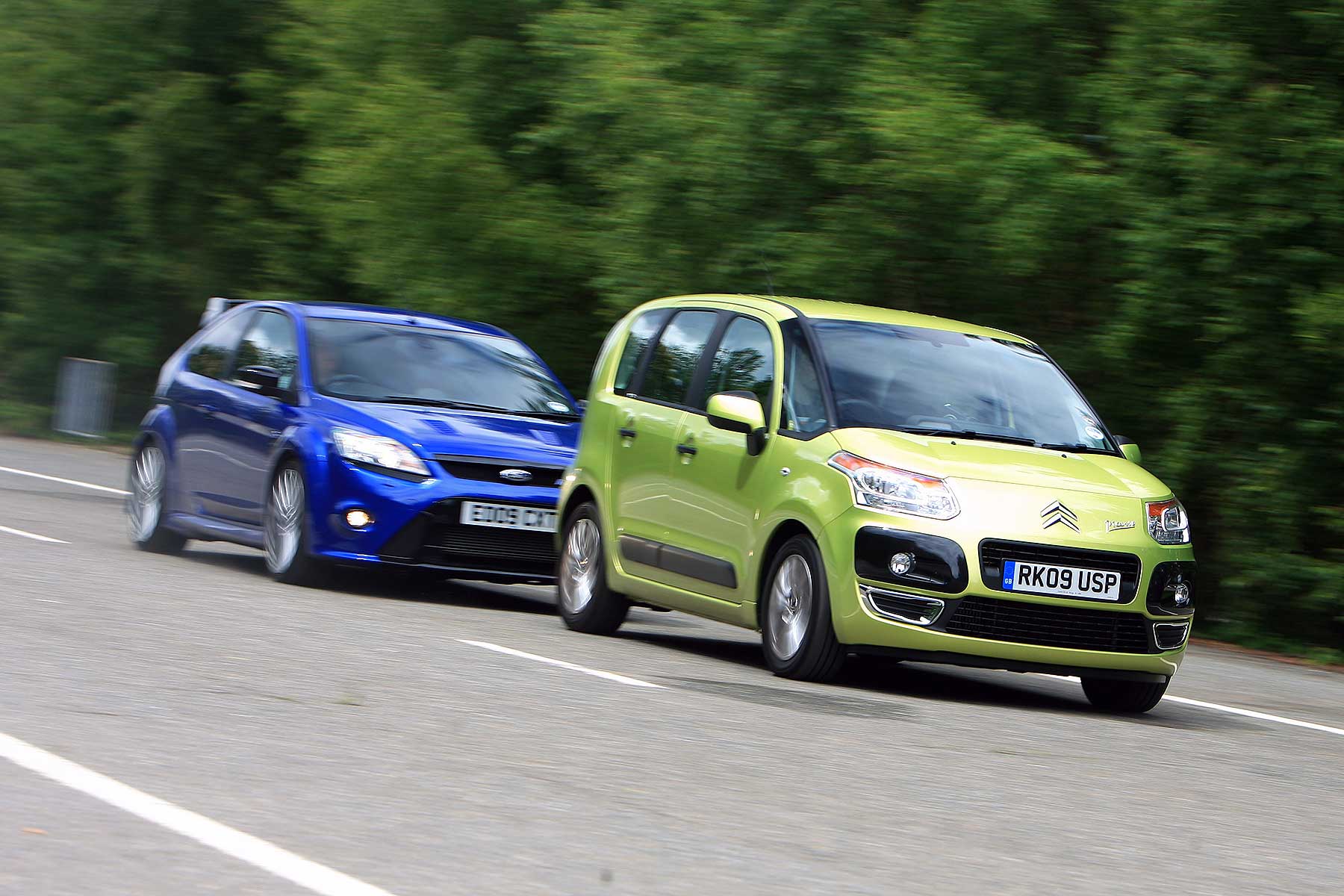
Tailgating – driving too close to the vehicle in front – is responsible for one in eight casualties on the road. This equates to more than 100 people who are killed or seriously injured as a result each year.

What’s even more frustrating to safety campaigners is that it’s often not intentional. Only rarely is tailgating deliberate – often, drivers are doing it without even realising.

Tailgating driver

The tailgating driver thus has no idea they’re inciting surprise, anger, contempt and a raised heart rate for the driver in front. But that’s what in-car research using a brace of driver monitors recently revealed.

To help people understand how dangerous and anti-social tailgating is, Highways England is running a new safety campaign, based around a memorable hook: Space Invaders.

Yes, just like the retro video game. Watch the video below for a blast from the past as well as an important safety lesson.

The campaign is focused on helping the nine in 10 drivers have been tailgated – and stopping the one in four motorists who actually admit to it…

Nigel Mansell: ‘utterly deplore’

Nigel Mansell

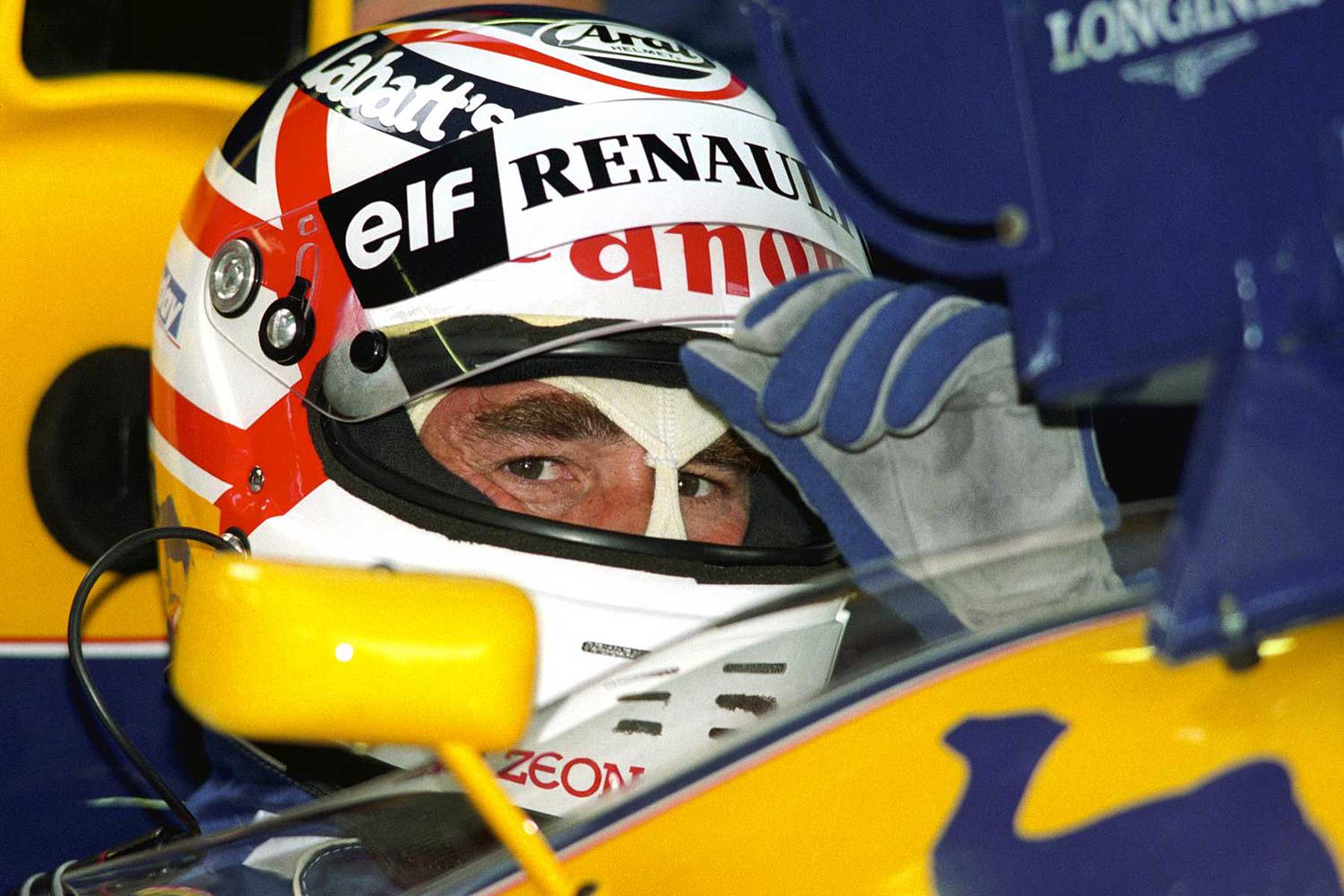
The 1992 Formula One World Champion, Nigel Mansell, is helping the campaign. “Tailgating is a driving habit I utterly deplore,” he said. “Not only is it aggressive and intimidating, but it can lead to a crash with a tragic outcome.

“There is absolutely no upside to it – you will not get to your destination faster, you are not a skilled driver for doing it, and you are putting so many innocent people at risk.”

The risks of tailgating are clear, said Highways England head of road safety, Richard Leonard. “If you get too close to the car in front, you won’t be able to react and stop in time if they suddenly brake.

“Tailgating makes the driver in front feel targeted and victimised, distracting their attention from the road ahead and making them more likely to make a mistake.”

Are you a tailgater?

How can you tell if you’re doing it? Look to the Highway Code: remember the two-second rule – and this gap to the car in front should be doubled on wet roads.

And if you’re being tailgated? Don’t speed up, slow down or stare in the rear-view mirror, says Highways England. Simply try to drive normally, signal in plenty of time – and, if they’re really aggressive and keen to get past, let them overtake as quickly as possible.

Stopping people tailgating may even help improve traffic, adds Thatcham Research, another backer of the campaign.

Not only is it a leading cause of accidents, said director of research Matthew Avery, but it intimidates others and creates ‘phantom’ traffic jams via the ripple effect of sharp braking.

“It is one of the most dangerous driver behaviours seen on UK roads.”

Read more:

Advertisement