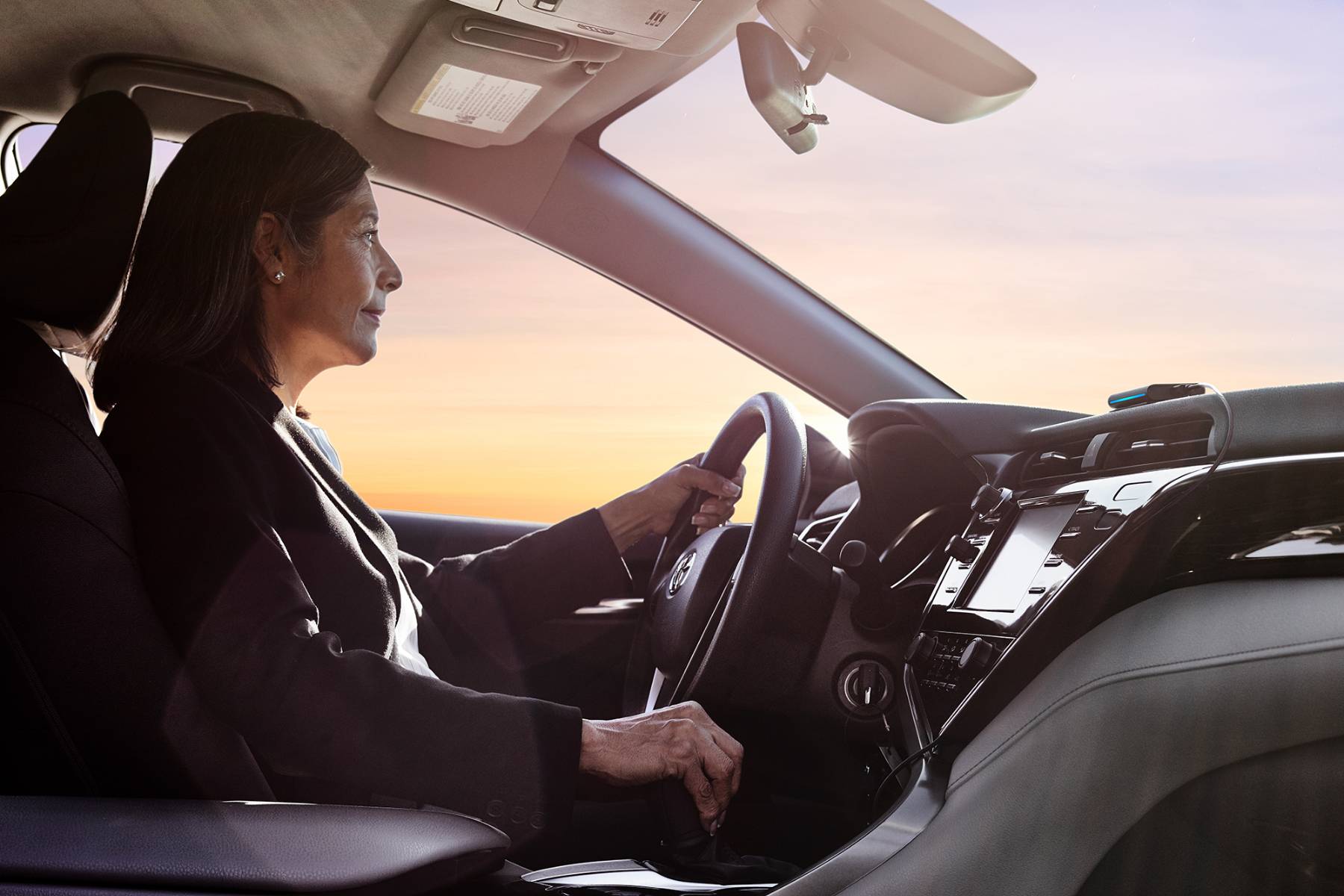
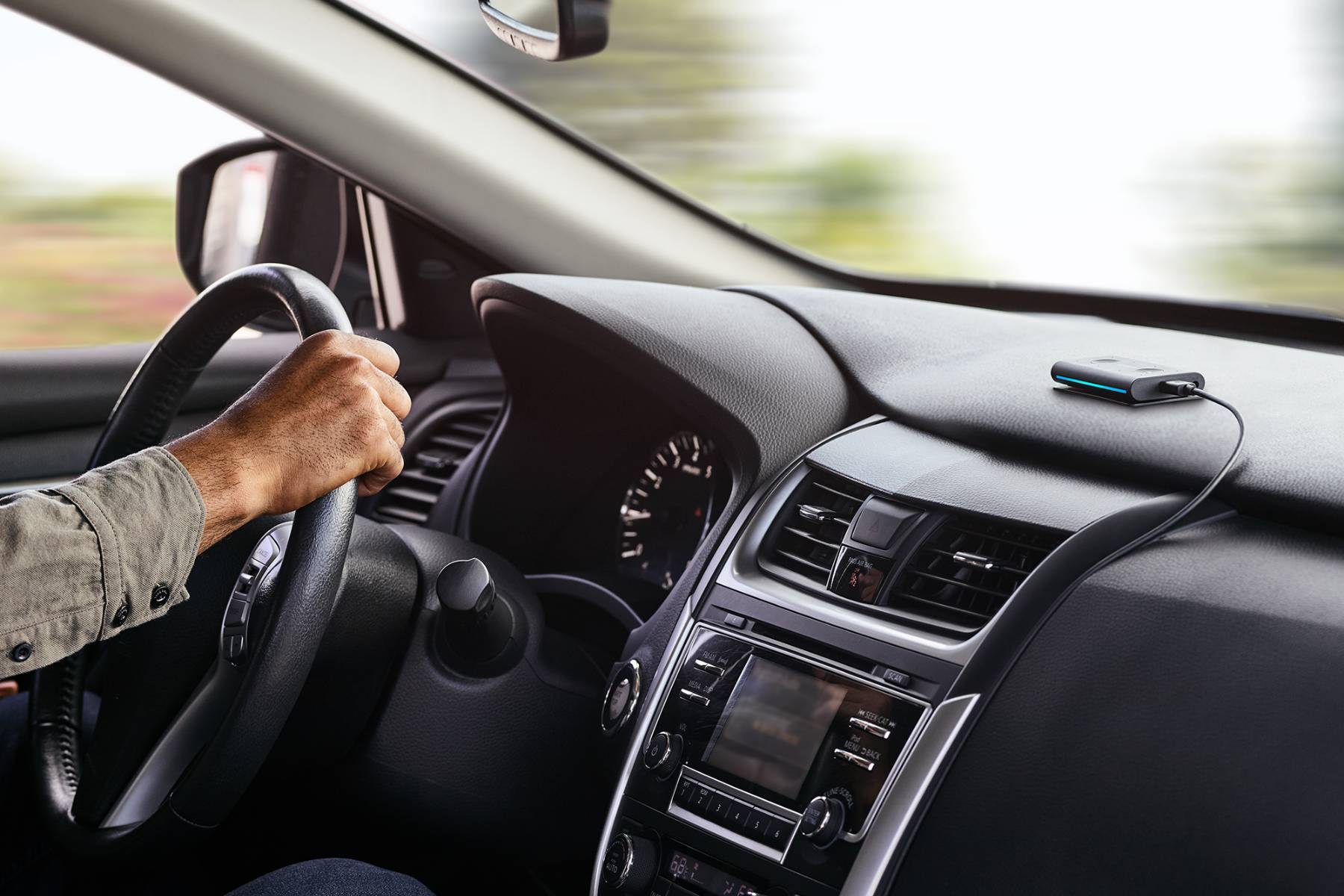
Just as an Amazon Fire Stick makes your TV smart, so the new Amazon Echo Auto makes your car smart. Never mind Android Auto, Apple Carplay, connected car systems and enormous infotainment screens – all Echo Auto needs to make your car intelligent is a USB socket (or 12V power) and an auxiliary cable.
How does Echo Auto work?
Effectively, Echo Auto offers 50,000 Alexa ‘skills’ you can activate using your voice from behind the wheel. That means apps like Spotify and Audible are controllable via Amazon’s well-resolved voice recognition system.
The little box rests on your dashboard and connects to your phone, using the Alexa app and your phone data plan to work. You power up with a USB or a 12-volt socket, and plug into the car’s speakers with either an auxiliary cord or Bluetooth.
Th box contains eight microphones designed for in-car acoustics. That means you can ask Alexa for traffic updates or call someone over the sound of air conditioning, road noise, your music, and so on. It can connect to your home Amazon systems, too. You can program it to turn your outside lights on when you pull into your driveway at night, for example.
Given how poor some manufacturers own voice recognition systems are, we expect big things – especially given how much Amazon has put into the technology
Anything that lets us control facilities in-car, without taking attention off the road, gets our vote. It sounds better than scrolling through endless menus on a dashboard touchscreen, that’s for sure.
Read more:
Opinion: I challenge anyone to drive an EV and not enjoy it
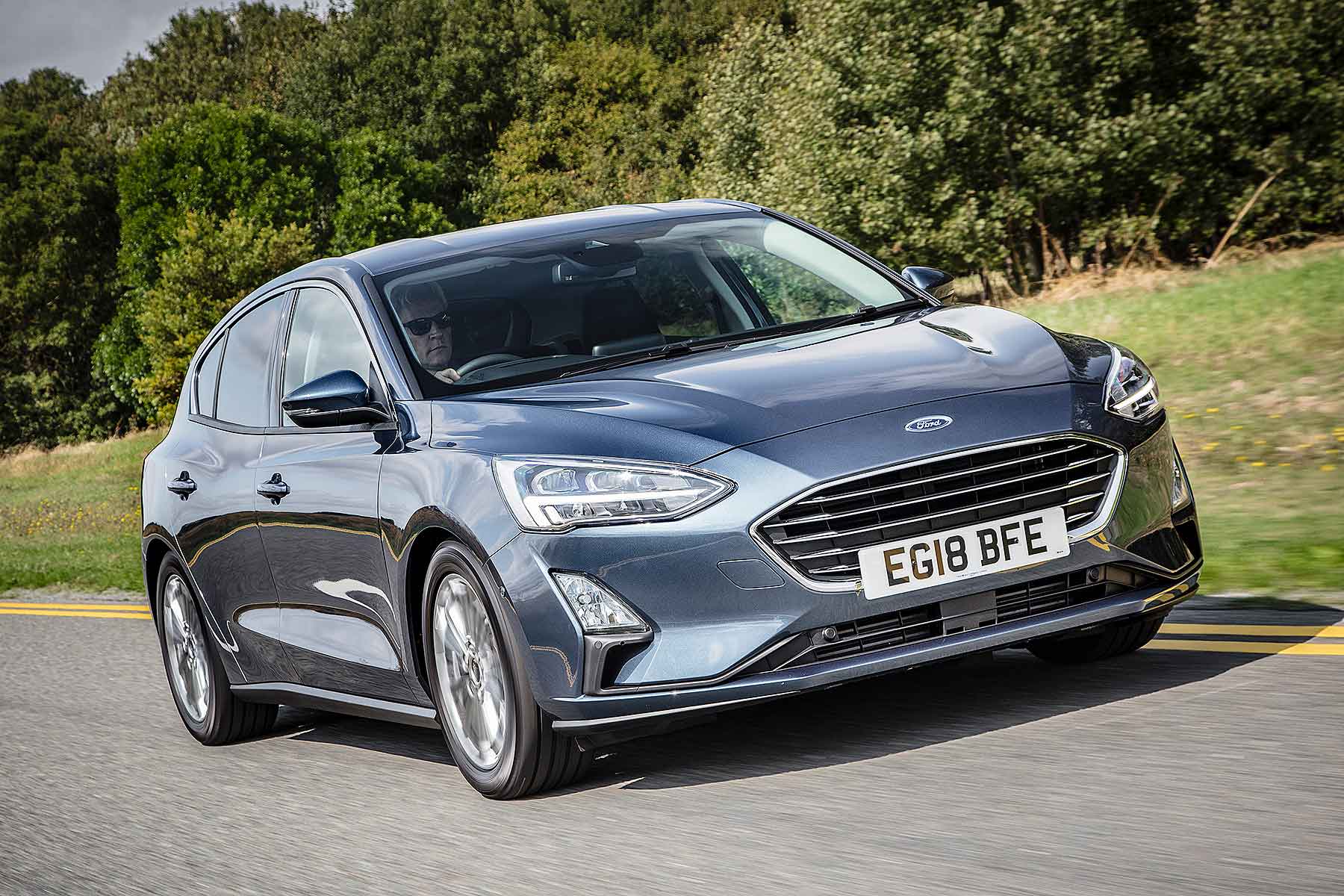
Ford hopes the new Focus will reassert its status as Britain’s best-selling family hatchback – but, in a sign of the times, bosses are predicting fewer than 30 percent of registrations will be of diesel versions.
Almost two in three sales will, instead, be of the award-winning 1.0-litre EcoBoost petrol engine, Ford’s downsized motor that’s overcome Brits’ traditional love of larger engines.
Ford still offers a diesel engine that’s twice as large – but the 2.0-litre EcoBlue is predicted to take just 1 percent of new Ford Focus sales.
The shift away from diesel has accelerated in recent years. With the previous Focus, diesel had declined, but was still taking over 40 percent of overall sales. The new car very much places the emphasis on petrol.
“There has been a shift,” said Ford of Britain sales director Kevin Griffin. “But diesel is still an important engine – it’s ideal for high-mileage drivers, and our research shows that many plan to stick with it.
“For fleets in particular, where overall cost of ownership is crucial, diesel is still the right product. It remains an important engine.”
Motoring Research recently gave the new Ford Focus 1.5 EcoBlue 120 diesel an extended test. In daily driving, we regularly saw fuel economy upwards of 55mpg recorded on the trip computer.
On one gentle 100-mile motorway run, we saw a high of 82.8mpg displayed – proof that even modern diesels can still record ultra-high economy figures if driven in the right way.
British motorists are now more dependent on the car than ever – despite growing concerns about air pollution, rising costs and congestion. Three in four people now say they would find it hard to adjust to a car-free lifestyle.
The findings are revealed in the 2018 RAC Report on Motoring, which shows the decline in car dependency in recent years has dramatically reversed this year. There has been a significant 12 percent shift from less to more car use: that represents 4.8 million drivers.
“It is alarming to see that dependency on the car is actually the highest we have ever seen,” said RAC chief engineer David Bizley.
People are driving more not through choice either, but through necessity. 34 percent blame a greater need to transport family members for their increased car usage, and almost as many say it’s because of a longer commute to work.
‘No viable alternative’
Almost 1 in 4 say they’re driving more because public transport has deteriorated: 44 percent of them say reliability has declined, 39 percent blame higher fares and 33 percent are driving more because of cuts in local services.
Other sources back this up, adds the RAC – official government data reveals Brits are taking fewer bus journeys than a decade ago, and the Campaign for Better Transport reveals a 45 percent cut in bus services over the past eight years.
59 percent of motorists add that they’d use their car less if public transport was better. Only 11 percent said they would not.
“Our research clearly shows many people don’t think public transport offers a viable alternative to the car,” said Bizley. Those in rural areas are particularly dependent on the car – 84 percent would struggle with a car-free lifestyle.
“People end up driving by default as they feel public transport is either too expensive, non-existent or just doesn’t go where or when they need it to.
“Judging by the findings of this year’s RAC Report on Motoring, the car, however it is powered, is here to stay.”
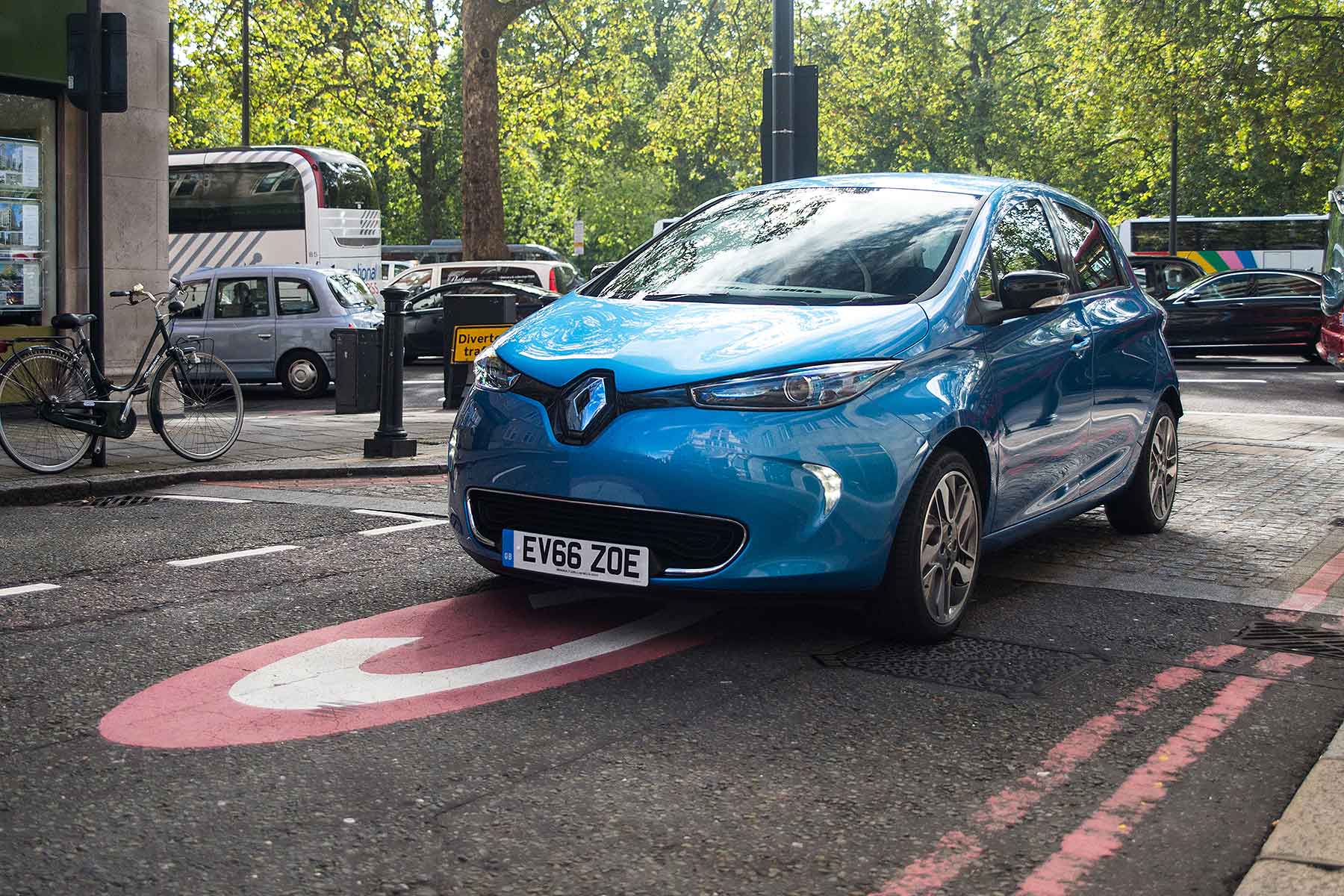
Renault remains determined to get dirty old cars off our roads, so has relaunched its scrappage scheme with better-than-ever savings of up to £5,000.
Even better still, the hefty £5k list price discount applies to the zero-emissions Renault Zoe electric car, making it one of the most effective air-cleansing scrappage incentives out there right now.
The best 0 percent finance car deals
Add together Renault’s scrappage saving and the government Plug-in Car Grant, and the price of a new Zoe drops down to from £13,420. That’s for the upgraded R110 model too, which has more power and a real-world electric range of 186 miles.
Renault chucks in a free Wallbox for home charging, although it doesn’t actually chuck in batteries – they still have to be rented, although buyers can pay more to get a Zoe with batteries included.
The Zoe is Europe’s best-selling electric car, but what if you’re not quite ready to go electric and prefer to follow today’s trend rather than tomorrow’s? Buy a Renault SUV: there’s £1,000 to be saved on a Koleos, £2,000 on a Captur and £3,000 on a Kadjar. Both the conventional Megane and Scenic offer a £1k saving.
City car fans can get £1,500 off Renault’s most affordable model, the Twingo, while the popular Clio supermini has a £2,000 scrappage discount.
All Renault asks for is that the old car (or van) was registered before 31 December 2011, and has been registered to the owner for at least 90 days.
The Renault scrappage offer runs until 7 January 2019, and all cars must be registered before the 19-plate registration kicks in – so, before 31 March 2019.
Scrappage savings can’t be used with any other finance or cash deal, although buyers are eligible for Renault’s £500 test drive offer – taking savings up to £5,500 on the electric Zoe, then. And the sense of doing a good deed is guaranteed, too: the scrapped car will be “permanently taken off the road,” adds Renault.
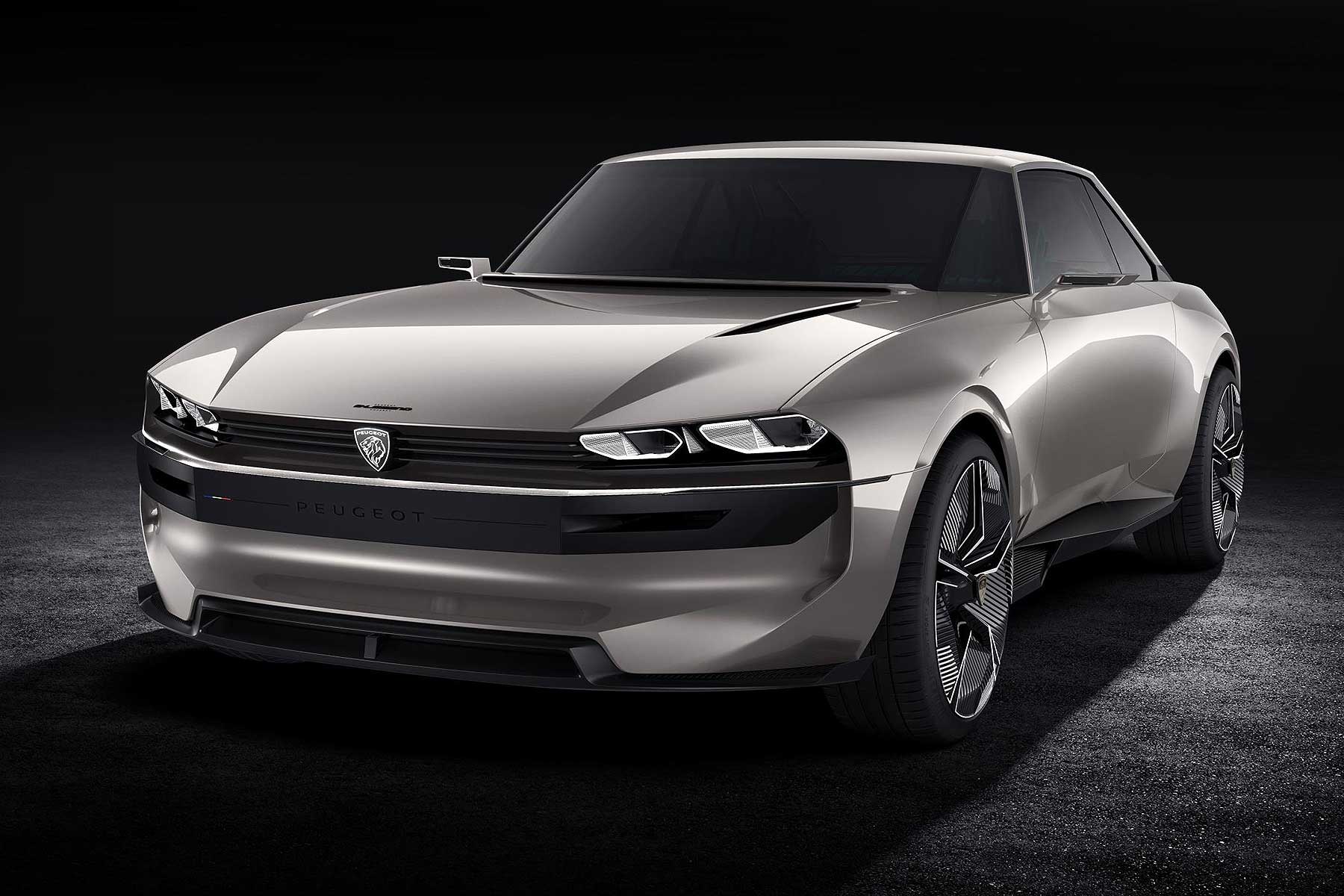
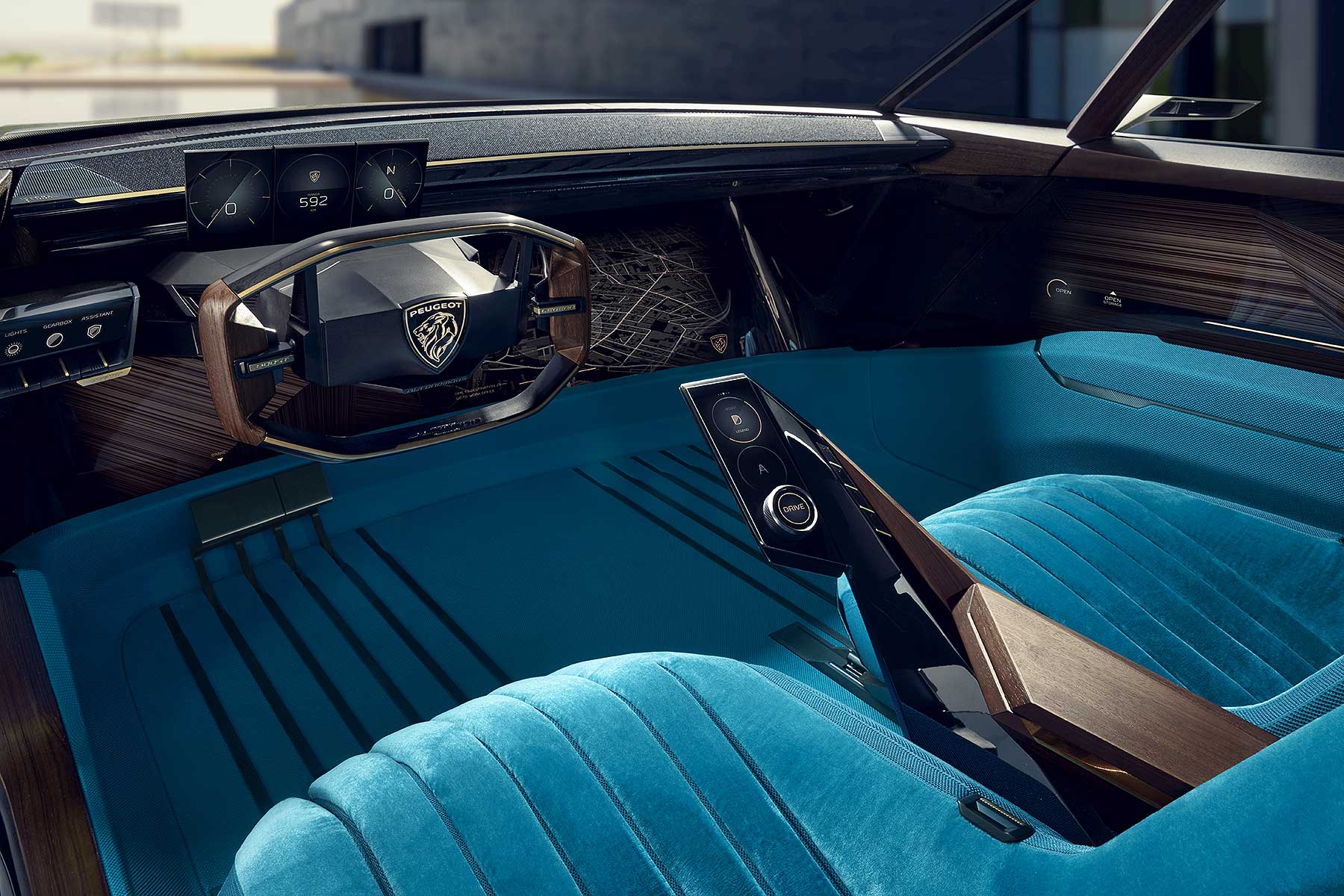
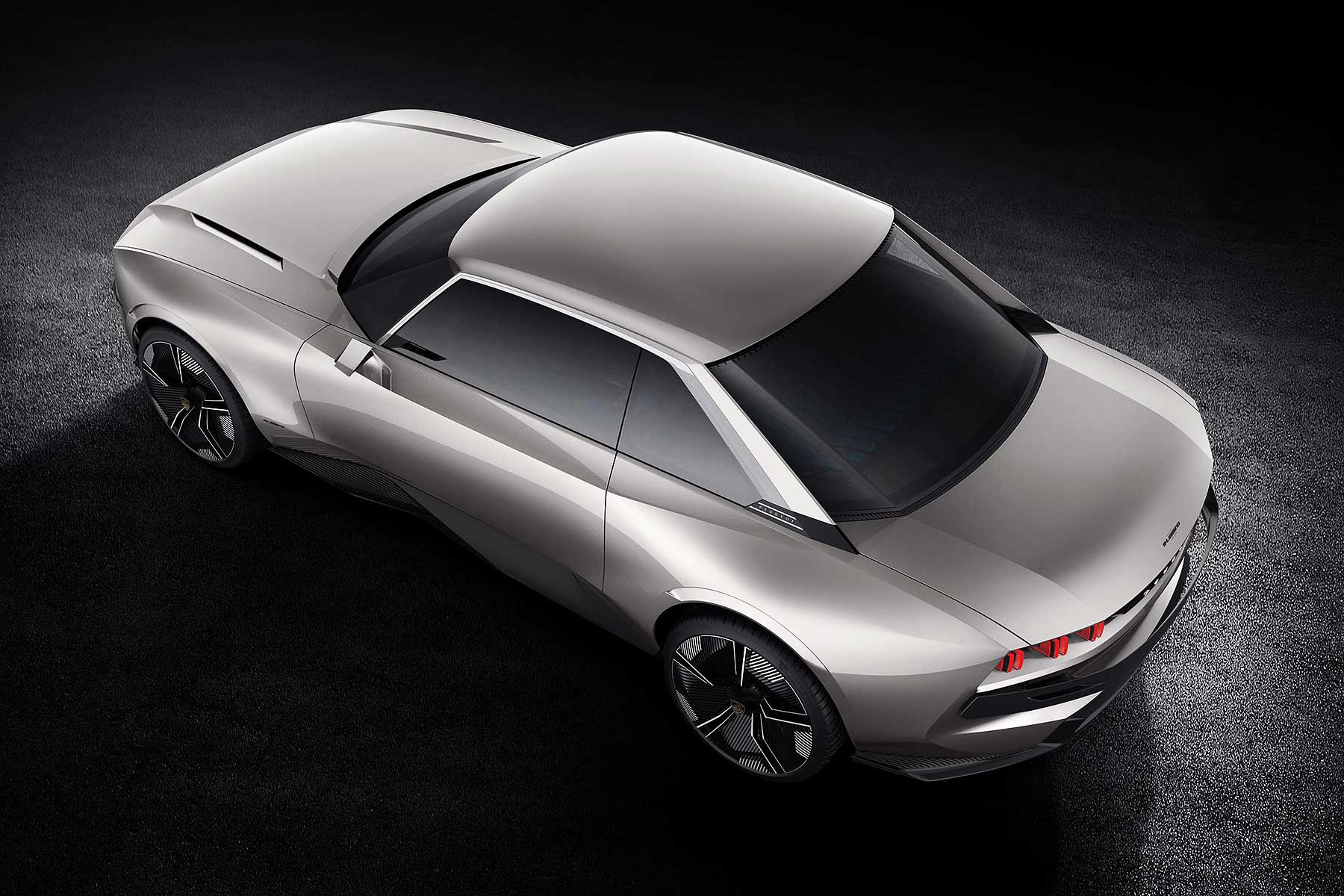
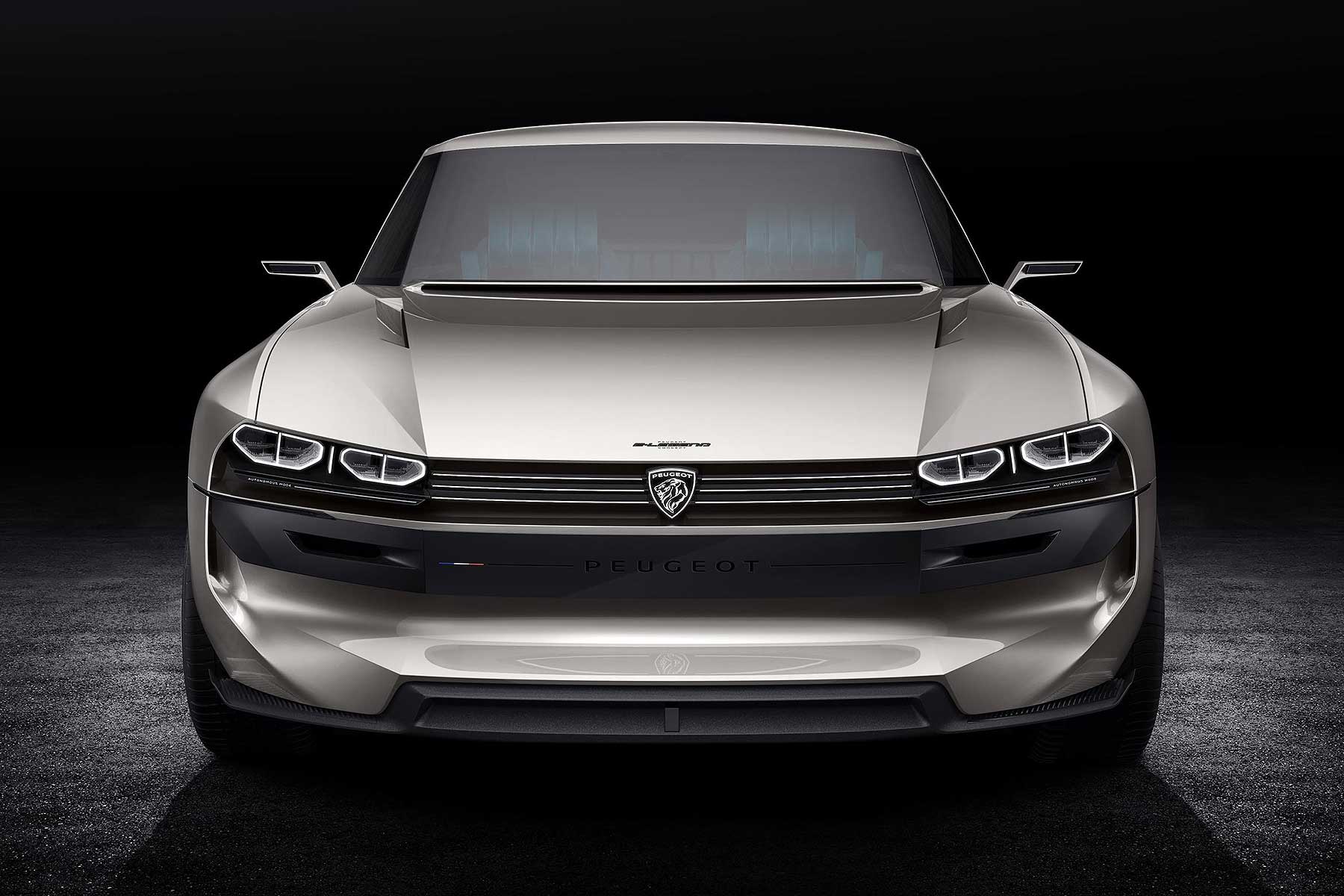
Peugeot is aiming to cause a stir with its all-electric, fully-autonomous show car at the 2018 Paris Motor Show: the e-Legend Concept is a futuristic preview with a retro design inspired by the famous 504 Coupe.
It’s part of Peugeot’s efforts to make the future seem exciting. “Boredom will never be part of our DNA,” said Peugeot CEO Jean-Philippe Imparato.
The e-Legend Concept is not just a tech showcase, he said, but “a vision of a brand actively focused on an optimistic and ultra-desirable future… for Peugeot, autonomy and electric are synonymous with even stronger sensations”.
Electric, self-driving Peugeots are, it seems, set to be even more exciting than today’s cars, rather than less so. And if they look as gorgeous as this, who are we to argue?
The 50-year-old 504 Coupe’s styling is mirrored inside, with a similarly modern interpretation of that car’s retro dashboard. Brilliant touches include digitised wood displayed on the car’s various screens, plus the 504’s three-dial binnacle electronically recreated.
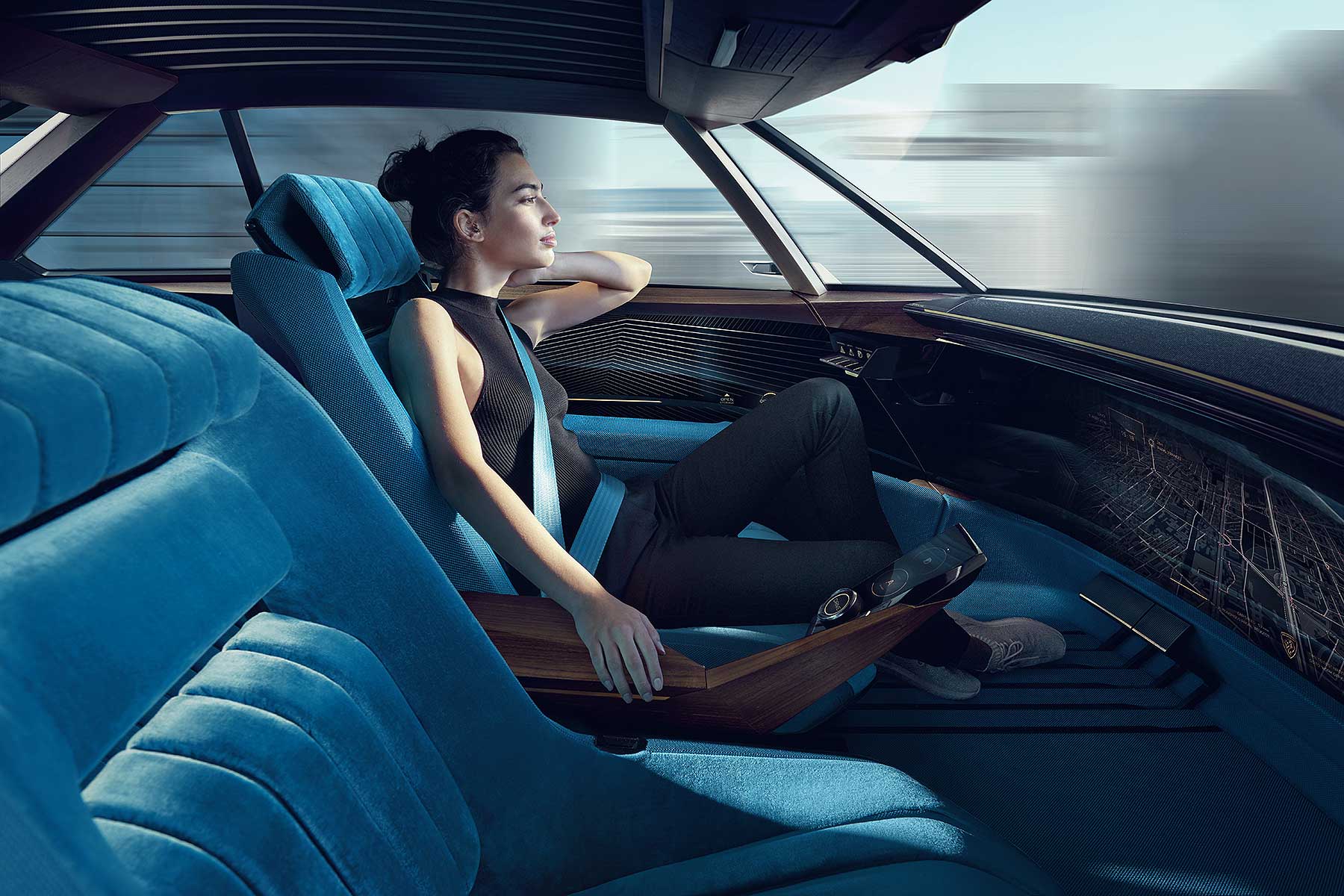
Futuristic features make the interior a luxurious place. French premium audio brand Focal has created technology that creates a ‘sound bubble’ for each occupant – each can listen to their own stuff without disturbing others.
AI tech company Soundhound Inc has created a voice-activated assistant that can change the driving style, music, and even open and close the doors. Peugeot adds that a production version of this tech will be in production within two years.
Powered by 100 kWh batteries, the 462 hp e-Legend Concept has four-wheel drive, a 136 mph top speed and 0–62 mph in less than four seconds. It also has a 442-mile range, so long as you don’t constantly deploy all its considerable 590lb ft of pulling power.
A fast-charge system adds 311 miles’ range in 25 minutes, and Peugeot’s planning inductive ‘wireless’ charging.
It has four driving modes – two autonomous and two manual. In autonomous guise, choose from ‘Soft’ (a soothing, distraction-free setup) or ‘Sharp’ (where all the screens go live and it’s fully connected).
Manual modes are ‘Legend’ (which brings in the 504 Coupe cues and the digital wood) and ‘Boost’ (which focuses more on the driver).
For each mode, the interior configuration changes – the steering wheel can dip beneath the dashboard sound bar, for example, revealing a massive 49-inch central screen in autonomous guise. The seats also recline and armrests are deployed, for added comfort. The perfect way to survey that lovely 21st century interpretation of the famed 504.
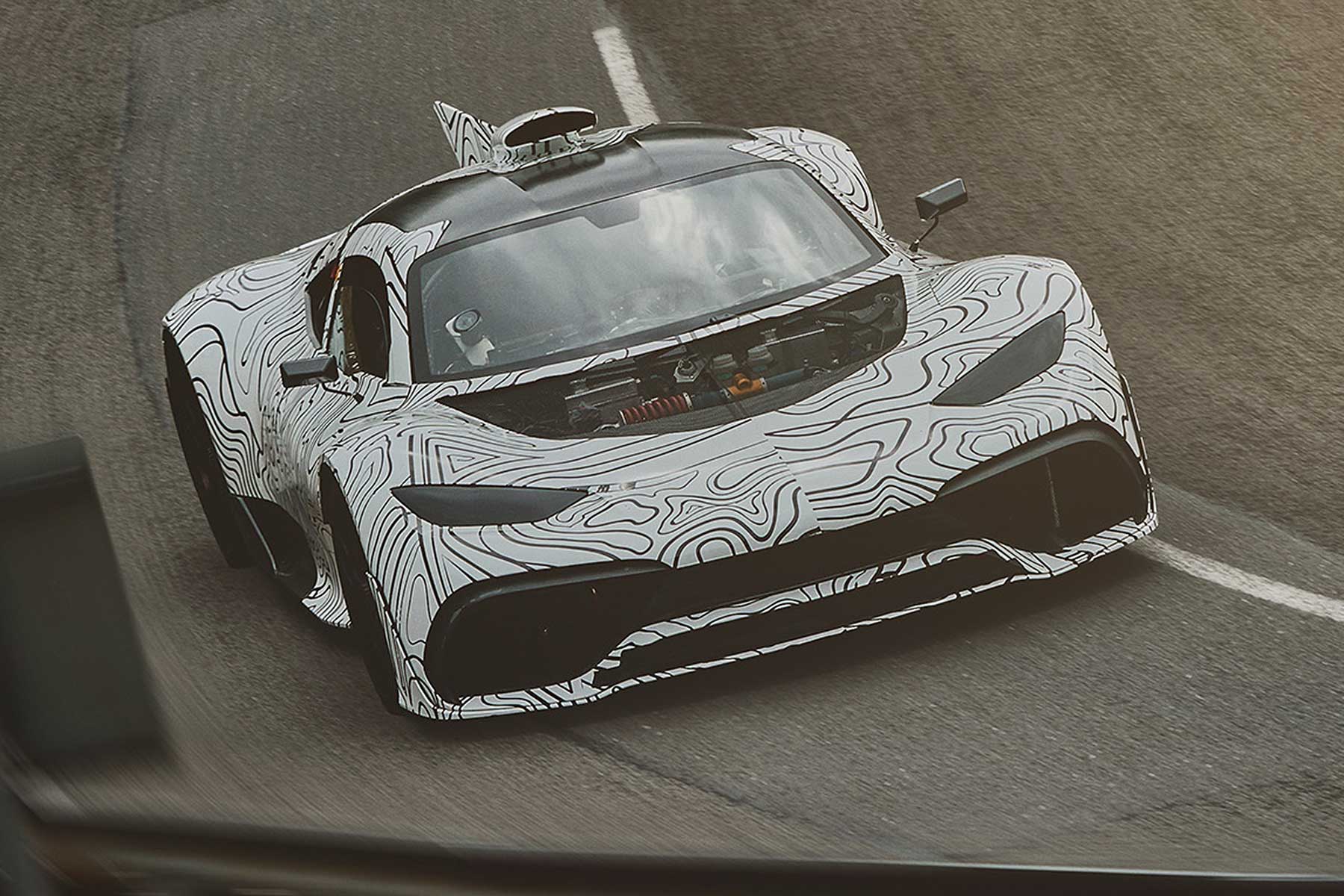
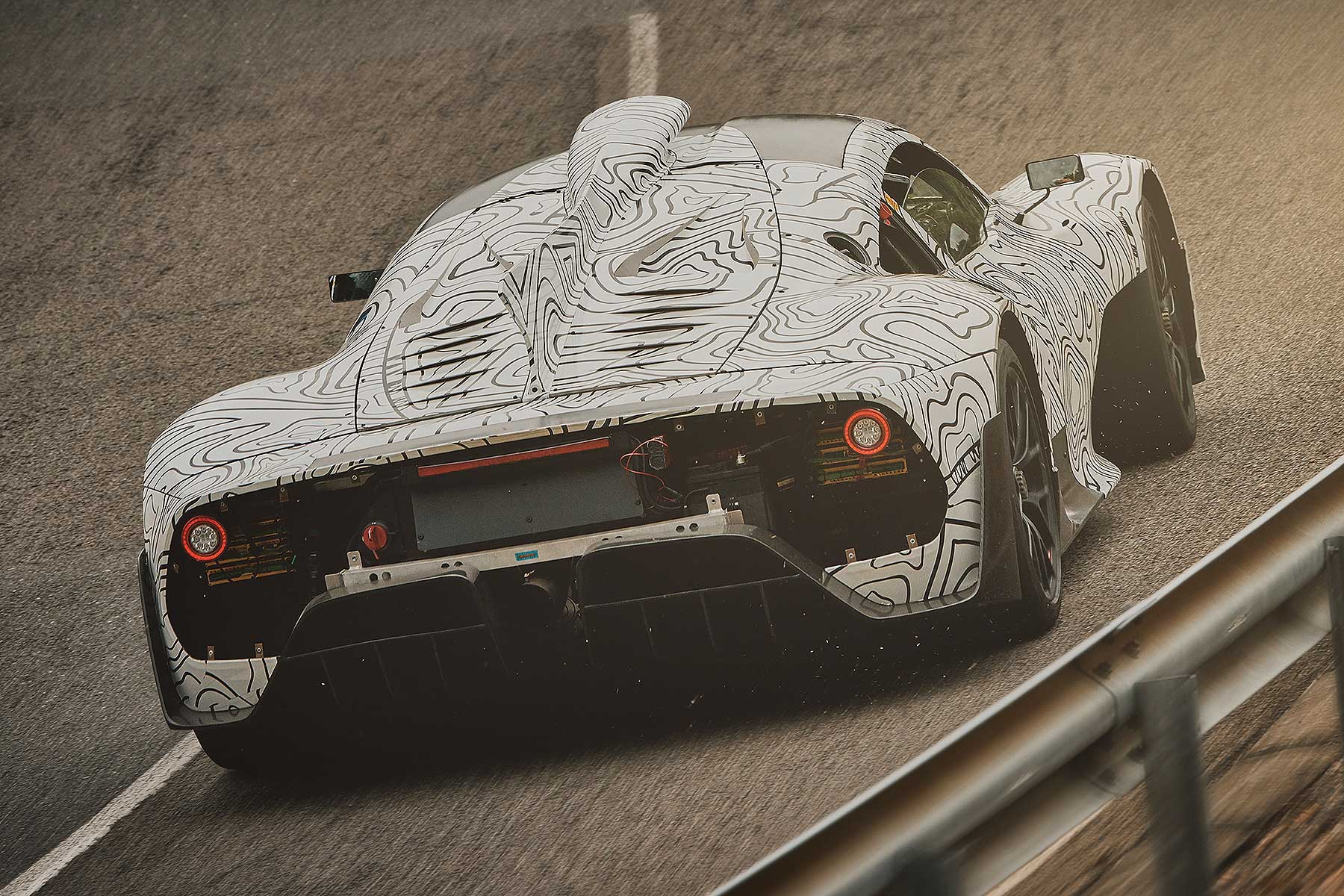
Formula One fans have long complained that the modern hybrid engines are too quiet, but one iteration of the 1.6-litre V6 turbo is facing the opposite challenge: the Mercedes-AMG Project One’s engine is too LOUD.
Certainly, too loud to keep secret. The firm has recently begun testing the first road-going prototypes of the new F1-engined hypercar, at locations such as the Millbrook Proving Ground in Bedfordshire, England.
However, its desire to keep the tests under wraps has failed, it says: “Because of their characteristic F1 sound, they are hard to keep from the public.”
This has scuppered the firm’s original plans to drive around unnoticed and pile on the many miles prototypes need to cover as part of vehicle development. And so, as it’s proving so hard to keep the testing confidential, Mercedes-AMG has now gone public with the first official shots of the production car in testing.
The hypercar’s goal is to put a contemporary F1 engine on the road. It’s actually technology built in Britain: since 1995, the Mercedes-AMG tech centre in Brixworth, Northamptonshire, has built every Mercedes-Benz F1 engine, and will do the same for the Project One motor.
Already, the engine has undergone hundreds of hours of dyno testing at Brixworth. The successful completion of this stage saw attention turn to the first prototypes.
And, now, a revision of the original plan to drive around unnoticed at Millbrook in Bedfordshire. As if even a highly camouflaged Mercedes-AMG Project One was ever going to pass unnoticed…
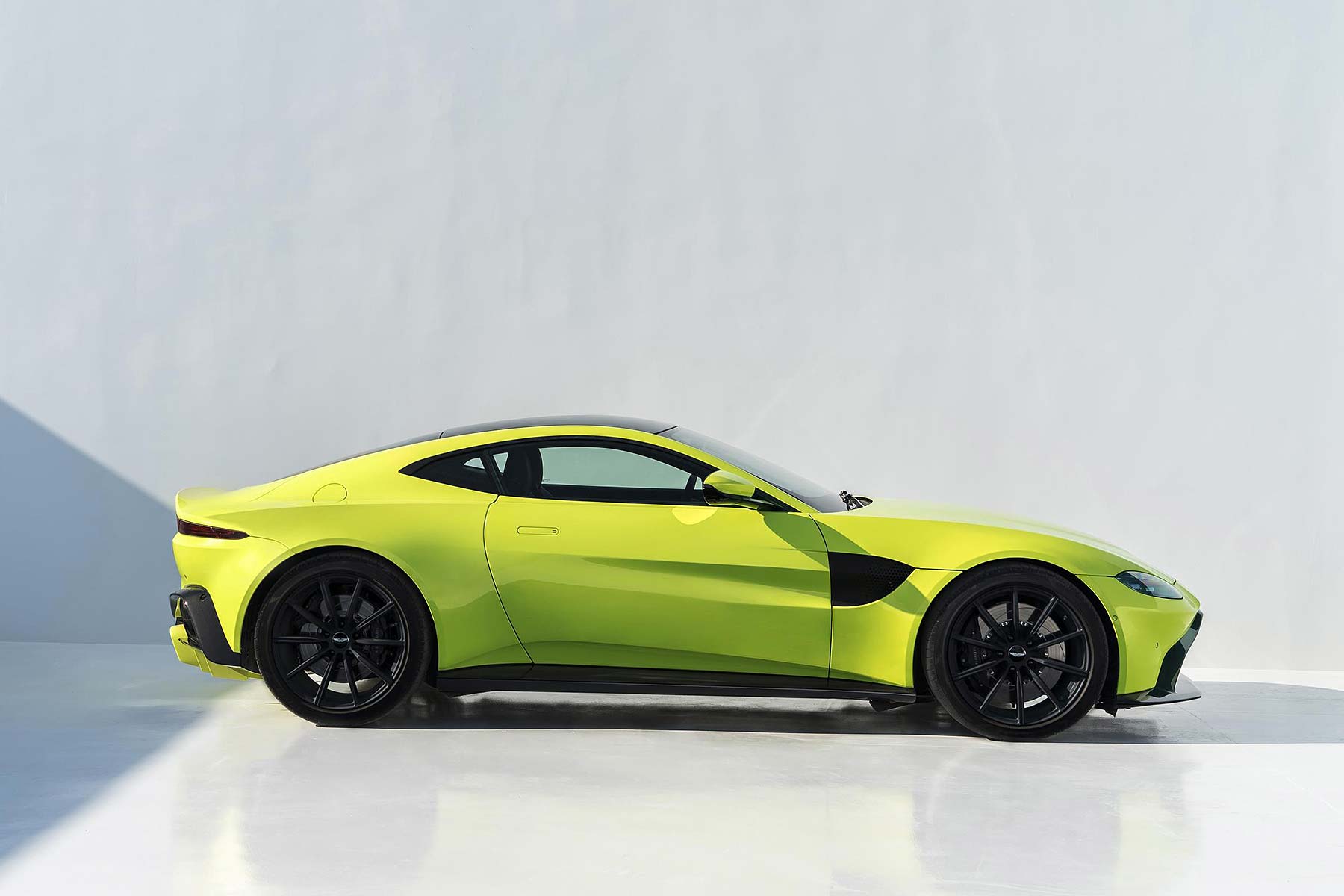
Aston Martin has announced its initial public offer of shares is set at £17.50 to £22.50 per share – giving the company a market capitalisation of between £4.02 billion and £5.07 billion.
The company will offer 25 percent of its shares in its initial public offer (IPO).
The final price will be set on 3 October, when initial share dealing will commence. Aston Martin’s shares will begin trading on the London Stock Exchange from 8 October.
A final prospectus will be issued later today, says the Gaydon-based sports car firm, after which customers and employees will be able to apply for shares. All applications must be in by 28 September (and anyone looking to invest more than £15,000 will be subject to anti-money laundering checks).
Dr Andy Palmer, president and CEO, said: “By becoming the only automotive company listed on the London Stock Exchange, Aston Martin Lagonda will provide investors with a fitting opportunity to participate in our future success.
“Our Second Century Plan gives prospective investors deep insight into how we have executed our turnaround and how we are positioned for growth. Over the past four years the benefits of the Aston Martin turnaround to the UK economy have been profound.
“This track record has created significant interest in the Aston Martin Lagonda offer, and we are pleased to offer shares not only to institutional investors but also to our eligible UK resident employees, customers and members of the Aston Martin Owners Club.”
Aston Martin adds in the price range announcement that Daimler AG will remain a shareholder, locking in its 4.9 percent stake for 12 months after the company’s IPO.
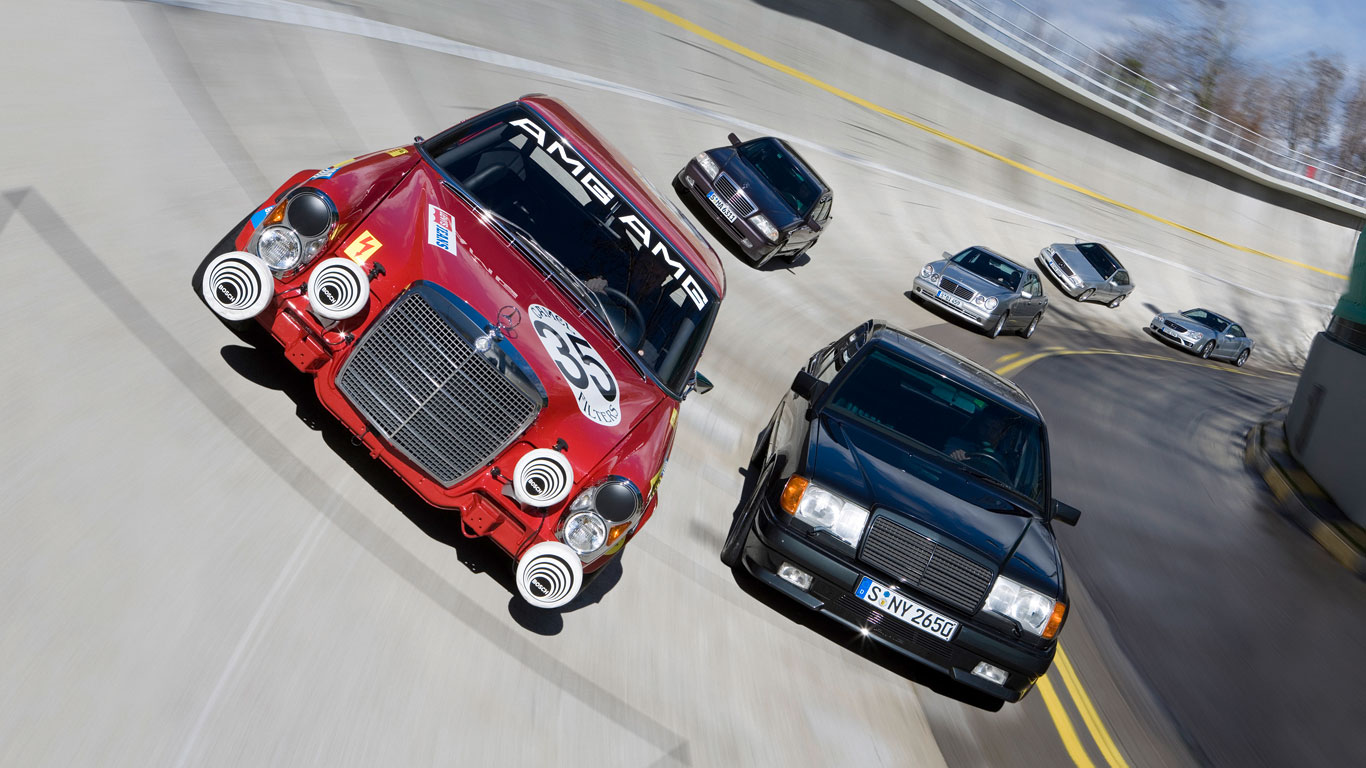
Aufrecht Melcher Großaspach, more commonly known as AMG, can trace its roots back to 1965. To celebrate Mercedes-Benz at its most bonkers, we pick 25 of the best AMG cars.
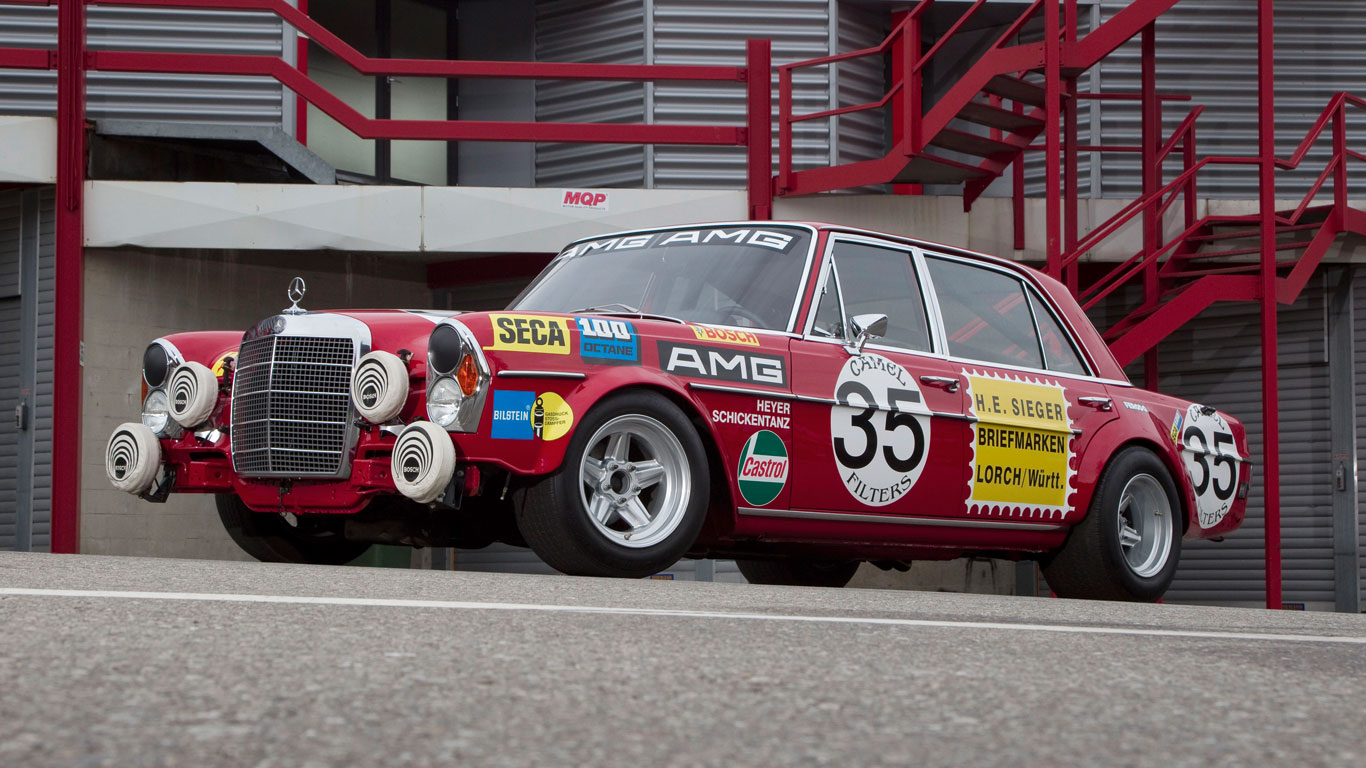
AMG 300 SEL ‘Red Pig’ (1971)
Messrs Aufrecht and Melcher created the AMG Mercedes 300 SEL 6.8 in 1971 and it finished second overall at the 24 Hours of Spa. The ‘Red Pig’ was the first major milestone on the AMG journey.
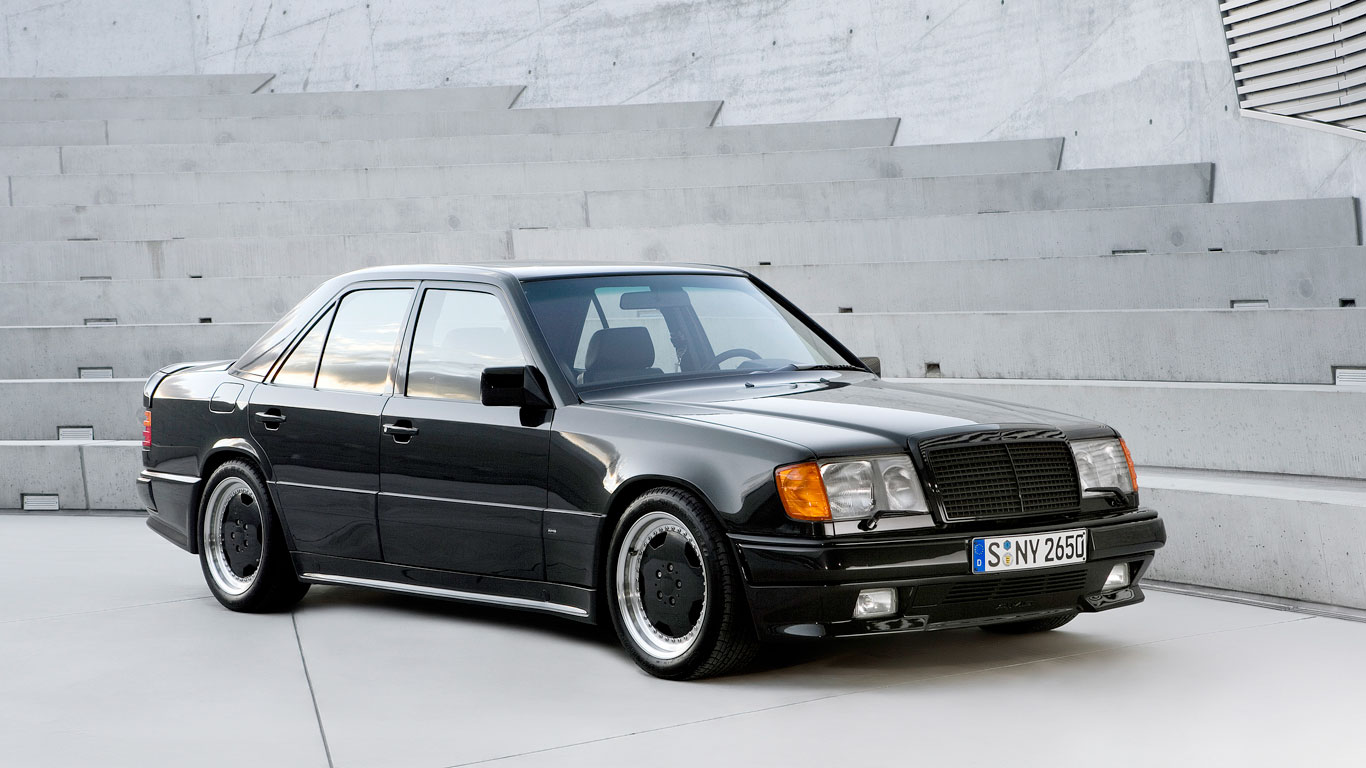
Mercedes-Benz 300 E 5.6 AMG (1986)
AMG moved to its current home in Affalterbach in 1976 and, 10 years later, created the 5.6-litre V8 300 E. At the time it was the fastest production saloon car in the world.
Mercedes-Benz 190 E AMG (1989)
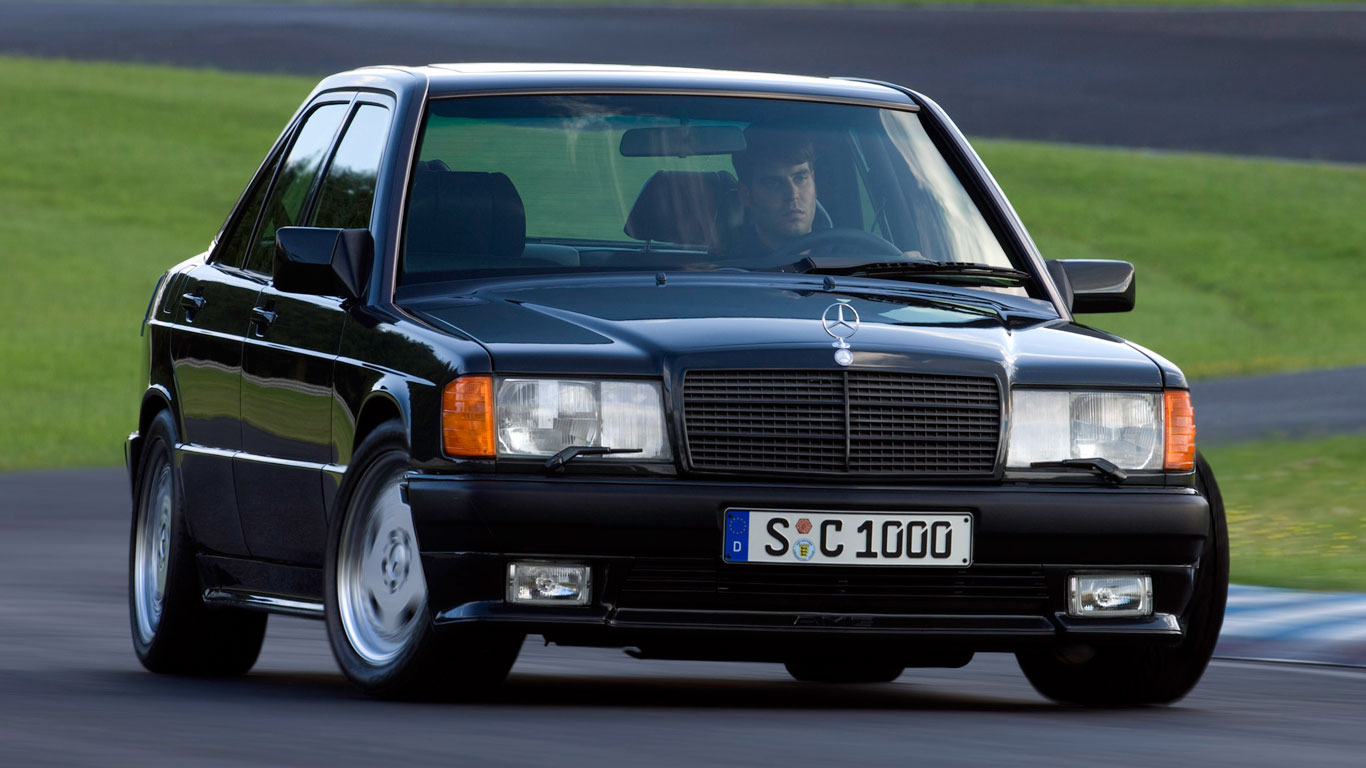
The 225hp 190 E AMG is significant for being the first AMG model to be available through Mercedes-Benz dealerships and with a full M-B warranty.
Mercedes-Benz C 36 AMG (1993)
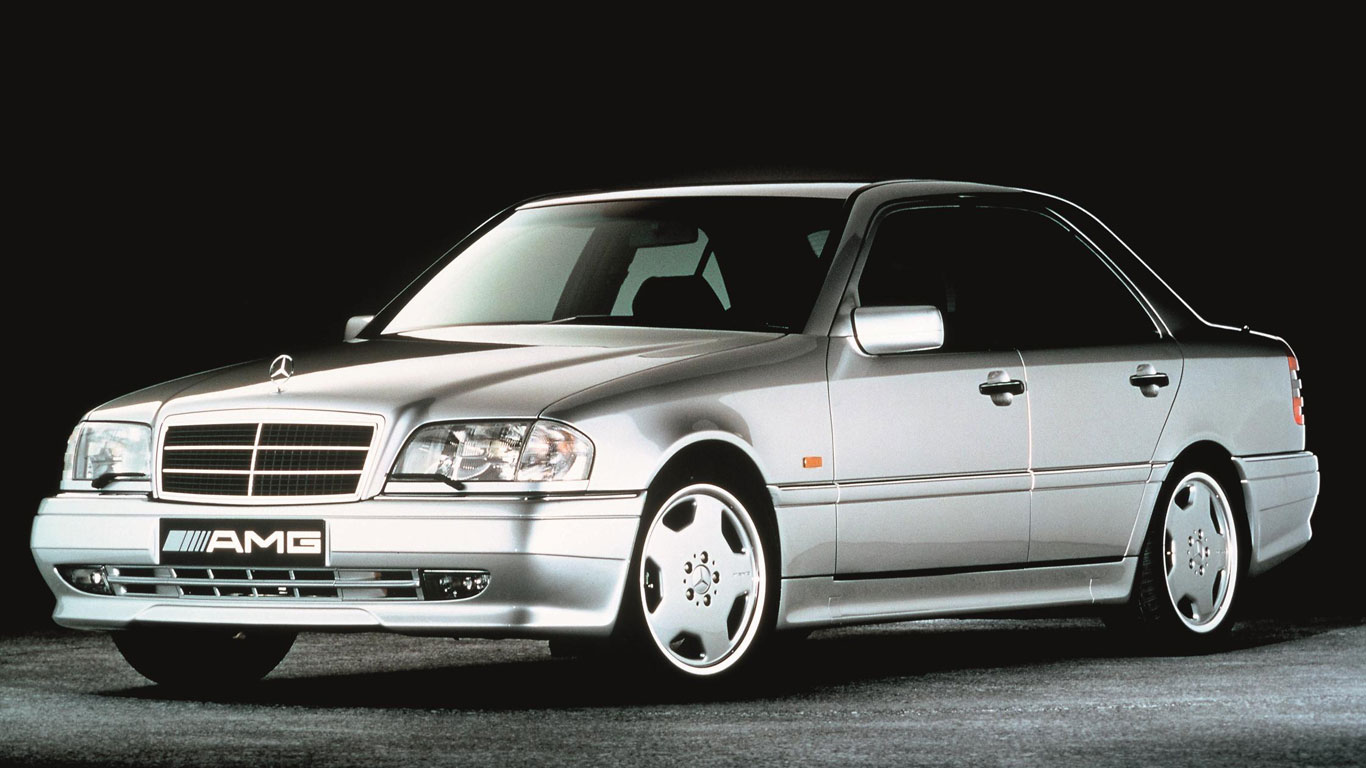
The 280hp C 36 AMG of 1993 is even more significant, as it was the first AMG car to be jointly developed by Mercedes-Benz and AMG. Looks remarkably subtle by modern standards.
Mercedes-Benz SL 73 AMG (1995)
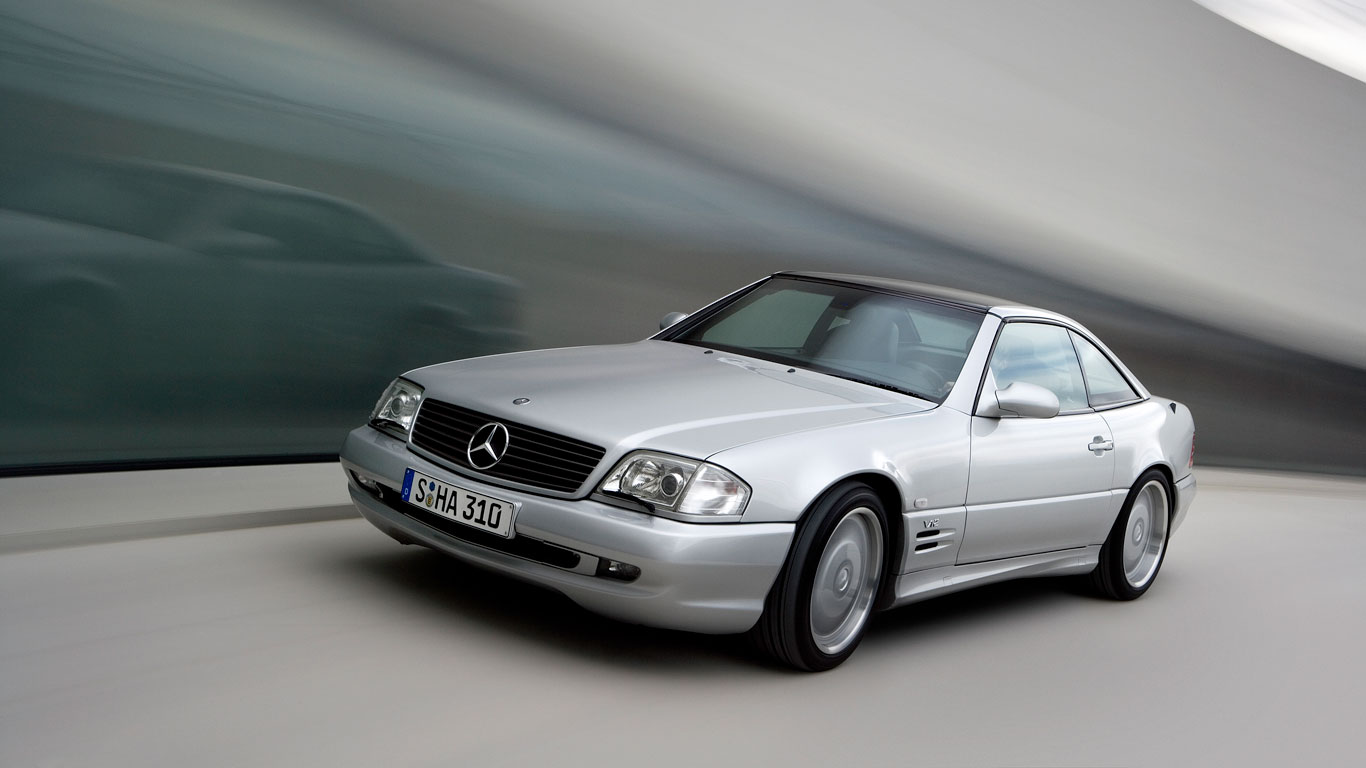
The SL 73 AMG is a rare beast, as only 85 were ever made. It was a tad heavy and very, very expensive, but who wouldn’t want a 7.3-litre V12 SL? With a fuel card, preferably.
Mercedes-Benz S 70 AMG (1996)
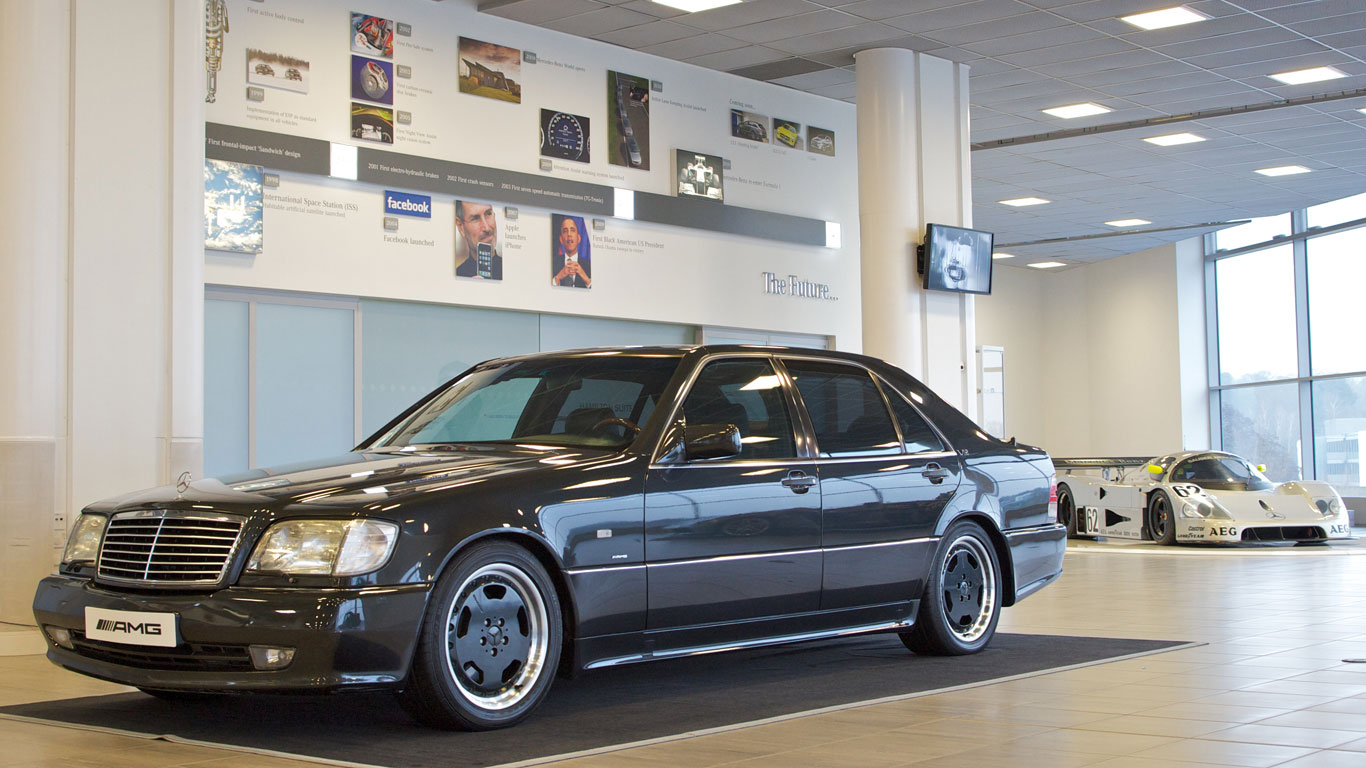
Talking of rarities, how about the S 70 AMG? Only 112 of these Autobahnstormers were built, each one with a 500-horsepower 7.0-liter V12 engine.
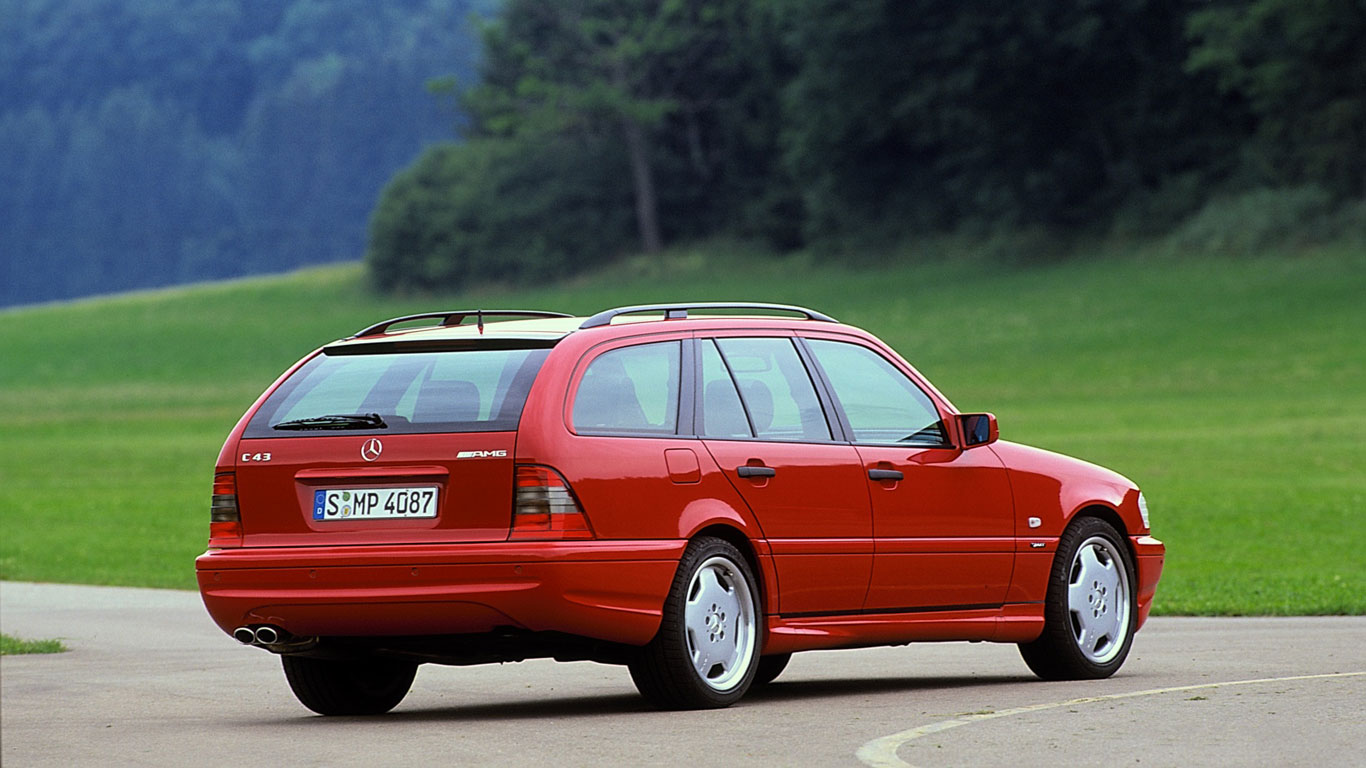
Mercedes-Benz C 43 AMG (1997)
The C 43 AMG of 1997 was a tad more affordable, but no less alluring. Available as a saloon or estate, it was powered by a V8 engine developing 306-horsepower.
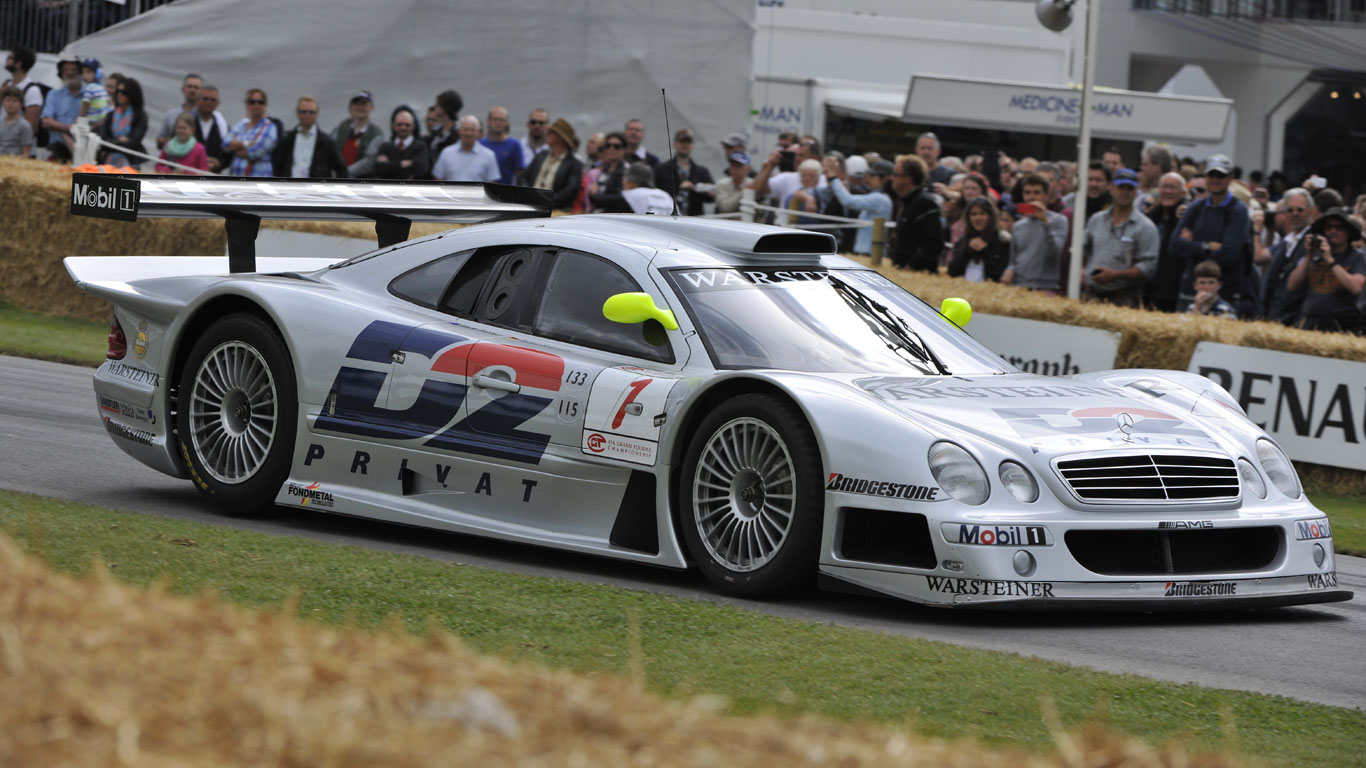
Mercedes-Benz CLK GTR (1999)
The first of the Top Trumps-winning AMG cars. The CLK GTR was created for homologation purposes and only 26 were built (20 coupes, six roadsters).
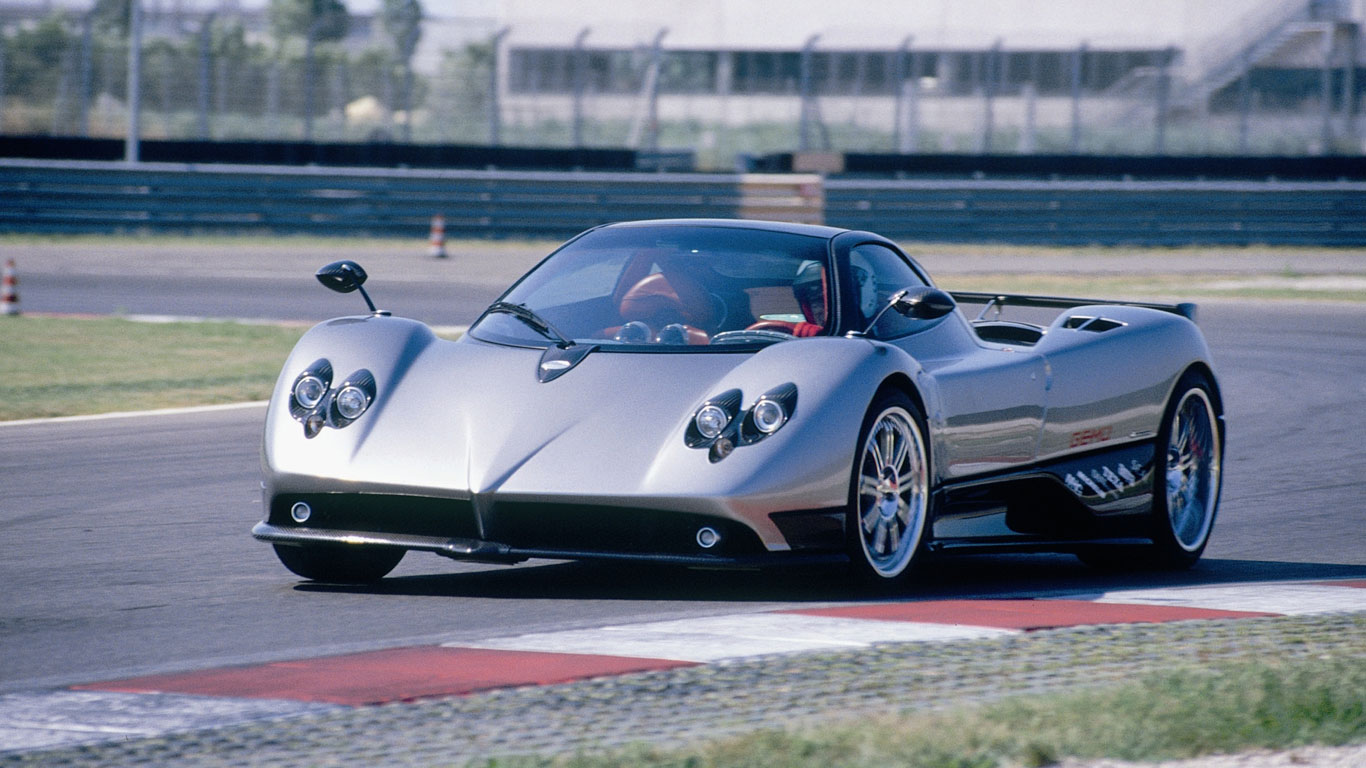
Pagani Zonda C12 (1999)
Yes, we know the Pagani Zonda doesn’t wear an AMG badge, but it has the beating heart of Affalterbach. Power was sourced from the same 7.3-liter found in the earlier SL 73 AMG.
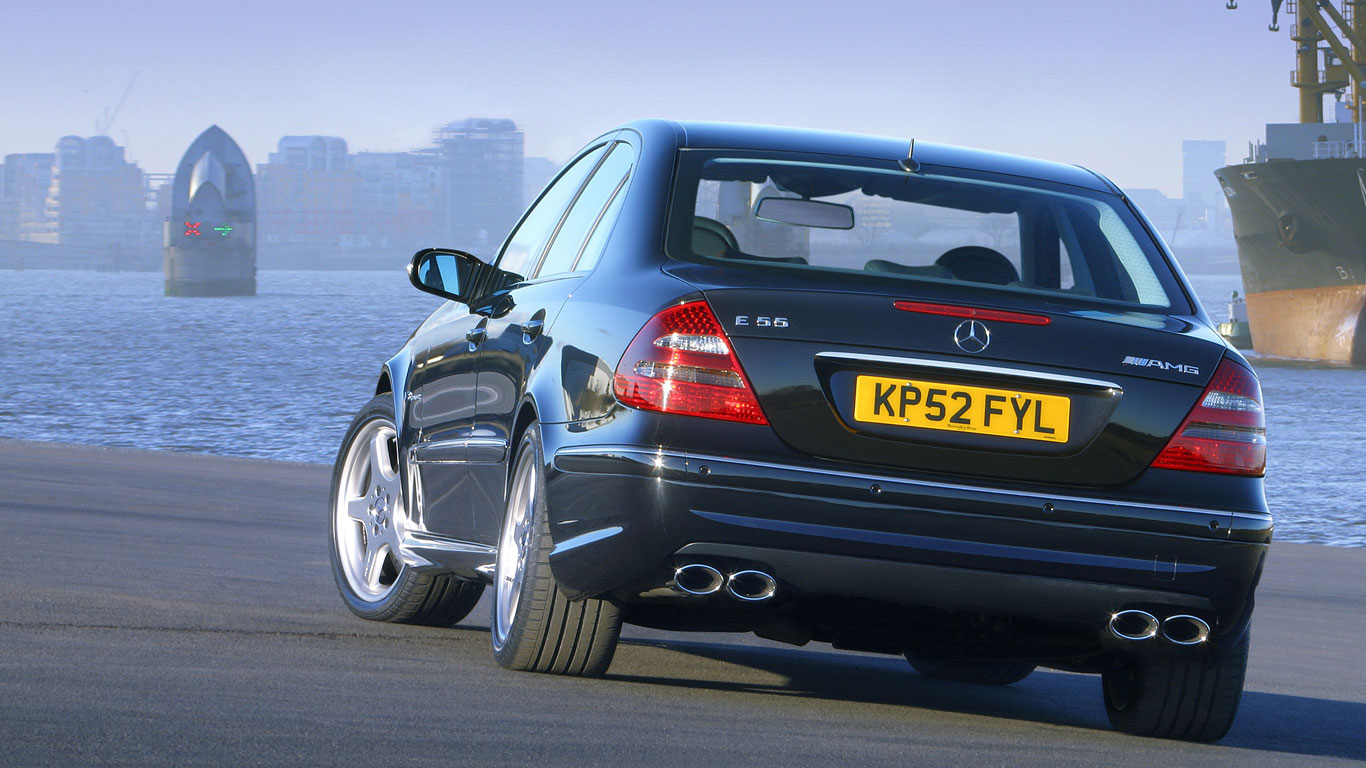
Mercedes-Benz E 55 AMG (2002)
The year 2002 was a big one for Mercedes-AMG. Five new models were launched, including the E 55 AMG super-saloon, which represents a formidable used car bargain.
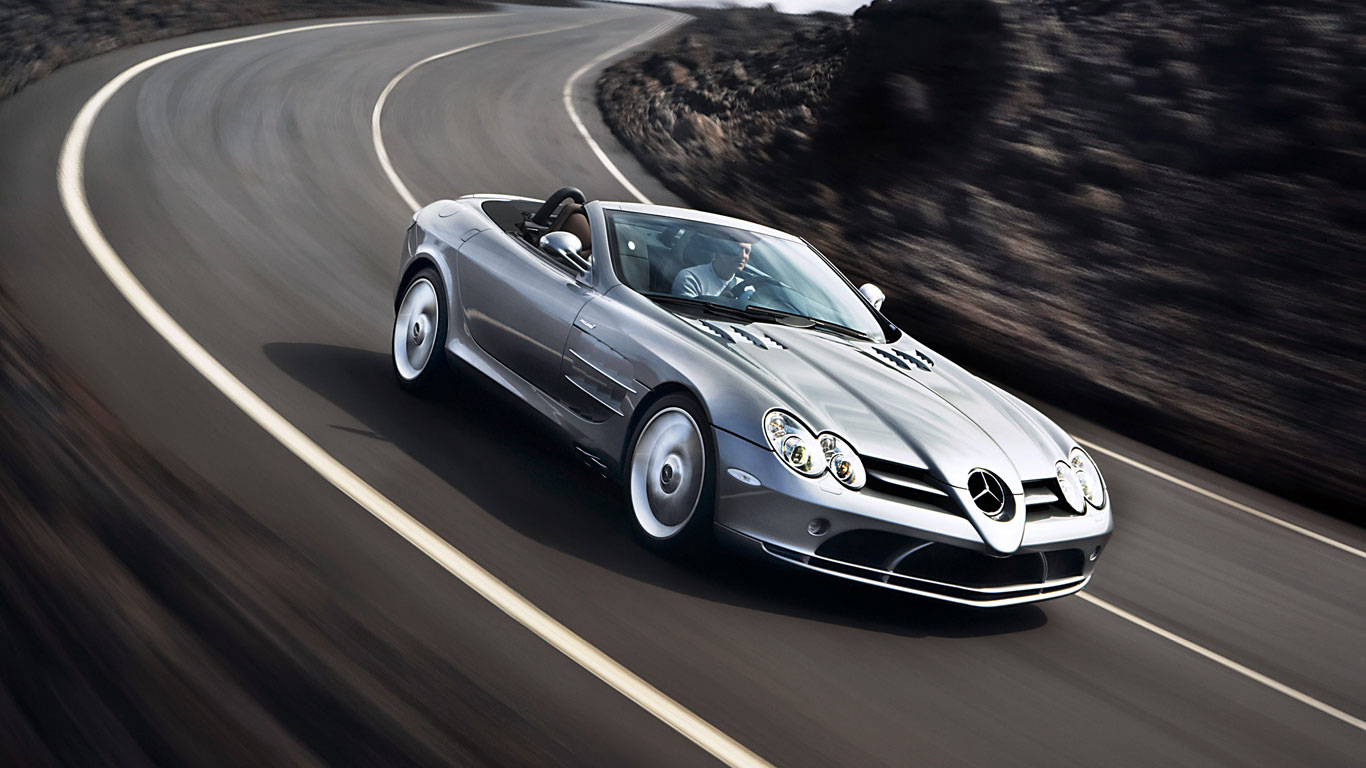
Mercedes-Benz SLR McLaren (2004)
Formula One technology and a hand-built supercharged AMG V8 engine. What’s not to like about the Mercedes-Benz SLR McLaren?
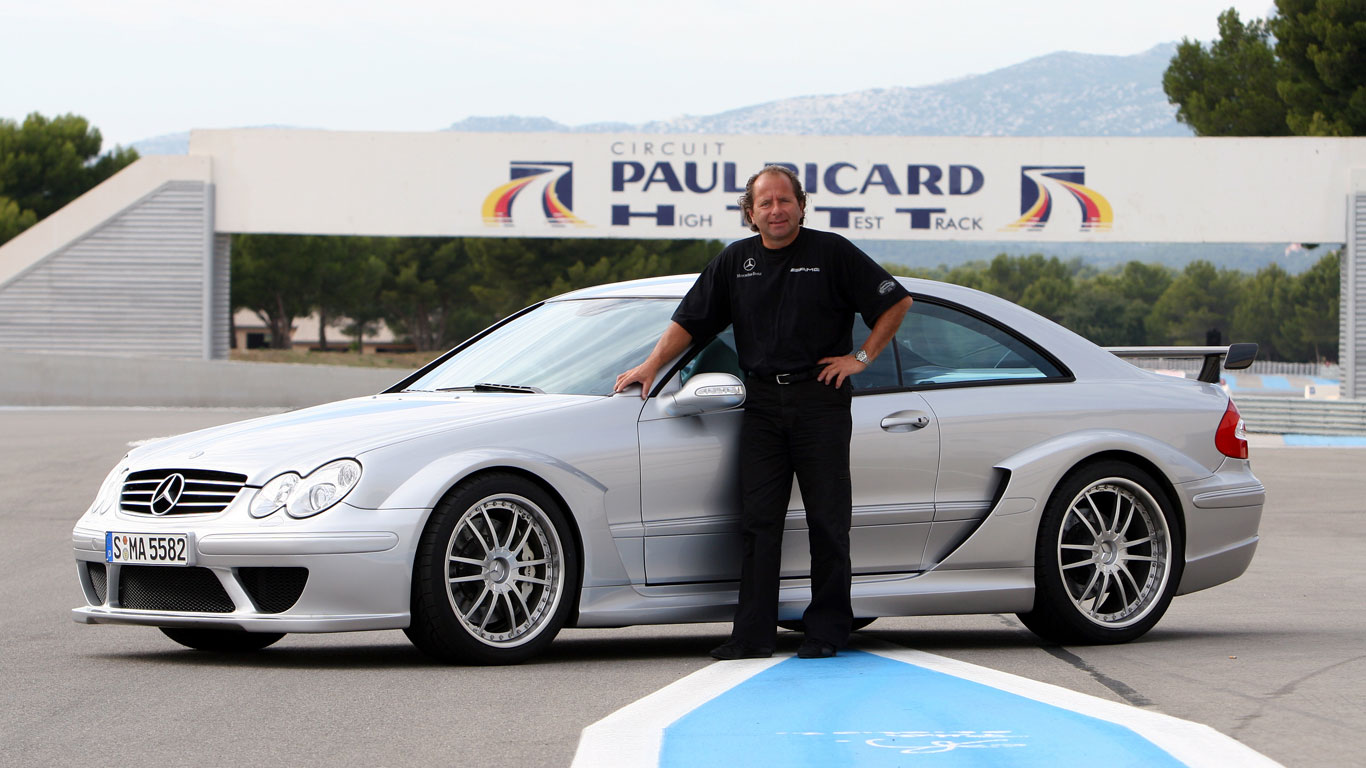
Mercedes-Benz CLK DTM AMG (2004)
It’s hardly a name that rolls off the tongue, but the Mercedes-Benz CLK DTM AMG was capable of giving supercars a bloody nose. Top speed was knocking on 200mph and it would sprint to 60mph in 3.8 seconds.
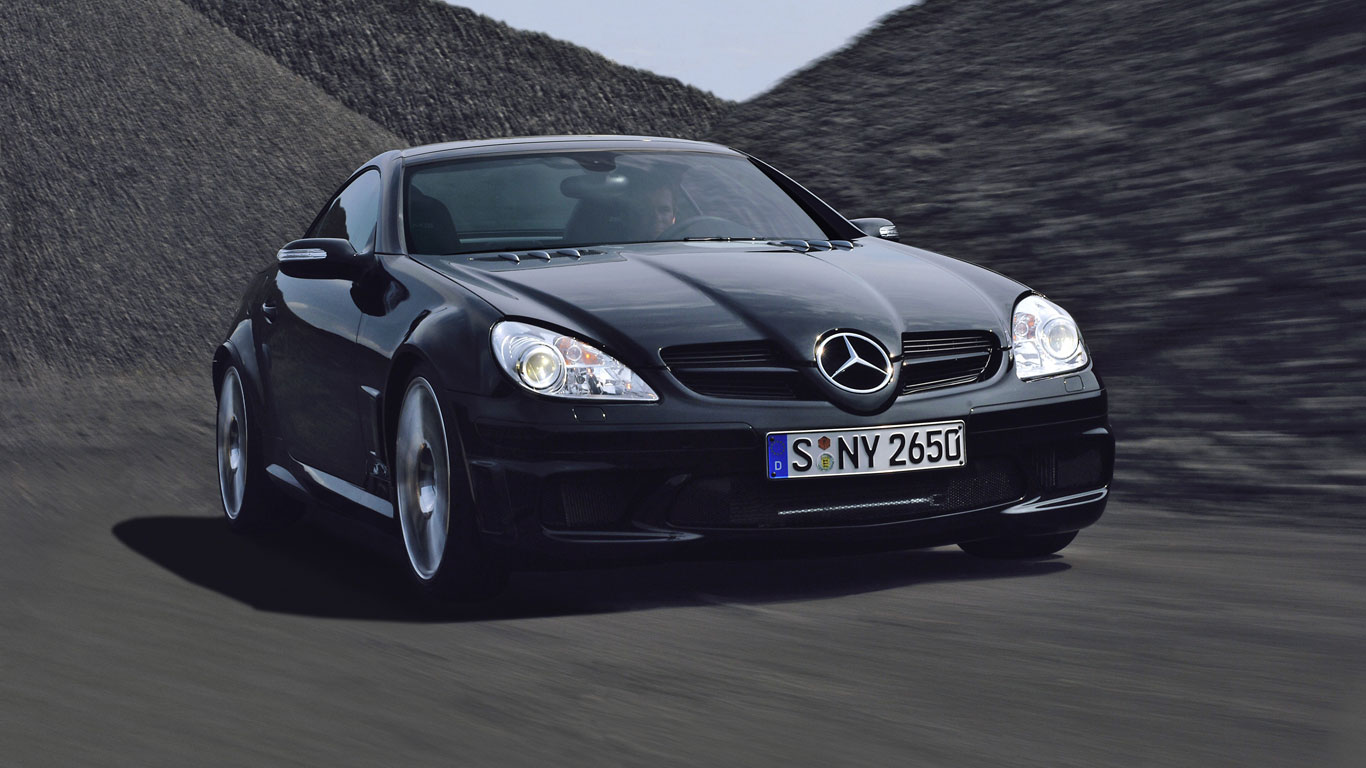
Mercedes-Benz SLK 55 AMG Black Series (2006)
The first Black Series car arrived in 2006, in the form of the Mercedes-Benz SLK 55 AMG. These track-focused special editions were designed for those who found ‘standard’ AMG products just a tad tame.
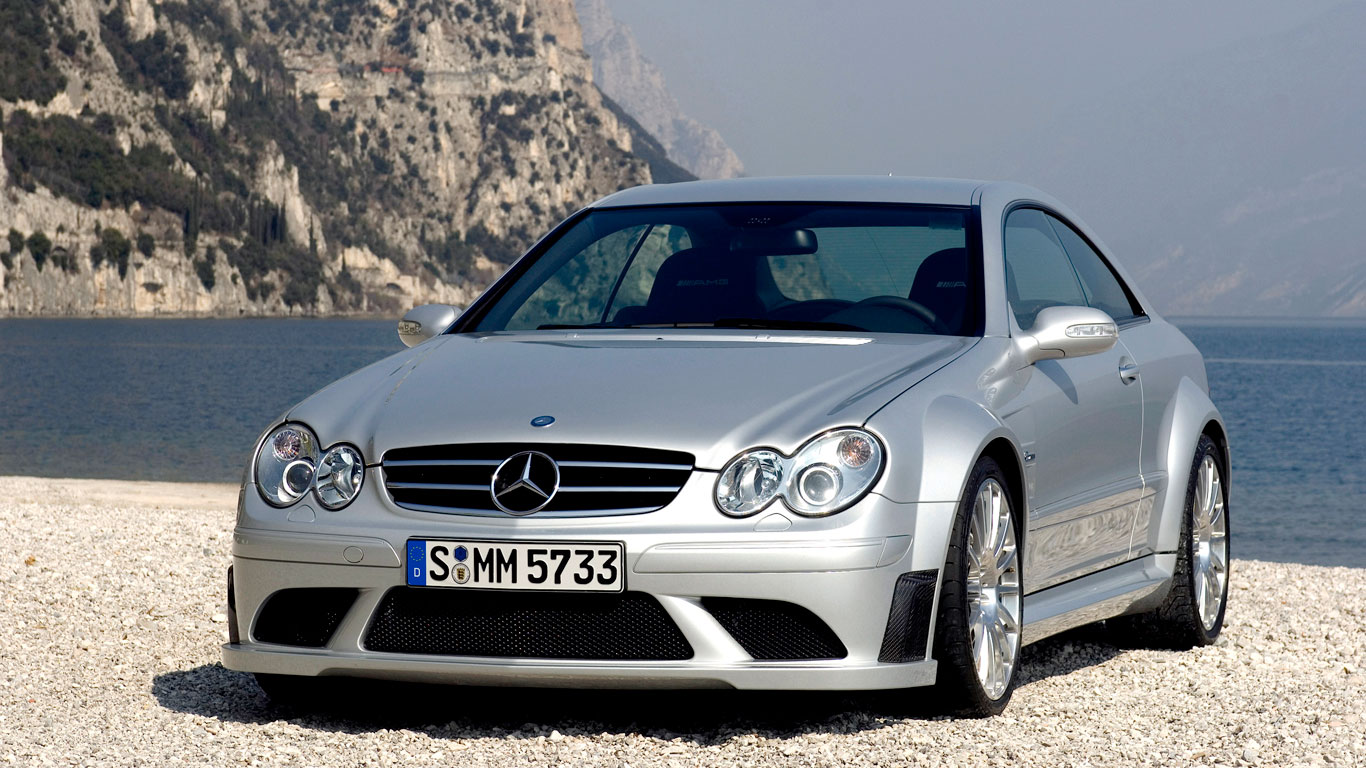
Mercedes-Benz CLK 63 AMG Black Series (2007)
Designed to take on the Porsche 911 GT3 RS, the CLK 63 AMG Black Series of 2007 was a brutal machine. Jeremy Clarkson bought one. And then complained about it. A lot.
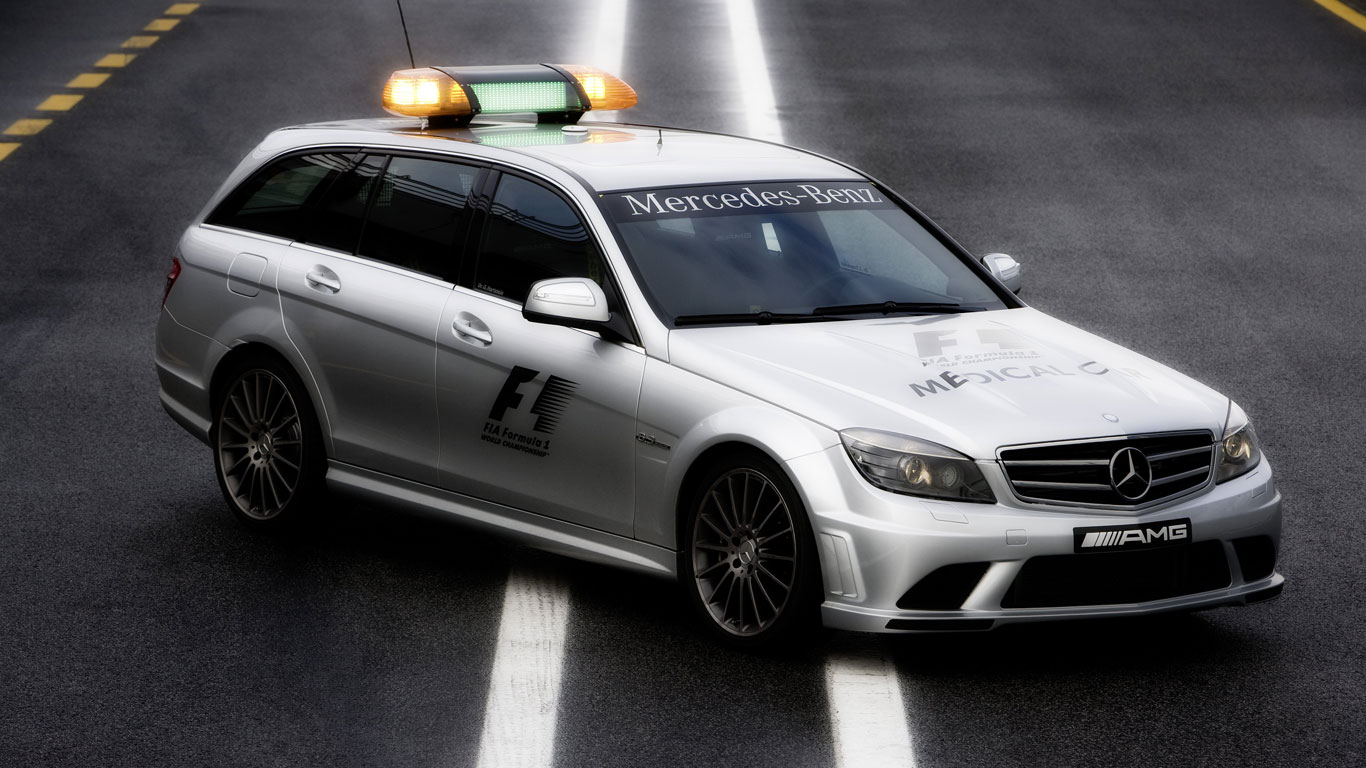
Mercedes-Benz C 63 AMG Estate (2008)
There have been many Mercedes-AMG F1 safety cars over the years, but the C 63 AMG Estate is one of our favourites. Under the bonnet you’d find a hand-crafted 6.2-litre V8 engine. Nice.
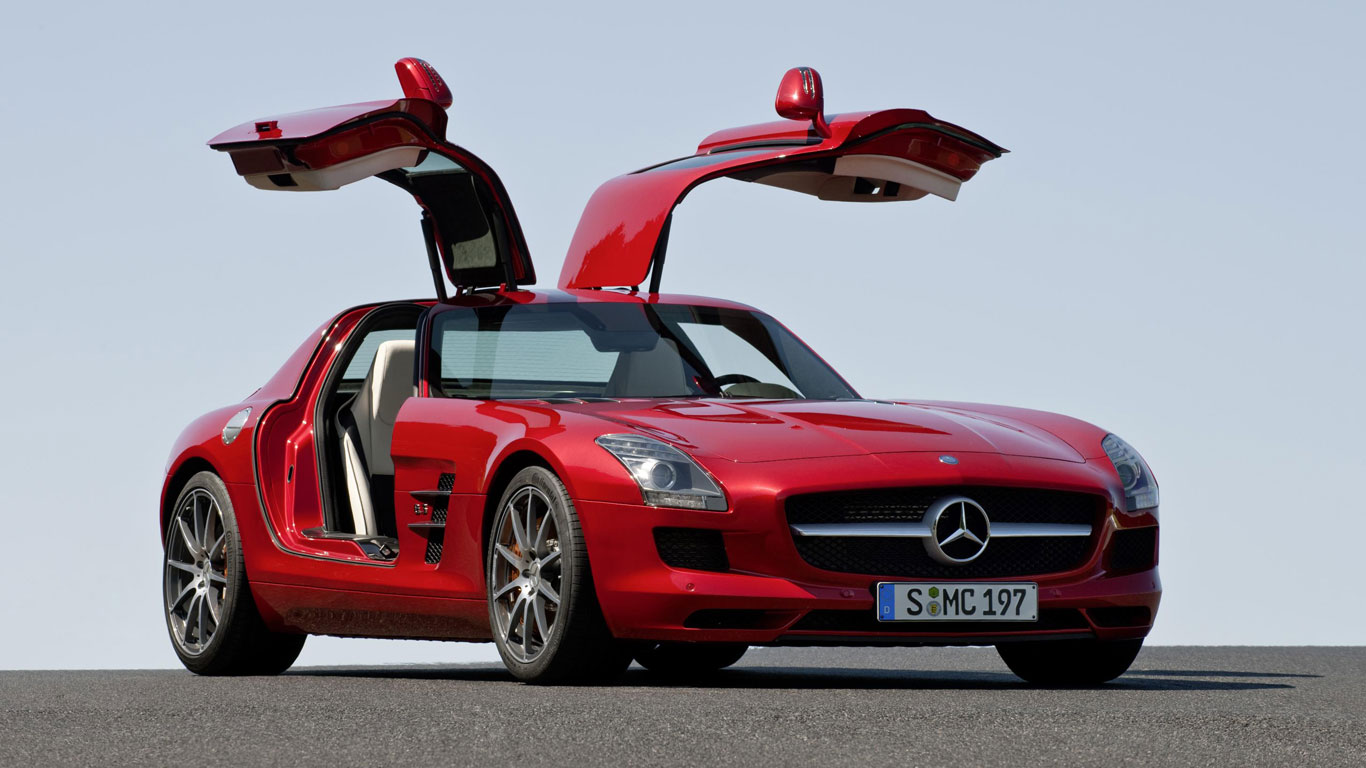
Mercedes-Benz SLS AMG (2009)
The gull-winged SLS was the first car developed entirely by AMG and was designed to be a successor to the SLR McLaren. It featured the same 6.2-litre engine you’d find in the C 63.
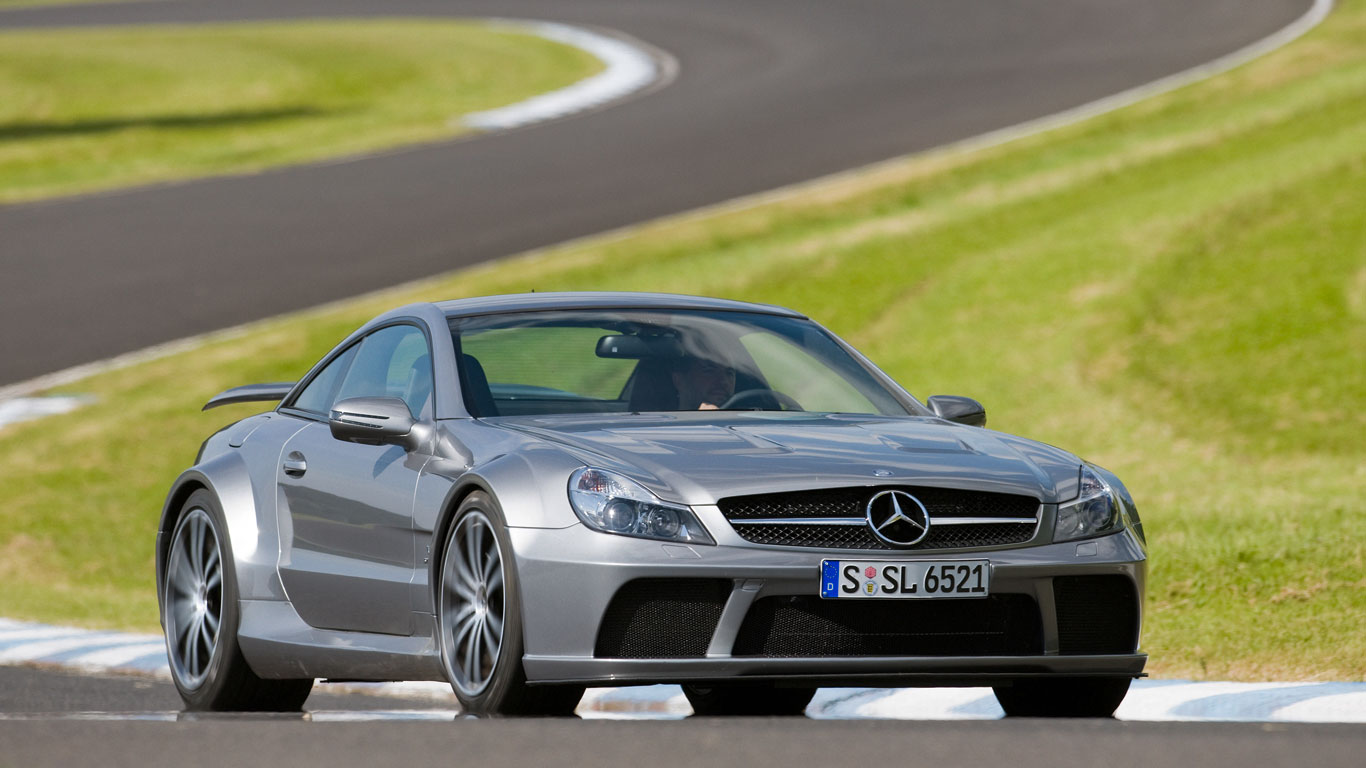
Mercedes-Benz SL 65 AMG Black Series (2009)
What an absolute legend of a car. Top speed limited to 199mph and a 0-60 time of 3.8 seconds provide some clues as to this track warrior’s potential. It cost £250,000 when new.
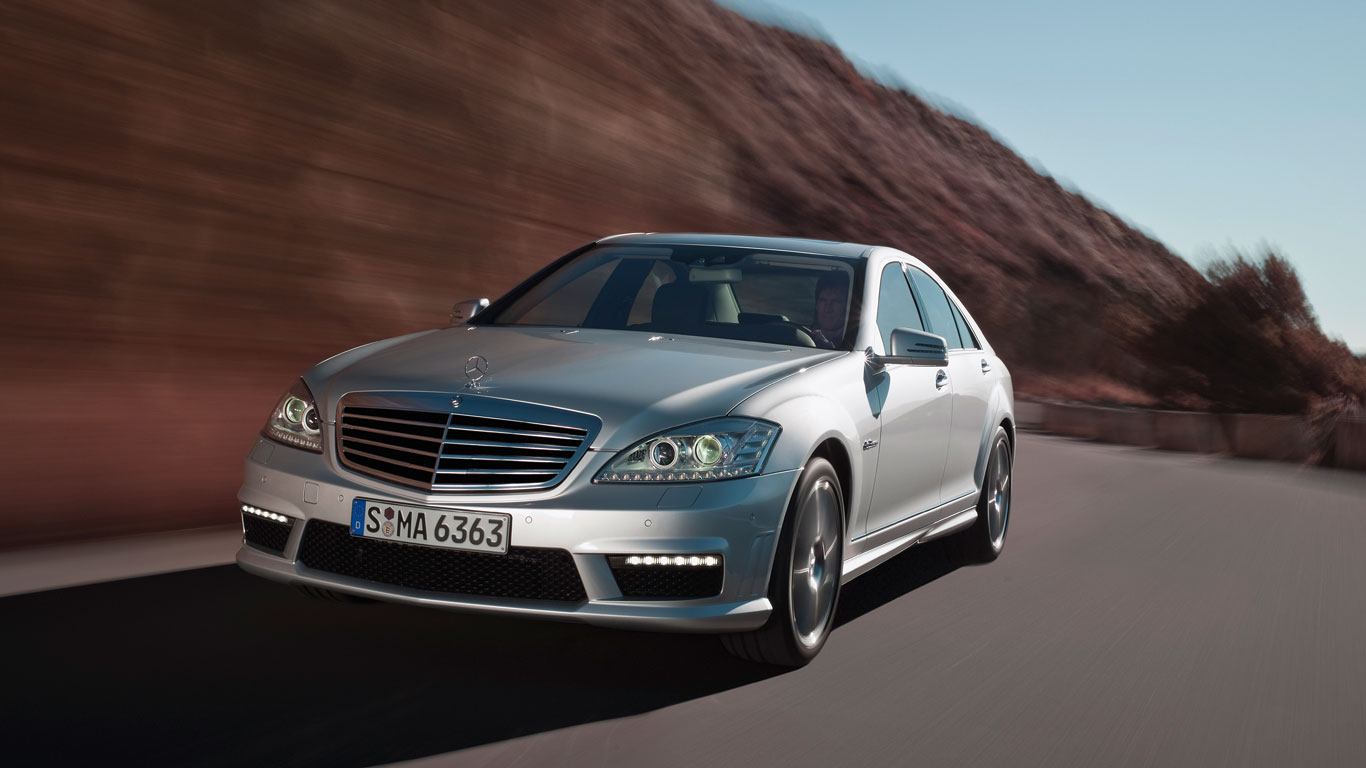
Mercedes-Benz S 63 AMG (2010)
One of the world’s greatest limos treated to a full-fat AMG makeover. What’s not to like about that? Later, it would be offered as a coupe, too.
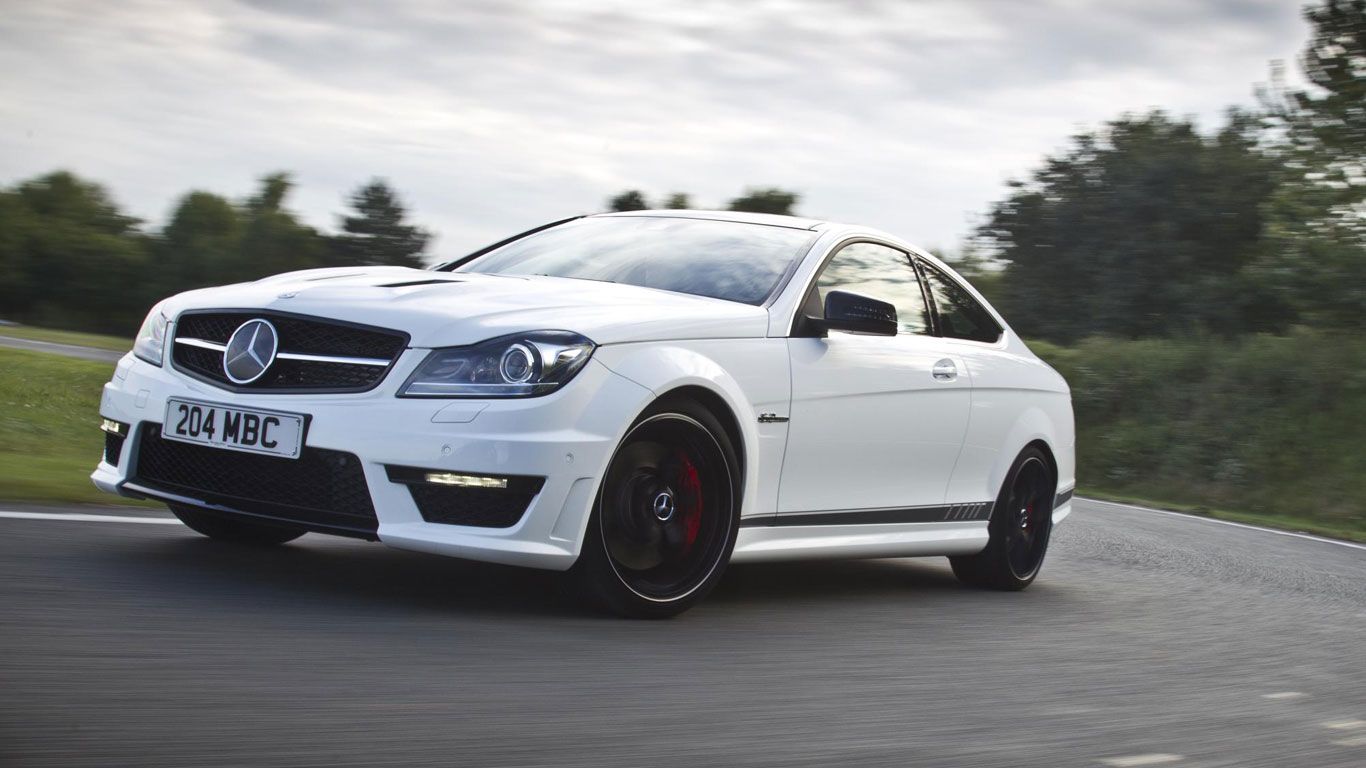
Mercedes-Benz C 63 AMG Coupe (2011)
Could this be one of the most accomplished AMG cars of all time? It was the last AMG C-class to have a naturally-aspirated engine, meaning superb throttle response.
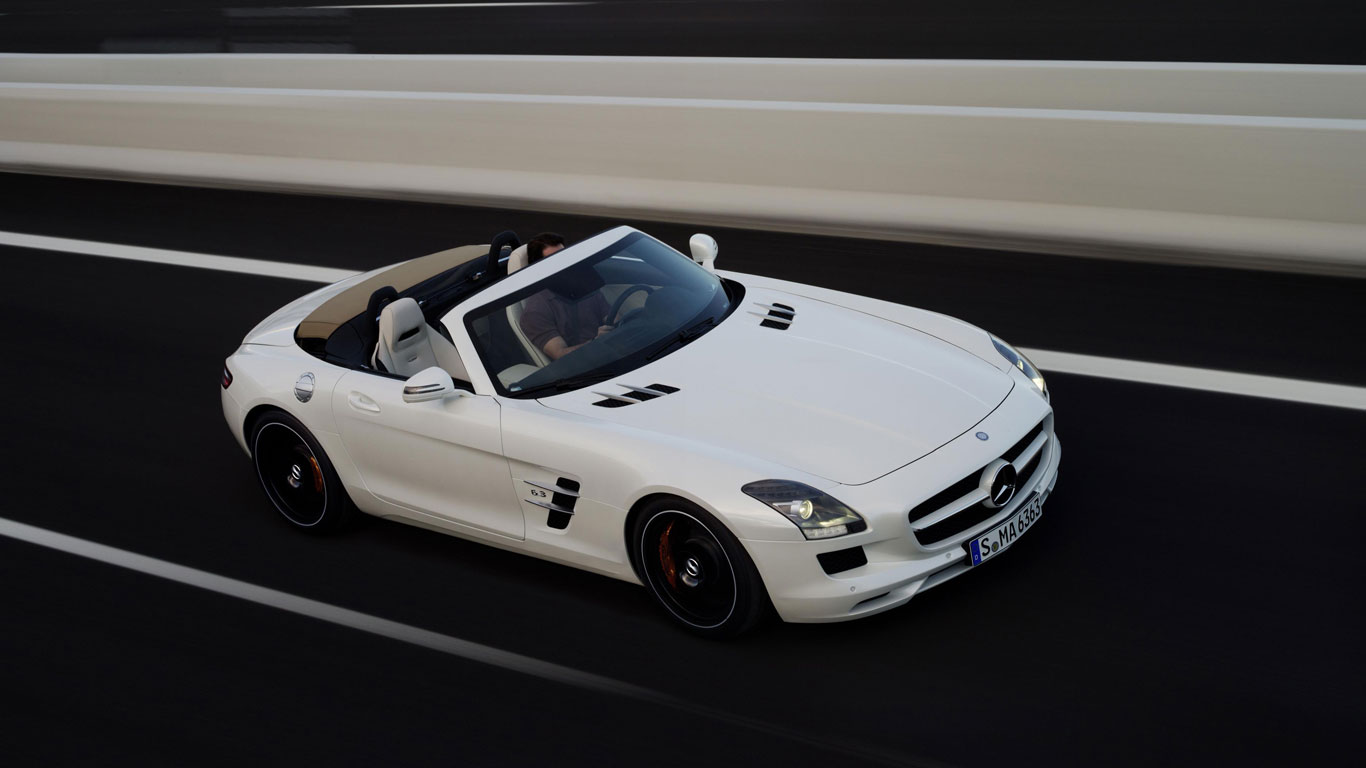
Mercedes-Benz SLS AMG Roadster (2012)
How would sir like his SLS? Coupe, with the iconic gullwing doors? Or Roadster, to enjoy the magnificence of the 6.3-litre V8 engine? We’d take the latter, please.
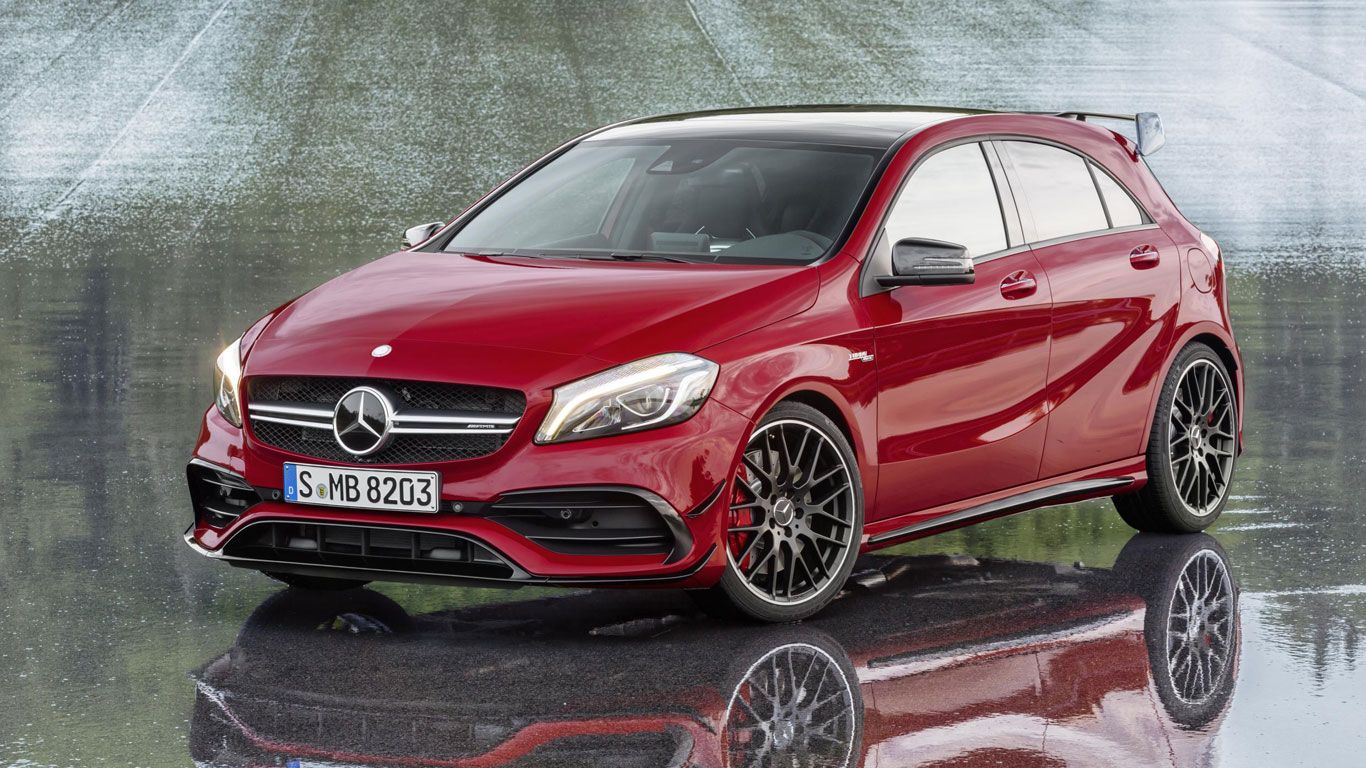
Mercedes-Benz A 45 AMG (2013)
Mercedes-Benz has been accused of diluting the AMG brand in recent years, but the A 45 AMG proves it can also get it right. This is a hot hatch, AMG-style. Bonkers, but brilliant.
Mercedes-Benz G 63 AMG 6×6 (2013)
And speaking of bonkers… We could have included the ‘normal’ G 63 AMG, but that would be foolish when there’s a 6×6 in existence.
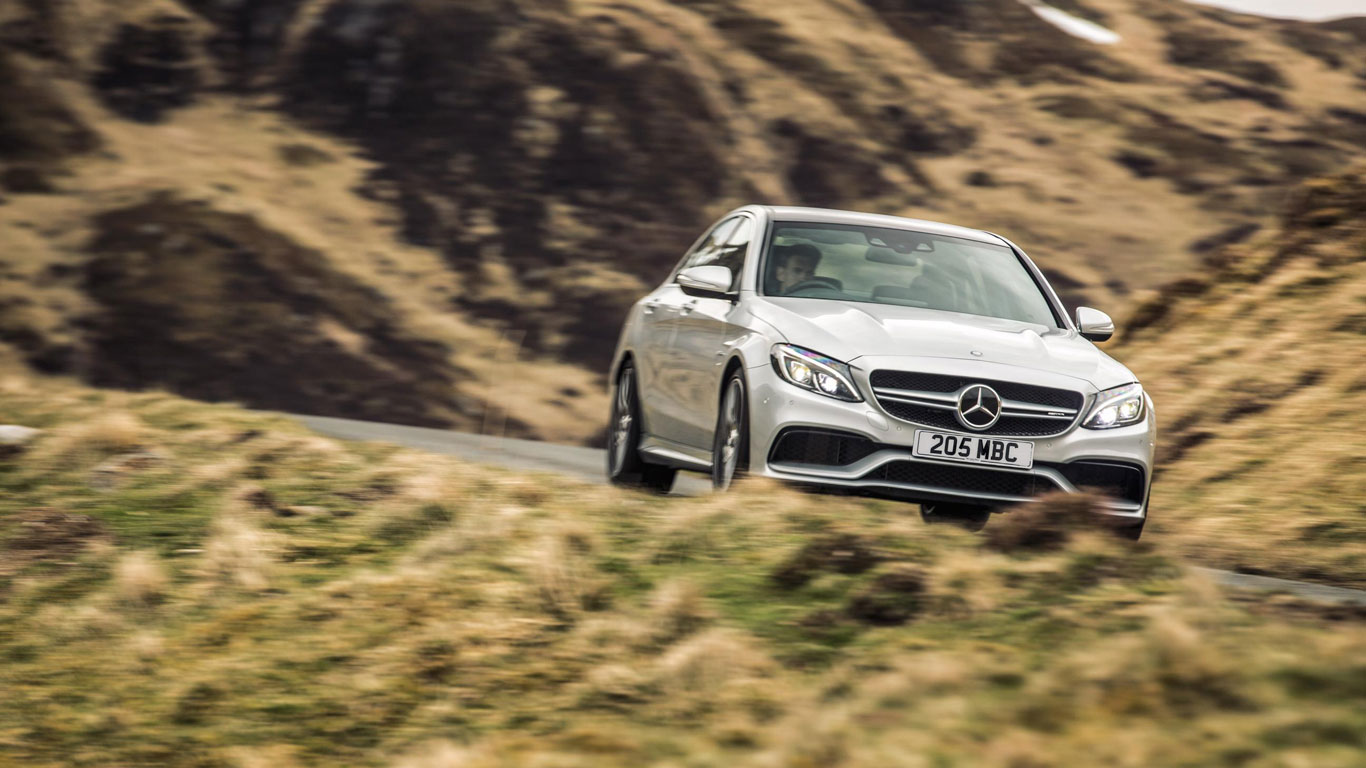
Mercedes-AMG C 63 AMG (2015)
For similar reasons, we’d probably opt for the estate version of the current C 63 AMG. The modern version isn’t quite a match for its forebears, but it remains a formidable machine.
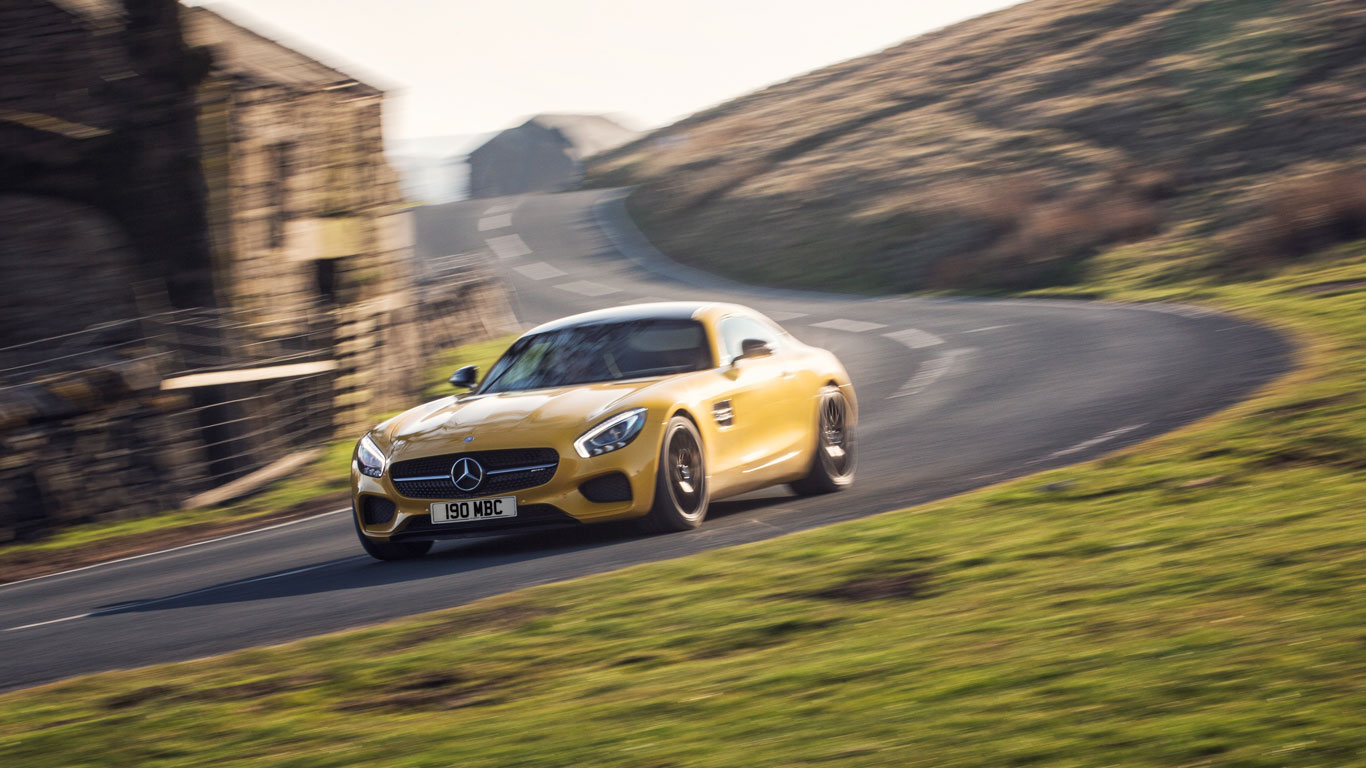
Mercedes-AMG GT S (2015)
And then there’s the achingly good looking Mercedes-AMG GT S. It boasts a fantastic chassis and a soundtrack to rival that of the Stuttgart Radio Symphony Orchestra.
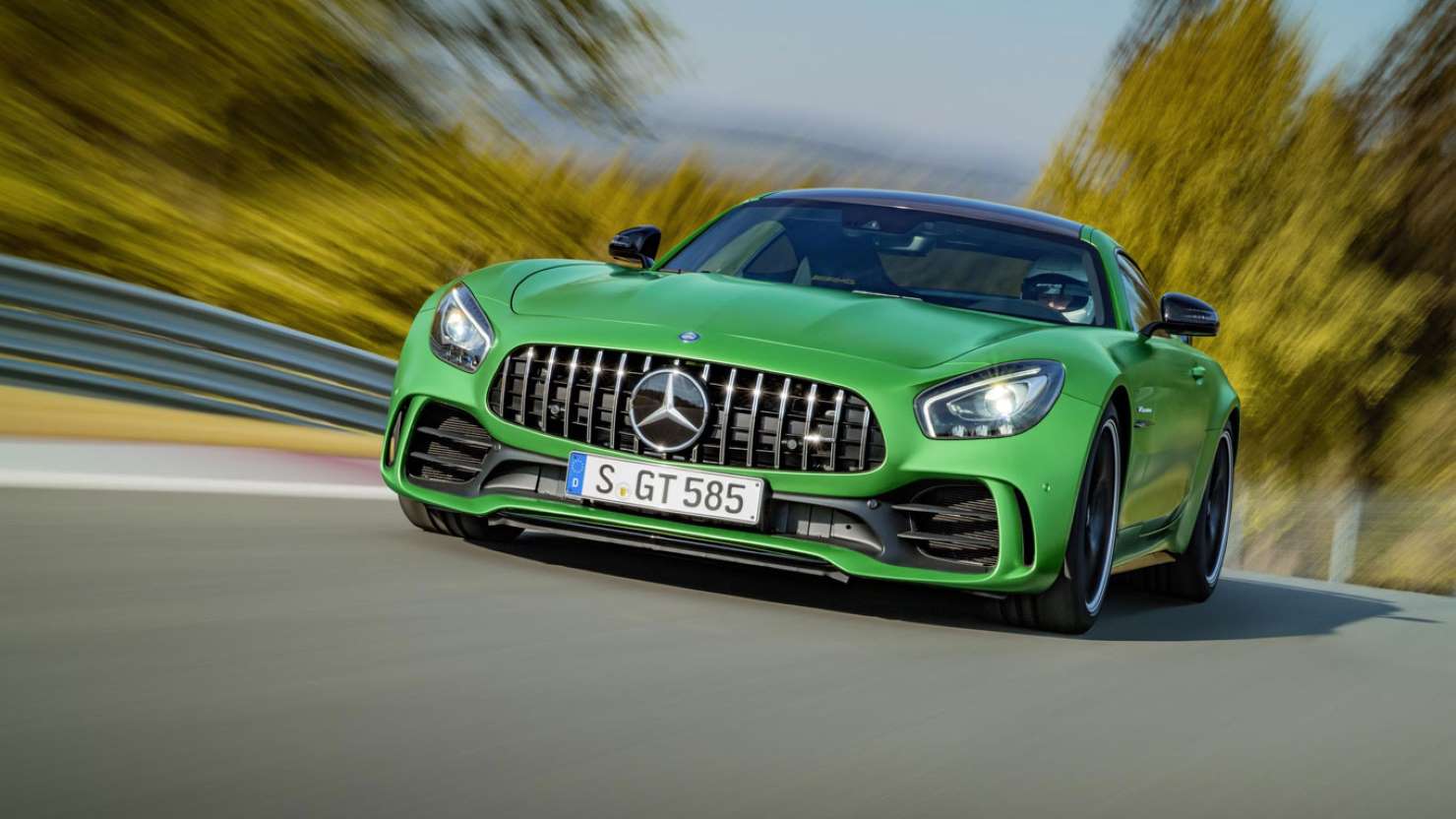
Mercedes-AMG GT R (2016)
In June 2016, none other than Lewis Hamilton helped Mercedes-AMG reveal a new 585hp AMG GT R. This is the AMG GT at its most hardcore, with a stiffer chassis, rear-wheel steering and a huge wing. How does 0-62mph in 3.6 seconds and a top speed of 197mph grab you?
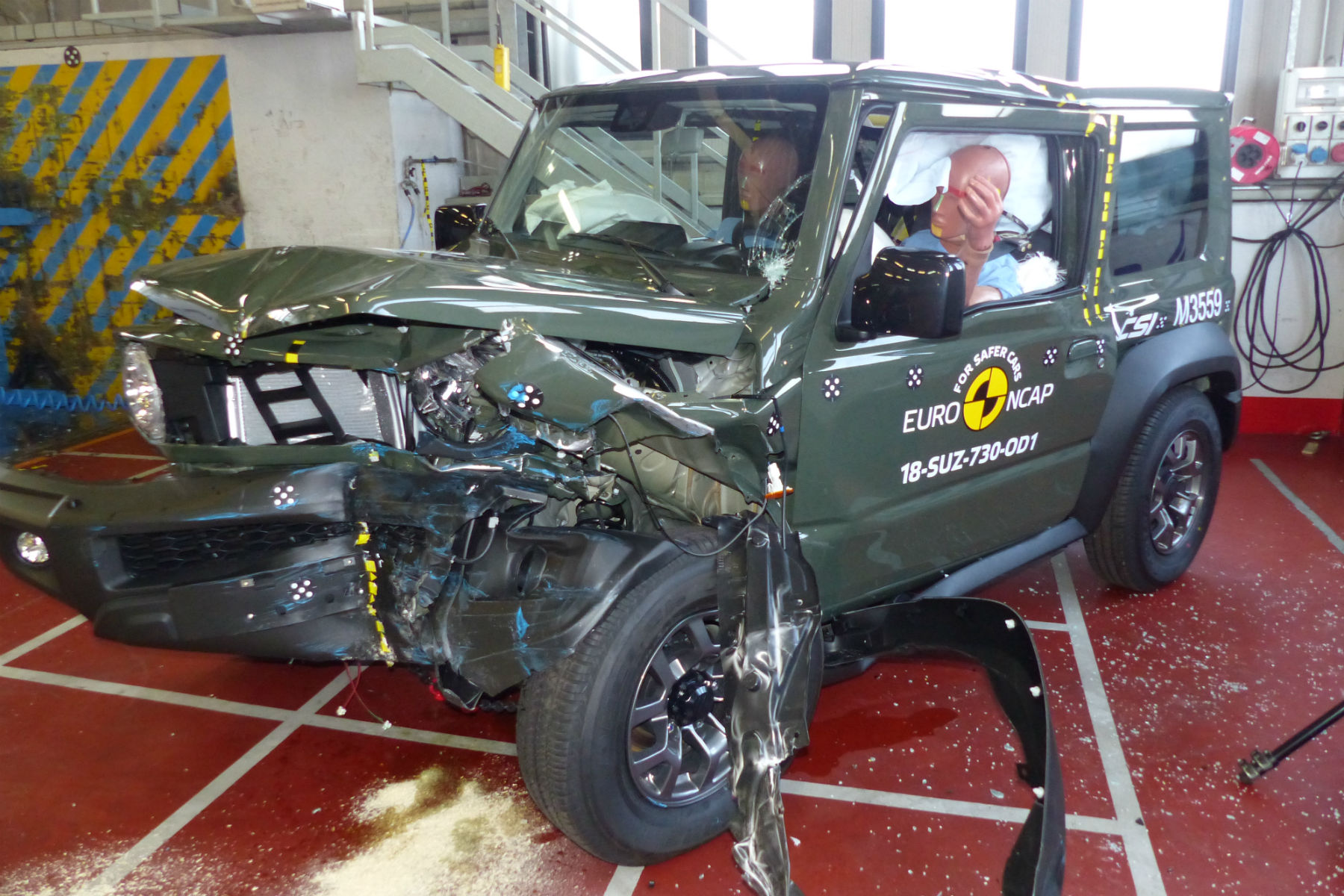
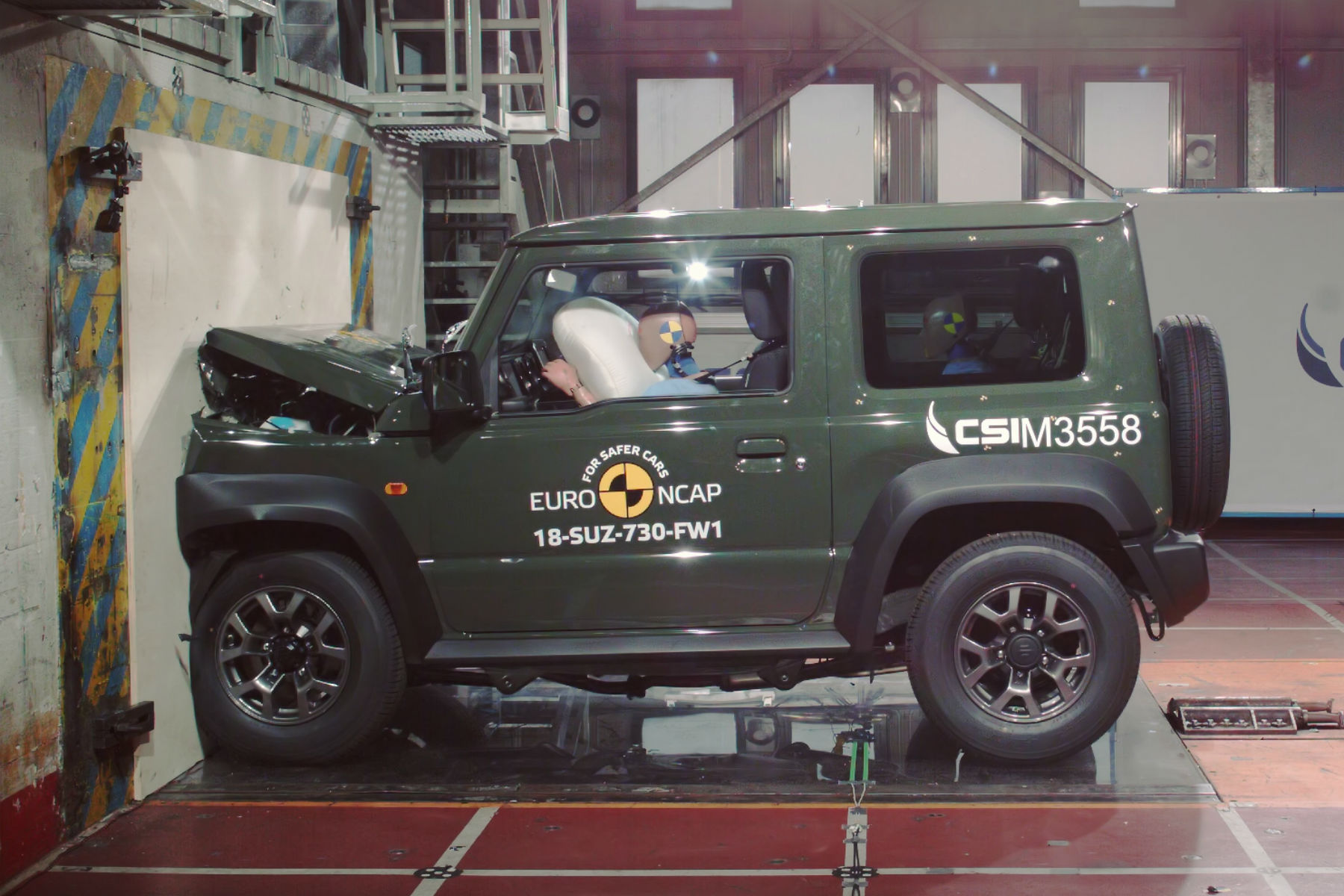
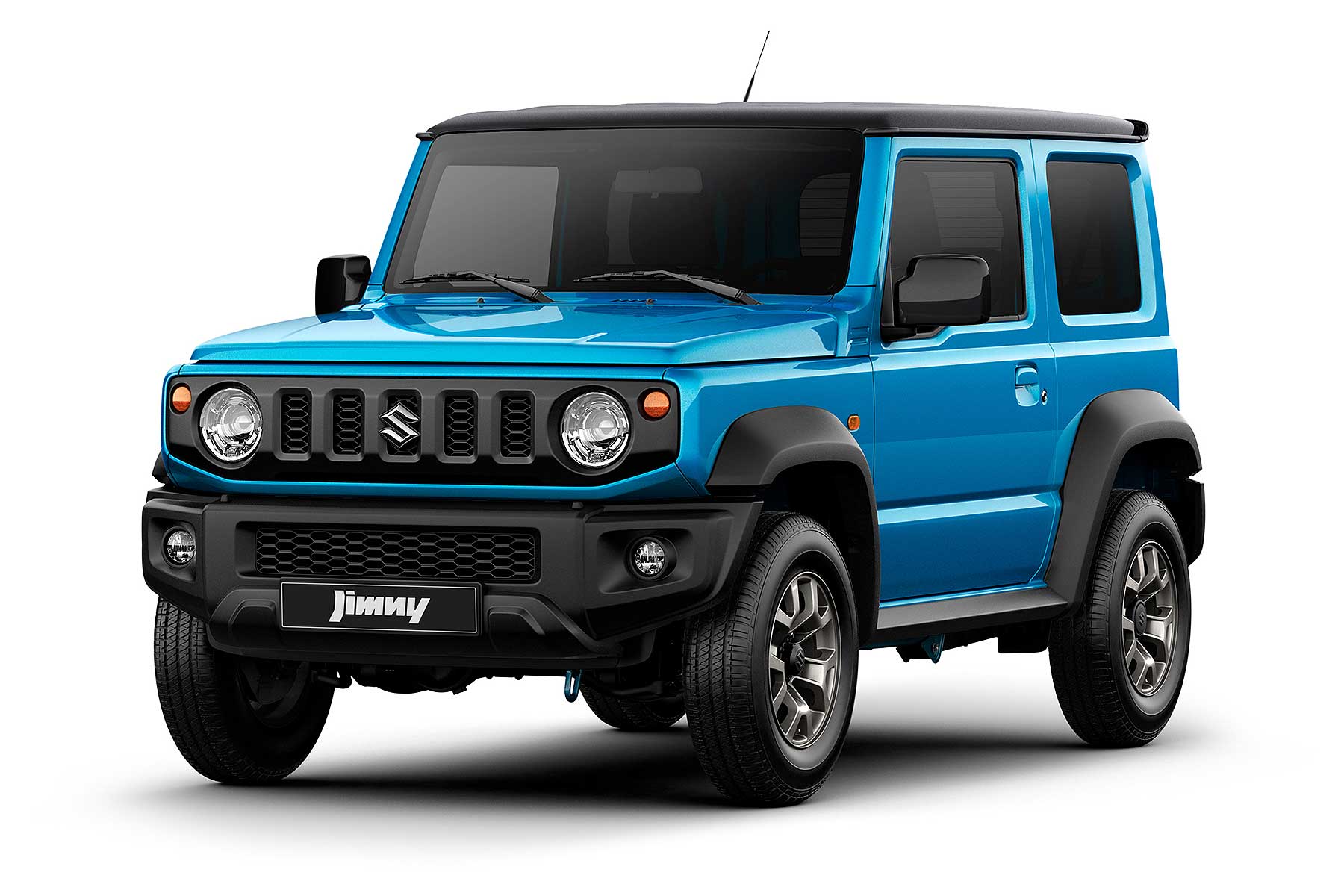
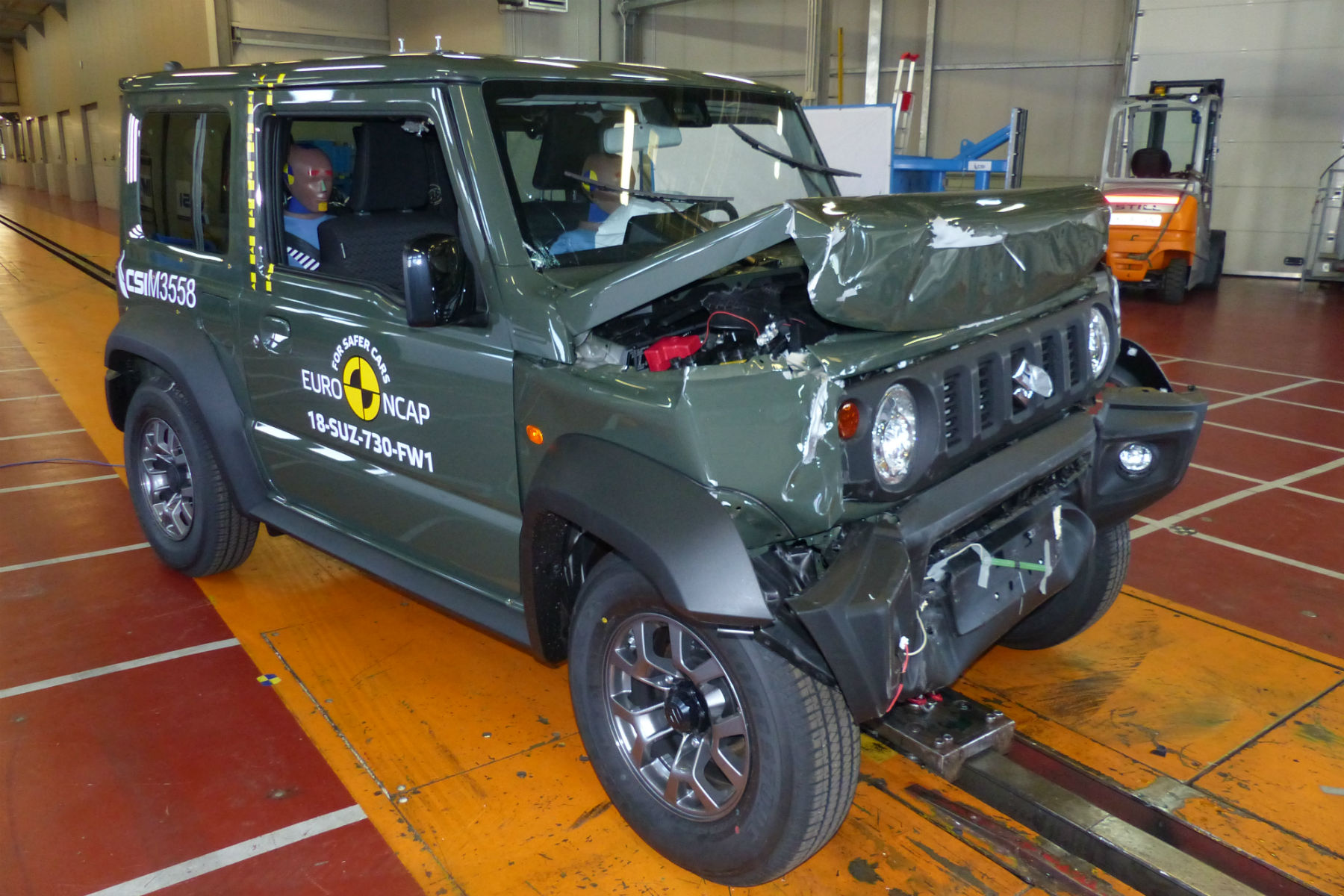
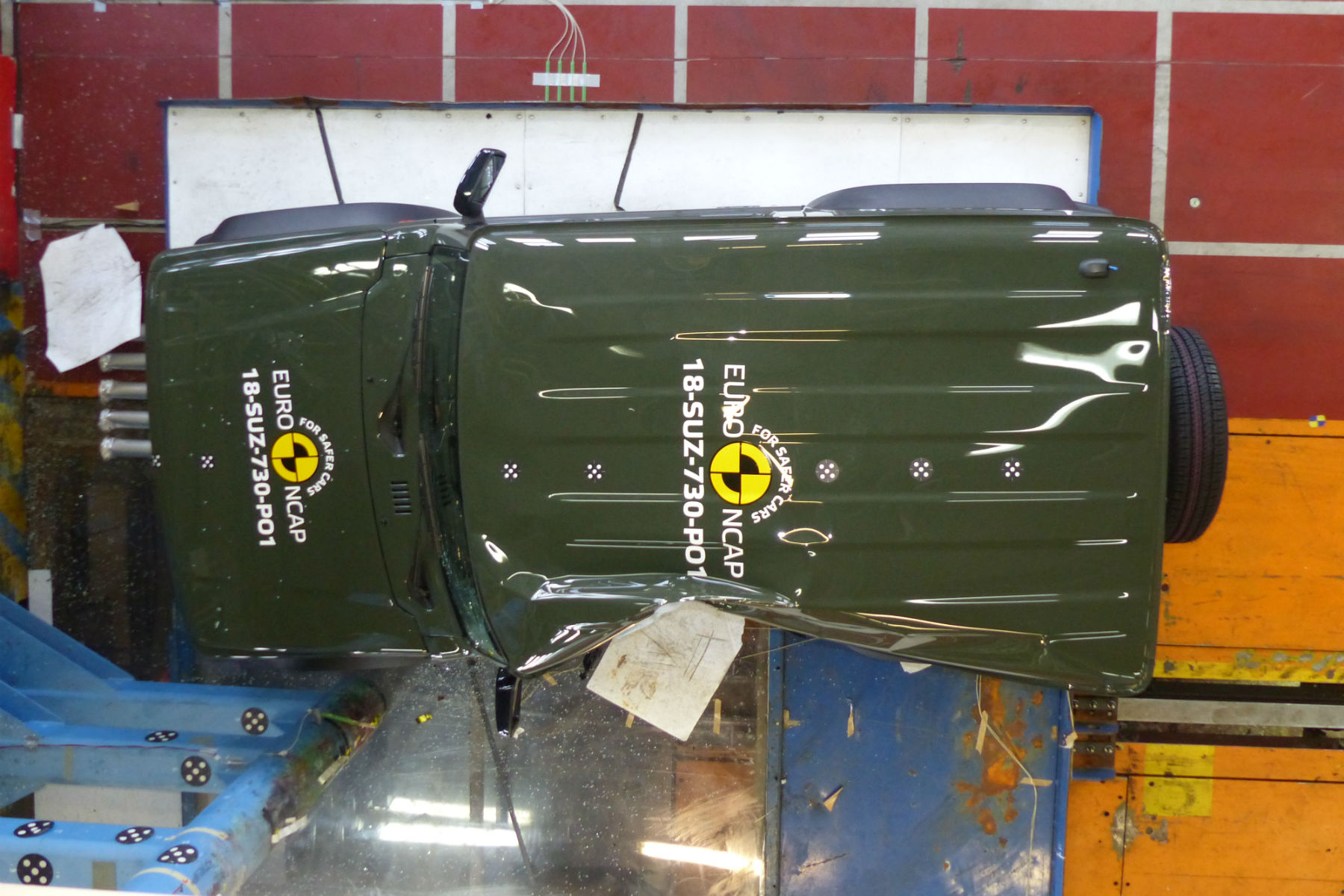
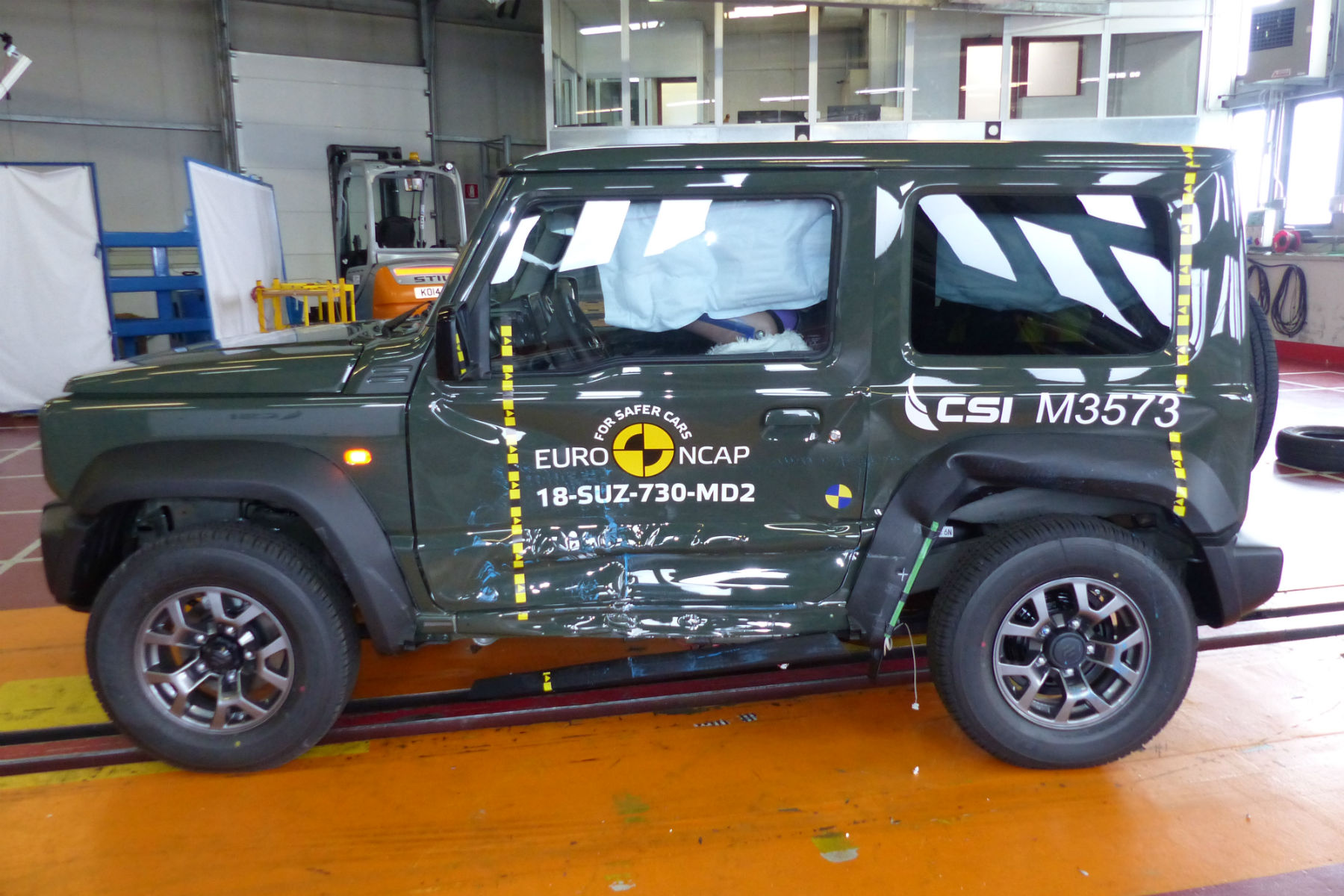
The new Suzuki Jimny has been earning rave reviews during its recent press launch but safety testing watchdog Euro NCAP is less impressed: it has awarded the diminutive new 4×4 a meagre three-star rating in its latest tests.
Describing its crash performance as ‘disappointing’, Euro NCAP says the Jimny falls short on adult occupant protection and safety assist systems.
Matthew Avery from Thatcham Research, Euro NCAP’s UK partner, said its testing performance “betrays its ostensibly rugged exterior.
A brief history of the Suzuki Jimny
“As a completely new vehicle, it should offer far more protection to drivers in the event of an accident.
“The safety technology available with this vehicle did not perform optimally either.” Euro NCAP called out a mediocre Autonomous Emergency Braking (AEB) system, which Avery said “showed weak performance in tests of its pedestrian avoidance in daylight and does not operate in low light.
“The youthful audience the Suzuki Jimny has been designed for deserve – and need – better protection in terms of passive and active safety.”
Luckily, other newly tested models performed better. Indeed, the latest Volkswagen Touareg and Audi A6 both scored five-star ratings – despite facing the additional challenge of the new Euro NCAP AEB cyclists’ tests.
“It’s pleasing to see carmakers like VW and Audi rise to the challenge presented by the new AEB cyclist tests, which were brought into the Euro NCAP programme at the start of the year,” said Avery.
However, the A6 wasn’t quite perfect. “The Safety Assist score for the Audi A6 is not class-leading, which is a shame to see.”
Euro NCAP also tested the new Ford Tourneo Connect, which put in a solid four-star performance. It now sits at the top of the van-derived people carrier sector for safety.
“Ford has given the Tourneo Connect more than a facelift, from a safety perspective at least,” said Avery.
“It’s pleasing to see a number of standard-fit driver aids, which all performed well in testing. This is especially important in larger vehicles as they present a greater potential threat to cyclists and pedestrians.”
The Society of Motor Manufacturers and Traders (SMMT) has called on negotiators to rule out a no-deal Brexit because a potential tariff bill of at least £5 billion for both Brits and Europeans would be “just the tip of the iceberg”.
It warned that the health of the entire European car industry is at stake, not just in Britain, because of the deeply-integrated nature of the business.
As the car industry is crucial to the whole European economy, the SMMT has urged Brexit negotiators to swiftly dismiss the ‘no-deal’ option once and for all.
The organisation is meeting with EU officials in Brussels today, to underline the economic importance of the car industry – and the hefty economic repercussions if a deal is not struck.
‘Stakes are high’
Mike Hawes, SMMT chief executive, said, “Tariffs alone should be enough to focus minds on sealing a withdrawal agreement between the EU and UK, but the potential impact of ‘no-deal’ means the stakes for the automotive sector are far higher.”
His warning was stark. “Without a deal, there can be no transition period and the complex issues surrounding tariffs and trade, customs, regulation and access to talent will remain unresolved.
“Our industry is deeply integrated across both sides of the Channel so we look to negotiators to recognise the needs of the whole European automotive industry and act swiftly to avoid disruption and damage to one of our most valuable shared economic assets.”
2.7 million cars and vans cross the Channel each way every year, says the SMMT. £3.4 million of components are also exported out of the UK – and three times that sum is imported from European suppliers. In truck terms, that’s more than 1,100 lorry movements a day, most of them without a customs check.
No-deal Brexit: cars become £1,500 dearer
Add in tariffs, and the cost of UK-built cars in Europe would rise by an average of £2,700. Here in the UK, car prices would go up by £1,500 – and as 7 in 10 new cars registered by Brits come from Europe, the effect would be immediate and significant.
As for the industry itself, it employs 13.3 million people across Europe, and represents nearly 7 percent of EU GDP. “No-deal is now not an option, as limited progress pushes the sector closer to a cliff-edge.”
It’s time for negotiators to be pragmatic, said the SMMT, securing a withdrawal agreement and transition agreement, “and safeguarding one of Europe’s most valuable economic assets”.
 Ford hopes the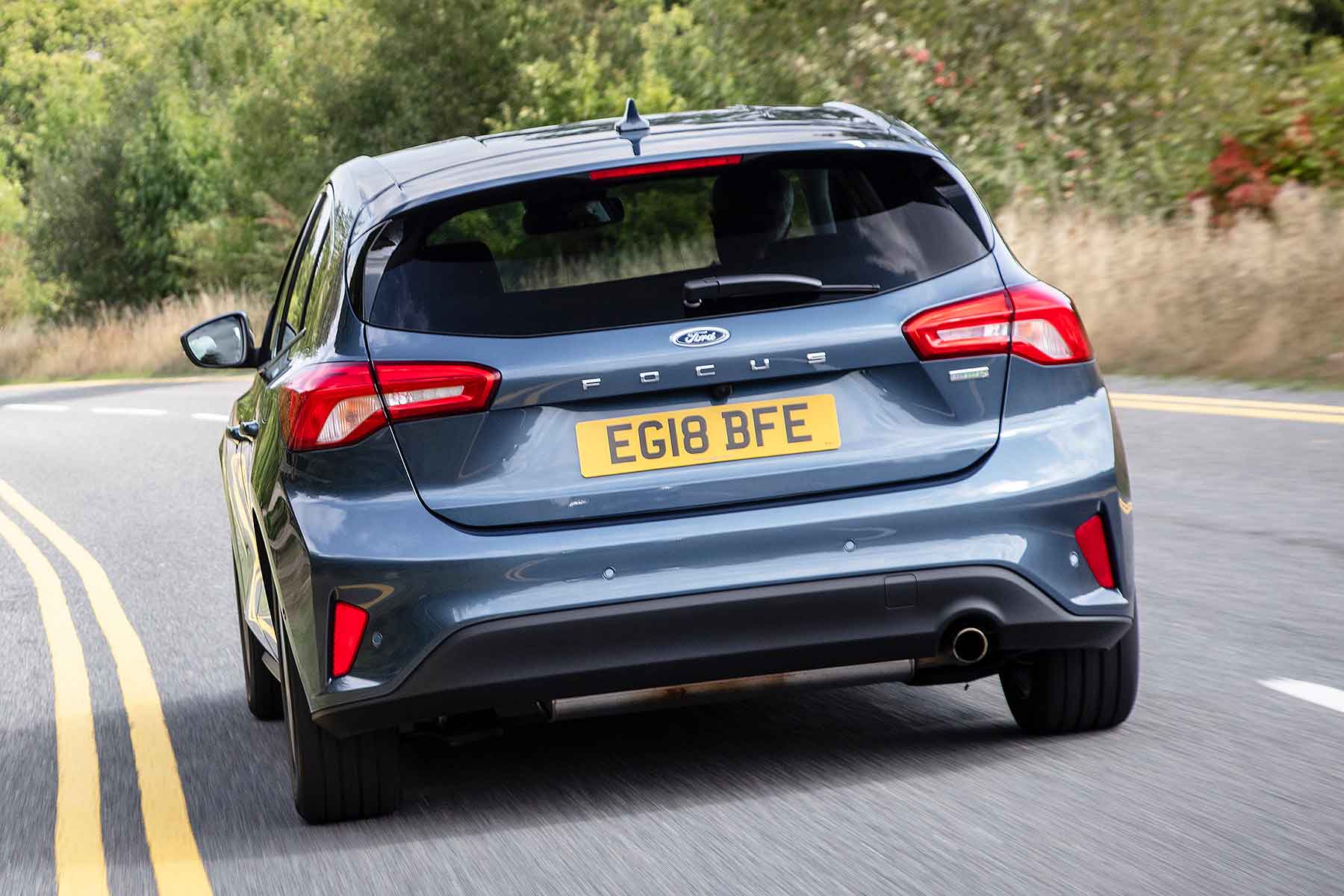
 British motorists are now more dependent on the car than ever – despite growing concerns about
  Renault remains determined to get dirty old cars off our roads, so has relaunched its scrappage scheme with better-than-ever savings of up to £5,000.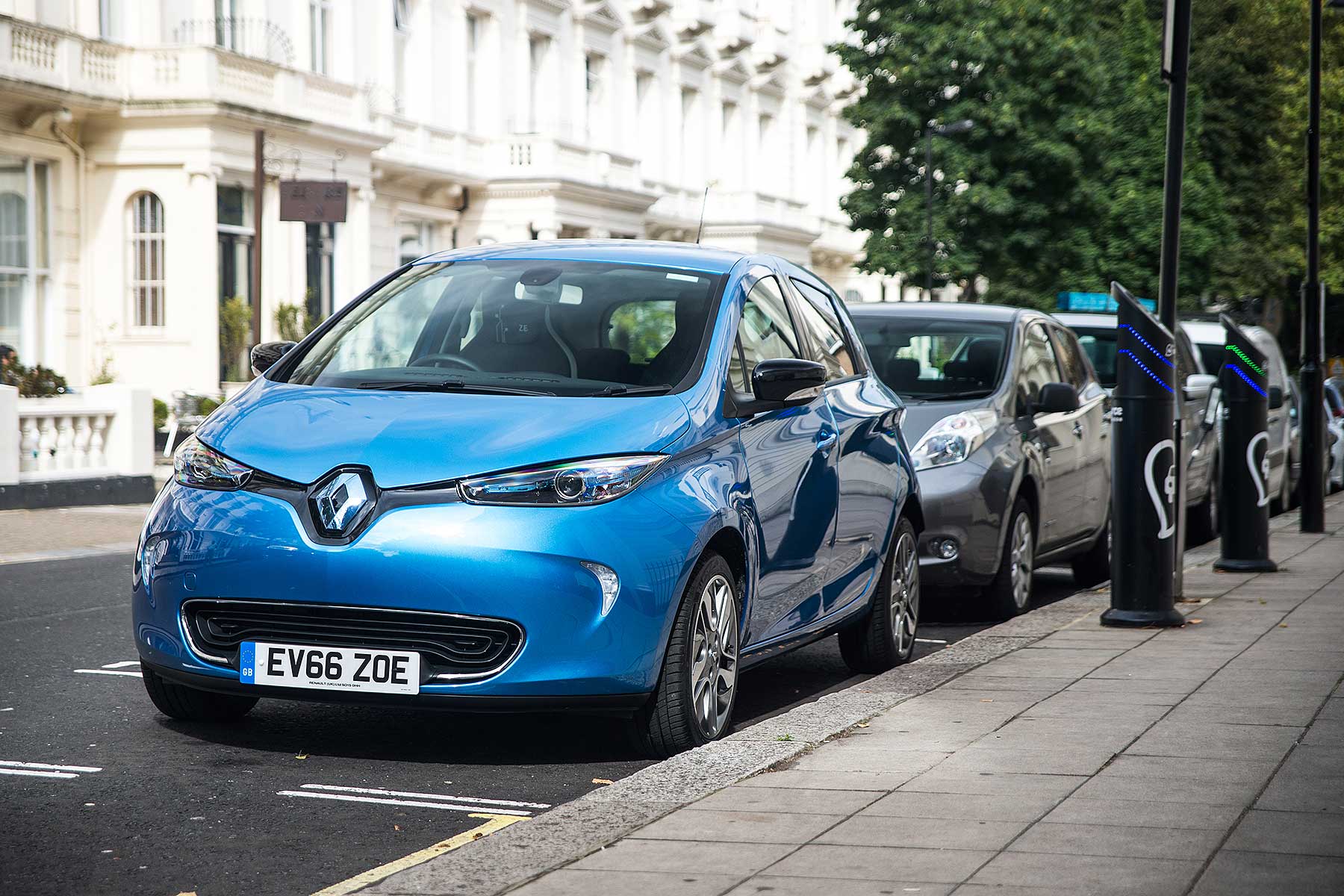
 Peugeot is aiming to cause a stir with its all-electric, fully-autonomous show car at the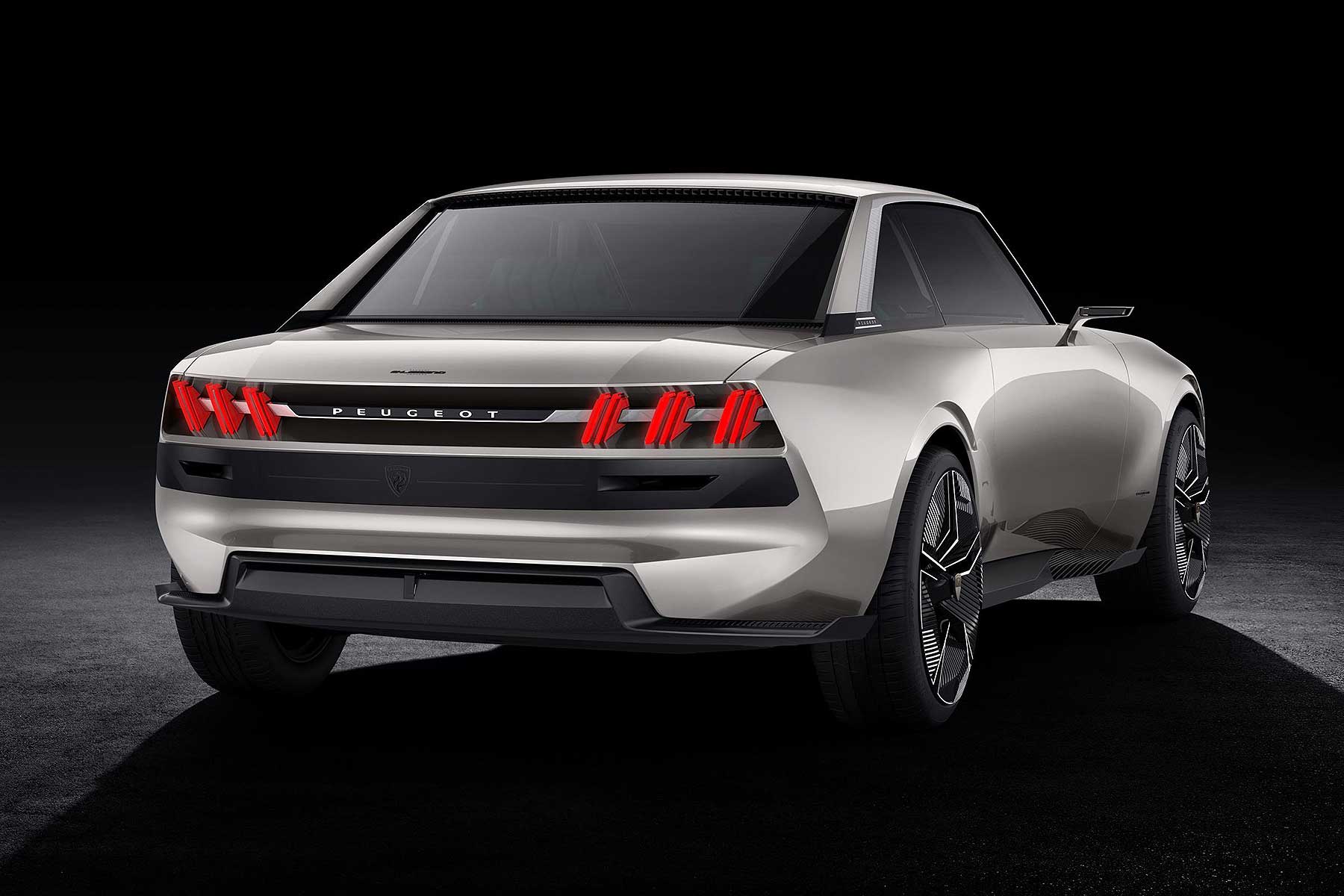
 Formula One fans have long complained that the modern hybrid engines are too quiet, but one iteration of the 1.6-litre V6 turbo is facing the opposite challenge: the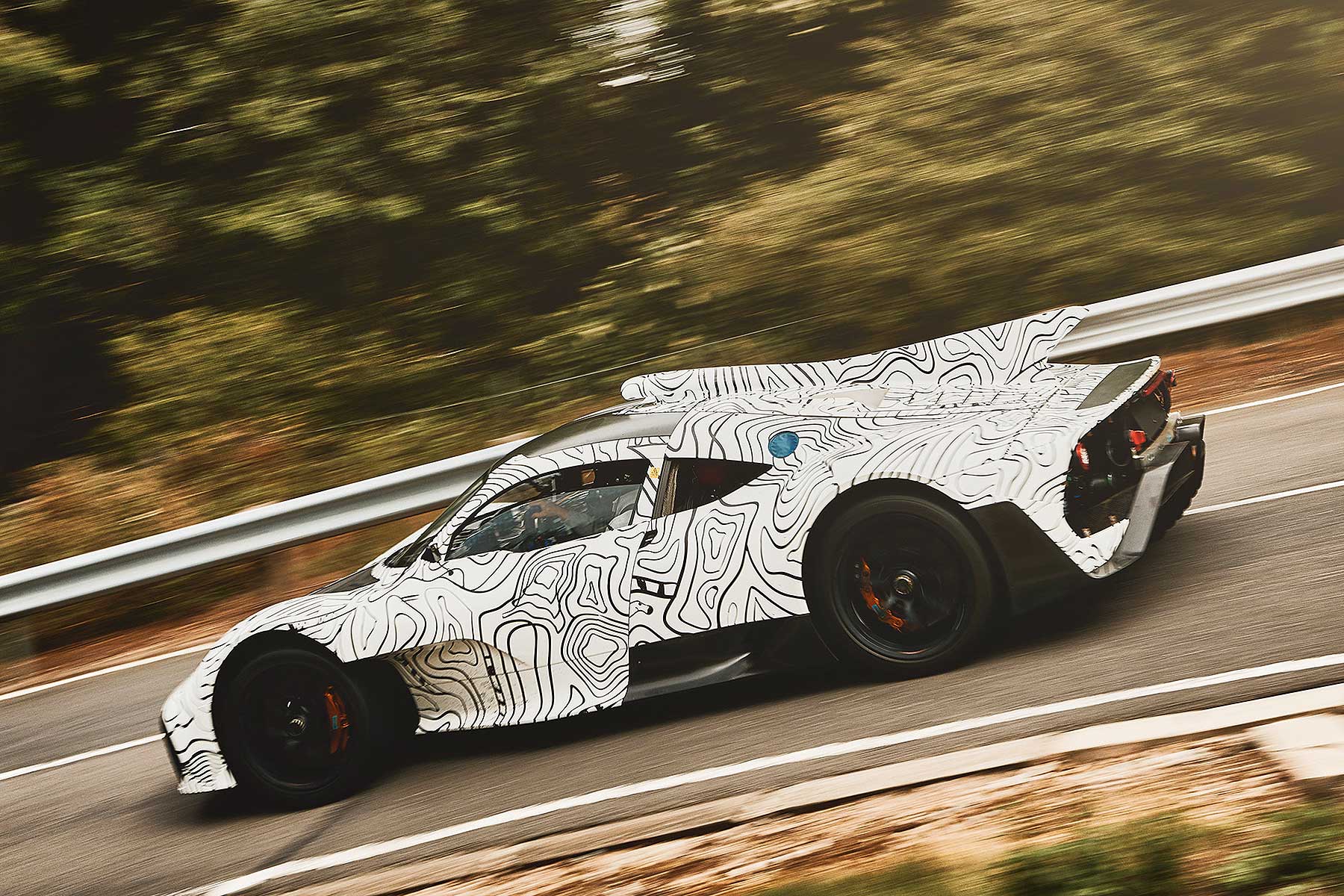
 Aston Martin has announced its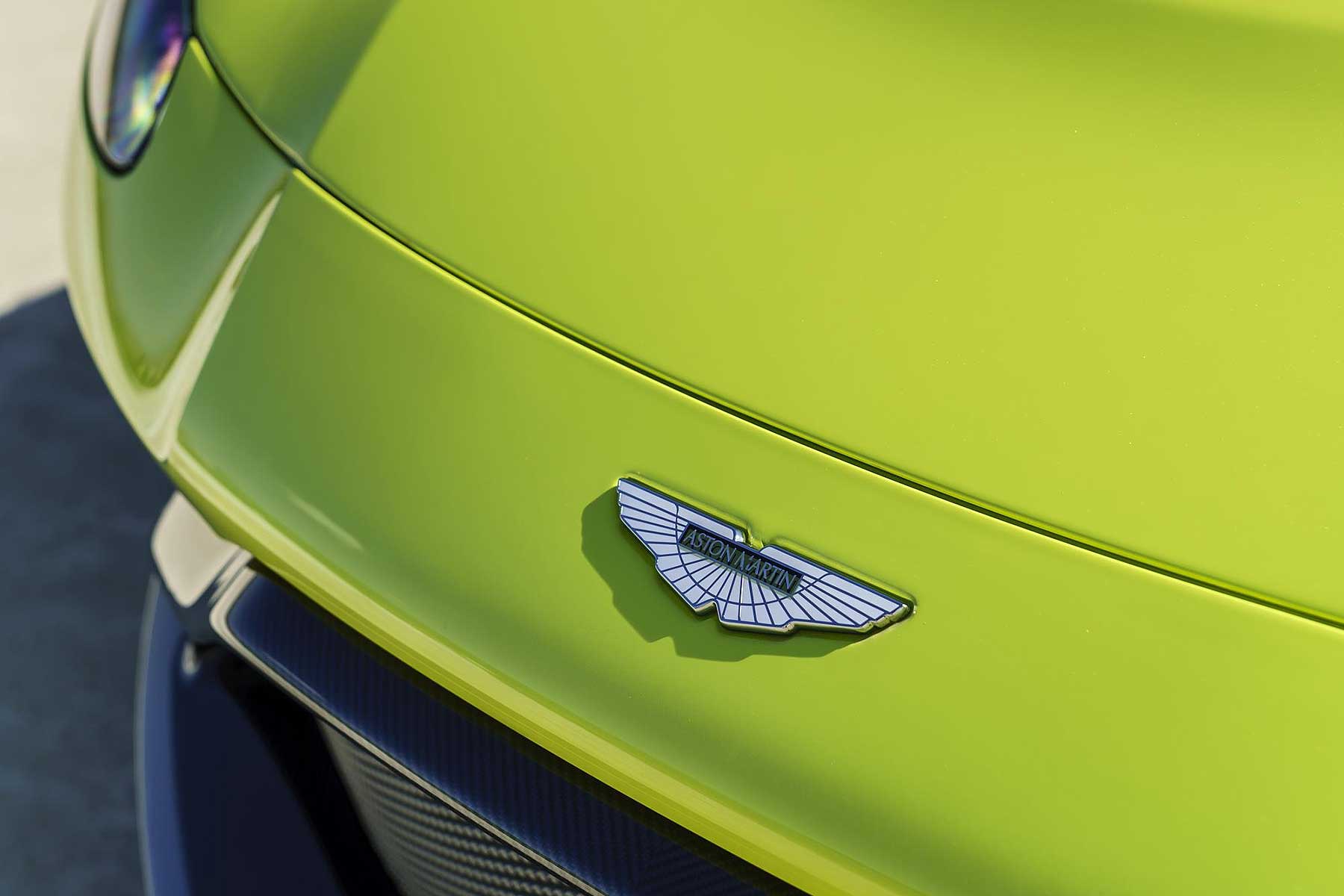

 “As a completely new vehicle, it should offer far more protection to drivers in the event of an accident.
 Luckily, other newly tested models performed better. Indeed, the latest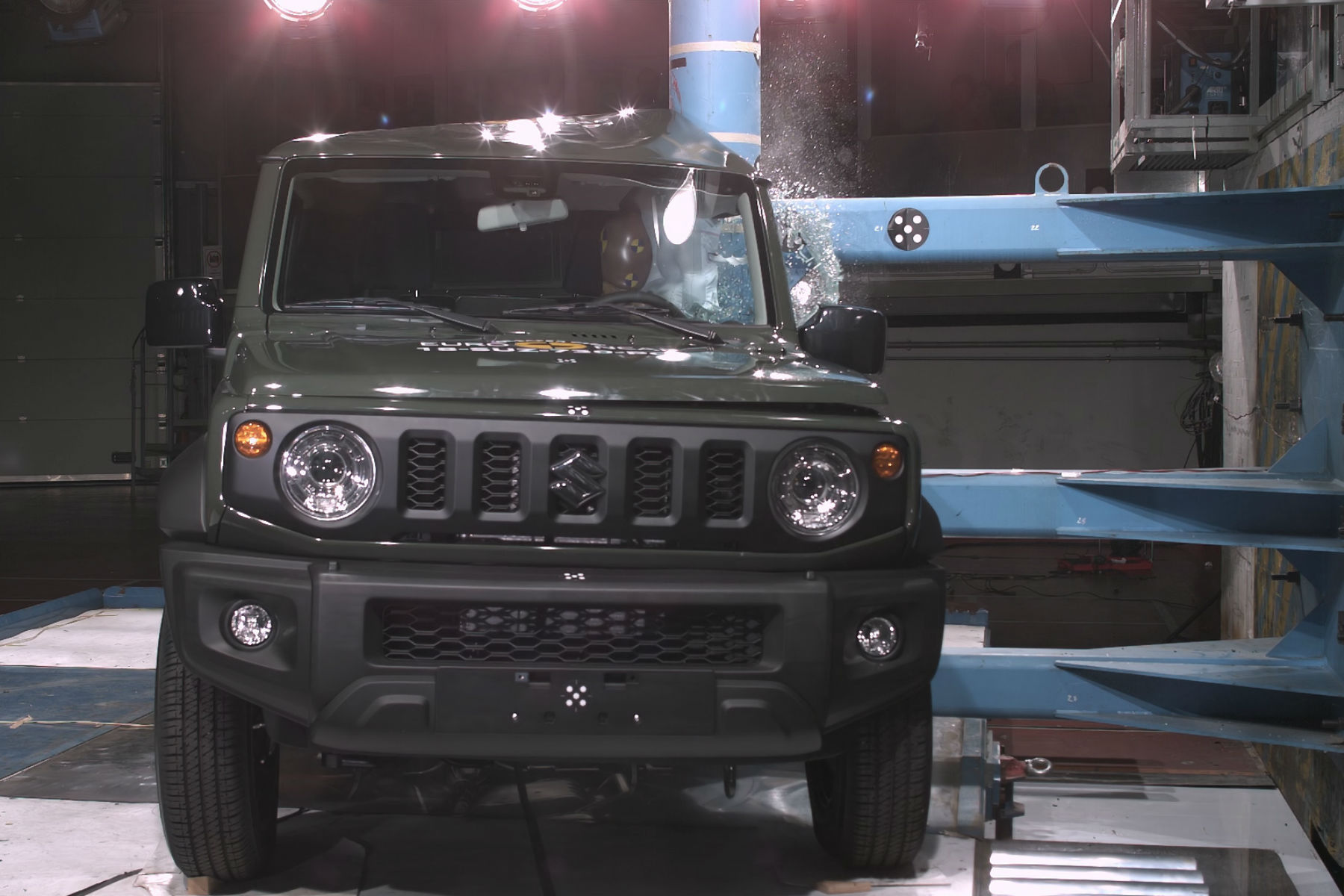
 The Society of Motor Manufacturers and Traders (SMMT) has called on negotiators to rule out a no-deal Brexit because a potential tariff bill of at least £5 billion for both Brits and Europeans would be “just the tip of the iceberg”.