Home Blog Page 453

Mercedes-AMG A 35 4Matic: a 306-horsepower ‘entry-level’ hot hatch

0

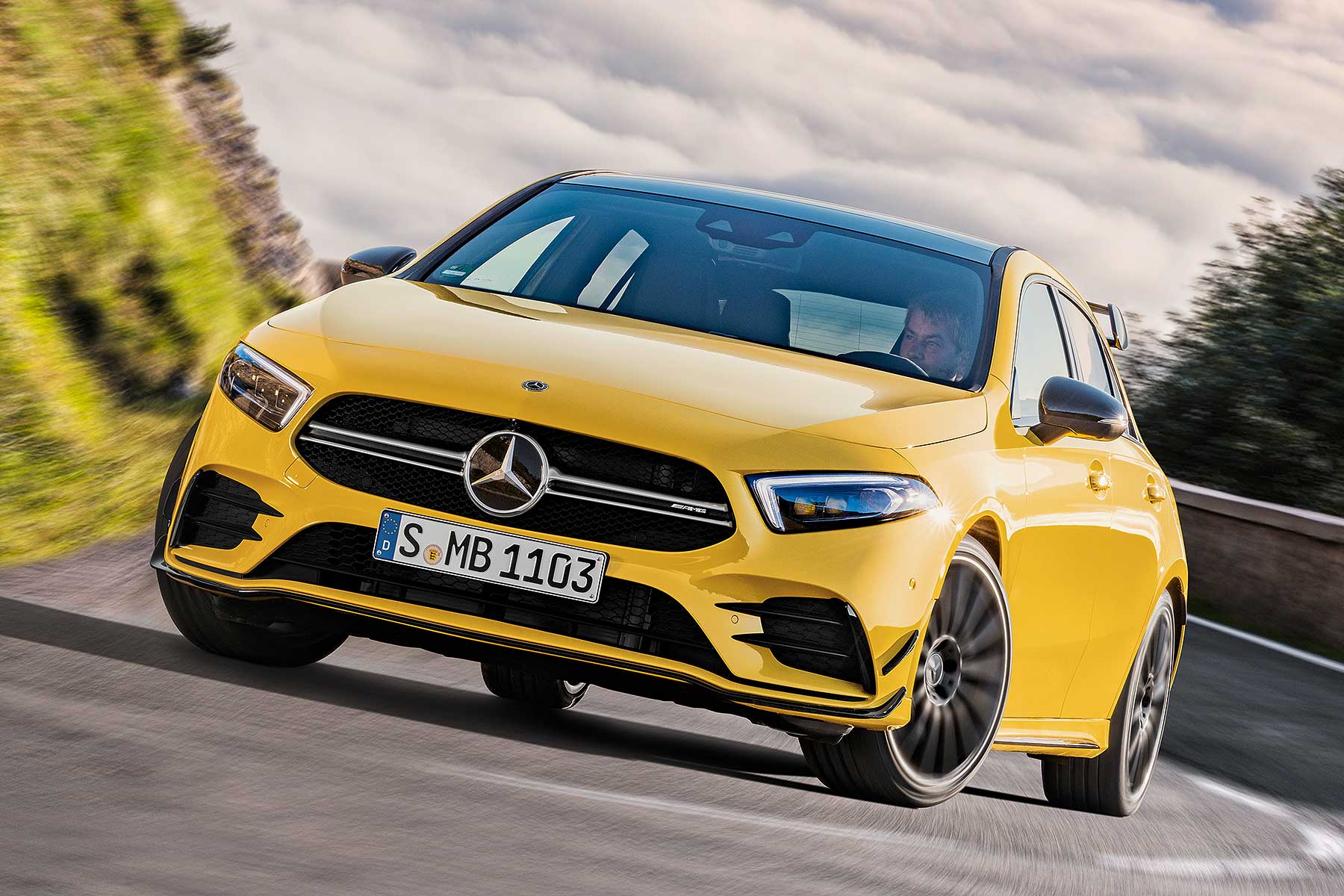
2019 Mercedes-AMG A 35 4MaticThe new Mercedes-AMG A 35 4Matic is proof they do things differently at AMG. Despite having a power output of 306 hp, and a 0-62mph acceleration time of 4.7 seconds, this new A-Class is nevertheless described as an ‘entry-level’ hot hatch.

An entry-level car that’s faster than many other brands’ range-topping hot hatches.

It’s an early sign the future new Mercedes-AMG A 45 4Matic is going to be explosive…
2019 Mercedes-AMG A 35 4Matic

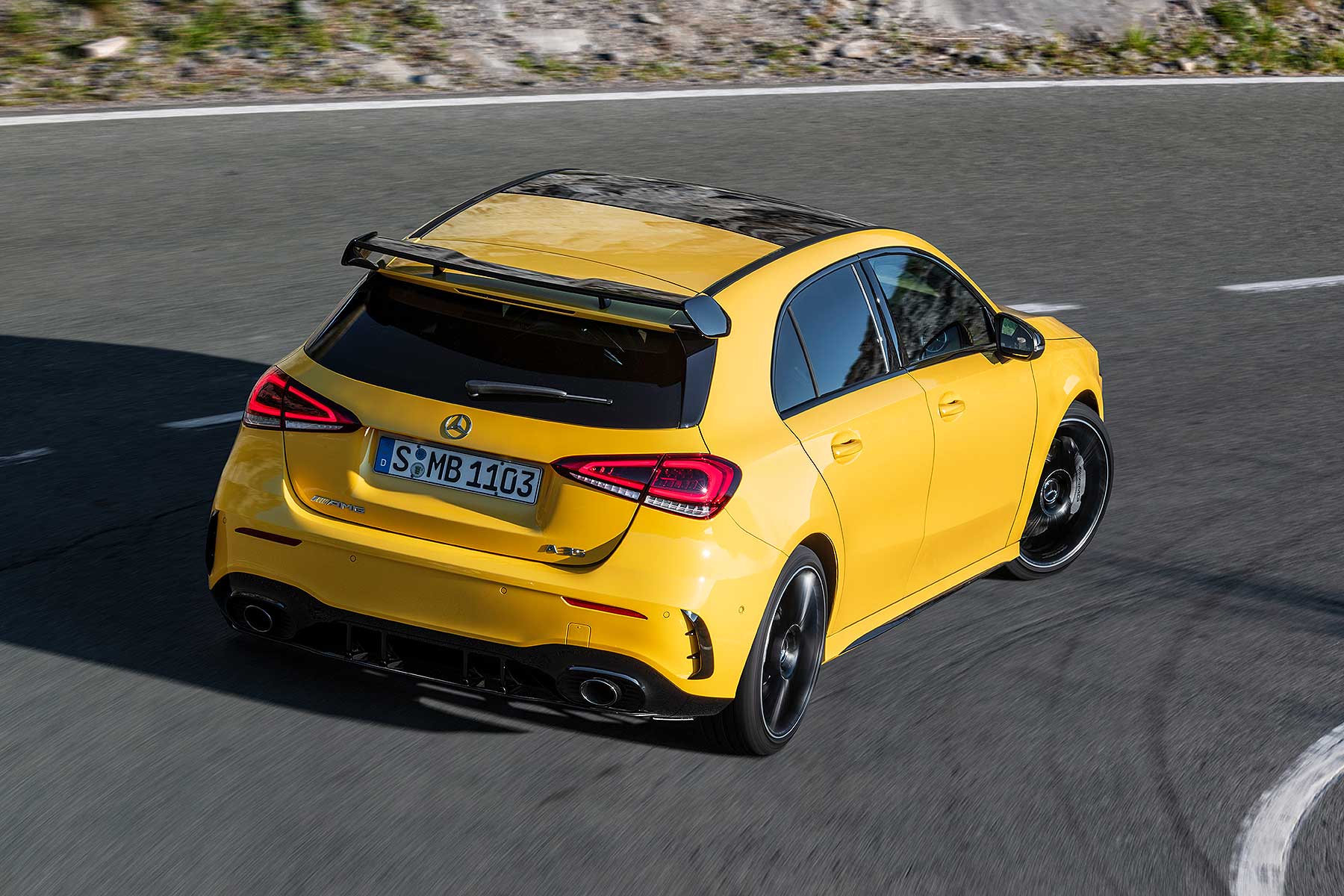
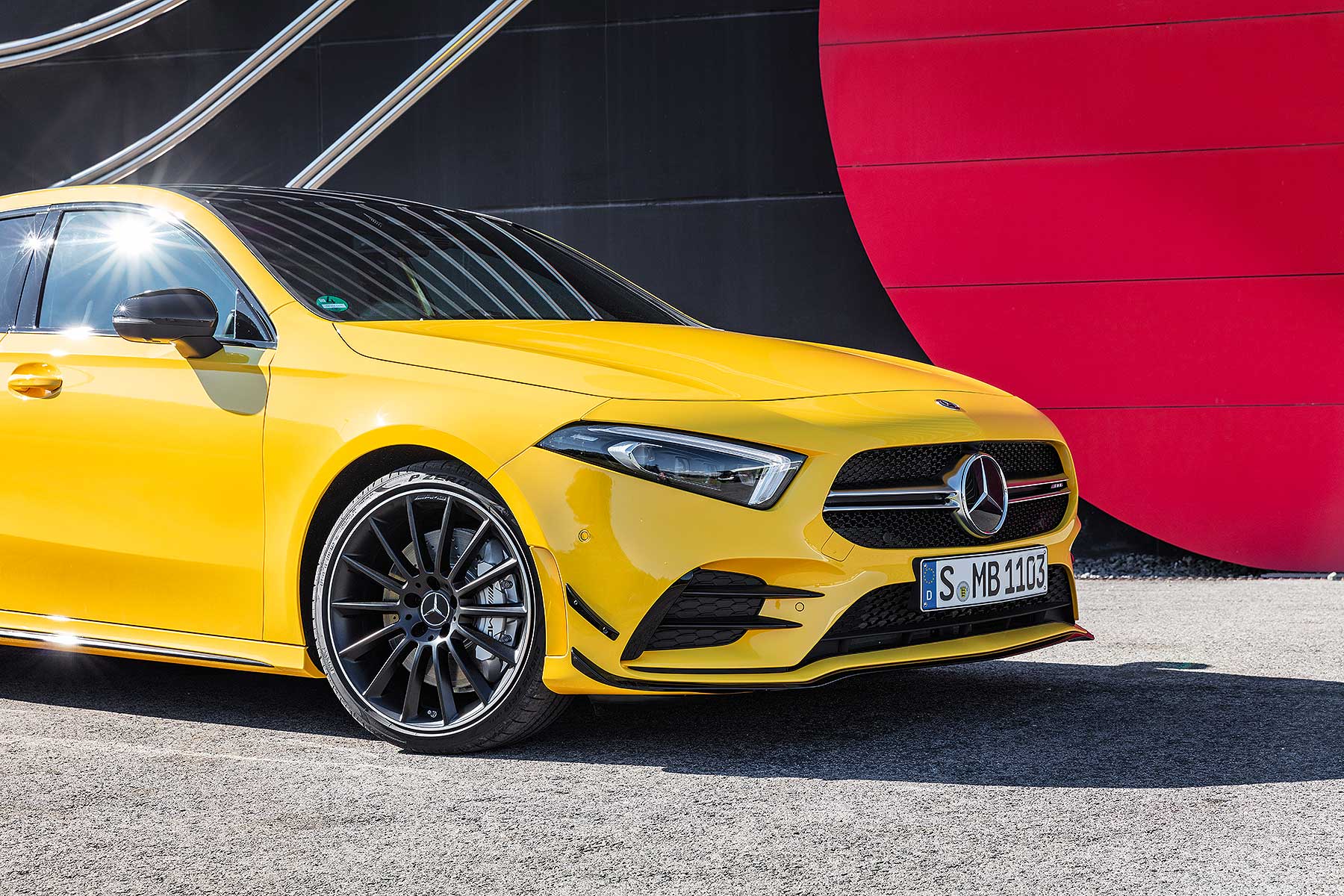
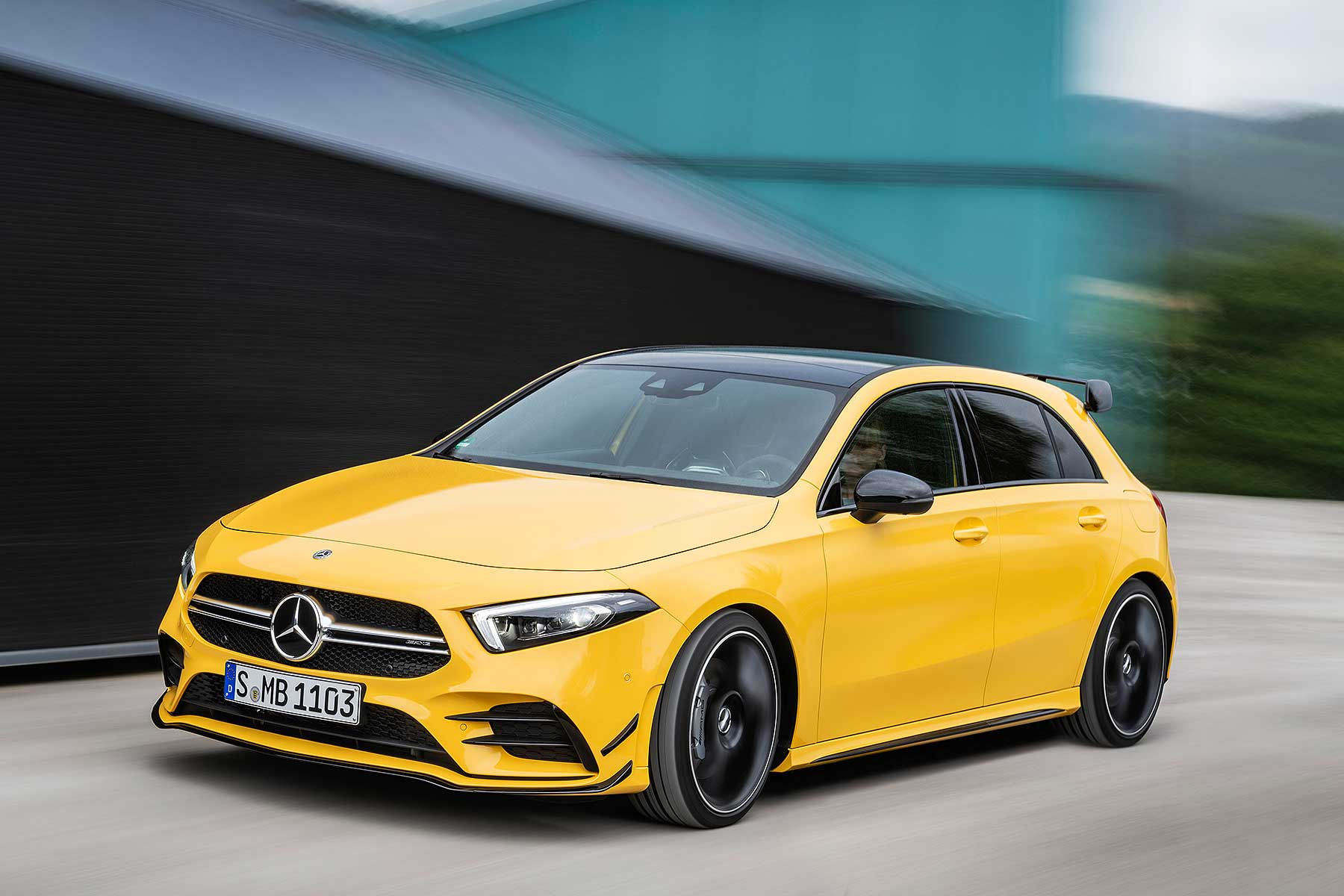
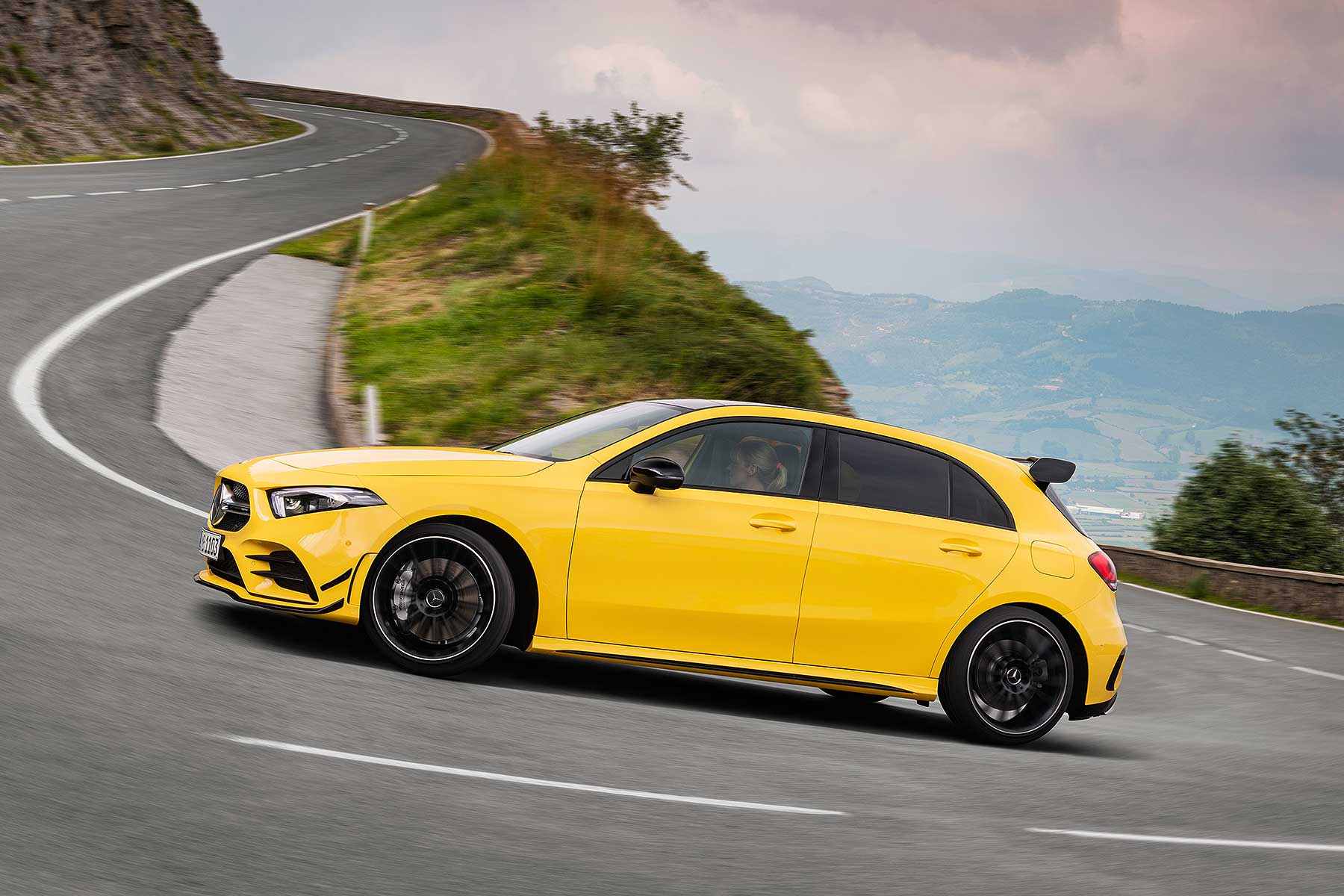
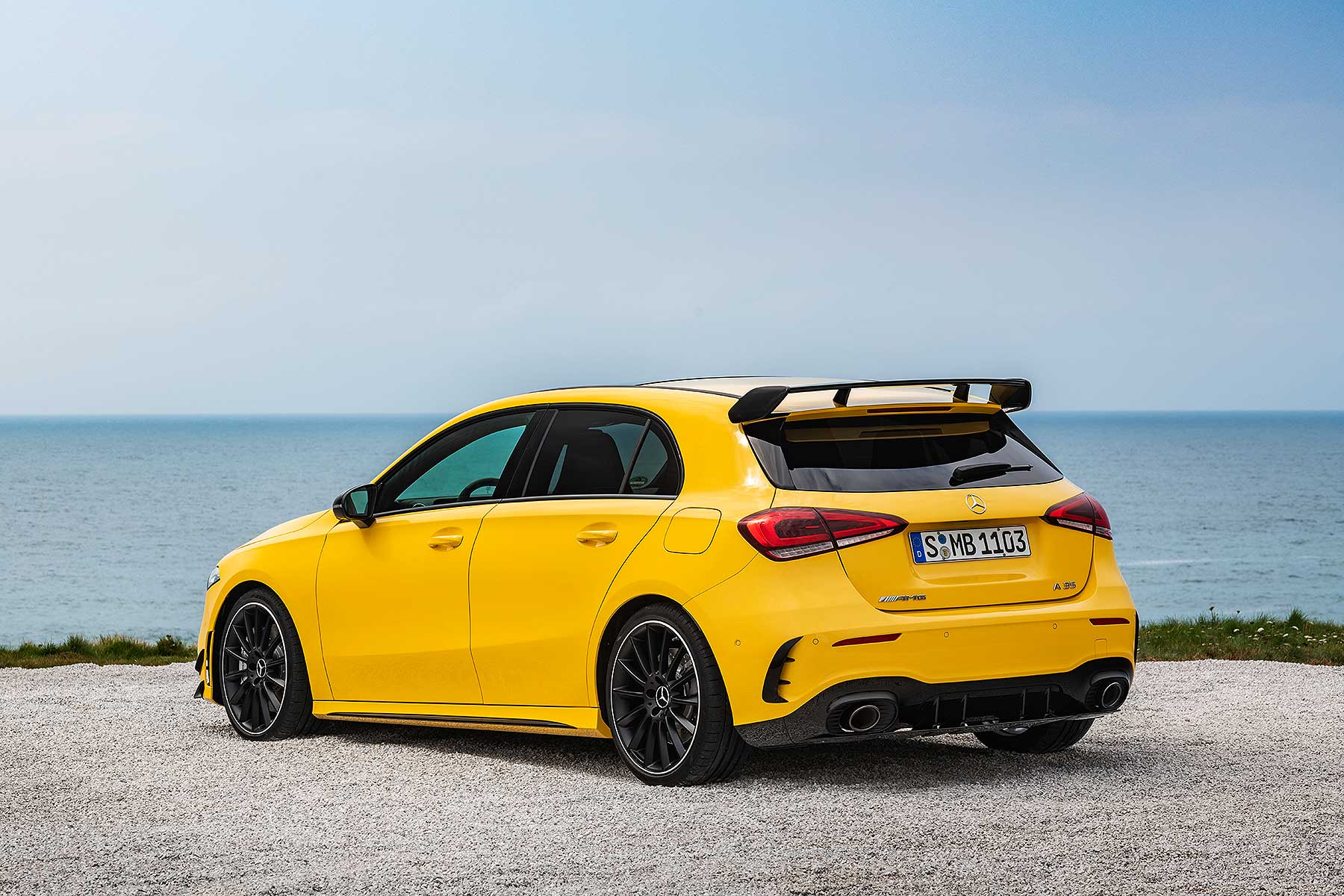
The A 35 AMG certainly looks the part. It has an AMG grille with twin louvres, F1-style aero ‘flicks’ above the front splitter, twin-spoke 18-inch alloys and a rear end packing a beefed-up apron with inset diffuser, massive roof spoiler and dual exhausts.
2019 Mercedes-AMG A 35 4Matic

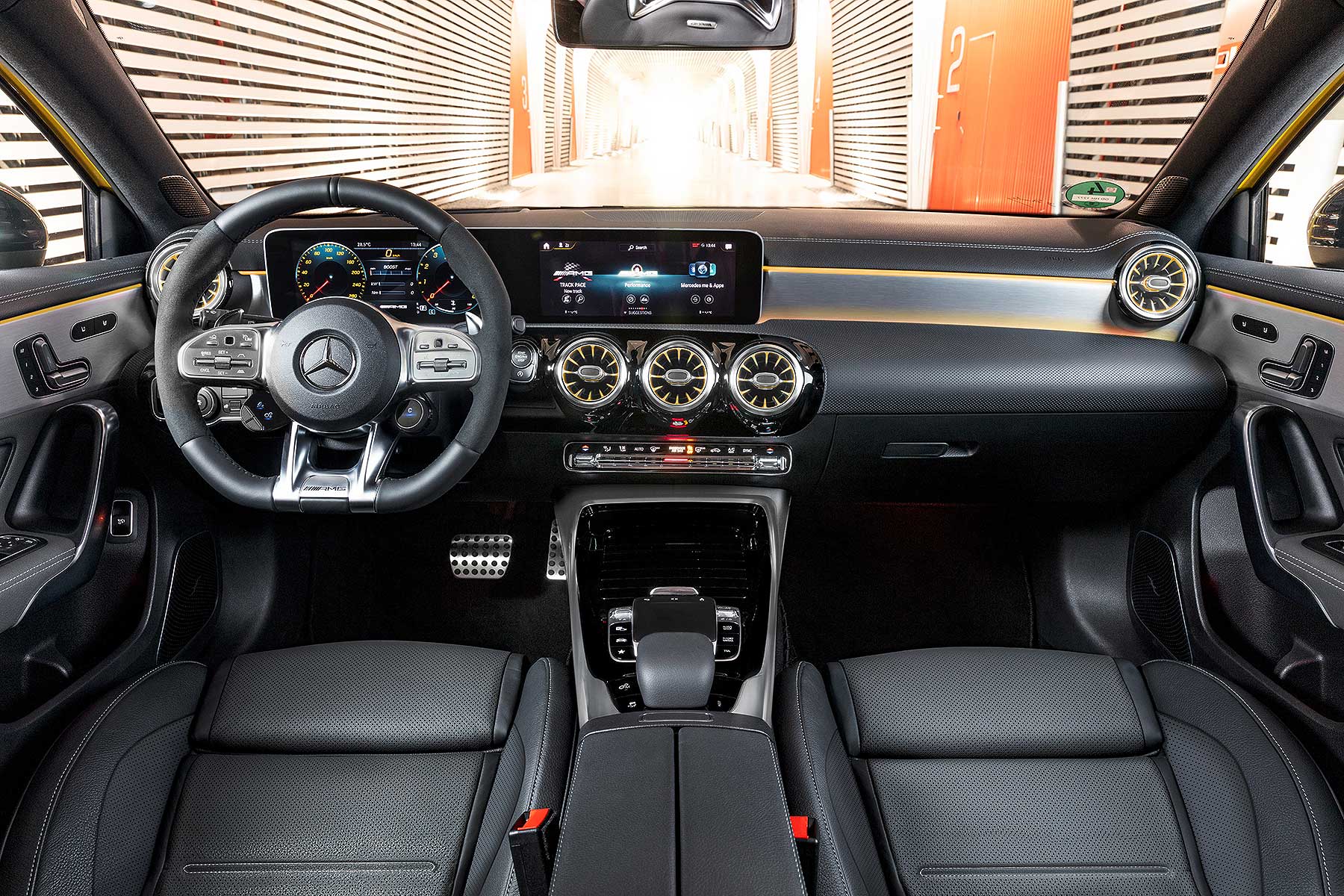
There are race bucket-look sports seats inside with deep bolsters, Dinamica microfibre seat inserts, air vents decked out with red rings and, yes, even red seatbelts.
2019 Mercedes-AMG A 35 4Matic

Mercedes-AMG has designed three bespoke AMG displays for the widescreen cockpit display – we like the sound of Supersport, with a big central rev counter and additional displays either side. They even have a 3D layout for added impact.

The MBUX touchscreen display has AMG extras too, such as the AMG Trace Pack and numbers-packed telemetry data. Owner can choose from 80 different data feeds: perfect for track days, says AMG. It will even save your 0-62mph acceleration times for analysis (and bragging rights on social media) later.

Mercedes-AMG A 35 4Matic: in detail
2019 Mercedes-AMG A 35 4Matic

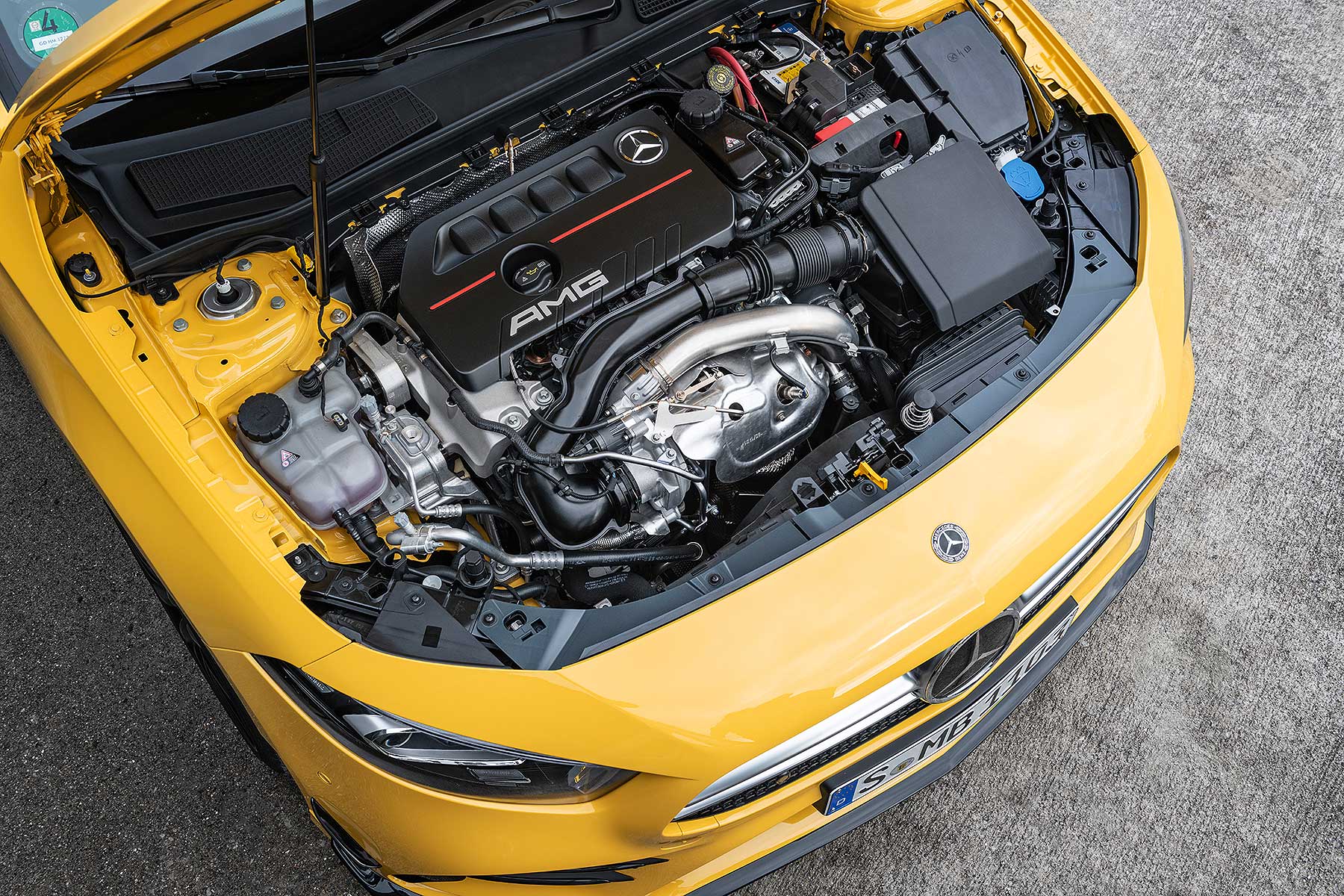
Mercedes-AMG has boosted up the new A-Class’s 2.0-litre four-cylinder engine to 306hp with a new twin-scroll turbocharger. It responds super-crisply, we’re told, and Camtronic variable valve control means it’s relatively efficient too, with economy of up to nearly 39mpg claimed.
2019 Mercedes-AMG A 35 4Matic

Of course, it has a rorty AMG exhaust, with an automatically controlled flap to turn it from relatively legal into loud and raucous at the press of a button.

The engine is paired with an AMG Speedshift DCT 7G gearbox, which inevitably has a race start function, maximising the traction of the AMG Performance 4Matic all-wheel drive system for hassle-free traffic light domination of Golf GTIs and Honda Civic Type Rs.
2019 Mercedes-AMG A 35 4Matic

Adaptive damping is also standard, with three different modes; this enables AMG to offer five different AMG Dynamic Select drive profiles, from relatively comfortable to rock-hard and racy. There are lots of AMG-specific suspension components too, such as a beefed-up front knuckle and bespoke geometry.

Big brakes are standard: four-piston, silver-painted monoblock front calipers grab 350mm front discs. They’re actually the same size brakes as the old A 45 4Matic.

Mercedes-AMG has not just bolted new bits onto the A 35 4Matic, either. It’s actually strengthened the entire bodyshell, with modifications to the front-end improving precision and turn-in, and a ‘shear panel’ in the engine bay upping stiffness. There are two more new diagonal braces on the underside, too.
2019 Mercedes-AMG A 35 4Matic

“With the introduction of the A 45 in 2012, we presented a real benchmark in the compact segment,” said Mercedes-AMG CEO Tobias Moers.

“The demand for our compact models has developed very dynamically in recent years. This success has encouraged us to further expand our portfolio and place it on a broader footing.

“With the new A 35, we are fulfilling our brand promise of driving performance in every detail and offering thrilling lateral dynamics at the level of today’s A 45.”
2019 Mercedes-AMG A 35 4Matic

And tomorrow’s A 45? It’s coming, adds the firm. This A 35 is a warm up for that car: it’s been developed at the same time as its forthcoming bigger brother and carries all the AMG DNA that model will possess.

Plus, presumably, a suitable power hike even over this. Question is, how much beyond the 400hp mark will it go…

Advertisement

Aston Martin DBZ Centenary Collection: the £6 million ‘old and new’ duo

0

Aston Martin DB4 GT Zagato ContinuationAston Martin has announed the surprise new £6 million DBZ Centenary collection. No, not a single mega-bucks Zagato Aston Martin monster. Rather two stunning examples from both ends of this exclusive and long-running collaboration: a retro reborn Aston Martin DB4 GT Zagato, and a brand new Aston Martin DBS GT Zagato.
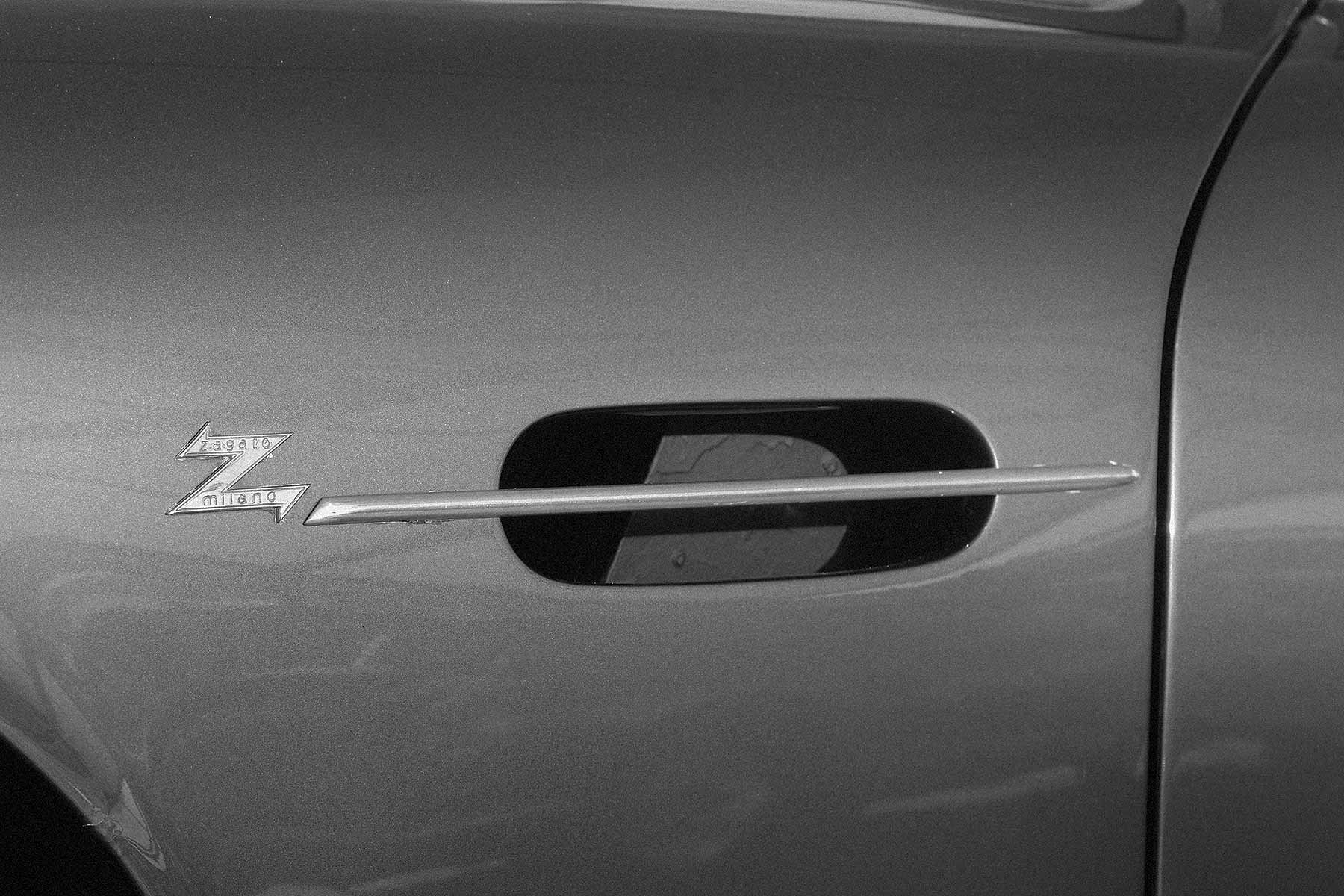
Yes, this is an ‘old and new’ collection that only comes as a pair – a suitably lavish celebration of the legendary Italian design house in 2019.

Depending on how highly you value the reborn DB4 GT Zagato, you could even call it a ‘buy one, get one free’ offer…

Aston Martin DB4 GT Zagato Continuation

Aston Martin describes the DBZ Centenary Collection as “a unique project that pays tribute to an icon of the paste and creates a classic of the future”. There will be just 19 pairs sold, to commemorate the founding of the design house by Ugo Zagato in 1919.

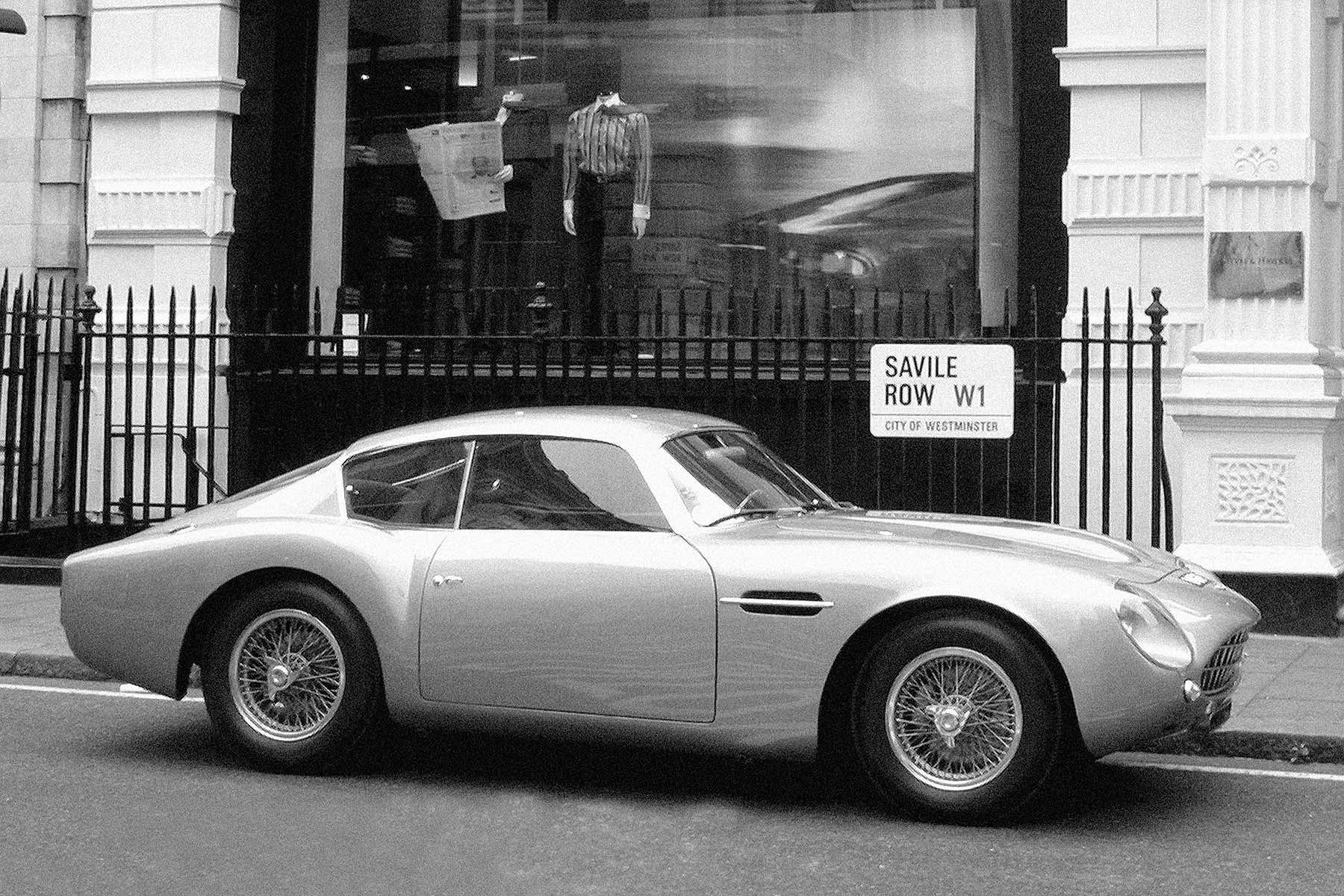
Quite the pair they are, too. In short, the DB4 is the latest in a rapidly growing cohort of continuation specials – coach-built beauties revived in the modern era. The DB4 GT Zagato is arguably the most significant Aston Martin of all time and is, of course, the lynchpin of this long-standing partnership.

The DBS GT Zagato is the new boy. This latest chapter in the story of the Aston and Zagato collaboration is based, as you’ve probably already guessed, on the new DBS Superleggera. Let’s break them both down in more detail, starting with the new DBS.

Aston Martin DBS GT Zagato

Aston Martin DBS GT Zagato Continuation

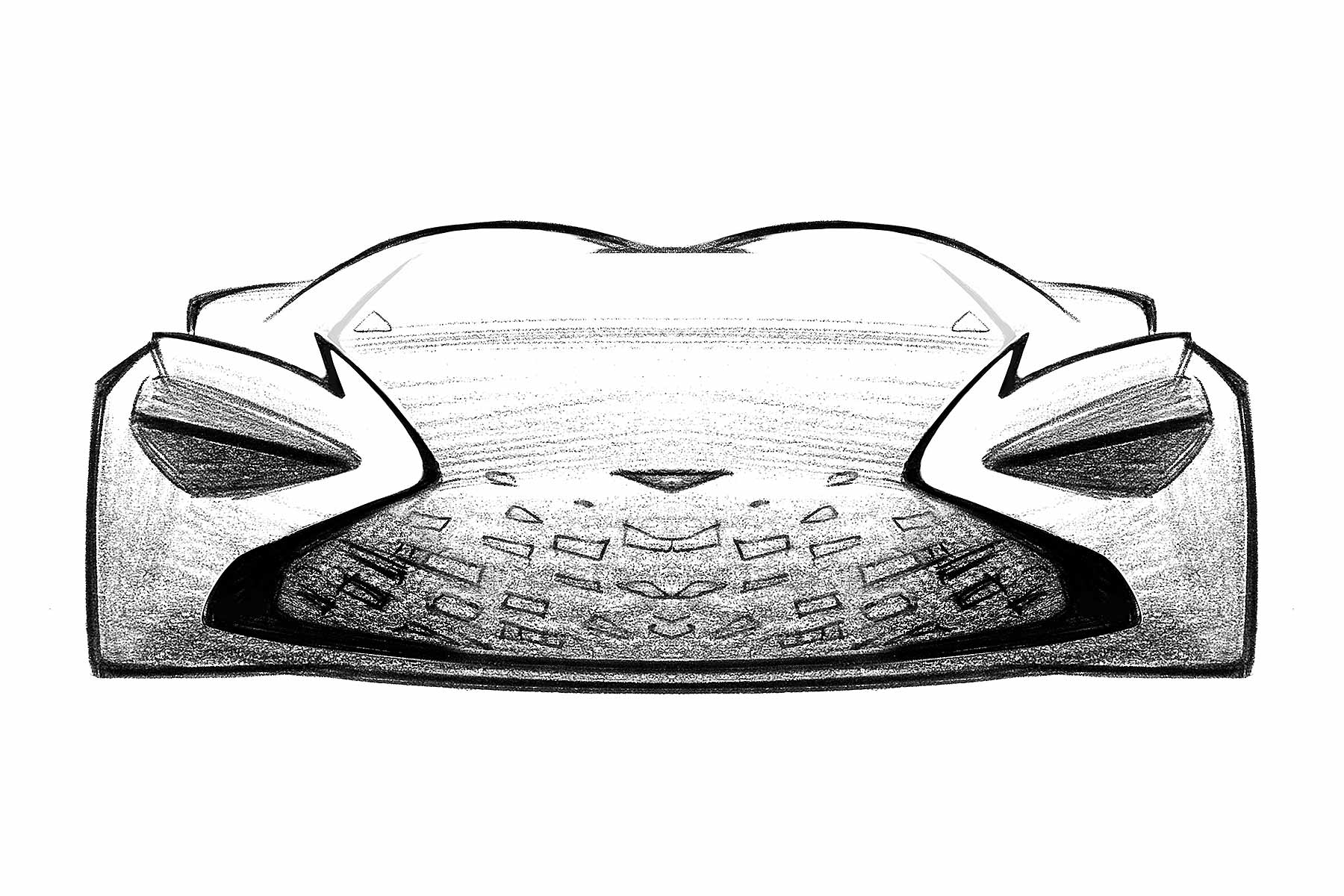
This as-yet-unseen car is to be the rarest of all the modern-era Aston Martins. Yes, Valkyrie hypercar included. It will feature all of the definitive hallmarks of a Zagato-bodied Aston: a distinctive grille, double-bubble roof, truncated rear end design and delectable interior appointments.

The 700hp twin-turbo V12 and eight-speed transmission will remain, ensuring the Zagato of today is no shrinking violet..

Interestingly, this is the first of the new-era Astons to get the Zagato treatment, so we should expect the DBS to be a taste of where Zagato goes with its Aston work going forward.

Indeed, it was “created to embody the next evolution in Aston Martin Zagato design language”. Certainly, the teaser sketch above suggests something pretty radical.

Aston Martin DB4 GT Zagato Continuation

Aston Martin DB4 GT Zagato Continuation

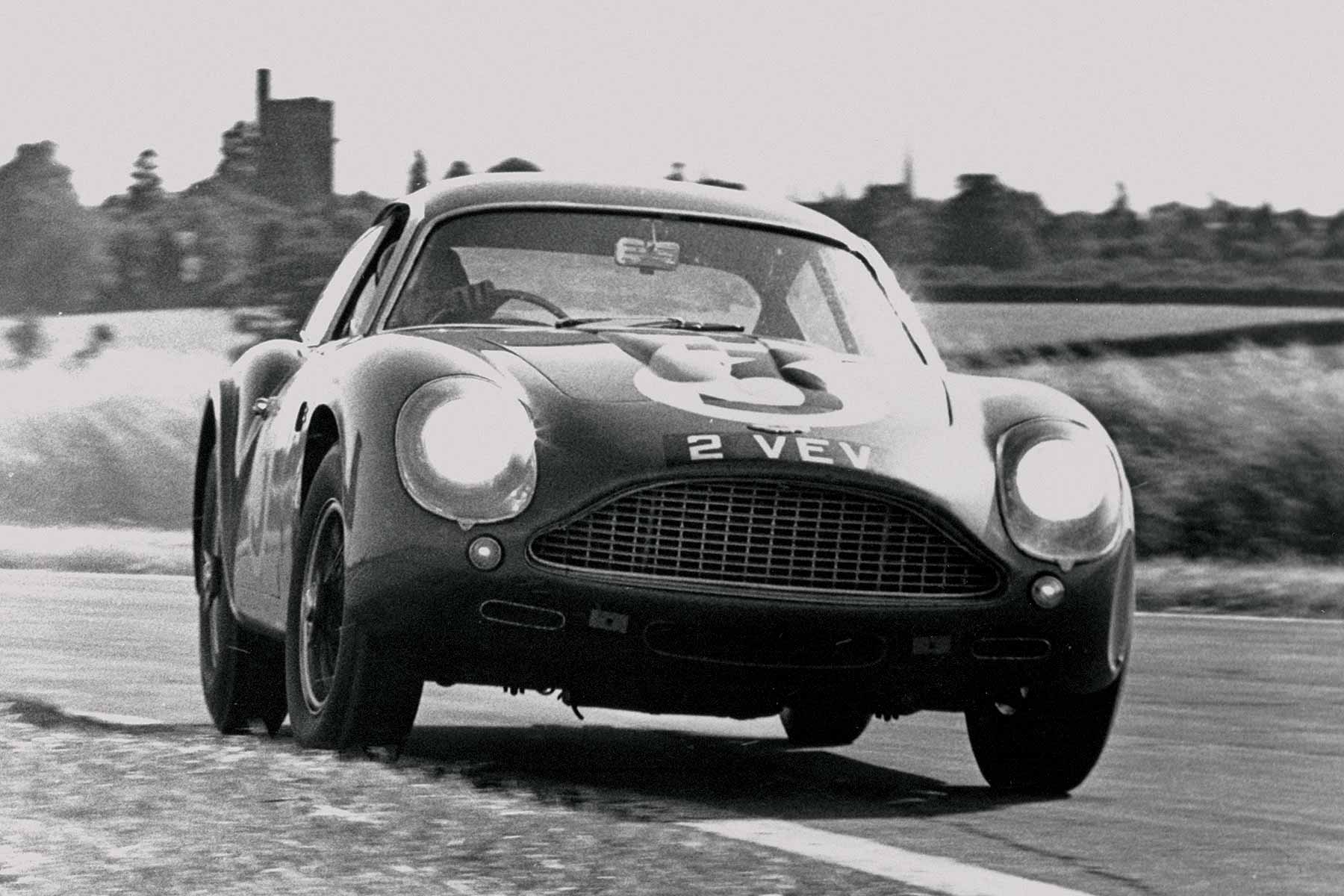
The DB4 GT Zagato is a continuation of the original legend – a car that raced at the hands of stars like Jim Clark. The originals are now some of the most valuable Aston Martins in existence thanks in part to their star power, their historical providence (both racing and otherwise) and of course, being Zagatos, their rarity.

Aston Martin DB4 GT Zagato Continuation

Aston arguably kicked off the continuation trend three decades ago, with the sanction II cars of 1988 and the sanction III cars of 2000. Chances to own any of these cars, let alone an original, are few and far between.

When originals do come up, they’re twice the cost of this Centenary Collection. See: another reason it’s a bargain.

Aston Martin DB4 GT Zagato Continuation

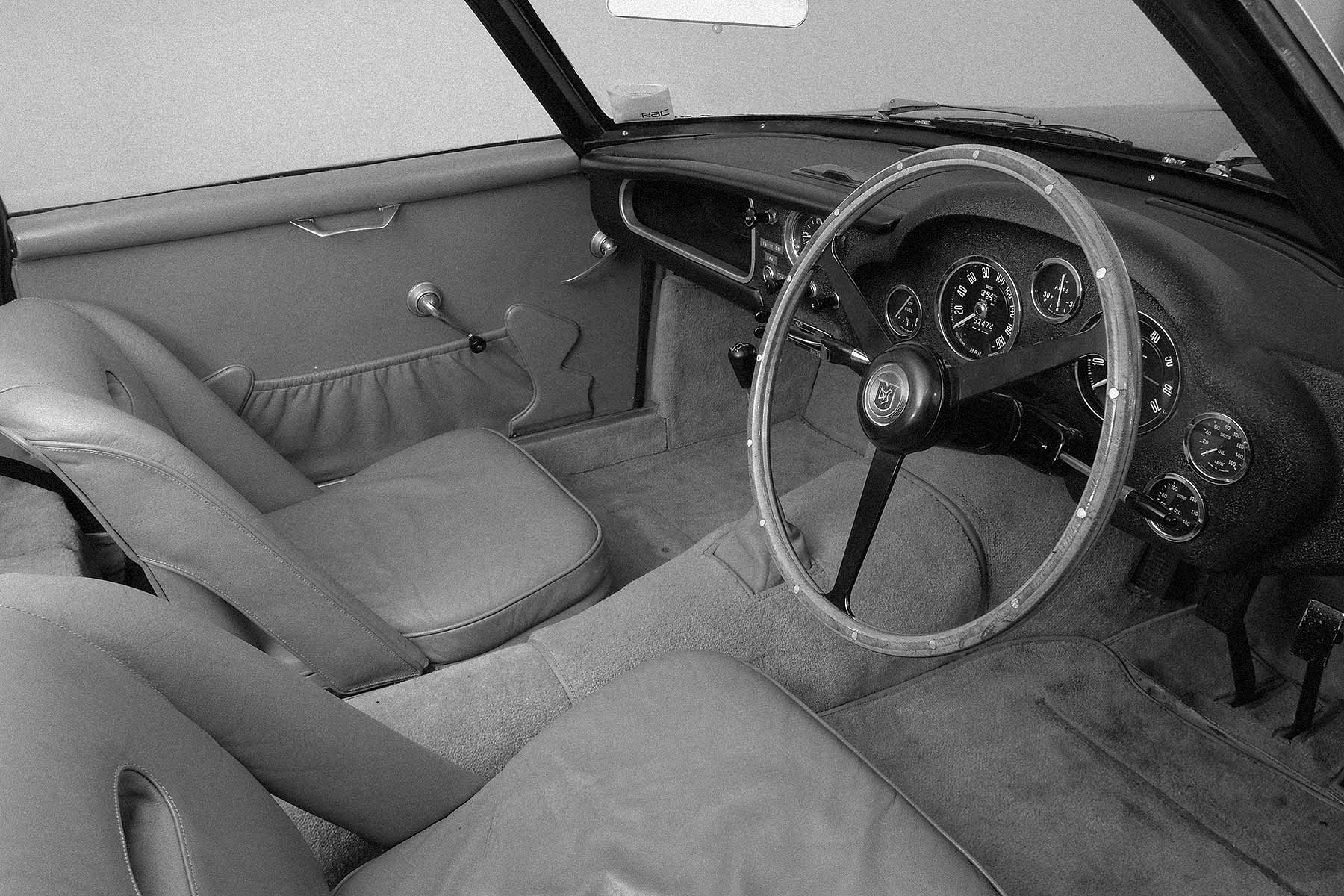
As with any of these recreations, it’s to be utterly authentic to the originals in design and execution – tubular frame under alloy panels and all. We wonder whether that will be the case to the old “no two are exactly alike” extent…

The new DB4 GT Zagato car is yours – along with the DBS GT Zagato – for £6 million, though we suspect all 19 pairs have been sold for some time.

One of the very few things these cars won’t do two-by-two, however, is arrive. While the DB4 will be in customer’s hands as early as Q4 2019, the DBS will arrive at least a year later…

Advertisement

Williams-developed Dendrobium D-1 electric hypercar inches closer to reality

0

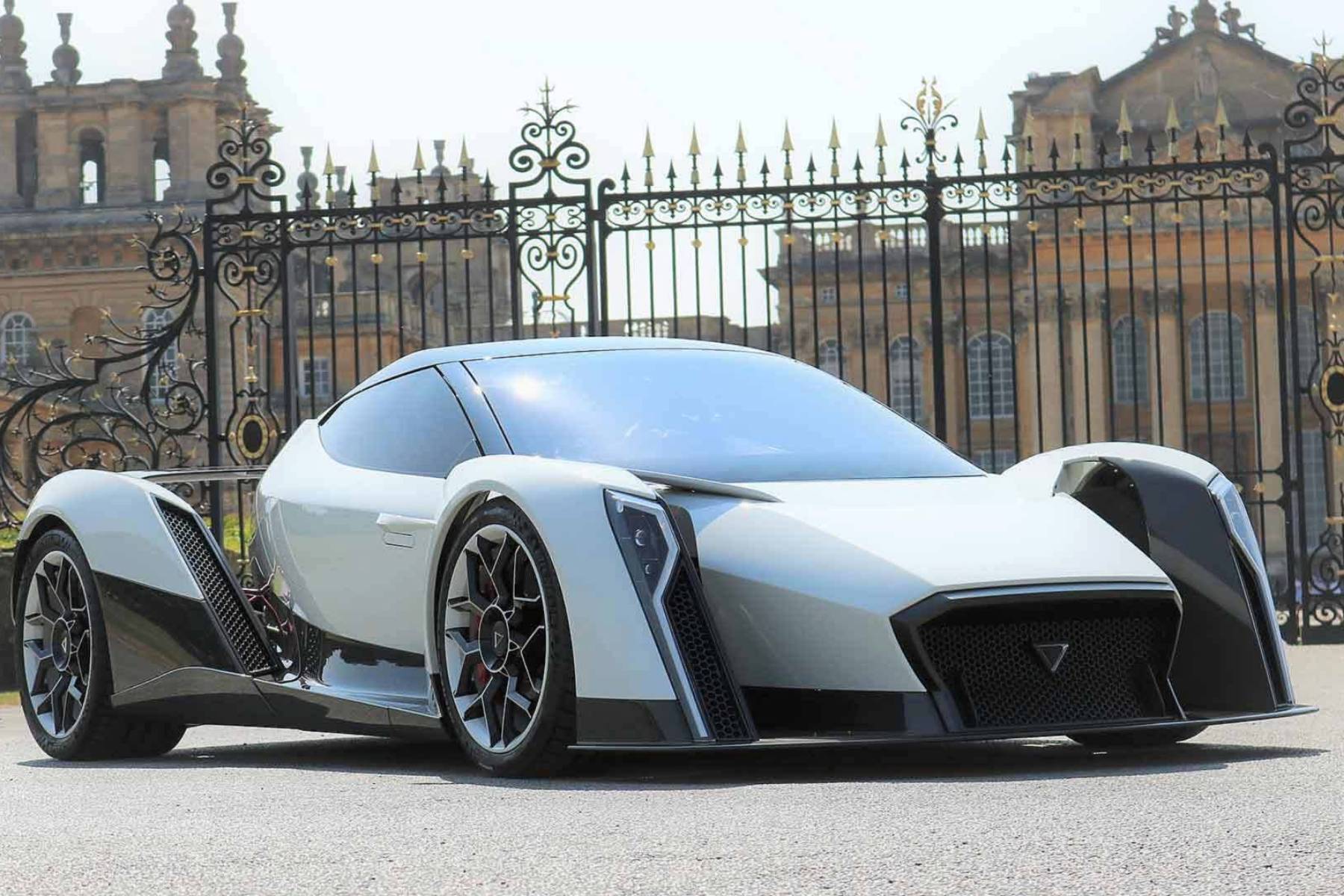
DendrobiumThe Dendrobium D-1 was revealed last year as a futuristic-looking zero-emissions hypercar. Now, we have an update on what’s under the skin, and the partners working on the project.

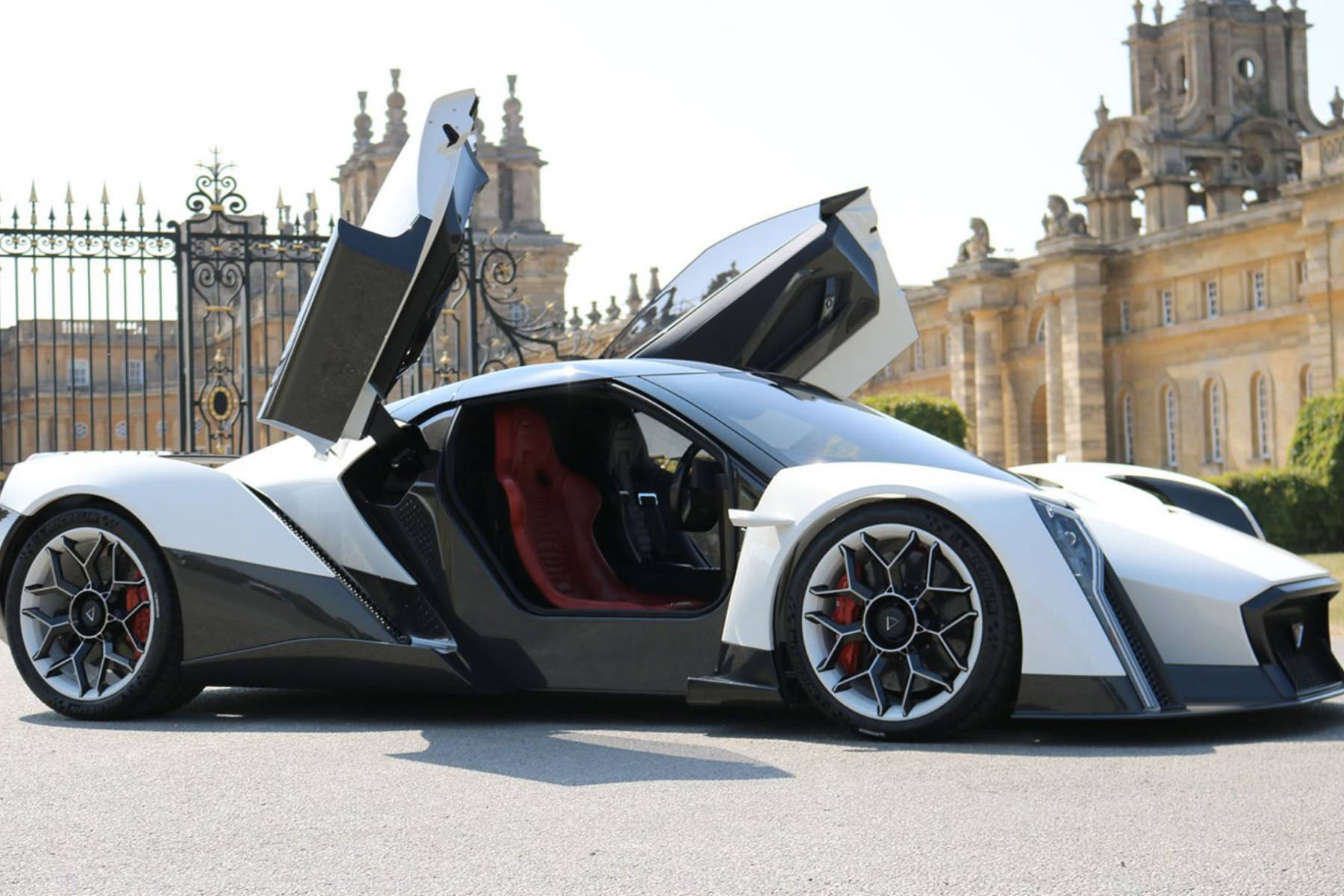
Strong support from Williams Advanced Engineering doesn’t stop many from crying “vapourware”. Unfortunately, that’s the inevitable assumption when we’re presented with most snazzy-looking concepts that light up and do little more. However, the fact we can now see inside the D-1 is encouraging. The interior looks attractive and there’s no denying the coolness of those doors. 

Dendrobium is partnering up with what could be big players in the future of EV battery development and production. The fledgling Dendrobium Automotive Limited has entered a four-way agreement with Magnis Resources, Charge CCCV (C4V) LLC and Dendrobium Advanced Technologies. C4V and Magnis will assist in the production of future high-performance and solid-state batteries.

As for the car? Odd numbers are beginning to come in, including 1,750kg weight and 1,800hp power targets. The platform, dubbed the Protocell carbon tub, has allegedly been engineered to underpin multiple models.

A star at Salon Privé

Dendrobium

The car enjoyed some limelight at the recent Salon Privé event at Blenheim Palace, though it was arguably somewhat overshadowed by the debut of the Lamborghini Aventador SVJ.

As an exercise in design, the D-1 remains impressive, but as is the case with any new supercar, the proof will be in the performance, production and sales.

I can honestly say that Dendrobium Automotive is one of the most exciting and future-focused businesses I’ve ever been involved with,” said Chairman and CEO of Dendrobium Automotive, Nigel Gordon-Stewart.

You can be assured that the Dendrobium brand will become synonymous with the most exciting and technically sophisticated e-hypercars on the market and available globally.”

We’re cautiously optimistic that the D-1 might just join the ranks of the fully-realised new-age EV supercars, along with the Pininfarina PF1, Rimac, Tesla Roadster, NIO EP9 and more. 

Read more:

Advertisement

Kia e-Niro electric crossover confirmed with 301-mile range

0

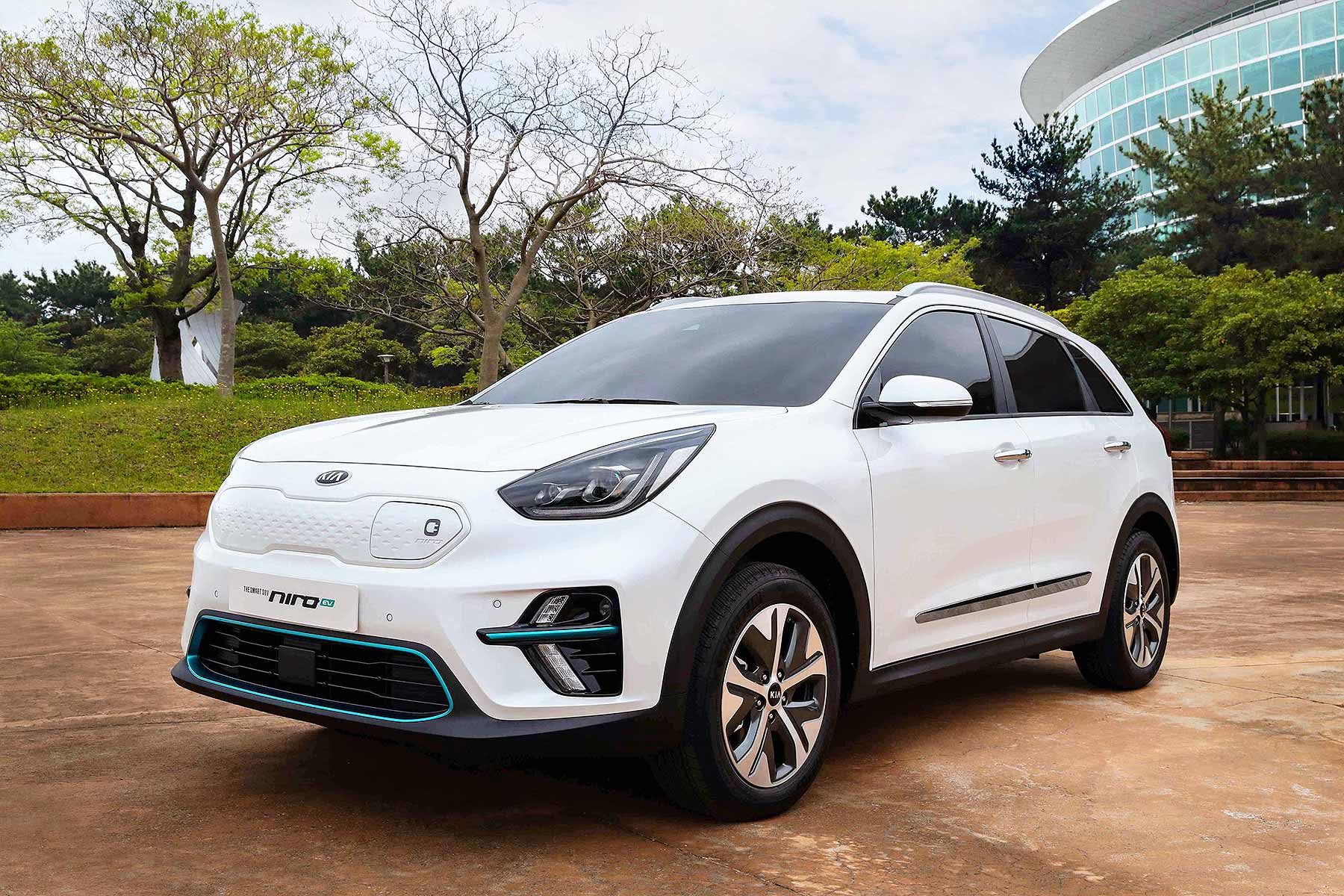
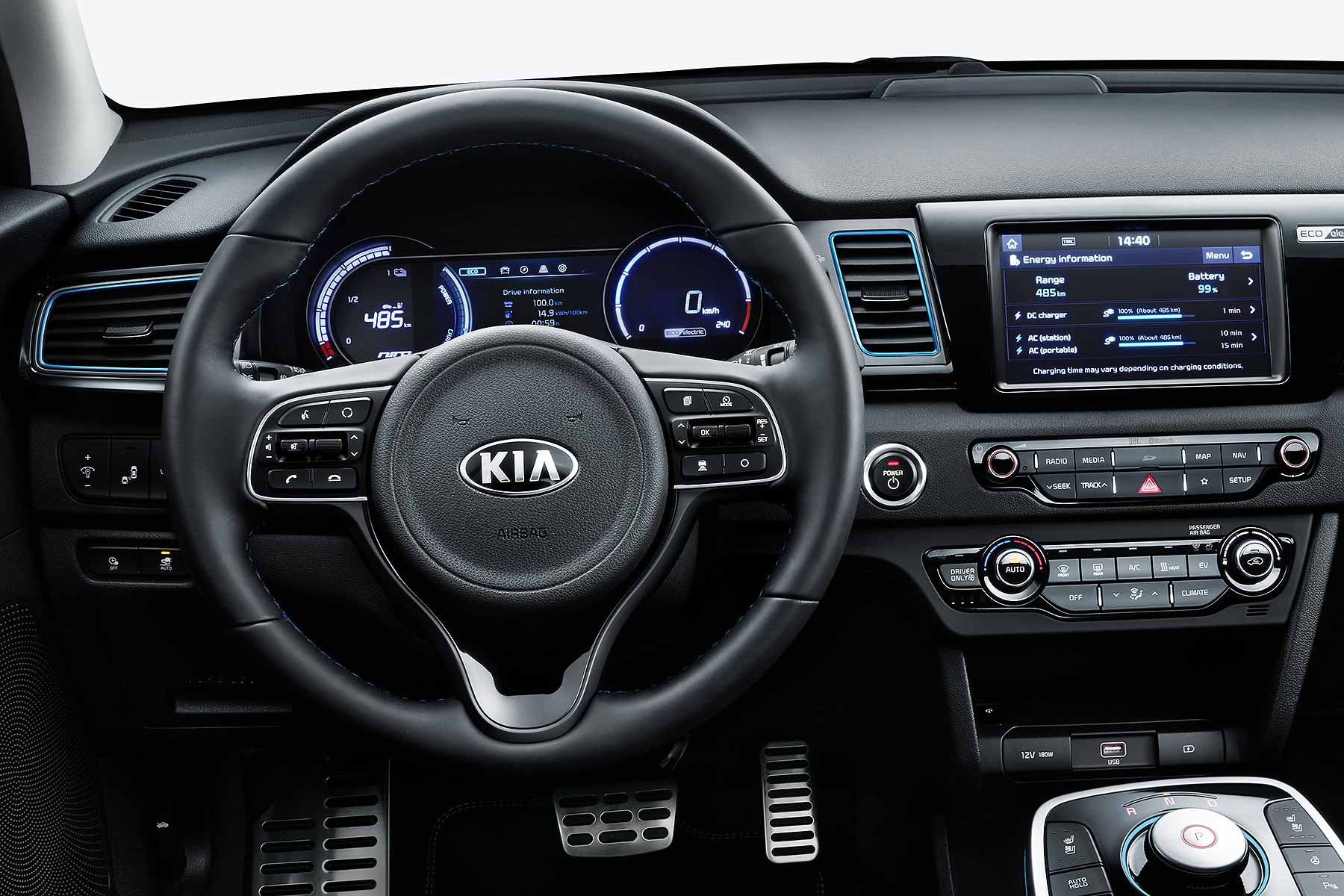
2019 Kia e-NiroThe new Kia e-Niro crossover already beats the just-revealed Audi E-tron, Mercedes-Benz EQC and the Jaguar I-Pace – for overall driving range, that is. Kia has just confirmed a driving range of up to 301 mile on a single charge, which no premium SUV can currently better.
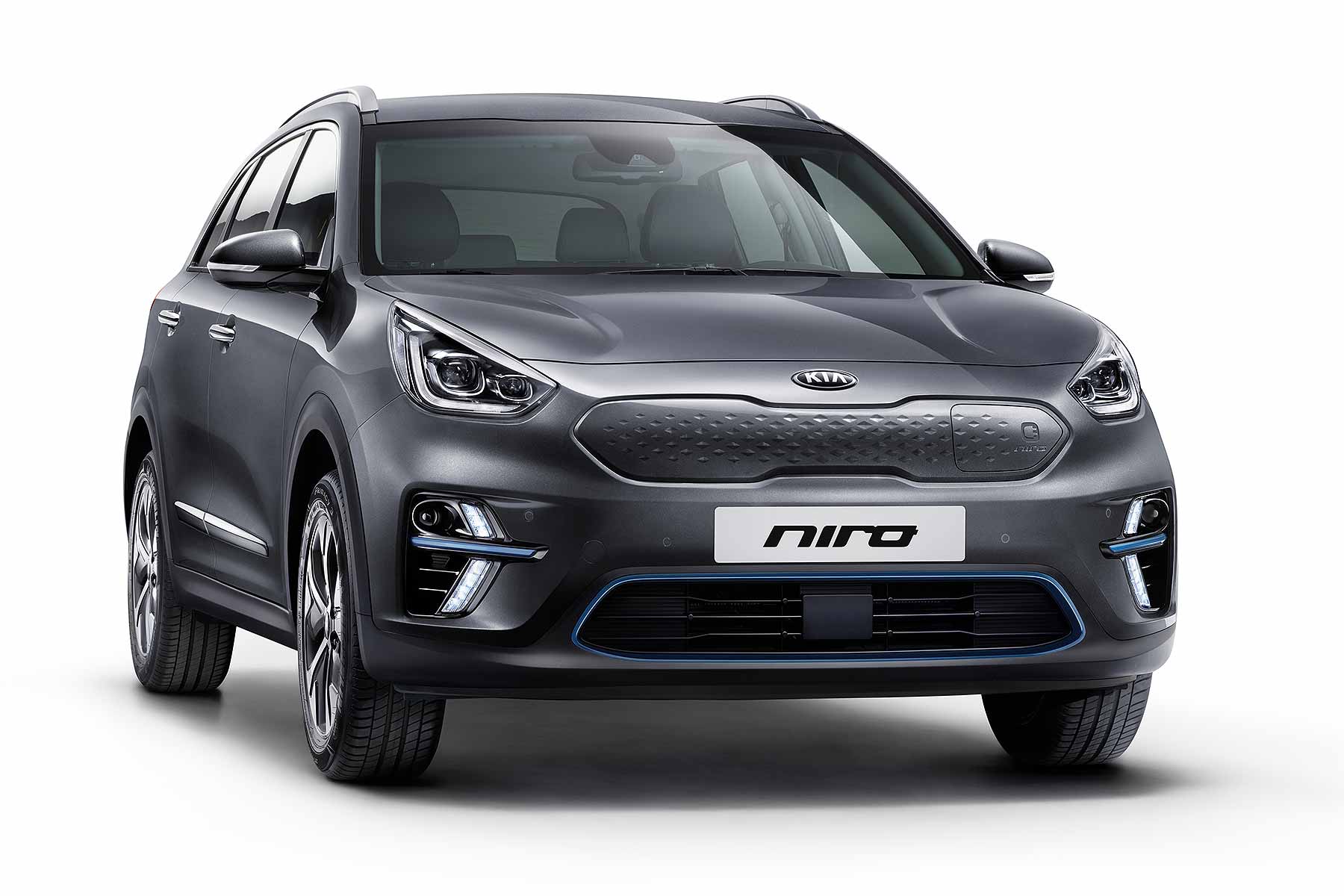
Kia’s 301-mile figure is according to the new WLTP standard; in the same test, the Jaguar I-Pace will cover 292 miles, while both the Audi E-tron and Mercedes-Benz EQC will do 249 miles.

The Kia e-Niro even beats the 280-mile NEDC figure Mercedes-Benz cheekily quoted; this test is being phased out in favour of the tougher WLTP test.

2019 Kia e-Niro

Kia achieves this official 300-mile range with a smaller, cheaper, faster-to-charge battery than its premium rivals. The 64kWh lithium ion unit is still a decent size though (and 24hWh bigger than a Nissan Leaf); Kia says it’s able to go further than some particularly thirsy petrol cars (supercar owners, it’s referencing you).

Capable of fast-charging with a 100kW unit, the battery will charge from flat to 80 percent charge in 54 minutes.

If you can’t stretch to the 64kWh battery, a cheaper Kia e-Niro will be offered, with a 39.2kWh unit. This will have a still-OK 193-mile WLTP range.

2019 Kia e-Niro

The 39.2kWh e-Niro won’t be as fast as its bigger brother though. It gets a 136hp electric motor, for 0-62mph in 9.8 seconds.

The pricier 64kWh e-Niro has a 204hp motor, which accelerates to 62mph in just 7.8 seconds. Both cars are covered by Kia’s 7-year, 100,000-mile warranty – and, yes, both battery pack and electric motor are included.

Kia will give the new e-Niro its European debut at the Paris Motor Show next month. Full prices and delivery dates will be confirmed towards the end of 2018.

Advertisement

2019 Audi E-tron electric SUV revealed, begins 12-car EV surge

0

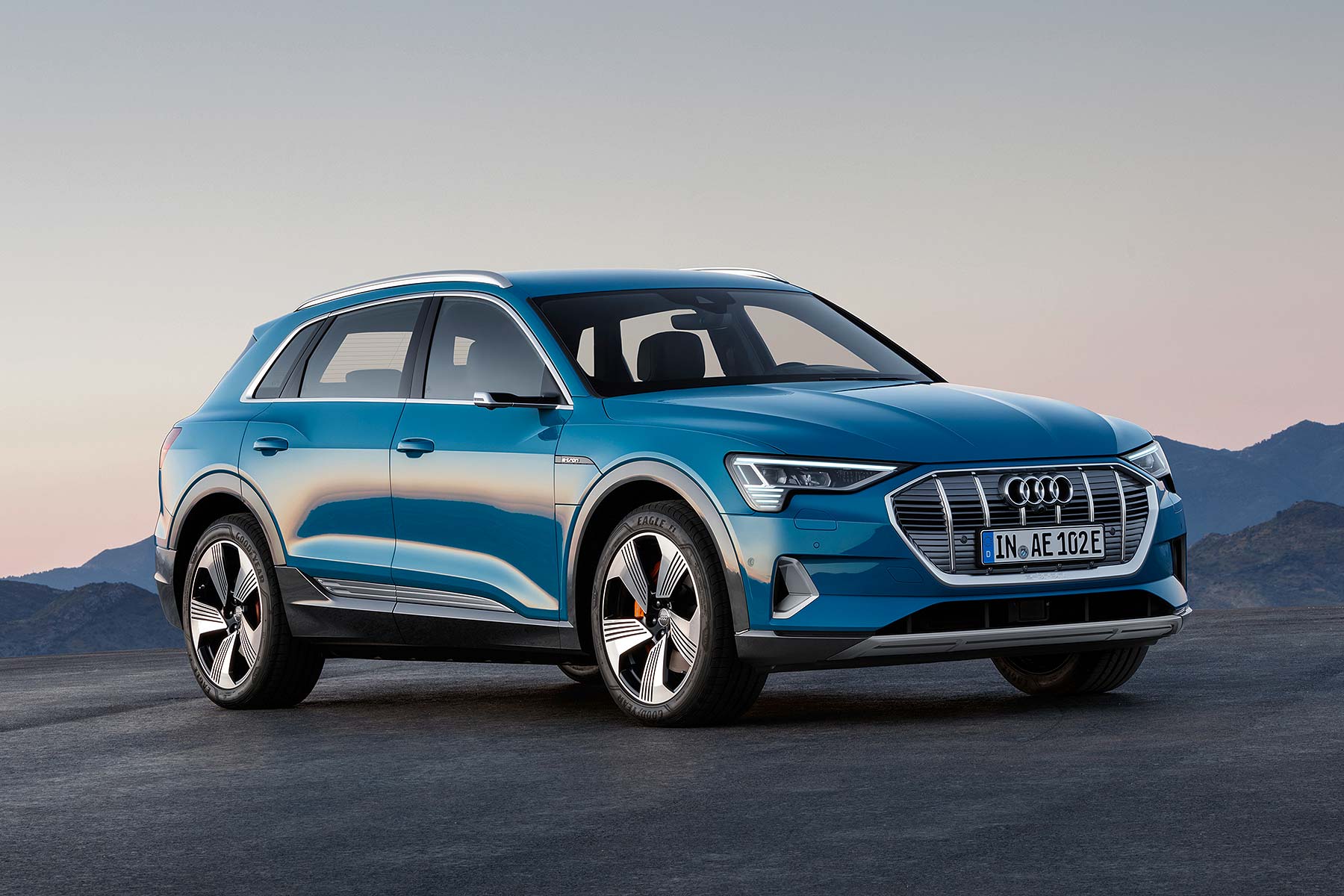
2019 Audi e-tronThe Audi E-tron is an all-electric SUV that marks the beginning of Audi’s electric car push. It is the first of 12 all-electric Audis to be launched between now and 2025. It arrives in European dealers later this year.
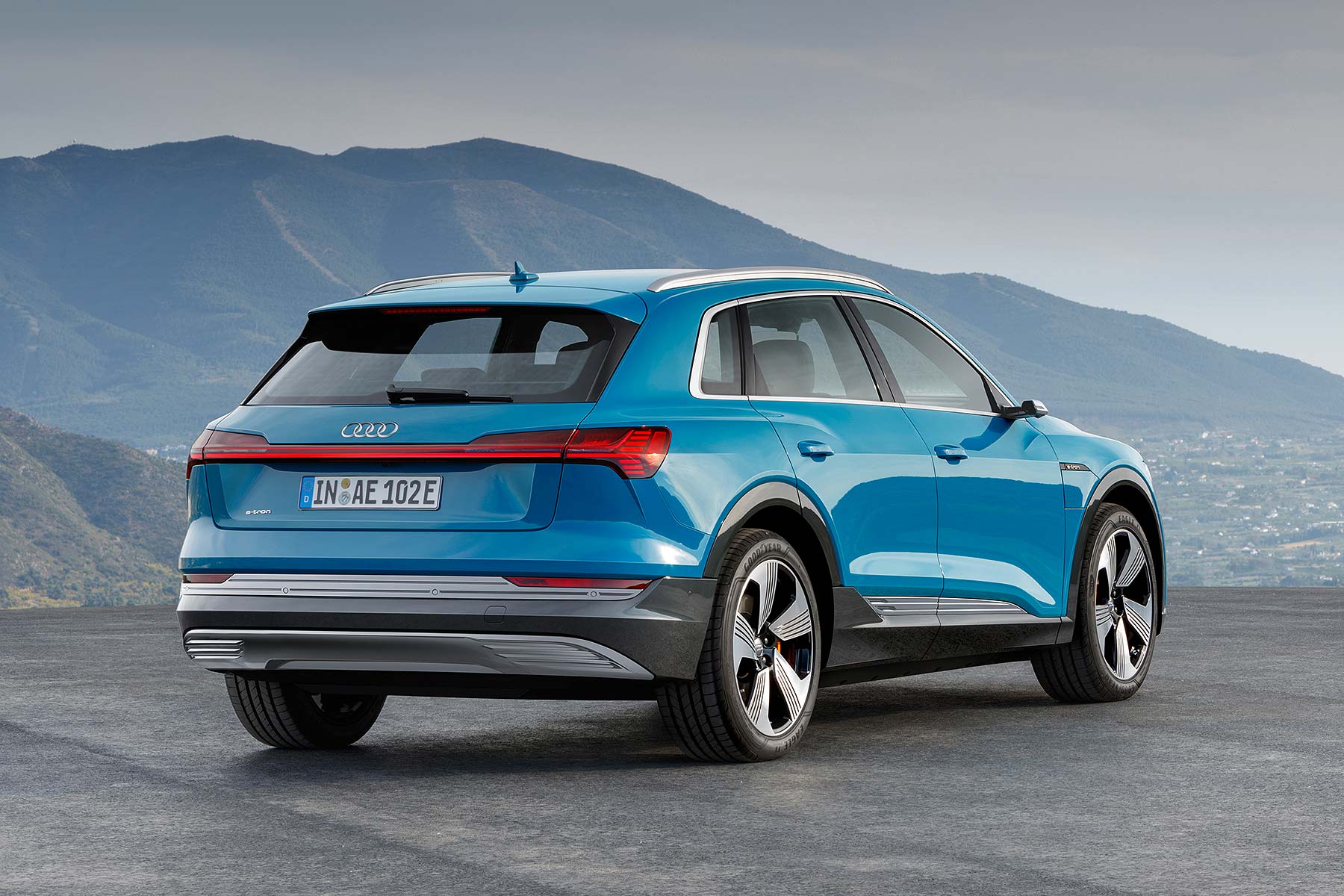
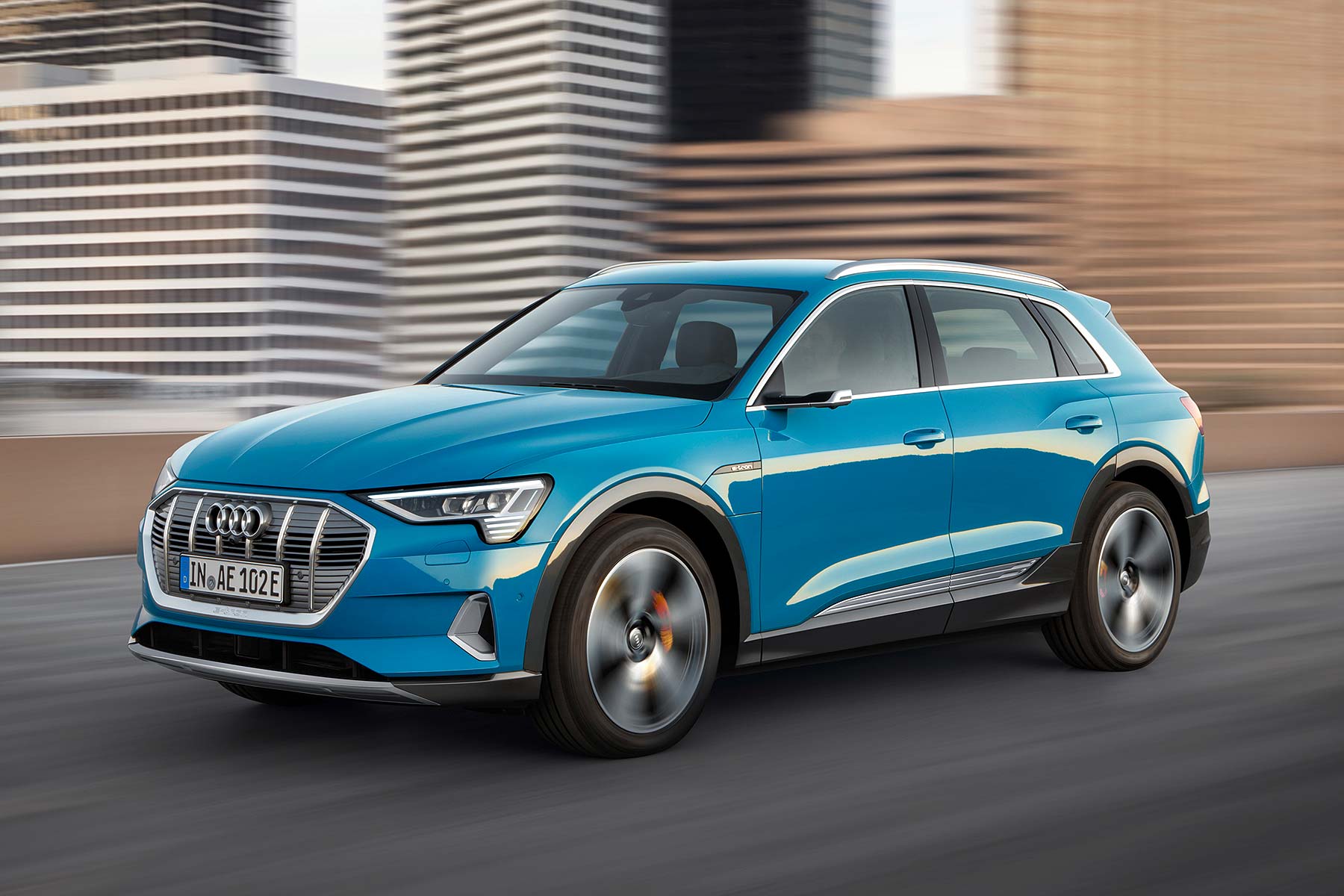
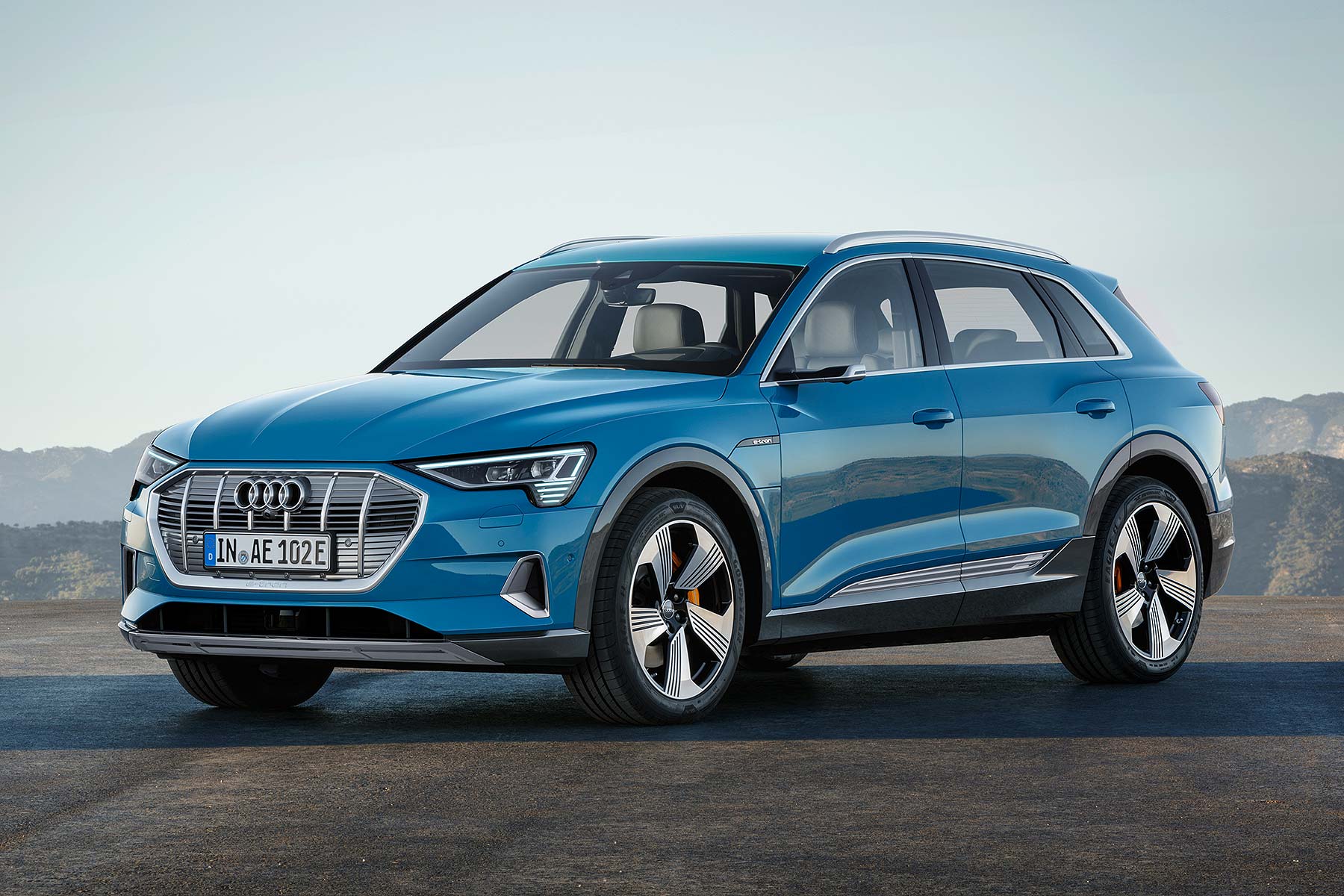
The five-seat mid-size e-tron SUV will quickly be joined by an E-tron Sportback in 2019, and Audi’s also planning to show an E-tron GT coupe concept car at the 2018 LA Auto Show in November. It’s co-developing this car with Porsche.

By 2025, 1 in 3 new Audis will be fully electric. That’s why Peter Mertens, Audi’s technical director, says it is “definitely a highlight in the history of our company”.

The new electric Audi E-tron is the latest premium EV SUV to launch, following the Tesla Model X, Jaguar I-Pace and recently-revealed Mercedes-Benz EQC. Surprisingly, BMW has yet to respond with a production-ready electric SUV.

2019 Audi e-tron

First, the top-line stats for the new Audi E-tron. It has a 95kWh battery (only the 100kW Tesla Model X has a bigger battery), and Audi’s quoting a 249-mile range (matching the Mercedes-Benz EQC – but this could go up when final production figures are revealed) and 0-60mph in 6.4 seconds. It has two electric motors, one in the front and one in the rear. The brand’s trademark quattro all-wheel drive is thus maintained.

The front produces 135kW (180hp), and the rear produces 140kW (188hp), which boosts to 165kW (221hp) for six-second bursts. This cuts the 0-60mph time to 5.5 seconds.

2019 Audi e-tron

In the United States, the Audi E-tron costs $74,800, and in Germany, €79,900. In the UK, a price tag of around £70,000 is expected – which will reduce by £4,500 once the government Plug-in Car Grant is subtracted.

Audi E-tron: in detail

2019 Audi e-tron

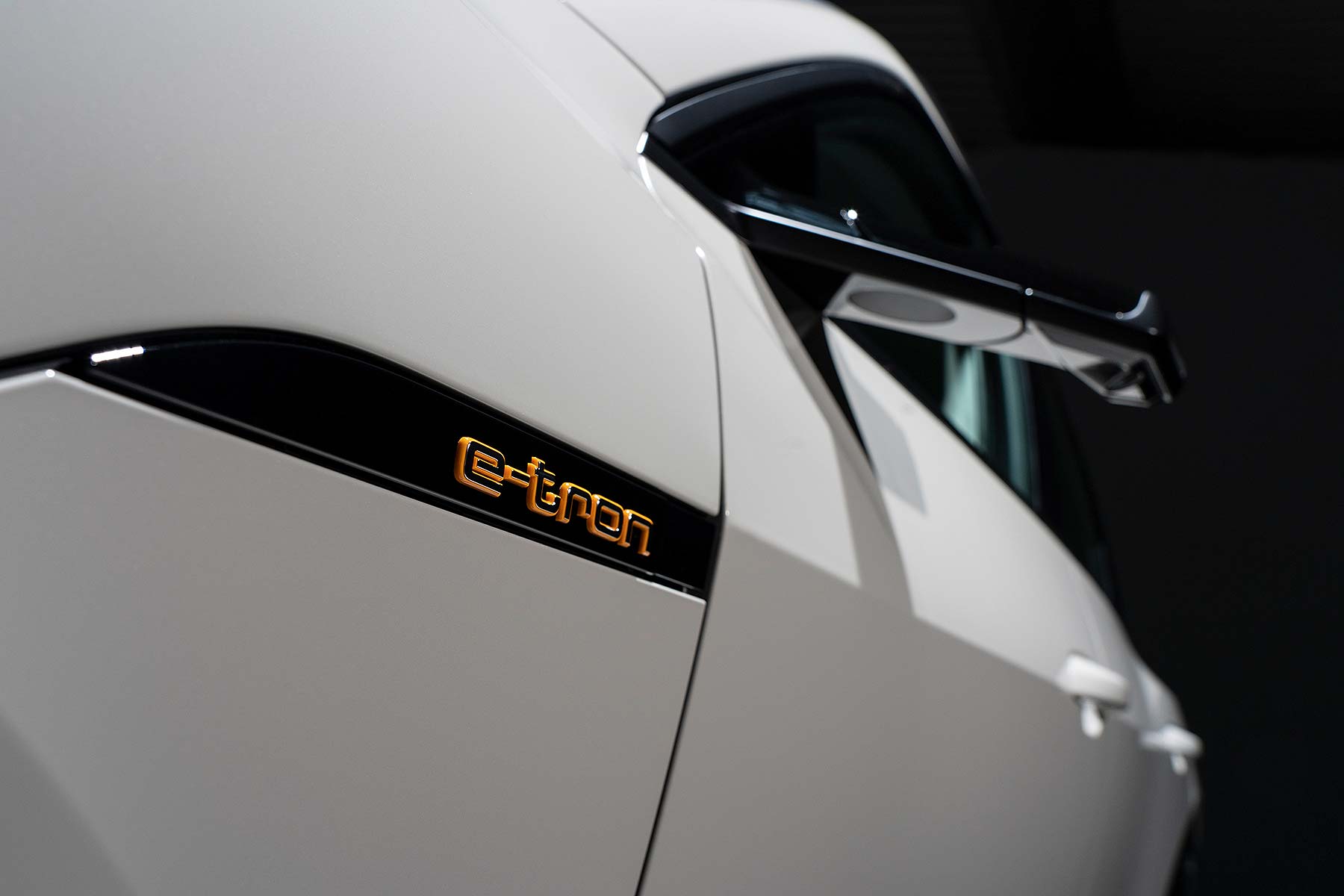
Distinguishing the Audi E-tron at the front is a platinum grey singleframe grille. Fully closed, this will become a defining feature of Audi’s full EVs. There are also four horizontal LED slats within the headlights, which will be another E-tron signature.

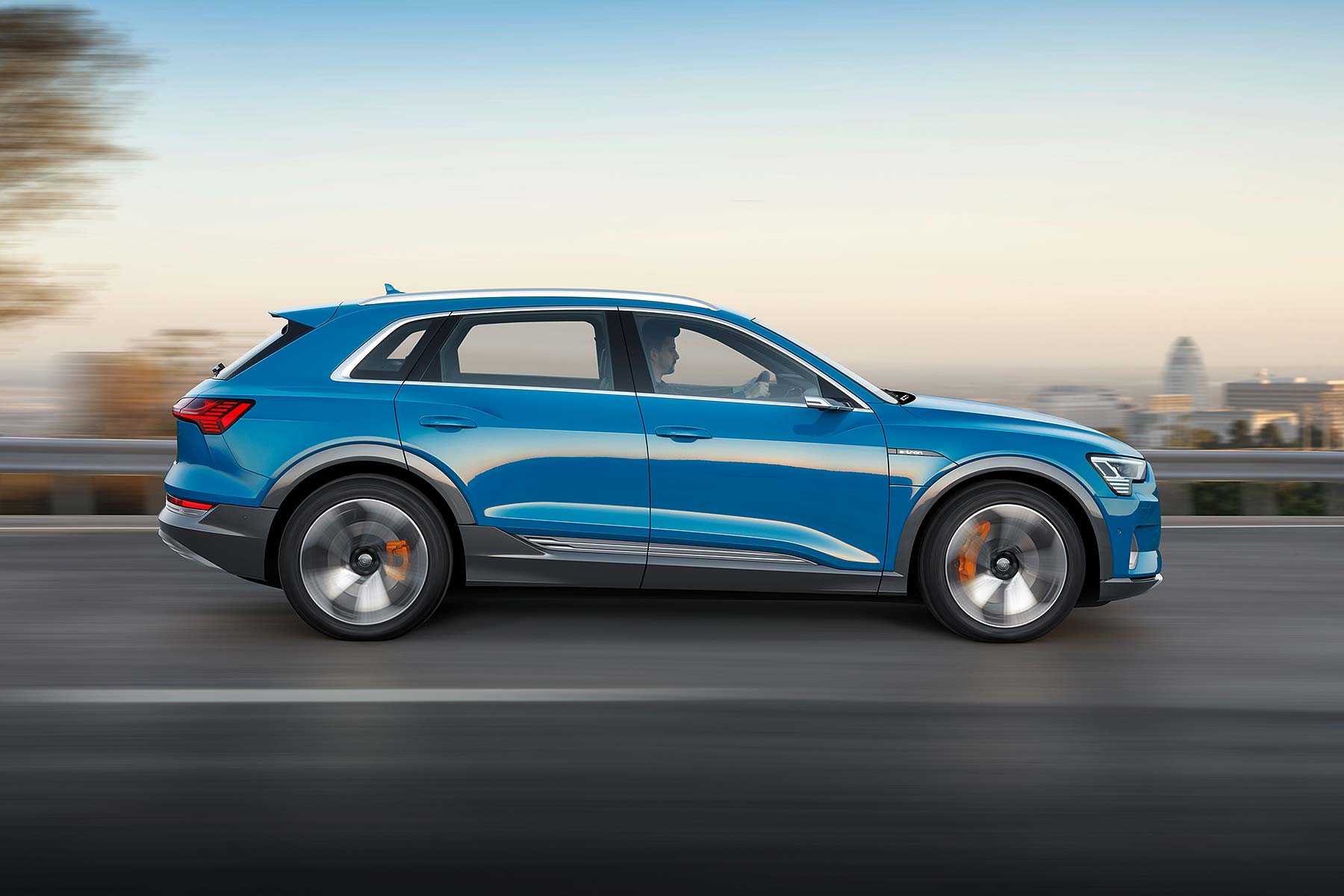
At the side, it’s contoured and equipped with muscular arches like other Audi SUVs, while the black inserts on the lower doors mark out the location of the battery “and thus the energy centre of the Audi E-tron”.

2019 Audi e-tron

The batteries are mounted low and centrally within the platform, aiding both handling and packaging.

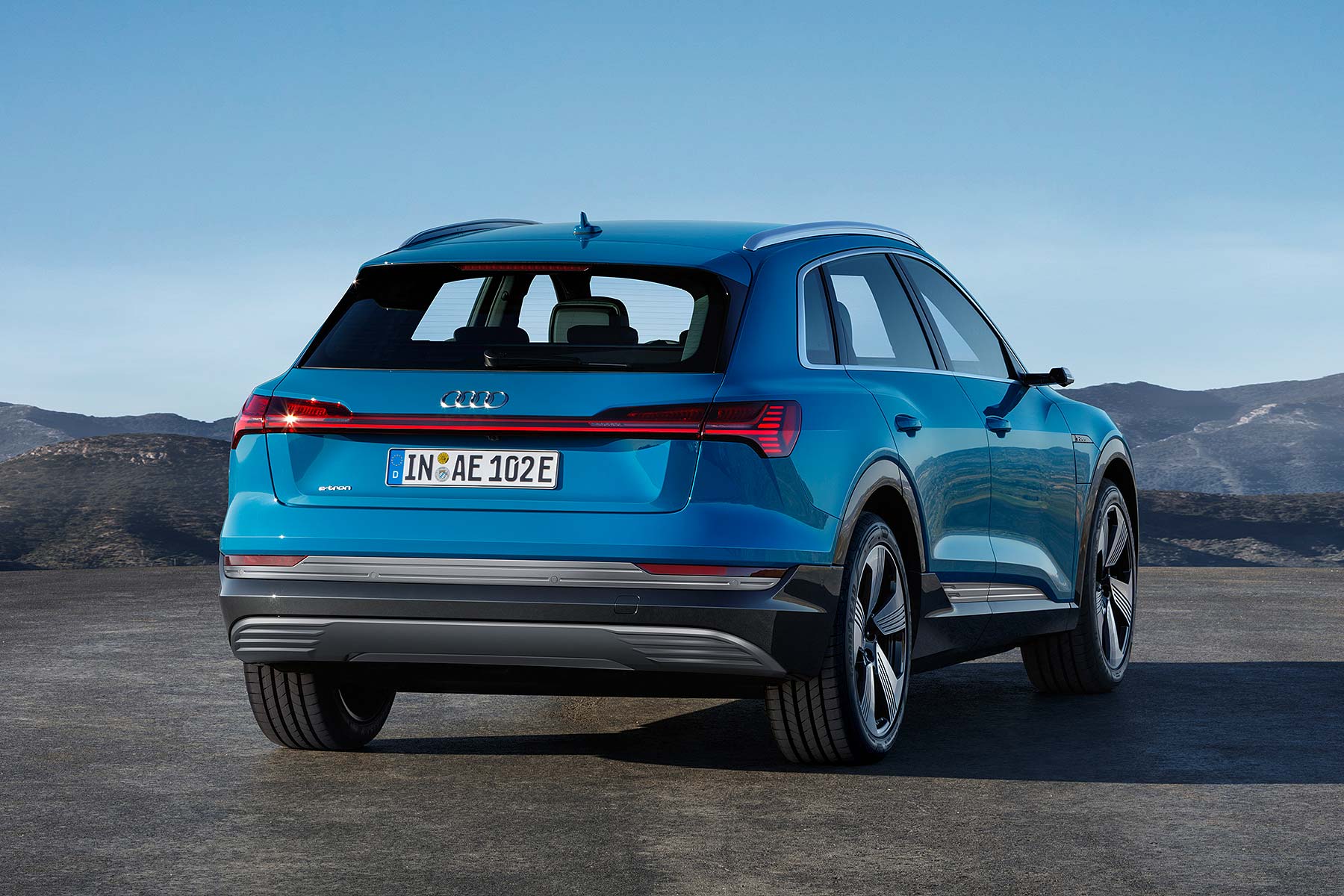
At the rear, the broad LED light strip mimics the high-end look of the Audi A7, A8 and Q8. Audi says the LED strips in the outermost edges “are [a] graphical representation of full battery charge”. It also highlights the lack of tail pipes with cross-slats in the rear diffuser.

2019 Audi e-tron

Audi says the E-tron uses world-first electrohydraulic brake control. This sees energy recovered by the electric motors in more than 90 percent of decelerations – topping up the battery as the E-tron slows down.

20-inch alloys are standard, and the 255/50-second tyres have been aero-tuned. Fully adaptive air suspension is standard; it drops down at speed to reduce drag. The full range of height-adjust is 76mm – that’s three inches – which also improves the E-tron’s off-road ability.

2019 Audi e-tron

It also has world-first virtual door mirrors as an option. These reduce drag from the bodywork and further help boost the range. Their colour displays are neatly integrated into the door panels (see above).

2019 Audi e-tron

The Audi E-tron is ready to accept 150kW DC fast charging. This will give it an 80 percent charge in 30 minutes. The standard charger is an 11kW AC unit, which tops up in around eight and a half hours (a 22kW fast-charger, which halves this time, is optional); Audi’s also teamed up with Amazon to offer ‘Audi Home Charging powered by Amazon Home Services’ for full app-controlled home charging.

2019 Audi e-tron

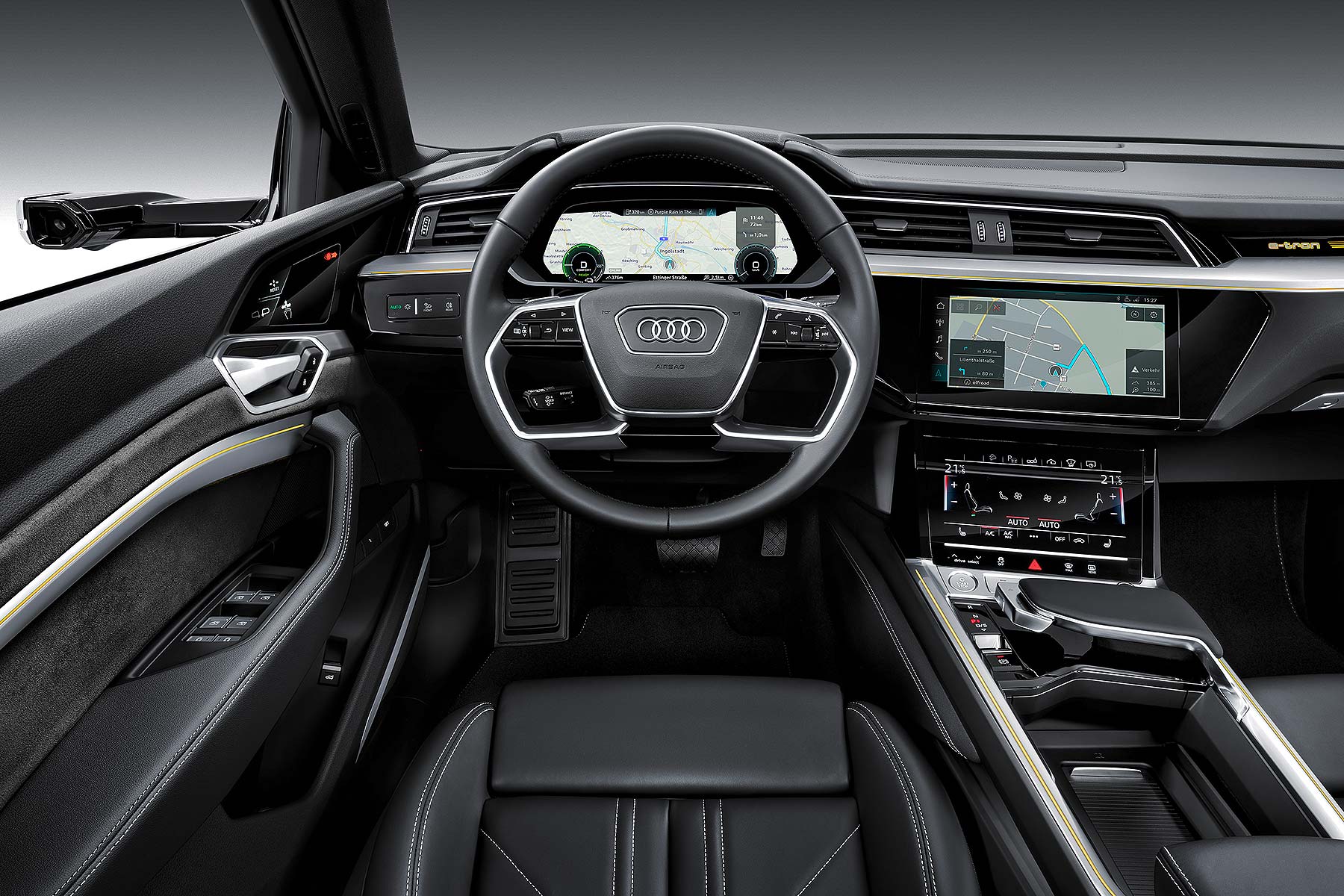
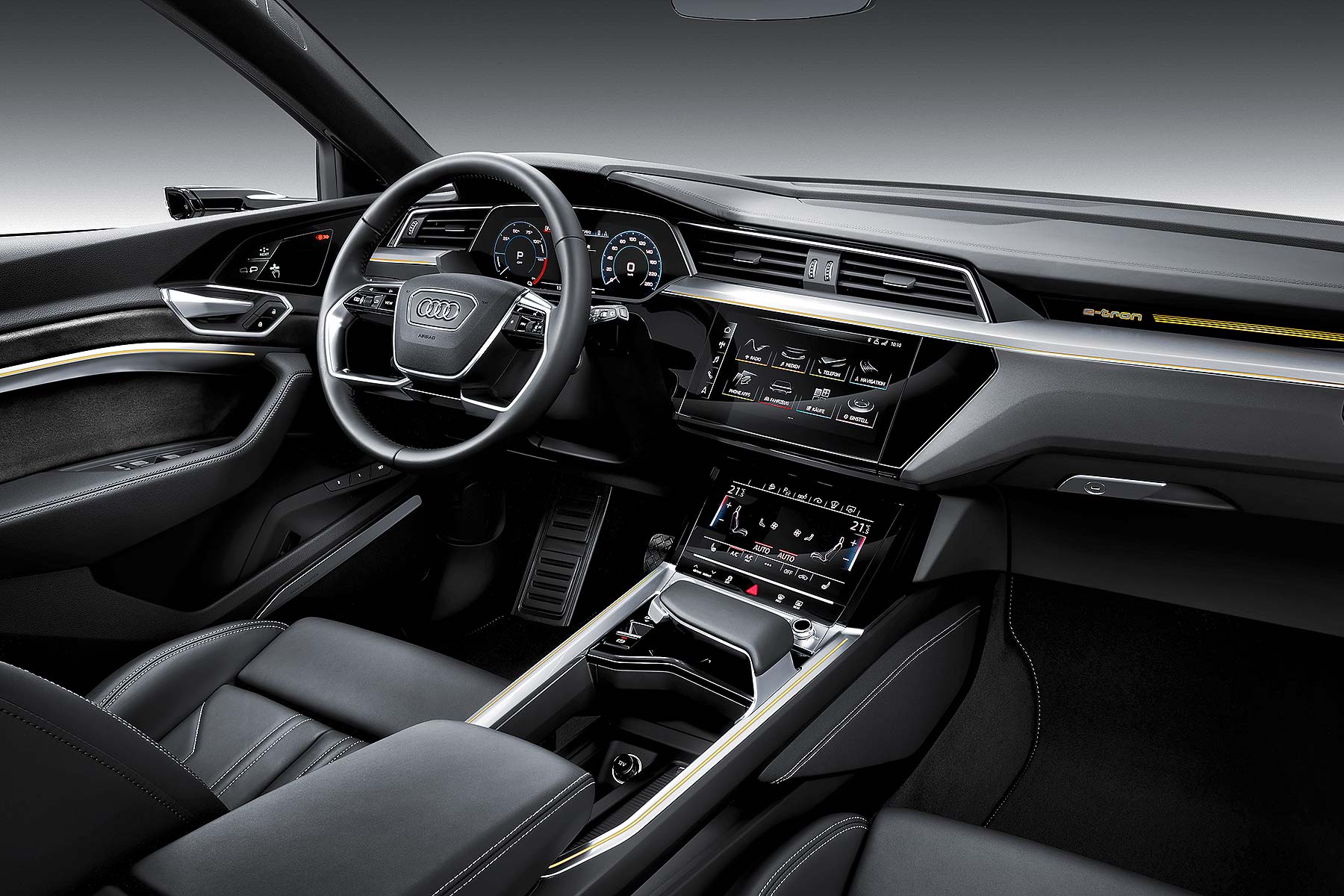
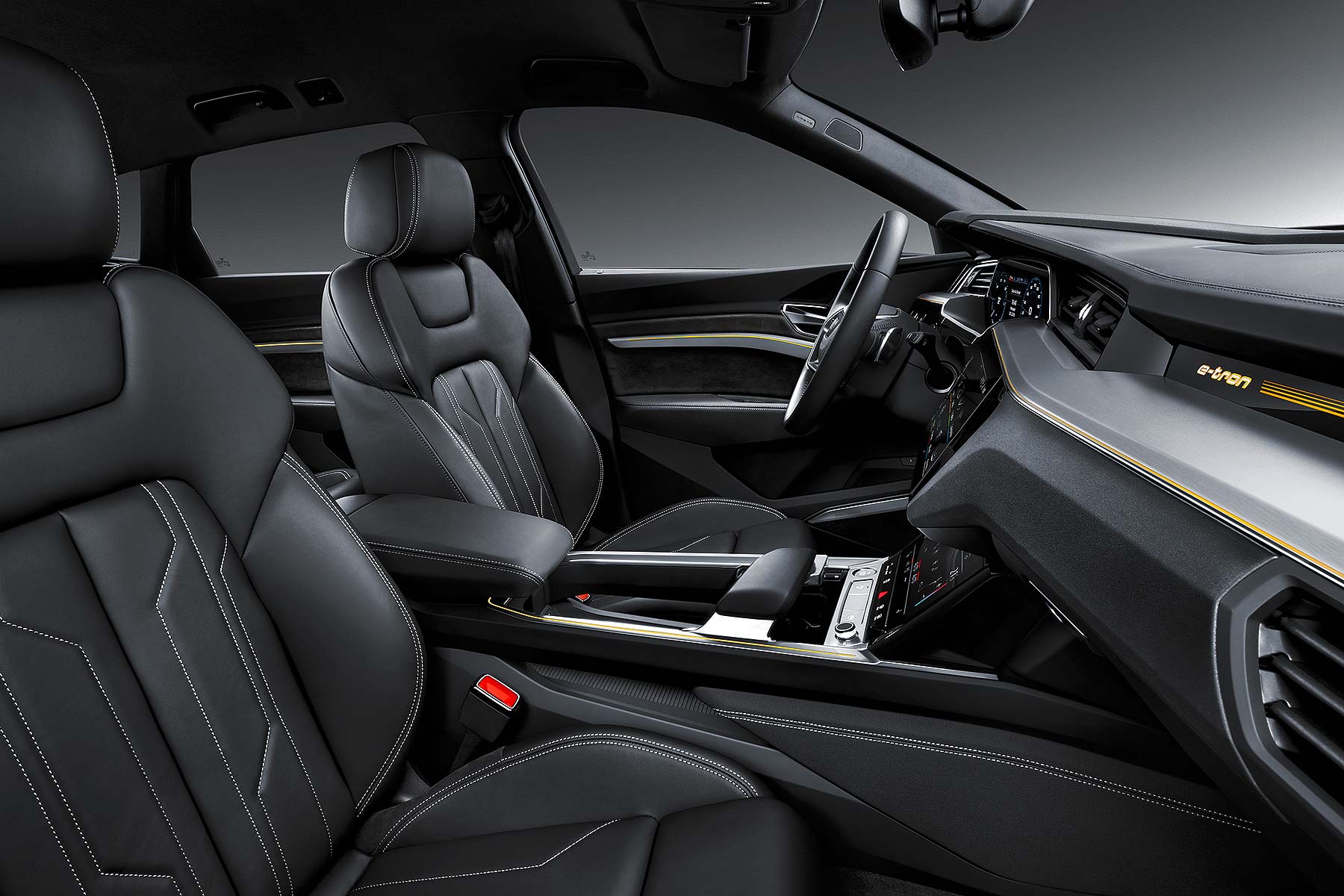
The E-tron has a typically Audi-grade interior, with a high-end look and neatly-integrated technology. There’s a slimline Audi virtual cockpit display and two further MMI touchscreen displays. The interior, which is roomy for five, delivers “a new level” of quietness. “The only sounds are from its tyres and the gentle hum of the electric motors.”

2019 Audi e-tron

Audi says the E-tron uses world-first electrohydraulic brake control. This sees energy recovered by the electric motors in more than 90 percent of decelerations – topping up the battery as the E-tron slows down. It can contribute as much as 30 percent to the range, depending on how it’s driven.

The heater for the cabin and booster for the air conditioning is powered by waste heat from electrician components. This can boost the range by up to 10 percent, depending on the weather.

The new Audi E-tron is built in Belgium, and production has already started. Boosting the car’s credentials is the fact Audi’s made the car factory entirely CO2-neutral.

In a move mimicing Tesla’s Model 3 preorders, Audi is already accepting orders for the new E-tron in the UK. Buyers are asked to put down a £1,000 deposit.

Advertisement

How much profit do car companies make every SECOND?

0

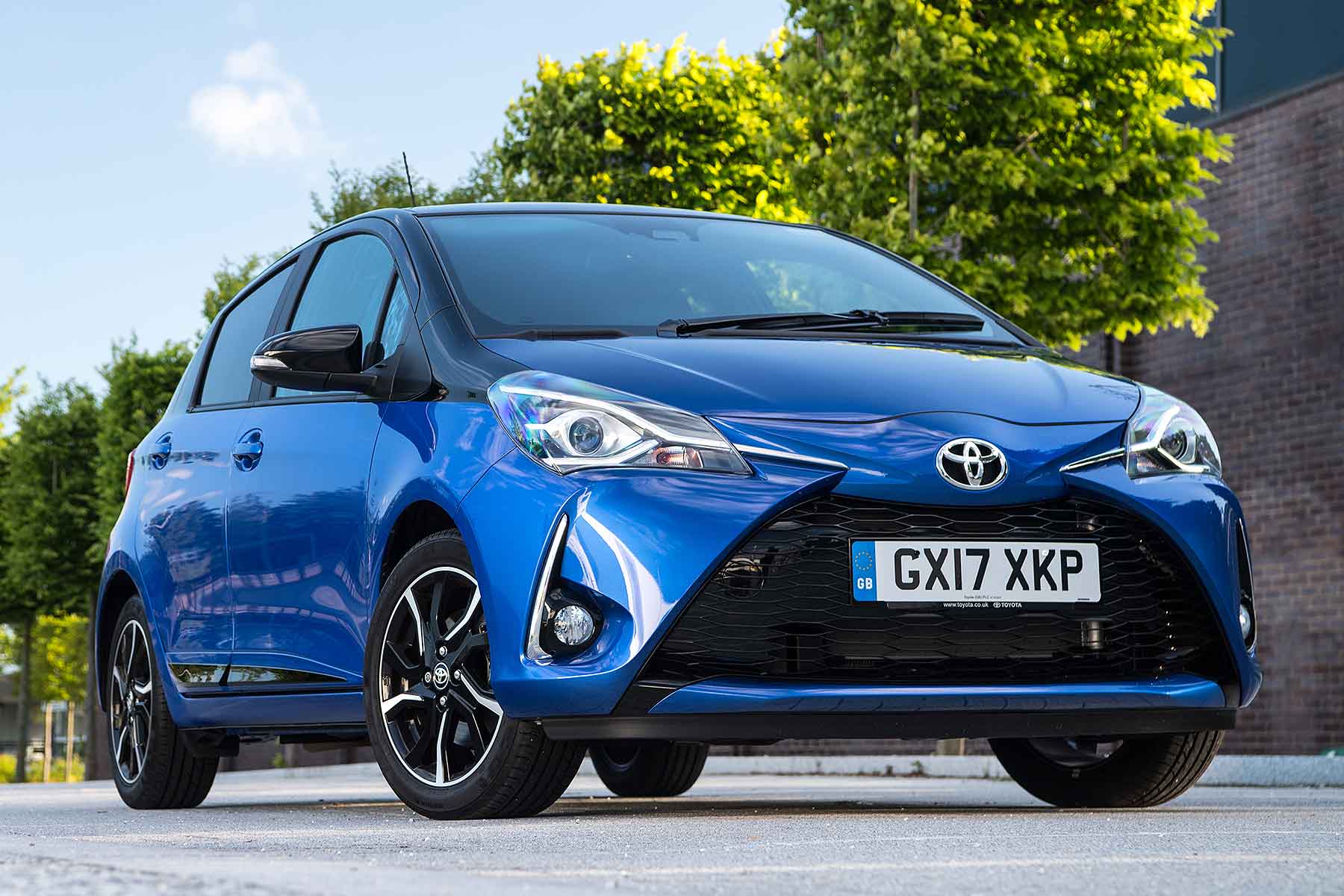
Toyota profit

Ever wondered how much money car manufacturers make? Well, motor trade insurer Staveley Head has done the maths and worked out the profits of 15 carmakers down to the second.

The sums start with each manufacturer’s yearly takings and profits. Then, all that’s needed is some very long-winded division based on those numbers.

For example, it means taking Toyota’s £13.5 billion profit over the previous 12 months and dividing it by 31,536,000 (the number of seconds in a year). The result is Toyota’s per-second profit for the past year: £430. 

How much do they make?

Toyota comes top, but rivals don’t fare so well. Ford made an average of £173 profit in a second, while Volkswagen is down at just £91.

Premium brand Mercedes-Benz seems to have had an excellent 12 months, with £255 made every second on average. That’s over twice the amount of Porsche.

Jaguar Land Rover is down at £46 per second – and Bentley, Ferrari, Seat, Aston Martin, Renault, Hyundai, Bentley and Skoda are all included in the tool above, too.

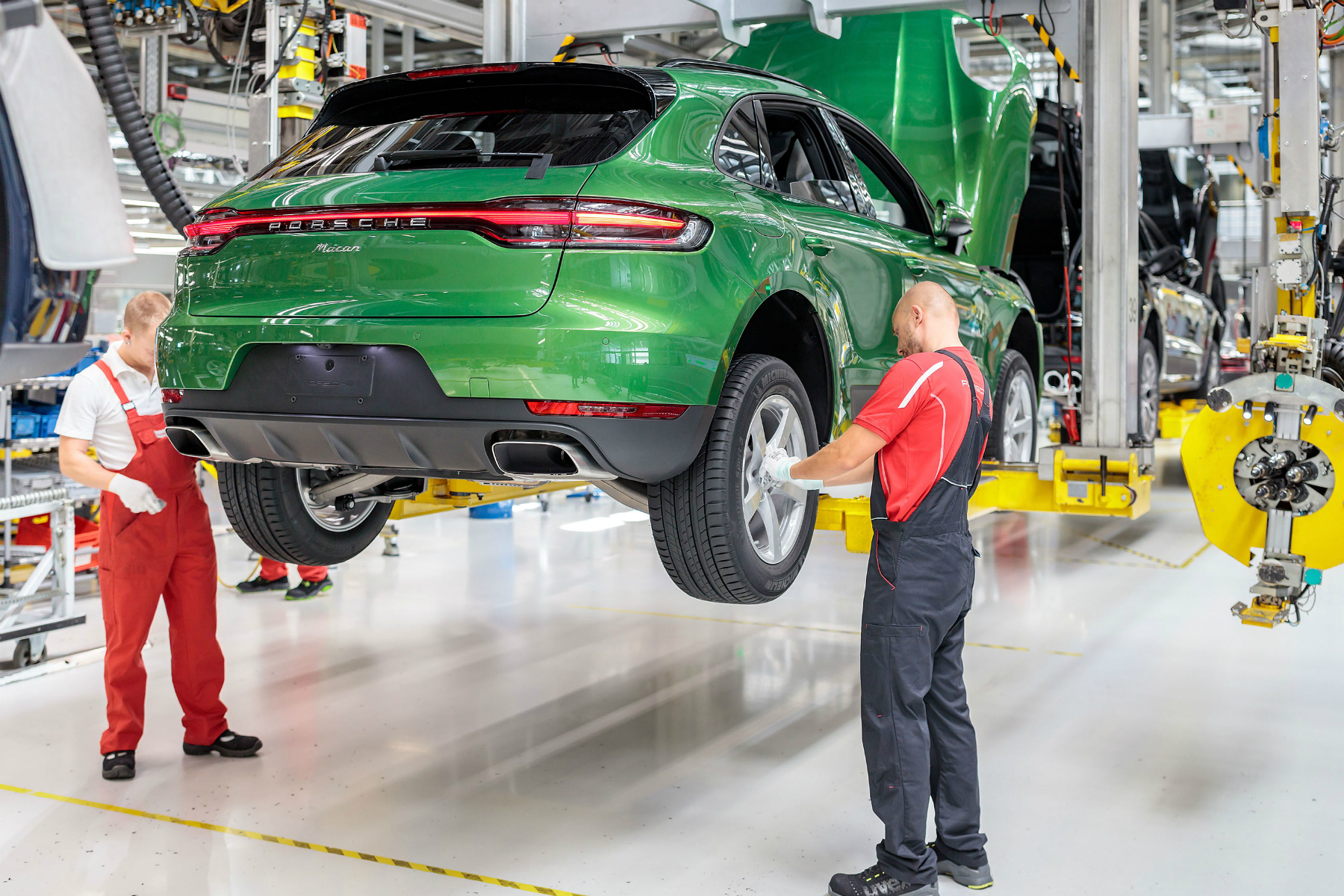
Porsche profit

How many they’re selling

Units sold is a very different thing to profit, of course, but still very interesting. Over the course of two minutes, Toyota sold 34 cars, Mercedes nine and Porsche just one. All of a sudden Porsche’s lower profit-per-second number doesn’t look so bad, given they sell one car for every nine Mercedes…

VW and Ford aren’t too far behind Toyota, with 24 and 25 cars shifted every two minutes respectively. JLR manages just two.

Per-unit profit is perhaps the biggest indicator of success, though. On each car sold, JLR made an average £2,774. Porsche, on the other hand, made £13,757.

Jaguar profit

Is this a reliable source?

There are a lot of averages and aggregates incorporated here. It’s not a live feed of what each carmaker is selling and earning, rather a year’s information divided over various measurements of time. Still, it’s an interesting way to take it all in.

Read more:

Advertisement

Tailgating kills or seriously injures more than 100 people a year

0

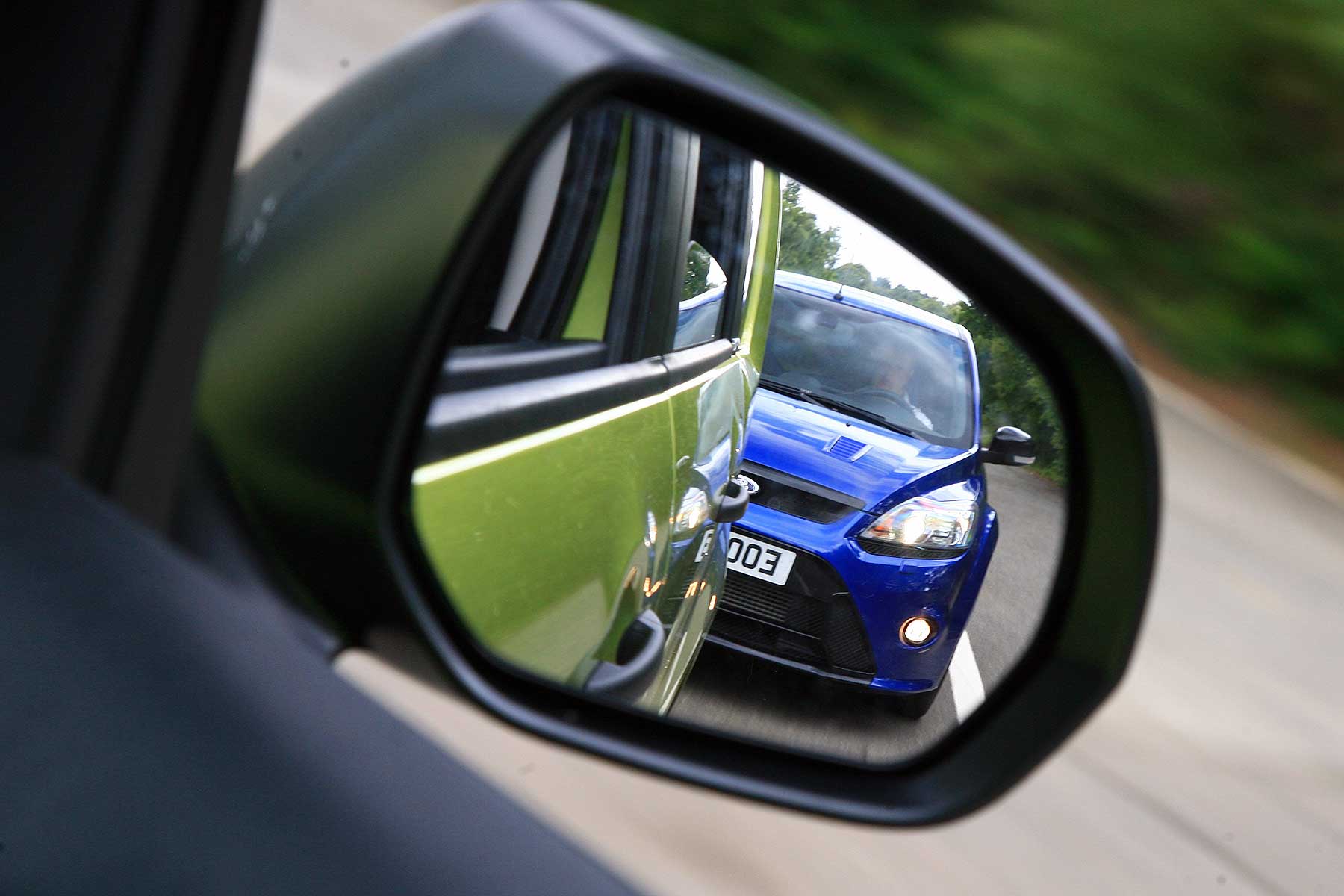
Tailgating driverMotorists have voted tailgating their most-hated irritation in other road users – but Highways England has revealed new figures that show it’s more than just irritating, it’s actually injuring and even killing people.
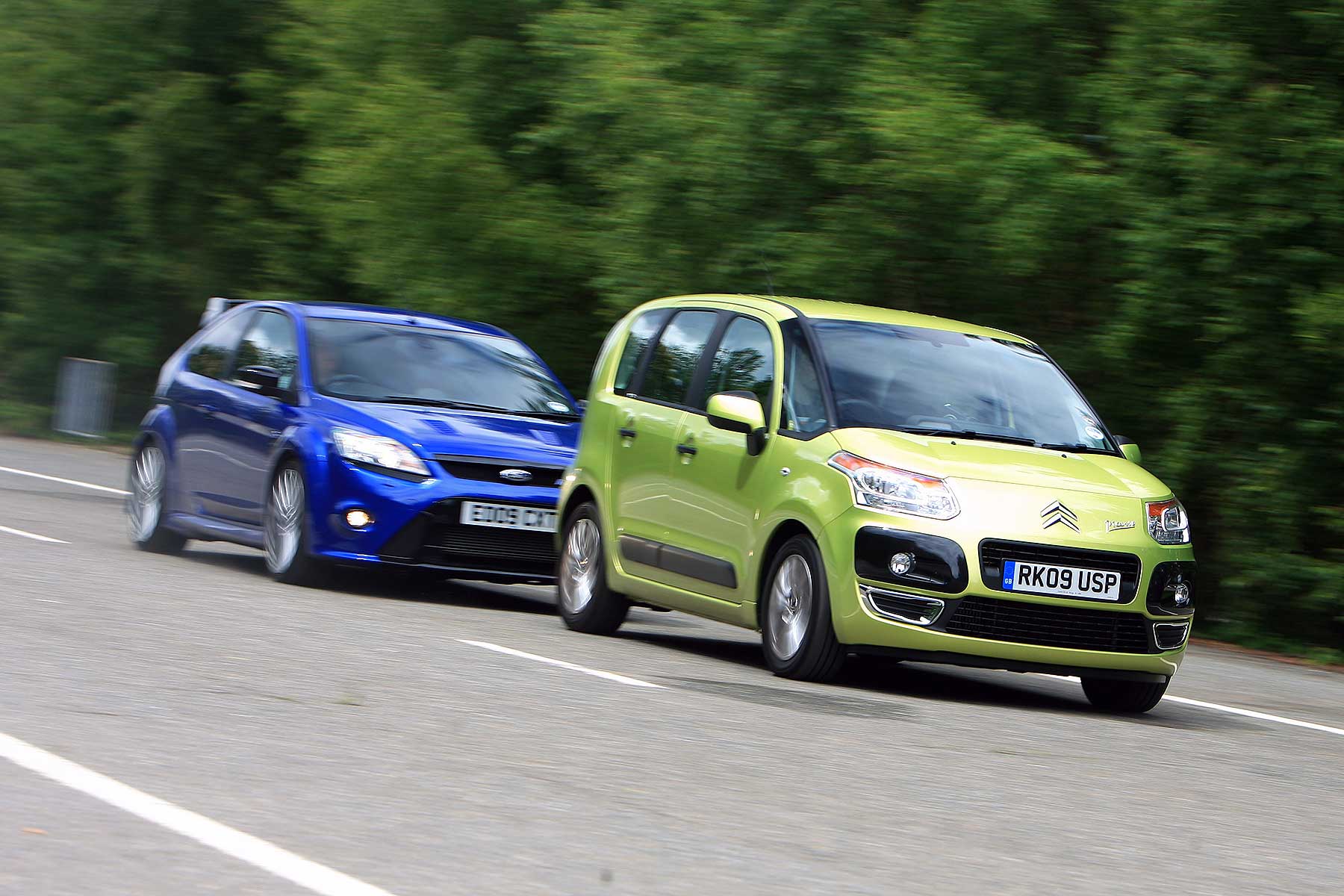

Tailgating – driving too close to the vehicle in front – is responsible for one in eight casualties on the road. This equates to more than 100 people who are killed or seriously injured as a result each year.

What’s even more frustrating to safety campaigners is that it’s often not intentional. Only rarely is tailgating deliberate – often, drivers are doing it without even realising.

Tailgating driver

The tailgating driver thus has no idea they’re inciting surprise, anger, contempt and a raised heart rate for the driver in front. But that’s what in-car research using a brace of driver monitors recently revealed.

To help people understand how dangerous and anti-social tailgating is, Highways England is running a new safety campaign, based around a memorable hook: Space Invaders.

Yes, just like the retro video game. Watch the video below for a blast from the past as well as an important safety lesson.

The campaign is focused on helping the nine in 10 drivers have been tailgated – and stopping the one in four motorists who actually admit to it…

Nigel Mansell: ‘utterly deplore’

Nigel Mansell

The 1992 Formula One World Champion, Nigel Mansell, is helping the campaign. “Tailgating is a driving habit I utterly deplore,” he said. “Not only is it aggressive and intimidating, but it can lead to a crash with a tragic outcome.

“There is absolutely no upside to it – you will not get to your destination faster, you are not a skilled driver for doing it, and you are putting so many innocent people at risk.”

The risks of tailgating are clear, said Highways England head of road safety, Richard Leonard. “If you get too close to the car in front, you won’t be able to react and stop in time if they suddenly brake.

“Tailgating makes the driver in front feel targeted and victimised, distracting their attention from the road ahead and making them more likely to make a mistake.”

Are you a tailgater?

How can you tell if you’re doing it? Look to the Highway Code: remember the two-second rule – and this gap to the car in front should be doubled on wet roads.

And if you’re being tailgated? Don’t speed up, slow down or stare in the rear-view mirror, says Highways England. Simply try to drive normally, signal in plenty of time – and, if they’re really aggressive and keen to get past, let them overtake as quickly as possible.

Stopping people tailgating may even help improve traffic, adds Thatcham Research, another backer of the campaign.

Not only is it a leading cause of accidents, said director of research Matthew Avery, but it intimidates others and creates ‘phantom’ traffic jams via the ripple effect of sharp braking.

“It is one of the most dangerous driver behaviours seen on UK roads.”

Read more:

Advertisement

Video: behind the scenes at the UK’s biggest supercar showroom

0

HR Owen Service Centres

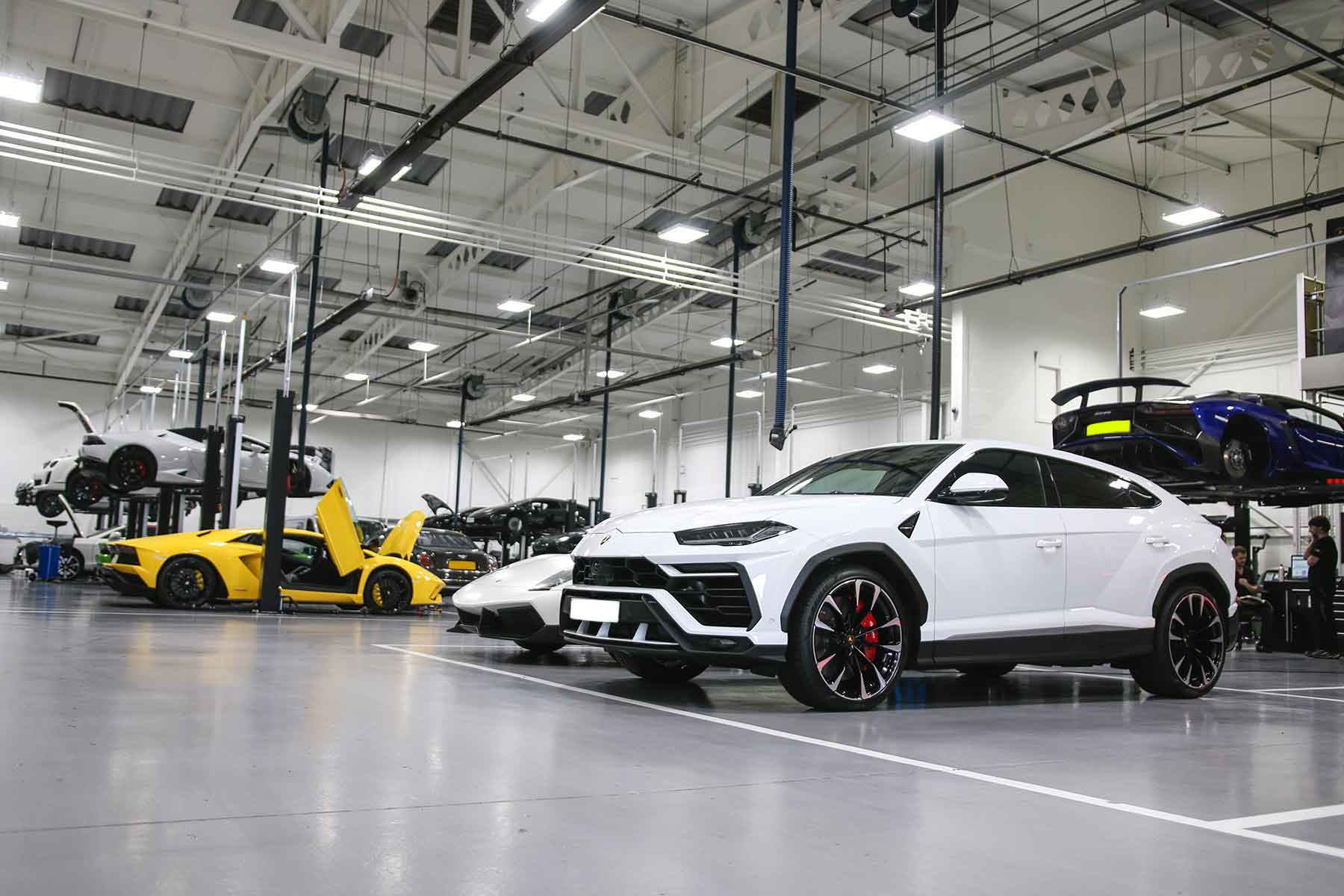
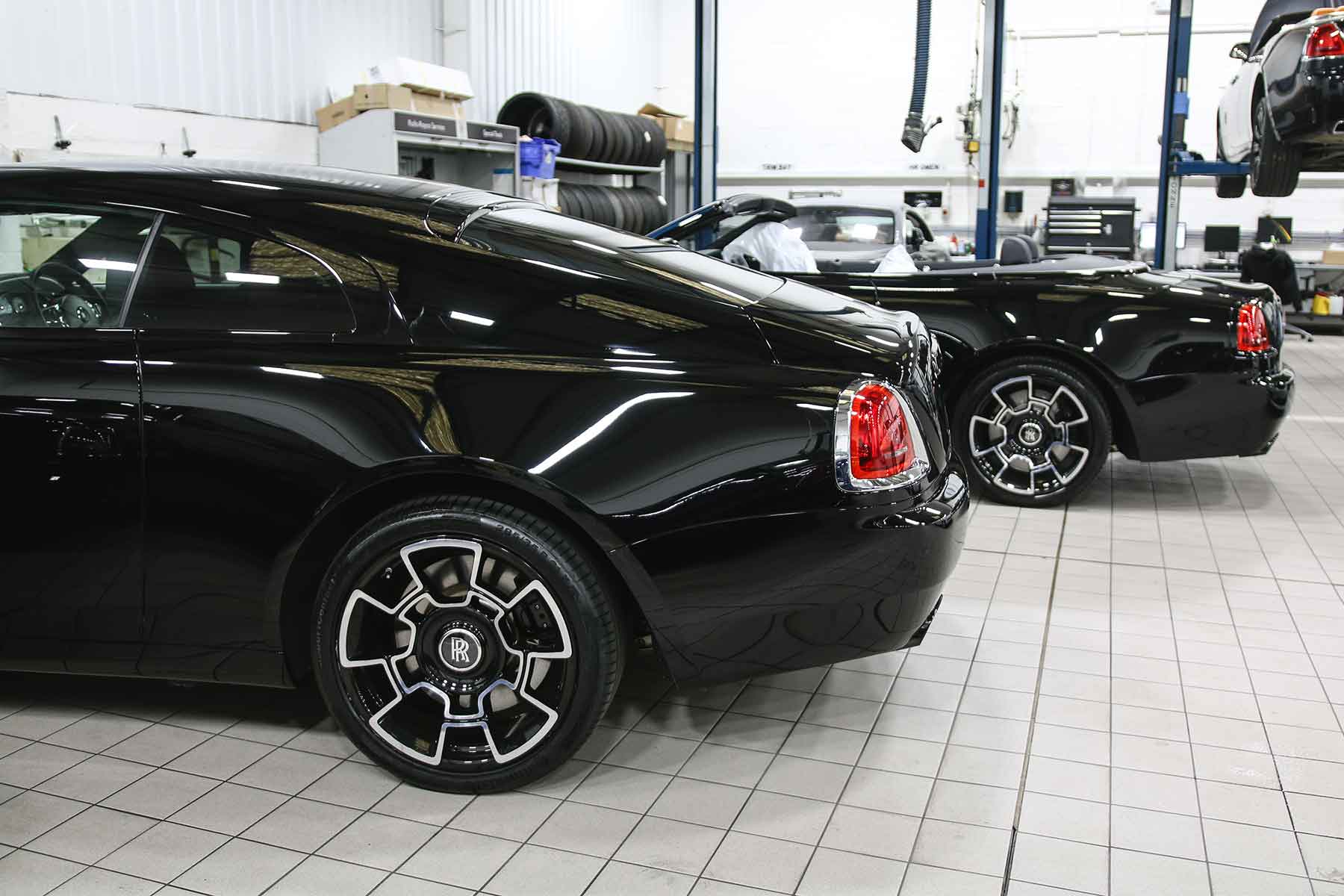
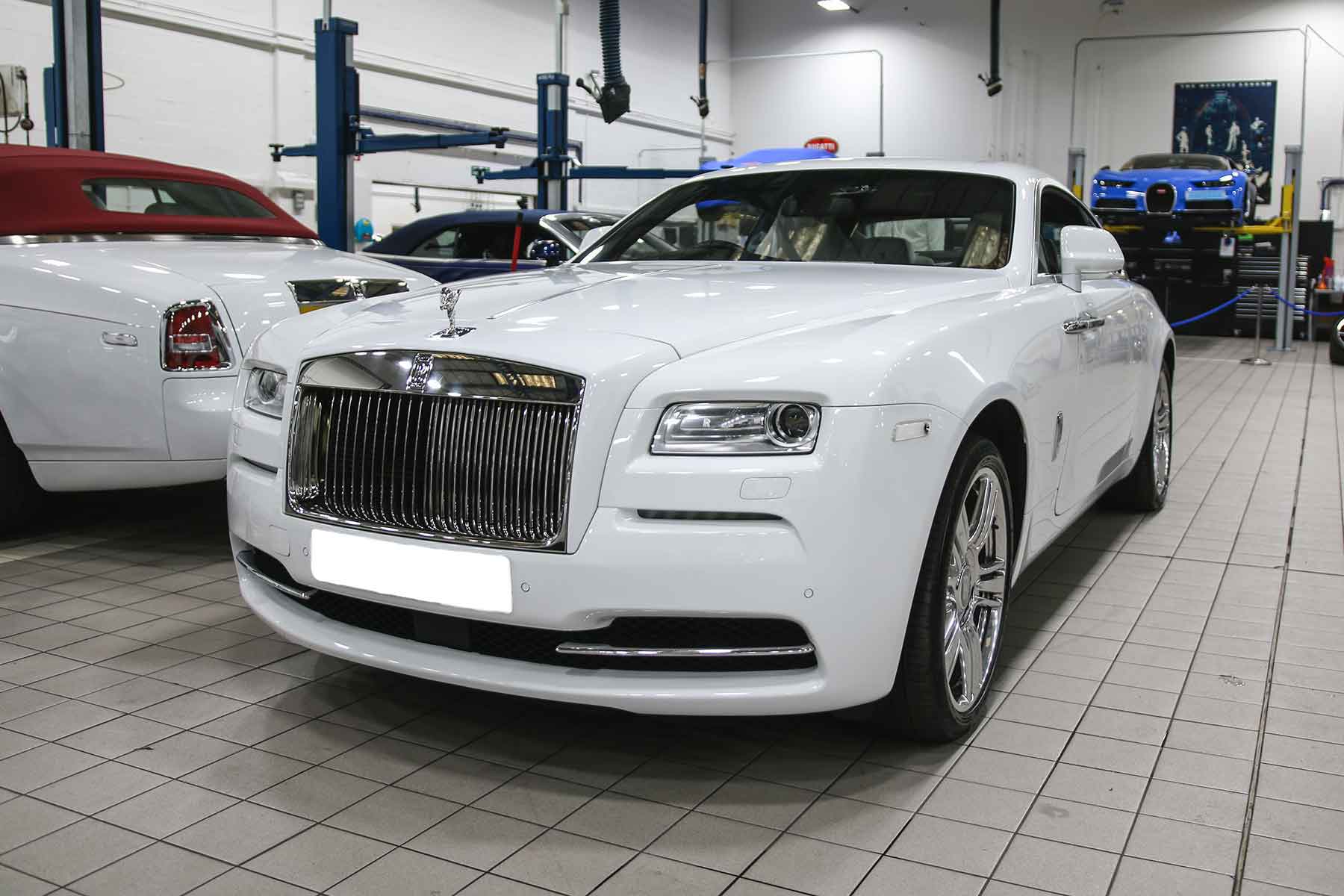
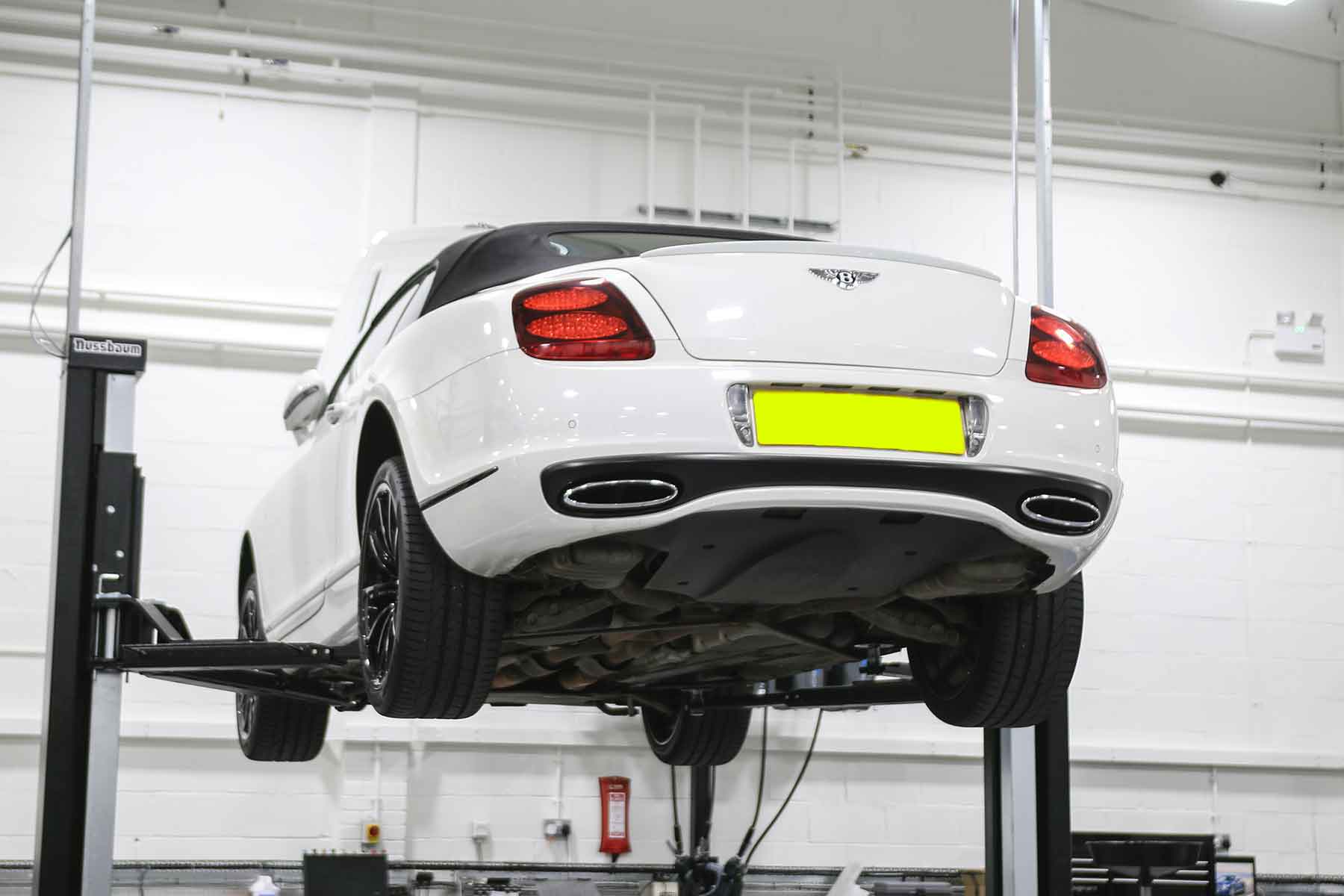
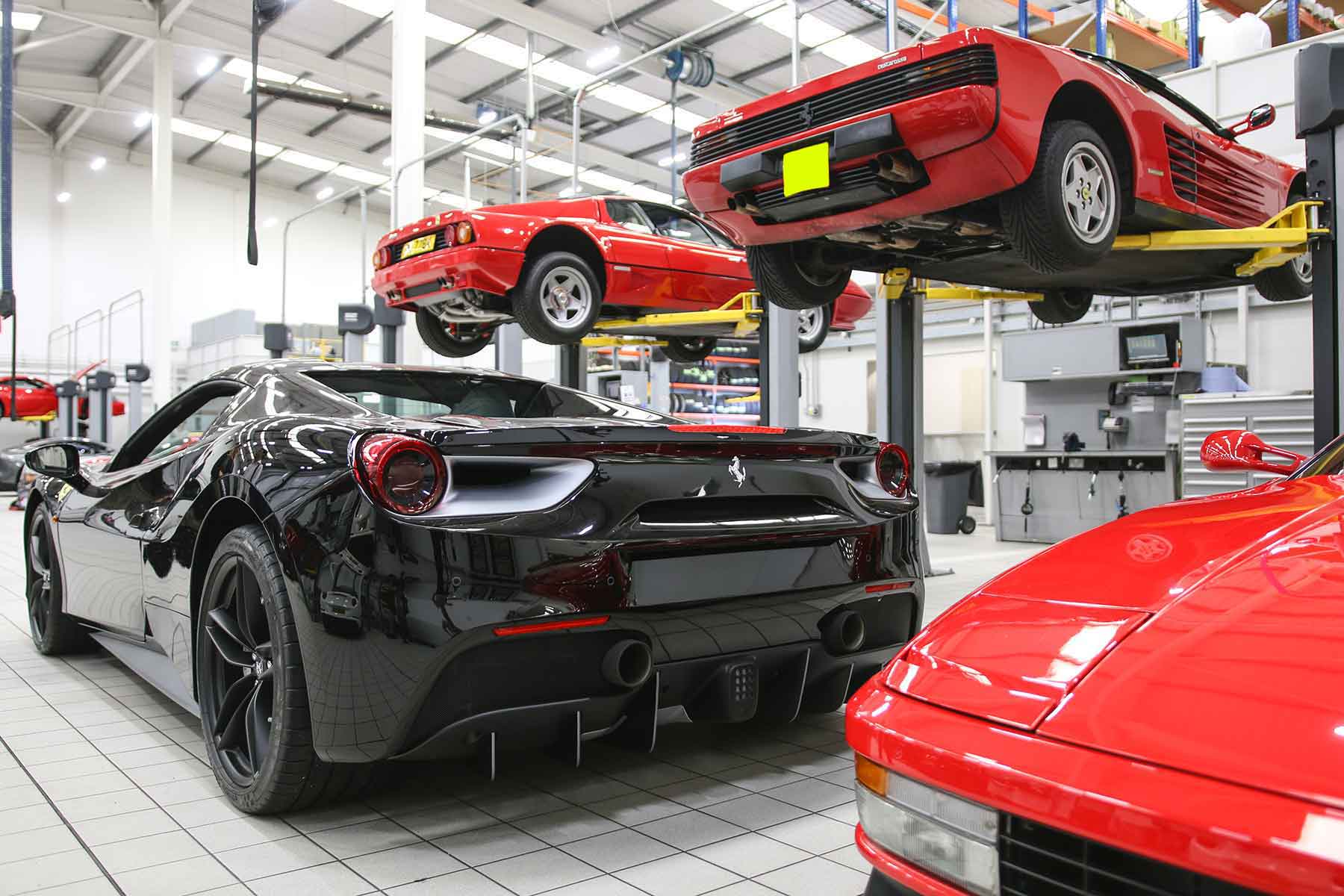
This isn’t a typical workshop. There’s no oil on the floor, no tea-stained mugs on the shelves. Not even a politically incorrect calendar on the wall. Everything is clean, bright and brilliant white.

The soundtrack, however, is somewhat less sedate. One minute there’s the yelp of a Ferrari V8, the next the thunderous bellow of a Lamborghini V12. Evidently, the cars here are far from typical, too.

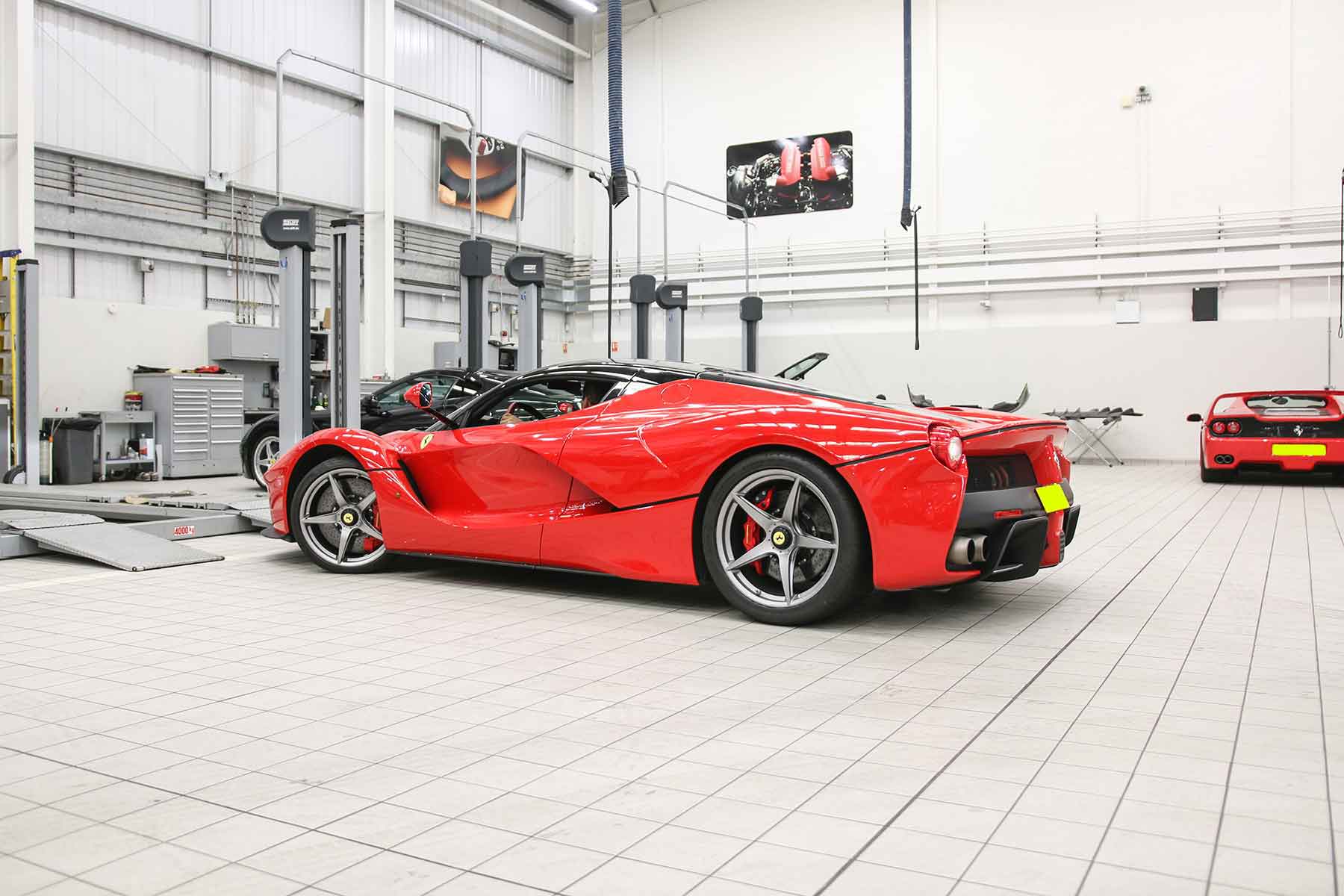
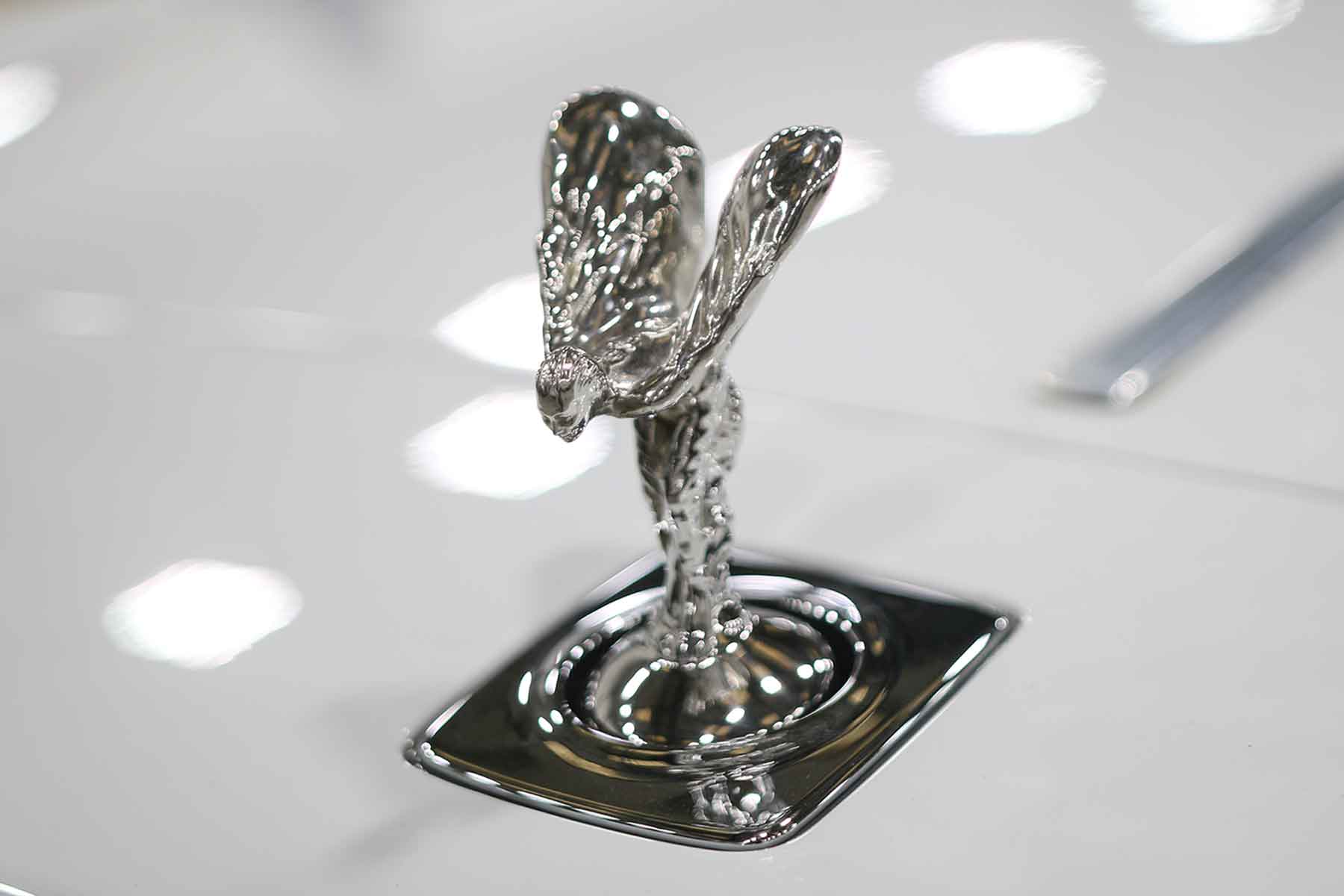
H.R. Owen is the UK’s largest independent dealer for all things posh and powerful, with showrooms for Lamborghini, Bugatti, Ferrari, Bentley, Rolls-Royce, Aston Martin, Maserati, Lotus and BAC. There’s also a large servicing side to the business, which customers rarely see.

Join us for a trip behind the scenes – and watch our exclusive video – as we get a first-hand view of supercar servicing.

Video: inside the service centre for supercars

Raging bulls: Lamborghini

HR Owen Service Centres

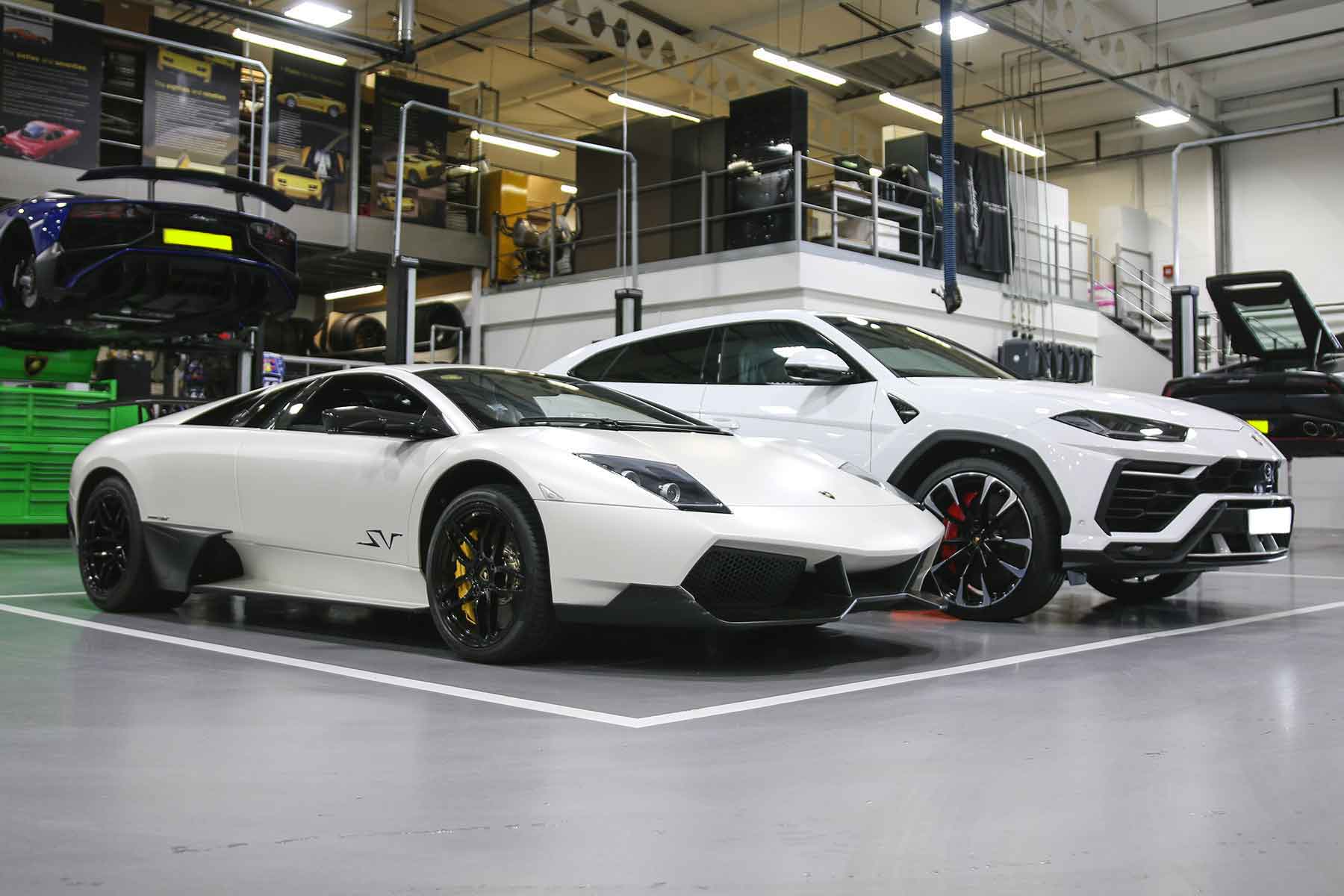
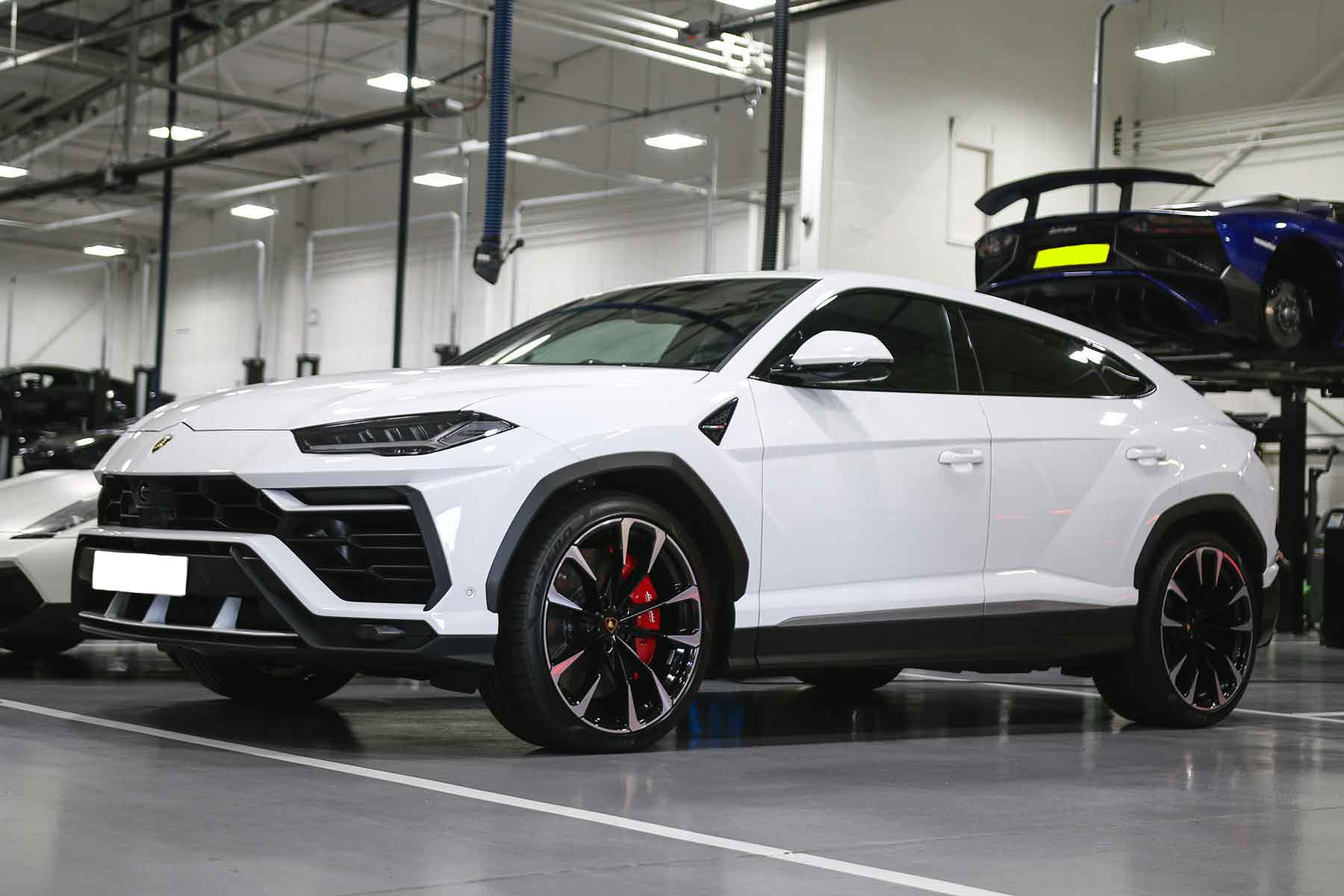
We start our tour with Lamborghini, where the first car spotted is a Urus. Launched earlier this year, the five-seat SUV is an altogether different type of Lambo – one expected to double sales.

“It’s proving very popular,” says Paul Staple, team leader for Lamborghini. “We’ve already taken lots of orders through our London showroom, with many of due for delivery before Christmas. Customers are migrating from Range Rovers and Porsche Cayennes.”

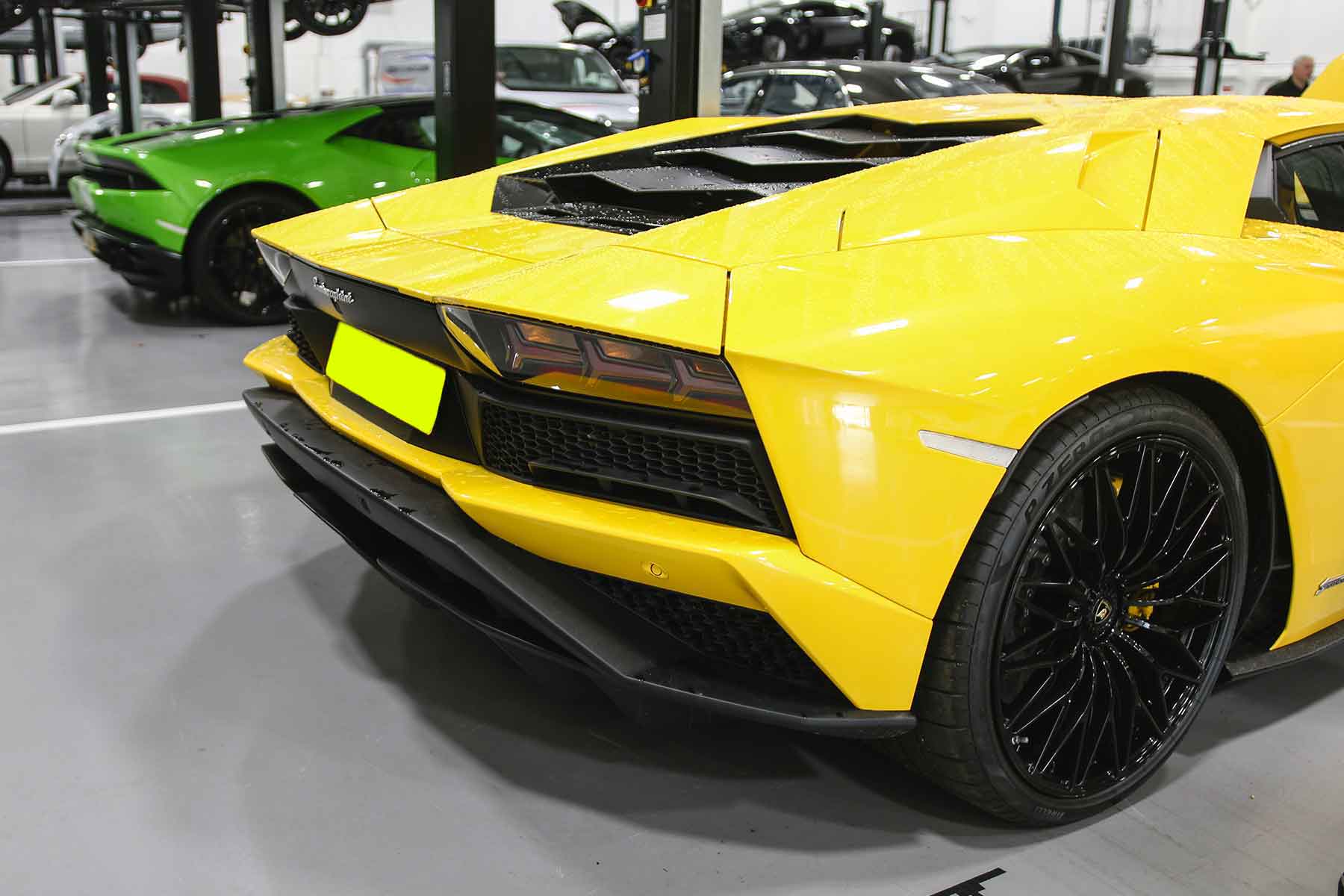
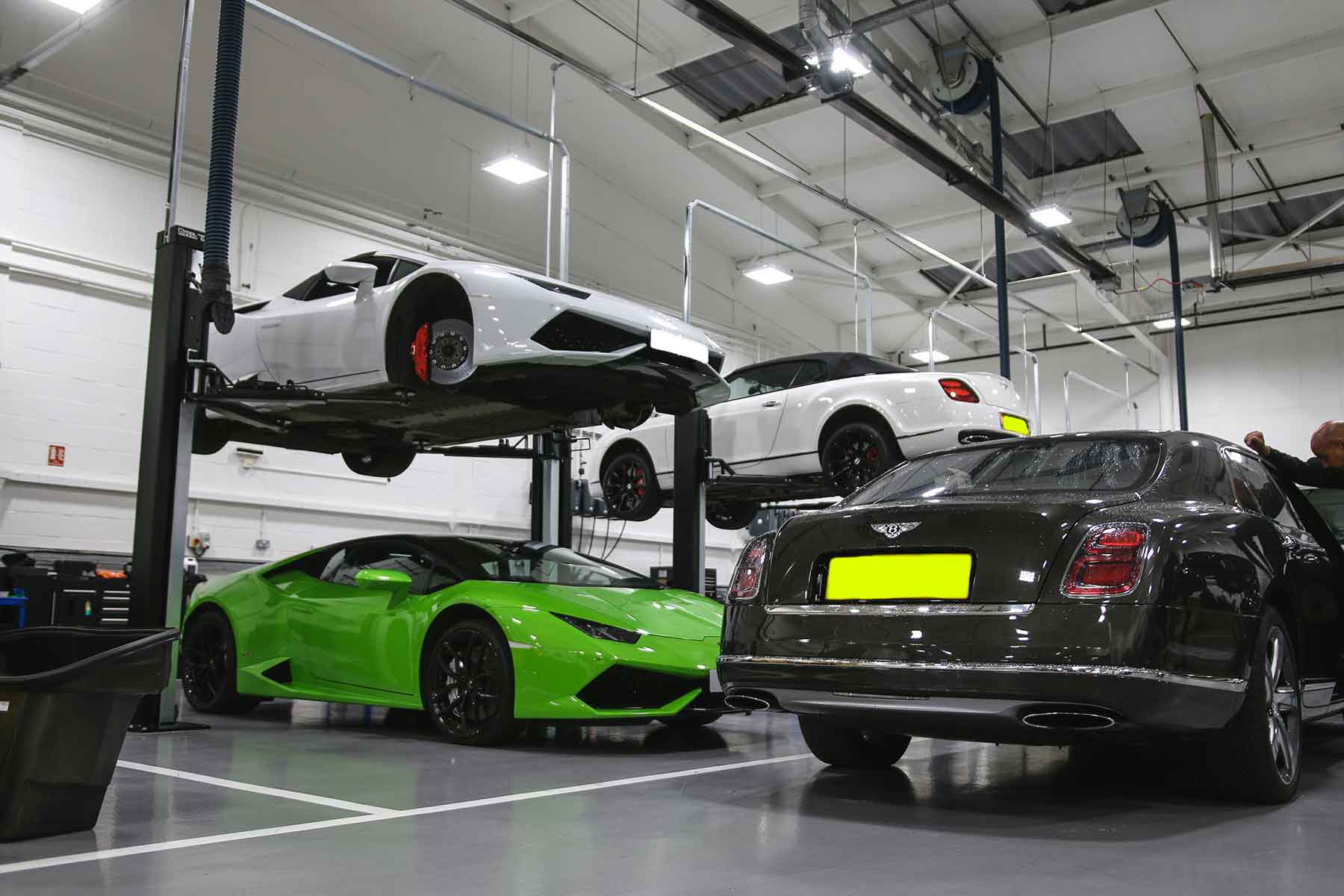
Other cars dotted around include a Gallardo, three Huracans, a new Aventador S and two Murcielago SVs. The latter starred in memorable episode of Top Gear, driven by Richard Hammond across the Dubai desert.

HR Owen Service Centres

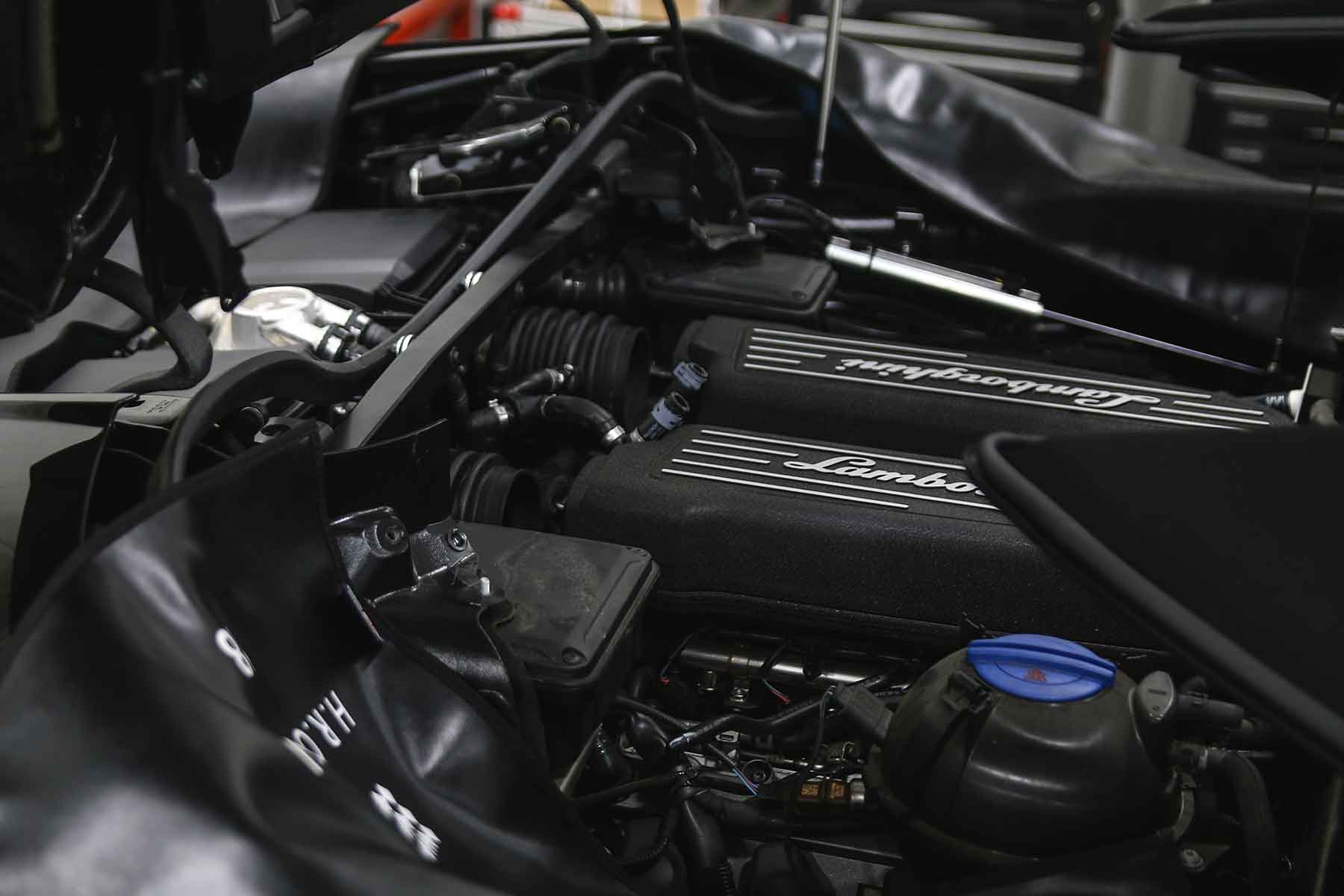
H.R. Owen’s workshop sees more Lamborghinis each year than the Sant’Agata factory itself, including “a handful of Countachs, but rarely anything older than that.” A full-carbon, £1.7m Centenario coupe – one of 20 made – is the most exotic car serviced to-date.

Working on Lamborghinis isn’t always straightforward, though, as Paul explains: “The mid-engined layout complicates things. Any issue with the gearbox means removing the engine first”. Servicing an Aventador takes a full day, versus a couple of hours for a typical car.

It’s important to remember, too, that these cars are high-performance machines, designed to be driven hard. Meticulous maintenance is vital.

All hail the hypercar: Bugatti

HR Owen Service Centres

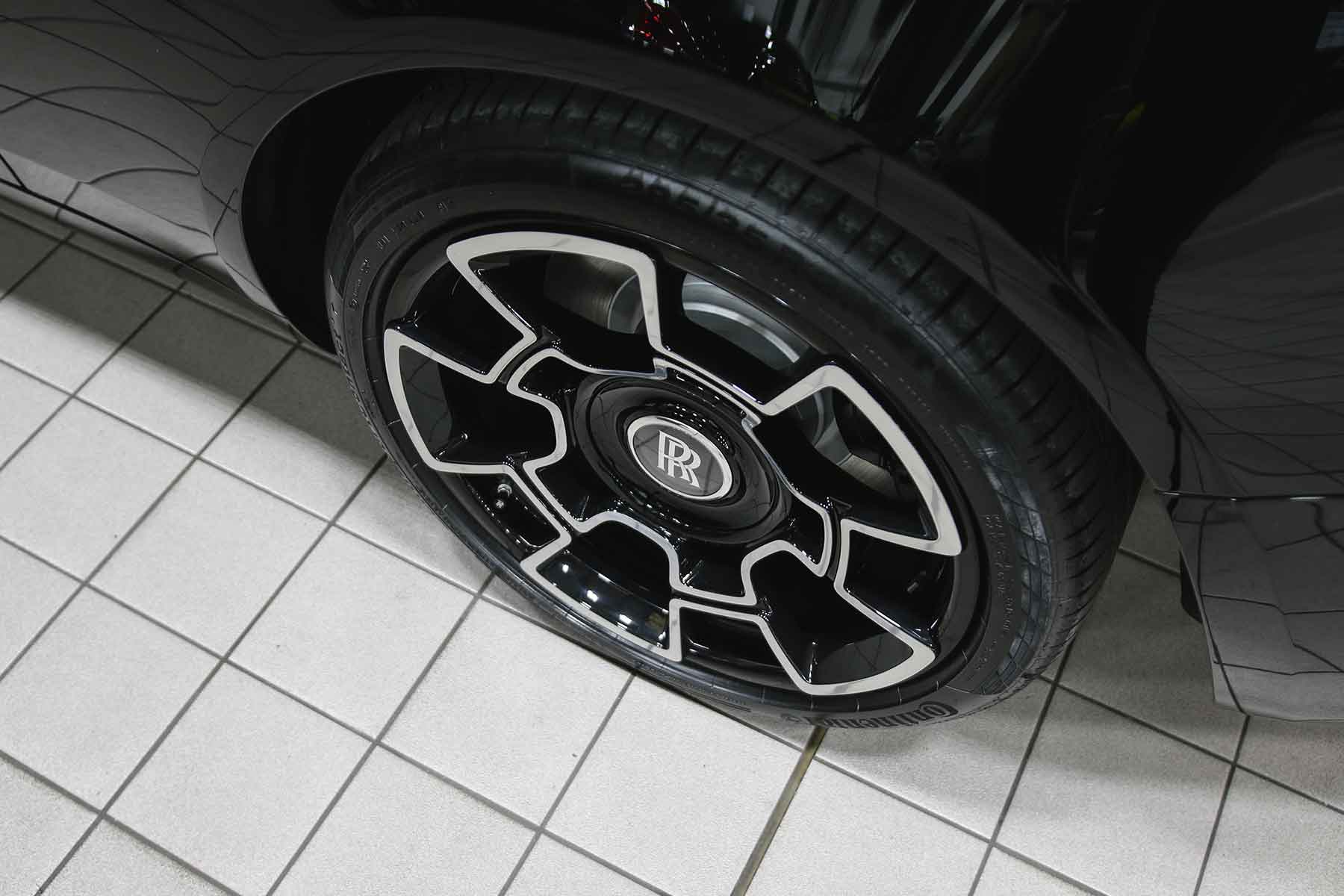
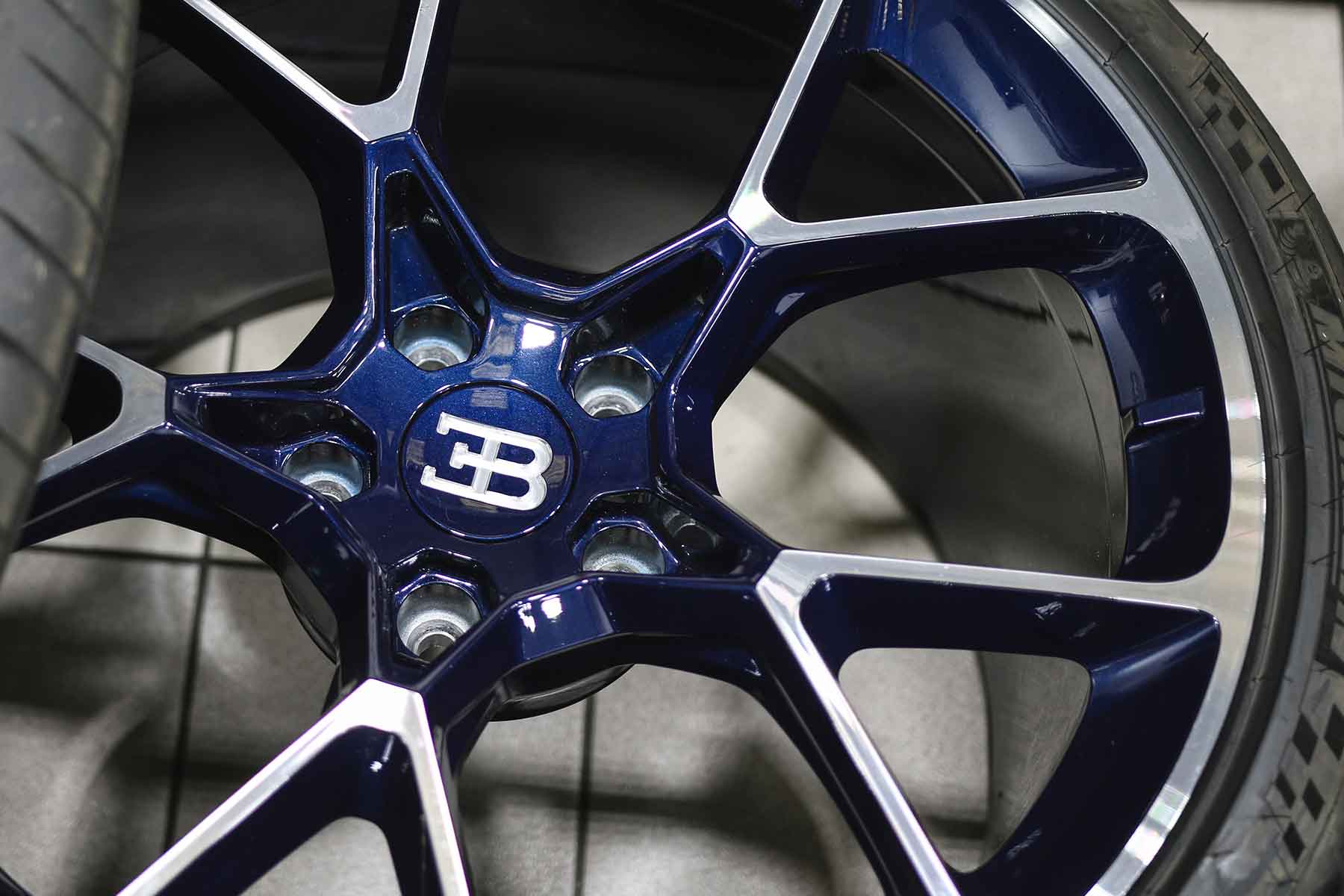
Even in a workshop full of Lamborghinis – with Rolls-Royce, Bentley and Maserati next door – the fenced-off enclave dedicated to Bugatti feels special.

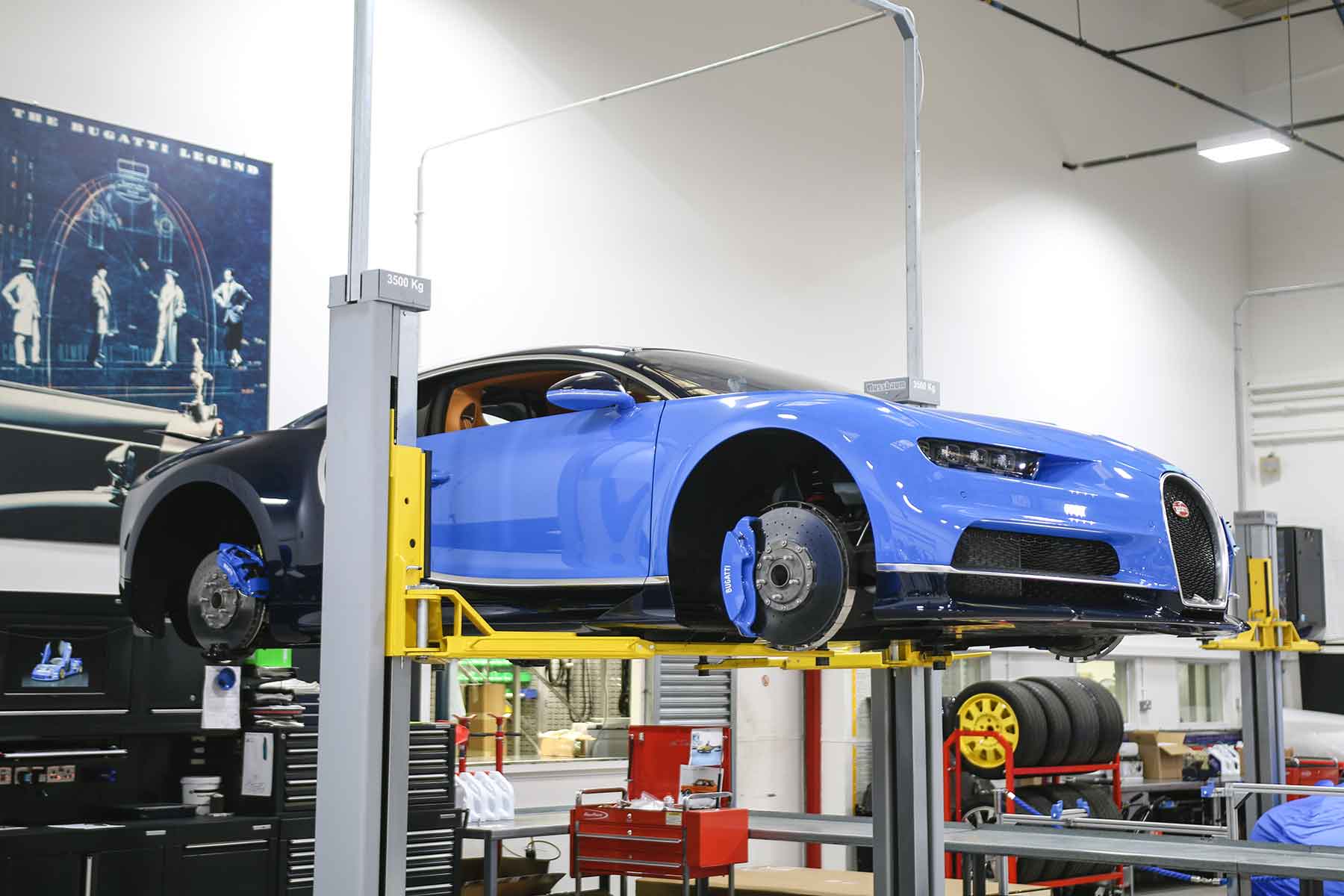
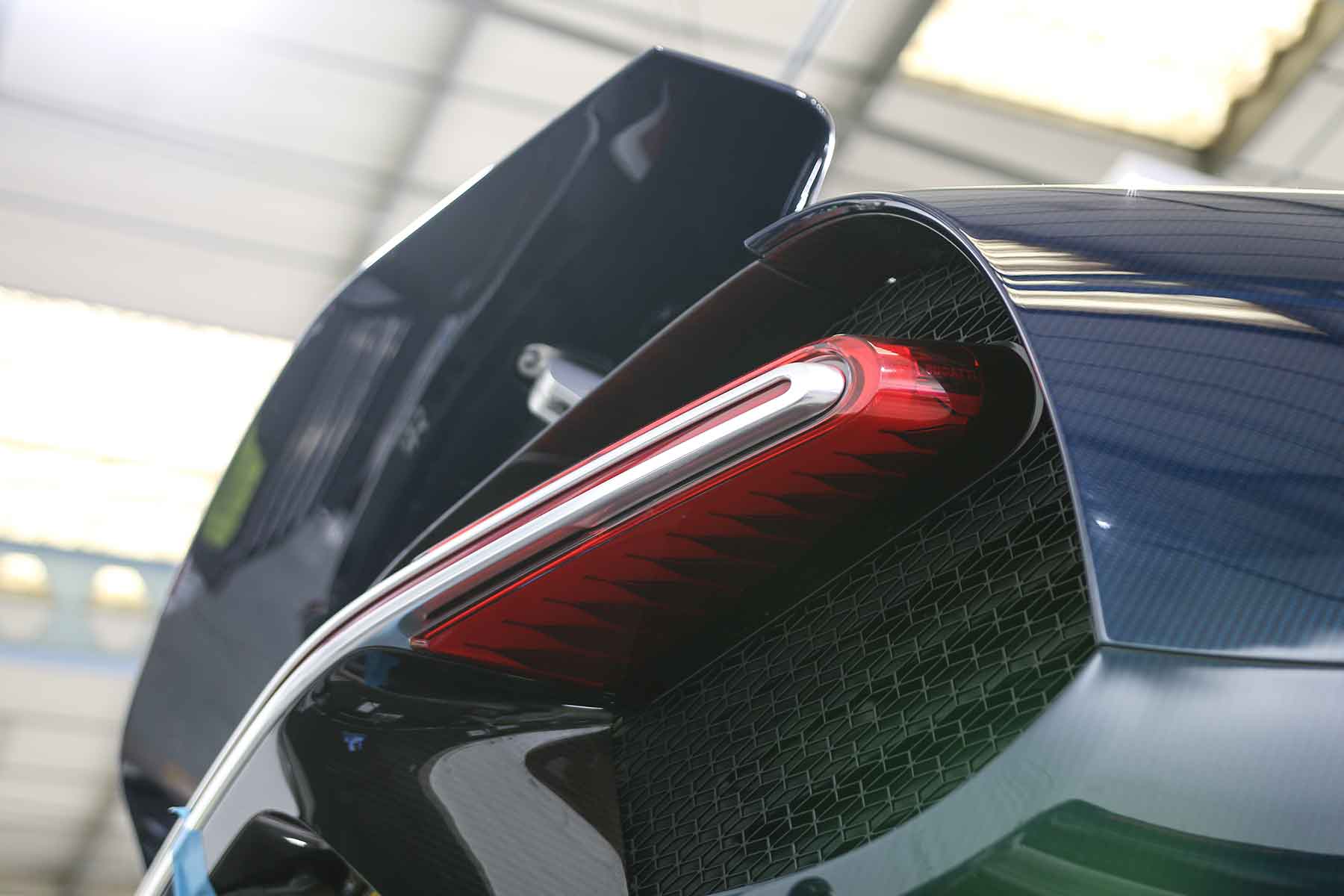
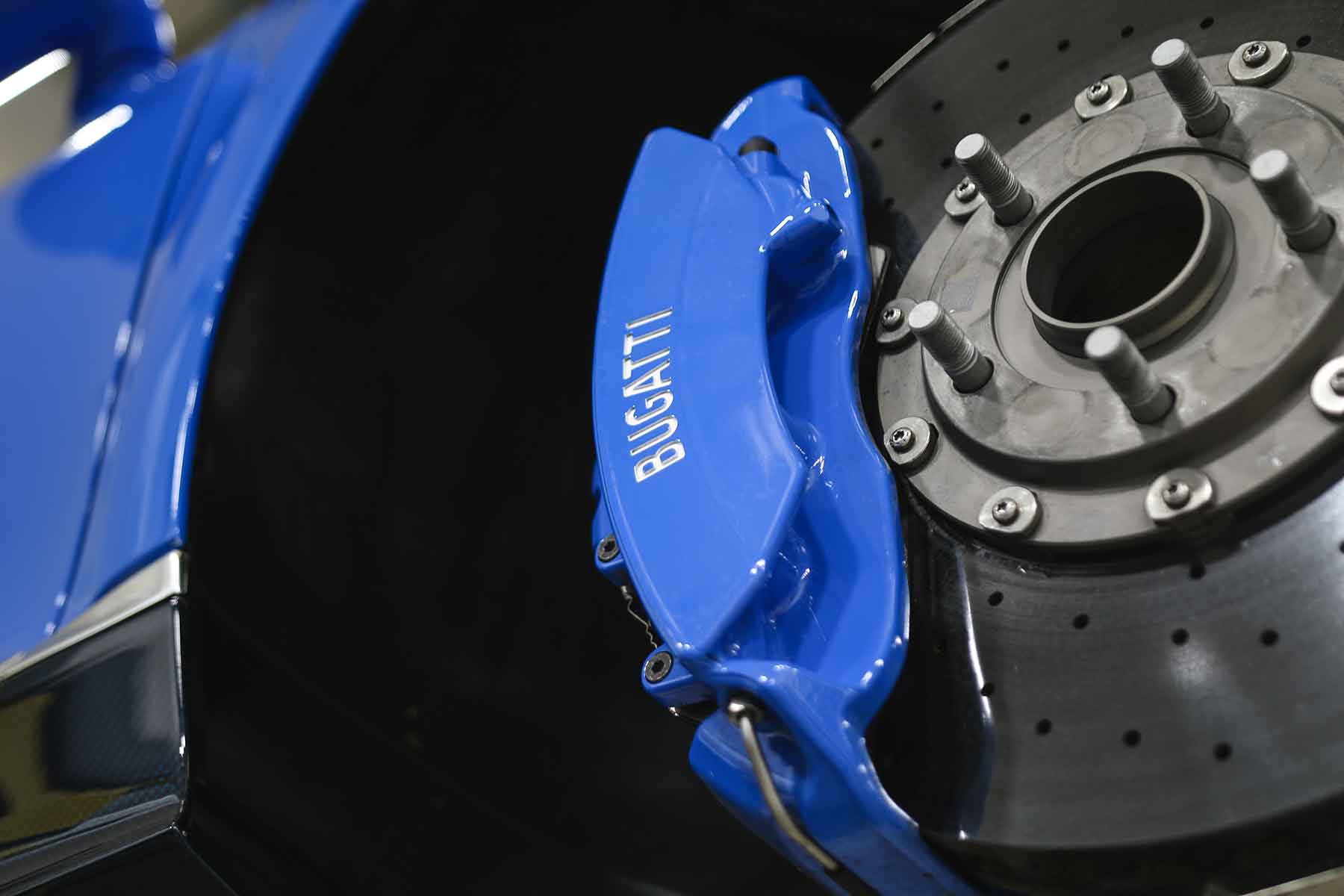
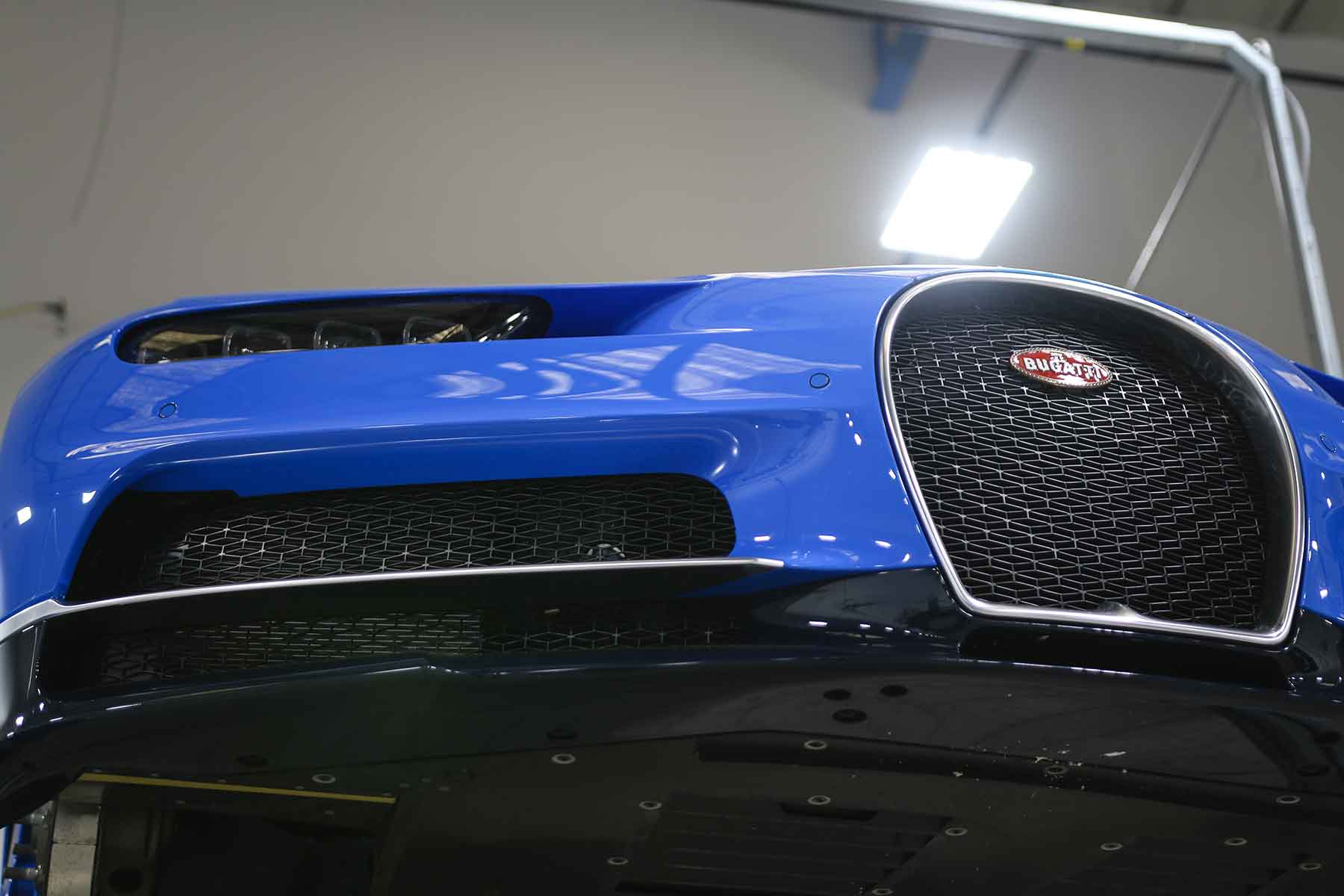
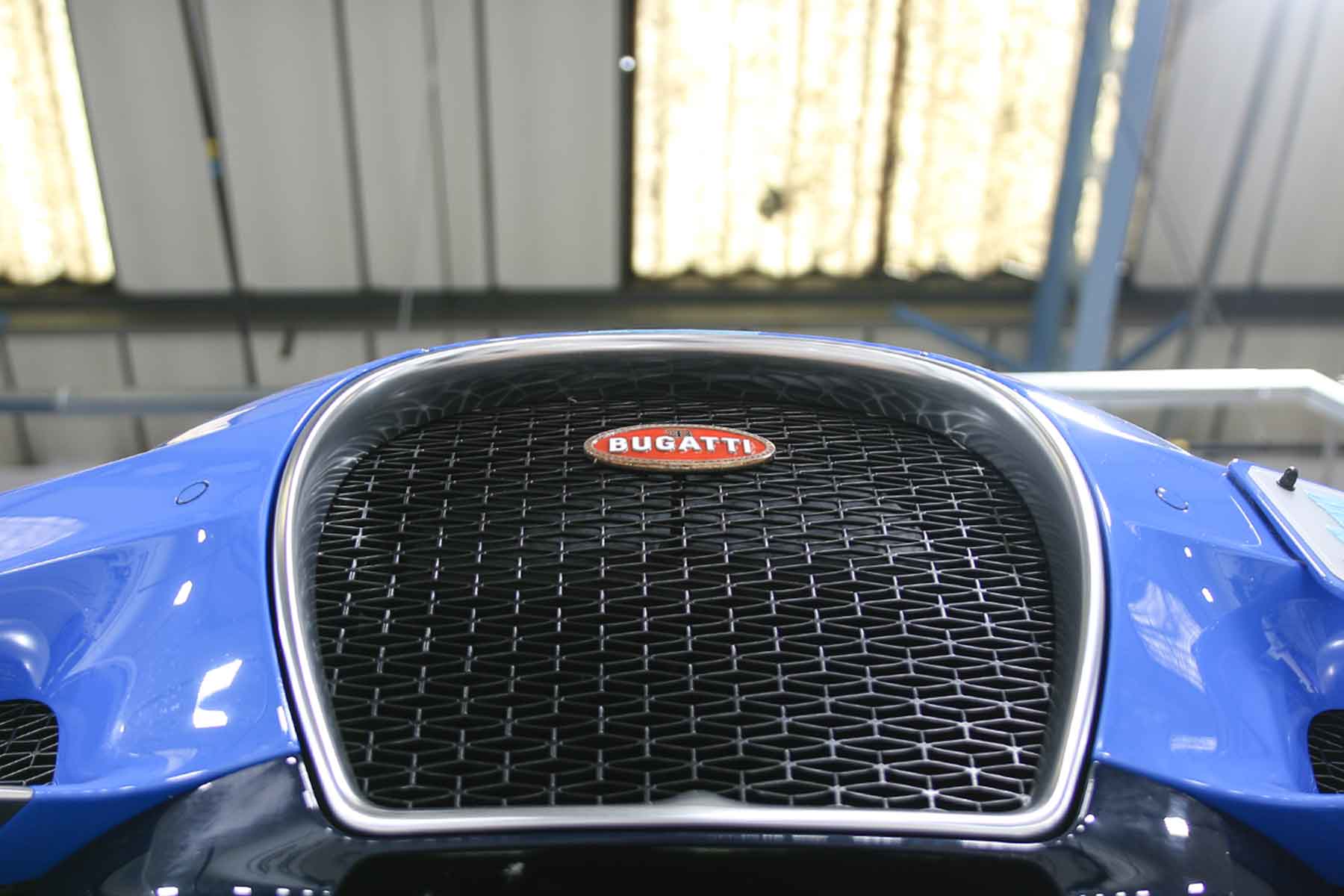
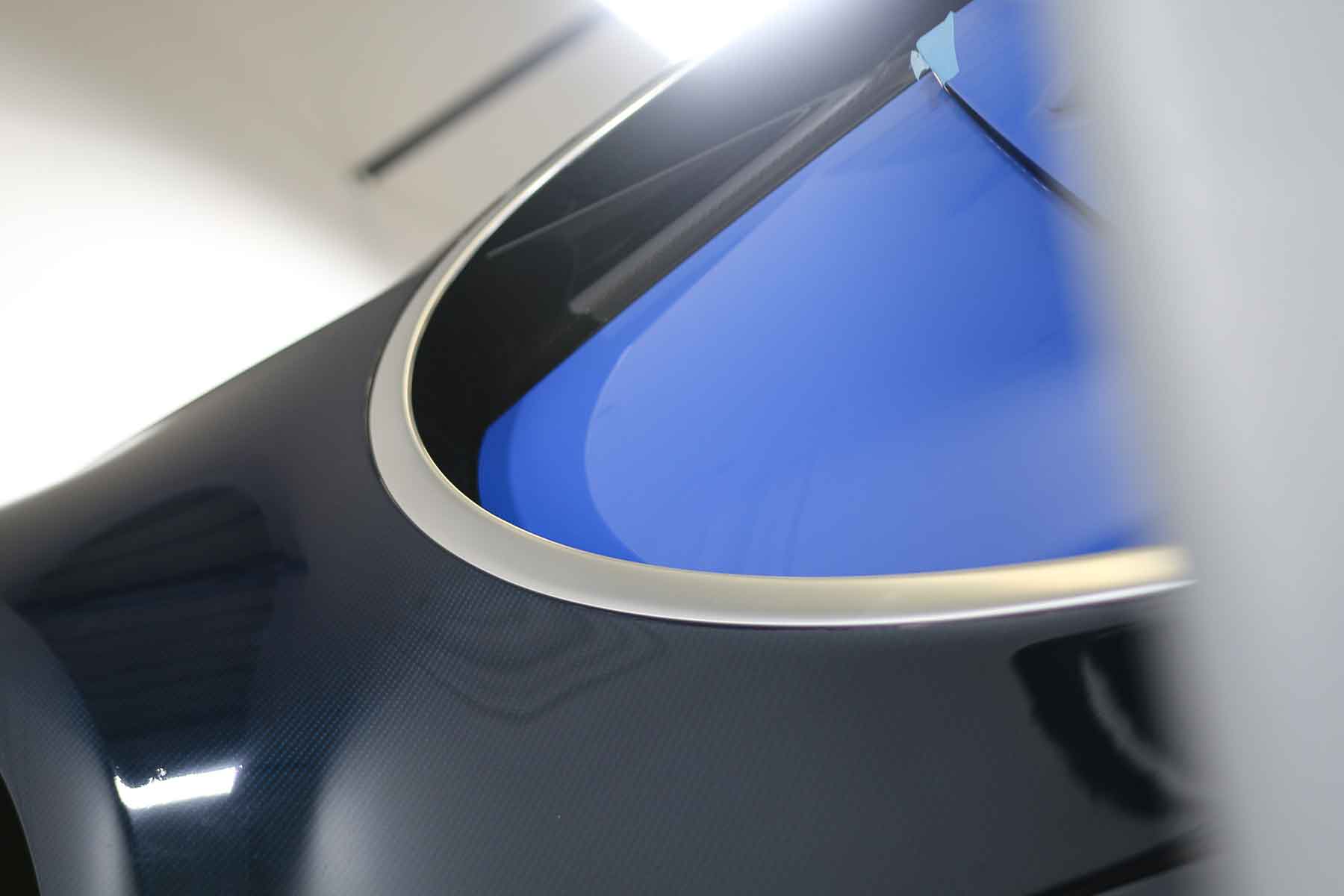
Several Veyrons are concealed under covers, while technician Lui Cimino is hard at work beneath a new Chiron – the 1,500hp, 261mph hypercar that makes even an Aventador look anaemic.

Indeed, the Chiron is all about big numbers, whether it relates to performance or parts prices. Lui can’t divulge costs, but some rudimentary Googling suggests you’ll pay thousands of pounds for a single brake disc.

HR Owen Service Centres

Having done his training at the Molsheim factory, Lui is acutely aware of the need for kid gloves. “You need to be so careful with the cars,” he explains. “Everything is very expensive, but that’s how you ensure it’s of the highest quality.”

Seven Chirons have already passed through Lui’s hands, with all work covered under Bugatti’s four-year all-inclusive deal. He recently worked on the final Veyron Supersport, too.

The highlight of Lui’s career, though, was servicing the classic EB110 LM and the EB110 SC GTS-1 racing cars, developed for Le Mans and the IMSA GT championship respectively.

Into the red: Ferrari

HR Owen Service Centres

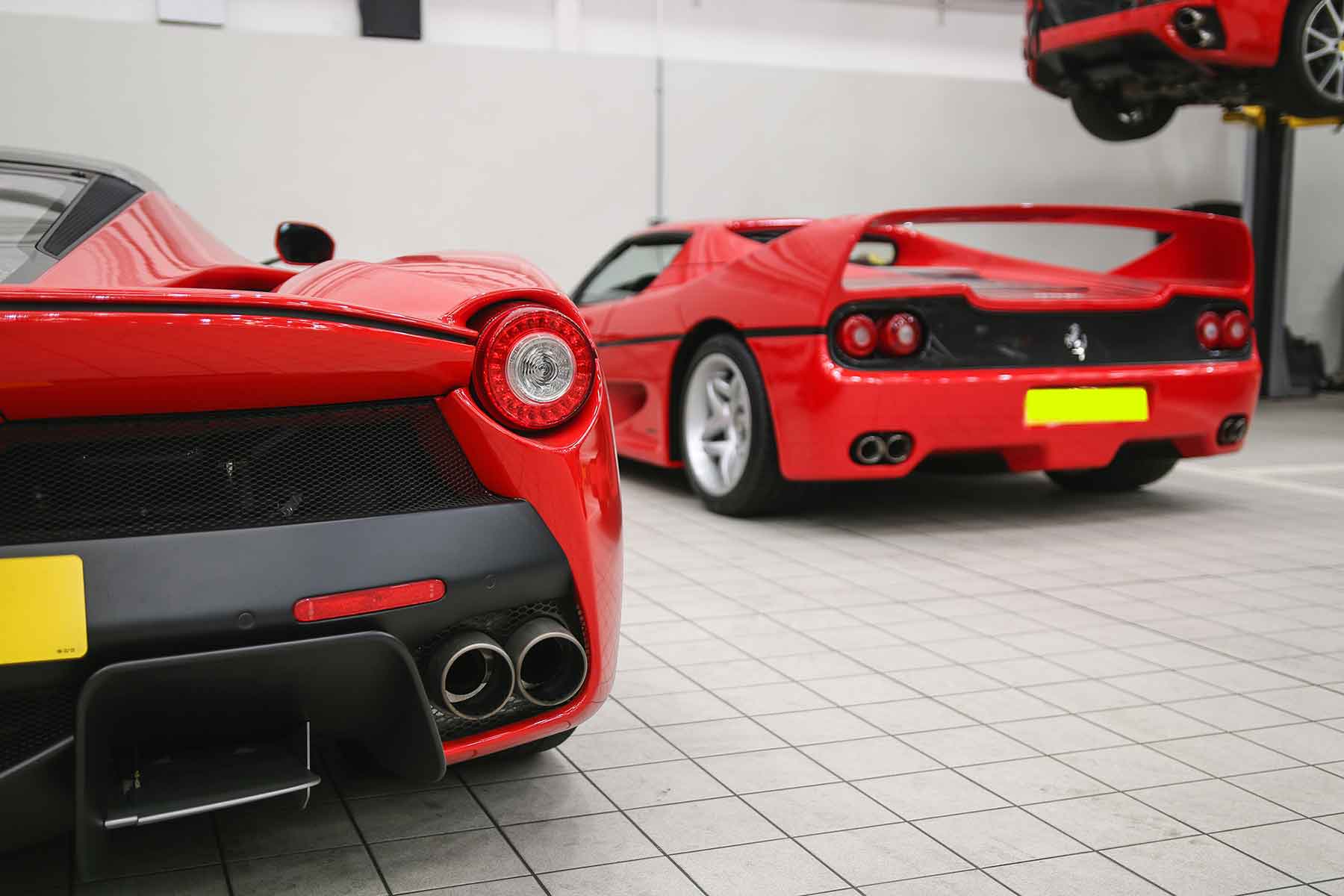
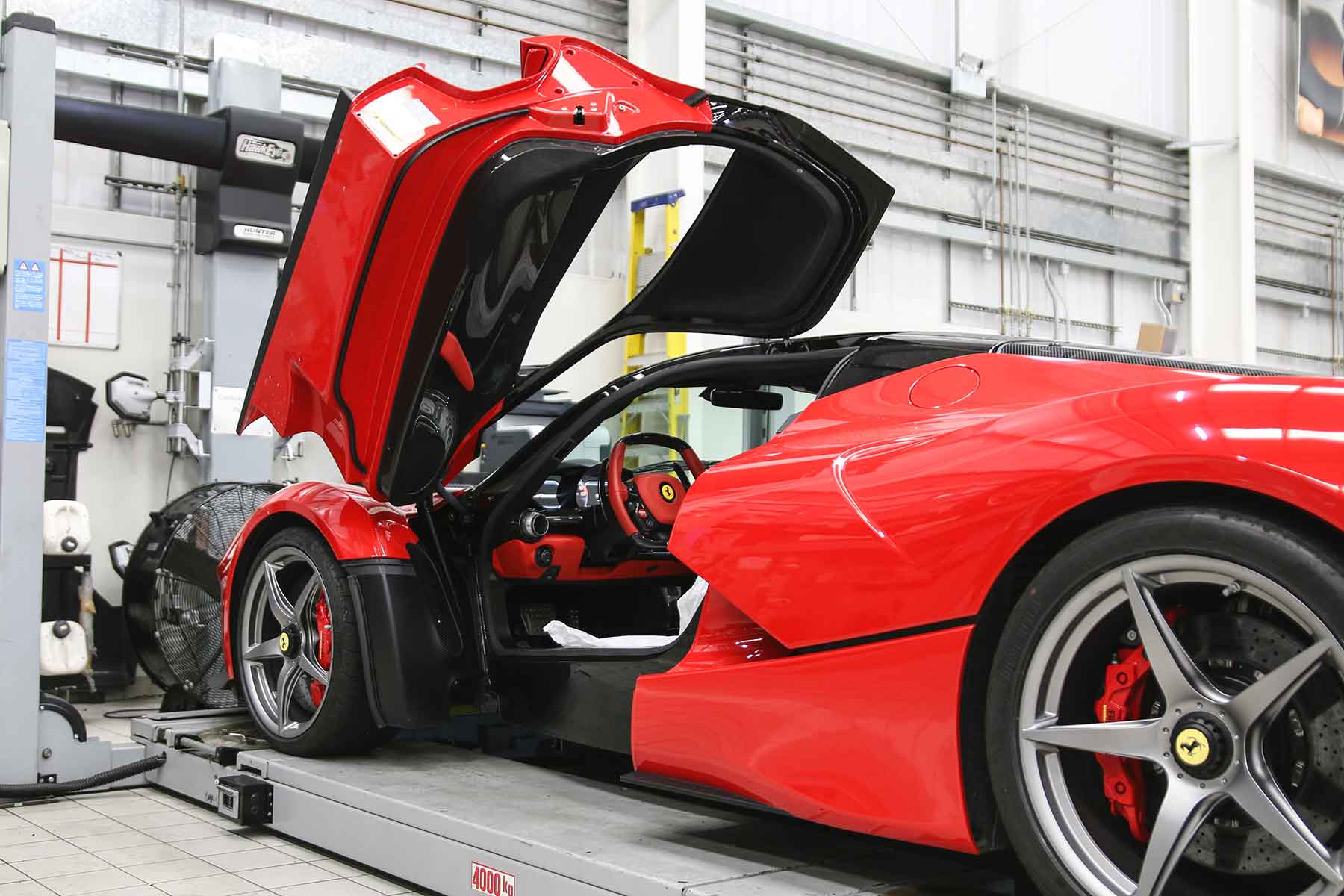
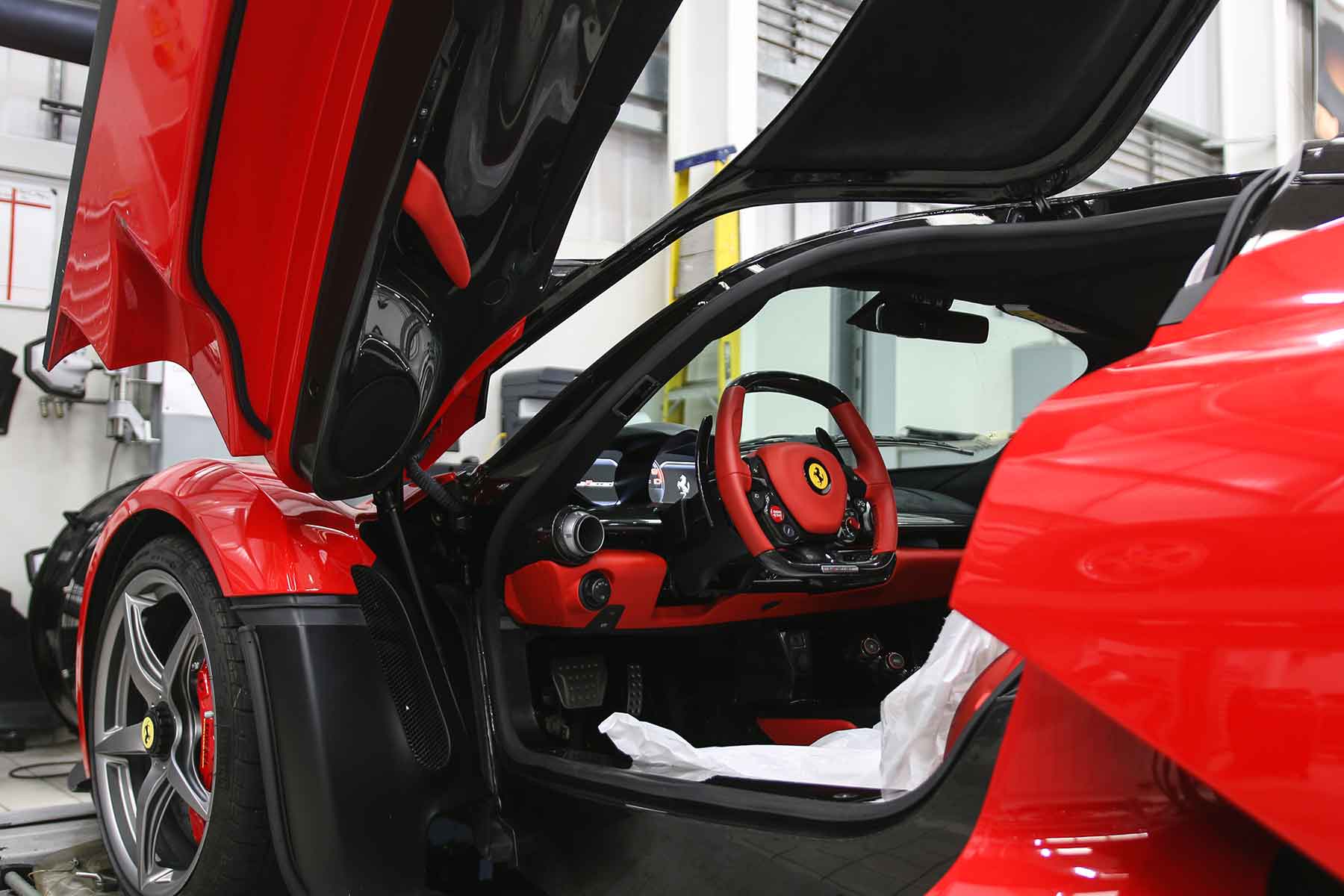
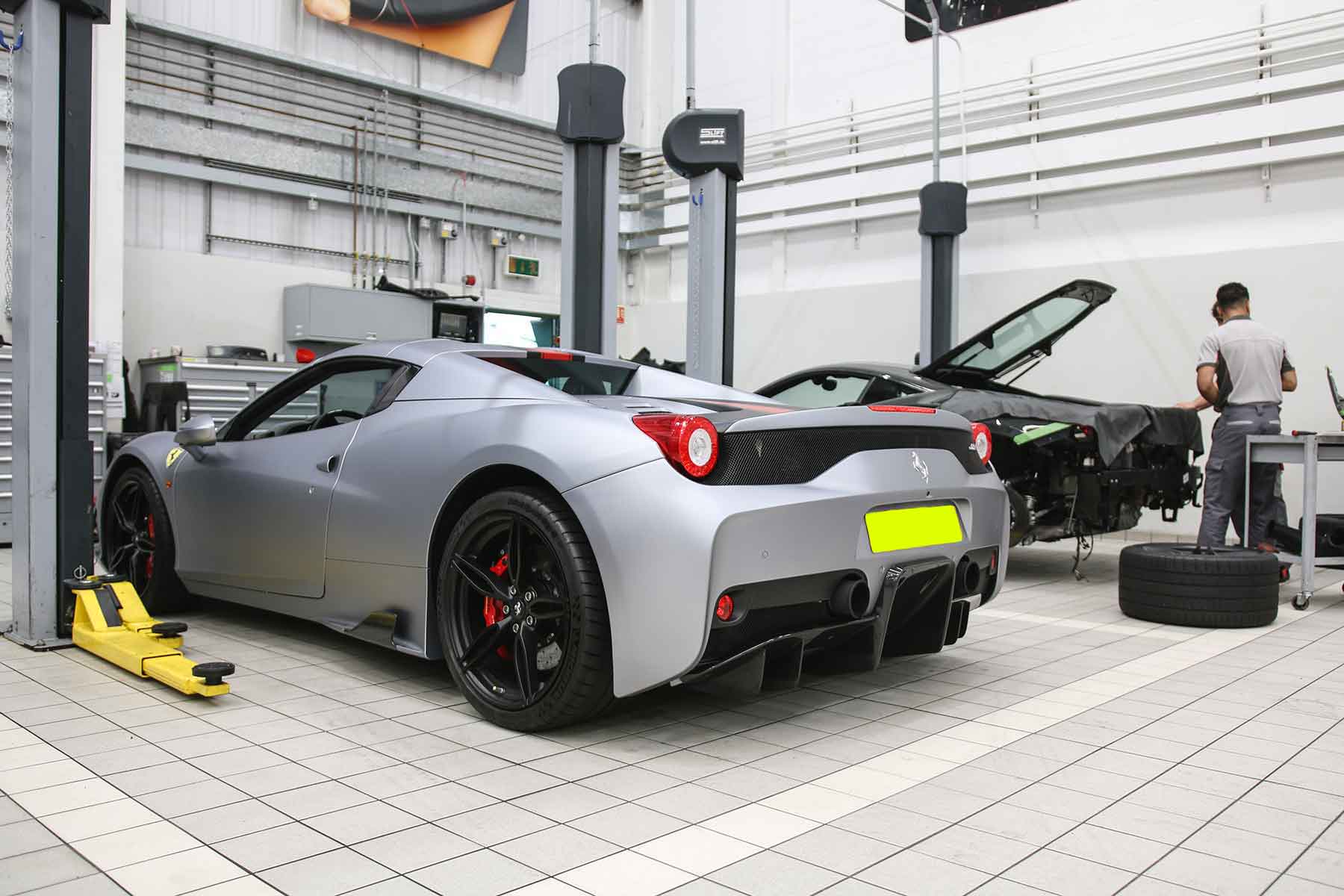
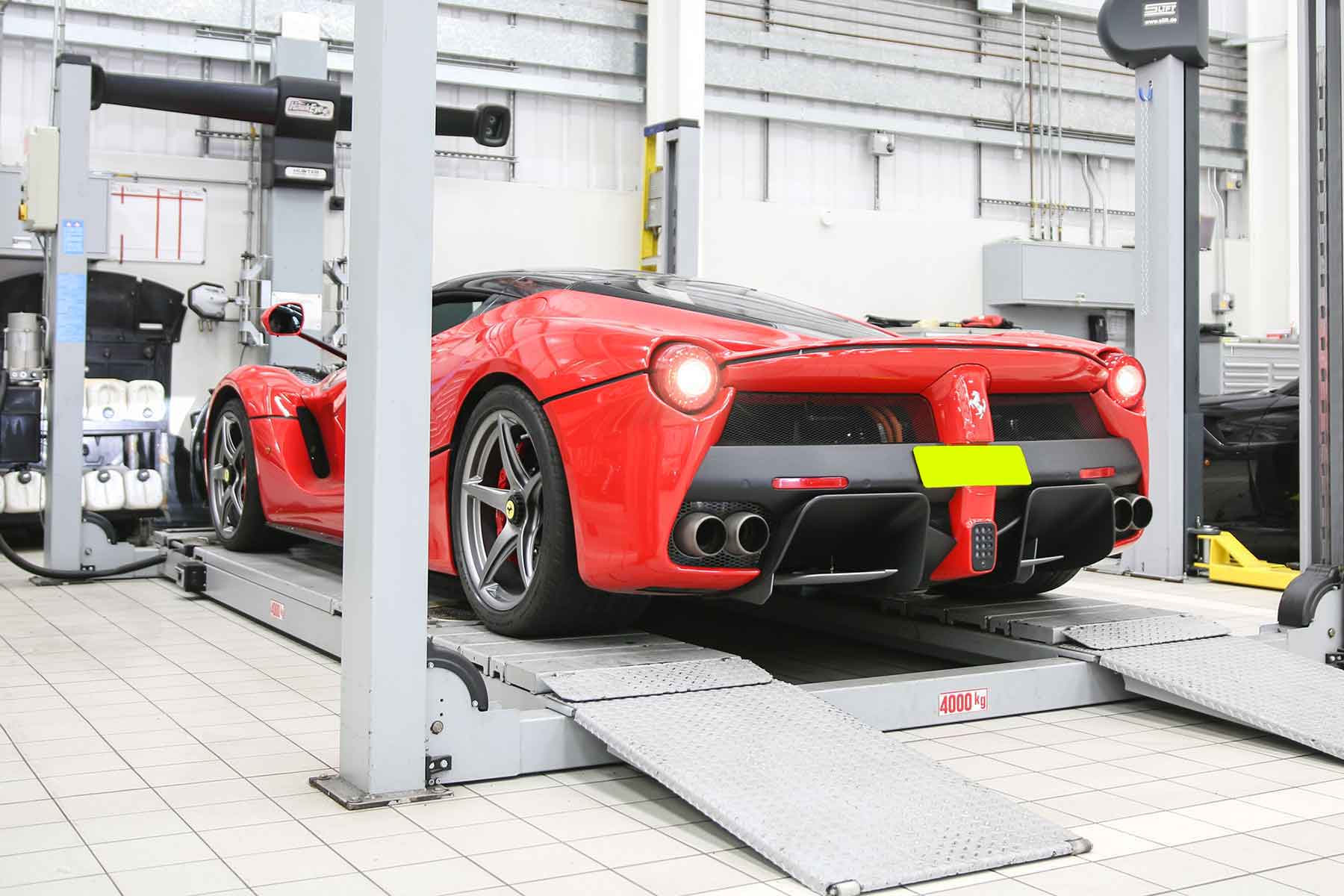
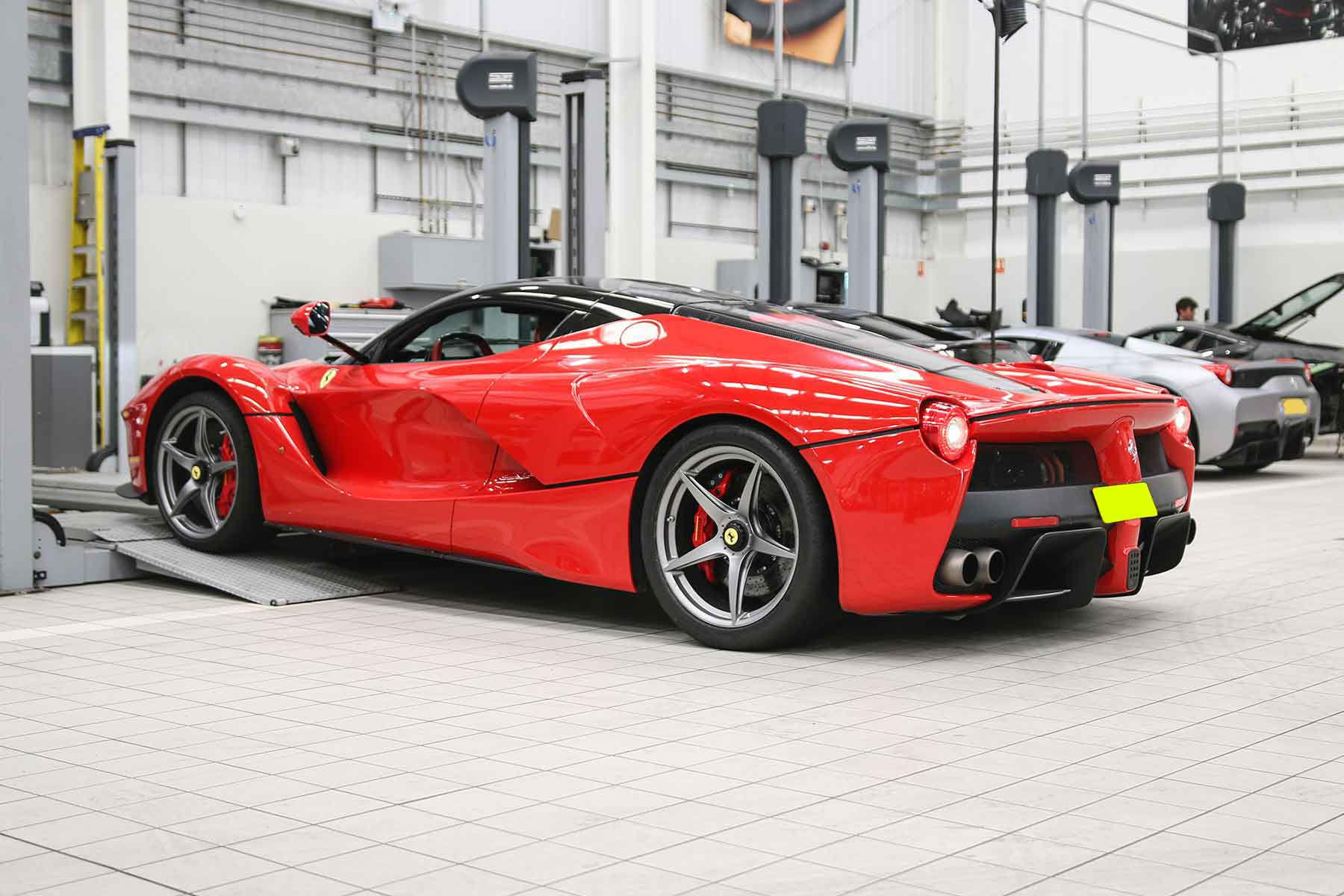
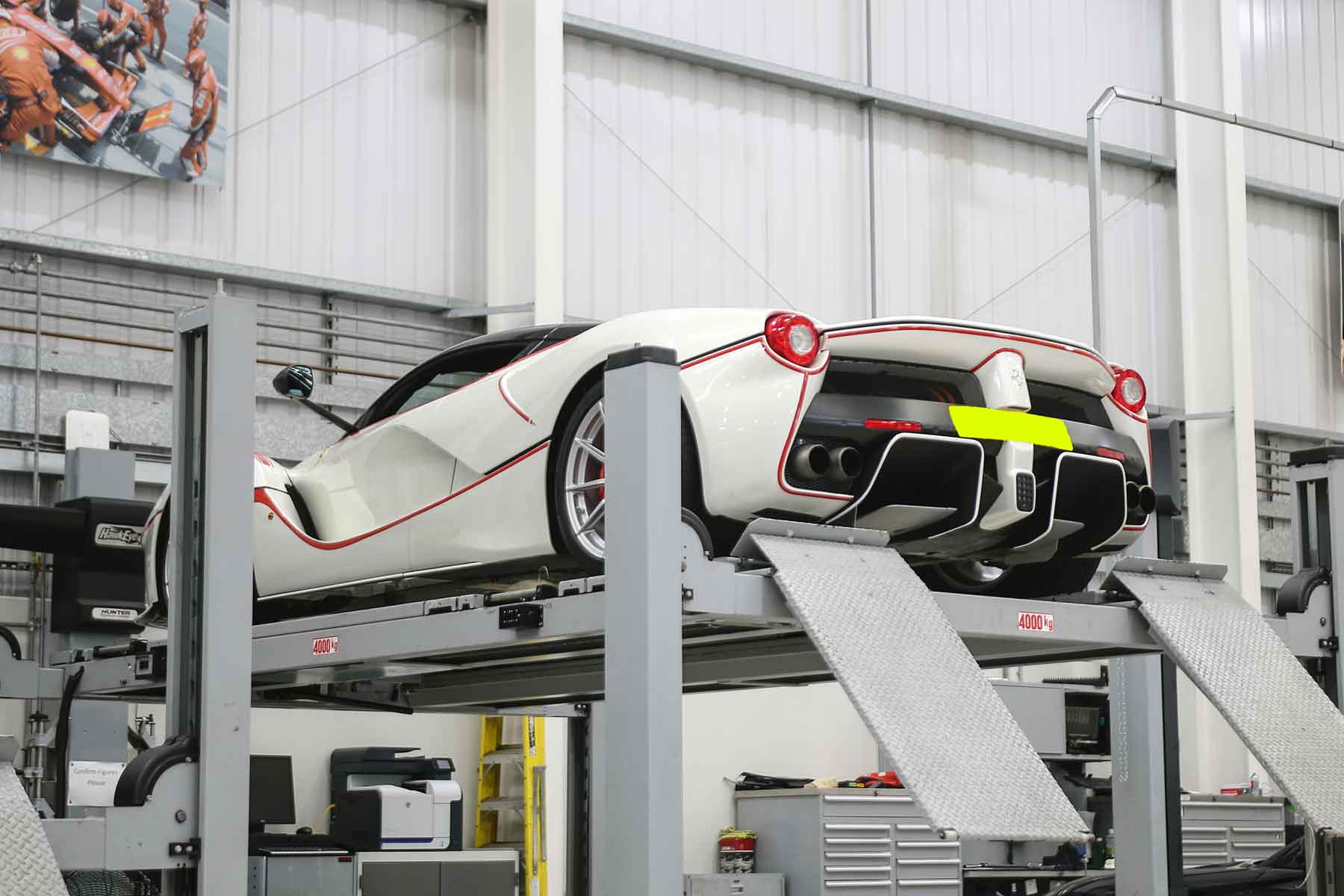
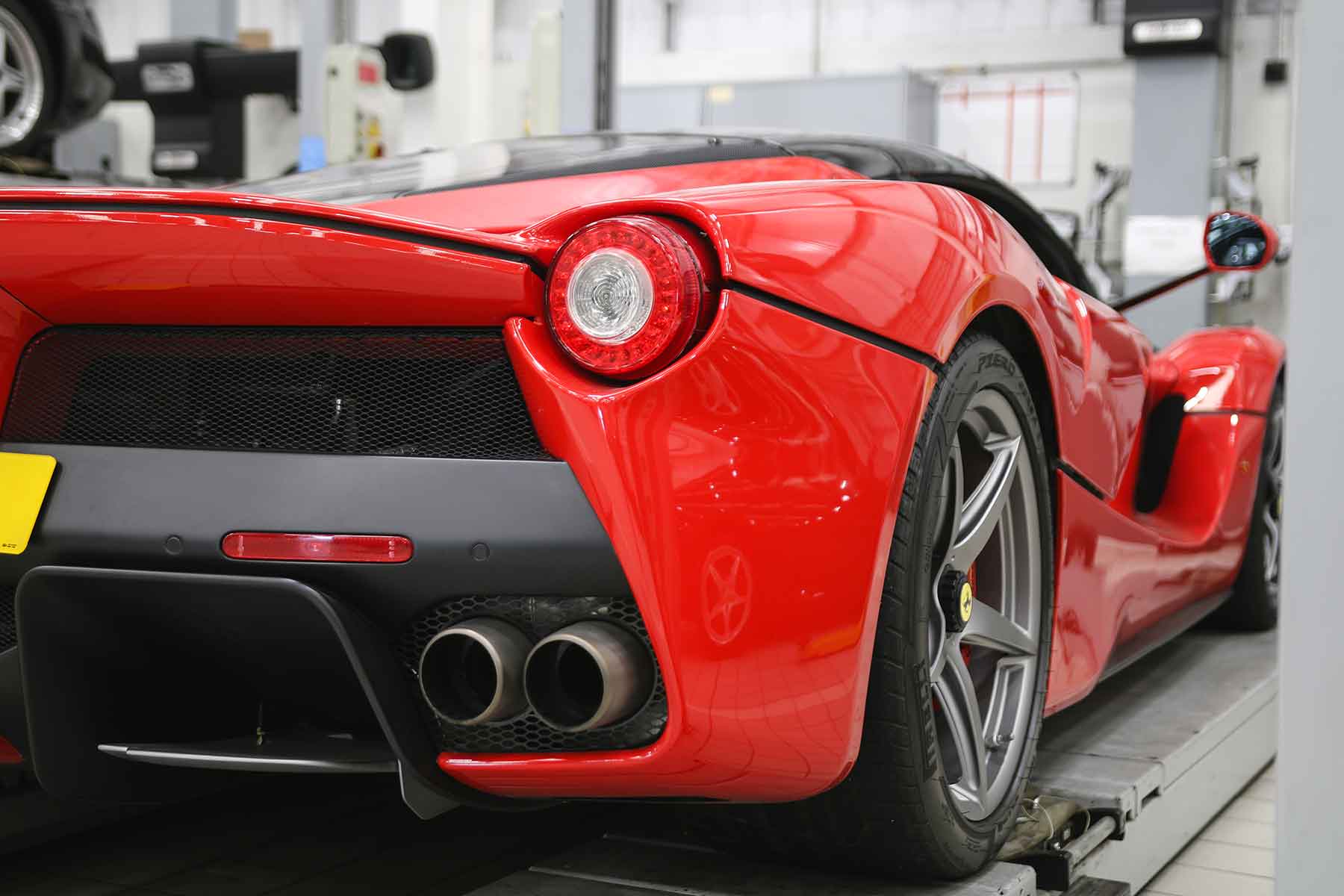
Our final stop is Ferrari. H.R. Owen has 22 servicing bays dedicated to Italy’s most famous export and, today, nearly all are full. Within minutes, we’ve spotted an F12 TDF, F50, 330 GT, Dino and two LaFerraris. There’s also a bespoke one-off built for a celebrity, about which we were sworn to secrecy.

Aftersales manager Tony Vaccaro is a lifelong Tifosi and visibly proud of his workshop and team. “My parents are from Italy, so I guess Ferrari is in the blood,” he says. “There’s just something about them.”

The 512BBi aloft on a ramp, he explains, is here for Classiche certification. This in-depth, factory-endorsed investigation of authenticity – from chassis numbers to the composition of body panels – has become a must-have for older Ferraris. “It can considerably enhance a car’s provenance, particularly with the market so focused on originality,” reckons Tony.

HR Owen Service Centres

Working here requires a “pretty broad set of skills”, as mechanics may be working on a carburettor-fed classic one day, then a hybrid LaFerrari the next. Most staff have completed an apprenticeship with Ferrari North Europe – “the opportunity of a lifetime for a trainee mechanic”.

Many important Ferraris have passed through this workshop, but memorable cars include the 250 GT SWB raced by Stirling Moss and a very early 166.

Tony’s personal highlight was driving a GTC4Lusso to Maranello for Ferrari’s 70th birthday event. “I won’t forget that,” he says, “but every day working with Ferraris is special”.

Read more:

Advertisement

Jaguar I-Pace drives THROUGH the Channel Tunnel in non-stop electric car challenge

0

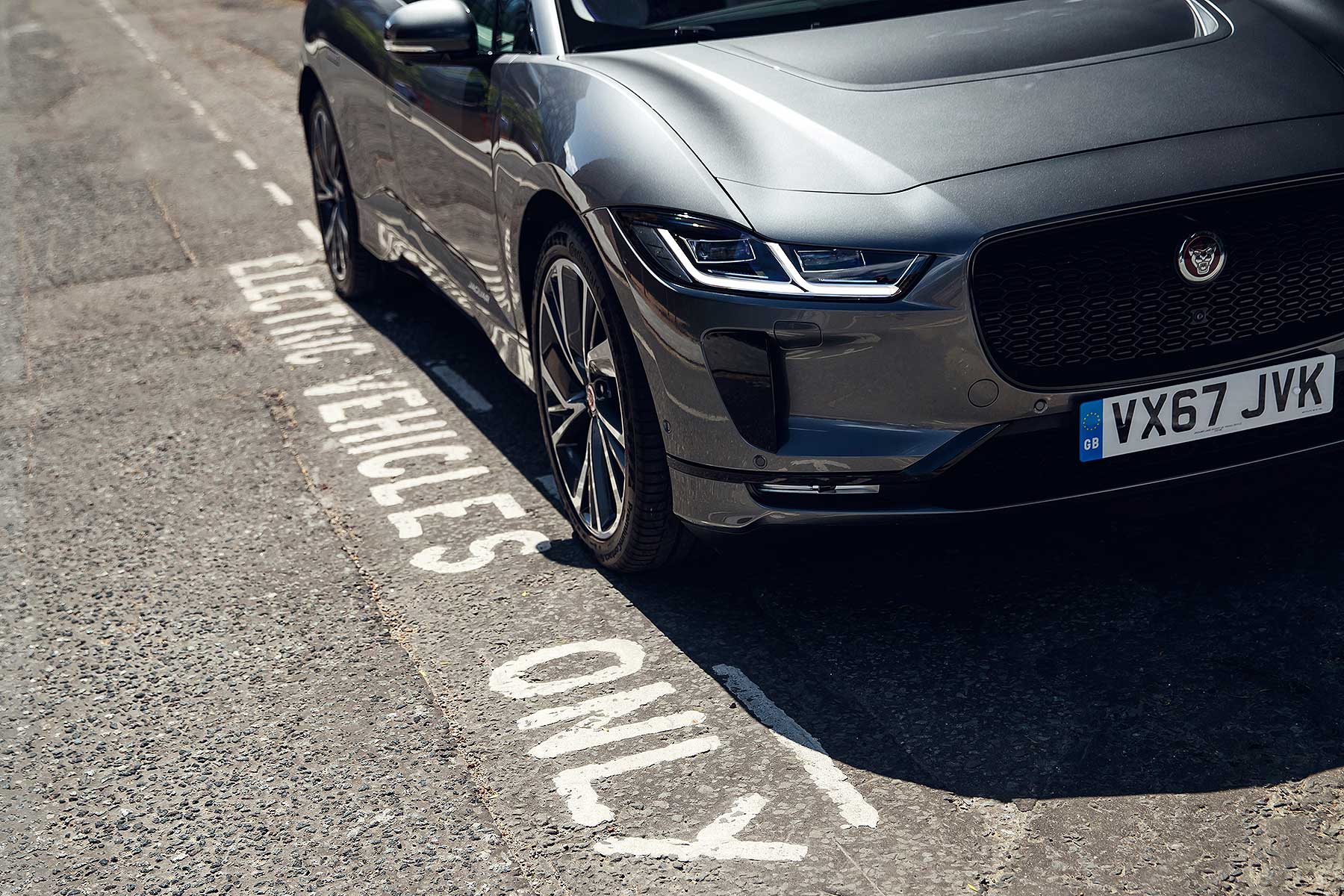
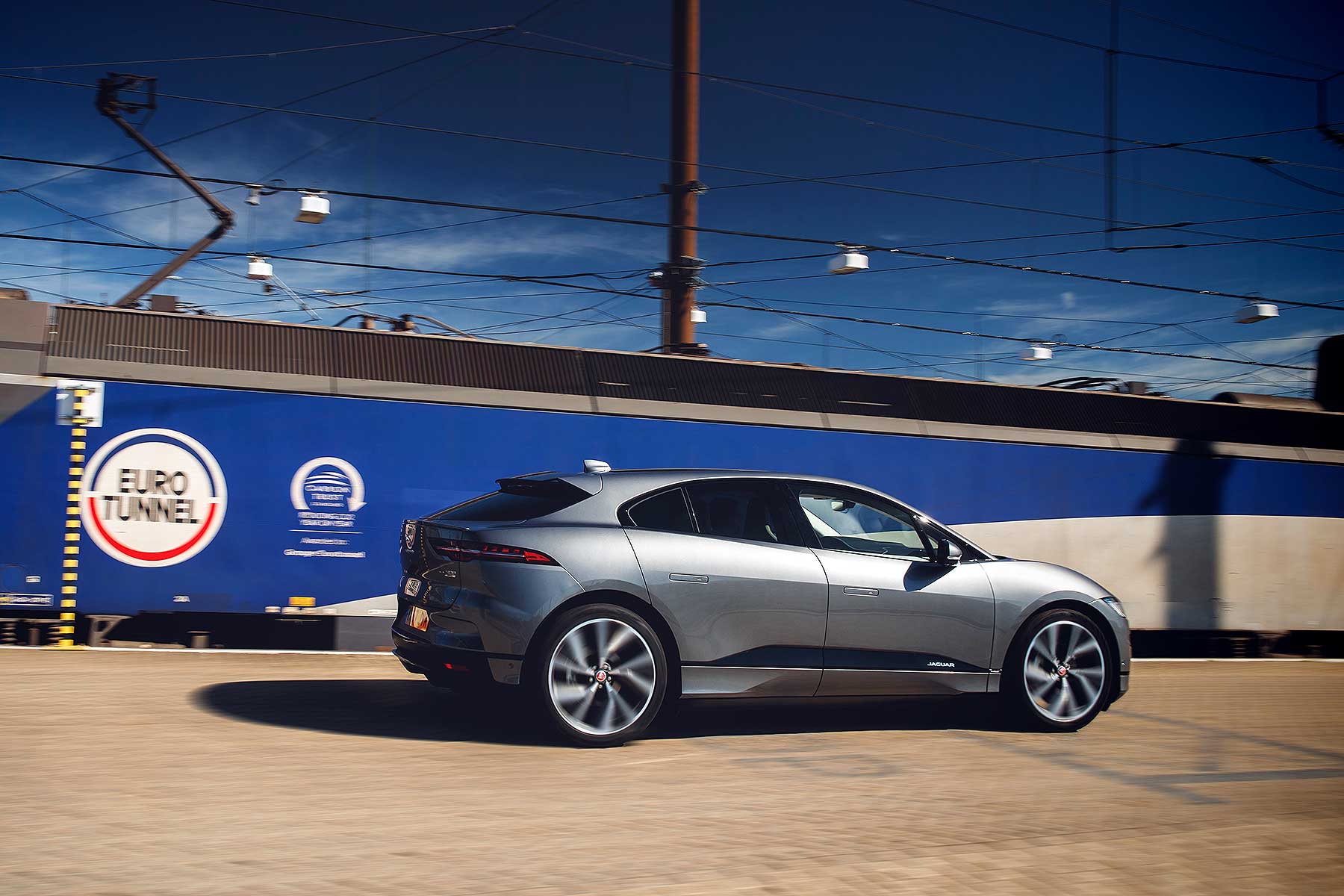
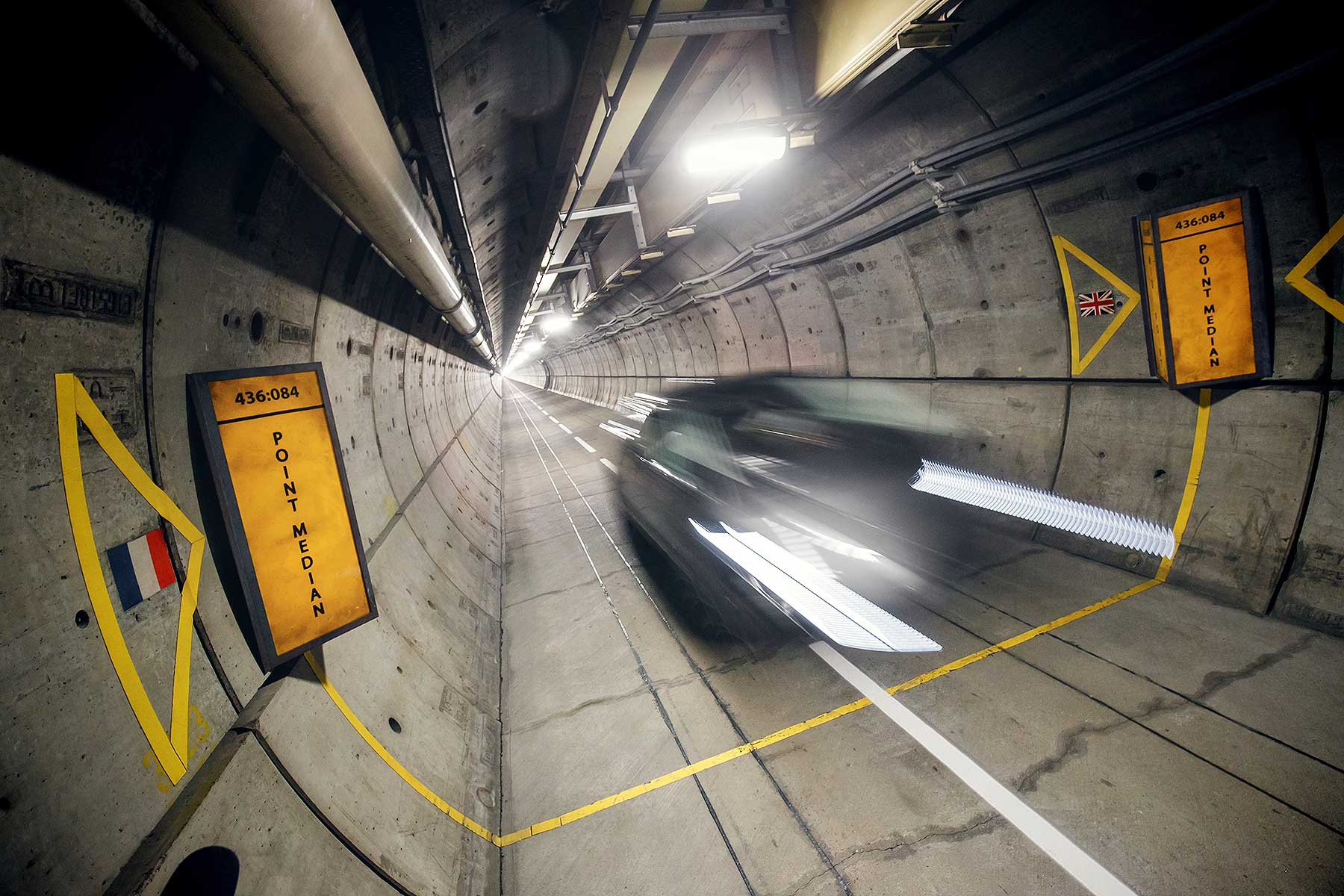
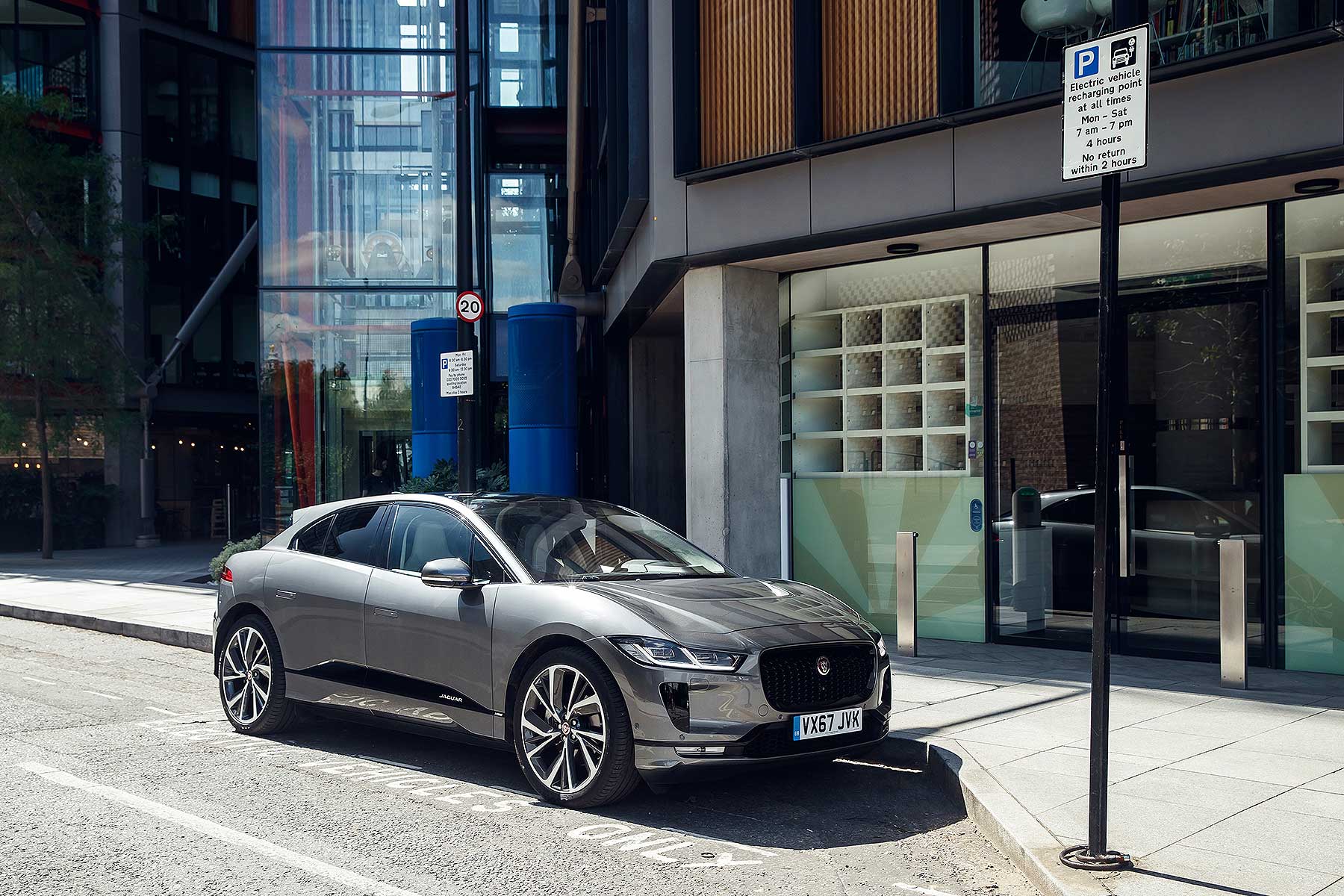
Jaguar I-Pace London to BrusselsTo highlight the range of the new Jaguar I-Pace electric SUV, a crew has driven it non-stop from London to Paris – and it was literally a non-stop run, because Jaguar even drove it through the Channel Tunnel.

Rather than boarding a train and taking an unsatisfying 31-mile break in the drive, the firm arranged to use the service tunnel that runs between the two main undersea rail lines.

Jaguar I-Pace London to Brussels

Not only did this make for great video, it helped Jaguar demonstrate the I-Pace’s real world range in attention-grabbing style.

It wasn’t even completely flat when it arrived in Brussels, either. There was 8 percent battery charge in reserve, despite the total length of the trip being 229 miles.

Jaguar I-Pace London to Brussels

A Jaguar engineer, Stephen Boulter, did the driving, starting off from London’s South Bank with a fully-charged 90kWh battery. The official WLTP range of this is 292 miles and Jaguar hopes its real-world drive – with both traffic and the summer heatwave to deal with – will give customers confidence.

If you can find a 100kW DC ultra-fast charger, owners can top up a battery from zero to 80 percent in 40 minutes; if they only have an 7kW AC Wallbox at home, it will reach 80 percent in 10 hours – “ideal for overnight charging,” suggests Jaguar.

The firm has an intriguing extra stat, too: the energy consumed by the I-Pace over the 229-mile trip is equivalent to 41 full turns of a wind turbine. Generating it would take, on an average UK day, less than two minutes.

Advertisement

Jaguar XE SV Project 8 super sedan smashes U.S. lap record

0

Jaguar XE SV Project 8

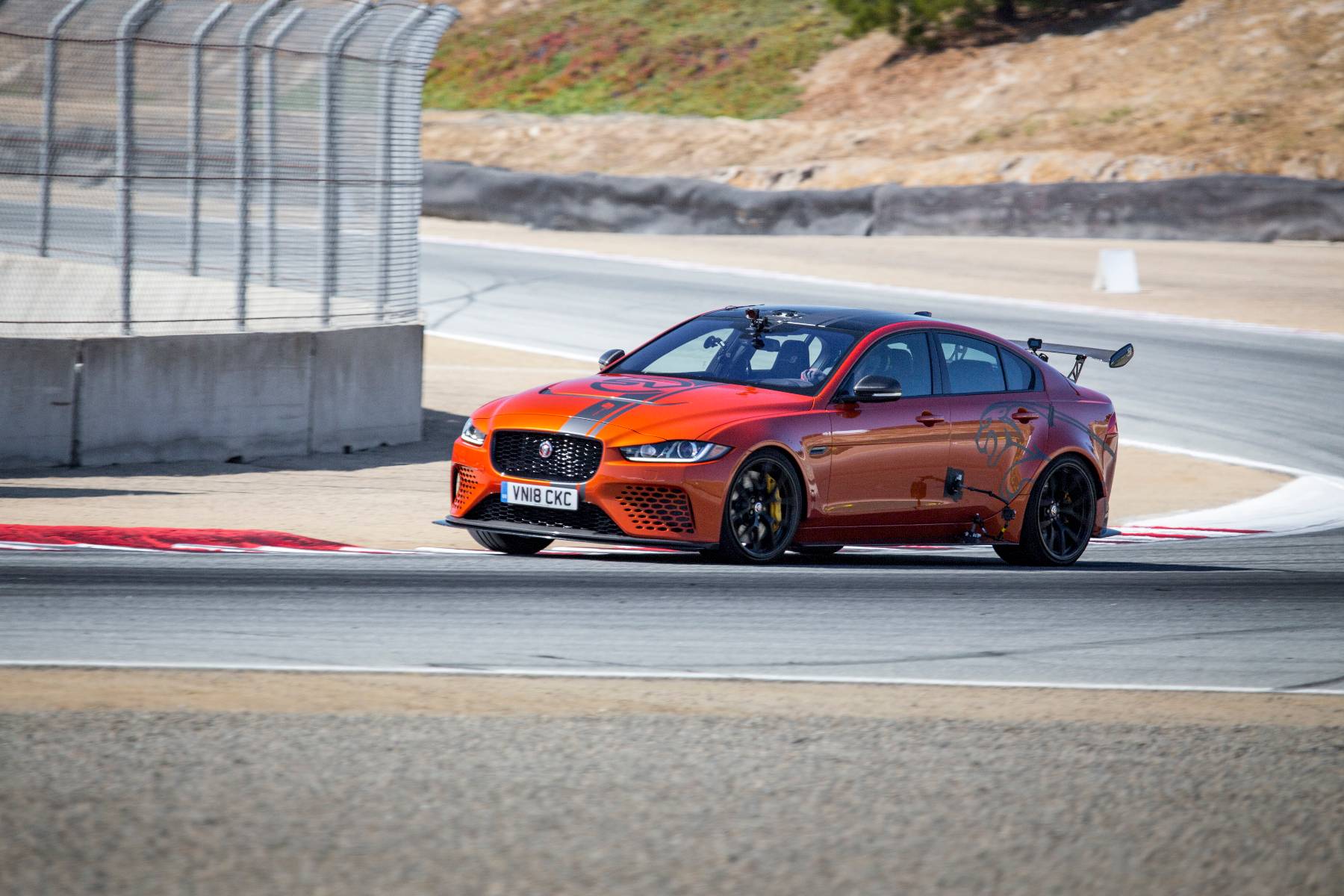
Jaguar’s tyre-shredding skunkworks super saloon, the XE SV Project 8, has smashed another sedan lap record, following its seven minute, 21 second time at the Nurburgring last year.

This time, the American Laguna Seca circuit was the target, with a one minute, 37 second time achieved by presenter and racer, Randy Pobst.

The supercharged 600 horsepower XE beat the previous record at the 2.2-mile circuit, set by the Cadillac CTS V, by just under a second. The Project 8 is more than two seconds a lap quicker than an Alfa Romeo Giulia Quadafoglio.

Jaguar calls the Project 8 “the most extreme Jaguar yet produced”. And when you look at the lengths gone to creating it, that statement seems a bit of an understatement. 

Video: Jaguar XE SV Project 8 on-track

Project 8 comes in left-hand-drive only, due to the tight fit of that supercharged V8 under its bonnet. The significant widening of the car at the rear required a total redesign of the rear doors; a great undertaking for what is a comparatively tiny 300-car production run. Still, it needed to be more than a quick engine swap for nearly £150,000 ($200,000)…

“This Laguna Seca lap record is another powerful demonstration of the Jaguar XE SV Project 8’s performance credentials,” said Michael van der Sande, MD of JLR’s Special Vehicle Operations (SVO) division.

“Designed, engineered and hand-assembled by Special Vehicle Operations, this record-breaking sedan is made for the world’s most demanding driving enthusiasts.”

Read more: 

Advertisement