Even the entry-level SZ4 has air con, cruise control, Bluetooth and front foglights. It also comes wtih ‘Dual Sensor Brake Support’, Suzuki’s name for autonomous emergency braking.
The SZ5 costs £17,999, which is quite a jump, but the spec list bears this out. It adds 15-inch alloys, rear privacy glass, LED headlights, climate control, sat nav, heated seats and a 7-inch touchscreen with smartphone compatability (so, Apple CarPlay and Android Auto).
An SZ5 automatic is available for £18,999.
Miniature hero: history of the Suzuki Jimny
Metallic paint is a £485 option, and so-called dual metallic paint (all with a black roof) is £650. Personally, we’d pick the ultra-bright Kinetic Yellow paint pictured here: it’s been developed especially for the Jimny, to stand out like a safety beacon when off-roading.
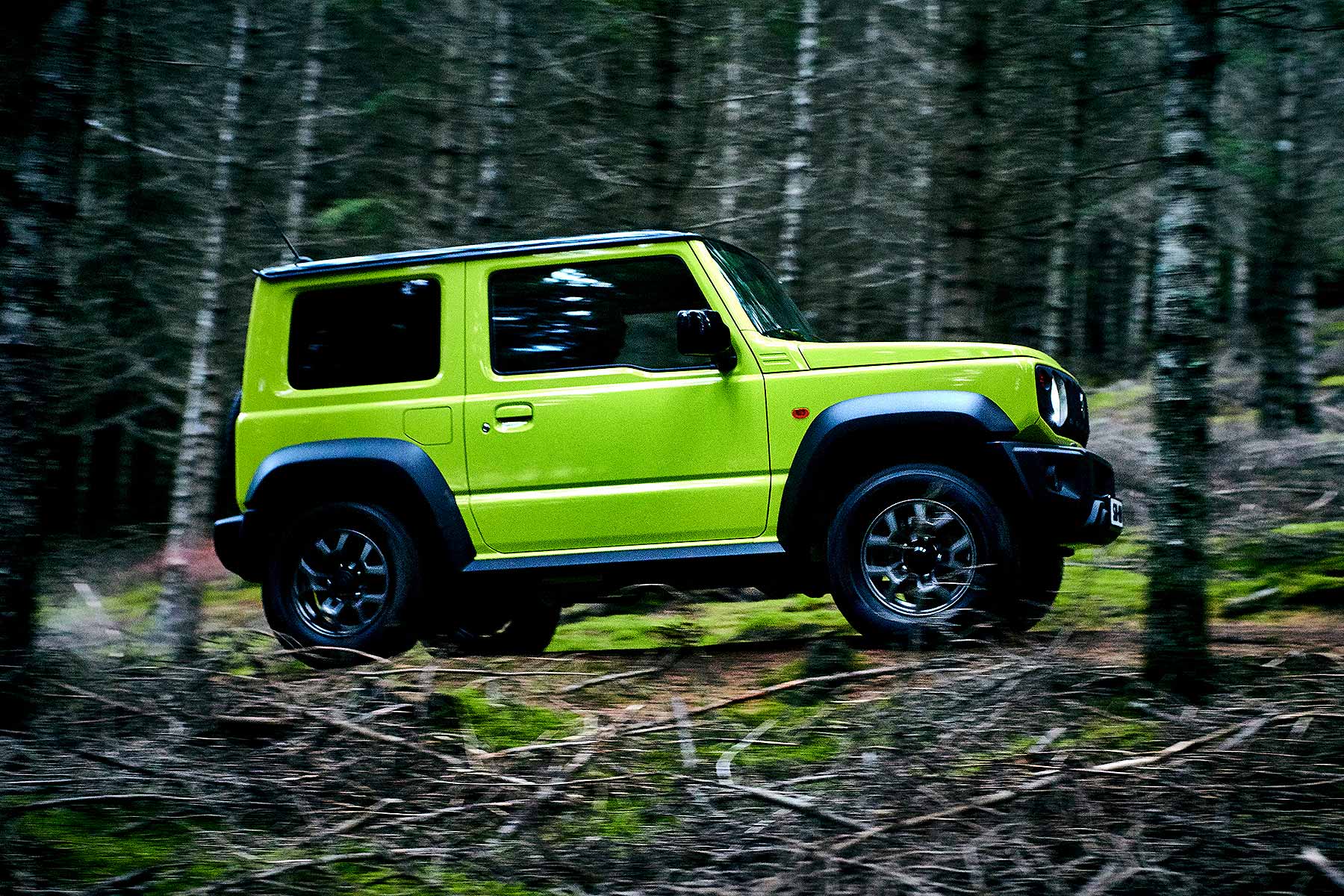
All Jimny use the same 101hp 1.5-litre petrol engine. They’re all equipped with switchable 4WD: it normally runs as a rear-wheel drive car, with selectable high- and low-ratio all-wheel drive.
The arrest of Carlos Ghosn has shocked the automotive world, with the Nissan chairman accused of underreporting his salary, using company funds for personal use and “significant acts of misconduct”.
As a result, Ghosn will be dismissed, with the Nissan board apologising “for causing great concern to [its] shareholders and stakeholders”. It’s the latest in a long line of scandals to rock the car industry. These are some of the biggest.
Cancer-causing cadmium found in Volkswagen hybrids
The discovery of cadmium – a highly toxic cancer-causing metal – in 124,000 Volkswagen plug-in hybrid and electric cars has led to a production shutdown. The issue affects Golf GTE, Passat GTE, e-Golf and e-Up! models, which may be recalled to fix the fault.
Volkswagen is, of course, no stranger to controversy (read more about ‘Dieselgate’ below), but it’s certainly not the only car company with skeletons in its closet. Here is our pick of the biggest motoring scandals.
Jack Sears hits 185mph on the M1 motorway
Prior to July 1967, users of Britain’s motorway network were unfettered by speed limits. Although most contemporary family cars would struggle to top 100mph, some drivers had slightly loftier ambitions.
In June 1964, AC Cars used the M1 to test high-speed performance of its A98 Le Mans Coupe, with driver Jack Sears reaching a completely legal, but terrifying, 185mph. Although it may not have directly lead to the 70mph speed limit, it certainly focussed the minds of policymakers.
Tesla Model 3 production woes
With Tesla CEO Elon Musk touting the Model 3 as the affordable face of all-electric motoring, including competitive pricing to match, interest was naturally high. Some 455,000 reservations were taken for the Model 3 by August 2017, and Tesla was confident of producing 100,000 cars in 2017, and 400,000 in 2018.
However, Tesla fell way short of the predicted numbers, with just 260 cars trickling out of the factory by the end of September. A series of ‘bottlenecks’ were blamed, although Elon Musk at least ensured that he took home the very first Model 3 to be built.
Ralph Nader swings opinion on the Chevrolet Corvair
As a core subject of the 1965 book Unsafe at Any Speed by US consumer advocate Ralph Nader, the Chevrolet Corvair garnered attention for all the wrong reasons. With a rear-engined swing-axle setup, Nader argued that the Corvair was inherently dangerous and a risk to everyday drivers.
Although independent studies suggested the Corvair was no riskier than other contemporary offerings, the media scandal forced General Motors to make changes. A new front anti-roll bar was added to make the handling more controlled, but the damage to sales was already done.
Cost-benefit analysis and the Ford Pinto
That the Ford Pinto, introduced in 1971, was prone to catching fire after even minor rear-end impacts was not even the most sordid part of this debacle. That instead was found in an internal Ford memo, which weighed the cost-benefit analysis of fixing the known problem, versus doing nothing.
Despite the required modifications adding just $11 to the cost of building the Pinto, Ford’s analysis found that taking no action would be more economically beneficial. By 1978, Ford was forced into recalling 1.5 million Pintos for modifications, whilst subsequent lawsuits would cost hundreds of millions of dollars.
Takata airbag recall
The irony of a safety device like an airbag being potentially lethal was seemingly lost on the Takata Corporation, who allegedly covered up knowledge of manufacturing defects in its airbag inflators. When exposed to hot and humid conditions, the Takata inflators could rupture unexpectedly, showering drivers and passengers with deadly shrapnel.
With the airbags fitted to tens of millions of cars across the globe, covering brands from Audi to Volkswagen, a giant recall is still ongoing. Takata executives pleaded guilty to criminal wrongdoing, and paid $1bn to resolve a US Justice Department investigation. The cost of the payout, and related compensation, resulted in Takata filing for bankruptcy.
John DeLorean and the FBI
No, it’s not the shocking news that the DeLorean DMC-12 is actually unable to time travel if fitted with a flux capacitor. Although the ability to go back in time may have been useful for John DeLorean, who found the company facing financial difficulties early in the DMC-12 project.
Unable to produce and sell enough cars to meet costs, DeLorean considered cocaine smuggling in 1982 as a way to meet the company’s debts. A sting operation by the FBI saw DeLorean charged with drug trafficking, although he was able to argue entrapment and escape conviction. The company still fell into bankruptcy, whilst DeLorean himself would be declared personally bankrupt in 1999.
Vic Lee transports more than just race cars
In the early 1990s, Vic Lee Motorsport saw considerable success in the British Touring Car Championship, with star drivers like Tim Harvey and Will Hoy taking title wins. However, suspicions were raised as to why a team based in the UK was testing at the Zandvoort circuit in the Netherlands. The answer was drug smuggling, with team owner Vic Lee caught stashing £6m worth of cocaine in the team’s race transporter in 1993.
Lee received a 12 year prison sentence, but was released on parole in 1998. He returned to motorsport, but was caught again in 2005 transporting £1.7m of cocaine in the boot of his car.
1995 Takata seat belt recall
Killer airbags were not the Takata Corporation’s first taste of scandal, with the company becoming embroiled in the recall of over eight million cars sold in the United States between 1986 and 1991. Following an investigation by the National Highway Traffic Safety Authority (NHTSA), it became apparent that the plastic used in Takata seat belts became brittle when exposed to ultraviolet light.
A total of 11 manufacturers were affected, with Honda penalised for failing to make authorities aware of the Takata seat belt problem, despite knowing of the issue since 1990.
Audi 5000 unintended acceleration
An episode of American news show 60 Minutes aired in November 1986, alleging that the Audi 5000 (sold as the 100 in Europe) was capable of accelerating unexpectedly, even when the brake pedal was depressed. With a number of drivers reporting the phenomenon, 60 Minutes used engineering trickery to make it look like the Audi 5000 was an unhinged killing machine on TV.
Despite an NHTSA report concluding that driver error was the cause of the problems, and changes to the automatic gearbox by Audi, US sales for the brand collapsed almost overnight from 74,000 in 1985 to just 12,000 by 1991.
Ford Explorer and Firestone
Launched during the 1990s SUV boom, Ford’s Explorer saw sales of up to 400,000 units per year, with Firestone tyres fitted to the cars rolling off the production line. However, the tyres developed a worrying trend of failing at high speed, pitching the sizeable Explorer into a rollover accident. More than 270 deaths were attributed to the Explorer/Firestone combination in the USA alone.
Ford and Firestone became entangled in legal warfare, with hundreds of millions paid out in compensation to victims. The end of the relationship between Ford and Firestone also resulted in the closure of a Firestone factory, and the need to recall millions of tyres.
Fire risk in thousands of BMWs
Faulty exhaust gas recirculation (EGR) modules caused a Europe-wide recall of 324,000 BMW cars due to potential engine fires. The issue affects 1 Series, 3 Series, Z4 and X1 petrol and diesel models built between March 2007 to August 2011. So far, 27 cases have been recorded.
A criminal case has been filed against the marque in Korea for its hesitance to recall more than 100,000 cars that may suffer similar issues.
Chevy Cobalt ignition key scandal
General Motors became aware of a problem with the ignition switch in the compact Chevrolet Cobalt as early as 2004. But, the American giant did nothing, despite the fact it could lead to the car inadvertently turning itself off whilst in motion. One GM engineer even found a solution in 2005, yet no action was taken to implement it.
A total of 13 deaths have been attributed to the defective ignition switch, with GM only recalling vehicles in 2013 to fix the problem. A fine of $35m was levied on the company as punishment for the decade of inaction.
Mk1 Audi TT high-speed stability
With smooth and rounded Bauhaus-inspired styling, the 1995 Audi TT Concept looked like nothing else on the market. That Audi brought the finished car to production virtually unchanged was even more impressive. Yet problems became apparent from early in the life of the TT, with a number of cars involved in high-speed accidents.
With five fatalities, Audi was forced to act. A rear spoiler was bolted to the boot to reduce aerodynamic lift, whilst modifications were made to the suspension to make the handling more predictable. An Electronic Stability Programme was also added as standard to tame the wayward rear end.
Toyota sudden unintended acceleration
The spectre of unintended acceleration rose again in 2009, with three separate recalls undertaken globally by Toyota covering some nine million vehicles. Following reports of cars accelerating without warning, ill-fitting floor mats were initially blamed for the problem. Yet when other cases occurred without the floor mats, sticking accelerator pedals and even faulty software were investigated as causes.
After information came to light that Toyota had hidden knowledge of the unintended acceleration incidents, the US Department of Justice issued a $1.2bn fine against the company to bring proceedings to an end.
Mercedes-Benz A-Class and the elk test
It may have had an innovative ‘sandwich’ chassis construction to help safety in frontal impacts, but the high-sided Mercedes-Benz A-Class had a fear of elk. Or, more specifically, a test by a Swedish car magazine seeing how well the A-Class fared at avoiding a hypothetical big mammal in an emergency manoeuvre.
After a prominent test failure with an A-Class rolling over, Mercedes was forced to recall all cars to fit them with electronic stability control. The embarrassment dented the image of the German giant, which had denied the problem when it was first highlighted.
Phoenix Four Consortium
Having purchased the MG Rover Group of companies from BMW for a nominal £10, the Phoenix Four of John Towers, Peter Beale, Nick Stephenson and John Edwards embarked on a plan to push the British brand forward. But it failed, with MG Rover racking up losses of £611m in just four years.
Despite the company collapsing around them, the Phoenix Four took over £36m in salary and pensions before the final collapse of the firm in 2005 with the loss of 6,500 jobs. A £16m government investigation found Peter Beale had used special software to delete data from his computer, whilst Nick Stephenson had paid £1.6m to a close friend acting as a consultant.
Tucker 48 fraud fiasco
Having earned success during World War II producing turrets for armoured cars, Preston Tucker set his sights on building cars with futuristic features. His Tucker 48 was planned to have a fuel-injected engine, disc brakes, direct-drive transmission, and a body with a built-in roll bar. Tucker assembled a wealth of automotive experts, and the largest factory building in the world.
To fund all this, Tucker raised money through offering shares, and subsequently by selling parts and accessories to buyers before their car was built. The US Securities and Exchange Commission indicted Tucker for fraud, and began a three-month trial. Tucker was found not guilty, but the company was destroyed by debt and bad publicity, with just 51 Tucker 48s eventually made.
American Motors assassination
The smallest of the mainstream US manufacturers, American Motors Corporation struggled during the 1970s and eventually agreed to a Renault takeover. French executives took to fixing the problems at AMC, increasing efficiency and modernising production. But then Renault itself hit trouble in the 1980s, and called on the help of George Besse in 1985.
Appointed as director, Besse had a plan to turn Renault around, and returned the company to a profit within 18 months. This had involved making some 25,000 Renault employees redundant – making him a target for the anarchist Action Directe group. Besse was shot dead outside his home in 1986, sparking a chain of events that led to Chrysler buying AMC, making the brand defunct by 1987.
Volkswagen Dieselgate
In order to meet stringent diesel engine guidelines, aimed at reducing the emissions of harmful NOx particulates, Volkswagen fitted ‘defeat devices’ to a range of TDI engines across the VW Group. The special software detected when the car was being driven in laboratory conditions, changing performance to minimise emissions. Only when real-world testing was undertaken was the discrepancy discovered, and VW owned up.
With over 11m vehicles affected across the world, Volkswagen set aside over €16bn to cover the costs of recalling cars and settling litigation, with billions more due in fines from admitting criminal liability in the United States alone.
Mitsubishi fuel economy cover-up
Facing aggressive targets to hit fuel economy goals for Japanese-market cars, Mitsubishi Motors employees falsified data and used unapproved testing methods for more than 25 years. This covered Kei (micro) cars like the Mitsubishi eK Wagon and eK Space.
Nissan uncovered the discrepancies whilst developing a new range of cars with Mitsubishi, bringing the findings to light in early 2016. The scandal caused the value of Mitsubishi to plummet rapidly, conveniently allowing Nissan to swoop in and acquire a controlling interest in the company.
The EPA takes on FCA Chrysler
Proving that ‘defeat devices’ are not solely the preserve of the Volkswagen Group, the US Environmental Protection Agency launched action against Fiat Chrysler Automobiles in May 2017. The EPA alleges FCA fitted almost 104,000 EcoDiesel Dodge Ram trucks and Jeep Grand Cherokees with software to make engines perform differently when tested.
With vehicles sold between 2014 and 2016 affected, the EPA also banned the sale of new EcoDiesel vehicles, unless FCA could provide software update to bring the engines into line with NOx emissions requirements.
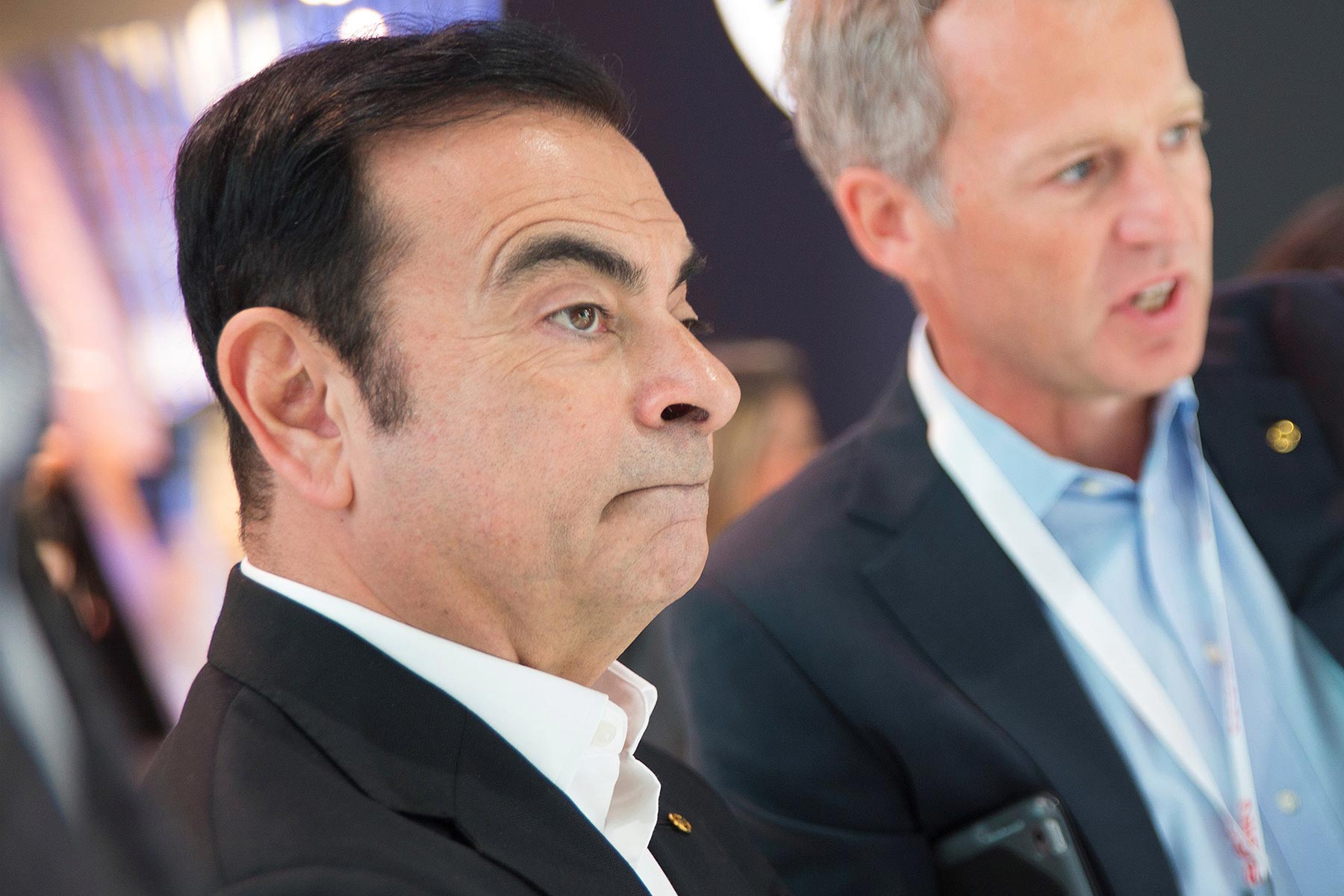
Nissan chairman Carlos Ghosn has for many years underreported his salary, used company money for personal use and committed other “significant acts of misconduct”, the firm has revealed in a statement.
As a result, it plans to “promptly remove Ghosn from his positions as chairman and representative director”.
The misconduct was exposed by a whisleblower report, the firm has revealed. “Nissan deeply apologies for causing great concern to our shareholders and stakeholders,” it said.
Nissan CEO Hiroto Saikawa later confirmed Ghosn has been arrested by prosecutors in Japan.
“This act cannot be tolerated by the company,” said Saikawa. “Experts judge we have enough reason for dismissal…. [we have] decided to propose dismissal to the board of directors.”
This is expected to happen during an extraordinary board meeting on Thursday.
Watch: Nissan Motor Corp press conference
Representative director Greg Kelly also had “deep involvement” in the acts and Nissan CEO Saikawa will propose to the Nissan board that he be removed too.
In a press conference, Saikawa described Kelly as the “mastermind of events”.
The misconduct has apparently occurred “over many years” and Nissan has already been providing information to the Japanese Public Prosecutors Office.
During the press conference, Saikawa revealed the investigation had remained secret: even senior executives only found out about it “a few hours ago”.
Hiroto Saikawa, CEO of Nissan about Carlos Ghosn bombshell: “I feel a big disappointment, frustration, despair, indignation and resentment” pic.twitter.com/FhvsNphD9G
Nissan is part of the Renault-Nissan-Mitsubishi alliance, following Renault’s 1999 rescue of Nissan. Following today’s news, shares in Renault have tumbled more than 10 percent, wiping 2 billion Euros off the value of the company.
Earlier in the year, Renault asked Ghosn to stay on as chief executive of the Alliance for a further four years. He first took up his role in 2005.
He has been chairman of Nissan since 2000. It is not yet clear how Ghosn’s other roles in the Alliance will be affected by today’s developments.
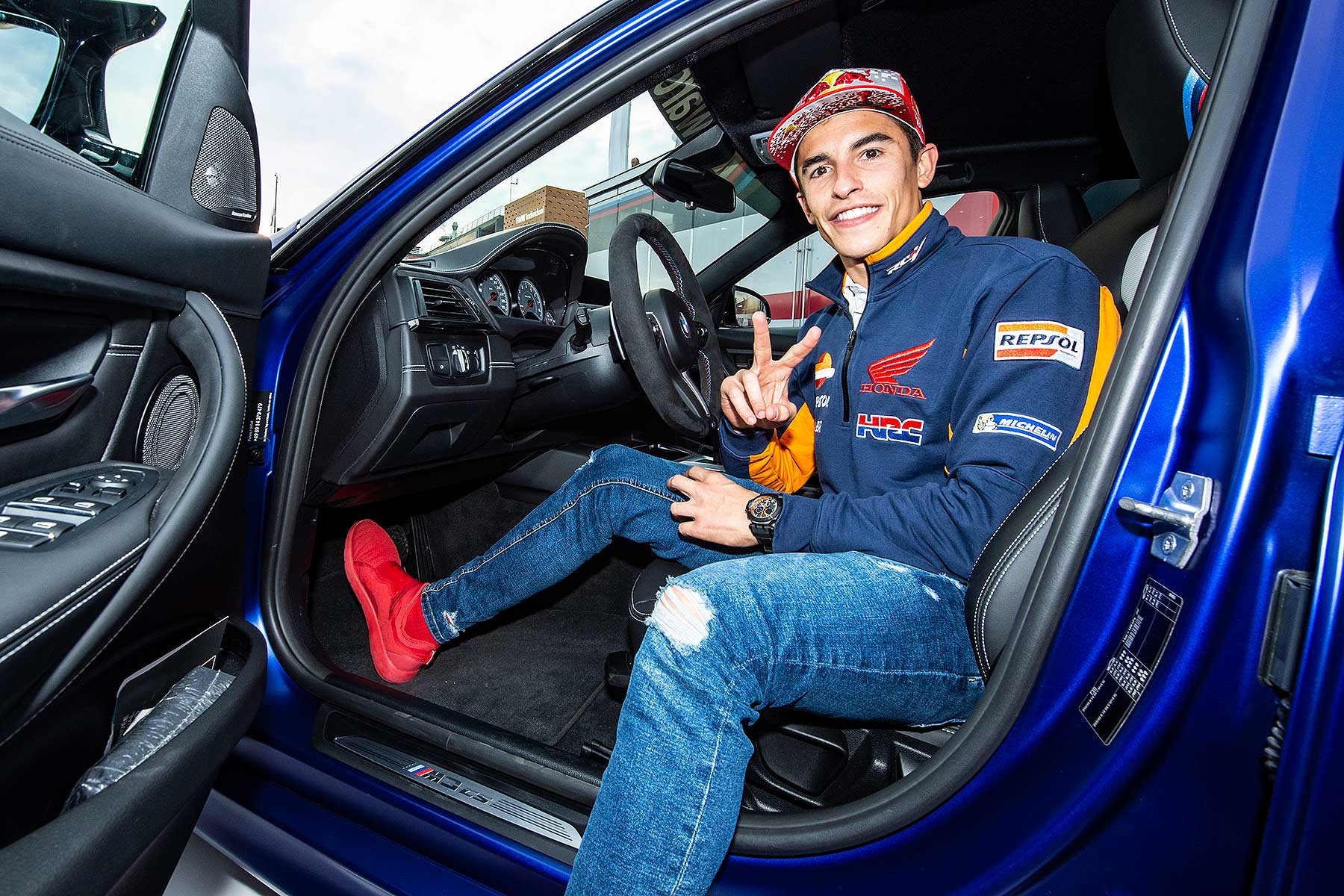
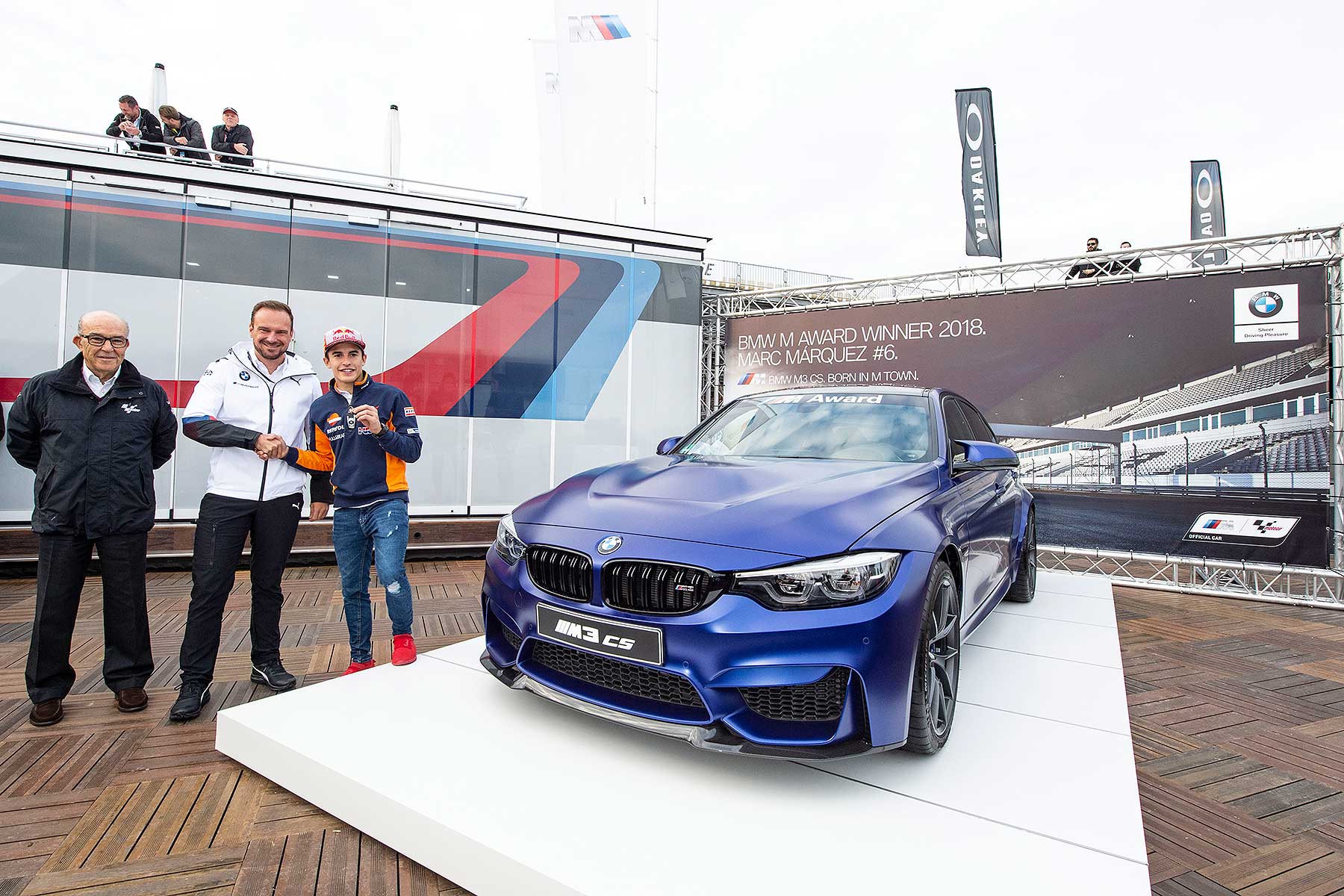
MotoGP World Champion Marc Marquez has taken delivery of another BMW M car after once again being the fastest qualifier in MotoGP 2018.
This year’s BMW M Award is an M3 CS, and makes it six times in a row that Marquez has picked up a new BMW M car for being top qualifier.
Marquez first won the BMW M Award in 2013, becoming the first rookie to take the prize car. And he hasn’t stopped since.
“I can hardly believe that I have won the BMW M Award for the sixth time running,” he said during the handover ceremony.
“I want to thank BMW M GmbH… this shows special appreciation for us as MotoGP riders. The prospect of winning this prize provides even more motivation for us.”
BMW has been the official car of MotoGP for 20 years and has handed out the top qualifier prize car for 16 of them.
“There are hardly enough superlatives to describe Marc Marquez,” said BMW M GmbH president Markus Flasch. “The fact he has now won the BMW M Award for the sixth time running is more than just impressive… Marc has made history again.
“The prize is a token of our appreciation for his outstanding performance.”
How does the MotoGP BMW M Award work?
MotoGP riders get points for their performance in races, but also clock them up for qualifying performances.
Riders get 25 points for pole, 20 points for second, and so on: they’re awarded in the same way as race points.
Marquez is way ahead in the all-time rankings, but Valentino Rossi and Casey Stoner have each received three BMW M cars for qualifying speed.
Jorge Lorenzo has won two BMW M cars, with Sete Gibernau and the late Nicky Hayden taking one M car each.
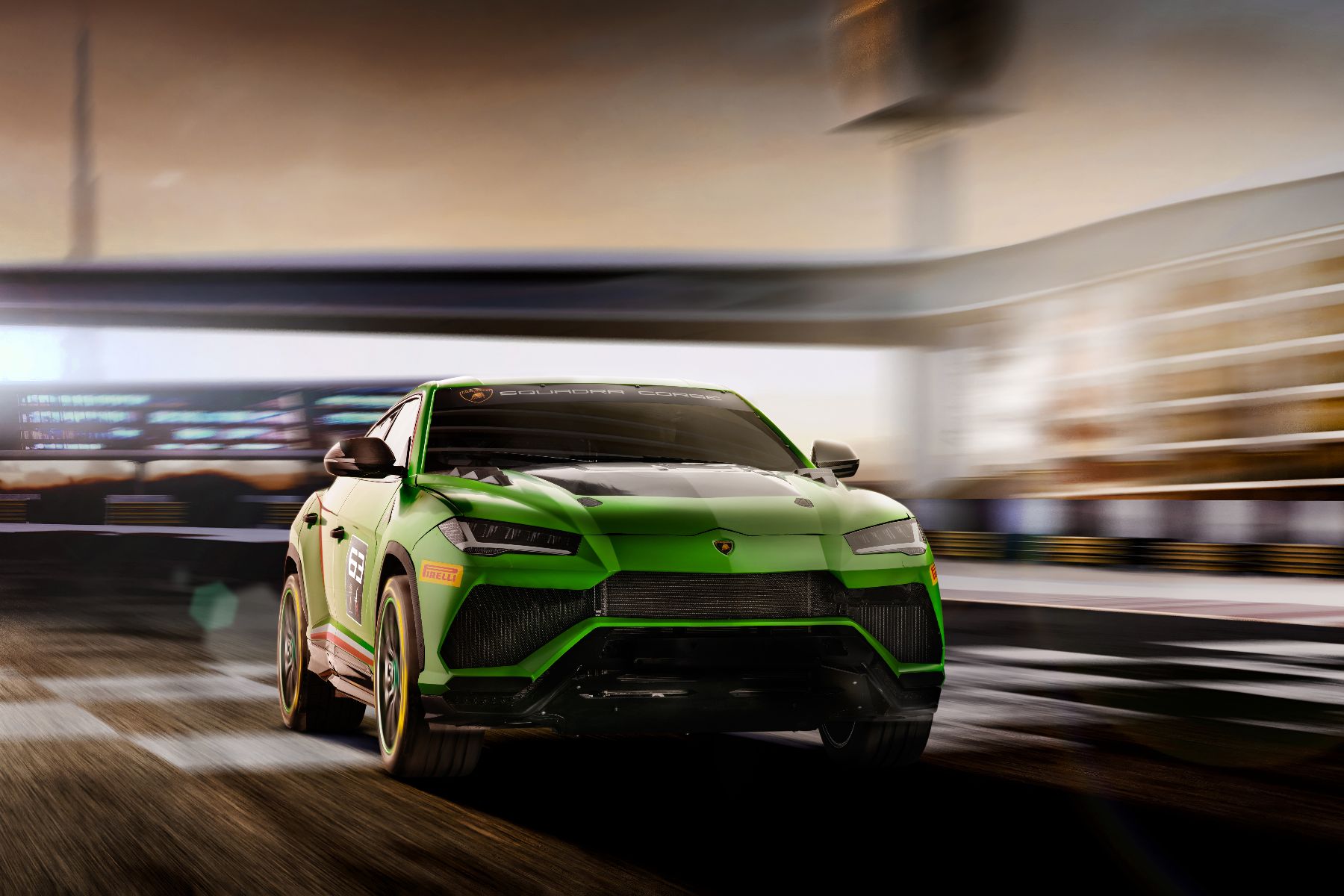
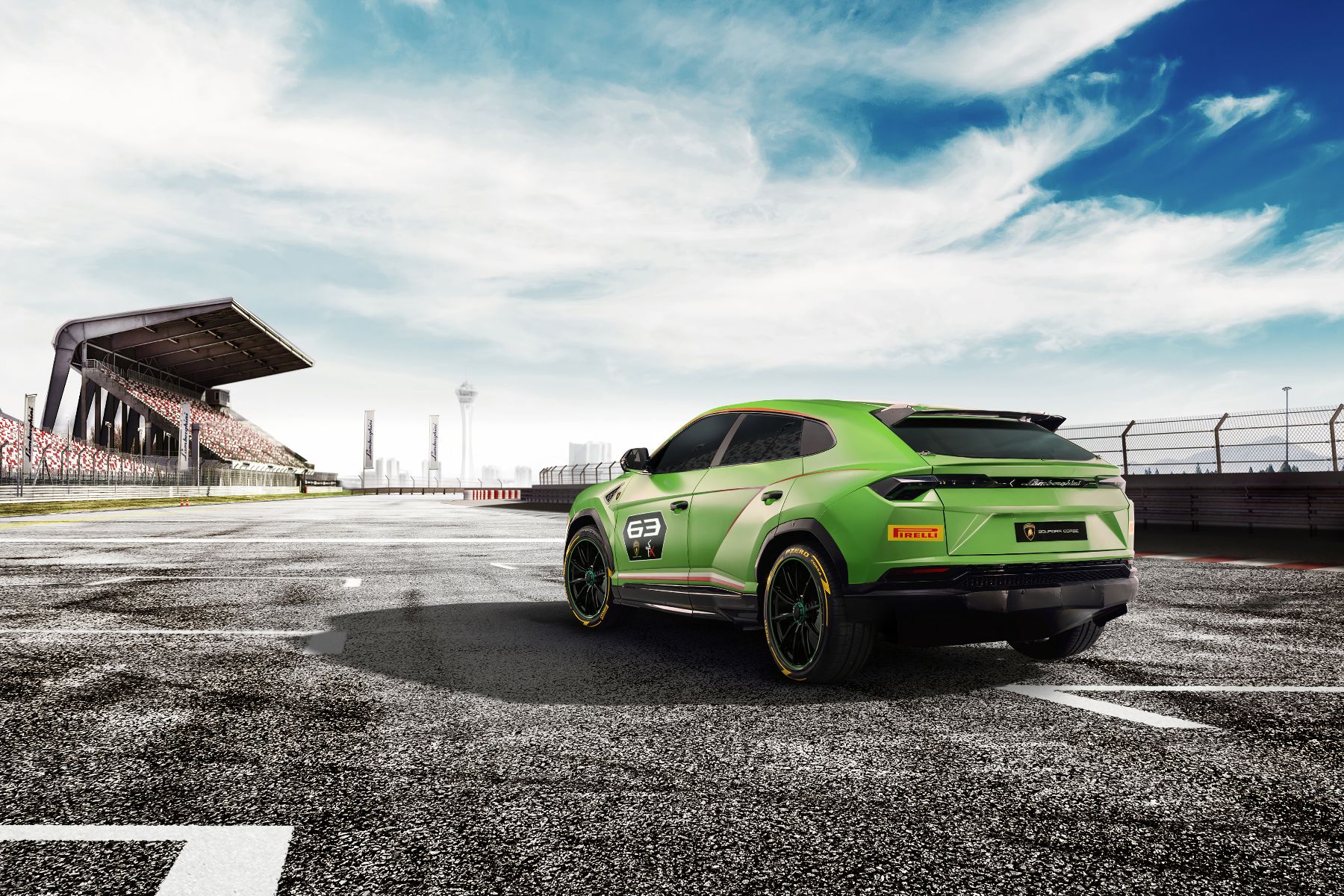
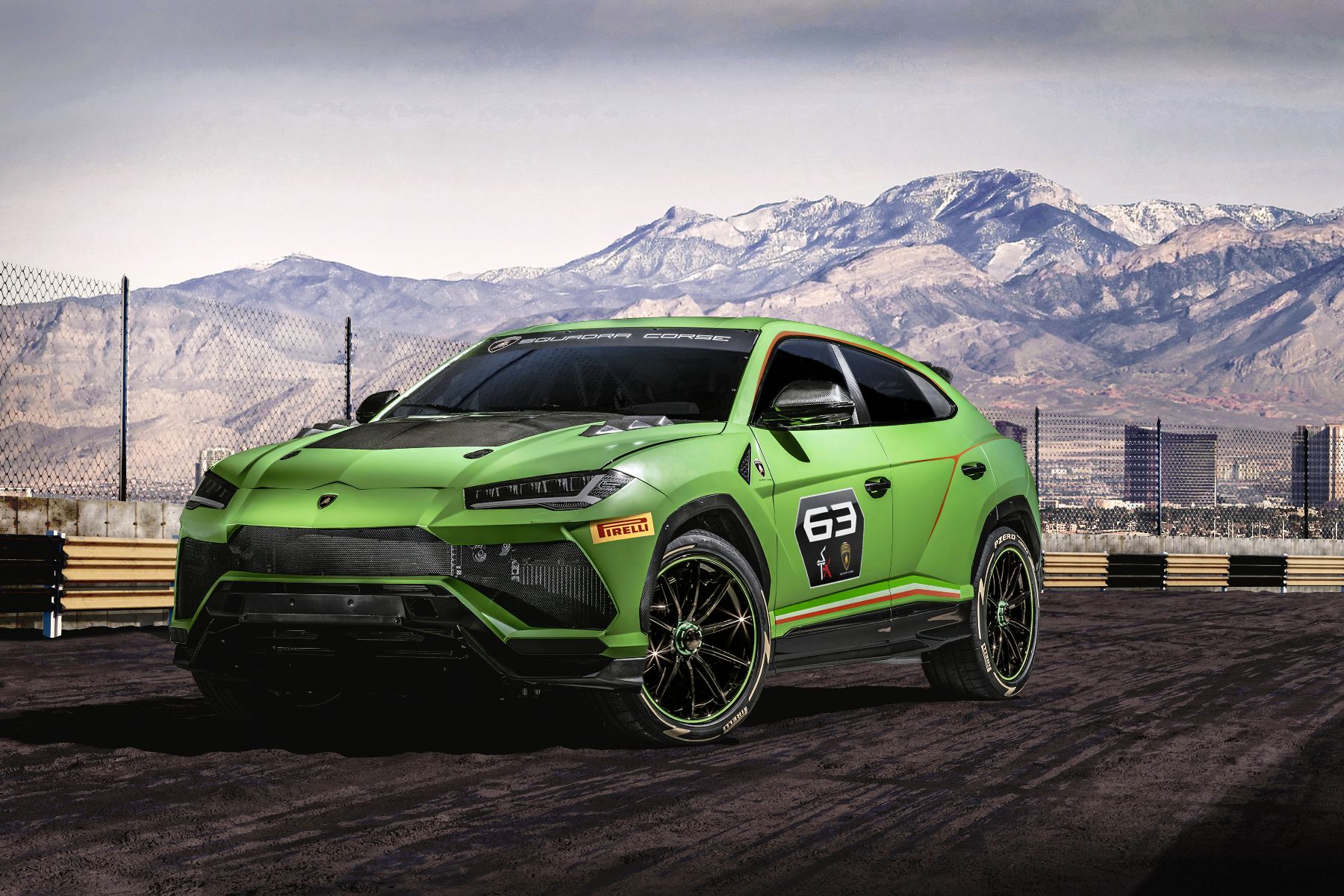
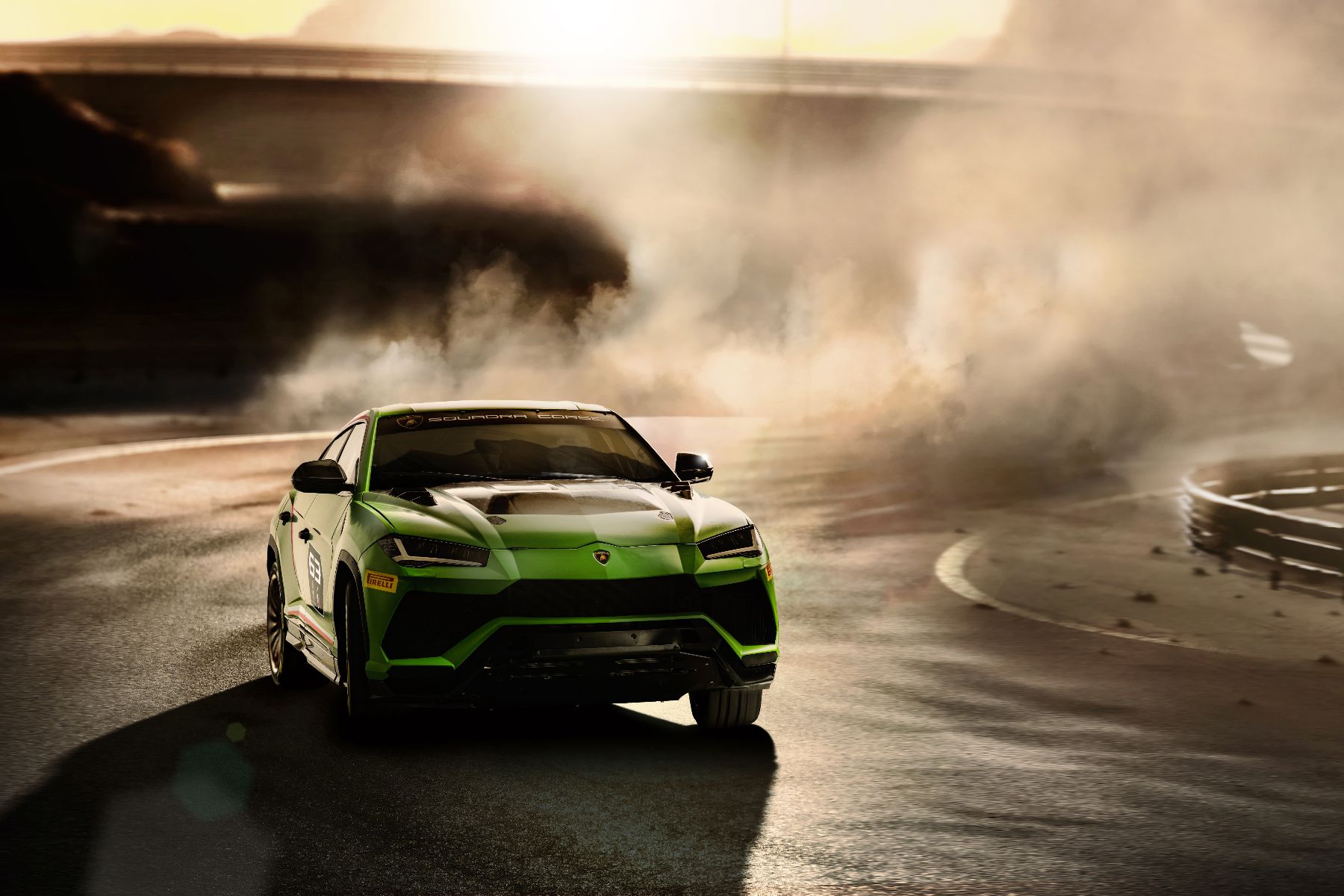
Meet the Lamborghini Urus ST-X – the one-make rallycross-esque racer that’ll hit tracks in its own series in 2020. We presume ST stands for Super Trofeo and the X refers to the Urus’s off-road all-wheel-drive capability.
The new racing series was announced, along with the reveal of the ST-X Concept, at the Lamborghini World Final in Vallelunga. The cars will compete throughout Europe, the Middle East and beyond on FIA-approved circuits.
Yes, those circuits will involve both on and off-road elements to test all ends of the Urus’s very broad envelope of talents. The series will offer an ‘arrive and drive’ formula, giving driving customers the complete car and support package.
How do you turn a full-size ‘Super SUV’ into a race and rally-prepped racer? You start by lopping out some weight – in this case, 25 percent of it. That’s a hefty 550 kilograms, or the mass of an Ariel Atom V8? How? A lot of that luxurious cabin will have been ripped out, along with sound deadening and much more, we imagine.
FIA-approved race bits include a roll cage, a fire suppression system and homologation-spec fuel tank. There are bigger air intakes, a subtly different rear spoiler and a vented bonnet to better feed and cool that 4-litre twin-turbo V8. New centre-lock alloy wheels, Pirelli P Zero Corsa tyres and a very Super Trofeo-style livery complete the Urus to racer transformation.
There’s no calendar for the series yet but the race-ready version of the ST-X should make its dynamic debut during next year’s Lamborghini World Final.
Much as the Urus has divided opinion, we quite like the idea of a grid full of these door-to-door racing on all surfaces. We wonder whether it’ll spawn a Performante version of the road car, too…
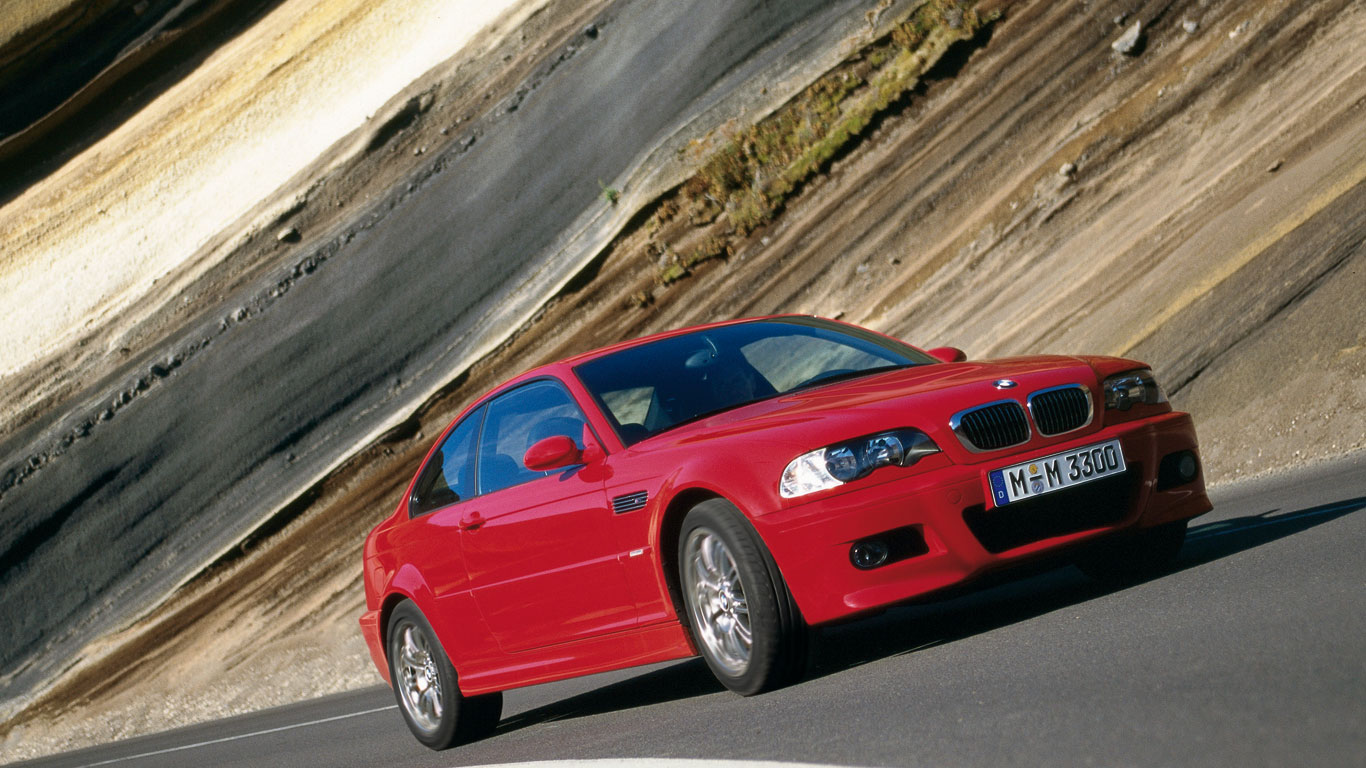
Launched in 1975, the BMW 3 Series changed the shape of the compact executive sector. Since then, some 14 million units have been built, making it one of the best selling cars of all time.
To mark the launch of the all-new seventh generation G20 3 Series at the 2018 Paris Motor Show, we take a look back at 43 years of the world’s best selling premium executive saloon.
The BMW 3 Series: this is your life.
BMW 2002
No history of the BMW 3 Series would be complete without first mentioning the BMW 2002. Introduced in the late 1960s, the 2002 laid the foundations for the 3 Series by forging a reputation for reliability and sharp dynamics. The BMW 3 Series couldn’t have asked for better parentage.
BMW 5 Series (E12)
The first 3 Series was designed to look like a smaller version of the BMW 5 Series, which had been launched three years earlier in 1972. Codenamed the E21, the first 5 Series would remain in production until 1984, by which time nearly 700,000 cars had been built.
1975: BMW 3 Series (E21)
Developed over a five-year period and at a cost of 35 million Deutschmarks, the BMW 3 Series – codenamed E21 – was unveiled in July 1975. It featured four different four-cylinder engines and was launched in the UK in October 1975. It was the smallest BMW ever developed and, at the time, the most comprehensively engineered.
Mercedes-Benz 190
The BMW 3 Series and Mercedes-Benz C-Class would go on to become fierce rivals, but in launching the E21, BMW drew first blood. In fact, the Bavarians could afford not to offer a four-door version until 1983, by which time the Mercedes-Benz 190 (forerunner to the C-Class) was only just being unveiled.
1977: BMW 3 Series convertible
In 1977, the first left-hand-drive BMW 3 Series convertible was launched in the form of the E21 Baur convertible. It harked back to the effortlessly pretty 2002 Baur convertible (as shown here).
BMW 323i of 1977
In the early days, prospective BMW owners could choose from the entry-level 316, the 318, the 320 and the range-topping 320i, with the ‘i’ denoting fuel injection. But in 1977, BMW unveiled a new range of six-cylinder engines for the 3 Series, the ultimate of which was the 323i, complete with a fuel-injected 2.3-litre engine.
Motorsport debut 1977 – BMW Junior Team
The 3 Series made its motorsport debut in 1977 when BMW Motorsport entered a BMW Junior Team in the 1977 German Championship. Although early days, BMW – and in particular the 3 Series – would go on to develop a strong relationship with the track.
1982: BMW 3 Series (E30)
BMW sold 1.36 million E21s, making it a phenomenally successful car. But that’s nothing compared to the E30 3 Series of 1982. If ever a car put a company on the map, the E30 did for BMW. A stalwart of the 1980s, the E30 would shift 2.22 million units, helped in part by its Swiss Army Knife levels of versatility.
BMW 3 Series: optional extras
As it developed, the E30 would offer a bewildering array of options and accessories. Who else could offer a front-engined, rear-wheel-drive compact saloon powered by anything from a lowly diesel engine to a high-powered M3 version? The E30 would also cement BMW’s relationship for being – how should we put it – a tad miserly with the spec sheet. A competitive screen price may have lured the punters in to the showroom, but they soon found that many extras would need to be paid for.
BMW 3 Series: four-door arrives
In 1983, BMW launched the first four-door version of the 3 Series, a version that would be critical to the model’s long-term success. The B-pillar was pushed eight inches forward to make room for the extra door.
BMW 325i
The 3 Series gained a new flagship in September 1985 with the launch of the new 325i. Thanks to its 2.5-litre engine, the 325i offered performance levels comparable to the likes of the Volkswagen Scirocco, Toyota Supra and Porsche 944, but in a more conservative and practical body.
BMW 324d
At the opposite end of the spectrum was the 324d, the first diesel-powered BMW 3 Series. A turbocharged version – the 324td – would arrive two years later.
BMW E30 Touring
The original 3 Series Touring – or estate – wasn’t developed by BMW at all. Well, not as such. It was the work of Max Reisbock, a BMW engineer, who found the saloon version wasn’t practical enough for his growing family. So he bought a wrecked 323i and converted the car himself. BMW liked the design so much, a factory version was built with only minimal changes to Max’s original design.
BMW E30 M3
The E30 M3 is quite simply one of the greatest performance cars of all time. Launched at the 1985 Frankfurt Motor Show, the first M3s would be unleashed in a cloud of tyre smoke a year later. An output of 200hp may not seem like a great deal in an age when a hot hatch won’t get out of bed for less, but the M3 had rear-wheel drive and 50:50 weight distribution on its side.
BMW E30 M3 Touring Car
Of course, the E30 M3 road car was developed for homologation purposes, allowing BMW Motorsport to go racing. And go racing it did, competing with great success in the British, French, Italian and German Touring Car Championships, as well as at the Nürburgring 24-Hour. BMW needed to build 5,000 road cars. It actually built nearly 18,000. Enough said.
BMW 3 Series and the rise of the yuppies
Yuppies: young, upwardly mobile professionals. In the 1980s, no aspirational and wealthy Londoner would be seen without a mobile telephone, big hair and an appropriate set of wheels. For many, the BMW 3 Series was the vehicle of choice. Sales rocketed, but the 3 Series would develop an unfortunate image that would take years to shake off.
BMW Z1
The E30 3 Series also spawned one of the most striking sports cars of the era: the delightful BMW Z1. It used the E30’s platform and the 2.5-litre engine from the 325i, plus it and featured a pair of trick doors, which ‘disappeared’ into the door sills. It was the first BMW Z car.
1990: BMW E36 3 Series
As the 1980s gave way to the 1990s, BMW launched the third generation 3 Series, otherwise known as the E36. It was a case of out with the old and in with the new as the E36 shared virtually nothing with its predecessor. Noticeably bigger than before, the new 3 Series also featured a pair of double headlights, now sat behind glass covers.
BMW Z3
Like the E30 before it, the E36 spawned a sports car of its own, this time in the form of the BMW Z3. This was the first BMW to be built in the United States and it was propelled into the public eye by its appearance in the 1995 film, Goldeneye.
BMW 318tds
Although far less glamorous than James Bond or a two-seat roadster, the BMW 318tds of 1994 represents another milestone in the model’s history. It was the first four-cylinder diesel engine to be fitted to a BMW 3 Series.
BMW E36 M3
But we don’t want to give you a four-cylinder diesel. Not when you can have a firecracker of a BMW M3. The E36 is rarely ranked alongside the best of the M3s, but the M3 Coupe remains a thing of beauty. And the 3.0-litre straight-six engine represented a new era for the badge. Saloon and convertible versions would follow and BMW would shift over 71,000 units, making it hugely successful.
1993: BMW 3 Series Compact
The purists weren’t impressed with the BMW 3 Series Compact of 1993, but there’s no doubting the business case for it. Essentially it was a smaller, hatchback version of the E36 and it helped BMW reach an entirely new audience. Think of it as a forerunner to the current 1 Series.
1998: BMW E46 3 Series
Fast forward to 1998 and the launch of the fourth generation (E46) BMW 3 Series. From a sales perspective, the new 3 Series picked up where the old car left off, breaking the three million units mark for the first time. In total, 3.27 million E46s were built.
BMW E46 M3
If the E36 M3 was a little soft for some people, the E46 M3 was a welcome return to form. Its 3.2-litre six-cylinder engine would propel the M3 to a top speed of 150mph, sprinting past 62mph in just 5.2 seconds. It was good. Like, really good. But it will forever live in the shadow of the ultimate E46 M3…
BMW E46 M3 CSL
The legendary E46 M3 CSL. By shedding 110kg of weight and upping the power, BMW created a performance icon. The 0-62mph time now slipped under the five-second mark. The M3 CSL was quite simply one of the most driver-focused cars of its day. If you get the chance, you must drive one.
BMW 320Cd Convertible
For those who prefer boulevard cruising to kissing the apex, this is perhaps more suitable. The BMW 320Cd Convertible of 2004 was the first open-top BMW to feature a diesel engine. Yes, we know, we’d prefer a CSL, too.
2005: BMW E90 3 Series
We’re getting rather close to the modern era now with the E90 3 Series of 2005. Barely 13 years old, the E90 is still a familiar sight on Britain’s roads, especially on motorways and in office car parks. The World Car of the Year judges clearly liked it, as it won the award in 2006. To confuse matters, the E90 was a saloon, E91 a Touring, E92 a coupe and E93 a convertible. Remember the days when BMW codenames and models were simple?
BMW E90 / E92 M3
Breaking with tradition, the M3 now featured a V8 engine. Talk about the end of an era. Sadly, despite the 4.0-litre V8 engine, the new M3 weighed in at 1,655kg, so it was hardly the featherlight CSL of yesteryear. Still, it did spawn some tasty special editions, including the last-of-the-line M3 Coupe. It’s rather orange.
2012: BMW F30 3 Series
And so to the current era and the outgoing sixth generation BMW 3 Series. Codenamed the F30, the 3 Series was unveiled in 2011 and launched in 2012. You’ll probably remember it from the 2012 London Olympics, where it was the most widely used support vehicle.
BMW F30 M3
Right, bear with us on this, because you can no longer buy an M3 Coupe. But you can still buy an M3. Just only in four-door guise. If you want an M4 Coupe, you’ll need to buy the M4. Got that? In both cases, the V8 has been ditched, with BMW now favouring the 3.0-litre twin-turbocharged six-cylinder unit. It’s a welcome return to form for the iconic badge.
BMW F32 4 Series
The four-door 3 Series is no more. If you want one, you’ll have to buy a new BMW 4 Series instead…
BMW 3 Series Gran Turismo
Or, if you fancy something slightly different, you can opt for the BMW 3 Series Gran Turismo. It’s more practical than a 3 Series Touring and offers more rear legroom than a 5 Series. And yes, despite us telling you otherwise, it is a BMW 3 Series with four doors…
BMW 3 Series ActiveHybrid 3
The BMW 3 Series ActiveHybrid 3 was a thoroughly modern interpretation of the classic 3 Series recipe, featuring as it did, a hybrid powertrain. That said, at £42,000 it was very expensive and you’d probably be far better off with a cheaper, diesel-engined 3 Series. The more recent BMW 3 Series iPerformance is no longer available to order.
BMW X3
Alternatively you could opt for the incredibly popular BMW X3. These things offer rock-solid residual values and further proof that the 3 Series platform remains as versatile as ever.
BMW 3 Series: British Touring Car Championship
A change in focus here, because racing cars will always be more exciting than SUVs and crossovers. The BMW 3 Series has enjoyed great success in the British Touring Car Championship (BTCC), especially in the 1980s and 1990s. Frank Sytner, Will Hoy, Tim Harvey, Joachim Winkelhock and Colin Turkington all drove to the Championship at the wheel of a 3 Series. And Steve Soper (seen here) was a track legend.
BMW 3 Series: German and World Touring Car Championship
The BMW 3 Series was also successful in both the German and World Touring Car Championships. Indeed, the Briton, Andy Priaulx, performed heroics at the wheel of a BMW 320, winning the World Touring Car Championship in 2005, 2006 and 2007. He also won the European Touring Car Championship in 2004.
BMW 3 Series: European Car of the Year?
Strangely, for all its success, the BMW 3 Series has never won the European Car of the Year trophy. The closest it came was a second place in 1976, when it was sandwiched between the Simca 1307-1308 and Renault 30 TS.
BMW 3 Series: production figures
But neither of those cars have had quite the same level of success. In fact, the BMW 3 Series is the most successful premium car of all time, shifting 14 million units in 43 years. That’s more than the Vauxhall Corsa. BMW deserves credit for managing to balance exclusivity and popularity. Must be all that practice with the acclaimed 50:50 weight distribution…
2019: BMW 3 Series (G20)
The new 2019 BMW 3 Series was unveiled at the 2018 Paris Motor Show, before going on sale early next year in Europe. The new car is 10mm lower than its predecessor, as much as 55kg lighter and features the most powerful 4-cylinder engine ever fitted in a BMW production model. The automotive world is holding its breath to get behind the wheel…
Read more:
New 2019 BMW 3 Series breaks cover at the Nürburgring
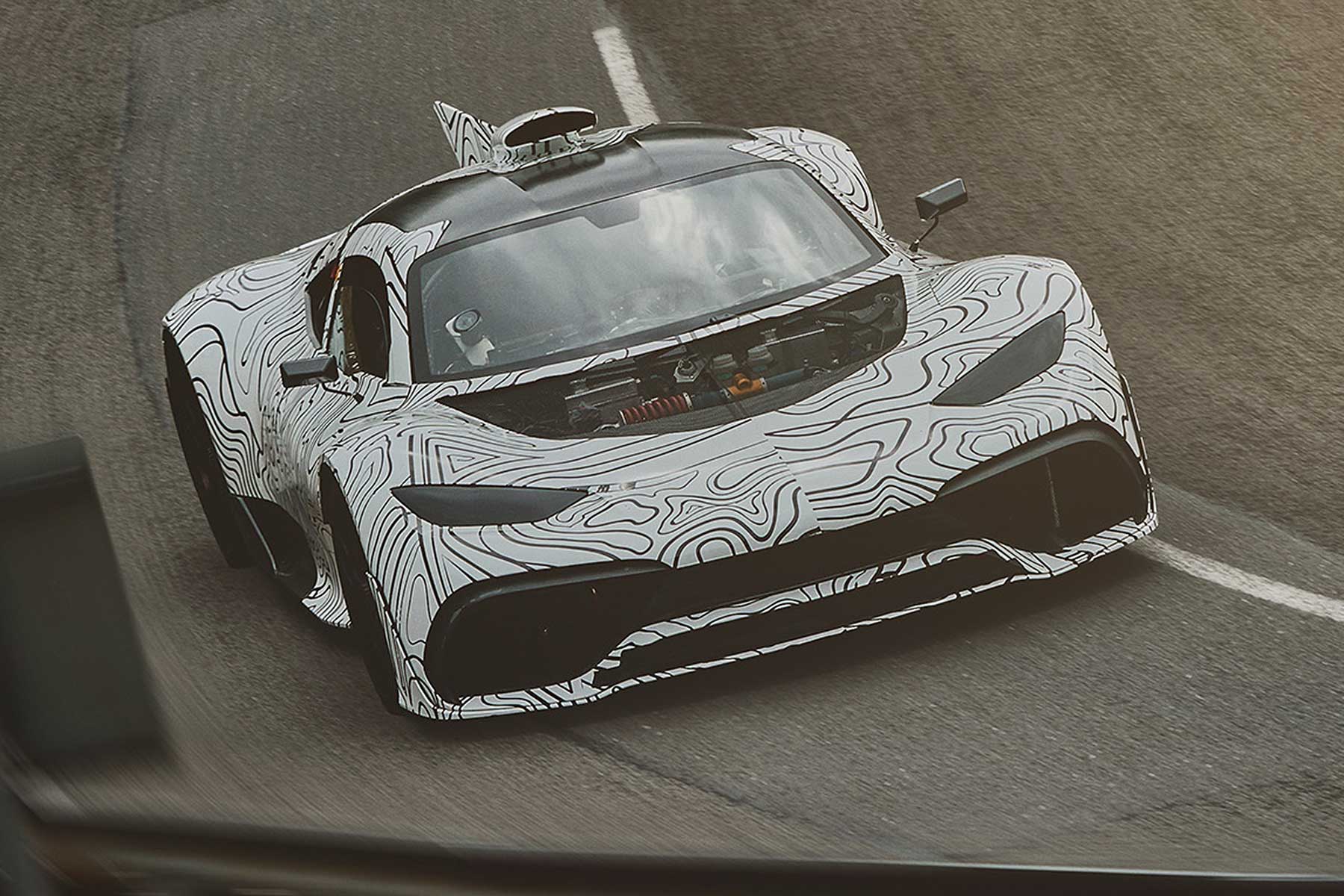
The Mercedes-AMG Project One hypercar is going through a difficult gestation, as engineers struggle to mould its F1-derived powertrain into a smooth-running and emissions-compliant road car engine.
Breaking news: a Formula 1 engine is neither environmentally friendly nor any good at low revs. Joking aside, even all the automotive brains at Mercedes-AMG are having a job reworking the Project One’s petrol-electric V6 for road use – more so than even they anticipated.
Given this is much more the racetrack refugee than many cars in the past that have claimed to ‘bring F1 to the road’, the challenges in this transition are very real.
It’s mostly to do with revs and holding a steady. low idle. F1 cars idle at 5,000rpm and rev out to 15,000rpm. This road-going supercar needs to idle consistently and cleanly at 1,200rpm – and be able to do so for extended periods of time.
The challenges have set the AMG team back around nine months. It’s worth remembering that it’s highly likely these cars will see more action on Park Lane and Sloane Street than at Spa or Silverstone.
The Project One is currently testing at various power levels, running through 40 percent of potential, 60 percent and 80 percent. What the production car will produce will not be known for some time, while they crack it as a viable road car powerplant.
At present, buyers can expect to start receiving their cars in 2020.
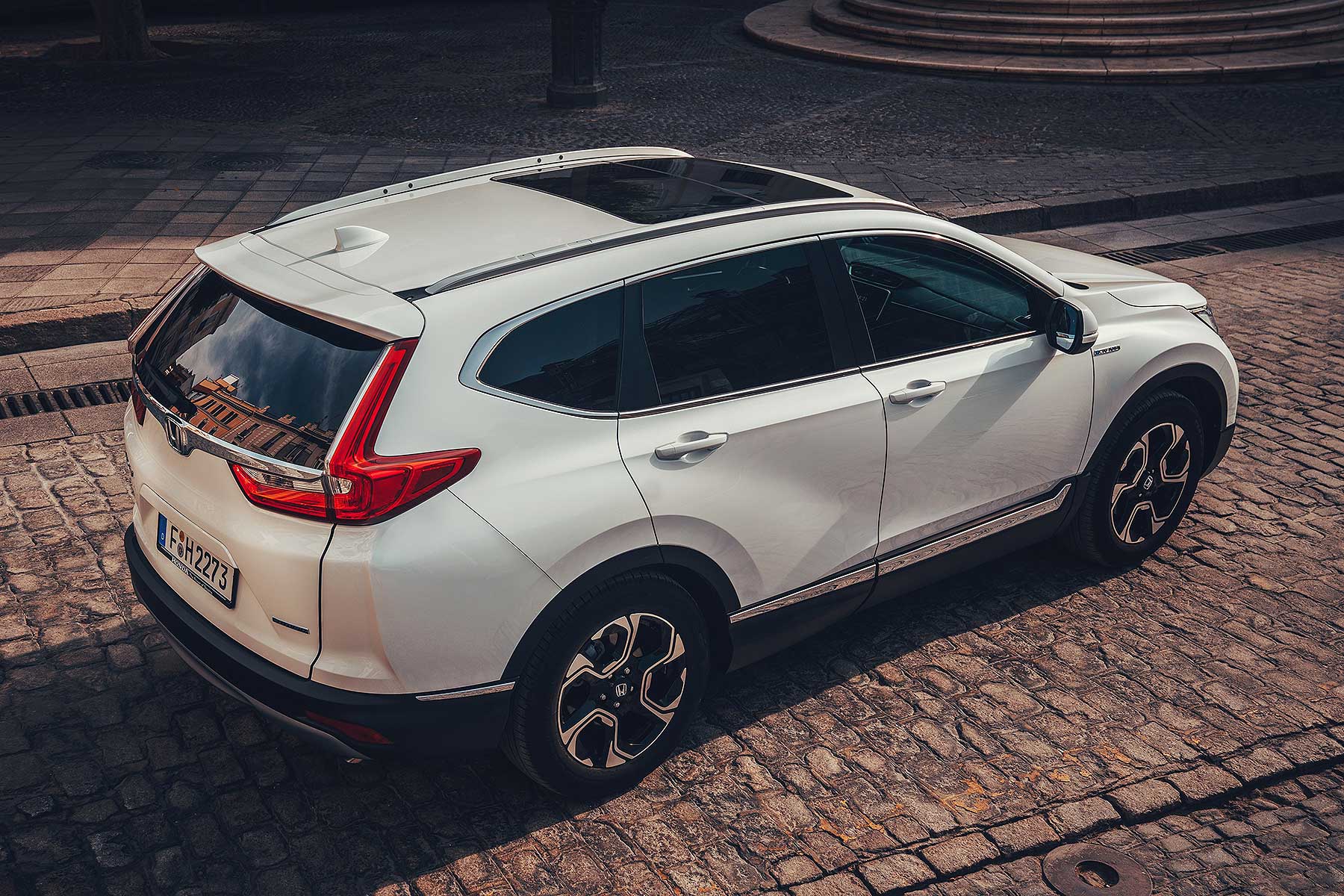
Price for the new 2019 Honda CR-V Hybrid have been confirmed: it will start from £29,105 and Honda dealers will take their first deliveries from February 2019.
The ‘electrified’ CR-V follows the petrol-powered CR-Vs launched back in the summer, and is the fuel-saving option from the range. Honda will not be offering a diesel version of the new CR-V.
Because the hybrid battery gear takes up a bit of space in the back, Honda’s only offering it in five-seat guise. Buyers will, however, be able to choose between two-wheel drive and all-wheel drive. They’ll all come with an eCVT automatic gearbox.
Honda proudly tells us the Honda Sensing suite of safety tech comes as standard on all models. This means every CR-V Hybrid will feature auto emergency braking, forward collision warning, lane-keep assist, adaptive cruise control, traffic sign recognition and even a system that helps stop drivers running off the road.
SE models will build upon base S grade with parking sensors and a rear-view camera. SR and EX add blind spot warning, with SR offering leather interior, active cornering lights and keyless go.
EX is the range-topper and has a head-up display, panoramic glass roof, heated steering wheel, heated rear seats and a hands-free electric tailgate.
The 2WD range comprises S, SE and SR, with 4WD stretching from SE, SR and EX. Prices are, on average, around £3,100 higher than the 1.5-litre VTEC Turbo base model, although not only is the 2.0-litre a high-tech hybrid, it also has the automatic gearbox as standard.
“The CR-V Hybrid is the first step in achieving our objective of electrified powertrains accounting for two-thirds of our European sales by 2025,” said Phil Webb, head of car at Honda UK.
“In a marketplace that is going to become increasingly competitive as time goes on, the CR-V is well placed to achieve strong sales results and we have high expectations for this car.”
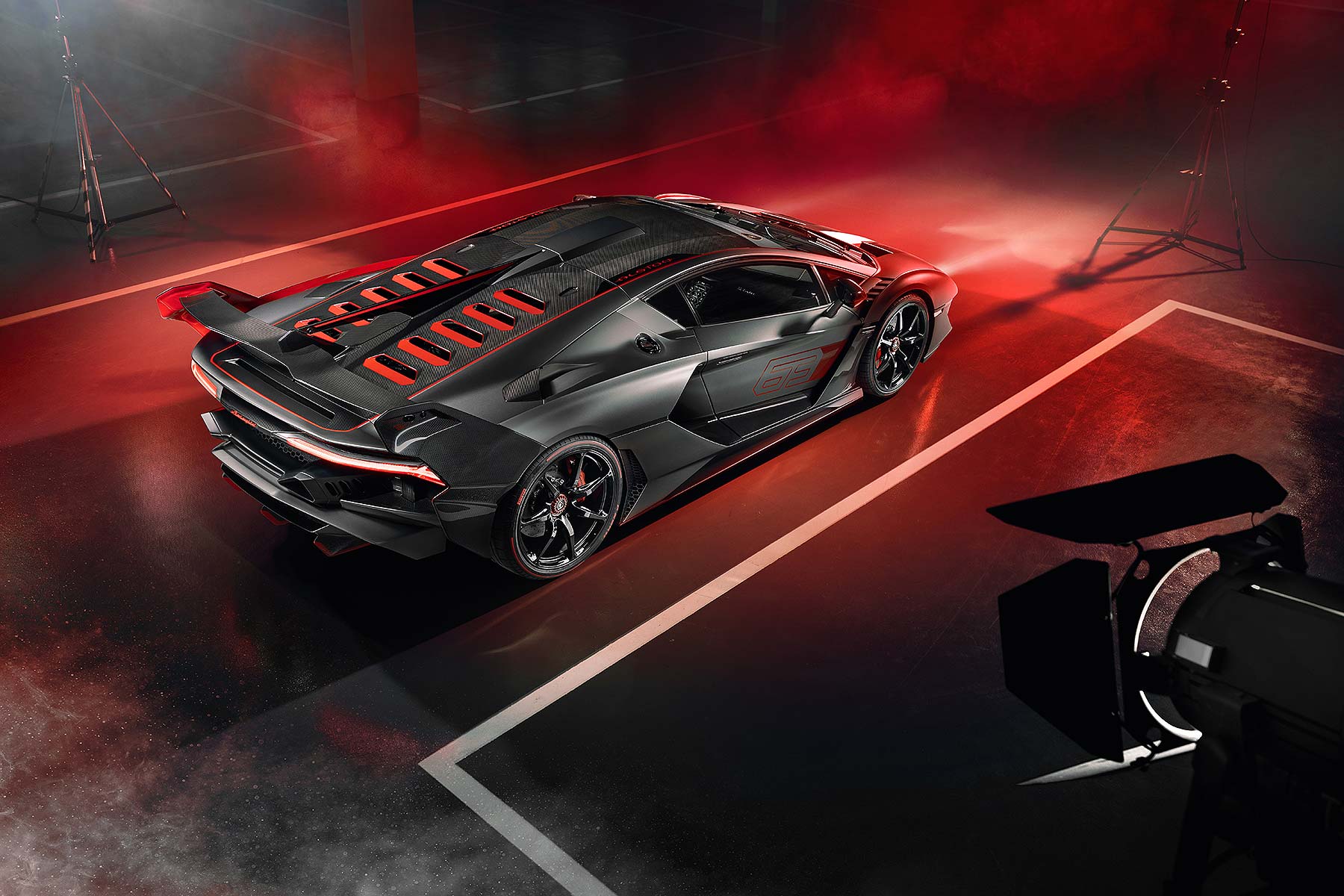
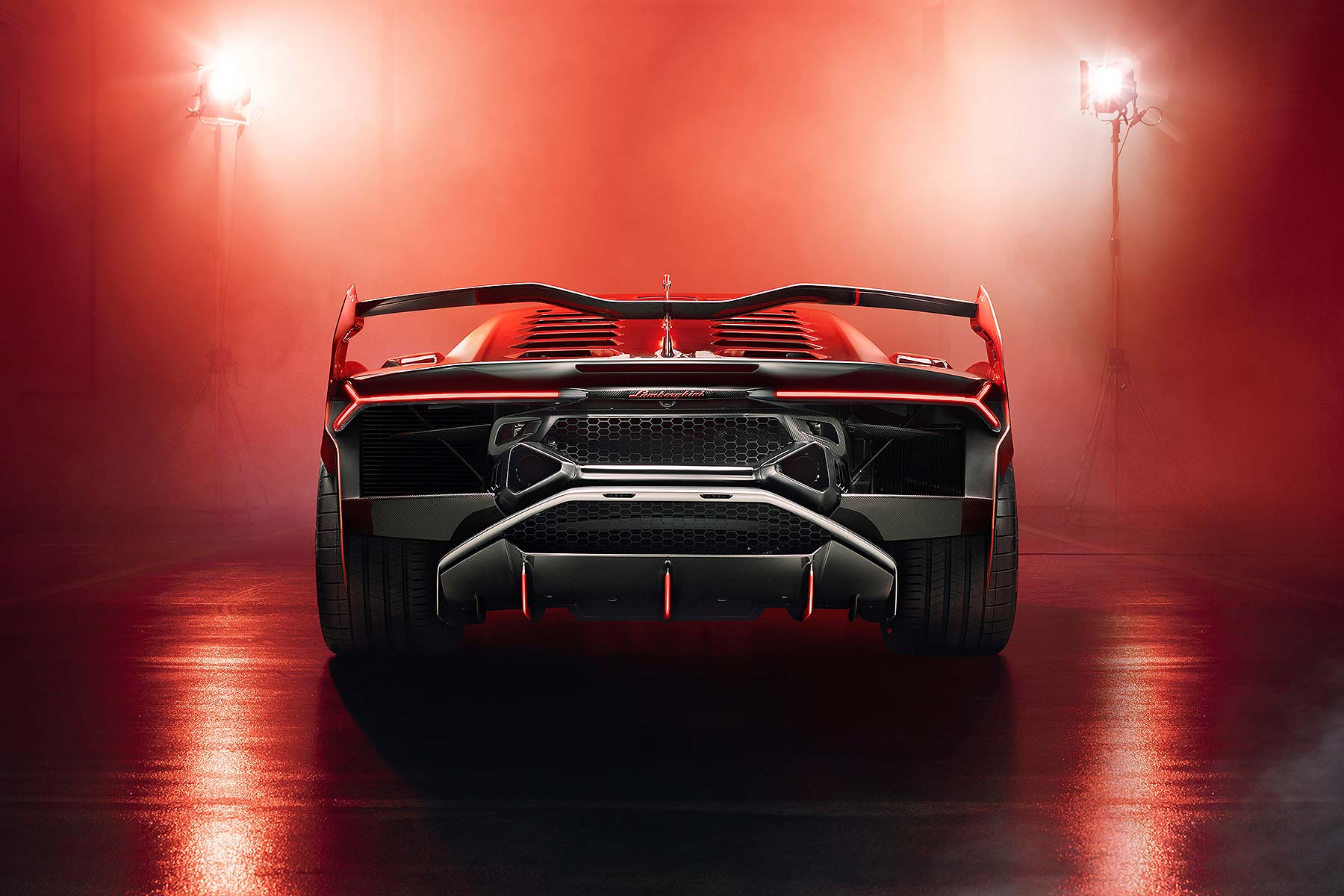
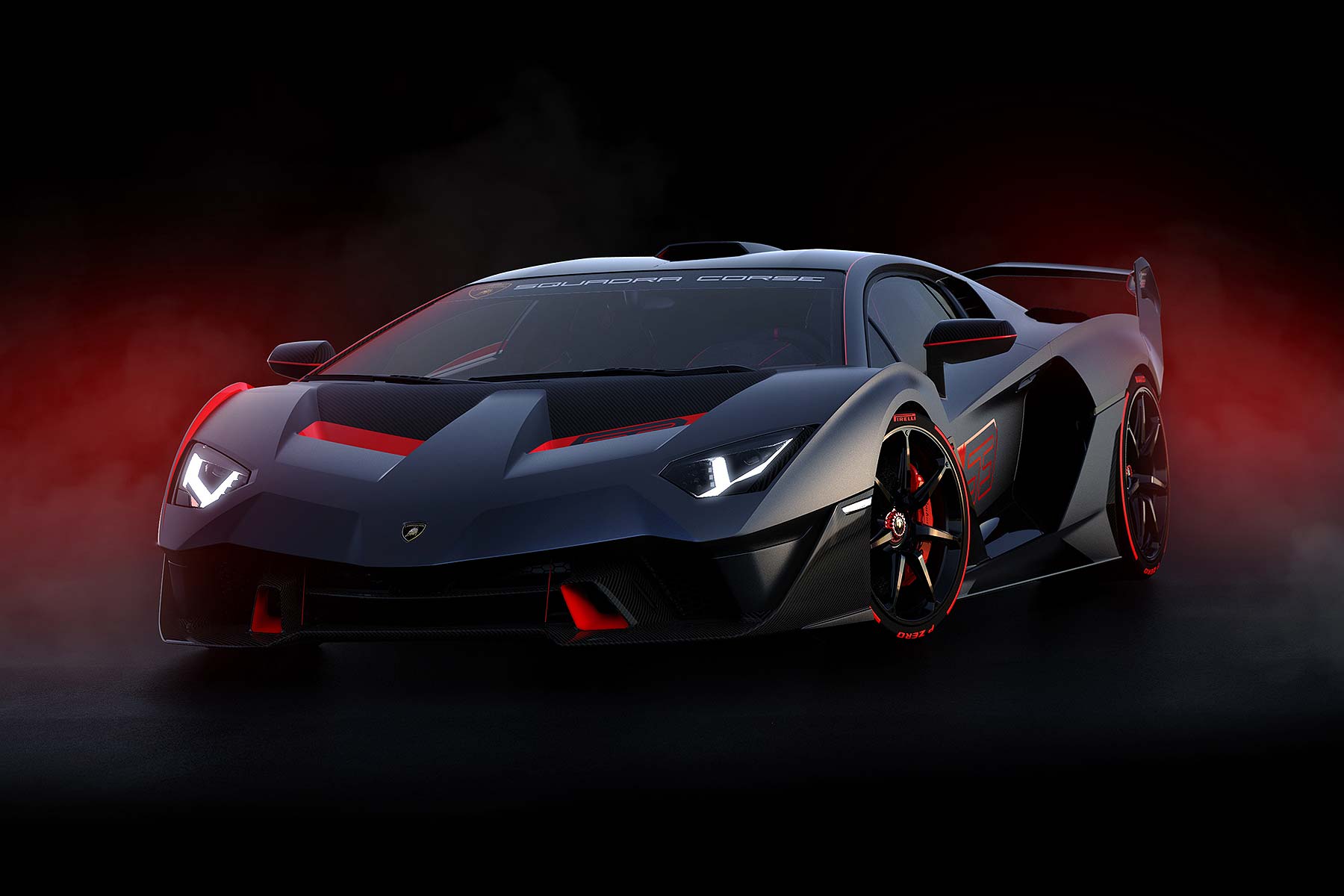
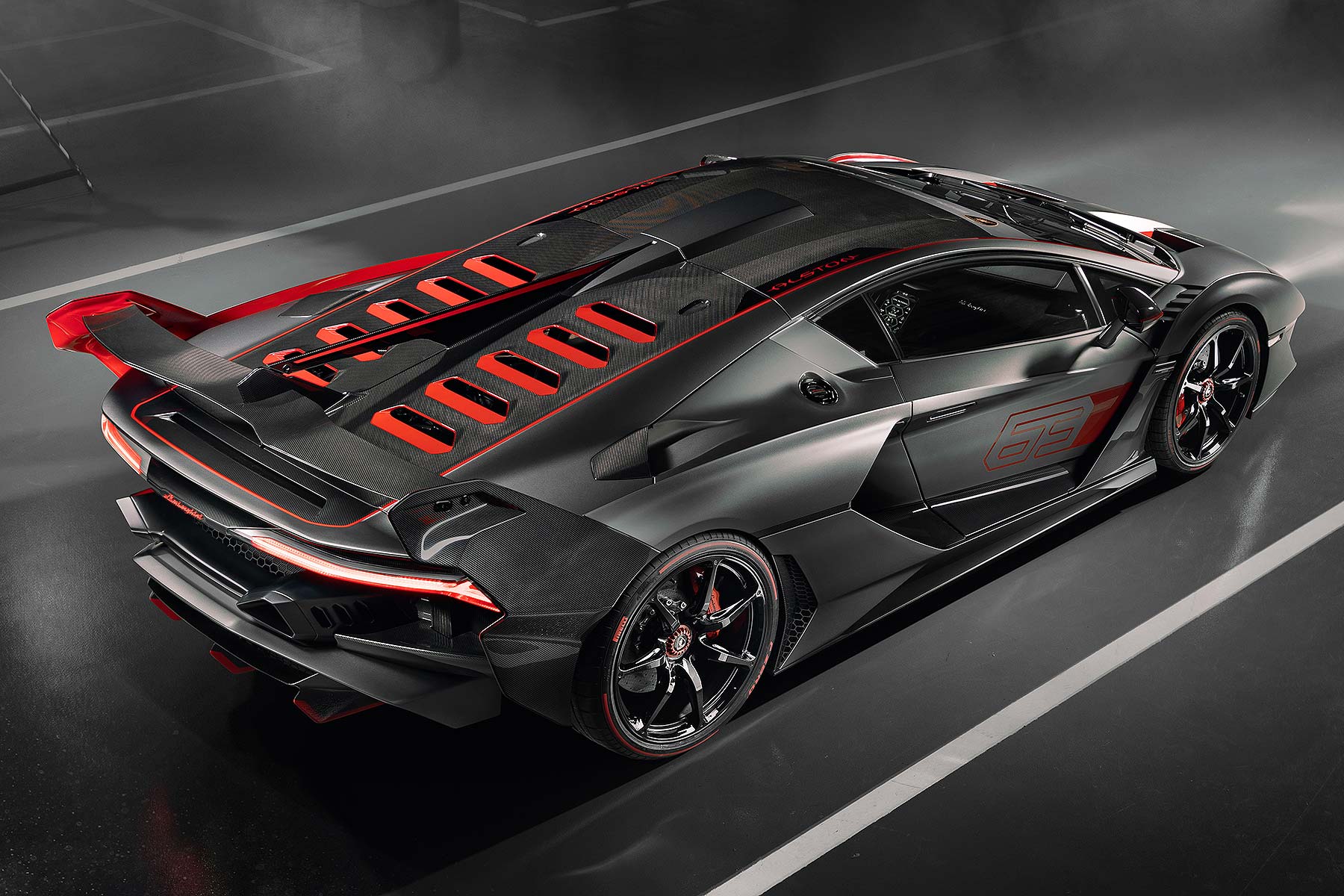
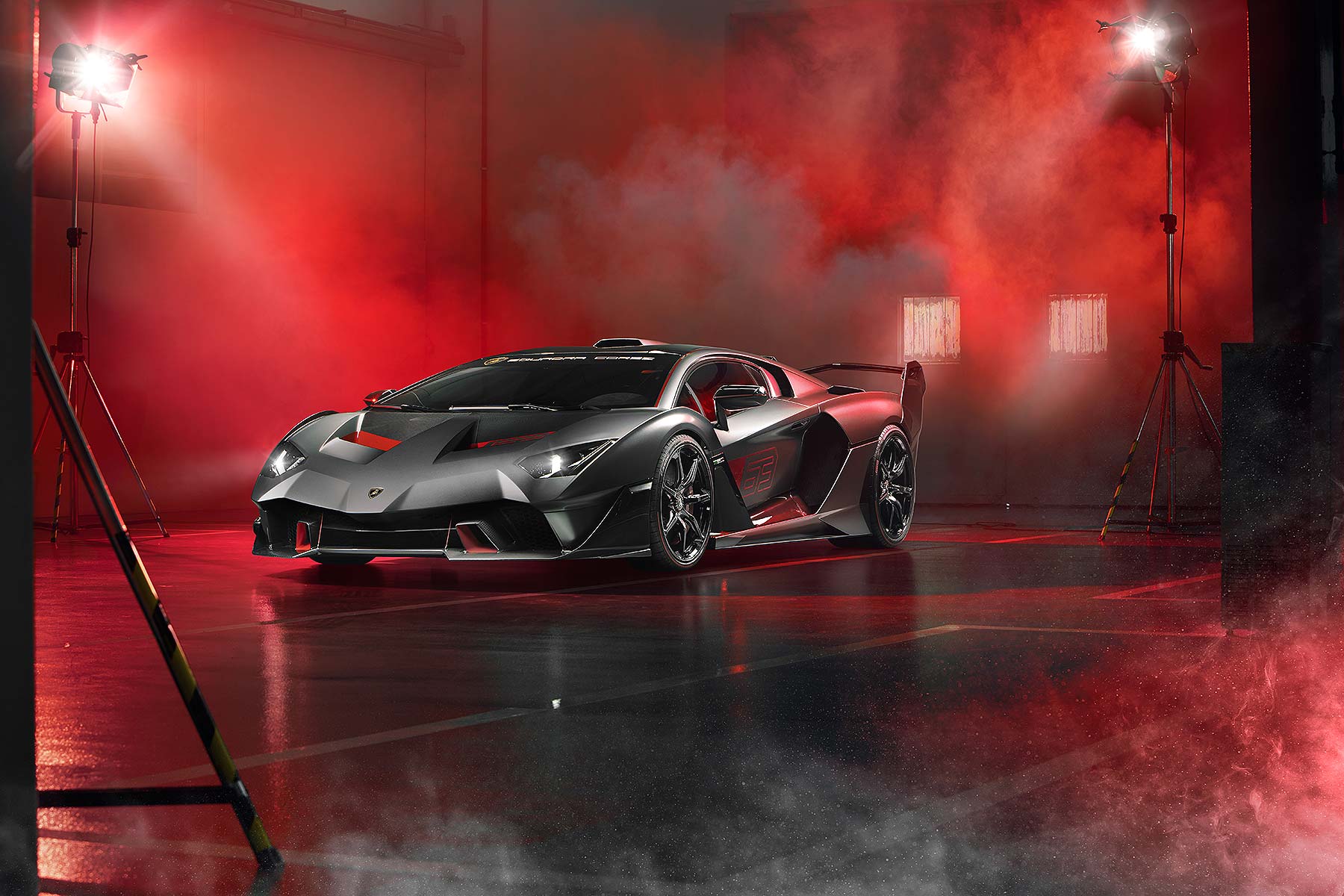
The Lamborghini SC18 is a one-off creation for a secret customer that takes the Aventador supercar and turns the dial up yet further. As if that was even possible.
The first road-going car created by the Squadra Corse racing division, the SC18 (‘Squadra Corse 18’, we’re presuming) is primarily optimised for the track and features an array of motorsport-spec upgrades to make it mesmerizingly fast against the clock.
Lamborghini Squadra Corse worked with the Centro Stile Lamborghini styling department to design the car – and the collaboration has been so successful, the firm says it “paves the way to further personalised development projects for motorsport customers under the Squadra Corse brand”.
Visually, it’s all about aerodynamics. At the front, Lamborghini’s added on air intakes that mimic the Huracan GT3 Evo racing car. Further back, the extreme scoops and fins are drawn from the Huracan Super Trofeo Evo.
The rear wing is made from carbon fibre and can be adjusted three ways, to hone downforce no matter what the circuit.
Wheels feature a motorsport-style central nut, with 20-inch front and 21-inch rear Pirelli P Zero Corsa tyres. Rather amazingly, it rides just 109mm off the ground. It’s road-legal, but you’re probably best avoiding speed humps.
The bodywork is made entirely from carbon fibre, cutting weight, and Lamborghini has painted it in a special Grigio Daytona paint colour but left the carbon weave exposed in certain areas. Sections of red-screen printing “enhance its sportiness”.
The V12 engine (sourced from the Aventador SVJ) produces 770hp. There is a bespoke exhaust system “with a unique design and sound”. 12 red-accented air intakes on the rear engine cover help hot air escape better, improving the cooling during hard-driven track day sessions.
Just look at it. Pretty wild, huh? And it’s just the first of many such ‘one-offs’ we can look forward to in the future, by the sounds of it. If you like your Lambos even more extreme than they already are, Squadra Corse is now here to deliver.
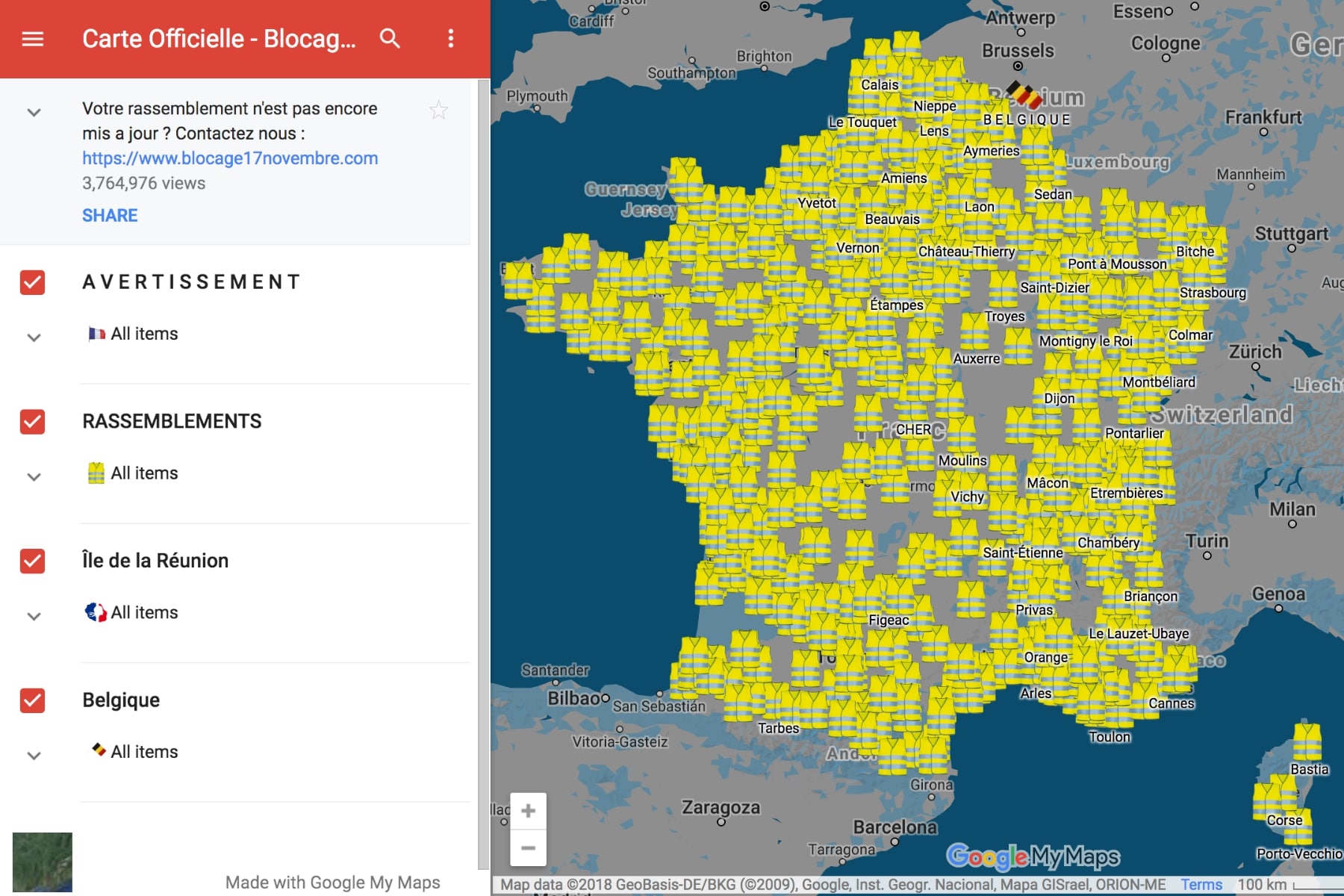
Rising fuel prices are causing unrest across the channel, with an estimated 290,000 people taking part in road-blocking protests and marches over the weekend by people wearing yellow vests.
The plan was for traffic to be either slowed down or stopped entirely during the protests, which were planned for Saturday 17 November.
Action took place at more than 2,000 locations across France and was largely peaceful, say reports. However, the scale of the protests saw around 400 injured as demonstrations continued throughout the night and into Sunday.
How to find the cheapest petrol and diesel near you
A female protestor was killed, reports the BBC, after a driver was surrounded by protestors. They reportedly panicked and accelerated into the crowd.
The action is due to cover almost the entirety of the country, as demonstrated by the interactive map of yellow vests. If that sounds extreme, consider that within a year, fuel prices have increased 14 percent and 23 percent for petrol and diesel respectively.
The price of diesel at the pumps in France is now £1.32.
What’s more, further taxes are due to be added at the beginning of 2019 A further rise of 2.9 cents and 6.5 cents for petrol and diesel is projected for Jan 1 2019. The markedly higher cost of diesel suggests the French government is penalising diesel drivers.
In a poll conducted by French motoring title Auto Plus, 82 percent of respondents (that’s more than 3,000 people) said they would be ready to demonstrate against “soaring prices at the pumps”.
BBC News said that over the weekend, the protests were still approved of by three quarters of the population.
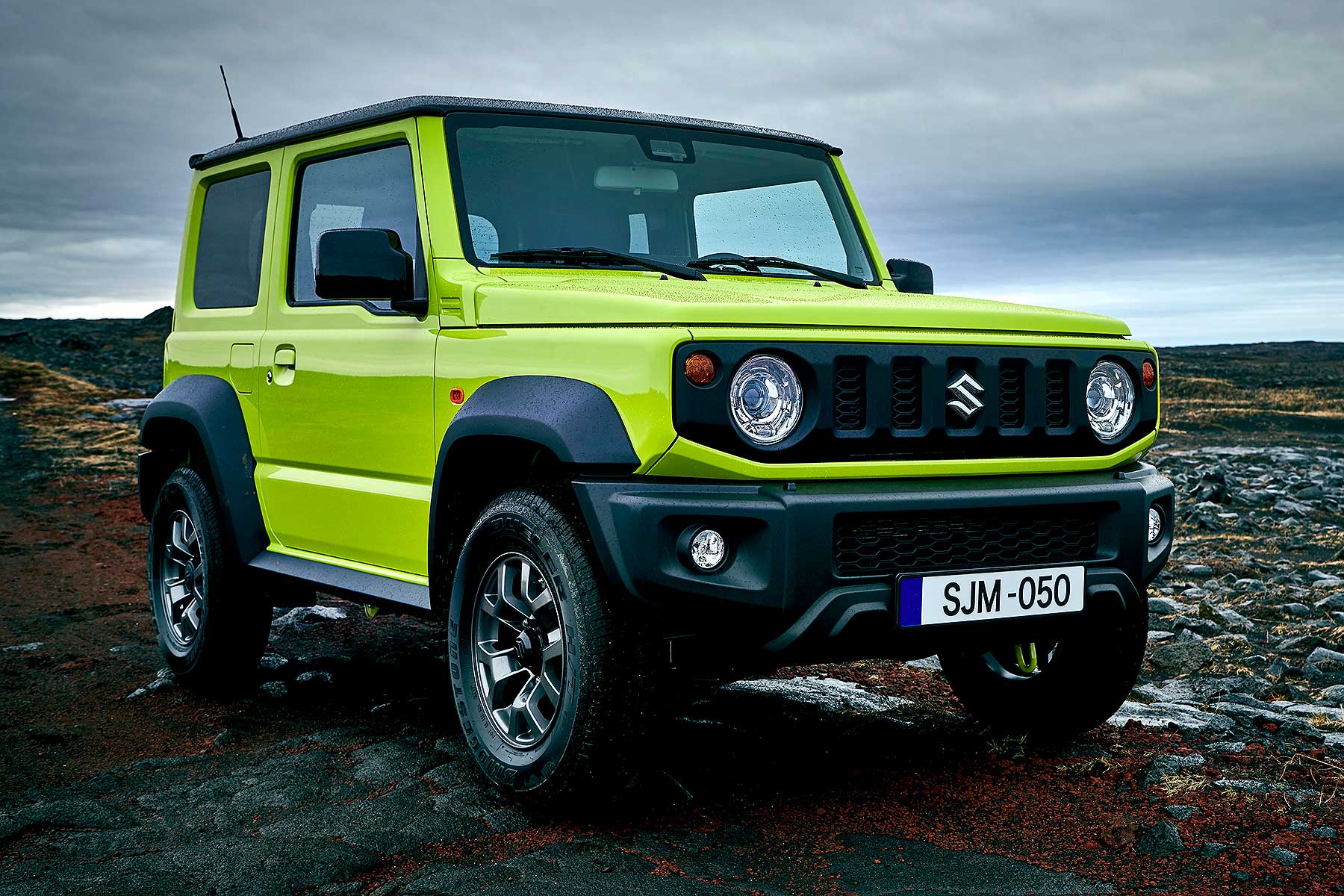 The new Suzuki Jimny will be priced from £15,499, as first deliveries of Suzuki’s most in-demand car in years commence.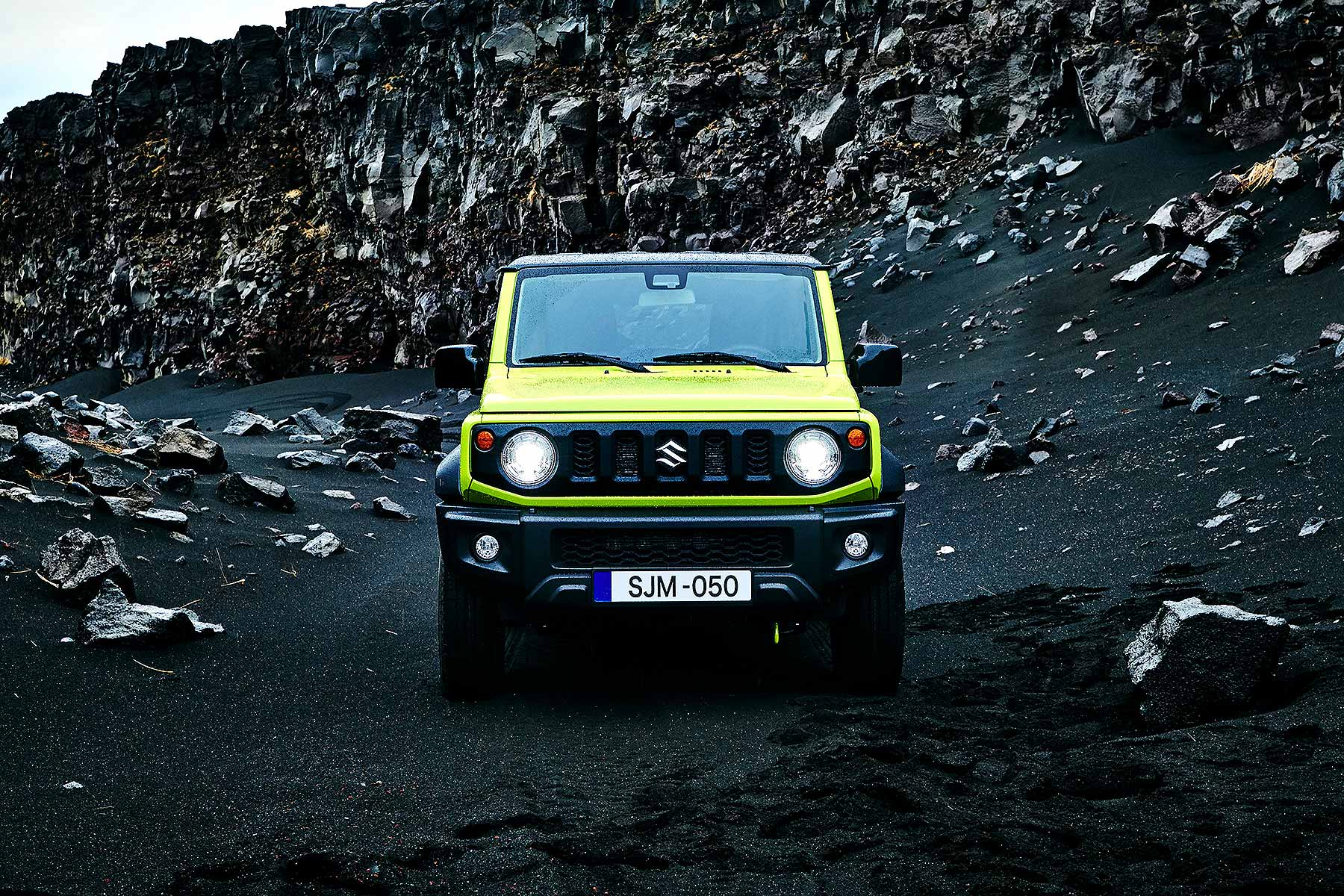
 The
The 


 Nissan chairman Carlos Ghosn has for many years underreported his salary, used company money for personal use and committed other “significant acts of misconduct”, the firm has revealed in a statement.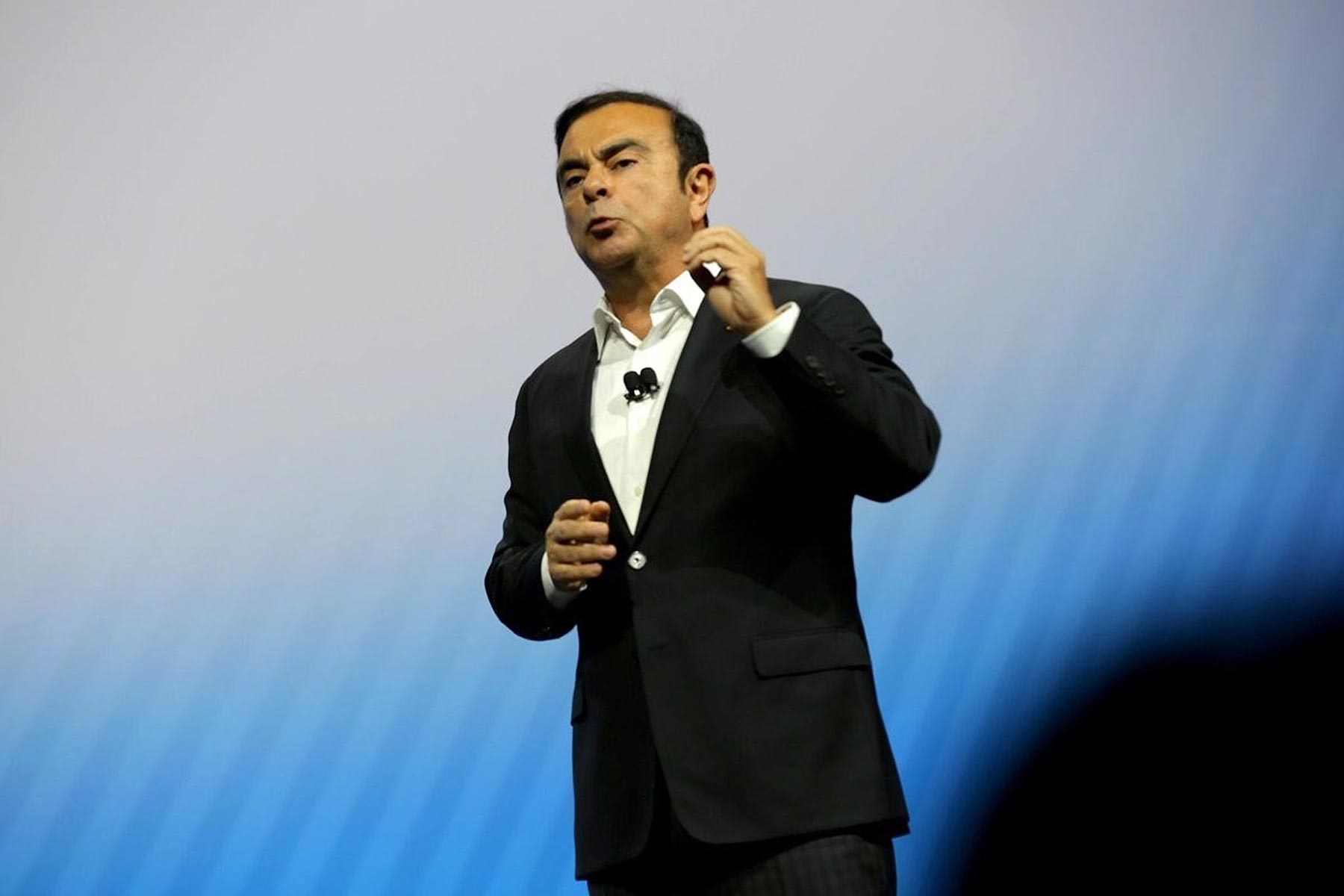
 MotoGP World Champion Marc Marquez has taken delivery of another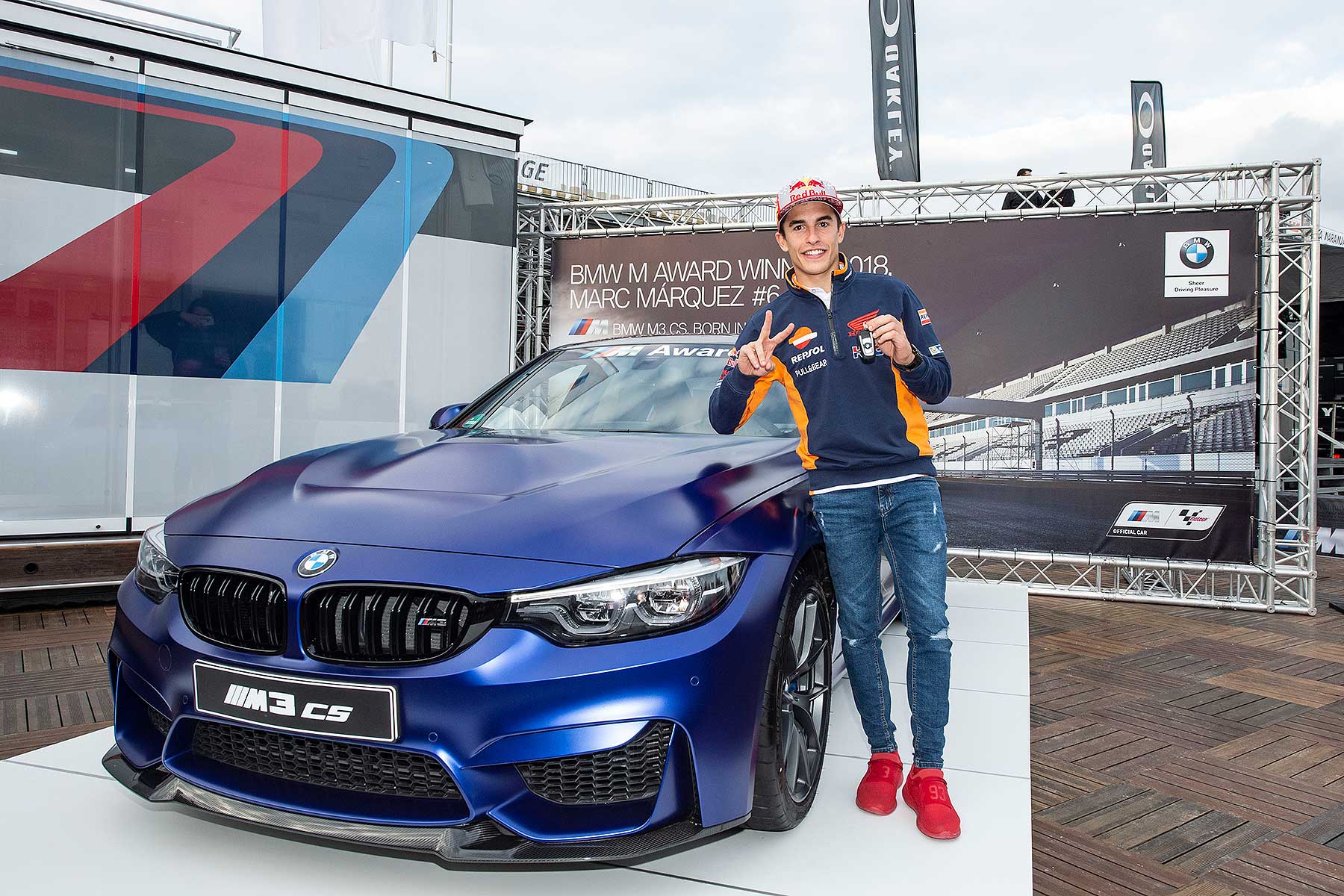
 Launched in 1975, the BMW 3 Series changed the shape of the compact executive sector. Since then, some 14 million units have been built, making it one of the best selling cars of all time.




 The Mercedes-AMG Project One hypercar is going through a difficult gestation, as engineers struggle to mould its F1-derived powertrain into a smooth-running and emissions-compliant road car engine.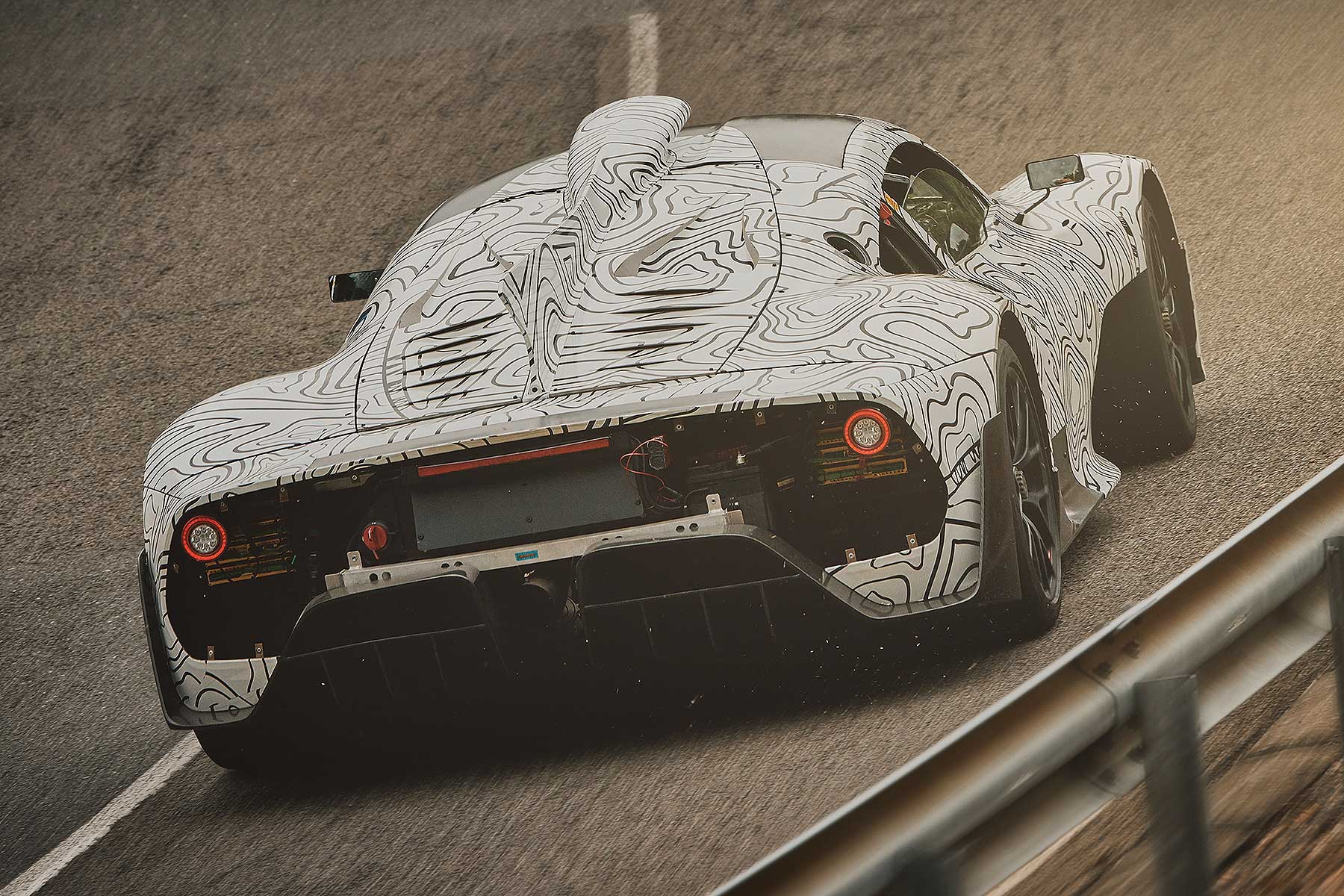
 Price for the new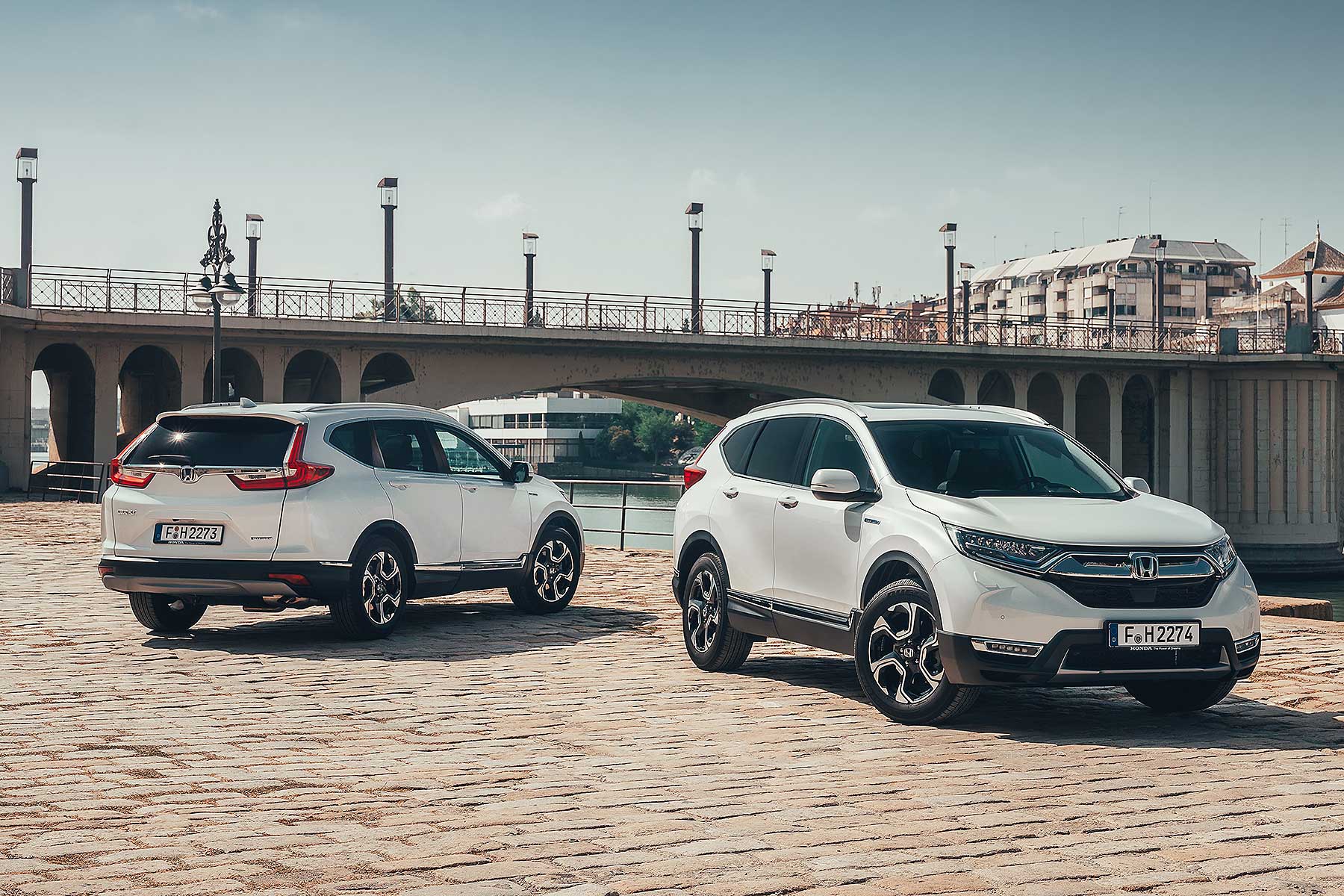
 The Lamborghini SC18 is a one-off creation for a secret customer that takes the