Ever heard of a brake-test? A third of drivers – nearly 14 million of us – apparently respond to tailgating by dabbing the brakes to flash the following driver.
That’s according to research commissioned by Kwik Fit, which reveals that 75 percent of us would take some sort of action in response to a tailgater.
However, brake-testing, along with a flash of the foglights (used by eight percent) and sharp braking (10 percent) can risk a collision. If the car following brakes too hard in response, it, in turn, risks being rear-ended. The domino effect may continue…
How else do drivers respond to a tailgater? The research uncovered 11 percent of us would speed up to get away. Incredibly, nearly one in 10 drivers will ‘see how they like it’ by pulling out, pulling back then getting up close behind the original tailgater. Seven percent would make heated hand signals to express their displeasure.
Tailgating is one of the most irritating things to do on the road (annoying 89 percent of people). That’s just short of dangerous overtaking (92 percent), but many of us are guilty. A third of motorists admit that a car they’ve been following has taken similar action to what’s stated. One in ten has seen a car let them pass, only to sweep in and follow them closely.
Eight percent have themselves experienced a brake-test. Key offenders are men (38 percent) and younger drivers aged 18 to 34 (50 percent).
“Brake-testing a car which is far too close can be very tempting for drivers, either by dabbing the brakes to flash the brake lights, or by actually braking hard, but this can be very dangerous,” said Roger Griggs, communications director at Kwik Fit.
“The safest approach when encountering tailgaters is to drive normally, signal clearly and pull over when it’s safe to do so to allow them to overtake. Getting drawn into tit-for-tat behaviour is a no-win situation and only makes driving much more stressful than it needs to be.”
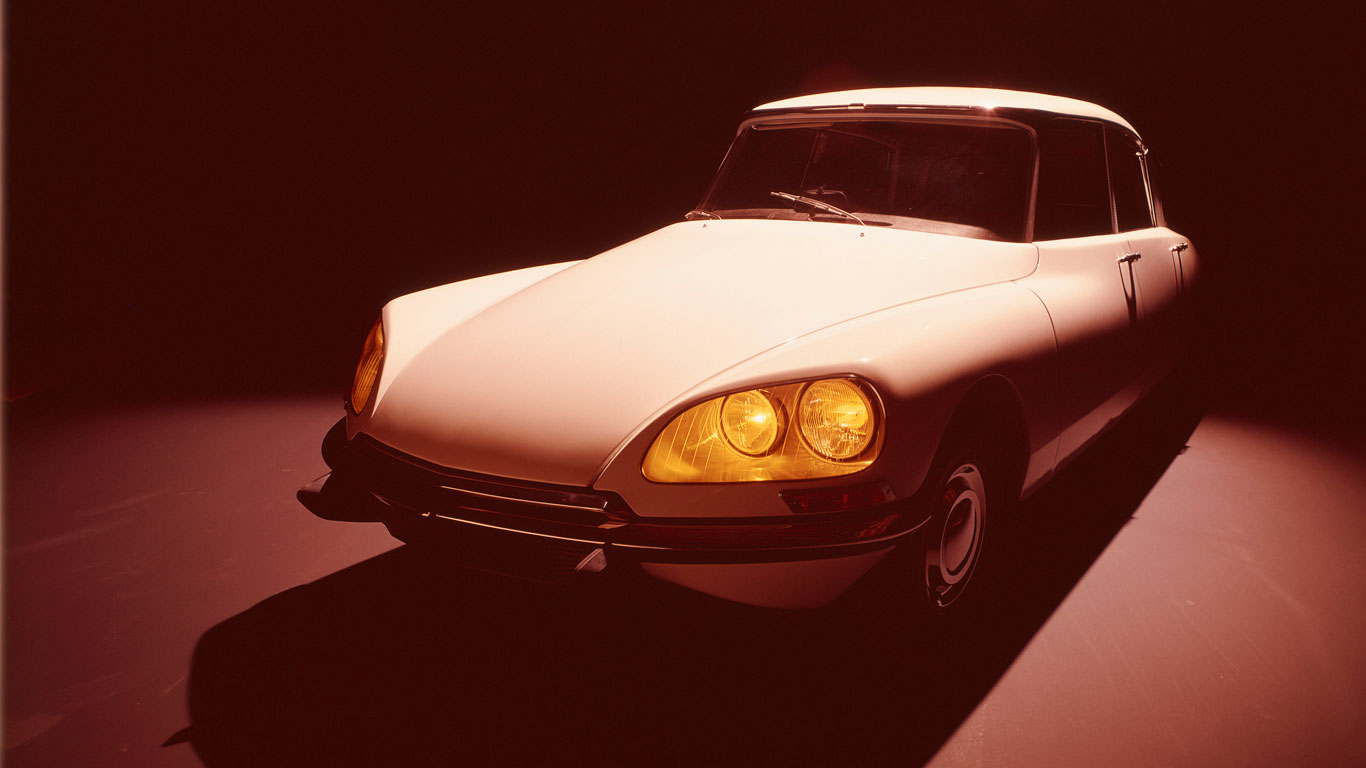
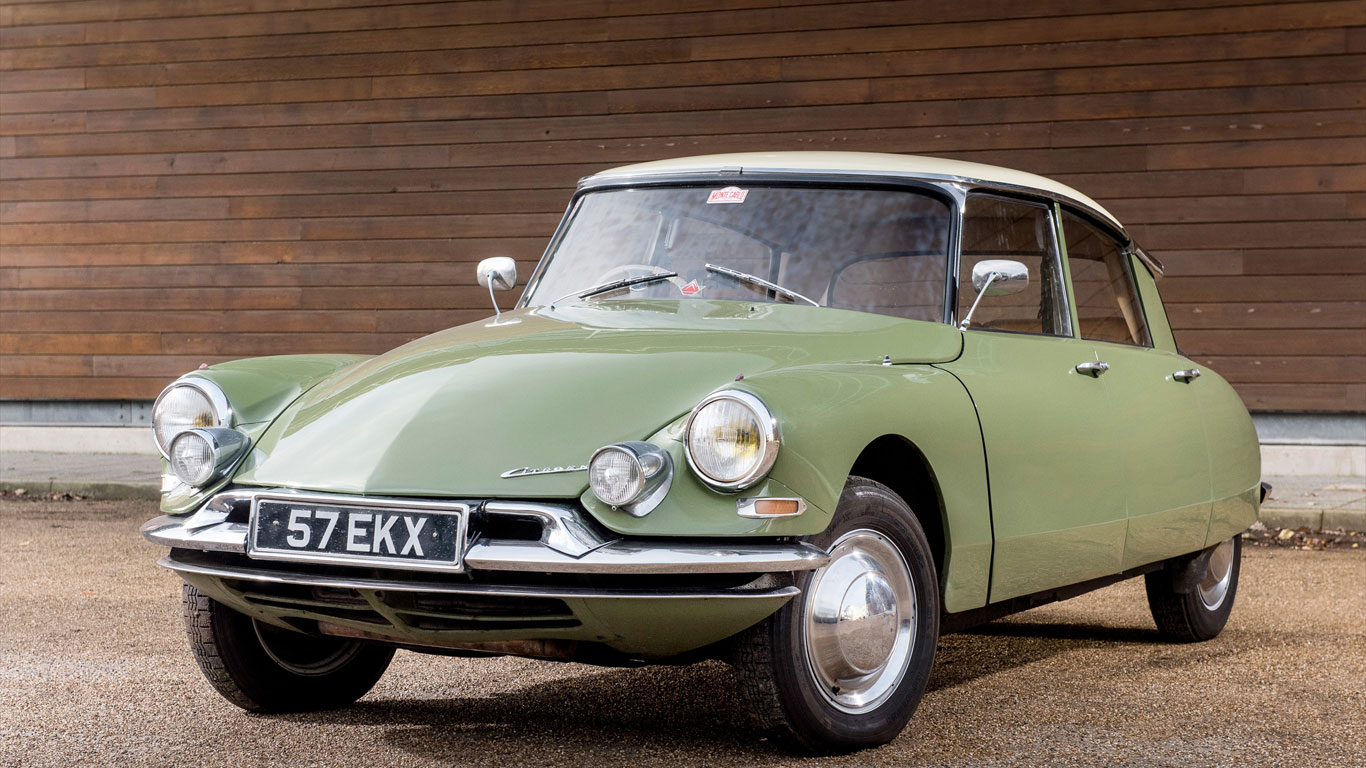
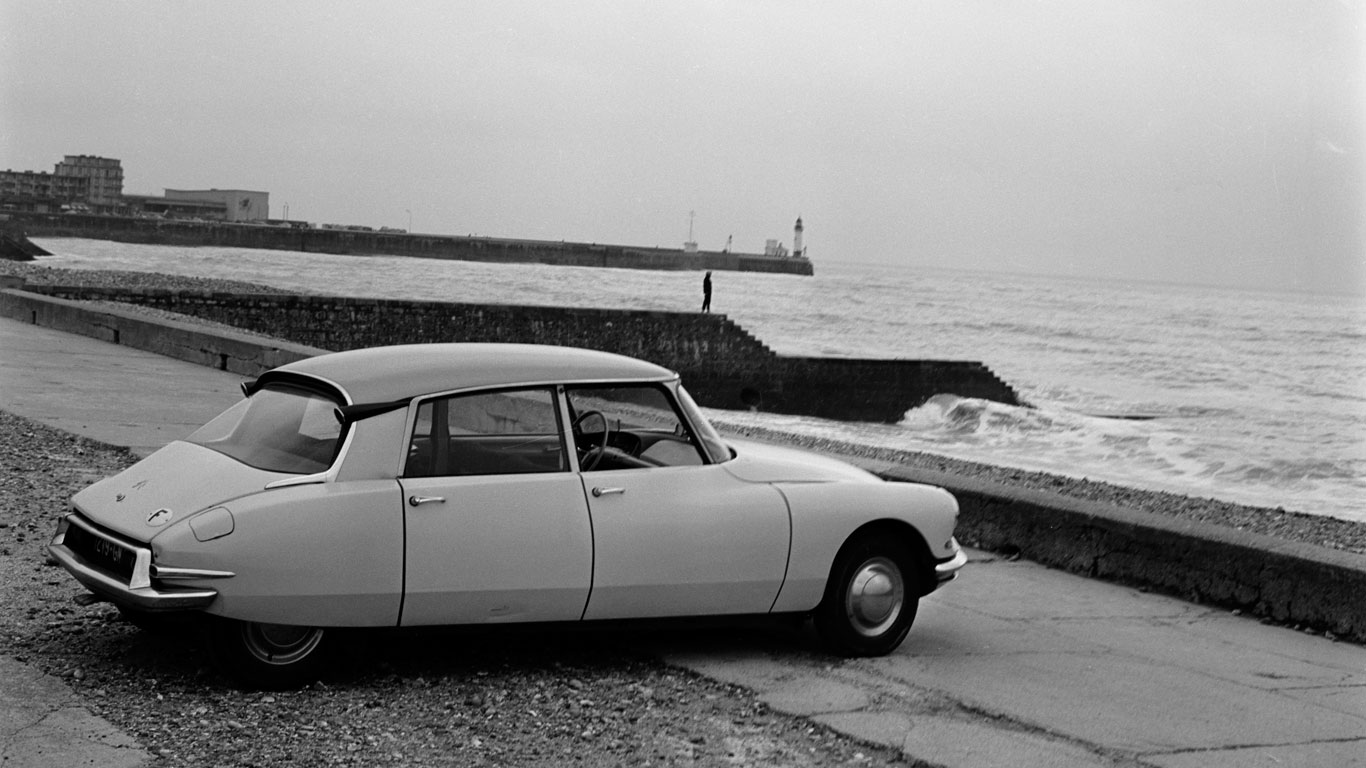
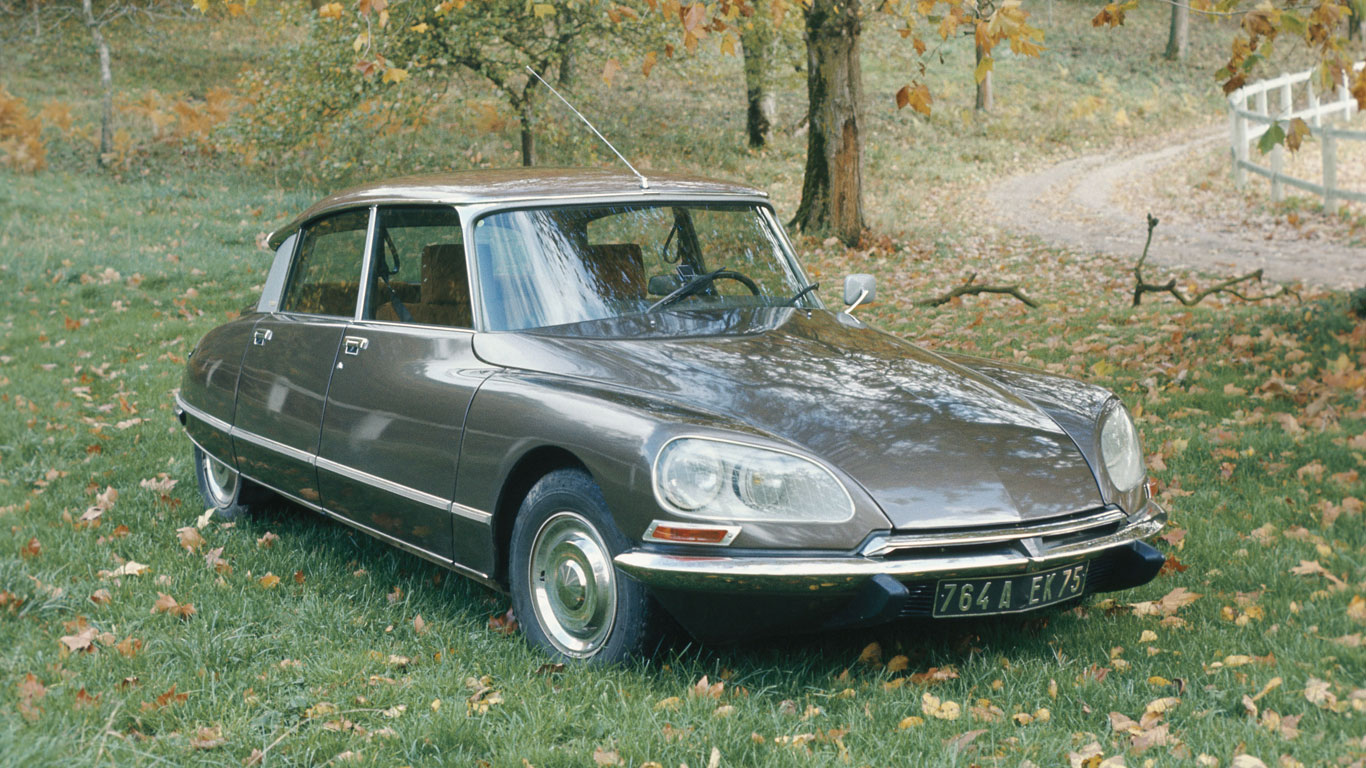
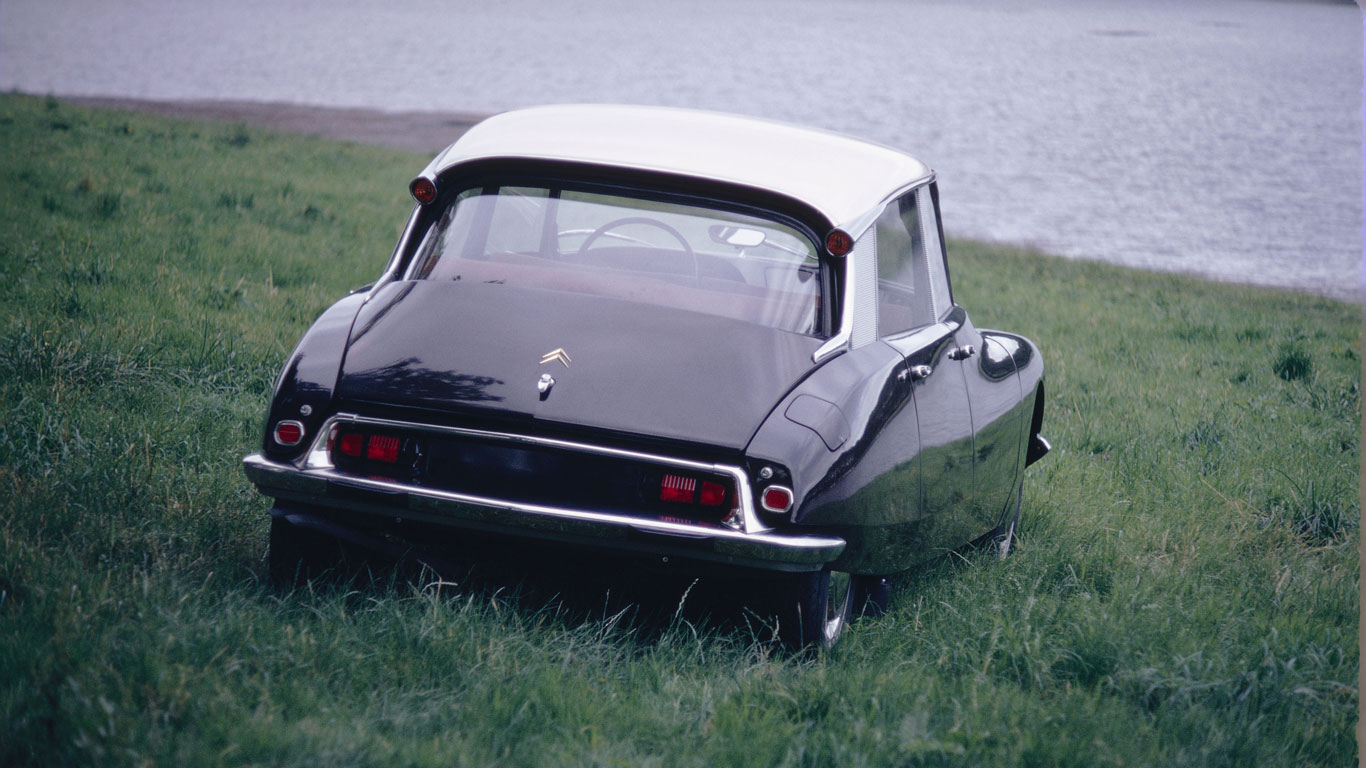
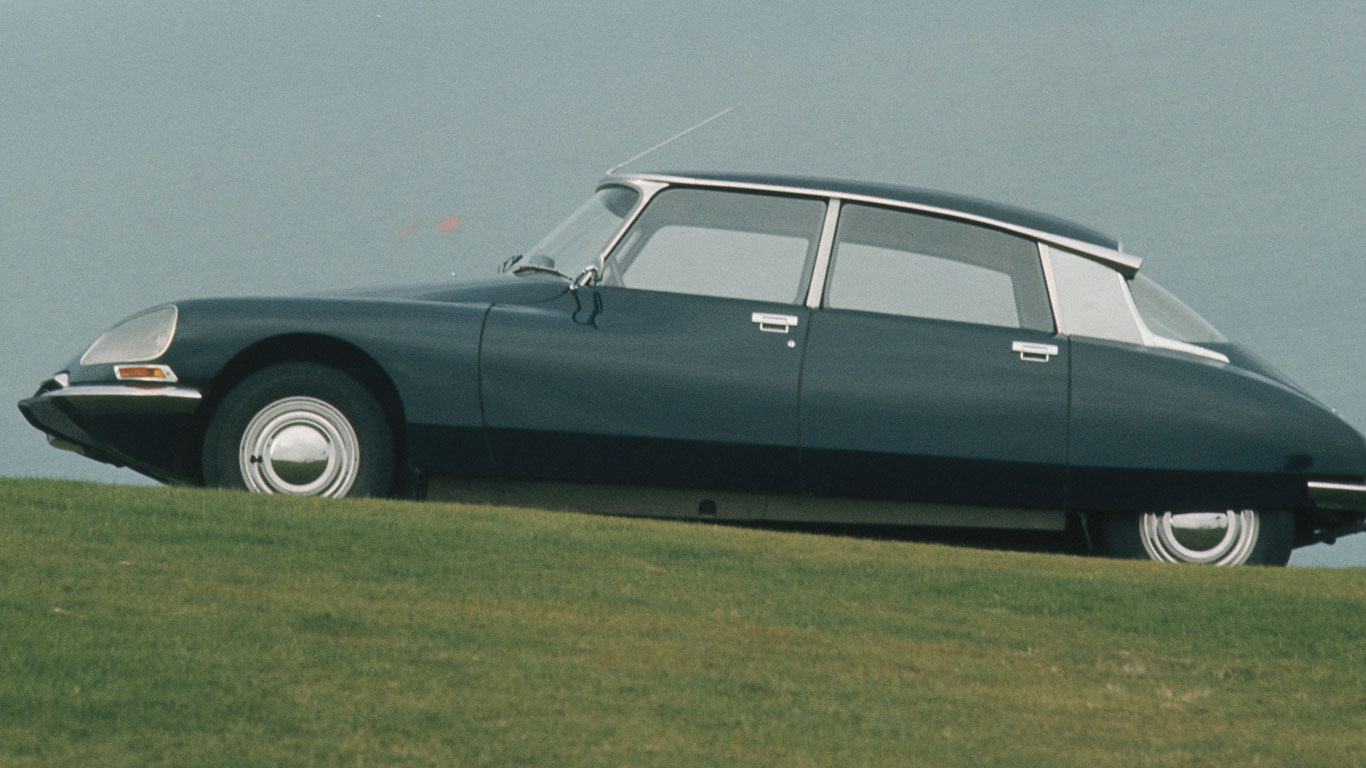
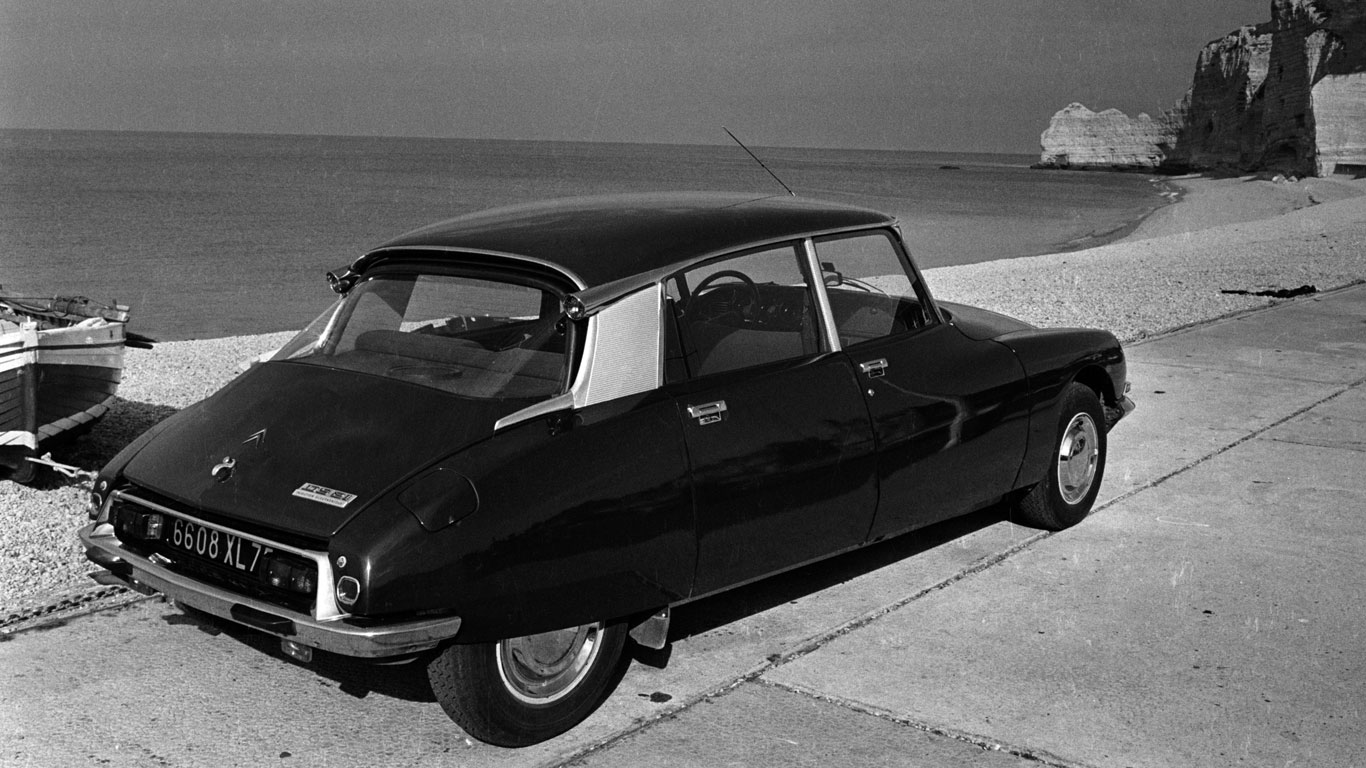
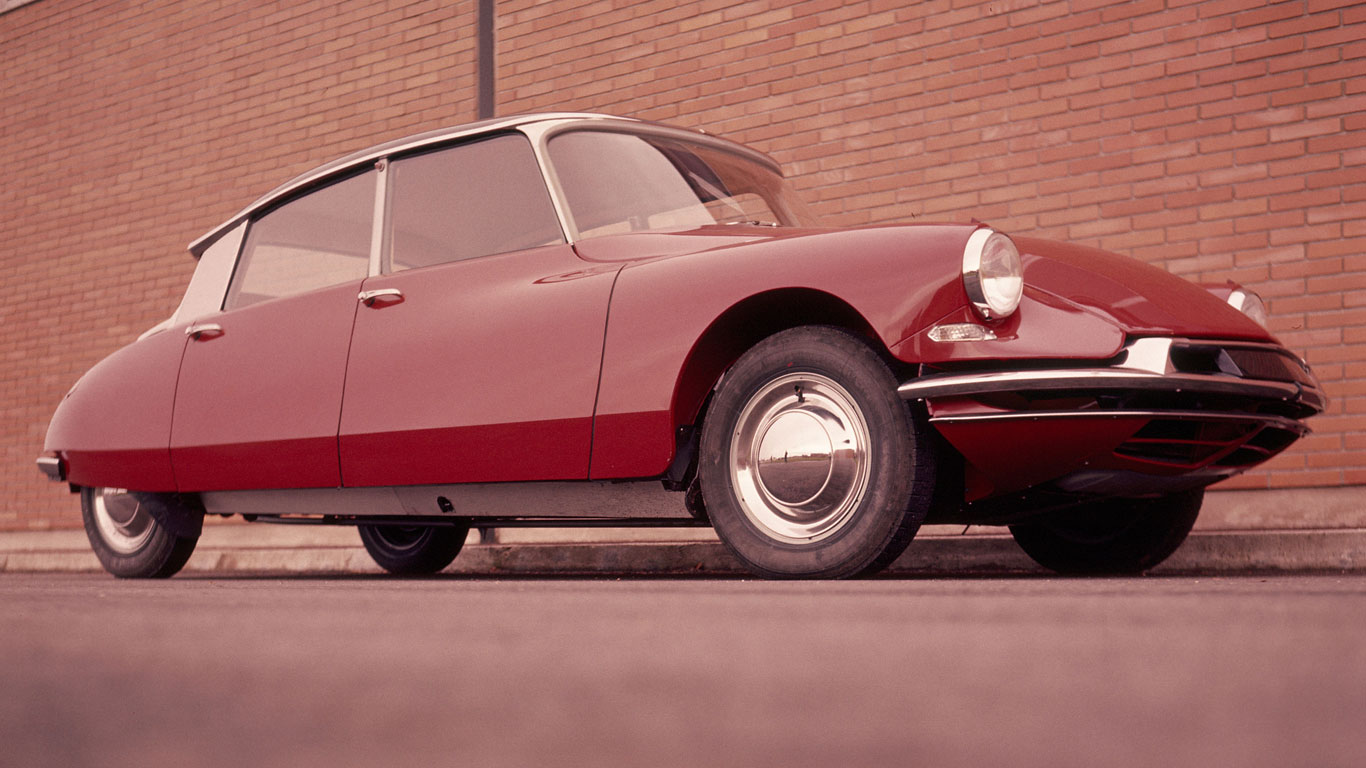
She may be 63 years old, but the Goddess looks as good today as she did when she stole the show at the 1955 Paris Motor Show. So, by way of a tribute to one of the greatest cars of the 20th century, we felt compelled to celebrate the life and times of a French masterpiece. The Citroen DS: this is your life.
Launched at the Grand Palais des Expositions, Paris
The Citroen DS stopped people in their tracks when the covers were pulled off at the Grand Palais des Expositions in Paris. Quite simply, it was a revelation.
Replaced the Citroen Traction Avant
It replaced the hugely successful but ageing Citroen Traction Avant. Like the DS, the Traction Avant – which is French for ‘front-wheel-drive’ – was a landmark car. But unsurprisingly, some 20 years on from its launch, it was in need of replacement.
DS is French for Goddess
Step forward the Citroen DS, which stands for ‘Déese’, which in turn is French for ‘Goddess’. It’s pronounced “day ess”, which could be an important thing to remember if you’re at a dinner party discussing the most important cars of the past 100 years.
One of the greatest cars of the 20th century?
It can lay claim to being one of the most significant and perhaps greatest cars of the 20th century. In most polls, the Citroen DS is placed in the top 10, more often than not in the top five.
Third in the Car of the Century awards
Indeed, the Citroen DS came third in the Car of the Century awards, beaten only by the Ford Model T and the Mini. It was also named the most beautiful car of all time by Classic & Sports Car magazine.
The DS was a true show-stopper
But just what makes the Citroen DS so special? Let’s remember that the DS arrived in 1955, a time when Europe was still recovering from the effects of World War II. Here was a car quite unlike anything that had gone before – this was a true show-stopper.
Codenamed the VGD
Work had begun on the Citroen DS soon after the launch of the Traction Avant in 1934. It was codenamed VGD, which stood for ‘Voiture á Grand Diffusion’, or ‘mass-produced car’. Developed alongside it was the Toute Petite Voiture (TPV), or very small car.
Developed alongside the Citroen 2CV
It was World War II that saw the VGD project being mothballed in favour of the TPV, a project that would culminate in the arrival of the Citroen 2CV in 1948. Two cars of equal significance but hugely different purposes.
Transforming the hippopotamus
By the early 1950s, work had restarted on project VGD. Flaminio Bertoni, Citroen’s chief stylist, was responsible for transforming early prototypes that had earned an unfortunate hippopotamus nickname into something worthy of the Goddess name tag.
Tested on the roads of southern France
The development of the Citroen DS was a closely guarded secret and Citroen’s bosses went to great lengths to keep things under wraps. Early prototypes were spotted on the roads of southern France, much to the annoyance of Pierre Bercot, Citroen’s managing director.
No teaser campaigns for the Citroen DS
Angered by the test cars being spotted in the wild, Bercot heightened security and ensured no further leaks would occur. Unlike today, there would be no teaser campaigns and no pre-show images. The world would have to wait until the 1955 Paris Motor Show.
A new flat-six engine for the Citroen DS?
Citroen had planned to utilise an entirely new flat-six engine for the Citroen DS, something that would have undoubtedly matched its forward-thinking design and engineering. It wasn’t to be, as the development work would have proved too costly.
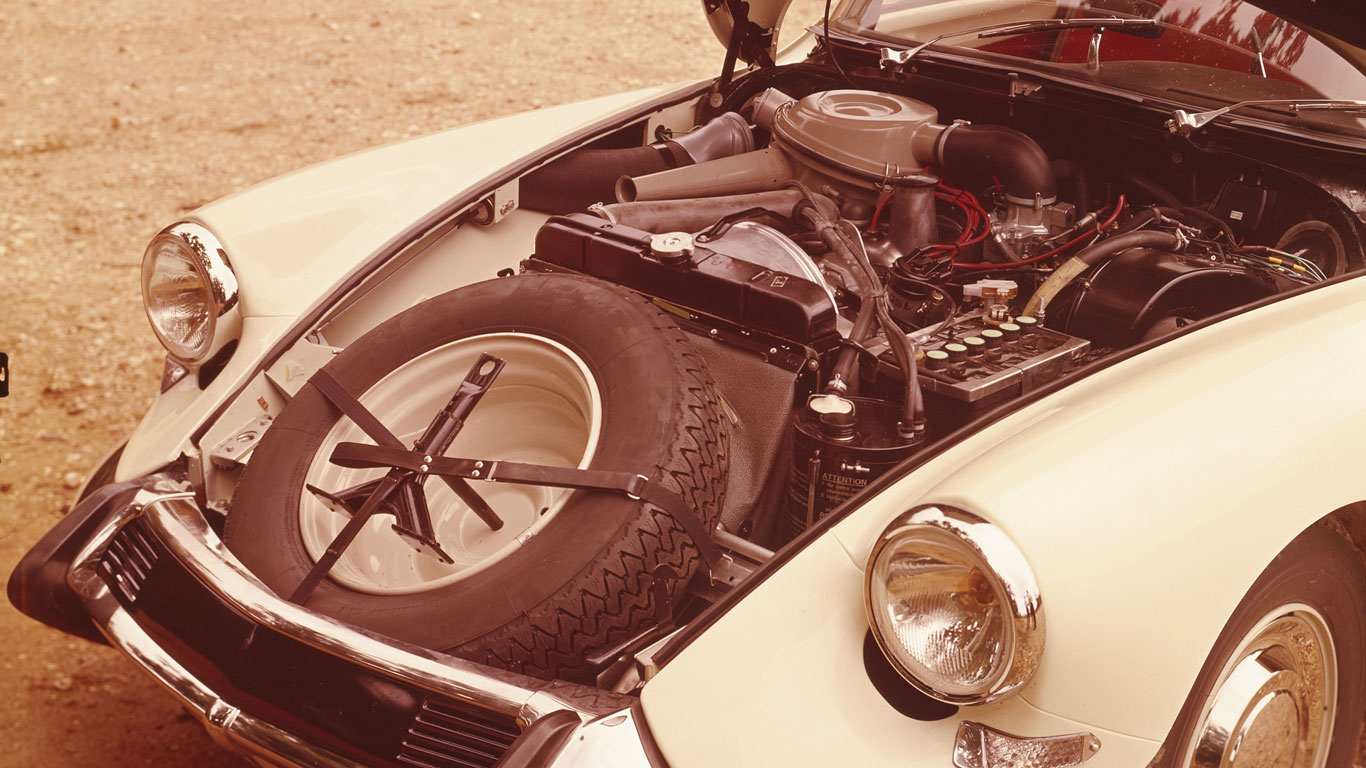
Used the four-cylinder engine of the Traction Avant
Instead the Citroen DS had to ‘make do’ with the 1911cc, four-cylinder engine of the Traction Avant. It would be years before the DS received the engine it deserved, although the public seemed unconcerned.
Causing a stir
The Citroen DS was unveiled to a packed Paris Motor Show at 9am on Thursday 5 October 1955. At the same time, a number of DSs were being driven through the crowded streets of Paris. They caused quite a stir.
Arrival
Within minutes of its unveiling, Citroen had received over 700 orders for the DS. By the end of the day, that number had increased to 12,000. The Citroen DS had arrived.
79,000 orders by the end of the show
By the time the Paris Motor Show was over, Citroen had received 79,000 orders for the DS. Everyone wanted to be associated with the Goddess and its film star looks. But this beauty was more than just skin deep.
Aerodynamic styling of the future
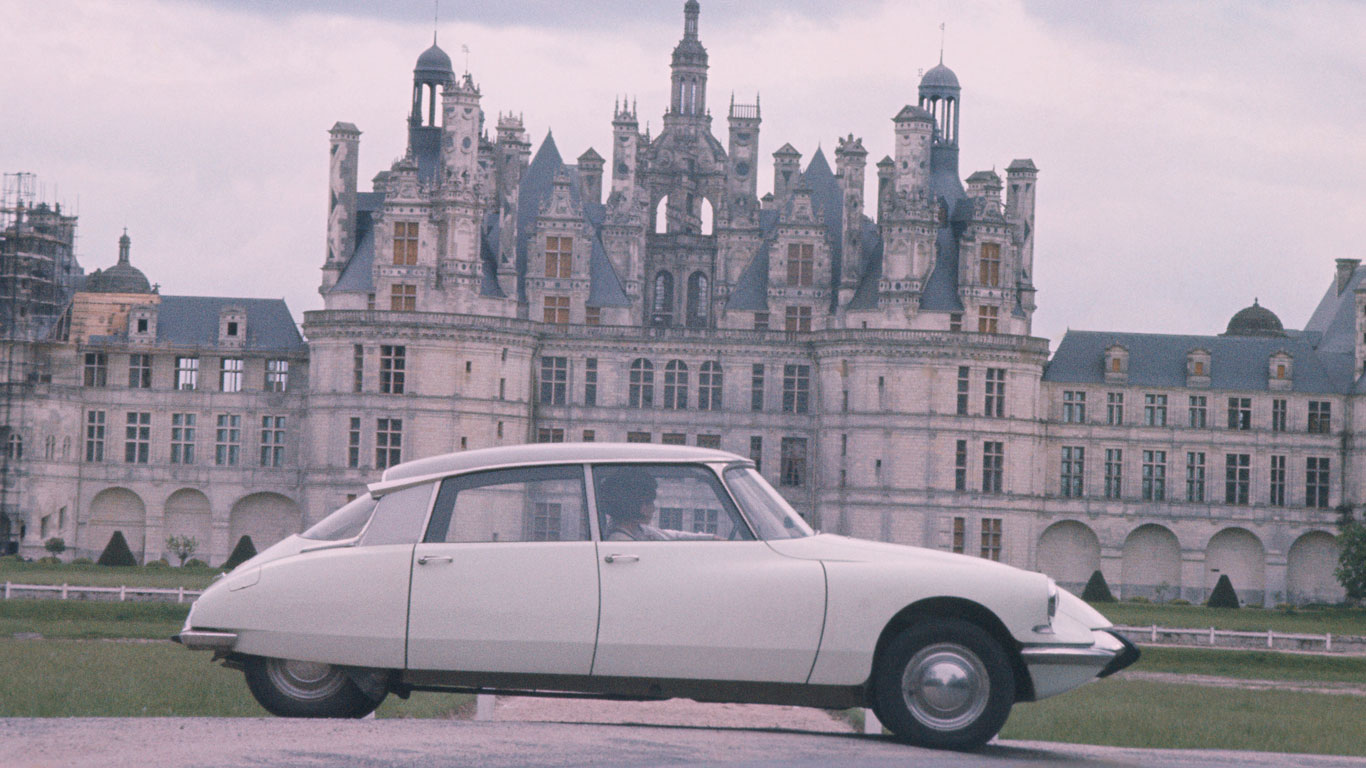
The Citroen DS was a big car, stretching 189 inches from bumper to bumper. Its aerodynamic styling was like something from the future and motorists weren’t accustomed to seeing cars with frameless doors and without radiator grilles.
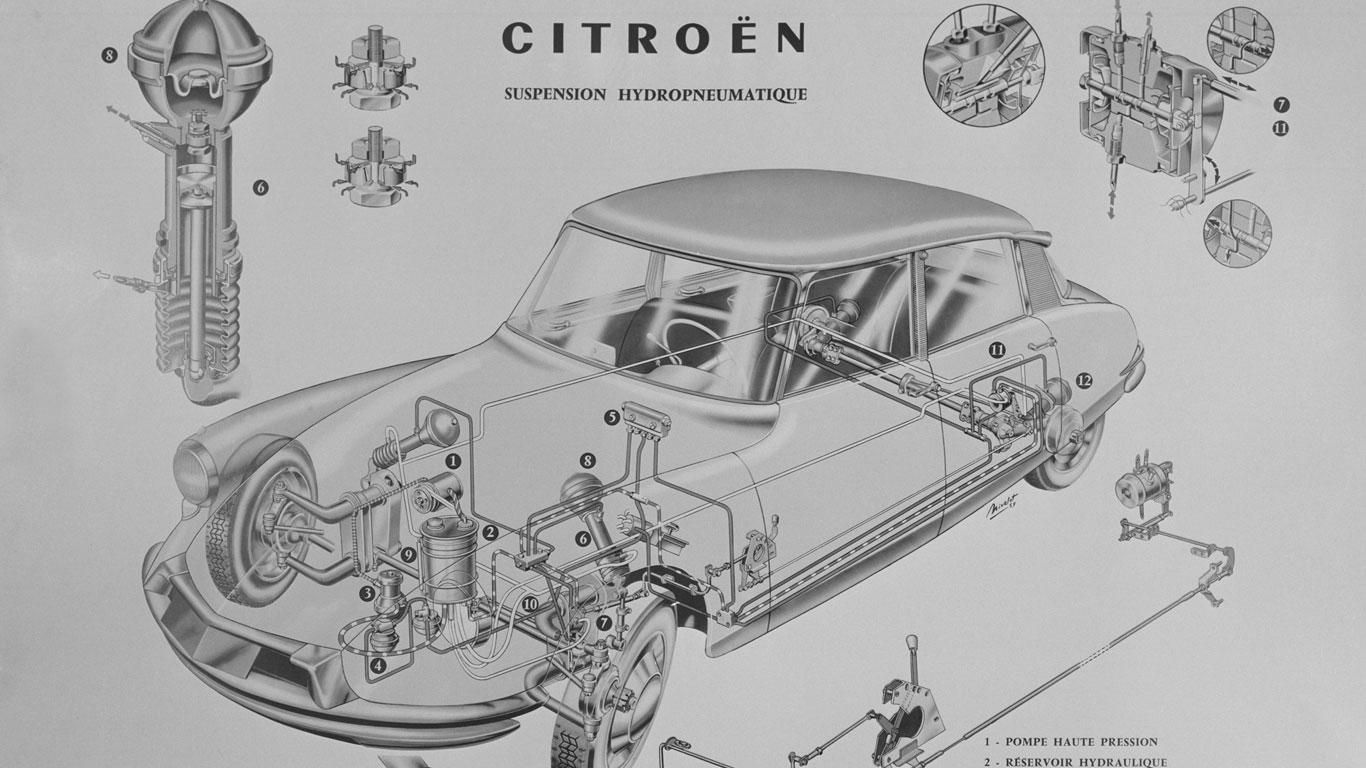
Hydropneumatic suspension
The Citroen DS’s chief party trick was its hydropneumatic, self-levelling suspension. The ride height could be controlled from inside the car and it meant the DS would give its occupants the feeling they were riding on a cushion of air.
Aircraft-inspired hydraulic circuits
But that wasn’t all. The Citroen DS – known officially as the DS19 – featured powered brakes, power steering and a powered gear selection system. They worked by using high-pressure hydraulic circuits typically found on an aircraft.
Nobody had a clue how these things worked
Perhaps unsurprisingly, such complex mechanicals brought with them one or two issues. Aside from the development team, nobody had any idea how these things worked. Security had been so tight, Citroen hadn’t thought to brief the Citroen workshops.
Workshop manuals were required
Many owners found themselves with no steering, brakes, gearbox or suspension, and would have been stood scratching their heads wondering what on earth to do to fix the problem. Under the warranty agreements Citroen had to repair them, so workshop manuals and diagrams were quickly drawn up.
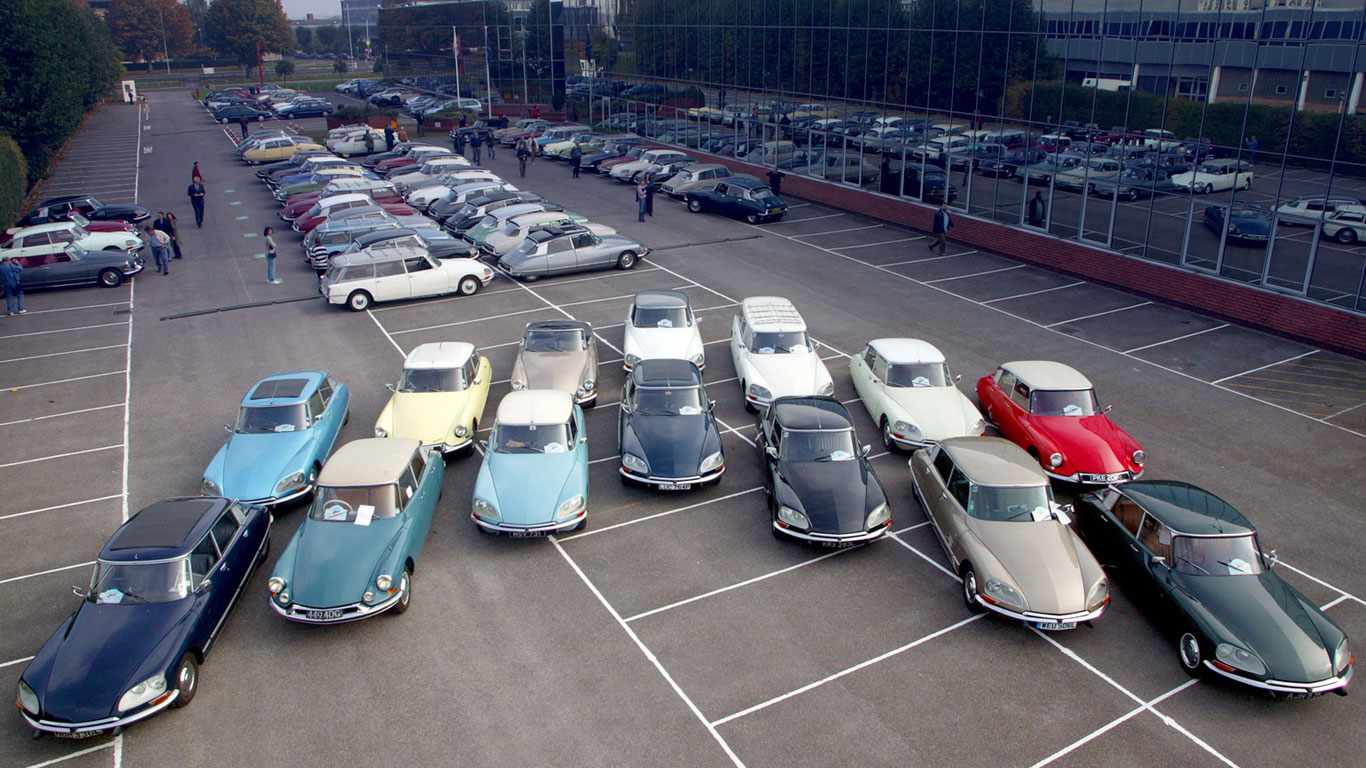
Some cars were built in Slough, UK
This caused particular problems in Slough, where Citroen produced a number of UK-built DSs. Citroen wasn’t keen on releasing details of the complex suspension system, not even to the factory in Slough. This didn’t make things easy for Citroen’s UK arm or indeed its customers.
UK cars were subtly different
The UK-built Citroen DS cars were subtly different to those built in France, most notably the number plate holder and Lucas light lenses at the back of the car. Small changes were also evident on the inside.
Revolutionary interior
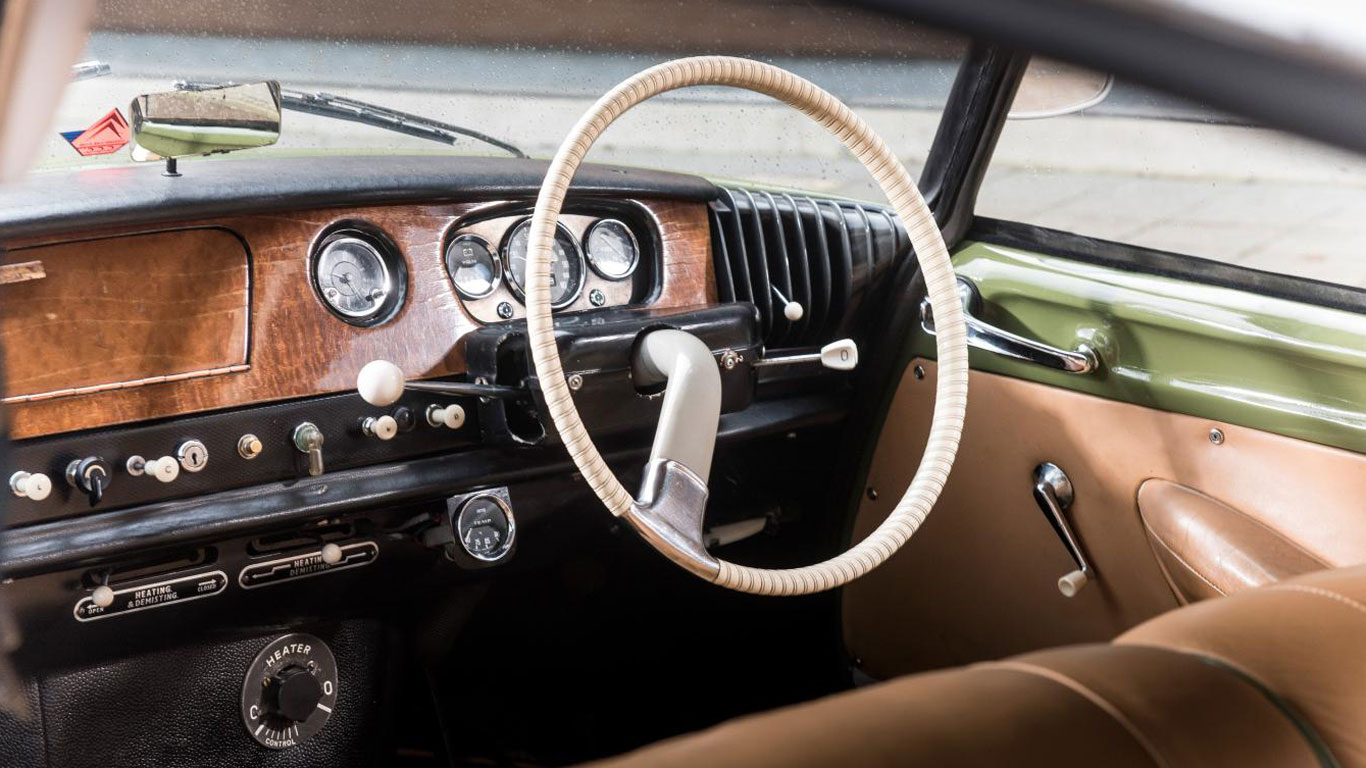
Flaminio Bertoni’s interior design for the Citroen DS was nothing short of brilliant. The signature piece was the single-spoke steering wheel, which sat in front of a revolutionary thermoplastic dashboard. In the UK this was created by a vacuum forming process, as opposed to the injection moulding method used in France.
Waiting lists of 18 months
The Citroen DS19 had hit the ground running. Notwithstanding the rather lacklustre engine and the initial problems surrounding the hydraulics, the DS had generated a tremendous amount of goodwill. Waiting lists extended to 18 months, with motorists desperate to spend quality time with the Goddess.
A very expensive car
But there was a problem. A Citroen DS19 cost £1,726 including purchase tax, making it more costly than a Mk11 Jaguar (£1,711) and a Rover 105 (£1,696). Such a revolutionary design costs money. But what of those who didn’t have the means to afford such a car?
The Citroen ID19 was born
Step forward the Citroen ID19, a cheaper alternative to the DS19. It retained the engine of the DS19, albeit with reduced horsepower, but it lacked the revolutionary dashboard and the hydraulic brakes, gears and steering. That said, it did offer the hydropneumatic suspension.
ID – a good idea
In keeping with the approach to naming adopted for the DS, the ID was short for ‘Idée’, or ‘Idea’ in French. Naturally, the DS19 was still the one to have, but hats off to Citroen for making the basic design accessible to more people.
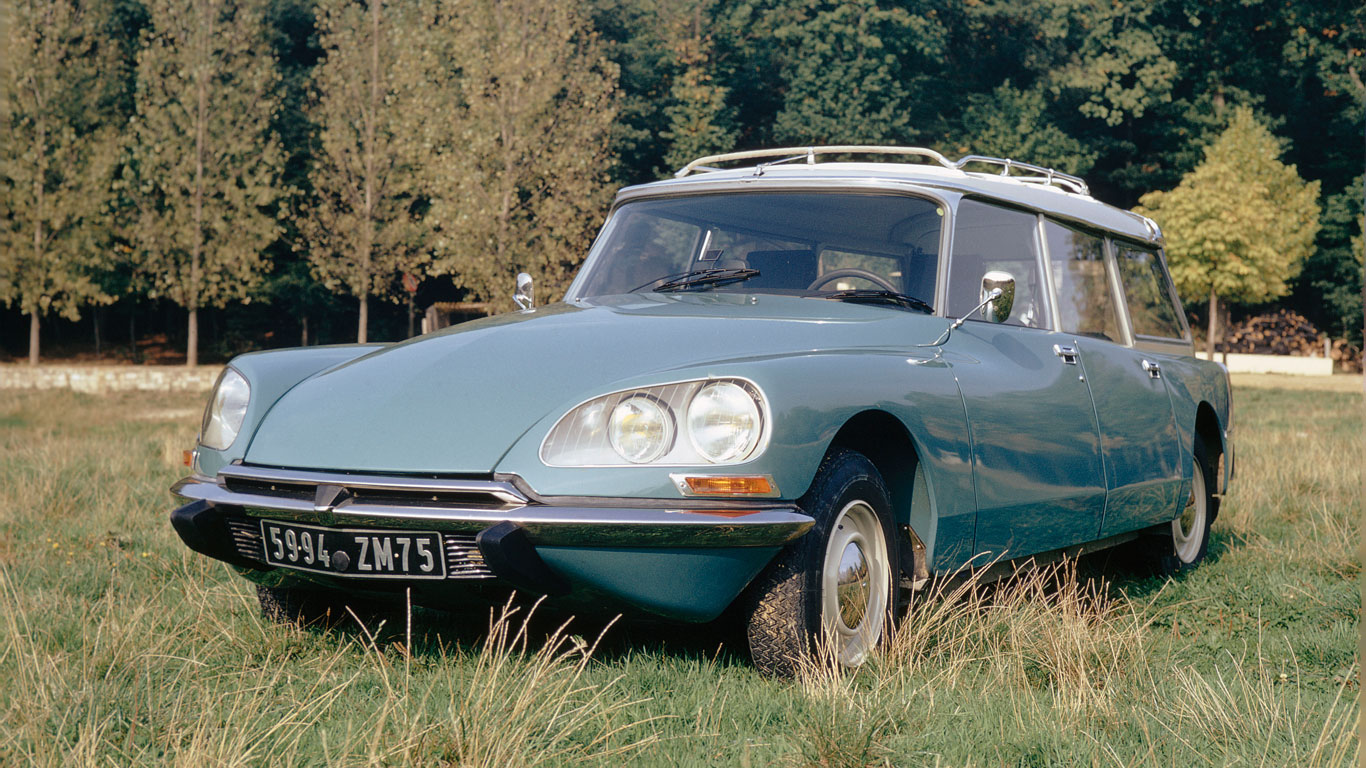
The Citroen DS Break
The ID had arrived in 1956, but the range grew further in 1958 to include the DS Break, otherwise known as an estate or station wagon. These cars were aimed at commercial buyers as well as growing families.
Familiale or Commerciale
The Familiale versions offered three rows of seats, either in 7-seater or 8-seater guise, while the Commerciale was aimed more at businesses and artisans. Their practicality was enhanced by a roof rack and a two-piece tailgate.
Citroen DS Decapotable
But the DS didn’t stop there, because in 1958 Citroen bowed to public pressure by building a Decapotable or cabriolet version. Coachbuilders had already been making their own versions of a topless DS, so it was inevitable that Citroen would do the same.
A very expensive version
The DS Decapotable looked stunning, almost as though it was destined to be a drop-top from the start. But it didn’t come cheap and a price tag more than double that of a standard car meant that few were produced. A total of 1,365, in fact.
Citroen wins the Monte Carlo Rally
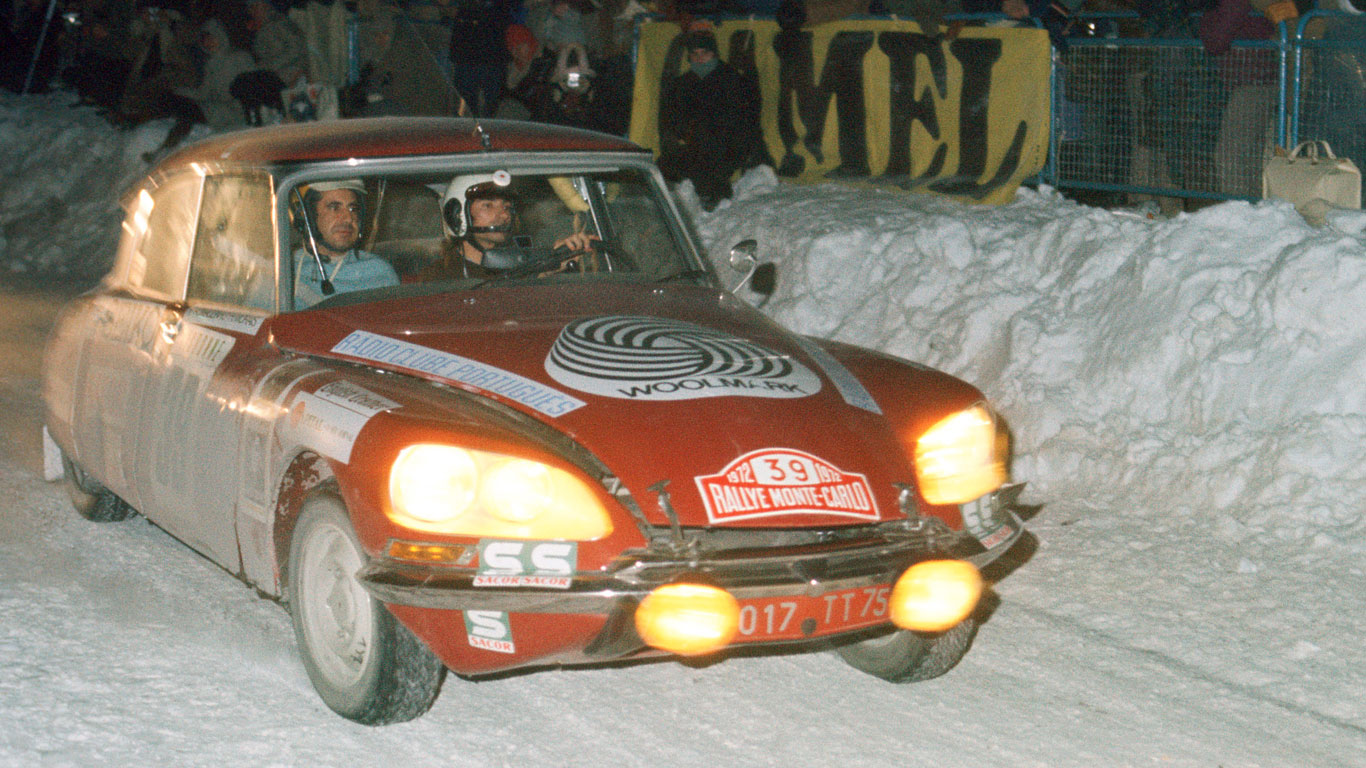
Amazingly, the Citroen ID19 also enjoyed success in motorsport circles, including a win in the 1959 Monte Carlo Rally and again in 1966 when the disqualification of four Mini Coopers resulted in the fourth place Citroen being propelled to the overall winner.
Citroen DS Pallas
The DS/ID would continue to evolve throughout the 1960s and Citroen added a range-topping Pallas model. The Pallas featured a host of external trim upgrades, including full wheel covers, chrome and brushed aluminium trim and two extra driving lights.
Citroen DS Pallas interior upgrades
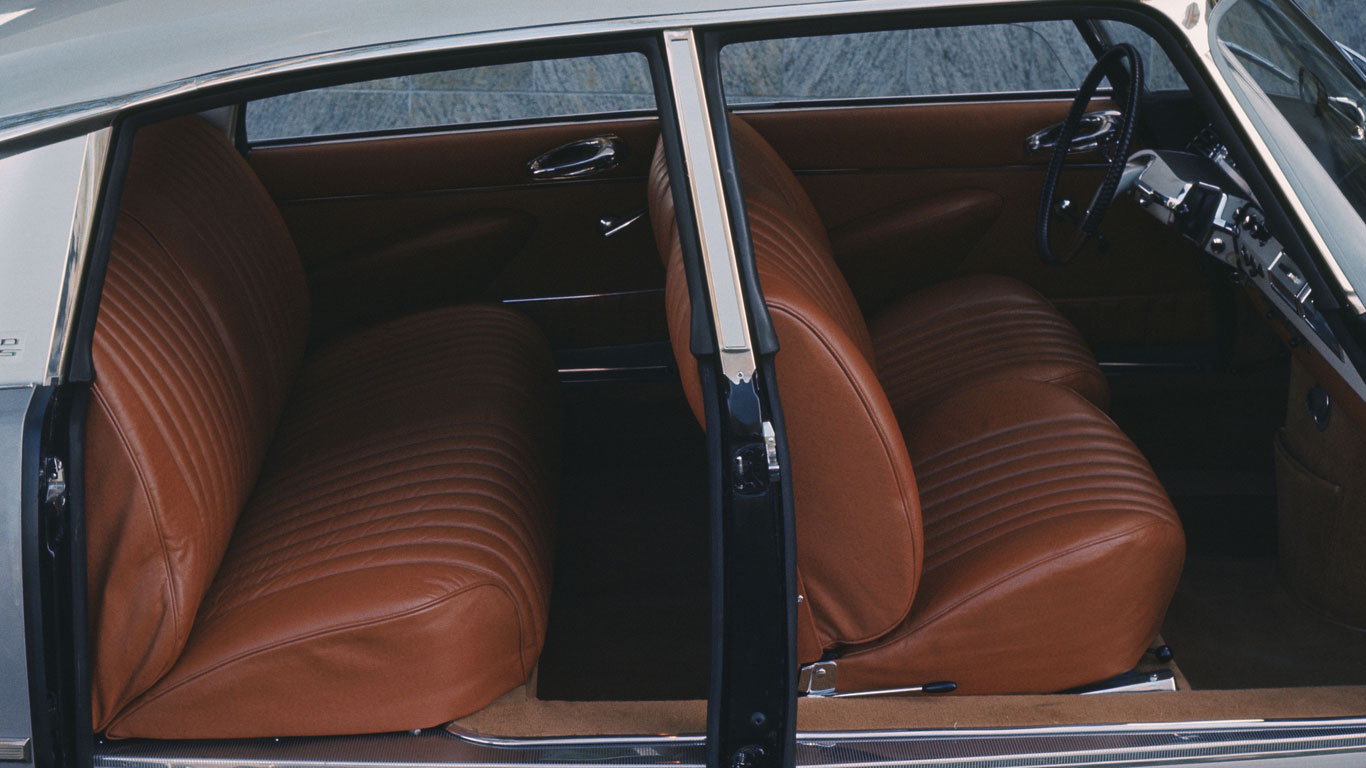
The Citroen DS Pallas also featured better noise insulation, luxury velour upholstery and – if required – optional leather.
A car fit for royalty
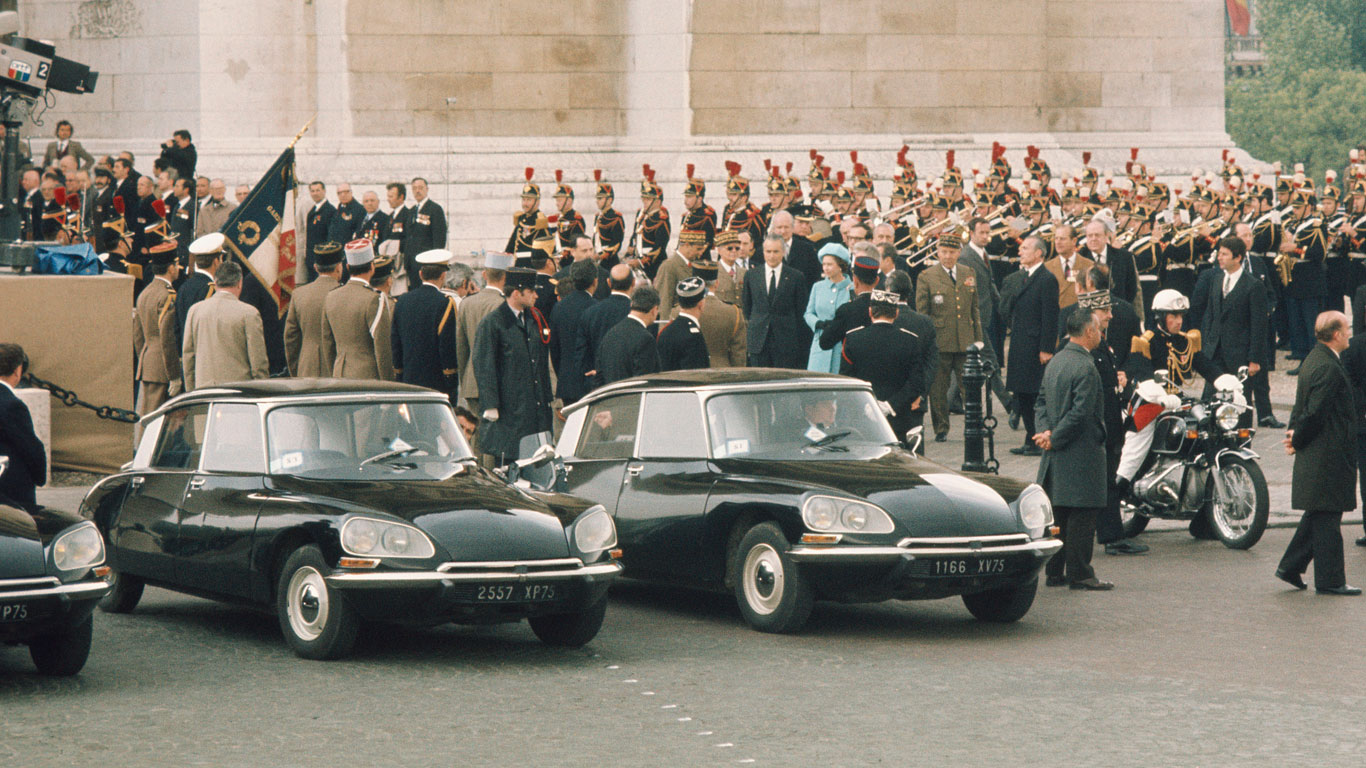
Unsurprisingly, the great and the good of France were keen to be associated with the Citroen DS, as can be seen here, with a number of DSs being used for ministerial duties during the visit of the Queen in 1972.
Charles De Gaulle survives an assassination attempt
The Citroen DS is also credited with saving the life of President Charles De Gaulle in 1962. A group called the OAS opened fire on the car with a hail of 140 bullets. The windows were shattered and all four tyres were punctured, but, thanks to the suspension system, the DS was able to be driven away from the scene.
Engine developments
Further engine options arrived in the 1960s, all based on the existing four-cylinder engine. These included the DS20 and the DS21, with the latter featuring a 2.1-litre engine capable of a top speed of 108mph.
A facelift for the Citroen DS
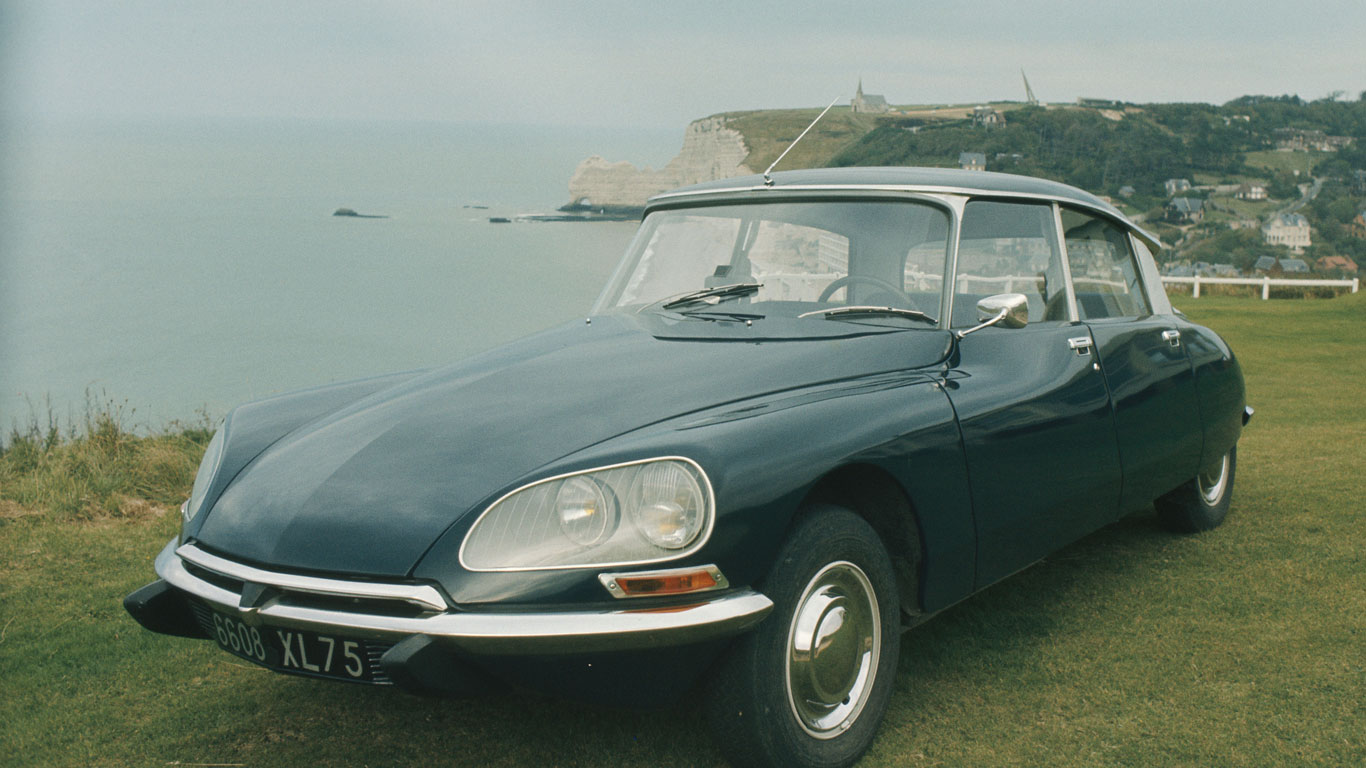
The most significant development of the late 1960s was the facelift of 1967. Citroen called in the help of Robert Opron, who also worked on the Citroen SM, GS and CX. He didn’t have to work too hard on what was already a stunning piece of design.
New, advanced headlights
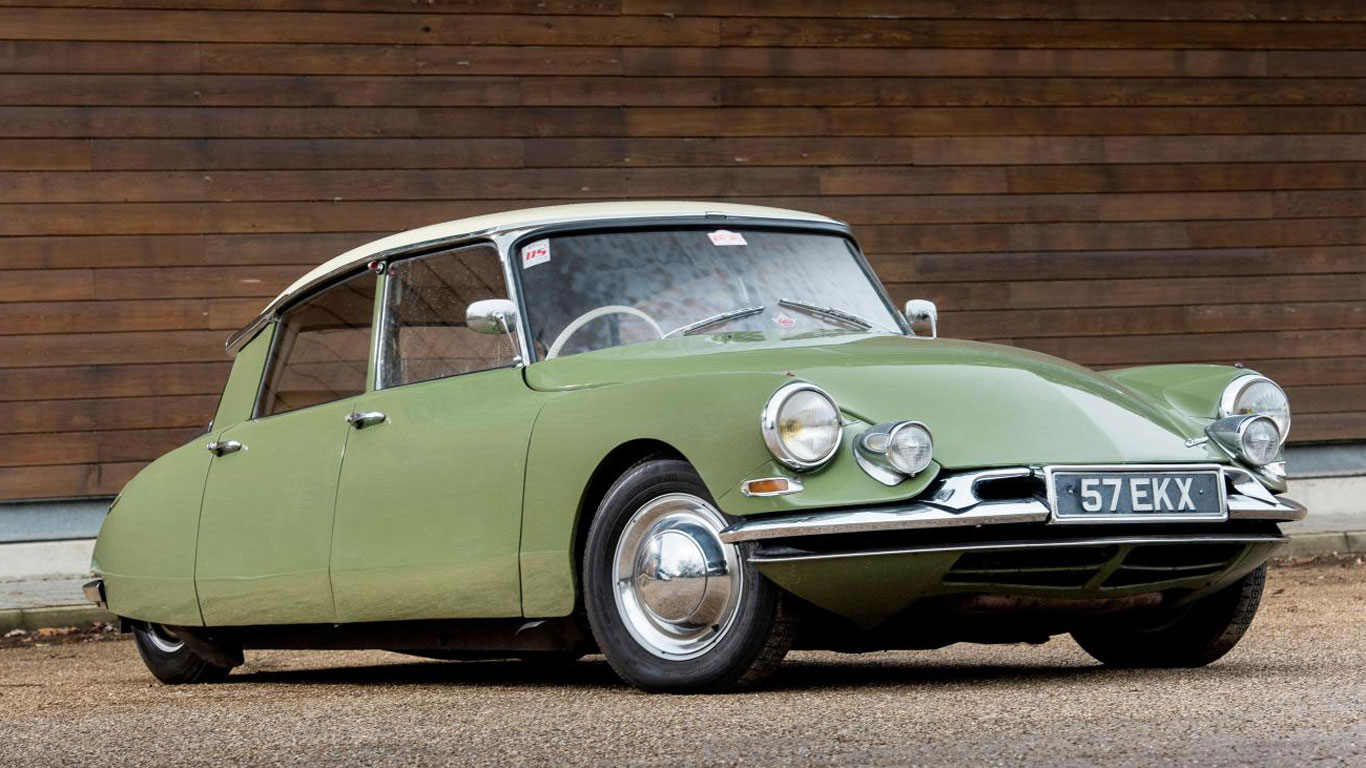
The key development was the arrival of new headlights, with four lights mounted behind transparent covers. The outer pair were linked to the suspension to maintain a level beam regardless of the car’s movement.
Directional inner lamps
The inner lamps swivelled with the steering, something that’s only just becoming commonplace on cars today.
Swivelling lights not permitted in the USA
Swivelling lights were not permitted on cars in the United States, so US-registered DSs featured a set of four exposed lights that didn’t swivel. In truth, the DS was never a big seller in the US.
The millionth car
In 1968, Citroen produced the one-millionth DS, a car that was displayed at the flagship store on the Champs-Élysées in Paris. Later it would be given away as a raffle prize to a lucky 22-year-old student.
Sales in excess of 100,000 units a year
By the late 1960s and early 1970s, the Citroen DS/ID remained incredibly popular, with sales figures breaking the 100,000 mark in 1967 and 1970. But there could be no doubt the Goddess was on borrowed time.
The Citroen DS23 of 1973
Arguably the ultimate incarnation of the breed is the DS23, which arrived in 1973. Finally, the DS got the engine it deserved, a 2.3-litre engine producing 115hp, or 130hp when equipped with fuel injection.
Last one built in 1975
The final Citroen DS rolled off the production line on the 24th April 1975. A 20-year lifespan, during which time its popularity never waned and few cars could match its blend of supreme comfort and technical innovation.
Nearly 1.5 million cars built
In total, 1,455,746 DSs and IDs were sold, including cabriolets, commercial vehicles, rally cars, ambulances and family transport. Of these, 1,330,755 were built in Paris. An icon of the 20th century? Absolutely.
A lasting legacy
It is said that the Citroen DS was built 20 years ahead of its time and, given it remained a technical masterpiece in 1975, this much is certainly true. Its legacy lived on in the SM, CX, BX, XM and even the Xantia.
A global icon
The Citroen DS is one of a select number of cars that is recognisable across the world. Certainly, the fact it was built in France, UK, Belgium, South Africa, Yugoslavia and Australia may have helped this, but few cars have enjoyed such universal appeal.
A bonafide classic car
Today, the Citroen DS is a highly sought-after classic car, with values on the up. The complexity of the hydraulics means that specialist assistance is often required when keeping them alive, but the rewards are plain to see.
The automotive hall of fame
Where does the Citroen DS sit in the automotive hall of fame? Up there with the likes of the Mini, the Beetle, the Jaguar E-Type, the Ford Model T and the Land Rover. Revolutionary cars that shook the world.
Yours for up to £21,000
Practical Classics magazine lists prices ranging between £2,250 and £20,000 for the DS/ID19, with the DS20/21/23s going for a lot more. Indeed, values between £5,000 and £40,000 are more realistic.
Estate versions are highly sought-after
The Safari (estate) versions can command more than the DS/ID19, with Practical Classics putting values between £3,000 and £25,000. As for the Decapotable, the price guide has values nudging £200,000.
One of the most valuable Citroens in the world
Aside from the equally magnificent Citroen SM, this means the DS is one of the most valuable Citroens on the planet. Values even outstrip the Traction Avant.
A technical masterpiece
In the UK, the Citroen DS is viewed as a technical masterpiece and a stunning piece of design. But in its native France, things were different. To the French, it was simply a form of transport. Bargains can be sourced if you’re prepared to look for them.
The DS brand reborn
Today, the DS badge has divorced from Citroen, positioning itself as a luxury and lifestyle brand. DS has opened a flagship store in Paris, where the original DS is on display to sprinkle some authenticity over a thoroughly modern interpretation of the brand.
A tough act to follow
But no matter what the DS brand does in the future, it is unlikely to recapture the magic of the DS19 and the huge impression it made back in 1955. It’s an incredibly tough act to follow.
The DS was simply a working machine
Let’s not remember, the Citroen DS didn’t showcase options and accessories for the sake of it. The DS featured useable technology that served a real purpose. For all its majesty and grace, the DS was simply a working machine.
Sixty-three years young
Ladies and gentleman, we give you the Citroen DS. Sixty-three years young and looking better than ever.
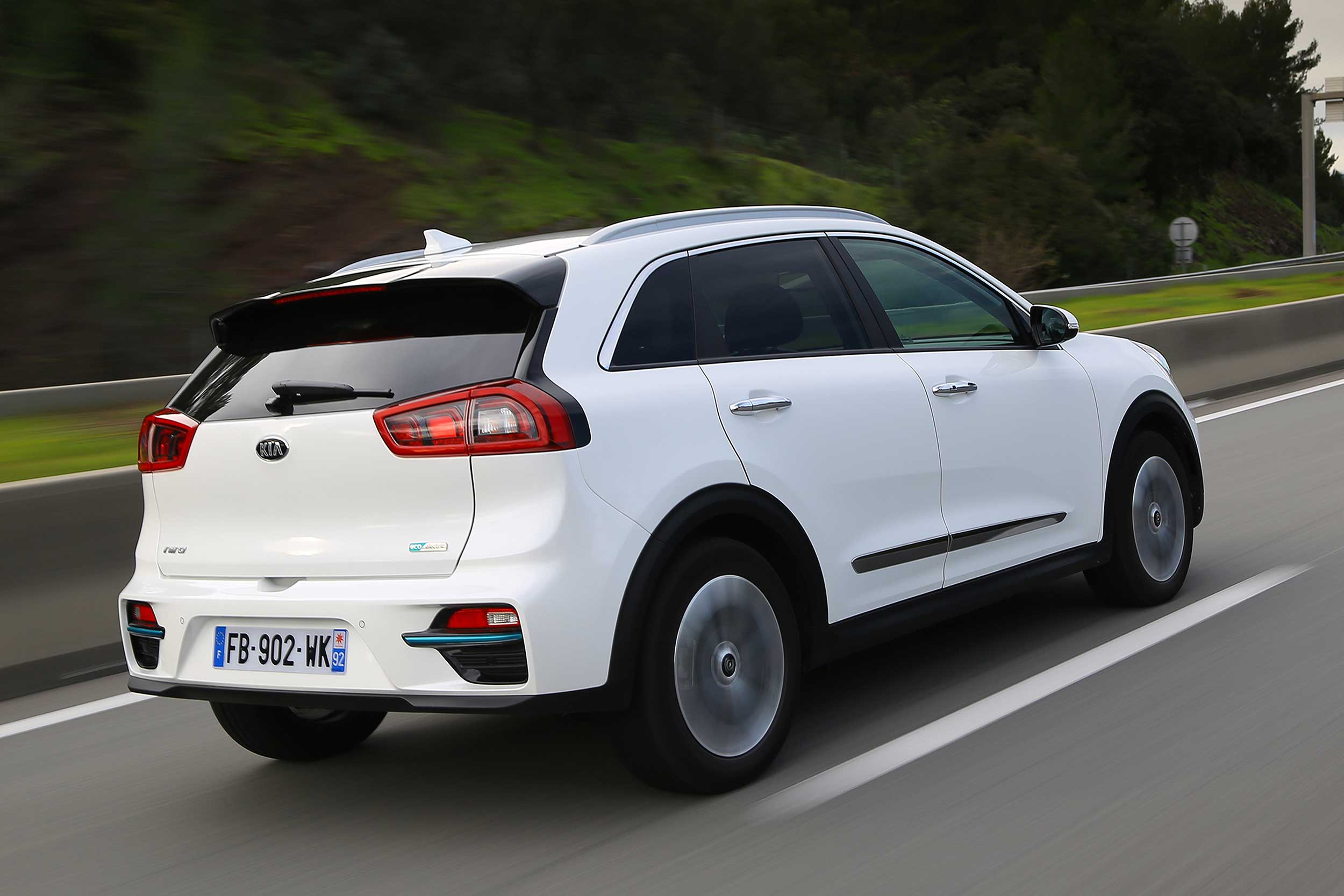
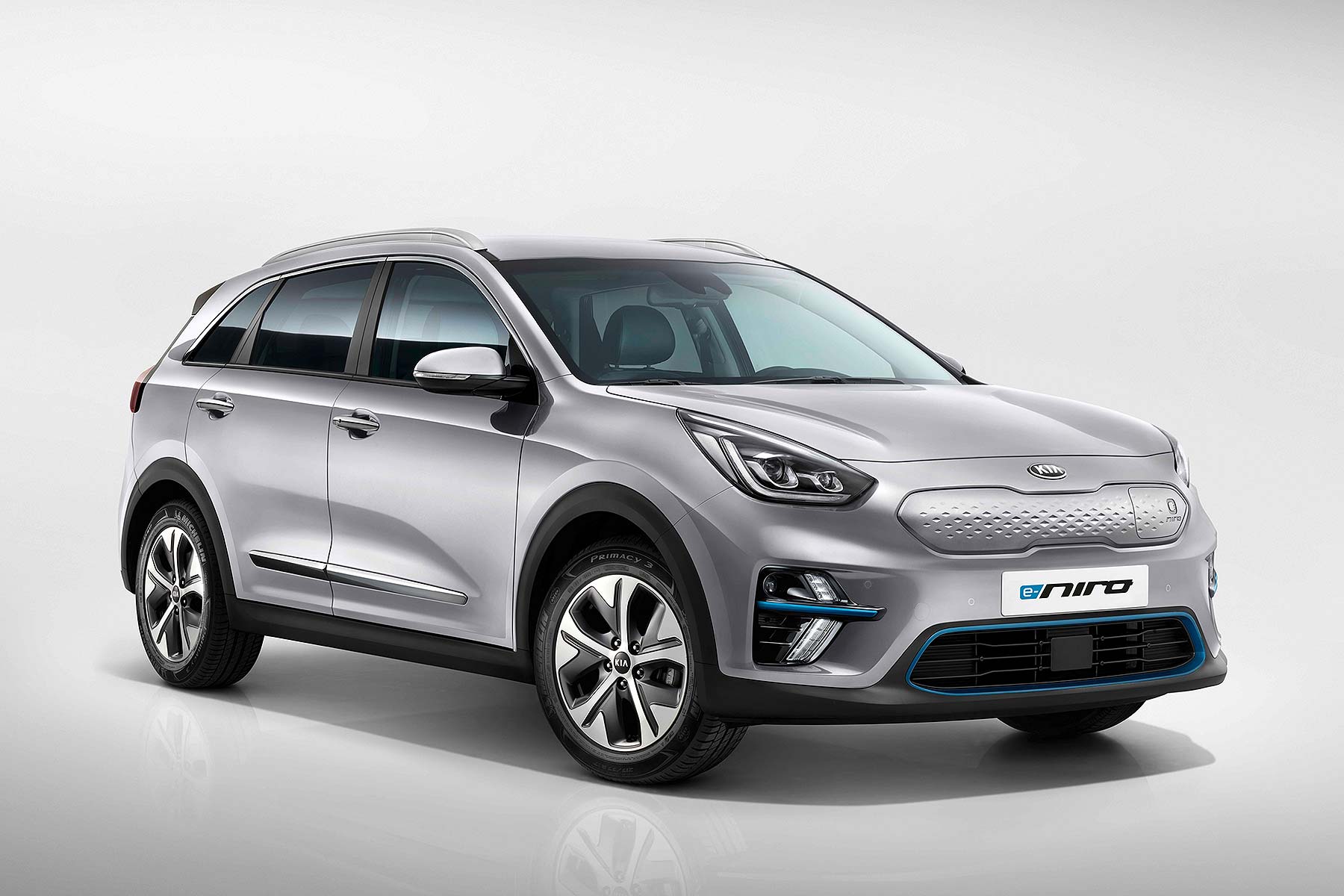
The new Kia e-Niro electric car will launch in First Edition spec with a price of £32,995 after the £3,500 government Plug-in Car Grant is deducted. Sales begin on 1 April 2019.
The only option on the Kia e-Niro First Edition will be premium paint, costing £565. It’s offered in a choice of five colours, including e-Niro-unique Pluto Brown.
A more affordable version with a price nearer £30,000 is expected later, although Kia says it is unlikey to bring in the even cheaper lower-capacity battery e-Niro offered in other markets.
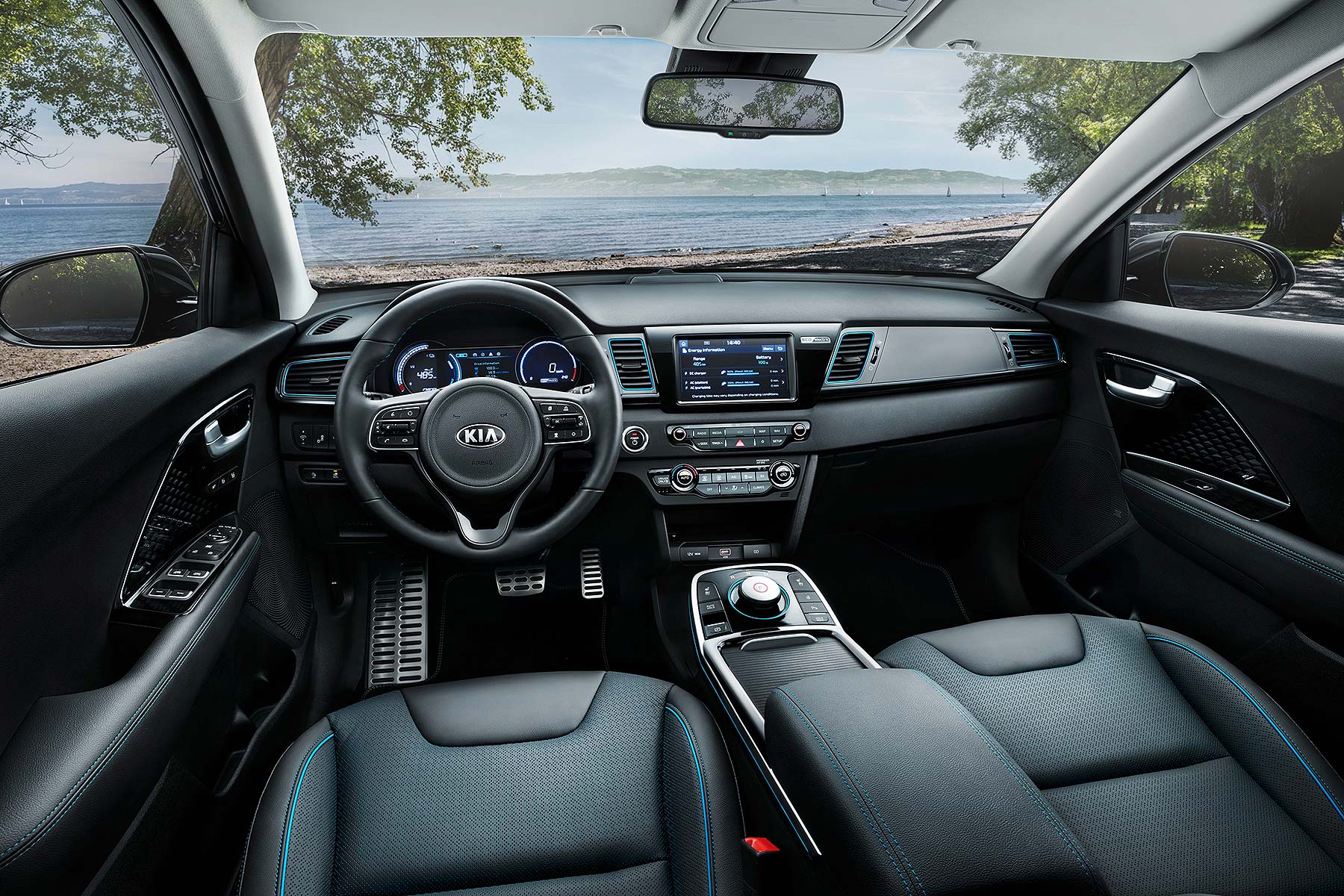
Standard spec of the e-Niro First Edition includes climate control, autonomous emergency braking, lane keep assist, touchscreen sat nav with an 8.0-inch screen and a 320-watt eight-speaker JBL sound system.
Leather upholstery is included and the front seats are heated.
Disappointingly, it has regular halogen headlights, rather than bright and energy-saving LED units, although it does have LED rear lamps.
The e-Niro also still gets the seven-year, 100,000-mile warranty of all Kias, which extends to the battery and electric motor. It’s fully transferable to future owners, too.
The electric motor produces 201hp for a 0-62mph time of 7.5 seconds – that’s warm hatch fast. The top speed is limited to 104mph.
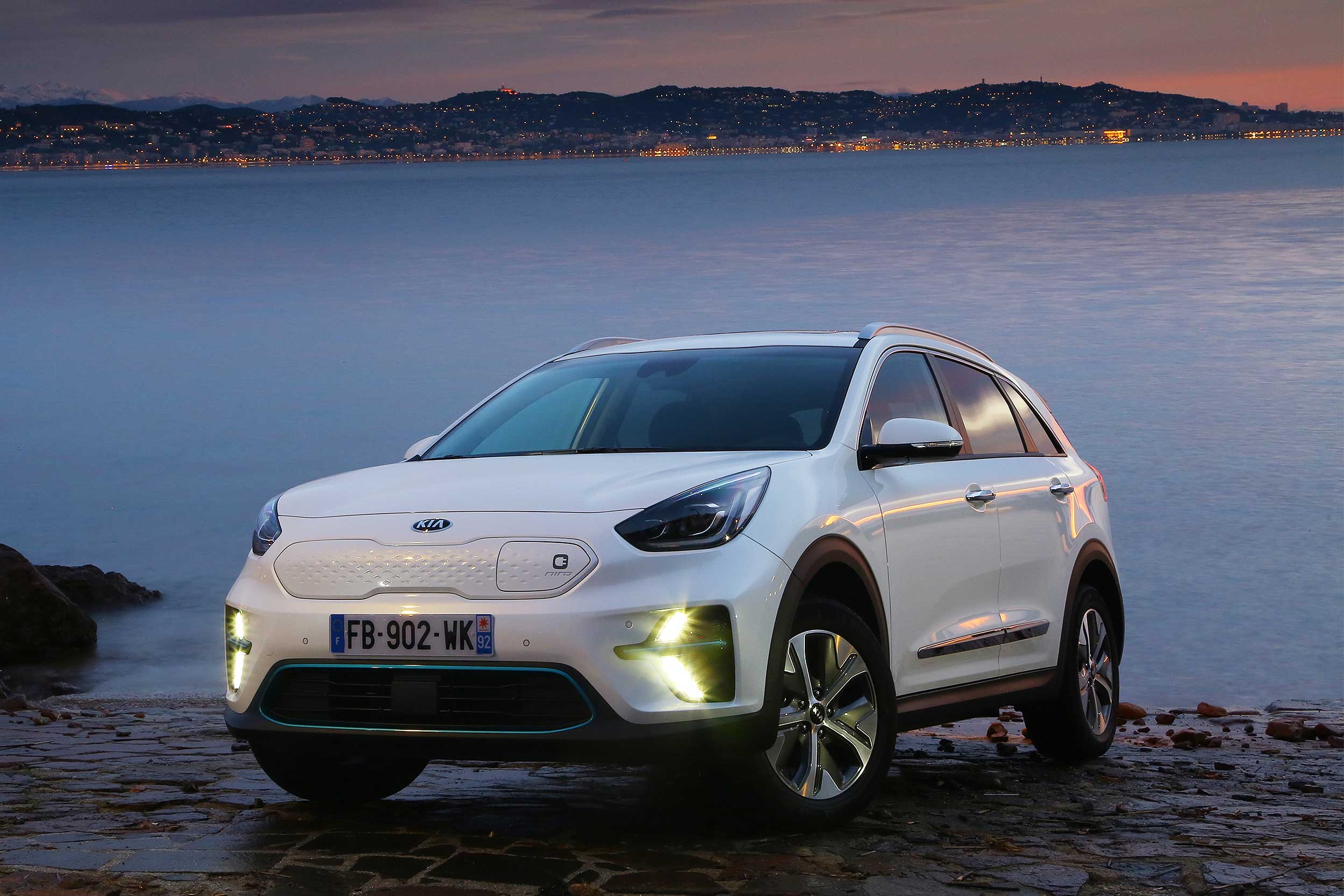
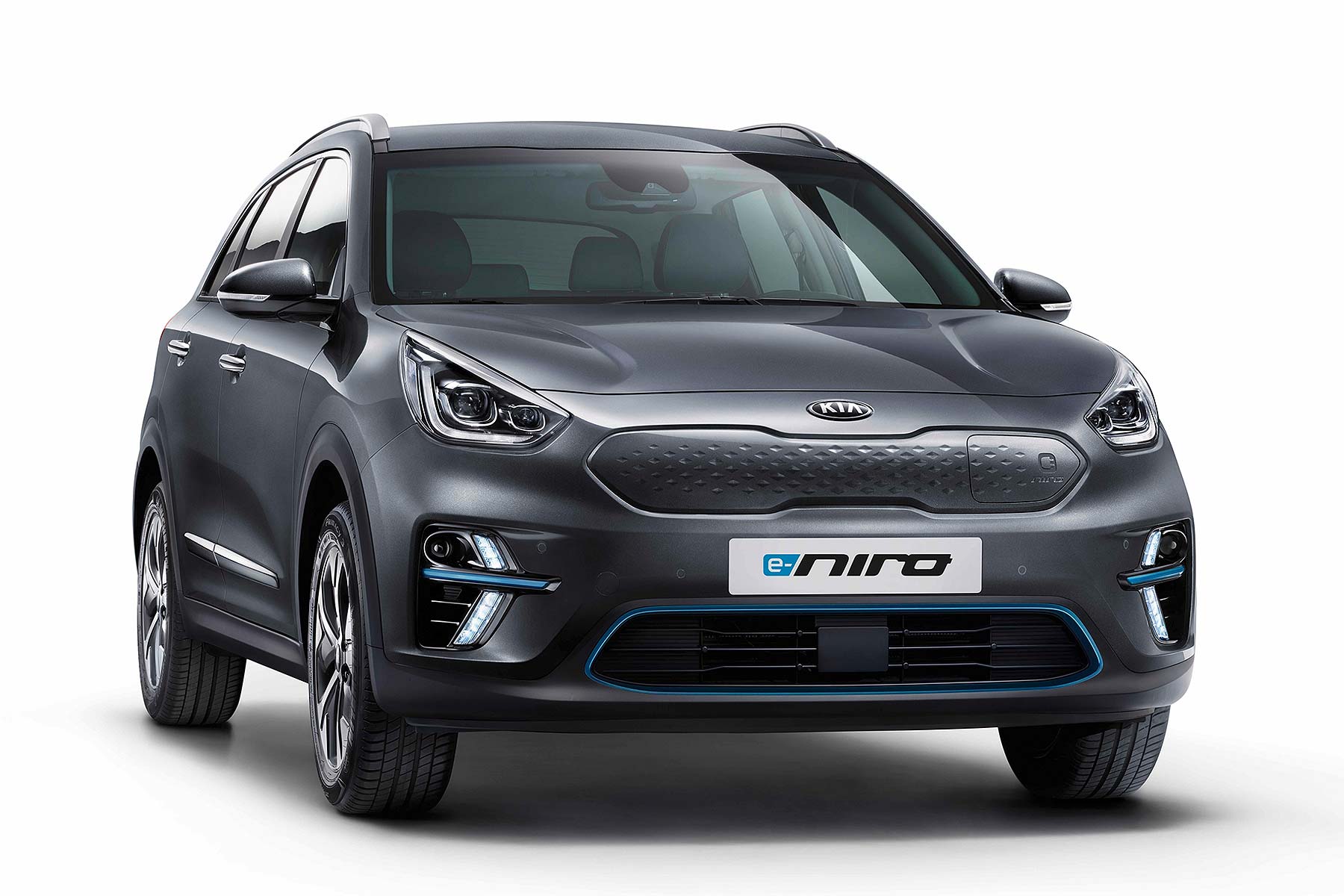
The Kia e-Niro joins the existing Niro hybrid and Niro Plug-in Hybrid; it is marked out by a redesigned, aero-tuned front end with integrated charging port, and ‘arrowhead’ LED running lights with blue trim.
At the rear, a new bumper has more blue accents and the e-Niro has bespoke 17-inch alloys with a diamond-cut two-tone finish. The design tweaks give it a smoother aerodynamic drag coefficient Cd of 0.29; the standard Niro is 0.30.
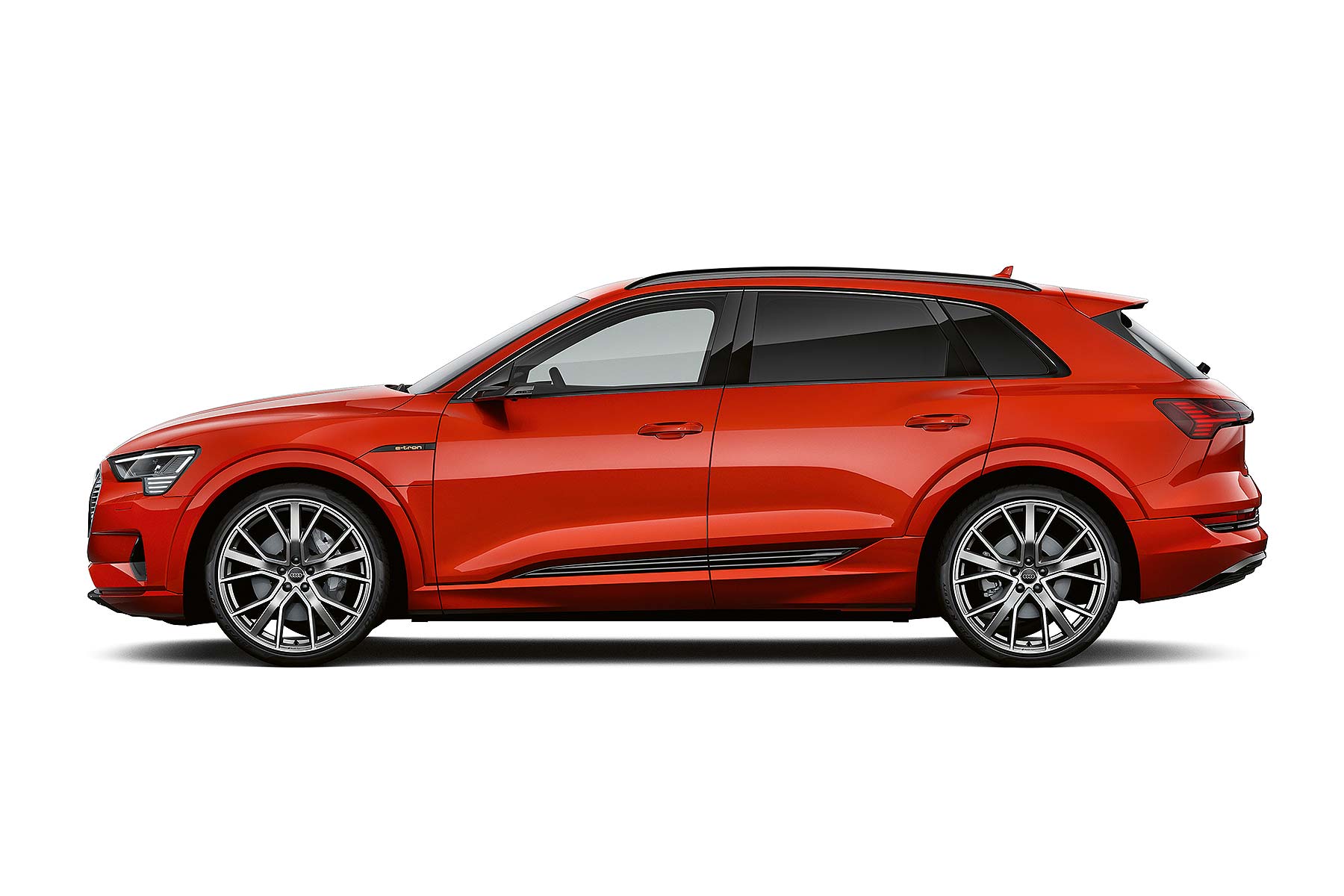
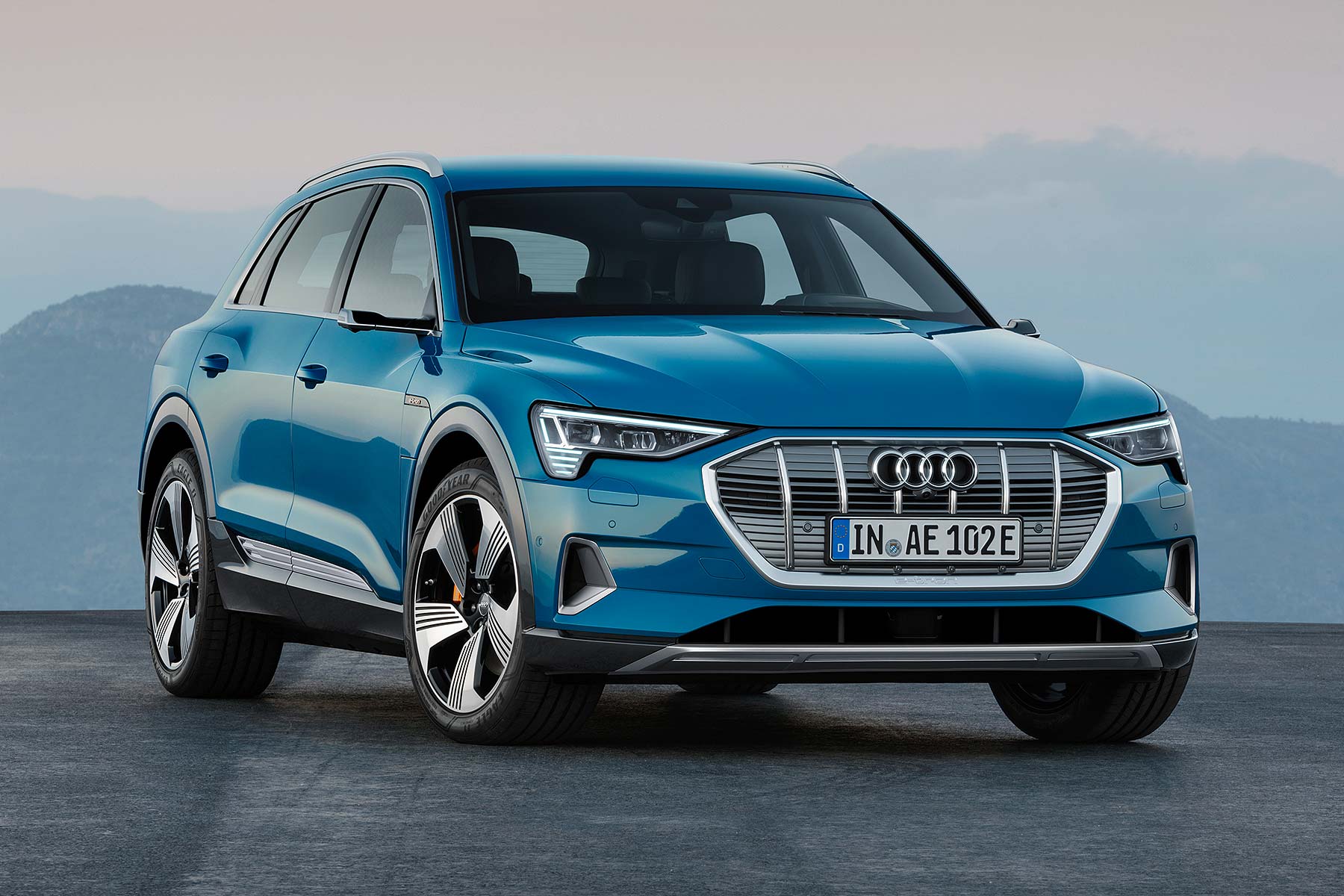
The e-tron will be offered in three versions: the standard car, an e-tron Launch Edition, and an e-tron Edition 1.
The Launch Edition will cost £82,240. Audi hasn’t revealed prices for the Edition 1, but has said only those who placed an early deposit for the e-tron will be able to order one.
Just 30 Edition 1 models will be available in the UK.
The new e-tron is an all-electric car with a 96 kWh electric battery and two electric motors delivering up to 300 kW (that’s 402 hp). It will do 0-62 mph in 5.7 seconds and the WLTP electric car range is at least 248 miles.
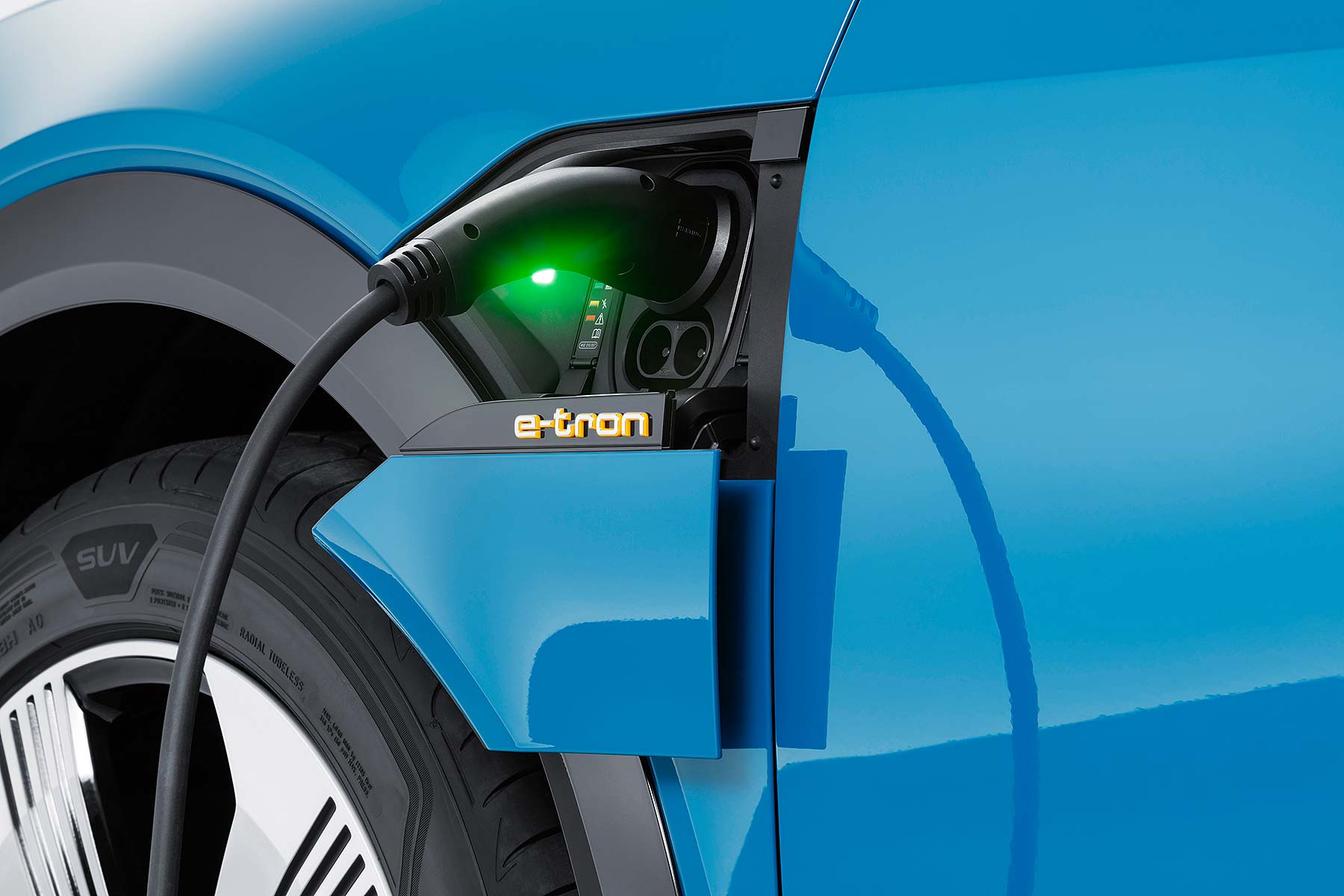
The Audi e-tron will be the first production car that can use 150 kW fast chargers, giving 80 percent capacity in 30 minutes.
Audi e-tron: prices and specs
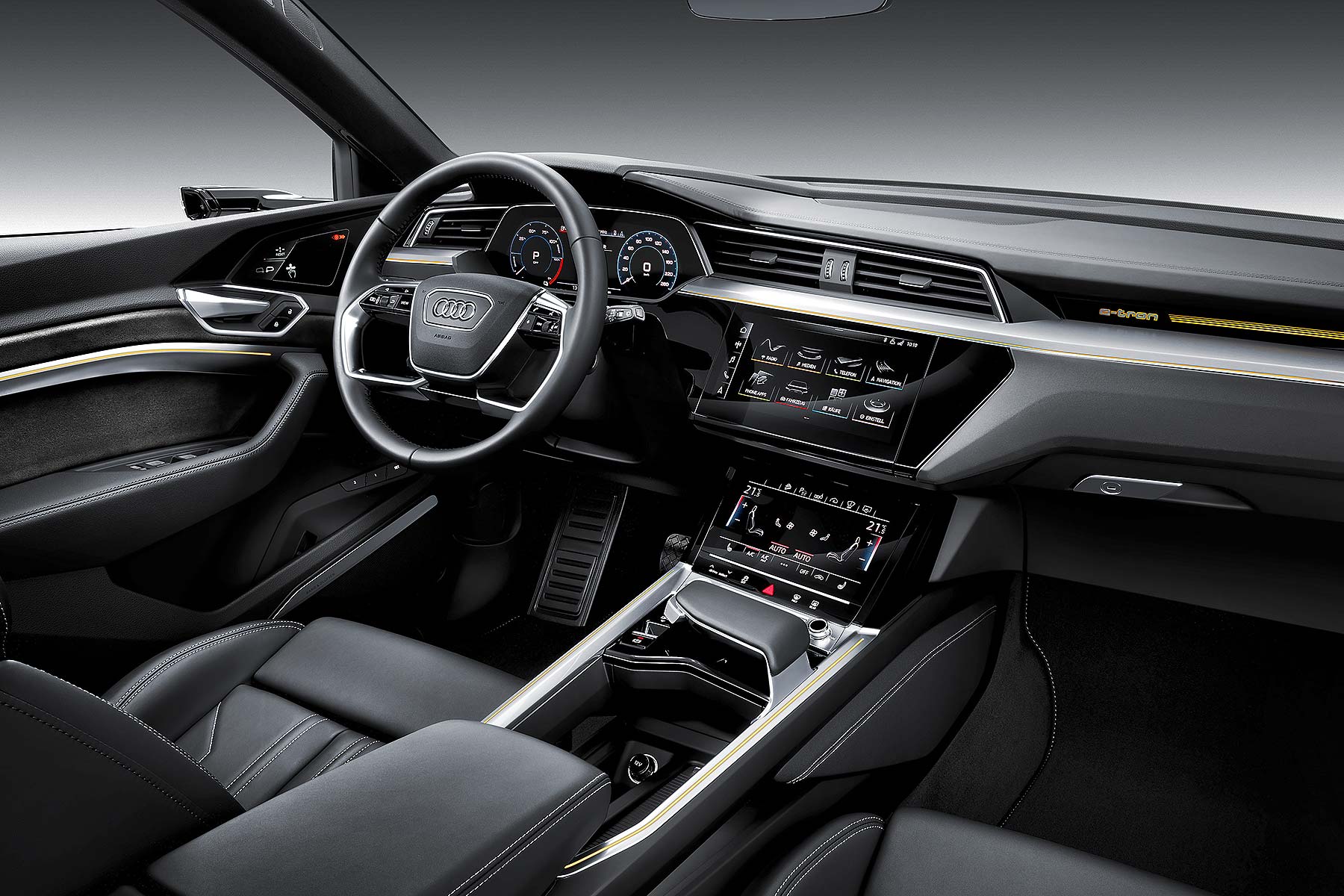
The £71,490 Audi e-tron is already well-equipped, with features such as 20-inch alloys, LED headlights and two MMI touchscreens in the centre of the dash.
The £82,240 e-tron Launch Edition upgrades the headlights to Matrix LED units, the wheels grow to platinum-look 21-inch Audi Sport rims and soft Valcona leather is used instead of ‘Twin Leather’ inside.
The Launch Edition also gets camera-based virtual door mirrors as standard (they’re optional on the standard car). These reduce the width of the car by 150mm, have 1,080p resolution, and are adjusted for field of vision and zoom by a proximity sensor: simply place a finger close to the surface.
Audi e-tron Launch Edition also get a panoramic glass roof, black styling pack and Audi Virtual Cockpit Plus.
The most lavish launch e-tron is the Edition 1. Only those already signed up via the Audi UK deposit scheme, for priority ordering ahead of the e-tron going on sale in early 2019, are eligible to buy one of the 30 cars coming to the UK.
But what cars they are: four-zone climate control, Bang & Olufsen premium sound system and acoustic glazing are all standard.
Edition 1 cars can be identified by exclusive Antigua blue metallic paint, orange brake calipers and 21-inch turbine design alloys. They also get aluminium exterior detailing instead of the Launch Edition’s black pack, and a snazzy Edition 1 logo.
It’s beginning to look a lot like Christmas. Whether that fills you with dread or child-like excitement, the clock is ticking if you’re hoping to finish your Christmas shopping before the big day. Here, we round up some of the best presents for the car enthusiasts in your life, from stocking fillers to gifts that are a little more expensive.
Lego Bugatti Chiron
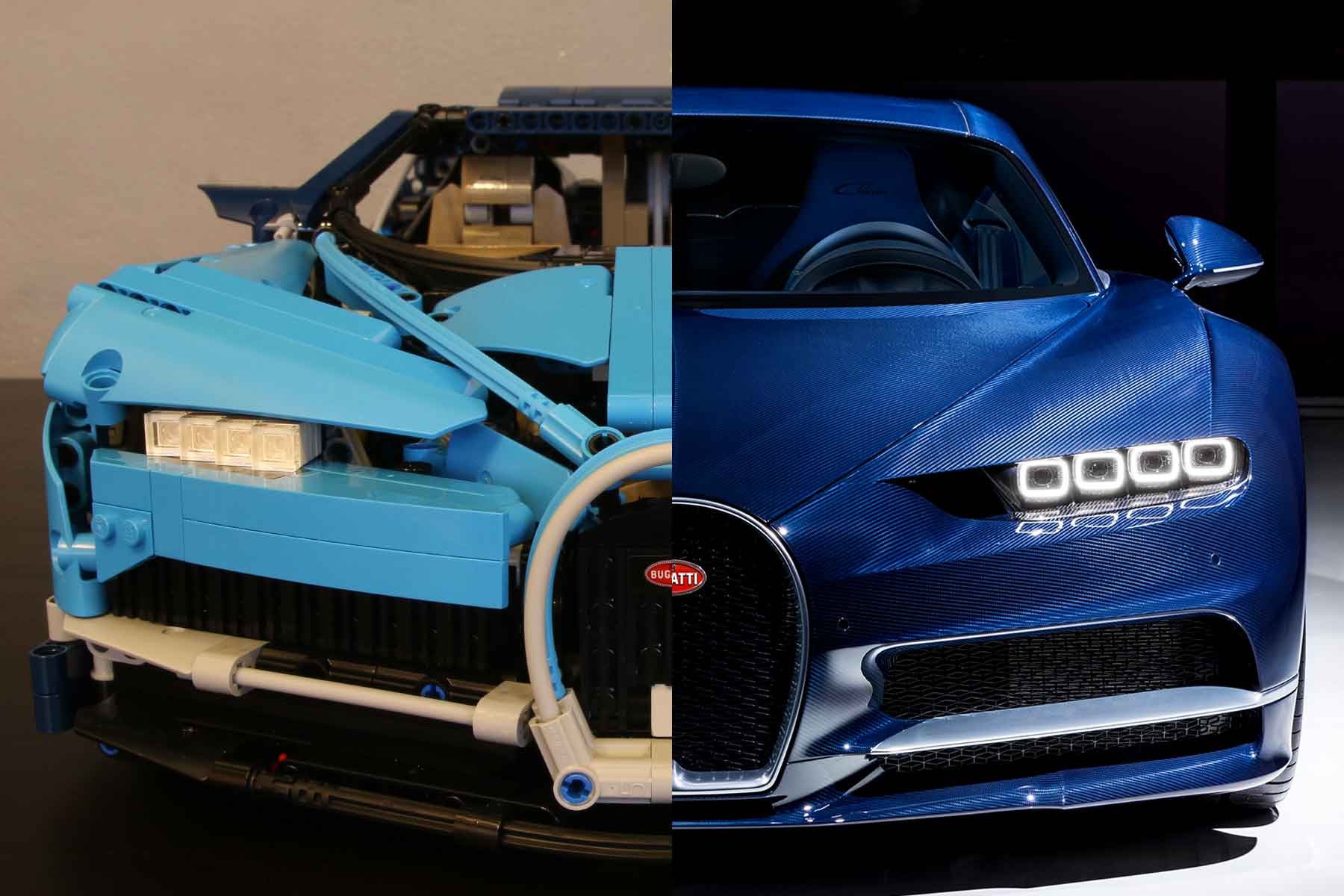
Earlier this year, our man Bradley built a Bugatti Chiron. No, not the real one, but a Lego Technic version comprised of 3,599 individual pieces, contained within six boxes. It took Bradley more than 15 hours to complete and is designed for big children aged 16+. The recommended retail price is £329.99, but we’ve seen it advertised for less than £250.
Silverstone Classic
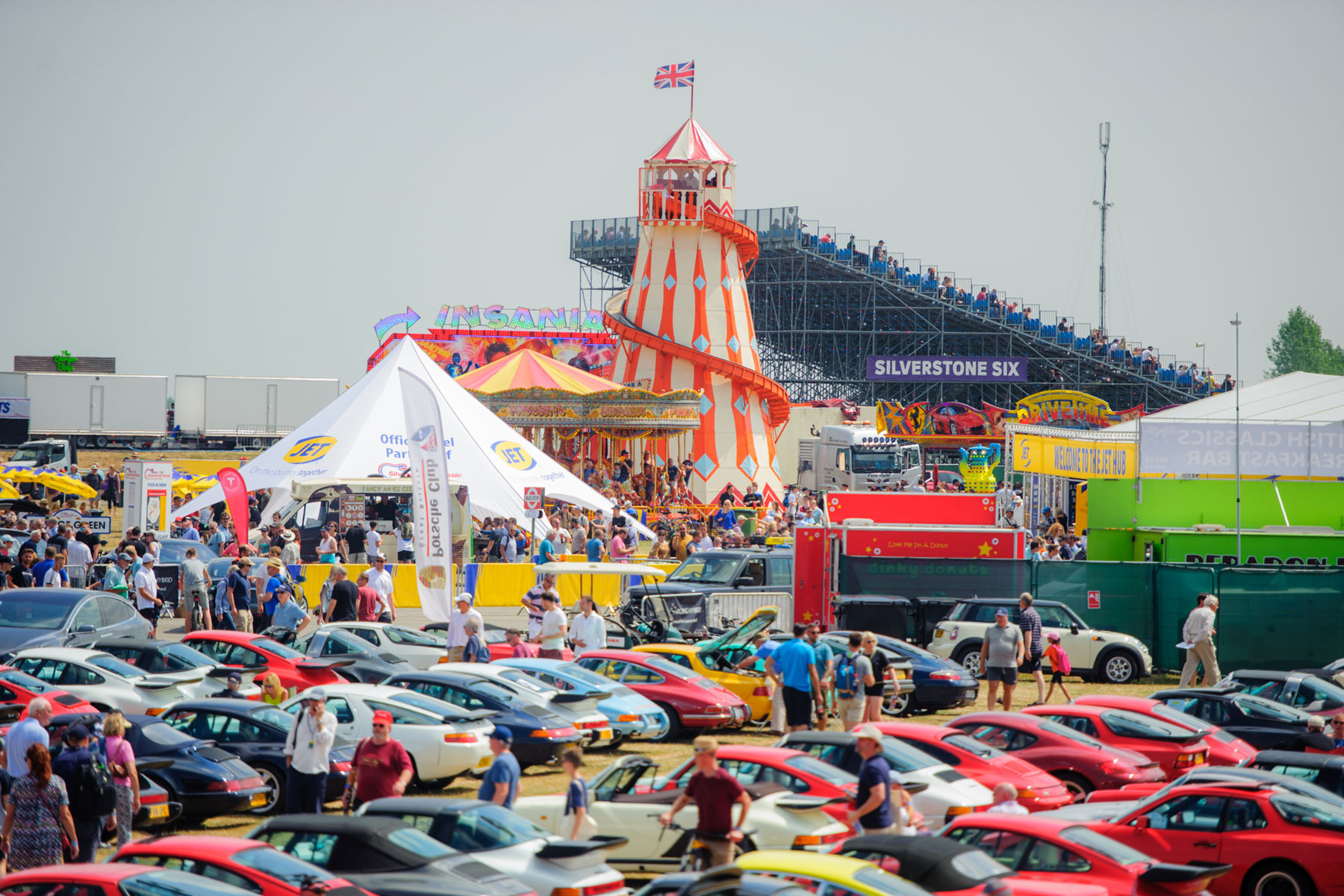
July 2018 might seem like a long way away, but if you know somebody who fancies going to the Silverstone Classic, why not treat them to a ‘Super Early Bird’ ticket? You’ll be given a 22 percent discount, while the recipient will have seven months to look forward to one of the best motorsport weekends of the year. Adult admission starts from £35, with three-day tickets available for £99.
911 Bluetooth speaker
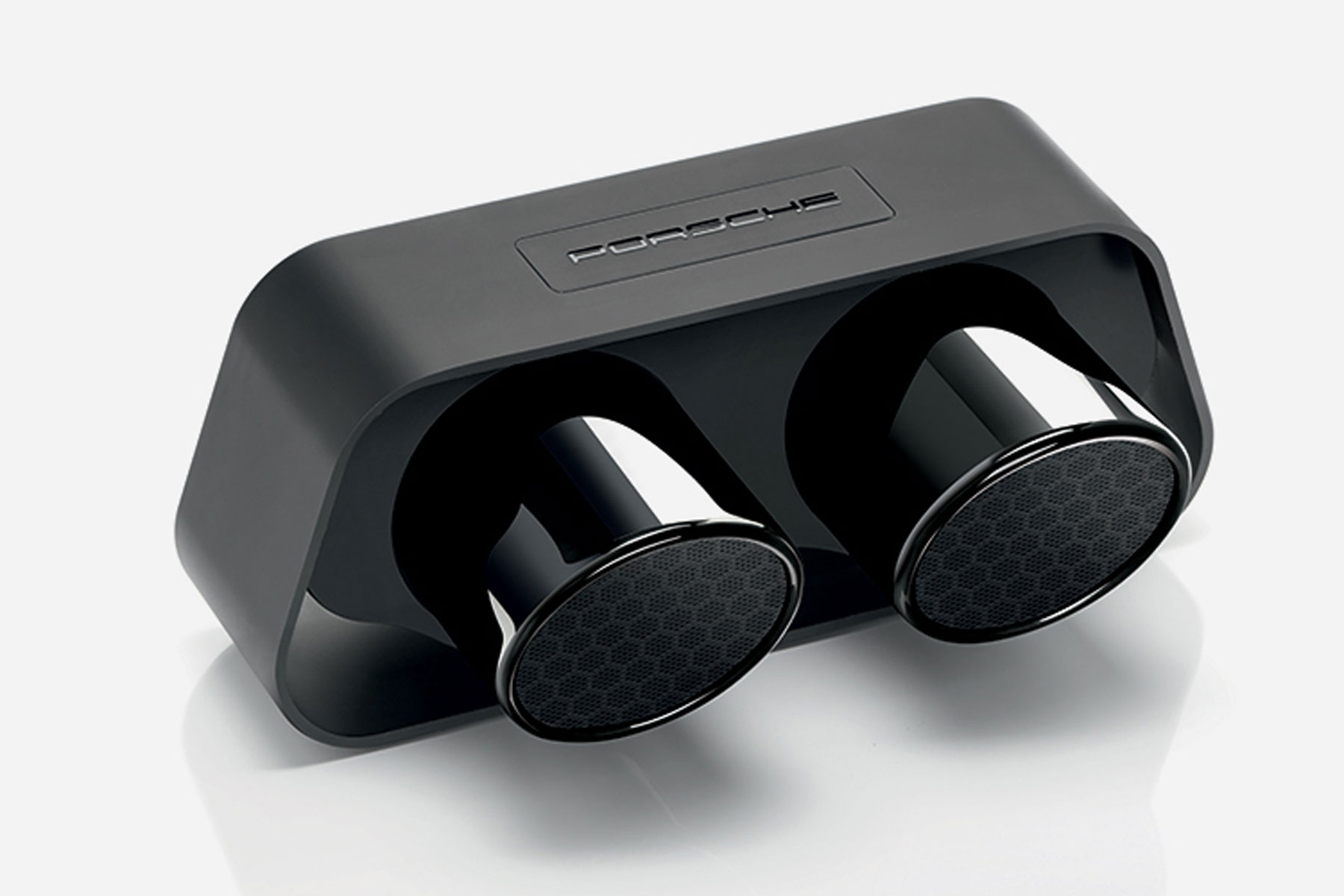
With all eyes on the new Type 992 unveiled at the LA Auto Show, it’s a good time to buy something 911-related for your Porsche-loving friend. An actual car might be a stretch, so how about a 60-watt Bluetooth speaker in the style of a 911 GT3’s twin exhausts? It costs £495 and is available from Design 911.
Digital radio
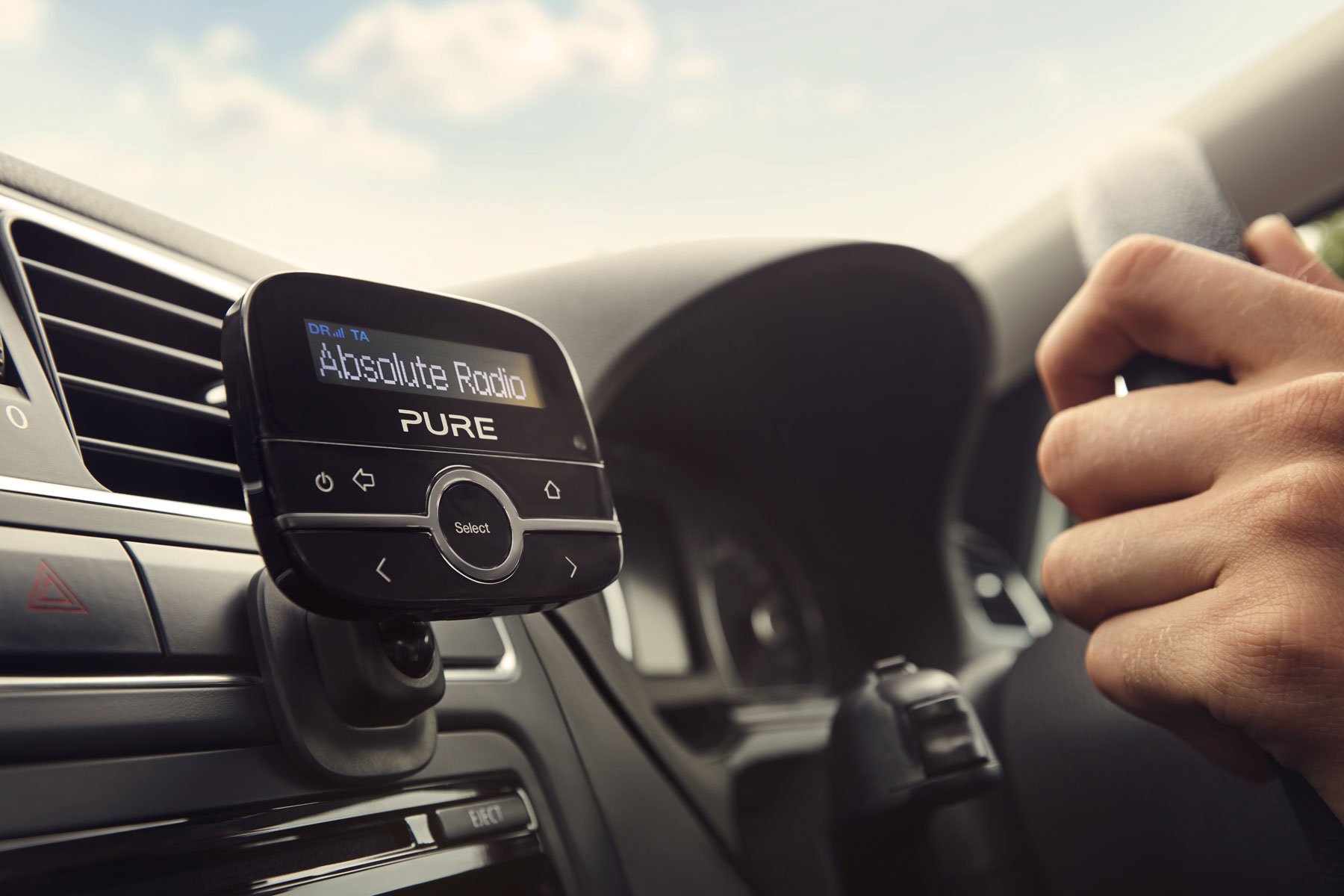
If you know somebody who drives an older car but would love to listen to digital radio on the move, Pure has the answer. The company offers a range of in-car adapters that work seamlessly with the majority of existing audio systems, delivering a choice of digital radio stations and, in some cases, hands-free calling. Prices start from £79.99 for the entry-level Highway 200 (pictured).
Lotus Evora GT410 Sport
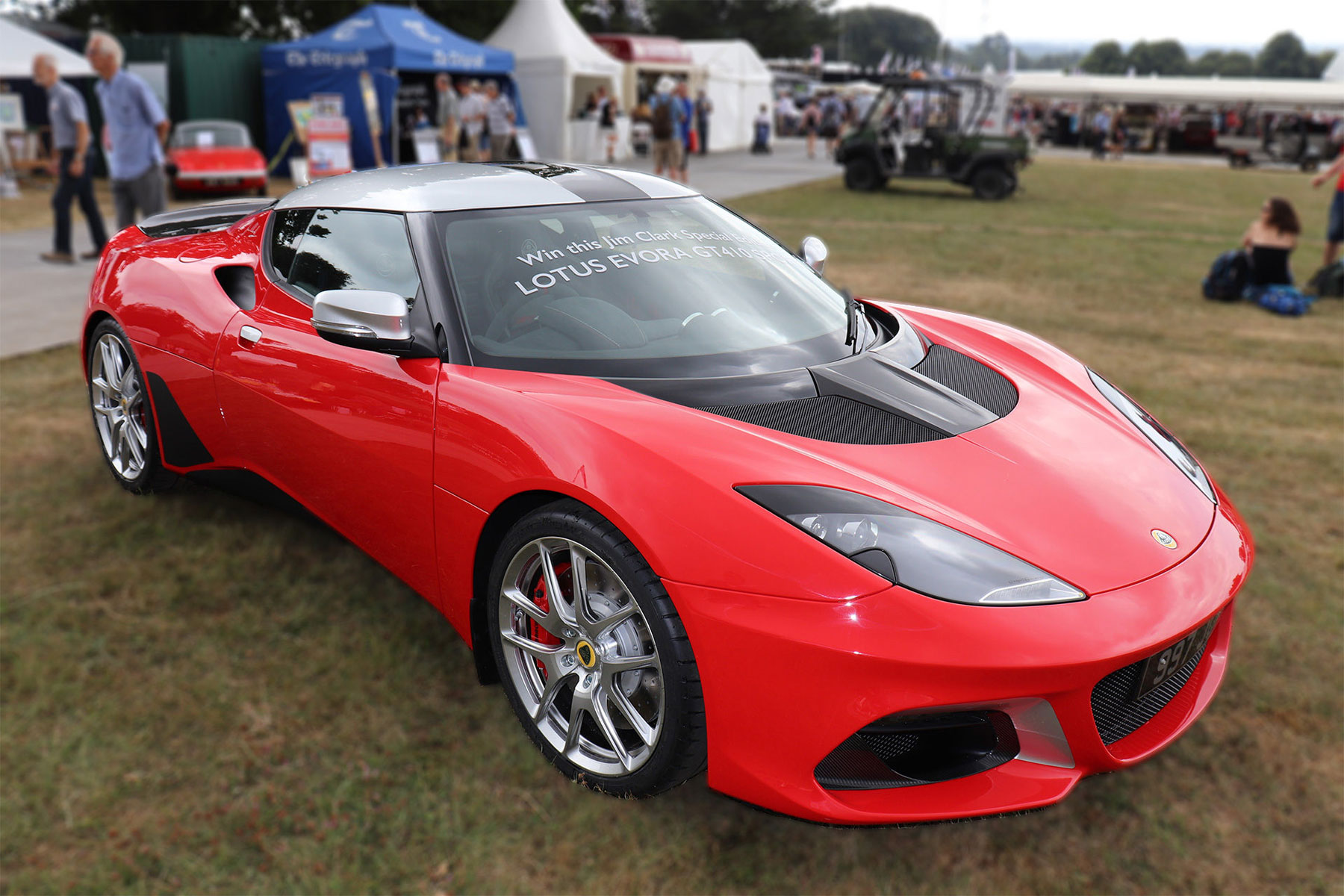
Do you fancy buying a present and doing something for charity? The Jim Clark Trust is offering a Lotus Evora GT410 Sport as a competition prize to help support plans for a new Jim Clark Museum. Entries cost £20 and the winner will be announced at the opening of the new museum in summer 2019. See the Jim Clark Trust website for more information.
Racing-Steel
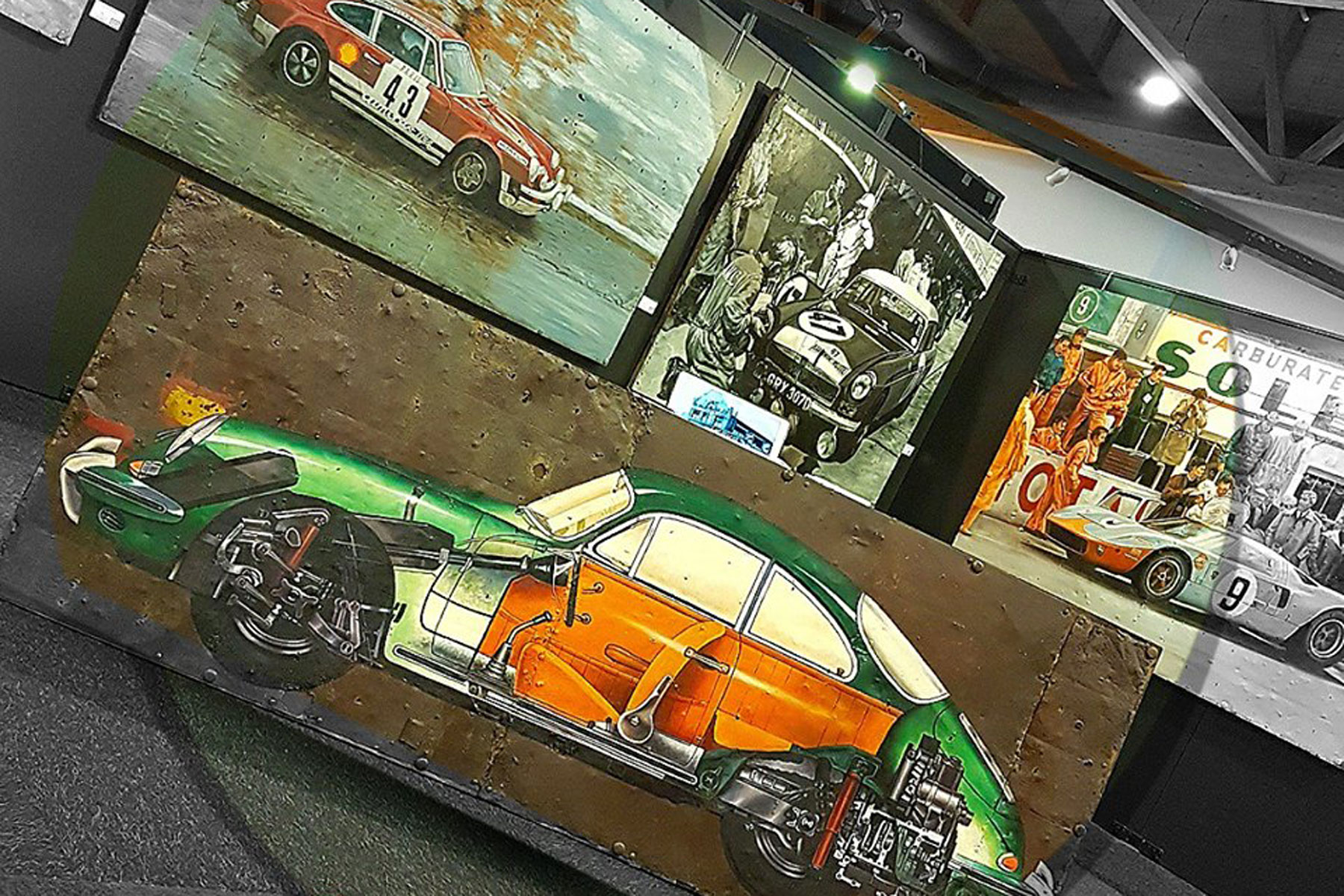
The Motorsport Centre is located close to Motoring Research HQ in Harpenden and offers everything from track-day support to restorations. In 2016, it established a ‘Studio’, specialising in premium items sourced directly from international designers and artists. The first designer to join is Racing-Steel, which offers a collection of large-scale works of art, painted by hand on recycled metal sheets. Bank on spending upwards of £1,500 on one of these stunning pieces.
Autoglym Ultra High Definition Shampoo
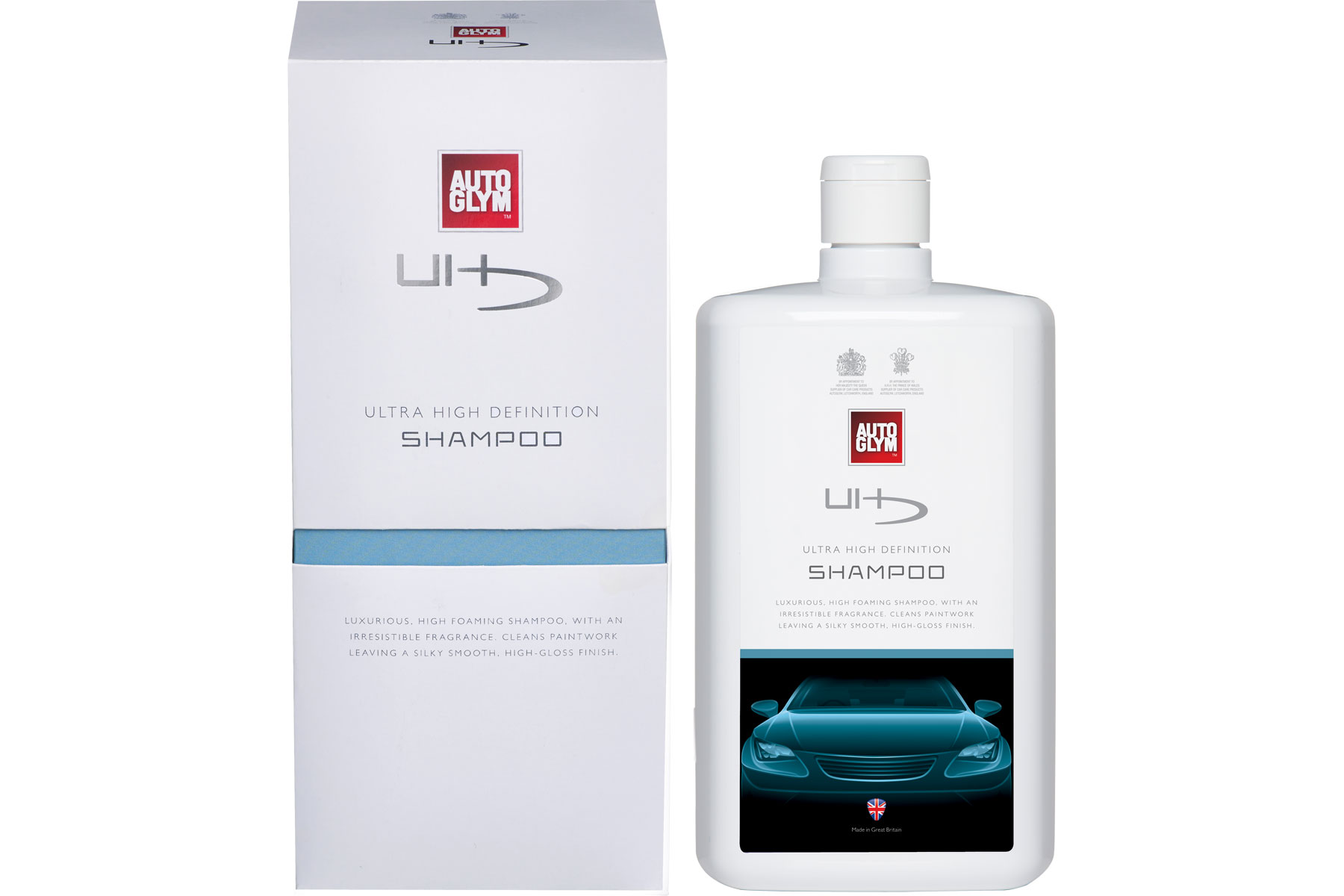
‘This wonderfully fragrant, velvety shampoo gives an incredibly rich and luxurious lather during the car-washing process, making the whole experience smell and feel like some kind of salon makeover.’ Exchange ‘car’ for ‘hair’ and this would sound very much like a line from a hair shampoo brochure. Apparently, this stuff is used by both Royal households, so you can give your car a royally-good clean for £18.20.
A police car
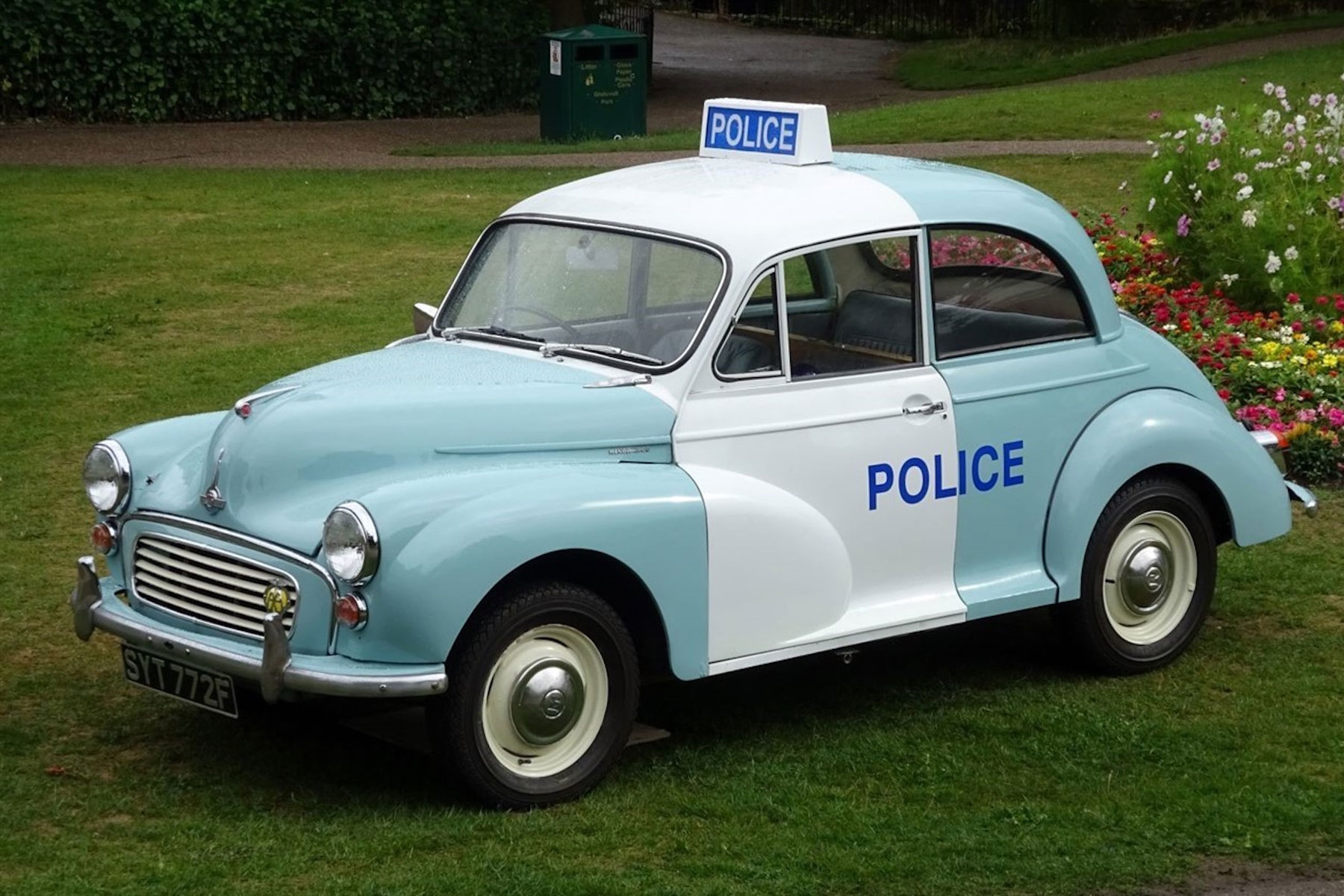
This is a random suggestion, but we do know of some people who were fortunate enough to receive a car for Christmas. Pop along to the Barons Christmas Classic Sale on 11 December and you’ll find a wide range of vintage and classic cars, including this ex-Scotland Yard Morris Minor. It served with the Met until 1977 and has a guide price of £4,000 to £6,000. There’s also a Morris Mini police van used in the TV series Heartbeat. Just remember, a classic car is for life, not just for Christmas.
Citroen Lifestyle Boutique
If the love of your life is a Citroen fan – frankly, who isn’t? – why not splash out on something for sale at the Lifestyle Boutique? You can buy anything from a scale model of a Citroen 2CV to a pull-along H van. There’s even a pair of orange Mehari socks, because it wouldn’t be Christmas without a pair of socks beneath the tree.
A driving experience
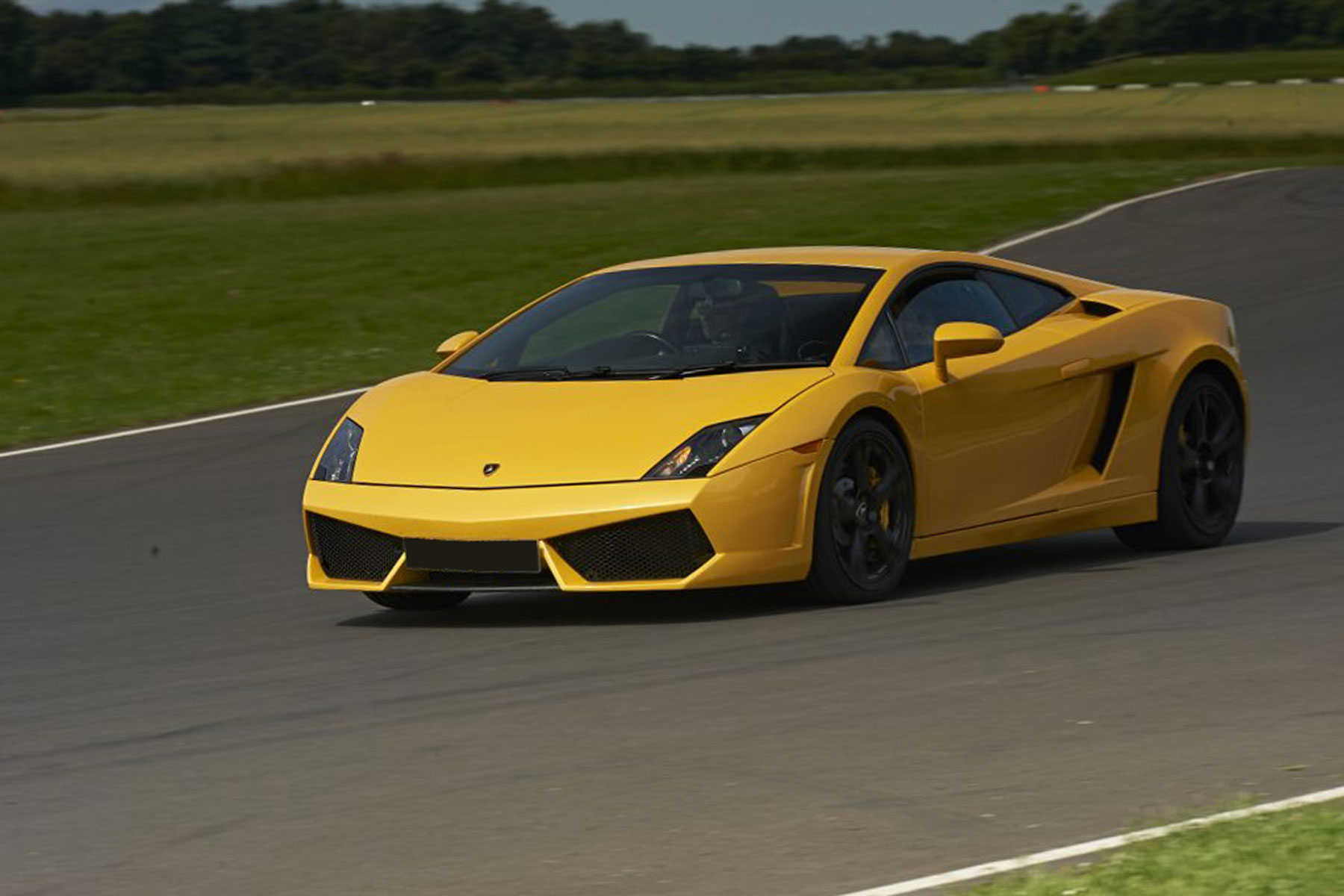
‘The thrill of driving a supercar around a race track can cost the same as a gift set of socks’, says the TrackDays website, as it promotes a range of supercar experiences. If we’re honest, not many people would spend £30 to £40 on three pairs of socks, but for the same price you can enjoy a ‘Single Supercar Blast’. TrackDays offers a range of experiences, including time behind the wheel of a Lamborghini Gallardo and McLaren MP4-12C GT3.
A is for Allegro
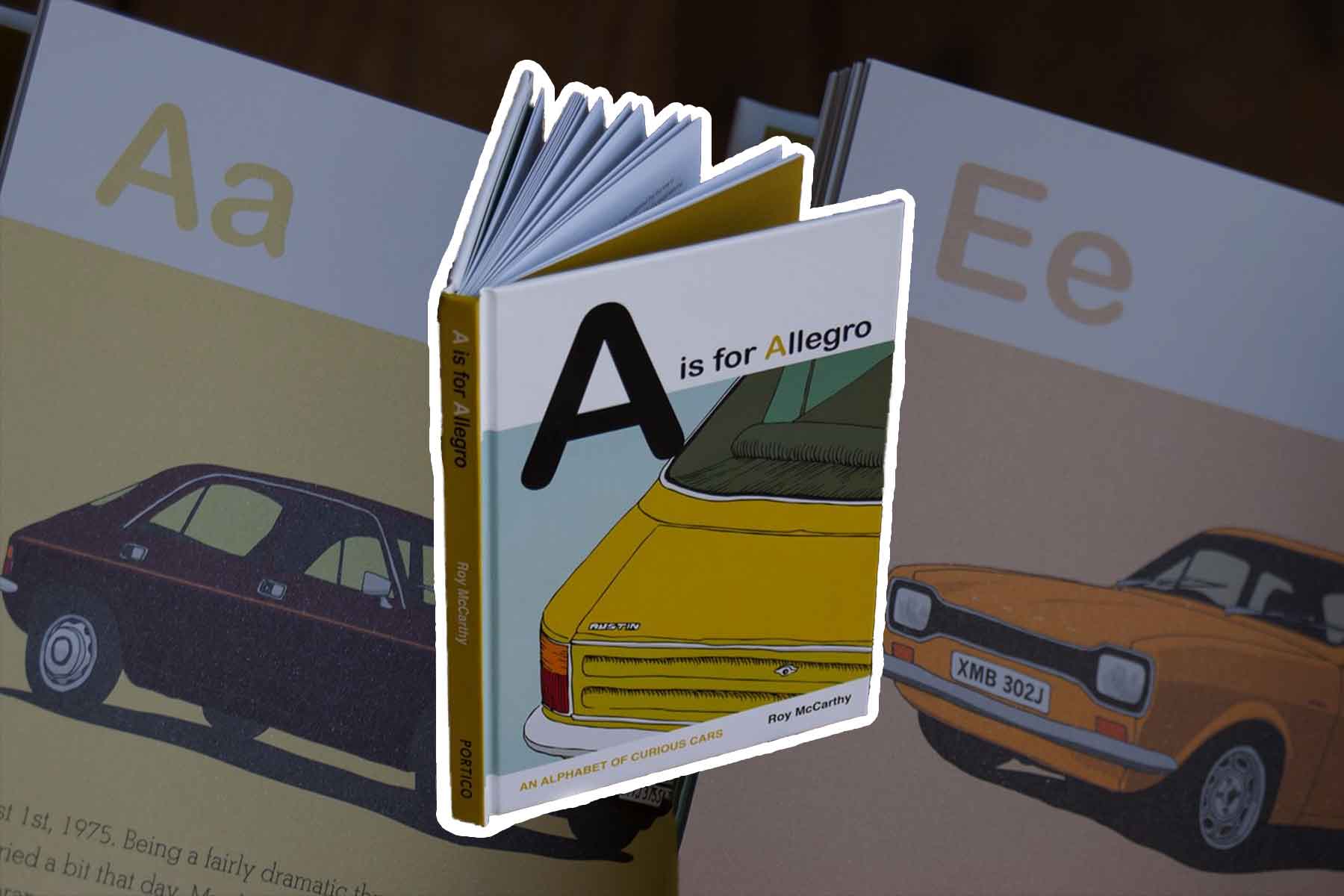
If this talk of supercars, boutiques and expensive works of art leaves you cold, this book should be right up your alley. Written, designed and illustrated by Roy McCarthy, A is for Allegro: An Alphabet of Curious Cars is a nostalgic and warm-hearted look at the cars that made an impression on a young Roy. Buy it for the 15,000 words and stay for the delightful illustrations. The book is published by Pavilion Books and priced just £7.99
Haynes Desk Diary
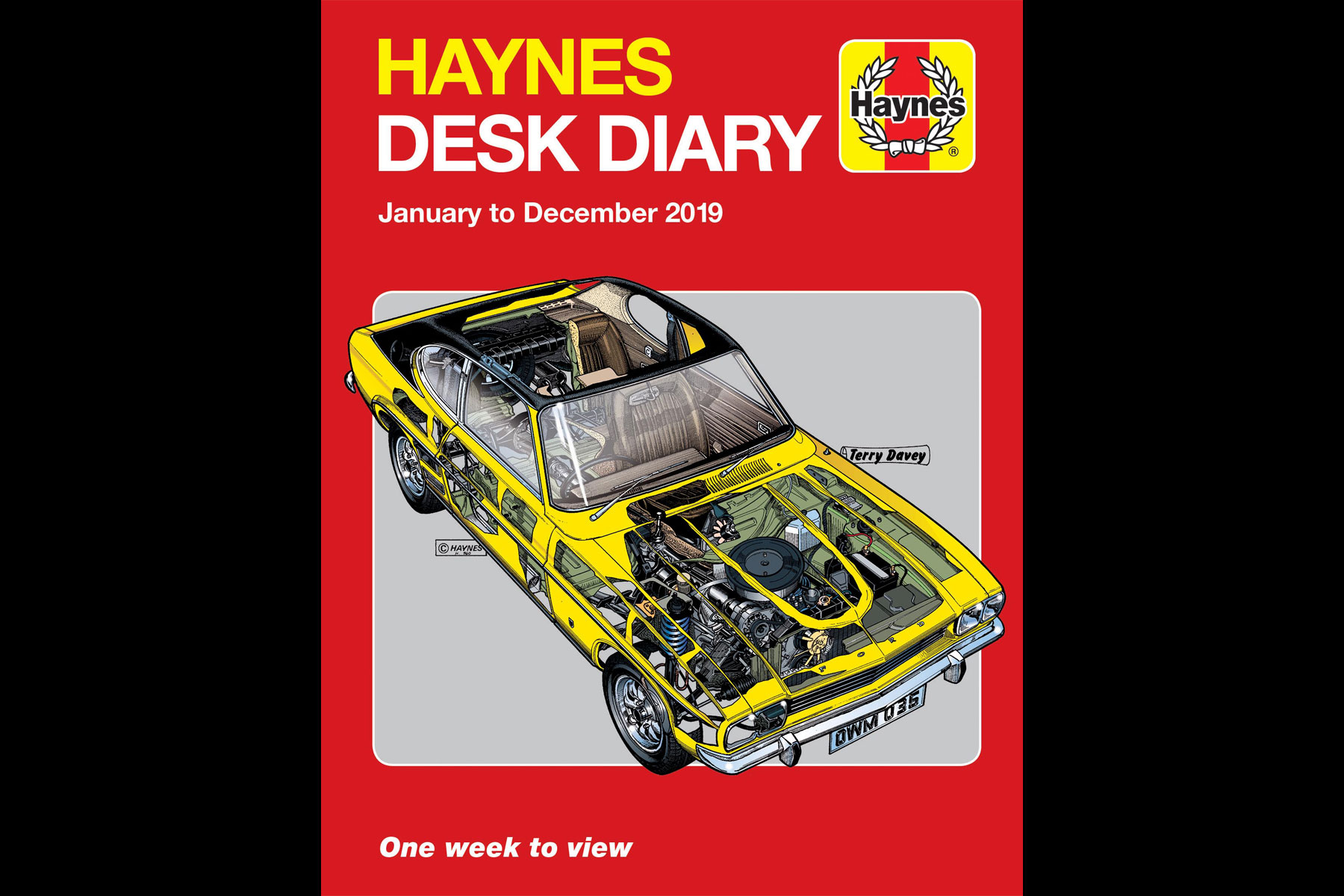
Now in its 14th year, the 2019 Haynes Desk Diary is celebrating the 50th anniversary of the Mk1 Ford Capri. Yours for just under £10, the 160-page diary features cutaway diagrams from the company archives, useful dates and automotive-related data.
McLaren socks
McLaren is offering presents to suit all pockets – and feet – this Christmas. You could buy a pair of official McLaren F1 supercars for £15.99, or X Period Correct Stance socks (pictured) for the same price.
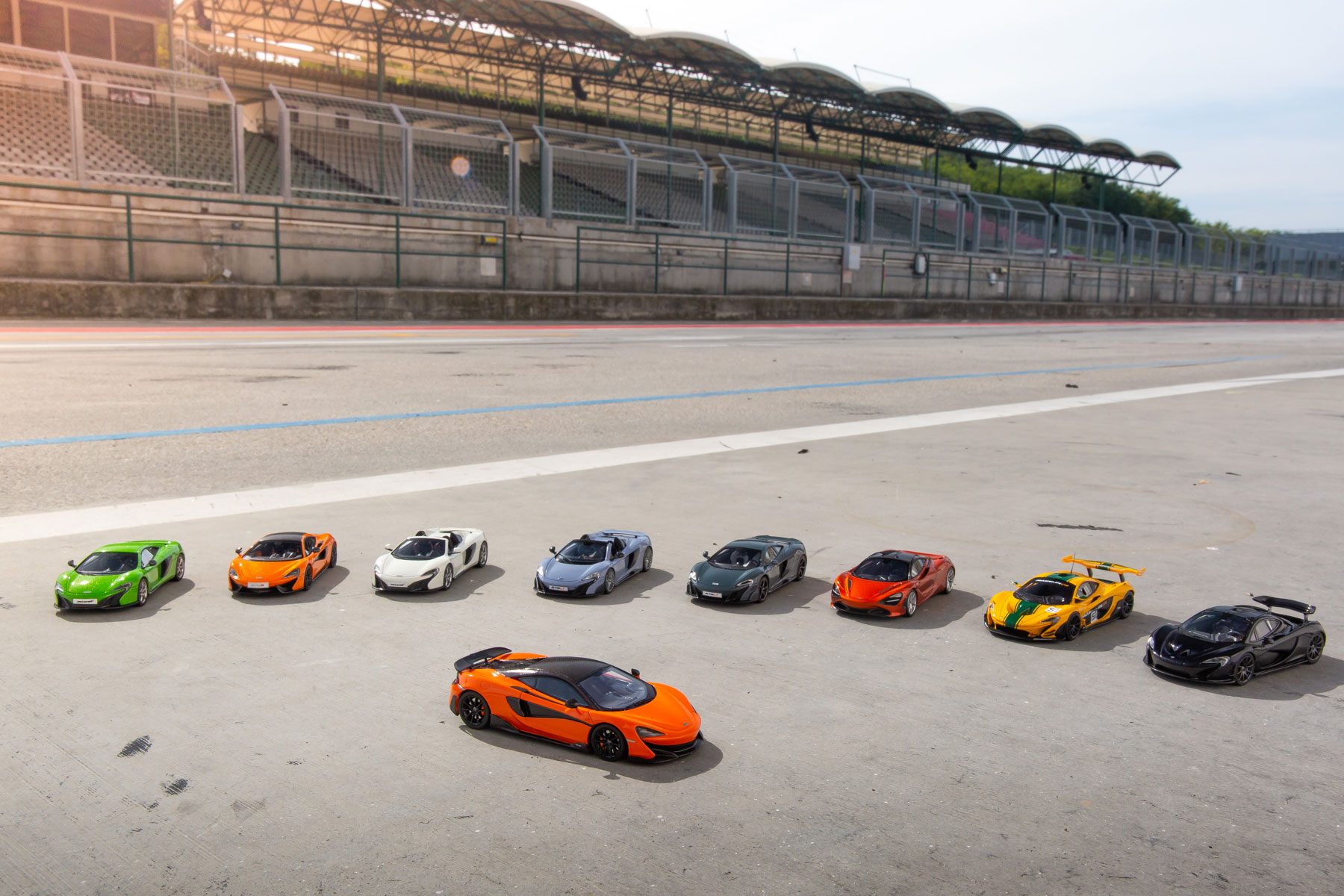
McLaren scale models
Meanwhile, you can select from a range of McLaren miniatures, with scale models ranging from £65 to £6,395. Yep, that’s nearly £6,500 for a model car. Blimey.
McLaren Arctic driving adventure
Or, for the ultimate McLaren indulgence, why not treat your beloved to a snow-filled three-day Arctic driving adventure in the McLaren 570S? Yours for ‘just’ £12,750.
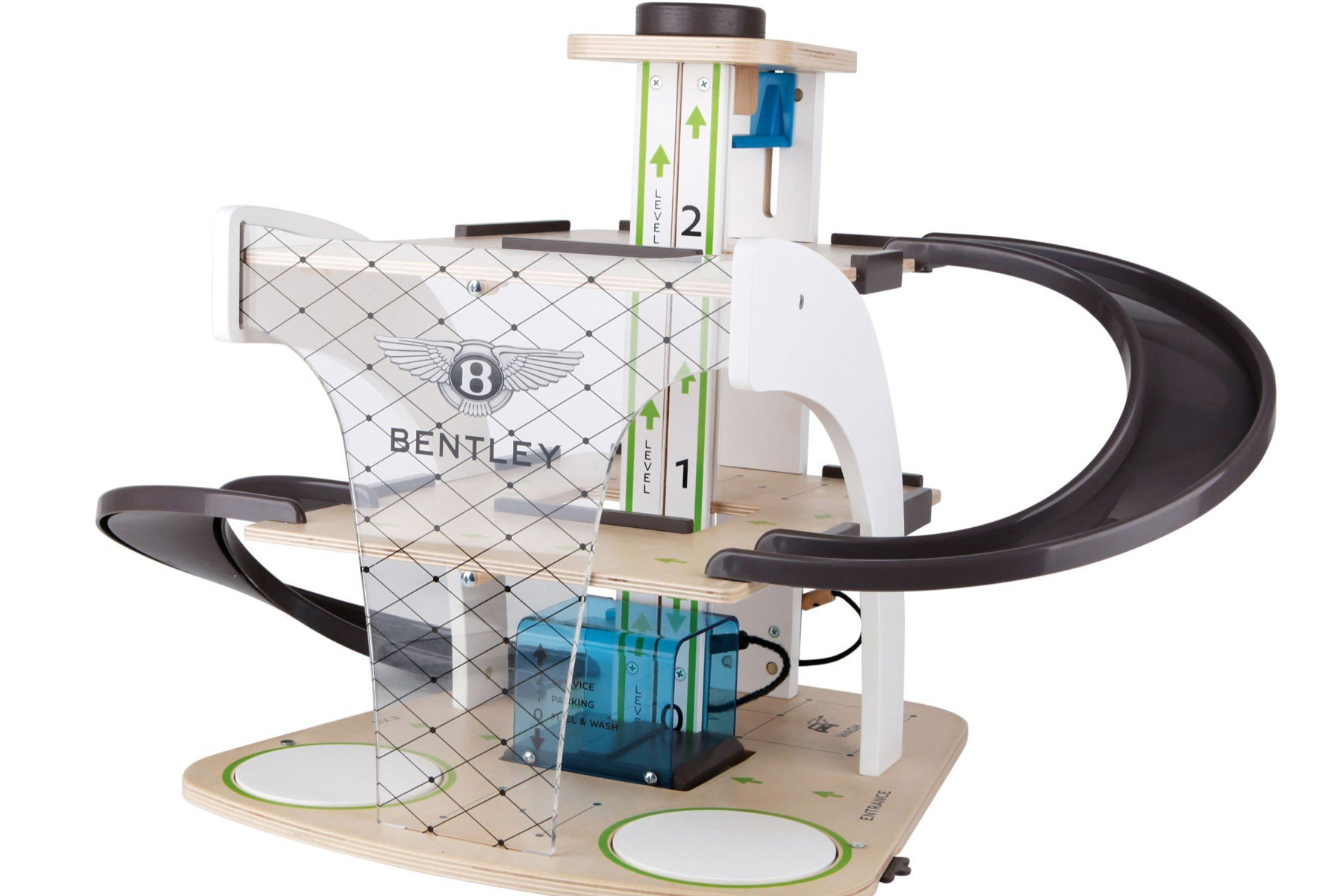
Bentley wooden garage
This wooden garage features functional turntables, a heliport, elevator and fuel pump. According to Bentley, it offers hours of fun for toddlers. We reckon it would be just as much fun for the grown-ups.
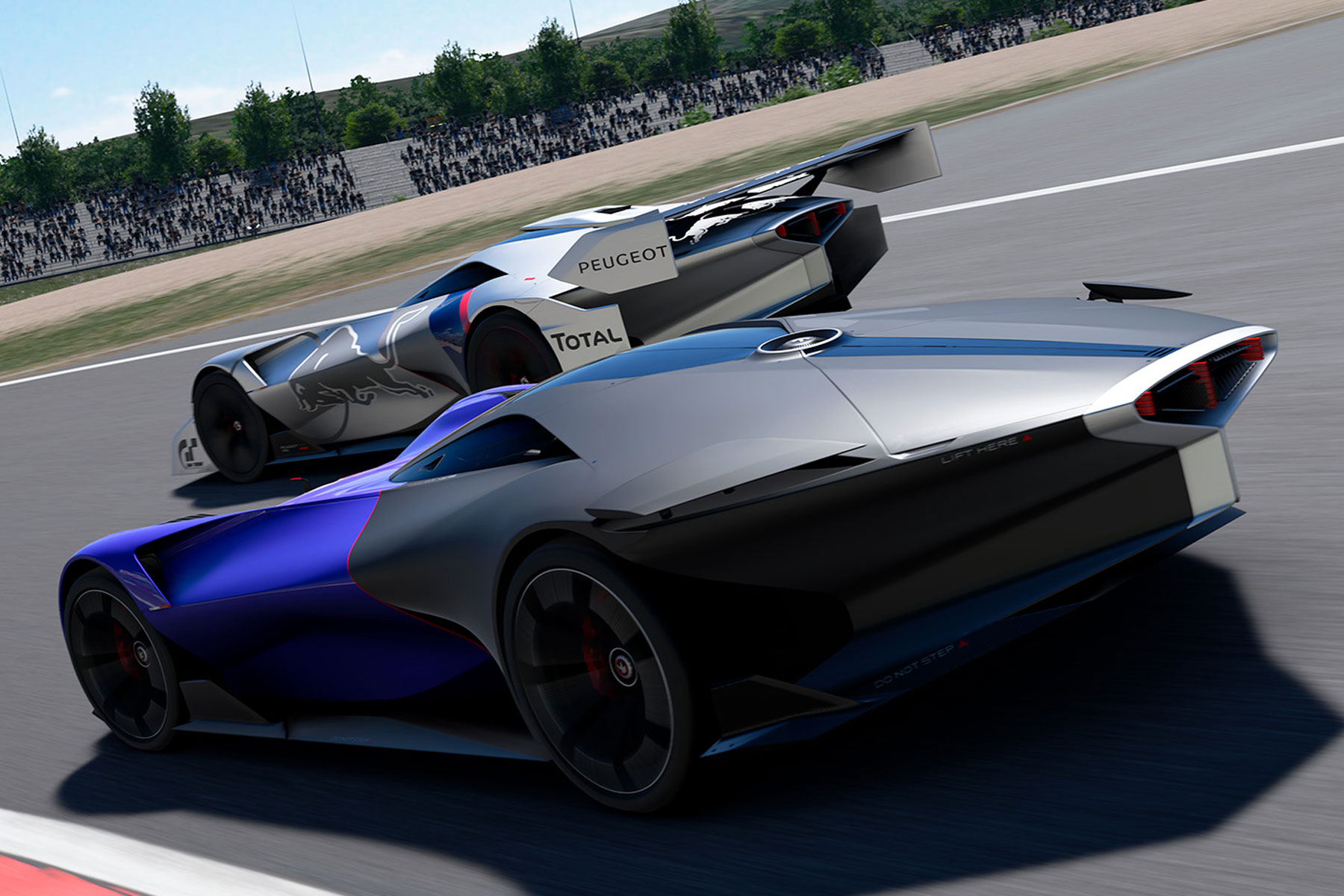
Gran Turismo Sport
It’s been on sale a while, but Gran Turismo Sport on the PS4 remains one of the best driving games, rivalled only by Forza Horizon 4 the Xbox. The online mode is highly addictive, especially once you improve your SR and DR ratings. A December update will see the Ferrari F50, McLaren P1 GTR, E92 BMW M3, C2 Corvette and Datsun 240Z FuguZ added to GT Sport.
Amazon Prime membership
The Grand Tour will return to our screens in January, with the trailer for the third season hinting at the usual motoring-related high jinks, nonsense and tomfoolery. Amazon Prime membership costs £7.99 a month or £79 a year.
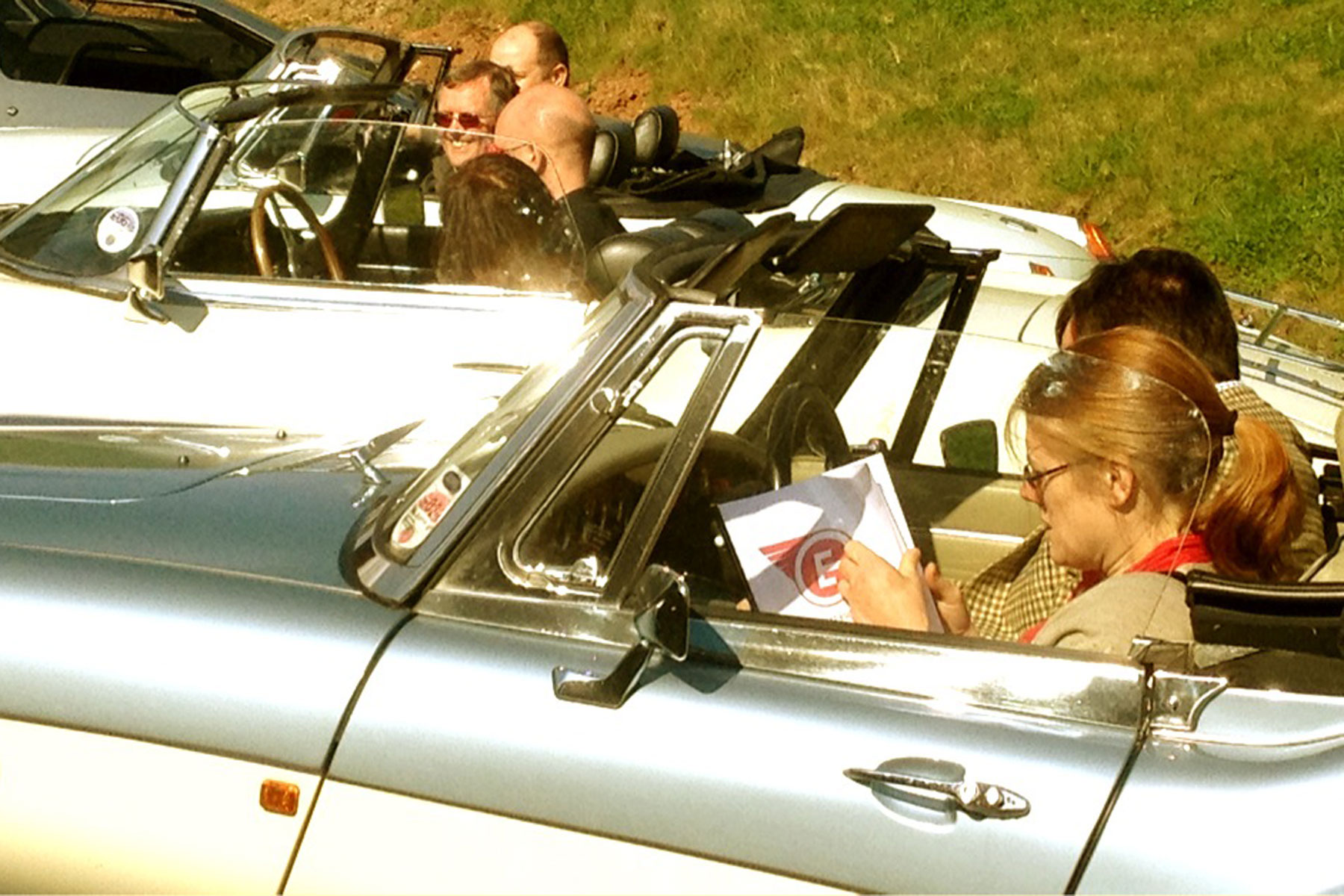
Hire a classic car
If you know somebody who is tired of commuting to work in a diesel crossover, a day with a classic car might deliver some light relief. Great Escape Cars of Redditch offers everything from 60 minutes in a Jaguar E-type to a five-car road trip to Wales. Prices start from £39 or you can purchase a gift voucher up to £500.
SIGG thermo mug
Buying this SIGG thermo mug should save your friend money on takeaway drinks and will also cut down on their use of single-use plastics. It costs £43 and will keep drinks cold for up to 20 hours and hot for up to 12 hours. It’s totally leak-proof and designed for one-handed use. Visit the Mercedes-Benz online shop for more information.
The Kia e-Niro has had its official electric driving range downgraded to below 300 miles following the discovery of a mistake by the firm’s independent test agency.
Meanwhile, the 193-mile range for the 39.2 kWh Kia e-Niro has been revised down to 179 miles.
Kia says the mistake occurred because its independent test agency, which validates the car under strict new WLTP rules, used the wrong test methodology.
Electric car range from shortest to longest
This led to the e-Niro being tested on the lower-demand, slower-speed WLTP ‘urban’ cycle for too long, which resulted in the electric driving range being overstated.
No new e-Niro have yet been delivered in the UK, but Kia has been accepting early orders. It will now communicate with each customer to explain the discrepancy, it says.
The restated results will be frustrating for the brand, which was proud of the e-Niro’s status as easily the cheapest electric car capable of travelling for over 300 miles.
Even so, the range is still at the upper end for electric cars, and it is still (along with its sister car, the Hyundai Kona Electric), the longest-range ‘affordable electric car on sale.
Kia has yet to release prices for the new e-Niro, but they are expected to closely track the Kona Electric, which is priced from £30,750 in 39 kWh guise. Take off the £3,500 Plug-in Car Grant and this drops to £27,250.
The Hyundai Kona Electric 64 kWh costs from £36,345, or £32,845 after the Plug-in Car Grant is taken off.
New research from Euro Car Parts has uncovered a shocking gap in the knowledge of UK motorists. Apparently, one in four drivers don’t know what the oil in their engine is actually for.
That’s a worrying statistic given that oil is vital to ensure engine longevity. Without it, your engine will run for about five seconds before binding into a solid lump – in the best case scenario – or shooting scrap metal in all directions (in the worst case).
Given such a knowledge gap, it’s less surprising to note that nearly half of us don’t know what specific oil our engines need without consulting the handbook. The wrong oil, at times, can almost be as bad as no oil. See above.
As for how women deal with oil versus men, a third of women aren’t sure what oil in the engine does, compared to 13 percent of men. Nearly 60 percent of women don’t know what oil their car requires, compared with 38 percent of men.
Here are some top tips when it comes to your car’s engine oil.
Keep on top of your changes
Most cars will have an oil change interval of between 5,000 and 15,000 miles or, in almost every case, every 12 months – whichever comes first. You can do it yourself, but for the sake of a stamp in the service book, not making a mess of your driveway and general safety, we’d recommend taking it to a dealer or specialist.
Check it regularly
It’s very much worth your while checking how much oil is in your engine, at least once a month. That’s not just for old cars, either, given we have experience of nearly-new cars burning a significant amount of oil in the first few thousand miles of their lives.
How do you check your oil?
Under the bonnet you should be able to locate a brightly-coloured tab – usually yellow – that you can pull out. Its location will be in your car’s manual. The tab is connected to the dipstick, which you pull out and clean. Re-dip, then see where the level is. It should be within the minimum and maximum indicators. We recommend leaving oil checks for up to an hour after driving so that the temperature is low enough to be safe and for an accurate reading.
Keep it topped up
If it’s below, find out what oil your car takes and buy some to top it up post-haste. When topping up, be very careful not to over-fill. We recommend filling 200ml at a time, letting it settle and re-checking the level. Even if it takes four or five pours, it’s worth it not to over-fill. That can be as damaging as not having enough oil.
Oil for all seasons
There is even such thing as different oils for summer and winter, for best performance in different temperatures. Not essential, but worth bearing in mind if your car starts to struggle in the winter months.
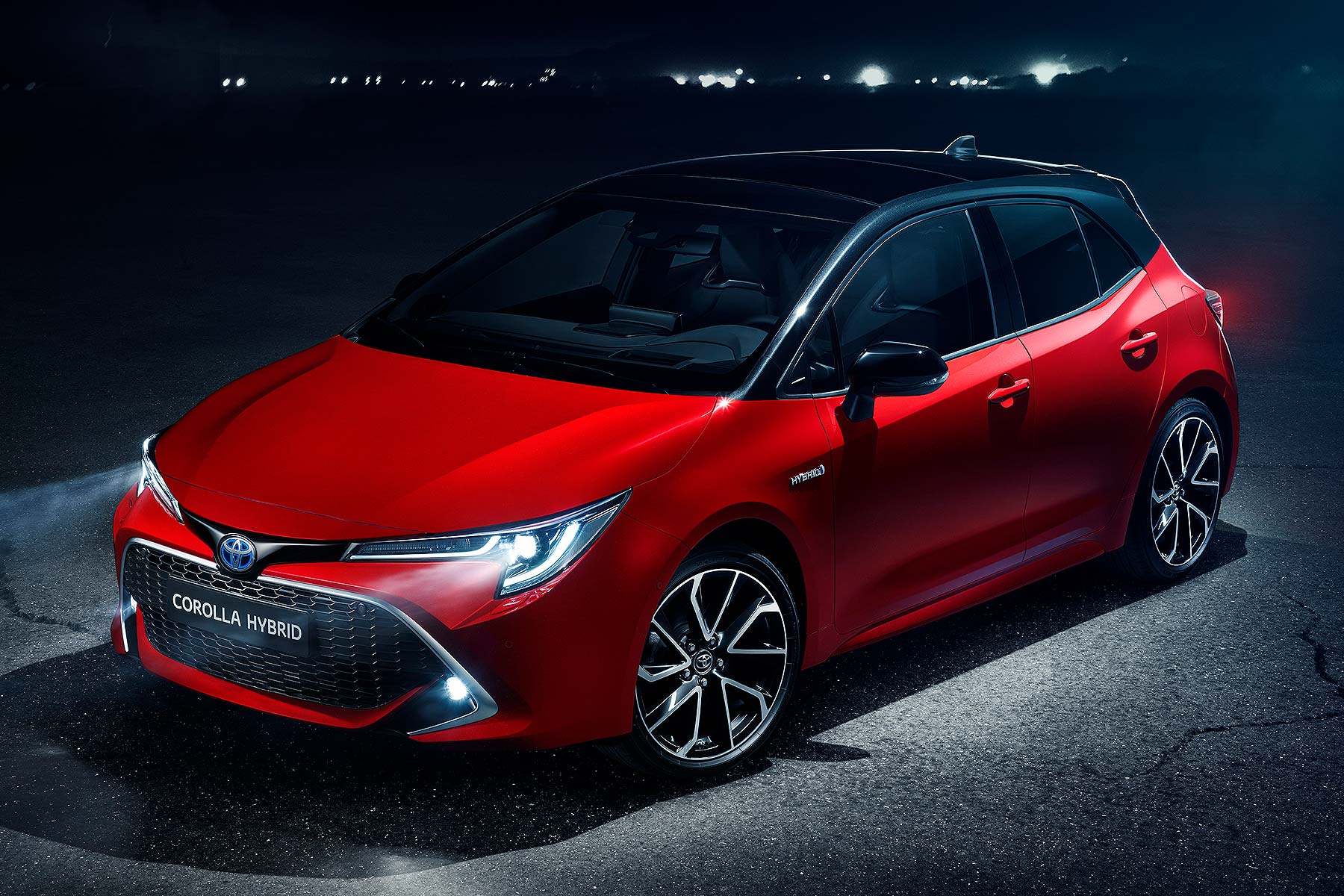
The new 2019 Toyota Corolla will cost from £21,300 and the firm says first deliveries of the new British-built hatch and Touring Sports estate will begin in late March 2019.
Dealers are already taking pre-orders for the new Corolla, which has an all-petrol line-up of one turbo and two hybrid engines (the expected take rate is 85 percent hybrid). Four trims are available – Icon, Icon Tech, Design and Excel.
Specifications are pretty generous. Every new Corolla is fitted with 16-inch alloys, automatic LED headlights, reversing camera, reversing camera, heated front seats and an 8-inch Toyota Touch 2 infotainment system. 1.8 Hybrids get dual-zone climate control too.
Every Corolla also has Toyota Safety Sense as part of the standard spec. This comprises pre-collision warning that can detect pedestrians at day and night, and cyclists during the day, adaptive cruise control, road sigh assist and automatic high beam. Adaptive cruise control will also automatically bring the new Corolla to a halt in stop-start traffic.
The Icon Tech adds sat nav, a 7-inch TFT instrument panel and parking sensors.
Design is about, well design, says Toyota. It gets bigger 17-inch machined alloys, rear privacy glass, LED front fog lights, auto-fold door mirrors, rain-sensing wipers and the option to have an opening panoramic roof.
Top-spec Excel has 18-inch alloys on the hatch (the Touring Sports keeps the 17”s), bi-LED headlights and sports front seats with part-leather upholstery. Hatchback buyers can choose an optional bi-tone paint finish, and 2.0-litre Hybrid customers can option an eight-speaker JBL premium sound system.
A new ride-hailing app called Miwhip is taking on Uber in London. And customers could end up travelling in a gold supercar.
The supercar surprise applies once every 100 rides. That means that for every 99 people who call a cab, the 100th will have a McLaren, Lamborghini or something similarly exotic turn up.
If you’re a loyal solo rider, your 100th trip will also be in a supercar. That’s around six rides a year if you’re booking a journey twice a day, as we’re sure some hard-working, high-powered Londoners do.
Miwhip is looking to capitalise on London supercar culture. On its fleet are a Lamborghini Aventador, Ferrari 488 GTB, Rolls-Royce Ghost, Mercedes G-Class and McLaren 720S – all gold-wrapped. The cars will be located throughout the city, in ‘every London postcode and address’.
The less exotic members of the fleet are Smart cars, although they too are gold-wrapped. If you’re hailing a ride in zone one to another address in zone one, it costs just £5.
The company will be taking 15 percent commission, which it says is much less than many other ride-hailing apps.
Miwhip is hoping to have 10,000 drivers on its books by the end of next year, with 5,000 existing private-hire drivers joining by January. The MiWhip app is available to download now.
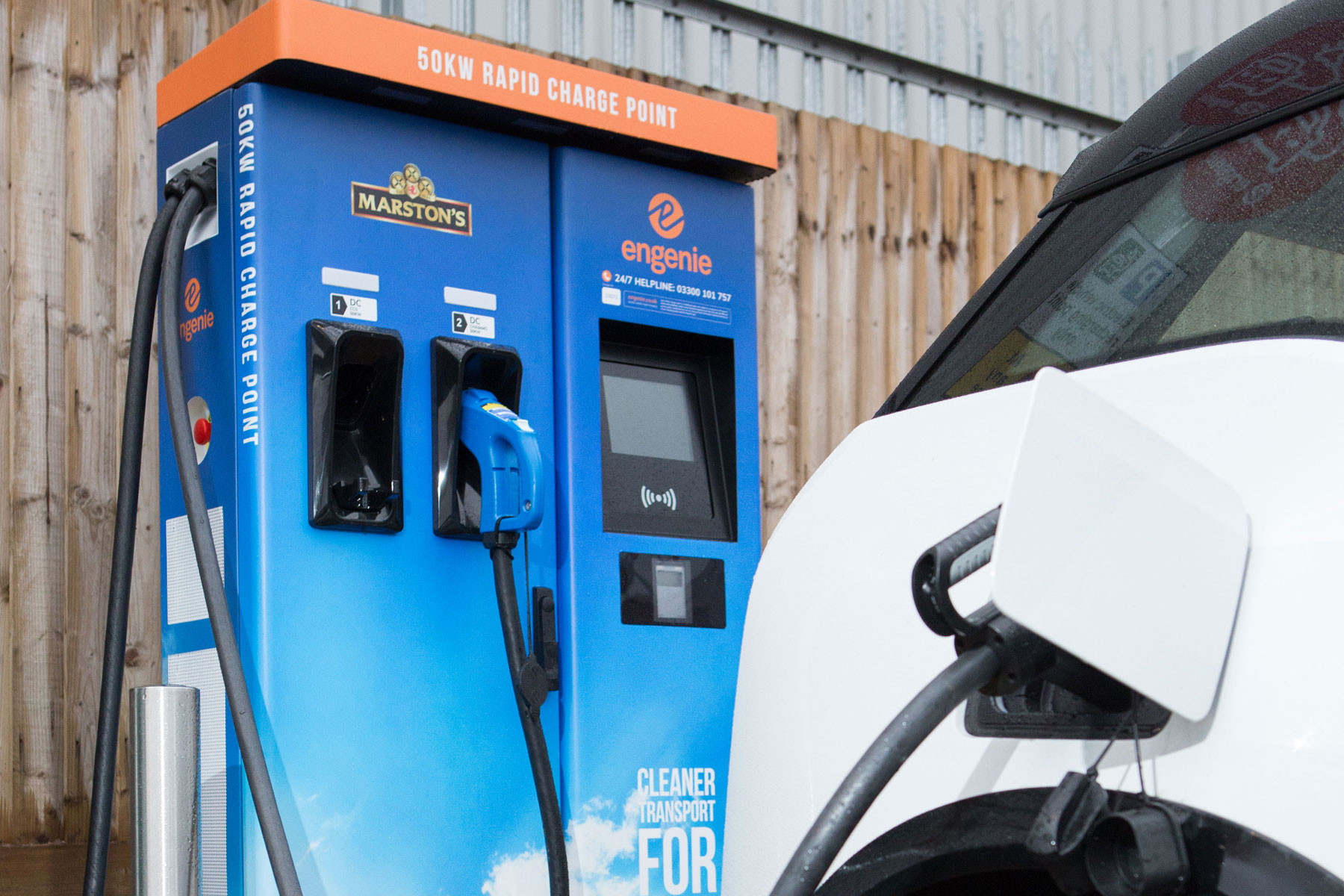
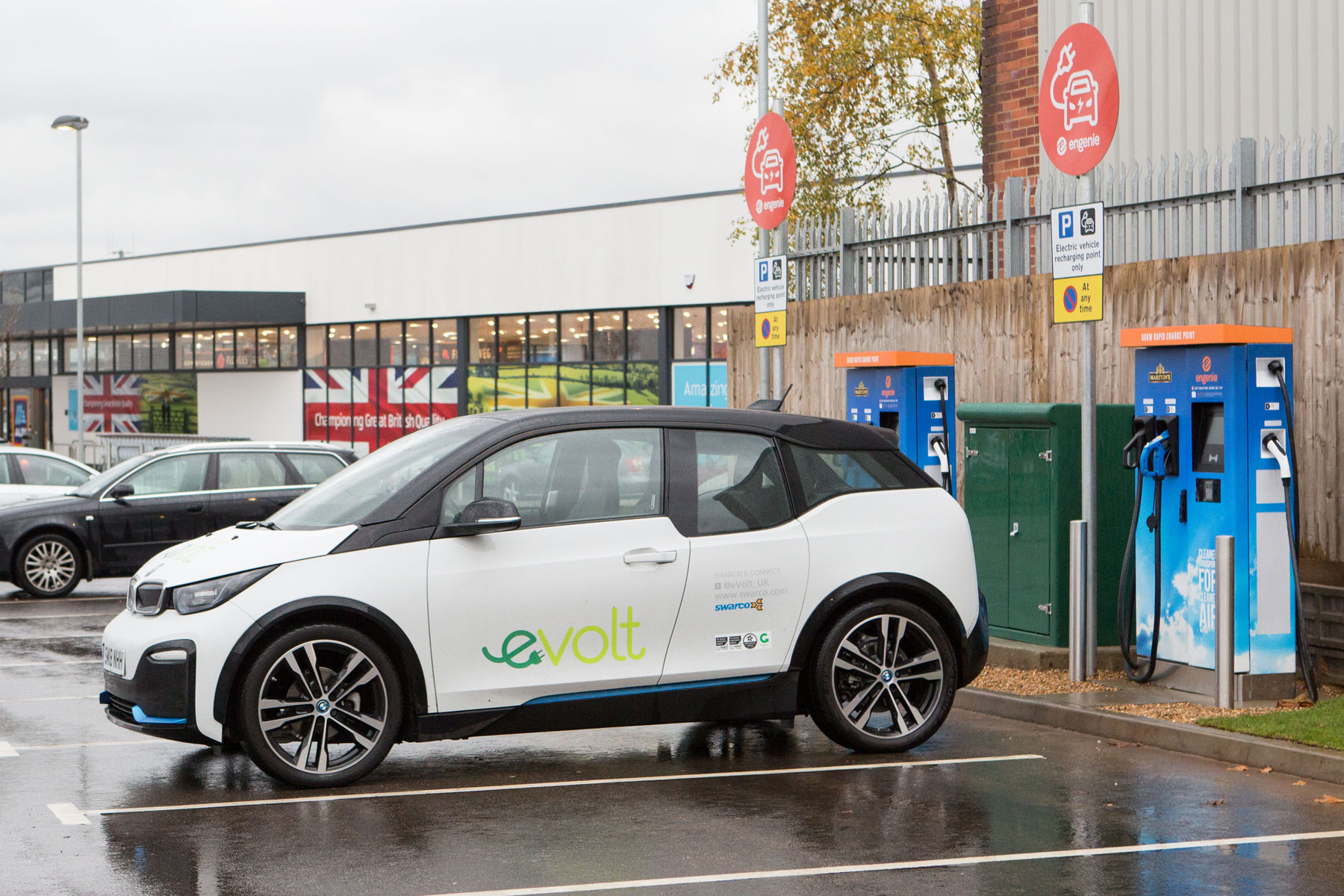
In what is becoming a good news day for electric car owners, Marston’s Inns and Taverns has unveiled a partnership with rapid electric charging network Engenie to become the UK’s first pub company to install rapid chargers across sites nationwide.
This follows the news that Volkswagen and Tesco have teamed up to roll out 2,400 charging bays within the next three years.
Marston’s is the UK’s leading independent and pub retailing business, with around 1,600 pubs across the UK, and this move will see the installation of 400 rapid EV chargers powered by 100 percent renewable energy. Up to three cars will be able to charge at each site at any one time.
Engenie’s rapid charging points require no membership or connection fee and operate with all contactless payment cards. A 50kW charger will provide up to 80 percent charge in just 30 to 60 minutes, depending on the battery.
Andy Kershaw, head of facilities management and projects, Marston’s, said: “Our goal is to become the UK’s most environmentally efficient pub business. By partnering with innovative and customer-focused organisations like Engenie, we’ll continue to hold ourselves and the sector to the highest possible environmental standards.”
‘The centre of the EV transition’
Patrick Sherriff, business development director, Engenie, added: “Our national network of rapid chargers is having a significant positive impact on local air quality; another feather in the cap of Marston’s’ already impressive long-term environmental commitments. At the same time, our easy-to-use rapid EV charging points will put the customer at the centre of the EV transition.
“Partnering with household names like Marston’s to offer rapid EV charging is a huge boost to our ambition of building a UK-wide public rapid charging network. Marston’s’ pubs and restaurants are the ideal setting for our rapid chargers, giving drivers the convenience of charging their EV while they stop to eat, check emails or take a break from their journeys. At the same time contributing locally to cleaner air for their family customer base.”


 The new Kia e-Niro electric car will launch in First Edition spec with a price of £32,995 after the £3,500 government Plug-in Car Grant is deducted. Sales begin on 1 April 2019.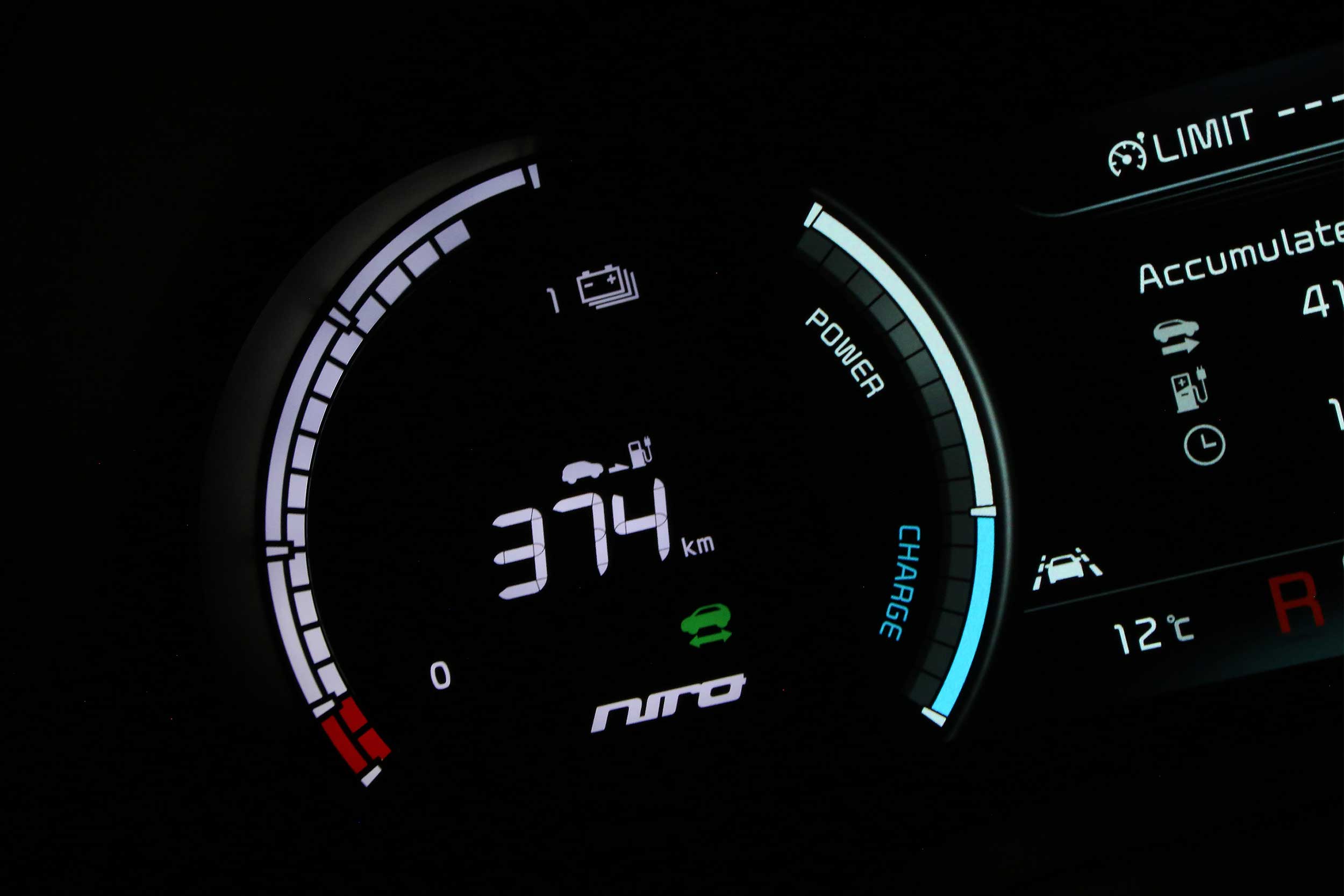
 The new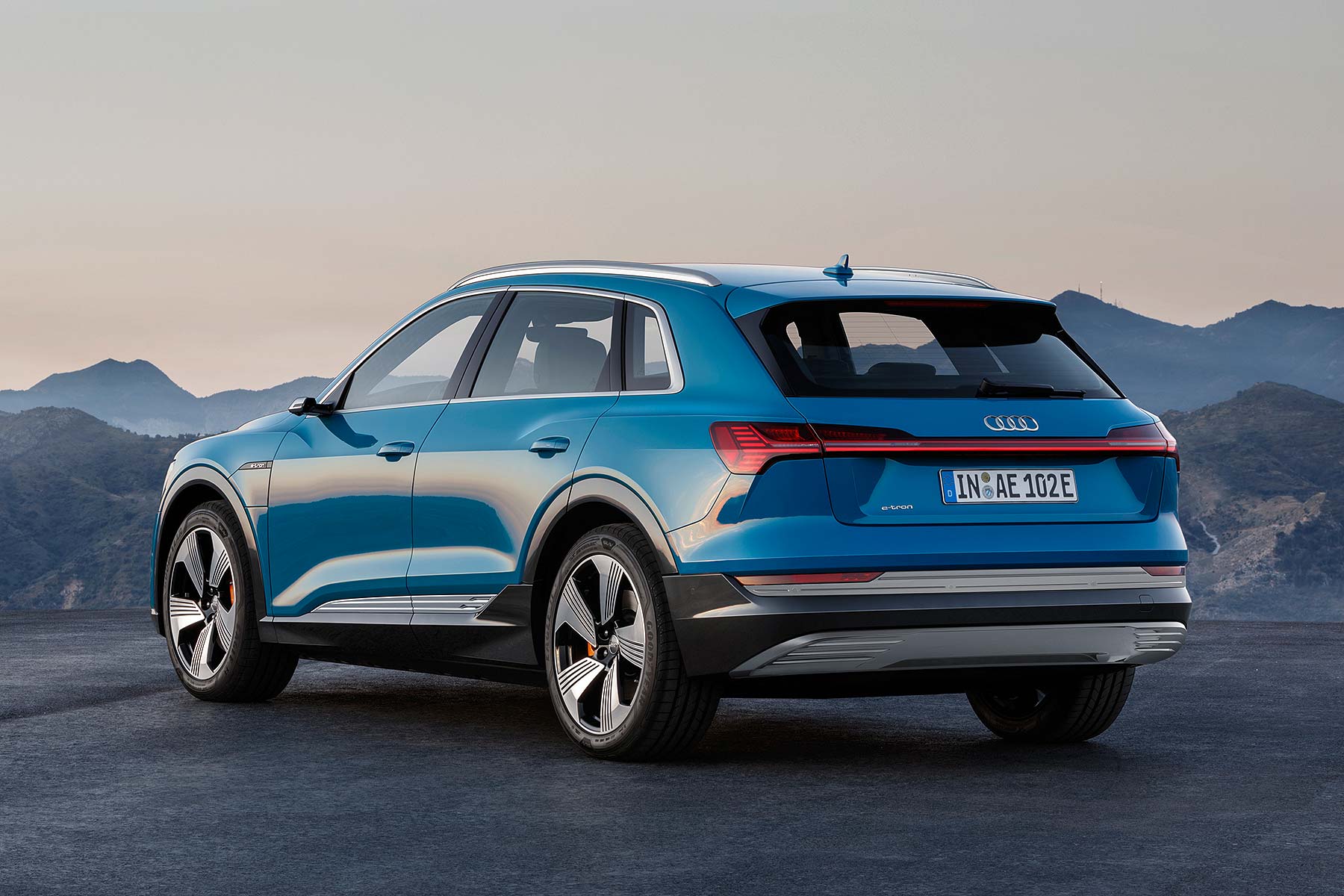






 The
The 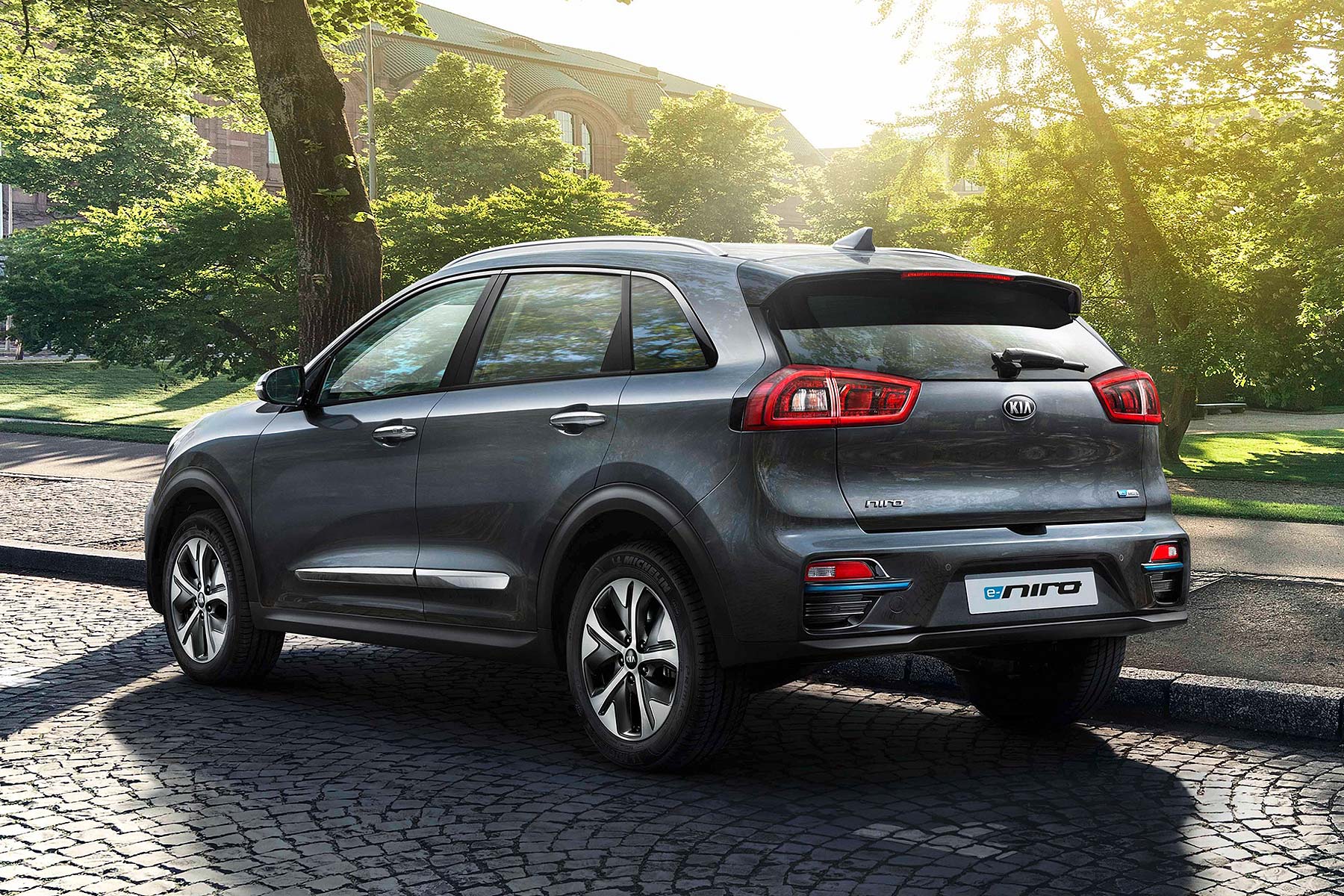



 The new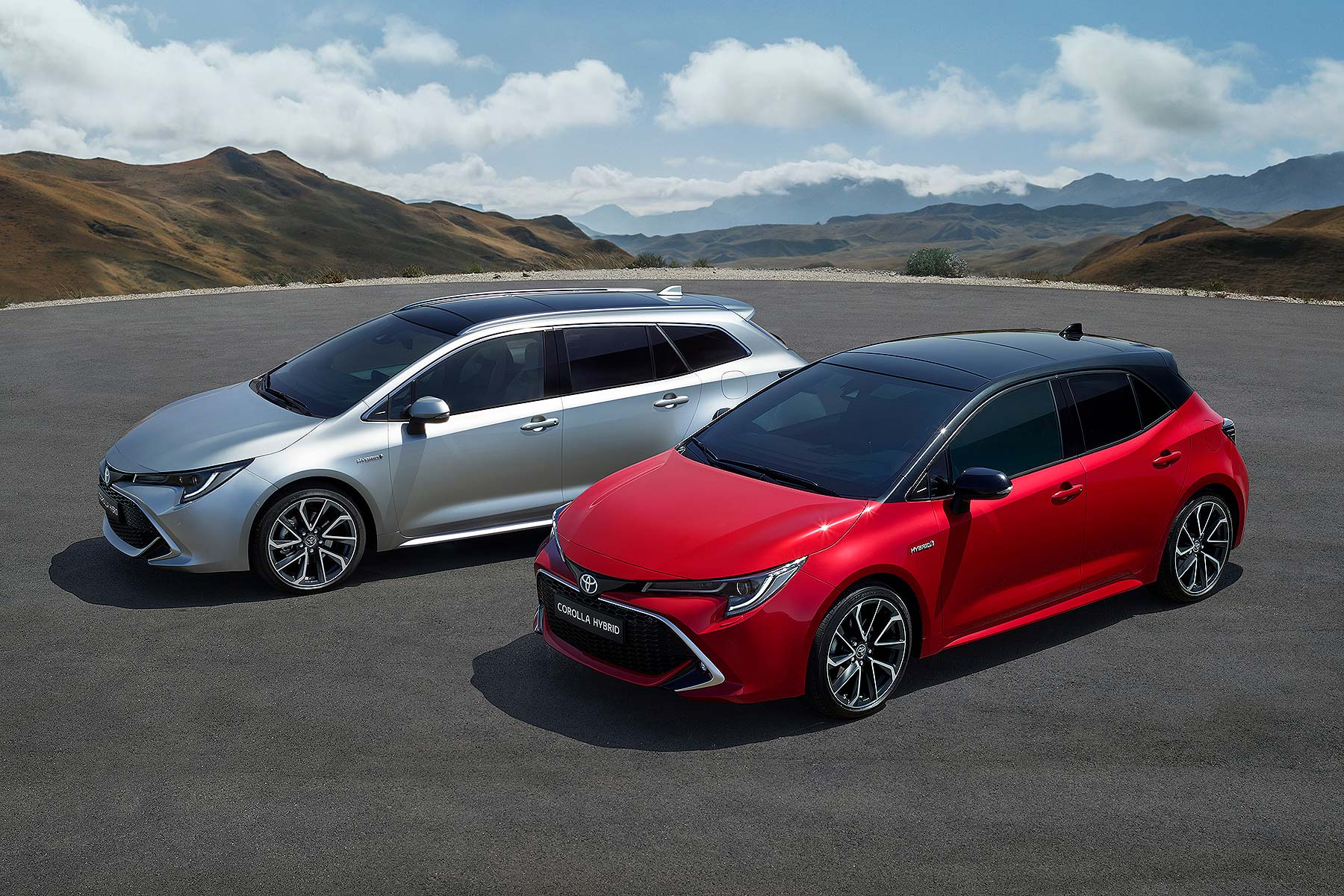

 A new ride-hailing app called Miwhip is taking on Uber in London. And customers could end up travelling in a gold supercar.
 In what is becoming a good news day for