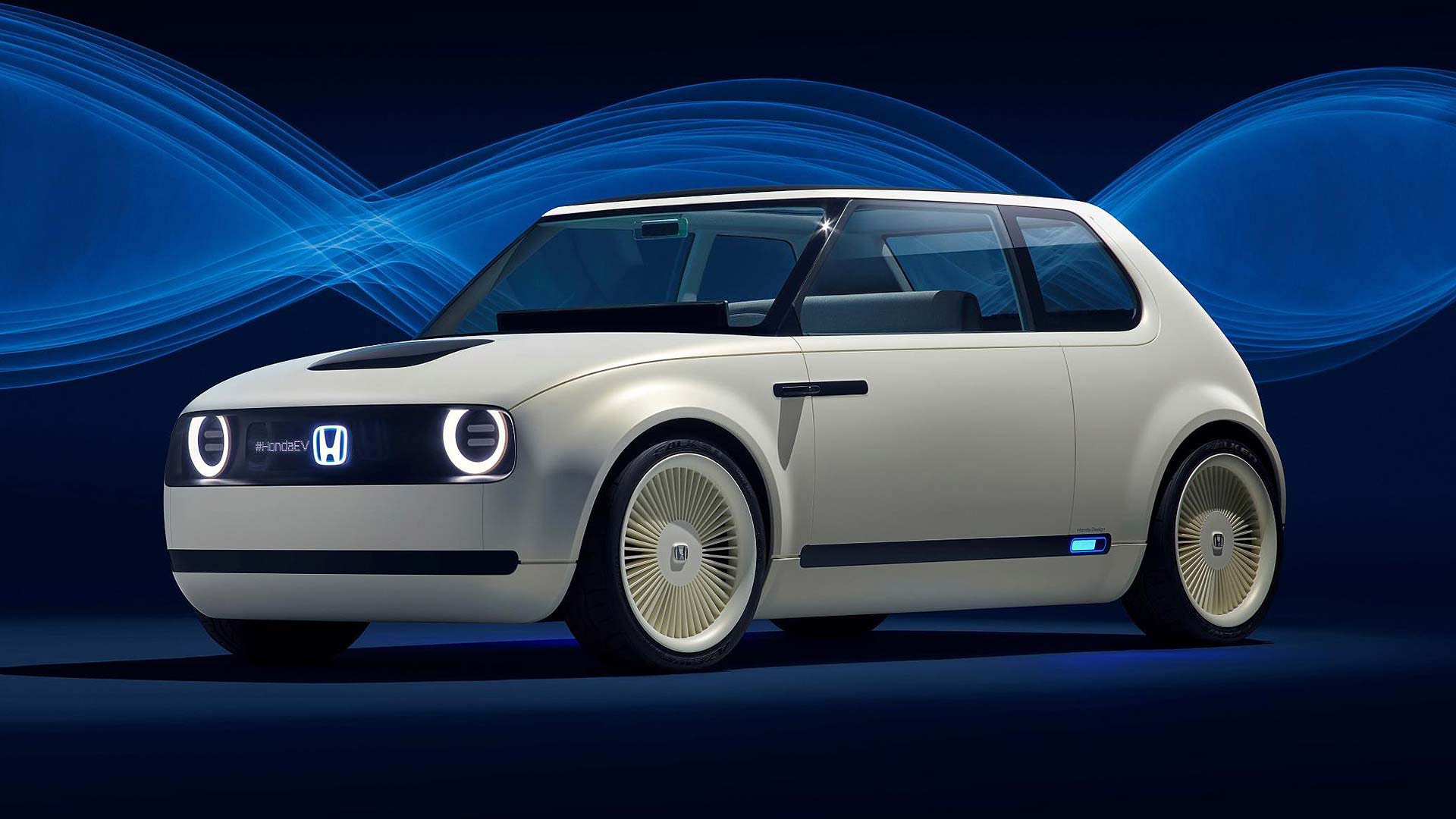
Honda has given us a glimpse inside the hotly-anticipated2019 production version of the Urban EV. The retro-futuristic all-electric concept debuted in 2017 to an uproarious reaction, prompting Honda to fast-track a production version. Here’s our first look at the prototype due at Geneva…
The five-door Urban EV
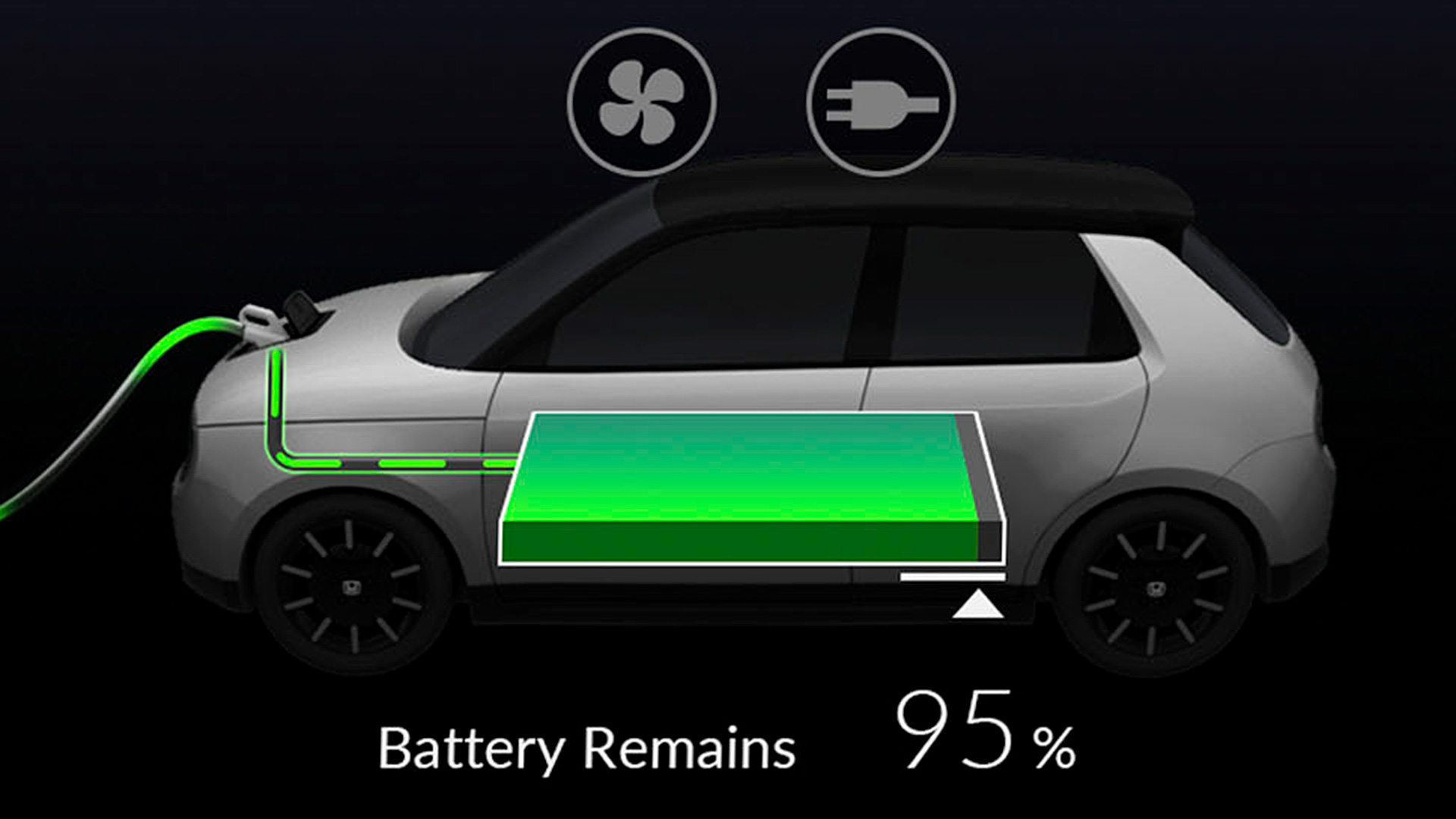
Our immediate first observation is that on one of the screens we can see the production car’s silhouette, complete with… five doors. That is a departure from the concept but not an unwelcome one. It doesn’t appear to have impeded on the Urban EV’s unique style.
Retro style survives to production
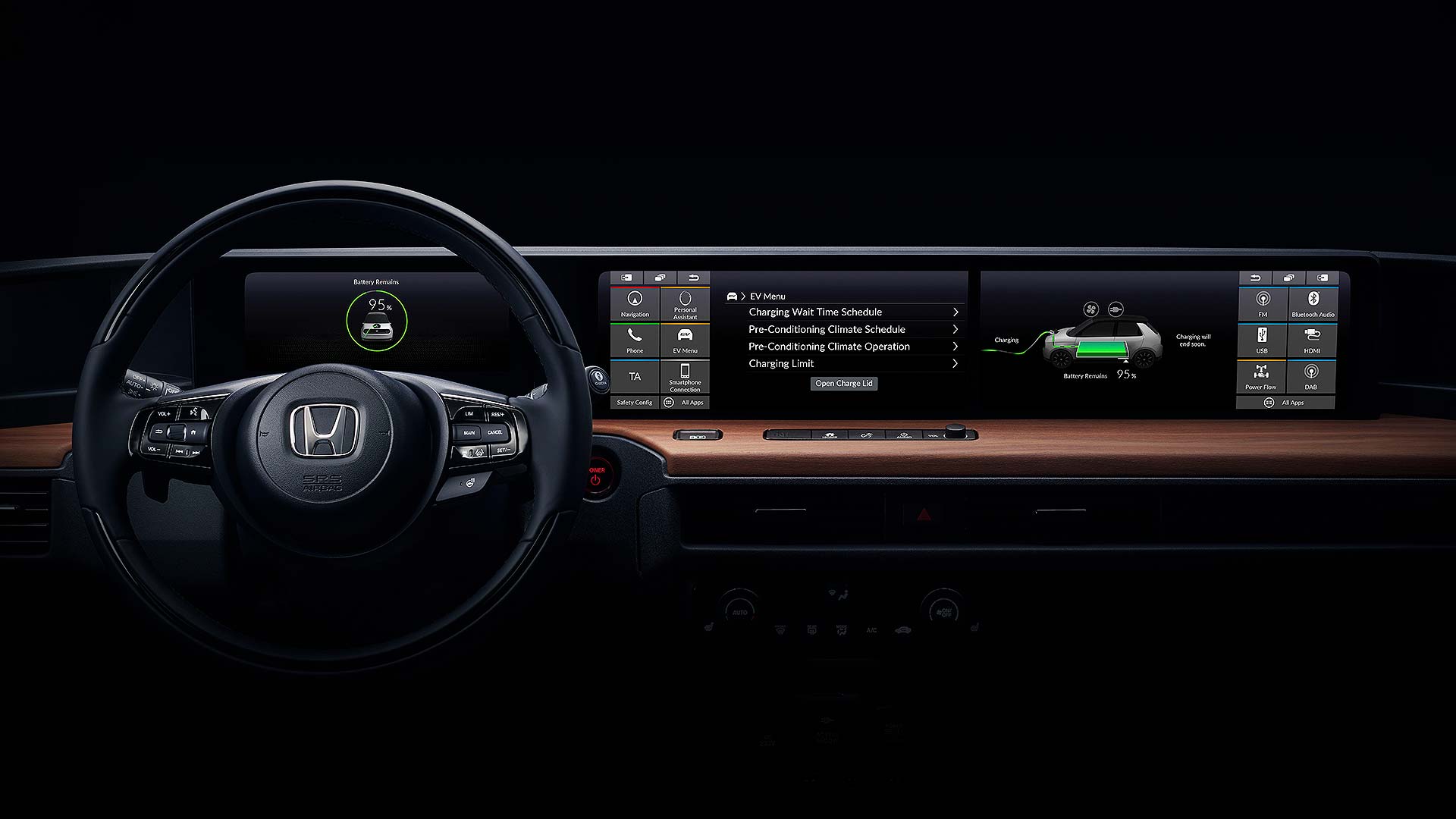
Happily, the full-width minimalist digital dash of the concept has largely carried over. There’s a distinctly production-looking wheel you wouldn’t be surprised to find on any other Honda and a very clean, premium-looking and user-friendly interface.
What’s decidedly not retro, is what we think could possibly be screens and cameras instead of door mirrors… Not the screen to the left of where you’d normally find the speedo and rev counter…
Below the screen, there remains a lovely wood-looking trim, as seen on the prototype Whether it’s actual wood or an eco-friendly imitation remains to be seen. Either way, we’re a fan of the aesthetic, which harks back to the original Honda Civic interior.
Honda Urban EV – the first mainstream electric car?
There remain big questions about the Urban EV when it arrives.
Will the real-world driving range be tenable? How fast can you charge it up? Will it be affordable? Honda has undoubtedly addressed any image problems electric cars have with what must be one of the coolest-looking small cars in a generation.
However, in going to production, we hope it’s also addressed some of the serious issues that hamper real-world electric cars in their quest for the mainstream.
Speculation remains rife. Either way, we can’t wait for Honda to reveal all next month on March 5 at the 2019 Geneva Motor Show.
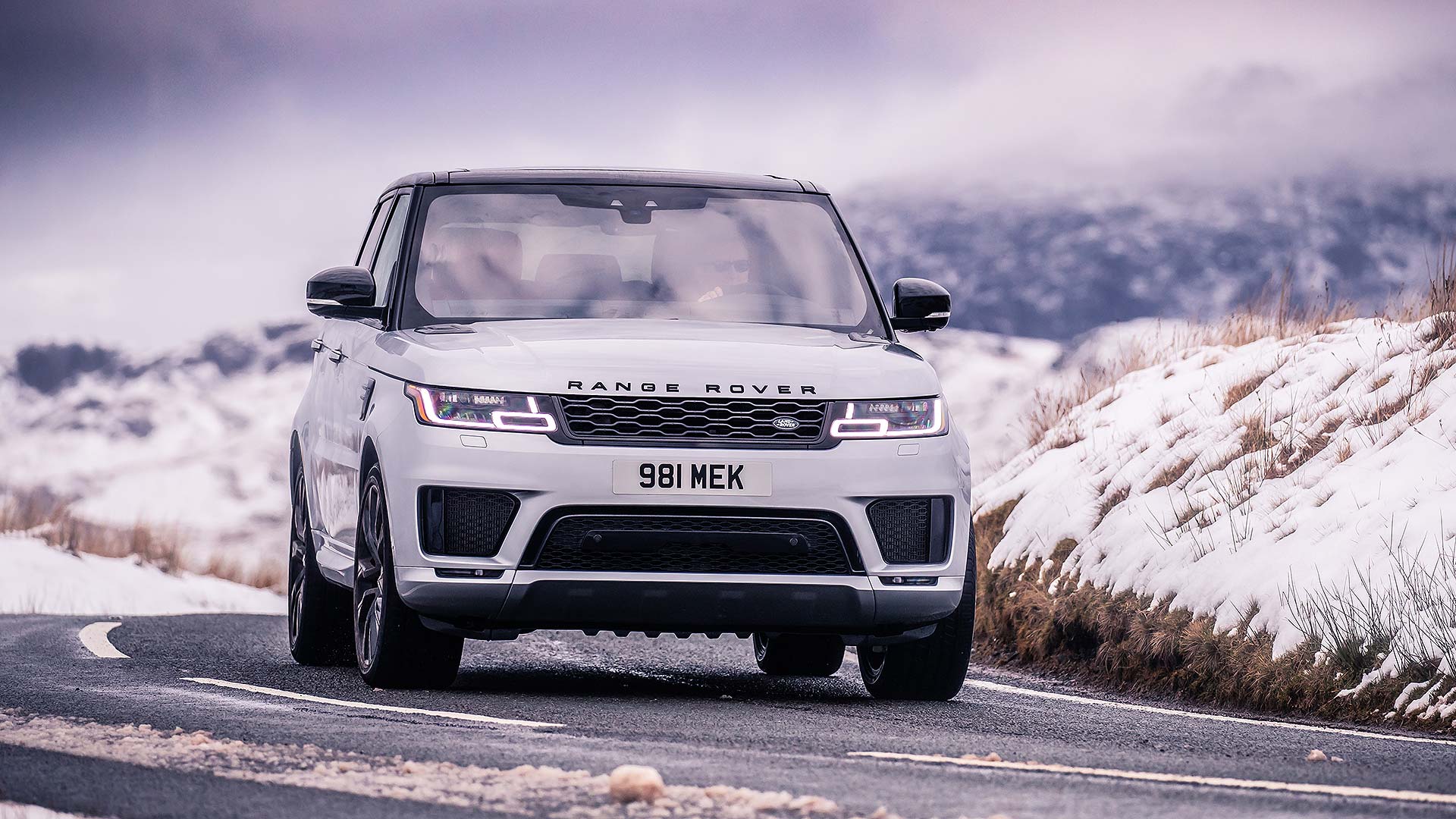
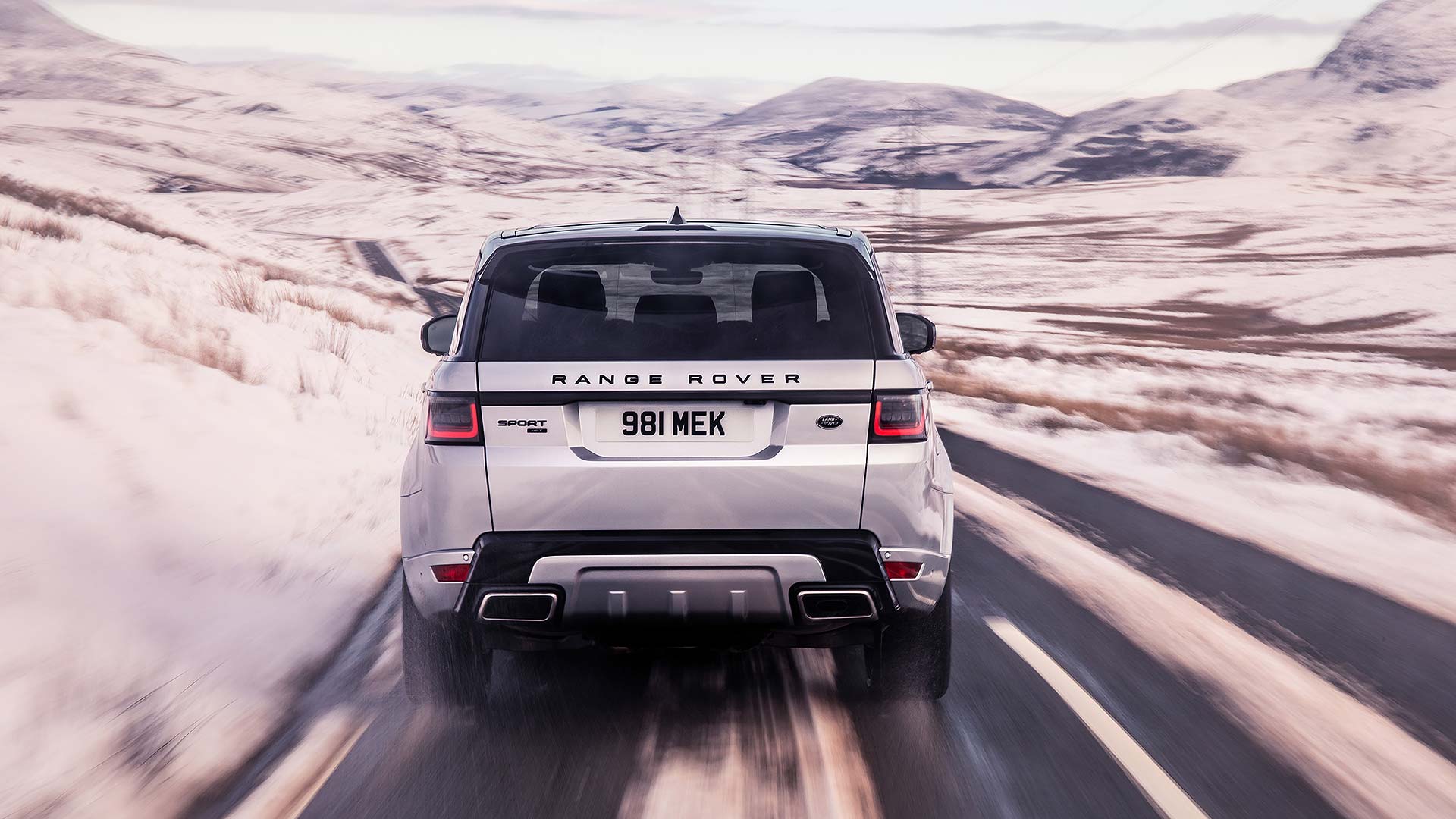
Jaguar Land Rover has revealed an all-new British-built six-cylinder petrol engine. The new 3.0-litre six-cylinder motor produces 400 horsepower and is equipped with fuel-saving mild hybrid technology.
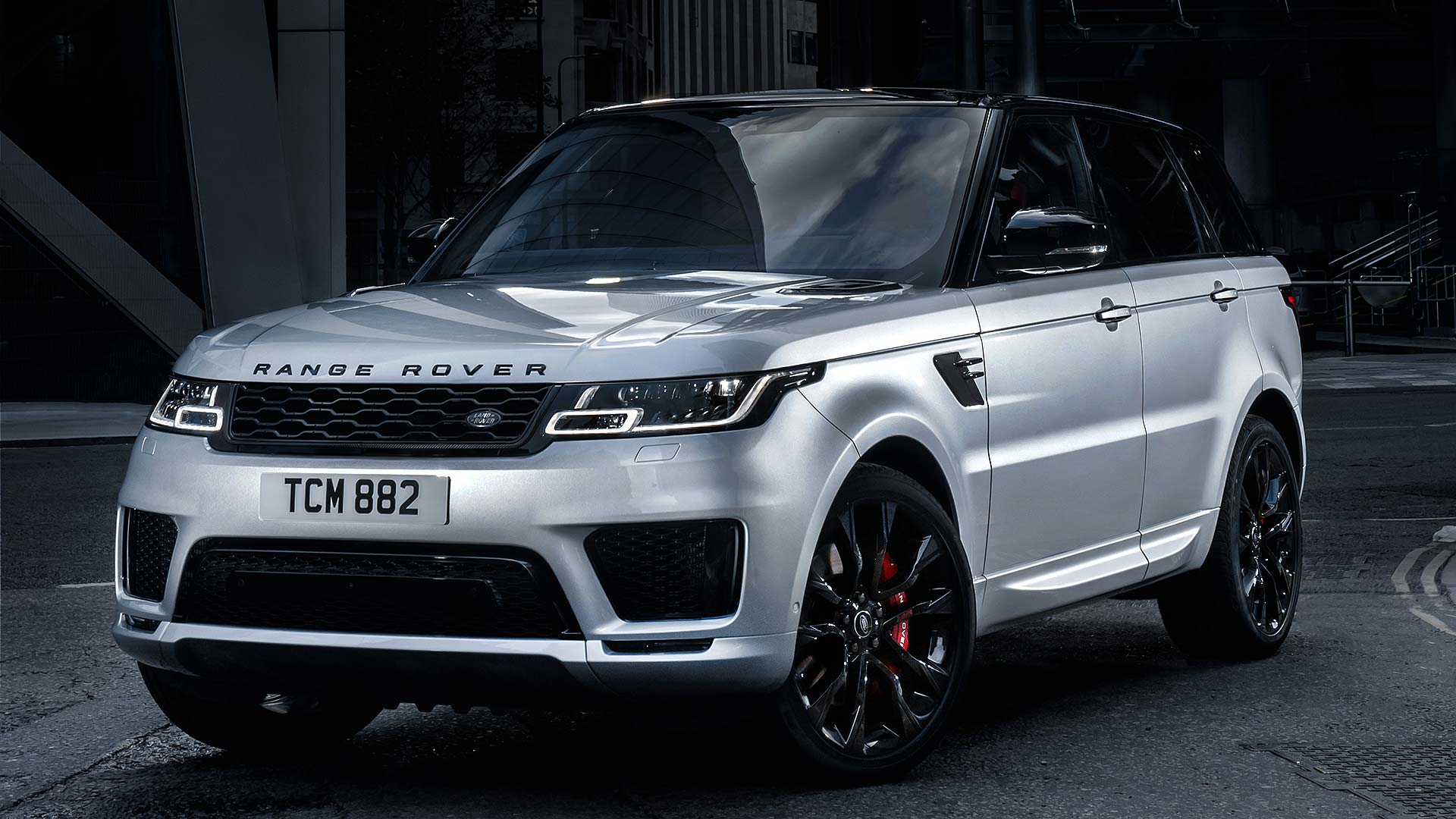
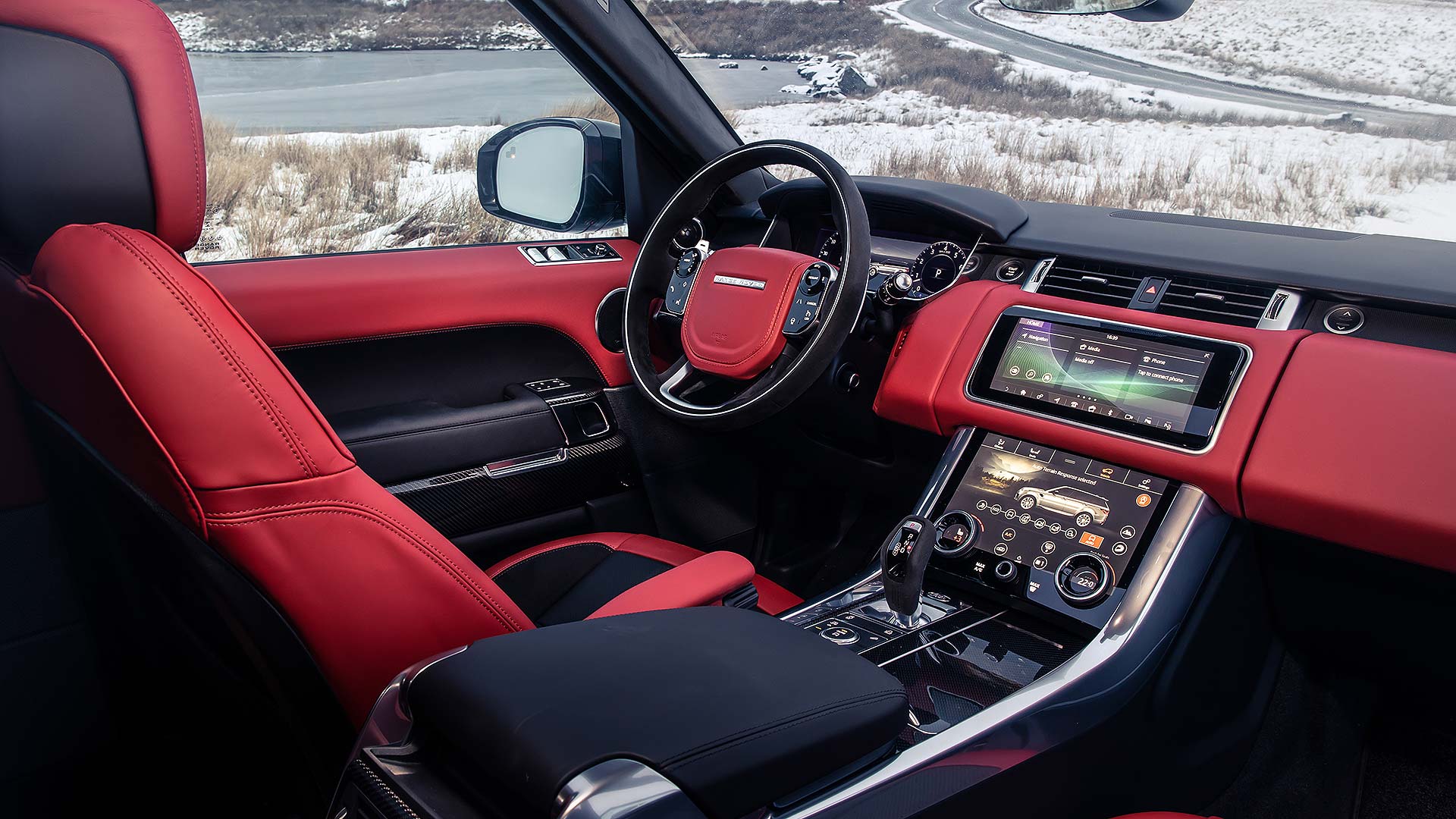
The first vehicle to get the new engine is the Range Rover Sport HST special edition.
Land Rover isn’t making us wait for the new engine, either: ordering is open now, with prices starting from £81,250.
The new engine, a straight-six design, is being built at the firm’s £1 billion engine plant in Wolverhampton. It succeeds the outgoing 3.0-litre supercharged V6 engine which JLR bought in from a Ford factory in South Wales.
Using the latest technology means it is more efficient and economical, averaging 30.5mpg in the big Range Rover Sport, and producing 12 percent less CO2 than its predecessor (it emits 213g/km).
More significantly, a standard gasoline particulate filter (GPF) means particulate emissions are down by a massive 75 percent.
It’s also fast, accelerating from 0-62mph in 6.2 seconds. The new engine combines turbocharging with an electric supercharger, which gives near-instantaneous boost. This means it responds to the accelerator very crisply, particularly at low speed.
Mild hybrid tech
The supercharger is powered by a high-capacity 48V electrical system – which also gives it mild hybrid (MHEV) tech. The engine stop-start function is extended, and using electric power to boost the engine when pulling away helps reduce real-world fuel consumption. It is recharged automatically when the driver presses the brake pedal.
Nick Rogers, JLR engineering director, is clearly proud of the landmark new engine, which the firm will build alongside other motors in the Ingenium family at its Wolverhampton factory. “In-line six-cylinder engines are inherently better balanced than V6 designs,” he said.
“Advanced features, including an electric supercharger, ensure distinctive Range Rover Sport performance and responses, while the intelligent MHEV system harvests energy to improve economy and reduce emissions.”
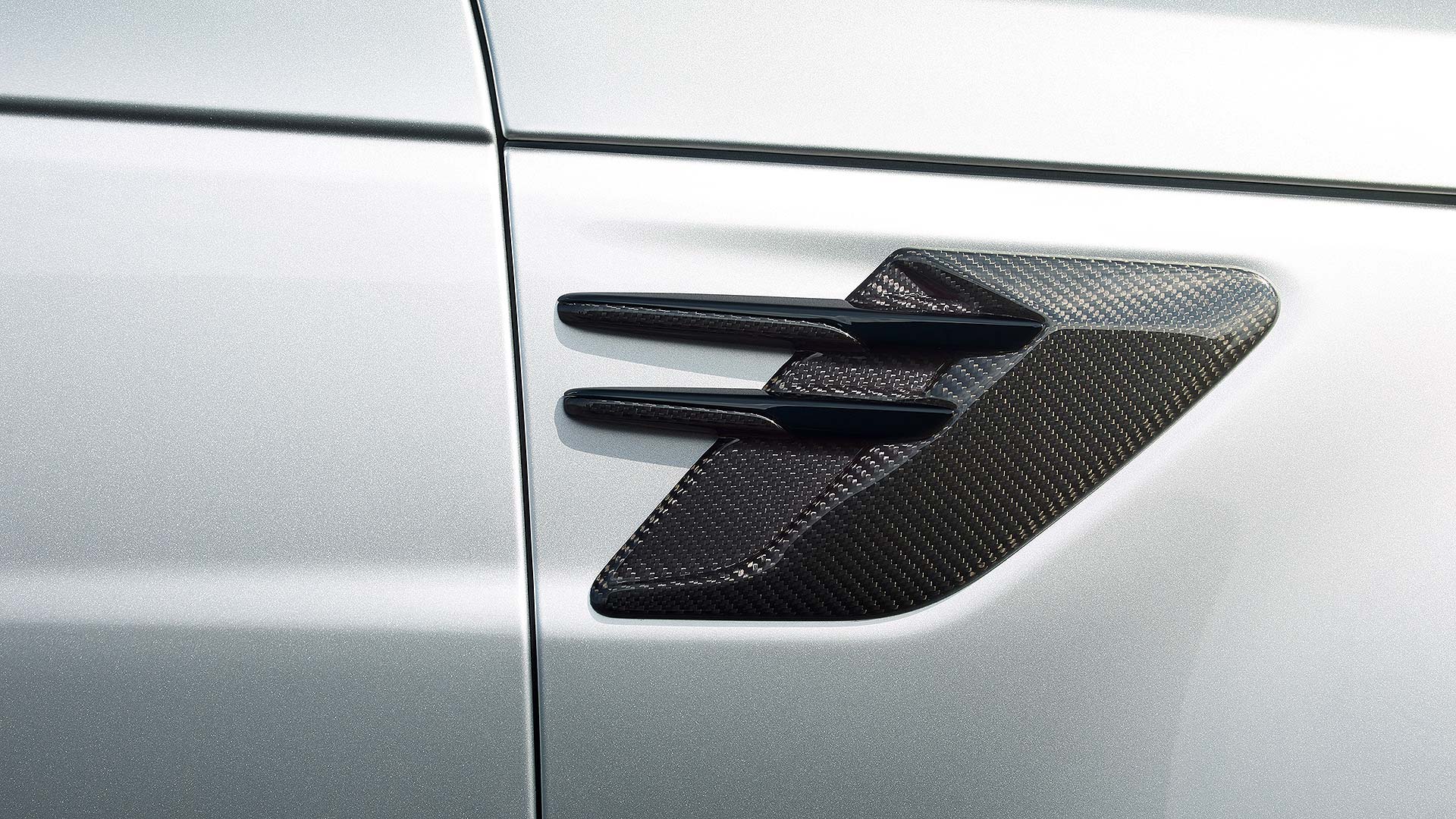
The launch Range Rover Sport HST is market out by unique carbon fibre trim on the bonnet, grille, side vents and boot lid, plus red brake calipers. It’s available in five colours: Santorini Black, Fuji White, Indus Silver, Firenze Red and Carpathian Grey.
Inside, there are new colour combinations, suede steering wheel and gearlever, plus satin chrome paddleshifters and Dynamic sports seats.
Land Rover adds that a lower-power 360 horsepower version of the engine will be offered in selected global markets, too.
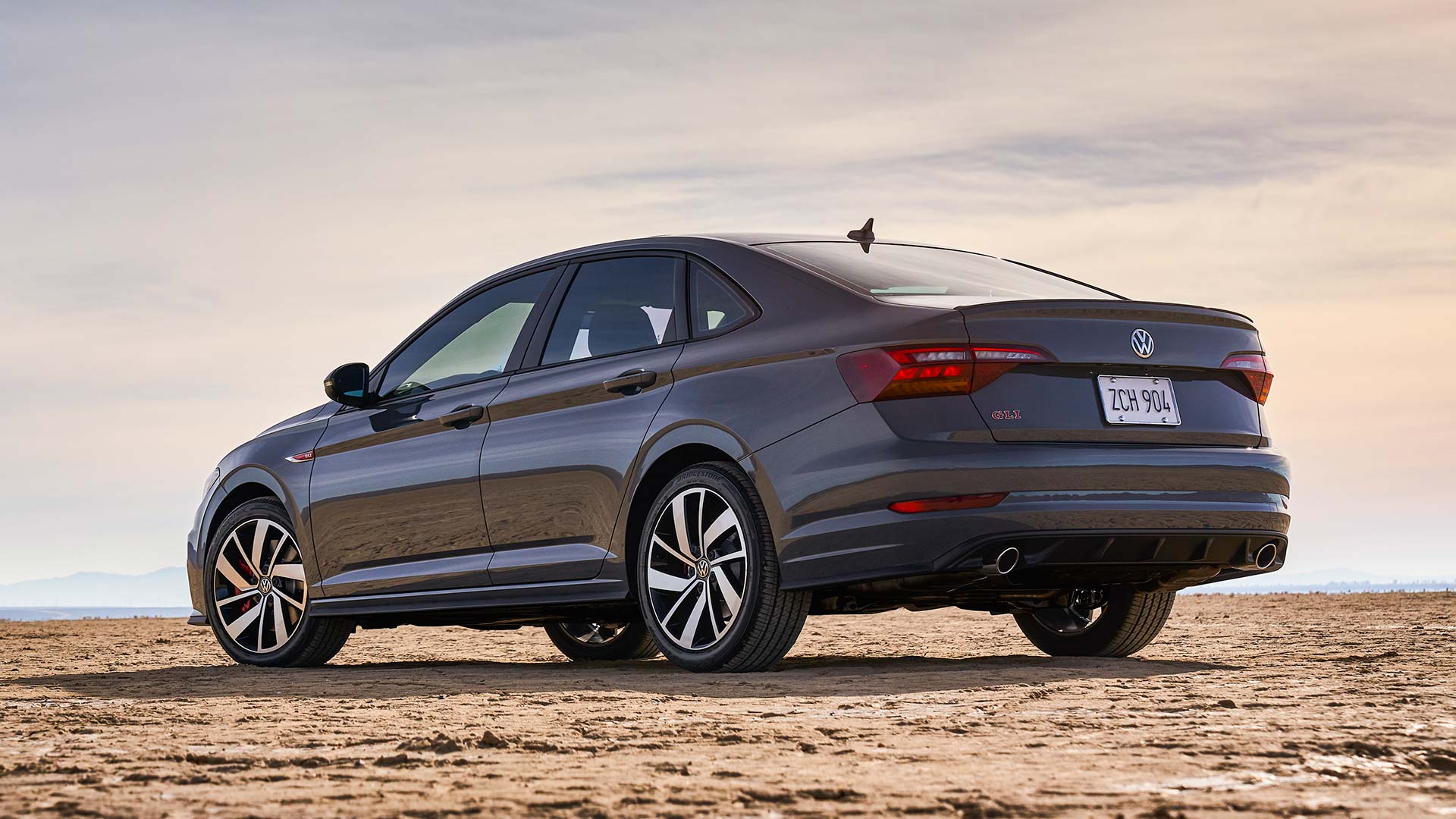
Last week, Volkswagen of America revealed the latest version of the performance Jetta GLI at the Chicago Auto Show. Custom-designed and built to appeal to a market which appreciates the compact sedan, the new GLI is a lesson in adding extra practicality to the Golf GTI.
It managed to trigger a wave of nostalgia, leading us to reminisce about the history of VW’s quicker versions of the Golf with the big boot.
The Jetta has previously been credited with saving the Volkswagen brand in North America, and it continues to be a lynchpin of the model range. Yet for consumers in the UK and Europe, buying a Jetta of any kind is no longer an option.
Putting the boot in
It was late 2017 when the Volkswagen Jetta disappeared from price lists in the UK and Europe. The Golf’s traditional four-door brother slipped quietly into the night, taking with it a car which had been on sale for almost four decades. The news hardly came as a shock.
During 2017, Volkswagen sold an impressive 115,000 Jettas in the United States. By comparison, only 6,900 found homes across the whole of Europe in the same year. Even Infiniti managed to shift more examples of the Q30 than that.
With an European new car market obsessed with SUVs and crossovers, the sensible three-box saloon is drifting further into obscurity. Sales of traditional cars fell by 8% across Europe in 2018, whilst demand for SUVs increased by a staggering 19%. Normal saloons just appear too last century.
Fiscal responsibility
Despite this, British motorists are willing to fall over themselves to snag the latest deal on a premium-branded compact saloon. The number of lease deals available on the BMW 3 Series or Mercedes-Benz C-Class proves there is still some inherent saloon interest out there.
But, with finance more important than outright list prices, this only worsened the outlook for the Jetta. Lower demand means lowers residual values, making those all-important monthly payments higher.
It would take a seriously committed buyer to decide to pay more each month for a saloon, when the latest new crossover could be less painful on the wallet. Paying less, but still being ‘on trend’ is a win-win for most consumers.
What we’re missing out on
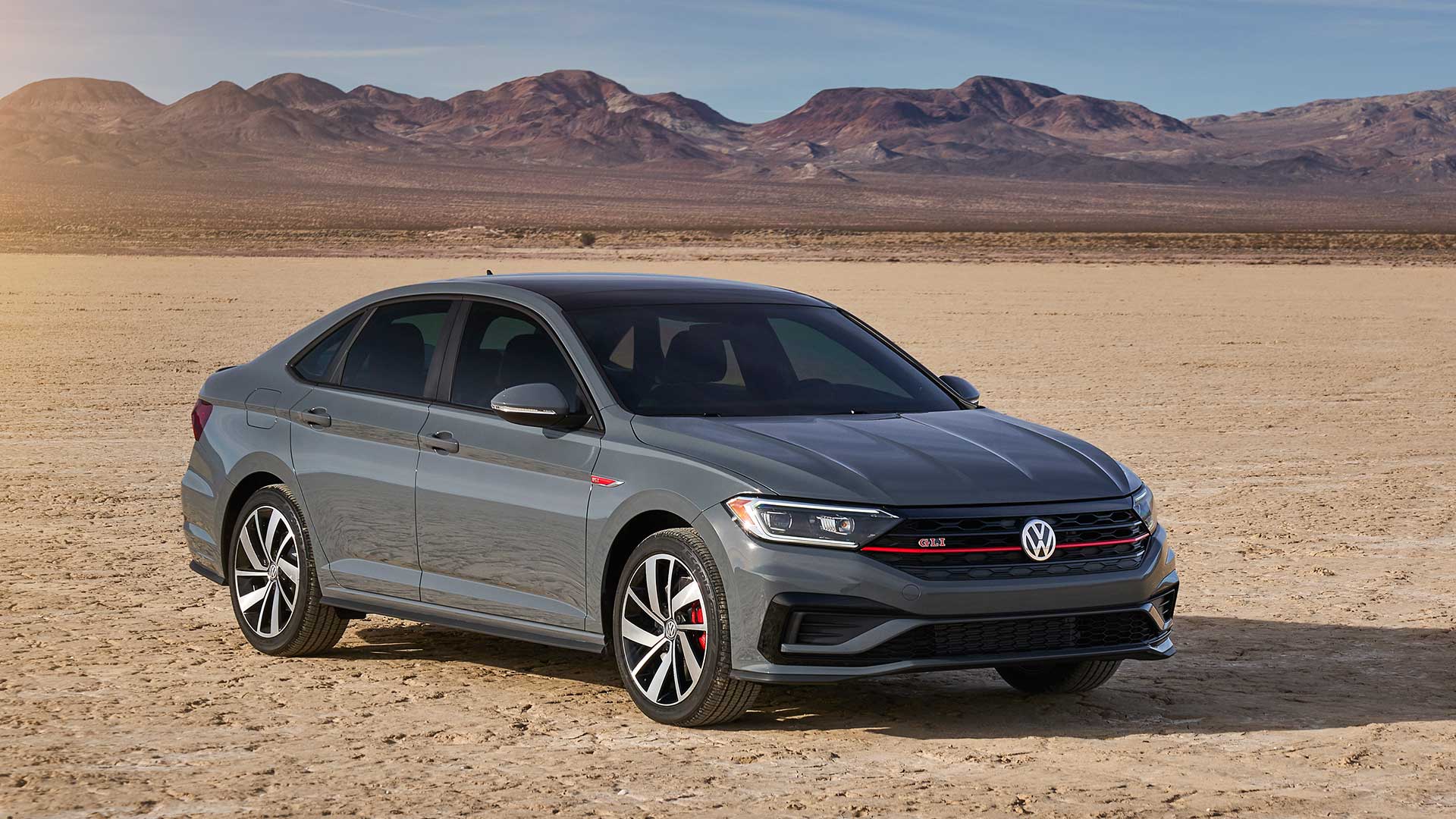
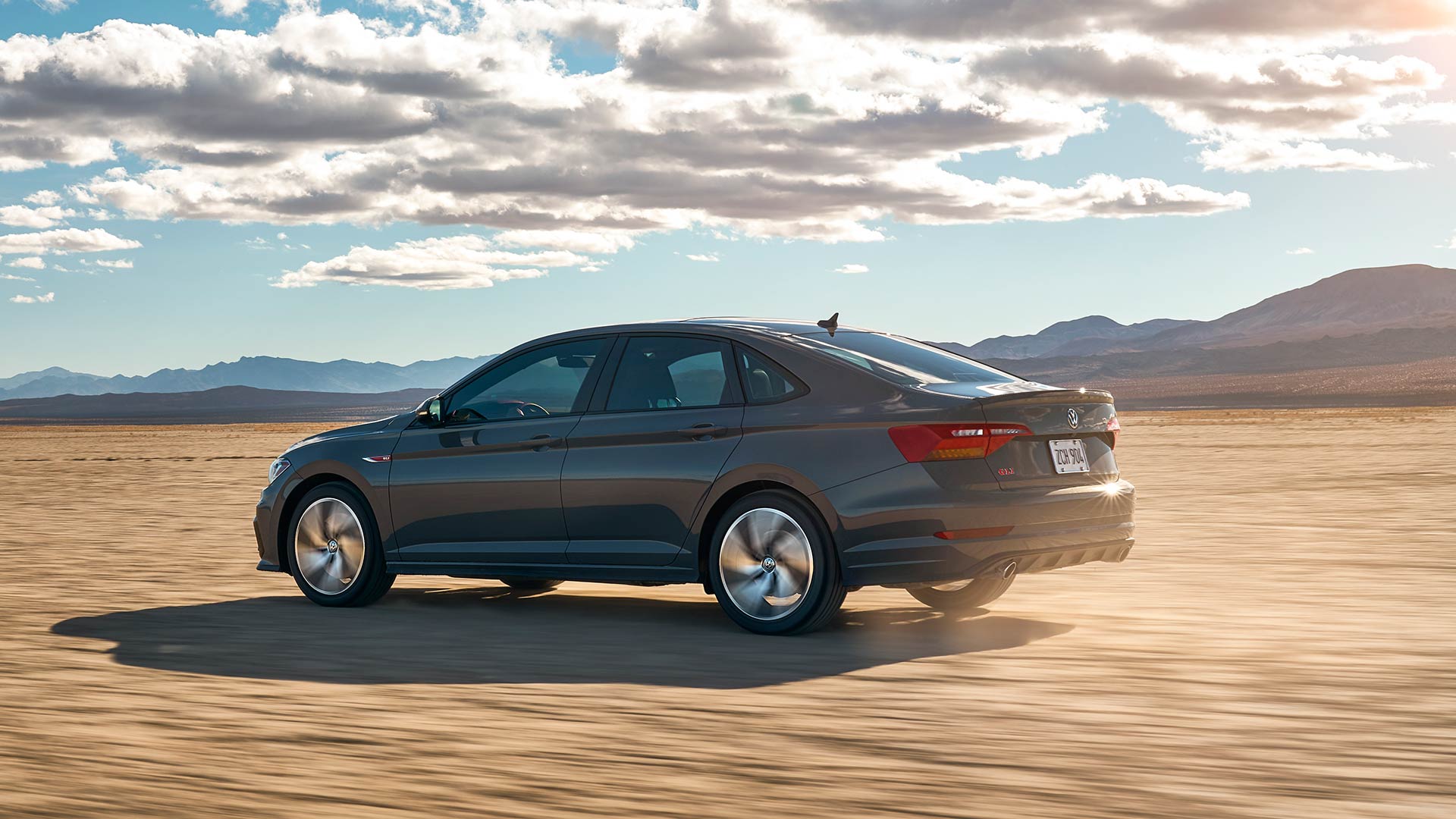
Looking at the details of the new 2019 Jetta GLI, it’s hard not to feel slightly hard done by. Volkswagen has worked hard to make its latest performance sedan standout, with it appearing much like the Audi S3 saloon from certain angles.
With 228hp and 258lb-ft of torque, plus a standard six-speed manual gearbox and Volkswagen’s trick VAQ limited-slip differential, all the performance ingredients are there.
The GLI also gains brakes from the Golf R, plus a set of distinctive alloy wheels. Volkswagen will even throw in LED lights, dual-zone climate control, Beats Audio, and even a six-year/72,000-miles warranty.
Whilst pricing has not yet been announced for the GLI, the finished article is unlikely to be much above $32,000 (£25,000).
Betta Getta Jetta!
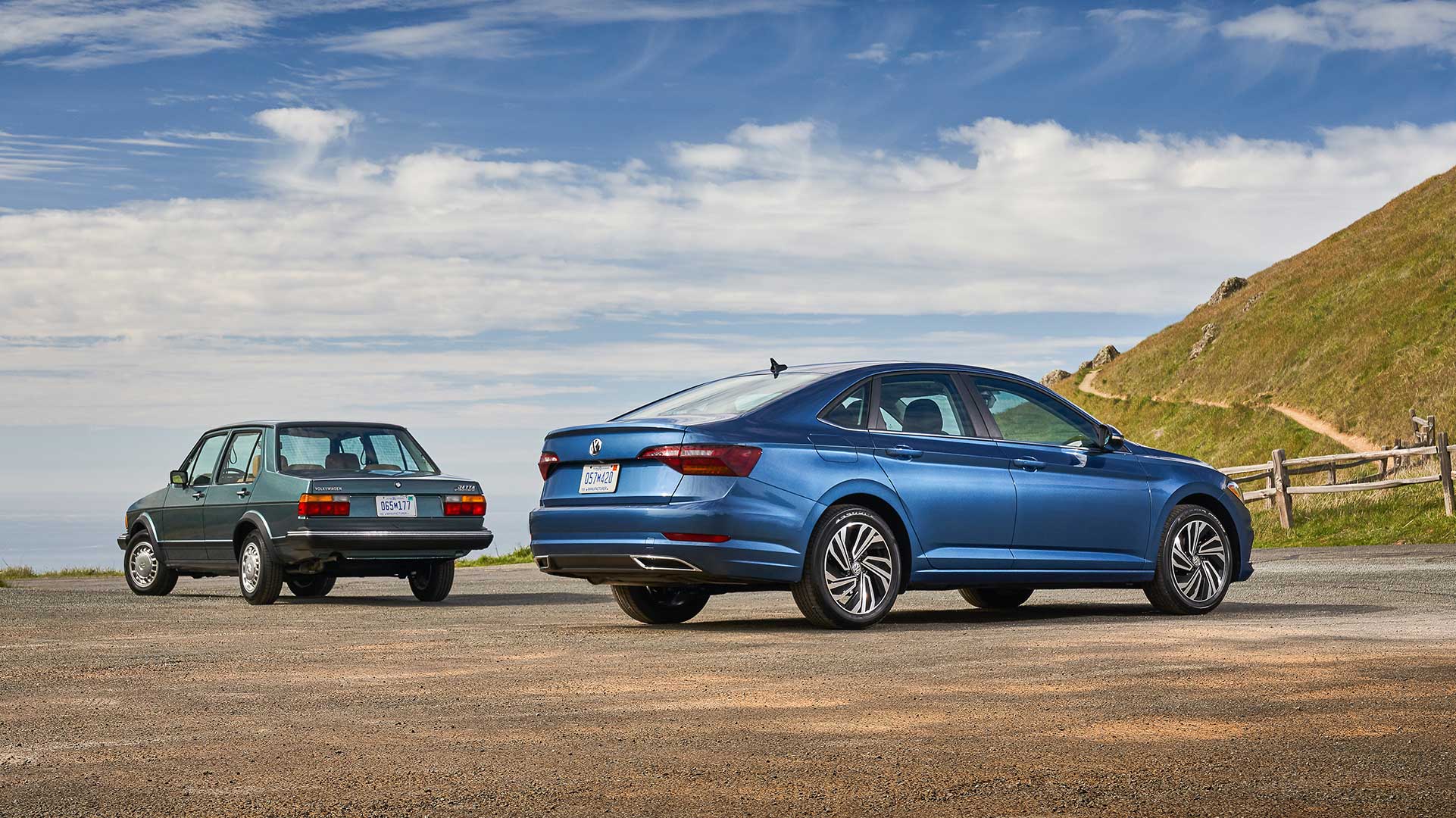
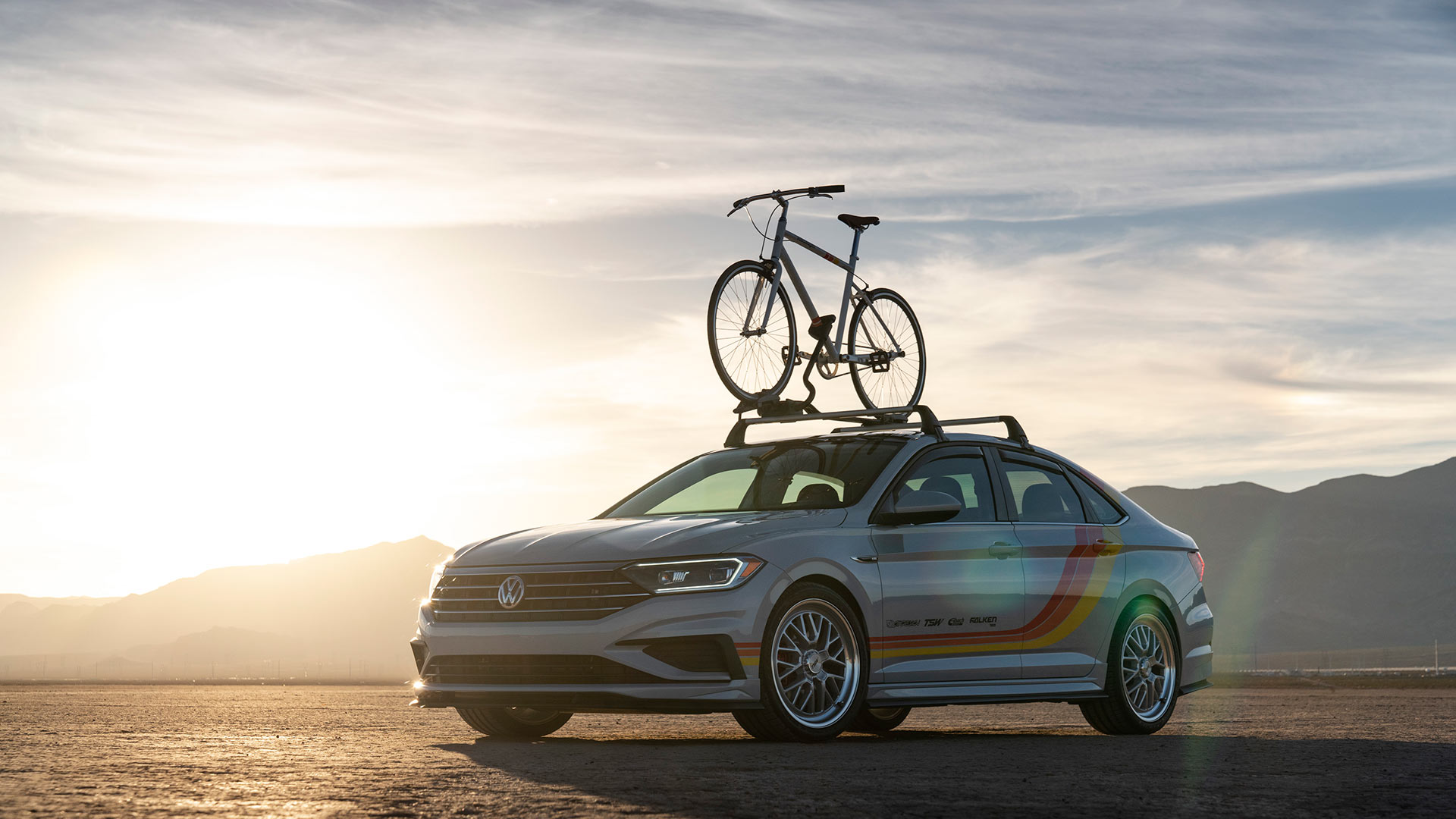
Even with the new seventh-generation Jetta only reaching showrooms in the second quarter of 2018, Volkswagen of America still managed to sell more than 90,000 of them in 2018. Although the US market is suffering the same lure of the crossover SUV, there is at least still some interest in sedans.
It helps that the Jetta is a recognisable brand in itself in the US, whilst here it existed to many as “not a Golf” or “the one with a boot that isn’t the Passat” maybe. That lack of image is what doomed the Jetta, but also gives it a blank canvas to start afresh from.
Given the current interest in 1990s nostalgia, maybe this is the perfect time to bring back the Jetta to Europe. Make it cheap, give it bold retro colour choices, and market it to millennial hipsters as the underground alternative to the SUVs everyone is buying.
However, new figures reveal the crucial role Sunderland still plays in UK automotive, with two of its models making the top 10 list of the world’s best-selling British-built cars.
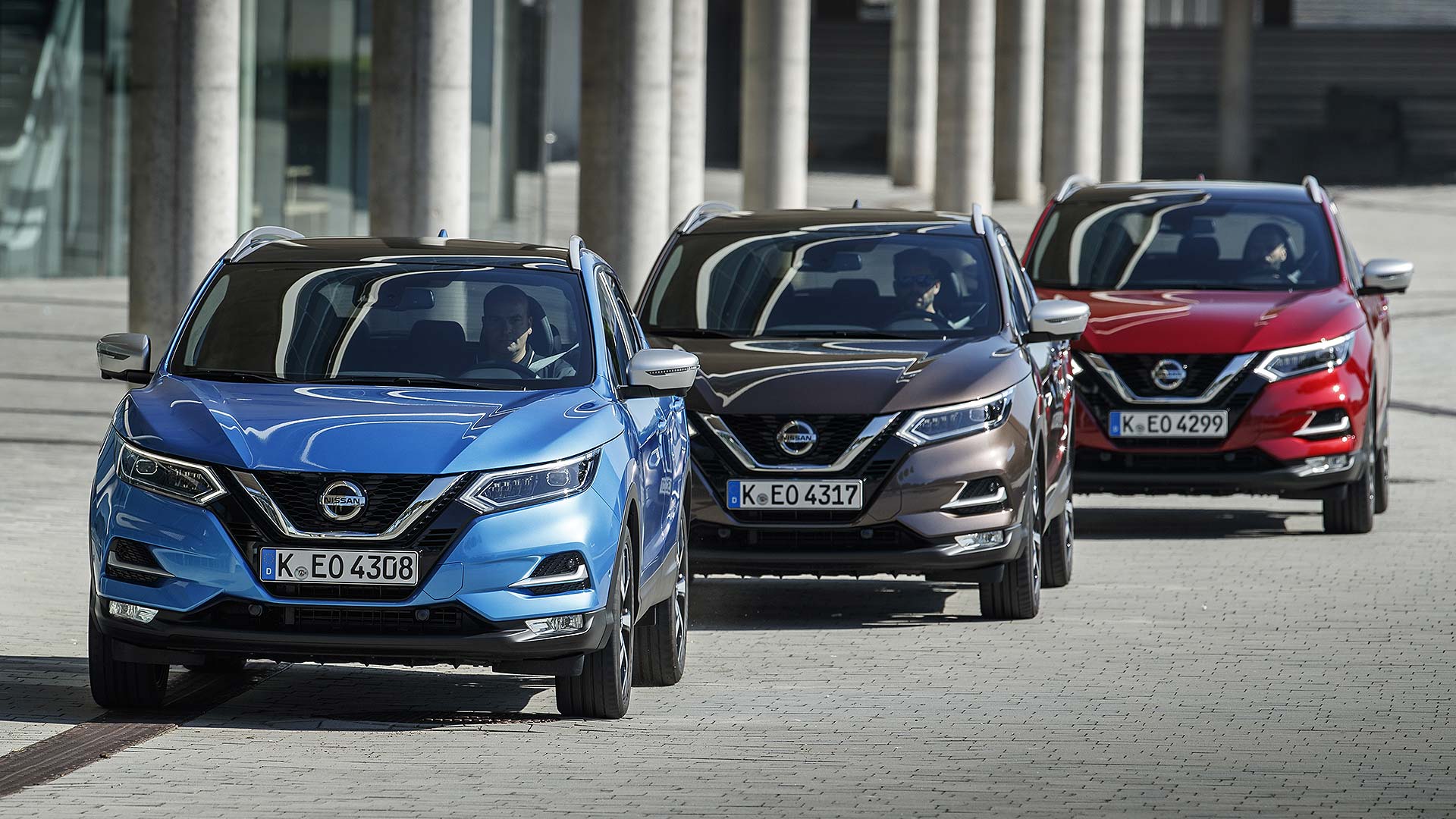
Indeed, the Nissan Qashqai takes first place in the chart, ahead of the Oxford-built Mini and Swindon’s Honda Civic. The ageing Nissan Juke still managed to perform well, with seventh place in the worldwide best-sellers chart.
In fourth place was the Toyota Auris. The Japanese firm will be hoping to move up the charts in 2019 when the all-new Corolla goes on sale. But even the outgoing Derby-built Auris beat the Ellesmere Port-built Vauxhall Astra in the sales chart. This surely should be cause for concern for the British brand.
Jaguar Land Rover dominated the lower half of the top 10 British best-sellers. Its most popular model worldwide remained the Range Rover Sport, with the Range Rover, Range Rover Velar and Jaguar F-Pace also appearing in the top 10.
Although JLR’s profits are down, the fact high-margin models such as these still easily outsell lower-margin vehicles such as the Jaguar XE will have helped stem the losses.
In 2018, 1.24 million British-built cars were exported, to more than 160 countries globally. Our top export market is the EU, accounting for over half of British exports. The USA, China, Japan and Turkey are other important markets.
And within the EU? The top export market for British cars is Germany, followed by Italy, France, Belgium and Spain.
Top 10 British-built best-sellers worldwide in 2018
The government has revealed the winners of a lucrative funding competition, aimed at promoting the use of hydrogen vehicles.
Whilst hydrogen fuel cell technology has been in limited use since the early 2000s, the lack of supporting infrastructure has slowed uptake.
As part of the government’s ‘Road to Zero’ strategy, embracing the potential of hydrogen could be key to delivering aims to have all new cars and vans producing zero emissions by 2040.
Home is where the hydrogen is
Of the five hydrogen fuelling stations revealed as part of the £14million programme, two will be sited in the Tees Valley.
The area is already responsible for producing more than 50% of the UK’s hydrogen, and received more than £1.3million from the joint bid between the Tees Valley Combined Authority and Materials Processing Institute.
Tees Valley will also gain a fleet of five hydrogen fuel cell cars, capable of travelling more than 300 miles, whilst Tees Valley Mayor Ben Houchen noted that the area is even “currently progressing a pilot of the UK’s first hydrogen train”.
Other major winners included a consortium between Hyundai and Toyota, which will see the roll-out of 51 fuel cell cars, and a new hydrogen fuelling station in Crawley.
Riversimple, the Monmouthshire-based firm responsible for the Rasa fuel cell car, also received more than £1.2million for use towards 17 vehicles.
Getting infrastructure and investment right
The overall funding will see more than 100 hydrogen fuel cell cars and buses delivered across the UK, helping push forward the development of the zero-emissions technology.
Alongside hydrogen, the government has also announced a nationwide investment of £6 million towards ultra-low emissions taxis. The money will see a network of 300 rapid chargepoints, and 46 fast chargepoints, installed in 17 different local authority areas.
It is hoped the new electric chargepoints will pave the way for more than 800 ultra-low emission black cabs, and 3,000 private hire vehicles, to benefit from quicker battery charging.
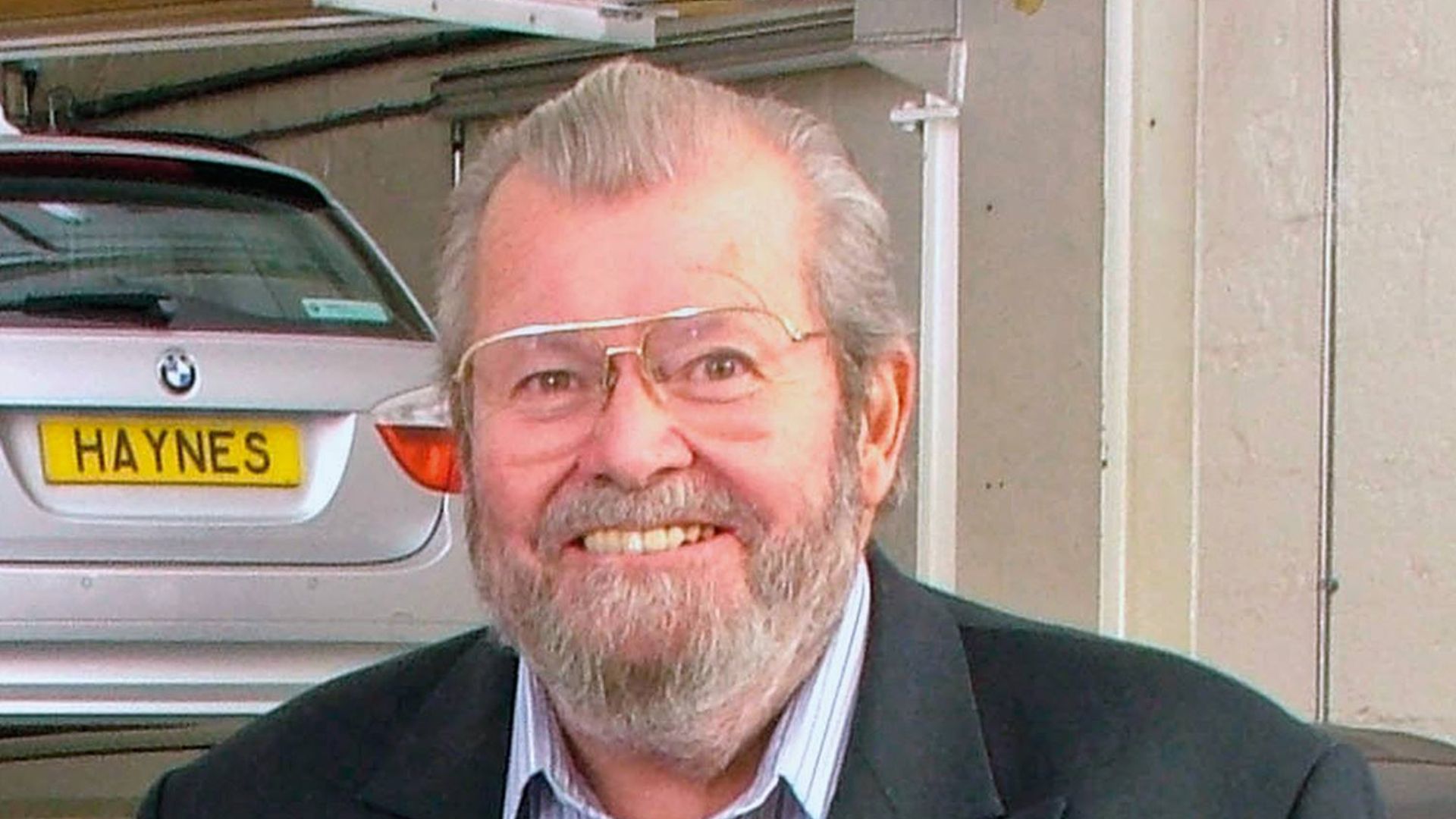
John Harold Haynes OBE, the father of the Haynes Manual, has passed away peacefully surrounded by his family, after a short illness. He was 80 years old.
As well as starting the world-famous line of Haynes workshop manuals, John founded the Haynes Publishing Group PLC as well as the Haynes International Motor Museum. Detailed manuals stamped with John’s name have pride of place in the garages and libraries of countless mechanics and enthusiasts, many of whom would have been lost without one at some time or another.
As well as hands-on guides, they were educational tools and absorbing objects of intrigue. Nothing got us close to the heart of the machine quite like a Haynes Manual.
John’s destiny was written on the walls from an early age. A devout car and motoring enthusiast, at school he persuaded his House Master to let him miss rugby so that he could convert his Austin 7 into a lightweight ‘special’.
He sold it on for a profit and in response to the massive interest in it, published a booklet on how he made it. The book, Building a ‘750’ Special, sold out its first 250-unit run in just ten days.
The first official Haynes Manual was published in 1966, for an Austin Healey ‘Frogeye’ Sprite. A friend of John’s had bought a poor example and asked for his help restoring it. Seeing the opportunity, John documented the work, culminating in the first manual – step-by-step photos and exploded diagrams included.
The rest is history, with 200 million manuals sold since for all sorts of machinery and beyond. Haynes Publishing Group PLC went public in 1979 and the Motor Museum was founded in 1985, with more than 400 vehicles on display.
In 2014, John was made a Life Member of the Guild of Motoring Writers, the largest organisation in the world for professional motoring journalists. “I just love cars!”, he told Guild members and industry colleagues when presented with his award.
John is described as ‘a true gentleman, and a kind and considerate man… a generous, loving and devoted husband, brother, father and grandfather, who will be missed enormously’. Our thoughts are with John’s wife Annette and the rest of his family.
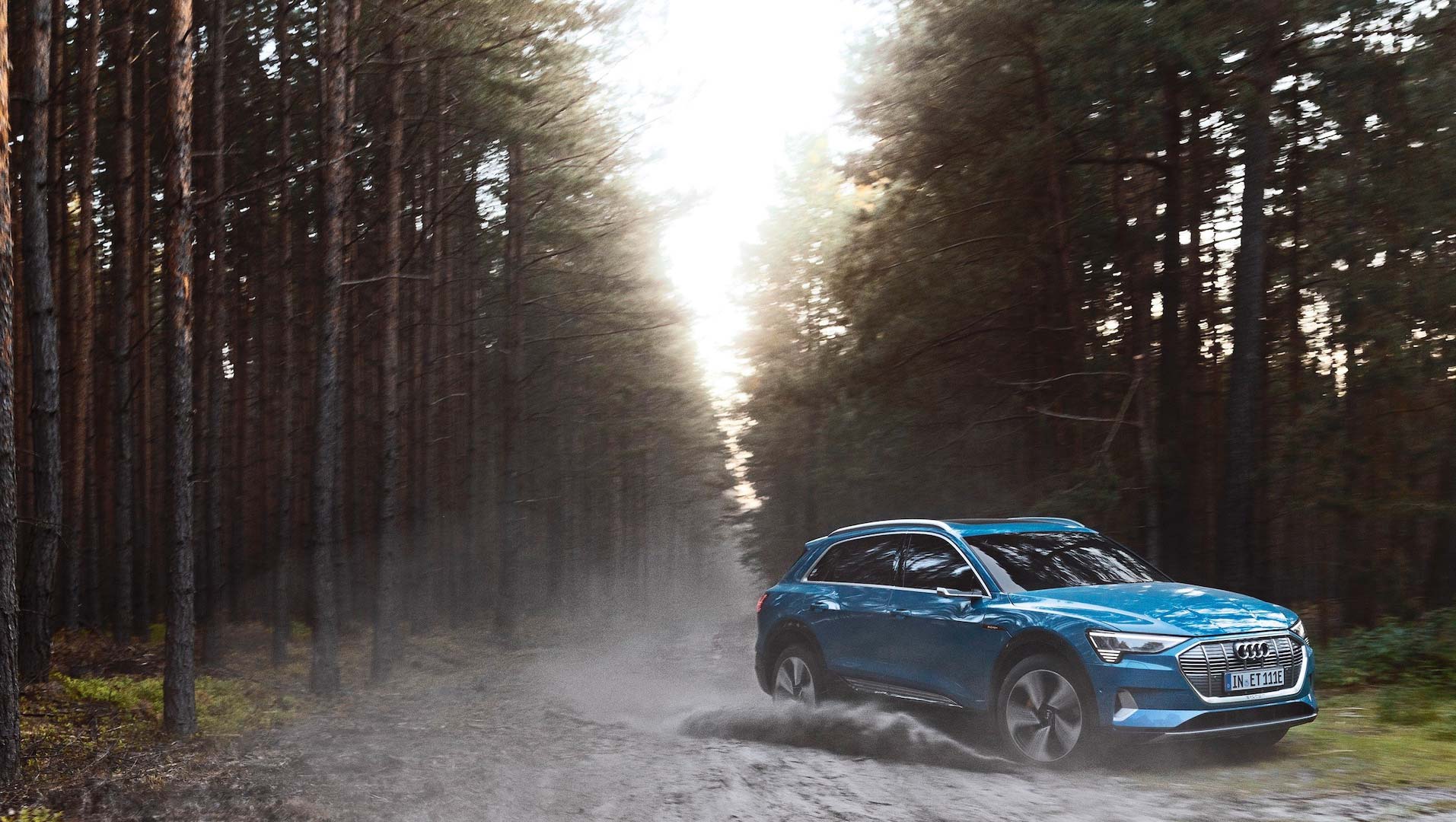
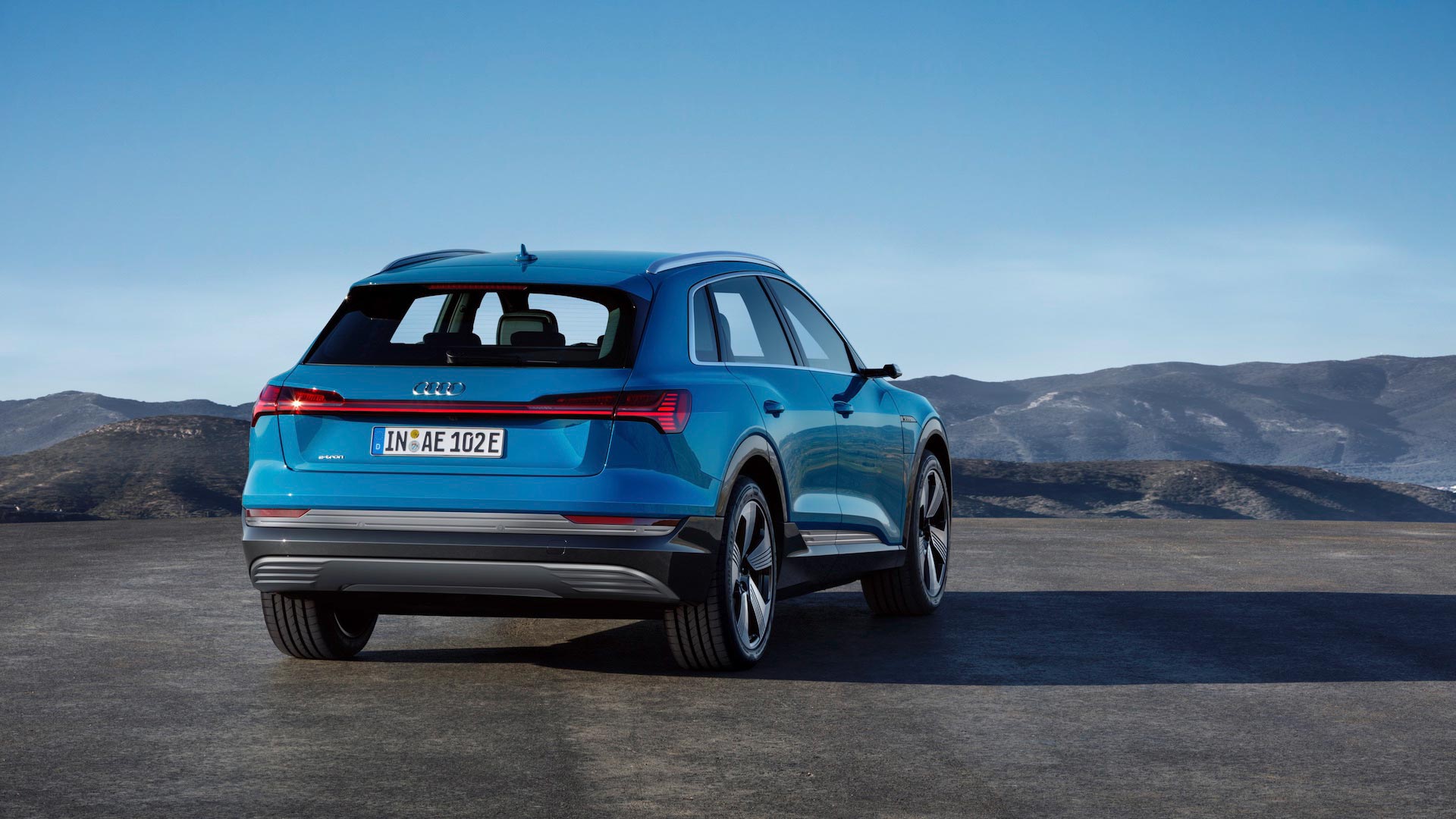
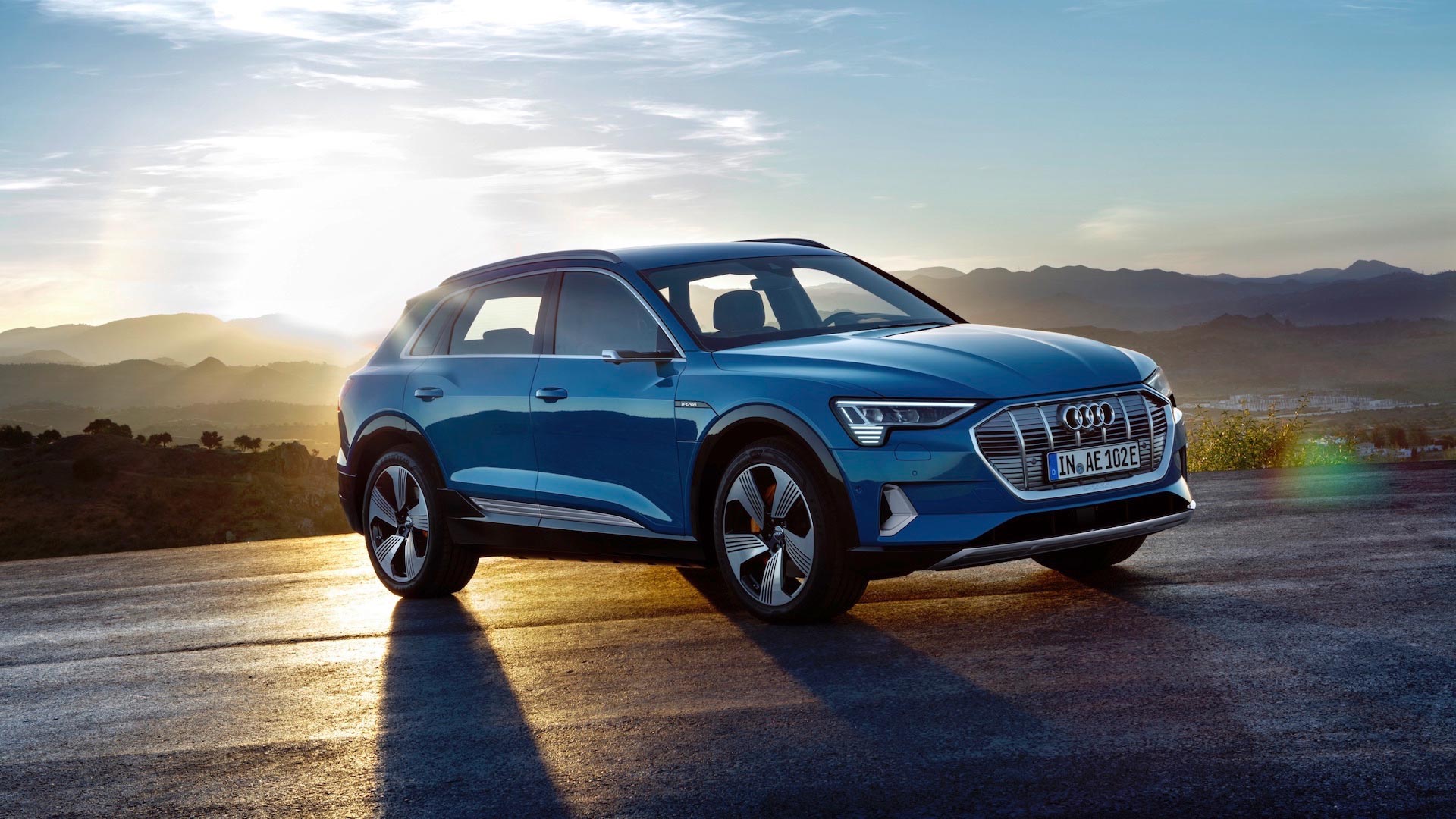
British customers now have the chance to put their name down for the first all-electric Audi.
Open for ordering through the firm’s UK dealer network, the five-seater e-tron SUV marks a major step in Audi’s plans for electrification.
The company plans to field a total of 11 further new electric vehicles by 2025, making the e-tron an important milestone for Audi cars without internal combustion engines.
First adopters already onboard
Audi offered a limited number of special Edition 1 versions of the e-tron to customers who placed an early deposit. Those interested parties had a headstart of two weeks on everyone else, with all 30 Edition 1 cars now spoken for.
The specification for the Edition 1 is intended to be appropriately lavish, although Audi is being notably quiet about exact details of even pricing for the limited model. Rivals such as the Tesla Model X will be firmly in Audi’s sights, however.
Those who missed out will be able to console themselves with the standard e-tron, with prices beginning from £71,490 OTR. Alternatively, buyers can plump for the more exclusive £82,240 Launch Edition, with extra equipment and special design flourishes.
Pomp and performance
Launch Edition cars will be identifiable by the black styling pack applied to the front grille and exterior window trim. Most noticeable will be the fancy door-mounted rear-facing cameras, dispensing with something as old-fashioned as conventional door mirrors.
All e-tron versions will come with 20-inch alloy wheels, air suspension, LED headlights, and Audi’s Virtual Cockpit display for instrument dials. Most important of all is the 95kWh battery pack beneath the passenger compartment, which powers the e-tron’s two electric motors.
0-62mph takes 5.7 seconds, with a total electric range of up to 241 miles based on the WLTP testing cycle. Fast charging stations are capable of giving the e-tron 80% battery capacity in just 30 minutes.
Launch Edition cars come front wing-mounted with charging points that can be revealed at the press of a button.
The first UK e-tron deliveries are expected to be made in April 2019, leaving just a few exciting weeks to wait for those who place an order.
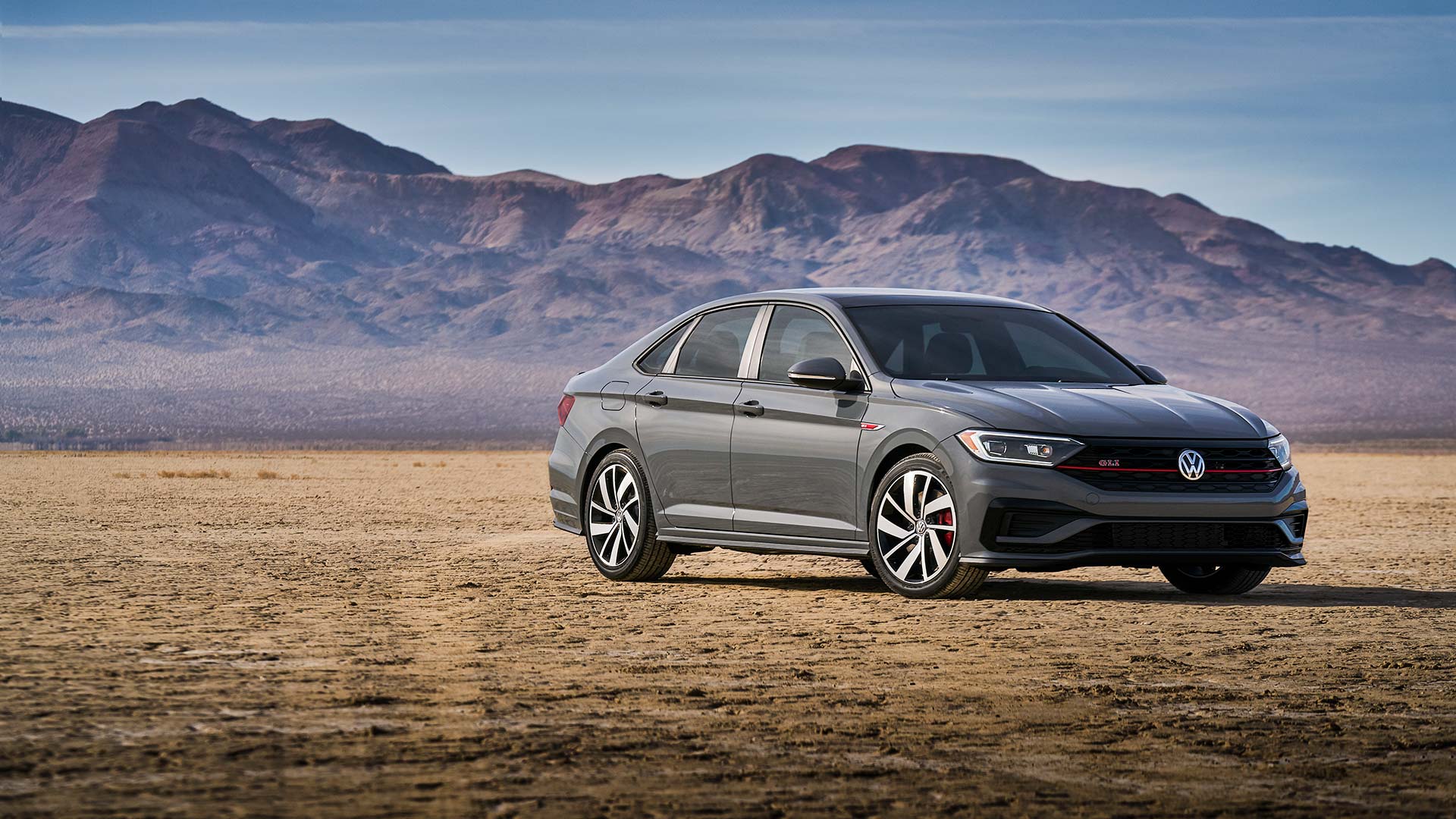
Volkswagen has unveiled an all-new version of the Volkswagen Jetta GLI at the 2019 Chicago Auto Show. Completely overhauled to cater to the North American market, it marks the sixth-generation of performance compact saloon (surely ‘sedan’?—Ed) to wear the GLI badge.
However, with the Jetta range quietly dropped from many global markets in recent years, we felt it timely to delve into the back catalogue to reminisce about the Golf GTI hot hatch with extra boot space. Join us as we look back at the Golf GTI’s long-forgotten four-door sister car.
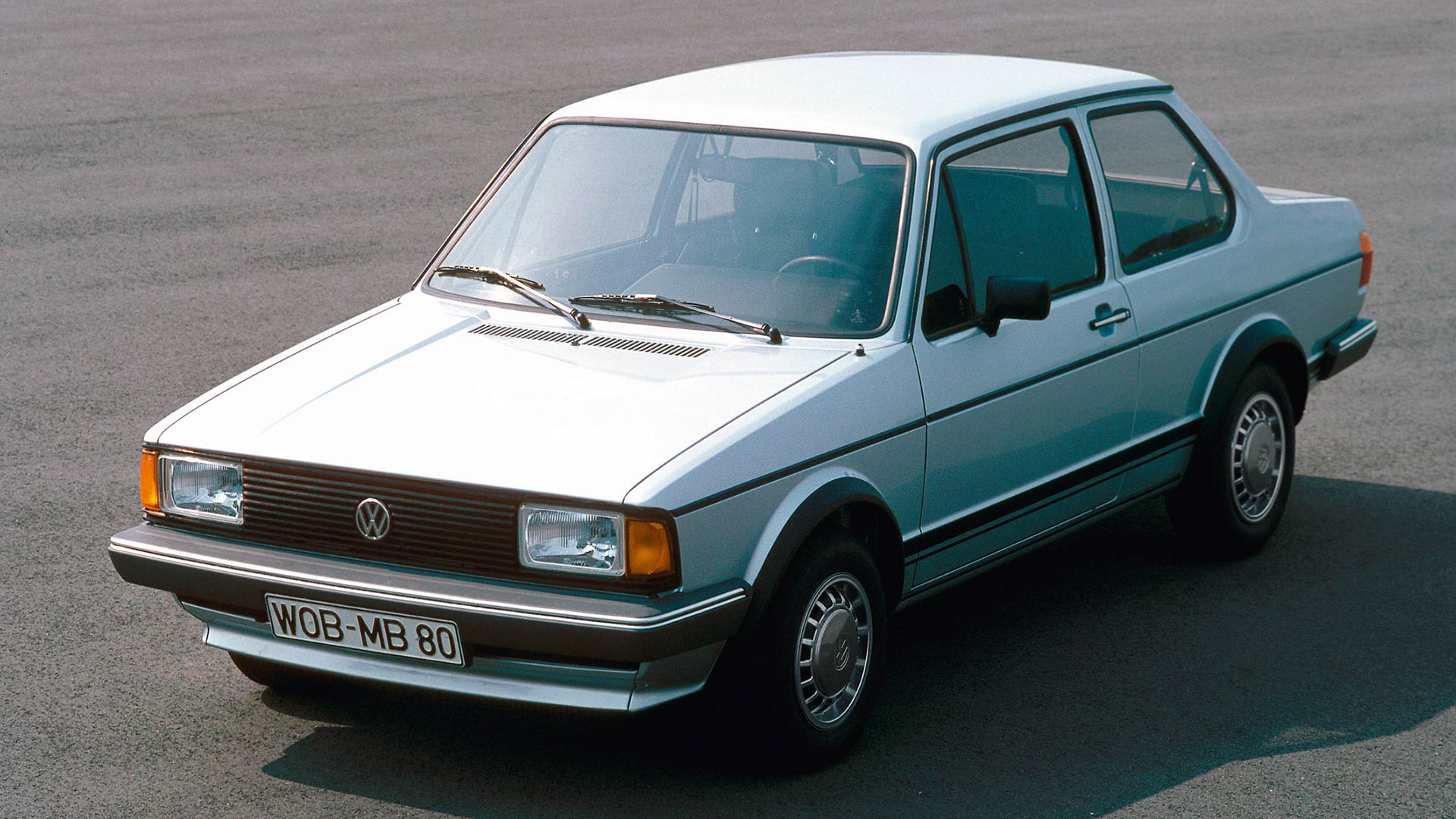
1979 Volkswagen Jetta
Built to appeal to the American market, the first Jetta was launched in 1979. Originally known as ‘Hummel’ (German for bumblebee) during development, the Jetta name was derived from the Atlantic jet stream wind.
Designed by Giorgetto Giugiaro, who had also designed the original Golf, the Jetta was offered in both two and four-door saloon versions. All that extra metal at the rear offered up considerably more boot space compared to the hatchback Golf, whilst interiors were intended to be more upmarket.
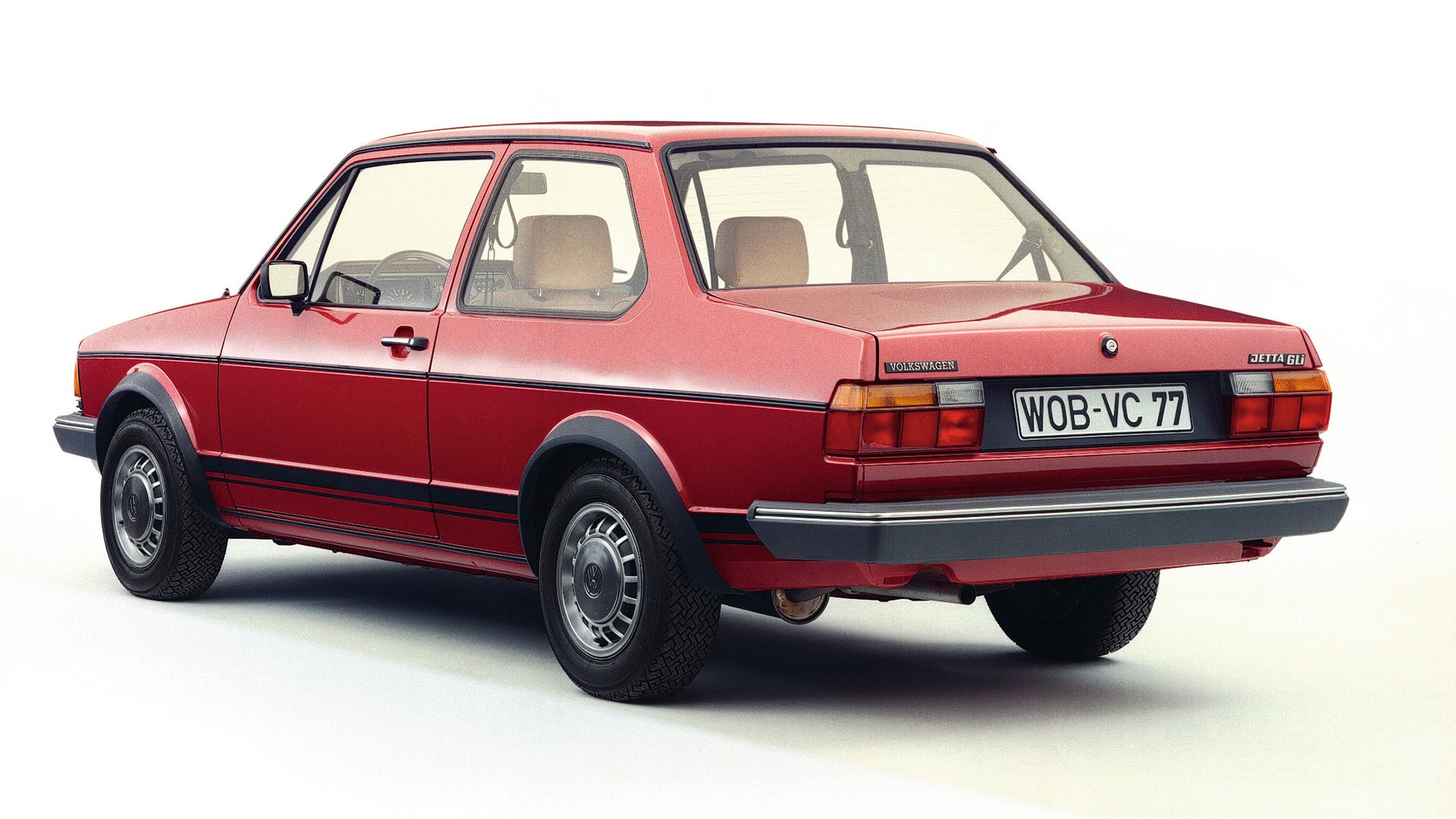
1980 Volkswagen Jetta GLI
Offered in European markets from 1980 onwards, the GLI became the range-topping model. Power came from the 1.6-litre four-cylinder engine used in the Golf GTI, producing 108hp.
With the Jetta proving to be a sales hit in the United States, in 1984 Volkswagen introduced a GLI version for the final year of the Mk1 model. A 90hp 1.8-litre four-cylinder engine featured, matched with a five-speed manual gearbox, plus uprated suspension.
1984 Volkswagen Jetta GT
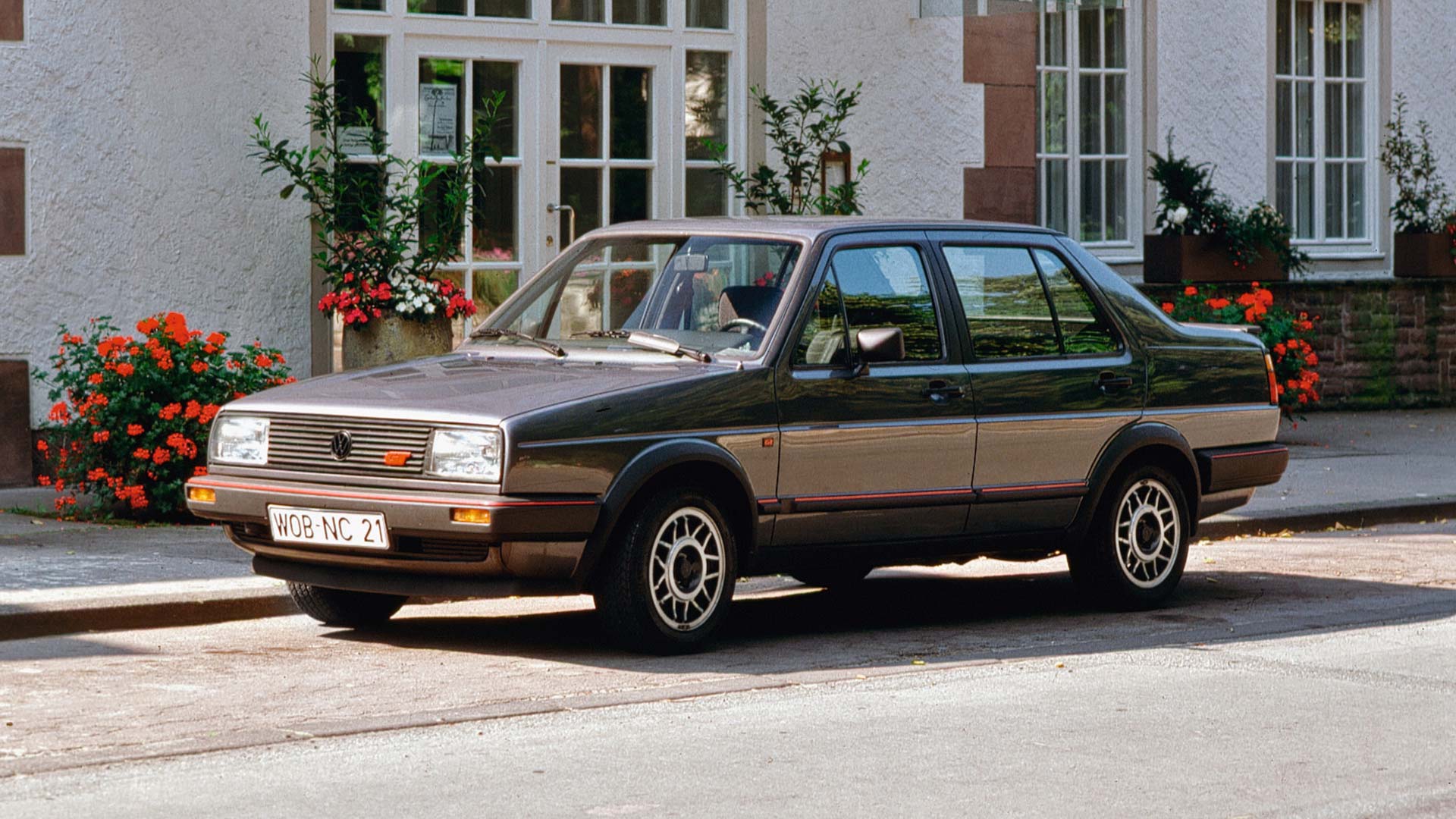
As the Golf moved to a new second-generation platform in 1983, the Jetta followed a year later in 1984. The two and four-door bodyshell options remained, whilst engine choices became even larger.
Performance versions were available from the outset in European markets, with the Jetta GT on sale from launch. Initially the Jetta GT made use of the 110hp 1.8-litre four-cylinder engine from the Golf GTI. The extra weight from the larger bodywork meant the Jetta was around a second slower in a 0-60mph sprint than the Golf.
North American sales started in 1985, with the GLI endowed with 100hp.
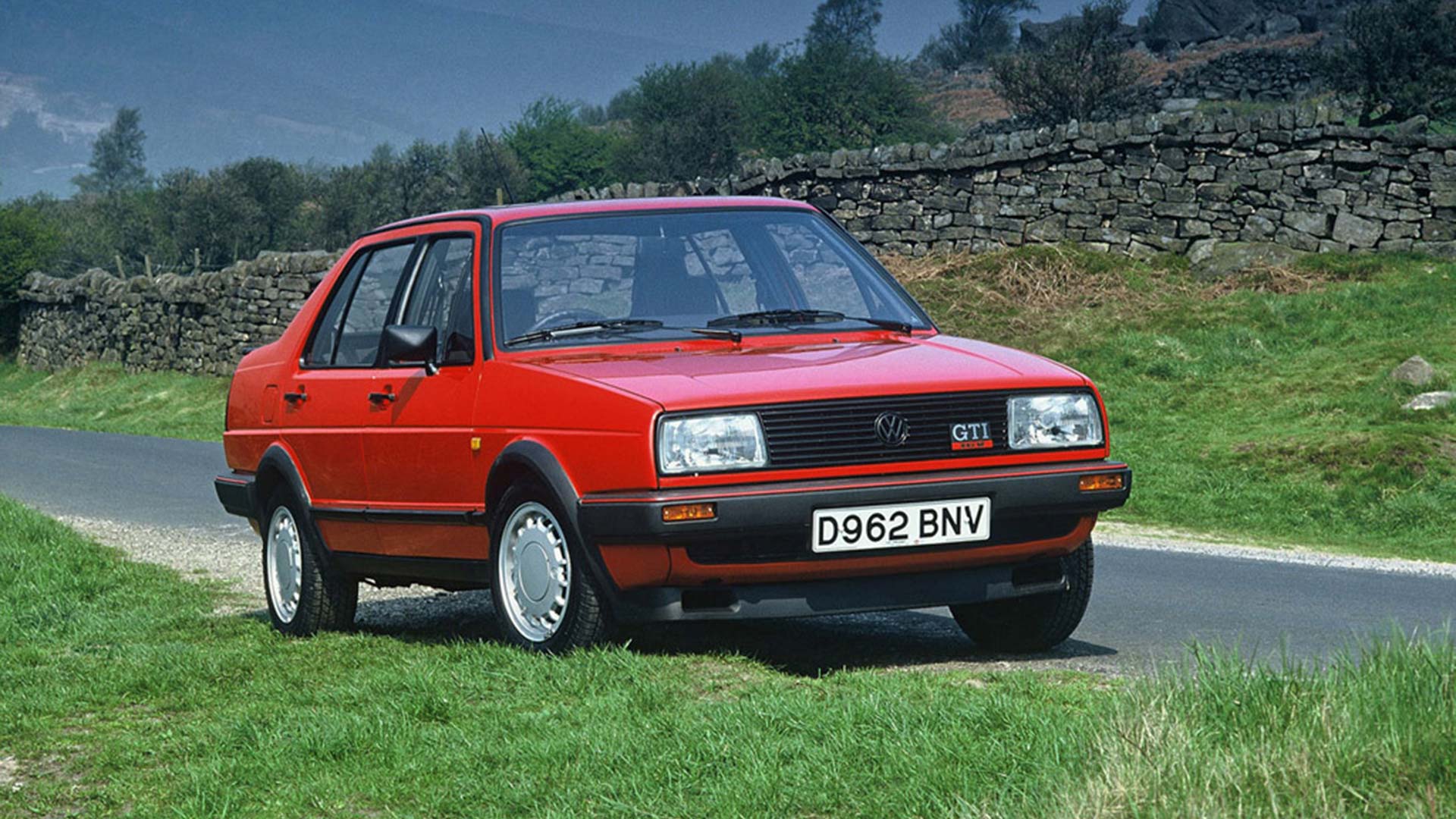
1987 Volkswagen Jetta GTI 16v
With the 1980s hot hatch war in full swing, the quick Jetta gained a new name and bigger engine in 1986. With the 2.0-litre four-cylinder engine from the Golf, the Jetta GTI 16v now packed a considerable 134hp and 129lb-ft of torque.
Even with greater performance, in the European market the Jetta would always play the underdog role against the popular Golf. However, in the USA, the Jetta would become one of the best-selling imported European cars.
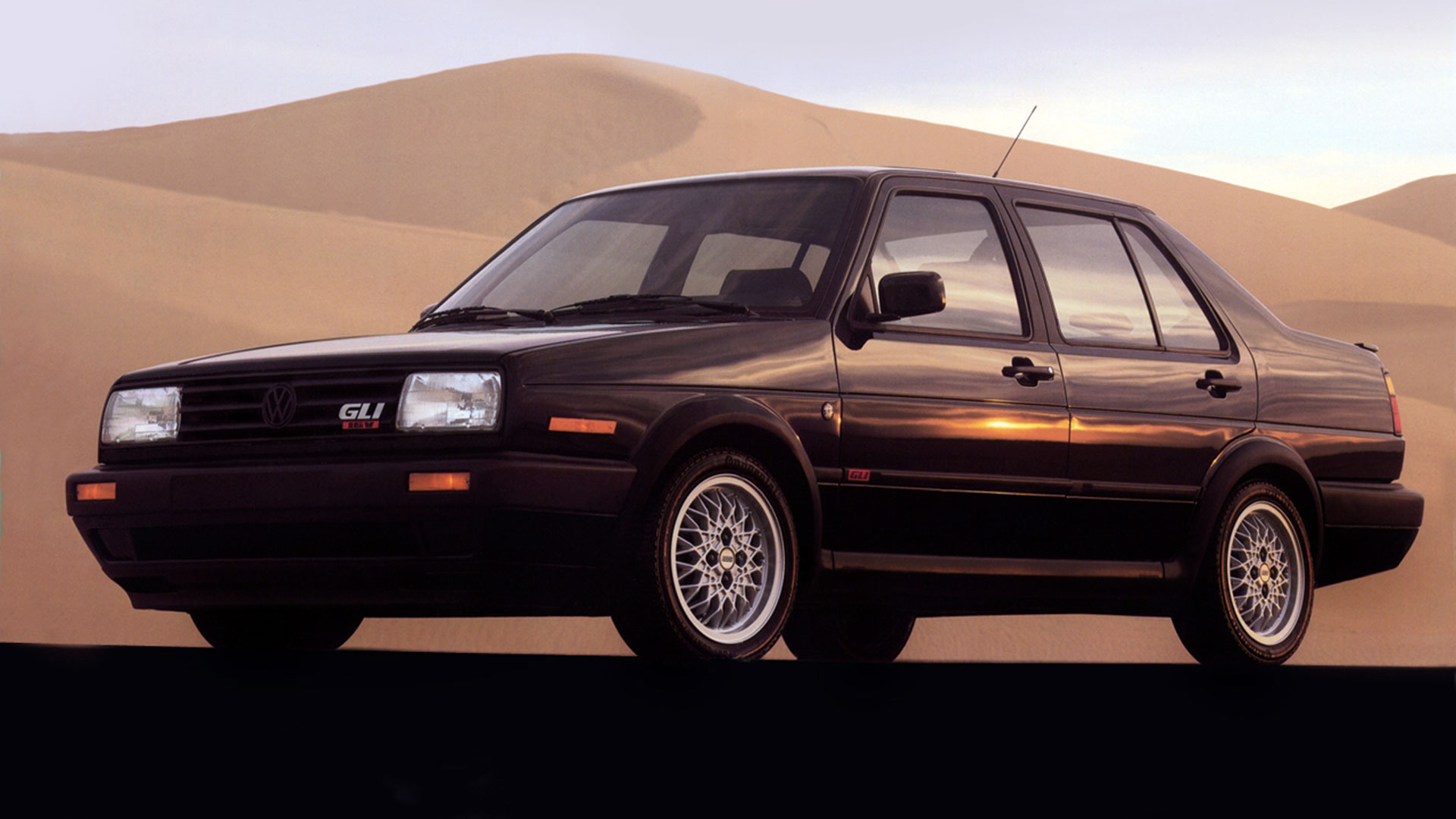
1990 Volkswagen Jetta GLI 16v Wolfsburg Edition
Proving how important the Jetta was to the North American market, a Wolfsburg Edition option package was launched for the Jetta in 1989. Initially planned as a limited run of 1,500 cars, the chance to spec the Wolfsburg option continued until 1991.
In 1990, the Jetta GLI was now using the 134hp 2.0-litre 16v engine. Opting for the Wolfsburg Edition meant 15-inch BBS alloy wheels, velour Recaro seats, and special exterior badging.
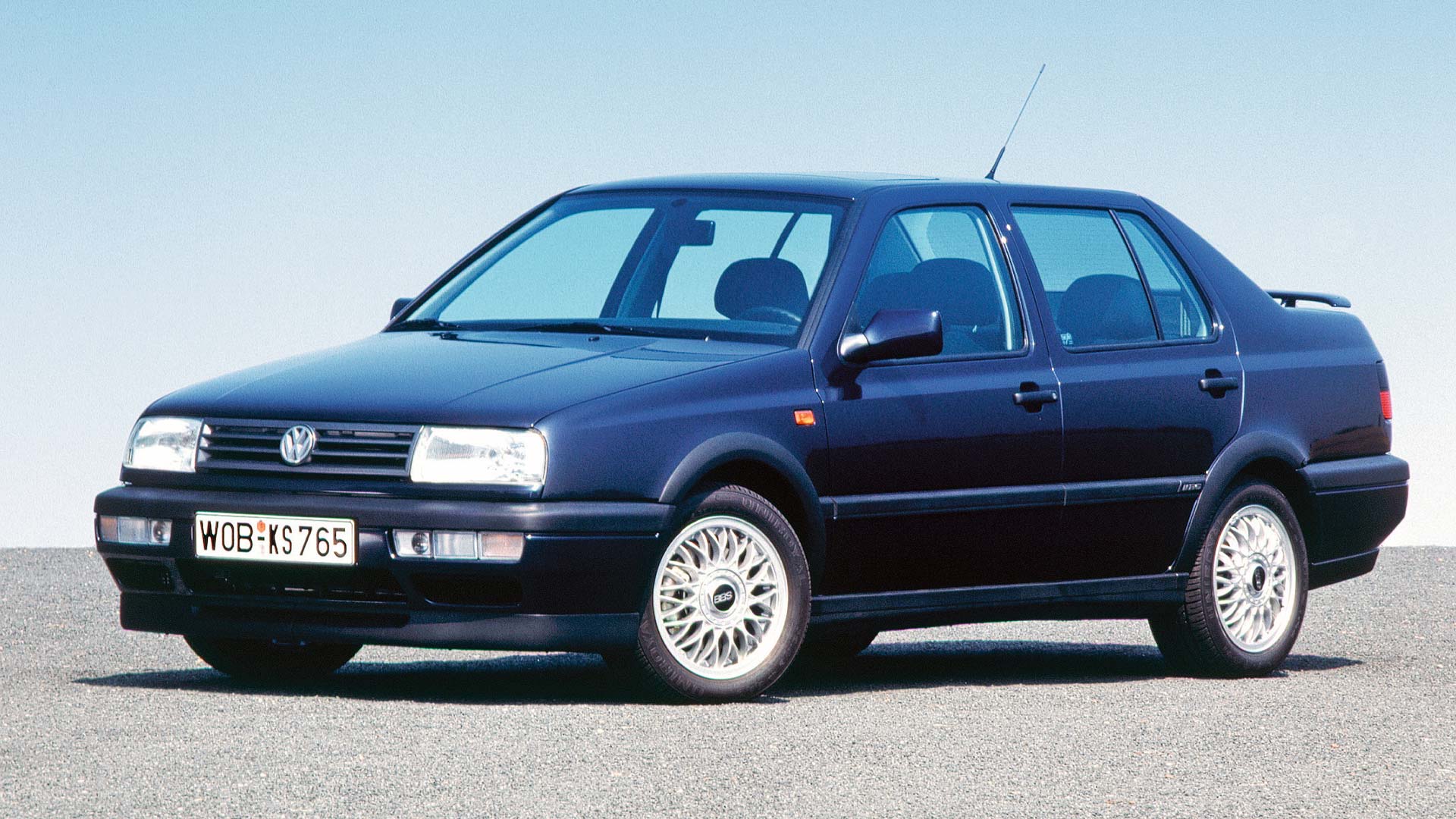
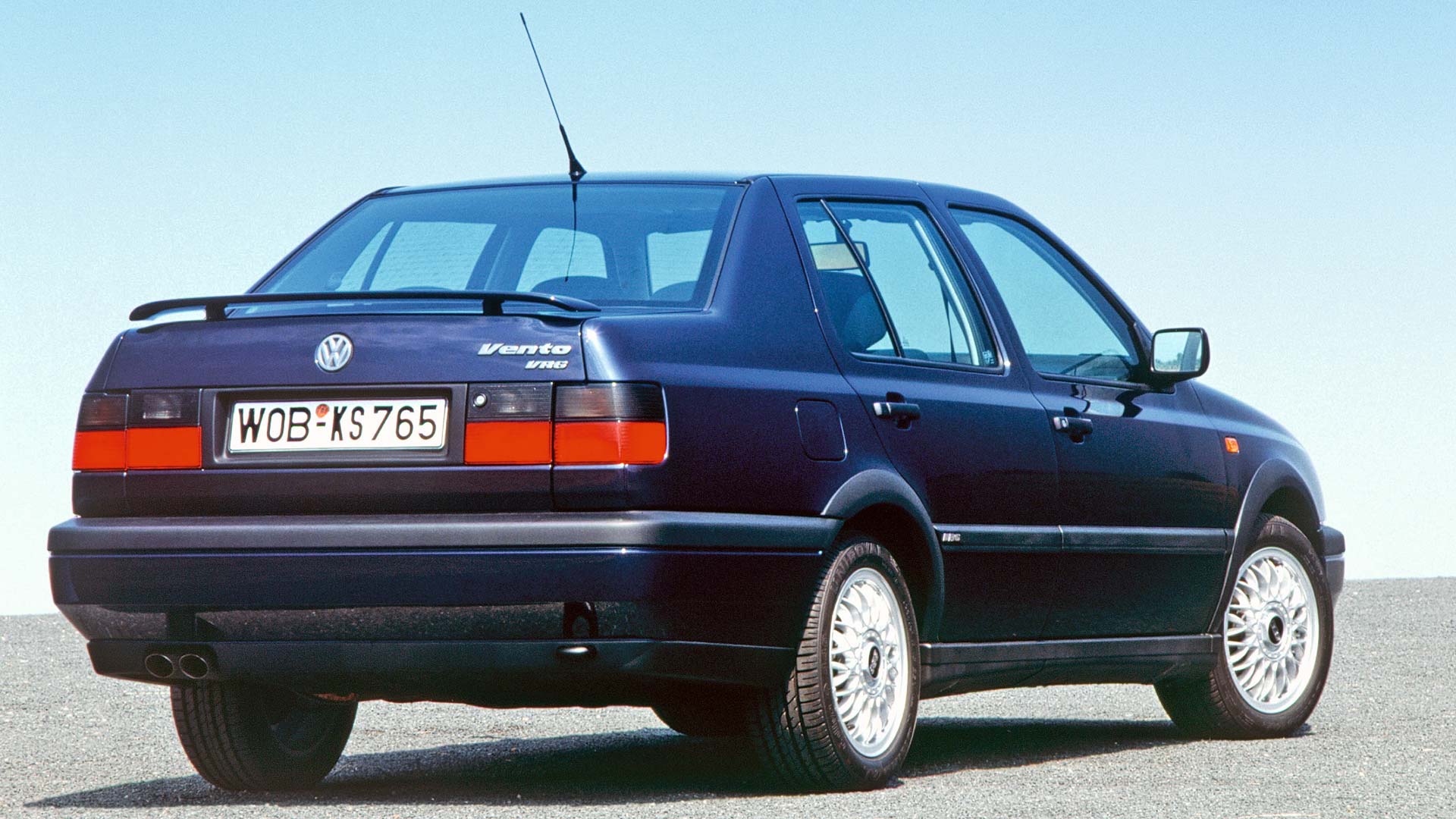
1992 Volkswagen Vento VR6
A new third-generation Golf also meant a new edition of the hatchback’s more practical cousin. In European markets, it also meant ditching the Jetta name and replacing it with new wind-inspired nomenclature. Vento literally translates as wind in Portuguese and Italian, but America retained the now much-loved Jetta badge.
Bigger, and packed with extra safety equipment to meet new regulations, the Vento became noticeably bulkier than its predecessors. At least there was plenty of room for all your junk in that bootylicious trunk.
With extra weight came the need for extra power to make a quick compact saloon. As with the Mk3 Golf, the sonorous 2.8-litre 172hp narrow-angle VR6 engine helped push the performance Vento upmarket.
In North America, the GLI badge took a sabbatical during the third-generation Jetta’s lifetime. Instead, range-topping VR6 versions were branded as ‘GLX’ models, focussing on sophistication along with a 0-60mph time of 7.7 seconds.
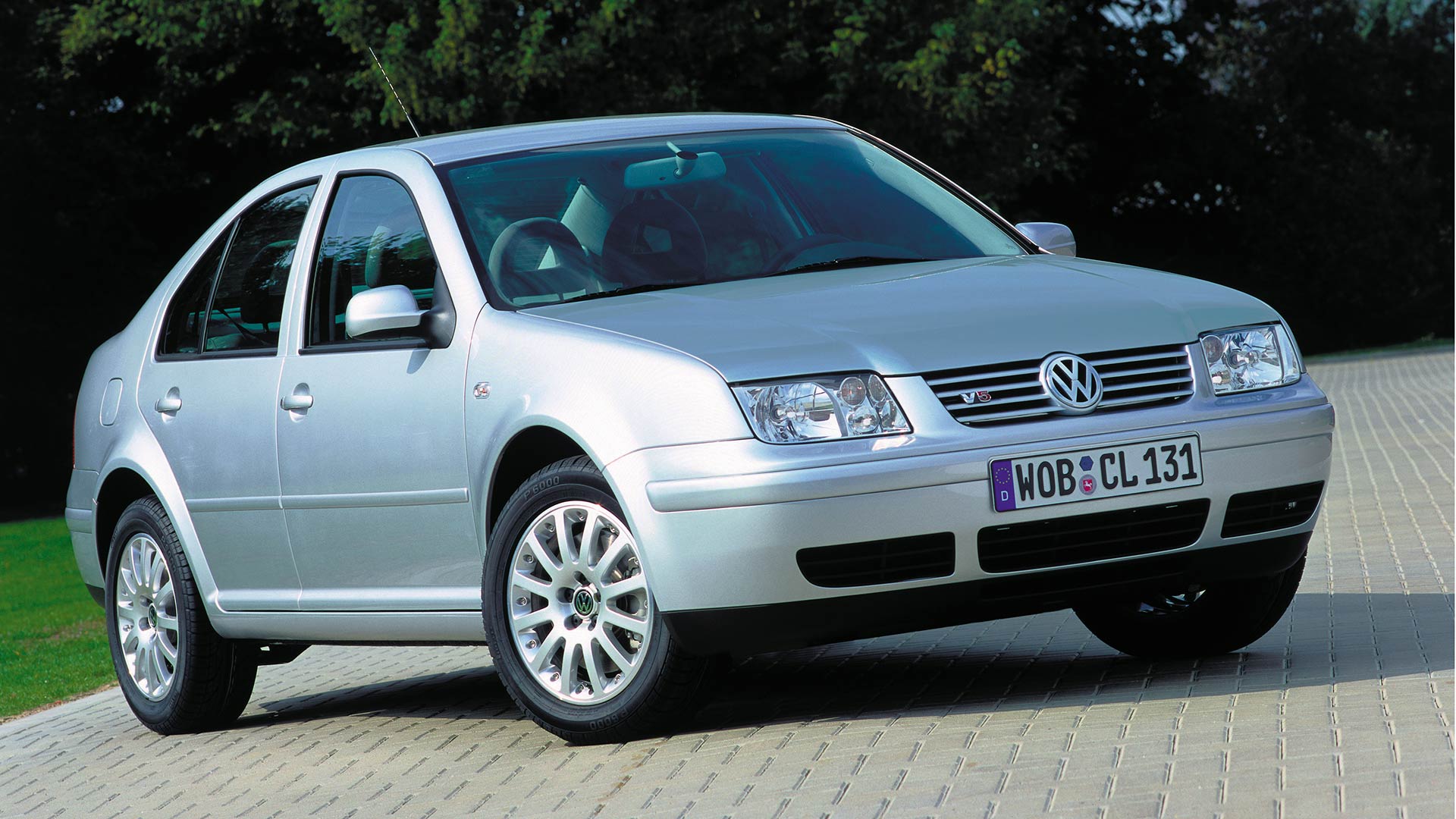
1999 Volkswagen Bora V5
By the late 1990s, the Volkswagen Group had big plans for world domination. It also meant a push to move the Volkswagen brand itself to a more premium position. Platform sharing came to the fore, and the compact Golf-based saloon gained another new wind-based name.
Branded after a winter wind which blows across the Adriatic, the Bora was never going to win awards for exciting exterior design. At least the interior featured Volkswagen’s classy blue backlighting, whilst performance in early models came from the curious 2.3-litre V5 petrol engine.
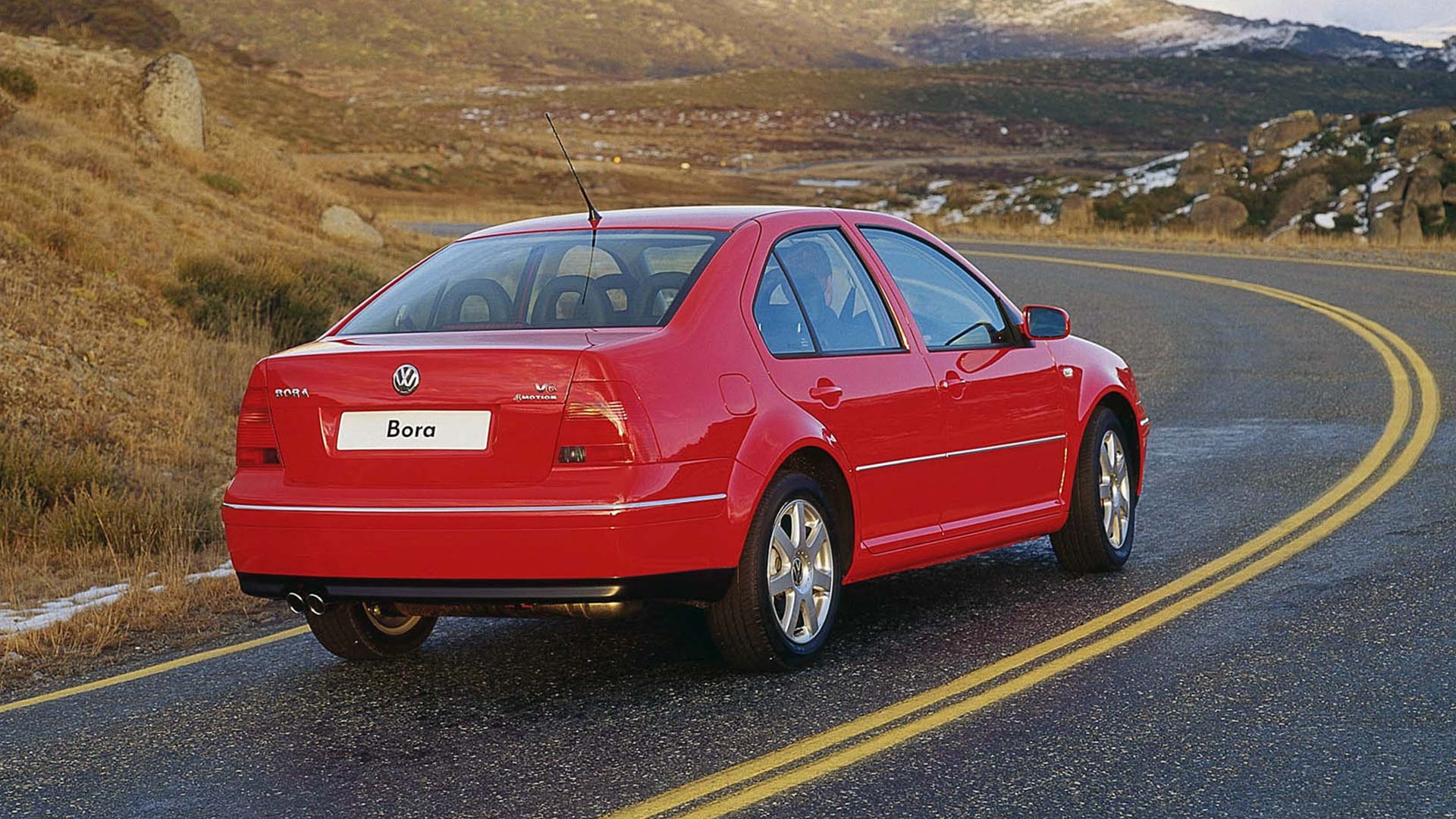
2000 Volkswagen Bora V6 4Motion
With the Bora destined to receive virtually every powertrain the Golf got, in 2000 this meant the return of the 2.8-litre VR6 engine. Now it had 201hp, and was mated to a 4Motion four-wheel drive system.
The V6 Bora was still more about junior executive cruising than outright performance, with an interior finished with wood trim and leather seats. Unsurprisingly, the 1.9-litre TDI diesel engines would be the ones everyone would actually buy.
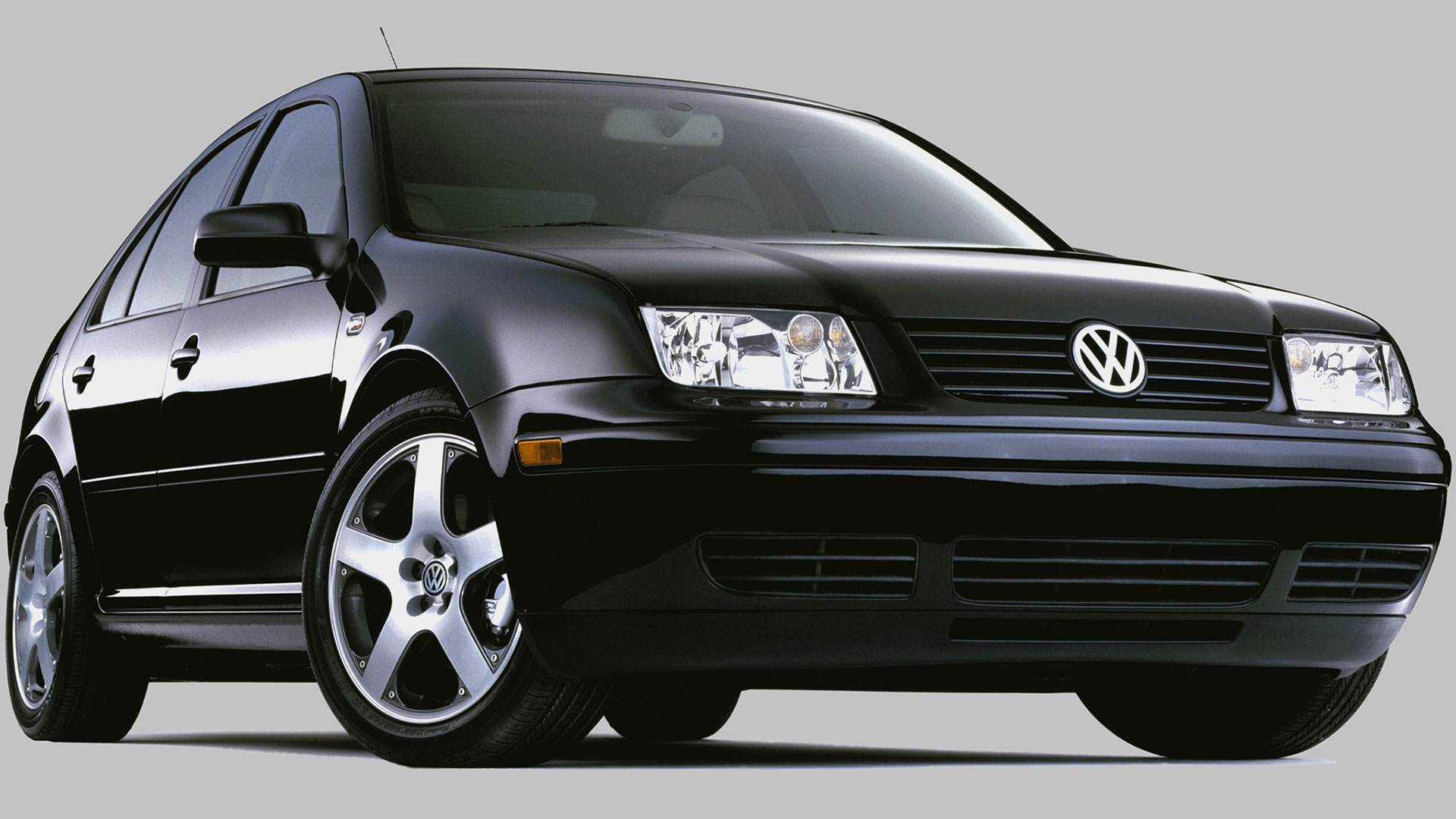
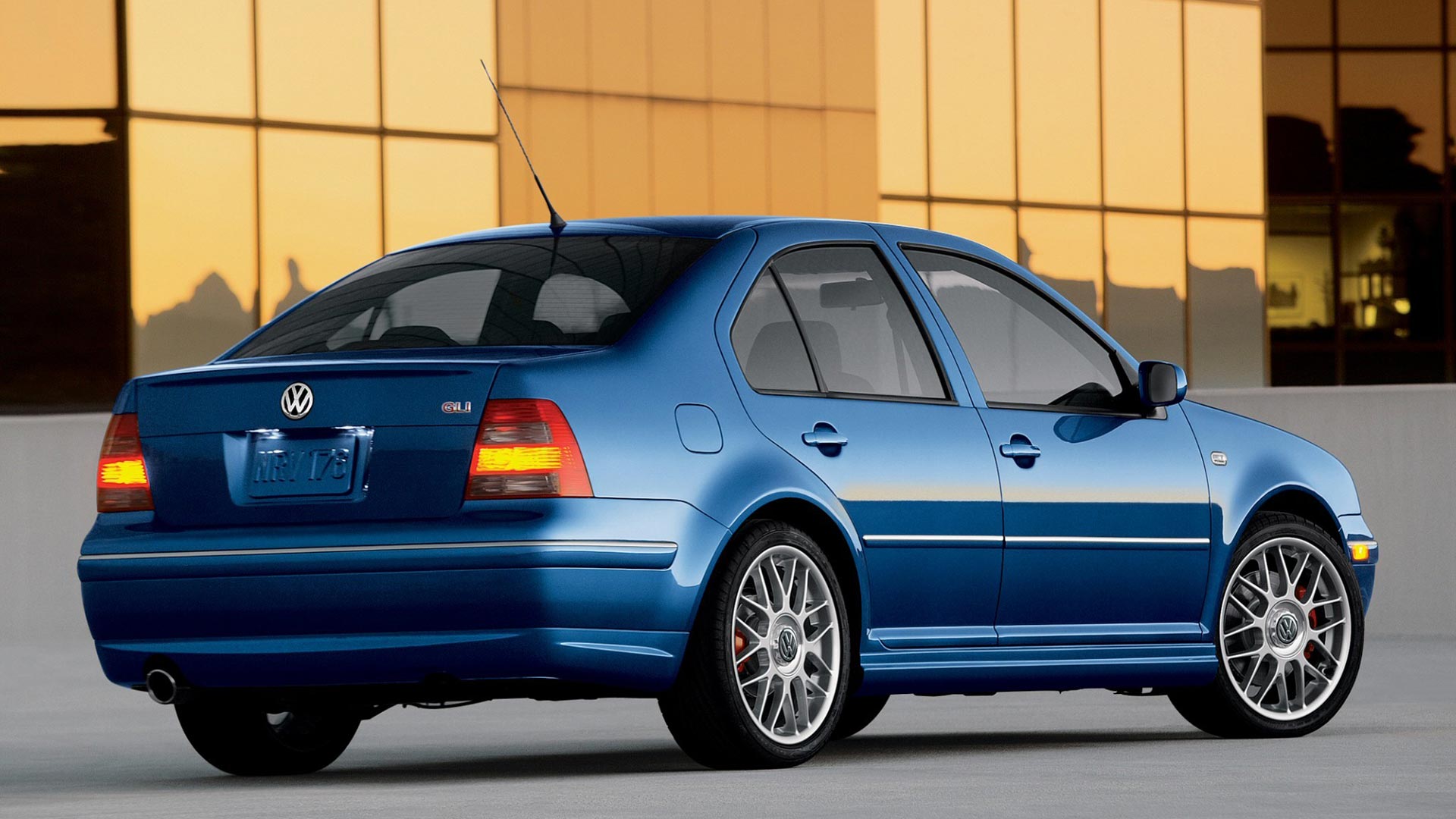
2002 Volkswagen Jetta GLI VR6
Back in the USA, the Jetta name lived on unadulterated, with the GLI model finally making a return in 2002.
As with the European Bora, quick USA Jettas meant the need for multiple cylinders. The 2.8-litre VR6 engine continued in service, producing 177hp and 181lb-ft of torque. US-spec versions did without the 4Motion system offered on the Bora, however.
2004 Volkswagen Jetta GLI 1.8T
Not even the US-spec Jetta could avoid the pull of Volkswagen’s ubiquitous 1.8-litre turbocharged engine. In 2004 this meant a choice of GLI versions – the traditional V6, now with 197hp, or the 1.8T with 177hp.
Although the VR6 option may have been more powerful from the factory, the huge tuning market for the 1.8 Turbo meant it became the engine of choice for enthusiasts. ECU remaps, bigger turbochargers, and other modifications could easily push power to over 300hp.
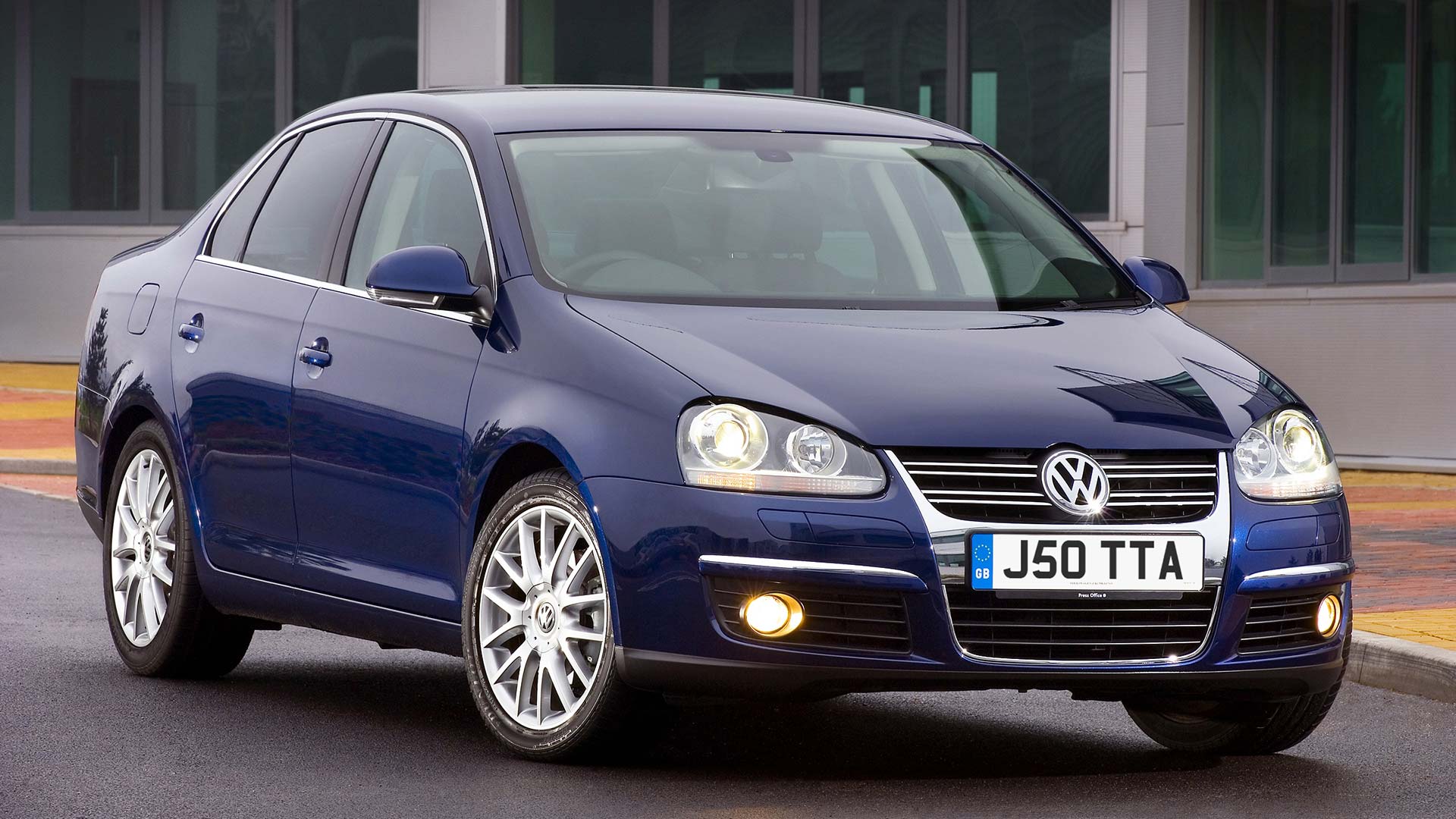
2005 Volkswagen Jetta Sport
Reflecting the importance of the Jetta to America, the fifth-generation debuted at the 2005 LA Auto Show. It also went on sale in North America ahead of any other markets, with major investment in Volkswagen’s factory in Puebla, Mexico.
The biggest news was the return of the Jetta name to Europe, with Volkswagen seemingly having run out of new wind naming options. With a front-end strongly resembling the Mk5 Golf, albeit with extra chrome, the halogen headlights even featured tiny VW symbols covering the bulbs.
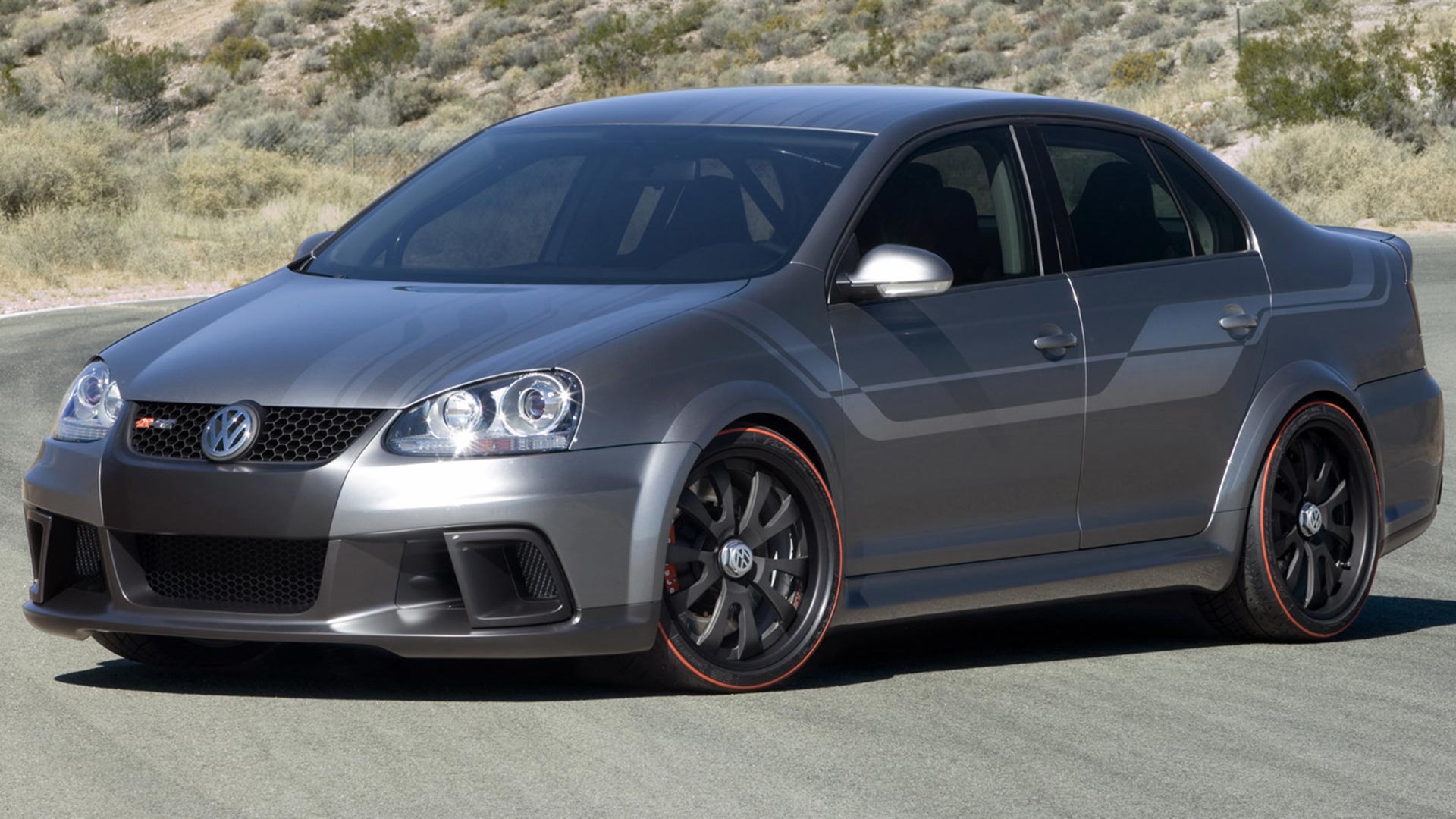
2005 Volkswagen Jetta R GT Concept
Previous Jetta models had found popularity with the American tuner scene – the original Fast and the Furious movie had even featured a Mk3 VR6 Jetta. It meant Volkswagen went chasing the modifying subculture hard with the Mk5 Jetta.
Appearing at the 2005 SEMA Show in Las Vegas, the Jetta R GT was meant to envisage what was possible with the new saloon. With a ridiculous 550hp twin-turbocharged 3.2-litre V6 engine, the R GT was as genuinely fast as the bespoke bodykit made it look.
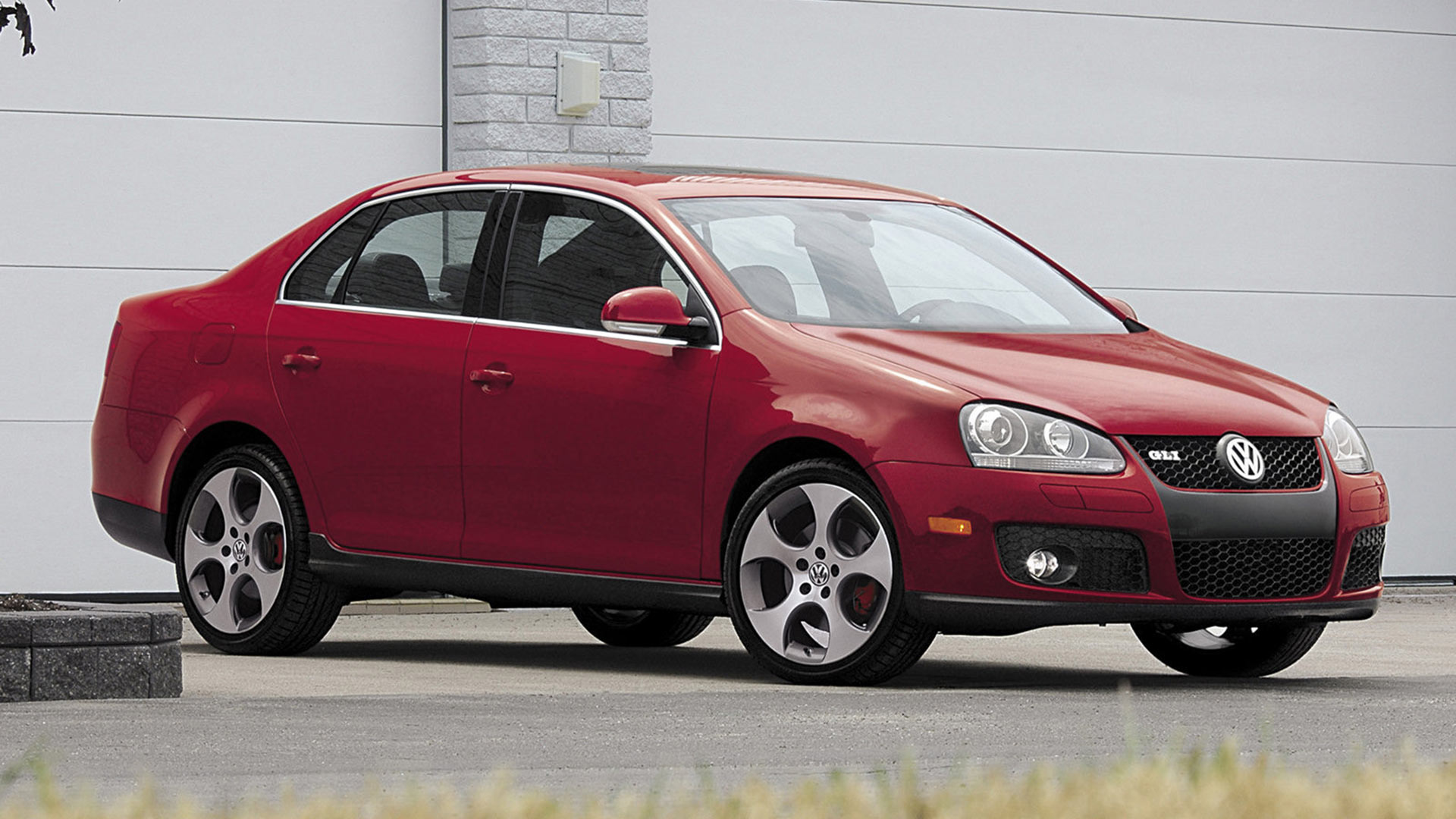
2006 Volkswagen Jetta GLI
North American Jetta fans did not have to wait long for a true performance version, with the GLI appearing in 2006.
Appearing much like a Mk5 Golf GTI, but with a huge boot grafted on the rear, the Jetta GLI made a serious effort at being a performance saloon. The bodykit mimicked the Golf, even down to the red trim in the honeycomb grille, whilst the distinctive Monza alloy wheels also made an appearance.
Under the bonnet was the same 2.0-litre TFSI petrol engine as the Golf GTI, producing 197hp and 210lb-ft of torque. A six-speed manual gearbox was standard, with a DSG dual-clutch optional.
European buyers were denied the full-fat GLI, but did at least get a ‘Sport’ trimmed car powered by the same 2.0-litre TSFI engine. But, being the mid-2000s, these would be extremely rare against a sea of 2.0-litre TDI diesel models.
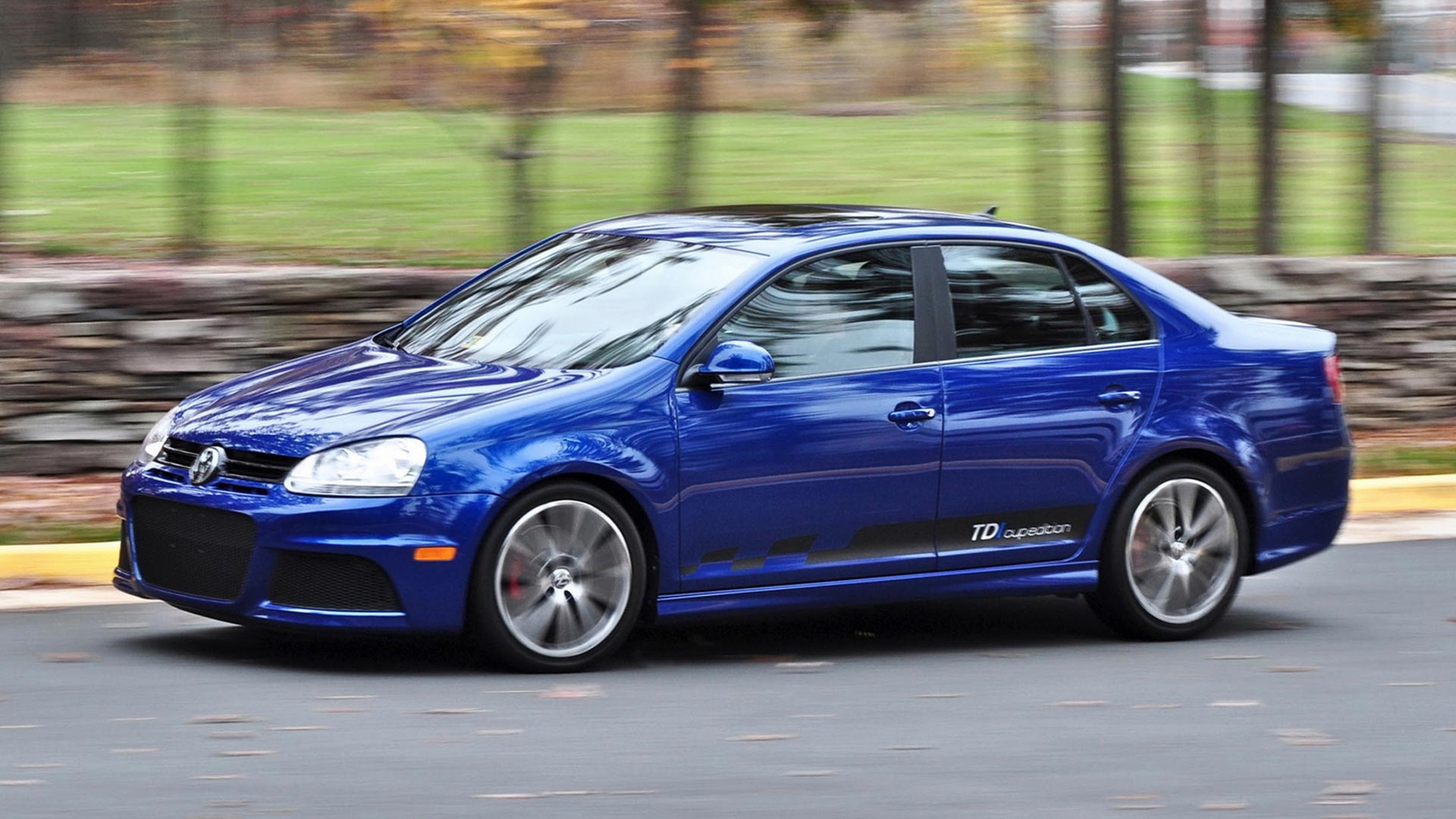
2010 Volkswagen Jetta TDI Cup ‘Street’ Edition
Despite the popularity of the GLI, Volkswagen was engaged in trying to win over American consumers to the idea of ‘clean diesel’ power. This was before the Jetta TDI would go on to be one of the cars implicated in the dieselgate scandal.
Between 2008 and 2010, Volkswagen ran a single-make championship, using a field of 2.0 TDI-powered Jetta racers. To celebrate the success of the TDI Cup, Volkswagen USA produced 1,500 TDI Cup ‘Street’ Editions. These wore a special bodykit, external graphics, and 18-inch alloy wheels.
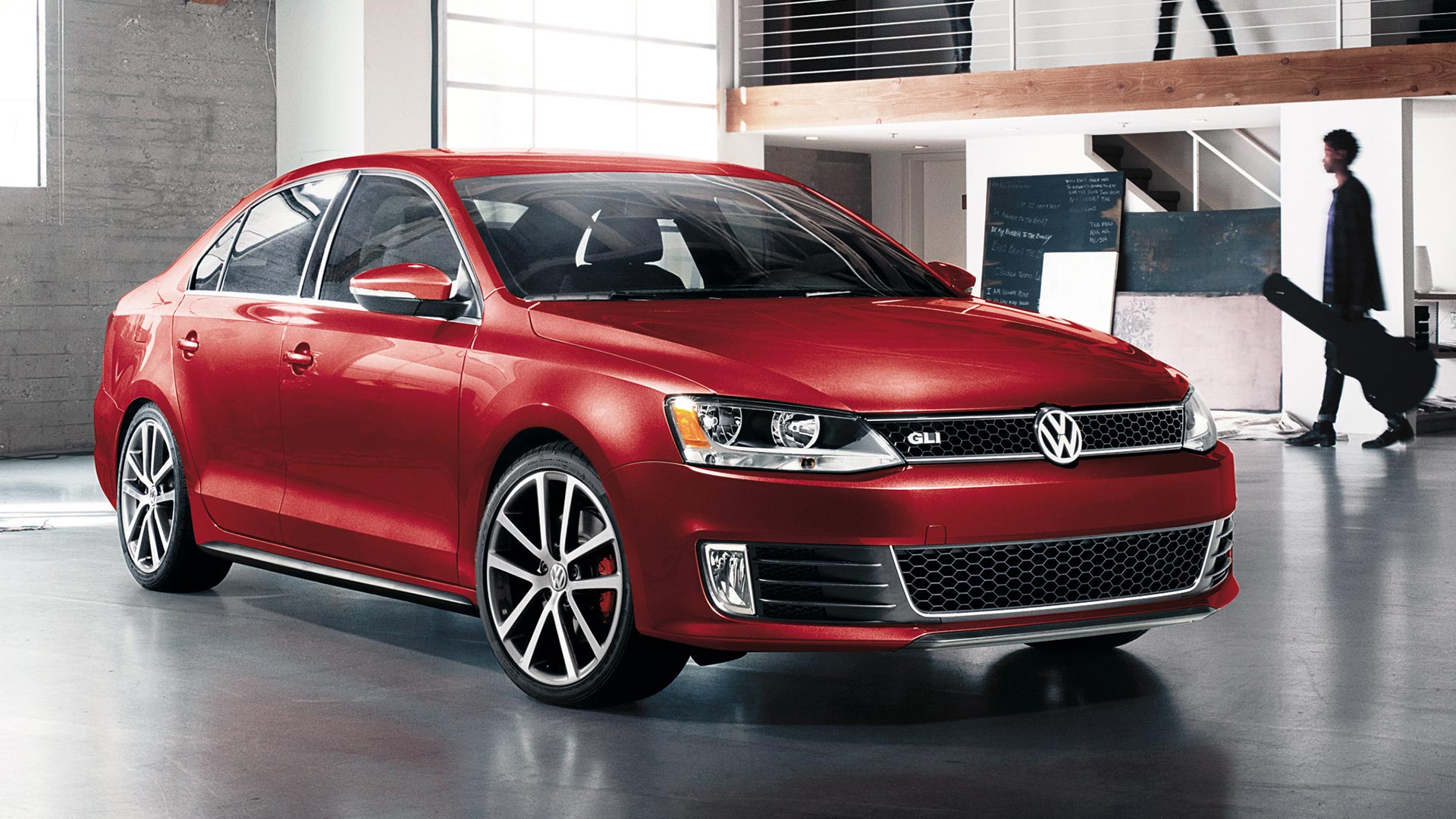
2011 Volkswagen Jetta GLI
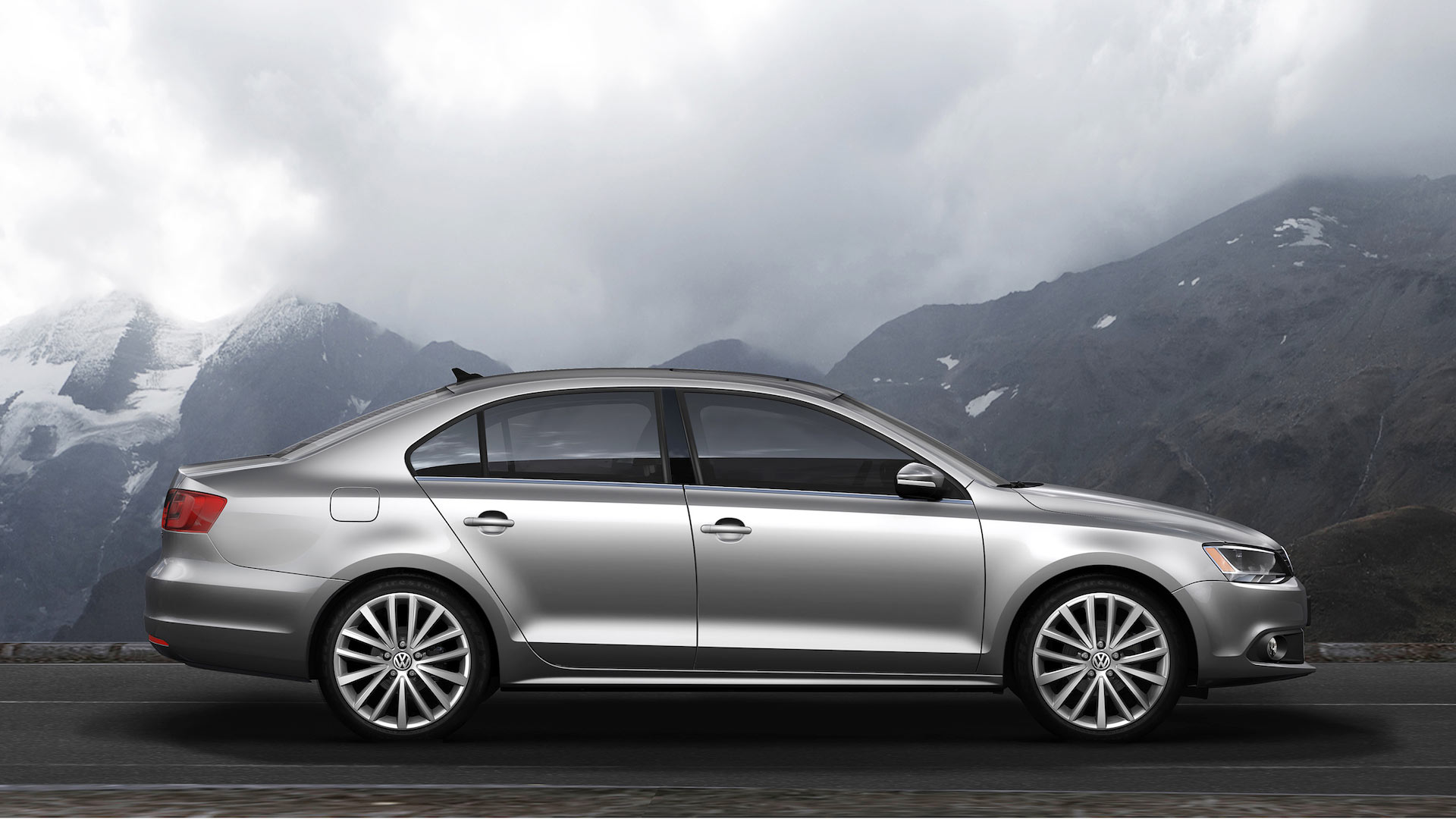
The sixth-generation Jetta ditched any family resemblance to the Golf, and started out on a separate path towards North American success. Whilst Europe and other markets ditched saloons in favour of SUVs and crossovers, the compact four-door would continue unabated in the US and Canada.
Subtler than the previous Jetta GLI, the Mk6 used a 200hp 2.0-litre turbocharged petrol engine, with the choice of six-speed manual or DSG dual-clutch gearboxes. Independent rear suspension was retained for the GLI – something ditched on lesser Jettas.
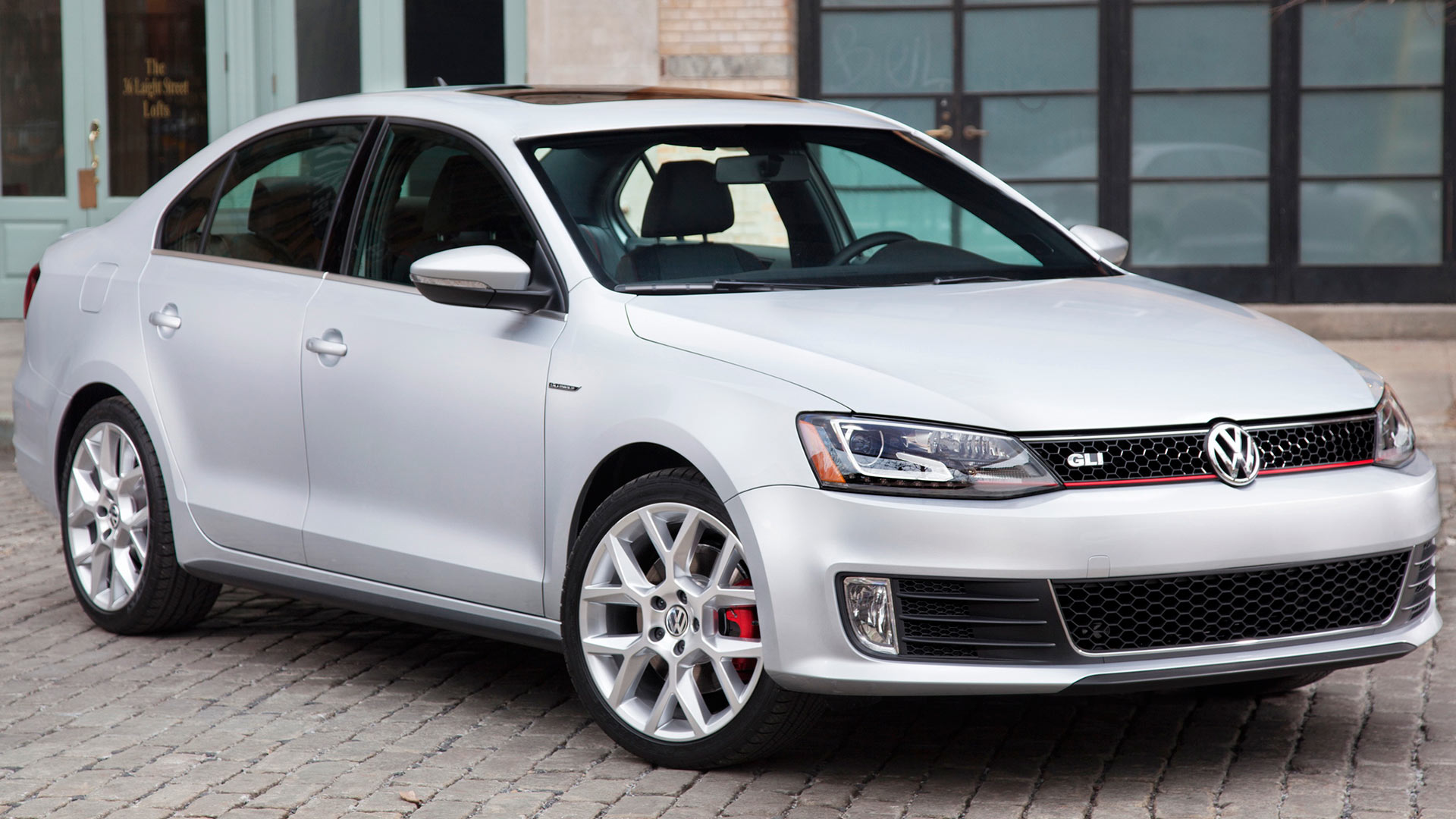
2014 Volkswagen Jetta GLI Edition 30
Although the rest of the world might have forgotten about the Jetta GLI, in North America the quick four-door celebrated an anniversary in 2014. Marking 30 years since the original 90hp Jetta GLI had hit the market, Volkswagen introduced a commemorative edition.
Red trim was back on the honeycomb front grille, with 18-inch alloy wheels beefing up the exterior. Inside was a riot of leather trim, red stitching, carbon fibre details, and special Edition 30 badging, of course.
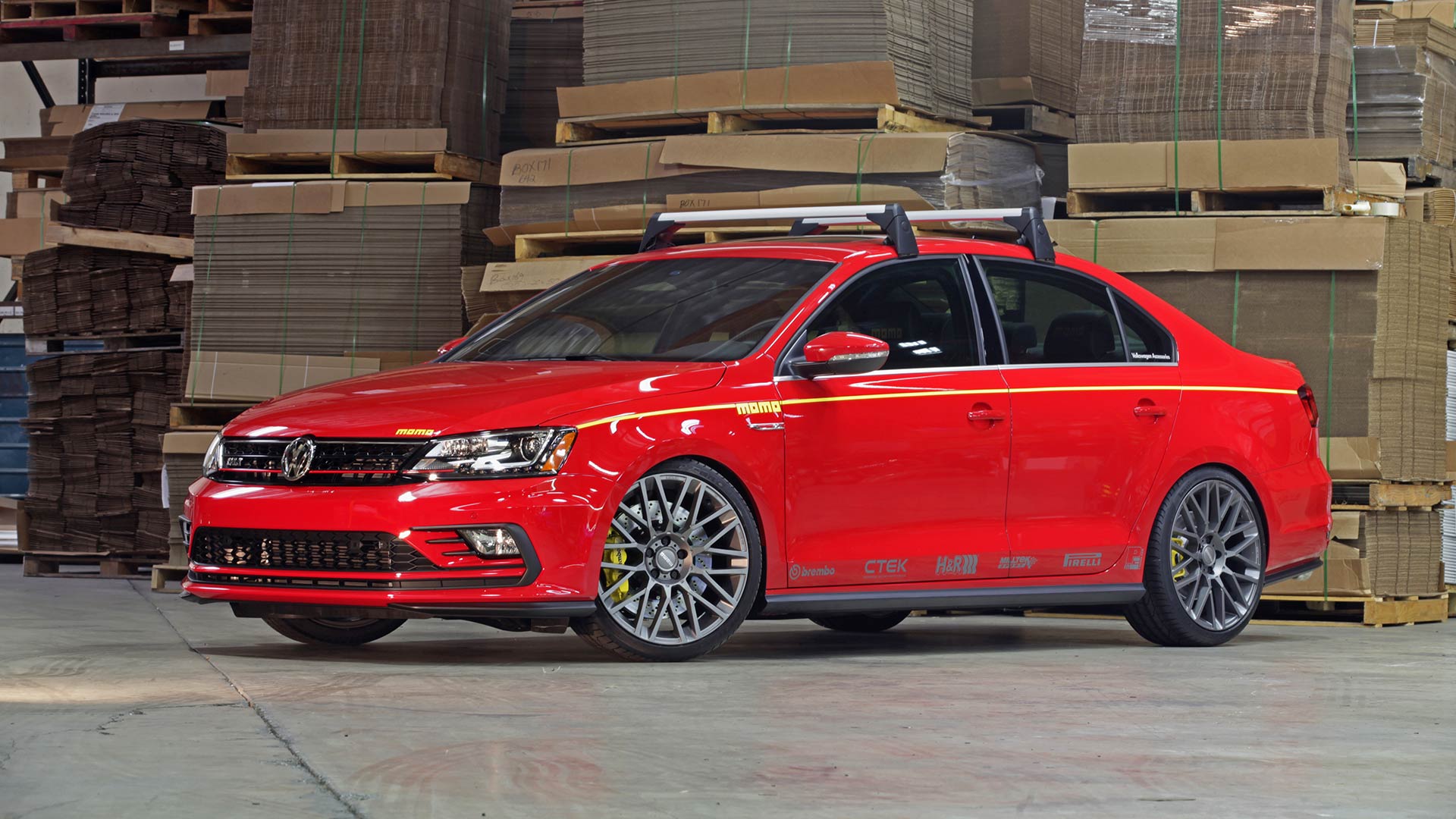
2016 Volkswagen Jetta GLI Momo Edition
Maybe to divert attention away from dieselgate, Volkswagen displayed an impressive modified Jetta GLI at the 2016 SEMA Show. Slammed to the ground on adjustable coilover suspension, and wearing 19-inch alloy wheels, the tuning makeover was done by Italian aftermarket firm Momo.
Sadly, the Momo Edition was just a one-off show car, albeit one meant to demonstrate what the Jetta could achieve. Meanwhile, across the Atlantic, the Jetta was slowly being removed from model ranges across Europe.
2019 Volkswagen Jetta GLI
Whilst the fast Jetta may be dead to European buyers, in America it is still as popular as ever. Following the launch of the seventh-generation Jetta in 2018, Volkswagen USA unveiled the all-new Jetta GLI at the 2019 Chicago Auto Show.
As the most powerful production Jetta GLI yet, the 2.0-litre TSI engine produces 228hp and 258lb-ft of torque. A limited-slip differential is standard, as is a six-speed manual gearbox. 18-inch alloy wheels, aggressively designed bumpers, and lowered suspension give it a serious stance.
A 35th Anniversary Edition will also be available, celebrating the continued success of the hot Jetta. If only we European buyers had kept in touch, look what we could have had…
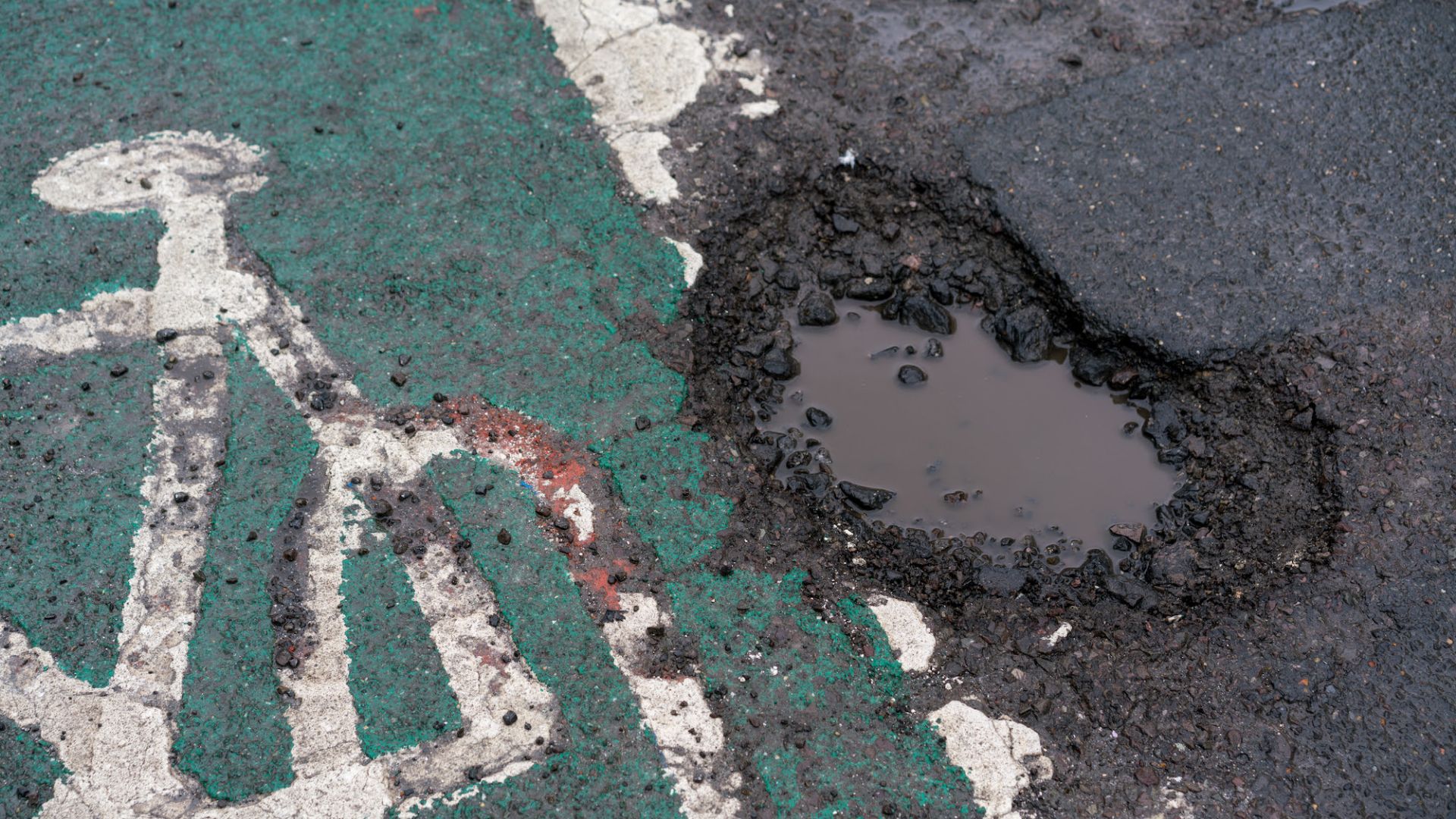
The Asphalt Industry Alliance (AIA) has estimated that road maintenance funding needs to rise by £1.5billion per year to get the UK’s highways up to a maintainable standard. Even then, clearing the backlog would take a decade.
A longer-term approach to funding is needed, says the AIA, to prevent a ‘cycle of patch and mend due to the long-term underfunding of local roads’.
Local authorities have spent as much as £1 billion over the past 10 years simply filling in potholes, barely maintaining and certainly not improving road standards.
The time and money spent patching roads is deducted from planned maintenance and upgrades that could see the pothole become almost extinct, it says.
In October, there was a £420 million pledge to local authorities to help mend the UK’s shattered roads. Since then, we’ve had a significant cold snap, meaning that the UK’s pothole epidemic is only likely only to get worse.
The UK has hovered around 1,000,000-pothole mark for the past three years, according to surveys by local authorities.
“While the additional funding announced by Government has been well received, it’s a fraction of the £1.5 billion extra a year – for 10 years – that we believe is needed to bring roads back up to target conditions,” said Rick Green, chairman of the AIA.
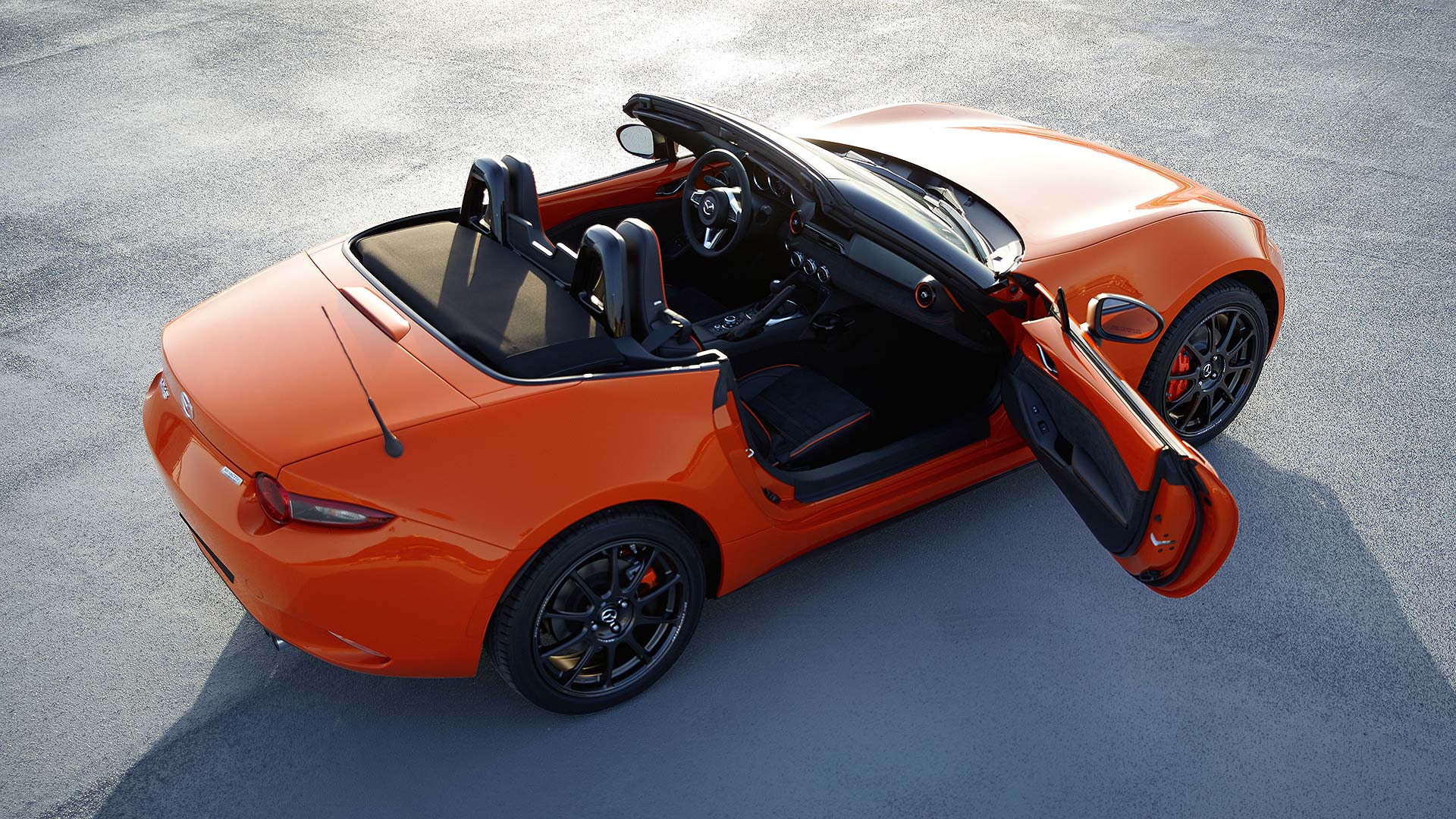
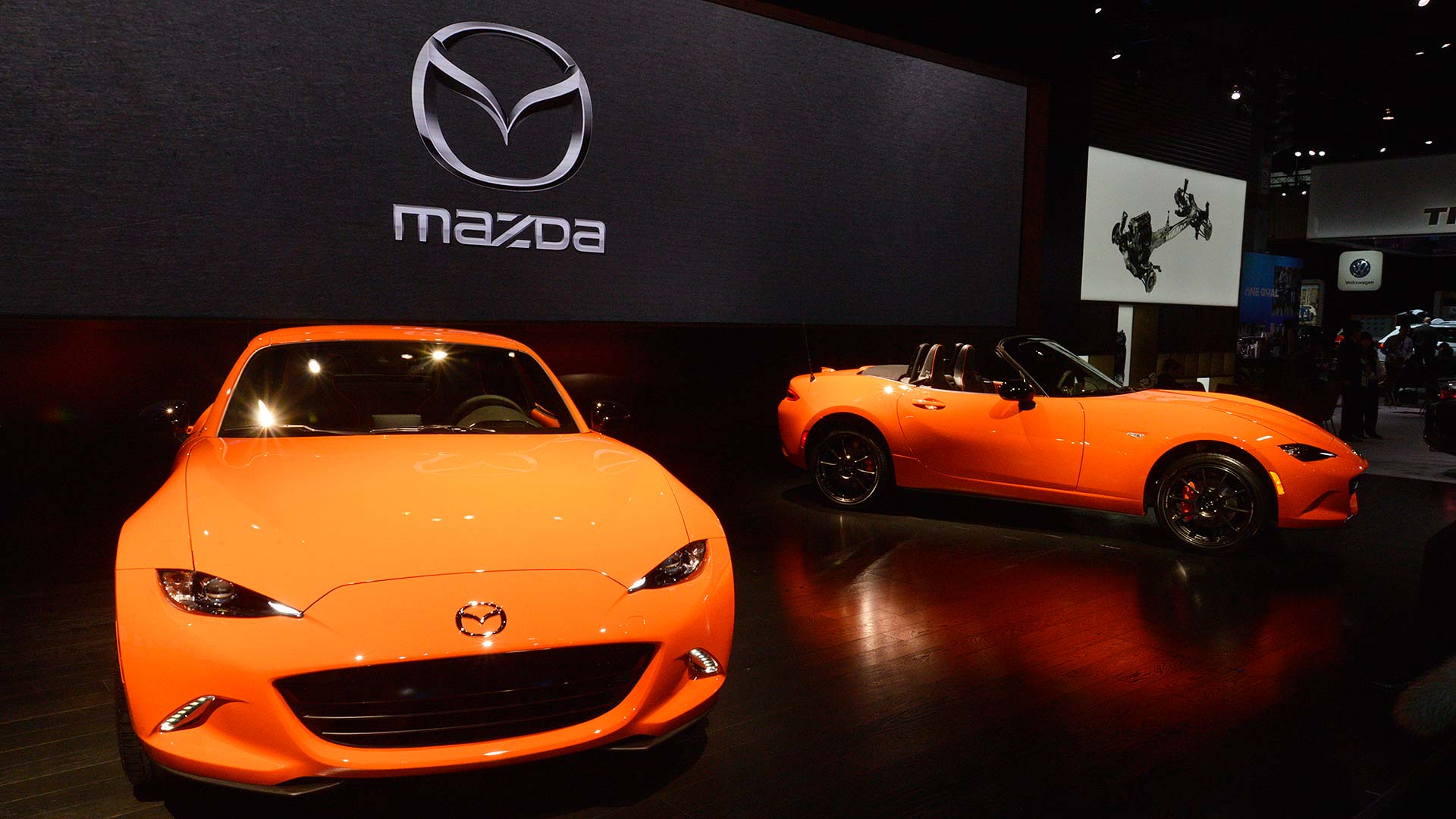
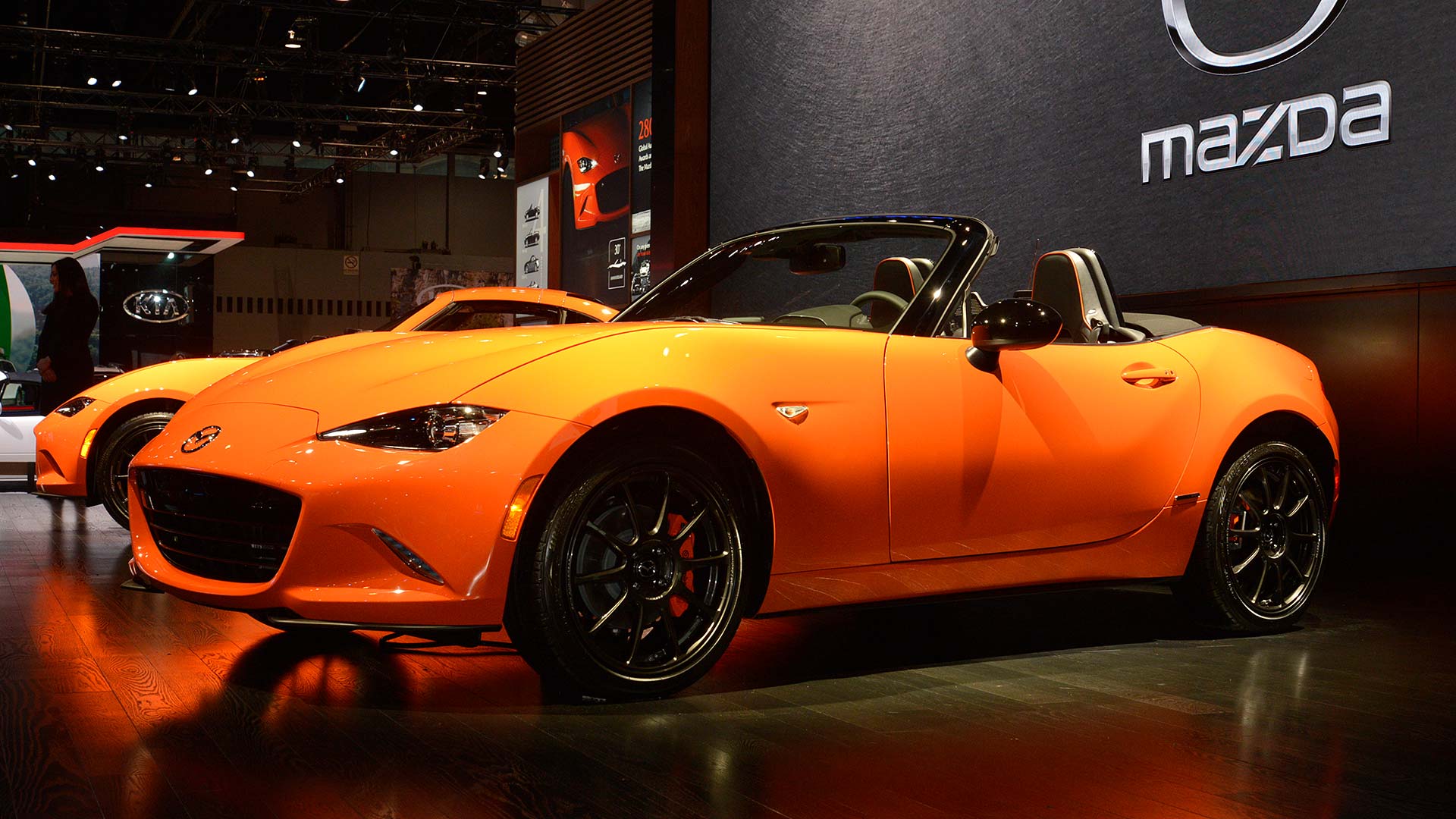
The Mazda MX-5 was launched 30 years ago at the 1989 Chicago Motor Show. Three decades on, the firm is back in the Windy City to roll out a special 30th Anniversary Edition collector’s special.
Just 3,000 30th Anniversary Edition MX-5 will be sold globally, all finished in the same vivid Racing Orange paint. The UK has been given a generous 600-car allocation from this total, and it’s on sale now.
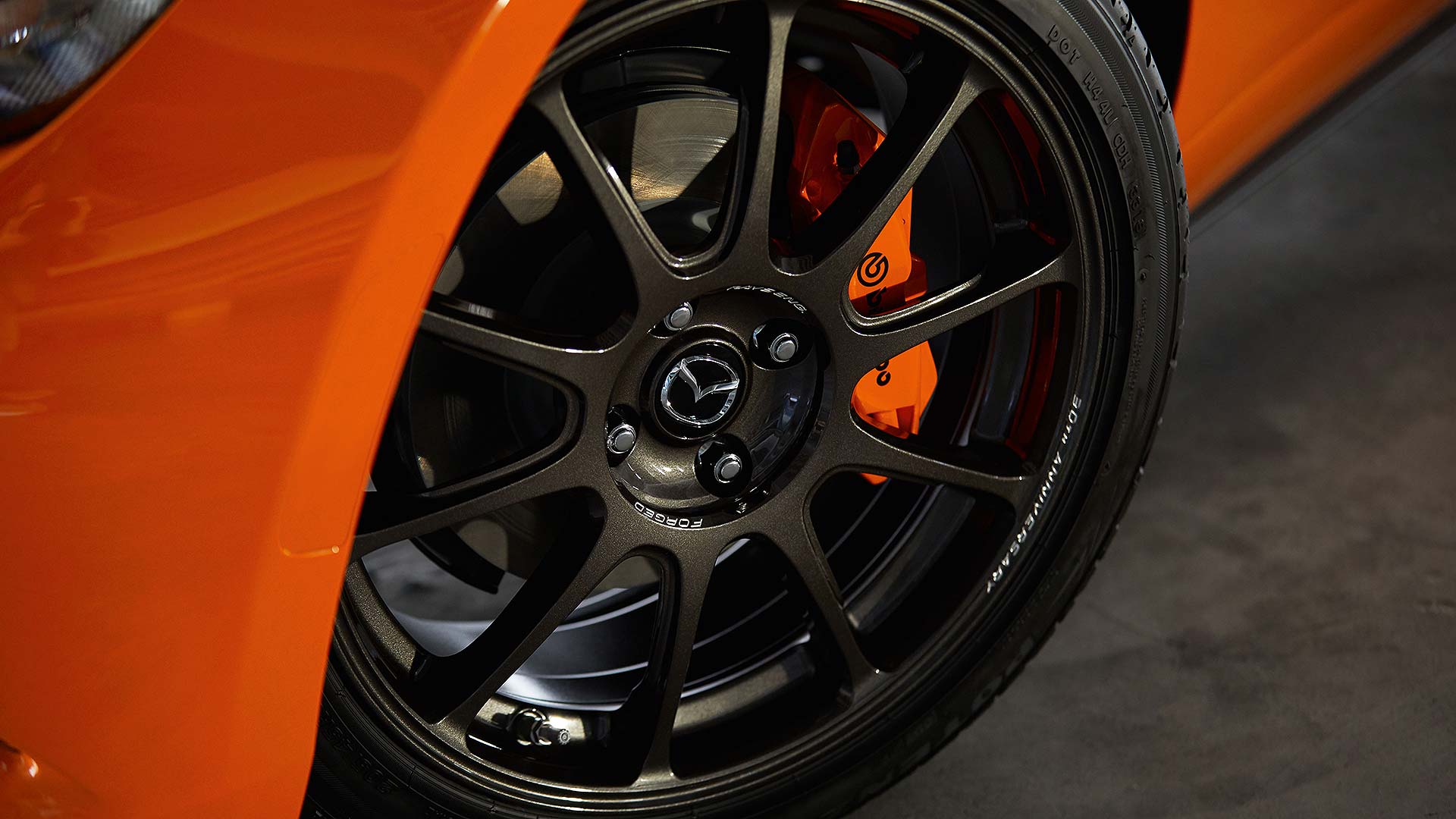
The Racing Orange paint is a brand new colour and has been developed exclusively for the 30th Anniversary Edition. Mazda has also teamed up with wheel manufacturers Rays Co Ltd to create a bespoke set of forged alloy wheels.
Behind them hide orange brake calipers and, for the first time, uprated Brembo brakes.
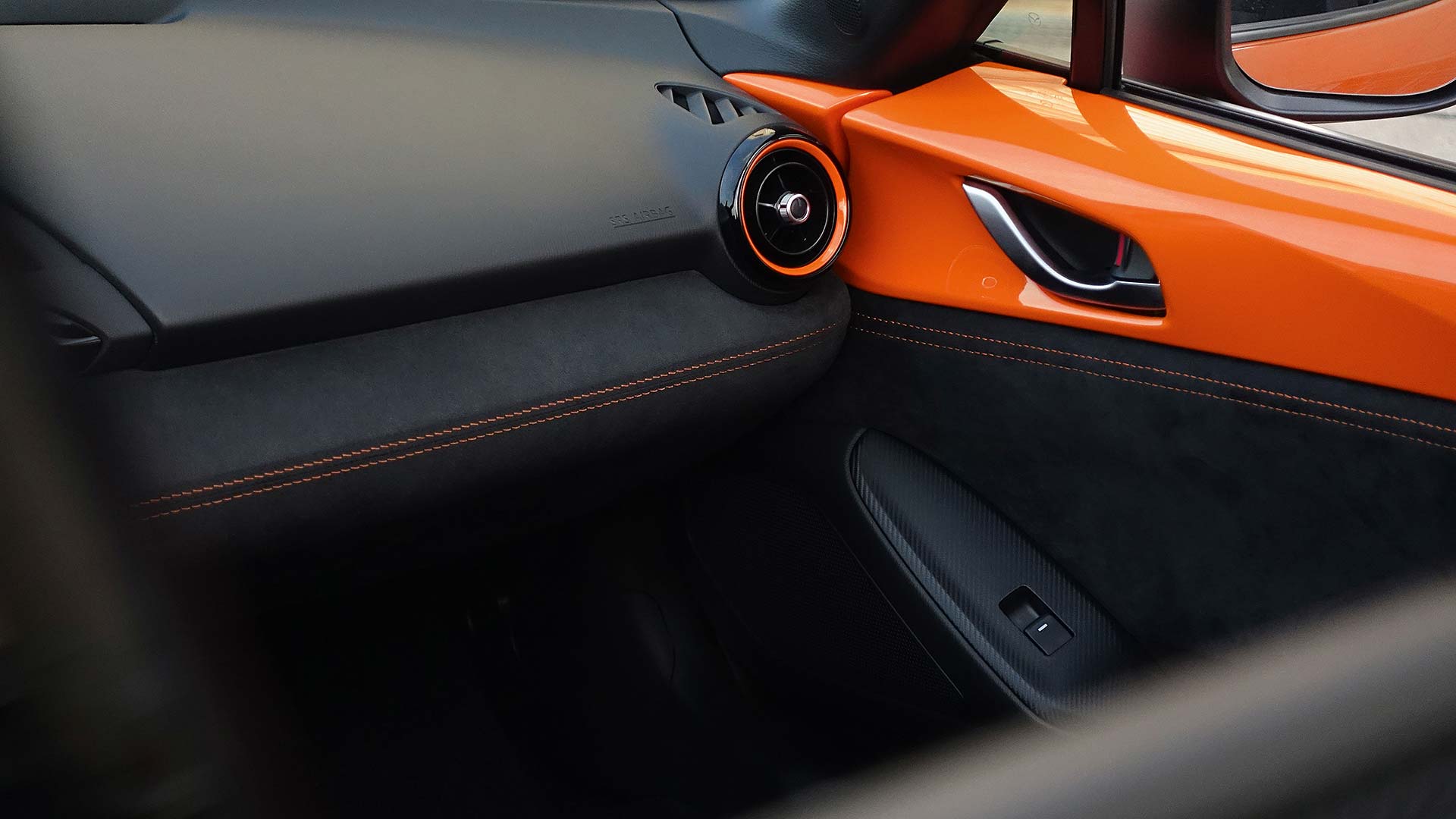
Inside, there’s more orange detailing, with accented panels on the dashboard and doors, orange details for the seats and steering wheel, air vents and gearlever. Recaro seats are standard, as is Alcantara trim. Mazda points out both Apple CarPlay and Android Auto are also standard.
Each 30th Anniversary Edition gets a unique numbered badge on the outside; of the UK’s 600-car allocation, 400 will be convertibles and 200 will be the folding hard top RF.
The Mazda MX-5 30th Anniversary Edition convertible costs £28,095; the RF is priced at £29,895. They all use the new high-revving 184hp 2.0-litre Skyactiv-G engine, plus Bilstein dampers, strut brace and limited-slip differential.
Since its launch in 1989, the MX-5 has become the world’s best-selling roadster, with more than 1 million models delivered to customers. Mazda UK MD Jeremy Thomson added that 130,000 of them have come to the UK.
“This is a sports car that has resonated with enthusiastic British drivers ever since its debut and four generations on it’s as popular as ever,” he said. “Along the way, it has remained true to the original principle of being an affordable, lightweight and above all fun-to-drive roadster.”
Ordering for the MX-5 30th Anniversary Edition is open now and deliveries begin in the summer.
 Jaguar Land Rover has revealed an all-new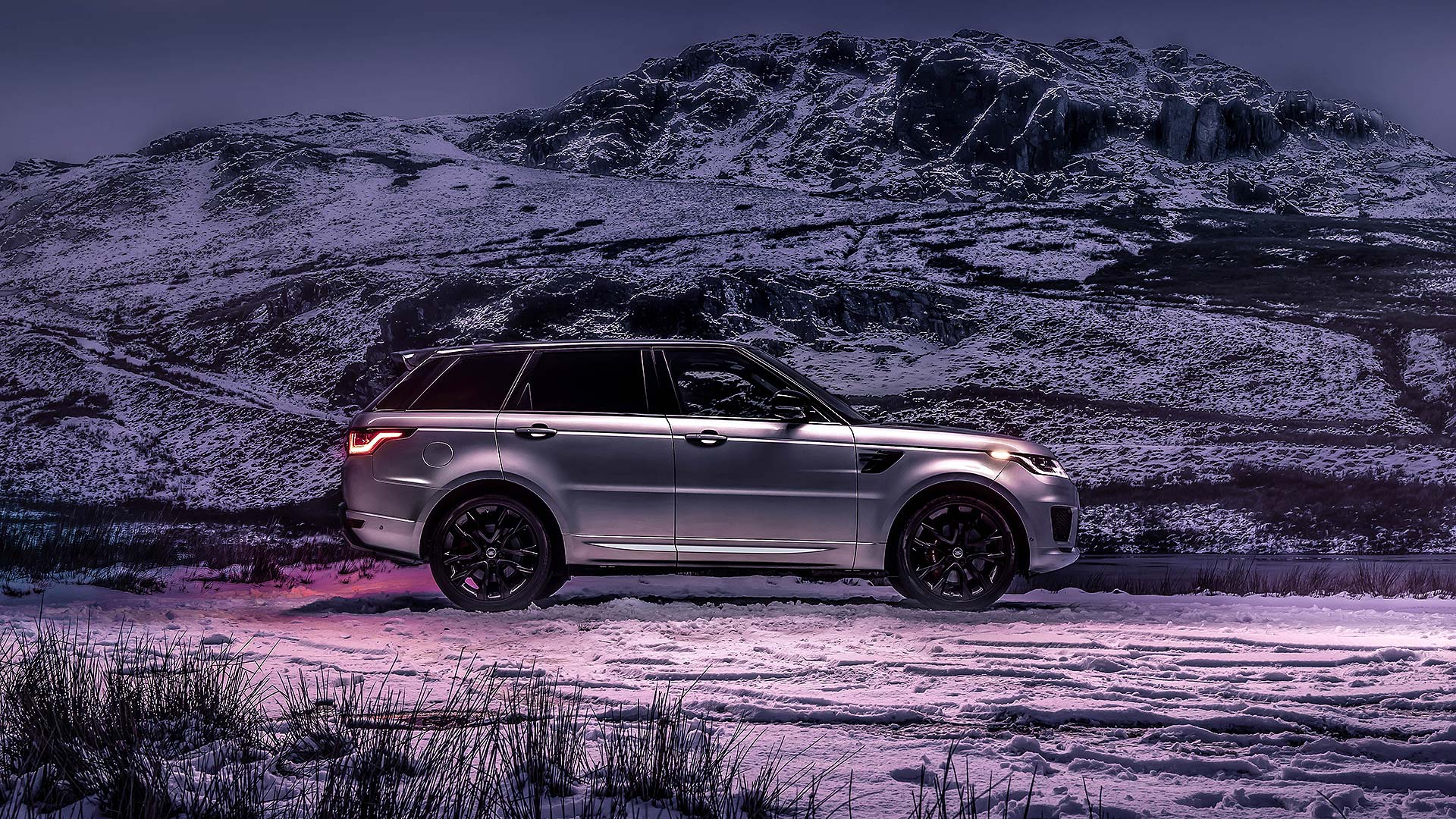
 Looking at the details of the new 2019 Jetta GLI, it’s hard not to feel slightly hard done by. Volkswagen has worked hard to make its latest performance sedan standout, with it appearing much like the Audi S3 saloon from certain angles.
 Even with the new seventh-generation Jetta only reaching showrooms in the second quarter of 2018, Volkswagen of America still managed to sell more than 90,000 of them in 2018. Although the US market is suffering the same lure of the crossover SUV, there is at least still some interest in sedans.
 Nissan’s UK car factory in Sunderland has been in the headlines recently, following the firm’s decision to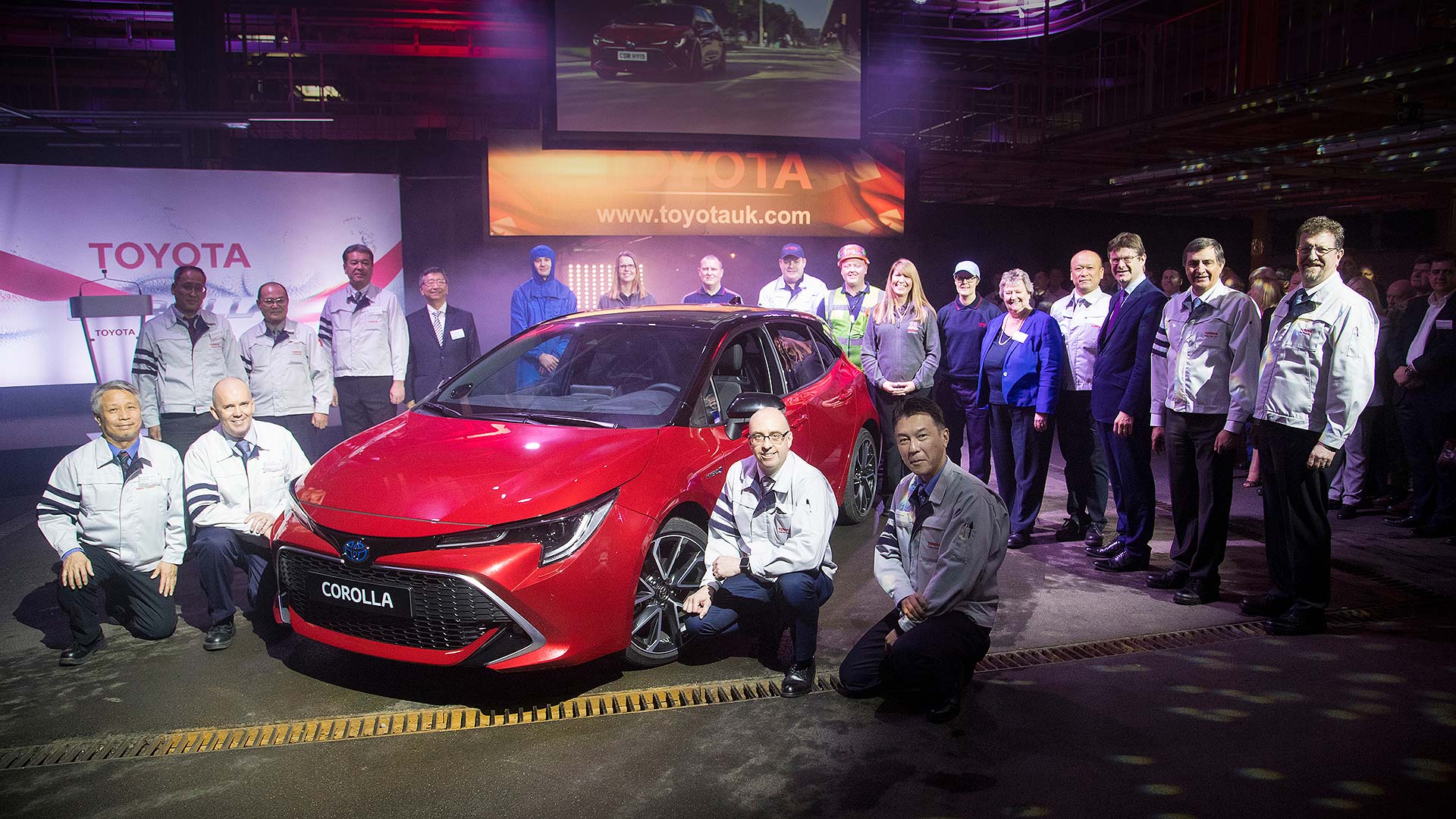
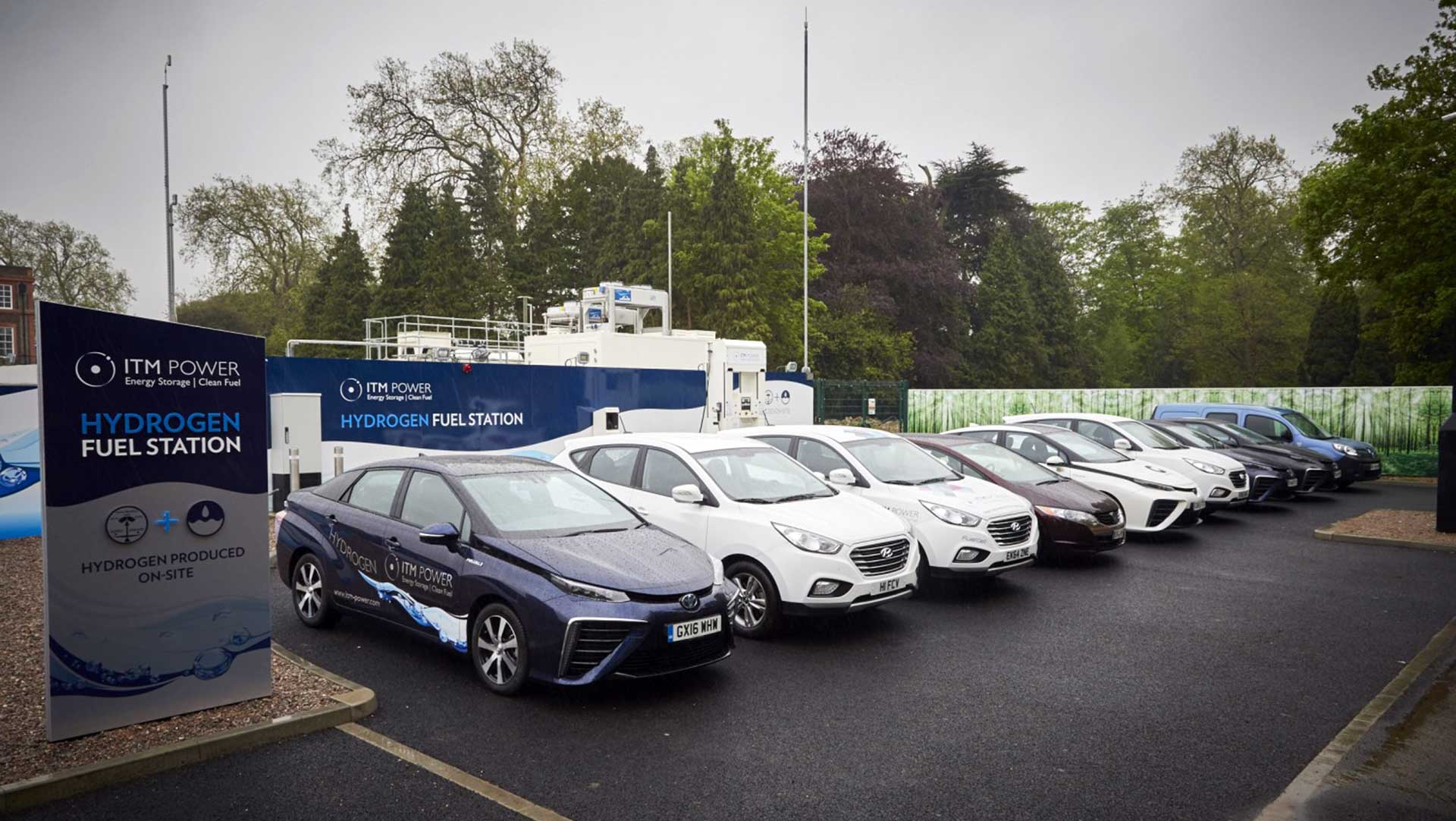
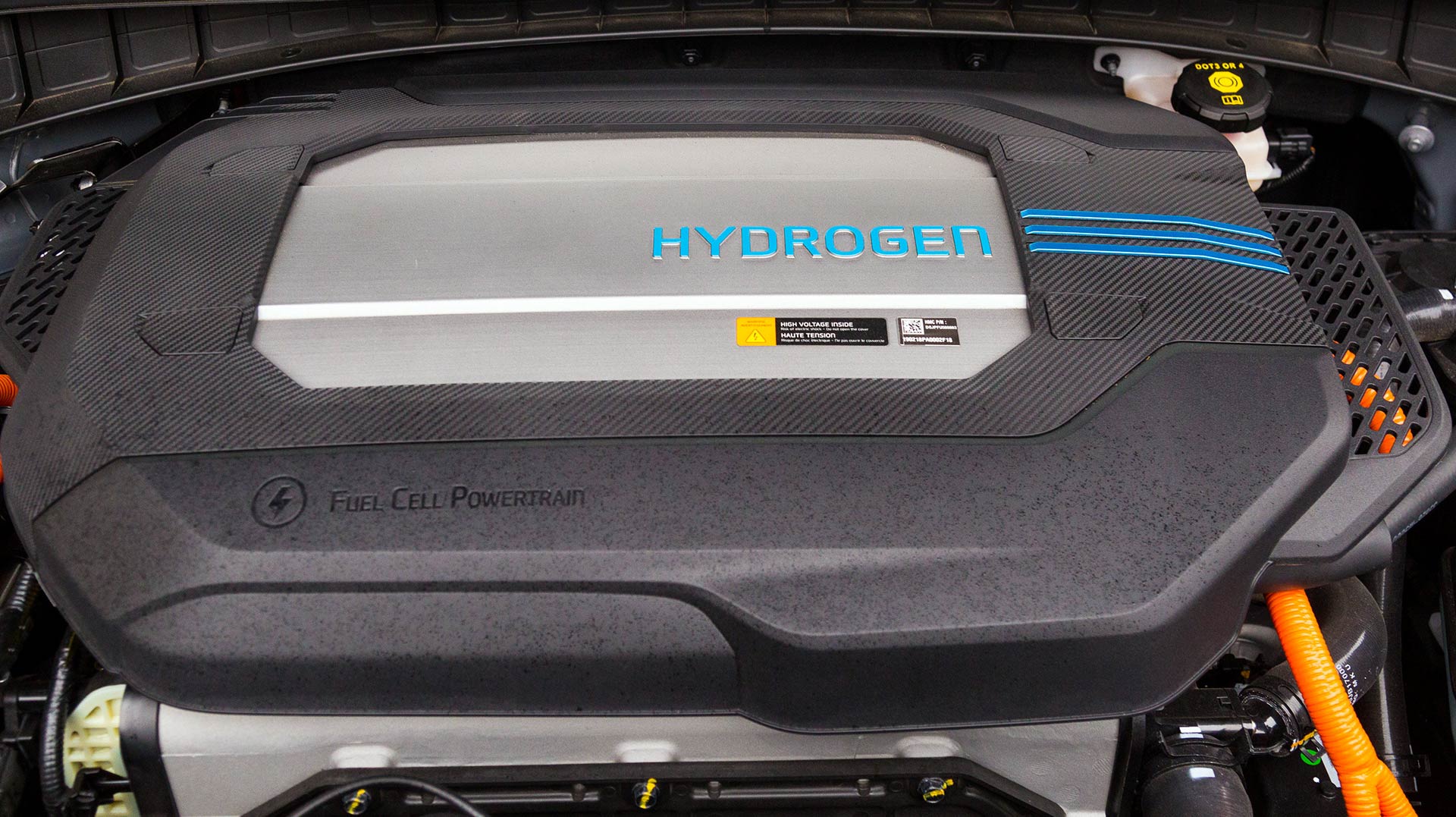 Of the five hydrogen fuelling stations revealed as part of the £14million programme, two will be sited in the Tees Valley.
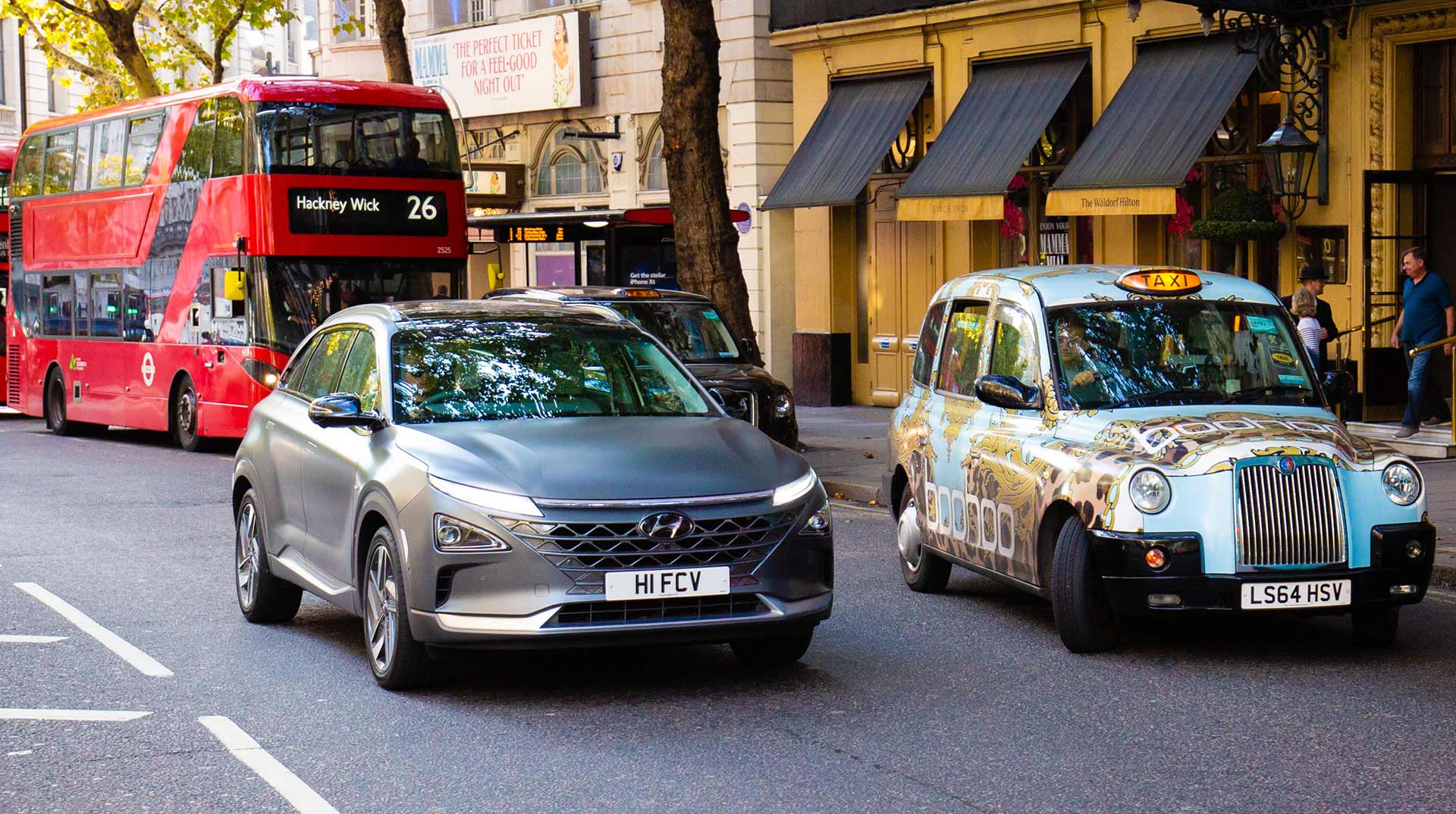 The overall funding will see more than 100 hydrogen fuel cell cars and buses delivered across the UK, helping push forward the development of the zero-emissions technology.
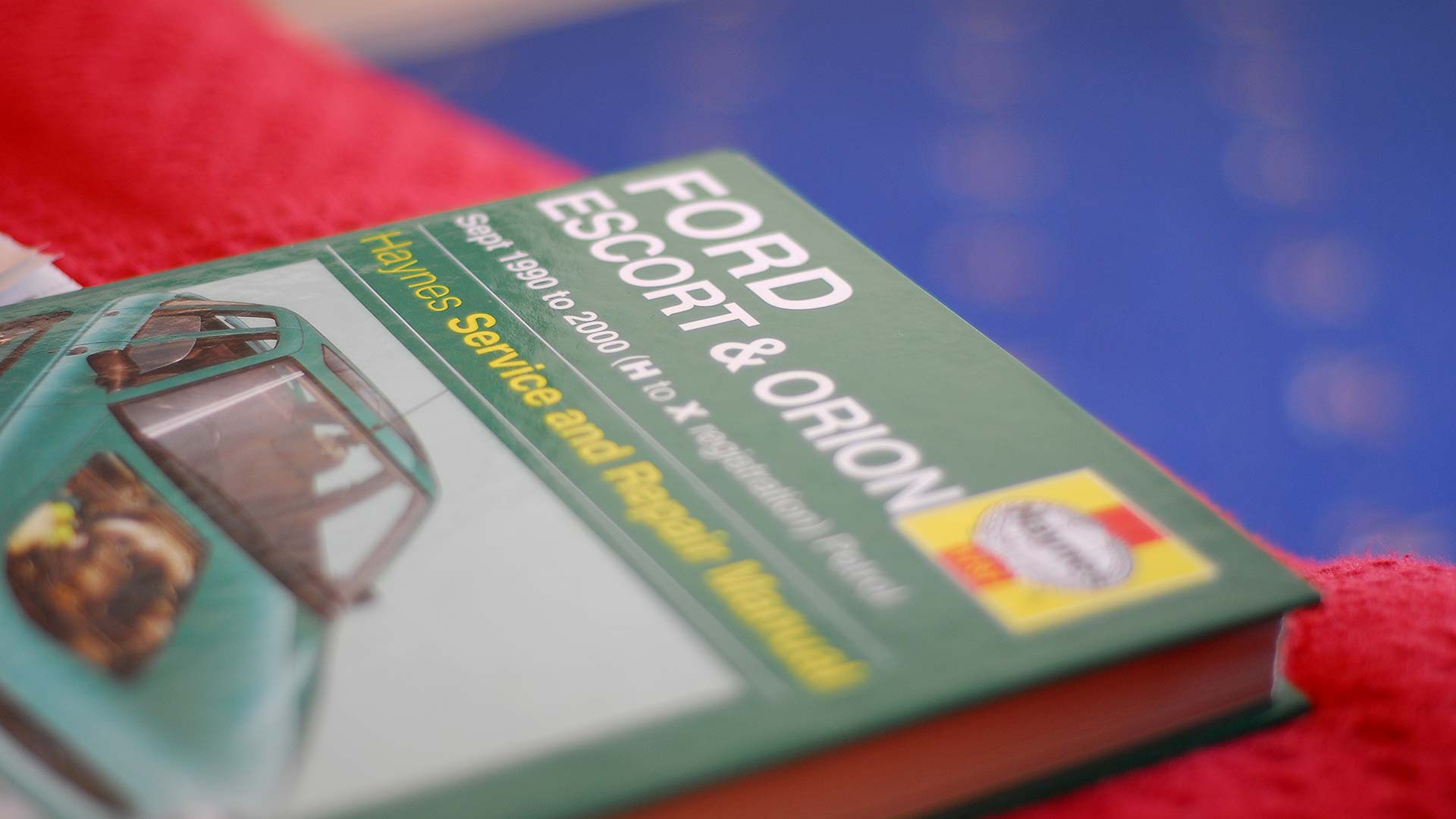 John Harold Haynes OBE, the father of the
 Launch Edition cars will be identifiable by the black styling pack applied to the front grille and exterior window trim. Most noticeable will be the fancy door-mounted
  Volkswagen has unveiled an all-new version of the Volkswagen Jetta GLI at the 2019 Chicago Auto Show. Completely overhauled to cater to the North American market, it marks the sixth-generation of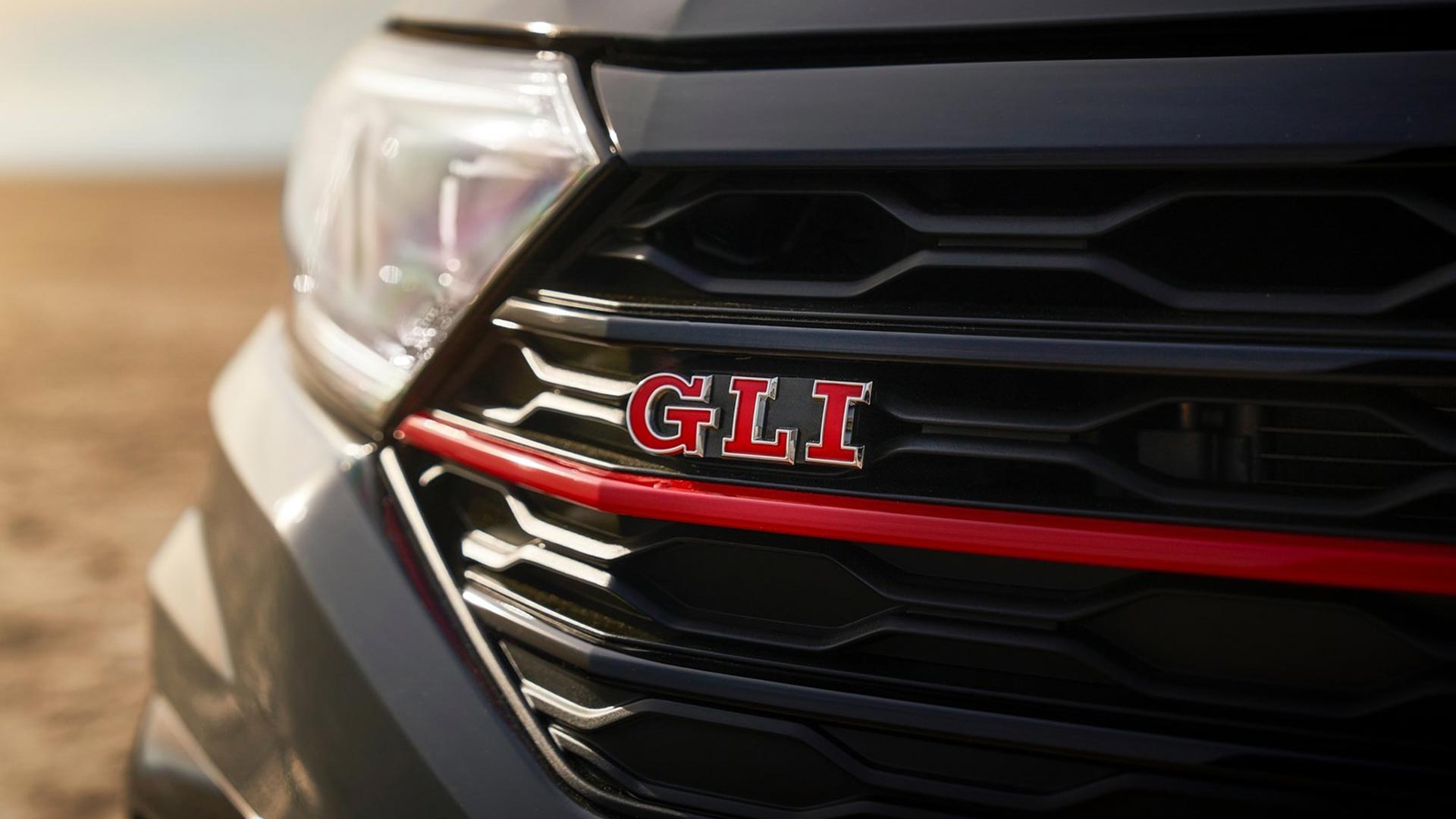



 The
The