It’s a breath of fresh air, if you will, to report some positive news about diesel. ADAC, the German equivalent of the RAC, has uncovered just how clean new clean diesels can be.
The answer? They’re all but NOx-free, with results indicating new Euro 6d diesels are, on average, over eight-times cleaner than the on-road standard, as recorded over a variety of tests.
ADAC has been stringently testing some modern diesels for emissions, using new test conditions and methodology, as well as real-world testing, to yield results that better represent what these cars are actually emitting. They’re promising, with NOx and CO2 readings coming back well within mandated limits.
Putting diesel to the test
On top of the new testing procedures, ADAC added an extra level of difficulty. The cars tested, which included a BMW X2, Peugeot 308, Volvo XC60 and more, were loaded up with 200kg of weight, had the air-con put on full blast and were subjected to a highway cycle. Included in testing was a measurement of exhaust gases during average on-road driving. No cheating the system here…
Not that it would be necessary. As above, the new clean diesels flew through without a hitch. For reference, the regulatory high standard (on a test bench) we’re looking for is below an average of 80mg/km. For road testing, it’s 168 mg/km.
The latest cleaning technology, including selective catalytic reduction and on-demand urea injection, kept the cars comfortably within nitrogen oxide standards. The BMW and Peugeot, running the 20d diesel engine and 2.0 BlueHDi engine respectively, both Euro 6d standard, were particular star performers.
The Peugeot in the WLTC test, Real Drive Emission (RDE), ADAC Ecotest and Autobahn test, got a high recording of 45 mg/km. The BMW got a high of 84 mg/km during the Autobahn testing but massively excelled in the other tests, with a low of just 13 mg/km in the WLTC test.
Both the Peugeot and the BMW produce averages well under 80 over the course of a strong variety of tests, including on-road testing. The Volvo didn’t have it quite so easily. The first three tests saw it perform adequately, but the Autobahn test saw a spike, at 239mg/km. The cause? Good old consumption of fuel – the Volvo used over a litre/100km more than the Peugeot and the X2 during the ADAC Ecotest.
Cold weather NOx testing – almost ZERO?
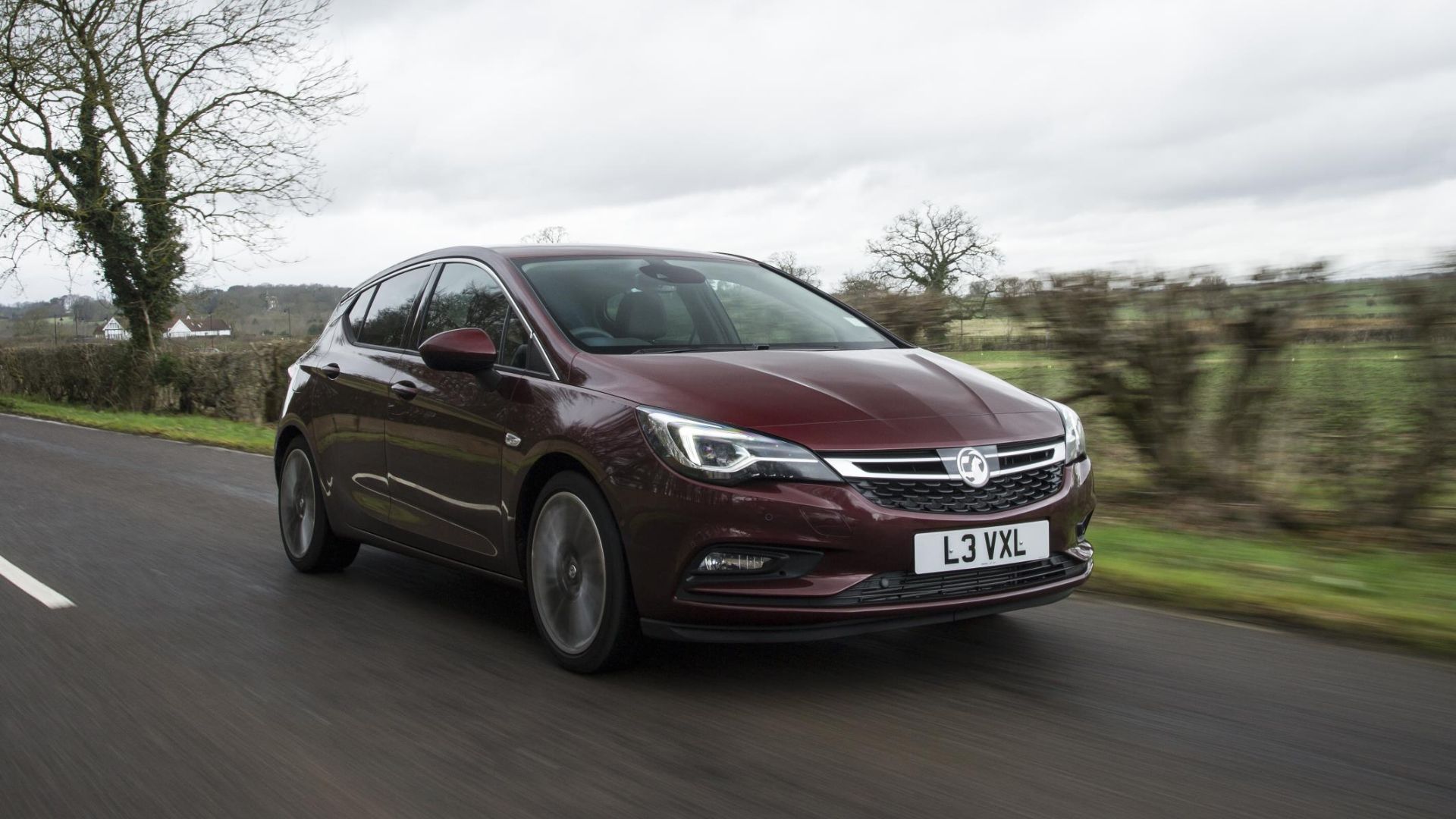
Cold weather is generally considered to worsen NOx emissions. Tests that included a BMW 520d touring, Citroen Berlingo BlueHDi and an Opel Astra 1.6 D yielded some incredible results.
All three scored under 10mg/km of NOx. The BMW and the Astra registered just one mg/km. The Citroen scored seven mg/km. The highest score out of seven cars tested, by 16mg/km, was the Volvo, with 56 mg/km.
So what’s the overall result?
Overall, the average NOx recording for Euro 6d TEMP-standard diesel cars, over the course of a variety of tests including lab conditions, the real world and cold-weather, was 20mg/km. The real world standard is 168 mg/km. There you have it. An on-average standard that’s 8.4-times lower than the real world standard.
A total of 86 million cars were sold across the world’s 54 top markets in 2018, as global sales fell by 0.5 percent. This is the first time registrations have fallen since 2009, with strong results in India, Brazil, Russia and South East Asia unable to offset stalling sales in Europe, China and the USA. Using data supplied by JATO, we can reveal the world’s best-selling cars of 2018, with the results presented in reverse order. These are the cars to avoid if you’re hoping to stand out from the crowd.
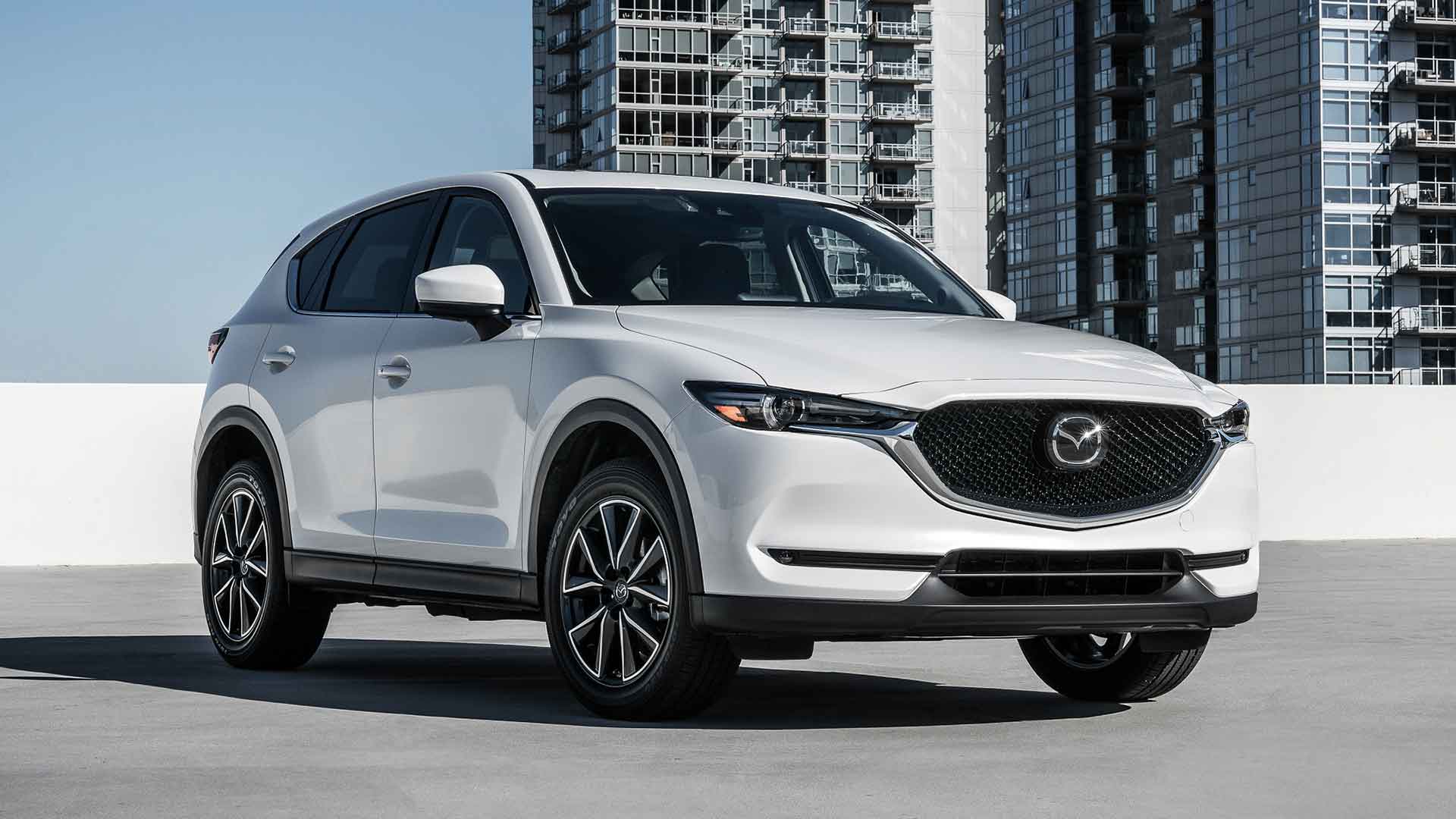
25. Mazda CX-5 – 456,712 registrations
“Last year could be considered as the beginning of a new era for the automotive industry,” said Felipe Munoz, JATO’s global analyst. “The dip in the Chinese market had ramifications upon the rest of the global market in 2018. As China makes up nearly 30 percent of global vehicle sales, any change that happens there is felt across the rest of the world.” The Mazda CX-5 is a new entry at number 25, with registrations up 13 percent.
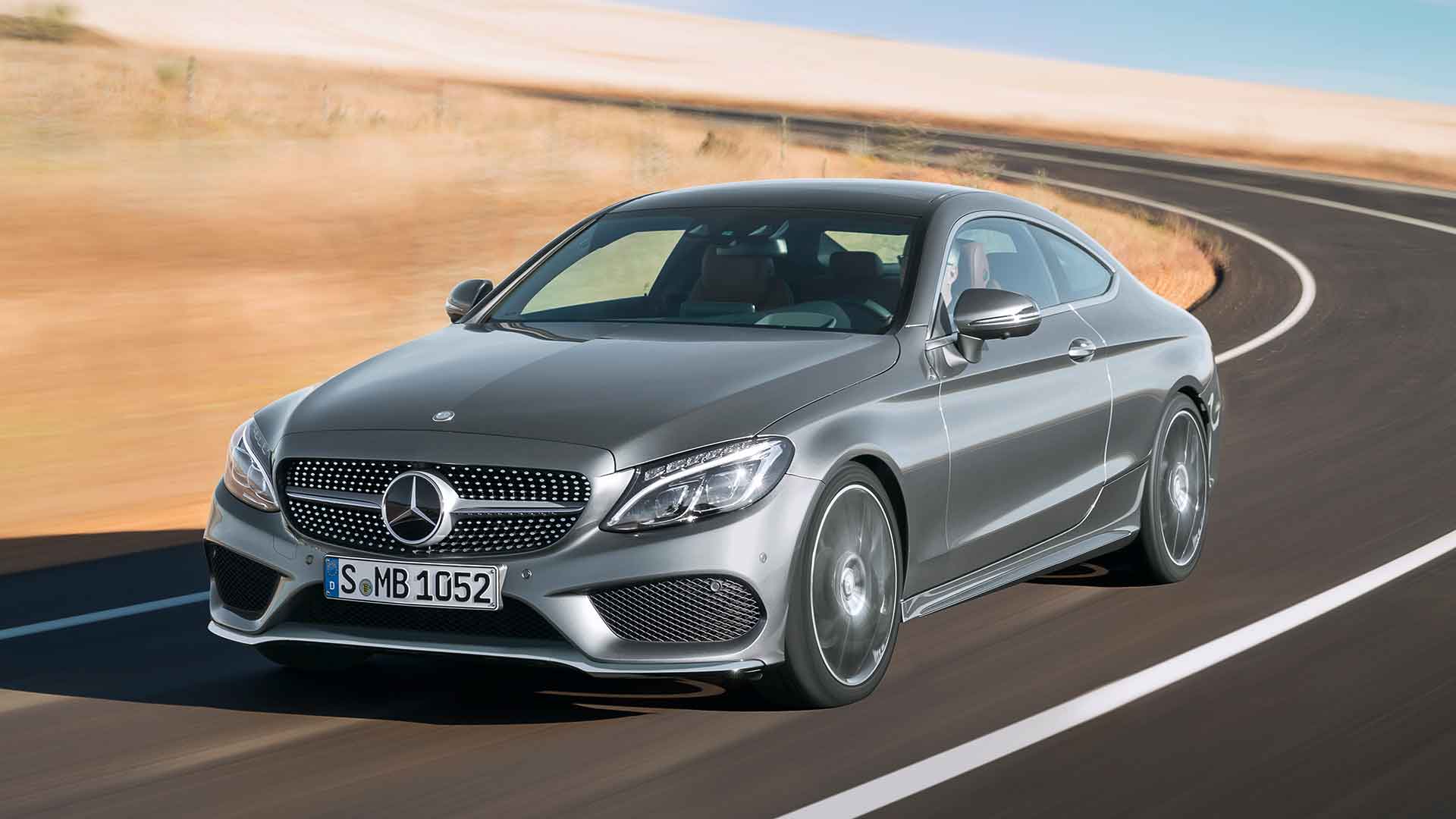
24. Mercedes-Benz C-Class – 459,778 registrations
Once again, the Mercedes-Benz C-Class manages to creep into the top 25, although registrations are down seven percent. It’s the only premium car to make JATO’s top 25.
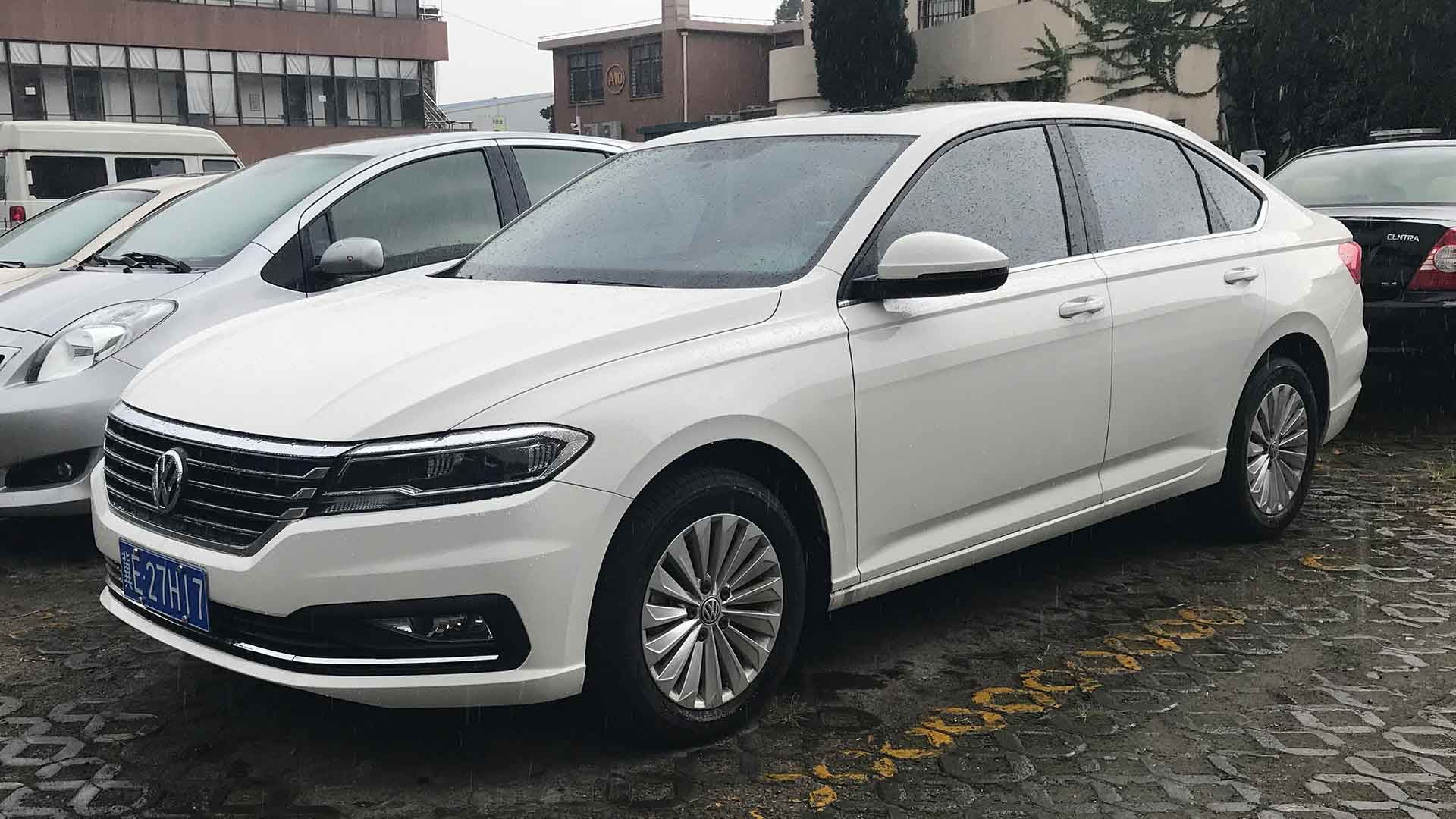
23. Volkswagen Lavida – 468,792 registrations
The only car named in honour of a Ricky Martin song secures 23rd place, the Chinese-market Volkswagen saloon seeing sales climb three percent. The Puerto Rican singer will be so proud.
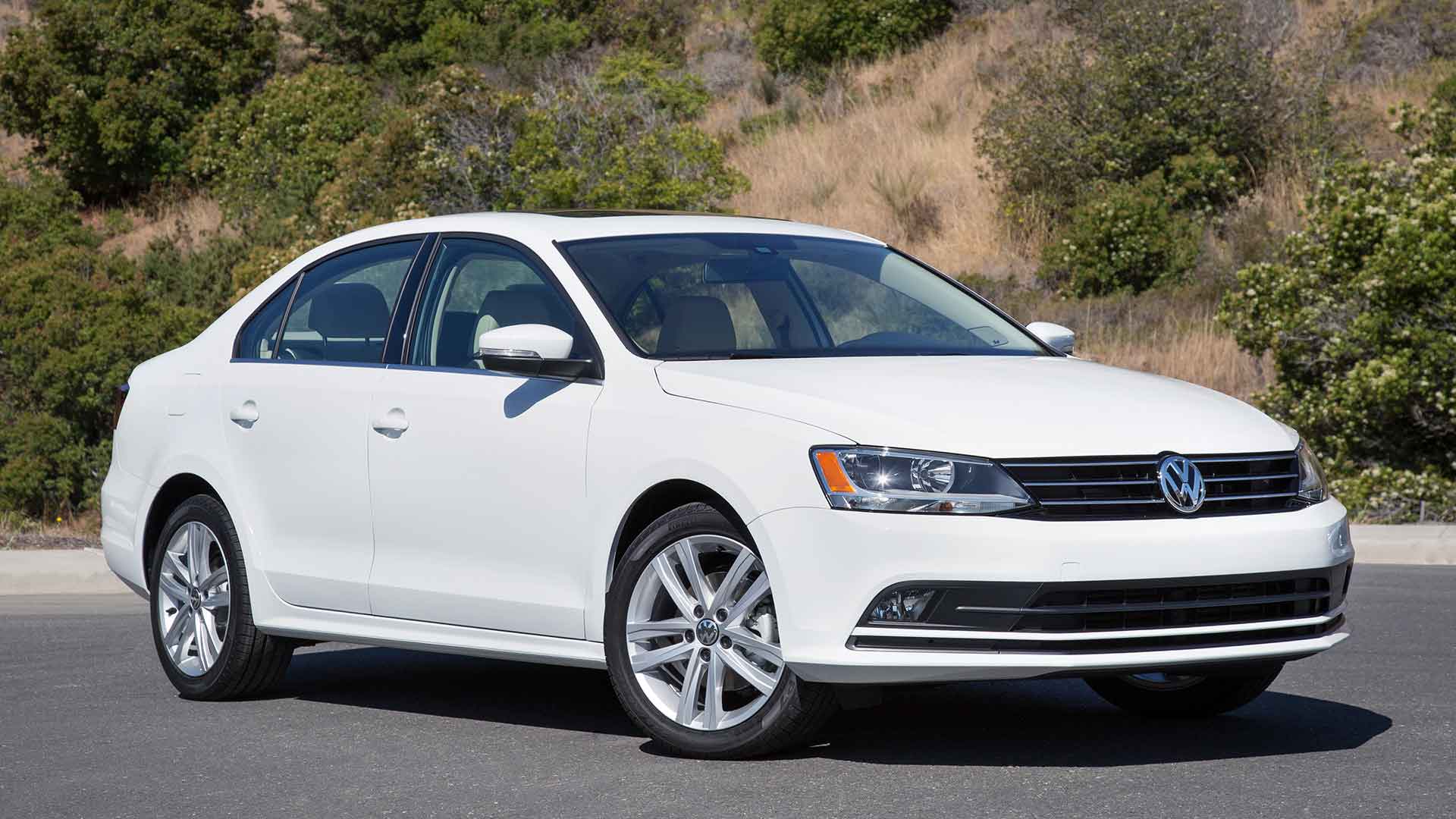
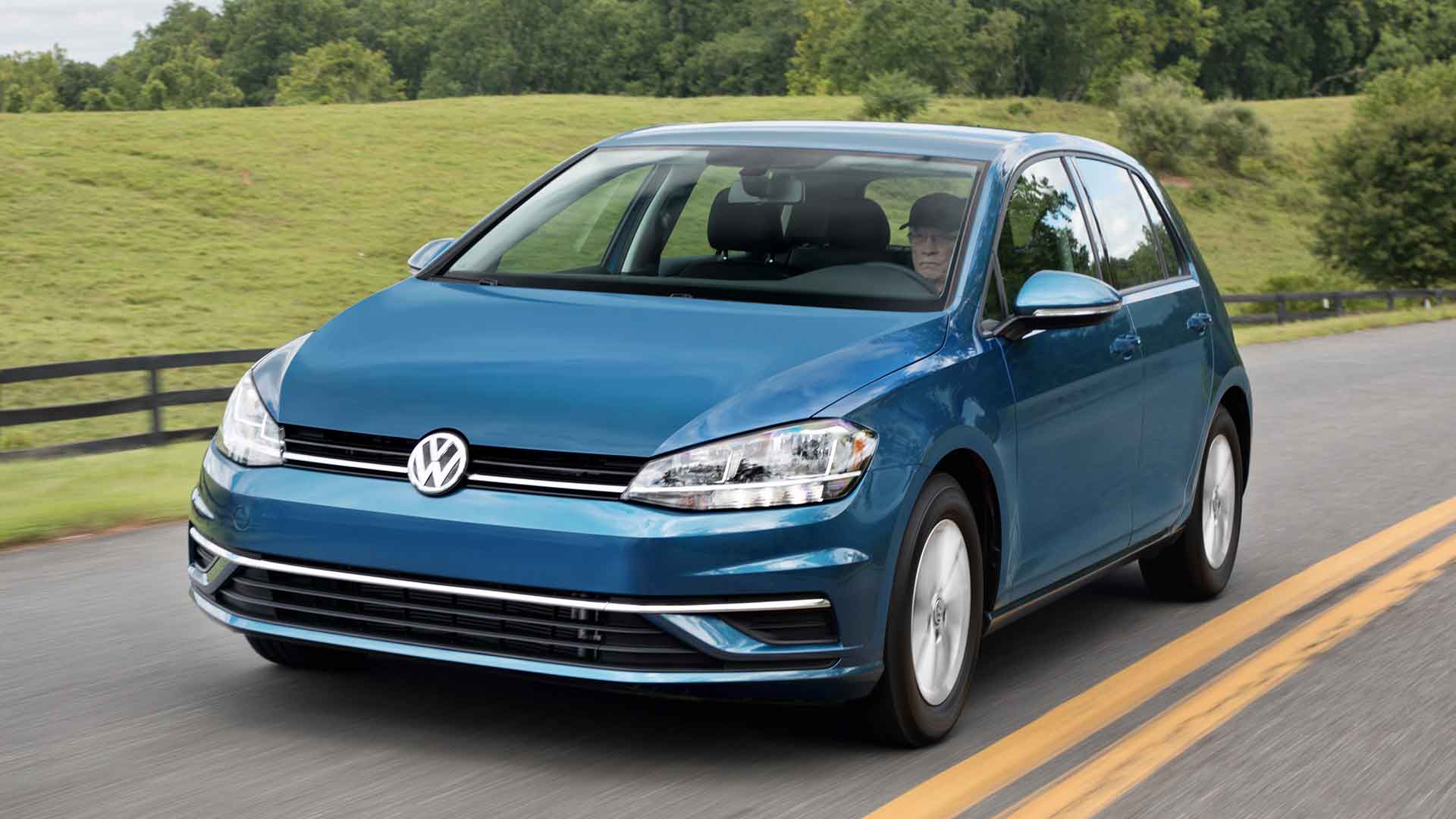
The booted Volkswagen Golf wears a number of different badges across the world but is no longer offered for sale in the UK. Registrations are down 15 percent, which is hardly surprising given the car’s popularity in China and the USA.
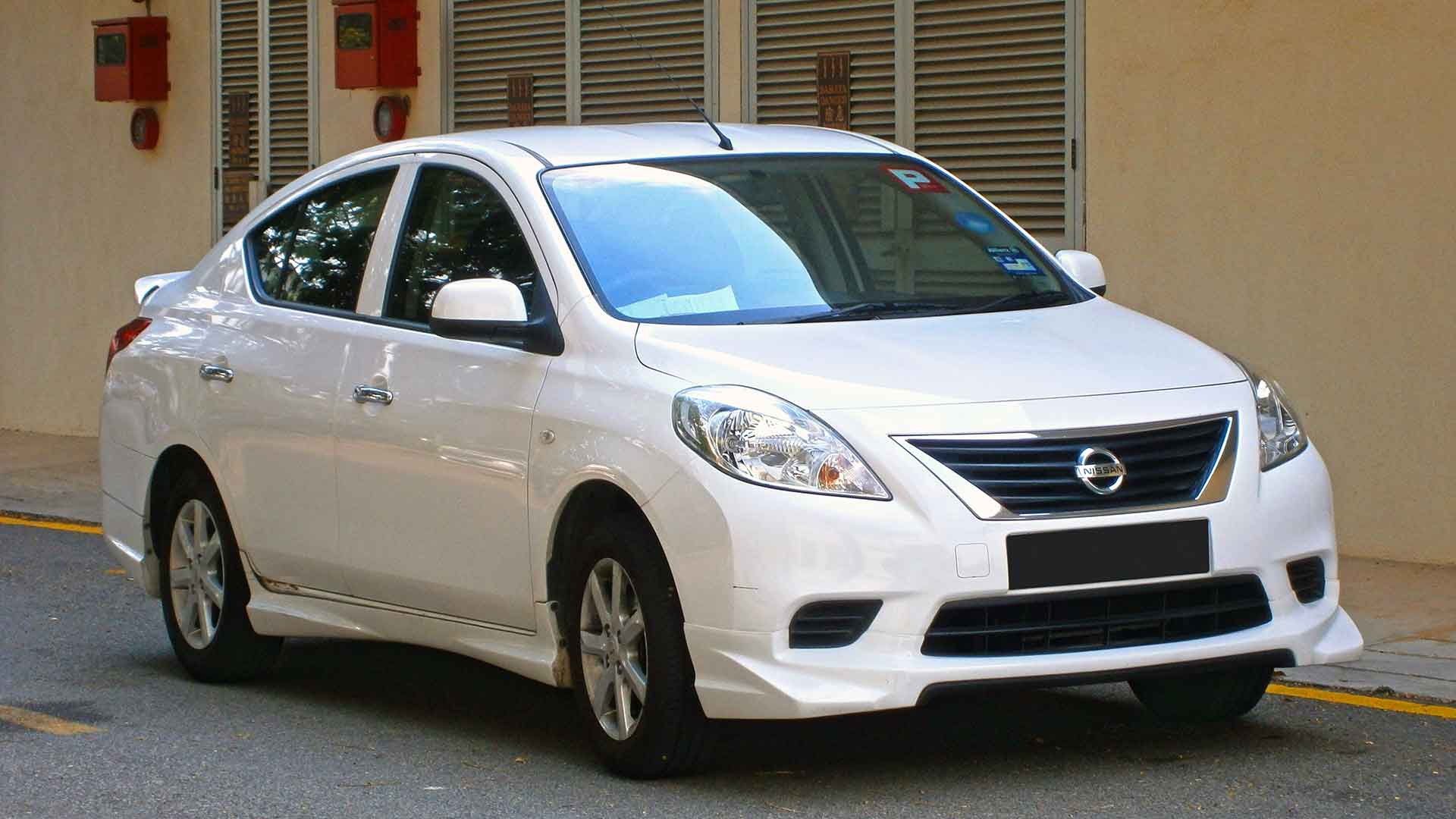
Without wishing to state the obvious, the JATO data tells us that the world loves saloons and SUVs. The Nissan Sylphy is one of the most popular cars you’ve never heard of, with registrations up 18 percent – the highest percentage increase in the top 25.
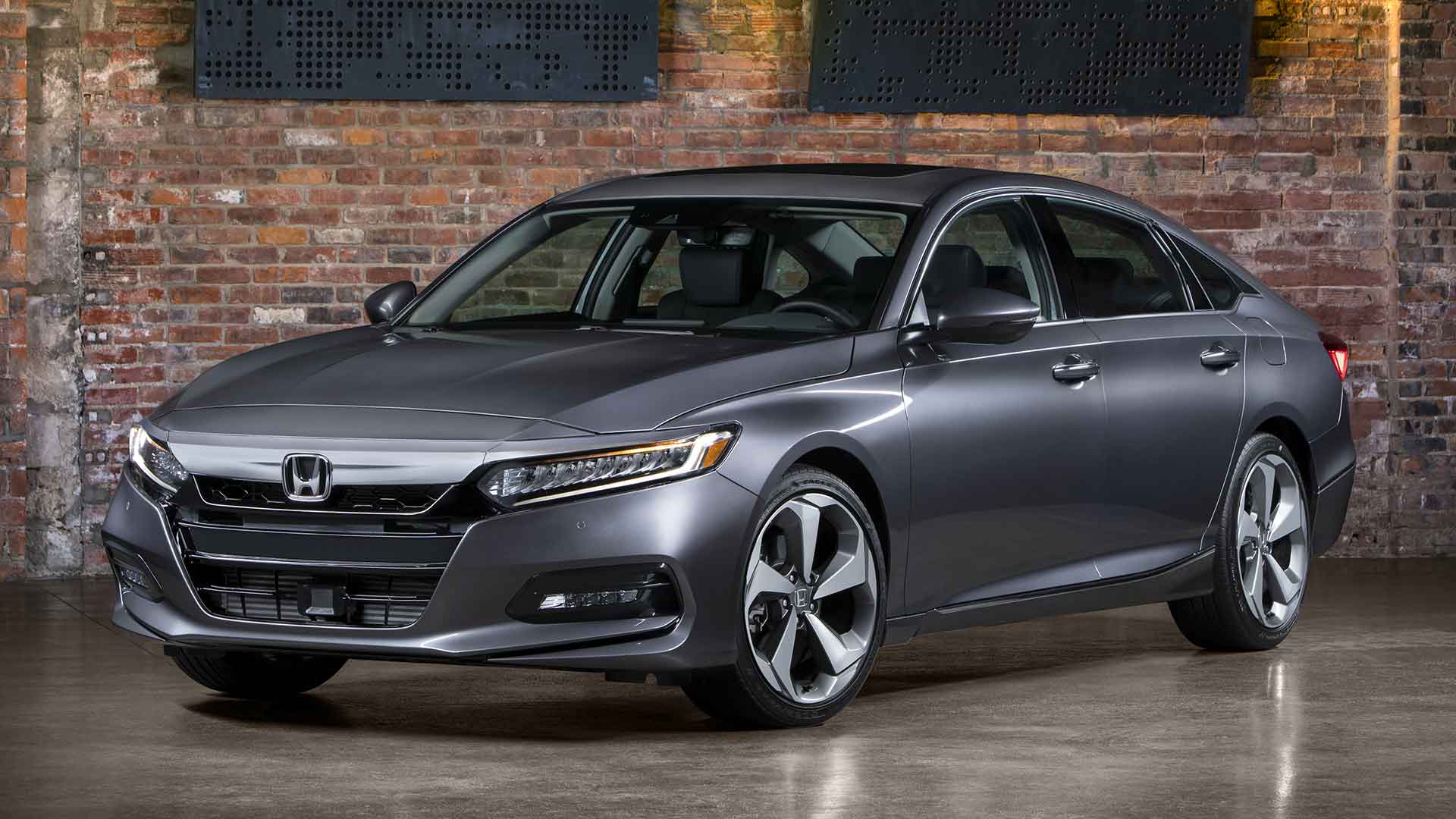
20. Honda Accord – 499,594 registrations
In 2017, Honda shifted 500,687 units across the world, but this figure has fallen below half a million in 2018. “It’s the most impressive Honda yet.” Not our words, but the words of Honda USA.
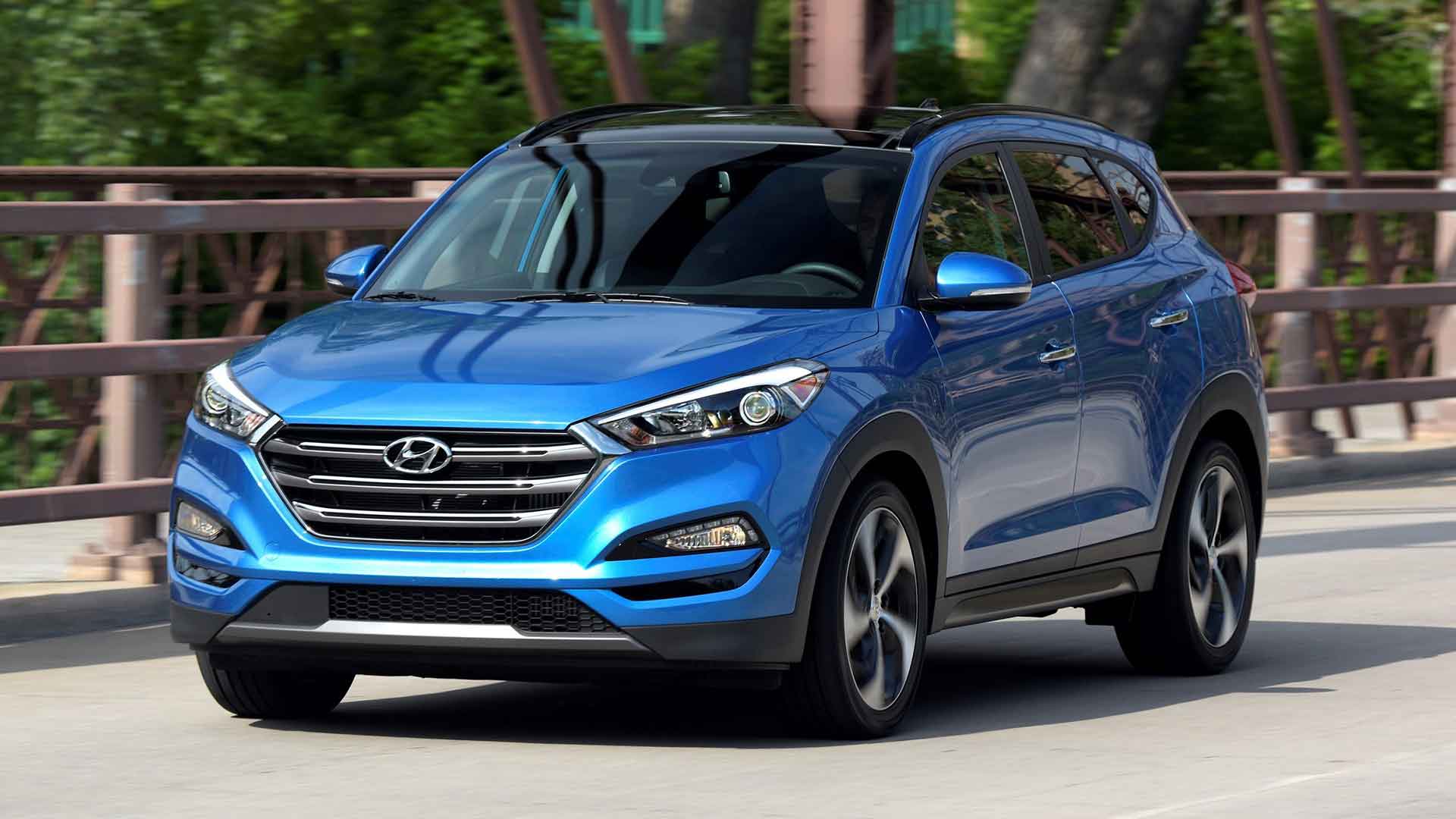
19. Hyundai Tucson – 511,963 registrations
An 11 percent fall in registrations follows a four percent slump in 2017. Does this suggest the world is falling out of love with the Hyundai Tuscon? Not really, as 511,963 units is a healthy number in a depressed market.
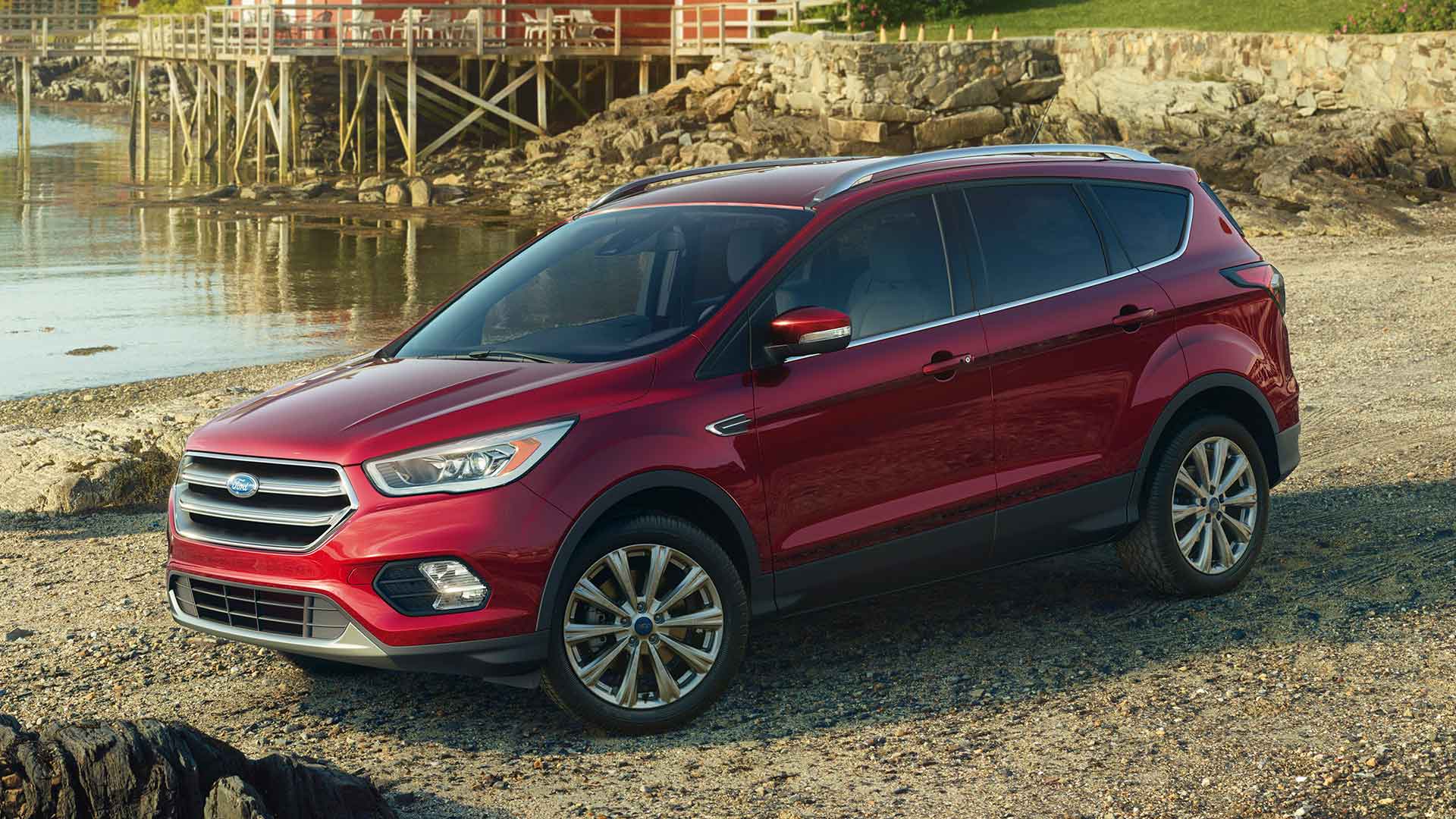
18. Ford Escape/Kuga – 544,827 registrations
Ford will unveil a new Kuga in 2019, with the range expected to be bolstered by the arrival of a plug-in hybrid model and a likely ST variant. It can’t come soon enough, as global registrations are down 16 percent.
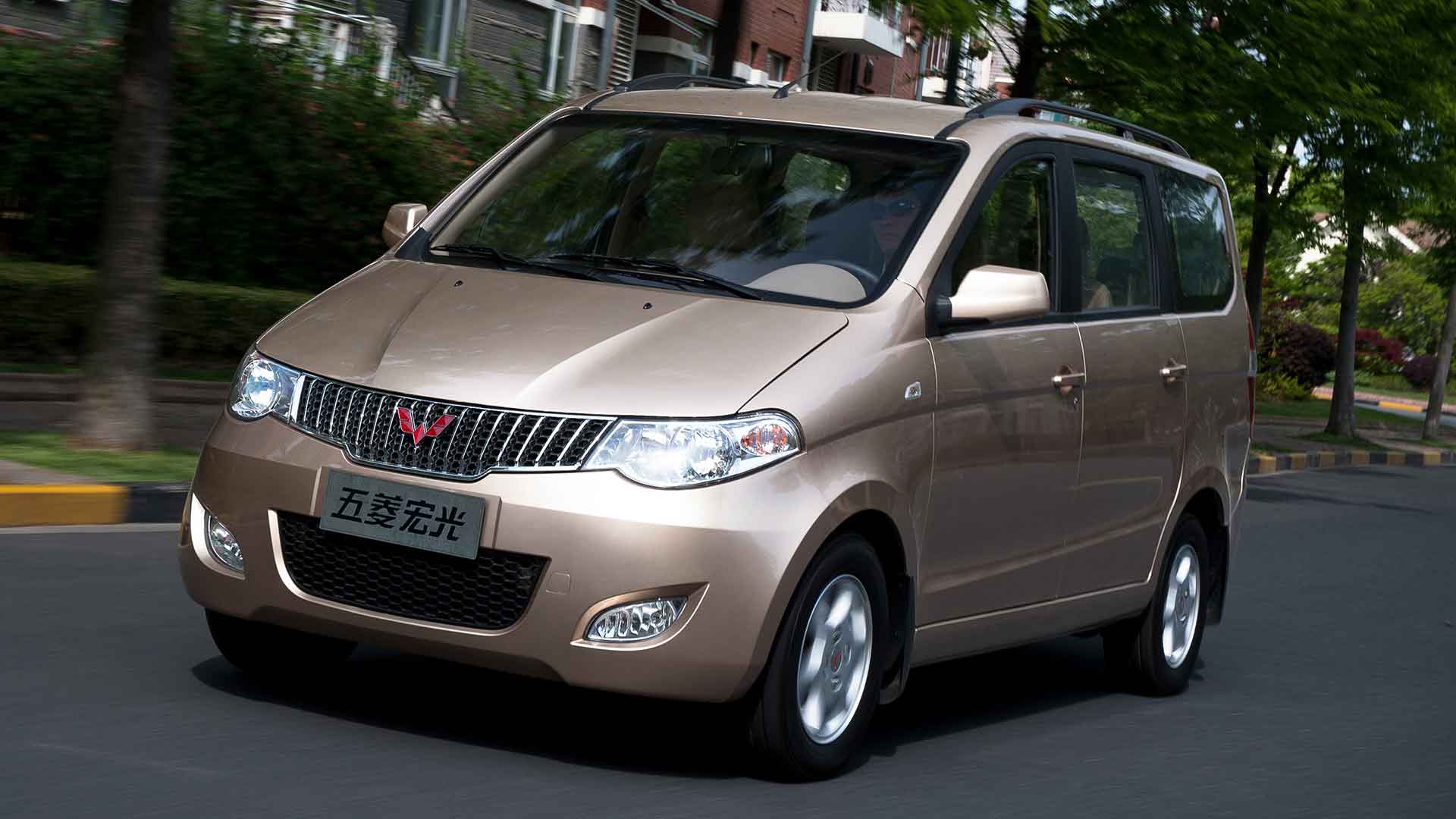
17. Wuling Hong Guang – 545,928 registrations
With sales of around four million, the Wuling Hong Guang is an incredibly successful nameplate. The Hong Guang S3 SUV arrived at the end of 2017, but this couldn’t prevent a nine percent slump in registrations.
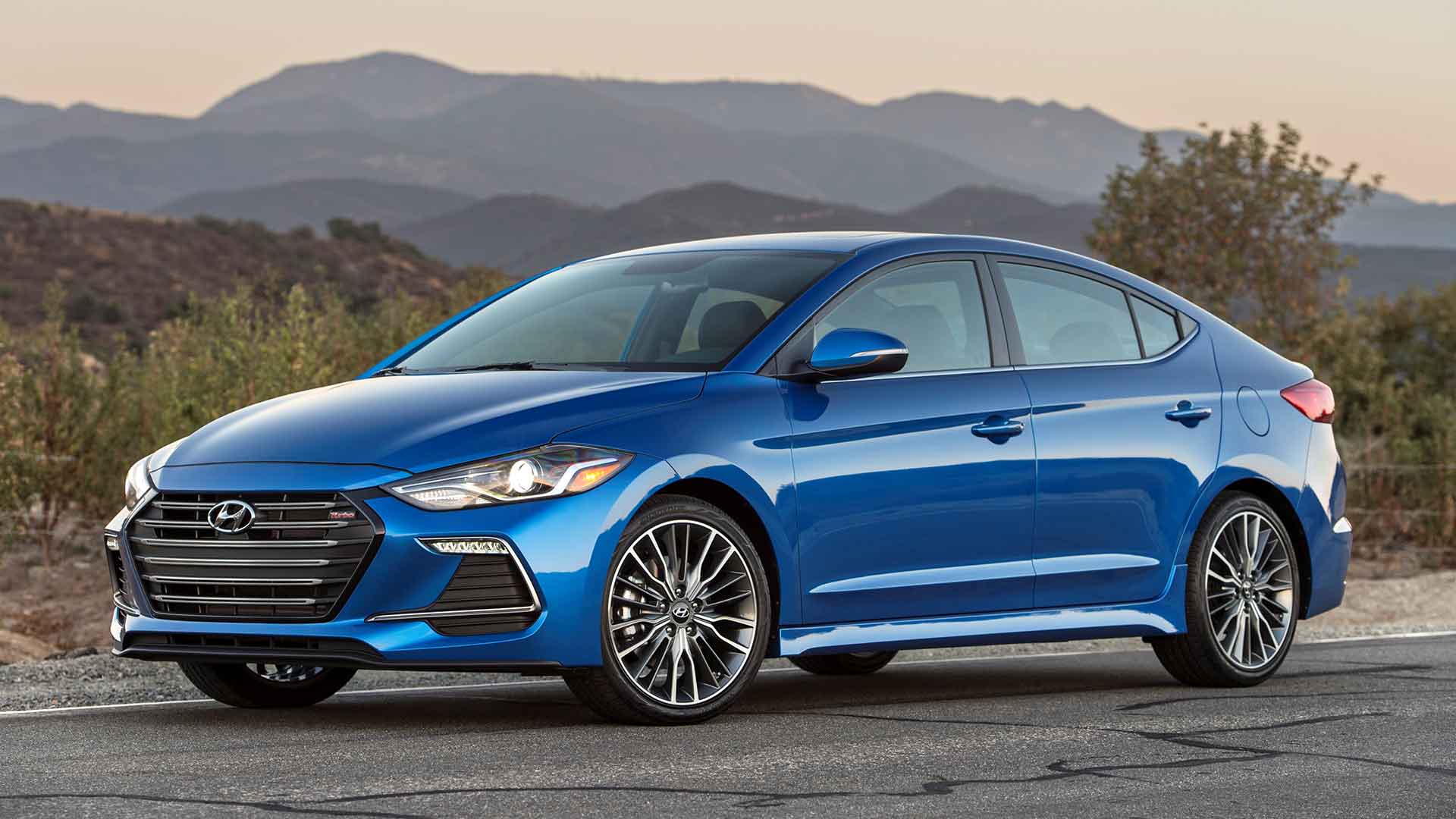
You might remember the Hyundai Elantra as a car driven by people with no interest in cars. JATO’s figures would suggest there are at least 574,700 non-car people in the world, although this is down from 611,000 registrations in 2017.
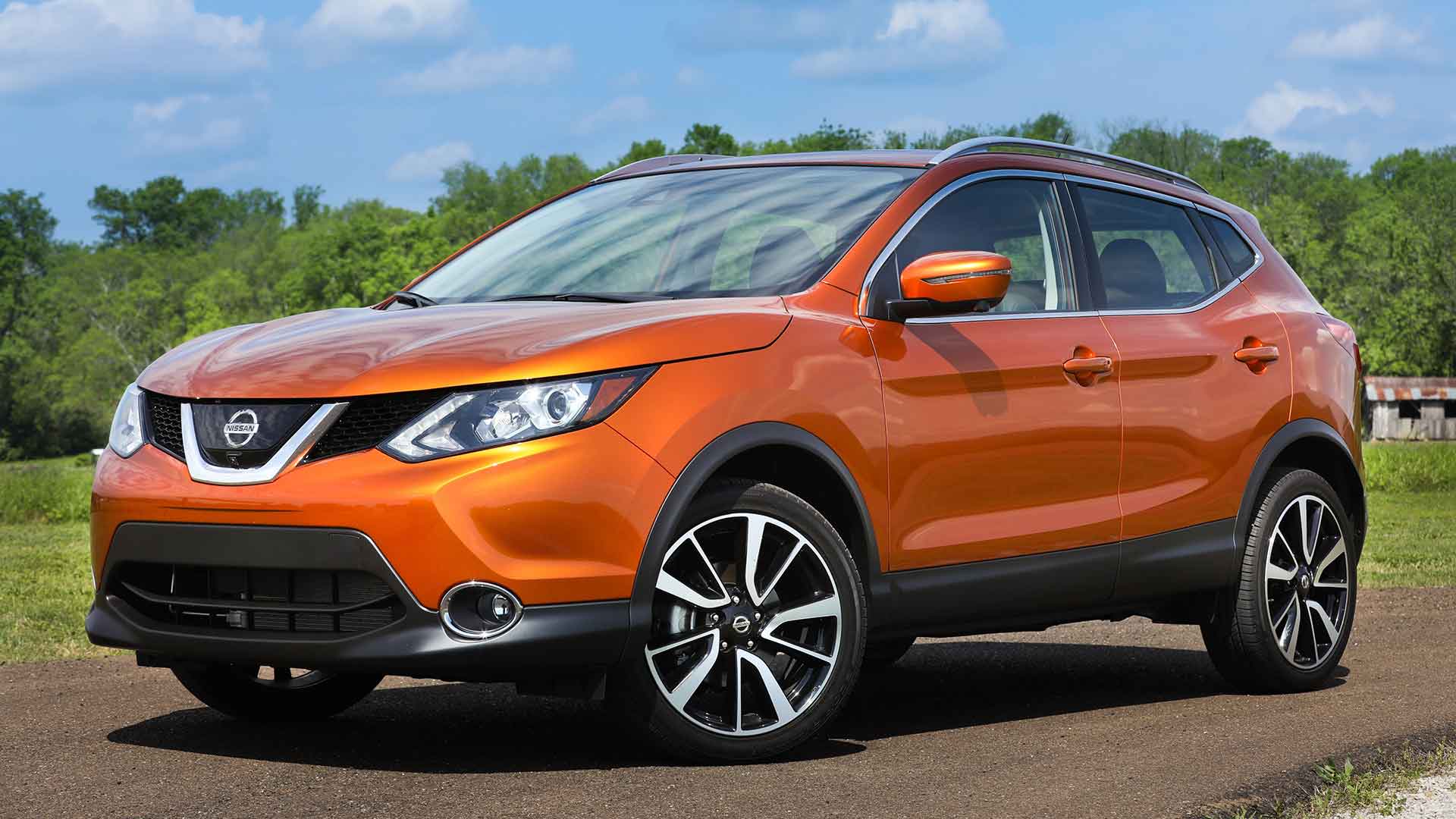
15. Nissan Qashqai/Rogue Sport – 586,940 registrations
The Nissan Qashqai – or Rogue Sport in America – remains incredibly popular, with this year’s 13 percent increase in registrations following an 18.9 percent jump in 2017. Ditching the Almera was a good move.
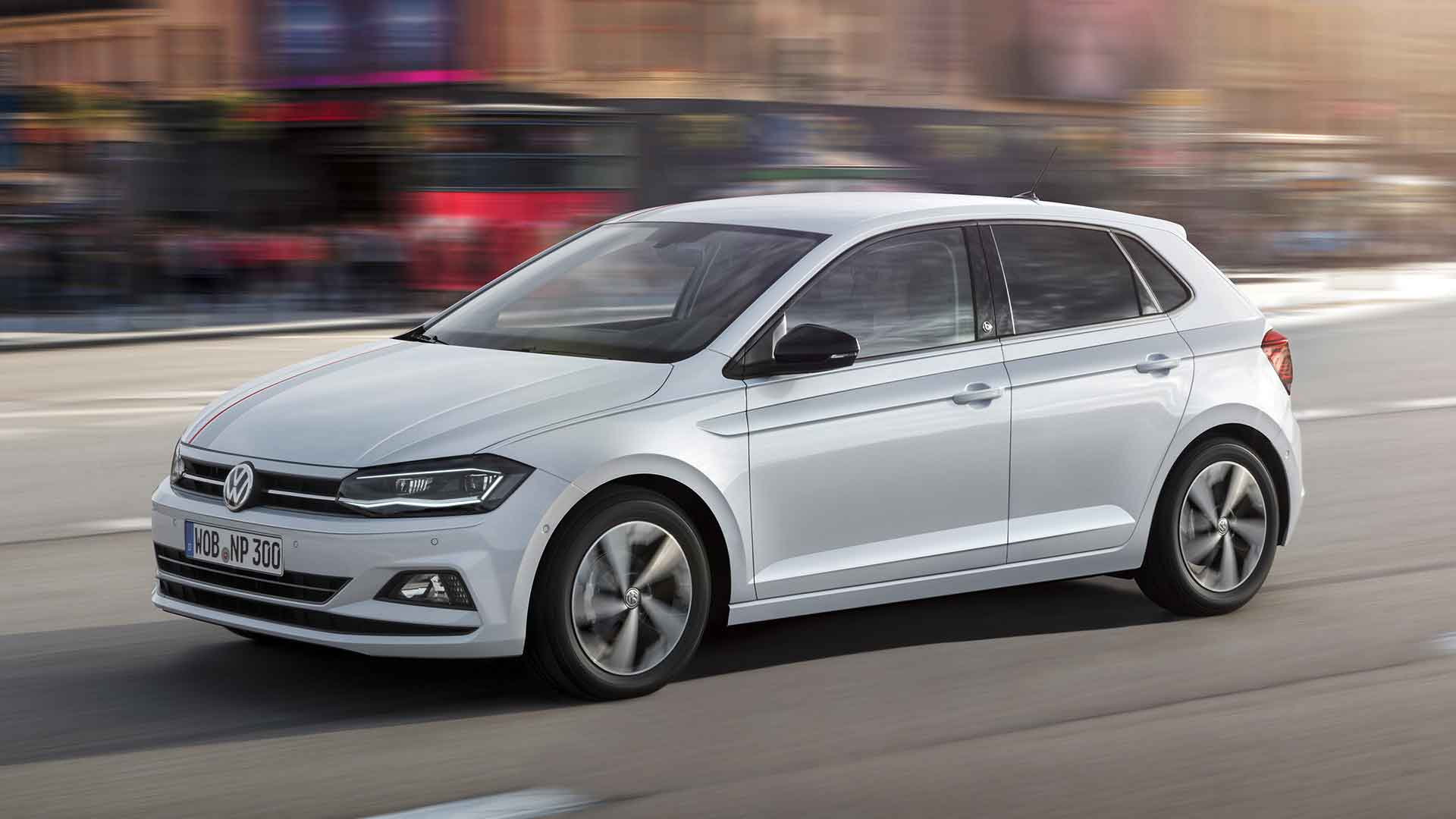
14. Volkswagen Polo – 598,500 registrations
As expected, the Volkswagen Polo has recorded an increase in registration as the new model enjoys its first full year on sale. This follows a slump in 2017.
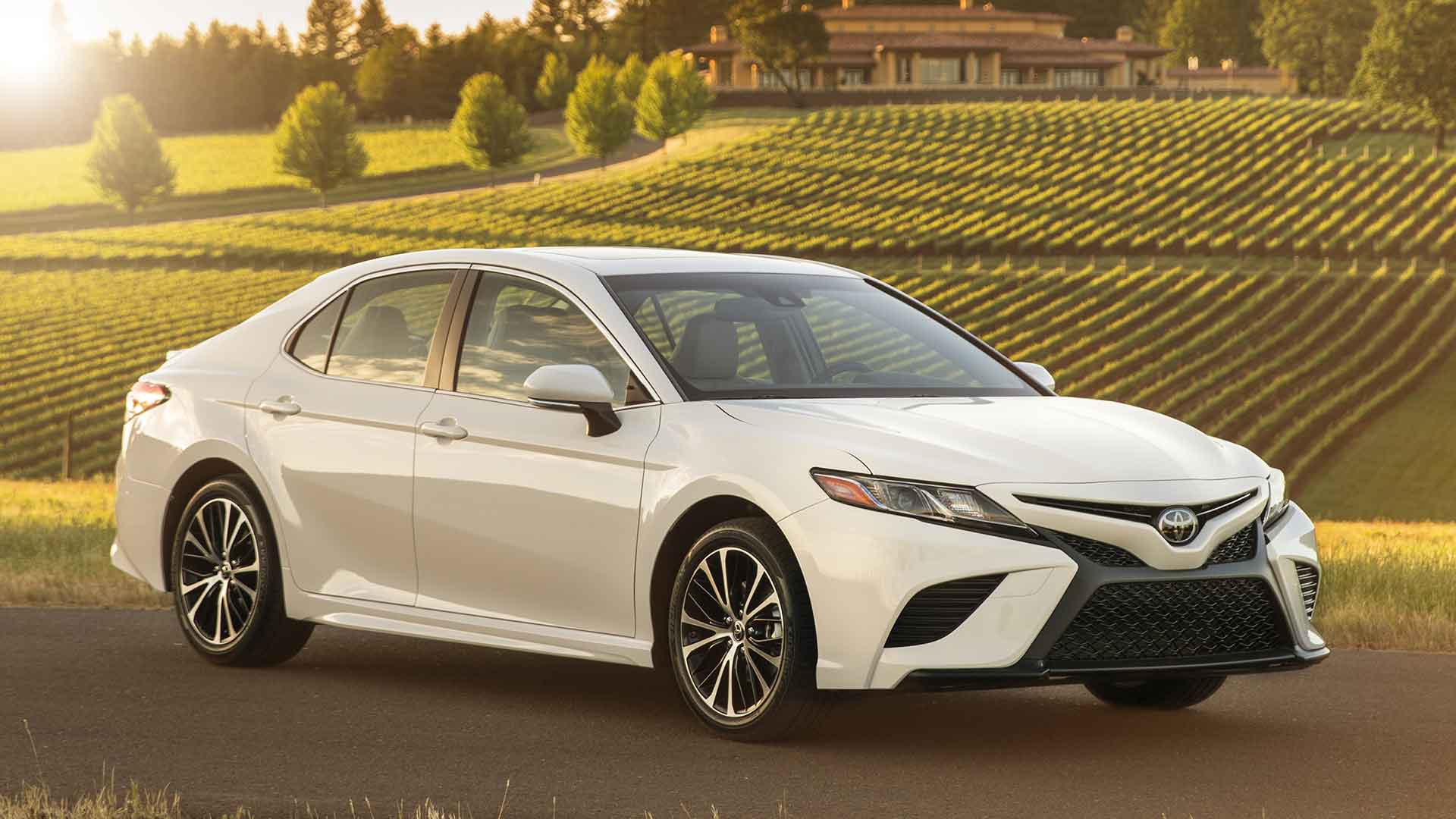
13. Toyota Camry/Aurion – 622,316 registrations
Visit Toyota’s American website and you’ll be greeted by a detailed section outlining why the Camry beats the Honda Accord. It must be working because while the Accord has seen sales head south, Camry registrations are up seven percent. The Camry will return to the UK in hybrid form in 2019.
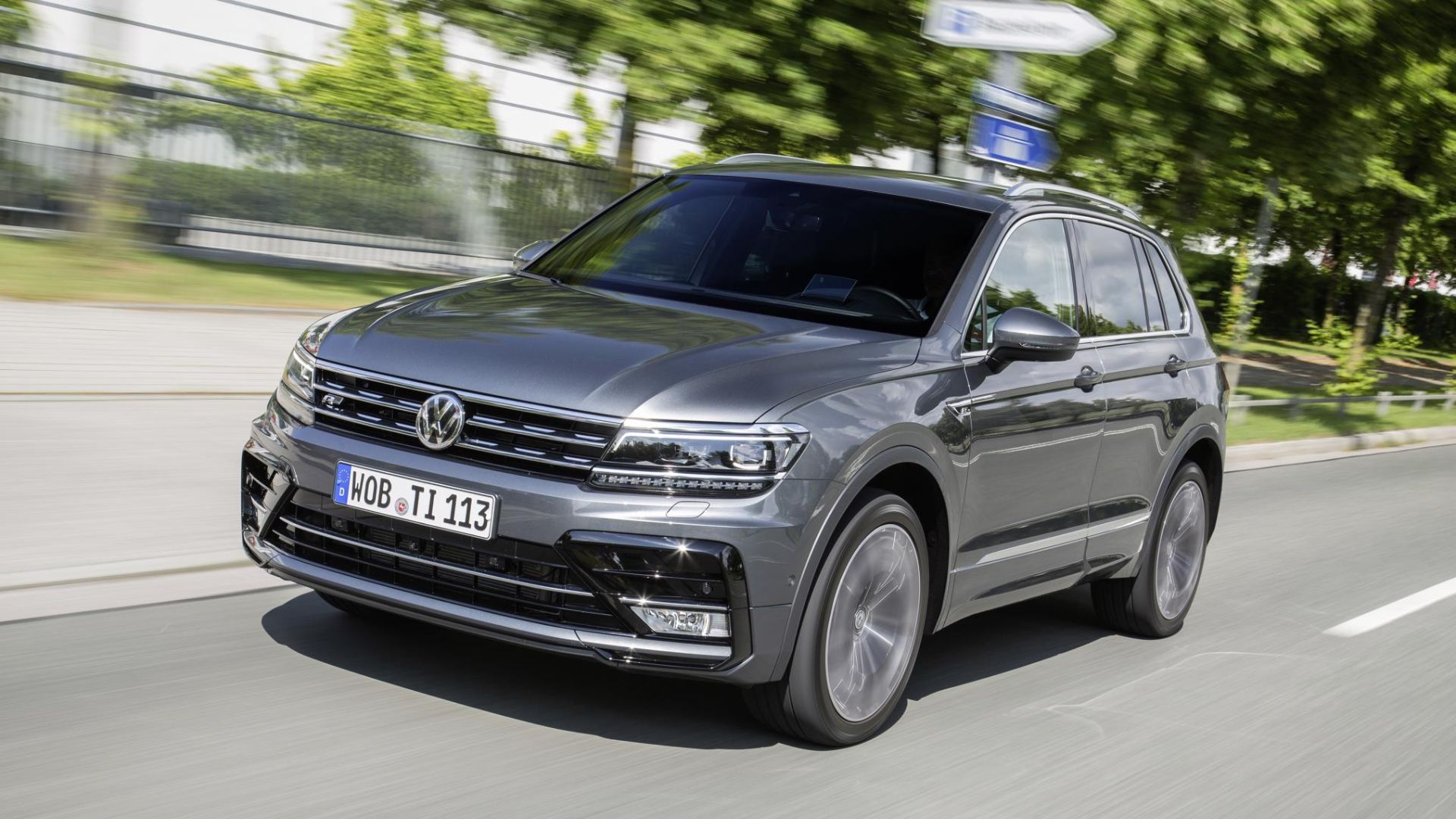
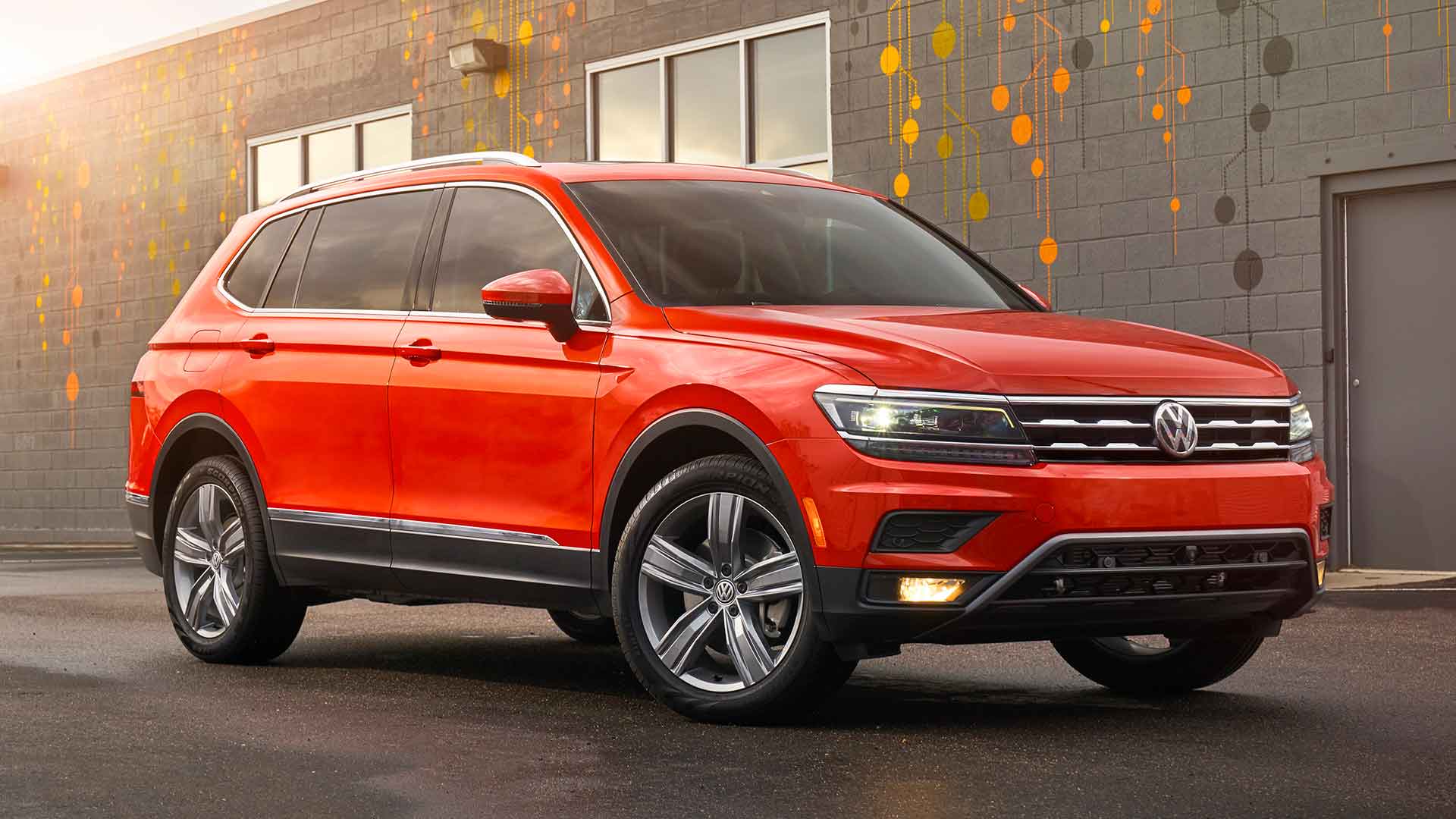
12. Volkswagen Tiguan – 622,467 registrations
From eighth place last year, the Volkswagen Tiguan has slipped to 12th, with the launch of the seven-seat Allspace failing to give the SUV the sales injection it required.
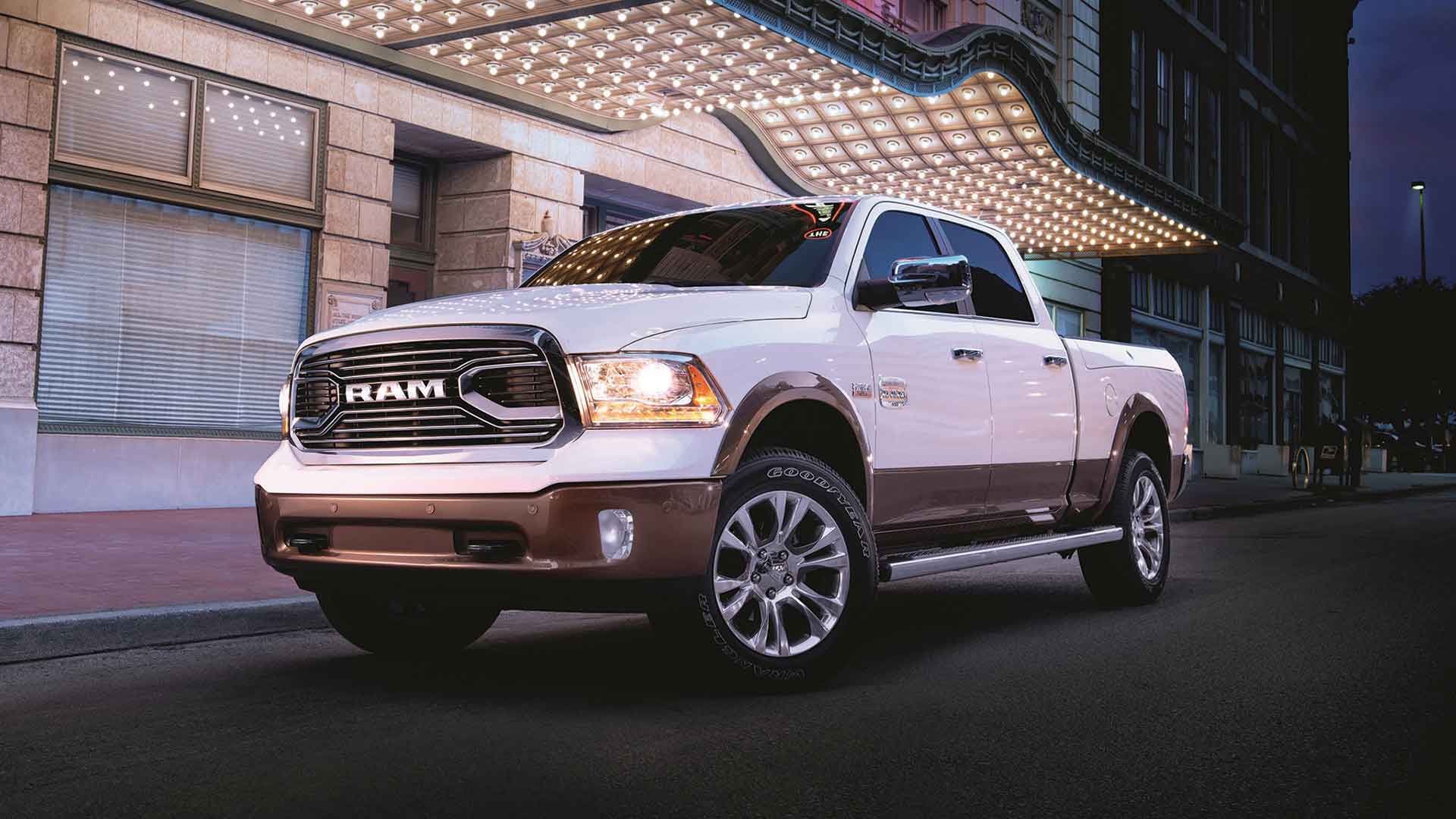
11. Ram pick-up – 638,194 registrations
From 14th last year, the Ram pick-up has used its formidable pulling power to haul it to the brink of a top 10 finish. Registrations are up four percent, as it closes in on its Chevrolet rival.
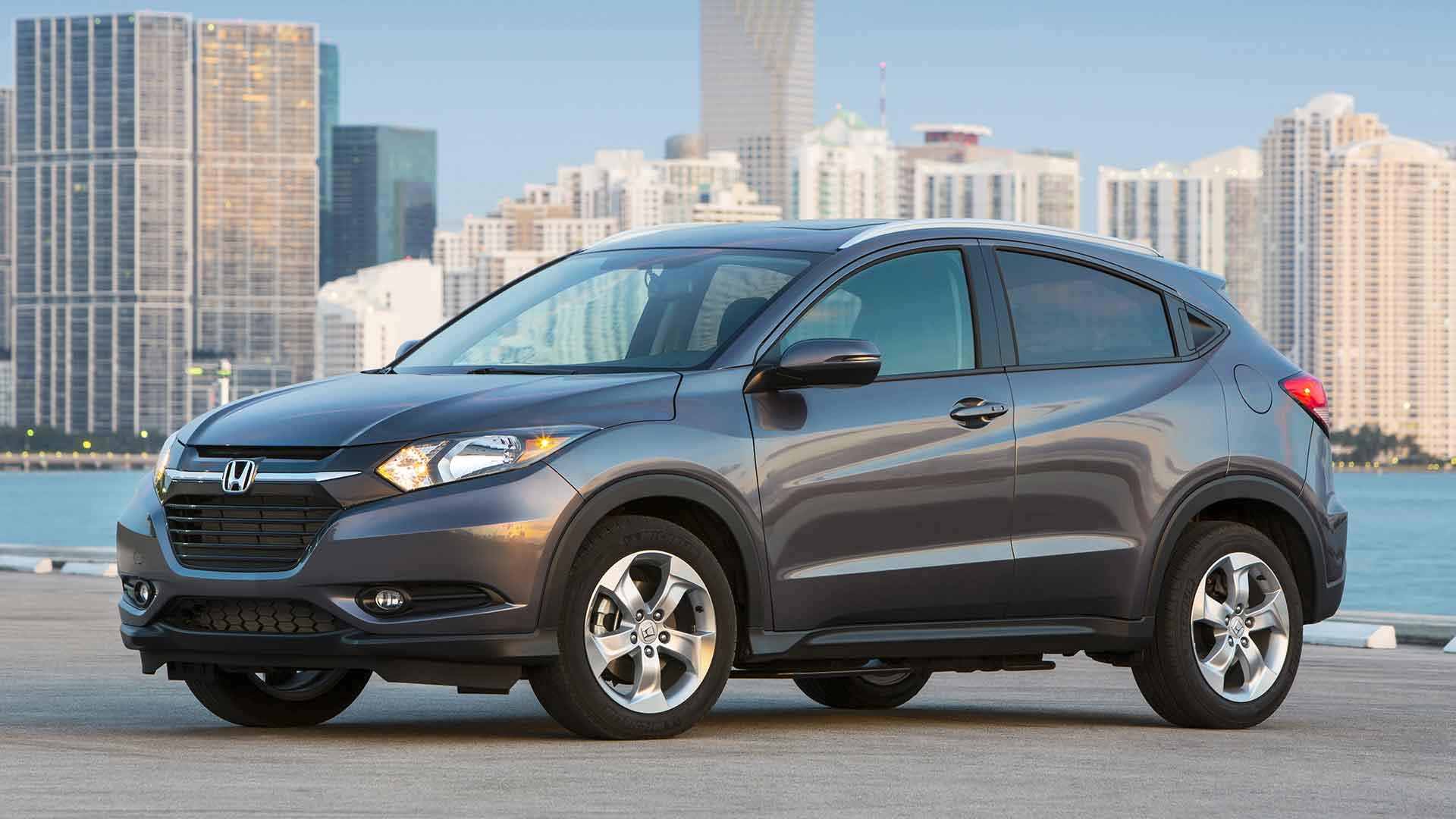
10. Honda HR-V/XR-V/Vezel – 646,144 registrations
Standing between the Ram and a big Chevy is this – the Honda HR-V. It’s a competent compact crossover, but we wouldn’t fancy its chances if it got caught in a death match between two American pick-ups.
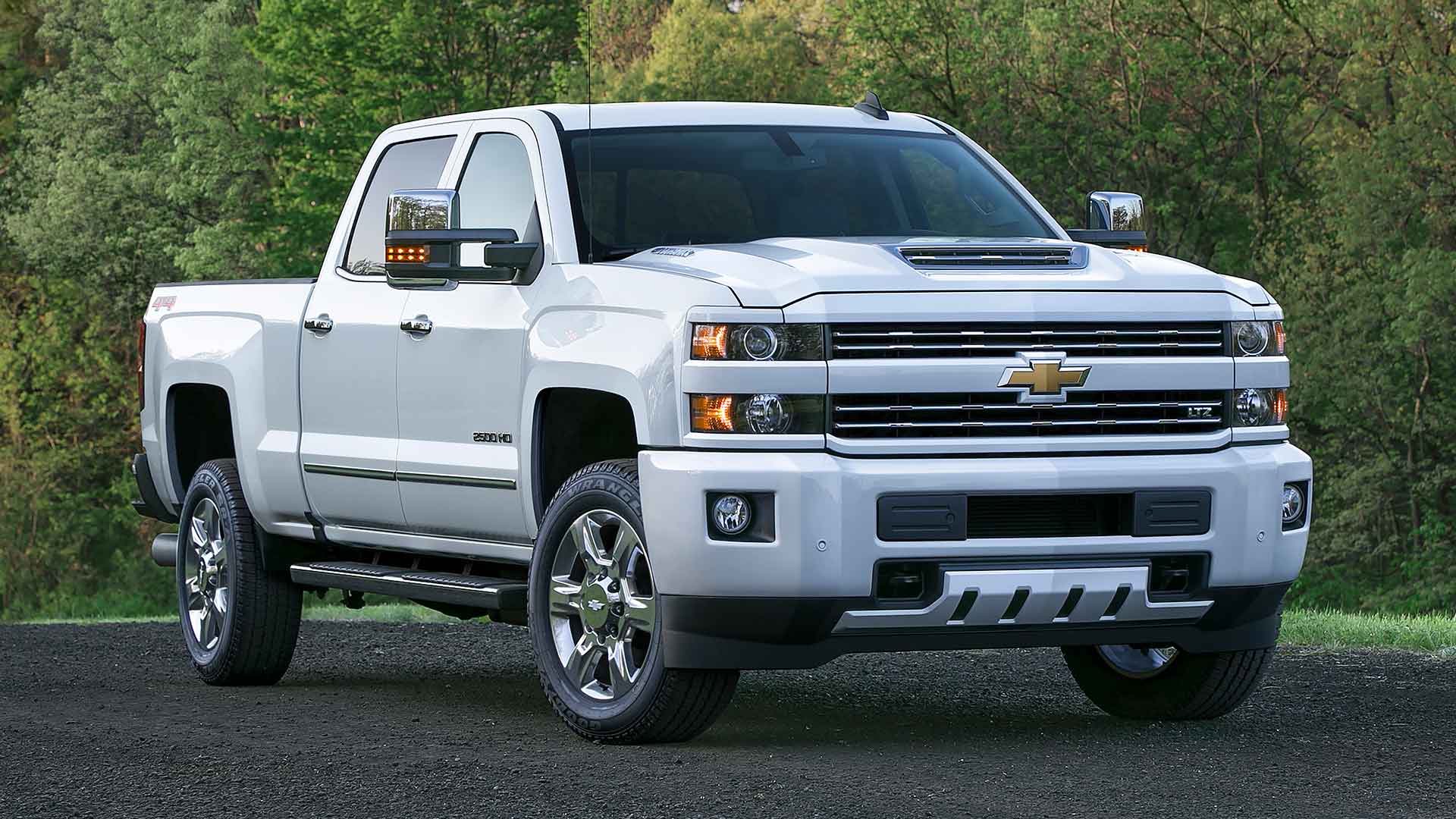
9. Chevrolet Silverado – 650,654 registrations
Chevrolet has probably all but given up on chasing the all-conquering Ford F-Series, but it needs to look over its shoulder at a Ram appearing in its rear-view mirror. Silverado registrations are down one percent.
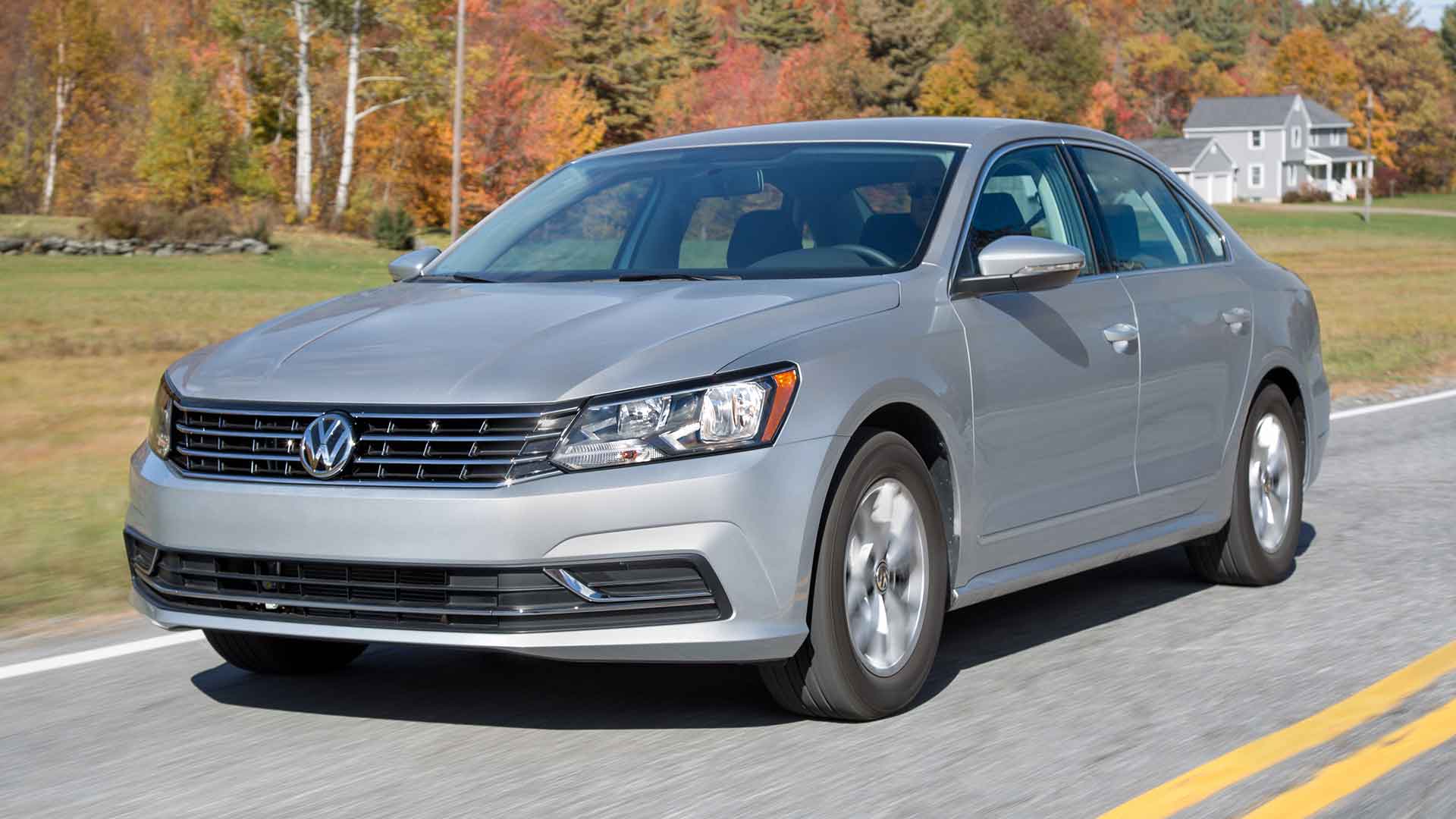
Volkswagen will unveil a new Passat at this year’s Geneva Motor Show as it aims to build on sales close to 30 million since the early 1970s. Last year, some 660,000 Passats were registered, making it the second most popular Volkswagen.
7. Volkswagen Golf – 731,561 registrations
And the most popular Volkswagen was – yes, you’ve guessed it – the Golf. Not that everything is rosy in the land of the Golf, as registrations are down 11 percent. The next-generation model is due soon, though.
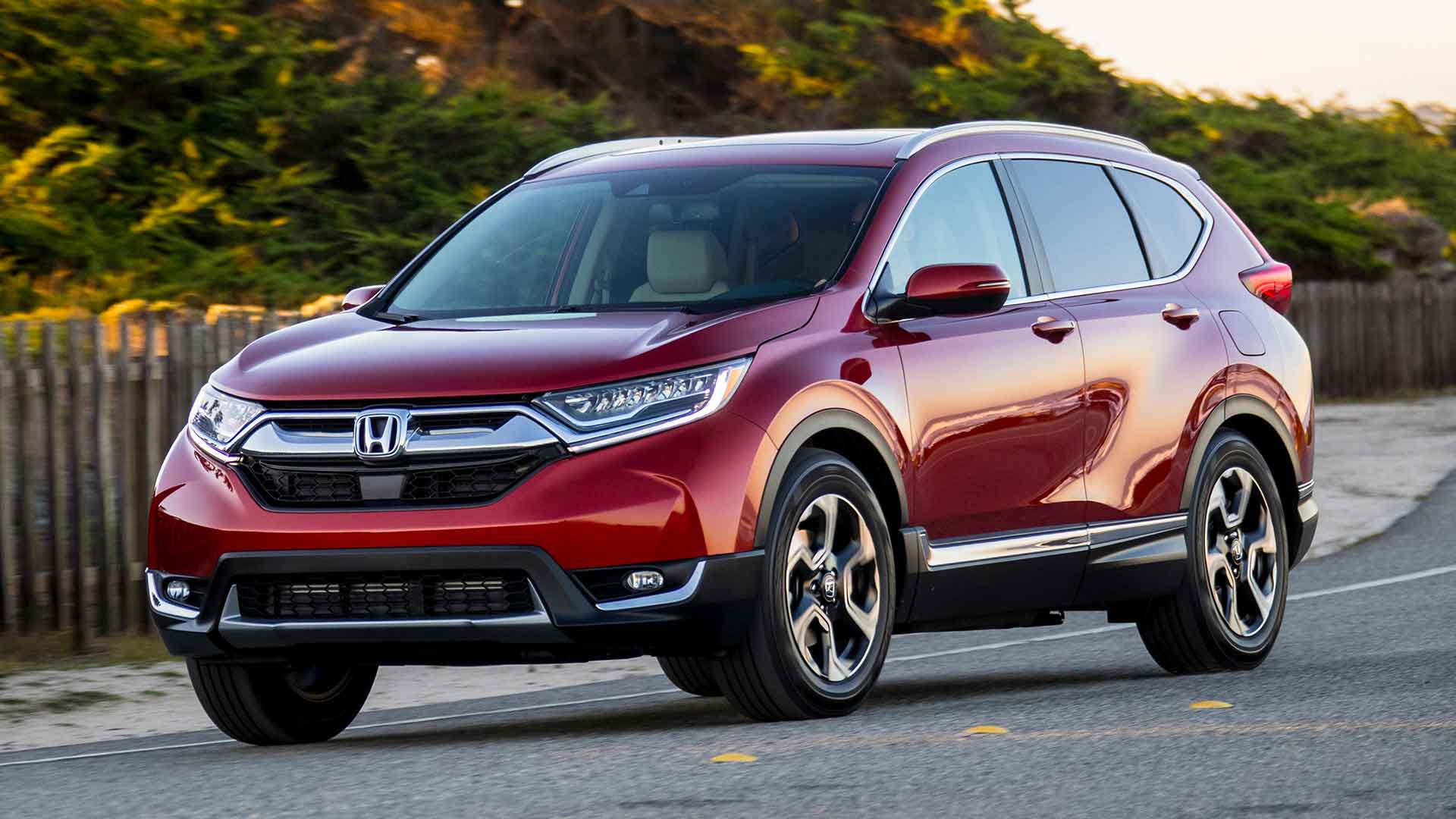
6. Honda CR-V – 736,471 registrations
Spoiler alert: five out of the six cars in the top 10 are Japanese, kicking off with the Honda CR-V. Sales are down, but the launch of a new model should reverse things in 2019. That’s if anyone decides to buy a new car this year.
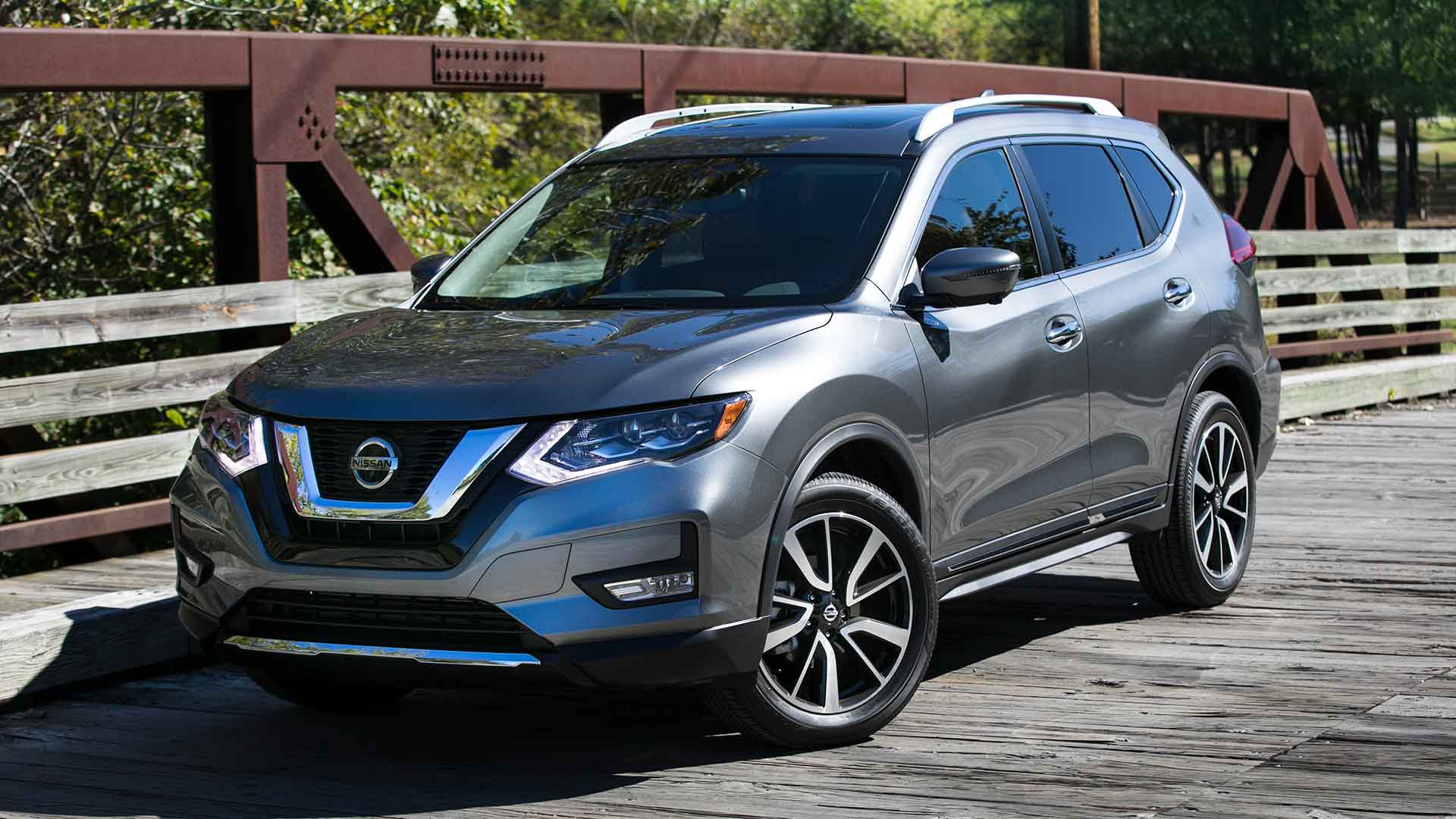
5. Nissan X-Trail/Rogue – 771,145 registrations
From fourth place last year, the Nissan X-Trail – known as the Rogue in the USA – falls one place to fifth. It’s the only car in the top five to record a loss. So we could say the Rogue has gone rogue. But we won’t.
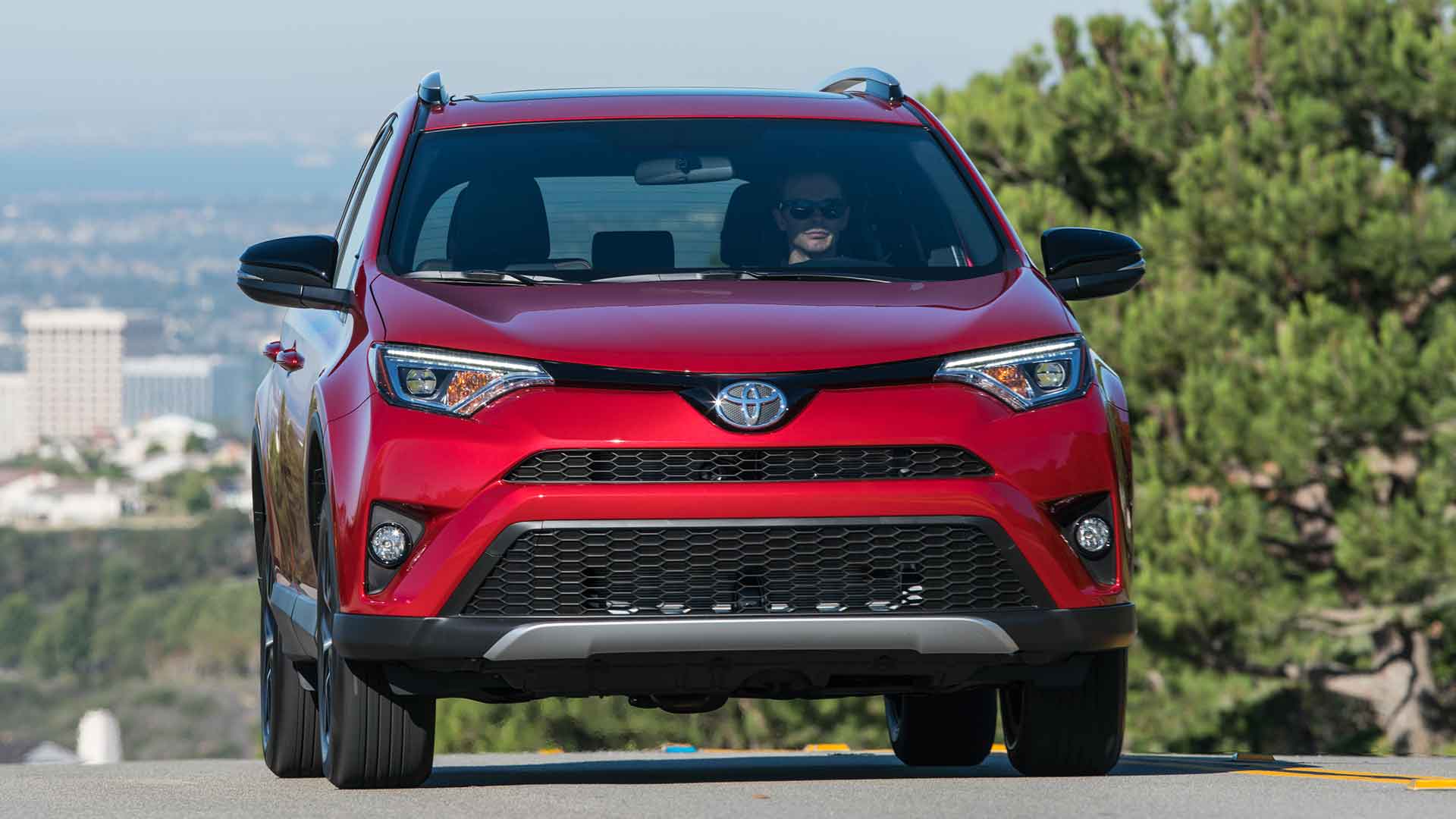
4. Toyota RAV4 – 807,116 registrations
This is surprising because we’d have expected the Toyota RAV4 to see a slump in registrations as the market prepared itself for the launch of the new model. Instead, sales are up four percent as the RAV4 jumps from sixth to fourth.
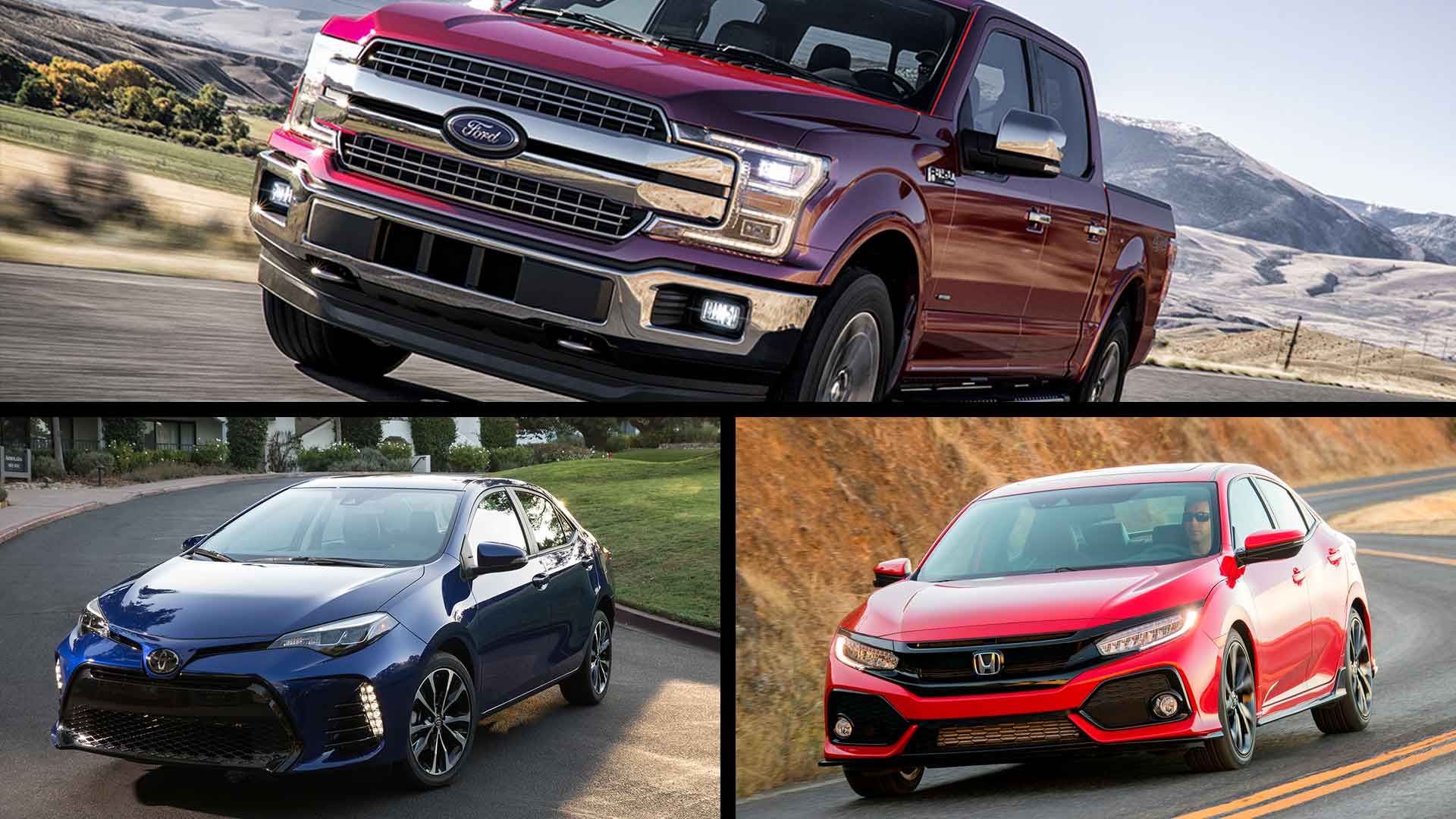
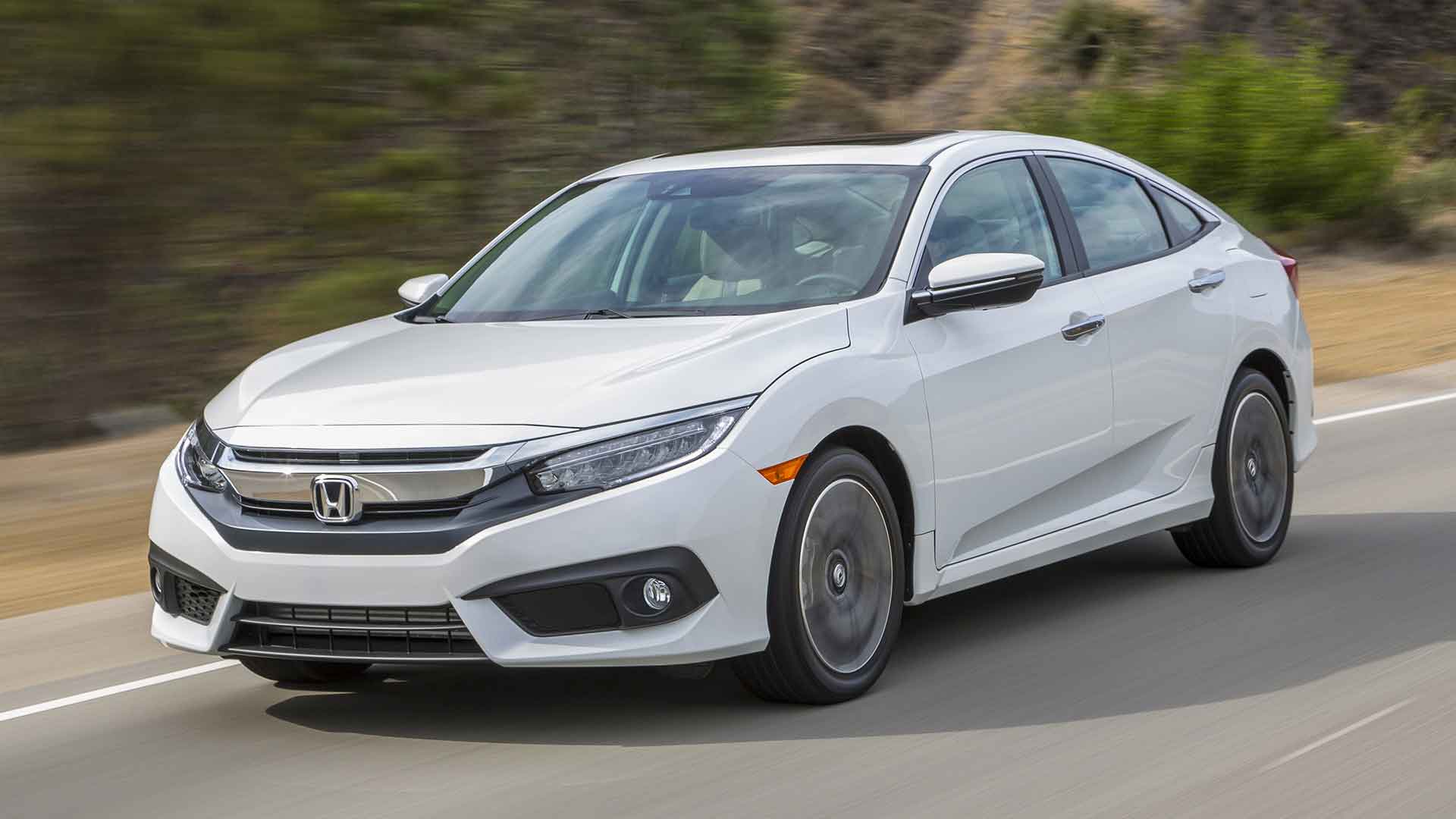
3. Honda Civic – 812,767 registrations
We hope you’re sitting down because this is about to get exciting. Actually, scrub that, there’s little excitement to be found, so you might want to switch over to watch Grand Antiques Under the Hammer Roadshow. The Honda Civic has moved up from fifth to third.
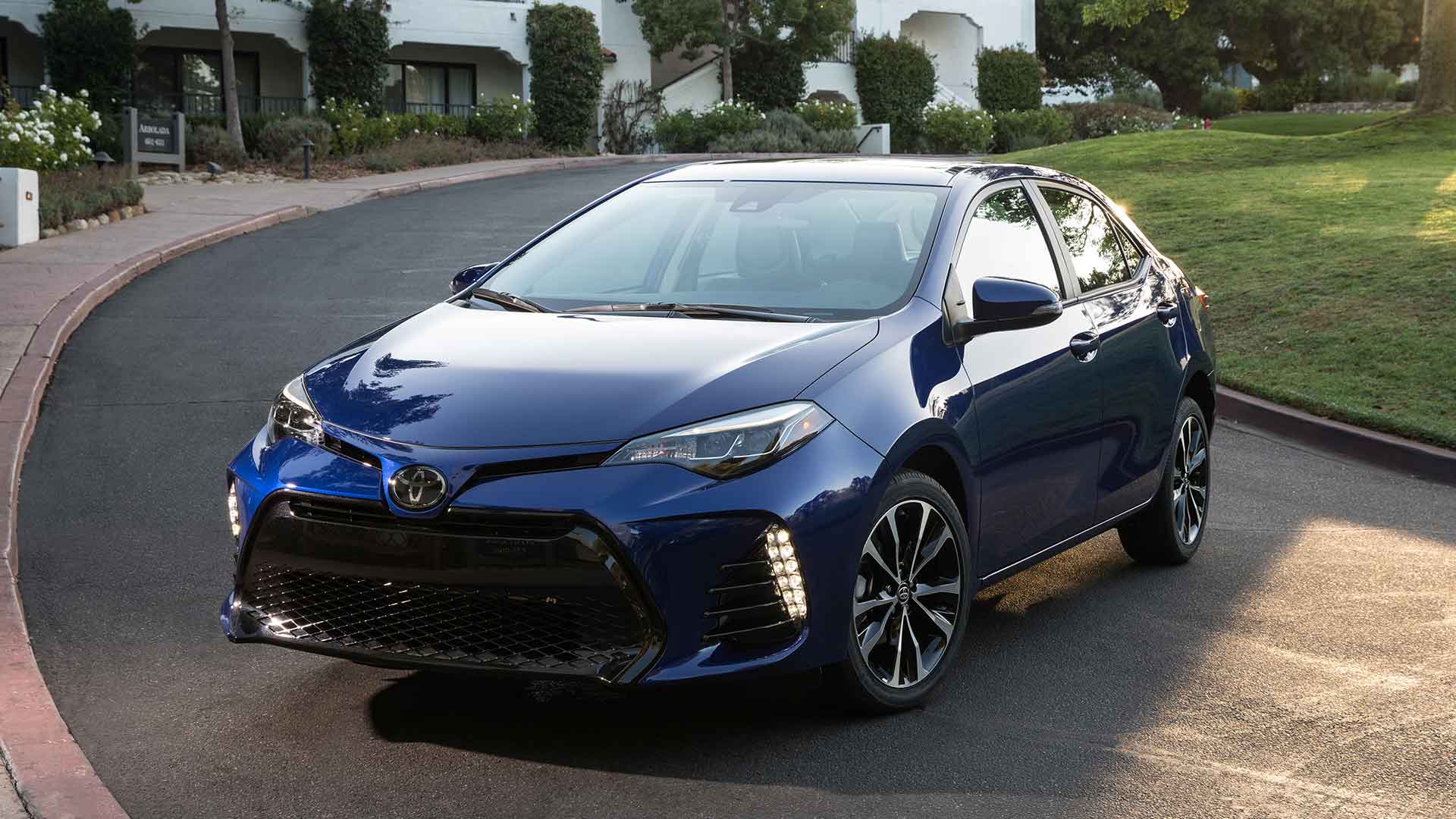
2. Toyota Corolla – 934,348 registrations
Our man Tim Pitt has just returned from the launch of the Toyota Corolla and he told us on the quiet that he preferred it to the McLaren 600LT. The Corolla remains the second most popular car in the world. One of these sentences is untrue.
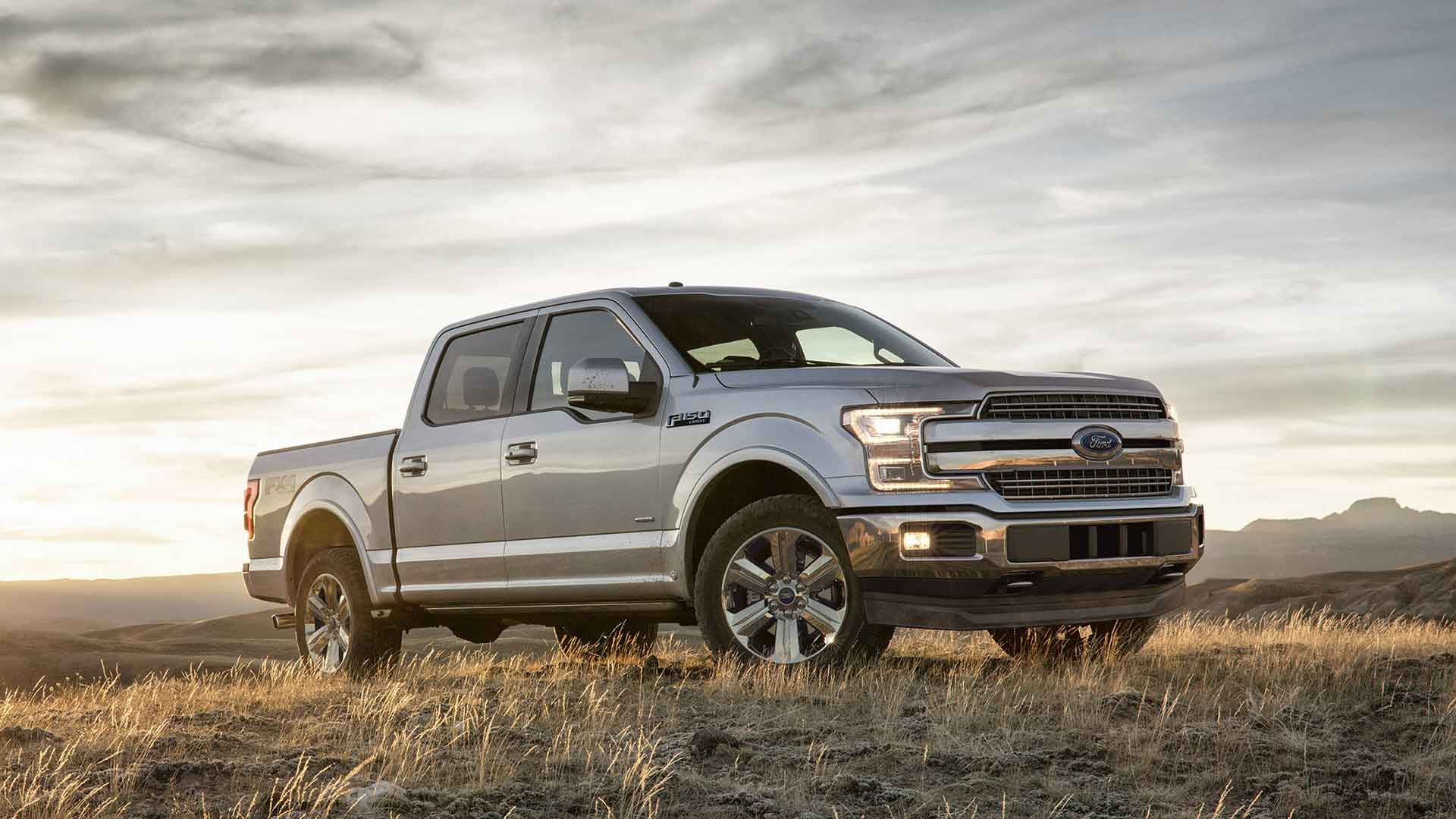
1. Ford F-Series – 1,076,153 registrations
The Ford F-Series is the only vehicle to break the million mark – an amazing statistic when you consider that the USA accounted for 84 percent of its sales. Still, with Tim’s glowing review of the Corolla, we expect the Toyota to topple the Ford in 2019…
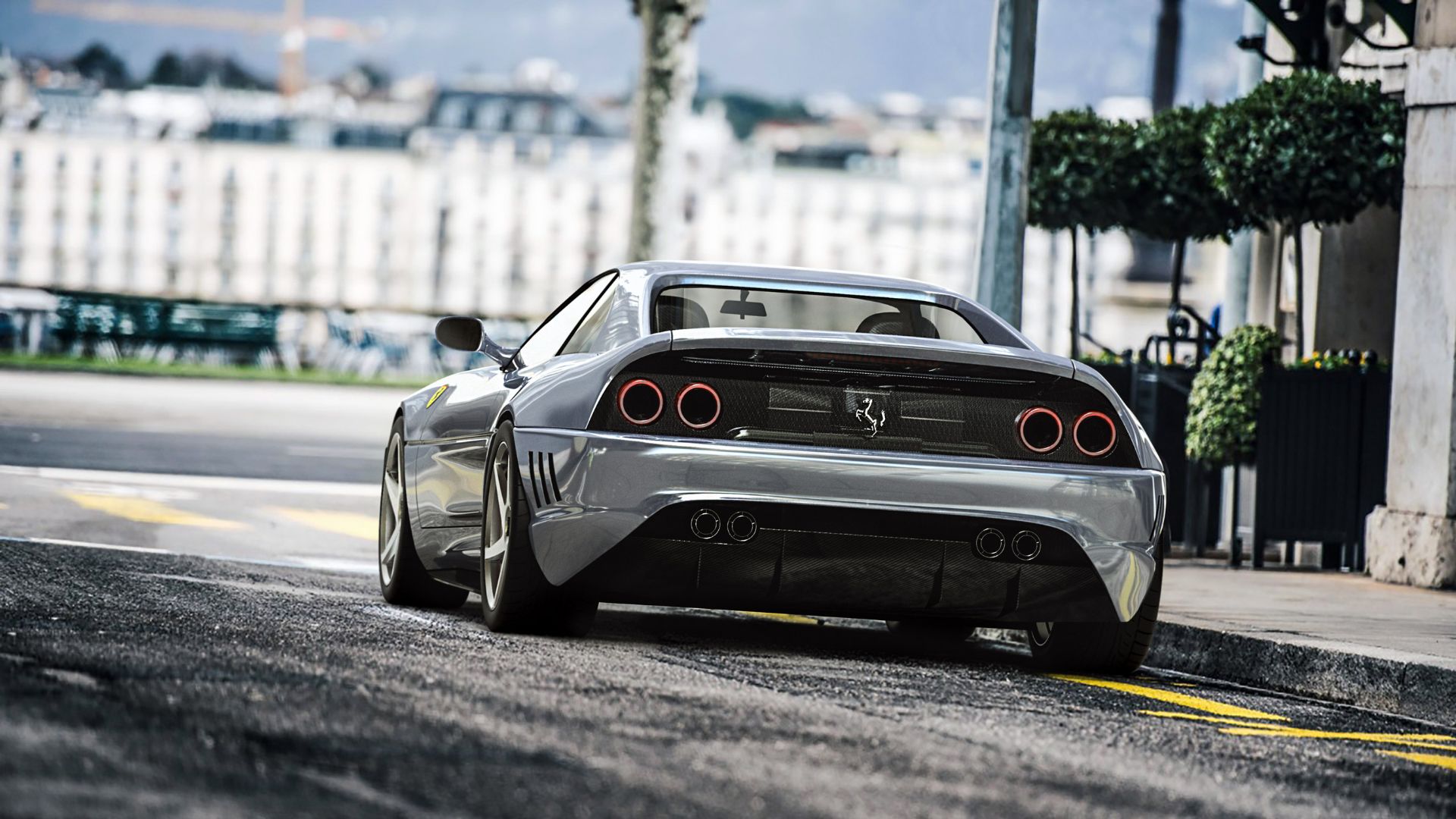
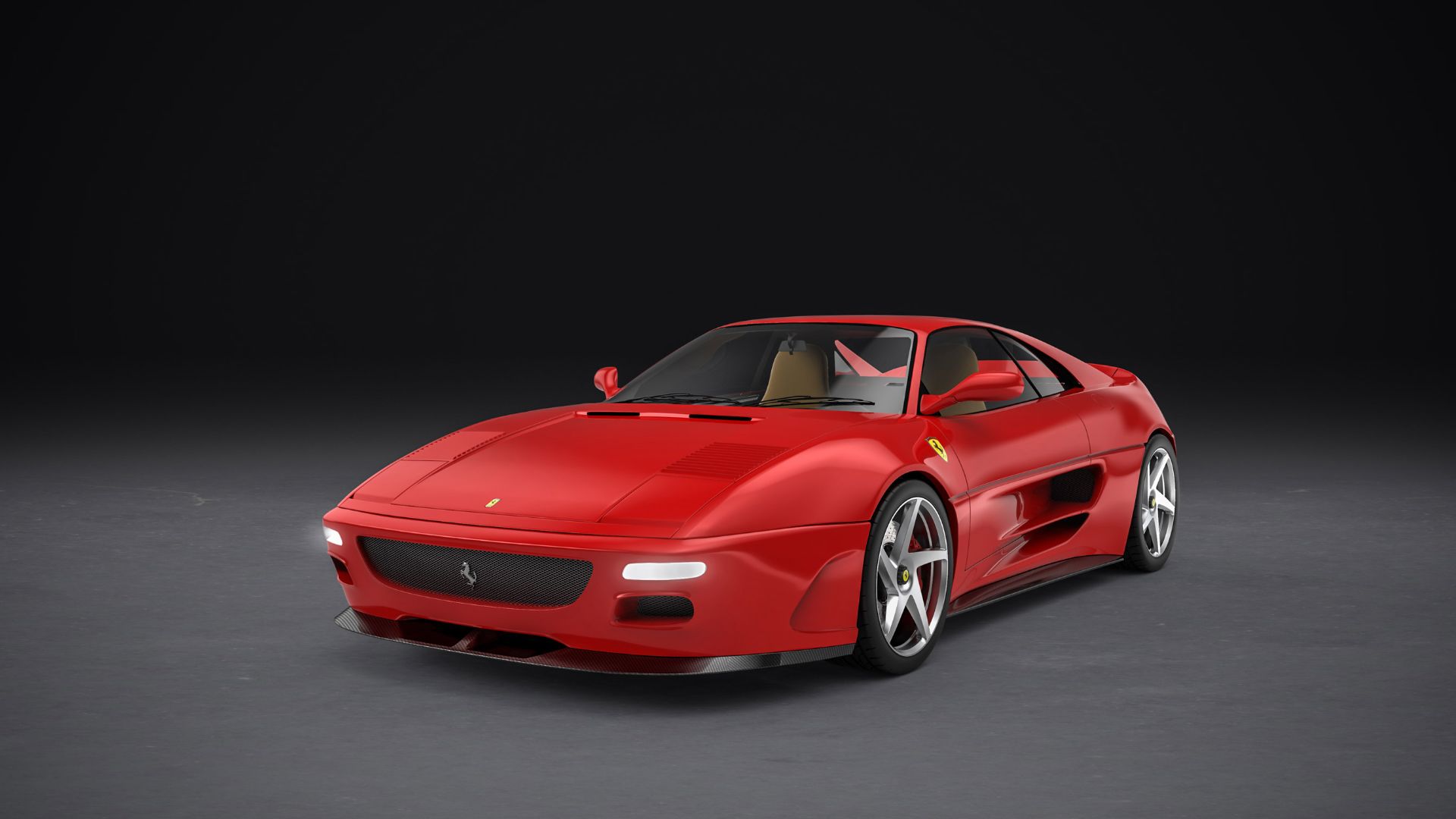
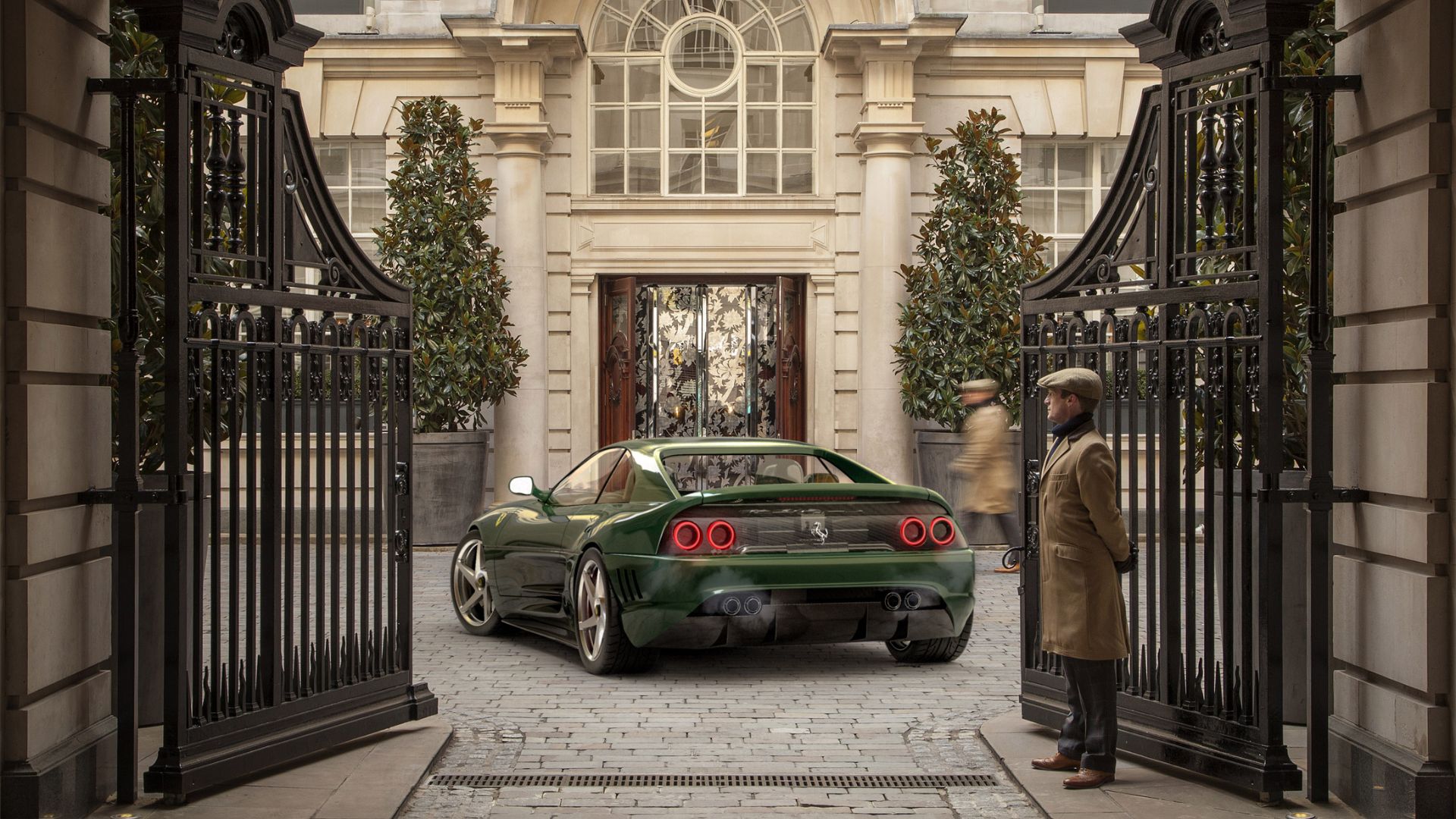
Evoluto Automobili aims to do for the Ferrari 348 what Singer does for the air-cooled Porsche 911. In its own words, it wants to ‘evolve a future classic’.
In our experience, you never know what to expect with modified classic cars. Quality can range from pricey perfection to something more shoddy. Happily, the Evoluto Ferrari 348 looks to be about as close as you can get to a ‘Singered’ 1990s Ferrari.
But it looks like a Ferrari F355!
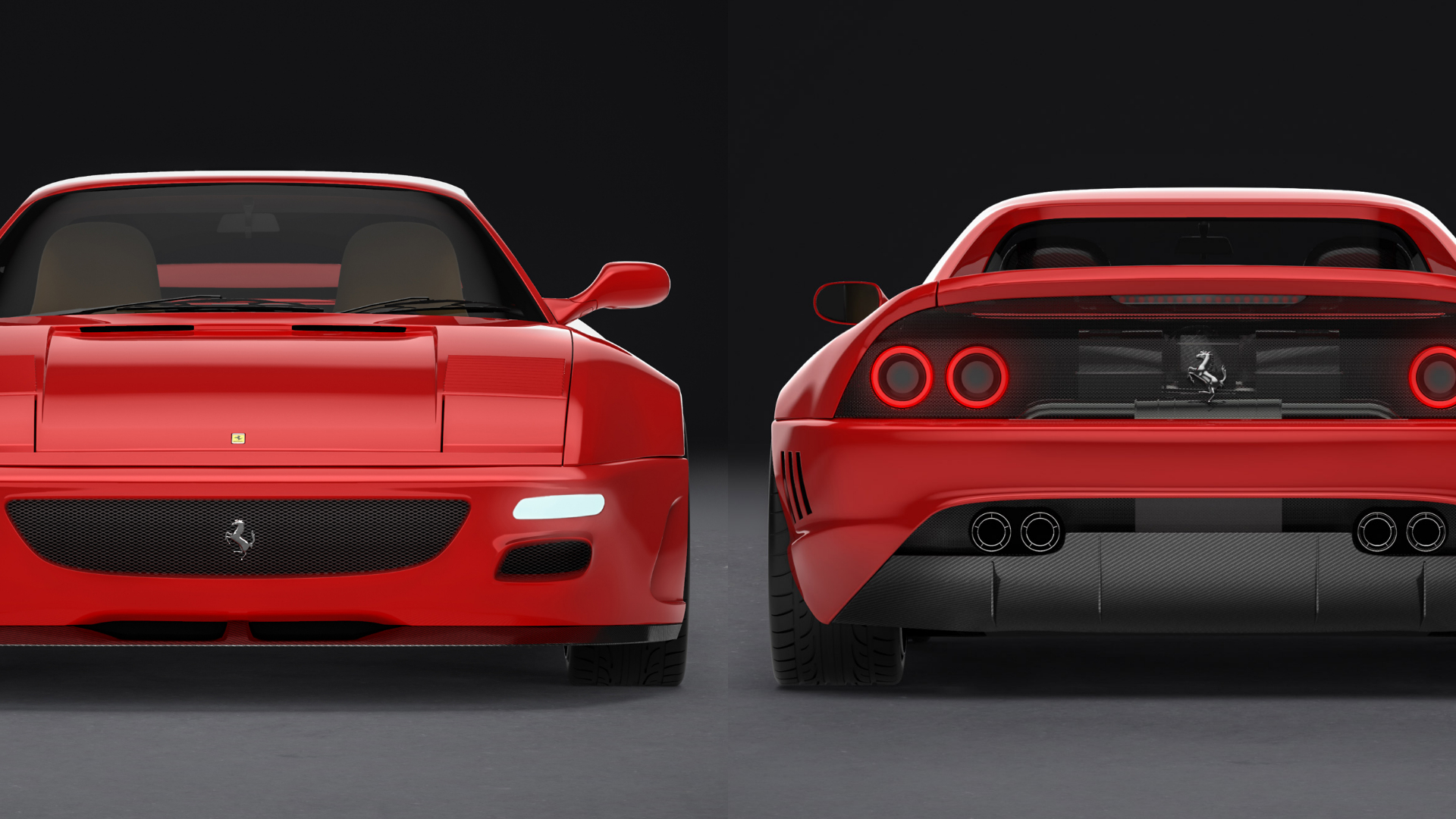
A Ferrari 348 serves as the basis for the car, but the aesthetic is very similar to its F355 successor – albeit on steroids. Wider wheels and tyres necessitate a broader stance, in order to put as much as 500hp to the ground.
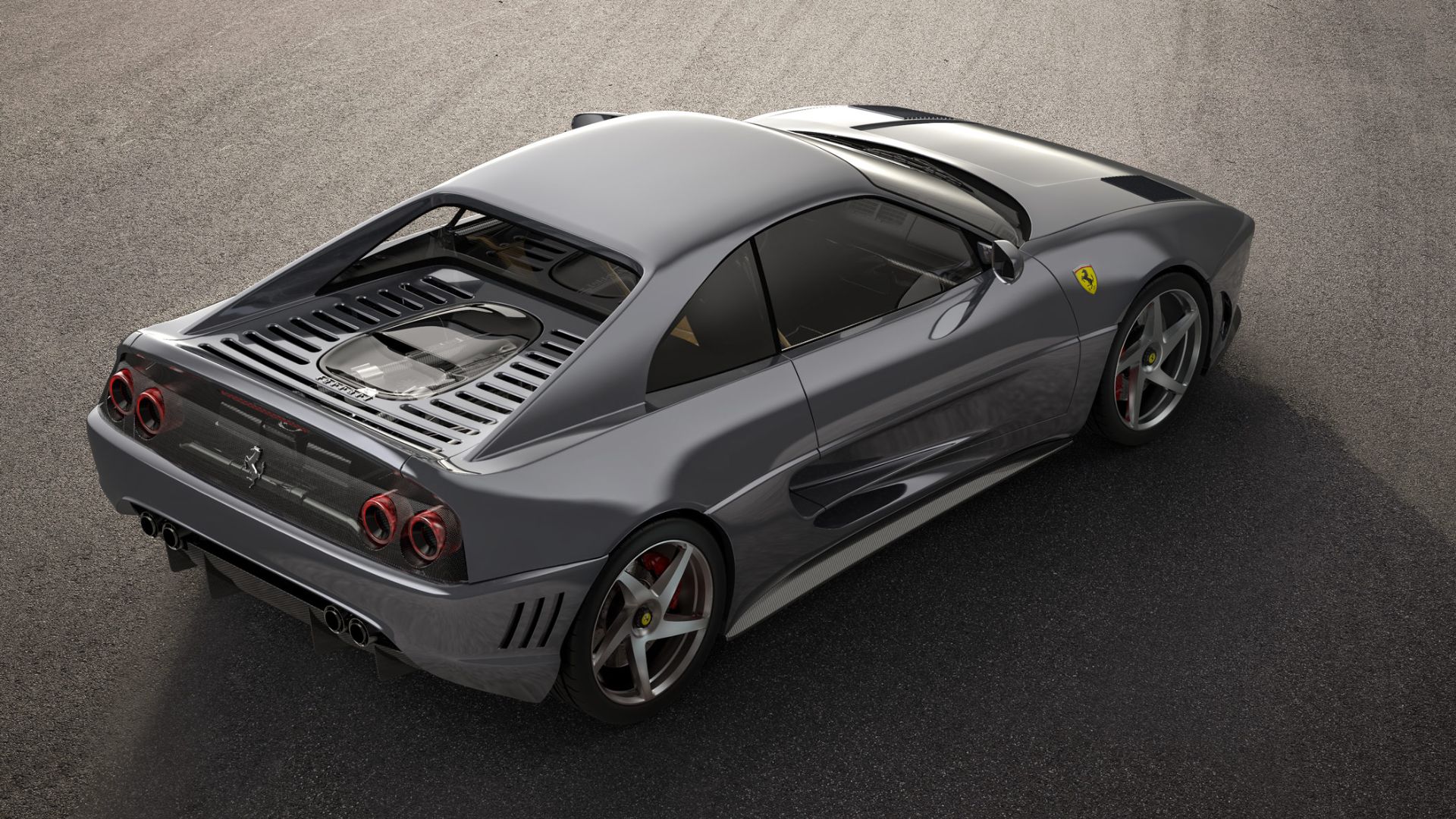
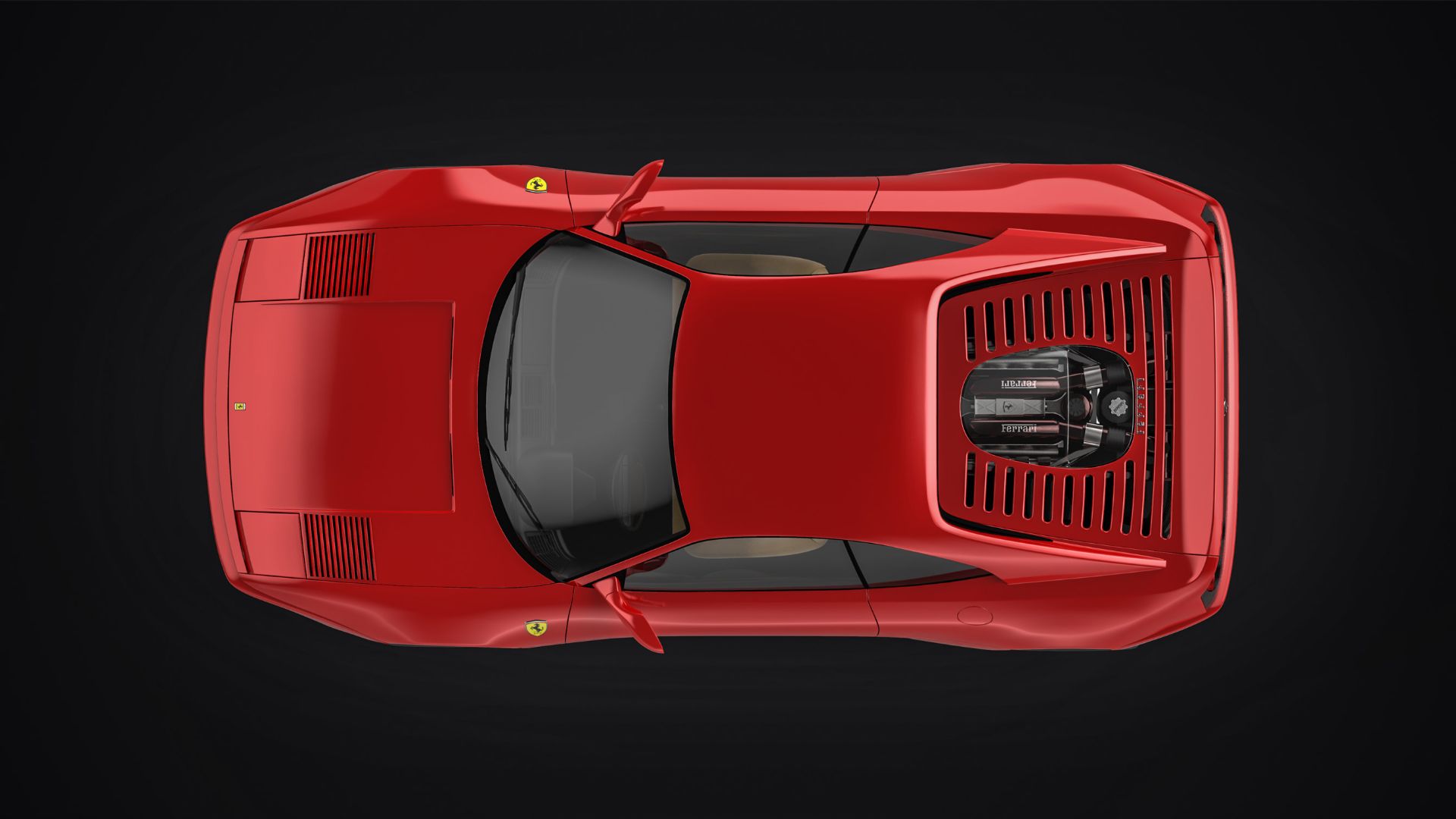
The exhaust tip design replicates the sports systems seen on later Ferraris, including the 575M, 612 and F430. As per newer mid-engined Ferraris, a clear window to show off the engine is available.
The aerodynamics are a touch more aggressive, with a serious diffuser out-back – similar in style to that used on the current 488. A front splitter joins the broadened F355-esque nose, and looks similar to the black item seen on the F12.
The side scoops are exaggerated, as is the lip spoiler at the back. The rear lights are crisp LED units that appear to be borrowed from the current GTC4Lusso and 812 models.
Overall everything that makes the F355 such a timeless design is applied and honed, but not beyond the boundaries of good taste. Very Singer…
What’s going on underneath?
Although the Evoluto is based on a 348, quite a lot is due to change. The body is completely new and all ‘next-generation’ carbon fibre. That will go some way to reaching an ambitious 1,000kg target weight.
Wider wheels and tyres will, we assume, be complemented by upgraded suspension components and a stiffer chassis.
Will it use a Ferrari engine?
Evoluto actually canvassed its followers on what engine would best suit the car. What they’ve gone with is the 360 lump, extensively upgraded to a target of 500hp. That sounds like a lot given that the 360 Challenge Stradale was a leader in terms of horsepower per litre, with 420hp from its 3.6-litre V8. Race versions were allegedly capable of over 550hp when de-restricted, though, so there is room for improvement.
In terms of transmissions, given Evoluto’s tagline involves ‘peak analogue’, expect this car to feature a six-speed gated manual front and centre – going some way to #MakeFerrariGreatAgain.
When can I buy one – and how much?
We don’t know yet, truth be told. Evoluto announced just today that it’s working on ‘Mule 1’, so you can’t buy one yet.
As for how much it will cost, when it comes to such labours of love, the sky is usually the limit. Singers can be well over £1 million, and with the new carbon bodywork and reworked 360 engine, we can’t imagine the Evoluto-fettled Ferrari 348 will be far behind.
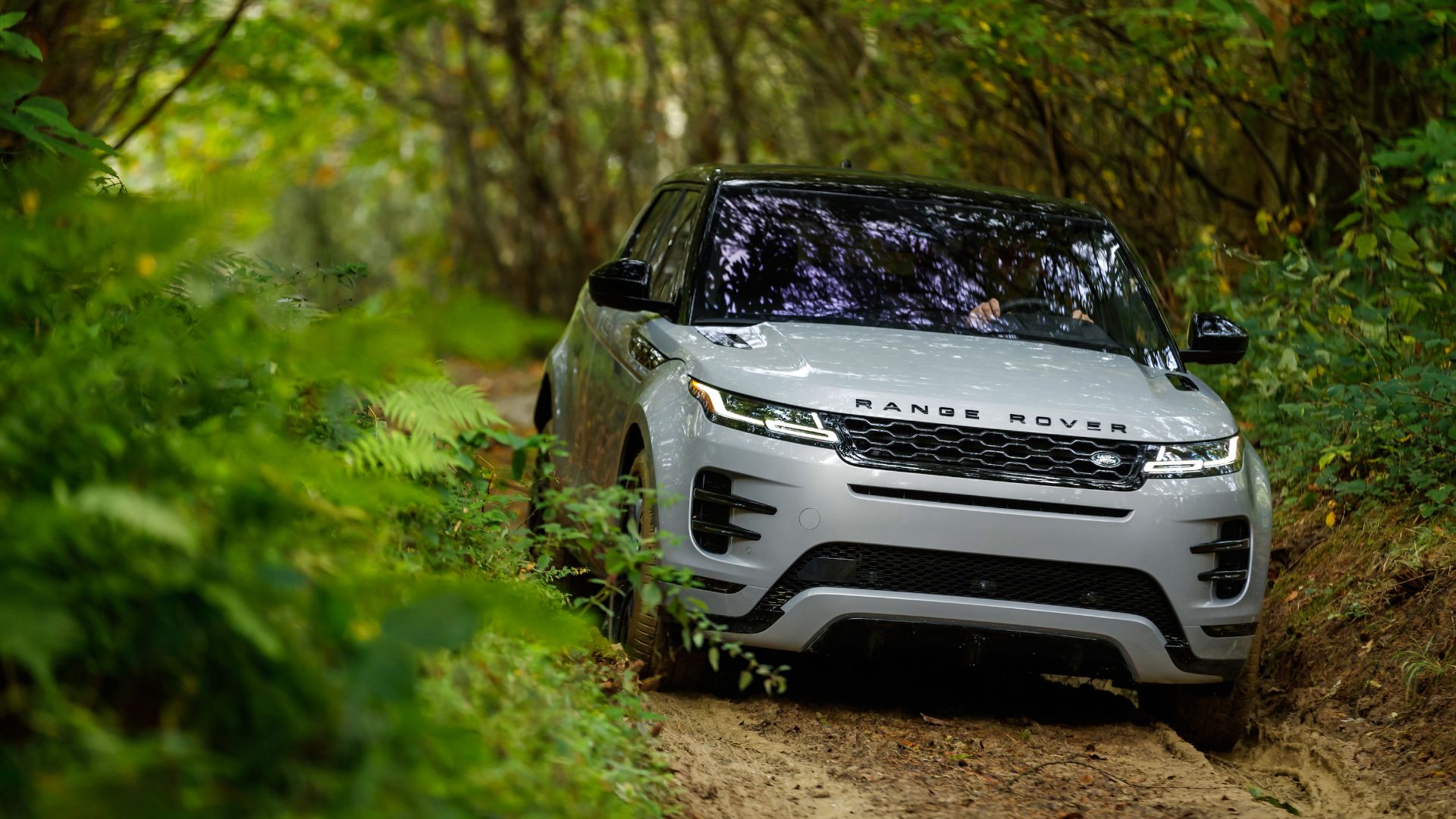
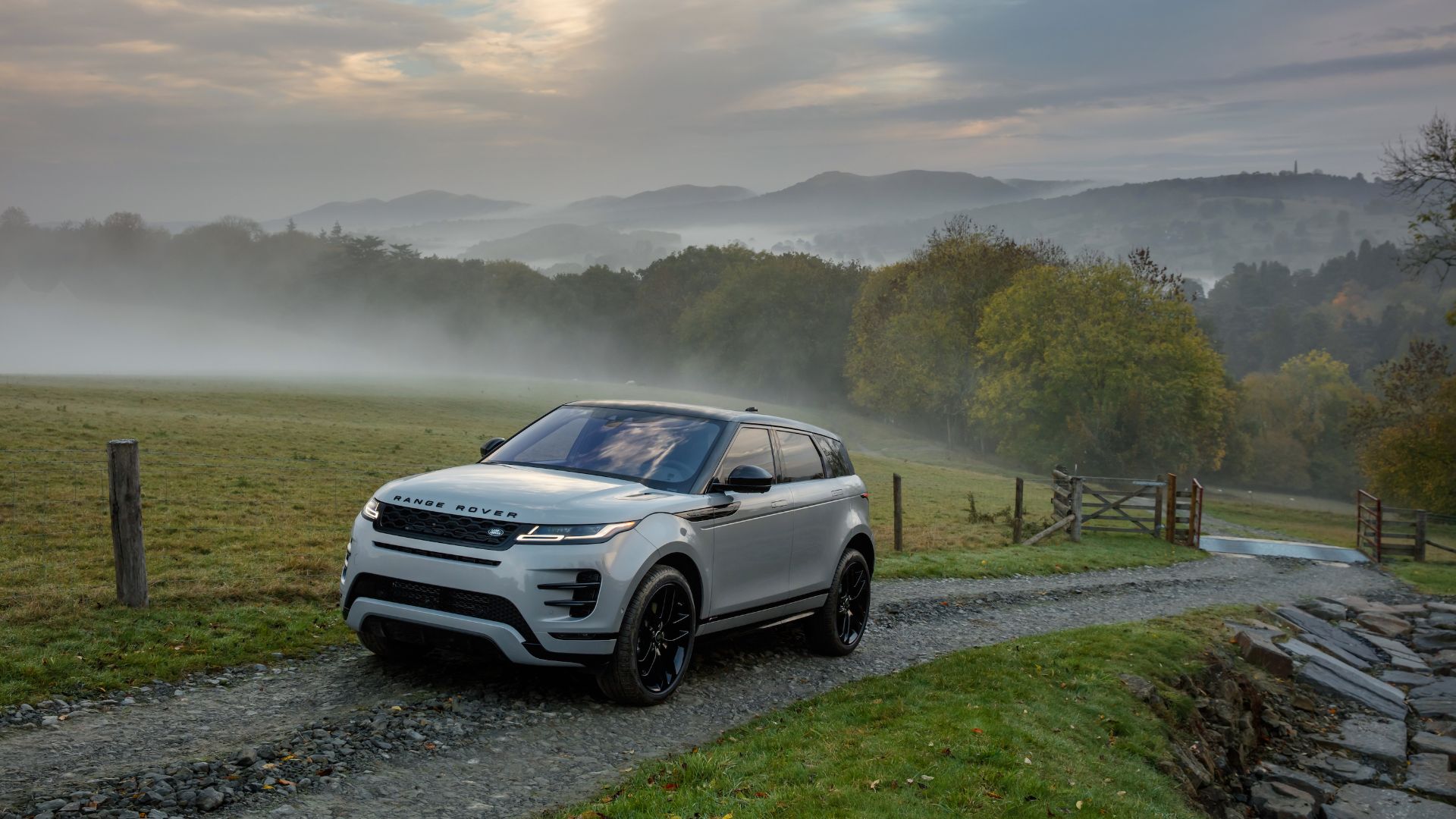
Car valuation specialist CAP HPI has given the new Range Rover Evoque a glowing prediction in terms of its residual (resale) values.
Get into a new top-of-the-range Evoque and it’s predicted that, after three years, it will retain 67 percent of its list price. That puts it on par with a Ferrari 488.
That’s good news for consumers. The more money a car holds after a three-year PCP finance deal, for example, the less the manufacturer has to charge per month to cover the depreciation.
Good residuals = great deals
The new Range Rover Evoque starts from £31,600. In that form, it’s predicted to hold 63 percent of its value after three years or 36,000 miles. That means it can be offered for £245 per month
The headline 67 percent residual figure belongs to the high-spec D180 AWD S. It starts from £39,000 – or a competitive £371 per month.
Styling-wise, the new Evoque isn’t an enormous departure from its predecessor, and that’s no bad thing. Land Rover’s best-seller has evolved nicely, adopting certain features from the Velar, as well as the larger Range Rover models. Mild hybrid tech has also brought the Evoque bang up to date in terms of performance and emissions.
“The new Range Rover Evoque is an improvement on Land Rover’s biggest selling model in the UK every way,” said Jaguar Land Rover UK MD, Rawdon Glover.
“It’s more refined, with relevant and clever technology, features our cleanest petrol and diesel engines ever, and achieves lower running costs.
“All of that means that not only is it incredibly desirable, but it’s also a very logical choice for buyers too. With these class-leading residual values, new mild hybrid powertrains and excellent finance offers, buyers could be saving hundreds of pounds a month when compared with competitor models.”
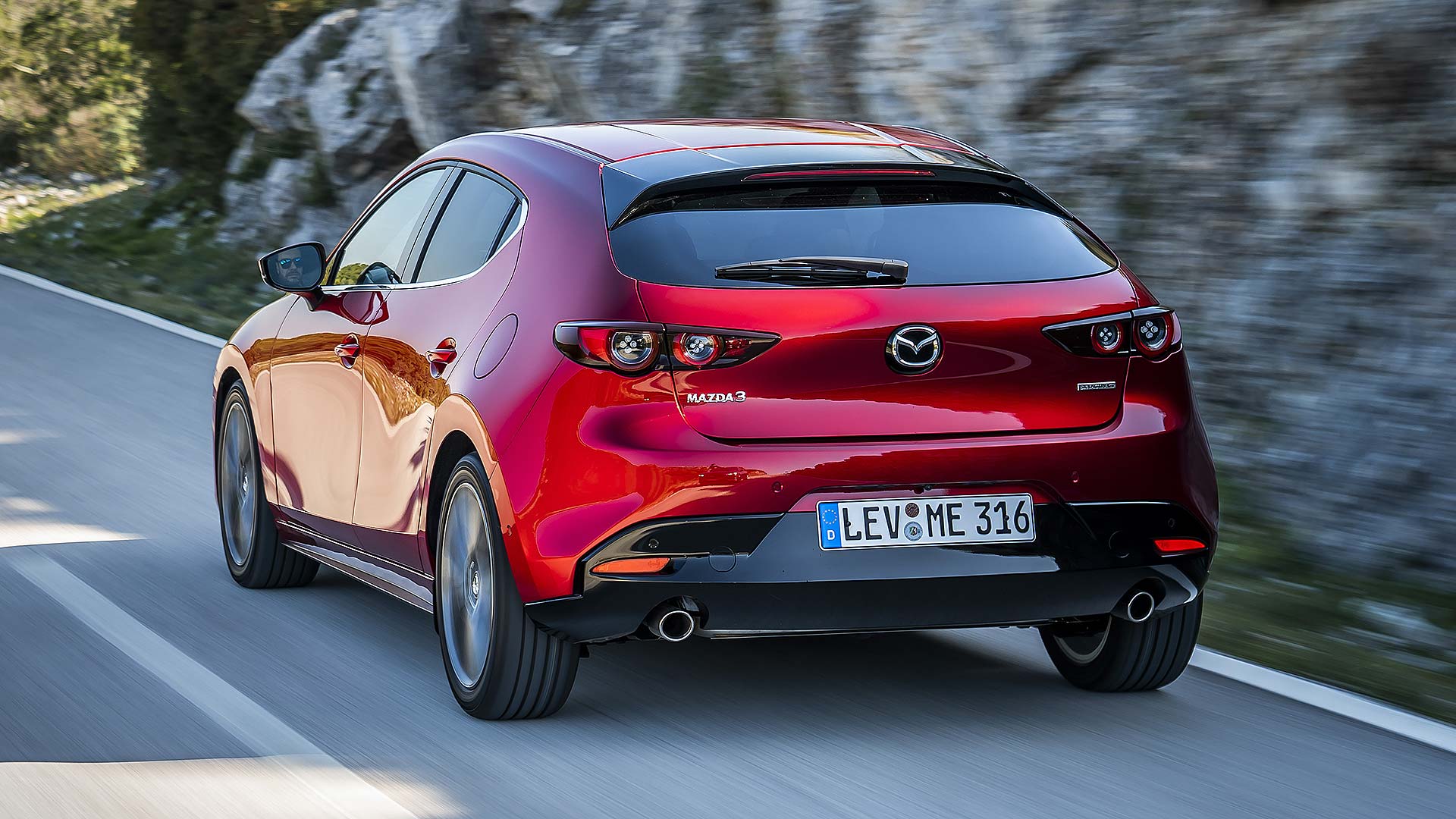
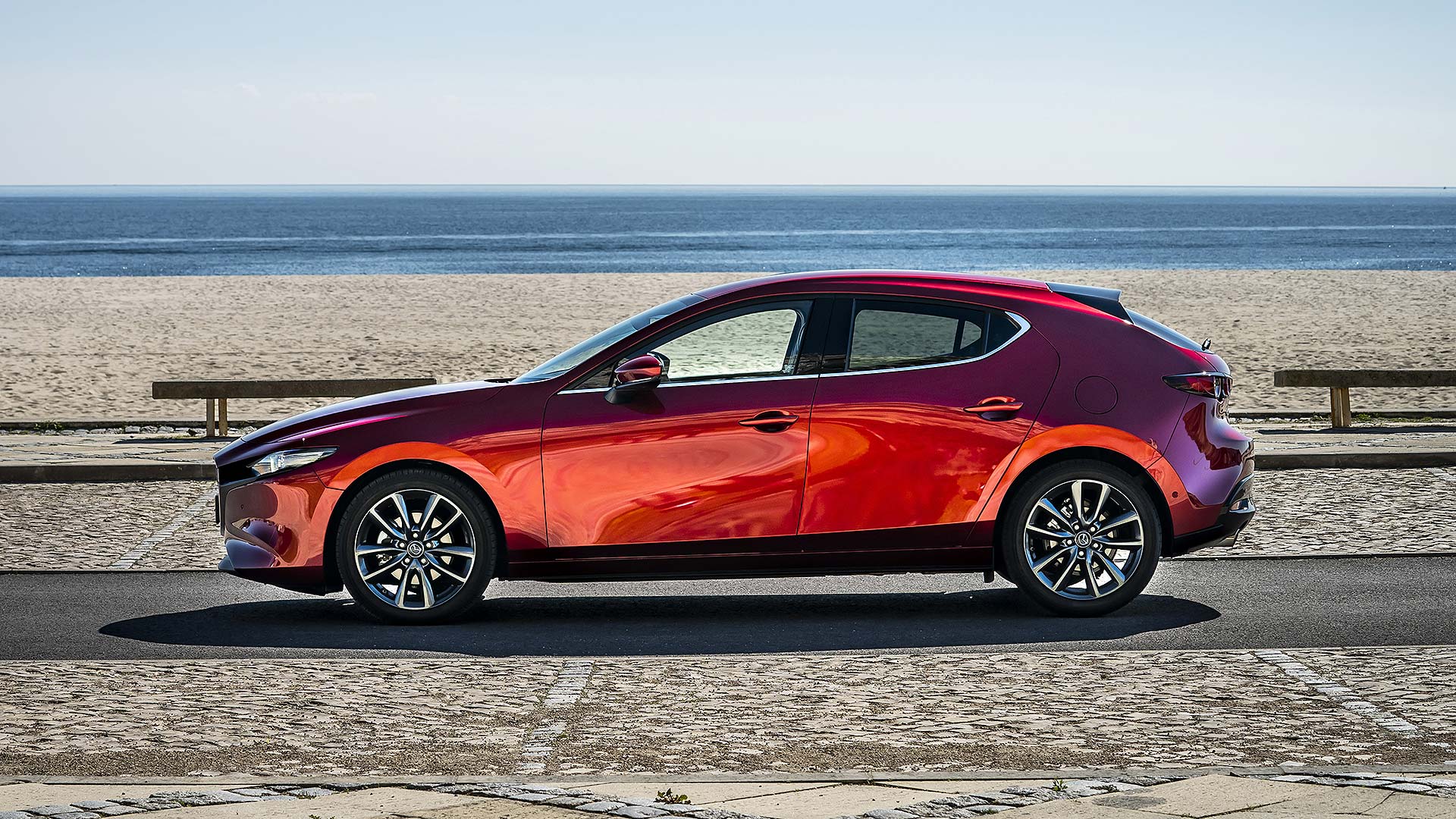
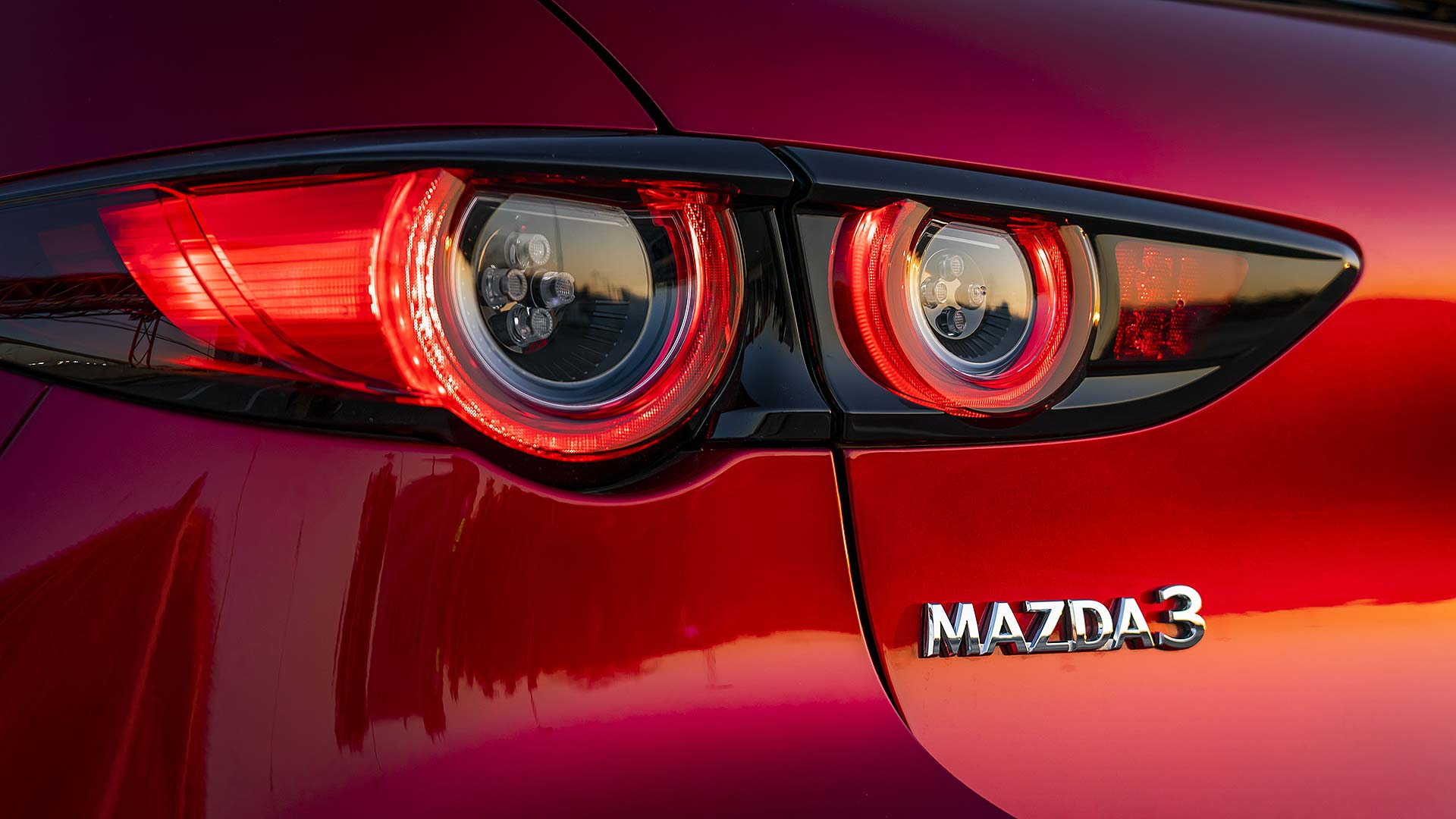
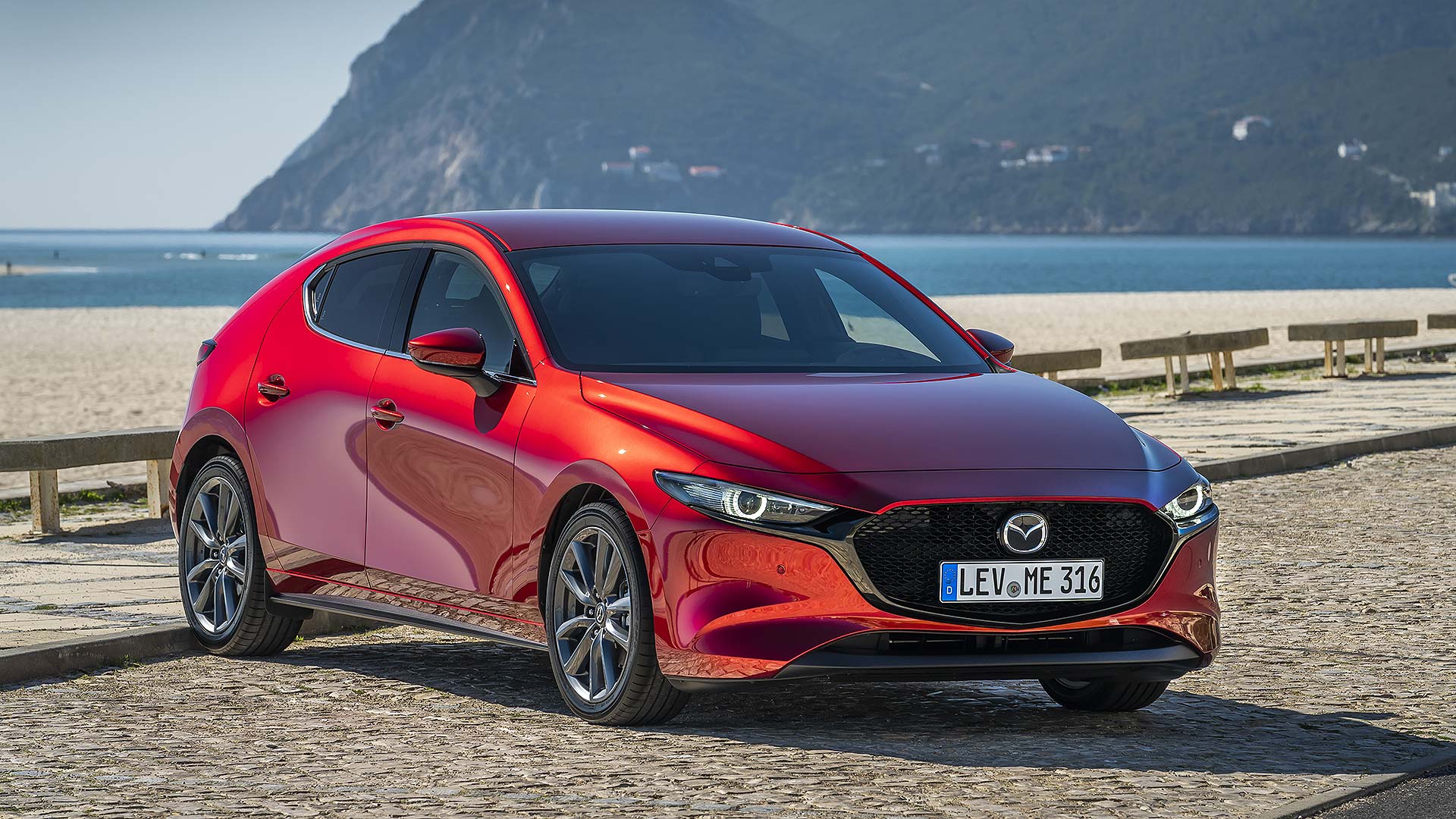
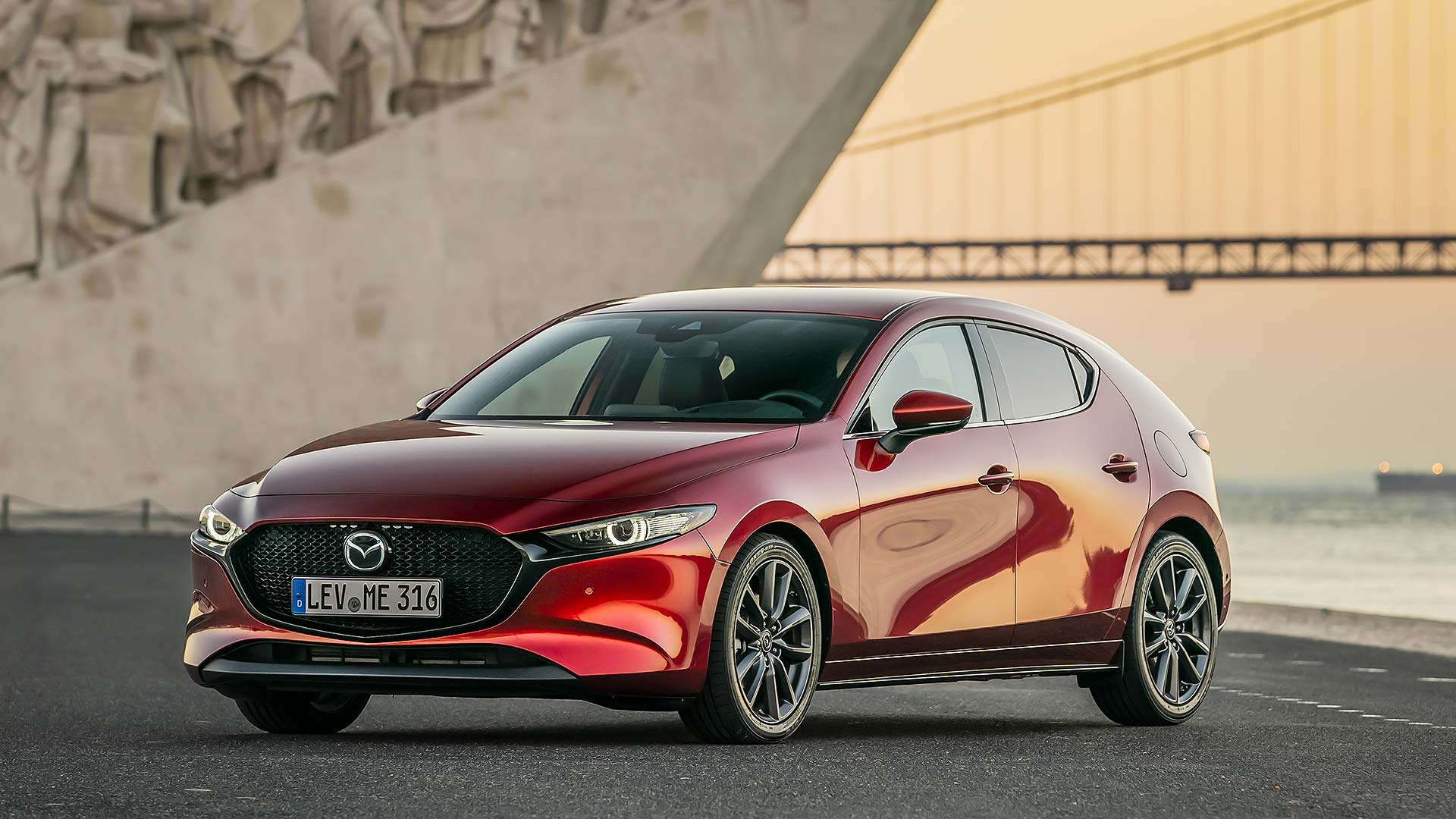
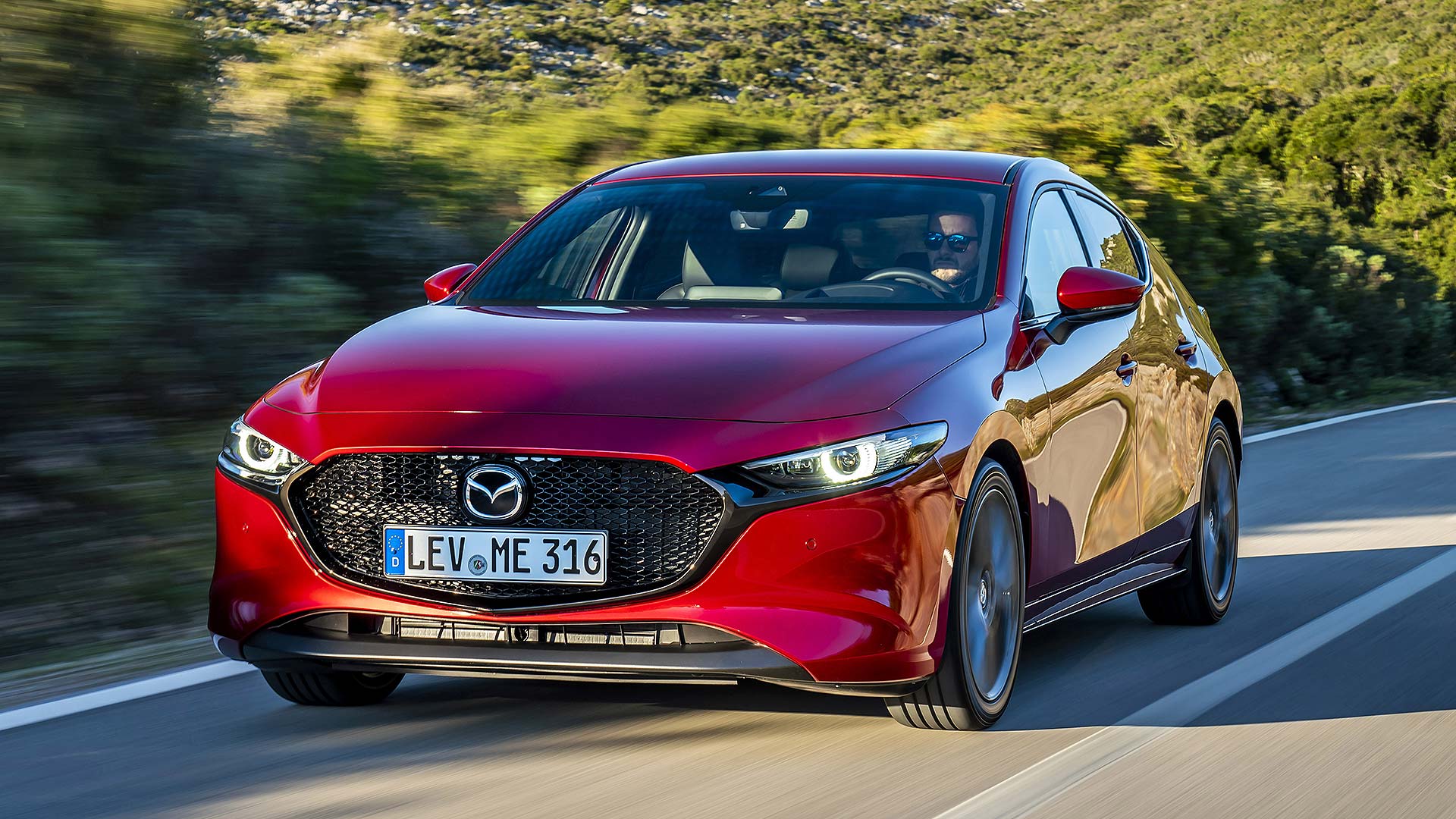
Prices for the new 2019 Mazda 3 start from £20,595 and it arrives at UK dealers in May. The all-new car is open for ordering now, initially as a five-door hatchback, with a four-door saloon launched later in the year.
Mazda’s rival to the Ford Focus and Volkswagen Golf is offered with a simple two-engine range at launch – one petrol, one diesel. An advanced Skyactiv-X motor also arrives later in the year: this revolutionary engine is world-first technology from Mazda.
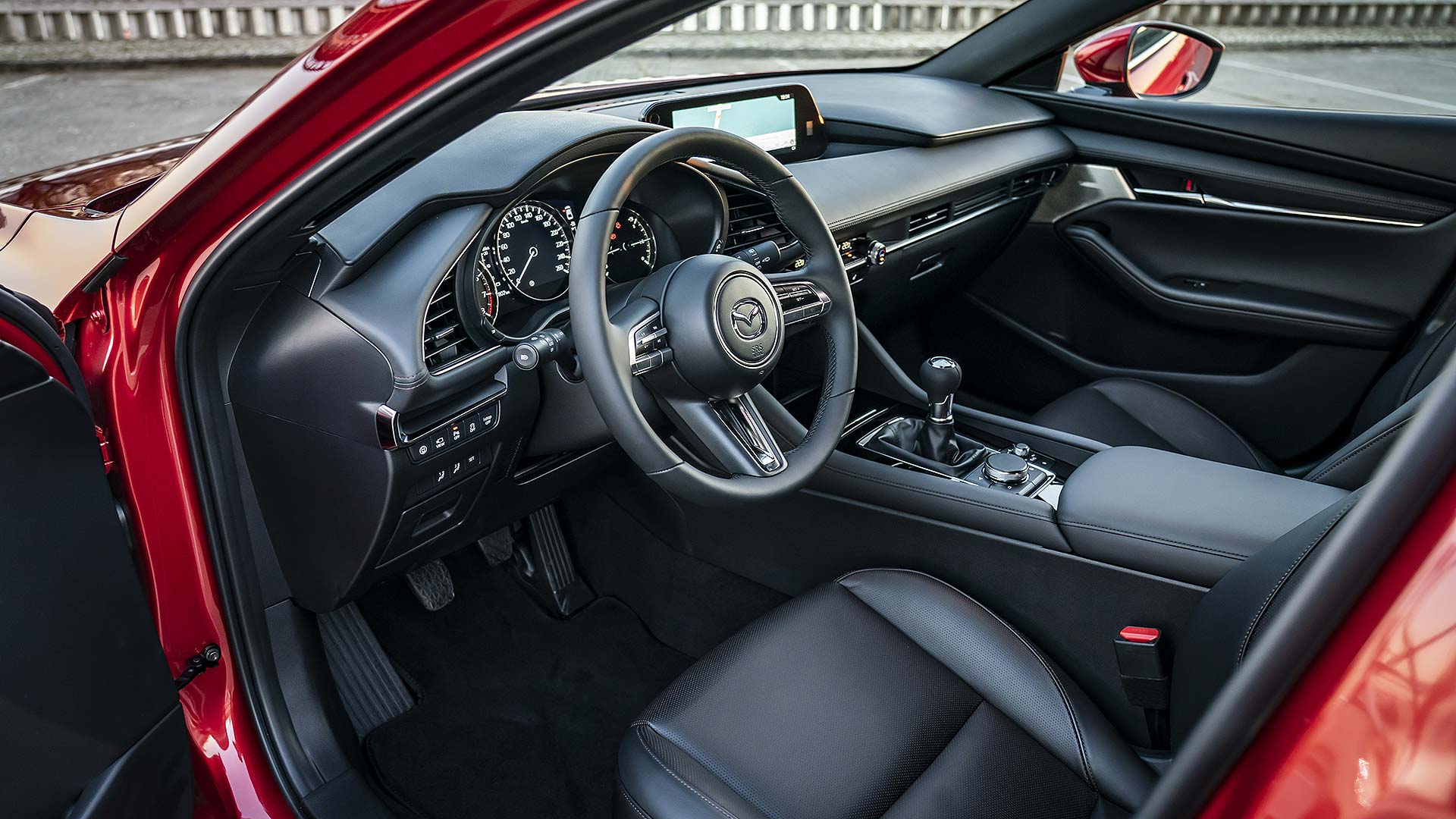
The new Mazda 3 is available in five trim lines. All are well equipped: Mazda says very few people bought base-spec versions of the old car, so it has lifted equipment levels (and entry-level prices) to reflect this.
Every new Mazda 3 is therefore equipped with a head-up display, LED headlights, radar-controlled active cruise control, sat nav, Apple CarPlay and Android Auto. An improved 8.8-inch Mazda Connect infotainment display is also standard across the range.
2019 Mazdas 3 variants open with SE-L and SE-L Lux, moving to Sport Lux, GT Sport and GT Sport Tech. Mazda expects Sport Lux and GT Sport to be the best-sellers (full prices are below).
Two engines
Engine choice is a 122hp 2.0-litre Skyactiv-G petrol or a 116hp 1.8-litre Skyactiv-D diesel. Barely more than 5 percent of buyers will choose the diesel which, like the petrol, is available as a manual or automatic across the range.
The diesel averages up to 56.5mpg via the new WLTP combined fuel economy test, and emits as little as 107g/km CO2. It takes 10.3 seconds to reach 62mph from rest, although the auto is a lot slower, doing it in 12.1 seconds.
Most buyers will pick the petrol. This comes, as standard, with a Mazda M 24V mild hybrid system. This converts brake energy into electricity, stored in a high-capacity lithium ion battery, to boost the engine under acceleration.
The tech helps take the load off the petrol engine, improving fuel consumption. It also gives an electrical ‘boost’ at lower speeds, giving it more pulling power and better responses. 0-62mph takes 10.4 seconds and the 122mph top speed is almost identical to the diesel.
Petrol engine buyers also get cylinder deactivation as standard. When cruising, two cylinders are shut down, imperceptibly, to save fuel. The 2.0-litre motor averages up to 45.6mpg on the combined cycle and emits 117g/km CO2.
Sport focus
Standard Mazda 3 come with 16-inch alloy wheels, while Sport Lux grades and up have 18-inch dark grey metallic wheels. The sporty versions are also marked out by rear privacy glass and piano black window trims.
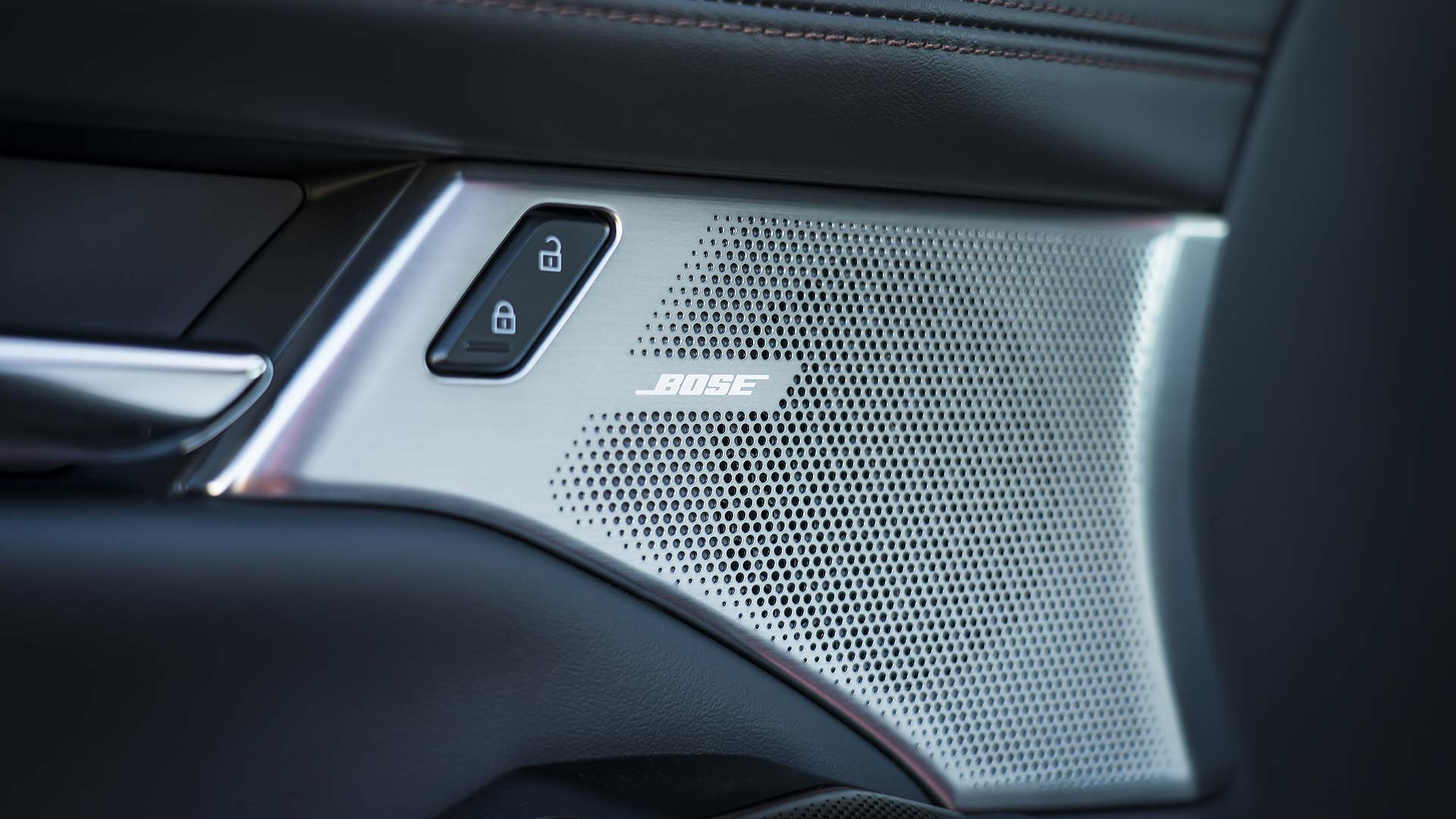
The only option on the 2019 Mazda 3 range is paint colour; all other features come as standard as part of the five trim lines. Mazda is proud of its new Bose premium audio system, for example – this is standard on GT Sport models.
As for the price difference between diesel and petrol, diesel versions carry a £1,800 premium, despite petrol coming as standard with the mild hybrid tech. Automatics cost £1,300 more than manual on petrol models, £1,340 on diesels.
New research has revealed which times of day are most dangerous for driving, in terms of the risk of having an accident.
The actual time it’s most dangerous to drive is the first 10 minutes after 5pm. It’s when many road users are perilously determined to get home from work. Add to that the sheer volume of cars taking to the road, and the risks are self-evident.
Of course, rush hour is any time between four and six in the evening. Yet the figures show that one in six prangs during that two-hour period happen within this 10-minute window. That’s 16 percent of accidents within an 8.3 percent window of time. Leaving just 10 minutes later can, according to AX research, halve your chances of being involved in an incident.
School-run troubles
The second most dangerous time to drive is during the school-run period, between 2pm and 4pm, when 16.04 percent of accidents happen. This compares with 17.47 percent for between 4pm and 6pm.
Between 3pm and 3:10 is the second most dangerous window. That’s unsurprising, with cars flooding the roads on the way to and from picking up young ones. No doubt, some of those young ones will be provide a significant distraction from the job of driving, too…
“It is little surprise to see the majority of accidents take place during the afternoon and evening hours when many of us are busy trying to get home or rushing to pick up our kids,” said Scott Hamilton-Cooper, director of sales and operations at AX.
Treacherous conditions
Of course, existing dangers are only exacerbated when things get dark and slippery. As such, accident rates are reported to rise around 7.4 percent during the winter months.
Rear-end collisions make up 34 percent of traffic incidents during winter. Keep a sensible gap between you and the car in front, as stopping distances increase markedly in cold conditions.
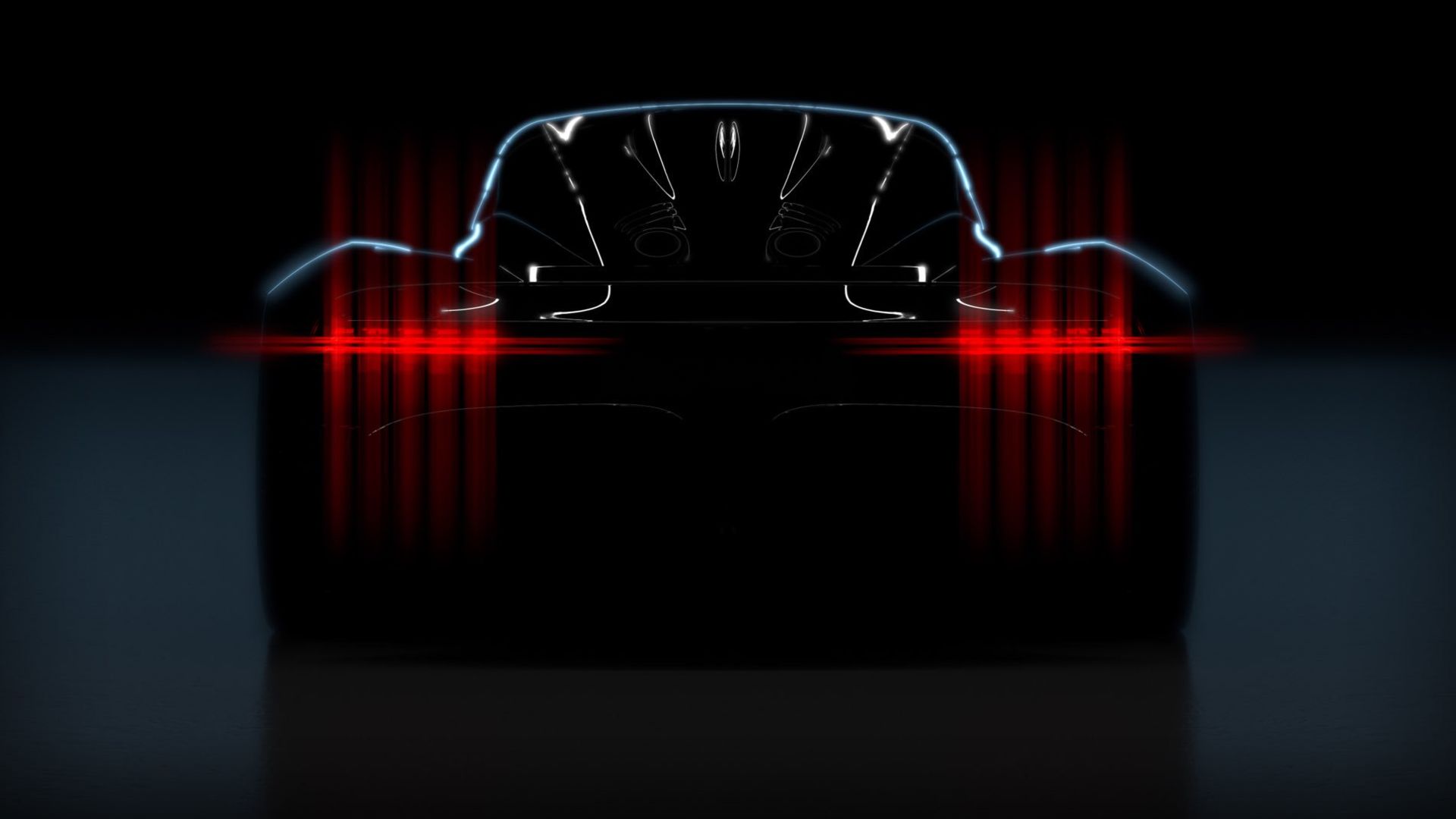
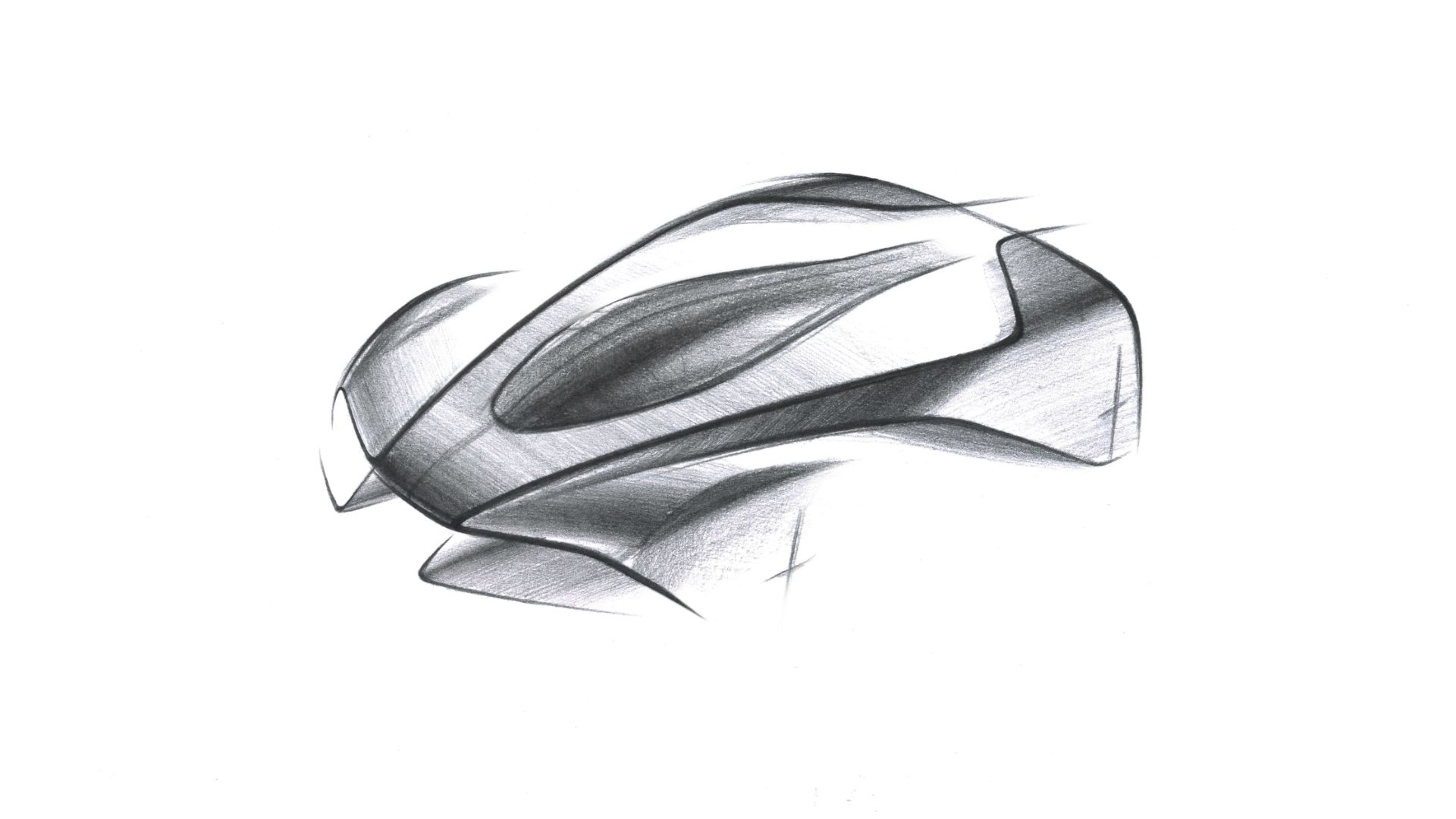
Aston Martin, or rather, Aston Martin CEO Andy Palmer, has revealed more photos of Project 003, the third mid-engined hypercar from the British luxury brand. And all before the first example of ‘001′ – the Valkyrie – has arrived on its owner’s drive.
Still, Aston’s ambition in recent years has always been followed up with action. Thus we’re confident the company is well on its way to bringing a three-tier hypercar range to production.
What will its rivals be?
We say ‘hypercar’ because, in spite of being somewhat junior compared to the Valkyrie, Project 003 will still be contemporary with the upcoming McLaren P1 successor, Ferrari’s latest and greatest supercar – plus any other challengers not up to the God-like loft of the Valkyrie.
It won’t be a series production car either, with a 500-unit production run rumoured.
A baby Valkyrie?
As the teaser image shows, it takes a great deal of inspiration from ‘001’, with shrink-wrapped super-smooth bodywork, slim aggressive lights and a cockpit to make a fighter jet canopy look porky. Also evident is a serious, Valkyrie-inspired rear diffuser.
Project 003 will join the Porsche 918 Spyder and McLaren 600LT twins in the exclusive upward-facing exhaust club. Two tailpipes are clearly visible above where the engine will be.
What engine will it have?
We can pretty much guarantee the Valkyrie’s Cosworth-developed 11,000rpm V12 will not be making its way into any other cars. As such, what will power Project 003 is a bit of a mystery, aside from the fact it’ll be turbocharged.
Both V6 and V8 powertrains have been speculated upon. A V12 related to the 5.2-litre unit found in the DB11 and DBS is unlikely for packaging reasons. They need to squeeze hybrid bits in there too, you know…
Will it be at the Geneva Motor Show?
THE WAIT IS NEARLY OVER. 003 will be the 3rd mid-engined hypercar to be developed by @astonmartin after the Valkyrie and Valkyrie AMR Pro. Project 003 has its DNA deeply rooted in concepts & technology currently being developed for those revolutionary road and track-only machines pic.twitter.com/v3PLDGZuuO
It’s rumoured a prototype will make its way to Geneva. Indeed, Andy Palmer’s Tweet accompanying the teaser image opens with “the wait is nearly over”. A concrete date for the production car debut still isn’t certain.
As for a long-term timeline, we’d be surprised if customers weren’t taking delivery within two years.
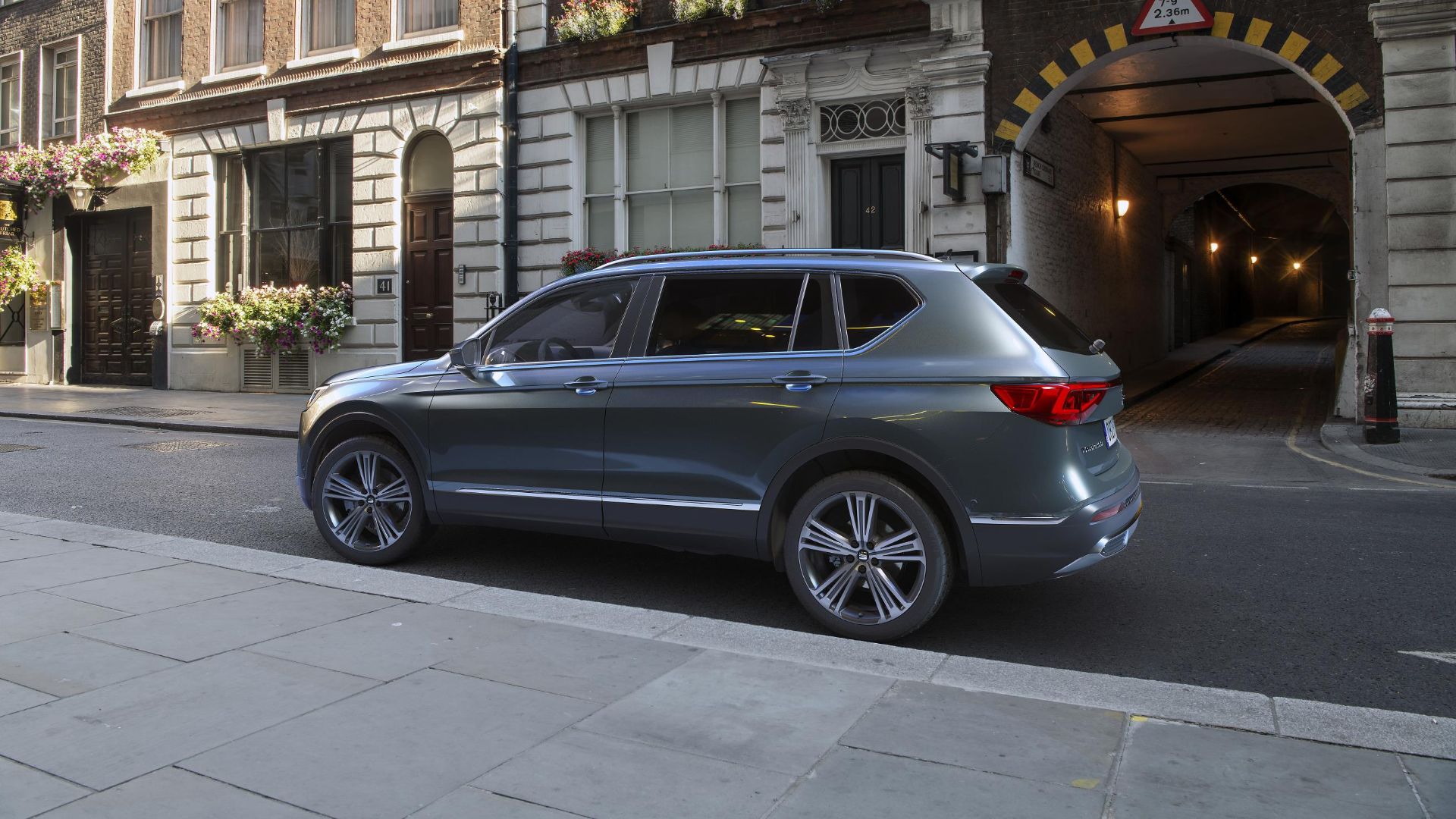
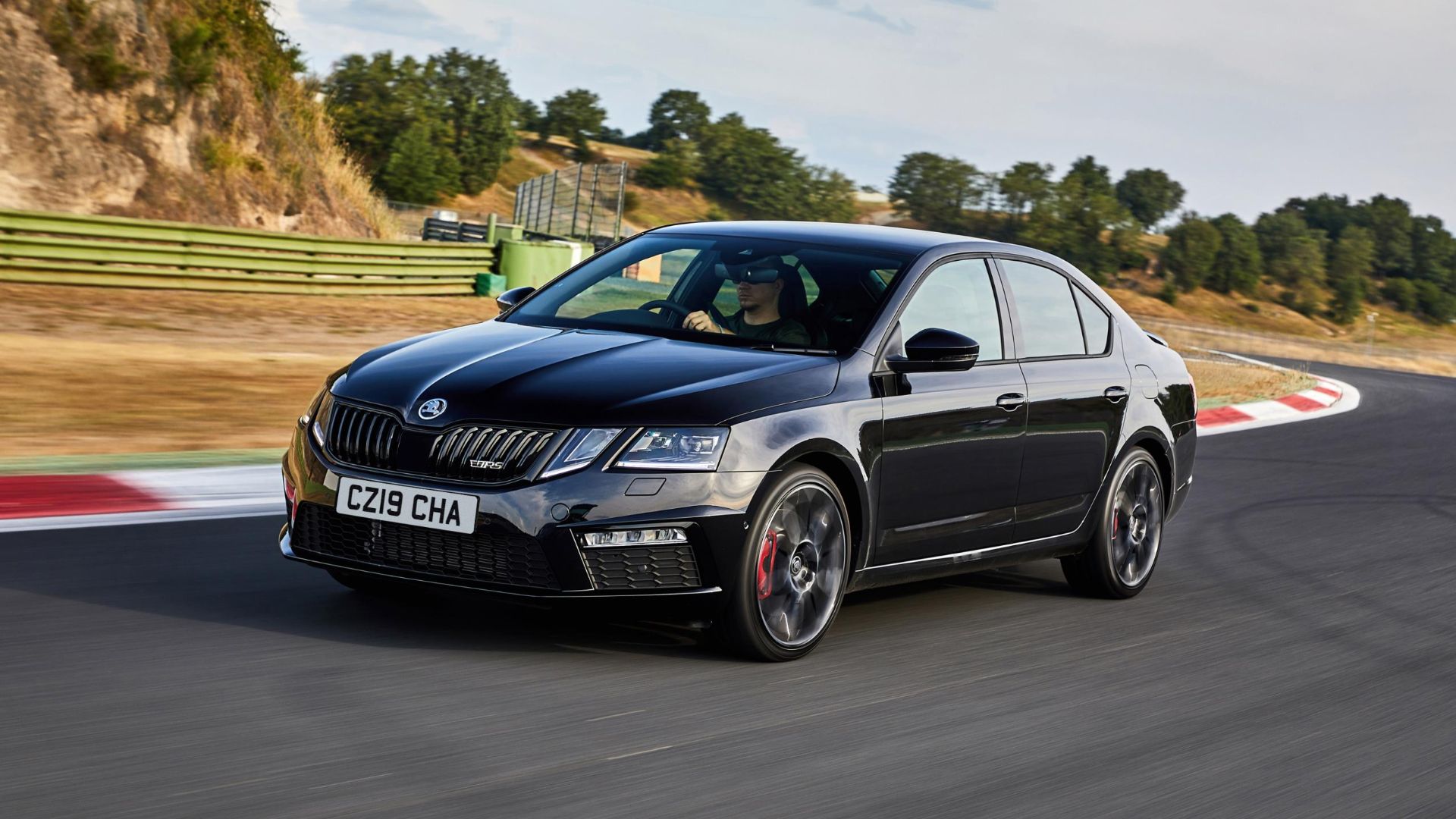
Volkswagen has announced its response to a hard Brexit and, unfortunately, customers will feel it first. For anyone who ordered for a new Volkswagen, Seat, Skoda or Porsche after 1 February, a 10 percent price increase could be on the cards.
Customers do, however, have the opportunity to terminate their order free of charge in response to the potential price hike.
No-deal car import tax
It’s all to do with delivery windows, the possibility (probability, now?) of a no-deal Brexit and tariffs on imported goods thereafter.
Volkswagen has therefore warned its customers that a 10 percent price increase could be levied on cars entering the UK after the split with the EU goes through.
This follows leaked news several days ago that Porsche would pass similar costs on to customers. We can now confirm the same also goes for fellow VW Group brands, Seat and Skoda.
As for Audi, a spokesperson has said that “Audi UK will price-protect all orders until further notice.”
“We strive to keep customers as informed as possible during the buying process,” said a Volkswagen UK representative.
“This includes being clear on any potential changes outside of our control that may affect the price of the car they’re interested in purchasing. So customers will be given the opportunity, free of charge, to cancel their order should prices increase as a result of import duty changes.
“It is important to remember in all this that transaction price, and indeed the sale (in a retail environment), are agreed between the dealer and customer. However, we have reminded our networks of the importance of being transparent with their customers on any of our price protection policies which may have an impact on their sale.”
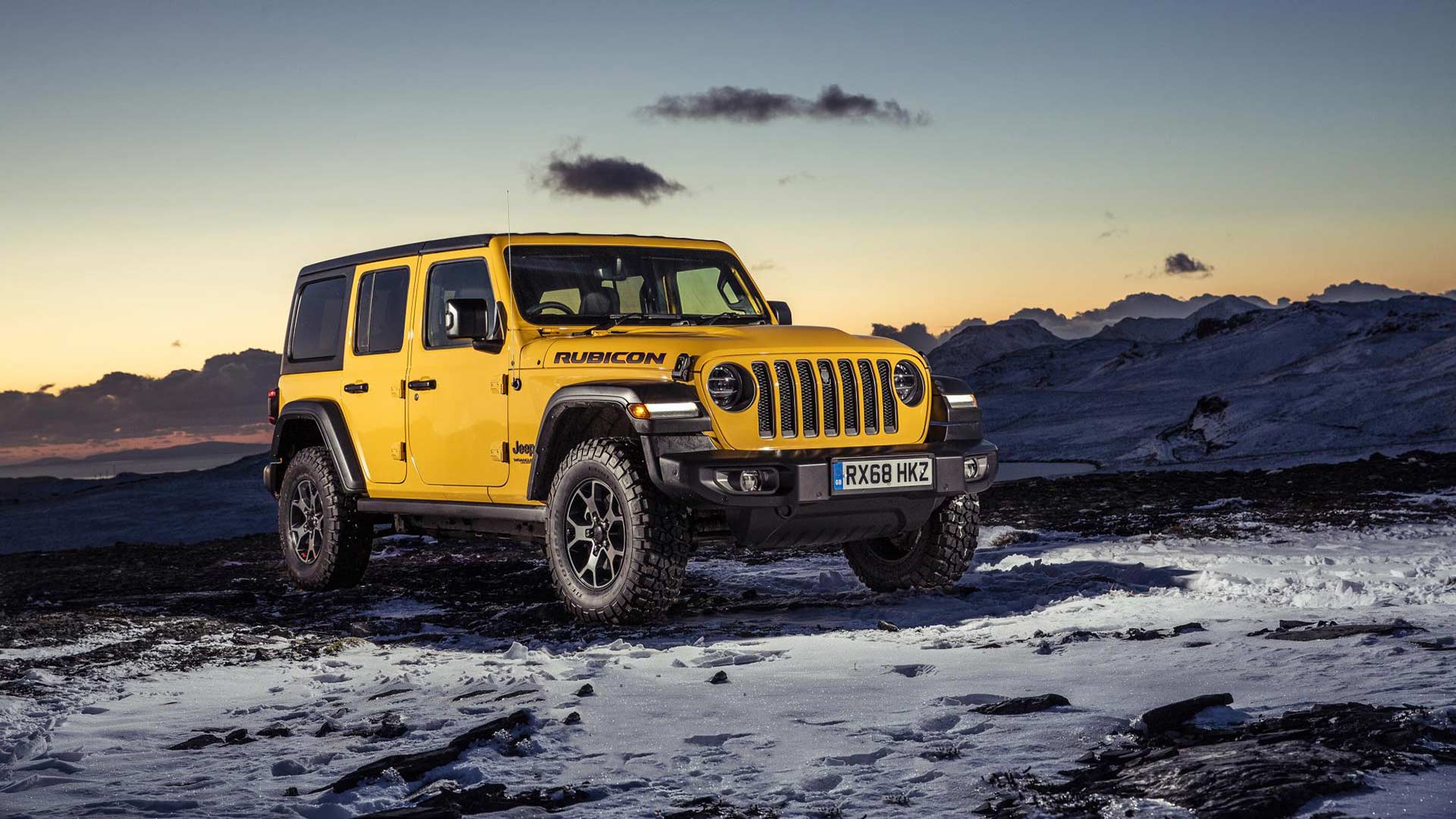
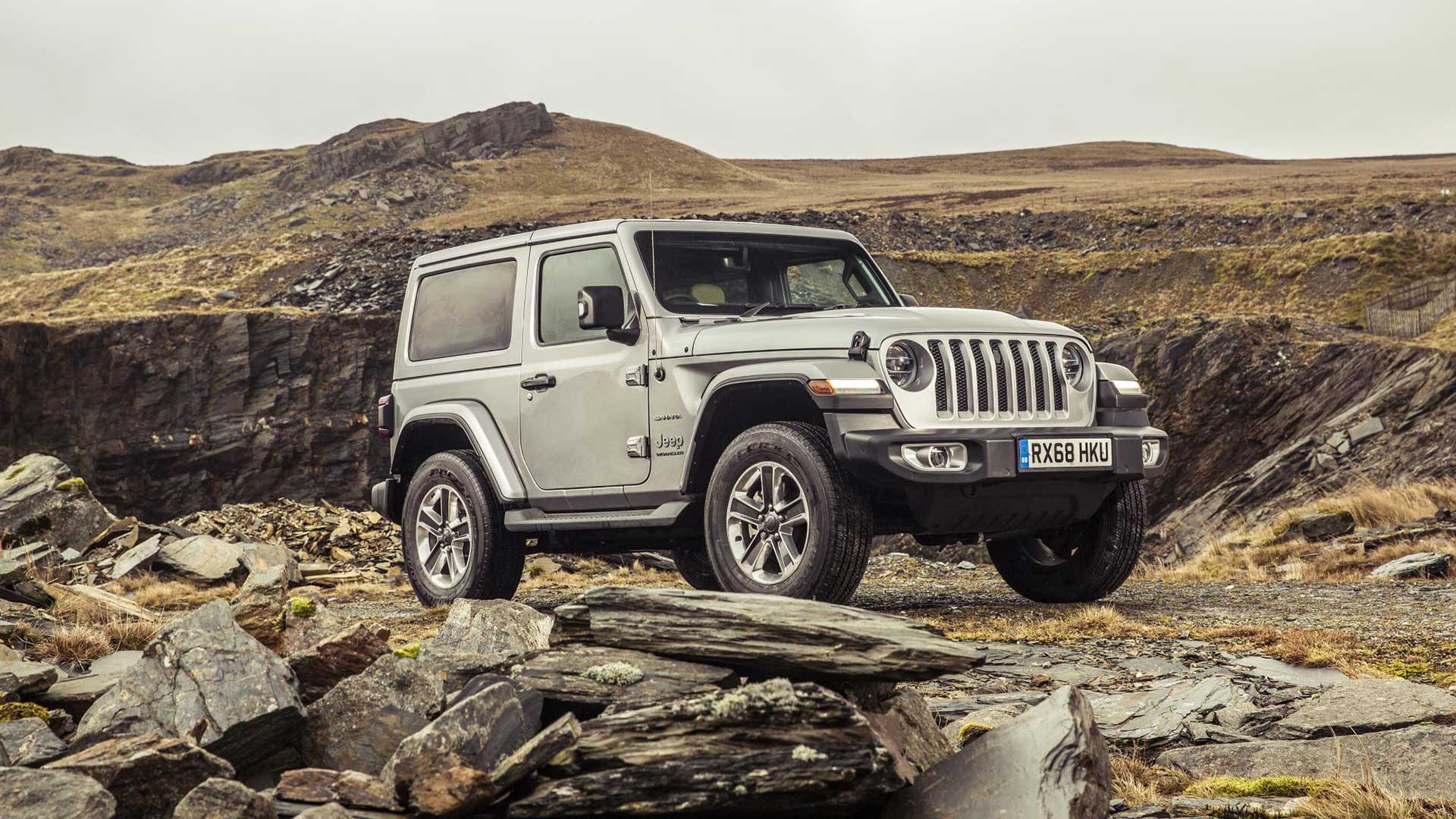
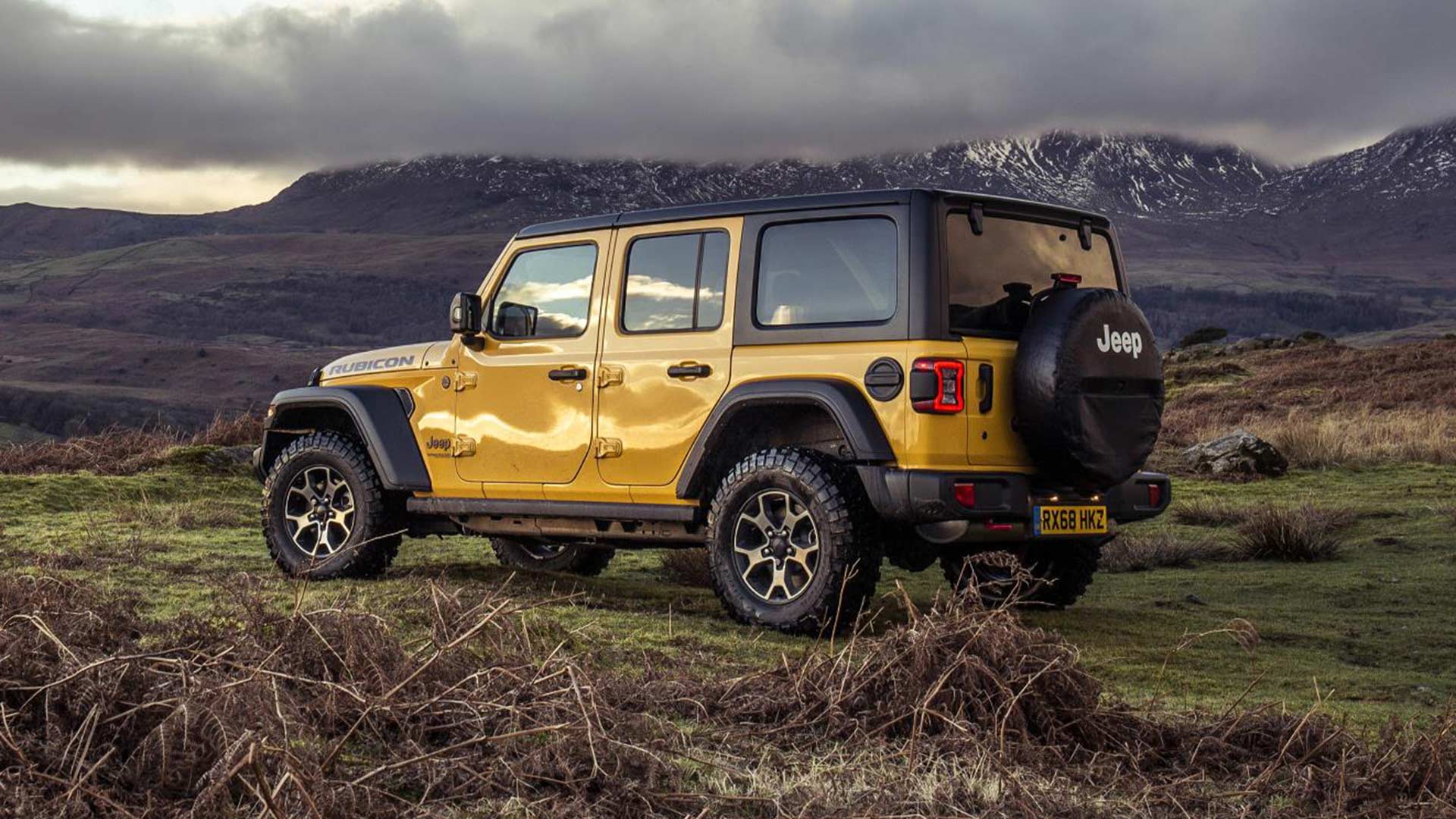
While Jeep promises it will be the most capable version of the trusty Wrangler yet, prices are certainly more luxury than utilitarian in value.
Entry-level Sahara specification two-door Wranglers will cost £44,865, rising all the way to the range-topping four-door Rubicon model at £48,365. Curiously, pricing is the same regardless of which engine choice you plump for.
Hell yeah and Hellayella
Diesel fans will receive a 2.2-litre MultiJet II four-cylinder engine, producing 200hp and a respectable 332lb-ft of torque. A 2.0-litre four-cylinder turbo unit is the petrol choice, with 272hp and 295lb-ft.
Both versions receive an eight-speed automatic transmission as standard, connected to a full-time four-wheel-drive system. The pricier Rubicon version gains an uprated ‘Rock-Trac’ 4WD setup, in comparison to the Sahara and Overland-spec Wranglers.
All Wranglers come with an 8.4-inch multimedia touchscreen, featuring satellite navigation, Apple CarPlay and Android Auto, and an eight-speaker Alpine audio system. A rear-view camera and parking sensors are also part of the deal.
There is also a choice of ten exterior colours, including the wonderfully named Hellayella and Punk’n Metallic options.
All new Wranglers come with Jeep’s 5-3-5 package. This offers a five-year vehicle warranty, three-year servicing programme, and five years of roadside assistance.
The new Wrangler is live on the UK configurator, giving plenty of opportunities to create the Jeep of your dreams. Even if cruising along the British seaside is not quite the same as living out fantasies of sun-drenched California highways…
There is still one piece of news we are waiting on though. Confirmation that the wonderful Jeep Gladiator pickup truck will come to the UK, and how much it will cost. We’re waiting, Jeep.
Just occasionally, a car manufacturer will wander off-piste, surprising the world with something a little unexpected. Like turning up at a goth festival dressed as Hello Kitty. OK, so maybe not that leftfield, but here are some examples of cars built when a manufacturer wandered down an untrodden path.
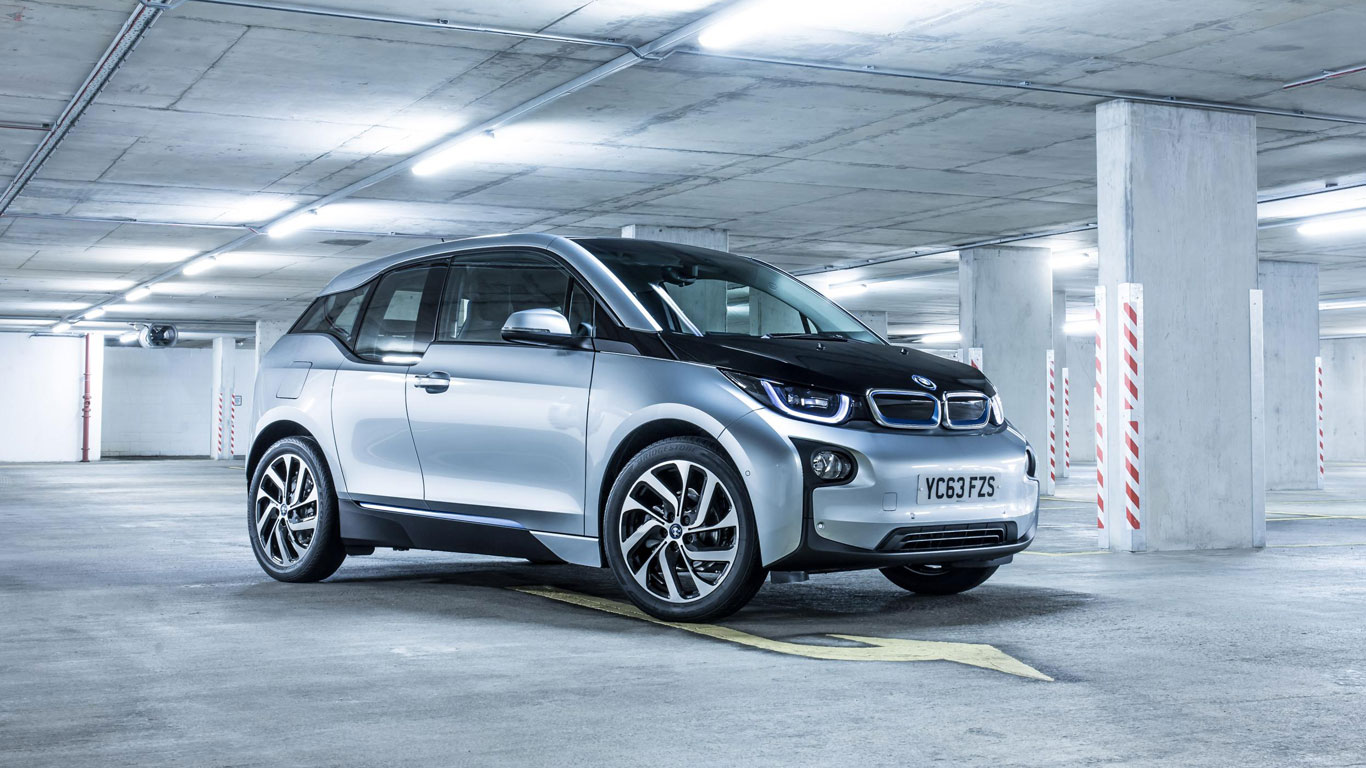
BMW i3
The i3 wasn’t BMW’s first electric car – that accolade belongs to the 1602e of 1972 – but it was the company’s first production EV. It looked quite unlike anything like BMW had built before, while bringing a new breed of premium buyers to the electric car segment. For BMW purists, it seemed to fly in the face of the ‘ultimate driving machine’ proposition, but a near 50:50 weight distribution, rear-wheel drive and whippet-like off-the-line pace meant that it was more on-brand than it first appeared. A few years later, BMW ventured even further off the beaten track, when it launched its first front-wheel-drive car. But we’re not including the 2 Series Active Tourer, because while it might be leftfield (for BMW), it’s not what you’d call cool.
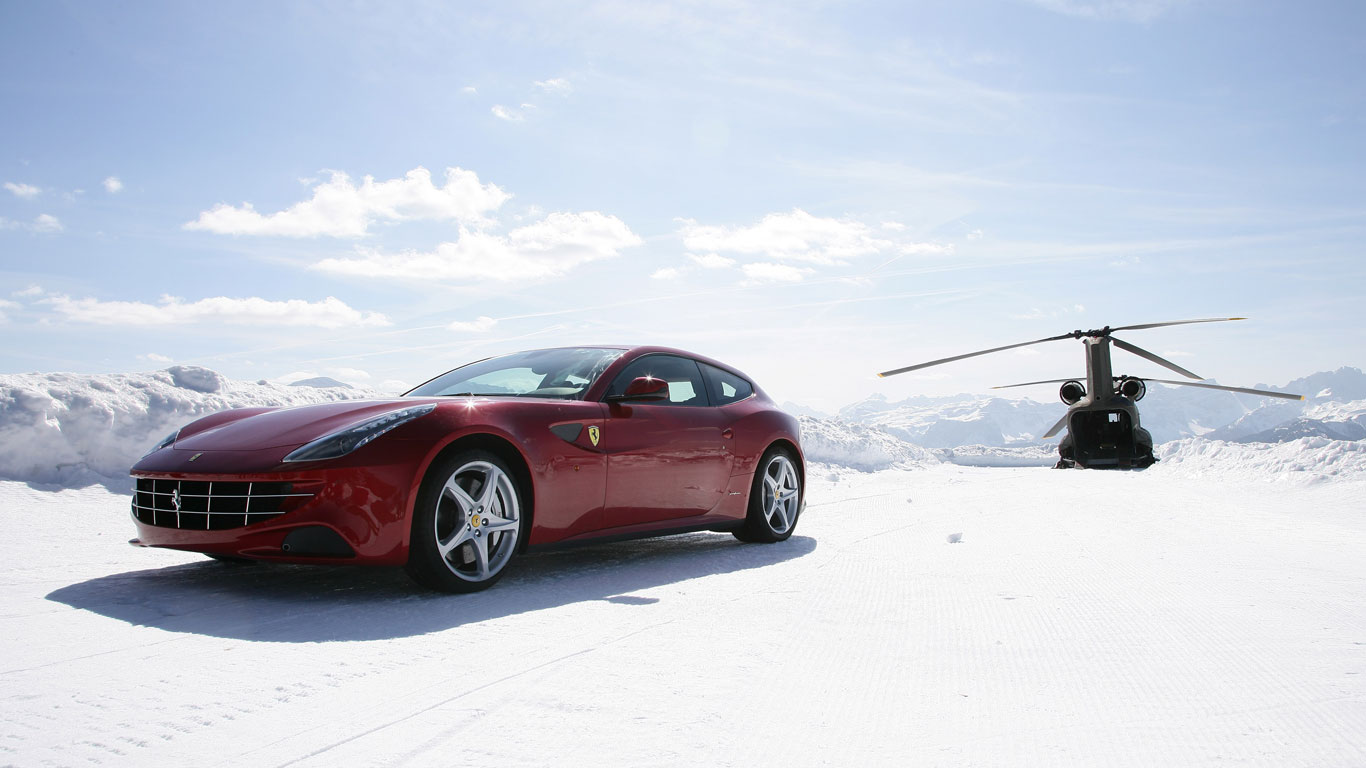
Ferrari FF
FF – Ferrari Four. Four, as in four seats. But, more importantly, four, as in four-wheel drive. This was Ferrari’s first foray into the world of four-wheel drive, with a car that offered space for four people and their luggage, and enough power to get to the top of a ski slope before those who took the plane had collected their oversized baggage from the airport carousel. The FF was also the first and only V12 supercar to sport a seven-speed dual clutch F1 transmission. Seven years on from its launch, it looks and feels less radical, but at the time it caused quite a stir.
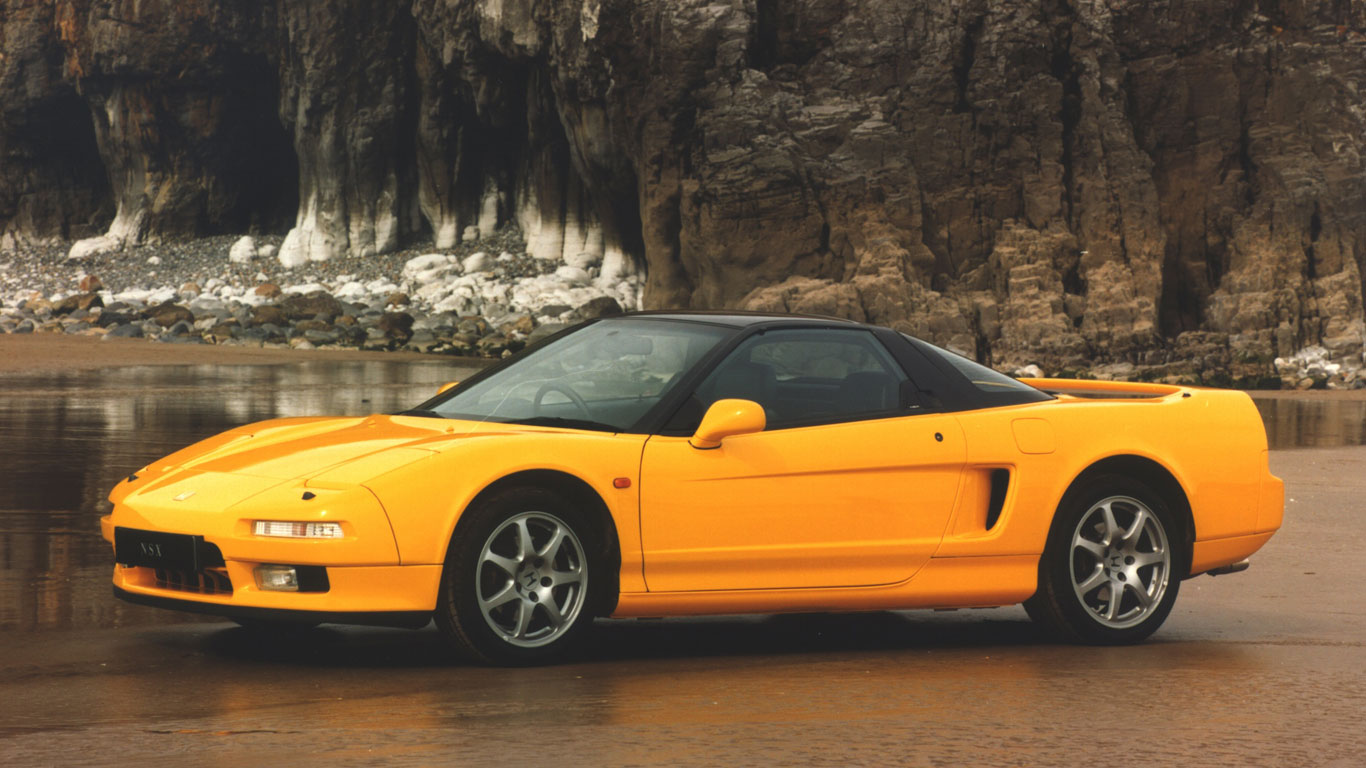
Honda NSX
Honda didn’t build supercars. Honda built small cars, hatchbacks and saloons. So, in 1990, the arrival of the NSX was a little like turning up at the station to catch the 8.20 stopping service to Waterloo only to find the Japanese bullet train waiting at the platform. Sure, in typical Honda fashion, the NSX was a useable, everyday supercar – with touch of Ayrton Senna for good measure – but it allowed a brand most famous for the Civic and Accord to rub shoulders with the supercar elite.
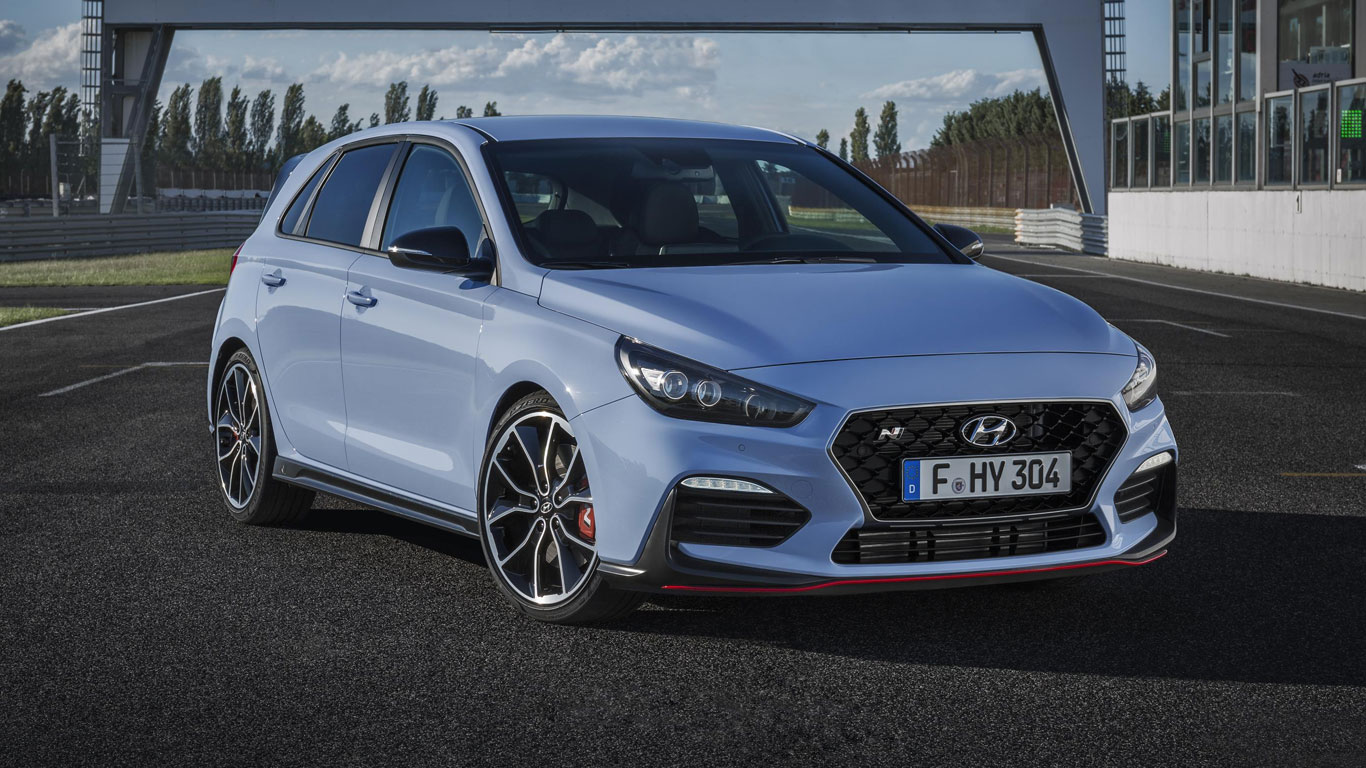
Hyundai i30N
To the average car enthusiast, looking at a Hyundai is akin to spending a couple of hours at a soulless retail park perusing washing machines. You buy a Hyundai because you like peace of mind, long warranties, beige slacks and Simply Red. Or least, you did. The Hyundai i30N is like a washing machine on a fast spin cycle with only one thing on its mind: messing with the hot hatch establishment. No amount of Persil Non-Bio is going to clean up its act. The dirty little hooligan.
Kia Elan
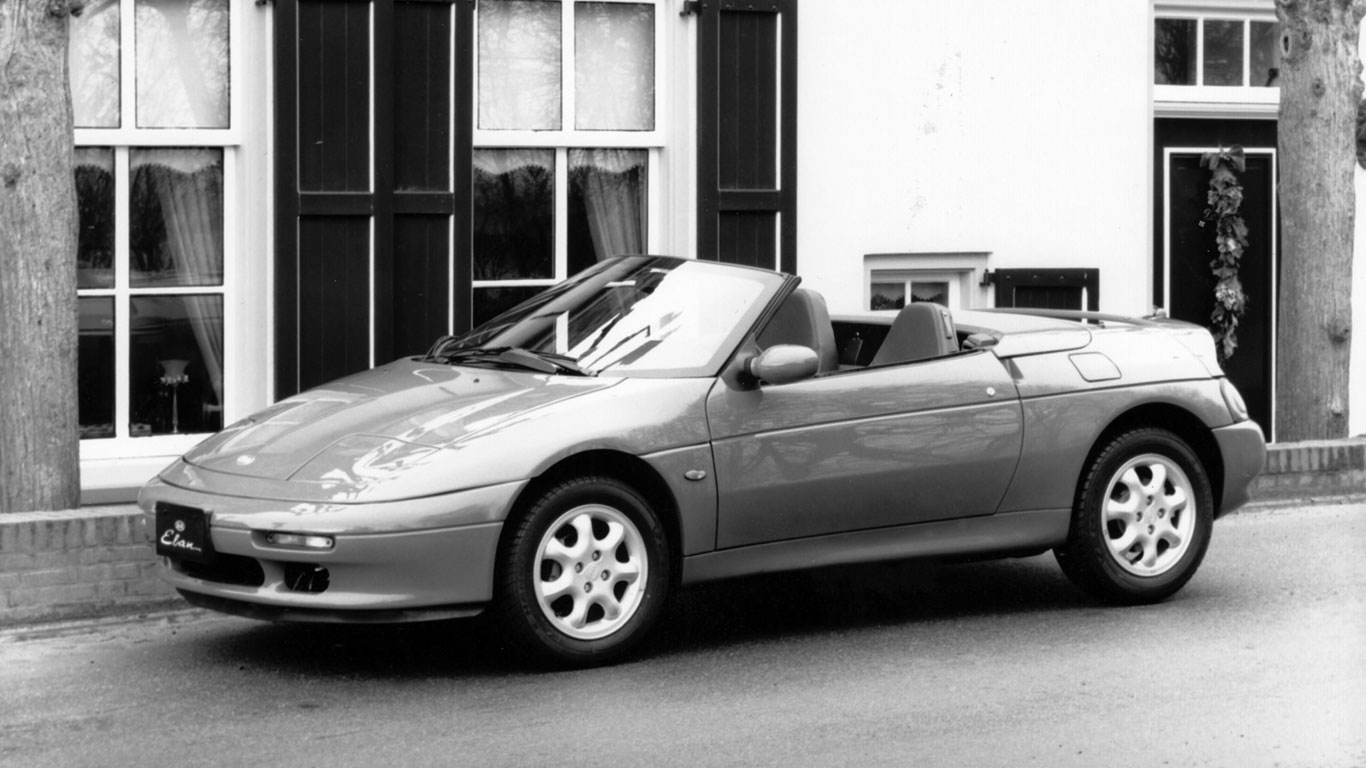
In 1995, Kia added the Sportage to its UK range, with the value-driven compact SUV sharing showroom space with the Pride and Mentor. A trio of worthy cars, if totally devoid of excitement and thrills. Which kind of makes the Kia Elan – a badge-engineered version of the Lotus with the same name – stand out as being a little leftfield. As indeed was the idea of a front-wheel-drive Lotus.
Kia Stinger
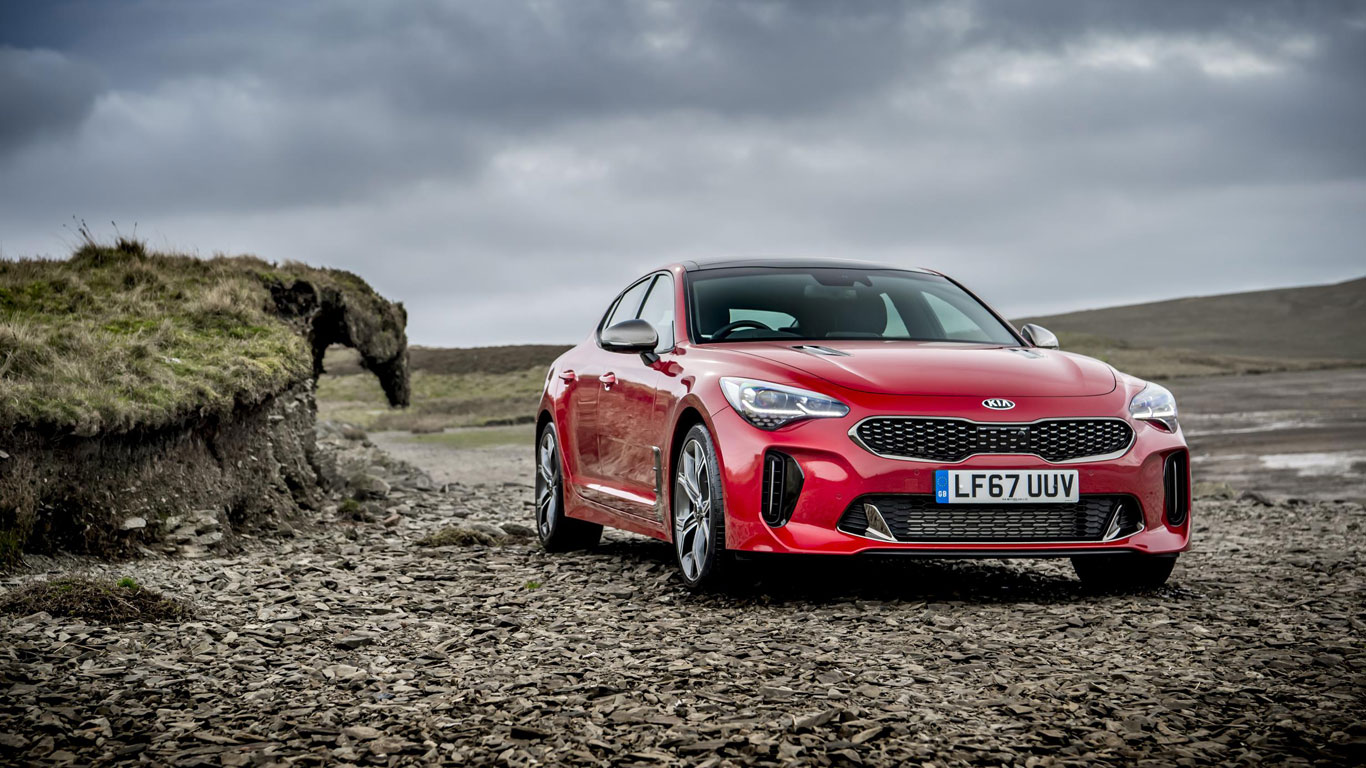
In truth, the Kia Elan was little more than an end-of-season repackaging deal, but the Stinger is a rather different proposition. Kia’s growth has mirrored that of the budget supermarkets, stealing sales from the established giants and winning a legion of loyal fans. Which is great, but it’s not what you’d call sexy. Which is where the Stinger GT-S comes in, with its fancy key, brutish styling, rear-wheel-drive joy and missile-like pace. It is, quite frankly, the most exciting seven-year warranty in the world.
Lamborghini LM002
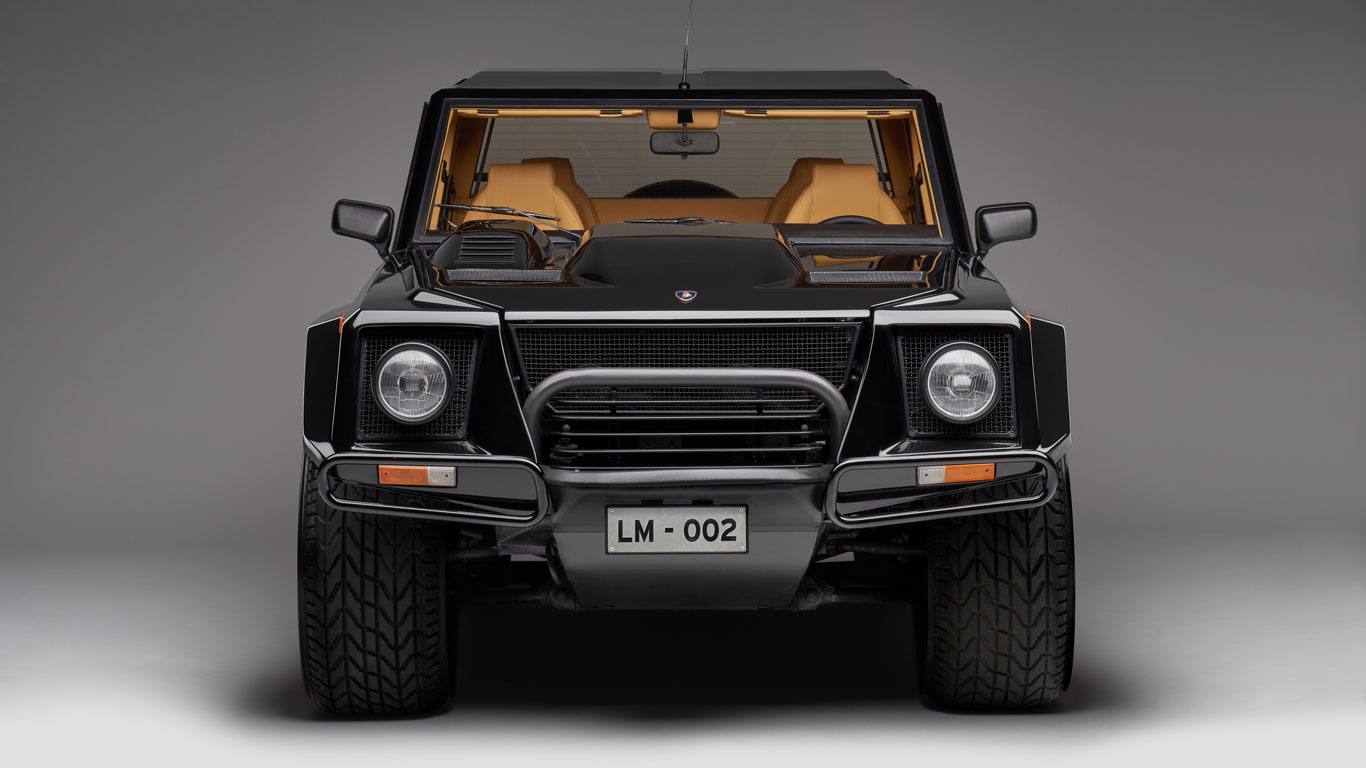
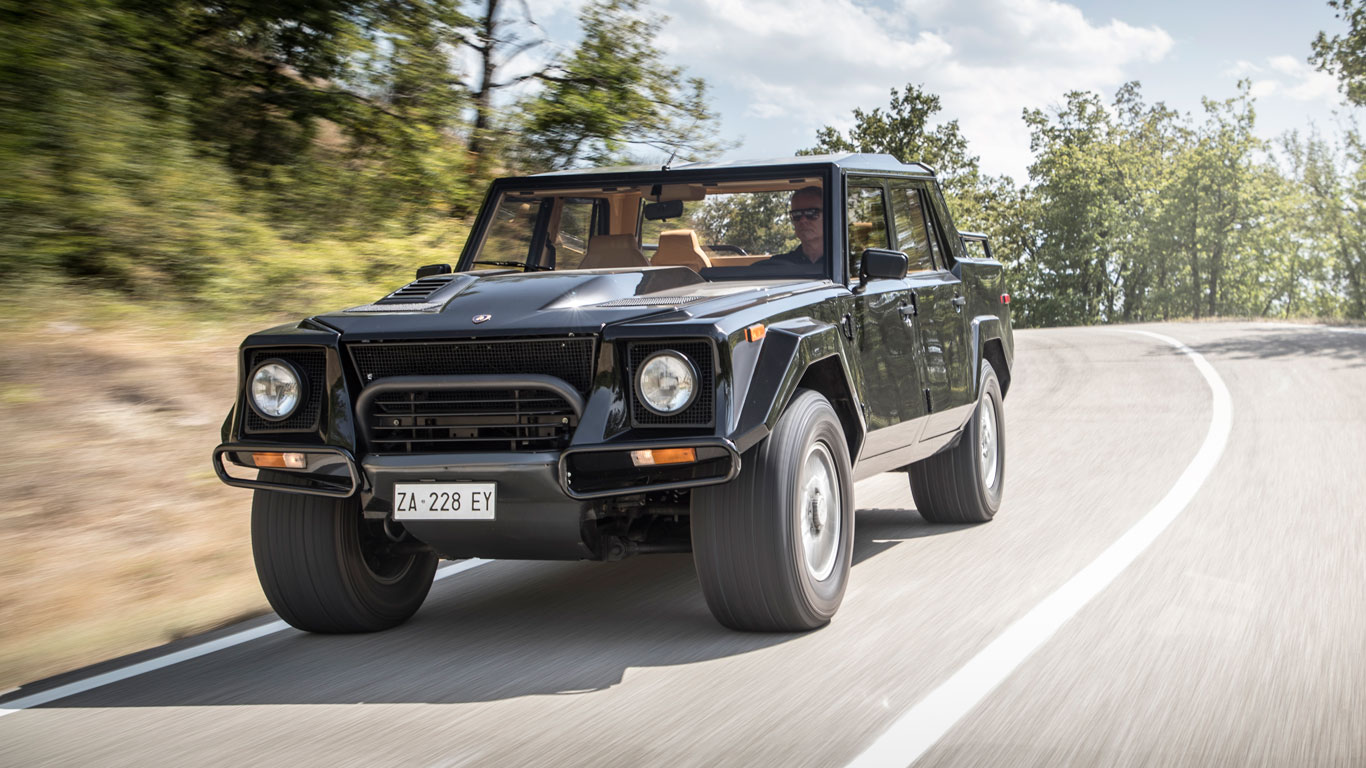
The Urus: Lamborghini’s first SUV. Yeah, whatever. The LM002 was devouring sand dunes and lining the pockets of Middle Eastern oil companies a full generation before the Urus was exciting YouTubers and Instagrammers. The V12 engine at least gave it a whiff of supercar, but the ‘Rambo Lambo’ stood out from the rest of the Lamborghini range like a… well, like an LM002 parked in a field of Countaches.
Porsche C88
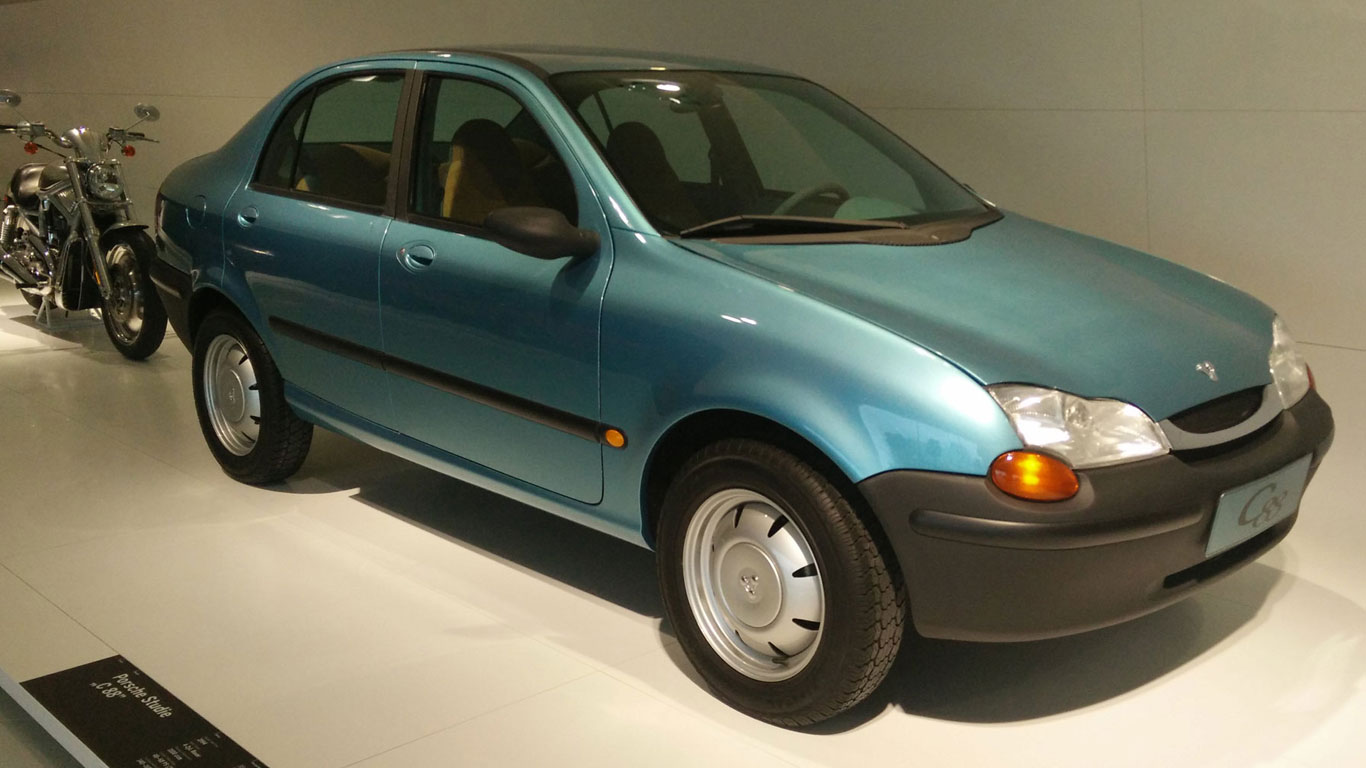
Looking more like a mid-90s Daewoo, the C88 was actually built by Porsche in response to a brief from the Chinese government. Twenty car manufacturers were invited to submit their ideas for the China Family Car Project, which was focused on the design of a cheap, five-seater family car for the Chinese market. Although the C88 did not feature any references to Porsche, it was very much an in-house job. Sadly, when China cancelled the project, Porsche was left with a design for a car that was rather off-brand. Having no success selling it to Indian car manufacturers, the C88 was consigned to seeing out its days in the Porsche Museum.
Proton Satria GTI
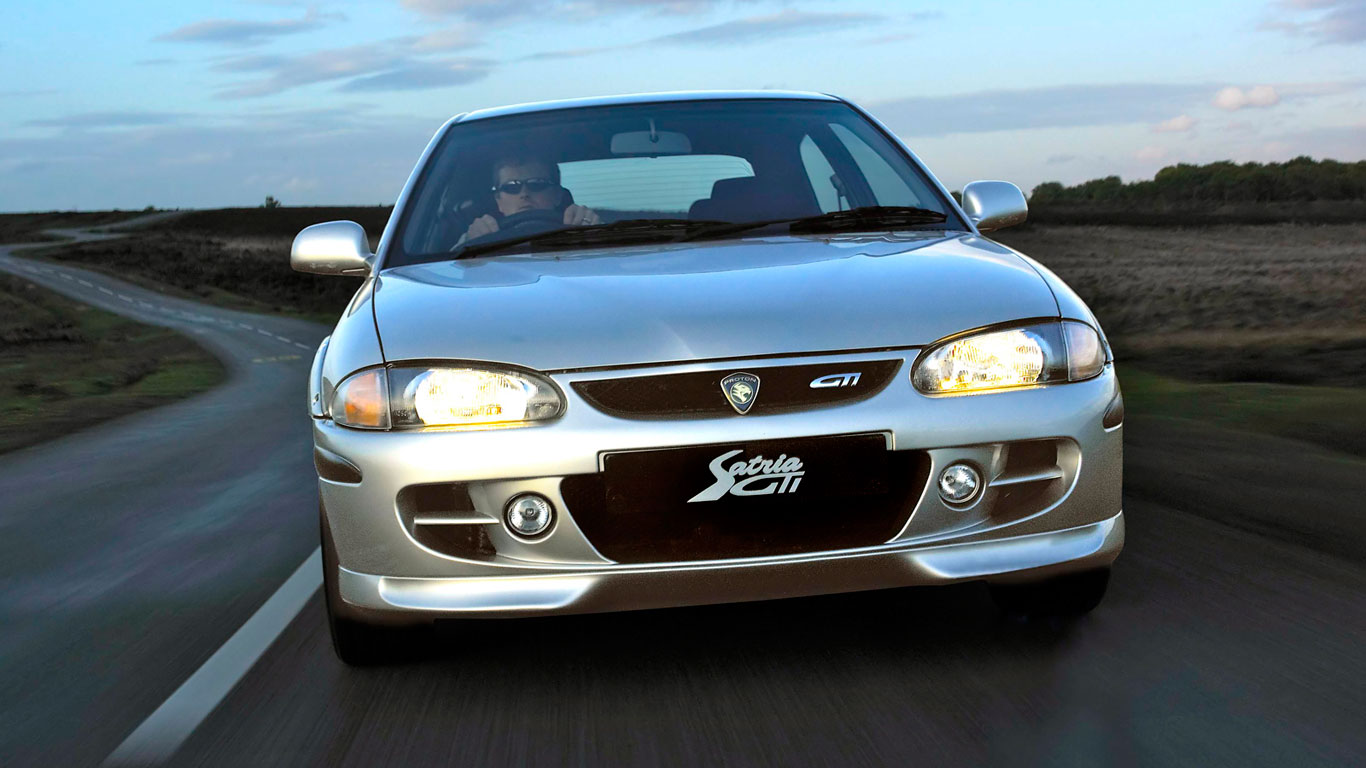
For most Proton owners, a trip to Norfolk meant the coast at Cromer, tea from a Thermos flask and a late lunch in the garden centre on the way home. Not in the case of the Satria GTI, which went via Hethel, stopped off at Lotus for some suspension wizardry and cosmetic surgery, and emerged ready to terrorise unsuspecting junior hot hatches. This thing was good – Mitsubishi Lancer chassis, 1.8-litre engine, Recaro seats – but traditional Proton owners weren’t quite sure what to do with it.
Renault 5 Turbo
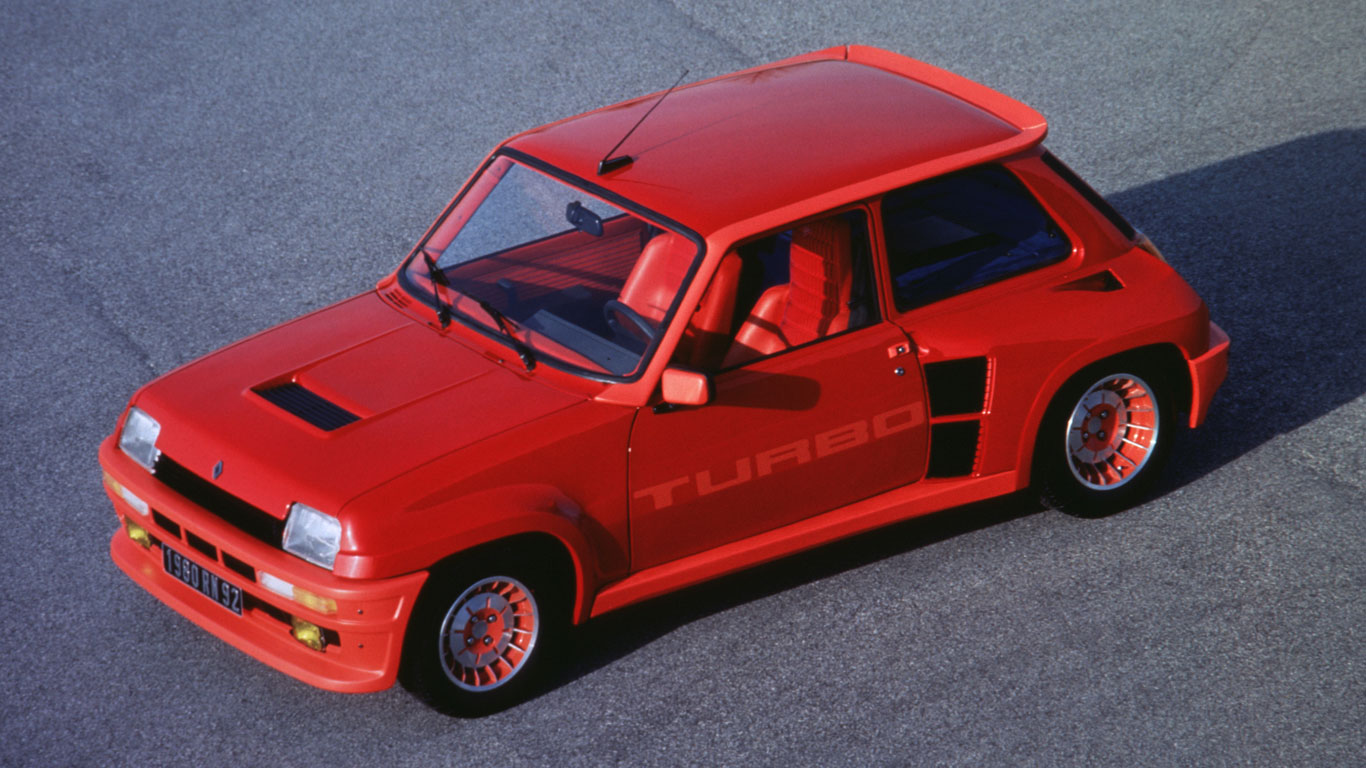
In the case of the 5 Turbo, it’s not so much the motorsport connection – Renault had a long and distinguished sporting heritage – but more the sheer lunacy of the thing. Conceived in 1976, unveiled in 1978 and on sale in 1980, the Renault 5 Turbo was a supermini in a supercar suit. The ‘Supercinq’, long before the name was used for the second-generation R5 of 1984.
Saab Sonett
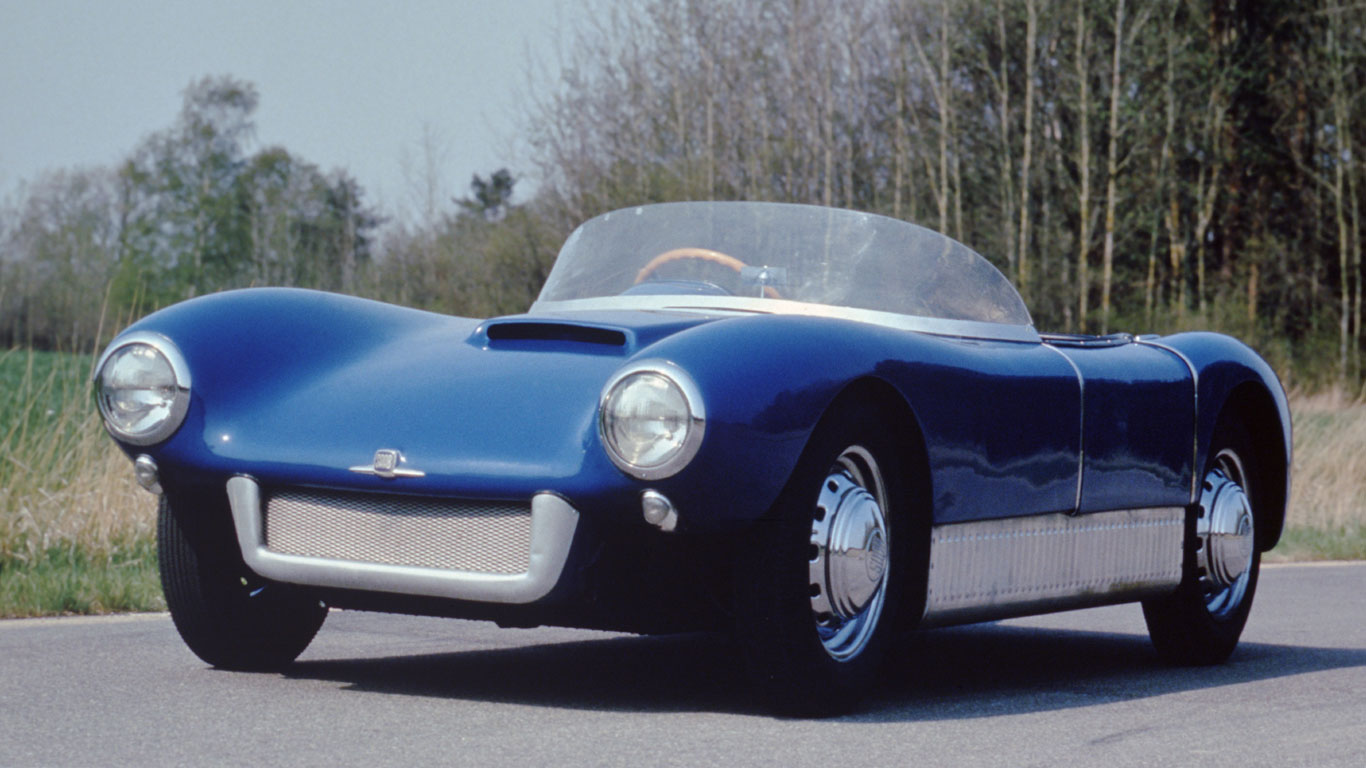
Think Saab and images of large, executive cars might come to mind, along with aircraft-inspired cabins, big bumpers and turbocharging. Things were a little different in the days of the Saab 92, but the Sonnet – or 94 – remains Trollhättan’s most leftfield creation. Designed for the 1956 Stockholm motor show – and with one eye on the American market – the original Sonnet was an experimental race car built for the track. A road-going Sonnet II followed in 1966, before the Sonnet III arrived in 1970.
Skoda 110 Supersport ‘Ferat’
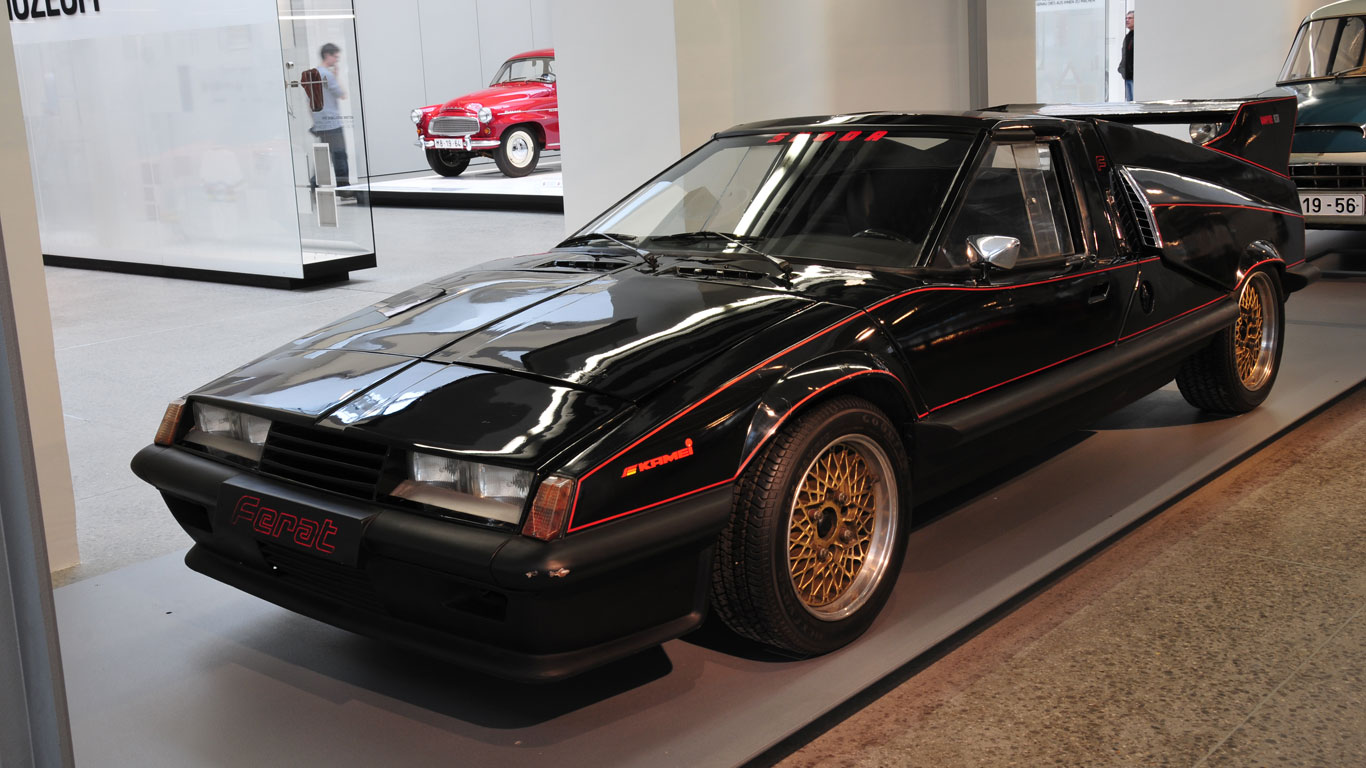
Tell another lame joke about Skoda and this thing is likely to visit you in the middle of the night and haunt your dreams for eternity. First introduced in 1972, and based on the 110R Coupe, this was the first and only Skoda with a door that tilts up with the windscreen and roof. Ten years after making its public debut, the concept was transformed into the ‘Ferat’ for use in the Ferat Vampire movie. Today, it runs on human blood and hangs upside down in the Skoda Museum.
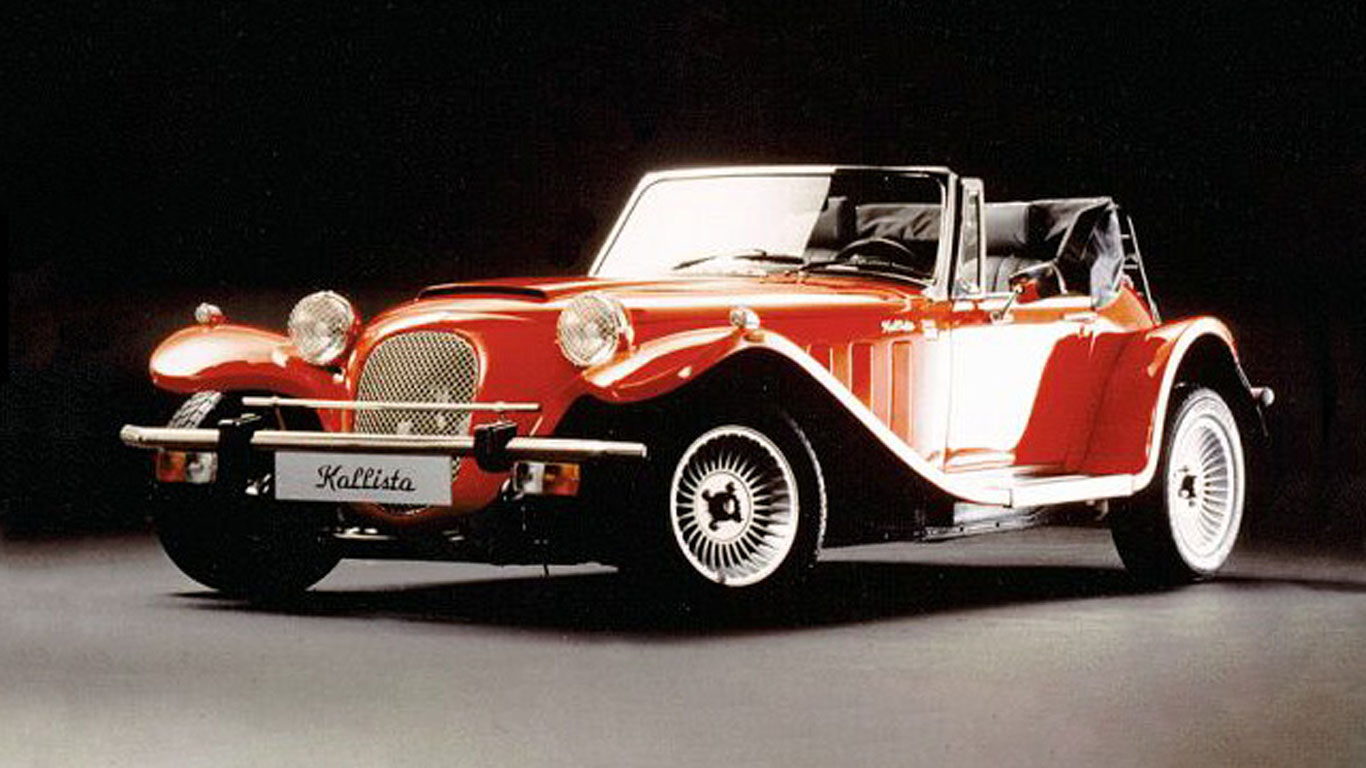
SsangYong Kallista
SsangYong: famous for its difficult to spell and hard to pronounce name, 4x4s and, in the case of the Rodius, arguably one of the least attractive man-made objects in the world. Not a company you’d associate with squint-and-it-looks-like-a-Morgan two-seater sports car. But that’s precisely what this is: a badge-engineered version of the Panther Kallista, built following SsangYong’s purchase of the Surrey-based company. A total of 78 were built in South Korea, and you can find one in the Samsung Transportation Museum.
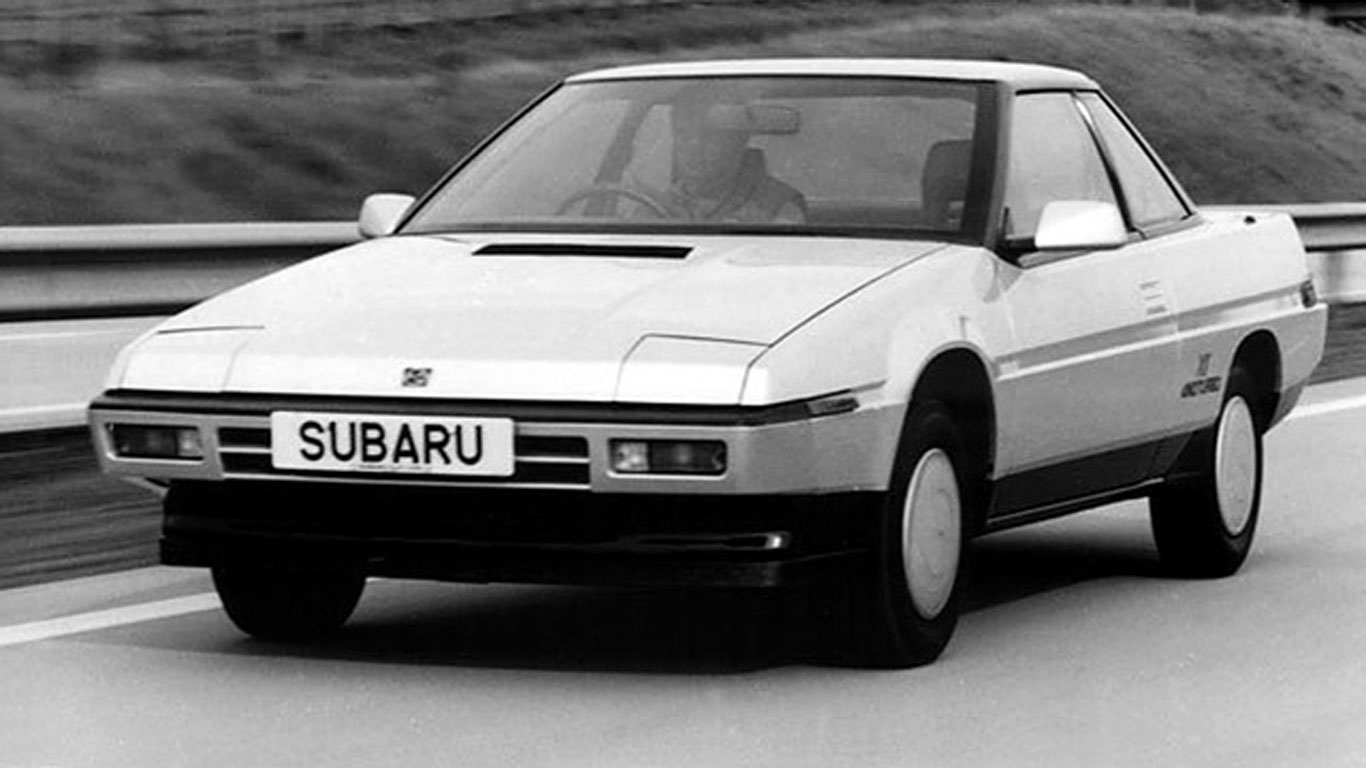
Subaru XT
The XT came straight out of the leftfield, even if it did offer Subaru’s staple of four-wheel drive. Before its arrival, if you’d asked a motorist to summarise Subaru in a few words, they’d have muttered things about rugged dependability, four-wheel drive and practical interiors. They’d have struggled to say much about the styling, because Subarus were largely forgettable. The XT was a different beast, offering flat-four, turbocharged, four-wheel-drive performance for the road, all dressed up in a space-age suit.
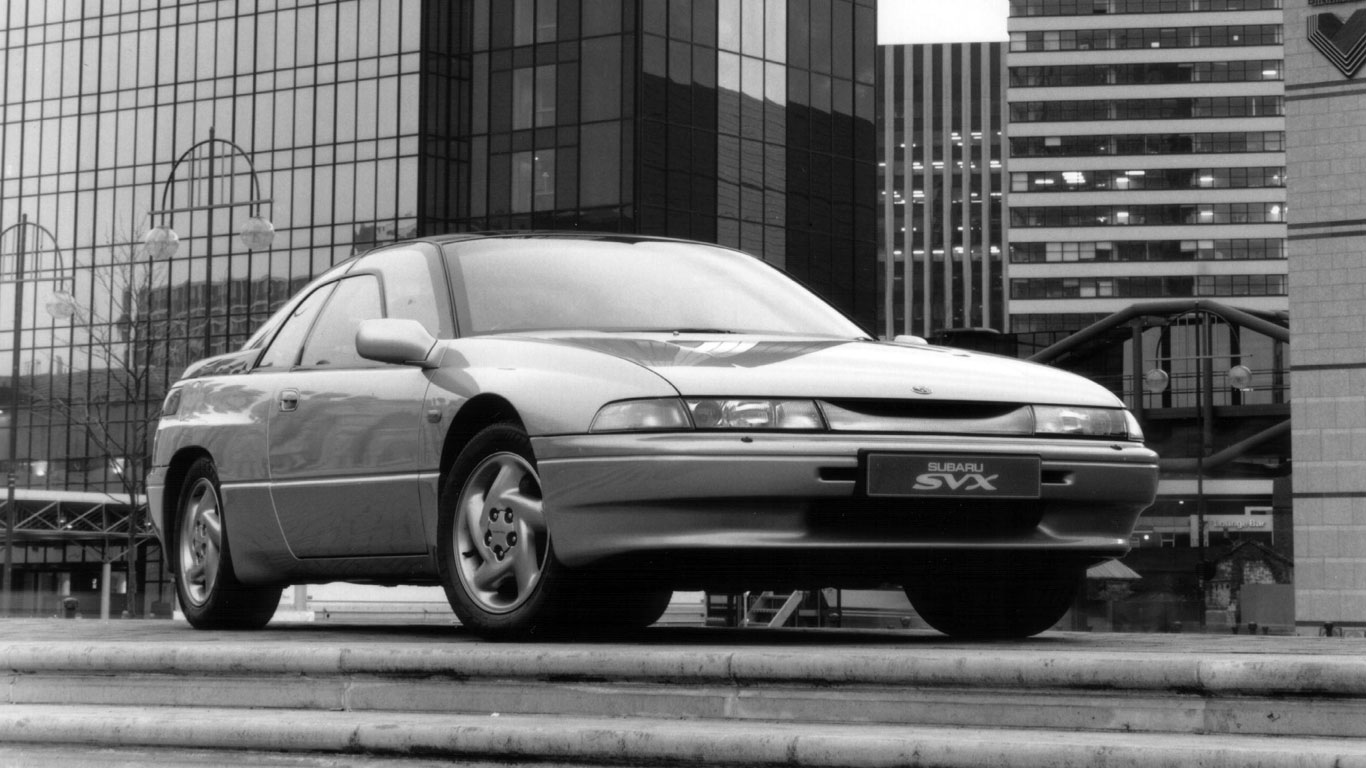
Subaru SVX
Does the fact that the SVX followed the XT make it less leftfield than its predecessor? Perhaps, but in just about every other respect, the Subaru SVX is more leftfield than a Labour party conference in a grassy paddock. A 3.3-litre flat-six engine offers a decent turn of pace and a distinctive howl, while the ‘windows within windows’ are the kind of quirky details loved by car enthusiasts. Few manufacturers could offer two leftfield cars in quick succession, but Subaru did.
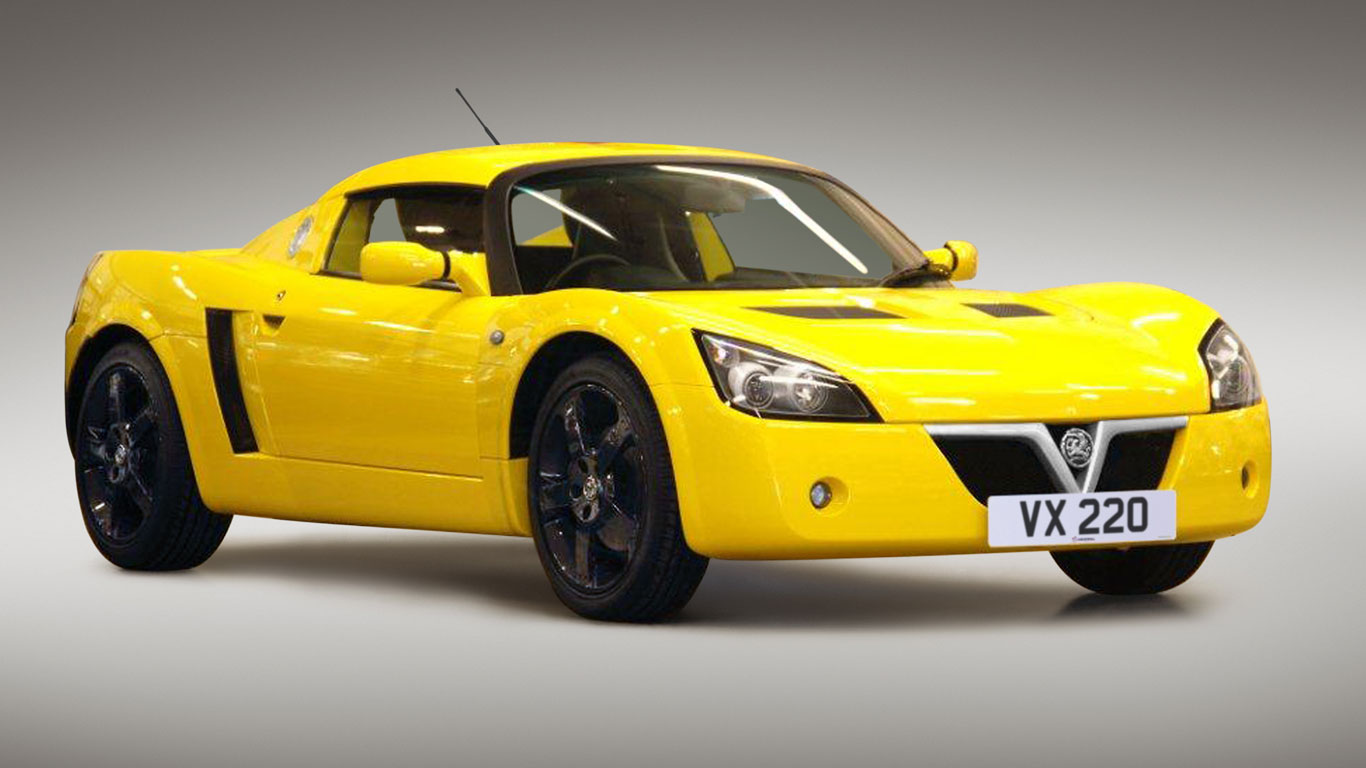
Vauxhall VX220
When you want to sharpen up your image, you might head to the high street for some new bib and tucker. For Vauxhall, no amount of retail therapy was going to provide a much-needed image makeover, so it turned to Lotus for some help. The VX220 was built alongside the Lotus Elise in Hethel, but shared just 10 percent of its parts with its more famous sibling. It was a terrific car, but the strategy never really paid off. Buyers of hardcore sports cars prefer Prada to Primark.
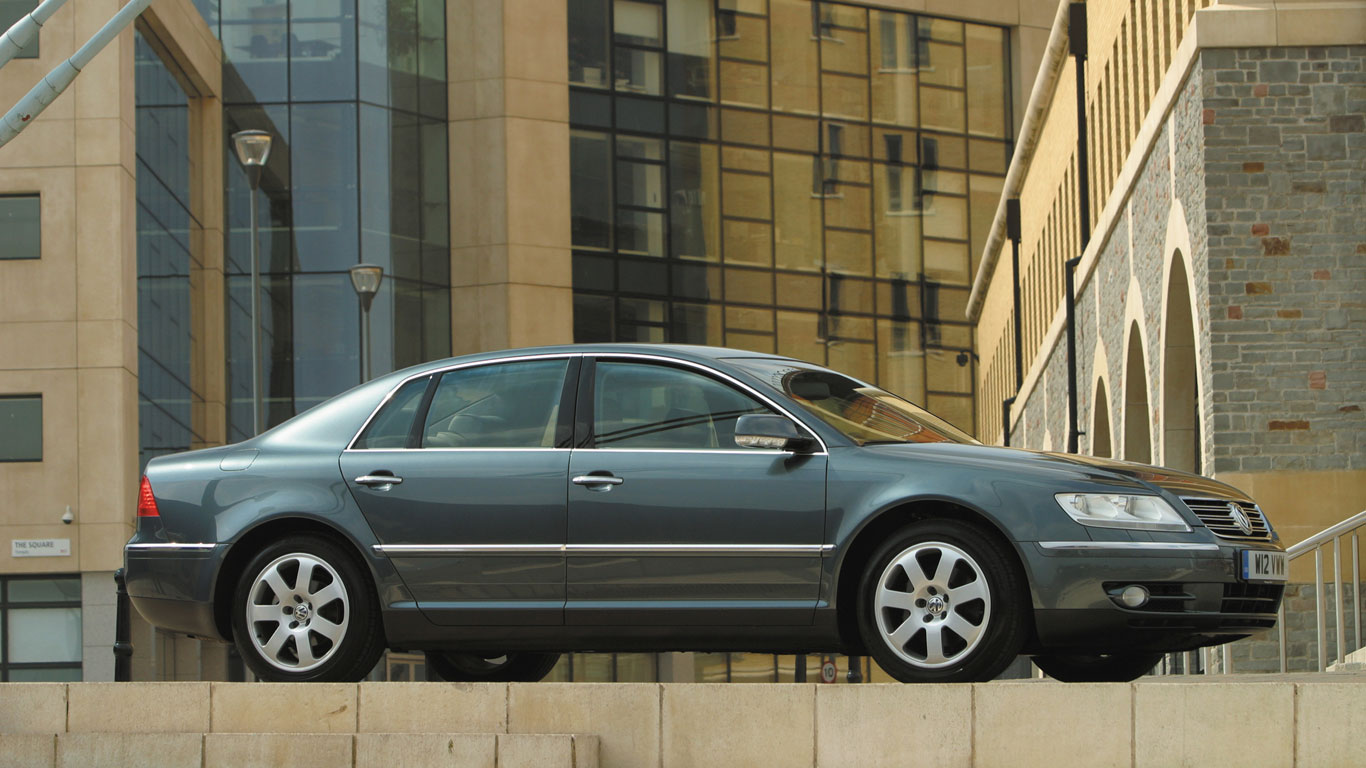
Volkswagen Phaeton
People’s car? Yeah, about that. Much to the annoyance of his colleagues in Wolfsburg, Ferdinand Piëch developed a car that was so far removed from the founding principles of Volkswagen, you’d need a map to find your way home again. The Phaeton was a fine car, offering levels of refinement previously unseen at VW. But it was too expensive, looked too much like a Passat and, perhaps most importantly, buyers prefered the cachet of an Audi or Bentley, both Volkswagen Group brands.
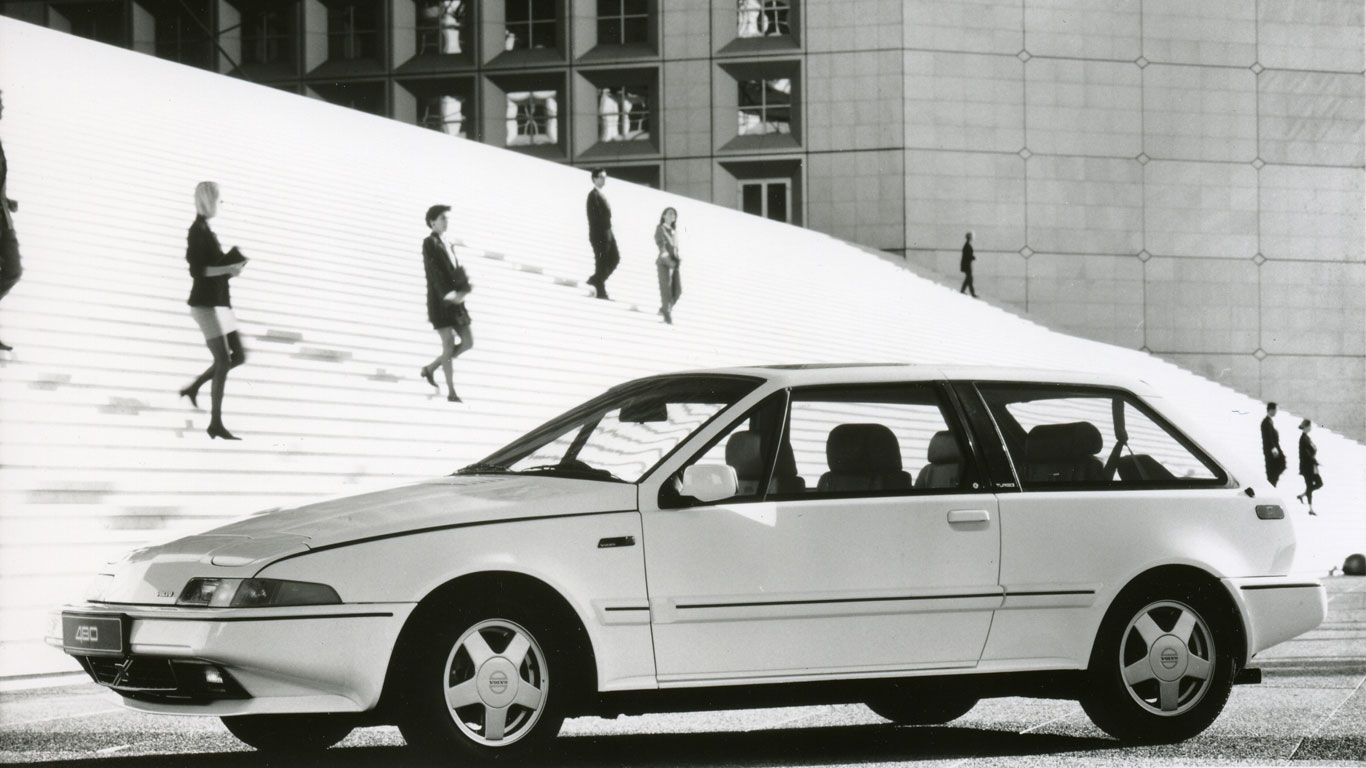
Volvo 480
What’s more leftfield, the P1800 or the 480? We’re opting for the 480, not least because it ushered in a new era of front-wheel-drive Volvos, along with a pair of pop-up headlights. We’ll never see the likes of a wedge-shaped Volvo again, but Sweden hasn’t turned its back on good-looking cars. Which is why the 480 gets the nod over the P1800.
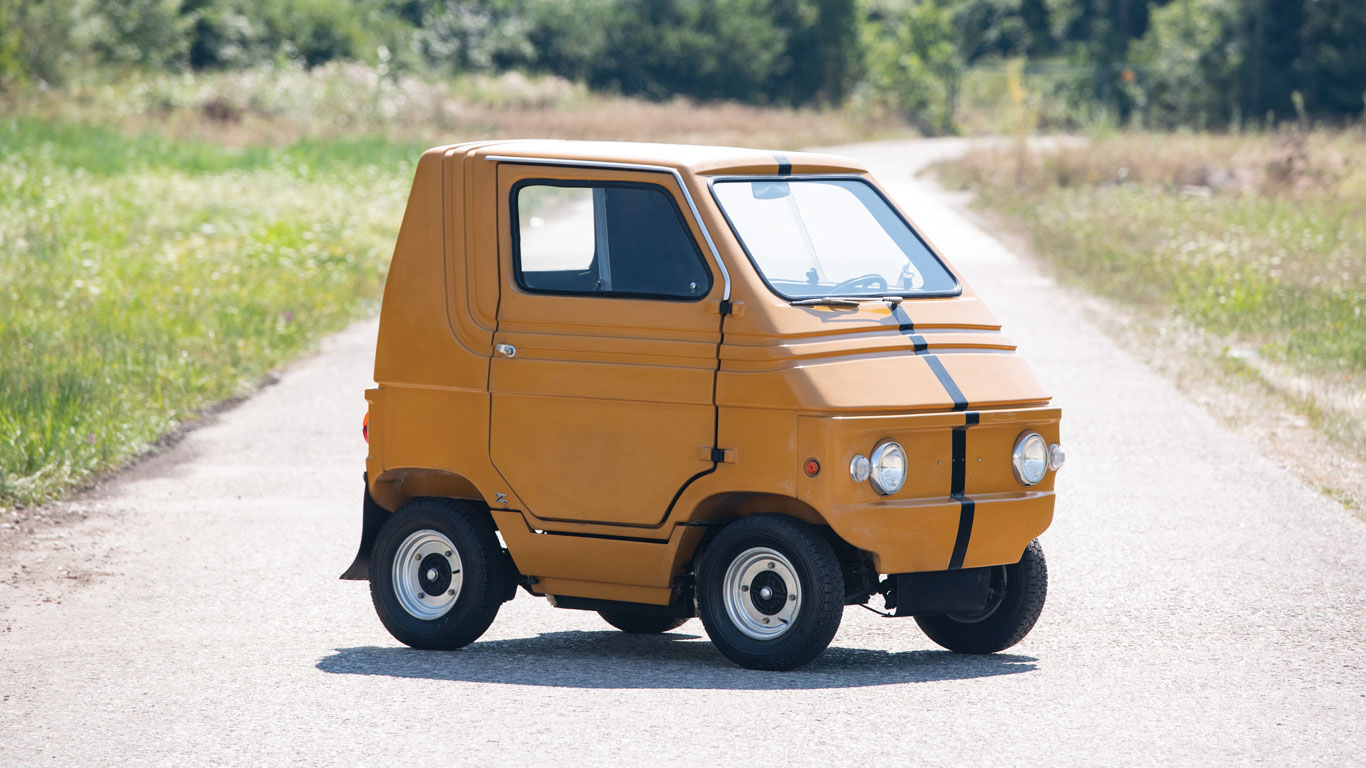
Zagato Zele
Established in 1919, the Italian coachbuilder Zagato has jumped into bed with some of the biggest names in the automotive industry to create some of the most beautiful and iconic cars of the past 100 years. The tiny Zele electric car is like the mole on Cindy Crawford’s face – a charming distraction from an otherwise flawless display. Or something. This 1974 Zele 1000 sold for £11,500 at the RM Sotheby’s ‘Weird & Wonderful’ sale in 2018.
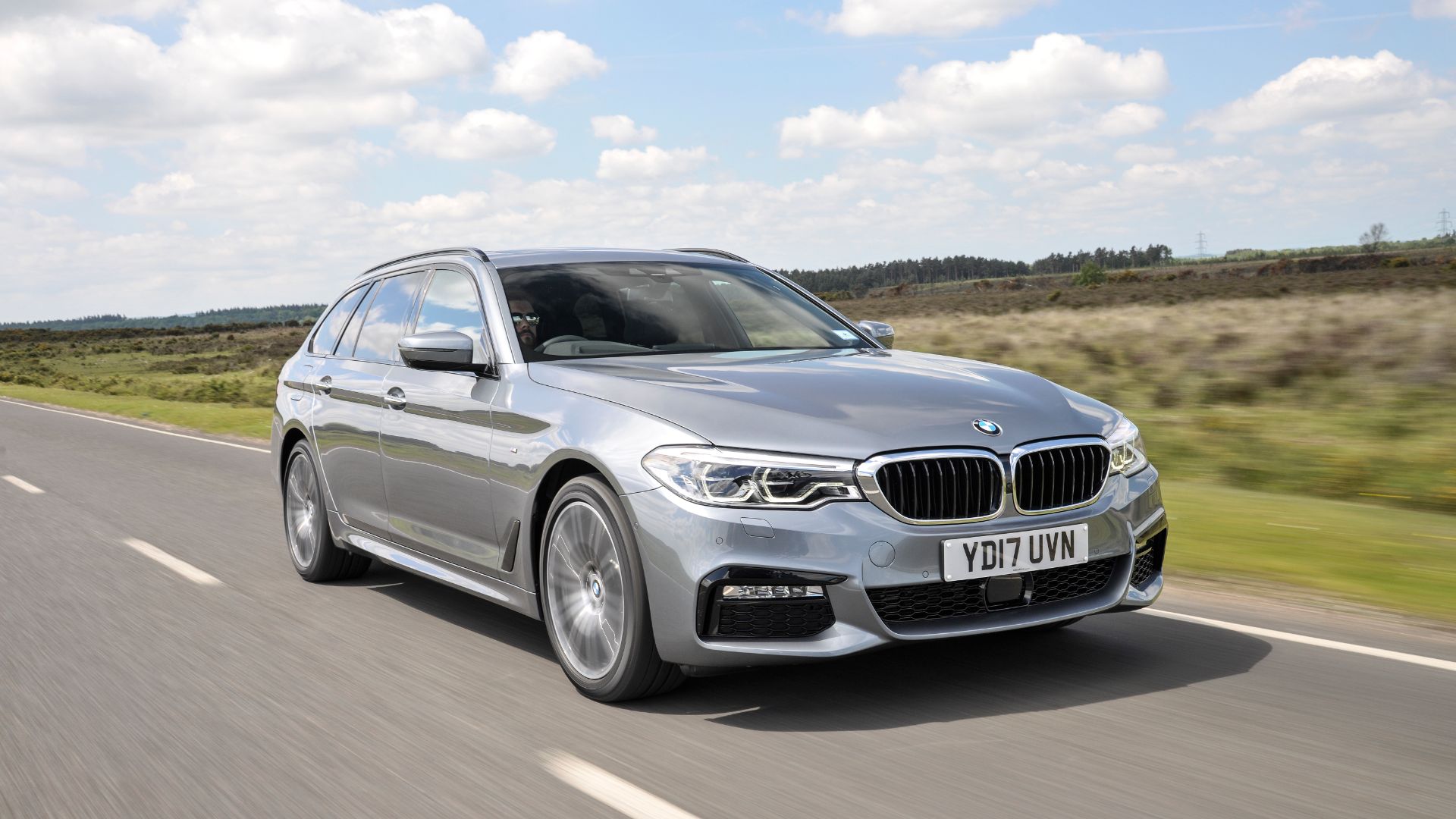
 Prices for the new 2019 Mazda 3 start from £20,595 and it arrives at UK dealers in May. The all-new car is open for ordering now, initially as a five-door hatchback, with a four-door saloon launched later in the year.