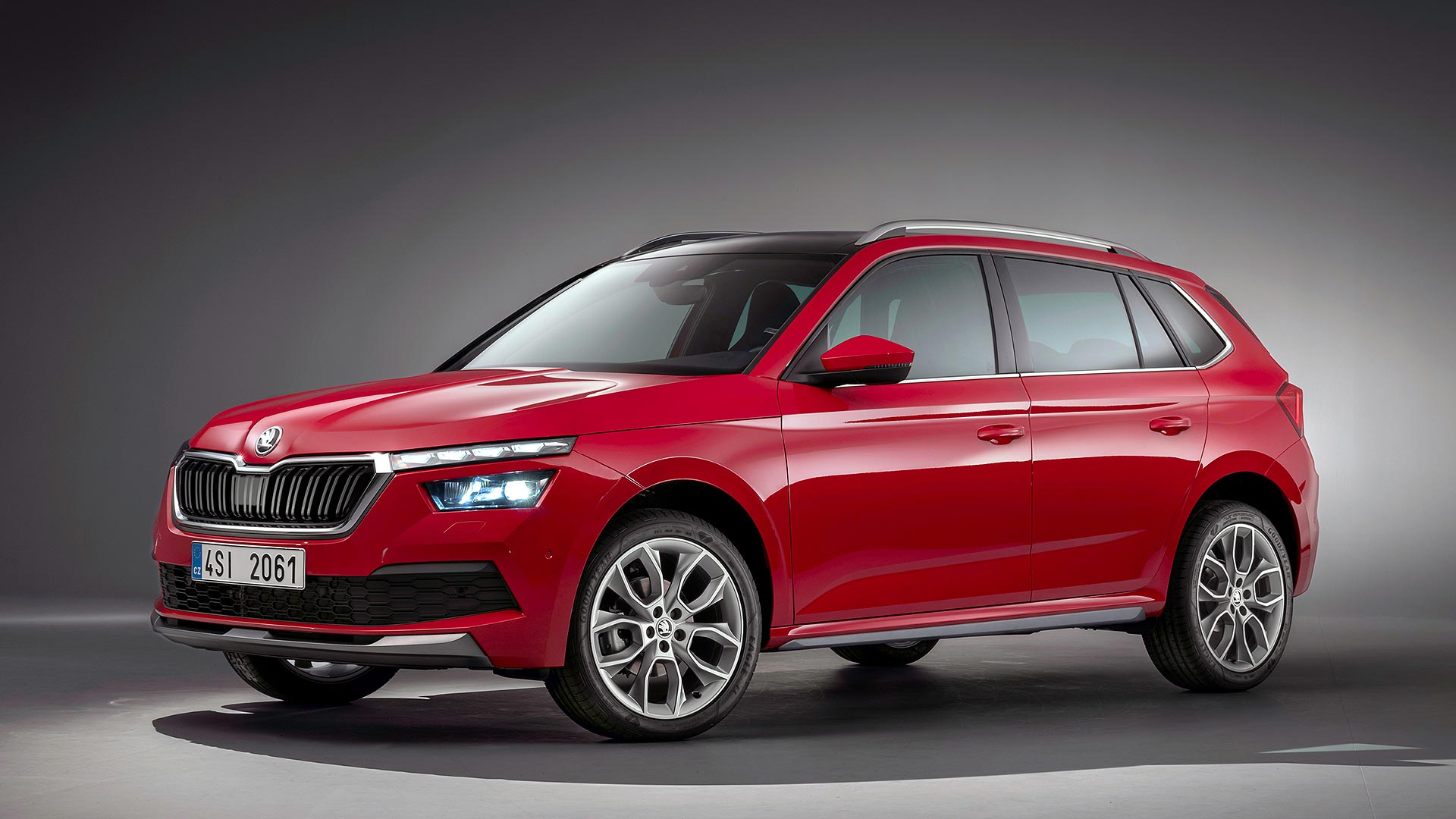
The new Skoda Kamiq, which makes its world debut at the 2019 Geneva Motor Show next week, is the Czech brand’s third all-new SUV and the smallest one it’s launched to date.
Billed as a city SUV crossover, the new Kamiq is gunning for the Nissan Juke, Renault Captur and Vauxhall Mokka X (as well as its Seat Arona sister car). Skoda hopes it will bring brand new, younger customers into dealers, those who have never considered the brand before.
At 4,241mm long, it’s only slightly larger than a regular supermini, and shorter overall than a family hatchback like a Volkswagen Golf (or, indeed, the upcoming new Skoda Scala). But the higher ground clearance gives it a safe and sturdy feel inside, and the tall body creates plenty of space.
Chunky styling draws from the Skoda SUV family DNA, with a wide grille and contoured bonnet. Even the smallest wheels are 16 inches in diameter; up to 18 inches are available, underlining the tough and chunky look.
The Kamiq is “powerful and emotive, despite its compact dimensions,” said Skoda head of design Oliver Stefani. He’s proud of the split LED headlights; choose optional full LED lights and the daytime running lights “appear like four gemstones above the main headlights”. Crystalline 3D effects further enhance the “glistening jewels” appearance.
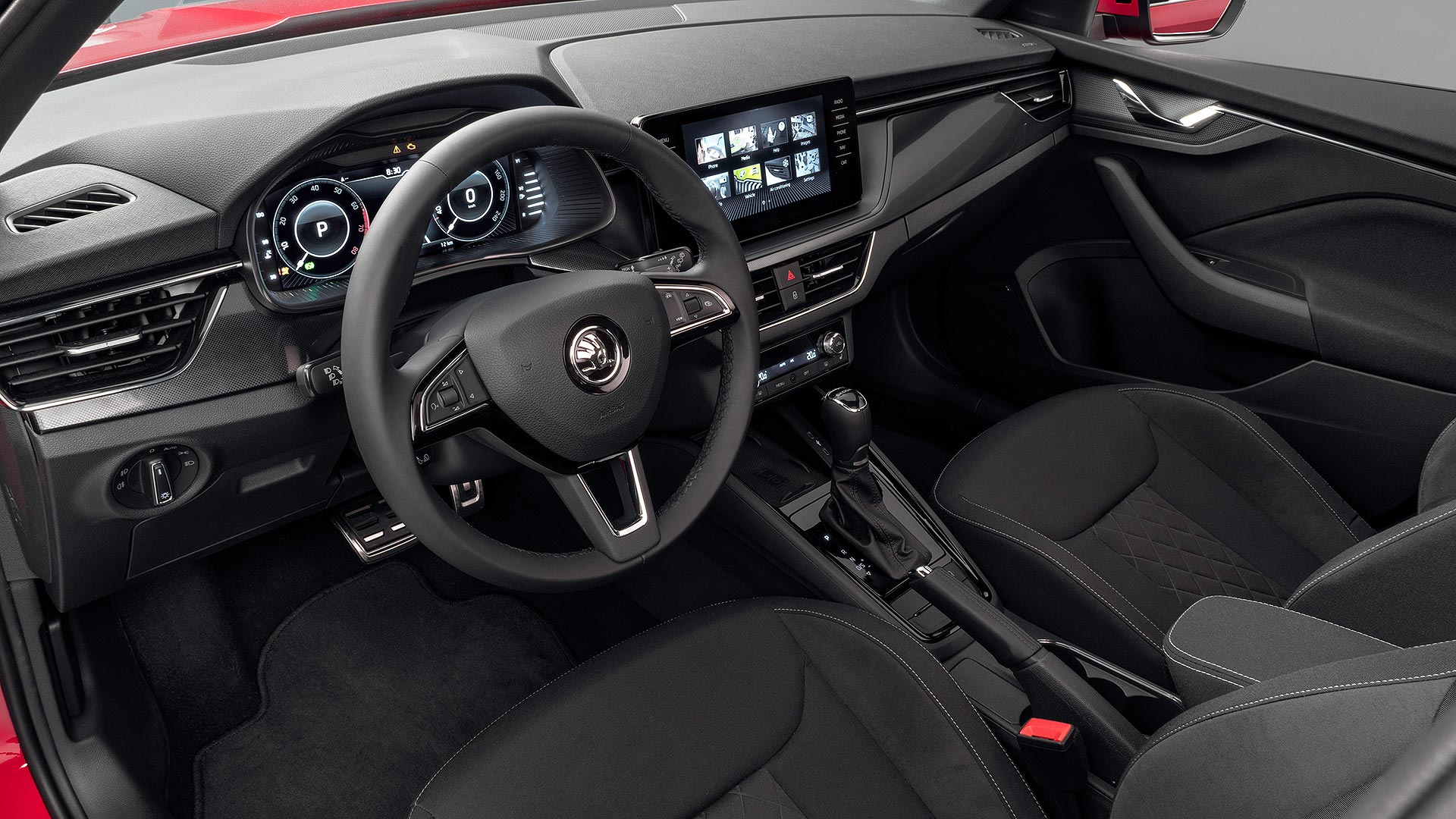
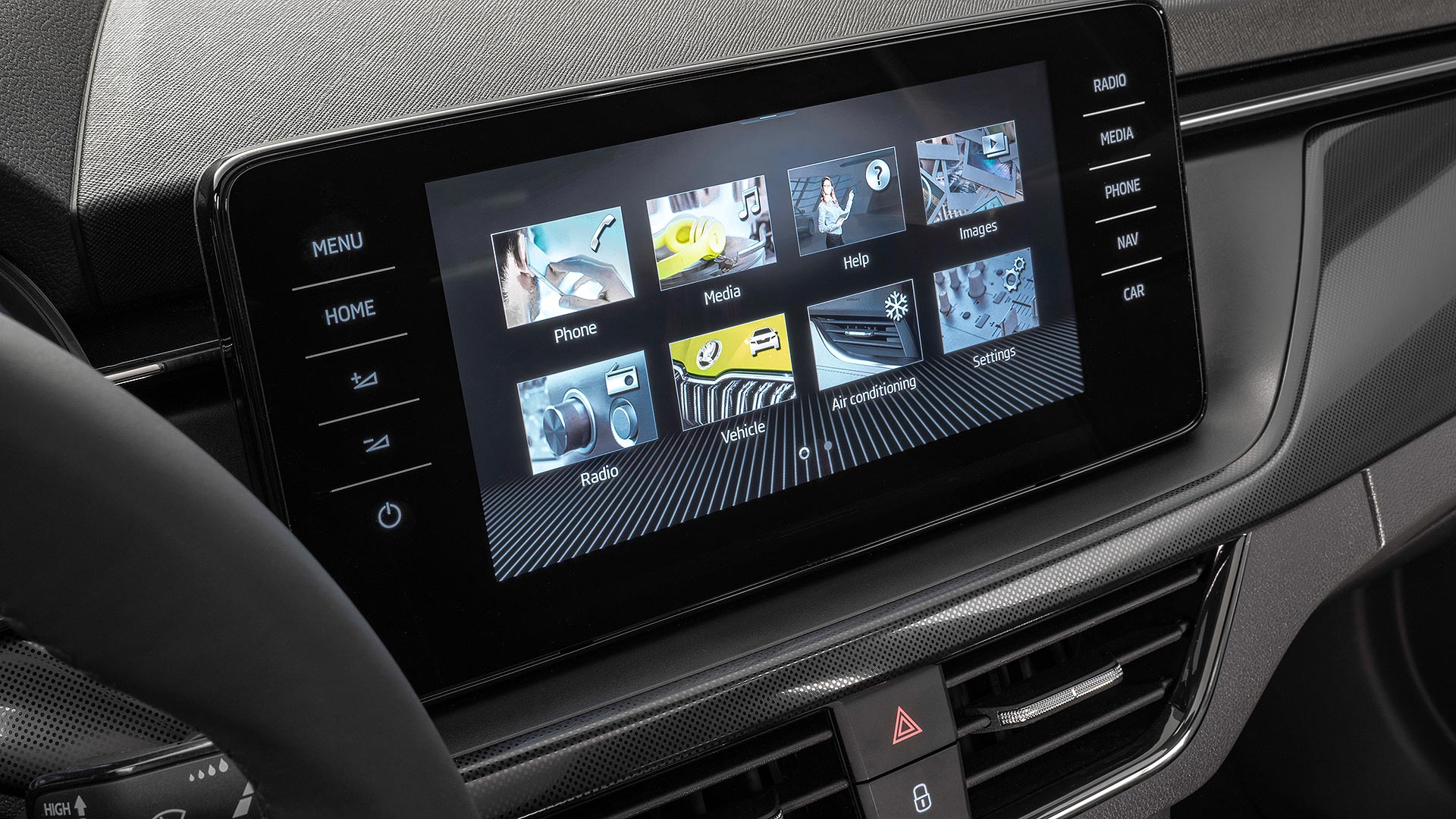
The Scala introduced Skoda’s new interior layout, with a large, freestanding infotainment screen in the centre of the dash. The Kamiq is the second – and at 9.2 inches, the screen is the largest in the city SUV segment.
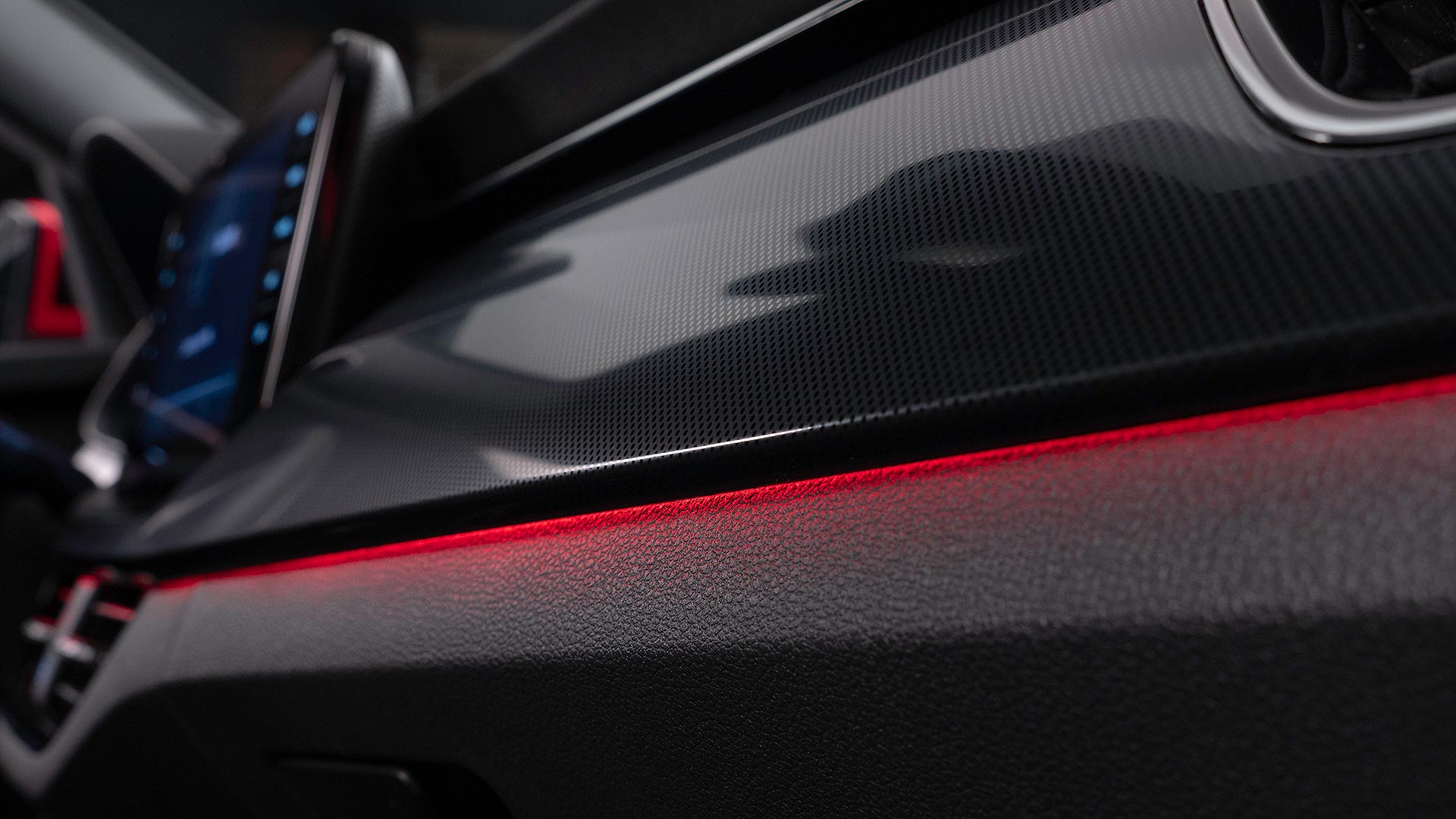
There’s lots of soft-touch materials and more crystalline textures, while ambient lighting in three colours – white, red and copper – help it feel more spacious at night. Luxury touches include optional heated seats in the rear as well as the front.
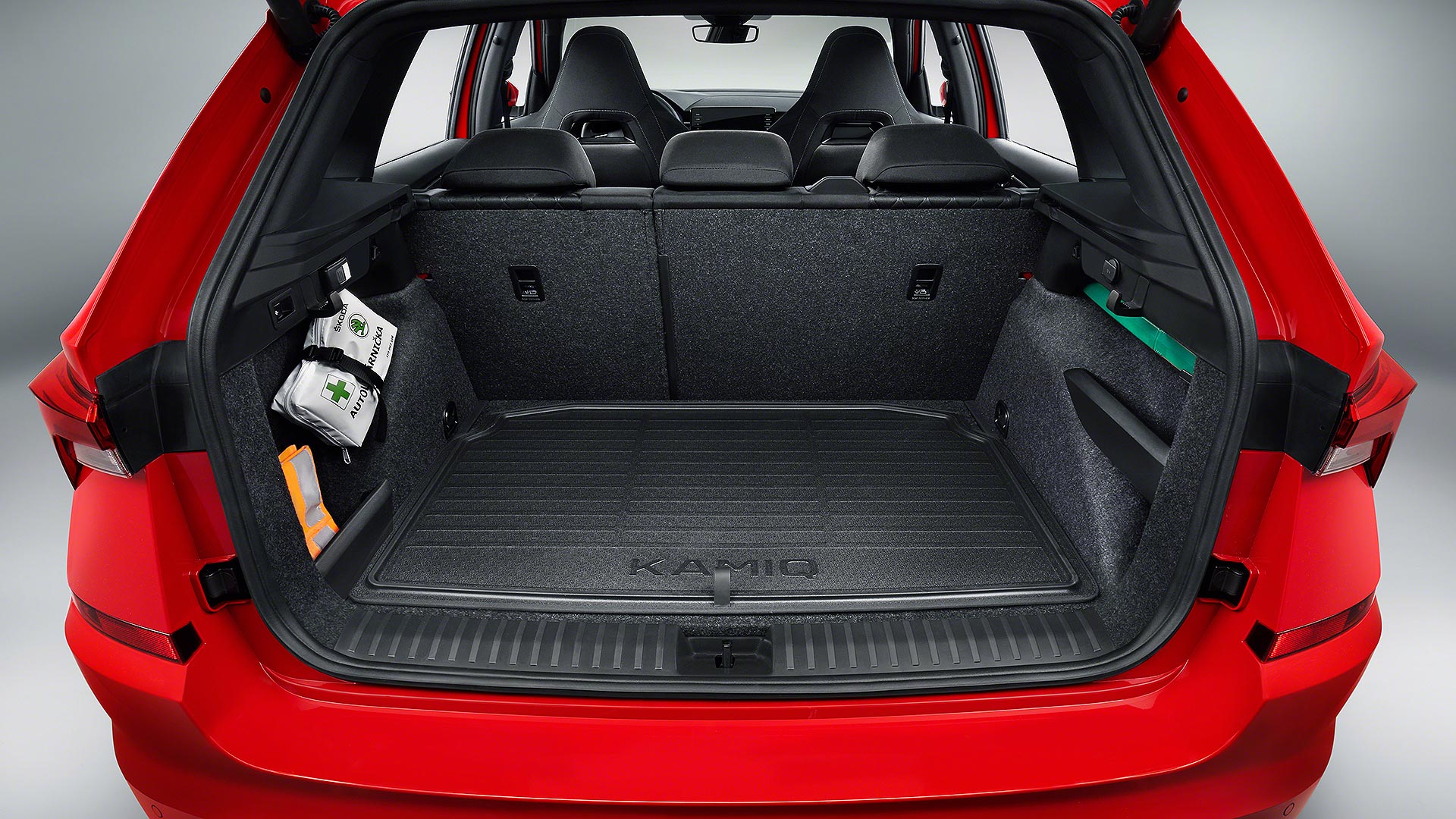
The boot is enormous – 400 litres with the seats up (20 litres bigger than a VW Golf), 1,395 litres with them folded. Skoda will even let you option a fold-down front passenger seat, so loads up to almost 2.5 metres can be loaded in.
Skoda’s selling the Kamiq purely in front-wheel drive guise: people care more about fuel economy than off-road traction in this sector (although it does have 37mm more ground clearance than a Scala, add the engineers). There is a diesel, a 115hp 1.6 TDI, but the best-sellers will be the turbo petrol engines – a 1.0 TSI with 95hp or 115hp, plus a 1.5 TSI with 150hp.
Those who want a sportier drive can have a sport chassis setup, that’s 10mm lower and comes with adaptive suspension – choose from normal, sport, eco and individual modes.
There are lots of standard safety features, plenty more optional ones, and a Skoda wouldn’t be a true Skoda without a plethora of so-called ‘Simply Clever’ features. The Kamiq? It has no fewer than 20 of them.
These include sector-first door edge protectors, an electric tailgate, removable LED torch and a Skoda Connect app that allows you to remotely check whether the Kamiq is locked, or how much fuel is in the tank, from your smartphone.
The Good Housekeeping Reader Recommendation is a highly sought-after accolade for anything in the consumer sphere – be it technology, clothing or indeed housekeeping.
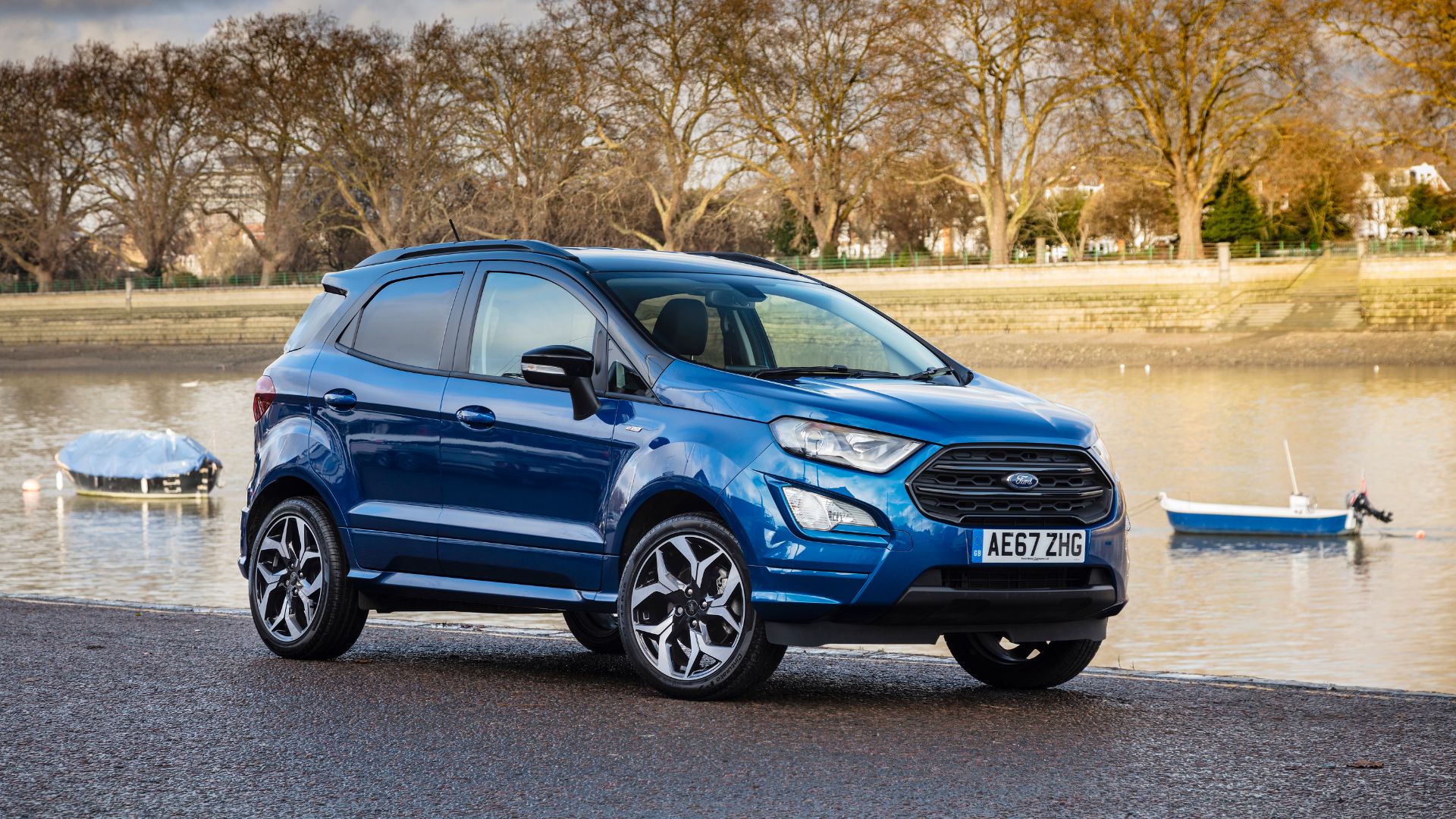
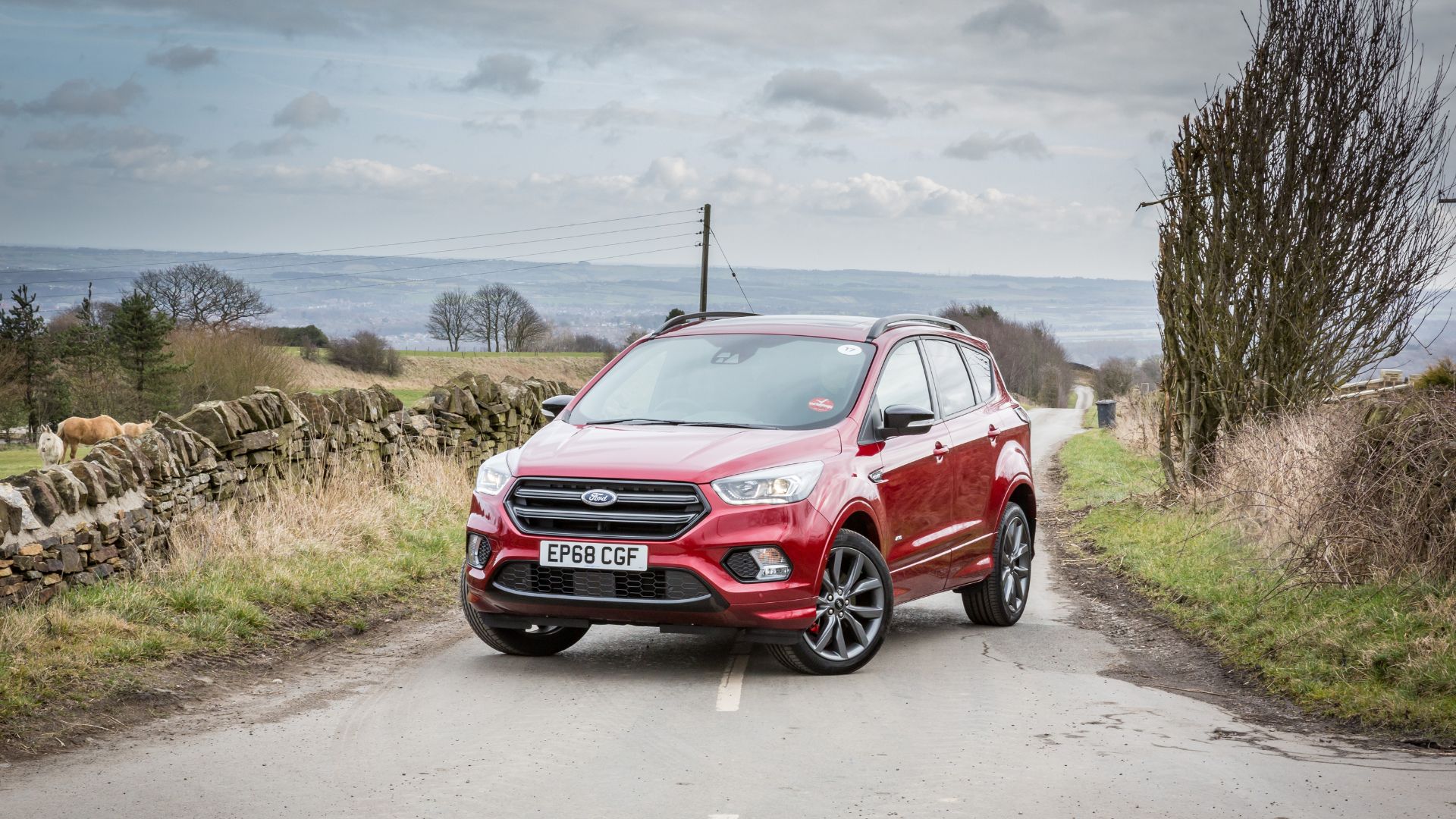
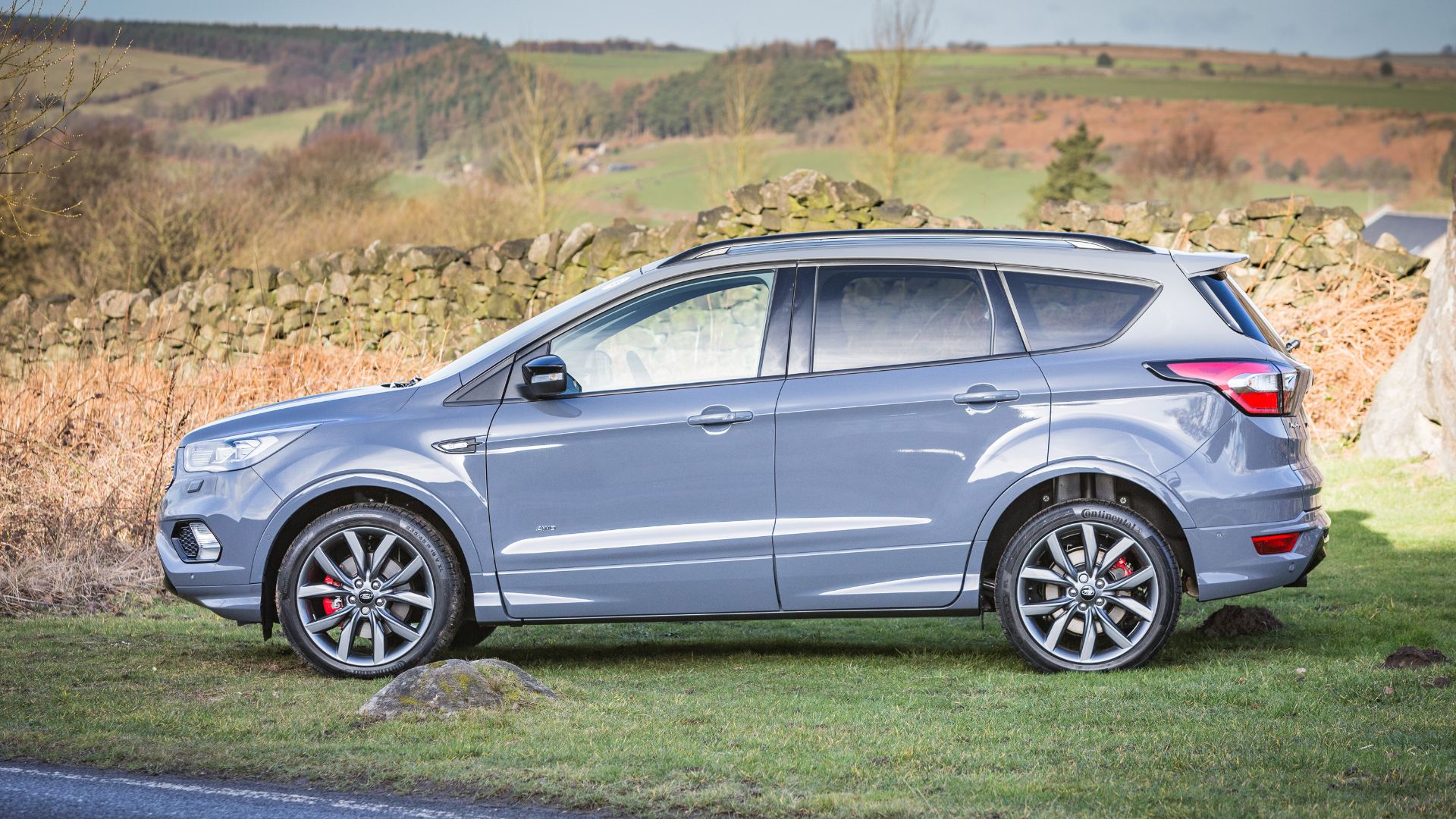
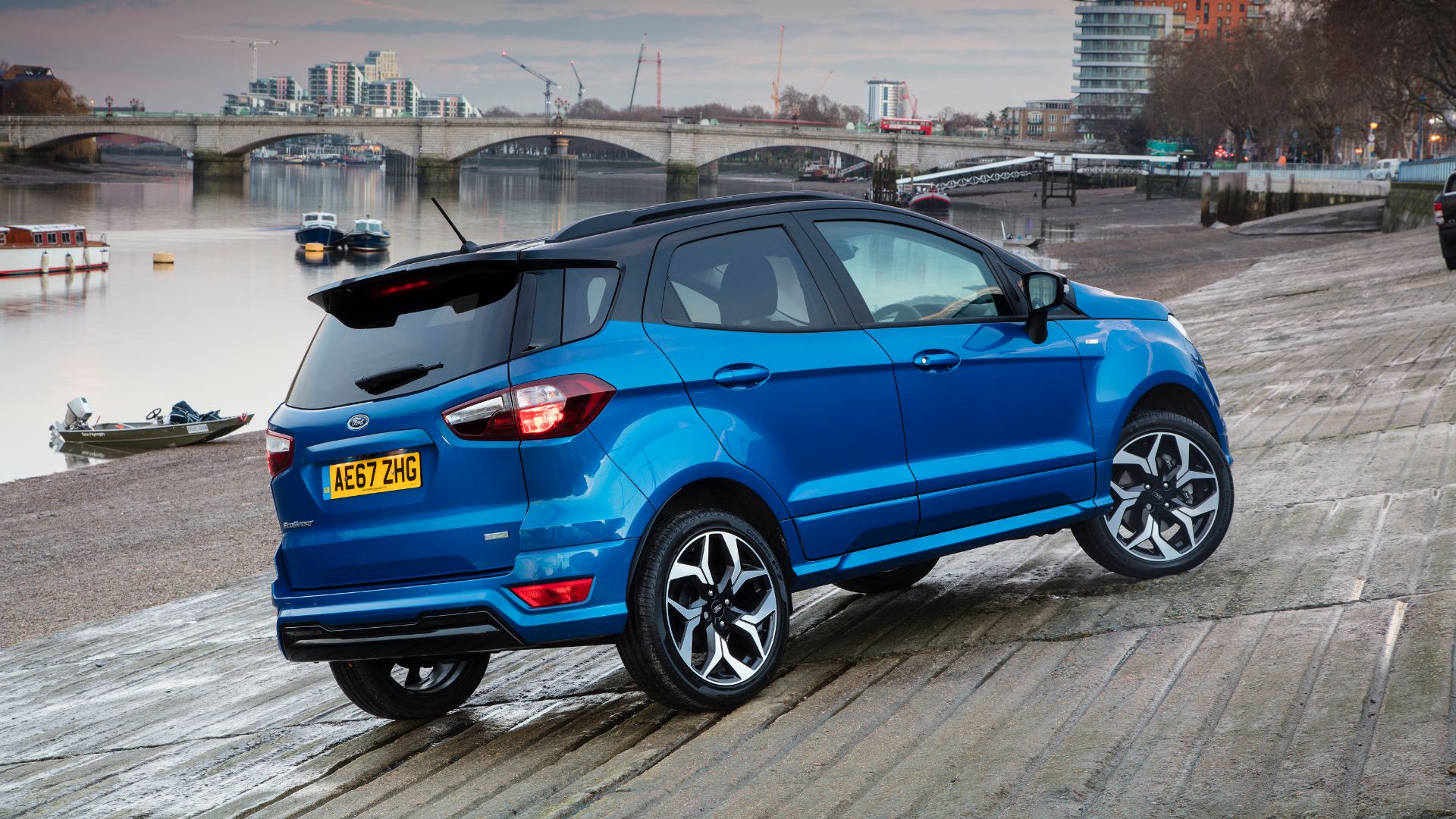
Now cars are on the iconic magazine’s radar, with the Ford Kuga and Ecosport earning a first ever automotive Reader Recommendation.
The Reader Recommendation comes with a combination of the ‘expertise of Good Housekeeping’s acclaimed testing institute’ as well as the insights of readers giving their personal experiences of a product.
Fully 98 percent of readers rated the Kuga as very good or excellent. And 96 percent said they would recommend the crossover to friends or family.
The Ecosport scores slightly lower, with 96 percent of readers giving a good/excellent score and 91 percent saying they’d recommend it. Still, not a score to be sniffed at.
Alongside the success and acclaim the Fiesta and Focus are accruing, Ford has quite the award-winning lineup on its hands.
“We are incredibly proud to be the first automotive manufacturer to be Reader Recommended,” said Mandy Dean, marketing director, Ford of Britain. “It’s great to have Ecosport and Kuga, two very popular vehicles in our range, receive further validation from such an established and respected consumer voice, representing everyday users.”
“It’s great to see a brand like Ford engaging in our rigorous Good Housekeeping testing programme to ensure they’re providing the best quality for the ever-discerning consumer,” added Jim Chaudry, automotive director at Good Housekeeping publisher, Hearst UK.
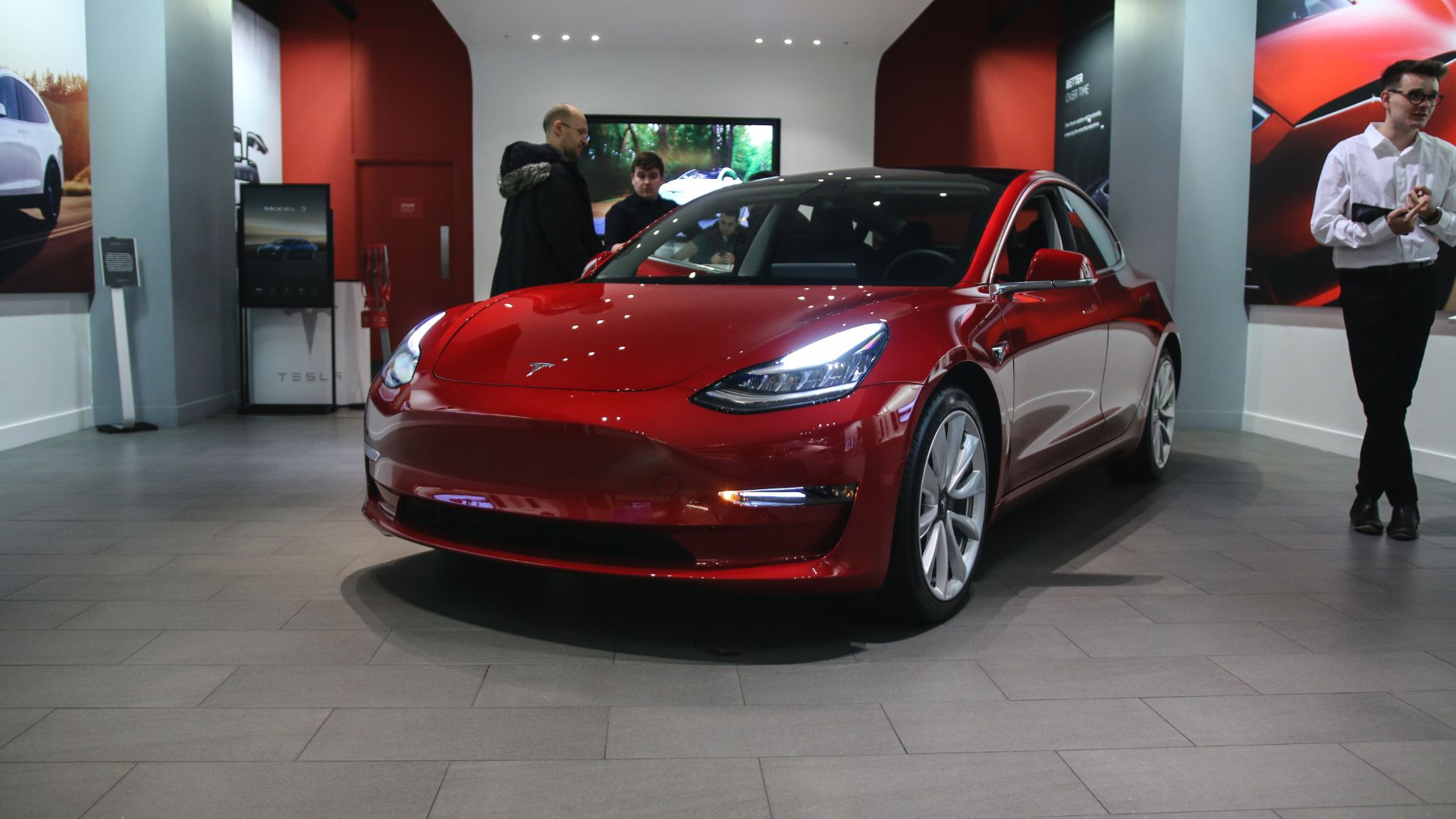
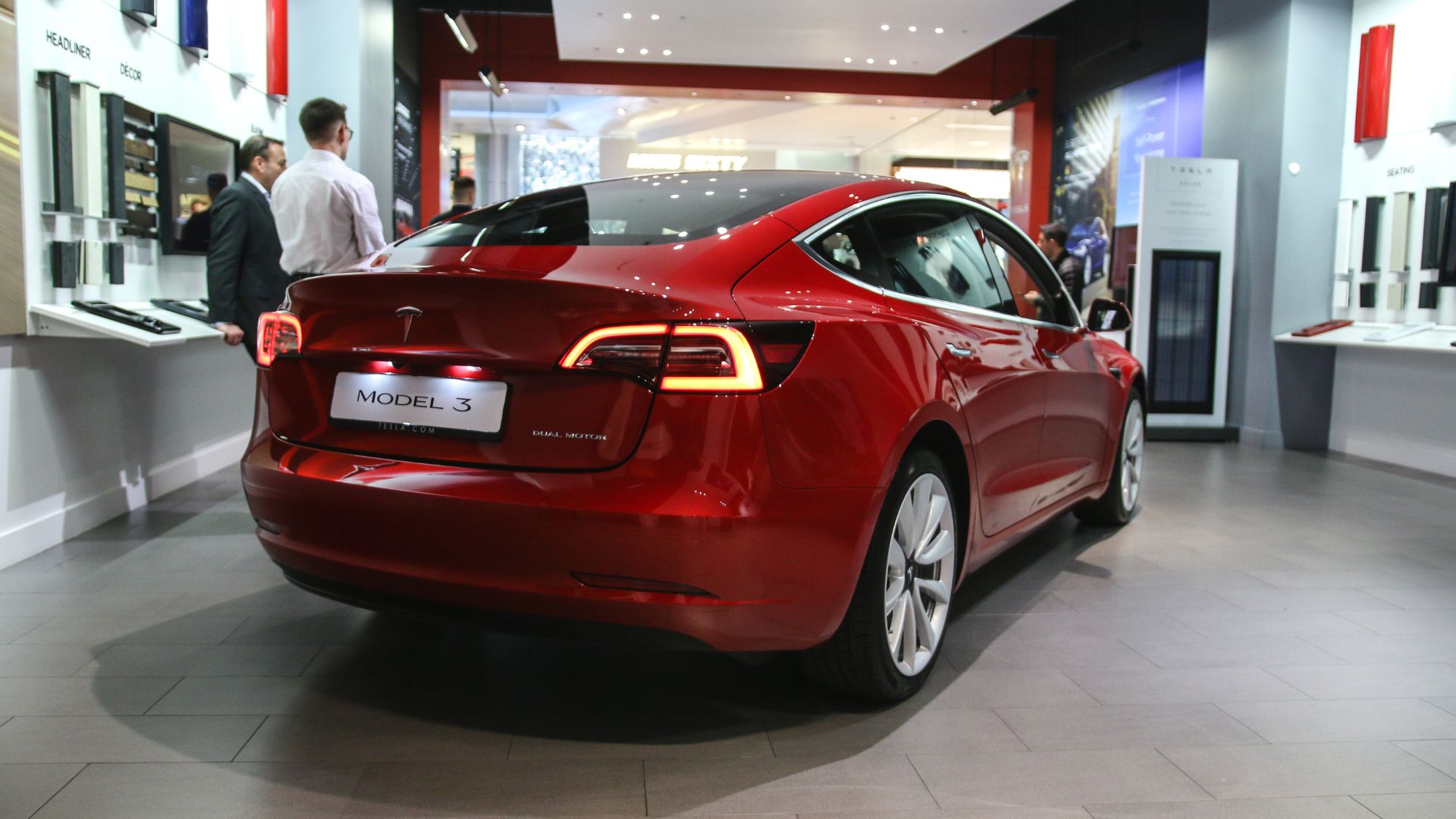
Respected American watchdog Consumer Reports has revoked its recommendation of the Tesla Model 3, following numerous complaints of sub-par build quality.
Viral social media threads and online ranting are one thing, criticism from an organisation like Consumer Reports is quite another. And Tesla’s Model 3 troubles have come to a head with this critical blow.
The company faced issues getting its entry-level electric car to market, both in terms of quality and speed of delivery. Although it was thought that such kinks had been ironed-out, Tesla’s troubles clearly aren’t over yet. As a result of the CR decision, its stock dropped 2.2 percent last Thursday.
Tesla Model 3: the issues
Owners had reported everything from paint defects and poor quality trim, to windows cracking out of the blue in cold conditions and electronic glitches. Even the Consumer Reports test car got a crack in its rear glass during a cold snap.
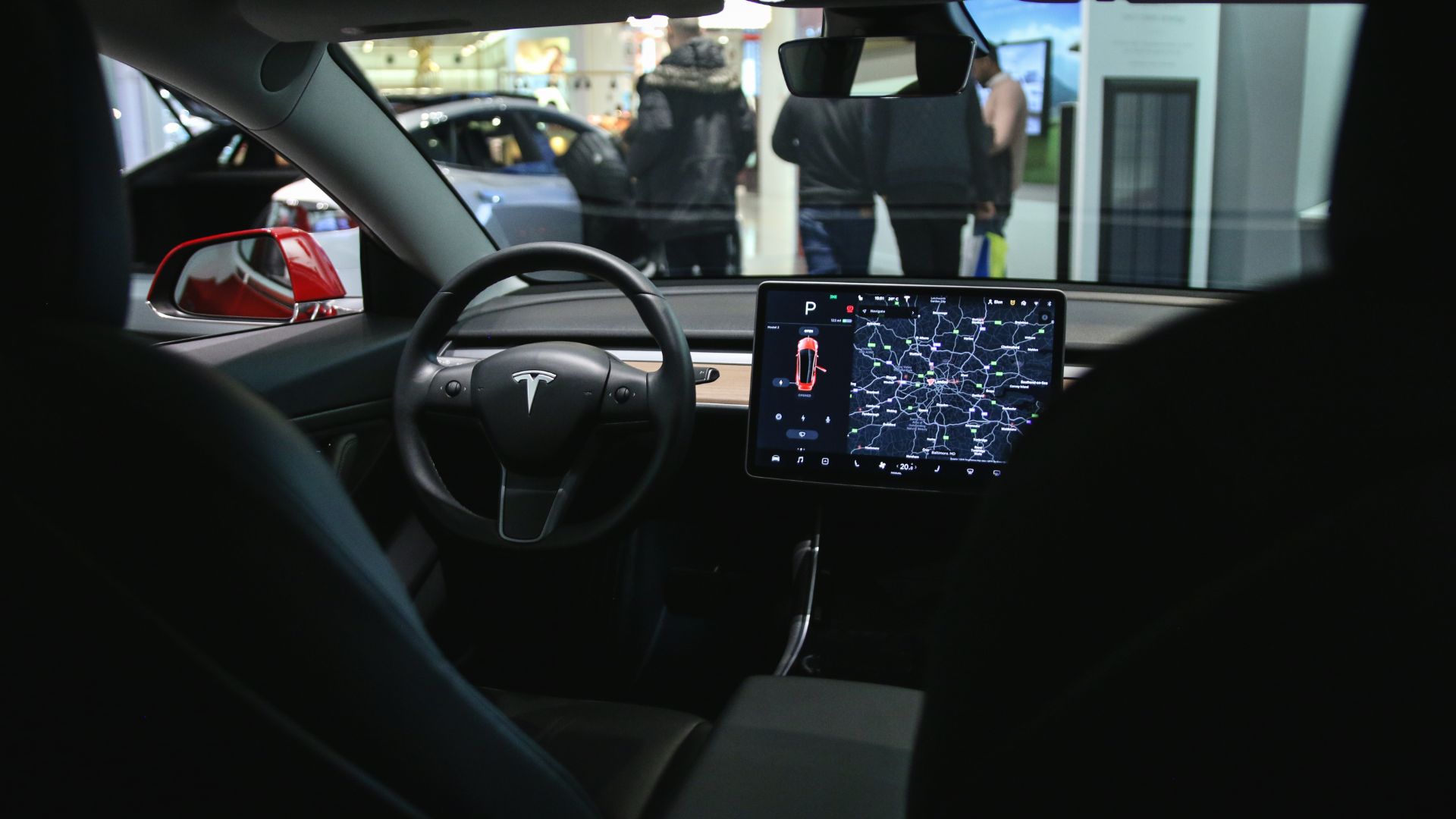
The screens in the car’s cabin have been reported as freezing and ‘acting strangely’. “The touch screen would intermittently begin acting as if someone was touching it rapidly at many different points,” reported one Consumer Reports member. “This fault would cause music to play, volume to increase to maximum, and would rescale and pan the map in the navigation system.”
Suspension issues have also been reported, although these are largely exclusive to earlier 2017-build cars.
On the plus side, the actual driving systems have largely been reliable. Consumer Reports puts that down to the simplicity of electric powertrains versus conventional internal combustion engines.
Tesla’s response
Tesla was swift to respond to the Consumer Reports decision, saying that “significant improvements” had already been made to address the issues owners raised with the organisation.
“The vast majority of these issues have already been corrected through design and manufacturing improvements, and we are already seeing a significant improvement in our field data,” said a Tesla spokesperson.
Insurers are costing UK motorists £1.23 billion every year with expensive auto-renewals on car insurance policies.
Research by Go Compare has revealed a ‘loyalty trap’ that around 4.6 million fell into at their last renewal. These drivers could have saved up to £262 per person if they’d shopped around.
Misplaced loyalty
Nearly a third of the 62 percent who let their policy roll over didn’t query or shop around because of a feeling of loyalty to their insurance providers.
That beats the 22 percent who lacked the confidence to switch, the 15 percent who assumed other insurers wouldn’t be able to compete on price and the 10 percent who couldn’t be bothered because of the hassle.
The lowest earners pay the most
Those who pay for their insurance monthly (and more often than not, therefore, pay more) are 54 percent more likely to allow their policy to continue past renewal.
Drivers from the lowest earnings groups are 38 percent more likely to pay monthly, and in turn will pay out an average of 18 percent more in fees and interest as a result. That’s not even taking into account the costs of letting a policy roll over.
It doesn’t hurt to ask
You can save serious money simply by getting other quotations, going back to your insurer and threatening to leave.
Inflated renewals are a liberty that insurers are often allowed to take. As such, they will often be happy to re-quote on the threat of your departure, just to keep your custom. Loyalty is fine, just don’t let them take advantage of it.
A few tips from Go Compare, condensed by us:
Don’t accept your renewal quote without checking the price is competitive
Note your renewal date and give yourself time to check prices
Check the small print, make sure there are no hidden costs
If you can only afford monthly payments, consider a low-rate credit card to pay off over the course of a year
Peugeot will wow the 2019 Geneva Motor Show with the all-new 208 supermini range – which includes, from launch, an all-electric e-208 model boasting a range of more than 200 miles.
The Peugeot e-208 will be a strong performer, boasting a 135hp electric motor (that’s more power than a retro Peugeot 205 GTI 1.9). It also has a 50kWh electric battery, with an official WLTP driving range of 211 miles.
An all-new platform has allowed Peugeot to locate the battery beneath the floor, meaning the e-208 has exactly the same boot space as other versions with internal combustion engines.
If you have time to kill, it can be fully recharged from a domestic plug in 20 hours. Peugeot dealers are likely to steer you to a home charger though; a full charge takes eight hours.
The new Peugeot e-208 also supports rapid charging from 100kW units. An 80 percent charge takes less than 30 minutes.
Peugeot will also sell the new 208 with three flavours of 1.2-litre PureTech petrol engine: 75hp, 100hp or 130hp, the latter coming as standard with an eight-speed automatic gearbox.
Bravely, Peugeot will also offer a 1.5-litre BlueHDi 100 diesel, although almost nobody is expected to buy it.
Pretty Peugeot
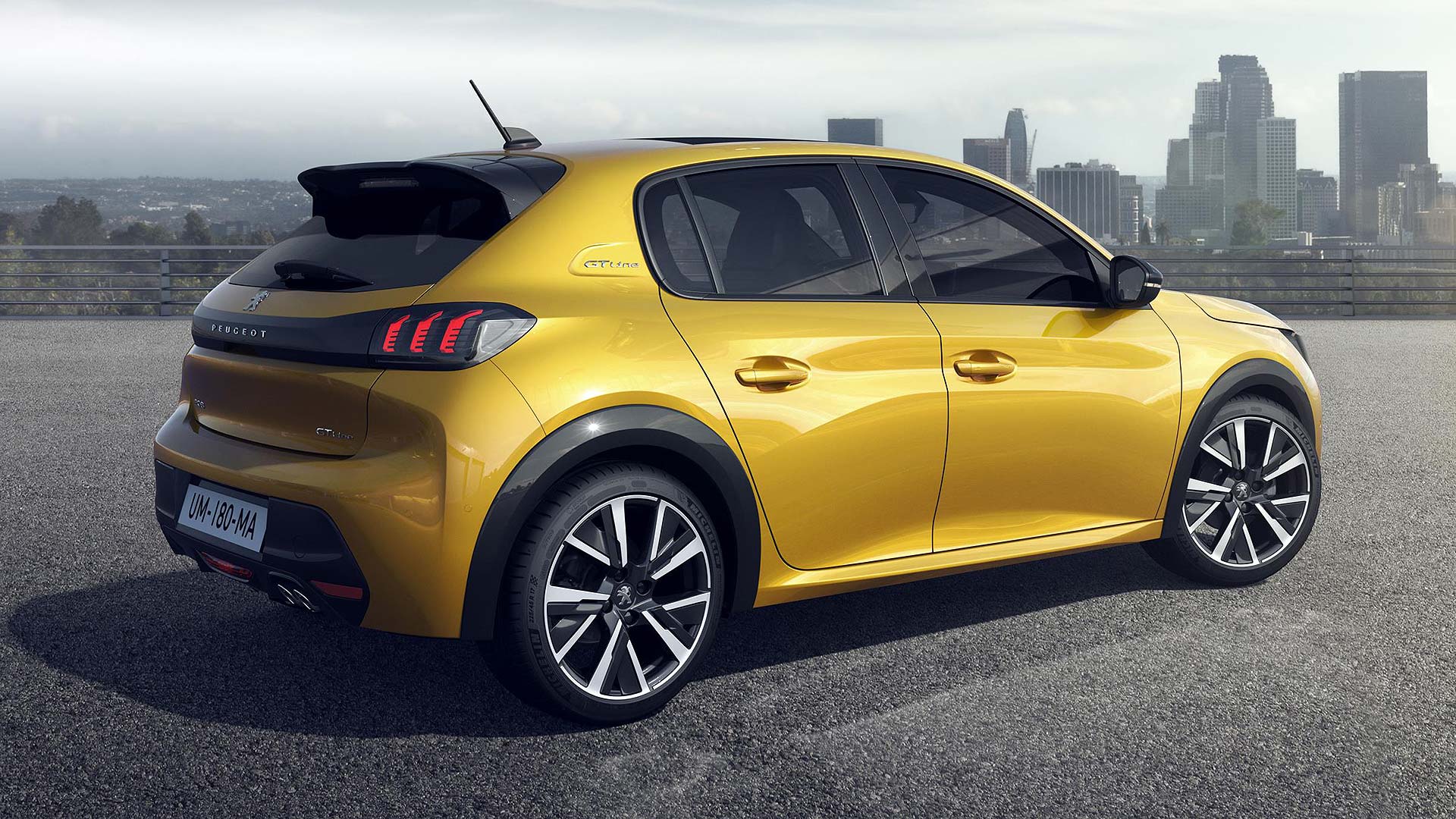
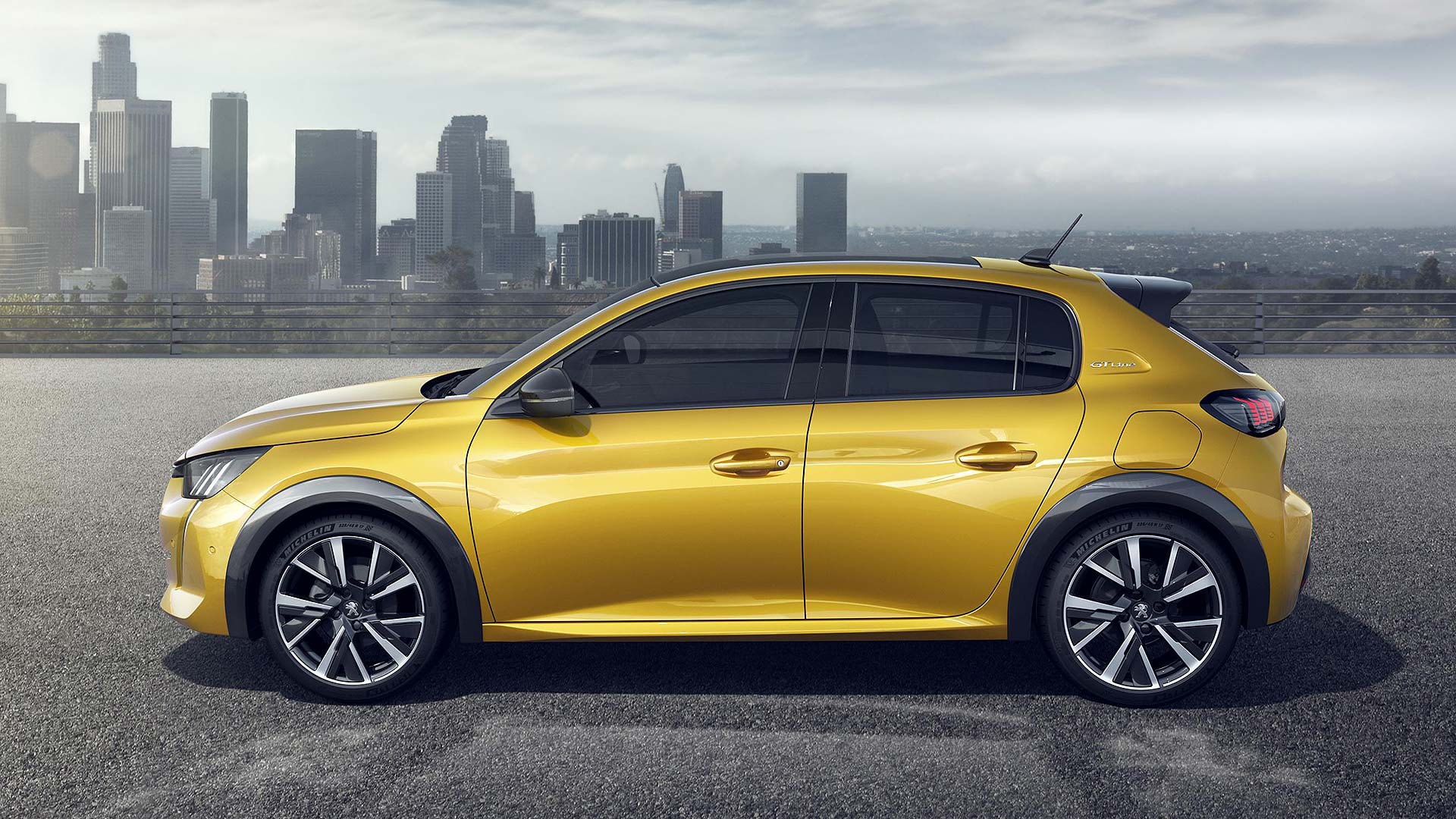
The design of the new Peugeot 208 is as headline-grabbing as the e-208 electric model that’s offered from launch. It’s distinctive, curvaceous and cute. Whereas Renault has taken the evolutionary route with the new Clio, its French rival is going for a bigger, bolder step on.
All models have a large chrome grille and Peugeot’s ‘3-claw’ full LED lighting signature. Note the 208 logo on the nose, sitting above a big Peugeot lion. Harking back to the classic 205 are model grade badges placed within a stamp on the rear pillar.
Eye-popping new colours include Faro Yellow, Vertigo Blue and Elixir Red. GT Line and GT models are more distinctive still, with gloss black wheelarch extensions and window surrounds.
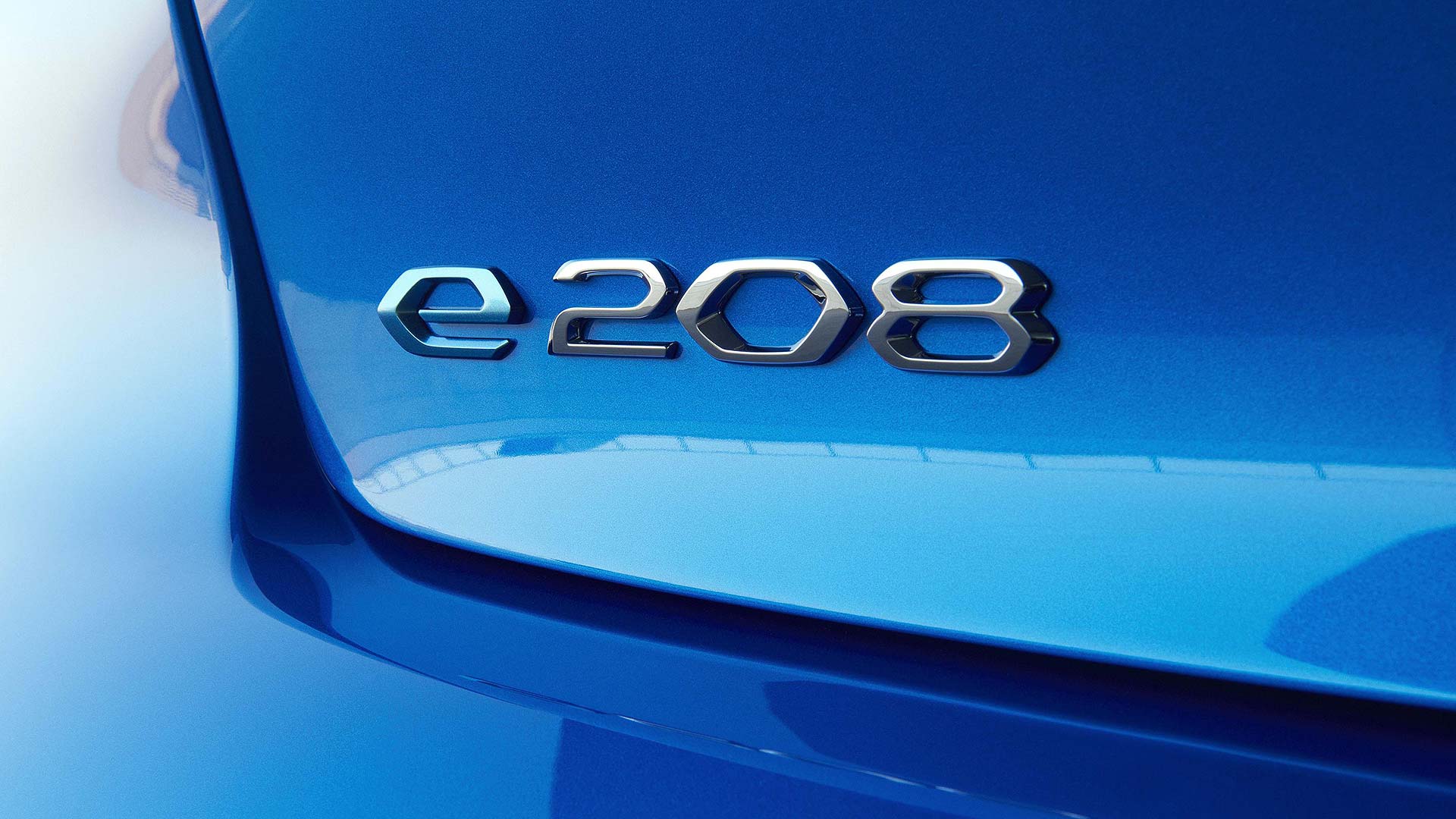
As for the e-208, this is identified by an ‘e’ monogram on the rear panel, body-colour chequered grille and a dichromic lion badge which changes colour depending on the angle you’re viewing it.
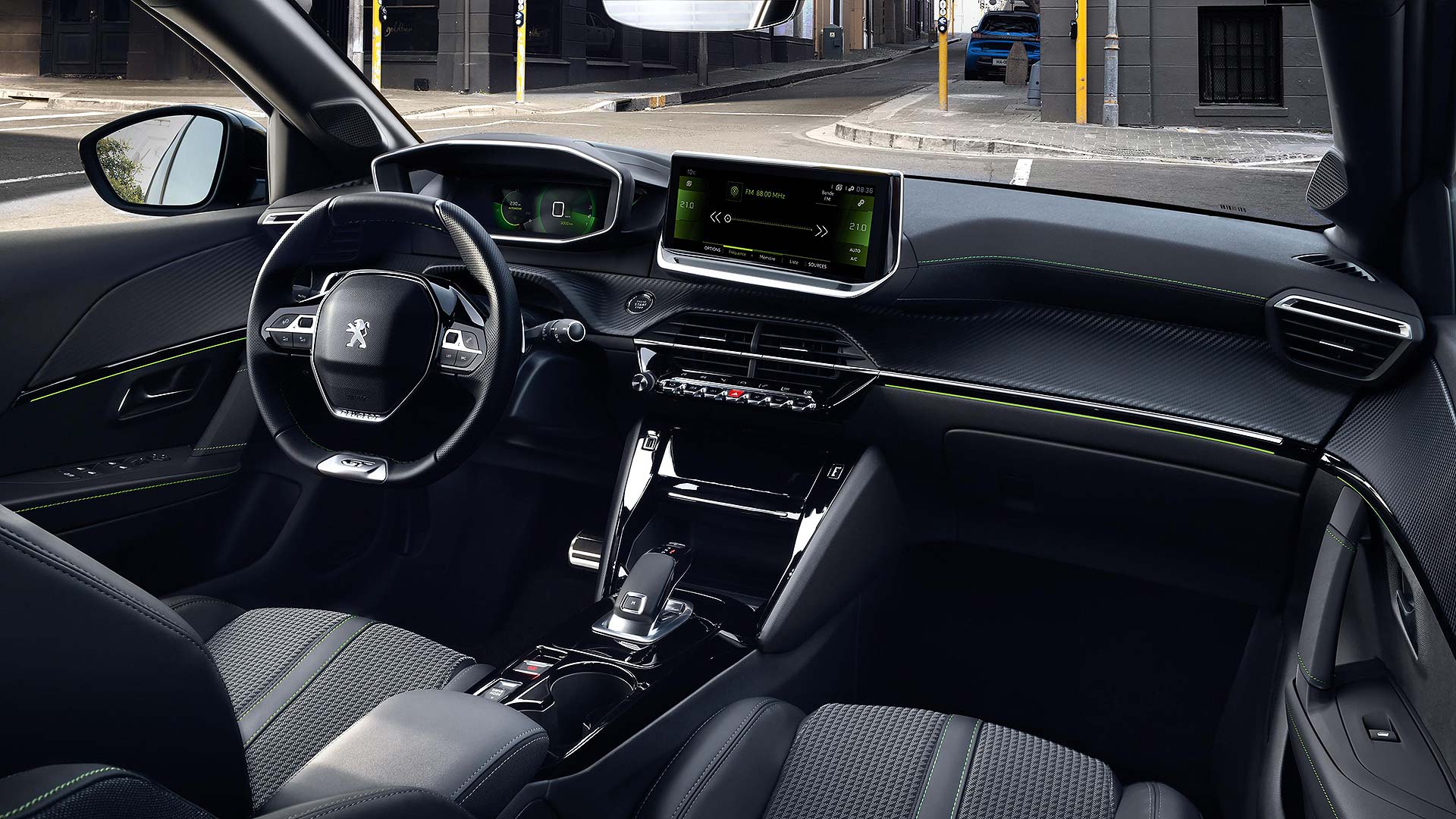
It’s distinctive inside as well, with an evolution of the Peugeot 3D i-Cockpit, marked out by its tiny steering wheel, ‘head up display’ instruments and either a 7-inch or 10-inch HD colour touchscreen in the centre.
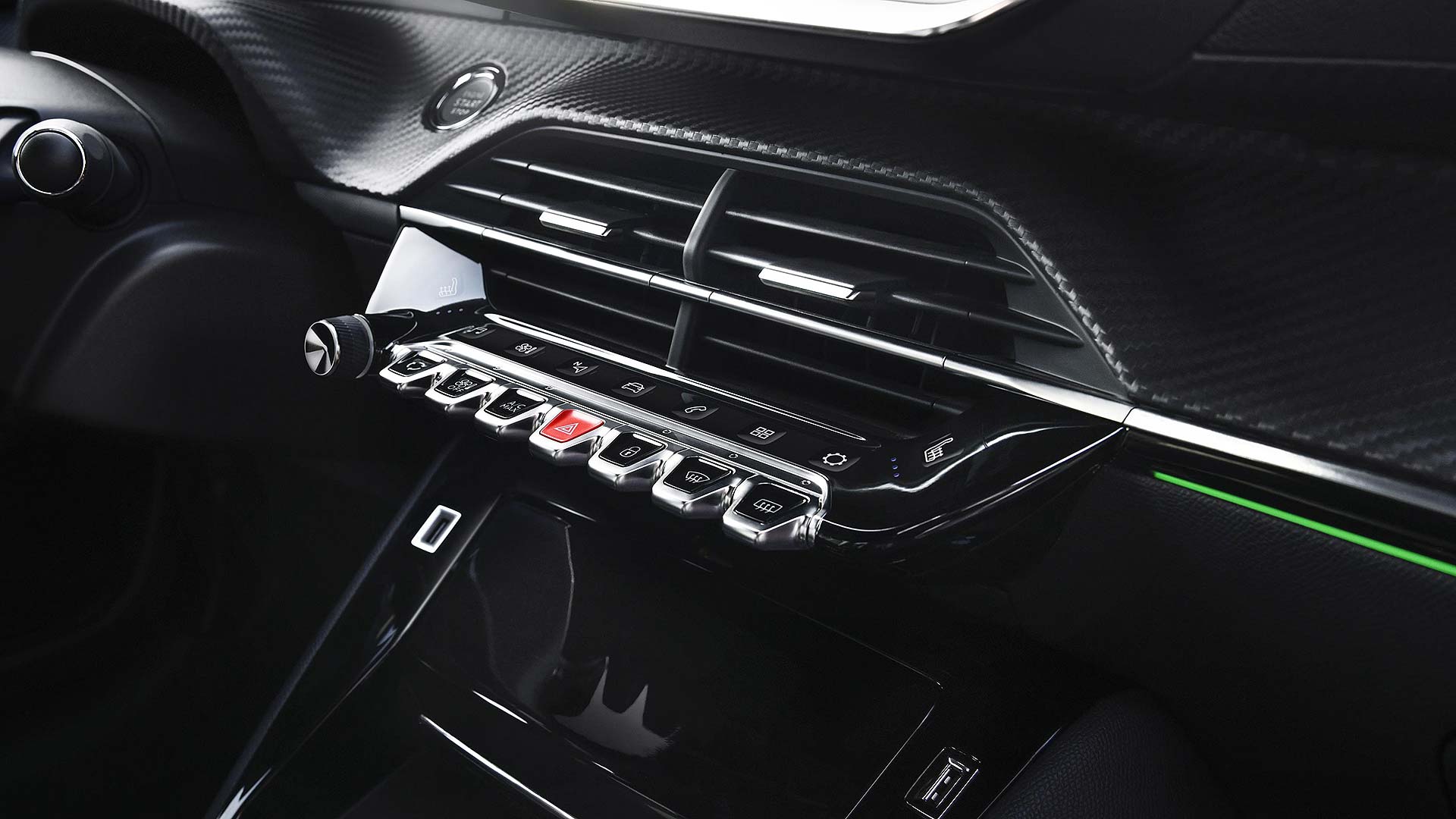
Satin chrome ‘piano’ toggle switches are a premium touch, as is a fully padded dashboard with central carbon finish.
Peugeot will give the new 208 and e-208 their public debut at the Geneva Motor Show next week (yes, Peugeot IS attending), ahead of an online reservation site going live in late March. Ordering will open in late summer 2019.
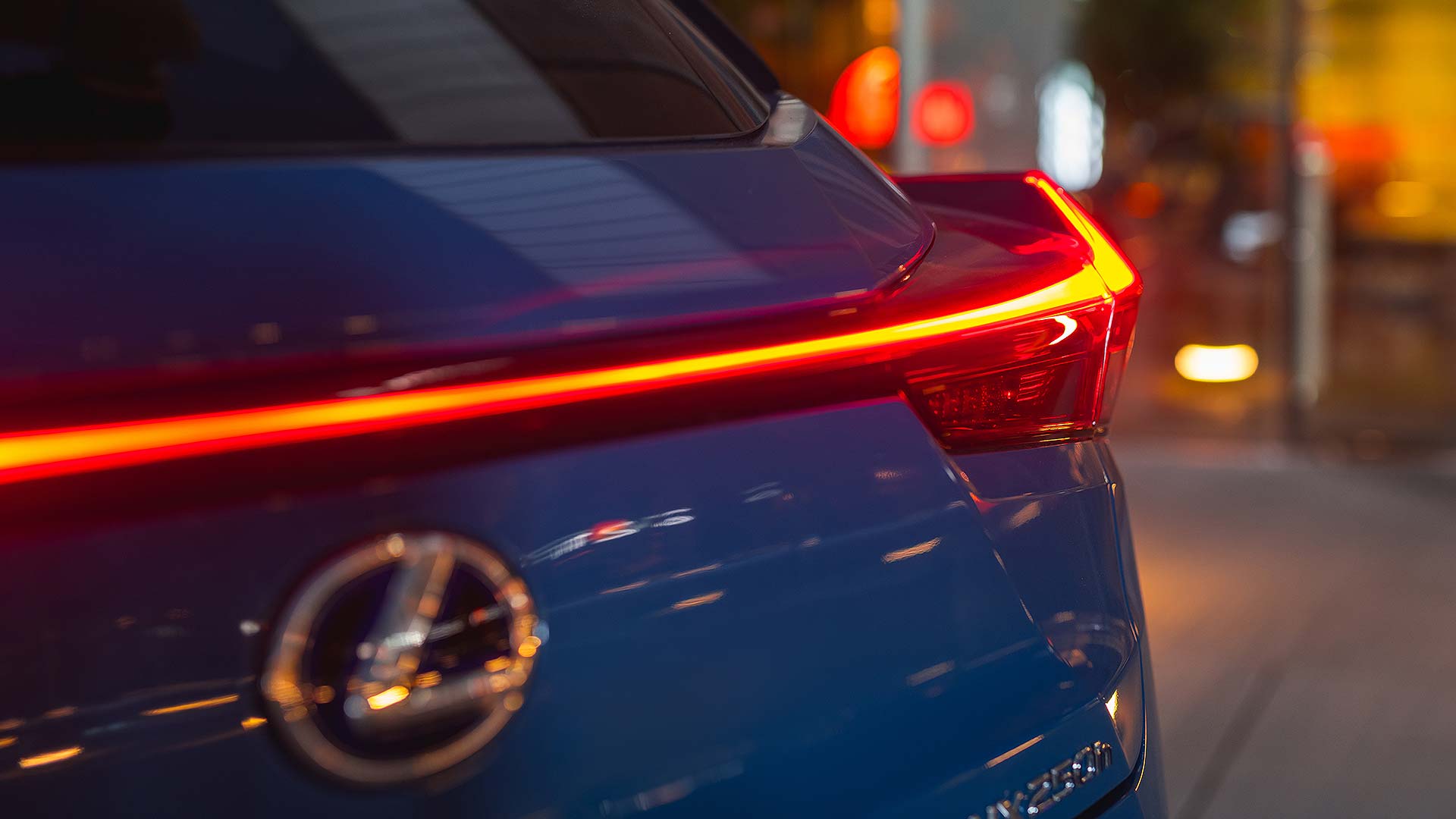
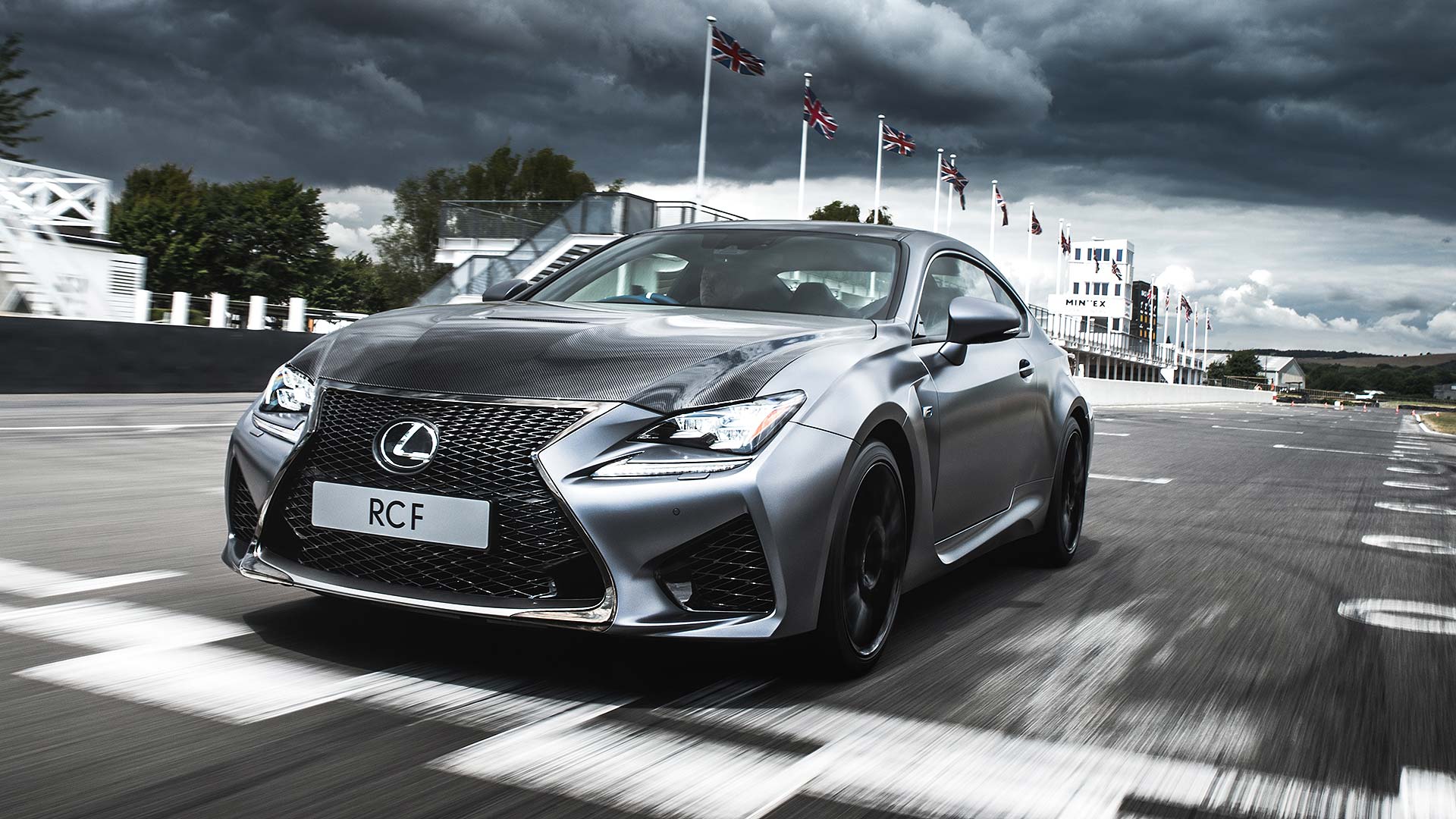
Lexus launched its first petrol-electric hybrid in 2005; today, it sells 11 different hybrid models. And in 2018, new models helped the firm’s hybrid sales grow 20 percent.
Last year, Lexus sold almost 700,000 new cars globally, 4.5 percent up on 2017. This was the company’s best-ever year for sales, and international president Yoshihiro Sawa reckons the firm won’t be easing up this year.
“Lexus continues to enjoy substantial growth around the world, expanding its footprint in emerging markets as well as reaffirming its strength in established ones.
“The brand’s clear focus on amazing products and guest experiences provided by the finest dealers will support its global growth for years to come.”
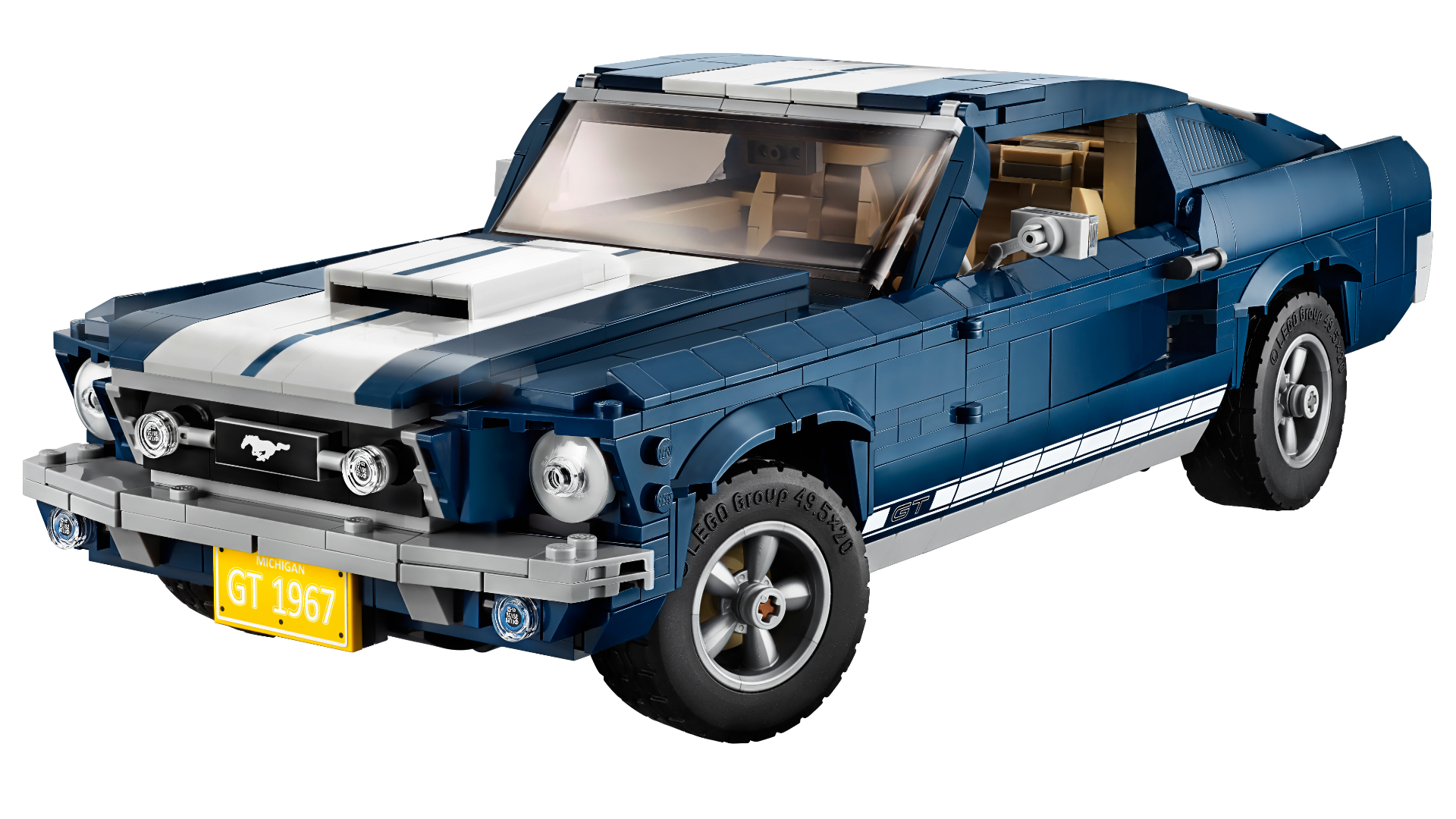
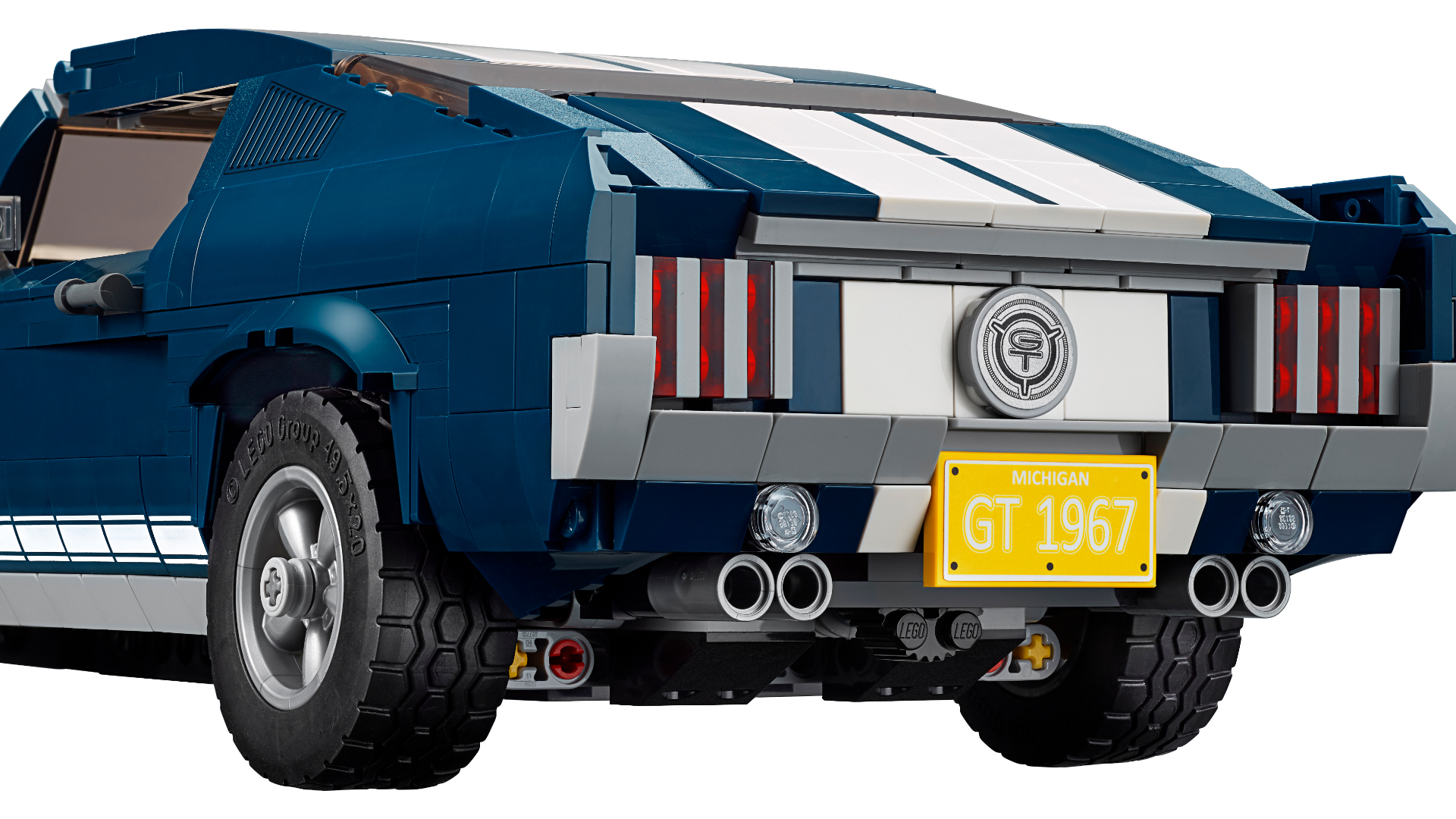
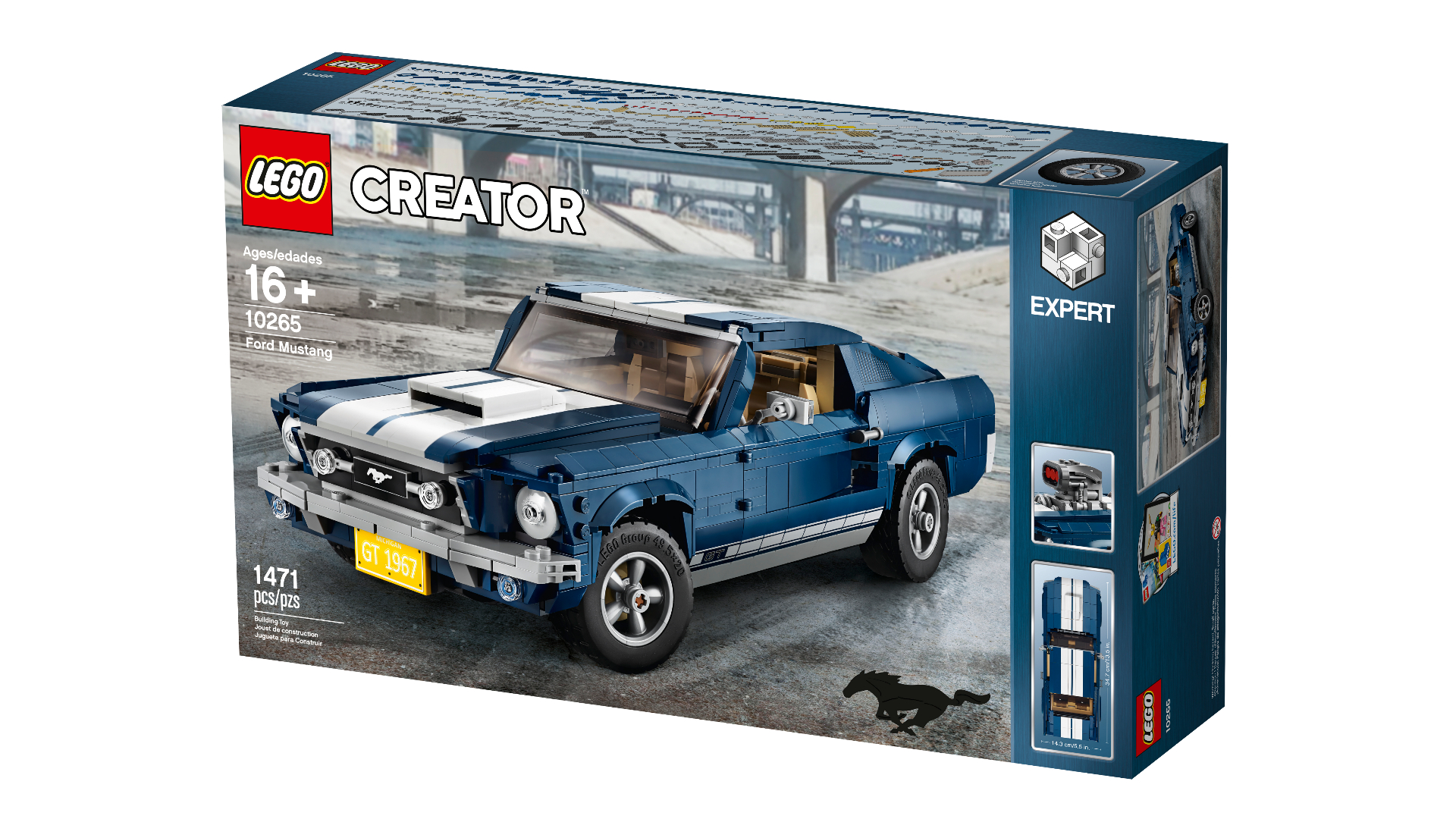
Authors are immortalised in print, musicians are immortalised on vinyl, cars are immortalised in Lego. At least that’s how it seems at the moment, with the number of incredible cars you can now pick up in Lego form. The latest addition is the classic 1967 Ford Mustang, available in Lego Creator Expert form from the beginning of March 2019.
Lego models are usually a bit hit and miss when it comes to accurately replicating cars but the Mustang is certainly one of the better efforts. The famous pony car’s robust cuboidal proportions lend themselves well to recreation in brick model form.
Made up of 1,470 pieces, the Creator Expert Mustang has a particular party piece, because all these models do. In tribute to its status as the darling of the modified muscle car scene in the ‘60s, the Lego recreation is ‘highly customisable’. Side exhausts, an enormous supercharger, a ducktail spoiler, chin spoiler and nitrous oxide tanks come with ‘for an authentic muscle car build experience’.
In terms of detail, the Lego ‘Stang comes with working steering, viewable engine, openable doors and trunk and rollable wheels. It measures 10 centimetres high, 34 centimetres long and 14 centimetres wide, so is a bit more compact than the bonkers Chiron…
Now all we need to know is how much. The new Lego Creator Expert Ford Mustang can be yours for £119.99 in the UK. One would look good alongside our Chiron…
“The Ford Mustang is one of the most iconic, symbolic cars in history – and to bring this fan favourite muscle car to life in brick form, with this level of customisation, has been exhilarating,” said Jamie Berard, Design Lead on LEGO Creator Expert. “We can’t wait to see our LEGO and Ford Mustang fans’ own creations when they get their hands on this new set.”
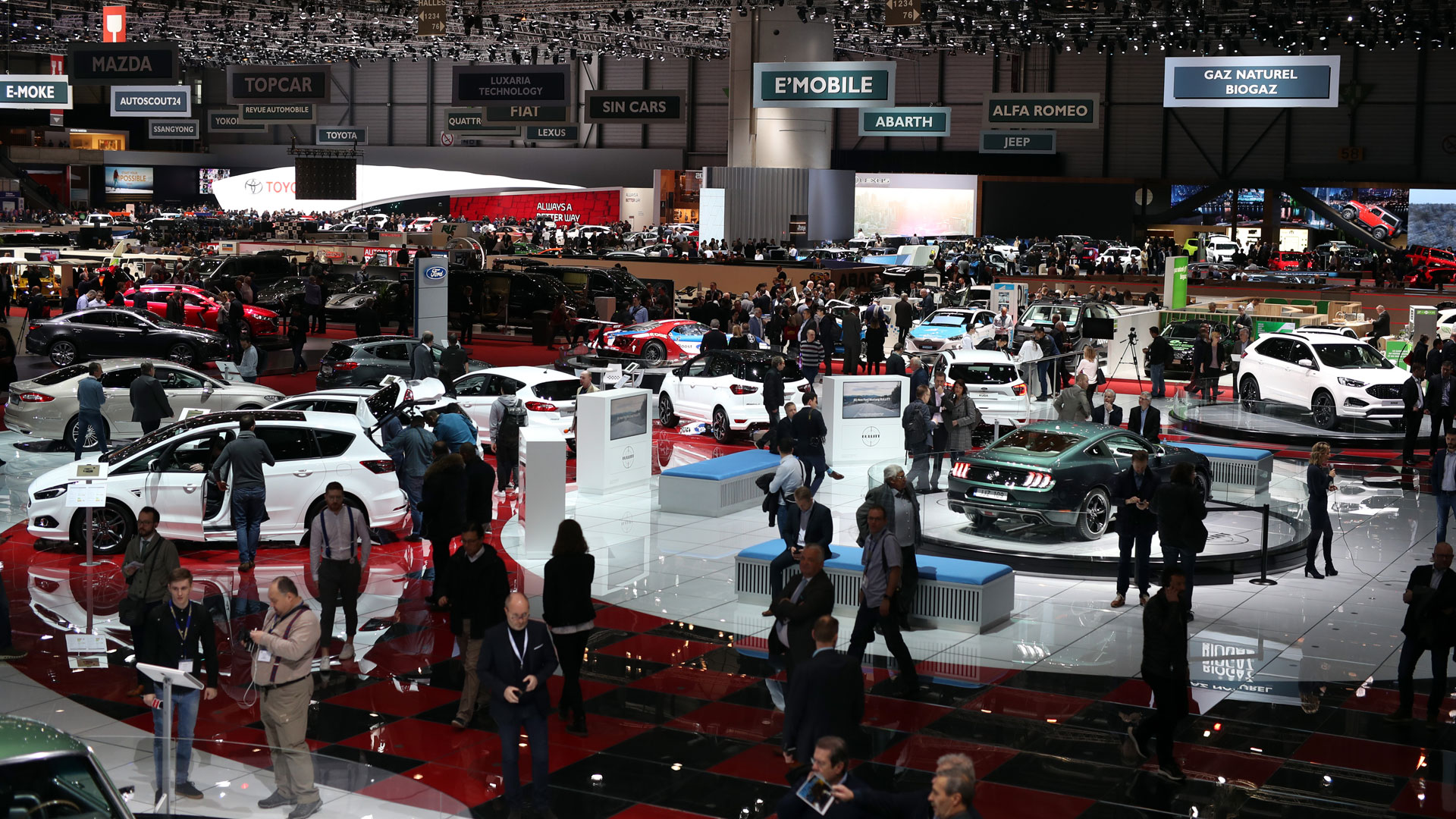
This March, all roads lead to Geneva as the world’s car manufacturers gather in the Swiss city for some #GIMSSWISS action. When we say all roads, we really mean the huge E62 running from Nantes to Genoa.
But while dozens of carmakers pull the wraps off the cars you’ve already seen in a flood of pre-show ‘teaser’ images, some manufacturers will be at home enjoying a lie-in as Palexpo throws opens its doors for the 89th Geneva International Motor Show.
Here are some of the big names not attending the Geneva Motor Show. #GIMSMISS
Ford
Ford was one of the big names absent from Paris, but although the Blue Oval still considers Geneva to be an important show, it won’t be in Switzerland next month. “We looked at all the things we had to do in 2019, and we’ve got a lot of stuff coming,” a spokesperson told Autocar.
“Rather than go to Geneva with relatively small news, we would rather do something later that would give us more bang for our buck. I don’t anticipate this will be a regular thing, though,” he continued.
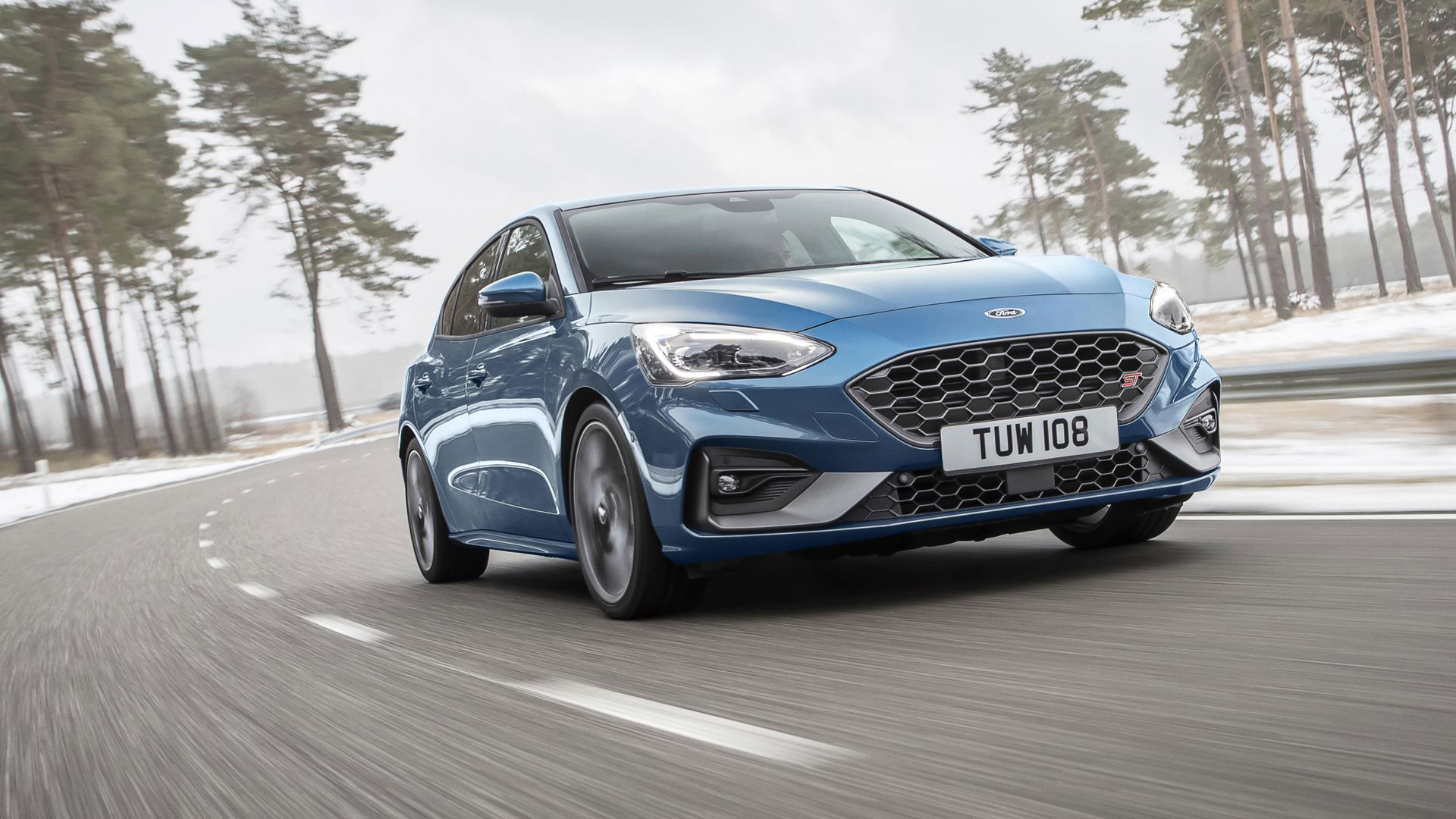
No doubt Ford will be using the time to prepare for the imminent launch of the 280hp Focus ST, with an all-new Kuga ST expected to land before the end of the year. The Mondeo is also due a facelift, while work is underway on a new Ranger.
Hyundai
“Hyundai will not be attending [the] Geneva this year,” a company spokesperson told CarBuzz, but it’s not about to let sister brand Kia steal the Swiss limelight.
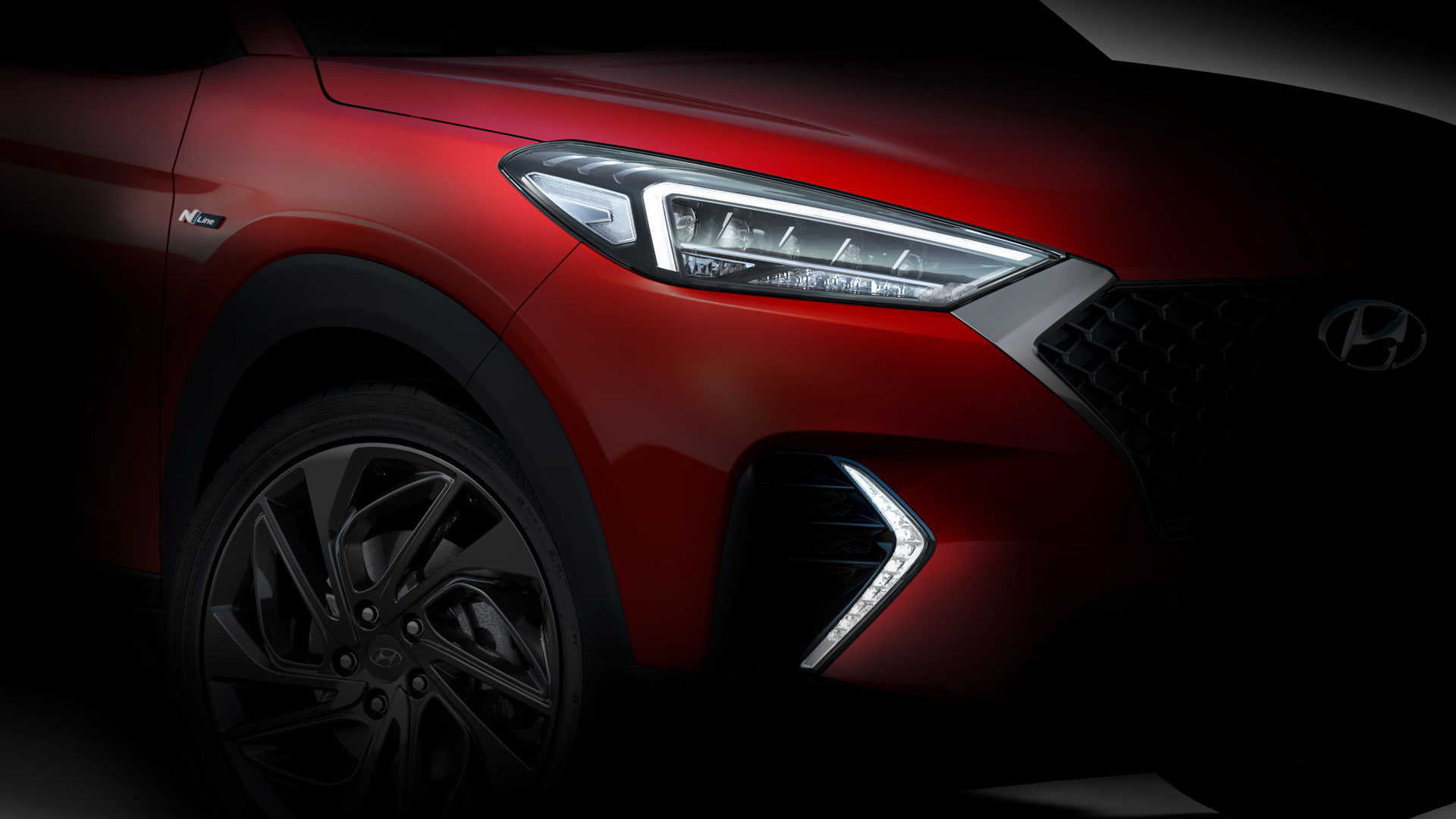
In a press release, Hyundai has announced that it will unveil its first performance-themed SUV “in the near future”, with everything pointing to a Tucson N-Line. Not a full-fat hot SUV to rival the Cupra Ateca – there’s a difference between N and N-Line – but you can expect a variety of sporty trimmings.
Hyundai is also gearing up for the launch of the Nexo fuel-cell vehicle, with the promise of up to 400 miles of range from a hydrogen tank that will take a few minutes to refuel. We just have to hope that the infrastructure required for hydrogen fuel cell vehicles catches up.
In the meantime, the i30 Fastback N is about to hit UK showrooms, with everything suggesting that it will be every bit as good as the i30 N, which was one of our favourite cars of 2018.
Jaguar Land Rover
Fresh from announcing pre-tax losses of £3.4 billion and news that it would cut around 4,500 jobs from its UK workforce, Jaguar Land Rover (JLR) could do with an injection of positivity.
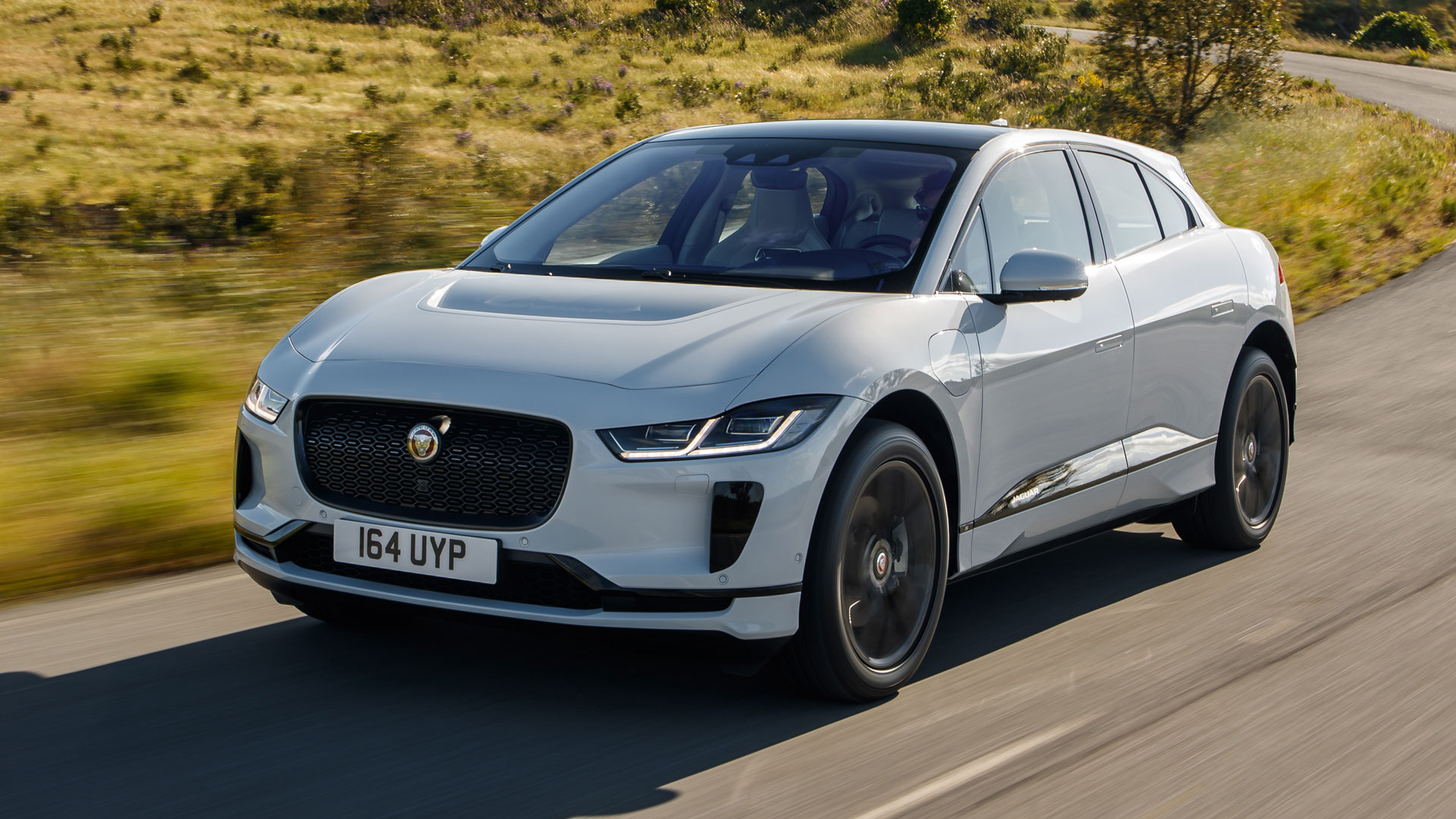
In light of flagging sales, Jaguar needs to decide what to do with the XE and XF models – a report in Autocar suggests they could be merged into one single saloon. Jag desperately needs the I-Pace electric SUV to live up to its undoubted promise, but it faces a challenge from Audi and Mercedes-Benz.
Vauxhall/Opel
While Peugeot and Citroen will represent PSA in Geneva, there’s no place for Vauxhall/Opel. One could argue that an international motor show is an ideal venue at which to showcase a revitalised product line-up, but the French owners see things differently.
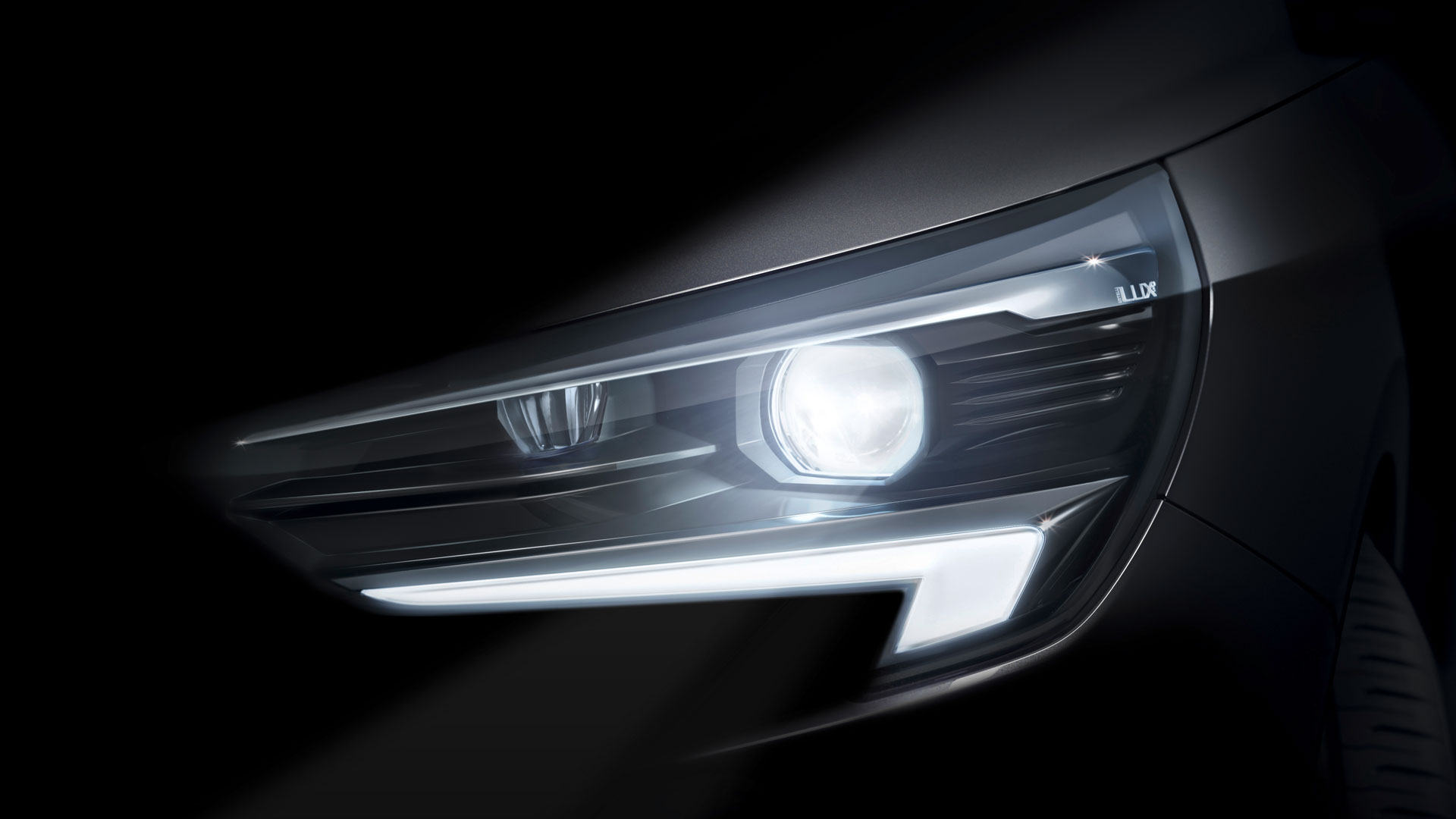
Which is a shame, because the electric 2019 Corsa has the potential to be a hugely important car for the brand, capable of reversing the recent fall in sales for the beleaguered brand. We’re not sure a facelifted Astra will have the same effect.
“The ongoing change in the car industry is creating new audiences for Volvo Cars and new ways of bringing products to the market,” explained Björn Annwall, senior vice president of strategy, brand and retail at Volvo Cars.
“Automatic attendance at traditional industry events is no longer viable – we must tailor our communications based on how the options complement our messaging, timing and the nature of the technology we are presenting.”
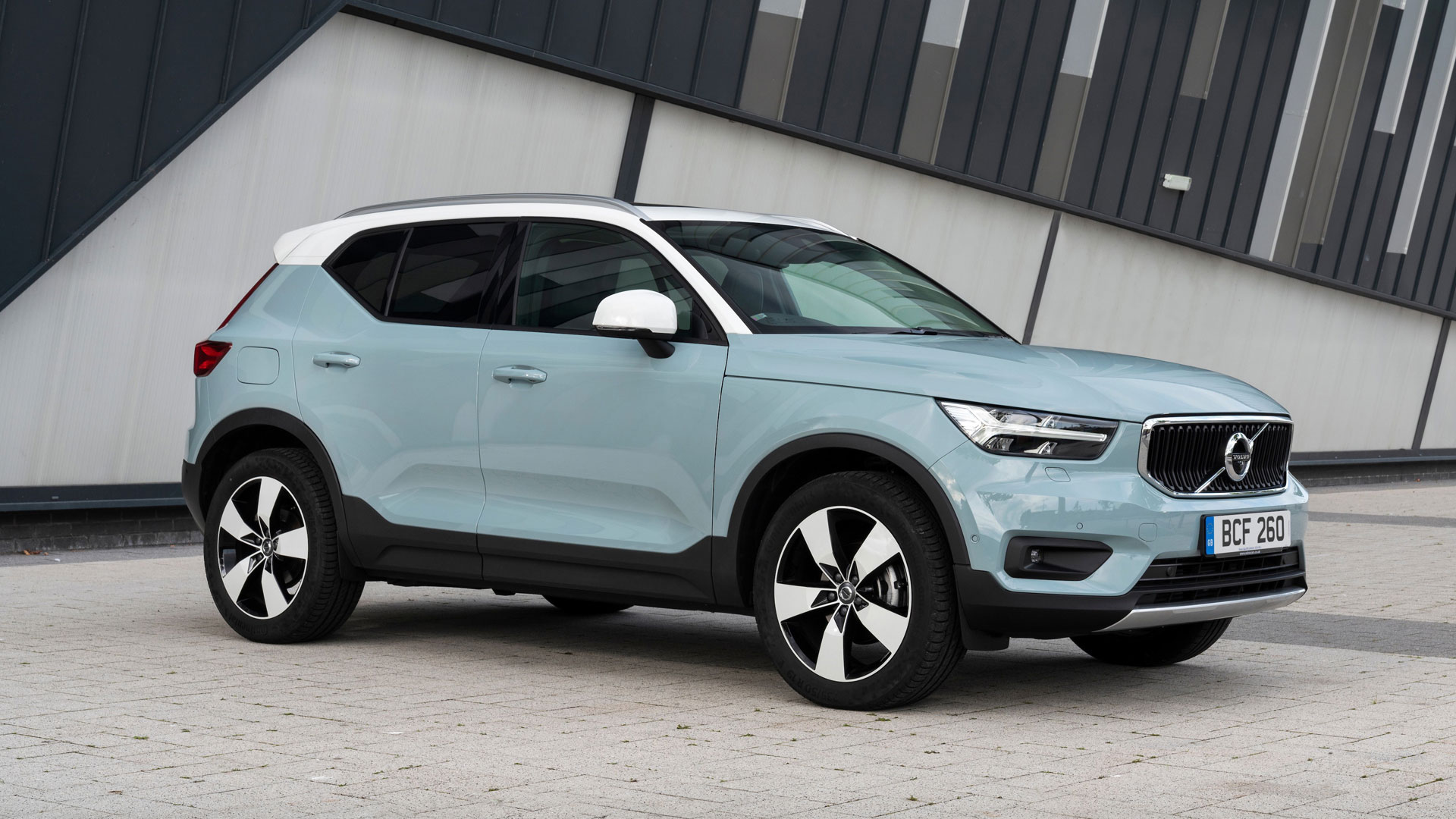
Not that Volvo is in need of the exposure. Hardly a week seems to pass without the Swedish company picking up an award for one of its SUVs, most notably the XC40.
Furthermore, while the car industry appears to be swimming against a tide of falling sales, Volvo simply goes with the flow. Global sales grew 16.7 percent in January 2019, with European sales up 24.4 percent.
Other Geneva absentees include Alpine, Infiniti, Lotus and Tesla, but fear not, because we’ll be out there in force to bring you the latest news and scoops. That’s assuming there’s actually some new news to report on.
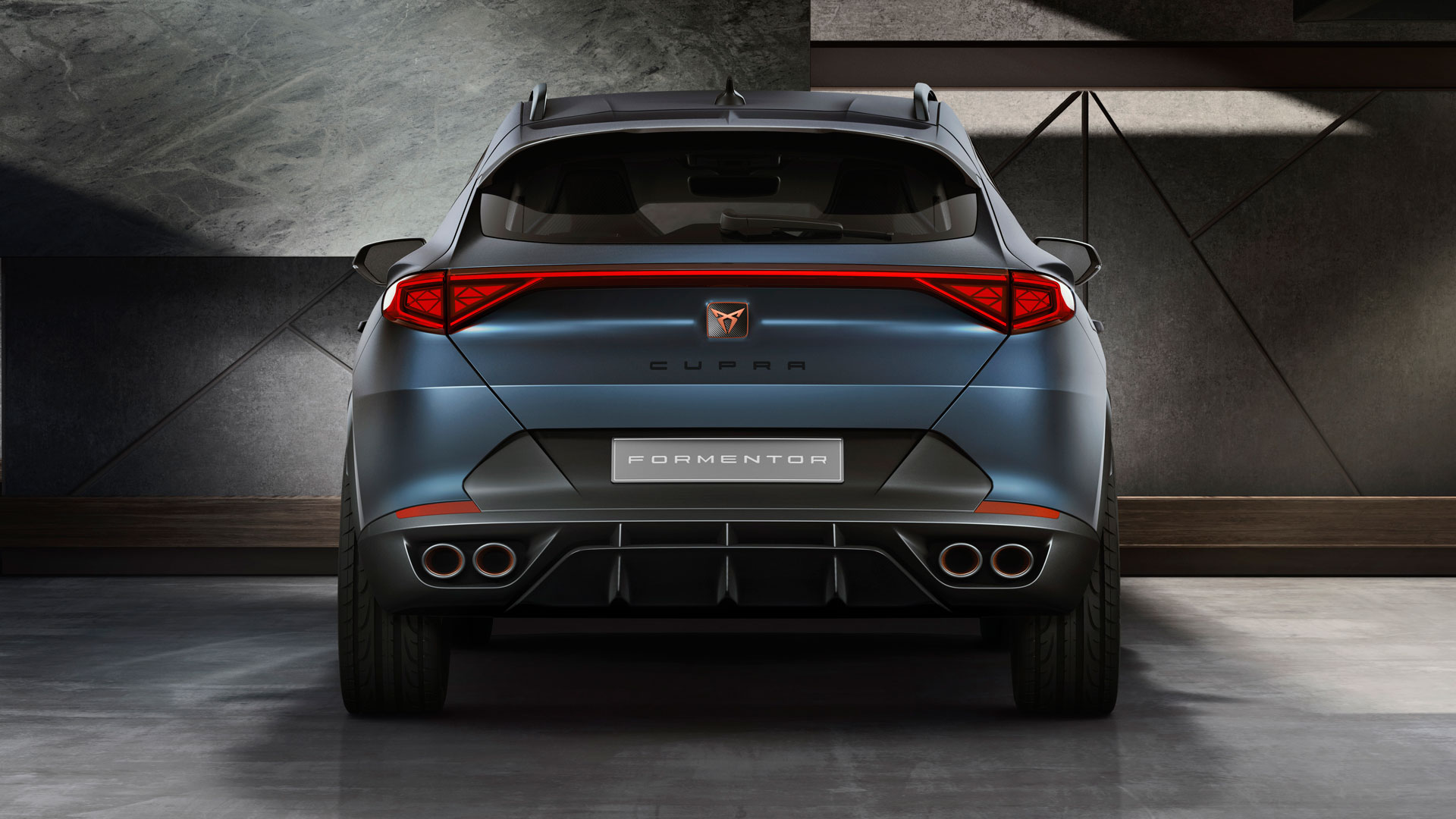
The world needs another performance SUV like it needs another reality TV programme, a Michael Buble album or a president with a penchant for walls. Which means the Cupra Formentor should be as welcome as a toaster in the bath.
Indeed, I received news of the Formentor via a friend, with a supporting comment along the lines of “Arrgh, another pointless fast SUV.”
I was tempted to respond with a knowing nod emoji – I know I shouldn’t be using emojis at my age – but on this occasion, I was prepared to leave my mind, if not entirely open, then slightly ajar. Crikey, the Cupra Formentor actually looks rather appealing.
Or maybe it’s just me?
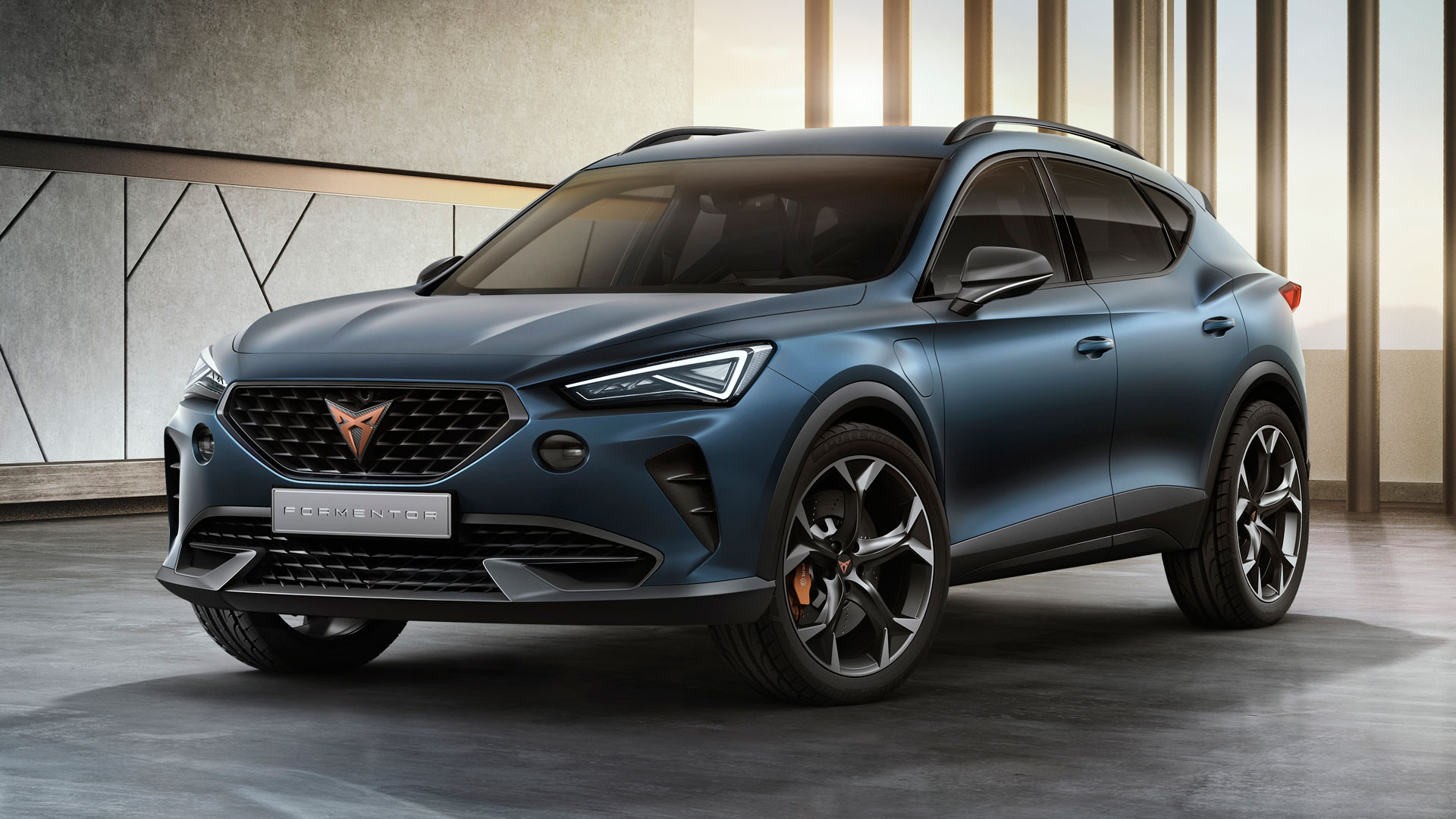
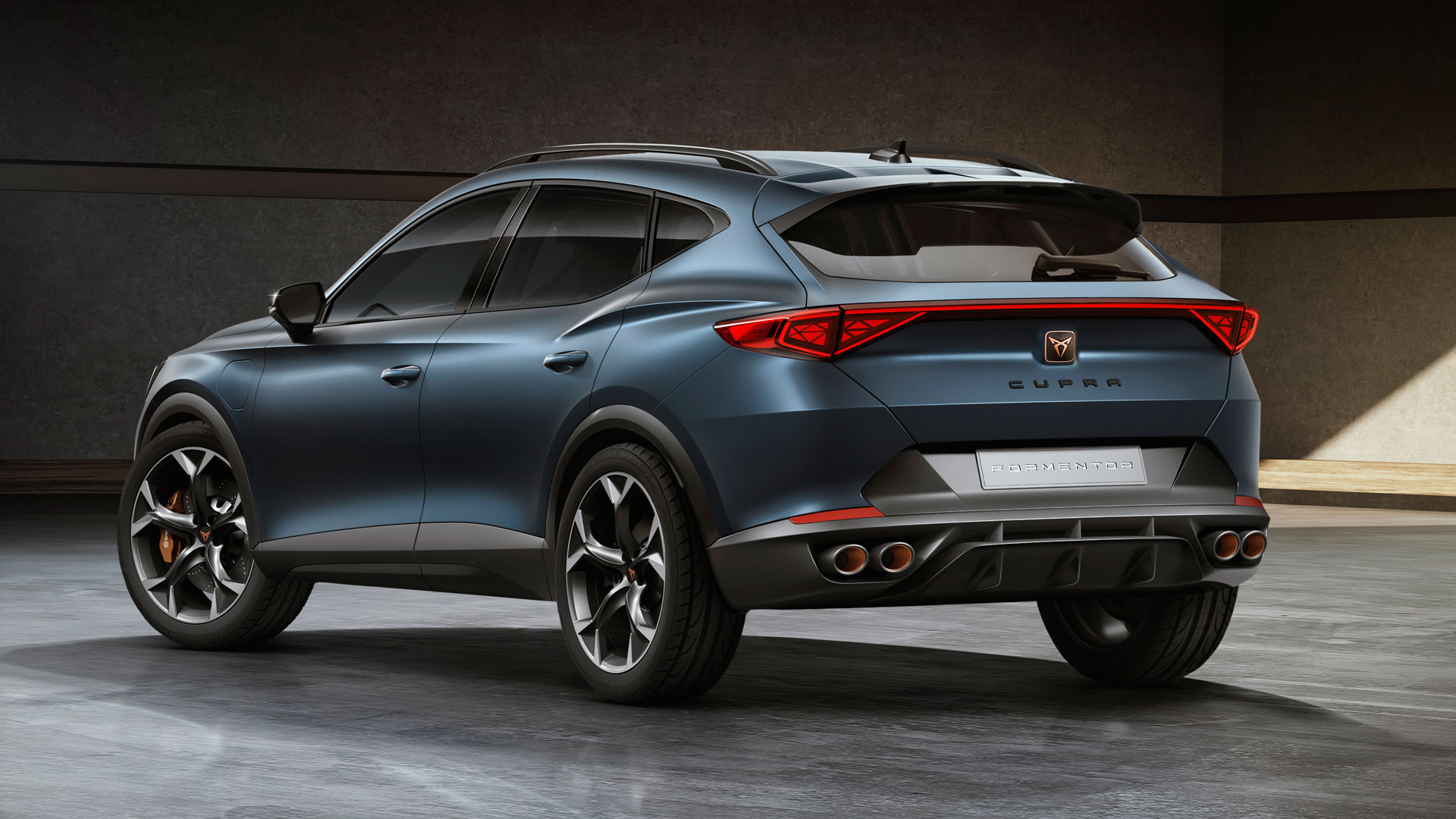
Stick it alongside the existing Cupra Ateca and it’s like comparing a running shoe with a heavy boot. If nothing else, it highlights what Cupra could achieve if it’s given free rein. Ask yourself this: does the Formentor look like a product of the Volkswagen Group? I’d suggest it doesn’t, and it’s been a while since we’ve been able to say that about the glut of SUVs from the German giant.
La Tormenta
Sure, there are hints of other brands in the styling. A touch of Alfa Romeo here, a bit of Mazda there, with glimpses of Lexus chucked in for good measure. The Cupra badge will always look like a hastily-produced afterthought, but the Formentor’s rear end is muscular and almost attractive. Almost.
Two hundred words into this automotive confessional, it’s time to talk about the name. In keeping with Seat’s naming strategy, Formentor is a beautiful sun-kissed peninsula on the island of Majorca, but Cupra may have missed a trick here.
Change the ‘F’ to a ‘T’ and you have one of the greatest car names on the planet. The Cupra Tormentor: perfect for chasing down unsuspecting Porsche Macan and Skoda Kodiaq vRS drivers. If it’s good enough for Mater, it’s good enough for Cupra.
The press release for the ‘Tormentor’ says a lot without giving much away, but the concept will make its debut at next month’s Geneva Motor Show. At its heart is a 245hp plug-in hybrid powertrain, with a pure electric mode delivering up to 30 miles of zero-emissions range.
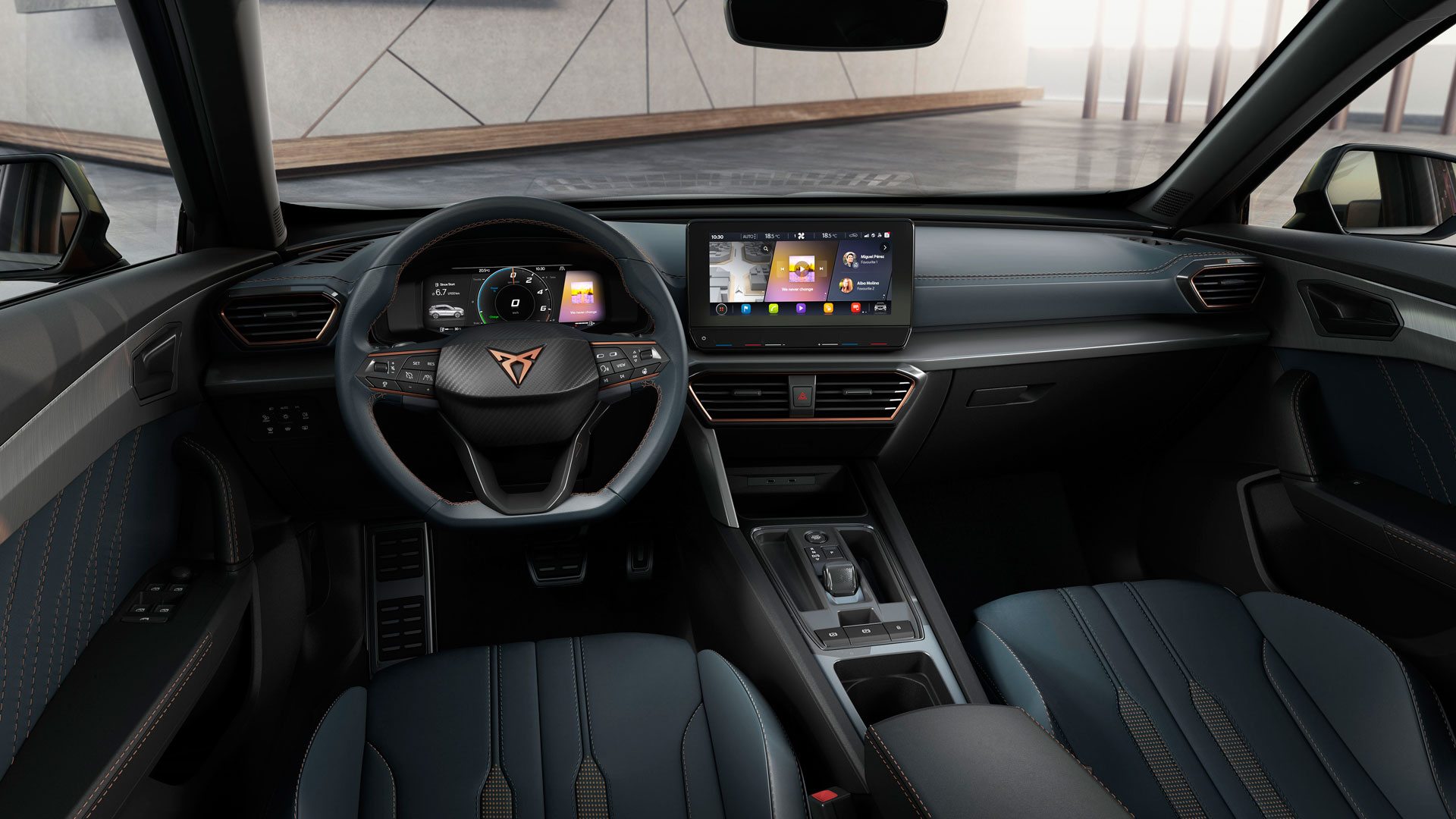
Inside, the Formentor looks remarkably restrained and tasteful, with the dashboard dominated by a 10-inch ‘floating’ display and a digital cockpit similar to that in the Cupra Ateca. The badge on the steering wheel has the whiff of an aftermarket accessory, mind.
Give the people what they want
I’m sure we’d all like Cupra to build a driver-focused three-door coupe, but that market is about as buoyant as a rock in a paddling pool. And a Cupra sports car would be nice, if only to give motoring journos the opportunity to say it’s not as good as a Mazda MX-5 or a Porsche 718 Cayman, depending on the power output.
A crossover with a sloping roof, bling wheels and an infotainment screen the size of a television set thus makes perfect sense, because that’s what people want and are buying.
I’m not sure I’ll be joining the ‘tribes’ forming a queue to buy a Formentor when it goes on sale in 2020 – my heart belongs to the Volvo XC40 – but I doff my Cordovan hat to Cupra for forging ahead with plans to create its first standalone car.
Now if you’ll excuse me, the bathwater has gone cold and the toast just popped up.
The beautiful parts of the UK that are nestled within the throws of quaint villages and rolling fields create some truly magical spots for car fans. Hertfordshire, for example, is ripe with facilities that service, restore and sell some of the most desirable motorcars ever built.
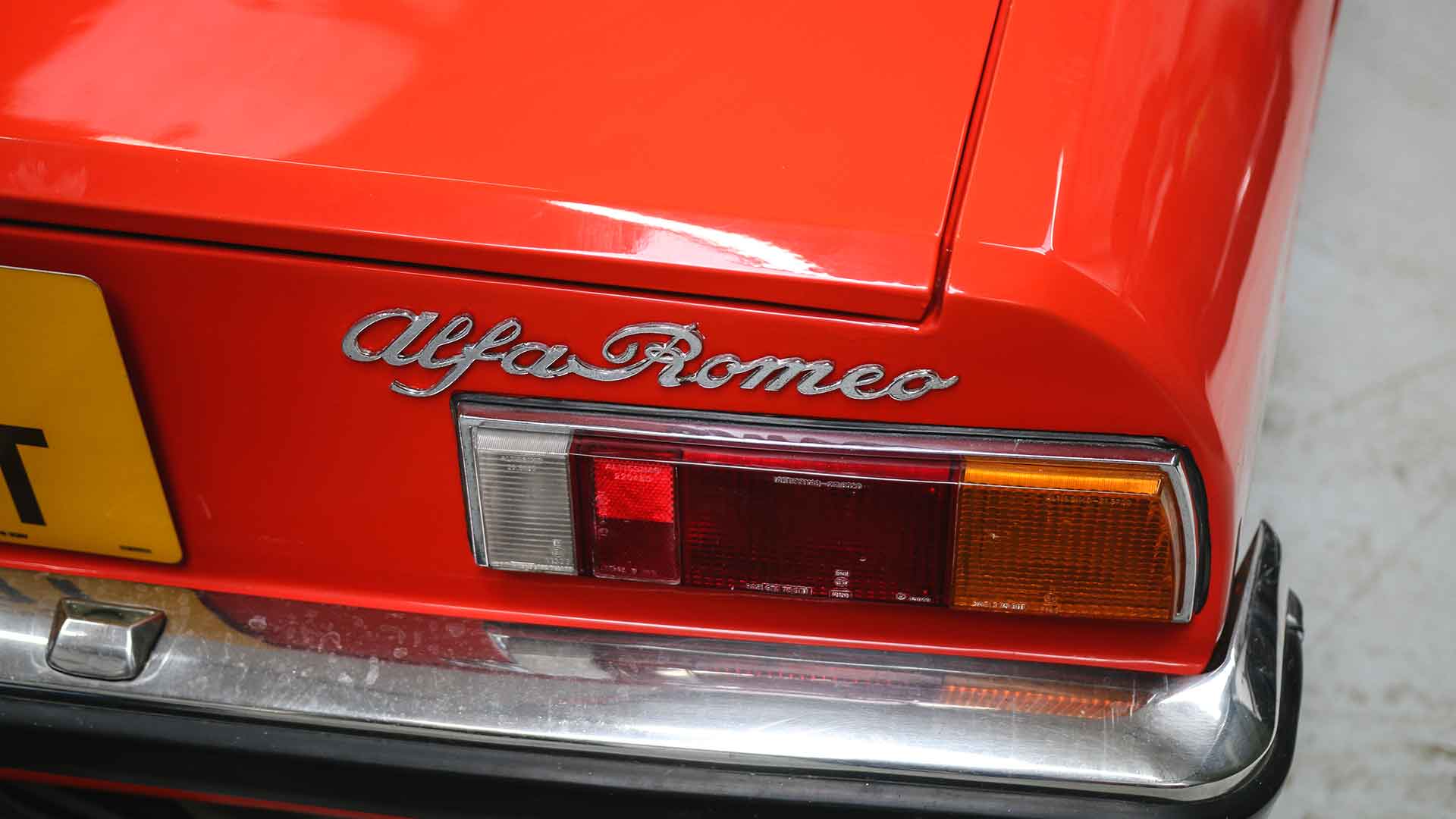
If you want the best of the best, look no further than Bell Classics. We took a visit to its showroom and workshop – a little slice of supercar heaven.
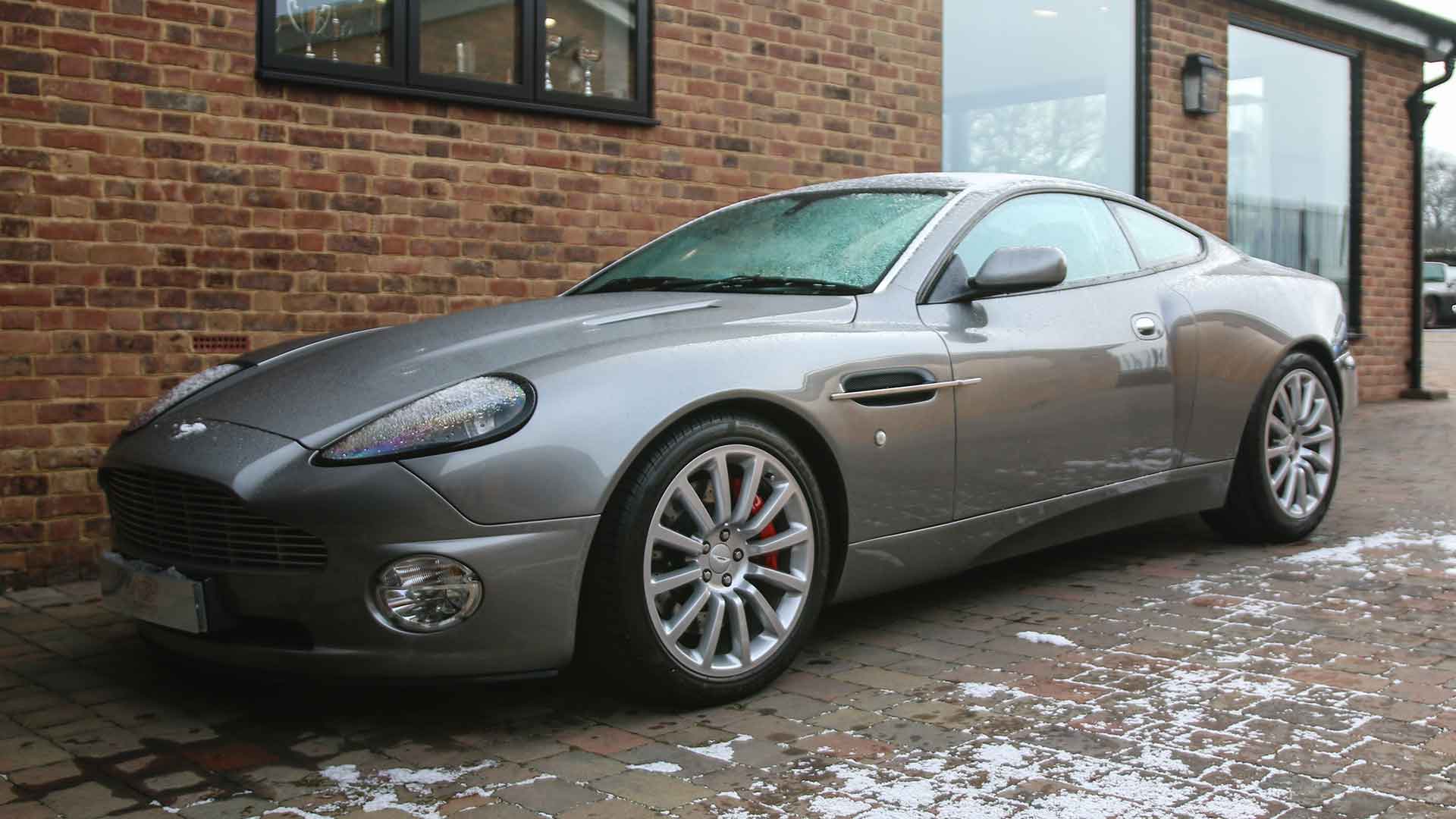
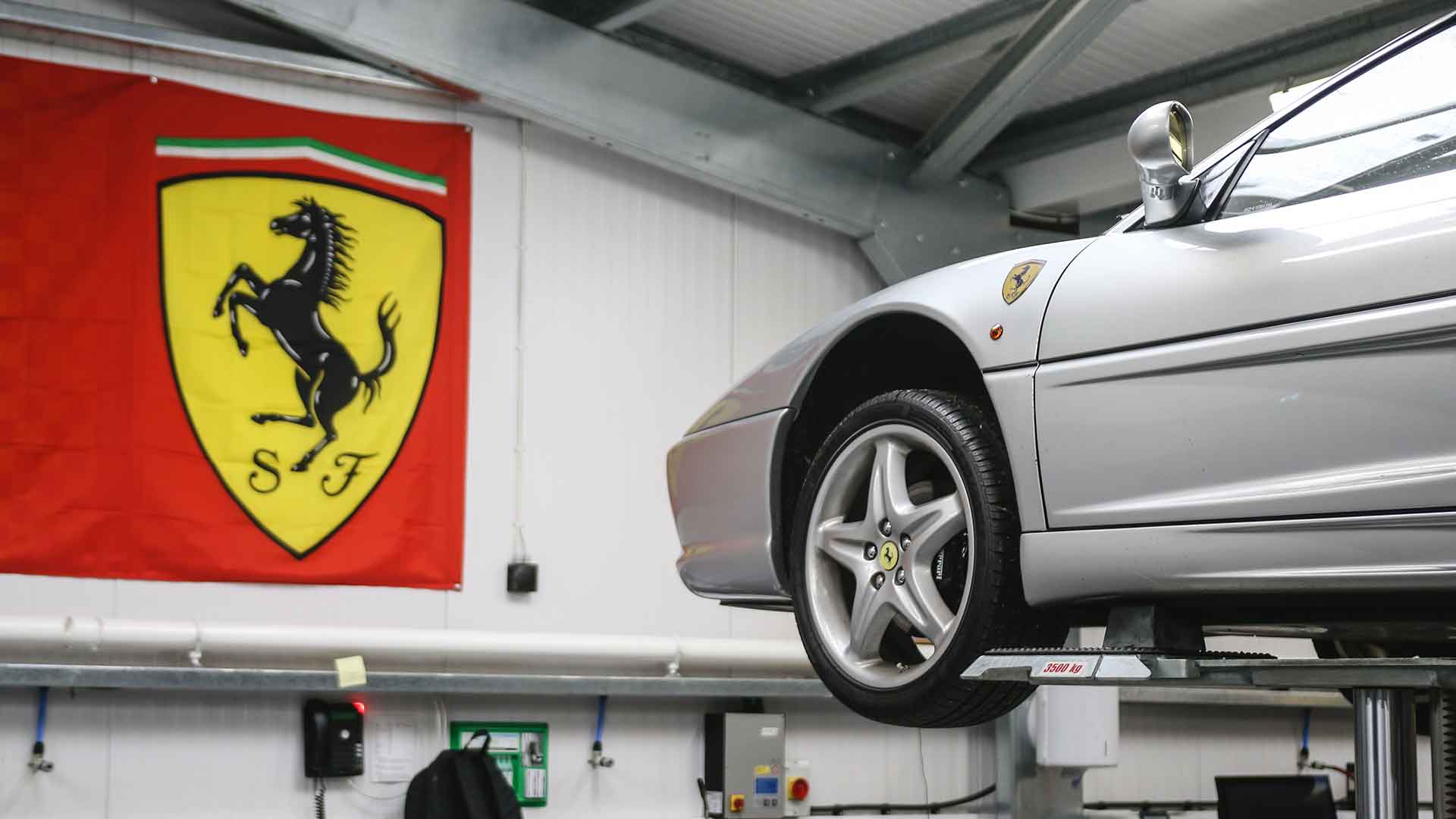
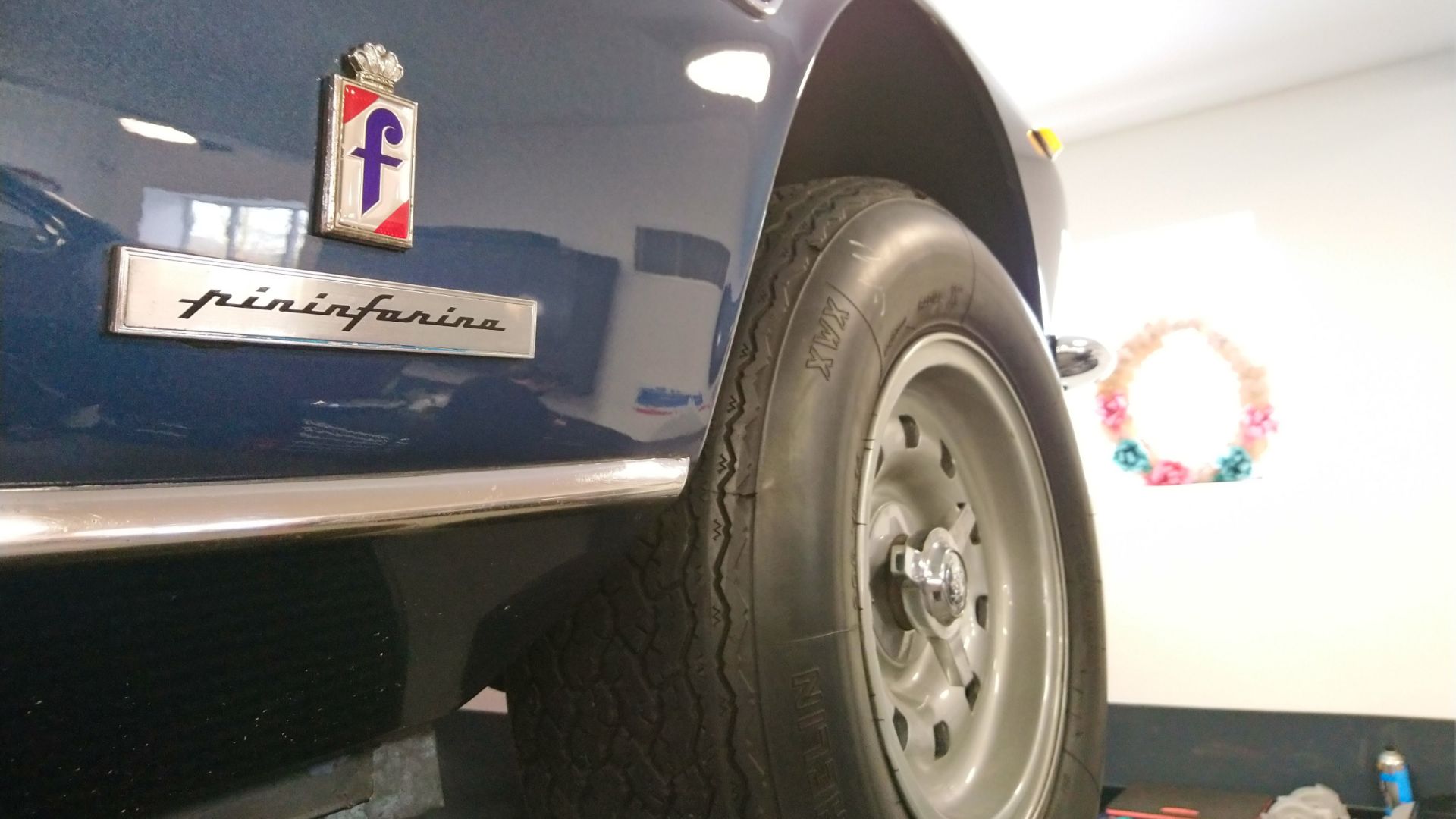
In its 30 years in business, Bell Classics has gone from being an Austin-Healey dealer to a fully-fledged classic and exotic sales and restoration specialist, with a specific focus on Ferraris and Aston Martins.
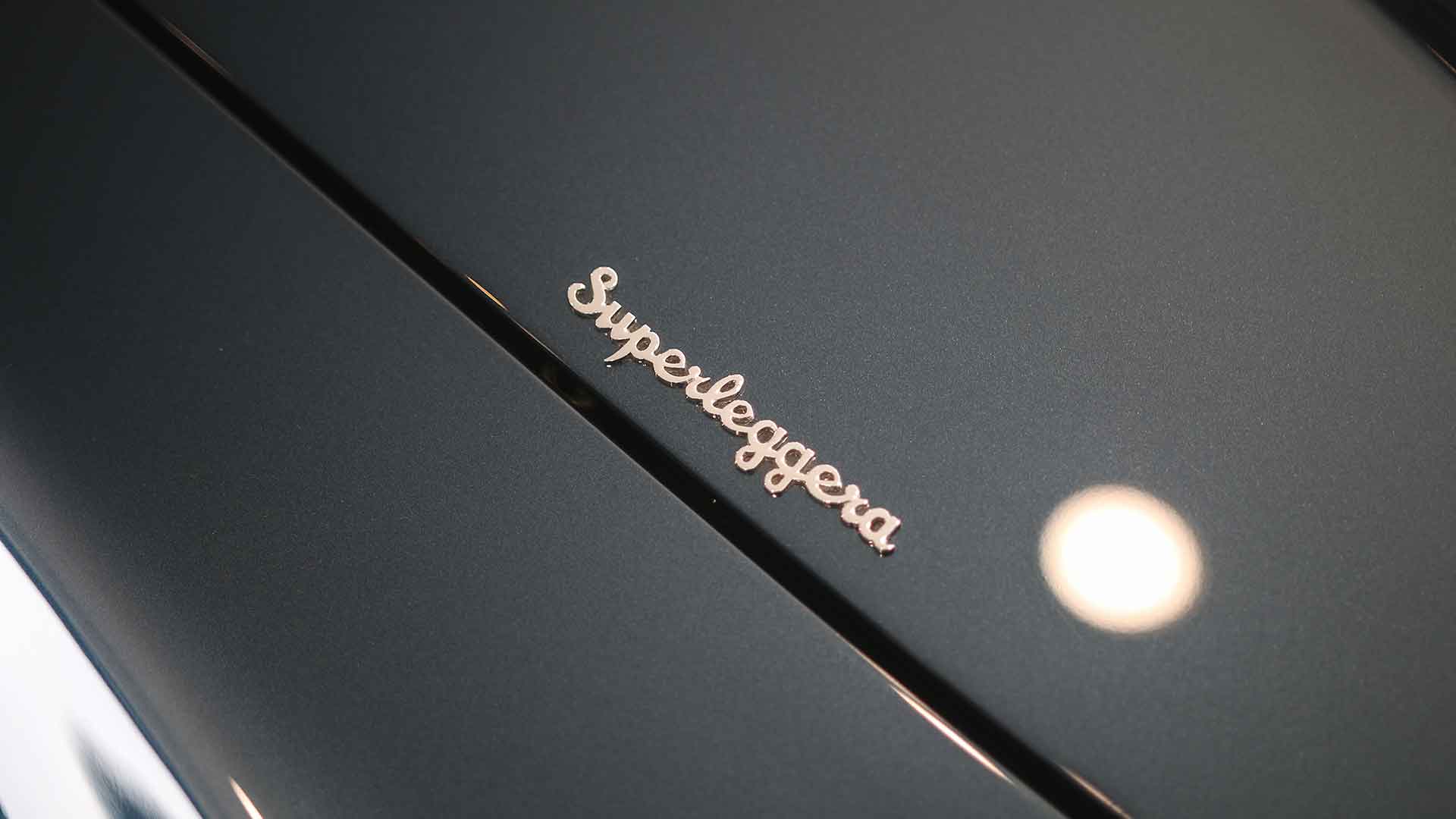
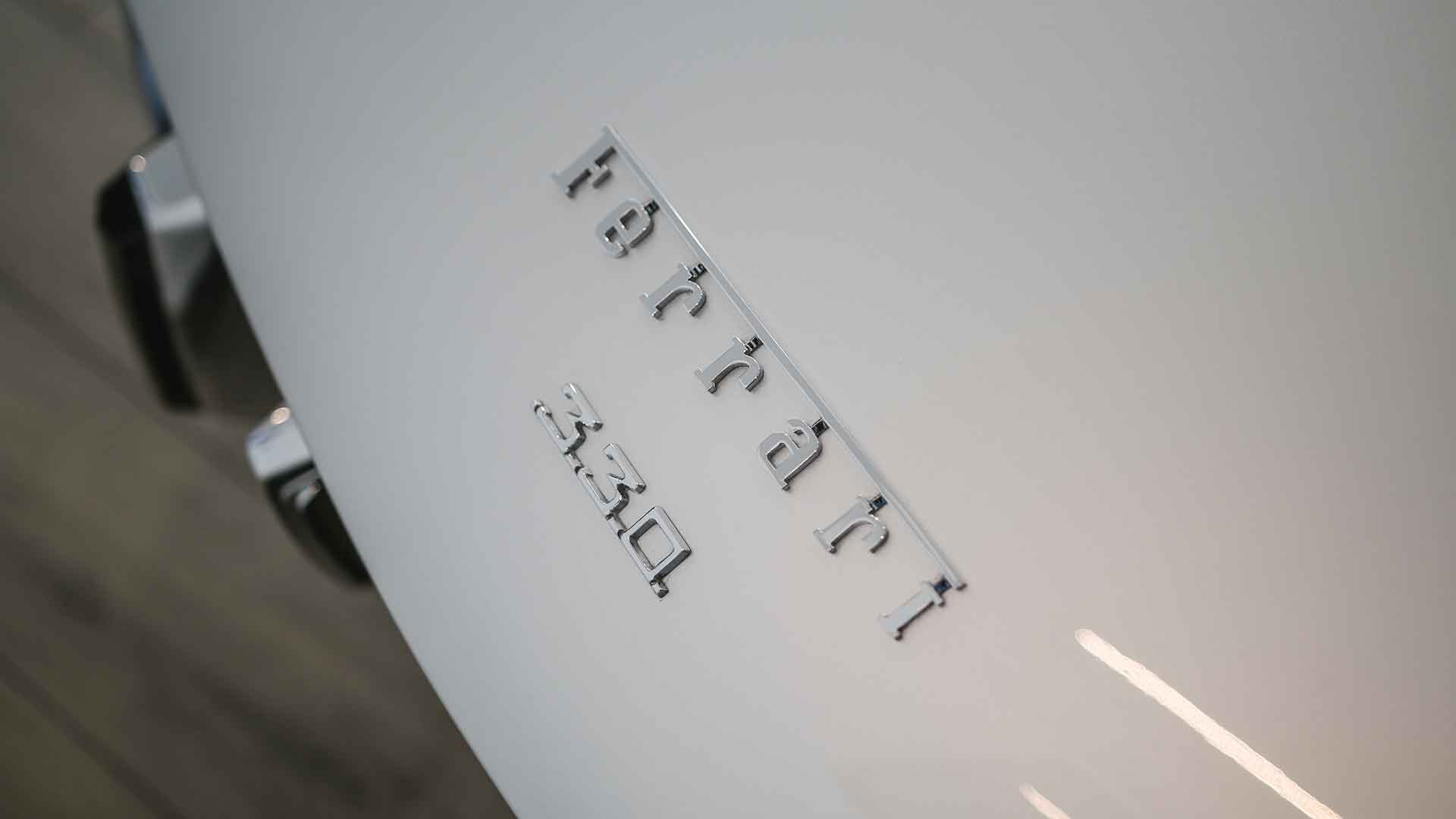
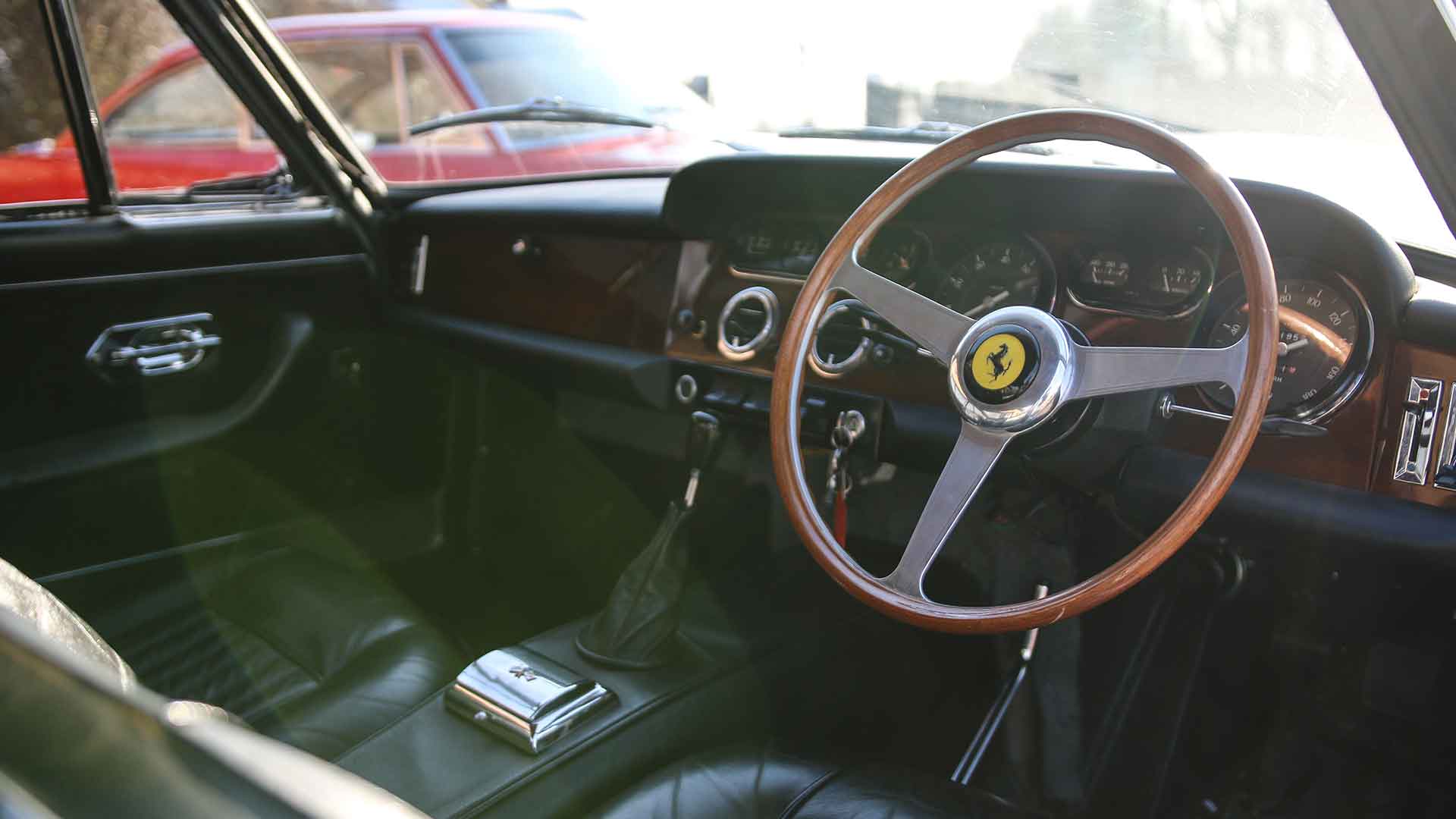
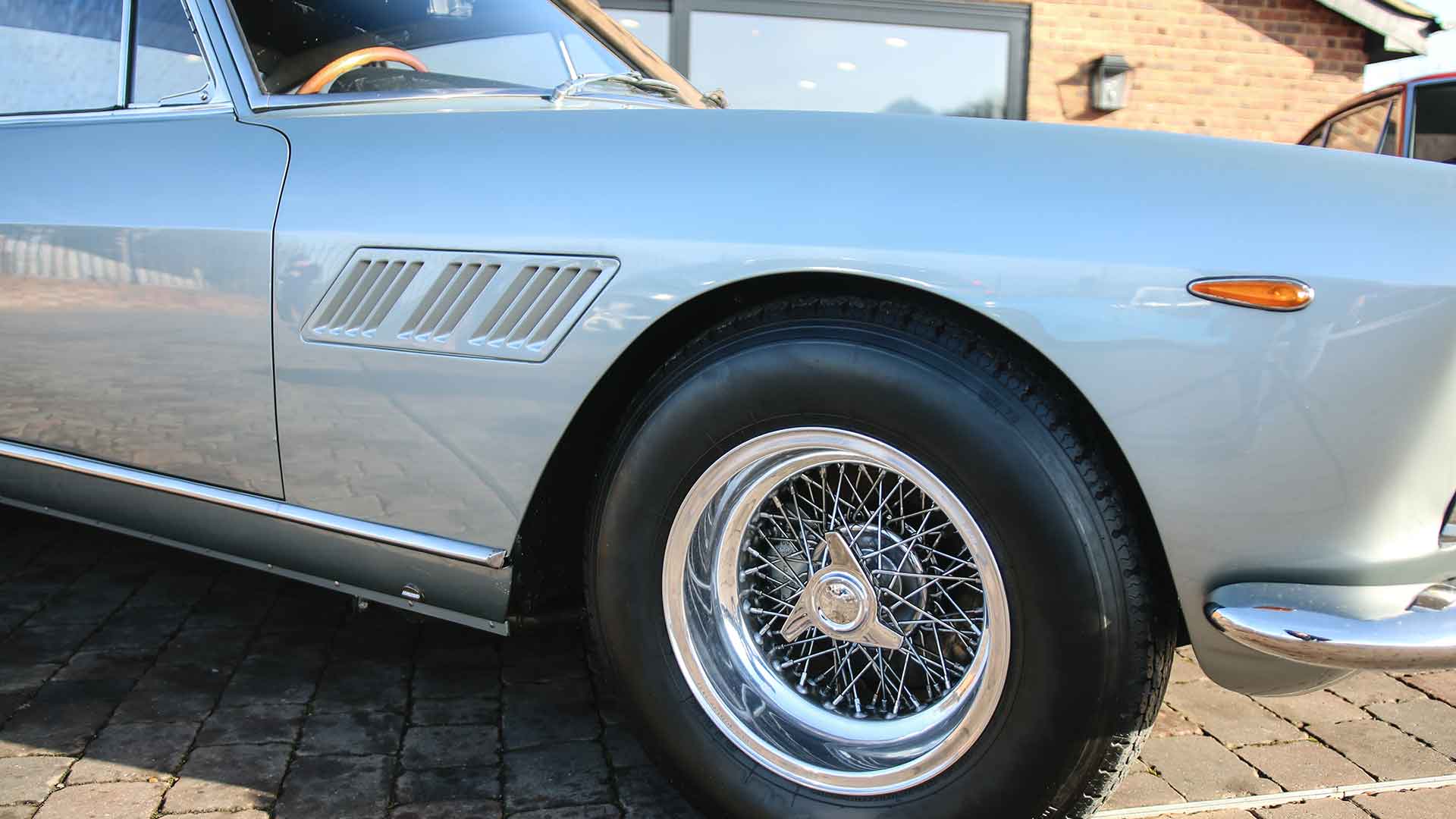
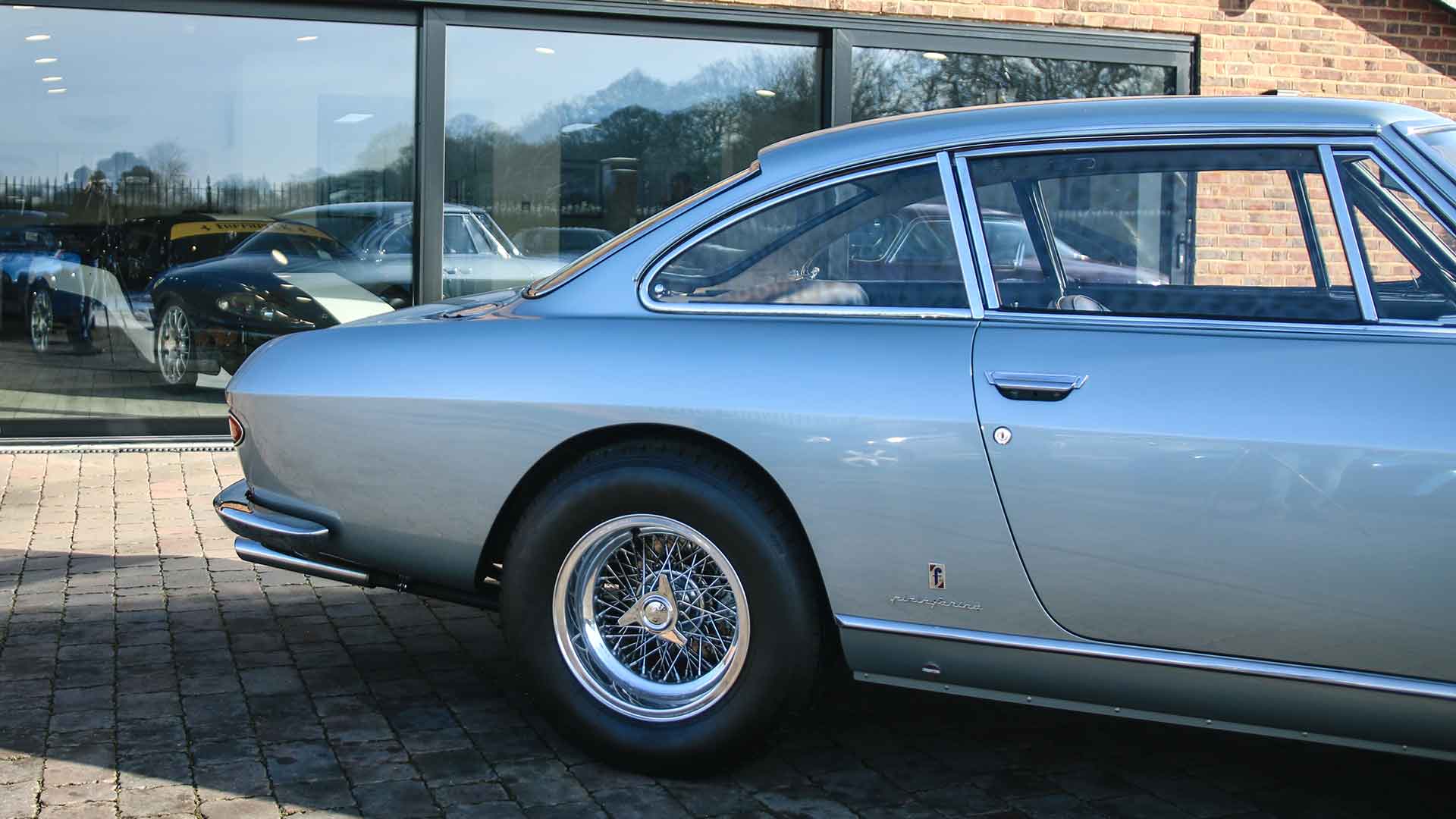
If you’re fortunate enough to be in the care of a barn-find Aston Martin DB4, Ferrari 330, or anything else of a similar vintage that’s Maranello-flavoured or Superleggera-badged, Bell Classics ranks as one of the best places to go. Whether it’s for a full re-commission or a touch of paint and engine work, they’ve pretty much got you covered.
Through the gates
You can normally infer the quality of a dealer’s in-door stock by what it’s got ‘languishing’ outside. As we trundled through the gates and up Bell’s driveway, we knew we about to tuck into an ultra-exclusive chocolate box of machinery.
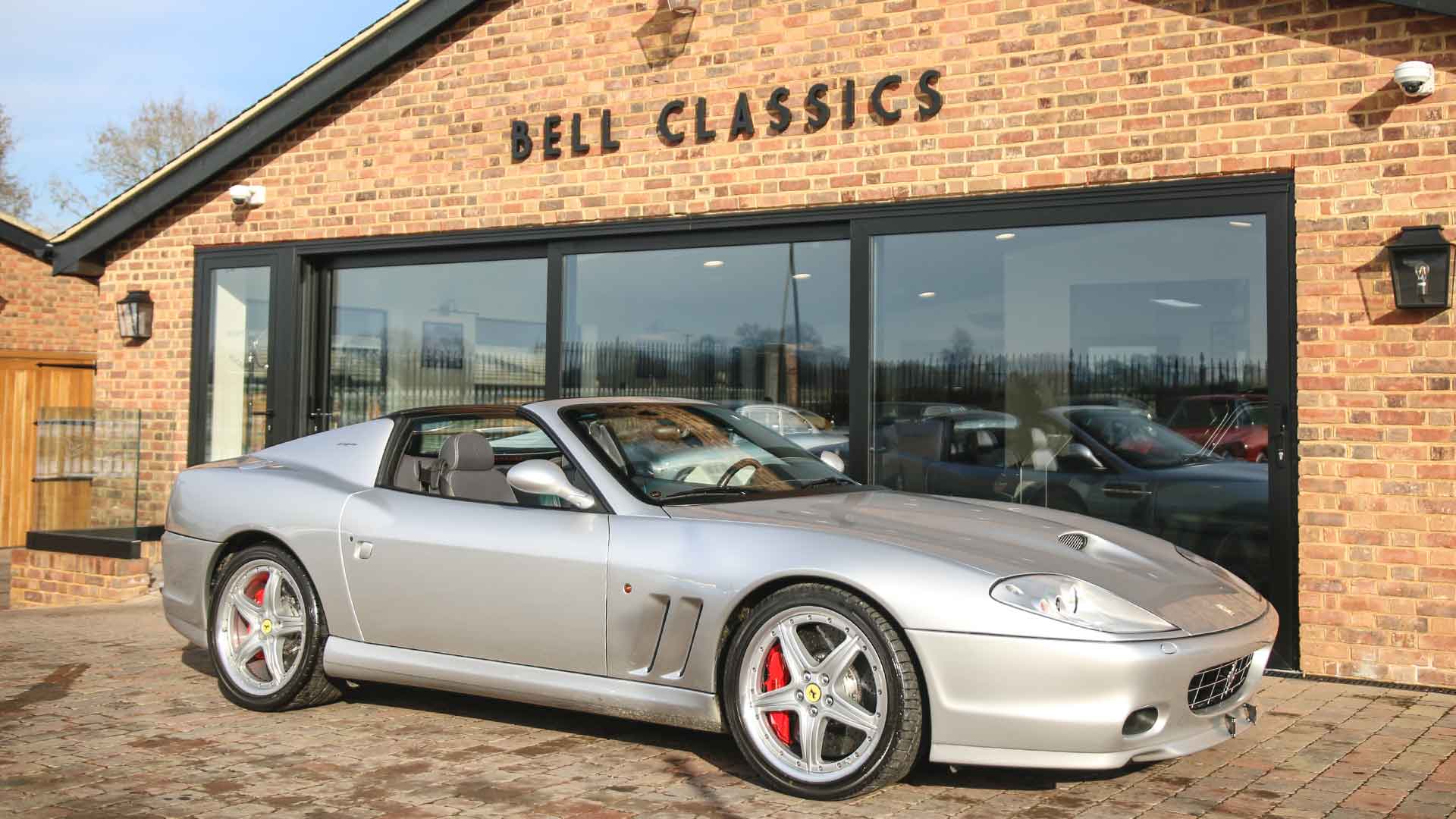
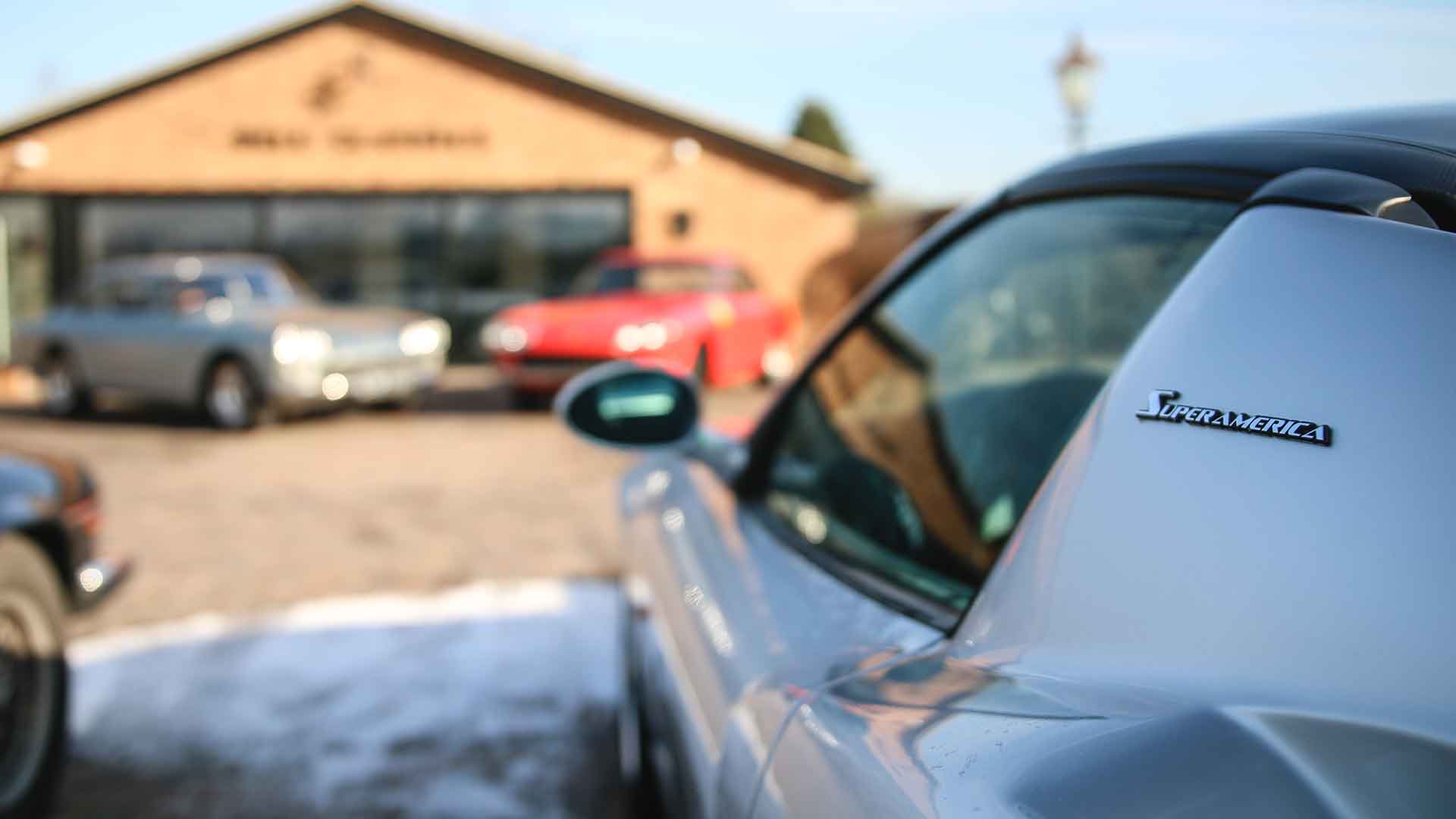
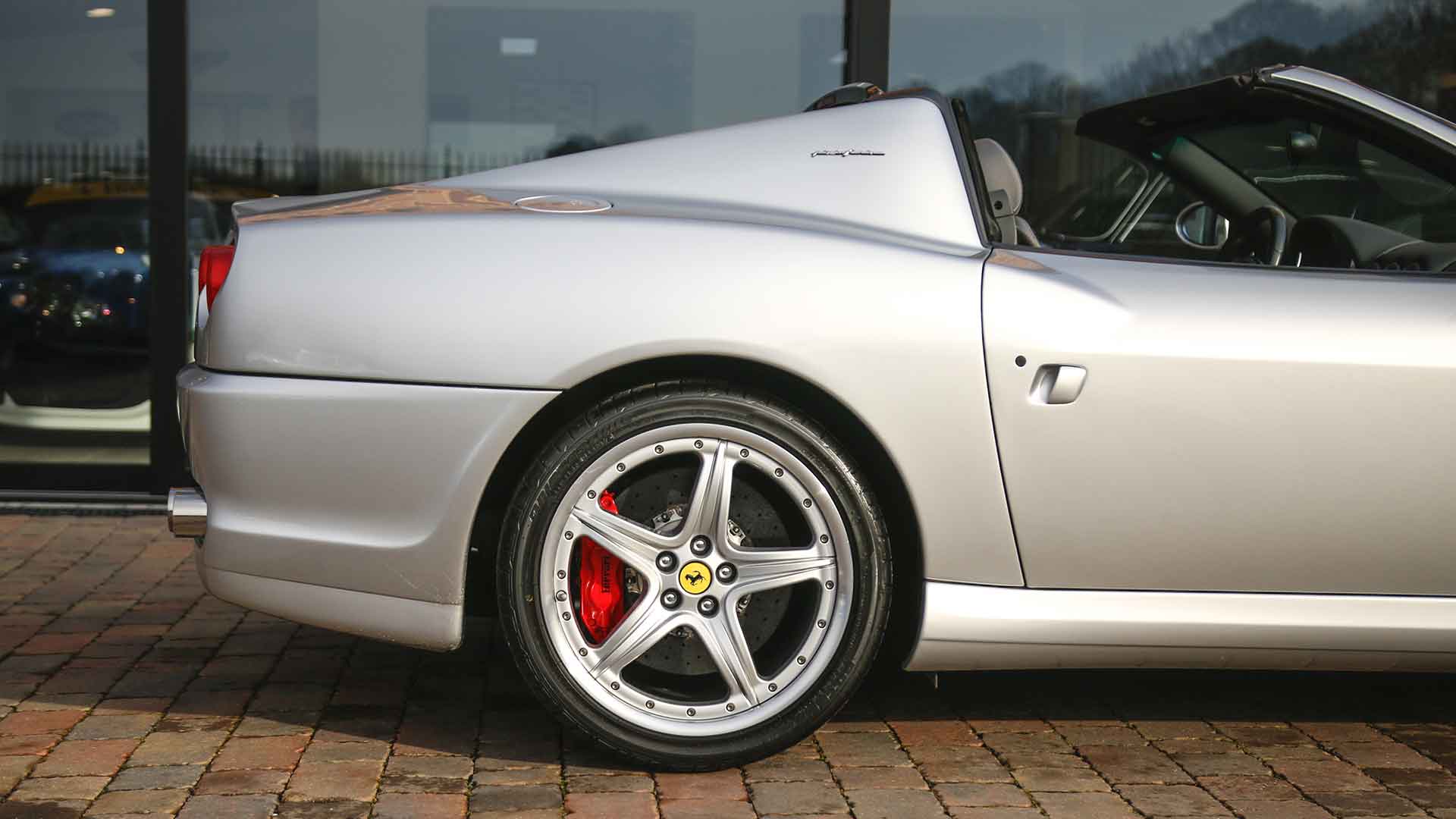
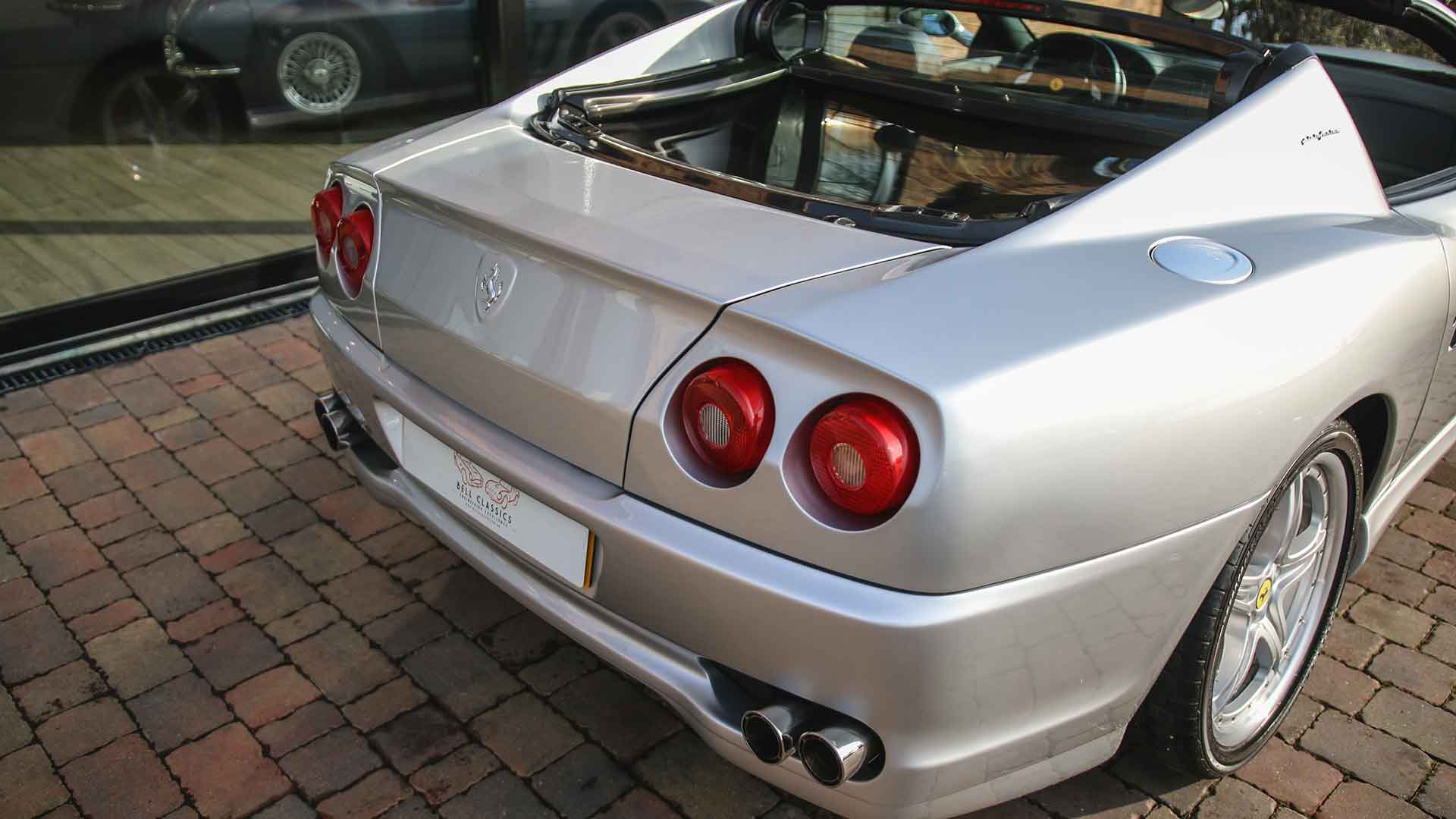
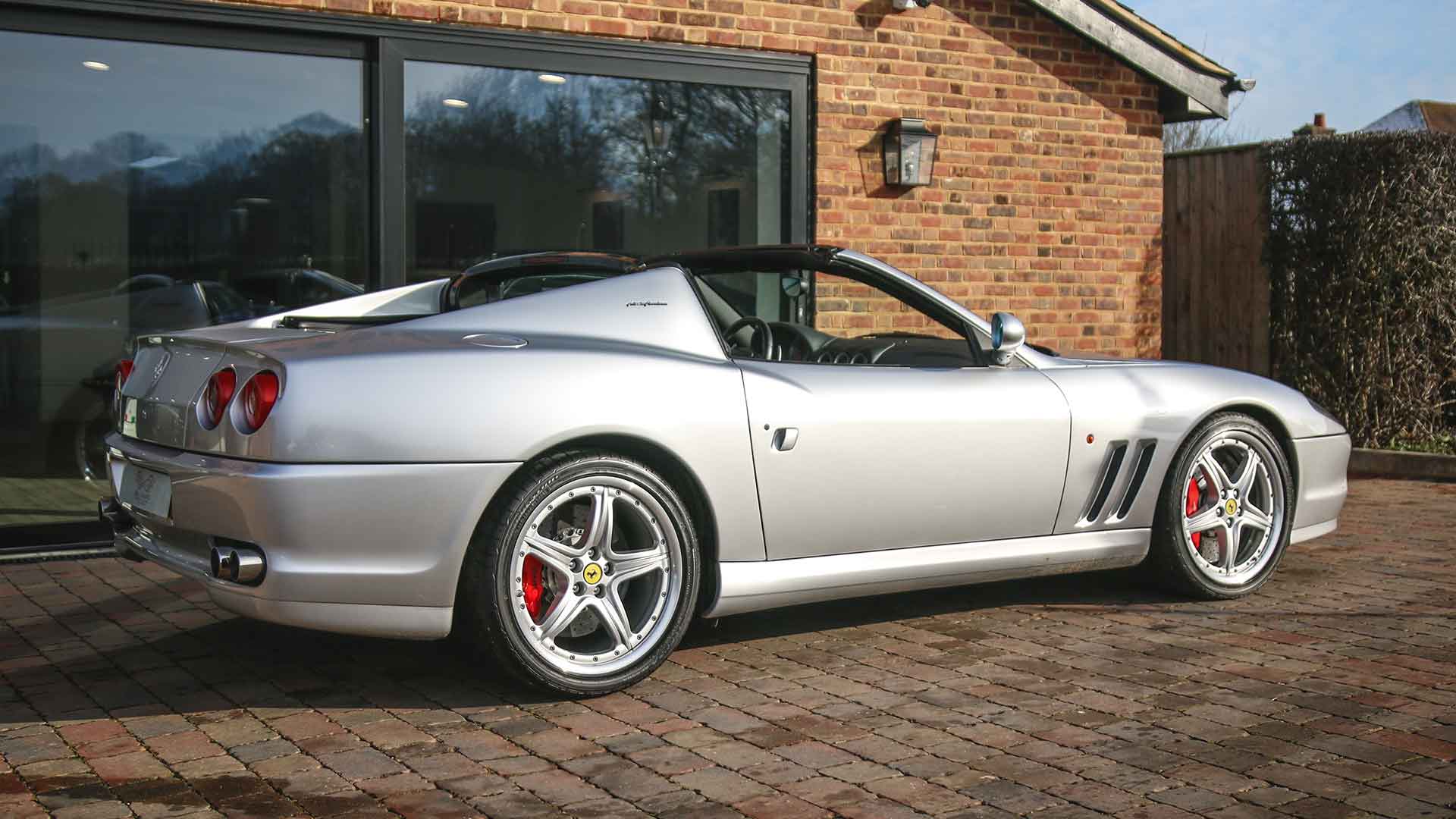
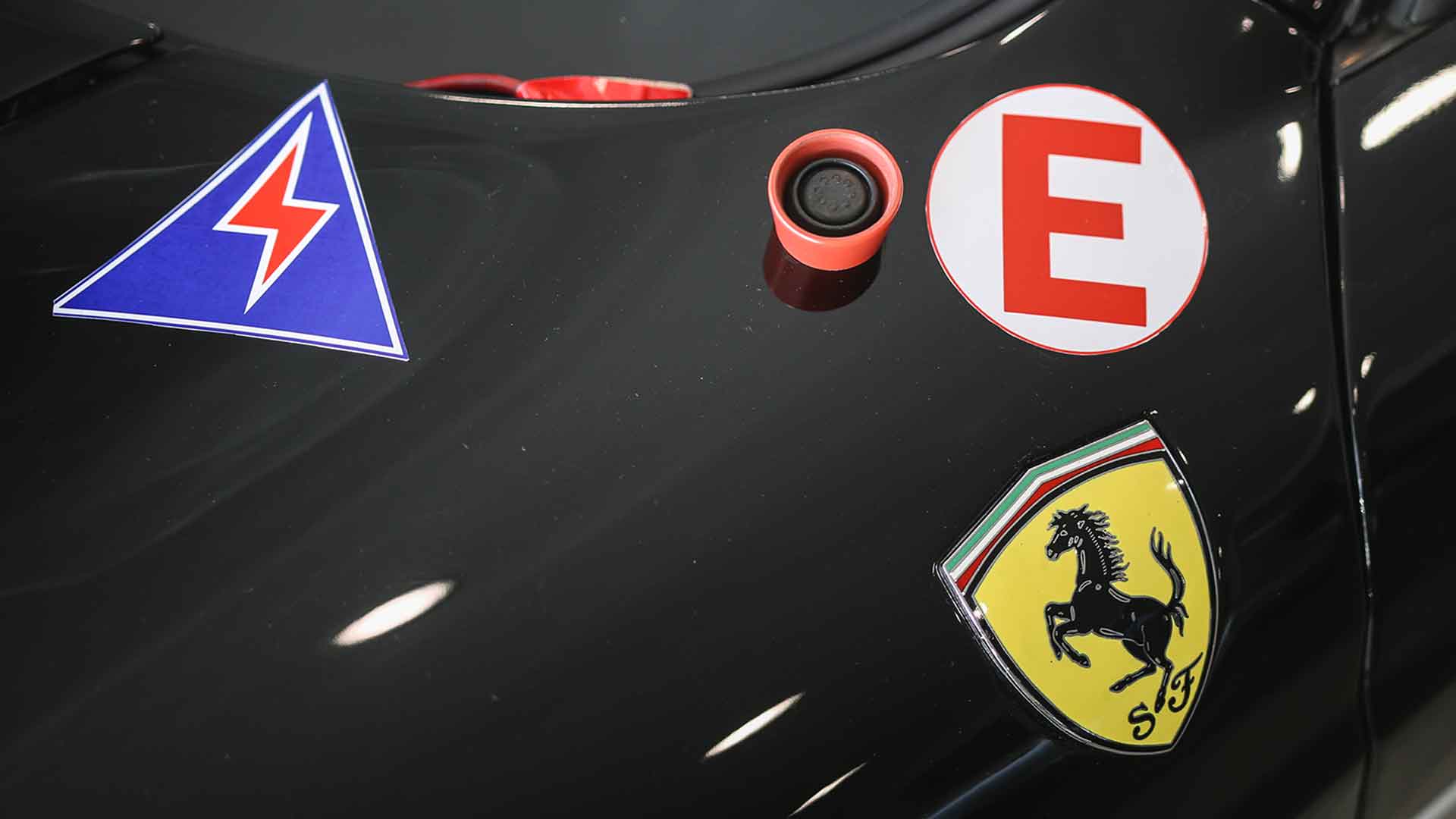
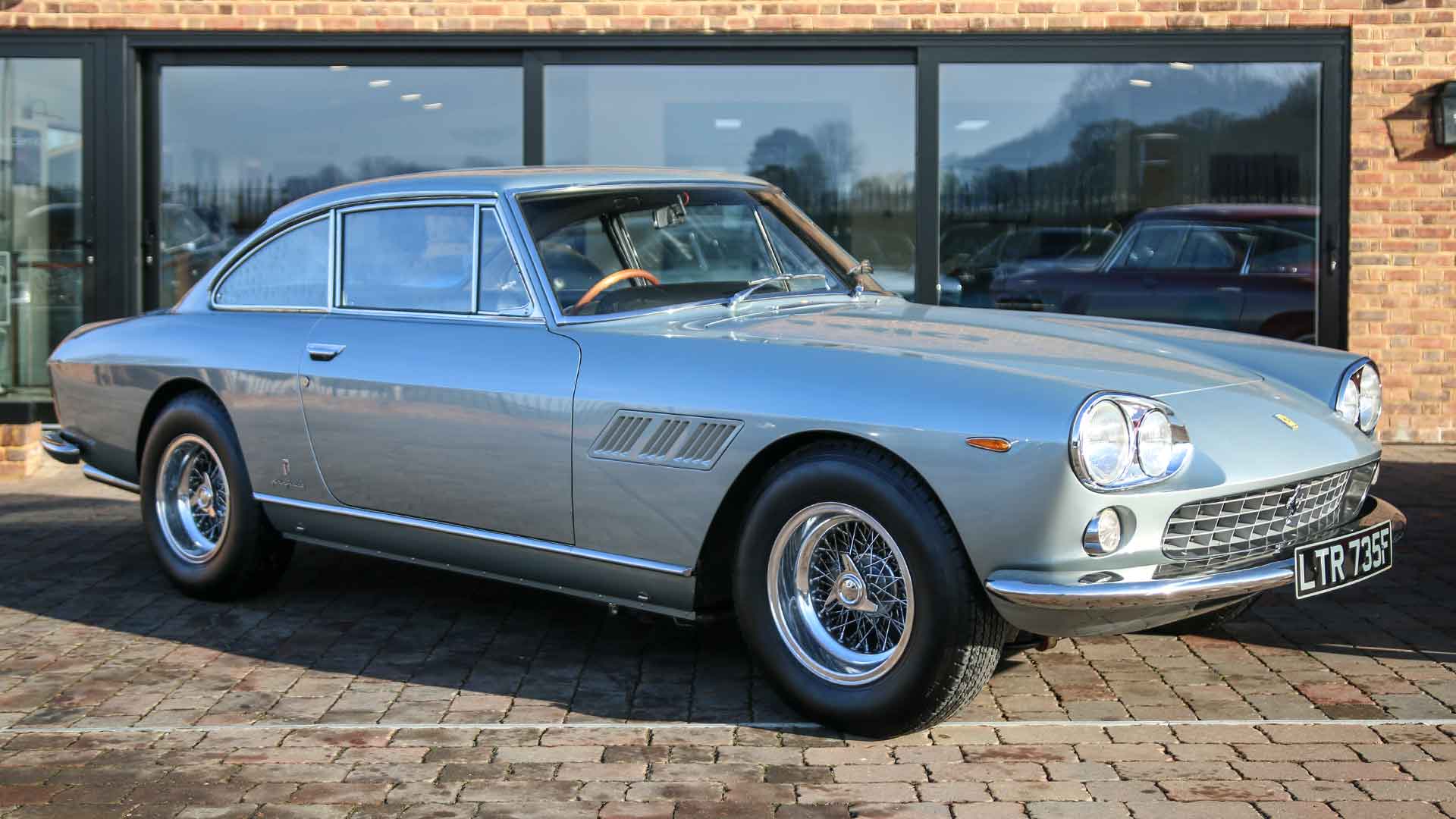
The first car we could make out? Only a Ferrari 575 SuperAmerica – yes, the ultra-exclusive open-top version that saw out the 575 before the 599 took the reins as Ferrari’s premier super GT. Then, Enzo Ferrari’s own personal express – the 330 GT 2+2. The Series 1 was a company car favourite for Il Commendatore.
The showroom
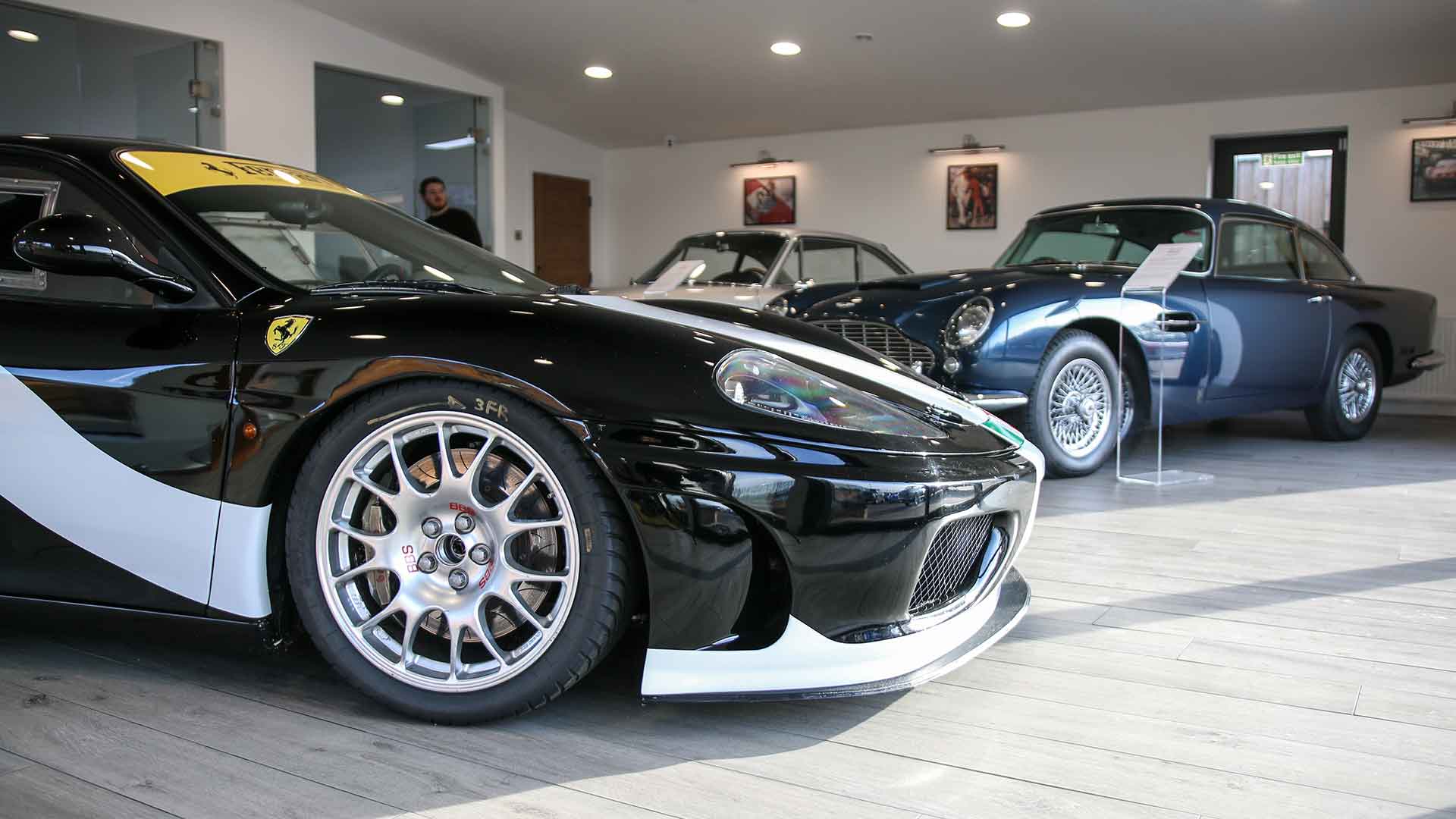
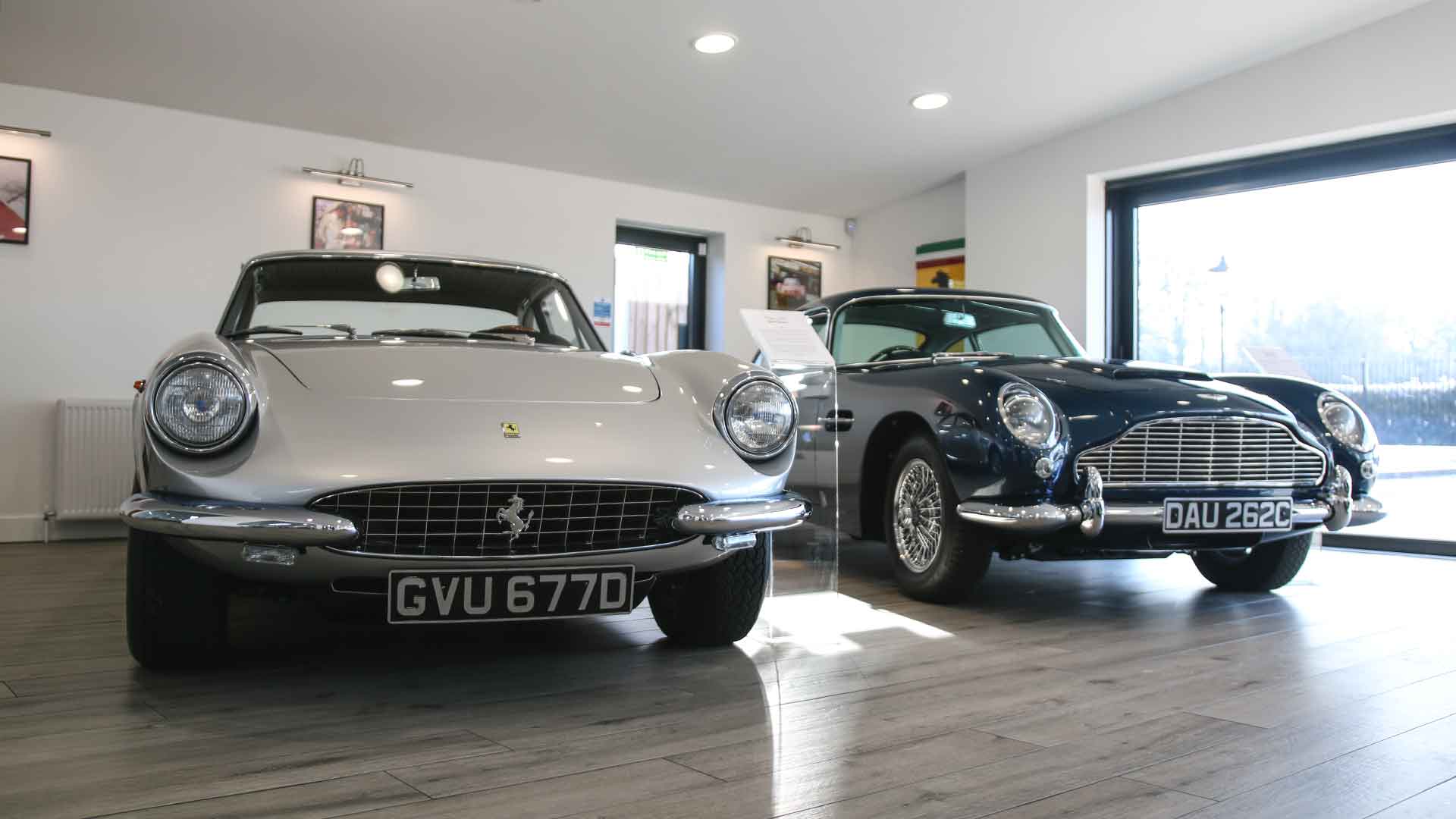
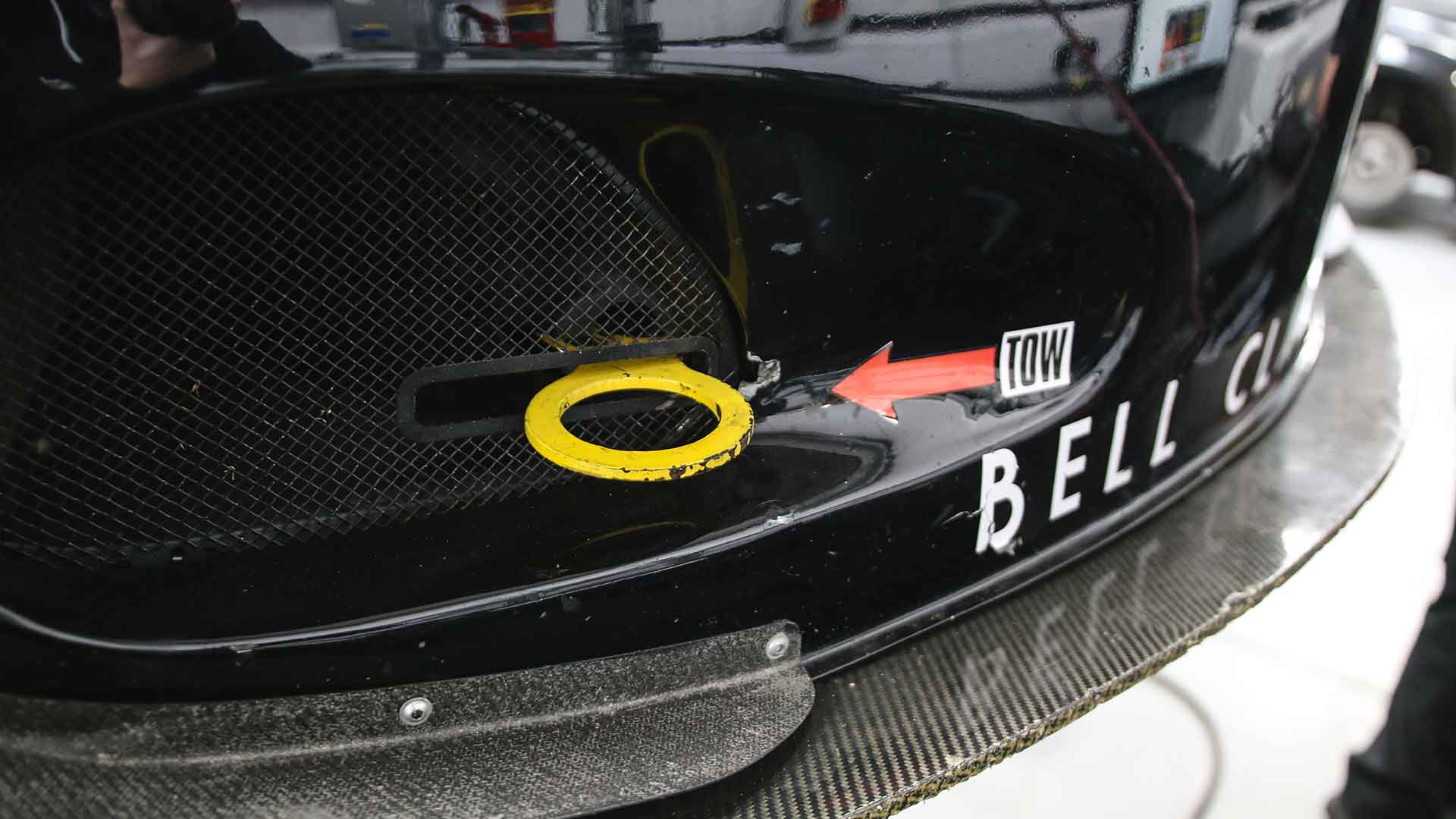
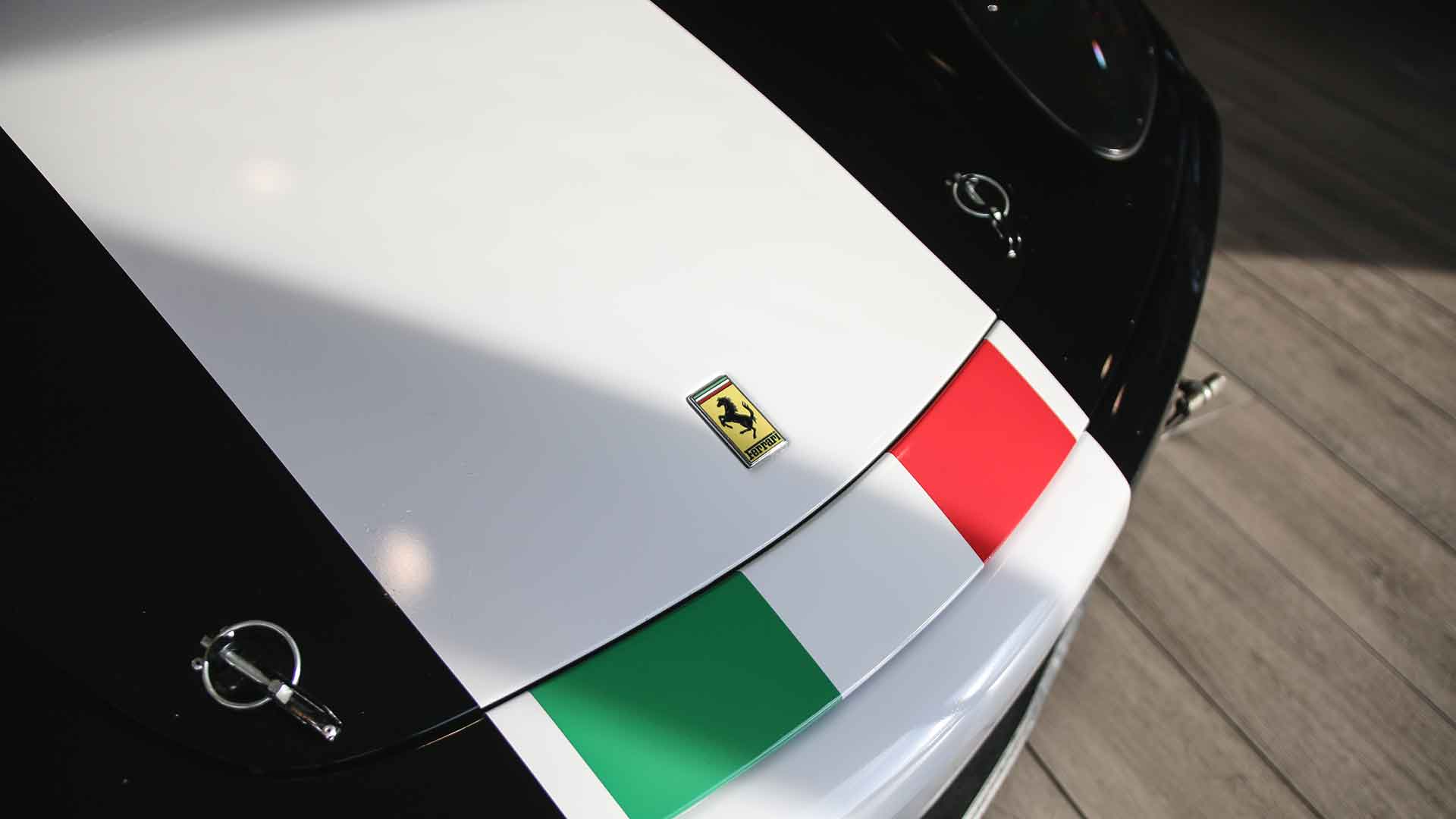
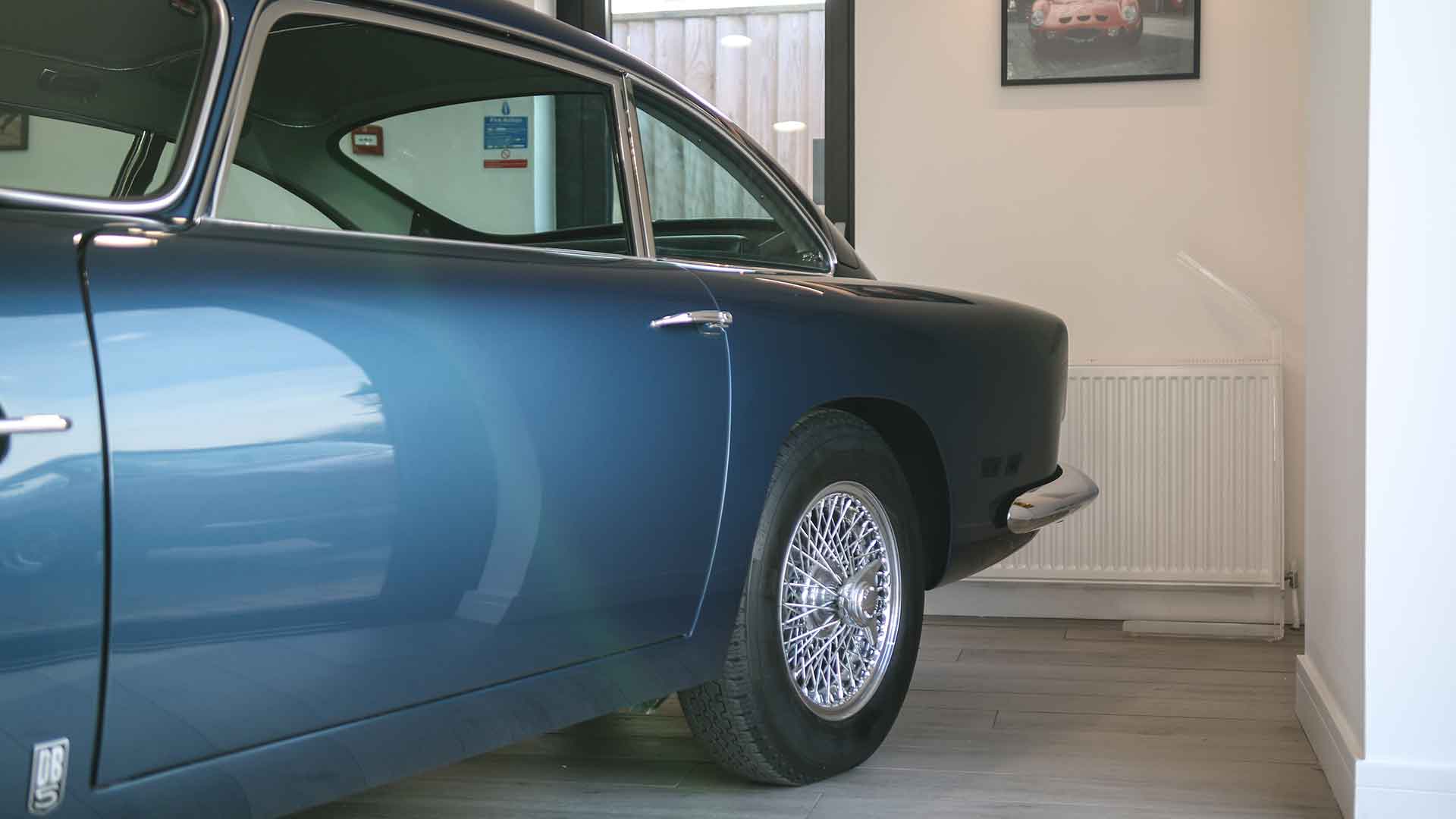
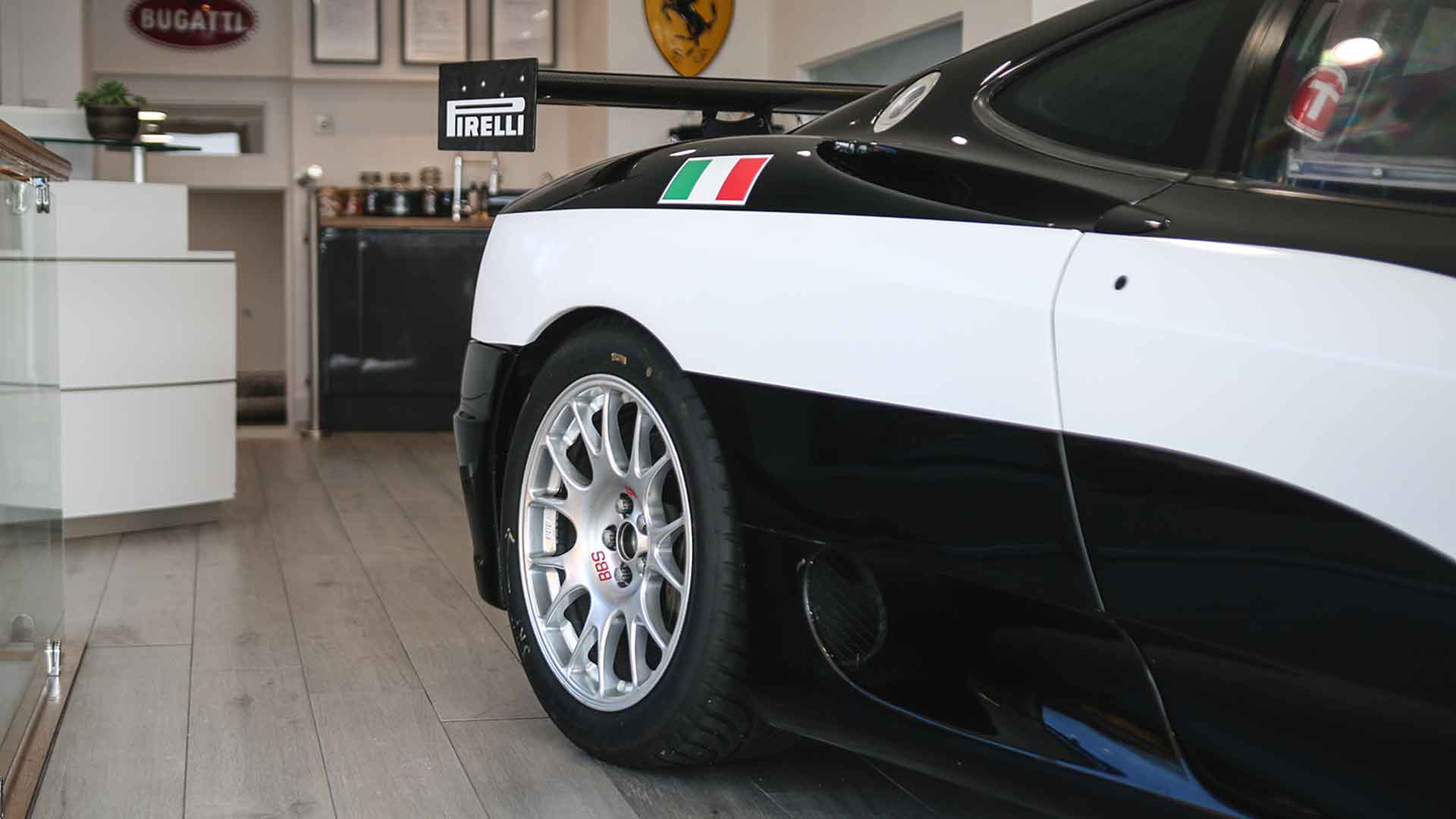
Walking into the showroom, we were immediately greeted by Bell’s own Ferrari 360 Challenge car. Previously raced in a private GT series, it’s now up for sale. Across the way, a beautiful pairing: Ferrari 330 GTC and Aston Martin DB5 Vantage – a 60s signature GT dish that just so happens to be Bell’s speciality.
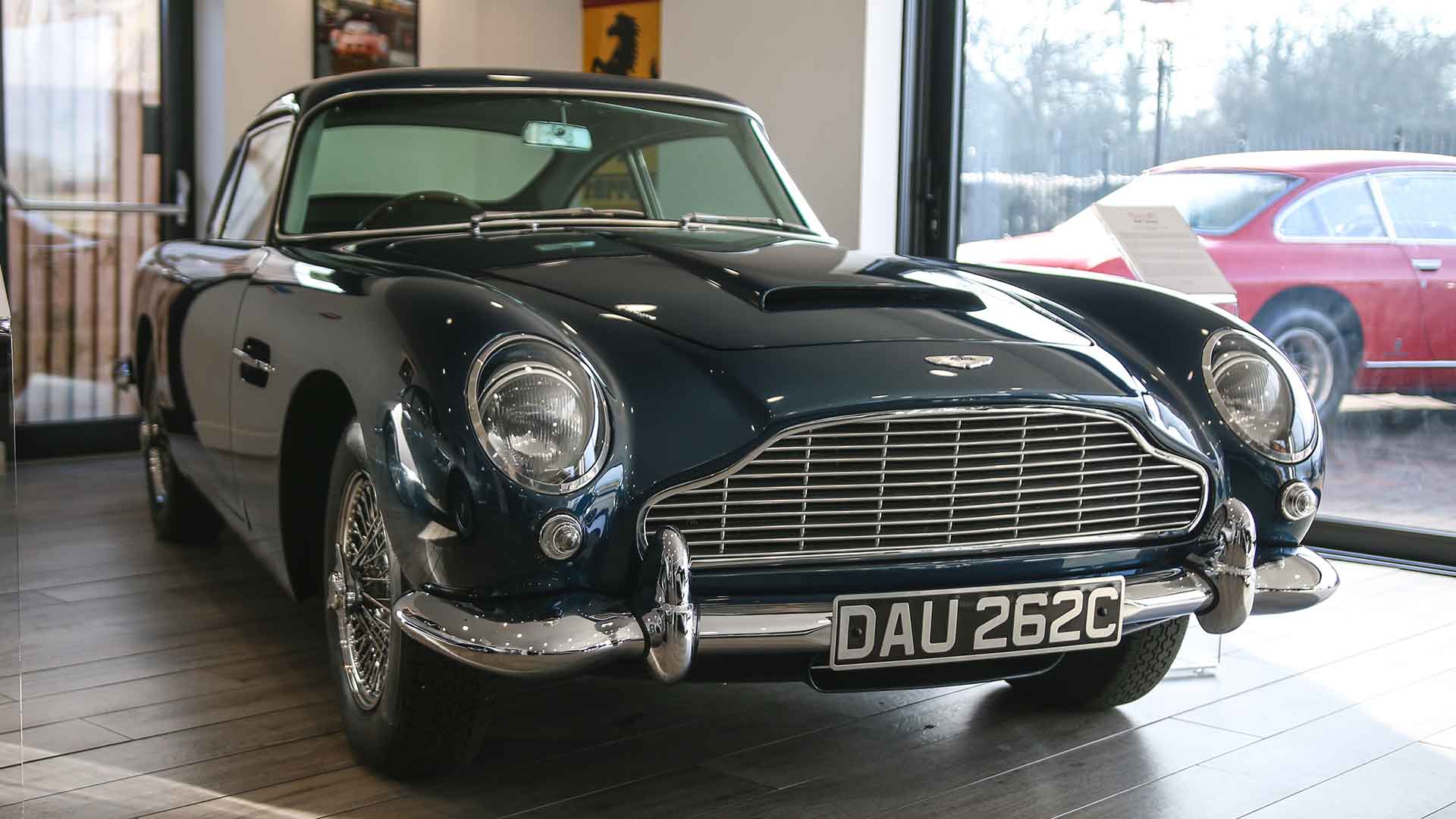
Aston Martin DB5 ‘Vantage specification’
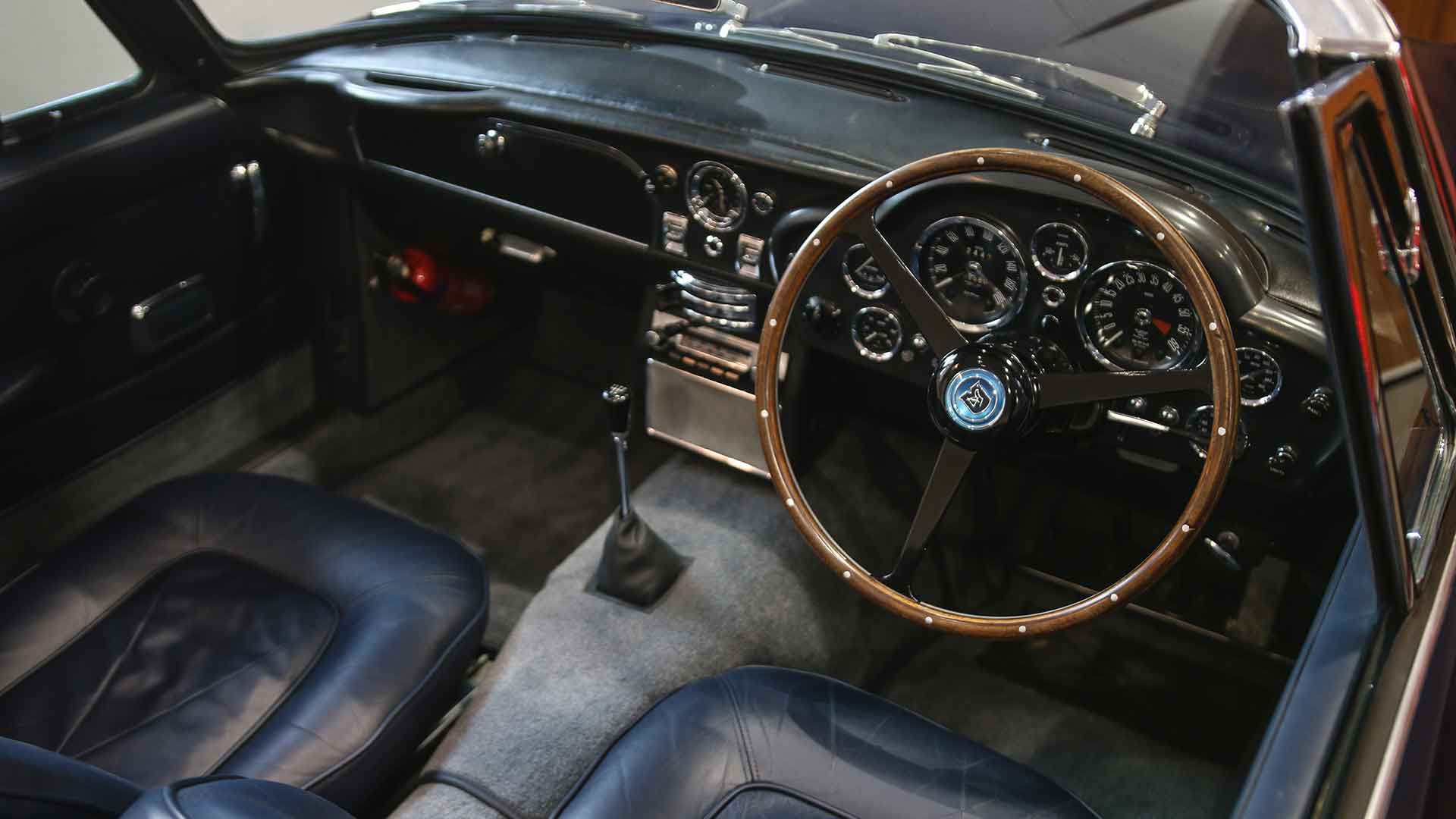
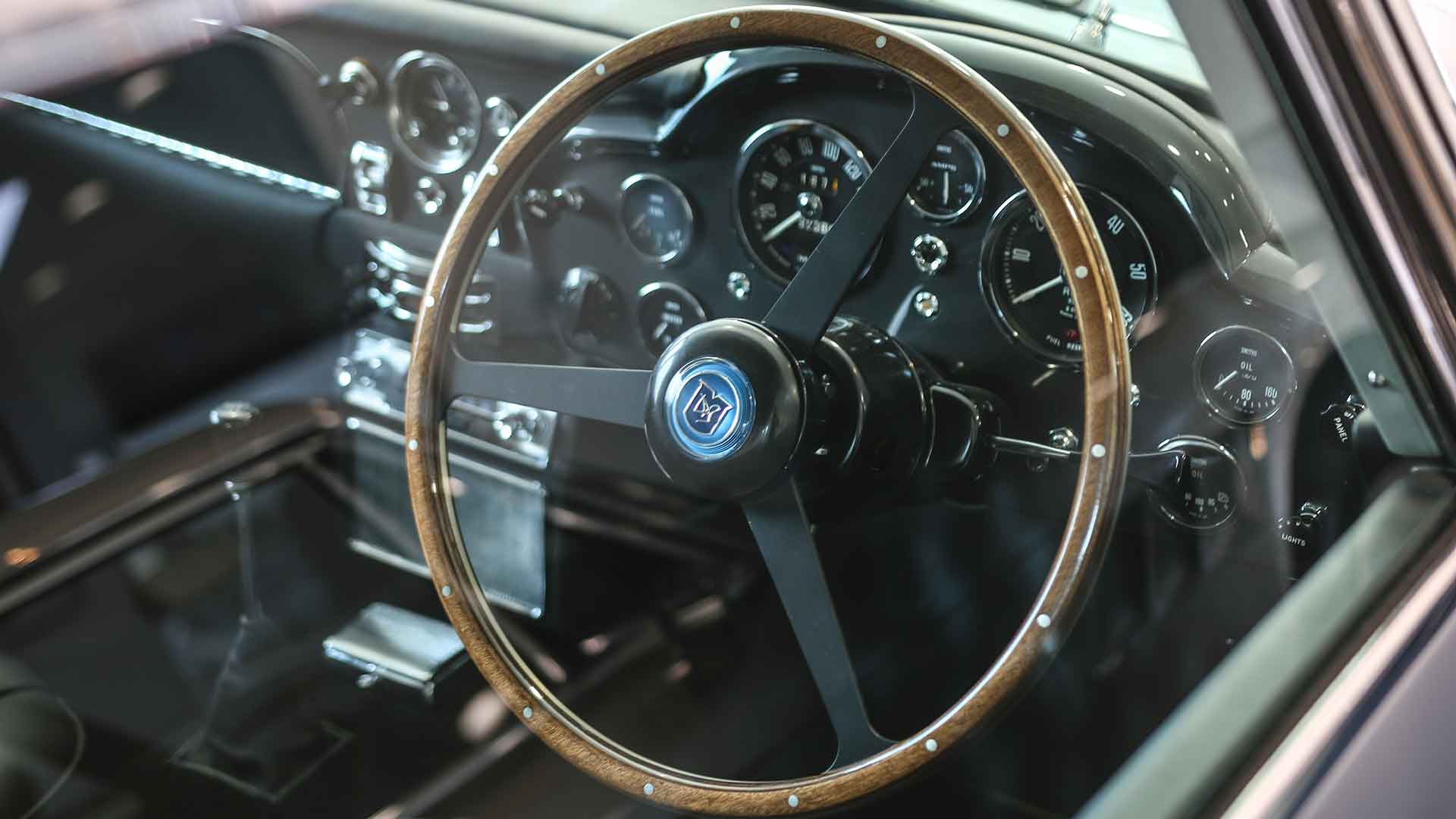
As DB5s go, this is one of the nicest we’ve seen and is a testament to the comprehensive restoration it’s enjoyed. Its Sierra Blue paintwork is flawless, covering the ripple-less perfectly panel-beaten alloy bodywork with the depth of an Icelandic lake. Inside, it’s aged like a fine wine – a pristine 60s boutique cruiser.
Movie star Ferrari 330 GTC
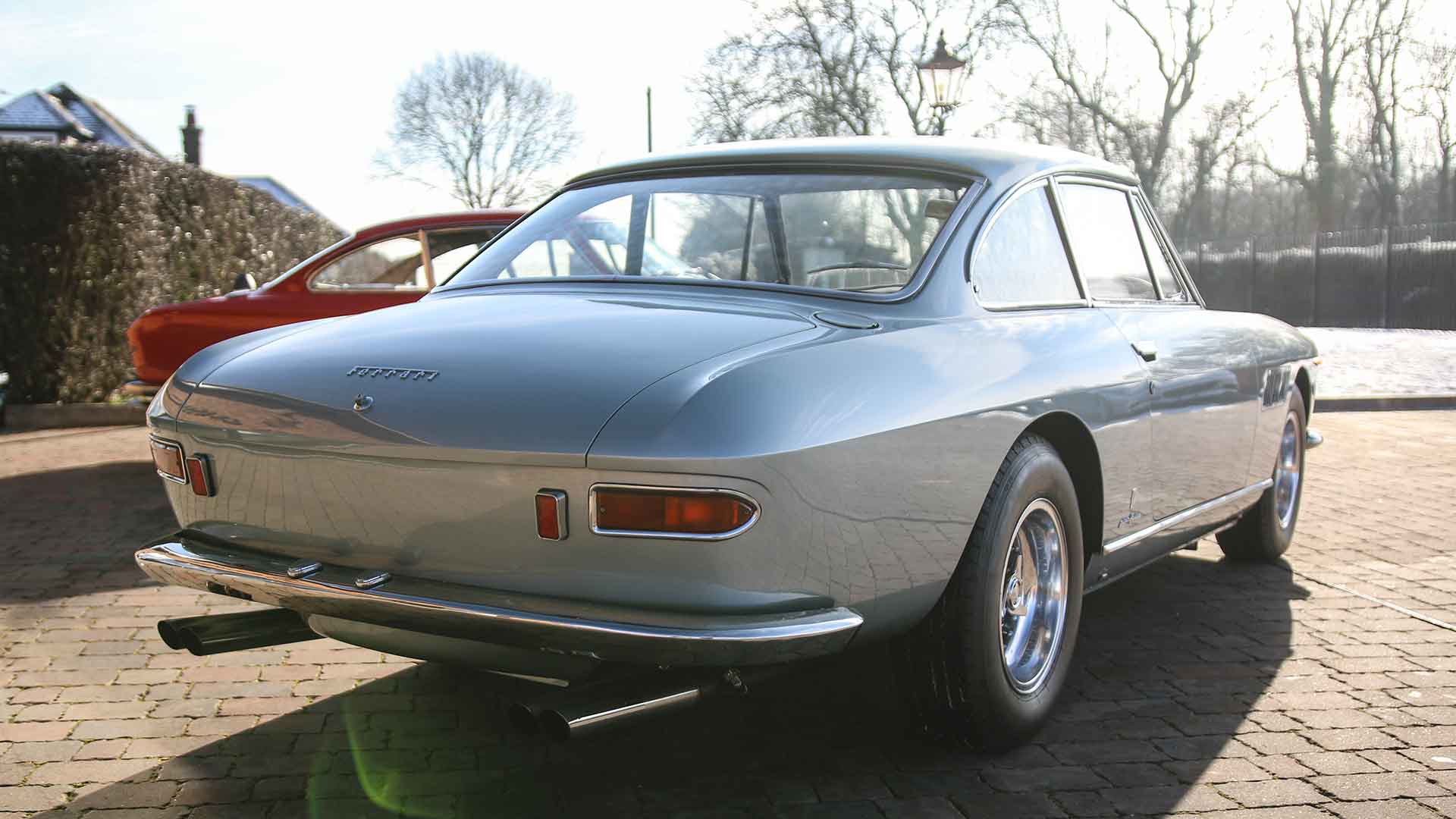
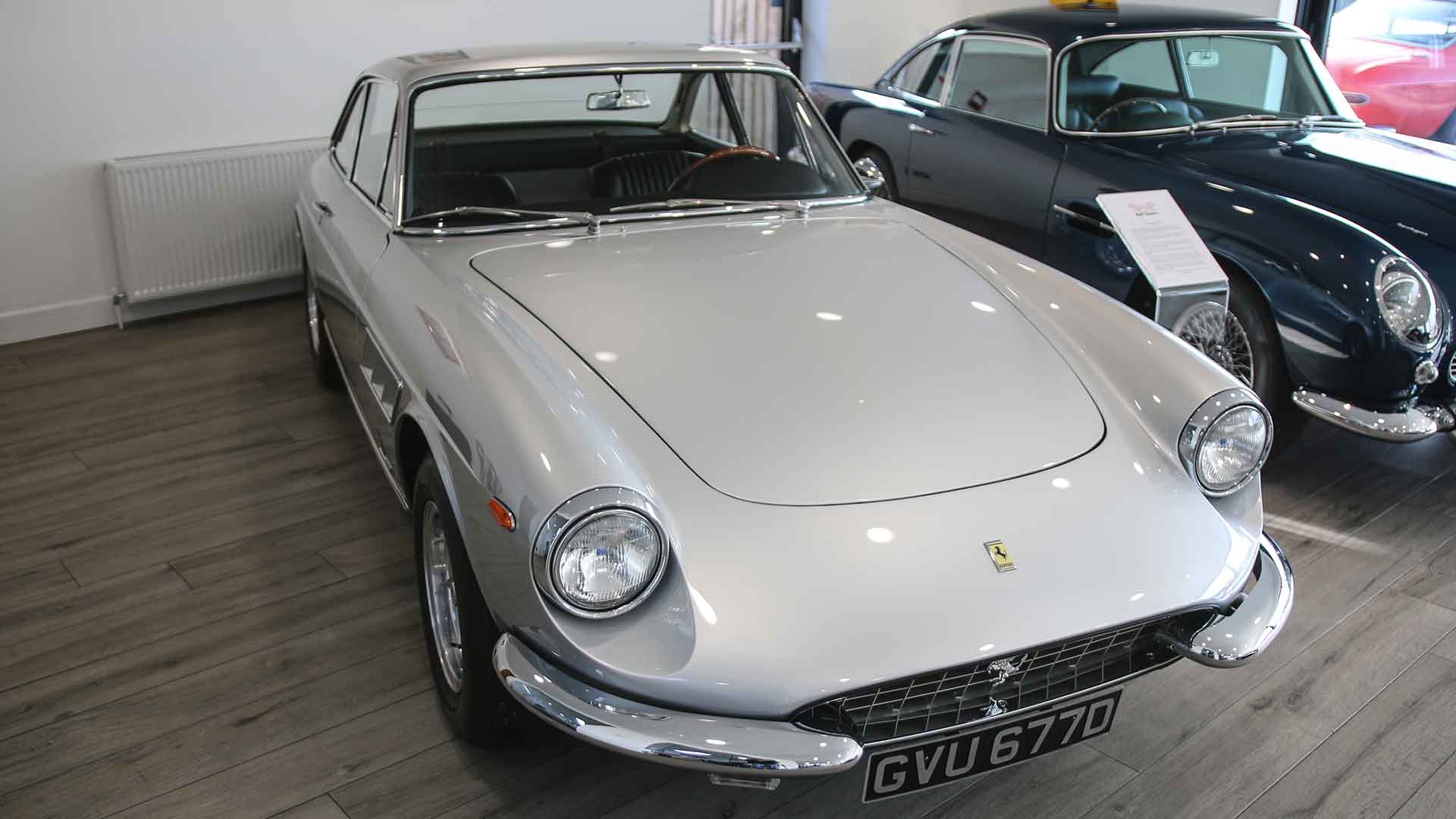
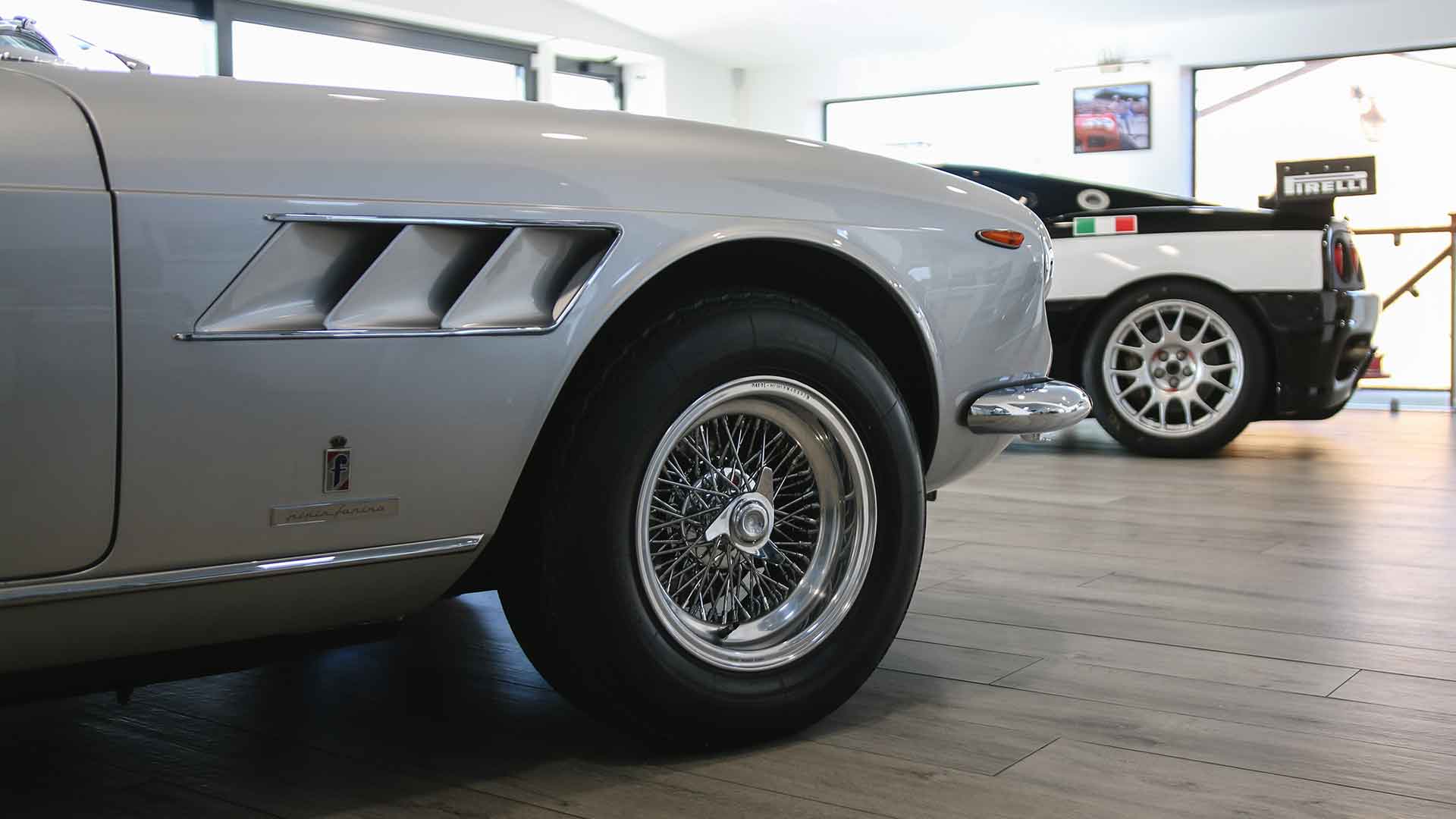
The 330 GTC is the classy, pretty dark horse of Ferrari’s 60s lineup. While 250 SWB and GTO models lapped up the competition limelight, the GTC was the ultimate gentleman’s express of choice. Now, they’re very desirable.
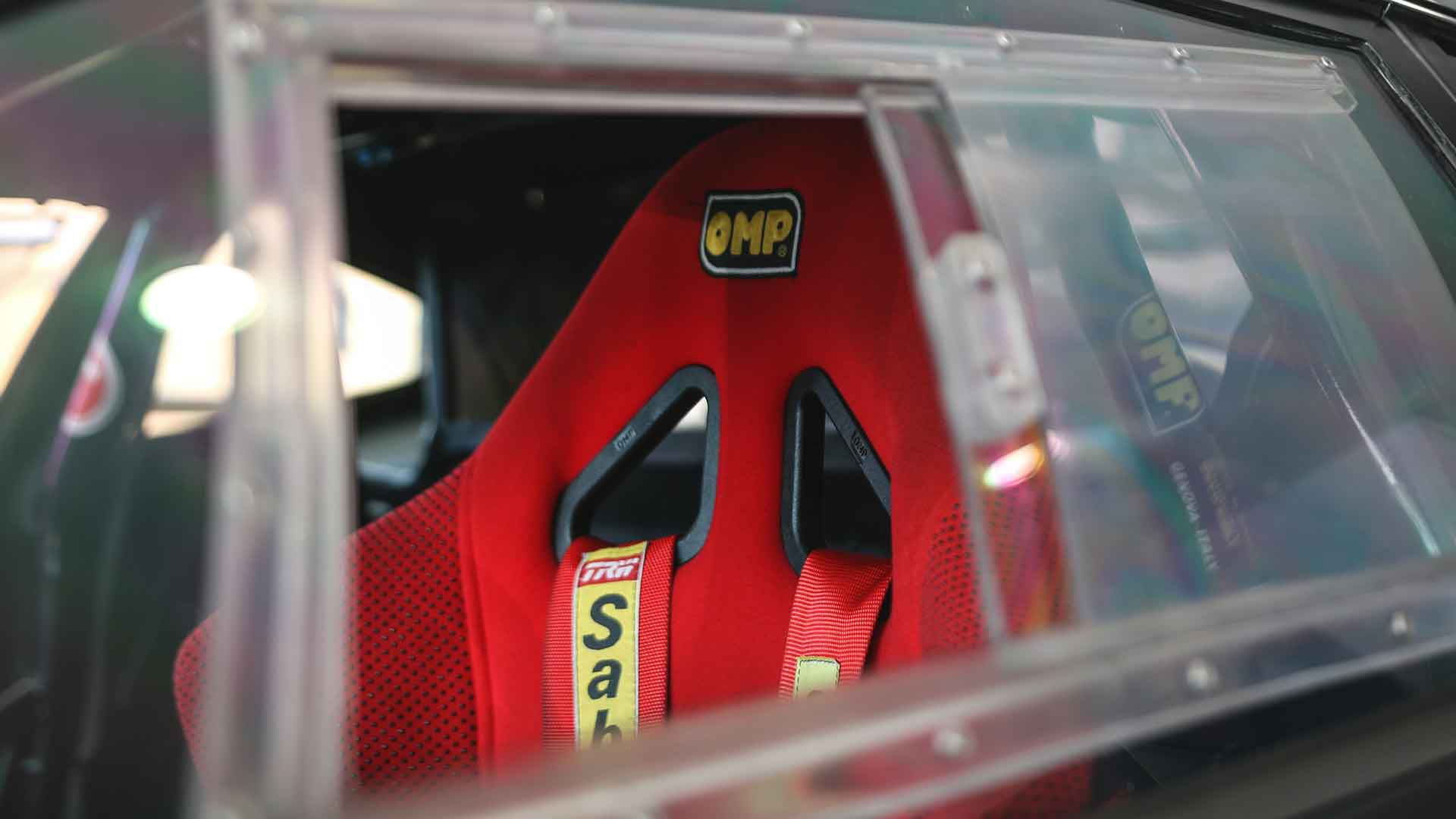
This Grigio Argento car has recently undergone a full bare-metal restoration. Previously a Hollywood star, it appeared in American Gangster and School for Scoundrels.Today, it’s commanding over half a million pounds, even as a left-hand drive car…
The inner sanctum
You could spend hours poring over the Challenge car, the 330 and the Aston DB5, but behind the racer is a thin descent down some stairs, above which is mounted a giant Bugatti badge. Yes, we want to go down there…
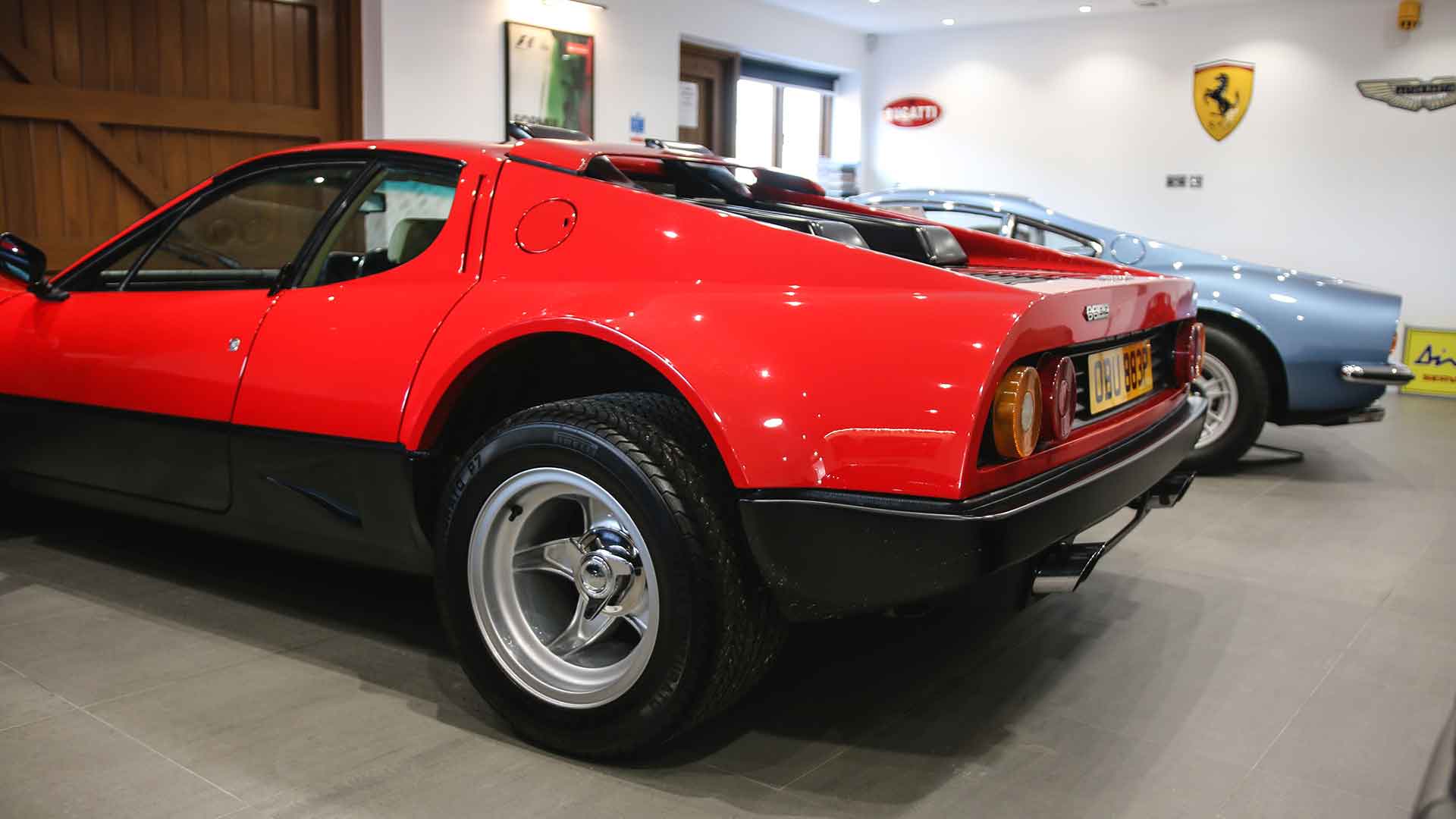
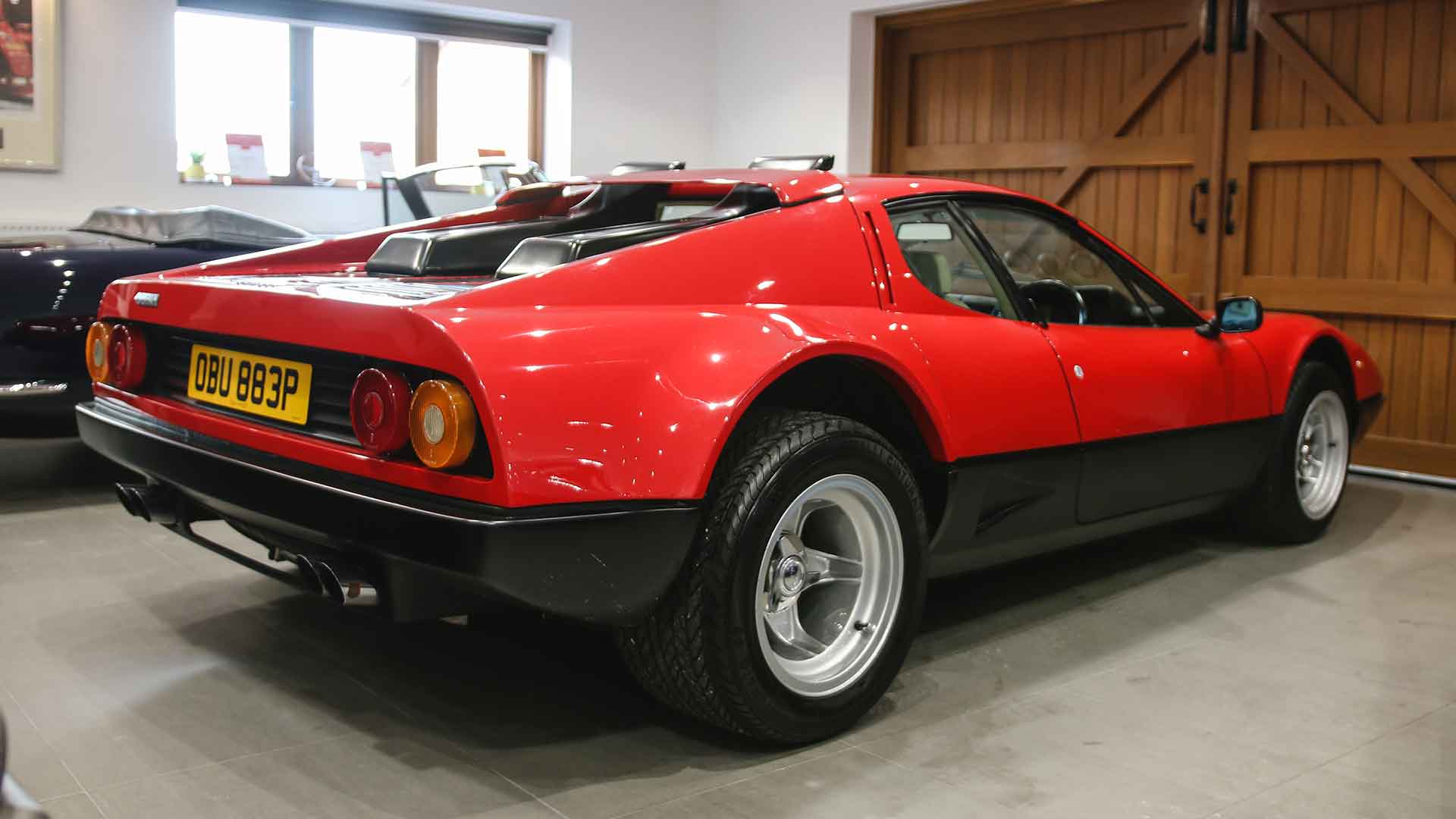
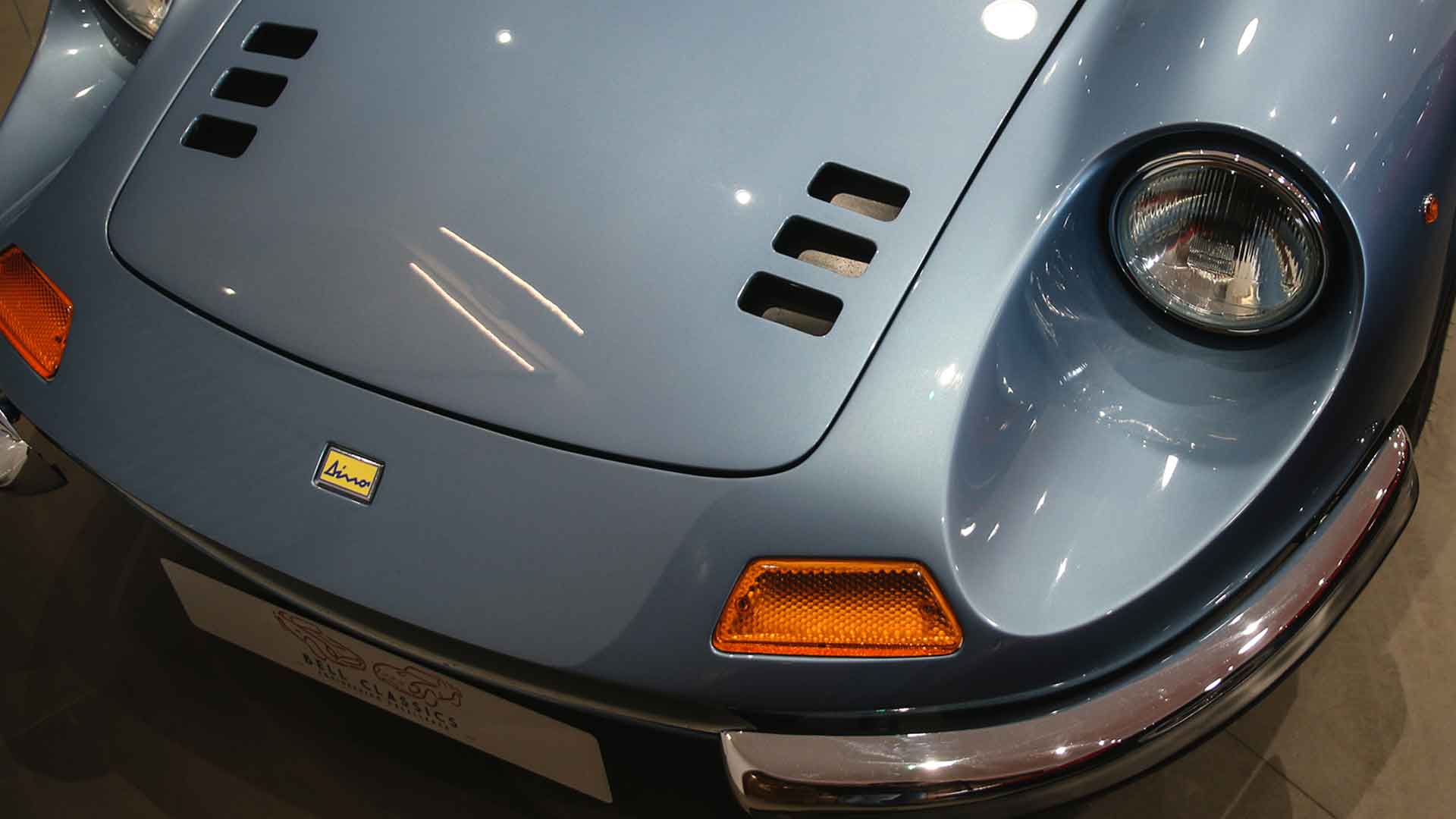
Matt, director at Bell Classics, leads the way. To our right in this compact garage-doored room is a nice seating area. To our left, an Aston Martin DB4 Volante, A Ferrari Dino and a Ferrari 512 BB all stunningly presented. All of these cars are sublime but the Berlinetta Boxer, to our eyes, rendered them somewhat invisible…
Ferrari 512 BB
Any 512 Berlinetta Boxer is a special thing. Featuring a flat 12-cylinder engine inspired by Scuderia-badged racing cars of the era, the BB is a wide-hipped and wedge-sided totem of Ferrari supercar history. This one has got to be one of the most special.
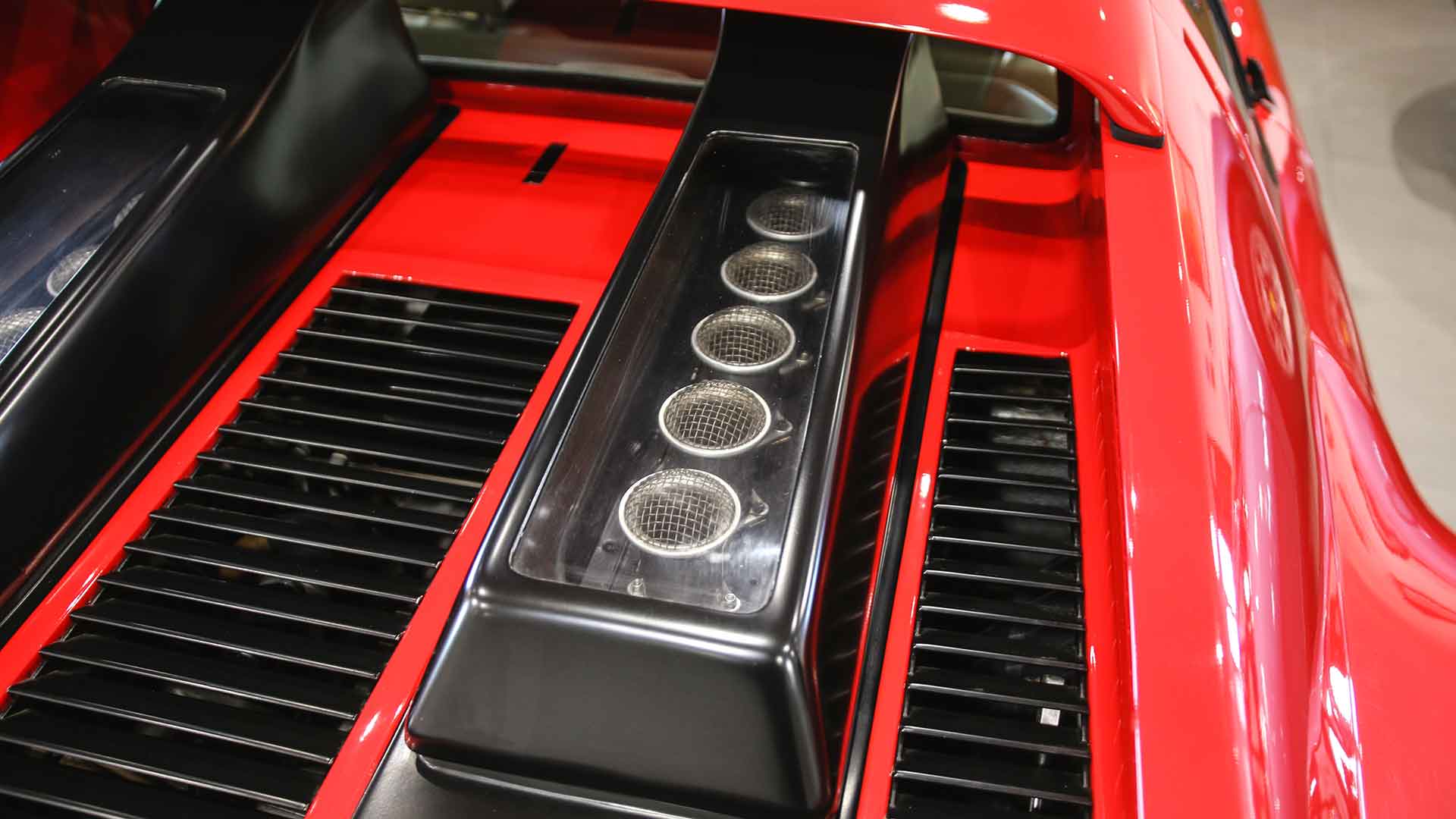
It features an upgraded engine, in ‘LM’ spec. This saw the power rise from over 360hp to over 440hp. This came via the installation of individual inlet trumpets and snorkels to match, among other things. Wider rear wheels and LM bodywork deliver a delicious stance. You want it? You won’t get much change out of £300,000.
Behind the scenes
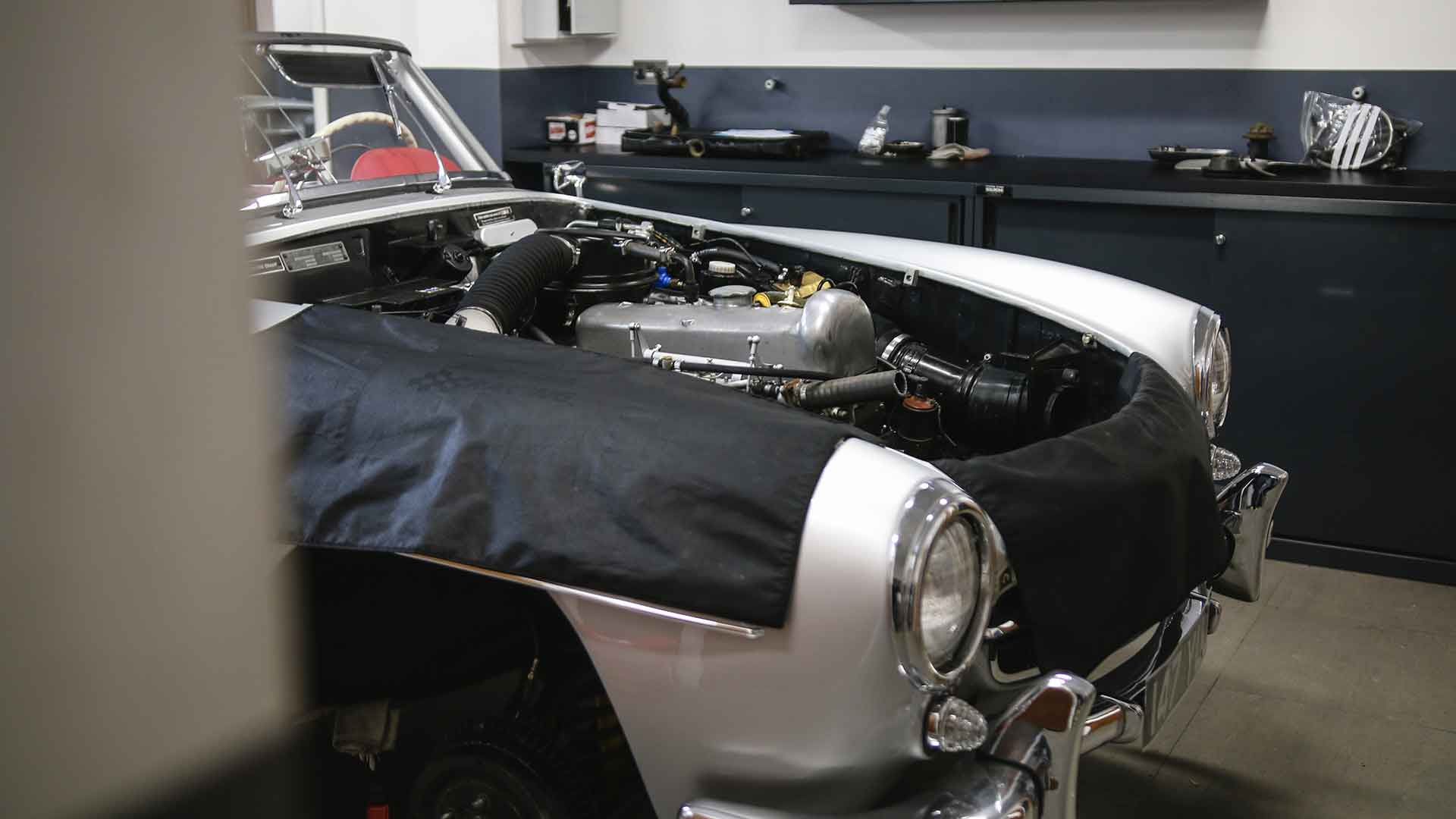
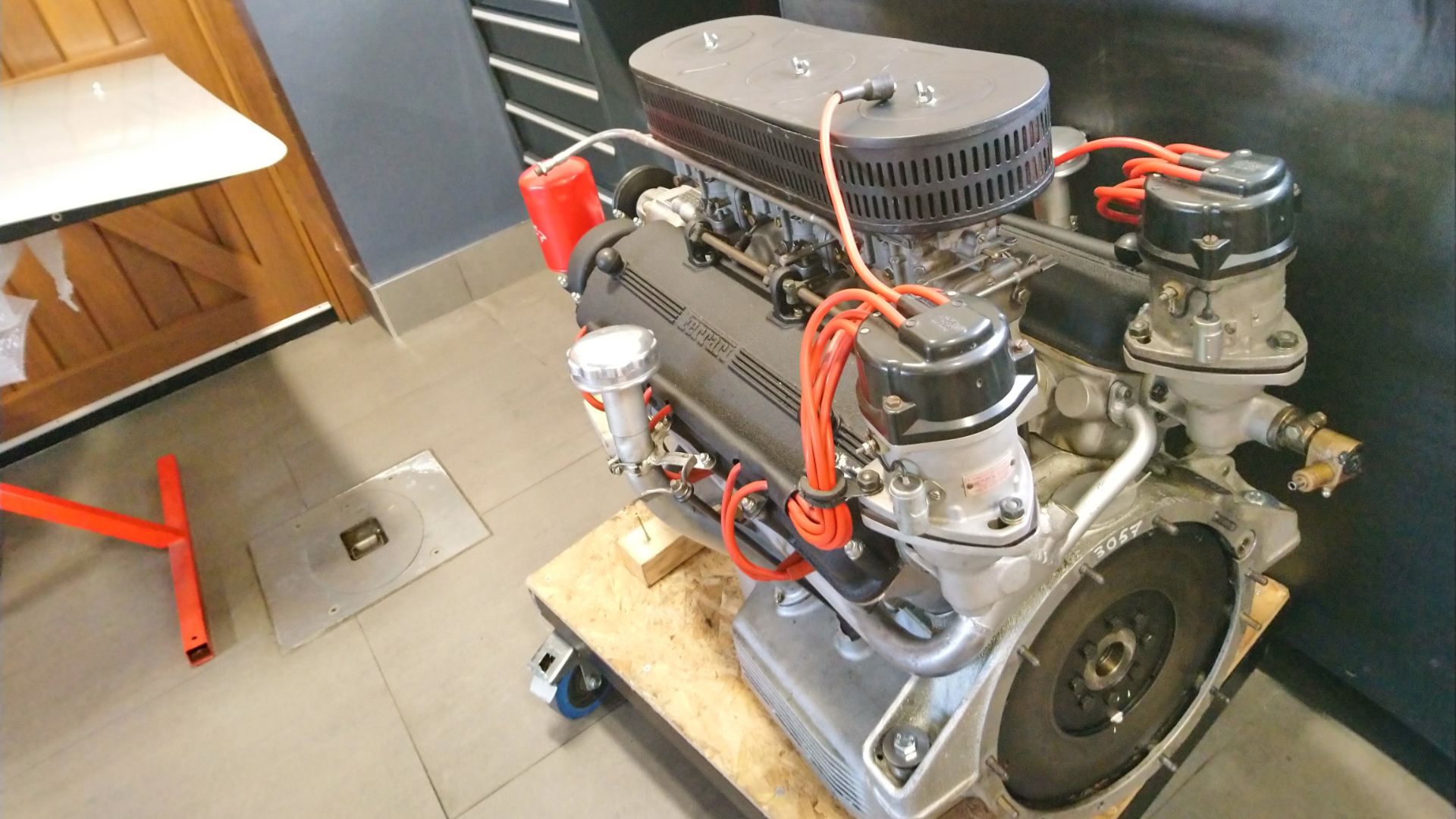
No more car-by-car breakdowns, as the shops are chock with customer cars. Bell can take your classic in, pull the engine out, strip it down to the block and recommission it, good as new. We walk through into the engine room.
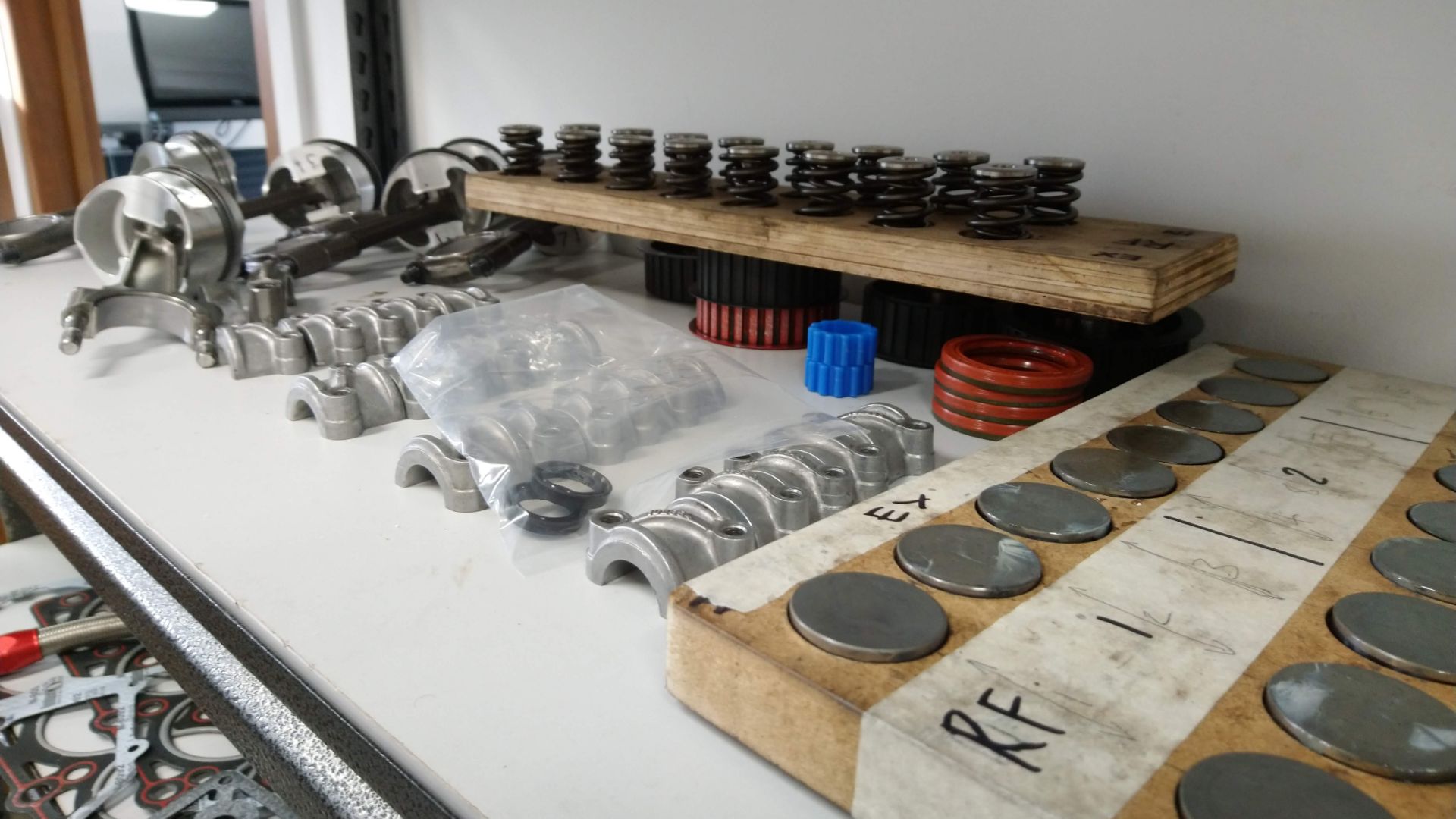
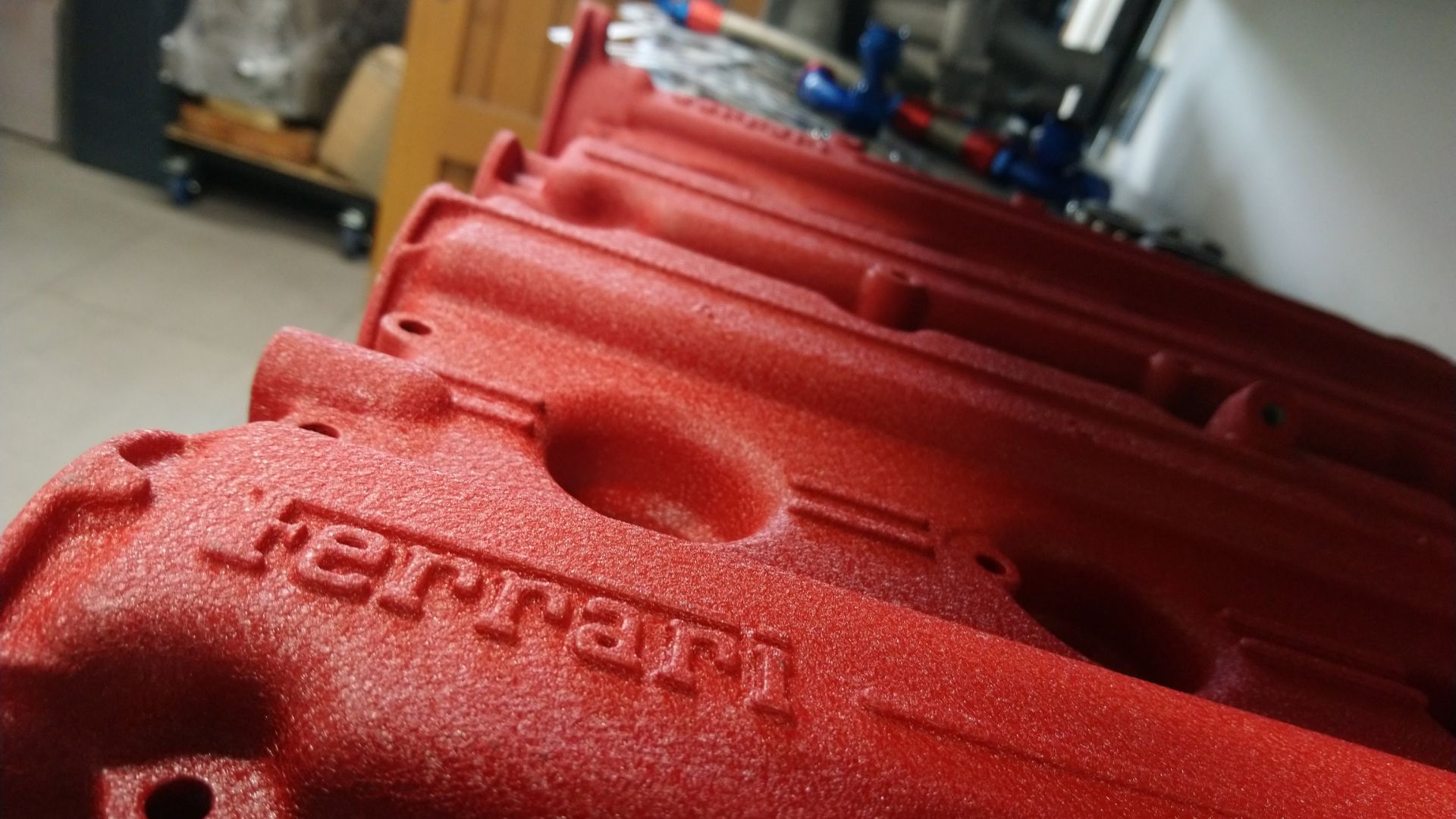
A Ferrari Challenge engine is sat on the side, an Aston Martin straight-six on a stand, and another Ferrari engine on a palette. On a cabinet, valves, valve springs pistons (numbered) and the kind of distinctive cam covers that could only belong to a Ferrari.
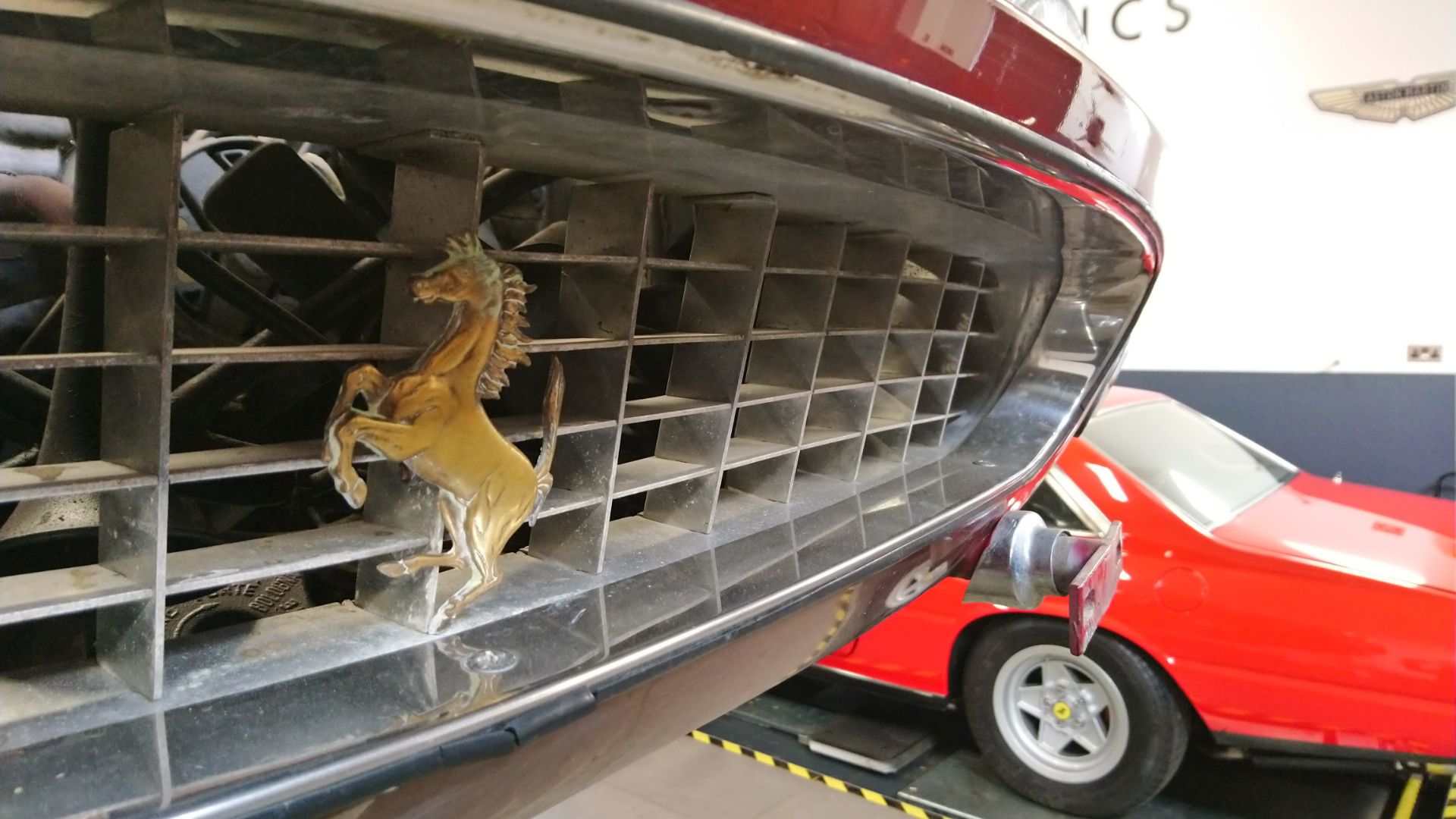
That’s where the ‘Testa Rossa’ name comes from, by the way, directly translating to ‘red head’. Even the paper towel dispenser on the wall has a prancing horse on it.
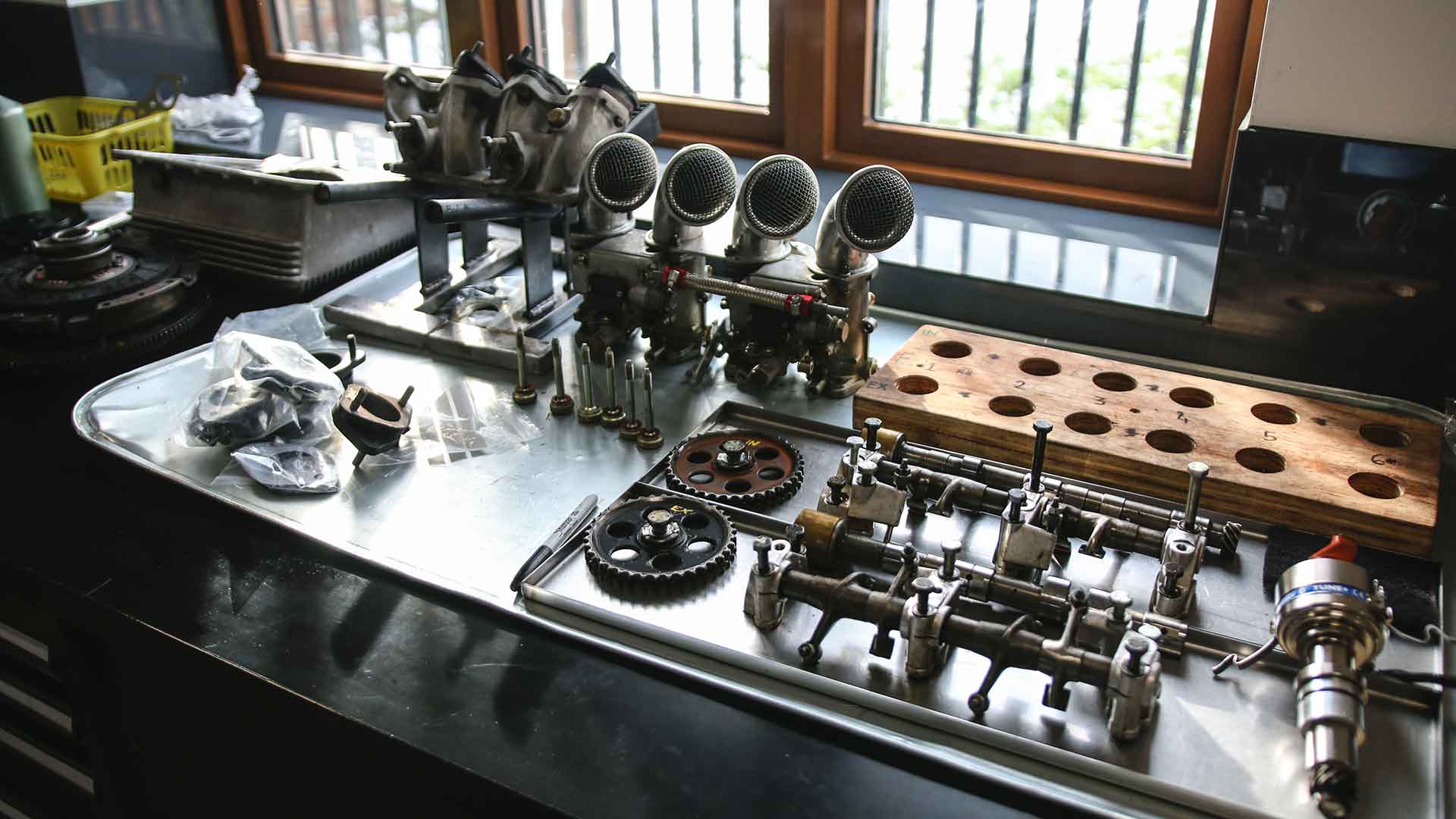
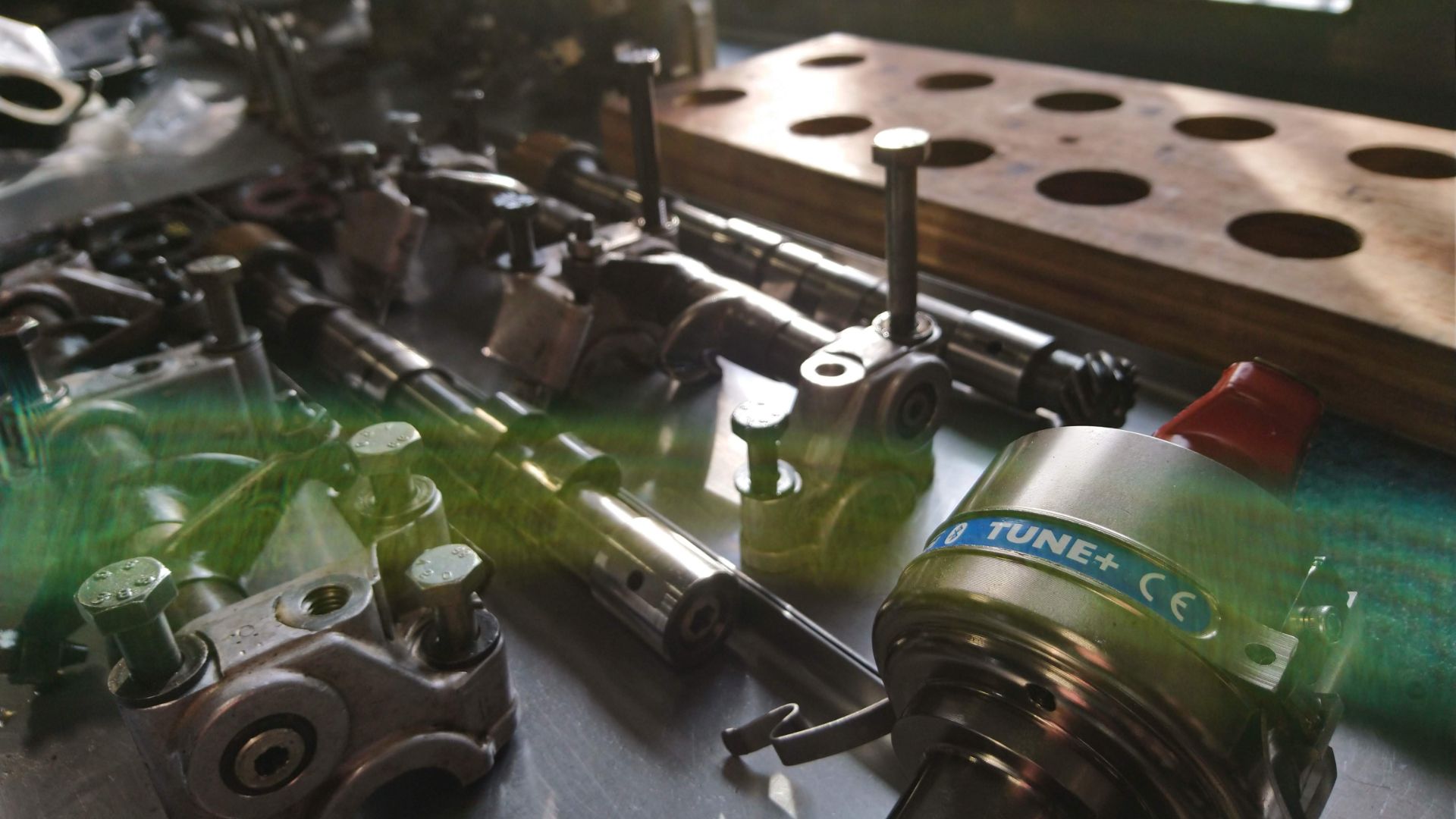
Intricate engine innards lay across a workbench – the inlet trumpets, manifolds, studs and cam gears from a race-spec Lancia Fulvia.
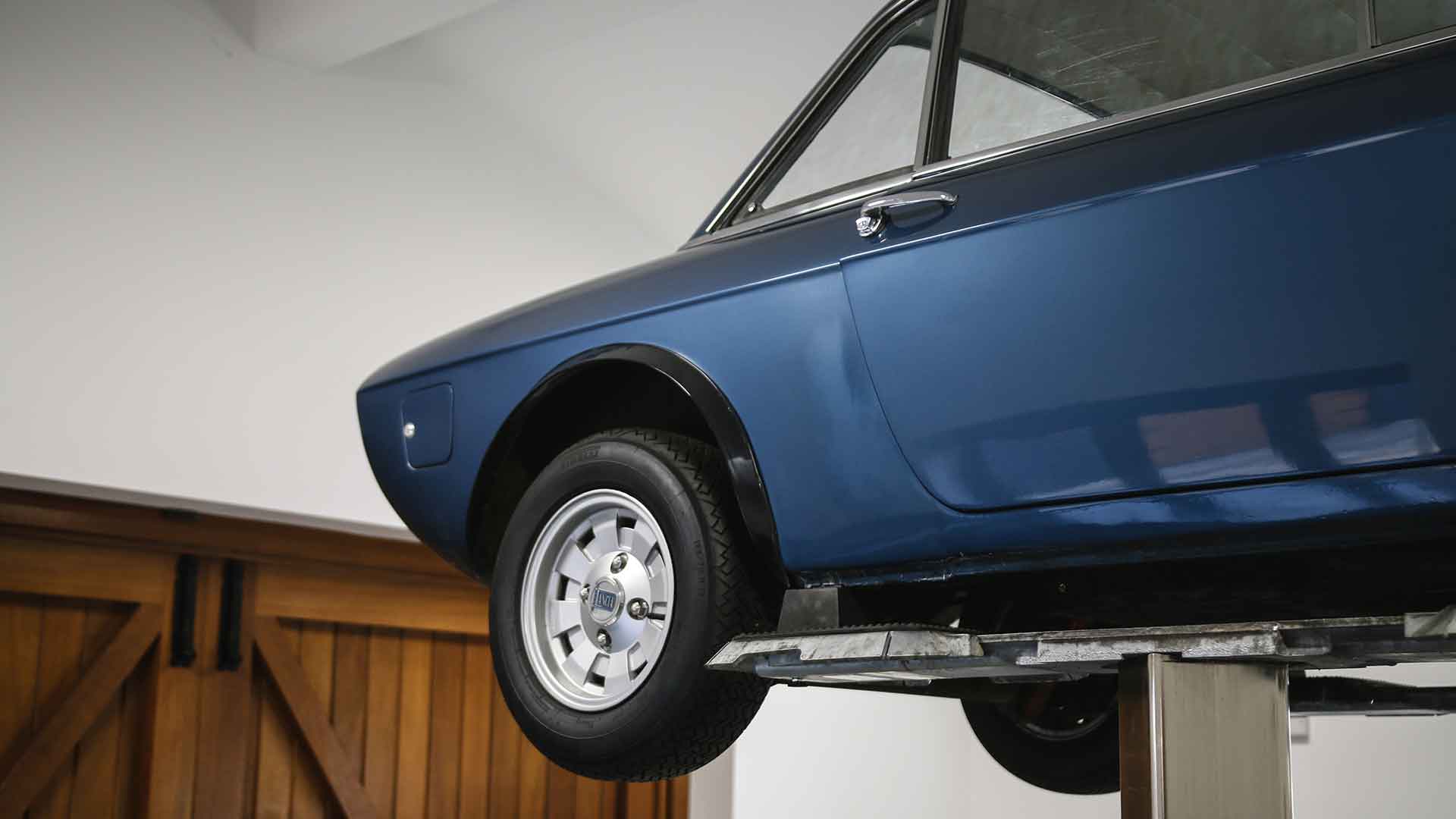
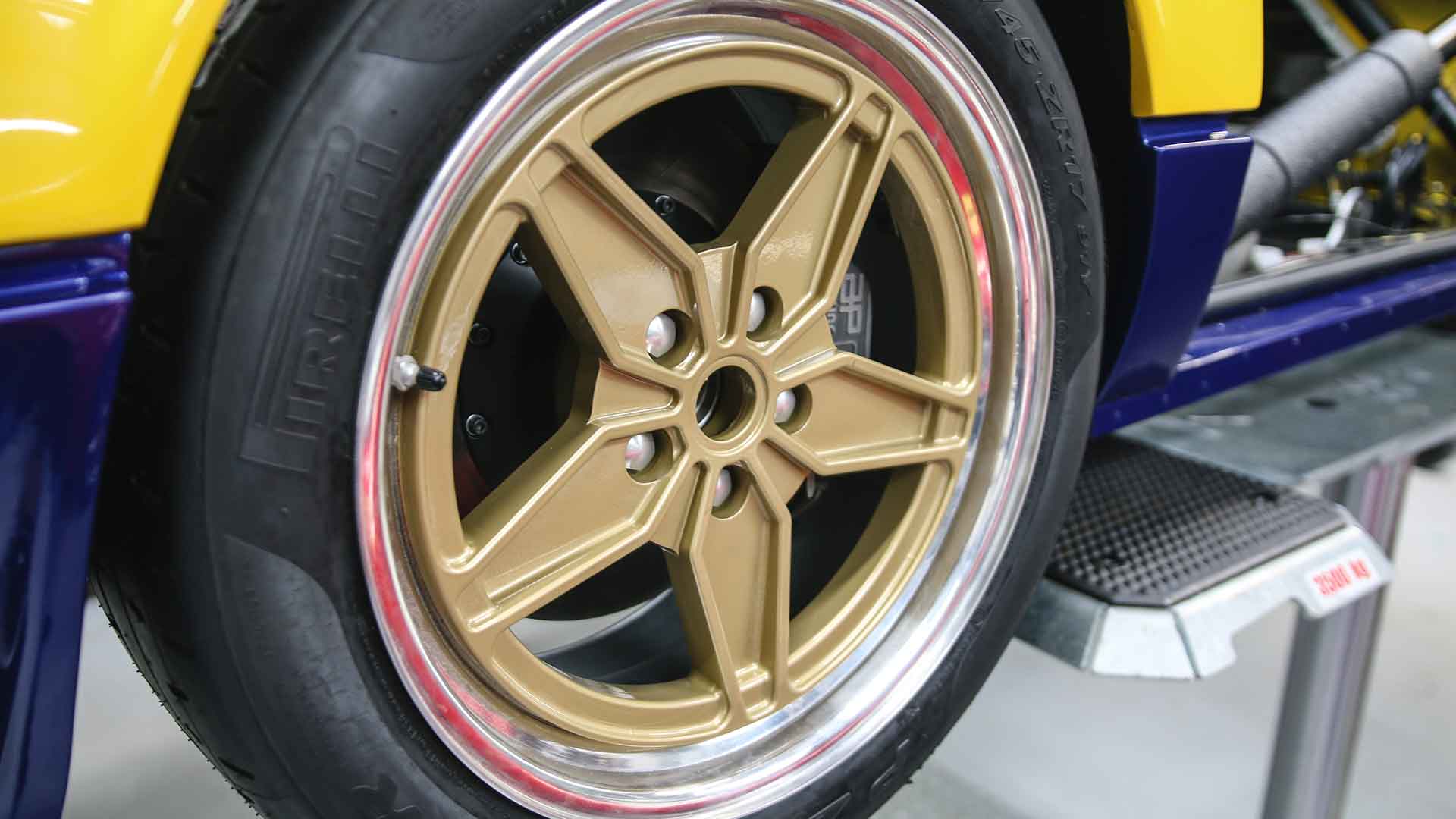
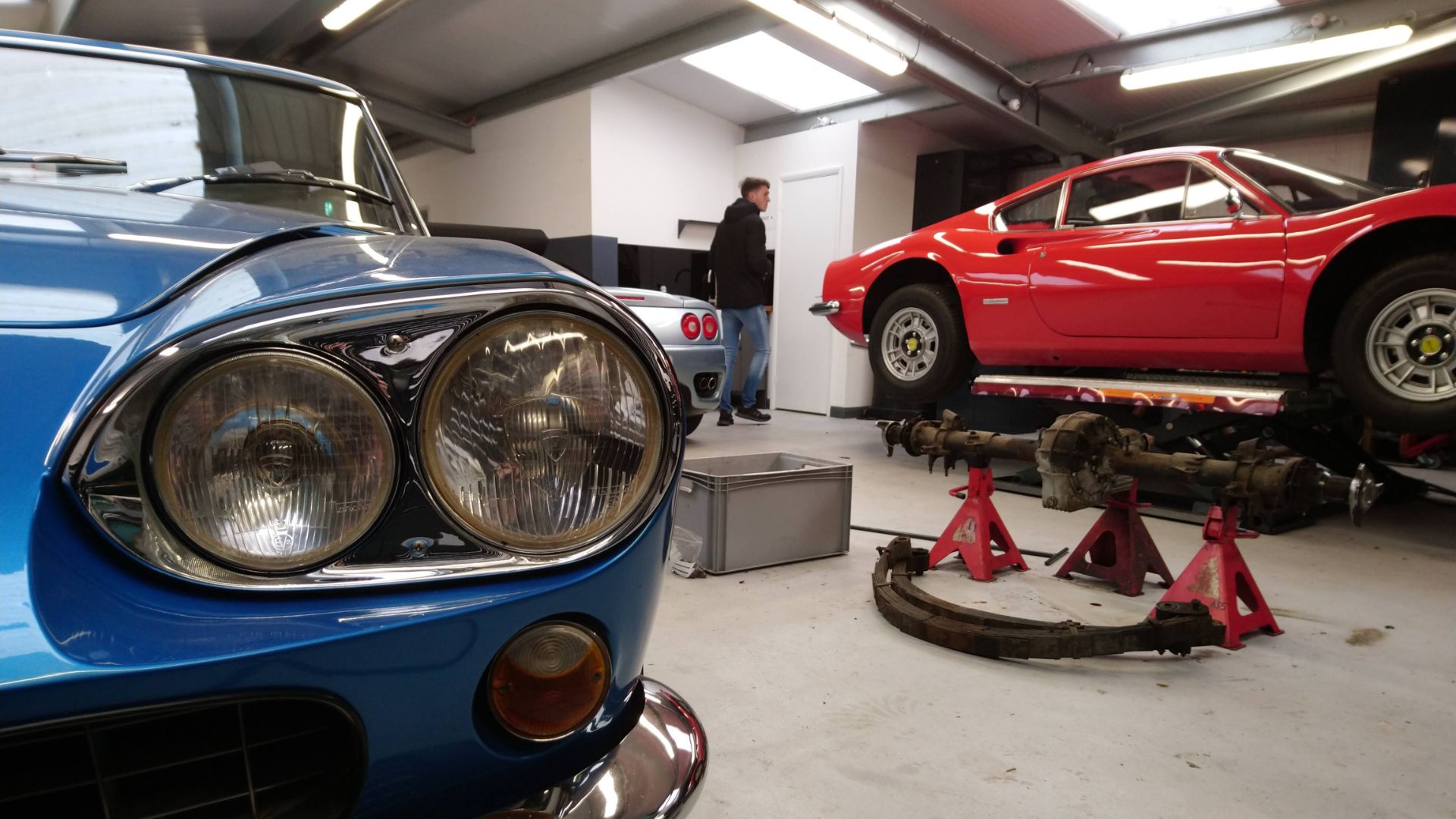
Walk through into a room to the side and more components from the very same Fulvia can be seen. The subframe, bell housing and suspension assembly, sat directly below the car to which all these bits belong. It’s going through a significant recommission.
In a larger room, a selection of ramps and workspaces. Side by side, two 1960s V12 Ferraris – 330s again, we believe. Further down, a 400 coupe is going through some engine testing. To our eyes, these wedge-generation GTs are looking better and better.
The deeper inner workings
Bell Classics is something of a labyrinth. You have a look around one garage, only to find another across the way and down a hill, chock full of tantalising machinery. A five-ramp room has a selection of V8 Berlinettas as well as a lone 550 up in the air.
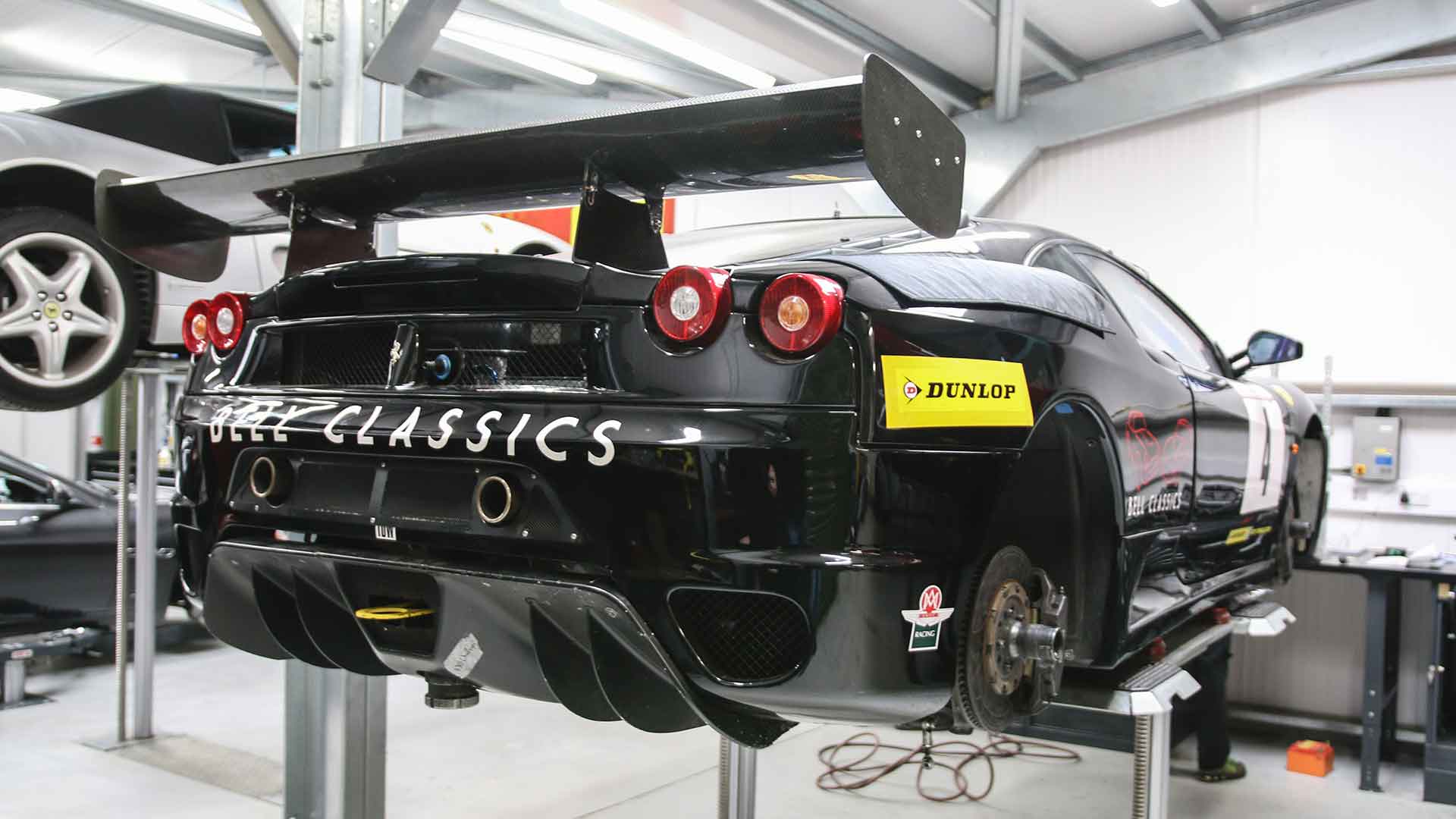
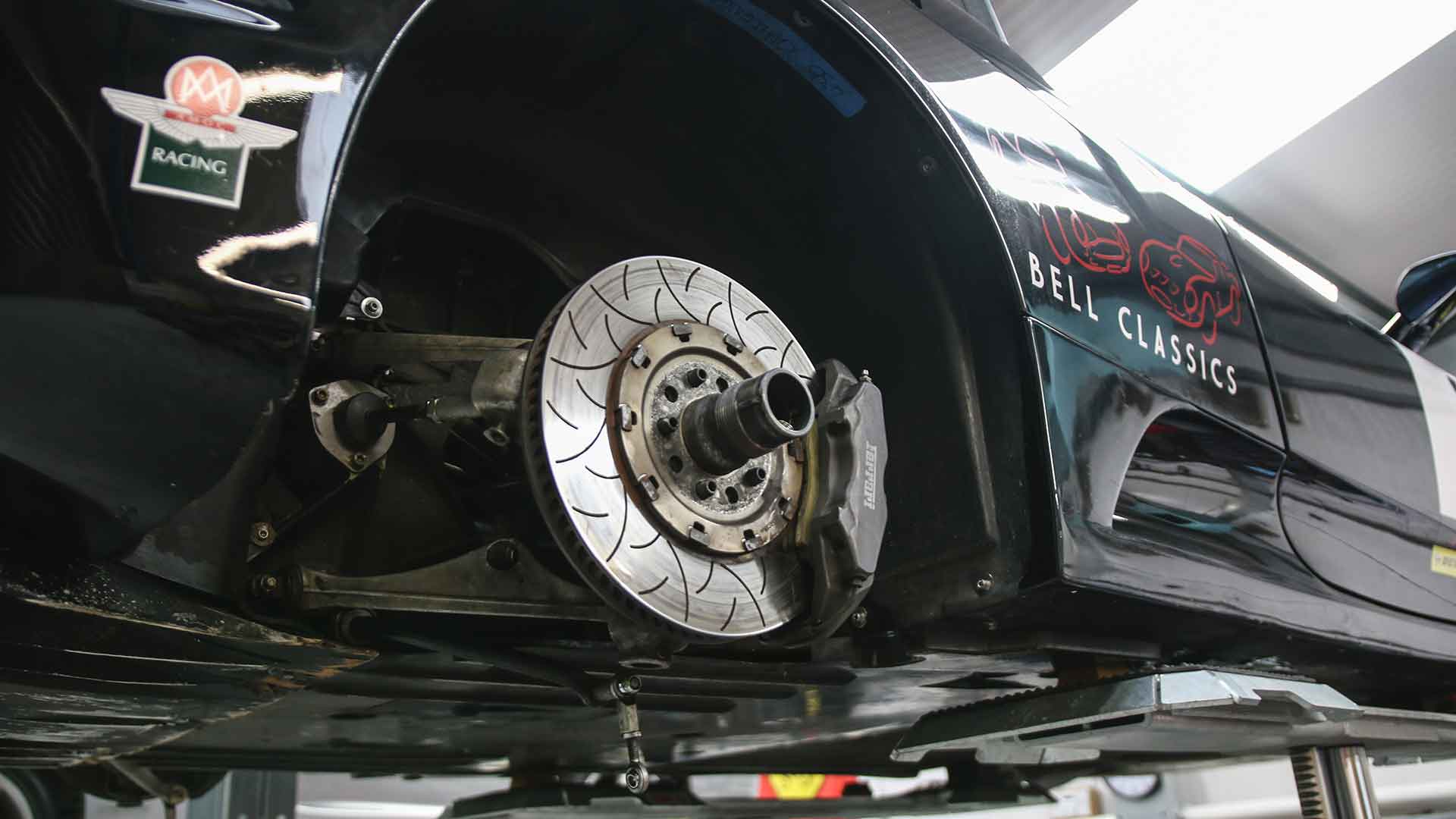
An F430 Challenge car sits alongside a Group 4 specification 328, offering a unique comparison of Ferrari V8 racers from generations apart. Brakes and aero have come a long way. The paint and body shop is similarly littered with priceless exotica – from 360 to 330 GT 2+2.
575M SuperAmerica – a closer look
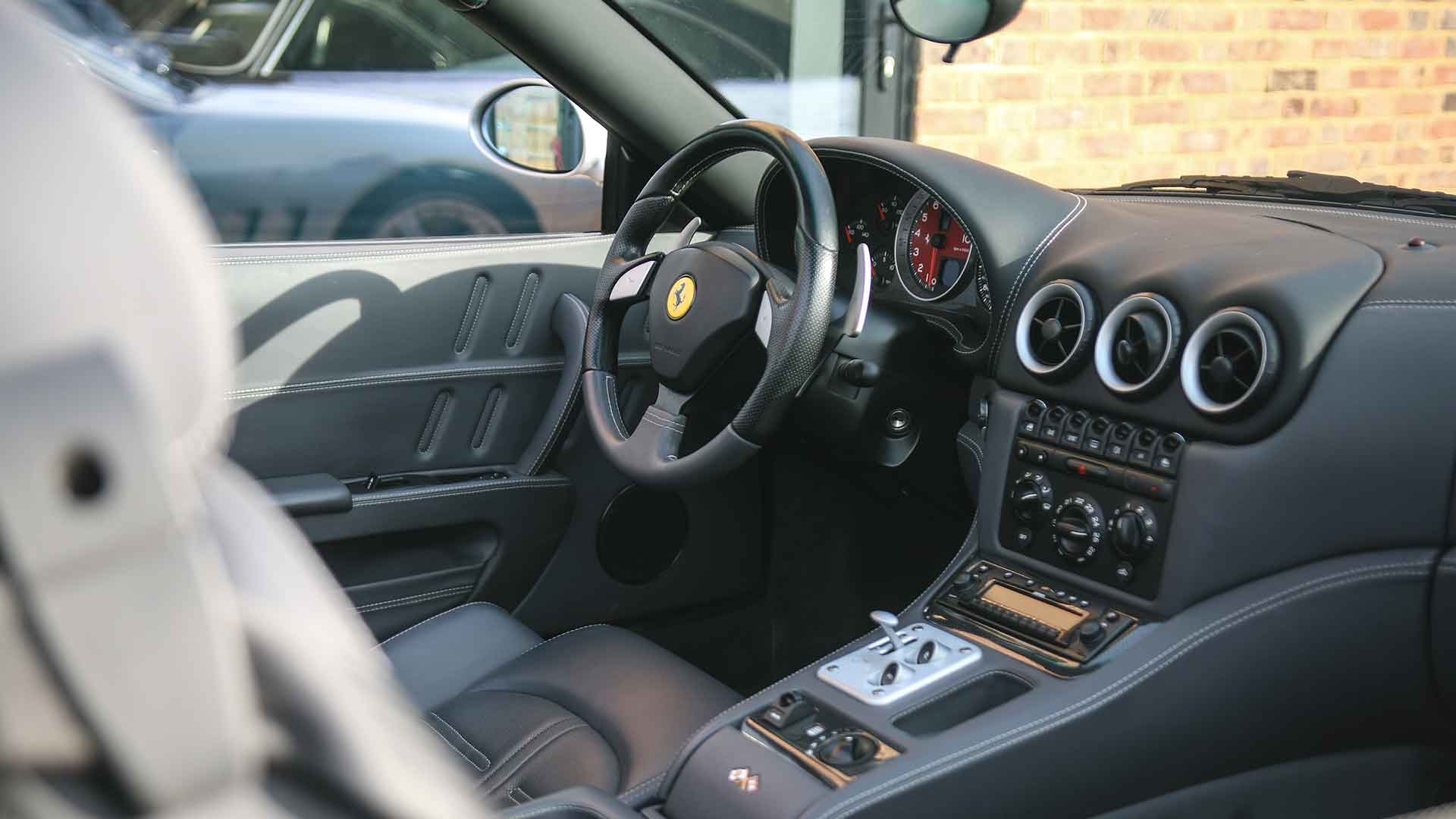
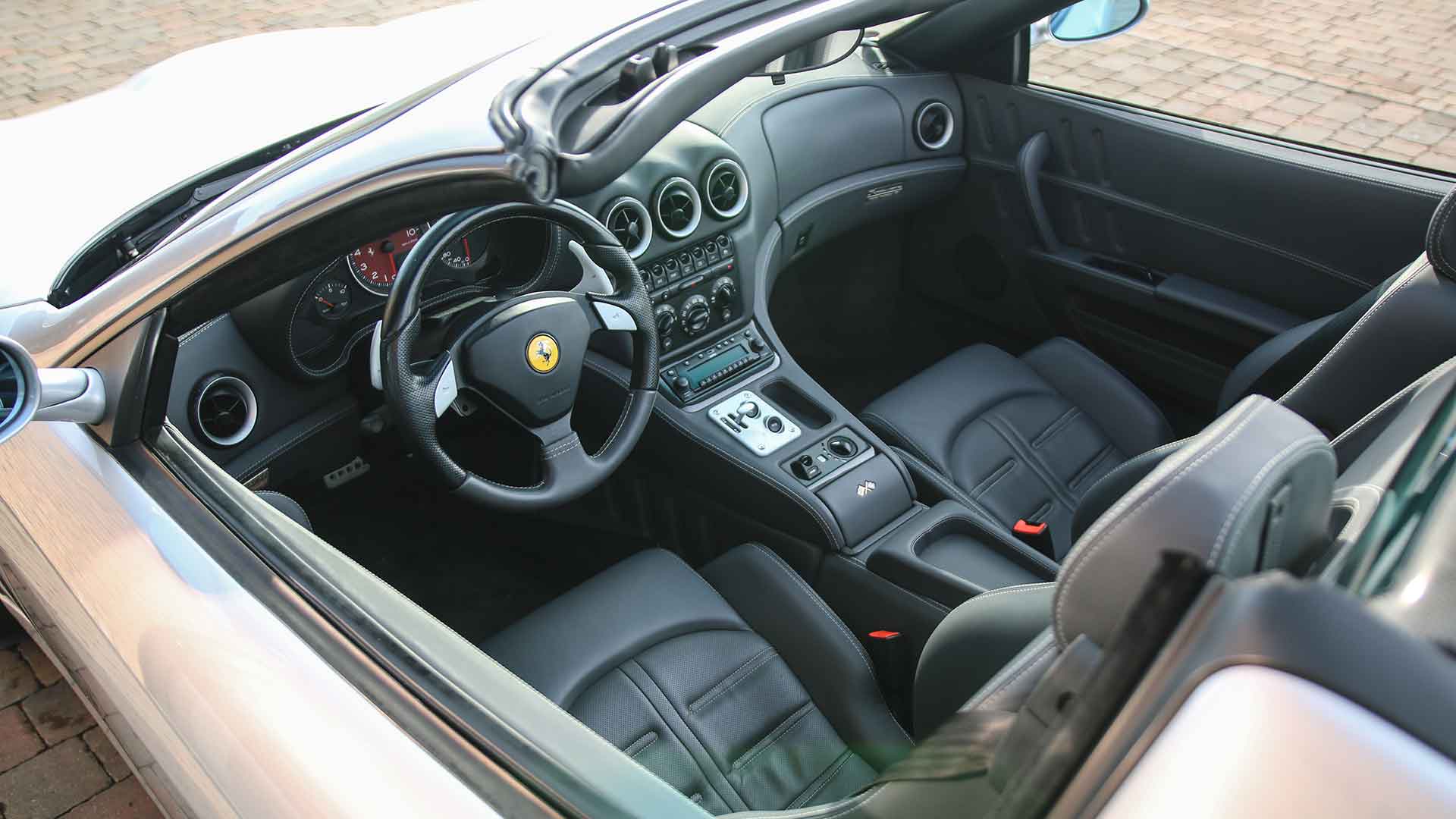
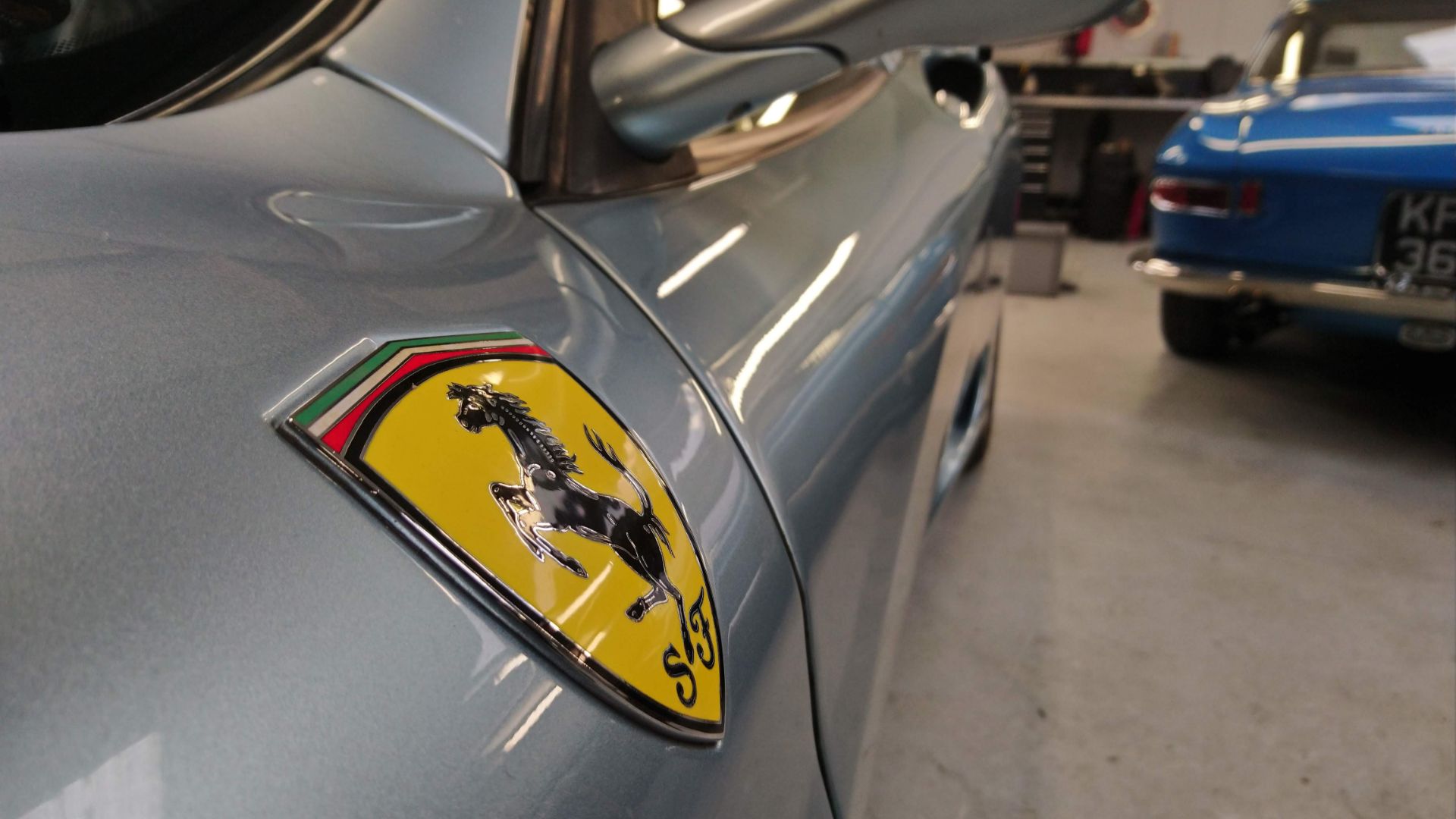
Before we parted ways with Bell Classics, we had to get the SuperAmerica out for a closer look. It’s a special car in a truly stunning spec – Argento Nurburgring is a stunning subtle silver and matches the dark cabin perfectly. This 2006 car features the desirable HGTC performance package, with stiffened suspension, a sports exhaust and ceramic brakes.
Parting impressions
Bell Classics gives off the aura of a family-run boutique of classic and exotic car sales, twinned with serious provenance for restoration and maintenance. Its atmosphere is personal, but its capability and skill levels are industrial.
Its proximity is local, quite literally for us here in Hertfordshire, but its work and inventory is of an international standard. It’s a stunning cubby of classics and exotica to have hidden away in the wilds of Hertfordshire.
 The new Skoda Kamiq, which makes its world debut at the 2019 Geneva Motor Show next week, is the Czech brand’s third all-new SUV and the smallest one it’s launched to date.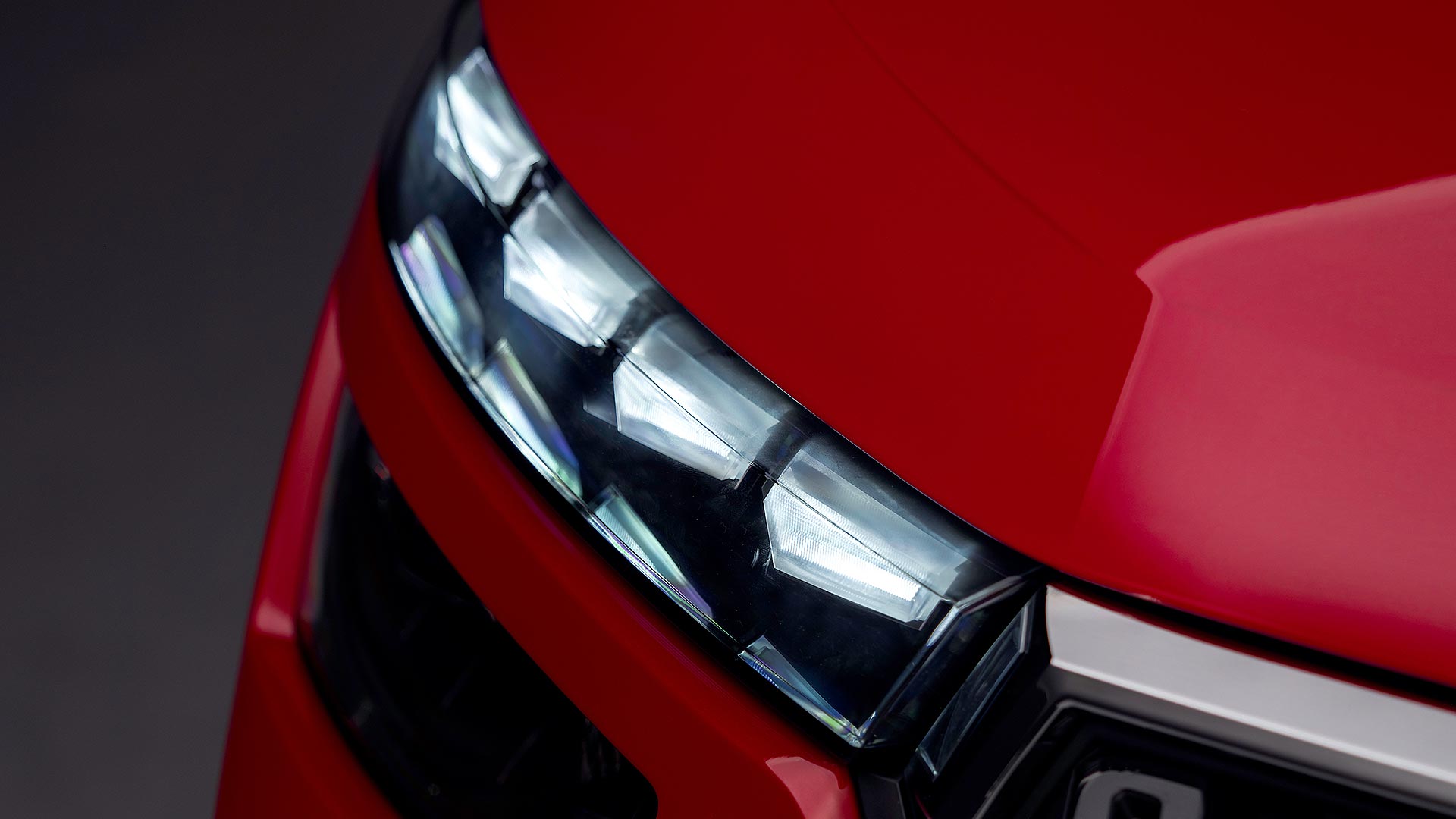


 Peugeot will wow the 2019 Geneva Motor Show with the all-new 208 supermini range – which includes, from launch, an all-electric e-208 model boasting a range of more than 200 miles.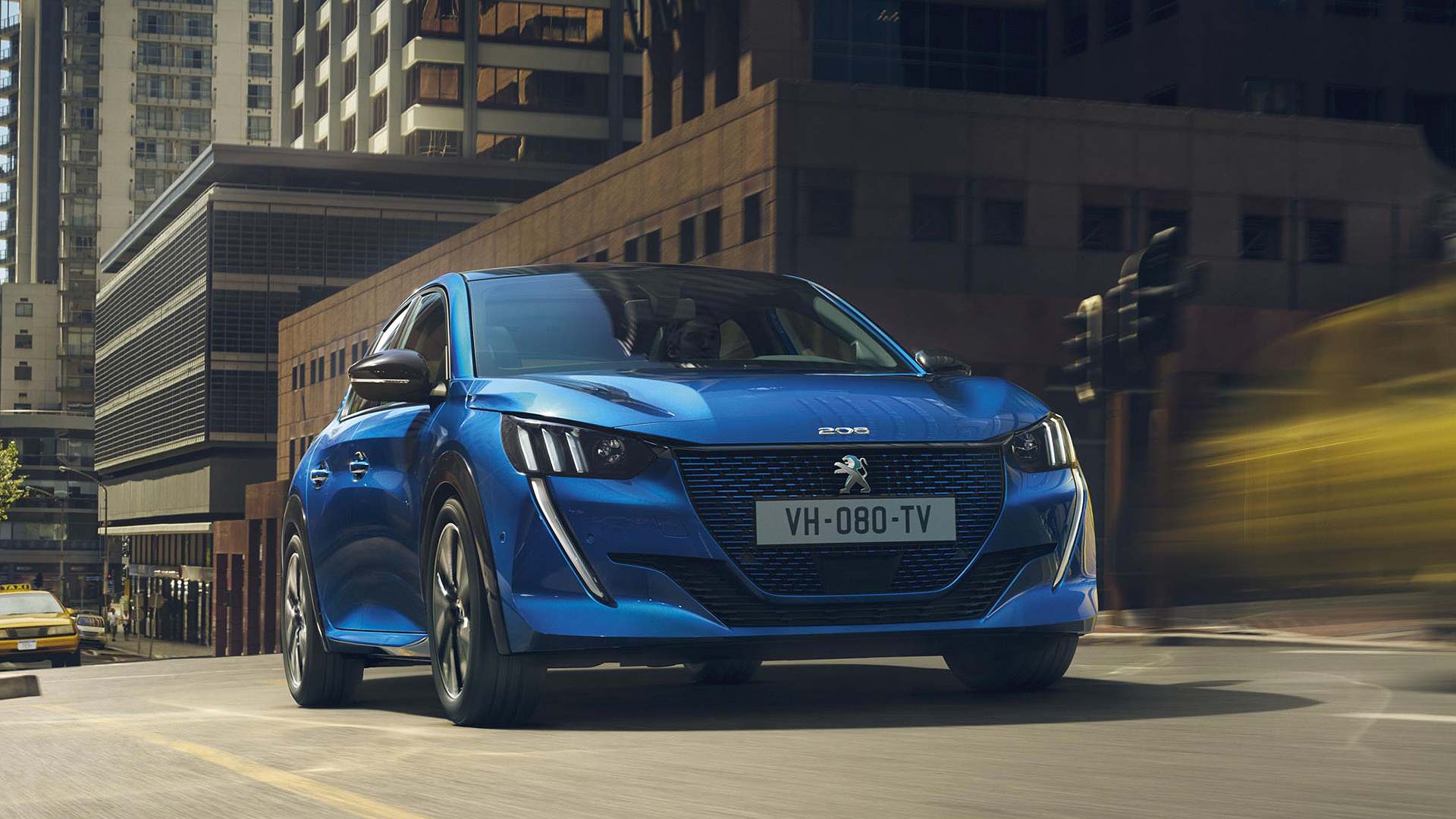
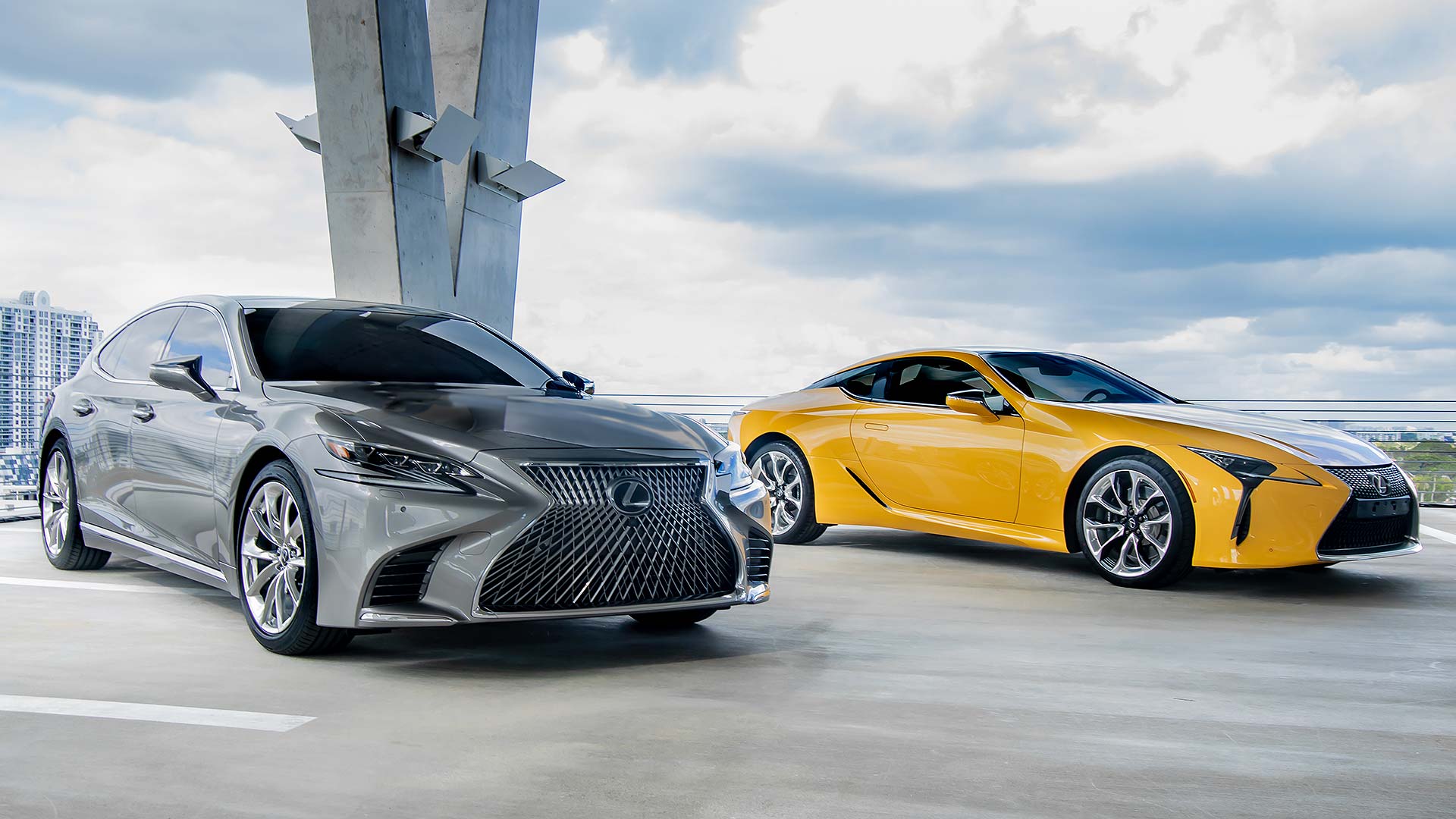 Lexus sales have now broken the 10 million mark, 30 years after the firm was founded to shake up the luxury car establishment.