Home Blog Page 401

Part of Britain’s biggest road upgrade now open to traffic

0

A1 Brampton

It’s Britain’s longest numbered road – and arguably its most famous – but the A1 just got a little bigger, thanks to the completion of works that are part of the £1.5 billion project to upgrade the A14 in Cambridgeshire.

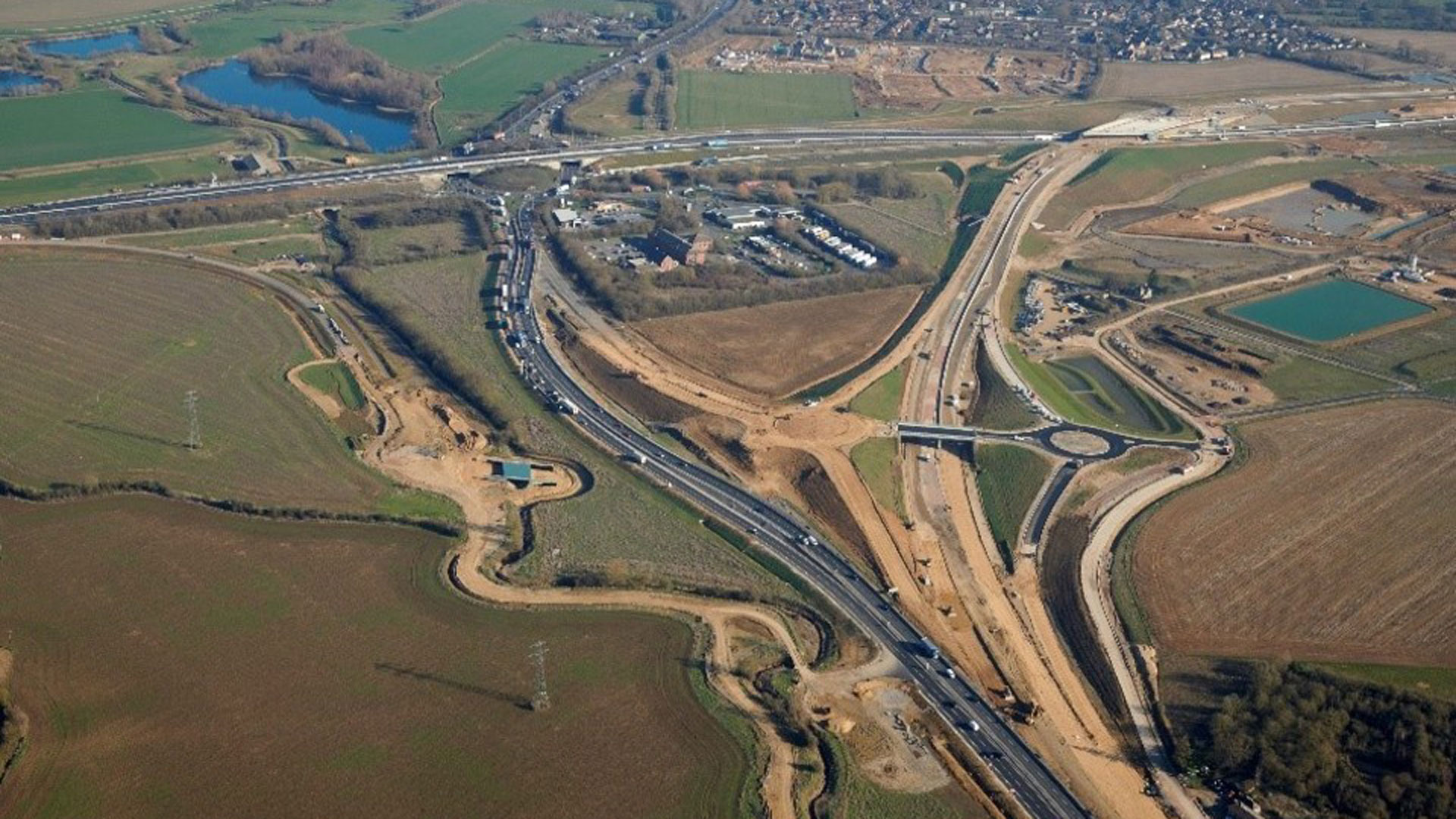
Yesterday, Highways England finished work on widening 3.5 miles of the A1, with drivers free to enjoy three lanes of fresh asphalt and a 70mph speed limit. Highways England says it will benefit 31,000 drivers who use the stretch of road every day.

The A14 Cambridgeshire to Huntingdon project is the country’s biggest road upgrade and is now more than halfway through construction. The work is expected to be completed and the road fully opened by the end of 2020.

Highways England executive director for major projects and capital portfolio management Peter Mumford said: “Today is a great step forward for people living, working and driving in and around Cambridgeshire as we open the first section of this ground-breaking road upgrade.

“The A14 sets the standard for how Highways England is delivering the first class infrastructure that the country needs to be successful, and it is great to see this new section of the A1 opening for traffic. It is just a taste of the huge benefits that the A14 upgrade will bring.”

The A14 meets the A1 at Brampton in Cambridgeshire, and Highways England has widened it from two lanes to three in both directions between Alconbury and Buckden, and built a redesigned junction at Brampton Hut.

Up on the A1

At 410 miles, the A1 is Britain’s longest road, connecting London to Edinburgh, and it has been the subject of books and television programmes, as well as being celebrated in song by rock band Jethro Tull.

While Ian Anderson didn’t provide a comment about this latest news, Councillor Ian Bates, Cambridgeshire County Council’s chairman of the economy and environment committee, said: “This is more great news for the residents and drivers of Cambridgeshire and another milestone achievement.

“These improvements to the A1, between Alconbury and Buckden, will provide a smooth link into the A14, avoiding the Brampton Hut roundabout, and improve journey times.”
Advertisement

Mercedes-Benz wants to turn your car into a video games console

0

2019 Mercedes-Benz In-car Gaming Challenge

Mercedes-Benz has announced a competition which seeks new and innovative gaming experiences to revolutionise in-car entertainment.

With the onward move towards autonomous vehicles, Mercedes-Benz is looking at how to entertain passengers, and now drivers, with nothing to do. Seemingly just playing Candy Crush or Angry Birds on your phone is not going to be enough in the self-driving future.

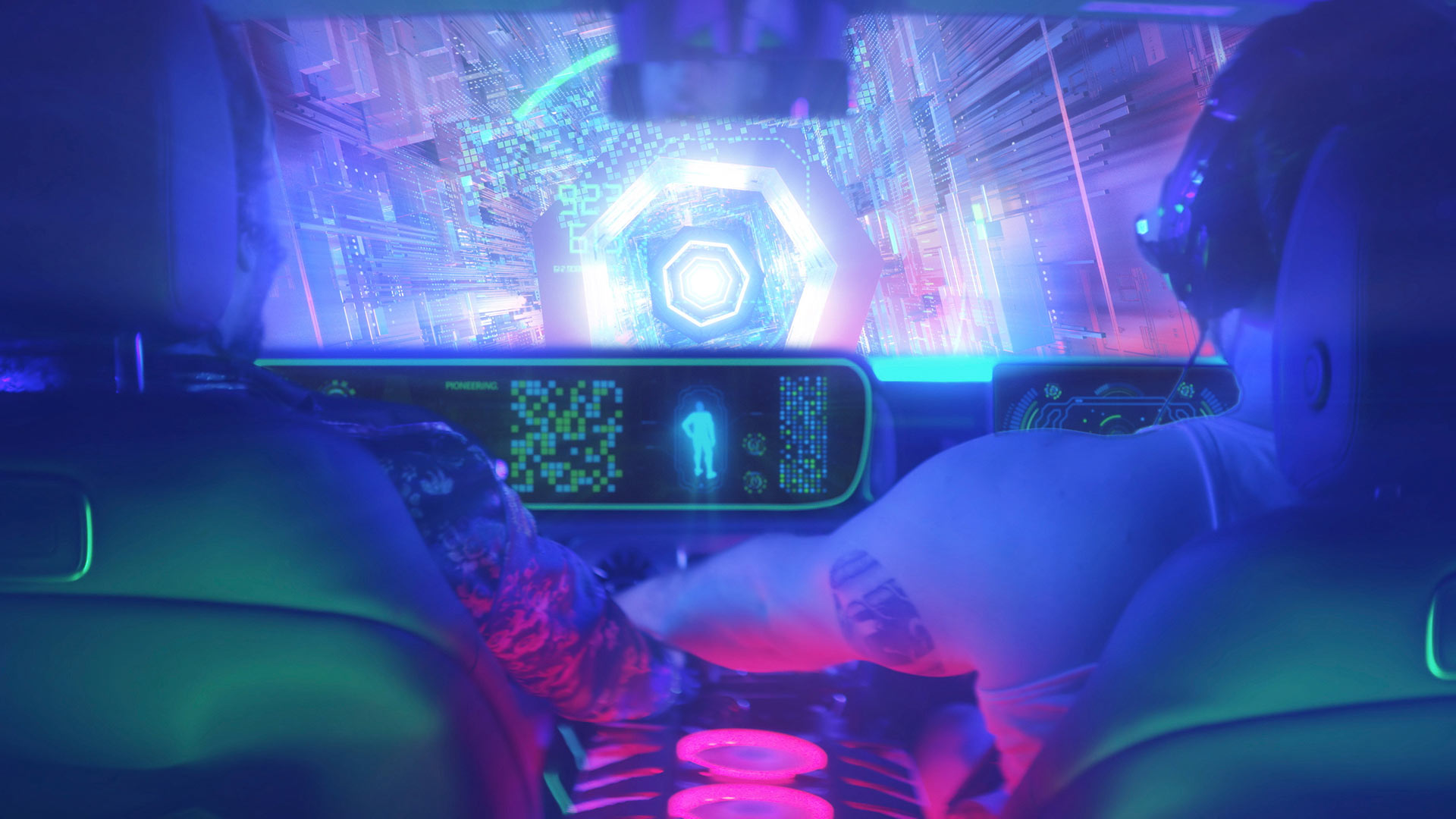
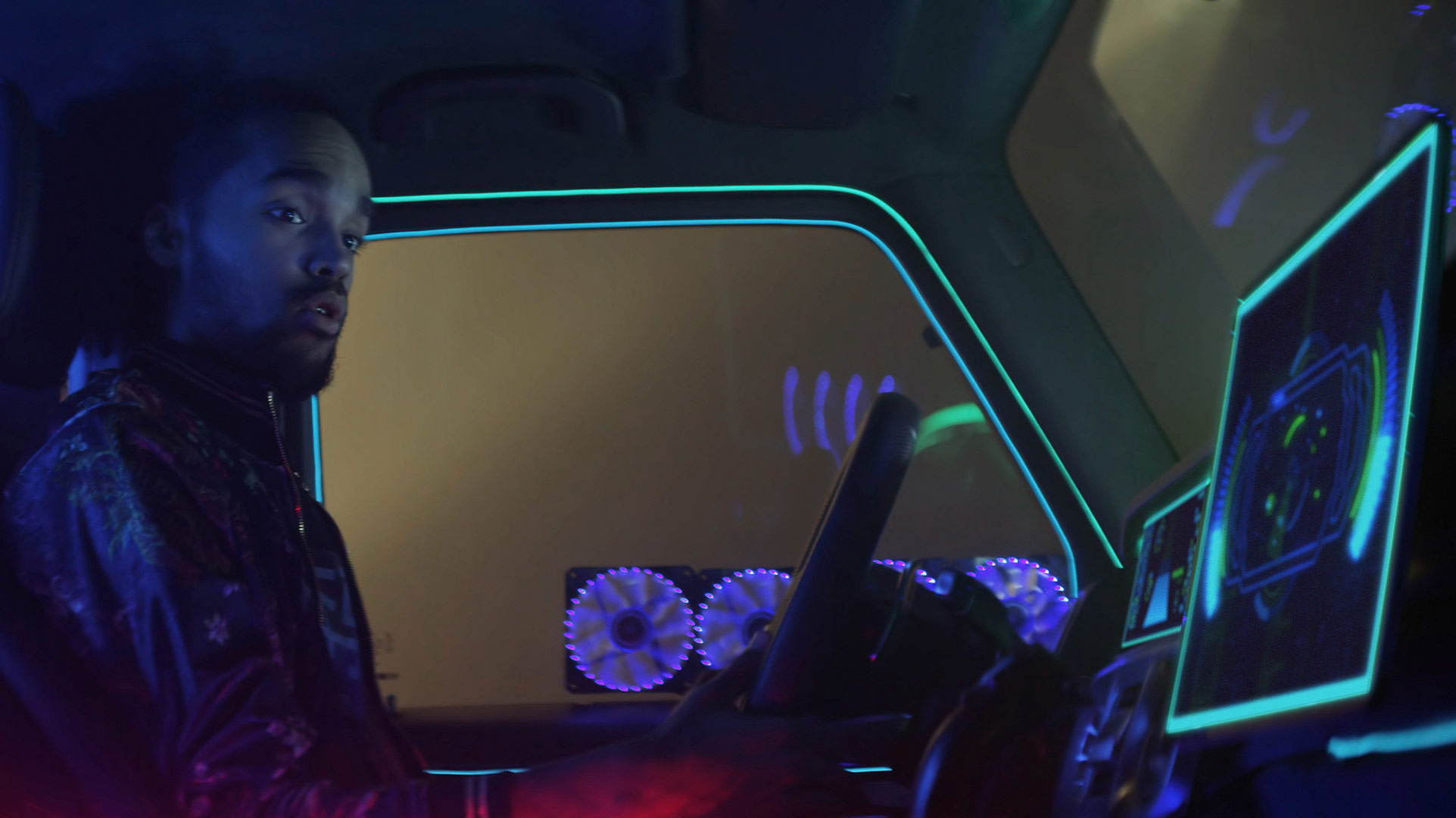
Instead, Mercedes wants developers to create ideas which will completely immerse players in games, and even make use of the vehicle itself to add to the engagement.

Push start to play

2019 Mercedes-Benz In-car Gaming ChallengeFor instance, who hasn’t got behind the wheel of a stationary car and imagined themselves driving in some kind of race?
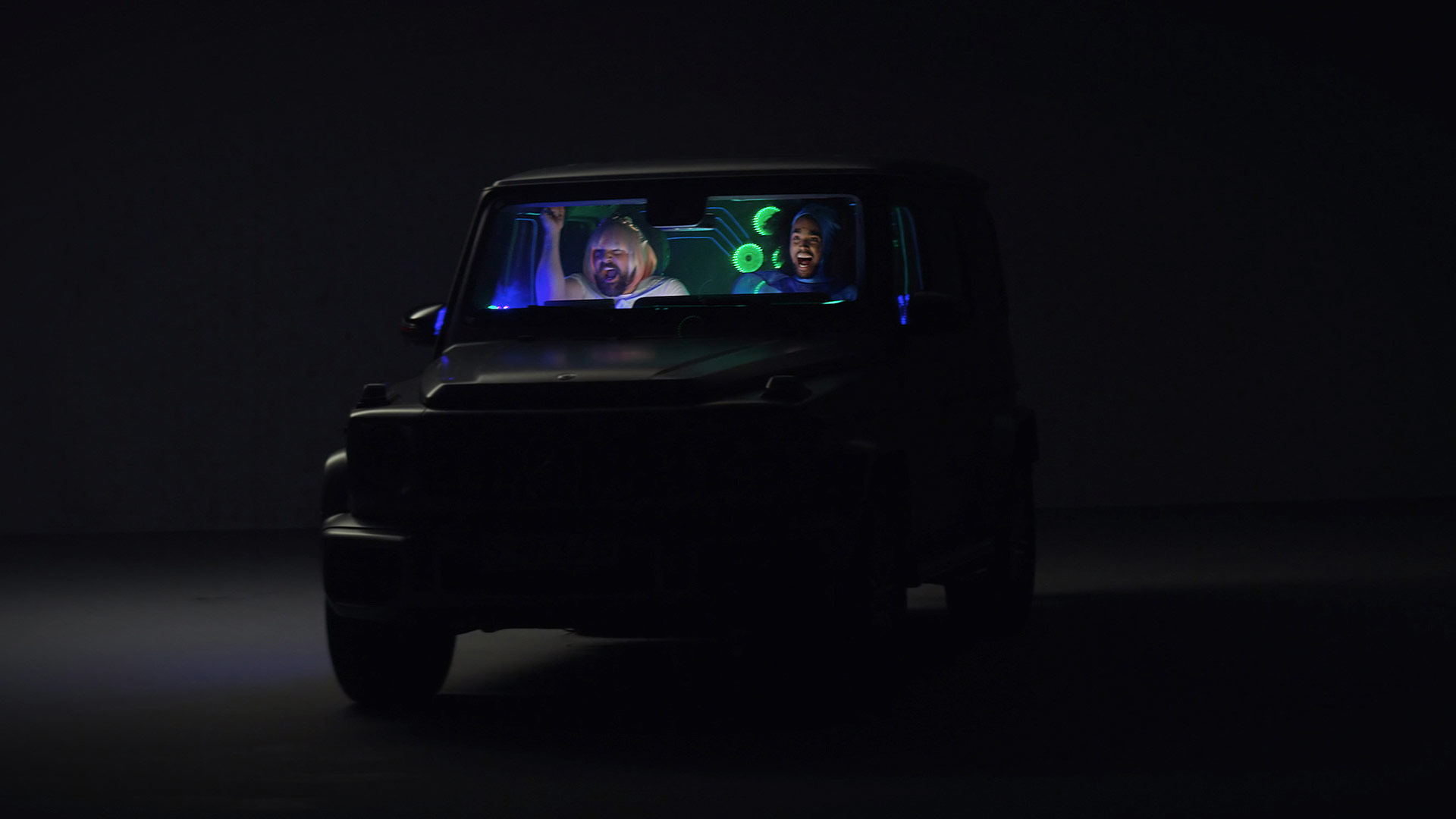
Employees at Mercedes-Benz clearly have, as they used the new CLA to demonstrate the idea of networked electronics and immersive gaming at the recent Mobile World Congress.

The CLA featured an installation of the game SuperTuxKart, which could be viewed on the in-car display screens. More impressively, players could actually control and play the game using the steering wheel and pedals to navigate.

Ready, Player One?

2019 Mercedes-Benz In-car Gaming ChallengeMercedes-Benz wants developers to go even further though. Suggestions including use the air conditioning to simulate slipstream effects, or using ambient lighting to change the mood and atmosphere.

The company also wants ideas that could be applied to more than just cars. Bus passengers could play a cooperative challenge game on their journey via smartphone apps, with the idea that a regular commute can “become a journey into another world”.

Open from the 22nd March to 16th May 2019, gamers, students, and designers all invited to submit their ideas via the In-Car Gaming Challenge website.

Winners will receive tickets to eSports events, cash prizes, and the ultimate opportunity to have their idea made into a real game.

Advertisement

P80/C: Ferrari’s most extreme track car ever

0

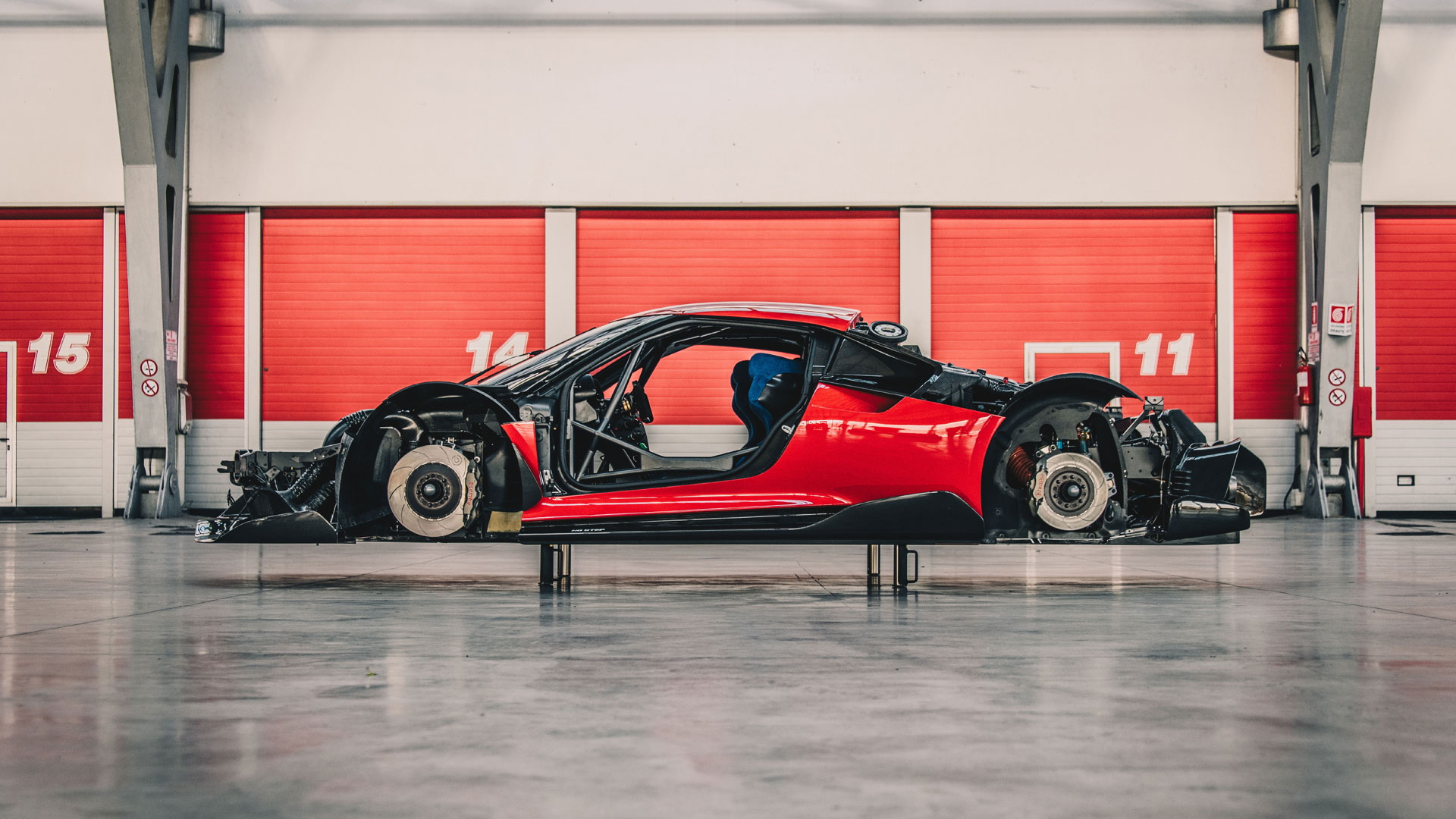
Ferrari P80C

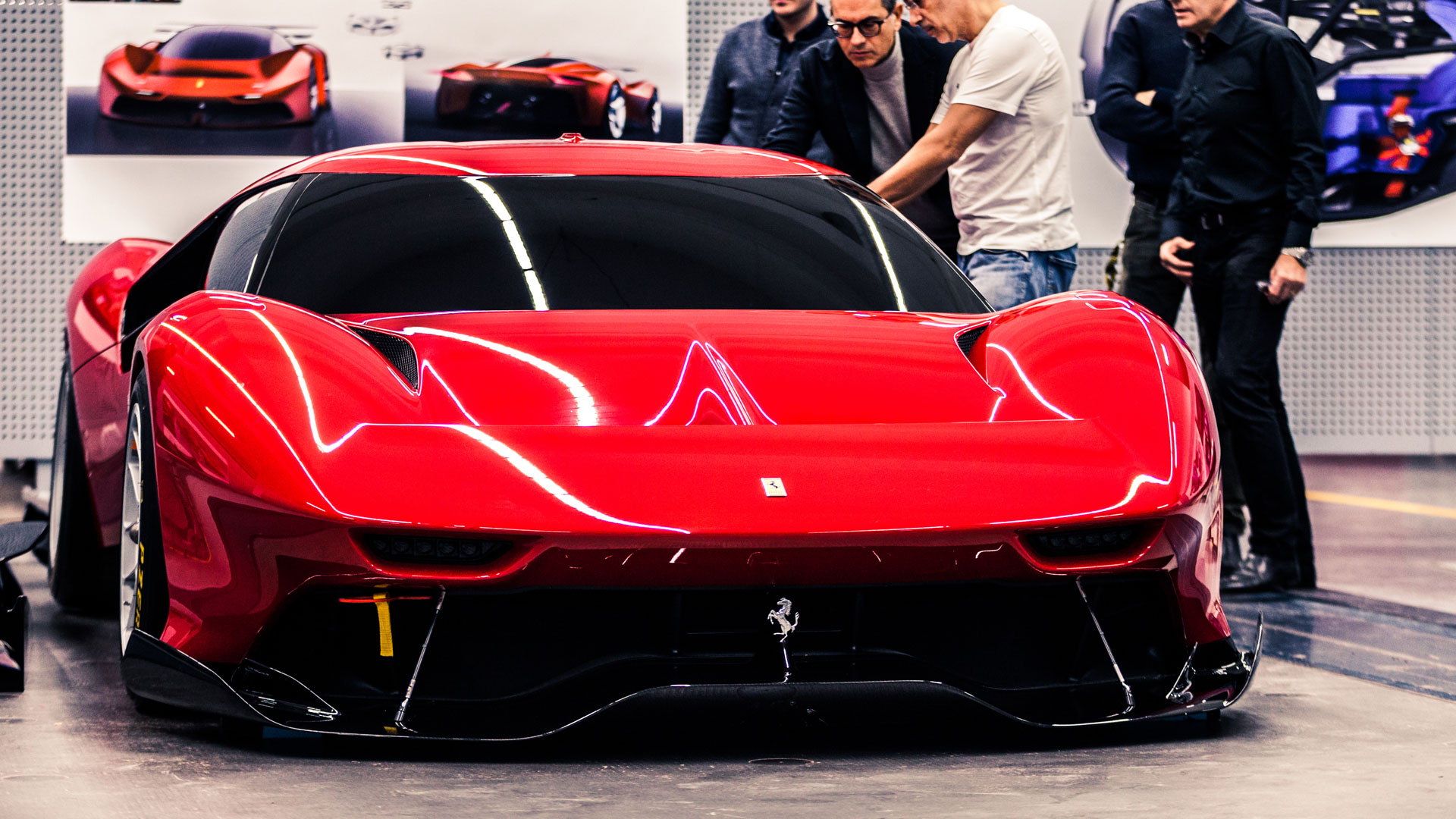
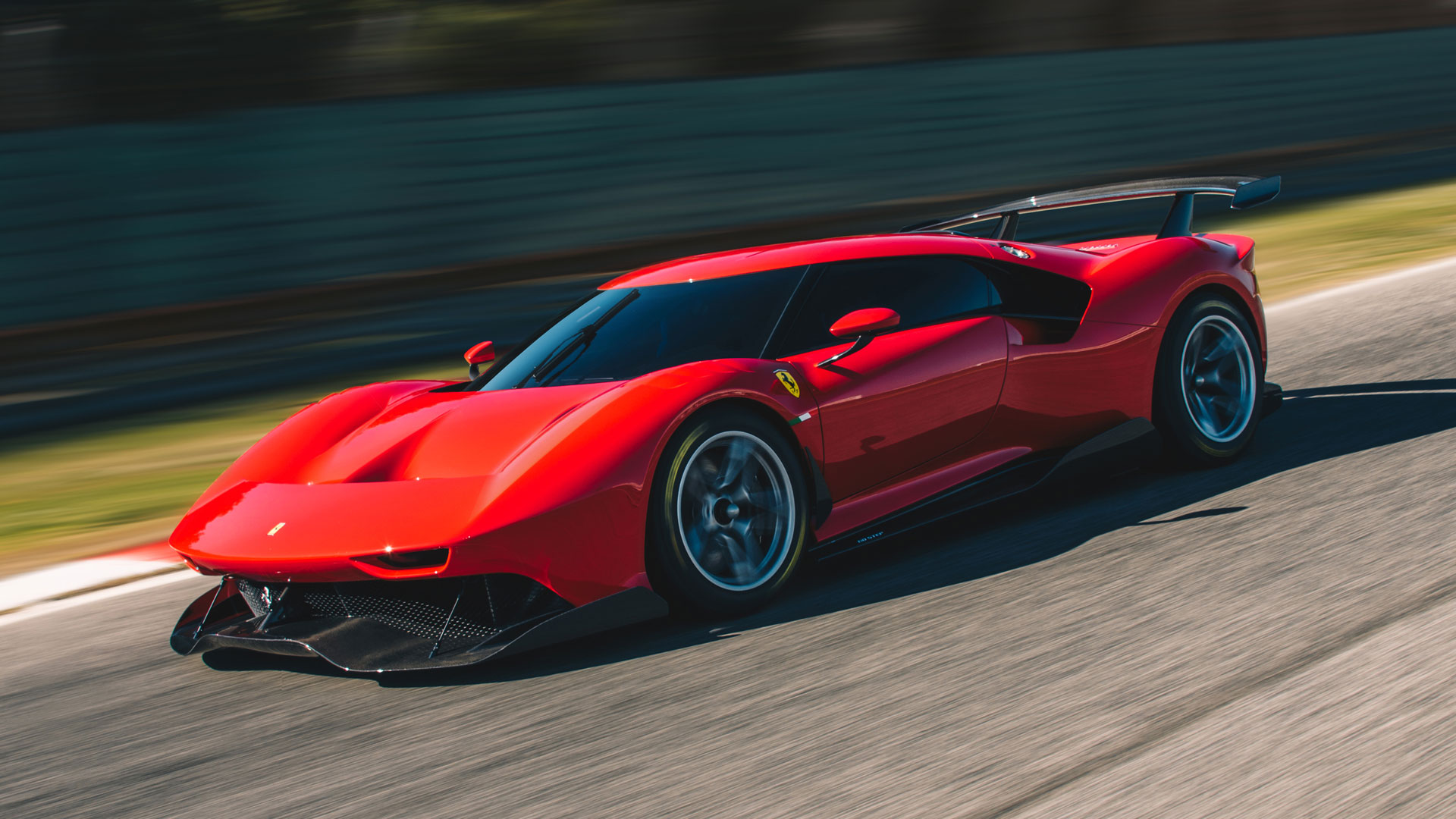
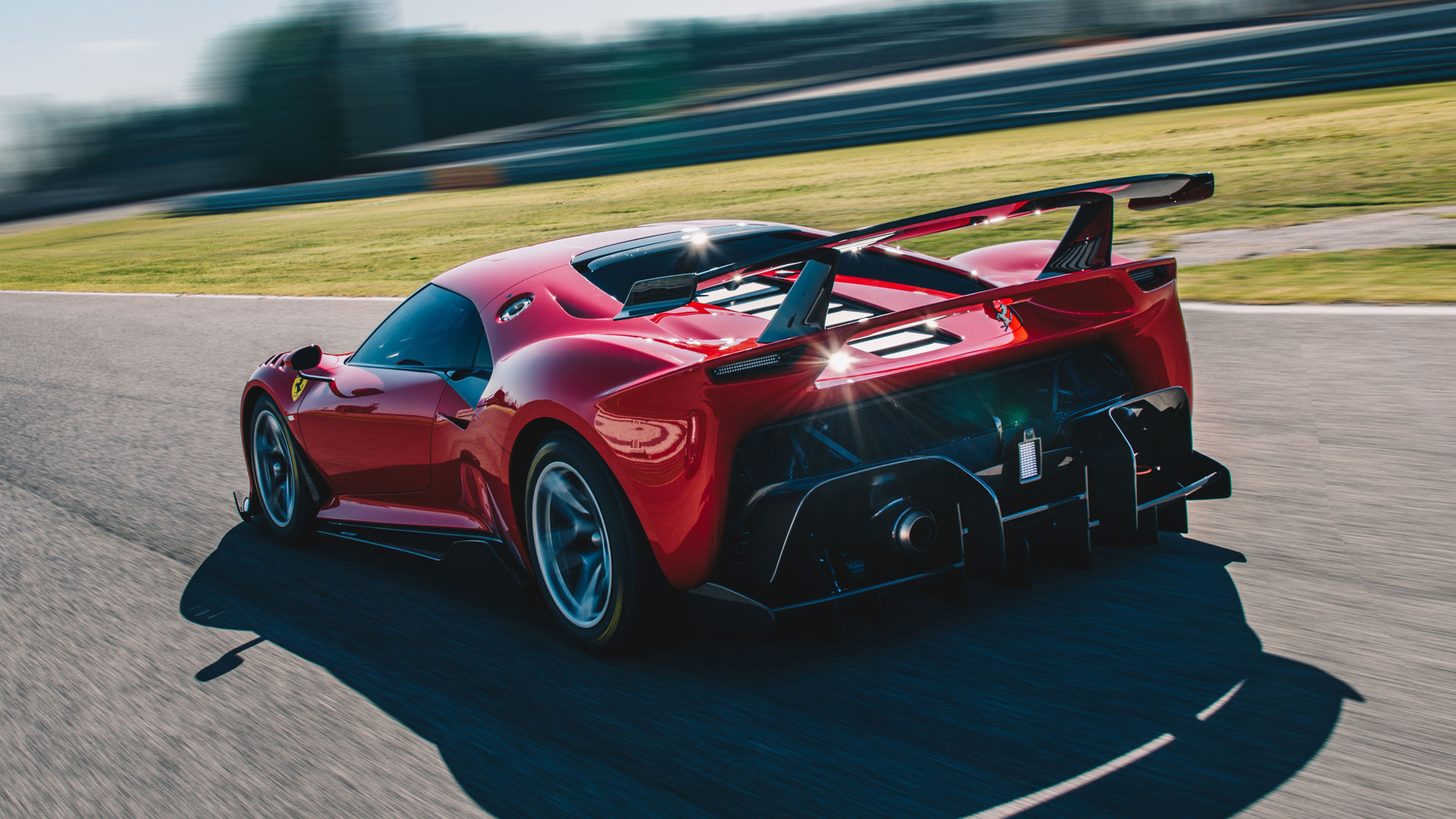
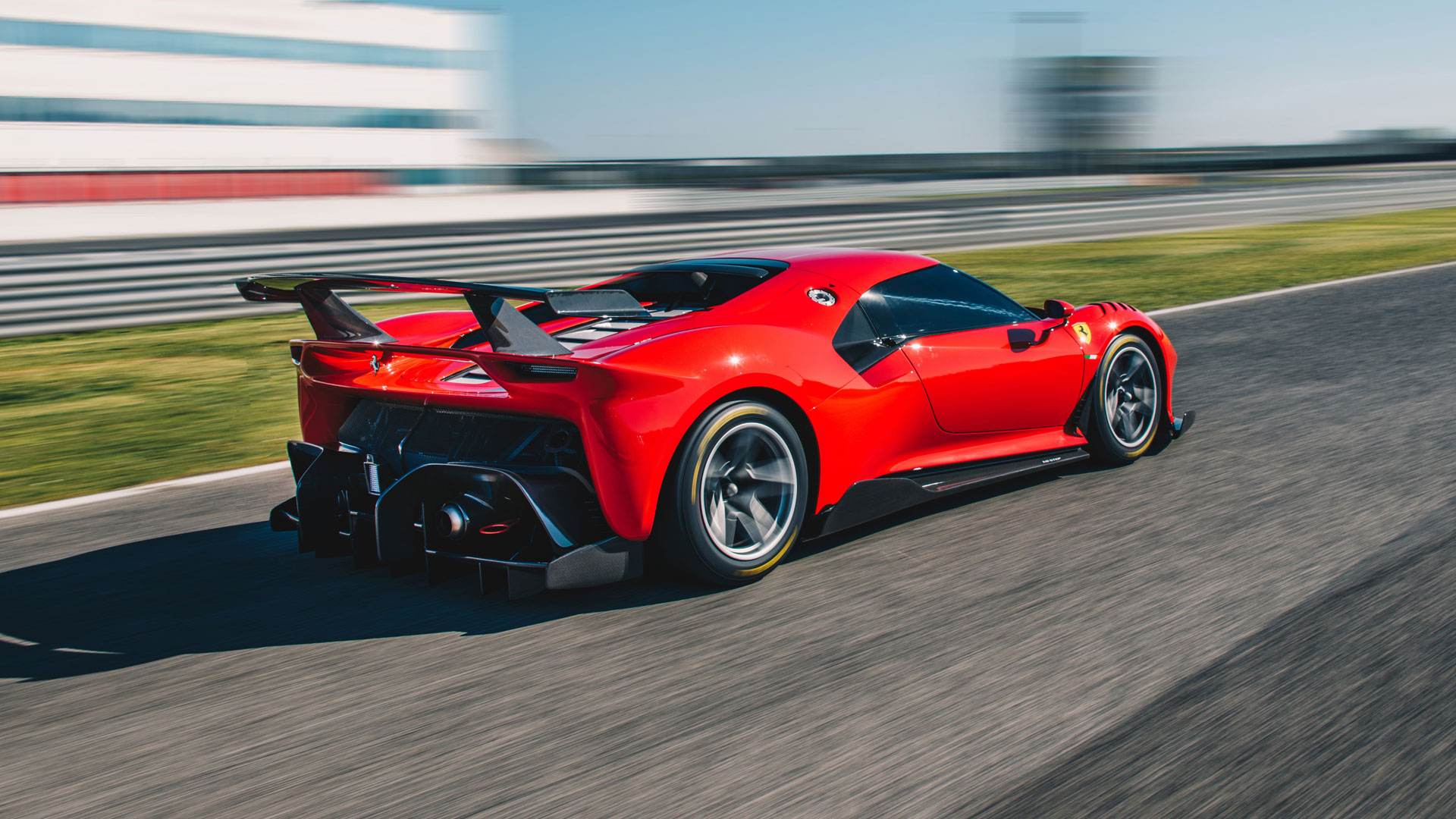
In Ferrari’s words, the P80/C is a “Hero Car”. An “absolutely unique” car inspired by two greats from Ferrari’s past: the 330 P3/P4 and the Dino 206 S. And we do mean unique – this is a very special Ferrari one-off indeed.

It was built at the behest of a Ferrari client – “a great connoisseur of the Ferrari world” – who wanted a modern sports prototype that tipped its hat to the two models of old.

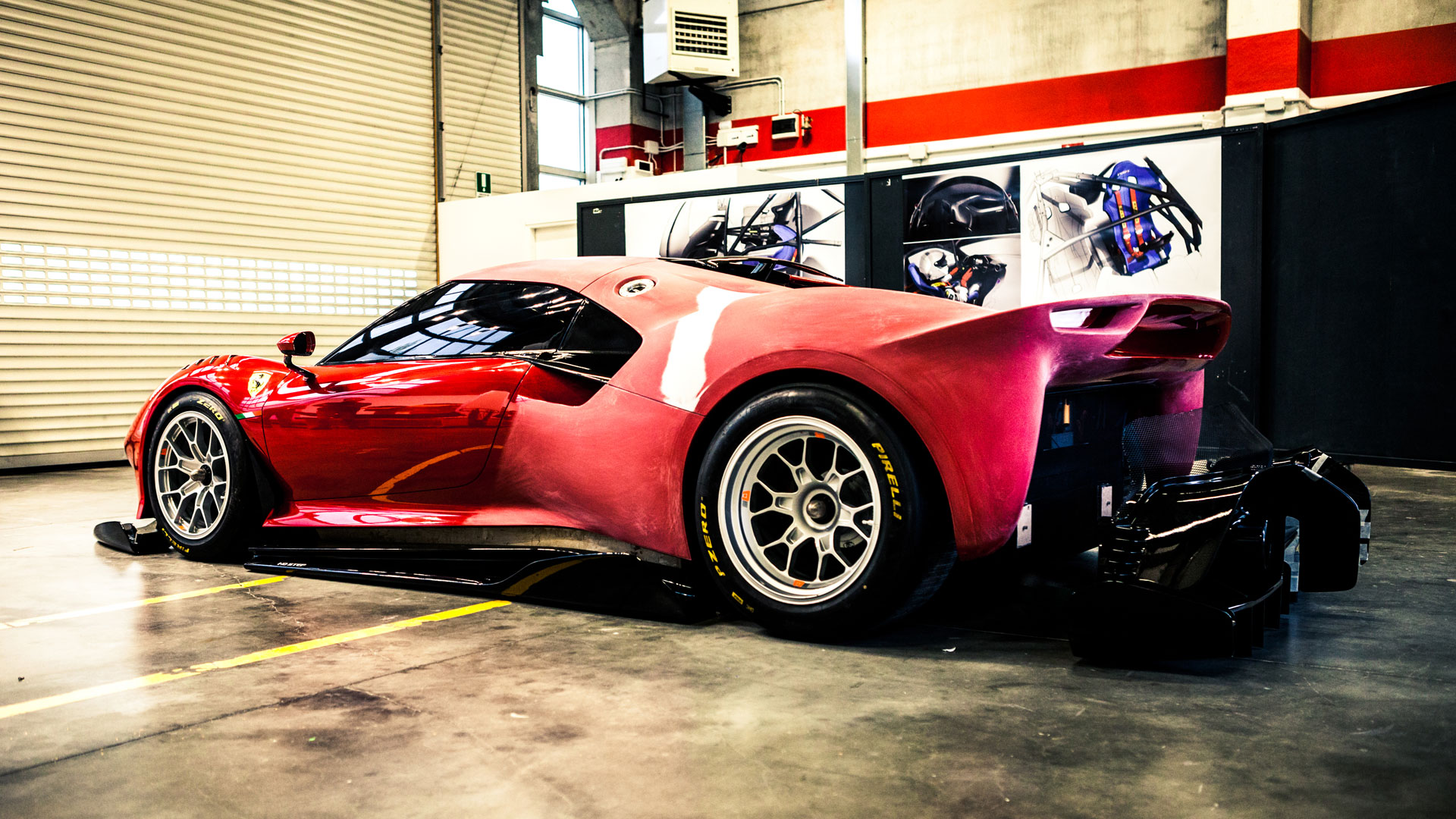
Work began in 2015, making the P80/C project the longest in the history of bespoke Ferraris. As a track-only car, Ferrari was free to push the boundaries further than had it been designed for road use, but we suspect the client had rather exacting requirements. The process involved introducing features to “guarantee a captivating marriage of style, technical prowess and aerodynamics,” says Ferrari.

Ferrari P80C development

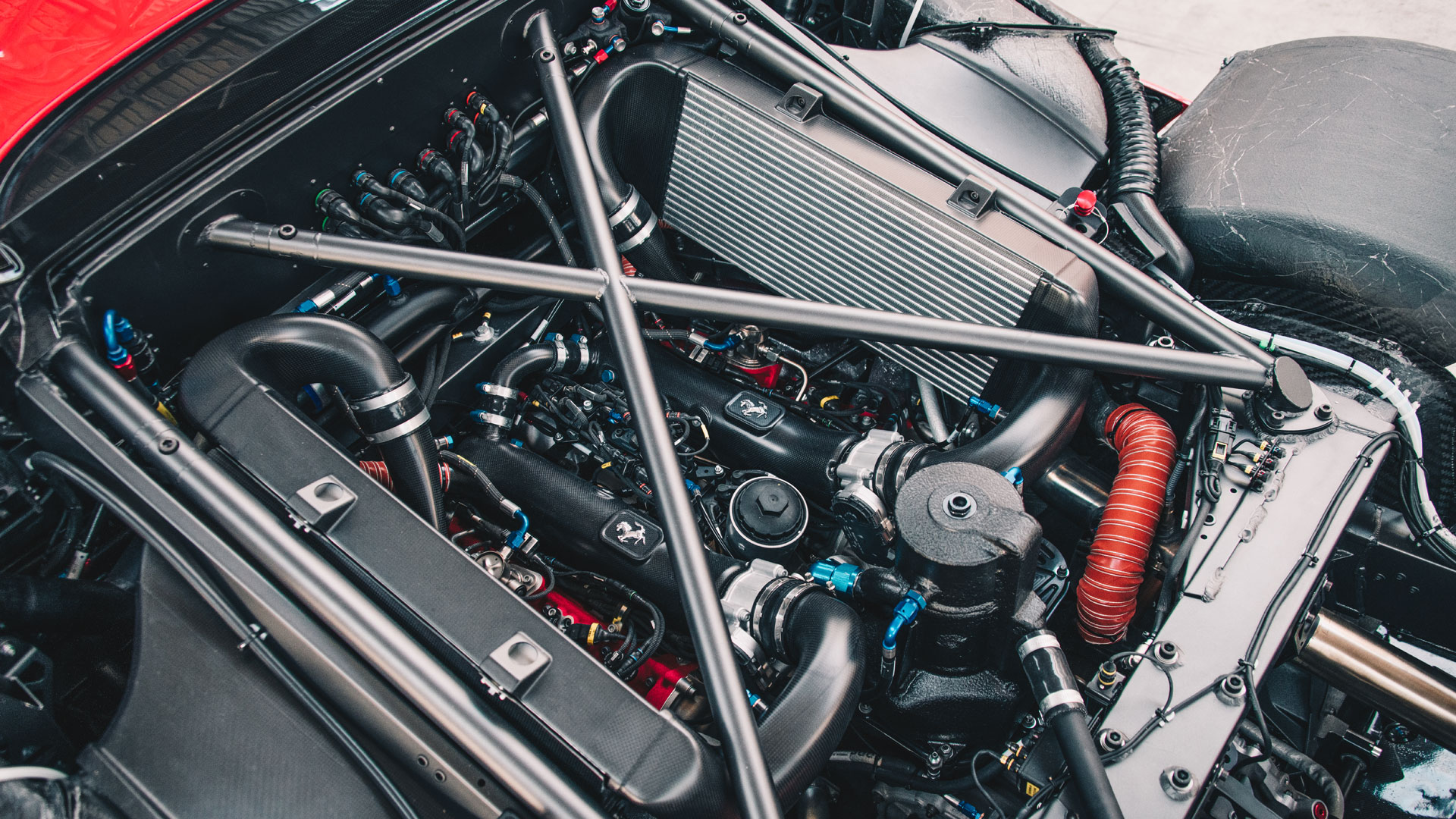
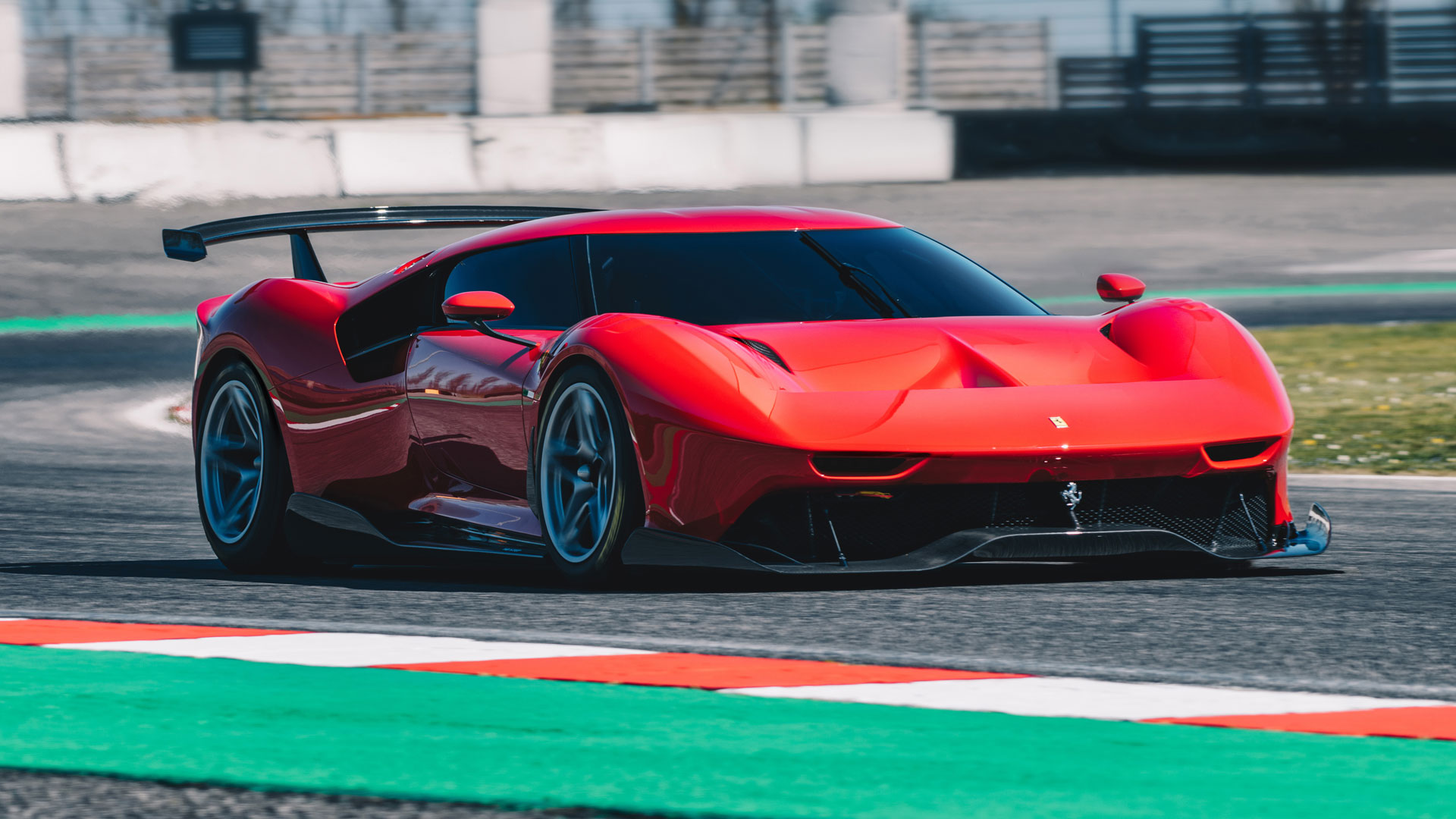
The 488 GT3 racer was chosen as the donor, not only for its performance, but also for its longer wheelbase, which allowed greater freedom. This is immediately evident from the front, with the P80/C boasting a sharp, wedge-like design, complete with a menacing front splitter.

Ferrari says the aerodynamics are inspired by the T-wing that appeared on its F1 cars in 2017. This, combined with a host of other tweaks, means that aerodynamic efficiency is up by five percent over the 488 GT3. The paint, in case you were wondering, is Rosso Vero.

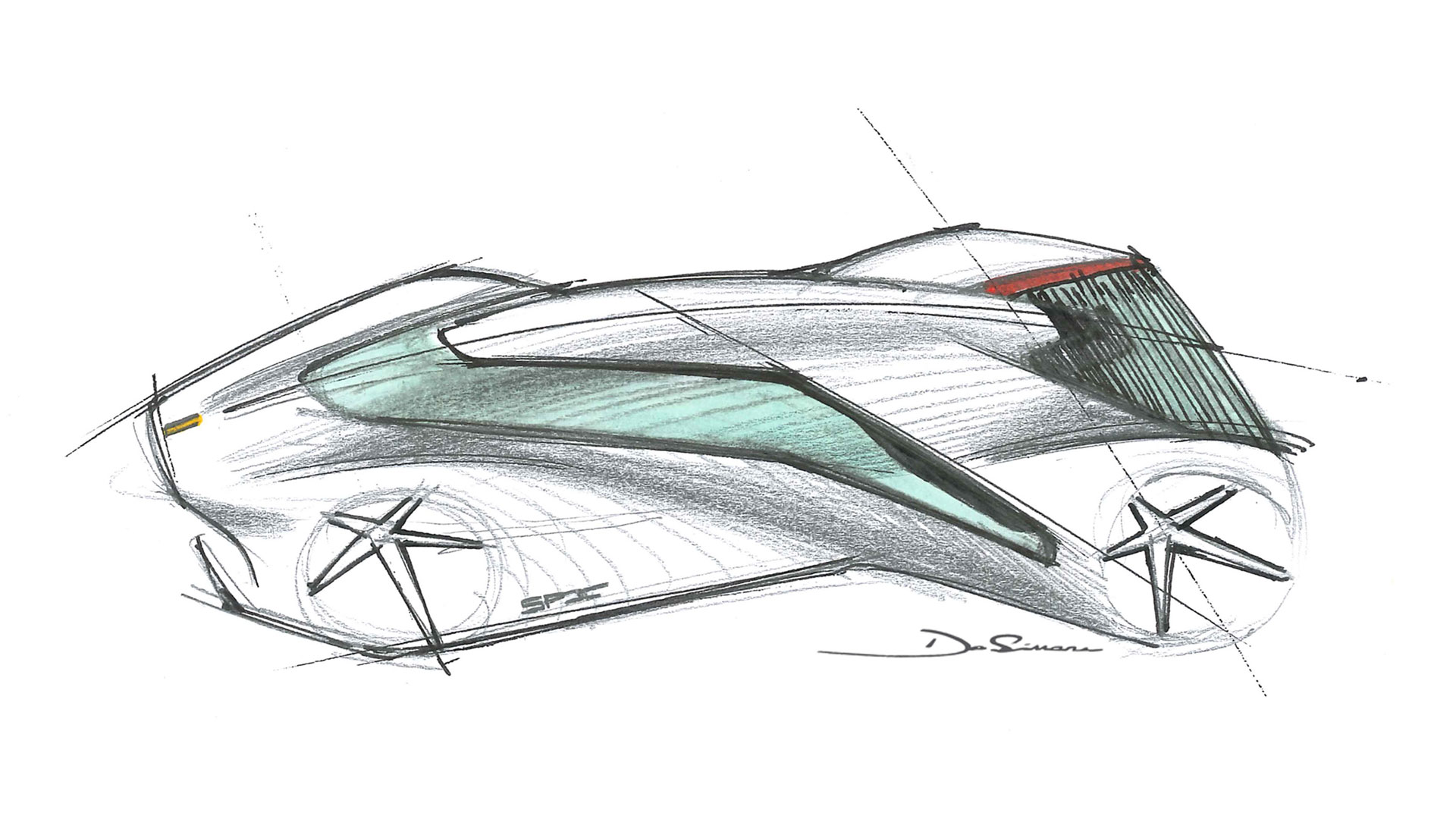
Other highlights include the headlights, which are reminiscent of the air intake housings in the grille of the 330 P3/P4, and the visor-effect cockpit – a nod to the Dino and the 250 LM Berlinettas.

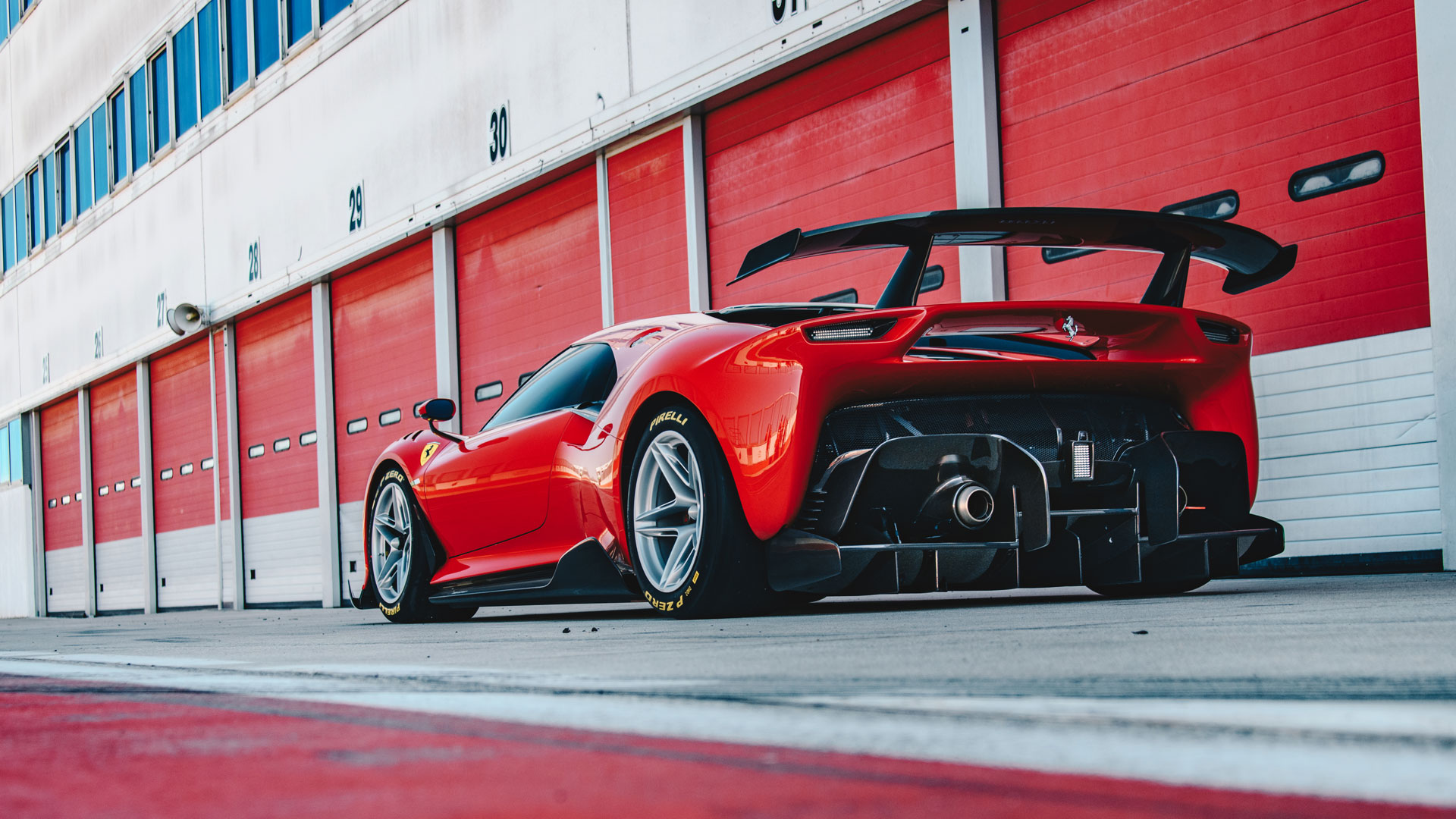
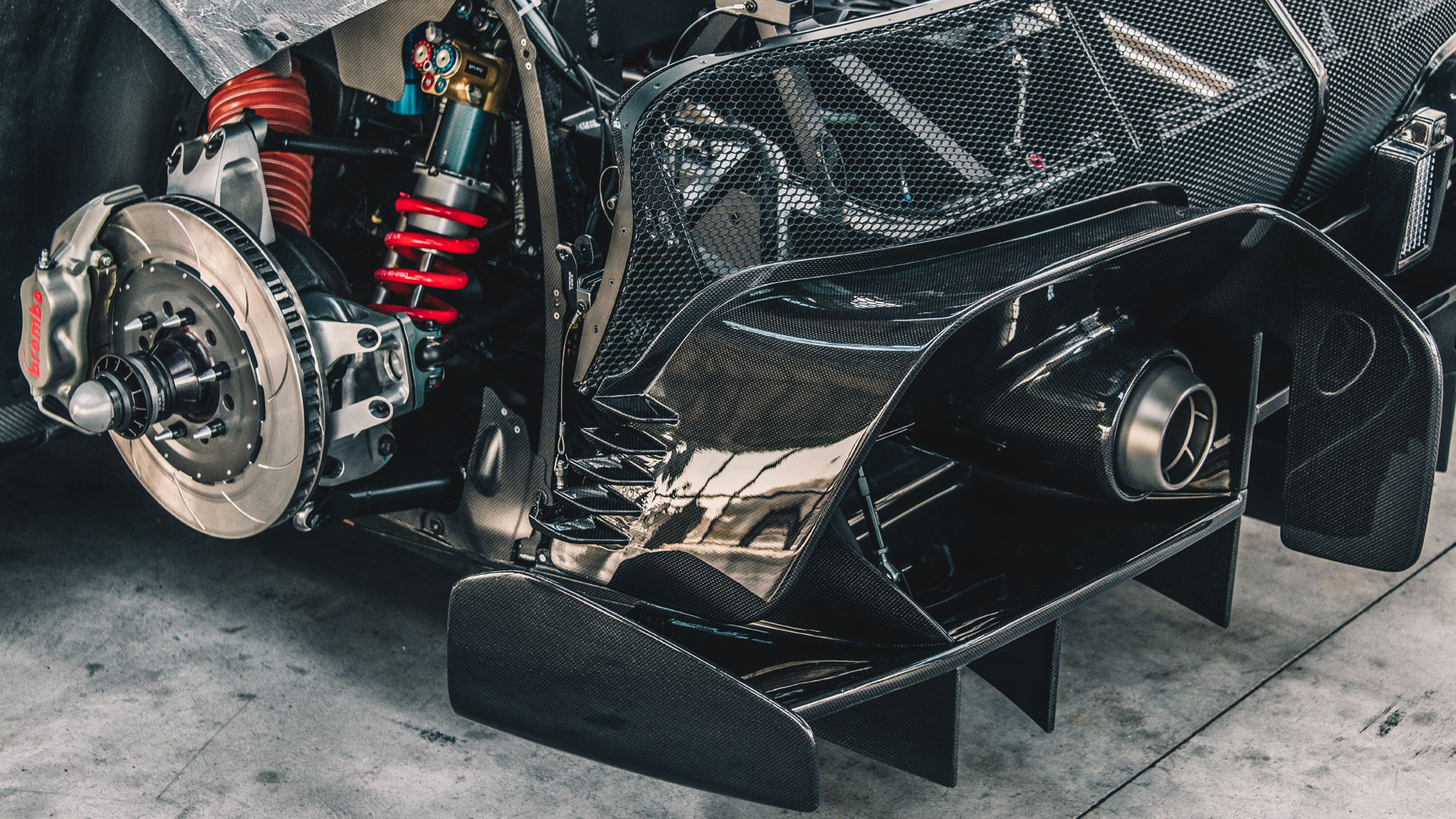
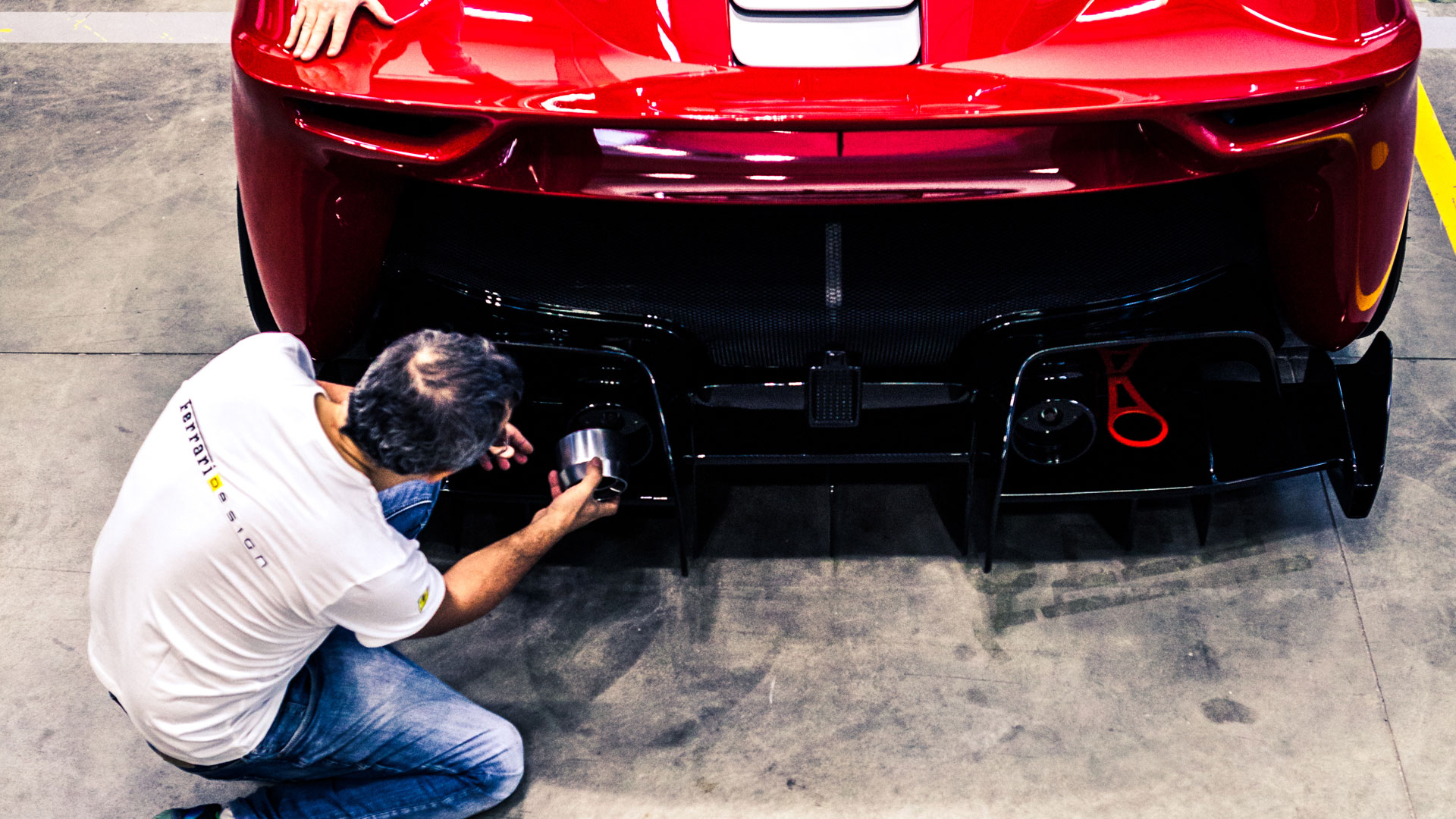
At the rear, Ferrari has used more trickery to create taillights that have the look of air vents, while the rear fascia leaves the running gear entirely visible. A view like this just shouldn’t be legal in this politically-correct day and age.

Ferrari P80C rear

“At the client’s request, the car was designed with a dual soul: a racing set-up, which includes quite a showy carbon-fibre wing and 18” single-nut wheels, and an exhibition package complete with 21” wheels but devoid of aerodynamic appendages, to highlight the purity of its forms,” says Ferrari.

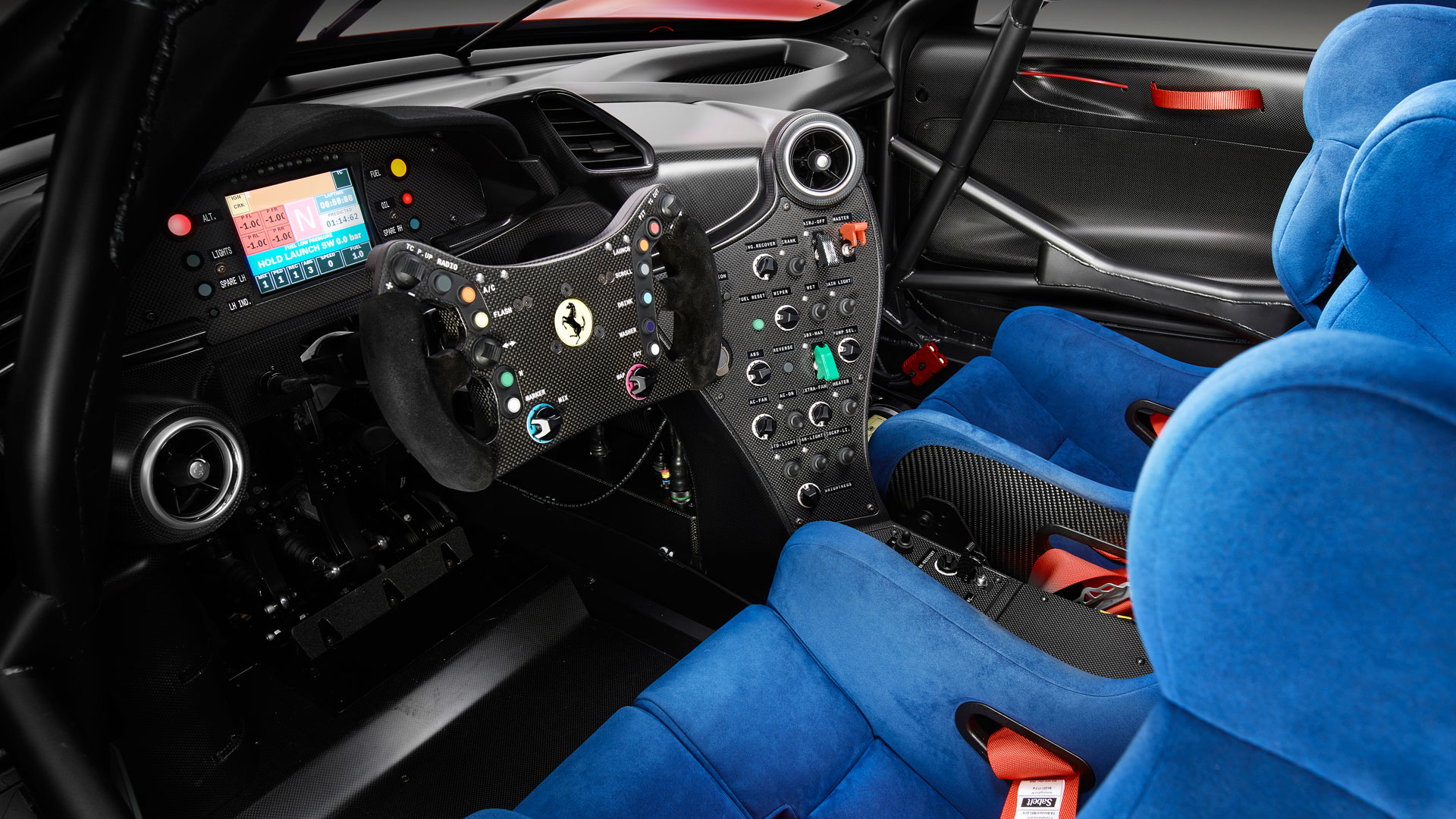
The interior is similar to the 488 GT3 donor car, albeit with a roll cage integrated into the bodywork, redesigned side sections of the dashboard and carbon-fibre door panels.

Ferrari P80C interior

Ferrari hasn’t divulged the performance figures – or indeed the price tag – but we suspect everything will fall into the ‘extreme’ category. A four-year project that pushes the boundaries of the world’s most famous supercar company won’t come cheap.

Keep an eye open for it on the private race tracks of the world. In the meantime, check out these photos of yet another Ferrari you’ll never be able to buy.

Ferrari P80/C in pictures

(Click to see gallery)

Advertisement

Volvo open-sources 60 years of safety research

0

Volvo safety research

It’s been a busy month for Volvo. Having announced that it will be installing in-car cameras and sensors to monitor drivers, the company also said it would be sharing 60 years of safety knowledge. Because sharing is caring.

The announcement was made on the 60th anniversary of the three-point safety belt – one of Volvo’s gifts to the automotive world – which it says has saved more than a million lives globally.

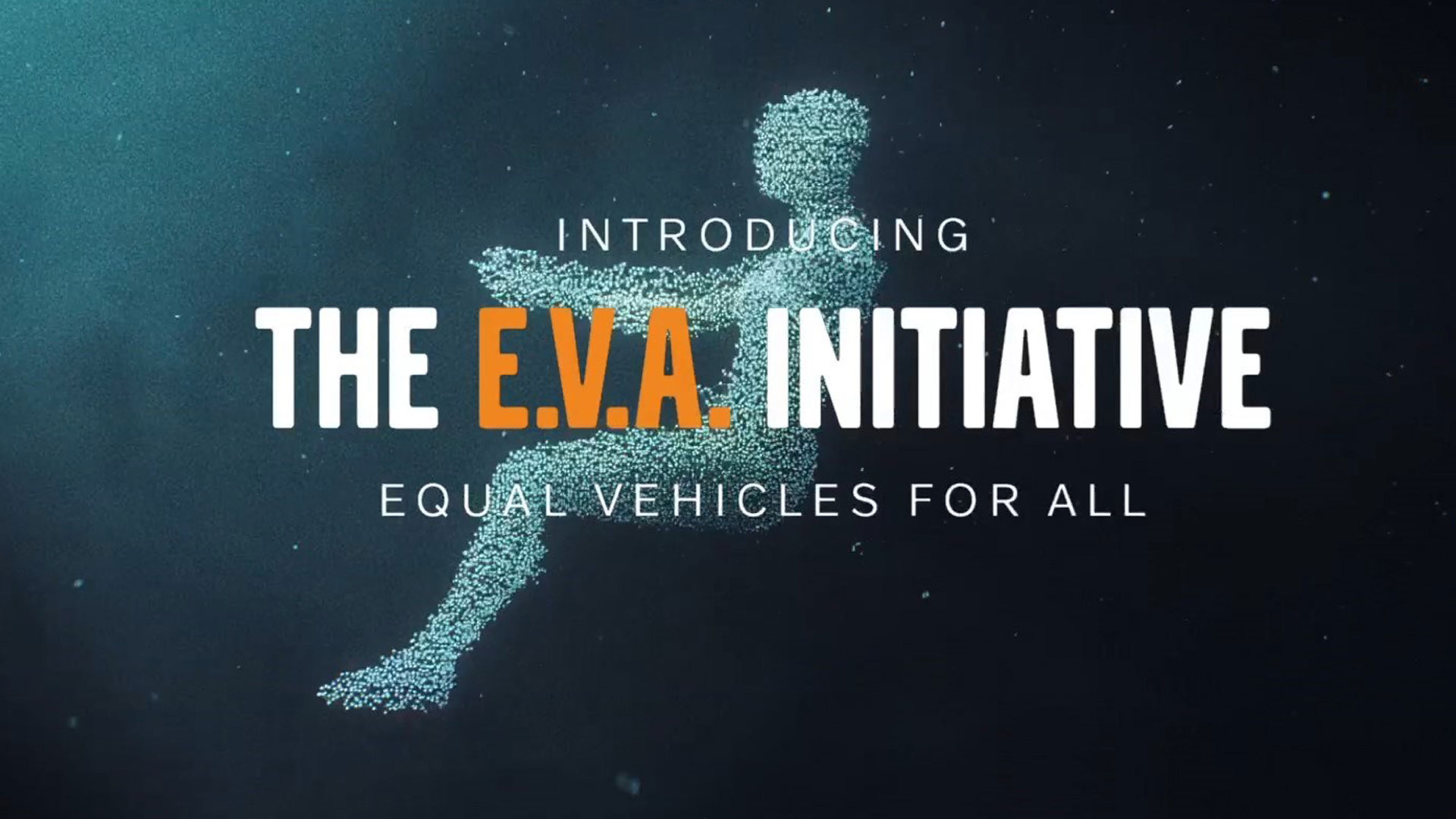
In launching Project E.V.A. – that’s ‘Equal Vehicles for All’ – Volvo says it intends to share 60 years of safety research to make motoring safer for everyone.

“We have data on tens of thousands of real-life accidents, to help ensure our cars are as safe as they can be for what happens in real traffic,” said Lotta Jakobsson, professor and senior technical specialist at the Volvo Cars Safety Centre.

“This means our cars are developed with the aim to protect all people, regardless of gender, height, shape or weight, beyond the ‘average person’ represented by crash test dummies.”

Volvo Project EVA

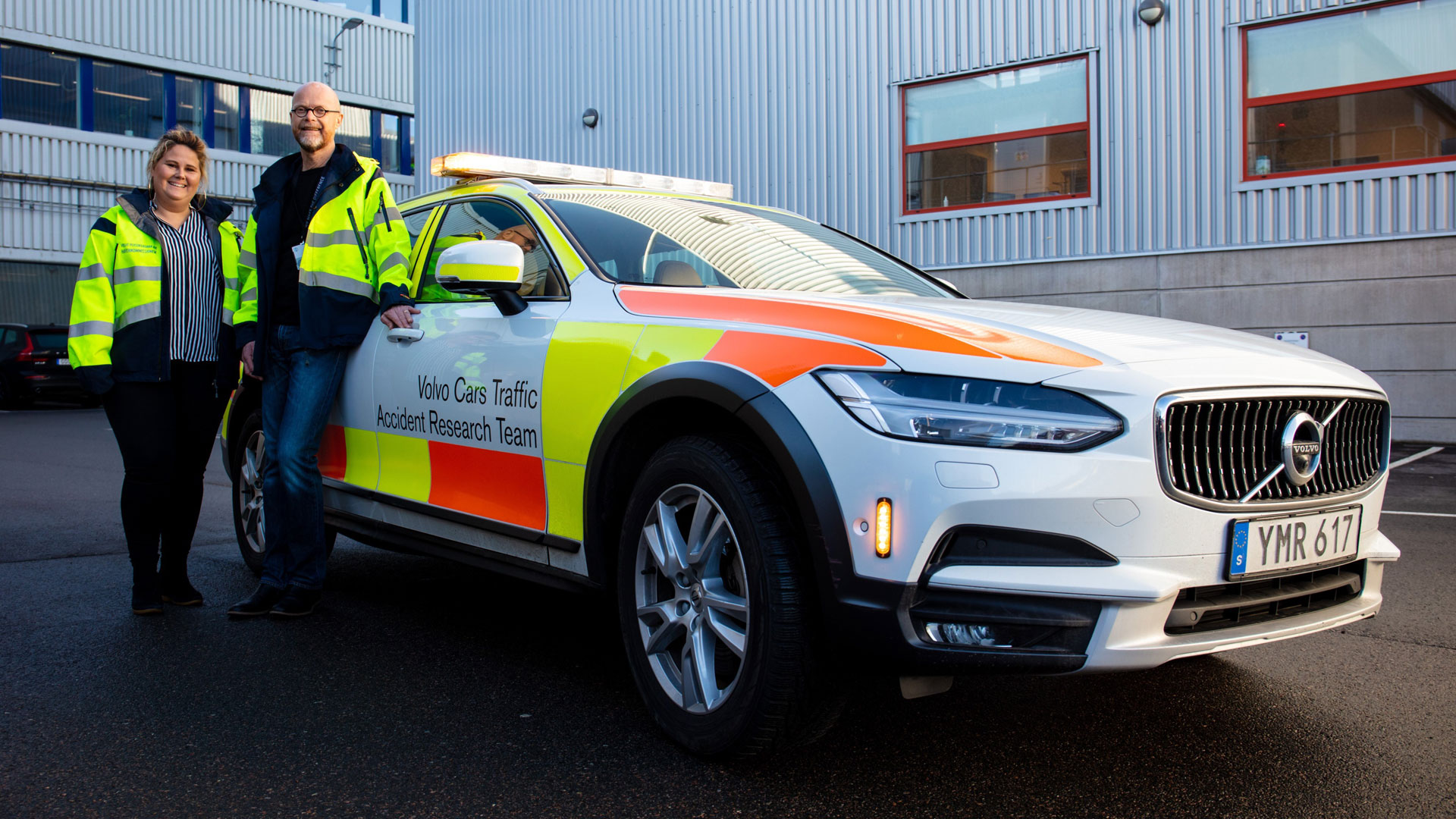
Volvo’s accident research team has been collecting data since the 1970s to better understand what happens during a collision. The team has gathered and analysed data from more than 40,000 cars and 70,000 passengers, which has led to the development of many of the safety systems we take for granted.

For example, Volvo discovered that women are at higher risk of whiplash than men. This influenced the design of Volvo’s Whiplash Protection System (WHIPS), which combines a robust head restraint with a clever seat design to protect the head and spine. Crucially, there’s no longer a difference in whiplash risk between men and women.

Volvo even developed the world’s first average-sized pregnant crash test dummy to study how the occupant moves and how the safety belt and airbag affect the woman and foetus. Safety isn’t sexy, but you could lose a couple of hours discovering how much Volvo has done to improve road safety.

As Volvo’s co-founder Gustaf Larson once said: “Cars are driven by people. The guiding principle behind everything we make at Volvo therefore is, and must remain, safety,”

Advertisement

From Santa Fe to California: cars named after places

0

It’s difficult naming cars. Once you’ve established nobody else has nicked a name for themselves, you have to check it sounds right in other languages, how well it searches online and indeed whether it’s a match to the car in question. ‘Ferrari Kangoo’ simply won’t do.

It’s no wonder some carmakers default to an assortment of numbers and letters. MP4-12C, anyone? We’ve collated a list of the coolest place names borrowed for cars.

Hyundai Santa Fe

Humble beginnings, with Hyundai’s breakout SUV. The Santa Fe takes its name from the capital city of the American state of New Mexico, but don’t be fooled. This is no semi-exotic pseudo-Latino runaround. The Santa Fe is as pedestrian and boring as a Hyundai SUV ought to be. Albeit, in later variations, a very capable one.

Ford CortinaFrom Cortina to California: cars named after places

It’s one of the most famous car names in Britain, but the Cortina wasn’t always destined to be named after an Italian ski resort. It started life as Project Archbishop and could have been called Consul-225 or Caprino, until somebody realised the latter is a slang word for goat dung. Naming it after the host of the 1956 Winter Olympics was a stroke of genius, as it injected a little glamour into an otherwise humble saloon car. Fortunately, Ford didn’t use the 1960 games as inspiration: the Ford Squaw Valley doesn’t have the same effect.

Austin MontegoFrom Cortina to California: cars named after places

By the mid-80s, more and more people were experiencing air travel for the first time, with falling prices, the birth of package holidays and Judith Chalmers asking ‘Wish you were here?’ the main driving forces behind the change. Austin-Rover attempted to cash-in on the nation’s new horizons by naming its rather humdrum four-door saloon after a famous Jamaican tourist destination.

Alfa Romeo MontrealFrom Cortina to California: cars named after places

Is this the most beautiful car ever to be named after an international exposition? The Alfa Romeo Montreal was originally shown as a styling exercise at Expo 67 in Montreal, before being launched as a production model in 1970. The original plan was for the world exposition to be held in Moscow. Had that been the case, we believe Alfa would have looked elsewhere for a name…

Bentley MulsanneFrom Cortina to California: cars named after places

Bentley has strong links with the 24 Hours of Le Mans race, so the fact that it chose to name a car after one of the most famous straights in the world came as no surprise. Safety concerns led to the installation of two chicanes installed in time for the 1990 race, but the Mulsanne Straight remains a formidable test of speed and bravery.

Dodge Charger DaytonaFrom Cortina to California: cars named after places

The first official NASCAR race took place at Daytona Beach in 1948, so it was only a matter of time before a car was named in its honour. The Dodge Charger Daytona is arguably the most famous, but others will point to the Ferrari 365 GTB/4, although it was never officially called ‘Daytona’. We also need to give an honourable mention to the Dodge Daytona of the 80s and early 90s.

Austin CambridgeFrom Cortina to California: cars named after places

There’s something quite ‘Brexit’ about the British car industry’s approach to model naming in the 50s and 60s. Austin rolled out the Hereford, Somerset, Westminster and Cambridge…

Daewoo Le MansFrom Cortina to California: cars named after places

The most ironic name in automotive history, or proof that somebody at Daewoo had a sense of humour? The Le Mans was based on the old Mk2 Astra, not the first car you’d associate with the famous 24-hour race.

Zastava FloridaFrom Cortina to California: cars named after places

You have to admire their optimism. When the Zastava Florida – or Yugo Sana, Yugo Florida and Yugo Miami – was launched in the late 80s, the East European car industry was finding its feet. The Skoda Favorit was the most successful of the new cars to emerge from the east. But in naming its five-door hatchback after the ‘Sunshine State’, Zastava was getting ideas above its station.

Ferrari CaliforniaFrom Cortina to California: cars named after places

We conclude, as promised, with the Ferrari California. Up until 2017 it was Ferrari’s ‘entry-level’ drop top, before it was replaced by the Portofino. Sticking with the tradition of place names, Portofino trades out the American west coast for sunny Italian shores.

Advertisement

First look at £6 million Aston Martin DBS GT Zagato

0

Aston Martin DBS GT Zagato

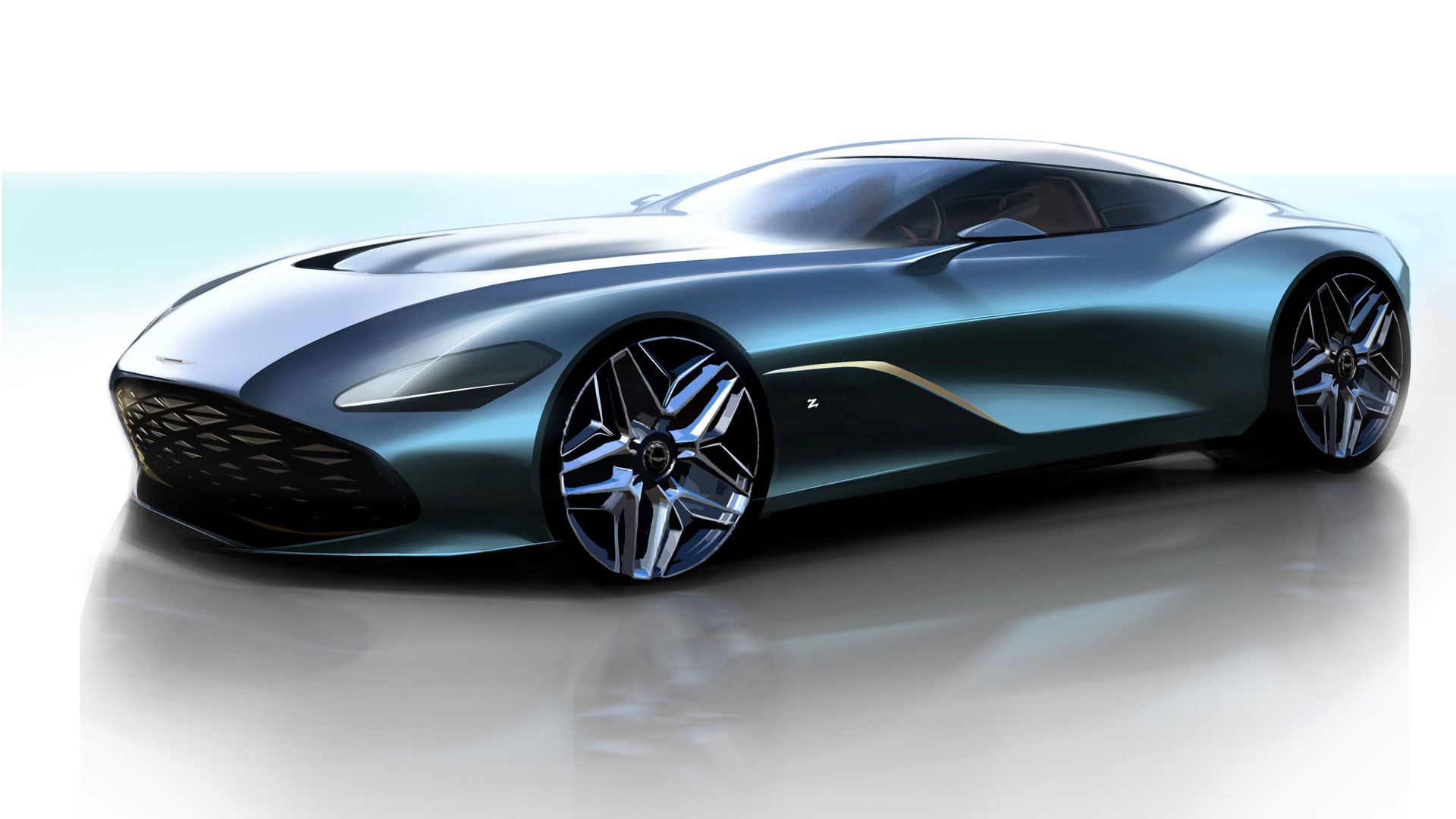
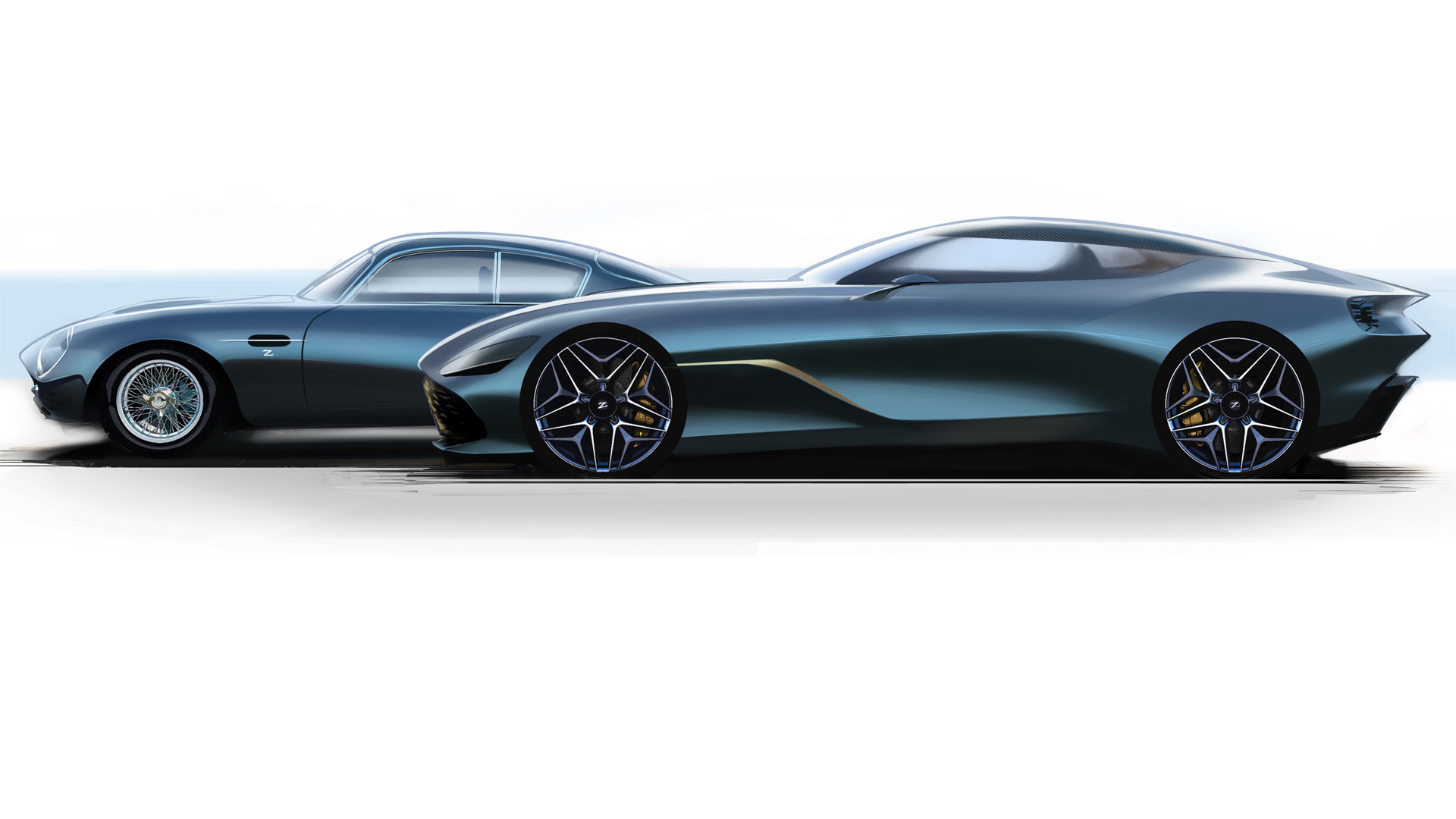
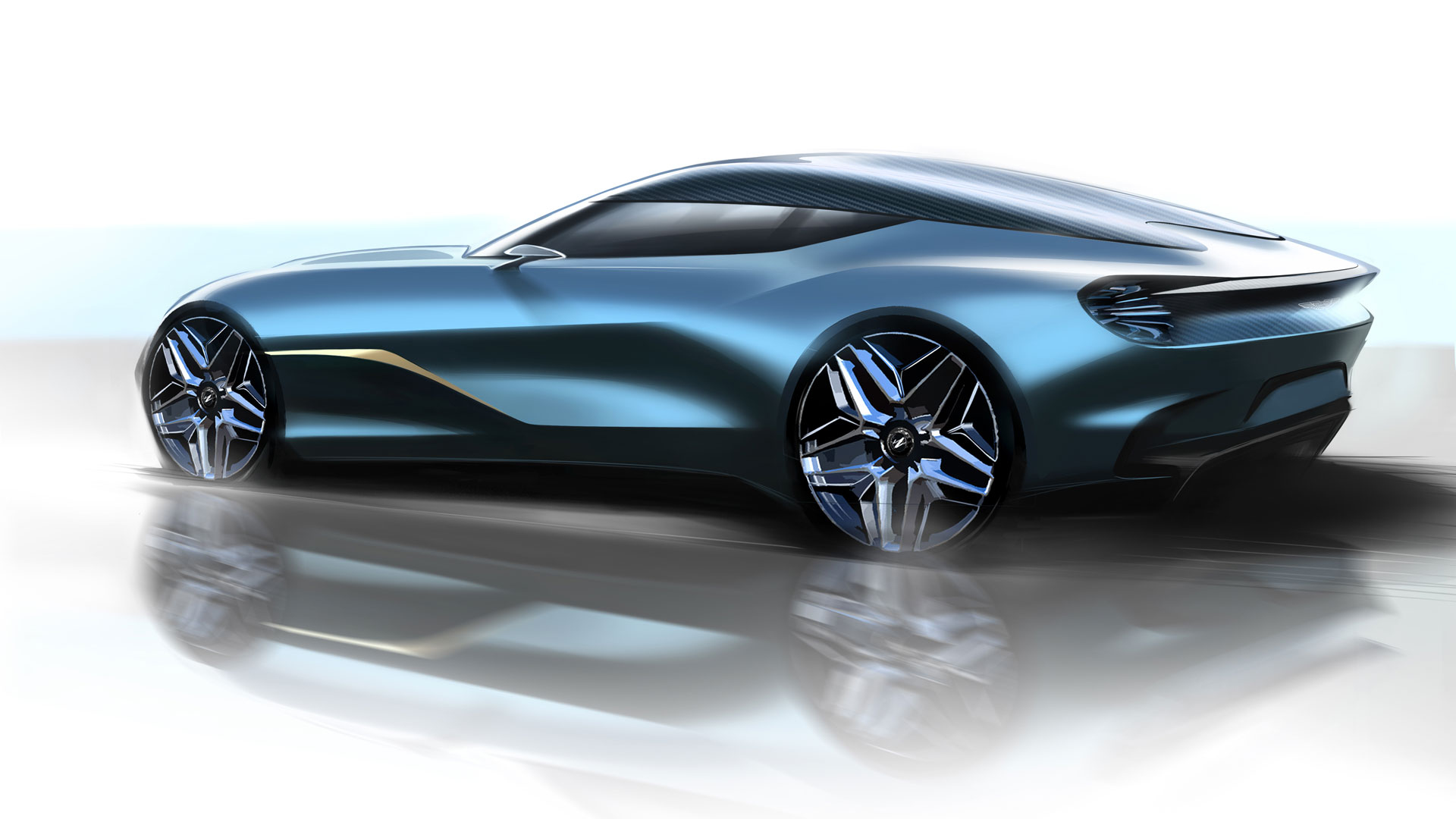
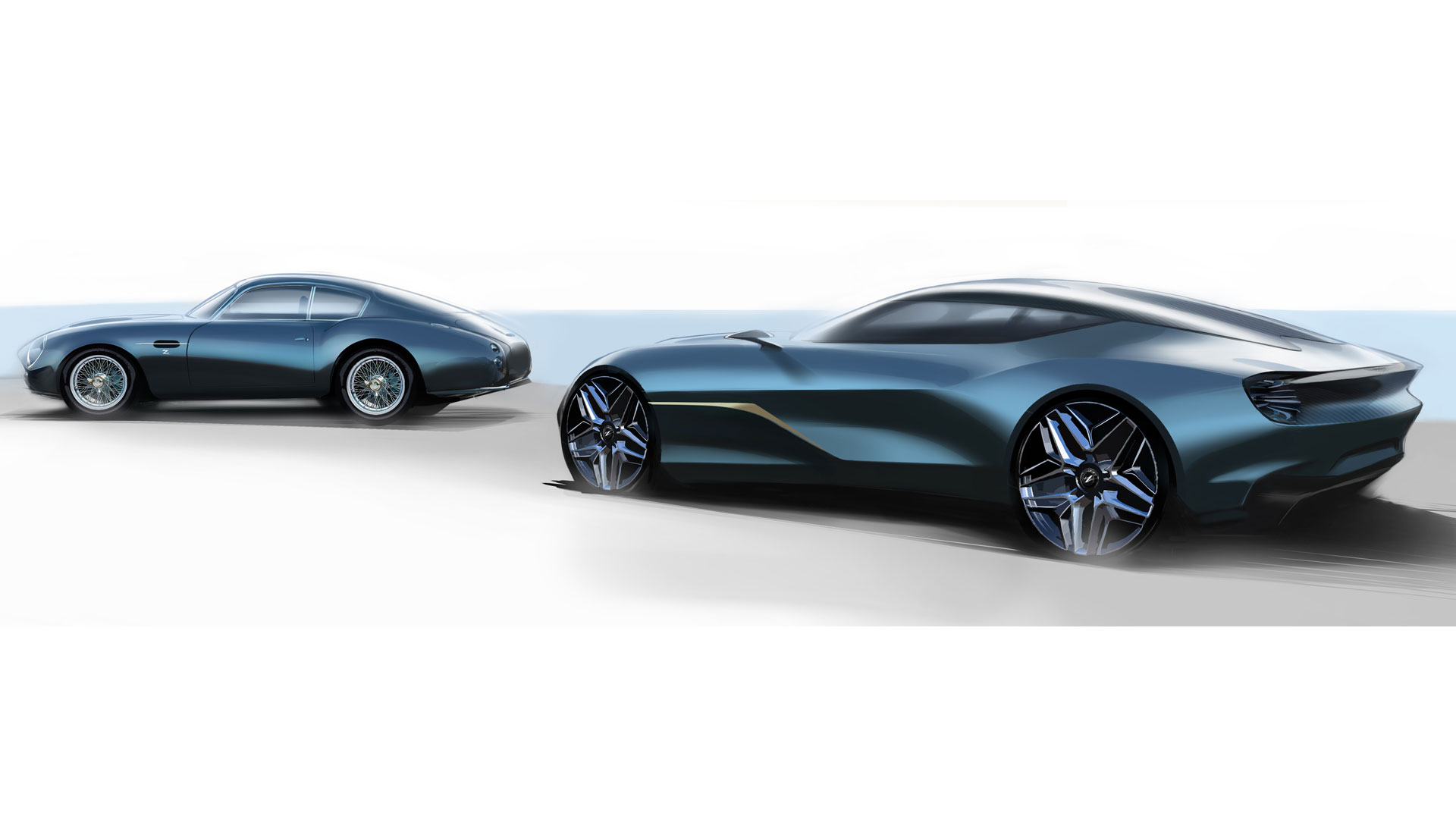
Aston Martin has released detailed renderings of the DBS GT Zagato, the second half of the DBZ Centenary Collection.

Built to celebrate 100 years of the famous Italian design house, the DBS GT Zagato is the second part of arguably the greatest ‘buy one, get one free’ deal of 2019. Get your name down for one of these and you’ll also take ownership of a DB4 GT Zagato Continuation.

Aston Martin’s partnership with Zagato dates back to 1961, when the Italians were asked to give the DB4 GT a little more race-pace.

The result was a faster, lighter and shorter version of the Aston Martin, good enough to attract the likes of Jim Clark, Stirling Moss and Roy Salvadori. Just 19 were built, and it became one of the most collectible cars ever made.

A British legend


Aston Martin DBZ Centenary Collection

Indeed, only last year, an ex-Jim Clark DB4 GT Zagato sold at auction for £10.1 million, setting a record for a British car sold at a European auction.

With this in mind, the £6 million (plus taxes) Aston Martin is asking for the DBZ Centenary Collection represents a bargain. After all, you do get a DB4 GT Zagato Continuation and a DBS GT Zagato.

Placed alongside its illustrious forebear, it’s easy to spot some of the influences from the 1961 original. It’s based on the DBS Superleggera and features the iconic ‘double-bubble’ roof, discarding the traditional rear windscreen in favour of a purer roofline.

In true Zagato style, the wheels, headlights and front grille are unique to the DBS GT Zagato, but Aston Martin hasn’t released details of the powertrain, performance figures or interior. We feel a teaser campaign is in the making…

A timeless icon


First look at DBS GT Zagato

Marek Reichman, Aston Martin Lagonda’s executive vice president and chief creative officer, said: “In the DB4 GT Zagato Continuation we have one of the world’s most beautiful and instantly recognisable pieces of car design. Creating a car fit to stand alongside it was always going to be a formidable challenge, but also a great motivation.

“Both design teams at Aston Martin and Zagato have together risen to the task magnificently; taking the already fabulous DBS Superleggera and shaping something which retains its identity as an Aston Martin, but expresses itself as only a Zagato can. Sensational-looking and extremely rare, it is the modern incarnation of a timeless icon.”

DBS GT Zagato revealed


In common with the original, just 19 DBS GT Zagatos will be built, each one sold as a pair with a DB4 GT Zagato Continuation. Customers can expect to take delivery of the Continuation model by the end of the year, with the modern icon following by the close of 2020.

Click here to discover some of the beauties and beasts created by Aston Martin and Zagato since 1961

Advertisement

This new Ford Transit can LOOK AROUND CORNERS to help save fuel

0

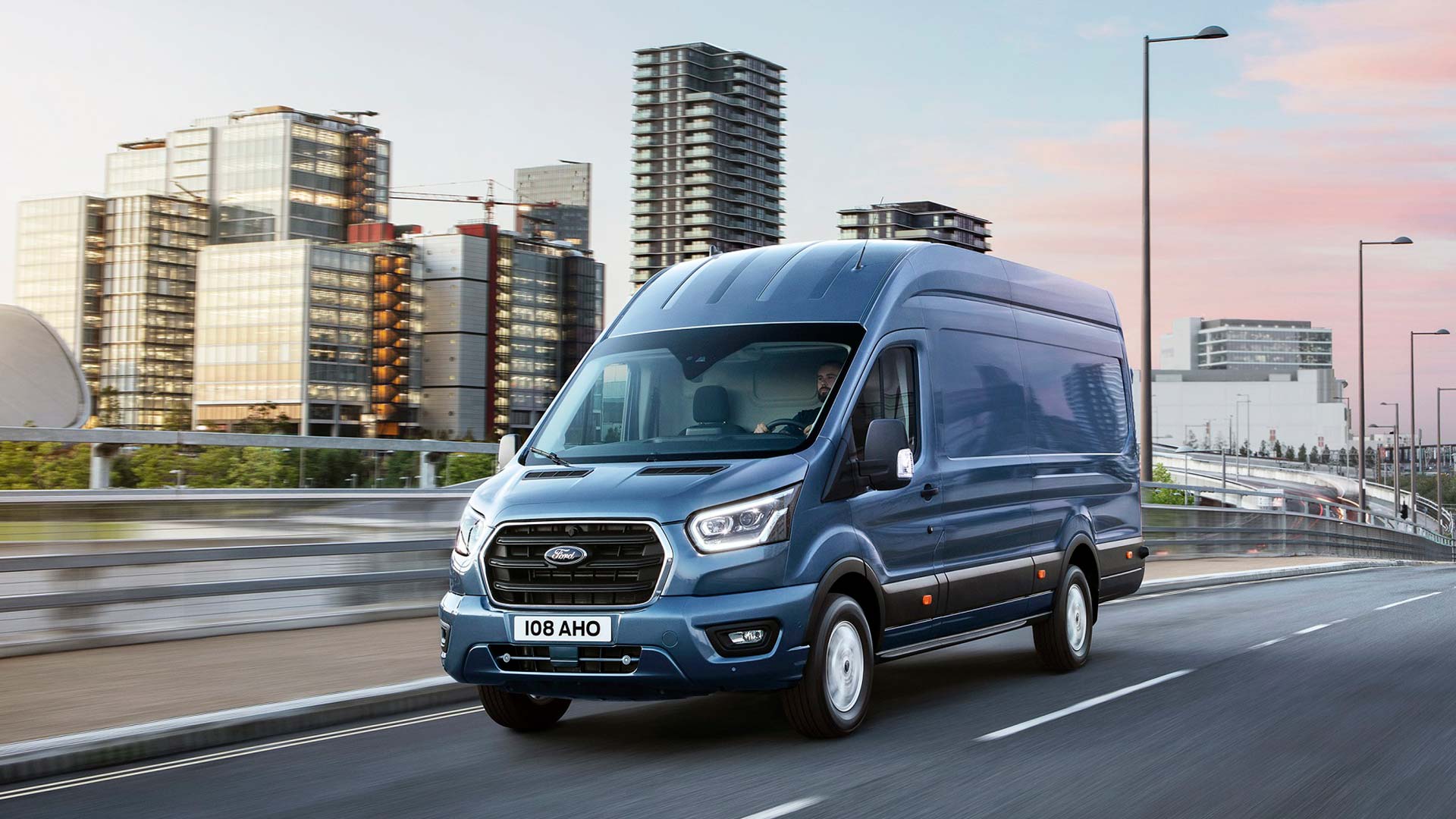
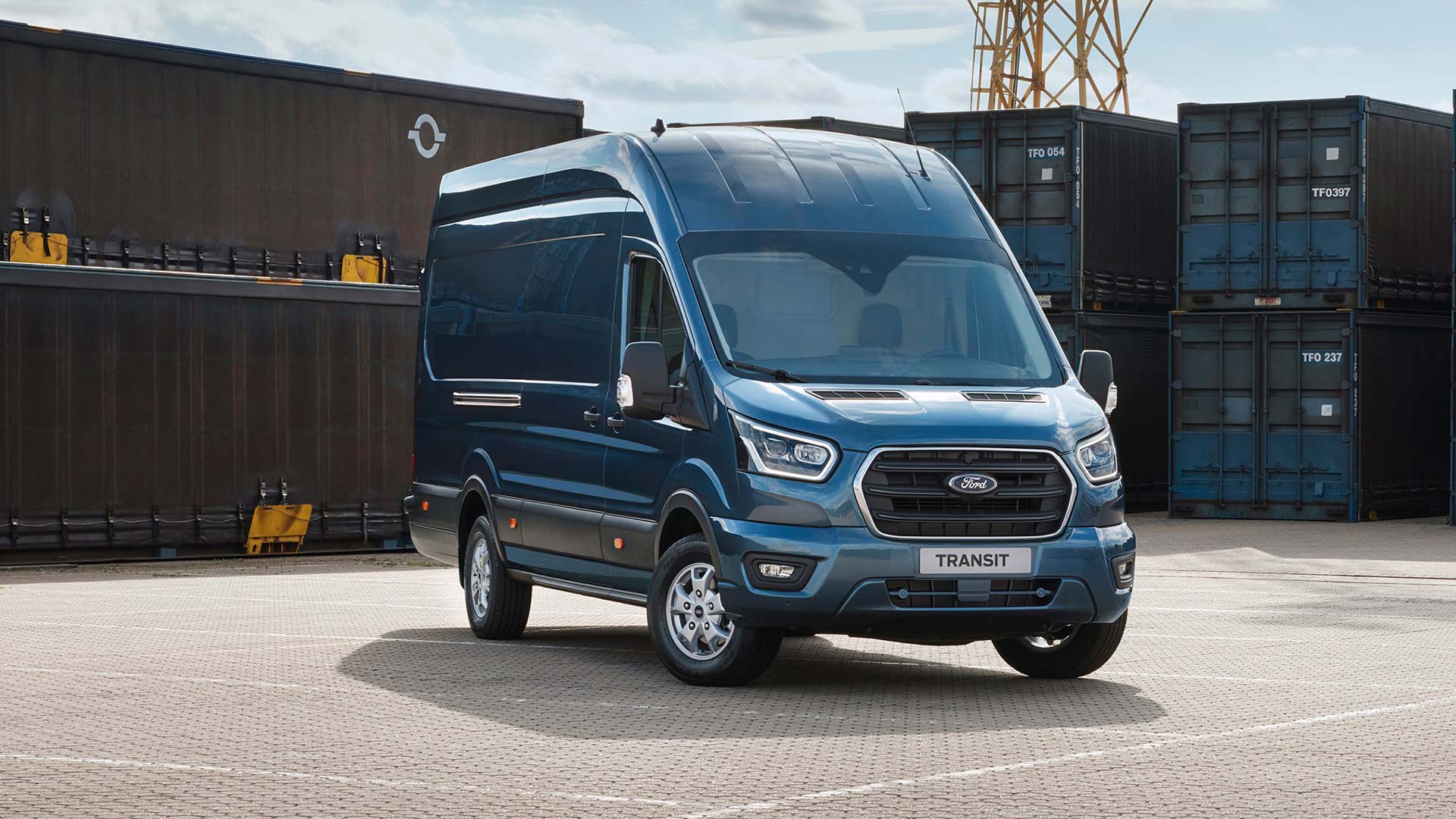
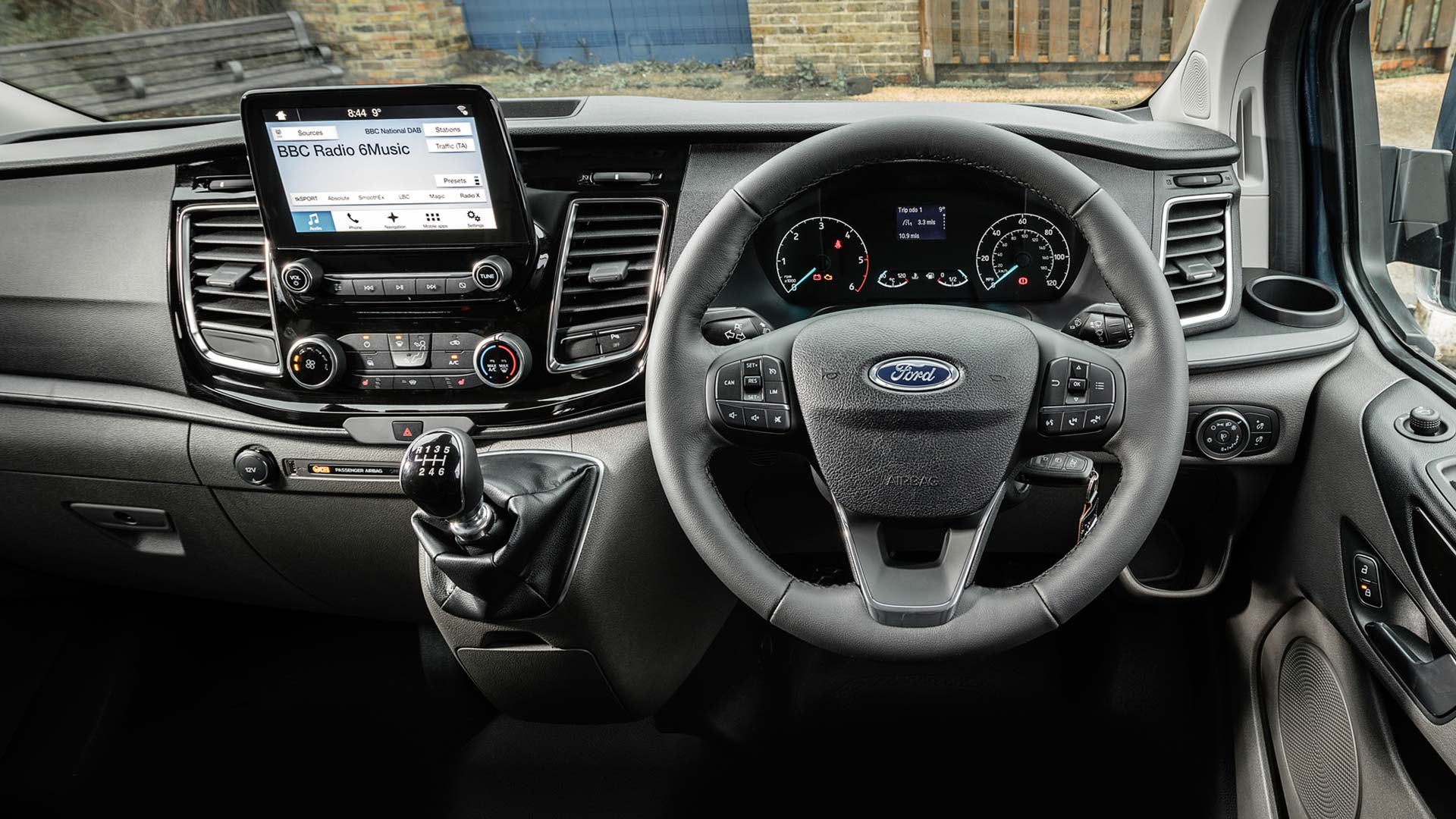
2019 Ford Transit with EcoGuide Smart GaugeFord is set to launch new technology designed to help those behind the wheel of a Transit van save fuel and money.

Driving smoothly to anticipate twists and turns ahead is useful for boosting fuel economy, but relies on knowing the road itself.

Michael McDonagh, Transit global chief programme engineer, Ford of Europe, says “everyone has experienced occasions when we have to brake suddenly if a bend is tighter than expected, only to speed up again afterwards.”

The new EcoGuide application takes away the need to remember every piece of tarmac, by making use of the satellite navigation system in the Transit.

Economy-minded co-driver

2019 Ford Transit with EcoGuide Smart GaugeEcoGuide analyses information from the built-in sat-nav system to plot the most economical way to drive the route ahead.

The aim is to avoid the need for unplanned heavy braking, which ruins the momentum of a vehicle. Given that a Transit could be carrying substantial cargo, building that motion up again wastes time and fuel.

Junctions, slopes, bends and even speed limits can be identified up by EcoGuide, which appears in the regular Transit instrument gauge.

Less fuel, less stress

2019 Ford Transit with EcoGuide Smart GaugePrompts tell the driver when to brake, and also what gear to be in to maximise efficiency. A ‘halo’ around the digital speedometer records if the driver is doing the most to save fuel, and a report can be generated at the end of a journey.

Ford introduced the EcoGuide technology a decade ago in hybrid versions of the US-market Ford Fusion and Mercury Milan. It is also a feature of the new Mondeo Hybrid estate, and an important element in Ford’s $11 billion investment in creating a range of electric vehicles.

The regular Transit van, Transit Custom, and Tourneo Custom will gain EcoGuide starting from the middle of 2019.

Advertisement

Future Volvos will be watching – to keep you safe

0

Volvo cameras and sensors

In 1984, American singer Rockwell sang about how he felt like somebody was watching him. “Tell me is it just a dream?” he asked. Well, Kennedy William Gordy, aka Rockwell, thanks to news from Volvo, we can reveal that it was far from a dream. Volvo will be watching you. Bang goes your privacy.

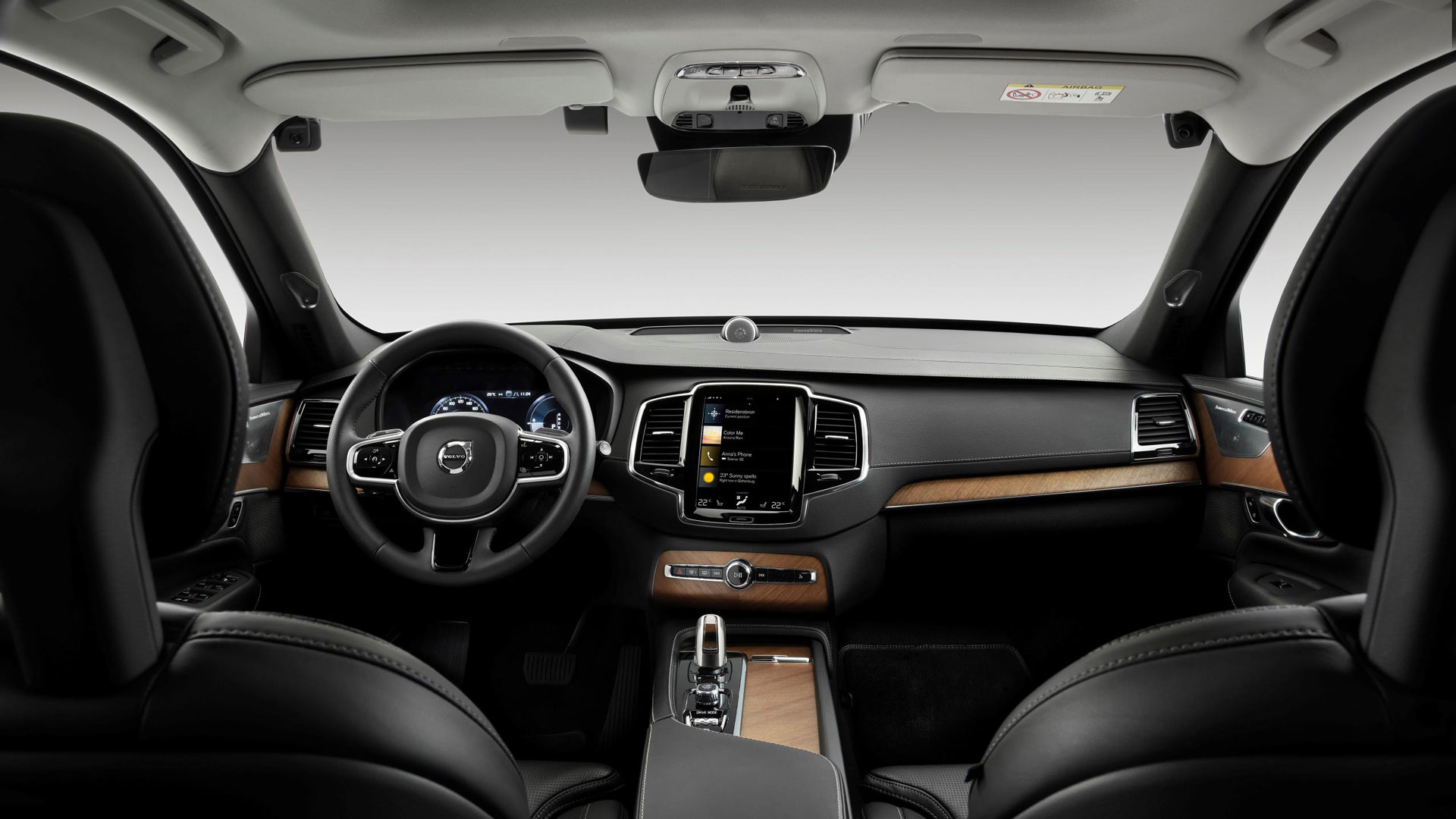
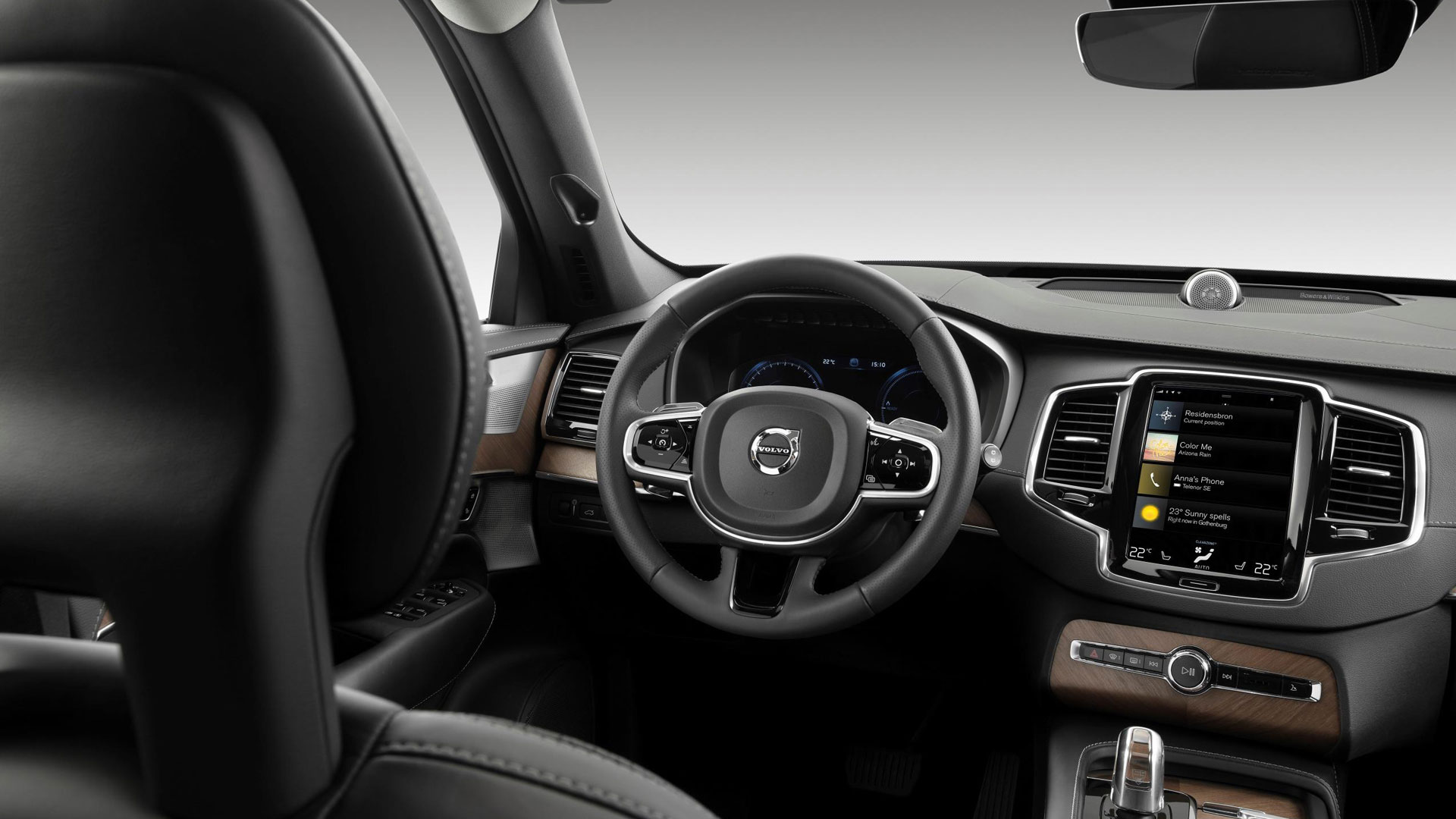
As part of its ambitions to end fatalities in its cars, Volvo is addressing the issues of intoxication and distraction. By installing in-car cameras and sensors that monitor the driver, the company believes it can intervene if there’s a risk of an accident leading to serious injury or death.

Volvo points to figures released by the National Highway Traffic Safety Administration (NHTSA) showing that almost 30 percent of traffic fatalities in vehicles in 2017 involved intoxicated drivers.

If the system detects a problem – maybe through a lack of steering input, weaving across lanes or eyes off the road – it could limit the car’s speed, alert the Volvo On Call assistance service or, as a last resort, bring the car to a stop.

Avoiding accidents altogether 

“When it comes to safety, our aim is to avoid accidents altogether rather than limit the impact when an accident is imminent and unavoidable,” says Henrik Green, senior vice president, research and development at Volvo Cars. “In this case, cameras will monitor for behaviour that may lead to serious injury or death.”

Volvo tackles intoxication

The introduction of the cameras will start on the next generation of Volvo’s scalable SPA2 vehicle platform in the early 2020s, with details of the cameras and their positioning to follow at a later stage.
This news comes a couple of weeks after Volvo’s announcement that future cars will be limited to 112mph as part of its Vision 2020 initiative. Speeding, intoxication and distraction are Volvo’s primary areas of concern for traffic safety.

“There are many accidents that occur as a result of intoxicated drivers,” says Trent Victor, professor of driver behaviour at Volvo Cars. “Some people still believe that they can drive after having had a drink, and that this will not affect their capabilities. We want to ensure that people are not put in danger as a result of intoxication.”

Advertisement

Meet Chris, your new in-car digital assistant

0

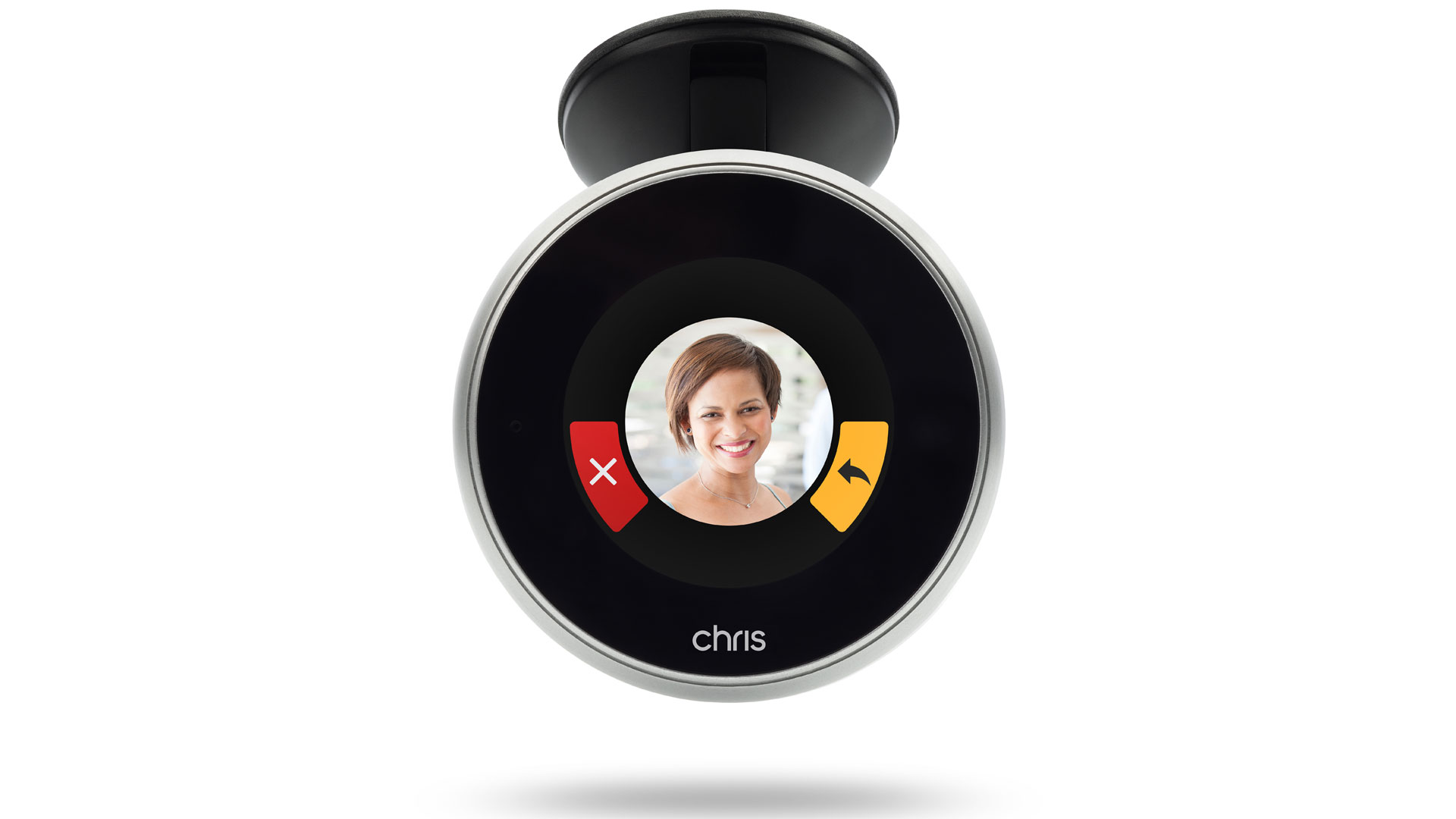
Chris in-car digital assistant

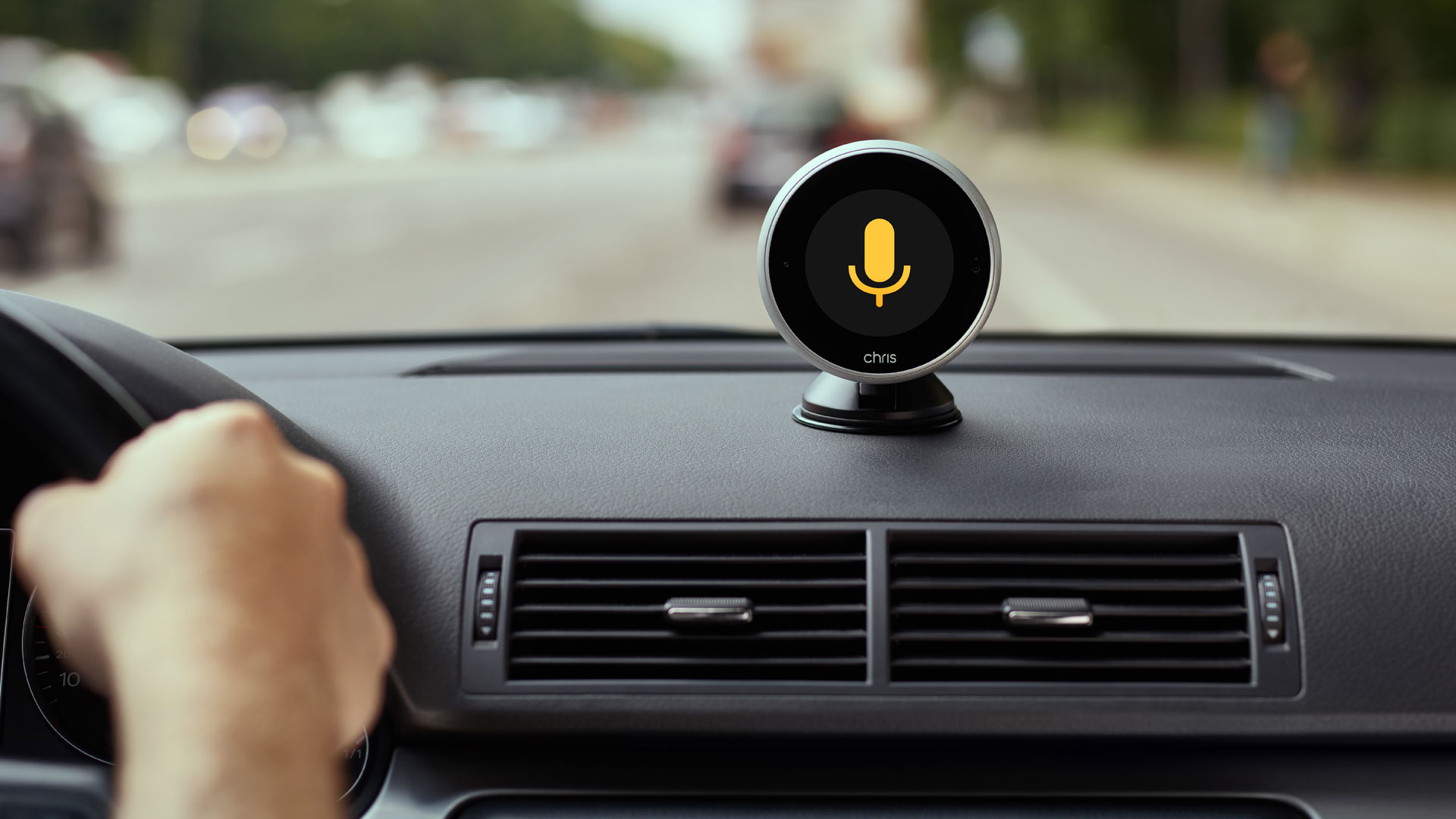
Introducing Chris: a new digital assistant for drivers. According to German Autolabs, the Berlin-based startup behind the tech, this is the world’s first voice AI-enabled digital assistant for in-car use. And it’s now available in the UK on Amazon for £299.

Say “Hey Chris” and the windscreen-mounted device will help you to make and receive calls, send a text or a WhatsApp message, get directions and play music. It works in any vehicle, regardless of age and model, and can even work offline, giving it an edge over Siri and Google Assistant.

Chris is initially available for Android users, but an iOS release is planned for later in 2019.

Chris in-car digital call

It’s a little like Alexa Echo or Google Home, but Chris can also be operated using gesture control, making it easy to skip through music tracks or a list of contacts. Just be aware that oncoming drivers and pedestrians might think you’re waving at them, rather than Chris.

The company behind Chris says it works in a noisy in-car environment, which will be music to the ears of drivers with young children on board, and while the system has its own speaker, it’s possible to play music on your car stereo using an FM transmitter.

Sprechen Sie Deutsch?

For now, Chris only speaks and understands German and English, although more languages will be added at a later date. As for accents, a company spokesperson said: “We would describe Chris as ‘accent-robust’.

“Our development team, who have been testing Chris from the start, come from all over the world, and many speak English or German with their own accents. In our experience, Chris can understand people who speak with an accent (within reason).”

‘Within reason’ – we suspect a few British drivers will be putting Chris to the test… 

It’s a cool thing that will keep you legal behind the wheel, but you may be wondering why the digital assistant is called Chris. Well, St Christopher is the patron saint of safe travelling and the company wanted a name that could work for two genders: Chris could be Christopher or Christine.

What you’ll need to use Chris

  • A Bluetooth-enabled smartphone
  • Android 7.1.1 ‘Nougat’ or higher
  • 12V socket or USB port
  • Online connection for full functionality

The Chris box contains

  • 1 x Chris
  • 1 x suction cup mount
  • 6 x cable holder
  • 1 x 3.6m micro USB cable
  • 1 x 12v dual USB charger
  • 1 x quick start guide

Where to buy Chris

[amazon_link asins=’B07F1D3933′ template=’ProductCarousel’ store=’motoringresea-21′ marketplace=’UK’ link_id=’cbf13770-8235-4e71-b22c-f02364d23116′]

Advertisement

‘Hitler bomber’ Bentley found in garage after 30 years

0

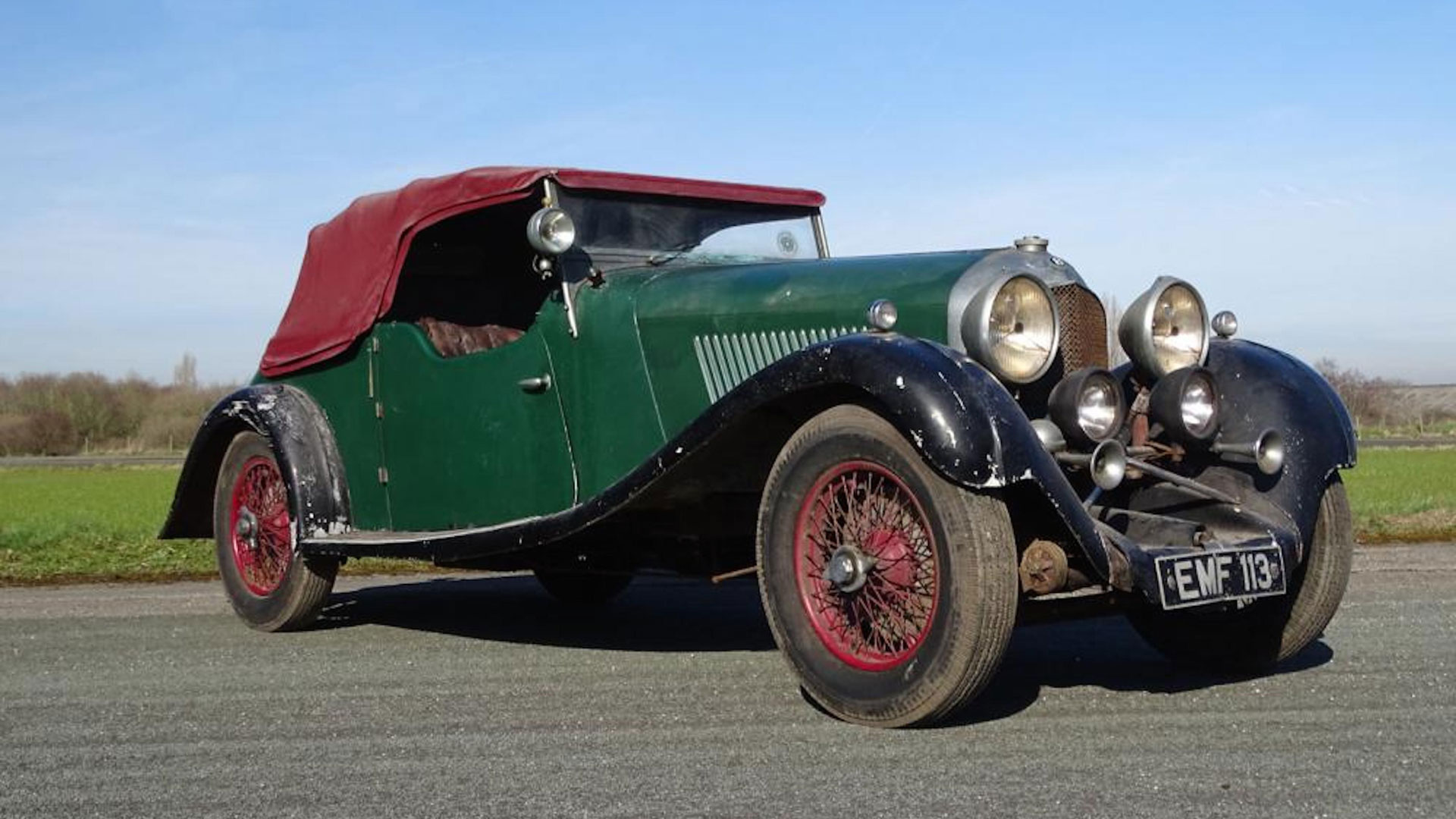
Hitler Bomber Bentley

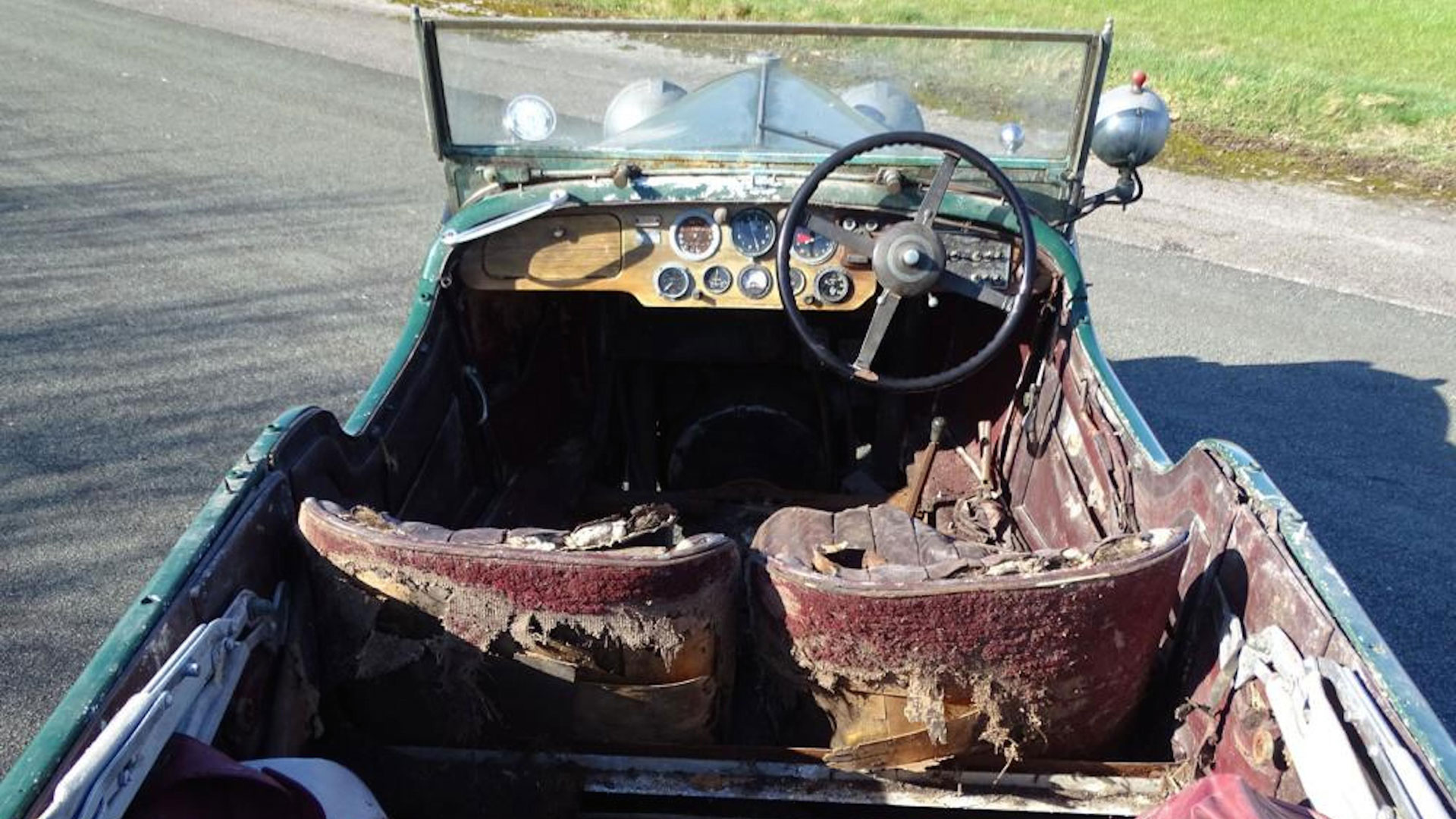
A 1936 Bentley 4.5-Litre Vanden Plas Tourer previously owned by former RAF pilot Charles Blackman has sold at auction for £454,250 at the H&H Classics sale at Duxford.

It last sold for £260 in 1952 and has spent the last 30 years locked up at Mr Blackman’s home in Stockport. But the Bentley was unearthed following the death of the former pilot and sold as part of his estate.

Despite being in a ‘barn-find’ condition, the Bentley fetched more than double the pre-auction estimate of between £150,000 and £200,000, helped in no small part by the fact that it’s one of only six W.O. Bentley 4.5-Litre cars assembled by the service department using new old stock parts in 1936.

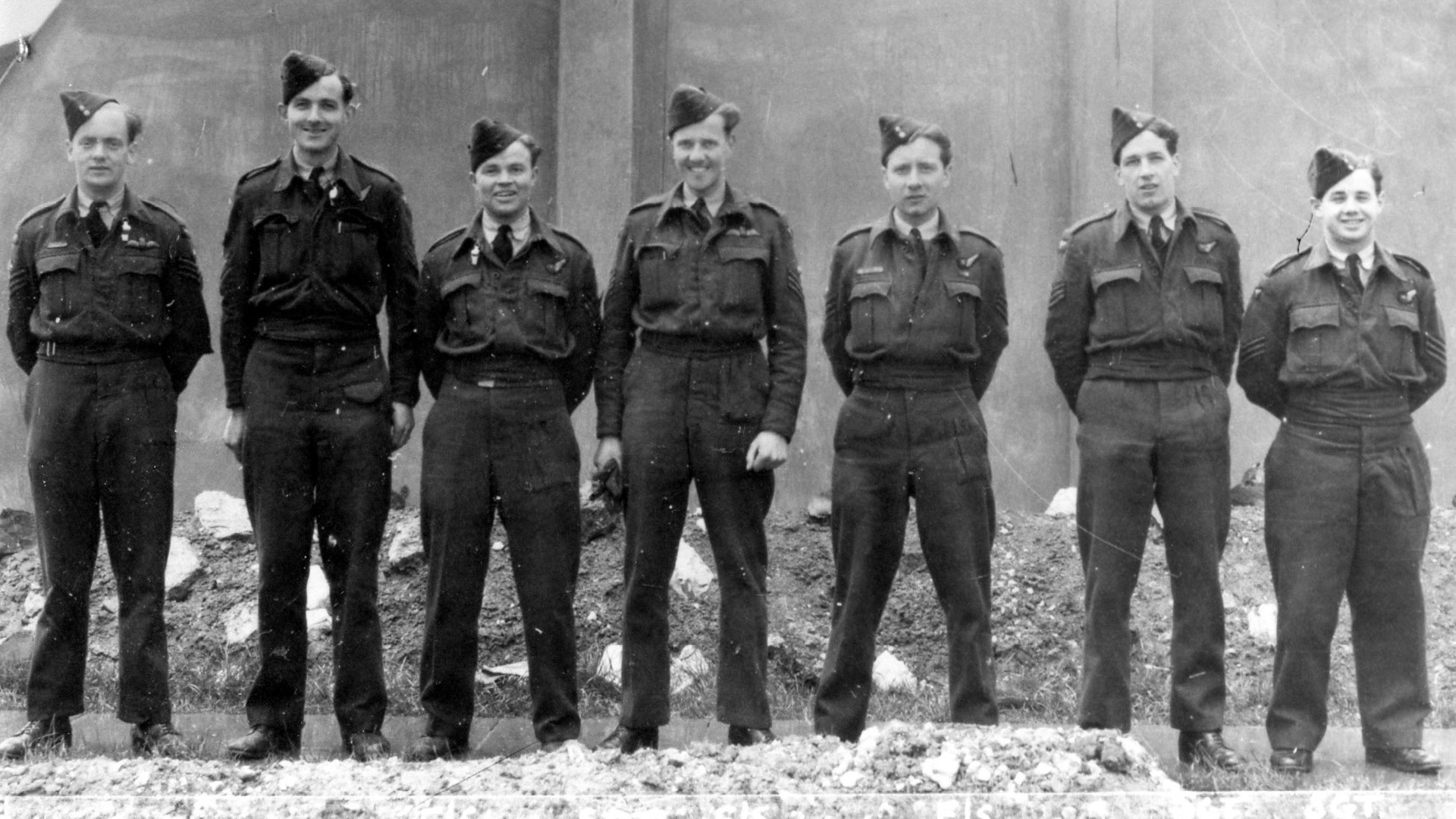
Mr Blackman served in the RAF 500 Squadron and took part in the bombing of Hitler’s mountain retreat in Bavaria in April 1945. In the same month, he made emergency food drops on the German/Dutch border where people were facing famine.

RAF 550 Squadron
RAF 550 Squadron, with Flight Sargent Blackman pictured centre

He bought the Bentley in 1952 and drove it for 36 years before age caught up with him and the car was taken off the road. It remained in his garage ever since.

Damian Jones, head of sales at H&H Classics said: “This is the ultimate Bentley ‘barn-find’ in the marque’s centenary year. It is a really wonderful discovery for all fans of the marque made even more special in the make’s 100th birthday year.

“It sold last time for just £260 so this time we believed it would do a thousand times better and it did not disappoint.”

1936 Bentley 4.5-Litre Vanden Plas Tourer

He added: “This Bentley is so unusual because it was assembled in the mid 1930s using a chassis and mechanical parts which dated from no later than 1931.”

“Only the body was freshly made when the car was assembled and sold as a new car in 1936. The W.O. Bentleys made from 1919 to 1931 are far more valuable than the Derby Bentleys which followed from 1933 to 1940. The car was accepted as a W.O. Bentley because its chassis and mechanicals were all made during the W.O. era.”

Advertisement