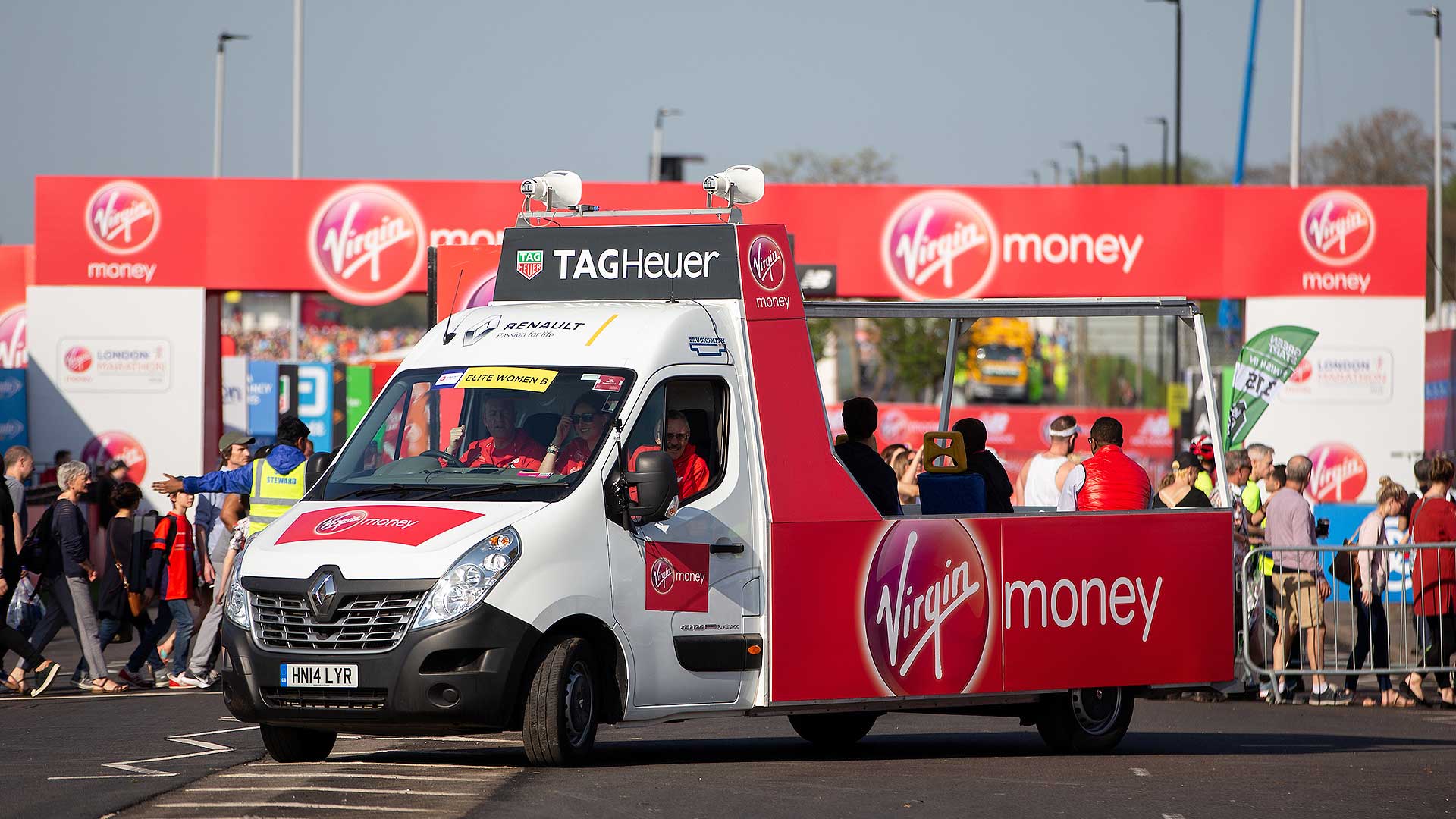
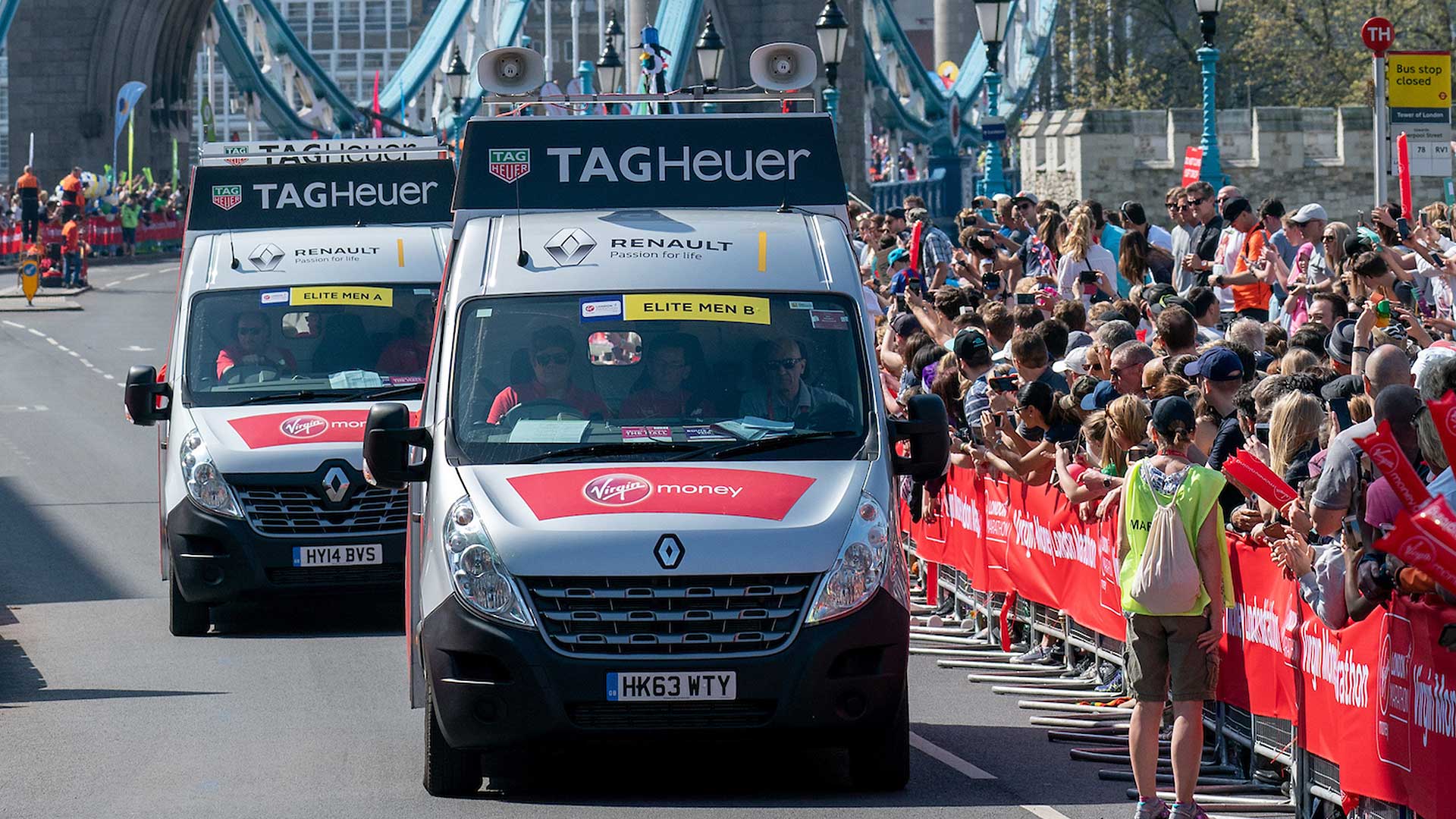
Renault is to once again play a starring role in the London Marathon – by supplying nearly 30 support vehicles to help officials run the event.
This will include four converted Renault Master vans fitted with roof-mounted digital race clocks, which will be driven ahead of the elite races.
Mo Farah will be among the runners keeping an eye on their progress by watching the roof of a Renault – being captured as he runs by the photographers touring on the back of the Master vans.
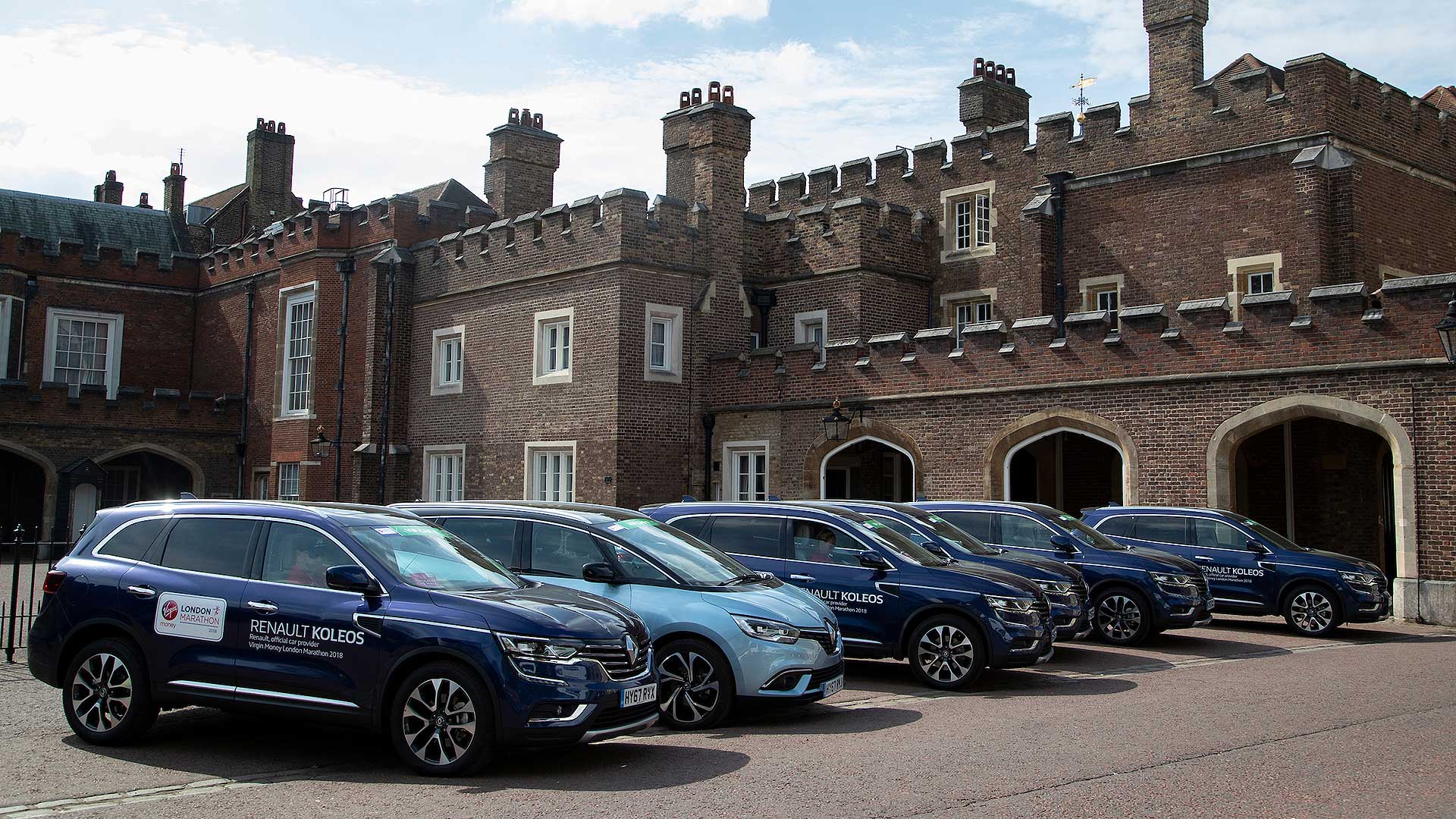
It is the 23rd year Renault has been official car provider for the London Marathon. The 29-car fleet has already been busy in the build-up to the event, helping organisers set up the course.
The race director has toured the London Marathon route in a Renault, and top athletes and VIPs have been picked up from the airport in Renaults.
Other cars in the fleet include the Renault Koleos, Grand Scenic, Megane, plus the Kangoo and Trafic vans (but oddly, as the London Ultra Low Emission Zone is now live, not a single Renault Zoe electric car…).
The London Marathon first took place in 1981. Since then, it has raised over £955 million for charity. Organisers are hoping the 2019 event will take the total raised to over £1 billion.
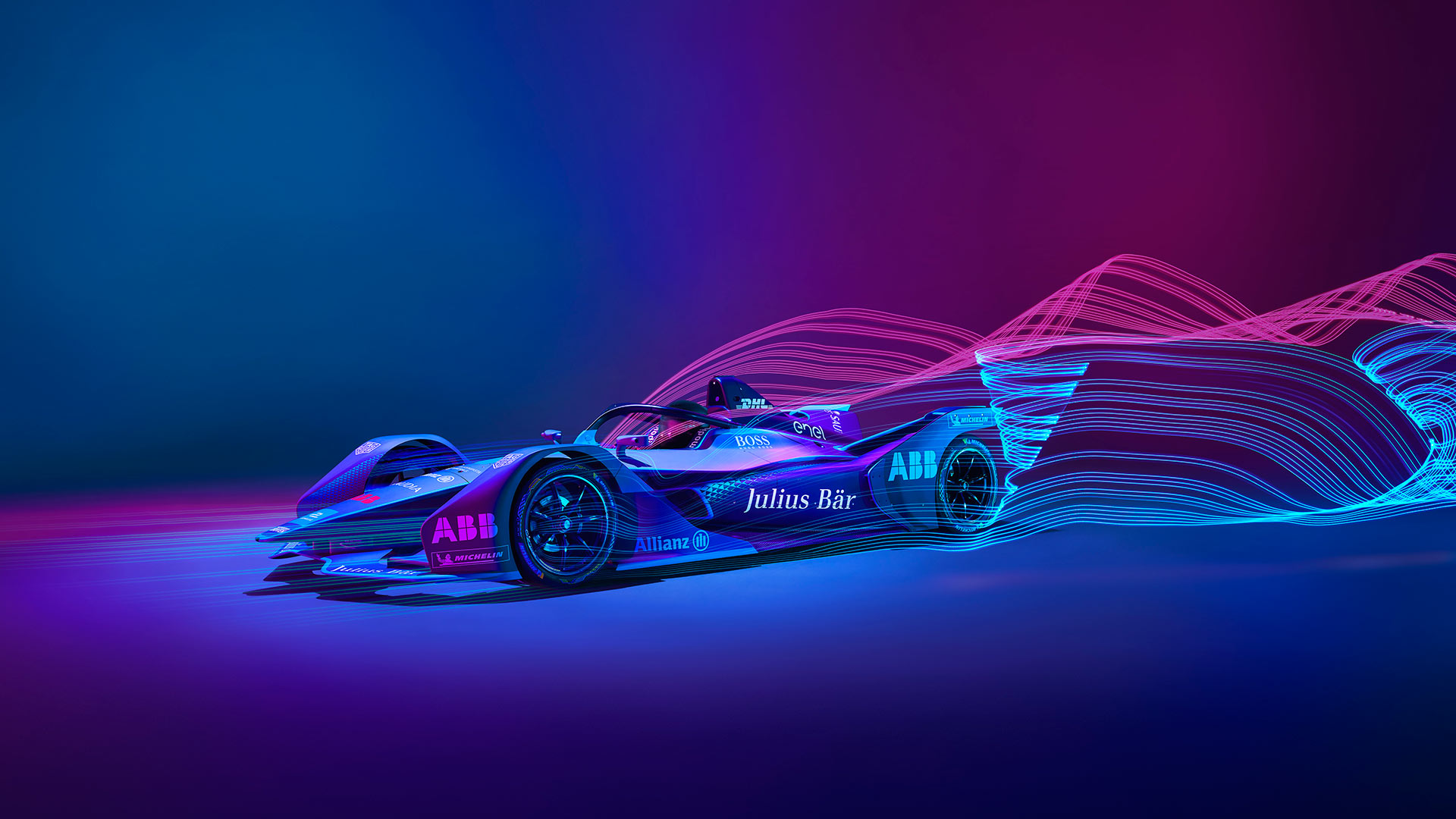
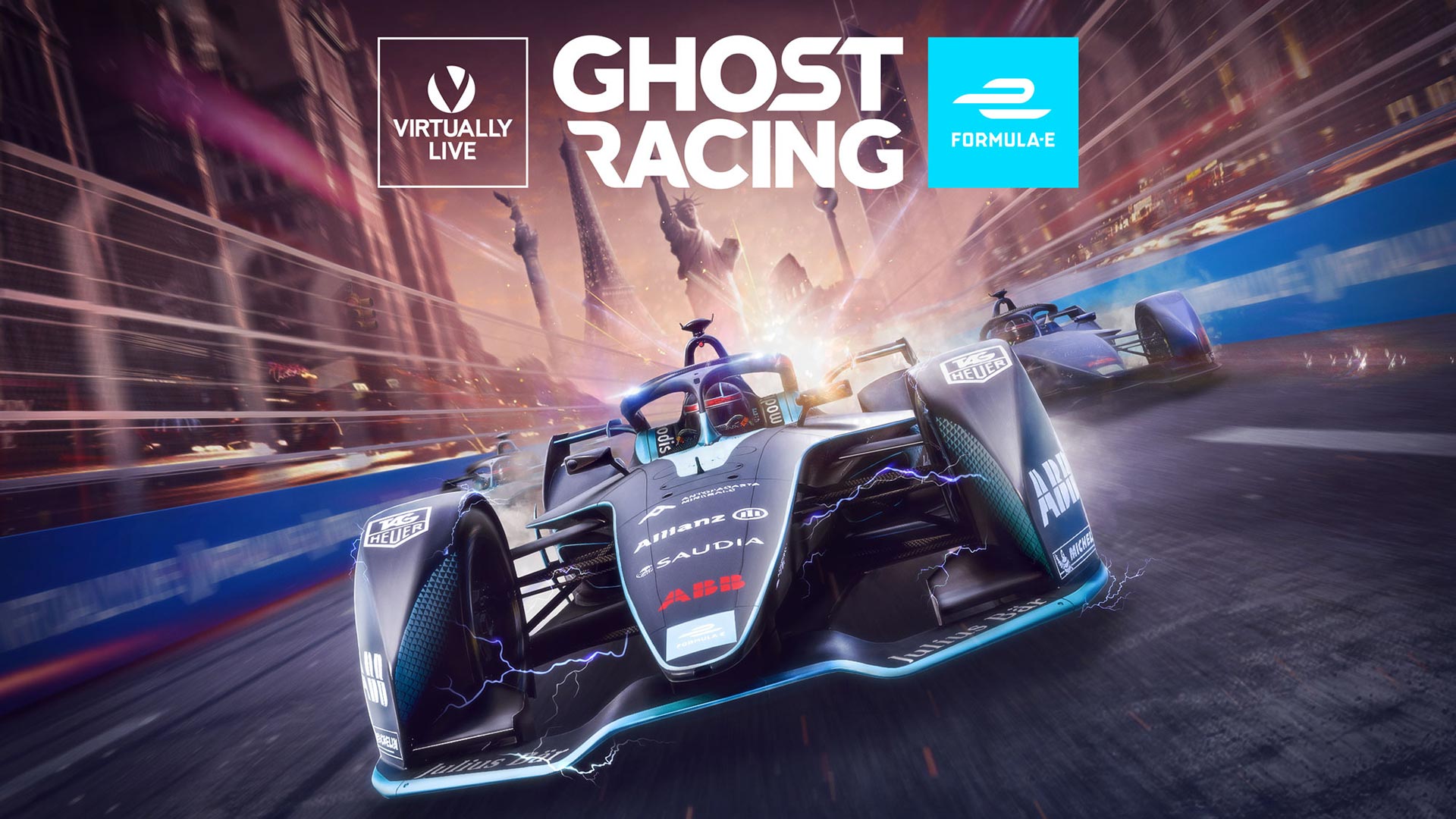
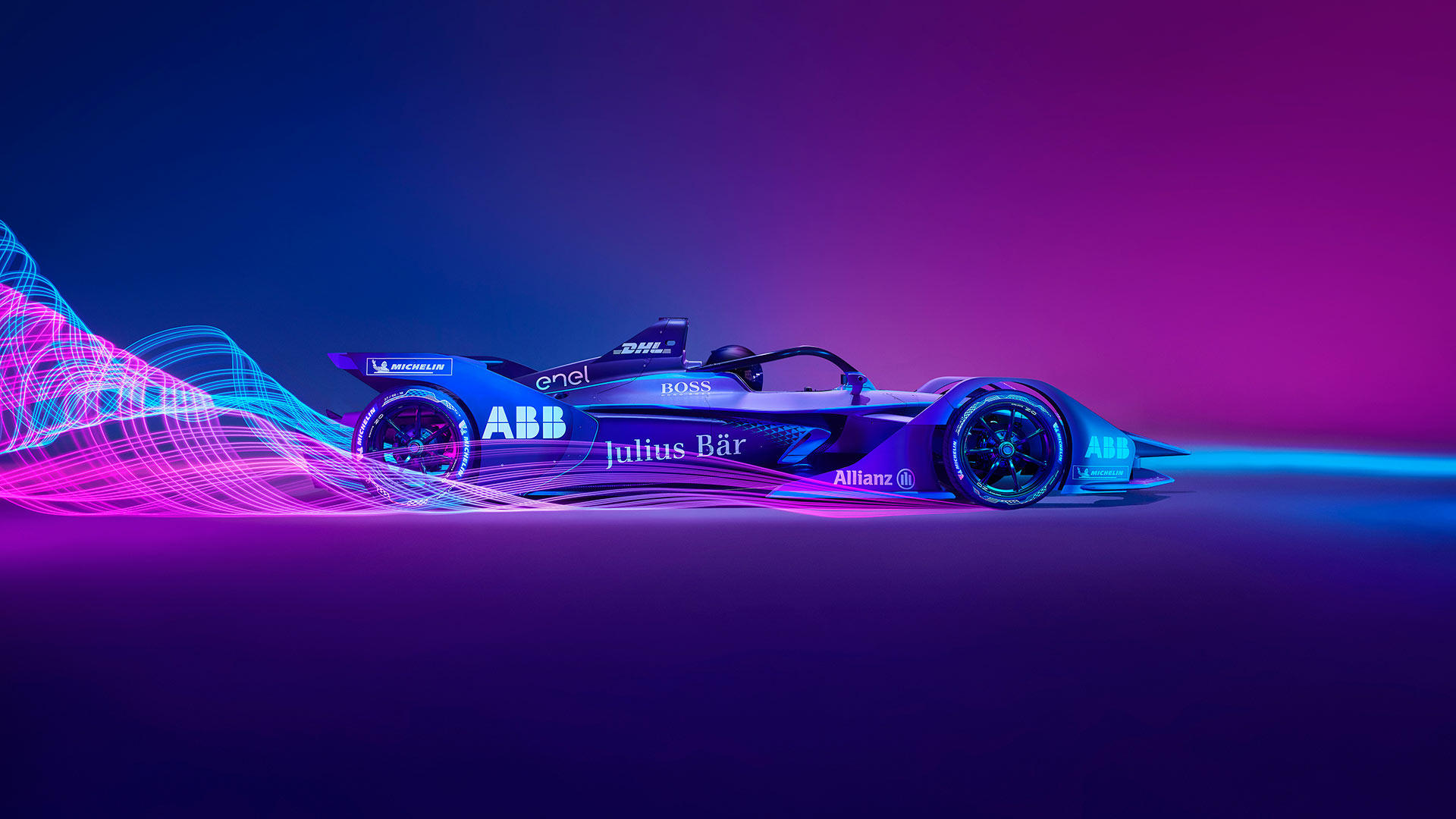
Starting with this weekend’s Paris E-Prix, fans of Formula E will be able to compete against a virtual recreation of the action happening on track.
The new ‘Virtually Live Ghost Racing: Formula E’ game uses telemetry and timing data from the actual race, creating a digital version for players to immerse themselves in.
What makes the new game so different, according to Formula E organisers, is the opportunity for gamers to test themselves against real action – not just algorithms or simulations.
Along with competing in a ‘live’ race as the action unfolds in Paris, players can also use the app to simply watch the E-Prix as well.
Live in-game commentary is also included, meaning those taking part are kept fully up to speed with the action happening in the real world.
Previous races from the latest two seasons of the FIA Formula E Championship are also included, allowing the opportunity to see if players could have improved on past results.
Along with live action, Virtually Live Ghost Racing also promises the ability to challenge friends, and create custom races against other online competitors.
Available for both Apple iOS and Android devices, the game is currently free to download from app stores now.
Launching the game was one of the key aims of Alejandro Agag, Founder & CEO of Formula E, who has been determined to make the sport as interactive as possible for fans.
Agag commented that “before we launched the ABB FIA Formula E Championship, I promised that one day our fans will be able to race against their favourite drivers in real time, making them a part of the racing more than ever before and now this dream is a reality.”
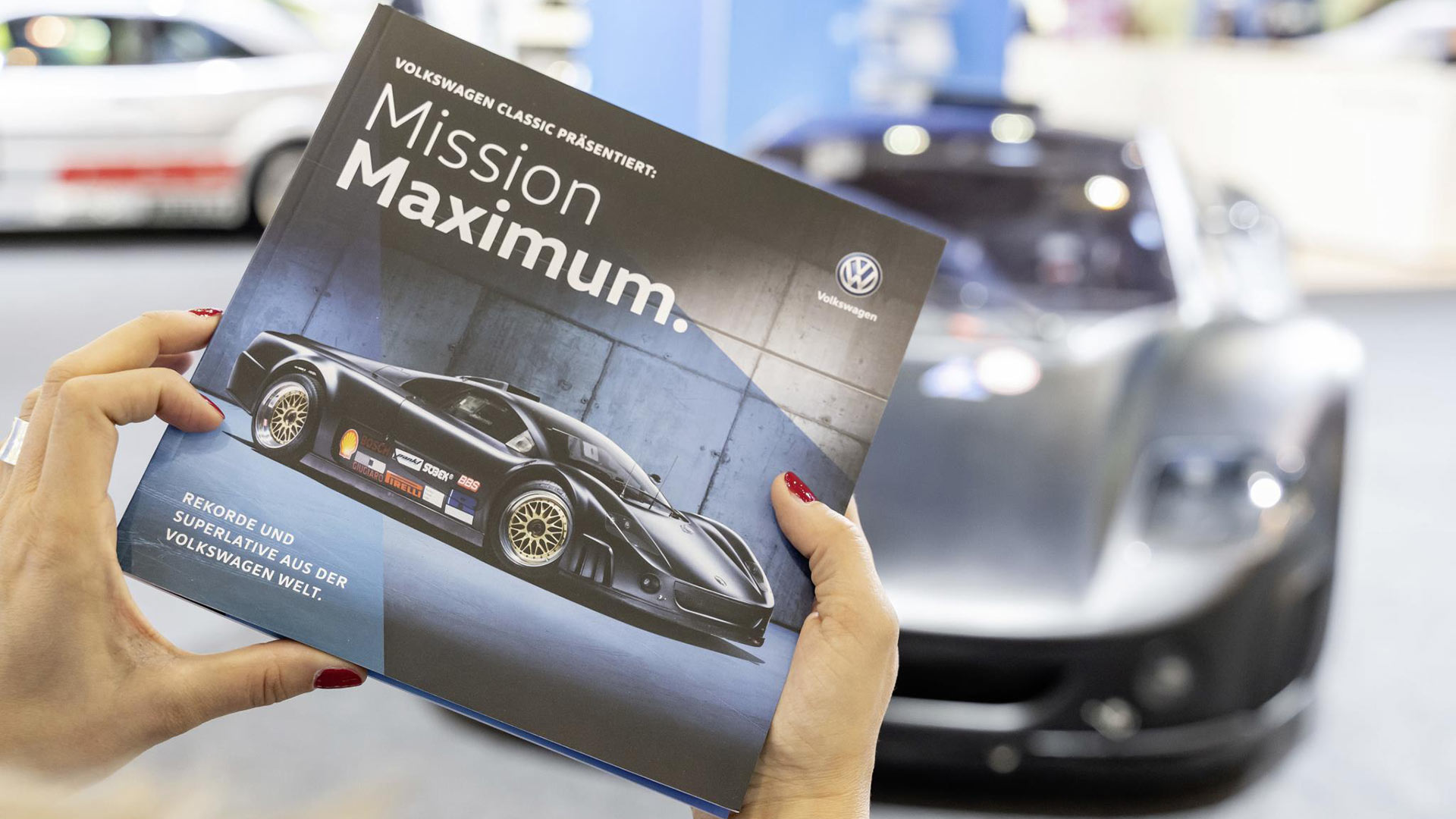
Launched to coincide with the recent Techno Classica 2019 show, Volkswagen has released a special booklet detailing some of the brand’s biggest achievements.
Covering 70 years of motorsport, engineering, and production records, the Mission Maximum collection has been created by Volkswagen Classic.
Responsible for supplying parts to the countless numbers of retro Veedub fans, and celebrating the marque’s history, Volkswagen Classic made a big effort for the Techno Classica event.
Acknowledged as one of the leading vintage car shows and trade fairs, attendance at Techno Classica typically comes close to 200,000 people.
Held at the Messe Essen exhibition centre, this year’s show was also host to a wealth of modern classic cars going under the hammer as part of the RM Sotheby’s ‘Youngtimer’ sale.
For 2019, Volkswagen Classic brought along six special vehicles to the event, each chronicling impressive record-breaking feats of speed or endurance.
For those who didn’t make the show, they can at least read about those six cars, and more, in the new 68-page publication.
Performance records are one of the areas explored in Mission Maximum, with the stunning Volkswagen W12 one of the vehicles to fall under the microscope.
Created to demonstrate the performance of the W12 engine, the one-off supercar featured 600hp and a potential top speed in excess of 220mph.
Between 2001 and 2002, Volkswagen used the W12 to set twelve different speed records at the Nardo Ring circuit in Italy. Most impressive was an average of 200.6mph average maintained for a full 24 hours.
Volkswagen’s latest record attempts are also detailed, with attention given to the all-electric I.D. R machine, which dominated the Pikes Peak International Hill Climb in 2018.
The company is currently testing and preparing the 680hp I.D. R for an assault on the fearsome Nürburgring-Nordschleife this summer.
Given Volkswagen’s history, it seems entirely plausible that the Mission Maximum booklet will need another new chapter by the end of 2019.
This Sunday (28 April), thousands of classic cars will take to the road for the annual Drive It Day. First introduced by the Federation of British Historic Vehicle Clubs in 2005, the date is as close as possible to the anniversary of the 1,000 Mile Trial – an event that saw vintage motor cars drive from London to Edinburgh and back.
You don’t have to drive to London or Edinburgh for Drive It Day in 2019, but a classic car would help. Which is why we’ve trawled the pages of Auto Trader to find half a dozen classics you can buy and drive home on Sunday.
There are scores of Drive It Day events up and down the country, but check with the organisers before turning up because places are limited. For example, the popular Sunday Scramble at Bicester Heritage is sold out.
Check out the Federation of British Historic Vehicle Clubs’ Facebook page for details of more events, or simply do your own thing. Here are six classics to consider, with prices ranging from less than £500 to £50,000. To add a little flavour, we’ve avoided the usual suspects, so you won’t find any MGBs or Morris Minors here.
£500 budget: Mazda Demio
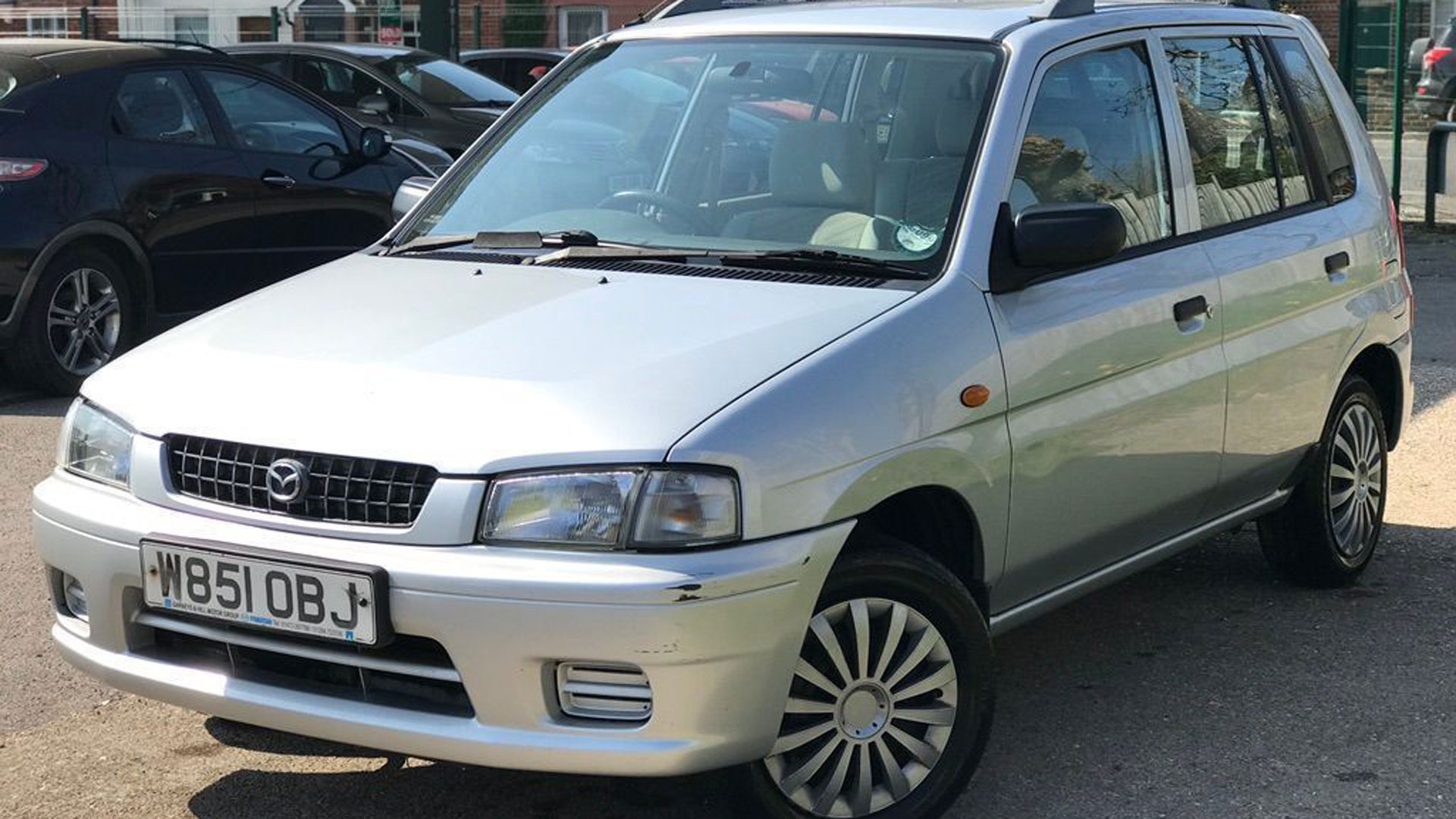
Look, you’re not exactly spoilt for choice when you’re rummaging around for roadworthy ‘classics’ in the bargain basement bucket. But while the Sunday Scramble might be off limits, this Mazda Demio is perfect for the Sunday Cup.
Fans of the Gran Turismo franchise will remember this little upstart from the original game and will have fond memories of maxing it out on the Autumn Ring and Grand Valley East.
This 2000 example is the posh spice variant: the Aegean was a special edition introduced in 1999. The mileage is on the high side and the MOT expires in June, but it looks like an honest example. And it’s only £395.
£1,000 budget: Volvo 940
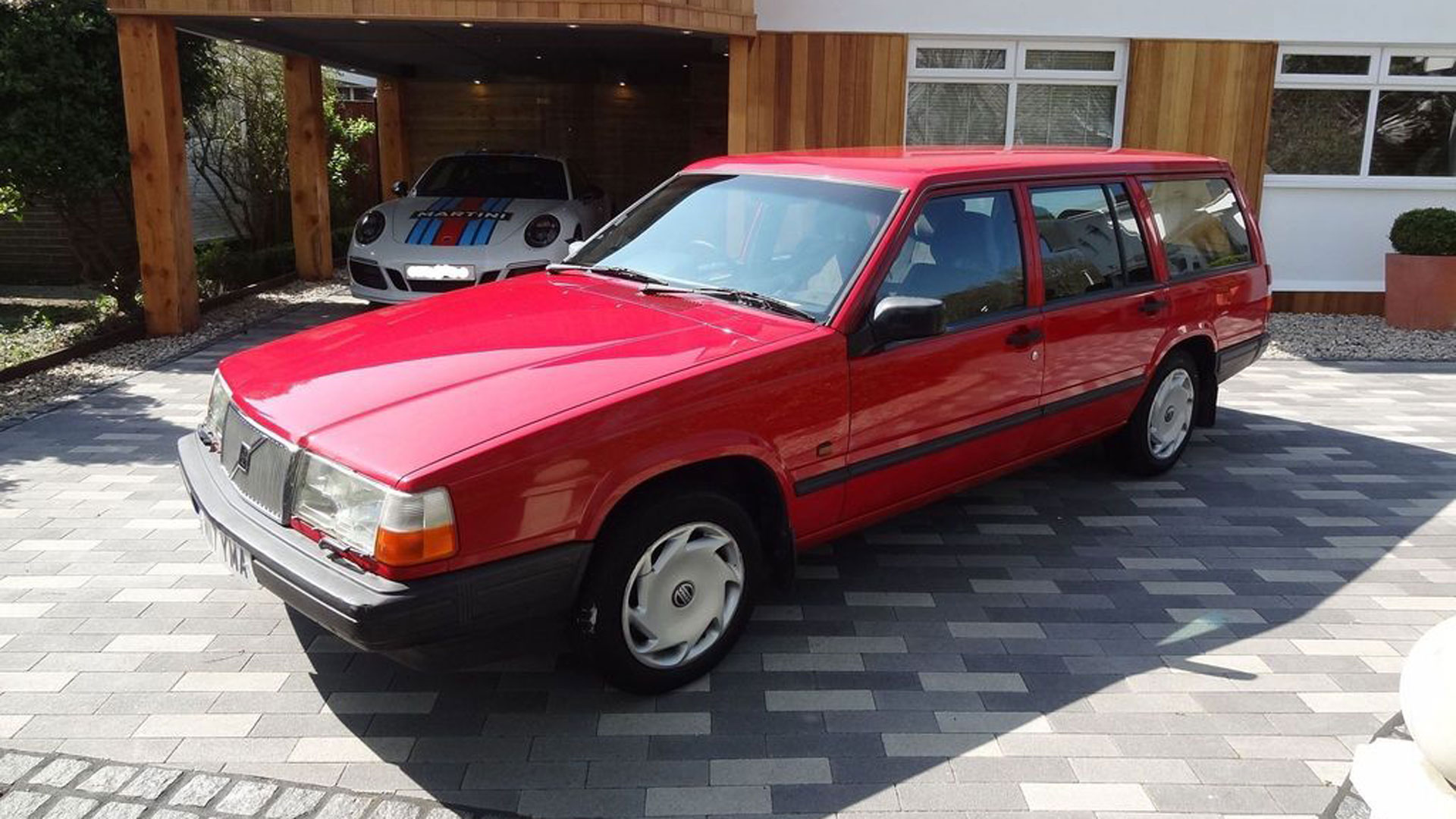
The Volvo 940 holds a huge amount of retro appeal – not to mention a huge amount of luggage space – not least because it’s a proper, old-school, rear-wheel-drive Volvo estate.
In fact, putting aside the V90 model name change in 1996, this is Volvo’s last rear-wheel-drive wagon. That’s got to be worth 975 notes on its own.
The vendor is selling it on behalf of his father, who has owned the car for the past 13 years. It looks in fine condition, while a fresh MOT should provide some piece of mind. Some new front tyres could be in order, mind.
£5,000 budget: Citroen BX
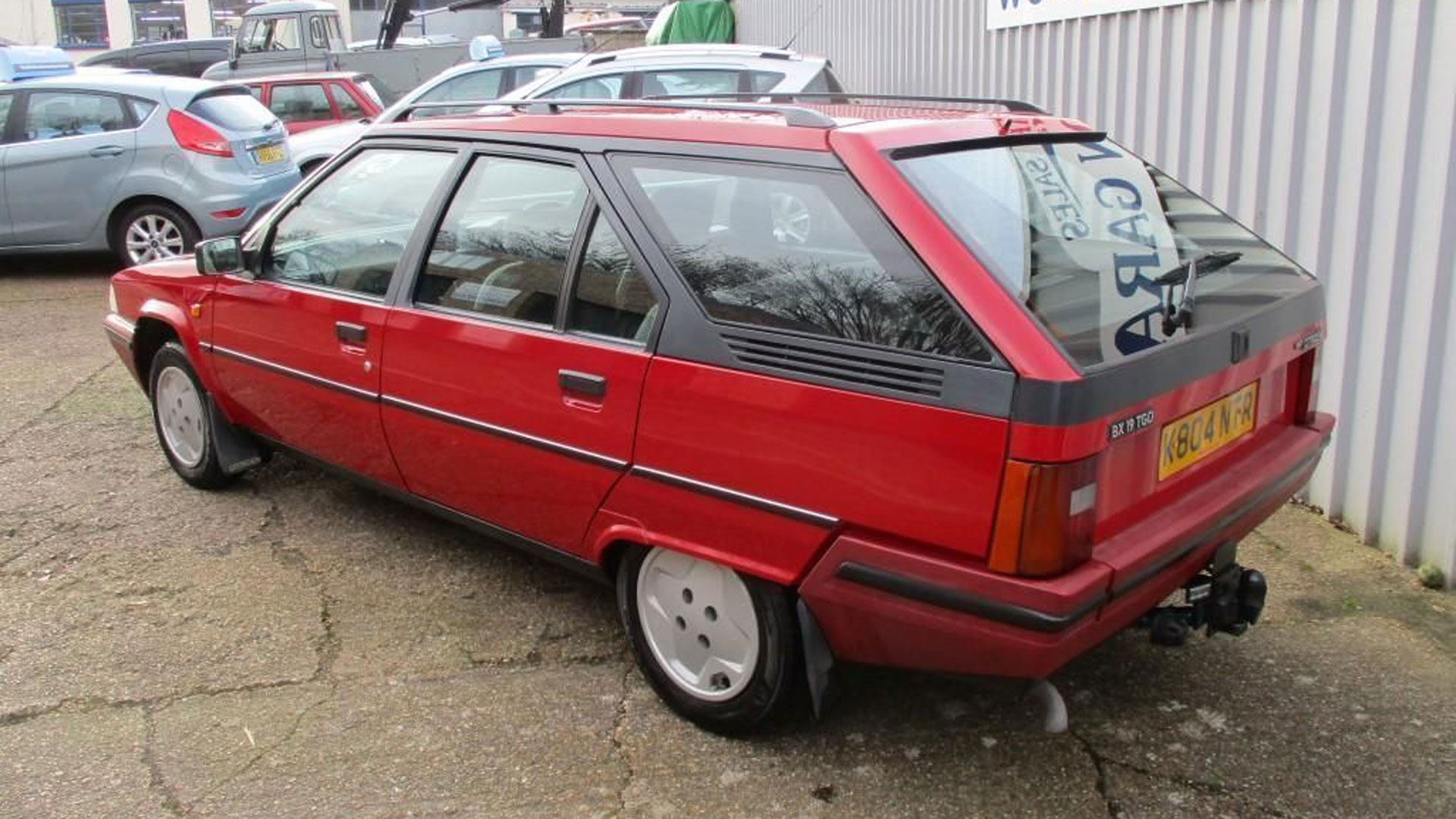
The BX was a gamechanger for Citroen in the UK, with the turbodiesel models catapulting the brand into the hearts and minds of the nation’s company car drivers. In its day, the BX was the slightly eccentric and more interesting alternative to the likes of the Ford Sierra and Vauxhall Cavalier.
We’re not going to pretend that the best part of three grand is a cheap price for a K-reg BX estate, but this car is well on the way to modern classic status. And although we’d prefer an early model with the purer Gandini styling and original dashboard, a very late example holds some appeal.
We also like the fact that this BX19 TGD doesn’t have a single MOT advisory to its name since 2009. So much for French fragility.
£10,000 budget: Daihatsu Fourtrak
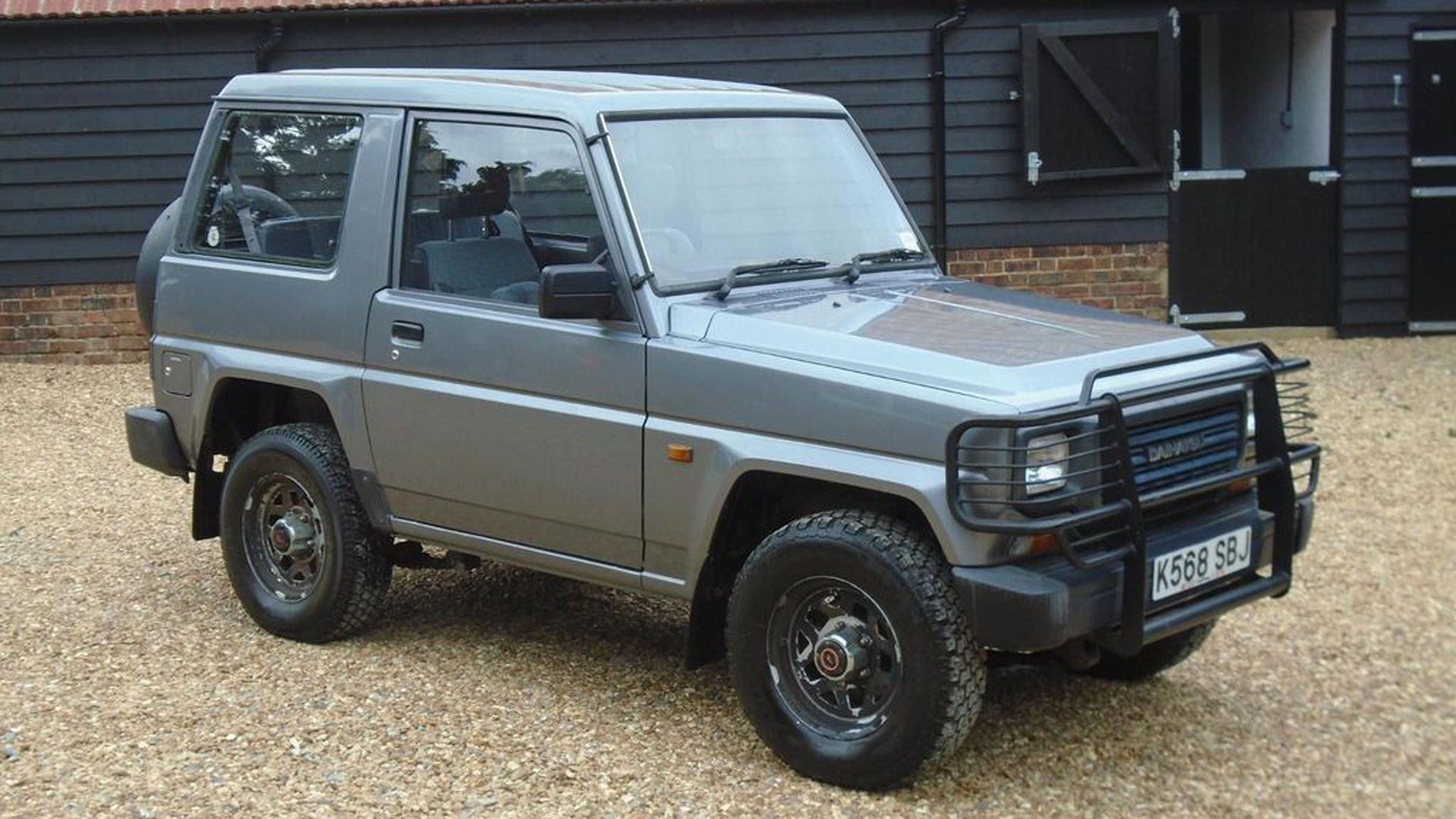
The last time you saw a Daihatsu Fourtrak it was probably axle-deep in mud or propping up a dilapidated barn on a farm. These things are the workhorses of the rural community: rarely treated with compassion, but plugging on until the floor falls to the floor.
We suspect the dealer selling this 1992 example is chancing his arm with the price, but how do you value a 4×4 with such low mileage and without precedent?
There are just 26,000 miles on the clock, it has one owner from new and the MOT history is extremely encouraging. Think of it as a retro alternative to the new Suzuki Jimny, without the waiting list.
£20,000 budget: Jaguar XJR
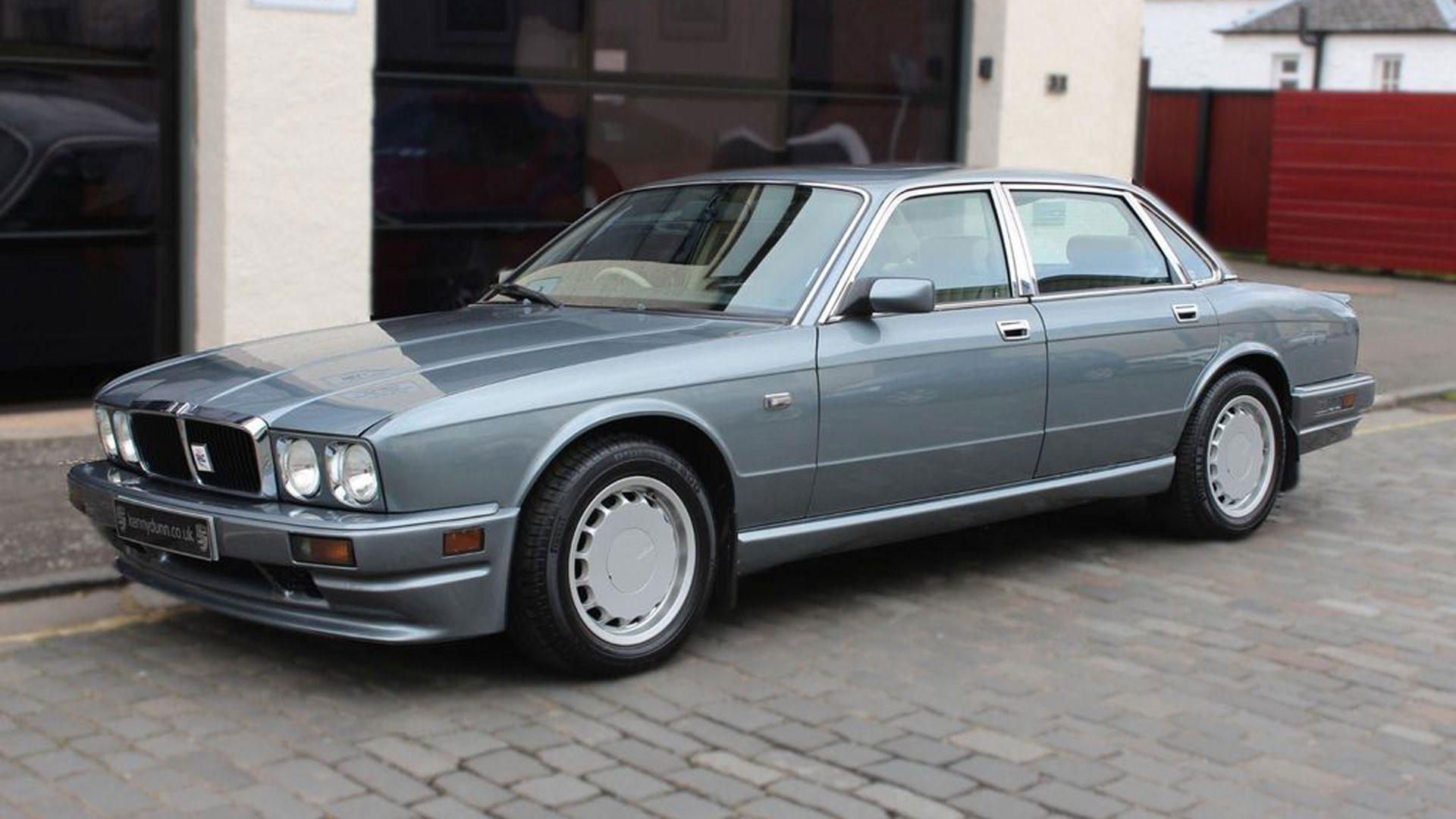
Formed in 1986, JaguarSport was a joint venture between Jaguar and TWR. The aim was to produce sporting versions of Jaguar’s regular saloons, with the cars completed at TWR’s facility in Kidlington.
As it was the 1980s, bodykits were the order of the day, along with Speedline alloy wheels and wider tyres. The majority of the XJ40-based XJRs were powered by a 3.6-litre engine, before the 4.0-litre version arrived in 1989.
This 162,000-mile example has been owned by the vendor for the past 11 years and appears to be in fabulous condition. The fact that it’s largely unmodified is a bonus.
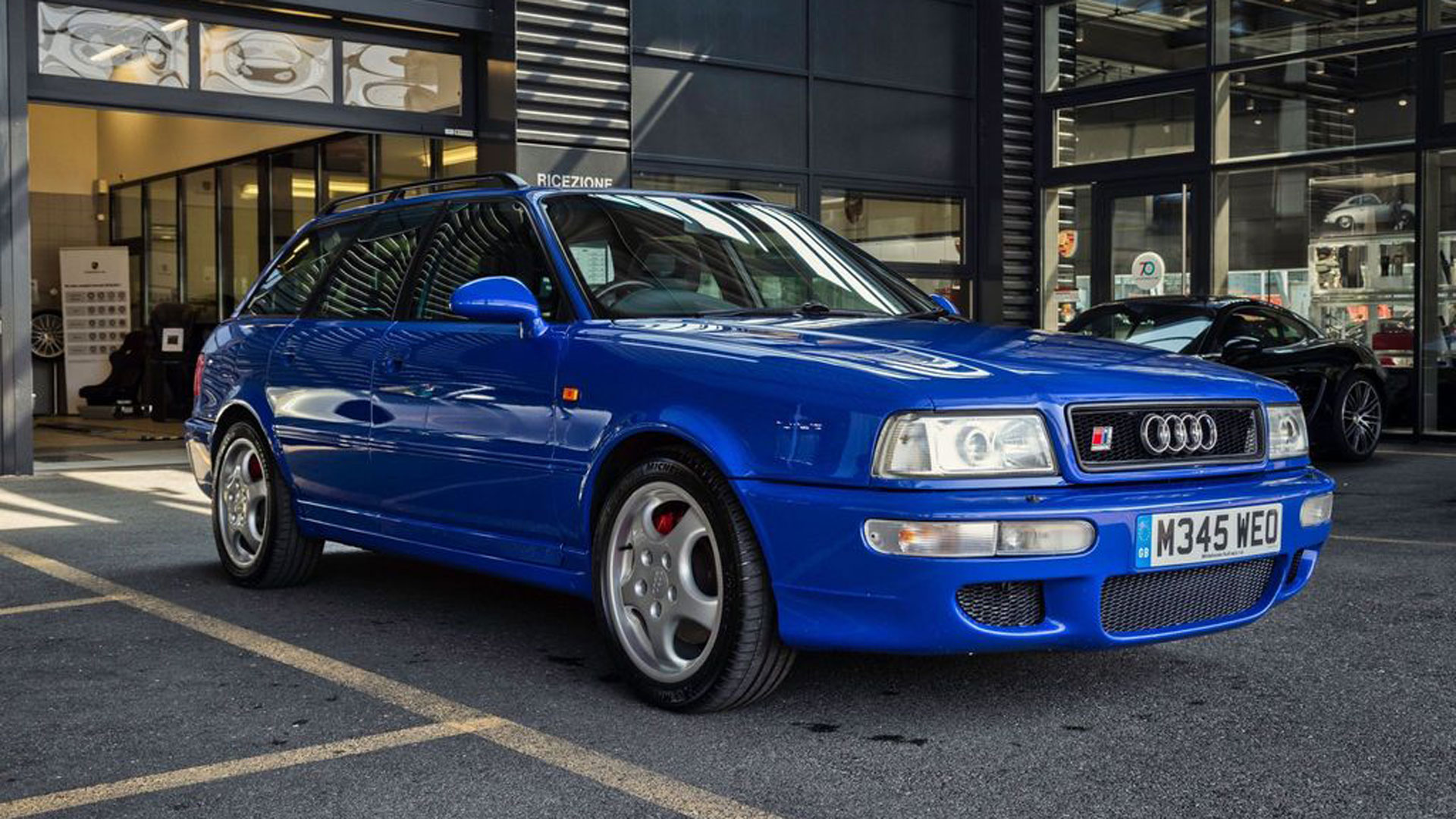
If £40k seems like a lot for a 25-year-old Audi estate, remember that the Q5 range kicks off at £41,420. We know what we’d rather be driving on Drive It Day.
Whatever you’re driving this Sunday, have fun and drive safely.
Few cars from TV and film are as instantly identifiable as the orange Dodge Charger which starred in the Dukes of Hazzard.
But don’t be mistaken for thinking this is just another tribute to the General Lee. This particular car put in enough screen time that it really deserved a mention in the end credits.
Heading to next month’s Mecum Auctions Indy 2019 event, this is an opportunity to a piece of real movie history.
Admittedly the 2005 Dukes of Hazzard movie, based upon the classic television series, will hardly go down in the annals of silver screen history. It collected seven nominations at the 26th Golden Raspberry Awards, and was named the worst film of 2005 by one movie critic.
In fact, the film is probably best remembered for Burt Reynolds portraying Boss Hogg, and Jessica Simpson’s cover of ‘These Boots Are Made For Walkin’’.
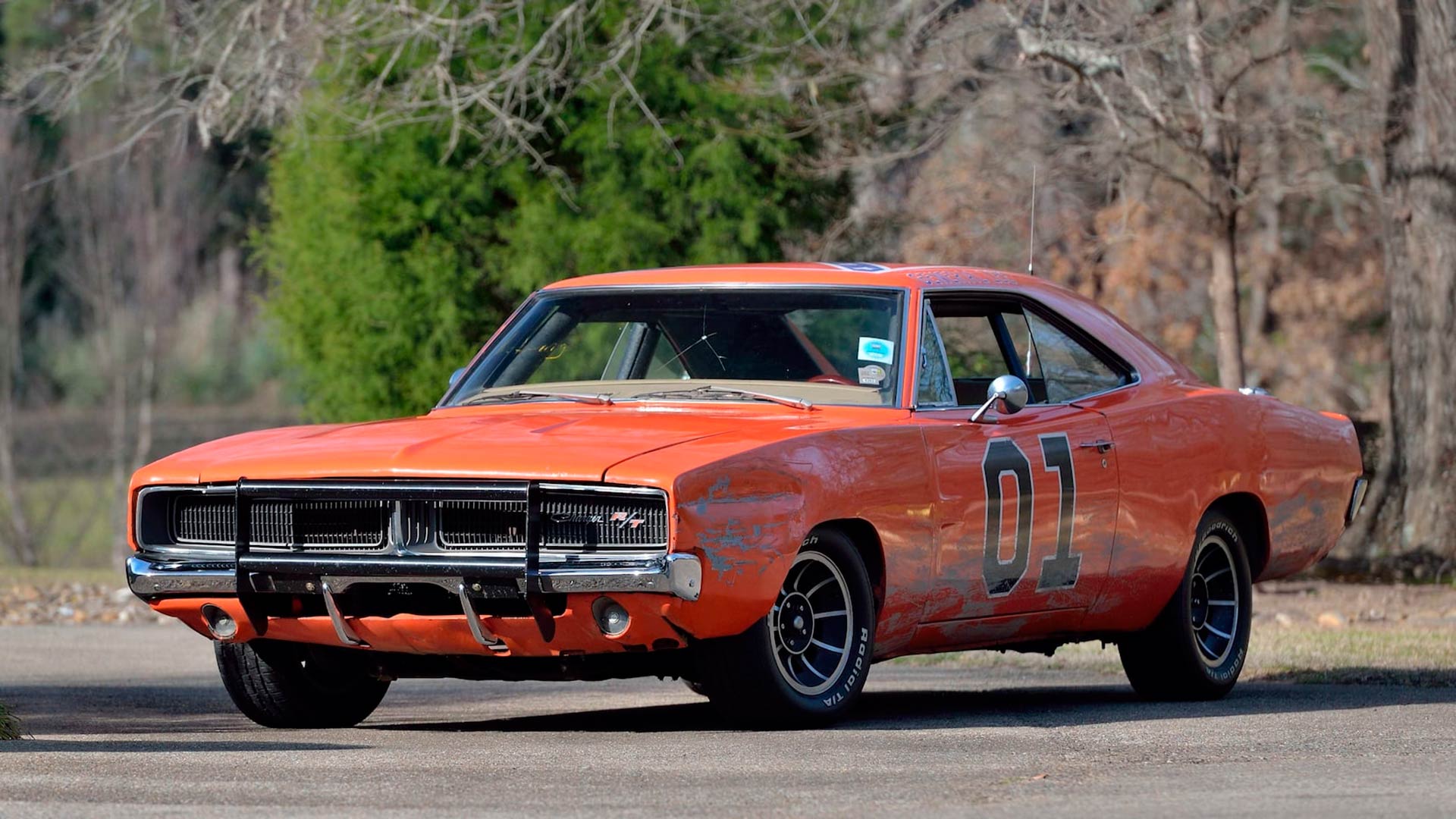
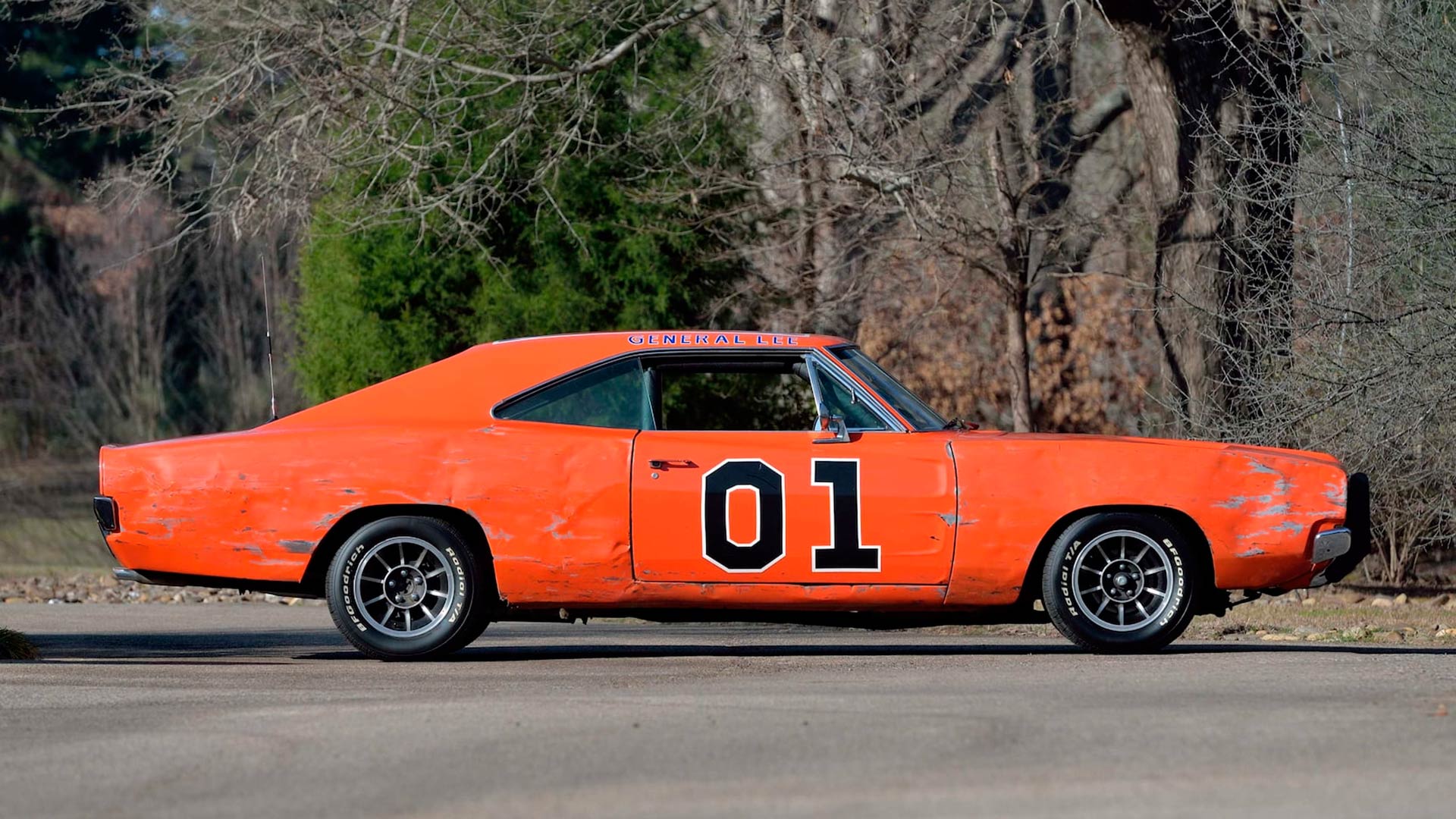
Oh, and for the stunts performed by the General Lee – the 1969 Dodge Charger, and prize possession of Bo and Luke Duke.
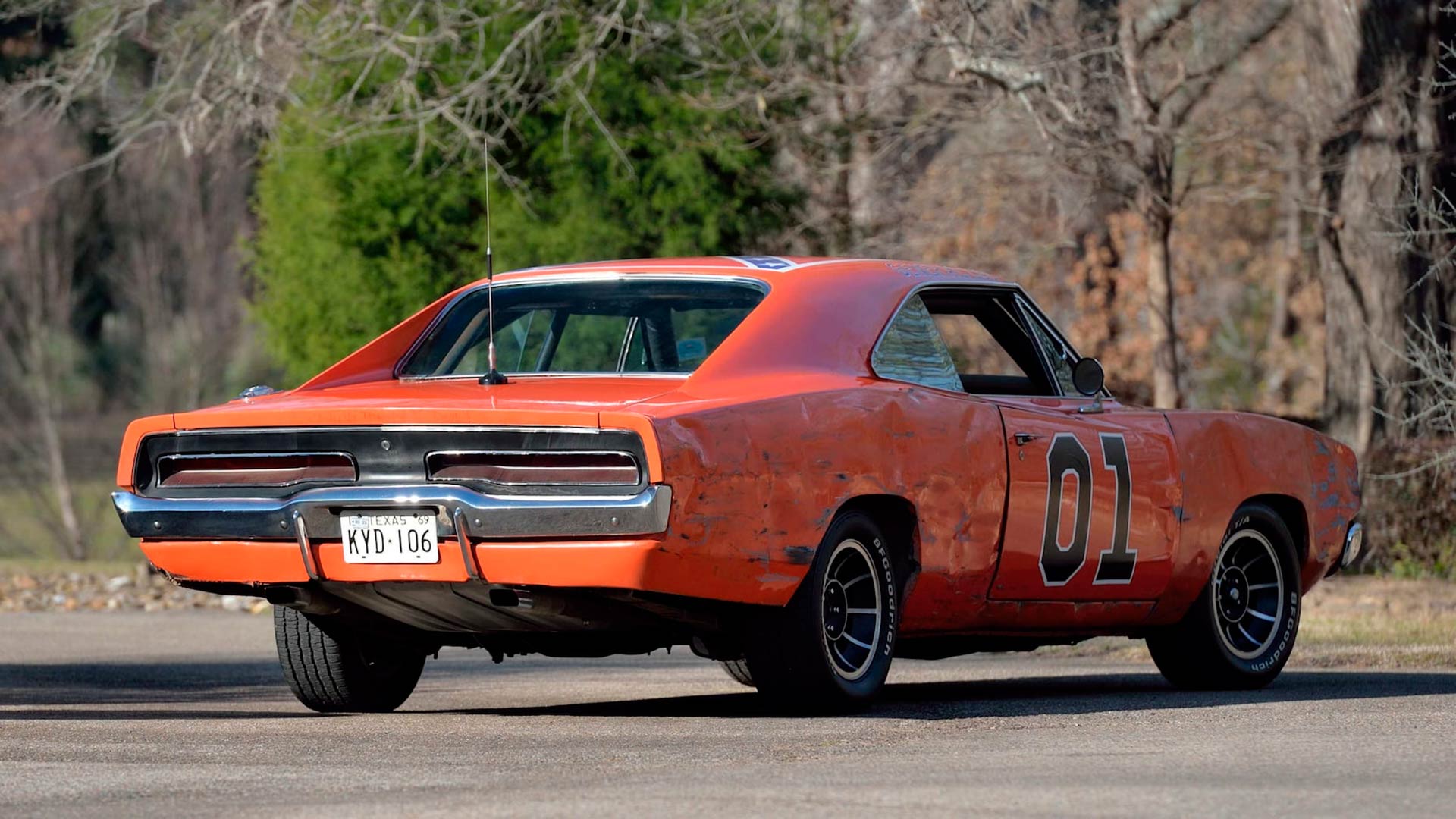
This Charger was one of many used during production of the film, and wears the original ‘stunt car #20’ stickers inside the door and under the hood.
In fact, this particular car is said to have starred in key scenes from the movie, including the final chase scene, and the lengthy drift around Lee Circle.
Unlike the numerous General Lee replicas which are a car show constant, the buyer of this will know it played the part of being a real ‘good ‘ole boy’ on screen.
Stunt car #20 still wears the battle scars from filming, and is supplied in what Mecum describe as ‘screen-used’ condition.
It means the orange paintwork, General Lee lettering, and Confederate flag on the roof are complete with genuine movie dirt and dents. Clearly this was not the car washed by Jessica Simpson in her music video.
If anything, it only adds to the authenticity, as does the signature from actor James Best, who played Sheriff Rosco P. Coltrane in the original TV series.
Power comes from a 383-cubic inch (6.3-l) Magnum V-8 engine. Although there is no mention of performance upgrades, judging by the film there is more than enough torque to spin the rear wheels.
This car is noted as being one of the few used in the film which featured a four-speed manual transmission, with a Hurst T-Handle shifter attached.
There is also the small matter of the uprated handbrake fitted especially to lock the back wheels, allowing for more lurid fish tail action on camera.
Other movie upgrades include an aluminum radiator, a large racing-style tachometer for the interior, and a full roll cage which includes the engine bay.
It means the tan interior is slightly less accommodating than normal, but means you can go leaping ponds and broken bridges with carefree abandon.
And, just for reassurance, there is a ‘Dixie’ horn fitted, along with a front push bar, for full General Lee effect.
The General Lee is one of nine cars heading to Mecum’s Indy 2019 auction from the Joe McMurrey Collection.
McMurrey has become a prolific collector of classic cars, with a real penchant for Shelby Mustangs. That affection began as a school student, and has led to McMurrey owning a string of GT350s and other classic Shelby vehicles.
However, as shown by this Charger, he keeps an open mind to his collection, and admits that when selling cars he is “sad to see them go, but you’re opening up a new chapter in your life”.
Lot F113 will cross the Mecum auction block on Friday May 17th, with an estimated sale price of $50,000 to $70,000 (£39,000 to £54,000).
Mecum’s Indy 2019 sale will see some 2,000 vehicles go across the block during the incredible six-day event, held at the Indiana State Fairgrounds.
Although Indy 2019 will be packed with collector cars, not many will have had the on-screen prowess to rival the General Lee.
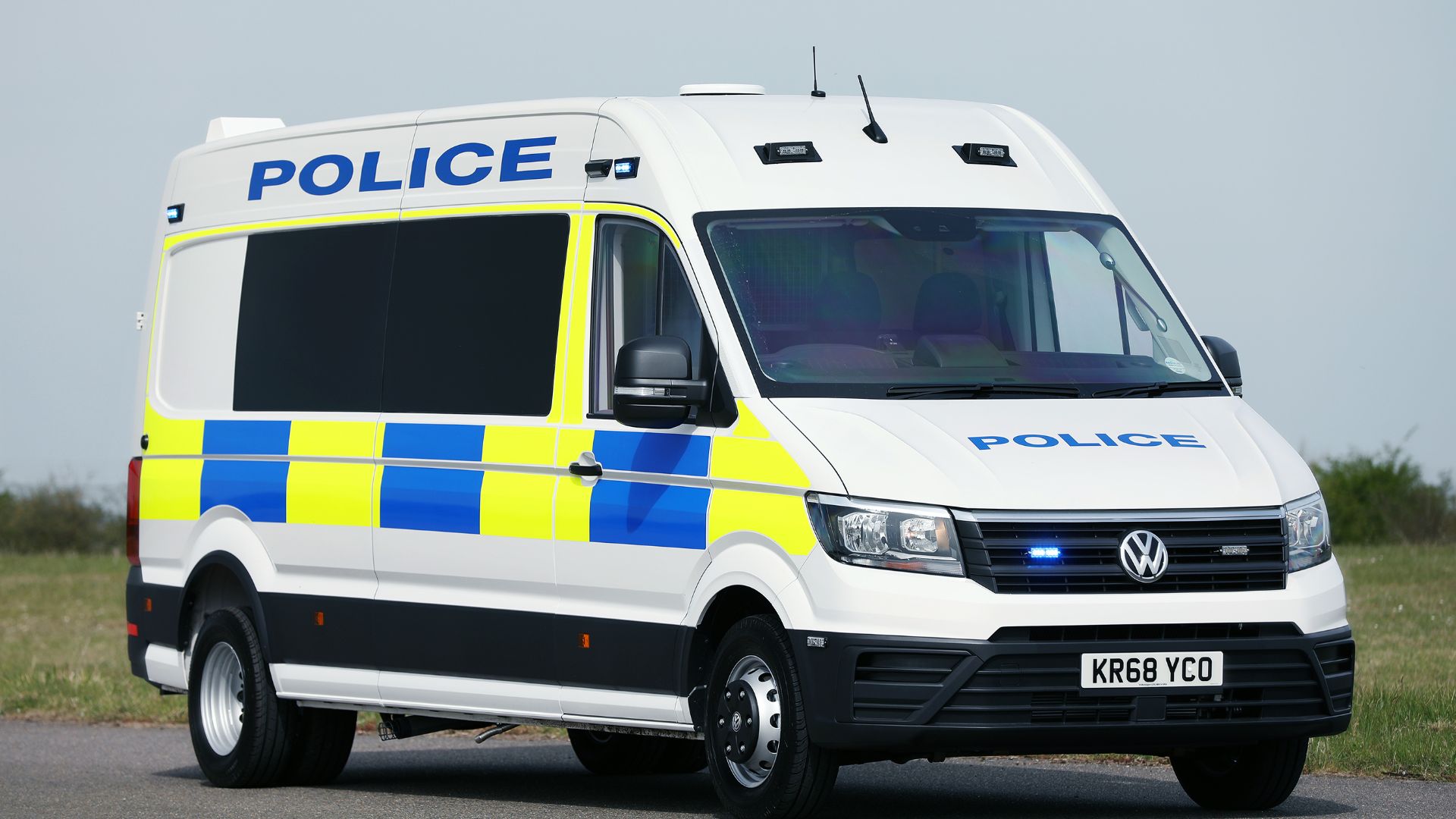
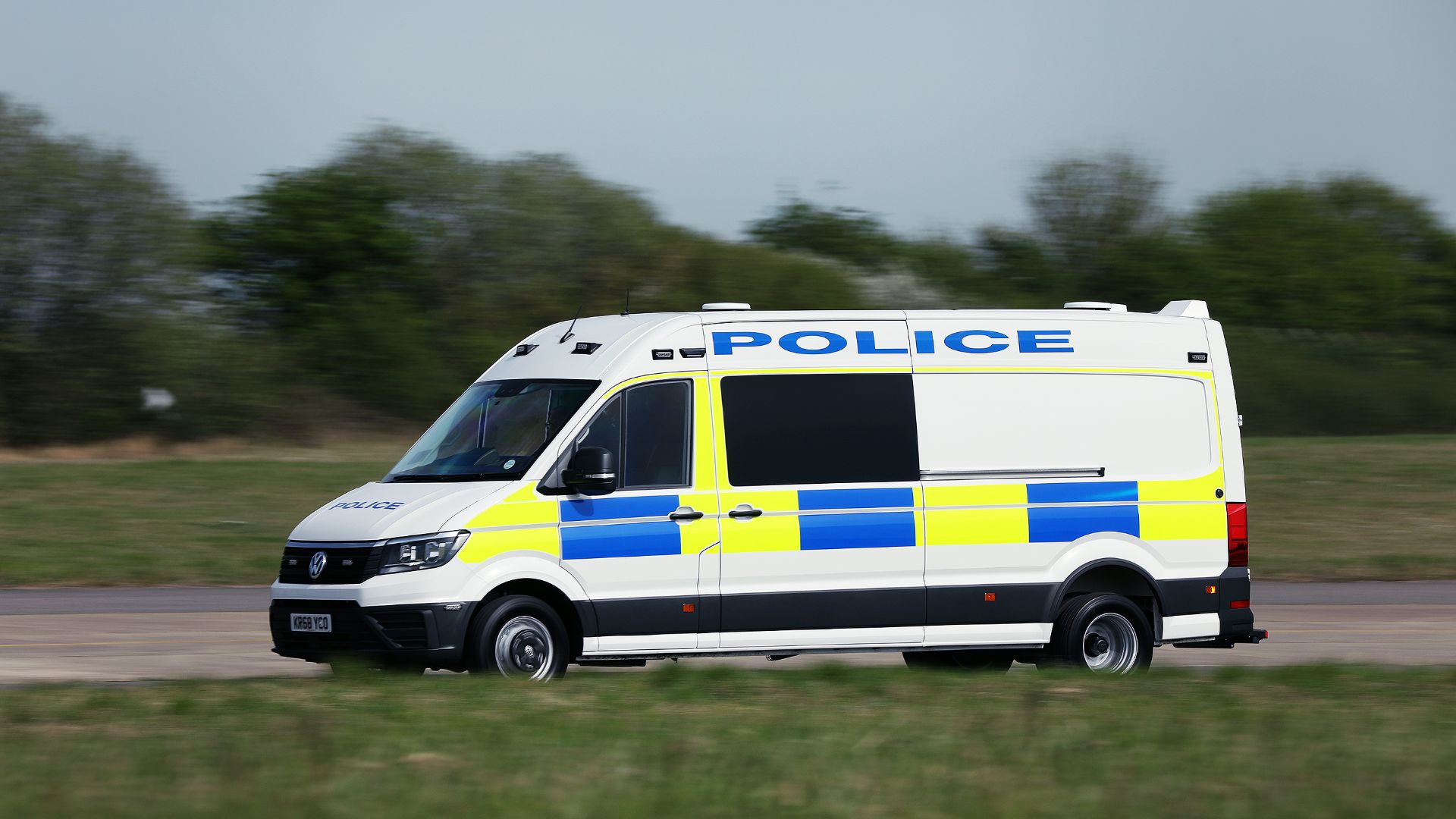
If you encounter this new Volkswagen, you’re probably on the wrong side of the law. Meet the Crafter riot response vehicle.
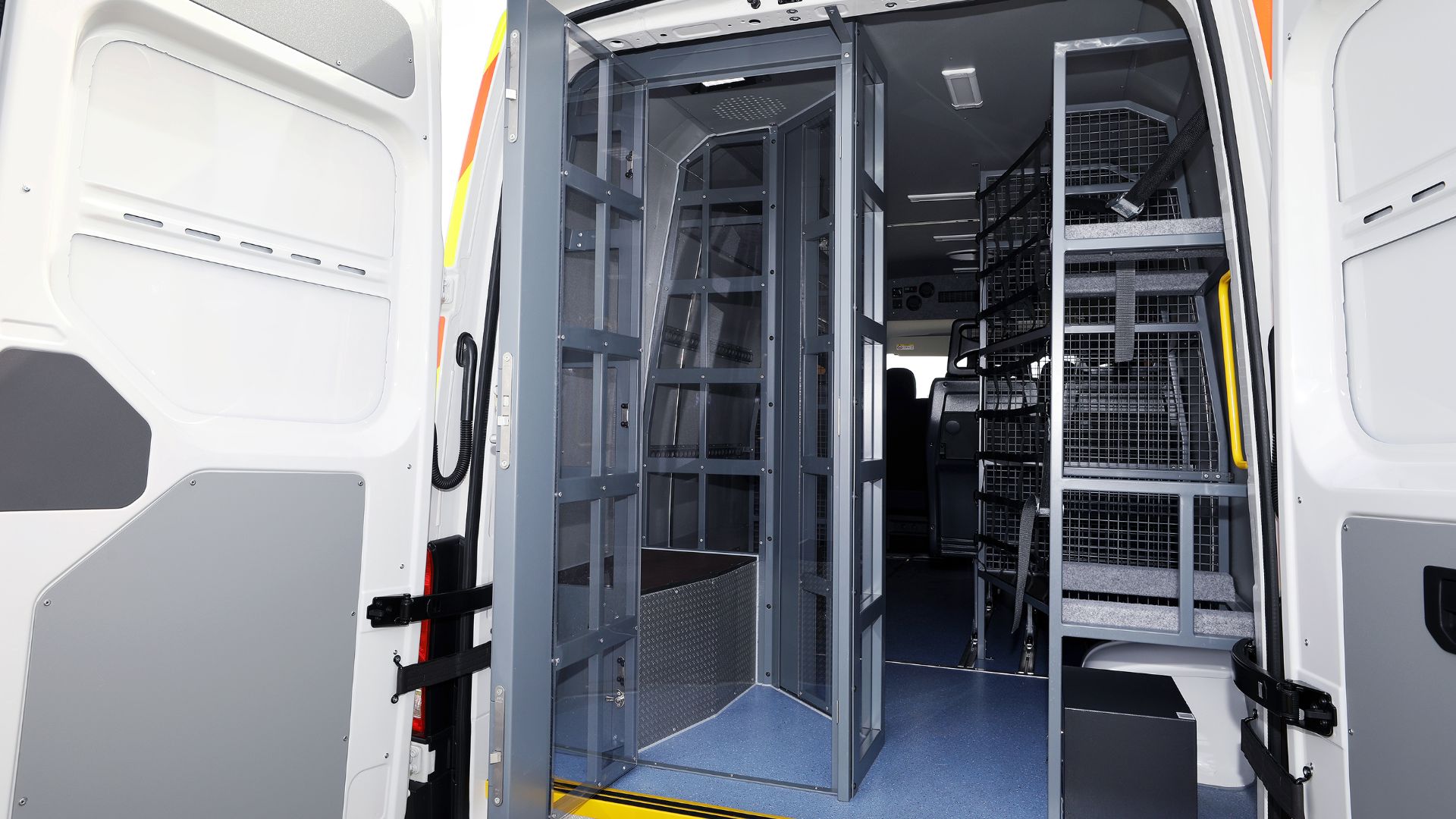
How do you transform a humble Crafter into a police van, then? Well, Volkswagen’s blue-light conversion partner, Coleman Milne, does most of the work – starting with an ‘unbreakable’ windscreen and prison cell in the back.
There’s also seating for seven, plus storage for riot shields, helmets and more crowd suppression gear. New side windows on the exterior complement the new windscreen, which is made of such strong reinforced plastic that an external metal cage is no longer required.
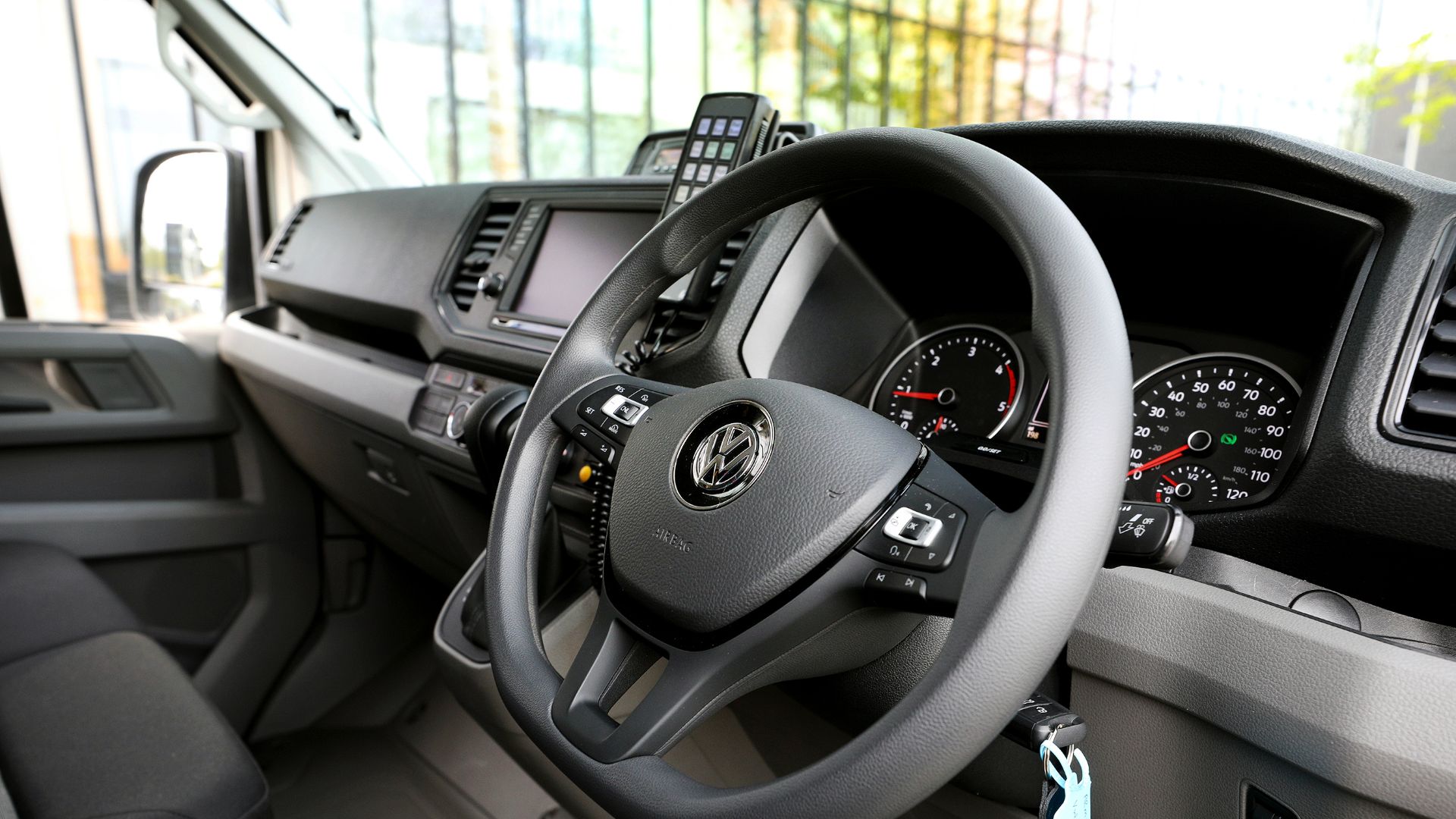
Along with that, there’s the generic police gear: communications equipment up-front and so on.
“We’re delighted to reveal our latest blue-light conversion – a riot van based on the long wheelbase Volkswagen Crafter,” said Steven Cowell of Volkswagen fleet services.
“Following its much anticipated debut at the CV Show 2019, the PSU will be put into service across the country, supporting police forces in their vital roles.”
Under the bonnet is an unmodified 2.0-litre 177hp diesel engine: reasonable power, even for the over-five-tonne Crafter. Besides, a lot of a riot van’s best work is done at either very low speeds, or at a standstill.
The new, riot-ready Crafter will be on display at the 2019 CV Show at the NEC in Birmingham, which runs from April 30 to May 2 2019.
New research reveals what British motorists’ real concerns are about electric cars, and why many are hesitant to make the switch
The survey by Jardine Motors Group covers 2,000 car owners and throws up some interesting stumbling blocks…
Electric cars are too expensive
Around three quarters of respondents said electric cars need to be cheaper before they’d seriously consider buying one.
Even with subsidies, electric cars are, generally speaking, more expensive than their internal-combustion counterparts. Save perhaps for the forthcoming Tesla Model 3, which ought to match or beat similar executive cars on price.
The fear of running out of charge
It’s a combination of a charging network that’s perceived as inadequate, plus cars that don’t go far enough and don’t charge quick enough.
Seven in 10 said they were worried about battery life. And eight in 10 of those who are debating the move said they were apprehensive about running out of charge.
Generally speaking, a minimum range of 260 miles was considered desirable before electric cars would be viable. Two-thirds also worry that many electric cars take too long to charge.
Charging an electric car is too complicated
Seven in 10 respondents said all new-build homes should have charging points built in, while six in 10 said that it should be made law for employers to install electric car charging facilities.
The general feeling is that charging your car isn’t as easy as filling up with fuel, and that significantly reduces appeal.
Just 15 percent plan to switch
In total, 300 respondents (15 percent) said they were looking to switch to an EV in the coming year.
Cars like the Kia E-Niro and Hyundai Kona Electric are closing in on a 300-mile range, and more like them are to come. Range is a problem that’s getting solved, gradually.
However, manufacturers still need to bring prices and charge-times down – and a cohesive, easy-to-use charging infrastructure needs to ramp up.
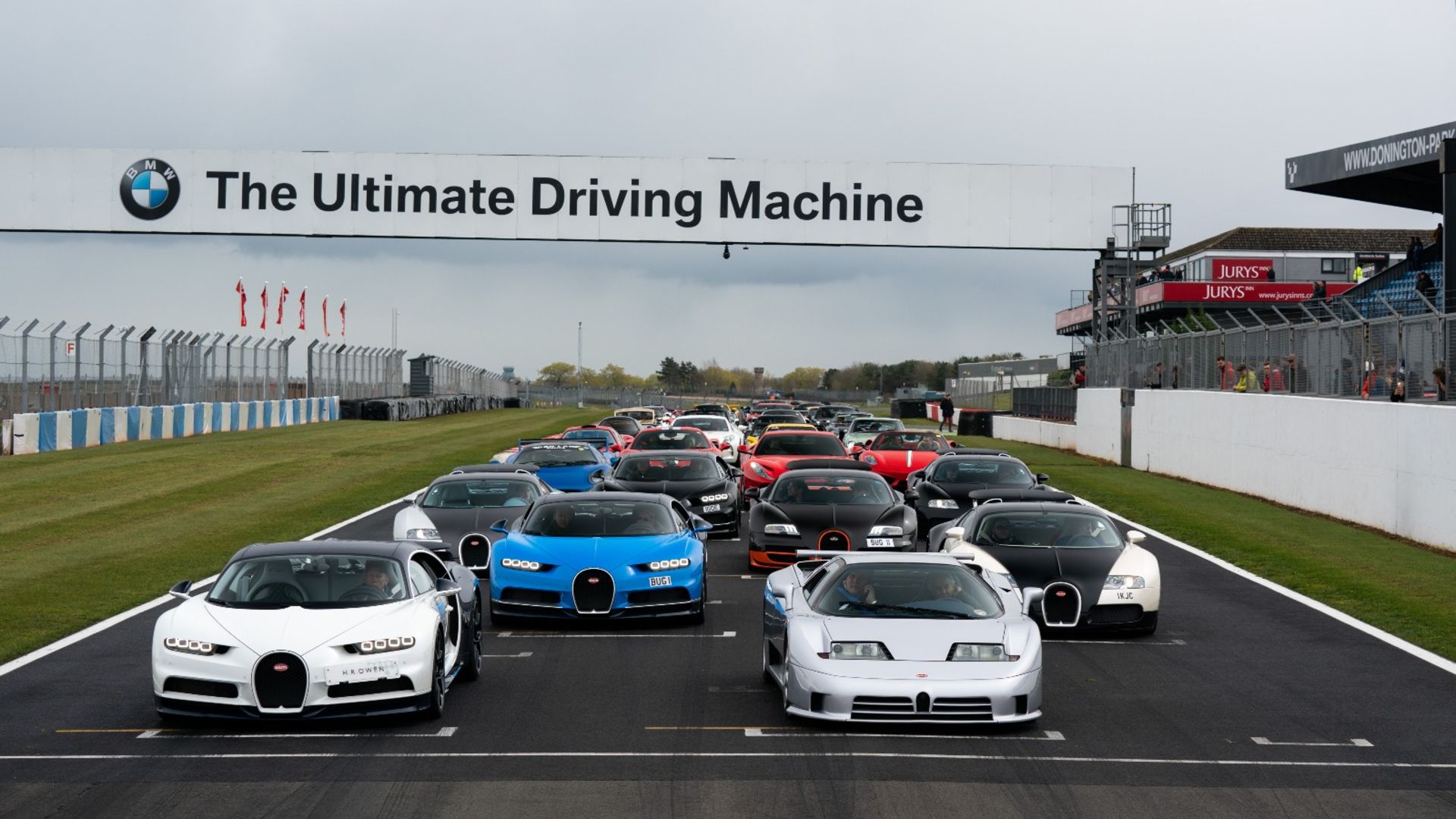
The Secret Meet at Donington Park, organised by Supercar Driver, saw more than 350 supercars and hypercars in attendance, as well as a number of historic racers. All of them could take to the track, too. Bugattis, Koenigseggs, Paganis – that’s the standard of cars here. And yes, those are plurals…
Bugatti anniversary
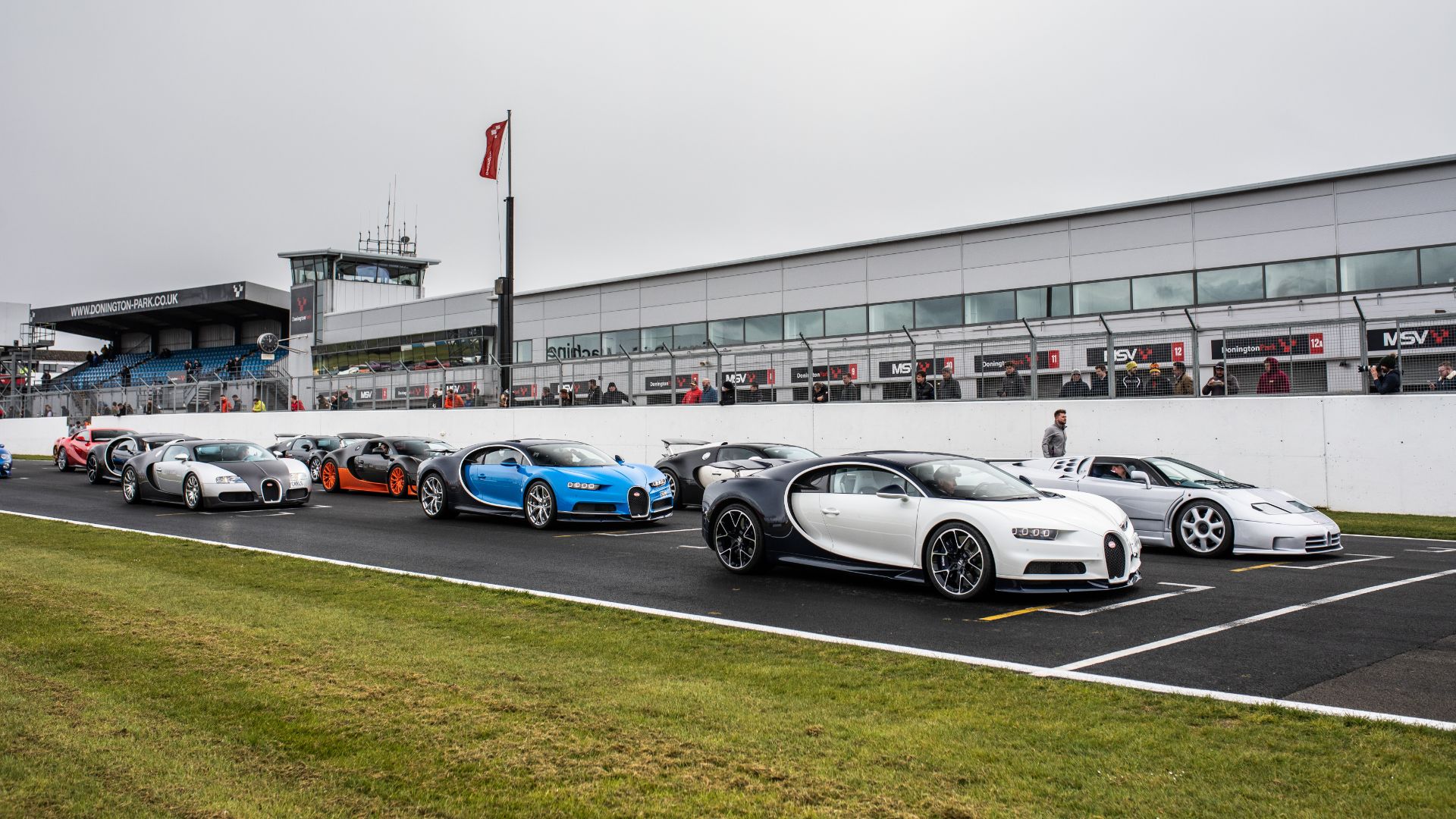
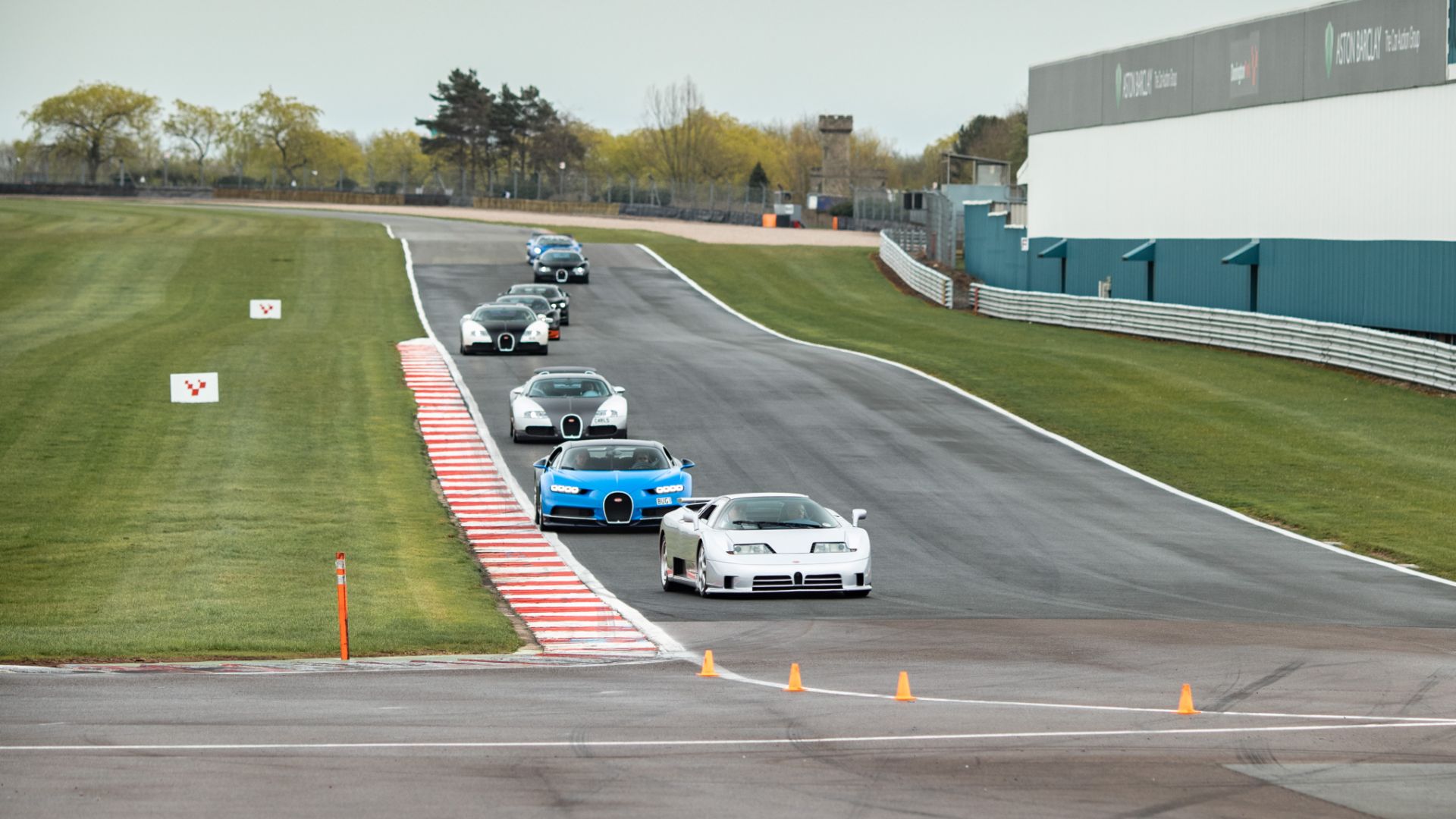
Eight Bugattis were chosen for a celebration of the marque’s 110th anniversary. Chirons, EB110s, Veyrons… It’s a cheeseboard of modern-day Bugatti brilliance, with sometime speed record-holder and Le Mans-winner Andy Wallace accompanying a Chiron for good measure.
One-77, P1 GTR and XJ220 S
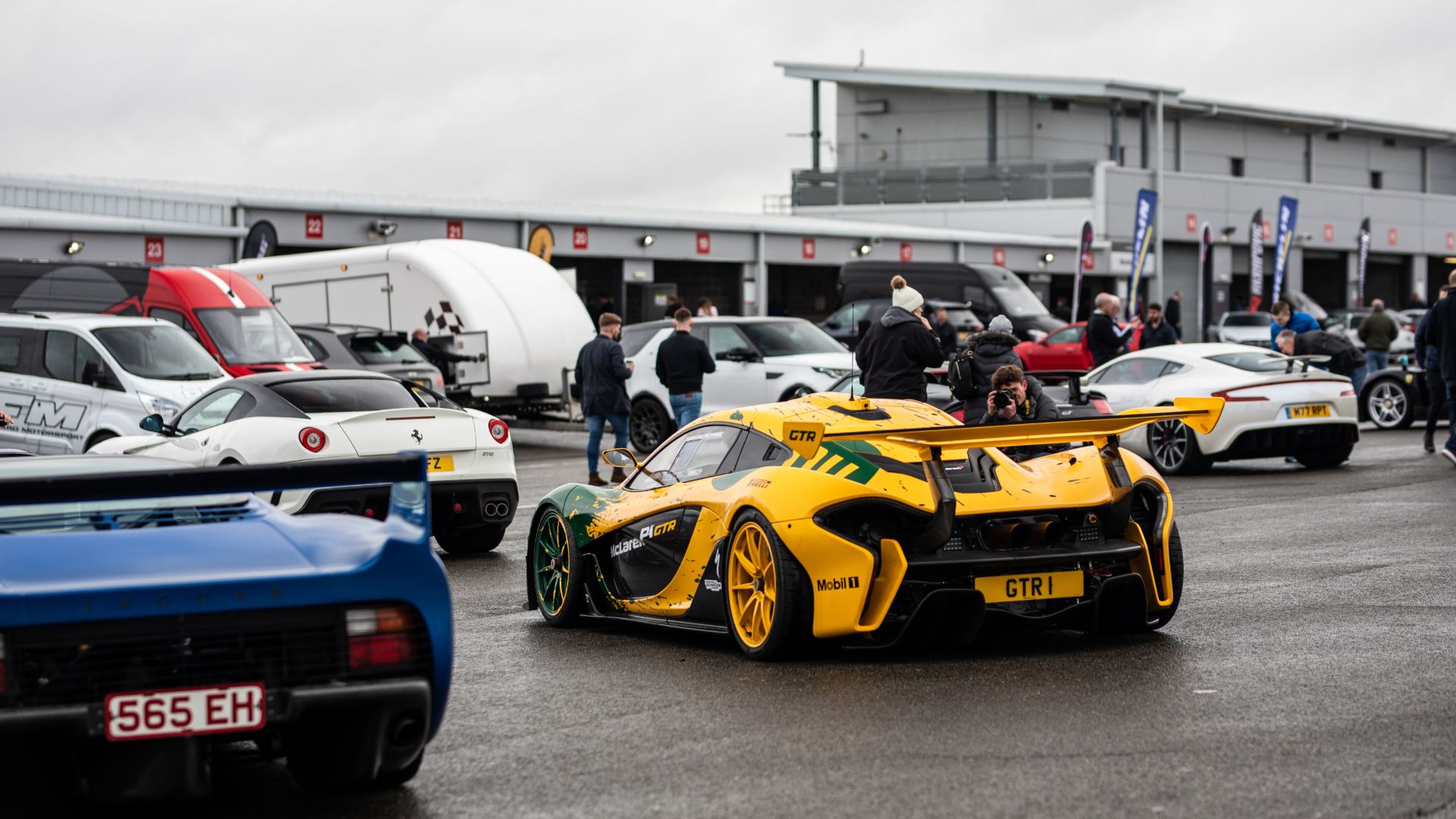
There are certain supercar unicorns you simply don’t see unless you’re at an event like this. Where else could you take a shot where an Aston Martin One-77 and McLaren P1 GTR share frame space? It’s like the Avengers, but for cars.
Almost every hypercar
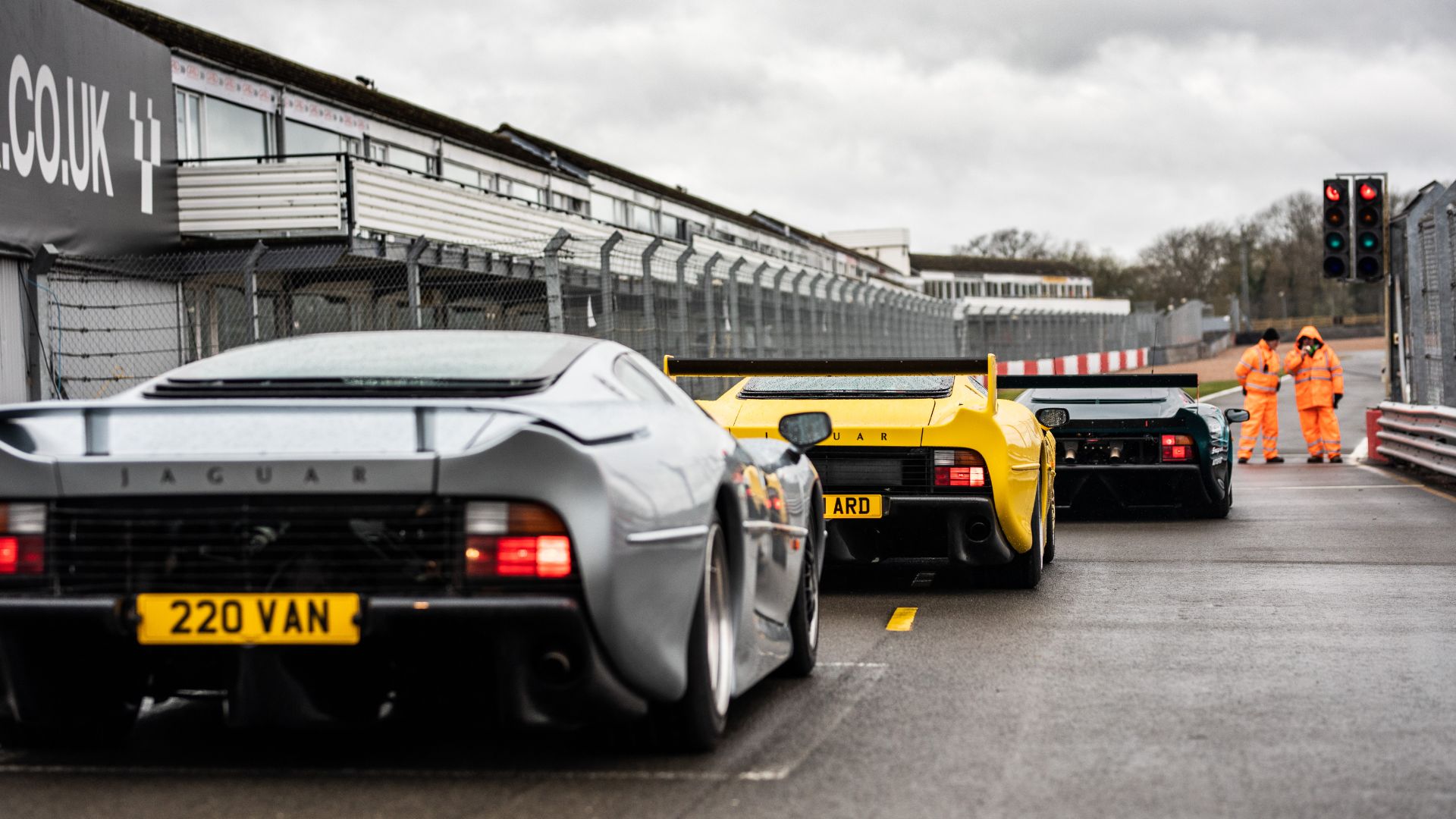
The Secret Meet is a celebration of the supercar and hypercar genre. If you simply want the latest and greatest, get down to the Geneva Motor Show. If you wanted a hoard of XJ220s sharing track-time with Bugatti Chirons, however, nothing else will do. The history of the hypercar lines the pit lane.
King of the hypercars
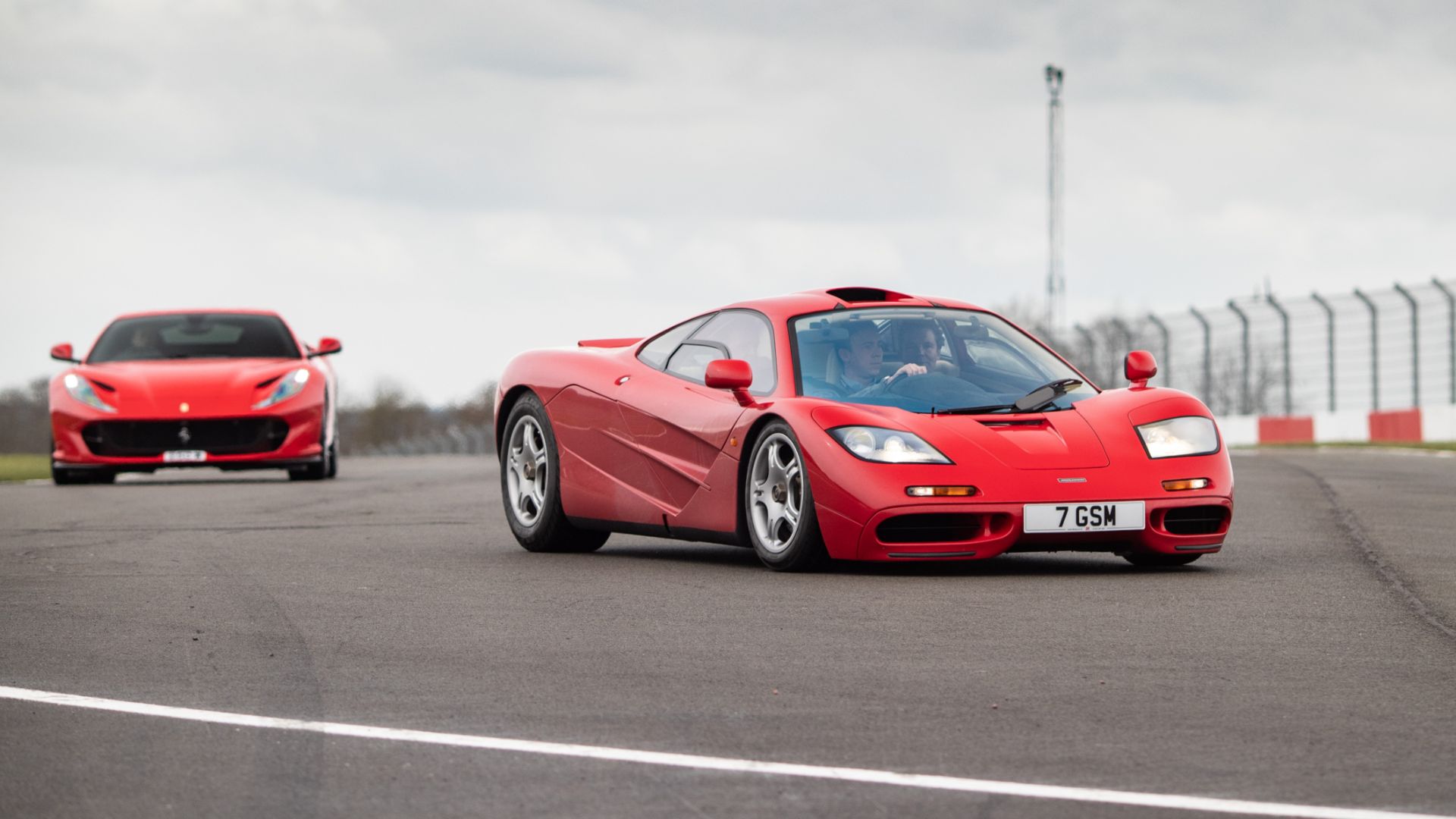
You can sum up the significance of an event by the attendance (or lack thereof) of a single car. That is the McLaren F1, a red example of which can be seen here at Donington with a Ferrari 812 Superfast tailing. The uppermost hypercar royalty.
The latest and greatest
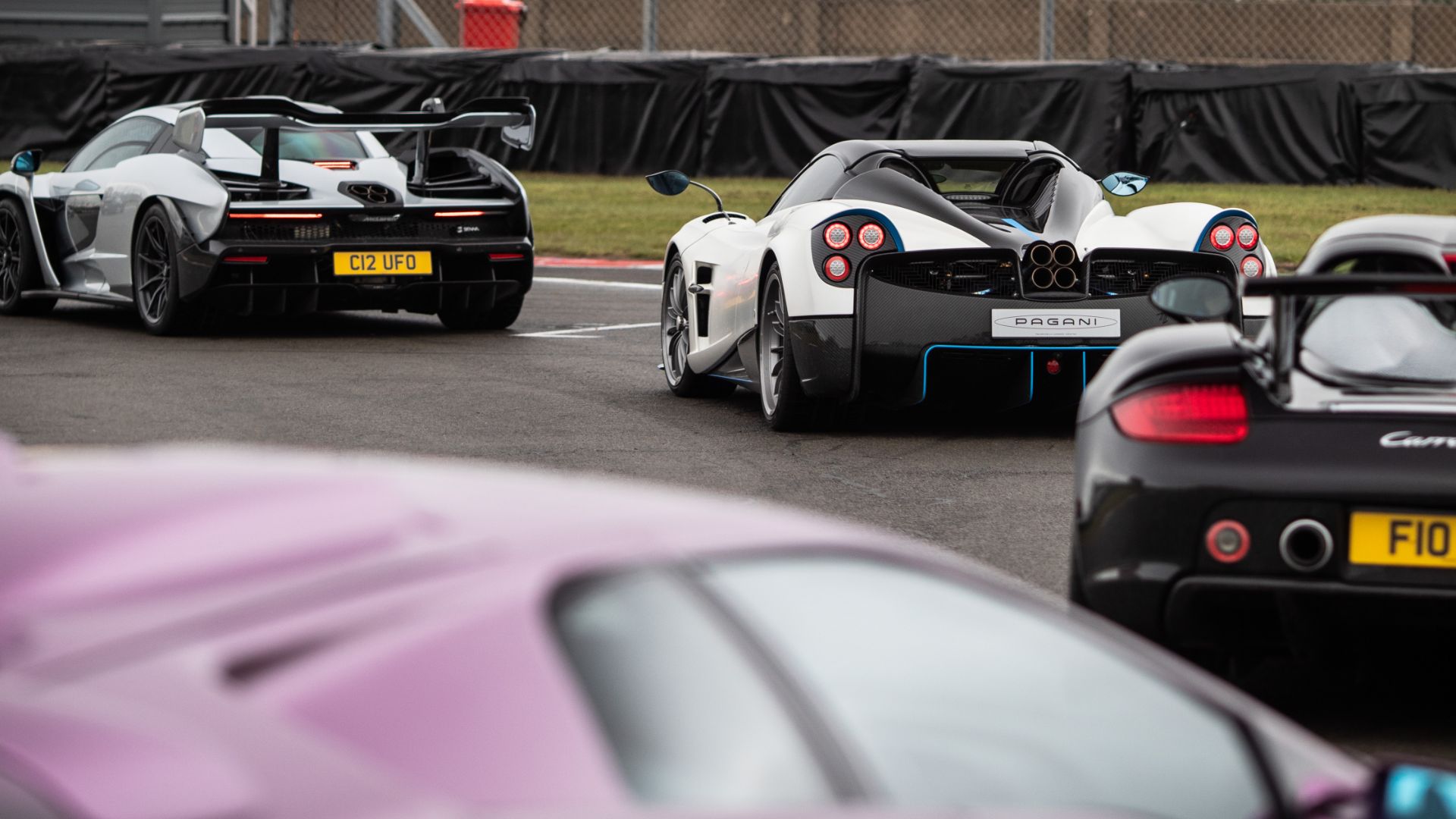
That’s not to say this is a relic-fest. The prominent supercar, hypercar and racing car collectors making up the 1,000-member Supercar Driver collective own plenty of newer metal, too. Witness a McLaren Senna leading a Pagani Huayra Roadster and a Porsche Carrera GT on track.
A rare Dutch gem
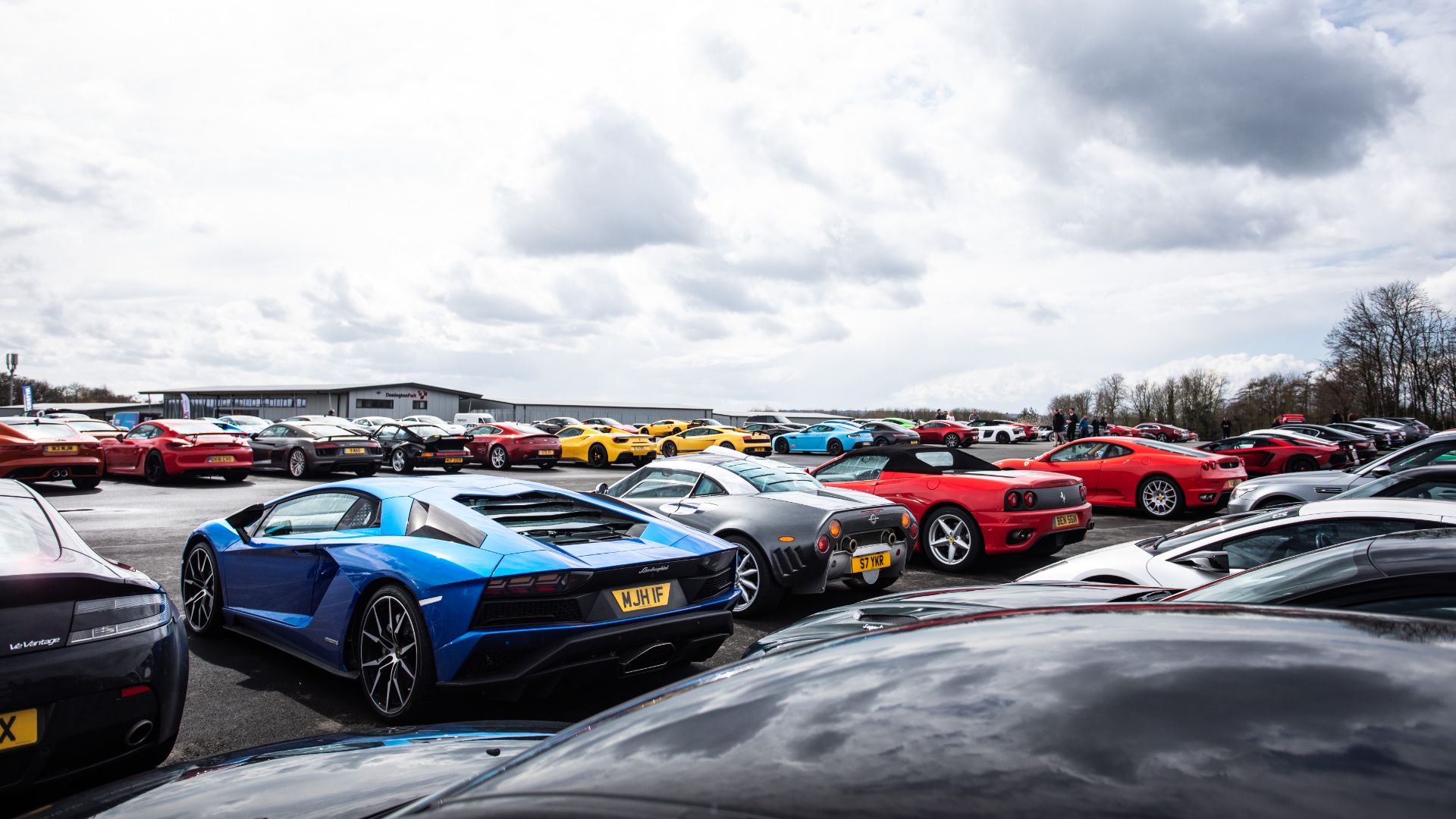
The supercar world is home to the weird, wonderful and lesser-spotted. For every 1,000 Lamborghini Huracans there are in the world, there’s a Spyker C8. Spot one here casually parked amongst some Ferraris and Lambo, which are, by comparison, mass-produced.
Eight cars and over 8,000hp
The cars got out on-track for some laps, including the aforementioned hoard of Bugattis. Just count the horsepower: Chiron, EB110, Veyron, Veyron, Veyron Supersports, Chiron, Veyron, EB110… That’s well over 8,000hp in one shot, right?
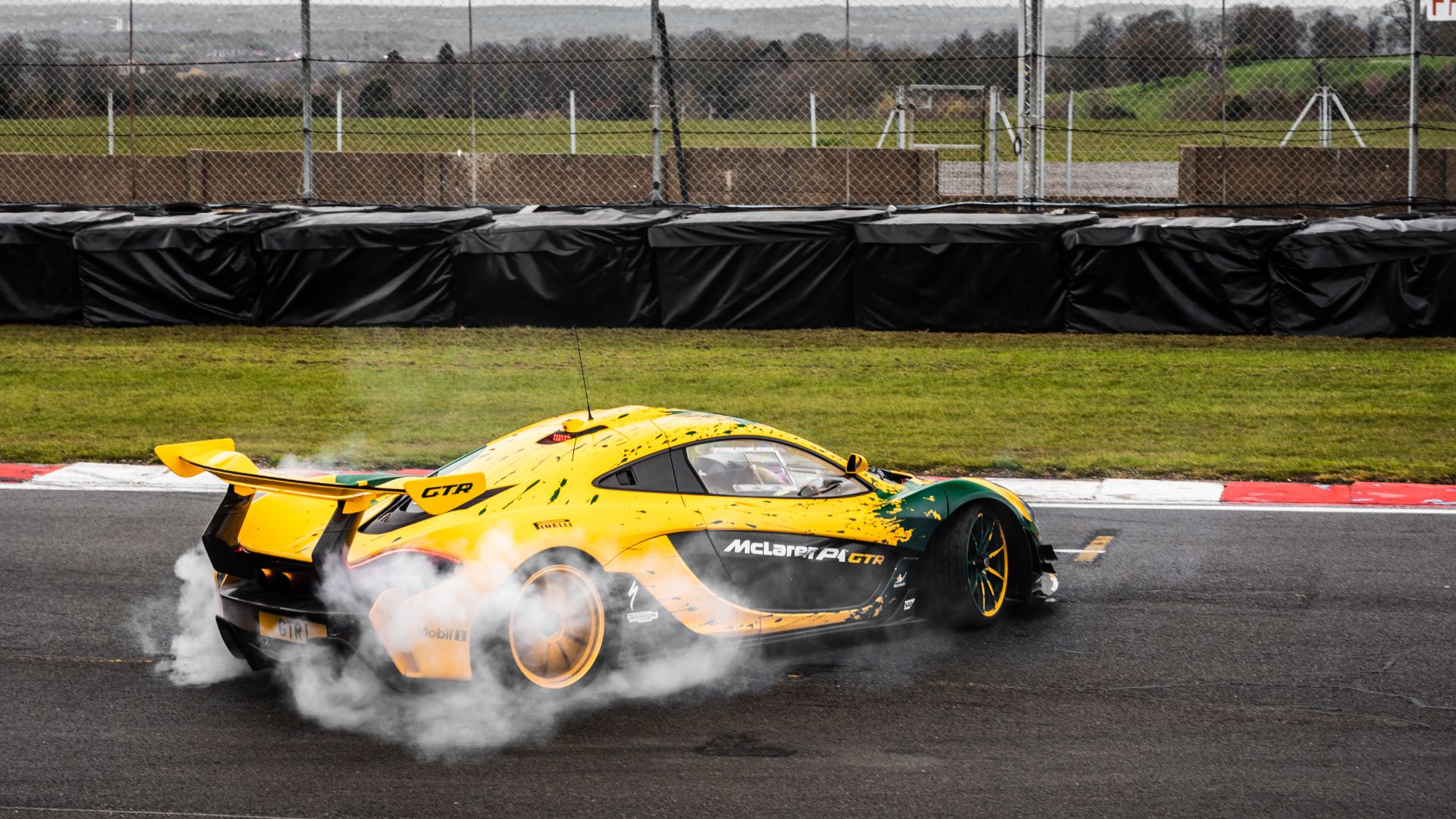
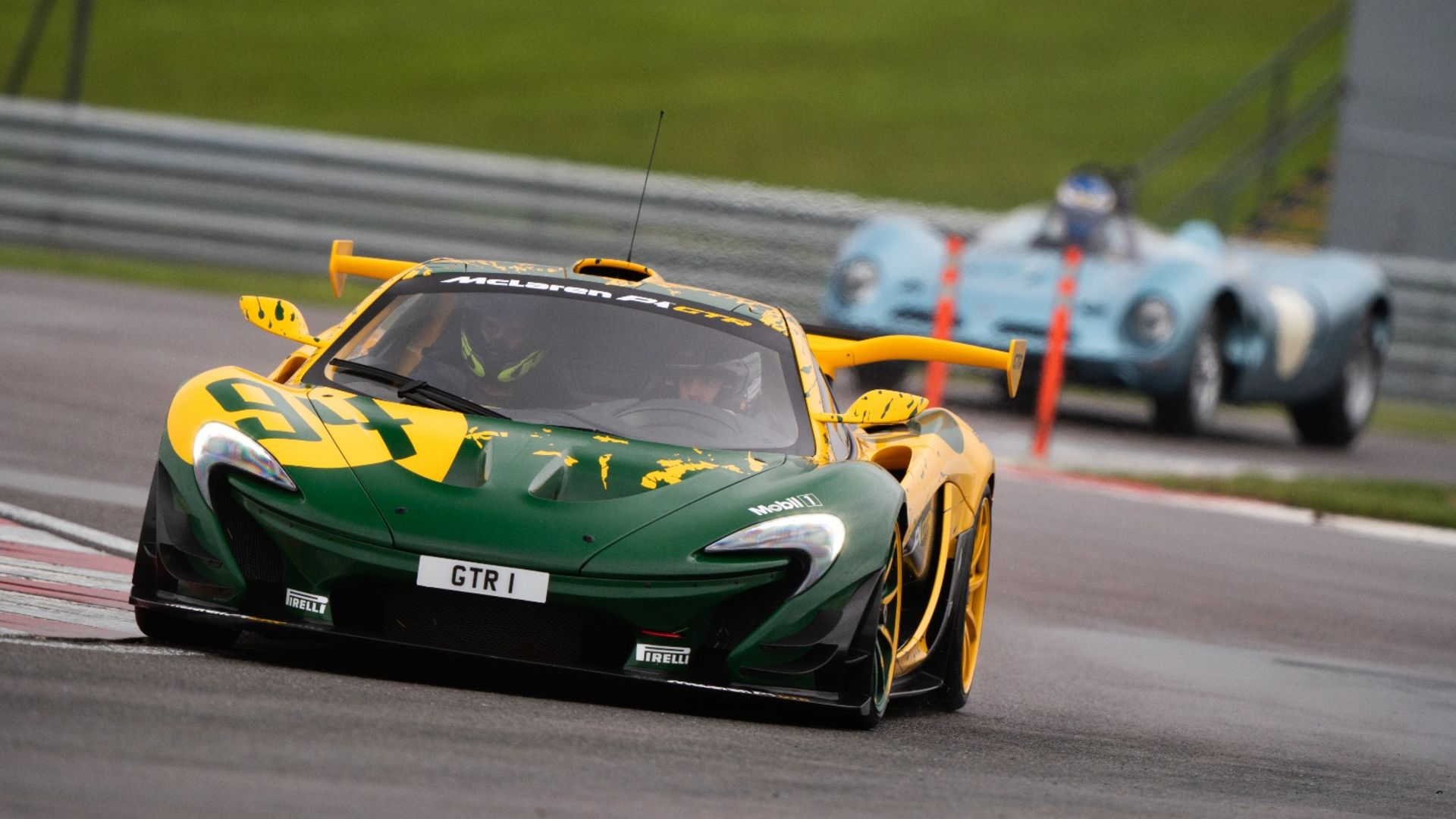
Smokin’ P1 GTR
It’s not all parade laps either. A P1 GTR might be a multi-million-pound piece of track-only McLaren royalty, but would that really stop you ripping a few donuts at Donny?
The great and the good
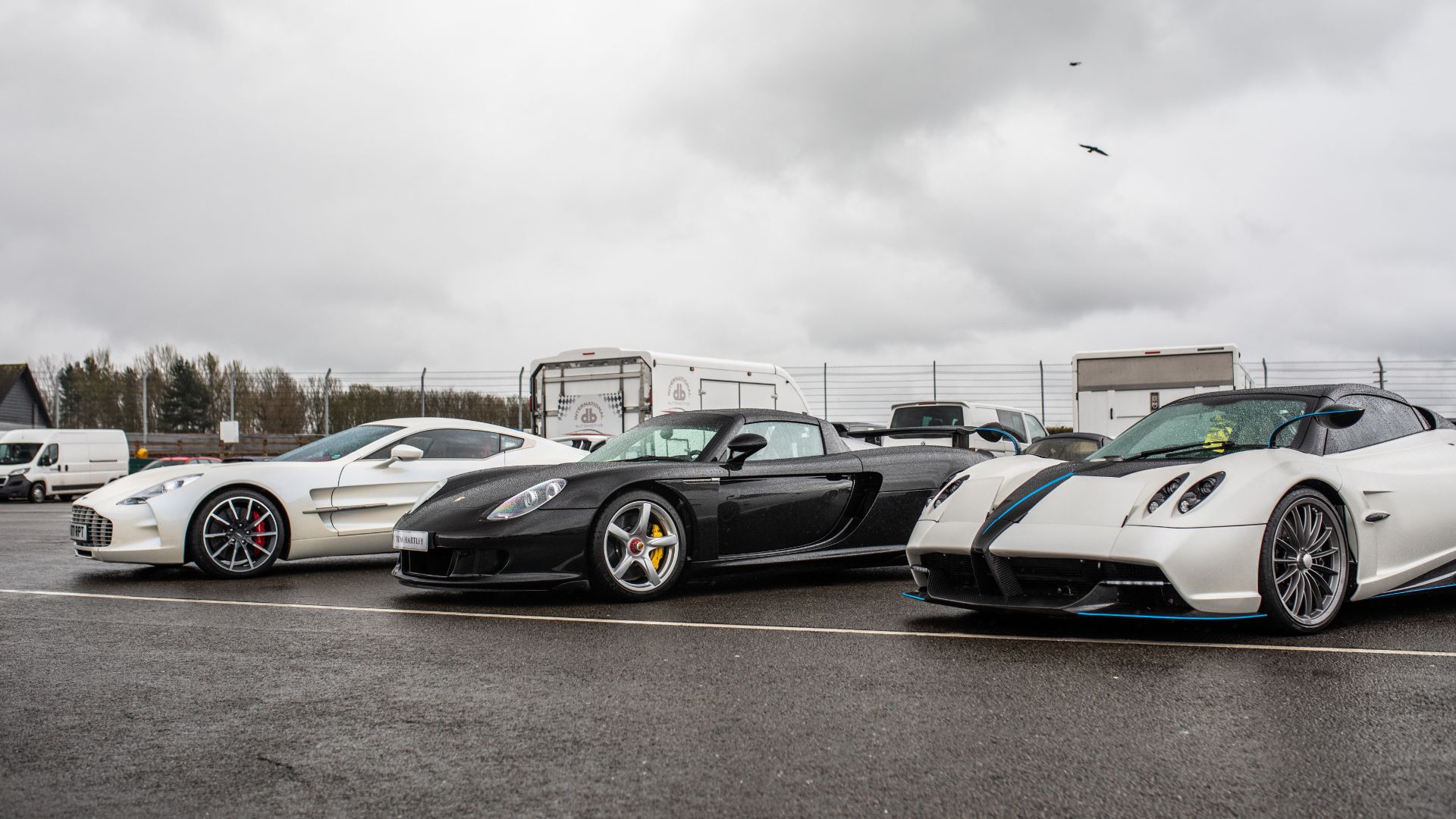
There’s no particular narrative context to adding this picture here. Then again, need we justify a shot that has an Aston Martin One-77, Porsche Carrera GT and Pagani Huayra Roadster sat side-by-side?
Welcome to the candy shop
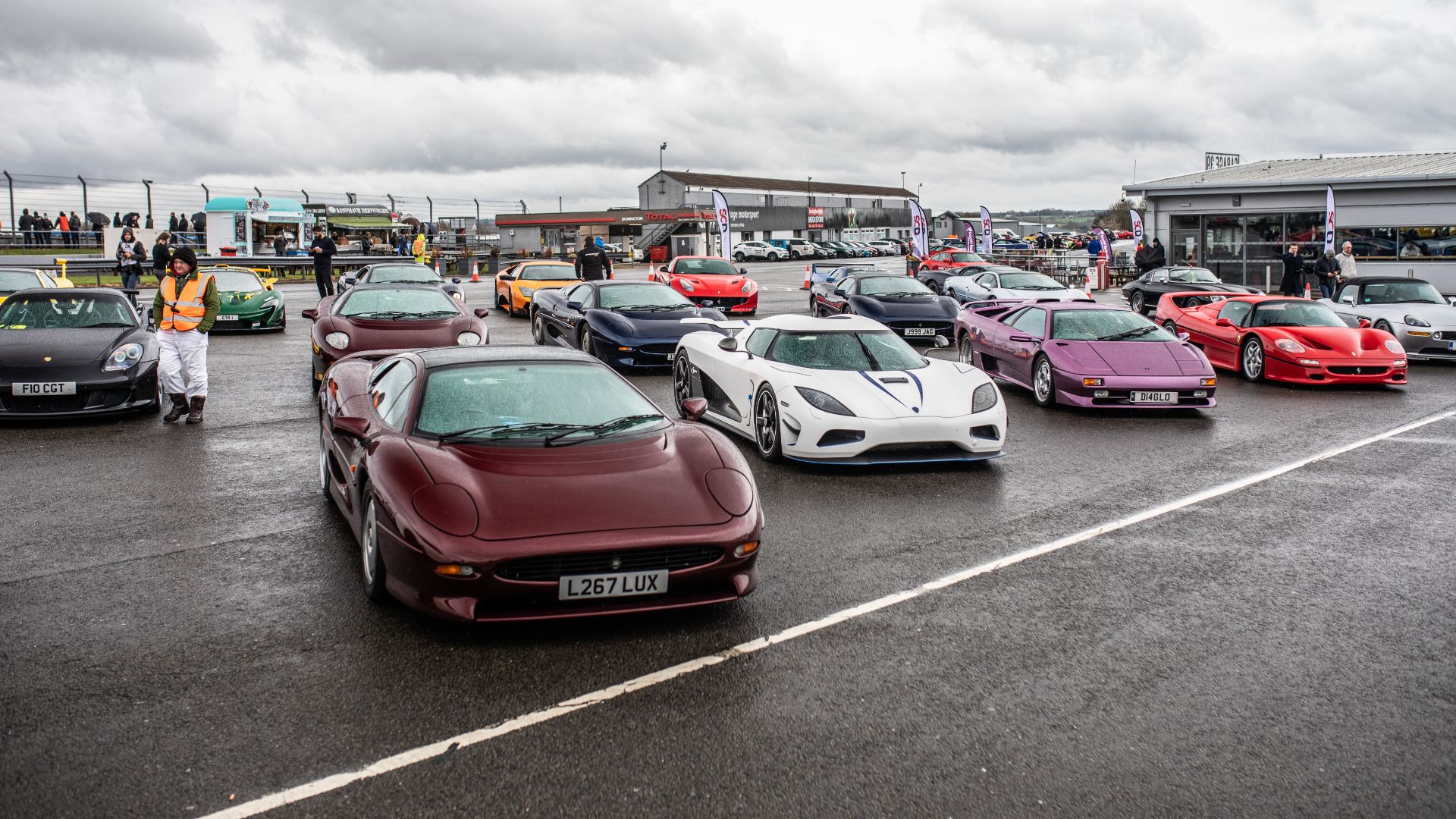
There isn’t a dud among this line-up: Koenigsegg, Ferrari F50, multiple XJ220s, P1 GTR, Murcielago SV, Porsche Carrera GT… The more you look, the more you spot!
Generations of Lamborghini Super Veloce
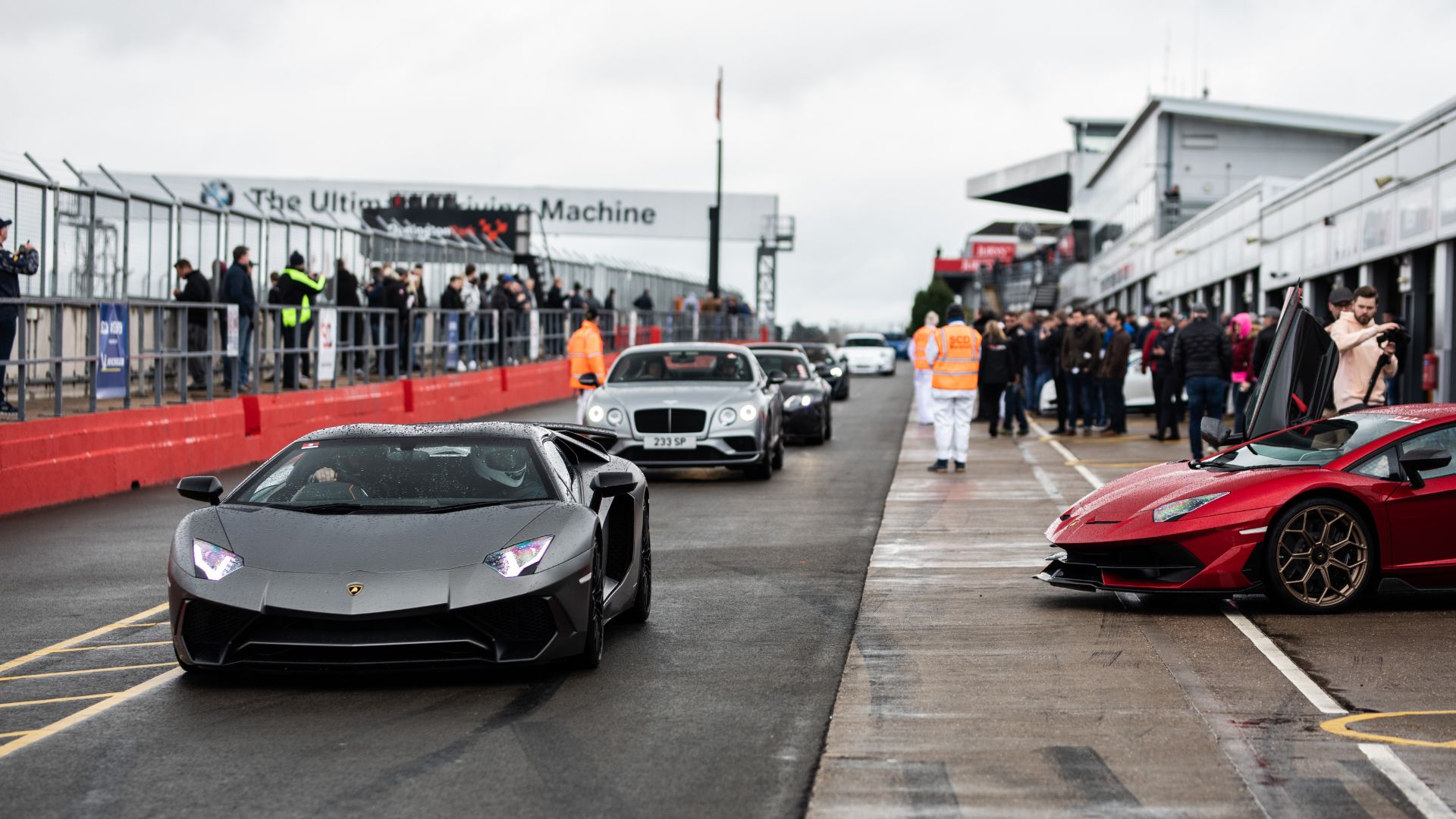
Has anyone seen an Aventador LP750 SV with a new Aventador SVJ yet? Well, if not, you have now. This red example showed up at The Secret Meet, and is pictured along with a matte older-generation SV.
Veyron vs. Chiron – which wins?
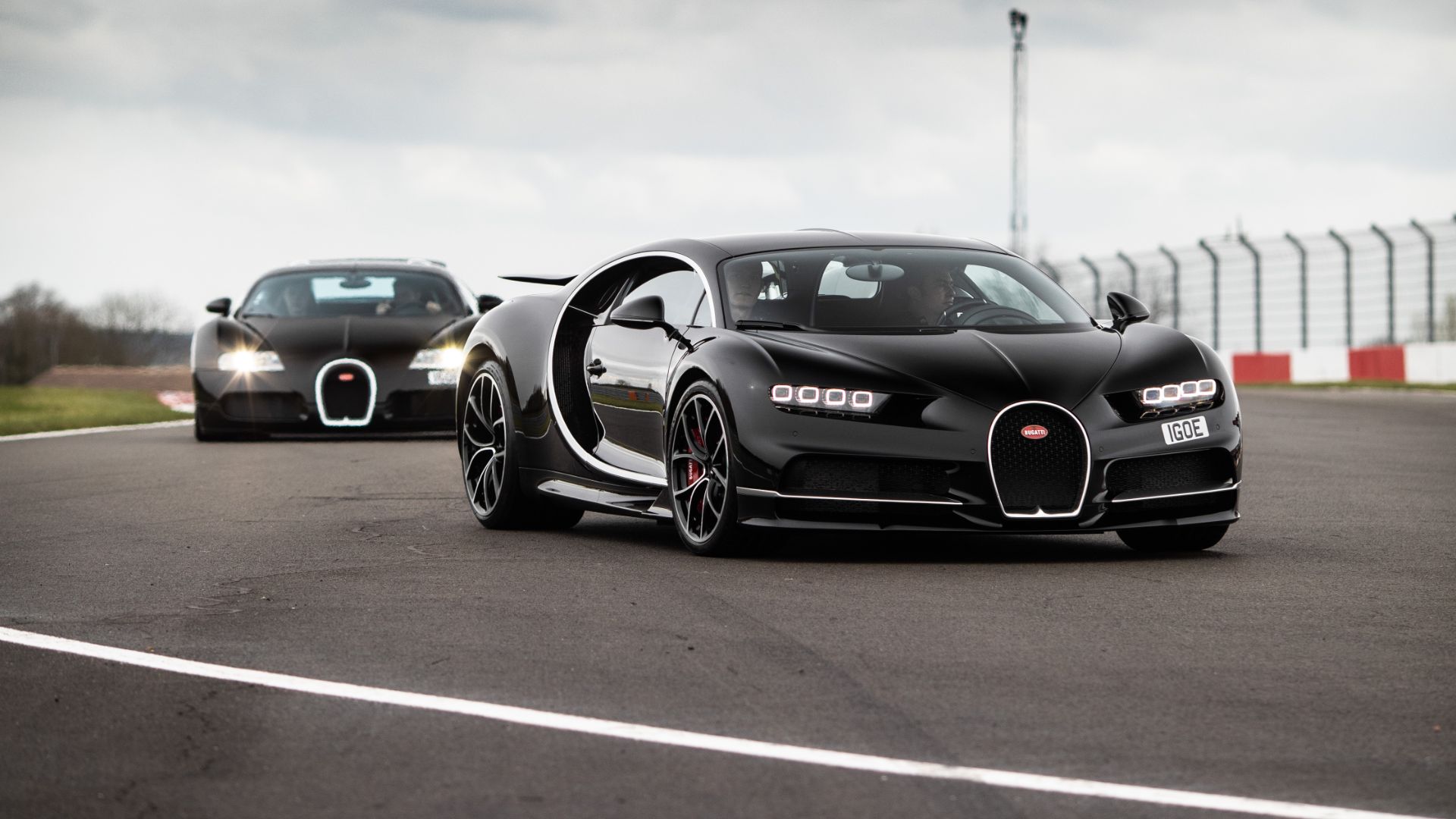
This is a perfect shot for comparing the early generations of Bugatti’s two post-millennium hypercars. A black early Veyron follows a black Chiron. While the Chiron was a beautiful piece of sculpture from the off, the Veyron has taken a few years to mature. A subtle spec such as this helps it a lot.
Historic racers: McLaren M8F Can Am
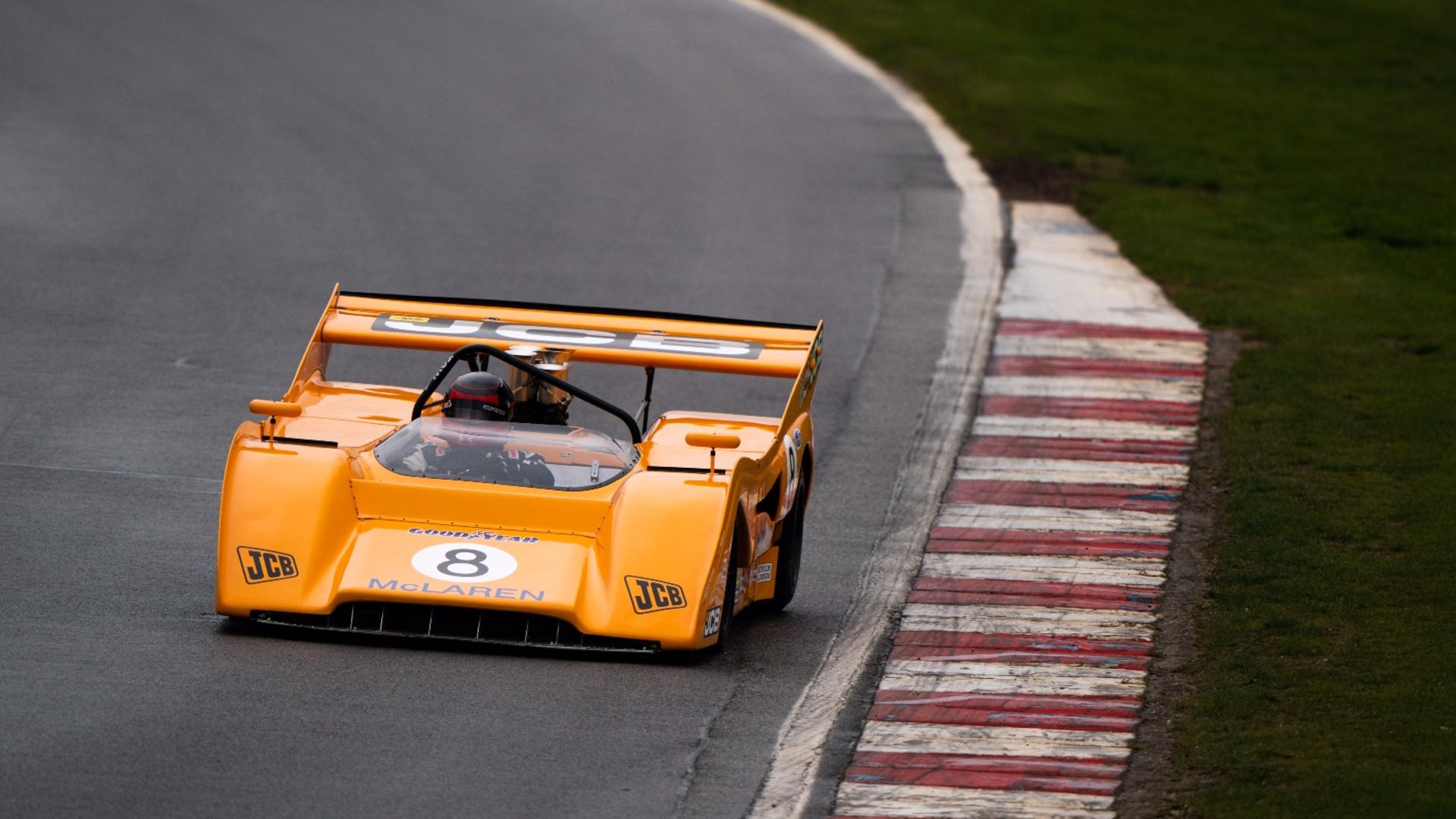
While today we know McLaren for its Formula 1 exploits, Bruce McLaren was equally as passionate about Can Am sports car racing in-period. In fact, it was while testing a Can Am car that Bruce passed away, during an accident at Goodwood. There’s nothing quite like the roar of a Chevy big-banger, trumpets sprouting asunder from an orange wedge of historic McLaren racer.
Historic racers: Jaguar XJR12D
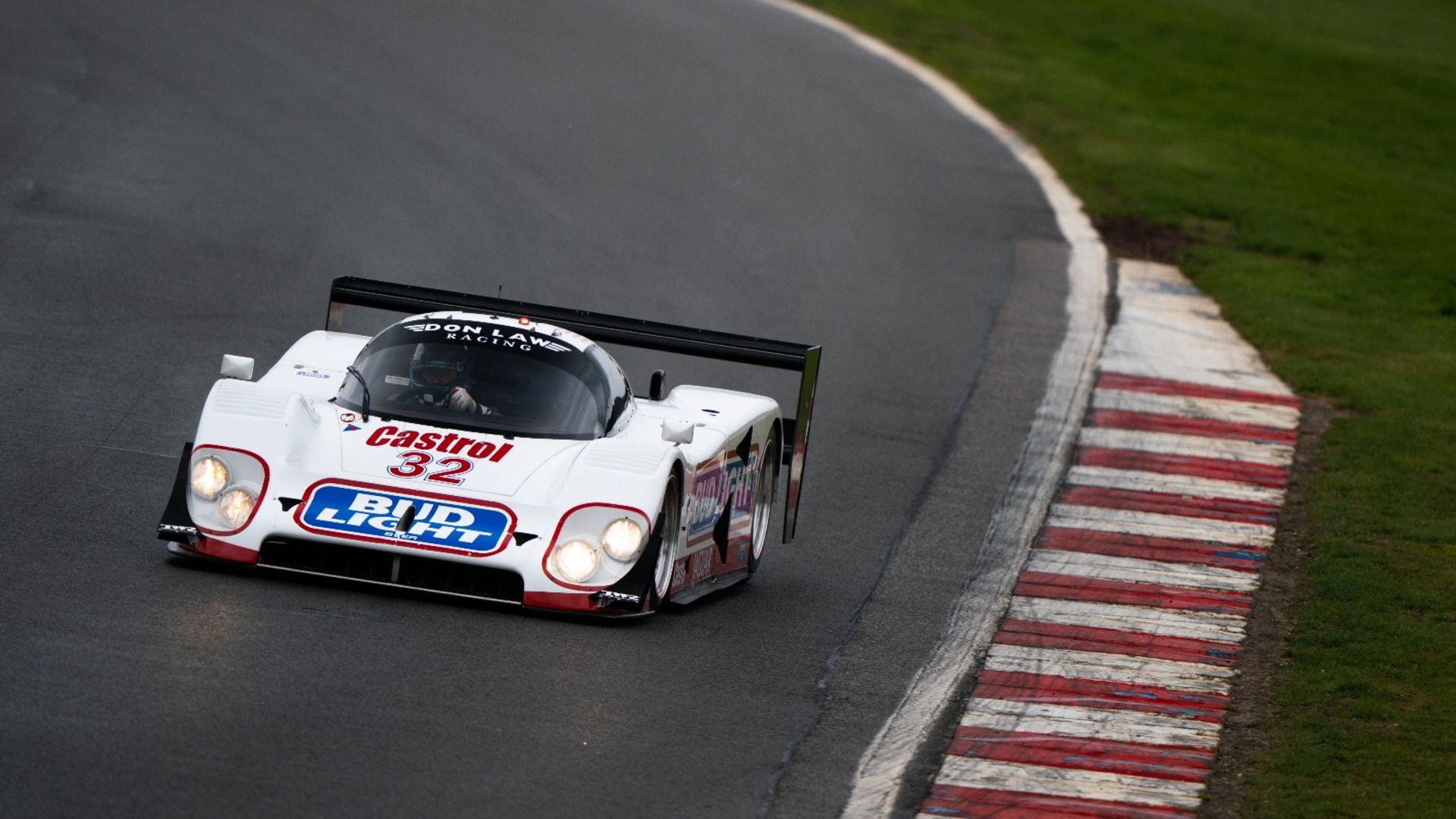
This derivative of Jaguar’s Le Mans-winning monster has claimed victory up the Goodwood Festival of Speed Hill a few times in the shootout. The Bud Light livery is simple but beautiful, and that V12 wail never gets old.
Historic racers: single-seater on-track
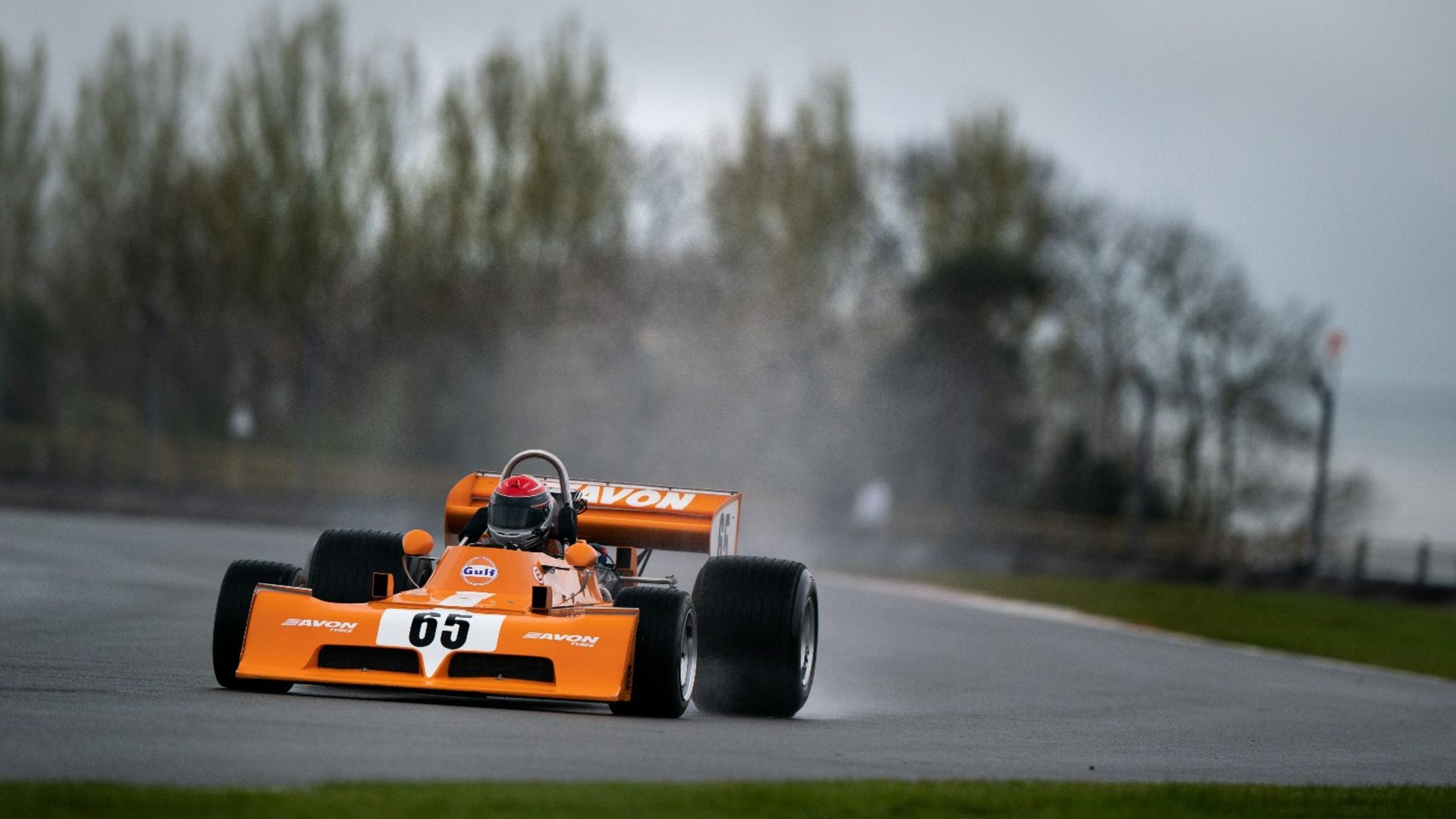
As you’ll probably have noted by now, it doesn’t matter how special your cars are, there’s no controlling the weather. The Secret Meet was evidently a greasy one. It takes a braver helmsman than us to get behind the wheel of a powerful fat-tyred single-seater for some laps at Donnington.
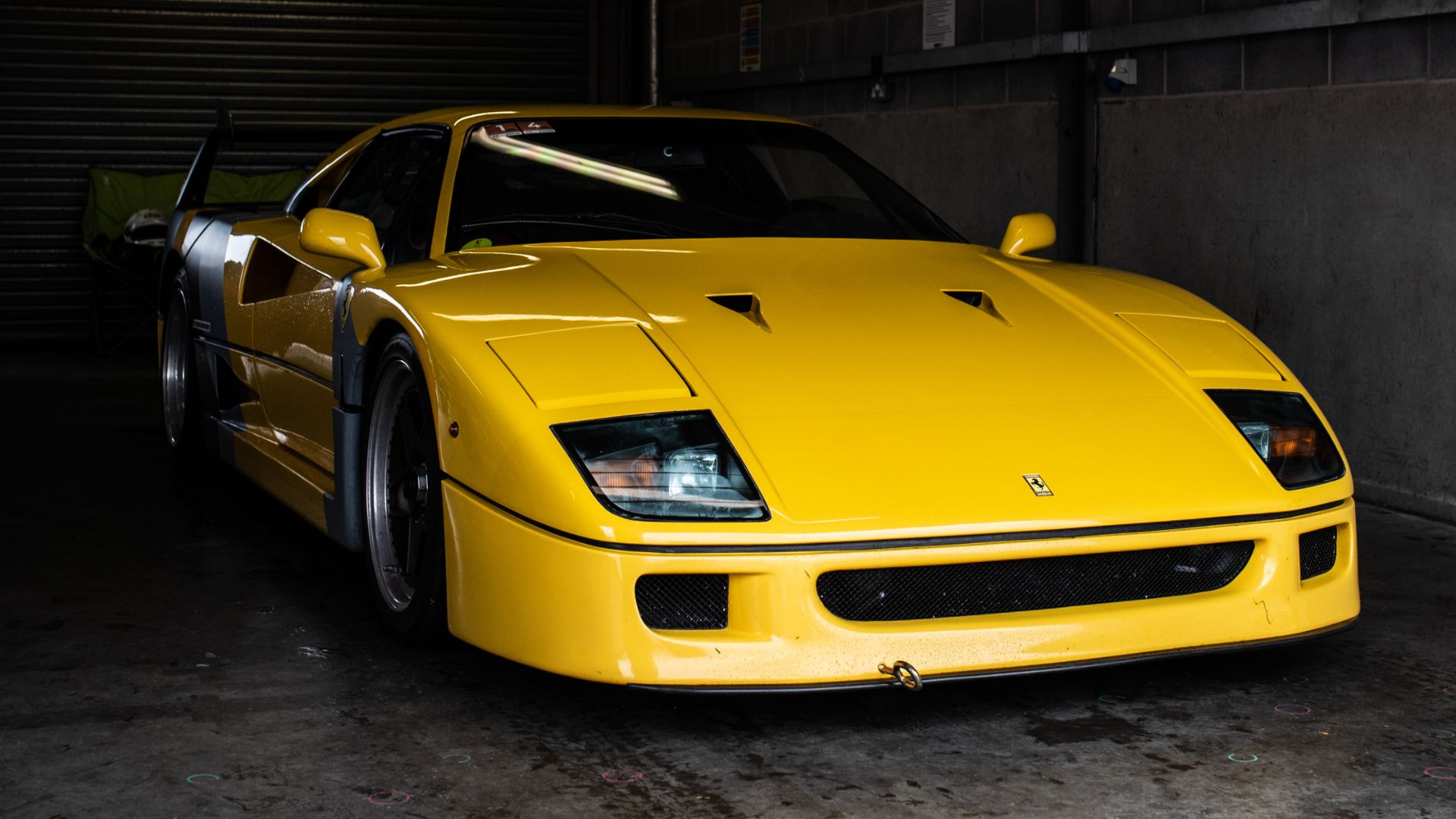
Slumbering F40
Back to the supercars and we start off quiet, with a slumbering F40 under dim pit garage lighting. This legend looks resplendent in yellow paint.
Bizzarrini chases McLaren P1 GTR
A good shot for variety at this event. The Bizzarrini is a historic sports racer, the P1 GTR a modern-day track toy. No prizes for guessing which would be quicker.
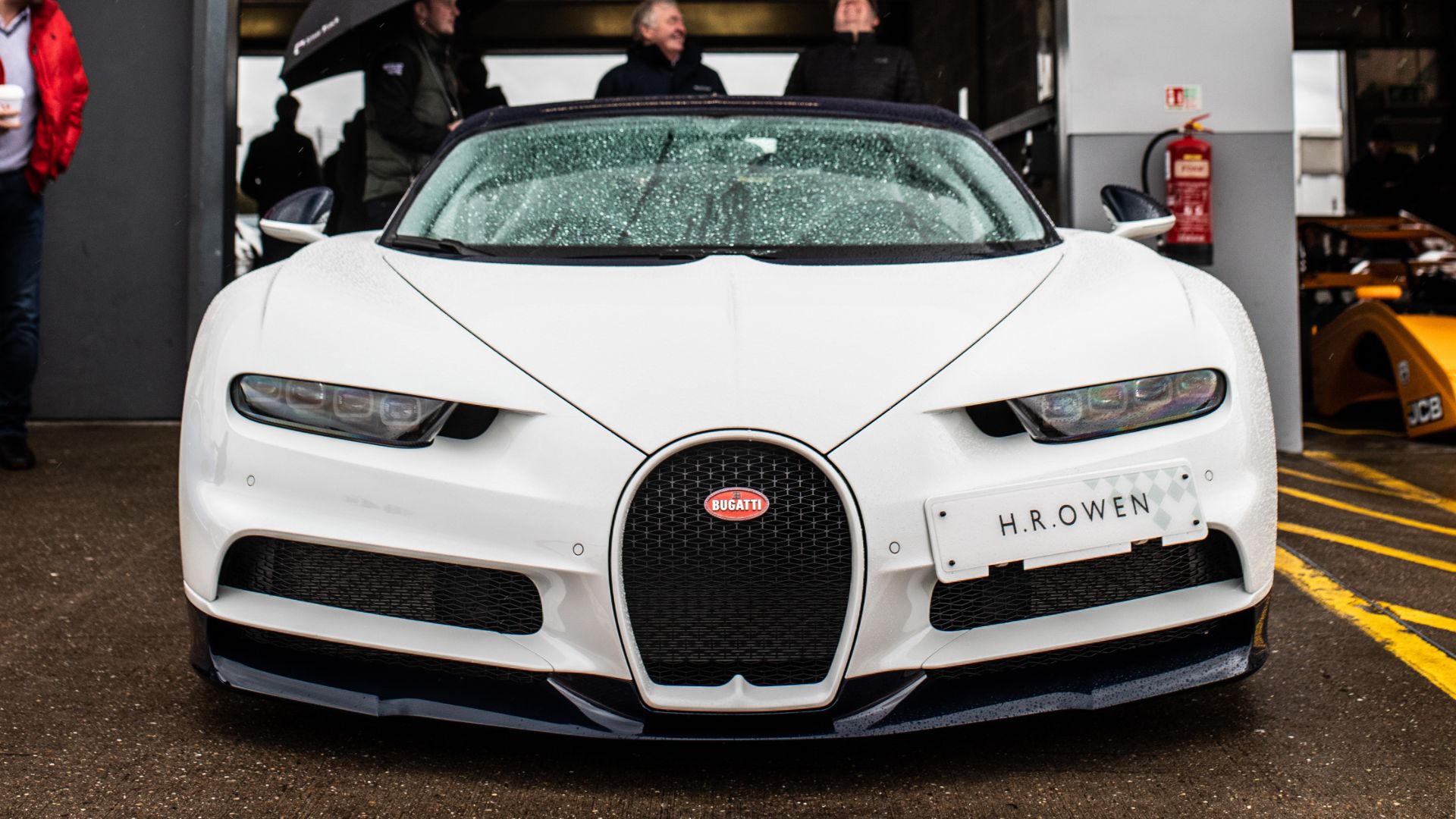
Stare into the eyes of the Bug
A nice close-up shot of a Chiron, with a dousing of rain. We needn’t justify that.
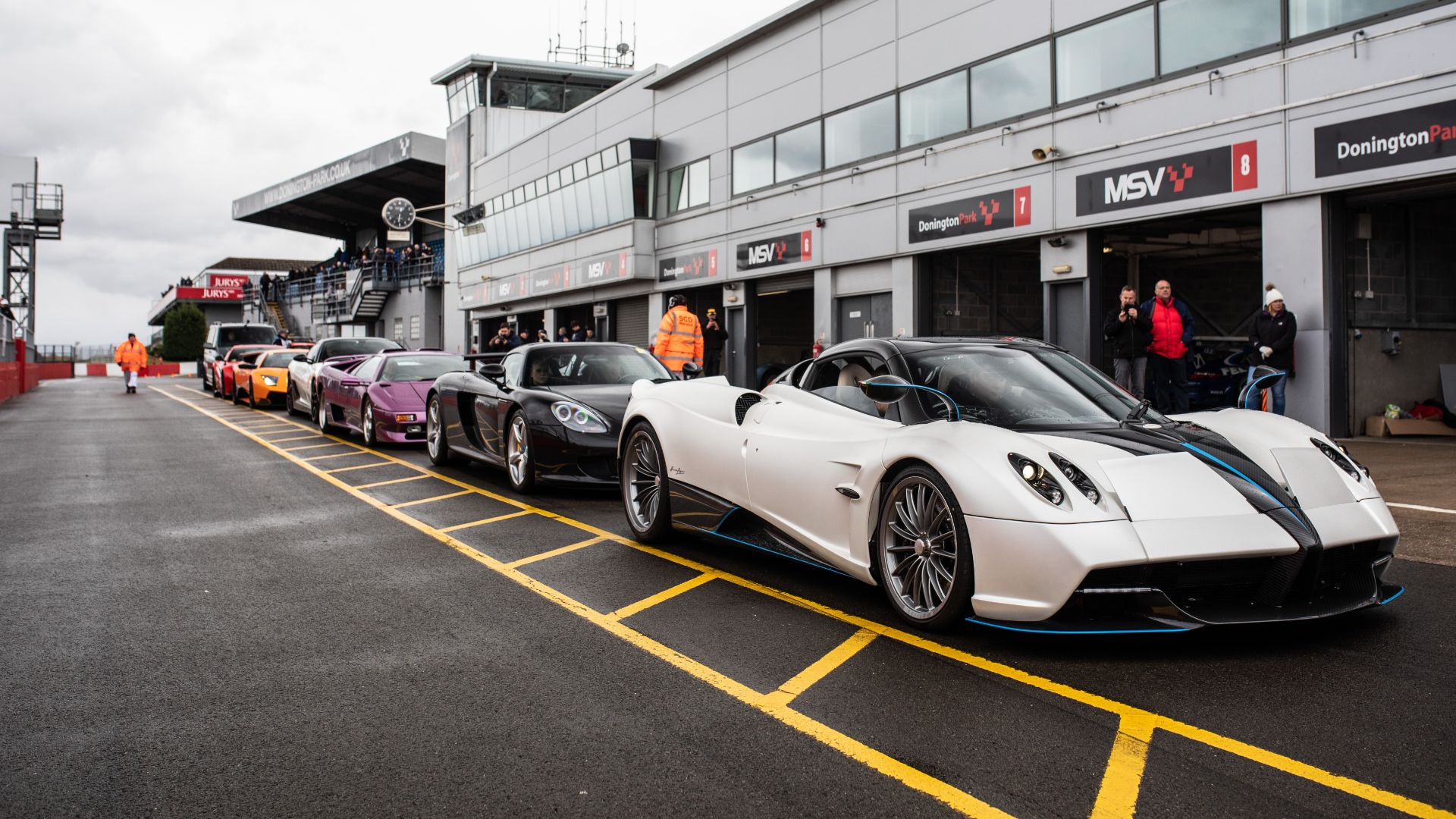
Huayra leads the pack
More Huayra and CGT loveliess, with a couple of Lamborghini raging bulls bringing up the rear.
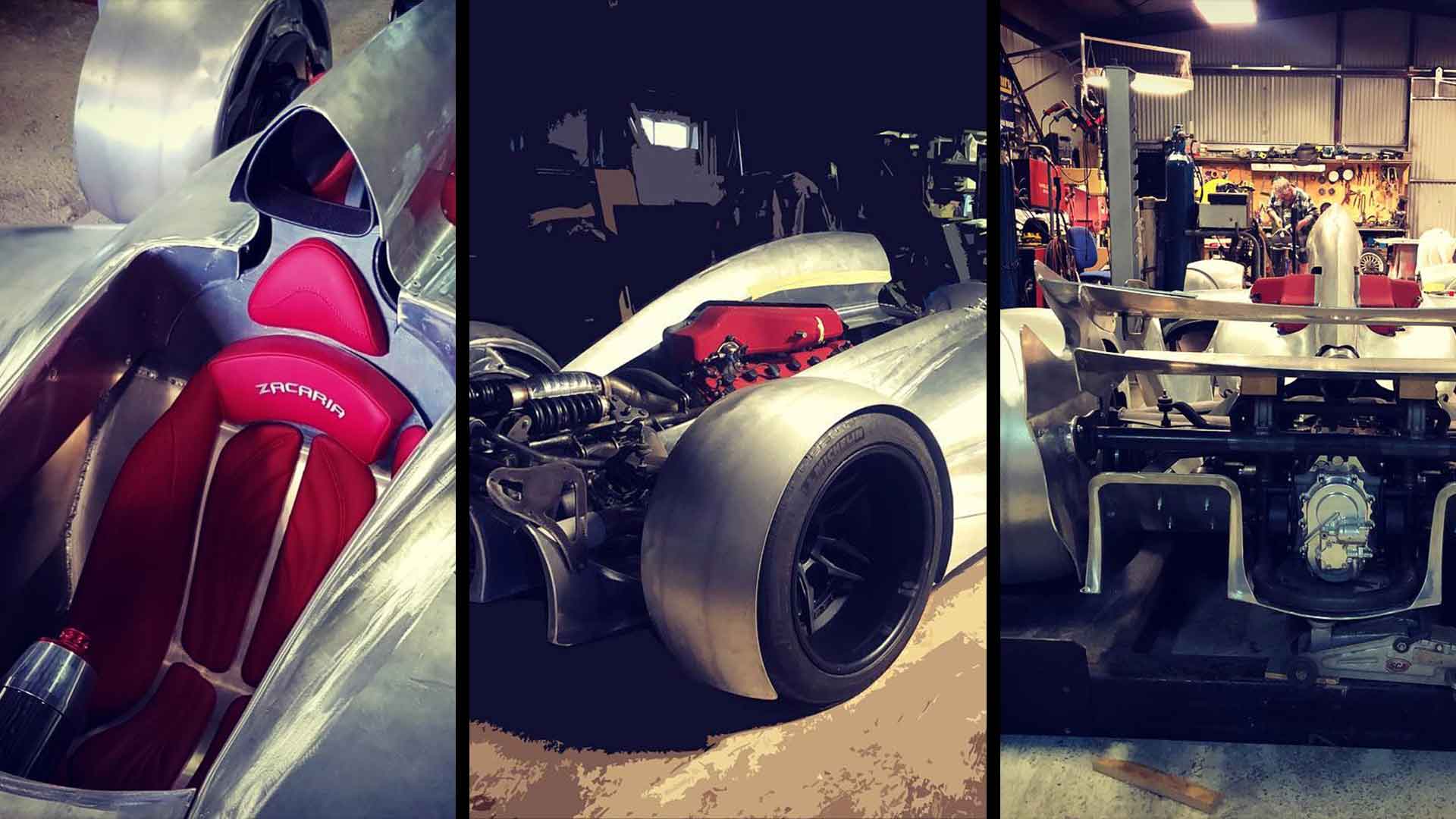
After five years in the making, the Zacaria SC will make its long-awaited debut at Top Marques Monaco on 30 May 2019.
It comes with a pretty formidable USP: the Zacaria is a street-legal F1 replica powered by a Ferrari engine.
Zacaria Supercars is based south of Sydney, Australia, and the company has until 12 May to get the ‘F1 car for the road’ on a plane bound for Monaco. If you’ve followed the build progress on Instagram, you’ll know that this one is likely to go down to the wire.
It’s an insane piece of kit: the wizard from Oz uses a 6.3-litre engine from a Ferrari F12 Berlinetta in a car that weighs just 850kg. No performance figures have been announced, but with 700hp in a car that weighs the same as a Lotus Elise Sport 220 or Toyota iQ, the 0-62mph time is likely to be crazy-quick.
The spec sheet includes an Albins six-speed gearbox with a choice of paddles or a race-style sequential shifter, Ohlins adjustable suspension, handmade aluminium body with Chromoly reinforcement, AP racing brakes, a blown exhaust system, Motec programmable computer and LCD dashboard.
Bat crazy
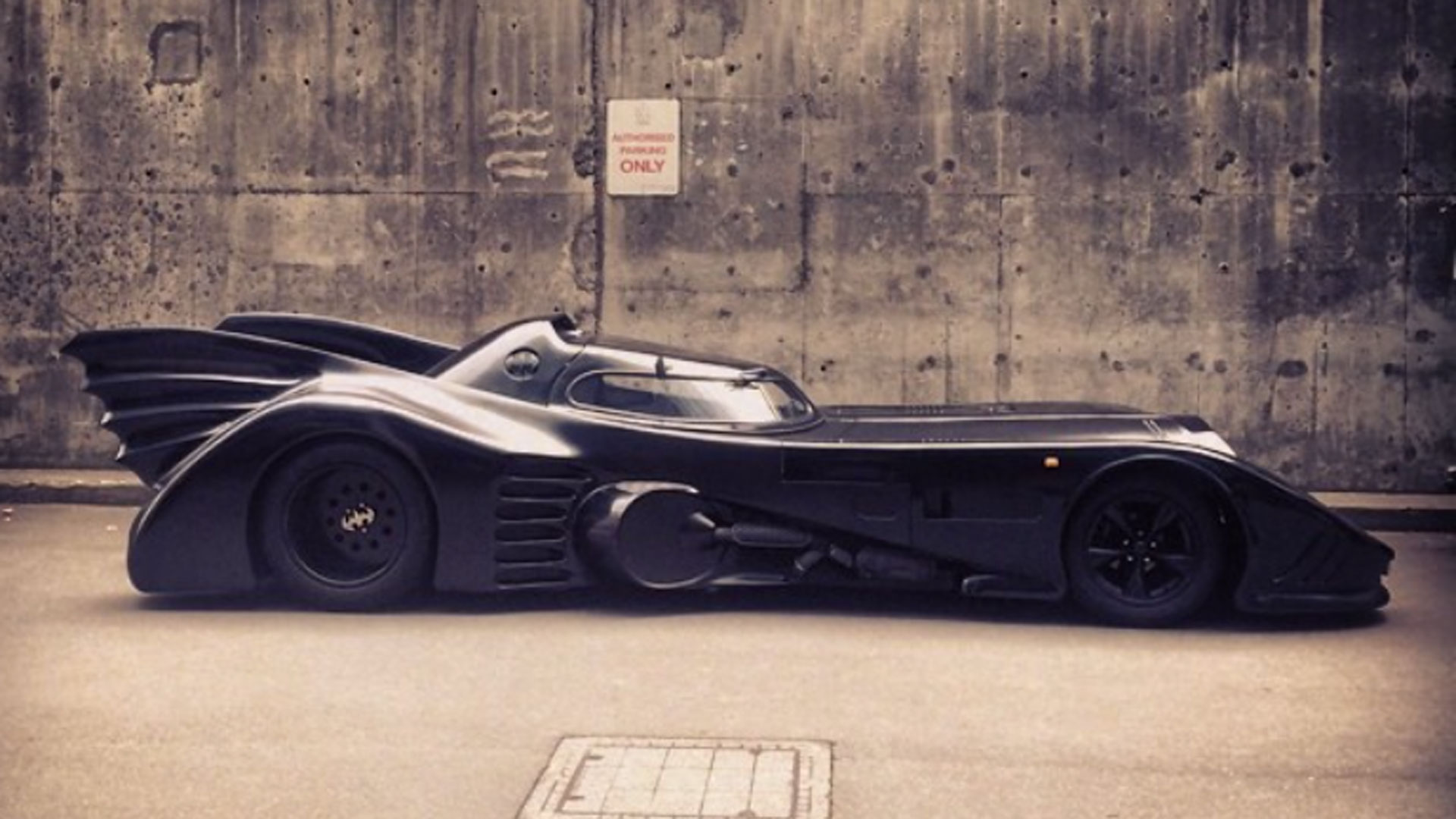
It’s the brainchild of Zac Mihajlovic, who previously built a street-legal Batmobile based on the vehicle used in Tim Burton’s Batman films. “I’ve always wanted to design and build my own supercar,” he said.
“With the help of Scotty Cox and my Grandfather John Greene, my vision of a street-legal F1 hot rod will be unveiled at Top Marques Monaco on the 30 May 2019.”
The social media feed shows the Zacaria in its ‘naked’ form – the company hasn’t revealed the final colour – but we do know why the wheels are covered. “Driving in wet conditions, the water will spray inward without covering tyres,” the company said in a reply to a question on Instagram.
https://www.instagram.com/p/Bu5lqxAnh0J/
Mihajlovic could have made a lot of money out of his street-legal Batmobile, but licencing issues meant that he was unable to capitalise on his crazy creation. He told Motor: “What’s the next-most extreme thing I could build to drive on the street?
“No one’s done it with an F1 car, they’ve done things like the BAC Mono or the Ariel Atom, but they’re four-cylinder and look like concept cars.
“If you wanted to drive a real F1 car it’d take a team of people to run it so I thought about a modern V8 or V12 from a Ferrari, there’s probably a market for people who want something no one else has.”
As for the price? Mihajlovic says he’d expect to sell each Zacaria he builds for more than $1 million (£776,000). We expect there will be a few interested parties in Monaco.
Volkswagen has crunched the numbers to show electric cars produce lower CO2 emissions than petrol- or diesel-engined models, for the entire lifespan of the vehicle.
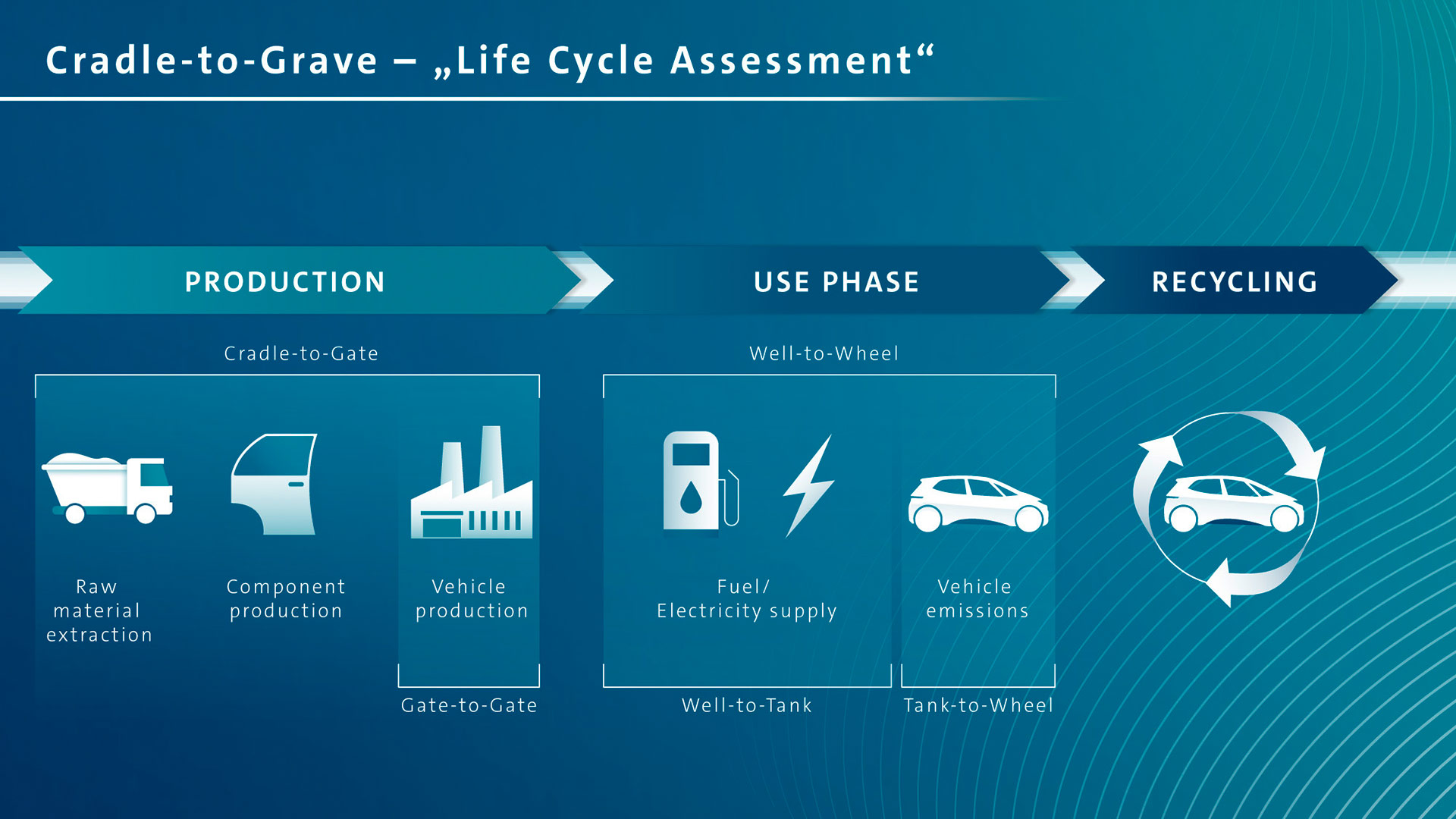
While it may be clear that an electric car produces no direct CO2 emissions when driving, Volkswagen has demonstrated the wider savings through use of a ‘certified life cycle assessment’ process.
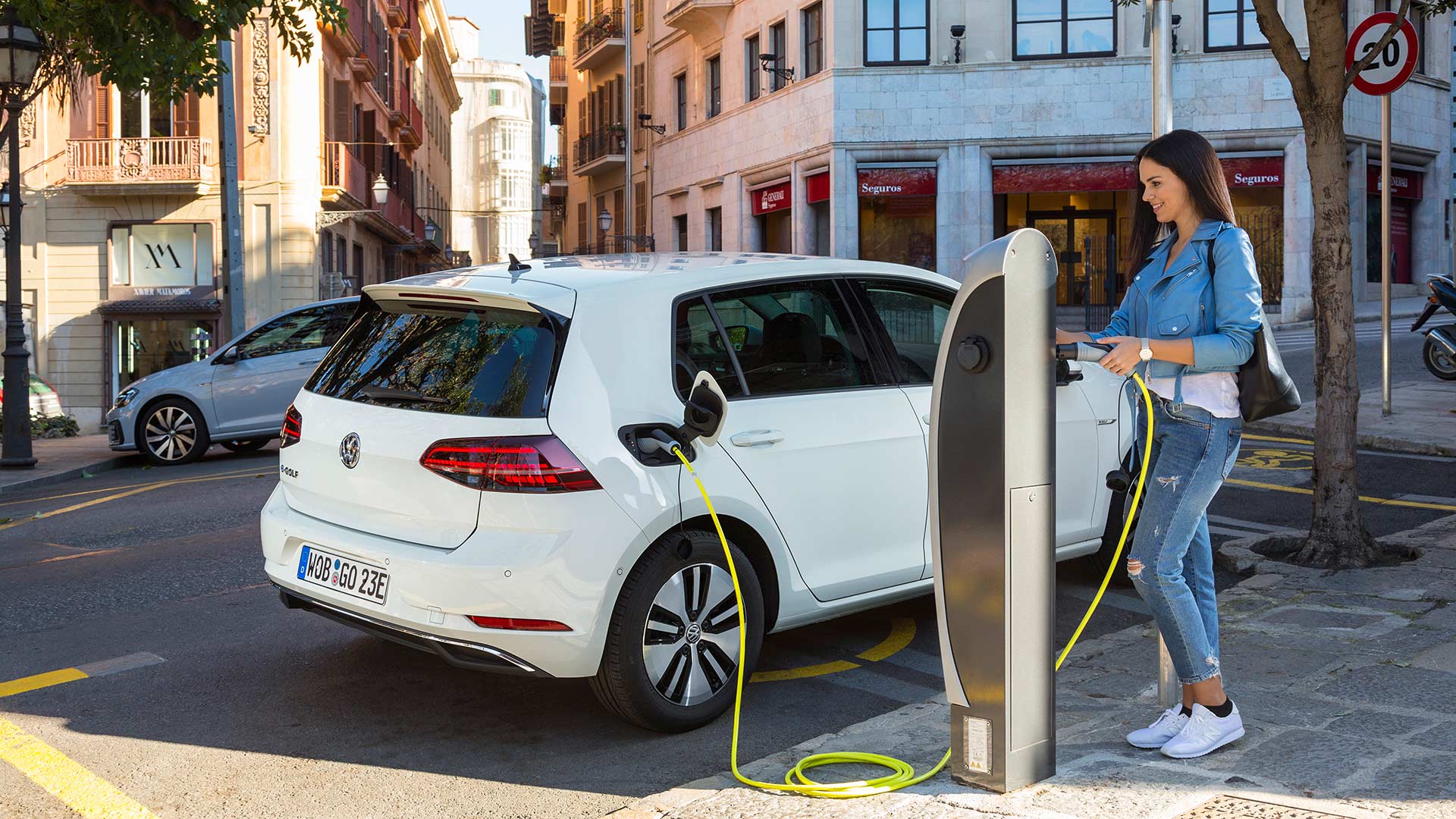
The company has taken the all-electric e-Golf, and the traditional diesel-engined Golf TDI, to demonstrate just how substantial the differences can be over the whole life of a car.
The diesel Golf TDI produces 140g/km CO2 on average over its entire life cycle, while the electric e-Golf sees average emissions of 119g/km.
When in use, and being fuelled, the Golf TDI will produce average emissions of 111g/km, derived from the supply of diesel and the burning of it in the engine.
By comparison the e-Golf will average 62g/km across the use and charging stage of its life. Those emissions are the result of energy being generated from the power grid to recharge the e-Golf’s battery pack.
Swapping to an energy provider that only supplies power from renewable sources would see this drop to just 2g/km for the e-Golf.
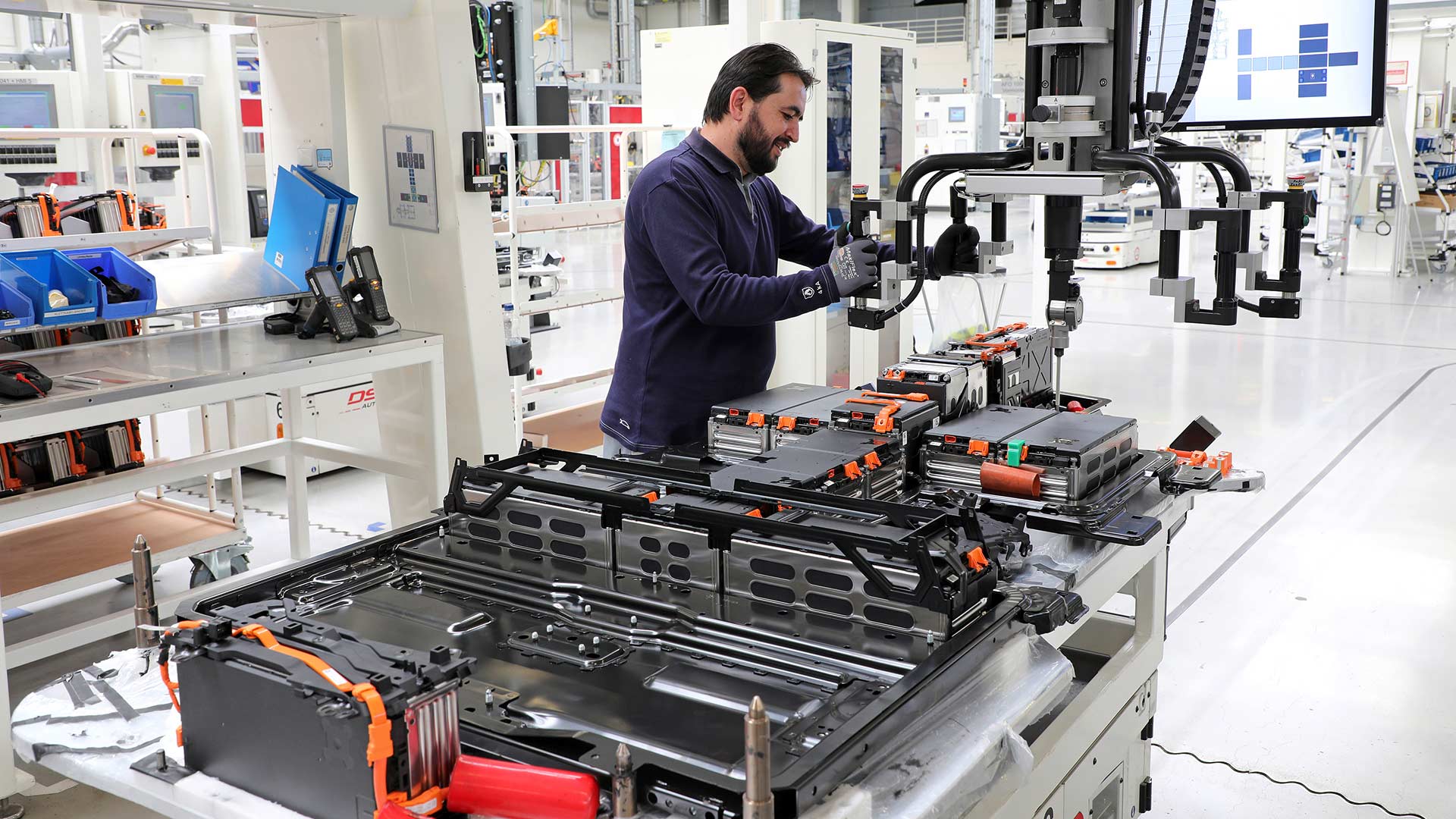
The only time at which the diesel Golf results in a lower carbon footprint is during its initial stage of being built in a factory.
Due to the exotic metals and other elements included in the battery pack for the e-Golf, extracting these from the ground as raw materials results in higher CO2 emissions of 57g/km. In contrast, building the Golf TDI emits accounts for only 29g/km of CO2.
Volkswagen does note that battery technology is improving all the time, and that forthcoming ID electric cars will offer substantial reductions in overall CO2.
The company has also invested in a new pilot factory, which recycles batteries at the end of their lifecycle into new materials. Doing so could save a further 25% in carbon emissions, but will not become a widespread practice until the end of the next decade.
 Renault is to once again play a starring role in the London Marathon – by supplying nearly 30 support vehicles to help officials run the event.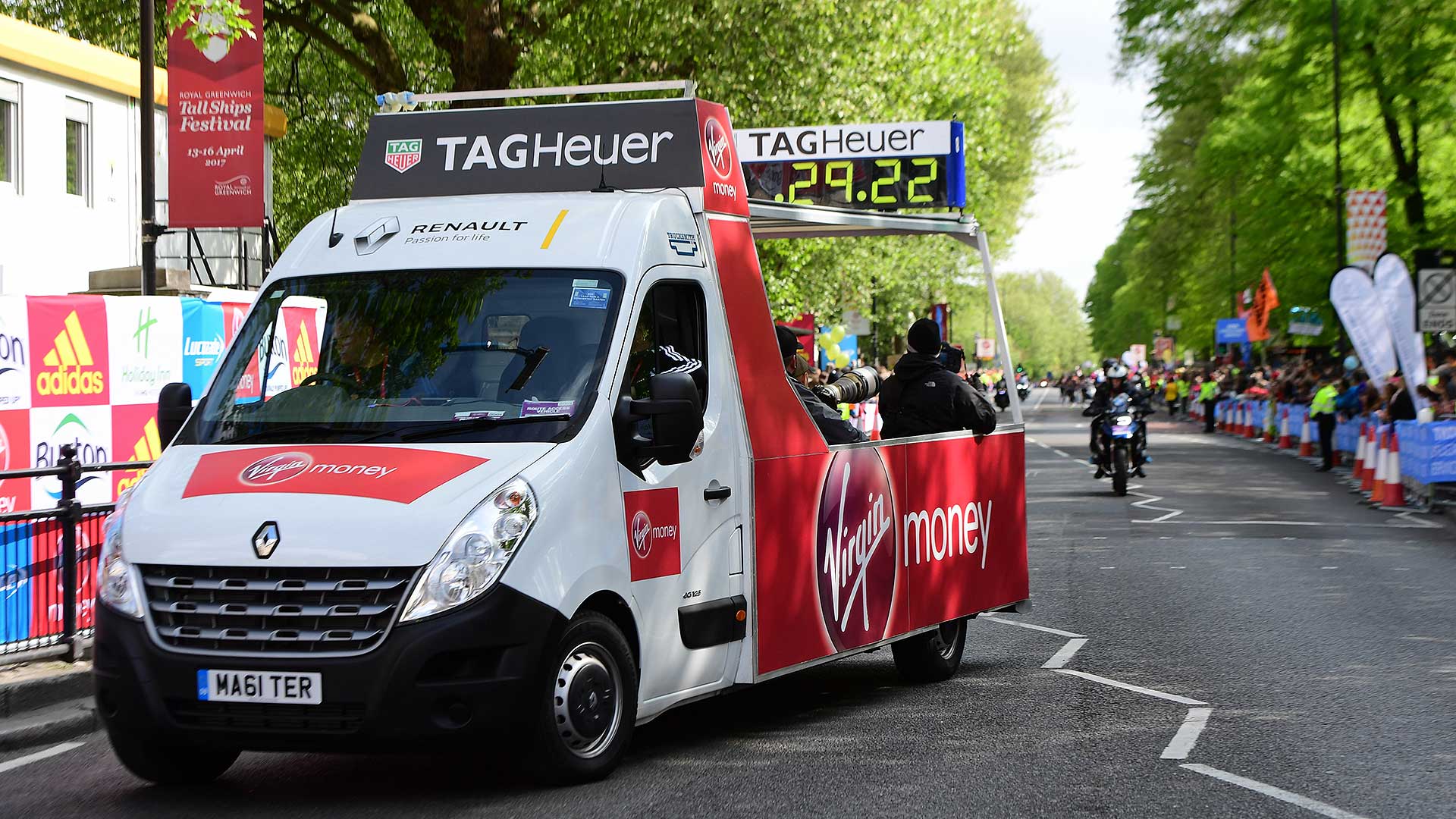
 Starting with this weekend’s Paris E-Prix, fans of Formula E will be able to compete against a virtual recreation of the action happening on track.
 Along with competing in a ‘live’ race as
  Along with live action, Virtually Live Ghost Racing also promises the ability to challenge friends, and
  Launched to coincide with the recent Techno Classica 2019 show, Volkswagen has released a special booklet detailing some of the brand’s biggest achievements.
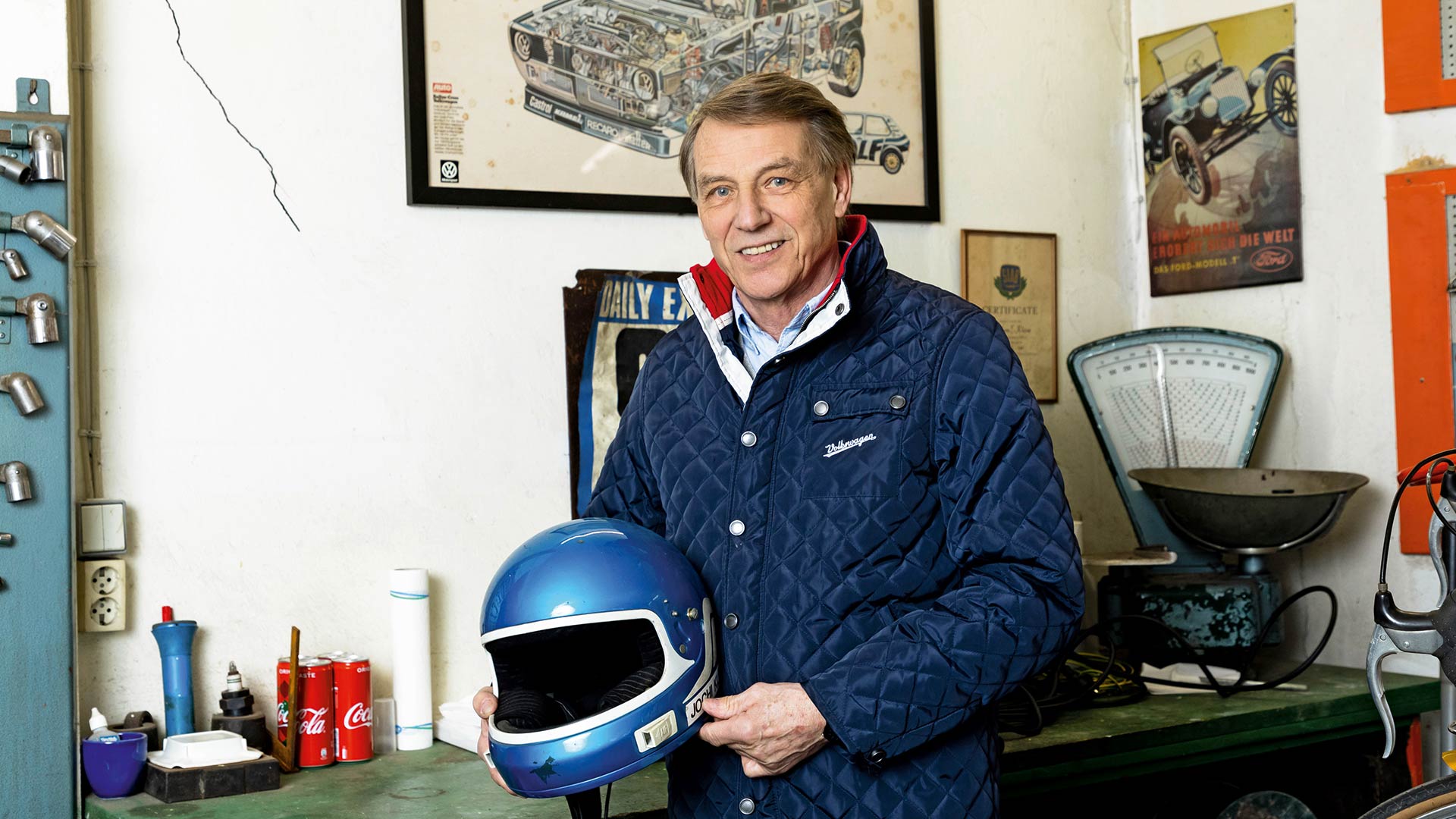 Acknowledged as one of the leading vintage car shows and trade fairs, attendance at Techno Classica typically comes close to 200,000 people.
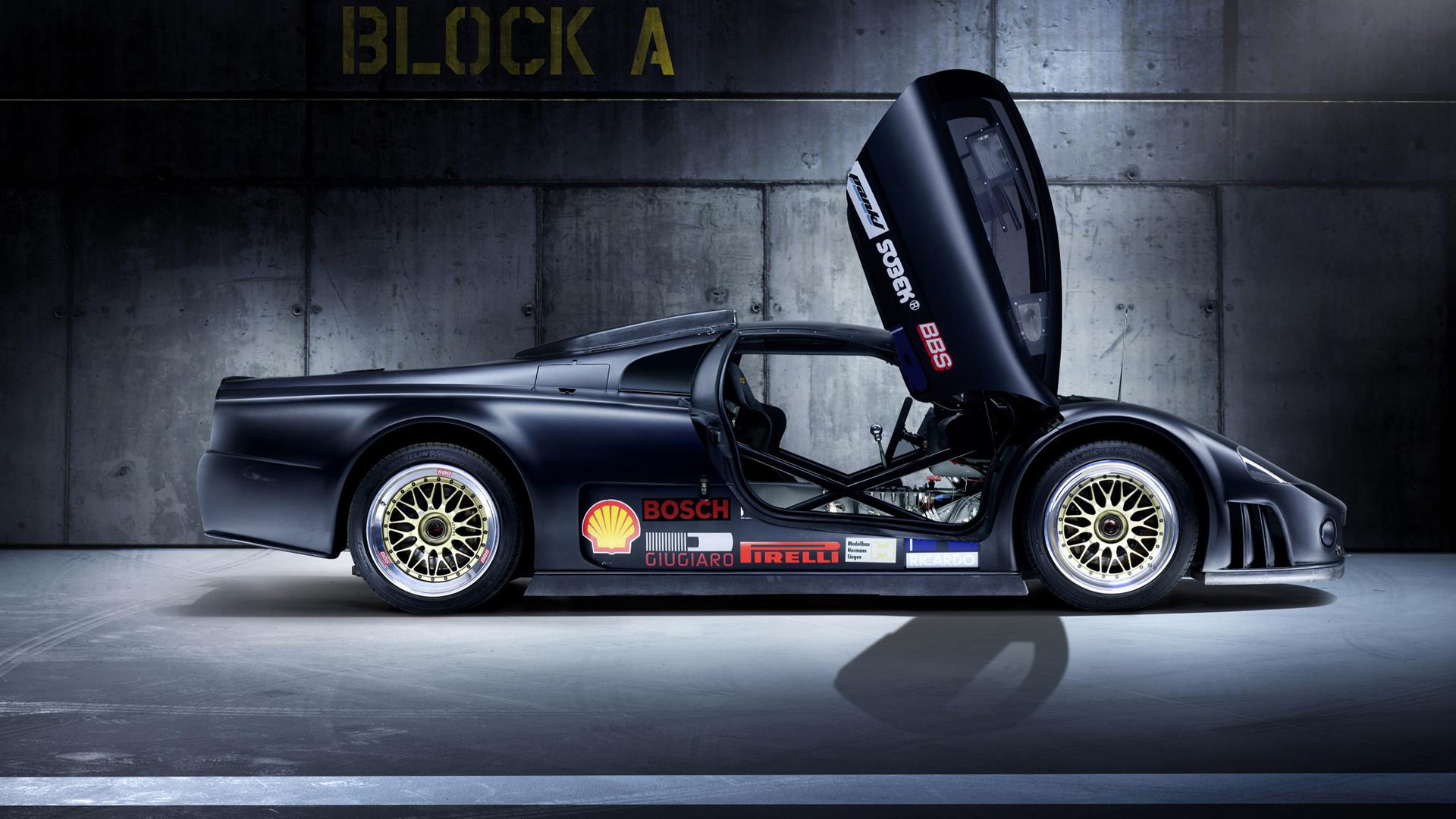 Performance records are one of the areas explored in Mission Maximum, with the stunning Volkswagen W12 one of the vehicles to fall under the microscope.
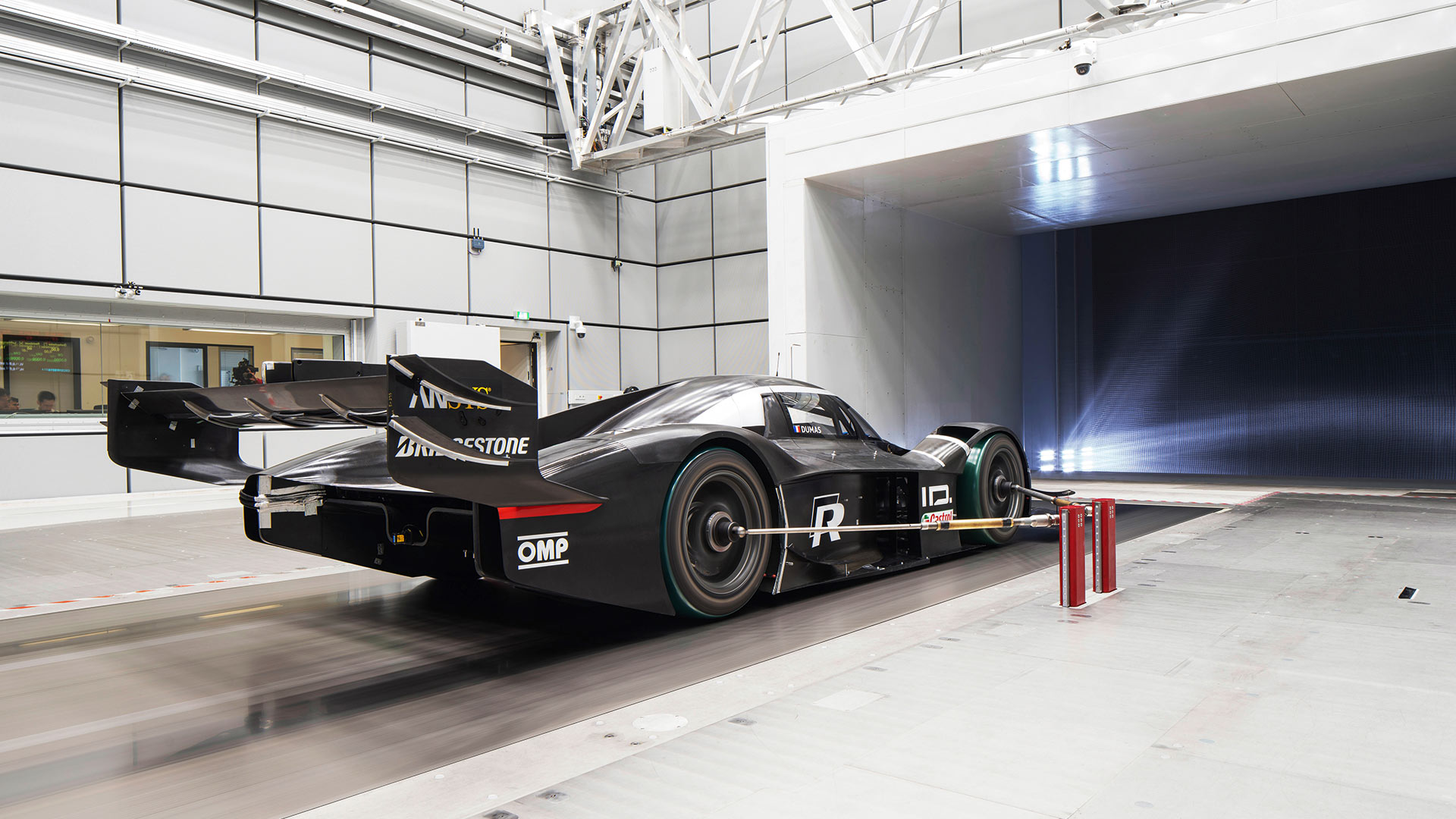 Volkswagen’s latest record attempts are also detailed, with attention given to the all-electric I.D. R machine, which dominated the Pikes Peak International Hill Climb in 2018.
 Admittedly the 2005 Dukes of Hazzard movie, based upon the classic television series, will hardly go down in the annals of silver screen history. It collected seven nominations at the 26th Golden Raspberry Awards, and was named the worst film of 2005 by one movie critic.
 This Charger was one of many used during
 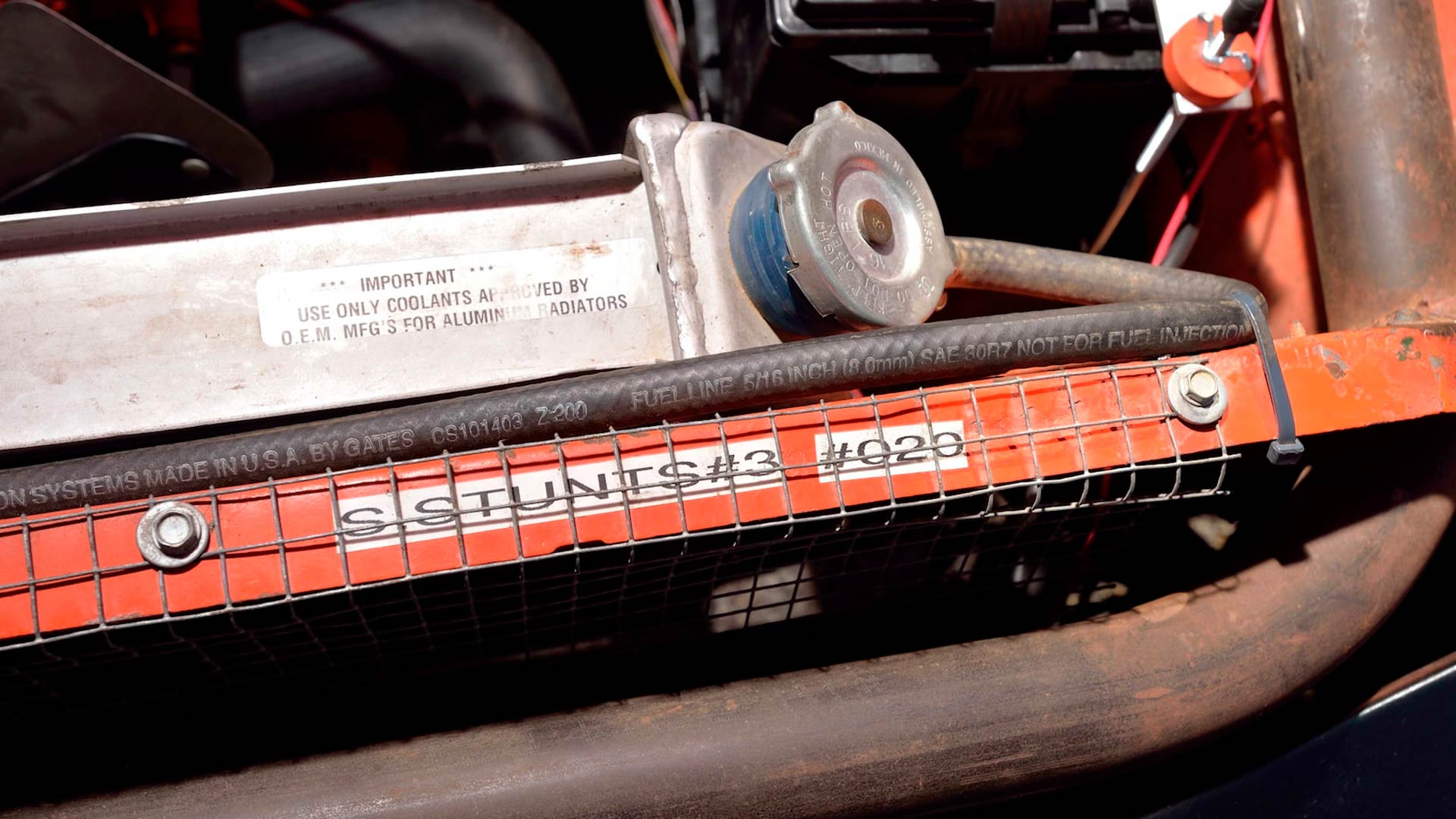 Stunt car #20 still wears the battle scars from filming, and is supplied in what Mecum describe as ‘screen-used’ condition.
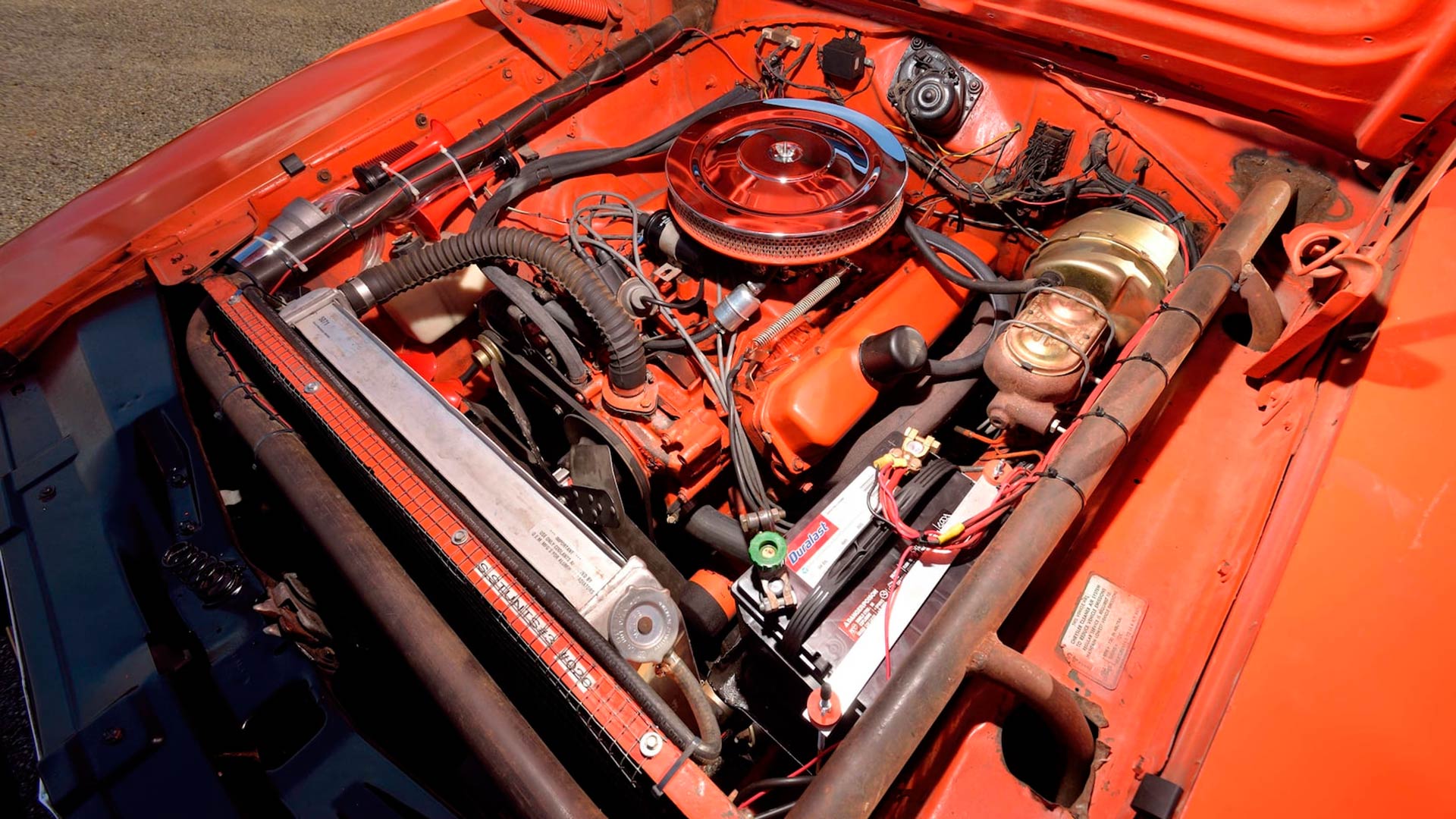 Power comes from a 383-cubic inch (6.3-l) Magnum V-8 engine. Although there is no mention of performance upgrades, judging by the film there is more than enough torque to spin the rear wheels.
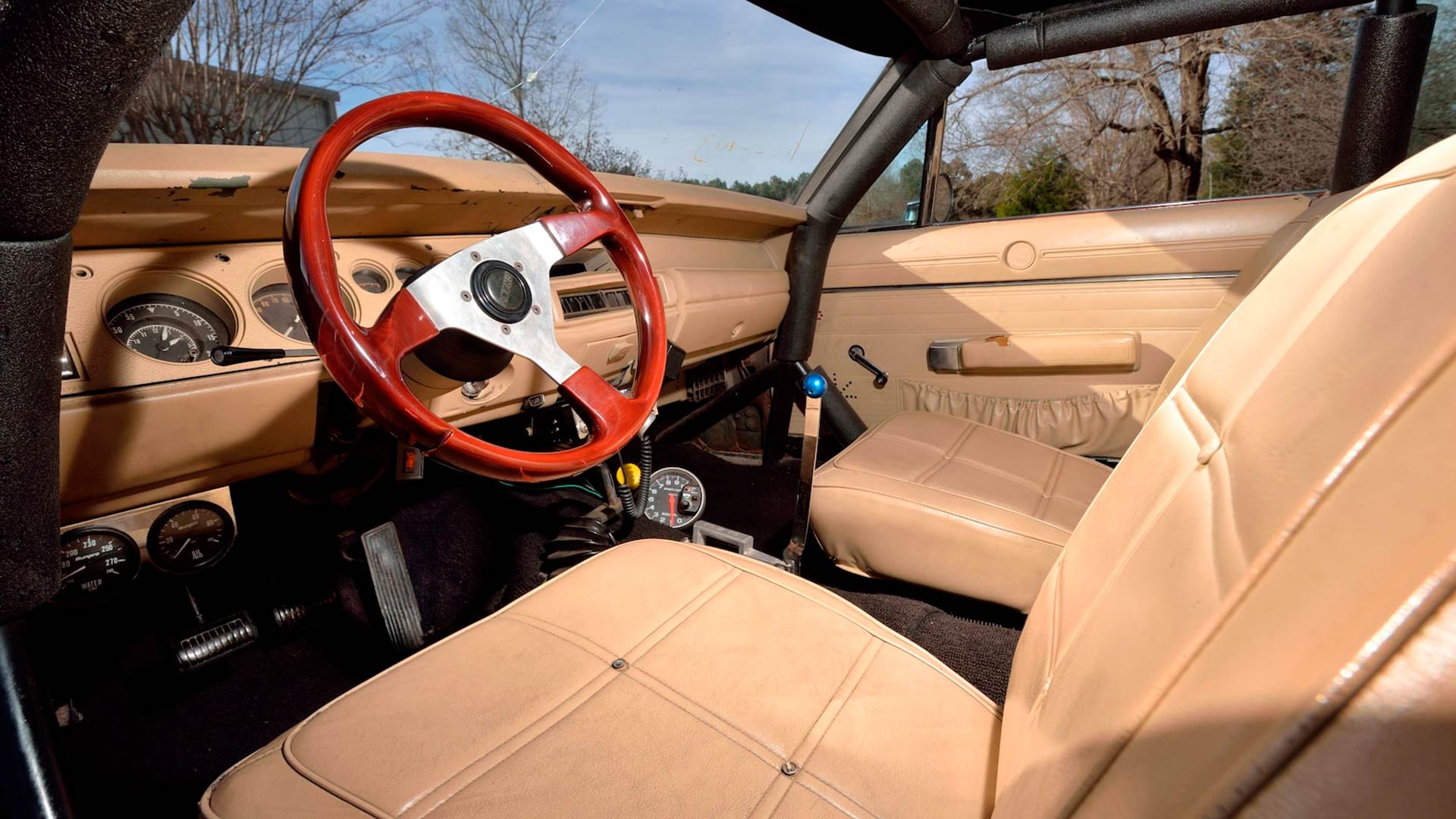 Other movie upgrades include an aluminum radiator, a large racing-style tachometer for the interior, and a full roll cage which includes the engine bay.
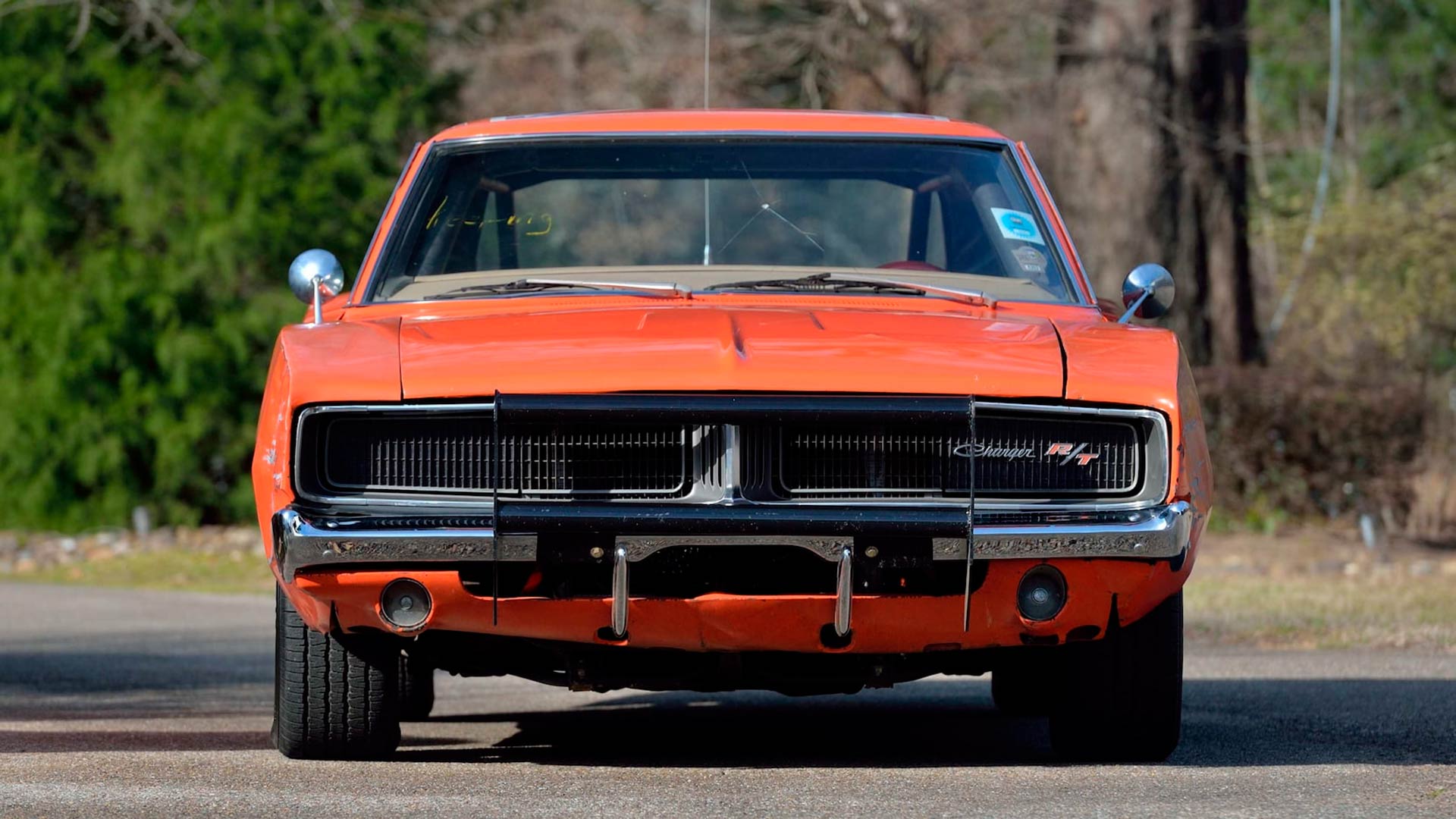 The General Lee is one of nine cars heading to Mecum’s Indy 2019 auction from the Joe McMurrey Collection.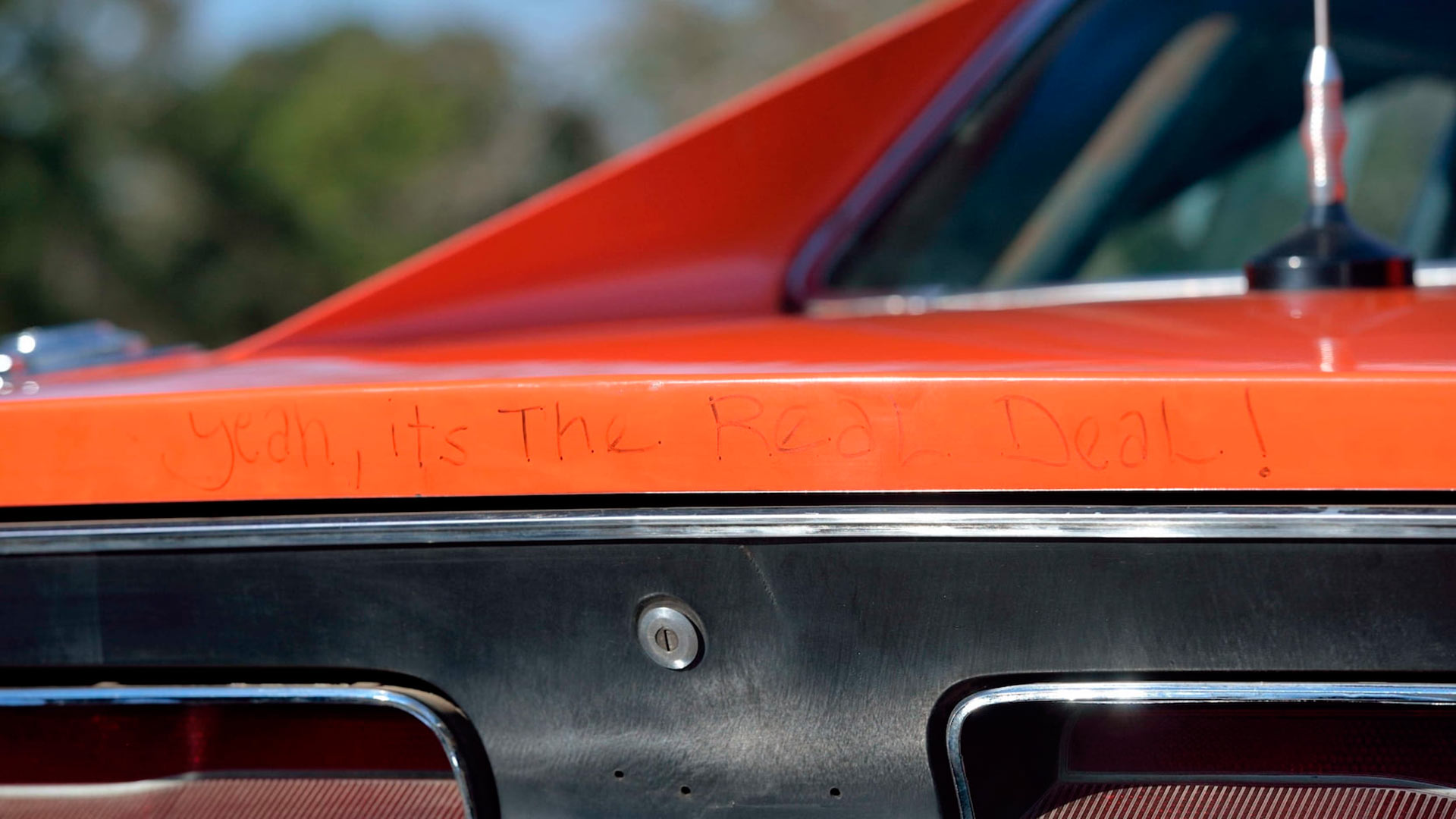
 Volkswagen has crunched the numbers to show electric cars produce lower CO2 emissions than petrol- or diesel-engined models, for the entire lifespan of the vehicle.
 The diesel Golf TDI produces 140g/km CO2 on average over its
  The only time at which the diesel Golf results in a lower carbon footprint is during its initial stage of being built in a factory.