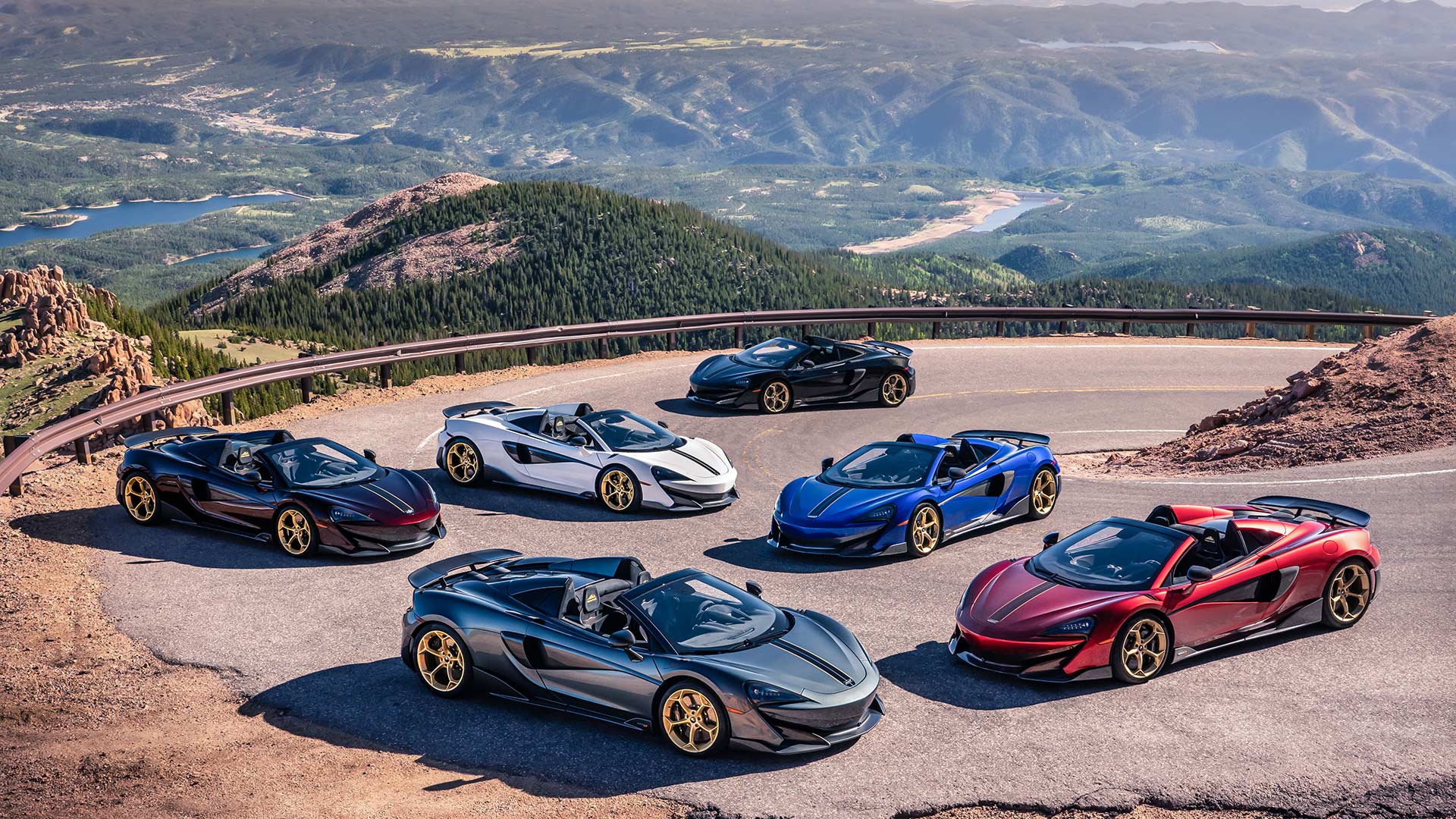
A collection of six examples of the 600LT Spider have been created by McLaren’s Special Operations (MSO) division to celebrate the Pikes Peak hillclimb.
The special limited edition sextet have been commissioned by the McLaren Denver dealership, and should appeal to Colorado residents who know how important the annual event is.
Each car has been subject to custom modifications, making sure everyone knows which mid-engined supercar is king of this particular hill.
Golden dreams
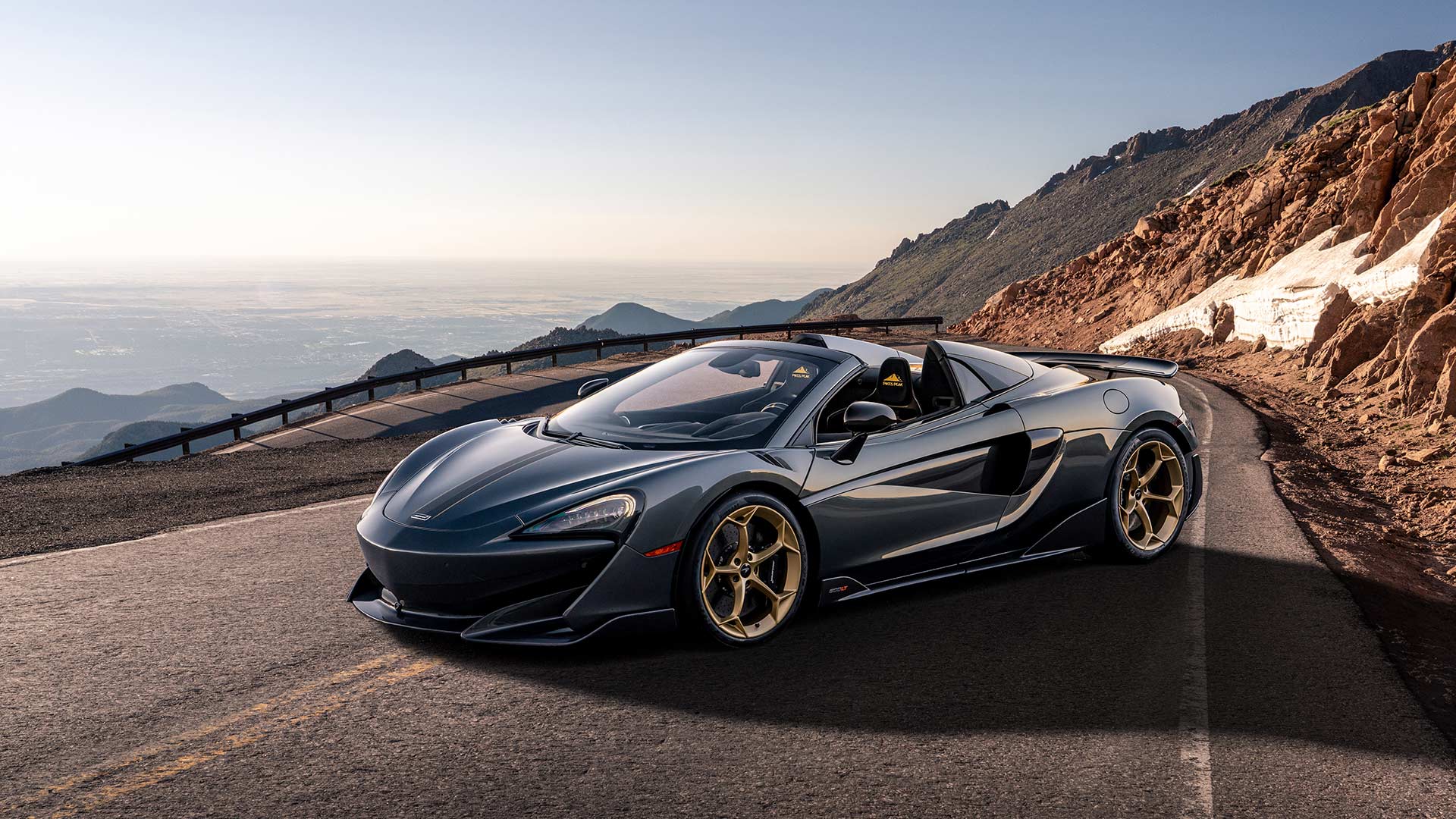
Key to the MSO makeover for the six cars is the application of MSO Bespoke or Heritage paintwork to the 600LT’s exterior. This is matched with a set of matte black body stripes, featuring edging in gold.
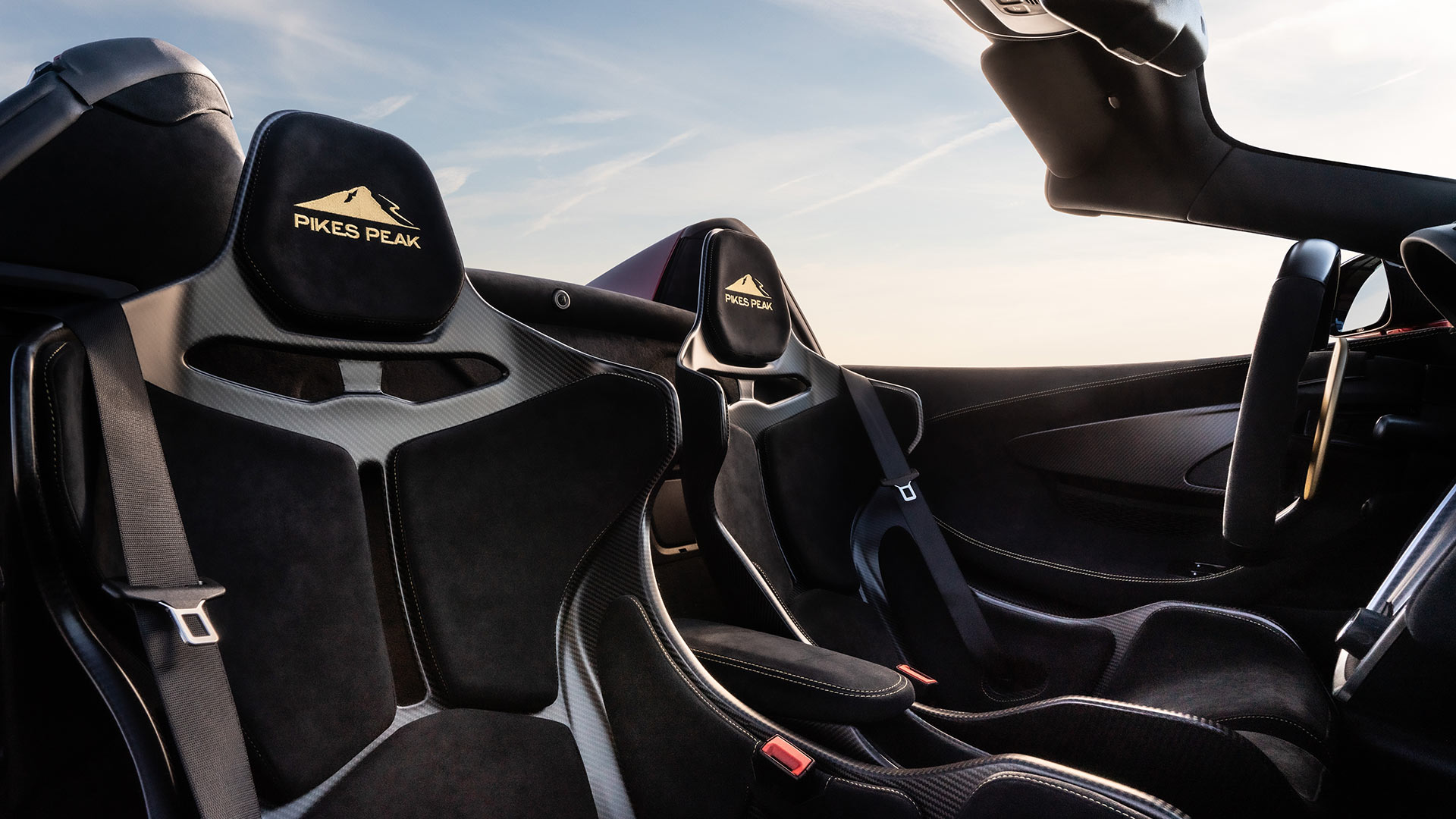
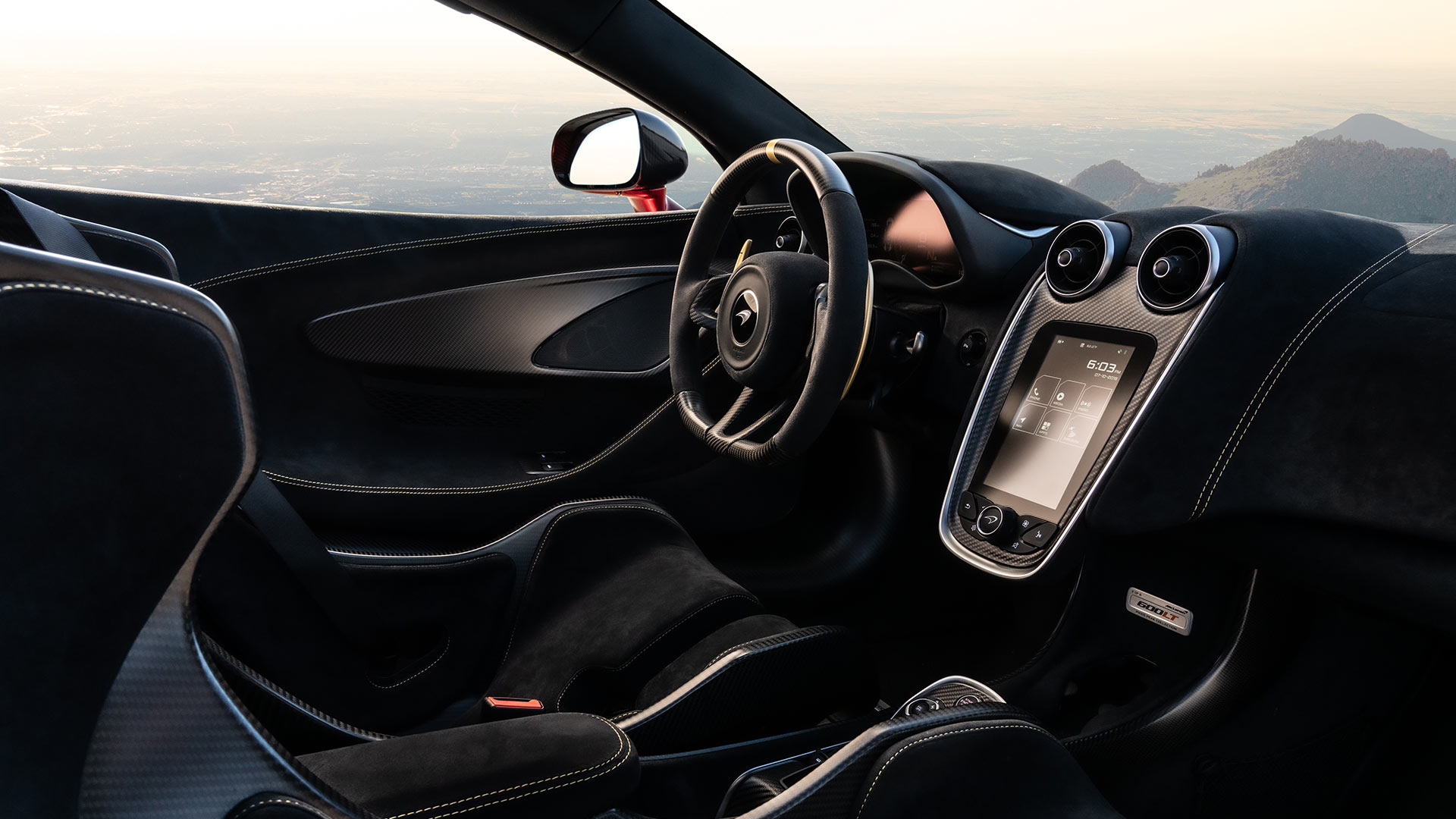
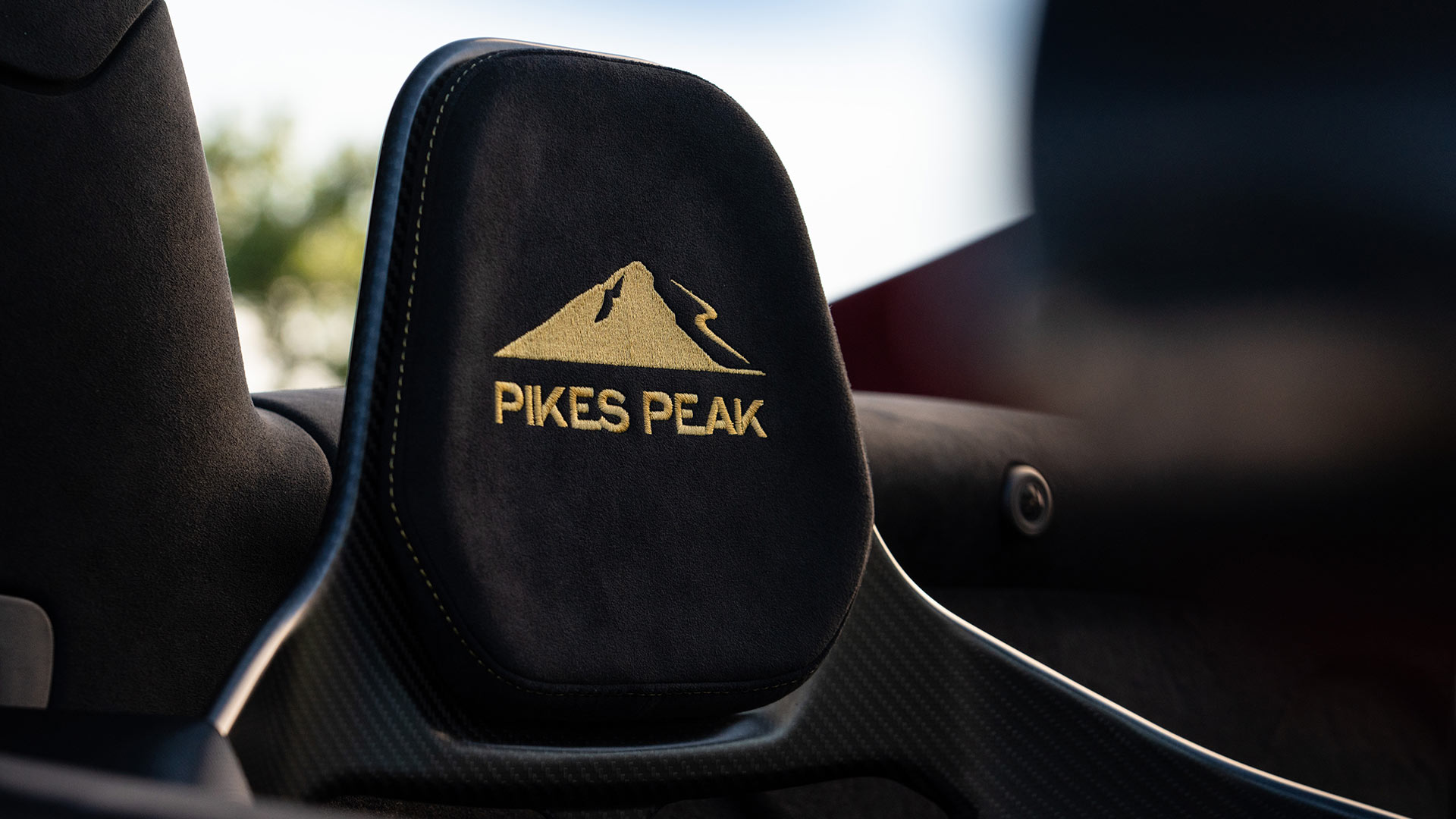
This matches the set of satin gold Speedline alloy wheels, and continues inside the cabin. A band on the steering wheel, the extended paddle shifters for the transmission, and headrest stitching are all finished in gold.
A special commemorative plaque is individually numbered, but the Super-Lightweight carbon seats – taken from the McLaren Senna hypercar – are the real showpiece for the interior.
Rock hard abilities
Although the design elements may have been changed, the 600LT Pike Peak Collection retains the same impressive hardware of the regular version.
That means a twin-turbocharged V-8 engine producing 592 hp, along with 457 lb-ft of torque. Carbon ceramic brakes use technology derived from the McLaren Senna, and the car also borrows suspension technology from the 720S model.
Being the Spider version means drivers will be able to drop the roof and take in even more of the dramatic views, should they choose to take a trip to the top of Pikes Peak.
Race to the sky
McLaren can rightly claim to have established a relationship with Pikes Peak. The Flying Lizard racing team has campaigned GT3-specifications of both MP4-12C and 650S McLarens at the hillclimb event.
This year the team finished eighth overall, with driver Clint Vahsoltz placing second in the Time Attack 1 category.
Given that the 600LT actually produces more power than the McLaren race car, it could potentially give the motorsport version some close competition on the 12.42 mile-long hill climb route.
Very limited edition
With just six examples being produced, interested buyers will need to be quick in contacting McLaren Denver should they want to bag one of the special editions.
With all cars already painted, it simply becomes a choice as to which hue is most preferable.
The normal 600LT Spider is priced at $256,500 (£207,000) in the United States, but the level of upgrades on offer here will certainly push the price tag higher.
Tesla is to the electric car industry what the Nissan Qashqai is to crossovers, the Volkswagen Golf is to family hatchbacks and Ferrari is to red supercars. As the brand generic for the EV segment, Tesla has stolen a march over the establishment, while becoming the go-to name for headline writers (and clickbait merchants). But Tesla’s time as the electric top dog could be coming to an end, as highlighted by this range of 20 new electric cars coming soon.
Aston Martin Rapide E
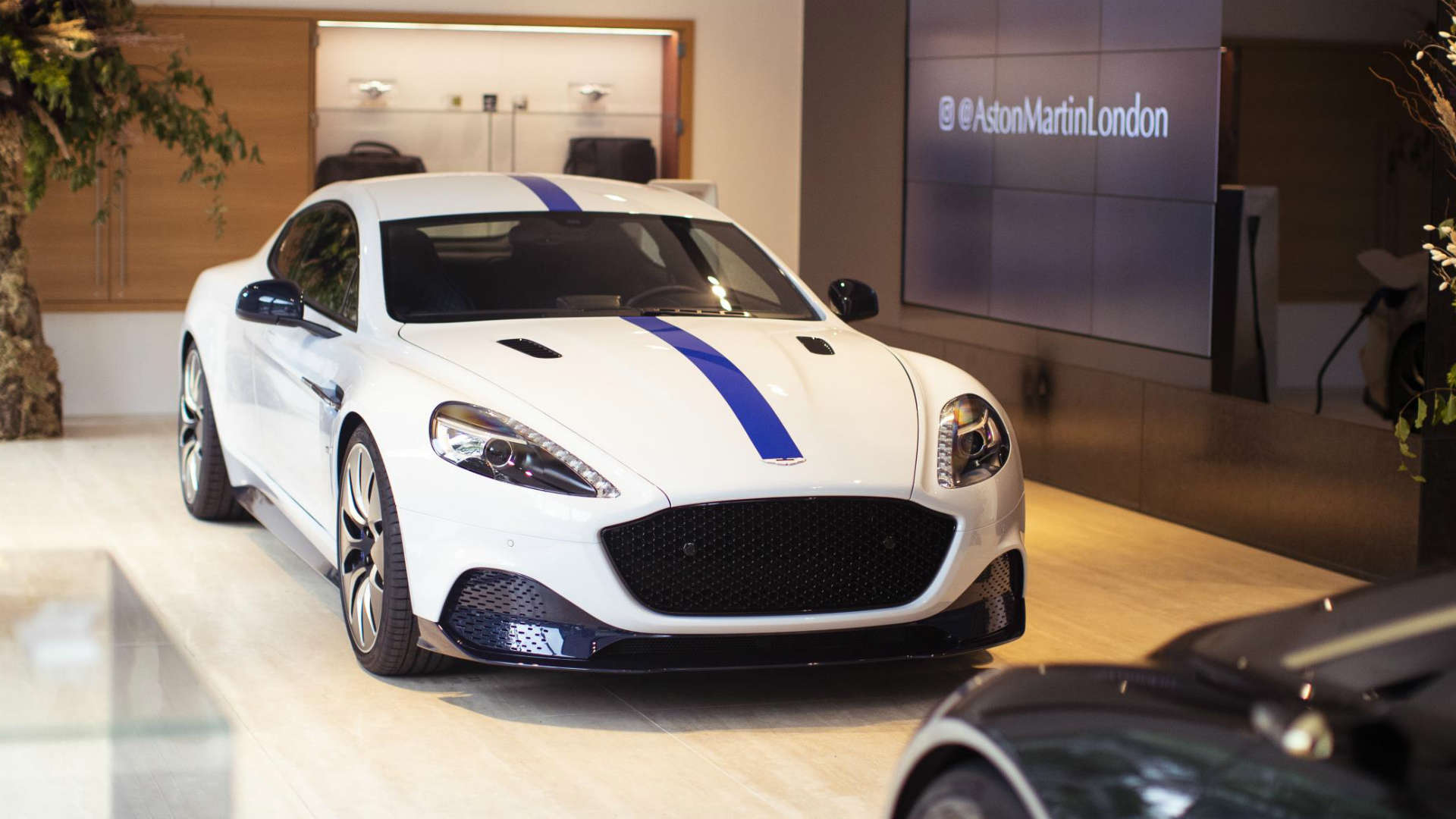
Our list of future electric cars includes everything from the mainstream to the kind of cars the industry needs to inject a little glamour into what remains a small but growing market. Aston Martin will build just 155 Rapid E electric cars, with a 65kWh battery pack and two electric motors replacing the familiar 6.0-litre V12 engine and gearbox. Aston Martin claims it will deliver a 200-mile WLTP driving range, but to achieve that you’ll want to avoid too many Grand Prix starts. It’ll hit 60mph in less than four seconds, on the way to a top speed of 155mph.
Audi Q2 e-tron
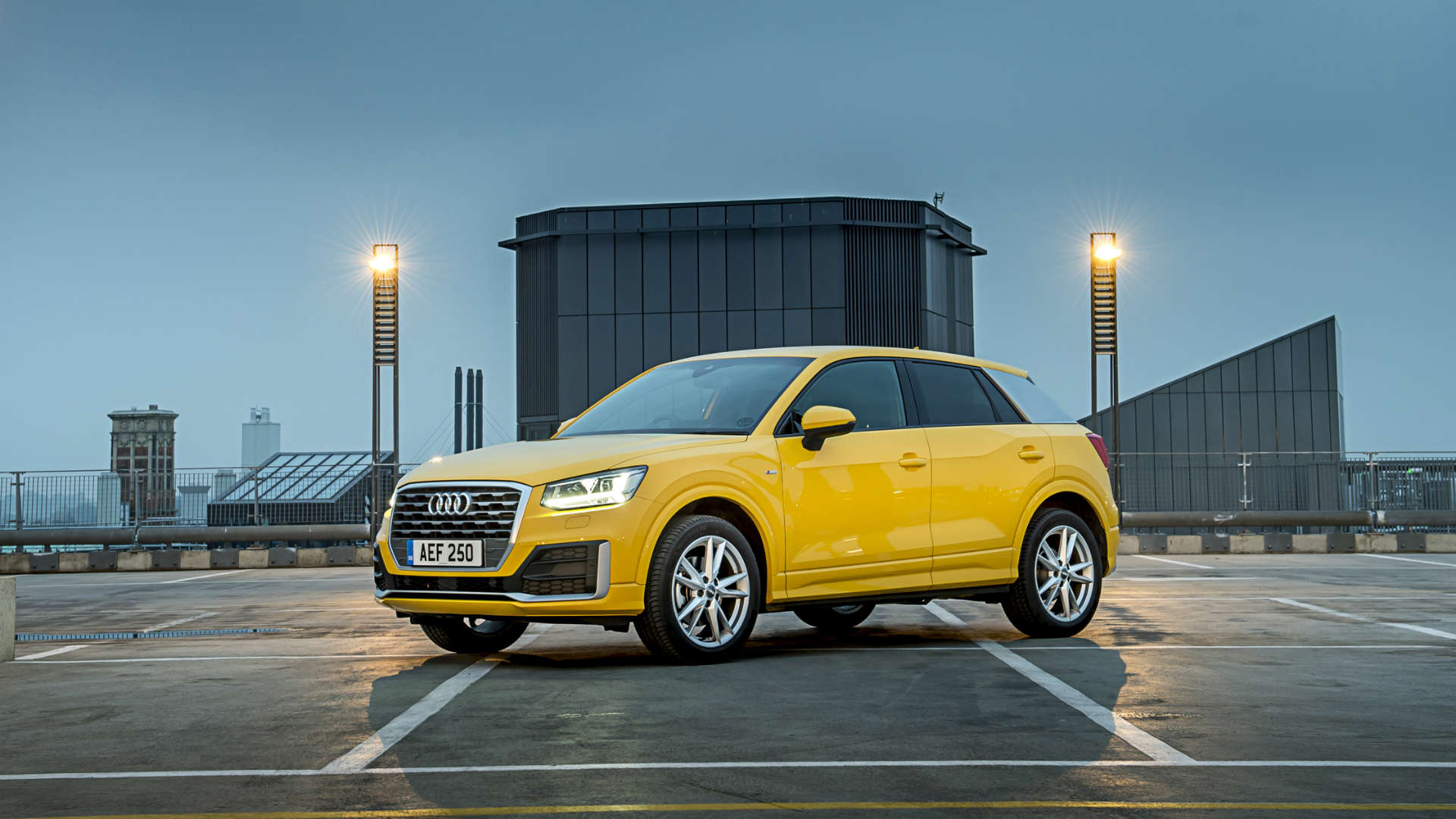
Audi has kickstarted its electric car revolution with the launch of the e-tron SUV, but there’s a line of other EVs waiting in the wings. The Q2 compact crossover (pictured) will receive an electric makeover, although it’s expected to be dedicated for the Chinese market. Meanwhile, the Audi e-tron GT will feature styling influenced by the e-tron SUV and a platform shared with the Porsche Taycan. Performance is likely to be Porsche-troubling, with a driving range in the region of 250 miles.
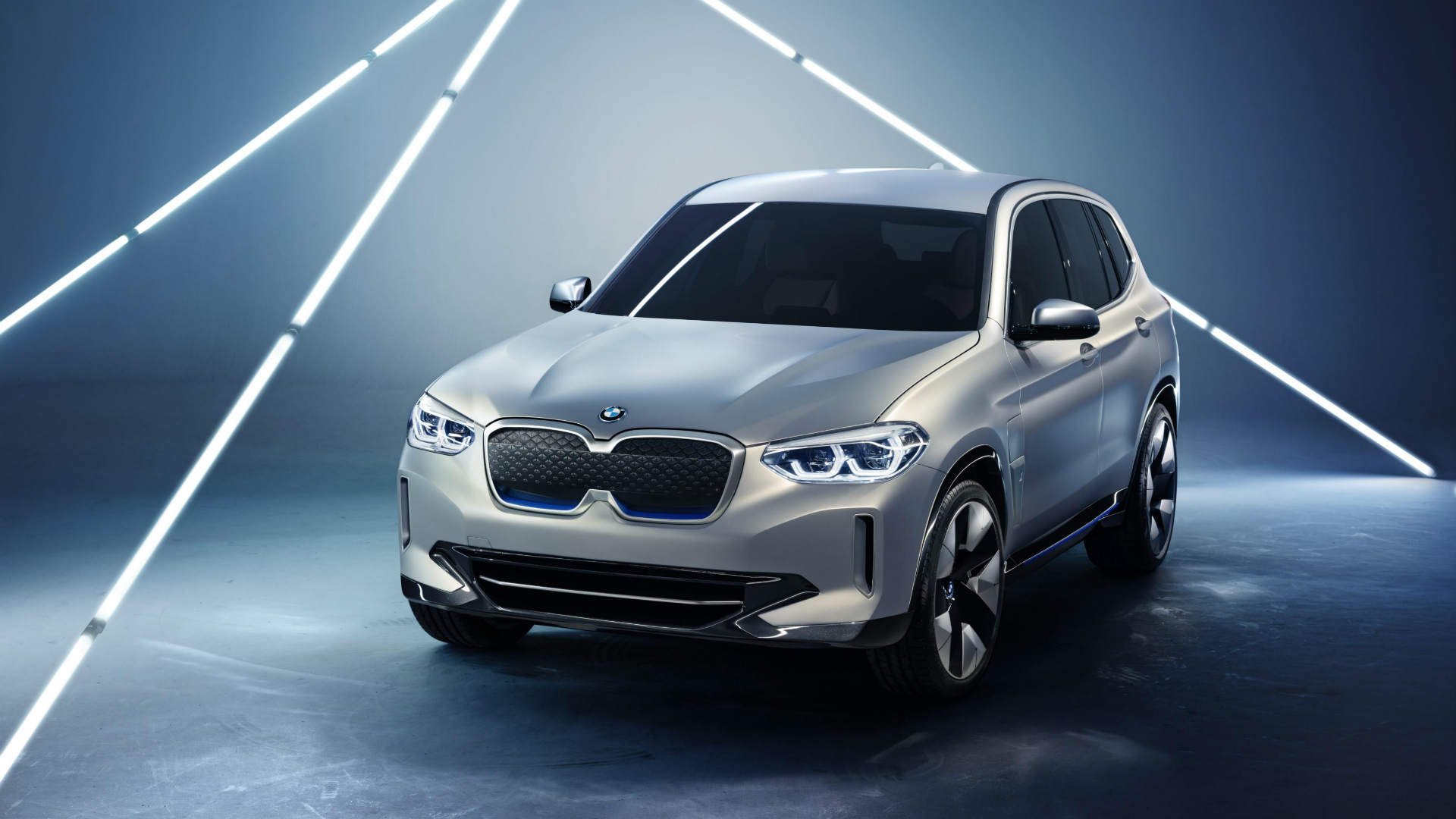
BMW iX3
The BMW Concept iX3 was unveiled at the 2018 Beijing Motor Show and looks, to all intents and purposes, production-ready. BMW is promising a range of more than 249 miles from a 70kWh battery, along with a newly-developed Charging Control Unit for accessing the latest fast charging points. Unlike the i3 and i8, the iX3 is based on existing architecture and is being developed alongside the i4 four-door coupe.
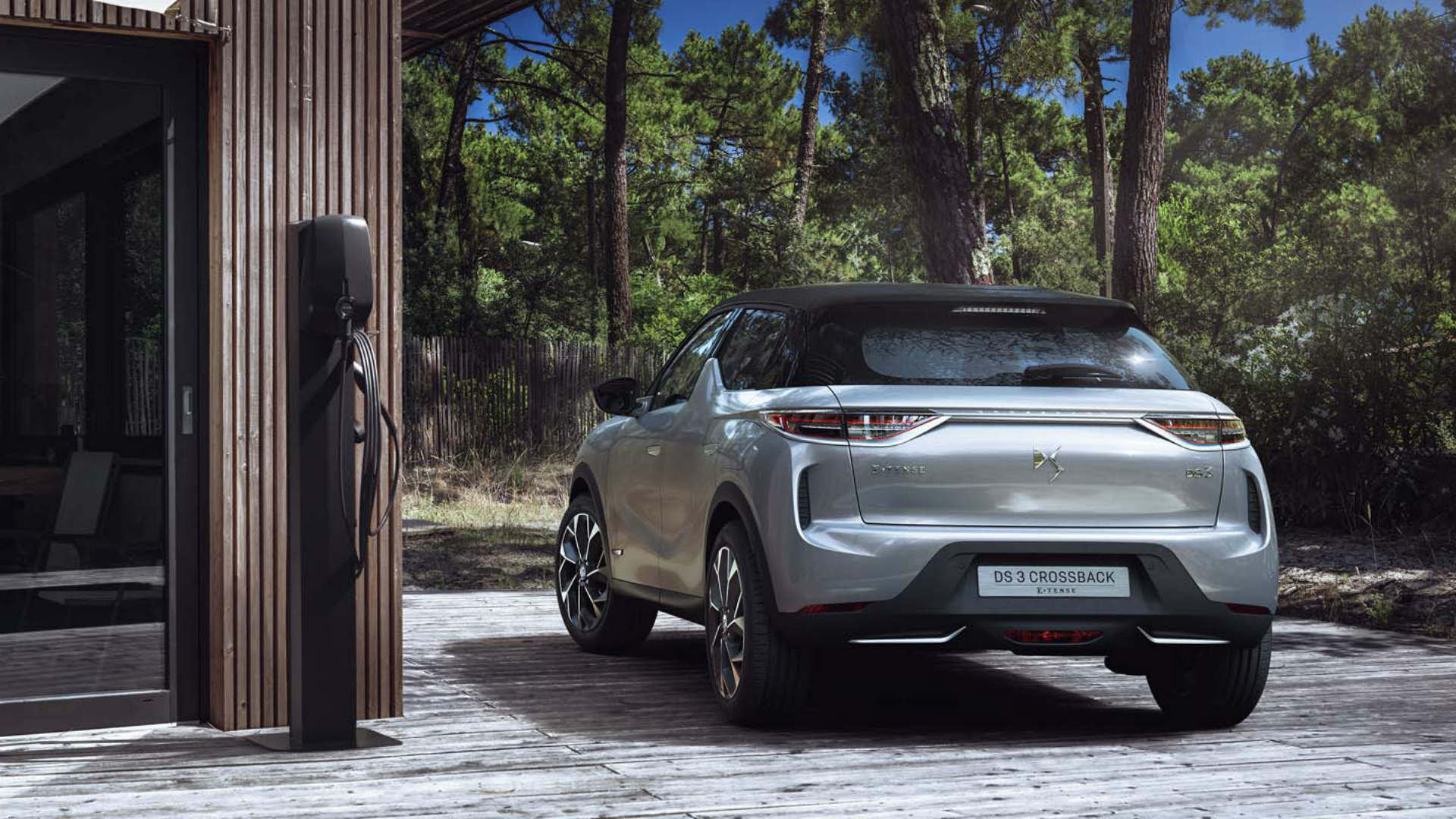
DS 3 Crossback E-Tense
Remember when the DS3 was a hatchback with a Citroen badge? The DS 3 Crossback E-Tense is a very different proposition and is the first electric vehicle from the DS Automobiles brand. The company is taking refundable £500 deposits ahead of customer deliveries in January 2020, with prices starting from £36,000 or £436 a month. DS is promising 200 miles of range and up to 80 percent charge in 30 minutes.
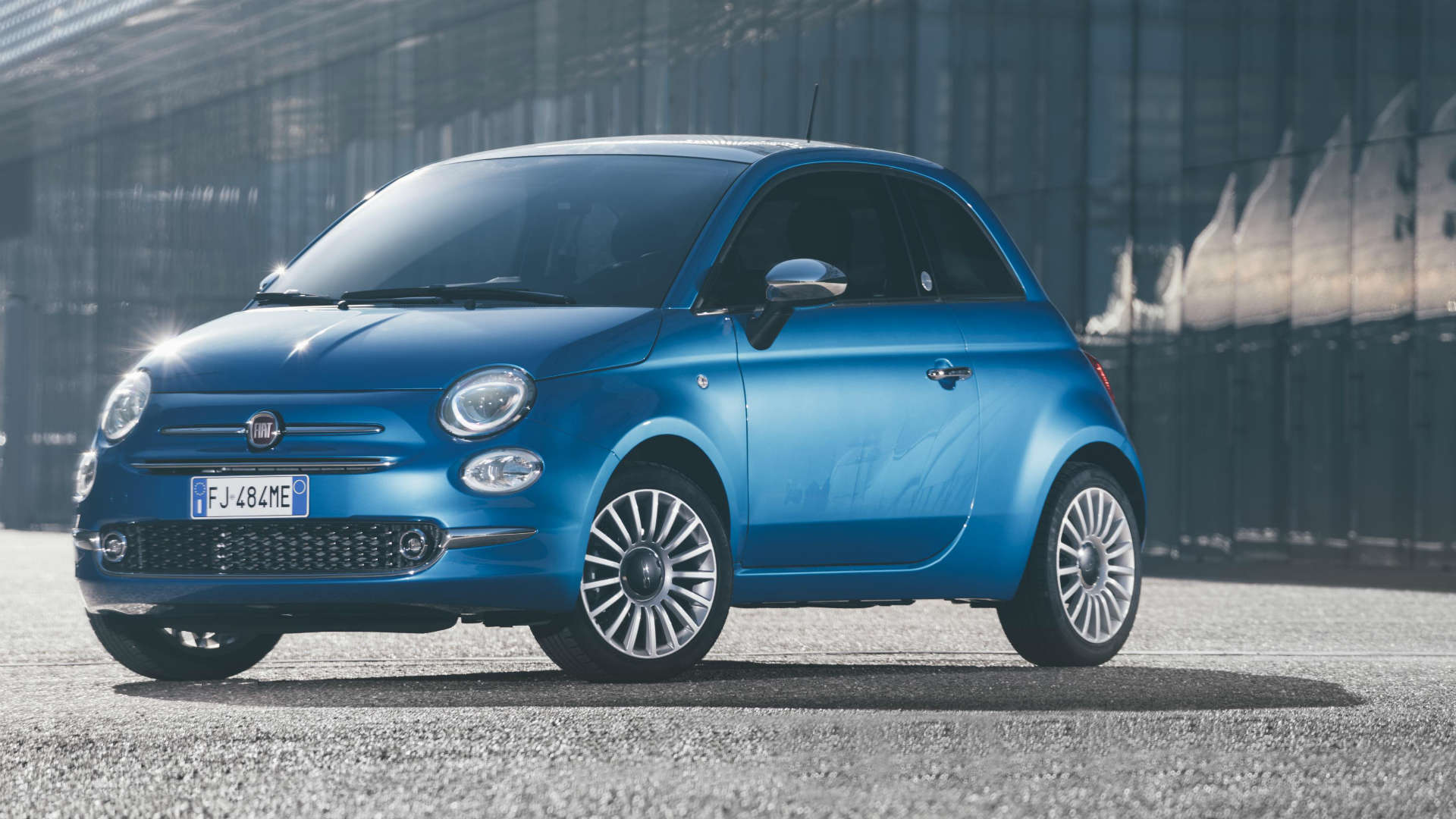
Fiat 500e
Fiat is investing €700 million (£625 million) into the development of the new 500e electric car, including a new production line at its Mirafiori plant in Italy. Production is set to begin in the second quarter of 2020, after its debut at the Geneva Motor Show, with the plant capable of building up to 80,000 all-electric 500s a year. Given the popularity of the conventional 500 (pictured), this has the potential to be a hugely successful EV.
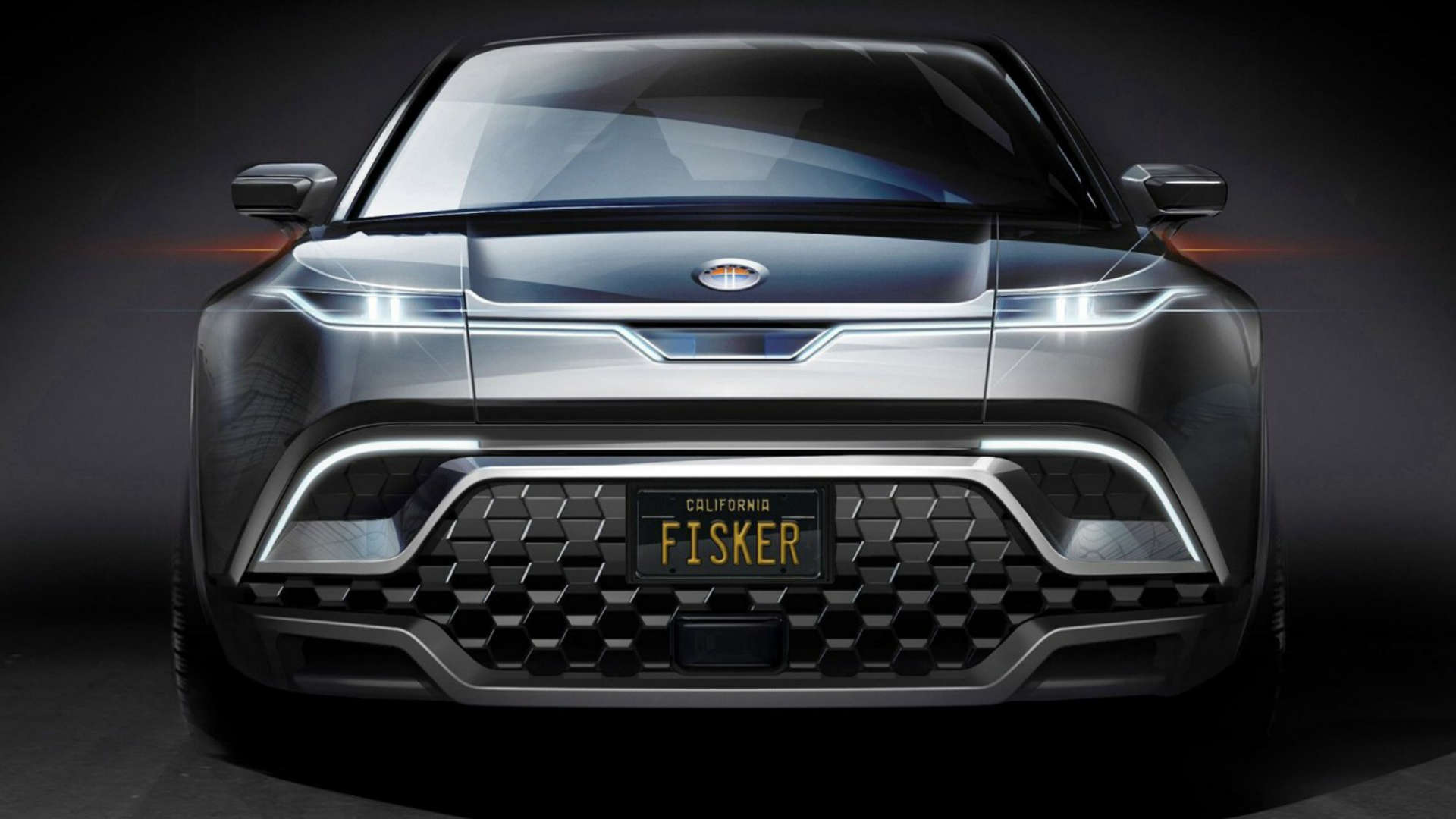
Fisker SUV
Los Angeles-based Fisker has Tesla firmly in its sights with the launch of the as-yet-unnamed SUV. The price is rumoured to be in the region of $40,000 (£30,000), although sales aren’t expected to begin until 2021. In a recent tweet, the company founder and CEO Henrik Fisker said: “We aim to make the world’s most sustainable vehicle, the 2021 Fisker Electric SUV. Priced below 40,000. The interior (just saw prototype) is incredibly spacious for its segment with recycled materials.” The driving range is rumoured to be 300 miles.
Honda e
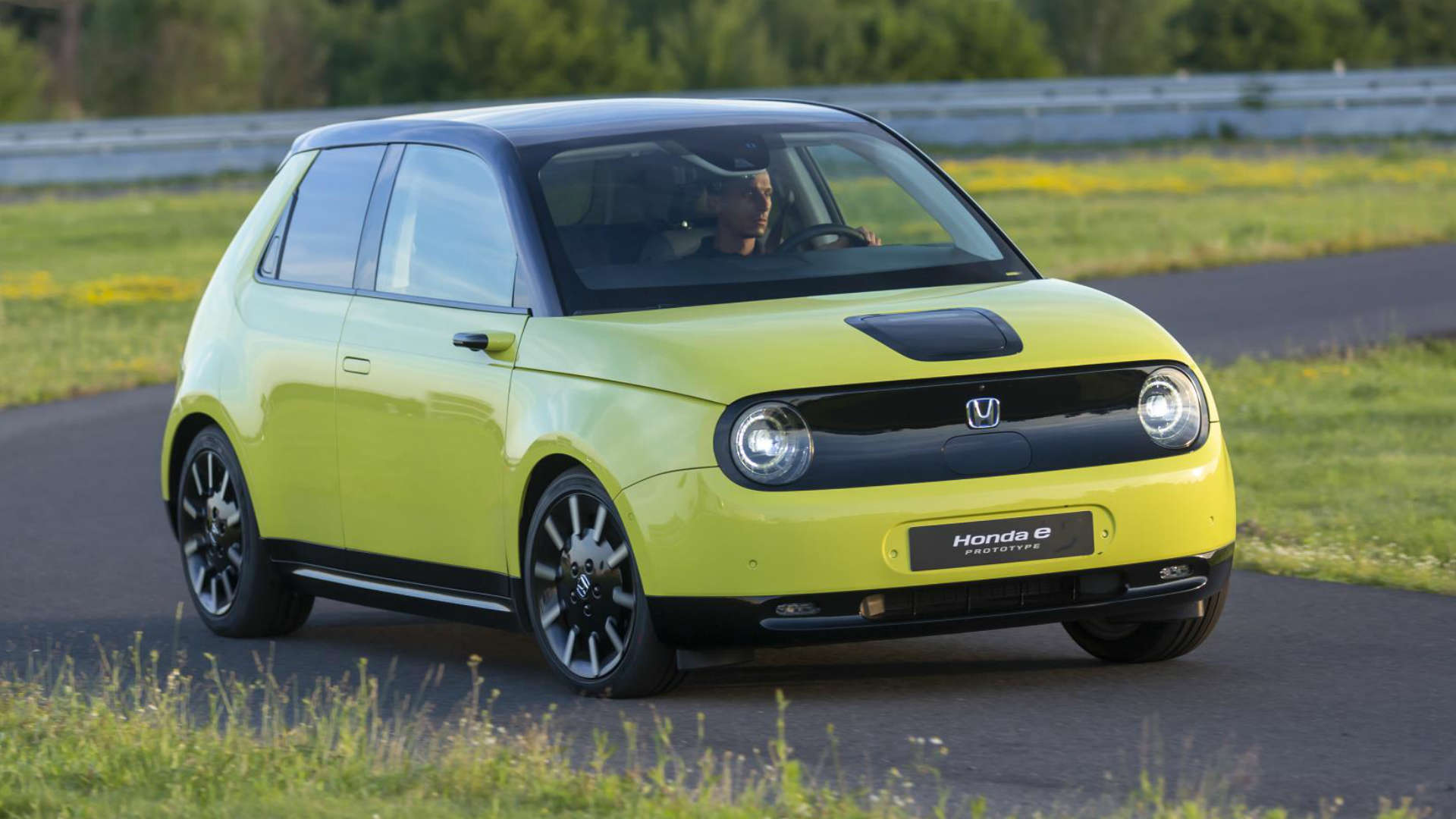
We haven’t seen this much pre-launch buzz and hype for a small vehicle since the all-new Suzuki Jimny. The Honda e will be in showrooms early next year, with styling influenced by the original Civic and details designed to appeal to the iPhone generation. We’re told the range is likely to be more than 125 miles, which is a bit limited in a world of 300-mile EVs. It will also cost of upwards of £30,000. Still, you want one, don’t you?
Jaguar XJ
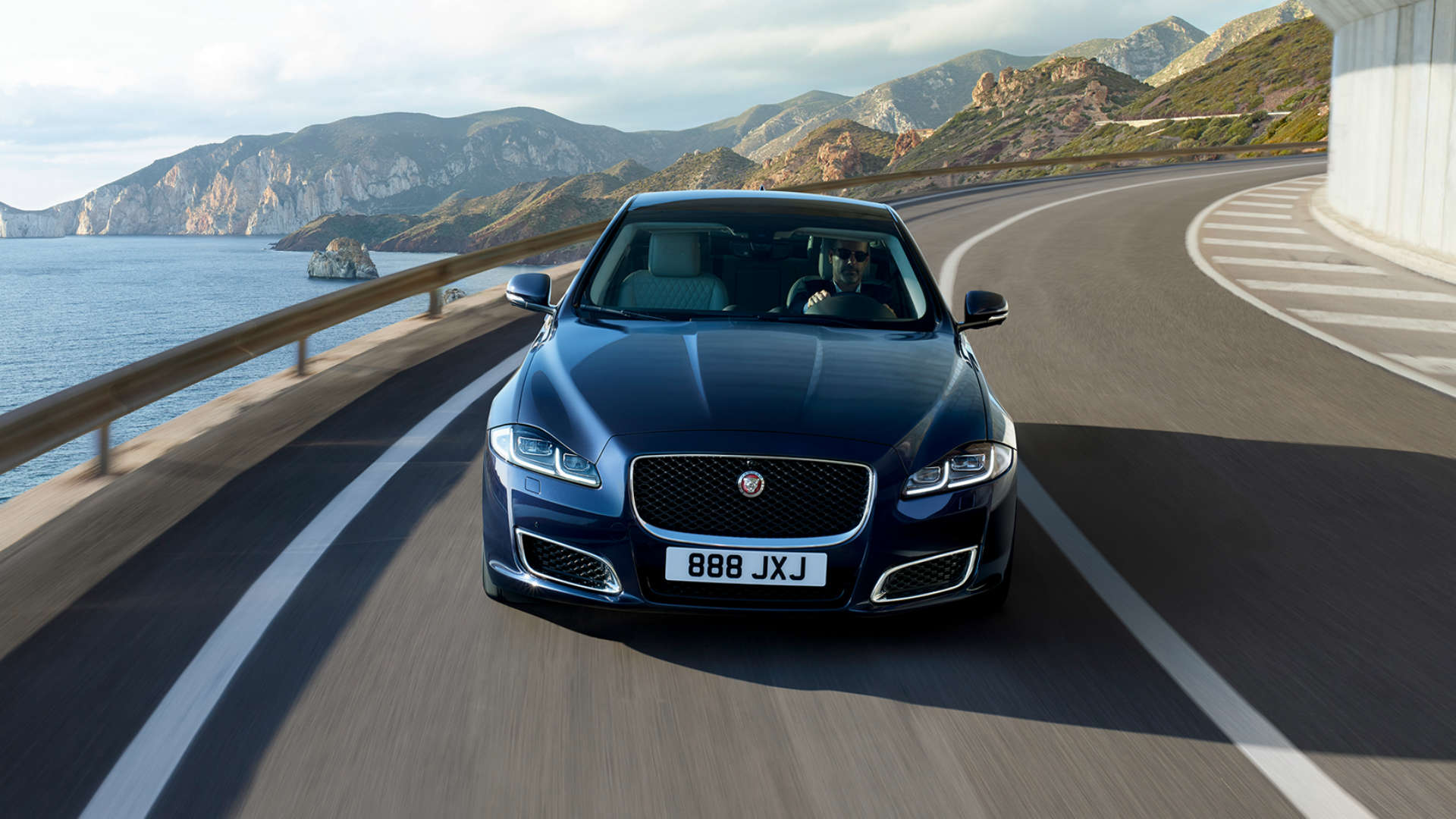
We don’t know a great deal about the all-electric Jaguar XJ, but it represents a new era for the flagship saloon. Production of the current XJ (pictured) has come to an end, but Jaguar Land Rover has announced plans to build a range of electrified cars at its Castle Bromwich plant in Birmingham. The electric XJ is expected to arrive next year, with Jaguar using its experience in creating the I-Pace SUV.
Kia Soul EV
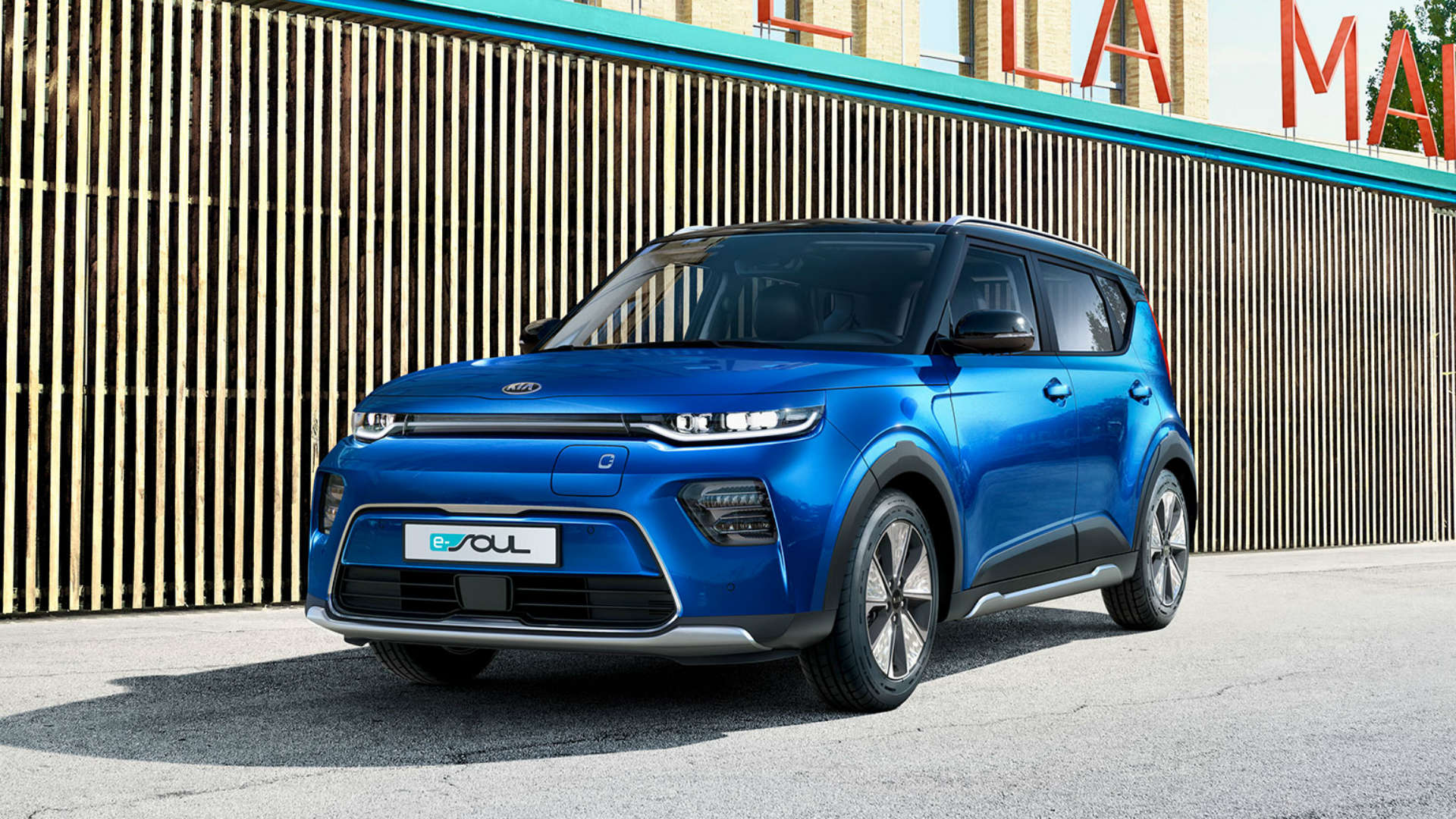
If the e-Niro is a little too conventional for you, Kia has an alternative in the boxy shape of the Soul EV. Sales of the previous Soul EV were somewhat limited, but Kia hopes to thrust the new version into the mainstream by promising a 280-mile electric range and a host of standard equipment. Bank on spending around £30,000 for the 64kWh version, which will be the only model available in the UK at launch.
Lotus Evija
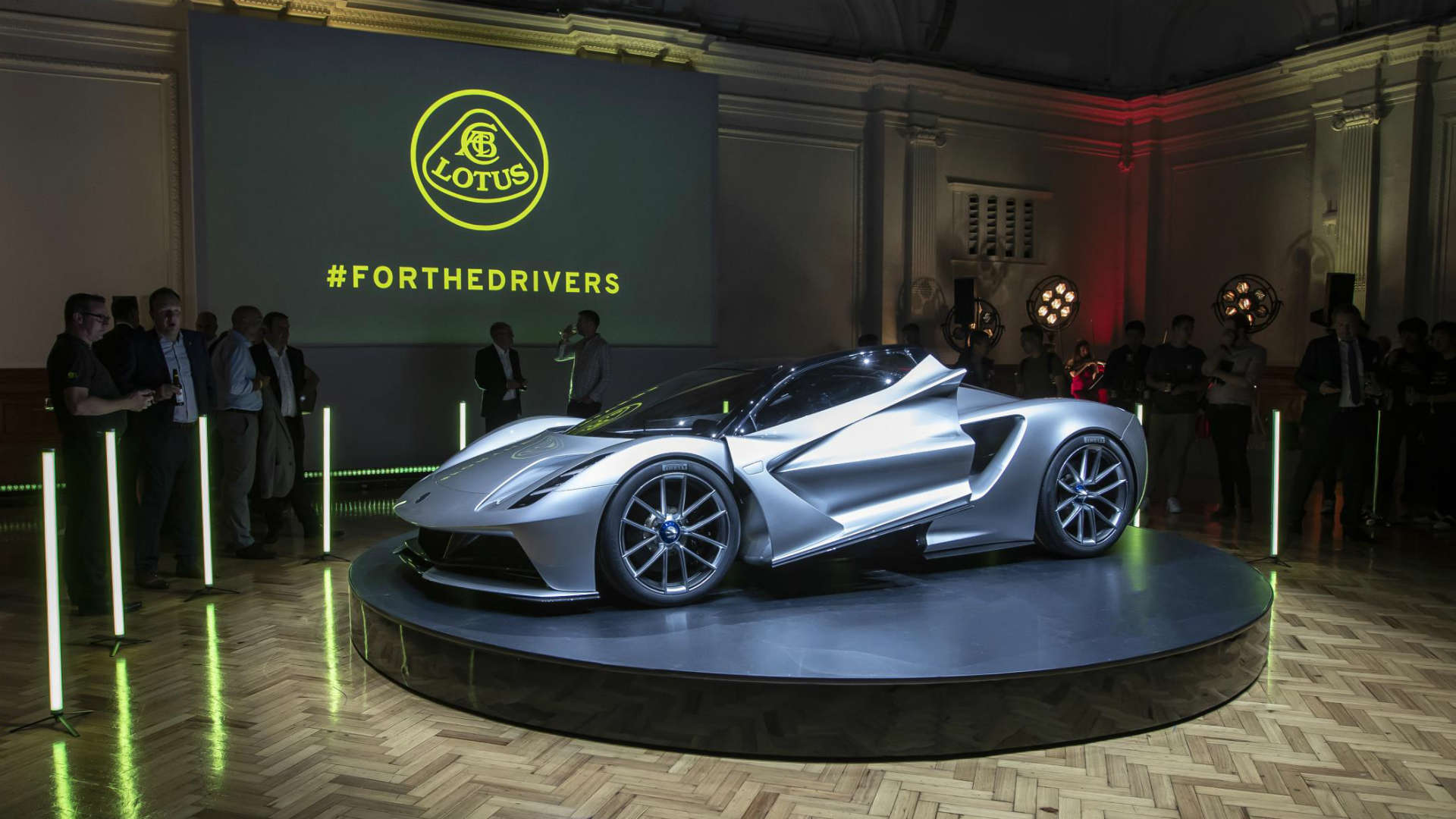
From a mainstream EV to something a little more otherworldly. The £2 million Lotus Evija is powered by a mid-mounted 2,000kW lithium-ion battery developed in conjunction with Williams Advanced Engineering, and just 130 examples will be made. It’ll hit 62mph in ‘less than three seconds’ and will exceed 200mph. Using a 350kW charger, the charge time will be 18 minutes, with 250 miles of range available from a full battery.
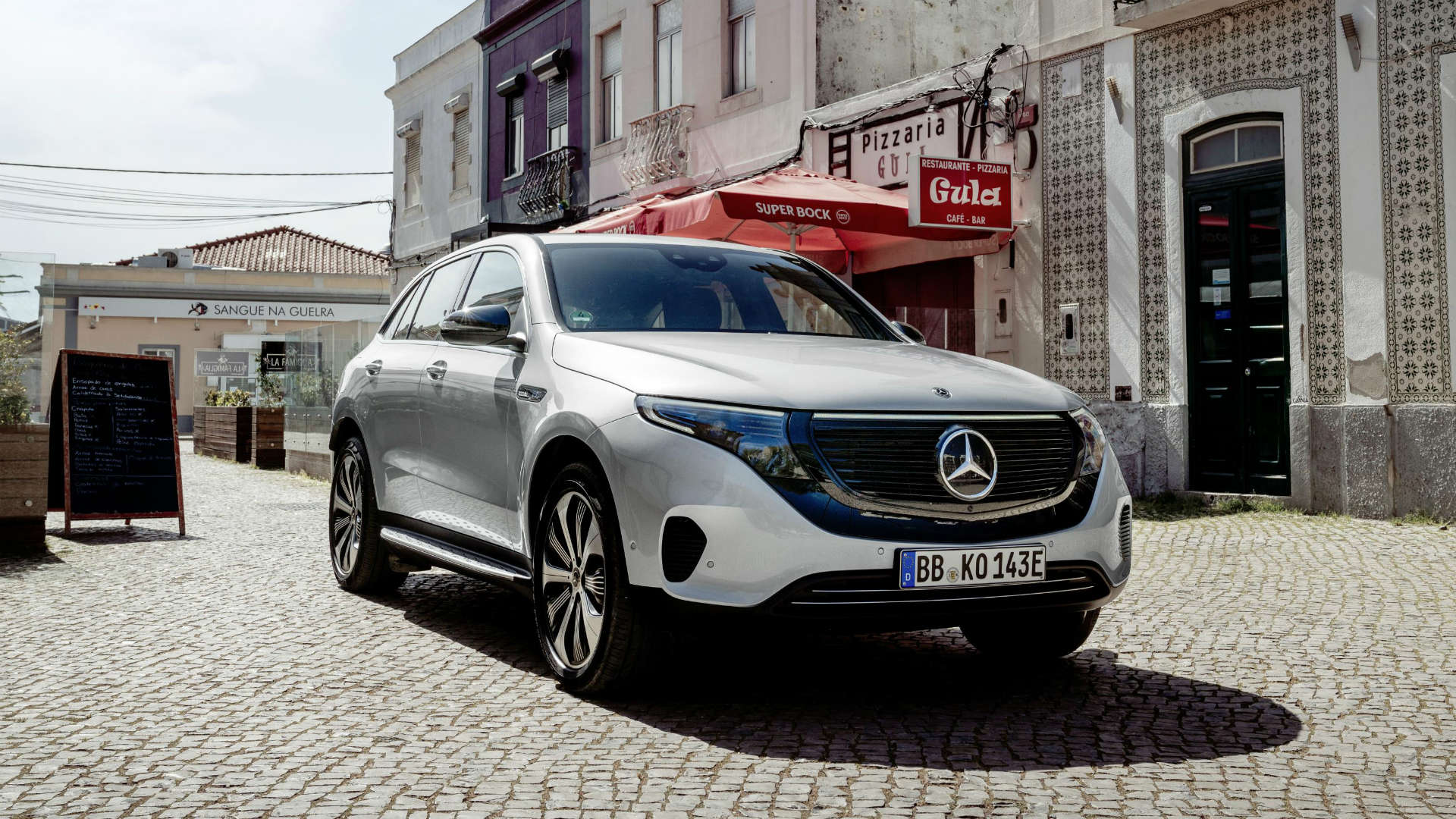
Mercedes EQC
The EQC is the first Mercedes-Benz to be launched under the EQ brand and is designed to take on the Tesla Model X, Jaguar I-Pace and Audi e-tron SUV. It’ll deliver up to 259 miles of range, with power provided by a 80kWh battery. The EQC is based on the same platform as more conventional Mercedes models, and its launch heralds the dawn of a new electric era for the brand.
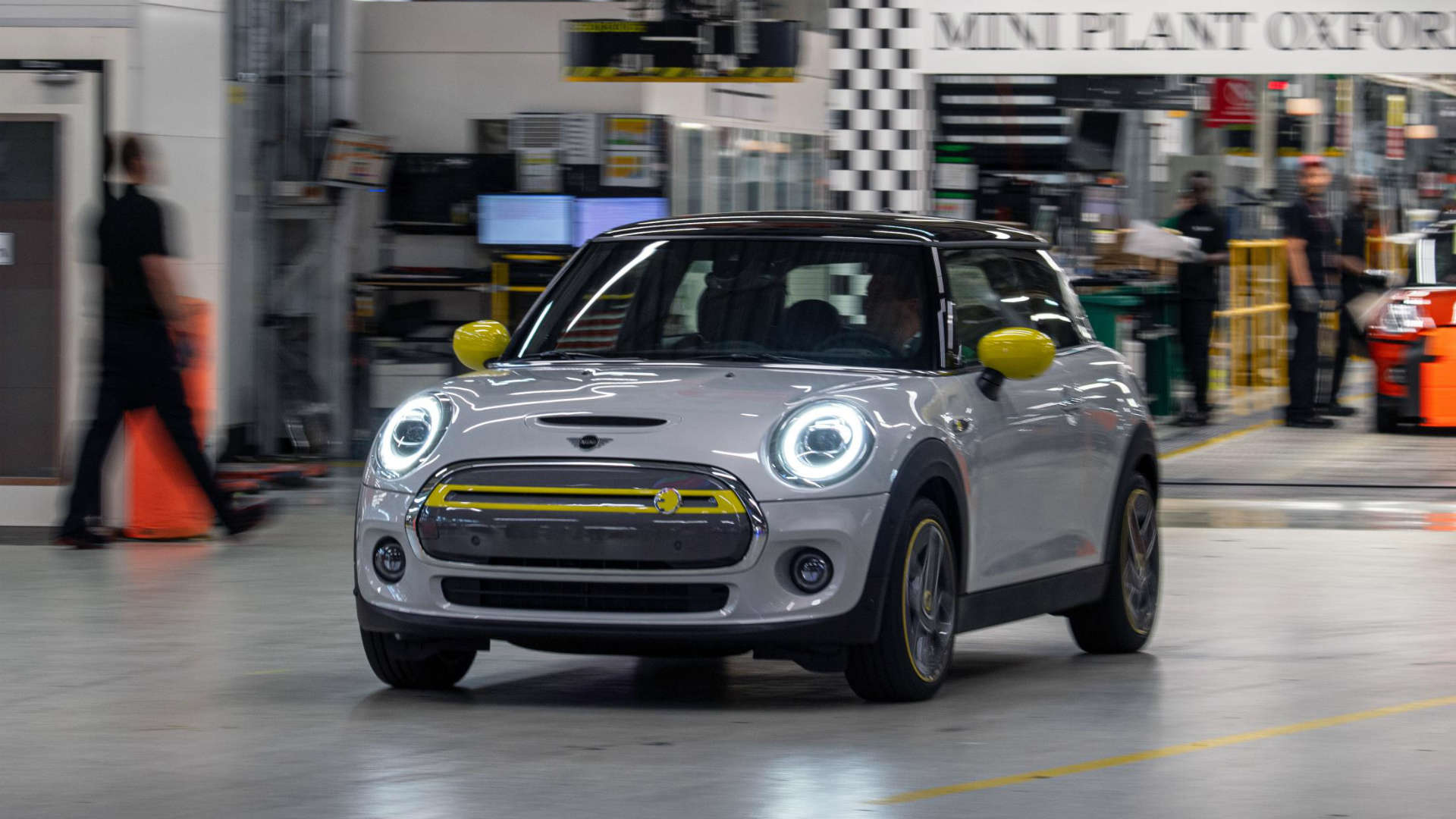
Mini Electric
The new Mini Electric is now open for ordering with a special £299 a month lease deal. With an on-the-road price of £24,400 – including the £3,500 Plug-in Car Grant – the Mini is cheaper than the Honda E, but the driving range is a similarly limited 124 miles. The compact 32.5kWh battery has been used to keep the weight down, with Mini keen to preserve the fabled ‘go-kart’ handling characteristics.
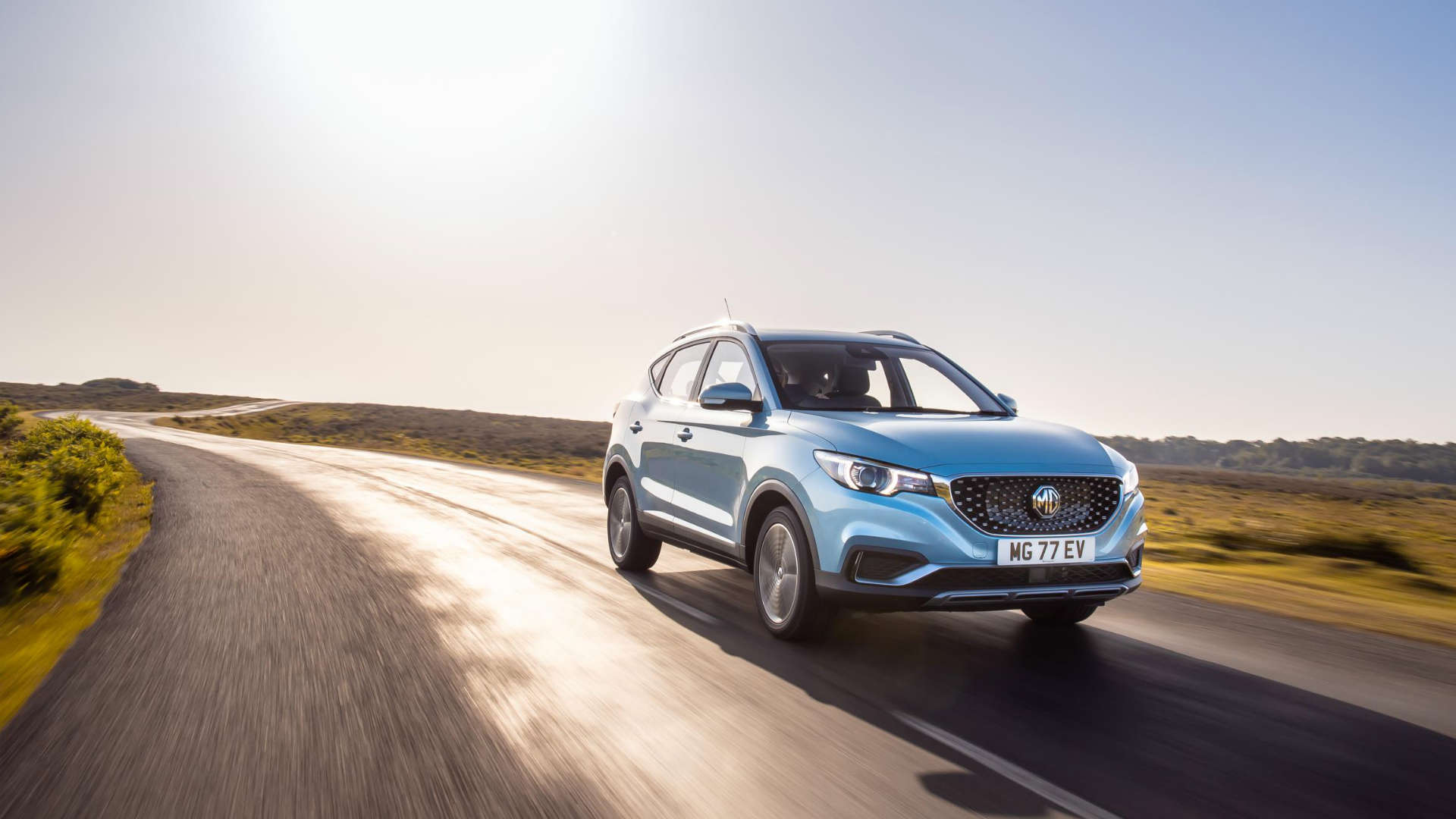
MG ZS EV
Our Richard Aucock has driven the MG ZS EV and he thinks it could become Britain’s best-selling electric car. “This small family-sized electric SUV could genuinely be a game-changer, both for MG and the electric car market,” he said. With a pre-grant price tag of £28,495, it dips below the £30k mark, while a range of 163 miles is perfectly adequate for the target market.
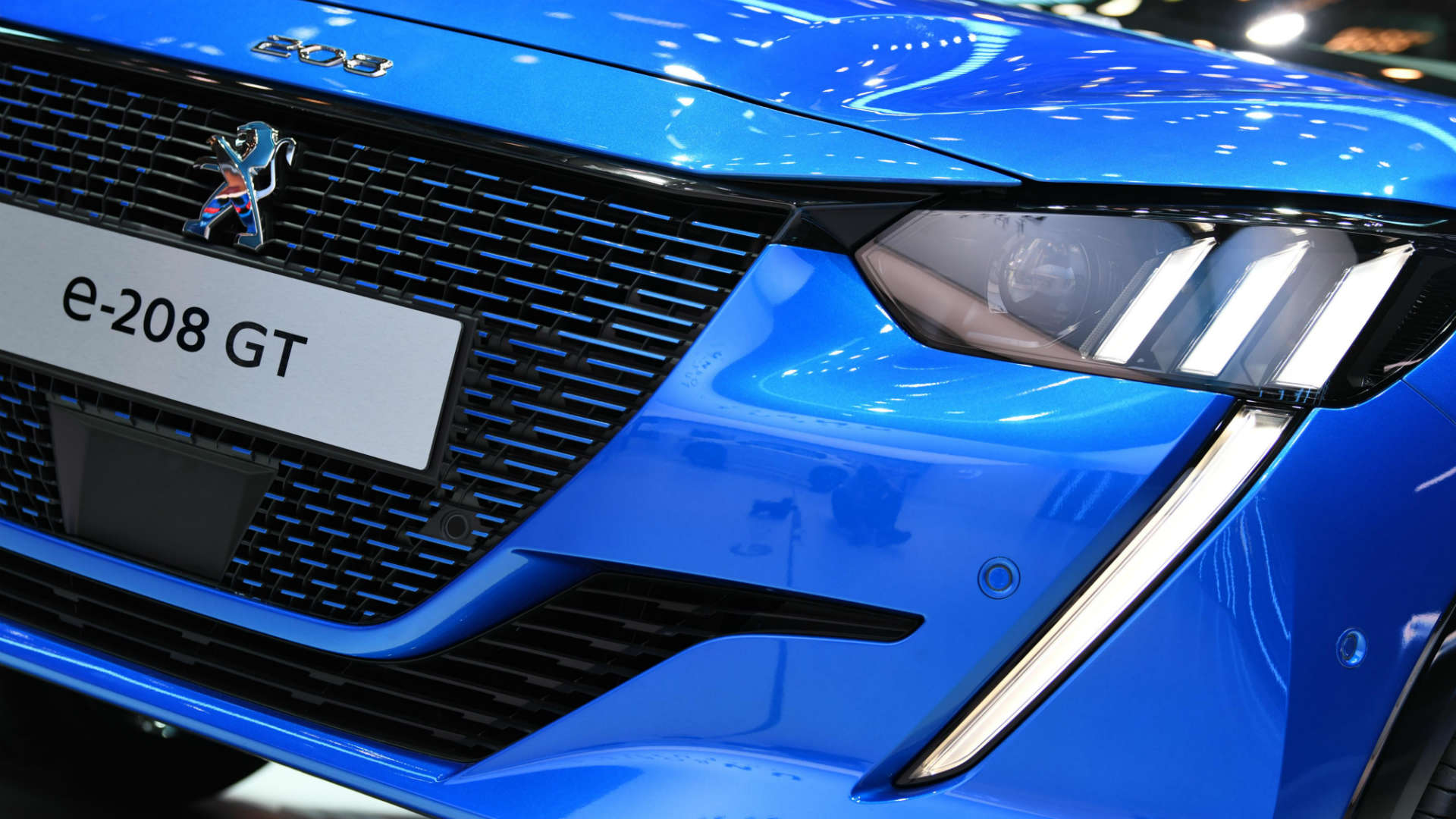
Peugeot e-208
The Renault Zoe has had things its own way for too long, so the Peugeot e-208 is here to grab a slice of the French small electric car pie. The official WLTP driving range is 211 miles, with a price tag rumoured to be around £25,000 after the government grant. Up to 80 percent charge is available in 20 minutes via a 100kW rapid charger, or 40 minutes using a 50kW charger.
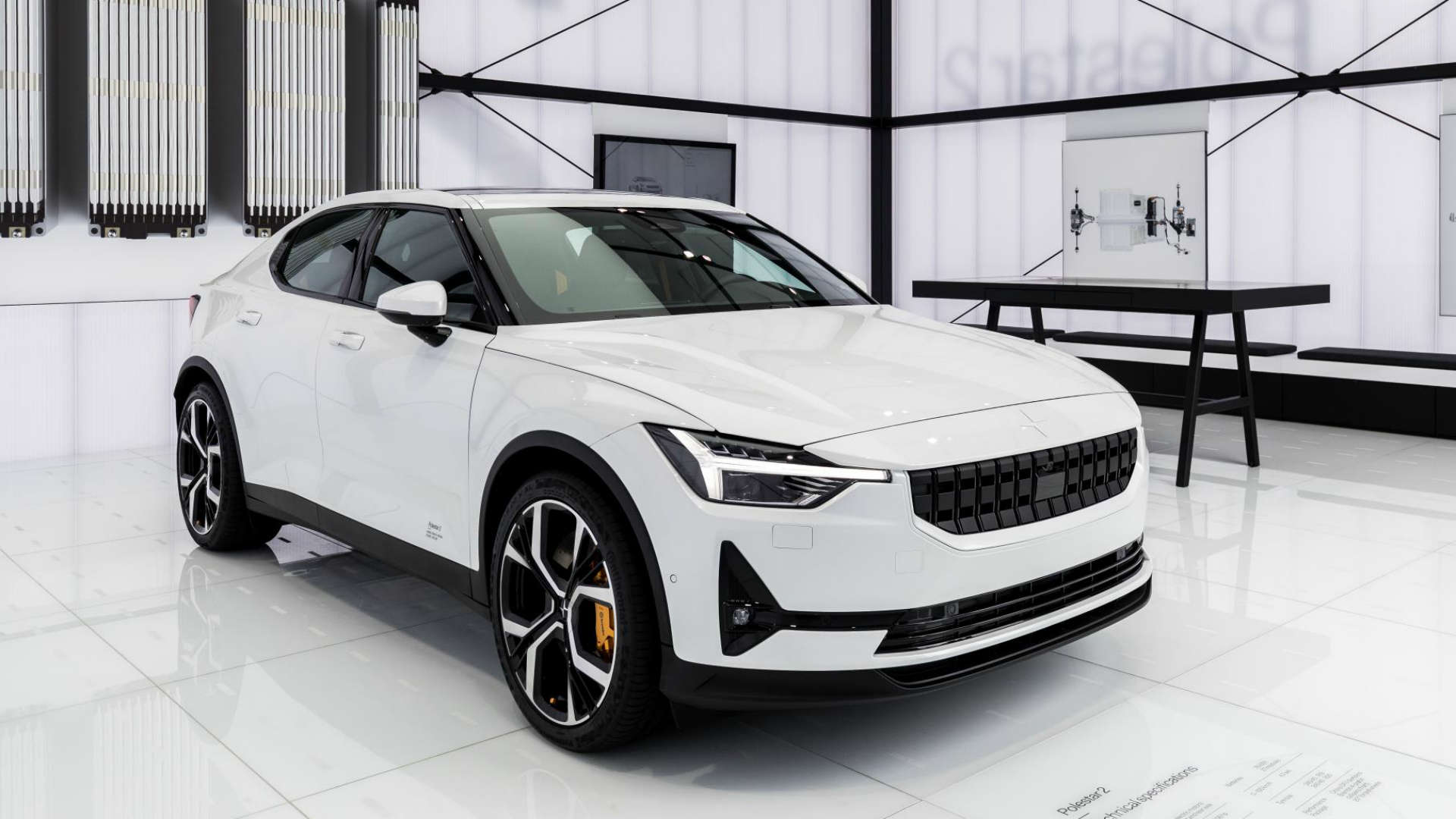
Polestar 2
As the name suggests, the Polestar 2 is the company’s second production car, with the four-door saloon boasting a 78kWh battery pack to provide up to 311 miles of range from a single charge. Polestar is taking online deposits of £1,000 ahead of the 2’s launch in July 2020, with UK cars likely to start from £40,000. A special European launch edition will cost €59,900 (£54,000).
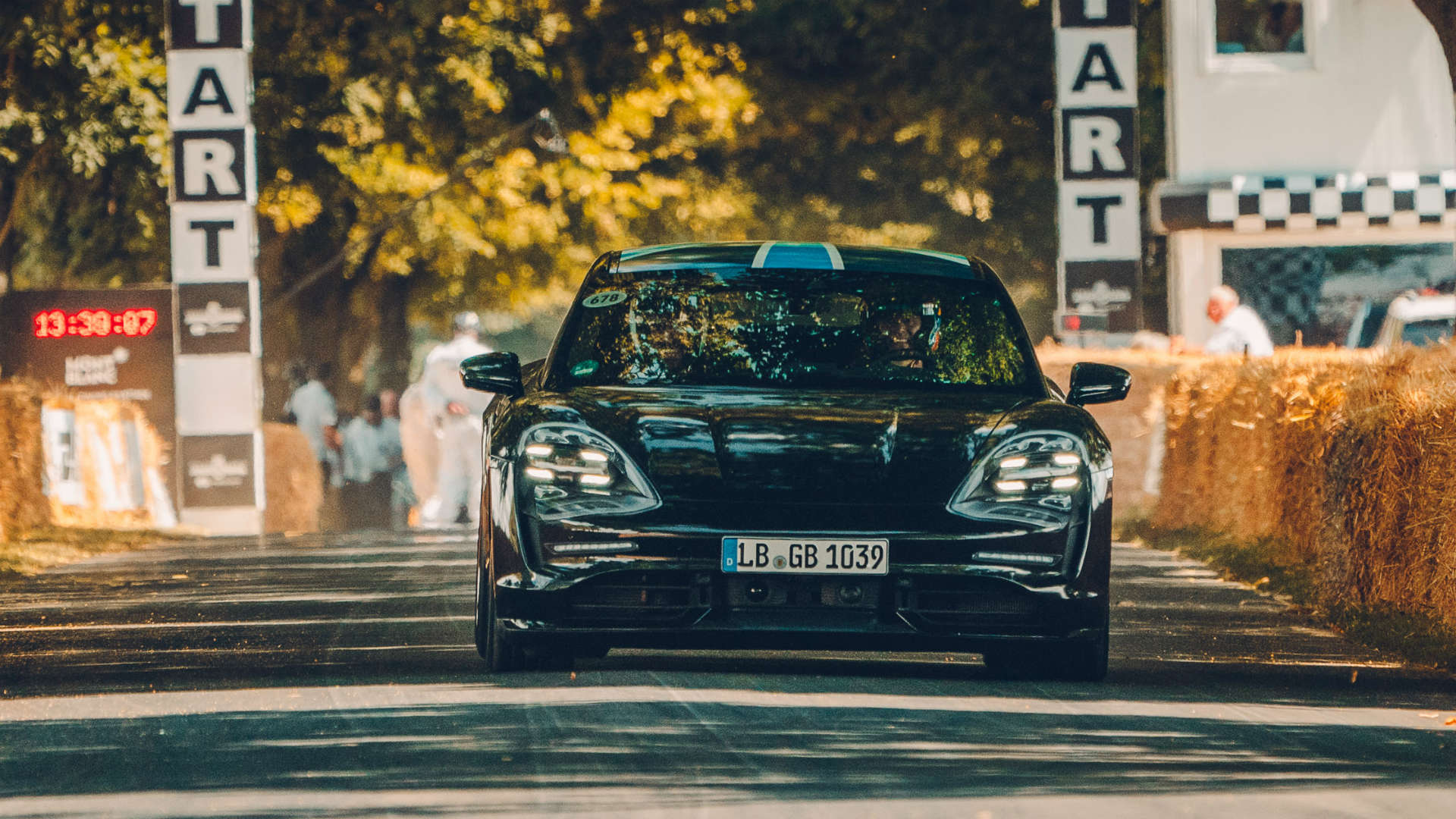
Porsche Taycan
The Porsche Taycan made its dynamic debut at the 2019 Goodwood Festival of Speed, with Mark Webber taking it up the famous hill. The company expects to build 25,000 Taycans a year, which will account for 10 percent of its global sales. A number of different power outputs will be available, with Porsche targeting a range of 311 miles. An 800V charging system will provide 249 miles of range in just 15 minutes.
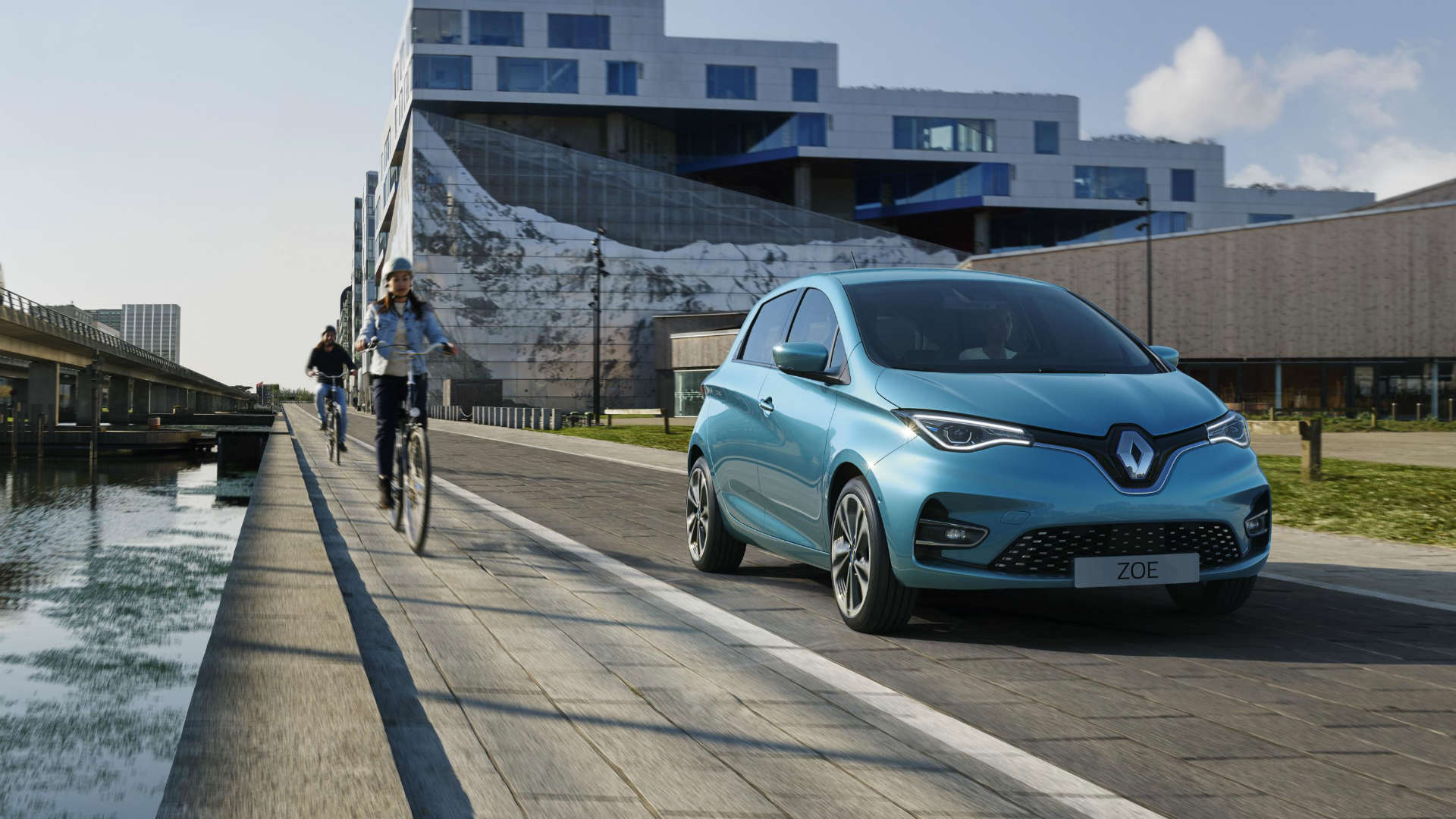
Renault Zoe
The new Renault Zoe gains a new 52kWh battery to deliver a WLTP range of 242 miles – an increase of around 30 percent over the old 40kWh pack. The option of a new R135 100kW engine delivers the equivalent of 135hp, helping the Zoe sprint to 62mph in less than 10 seconds and onto a top speed of 87mph.
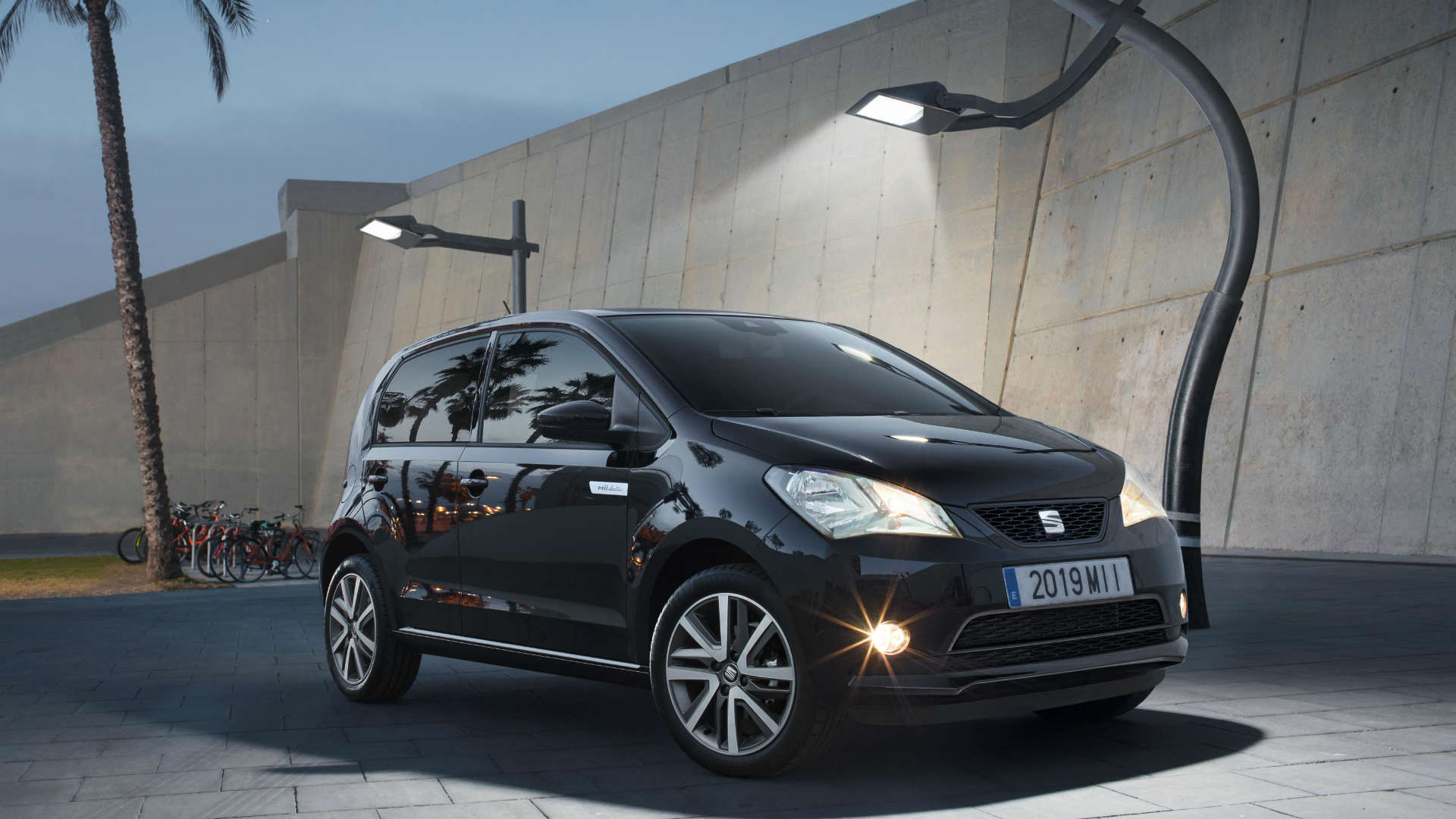
Seat Mii electric
The Seat Mii electric is essentially a reskinned version of the electric Skoda Citigo and is likely to replace the conventional Mii city car. The company is promising a range of 161 miles, and although prices haven’t been confirmed, it’s likely to cost around £18,000. The Mii will be joined by the all-electric el-Born, which will offer a range of 420km (261 miles).
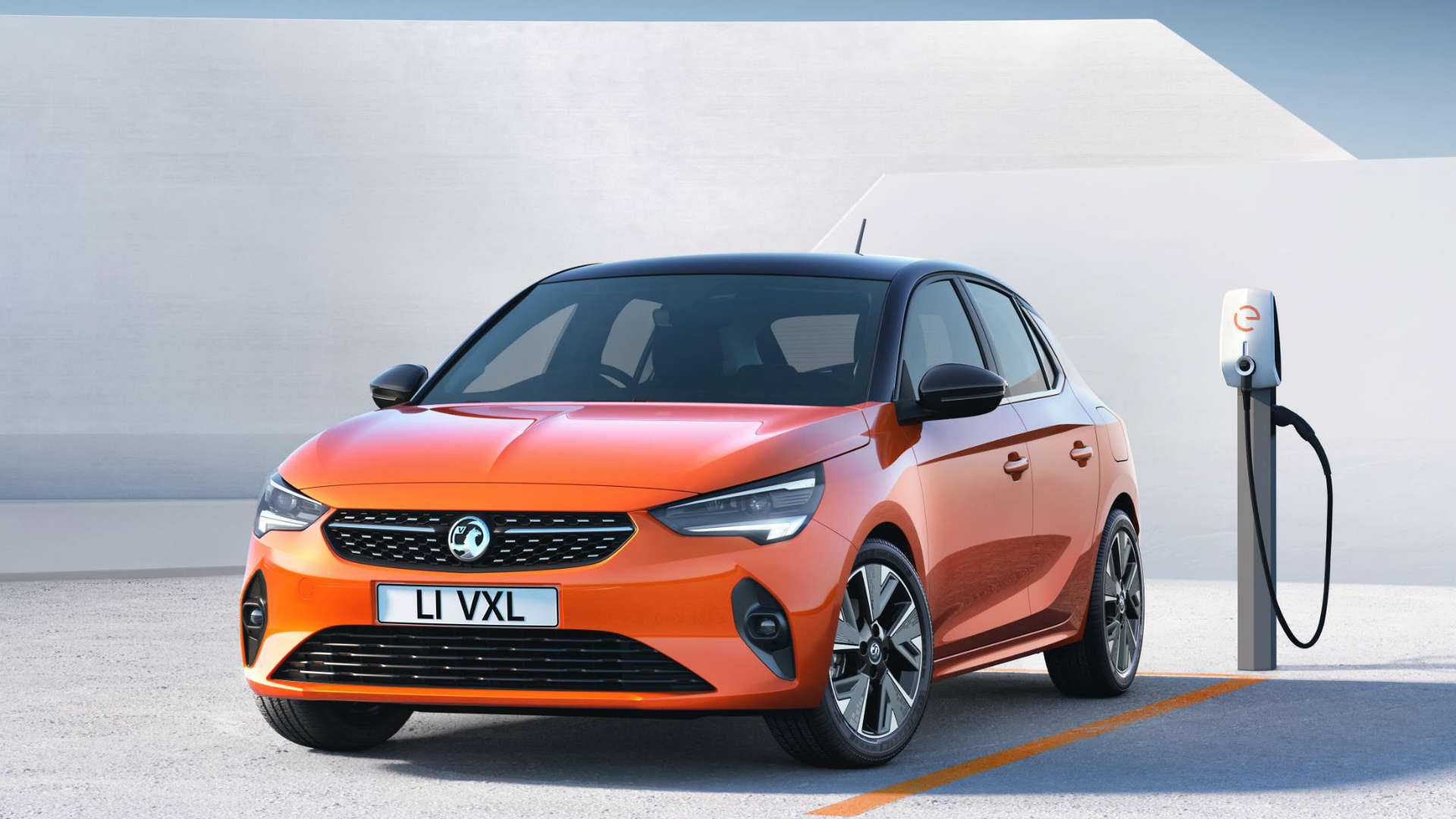
Vauxhall Corsa-e
The Vauxhall Corsa-e shares its underpinnings with the Peugeot e-208 and deliveries are expected to begin in April 2020. In common with the Peugeot, the electric Corsa will offer a range of 211 miles, although you could achieve more in Eco mode. Right now, Vauxhall is offering £2,615 towards your deposit when you buy on PCP, with the first 500 customers receiving a free home charging unit worth £800.
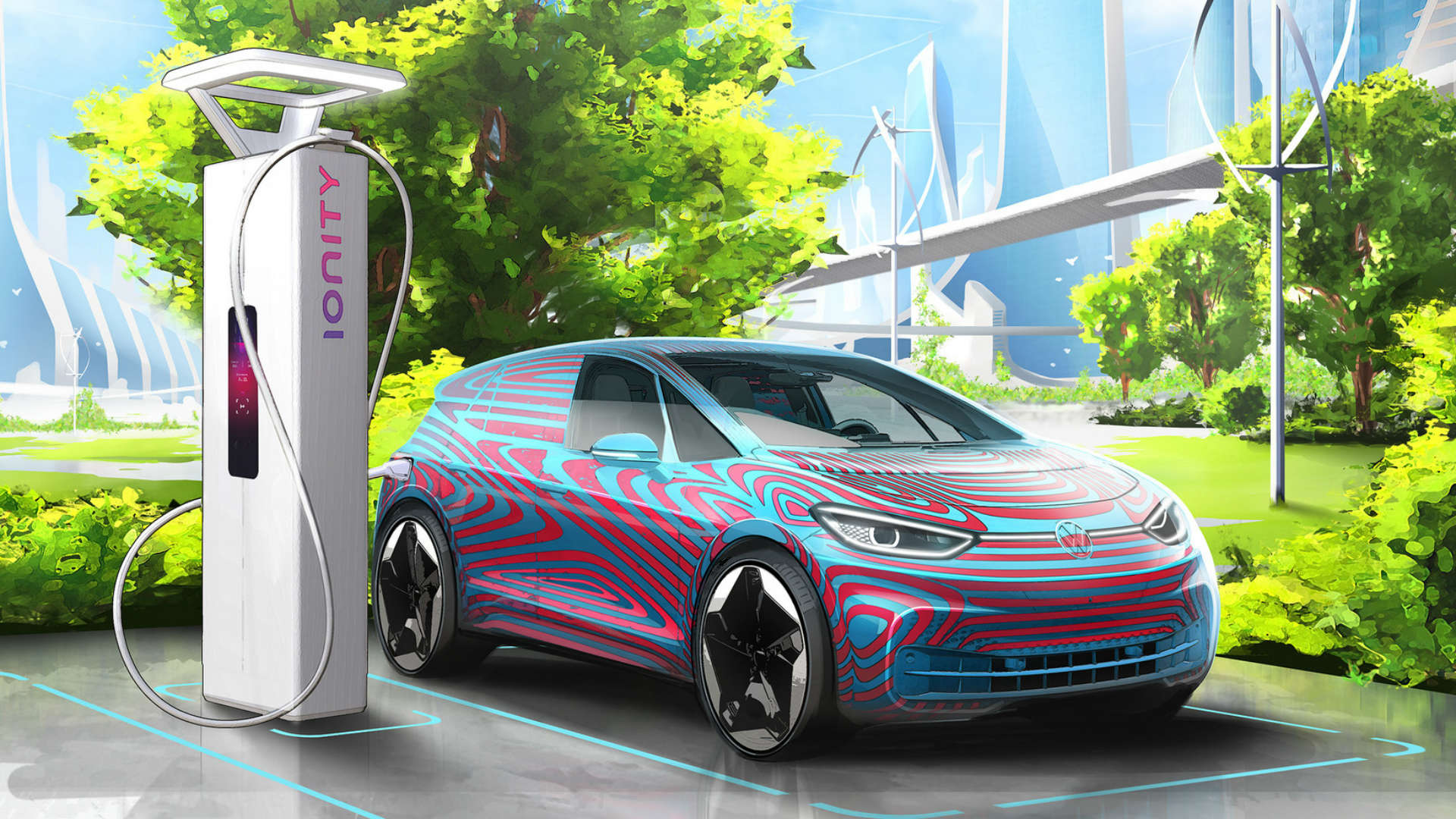
Volkswagen ID.3
The Volkswagen ID.3 made its UK debut at the Goodwood Festival of Speed, with VW confirming that it has received more than 15,000 reservations across Europe. The launch edition will offer 260 miles of range of 110kW fast charging as standard, with deliveries expected in summer 2020.
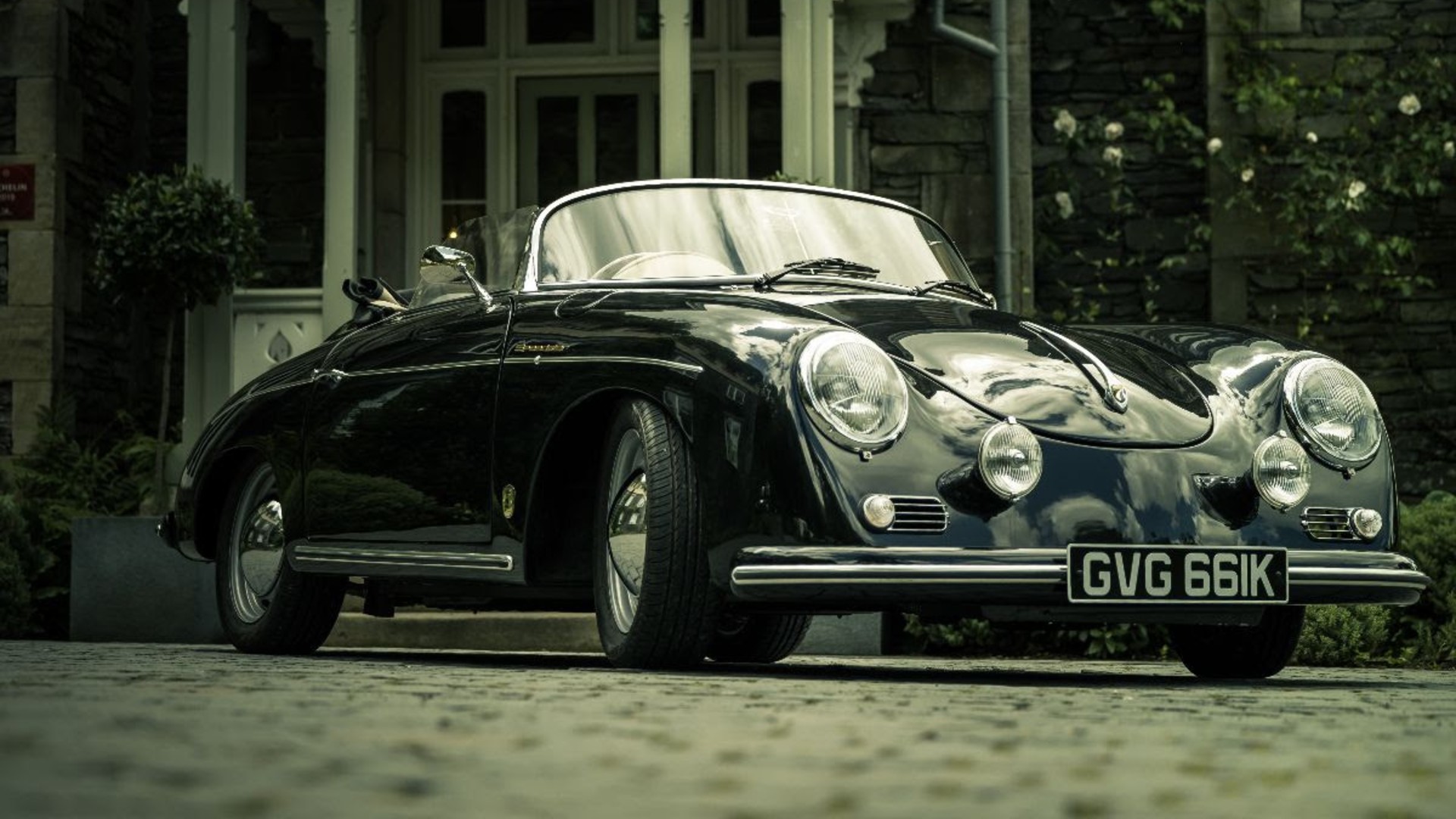
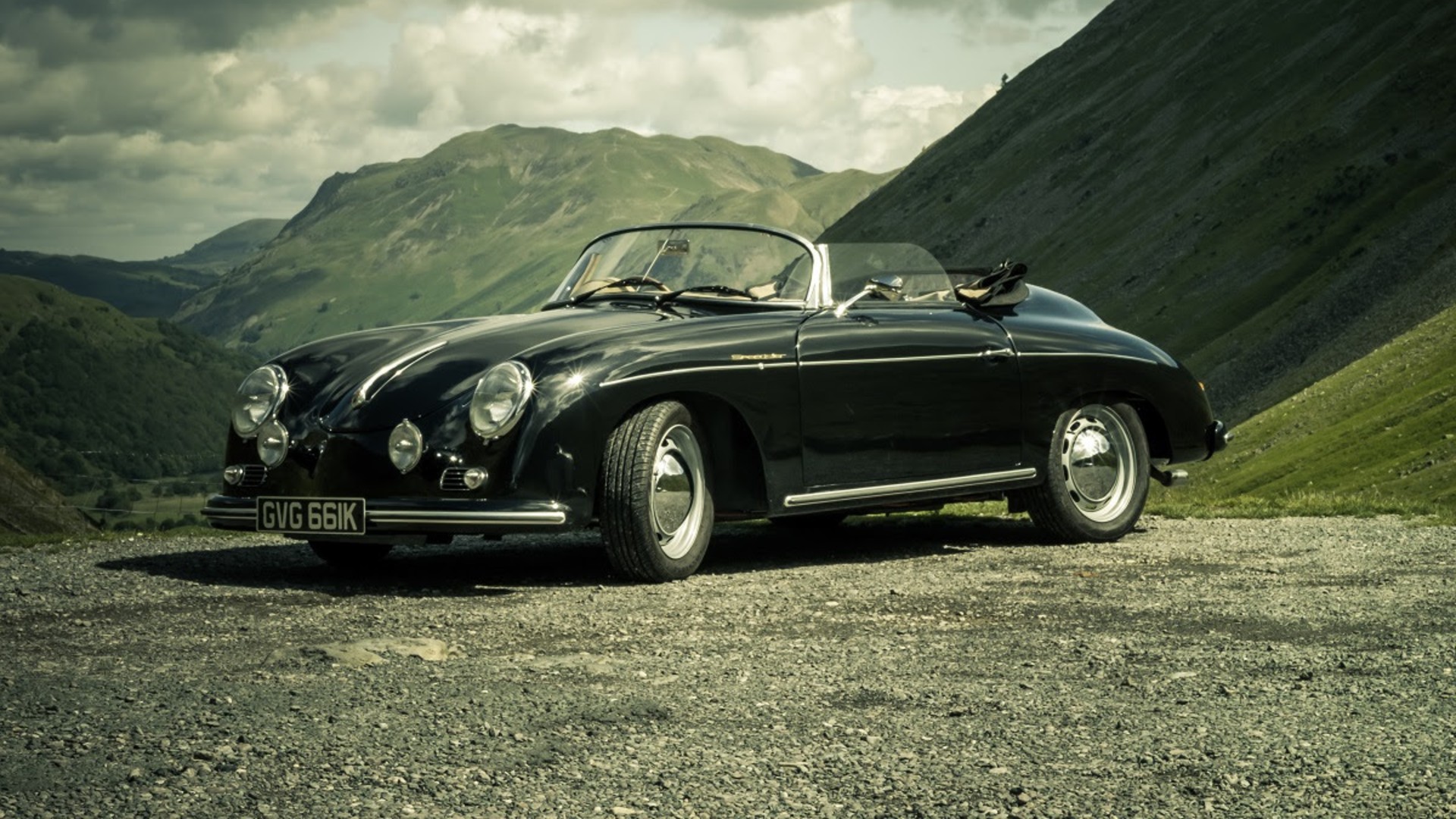
Westfield, the UK-based producer of lightweight sports and track cars, has made a new acquisition. It’s now the owner of Chesil Motor Company, best known for its Porsche 356 Speedster replicas.
The aim is to future-proof both marques with electric power. A new Chesil E Speedster debuts at Silverstone Classic this weekend (26-28 July 2019).
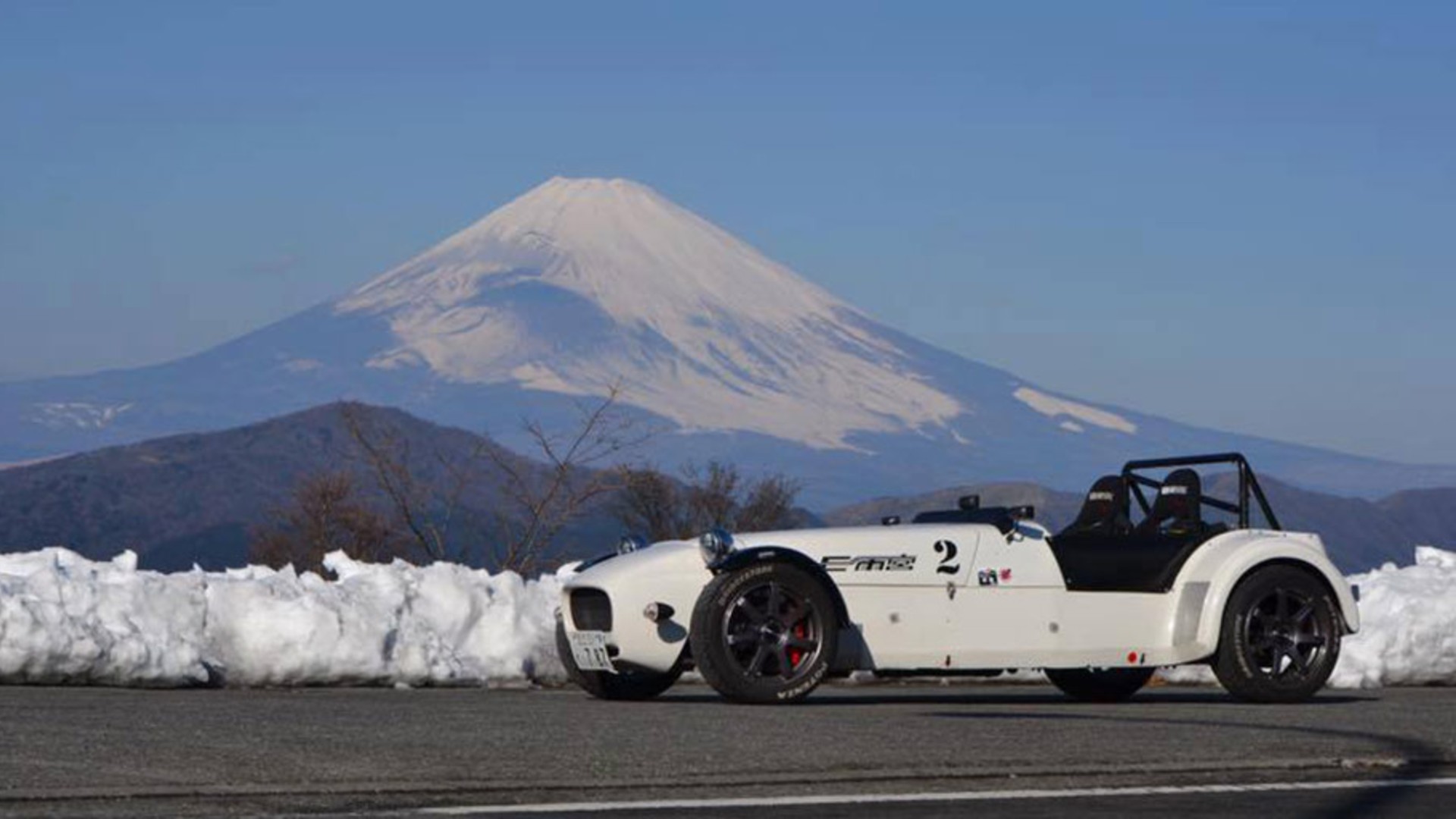
Westfield plans to be the first company offering a home-build electric sports car
At present, its range-topping Sport 250 is powered by a 250hp version of the Ford Focus ST engine.
According to Chesil’s website, the standard Speedster still owes much to the classic Volkswagen Beetle…
Westfield’s portfolio is very varied, from its well-known Lotus Seven-style sports cars to autonomous pods. ‘The company can offer total mobility solutions for commuting through to weekend thrills,’ says its website.
“We are really excited to have the Speedster under the Westfield brand,” said Julian Turner, CEO of Westfield Technology Group.
“We see the continued global growth of the Westfield collection providing a bespoke car to meet the individual needs of our customers. Westfield can now offer you a pid for your mobility needs in the week and car for fun for the weekend – all tailored around your bespoke requirements.”
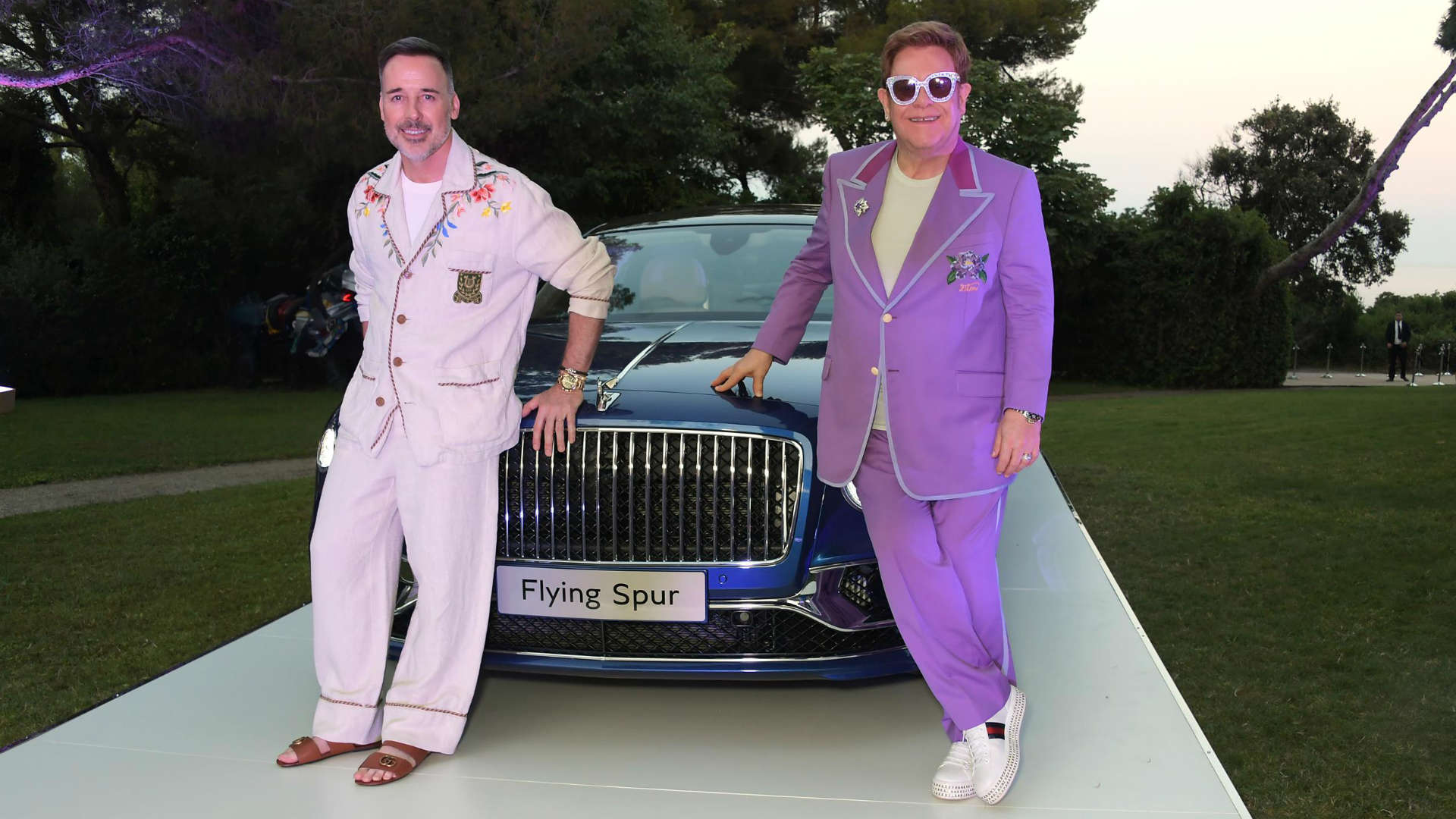
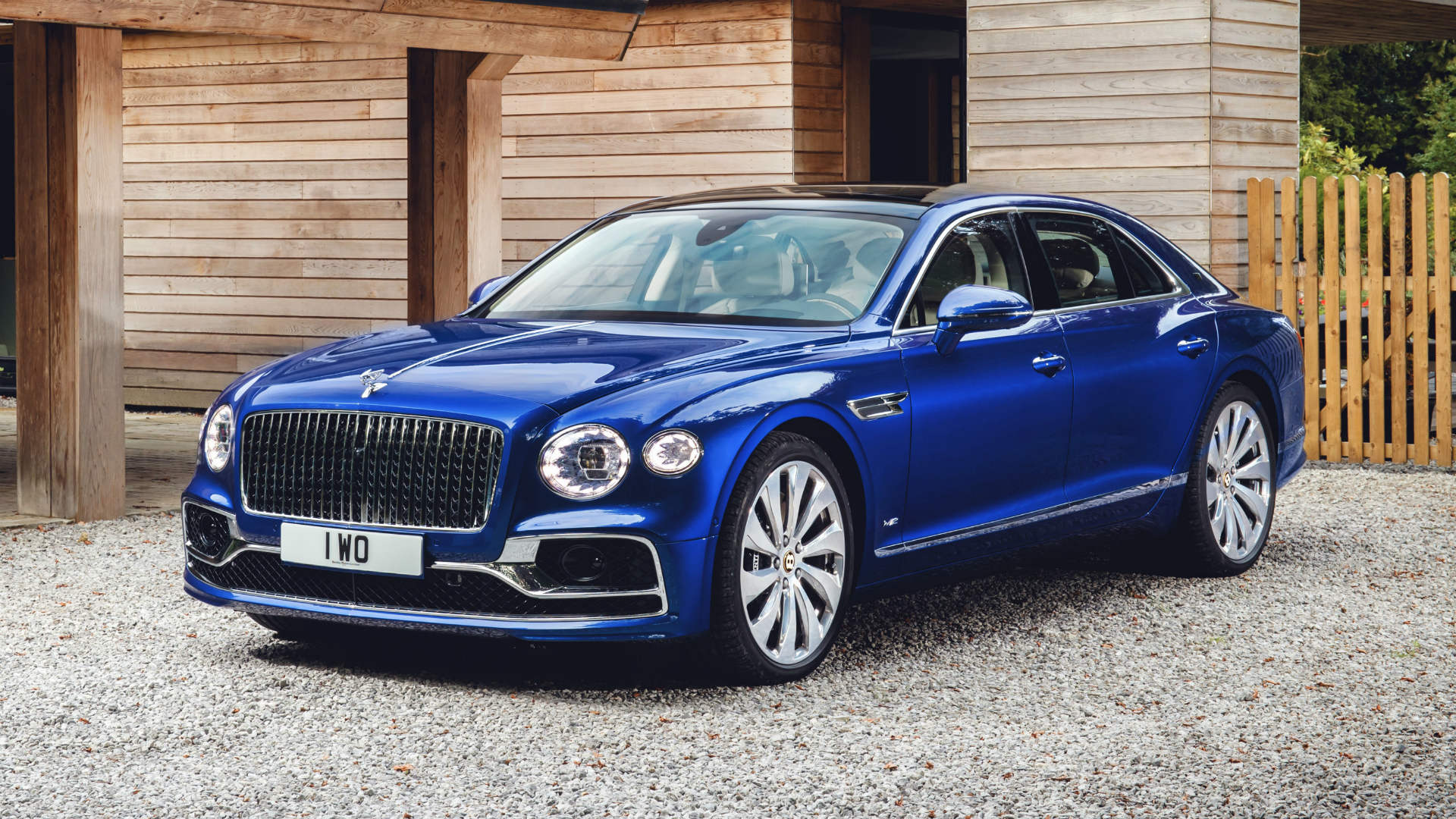
A Bentley Flying Spur First Edition has raised €700,000 (£625,000) for the Elton John AIDS Foundation charity.
The limited edition four-door Grand Tourer was revealed for the first time at a gala hosted by Sir Elton John and David Furnish.
Sir Elton John said: “It’s because of the consistent support and kindness of so many people in this room that we are able to commit the Elton John AIDS Foundation to real partnerships with world leaders that can make a future without AIDS.”
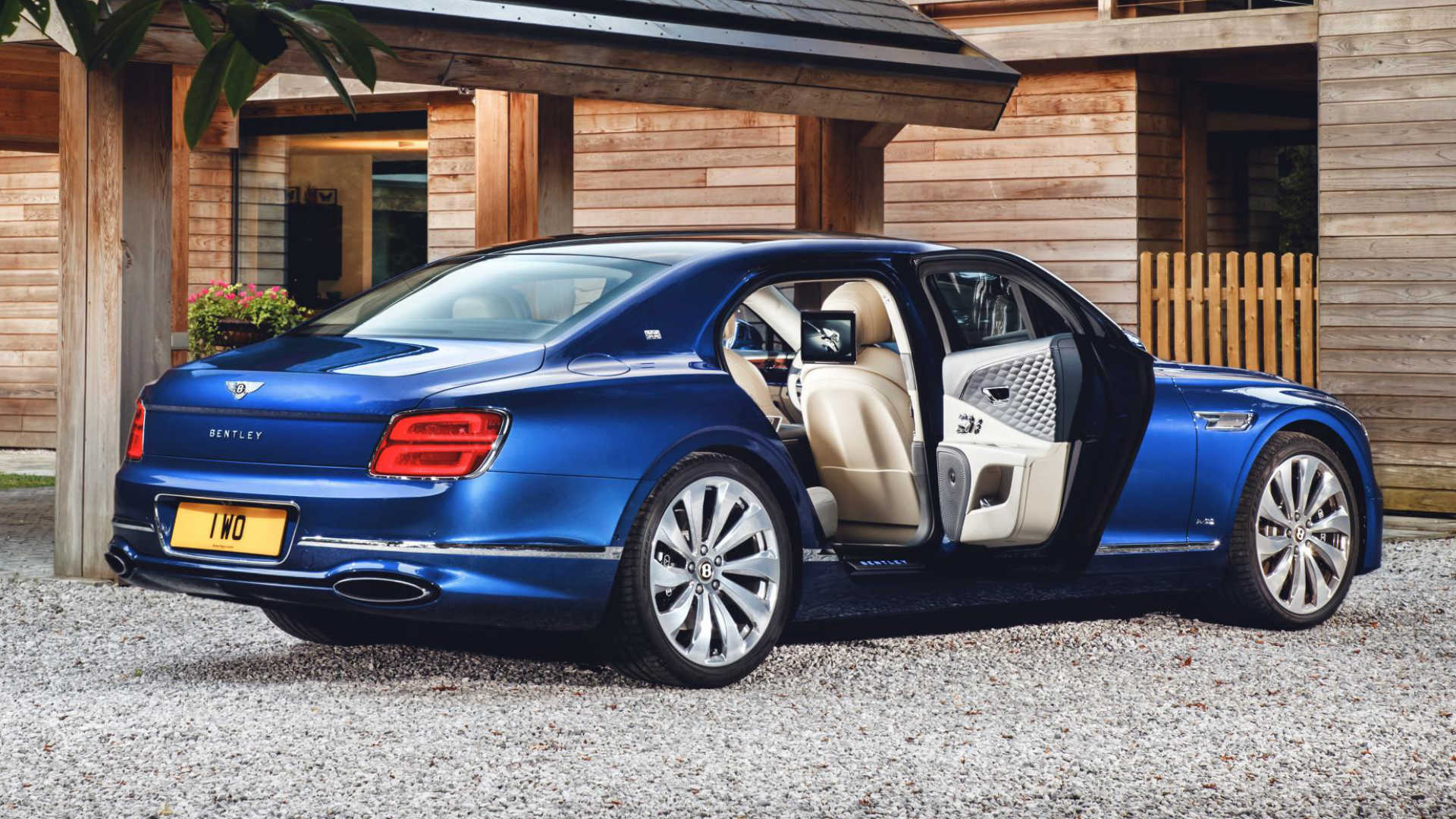
A member of the Bentley Design Team will work with the winning bidder to create a personalised Flying Spur, with the new owner free to select from a range of colours, trim and stitching.
Built to celebrate Bentley’s 100th anniversary, the Flying Spur First Edition is limited to just 12 months of production, with owners invited to create “their own bespoke and completely unique car”.
It’s just as well a member of the design team will be on hand to ensure each Flying Spur retains an element of dignity and good taste.
Rocket Man
The First Edition is powered by the same 6.0-litre twin-turbocharged W12 engine found in the regular Flying Spur, which is mated to an eight-speed ZF dual-clutch transmission.
With 626hp and 605lb ft of torque on tap, the Flying Spur can sprint to 60mph in 3.7 seconds before hitting a top speed of 207mph.
Sir Elton John and David Furnish hosted the star-studded fundraising event in Antibes, France, which included a guest appearance by Chris Martin of Coldplay.
The Elton John AIDS Foundation has raised more than $450 million globally to challenge the discrimination against people affected by the epidemic. It has reached millions across 26 countries.
Bentley hasn’t revealed the price of the Flying Spur First Edition, but it’s fair to say it will be cheaper than the Sir Elton John auction car. Bank on spending around £200,000 for this latest chunk of luxury.
BP has ended its partnership with Nectar, meaning you’ll no longer be able to collect loyalty points when you fill up at one of its 1,200 forecourts.
Instead, BP has launched its own customer scheme called BPme Rewards. But Nectar fans need not worry, because the loyalty programme is now available at participating Esso sites. Customers will earn one Nectar point for every litre of Esso fuel, or two for every pound spent in the shop.
BP customers can no longer receive or redeem Nectar points. Having downloaded a BPMe app, customers now earn one point for every litre of fuel, two points for Ultimate fuel, and one point for every pound spent in the shop or the car wash.
The process will be familiar to Nectar customers, with 200 points equating to a £1 off fuel, although points can be exchanged for products or gift vouchers. You’ll receive 250 points just for registering a BPme card.
Points mean prizes
Amazon and M&S gift cards are available, along with a bewildering array of products from the gift catalogue. Collect 2,300 points for a Disney Princess Cinderella, or 1,690 for a motorised construction vehicle.
Alternatively, you can add cash to the mix to reduce the number of points required for a gift. For example, a thermal mug will set you back £4.80 plus 545 points, if you’re not prepared to wait until you’ve collected 1,360 points.
At the opposite end of the spectrum, a Black & Decker drill is worth 8,170 points or 3,265 points plus £26.50.
The BPme app can also be used to pay for fuel, to manage your receipts and to find the nearest BP forecourt.
A BP spokesperson said: “We had participated with Nectar for a number of years.
“With BPMe Rewards we took the opportunity to develop our own loyalty scheme that allows our customers to both earn and spend rewards in our stores and with selected partners.”
You can find your nearest BP forecourt here, with the app available from the App Store or Google Play. Click here for more information on the Nectar and Esso partnership.
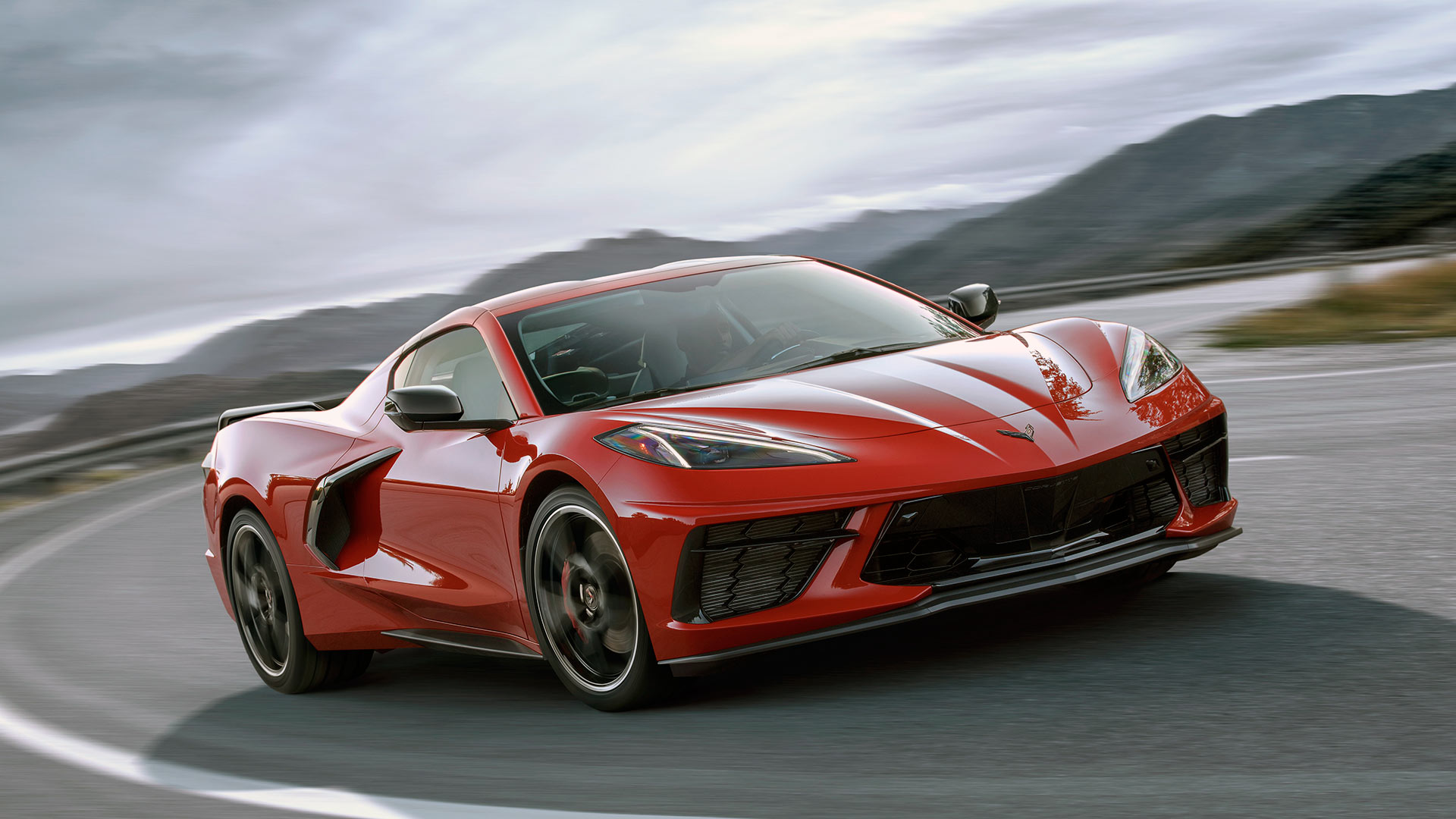
A series of special events at the Petersen Automotive Museum this weekend will give West Coast Corvette fans an early chance to check out the new 2020 C8 Stingray.
The radical mid-engined Corvette has already caused a frenzy amongst enthusiasts, with anticipation for the 495 horsepower machine proving red-hot.
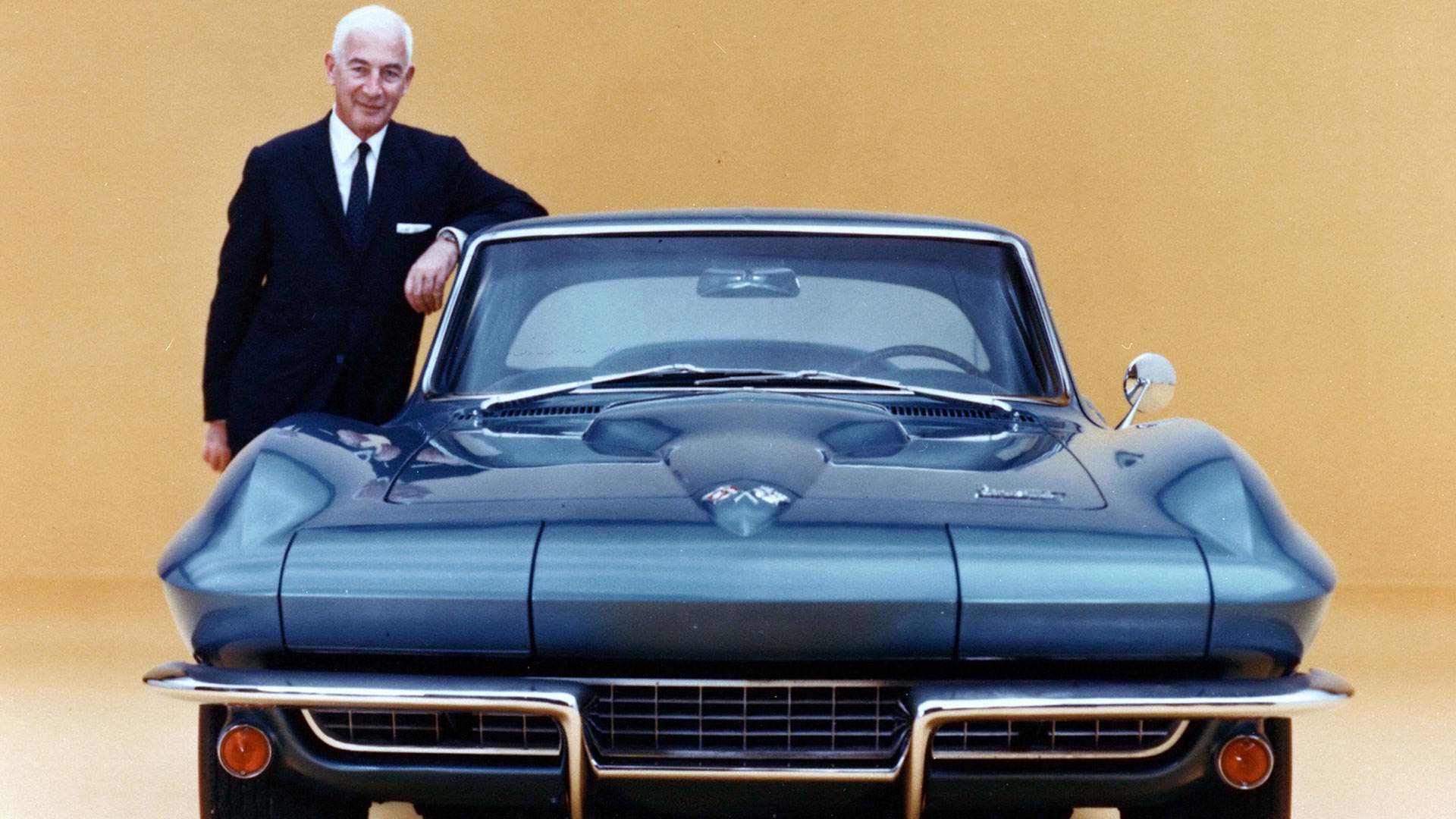
Running across both Saturday and Sunday, not only will events at the Los Angeles-based museum display the new-model Chevy, but also celebrate one of the key ‘Founding Fathers’ of the Corvette lineage.
Father of the Corvette
Originally born in Belgium, Zora Arkus-Duntov is seen as instrumental in turning the Corvette into a true driver’s car. He joined General Motors after witnessing the original 1953 C1 Corvette, but being disappointed by the performance it offered.
His engineering abilities impressed GM, and he was allowed to work on improving the Corvette range. Adding the V-8 engine to the C1 Corvette boosted its abilities, and cemented Duntov’s reputation as an uncompromising man when it came to pushing engineering boundaries.
Duntov was also responsible for creating the legendary Grand Sport lightweight racing version of the C2 Corvette. His commitment to improved performance and technical development means Duntov would most likely approve of the modern mid-engined C8.
Celebrating America’s own sports car
The weekend’s festivities begin on Saturday July 27 at 6.30 pm, where the Petersen Museum will host the special Sportsman VIP, bringing together Corvette fans and experts.
A range of classic Corvette models will be on display, alongside the brand-new 2020 C8 Stingray. Along with the promise of gourmet food, attendees will also leave with an exclusive Chevrolet Corvette book.
Sunday July 28 sees the Constellation Rally event leaving Pasadena at 7:30 am, making its way to the Petersen Museum. A Corvette Car Show will also take place at the museum, featuring a panel discussion about the achievements of Zora Arkus-Duntov.
Interested Corvette fans can purchase tickets right now from the Petersen Automotive Museum website.
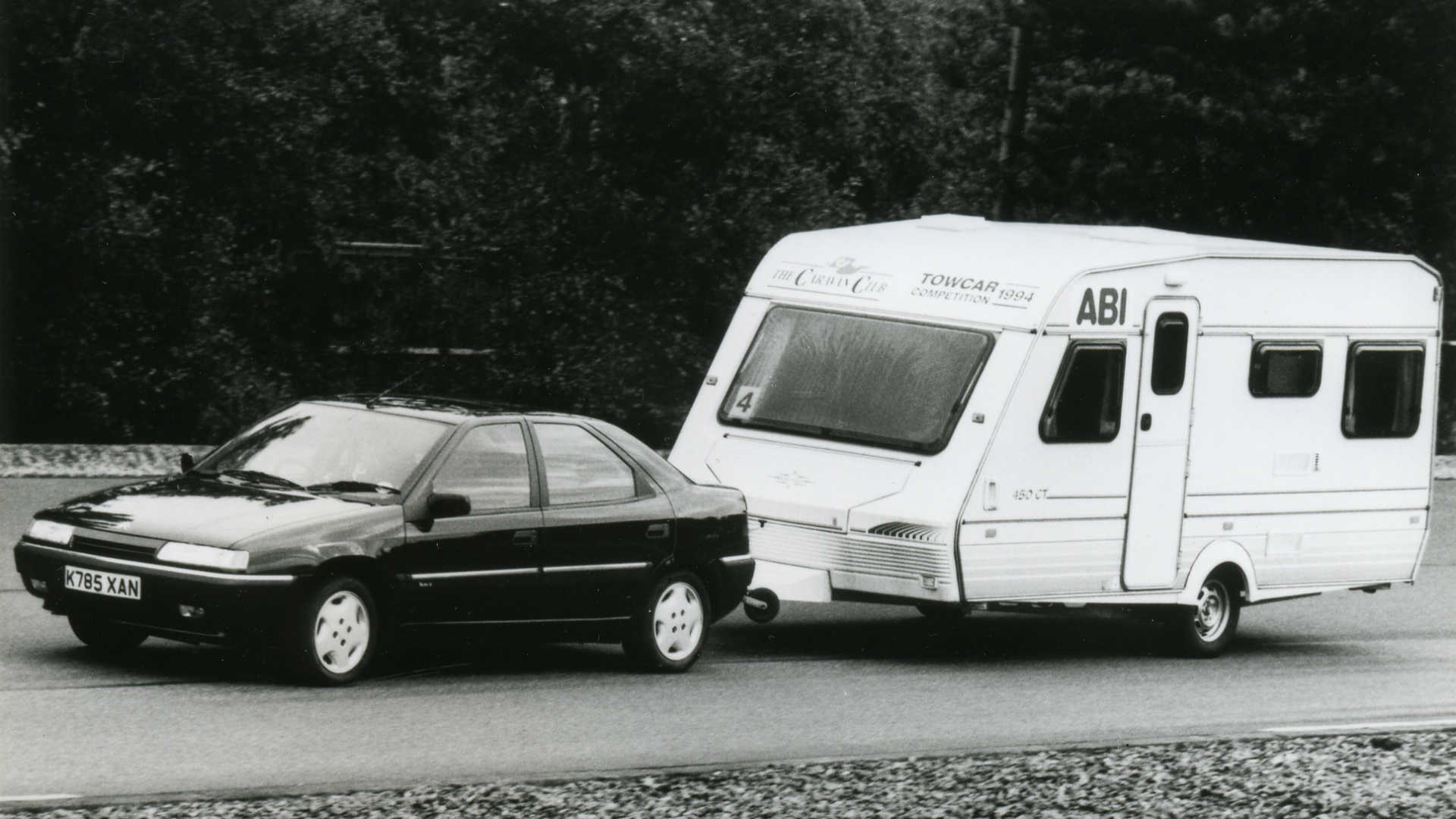
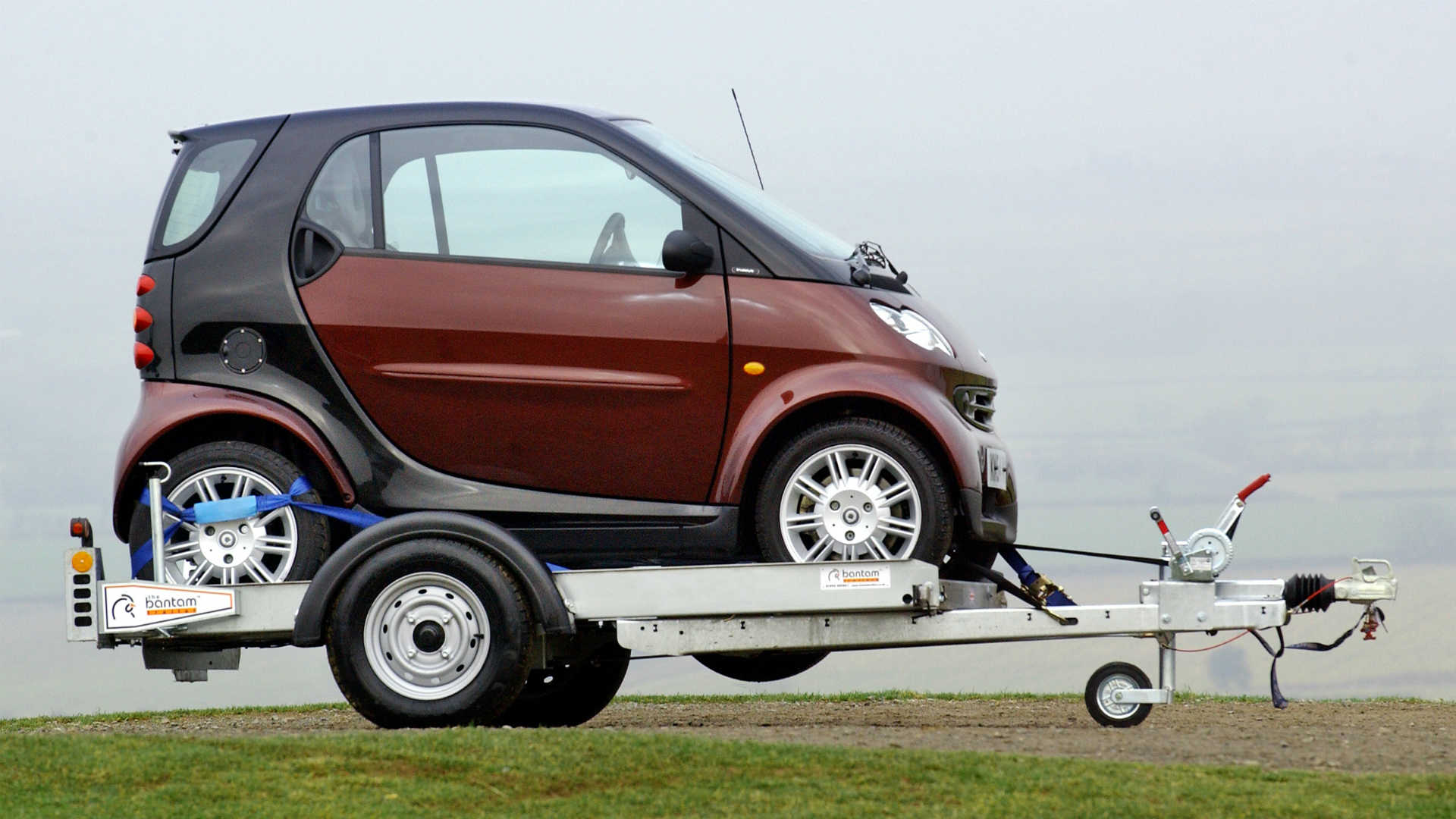
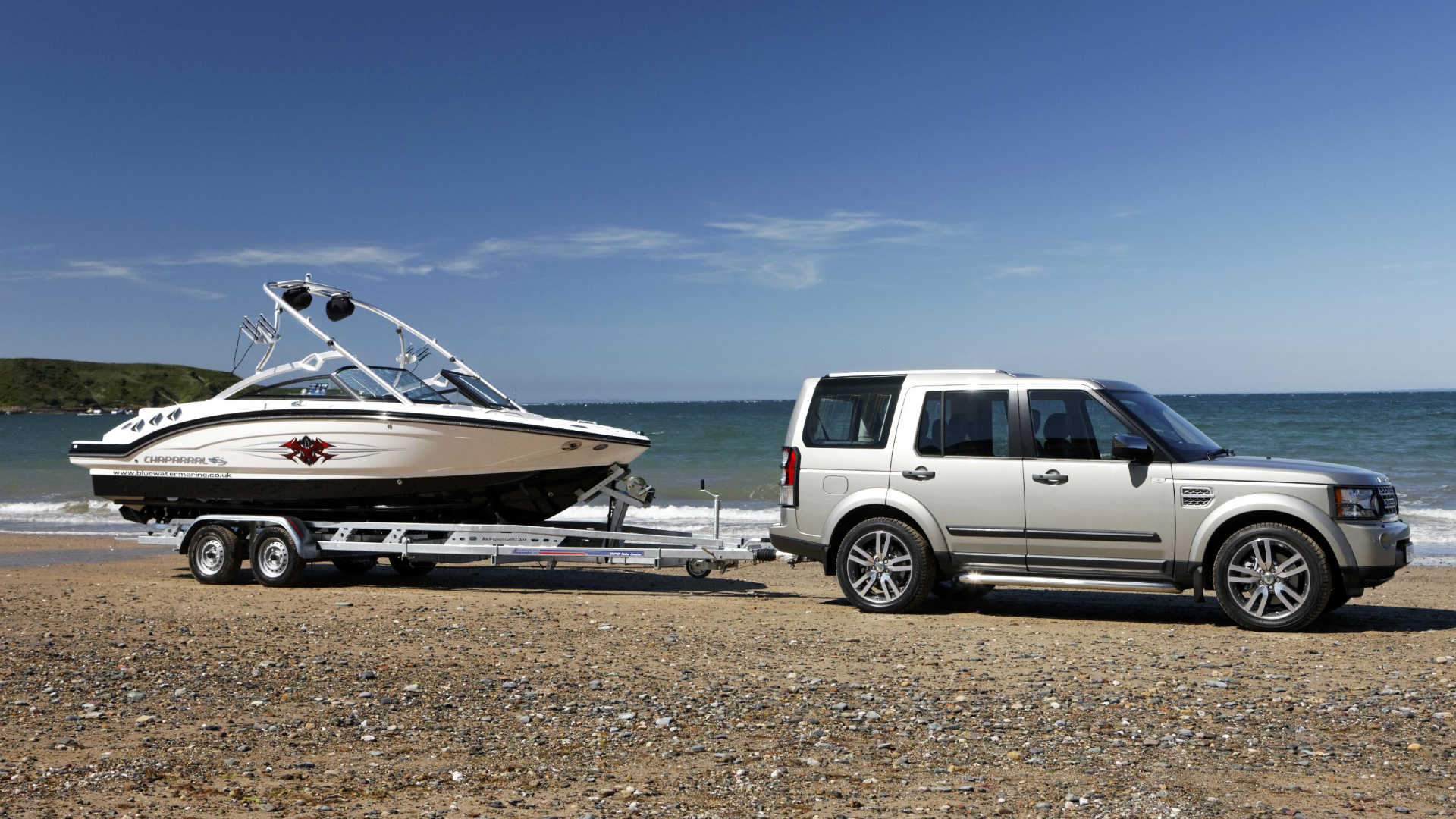
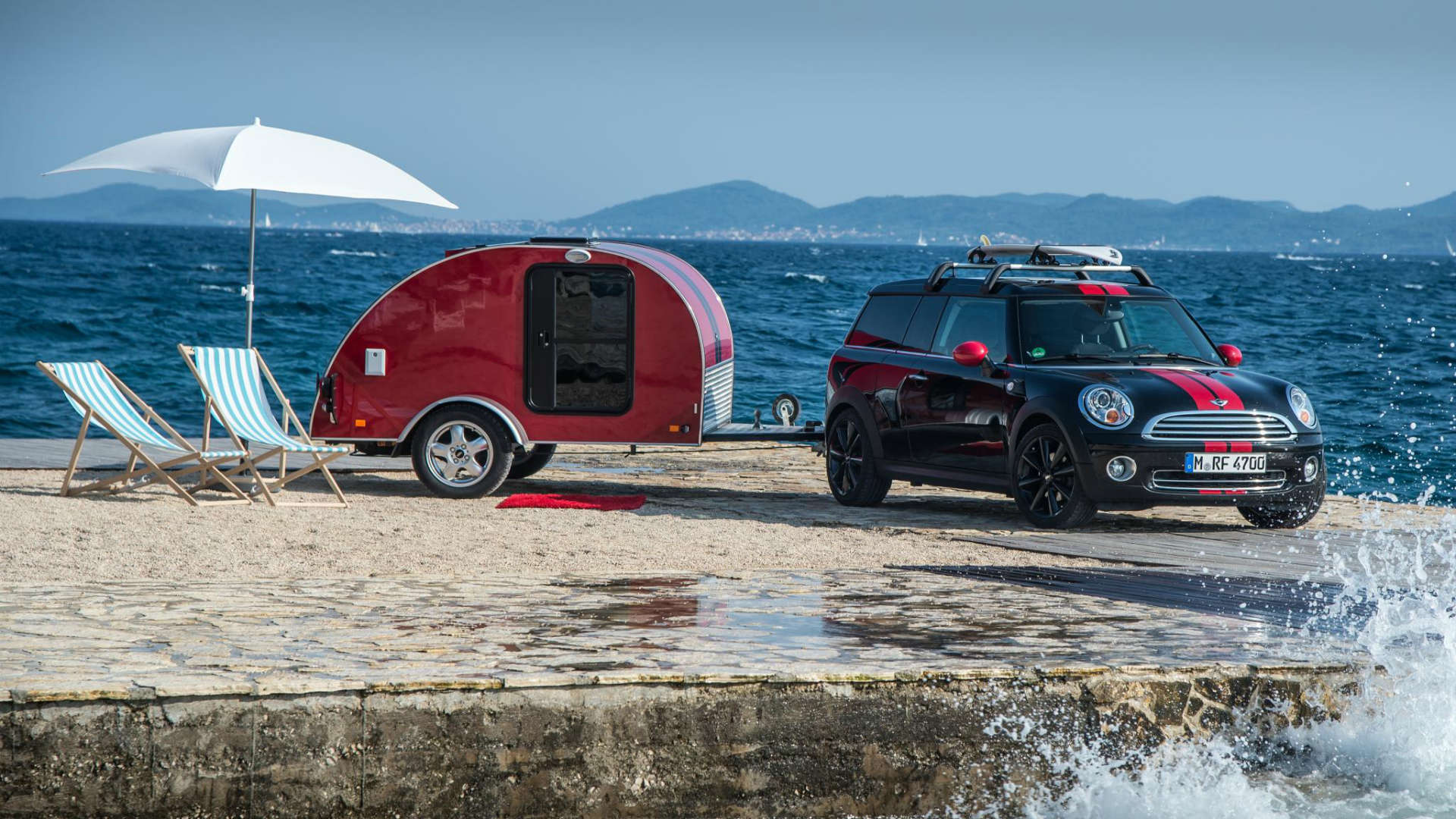
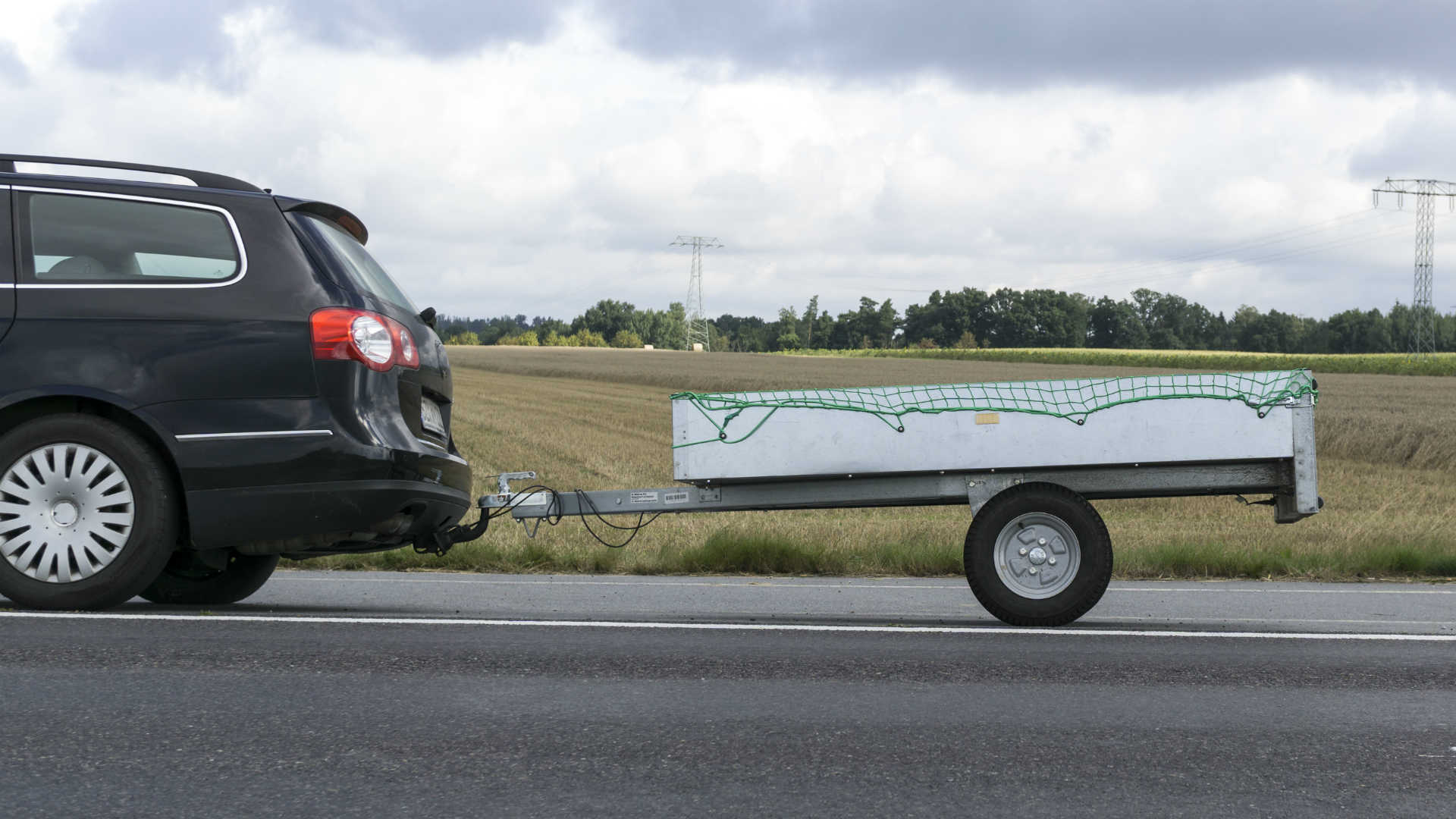
Whether you’re towing a trailer or a caravan, there are a number of safety considerations to remember before you get hitched.
Our brief guide to towing a trailer or caravan outlines the basics you need to know, from what you can and cannot tow, weight limits, coupling, and the safety checks to carry out before making a move.
Get it wrong, and you risk causing an accident and being banned from driving. It goes without saying that you should ensure the towing vehicle is safe and legal, so this advice is geared towards towing and towing equipment.
More advice on Motoring Research
Because this guide is designed to be a broad overview, you should consult the National Trailer & Towing Association’s (NTTA) detailed guide for more information.
What you can tow
If you passed your driving test on or after 1 January 1997, you can:
Drive a car or van up to 3,500kg maximum authorised mass (MAM) towing a trailer up to 750kg MAM
Tow a trailer over 750kg MAM as long as the combined MAM of the trailer and towing vehicle is no more than 3,500kg
Maximum authorised mass (MAM) – also known as the gross vehicle weight (GVW) – is the weight of a vehicle or trailer including the maximum load that can be carried safely on the road. It should be listed in the owner’s manual and on a plate or sticker attached to the vehicle.
Most cars have a maximum weight they can tow, which is usually listed in the handbook or specification sheet. If in doubt, search online or contact your local dealer.
Many industry experts, including the Camping and Caravanning Club recommends that you only tow a caravan or trailer that weighs 85 percent or less of the car’s kerb weight. Experienced drivers may go up to 100 percent, but you should never exceed the towing limit of the vehicle that’s doing the towing.
Check the unladen weight of your trailer or caravan BEFORE it is loaded with passengers, goods or animals. Consult the manufacturer’s specification sheet or visit a public weighbridge if there are any doubts.
The maximum trailer width for any towing vehicle is 2.55 metres, while the maximum length for a trailer towing a vehicle up to 3,500kg is 7 metres.
For trailers with no braking system, the loaded trailer must not weigh more than 750kg or 50 percent of the car’s weight. For trailers with brakes, the car and loaded trailer must not weigh more than the maximum weight of the car and trailer combined.
Towbar: the laws
The towing equipment you use must meet certain safety standards and be used correctly. You could be fined up to £2,500, be banned from driving and get three penalty points for using a vehicle in a dangerous condition.
Towbars will be inspected during the MOT test for security, condition and inappropriate repairs or modifications. The tester will also check the electrical socket. But don’t wait until the annual MOT test to check your towbar – inspect it regularly, checking for serious rust or cracking.
If the towbar was first used after 1 August 1998, it needs to be ‘type approved’, which means it meets European regulations and is designed for your car.
Before you tow
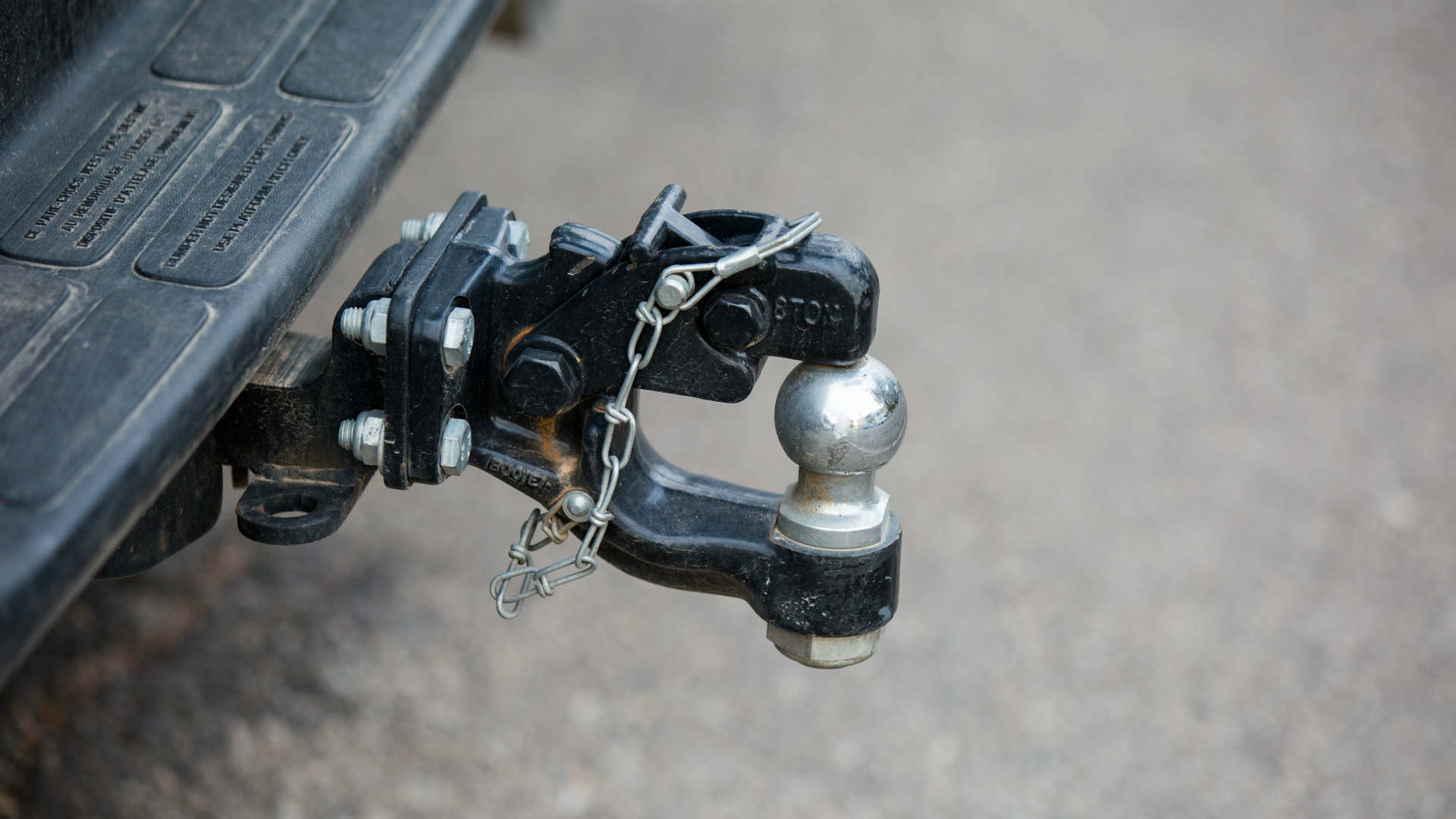
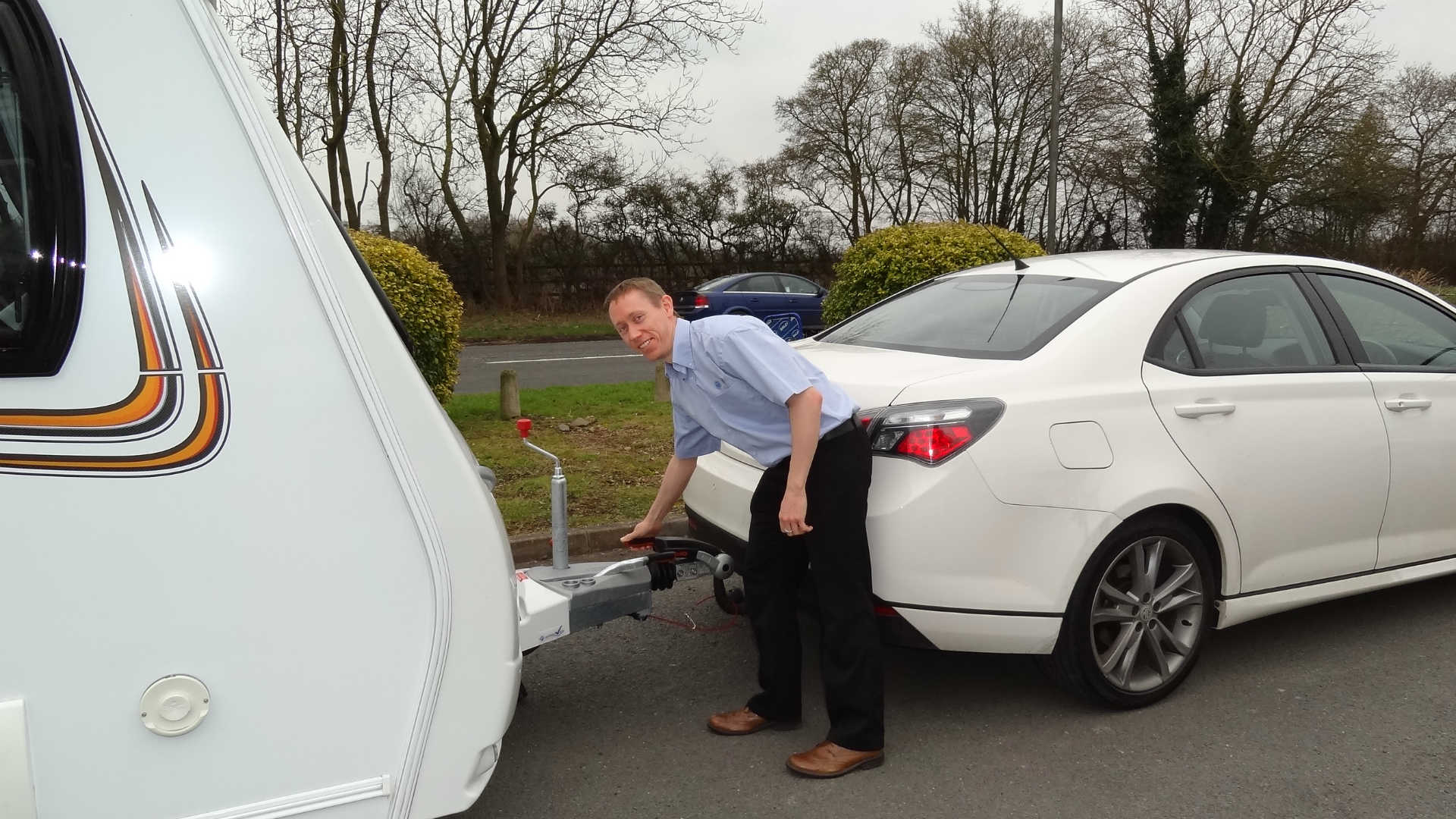
Before you tow, check that the trailer or caravan is correctly coupled to the towball or pin, and that the coupling height is correct. Also ensure that the electrical cable and socket aren’t damaged.
Caravans with brakes are legally required to have a breakaway cable fitted, which engages the trailer’s brakes and stops the trailer if it becomes detached from the towing vehicle.
Attach the cable to a dedicated mounting point on the towbar rather than around the towball, and make sure there is enough slack in the cable so that it doesn’t drag on the ground when driving and that the brakes are not applied when turning.
Attaching the trailer
According to the NTTA, you should “become methodical about hitching up and unhitching”, so that it becomes second nature.
The not-for-profit organisation was founded in 1975 and sets the standards for the UK towing industry. Its 18-point guide to attaching a trailer includes the following key points. Click here for the full list of recommendations.
Apply the trailer handbrake and remove any towball or electrical socket dust covers.
Get a helper to stand with their hands showing you where the hitch is and reverse slowly back.
Raise the front of the trailer using the jockey wheel assembly.
Do not attempt to lift the front of the trailer – use the jockey wheel.
When in position, wind the jockey wheel down to lower the coupling head onto the towball.
Attach the breakaway cable(s) to the rear of the vehicle.
Lift up and lock the jockey wheel assembly before completing the checks outlined in the next section.
Checks before each journey
The NTTA recommends carrying out the following checks before each journey:
Is the load correctly distributed? Place heavy items over the axle, medium items along the floor, and lighter items at the top.
Is the load within the trailer’s official payload?
Is the actual gross vehicle weight (GVW) being towed within the towing vehicle’s maximum towing limit?
Is the load correctly secured? Ensure the load is tied down and, in the case of a caravan, safely locked away.
Are all the lights undamaged and working correctly? Trailers must have two red sidelights, two red brake lights, an illuminated number plate, two triangular red reflectors, plus amber indicators designed to flash between 60 and 120 times per minute. Click here for a full list of trailer lighting requirements.
Are the 7/13 core cable and plug undamaged?
Is the correct number plate fitted?
Is the breakaway cable or secondary coupling undamaged and correctly connected?
Are the tyre pressures correct and are all tyres free from cuts, bulges and with adequate tread? The legal tread depth is 1.6mm, but we’d recommend changing your tyres when they reach 3.0mm.
Are the wheel nuts/bolts tightened to the correct torque?
Is the trailer correctly coupled to the towball or pin?
Is the coupling height correct?
In addition to the safety checks, regular maintenance is essential to keep your trailer in good working order and to pinpoint any issues before you hit the road. Consult the trailer or caravan handbook for more information.
Tyres
As well as checking the tread depth of the tyres, you should ensure that they are capable of carrying the maximum permitted weight of the trailer. Carry a spare wheel and a compact spare or tyre sealant kit.
Remember to check the tyre pressures of the towing vehicle, making adjustments in accordance with the figures outlined in the manual.
Towing mirrors
You must have an adequate view of the road behind you, and it’s a legal requirement to fit towing mirrors if your trailer or caravan is wider than the rear of your car.
The law states you must see an area that is four metres wide from the side of your caravan at a distance of 20 metres behind the driver. The mirrors should not project more than 200mm, or 250mm if they are E-marked to the latest standard.
The extended mirrors must be removed when not towing.
Driving with a trailer
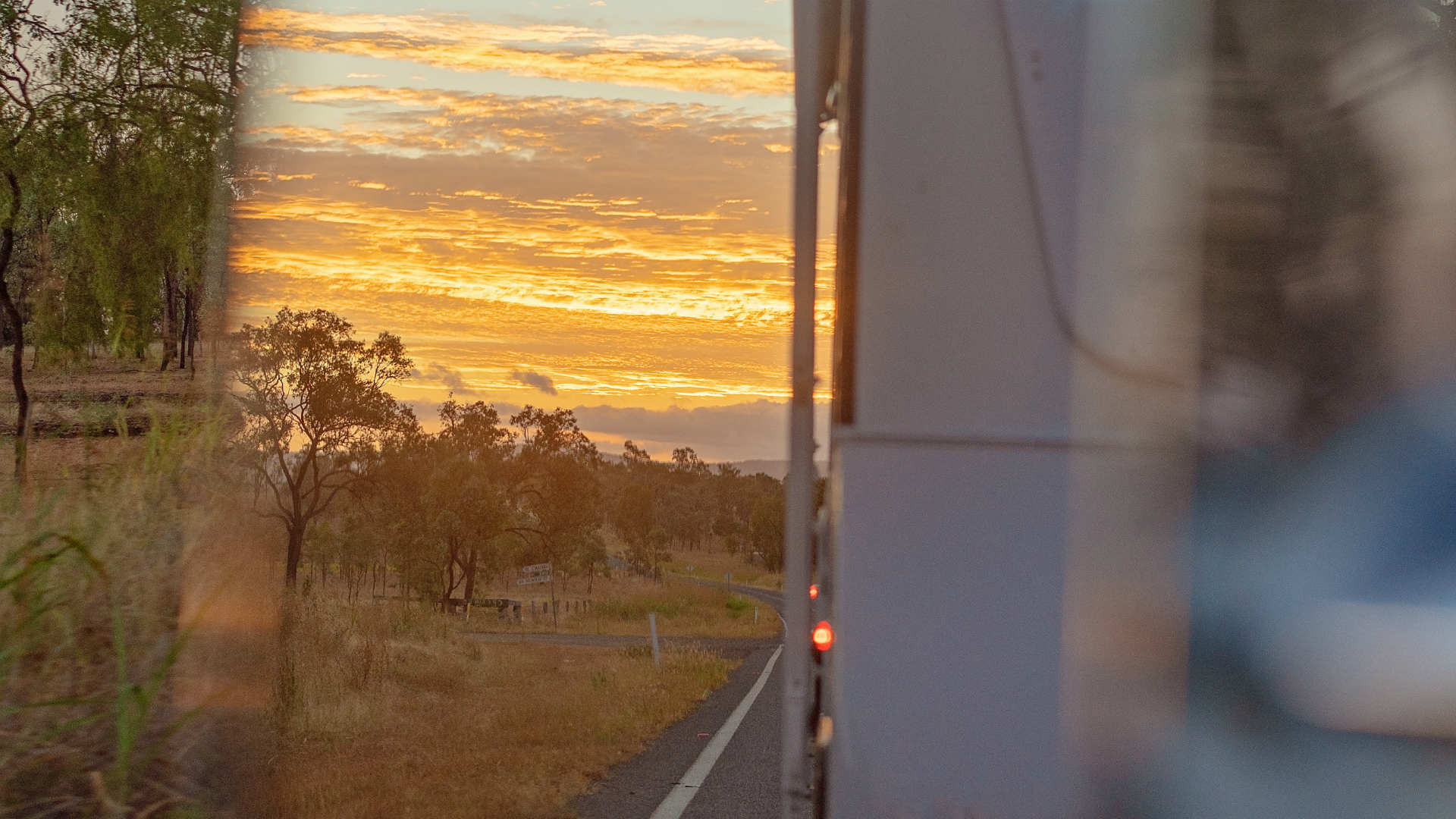
Once on the move, it’s important to remember that there are specific speed limits for cars towing a trailer or caravan.
A 30mph speed limit applies on all roads with street lighting (unless shown), with a 50mph limit on single carriageways, and a 60mph restriction on dual carriageways and motorways.
You must not drive in the right-hand lane of a motorway with three or more lanes if you are driving a vehicle towing a trailer.
As the Camping and Caravanning Club points out, ‘towing a caravan is no more difficult than driving solo’, but there are certain things to consider whenever you’re towing a trailer. These include:
Acceleration: it will take longer to get up to speed, so allow yourself more time when overtaking or entering a motorway. Also consider your additional length before pulling away from a junction and into traffic. Braking: it will take you an average of 20 percent more distance to stop. Cornering: you will need to take a wider path on roundabouts and corners to enable the trailer to clear the kerb and other obstructions. Use your mirrors. Hill starts: you will need to use more throttle when doing a hill start, along with careful clutch control. Instability: snaking is a symptom of bad loading, inadequate noseweight*, excessive speed, incorrect tyre pressures or poor driving. Take special care when overtaking or being passed by lorries or coaches, as the air turbulence will unsettle your trailer or caravan.
*Noseweight is the downward force of the coupling head on the towball, which decreases as you accelerate. The Caravan and Motorhome Club recommends a noseweight of five to seven percent of the caravan or trailer’s actual laden weight.
Reversing with a trailer
Reversing is arguably the most daunting prospect for those with little experience of towing, but it’s not as difficult as it first appears. With some practice, you could soon find that it’s as easy as riding a bike.
Size matters, so while it might be tricky to reverse with a small trailer – they turn quickly and you can’t see them in your mirrors – the manoeuvre is actually easier with a larger trailer or caravan.
Even the Camping and Caravanning Club admits that it can be “almost impossible” to reverse small trailers around corners, so it might be easier to unhitch and manhandle the trailer into position.
Regardless, it’s always preferable to ask a helper to guide you back, using predetermined hand signals. Check out this handy step-by-step visual guide to reversing with a trailer.
Final thoughts
If in doubt, contact one of the camping, caravanning or towing organisations, or consult the literature that came with your caravan or trailer. Most handbooks can be downloaded via the internet in PDF form.
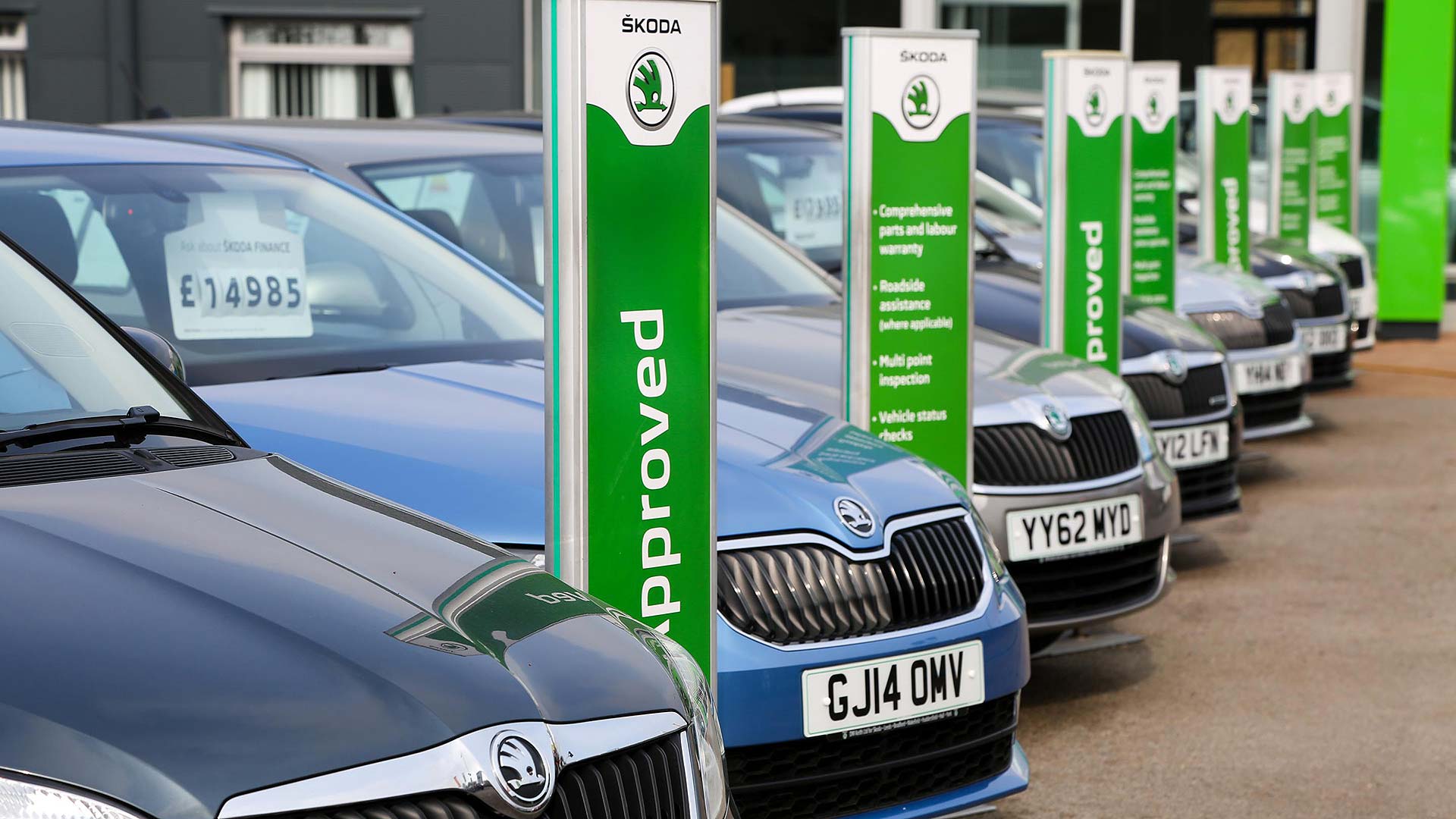
The average price of a used diesel car is now in decline, falling 0.5 percent in July 2019. The surprising resilience of diesel, against a backdrop of political pressure, has finally ended.
Petrol car prices are barely growing, recording a 0.2 percent rise. With weakening prices of cars aged up to five years, it means overall used car price growth is running at the slowest rate since 2016, according to new and used car marketplace, Auto Trader.
Searches for used diesel cars at a record low
The strong performance of alternatively fuelled vehicles (AFVs) bucks the trend, however. Prices are up 4.9 percent year-on-year, to an average of £21,759. The average petrol car now costs £11,169, while the average diesel is £14,123.
It is electric vehicles in particular that are supercharging the used car market. Prices rose 11.2 percent: ‘unprecedented levels’ of growth, says Auto Trader.
The average used electric car costs £24,985, rising from £23,771 last month.
Older cars are stronger
The Auto Trader Retail Price Index is a monthly analysis of used car prices. It throws up interesting trends: this month, it has found that stronger prices of cars aged five years and older are balancing weaker newer cars.
A record new car sales year in 2016 is the reason for this: higher supply alongside the current lower demand.
Three-year-old used cars with 60,000 miles on the clock are particularly weak, falling 8.9 percent – a price drop more severe than Auto Trader is used to.
The Brexit factor
Karolina Edwards-Smajda, director of commercial products at Auto Trader, blamed several factors for the market weakness: “Brexit and the ongoing confusion – not helped by the change in prime minister – and the mixed messaging around alternatively fuelled vehicles.”
Such is the current weakness in demand, she added, the market may yet turn negative overall in coming months.
Continuing a familiar trend, the most searched-for car on Auto Trader is the BMW 3 Series, followed by the Volkswagen Golf, Mercedes-Benz E-Class, BMW 1 Series and Ford Focus.
From Cortinas to Cosworths, we lifted up the dust sheets to photograph the highlights.
Ford Sierra RS Cosworth
The mighty Sierra RS Cosworth celebrated its 30th birthday in 2016. A turbocharged 204hp 2.0-litre 16-valve engine meant 0-60mph in 6.2 seconds and a top speed of 149mph – serious stuff in 1986. This particular car was used for development work at Dunton, Essex, and is still fitted with a rollcage.
Ford Escort RS Cosworth
The 1992 Escort witnessed the second coming of Cosworth. It retained the trademark ‘whale tail’ wing of its predecessor (albeit as an option), but boasted 225hp and four-wheel drive. The ‘Cossie’ was also a successful rally car, before being replaced by the Focus WRC in 1999.
Ford Fiesta
The Fiesta is the UK’s most popular car. This 1976 model is 43 years old and – as a brief drive around Dagenham revealed – still in great shape. In fact, it was actually driven to Switzerland for a recent Geneva Motor Show. Not bad for 957cc…
Ford Fiesta
The Mk2 Ford Fiesta arrived in 1983, facing rivals such as the Austin Metro and Vauxhall Nova. This is the back-to-basics 1.1 Popular Plus, with a four-speed manual gearbox.
Ford Fiesta XR2
The 1980s were the halcyon days of the hot hatch, and the Fiesta XR2 was one of the biggest sellers. With a bodykit, spotlights and ‘pepperpot’ alloys, it looked the business. Performance was less spectacular: 0-60mph in 10.2sec and 112mph flat-out.
Ford Model T
The 1908 Ford Model T was the first car to be mass-produced. Doing so brought costs down, putting cars within the reach of ‘normal’ people. Thus the Model T changed the world more, perhaps, than any other car. Unlike most old cars, it looks remarkably big alongside modern metal.
Ford RS200
Now for something somewhat swifter… The RS200 is one of the fastest and most exclusive Fords ever made. A road-legal rally car, it had a mid-mounted 1.8-litre 250hp turbocharged engine and lightweight fibreglass body panels. Only 200 road cars were made.
Ford RS200
The rallying version of the RS200 was even more extreme. Designed to compete in the notorious Group B, it was boosted to 450hp and could hit 62mph in 3.8 seconds. Sadly, the Group B era was cut short in 1986 after several fatal crashes.
Ford rally cars
Ford has a long history of rallying. Indeed, the rear-wheel-drive Mk1 and Mk2 Escorts and are among the most successful rally cars of all time. The Mk2 RS1800 in the foreground won the 1977 RAC Rally with Björn Waldegard at the wheel.
Ford Anglia 105E
Harry Potter fans will recognise this one. The Anglia 105E was built from 1959 to 1968 and had American-influenced styling, including small tailfins. Its 997cc engine accelerated the Anglia to 60mph in 26.9 seconds – probably not fast enough to take off…
Ford Escort Mexico
Now we’re talking. The Escort Mexico was a sporty special edition created to celebrate the Ford’s victory in the 1970 London to Mexico rally. This car was also displayed at the Geneva Motor Show, alongside the Sierra Cosworth featured earlier.
Ford Mondeo
A future classic? Certain members of the Motoring Research team certainly think so. This Mondeo GLX, complete with blue velour trim, would have been a sales rep’s dream back in 1994.
Ford Escort
Few people are likely to dream about a Mk5 Escort, but this example is notable for having covered just 800 miles from new. The much-maligned Escort was replaced by the Focus in 1998, a car that turned around Ford’s reputation.
Ford Escort XR3i
Here’s an Escort we can get excited about. The Mk4 XR3i wasn’t particularly special to drive, or even very quick (0-62mph in 9.1sec). But with its red go-faster stripes and racy graphics, it sums up the 1980s for us. Everyone loves a bit of nostalgia, right?
Ford Capri
Another car very evocative of its era is the Capri. This 1977 example is one of the later Mk2 cars, and boasts a herculean 72hp from its 1.6-litre engine. Still, it could be worse: the 1.3-litre Capri produced just 55hp…
Ford Capri 280
With a 2.8-litre V6 under its lengthy bonnet, the 160hp Capri 280 had more than twice as much power as the lowly 1.6. This Brooklands Green beauty was the last hurrah before Ford discontinued the Capri for good – making it a highly sought-after special edition.
Ford Mustang
The Capri was effectively the European version of this car: the iconic Ford Mustang.
Ford Mustang
And here’s an example of the more recent Mustang – the full-fat 5.0-litre V8 version, no less. With 412 ponies to its name, the V8 ’Stang will hit 62mph in 4.8 seconds. Or you could just use the Line Lock function to create lots of tyre smoke. Better to burnout than fade away…
Ford Transits
Now for something altogether more practical. The Ford Transit van is approaching its 55th anniversary, and it remains the UK’s most popular commercial vehicle. The record for the highest number of people ever squeezed into a Transit is… 48.
Ford Transit
This is the oldest surviving roadworthy Ford Transit. It has a 64hp V4 engine, plus leaf-spring suspension front and rear. It would have cost £542 when new in 1965.
Ford Transit Connect X-Press
This one-off Transit is a little racier. Its running gear comes from a Mk1 Focus RS, which means 215hp – amplified by a Bosal sports exhaust. The X-Press also has lower suspension, a stiffer chassis and hip-hugging Recaro seats. We bet it’s a riot to drive.
Ford Transit Supervan 3
Ford built three Transit Supervans. This third version arrived in 1995, complete with a 650hp 3.5-litre engine from a Formula 1 car. It has since been fitted with a 2.9-litre Cosworth engine, which is being tinkered with here.
Ford Cortina
Here’s another one that takes us back. There was once a Mk5 Cortina on every suburban street in Britain, but they are all-but extinct now. This 1982 Cortina Crusader has a 91hp 1.6-litre petrol engine, Strato Silver paint and grey velour trim.
Ford Cortina
This is an earlier Mk3 Cortina from 1974. Its 1.3-litre Kent engine would have provided steady progress at best. However, we love the ‘Coke-bottle’ styling and very-70s lurid green paint.
Ford Granada
Above the Cortina sat Ford’s flagship: the spacious and luxurious Granada. Three body styles were available: four-door saloon, two-door coupe and the estate seen here. Few cars say ‘East End gangster’ like an old Granny…
Ford Granada
The squarer Mk2 Granada was launched in 1977 and boasted innovations such as fuel injection and air conditioning. A prime candidate for a future Motoring Research Retro Road Test?
Ford Escort RS Cosworth
As if the Escort Cosworth wasn’t in-yer-face enough, how about one in bright yellow? The bloodline between the RS Cosworth variants of the Escort and Focus is clear to see.
Ford Focus RS500
Ford has a knack for producing ultra-desirable special editions, and the matte-black Mk2 Focus RS500 is just such a car. Its 2.5-litre turbocharged engine is cranked up to 350hp, giving 0-62mph in 5.4 seconds and a top speed of 165mph. Only 500 were made.
The meeting room
The meeting room at Ford’s Heritage Centre is just as fascinating as the cars. It looks like it hasn’t changed since about 1965. The bookshelves are crammed with dusty tomes about Ford history.
Model magic
There are some fantastic models on display, too. In the days before computer-aided design, scale models like the Mk1 Escort here were used to show managers and potential customers how a new car would look.
Ford Fiesta
Some cars in the Ford Heritage collection get more love than others, and this 1996 Mk4 Fiesta clearly hasn’t moved for a while. Top marks for spotting the near-identical Mazda 121 version on the road.
Ford Fiesta XR2i
Another unloved Fiesta is the 1989 Mk3 XR2i. This lukewarm hatch gained fuel injection (hence the ‘i’ suffix) but lost the cheeky, fun-to-drive character of the Mk2 XR2. Not one of the finest fast Fords.
Ford Fiesta
Few things say ‘1970s’ like a beige Mk1 Fiesta with brown vinyl upholstery. Although this lovely example actually dates from 1981.
Formula Ford
Tucked away behind the fibreglass front of the Supervan 3 (it’s having work done, remember?) is a Formula Ford racing car. The series has served as a springboard for many Formula 1 drivers since the 1960s.
Rolling chassis
The Ford Heritage Centre isn’t a museum, and many of the cars are works-in-progress. Three guesses as to what this rolling chassis belongs to. We know it’s a Ford, but beyond that we’re stumped…
Ford Model A
As the car that replaced the Model T, the 1927 Model A had a tough act to follow. UK versions had a 2.0-litre 28hp engine and were available in a huge range of body styles – from roadster to panel van. Note the rear-hinged ‘suicide’ doors.
Ford Model Y
The Model A gave way to the Model Y in 1931. A compact car well suited to European roads, the Y had a 933cc engine and a top speed of 60mph. It remained in production until 1937.
Ford Zodiac
With its two-tone paint and plentiful chrome, the Mk2 Ford Zodiac was clearly influenced by more glamorous cars from across the pond. The Zodiac was the upmarket version of the contemporary Ford Zephyr.
Ford Transit
Finished in what looks like period ‘British Telecom yellow’, this Transit will look oddly familiar to anyone who remembers the 1980s. Spot the promotional World Rally Transit from 2001 in the background.
Ford Thames 307E
The Ford Thames was essentially a commercial version of the Anglia. In fact, it was renamed the Anglia van after 1965. The chrome grille marks this out as being the more capable 7cwt version of the 307E – others had a basic, painted metal grille.
Ford Quadricycle
This Ford Quadricycle is actually a replica, made by apprentices in July 1963 for the Henry Ford centenary. It’s a faithful reproduction of the first vehicle Ford built in 1896.
Ford Fiesta XR2
We couldn’t resist another XR2. We borrowed this car for one of our Retro Road Tests – and didn’t want to give it back. It’s crude and almost comically basic by modern standards, but fabulous fun. And it got a hero’s welcome on the streets of Dagenham.
Ford Fiesta ST
Can’t afford the brilliant new Fiesta ST? Don’t worry, neither can we. The Mk5 ST, however, is a cheaper alternative that is ageing well. Prices are starting to rise, so grab one while you can.
More models
How cool is this Mk4 Zodiac model? The real thing was powered by a 3.0-litre V6, and a very stylish way to travel in 1966.
Number crunchers
Before microchips, mechanical adding machines were used to calculate Ford’s profit and loss. These perfectly-preserved examples are in the Heritage Centre meeting room.
Ford Cortina
The Mk2 Cortina was launched in 1966, and in 1967 it became Britain’s best selling car. This dusty 1600 Super still looks great.
Ford Cortina
We even love the Cortina’s chrome badges. From an era before ‘metal-effect’ plastic…
Ford Model T
As our gallery draws to a close, let’s go back to the beginning with the Ford Model T. Looks like this Tin Lizzy has a slight oil leak…
A treasure trove of Ford history
Sadly, the Ford Heritage Collection isn’t open to the public, but we hope you enjoyed this peek beneath the dust sheets.
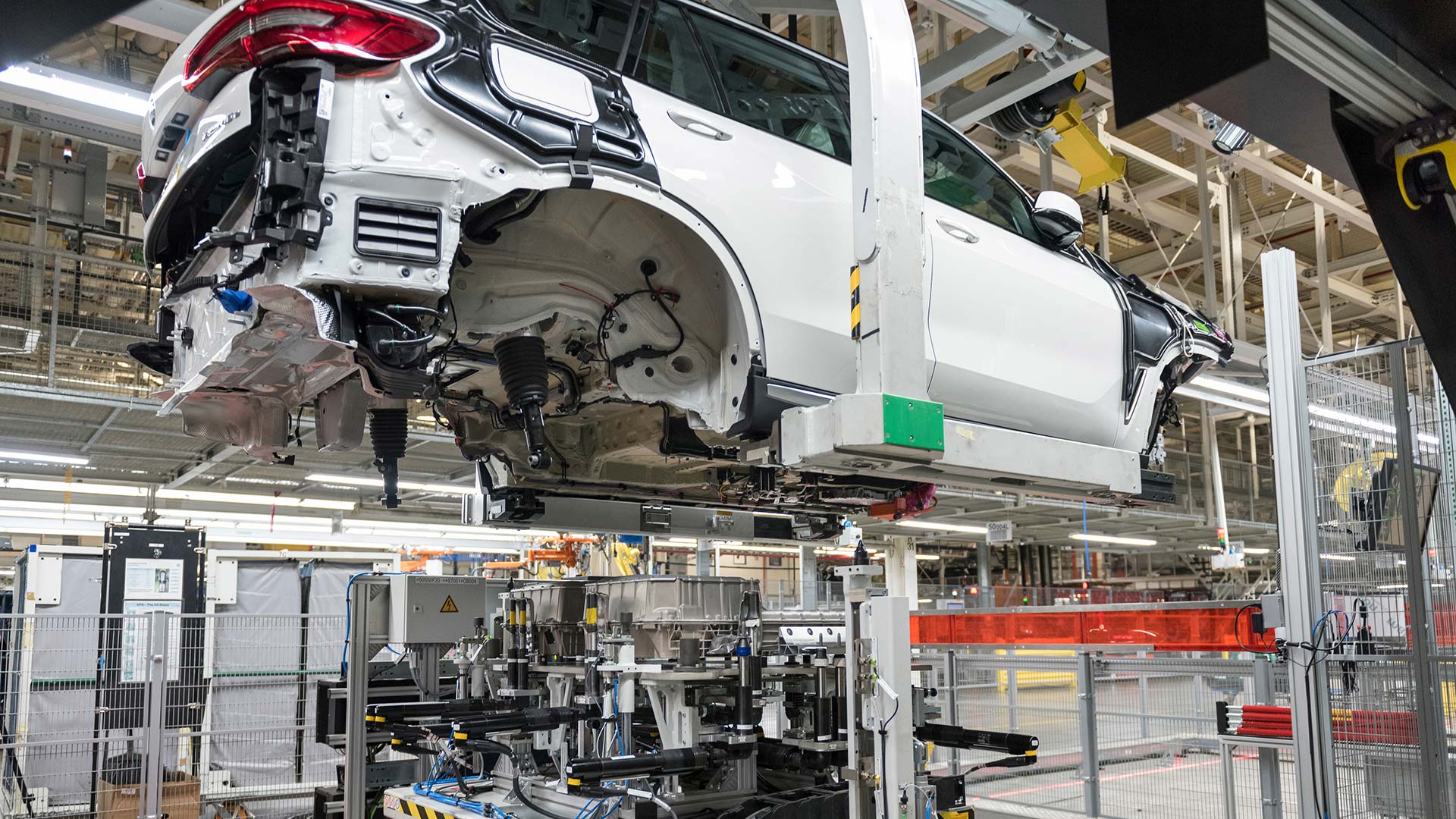
BMW has completed upgrades at the Group Plant Spartanburg facility, offering expanded capacity to assemble batteries for electrified models.
With two new plug-in hybrid SUVs due to begin production this year, getting the company’s South Carolina factory ready for action has been a priority.
A brand-new assembly line means the factory has more than doubled the amount of battery units it can produce, should demand require it.
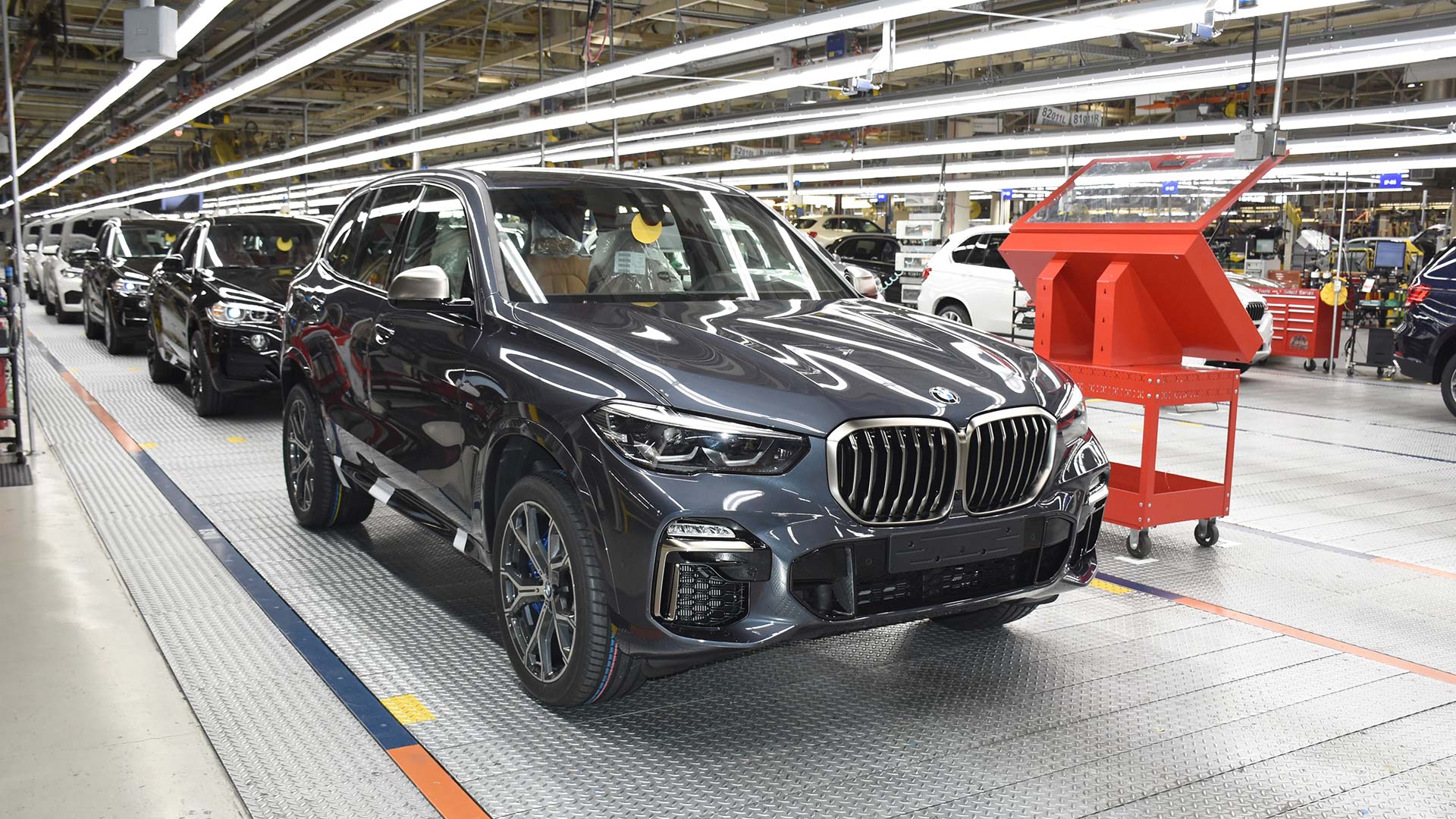
Production of the new 2020 BMW X5 xDrive45e is expected to begin on August 1st, whilst the smaller 2020 BMW X3 xDrive30e is scheduled for December 2019.
The facility already has existing experience with plug-in hybrid models, having been responsible for building the previous X5 xDrive40e between 2015 and 2018. Some 45,000 batteries were assembled during this period, marking the first plug-in hybrid as part of the regular model range.
BMW Group has made a substantial investment in Plant Spartanburg, spending some $10 million on the expanded production line. The company has trained more than 120 employees to work on battery production, with 225 others gaining skills in plug-in hybrid vehicle construction.
First opened in July 1994, BMW Group Plant Spartanburg now employs more than 11,000 workers, and is supported by more than 300 part suppliers from across the United States.
With an average of over 1,400 new cars and SUVs leaving the factory every single day, Spartanburg has churned out more than 4.6 million vehicles since first opening.
U.S. Department of Commerce statistics for 2018 showed BMW to be the largest automotive exporter by value in the United States.
The X3 and X5 SUVs have traditionally featured in the list of best-selling BMW models in the USA. This popularity, in combination with enhanced plug-in hybrid drivetrain options, looks set to keep Spartanburg busy for the foreseeable future at least.
 A collection of six examples of the 600LT Spider have been created by McLaren’s Special Operations (MSO) division to celebrate the Pikes Peak hillclimb.
 Key to the MSO makeover for the six cars is the application of MSO Bespoke or Heritage paintwork to the 600LT’s exterior. This is matched with a set of matte black body stripes, featuring edging in gold.
  Although the design elements may have been changed, the 600LT Pike Peak Collection retains the same impressive hardware of the regular version.
 McLaren can rightly claim to have established a relationship with Pikes Peak. The Flying Lizard racing team has campaigned GT3-specifications of both MP4-12C and 650S McLarens at the hillclimb event.
  With just six examples being produced, interested buyers will need to be quick in contacting McLaren Denver should they want to bag one of the special editions.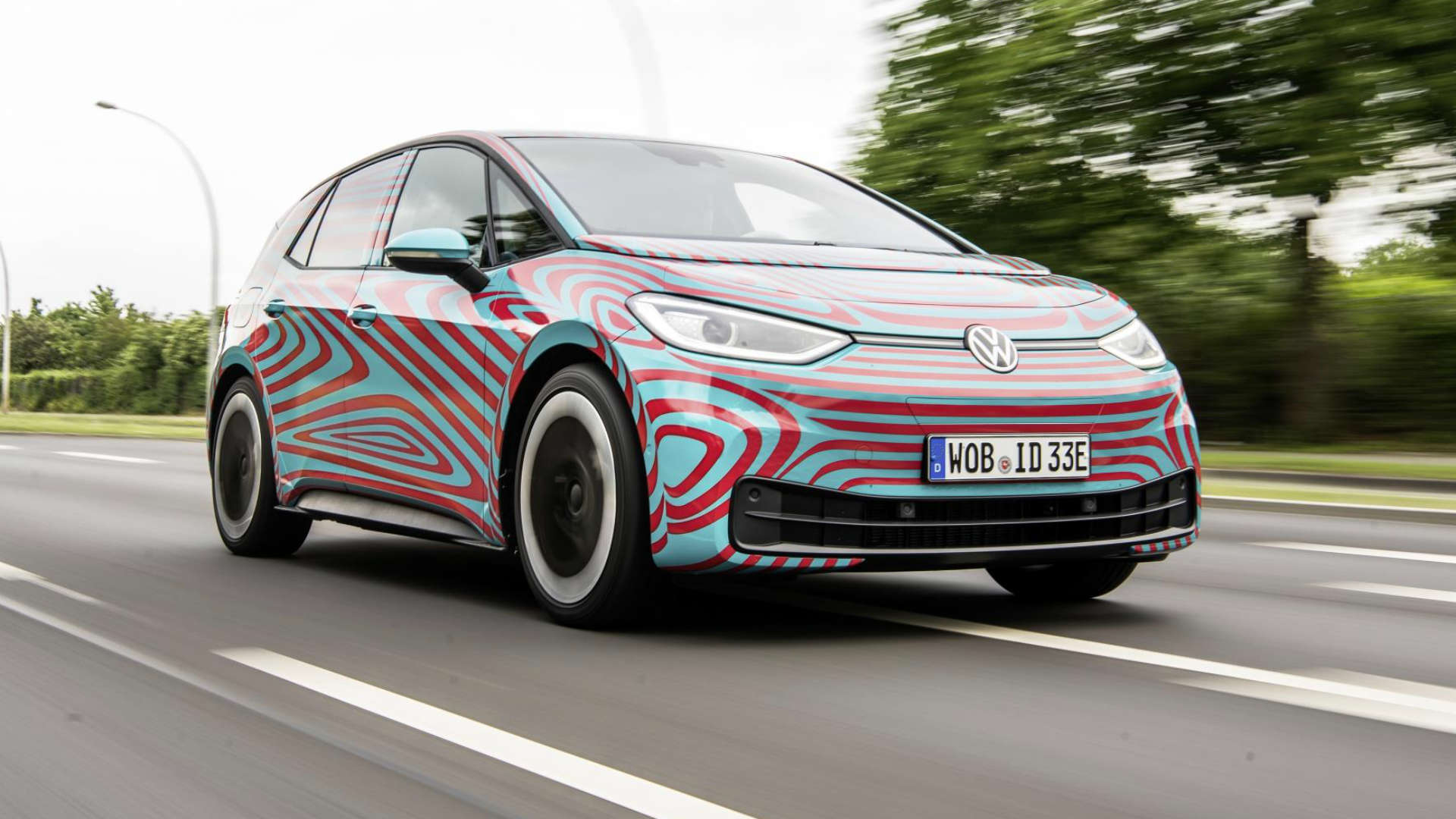


 A series of special events at the Petersen Automotive Museum
  Originally born in Belgium, Zora Arkus-Duntov is seen as instrumental in turning the Corvette into a true driver’s car. He joined General Motors after witnessing the original 1953 C1 Corvette, but being disappointed by the performance it offered.
  The weekend’s festivities begin on Saturday July 27 at 6.30 pm, where the Petersen Museum will host the special Sportsman VIP, bringing together Corvette fans and experts.



 The average price of a used diesel car is now in decline, falling 0.5 percent in July 2019. The surprising resilience of diesel, against a


 BMW has completed upgrades at the Group Plant Spartanburg facility, offering expanded capacity to assemble batteries for electrified models.
  Production of the new 2020 BMW X5 xDrive45e is expected to begin on August 1st, whilst the smaller 2020 BMW X3 xDrive30e is scheduled for December 2019.
  First opened in July 1994, BMW Group Plant Spartanburg now employs more than 11,000 workers, and is supported by more than 300 part suppliers from across the United States.