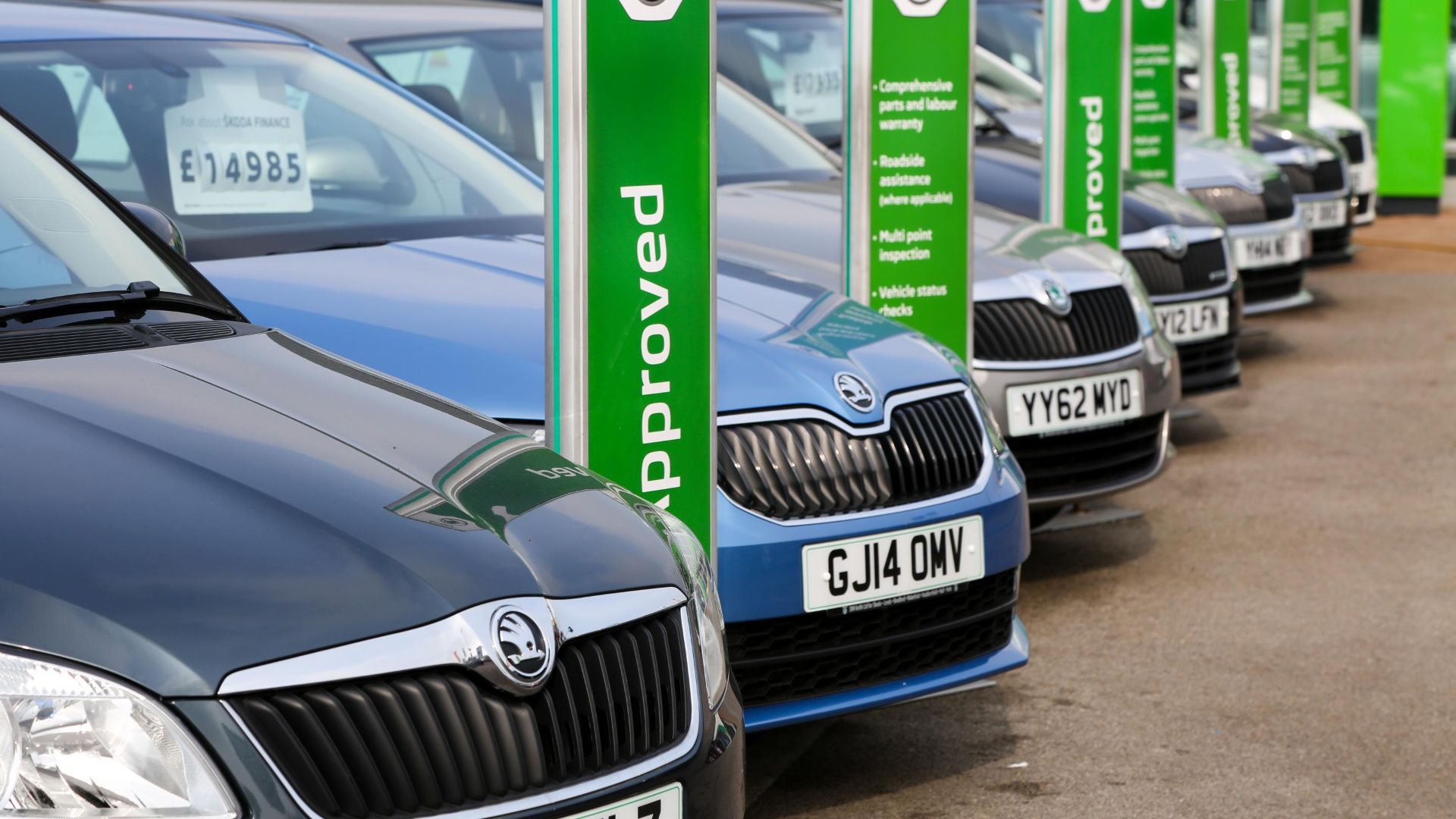
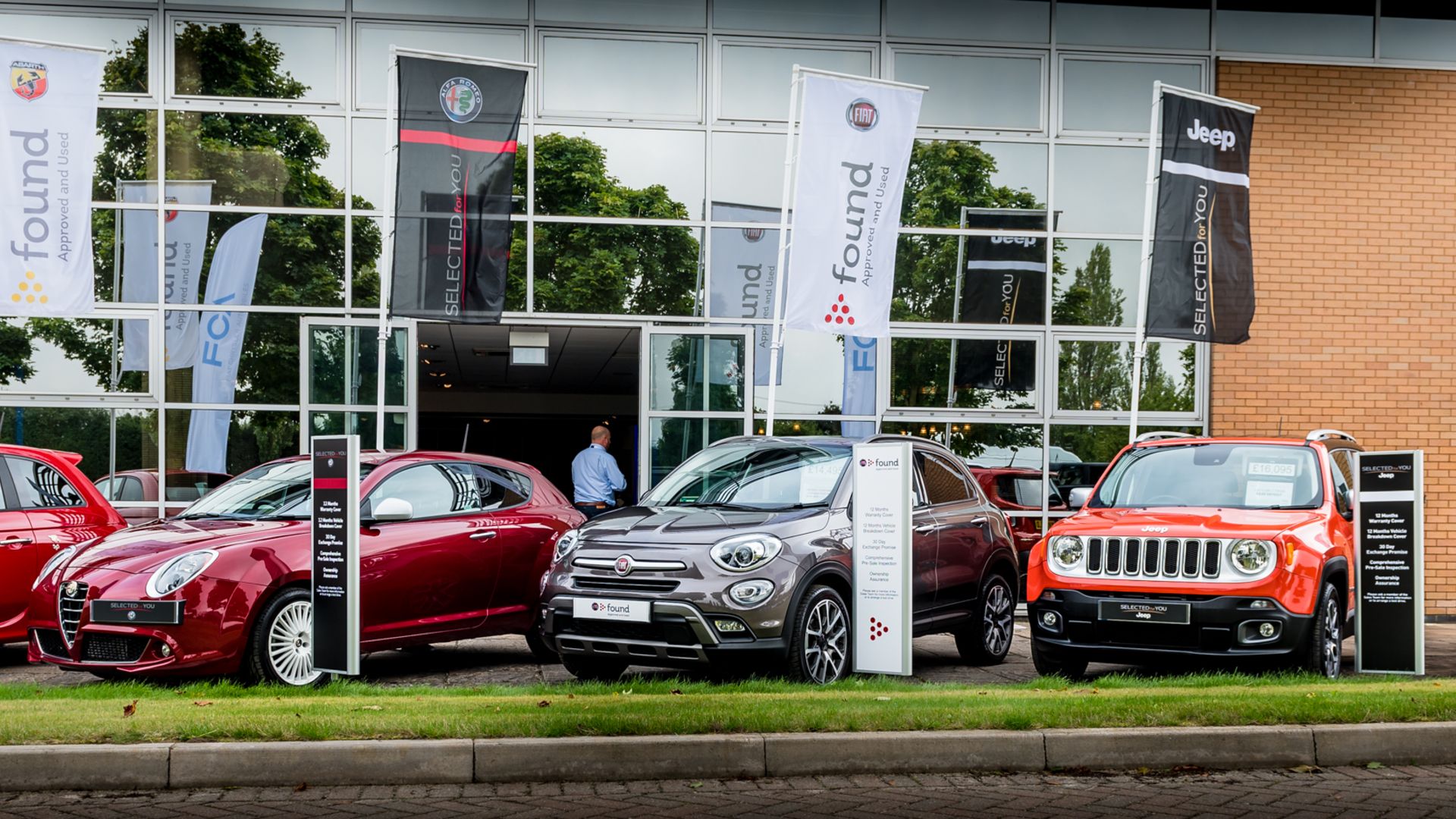
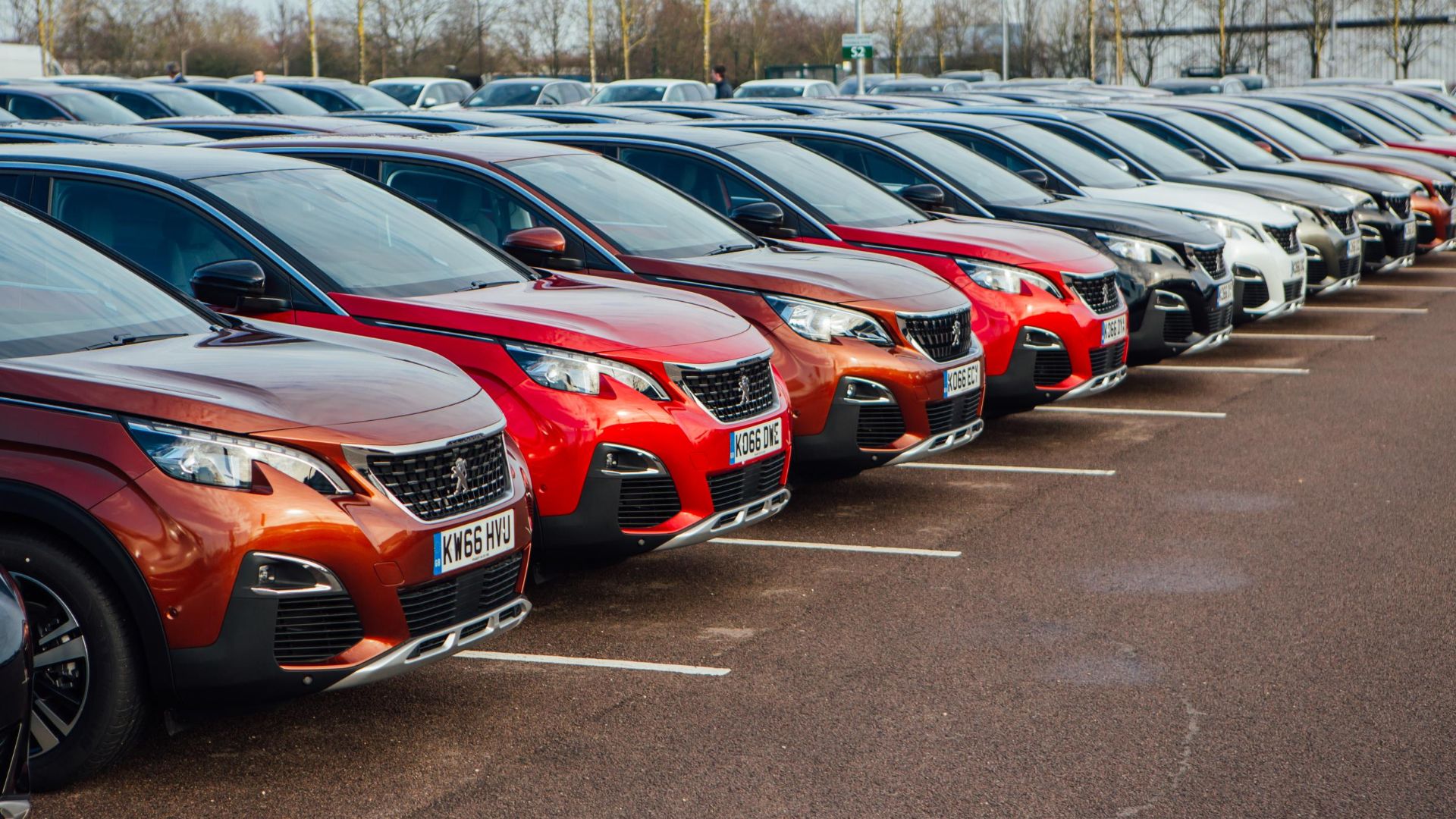
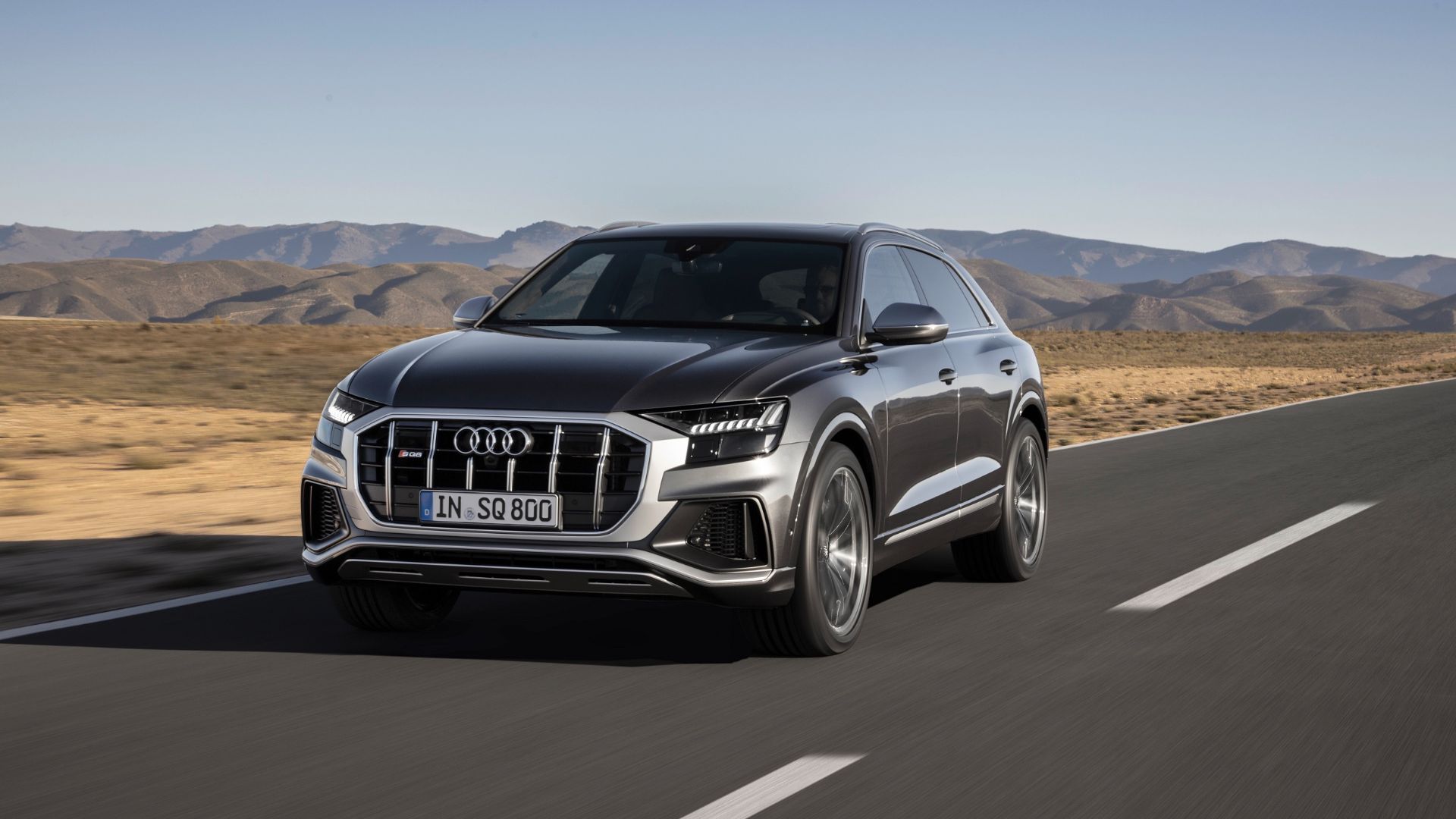
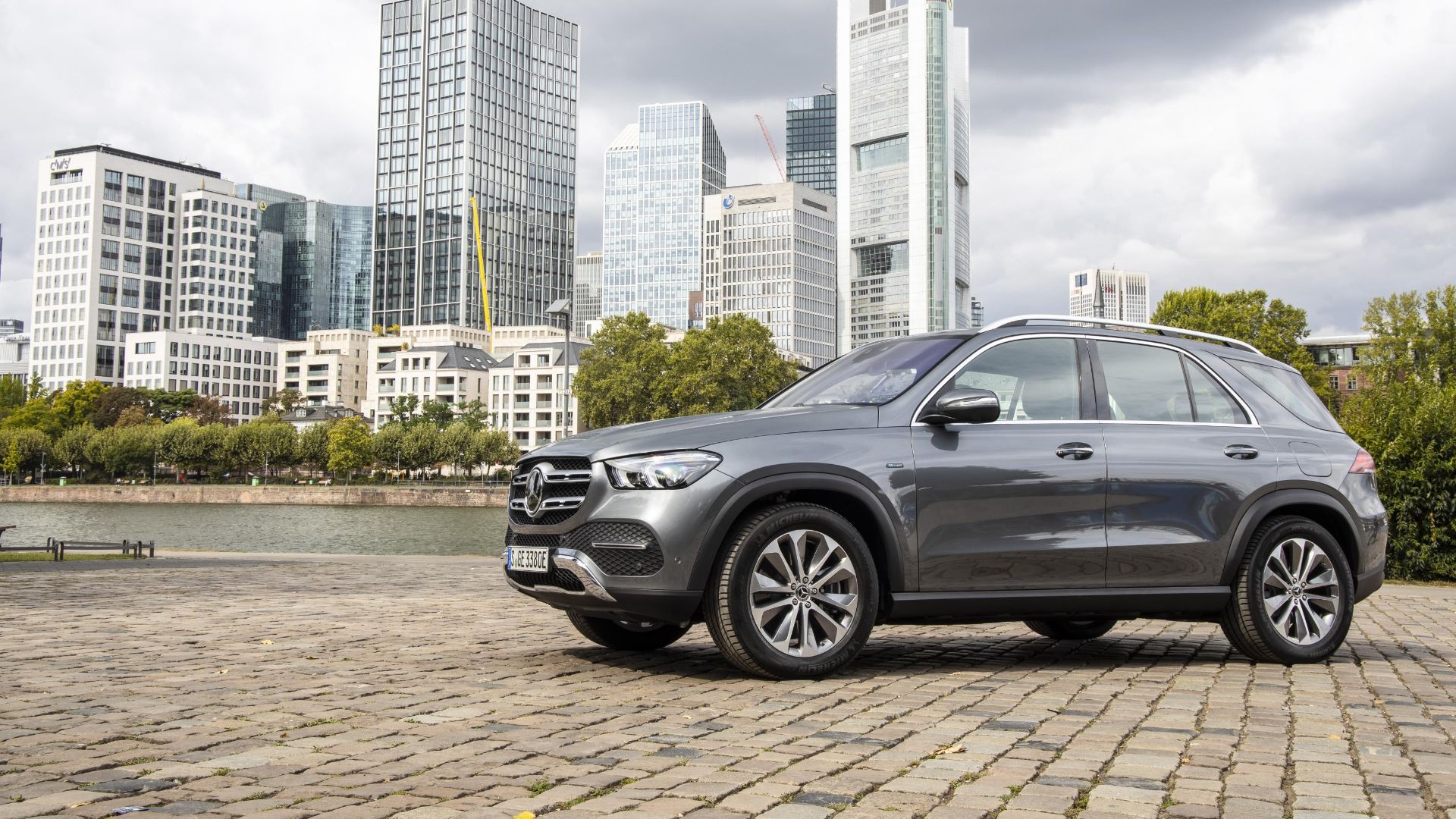
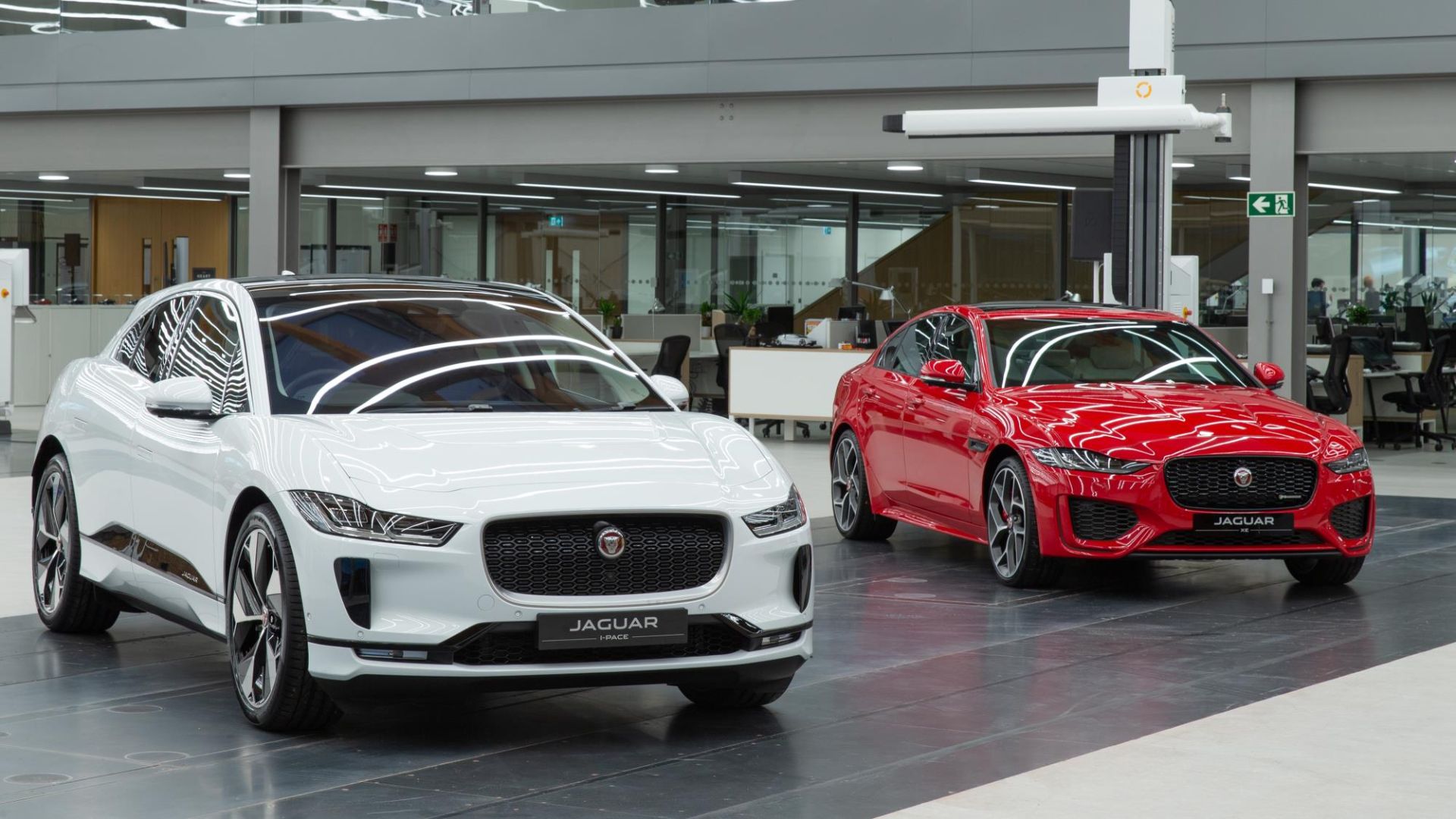
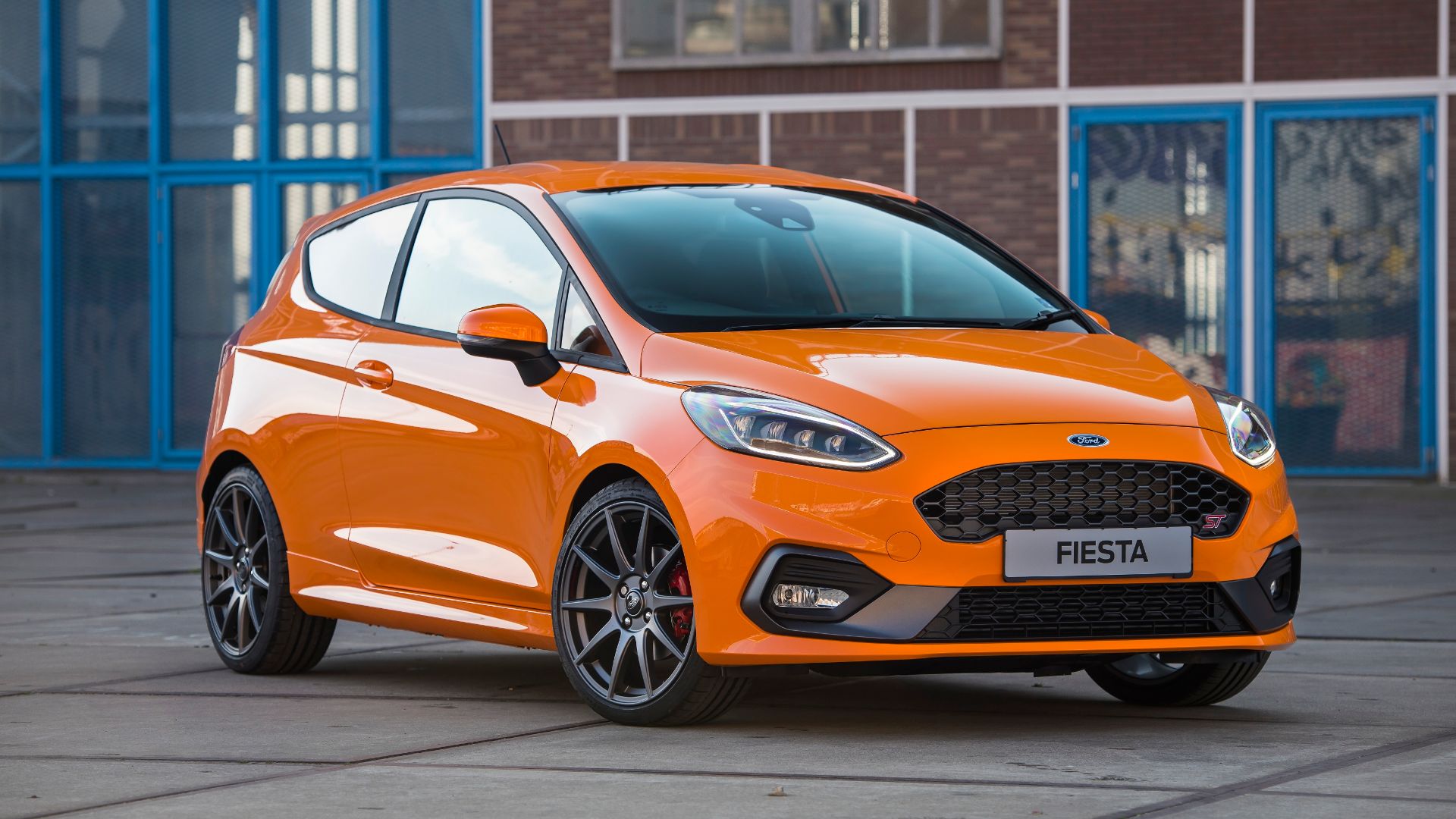
A new survey reveals that 74 percent of cars purchased are second-hand. Of the 15,000 people questioned in the AA-Populus poll, 25 percent had bought pre-owned over five years old, while 26 percent said they’d opted for a brand new car. However, it’s the ‘nearly-new’ category that came out top.
In total, 29 percent said they’d bought a nearly-new car, which is defined as being less than three years old.
The rise in popularity of car finance, particularly PCP deals, has led to a massive influx of nearly-new stock on the used market. The average age of pre-owned cars is going down, with the average price going up. It means that more car buyers could potentially find what they’d look for in a brand new car on the pre-owned lot.
“The growing popularity of car finance is changing the shape of the car market as a whole,” said James Fairclough, CEO of AA Cars.
Electric car rapid charger network has grown 43 percent in one year
Tesla Model 3 is 11th bestselling car in Europe
“It has provided a steady flow of ‘nearly new’ vehicles into the used car market. This surge in supply has improved the value and range available to used car buyers – and allowed them to snap up low-mileage, well-maintained vehicles at prices that would have been unthinkable until recently.
“As a result, motorists now have more choice than ever – both among the huge range of cars available on the second-hand market, but also the various financing schemes open to them.”
Who is buying new cars?
More than 5,000 of respondents to the poll said they’d never bought a new car: 34 percent overall, or 32 percent of men and 37 percent of women.
Predictably, brand new cars were least popular with young people: 64 percent said they’d not yet bought new. Just six percent said they bought new last time, and seven percent had bought nearly-new.
Scottish and Northern Irish drivers have a strong taste for ‘new car smell’, with 30 percent from these areas saying they bought new last time. New cars are less popular in the East Midlands, with just 23 percent of respondents having recently purchased one.
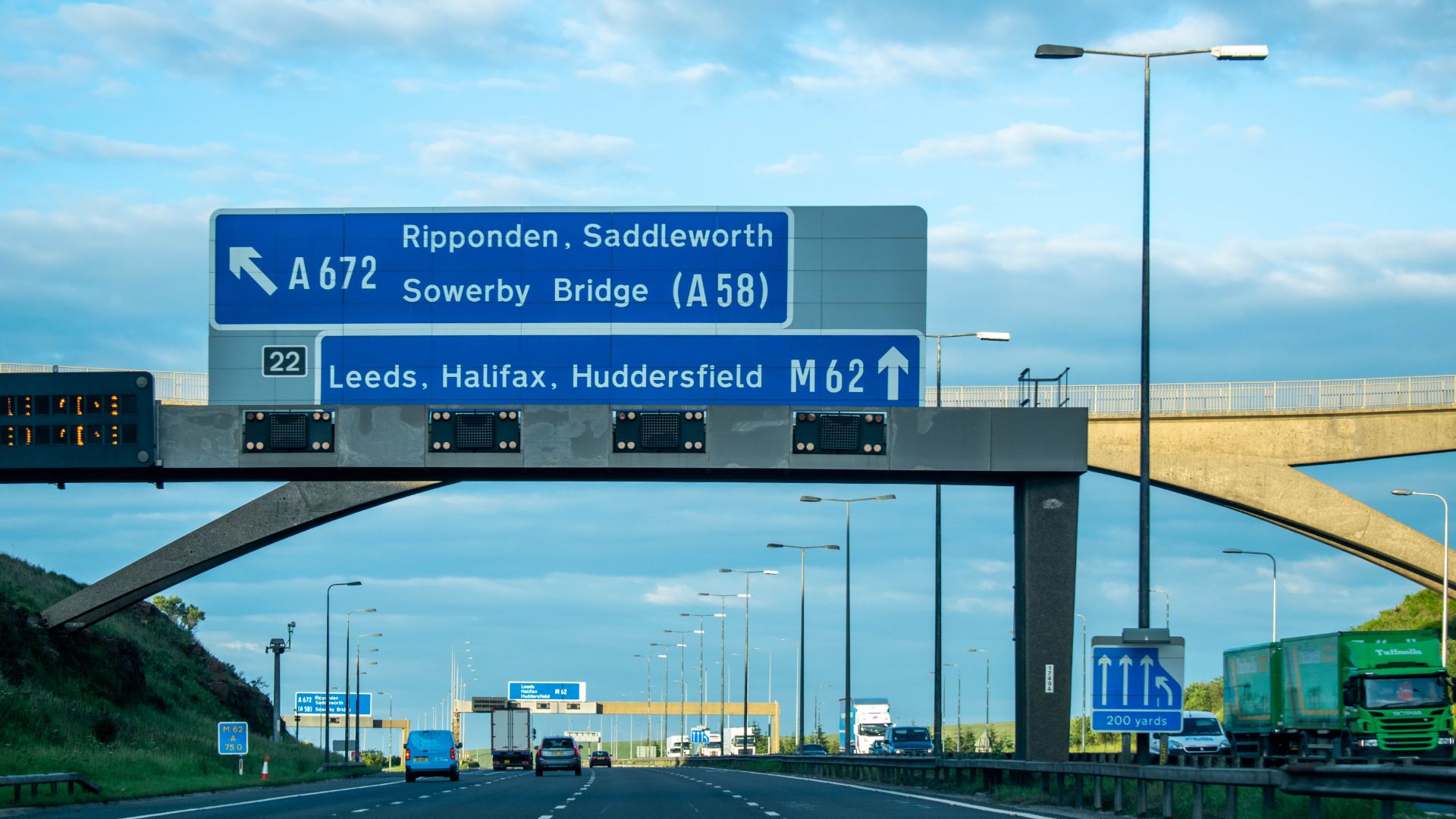
The chief executive of Highways England has described dynamic smart motorways as “too complicated for people to use”. Jim O’Sullivan made the statement to the Commons Transport Select Committee.
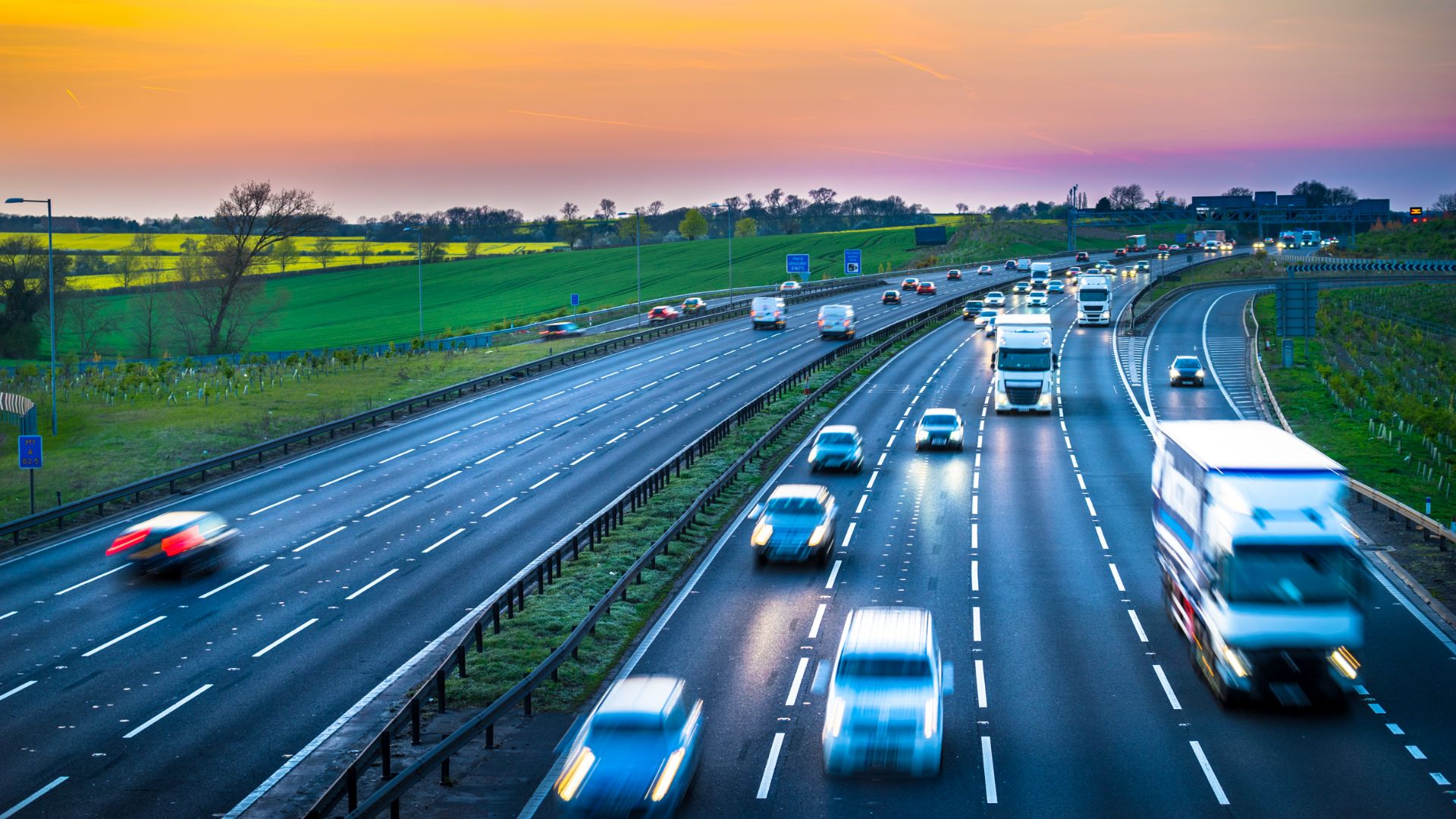
Dynamic smart motorways are those where the hard shoulder is used as an active lane during peak times. They account for 68 miles of the ‘smart’ network, while 135 miles use the ‘all lanes running’ system.
It’s the former that apparently causes problems for drivers, claims O’Sullivan. As a result, there are no plans to roll out the dynamic system further. And existing dynamic areas could be reverted to ‘all lanes running’ in future.
A14 Cambridgeshire road upgrade to finish a year early
The RAC has called for a rapid standardisation of smart motorways across the UK, to avoid confusion among motorists.
“We feel a decision should also be taken to standardise all smart motorways so drivers are not confused by the different types,” said RAC head of roads policy, Nicholas Lyes.
“At the moment there is a risk that some motorists use the hard shoulder when they shouldn’t, perhaps as a force of habit from doing so most days, because they tend to use these types of motorway at peak hours.”
RAC: concerns around ‘all lanes running’
The Highways England chief executive has conceded that dynamic hard shoulders prove too confusing for drivers. However, concerns remain around the ‘all lanes running’ system. The RAC worries that SOS areas are still too far apart – and that systems designed to recognise broken-down cars in active lanes are not available everywhere they should be.
“While Highways England feels smart motorways are safe, we know many drivers believe that removing the hard shoulder compromises safety for those who break down in a live lane,” said Mr Lyes.
“In early 2017 the Government claimed there was ‘good progress’ being made in making smart motorways safer by reducing the space between SOS areas, ensuring drivers comply with red X ‘closed lane’ signs and rolling out stopped vehicle detection technology.”
“Sadly, we understand that only a fifth of ‘all lane running stretches’ of smart motorway are currently benefiting from stopped vehicle detection technology which hardly constitutes a roll-out. We believe this technology needs to be retrofitted to all existing smart motorways as a matter of urgency.
“There has been a similar lack of progress in reducing the distance between SOS areas. Schemes currently under construction, and new ones being consulted on, still feature SOS areas at up to 2.5km apart as opposed to the lesser distance of 1.5km, which we believe Highways England had committed to.
“We strongly believe the Government should compel Highways England to make smart motorways as safe as possible by implementing these measures. Only then can drivers have sufficient confidence in using them knowing that all smart motorways are operating to a consistent safety standard, particularly in the event they break down on one.”
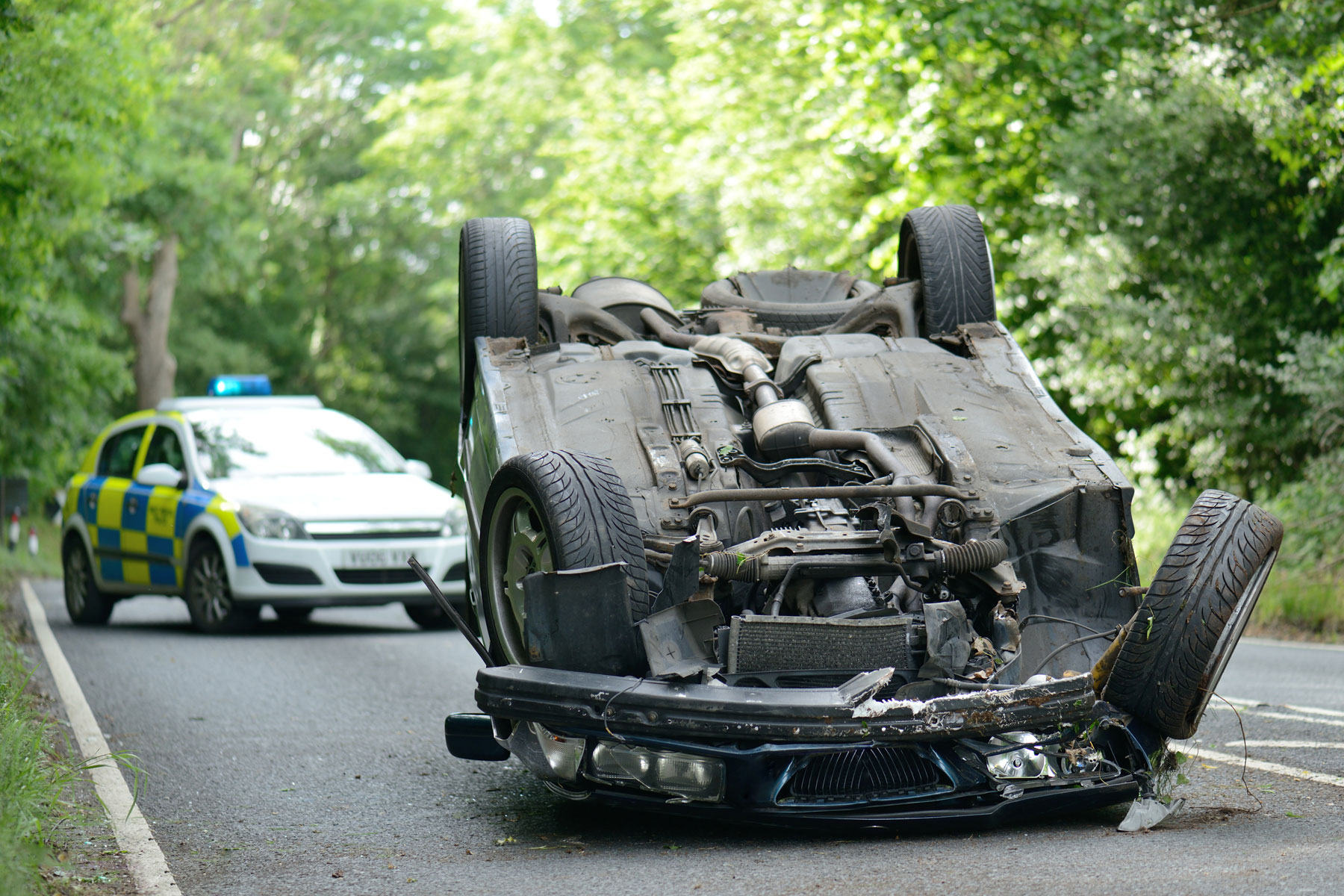
Men are nearly twice as likely to receive a motoring conviction than woman, new research shows.
Using insurance quotation data, the study found that 65 percent of convictions were from men, while 35 percent were from women.
Men are also two and a half times more likely to have a drink-driving conviction than women.
But drink-driving isn’t the most common conviction. That ‘honour’ belongs to speeding, accounting for 65 percent of all declarations. Driving uninsured is next on seven percent, while drink-drivers are responsible for five percent of offences.
Dan Hutson, head of motor insurance at CompareTheMarket, the company behind the research, said: “During 2012, the rules were changed by the EU so that insurance premiums could not be based on gender.
“However, this clearly shows that many male drivers are not doing themselves any favours and goes someway to demonstrate why men could still be paying more for insurance than women on average. Convictions on your driving record could have a serious impact on the premium you could be quoted. Poor and unsafe driving practices are rightly having a punishing impact on the cost of running a car.”
‘Surrey’ seems to be the hardest word
Drivers with a motoring conviction are most likely to be found in Surrey. Last year, 83,230 people (seven percent of the county’s population) reported a driving conviction when arranging insurance cover.
It’s a similar story in Lancashire, where seven percent of the population hold a motoring conviction, followed by Cheshire (6.7 percent), West Yorkshire (6.5 percent) and Rutland (6.4 percent).
Looking at drink-driving convictions – which is about to become topical during the lead up to Christmas – Lancashire’s drivers are the worst offenders, with the county accounting for six percent of the country’s convictions.
Lancashire is followed by Cheshire, Cornwall, Shropshire and Northumberland.
Don’t hide your motoring conviction
According to Moneysupermarket, a speeding offence adds around £72 to the cost of car insurance, making it tempting for drivers to ‘forget’ previous convictions.
A conviction doesn’t need to be a driving offence – statistically, convicted drivers are more likely to be involved in an accident. Some insurers will consider such drivers too high-risk to insure.
Moneysupermarket says: ”Don’t be tempted to hide your conviction just to get a cheaper quote. If you don’t reveal convictions, you could invalidate your policy, meaning that any claims would be refused and you would essentially be driving while uninsured.”
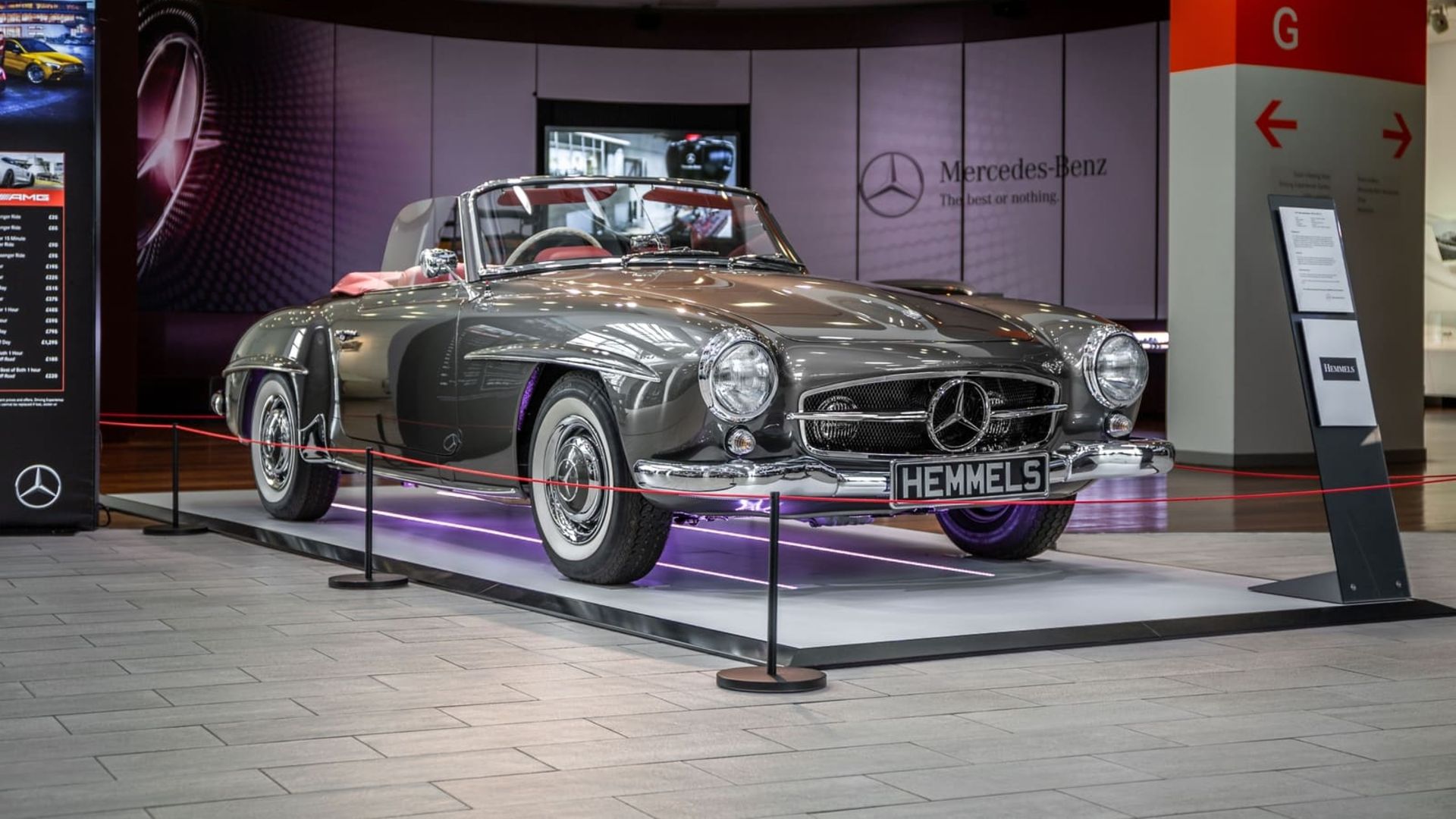
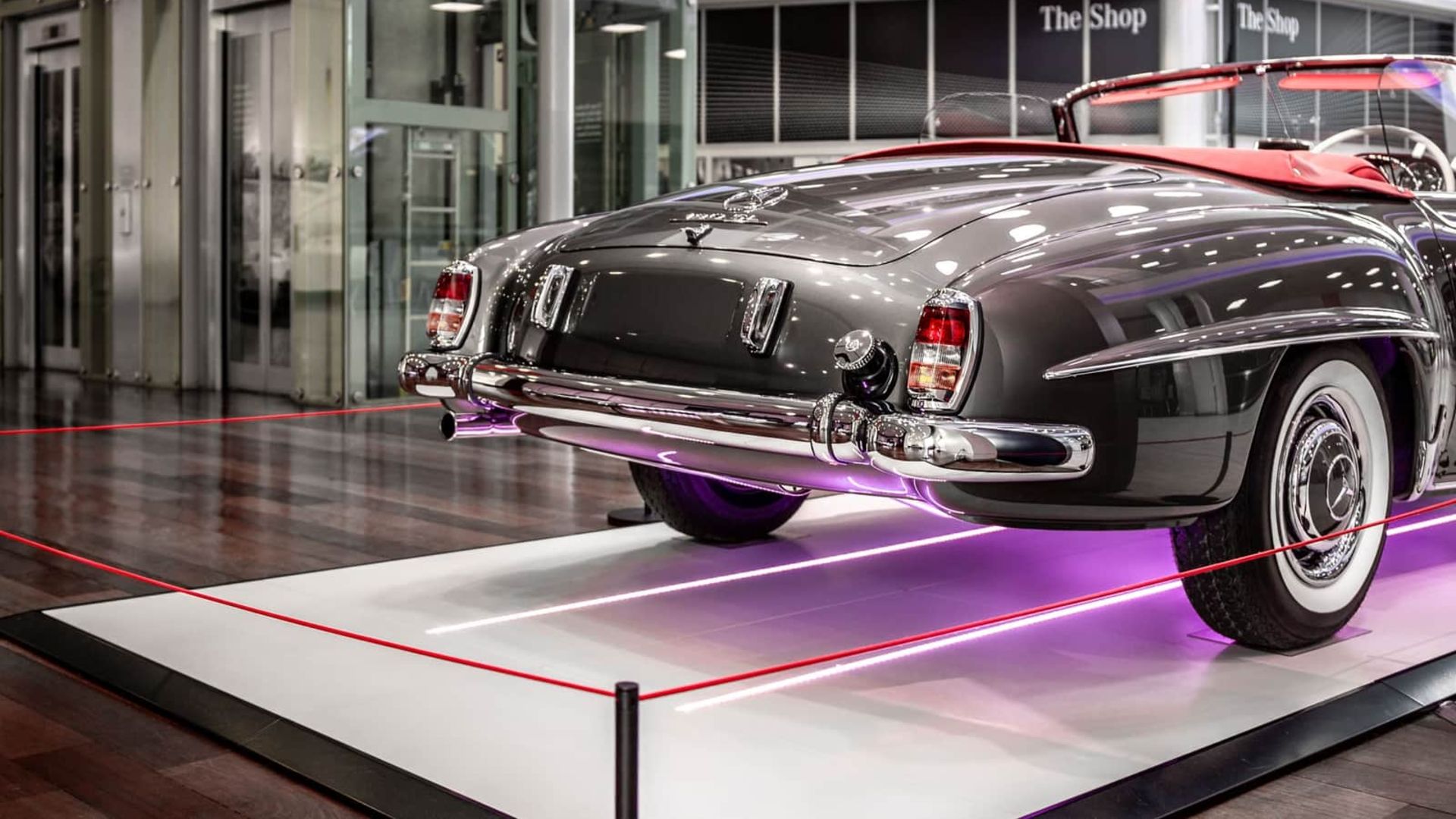
Classic Mercedes SL on display at Mercedes-Benz World (image: Shawn Eastman)
An immaculate example of one of the most beautiful cars Mercedes has ever made, the 190 SL, is on display in the main reception area at Mercedes-Benz World – the brand’s free-to-visit showcase at Brooklands in Surrey.
It’s a 1957 model, and right-hand drive, in Anthracite Grey with a red interior. With an estimated value of £365,000, it arrives fresh from a 4,000-hour restoration.
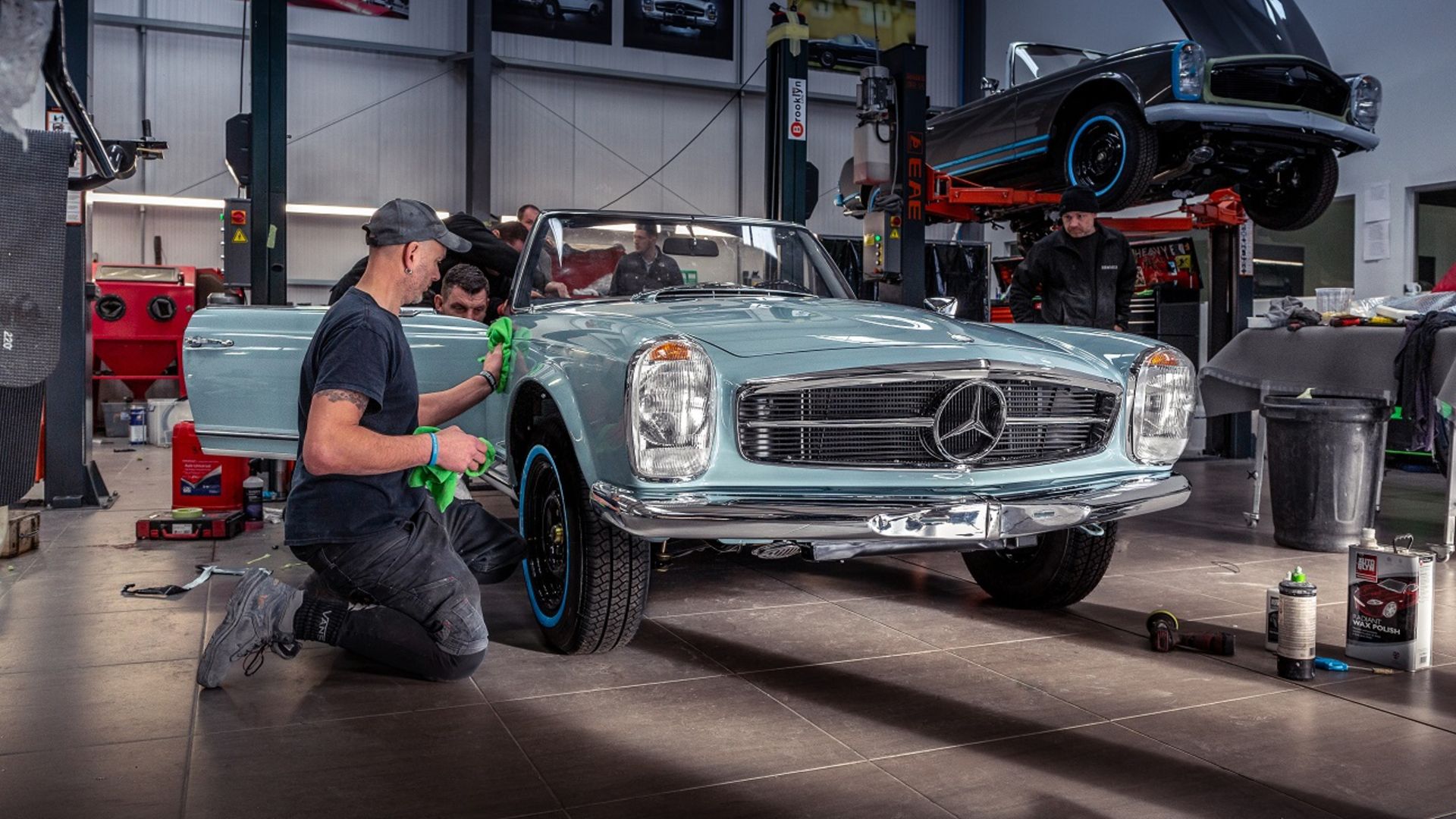
Hemmels, the company that undertook the work on the car, is a classic Mercedes-Benz SL specialist.
Modified Mercedes is a tough truck with SUV attitude
Both this 1957 190 SL and a similarly-restored 280 SL Pagoda will be on display into early 2020, following an exclusive preview evening on November 15 2019.
Hemmels will also display a selection of its cars at the upcoming NEC Classic Car Show, taking place on the weekend of November 8 2019.
A ‘brand new’ classic SL
Each Hemmels restoration involves a bare-metal respray and rebuild, over the course of 52 weeks. A 12-month parts-and-labour warranty is offered on all cars.
SL stands for Super Leicht, or Sport Leicht. It remains one of the most iconic and long-standing names in motoring. These are the cars that fortified the legend, and they join SLs of all ages at Mercedes-Benz World.
Brabus restores classic Mercedes-Benz to ‘six-star’ standard
“Mercedes-Benz World is an exceptional venue and reveals how the quality of the brand goes beyond automotive engineering to the ethos of the entire company and their overall commitment to excellence.” said Joseph Sullivan, CEO of Hemmels.
“We’re excited to once again have a Hemmels restoration selected for display at this stunning location.”
A new poll by YouGov has revealed the popularity of different car manufacturers within different age groups – and the results are intriguing. Here, we reveal the car brands favoured by millennials.
15. Toyota
In 15th place is Toyota. Not a bad position overall, out of some 63 marques. Proof that millennials know a thing or two about reliability and common sense. In case you were wondering, millennials were born between 1980 and 1994.
14. Land Rover
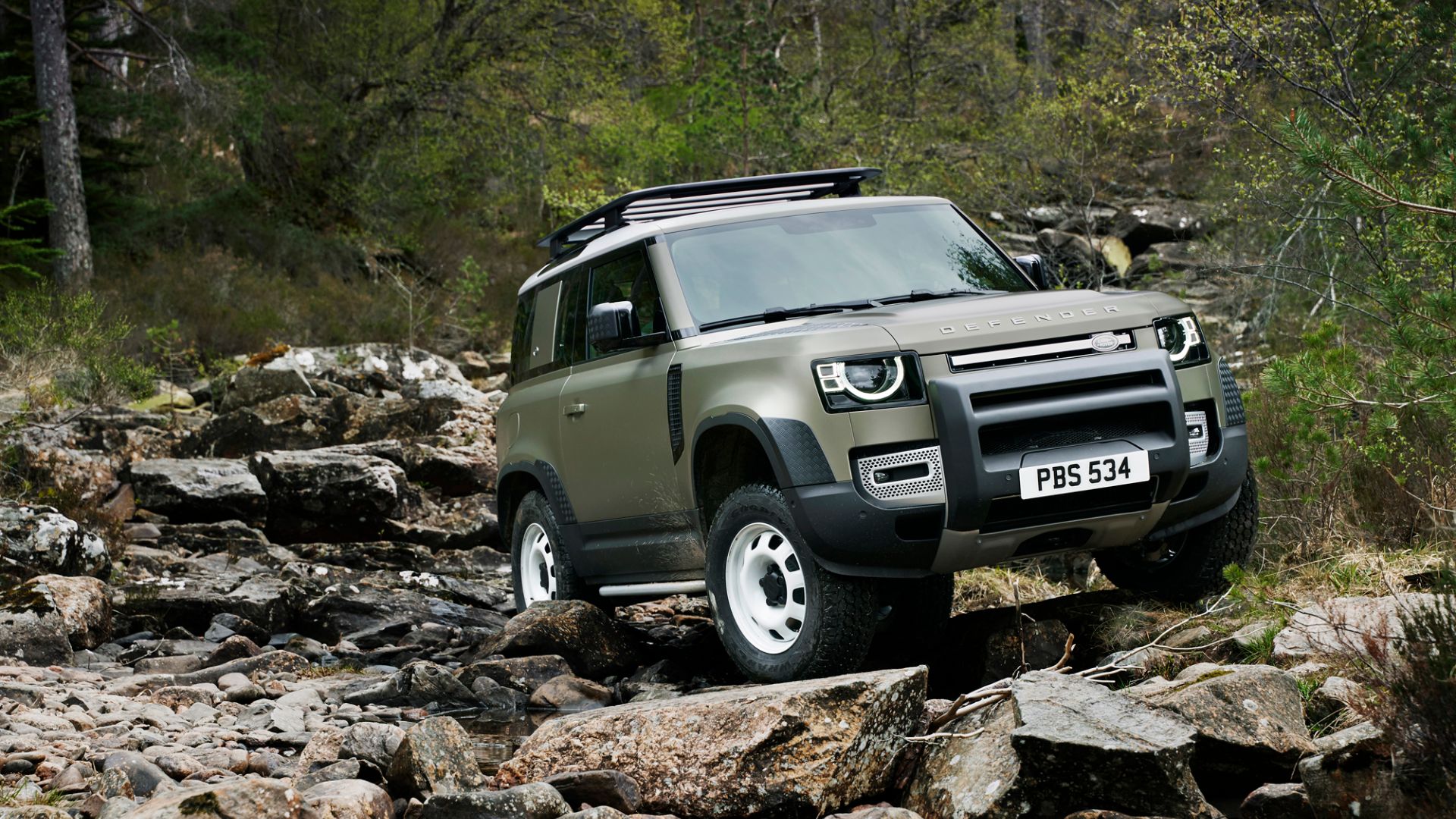
With the popularity of crossovers – not to mention the image of Range Rover – we’re surprised to find Land Rover this low, even though it’s well into the most popular 25 percent.
13. Lamborghini
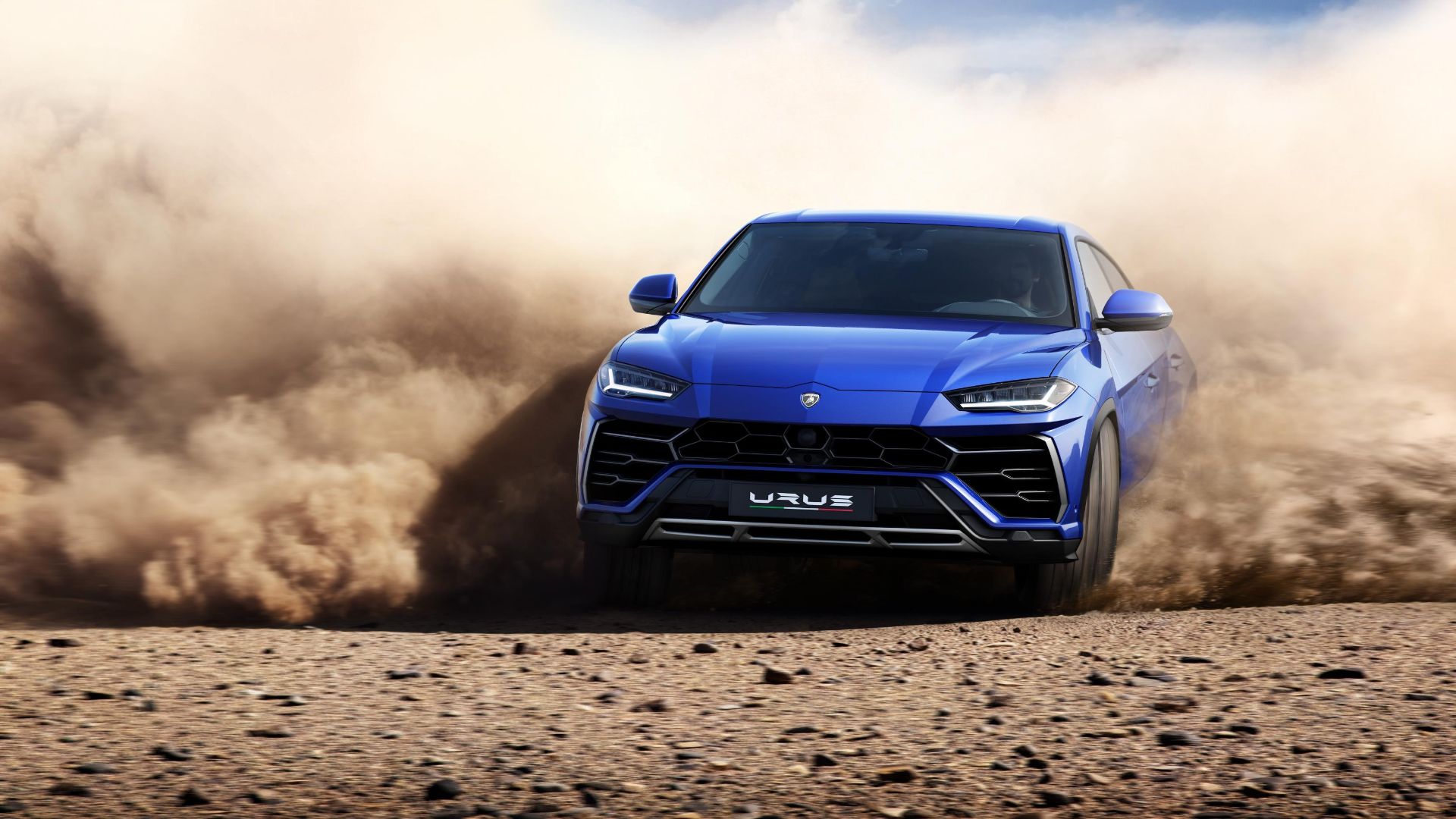
The famous supercar brand comes in at 13th with millennials. Meanwhile, Lamborghini is the eighth most popular brand within Generation X circles (1960s to 1980). For baby boomers (1946 to 1964), Lambo strikes less of a chord and is down in 18th.
12. Porsche
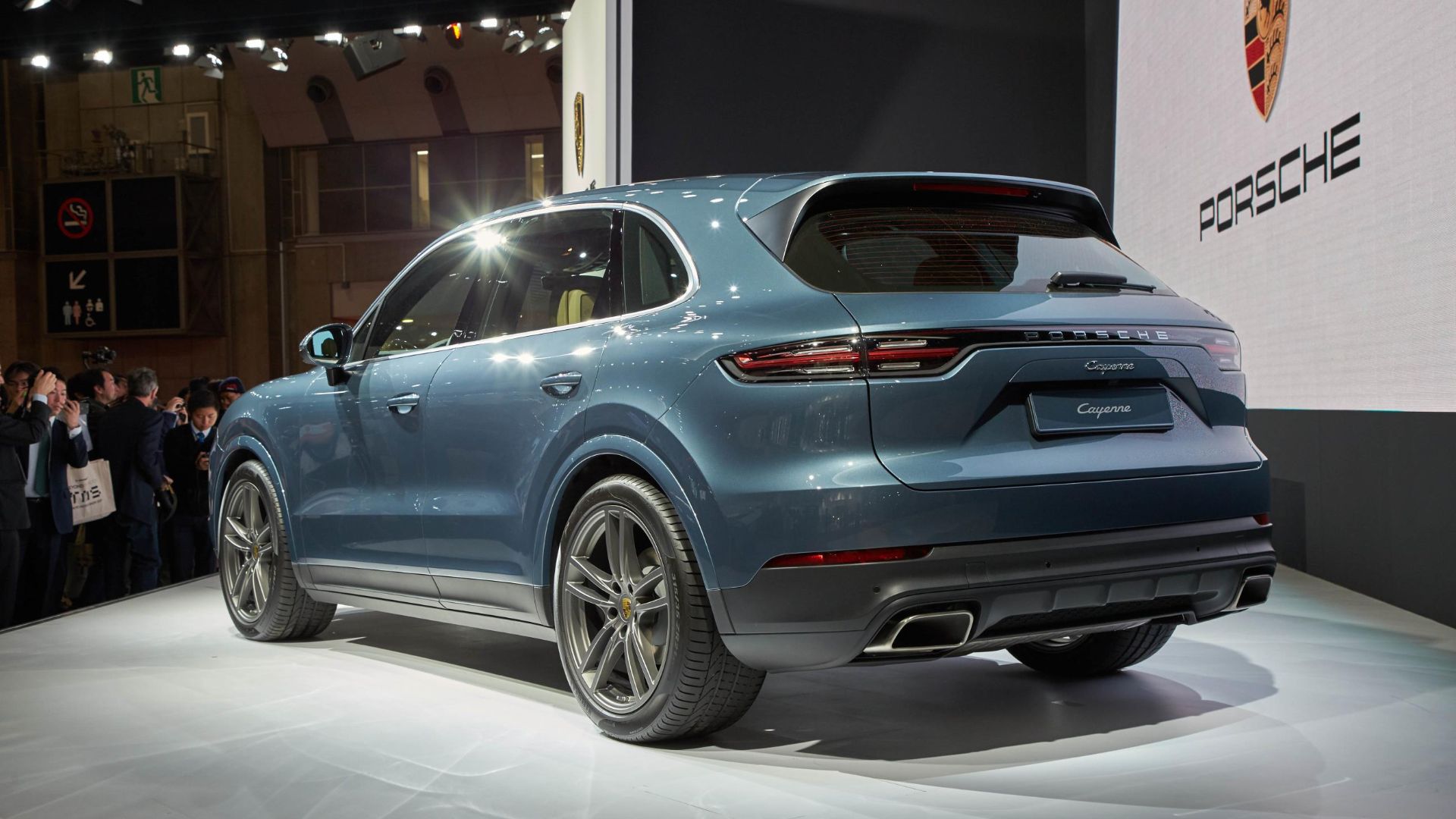
Climbing the millennials popularity tree ahead of Lamborghini is Porsche, in at number 12, as it is for Generation X. But Porsche is more popular with boomers (10th).
11. Bentley
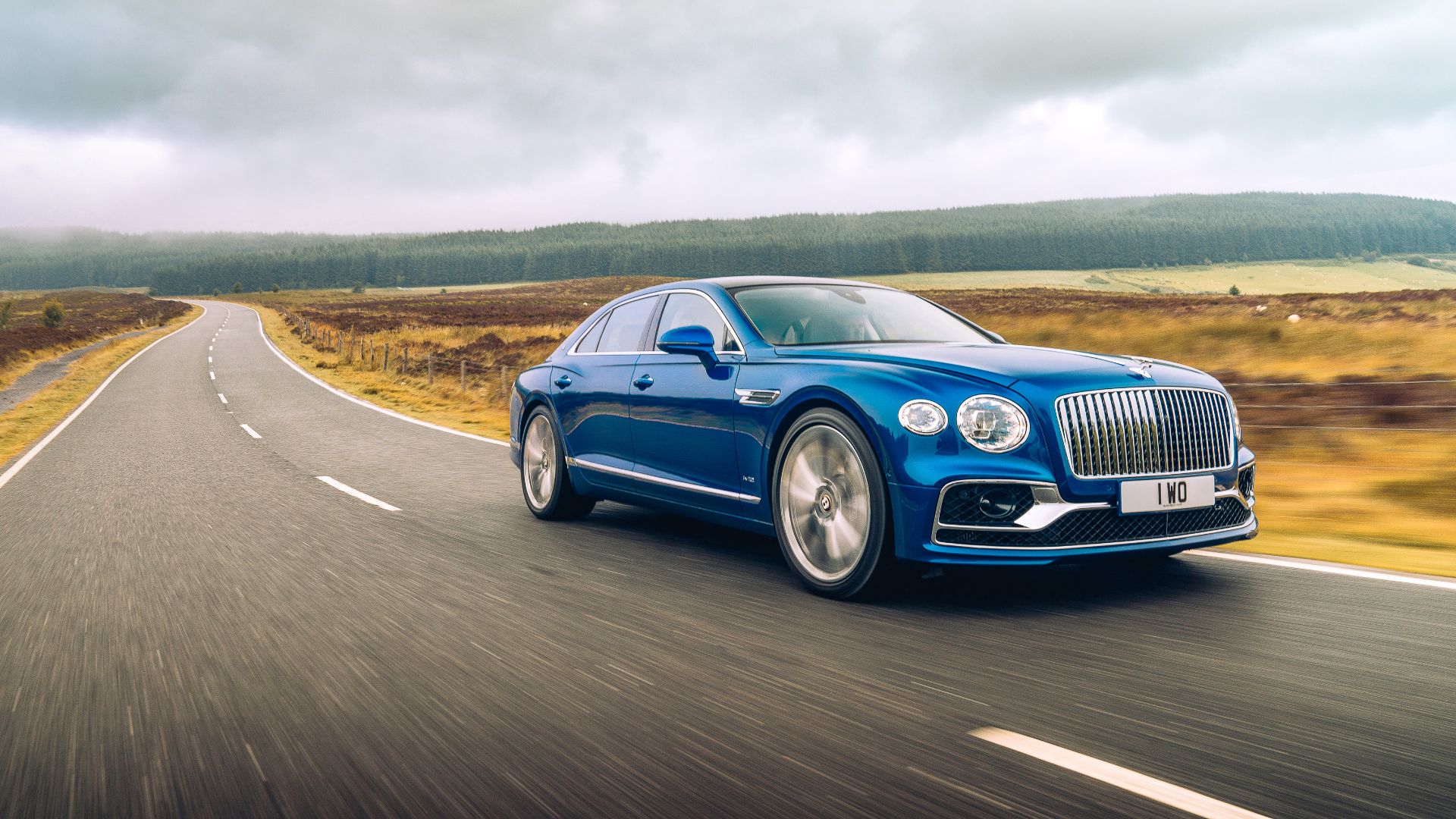
Now here’s a curious one: the traditional luxury British marque is 11th with millenials, but leads outright in first for Generation X. Who saw that coming? The boomers love a Bentley, too, taking seventh place with the older generation.
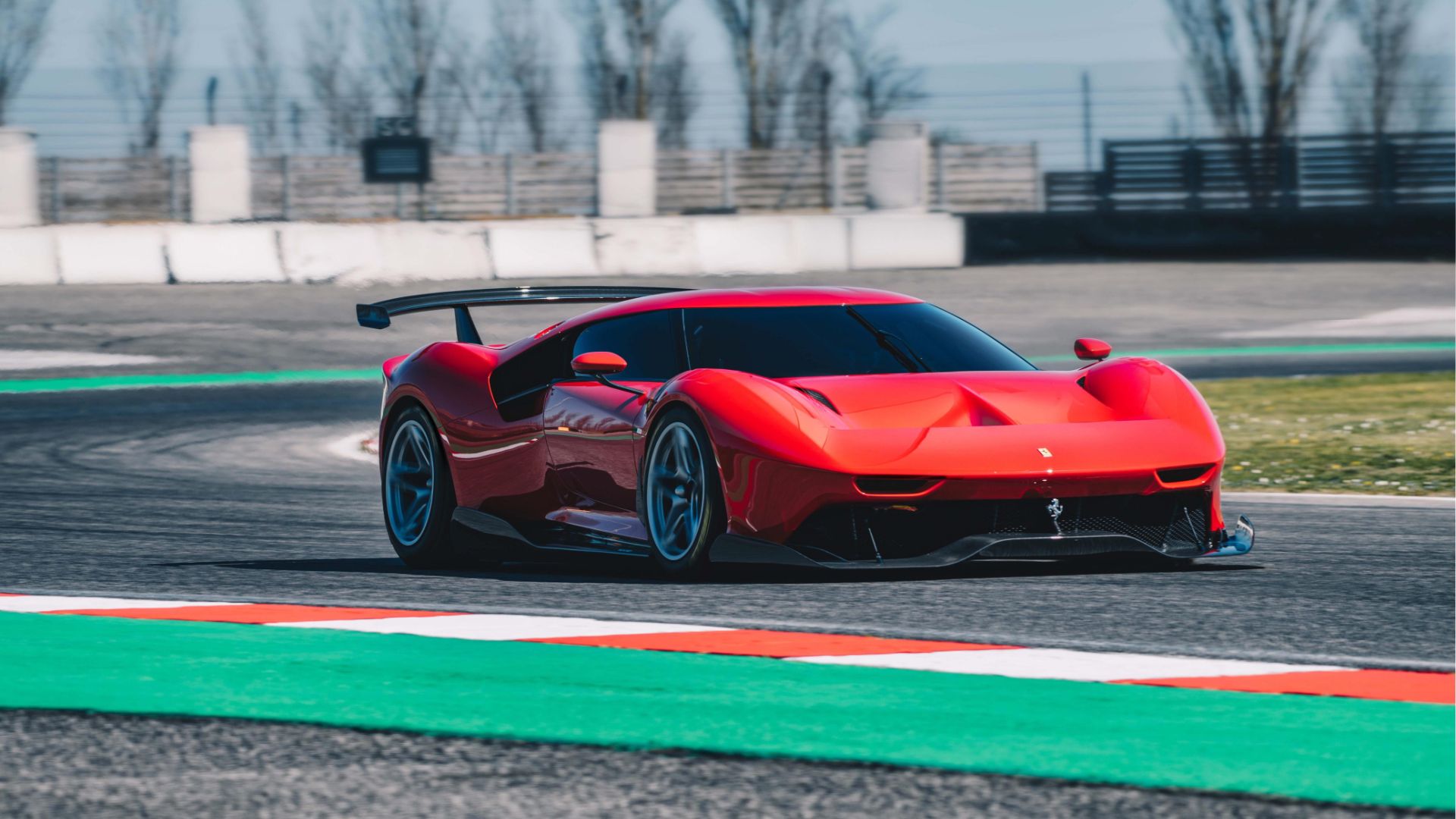
10. Ferrari
Ah, Ferrari. The original supercar brand is tenth most-popular with millenials and eleventh most-popular overall. Boomers aren’t quite so fond of the Prancing Horse, ranking it 14th.
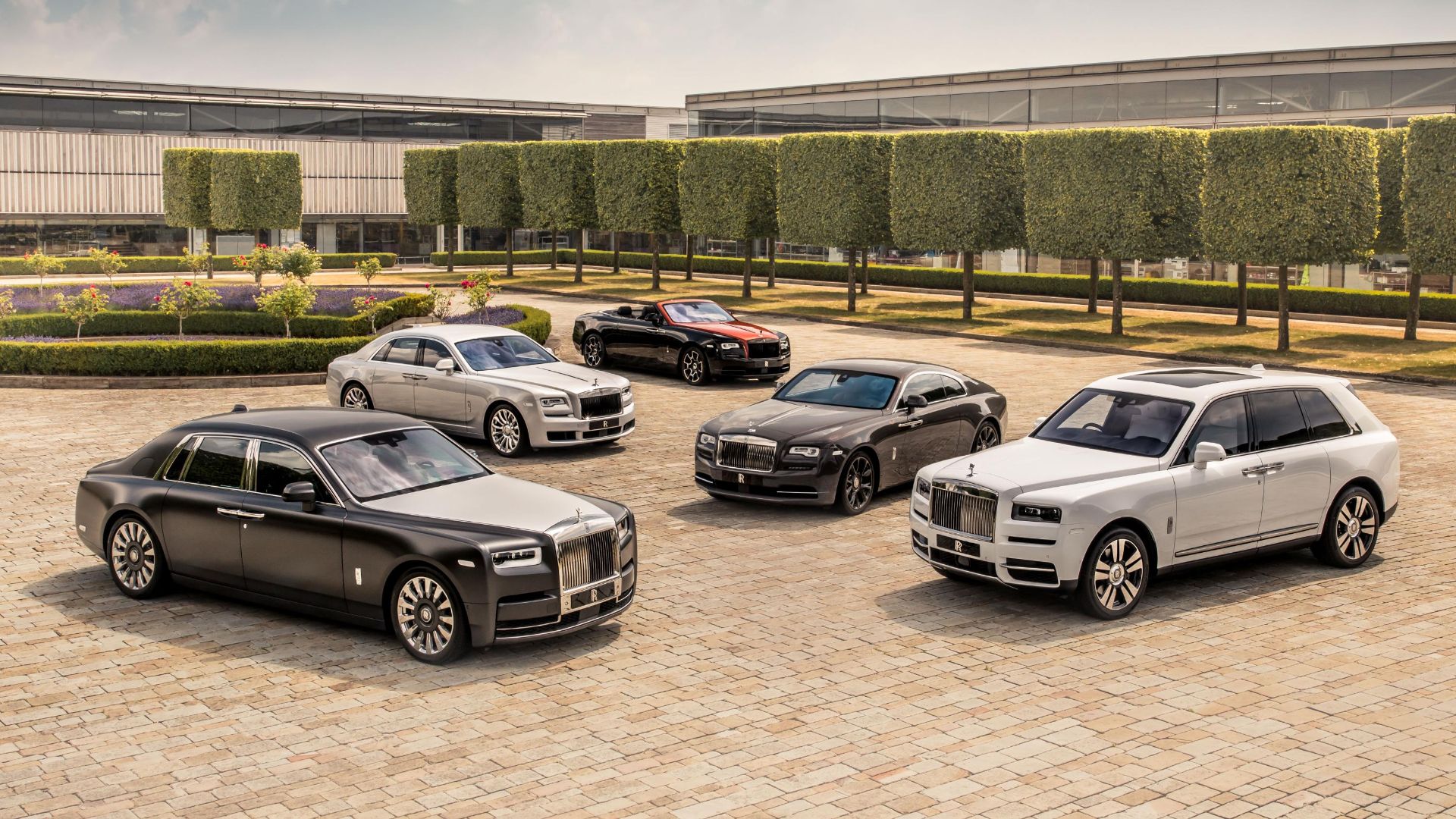
9. Rolls-Royce
Rolls-Royce: arguably the most decadent car brand of all. In ninth, it’s not doing so bad with millenials, but Generation X has it in sixth. The boomers have it all the way up in second. It also places second overall in the YouGov survey.
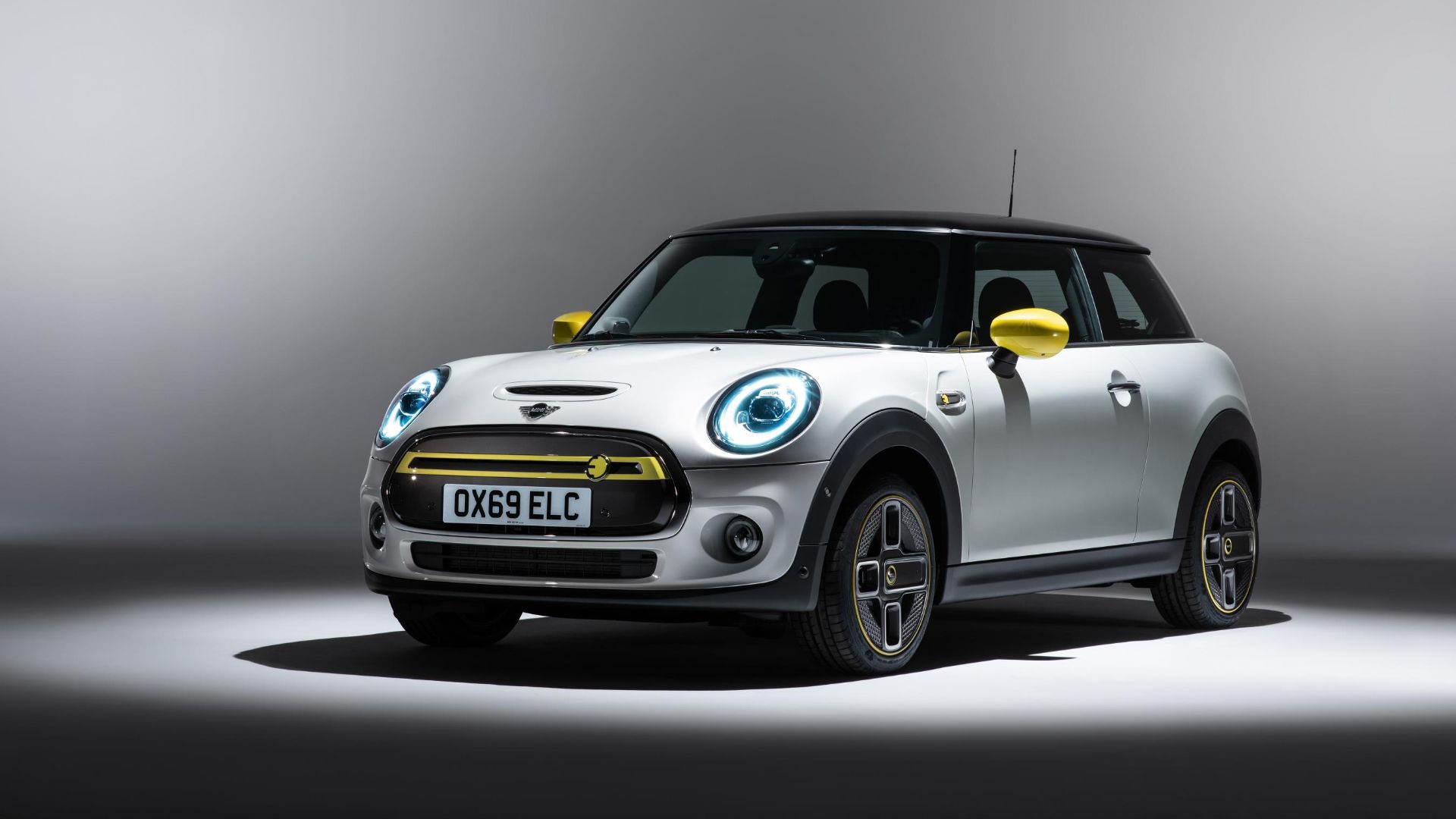
8. Mini
This is a curious one. Being on the younger side, the millennials ought to rate Mini quite highly. Nevertheless, here it is in eighth. Boomers love Mini, putting it in fourth, while Generation X has it in seventh.
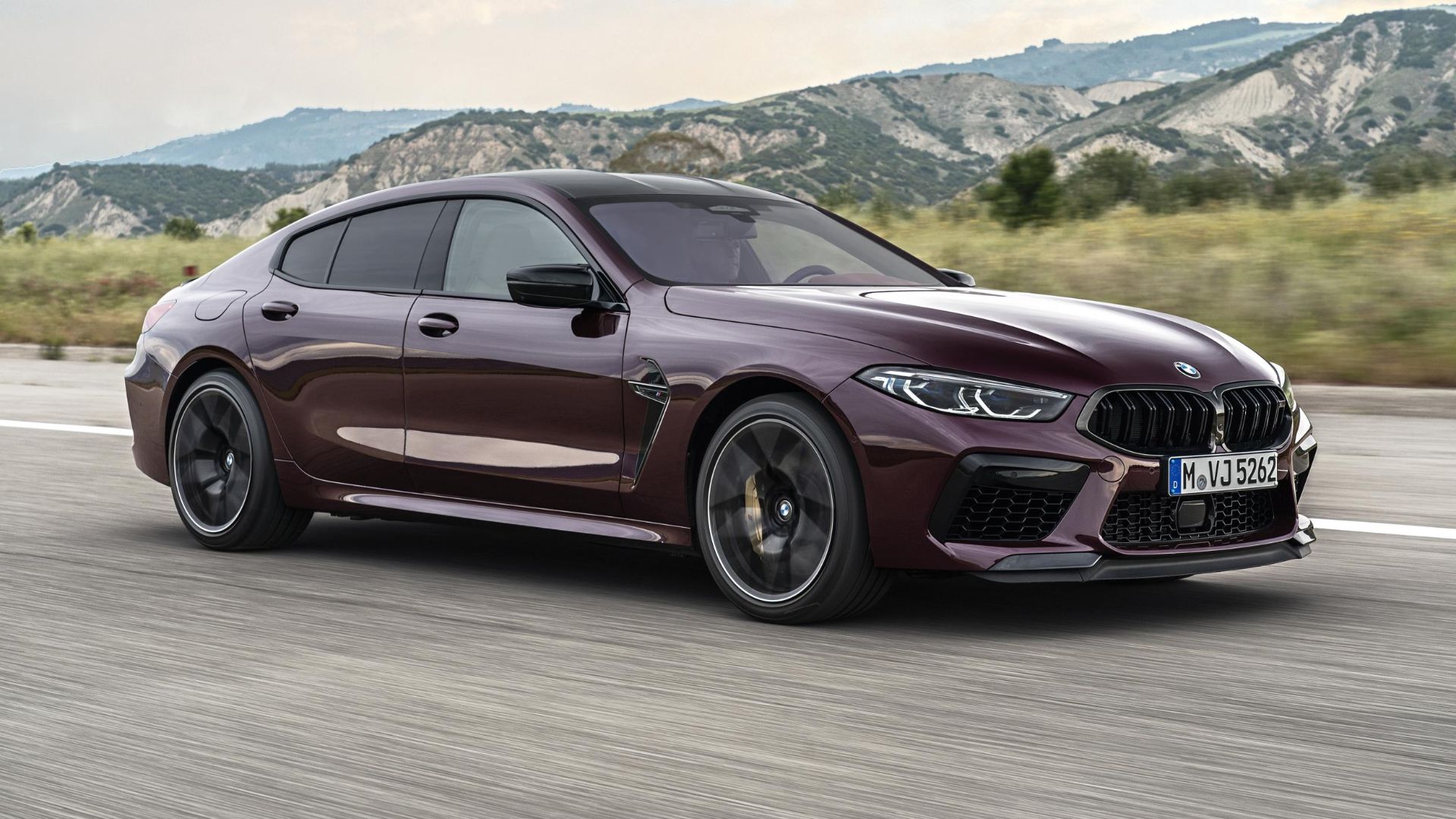
7. BMW
Just above Mini in the minds of millenials is parent company BMW. The Bavarian executive brand carries less favour with Generation X or the boomers. It doesn’t even feature in their top 10.
6. Audi
Fellow German executive marque Audi is up in sixth. This one’s popular with the youngsters, placing it in fifth for Generation X. The boomers don’t even count Audi in their top 10.
5. Mercedes-Benz
Cementing the Germans in the minds of millenials is Mercedes-Benz, in fifth. It does similarly well with the boomers in fifth, too, with Generation X placing it third.
4. Volkswagen
The ‘people’s car’ beats a long line of exotics and expensive execs in fourth. However, it’s down in eighth with the boomers and not even in the top 10 with Generation X.
3. Jaguar
The ‘Big Cat’ has shed its fusty image in favour of something far cooler. It places third for millenials and second for Generation X. That said, it still takes the top spot with the older generation. With that, it takes the win as most popular brand overall, too.
2. Ford
Ford’s second-place is a big popularity win with the millenials. With Generation X, not so much, in tenth. The boomers rate it lower, too, in ninth.
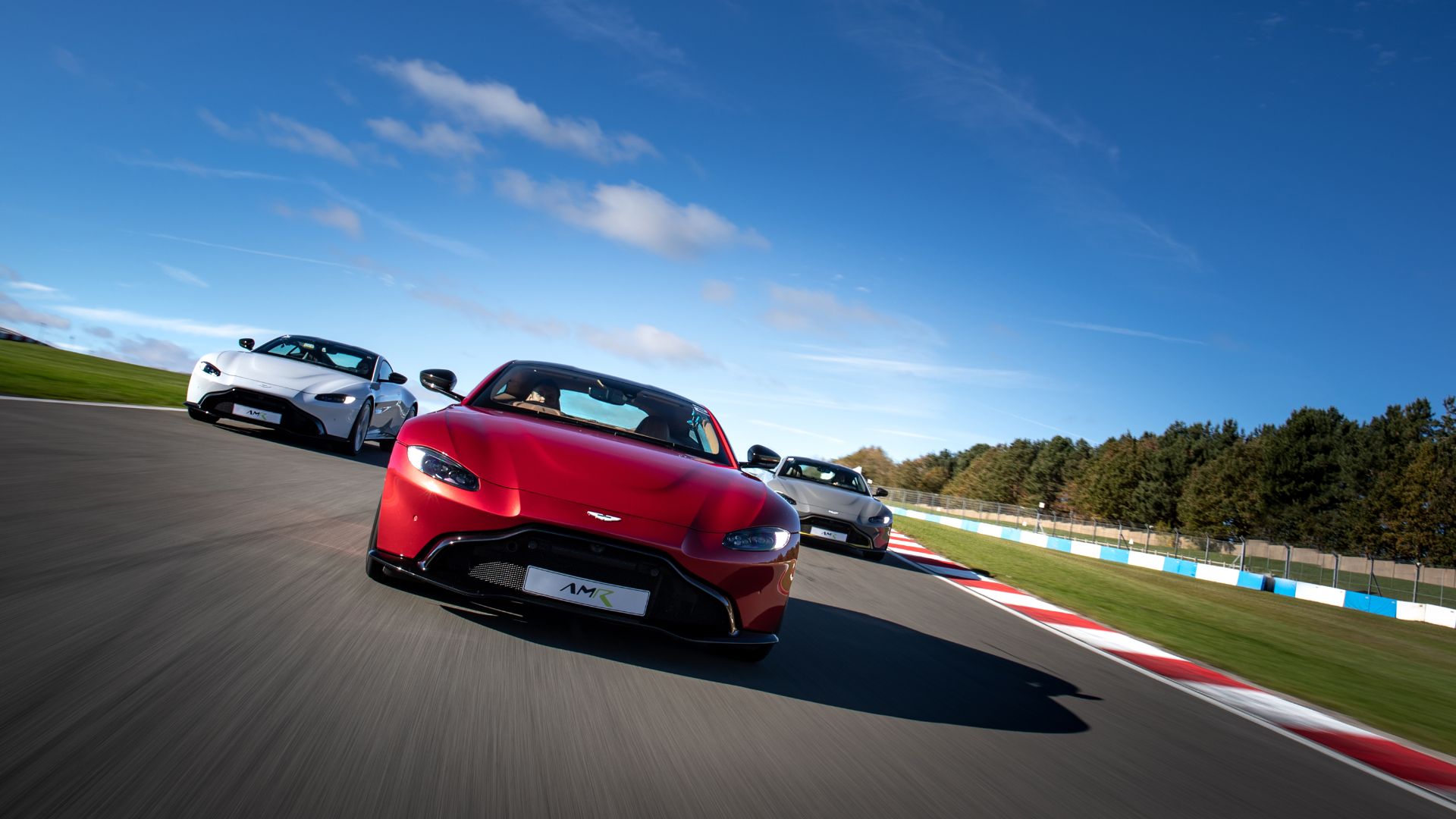
1. Aston Martin
Finally, the winner in the eyes of millenials, is Aston Martin. It ranks well with the boomers, too, in third, while Generation X place it in fourth. Everyone loves a Bond car, right?
Every mainstream new Honda sold in Europe by 2022 will be electrified, the firm has announced at a headline ‘Electric Vision’ event in Amsterdam.
This new deadline is three years ahead of its previously-stated 2025 goal.
The firm will also launch an additional all-new battery electric model and an electrified SUV by the end of 2022, as well as the next-generation Civic and HR-V.
Honda is not giving any further information about the new cars at this stage, however.
The commitment will be achieved by the accelerated launch of six new electrified models over the next 36 months. This includes the next-generation Honda Jazz, revealed at the Amsterdam event.
On sale from spring 2020, the new Jazz will be fully-electrified for the UK, with a clever e:HEV two-motor hybrid powertrain.
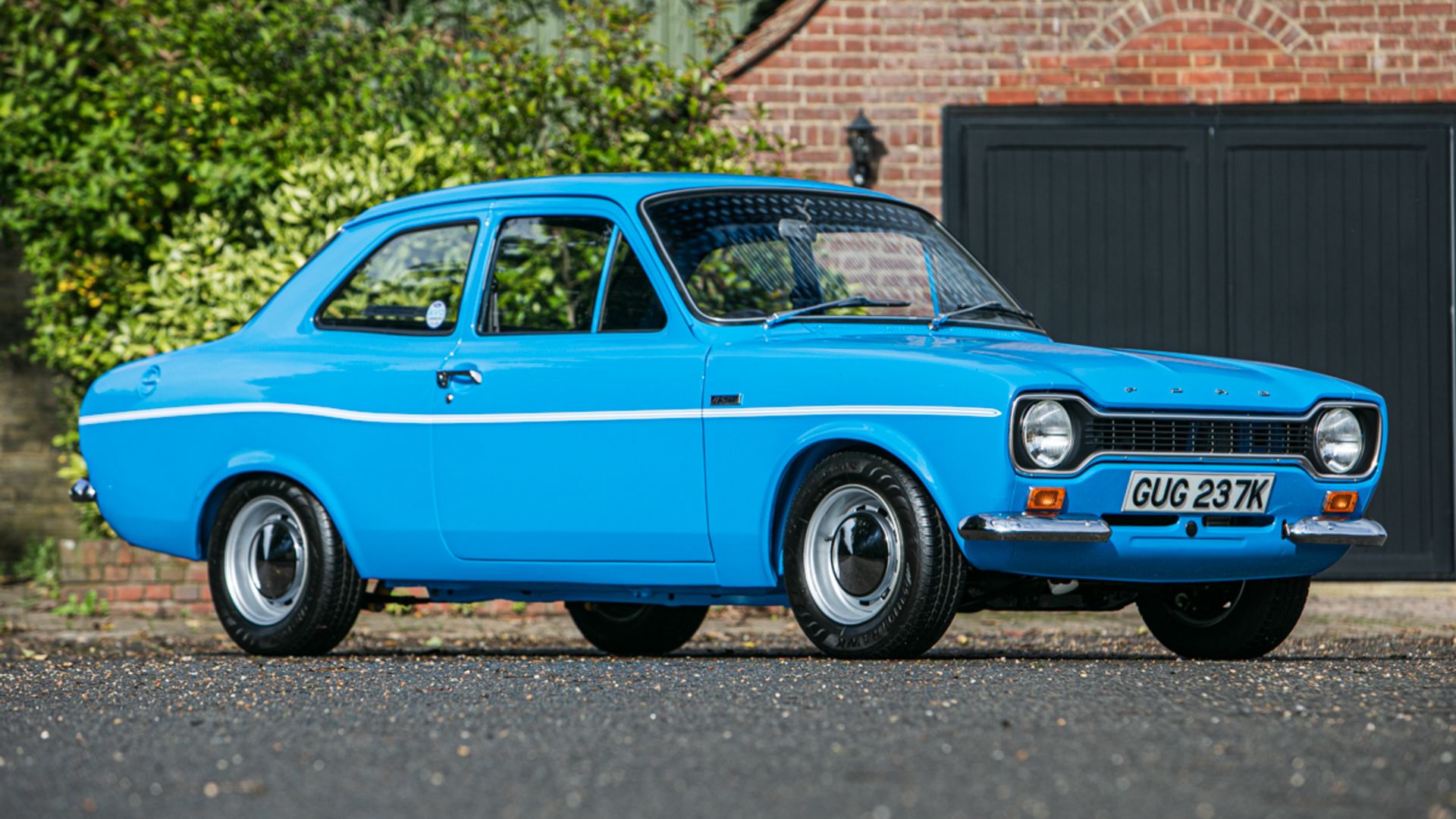
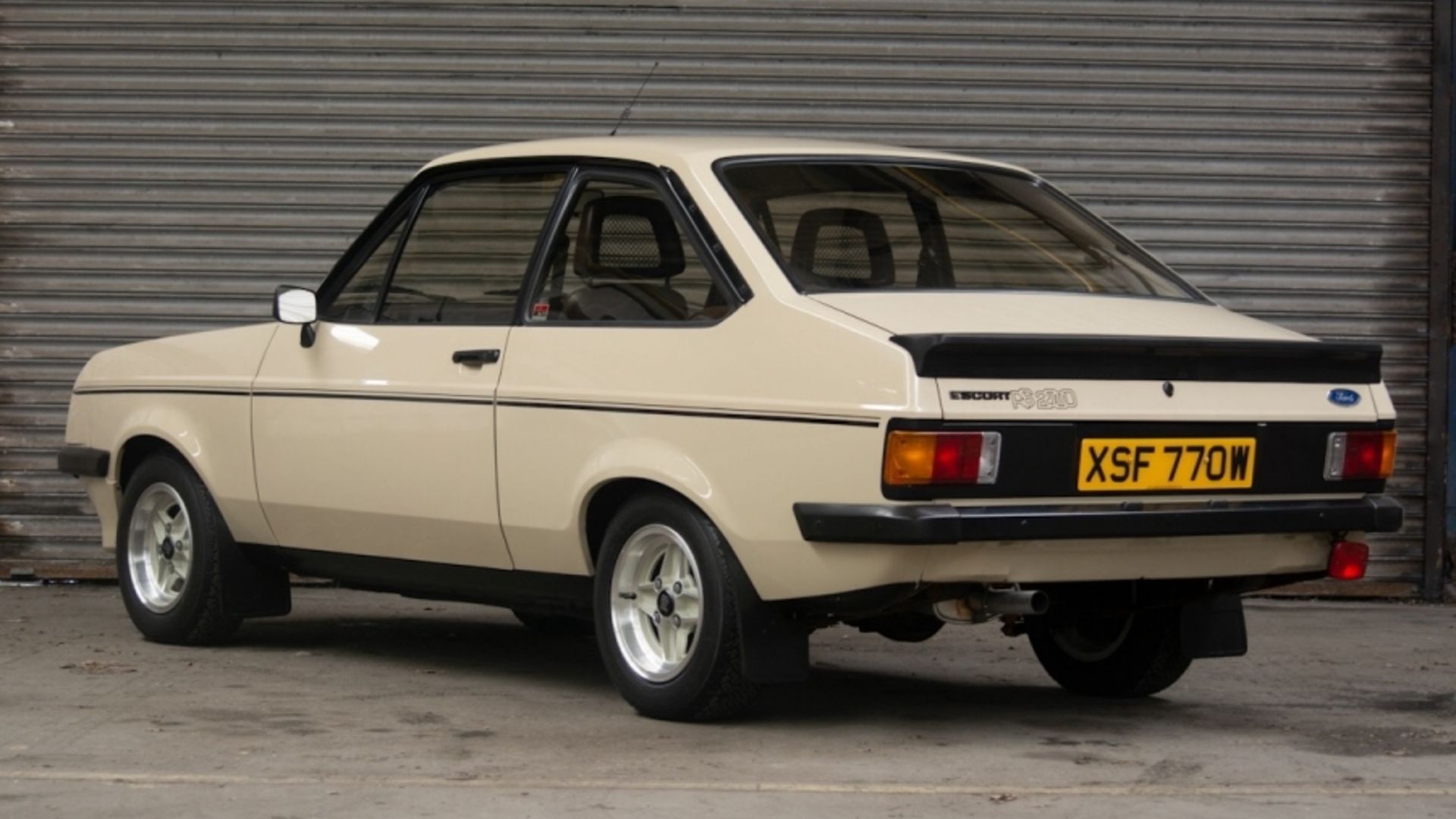
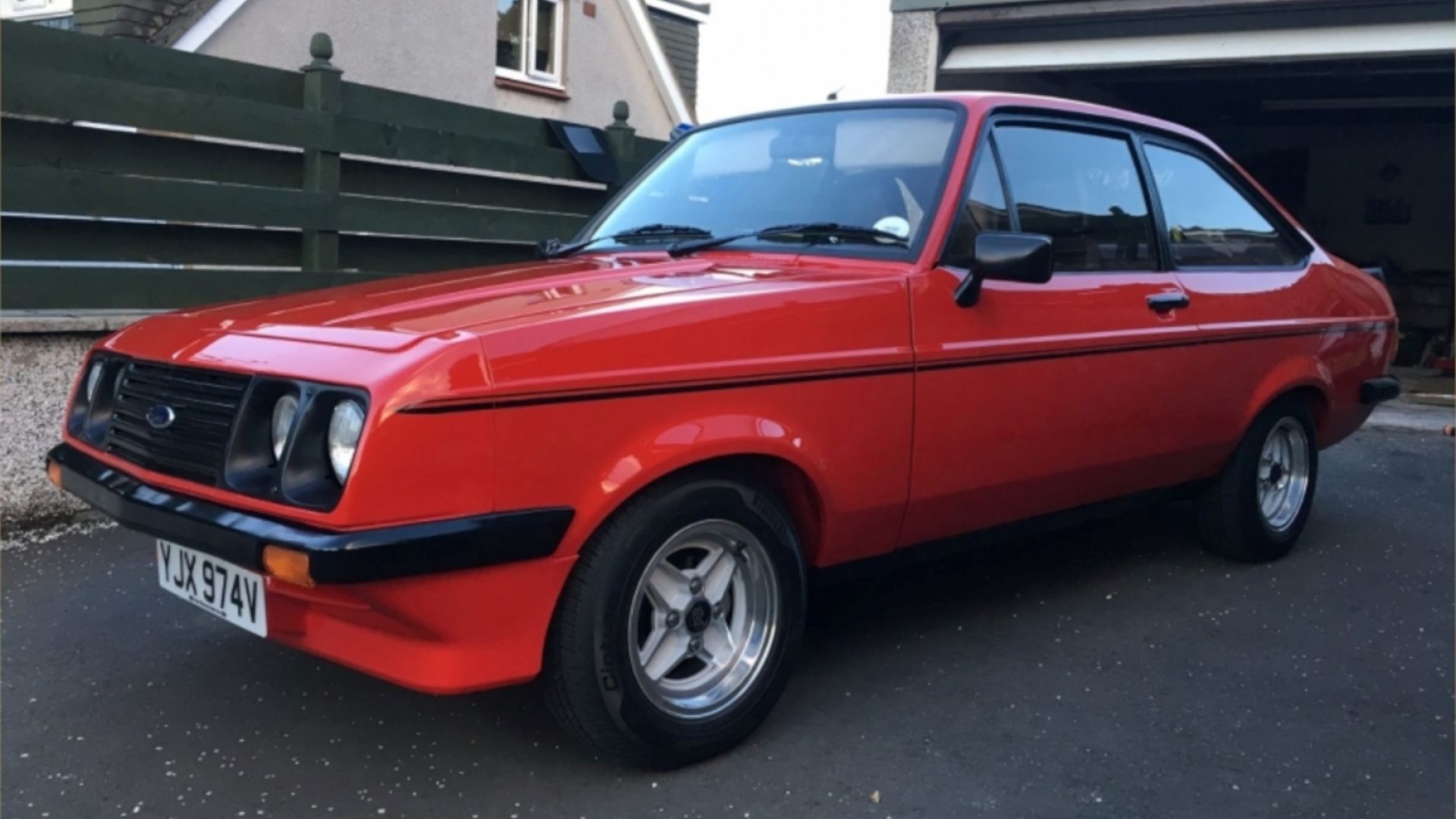
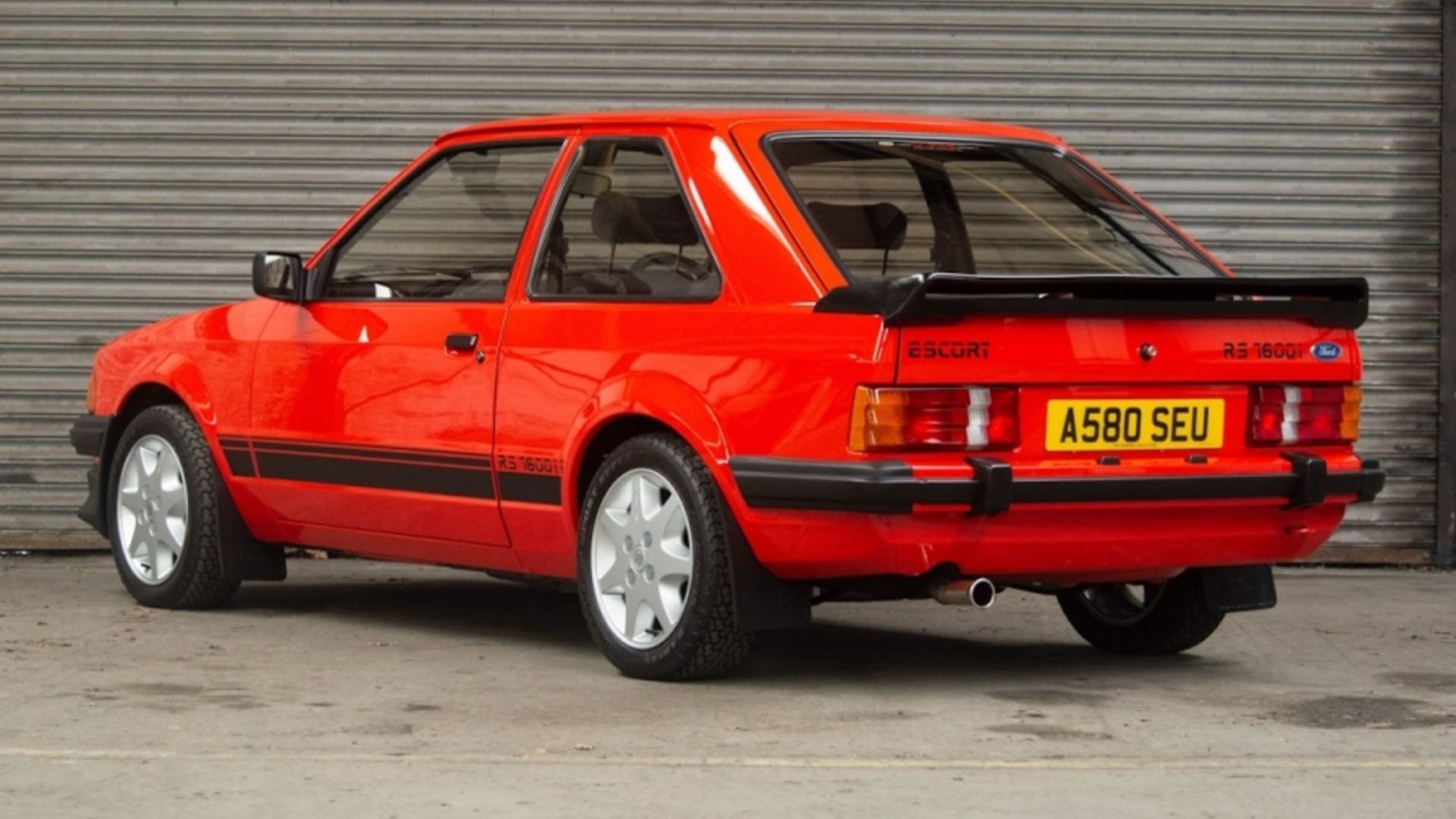
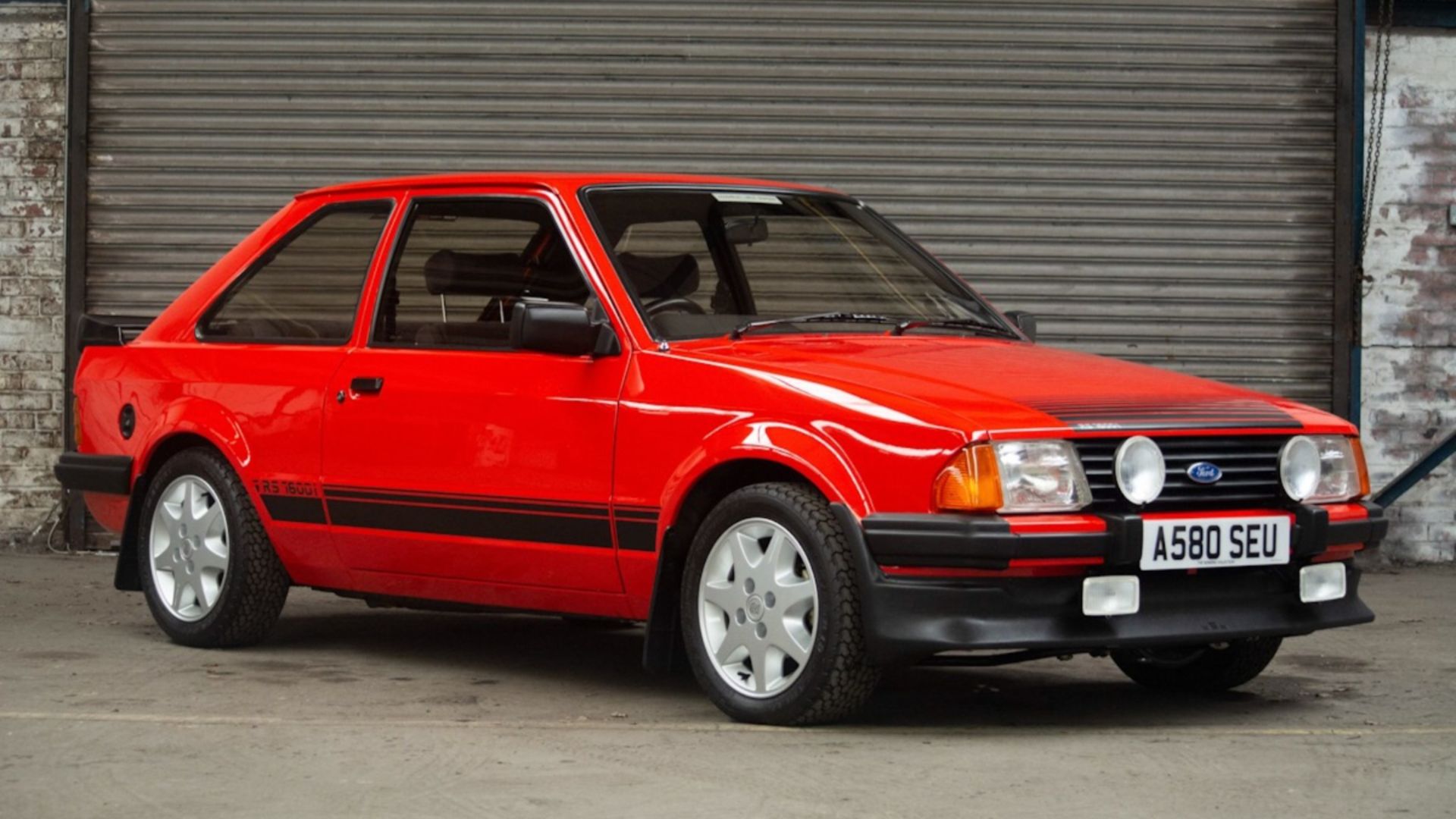
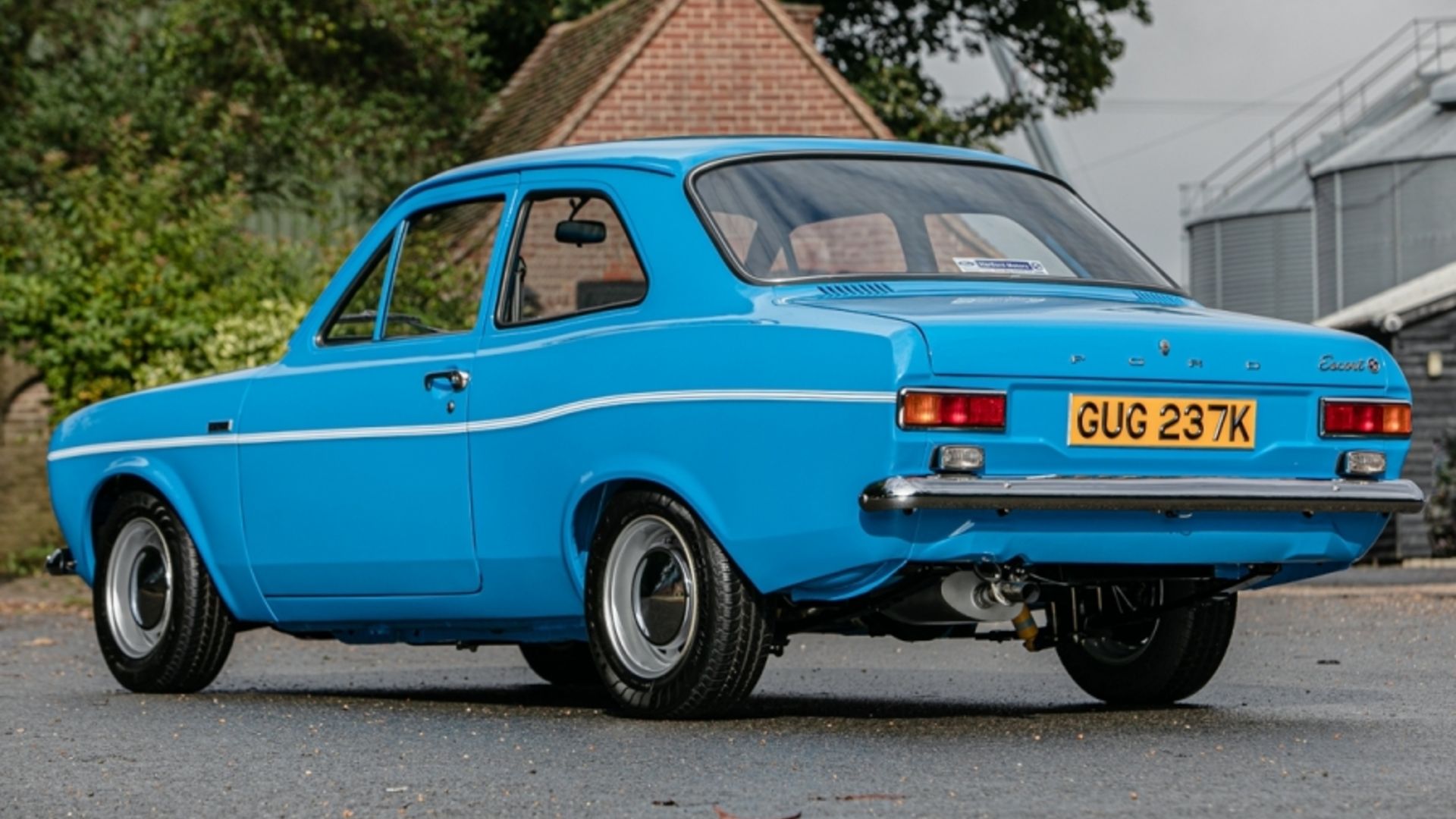
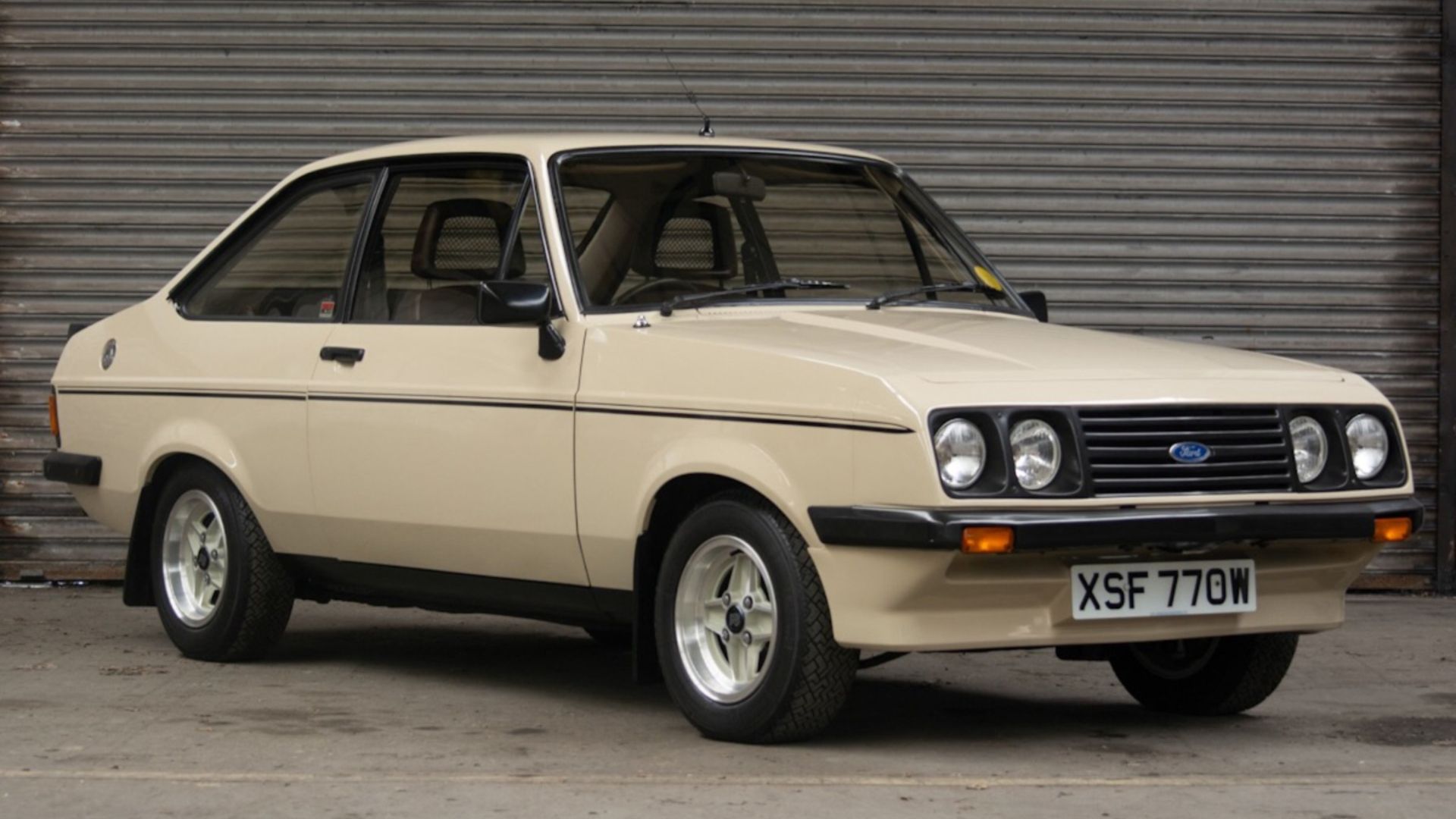
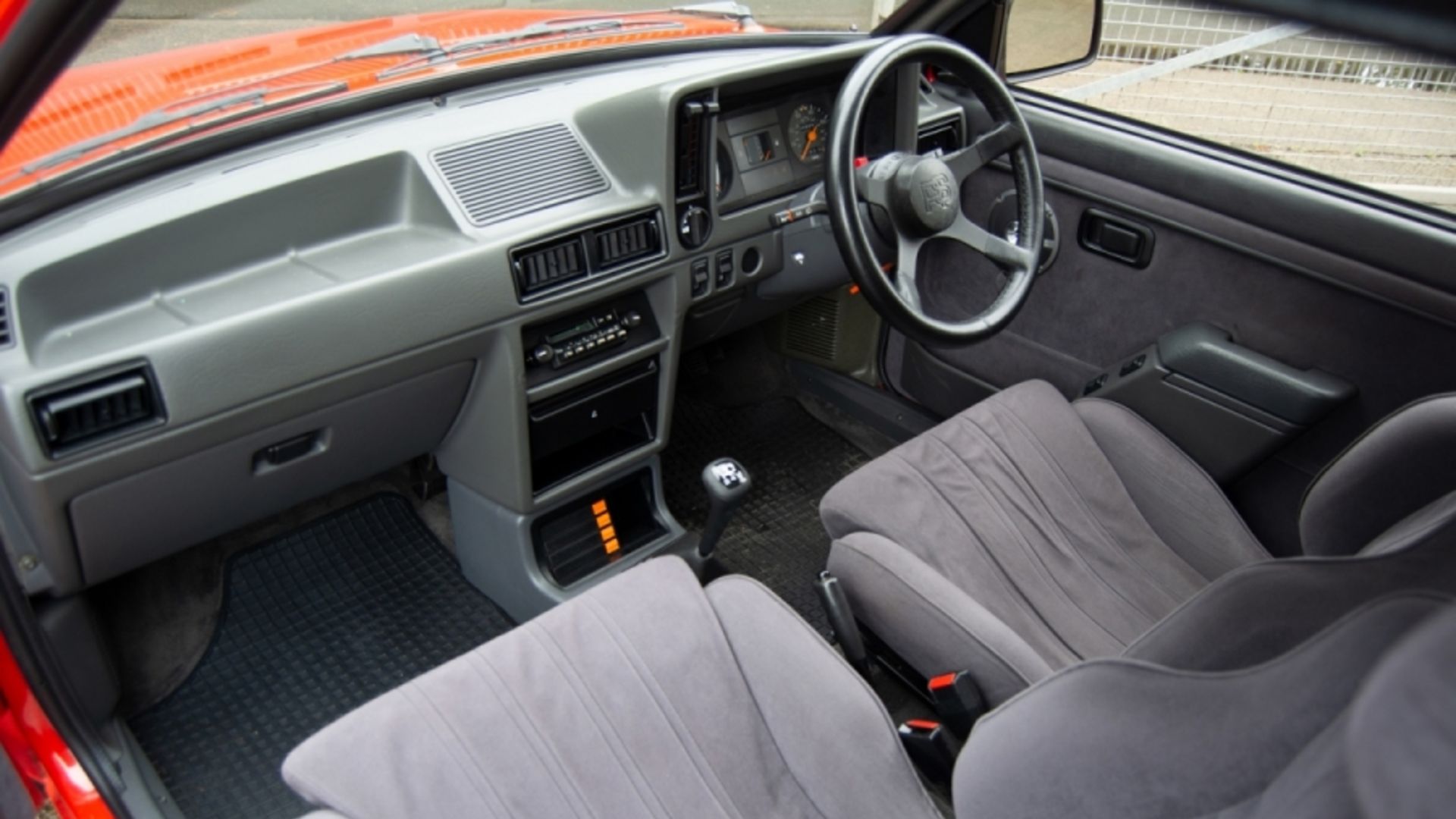
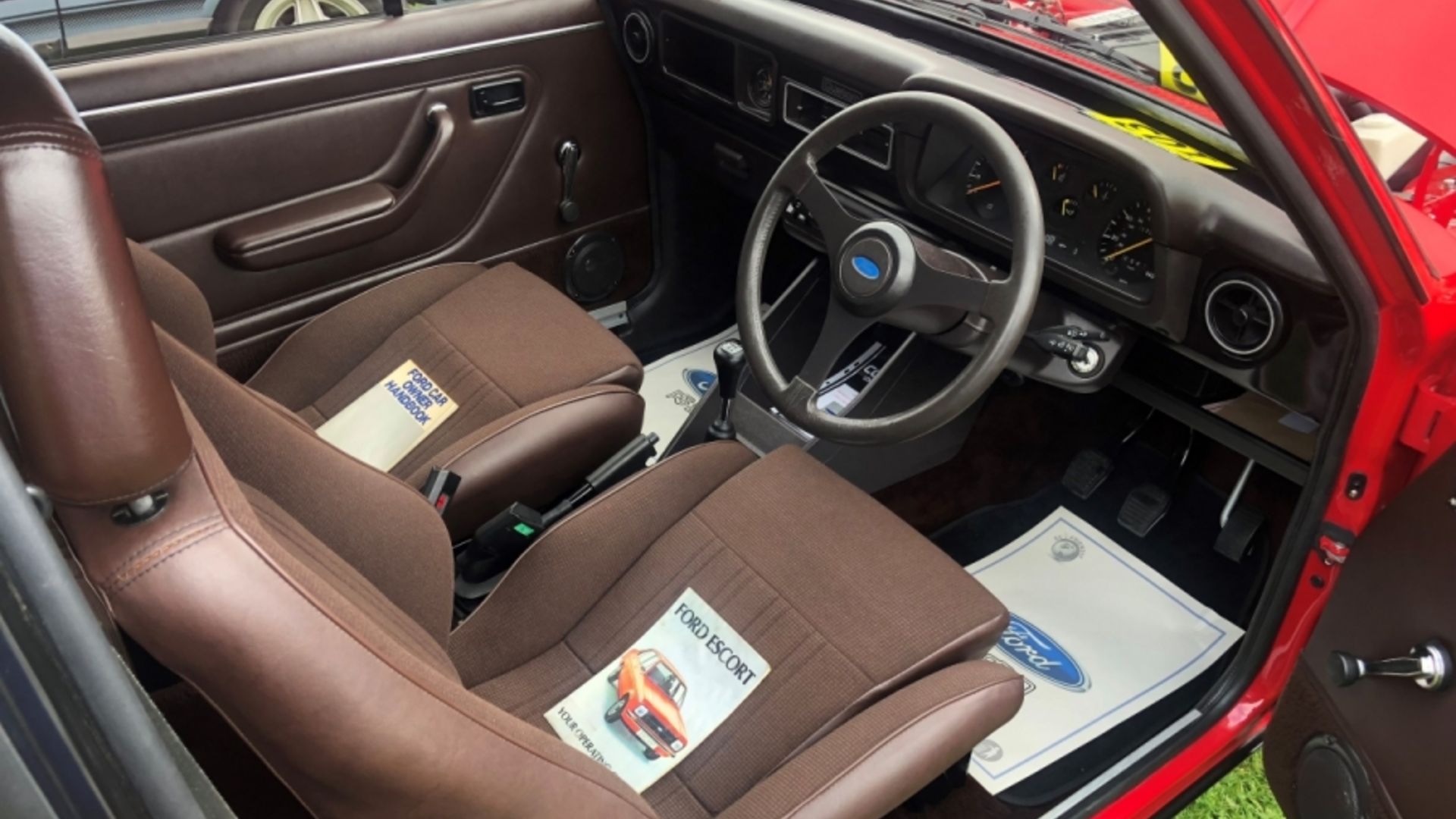
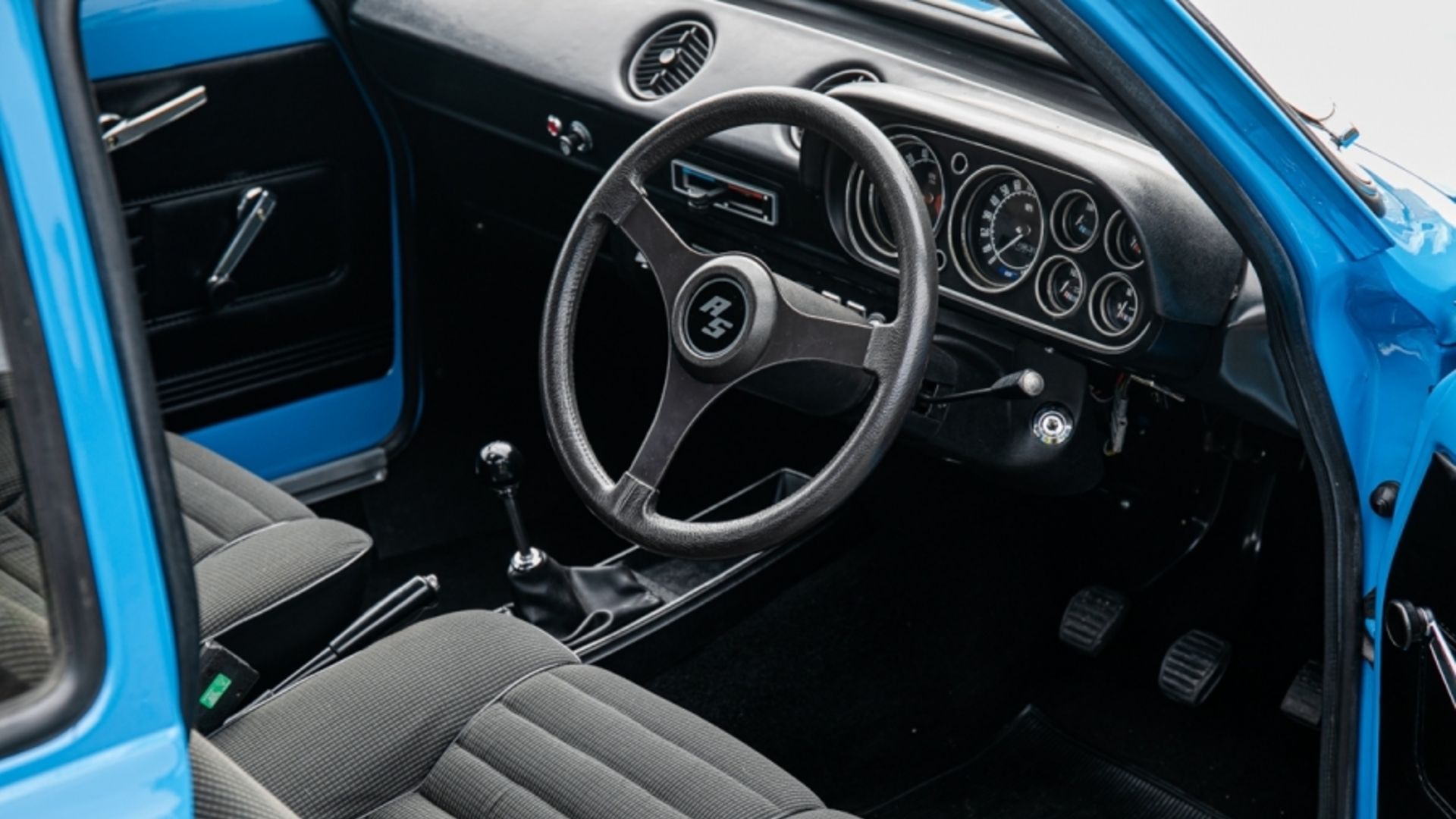
If your thing is classic Ford Escorts, the Silverstone Auctions sale at next month’s NEC Classic Motor Show includes a Mk1 RS1600, two RS2000s and an RS1600i.
The most valuable car is the 1972 Mk1 RS1600. In light blue, it’s one of just 1,137 built. Its original BDA engine is effectively a de-tuned Formula 3 single-seat racer unit. It’s had just four owners from new and covered just under 8,000 miles. Just restored, it’s estimated to sell for between £58,000 and £68,000.
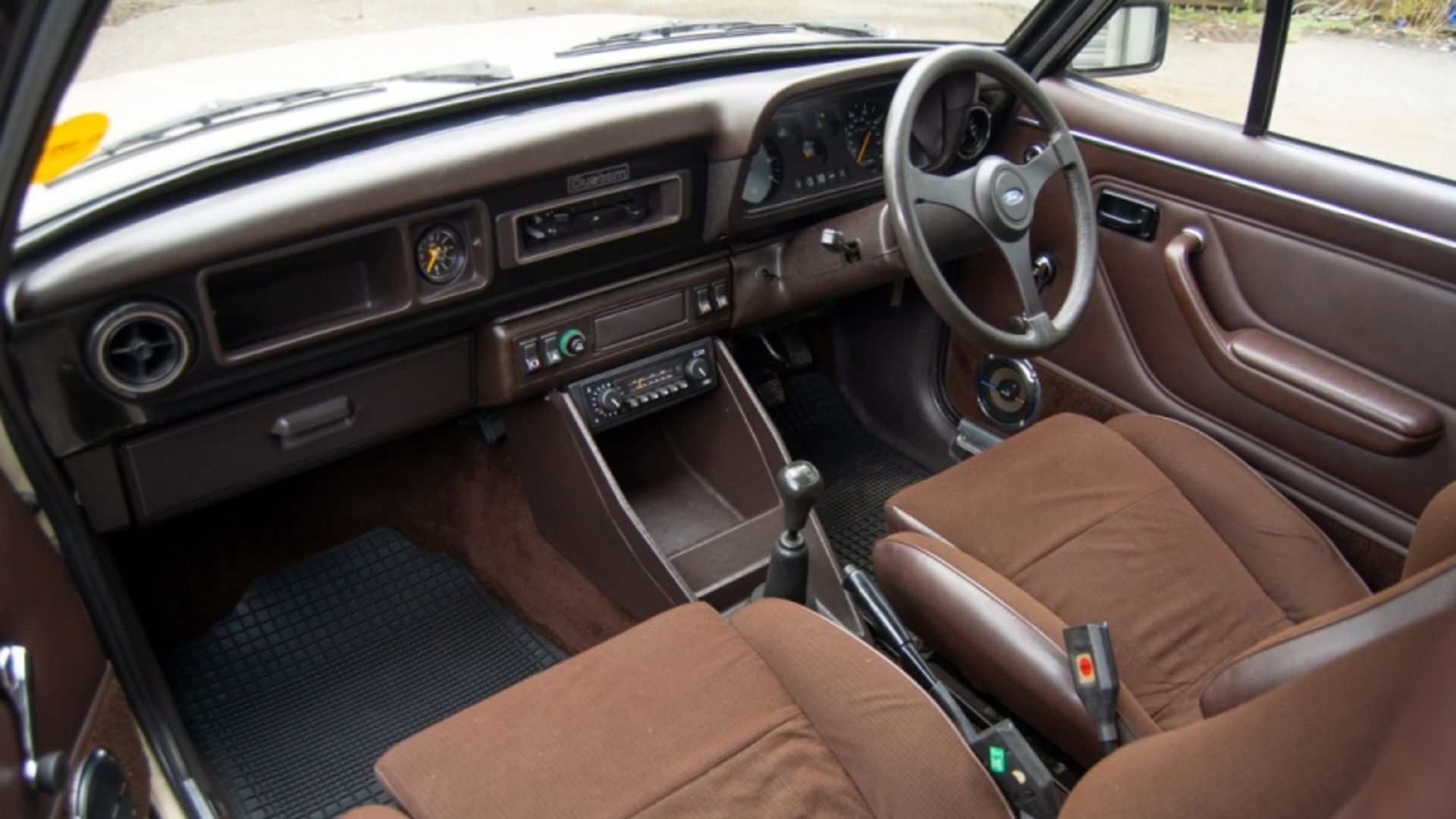
Then there are two 1980 cars. Both are RS2000 Customs with ‘droop snoots’. One comes in a very 1980s colour: Cordoba Beige. It’s covered a total of 34,000 miles, of which just 1,500 occurred during the past 27 years.
Described as a ‘timewarp car’, coming from storage, it’s expected to pull in between £34,000 and £45,000.
The second 1980 car is in more desirable Venetian Red. This car is an award winner, having taken first place at the RS Owners’ Club Lakes Tour in 2017. With a fresh restoration, it’s expected to achieve between £38,000 and £44,000.
The last car marks the crossover point for the Escort – from rear- to front-wheel-drive. This 1983 Sunburst Red RS1600i comes from a well-known RS collection. It’s no understatement to say this is one of the best examples in existence. Having driven just 700 miles in the last 16 years, it has covered 34,700 miles in total. With lots of history, it’s estimated at between £30,000 and £40,000.
“These Fast Fords are very popular and when exceptional cars come to market there always tends to be a frenzy around them,” said Joe Watts of Silverstone Auctions.
“We are very lucky to have these cars in the auction at the same time. It gives you a great idea on how the cars developed over the 10 years in which they span.
“All of them are just in fabulous condition and come with their own personal history.”
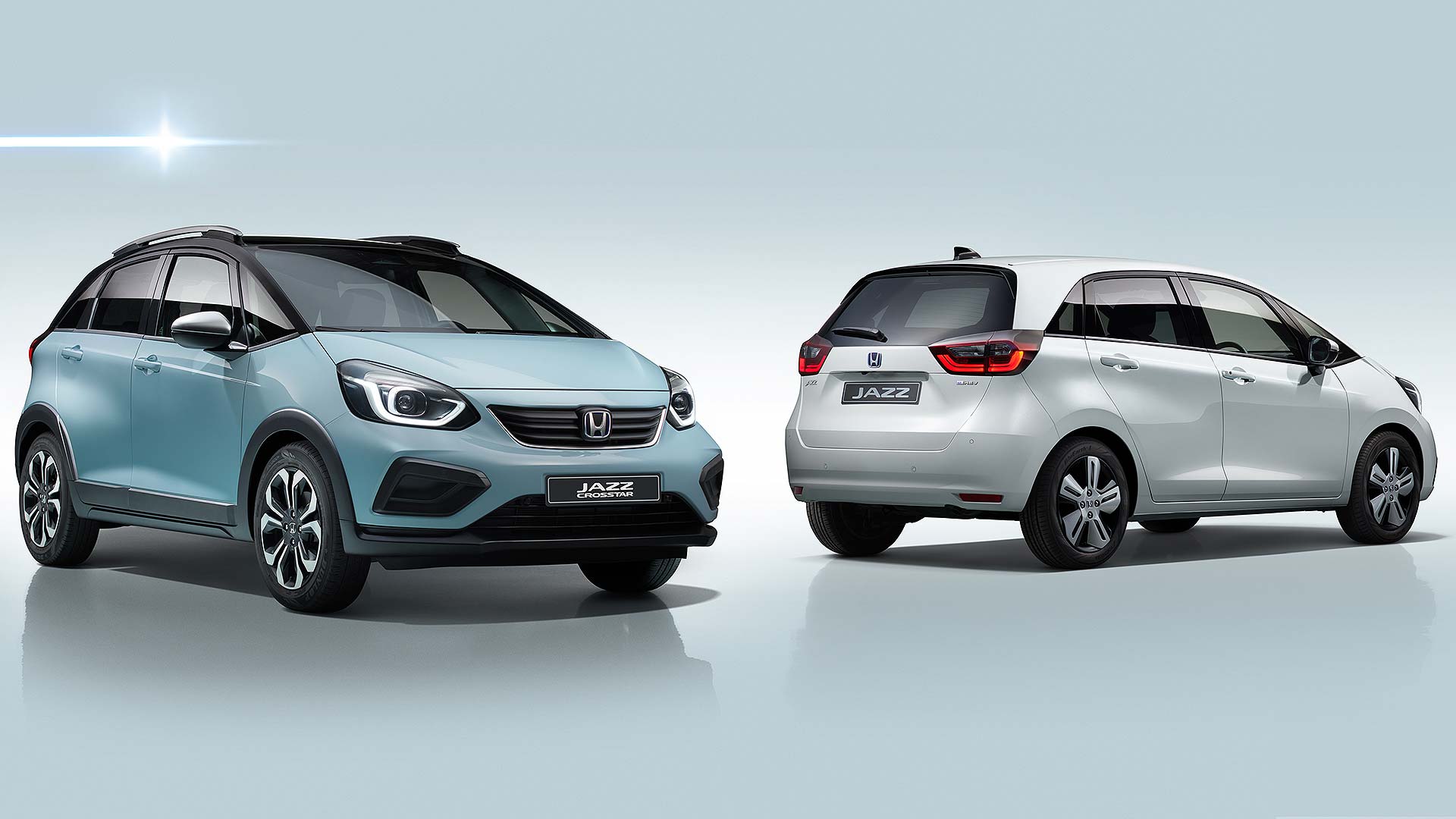
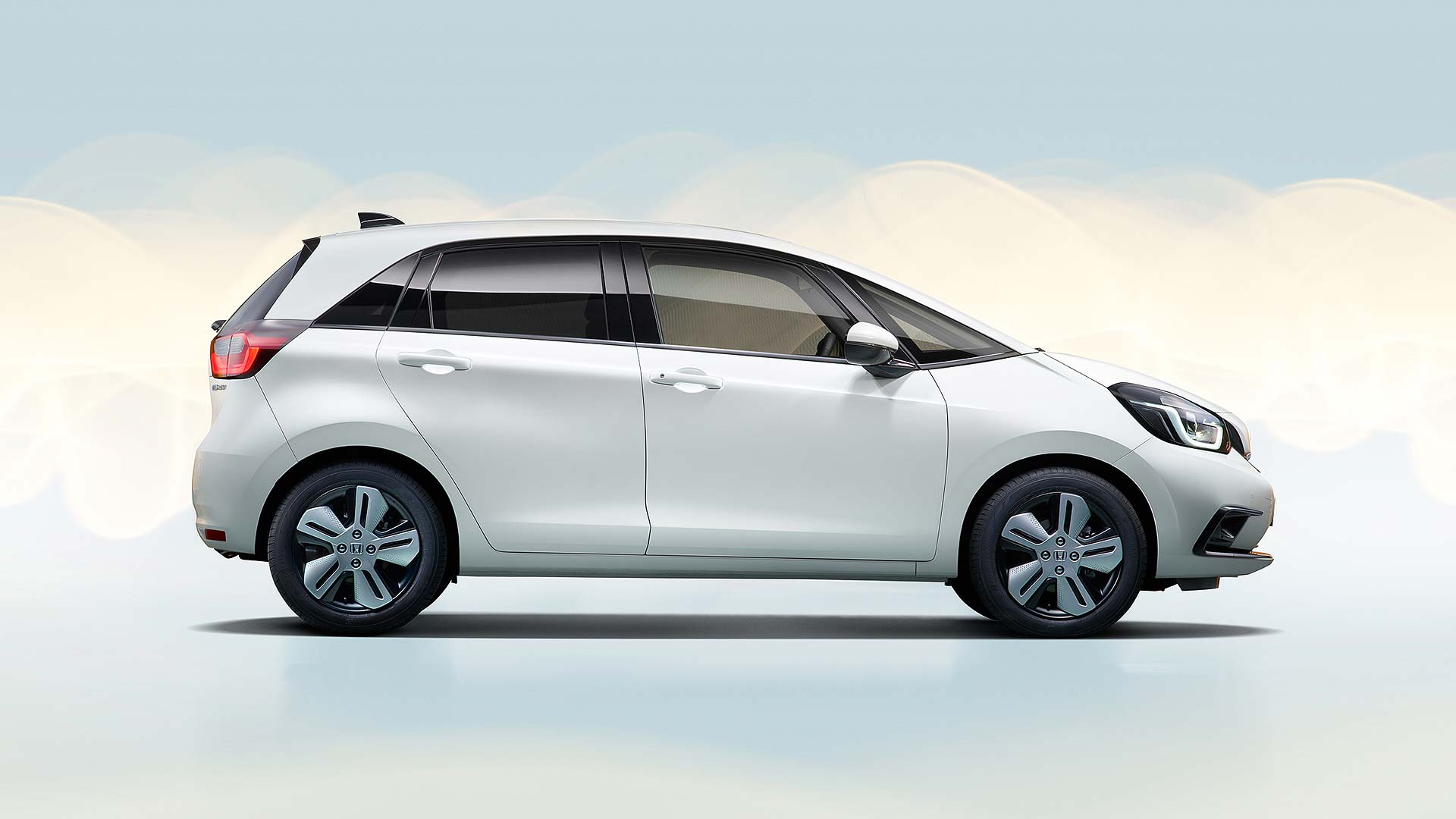
The all-new 2020 Honda Jazz has been revealed – and it’s going to come as an advanced e:HEV hybrid as standard.
Using a high-tech two-motor hybrid system, Britain’s favourite new Honda will form a key part of Honda’s commitment to electrify all its models by 2022.
Honda will begin sales of the new Jazz in summer 2020.
The firm says class-leading space has been retained, comfort is “significantly improved” over the current Jazz and it also gets a full suite of Honda Sensing safety tech.
It’s still clearly Jazz-shaped, but Honda says the new design is cleaner and more seamless: it has “function and beauty first seen in the Honda e”.
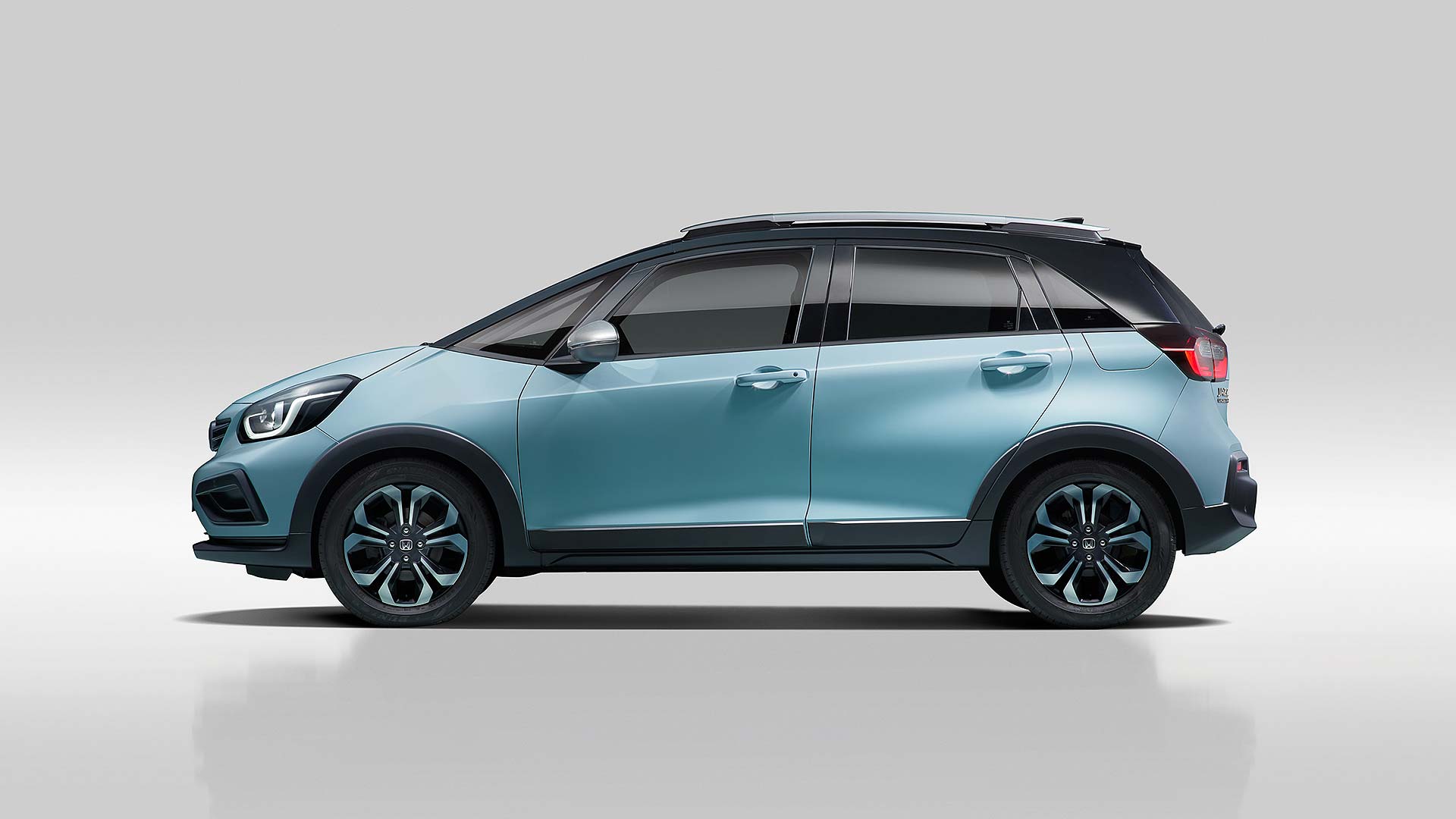
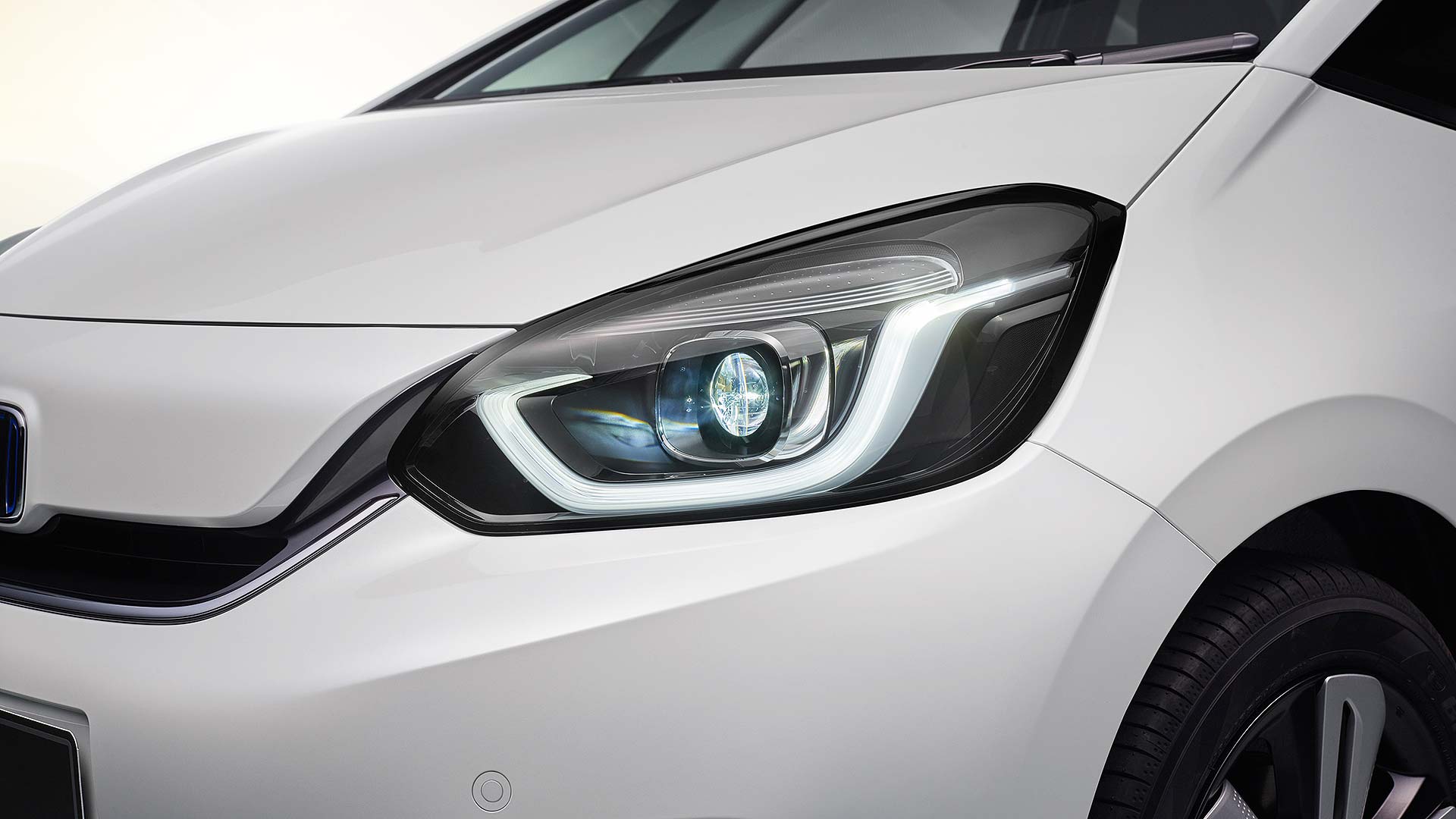
There’s also a new crossover-style Honda Jazz Crosstar version (pictured above), with tougher body styling and a raised ride height. It features integrated roof rails and water-resistant upholstery.
The only powertrain will be the e:HEV two-motor hybrid. Unlike other hybrids, the petrol engine is only used to charge the batteries – the new Jazz is driven entirely by an electric motor.
The system was first seen in the latest Honda CR-V Hybrid.
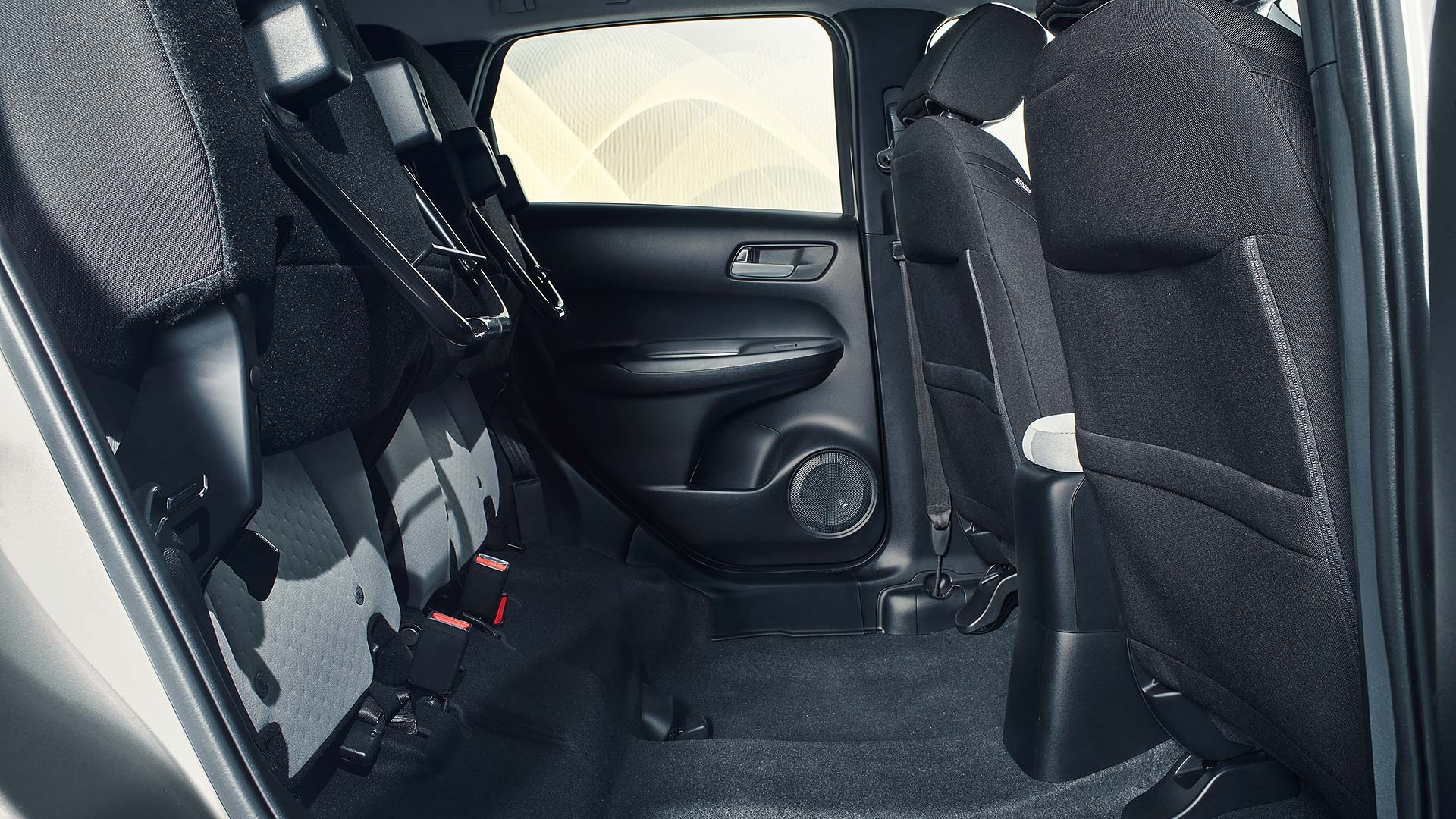
Inside, “hallmark” space is better than ever. The fuel tank is still positioned below the front seats, which means the ‘Magic Seats’ flip-up rear pews are retained.
Hybrid tech has also carefully been centralised in the engine bay, freeing up further space.
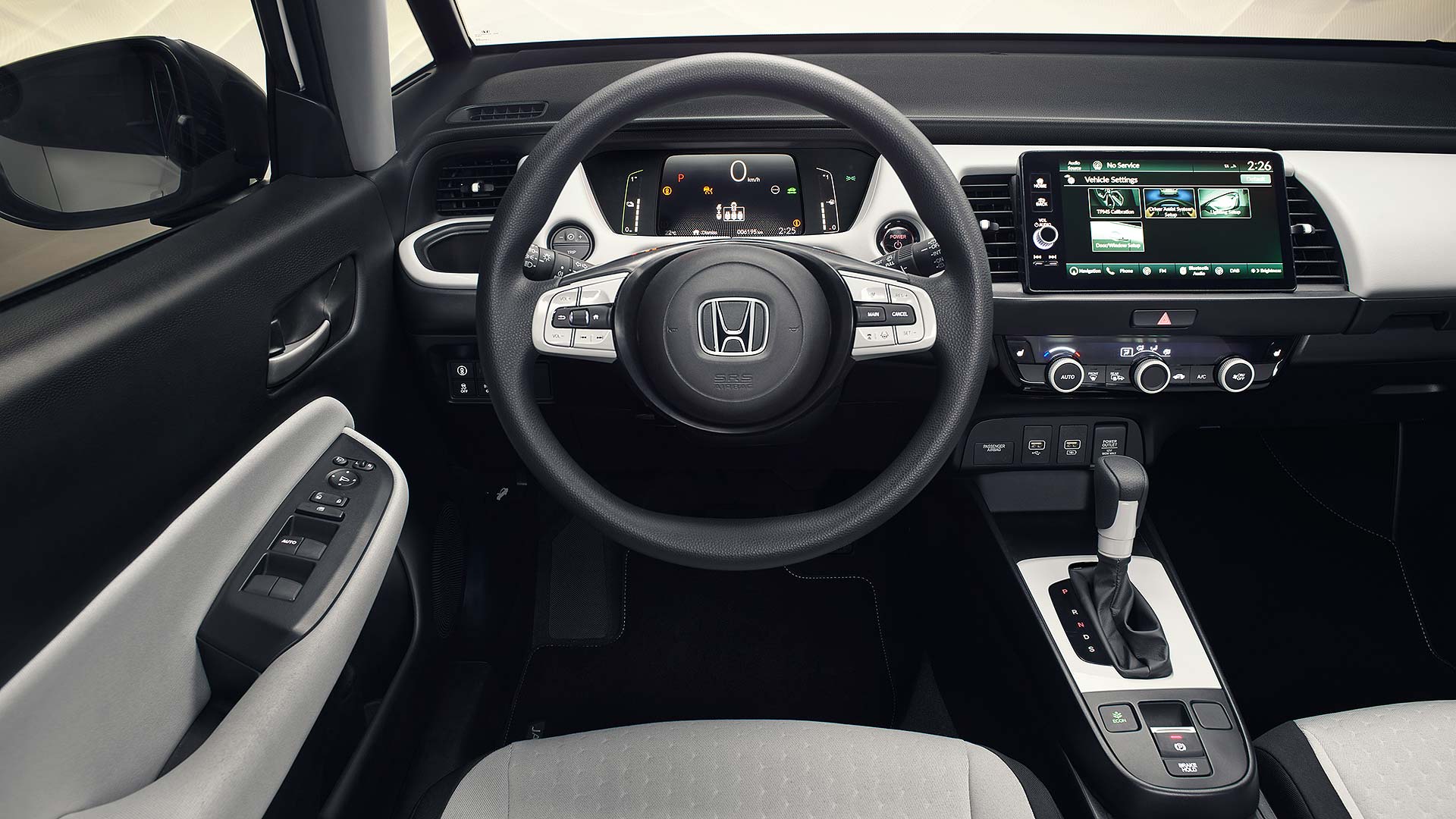
A new touchscreen infotainment system has smartphone-style ‘swipe’ functionality and integrated Android Auto and Apple CarPlay smartphone integration. For the first time, this is wireless.
There’s also a wifi hotspot.
Addressing criticisms of the current car, the new Jazz has had a huge lift in interior quality. The design has been influenced by the Honda e, with a simple two-spoke steering wheel and clean layout.
Those who grumbled about uncomfortable seats in the current Jazz, rest easy: the new model has an all-new design that’s much better for long trips – and the rear seat is thicker and comfier too.
It’s easier to see out of, with less obstructive front A-pillars. And an all-new high-definition Honda Sensing camera is much better at monitoring the road ahead.
It can detect, and auto-brake, for pedestrians and cyclists even at night, where there are no street lights, and will cut in the brakes when a car turns across the path of the new Jazz. Adaptive cruise control gives semi-autonomous traffic-following convenience at low speed.
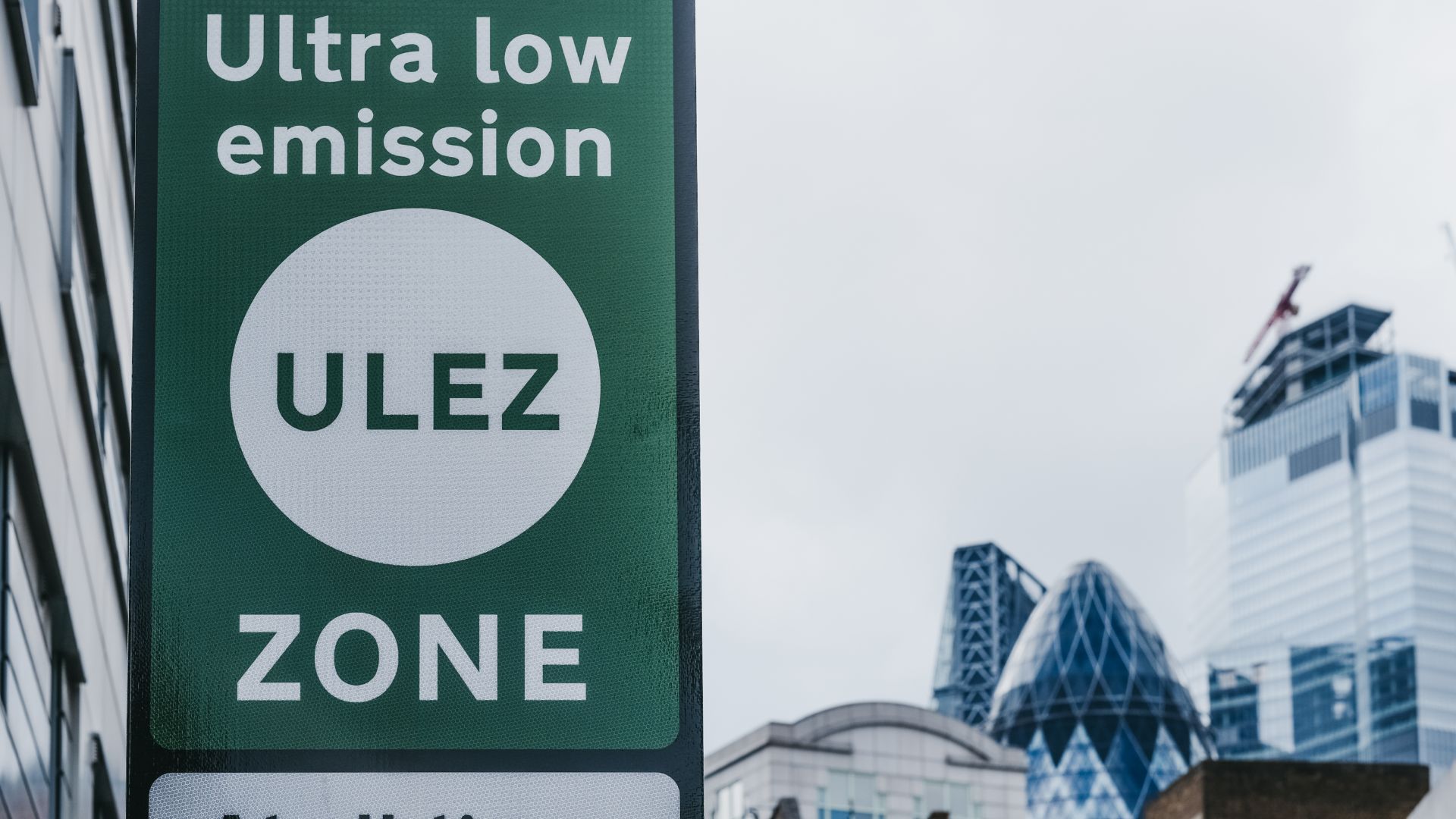
Central London’s air quality has improved by a third over the past two years. The findings come in the wake of the £10 Toxicity Charge, plus the £12.50 daily Ultra Low Emission Zone (ULEZ) charge that superseded it in April 2019. They have bolstered calls for other cities to take on clean air charging zones.
Nitrogen oxide, emitted primarily by diesel engines, is down significantly. Levels have dropped from 85 to 57 micrograms per cubic metre at the roadside in central London. However, carbon dioxide levels are only down around four percent.
In September 2019 there were 13,500 fewer ‘polluting cars’ driven in central London compared with March. For reference, vehicles that incur a ULEZ charge include pre-Euro 6 (before 2015) diesels, and pre-Euro 4 (before 2005) petrol cars.
“The early evidence suggests the ULEZ is not only encouraging people to use cleaner private cars, but also to use more sustainable alternatives such as walking, cycling and public transport,” said Alex Williams, director of city planning at Transport for London.
Improving the air quality may be, but London’s NOx levels are still illegal. The current level is 17 micrograms above the legal limit of 40 micrograms per cubic metre.
Nonetheless, the reduction is considered proof of the clean air zone concept. “Critically, we know dirty air isn’t just a problem in London,” said Penny Woods, chief executive of the British Lung Foundation.
One in four drivers FAIL to pay London ULEZ charge
“Most UK cities have illegal and unsafe levels of pollution, which seriously affects the health and quality of life of millions with a lung disease and puts children at risk of developing a lung condition.
“That’s why similar clean air zones must be urgently rolled out across the country to protect everyone’s lungs.
“[The ULEZ is] a fantastic example of the difference clean air zones, that charge the most-polluting vehicles, can make”.
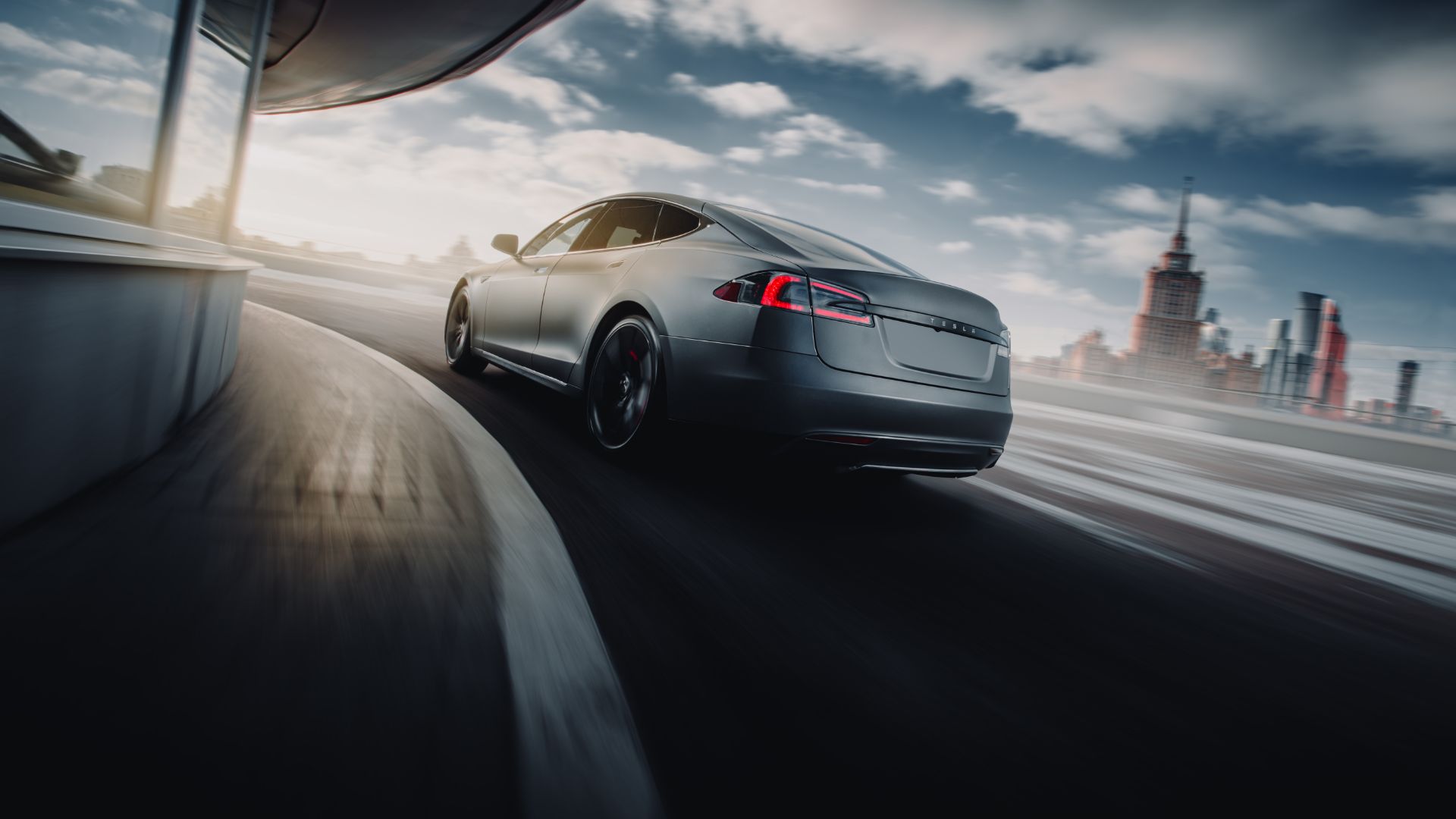
We’re used to short-term obsolescence with smartphones, but is it acceptable in cars? Would you be happy if the Tesla you paid six figures for five years ago is now immobile?
We suspect not. But that’s the reality some early adopters are facing, as the very earliest models from the electric car manufacturer are losing their charging capability.
It brings to the fore a looming question about the company that, excluding the original Lotus-based Tesla Roadster, has been only selling cars for seven years. What is long-term reliability like? A report by Business Insider suggests some worrying problems.
The issue appears to be with the car’s on-board flash storage, which gets overloaded and leaves the car unable to charge, or load up its all-controlling screen. And no, an over-the-air update won’t currently fix this one.
The chip is called the eMMC, installed on the car’s MCU1 (Media Control Unit) component. It’s the kind of temporary memory that other digital gadgets have. It writes, erases, and re-writes memory to assist with performing tasks.
In the case of Tesla, according to repairers, the eMMC is working overtime writing vehicle logs. With a finite number of writes available, these chips are being burnt out by the car’s consistent volume and speed of data-logging. “The amount of logging they’re doing is excessive,” a Tesla repair professional has said.
So when does this happen? According to the expert quoted by Business Insider, don’t be surprised if you see issues on or after the four-year mark. One contributor to the Tesla Forum said they were awaiting an MCU replacement, under warranty, after just 26,000 miles and less than two years.
Even Tesla boss Elon Musk seems confused. An expert, who has taken it upon himself to analyse some of these repairs, appealed to Musk on Twitter about the failing components. The CEO responded: “Should be much better at this point”. It sounds like his expectations for the longevity of the hardware were higher.
The discourse around Tesla is rarely balanced, either evangelising or demonising the controversial marque. We’ve tried to stay as neutral as possible.
This doesn’t sound like an absolute car-ending issue. Indeed, the above expert has been carrying out repairs and fixing cars, which confirms as much. Tesla itself has also been carrying out this work.
Does the issue compare more with something like engine detonation, or a service-interval item? In terms of expense, sadly, it’s more the former. We hear of low-to-mid four-figure replacement costs. Given ‘MCU’ is short for Media Control Unit, safe to say it’s a dashboard-out job to replace.
Then, we have to come back to software. If hardware replacements are expensive and difficult, is prevention just a software patch away? Could a recall, followed by an update, erase this issue out of existence? Tesla would have us believe anything can be fixed with an over-the-air update. We certainly hope so. It could prove to be the most important software patch the marque puts out.
Tesla replaced MCU1 with MCU2 in cars built in the latter half of 2018, with Intel replacing Nvidia hardware. It speeds up the response of the screen and allows features like Tesla Arcade, dashcam functionality and Sentry Mode. What isn’t clear is whether MCU2 has a similar memory writing issue.
Opinion: Tesla needs to take action
It’s easy to make the comparison with phones, but Teslas are much more expensive, and a longer lifetime is thus expected of them. They need to be repairable, even upgradable, and they need to last the course as a normal car would.
Yes, it’s worrying that a car that can be allegedly fixed with software updates is going ‘dead’ after four-to-five years. And even Elon Musk seems a little lost for words (there’s a first time for everything). We wonder, however, whether this won’t be looked back on in 10 years as a teething problem, for a company that, we must remember, is still very new.
However, it’s also expensive, inconvenient and could be a real turn-off for buyers, plus a killer of used Tesla values. So Tesla needs to come clean, and mitigate costs for owners or retroactively extend warranties. Hopefully, there’s a software fix for those not yet affected. Short term, cars are ending up ‘dead’. Long term, if handled properly, this isn’t the death knell for Tesla.