Home Blog Page 321

C8 Corvette origins: America’s mid-engined history

0

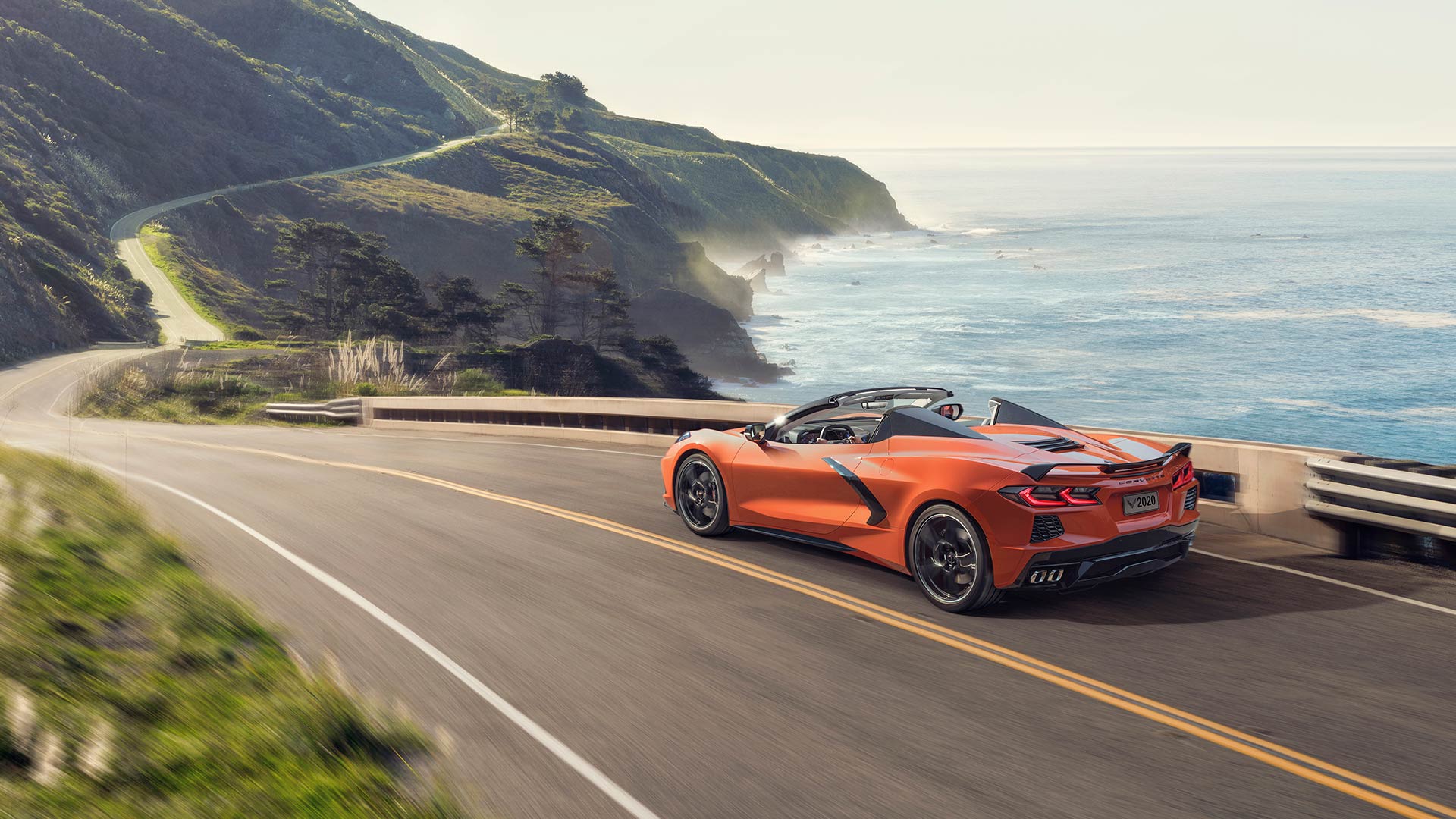
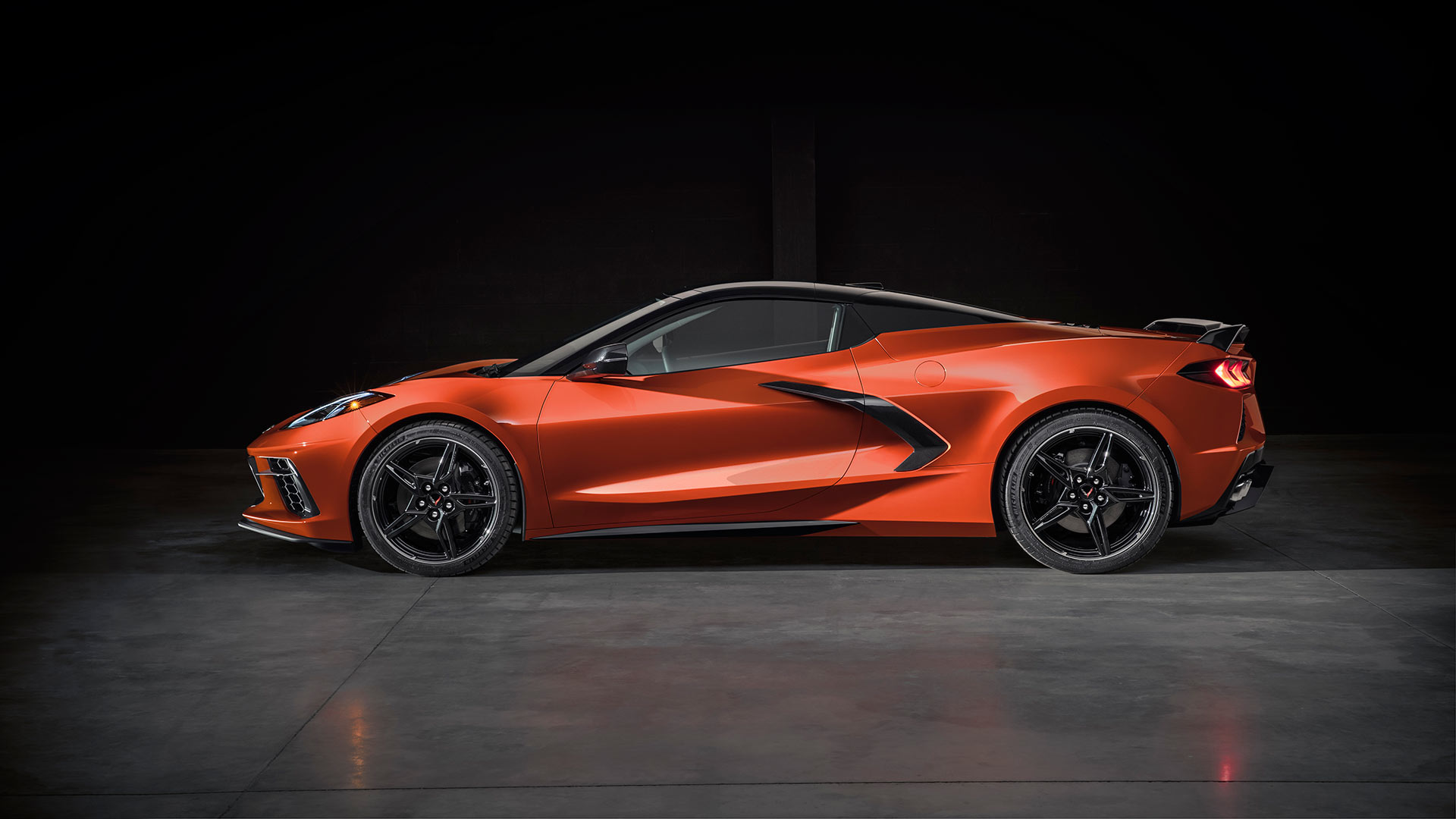
2020 C8 Corvette

With the initial verdicts coming in on the 2020 C8 Chevrolet Corvette, the switch to a mid-engined layout is still proving controversial. Yet the use of the mid-engined layout is nothing new. In fact, manufacturers in the USA have been placing the engine in the center for six decades.

We have taken to the history books to chart the journey which has brought us to a Corvette with the engine in the middle.

More on Motoring Research:

Mid-engine marvels

2020 C8 Corvette

To avoid uncertainty, we are concentrating on cars which use a rear mid-engine drivetrain, with the engine behind the passenger compartment but ahead of the rear wheels.

So-called ‘front mid-engine’ models don’t count, not do vehicles with the engine positioned behind the rear wheels. American sports cars have used all such configurations through the years, but it’s the setup used by the Chevrolet Corvette for the first time that we’re focusing on here.

1959 Chevrolet CERV I Concept
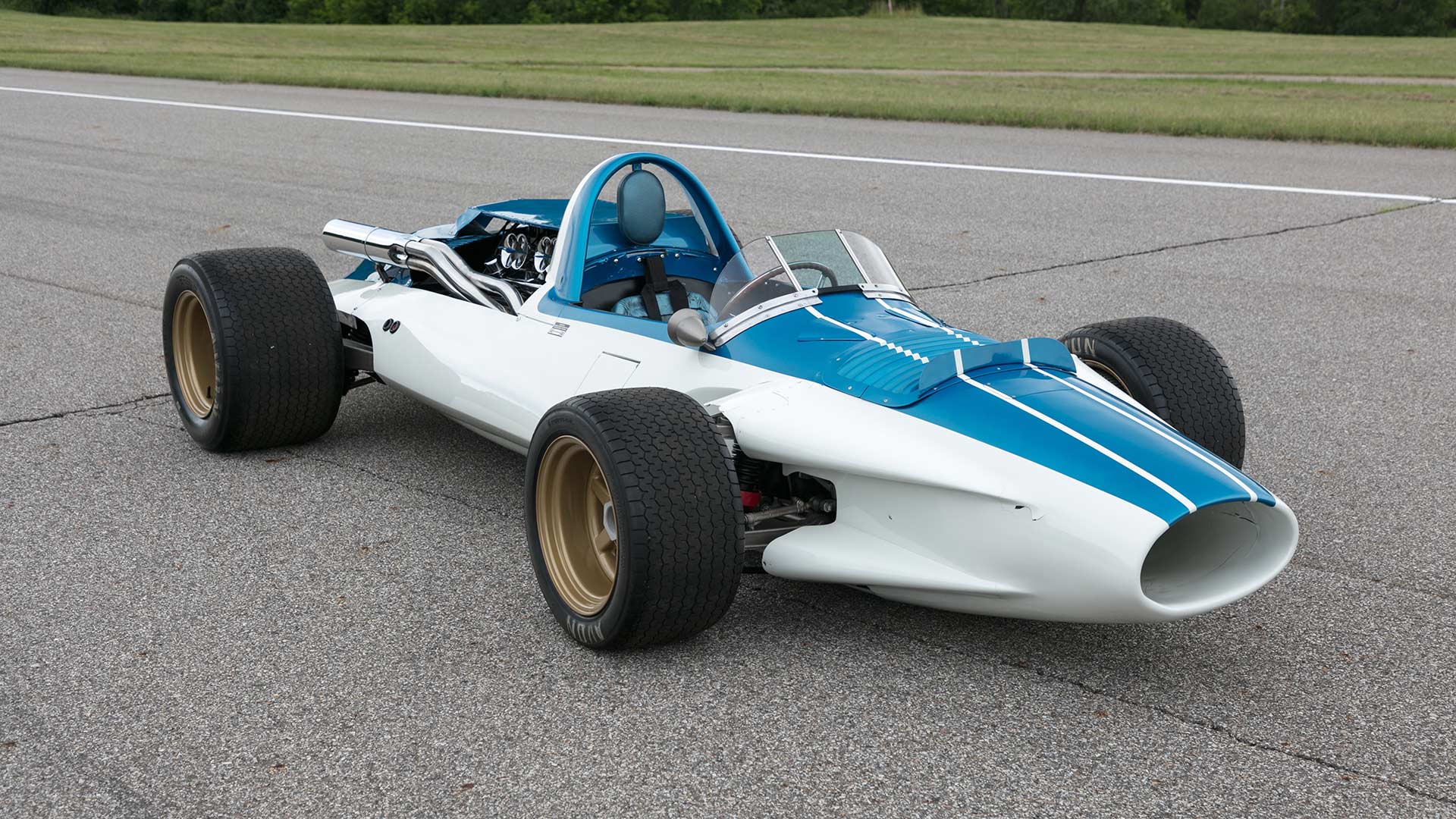
1959 Chevrolet CERV I Concept

Somewhat fittingly, the history of modern mid-engined American cars can be traced back to the Chevrolet Corvette. Famed Corvette engineer and designer Zora Arkus-Duntov experimented with a mid-engined machine in 1959, known as the Chevrolet Engineering Research Vehicle (CERV for short).

A keen racing driver, Arkus-Duntov used CERV I to experiment with engine options for the Corvette. This included an aluminum 283-cubic inch V-8, which developed 350 horsepower. The mid-engined layout was used for its optimum weight distribution and handling characteristics.

1964 Chevrolet CERV II Concept
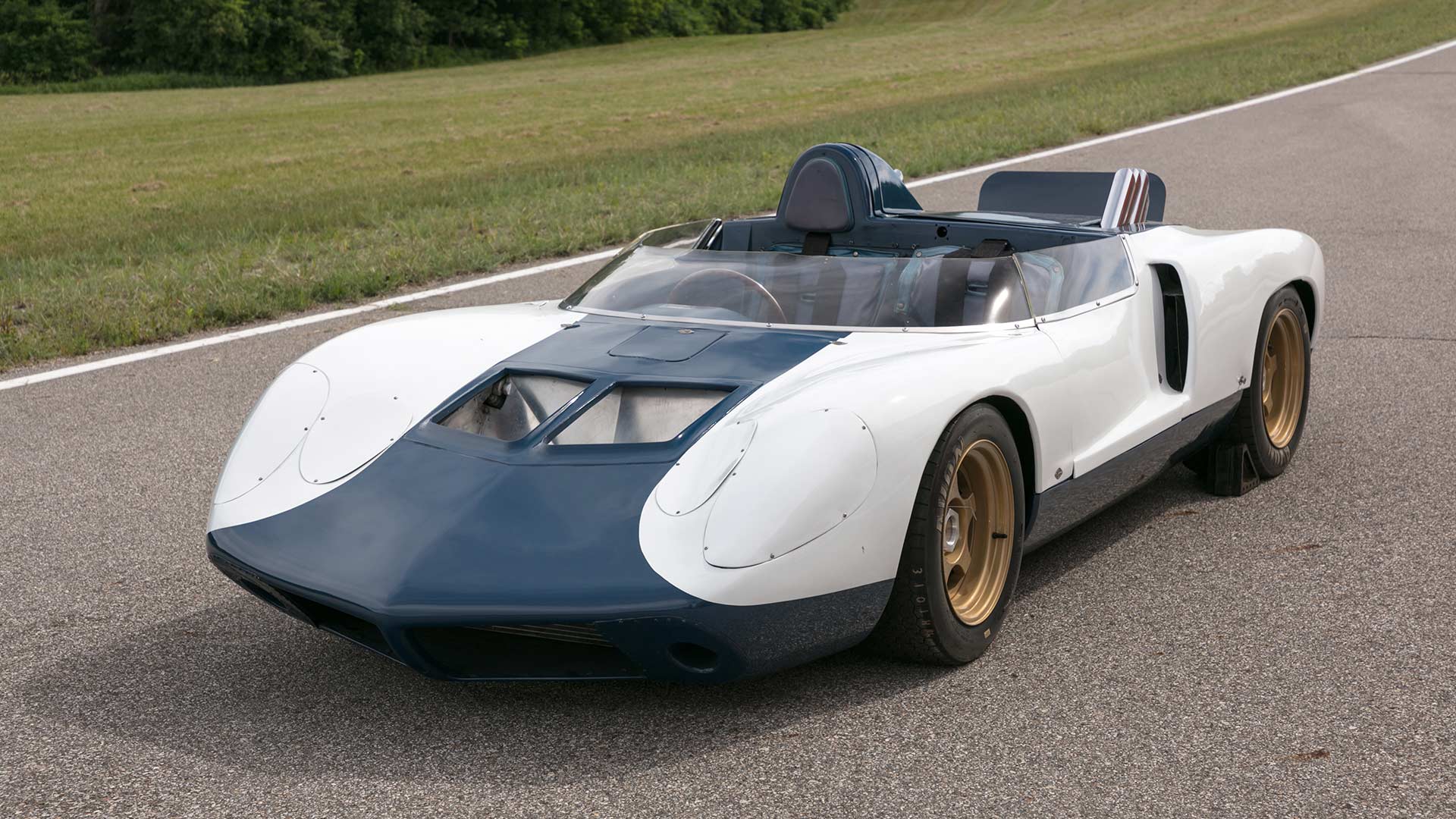
1964 Chevrolet CERV II Concept

Arkus-Duntov had identified that, in the short term at least, a mid-engined Corvette could have serious motorsport potential. In 1964 he worked with Chevrolet General Manager Semon “Bunkie” Knudsen to create CERV II as a possible entrant for the Sebring 12 Hours race.

The monocoque chassis featured a 500 horsepower 377-cubic inch V-8, linked by torque converters to both front and rear axles. Arkus-Duntov had created the mid-engined four-wheel drive sports car – something he would then patent. Plans to build actual racers never materialized, even with the potential for a top speed in excess of 210 mph.

1976 Chevrolet Aerovette Concept
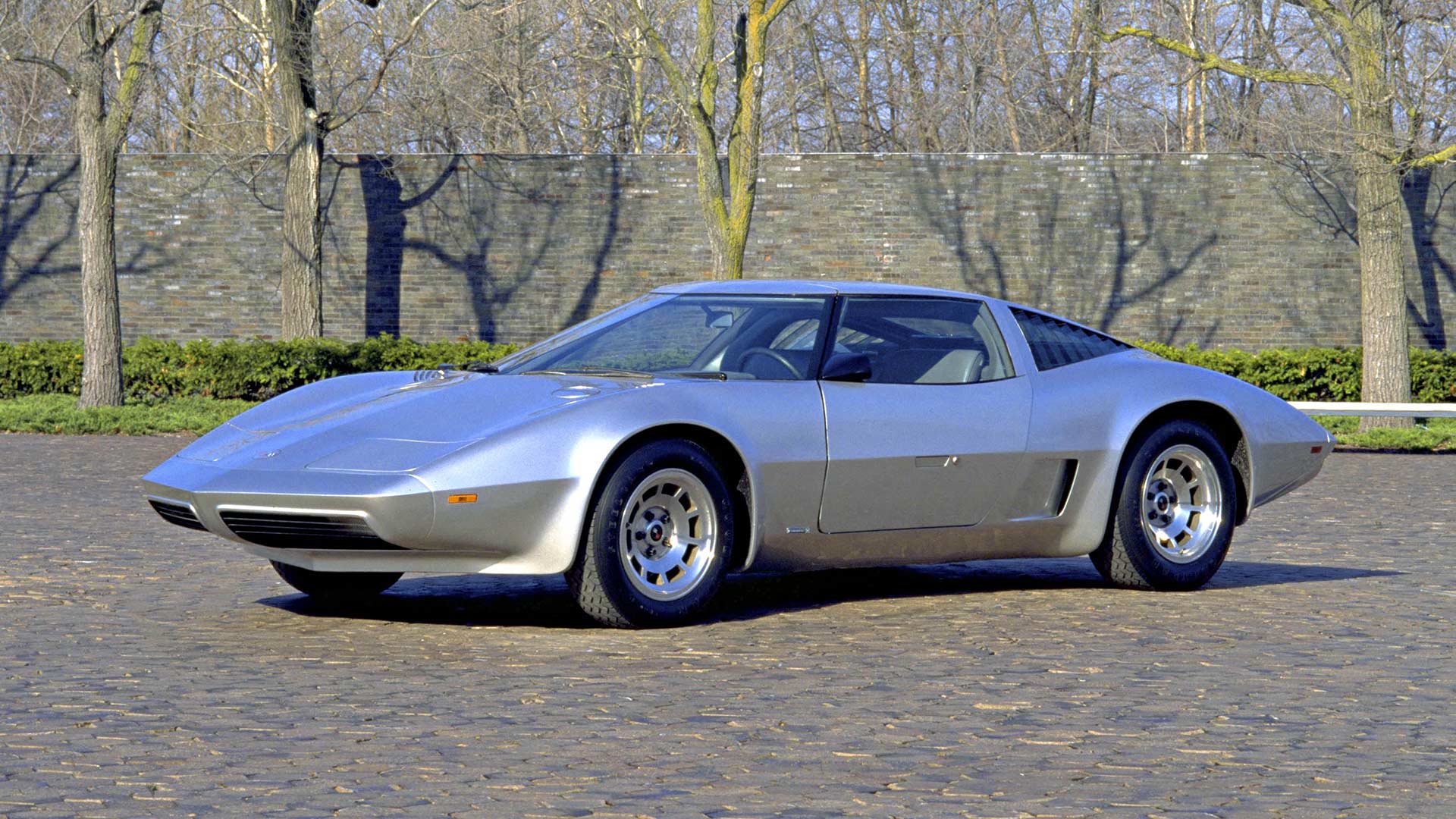
1976 Chevrolet Aerovette Concept

The key battle for Arkus-Duntov and other Chevrolet engineers was to attempt to prove that a mid-engined layout made sense for a production Corvette. A number of concepts were created throughout the 1970s, but the Aerovette became the closest to reality.

Initially powered by Chevrolet’s own four-rotor Wankel engine, the Aerovette idea was first dashed by oil embargoes and emissions regulations. A subsequent version with a V-8 engine came within touching distance of making it real, but GM got cold feet and shelved the idea.

1990 Chevrolet CERV III Concept
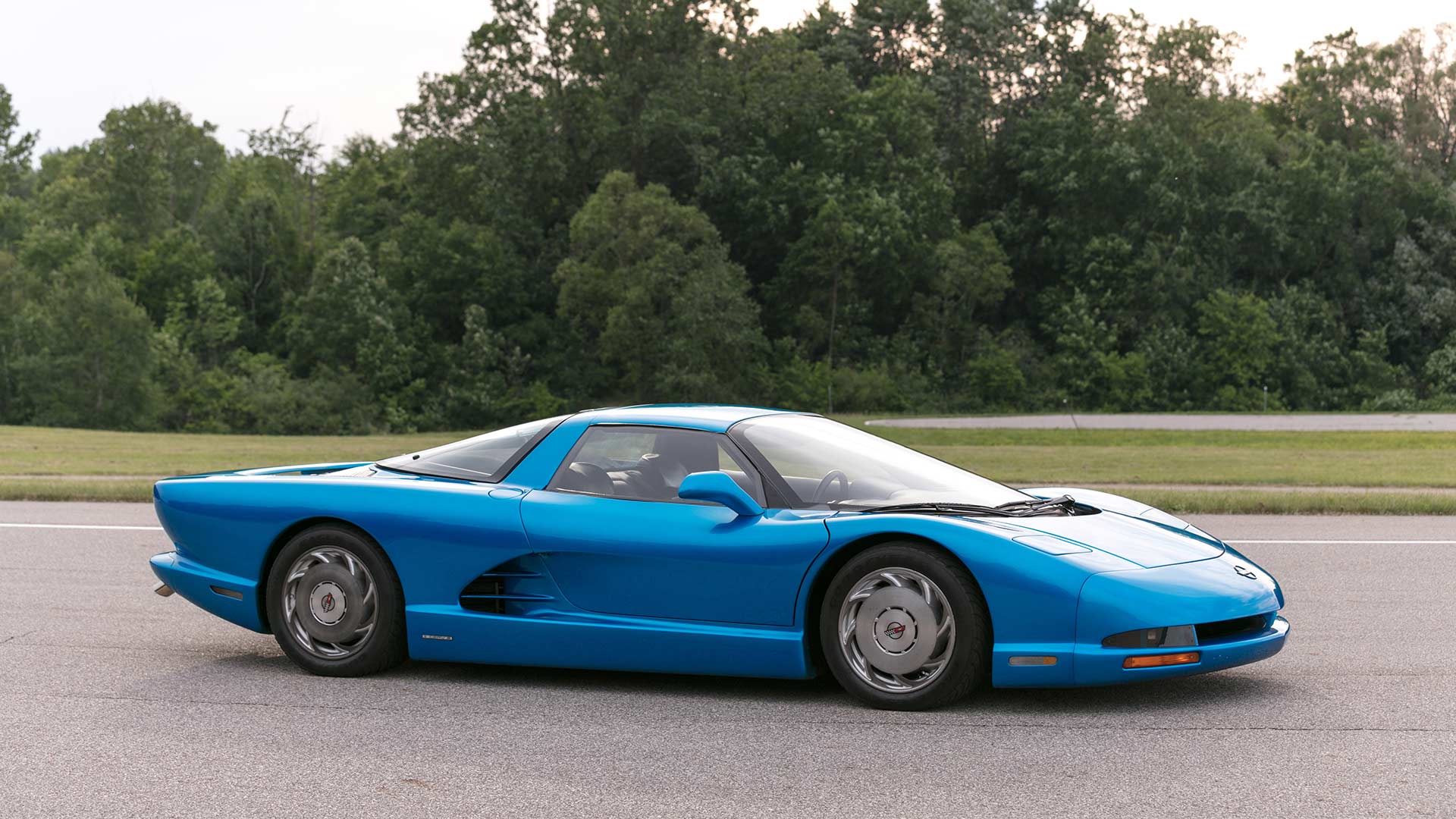
1990 Chevrolet CERV III Concept

Chevrolet’s most recent experimentation with mid-engined design came in the late 1980s, with the Corvette Indy concept displayed at the 1986 Detroit Auto Show. This subsequently evolved into the CERV III concept, built in collaboration with Lotus.

Unveiled in 1990, CERV III included high-tech features such as all-wheel drive and four-wheel steering. Power came from a turbocharged version of the 5.7-liter V-8 engine, producing an impressive 650 horsepower.

Exotic components like carbon fiber and titanium, plus the advanced technology, made CERV III too costly for GM to consider putting into production.

1966 Ford GT40 Mk II
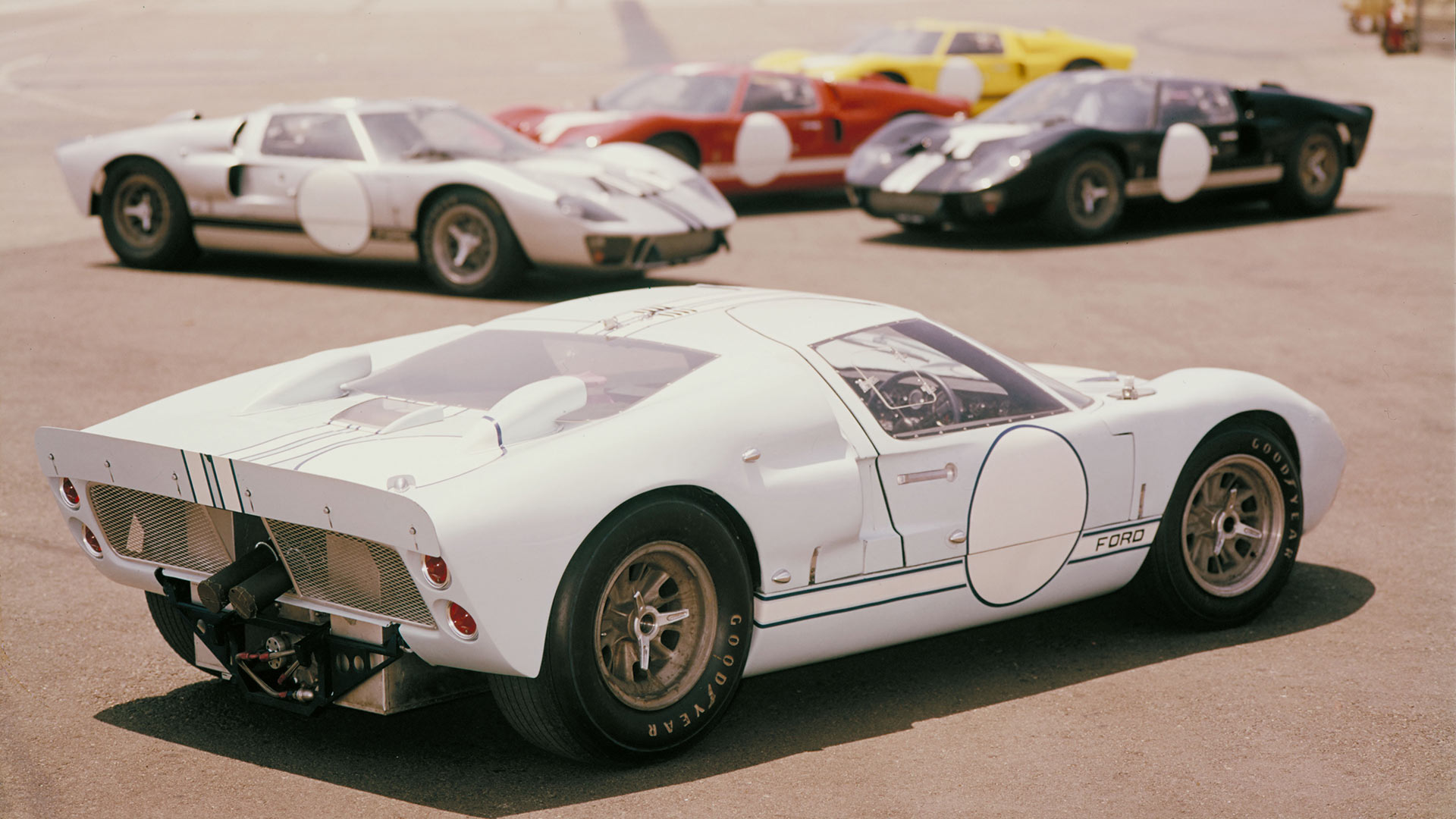
1966 Ford GT40 Mk II

Whilst Chevrolet was experimenting with the idea of a mid-engined Corvette, Ford was busy using the drivetrain layout to dominate the Le Mans 24 Hour race. Versions of the GT40 would win the French event four times between 1966 and 1969, cementing its legendary status.

Early versions of the GT40 were built in the United Kingdom, using the Lola Mk6 as a base. Only the Mk IV version, used for two races in 1967, could claim to have been truly designed and manufactured in the United States. Notably, the Mk IV won both of the events it entered.

1971 De Tomaso Pantera
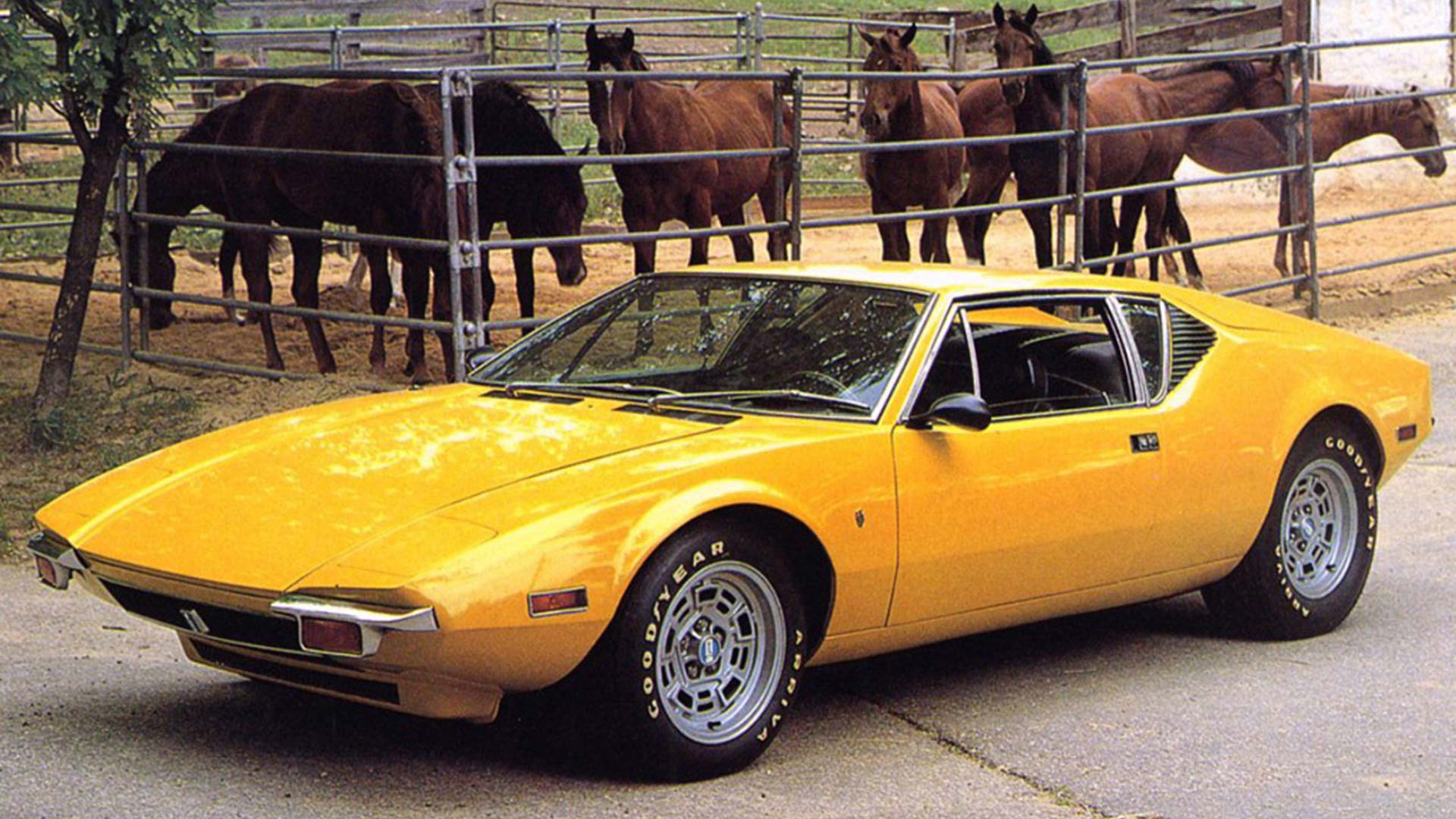
1971 De Tomaso Pantera

Another mid-engined machine with a Ford link, the Pantera may have been born in Italy, but an agreement with the Blue Oval saw it sold in Lincoln Mercury dealerships in the USA. Key to this Italian-American relationship was the Ford 351-cubic inch Cleveland V-8, sending 326 horsepower to the real wheels.

After sales of 5,500 cars, Ford USA eventually stopped officially importing the Pantera in 1975. Yet Italian production of it continued all the way until 1992. American market cars are notable for their large black plastic front ‘safety’ bumpers.

1984 Pontiac Fiero
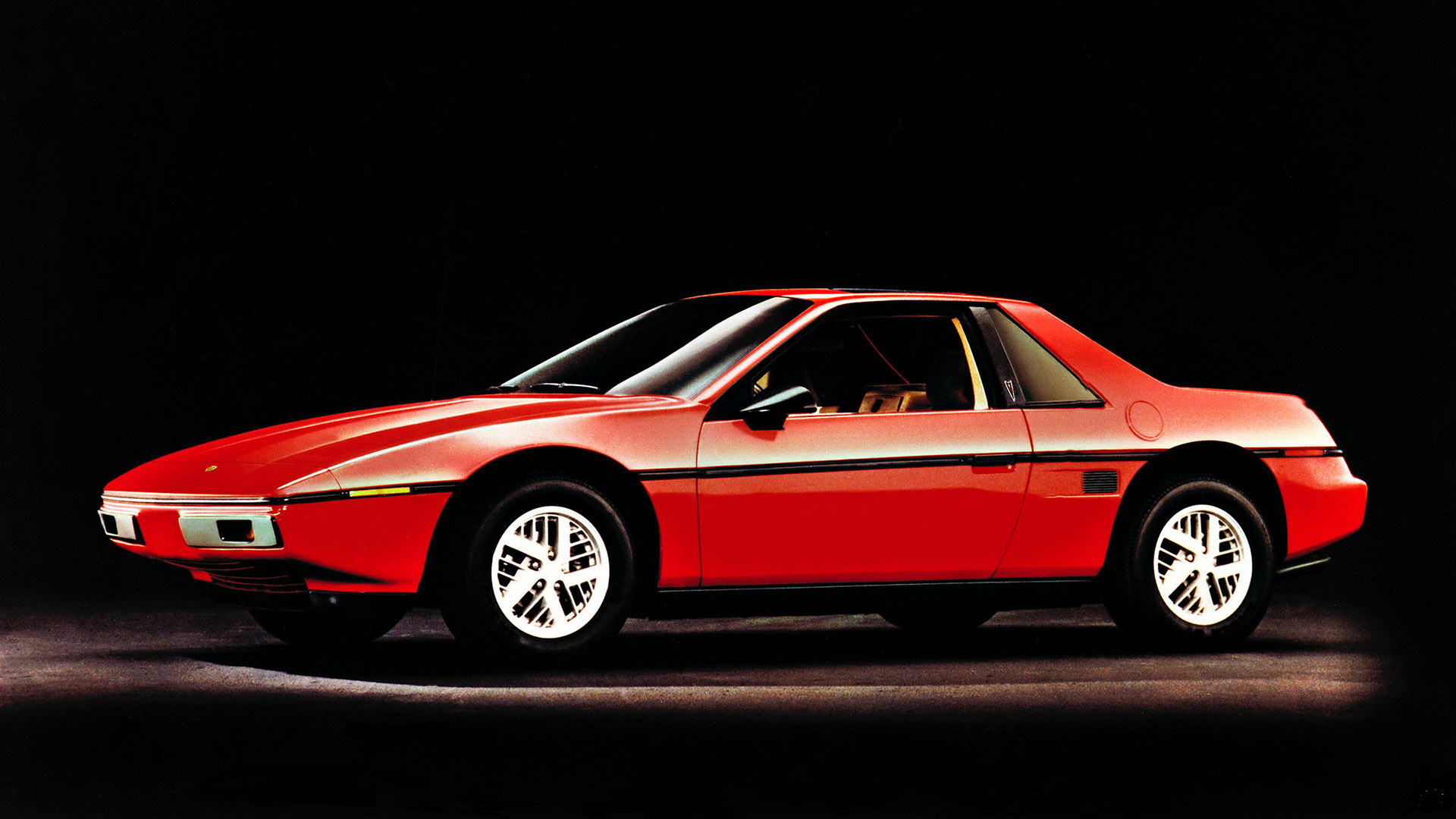
1984 Pontiac Fiero

Despite the intense use of mid-engined designs in motorsport, American road cars with the layout remained few and far between. The Pontiac Fiero, launched for the 1984 model year, would become one of the first mid-engined mass-market offerings in the USA.

More than 370,000 examples were built in five years, with Pontiac making a major marketing push. The Fiero acted as the pace car for the 1984 Indianapolis 500, and also sponsored a tour by pop rock duo Hall & Oates.

After years serving as a base for countless kit car conversions, the Fiero is now establishing a cult following amongst collectors.

1985 Ford RS200
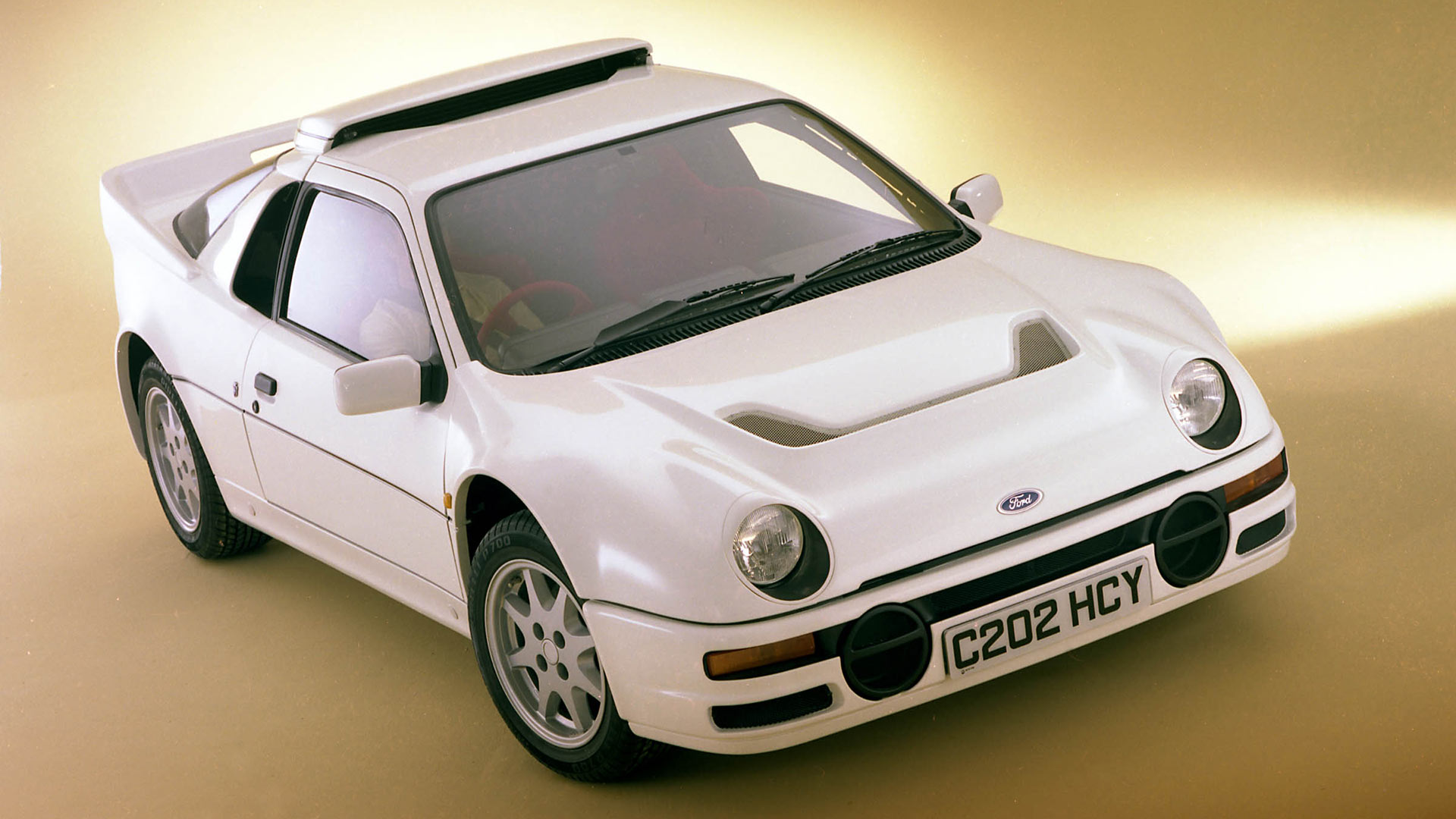
1985 Ford RS200

Technically the RS200 was produced by Ford Europe, but the significance of it is too great to ignore. Developed for competition in Group B rallying, Ford used a mid-engined four-wheel drive layout for maximum performance. Power from the turbocharged four-cylinder engine could exceed 800 horsepower in certain tunes, making the RS200 a fearsome machine.

A fatal accident on the 1986 Rally de Portugal involving an RS200 would trigger a chain reaction, resulting in the end of Group B by 1987. Ford produced 200 road-going examples of the RS200 to homologate it for rallying, with these cars now highly sought after.

1985 Consulier GTP
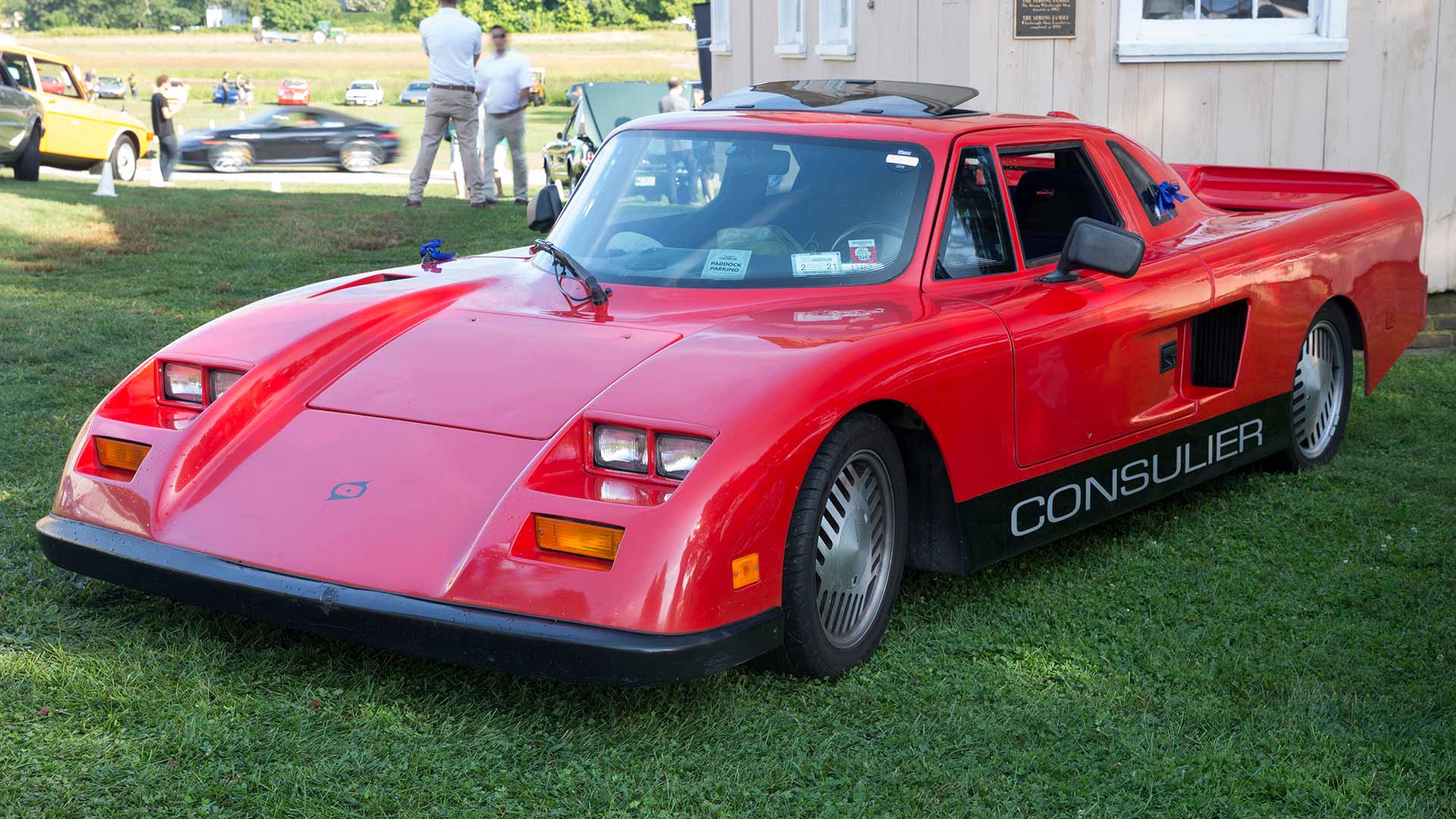
1985 Consulier GTP

Created by American economist and engineer Warren Mosler, the Consulier GTP was a low-volume mid-engined sports car. Powered by a Chrysler 2.2-liter turbocharged four-cylinder engine, the GTP used a lightweight chassis constructed from fiberglass and foam. Carbon fiber and kevlar was also used for the exterior panels.

A high power-to-weight ratio made the GTP hugely effective in IMSA racing, leading to the car eventually being banned from competition. Warren Mosler also famously offered $25,000 to anyone who could beat a road-going GTP around a race track.

1989 Vector W8
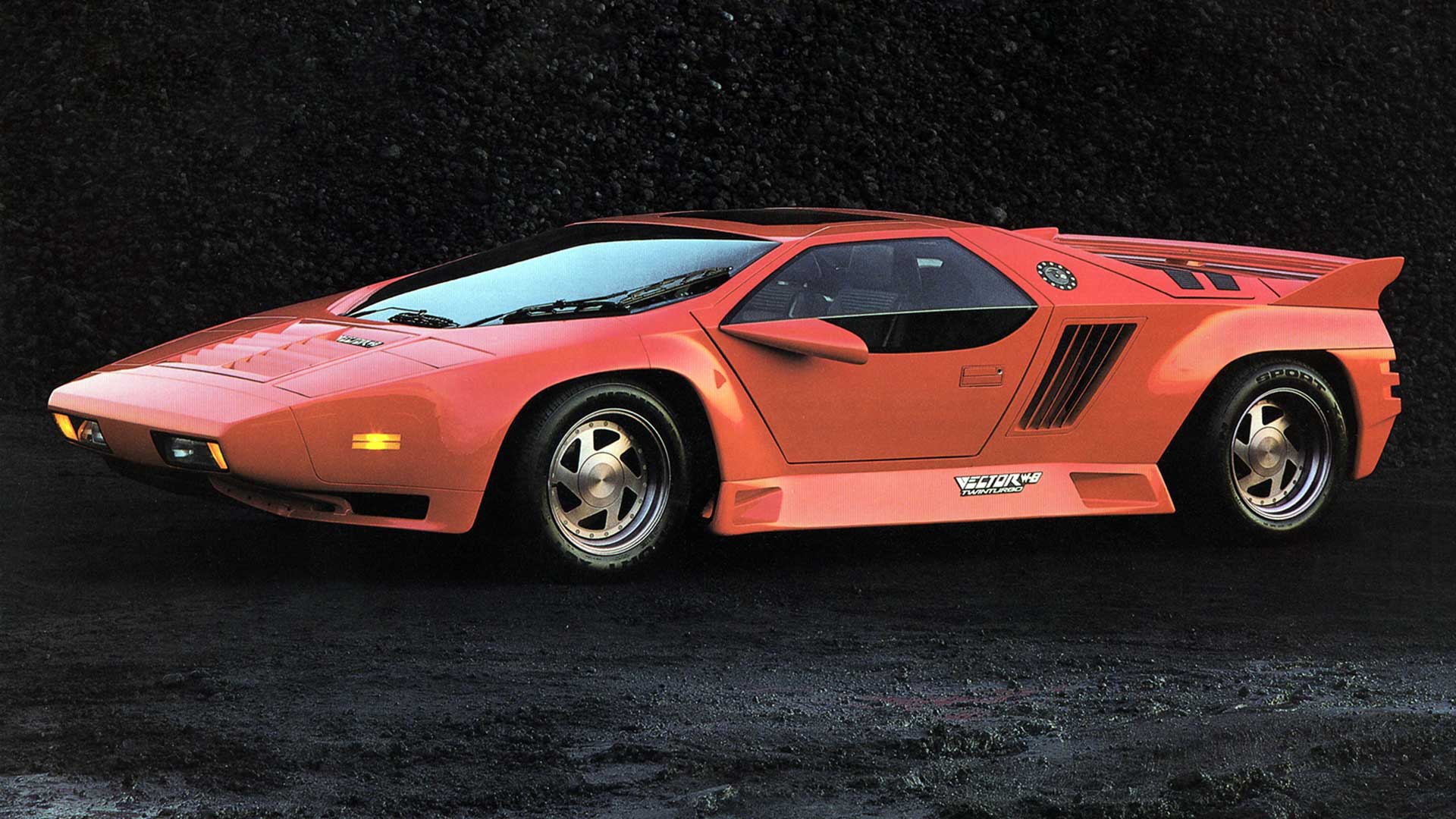
1989 Vector W8

After a decade of development, Gerald Wiegert brought his first production car to the world in 1989. Branded the Vector W8, a mid-mounted twin-turbocharged V-8 engine with a claimed 625 horsepower lived beneath the futuristic carbon fiber bodywork.

A potential top speed of 240 mph generated interest, with tennis superstar Andre Agassi one of the earliest customers. Agassi later returned his W8, due to the rear interior carpeting catching fire from the hot exhausts. Fewer than 20 production examples would be built, before Wiegert moved on to a new version of his mid-engined dream.

1995 Ford GT90 Concept
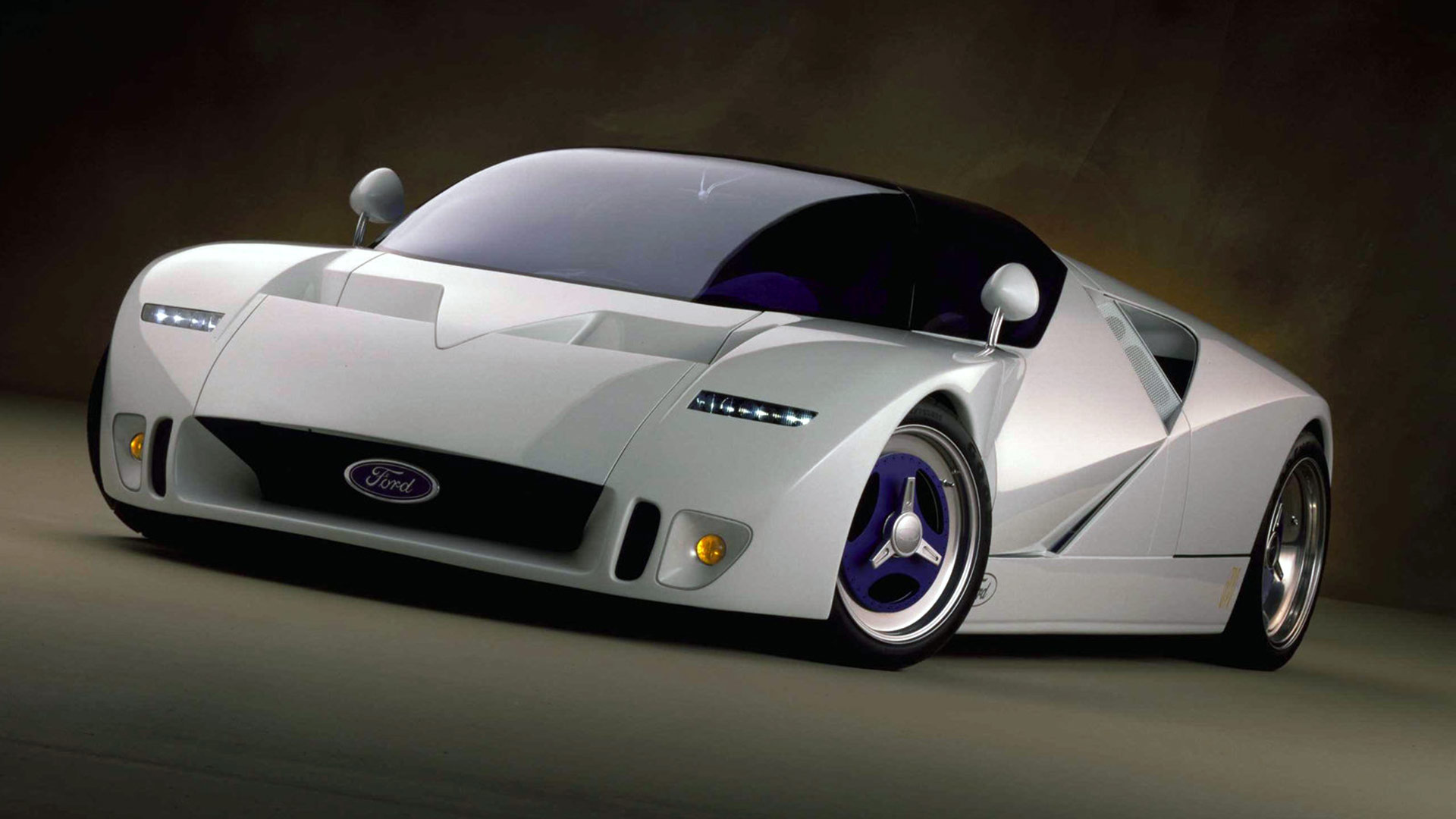
1995 Ford GT90 Concept

Pioneering the ‘New Edge’ design language which would dictate Ford’s product range for a decade, the GT90 made a dramatic debut at the 1995 Detroit Auto Show. Intended to be a spiritual successor to the GT40, a quad-turbocharged 6.0-liter V-12 made an estimated 720 horsepower, with a claimed top speed in excess of 250 mph.

Although initial ideas suggested the mid-engined GT90 could become a production car, by the end of 1995 it became clear this was very much just a pipe dream. The GT90 did at least feature in a number of video games, allowing fans to experience it virtually. 

2000 Saleen S7

2000 Saleen S7

Steve Saleen had developed a reputation for modifying Fords throughout the 1980s and ‘90s, but by the 2000 decided to launch his own bespoke creation. Made entirely from carbon fiber, the Saleen S7 owed more to race car construction than it did to regular road-going vehicles.

Early S7s used a Ford Windsor 426-cubic inch V-8 engine, with later cars featuring a twin-turbocharged version with 750 horsepower. These Twin-Turbo models were claimed to be capable of almost 250 mph.

Specially built S7-R race cars would also compete across the globe, taking multiple class victories in endurance racing.

2001 Mosler MT900
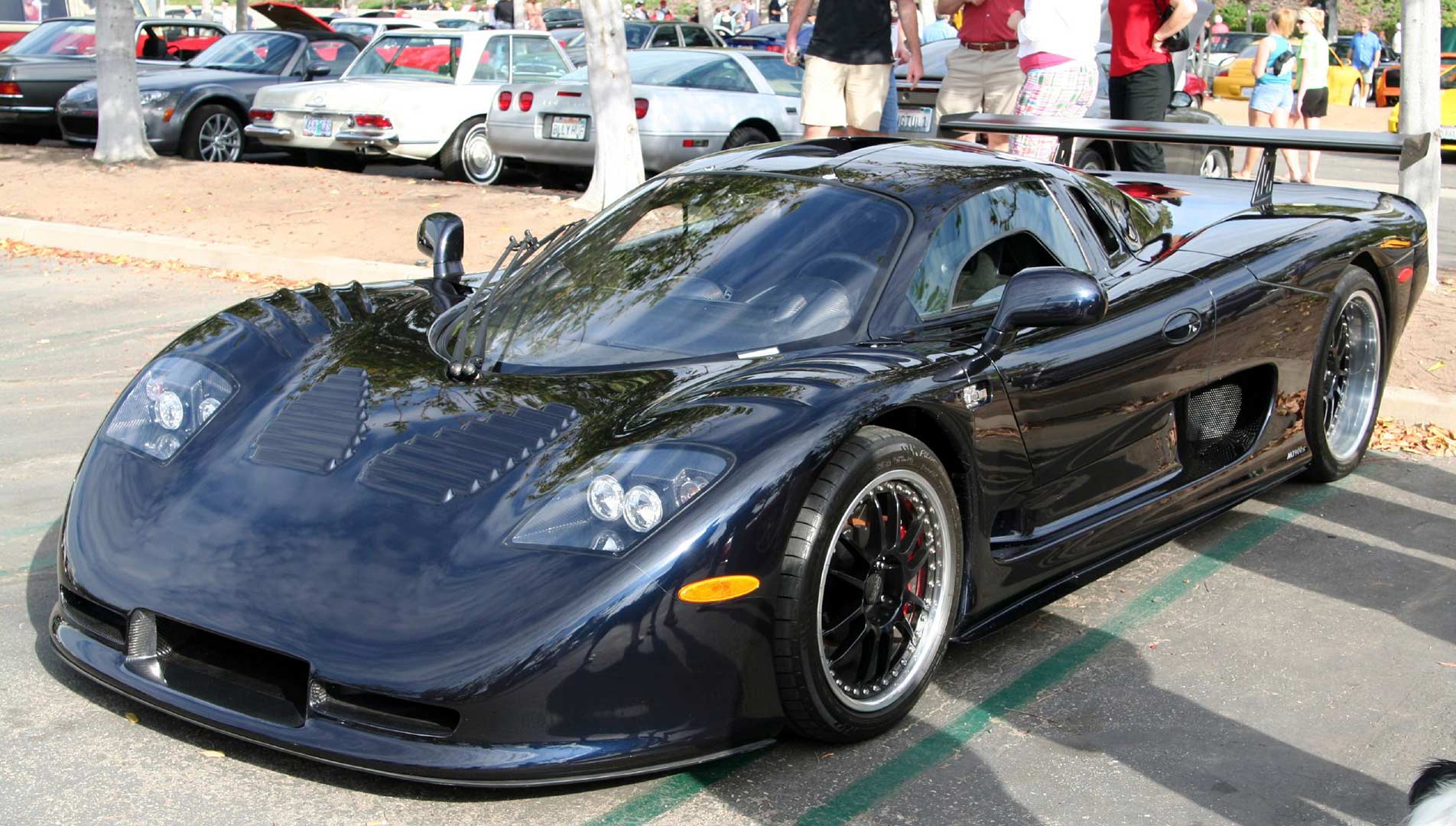
2001 Mosler MT900

Warren Mosler renamed his sports car company, and continued to work on his designs throughout the 1990s, resulting in the 2001 Mosler MT900. A carbon fiber chassis used a mid-mounted Chevrolet LS1 V-8 engine, with just one prototype being built.

By 2003, Mosler would launch the MT900S, gaining a more powerful LS6 V-8 engine. George Lucas of Star Wars and Indiana Jones fame took delivery of the first road-legal MT900S, with around 20 examples made before production ceased in 2010.

2004 Chrysler ME Four Twelve Concept
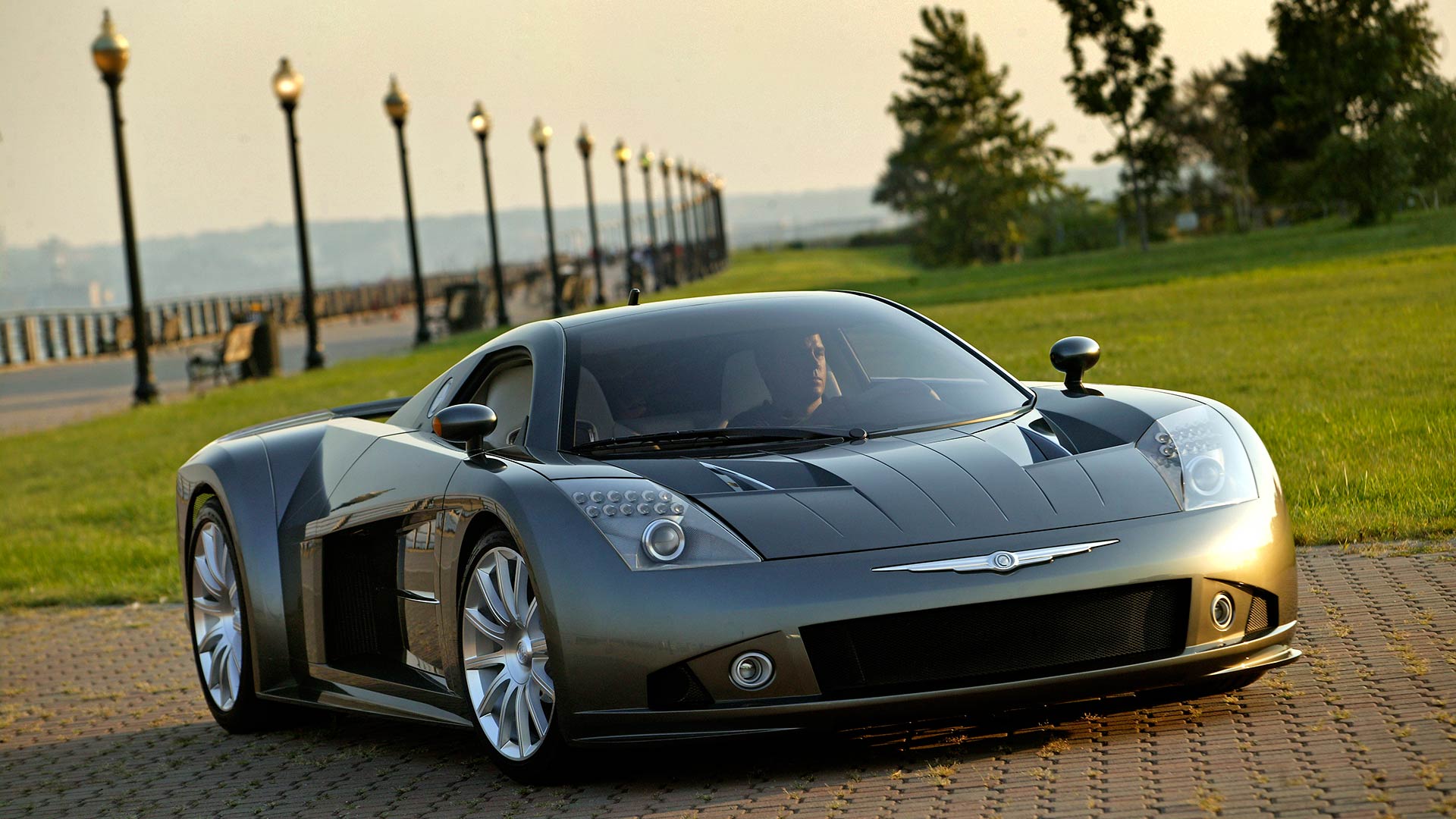
2004 Chrysler ME Four Twelve Concept

The DaimlerChrysler era saw a wealth of exciting Mopar concepts, but the ME Four-Twelve was an example of Detroit going rogue in the pursuit of performance. A Mercedes-Benz 6.0-liter V-12 engine was mid-mounted, and fitted with four turbochargers, to offer a total of 850 horsepower. An eight-speed dual-clutch transmission was also developed to channel power to the rear wheels.

Created as a fully working prototype in just eighteen months, the ME Four-Twelve was capable of 240 mph and running from 0-100 mph in 6.2 seconds. Mercedes-Benz executives were said to be outraged at Chrysler producing something which would challenge their flagship SLR supercar, causing the ME Four-Twelve to be binned. 

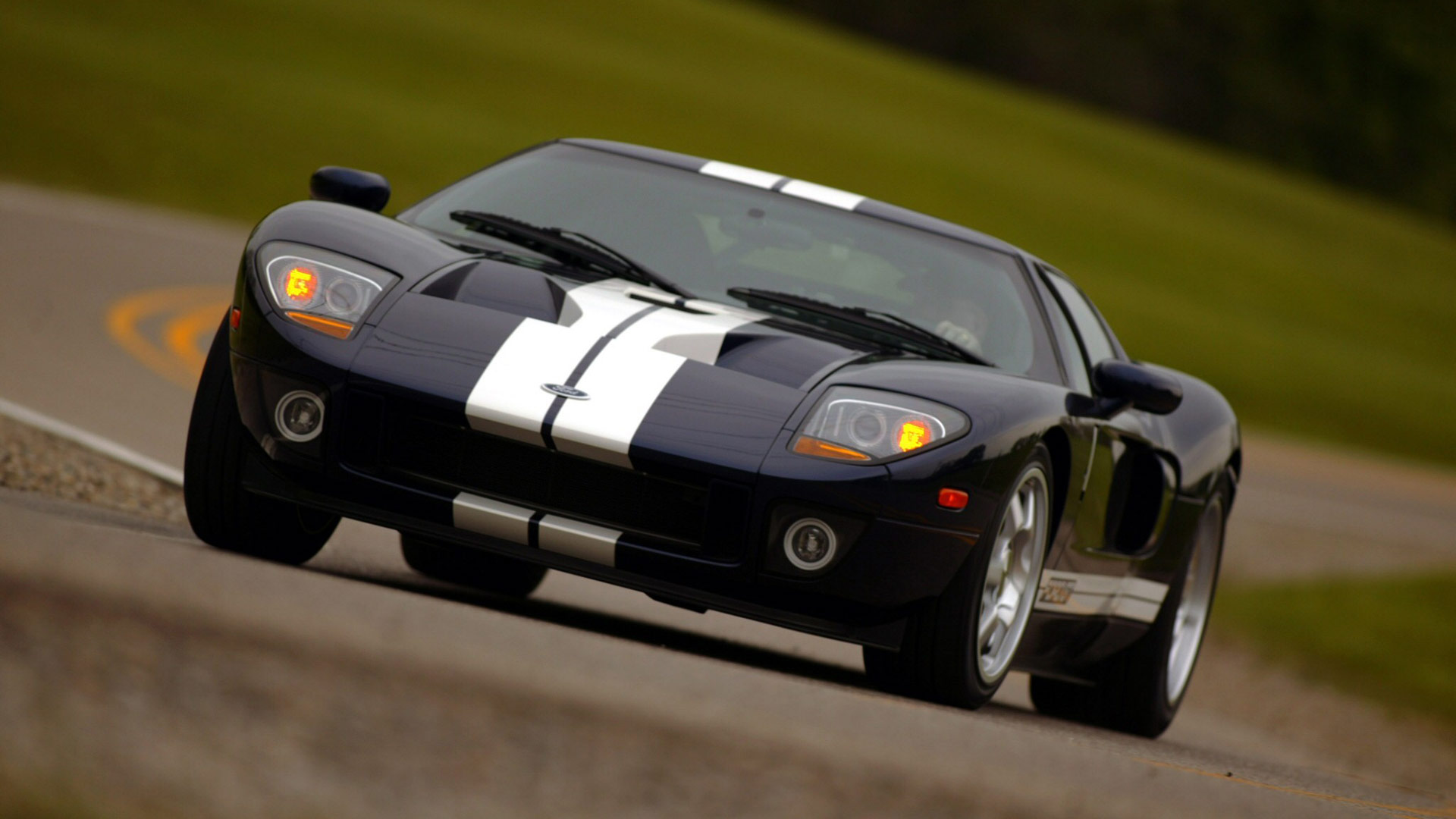
2005 Ford GT
2005 Ford GT

After appearing as a concept car for the 2002 Detroit Auto Show, Ford finally recreated the GT40 with the retro-inspired GT supercar in 2005. Bigger, wider and taller than the original, it still retained the classic features which defined the GT40, including a mid-mounted V-8 engine.

For 2005 this was a supercharged version of Ford’s Modular 5.4-liter V-8 engine producing 550 horsepower with 500 lb-ft of torque. A six-speed manual transmission was standard for all, with a top speed of 205 mph. Just over 4,000 cars were produced in two model years, with Jeremy Clarkson one of the most famous GT owners.

2006 SSC Ultimate Aero

2006 SSC Ultimate Aero

Jerod Shelby (unrelated to legendary engineer Caroll Shelby), set out to create the fastest car in the world from his base in Richland, WA. Shelby began designing his first hypercar in 1998, with the finished prototype for the Ultimate Aero revealed in 2004. Power came from a 782 horsepower supercharged Corvette V-8 engine, mounted in the middle.

Shelby continued to develop the Ultimate Aero, culminating in the Twin-Turbocharged version. A grand total of 1,183 horsepower propelled the Ultimate Aero TT to 256.14 mph in 2007, claiming the Guinness World Record for the fastest production car in the world.

Although the speed record would be beaten by the Bugatti Veyron Super Sport in 2010, SSC completed Ultimate Aero production with a final XT version. Peak power was an incredible 1,300 horsepower.

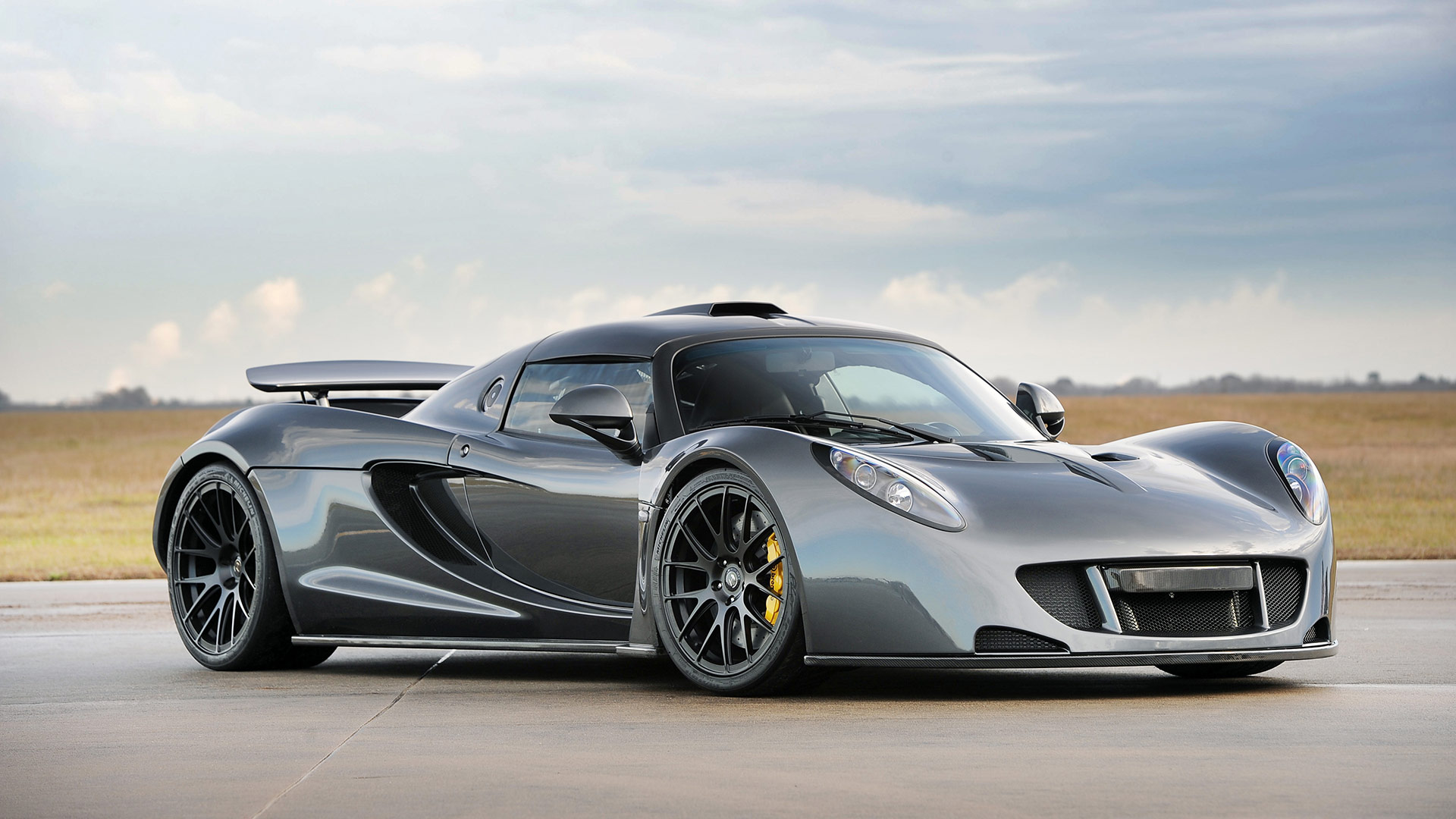
2011 Hennessey Venom GT
2011 Hennessey Venom GT

Texas-based tuner John Hennessey has a big reputation for extracting huge power from engines. The Venom GT, built on a modified Lotus Exige chassis, added a twin-turbocharged 7.0-liter GM LSX engine to the mix, with a potential for up to 1,450 horsepower.

Hennessey used the Venom GT to hit a peak speed of 270.49 mph in 2014, but was unable to register an official world record due to the only running in one direction. However, the Venom GT was recognized by Guinness as the fastest accelerating car from 0-186 mph.

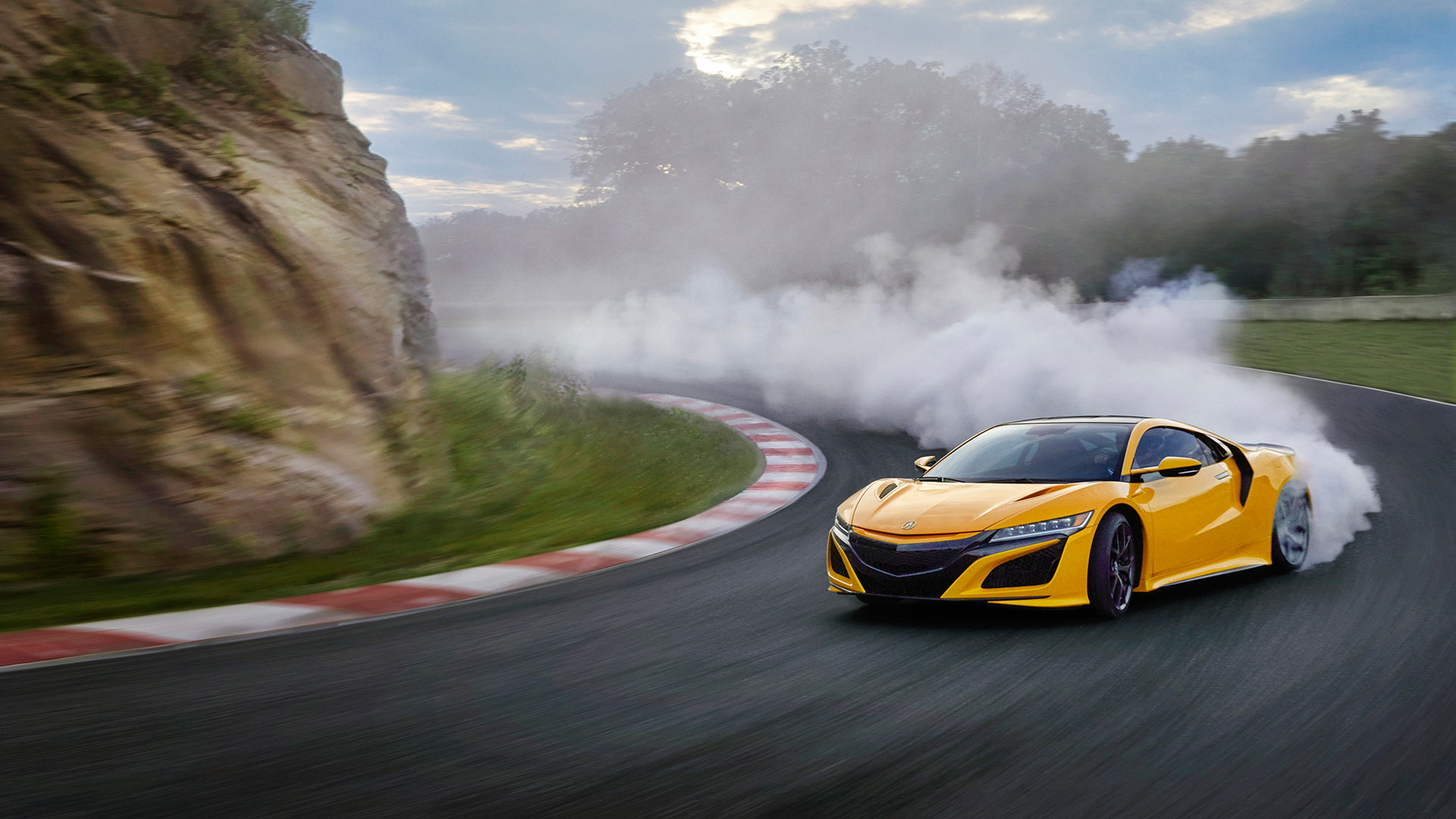
2016 Acura NSX
2016 Acura NSX

Acura may be the luxury division of Honda, but the second-generation NSX is almost as American as apple pie. Whilst designed for a global audience, North America is the primary market for the new NSX, with production taking place at Honda’s Performance Manufacturing Center in Maryland, Ohio.

Sitting in the middle of the NSX is a 3.5-liter twin-turbocharged V-6 engine, combined with three electric motors, for hybrid all-wheel drive performance. With a total power output of 573 horsepower, the hybrid NSX can accelerate from 0-60 mph in under 3 seconds, and on to over 190 mph.

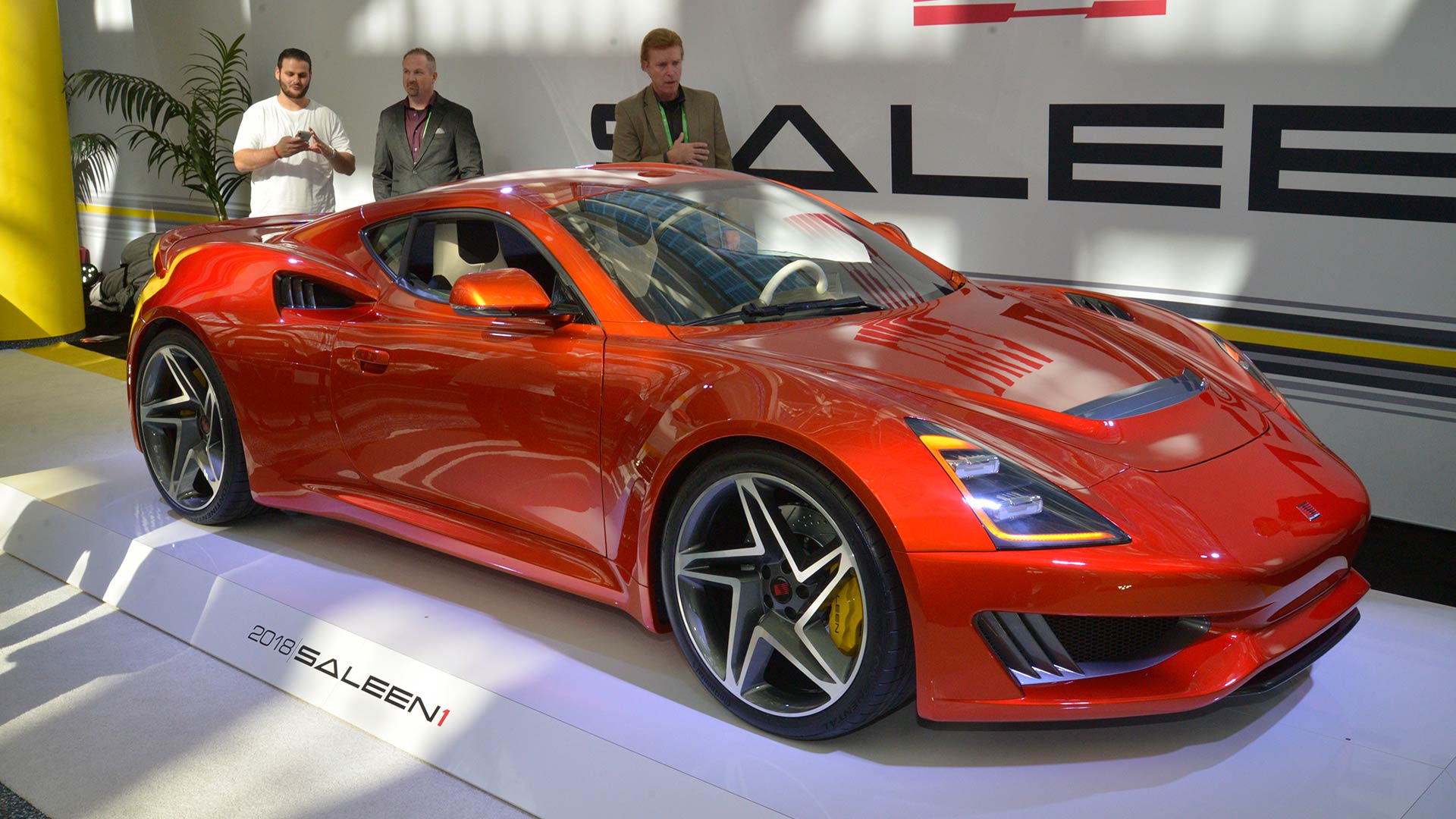
2017 Saleen S1
2017 Saleen S1

A decade after Saleen ended production of the S7, the 2017 Los Angeles Auto Show saw the debut of a brand-new sports car from the American brand. Rather than focussing on straight line speed, the S1 aims to deliver agility with an aluminum chassis and carbon fiber body panels.

A mid-mounted 2.5-liter four-cylinder turbo offers up 450 horsepower, combined with a six-speed manual transmission. Priced from $100,000, initial cars will be built in the USA, with production also planned for China. Saleen has also created a single-model race series to demonstrate the abilities of the S1.

2017 Ford GT
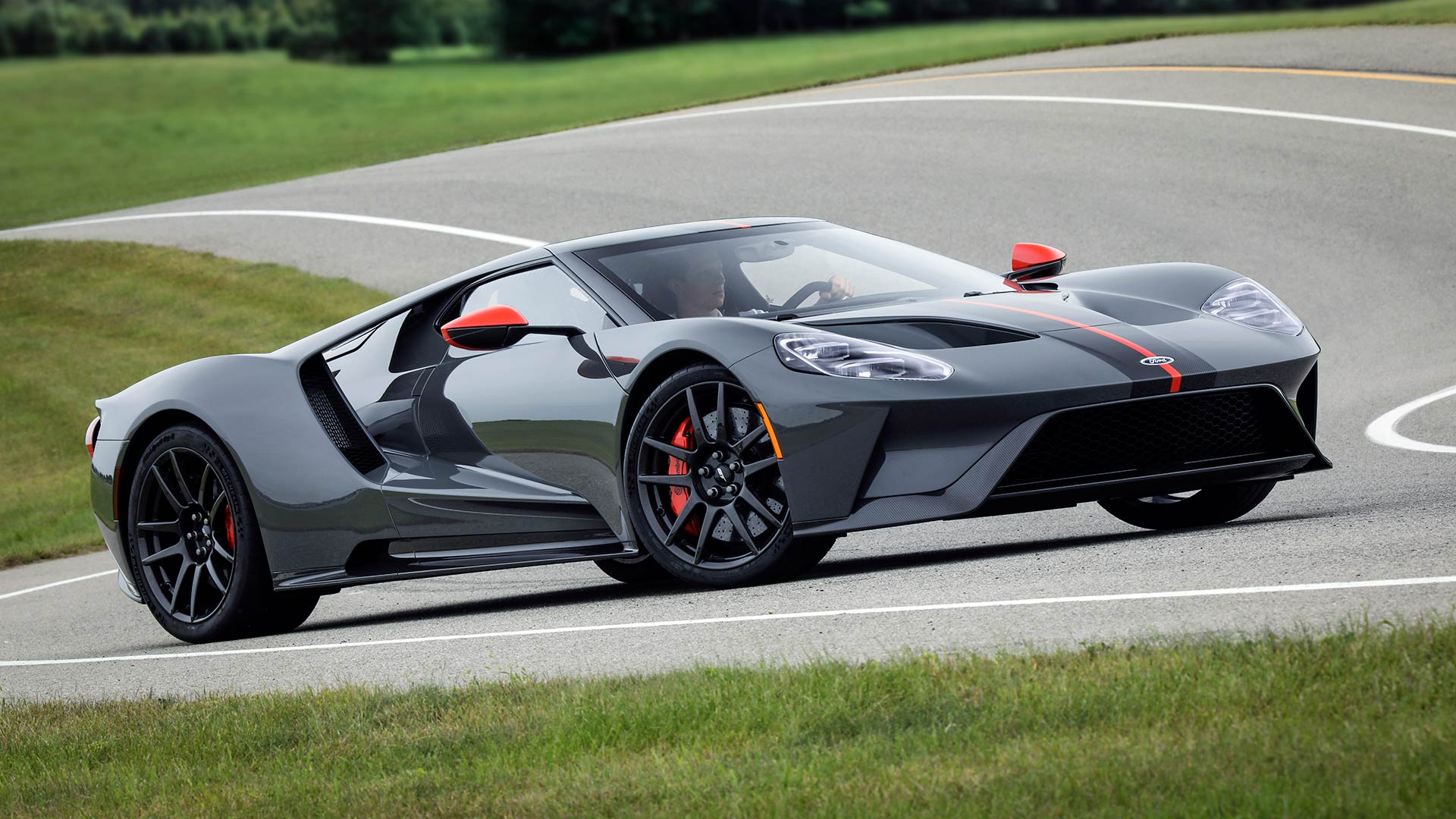
2017 Ford GT

The second-generation Ford GT abandoned retro styling for a thoroughly modern design, using a mid-engined carbon fiber chassis and a twin-turbocharged EcoBoost V-6 engine. Although the technology may be nothing like the original GT40, racing versions have still proved successful, including victory at the 2016 Le Mans 24 Hour race.

Interest in the 647 horsepower GT was so great that Ford was able to pre-select who would qualify to buy one of $500,000 supercars. Is the GT truly American though? Despite being designed in the USA, production actually takes place north of the border in Markham, Ontario. 

2019 SSC Tuatara
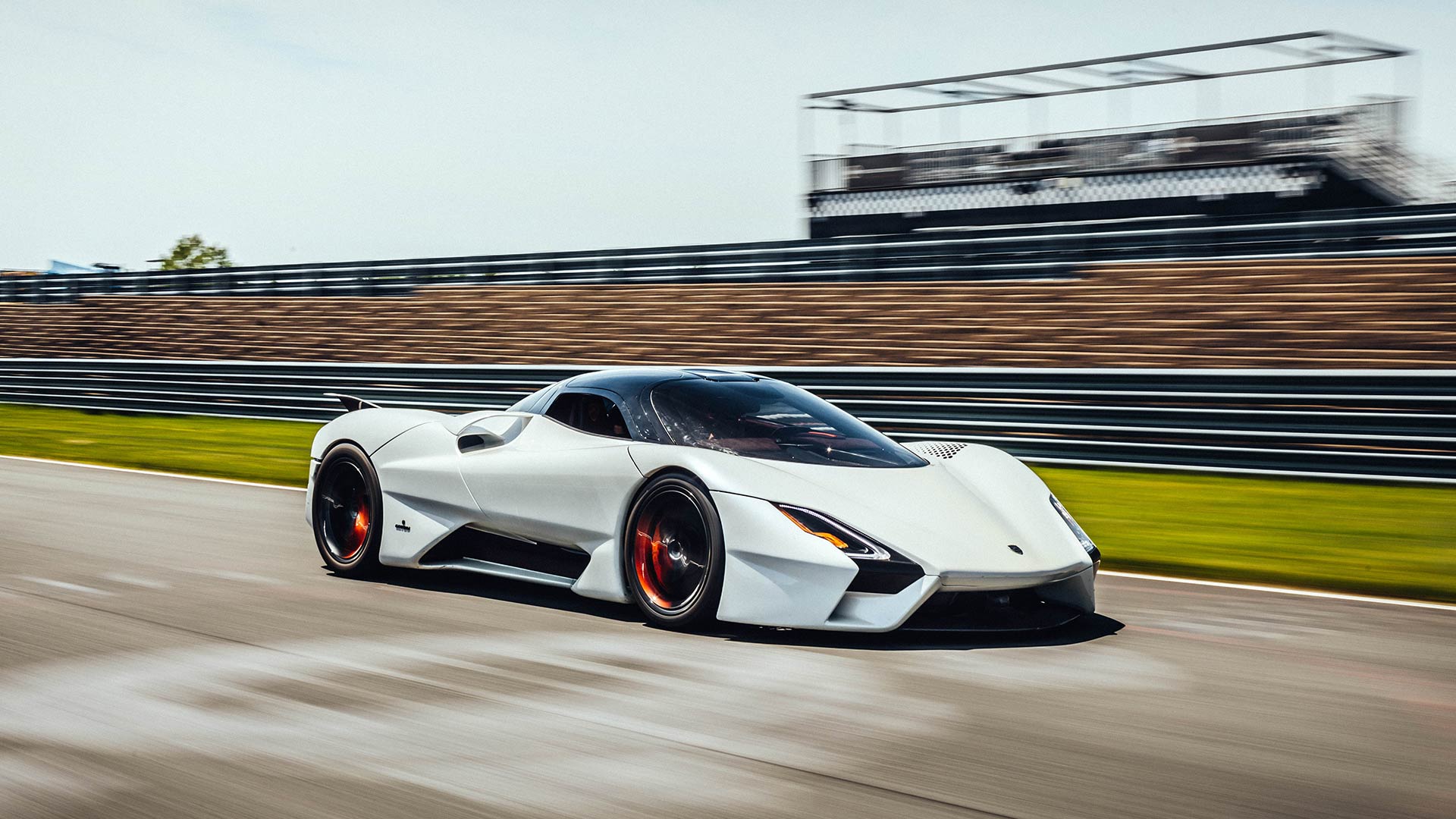
2019 SSC Tuatara

Slipping into production this year, the SSC Tuatara aims to improve on the performance shown by the Ultimate Aero, with the aim of breaking the 300 mph barrier. A bespoke carbon fiber chassis mounts a custom-designed twin-turbocharged 5.9-liter V-8 engine in the middle.

Regular gasoline sees a power output of 1,350 horsepower, whilst using E85 ethanol results in an incredible 1,750 horsepower. Designed with an aerodynamic shape, the Tuatara is fitted with a seven-speed semi-automatic transmission sending all the power to the rear wheels. Inside is a speedometer which, tellingly, reads all the way to 300 mph.

2019 Hennessey Venom F5
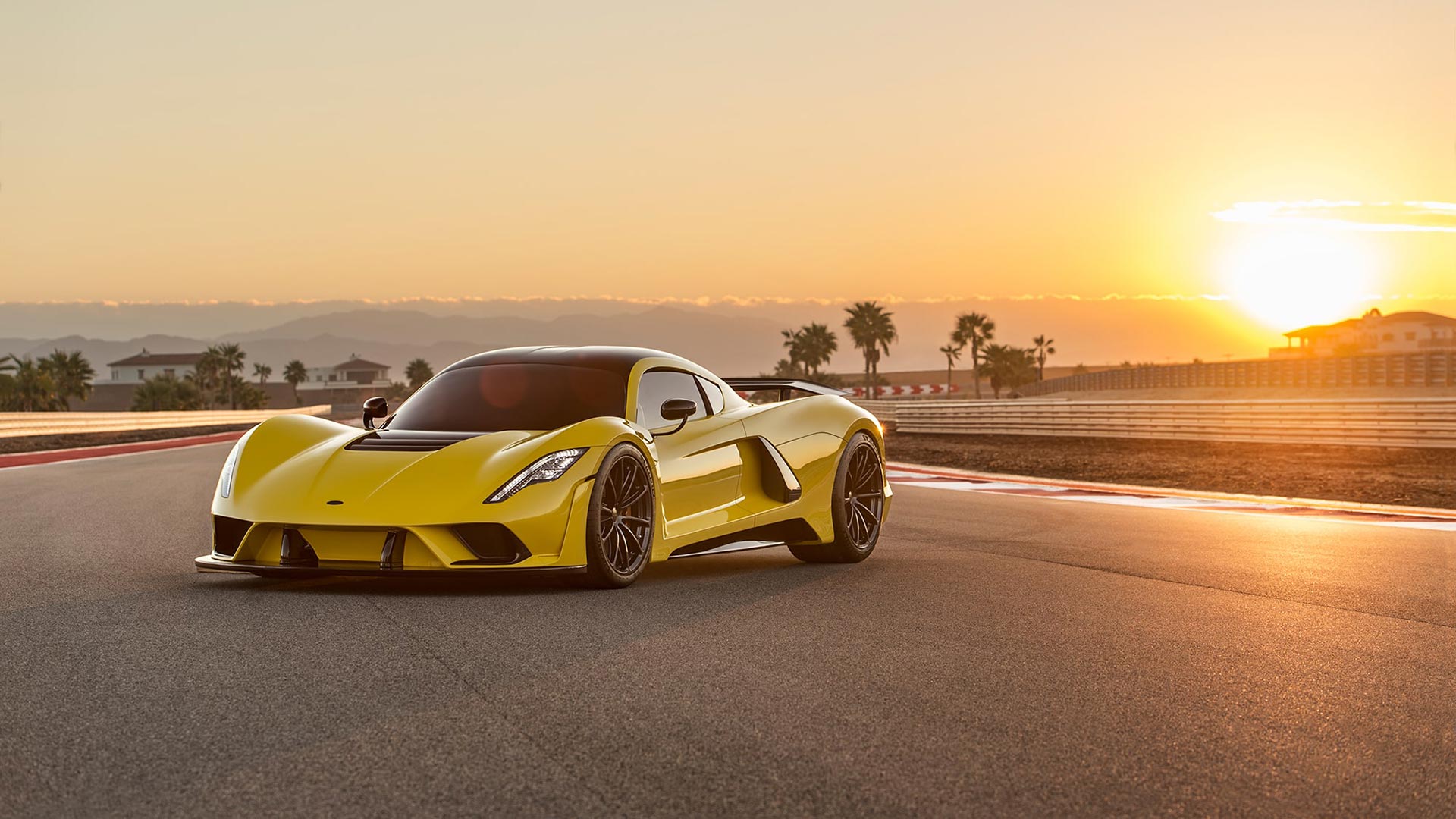
2019 Hennessey Venom F5

What is better than a top speed of 300 mph? A potential top speed of 301 mph, of course. Hennessey promises that the successor to the Venom GT will offer even more performance, with advanced technology like active aerodynamics and a body made entirely from carbon fiber.

At the heart of the Venom F5 – named after the Fujita tornado scale – is a 6.6-liter twin-turbocharged V-8 engine. This mid-mounted motor has been developed with Pennzoil and Shell, and has been confirmed to produce 1,817 horsepower and 1,193 lb ft of torque.

2020 Chevrolet C8 R
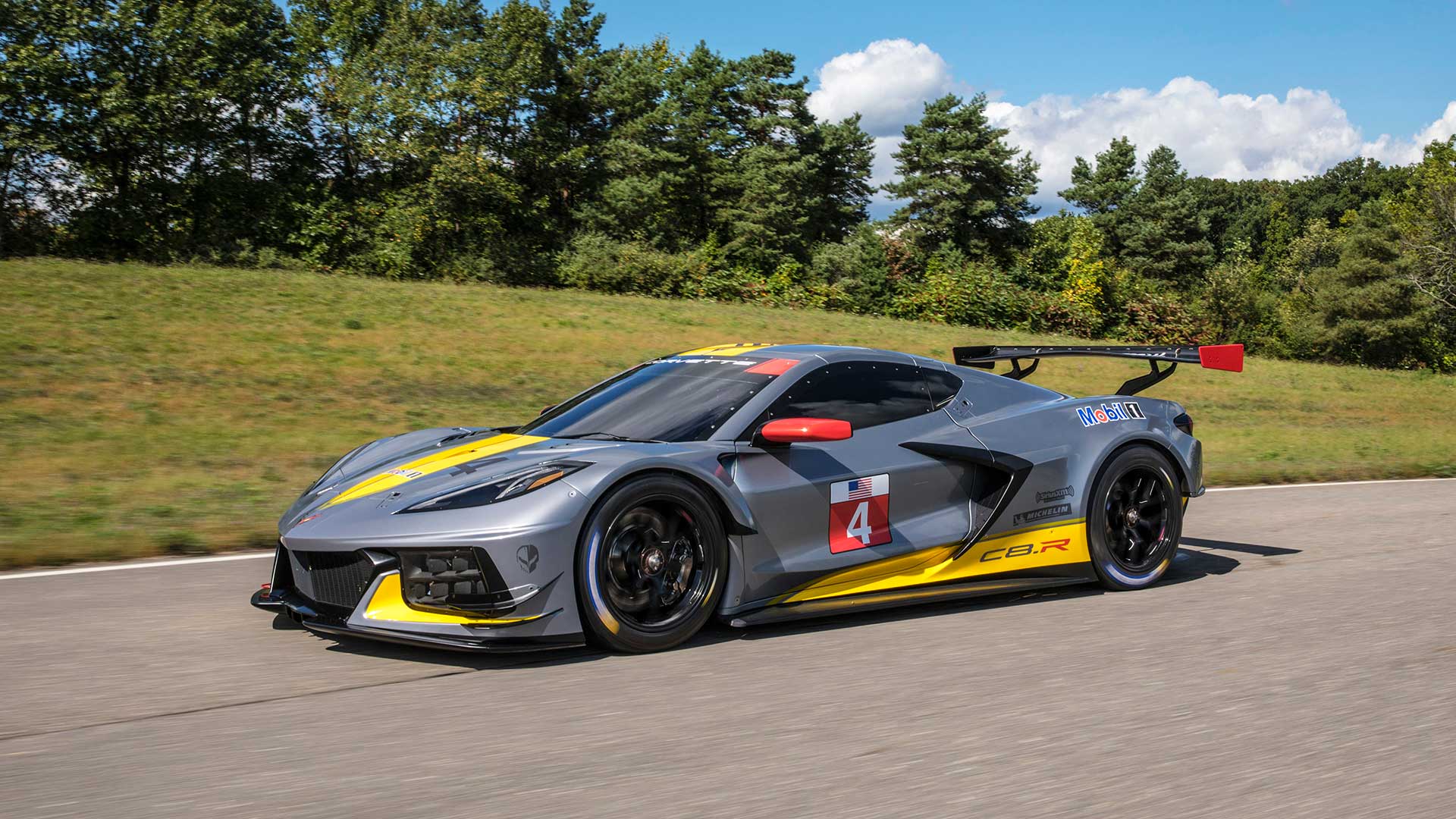
2020 Chevrolet C8 R

Almost six decades after Zora Arkus-Duntov experimented with a mid-engined Corvette for motorsport, Chevrolet will soon hit the track with a race car based on the new C8. Set to compete in the IMSA GTLM class, the first race for the new C8.R will be the 2020 Daytona 24 Hours event in January.

Using a modified production chassis from the new Corvette, the C8.R use a naturally aspirated V-8 engine producing 500 horsepower. Chevrolet states that the new yellow and silver livery pays tribute to classic mid-engined concepts, including the Aerovette.

Advertisement

Bring a Trailer: Exclusive insight into the auto auction company

0

Bring a Trailer has become one of the major destinations for car enthusiasts to find the next classic or cult machine to add to their garage.

We got the inside scoop on how this auction website has become so popular from co-founder and CEO, Randy Nonnenberg.

Along with getting the story on how it all began, we have also taken a look at the ten cars which have achieved the highest sale prices on Bring a Trailer.

More car auctions on Motoring Research:

It all started with a blog

The story of Bring a Trailer (BaT) began in 2007, when Nonnenberg started his own blog which highlighted cool cars for sale at the time. Subsequent years saw a large increase in the number of people registering for the Bring a Trailer daily email newsletter.

Nonnenberg then decided to add his own fixed-price listings for members of the Bring a Trailer community to sell cars. In 2010, the popularity of BaT site saw him “quit his day job” to enable him to work full time on developing its online presence.

The continued growth saw Bring a Trailer host some 7,718 auctions in 2018, with the company on track to see more than 12,000 vehicles listed in 2019.

Prepare for serious office envy

With such a large volume of sales taking place, Bring a Trailer now has an office in San Francisco. It is a workspace which clearly demonstrates the enthusiasm for cars held by those who work there.

Working in a trendy warehouse-style office is one thing, but getting to do it sat next to a classic Chrysler or Datsun would be dream life for many automotive fans.

Should the lure prove overwhelming, the continued success of BaT does mean that the firm is currently hiring at the time of writing…

Community engagement matters

One of the key features of Bring a Trailer is the sense of community built around its users. Between 2010 and 2012, the interest in each listed car rose significantly, with Nonnenberg noting that each new post was receiving “50-plus comments”.

Community members are able to ask questions to the seller about the car listed, allowing everyone to see the answers. Not only does this allow more informed bidding, but it can also result in enthusiasts gaining new knowledge.

Users often recount stories about when they have owned a car similar to the one listed, and frequently congratulate successful bidders on winning their new ride.

Crunching the numbers

Engaging with the regular users who bid and comment on auctions has been key to the growth of Bring a Trailer. Nonnenberg explains that it was the number of BaT Community members “asking to list their cars directly” with the website that created the current auction model.

The volume of requests meant that the original classified-style listings on BaT essentially became unworkable. Nonnenberg realized that if “sellers underpriced their car, there would be an unmanageable feeding frenzy, and if they overpriced it, there would be no action at all.”

This led to the development of the current auction system from scratch. Launched in 2014, the auction setup now sees more than 250 cars listed for auction each week.

A different kind of Monterey Car Week auction experience

Whilst many of the traditional auction houses host huge sales as part of Monterey Car Week, Bring a Trailer’s online platform allows the company to do things differently.

With sales continuing around the clock, for 2019 Bring a Trailer brought together staff and community members for a gathering at the Monterey Motorsports Event at Laguna Seca.

Some 80 BaT ‘alumni’ attended, bringing together a range of cars previously sold on the auction site. 
What’s in the secret sauce…

According to Nonnenberg, one of the most frequently asked questions about Bring a Trailer is what the team looks for when choosing which cars to allow to be listed. Searching the listings will find anything from classic Jaguars, through to retro BMWs, and even modern supercars.

Whilst there is no secret algorithm, choices are made based upon both quantitative and qualitative factors. Rarity, pricing, and specification play a part, but then so do considerations like “seller impression, photo quality, and the general desirability” of a particular car

Ultimately, Randy states that the website wants to encourage an eclectic mixture of cars, as they like everything from “inexpensive enthusiast” models, through to the “blue-chip Shelbys and Testarossas.”

Most popular cars on Bring a Trailer

Whilst Bring a Trailer does keep an open mind to the cars it lists, there are typical fan favorites which appear regularly. All Porsches, Ford Mustangs, Datsun 240Zs, and Alfa Romeo GTVs are said to “lead the pack” by overall volume of sales.

However, the level of views a car receives can often be linked to price, where the “high dollar” vehicles draw large crowds of interest watchers. The recently launched Premium ‘white glove’ service has no doubt pulled in more curious onlookers.

With this in mind, we took the opportunity to check out the ten cars which have sold for the highest amount on Bring a Trailer. Keep clicking to see the highest-rollers to date.
  1. 1956 Mercedes-Benz 300SL Gullwing
Owned by Bring a Trailer, this rare 300SL Gullwing was auctioned to celebrate the launch of the new Premium sales feature.

The Graphite Gray paintwork was the color applied in the factory, and the car had just two previous owned before being added to the Bring a Trailer fleet in 2013. Restoration work was undertaken on the interior in 2016, along with a mechanical overhaul in 2019.

It meant the bid of $1,234,567 secured the lucky new owner a car which was in amazing condition, and ready for new adventures.

  1. 1987 Porsche 962 IMSA GTP

A true piece of Porsche motorsport history is a rare opportunity to own, so the $960,000 sale price for this 962 should perhaps not be a shock.

When new, it was raced in three endurance events during 1987, wearing the distinctive red and black Yokohama livery. The 962 then went into private ownership, which included restoration and overhaul work.

More recently, this Porsche has taken part in various historic motorsport events, something the lucky bidder who won the car in August 2019 is likely to continue with.

  1. 1952 Ferrari 212 Inter Coupe

Many classic cars have interesting stories, but this rare Ferrari has a history worthy of its own movie feature. After first having been shown at the 1952 Paris Auto Show, this car was bought personally by Juan Peron – the then President of Argentina – in 1953.

Later being owned by notable Ferrari collectors, this unique 212 Inter won prizes at the 2002 Pebble Beach Concours d’Elegance and at the Palm Beach Cavallino Classic.

Sold in July 2019 for $950,000, this represented a slight fall from when the car was sold the year before at auction.

  1. 1973 Porsche 911 Carrera RS

With Porsches representing 40 percent of the best-selling top ten, it is clear that anything from Stuttgart is likely to attract plenty of attention on Bring a Trailer.

However, a 911 Carrera RS is likely to be in demand wherever it is sold, so the $600,000 paid for this example should not come as a surprise.

This Touring version underwent restoration in 2014 and 2015, leaving the new owner able to enjoy the delights of its 210 horsepower 2.7-liter flat-six engine.

  1. 1967 Toyota 2000GT

Many cars travel the globe to be with collectors, but this Toyota 2000GT had an intriguing backstory. It was one of only 251 examples of the sports car even made, and one of three delivered to Mozambique when new.

It then travelled to Costa Rica, where it underwent a thorough restoration, before heading to England under the ownership of Lord Laidlaw. The car finally arrived for sale in Houston, Texas during 2016.

The auction attracted a winning bid of $560,000, prompting debate from the Bring a Trailer community about this representing an incredible bargain for the buyer.

  1. 1956 Porsche Emory Outlaw Speedster

Emory Motorsports are responsible for some of the wildest creations using the Porsche 356 as a base. This particular Outlaw Speedster was actually owned by the Bring a Trailer team, and placed for auction in July 2019.

Although the exterior was only subtly modified, beneath the bodywork was a new 2.4-liter flat-four engine, built by specialist firm Polo. An output of 185 horsepower was matched with upgraded brakes and suspension to cope.

Selling for $500,000, Bring a Trailer even waived the $85 documentation fee for the new owner.

  1. 1974 Lancia HF Stratos Stradale

Built to allow Lancia to enter the wedge-shaped Stratos in the World Rally Championship, this car represents one of the 492 homologation examples constructed.

After spending some four decades in Italy, this Stratos then made its way to the United States. It even won a class award at the Concorso Italiano event as part of Monterey Car Week 2017.

Sold in December 2017, the Stratos achieved a winning bid of $475,000. 

  1. 1958 Lancia Aurelia B24S Convertible

Another Lancia, albeit somewhat more graceful than the fire-breathing Stratos.

Designed by Pininfarina, the Aurelia was noted to be one of the first production cars in the world to use a V-6 engine. Originally registered in Italy, this Aurelia travelled much of Europe before arriving in the USA.

A BaT sale price of $410,000 in 2016 recognized the exceptional condition this car was reported to be in.

  1. 1972 Ferrari Dino 246 GT

Unquestionably one of the prettiest Pininfarina designs of all time, this Dino 246 GT was one of the first cars to be sold as part of the Bring a Trailer Premium service.

Originally sold by a dealership in Pennsylvania, this Dino received exterior restoration work during the 1990s, along with benefitting from an interior reupholstered in beige Connolly leather.

When new, this car sold for $11,300 – considerably less than the $400,000 it achieved on Bring a Trailer in June 2017.

  1. 1997 Porsche 911 993 Turbo S

Intended as a final celebrating of the air-cooled 993 generation of the Porsche 911, the Turbo S was packed with extra features. It also gained more power, with an output of 424 horsepower from the 3.6-liter flat-six engine.

Despite all that performance on offer, this Turbo S led a pampered life, having covered just 9,220 miles before being sold on Bring a Trailer.

The winning bid of $395,000 captured this 911, leaving it destined for a life within a special Southern California collection of Porsches. 

Advertisement

Seat Mii Electric available for £199 a month

0

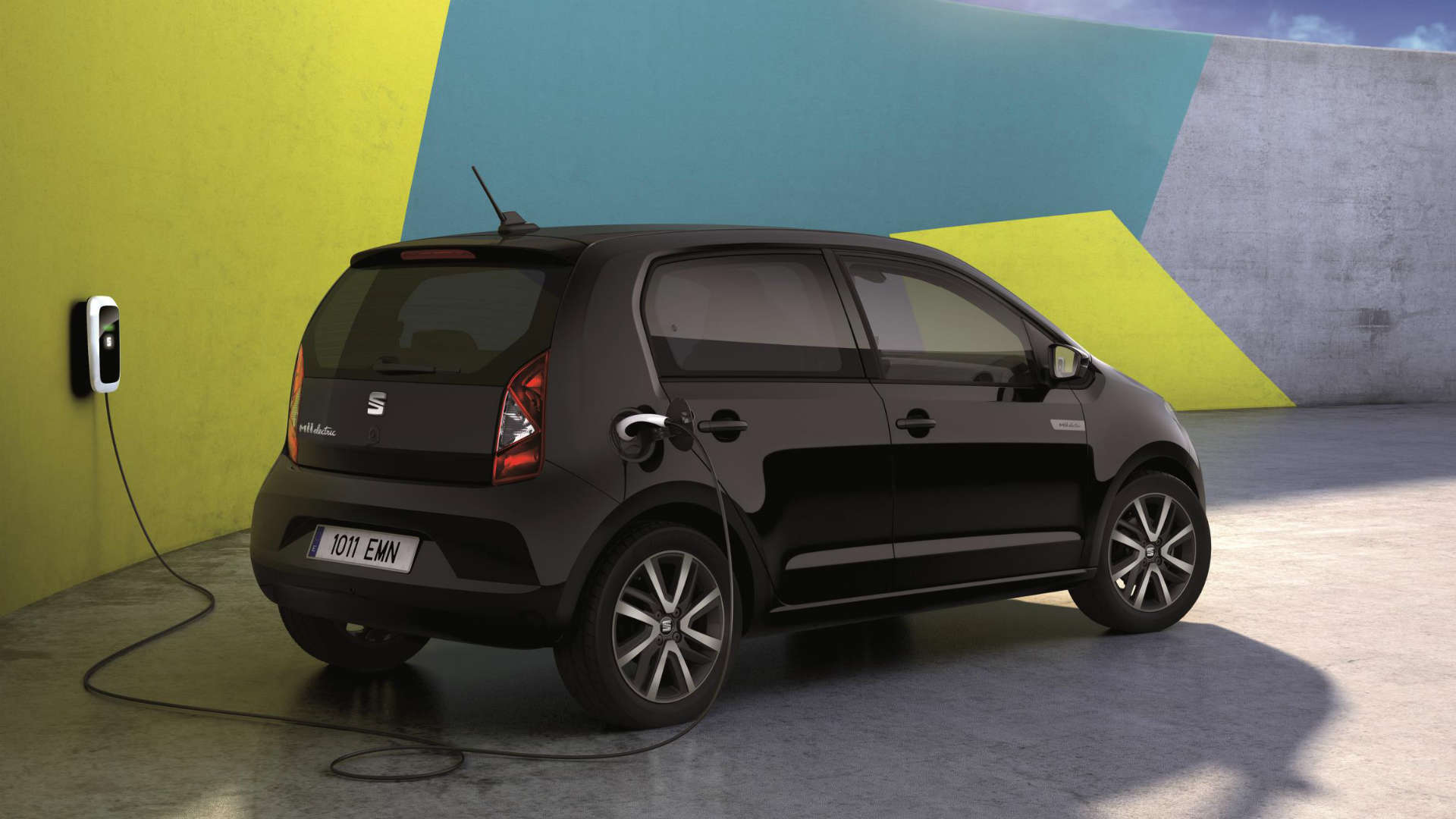
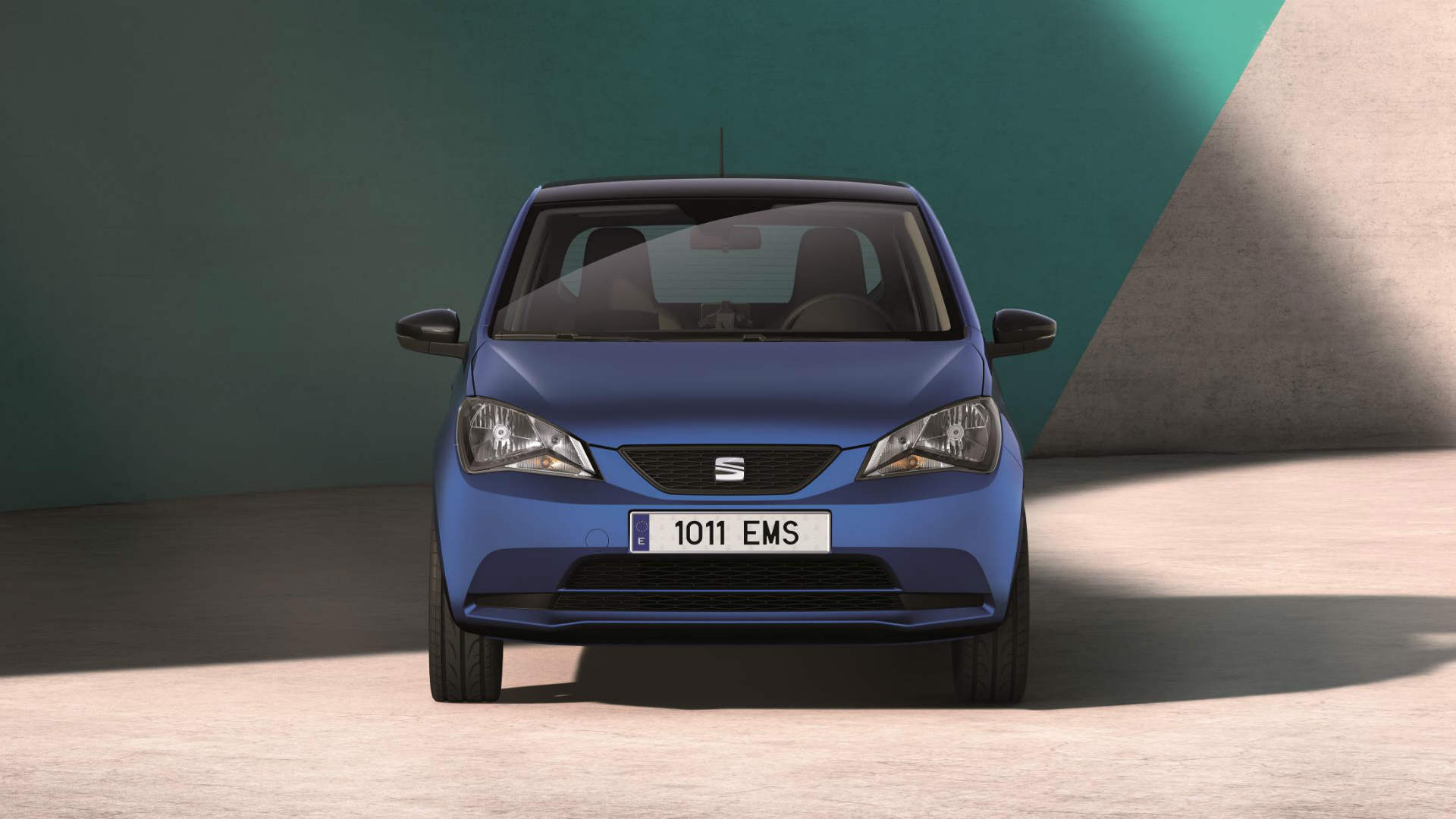
Seat Mii Electric available to order

The Seat Mii Electric is now available to order in the UK. It’s Seat’s first all-electric car and first deliveries are expected early next year.

Priced from £19,300, the Seat Mii Electric is available for £199 per month on a PCP deal. This is after a £4,399 customer deposit, with Seat contributing £500 to the cost.

The first 300 retail customers who place an order before 31 December 2019 will also receive a free wall box charger fitted at their home, a three-pin charging cable, plus servicing and breakdown cover for three years.

It’s the first of a range of all-electric and plug-in hybrid Seats. The Mii Electric will be followed by the el-Born EV, plug-in hybrid versions of the Tarraco and Leon, along with performance plug-in models wearing a Cupra badge.

Seat Mii Electric city car

The Seat Mii Electric city car boasts a 36.8kWh battery pack to provide up to 161 miles of WLTP range. Rapid charging to 80 percent takes an hour, while using a home charger takes four hours to reach 80 percent charged.

Only one trim level is available, with the spec including 16-inch alloy wheels, heated front seats, 5-inch colour screen, DAB digital radio, smartphone integration, rear parking sensors, hill hold control, lane assist and traffic sign recognition.

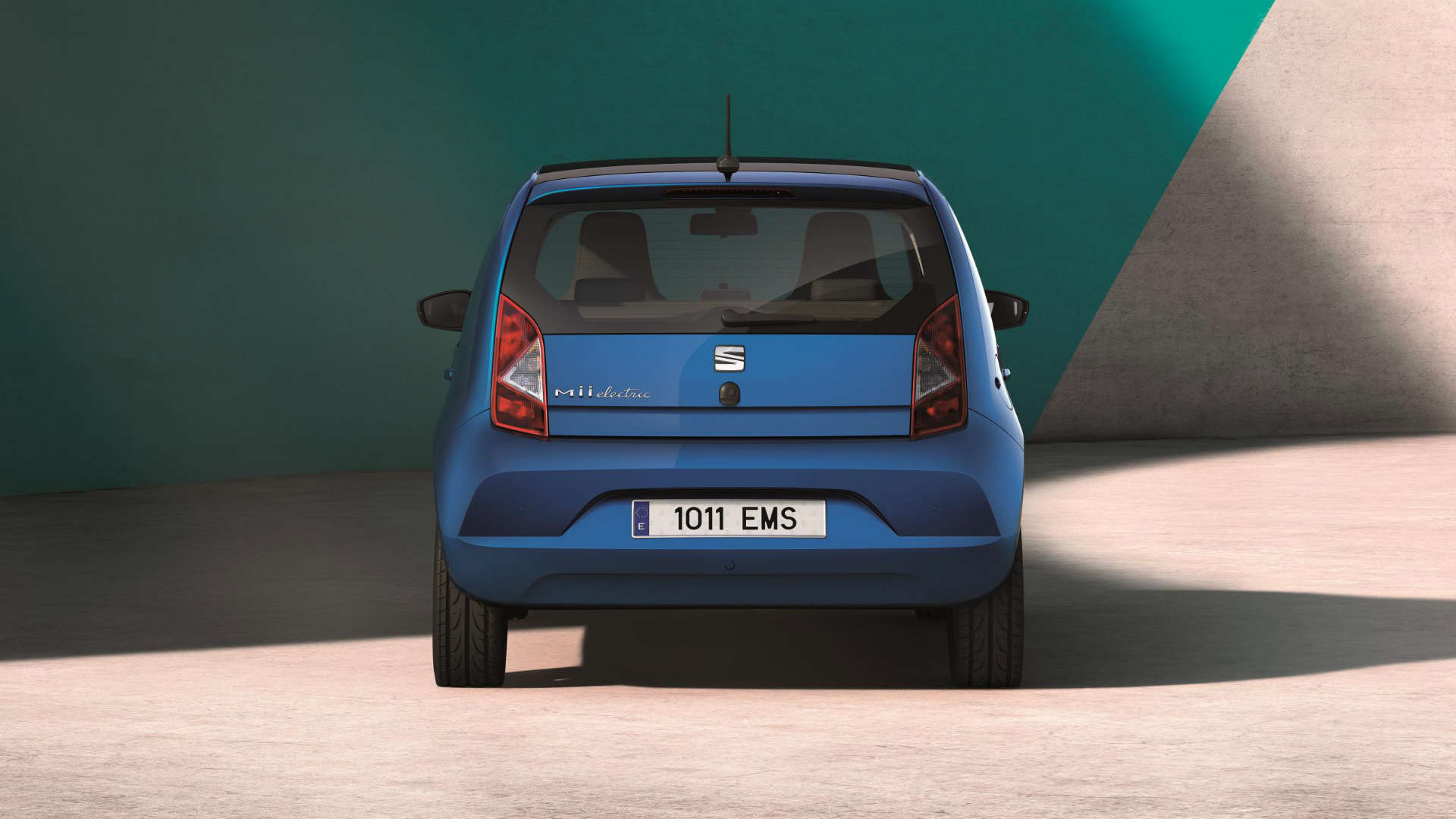
To help distinguish it from petrol versions of the Seat Mii, the EV features ‘electric’ lettering on the rear, plus stickers and cosmetic interior upgrades.

Seat Mii Electric in the UK

The Mii Electric is also the first model to get Seat Connect, giving remote access and management of the vehicle. Mii Electric owners can review driving data, parking position, vehicle status, and have the ability to control the air conditioning from their smartphone.

Five no-cost metallic colours are available: Deep Black, Candy White, Tornado Red, Chester Blue and Tungsten Silver.

Seat Mii electric production will begin in Slovakia by the end of the year. Orders can be placed now and first customer deliveries are projected for the end of the first quarter of 2020.

It will make its UK customer debut at the Seat store in Westfield White City between 28 October and 9 November.

Advertisement

Jaguar reveals Vision GT Coupe – all-electric super coupe for Gran Turismo

0

Jaguar Vision Gran Turismo Coupe

Jaguar has joined the Vision Gran Turismo fray with its all-electric Vision GT Coupe. The marque describes it as the ultimate expression of Jaguar DNA, takeing inspiration from the C- and D-Type racers of the 1950s.

This is anything but a straight-six Le Mans racer, though. It packs 1,020hp courtesy of three electric motors, delivered to all four wheels. It can get to 62mph in under two seconds, and top out at over 200mph.

Of course, all of this ripsnorting performance is only accessible via the Gran Turismo racing game. It will be available to download for use on Gran Turismo Sport on the Playstation 4 by the end of November.

Don’t think that electric powertrain jars with Jaguar’s racing history, however. The days of straight sixes and V12s are long behind the British marque. Today, it runs electric racers in Formula E and the I-Pace eTrophy. The Vision GT Coupe pulls from all corners of Jaguar history.

Designing the ultimate Jaguar for Gran Turismo

Jaguar Vision Gran Turismo Coupe

The beauty of the Vision Gran Turismo project is, of course, that certain restraints you might encounter in the real world as a car designer don’t exist. The limits are the imagination of the designers. 

There are elements of many of Jaguar’s timeless classics. From fenders inspired by the C-type, to a cabin that calls back to the Lightweight E-type.

There are even elements taken from more stately cars from Jaguar’s past. The rear haunches are inspired by the 1968 XJ, but carry charging sockets. We see bits of XJ13, XJR15, and even the stillborn C-X75 supercar. Dare we say, a bit of next-gen F-Type?

Jaguar Vision Gran Turismo Coupe

  • Jag queens: Jaguar teams up with drag acts for charity

“This was the dream project for a car designer, creating a futuristic sports car for Gran Turismo means our designs and ideas could be truly limitless,” said Oliver Cattell-Ford, Exterior Designer, Jaguar Advanced Design.

“It has to excite future generations and most importantly, look and feel unmistakably Jaguar.”

“The team have done an incredible job in creating something which is clearly identifiable as a Jaguar, inspired – but not constrained – by our iconic past,” added Julian Thomson, Jaguar Design Director.

Inside the Jaguar Vision GT – meet ‘KITT-E’

Jaguar Vision Gran Turismo Coupe

KITT-E – we see what they did there. The AI system that’s featured in the Vision GT Coupe’s cabin isn’t just an excuse for a play on words. It’s designed to be an interface with the driver, for the hum-drum of what’s displayed, including vehicle data and maps.

It’s also supposed to ‘interface between the driver and machine to enhance the emotional connection with the car’. It joins other futuristic tech like hologram displays and augmented reality.

The cabin is familiar-futuristic. It carries on the wrap-around driver-focused feel that Jaguar sports cars from the C-type, all the way to the F-Type, have featured.

Power of an I-Pace, voice of a D-type

Jaguar Vision Gran Turismo Coupe

In spite of being powered by electrons, the Vision GT Coupe will sound like Jaguar legends of old. The team responsible for developing the sound of the I-Pace, have taken brand new recordings of the 1957 Le Mans podium-finisher. The sound of its straight-six is woven into the artificial futuristic sound.

“We are delighted to today announce the Jaguar Vision Gran Turismo project,” said Kazunori Yamauchi, Gran Turismo creator, President of Polyphony Digital Inc. 

“It was a great experience for us to work with Julian Thomson who is the new design director now at Jaguar. The design and performance of this car is a result of the team’s skill, craftmanship, and long years of collaborations together. We look forward to having drivers get behind the wheel next month.”

Advertisement

HALF of all van drivers have nearly fallen asleep at the wheel

0

Half of van drivers falling asleep at the wheel

Van drivers feel more tired in the autumn and winter compared to summer, according to new research.

This comes on the weekend that the clocks goes back, with British Summer Time (BST) ending at 2am on Sunday. It means that many van drivers will be completing their working day in the dark.

Eighty-three percent of van drivers said tiredness is a factor in the autumn and winter months, with 45 percent saying the shortage of daylight impacts on their mood.

Worryingly, nearly HALF of the 2,000 van drivers who took part in the study confessed to nearly falling asleep at the wheel.

Almost two-thirds of the respondents said they take a break to alleviate tiredness. Separate research shows that this is the only cure for drowsy driving. Earlier this year, the National Sleep Foundation said drivers should take a nap for 15 to 45 minutes when tired.

Fifty-eight percent of the van drivers surveyed in this latest study said they opened the window to stay awake.

This doesn’t work.

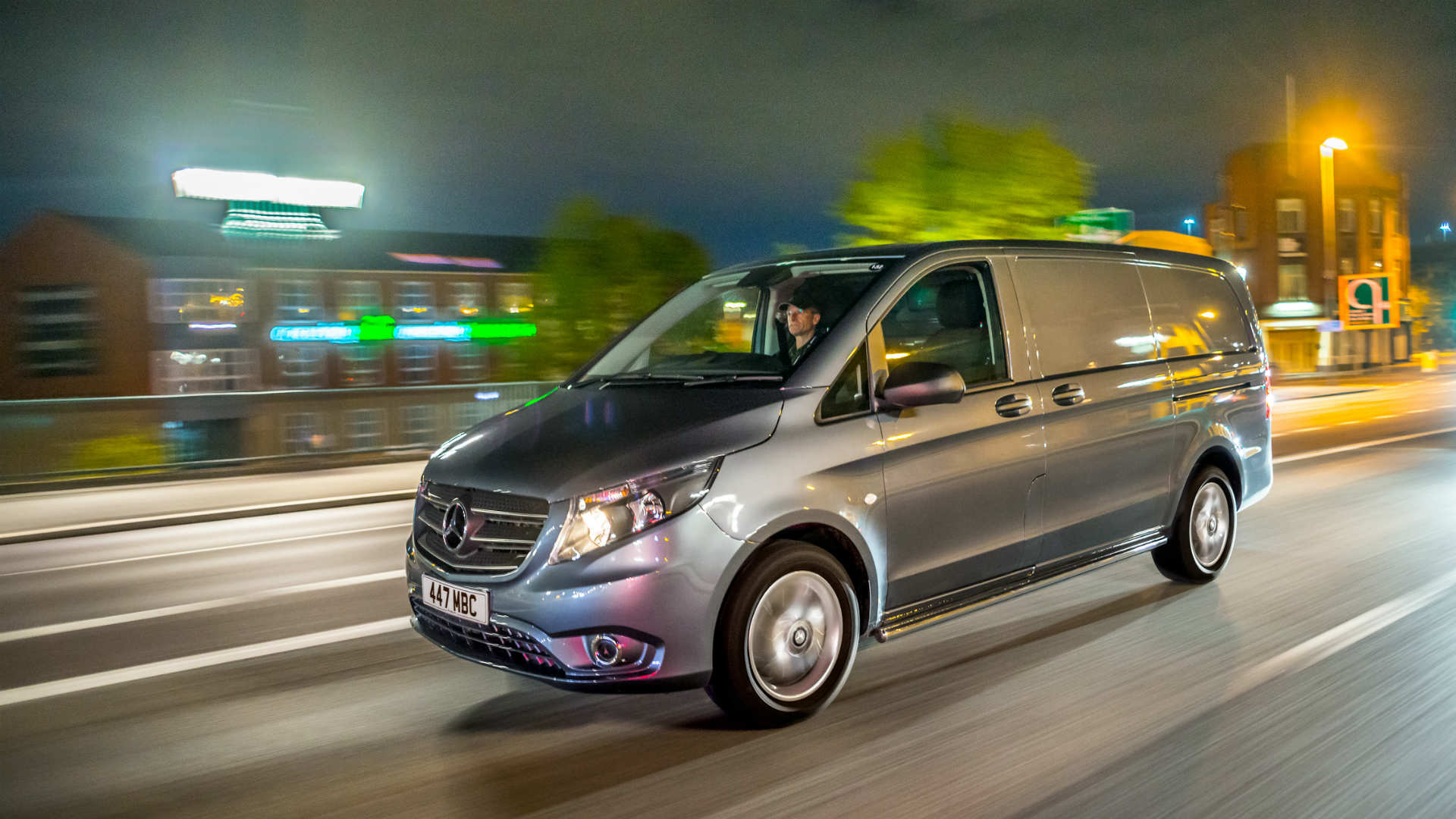
Van driver on the road at night

Predictably, the longer a van driver spends on the road, the more likely they are to feel fatigued. Nearly two-thirds of drivers who spend more than 50 hours of their working week in their van felt more tired in the winter.

Meanwhile, 41 percent of those who work between 15 and 20 hours in their van felt the same.

Steve Bridge, managing director of Mercedes-Benz Vans UK, the company behind the research, said: “Although no one should be afraid to drive during the darkness of a winters’ morning or evening, it is something that requires extra consideration before even setting out on the road.

“The hard-working van community is not immune from the impact of SAD (Seasonal Affective Disorder) or increased isolation during the winter months, so during this period of the clocks changing, we’re determined to raise awareness of just how tiring it can be on both physical and mental health this of year.”

Public Health England (PHE) and the NHS launched the Every Mind Matters campaign on 7 October. It’s designed to help people take simple steps to look after their mental health and support others.

A PHE survey reveals that 83 percent of people have experienced early signs of poor mental health in the last 12 months. These signs include feeling anxious, stressed, having low mood or trouble sleeping.

Helping van drivers to sleep better

Why sleep is the best prevention for drowsy driving

Using NHS advice, van drivers should take the following steps to avoid sleep problems:

  • Keep regular sleep hours: going to bed when you’re tired and getting up at roughly the same time helps teach your body to sleep better. Avoid naps.
  • Confront sleeplessness: if you’re lying awake, don’t force it. Get up and return to bed when you feel sleepier.
  • Create a restful environment: dark, cool and quiet environments make it easier to fall asleep and stay asleep.
  • Write down your worries: set aside time before bedtime to make a list for the next day.
  • Move more, sleep better: being active can help you sleep better.
  • Put down the pick-me-ups: caffeine and alcohol can keep you awake and prevent deep sleep.

For more information, visit the NHS Every Mind Matters campaign website.

Advertisement

New Volkswagen Golf revealed for 2020: progressive revolution

0

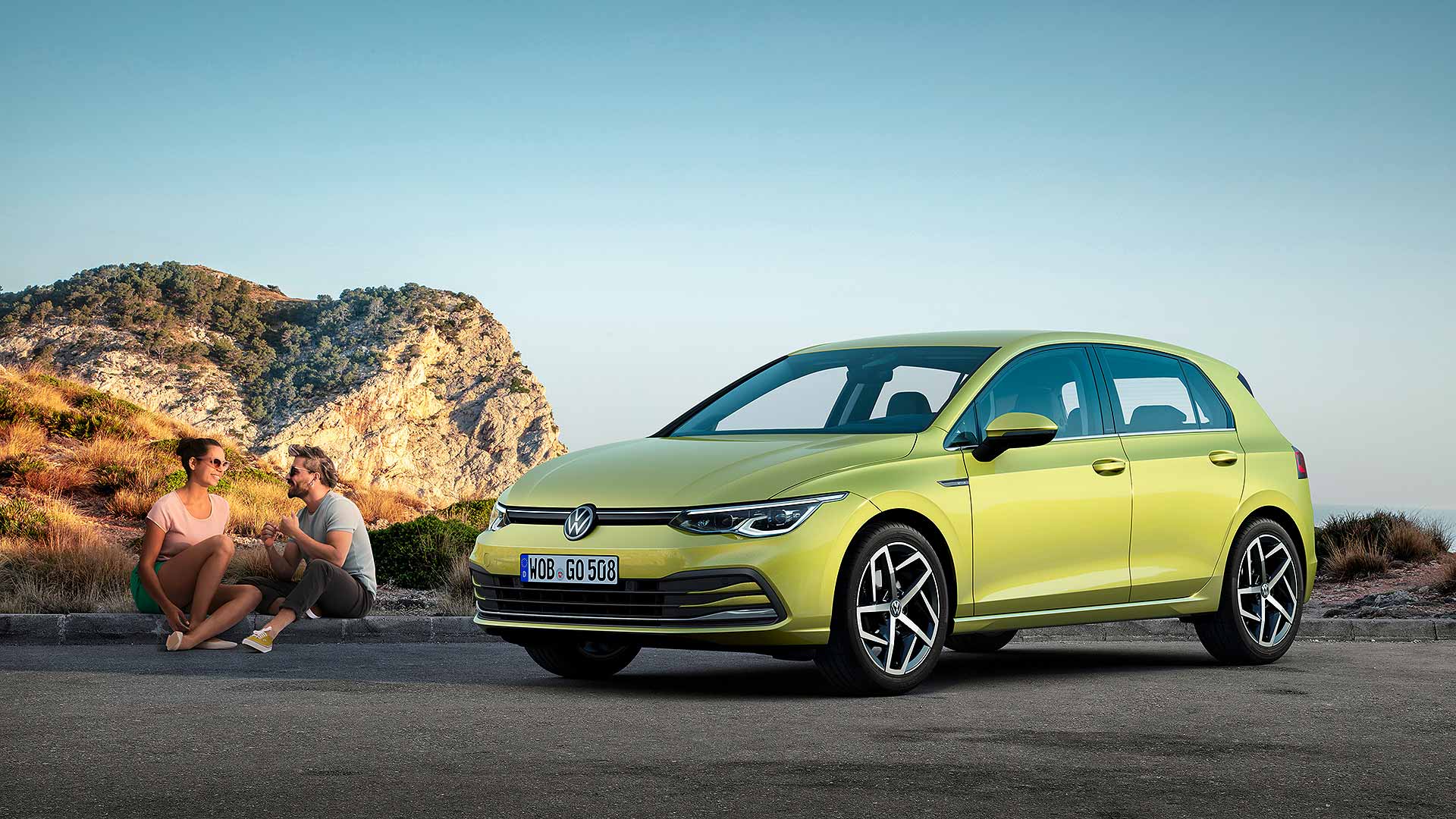
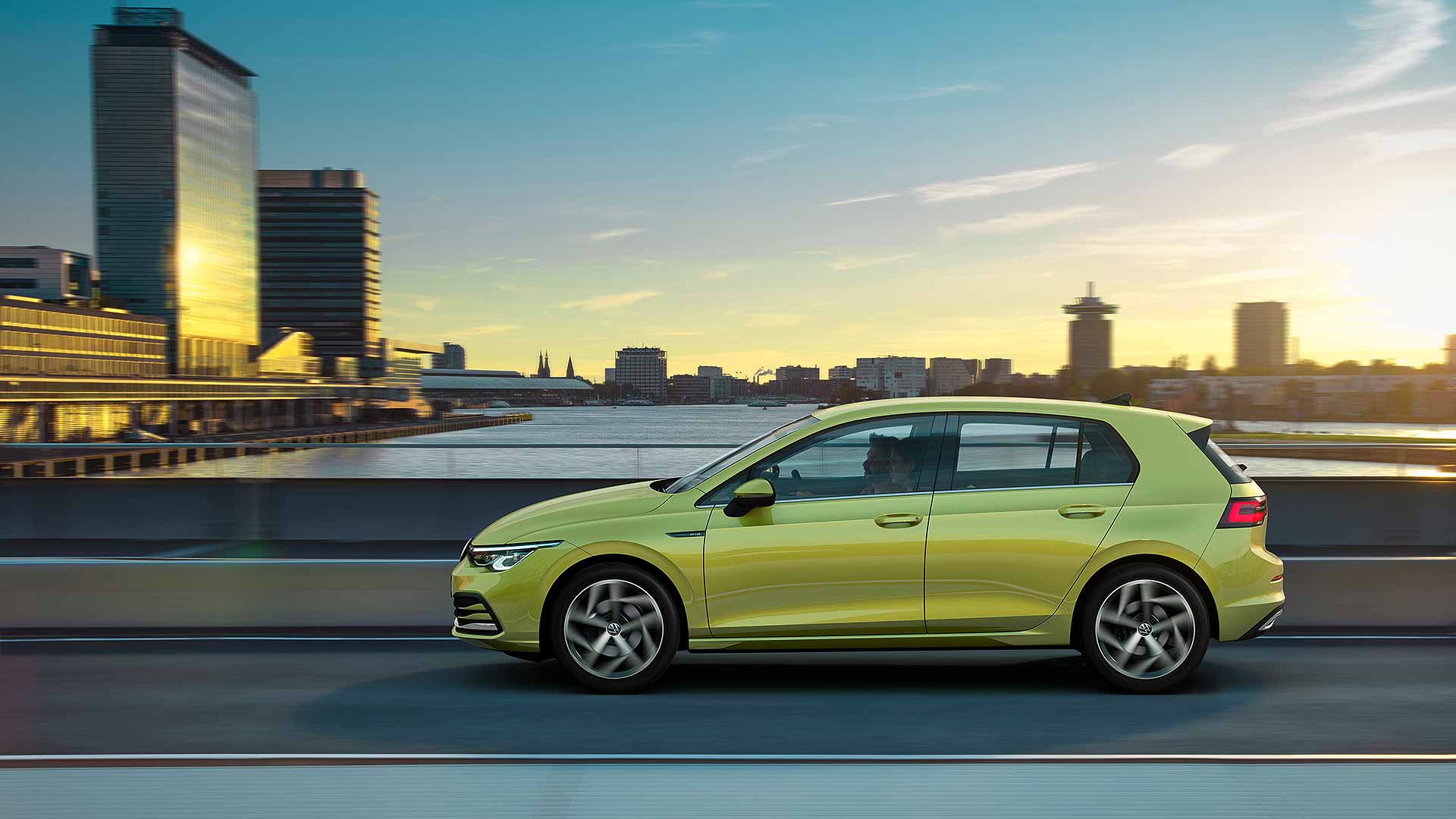
The new Golf for 2020

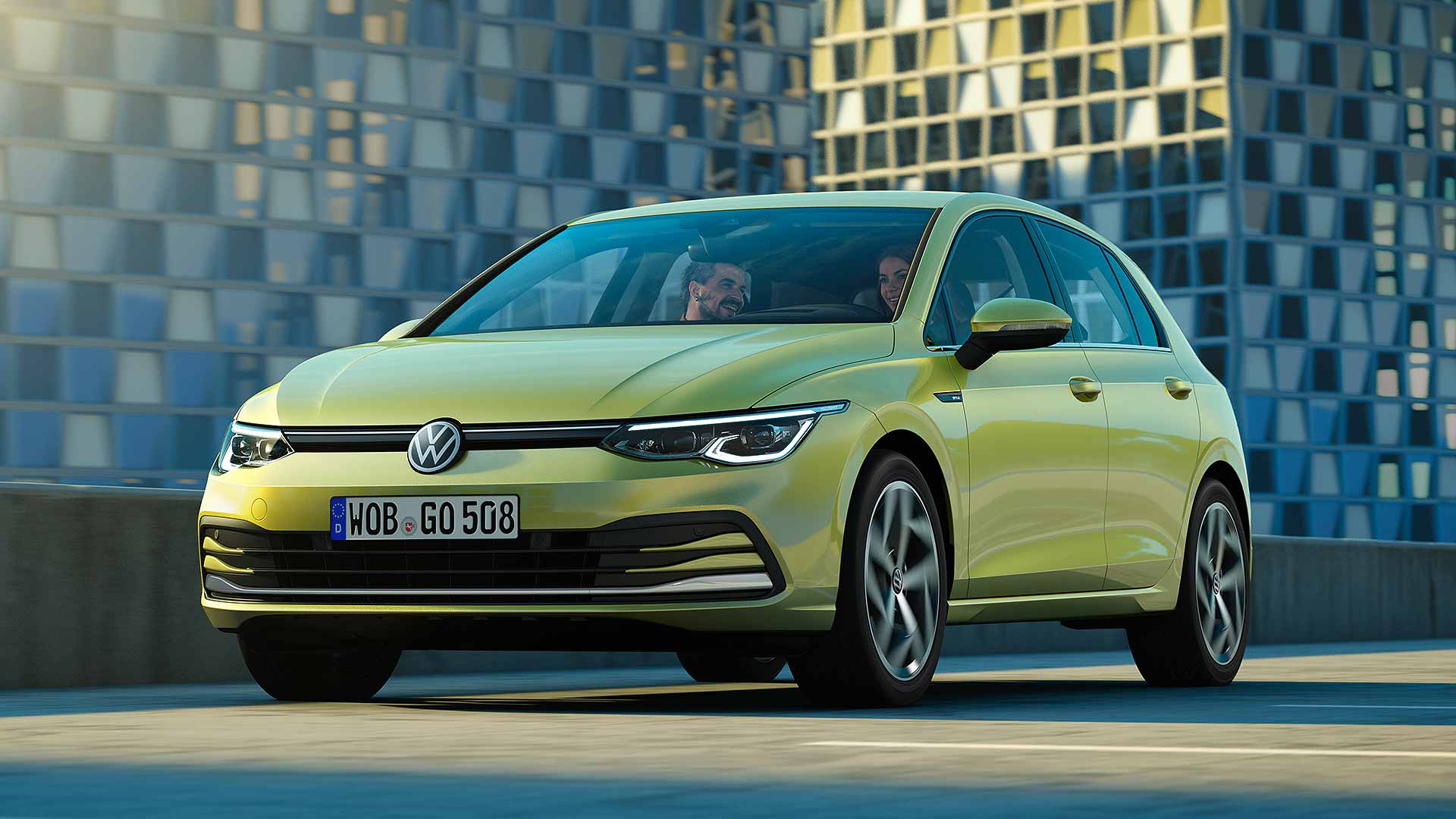
Volkswagen has sold 35 million Golfs since the mid-1970s. It has now revealed the eighth-generation model that should take the total past the 40 million mark – and, unsurprisingly, it is still ‘unmistakably a Golf’. 

Externally, it’s evolution rather than revolution. But in terms of technology, VW actually IS promising to revolutionise the compact car sector, with a completely digital cabin, voice control, autonomous assist up to nearly 130mph plus a broad range of electrified powertrains. 

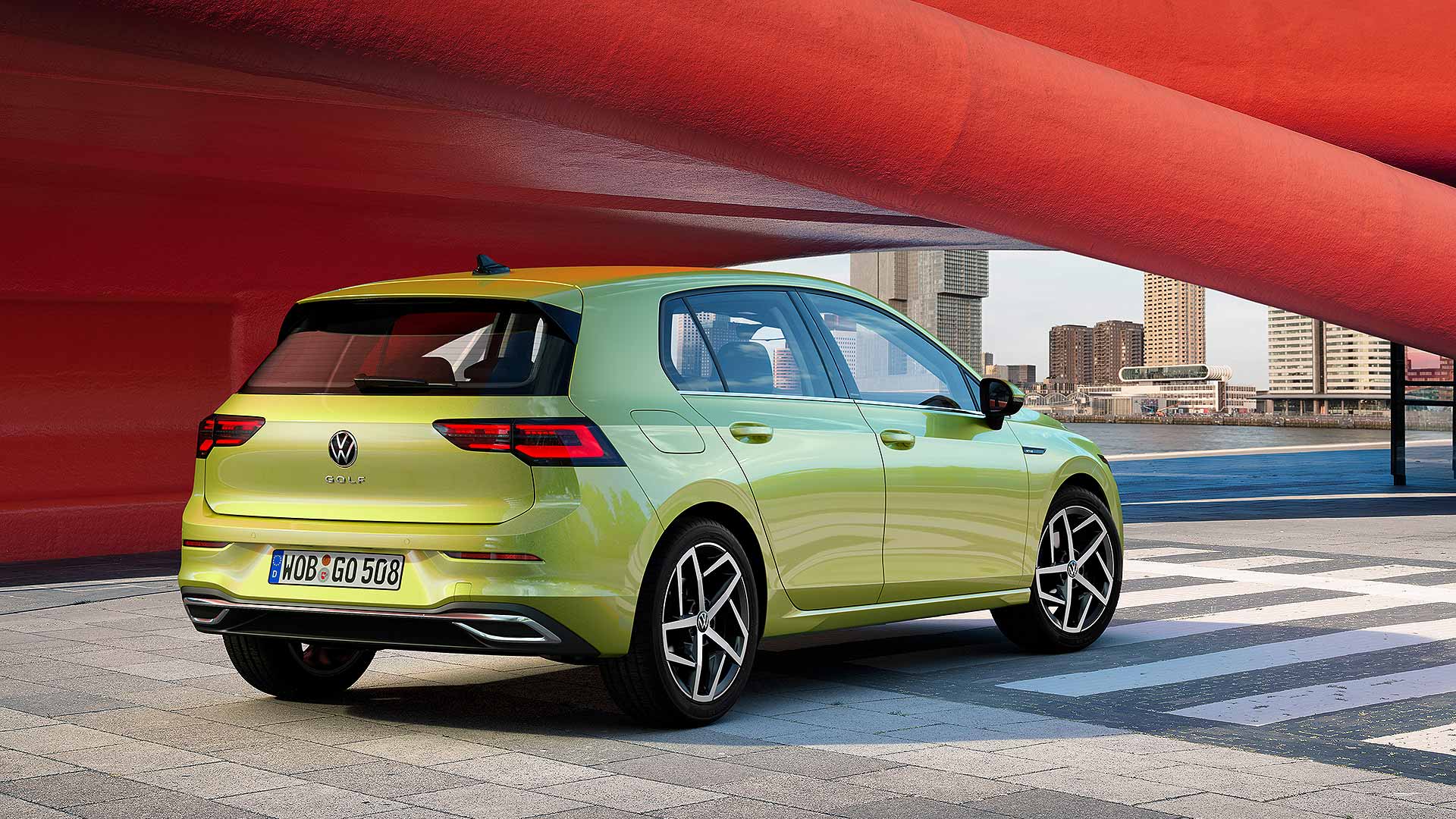
The new Golf for 2020

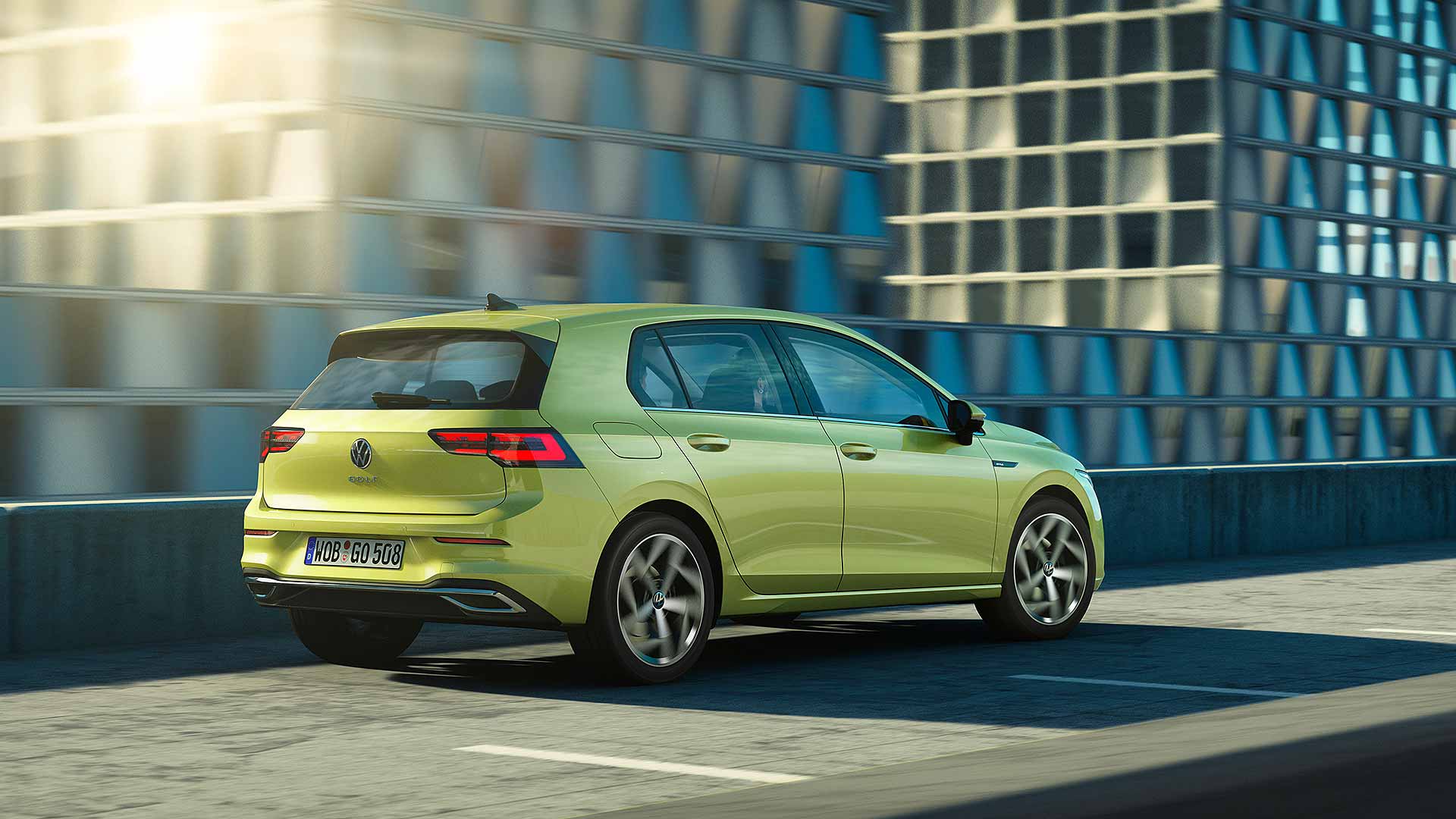
Set for a market launch from December (UK cars will arrive in early 2020), the new Golf’s design adds a bit of clean-cut character to the familiar profile. LED lights are distinctive and Volkswagen has been bolder in the sculpting of the car’s less-is-more lines. 

The new Golf for 2020

It’s roughly the same size as today’s car, but more aerodynamic, with a best-ever aerodynamic drag factor Cd of 0.275. 

The new Golf for 2020

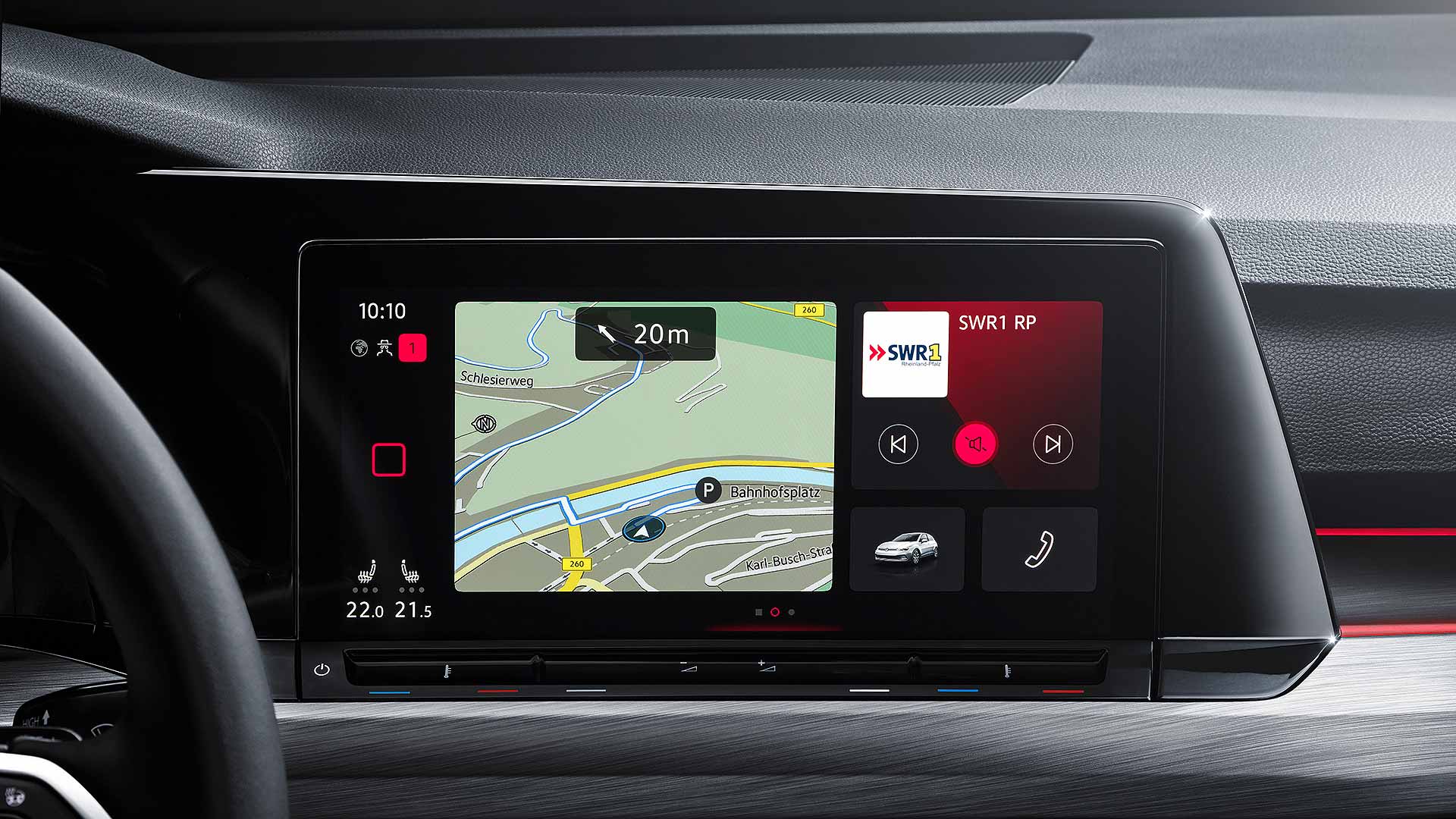
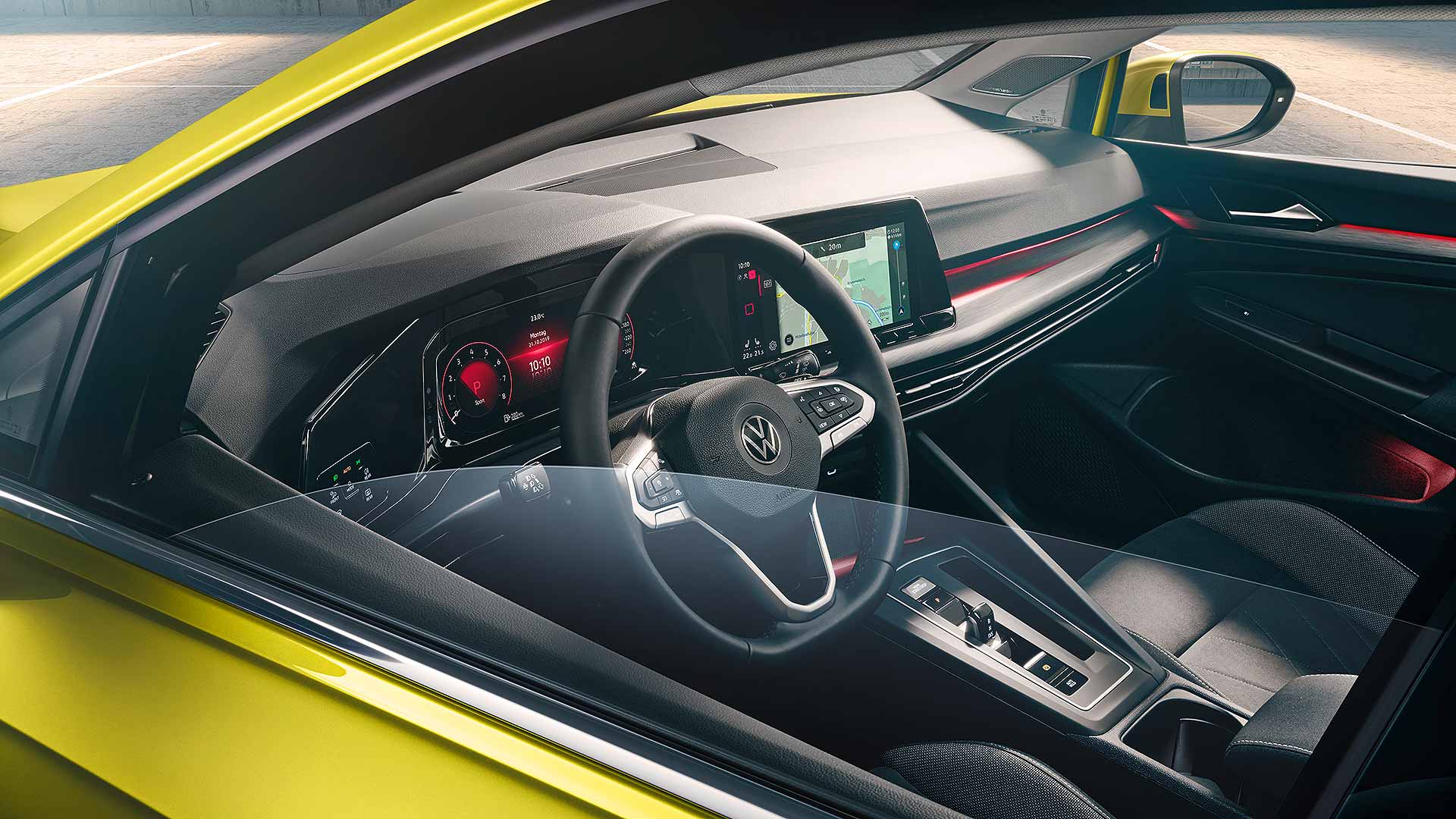
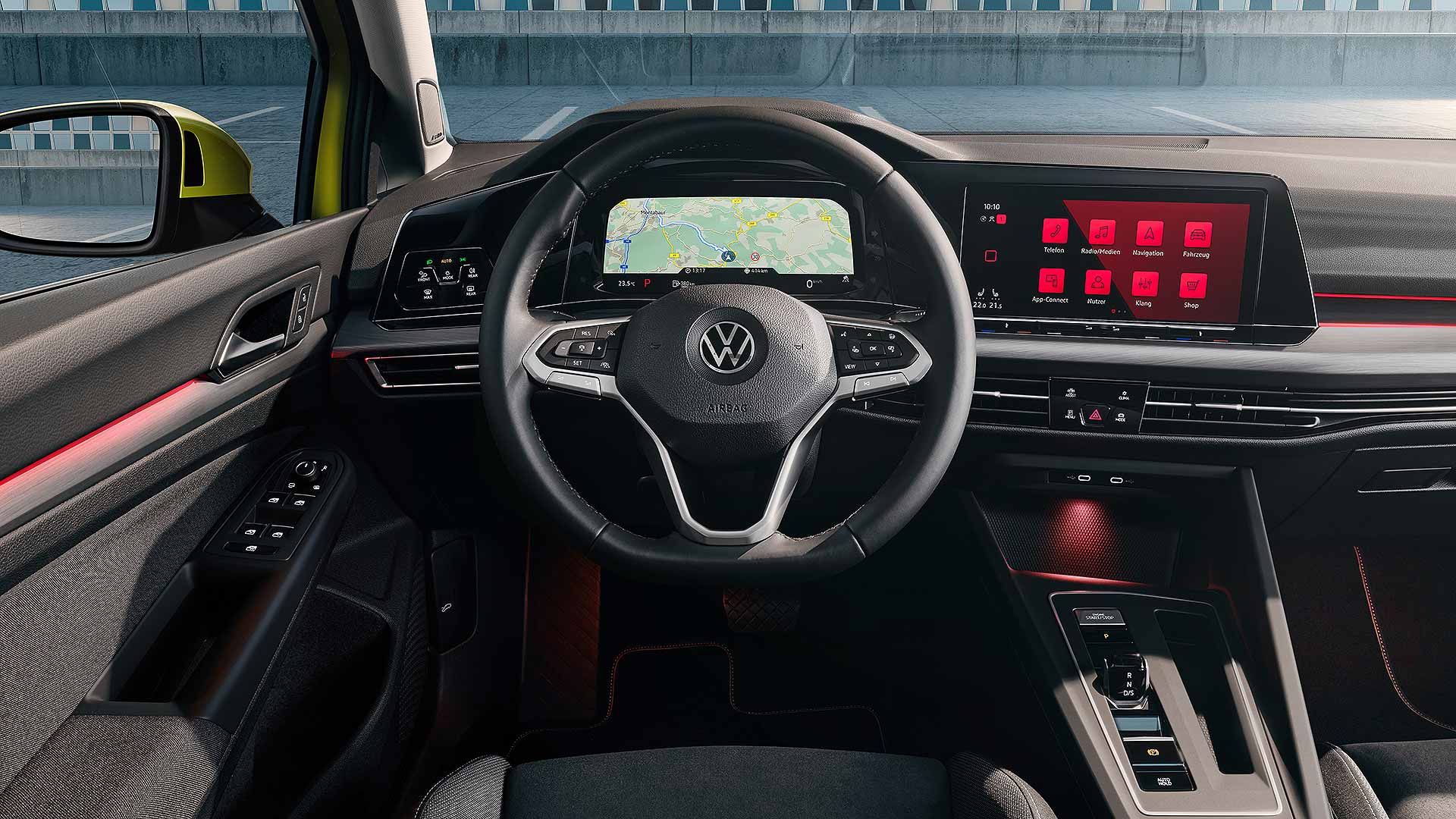
The interior ‘Innovision Cockpit’ is the first fully-digital cockpit offered as standard in the family hatch sector. As the Golf is a regular top seller in the UK, this democratises tech previously reserved for high-end cars, says VW. 

The new Golf for 2020

A 10-inch central touchscreen is standard, with a further screen ahead of the driver, and an optional head-up display. They’re all fully connected, using an eSIM for online services and functions: it’s a technological leap comparable to the debut of the first smartphones, we’re told. 

But the humans who have to use this suite of technology have been considered from the outset: “Displays and controls have been consistently digitalised so their functions are self-explanatory.” The most high-tech family hatch, but also the easiest to use?

The new Golf for 2020

The range of cars will comprise S, SE, SEL and R-Line variants, with GTI, GTI TCR, GTD, GTE and R performance versions to follow.

Every new eighth-generation Golf will have, as standard, keyless start, climate control, lane assist (which will also assist when turning off highways), Front Assist with pedestrian monitoring and Car2X connectivity. 

The new Golf for 2020

Engines are up to 17 percent more economical. The core TDI and TSI range will be enhanced by eTSI motors, using 48V mild hybrid drive. The plug-in hybrid GTE will be boosted to 245hp: the full range will stretch from 90hp to over 300hp. 

Entry-level petrol engines are three-cylinder TSI engines, producing 90hp and 110hp. Diesels are four-cylinder, either 115hp or 150hp. The TDI diesels use ‘twin-dosing’ AdBlue injection, to quell NOx emissions. 

Mild hybrid eTSI motors stretch from 110hp, to 130hp, to 150hp: Volkswagen UK will confirm later which ones we’re getting. The eHybrid GTE plug-in has a 13kWh battery that “temporarily turns the Golf into a zero-emission vehicle”. 

The new Golf for 2020

Other tech goodies include built-in Amazon Alexa, optional Harman Kardon premium sound and the VW We Connect Plus ‘always on’ connection hub. This will be free for three years on UK cars, and include: 

  • Wi-Fi hotspot
  • Vehicle status
  • Online anti-theft alarm
  • Online auxiliary heater
  • Online traffic and route planning
  • Online voice control
  • Internet radio

It even has functionality built in to allow delivery companies to unlock the boot and drop off parcels – called, unsurprisingly, We Deliver. 

Will Volkswagen deliver with the new eighth-generation Golf? We’ll be finding out very soon, because it will arrive sooner than you think. Let us know below what you think about what’s certain to quickly become another British best-seller…

Advertisement

100 miles in 10 minutes: new ultra-fast EV chargers arrive in UK

0

EON Ultra-fast chargers in Birmingham

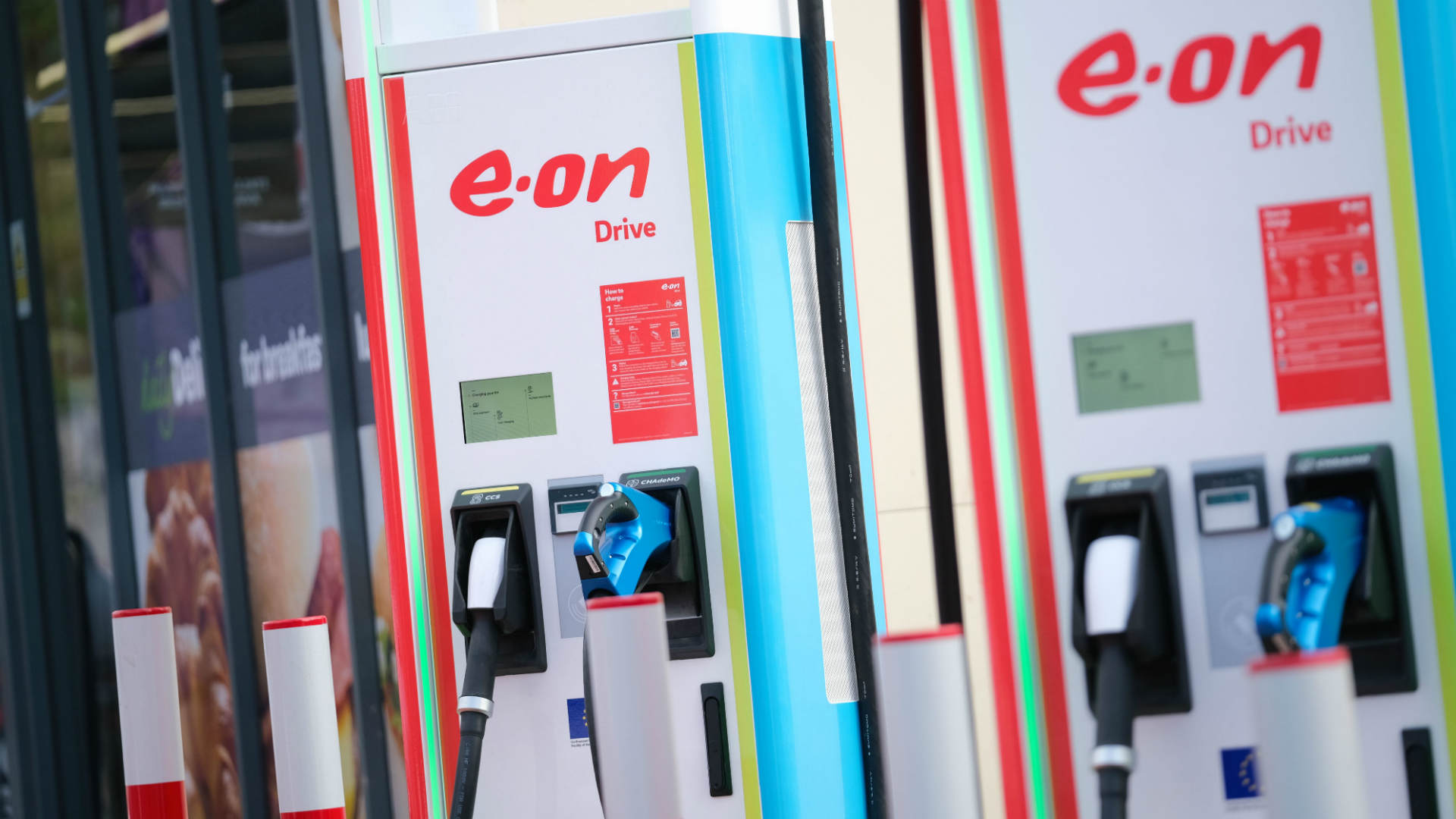
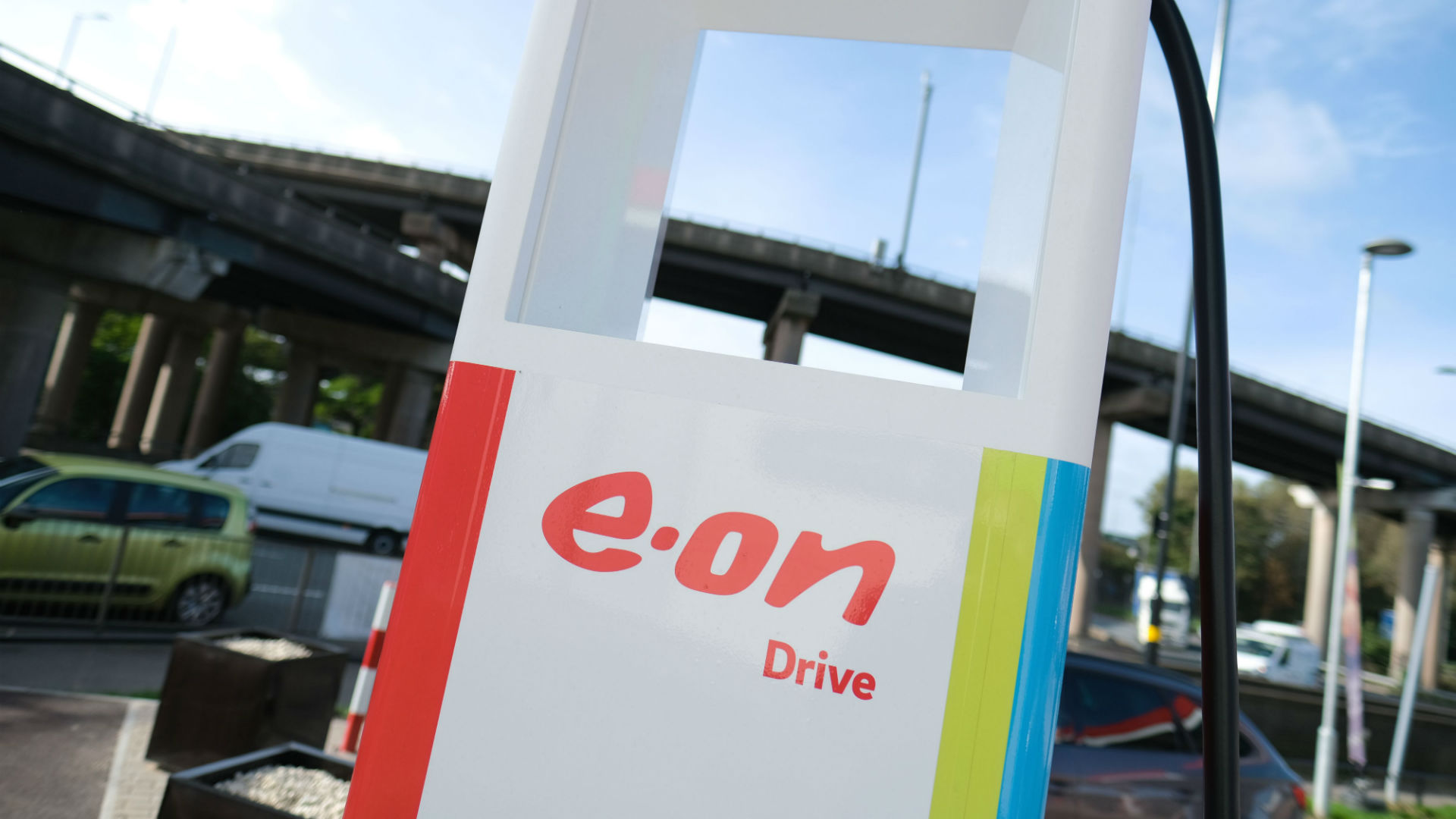
In a boost to electric car owners, E.ON has switched on its first ultra-fast electric vehicle charging points in the UK.

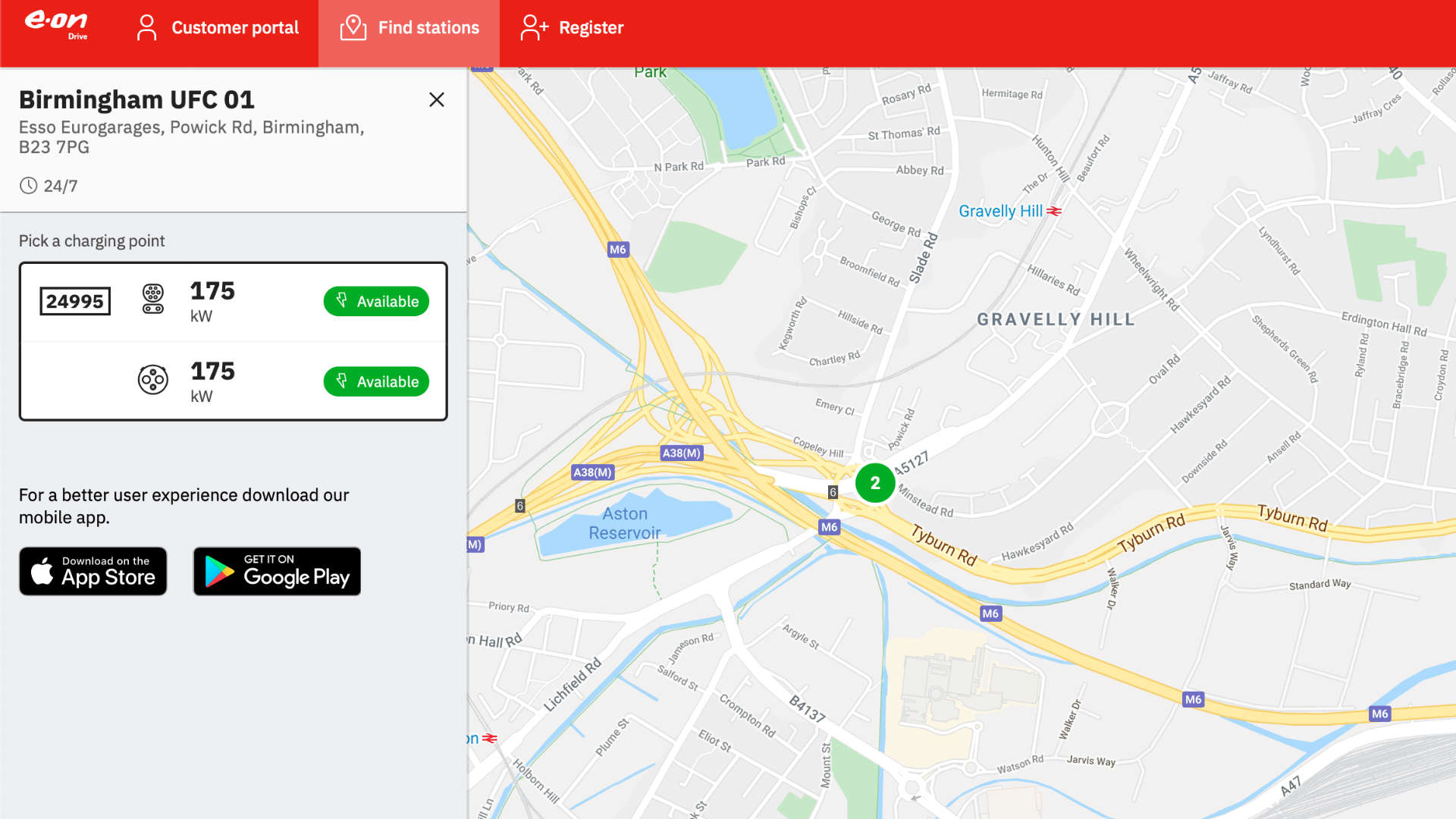
The pair of 175kW charge points are located on the site of the former Armada public house, just off the M6 on the outskirts of Birmingham.

Ultra-fast charging delivers up to 100 miles of electric car range in just 10 minutes.

They support both CCS and CHAdeMO connectors, making them suitable for the vast majority of electric vehicles in the UK. They’re the first of 180 ultra-fast chargers promised by the firm by 2020.

To use the charging points, customers have the option of paying by contactless or their smartphone, using the E.ON Drive app, or logging on to the E.ON EV Pay website for pay-as-you-go access.

E.ON ultra-fast charging in Birmingham

‘Landmark year’

Michael Lewis, chief executive of E.ON UK, said: “These new ultra-fast chargers are our first of their type in the UK and will give further support to the growing number of drivers moving away from fossil fuels towards electric vehicles.

“Whether it’s at home, at work, or out and about we’re developing the solutions to help drivers run their vehicles conveniently and with confidence.”

EON first ultra-fast chargers in UK

Poppy Welch, head of Go Ultra Low, added: “This announcement is the latest development in what has been a landmark year for the UK’s charging infrastructure

“With the UK already being home to one of Europe’s largest rapid charging networks, and a steady increase of charge points across both rural and urban locations, these additions from E.ON will now make it even easier for electric motorists to charge up on the go.”

BP Chargemaster unveiled its first 150kW ultra-fast electric charging point at the Fully Charged Live Show at Silverstone in June. The target is to have 100 units live at 50 BP forecourts by the end of the year.

Click here for a guide to electric car charging points.

Advertisement

‘Nearly new’ is the most popular age of car to buy

0

Nearly new most popular used cars

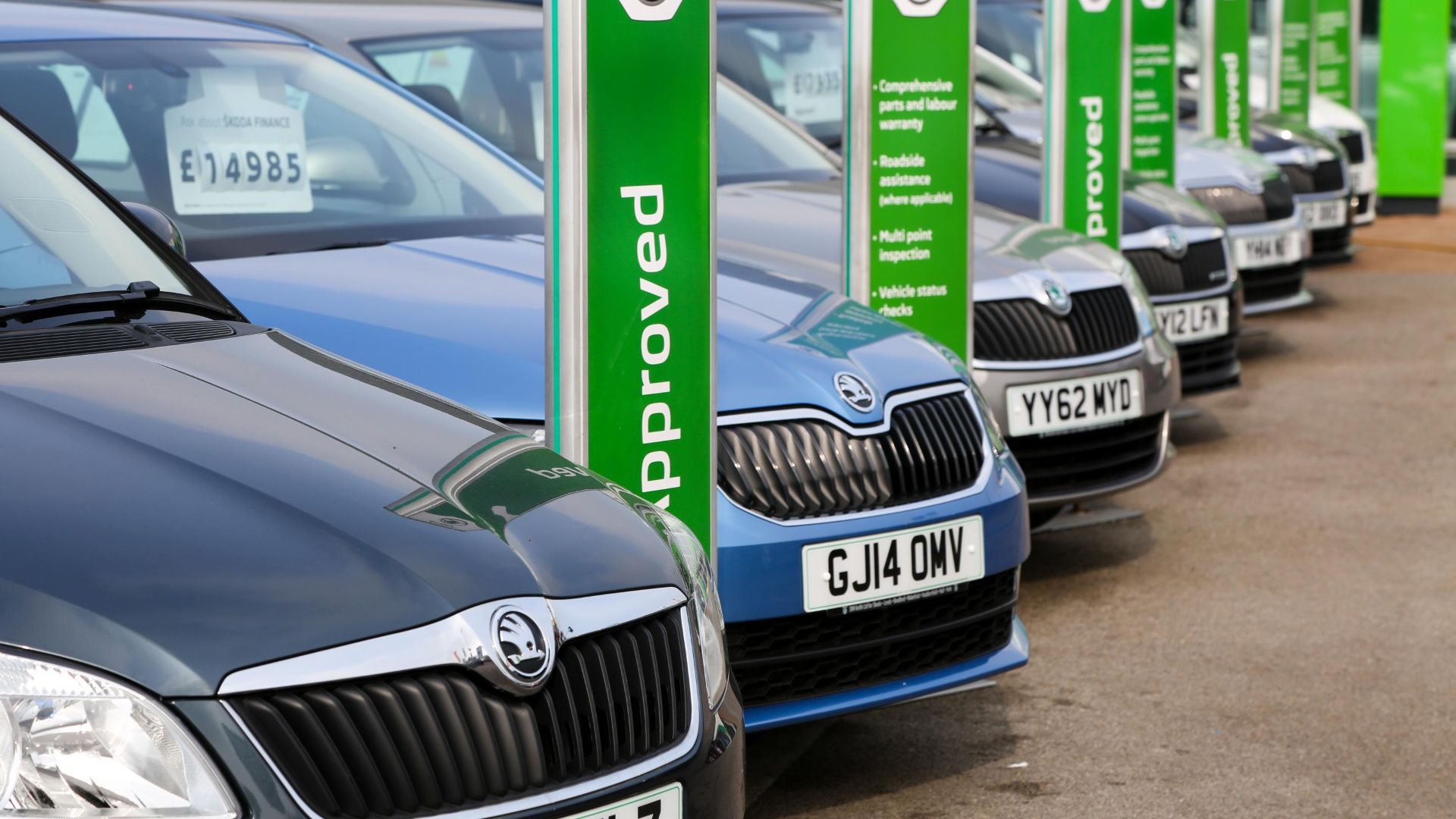
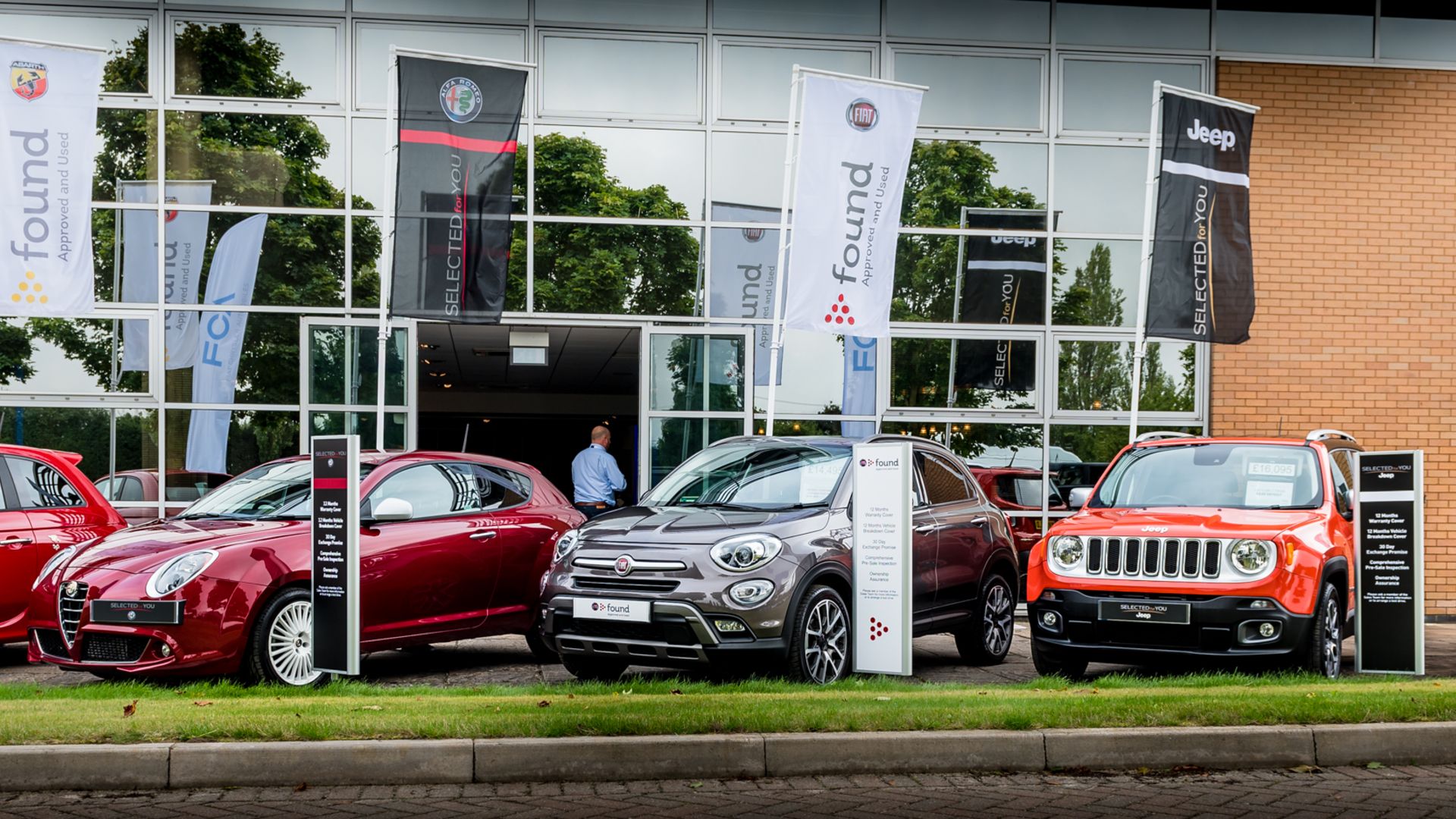
A new survey reveals that 74 percent of cars purchased are second-hand. Of the 15,000 people questioned in the AA-Populus poll, 25 percent had bought pre-owned over five years old, while 26 percent said they’d opted for a brand new car. However, it’s the ‘nearly-new’ category that came out top.

In total, 29 percent said they’d bought a nearly-new car, which is defined as being less than three years old.

Nearly new most popular used cars

The rise in popularity of car finance, particularly PCP deals, has led to a massive influx of nearly-new stock on the used market. The average age of pre-owned cars is going down, with the average price going up. It means that more car buyers could potentially find what they’d look for in a brand new car on the pre-owned lot.

“The growing popularity of car finance is changing the shape of the car market as a whole,” said James Fairclough, CEO of AA Cars.

  • Electric car rapid charger network has grown 43 percent in one year

Nearly new most popular used cars

  • Tesla Model 3 is 11th bestselling car in Europe

“It has provided a steady flow of ‘nearly new’ vehicles into the used car market. This surge in supply has improved the value and range available to used car buyers – and allowed them to snap up low-mileage, well-maintained vehicles at prices that would have been unthinkable until recently. 

“As a result, motorists now have more choice than ever – both among the huge range of cars available on the second-hand market, but also the various financing schemes open to them.”

Who is buying new cars?

Nearly new most popular used cars

More than 5,000 of respondents to the poll said they’d never bought a new car: 34 percent overall, or 32 percent of men and 37 percent of women. 

Predictably, brand new cars were least popular with young people: 64 percent said they’d not yet bought new. Just six percent said they bought new last time, and seven percent had bought nearly-new.

Scottish and Northern Irish drivers have a strong taste for ‘new car smell’, with 30 percent from these areas saying they bought new last time. New cars are less popular in the East Midlands, with just 23 percent of respondents having recently purchased one.

Advertisement

Part-time hard shoulders are ‘too complicated’, says motorways boss

0

Dynamic smart motorways too confusing says Highways England chief

The chief executive of Highways England has described dynamic smart motorways as “too complicated for people to use”. Jim O’Sullivan made the statement to the Commons Transport Select Committee.

Dynamic smart motorways are those where the hard shoulder is used as an active lane during peak times. They account for 68 miles of the ‘smart’ network, while 135 miles use the ‘all lanes running’ system.

It’s the former that apparently causes problems for drivers, claims O’Sullivan. As a result, there are no plans to roll out the dynamic system further. And existing dynamic areas could be reverted to ‘all lanes running’ in future.

Dynamic smart motorways too confusing says Highways England chief

  • A14 Cambridgeshire road upgrade to finish a year early

The RAC has called for a rapid standardisation of smart motorways across the UK, to avoid confusion among motorists.

We feel a decision should also be taken to standardise all smart motorways so drivers are not confused by the different types,” said RAC head of roads policy, Nicholas Lyes.

“At the moment there is a risk that some motorists use the hard shoulder when they shouldn’t, perhaps as a force of habit from doing so most days, because they tend to use these types of motorway at peak hours.”

RAC: concerns around ‘all lanes running’

Dynamic smart motorways too confusing says Highways England chief

The Highways England chief executive has conceded that dynamic hard shoulders prove too confusing for drivers. However, concerns remain around the ‘all lanes running’ system. The RAC worries that SOS areas are still too far apart – and that systems designed to recognise broken-down cars in active lanes are not available everywhere they should be.

“While Highways England feels smart motorways are safe, we know many drivers believe that removing the hard shoulder compromises safety for those who break down in a live lane,” said Mr Lyes.

“In early 2017 the Government claimed there was ‘good progress’ being made in making smart motorways safer by reducing the space between SOS areas, ensuring drivers comply with red X ‘closed lane’ signs and rolling out stopped vehicle detection technology.”

Dynamic smart motorways too confusing says Highways England chief

“Sadly, we understand that only a fifth of ‘all lane running stretches’ of smart motorway are currently benefiting from stopped vehicle detection technology which hardly constitutes a roll-out. We believe this technology needs to be retrofitted to all existing smart motorways as a matter of urgency.

“There has been a similar lack of progress in reducing the distance between SOS areas. Schemes currently under construction, and new ones being consulted on, still feature SOS areas at up to 2.5km apart as opposed to the lesser distance of 1.5km, which we believe Highways England had committed to.

“We strongly believe the Government should compel Highways England to make smart motorways as safe as possible by implementing these measures. Only then can drivers have sufficient confidence in using them knowing that all smart motorways are operating to a consistent safety standard, particularly in the event they break down on one.”

Advertisement

Men far more likely than women to commit driving offences

0

Car cloning problems for second-hand buyers

Men are nearly twice as likely to receive a motoring conviction than woman, new research shows.

Using insurance quotation data, the study found that 65 percent of convictions were from men, while 35 percent were from women.

Men are also two and a half times more likely to have a drink-driving conviction than women.

But drink-driving isn’t the most common conviction. That ‘honour’ belongs to speeding, accounting for 65 percent of all declarations. Driving uninsured is next on seven percent, while drink-drivers are responsible for five percent of offences.

Dan Hutson, head of motor insurance at CompareTheMarket, the company behind the research, said: “During 2012, the rules were changed by the EU so that insurance premiums could not be based on gender.

“However, this clearly shows that many male drivers are not doing themselves any favours and goes someway to demonstrate why men could still be paying more for insurance than women on average. Convictions on your driving record could have a serious impact on the premium you could be quoted. Poor and unsafe driving practices are rightly having a punishing impact on the cost of running a car.”

‘Surrey’ seems to be the hardest word


Drivers with a motoring conviction are most likely to be found in Surrey. Last year, 83,230 people (seven percent of the county’s population) reported a driving conviction when arranging insurance cover.

It’s a similar story in Lancashire, where seven percent of the population hold a motoring conviction, followed by Cheshire (6.7 percent), West Yorkshire (6.5 percent) and Rutland (6.4 percent).

Revealed: the shocking ways drink drivers avoid the police

Looking at drink-driving convictions – which is about to become topical during the lead up to Christmas – Lancashire’s drivers are the worst offenders, with the county accounting for six percent of the country’s convictions.

Lancashire is followed by Cheshire, Cornwall, Shropshire and Northumberland.

Don’t hide your motoring conviction

According to Moneysupermarket, a speeding offence adds around £72 to the cost of car insurance, making it tempting for drivers to ‘forget’ previous convictions.

A conviction doesn’t need to be a driving offence – statistically, convicted drivers are more likely to be involved in an accident. Some insurers will consider such drivers too high-risk to insure.

Moneysupermarket says: ”Don’t be tempted to hide your conviction just to get a cheaper quote. If you don’t reveal convictions, you could invalidate your policy, meaning that any claims would be refused and you would essentially be driving while uninsured.”


Advertisement