Home Blog Page 320

Sales of electric and low emission vehicles ‘unbalanced’ across Europe

0

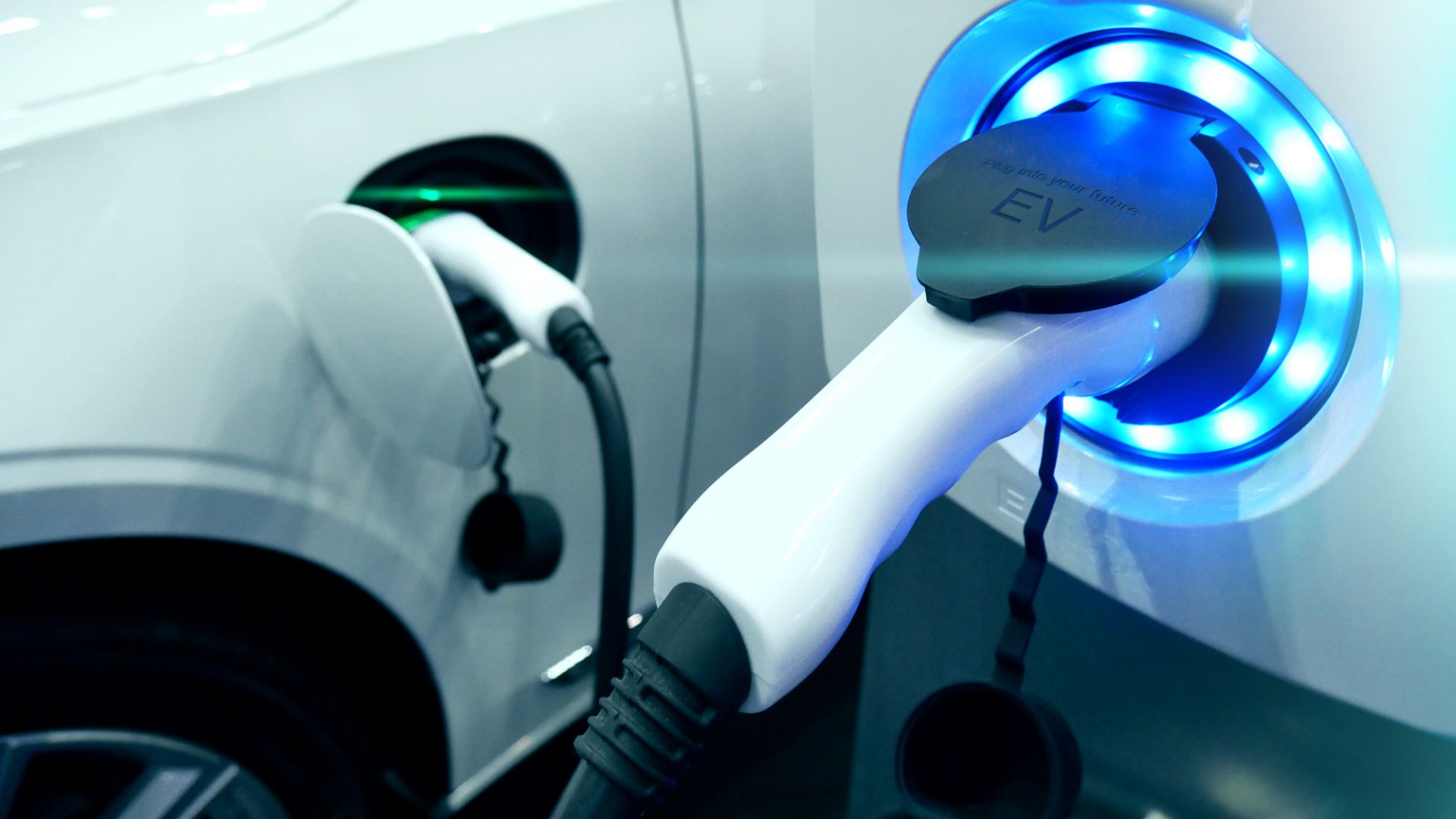
Electric car markets unbalanced in Europe

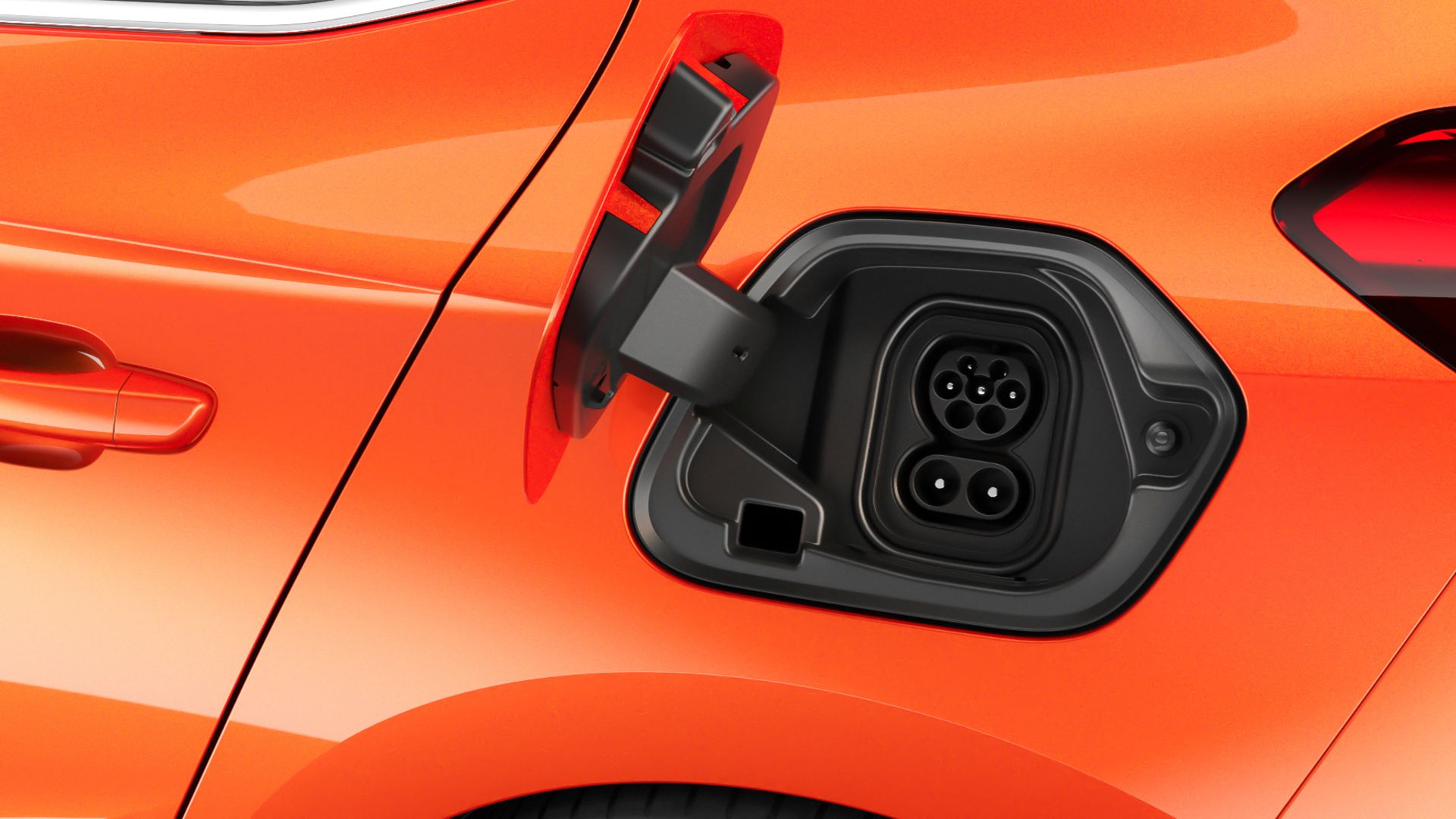
A recent report has revealed the comparative uptake of low and zero emission cars across the EU’s various member states. It’s far from level, with some countries taking them on keenly, and others taking longer to transition.

The data, from the European Automobile Manufacturer’s Association (ACEA), lays out the disparity. As an example, electrically chargeable cars (ECVs) had a two percent market share in Germany last year, with 67,504 sold. In Latvia, ECVs had a 0.6 percent market share, with just 93 sold. Electrically chargeable doesn’t necessarily mean all-electric, either – plug-in hybrids are included.

“Although the average EU market share of alternatively-powered vehicles is going up, the huge discrepancies across Europe are extremely worrisome,” said Eric-Mark Huitema, director general of the ACEA.
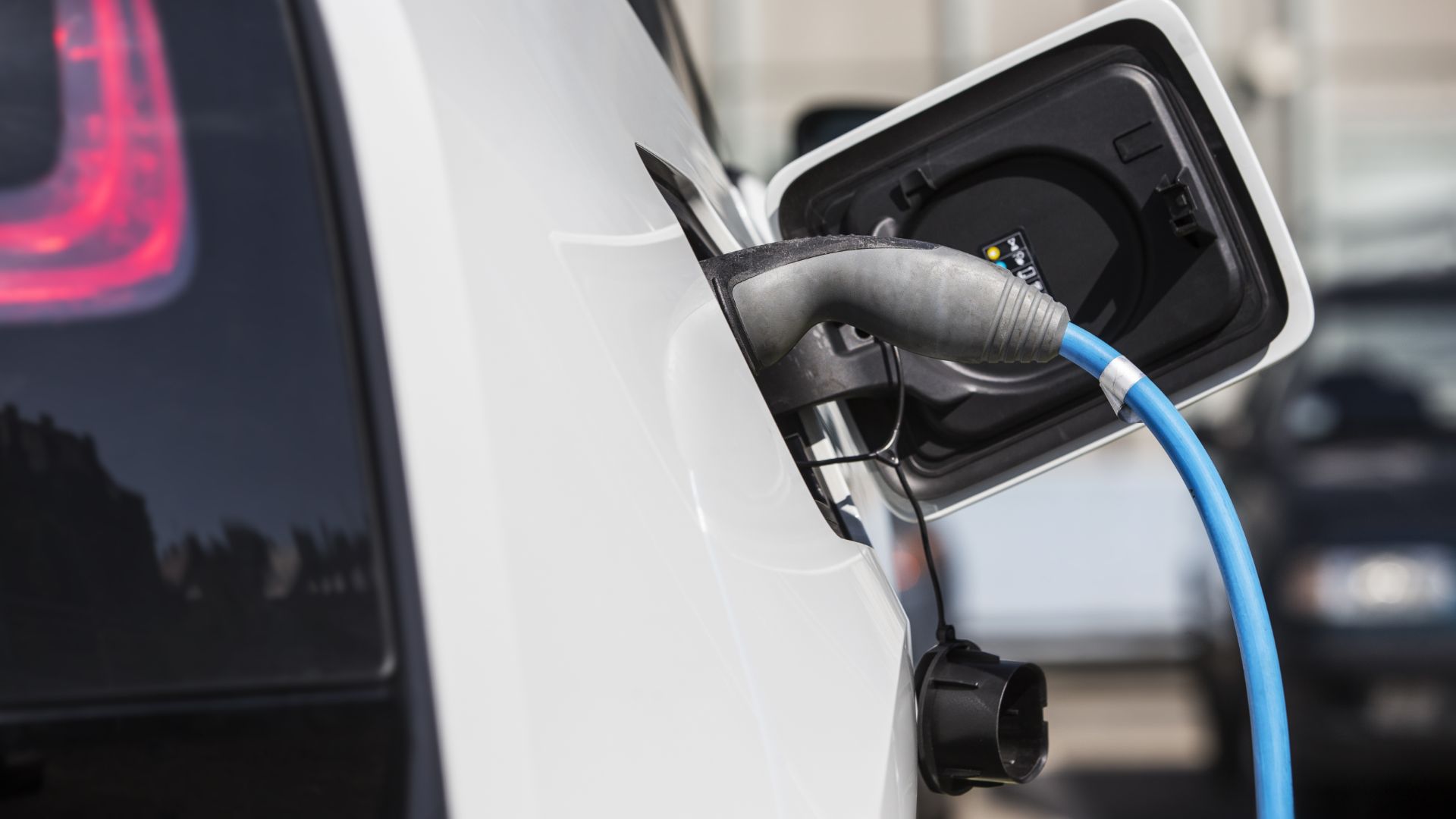
Electric car markets unbalanced in Europe

  • Are mobile phones worse for the planet than cars?

“As we push ahead in the transition to zero emission mobility, we need to ensure that no countries and no citizens are left behind.”

Central and Eastern Europe in particular are problem areas for ECV uptake. For instance, just 0.2 percent of passenger car sales in Poland are electrically chargeable.

Latvia is falling behind in terms of raw numbers, but it’s actually one of the better countries in the bottom-five for market share. Slovakia is the worst for market share, with the 293 ECVs sold last year, making up just 0.3 percent of cars sold.
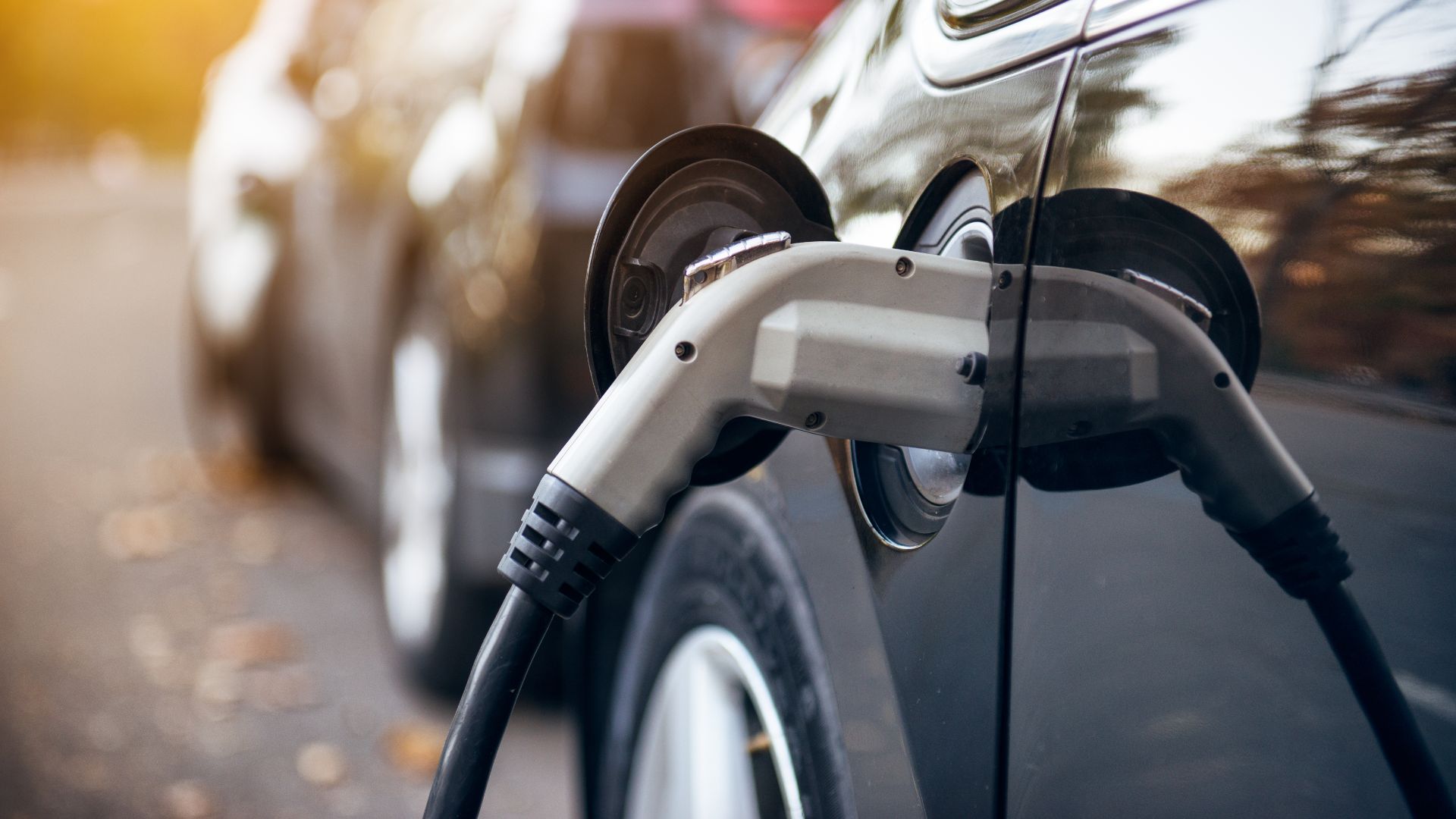
Electric car markets unbalanced in Europe

Lithuania isn’t far behind, with its 143 ECVs sold making up 0.4 percent. Estonia’s 118 ECVs make up 0.5 percent, while Bulgaria and Latvia have a 0.6 percent market share, with the former showing 220 ECV sales last year.

The countries performing well in terms of ECV uptake are predictable. Sweden is doing the best in terms of market share, with the 28,327 sold making up a whole eight percent of car sales. The Netherlands are next, with 29,695 making up 6.7 percent of cars sold.

The UK is third, albeit with a much larger bulk of cars sold – 59,911 ECVs sold make up 2.5 percent of cars sold. France and Germany are fourth and fifth. Their 45,587 and 67,504 ECVs sold make for a respective 2.1 and two percent market share.

  • Electric car rapid charger network has grown 43 percent in one year
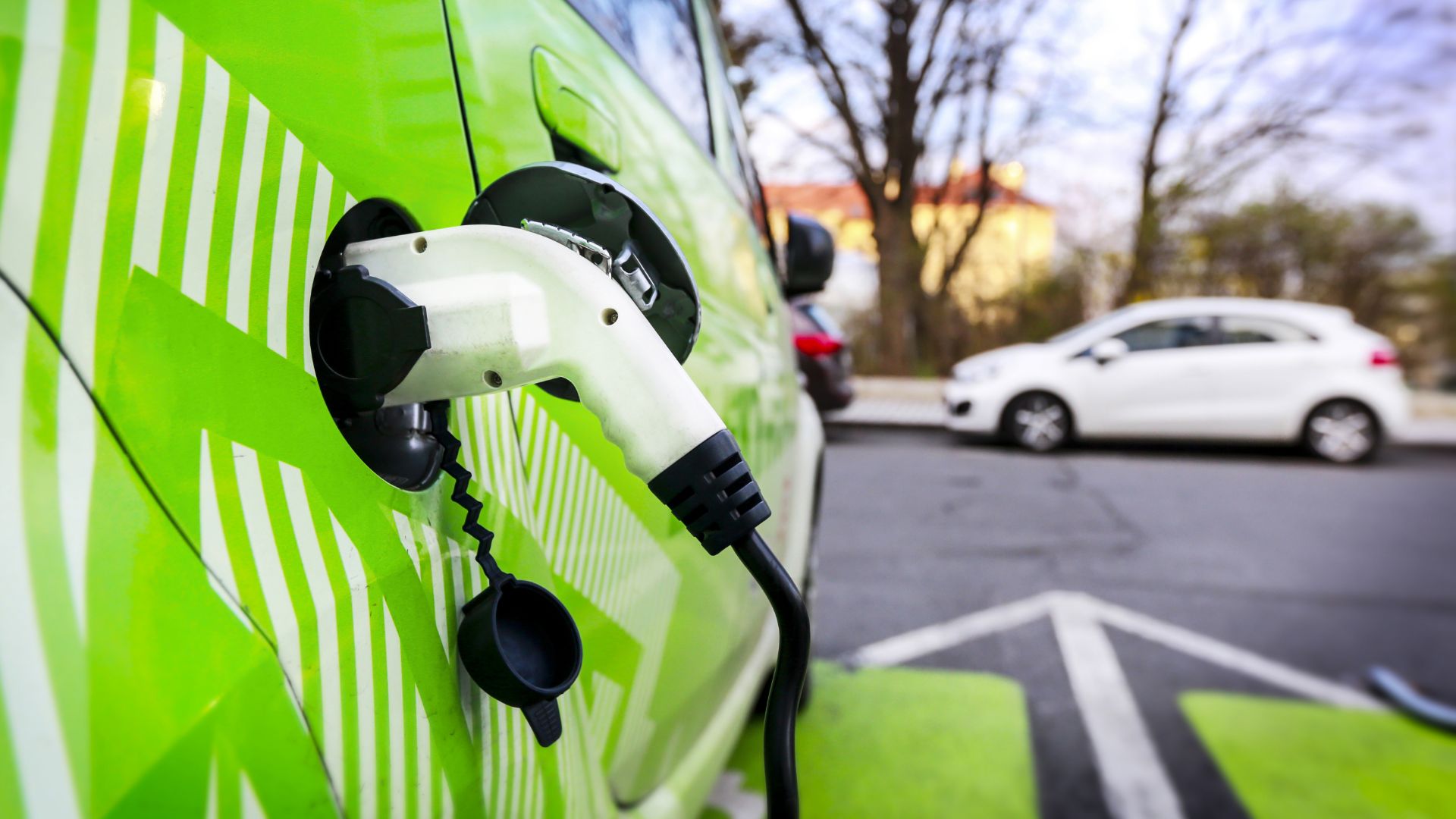
Electric car markets unbalanced in Europe

It’s the richest countries, with the highest standard of living, that are embracing ECV ownership. Even some of the more wealthy countries aren’t taking on EVs at the above rates. Electric cars make up less than one percent of sales in Italy and Spain. In half of EU member states, ECVs have a market share of less than one percent. 

“Mobility must remain affordable for all layers of society,” Huitema said.

“That is why we are calling on governments to put in place more meaningful and sustainable incentive schemes to stimulate sales EU-wide.”
Advertisement

A quarter of drivers pass their test first time

0

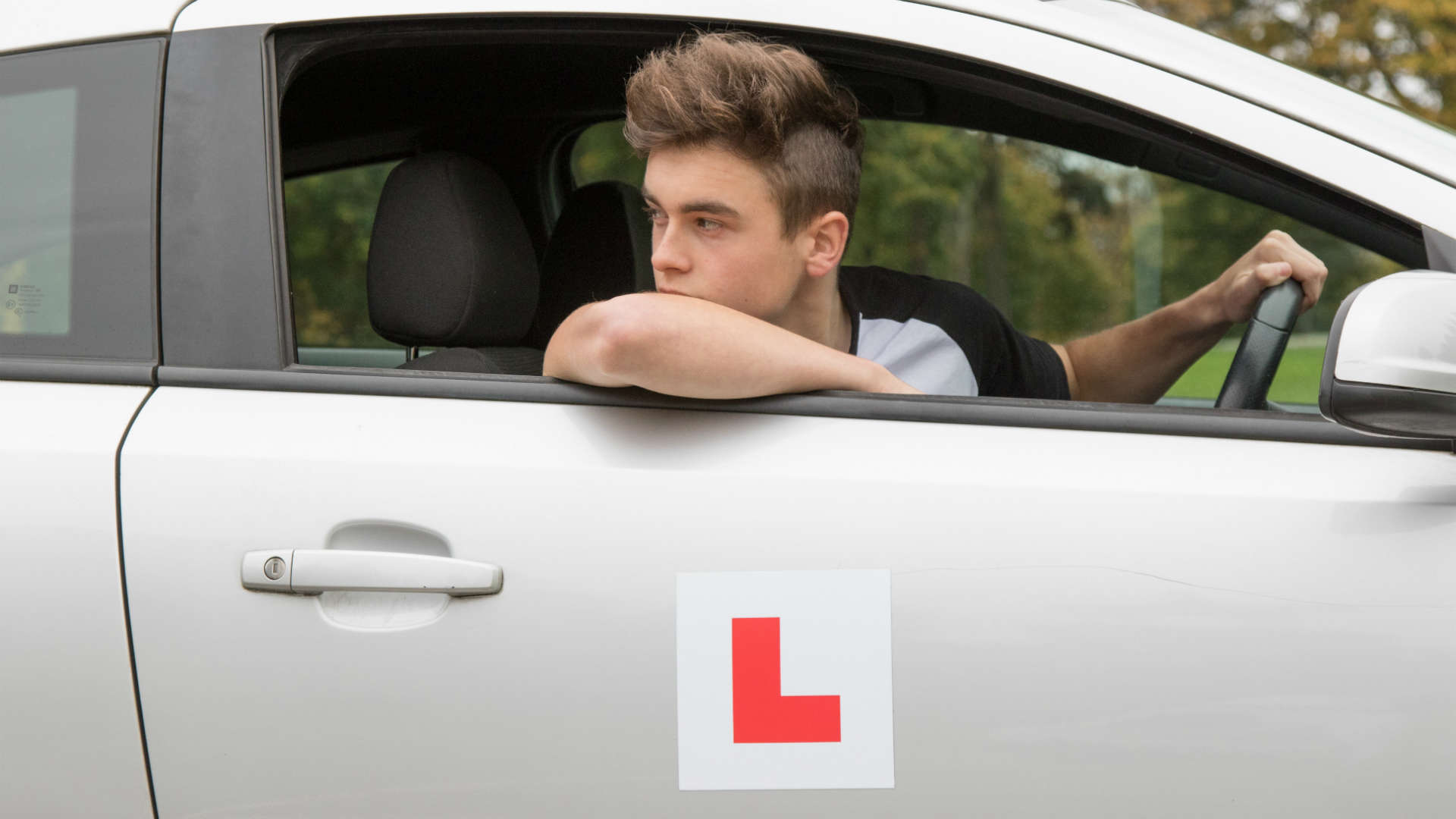
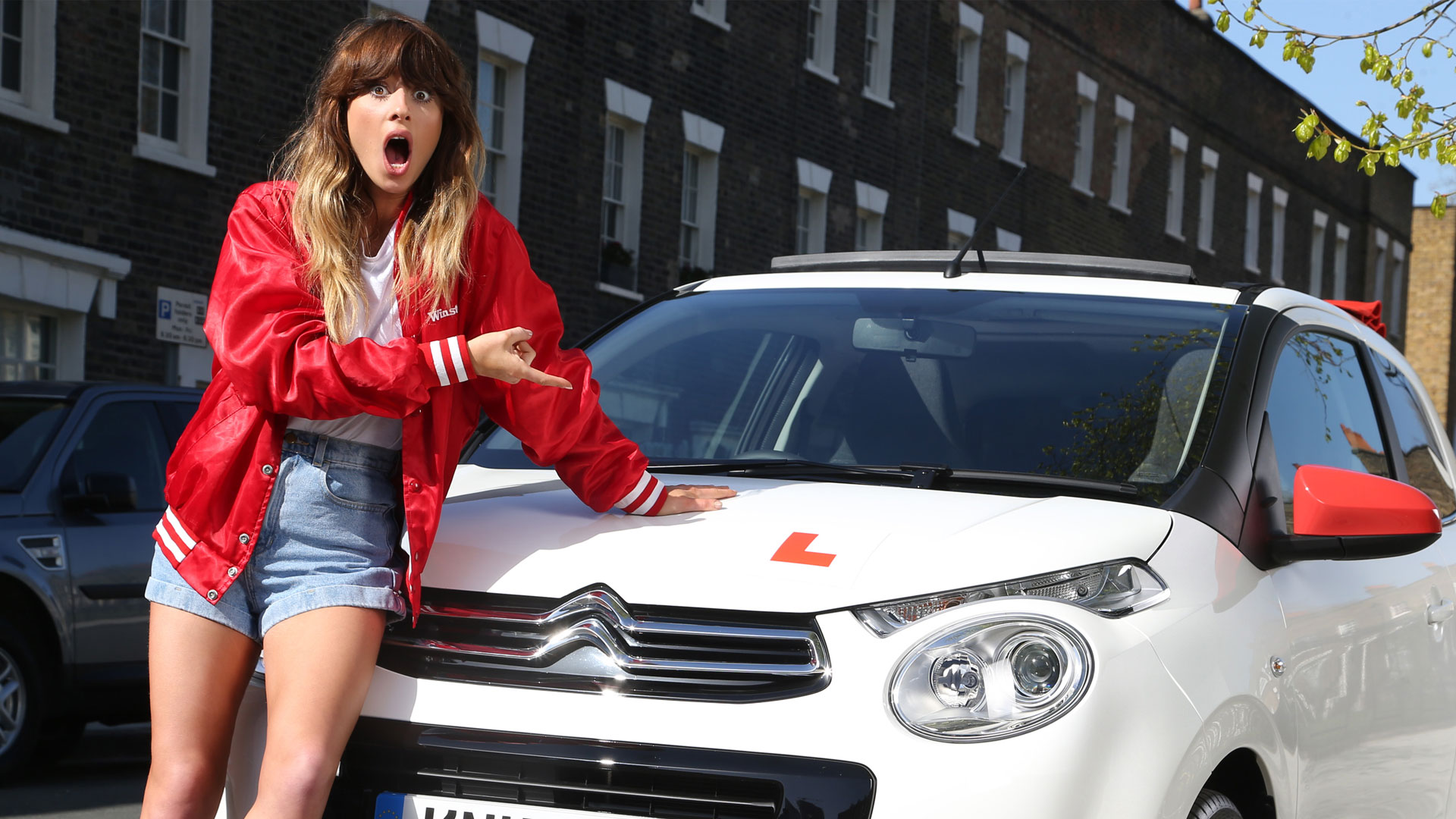
Citroen C1 learner

Around a quarter (26 percent) of new drivers pass their test first time. This is according to figures from the Driver and Vehicle Standards Agency (DVSA).

A Freedom of Information Request (FOI) shows that, of the 1,692,782 drivers who took a practical test in 2018, just 447,442 passed first time. A total of 13,155 candidates required 6-10 attempts, 328 needed 11-15, while ten passed after 15 or more practical tests.

The FOI suggests learner drivers are taking longer to get behind the wheel. In 2016, three drivers required 15 or more attempts to pass the theory test. In 2017, this went up to seven, with 10 requiring a mammoth effort last year.

The DVSA introduced changes to the practical driving test in 2017, and this is seen as the primary reason behind the number of failures.

Learner drivers pay less up North

In September, we revealed the most likely reasons for failing the driving test. Pulling out of junctions topped the list, followed by inadequate use of mirrors, turning right at junctions, steering control and traffic light responses.

Learner drivers in London and the South East are the most likely to require 15+ theory attempts, followed by the Midlands, North of England, Wales, South West and Scotland.

‘Rite of passage’

Is this why more learner drivers are failing their test?

Tom Preston, managing director of Hippo Leasing, the company behind the research, said: “For almost a century, the driving test has been a rite of passage for many young adults in the UK. But while safety principles have remained the same, the test has frequently adapted to the country’s changing roads. Driving tests are designed to be challenging and you’re more likely to fail on your first attempt than pass.

“It’s important that learners feel 100 percent ready before signing up to take a theory or practical driving test. Multiple failures can leave learners with huge additional costs and knock their confidence at a vital time in their driving careers.”

A theory test costs £23, while the practical driving test costs £62 on weekdays or £75 on weekends and Bank Holidays. The costs are different for lorries, minibuses, buses, coaches, motorcycles and mopeds.

Advertisement

Van thefts up 45 percent to record high

0

Van thefts increase in the UK

The number of vans stolen in the UK has increased by 45 percent over the last four years, according to new figures.

Police have recorded 32,056 incidents of van theft since 2015 – with 9,371 vans reported stolen in the last year alone. 

Of these, 4,777 vans were reported stolen to the Metropolitan Police – a 15 percent year-on-year increase. Meanwhile, in Leicestershire, van theft is up 843 percent to 377.

A Freedom of Information Request (FOI) found that van theft is up in most of the police forces included in the study, although the figure is down 73 percent in the West Midlands.

The study was conducted by Volkswagen Commercial Vehicles. It’s advising van owners and fleet managers to ensure their vehicles are fitted with the latest anti-theft devices and to remove tools overnight.

Over the weekend, thousands of pounds worth of tools were stolen from vans in the West Midlands. Julie Meer, Police Community Support Officer (PCSO) on the Tyburn Neighbourhood Team said: “”Can we please remind residents to be vigilant at this time and not to leave items of value including tools inside their vans and please use vehicle alarms where available.”

How to protect your van from theft

Volkswagen has the following advice for van drivers:

  • Park in well-lit areas or car parks with CCTV. Alternatively, position your van so that the doors are blocked by another vehicle
  • Window guards or full internal bulkheads can prevent thieves from seeing inside
  • Adding security film to the side glass and back window can stop thieves from breaking in
  • Fitting additional locks is a good idea
  • Invest in lockable internal racking or secure storage boxes
  • Fitting a tracking device can assist the police in the hunt for a stolen van

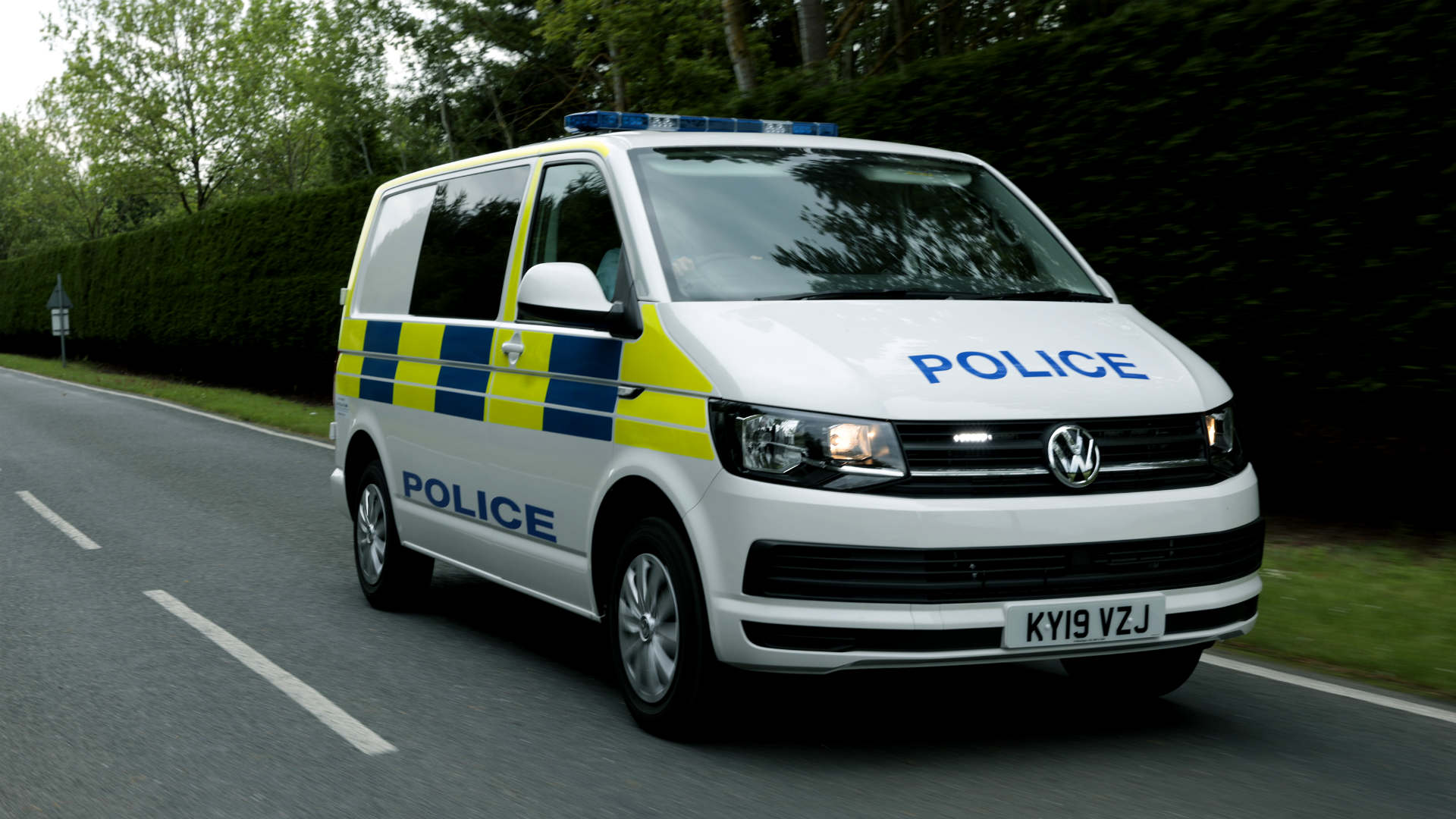
Volkswagen police van

David Hanna, Volkswagen Commercial Vehicles head of service and parts operations, said: “Our most recent findings are concerning as it reveals that the problem of van theft is getting worse rather than better – and it’s a problem right across the country.

“Vans are the lifeblood of so many businesses up and down the country and it’s not only the emotional stress of replacing the vehicle but also the days and weeks of letting customers down and the cost of replacing tools, often worth thousands of pounds, before you can get back to ‘business as usual’.’

Number of van thefts

The FOI request was sent to 47 police forces across the UK. A total of 42 responded – here are the top 10.

Police force Stolen vans (2017/18) Stolen vans (2018/19) Year-on-year increase
Metropolitan Police 4,137 4.777 15 percent
West Yorkshire 557 931 67 percent
West Midlands 1,505 409 -73 percent
Essex 228 387 70 percent
Leicestershire 40 377 843 percent
Hertfordshire 206 253 23 percent
Derbyshire n/a 229
Surrey 210 208 -1 percent
Avon and Somerset 166 193 16 percent
Sussex n/a 181
Advertisement

Car steering lock sales DOUBLE in the fight against keyless theft

0

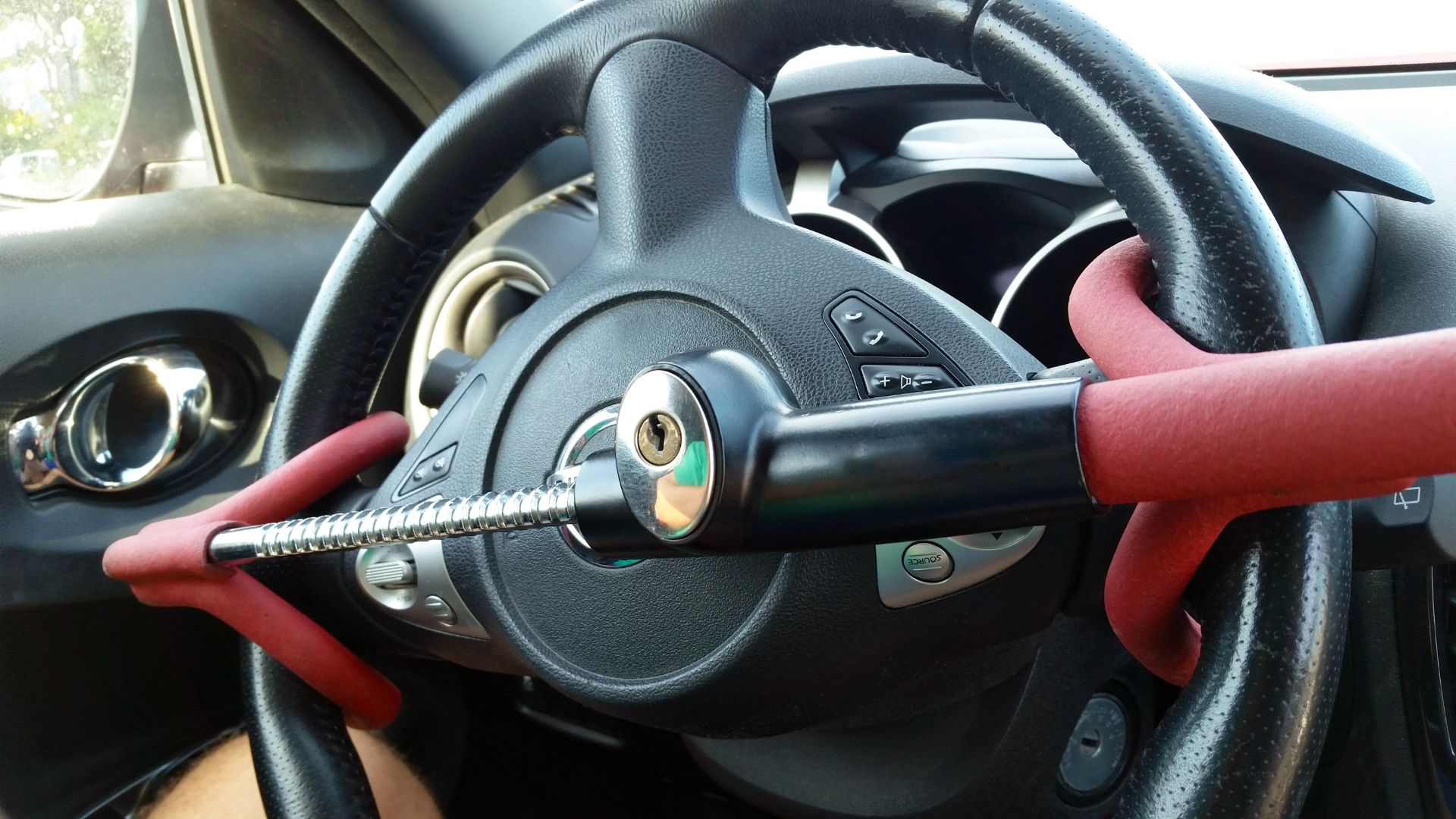
Steering lock sales double

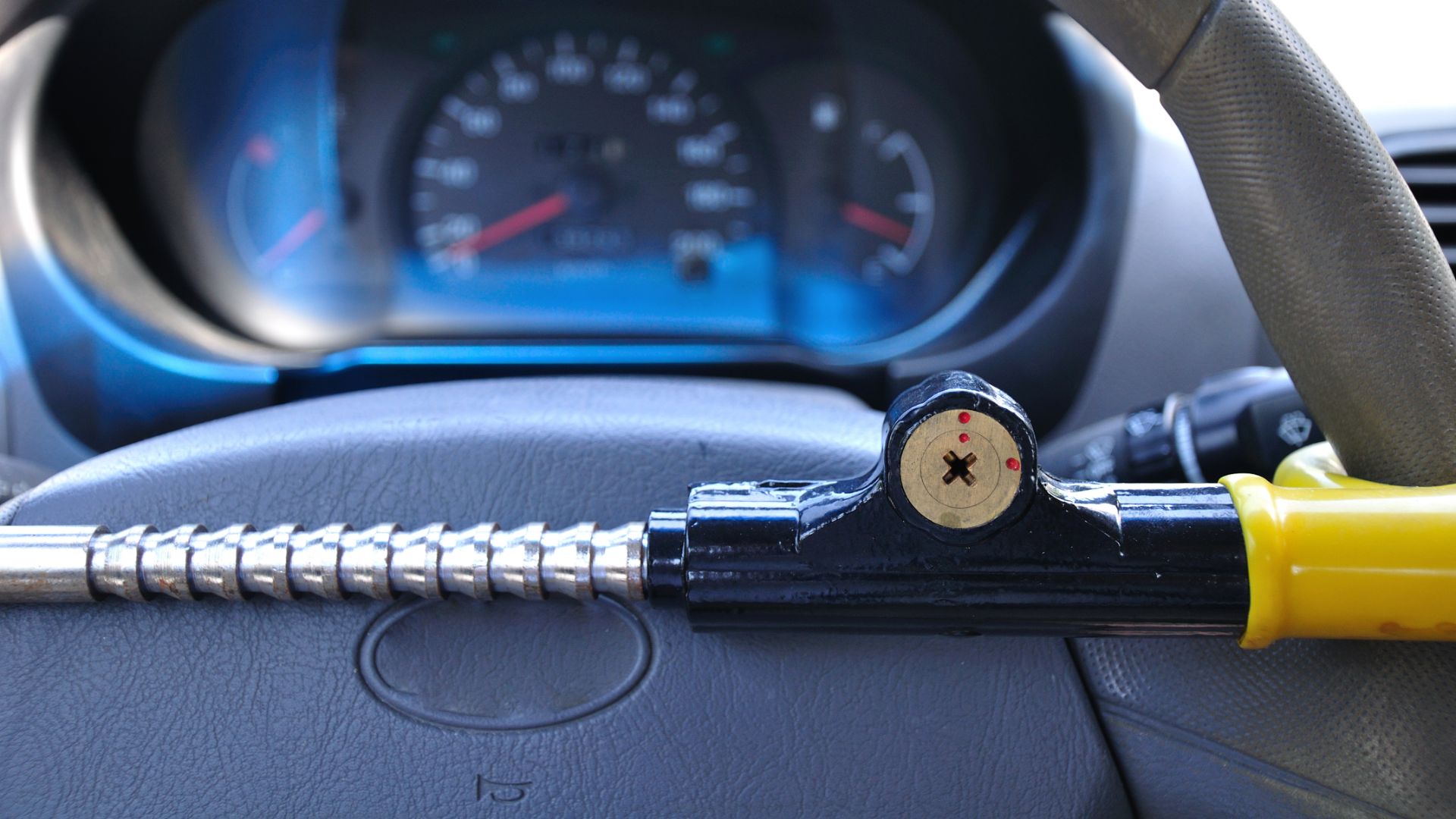
Sales of steering locks have DOUBLED over the past year, says Halfords, as the true scale of the keyless theft issue is revealed.

Like Bond in Skyfall when he carted M off to Scotland in his decidedly analogue and therefore untraceable Aston Martin, modern car owners are going old-school and heavy-duty to protect their cars from thieves. 

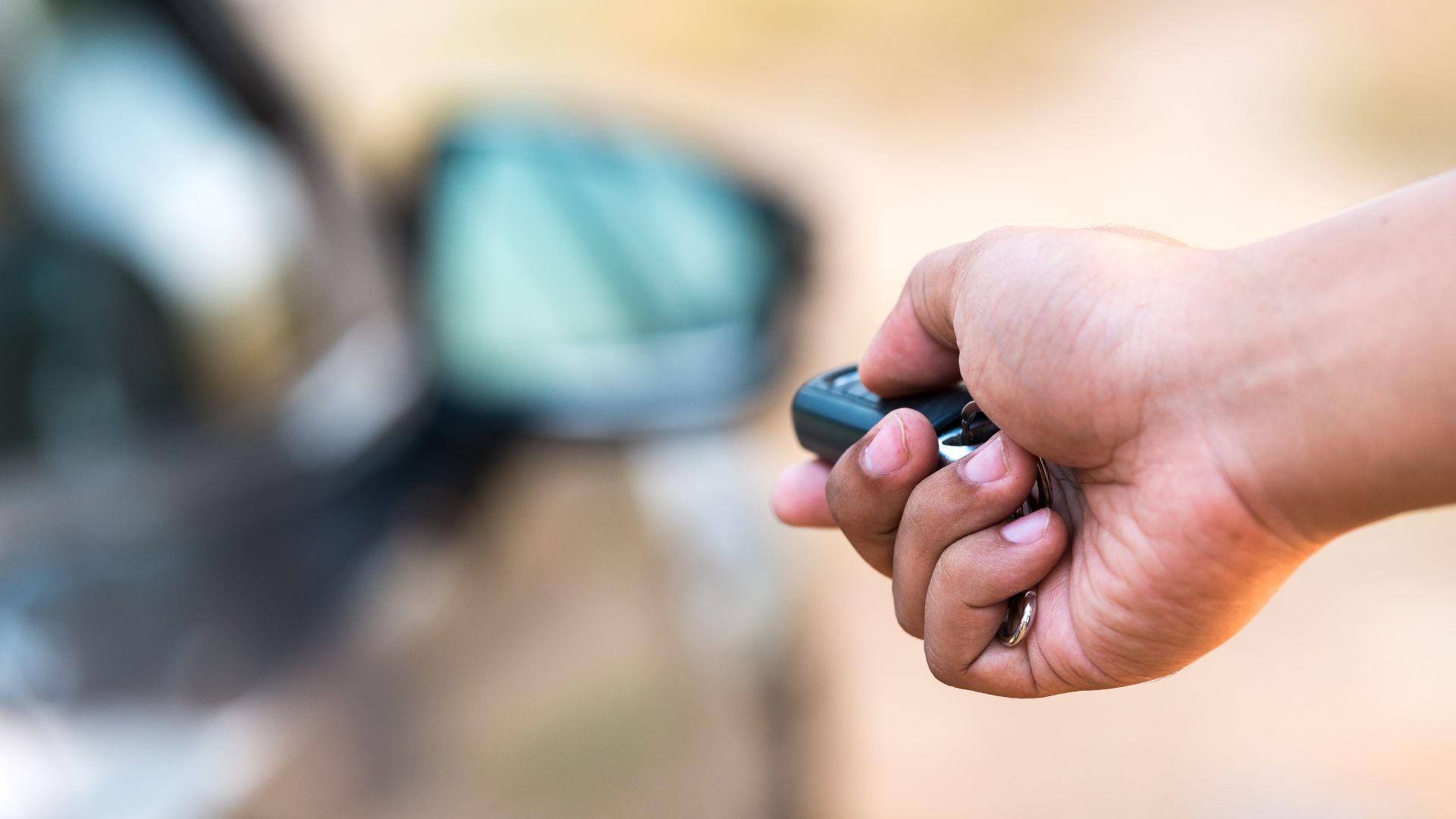
High-tech keyless thieves have been hacking cars. With nothing but software, they unlock, start and steal them, without so much as a scratch or a triggered alarm.

They hijack the signal from your keys that unlocks and primes the car to start when you near it. As a result, Halfords reckons consumers have gone old-school. It’s reporting that sales of steering locks have doubled.

Steering lock sales double

Traditionally, it’s the time of year for car thefts to increase. Daylight in short supply and unattended defrosting cars are just a couple of reasons why more cars are stolen in the winter months.

In a survey of 2,000 motorists, Halfords found that 25 percent use steering locks, while just five percent have invested in an RFID wallet to shield their fobs from keyless signal hijacking.

“Organised gangs have mastered how to get around high-tech security devices, leading to a significant rise in car thefts across the UK,” said Pavan Sondhi, car security expert at Halfords. 

Steering lock sales double

  • Stolen in seconds: keyless new cars that fail security tests

“To guard against falling victim to these car thieves, Police are advising drivers to invest in a physical deterrent.

“Classic steel steering locks first became popular in the 1980s and 90s but remain an extremely effective – and visual – way of deterring thieves, and we’ve recently seen a huge increase in sales as car owners turn to old school solutions.”

In response to demand, Halfords has launched a range of items to secure your car. While they do offer an anti-theft key wallet, everything else is decidedly more analogue. Take your pick between a T-Bar steering lock with an alarm, a wheel clamp, or a double bar steering lock.

Advertisement

Opinion: I’m in love with the new Honda Jazz

0

2020 new Honda Jazz

Confession: I think I may have fallen for the new Honda Jazz. In a week when the great and the good of the motoring world have tripped over their travel bags and squabbled over frozen party food to bring us the latest news from Wolfsburg, I’ve been pondering the simple beauty of the Jazz.

It’s beautifully simple. Honda hasn’t lost sight of what makes the Jazz so appealing. Like it or not, this is the car you’d want your parents to drive when they retire. It’s as familiar as The Archers theme tune, as dependable as a Golden Retriever, and as practical as a Cub Scout leader.

We don’t want the Honda Jazz to be quick (unless we’re stuck behind one on a B-road). We don’t want the Honda Jazz to be snazzy. We don’t want the Honda Jazz to be exciting. Which is why Honda appears to have nailed the fourth-generation model.

What’s up, Doc?

2020 new Honda Jazz

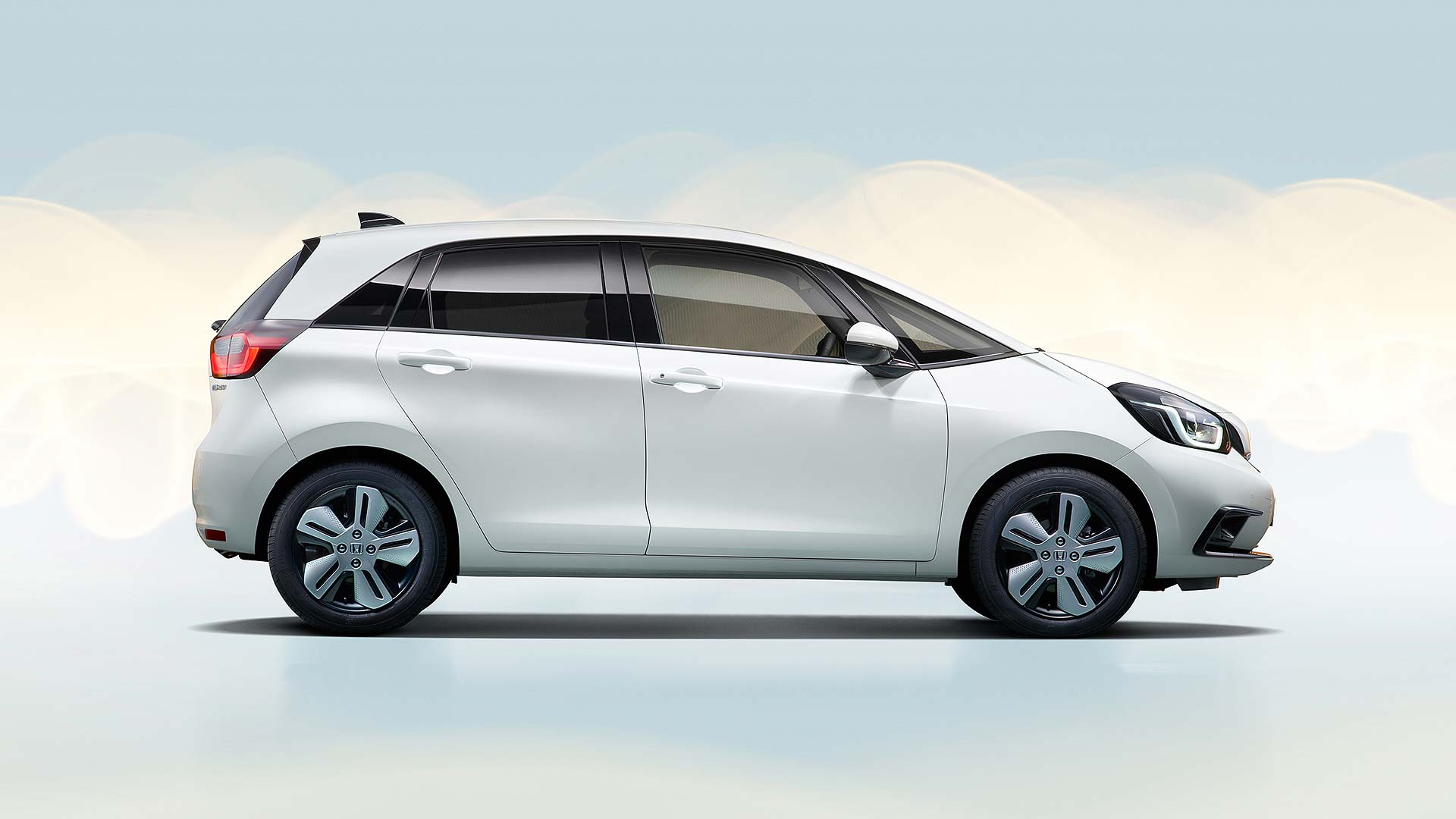
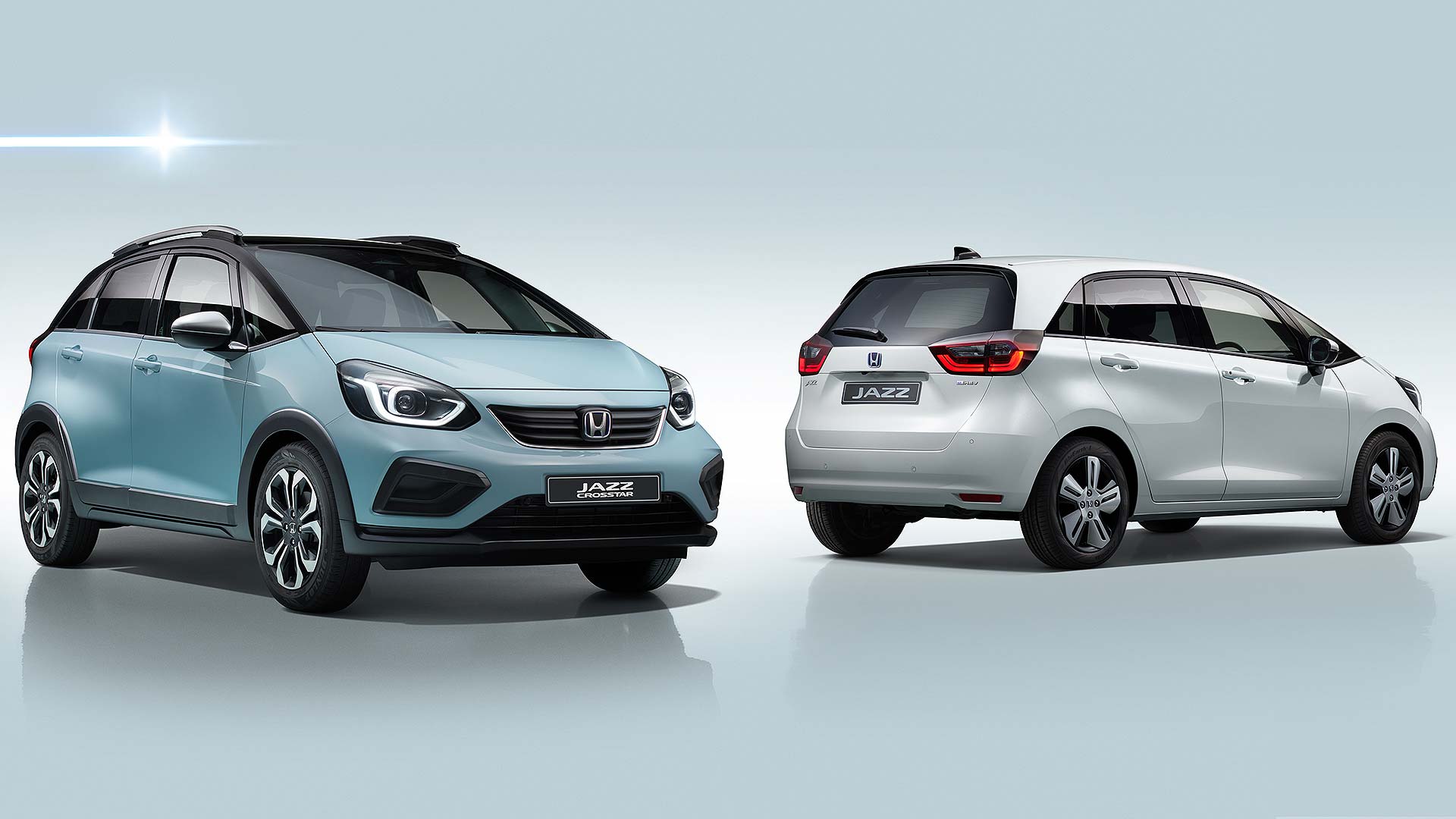
Take the styling, which is almost exactly how you’d want the Mk4 Jazz to look. The front end is a bit goofy, with a hint of Bugs Bunny, but overall, it puts right the wrongs of the outgoing Jazz.

The Jazz has always felt like a supermini XL – like a pair of beige slacks with an elasticated waist. Honda is promising ‘class-leading’ levels of interior space, thanks to the position of the fuel tank below the front seats and the hybrid tech in the engine bay.

Oh yeah, did I mention that the new Jazz is powered by a two-motor hybrid system? Honda hasn’t released any figures, but has promised ‘impressive fuel economy’. Needless to say, Jazz drivers won’t be making regular trips to the petrol station, so that plastic loyalty card can be recycled.

2020 new Honda Jazz

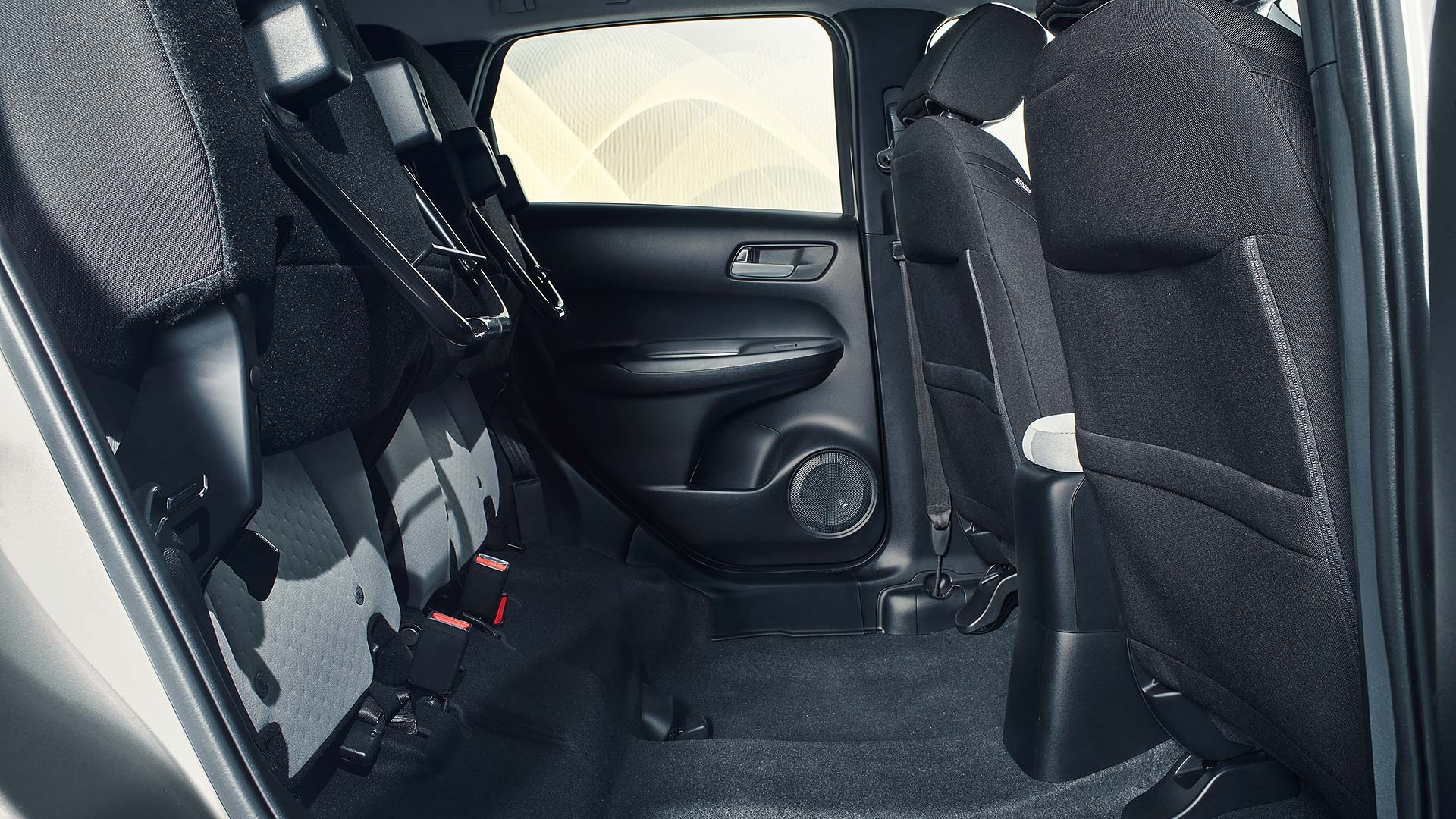
The Magic Seats are retained, because removing them would be akin to chasing away the ravens from the Tower of London. The flexibility afforded by the rear seats is one of the joys of Honda Jazz ownership.

Yes, I just used the word ‘joy’ in the context of the Honda Jazz.

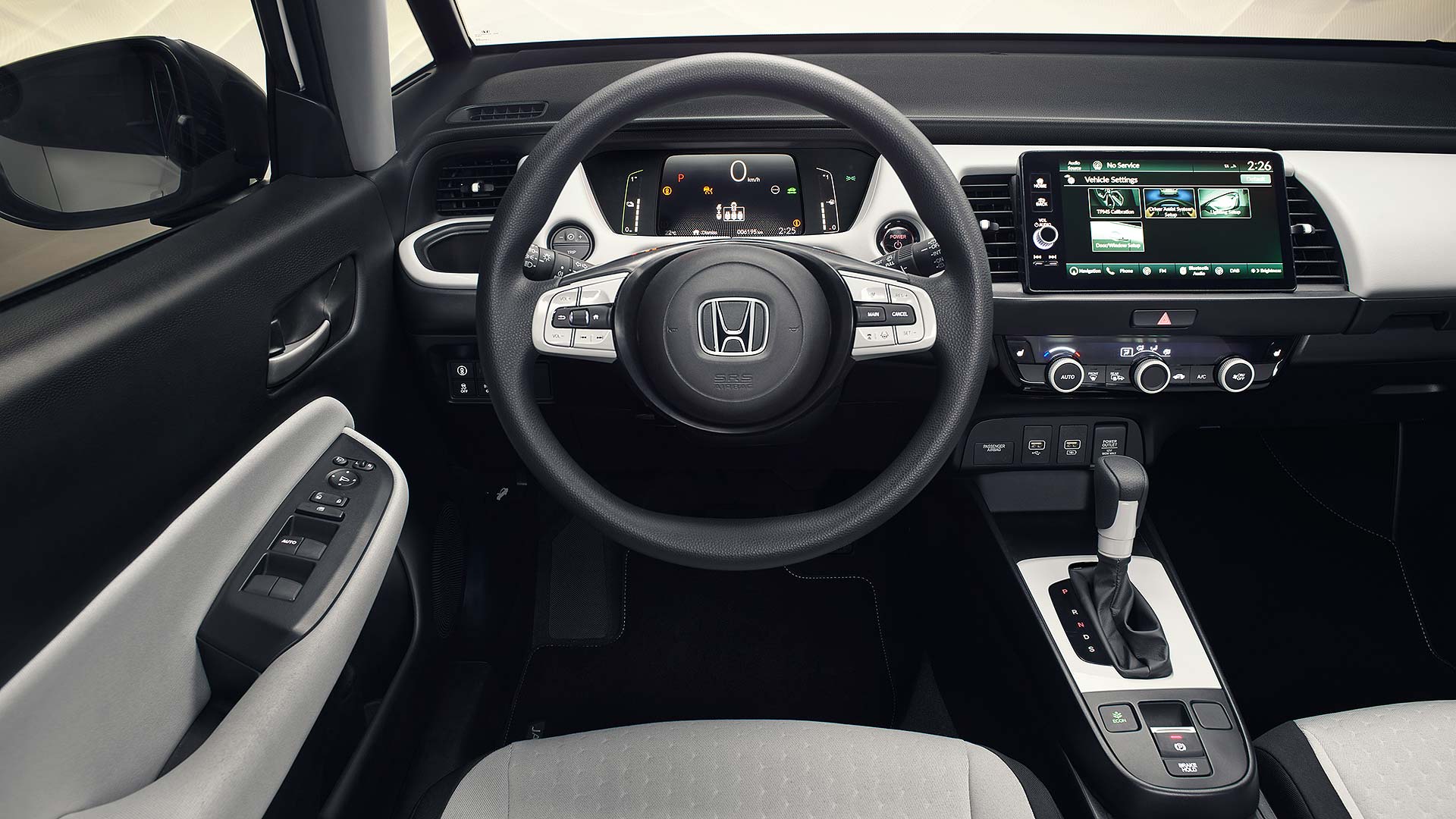
Which brings me on to the dashboard. I suspect the press photos show a top-spec interior with all the bells and whistles, but notice how all the switches and buttons are positioned in a neat and driver-focused manner.

Volkswagen reckons the world is ready for a Golf with virtually no physical buttons. I beg to differ. Such an approach would see Jazz loyalists voting to leave for the sanctuary of the Yaris, leaving the remainers to wonder what on earth just happened.

2020 new Honda Jazz

Note the two USB ports, the deep cupholder in front of the air vent, the positioning of the LCD touchscreen and the two-spoke steering wheel. Jazz, if I’m honest, you had me at the two-spoke steering wheel. 

There’s Apple CarPlay and Android Auto for when the grandchildren come to visit, wireless smartphone charging, and even a wifi hotspot. Now, Jazz owners can browse the online version of the Daily Express as they enjoy tea from a Thermos on the East Sussex coast.

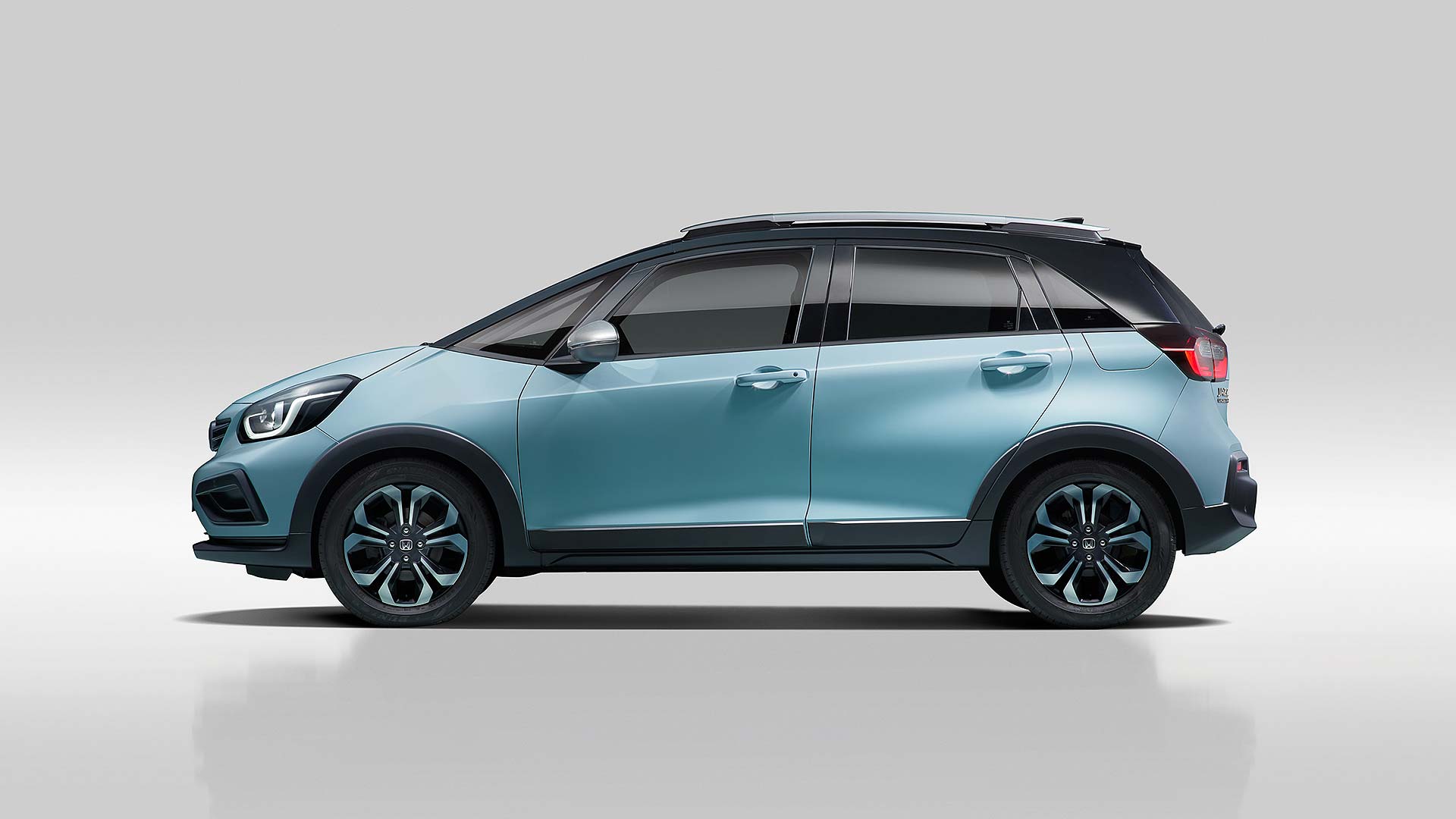
The unfortunately named Crosstar is a faux crossover I could do without, but no doubt Honda has done its homework. To be fair, the Jazz wears the two-tone paint job rather well. It’s like ‘man at C&A’ has wandered into H&M by mistake.

2020 new Honda Jazz

I’m fully aware that this declaration of love for the new Honda Jazz merely cements my reputation as the odd uncle who is always left off the guest list. The one who’s estranged from the extended family. I’m not concerned.

The world doesn’t need another compact SUV, million-dollar hypercar or ‘Ringmeister. What it needs is an efficient, sensible and clever supermini that’s easy to park, cheap to run and is unlikely to let you down. Jazz hands to that.

Advertisement

Engine and interior upgrades for 2020 Mitsubishi Outlander

0

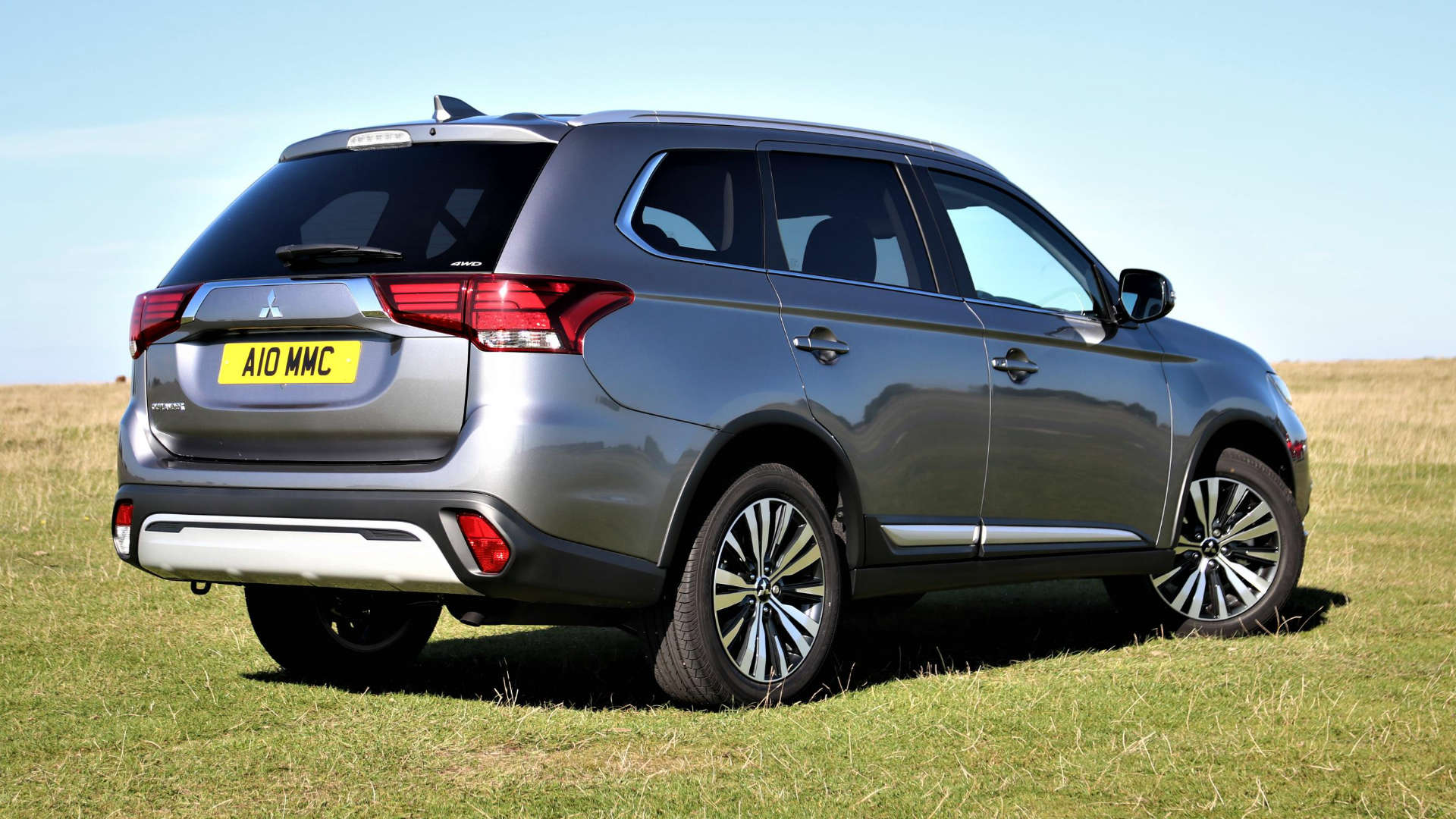
2020 Mitsubishi Outlander petrol

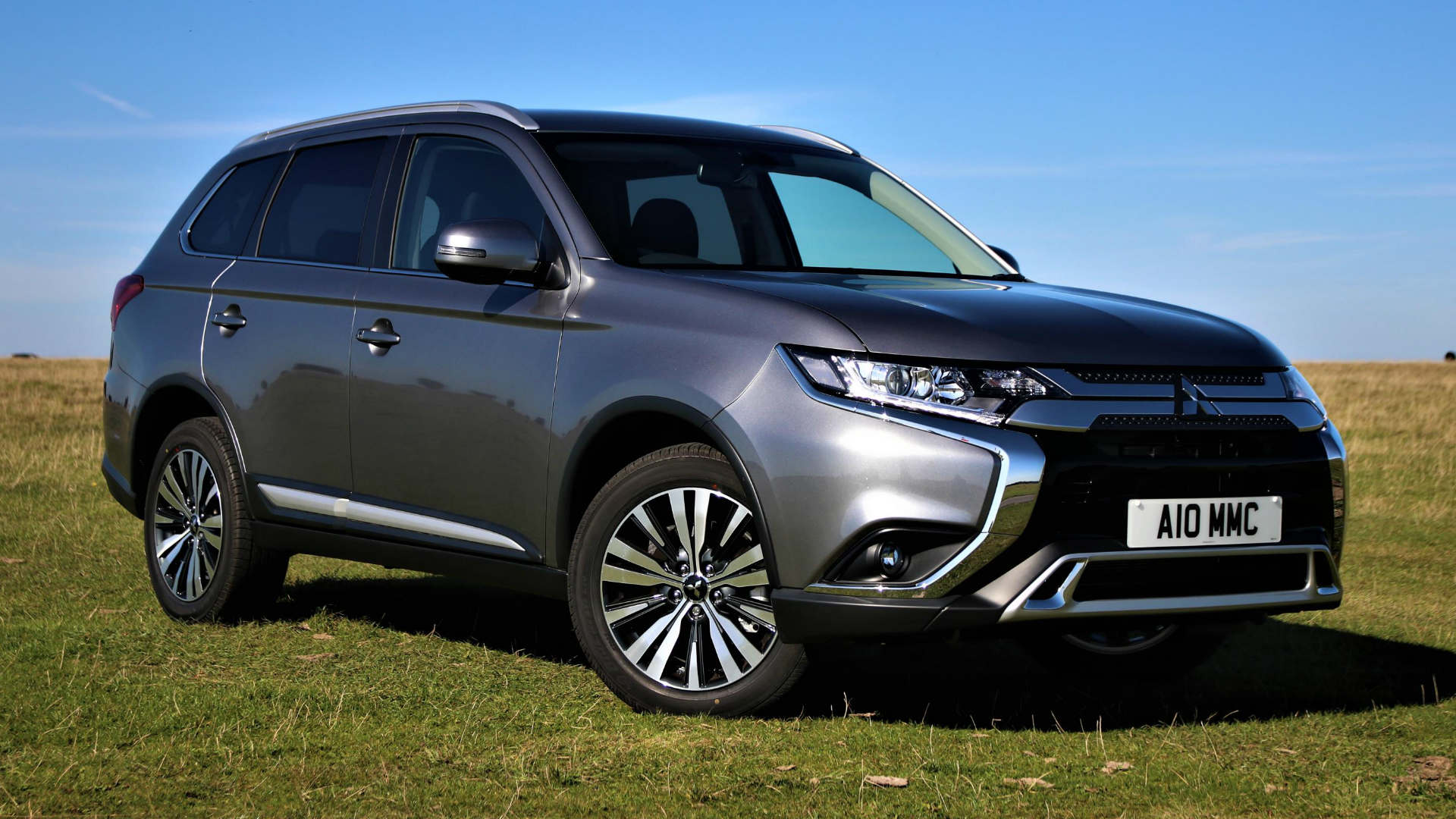
Such is the success of the Mitsubishi Outlander PHEV, it’s easy to forget that there’s a non-plug-in hybrid version of the SUV on sale.

With prices starting at £28,085, the Outlander petrol undercuts its headline-grabbing sibling by around £7,500 and offers the added bonus of seven seats.

For 2020, CO2 emissions from the 2.0-litre petrol engine have been cut to 169g/km, reducing the first-year VED rate by £325.

Further updates include a larger 8.0-inch infotainment system with DAB radio, Apple CarPlay and Android Auto, plus a built-in TomTom sat-nav on top versions.

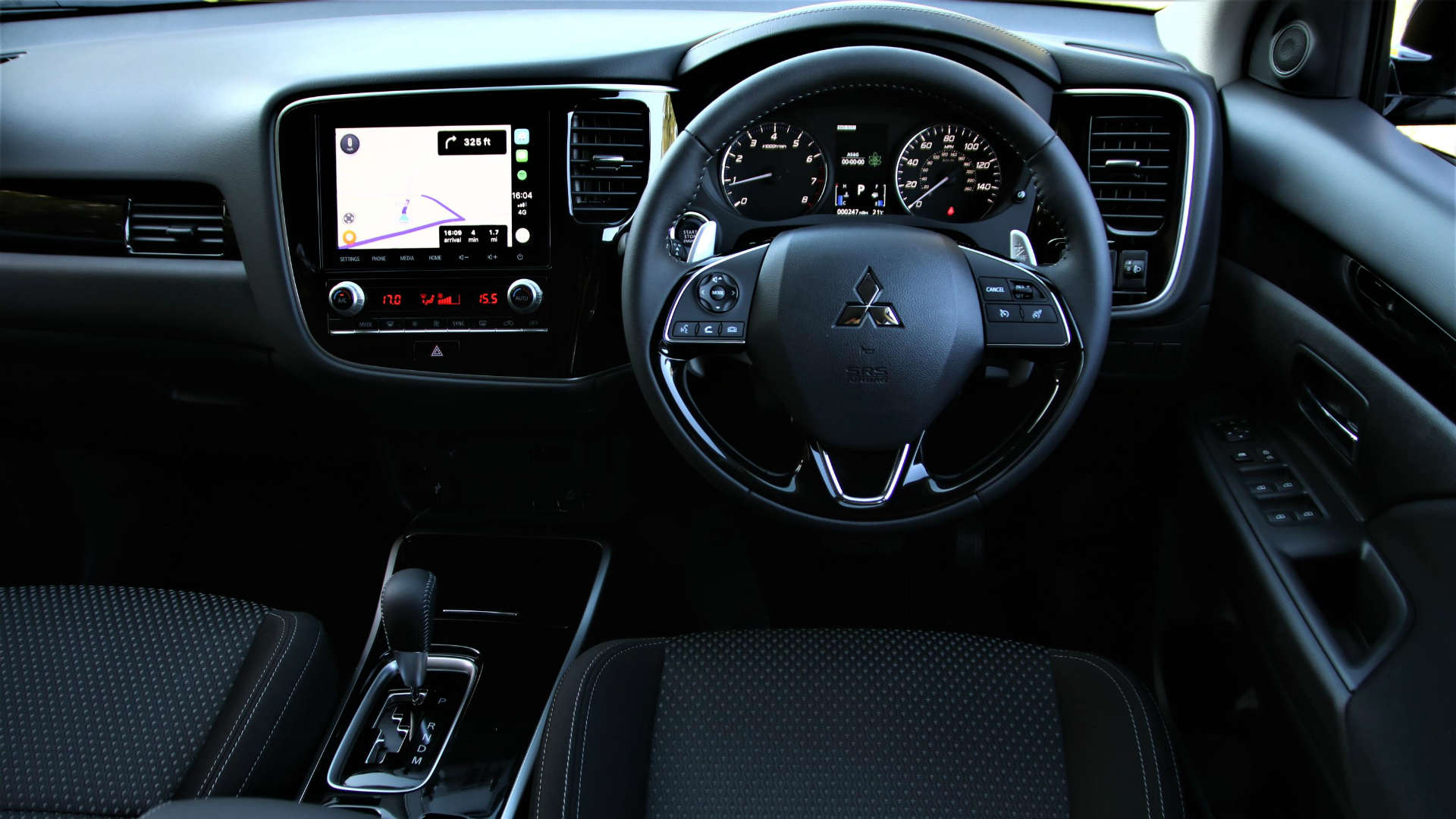
2020 Mitsubishi Outlander interior

The climate control panel has been redesigned, while the driver’s seat now features lumbar support. In the back, rear-seat comfort is improved thanks to additional ergonomic padding.

Design and Exceed

For 2020, the new entry-level Outlander will be the Design version, which offers seven seats, four-wheel drive, automatic transmission and the new 8.0-inch touchscreen as standard.

The Outlander Design also packs 18-inch alloy wheels, heated front seats, keyless entry and start, automatic lights and wipers, cruise control, dual-zone climate control and privacy glass.

2020 updates for Mitsubishi Outlander

The top-spec Outlander Exceed adds leather seats, 360-degree camera, TomTom sat-nav, LED headlights, heated steering wheel, electric tailgate, blind-spot warning, rear cross-traffic alert and two USB ports in the rear.

In Design trim, the Mitsubishi Outlander costs £28,085, while the Exceed is priced at £30,385. The new Mitsubishi Outlander petrol is in showrooms now.

Mitsubishi updated the Outlander PHEV in September. On sale since 2014, it’s the UK’s most popular plug-in hybrid vehicle, offering an all-electric range of 28 miles and CO2 emissions of 46g/km.

PHEV prices start from £35,455 for the Verve trim, rising to £43,455 for the Exceed Safety.

Advertisement

Vauxhall outlines EV plans, with electric Astra on the way

0

Vauxhall electric 2021 - 2024

Vauxhall has reaffirmed its dedication to electrification, promising eight electrified models by 2021. By 2024, the company says its entire range will be fully electric or hybrid-powered.

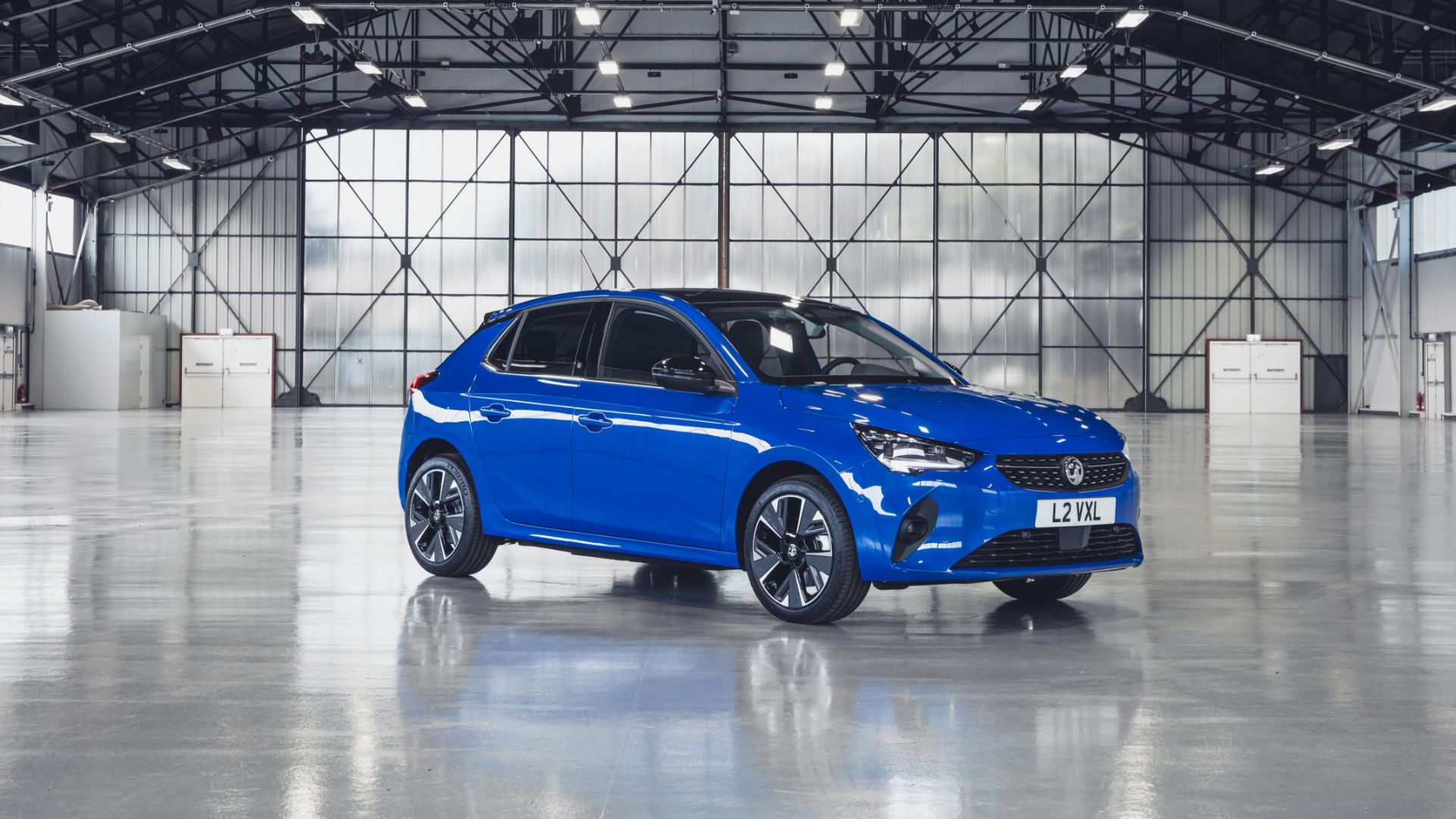
It’s the first time Vauxhall has talked strategy since the reveal of the new Corsa, which includes an electric version.

Vauxhall electric 2021 - 2024

In addition to the Corsa-e and hybridised Grandland X SUV, Vauxhall is looking to release an all-electric variant of its Vivaro van in 2020.

Joining it will be an electric version of the next Mokka X crossover, presumably sharing many parts with the Corsa. Combo and Combo Life EVs will follow, along with an electric Vivaro Life in 2021.

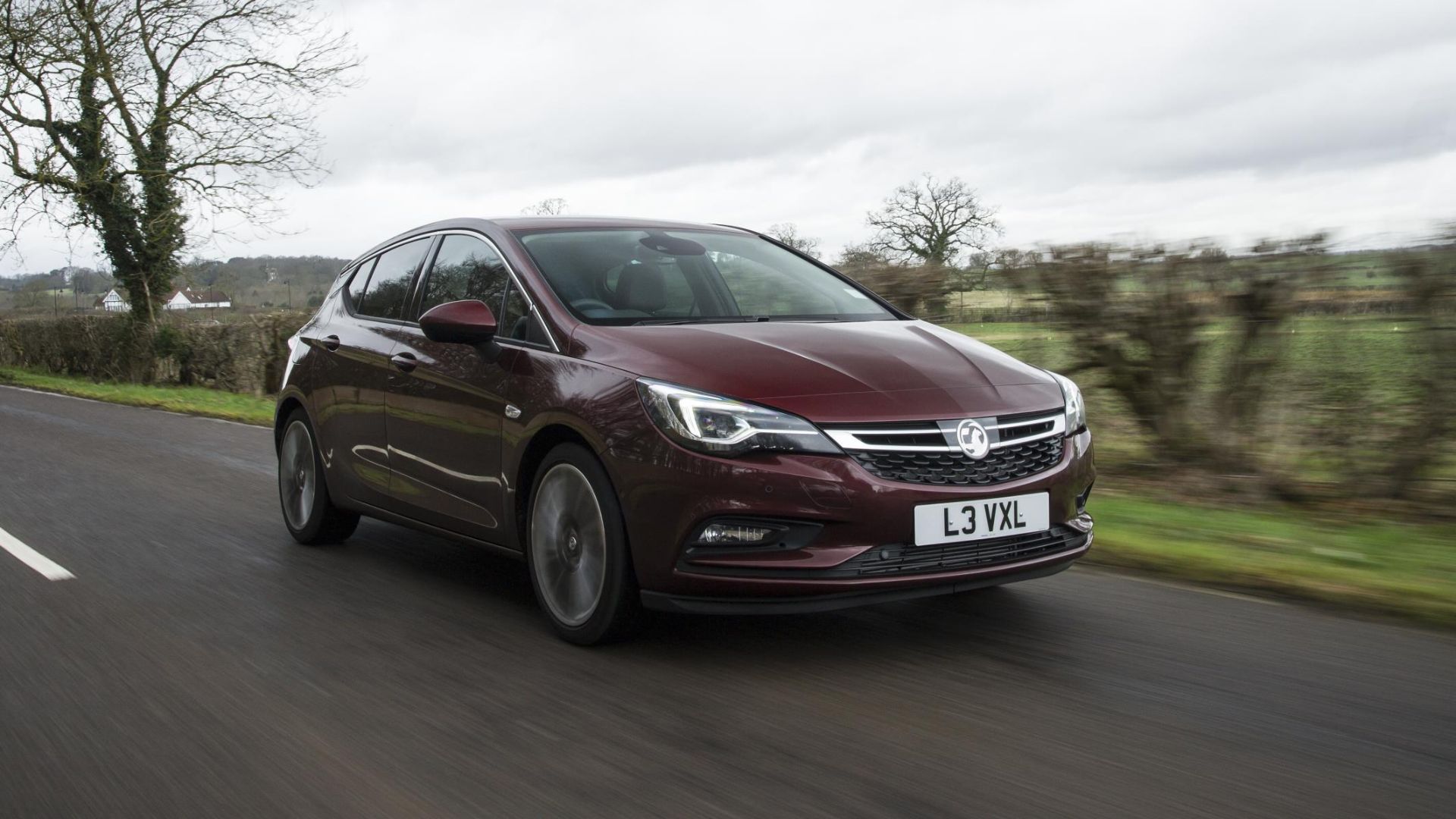
Within three years, we can expect to see an electric Astra in Vauxhall’s line-up. 

  • Vauxhall has made an electric Corsa rally car

Vauxhall electric 2021 - 2024

“We will electrify our entire product portfolio by 2024. Further models will follow very soon after we made the start with the Corsa-e and the Grandland X Hybrid4 this year,” said Vauxhall/Opel CEO, Michael Lohscheller.

“This product portfolio will put us in an excellent position to meet the ambitious future emission targets in Europe. Electro-mobility is an indispensable component in this. 

“But our ultra-modern and efficient combustion engines and research into fuel cells at the Rüsselsheim-based Centre of Competence will also make an important contribution to making our company sustainable and future-proof.”

Advertisement

Royal Daimler with seats for the Queen’s corgis sells for £80,500

0

Queen's Daimler sells for £85,000

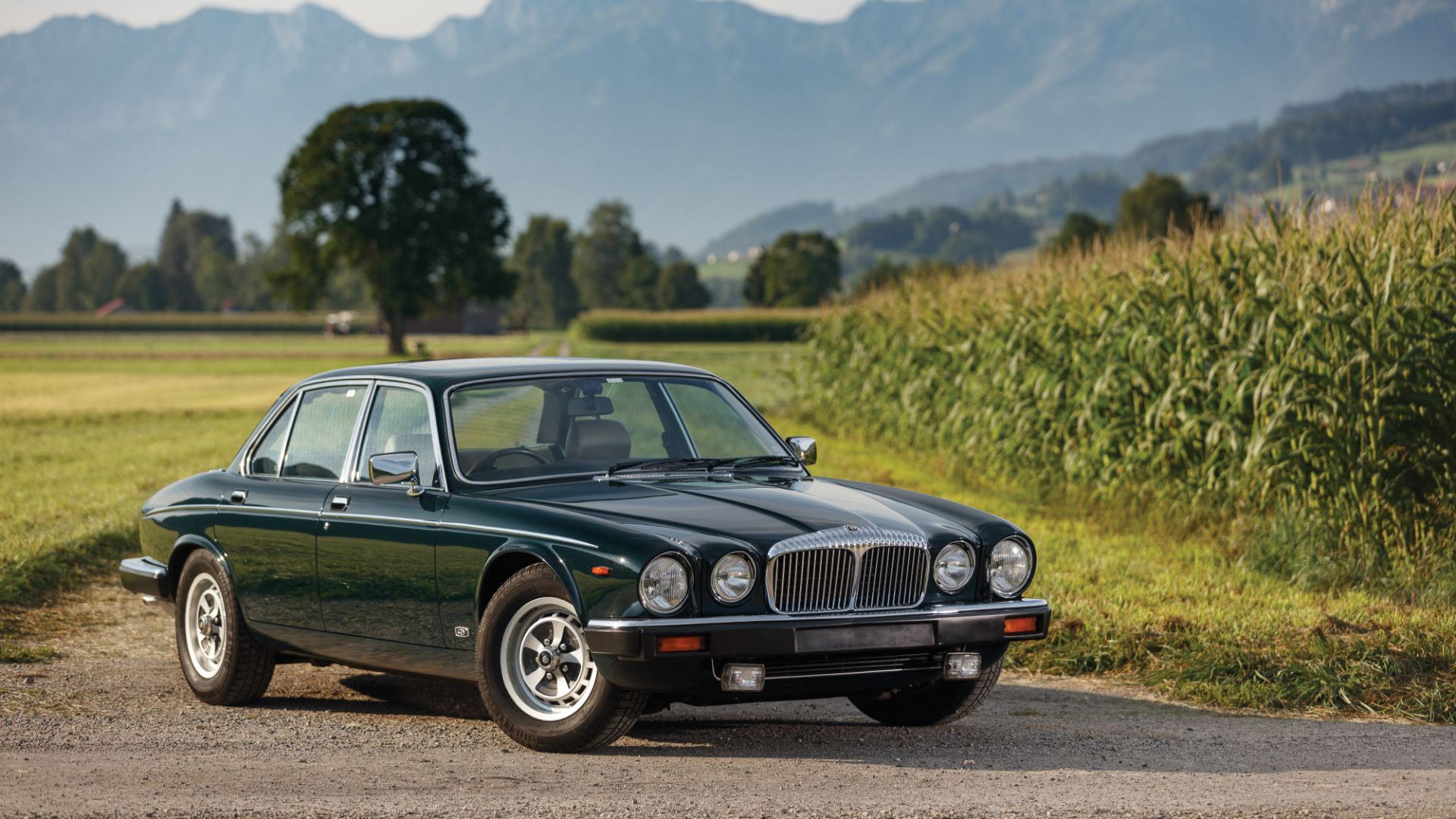
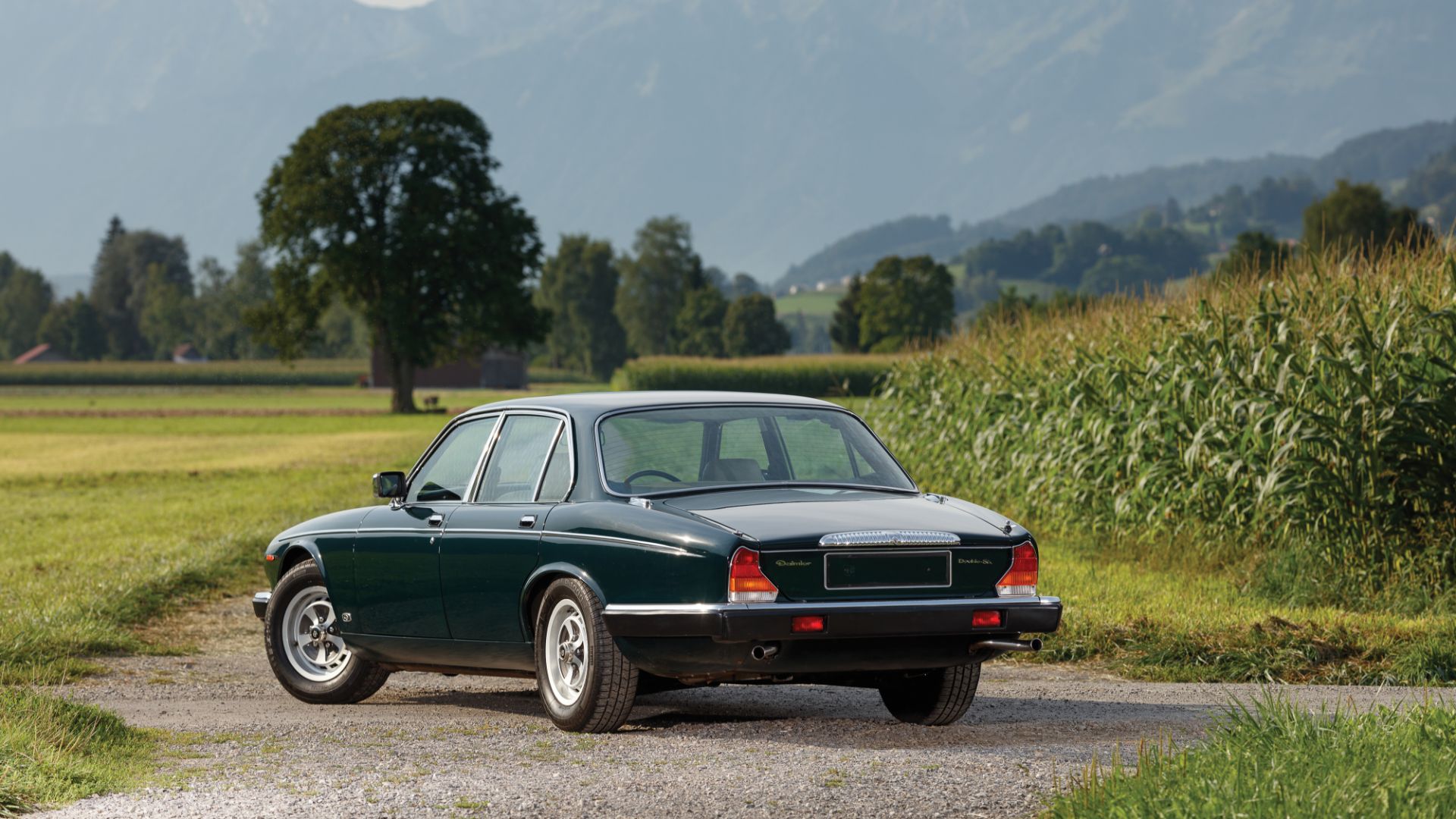
A Daimler Double Six bought new by the Queen in 1984 has sold for £80,500.

The luxury saloon, a royal custom order, was test-driven for 3,000 miles to ensure it was perfect before the Her Majesty took delivery. 

Queen's Daimler sells for £85,000

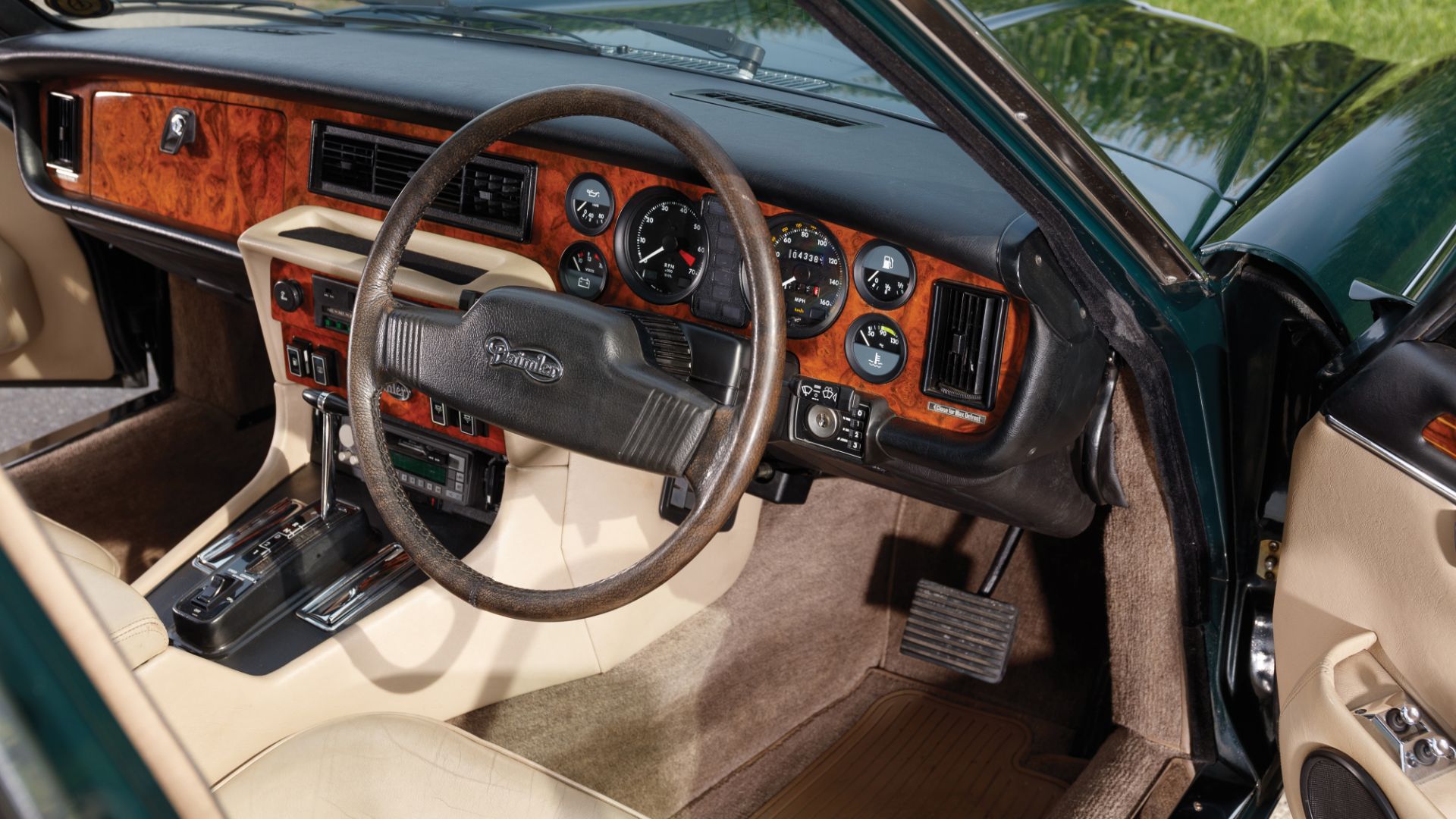
Special features included a bench seat in the back for HRH’s corgis, in place of the standard chairs. A blue convoy light was also carefully hidden near the rear-view mirror, so the car could be easily identified in case of an emergency. 

The Double-Six long-wheelbase, which was auctioned by RM Sotheby’s, is finished in a very dark green, with tan leather and wood trim.

During its time at Buckingham Palace, it was regularly driven by the Queen herself. She used it for three years, but it stayed in the household until 1990, when it was sent back to Jaguar. It covered 29,000 miles in royal ownership. 

Queen's Daimler sells for £85,000

It remained in Jaguar’s custody until 2010, when it was sold to a private owner.

“This Daimler is quite literally fit for a Queen, having known to be regularly driven by Her Majesty herself when the car was new in the 1980s,” said Paul Darvill of RM Sotheby’s.

“To this day, the car remains in perfect condition, having been immaculately maintained by Jaguar at the factory after its royal tenure, up to when it came into the hands of the consignor in 2010 and carefully curated thereafter.”

Advertisement

Revealed: the most expensive place to run a car

0

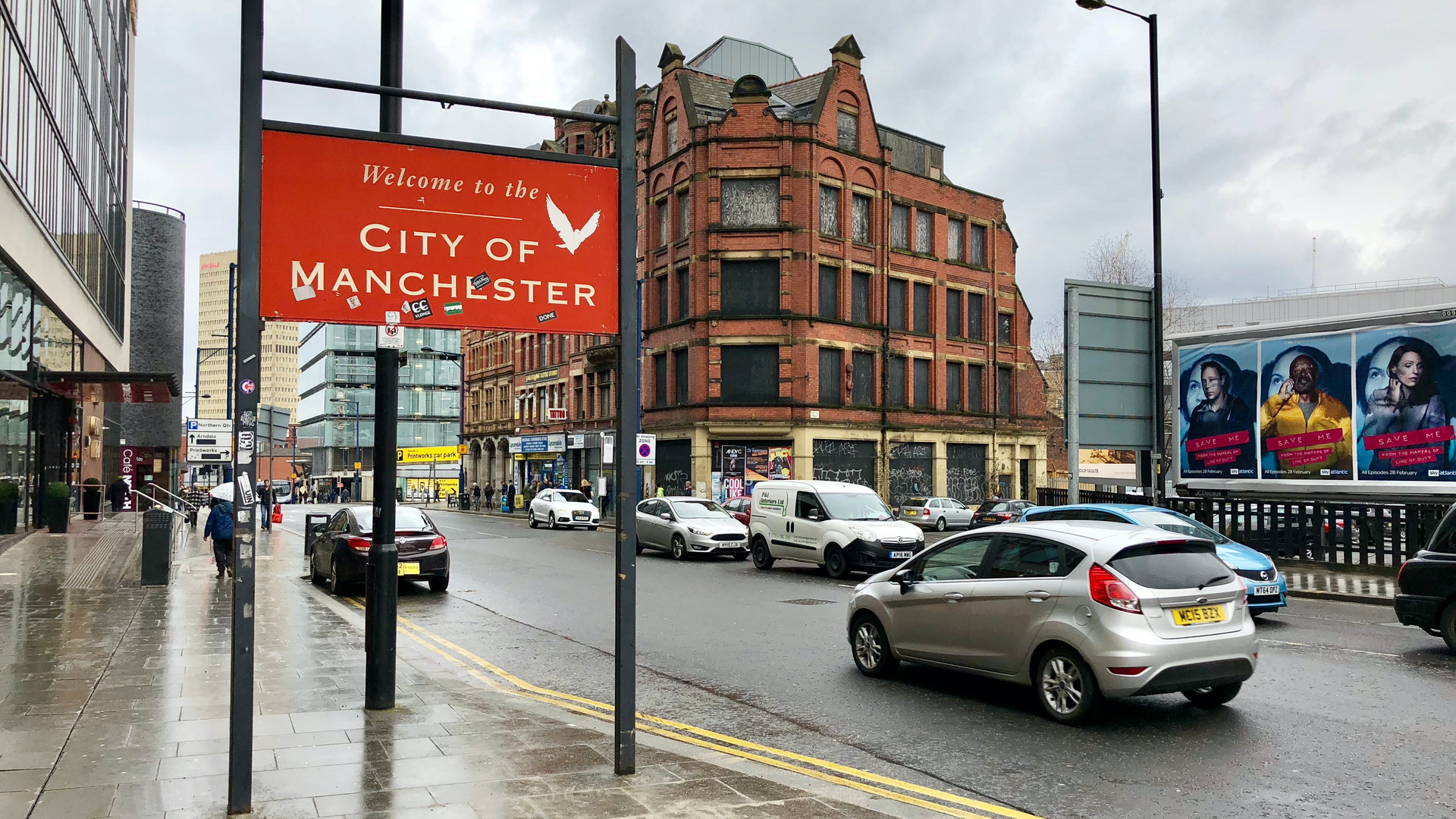
Manchester is the most expensive place to own a car

New research reveals the most expensive places to run a car – and it’s bad news for drivers in Manchester.

The city is the most expensive in the UK, where it costs £2,808.63 a year to run a petrol car. It’s less expensive to run a diesel, with the total running to £1,095.76.

At the opposite end of the scale, Carrick, Ayrshire, is the least expensive place to run a car. The figures are £1,958.72 for petrol and £1,142.60 for diesel cars.

To compile the data, researchers looked at the cost of car insurance, breakdown cover, MOT fees, average annual fuel costs for each area and vehicle excise duty (VED). 

While breakdown cover, MOT fees and VED were consistent across the UK, there are wild fluctuations in the cost of petrol, diesel and insurance.

Manchester: expensive car insurance

Expensive place to own a car

The cost of car insurance is the big issue for drivers in Manchester. At £1,638.51 per annum, the cost of cover is around £1,000 more expensive than in the cheapest area.

Conversely, petrol shouldn’t break the bank, with drivers in Manchester paying an average £908.43 for fuel – the seventh lowest.

Predictably, large cities dominate the top half of the table for expensive car insurance, with drivers in Manchester paying £1,638.51 a year. Next up is Birmingham (£1,572.19), followed by Bradford (£1,571.65), Luton (£1,545.43) and Blackburn (£1,522.97).

On the flip side, drivers in urban areas tend to pay less for fuel than drivers in rural outposts. 

Comparethemarket, the company behind the data, produced a separate set of results for London. It found that drivers in the City of London are paying the most to run a car, while motorists in Richmond and Kingston are paying the least.

Most expensive places to run a petrol car (excluding London)

Area Total cost (petrol cars)
1. Manchester £2,808.63
2. Luton £2,743.25
3. Birmingham £2,736.49
4. Bradford £2,706.94
5. Blackburn with Darwen £2,673.96
6. Pendle £2,651.59
7. Oldham £2,647.96
8. Rochdale £2,641.63
9. Liverpool £2,626.55
10. Sandwell, West Midlands £2,625.84

Least expensive places to run a petrol car (excluding London)

Area Total cost (diesel cars)
1. Carrick, Ayrshire £1,958.72
2. Exeter, Devon £1,975.70
3. Torbay, Devon £1,990.77
4. East Dunbartonshire, Scotland £1,995.08
5. East Renfrewshire, Scotland £1,996.86
6. Weymouth and Portland £2,001.33
7. Aberdeen City £2,003.53
8. South Hams, Devon £2,006.20
9. Restormel, Cornwall £2,010.73
10. South Gloucestershire £2,015.12

Figures used: breakdown cover (£36.84), MOT (£54.85), VED (£170).

Advertisement

Car insurance prices are down, but Brexit looms

0

Car insurance October 2019

New data has revealed that car insurance premiums fell during the third quarter of 2019. This, following a slight hike in the second quarter, and the sharp drop of the first quarter.

Overall, the average insurance premium is the cheapest it’s been all year in Q3 (July to September): £459 plays £472 for Q2, and £466 for Q1. Overall the Q3 cost, according to MoneySuperMarket, is five percent cheaper than the same period last year.

Is the cost of insurance coming down?

The figures seem to suggest so. It’s the first time since 2015 that the average insurance cost has been below £480 for three successive quarters. That said, there’s always room for increases. 

Young driver insurance premiums

Indeed, there are indications that prices are about to rise. Third party, fire and theft policies have risen on average by a respective seven and six percent. Brexit uncertainty could be blamed for this, given the currency fluctuations it’s caused and questions around imported replacement parts. The increasing expense to repair modern cars is also increasing claim costs and forcing premiums up.

Are gender and age still factors?

Legally, insurers aren’t allowed to discriminate on cost based on gender. Despite this, the average quote for men and women was vastly different in Q3 2019. Men paid £503 on average, which is down by five percent year-on-year. Women meanwhile, paid £412 on average, which is down four percent year-on-year.

Motorists overpaying on insurance by £1.2billion

Gender specifically hasn’t caused this, however. Riskier cars to insure are generally the preserve of male drivers. Women are also making fewer claims, and therefore have longer no-claims periods on average.

Age remains a kicker, especially for young drivers, though prices for the youngest motorists seem to be coming down. Drivers aged between 17 and 19 have seen premiums drop by four percent over the past year, to £991 for fully comprehensive. For everyone under 30, premiums dropped, while they increased for everyone over 30, in Q3 2019.

Advertisement