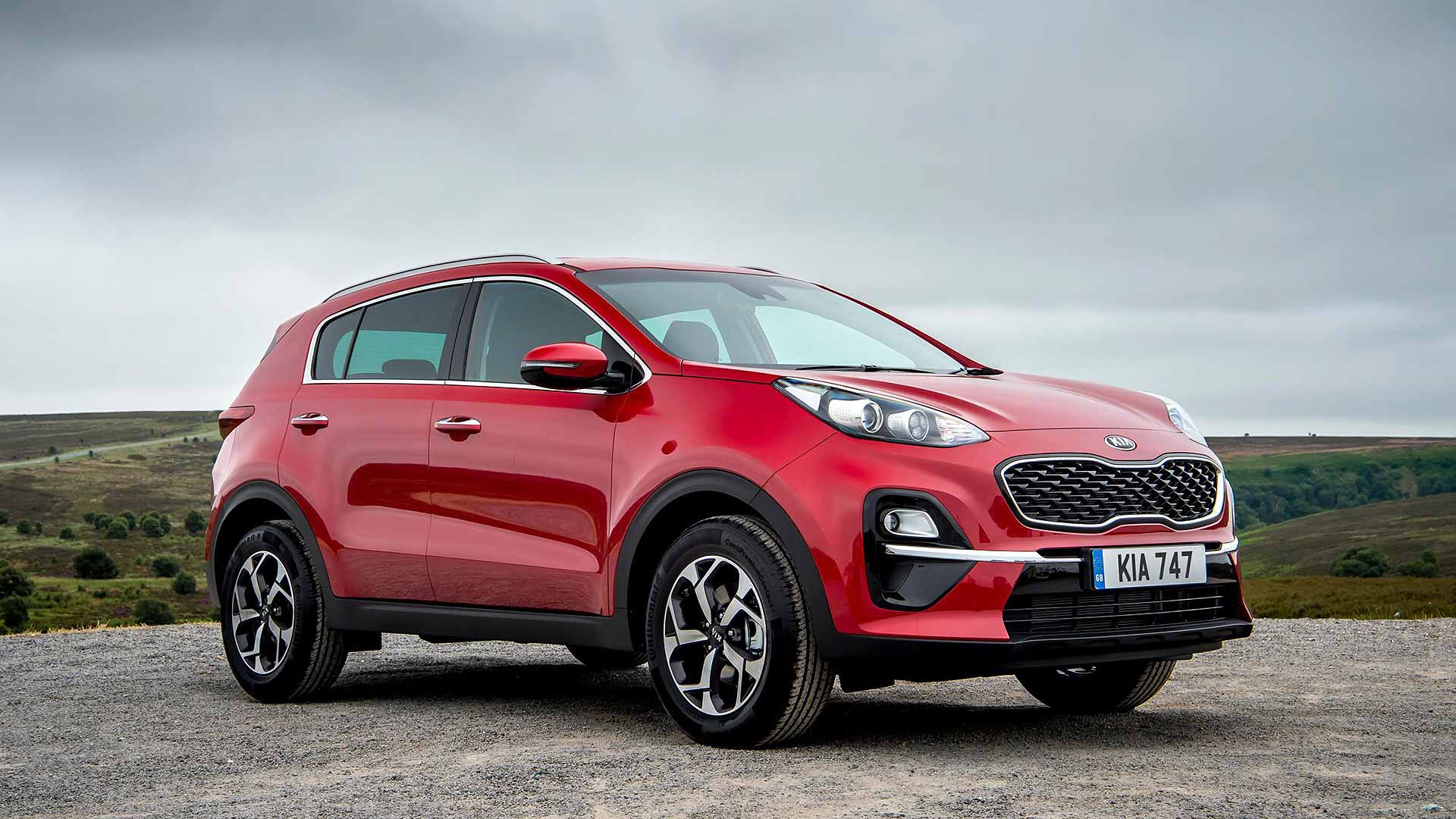
Kia is celebrating another year of growing sales in the UK, with its best-selling Sportage once again appearing in the top 10 new car registrations chart.
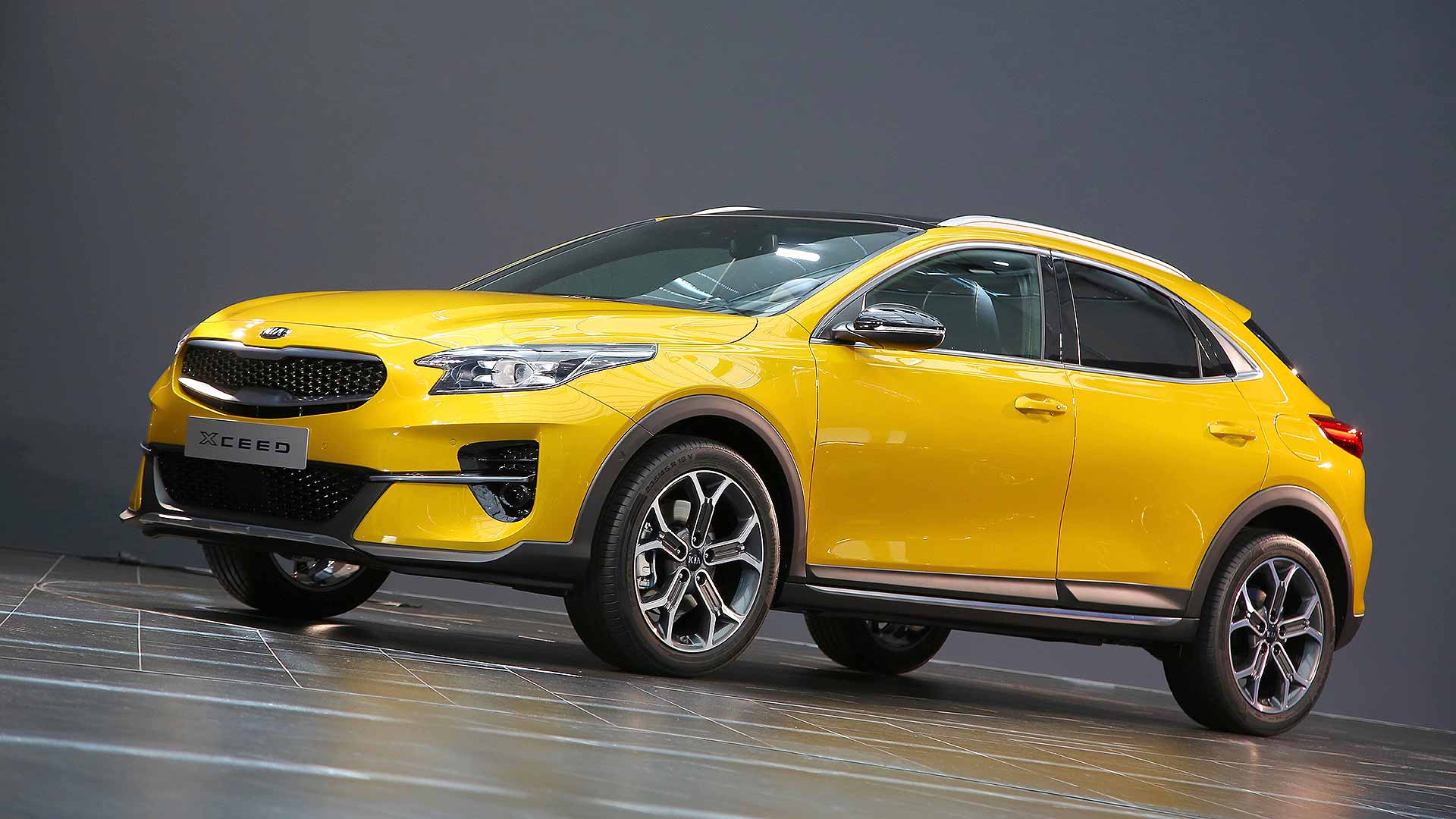
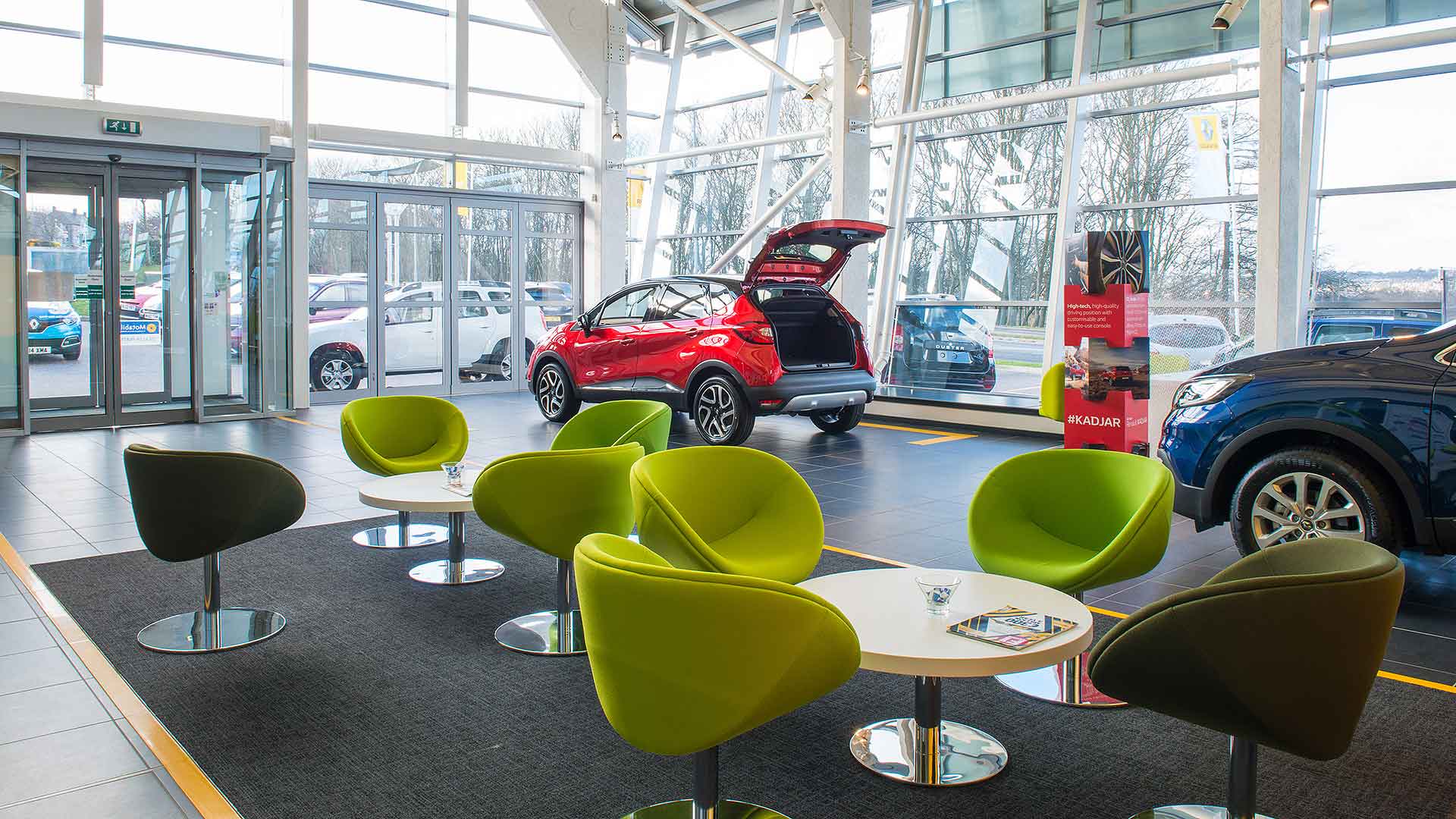
To keep up momentum in the winter months, the firm has launched a special offer package on the Sportage and new XCeed crossover ranges – called, ‘2020 Event’.
The new car offer combines two free services and two years’ roadside assistance with 0 percent PCP finance, on all orders made before 29 February.
A 20 percent deposit is required.
Kia says this means the XCeed can be bought on finance from £199 a month, while the Sportage costs from £229 a month (see below).
What’s more, both are for range-topping models: a Sportage 1.6 T-GDI GT-Line S and an XCeed 1.4 T-GDI First Edition. Fitted as standard to each is a haul of equipment including JBL premium audio, panoramic roof, wireless smartphone charging and a power tailgate.
Kia scrappage for 2020
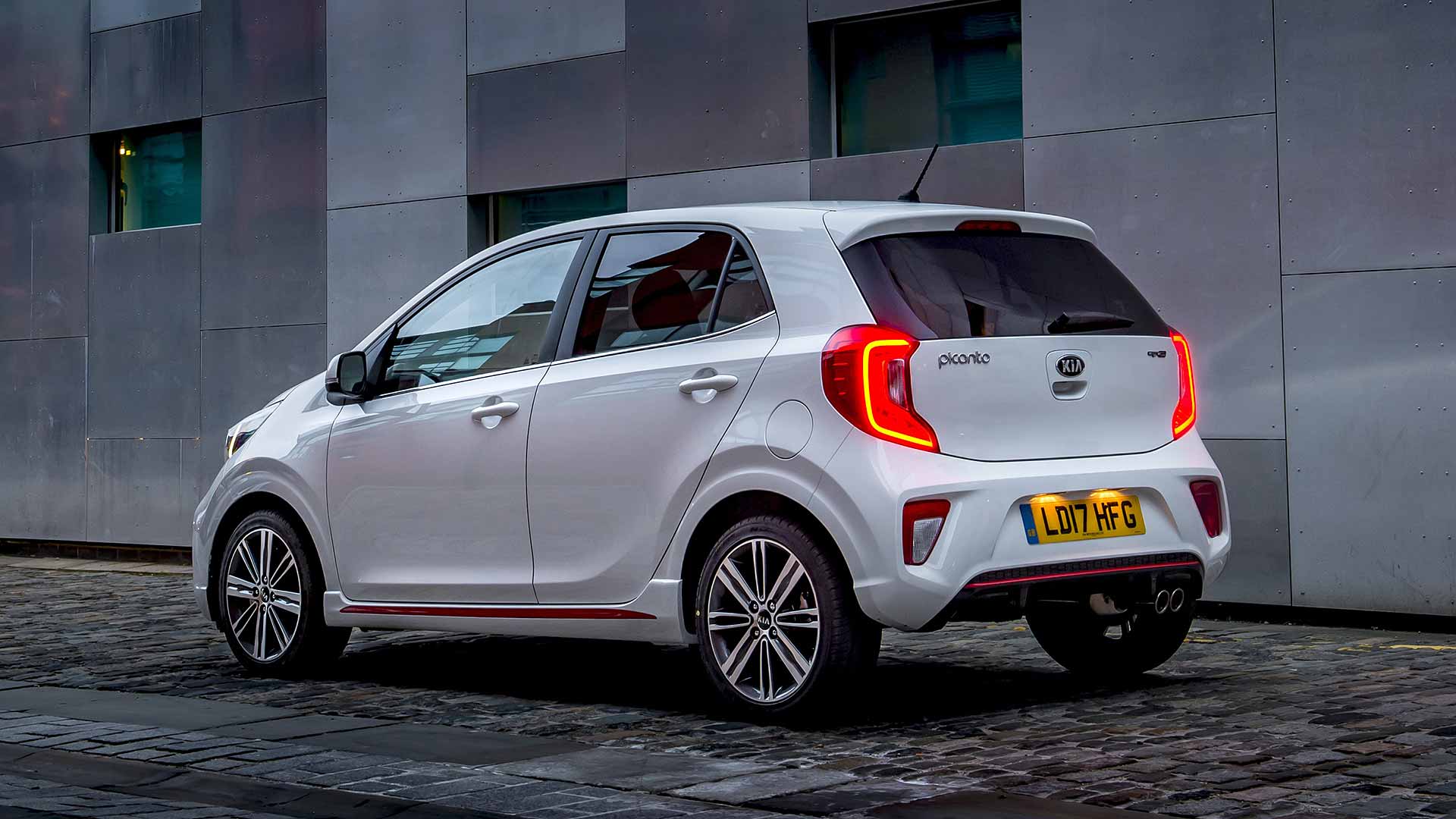
Kia’s also enhancing its new car scrappage package for 2020. Buyers can now save up to £2,500 on a new Picanto, Rio, Stonic, Niro or Sportage, provided they agree to scrap a vehicle more than seven years old.
They must have owned the car to be scrapped for more than three months.
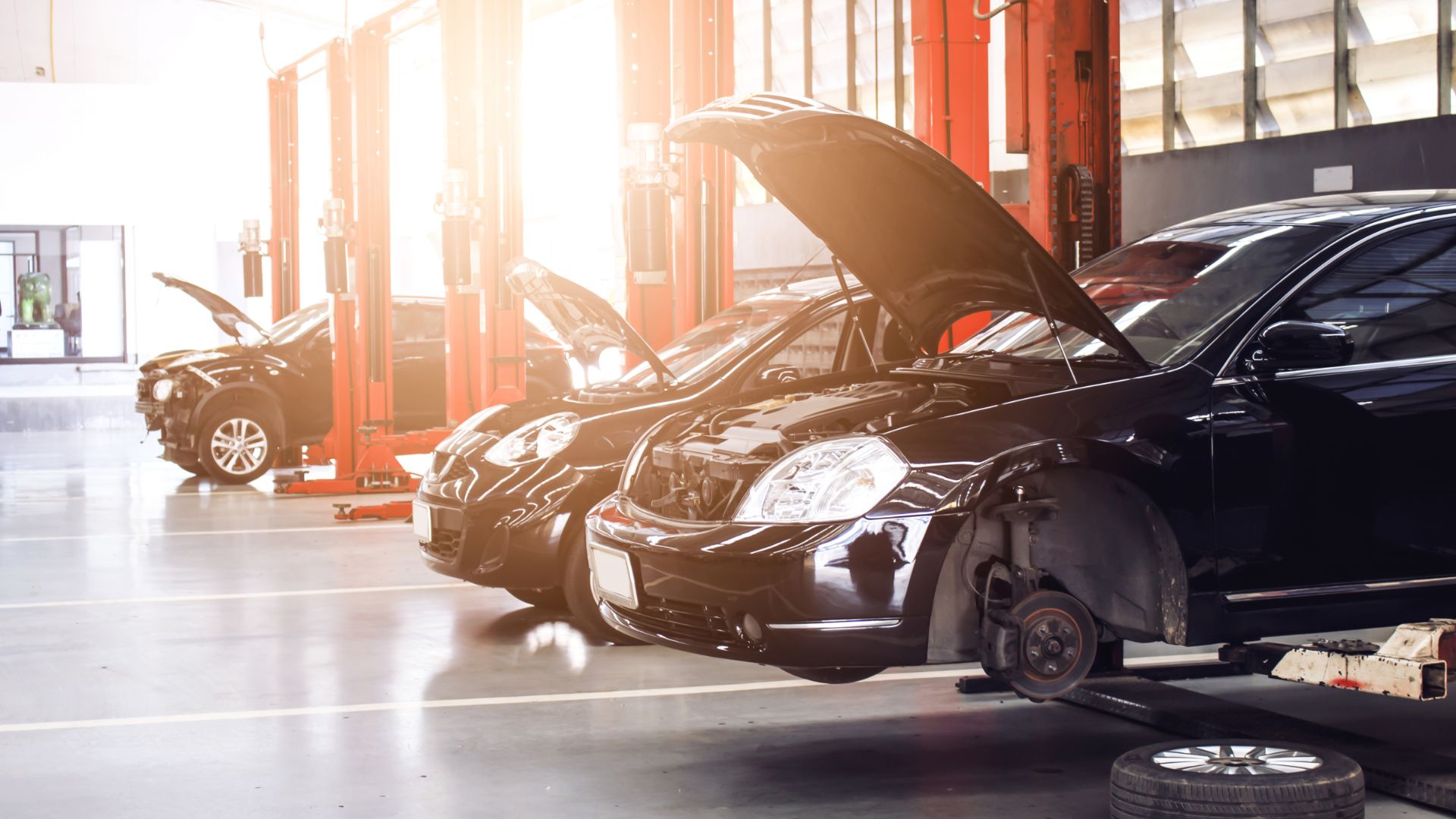
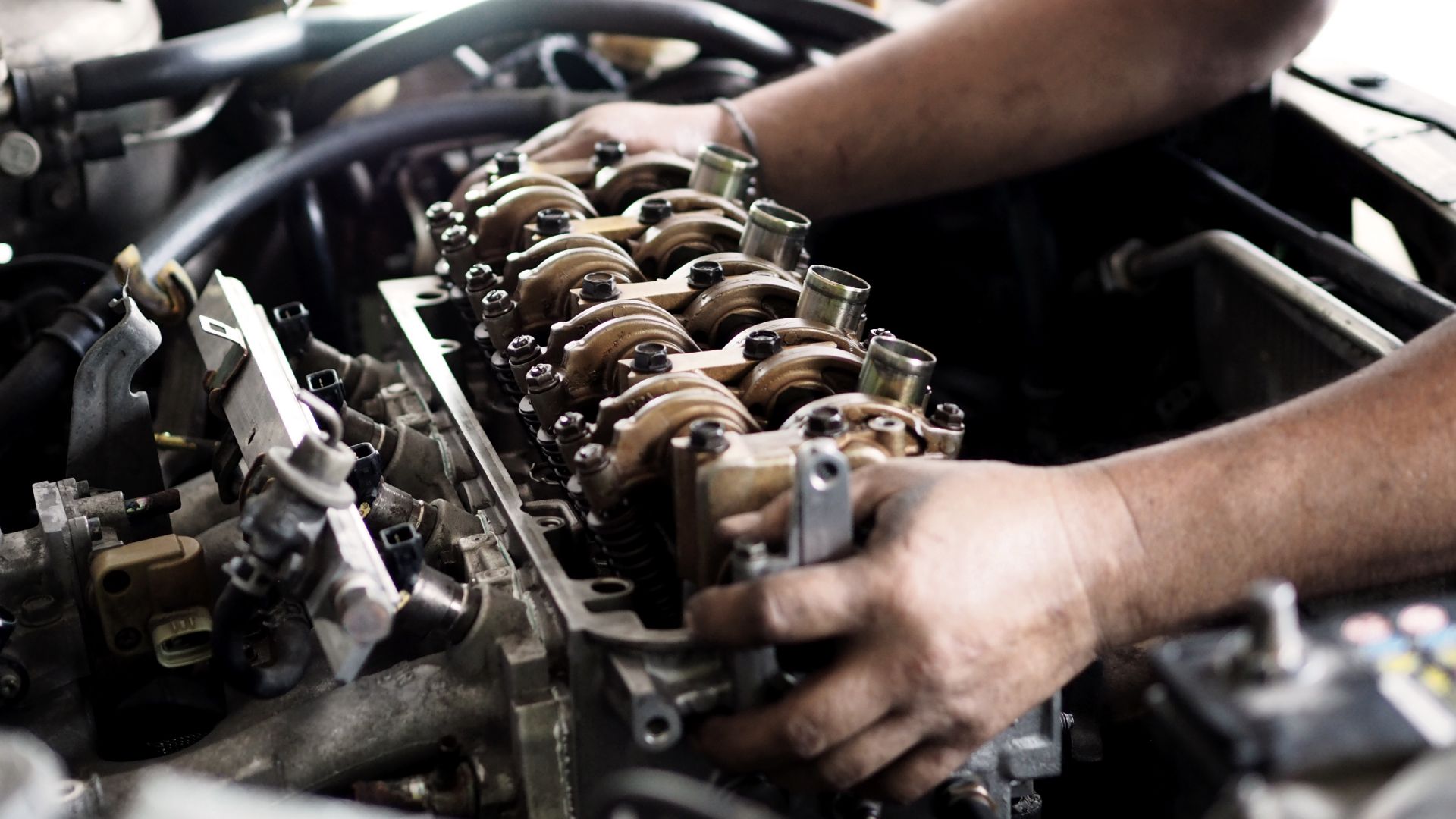
New research shows 34 percent of motorists have sacrificed travel plans to afford car repairs. That figure rises to 44 percent for younger drivers between 18 and 24 years old.
The average cost of an unexpected car repair adds up to £584.48 – and 76 percent of the 2,000 drivers surveyed said they’ve been lumped with such a cost. So how are those who need to cut back, cutting back? Nearly half (47 percent) percent have sacrificed a holiday from their near-future plans.
One in three have also cut back on birthday gifts for friends and family. And 12 percent have even postponed their wedding plans to free up funds. Christmas frequently takes a hit, too, with 40 percent saying they have slashed the festive budget to cover a potential motoring bill.
In total, 22 percent of drivers have struggled to pay an unexpected car bill. That rises to one in three for younger drivers. Attempts to cover the cost include borrowing money from friends and family (33 percent), using a credit card (52 percent) and selling possessions (three percent).
Worryingly, many drivers put off repairs when they know their car needs them. More than a quarter (27 percent) said they’d done so due to cost worries – and 16 percent said they’d actually broken down because of a known issue.
One in four have actually scrapped or sold a car due to a repair they couldn’t afford. And 18 percent have worsened an issue with bad DIY repairs.
“Getting an unexpected car repair bill is an unwelcome surprise at the best of times, but we were shocked at how many drivers are putting off repairing their car or sacrificing holiday spending to afford essential repair work,” said Martin Barber from Halfords, which commissioned the survey.
A new study reveals which movie star cars are most popular with British film fans. The findings are curious, perhaps even surprising. Well-known heroes like Herbie, the Mustang from Bullitt and Mr Bean’s Mini are joined by newcomers, such as the Subaru from Baby Driver. The research was commissioned by the Discovery Channel, to mark the arrival of its new series, Wheeler Dealers: Dream Cars. We count down the top 20.
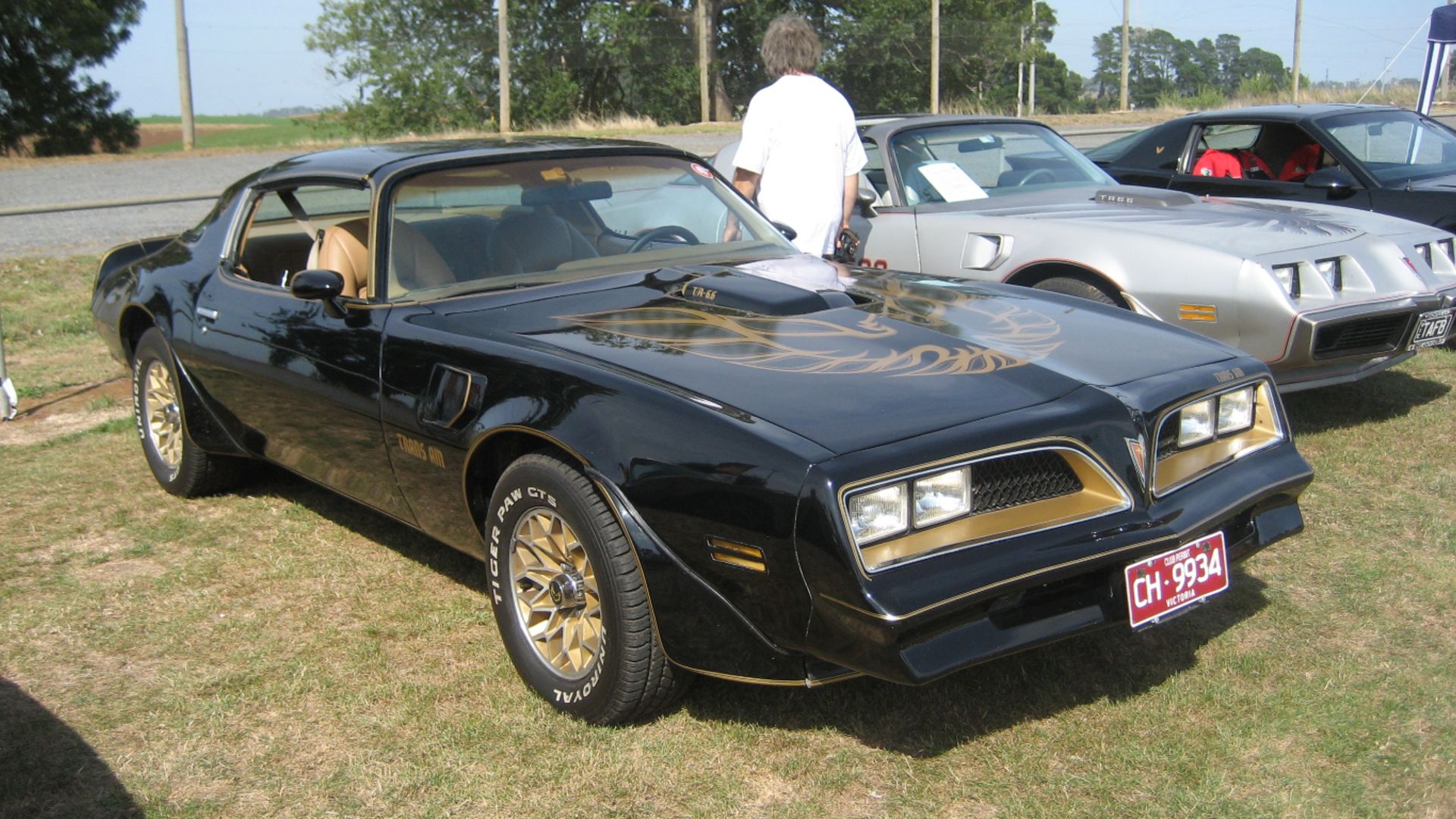
20. The Bandit’s Firebird
We open with the Bandit’s Pontiac Trans Am from Smokey and the Bandit. We’d place this higher, but it’s good to see the famous Firebird makes the top 20.
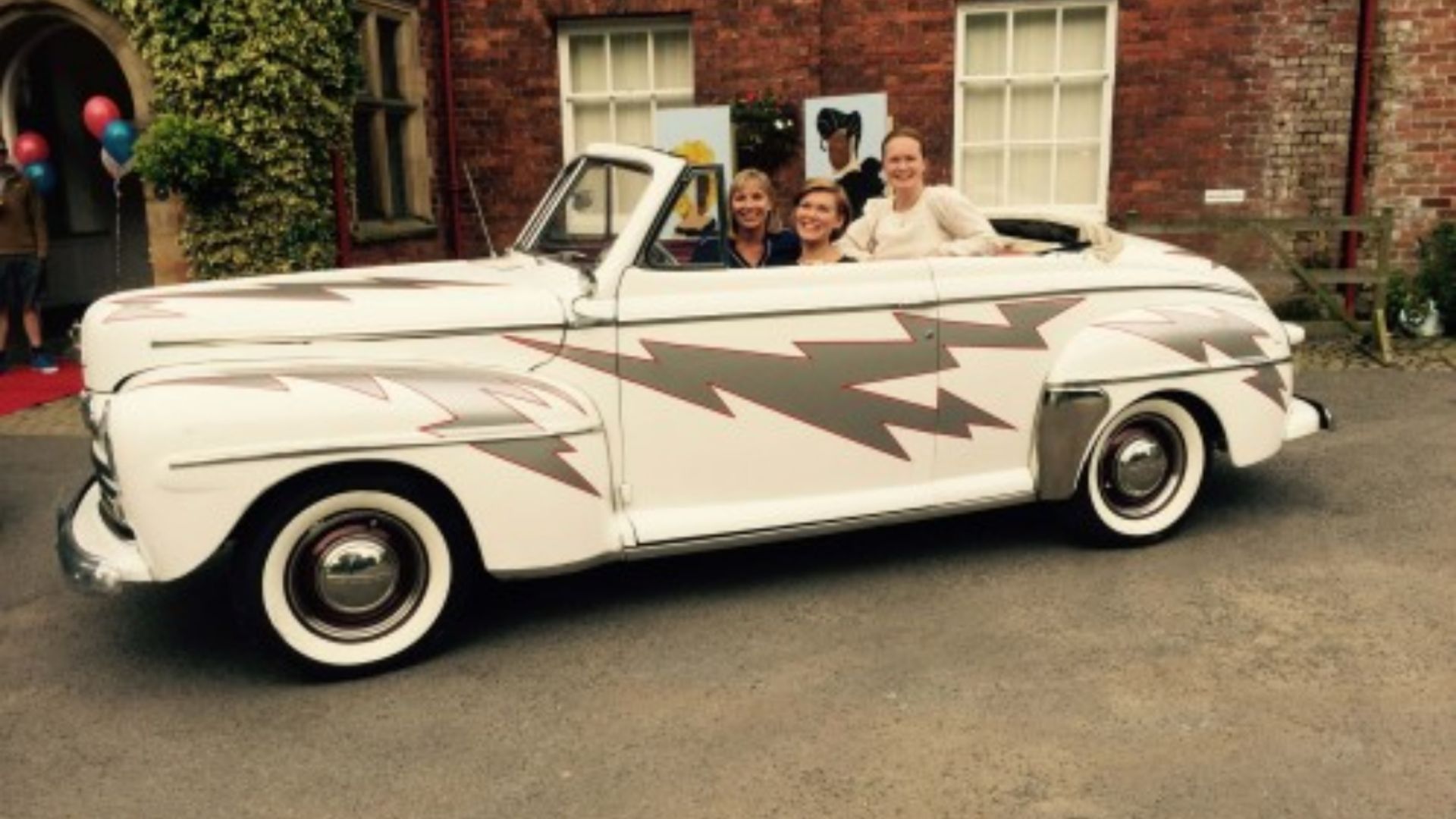
19. Greased Lightning
The world’s most famous hot rod? That’ll be Greased Lightning from Grease. Indeed, this 1948 Ford Deluxe Convertible is one of the most famous cars full-stop.
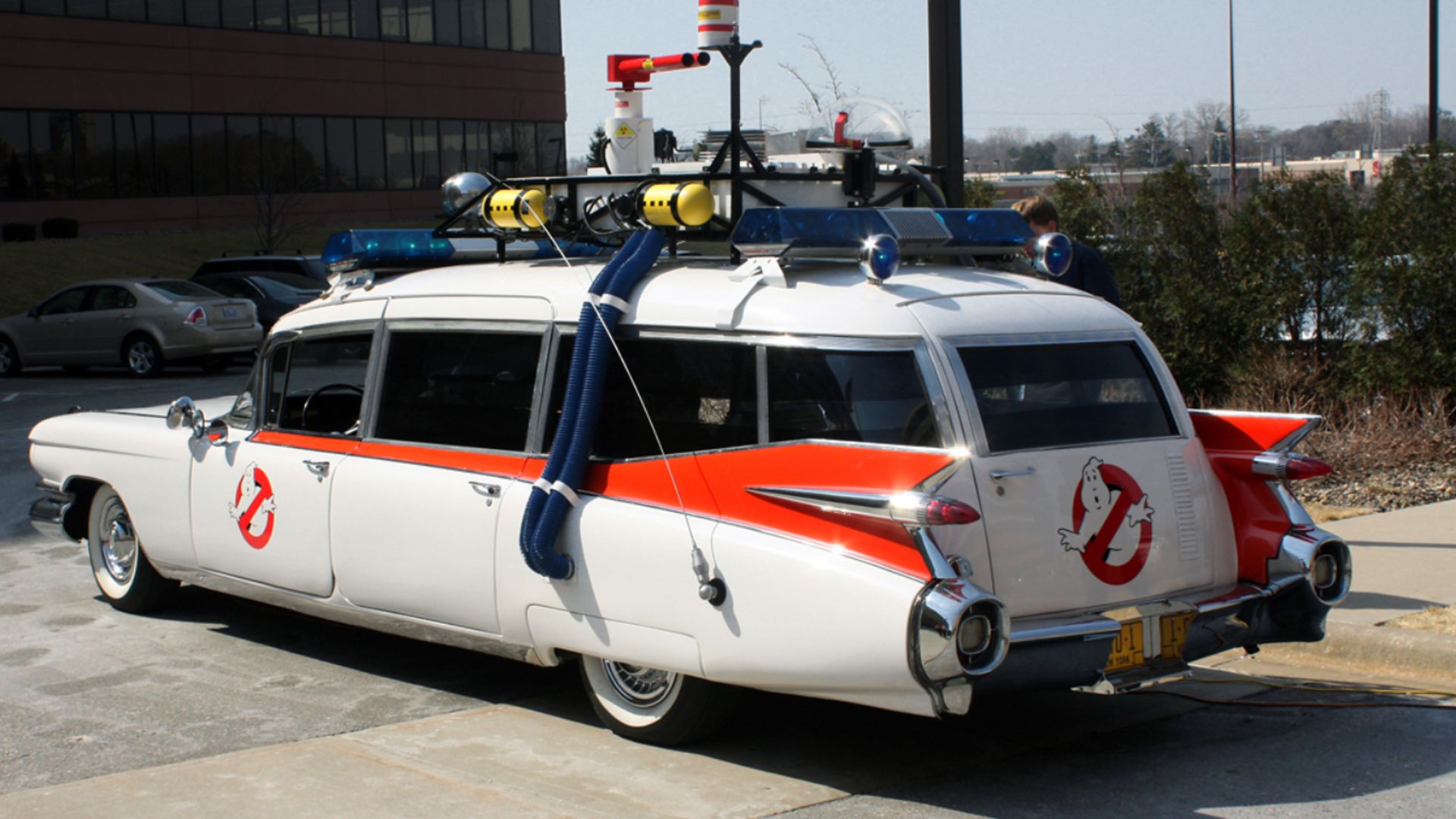
18. The Ghostbusters’ hearse
The Ghostbusters’ station wagon has to be one of the coolest ‘emergency services’ vehicles ever. A blinding paint job, a splash of retro-futurism, equipment to fight off the supernatural and impressive load space: it couldn’t be anything else but the ‘Ectomobile’ Cadillac.
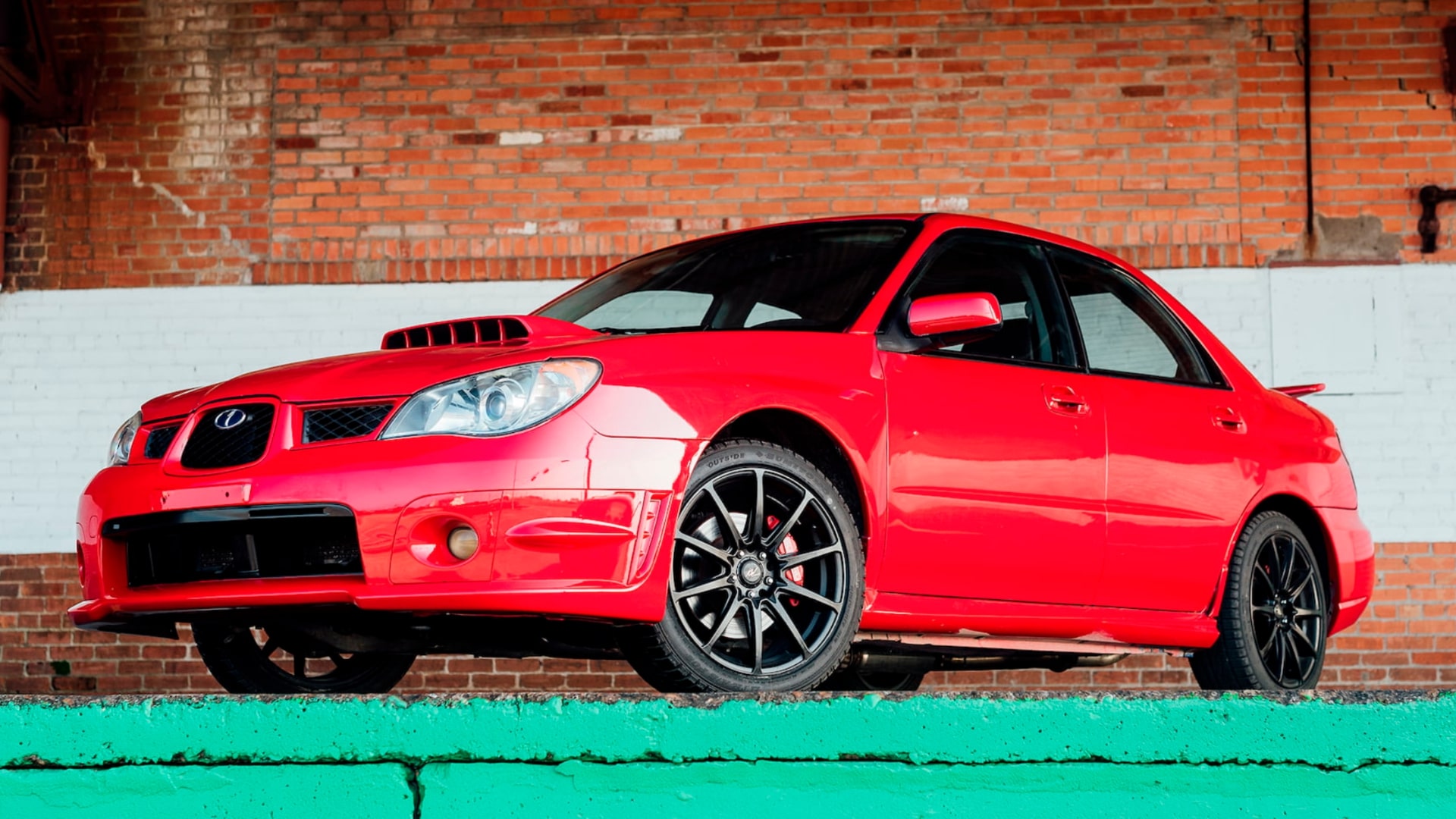
17. Baby Driver’s Subaru Impreza
Here’s a relatively new entry in the hearts of car-loving film fans. Still, Baby’s red Subaru stars in one of the best car chases in recent history. You won’t witness this level of automotive acrobatics this side of an Aston Martin on ice in a bad Bond film…
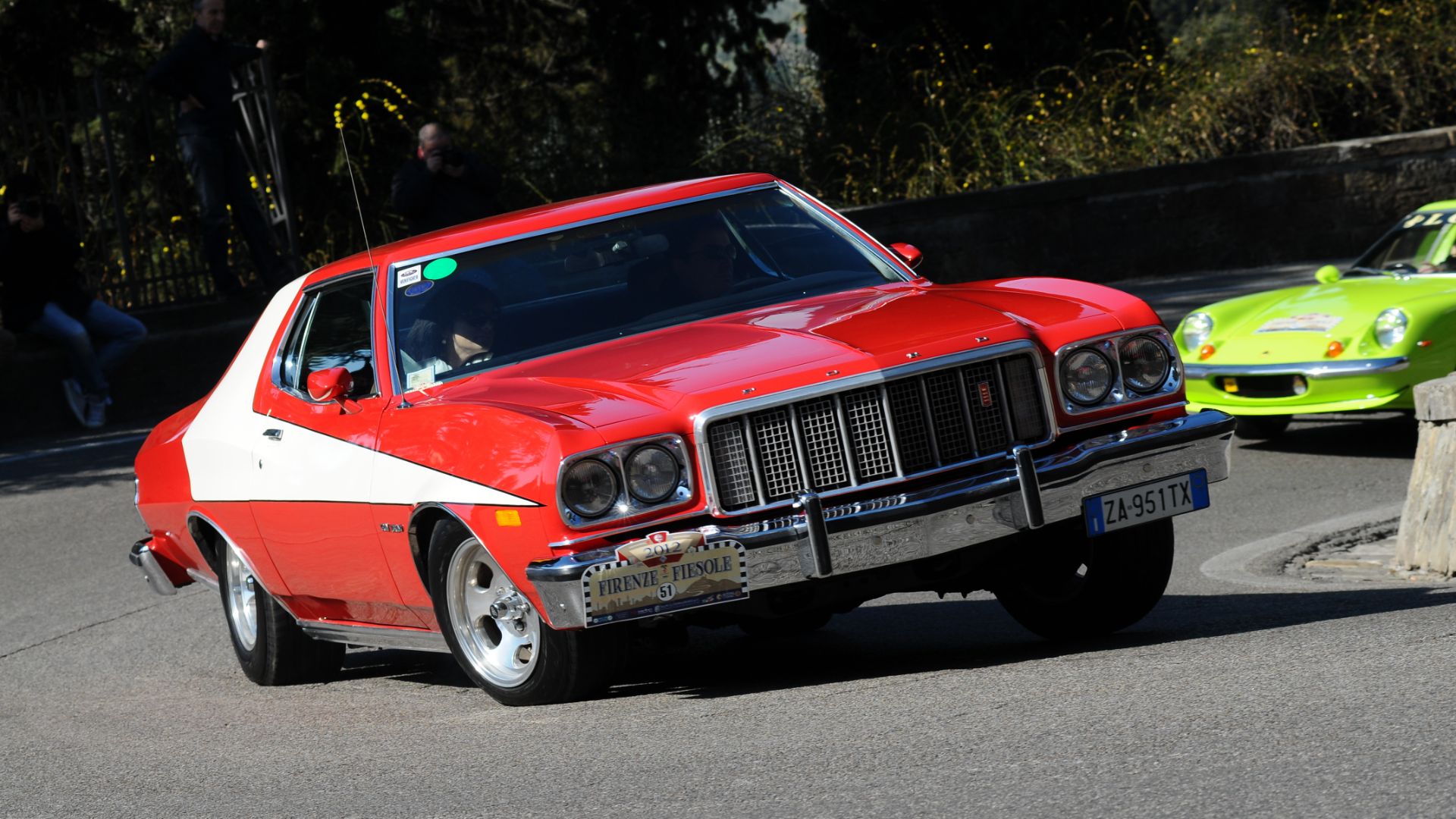
16. Starsky & Hutch’s Ford Gran Torino
In 16th place is the Ford Gran Torino from Starsky & Hutch. Apparently, the British are fans of smashing cardboard boxes with muscle cars. It was one of those shows where the car really did outshine the human stars.
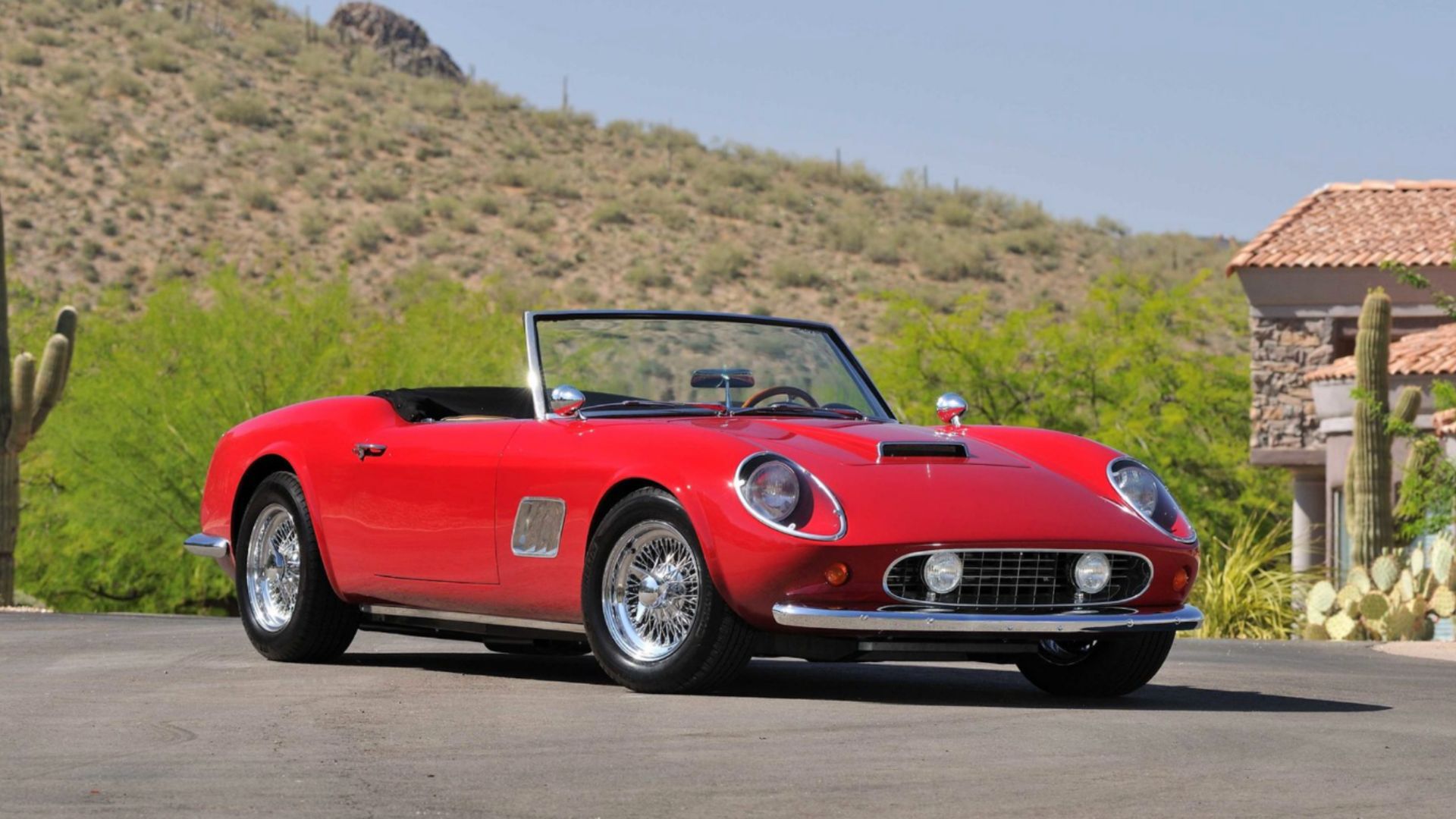
15. Ferris Bueller’s Ferrari
Like the Bandit’s Trans Am, Ferris Bueller’s ultimate joyride – the Ferrari 250 GT California Spyder from Ferris Bueller’s Day Off – reminds us of a dream of freedom. It’s about the open road, forgetting the rules and doing what you want. For a while, at least.
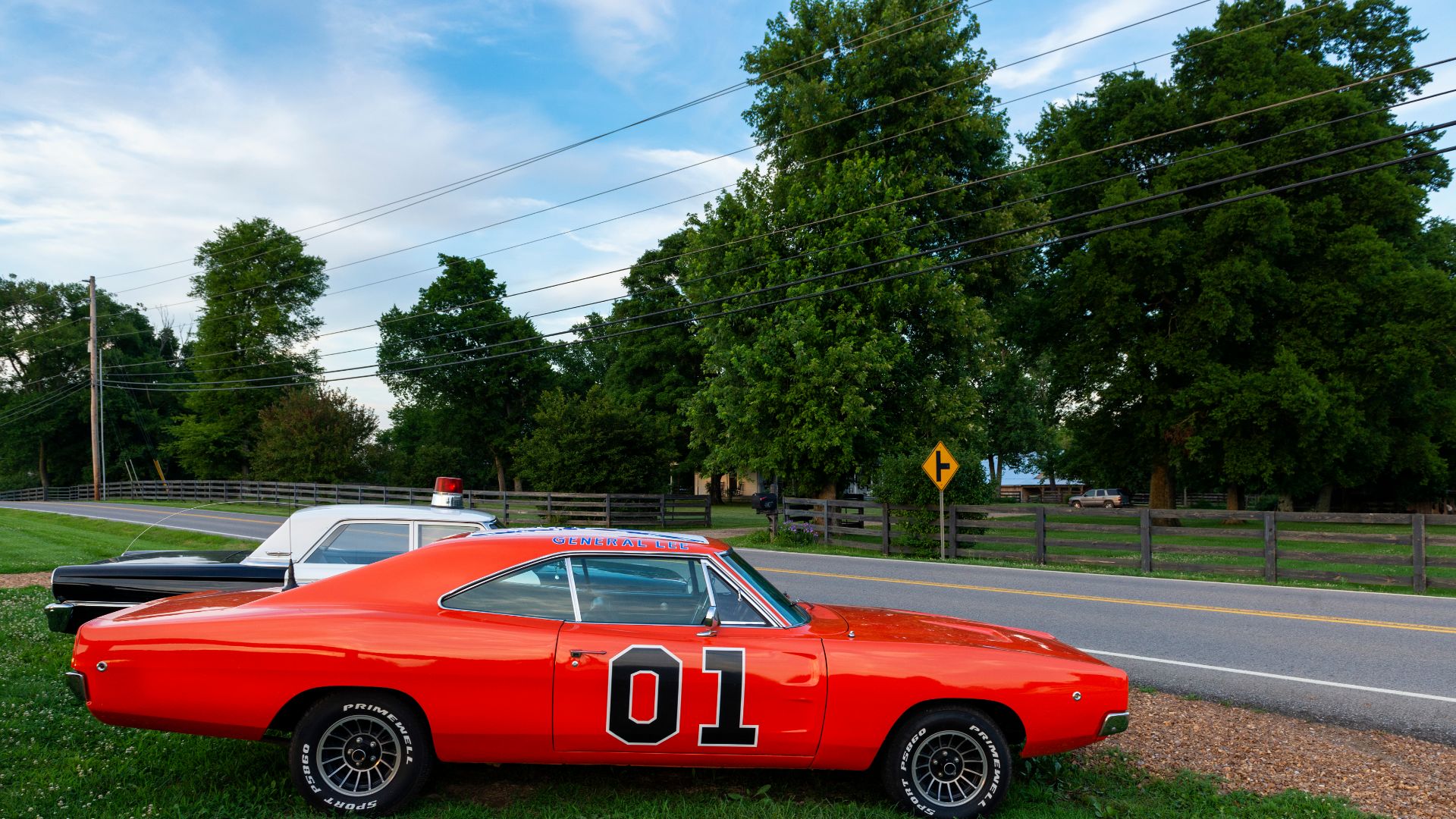
14. The General Lee
Another one we’re surprised didn’t edge further up the list. Who doesn’t love the bright orange Dodge Charger from The Dukes of Hazzard, which could be seen jumping and sliding its way around Georgia?
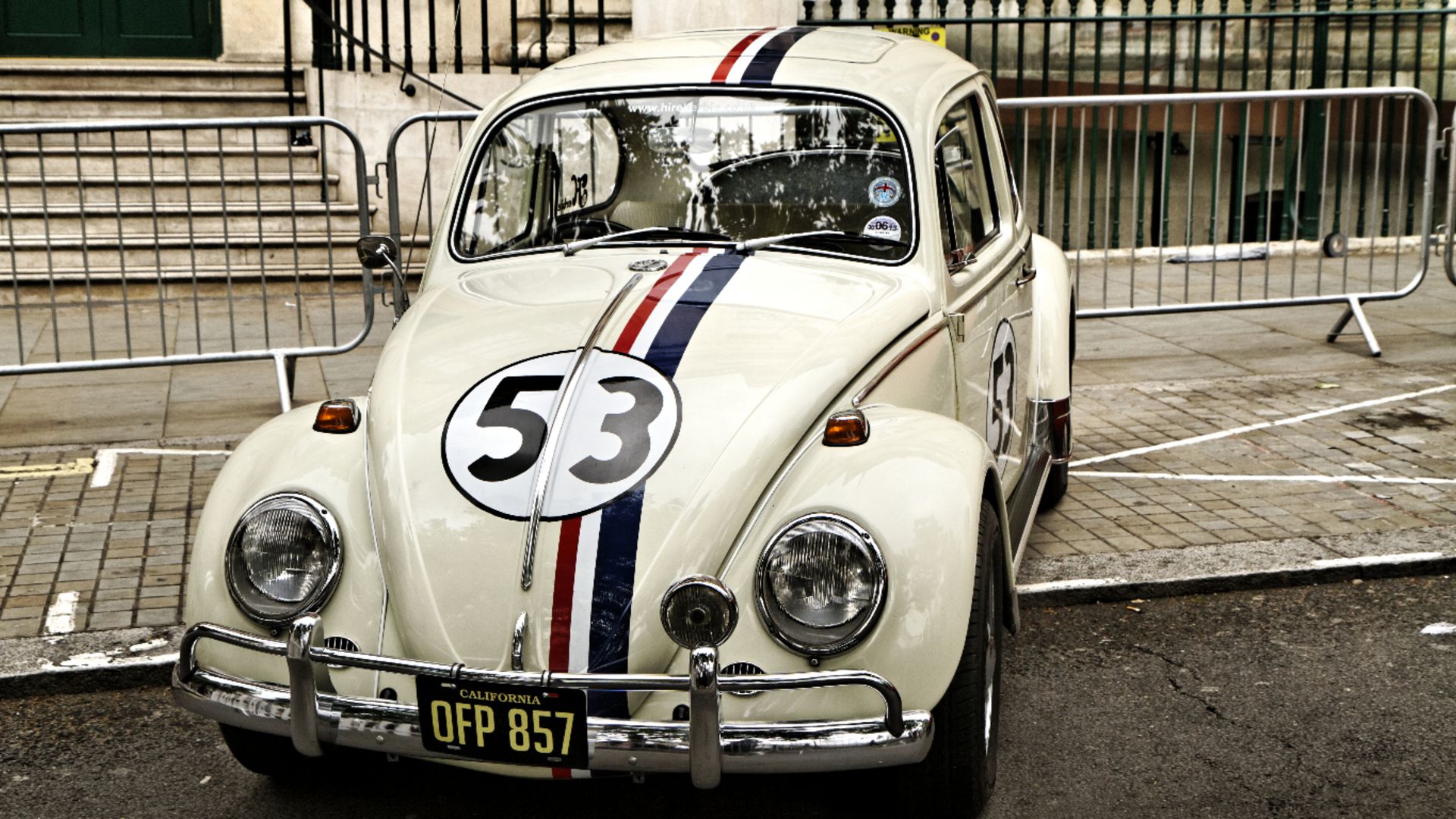
13. Herbie the Love Bug
No cars are characters quite like Herbie. The Volkswagen Beetle that starred in The Love Bug beat the colourful cartoons of the Cars films to automotive sentience by 38 years.
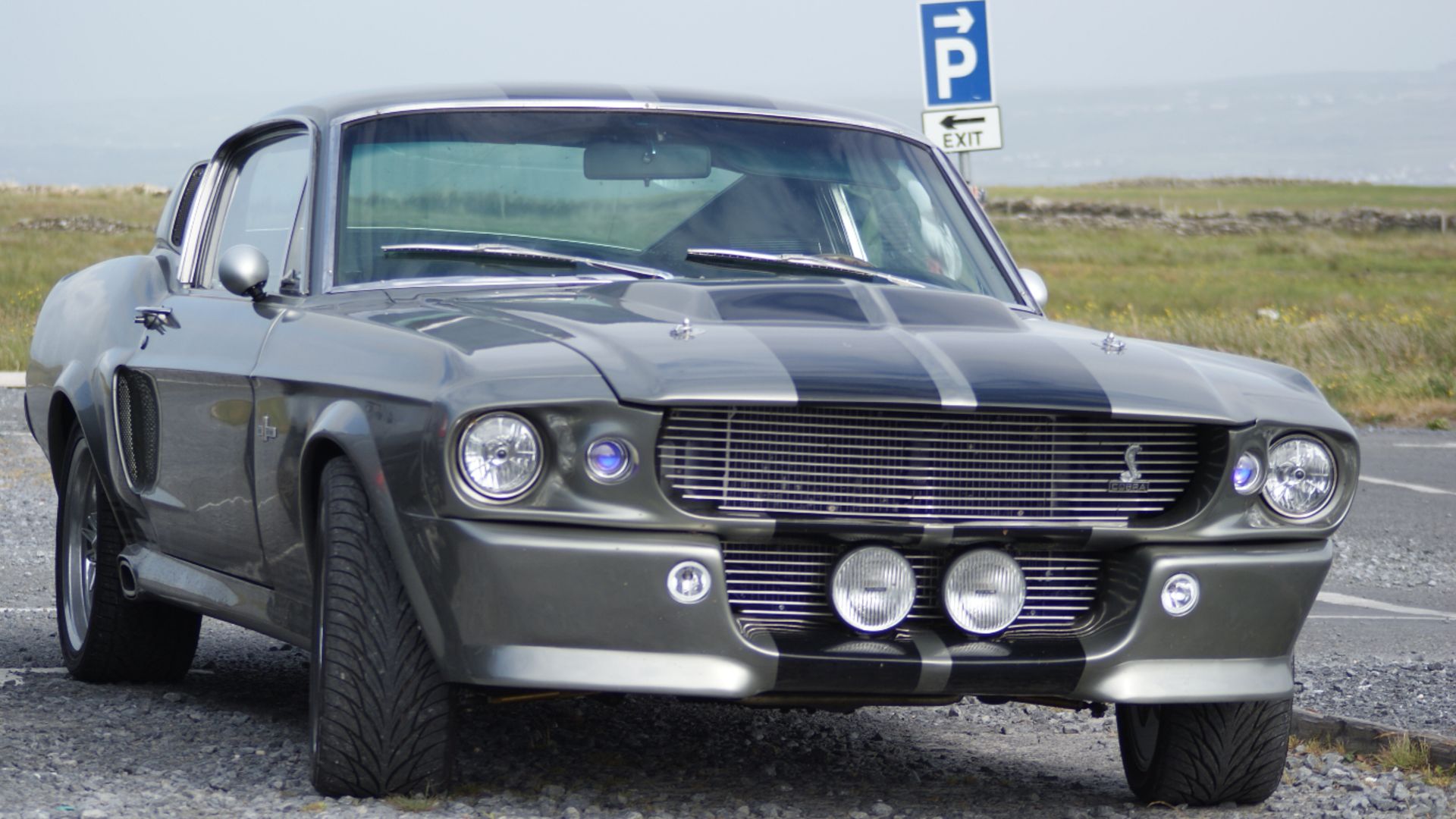
12. ‘Eleanor’ the Ford Mustang
Another modern addition, this one became iconic almost overnight. The Shelby Ford Mustang GT500 from Gone in 60 Seconds was named Eleanor. She captured the hearts of all who watched, including car thief Memphis Raines (played by Nicholas Cage).
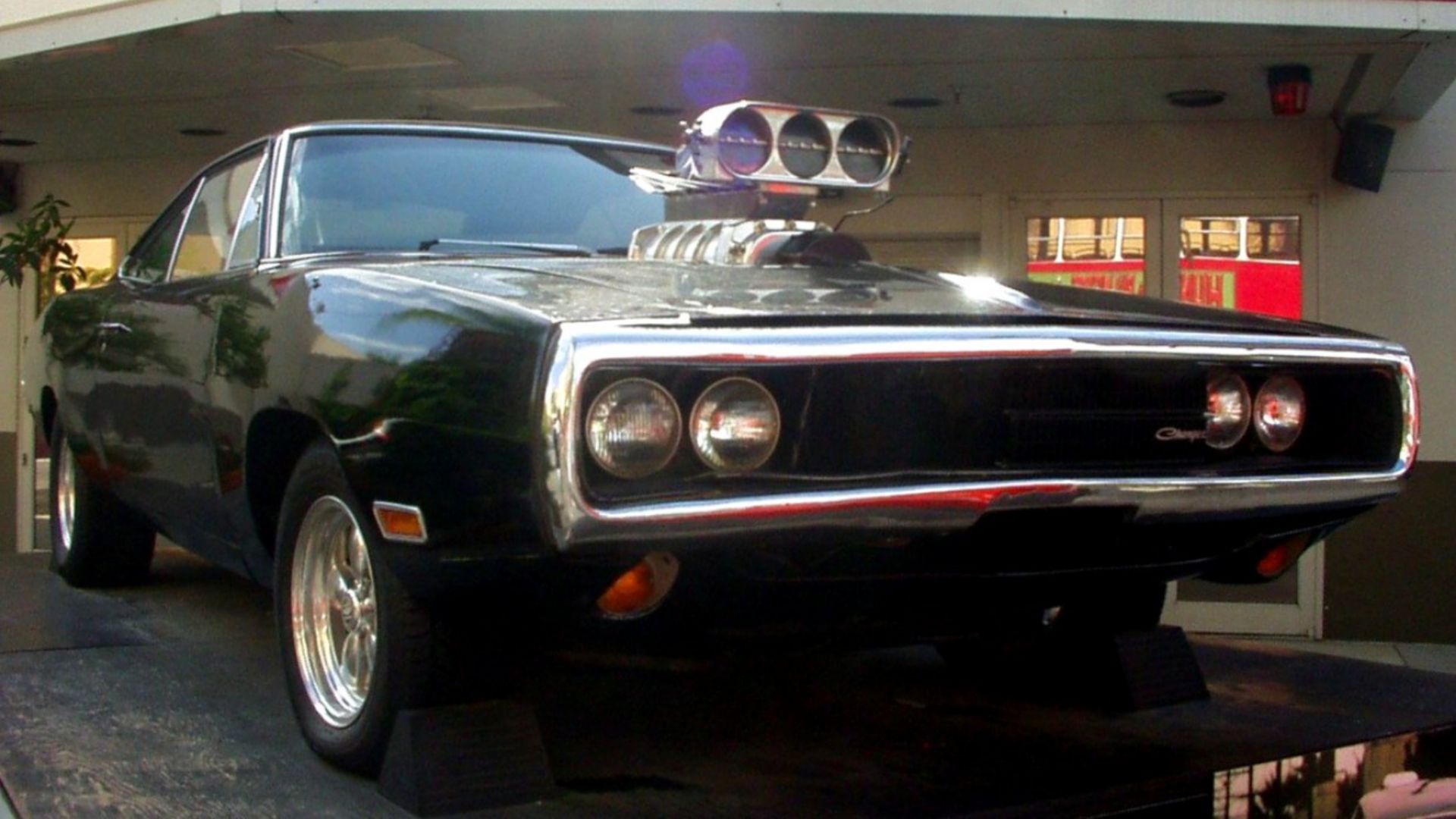
11. Dom Toretto’s Charger
Talk about the car reflecting the star: the shaker-hooded 900hp Dodge Charger from The Fast & The Furious was so powerful, even Dominic Toretto (Vin Diesel) was scared of driving it.
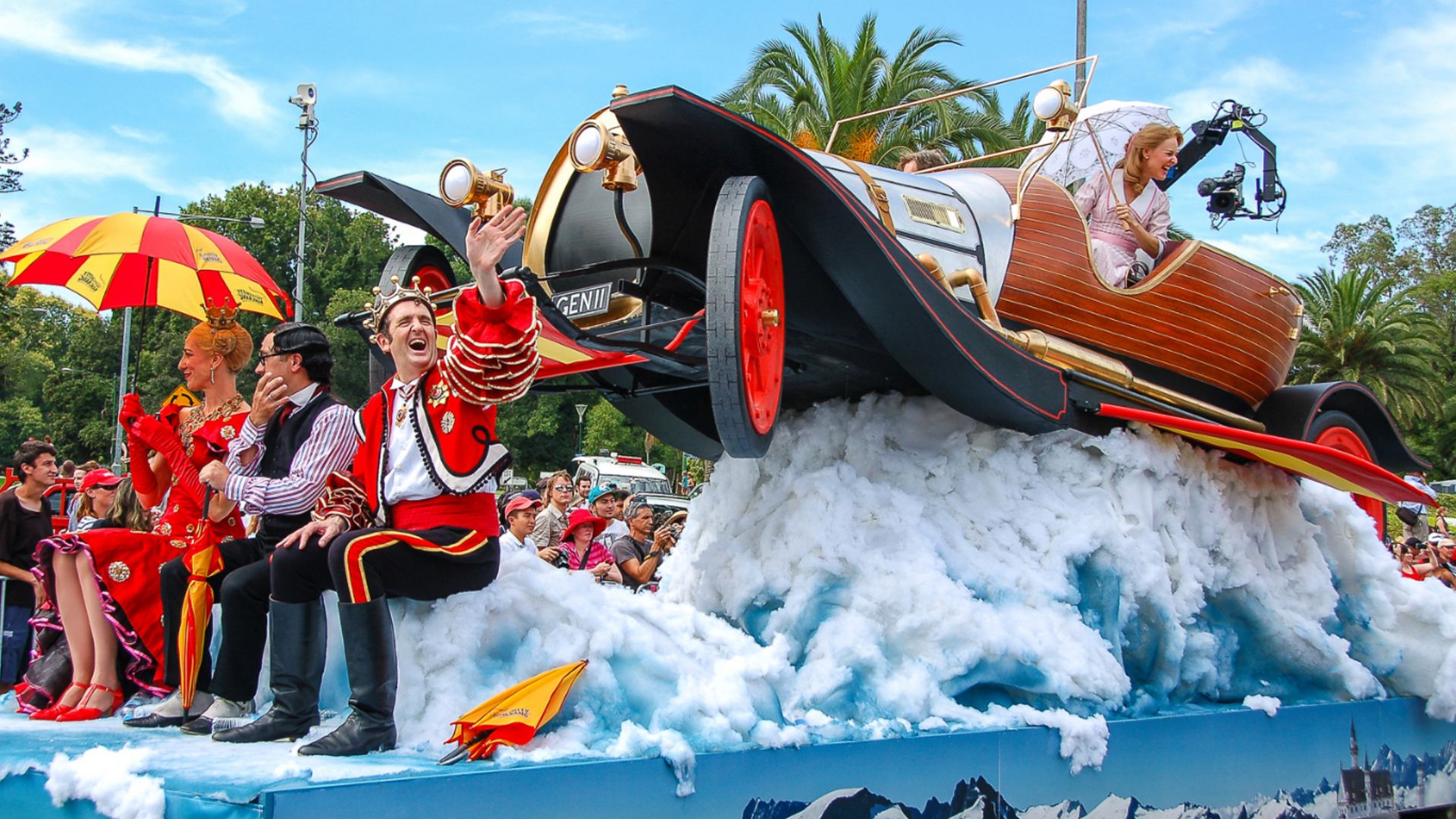
10. Chitty Chitty Bang Bang
Chitty Chitty Bang Bang is one of the ultimate children’s cult classics. We doubt any car has taken to the skies in cinema and garnered such gasps from the audience.
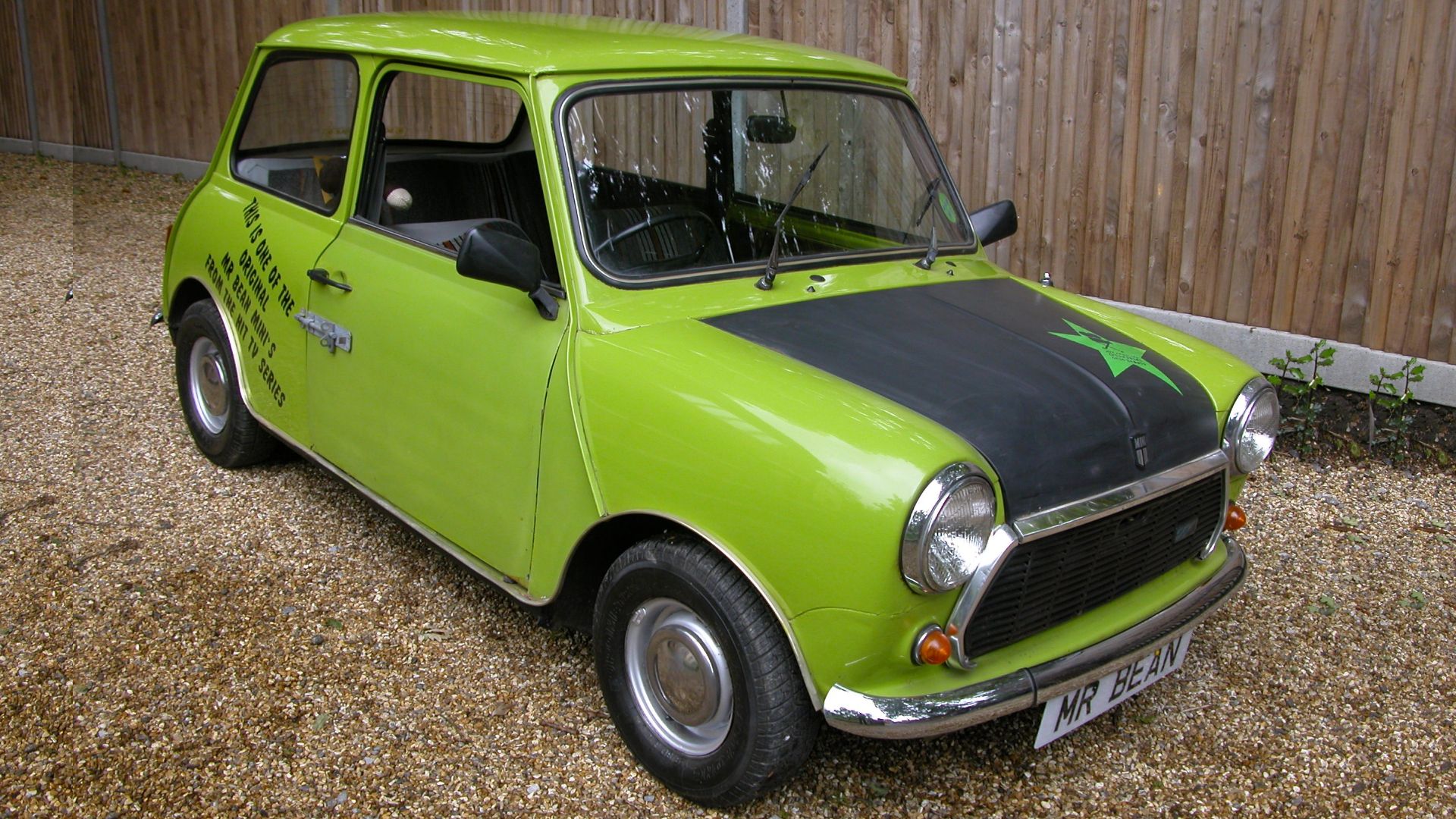
09. Mr Bean’s Mini
Mr Bean and his Mini couldn’t be further from Toretto and his super-Charger. The character is a British icon – and actor Rowan Atkinson subsequently used his millions to buy a McLaren F1. We don’t think he drives it sitting on the roof, though…
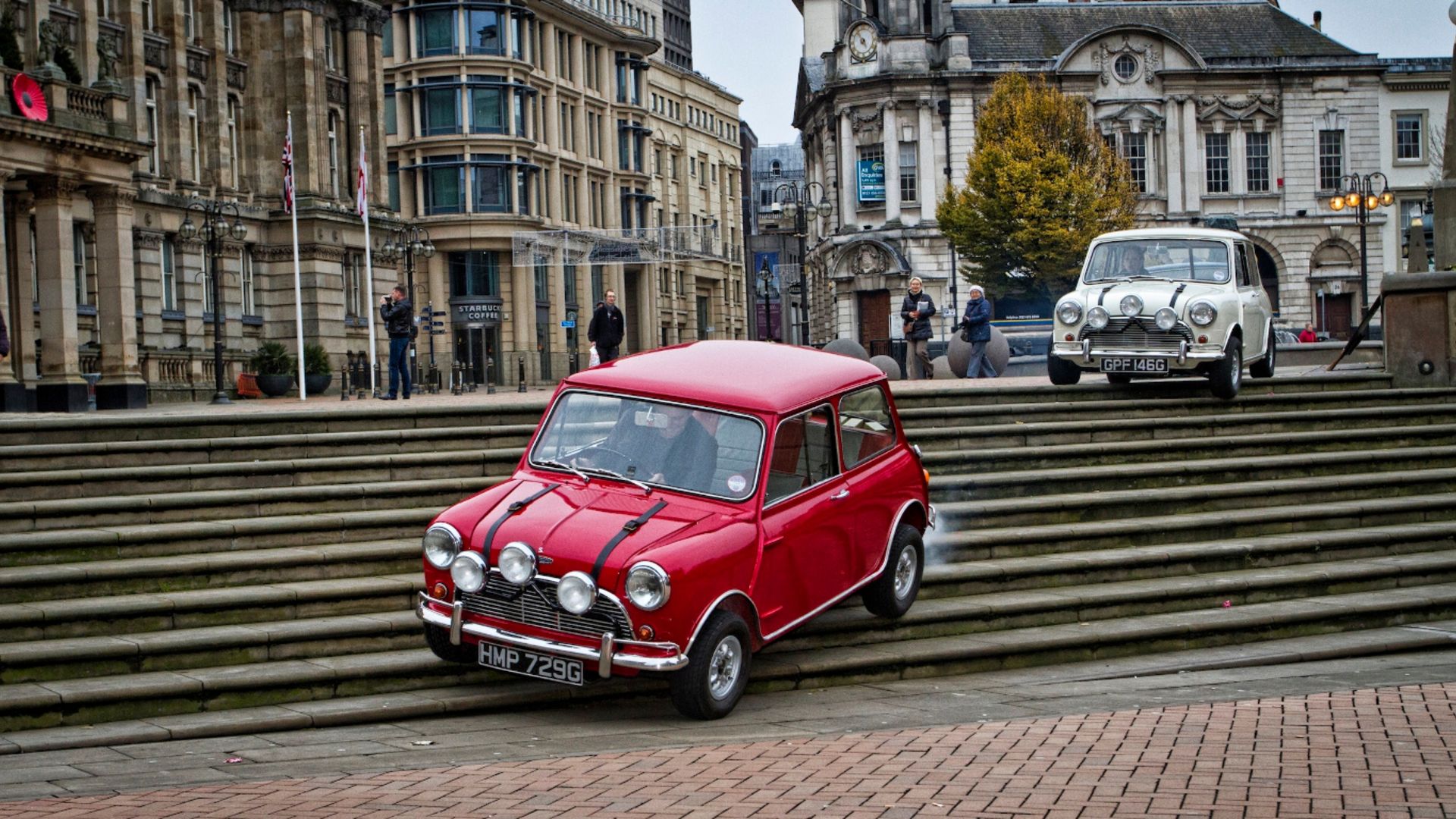
08. The Italian Job Minis
There’s no looking at movie Minis without mentioning The Italian Job. The film – about a bungling gold heist – was partly responsible for cementing the Mini’s legendary status.
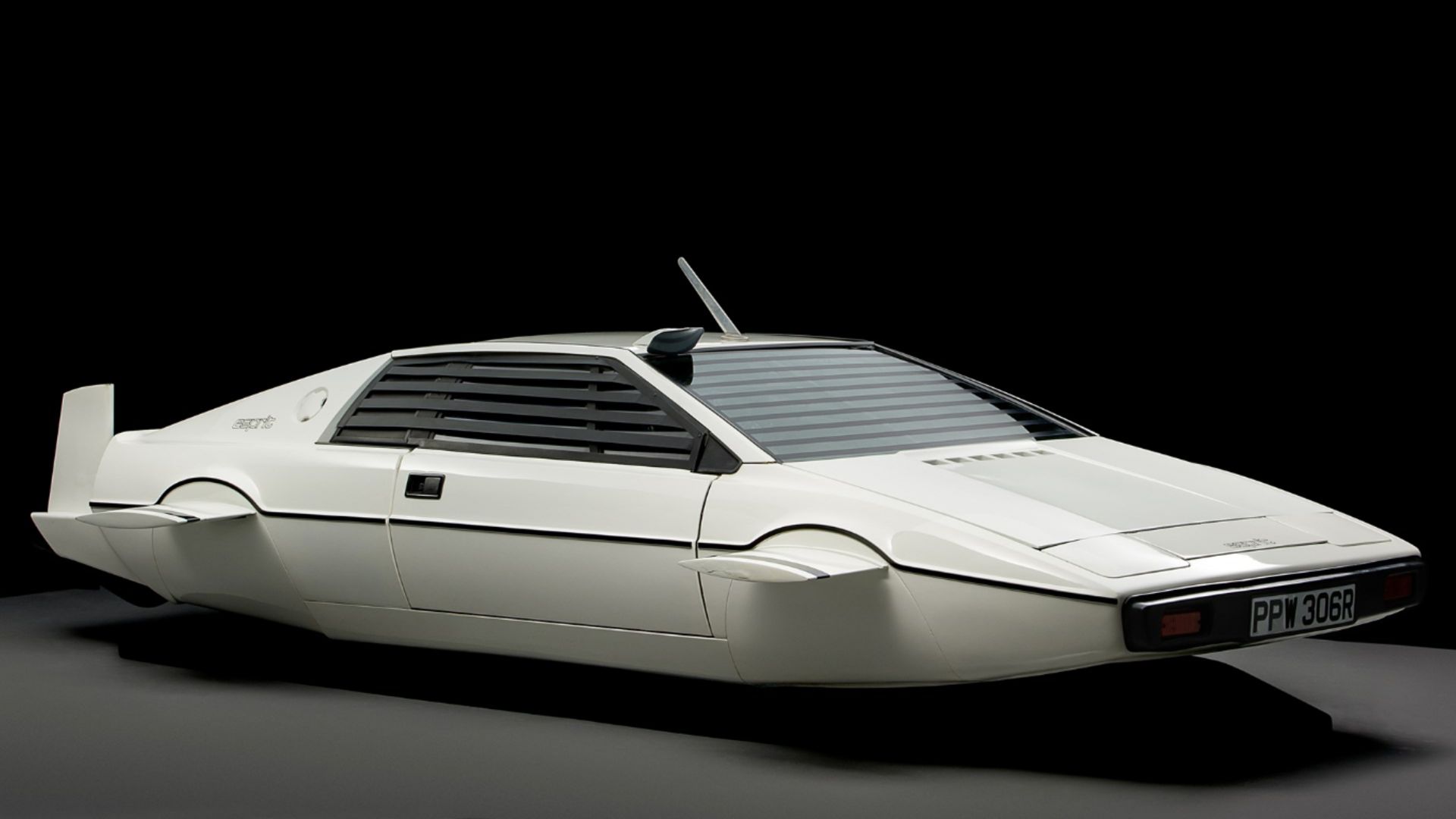
07. Bond’s underwater Lotus
This modified Lotus Esprit could be James Bond’s most memorable car, lengthy Aston Martin association notwithstanding. The ultimate 80s wedge, which starred in The Spy Who Loved Me, is also perhaps the coolest submarine ever.
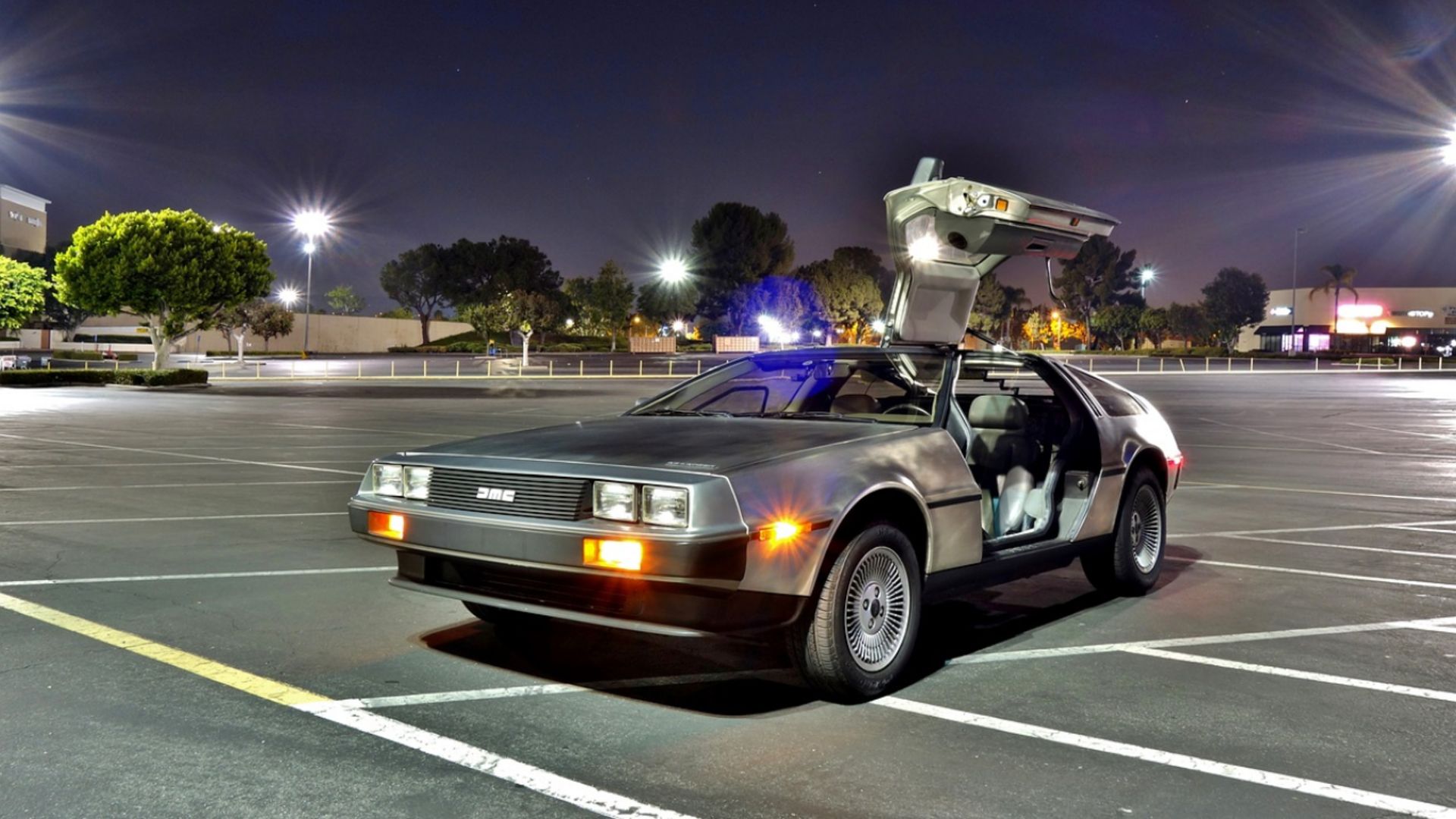
06. Doc Brown’s DeLorean
It’s a tough battle at this point for most iconic movie car of all. Doc Brown’s time-travelling DeLorean DMC-12 from Back to the Future will always be in the running. Just don’t ever drive one. You’ll spoil it for yourself.
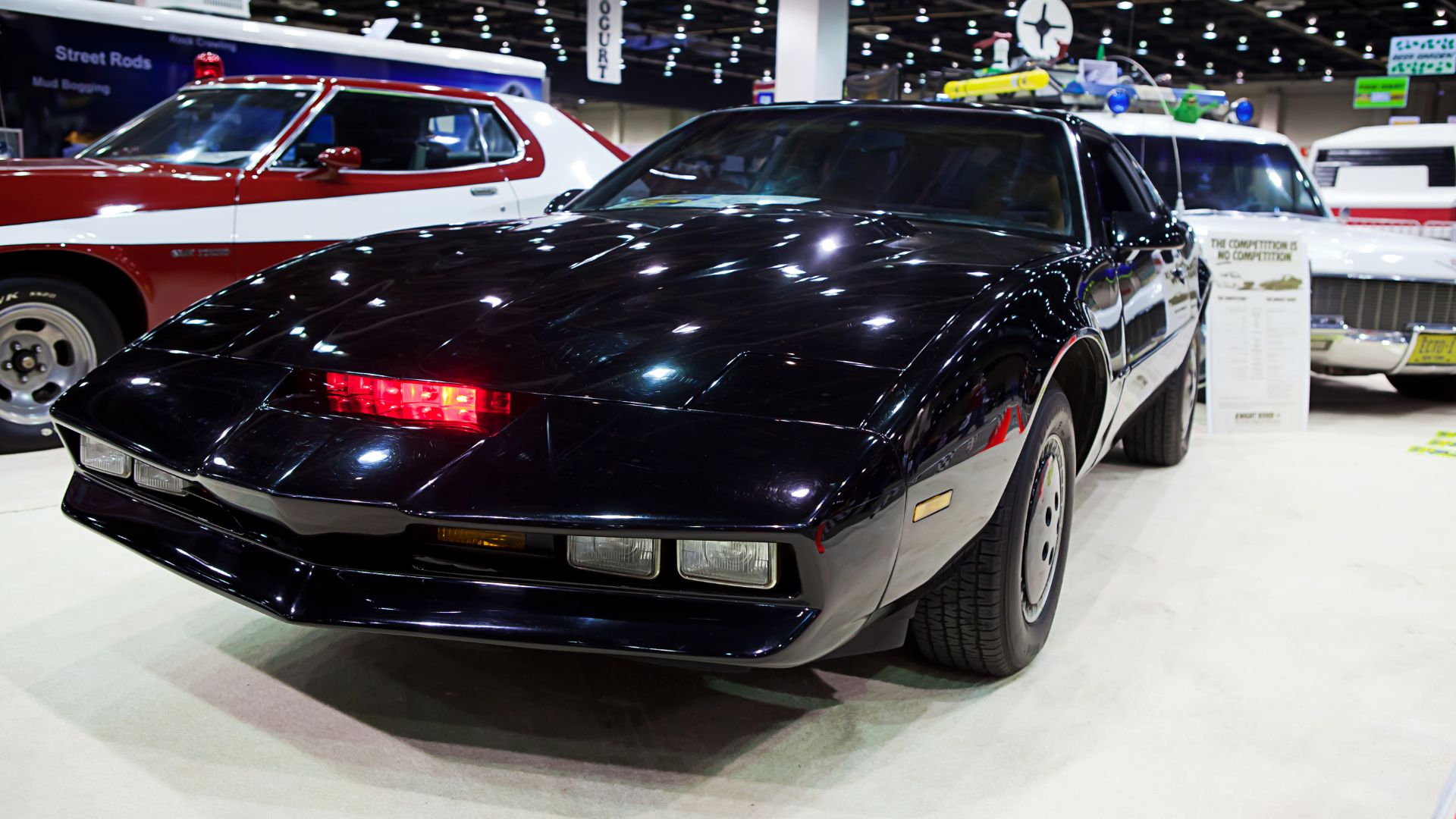
05. KITT the Trans Am
Knight Rider’s Trans Am, known as KITT, opens the top five. It feels especially relevant in 2020, given how topical artificial intelligence and autonomous cars have become.
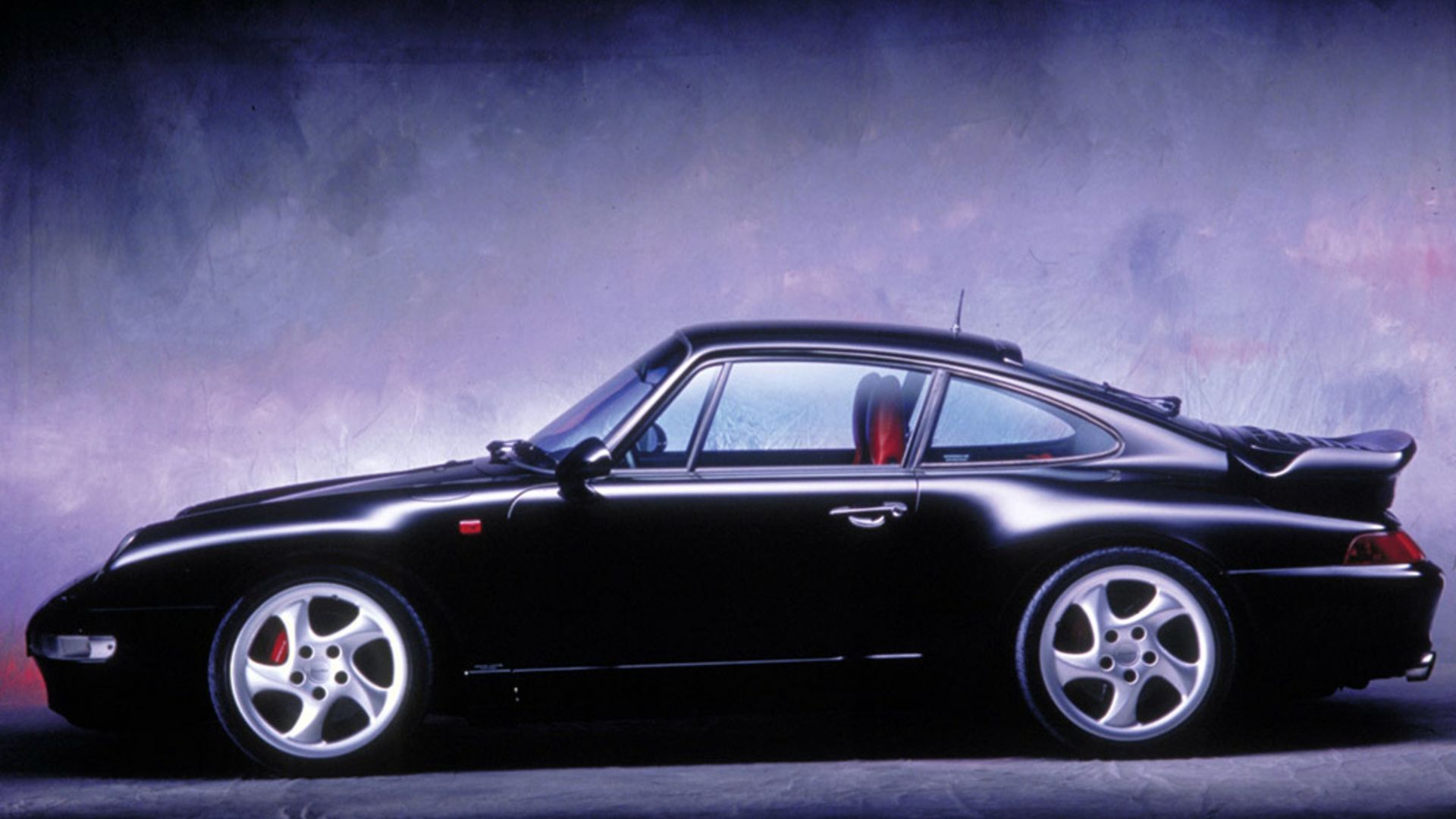
04. Will Smith’s Porsche
OTT though it was, we reckon the Porsche 964 Turbo’s performance in Bad Boys is one of the most underrated automotive moments. We’re glad the British people have given its epic performance some recognition.
03. Bullitt Mustang
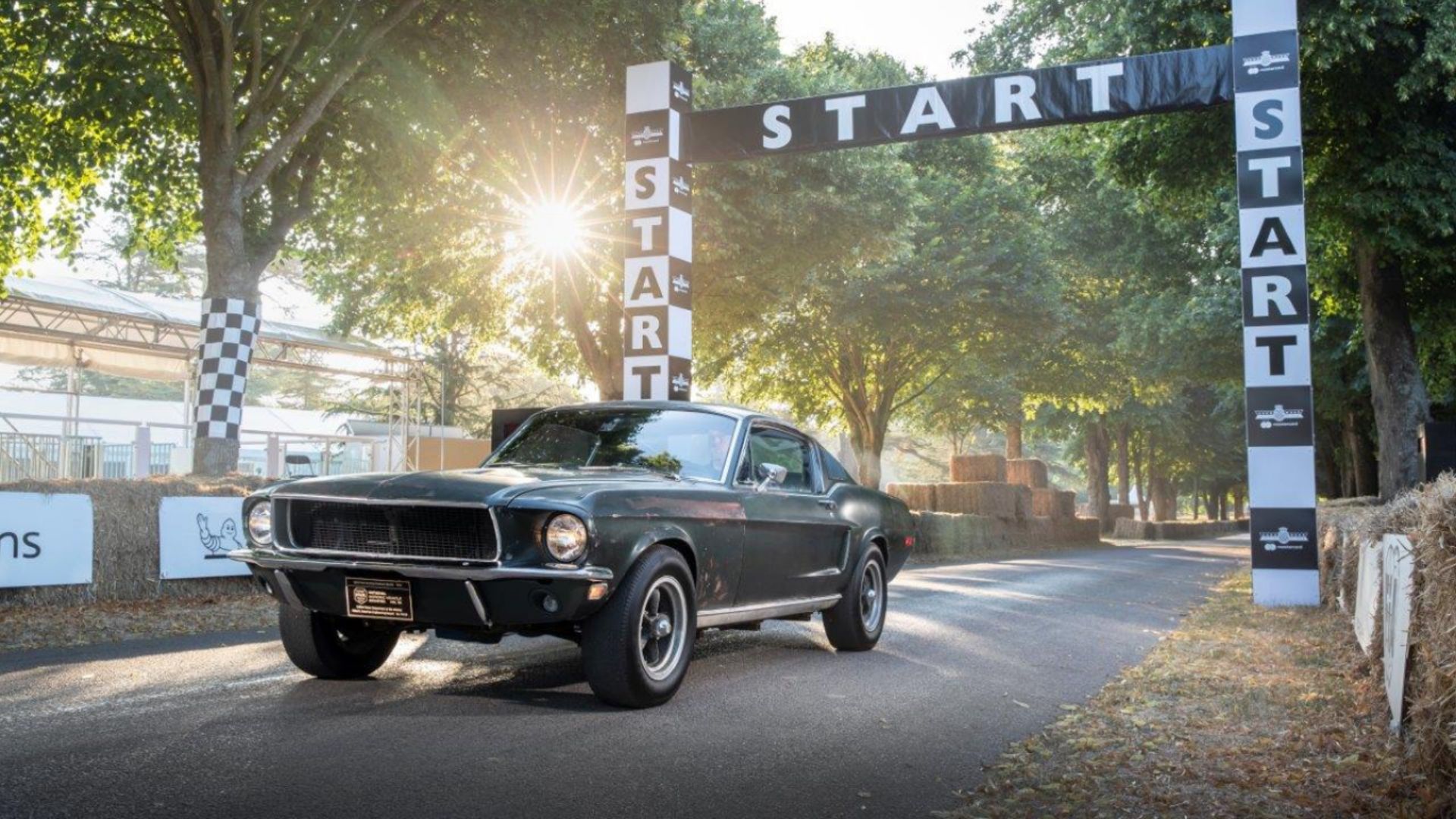
But it can’t beat the real titans of cinema. A key character in one of the greatest movie car chases, the Highland Green Ford Mustang from Bullitt recently inspired a retro special edition.
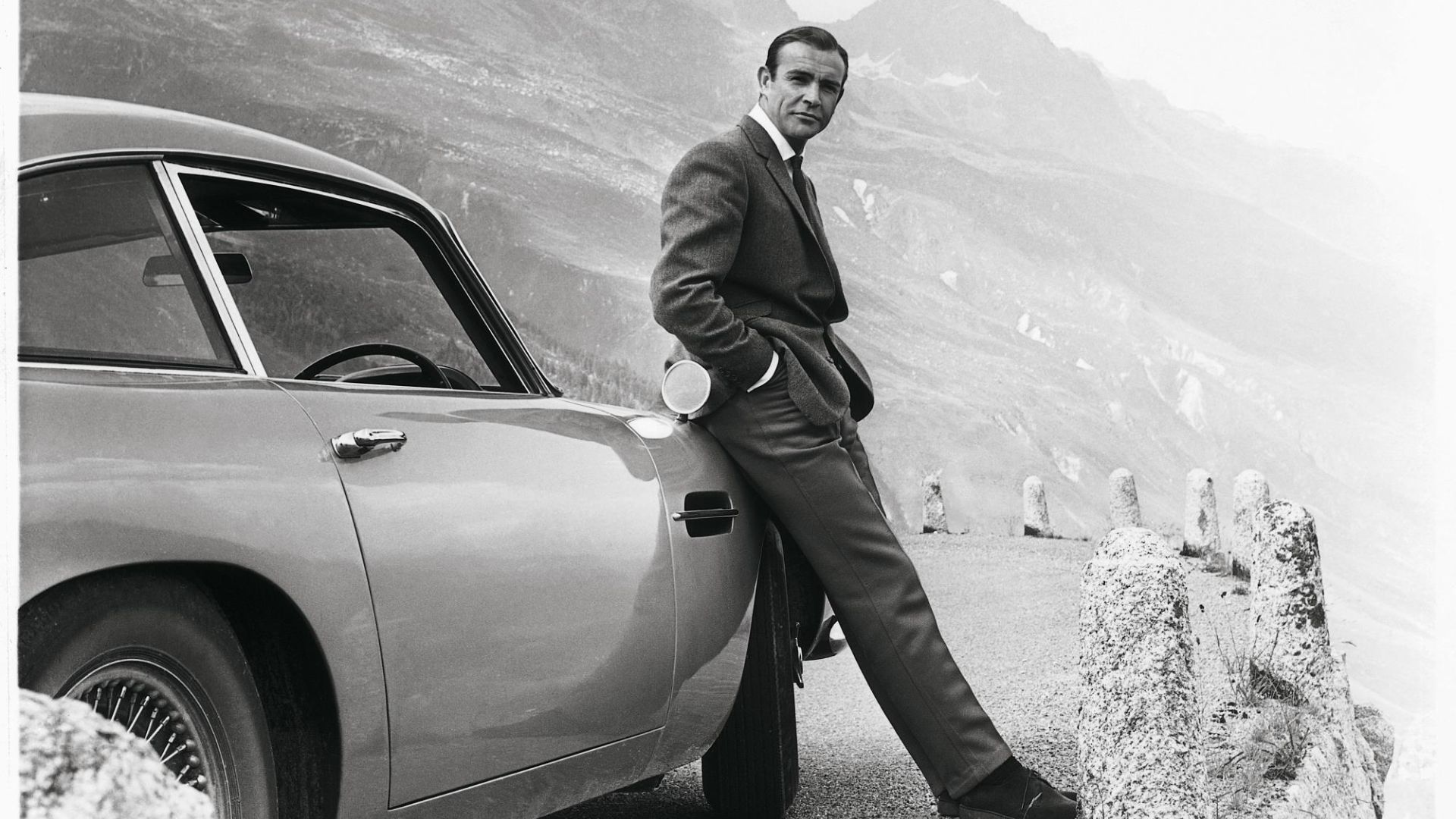
02. Bond’s Aston Martin DB5
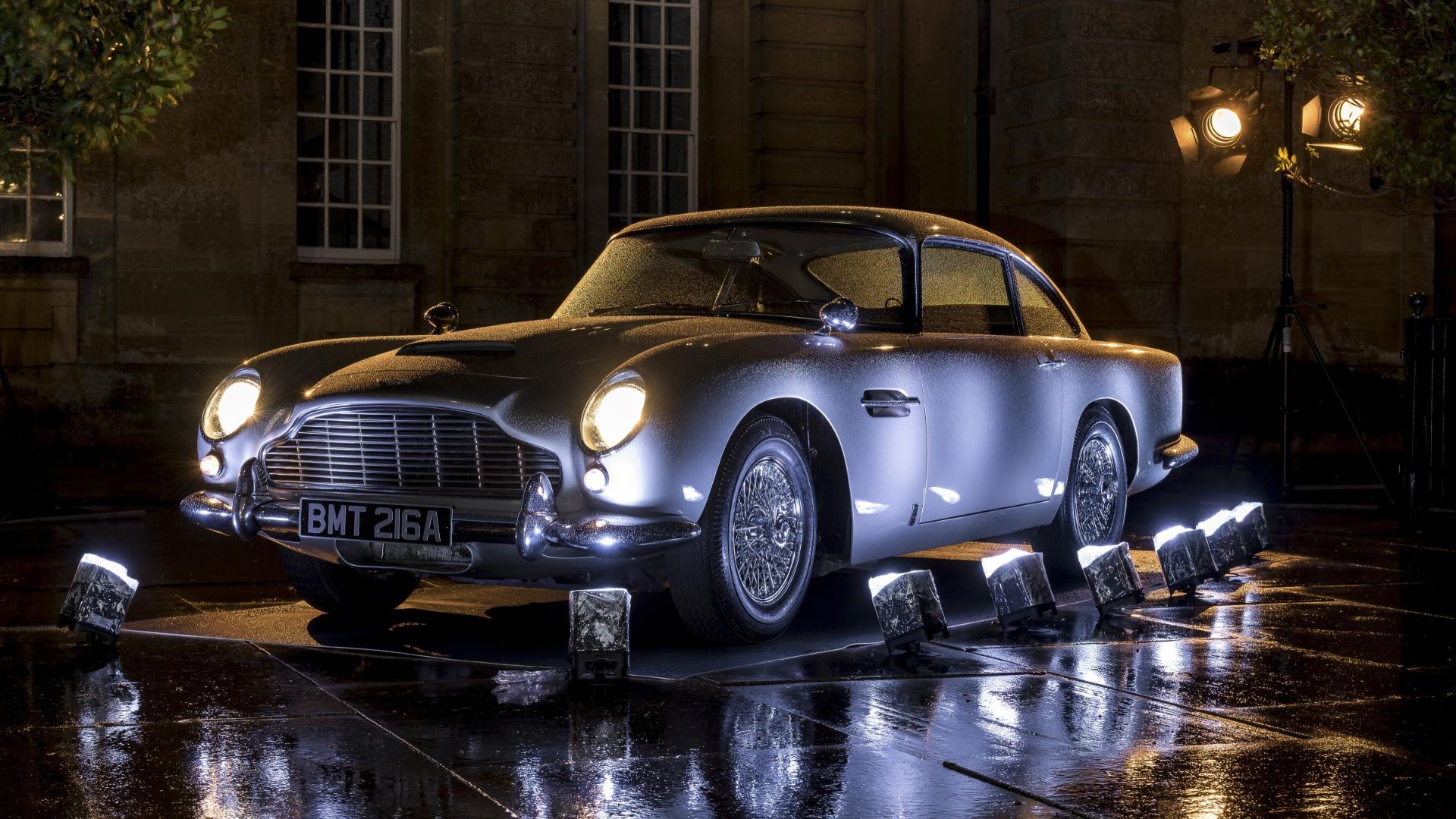
Bond’s original Superleggera-bodied masterpiece is immortal, partly because they keep wheeling it out. We reckon it will never be bettered, although the public seems to disagree…
01. Bond’s Aston Martin DB10
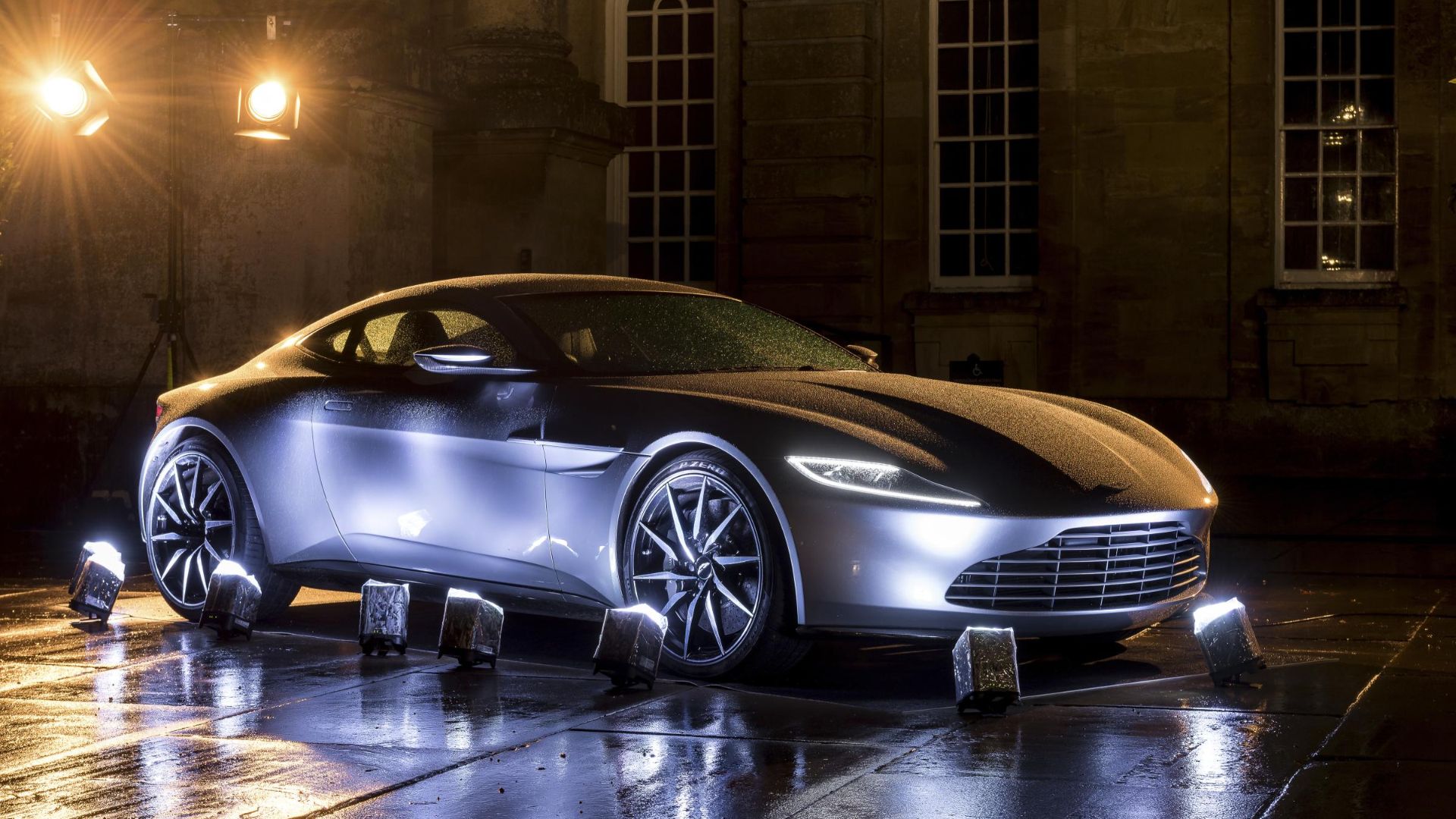
Because the DB10 from Spectre has topped the list. Admittedly, its sharp modern looks might hold more appeal for some. The chase sequence with the Jaguar C-X75 is excellent, too. We wonder if the new Aston Martin Valhalla hypercar, due to appear in No Time to Die, will take its place in time?
A new report has highlighted how much UK buyers trust car brands, as well as gender differences in what marques are the most trusted.
The CarGurus Car Buyer Trust Index report used the views of 2,183 car buyers to rank 21 car marques based on five key trust-building factors. These are integrity, transparency, genuineness, social conscience and reliability. Mercedes-Benz, Audi and Ford took the top three spots. Toyota, Volvo, BMW, Kia, Vauxhall, Mini and Honda make up the rest of the top ten.
Though 20 of the 21 marques included got their spots based on sales data from the SMMT, Tesla got a token entry as ‘a brand of topical interest’. It placed 12th overall.
Curiously, there are some stark gender differences concerning the trustworthiness of brands. Men ranked Mercedes, Kia and Volvo in their top three. However, women, had Audi and Ford in joint-first and Toyota in third. Meanwhile Kia, second-placed for men, was all the way down in 15th for women. By contrast, while women ranked Mini fifth, the brand ranked 15th for men.
Interestingly, women ranked Tesla a chunk higher than men at 7th, compared with 18th. Men actually put Tesla only above the poor performing French and Italian marques, Renault, Peugeot and Fiat. Renault and Fiat were one thing men and women could agree on, making up two of the bottom three for both genders. BMW was the only marque that placed exactly the same for both genders, in eighth place.
“For consumers, having trust in a purchase – and who they are buying it from – is fundamental to the buying journey,” said Chris Knapman, CarGurus UK editor.
“Therefore, we created the CarGurus Car Buyer Trust Index to help gain a deeper understanding of how trust is built, and the extent to which it informs car-buying decisions.
“The Car Buyer Trust Index provides unprecedented insight into the role that trust plays in the car buying process.”
Car interiors of the future will incorporate more natural materials than today. That’s according to two members of the colour and trim team at Skoda.
Wool and linen fabrics will appear in seats, and the use of wood will gain ground.
This comes amid a shift towards vegan-friendly interiors and recycled materials. Leather upholstery and swathes of plastic could be a thing of the past. Indeed, faux leather is almost indistinguishable from genuine leather.
Skoda cars will soon feature seat covers that use materials produced from recycled plastic bottles. Meanwhile, recycled fleece – commonly associated with warm clothing – is a suitable replacement for the foam used inside seats.
The industry is already using Pinatex, a textile made from pineapple leaf fibres, along with interior colours based on fabrics from soya or maize.
“In the future, the car will be more like a living room,” said Stefan Webelhorst, colour and trim team specialist at Skoda Design. As a result, designers are taking inspiration from real living rooms and from housing fairs and exhibitions.
“We need to spot trends and communicate them to our colleagues in other departments,” added Katerina Vranova, Skoda colour and trim coordinator.
Lighting will also play an important role in interiors of the future. Many manufacturers offer ambient lighting packs as standard on higher trim levels, but Webelhorst believes natural light will become increasingly important.
Designers will focus on the actual surface of materials and how light enters the cabin.
Personalisation and customisation
Webelhorst says car buyers will be offered more opportunities for customisation. Instead of being limited to pre-determined trim levels and packs, customers will be offered greater flexibility for personalisation.
“When a new car is being designed, once the exterior and interior shapes have been established it is our department’s turn to contribute. We decide which materials, structures and colours will best complement the overall nature of the new car.
”We communicate with interior designers to ensure consistency between the shapes and materials,” concluded Katerina Vranova.
2020 could be the year the UK car market gets back on track, according to new research. An unlocked parliament and an end to Brexit uncertainty is said to be inspiring more confidence in car buyers. Sales have been stalling over the past three years since the referendum. Indeed, car sales fell for the third year in a row in 2019.
The research by BuyaCar has polled more than 3,000 people on their car-buying intentions, past present and future. One in six (15 percent) said that an end to the gridlocked parliament of the last few months and years means they’ll be more likely to take the plunge in 2020 and beyond.
For those deeper into the process of finding a car, who are looking at specific models, it’s up to 24 percent (almost one in four). In general, the closer car buyers are to taking the plunge, the more confident the landslide election result has made them about going ahead.
Compare that to March last year. Car shoppers told BuyaCar that Brexit uncertainty was at the top of the list of reasons why they have delayed buying a car for two years or more. On the face of it, the car market forecast is brighter for 2020, though Brexit still looms incomplete.
BuyaCar editor Christopher Lloyd says that the research is backed up by search traffic on its platform. An increase in traffic in between Christmas and New Year this year plays a drop-off in 2018.
Volkswagen will build one million EVs a year by 2023
“As we have been reminded almost daily in the news over the past couple of years, Brexit uncertainty has been deeply damaging to consumer and business confidence,” Lloyd said.
“So this research suggests that a lot of pent-up demand is about to be unleashed now that the question has been decisively settled. The car industry has had a torrid time since the 2016 referendum and although our own sales of used cars have continued to grow, the new car market in particular has been consistently falling. From this research it seems clear that, wherever you stand on Brexit, an end to uncertainty may be just the thing to unleash buyers back into the market.“
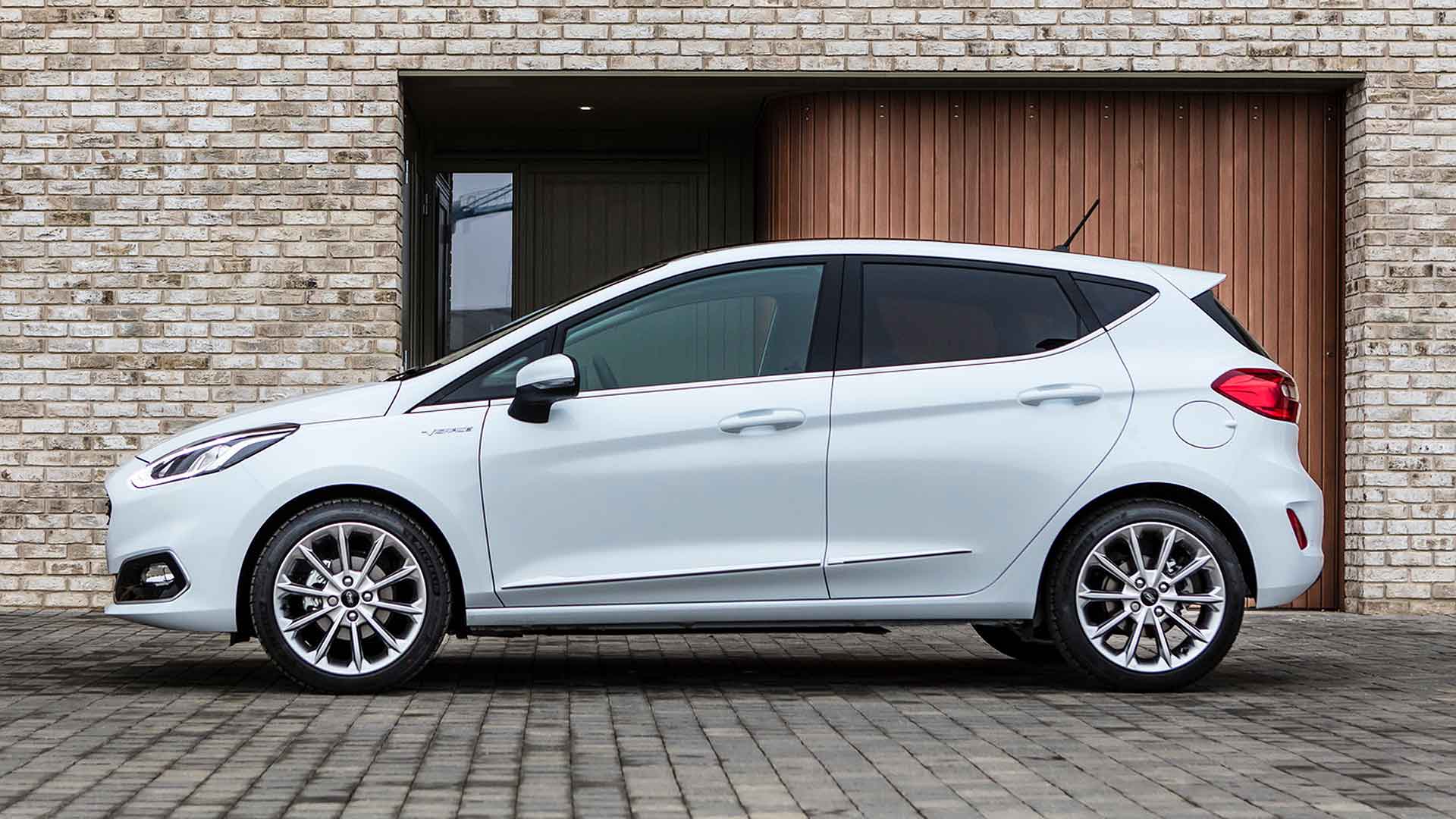
Almost 78,000 new Ford Fiestas were registered last year, easily clearing the 58,994 total of the car in second place, the Volkswagen Golf.
But it was a surprisingly tight battle for the runners-up spot, with the Ford Focus coming close in third with 56,619 registrations.
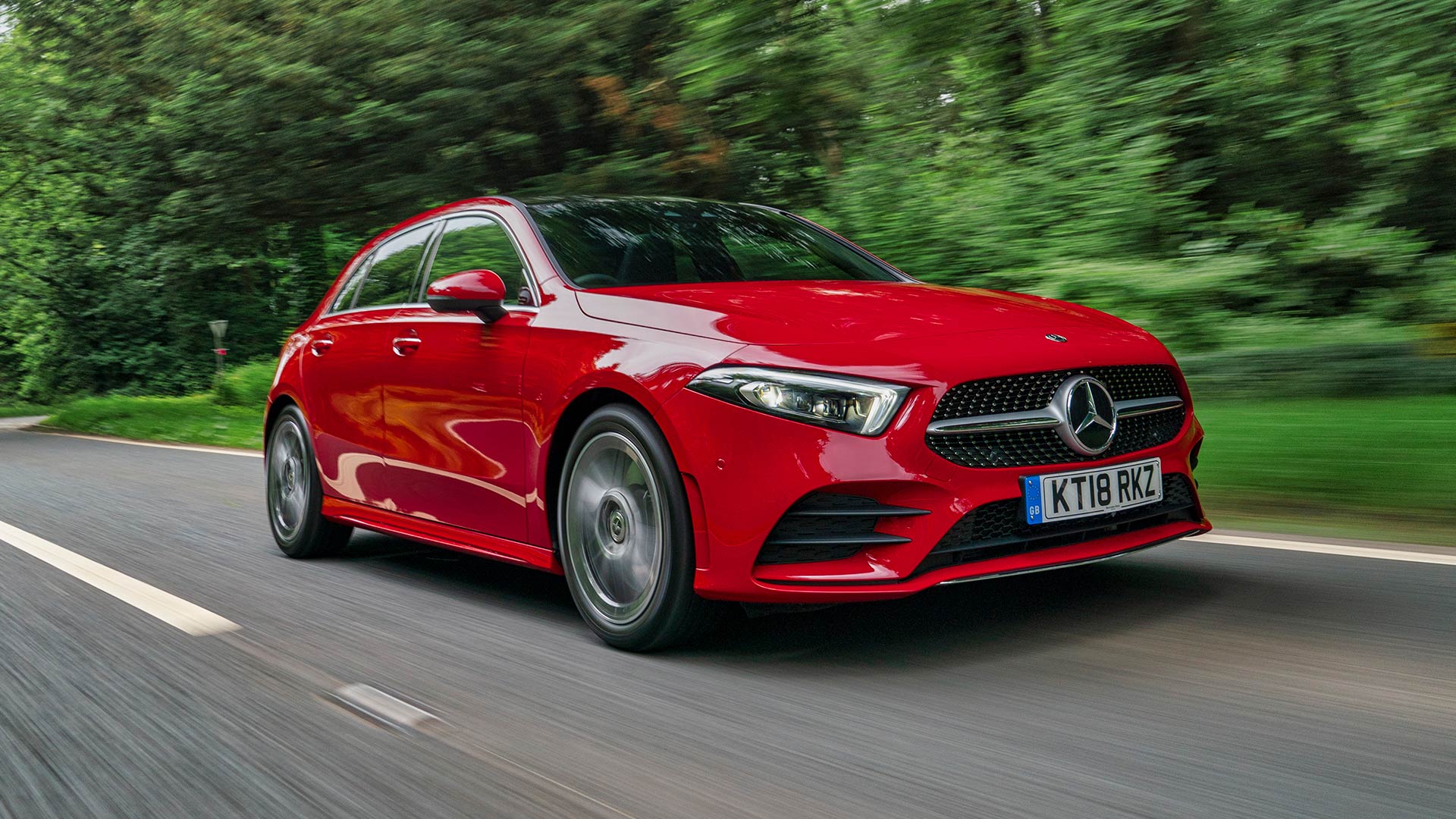
The Vauxhall Corsa finished the year on 54k units, the Mercedes-Benz A-Class was on 53k, and the Nissan Qashqai ended on 52k new cars sold.
Ford’s long-running Kuga still performed well in seventh place, just a few hundred units ahead of the Mini, with the Volkswagen Polo and Kia Sportage rounding out the top 10.
The arrival of several significant all-new models in 2020 – the Volkswagen Golf, Vauxhall Corsa and Ford Kuga – is expected to shake things up this year.
Although the UK new car market declined overall in 2020, Britain remains Europe’s second-largest, behind Germany. It is also, says the Society of Motoring Manufactures and Traders (SMMT), one of the most diverse, with 350 different models on offer.
Almost 90 new models are set to arrive in 2020, including 23 zero-emission cars and 11 plug-in hybrids, says the SMMT.
Whether any of them can budge the Ford Fiesta from the number one spot – success that’s made it Britain’s best-selling car of all time – remains to be seen…
New car registrations fell for the third year running in 2019, with the market declining 2.4 percent to a seven-year low.
Official figures show 2.3 million cars were sold last year, compared to 2016’s all-time high of 2.69 million.
However, adds the Society of Motor Manufacturers and Traders (SMMT), the 2019 total is still ahead of the UK’s 10-year average.
Every new car sector apart from two experienced sales declines. The exceptions were the dual purpose (SUV) sector, up 12 percent, and the specialist sports sector, up an eye-catching 19.2 percent.
The latter is due to the long-awaited arrival of the Tesla Model 3, which the SMMT classifies as a specialist sports vehicle.
The best-selling car types in the UK were superminis and family cars, which took 57 percent of new car sales – but both were down, by 6 percent and 4 percent respectively.
Electric up, diesel down
Alternative fuel vehicles – that’s electric cars and hybrids – grew 20.6 percent, to take an overall market share of 7.4 percent. Hybrids made up 4.6 percent of that total, with electric cars on 1.6 percent.
Battery electric vehicles, adds the SMMT, overtook plug-in hybrids (PHEVs) for the first time. It blames this on the government’s controversial decision to pull PHEVs from the Plug-in Car Grant.
The launch of at least 23 new electric cars in 2020 is likely to continue the growth of EVs.
And diesel? Sales fell a whopping 21.8 percent, giving it a 25 percent market share. This is the lowest diesel share since 2003, and means diesel car sales have basically halved since the peak three years ago.
Diesel new car sales have now fallen for 33 months running.
The decline of diesel is partly behind the worrying rise in new car CO2. It too has risen for the third consecutive year, to an average of 127.9 g/km.
SMMT chief executive said the introduction of the new WLTP test was the main reason for this (cars had to be retested to the tougher standards), although buyers shifting from hatchbacks to SUVs was also pushing up new car CO2.
By the end of 2020, EU legislation requires every car brand’s average new car CO2 to be no greater than 95 g/km, which is why the increase in new car emissions is so alarming to industry-watchers.
As for 2020, the SMMT expects new car registrations to fall again, due to an ongoing lack of consumer confidence.
The trade organisation expects 2.2 million cars to be sold this year, a fall of 1.6 percent on 2019’s figures. However, Hawes did admit this figure was modified upwards from an earlier prediction of 2.2 million, following December’s General Election.
If consumer confidence shows further positive improvement in 2020, the prediction could be modified once again. Whether or not Britain posts its fourth straight year of falling new car sales depends on it…
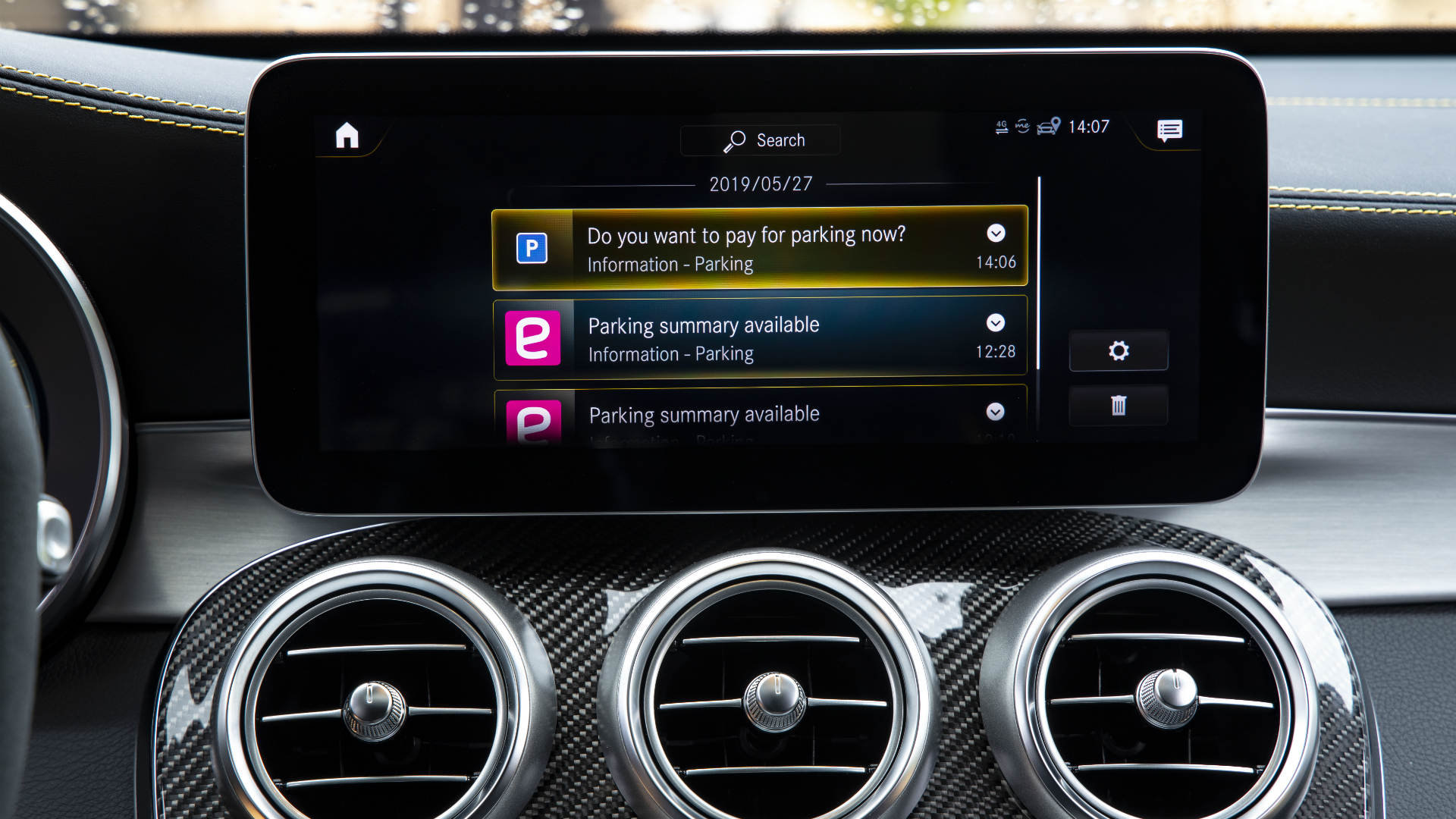
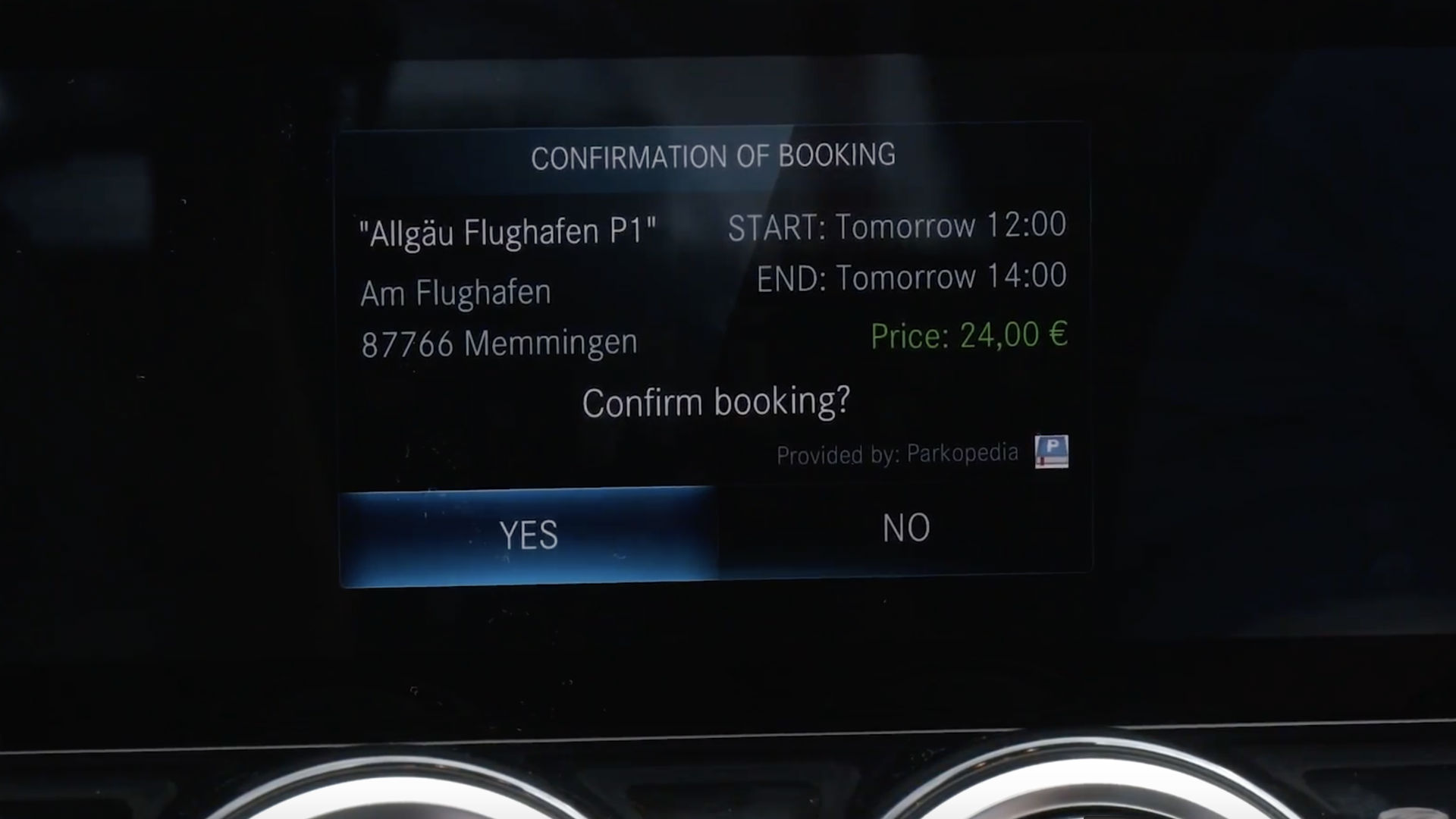
Parkopedia and EasyPark have joined forces to allow Mercedes-Benz drivers to pay for parking via their car dashboard.
For now, the service is available in around 200 German cities, but the in-car payment facility will be rolled out across Europe. EasyPark covers 1,400 cities across 18 countries, while Parkopedia provides information on 70 million parking spaces in around 15,000 cities.
The Mercedes-Benz owner requires a MercedesPay account, with payments handled by their Single Sign-On account.
Upon arrival at paid on-street parking zone, the Mercedes-Benz vehicle triggers the automated parking payment. The driver confirms the start of the transaction and exits the car. When the driver returns to the vehicle and starts the ignition, he or she is prompted to the stop the transaction. The MercedesPay account is charged – with the driver paying for the actual time spent at the parking location.
EasyPark Group CEO Johan Birgersson, said: “The Mercedes-Benz brand is synonymous with world-class design and the highest quality driving experience. Bringing the latest technology into cars to address the main parking pain points, the time drivers have to spend on finding and paying for parking, this innovative feature allows for a smooth and easy user experience that saves time and effort for users.”
Parking of tomorrow
Commenting on the announcement, Parkopedia’s COO Hans Puvogel added, “The launch of Single Sign-On payments for EasyPark-enabled locations is another example of how Parkopedia is working to help innovate the parking industry and provide better experiences for drivers.
”We are honoured that Mercedes-Benz has extended its trust in Parkopedia and EasyPark to offer on-demand parking as part of Mercedes-Benz’s comprehensive in-car parking services, and look forward to continuing to work together to further enhance the in-car experience for drivers.”
Every year, drivers in Europe and North America spend an average of 55 hours searching for parking spaces. Services such as Parkopedia will speed up the process of finding a space, while innovations such as this latest announcement will make searching for loose change a thing of the past. Indeed, the transaction will start and finish at a touch of a button.
In a previous statement, car park operator APCOA claimed looking for a suitable parking space accounts for practically one third of inner-city traffic. Mercedes-Benz said this would correspond to CO2 emissions of 1.3kg per search.
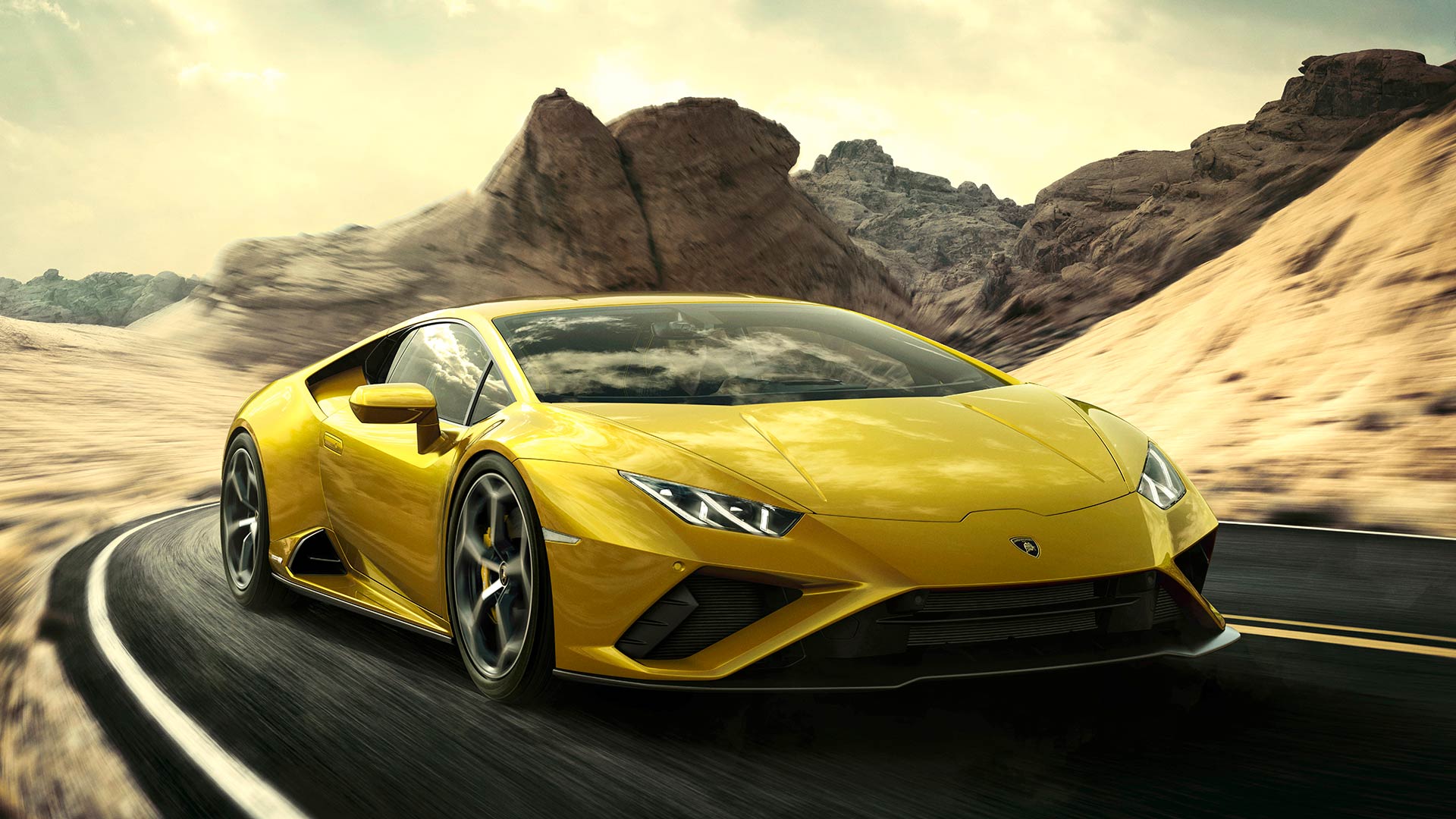
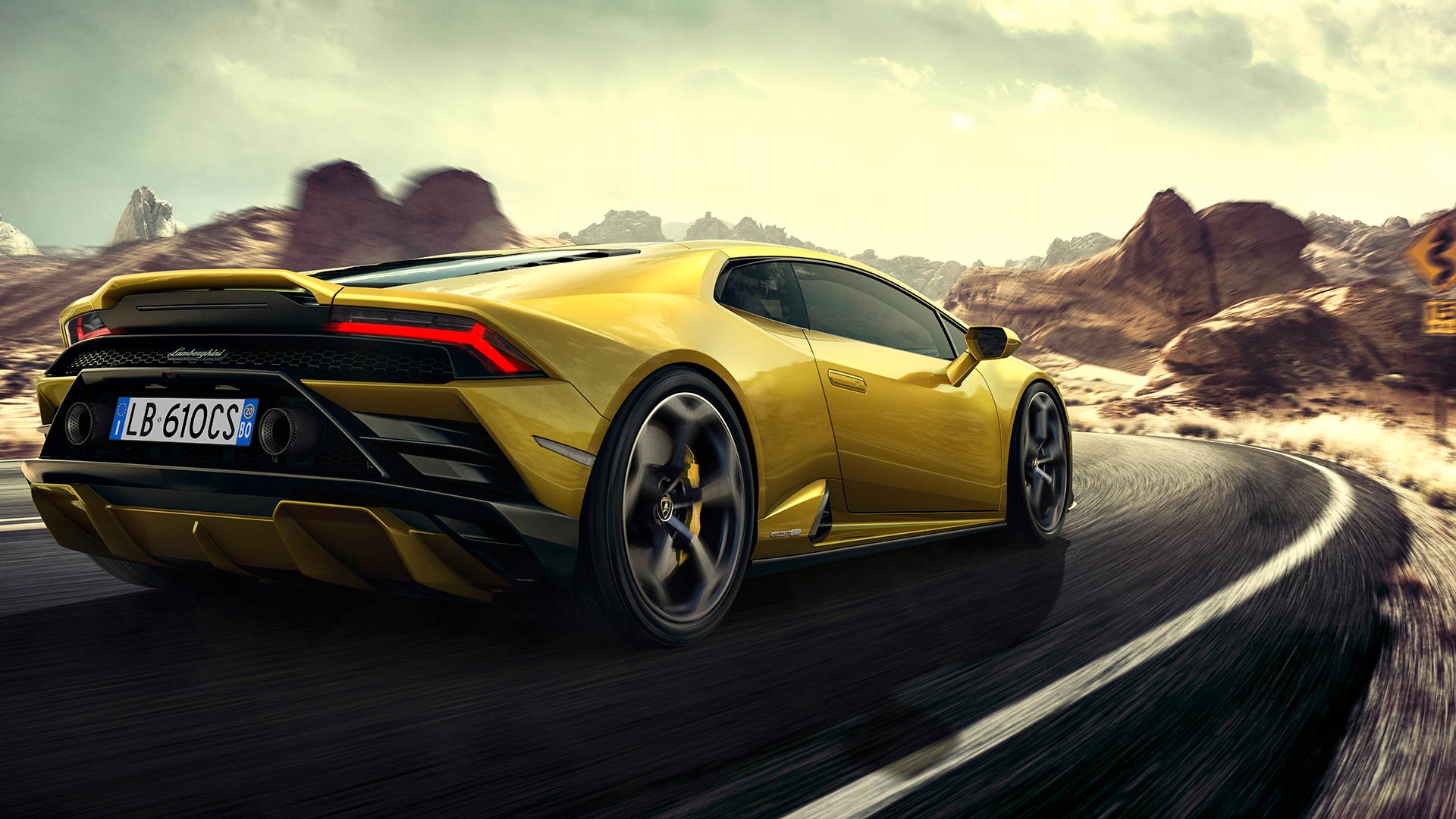
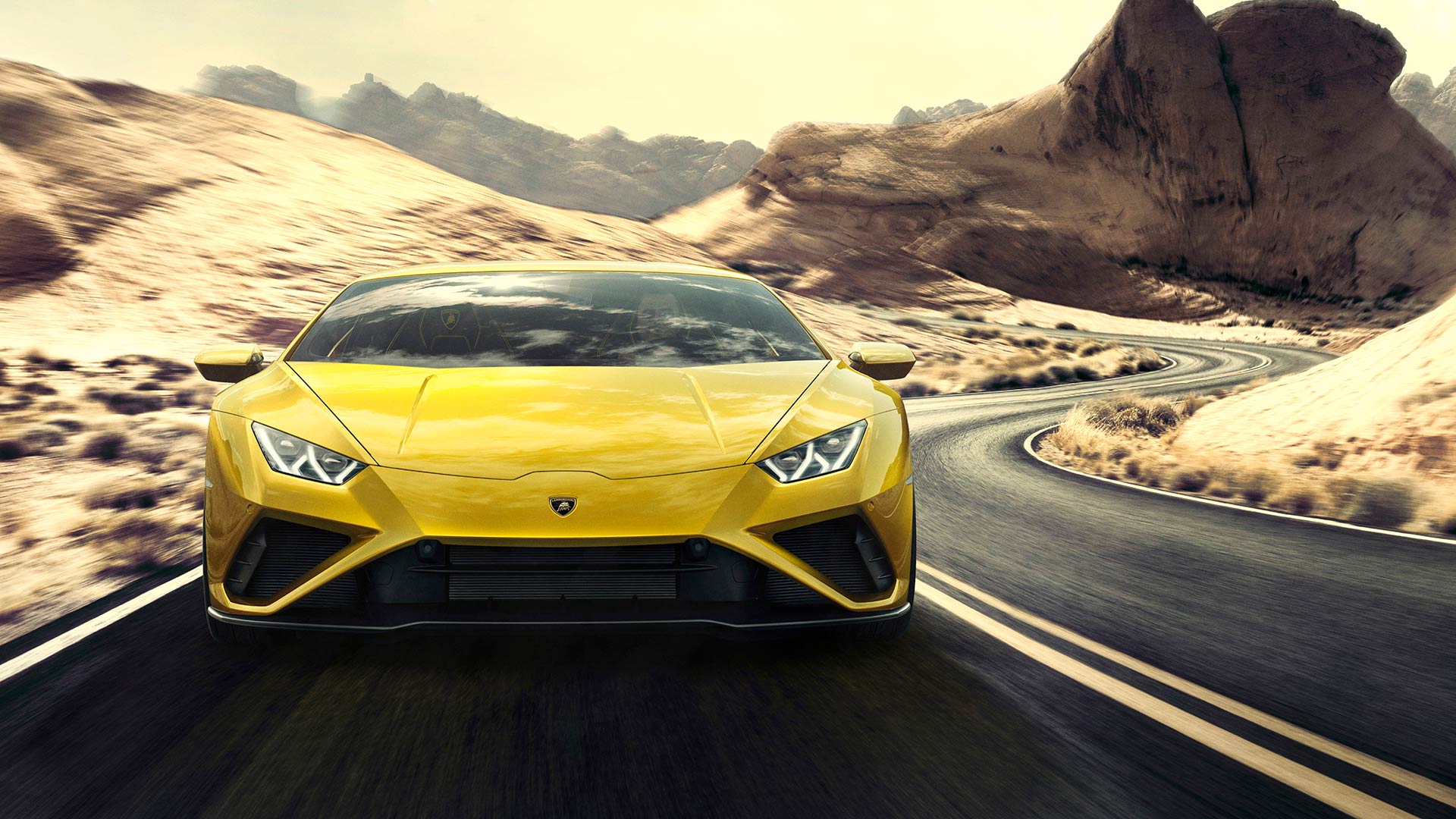
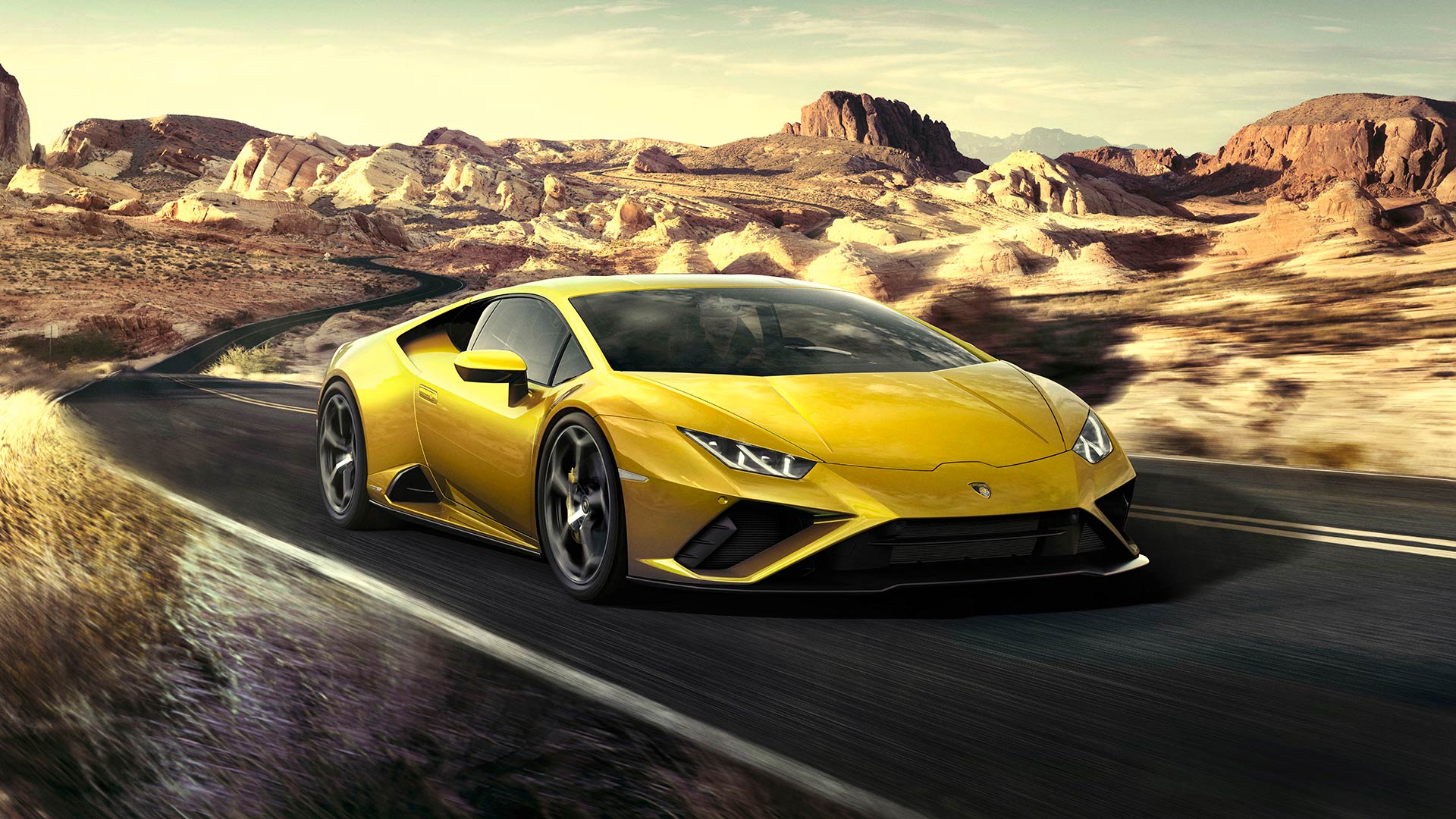
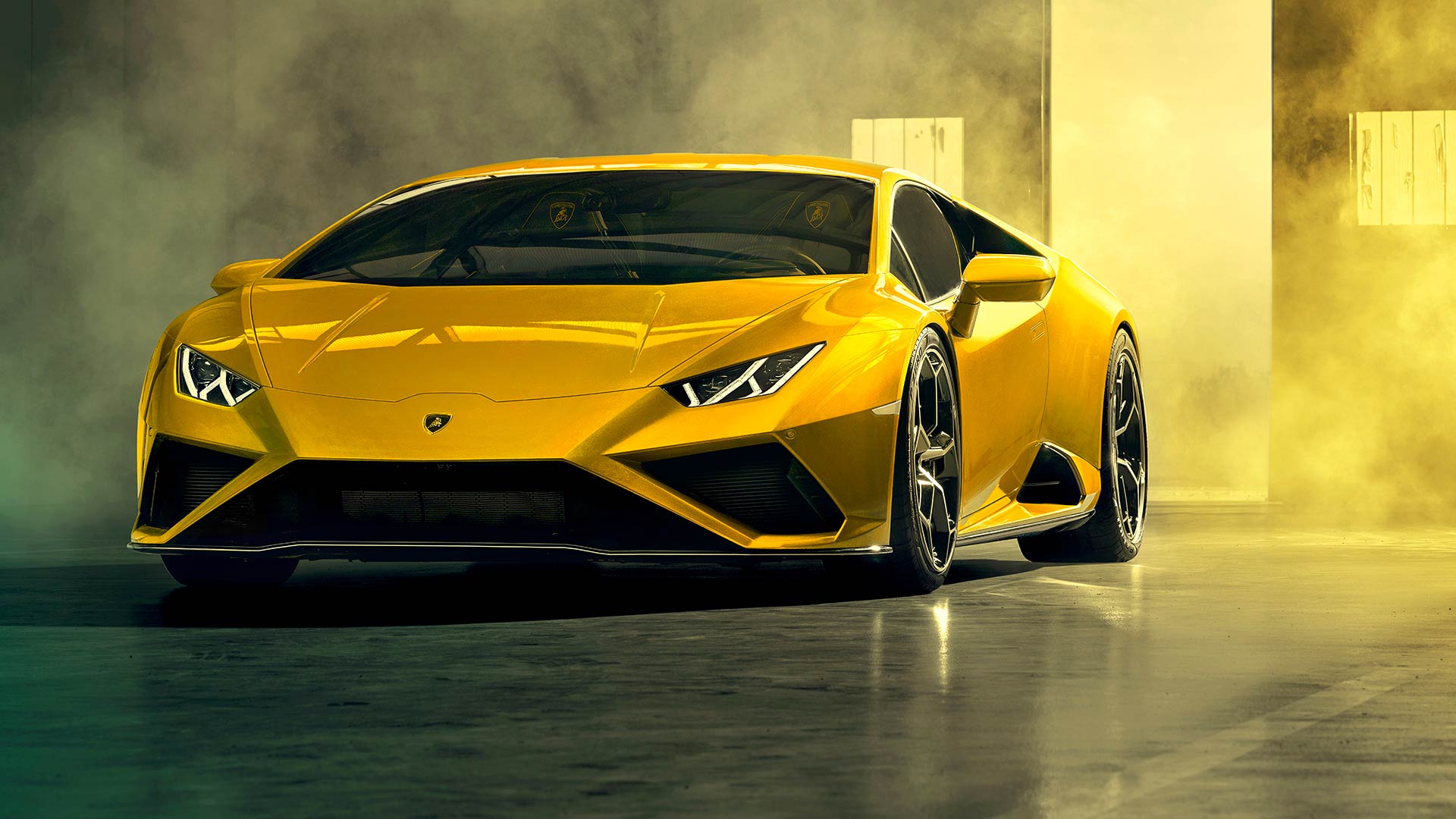
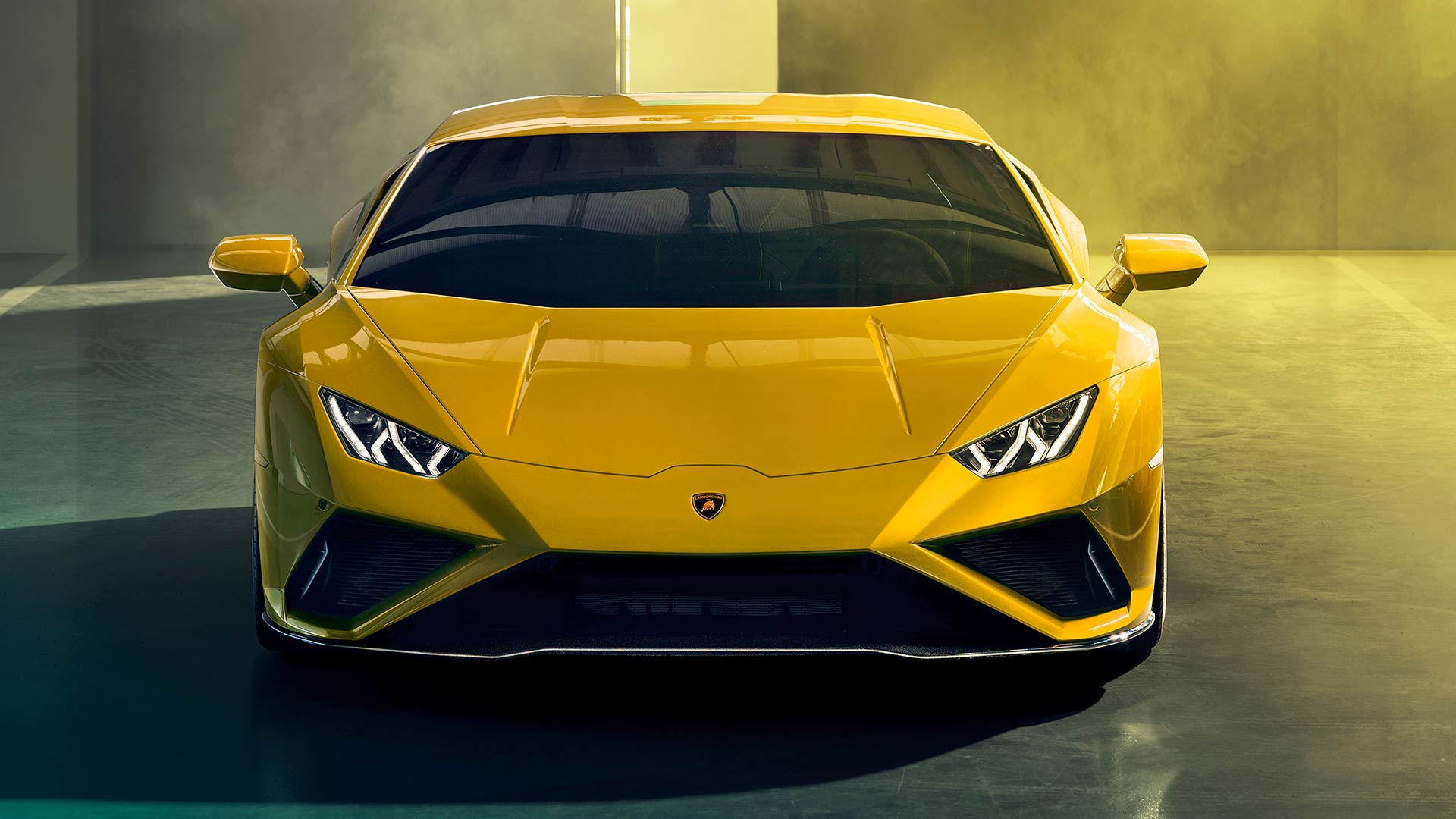
Lamborghini has promised more driving enjoyment with a new rear-wheel drive version of the Huracan Evo supercar.
Although the Huracan Evo RWD may have less power than its all-wheel drive brethren, Lamborghini is keen to point out that it also weighs less.
Unique design elements, and a revised traction control system, are all included to make the RWD model even more fun.
Ten cylinders of driving enjoyment
Sitting in the middle of the Huracan Evo RWD is the same V10 engine as found in the AWD version, but tuned differently. For the rear-drive car, power has been reduced by 30 hp to ‘just’ 610 hp.
Torque has also fallen slightly, with peak twist now recorded as 413 lb-ft compared to 442 lb-ft in the all-wheel drive Huracan Evo.
Lamborghini’s seven-speed paddle-shift dual clutch transmission is in charge of managing all the power, with no manual version on offer. Launch control is included to allow maximum acceleration from a standing start.
Less weight, (slightly) less performance
Whilst the Huracan Evo RWD may have less power than the AWD model, sending power to only the rear axle does come with a weight saving. On the scales the new rear-wheel drive version records a dry weight of 1,389 kg (3,062 lb), meaning a 33 kg (73 lb) reduction.
Outright performance is slightly lower in the Huracan Evo RWD, with 0-62 mph now taking 3.3 seconds. Accelerating to 124 mph takes 9.3 seconds, with the rear-wheel drive car still posting a more than adequate top speed of 202 mph.
Lamborghini is keen to point out that the Huracan Evo RWD is about having fun in corners, rather than in straight lines. The revised Performance Traction Control System (P-TCS) has been tailored to allow for better control during drifting.
Oversteer enhanced by 30 percent
Unlike most traction control setups, P-TCS delivers torque to the rear wheels even as the car is still sliding sideways. Doing so allows the driver to maintain better control of lairy drifts, and achieve better traction when exiting a corner.
A number of different settings for P-TCS are also included. Strada focuses on maintaining traction on the street, whilst engaging Sport mode on the Anima controller allows for a degree of rear-wheel sliding.
Finally, going all-out in Corsa mode allows for maximum rear-wheel slip and rapid cornering performance. Lamborghini also states that the revised P-TCS is 30 percent smoother than in the previous rear-wheel drive Huracan, and offers 30 percent more oversteer.
New design, new paint
For the new Huracan Evo RWD, Lamborghini has also included bespoke design features. The front bumper gains a new splitter and framed air intakes, whilst the rear bumper is finished in gloss black with a large diffuser.
New 19-inch alloy wheels are fitted, combined with specially-developed Pirelli P Zero rubber. Ventilated and cross-drilled steel brakes are standard, with carbon-ceramic units available as an option. Buyers can opt for larger 20-inch wheels should they so desire.
Lamborghini has also developed a new paint shade to show off the design of the RWD car. The Giallo Belenus (yellow) hue is also matched to the upholstery used for the leather and Alcantara trim inside the Huracan.
A relatively more affordable Lamborghini
Despite the new technology, new paint, and bespoke exterior design elements, the Huracan Evo RWD costs less than the all-wheel drive version.
Prices begin at £137,000 ($208,571) before taxes for the Evo RWD, compared to the £165,256 ($261,274) charged for the AWD car.
Lamborghini is accepting orders for the Huracan Evo RWD now, with the first deliveries expected to be made to customers in Spring 2020.