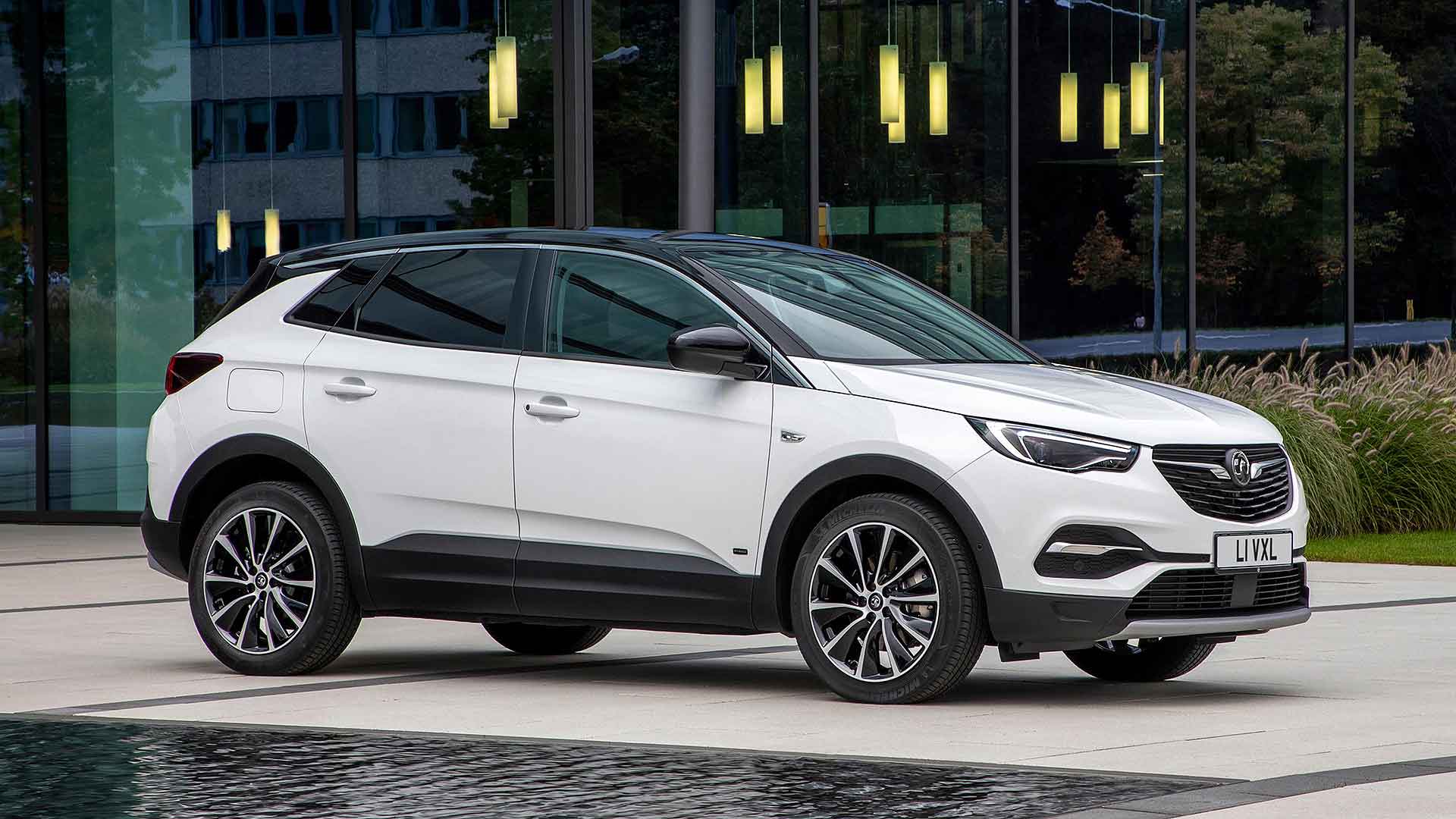
A total of 86 jurors from around the world will now go into another round of voting to decide the top three finalists, and the eventual 2020 World Car of the Year winner.
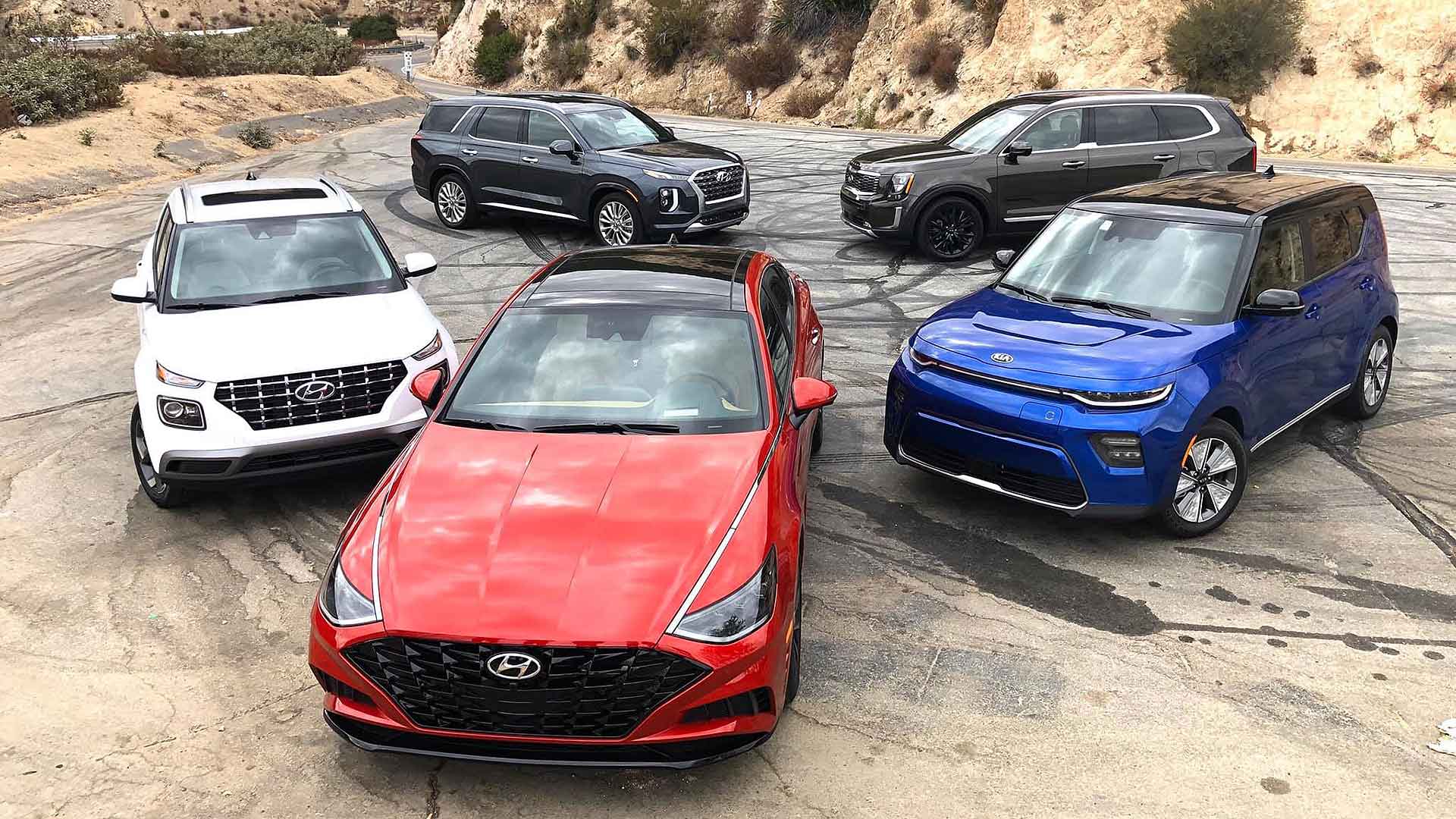
2020 World Car of the Year finalists
Six brands are represented in the list of finalists for World Car of the Year 2020. Several are listed twice, in some standout performances from certain auto makers.
Also announced at the Delhi World Car Awards press conference were the top 5 finalists in three other individual categories.
2020 World Urban Car finalists: Kia Soul EV, Mini Electric, Peugeot 208, Renault Clio, Volkswagen T-Cross
2020 World Luxury Car finalists: BMW X5, BMW X7, Mercedes-Benz EQC, Porsche 911, Porsche Taycan
2020 World Performance Car finalists: BMW M8, Porsche 718 Spyder/Cayman GT4, Porsche 911, Porsche Taycan, Toyota GR Supra
Every car listed in the individual categories is also eligible for the 2020 World Car Design of the Year award.
This year, famed ex-Jaguar design boss Ian Callum has joined the judging panel, alongside star names such as Gordon Murray, Patrick Le Quement (ex-Renault and Ford) and Tom Matano (ex-Mazda).
The 2020 World Car Design of the Year finalists are: Alpine A110S, Mazda 3, Mazda CX-30, Peugeot 208, Porsche Taycan
The top three in each category will be announced at the 2020 Geneva Motor Show on Tuesday 3 March. The finalists will then be revealed, for the 15th year running, at the 2020 New York International Auto Show on 8 April.
January 2020 new car registrations fell 7.3 percent as motorists stayed away from showrooms due to an ongoing lack of consumer confidence.
Sales to private buyers were down a hefty 13.9 percent, with fleet sales down a more manageable 2.2 percent.
Diesel cars were particularly badly hit, suffering a massive 36 percent drop in sales.
It’s the 34th monthly decline in a row for new diesel car sales, with a market share in January 2020 of just 19.8 percent.
However, alternatively fuelled vehicle (AFV) sales did increase: hybrids were up 20.6 percent and plug-in hybrids grew 111.1 percent.
Zero-emissions battery electric vehicles rocketed 203.9 percent, taking a 2.7 percent market share.
Overall, AFV cars grabbed a record market share of 11.9 percent in January 2020, compared to 6.8 percent in 2019.
‘Unsettling’ decline
The latest figures come a day after the government brought forward its 2040 ban on new petrol and diesel car sales to 2035 – and included hybrids and plug-in hybrids in the ban.
Mike Hawes, chief executive of trade body the Society of Motor Manufacturers and Traders (SMMT), said: “The new car market is a key driver of the UK’s overall economy, so another month of decline is unsettling.
“Consumer confidence is not returning to the market and will not be helped by government’s decision to add further confusion and instability by moving the goalposts on the end of sale of internal combustion engine cars.
“While ambition is understandable, as we must address climate change and air quality concerns, blanket bans do not help short-term consumer confidence.”
Hawes called on the government to roll out extensive and well-funded fiscal incentives, policies and investment to boost demand.
“We want to deliver air quality and environmental improvements now but need a strong market to do so.”
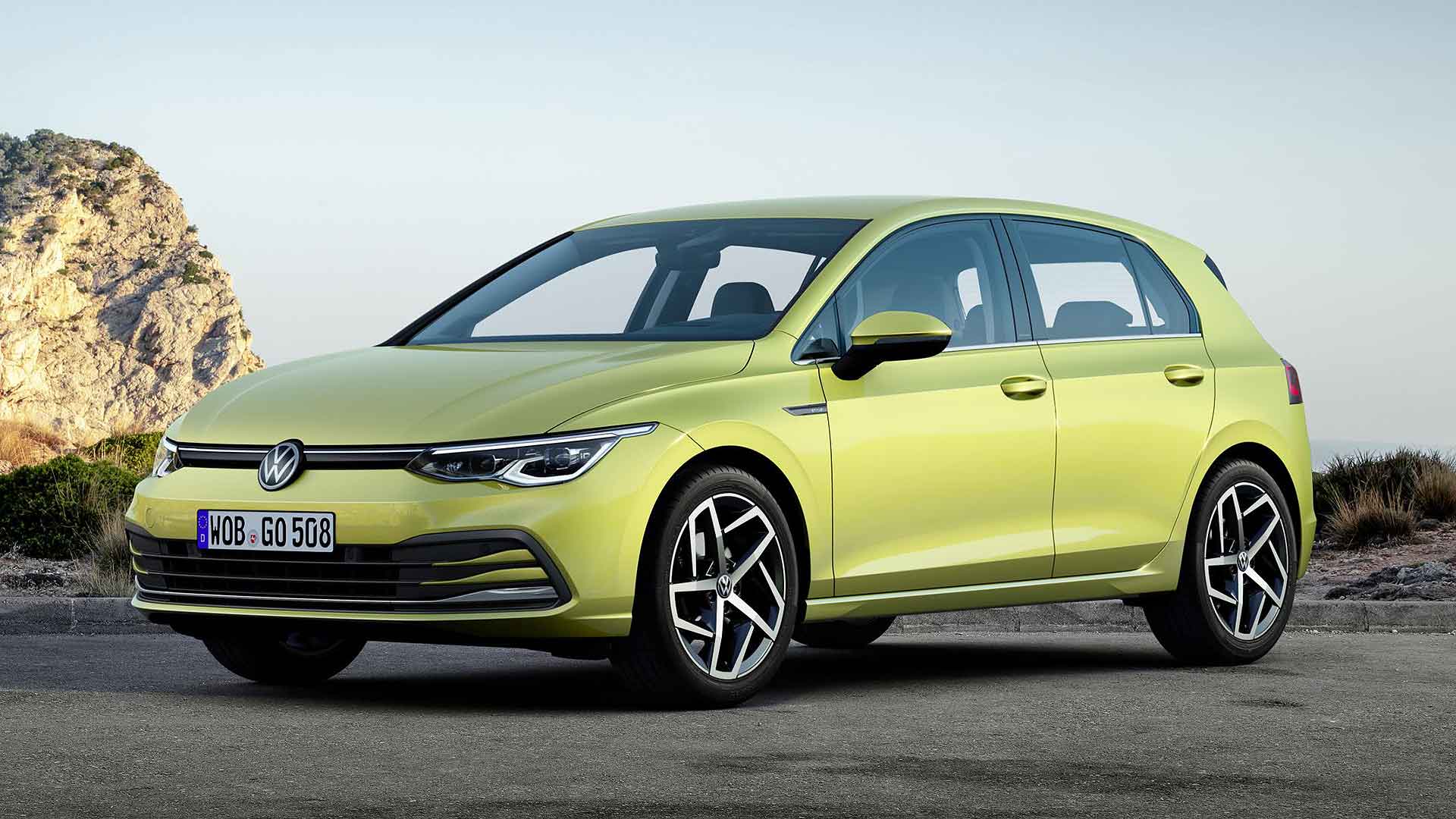
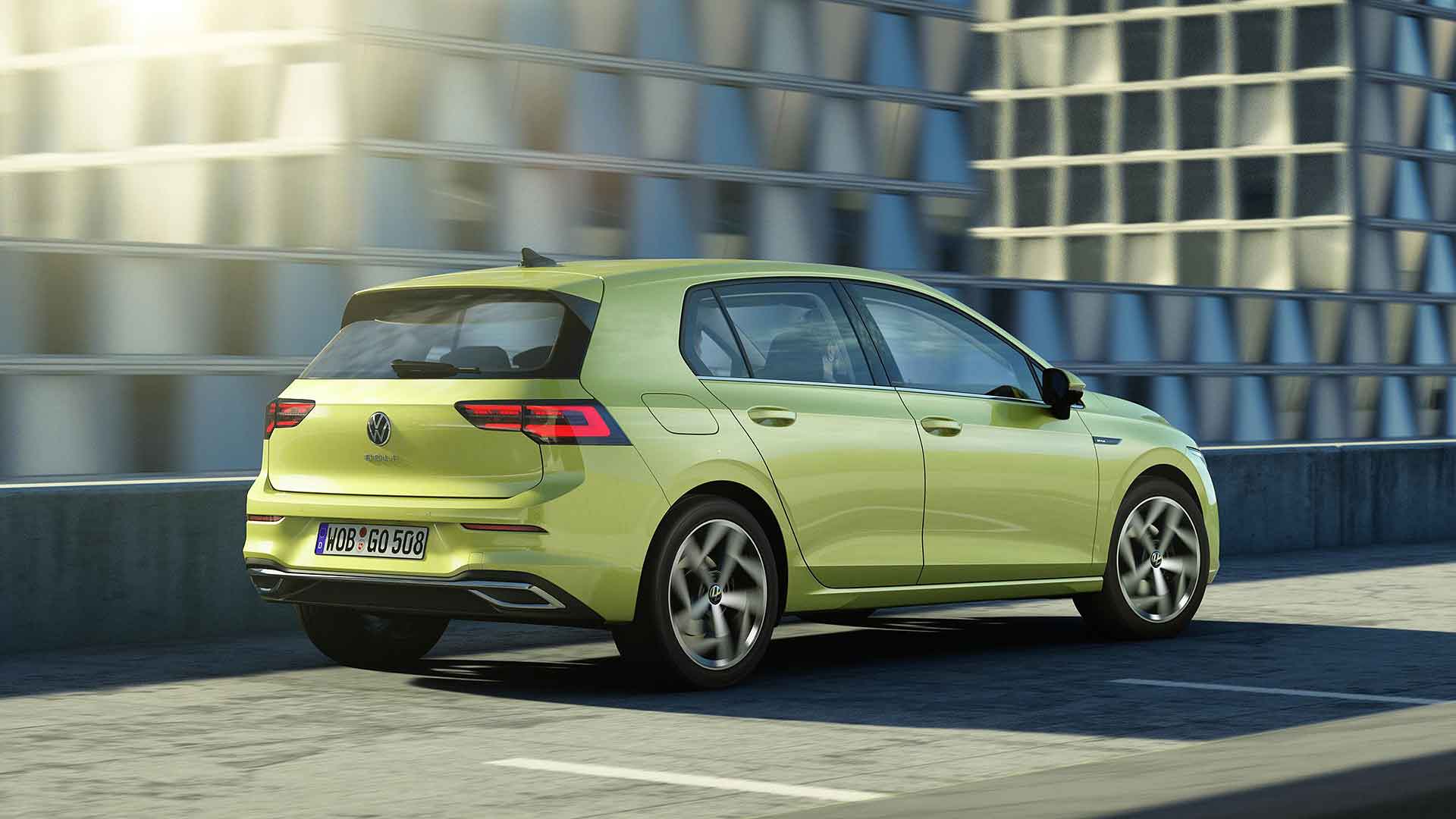
Ordering is now open for the new Volkswagen Golf 8 with prices starting from £23,875.
The initial launch line-up comprises just two trim variants, Life and Style. R-Line will follow later, as will sporty GTI, GTD, GTE and R versions, and an estate variant.
Engines are capped to four at launch: two petrols, two diesels. Actually, make it one diesel and one petrol, in two power outputs:
1.5 TSI 130
1.5 TSI 150
2.0 TDI 115
2.0 TDI 150
Petrols are initially only offered with a six-speed manual, like the 2.0 TDI 115. The 2.0 TDI 150 only comes with a seven-speed DSG automatic.
Further engine choices on the horizon include a 1.0-litre TSI plus 1.0 eTSI and 1.5 eTSI 48V mild hybrids.
New VW Golf 8: equipment and options
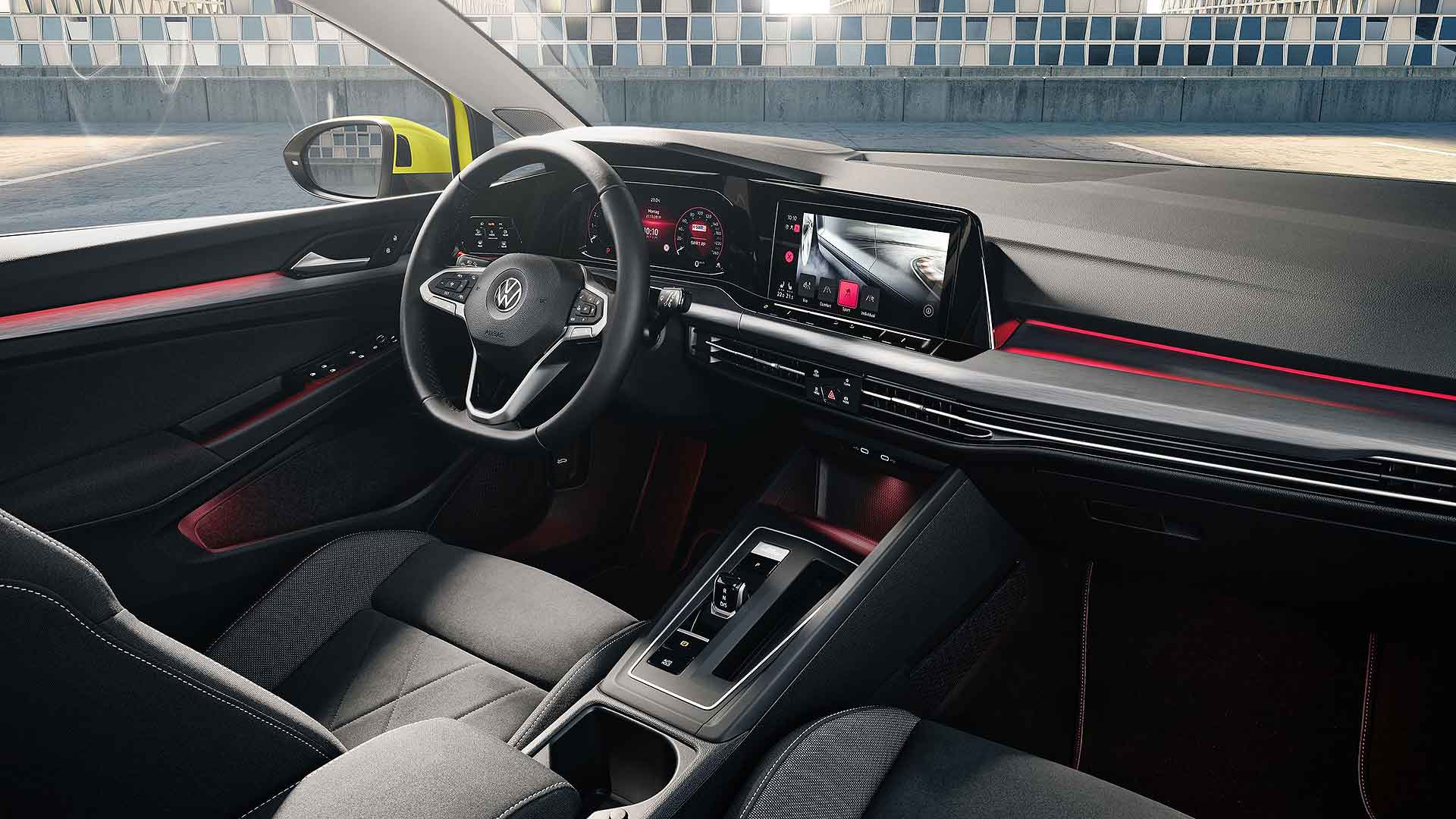
Standard Life trim is expected to be most popular in the UK. As standard, it has 16-inch alloys, automatic LED headlights, all-round parking sensors, auto wipers and 10-colour ambient interior lighting.
Keyless start is included: this can be upgraded to keyless entry for £400.
Inside, all new Golfs have a fully digital cockpit, comprising a 10.25-inch instrument cluster and 10-inch central touchscreen. Discover Pro Navigation is standard.
Volkswagen is the first mainstream brand to include Car2X technology. This allows Golf 8 to communicate with one another – so one Golf can ‘tell’ cars behind about hazards, stationary traffic and other incidents.
Also included is wireless app connect, for wire-free Apple CarPlay and Android Auto (a wireless smartphone charger is included). A three-year subscription to Volkswagen’s We Connect Plus service is standard.
Given this bounty of equipment, what do you get on the Style? Bigger 17-inch alloys, LED ‘plus’ headlights, sports comfort seats and wood inserts on the dashboard.
Three-zone climate control is added, and there’s a further optional upgrade for the headlights, to the VW IQ.Light matrix system, costing £875.
Other options include Dynamic Chassis Control adaptive damping, for £950, and a head-up display for £625.
Fuel prices went up last month, despite a fall in the wholesale cost of petrol and diesel.
Data from RAC Fuel Watch shows the wholesale price of unleaded fell by 4.3p, while diesel dropped 7.5p across the month. This should, in theory, have led to a reduction at the pumps.
Instead, the average UK price of a litre of petrol is 127.60p – up 0.92p from the start of January. The price of diesel also went up by the same amount, finishing the month at 132.04p.
Refuelling at a supermarket should save you money. The RAC data reveals average prices of 123.69p for unleaded and 128.14p for diesel. At the end January, Asda announced it was cutting fuel price by 3p per litre.
There are regional variations. Filling up is likely to be more expensive in London and the South East, but around 4p cheaper in Northern Ireland.
Overall, it’s now 50p more expensive to fill a 55-litre tank than it was at the start of the year. Petrol is now £70.18, while diesel is £72.62.
‘Rocket and feather’
RAC fuel spokesman Simon Williams said: “Based on steadily falling wholesale prices, January should have been a good month for drivers at the pumps, but instead they ended up being paying well over the odds. In fact, January was a perfect example of ‘rocket and feather’ pricing where prices go up far faster than they come down.
“Retailers were very quick to protect themselves from a slight jump in the price of oil caused by the tensions between Iran and the US at the start of January by putting up forecourt prices, but when the cost of a barrel dropped back, for some reason, retail prices carried on going up.
“Our biggest retailers – the supermarkets – blatantly resisted passing on the savings they were making to drivers until the RAC publicly called on them to do so on 27 January when RAC Fuel Watch data showed there was scope for a large cut. Two days later a headline-grabbing 3p a litre cut was announced.
“This was clearly good news, but it’s hard to congratulate retailers on doing something they should have done at least a week before. Even since the cut pump prices are still out of kilter with what’s been happening on the wholesale market. As things stand now – despite the cuts – petrol is still 5p too expensive and diesel over 7p too dear.
“We strongly urge retailers of all sizes to play fair with drivers and cut their forecourt prices. Going forwards we call on them to charge prices that more closely mirror drops in the cost they buy fuel in at in the same way they do when prices go up.”
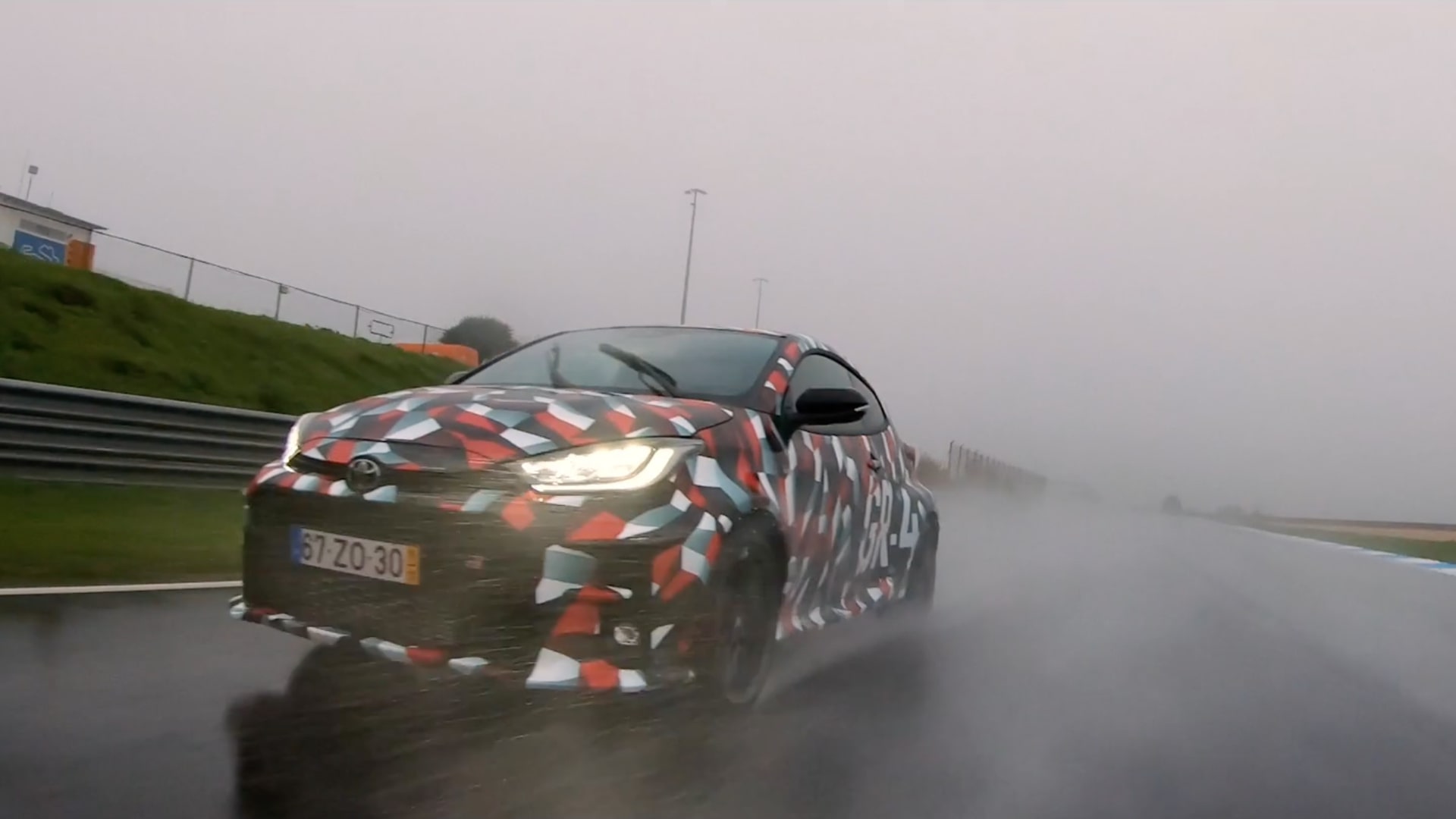
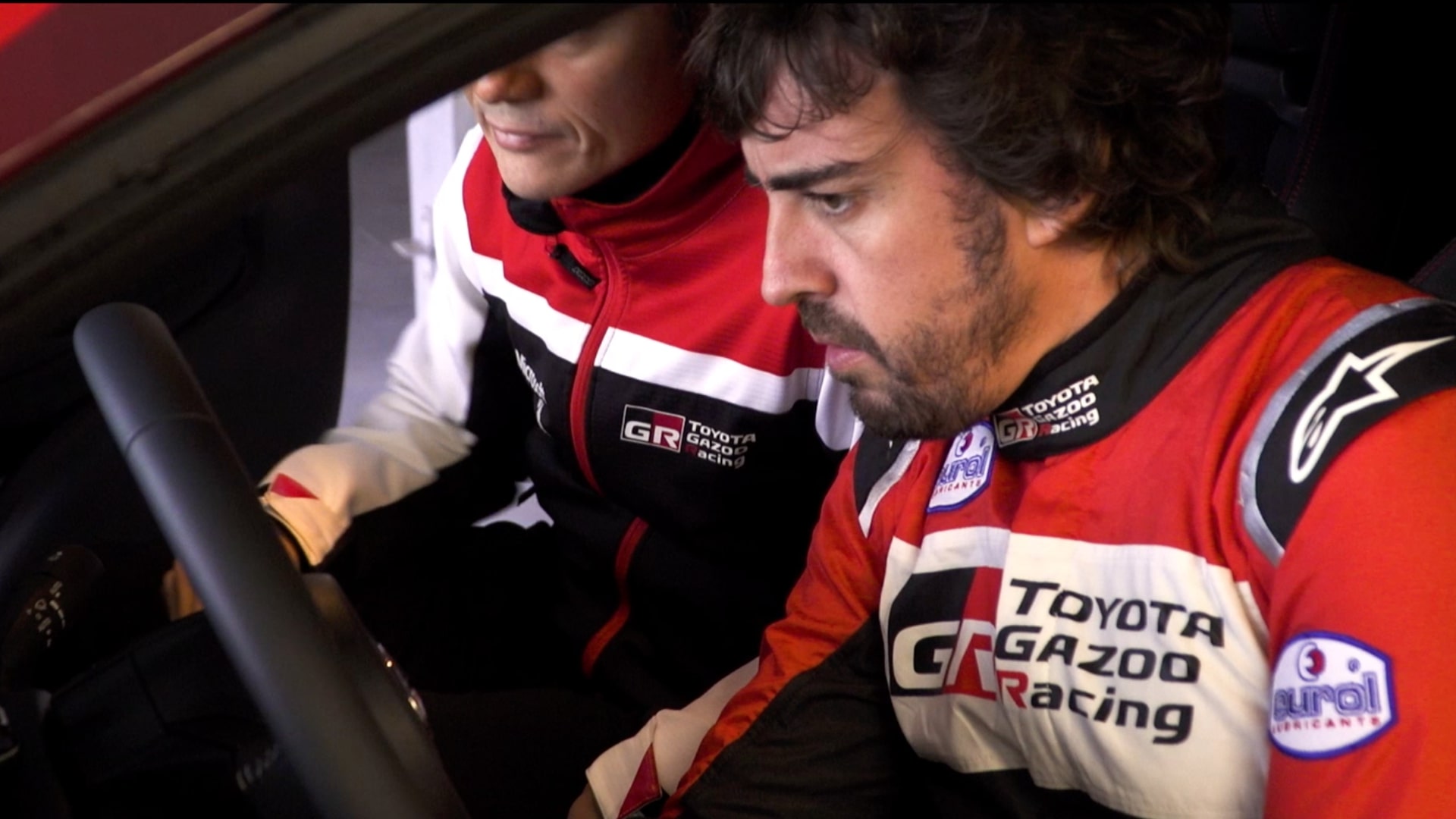
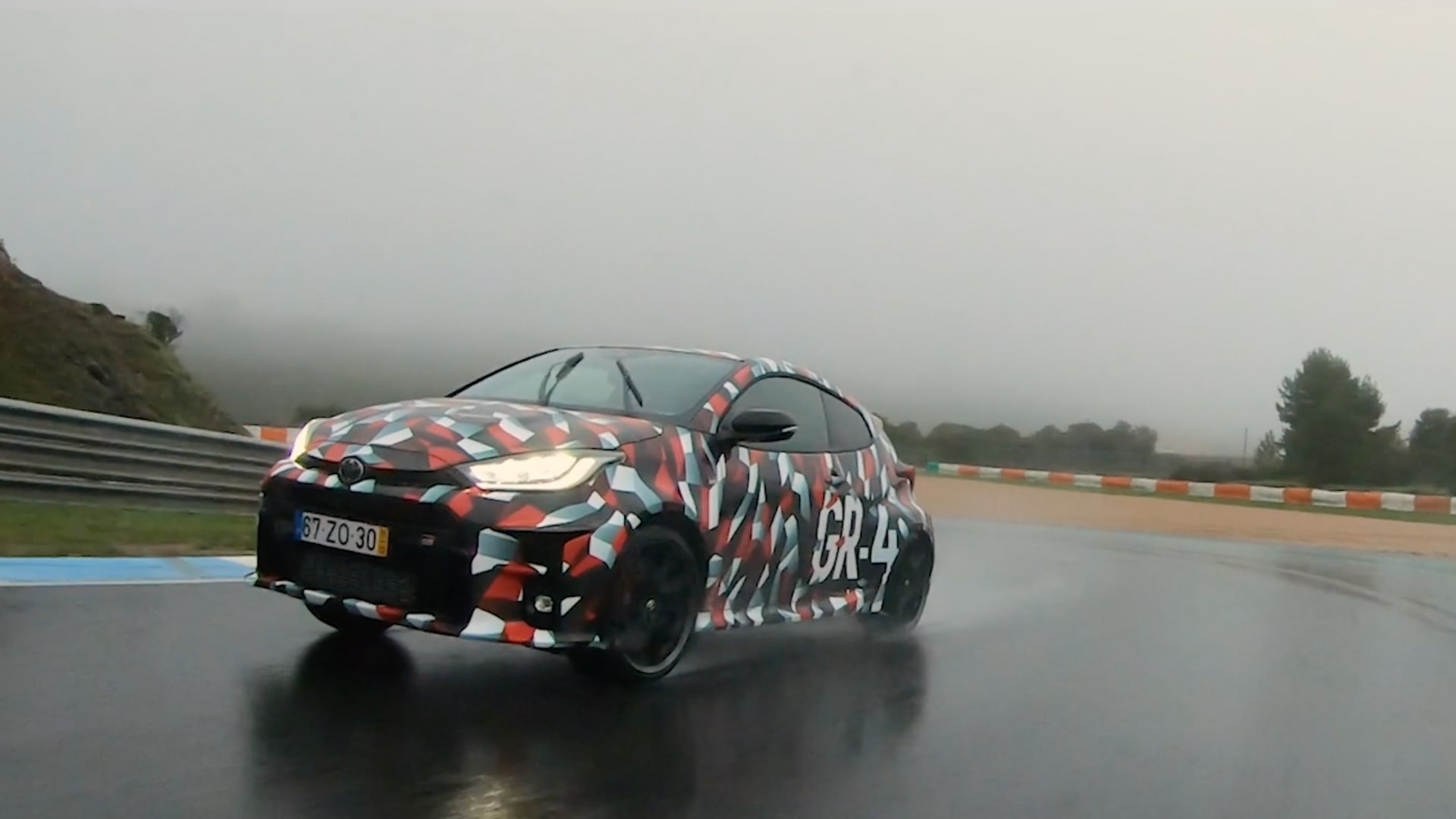
Double F1 world champion and Le Mans-winner Fernando Alonso has been testing Toyota’s latest high-performance hot hatchback. Alonso gave his opinion on the new Toyota GR Yaris after a few laps of the Estoril circuit in Portugal.
The GR Yaris is a modern-day homologation special, complete with wide wheelarches, more than 250hp and four-wheel drive.
Alonso isn’t just any Le Mans-winner, either. His victory was at the wheel of Toyota’s TSO50 LMP1 car, finally cementing the marque’s name in the history of the famous endurance race.
So, what does this pro racer, and perhaps the world’s leading authority on fast Toyotas, think of the Yaris GR?
“This car has the perfect combination of sport and good performance,” Alonso said.
“A very sporty car you can drive every day, exceeding your expectations in every gear change. In every braking point, in every corner, you know it’s a little bit better than you expect.
“Not only the power and the stability, but for me also the brakes, it was a really nice surprise. It is only the first few laps but it is exciting!”
LMP1 cars and a fast Yaris aren’t Alonso’s only experiences with hot Toyotas. He’s also taken on the Dakar Rally for Toyota Gazoo Racing, making him well-placed to give feedback on a softer-focus rally-inspired car.
The Yaris GR is intended to homologate Toyota’s 2021 World Rally Car, the hope being for a competitive advantage.
With almost completely new bodywork and a new four-wheel-drive system, the cost of development is likely to be enormous. In spite of this, we reported that the price could be lower than you’d think, given Toyota intends to sell more than 15,000 of them.
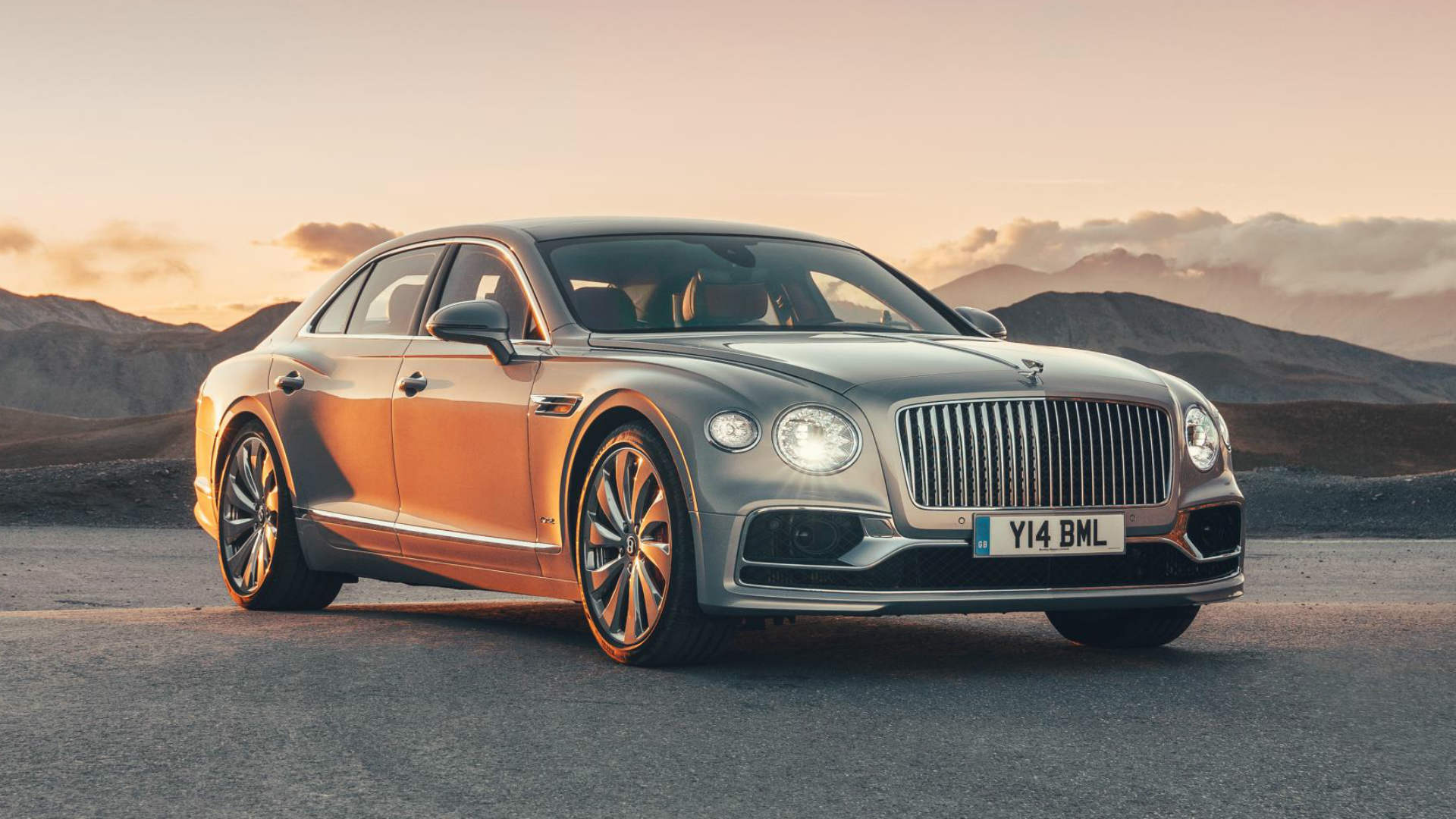
‘Deliveries of world’s best luxury sedan underway.’ Bentley isn’t backward in coming forward as it announces the first customer deliveries of the all-new Flying Spur.
There are two things to pick out from this. First, ‘sedan’ isn’t a word we tend to use to describe four-door saloons. They’re saloons, plain and simple.
Second, that’s quite a claim. Self-proclaiming something to be the ‘world’s best‘ at anything is a little too high street for our tastes. ‘World’s best cup of coffee’, ‘world’s best kebab’ or ‘world’s best fish and chips’ – all fine, if a little hard to substantiate. But ‘world’s best sedan’ – has anybody consulted Rolls-Royce?
‘The all-new Bentley Flying Spur is the ultimate luxury Grand Touring sedan, offering the perfect fusion of performance-orientated agility and exclusive four-door, limousine-style comfort,’ says Bentley.
Notice the use of ‘ultimate luxury’ – Bentley is determined to ram home the ‘world’s best‘ angle. Still, you might expect the ultimate luxury for £168,300.
But what if you haven’t got the equivalent of a mortgage to spend on a luxury saloon? What if you haven’t even got 10 percent of the cash you’d need for an entry-level Flying Spur?
We can’t offer the perfect fusion of anything, but here’s a selection of four-door saloons that are available for less than £1,683. That’s 1 percent of the value of a Flying Spur. And you won’t even have to visit a Bentley dealer or apply any self-tanning lotion.
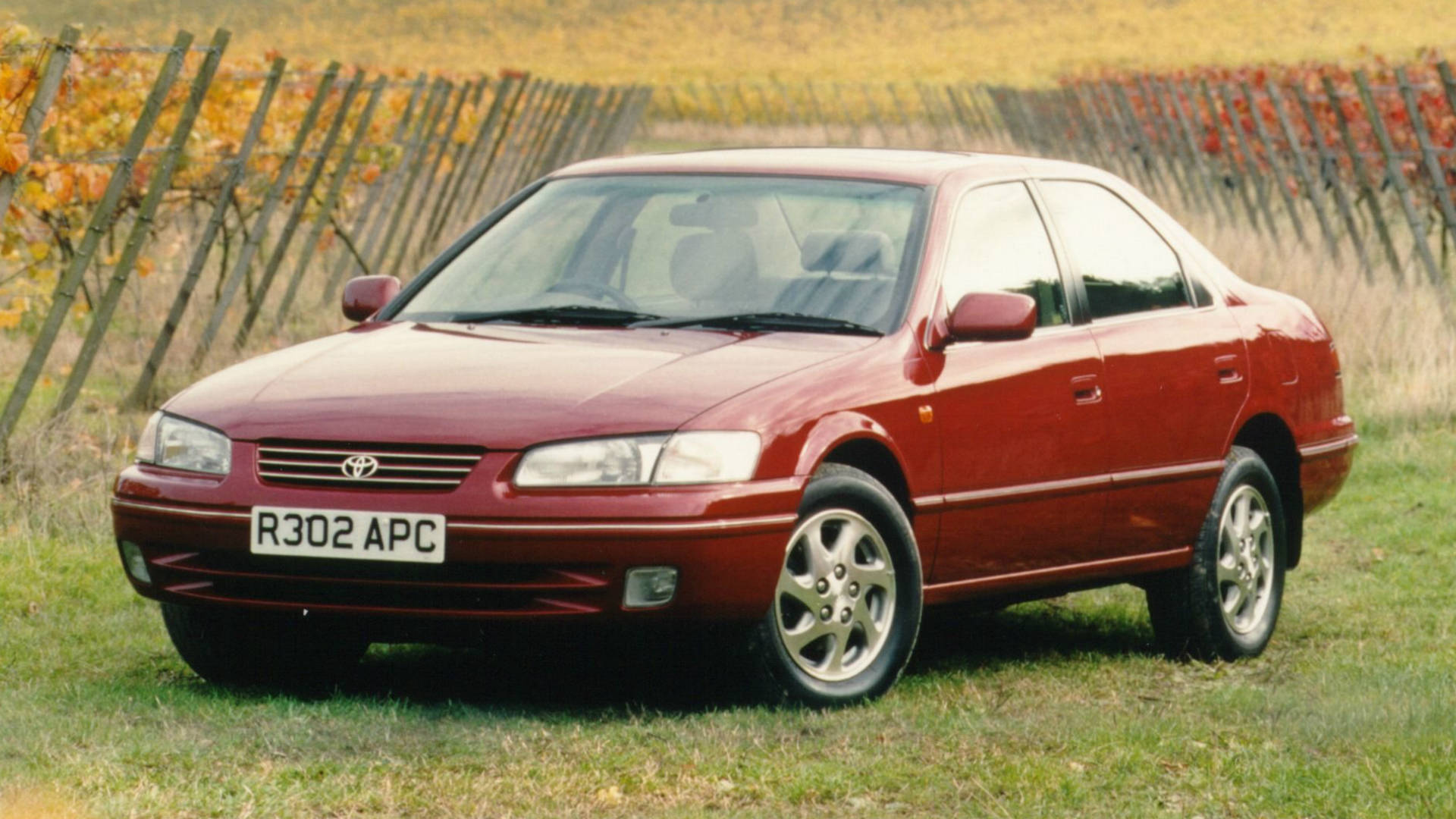
Toyota Camry V6
The Toyota Camry is one of the world’s most successful saloons. It’s particularly popular in America, where the combination of a smooth engine, ice-cold air conditioning, large cupholders and near-faultless reliability make it the choice of a nation. Or at least those who don’t drive a pick-up. Or an SUV. Or an Accord.
Over here, old versions of the Toyota Camry were more of an acquired taste. Company car drivers like to go around corners and avoid daily visits to the petrol station, which meant the Camry failed to feature on many fleet lists. The only thing faster than the depreciation was the Camry V6’s fuel needle.
Today, the combination of general apathy, crippling fuel economy and the anonymous styling means you can buy a really tidy Camry V6 for £1,000. Others cost even less…
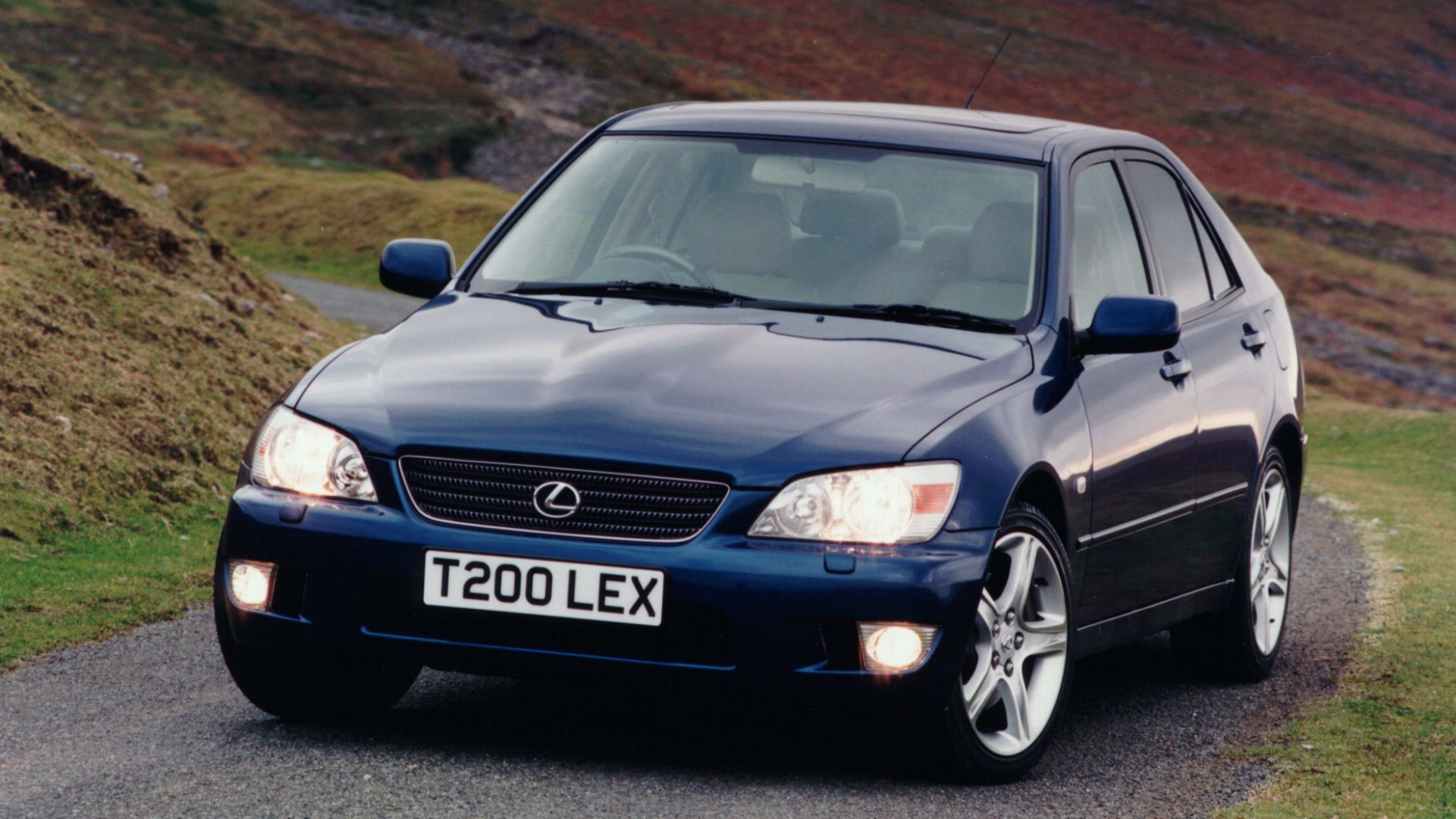
If the Lexus LS 400 is the ‘Japanese S-Class’, the IS 200 must be the ‘Japanese 3 Series’. It offers rear-wheel-drive dynamics, a smooth six-cylinder engine, a rather special cabin and some eye-catching dials designed to resemble a chronometer. The rear lights are also rather cool, although they spawned some aftermarket copy-cats of questionable taste.
It’s as nice to drive as a BMW 3 Series, while the build quality is more than a match for its contemporary German rivals. Only the Alan Partridge connection might deter some buyers.
Prices start from £500 for an MOT failure, but £1,000 should secure a serviceable example. A-ha!
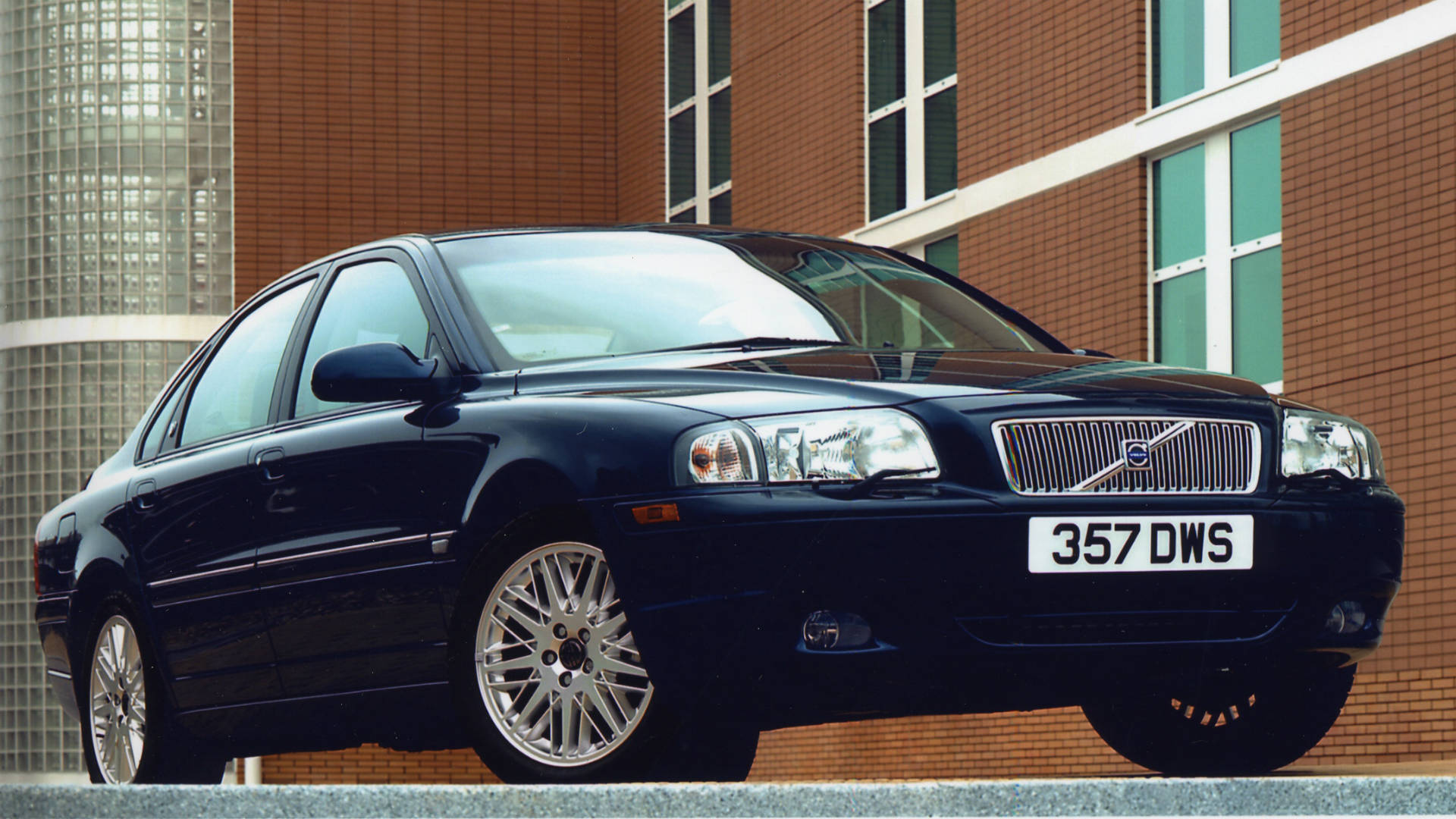
If you’re someone who hates leaving the comfort of the living room, the Volvo S80 is the car for you. The seats are more nicer than anything you’d find in the DFS sale, while the carpets are sumptuous enough for you to consider driving barefoot. To criticise the S80 for being boring would be missing the point – this car was designed to waft.
Because you’re only paying pennies for your ultimate luxury saloon, we’d recommend the 4.4-litre V8, which is powerful enough to propel the Swedish lounge to 62mph in 6.5 seconds. At least you’ll be feeling relaxed and refreshed as you enter the petrol station for the umpteenth time this week.
Prices start from £1,000, although you won’t find any 3.2 or 4.4-litre models for one percent of the price of a Flying Spur.
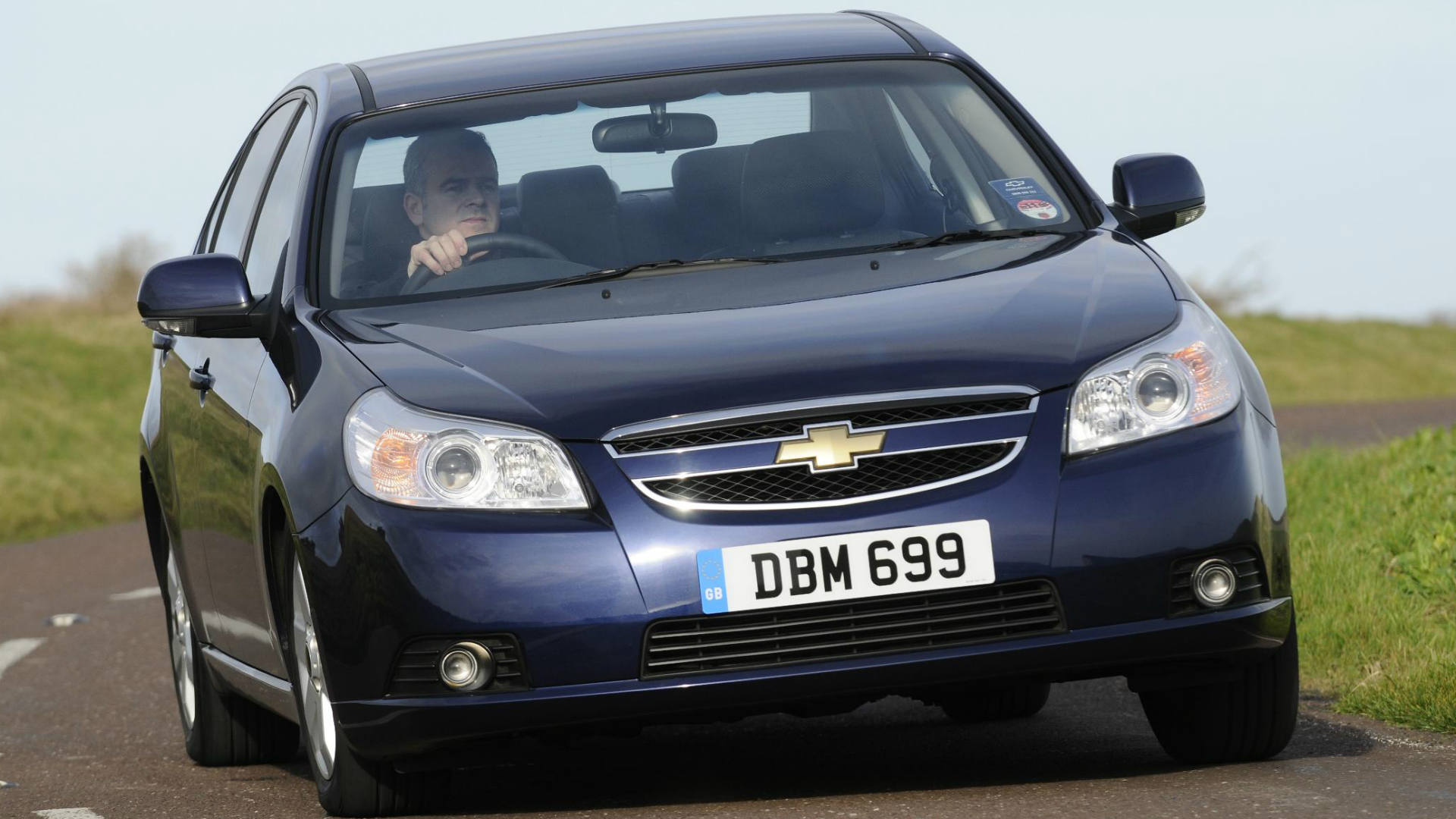
There are fewer than 150 Chevrolet Epicas on the roads of Britain. That’s around a quarter of the number of Bentley Flying Spurs, so some degree of exclusivity is guaranteed. Stick that in your machine-polished pipe and smoke it.
You don’t need to tell anyone at the tanning salon that it’s little more than a rebadged Daewoo. Opt for the straight-six petrol engine unless you fancy touring the streets of Knutsford like a low-rent taxi. Get the LT spec, as this adds climate control, rear parking sensors, heated leather seats, auto wipers, auto-dimming rear-view mirror, a CD auto-changer, 17-inch rims and an electric driver’s seat to an already long list of standard equipment.
Prices start from £1,250. Why buy a Flying Spur when you drive something Epica?
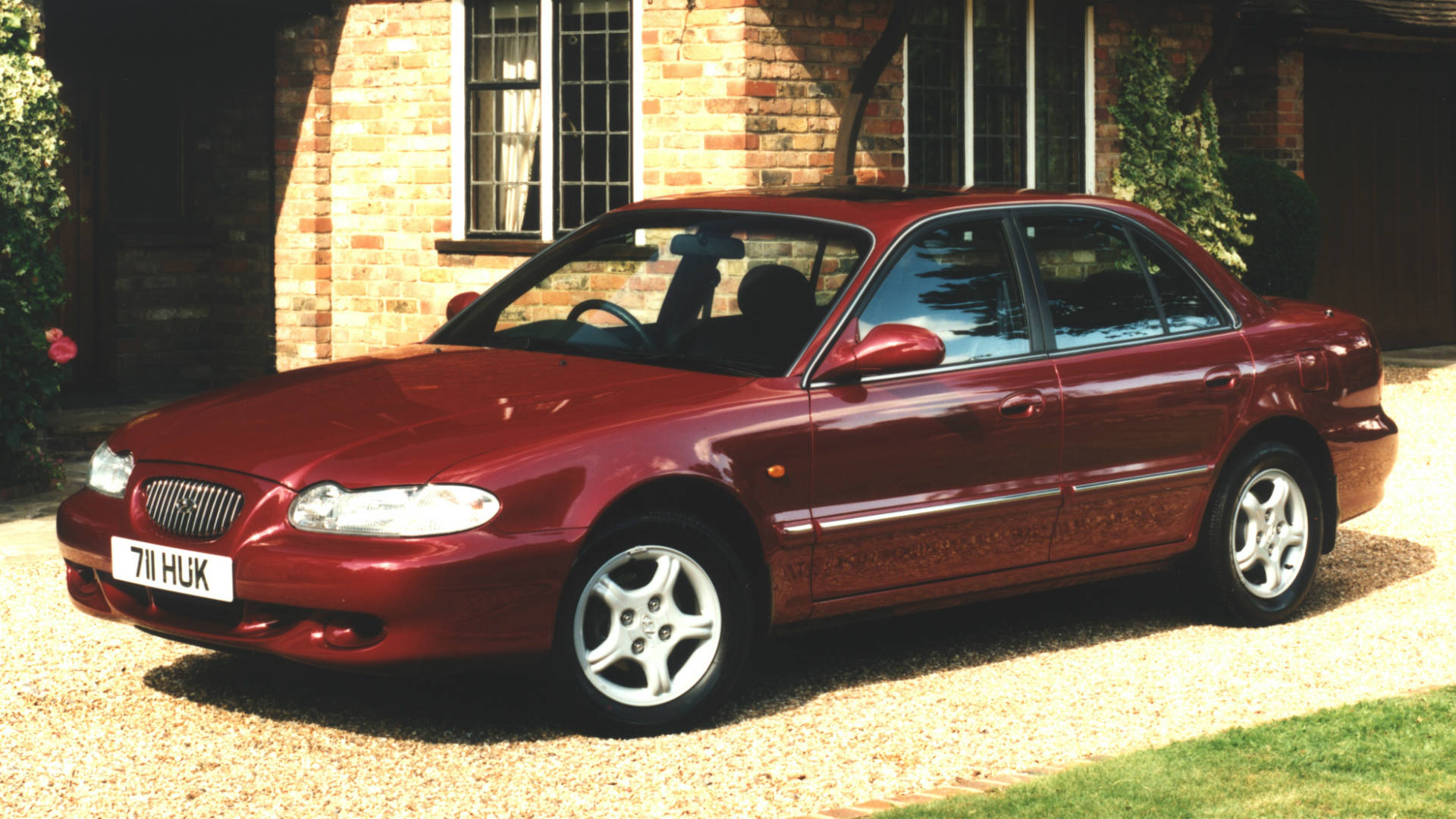
The Hyundai Sonata is in the news thanks to that Super Bowl ad starring John Krasinski. The new sedan looks kinda cool, but although it’s cheaper than a new Flying Spur, it doesn’t fit our Super Budget. Besides, it’s been a while since the Sonata was available in the UK.
Back at the turn of the millennium, you’d invariably find the Sonata in one of two places: in a garden centre car park or parked on a driveway outside a bungalow in a provincial seaside town. Although there are other engines available, the V6 is the one you want if you’re hoping to fuse some performance-orientated agility.
If you like the feeling of saggy leather and fake wood, the Sonata is more desirable than a new Bentley. Prices start from around £600, which is the cost of a Bentley travel bag. You pays yer money and takes yer choice.
Not convinced by our left-field and alternative saloons? Auto Trader is awash with BMW, Mercedes-Benz, Jaguar and Audi saloons available for 1 percent of the price of a new Flying Spur. Take a look for yourself.
Today’s announcement that the 2040 ban on selling new petrol- and diesel-engined cars will be brought forward to 2035 – and will now include hybrids – has been welcomed by the Low Carbon Vehicle Partnership.
“We welcome the government’s proposals to bring forward the target for the ending of the sale of IC-engine cars from 2040 to 2035,” said LowCVP MD Andy Eastlake.
“The target will be challenging for industry and drivers, but if we are to meet the 2050 net zero commitment, we must raise our level of ambition in road transport.
“The intent from Government is to give some real clarity on this target and to really gather the widest views before responding in the summer.”
Transition could be sooner if feasible
Tyre emissions 1,000 times WORSE than exhausts
In its statement, the government said if the transition to zero-emission car sales was possible sooner, they could bring it forward again.
Eastlake refers to this in his statement, saying “We believe that in this proposal ‘zero means zero’; the desire is for all new cars and vans to emit nothing under all circumstances as soon as feasible”.
Drivers are currently faced with electric cars that are notably more expensive than internal combustion (ICE) counterparts, plus a charging infrastructure that’s difficult to trust. But LowCVP presents some reasons to believe the 2035 ban is feasible, in spite of these drawbacks.
“A number of challenges, but also opportunities” are presented by the bringing forward of the ban, Eastlake adds.
In terms of price, electric cars could soon be much cheaper. LowCVP cites a fall in battery prices indicating that EVs could achieve price parity with conventional cars within five years.
It says EVs are already very appealing for many drivers, already offering viable range figures and price points, as well as savings on fuel and tax. The government also cited the surge in EV popularity in its announcement.
“This government’s £1.5bn strategy to make owning an electric vehicle as easy as possible is working – last year alone, a fully electric car was sold every 15 minutes,” said Transport Secretary, Grant Shapps.
“We want to go further than ever before. That’s why we are bringing forward our already ambitious target to end the sale of new petrol and diesel cars to tackle climate change and reduce emissions.”
‘There’s a big job to be done’
Electric car searches up 78 percent on Auto Trader
Eastlake continues: “There’s a big job to be done; by the manufacturers in switching over production facilities over a short timescale and by organisations like LowCVP and others in making sure drivers, the energy system and key market players are fully prepared for the electric transition.
“This shortened target will heighten ambition and focus minds to meet the challenges ahead.”
What isn’t discussed of course, is the frustration within the car industry about the inclusion of hybrids in the ban, especially after so much has been invested.
Hot rodder and customizer George Barris created numerous special cars over the years, but this 1961 Rolls-Royce may be one of his most ostentatious.
Built for actress and Hollywood socialite Zsa Zsa Gabor, the Sedanca de Ville was made to fit with the rest of her extravagant lifestyle.
Forgotten about for two decades, the car is one of the lots appearing this week at the Artcurial Retromobile 2020 sale in Paris, France.
Living the Hollywood dream
Originally born in Budapest, Hungary, Zsa Zsa Gabor first found fame in Vienna, Austria during the 1930s. She would later move to the United States in 1941, going on to star in more than thirty Hollywood movies and countless television shows.
Gabor was also known for being married nine times during her life. This included marriages to George Hilton, founder of the Hilton Hotels empire, and British actor George Sanders.
Her successful acting career, plus a string of lucrative divorces, endowed Gabor with a huge amount of wealth. This included purchasing a gigantic mansion in Bel Air, once owned by Elvis Presley.
With such a flamboyant lifestyle, Gabor’s interests also extended to the finest automobiles available. She was gifted the rare long-wheelbase Rolls-Royce Silver Cloud II in 1970, before handing it over to George Barris for customization in 1978.
Barris had established himself as the man to go to for motoring extravagance, having made iconic cars for use on screen. The original Batmobile, the Munster Koach, and the Oldsmobile used in Mannix were all Barris creations.
Chicago-born Barris was also happy to build special cars for celebrities, including John Wayne, Elvis Presley, and Dean Martin. For Zsa Zsa there was clearly only one person to turn to.
All that glitters (really) is gold
The most obvious part of the transformation by Barris is the elaborate golden exterior paint scheme. The two-tone color scheme features pinstriping and other special detailing, including a stylized ‘Zsa Zsa’ inscription on the rear doors.
Barris also had the famed glass-etcher, Robb Rich, add hand-crafted details to the windows of the Rolls, featuring flowers and butterflies. Lift-out panels over the front of the cabin allow open-top driving, with white wall tires and wire wheels adding classic style.
Along with the golden paint, the Rolls-Royce does have genuine 24-carat gold plating on the exterior and interior trim. The large front grille and Spirit of Ecstasy emblem are finished in gold, plus the door handles and licence plate surround.
Inside is just as dramatic and as luxurious as could be expected. Although Gabor was known for driving a Mercedes-Benz 300 SL, the layout of the Sedanca de Ville suggests she was intending to be chauffeured in this car.
Up front is a bench seat finished in brown leather, with the dashboard wearing acres of wood trim. However, the spacious rear cabin has just two exquisitely upholstered seats, with folding tables hiding a hairbrush and comb.
Barris was suitably proud of his finished creation, with the car going on display at the 1978 Auto Expo in Los Angeles.
Holding on to what’s golden
The car would later vanish for more than two decades, eventually being located in a barn in the Netherlands. A sale in 2014 would see the car emerge into the spotlight again, getting it ready for the Artcurial sale this year.
Less than 300 examples of the V-8 Silver Cloud II LWB were produced, meaning examples are rare to begin with. A version customized by an automotive icon, and owned by a Hollywood legend, makes this car even more exclusive.
Artcurial has estimated an auction value of between $89,000 to $155,000 (£67,000 to £117,000) for the Sedanca de Ville. Friday, February 7th will show if someone is willing to commit to the extravagance of this Rolls-Royce.
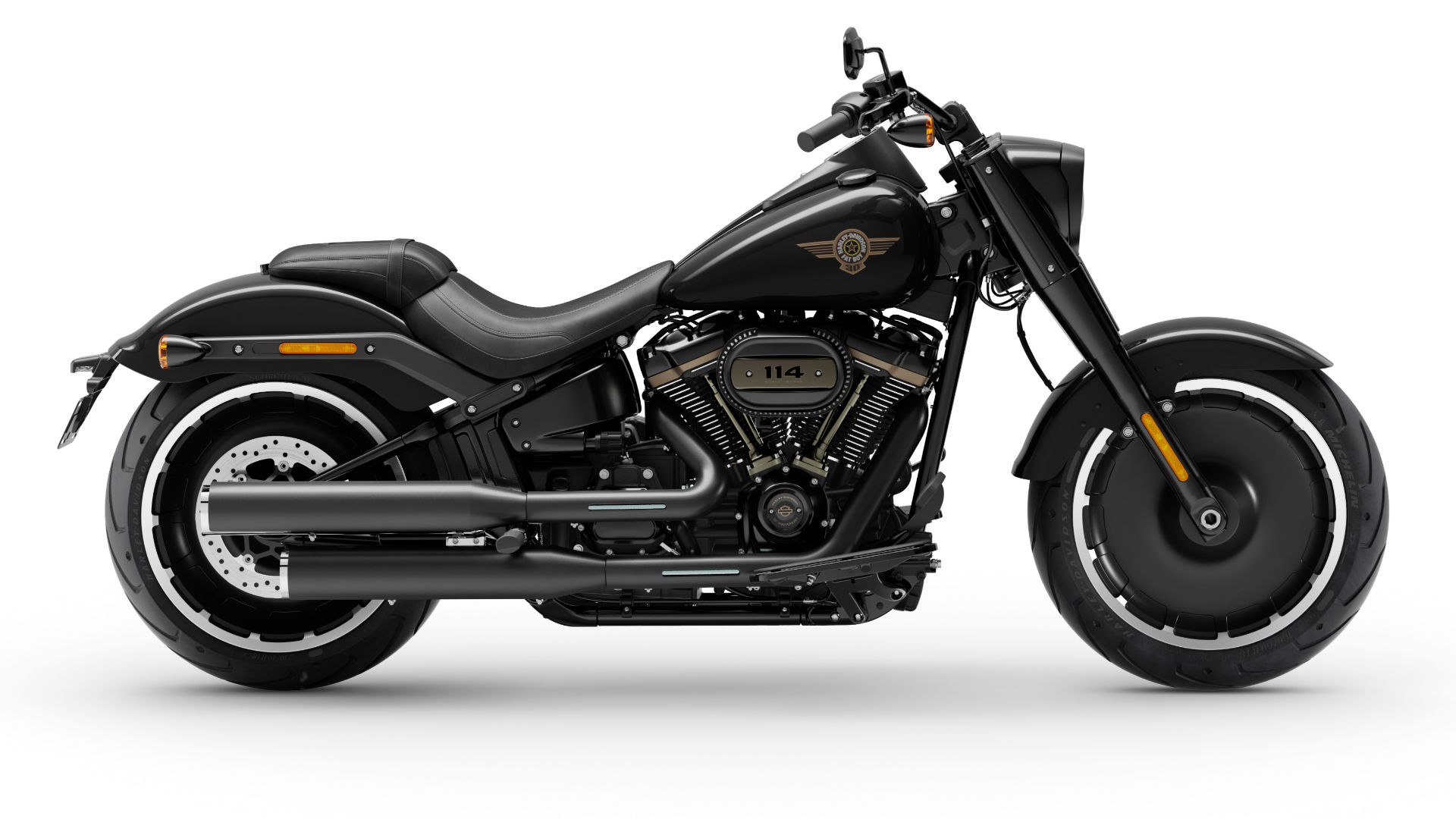
Even if you’re not into motorcycles, you’ll almost certainly recognise the Harley-Davidson Fat Boy.
In 1991, a Fat Boy featured in Terminator 2: Judgment Day, a film in which Arnold Schwarzenegger rides a motorcycle through the streets of Los Angeles. It helped to catapult the Fat Boy into popular culture.
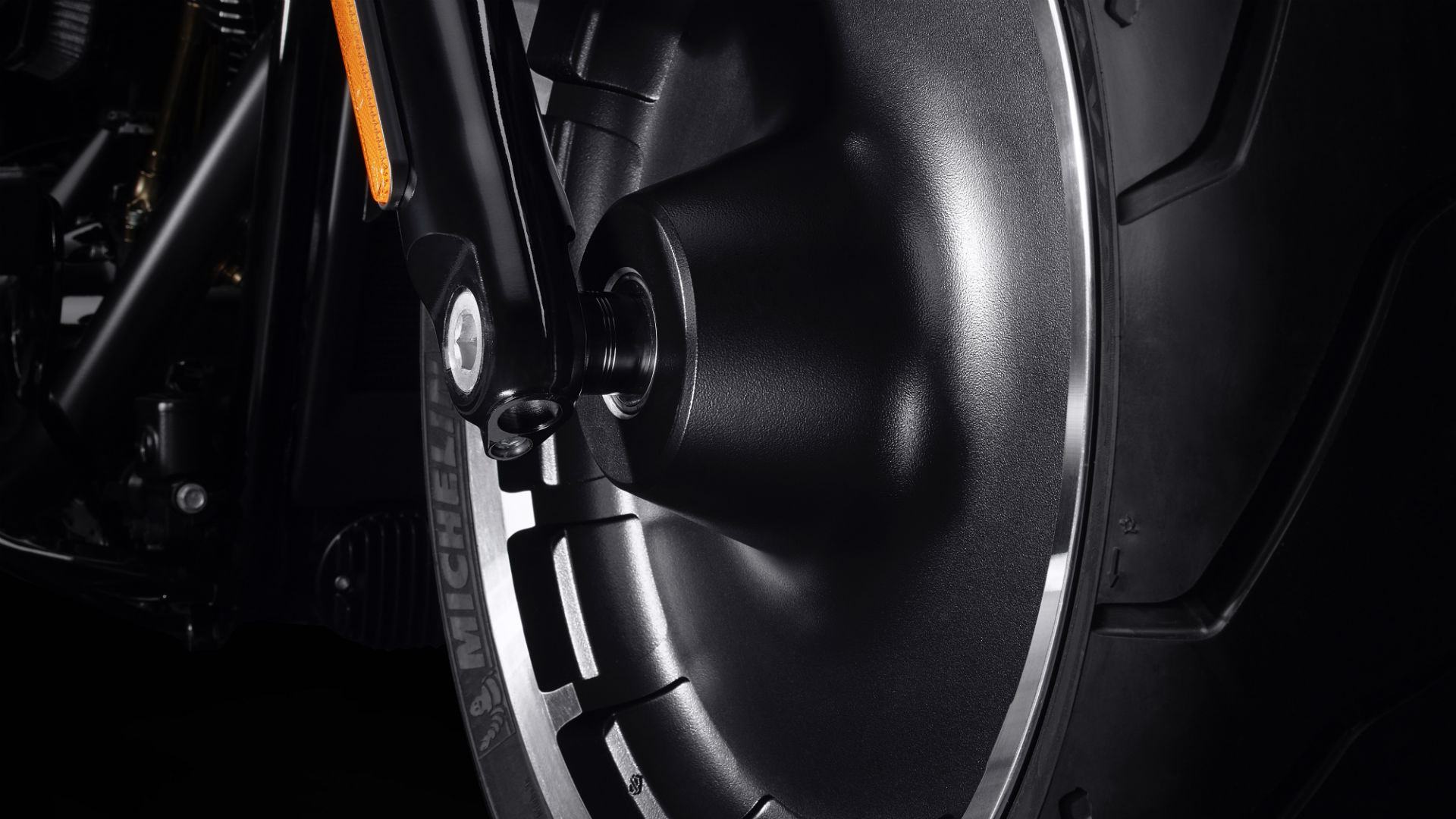
The original Harley-Davidson Fat Boy arrived in 1989 as a 1990 model. Designed by Willie G. Davidson and Louise Netz, the Fat Boy featured a wider handlebar, a seven-inch headlight and a fat front tyre covered with a trimmed fender. It rolled on aluminium disc wheels – the rear exposed by the Softail chassis – creating the defining feature of the Fat Boy model.
Harley-Davidson is celebrating three decades of the motorcycle with the launch of the Fat Boy 30 Anniversary edition. Limited to 2,500 examples, each motorcycle comes with a numbered plate affixed to the fuel tank console.
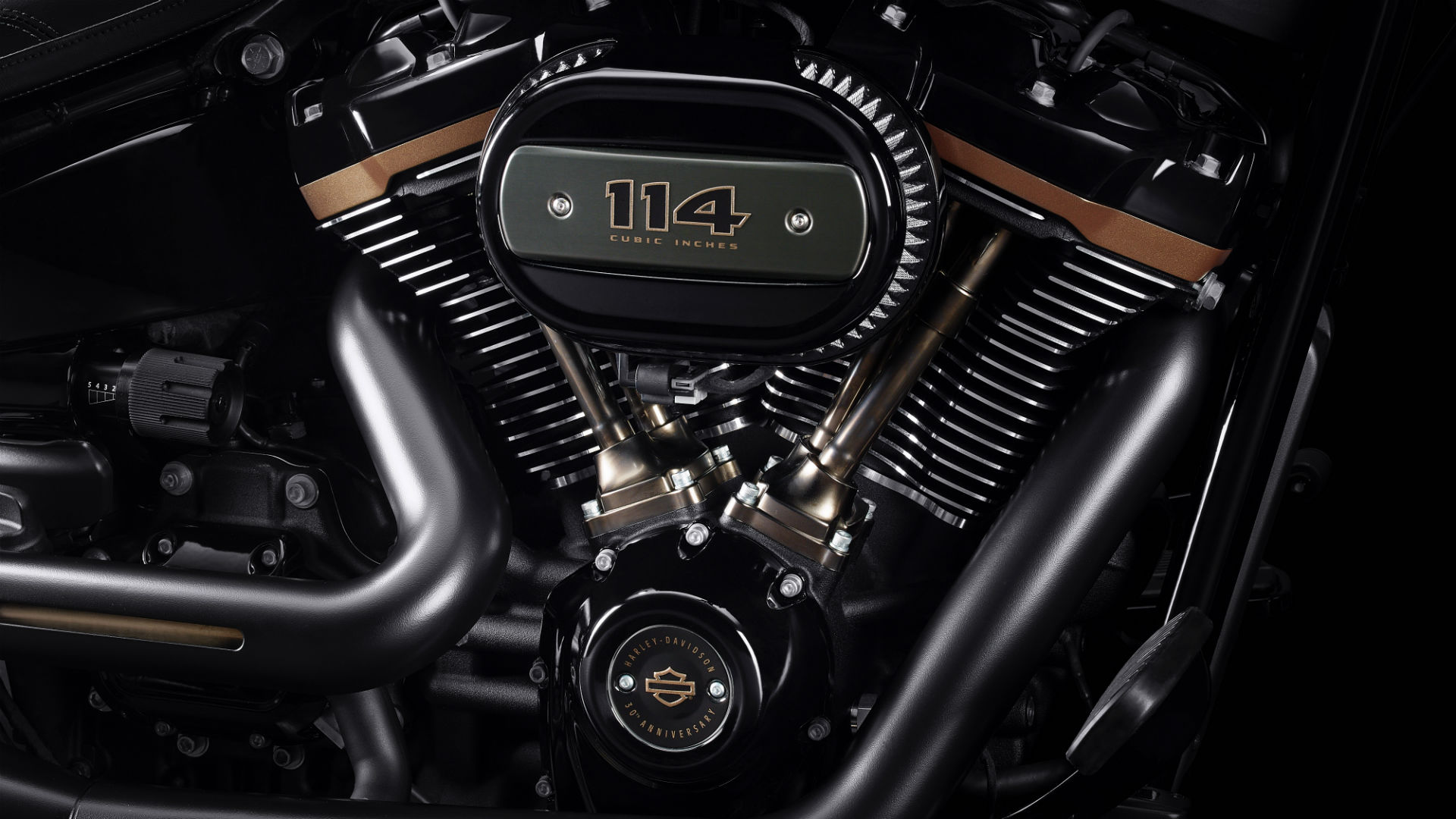
Finished in Vivid Black, the Fat Boy 30th Anniversary also features cast-aluminium Lakester wheels finished in Satin Black with machined highlights. The blacked-out Milwaukee-Eight 114 powertrain is finished with engine covers in gloss black with bronze-tone lower rocker covers and a timer cover script.
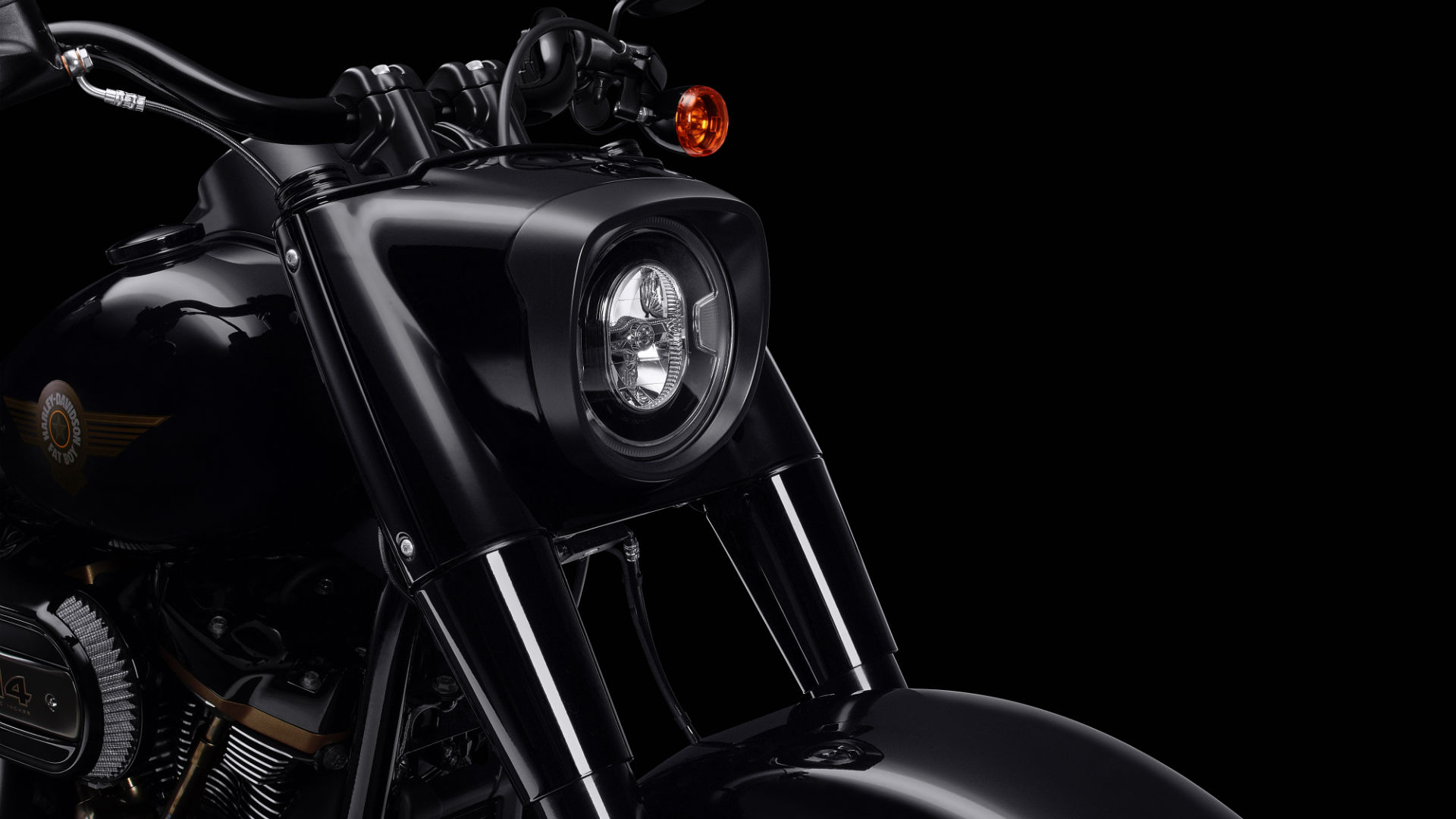
Further upgrades include an LED headlight in a newly shaped nacelle, black handlebars and a bronze-tone Fat Boy tank logo.
Brad Richards, Harley-Davidson vice president of styling and design, said: “The Fat Boy took the look, proportions and silhouette of a 1949 Hydra Glide motorcycle and completely modernised it for a new generation of riders.
“Those riders appreciated our post-war design DNA but also found themselves drawn to the clean simplicity of contemporary industrial design. Each of these elements was captured in the new 2018 version of the Fat Boy model.
“For this 30th Anniversary model we wanted to create something very special, so we leaned into the popularity of darker finishes and a limited run/serialised strategy to make the bike truly unique and exclusive.”
What’s in a name?
Why is it called the Fat Boy? According to an account by Willie G. Davidson from his book 100 Years of Harley-Davidson, this is how it came about:
“You’re probably wondering how we came up with a name like ‘Fat Boy’, and I’ve heard a lot of tales about this, nearly all of which are untrue. Here’s the real story: it’s tough to come up with names that will be popular on the street. We always have to ask ourselves, ‘What’s the street going to name this?’ and work from there.
“We were looking for something unusual and maybe even a little irreverent, because there’s something sort of cool about poking fun at your products from time to time. To me, and to a lot of other insiders who’d seen it, the bike had a massive ‘fat’ look. So the folks in marketing came up with the name ‘Fat Boy’ – and the street picked it up.”
If you fancy a modern-day Fat Boy, the base price is £20,495.
Car cabins of the future could be quieter places thanks to new technology developed by Harman.
The company claims its Road-Noise Active Noise Control (RANC) system reduces cabin noise by cancelling out unwanted sounds. The tyres and road surfaces are the primary sources of unwanted noise in a car.
Harman says it’s important to distinguish between sound and noise. Sound has an essential role to play, it claims, as a key influencer in customers’ purchasing decisions. On the other hand, noise is a nuisance – too much of it can ruin a driving experience.
The company points to research that suggests road noise is the biggest auditory distraction for drivers.
RANC attempts to solve that. A control processor uses a reference signal received from acceleration sensors placed along the suspension and chassis. It predicts noise transferred into the cabin and generates an anti-noise wave in real-time.
By analysing the intruding noise, it launches the anti-noise within milliseconds, before it has a chance to reach the occupants’ ears. In theory, this means unwanted noise is reduced by up to 50 percent.
Good sounds in the Genesis – that’s all
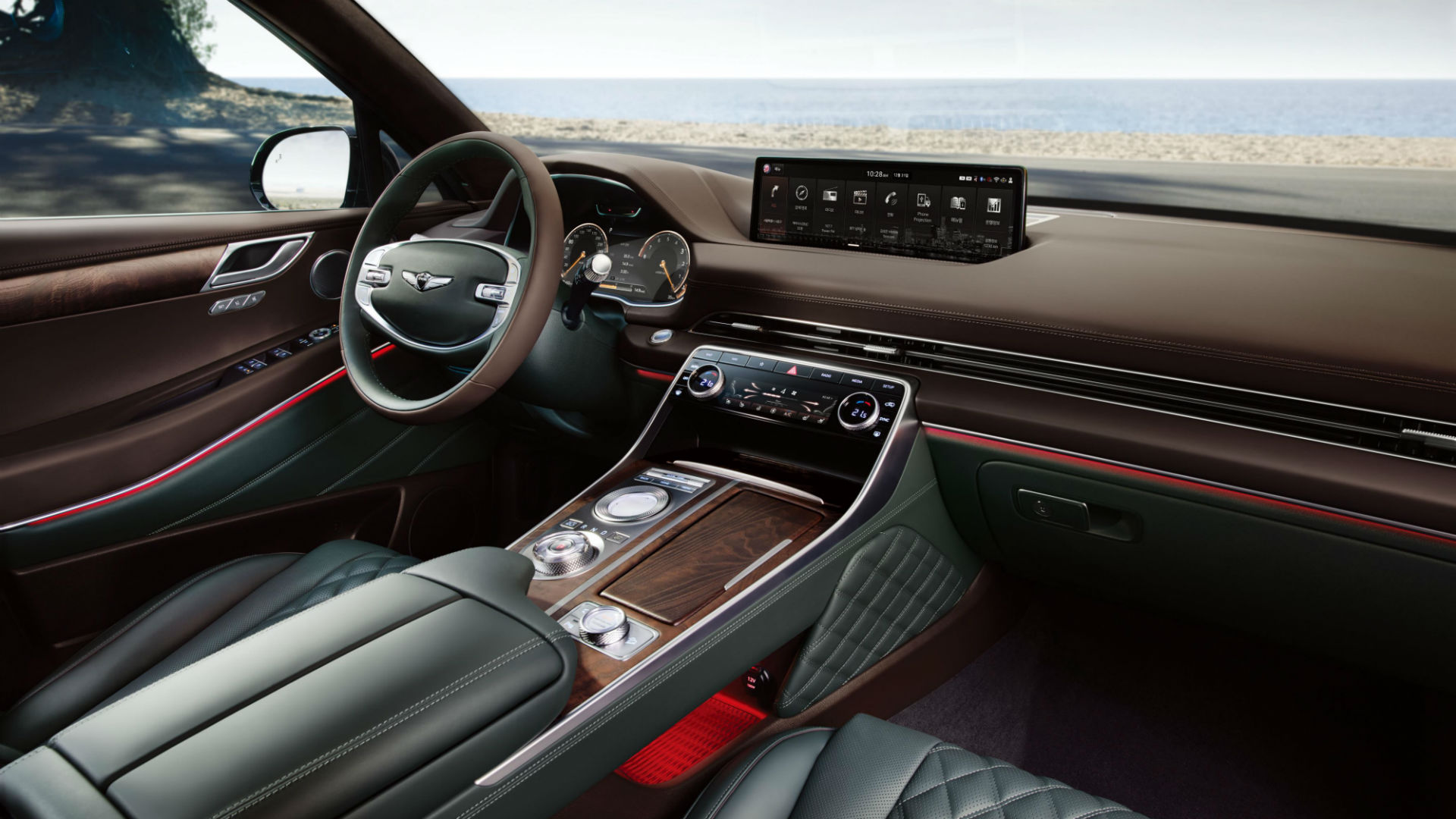
Sounds impressive. Just how impressive it is will be revealed to owners of the new Genesis GV80. The Korean luxury SUV is the first production car to feature the technology.
The GV80 made its debut at the Seoul Motor Show last month. It features a 14.5-inch split-screen infotainment system, a reduced number of buttons and switches, along with what Genesis calls a ‘luxury in space’ approach. SangYup Lee, head of Genesis design, said: “The concept of the ‘beauty of white space’ is a hallmark of Korean design”.
In another world-first, the Genesis GV80 features an active motion driver’s seat that contains seven air cells. Genesis says it is designed to reduce fatigue from long hours of driving.
You can expect the Harman RANC sound technology to filter down into other Genesis, Hyundai and Kia models in the future.