Home Blog Page 213

Going nowhere in a Citroen DS: a lockdown car story

0

Citroen ID19Nobody talks to their neighbours in London, right? Wrong. They do if you park a Citroen DS outside your house. This classic did more for community cohesion than a communal NHS clap.

The important word here is ‘park’, because the Citroen didn’t move. Back in 2016, it silently taunted me for two days, then was removed on a low-loader.

Stuck in Covid lockdown (again), those feelings have flooded back. I’m at home, gazing wistfully through my window at a static car. Granted, my Golf GTI is no DS – the neighbours have so far declined to comment on it – but I’m still revved up with nowhere to go.

Show me some IDCitroen ID19

A bit of background first. The 1961 DS you see here is actually an ID 19: a cheaper, less powerful and (slightly) less complicated version of the DS 19. Used for ‘press and publicity purposes’ when new by Citroen UK, it has since returned to the company’s care as part of the heritage fleet.

As the most iconic and beautiful French car ever (no arguments, please), the DS seemed ideal for the Retro Road Test: the weekly classic car review we used to publish every Thursday.

With everything crossed, I called the ever-helpful Citroen press team and, just a few weeks later, the DS was delivered.

Street art in suburbiaCitroen ID19

“Lovely, just lovely,” said the man from the corner house who’d asked me to sign a petition about bin collections. “That’s my kind of car,” cooed the lady who runs the pub across the road. “Looks like it’s been lowered,” mumbled the 16-year-old lad from next door.

In recent memory, the only car that comes close for sheer street spectacle was a purple Lamborghini Aventador SVJ I tested earlier this year. But while the Lambo got envious looks and grudging remarks about “winning the lottery”, the DS drew nods, smiles and genuine affection.

Wildly futuristic yet timelessly elegant, it literally stopped traffic as drivers slowed to stare and take photos. It was probably trending on social media, for all I know. One can only marvel at how this car, with its spaceship styling, must have looked in 1955.

Feeling a bit flatCitroen ID19

The DS arrived late on a Monday afternoon, but I resisted the urge to jump straight in and cruise the streets of Croydon. I’d set my alarm early for a long, cross-country jaunt the next morning.

With 67hp and 0-62mph in 22.1 seconds, progress would be as relaxed – and as pleasurable – as a Beaujolais-fuelled Sunday lunch.

Tuesday dawned bright and fresh, the DS draped in morning dew. I sank into the soft leather seat, grasped the Bakelite wheel and twisted the key… silence. I tried again: the dials on the (UK-specific) English walnut dashboard sprang to life and I heard the faint click of a solenoid, but nothing more.

I called Craig, expecting – hoping – there was some Gallic quirk of the starting process that I’d overlooked. “No, just put her in neutral and turn the key.” Hmm.

The battery voltage gauge showed a full charge, but I decided to attempt a jump-start using my old Ford Focus. Still nothing. Admitting defeat, I telephoned Craig again to request a recovery truck. The dream was over.

Doing the plankCitroen ID19

The nightmare, however, was just beginning. As any student of old Citroens knows, hydropneumatic suspension only pressurises and rises up when the car’s engine starts. Without power, the DS is effectively ‘slammed’. This would prove problematic.

Danny arrived with his low-loader on Wednesday lunchtime. He was sceptical about our chances: with no towing eye on the front, the DS would need to be winched up the ramp backwards. And the downturned tips of its exhaust were virtually kissing the tarmac.

Inching the DS back, it quickly became clear this stubborn lady wasn’t for towing. So, in a further boost to neighbourly relations, I knocked on the door of John the roofer, returning a few minutes later with some scaffolding planks.

Danny and I wedged them under the wheels, reducing the angle of approach. And slowly, steadily, with millimetres to spare, it edged up the ramp and onto the truck. We’d done it.

In the presence of Goddess Citroen ID19

The DS had been sent to Coventry (literally, not figuratively – that’s where Citroen UK is based) and it hadn’t even turned a wheel. But as I watched this magnificent car being carried away, a princess in a sedan chair, I felt surprisingly buoyant.

A few awkward moments with planks aside, my two days with the DS had been an absolute pleasure. I’d gazed longingly at it from my bedroom window – and met friendly, enthusiastic people every time I went outside and, well, tried to start it.

In 16 years of writing about cars, this was the only one I’ve returned one without driving it. C’est la vie.

As the current crisis has taught us, you need to find pleasure and positivity where you can. And sometimes beauty is its own reward.Citroen ID19

READ MORE:

Citroen DS restored for Salvage Hunters TV show up for auction

French Goddess: the history of the Citroen DS
DS 7 Crossback (2020) review

Advertisement

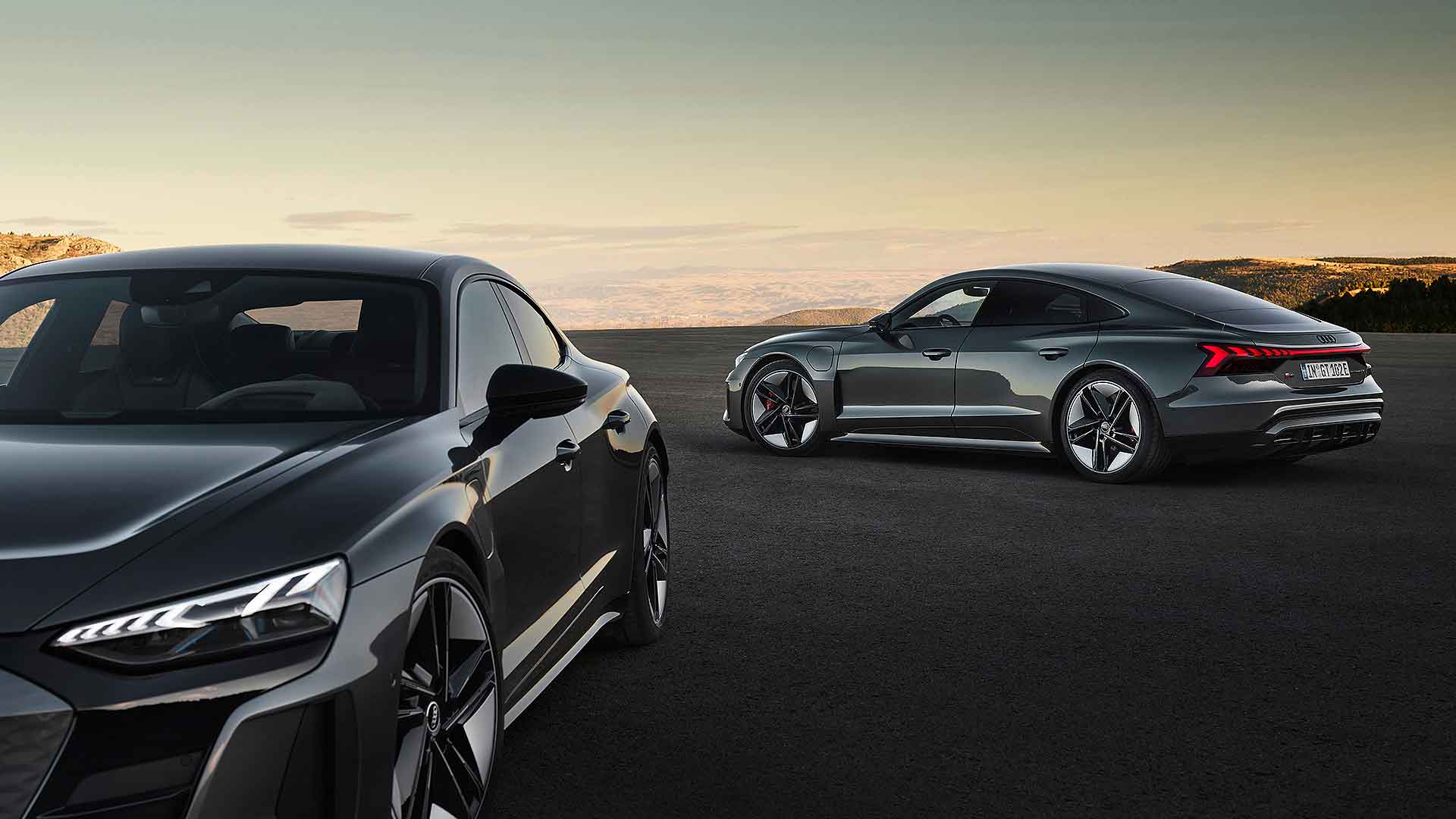
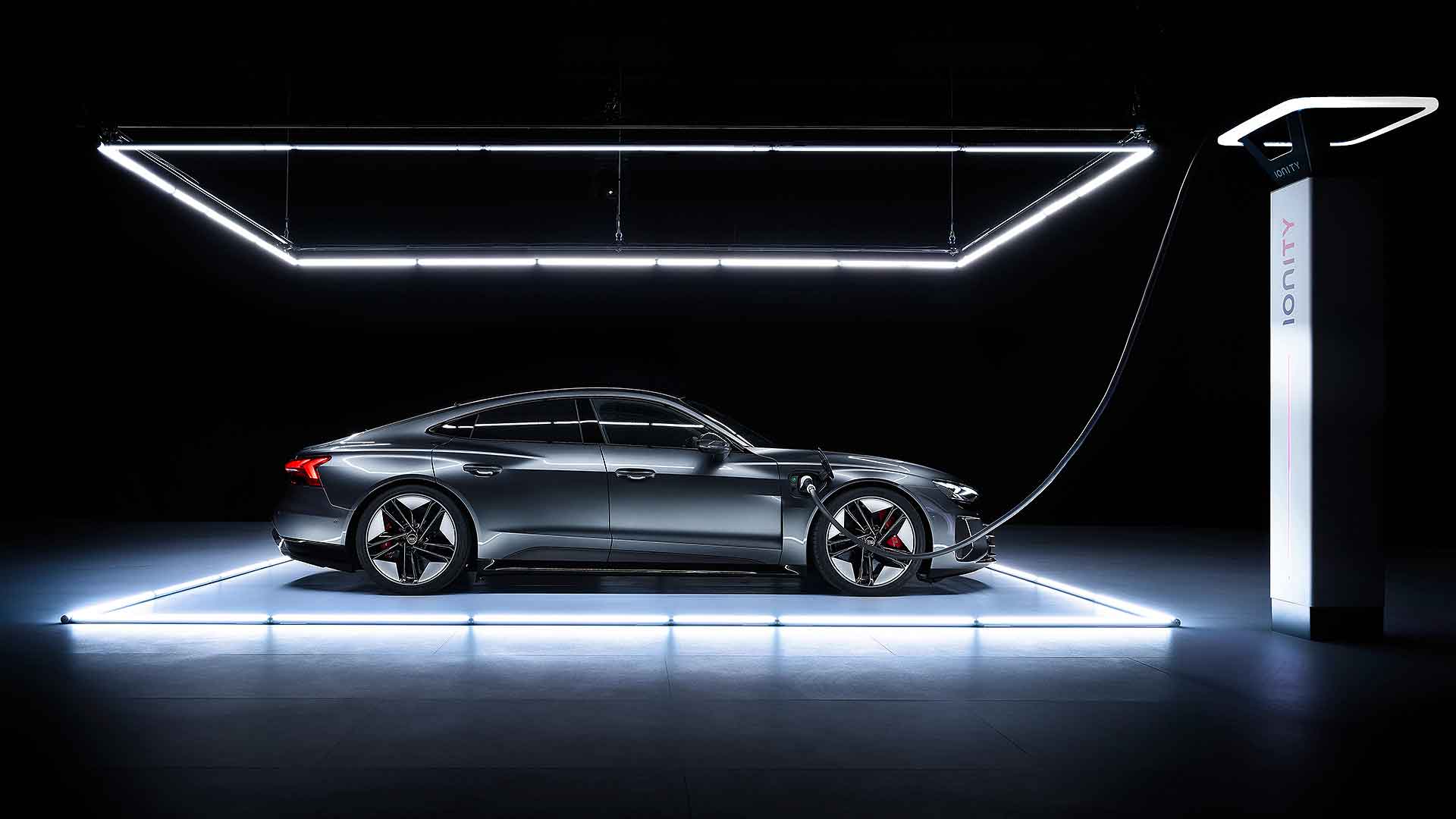
Electric Audi E-Tron GT revealed – and there’s a 646hp RS version

0
Audi e-tron GT

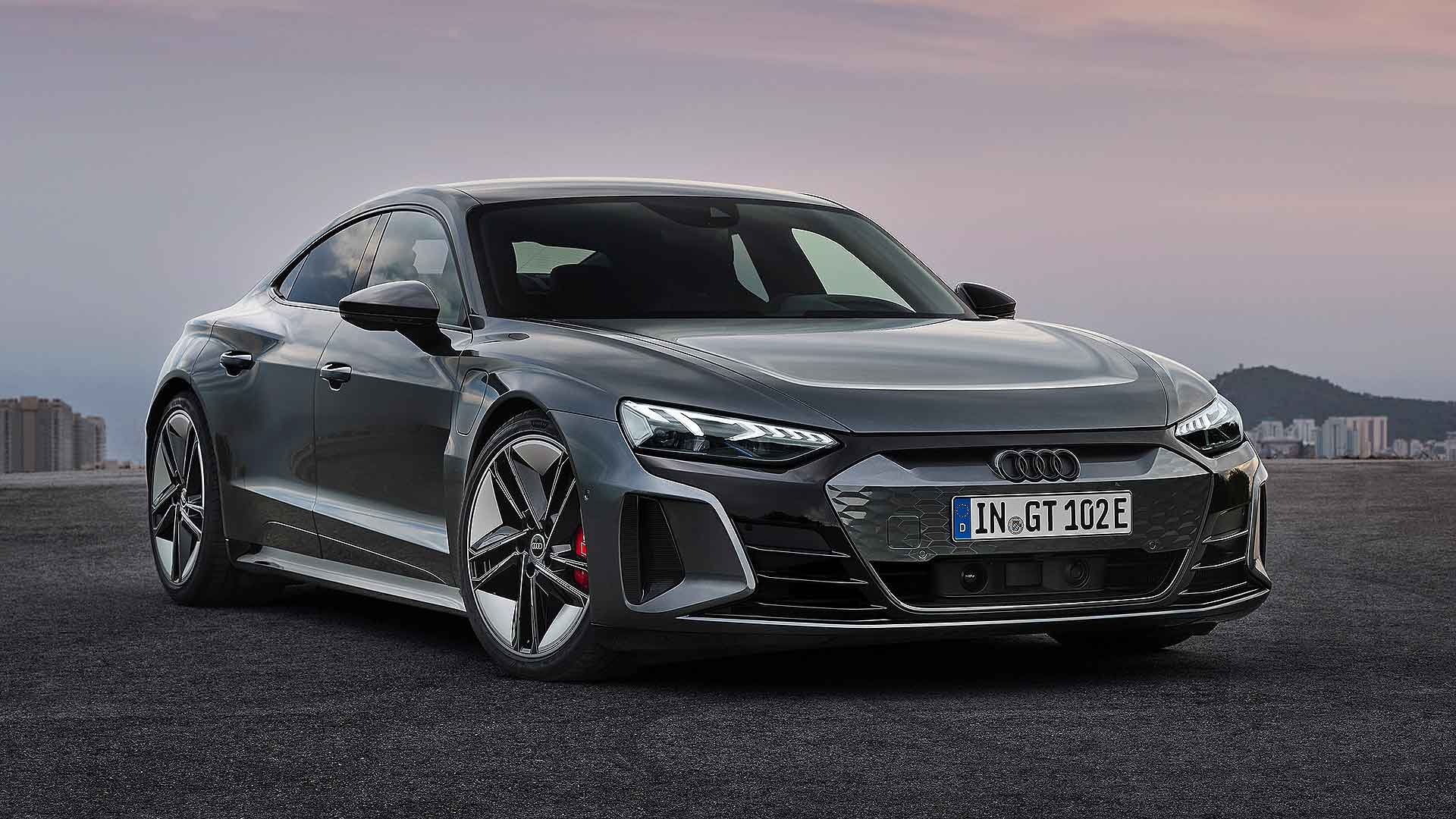
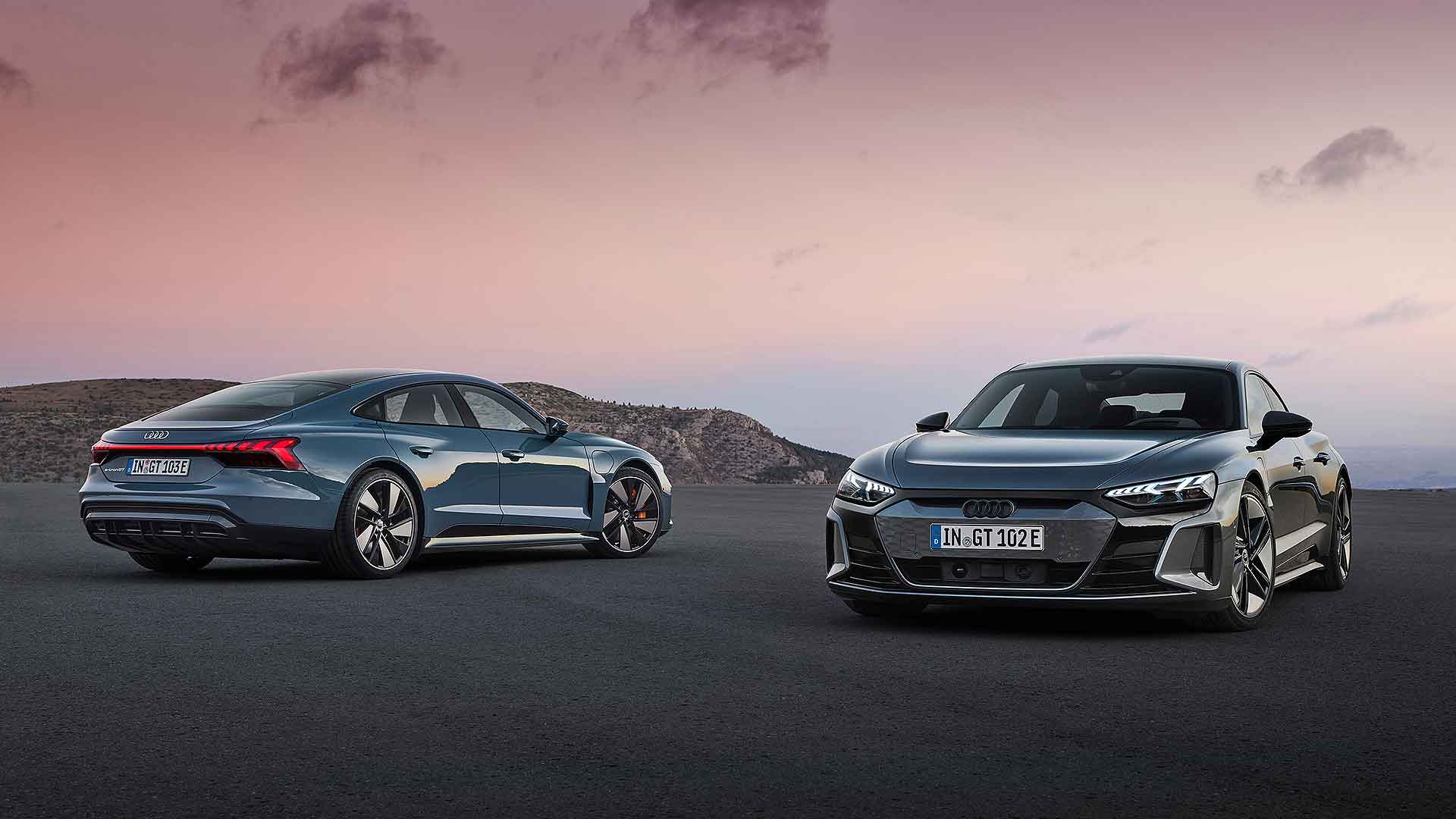
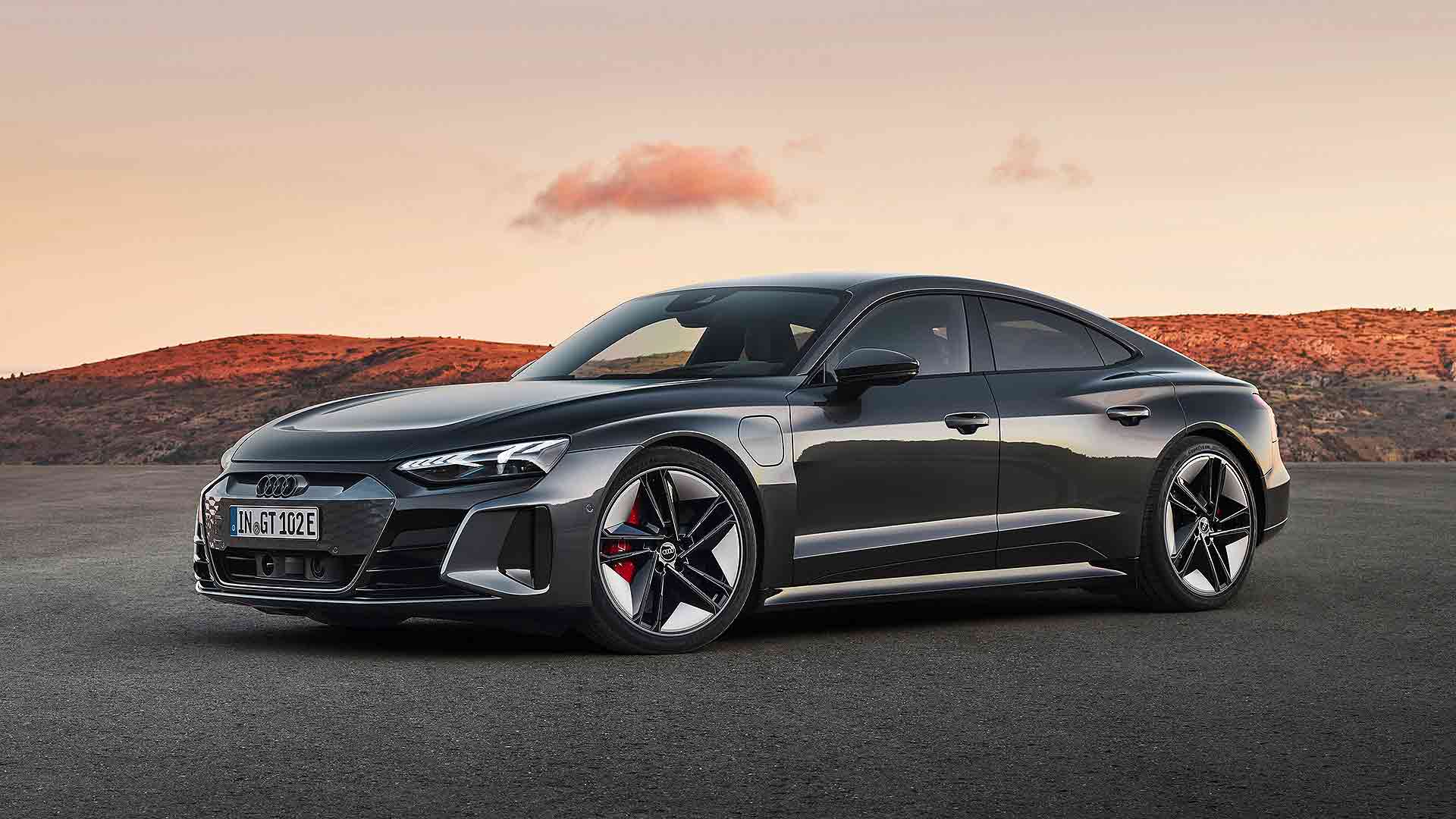
The Audi E-tron GT is a new, all-electric performance GT car that dramatically announces the German firm’s entry into the premium EV sector.

What’s more, Audi is also launching an even more potent RS E-tron GT that offers as much as 646hp. Expect 0-62mph in as little as 3.3 seconds.

Audi e-tron GT

The firm is also promising an electric driving range of up to 295 miles from the new premium four-door range of EVs.

Both cars use the same battery, with a useable capacity of 86kWh.

In the UK, Audi E-tron GT range prices start from £79,990, with the rapid RS E-tron GT priced from £110,950.

Twinned with the hugely acclaimed Porsche Taycan, the E-tron GT is a long, wide and low-slung four-door GT that measures 1.41 metres in height – appreciably lower than a Ford Fiesta. Yet it’s also nearly two metres wide and five metres long, giving a dramatic appearance on the road.

Audi e-tron GT

In the switch to electric, Audi has reinvented its ‘singleframe’ grille – optionally available in body colour for the first time. In RS versions, it’s surrounded in black.

Stylish 20-inch alloy wheels are standard on the E-tron GT, with 21-inch wheels on the RS version. Audi claims a new production process used to make the wheels ‘reduces net CO2 emissions considerably’.

Audi e-tron GT

The regular Audi E-tron has electronic adaptive damping; Vorsprung and RS E-tron GT models have adaptive air suspension.

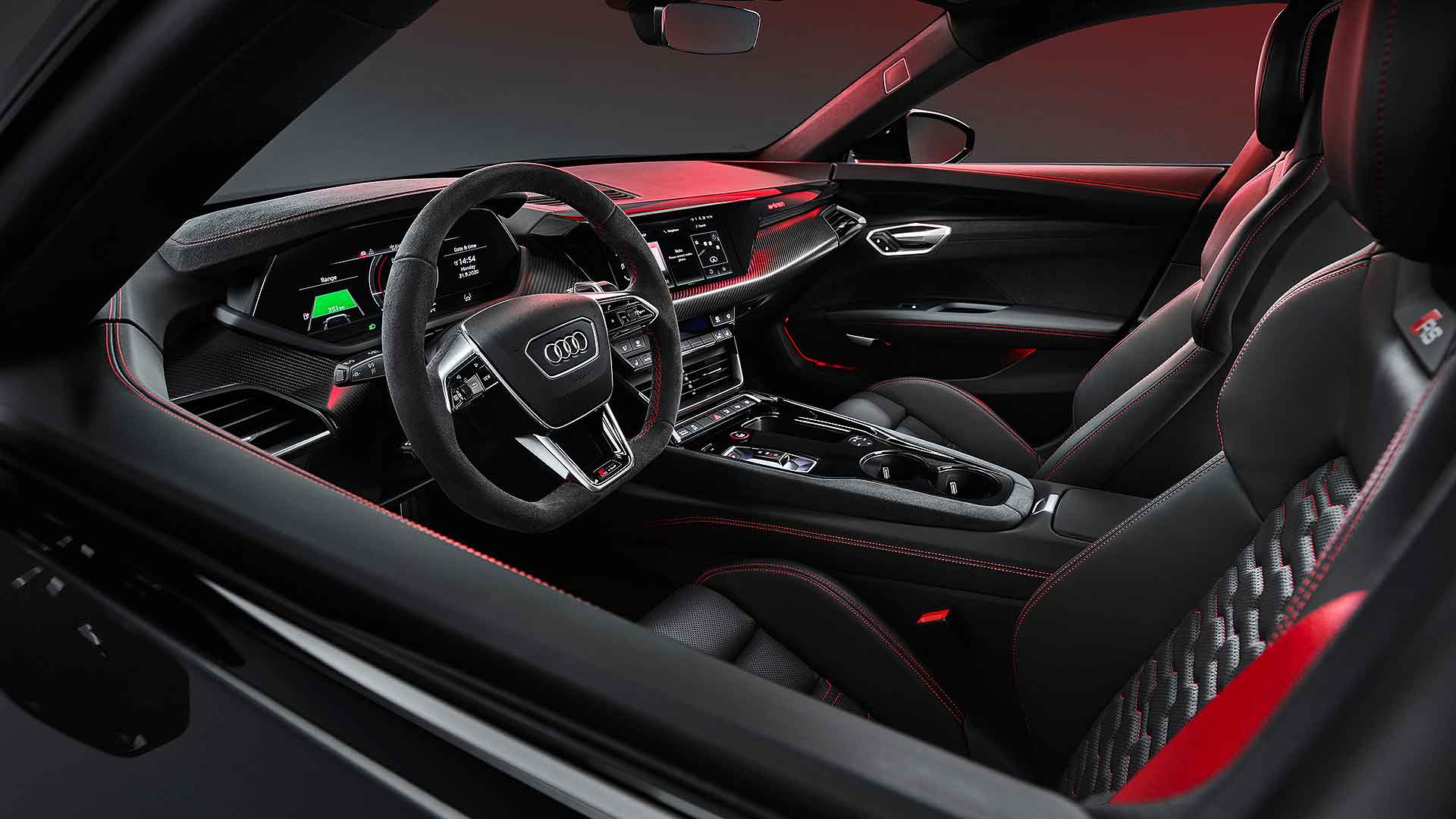
Inside, Audi says passengers sit low, with a chunky centre console separating them. Rear passengers have a ‘foot garage’ within the battery pack that’s mounted beneath the car.

Audi offers regular materials and also a leather-free package which uses an Alcantara-style fabric called Dinamica, plus an all-new recycled material called Cascade.

Audi E-tron GT performance

Audi e-tron GT

The E-tron GT has two electric motors. The front one produces 238hp, the rear one can produce up to 435hp. Combined, they are quoted at 476hp – or 530hp for 2.5 seconds in boost mode.

The zero to 62mph dash takes 4.1 seconds and top speed is limited to 152mph.

Audi e-tron GT

In the RS E-tron GT, the rear motor is boosted to 465hp, for a system total of 598hp… or 646hp during boost mode.

It’s this car that can manage 0-62mph in 3.3 seconds – aided by both models running in Quattro all-wheel-drive mode.

Despite being a ‘silent’ electric car, the Audi E-tron GT has its own ‘soundscape’, which is standard on RS versions and optional on regular models. It uses control units and amplifiers in the boot to split exterior and interior sound, and transmit noise through the car’s speakers.

Audi says it varies according to driving style and the firm’s engineers are proud of how it’s been able to give the car a distinct character.

Audi E-tron GT prices

Audi E-tron GT Quattro: £79,900

Audi E-tron GT Quattro Vorsprung: £106,000

Audi RS E-tron GT: £110,950

Audi RS E-tron GT Carbon Black: £124,540

Audi RS E-tron GT Carbon Vorsprung: £133,340

READ MORE:

The history of Audi in the UK

Porsche Taycan rear-wheel drive review

Porsche Taycan Turbo review

Advertisement

Older drivers required for help with dementia study

0

A team of scientists is investigating how car driving changes in motorists over the age of 65. The aim is to establish whether and how thinking and spatial navigation changes impact everyday driving.

This follows research published in the United States that showed older drivers are unlikely to benefit from retaking their driving test or receiving additional lessons.

Scientists at the University of East Anglia (UEA) are searching for volunteers to take part in the study. People over the age of 65 who actively drive will be asked to complete online questionnaires and memory and thinking tests related to their driving history.

Alzheimer’s disease is the leading causing a dementia, a condition that will affect 135 million people worldwide by 2050. Although a diagnosis of dementia is not a reason to stop driving, it may affect a person’s ability to drive safely. One in three people with dementia still drives.

Anyone diagnosed with dementia must inform the DVLA or DVA, as well as their insurance company. The DVLA will decide if someone with dementia can still hold a driving licence, although the decision is based on information from the person’s GP or consultant.

Other health conditions may affect a driver’s performance behind the wheel. Many people with dementia have vision and hearing problems, as well as arthritis and muscle conditions.

‘Alzheimer’s can have serious consequences’

Older drivers shouldn't be demonised

Professor Michael Hornberger, who is running the study at the UEA, said: “Driving is such an essential part of our lives, not only when we work, but also in retirement when many people are dependent on the car to get around, especially if they live in more rural areas.

“However, surprisingly little is known on how the cognitive changes during ageing impact our driving. This becomes particularly relevant when older people develop the first symptoms of dementia, which might impact their driving behaviour.

“Few people know that a common symptom in Alzheimer’s disease is spatial disorientation. Spatial disorientation in Alzheimer’s disease can have serious consequences, leading to people potentially becoming lost, which in turn can impact driving behaviour. The study will help inform future policies on how to assess driving changes in older people and those with earliest cognitive changes, such as in dementia.”

How dementia might affect a driver

Older drivers shouldn't be demonised

A safe driver must use a range of mental abilities, many of which can be affected by dementia. The Alzheimer’s Society lists these as:

  • Focus and attention – multitasking while ‘reading’ the road.
  • Visuospatial skills – the right speed, distance and road position.
  • Problem-solving skills – dealing with diversions or obstacles.
  • Judgement and decision-making – understanding and preparing for the action of others.
  • Reaction skills – to act quickly to avoid an incident.
  • Memory – to remember a route.

Tim Parry, director at Alzheimer’s Research UK, added: “Ongoing Covid-19 restrictions in the UK are making in-person opportunities to get involved in research challenging, but there are still opportunities, with many research studies, like this one, available online.

“Without volunteers, we will not be able to make the progress in research that people with dementia and their loved ones deserve. Alzheimer’s Research UK is a founding partner in the national service Join Dementia Research, which matches volunteers to research studies they are eligible to take part in.”

Anyone wishing to take part in the study should visit the Join Dementia Research website.

READ MORE:

Advertisement

Councils are spending less time gritting the roads

0
Road gritter spreading salt on a British road

Local authorities are spending less time gritting winter roads. This is according to a Freedom of Information (FOI) request sent to UK councils last year.

The average number of days each council spent gritting roads fell from 74.0 to 52.5 between the winters of 2017/18 and 2019/20. That’s a 29 percent reduction.

This is despite the freezing temperatures in the winter of 2018, when the country was hit by the ‘Beast from the East’. The country is currently in the grip of another cold spell, as Storm Darcy brings heavy snow and ice. Large parts of the UK are blanketed in snow, leading to hazardous driving conditions.

Experts are calling it the ‘Beast from the East Two’. Met Office meteorologist Steven Keates told the BBC: “I think so. The air mass is not quite as cold as it was then, so it’s not quite as extreme, but nonetheless this is probably the coldest weather we’ll see across the UK as a whole since then. 

“And if you’re stepping outside at all through the next few days, it really is going to feel cold. Temperatures [will be] barely above freezing on a thermometer, and when you factor in a strong easterly wind, you’ll be feeling many degrees below freezing.”

‘Difficult weather conditions’

Road gritter spreading salt in winter

The FOI, submitted by Citroen, found that gritters are most active in the north of the country, with Scottish Borders Council spending 203 days of the year on average gritting the roads. Heading south, Northumberland County Council spent 144 days with the gritters out.

Eurig Druce, managing director of Citroen UK, said: “Driving during the winter months is more of a challenge with shorter daylight hours and difficult weather conditions making the roads more dangerous. As a brand, we are committed to providing customers with cars that are safe and easy to drive, which is why our models offer a range of driver assistance systems including Grip Control with Hill Descent Assist, for added peace of mind.” 

Grip Control is available on selected Citroen and Peugeot models. It comprises an intelligent traction control system and special Mud & Snow all-weather tyres. The driver can select a mode to suit the terrain and conditions, as well as disconnecting the ESP (Electronic Stability Programme) at speeds of up to 31mph.

READ MORE:

Will following a road gritter damage my car? What is the safest way to pass a gritter?

10 tips for safer winter driving

Highways England reveals high-tech new gritters

Advertisement

Used car sales fell 14.9% in 2020

0
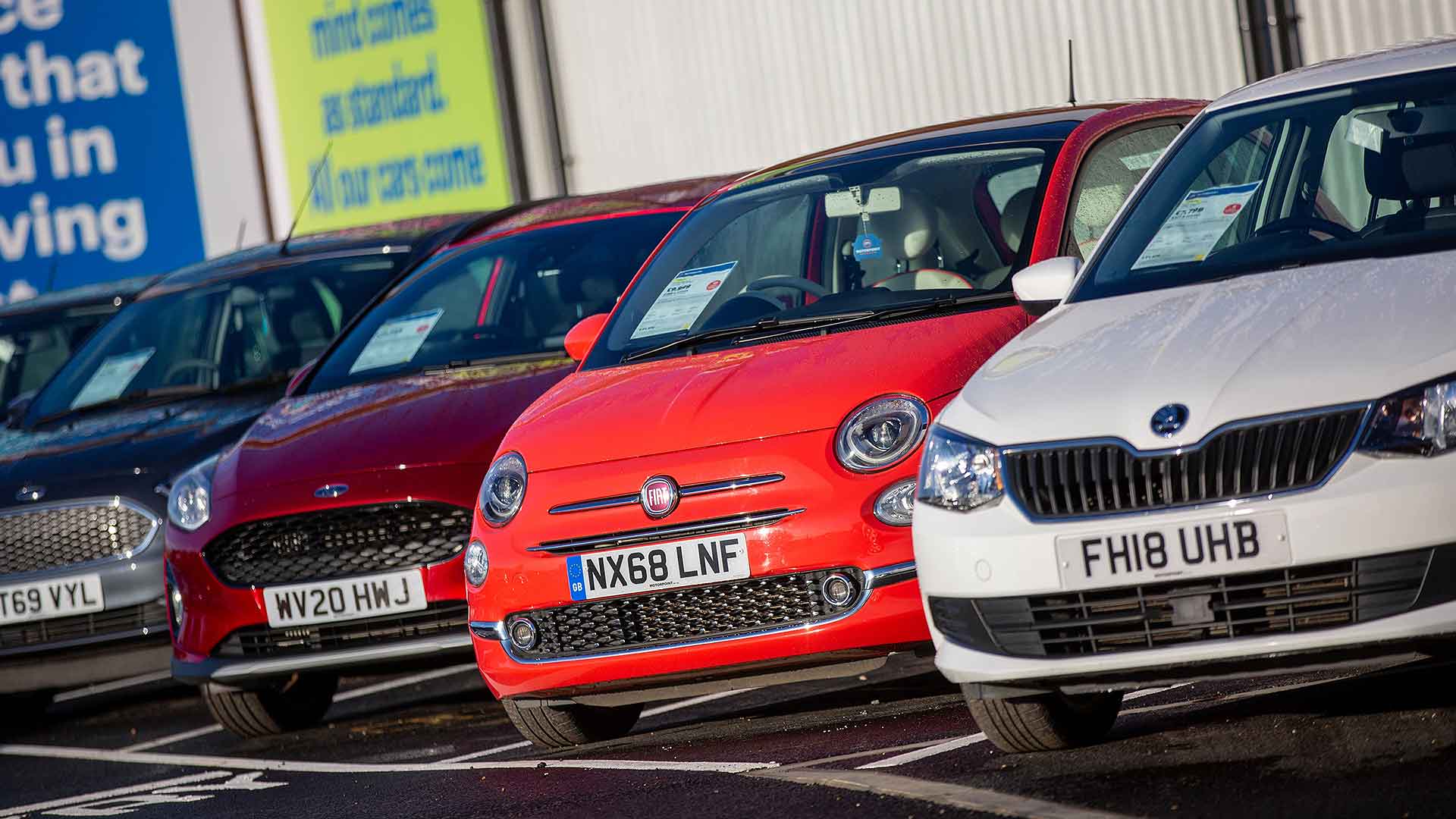
Motorpoint used car forecourt

Almost 1.2 million fewer used cars changed hands during 2020 as coronavirus-induced lockdowns curbed activity.

The Society of Motor Manufacturers and Traders (SMMT) says used car sales tumbled 14.9 percent last year, with a total of 6.75 million transactions taking place – down from 7.93 million in 2019.

The last time so few used cars were sold in the UK was back in 2012.

Used car sales did, however, still easily outperform the new car market, which fell by 29 percent.

Encouragingly, ‘green’ alternative fuel cars did buck the trend, with sales rising 5.2 percent to more than 144,000 vehicles. This gave them a market share of 2.1 percent.

Pure electric car sales rose 29.7 percent, to over 19,0000 cars, although this still only represented a 0.3 percent market share.

Hybrid sales rose 4.7 percent but, surprisingly, sales of plug-in hybrids fell by 5.0 percent.

Superminis were the most popular type of used car, taking 32 percent of the market, followed by family hatchbacks.

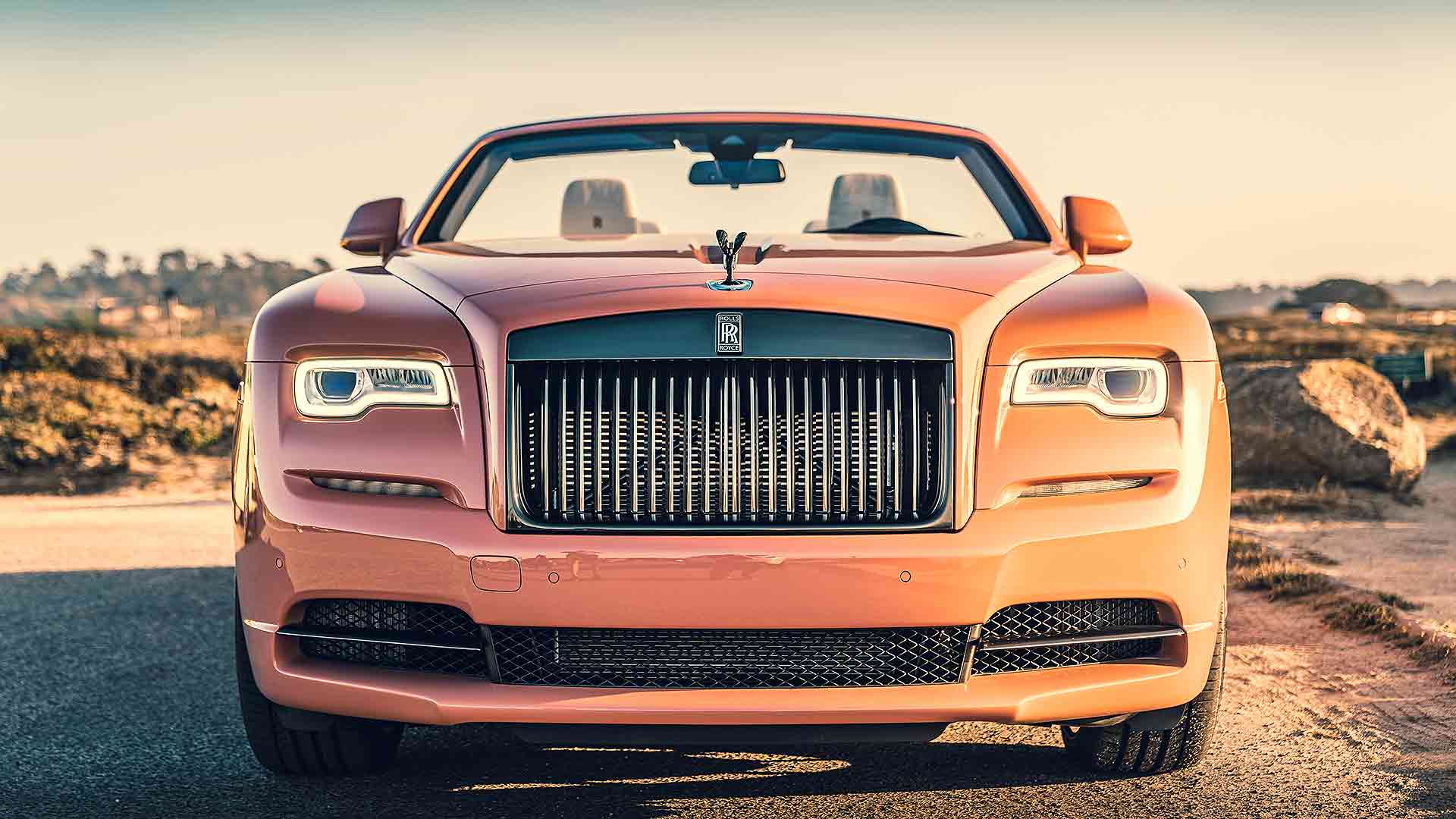
Pink Rolls-Royce

Black was the most popular used car colour, with 1.4 million models changing hands. Silver was next, ahead of blue, grey and white.

Just 36,000 yellow cars changed hands in 2020 – and 4,000 pink cars.

“These figures are yet more evidence of the significant damage coronavirus has caused the automotive sector,” said SMMT chief executive Mike Hawes.

“The priority now must be to allow car showrooms to reopen as soon as restrictions are eased.

“This will not only help the used market recover, supporting jobs and livelihoods and providing individuals with the personal mobility they need at a time when guidance is against using public or shared transport, but it will also enable the latest and cleanest vehicles to filter through to second owners.”

Auto Trader CEO Nathan Cole said the figures, while down, pointed to the resilience of the market. Even during the January lockdown, some car dealers were able to operate at 70 percent of normal volumes, thanks to digital retailing.

Growing numbers of people say owning a car is increasingly important in an effort to avoid public transport, he added.

 “Our research points to the positive shift towards car ownership strengthening, with 49 percent of consumers now stating that owning a car is more important to them now than it was before the pandemic.”

Top 10 best-selling used cars 2020

2019 Ford Fiesta Trend

1: Ford Fiesta – 289,847

2: Vauxhall Corsa – 244,602

3: Ford Focus – 242,233

4: Volkswagen Golf – 224,146

5: Vauxhall Astra – 196,034

6: BMW 3 Series – 162,593

7: Mini – 152,302

8: Volkswagen Polo – 132,349

9: Mercedes-Benz C-Class – 108,745

10: Audi A3 – 108,006

ALSO READ:

New automatic cars outsell manual gearboxes for first time

How to protect windscreen wipers on a frozen car

Citroen DS restored for Salvage Hunters TV show up for auction

Advertisement

Why Norway really does love electric cars

0
Norway Electric Car Sales

An advert by General Motors, airing during the 2021 Super Bowl, claims that Norwegians buy the most electric cars in the world. 

Despite the commercial featuring comedy actor Will Ferrell, electric vehicle sales in the Scandinavian country are no laughing matter

Some three-decades of government incentives, along with major goals set by the Norweigian Parliament, has produced an electric revolution.

A true game-changing drive

Norway Electric Car Sales

The 1990s saw Norway remove and reduce import duties and taxes for electric vehicles. Special registration numbers were introduced in 1999, letting EVs gain free parking, use bus lanes, and not be subject to road tolling. 

Despite the Norweigian government looking to phase out many of the leading EV incentives, sales have continued to boom.

The country also has the world’s most-ambitious plan to end the sale of internal combustion vehicles. By 2025, all new cars, light commercial vehicles, and urban buses sold will need to be zero-emissions models.

Leading the global pack

Norway Electric Car Sales

All of these measures have seen electric vehicle sales in Norway increase dramatically across the past decade. In 2010, total sales of electric cars stood at 722 units. 

By 2020, this had increased to an incredible 76,789 electric cars. It meant pure electric models took a total market share of 54.3% of new car sales in Norway across the year. 

Plug-in hybrids took 20.4% of the market, adding an extra 28,905 vehicles.  

The Audi E-tron claimed the prize of Norway’s top-selling car in 2020, followed by the Tesla Model 3, and Volkswagen ID.3.

Punching above its weight

Norway Electric Car Sales

Given that the Nordic country has a population of just 5.35 million, buying over 105,000 electric and plug-in hybrid models in one year is considerable

By comparison, the United States saw sales of around 325,000 electric and plug-in hybrid models during 2020. These accounted for less than 4% of the new car market.

The United States has a population 61 times greater than Norway at 330 million. Yet it sold barely more than three times the number of electric cars last year.  

It means that Will Ferrell, General Motors, and other US manufacturers, have a long way to go in this battle.  

ALSO READ

This is Kevin Hart’s 1,000hp classic Dodge Charger

Ford scores U.S. double with Truck and SUV of the Year awards

All-electric Ford F-150 tows a TRAIN

Advertisement

New automatic cars outsell manual gearboxes for first time

0
Automatic gearbox

Automatic cars outsold motors with a manual gearbox for the first time in Britain in 2020 – and the trend towards two-pedal self-shifters is accelerating.

Latest data from the Society of Motor Manufacturrs and Traders shows that more than 55 percent of new cars registered in 2020 featured an automatic gearbox.

This is up from just under half in 2019 – and less than one in four as recently as a decade ago.

At the turn of the millennium, fewer than 15 percent of new cars featured an automatic gearbox. Numbers rose slowly throughout the decade, but really started to accelerate from 2012.

Data analyst Glass’s says improvements in automatic gearbox technology is helping drive the uptake, aided by features such as steering wheel paddleshifters and other novelties.

What’s more, as new car prices have risen, so the relative cost of an automatic gearbox has reduced in percentage terms. Often, automatics also have a residual value benefit, which helps lower the cost difference further for those buying on a PCP finance plan.

The retained value premium enjoyed by automatics has actually grown in recent years, from two percent to four percent over a manual alternative.

Hybrid and electric cars fuel the trend

Retro Mercedes-Benz 280 SL Automatic

Improving technology has reduced CO2 emissions from automatic gearboxes. Sometimes, they actually produce less CO2 than their manual counterparts, bringing Benefit-in-Kind tax savings for company car drivers.

What’s more, hybrids, plug-in hybrids and battery electric vehicles are only available with automatic gearboxes – which is why the trend towards autos will only continue to grow.

“More choice, improved technology, increasing penetration of alternative fuel vehicles and increasing traffic congestion makes choosing an automatic more compelling than ever,” said Glass’s cars editor Rob Donaldson.

They’re likely to remain a safe investment too, he added.

“Taking account of limited used supply, the Glass’s team believes automatic values will continue to remain strong.”

ALSO READ:

New Vauxhall Mokka-e 2021 review

AA covid vaccination centre road sign to help motorists

Petrol prices rise for third month running

Advertisement

This is Kevin Hart’s 1,000hp classic Dodge Charger

0
SpeedKore Hellraiser Charger

SpeedKore, the Wisconsin-based performance company, has revealed its first creation to feature the ‘Hellephant’ crate engine. 

Built for Kevin Hart, the stand-up comedian, actor, and producer, Hellraiser sees 1,000 horsepower crammed beneath the hood. 

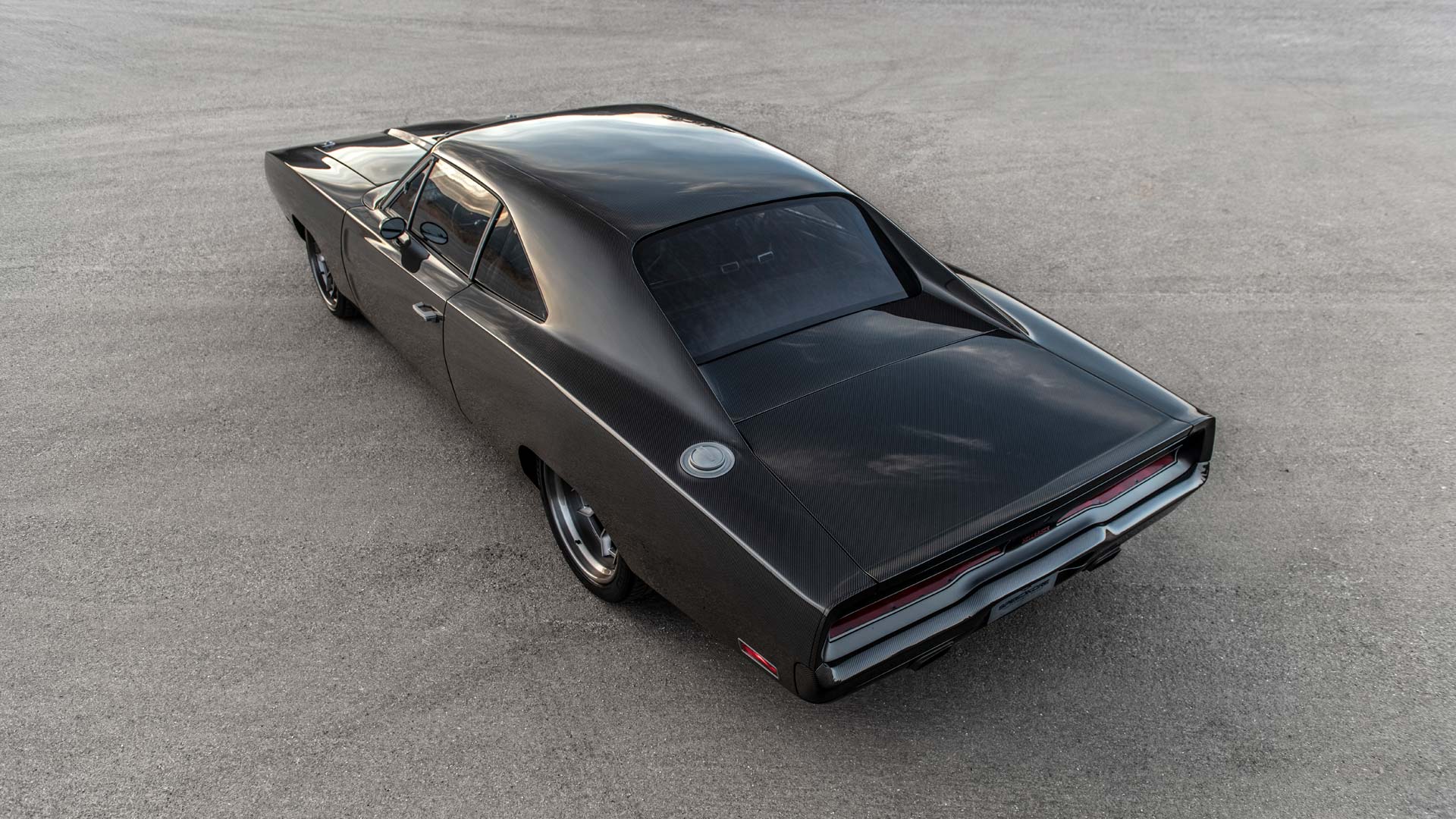
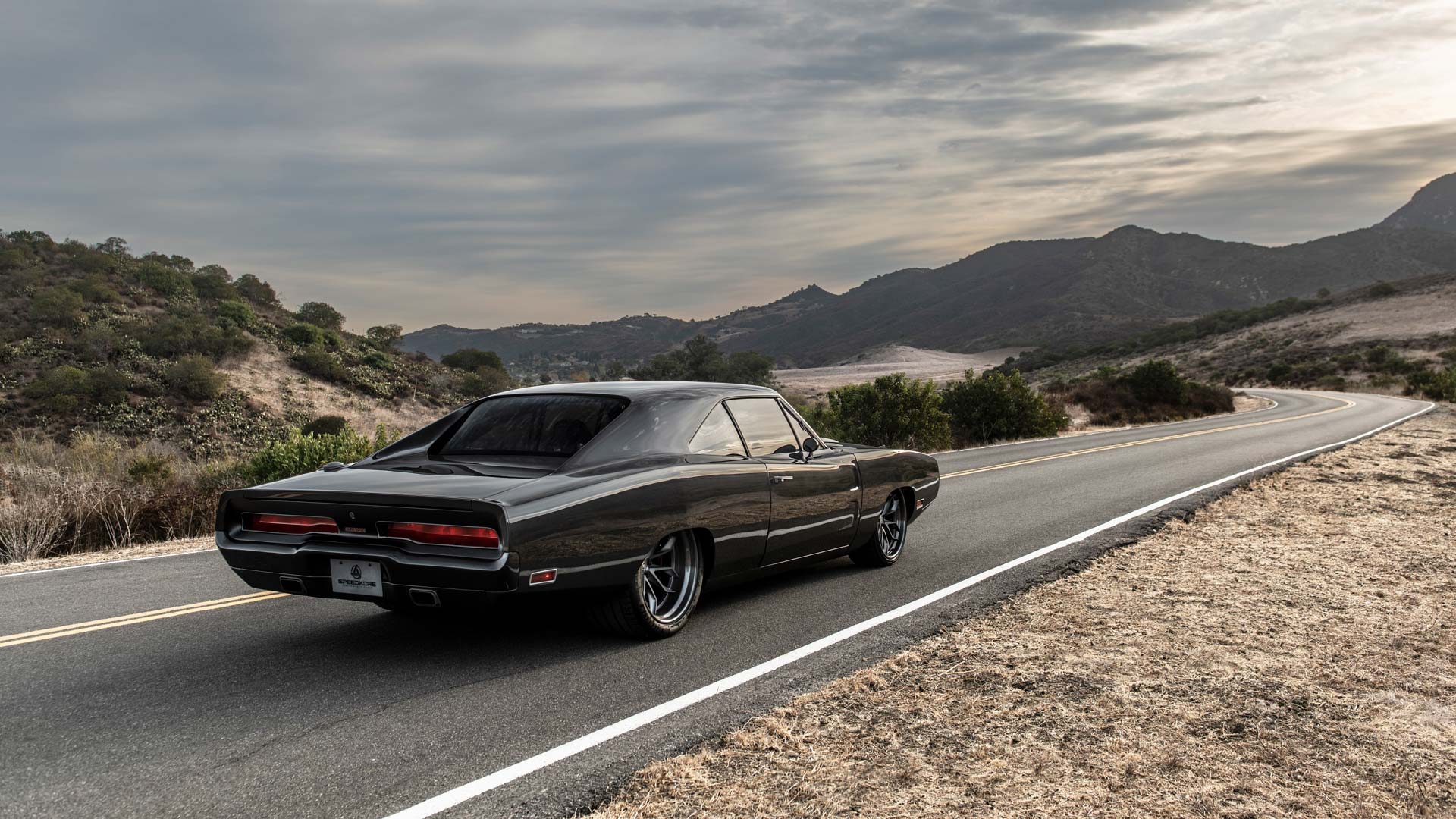
Almost every part of the 1970 Dodge Charger has been modified or upgraded, producing a truly impressive custom machine.

The belly of the beast

SpeedKore Hellraiser Charger

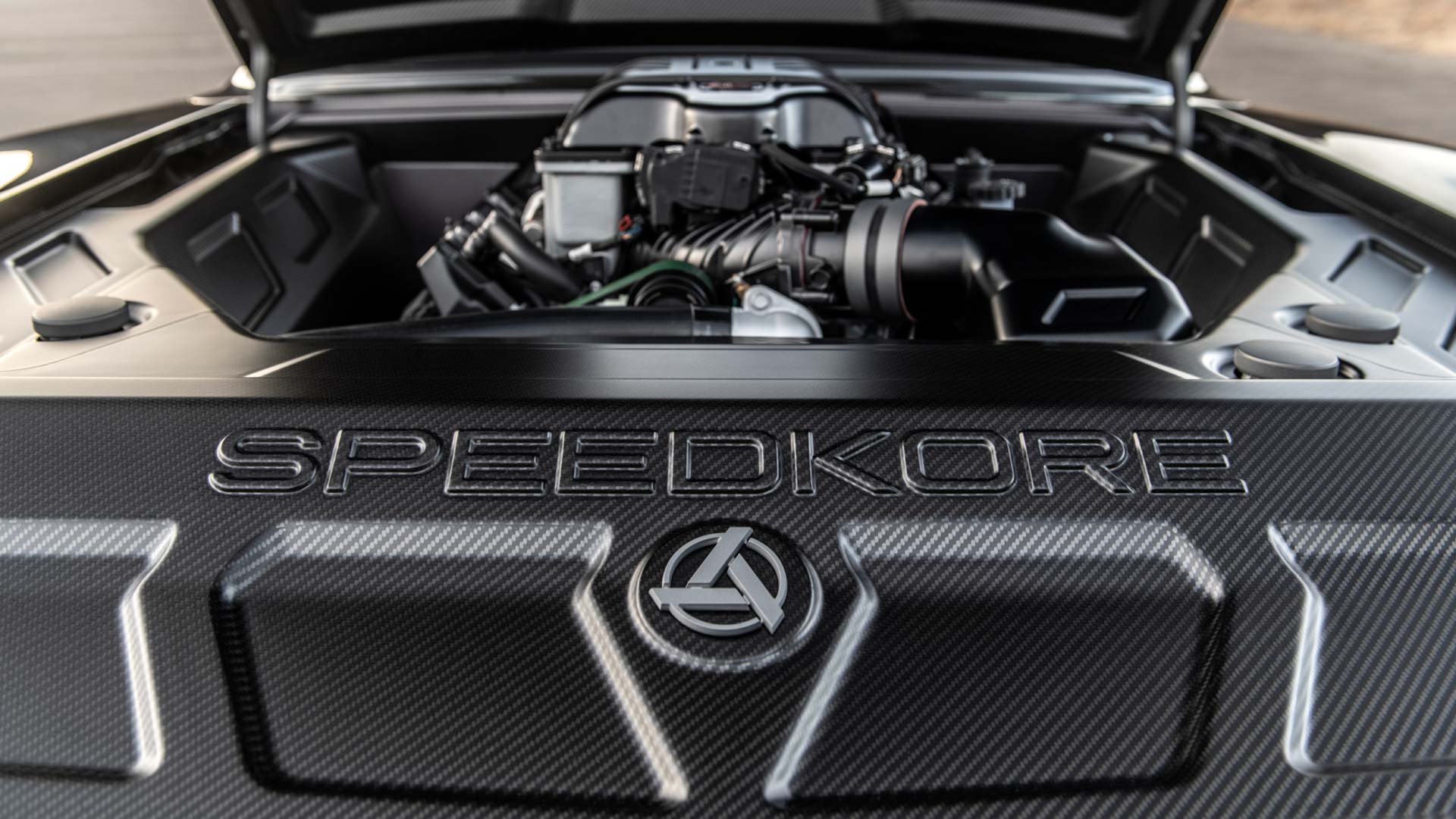
At the heart of the Hellraiser Charger is the Mopar Hellephant crate motor. The 7.0-liter Hemi V-8 produces 1,000 horsepower and 950 lb-ft of torque, without the need for modifications.

A special cutout in the custom carbon fiber hood shows off the 3.0-liter supercharger to the world. 

SpeedKore has also created a custom exhaust system for 1970 Charger, connected to bespoke headers and Magnaflow mufflers. 

An eight-speed automatic transmission, as used in the Dodge Demon, is responsible for sending power to the rear wheels.

A substantial supporting cast

SpeedKore Hellraiser Charger

Supporting the huge power output is a custom-designed frame, featuring a 14-point integrated roll cage. 

Front suspension components are taken from the sixth-generation Chevrolet Corvette, with SpeedKore’s bespoke parts used at the back. Penske adjustable shock absorbers, and a Ford nine-inch rear end, complete the chassis. 

Given the performance on offer, gigantic Brembo brakes are (thankfully) responsible for slowing Hellraiser down. Michelin Pilot Sport 4S tires are mounted on a set of HRE 3-piece wheels.

Show-stopping looks and interior

SpeedKore Hellraiser Charger

Almost all the body panels on Hellraiser are bespoke carbon fiber items, made in-house by SpeedKore. Kevin Hart opted to have these finished in gloss clearcoat, displaying the carbon weave for all to see. 

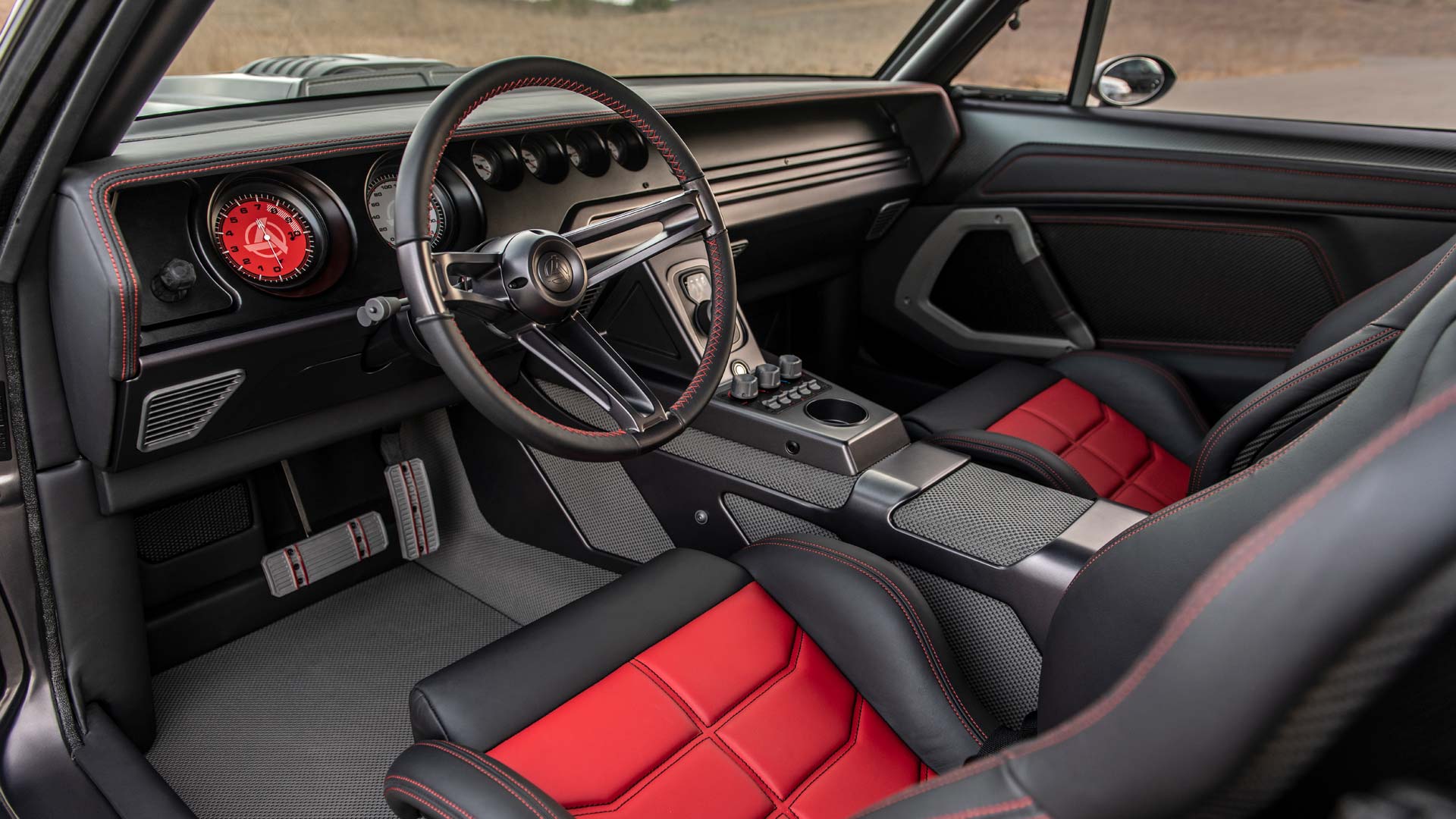
A new center console ensures that the custom detailing continues inside the Charger. Recaro GT Sportster seats are finished in black and red leather, with four-point racing harnesses installed. 

The mixture of classic looks with modern technology extends to Hellraiser’s interior comforts. Focal components, including a custom subwoofer, have been fitted along with an updated climate control system.

Another star-studded performance

SpeedKore Hellraiser Charger

SpeedKore has become the car builder of choice for American celebrities. 

Previous creations by the firm have included a custom Ford Mustang for Iron Man star, Robert Downey Jr. This was followed by a Chevrolet Camaro for Chris Evans, known for his roles as Captain America. 

Hellraiser is the third bespoke 1970 Dodge Charger to be built by the company. The 2018 SEMA Show saw the 966 hp ‘Evolution’ make an impressive debut

Recent projects have also included a 1,200 hp twin-turbocharged version of the modern Dodge Challenger SRT Demon.

ALSO READ

Rare BMW M1 once owned by Paul Walker up for auction

First McLaren Speedtail sold at auction makes $3.2 million

Porsche Panamera sets new Road Atlanta lap record

Advertisement

Aston Martin DBX gets new look from makers of Callum Vanquish

0
Aston Martin DBX

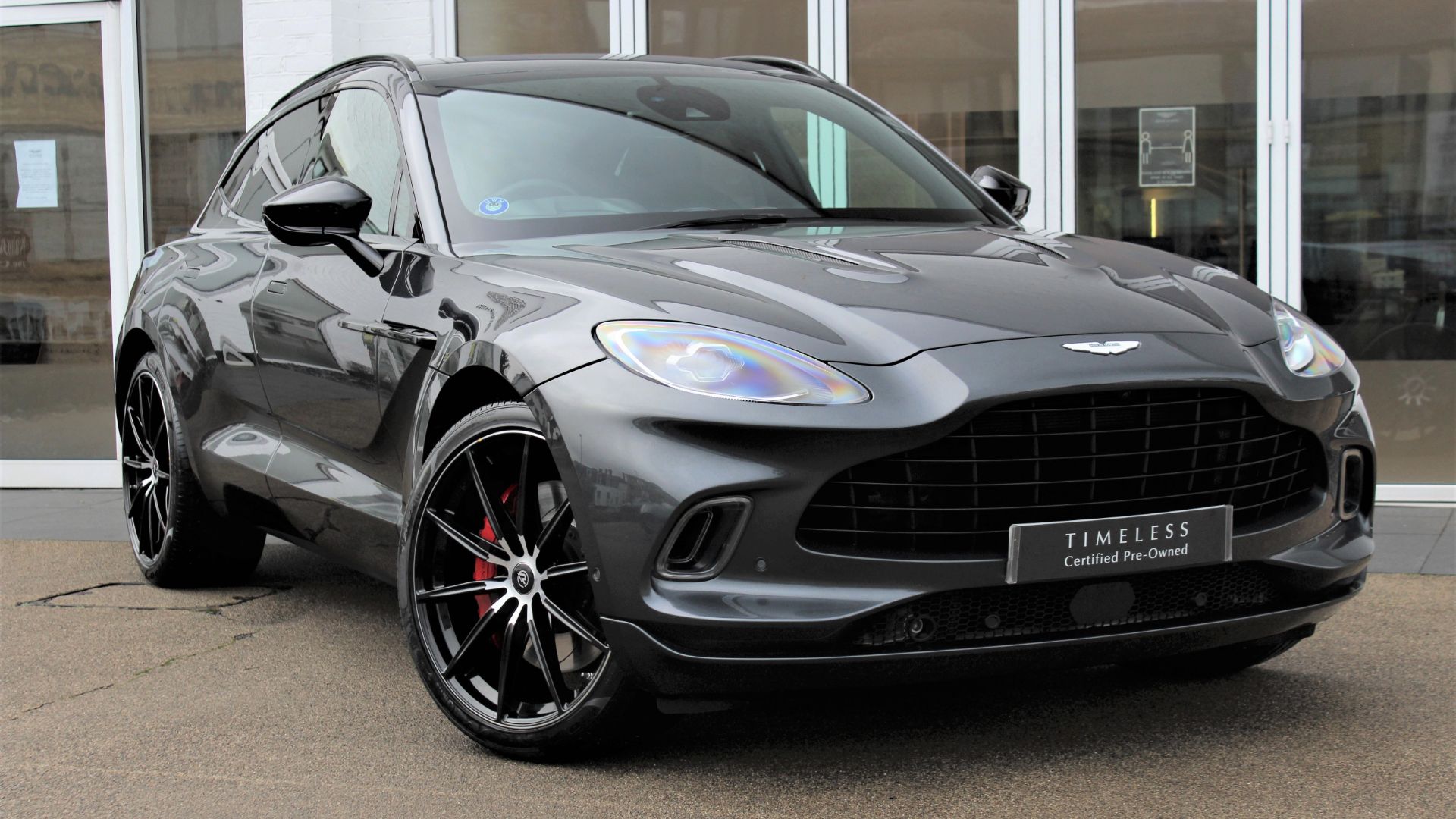
The Aston Martin DBX is already the best looking SUV on sale, but that hasn’t stopped R-Reforged from giving it a fresh set of footwear.

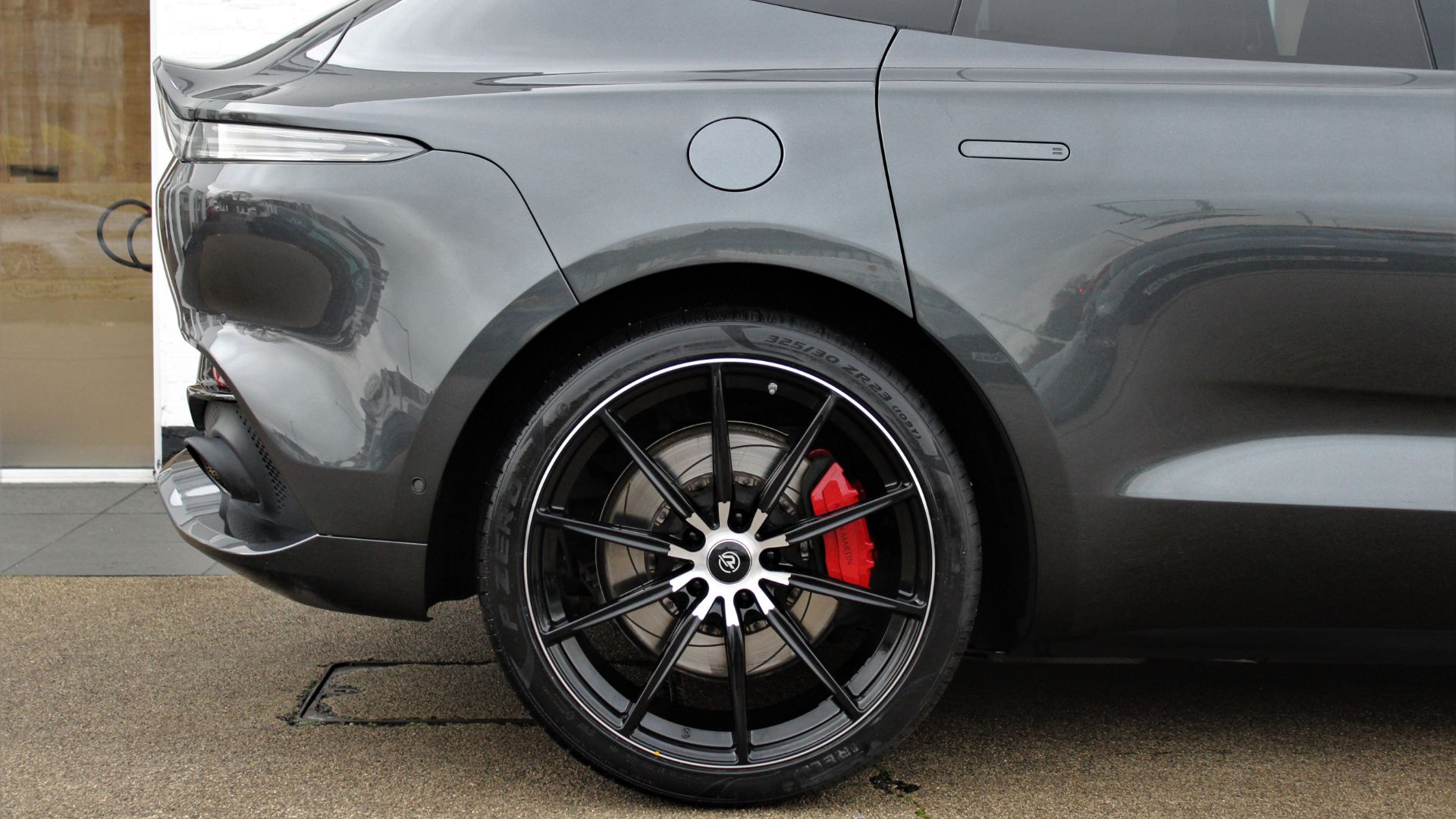
These 23-inch diamond turned alloy wheels are one inch larger than standard and were developed with Formula 1 supplier APP Tech. Each rim starts life as block of AI6061-T6 grade aluminium, before 12,000 tonnes of pressure is applied to create the 10-spoke shape. 

Forging offers greater strength and less weight than conventional casting, saving 4.5kg overall. R-Reforged’s rims are also compatible with Aston Martin’s tyre pressure monitoring system (TPMS).

From Callum to Zagato

Aston Martin DBX

R-Reforged is a Swiss company with a sizeable engineering facility in Warwick. It’s perhaps best known for the Aston Martin Callum Vanquish 25, a bespoke supercar redesigned by Ian Callum.

We sampled the Vanquish 25 last year, saying:

‘The V12 sounds spectacular, its malevolent snarl building to a decadent wail. Where the original Vanquish played heavy metal, this one adds a layer of classic soul. Every underpass brings a serenade, every tunnel a symphony. In an era when engines are muted by forced induction and filters, it’s like trading a compressed MP3 for a remastered CD.’

R-Reforged is also working with legendary Italian design house Zagato to build a run of unique Aston Martin Vantage ‘Heritage Twins’. And it does a good trade in making Aston’s classic ‘continuation’ cars road-legal, including the DB5 Goldfinger and DB4 GT.

There’s no price quoted for the new 23-inch alloys, but if you can afford £158,000 for a new DBX…

ALSO READ:

Aston Martin DBX (2020) review

Aston Martin Vantage Roadster (2020) review

Aston Martin DBS Superleggera Volante (2019) review

Advertisement

The most recalled cars in Europe

0

Recalls Europe

There were 353 car recalls in 2020, which affected a staggering 248 models and 38 manufacturers.

This is according to data compiled by the Car Recalls website, using information from across the European Union. The Rapex system covers dangerous safety, health and environmental defects.

Here, we reveal the top 20 most recalled car brands in Europe last year, with the results presented in reverse order.

20. Hyundai – 6 recalls

Recalls Europe

Hyundai issued six recalls for five models in 2020. In the case of the i30 (2007-2012), an electrical short could occur on the ABS/ESC module, which could deactivate these systems. The government website holds information on all recalls since 1992. You can also check if your car is the subject of an outstanding recall.

19. Subaru – 6 recalls

Recalls Europe

Subaru issued six recalls for the Crosstrek/XV, Forester, Impreza, Legacy and Outback. It’s worth noting that recalls can affect older cars. Subaru Legacy and Outback models dating back as far as 2004 could suffer a melting fuel pump harness connector. Meanwhile, the XV crossover (2017-2020) was recalled for leaking brake fluid.

18. Seat – 6 recalls

Recalls Europe

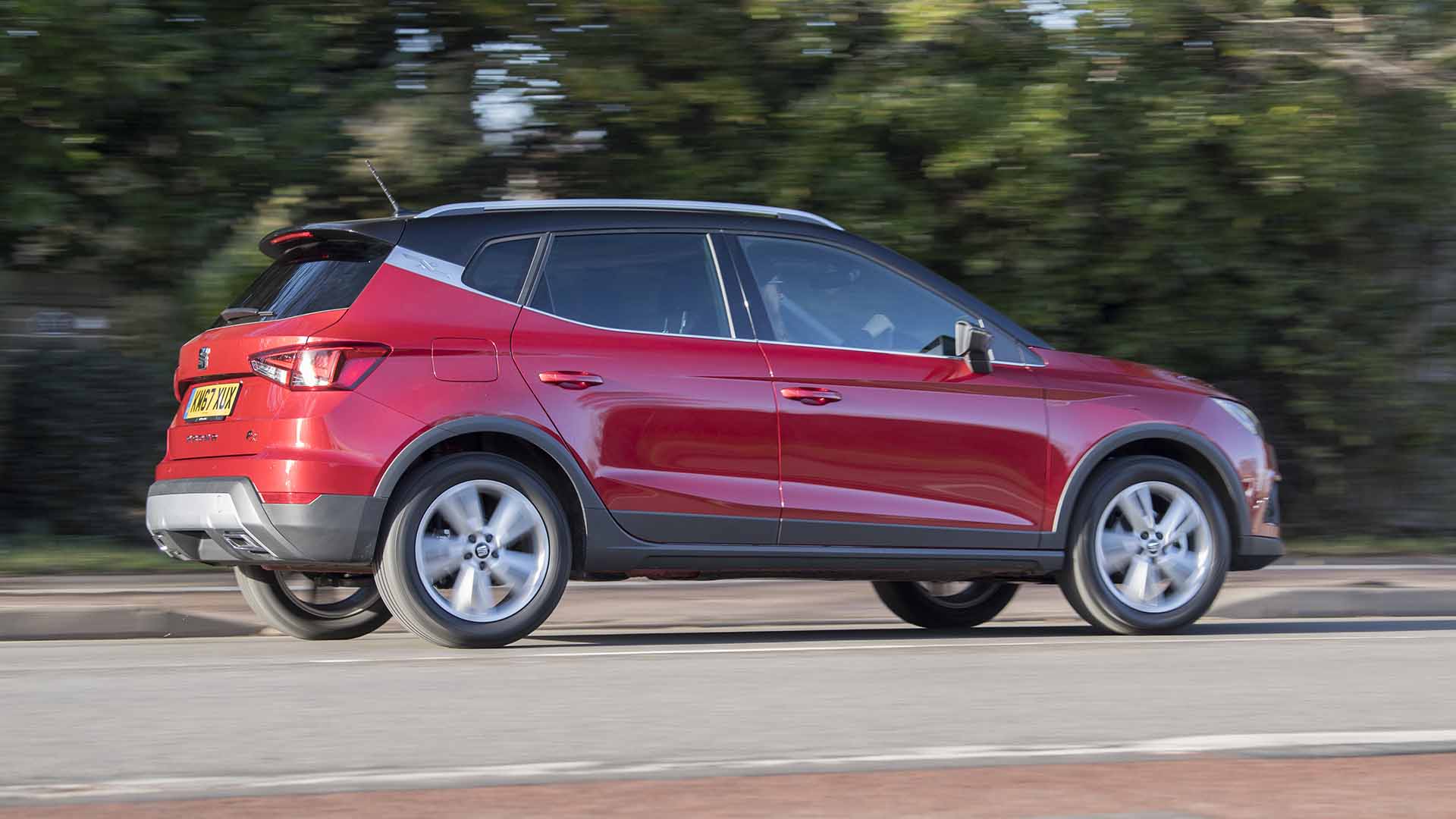
In 2020, Volkswagen Group announced a recall of 9,192 cars powered by the 1.0-litre TSI engine. The problem: defective injectors causing the vehicle to exceed legal pollutant limits. In the case of Seat, this affected Arona, Ateca, Ibiza, Leon and Toledo models. Other recalls concerned airbags and seatbelts.

17. Land Rover – 7 recalls

Recalls Europe

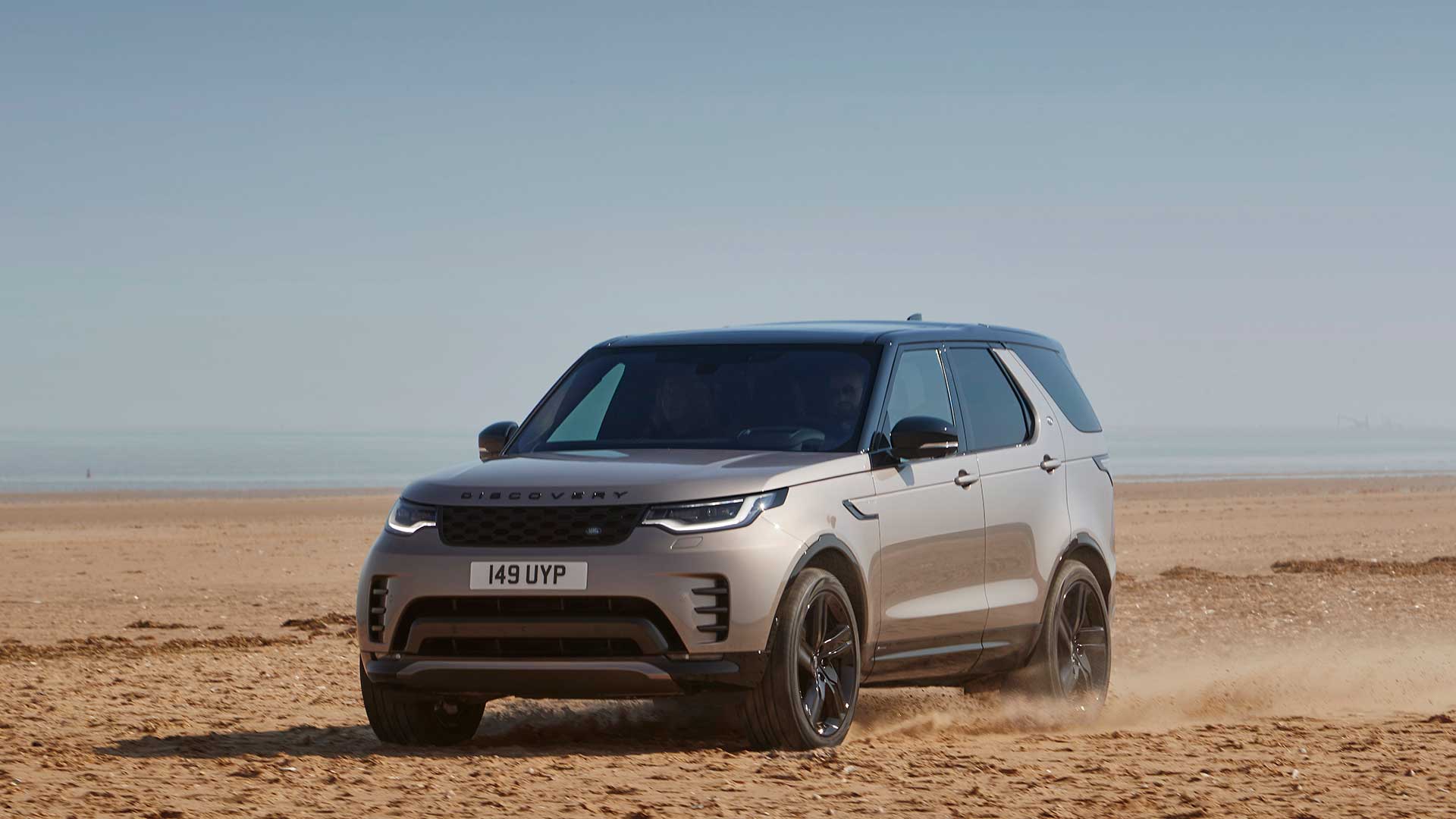
The Discovery was the most recalled Land Rover in 2020, with four separate issues. Three of the problems related to electrical issues, while the fourth concerned missing fixings on the second-row seat assembly. Some Range Rover and Evoque models were also recalled, with the latter affected by a faulty Emergency Call (eCall) system.

16. Fiat – 7 recalls

Recalls Europe

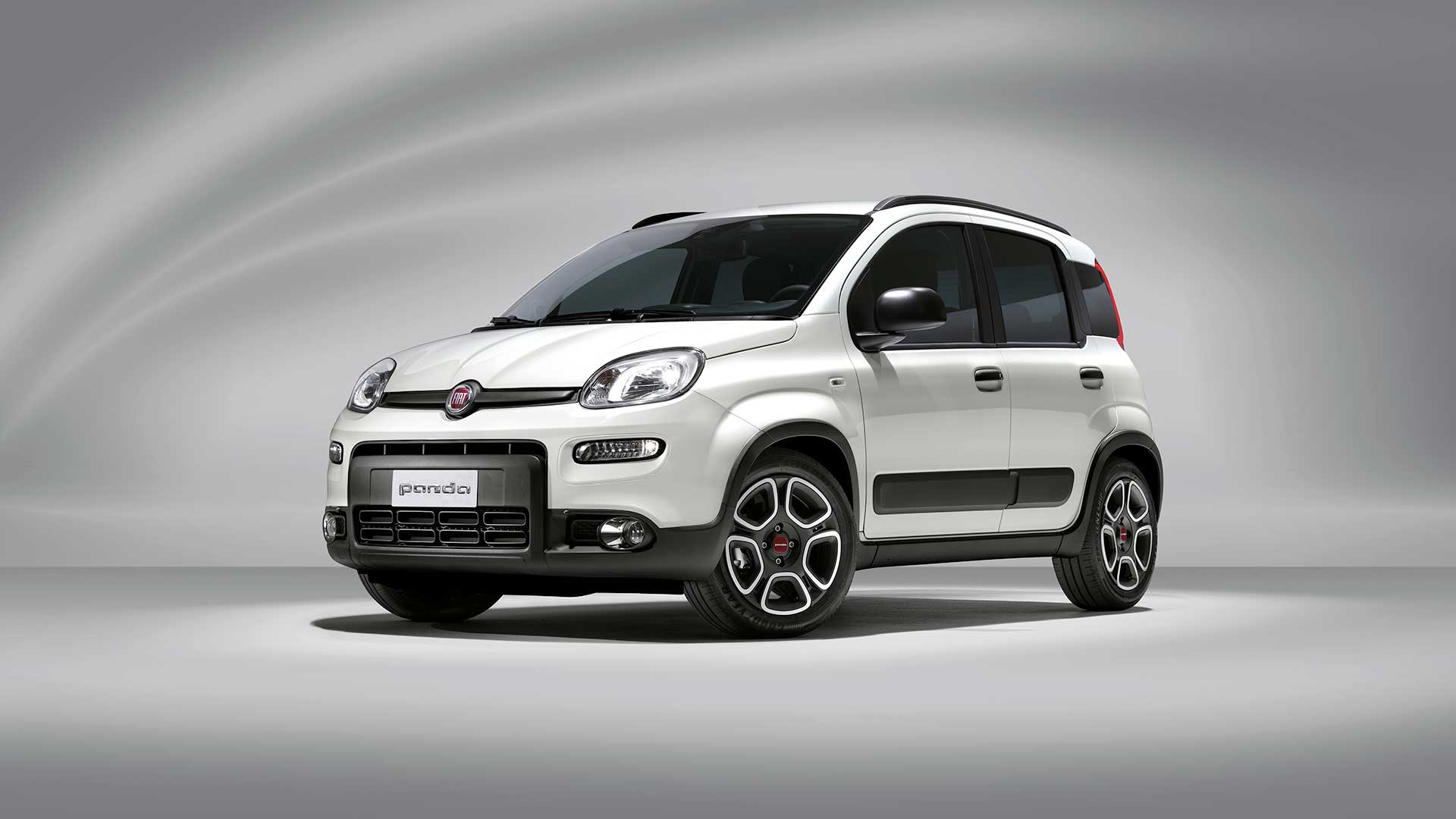
Fiat Panda models manufactured between 16 January and 11 May 2019 were recalled due to an insecure badge on the steering wheel cover. In the event of an accident, the release of the airbag could project the badge at speed, causing injury to the driver. The 500X was recalled due to defective brake calipers, while the Ducato van was recalled for four different reasons.

15. Jeep – 7 recalls

Recalls Europe

As the Jeep Renegade and Fiat 500X are based on the same platform, it’s no surprise to discover that they were affected by the same brake caliper issue. The Cherokee, Gladiator and Wrangler were recalled due to problems with the steering, brakes, differential, clutch and suspension, while the Compass (2019-2020) could be affected by faulty wipers.

14. Nissan – 7 recalls

Recalls Europe

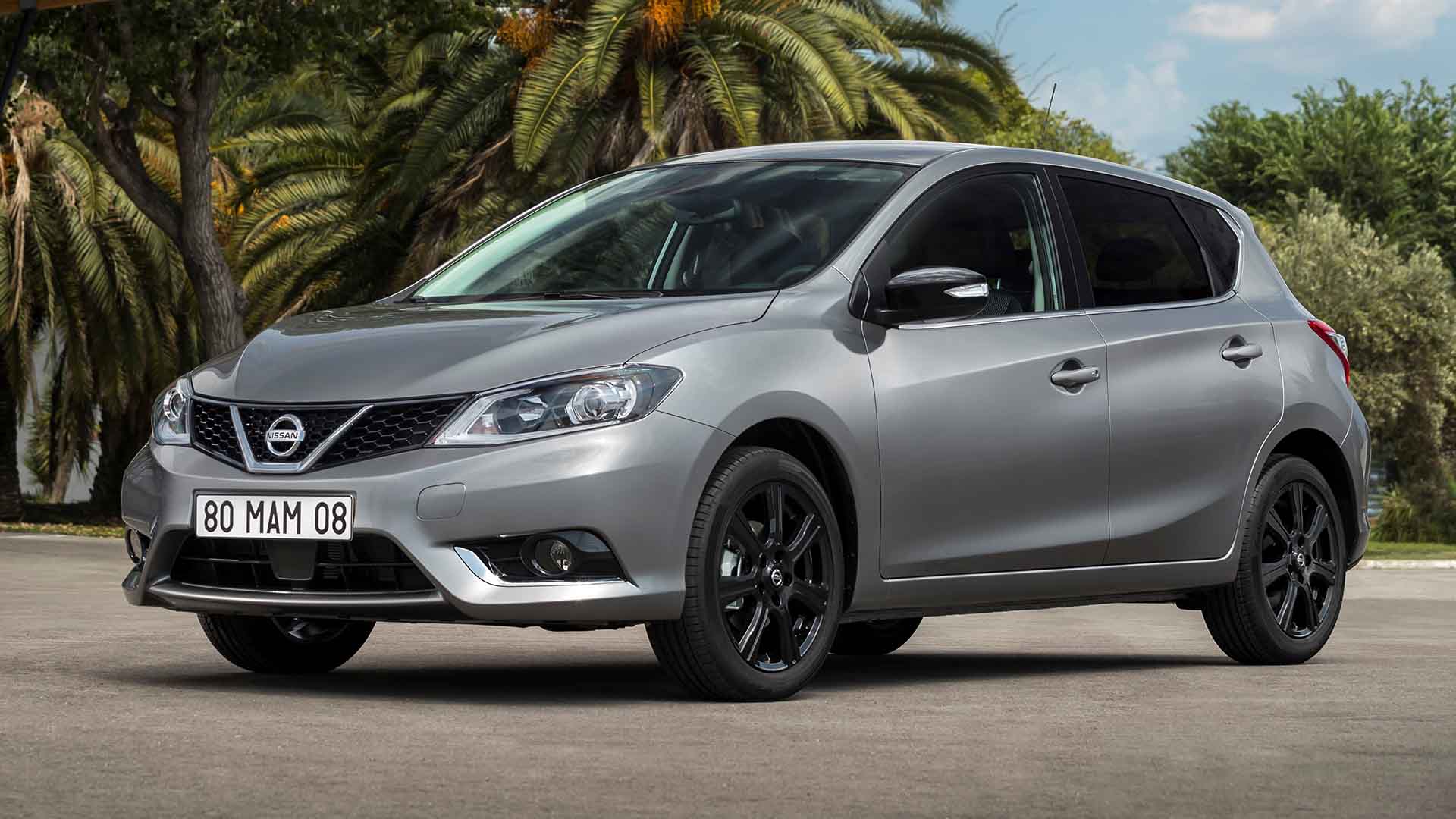
Several Nissan models were affected by a defective child lock on the rear doors. It might be possible to open the door, even when the child lock is activated, increasing the risk of an accident. The recall covered 325,000 right-hand-drive versions of the Juke, Navara, Note, Pulsar and Qashqai.

13. Mazda – 8 recalls

Recalls Europe

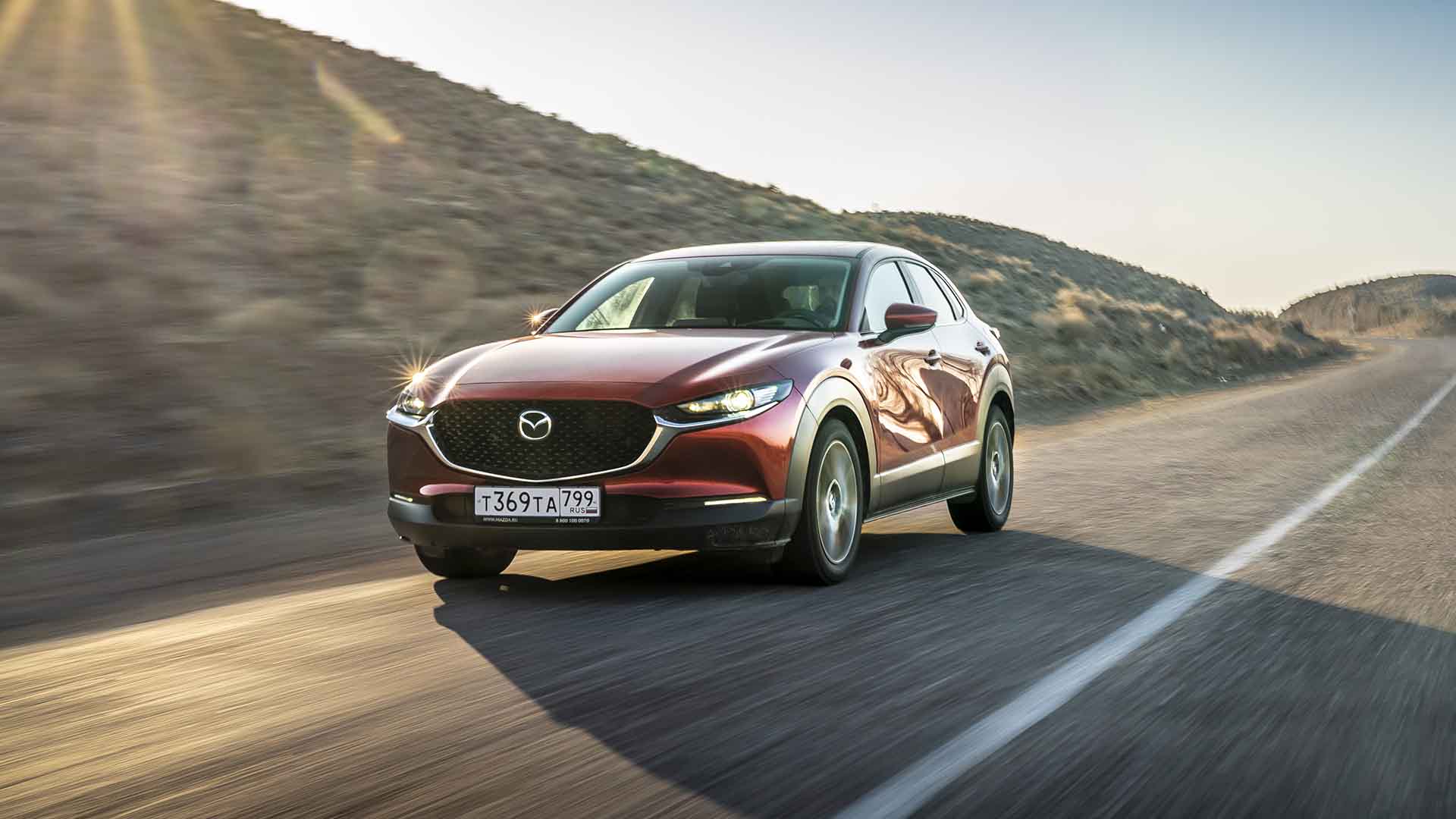
Five of the eight Mazda recalls in 2020 concerned the CX-30 SUV. The problems related to the adaptive LED headlights, fuel tank, brake callipers, clutch and Smart Brake Support (SBS) system. There were also recalls for the Mazda 3, Mazda 6, CX-5 and the B-Series pick-up of 1999.

12. Honda – 8 recalls

Recalls Europe

Honda announced eight recalls for six models, with the Civic, CR-V and HR-V affected by a problem with the low-pressure fuel pump. There were also recalls for the Odyssey and Jazz, while the Accord (1996-2000) was affected by a defective airbag. If you want to know if your car has an outstanding recall, you should contact your local dealer or use the government website.

11. Volvo – 10 recalls

Recalls Europe

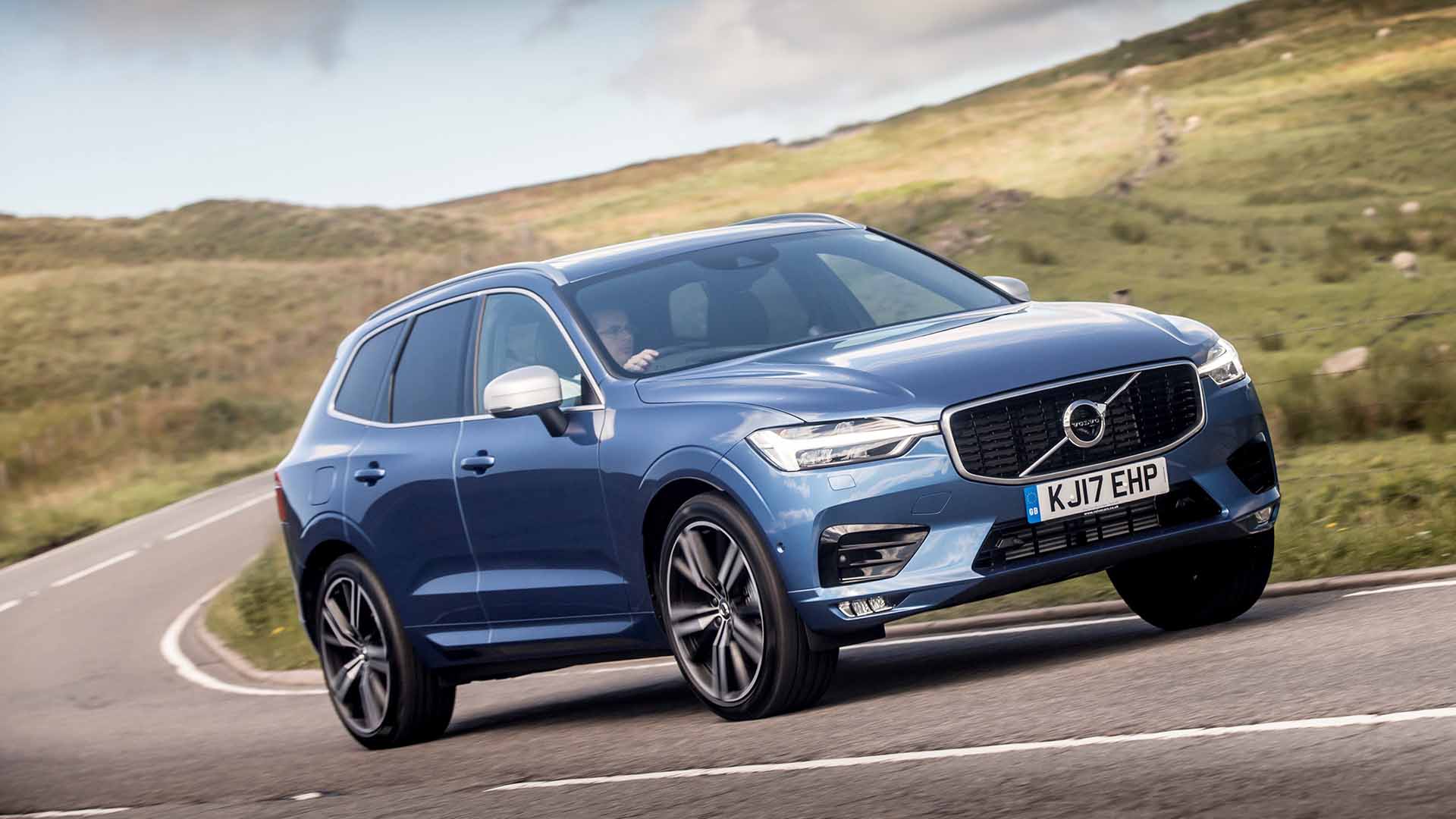
As reported by the Car Recalls website, Volvo announced several large recalls affecting hundreds of thousands of vehicles around the world. More than 535,000 XC60 models were recalled due to a faulty wiper, while around 370,000 diesel models were affected by a potential overheating issue. In July, Volvo recalled two million cars amid concerns over a faulty seatbelt.

10. Opel/Vauxhall – 14 recalls

Recalls Europe

Opel and Vauxhall announced 14 recalls for seven models. Problems ranged from a defective trailer coupling module in the Grandland X, to a potential fire in the Insignia (2017-2019). The new Corsa was affected by three recalls: high-pressure pump, steering column and seatbelts.

9. Renault – 15 recalls

Recalls Europe

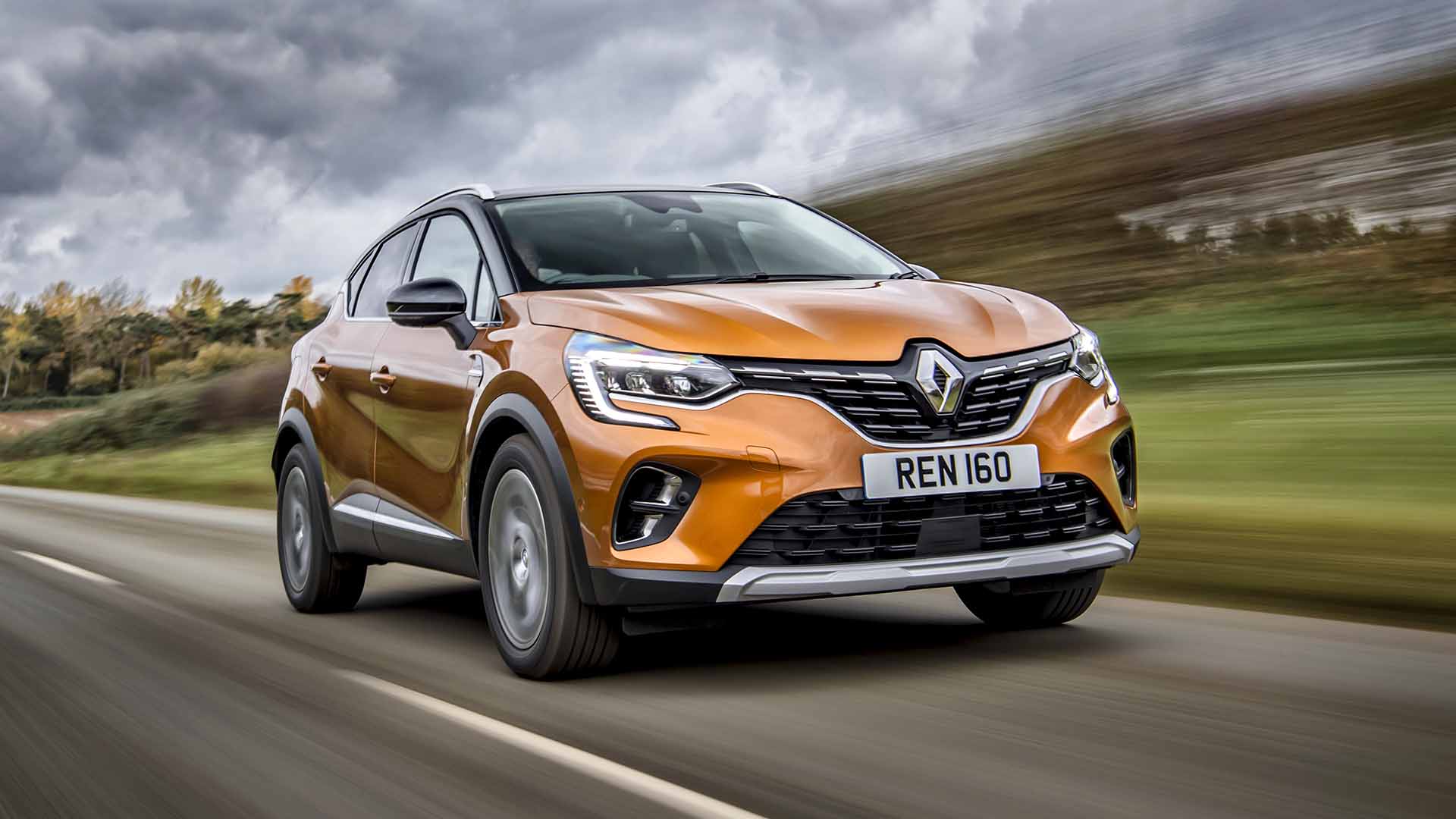
A small number of Renault Zoe electric cars were affected by a risk of overheating and damage to the electrical systems. It’s important to note that the recall notices will outline the models affected by providing production dates. There were also four recalls for the Captur and three for the Clio.

8. BMW – 17 recalls

Recalls Europe

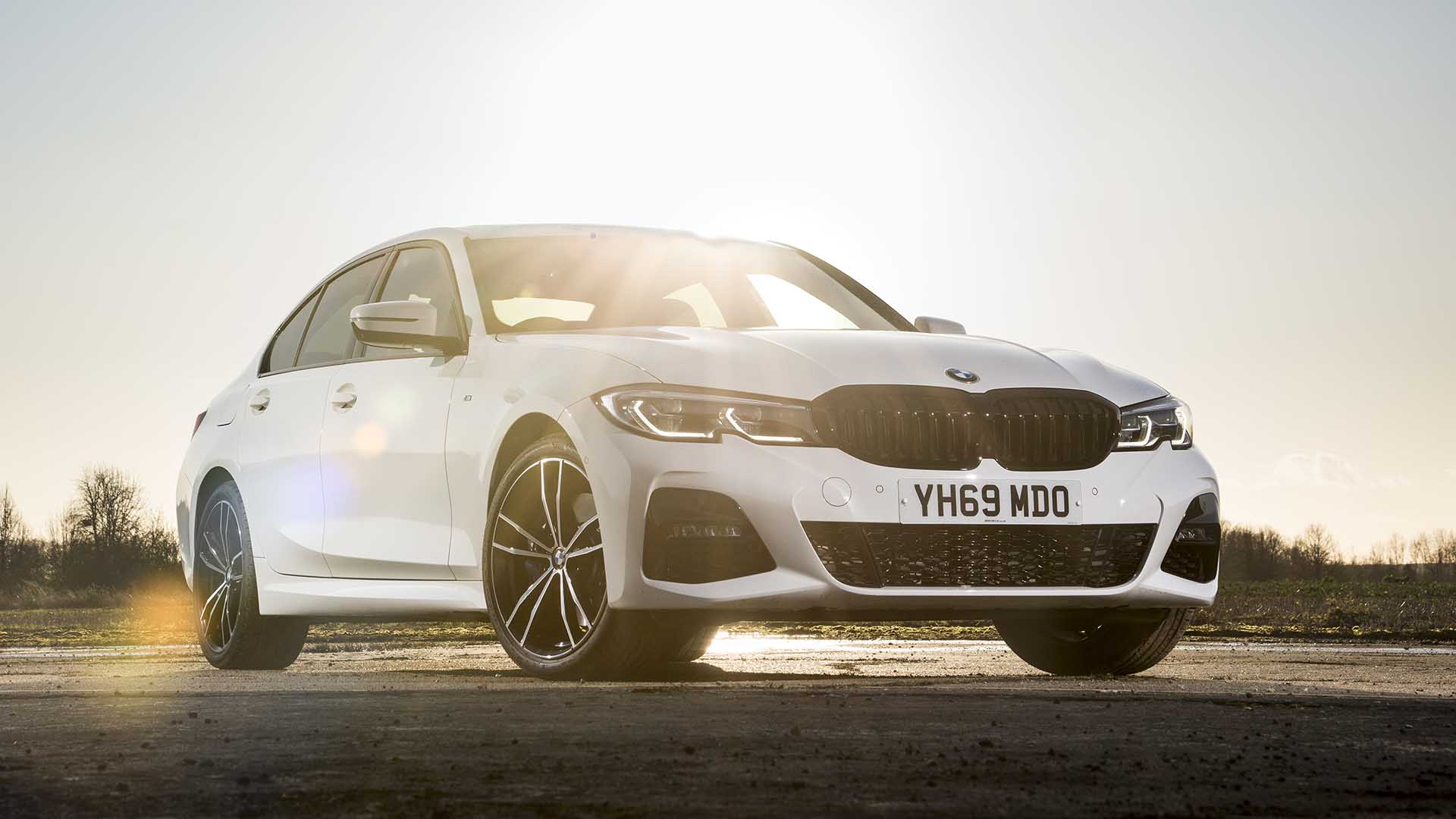
If you find a serious defect that affects the safety of your car or any of its parts, you’re advised to report it to the manufacturer. If you’re not happy with how the manufacturer is dealing with your report, you should contact the Driver and Vehicle Standards Agency (DVSA). BMW announced 17 recalls for 18 models, including a high-voltage battery in plug-in hybrid models.

7. Citroen – 18 recalls

Recalls Europe

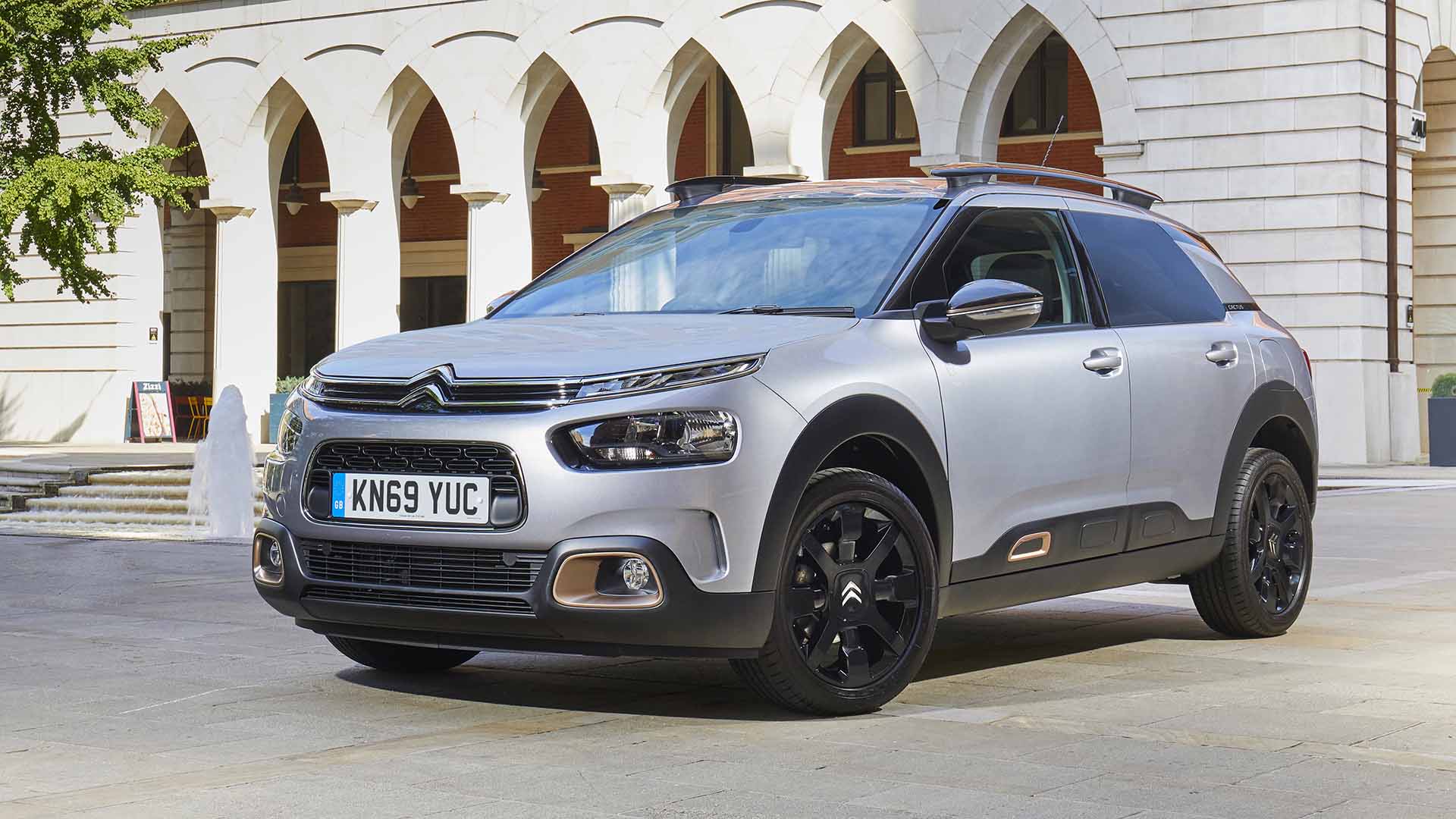
The Citroen figure includes DS models. The Car Recalls website says that around 160,000 owners of the Berlingo, C3, C3 Picasso, C4, C4 Cactus, C4 Picasso, DS3 and DS4 with the 1.2-litre petrol engine are due a visit to a Citroen garage. You can check if your vehicle has an outstanding safety recall by visiting the government’s MOT history website.

6. Audi – 19 recalls

Recalls Europe

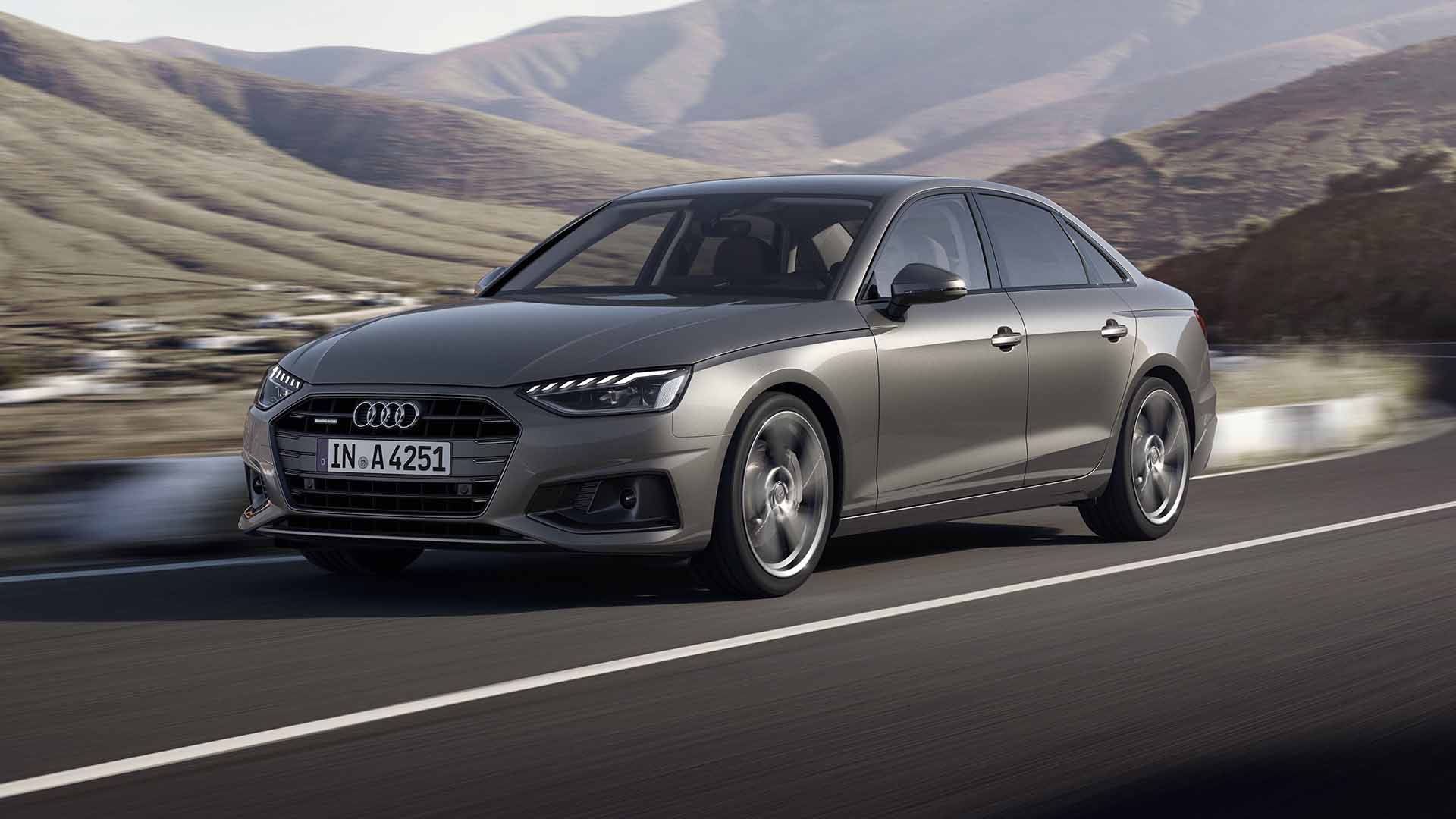
In May, Audi announced a recall affecting around 530,000 mild-hybrid A4, A5, A6, A7 and Q5 models worldwide. Moisture can penetrate the belt-starter generator, which can lead to a short circuit and overheating of the generator. In the worst case scenario, the generator could catch fire. The A8 and Q7 were recalled the most times (five), followed by the A4 and A6 (four times).

5. Toyota – 22 recalls

Recalls Europe

A couple of the 22 Toyota recalls in 2020 concerned models dating back to the 1990s. Specifically the Yaris and RAV4, which could be affected by a faulty airbag inflator. Newer versions of the Yaris were also recalled due to airbag issues, while a small number of GR Supra models were affected by a problem with the steering tie rod.

4. Volkswagen – 24 recalls

Recalls Europe

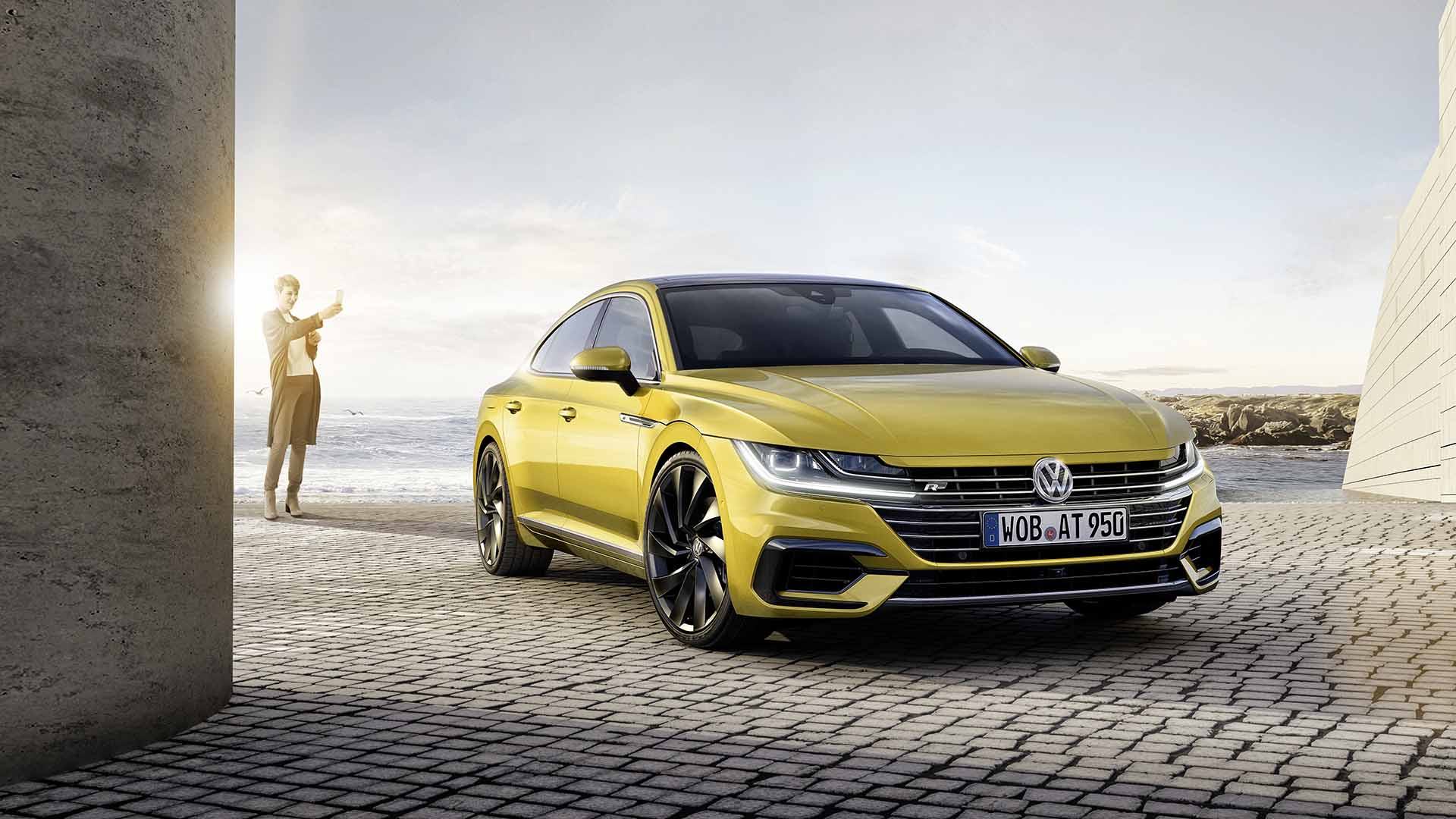
In December, Volkswagen recalled around 38,000 Golf, Tiguan and T-Roc models due to a defect with the brake pedal. The problem was noticed during internal checks when it was discovered that the driver’s footrest could deform or even come off. A similar recall had been issued for the Arteon and Passat. Other recalls concerned the Amarok, Caddy, Phaeton, Touareg and Tiguan.

3. Ford – 24 recalls

Recalls Europe

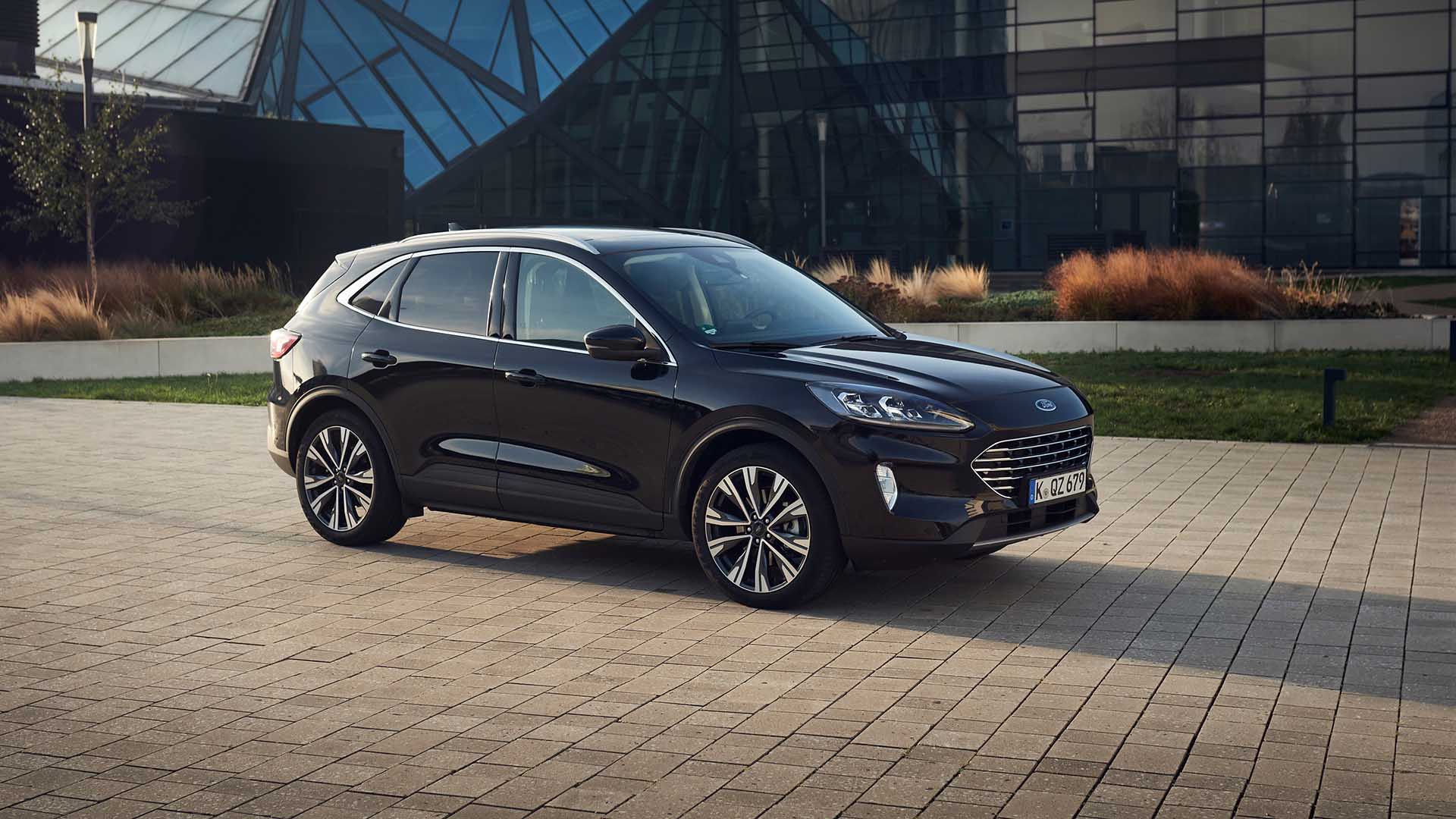
Ford halted sales of the Kuga PHEV amid concerns about overheating battery packs. The recall affected 33,000 vehicles, with Ford saying it has discovered that the problem was caused by cell contamination in the drive battery system. There were also nine different recalls affecting the Transit and its derivatives.

2. Peugeot – 28 recalls

Recalls Europe

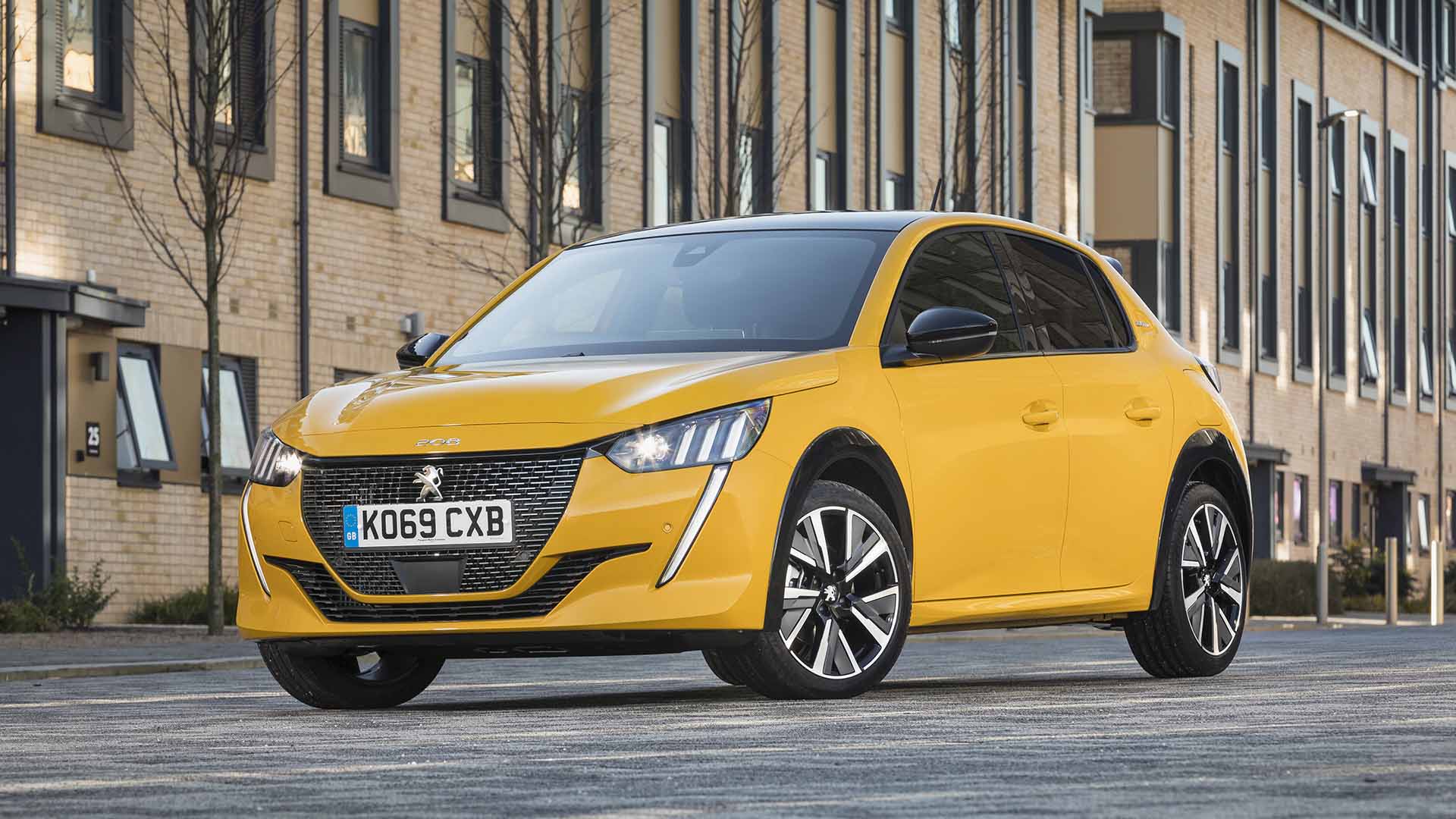
Peugeot announced 28 recalls for 11 models. Amazingly, the 208 was affected by eight recalls, including rear brake hoses, rear shock absorbers, engine calibration, wheel alignment and steering column. There were also recalls for the 2008, 308, 3008, 508, 5008, Rifter, Expert, Partner and Traveller.

1. Mercedes-Benz – 57 recalls

Recalls Europe

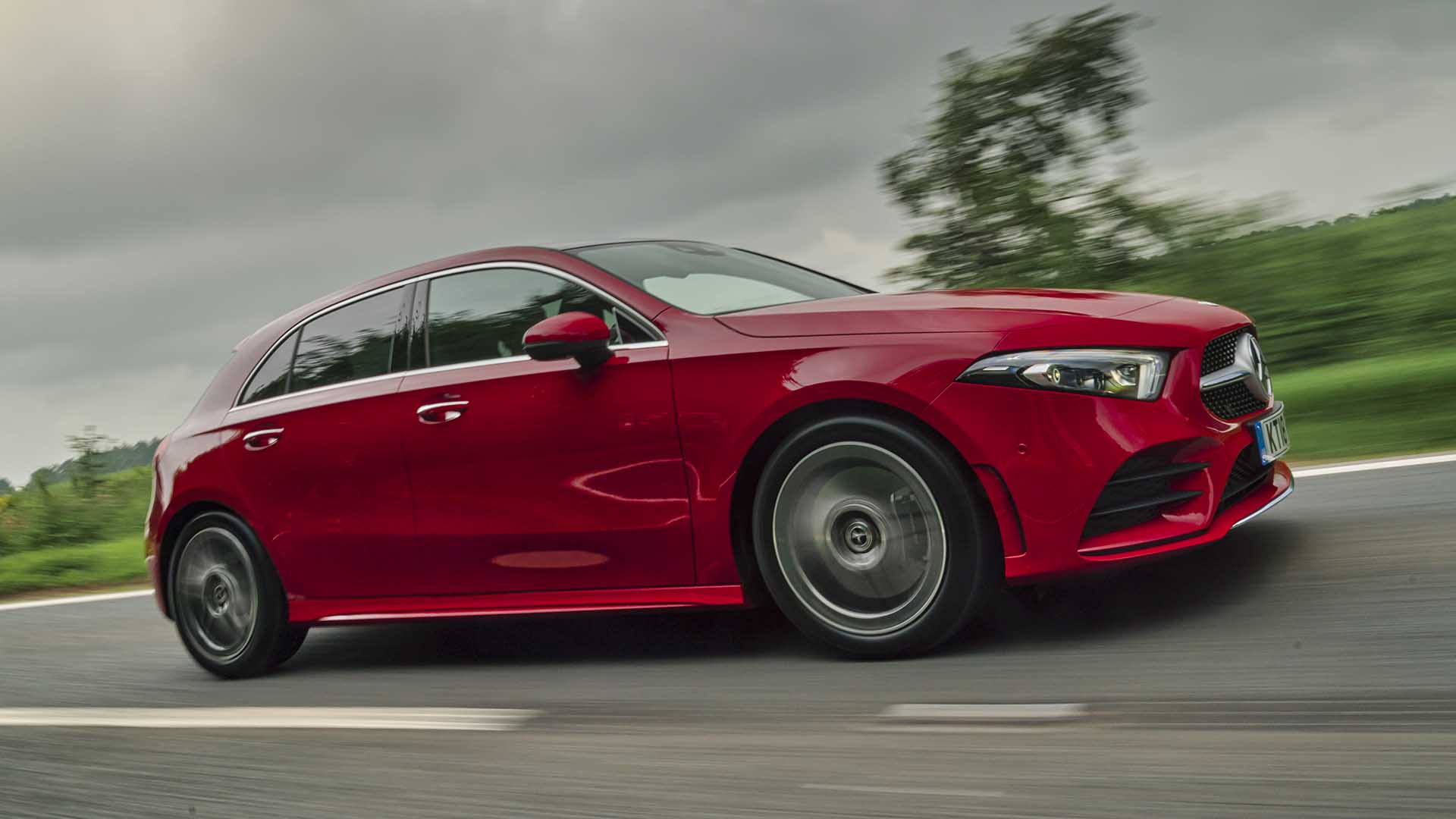
For the fourth year running, Mercedes-Benz tops the table, with 57 recalls issued in 2020. The A-Class was the most recalled car of 2020, with the premium hatchback affected by 10 different problems. Of the 57 Mercedes-Benz recalls, 38 were for passenger cars, 16 for commercial vehicles and three for the X-Class pick-up.

Advertisement