A unique Chevrolet Impala Wagon has been crowned the 2021 Snap-on Custom of the Year by the Goodguys Rod & Custom Association.
The two-door custom Impala was named the winner at the recent Goodguys Autumn Get-Together event, held in Pleasanton, California.
It means the special Chevy, named ‘Impressive’, will head to the Goodguys 24th Speedway Motors Southwest Nationals this weekend.
Impressive by name and nature
‘Impressive’ is the result of a nine-year build process, undertaken by the Minnesota-based Ranweiler family.
The work was all undertaken at the family’s Show Cars Automotive shop, and included converting a four-door Impala Wagon to a bespoke two-door version.
Changes include the roof being chopped, the windshield angle reclined, and the B- and C-pillars fabricated from scratch.
An entirely unique front end has been installed, with the fenders and other panels welded to the cowl for a completely seamless appearance. The grille and bumpers are also custom items.
Combining luxury and performance
Powering ‘Impressive’ is a 509-cubic inch V-8 engine, fitted with a Hillborn fuel injection system. It sends 600 horsepower to the rear wheels via a 4L60E transmission.
A modified Art Morrison chassis has been used, bringing updated suspension to the build. Custom EVOD wheels are fitted, with the rears a sizeable 20×12 inches.
Inside, there’s a 1960 Chevrolet Impala dashboard, but with Dakota Digital gauges. Custom-dyed Italian leather wraps the 1959 Cadillac Eldorado seats.
Bespoke metal trim, created by the Ranweilers, has been used throughout the cabin.
Another trophy for the cabinet
Living up to its name, ‘Impressive’ has already collected multiple awards. In 2020, it won the prestigious Ridler Award at the Detroit Autorama, and later took honors in the SEMA Show Battle of the Builders competition.
The Goodguys 24th Speedway Motors Southwest Nationals will be held in Scottsdale, Arizona. Taking place from Friday 19 November to Sunday 21 November, it marks the culmination of the Goodguys 2021 show season.
A Lamborghini Huracan has been turned into a mobile artwork by the fingertips of Paolo Troilo.
The Italian-born artist used the bodywork of the Lamborghini as a canvas for his unique ‘Minotauro’ (Minotaur) creation.
According to Troilo, the artwork represents the ‘the dynamism, power and innermost emotions’ he experienced when driving a Huracan Evo.
Narrowing space, distorting time
Speaking about his Lamborghini enlightenment, Troilo said: “Seeing the Huracan Evo and trying it out suggested to me that there are also things capable of releasing the same energy with acceleration, with speed, with momentum.
“I heard the sound of the wind picking up as the space narrowed and time distorted. I felt a flowing wind and used it to paint on the muse itself, the inspiration of these emotions: the Huracan, my Minotauro.”
Using the mythical minotaur as his muse, Troilo’s artwork features a male body and a bull – the traditional symbol of Automobili Lamborghini.
As with his previous works, the painting was done by Troilo using just his fingers, with no brushes involved.
Finger on the pulse
Spotted for creative talent as a child, Troilo worked for 15 years as an award-winning advertising executive. This included time spent with the renowned Saatchi & Saatchi organisation.
Choosing to move permanently into the art world, Paolo forgot to buy brushes to paint with. Instead, he chose to work with just his fingers, creating his own unique style.
Unveiled at La Bullona in Milan, Minotauro has been displayed as part of a curated collection of Troilo’s work.
It marks the latest in a series of Lamborghini art cars. These include a pop art-inspired design created by Skyler Grey for an Aventador S in 2019.
Porsche has pulled the wraps off a new GTS version of the pure electric Taycan at the Los Angeles Auto Show. Positioned above the Taycan 4S and below the Turbo, the company describes it as ‘a real sweet spot in the range’.
The Taycan GTS debuts a new Sport Turismo body style, too. Based on the existing Cross Turismo estate, it features lower suspension for a sportier stance.
It also ditches the SUV-style body cladding and Gravel driving mode of the more rugged Cross Turismo.
The GTS serves up 598hp (440kW) of overboost power when using launch control – enough to blast either the saloon or Sport Turismo to 62mph in 3.7 seconds, plus a (limited) top speed of 155mph. Quoted range after a full charge is 312 miles.
Porsche promises ‘further dynamic focus’ for the GTS. Adaptive PASM suspension comes as standard, with agility-enhancing rear-wheel steering an option.
A modified Electric Sport Sound system should make it sound faster, too. Let’s hope for a convincing impression of the 911 GT3’s petrol flat-six…
On the outside, black highlights on the bumpers, door mirrors and window surrounds help the GTS look the part.
Inside, you’ll discover acres of tactile Race-Tex fabric (Porsche’s answer to Alcantara) and enough space for five adults and their luggage.
One interesting option for the GTS Sport Turismo is a touch-sensitive panoramic sunroof. A liquid crystal film within the glass can change from clear to opaque at the press of a finger. Uniquely, the roof consists of nine sections, each of which can be tinted individually.
The Taycan is the final Porsche model to get the GTS treatment. First deliveries are expected in spring 2022, with prices from £104,190 – or £104,990 for the Sport Turismo. Look out for a review soon.
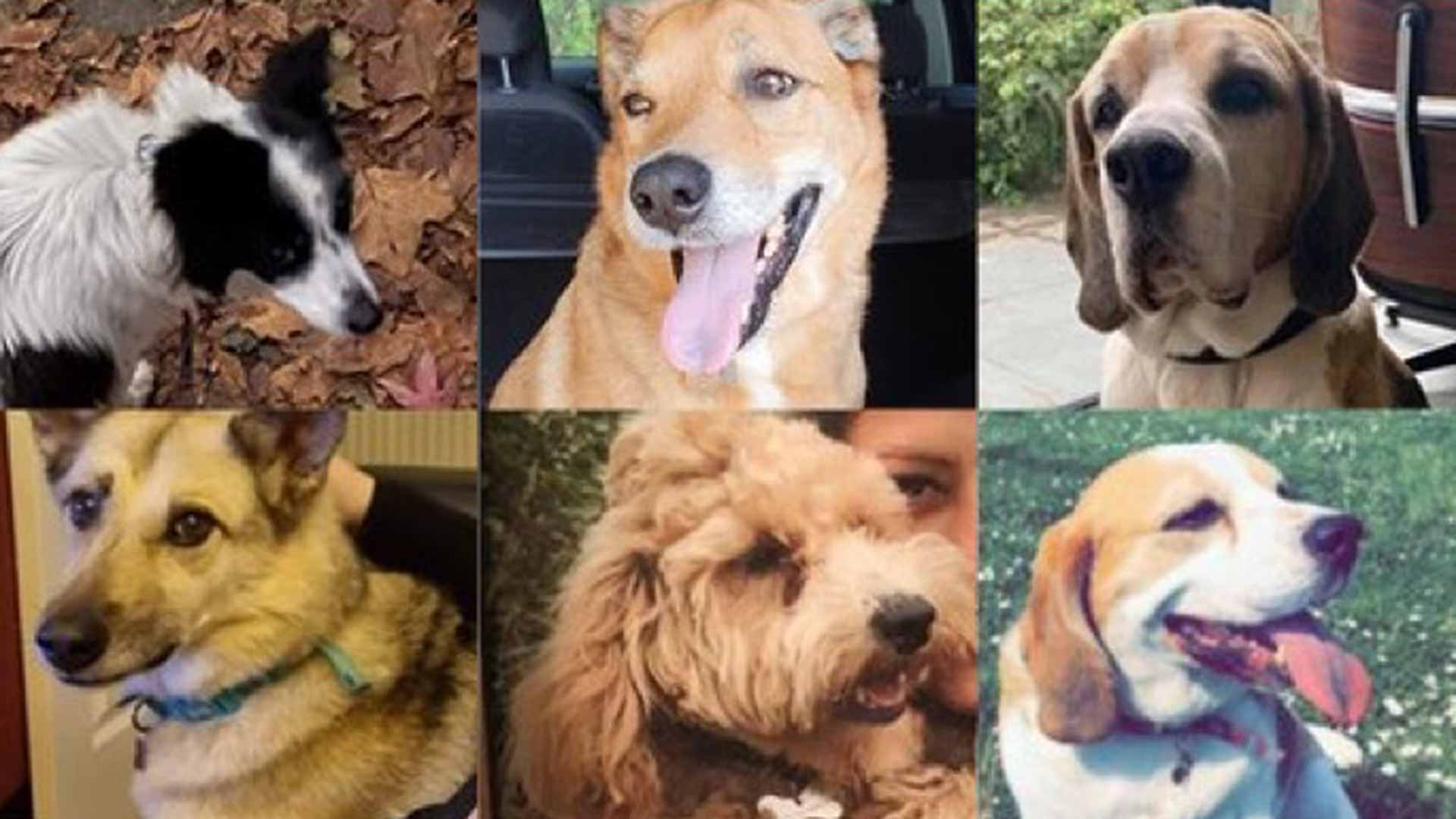
Famous technology journalist Rory Cellan-Jones was reunited with his missing dog, Cabbage, after a high-profile search – and fittingly, it was the latest tech from Ford that came to his rescue.
Rory’s dog was one of six in the back of a one-year-old Ford Transit Custom being used by dog minder, Brett Holte-Smith.
The dog walker, explained Rory, had left the Ford running with the keys in the ignition while he picked up another client’s pooch.
“He turned round to see it disappearing into the distance.”
Rory tweeted about the loss and, within half an hour, it had gone viral, with 10,000 retweets and 3.6 million views.
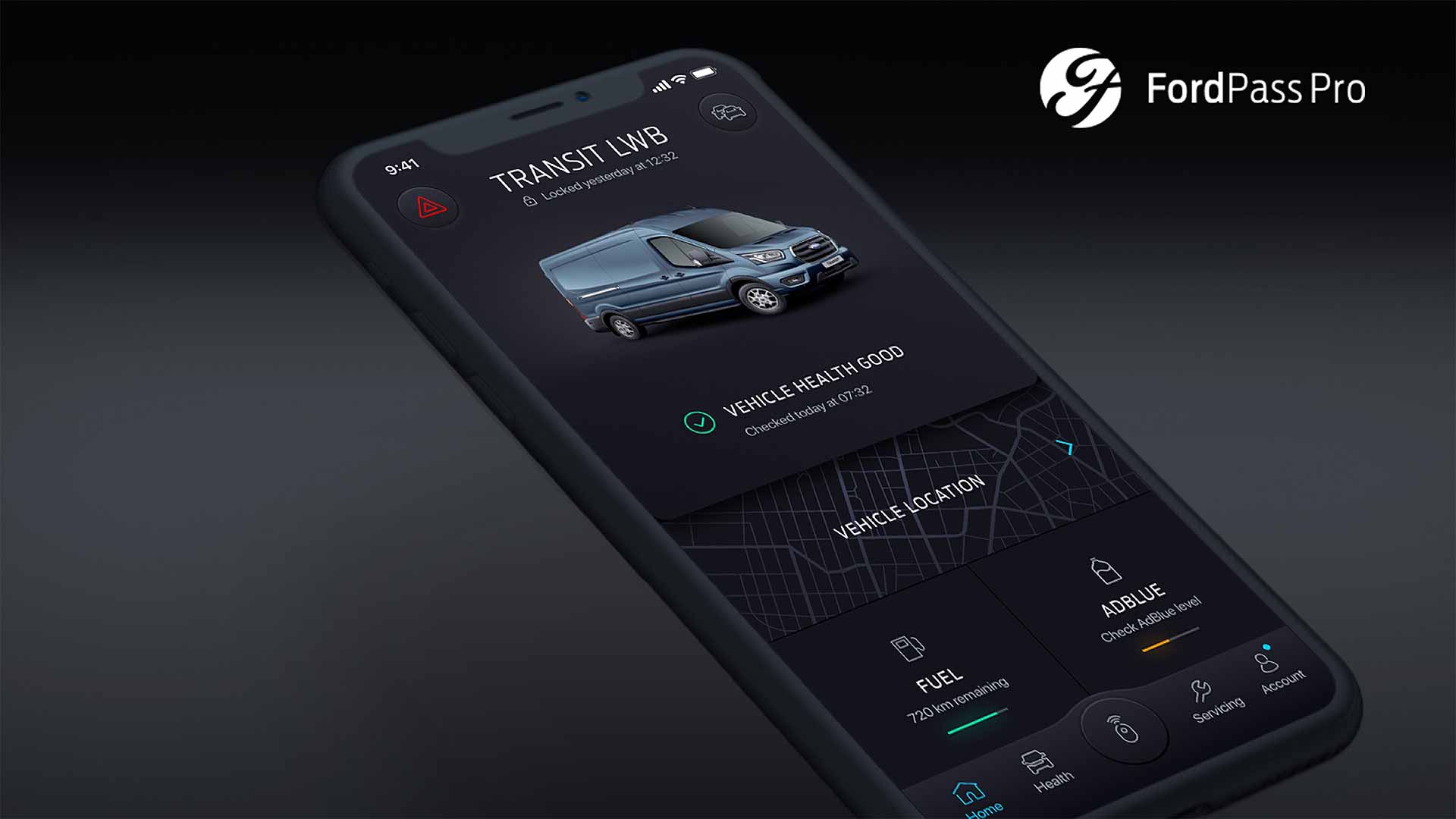
However, it was actually technology embedded in the van that helped locate the missing hounds.
This meant the location of the van could be tracked via the onboard modem and SIM card.
Once Ford Pass had been activated, the Transit’s first location following the theft showed up the following morning in Park Royal.
The search team were dispatched and, although the vehicle had gone by the time they arrived, they actually later found five of the six missing dogs roaming the area.
Later, when the thieves moved the van again, its location was traced to another area in Park Royal – and it was seized later that evening.
The sixth dog was even then found, meaning Rory was reunited with Cabbage… thanks to the combined power of social media and free Ford tech.
Mark Harvey, Ford enterprise connectivity director, said: “Connectivity is the cornerstone of our mission to deliver smart vehicles.
“What brings that plan to life, and makes it all the more rewarding, is real-life stories such as this, with Ford’s technologically advanced vehicles bringing about a better outcome for customers in need.”
Lee Johnstone’s super Swede beat competitors from around the globe to be judged the most unique and inspiring custom car. It will now be turned into a 1:64 scale die-cast model by Hot Wheels, and sold in shops.
A world-beater from Somerset
First acquired by Johnstone as a bare shell, Ain’t No Saint has been extensively modified for drag racing. It has a Chevrolet-sourced 454 cubic-inch V8 engine, which boasts a supercharger and dual four-barrel carburettors.
Helping the Volvo P1800 to victory was the family story that made this ‘Gasser’ a success on the drag strip. Lee’s project was aided by his wife, Sue, along with his three daughters: Ellie, Tori and Sarah.
Ain’t No Saint beat a host of amazing competitors. These included a 1969 Dodge Charger called Scraptona, and a Baja-spec Porsche 911.
Immortalised in miniature
Now into its fourth year, the Legends Tour spanned 11 countries, with thousands of vehicles entered.
Judging was undertaken by an array of automotive and design experts from around the world. The grand finale was hosted by Jay Leno, with his own garage used as the venue for the live-streamed event.
Like the previous winners of the Legends Tour, Ain’t No Saint will now be created as a detailed 1:64 scale die-cast toy.
It offers the chance to own the compact A-body Dodge, fitted with a legendary engine.
The listing is part of a new collaboration with the Goodguys Rod & Custom Association. This aims to highlight cars being sold by members of the nationwide enthusiast club.
“This is a tribute!”
The combination of a small body, and an engine bay big enough for V-8s, had made the Dart attractive to drag racers.
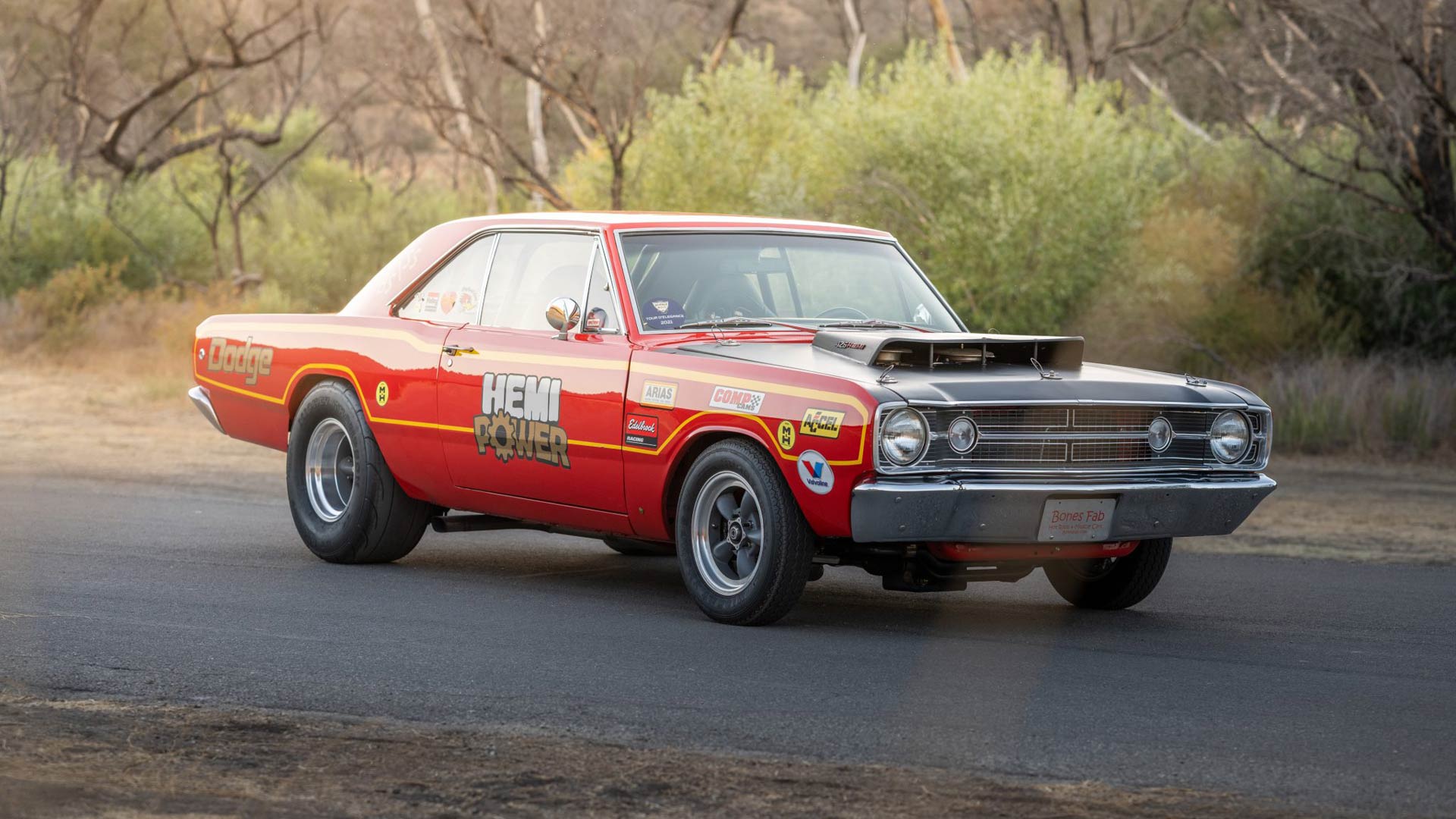
For 1968, Dodge decided to get in on the action itself. Hurst Performance was contracted to build Super Stock Darts for competition usage. Darts with both the 440-cubic inch RB V-8, and formidable 426-cubic inch Hemi V-8, would be available.
Around 80 original Dodge Hemi Dart Super Stock models are believed to have been produced. It means tracking down a factory ‘LO23’ Hemi Dart is akin to finding a needle in a haystack.
With original cars so rare, opting to build a tribute like the car up for auction is a smart move.
“Hemi-powered drones scream down the boulevard”
Subject to a five-year restoration process, the main attraction for the 1968 Dart is the 426-cubic inch Hemi beneath the fiberglass hood.
The big V-8 has been fitted with aluminum cylinder heads, Holley carburettors, MSD ignition, and Johnson Lifters hydraulic roller tappets.
Although the Dart has been photographed with velocity stacks, air cleaners are used for street driving. The Hemi V-8 is also said to be capable of running on regular pump gasoline.
A TCI 727 three-speed automatic transmission sends power to the outrageous 10-inch wide rear wheels.
Stripped back to basics
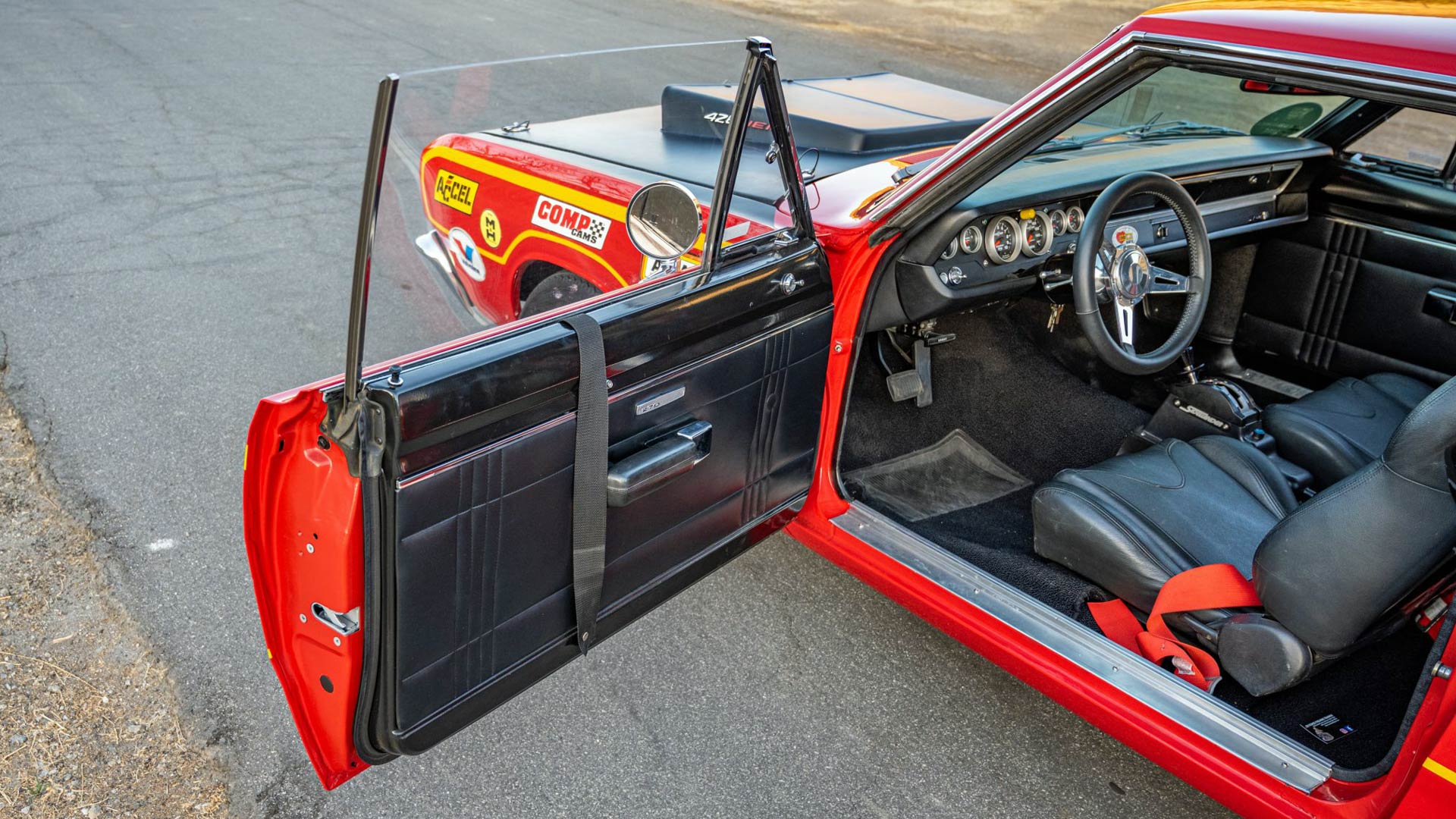
As part of the restoration work, the Hemi Dart has gained Corbeau bucket seats, finished in black leather. These are equipped with G-Force Racing Gear four-point harnesses, with a sizable roll hoop mounted behind.
The radio, heater, and rear bench seat have all been removed to save weight, while the side windows are made from polycarbonate. The window winder mechanism has also been ditched, and replaced with straps.
Extensive paperwork will be supplied with the Hemi Dart, including service records and details of the components used in the restoration.
Ready to rumble
With so few examples produced, prices for a genuine LO23 Hemi Dart typical stretch deep into six figures. Owning such a rarity is also likely to dissuade owners from hitting the drag strip in their Mopar muscle car.
Bidding on a tribute car like the Dart up for auction enables the same Hemi-powered thrills. Just without the related worry or expense.
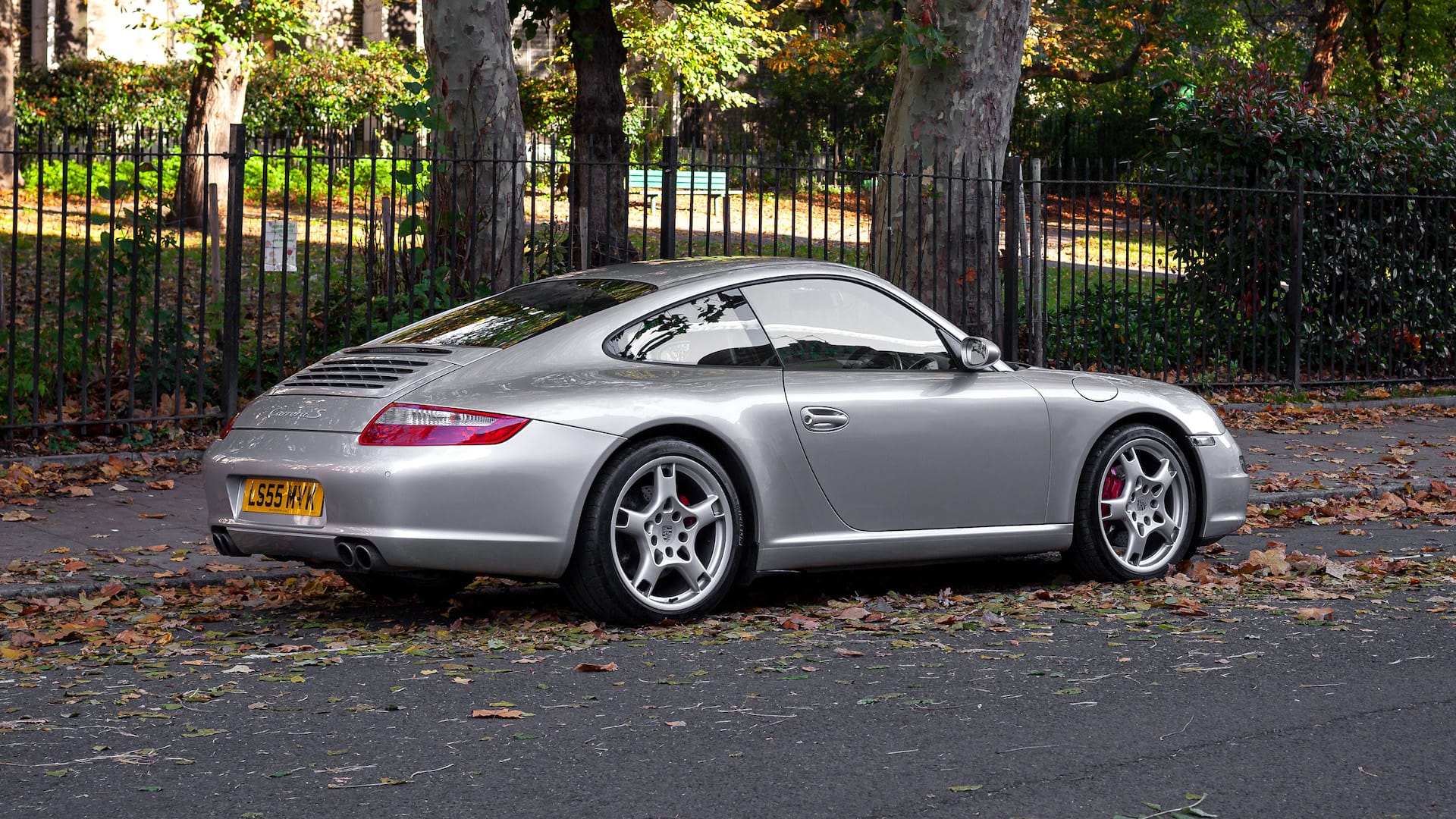
This month’s H and H Classics auction includes a celebrity 2005 Porsche 911 Carrera S.
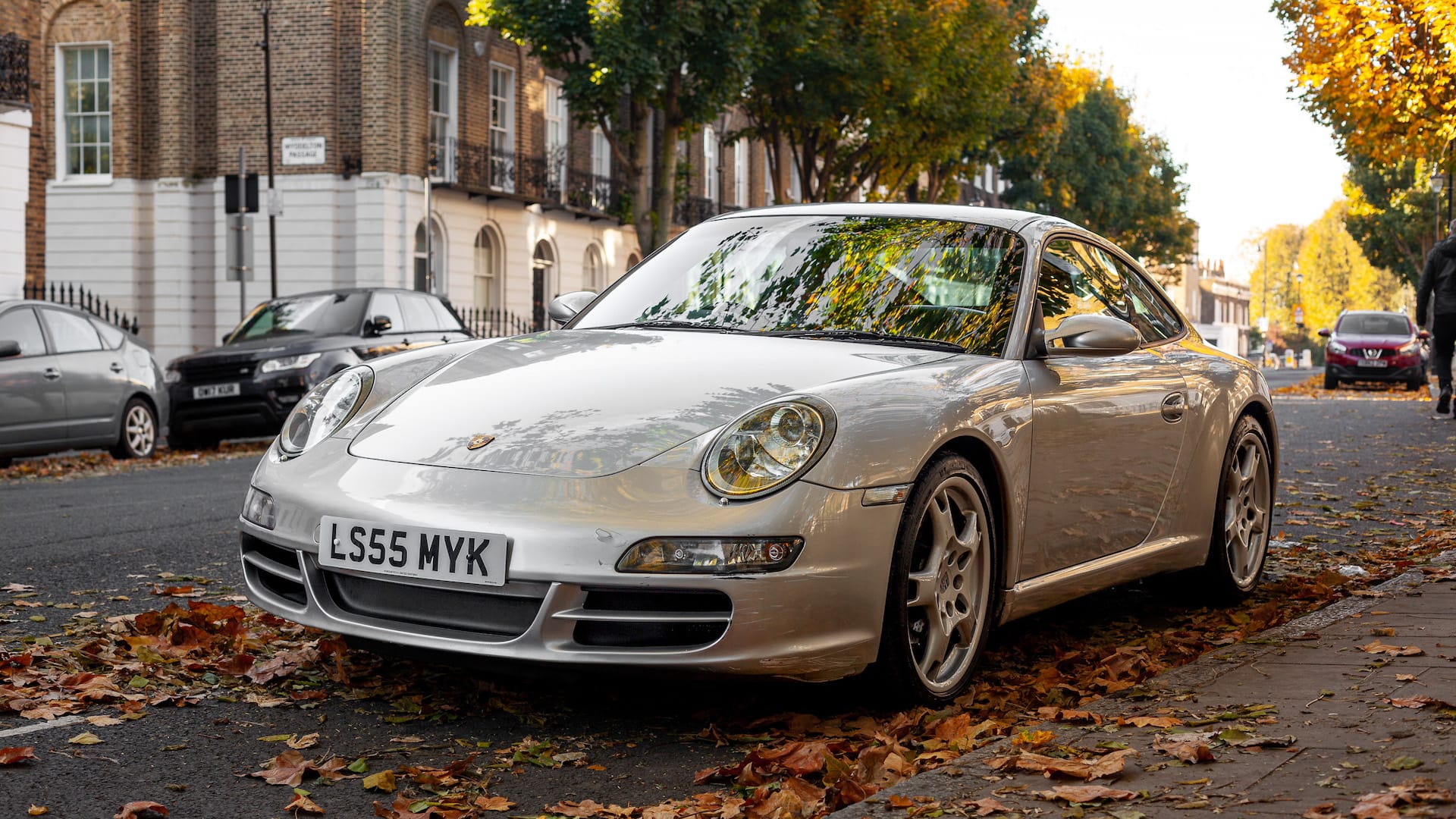
Owned by the actress, comedian, and screenwriter Jennifer Saunders since it was less than a year old, the Porsche has racked up an impressive mileage.
Used as a daily driver, the 911’s odometer has ticked over 153,000 miles during Saunders’ ownership.
The enthusiast’s choice
Launched in 2004, the 997-generation Porsche 911 returned to the more traditional styling of its predecessors. The controversial ‘fried egg’ headlights of the 996 were ditched, with wider rear bodywork added.
Regular Carrera models used a naturally aspirated 3.6-litre flat-six, while the Carrera S had a larger 3.8-litre engine. It produces 355hp and 295lb ft of torque.
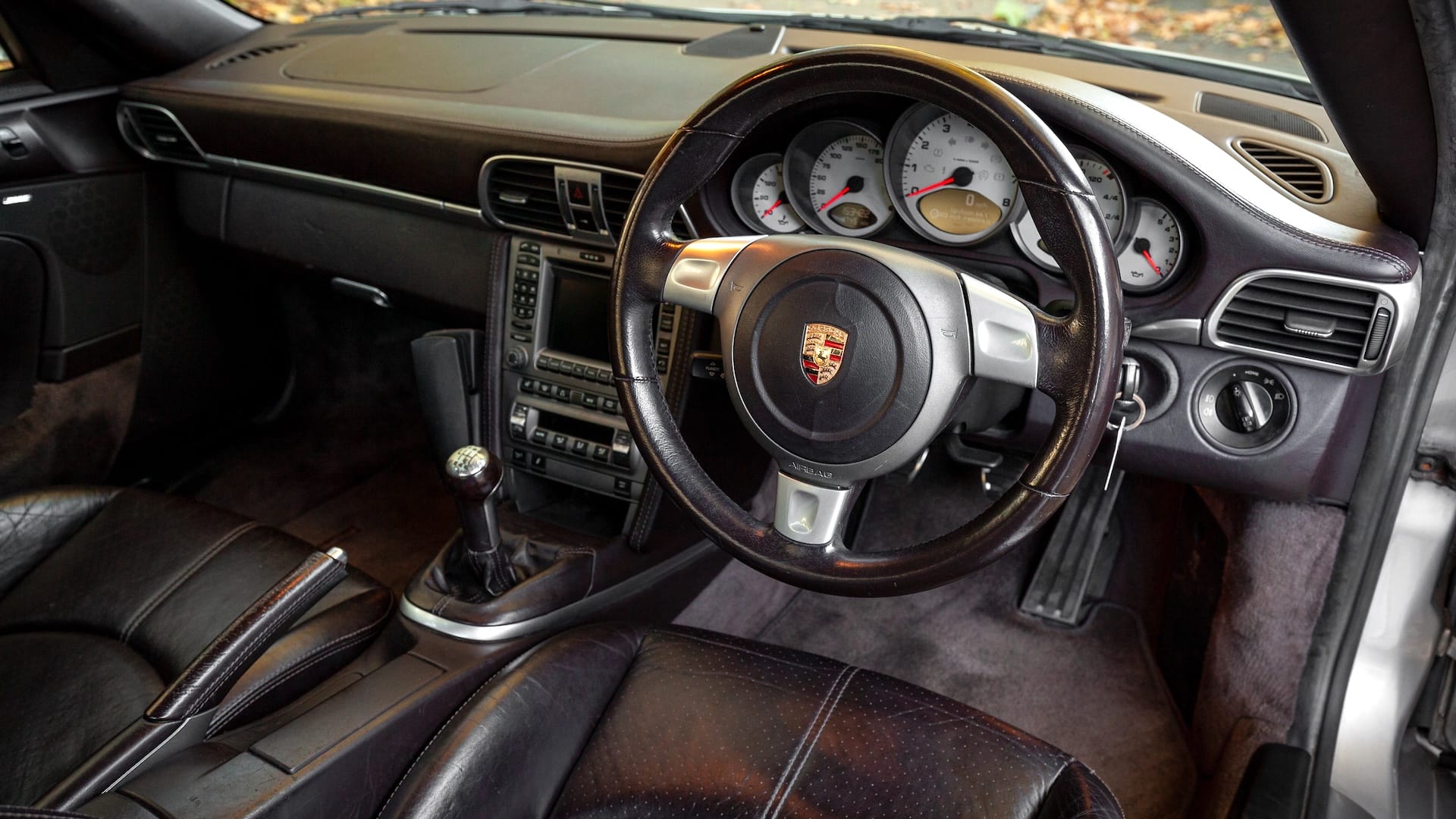
The 997 model was the first 911 to be offered with Porsche’s PDK dual-clutch automatic gearbox. However, Saunders opted for the purist six-speed manual.
Star in a high-mileage sports car
That Saunders opted for the more powerful Carrera S version, with a manual ‘box, should perhaps be no surprise. The Absolutely Fabulous star has owned an extensive collection of cars, including several Alfa Romeos.
Saunders also set the fifth-fastest lap time around the Top Gear test track, driving the Chevrolet Lacetti as the ‘Star in a Reasonably Priced Car’.
Despite its big mileage, and a few marks apparent on the front bumper, the 911 has been well maintained. A new battery and alternator were fitted in August 2020, with the work undertaken by Porsche Centre Exeter.
‘Rolling down the road‘
A major service, at a cost of £2,719, was undertaken in July 2021. This included a new gearbox undertray, outside temperature gauge, top mounts and suspension bushes.
Being sold without a reserve means that Saunders’ 911 Carrera S will go to a new owner.
The H and H Classics sale takes place on 17 November. It will be held at the Imperial War Museum in Duxford, Cambridgeshire.
Other intriguing lots for sale include a 1962 Aston Martin DB4, 1971 Ferrari 246 GT and a rare 1982 Frazer-Tickford Metro.
UK motorists have little interest in unnecessary in-car technology, according to a new survey by budget brand Dacia.
More than three-quarters (78 percent) of the 2,000 drivers asked said they simply want technology that makes life easier.
The research found 76 percent believed too many high-end features cause confusion when driving.
Nearly two-thirds (61 percent) also thought extra tech simply added to the cost of buying a new car.
Say ‘no’ to button bashing
Around a third of drivers think too much tech is fitted to cars in the first place. And 69 percent reckon in-car technology has become too complicated.
Despite car manufacturers fitting ever more gadgets, the study found only 40 percent of them are regularly used.
Those aged between 25 and 34 were most likely to use extra functions. Even then, less than half of all features are used by this age group.
In particular, in-car wi-fi and automatic parking functions were found to be almost universally ignored by drivers. Parking sensors, DAB radio and Bluetooth mobile phone connectivity were the most frequently used.
Decluttering from tech
For those drivers short on in-car tech, parking sensors, a reversing camera and satellite navigation were the most-wanted.
Both the revised Dacia Duster SUV and Sandero hatchback come equipped with a DAB radio and Bluetooth as standard.
Luke Broad, brand director for Dacia UK and Ireland, said: “We believe in providing our customers with everything that is essential, all for the best value – it keeps us faithful to our DNA. Features and technology on our cars should be in line with our customers’ demands so they pay for only what they need.”
When the Judgement Day comes, only two vehicles will survive: the Toyota Hilux and the Torsus Praetorian.
The Toyota was declared indestructible by Jeremy Clarkson, after his ever-more-madcap attempts to kill it. The Torsus proves its worth in places even Top Gear fears to tread, from remote gas pipelines to conflict zones. Now it’s available in the UK.
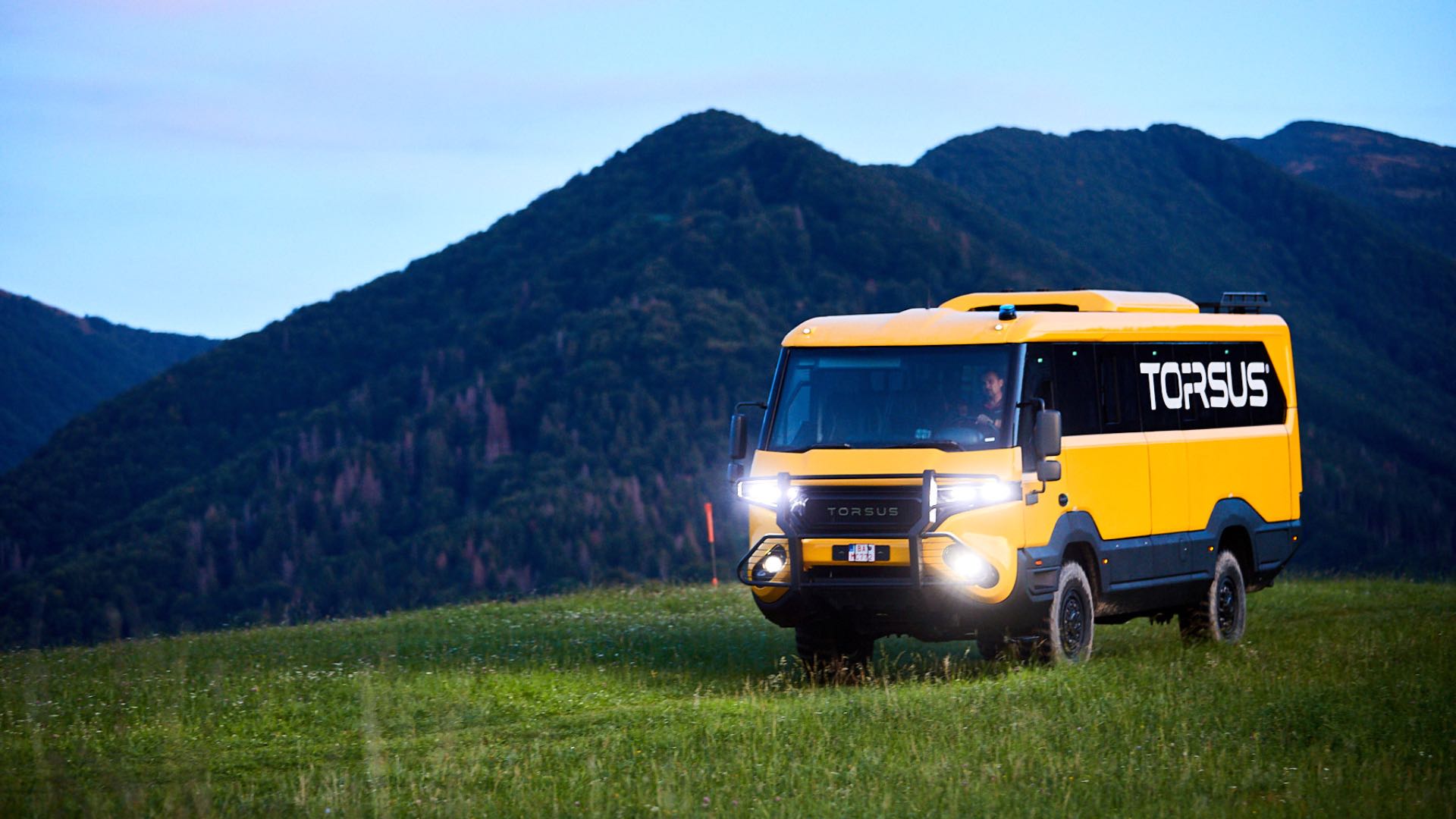
Torsus describes its products as the ‘world’s toughest heavy-duty off-road buses’. Founded in 2017, the company has a headquarters in the Czech Republic and a factory in Slovakia. Its first offering was the 37-seat Praetorian coach (from £148,000), but a second model – the nine-seat Terrastorm minibus (from £60,000) – has since joined the range. There’s also a new website configurator, plus a fully electric vehicle under development.
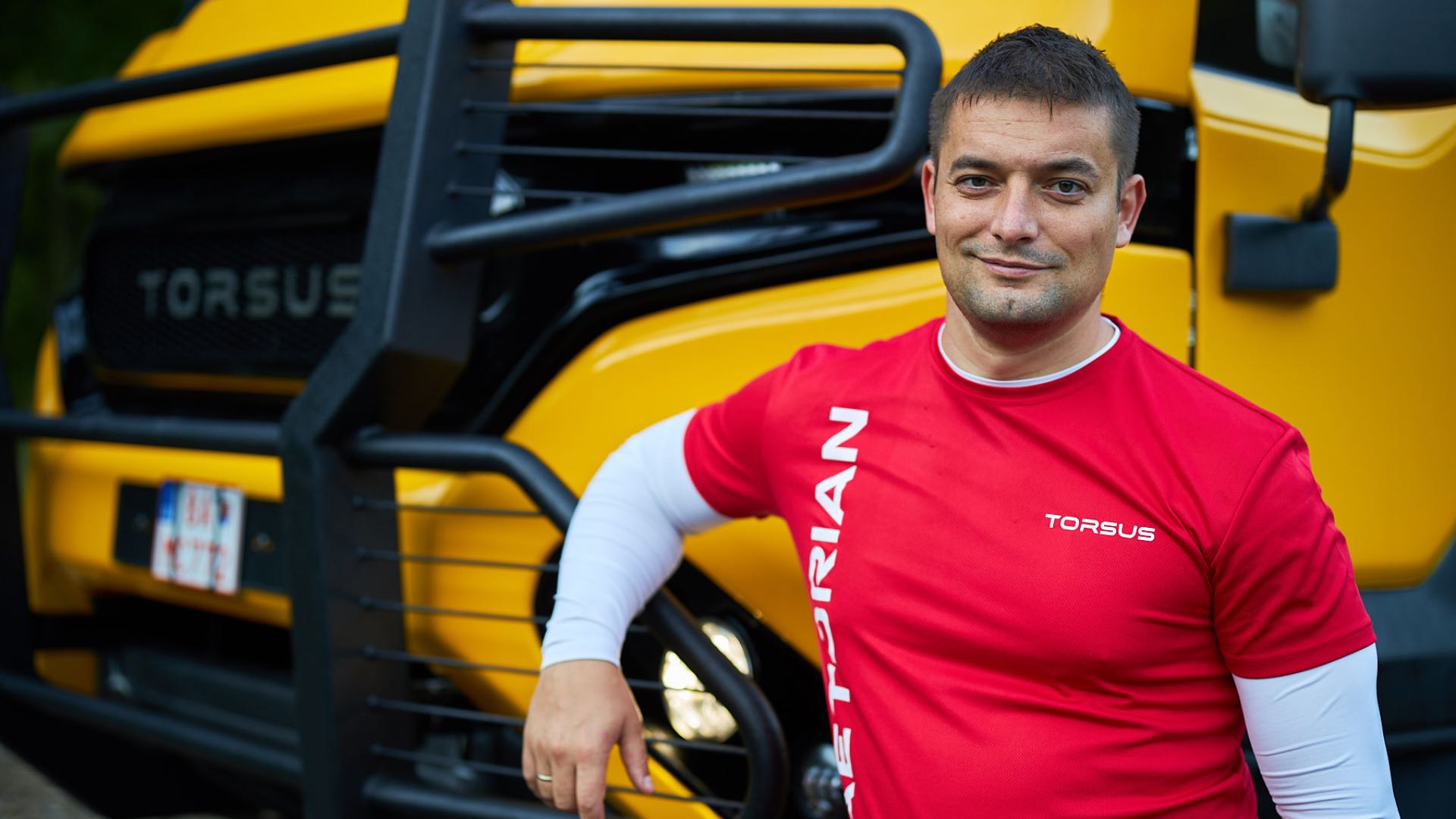
We spoke to Vakhtang Dzhukashvili, co-owner and CEO of Torsus, about the company’s origins, present and future, including his plans to establish a UK dealer network.
Give us a bit of background…
“Our parent company, Pulsar Expo, started out doing lots of one-off custom truck conversions – Man, Iveco and Toyota models, mainly. We worked with many large organisations that operate in challenging terrain, such as the United Nations, aid agencies and mining companies.
“We soon discovered that these clients were using fleets of SUVs or pick-up trucks to move people from place to place. Nobody was making large off-road vehicles suitable for this task. That’s where the idea for Torsus was born.”
Torsus Praetorian: the big one
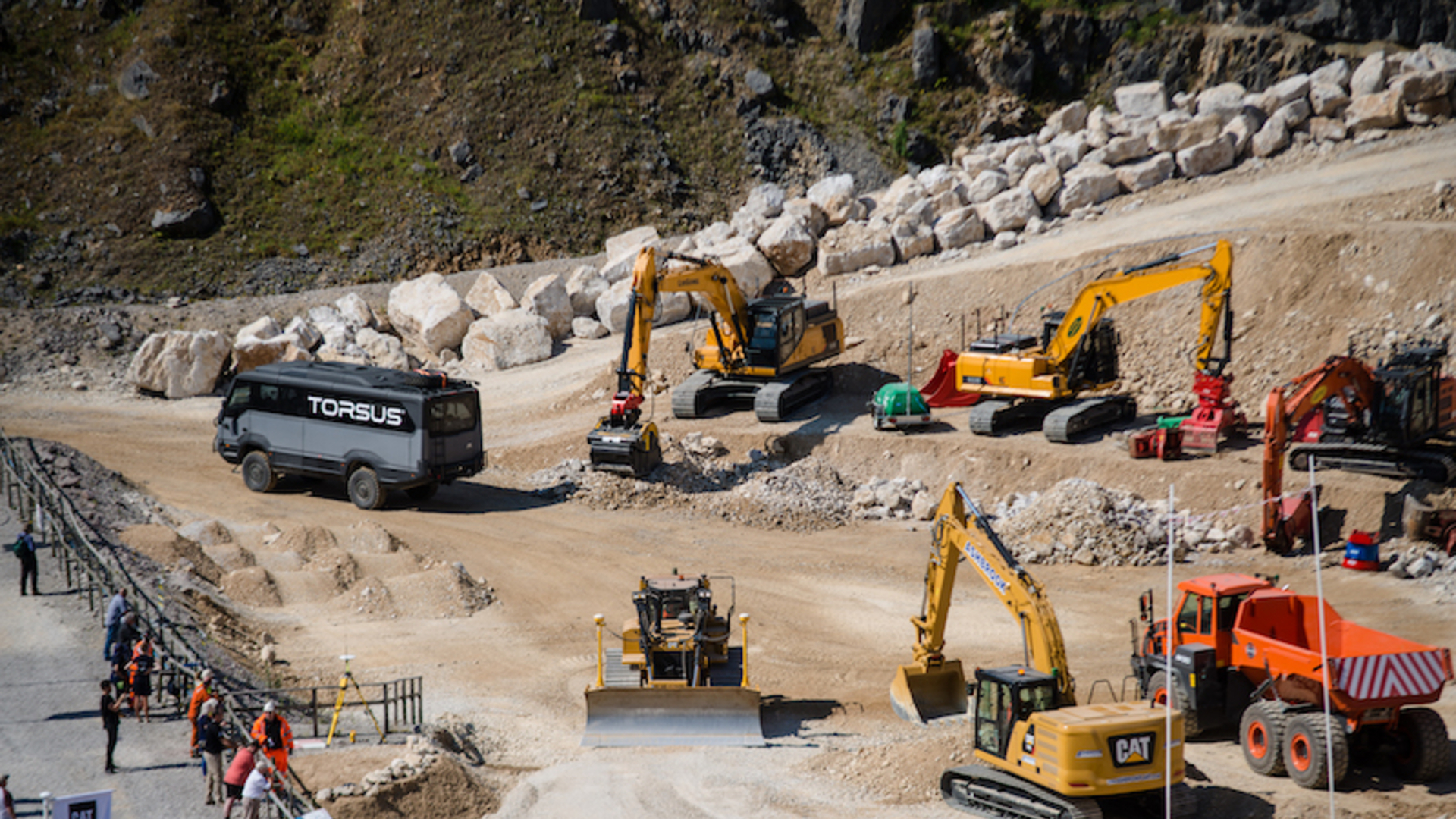
“The Praetorian was our first baby and we think it’s unique. It’s based on a MAN coach and powered by a 6.9-litre diesel engine that delivers 290hp and 848lb ft of torque.
“You’ll need a special licence to drive it, because it seats 37 (including the driver) and weighs 13.5 tonnes. But if you have the right qualifications and the skills to drive it off-road, you’re unstoppable. Three differential locks, long-travel suspension and a 900mm wading depth see to that.
“The Praetorian also meets the required standards in terms of European certification, comfort and safety. For example, it has proper motorised bus doors, but we had to adapt them so they close with greater force when the vehicle detects it’s off-road.
“Other challenges included strengthening the chassis to counter twisting forces and relocating the lights. There’s a lot of engineering behind it.”
Torsus Terrastorm: accessible adventure
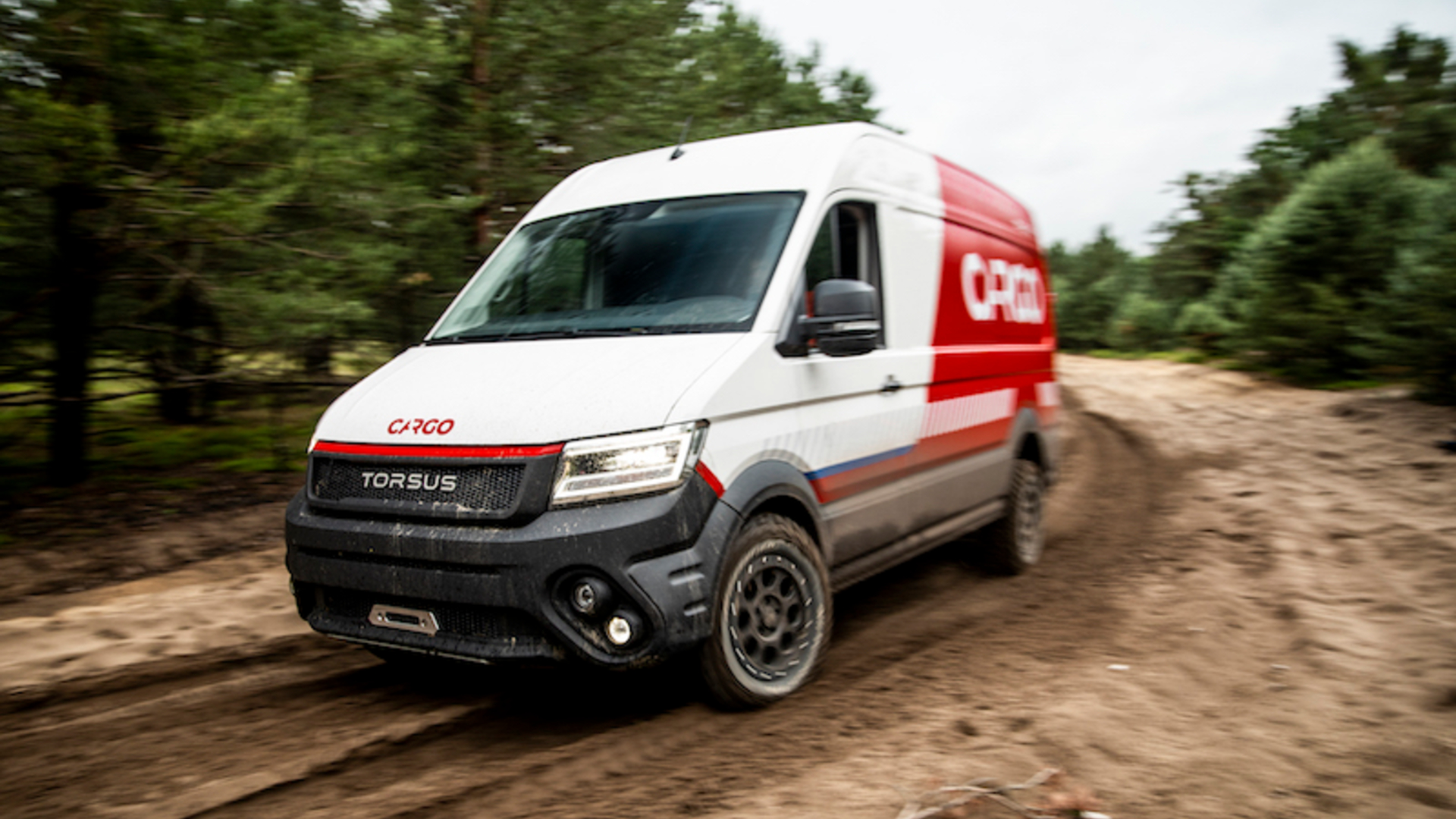
“This is our second vehicle, based on the Volkswagen Crafter 4Motion. It uses a twin-turbo diesel engine – the figures are 177hp and 302lb ft of torque.
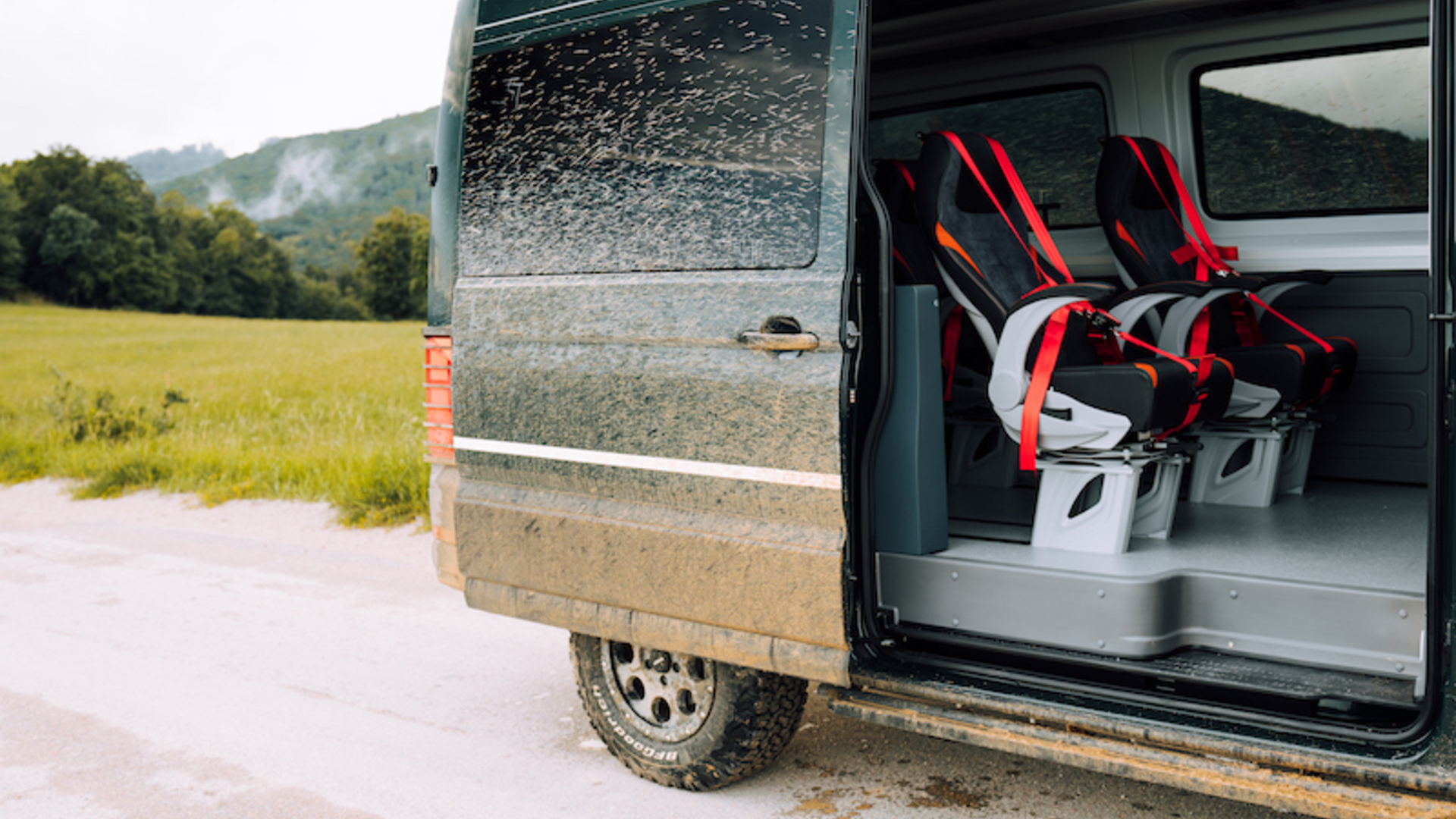
“We sell about seven Terrastorms for each Praetorian. Obviously it costs less, but it’s also more accessible. It was designed so anyone can drive; you don’t need special skills.
“The Terrastorm came about because one of our customers from the mining business wanted a vehicle that didn’t need a dedicated driver with a bus licence. This can be driven by any of the mine workers on a shift. And heavy-duty suspension and skid plates make it really hard to break…”
Who are they aimed at?
“We have identified at least 12 industries where Torsus products could be in high demand, but five in particular.
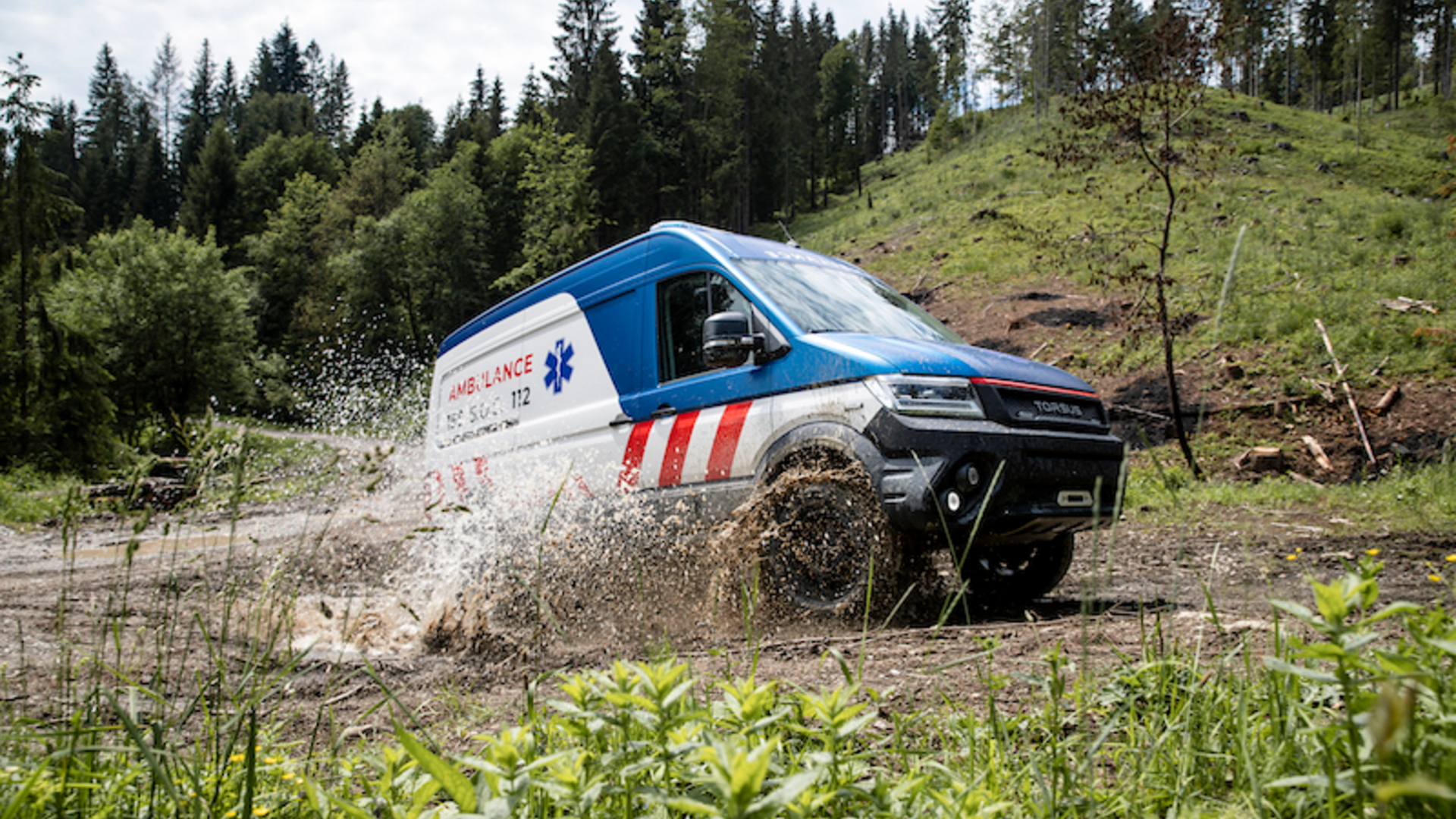
“These are oil and gas mining, law enforcement (police, border guards and so on), tourism (as camping and expedition vehicles), extreme sports (rafting, mountain biking, freestyle skiing) and emergency relief (ambulances or evacuation vehicles).
“While our buses aren’t suitable for military combat, they can also work behind the front line, perhaps as a fully-equipped command centre. Both the Praetorian and Terrastorm can be customised to suit buyers’ needs.”
When will Torsus arrive in the UK?
“We don’t have any UK dealers yet, but we’re actively looking for a partner. That said, anyone in Britain can buy a Torsus now. They have the correct European certification and we already build many vehicles in right-hand-drive for Australia.
“Servicing is straightforward, too. The Praetorian can be maintained at any MAN trucks service centre, while the Terrastorm owner can visit a Volkswagen commercial dealer.
“You can order via the website and import a vehicle directly. Our sales team will sort the paperwork and make it happen.”
Can they be more than simply working vehicles?
“Absolutely. The difference in price between a Terrastorm and a conventional minibus isn’t that great. And you’re potentially burying two vehicles in one.
“The owner of a film company I know owns a Terrastorm, for example. From Monday to Friday, it’s a bus for the film crew. Then at weekends he uses it for family camping trips. We offer a range of ‘smart camper’ accessories, including a fridge, bed, kitchen, tables and even a shower. The vehicle is big, and that space offers so many possibilities.
“We think there’s a lot of potential in the lifestyle market. You can use it for work and play, as many people do with their pick-up trucks, but it’s far more practical. A Torsus isn’t just for getting from A to B. You can also do something when you get to B.
What about the future?
“We’re looking at the feasibility of other powertrains. Diesel still works well for off-road expeditions, as it allows you to bring a lot of energy with you in your fuel tank. However, we’re already working on a fully electric Terrastorm for an environmentally-conscious client that needs a fleet of vehicles to maintain national parks.
“As for hybrid and hydrogen tech, if MAN introduces it, we’ll certainly be happy to incorporate it into the Praetorian. Watch this space.”
For most people, winning the Le Mans 24 Hour race would be reward enough in itself. Paolo Barilla, though, needed another way to commemorate his 1985 victory.
To coincide with his 60th birthday, Barilla became the first customer to order a car with Porsche Exclusive Manufaktur, as part of the new Sonderwunsch programme.
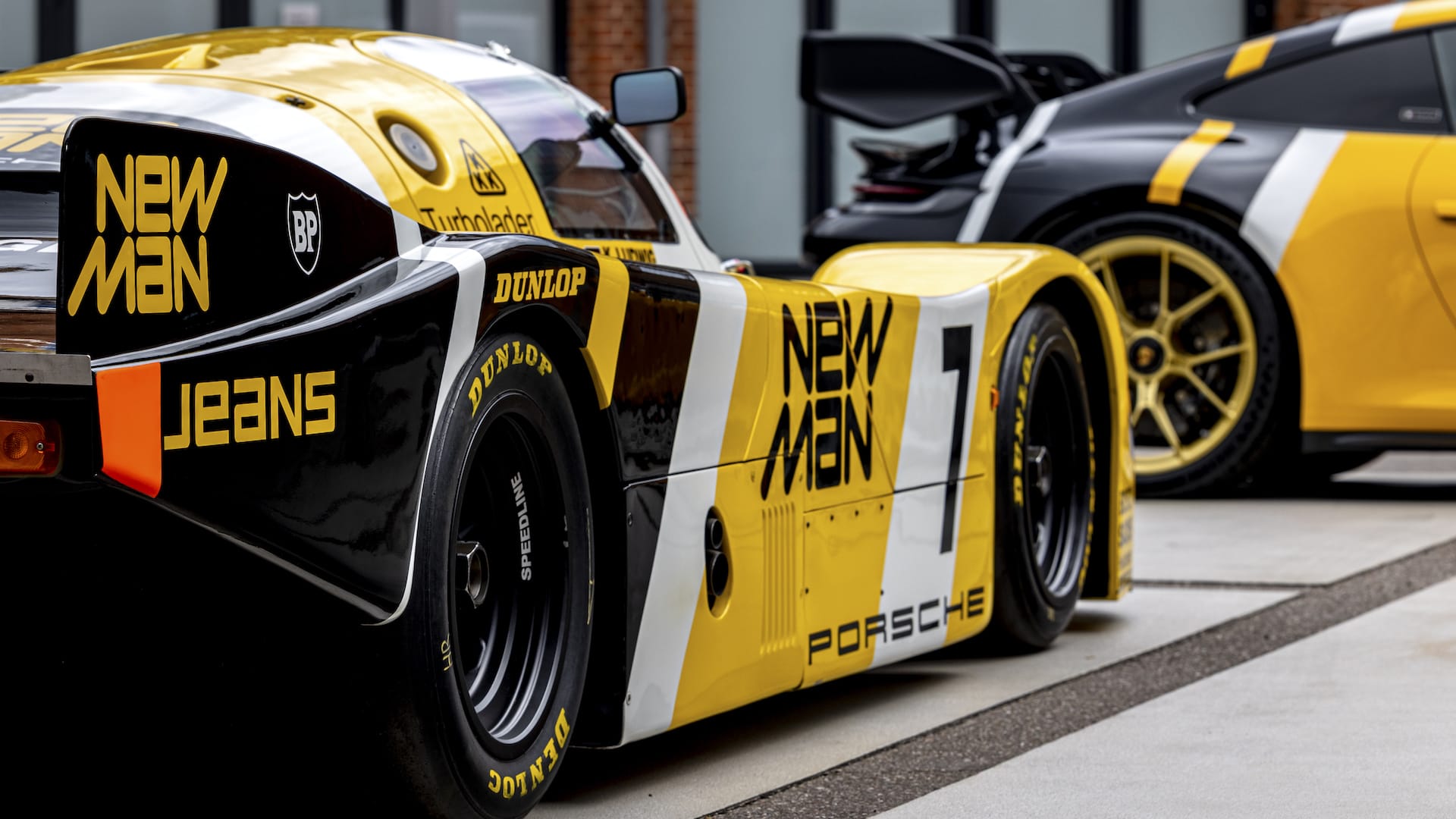
Using a new Porsche 911 GT3 as a base, Barilla designed a car to resemble the Group C 956B he drove to first place at Le Mans.
Racing driver turned pasta promoter
Paolo entered motorsport in 1975, winning the Italian 100cc karting championship the following year. He later progressed to Formula 3, before moving up to Formula 2 races with Minardi.
For 1985, Barilla switched to the World Endurance Championship, driving a Joest Racing Porsche 956B. Along with Klaus Ludwing and Louis Krages, Barilla would claim a dominant three-lap victory at that year’s Le Mans 24 Hour race.
He attempted to compete in Formula 1 with Minardi in 1990, but struggled to consistently make it onto the grid.
On his retirement from racing, Paolo took up a role with his family’s Barilla Group. He has since held numerous roles with the firm, which is the world’s largest producer of pasta.
Racing back to the 1980s
The starting point for Barilla’s bespoke 911 GT3 was the eye-catching Summer Yellow, white and black paint scheme.
A number seven can be found on the doors – as used by Barilla on his 1985 racing car. The design of the centre-lock wheels is also a nod to the 956B, which featured white aeroblades when raced.
Porsche has even modified the design of the rear wing end plates, influenced by those on the 1980s racer. This required extensive wind tunnel testing to ensure the 911 GT3 still handles correctly.
Inside, the headrests are embroidered with a Le Mans circuit logo. A custom-made gear lever is reminiscent of the magnesium ball design used in the 956B.
DIY custom Porsche
Creating Barilla’s 911 GT3 took a total of three years, with the former racing driver acting as project manager throughout. Paolo was even given the opportunity to attach the gearbox to the engine when the car was being built.
This special opportunity was made possible through the Sonderwunsch programme, which offers a unique experience for Porsche buyers.
According to Philipp Setter, head of Sonderwunsch at Porsche Exclusive Manufaktur: “Our customers have generally seen and experienced a lot, but for projects of this size, we always try to open a few more doors that would otherwise be closed, for very good reason.”
No details of the cost of Barilla’s car have been released. However, as Porsche Exclusive Manufaktur charges €7,500 (£6,400) just to add a fingerprint design to a bonnet, it is unlikely to have been a cheap process.







 Give us a bit of background…