Home Blog Page 128

How to deep-clean the inside of your car

0

Skoda interior

The inside of your car is a breeding ground for bacteria, particularly touch-points such as the steering wheel and switches. With the heightened alertness about disease following the Covid pandemic, keeping your car clean feels doubly important.

Aside from anything else, a clean car will be more pleasant to travel in. So often, our vehicles become repositories for grime, grease, empty crisp packets, mouldy sports kit and more.

To give your car a thorough interior valet, you’ll need a free afternoon, plus the following products: a vacuum cleaner (with the appropriate nozzles), quality microfibre cloths (ideally 300g/m), an all-purpose cleaner spray, plastic brushes, window cleaning fluid and plastic cleaning liquid. If your car has leather seats, a pH-neutral leather cleaner and leather feed will also help.

Read on for our seven-step guide, produced with help from Skoda and Karel Bubela of Car Detailer Garage.

Skoda interior

1. Remove your rubbish

First, you need to take everything out of the car. That includes those old parking tickets in the door bins, the half-eaten kebab in the glove box and, yes, the labrador in the boot. Karel also sprays on all-purpose cleaner to loosen dirt and grease, and uses compressed air to blast out grit from hard-to-reach places (e.g. between the front seats).

2. Wipe away dust

The next stage is to loosen and wipe off dust using a microfibre cloth or soft brush. You’ll be surprised how much has accumulated in places such as the air vents – where a vacuum cleaner will find hard to reach. You should also remove the floor mats and beat them to remove excess dust.

3. Vacuum the interior

Now it’s time to vacuum the entire car, starting with the roof lining (yes, really) and working downwards. “You need a powerful vacuum cleaner, various extension adaptors and a number of detailing brushes to dislodge dust particles,” explains Karel. “This is the part I find toughest.”

Skoda interior

4. Use a damp cloth on the dashboard

Next, use a damp (not wet!) microfibre cloth to wipe down the dashboard and other plastic surfaces. This should remove any residual dirt before you treat and protect the plastic with cleaning liquid. Microfibre cloths won’t leave behind hairs or fluff, either.

5. Treat surfaces with the right products

“Plastic lasts a long time,” says Karel, “but it’s very sensitive to UV radiation – meaning that its colour is prone to fade. Technology is advancing all the time, of course, and plastics’ colourfastness is getting better and better, but it’s still necessary to impregnate plastic surfaces and strengthen their protective coating. Use a special plastics coating liquid that both protects the surfaces and leaves them with a nice velvety matt finish. Because the surface isn’t greasy, dust won’t stick to it, unlike when you use cockpit sprays.”

Many fabrics can be cleaned with all-purpose cleaner, but not if your car has leather seats. To quote Karel again: “The ideal leather cleaning products are ones that are acidic, but are neutralised after application, with an impregnation product applied afterwards. That will make the leather brighter and softer. You can also use various abrasion-resistant nano-coatings. It’s important to impregnate the leather regularly, roughly once every four to six months.”

Skoda Octavia Scout

6. Wipe away for a flawless finish

Wipe away the plastic cleaning liquid and all-purpose cleaner using dry microfibre cloths. Never use damp tissues or kitchen roll. You’ll be able to source more cloths and the right cleaning products at a car spares shop, but probably not a supermarket or petrol station.

7. Clean the windows

The final job is to clean the insides of the windows. You don’t need a dedicated glass spray – the all-purpose cleaner will do the same job. Wipe it off afterwards with dry microfibre cloths and you’re done. Oh, and Karel says: “Don’t wash micro-fibre cloths with fabric softener. It’s best to launder them at low temperature in a washing machine with a natural, gentle detergent, and then dry them in a spin dryer. Spin drying will soften them and get rid of hairs.” Skoda Octavia Scout

To round off our guide, here are Karel’s top tips for getting rid of three notoriously stubborn in-car stains:

Chewing gum

Use a freezer spray, wait for a moment and then use a blunt knife to dislodge the hardened gum. White wine vinegar will also do the job.

Chocolate

With a plastic scraper, gently work the chocolate in one direction. Then apply a damp sponge and repeat. Finally, put cleaning foam on a soft brush and scrub away the remainder.

Milkshake

Soak this up as quickly as possible with a kitchen towel or cotton cloth. You can also use dishwasher powder or cat litter if needed. Let the car air-dry afterwards or it will smell of rancid milk – not pleasant!

ALSO READ:

What do the Thatcham vehicle security categories mean?

How to keep your car safe with an OBD port locking device

The best new cars to buy in 2023
Advertisement

Audi TT bows out after 25 years with high-spec Final Edition

0
2023 Audi TT Final Edition

This year marks the 25th anniversary of the Audi TT, which was first launched in 1998. However, the celebrations will be bittersweet. 

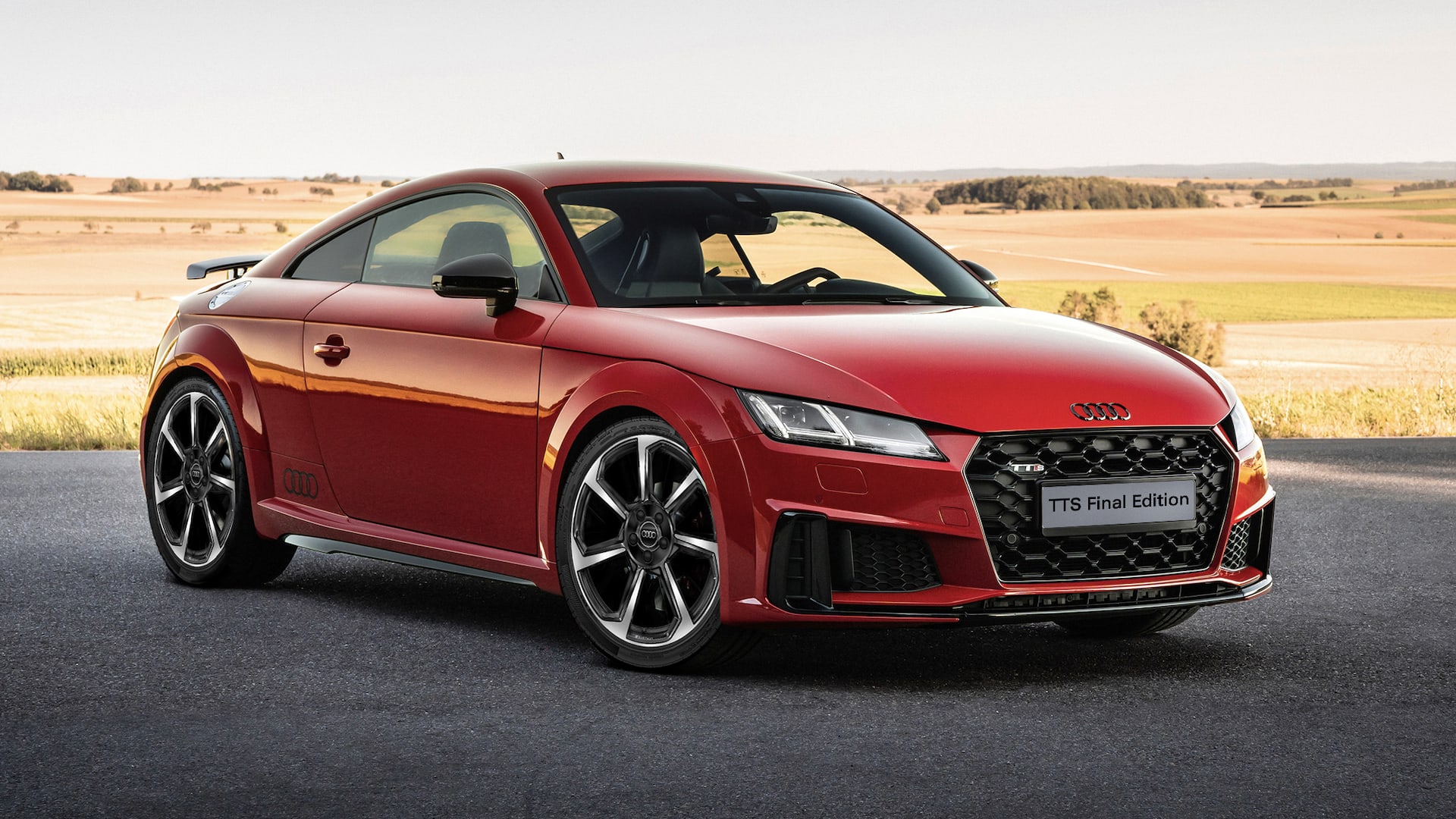
Audi plans to end production of the TT Coupe and Roadster models later this year, sending them off with a fully-loaded Final Edition. 

Offered in both closed and drop-top guises, buyers have a choice of engines – including the powerful TTS. All versions boast a generous standard spec.

A style icon to the end

2023 Audi TT Final Edition

Final Edition models wear a black styling pack, with the Audi badges, side mirrors, exhaust tailpipes and rear spoiler all getting the noir treatment. Buyers can pick from Tango Red, Glacier White or Chronos Grey paint, with 20-inch alloy wheels standard. 

On the inside, the door armrests, pull handles and centre console trim are all finished in leather. Alcantara swathes the steering wheel and sports seats, which have sporty red stitching. More red detailing is found on the air vents, centre console and floor mats. 

All models come with Audi’s MMI Navigation Plus infotainment setup. Opting for the TTS Final Edition adds a Bang & Olufsen audio system, plus parking sensors and a reversing camera.

TT for now

2023 Audi TT Final Edition

The TT debuted as a Bauhaus-inspired concept car at the 1995 Frankfurt Motor Show, with the production model following in 1998. Audi was forced to add a rear spoiler soon after launch following a spate of high-speed accidents. 

Despite the inauspicious start, the TT established itself as a style-setting icon. Both the Coupe and Roadster attracted plenty of buyers, with high-performance models soon joining the range .

A second-generation TT was launched in 2006, including the supercar-chasing 340hp TTRS. The current, third-generation TT, launched in 2014, has continued to combine speed and style. 

The UK has been a major market for the TT, accounting for one-third of all global sales in 2022.  Priced from £41,910, the TT Final Edition goes on sale in March 2023.

ALSO READ:

Audi RS3 Sportback review

Vorsprung durch Technik: the rise of Audi

1996 Audi RS2 review: Retro Road Test

Advertisement

Tool theft from vans soars by 25% across London

0
Van Tool Theft Increases

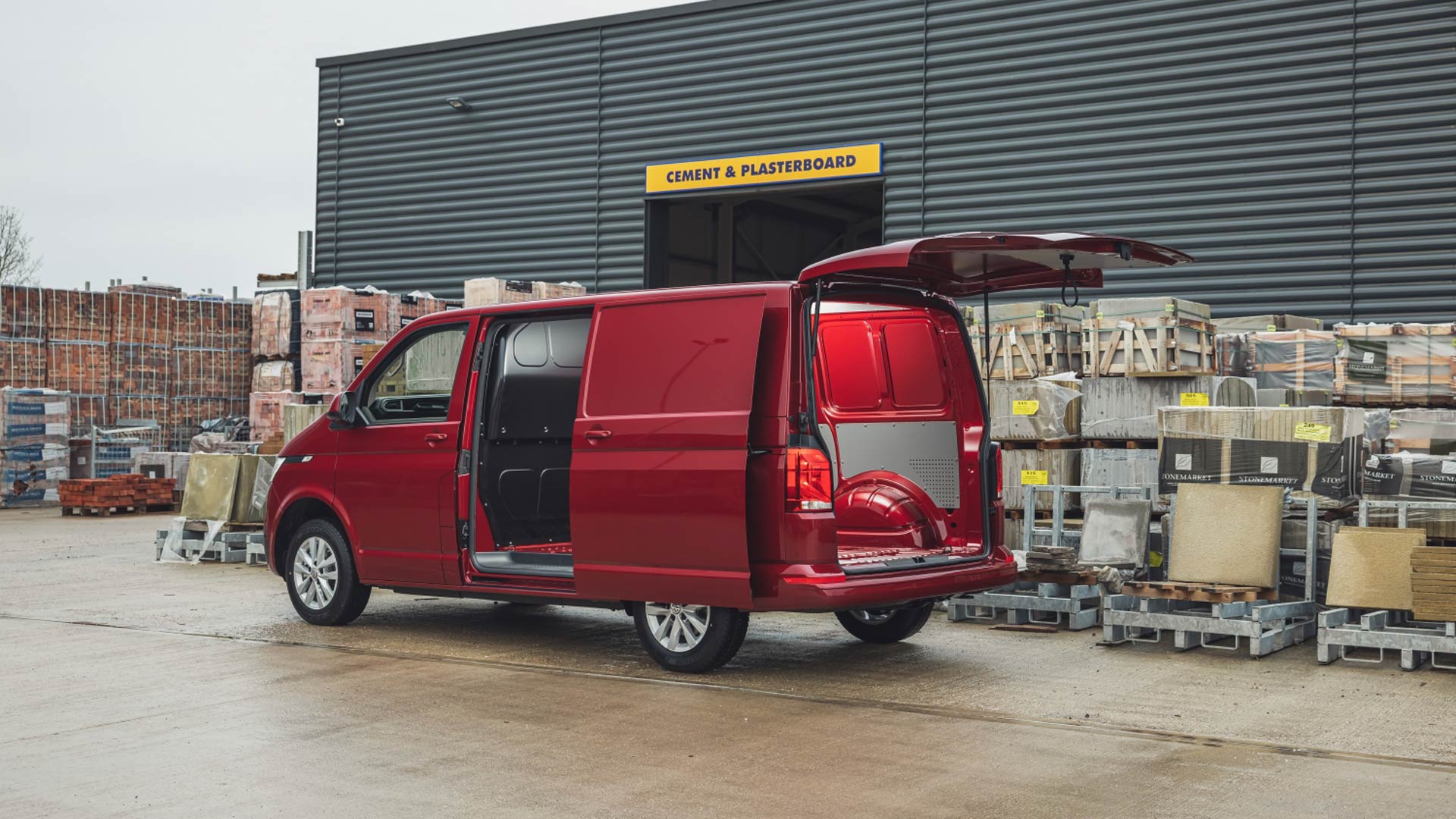
New data has uncovered a huge rise in the number of tools being stolen from vehicles, with a 25 percent increase seen in London last year.

Between January 2021 and October 2022, 34,712 tool thefts were reported in the capital, with items taken from vehicles accounting for a third of these. 

Analysis of Metropolitan Police figures, undertaken by hire specialists Herts Tools, discovered that tradespeople are 10 times more likely to experience tool theft from a vehicle than from a building site.

More than just a financial hit

High-value items such as power tools were the most common targets, followed by regular tools.

Builders are the trade most likely to be affected by tool theft, being five times more likely to have items stolen than electricians. Engineers, plumbers and gardeners are also high on the list of occupations at risk.

Brian Berry, chief executive of the Federation of Master Builders, said: “With eight in 10 builders reporting they have had tools stolen before, tool theft is a serious issue for Britain’s tradespeople. 

“It’s a shame that over a 40-year working life, tradespeople will typically lose £10,000 and six working days to tool theft. Aside from the detrimental financial impact, tool theft causes mental health issues and stress for builders.”

How to prevent tool theft from vans

Van Tool Theft Increases

Stefano Lobban, director at Herts Tools, added: “It’s disappointing to see that the tool theft epidemic is getting worse in London, particularly from vehicles that now often have theft deterrents in place.

“It’s not surprising to see that high-price items such as powered hand tools are still the most sought-after by thieves. Amid the ongoing cost-of-living crisis, the trade for second-hand (and potentially stolen) tools is booming, tempting more people into stealing tools. We’re urging those across all trades to double-check they have theft security measures in place, to avoid falling victim to crime.”

Tips for preventing tools being stolen from your van include:

  • Don’t store tools in your van overnight
  • Get a tool safe if you have to leave any tools in your van
  • Always lock your van’s doors during the day, to keep opportunistic thieves out
  • Park in a busy area covered by CCTV
  • Fit an alarm to your van
  • Mark tools with your name and postcode
  • Use security tags or chips to deter thieves and help recovery if something is stolen
  • Apply brightly coloured paint to make them more identifiable and less attractive to thieves

ALSO READ:

Average EV charge cost down – but peak rates still pricier than petrol

Apart from Britain, which other countries drive on the left?

Best hot hatchbacks to buy in 2023

Advertisement

Average EV charge cost down – but peak rates still pricier than petrol

0
AA EV Recharge Report Cost

The average cost of using a public electric car charger fell further during January 2023.  

Data supplied by the AA, as part of its latest EV Recharge Report, reveals the cost of public charging with slow devices fell to match home charging prices. 

However, more charging providers have introduced peak and off-peak periods, which can see drivers pay up to an average of 35p per kWh more to charge their car during peak times.

Peak periods, peak prices

AA EV Recharge Report Cost

The average price of slow public chargers fell by eight percent in January, with fast and rapid devices showing a three percent drop. Ultra-rapid devices, defined as offering speeds beyond 101kW, increased in price slightly, by an average of 1p per kWh. 

Offsetting the overall fall in prices is a greater use of peak-rate tariffs. Providers have now introduced these for all charging speeds, so that power can be provided throughout the day. 

The AA’s research found that peak rates can have a huge effect on charging prices. Using a slow 7kW device in off-peak times costs an average of 37p per kWh, but this rockets to 72p per kWh in peak periods. 

Peak rates across all charging speeds now average 70p per kWh, with fast and rapid devices the most expensive at 75p per kWh. Using these chargers, an EV driver would pay £30.00 to charge a 50kW battery to 80 percent capacity.

Charging prices fall faster than petrol

AA EV Recharge Report Cost

Falling EV charging costs have outstripped the decreases seen in average petrol prices, however. Petrol prices fell by 1.7 percent last month, down to an average of 148.8p per litre. 

Electric car drivers recharging at peak times will still pay more per mile than those with a petrol car. However, making use of off-peak periods reverses things in favour of EVs

Jack Cousens, head of roads policy and EV charging at the AA, said; “The slight fall in electricity prices has been reflected in the flat-rate prices EV drivers pay. The speed at which the prices fell is encouraging and hopefully means the ‘rocket and feather’ approach to wholesale costs experienced in petrol prices won’t be adopted by charge point operators.

“However, we believe Ofgem needs to keep a watchful eye on peak-rate costs to ensure they don’t escalate to the point where it puts drivers off using them. Whilst we understand the reasons why peak rates exist, the price needs to be reasonable in relation to the speed of charge.”

ALSO READ:

Are electric cars really zero emissions vehicles?

How do I locate my nearest electric car charger?

EV charging capacity vs. charging speed – which matters more?

Advertisement

Wiesmann Project Thunderball electric sports car sold out until 2025

0
Wiesmann Project Thunderball Sold Out

The first examples of the Wiesmann Project Thunderball electric sports car have all been sold. 

Strong interest in the German company’s first electric vehicle means the first full year of production has already been reserved. 

Wiesmann plans to start delivering cars to customers in 2024, so the waiting list for Project Thunderball now stretches well into 2025.

Modern-day muscle

Wiesmann Project Thunderball Sold Out

Wiesmann began accepting orders for its two-seat, rear-wheel drive, luxury roadster in September 2022. This followed the car’s official unveiling earlier that year. 

Project Thunderball is the first new car from the marque since it temporarily closed its doors in 2014. Wiesmann’s previous history included a range of brawny muscle cars with BMW engines, including the fearsome 555hp GT MF5. 

Although electrification is a new concept for Wiesmann, the company has not forgotten its sports car roots. Two electric motors deliver 680hp to Project Thunderball’s rear wheels, plus an accompanying 809lb ft of torque. 

With lightweight carbon fibre bodywork, the EV roadster is targeted to hit 62mph in just 2.9 seconds. Accelerating from 0-124mph should take 8.9 seconds.

Made in Germany

Wiesmann Project Thunderball Sold Out

Launch versions of Project Thunderball are equipped with a 92kWh battery pack, offering a potential range of more than 310 miles. Using 800-volt technology means the Wiesmann can charge at speeds of up to 300kW, too.

Prices for Project Thunderball start at €300,000 (£265,000), and customers can specify numerous options for personalisation. Each car will be hand-built at Wiesmann’s state-of-the-art ‘Gecko factory’, in Dülmen, Germany. 

ALSO READ:

Wiesmann Project Thunderball review

Maserati GranTurismo review

Best supercars to buy in 2023

Advertisement

Restomod Defender 110 debuts with V8, air-ride and Subaru paint

0
ECD Automotive Design Project Pivot

ECD Automotive Designs has unveiled its latest custom Land Rover Defender, and it is impossible to ignore. 

Finished in Sunshine Orange – a Subaru paint colour – the Defender 110 has been christened Project Pivot by the Florida-based company. 

With extensive modifications both outside and in, this radical restomod is about more than just eye-searing paintwork.

Sunshine on a rainy day

ECD Automotive Design Project Pivot

The Defender 110’s bodywork has been modified to offer a soft-top roof, with a multi-point roll cage found underneath. Daytime running lights are added to the front bumper, while the front grille wears the same Subaru XV orange paint.

The black roof is complemented by 16-inch Sawtooth alloy wheels in gloss black. ECD has also ditched the rear swing-away spare wheel carrier. 

Inside, the Land Rover is retrimmed in tan leather, including on the upgraded front seats. The dashboard is also swathed in luxurious hide, with a Momo Prototipo steering wheel added for good measure. 

Two inward-facing jump seats are fitted to the load area, making this Defender a six-seater.

Bold paint, bolder engine

ECD Automotive Design Project Pivot

A touchscreen multimedia system on the dashboard incorporates JBL components, along with Bluetooth and Apple CarPlay connectivity. 

However, the most noise is likely to emanate from the new General Motors LS3 V-8 engine, which is connected to a six-speed automatic transmission and Borla stainless steel exhaust. ECD has installed its own air ride suspension setup, too.

Founded in 2013 by its English owners, ECD has grown to become one of the world’s largest Land Rover restoration companies. 

Today, it offers a host of custom classics, including bespoke electric versions of the Defender and Range Rover Classic. Prices typically range between $150,000 and $180,000 (£125,000 to £150,000).

ALSO READ:

Eight-seat Land Rover Defender 130 revealed

Twisted Land Rover Defender EV review

Everrati electric Land Rover Series llA review

Advertisement

What do the Thatcham vehicle security categories mean?

1
Thatcham Security Categories Explained

When reading car reviews or advertisements, you may see reference to the vehicle having a Thatcham alarm.

Whether your car has a ‘Thatcham category’ device is also something your insurance company might ask when you renew your policy. 

Picking the right option could have affect your car security – and how much you pay for insurance.

What is Thatcham Research?

Established in 1969 as the Motor Insurance Repair Research Centre, Thatcham Research takes on a wide range of automotive testing and certification work. 

This includes everything from crash testing to developing car repair methods, plus training new automotive apprentices. However, the organisation came to prominence in the early 1990s following a wave of car crime. 

Thatcham Standards for security devices were introduced in 1993. Work continues to evaluate and certify car security products, along with cars themselves.

What is Thatcham Security Certification?

Changes introduced in January 2019 altered the way Thatcham Research tests and approves automotive security devices. This covers six different categories of security equipment. 

Passing Thatcham’s testing regime means a security device should keep your vehicle safer from damage or theft.

Thatcham Category 1: alarm and immobiliser

Thatcham Security Categories Explained

Devices in this category include both an electronic immobiliser and an integrated alarm. 

An immobiliser works by preventing the car engine from being started without the key or fob being present. This prevents ‘hot wiring’ of the ignition – a favoured tactic of joyriders in the 1990s. 

To meet Thatcham Category 1 certification, an alarm needs a variety of sensors to detect movement or glass being broken. It will also need a backup power supply, and a siren to sound should someone attempt to steal your car.

Thatcham Category 2: electronic immobiliser

Category 2 certification applies to security devices with an immobiliser only. It must limit at least two separate circuits of the car, and must not require the driver to take action to set it. 

Since 1998, all new cars have to be sold with an immobiliser as standard.

Thatcham Category 2-1: alarm upgrade

Thatcham Security Categories Explained

This category applies where an aftermarket alarm system has been added to a car with a Category 2 immobiliser. 

A Thatcham-assessed 2-1 electronic alarm can be combined on a vehicle installed with an existing Category 2 immobilisation system to obtain full Category 1 status.

Thatcham Category 4: wheel locking devices

Thatcham Security Categories Explained

Picture a car sitting on bricks, without its wheels. This is exactly the scenario approved items in Category 4 are designed to prevent. 

Locking wheel nuts provide a visual deterrent to thieves, and also make the process of attempting to steal expensive alloy wheels harder.

Thatcham Category S5: driver recognition and tracking

There are two categories of ‘tracker’ devices assessed by Thatcham. These can allow the police to help locate your car should it be stolen, using either GPS or VHF radio technology.

S5 devices require the driver to carry a small tag that automatically identifies them as being allowed to use the vehicle. Starting the car without the tag being present will automatically alert the owner.

Thatcham Category S7: location tracking

Thatcham Security Categories Explained

This category also covers vehicle trackers, but ones without automatic driver recognition as standard. 

These devices tend to be slightly cheaper to buy, and still provide vehicle tracking and location services. However, they will not automatically detect an unauthorised driver taking the vehicle with the keys.

ALSO READ:

Revealed: The best times to buy or sell a car

What do the car insurance write-off categories mean?

How to stay healthy, happy and safe while driving

Advertisement

You can now buy a Playmobil version of the Citroen 2CV

0
Citroen 2CV Playmobil Set

A partnership between Citroen and toymaker Playmobil has created a scale replica of the iconic 2CV.

Now rendered in miniature form, the Playmobil Citroen 2CV makes its debut some 75 years after the full-size original

Following its official launch at the Retromobile classic car show in Paris, the Playmobil 2CV will be available to order later this month.

Joie de vivre

Citroen 2CV Playmobil Set

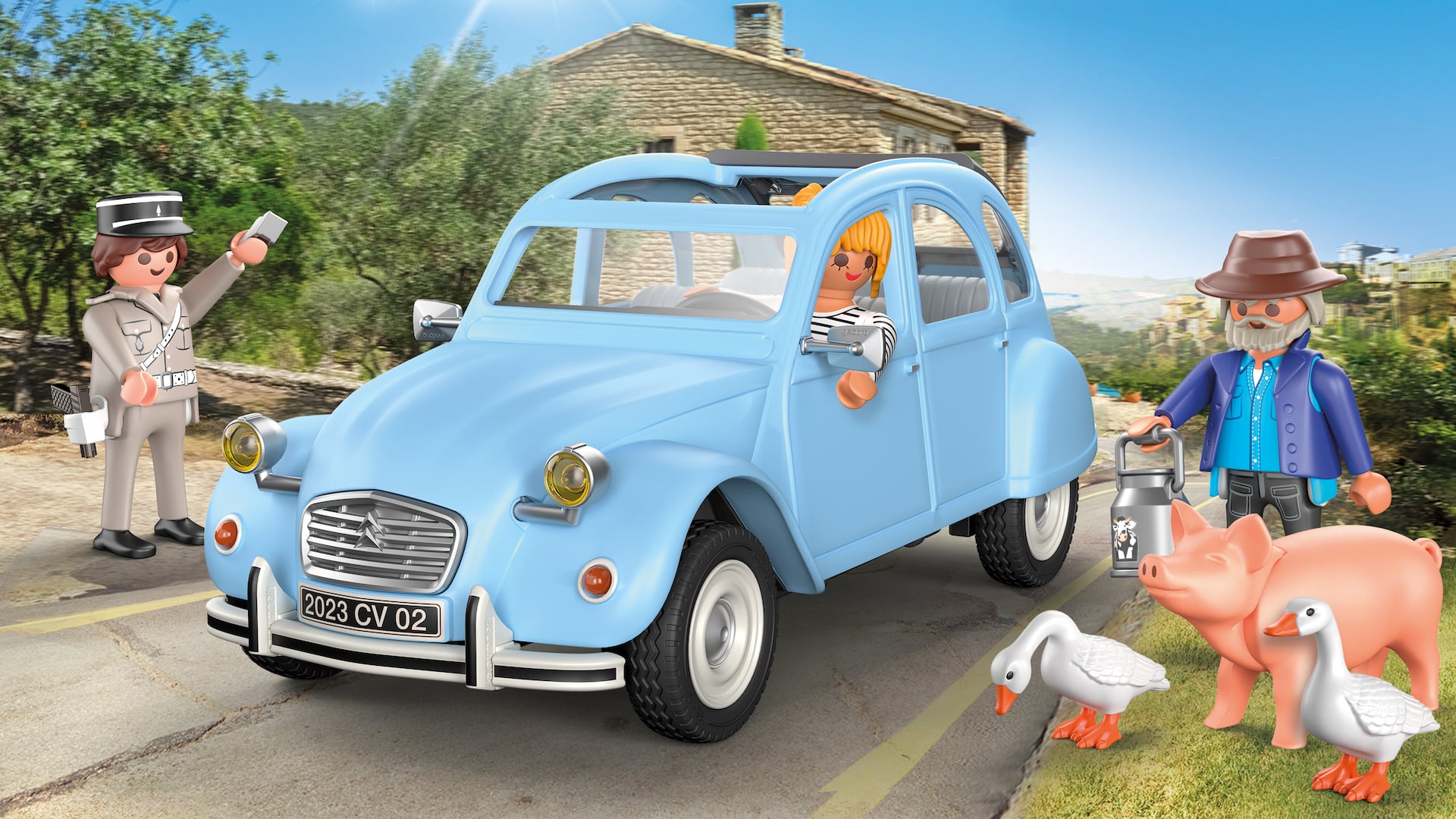
Playmobil has added a number of distinct features to the scale 2CV, including a removable roof and opening boot. The latter can hold a pair of milk churns, although not the famed ‘basket of eggs’ the 2CV was designed to carry across a field.

The set includes a choice of clear headlights or, for additional Gallic charm, yellow light lenses. 

A sheet of stickers allows a number of different European number plates to be chosen, along with country identification stickers.

Completing the French pastoral effect are two toy geese, a pig and three mini-figures.

Deux Chevaux

Citroen 2CV Playmobil Set

In production from 1948 until 1990, the Citroen 2CV became one of the world’s best-selling cars. More than 5.1 million examples were made, including 1.2 million van versions

Priced from £44.99, the new Playmobil 2CV model offers the opportunity for Citroen fans young and old to experience a French icon. 

The 2CV joins a large range of officially licensed vehicles from Playmobil. Other recent additions include the Ferrari SF90 Stradale, Porsche 911 Carrera 2.7 RS and Mercedes-Benz 300SL.

ALSO READ:

The Citroen 2CV story

This Citroen 2CV driver gives us a masterclass in maintaining momentum

Dyane and GS: driving the classic Citroens of my childhood

Advertisement

Mazda 2 gains new look and added equipment for 2023

0
2023 Mazda 2 Update

The Mazda 2 supermini has been treated to a styling makeover as part of a mid-life overhaul. 

Along with going under the knife for a sportier new look, the updated 2023 Mazda 2 gains revised trim levels, too.

New exterior colours, along with a refreshed interior, complete the changes for a compact car that was first launched at the Geneva Motor Show in 2014.

Getting a grilling

2023 Mazda 2 Update

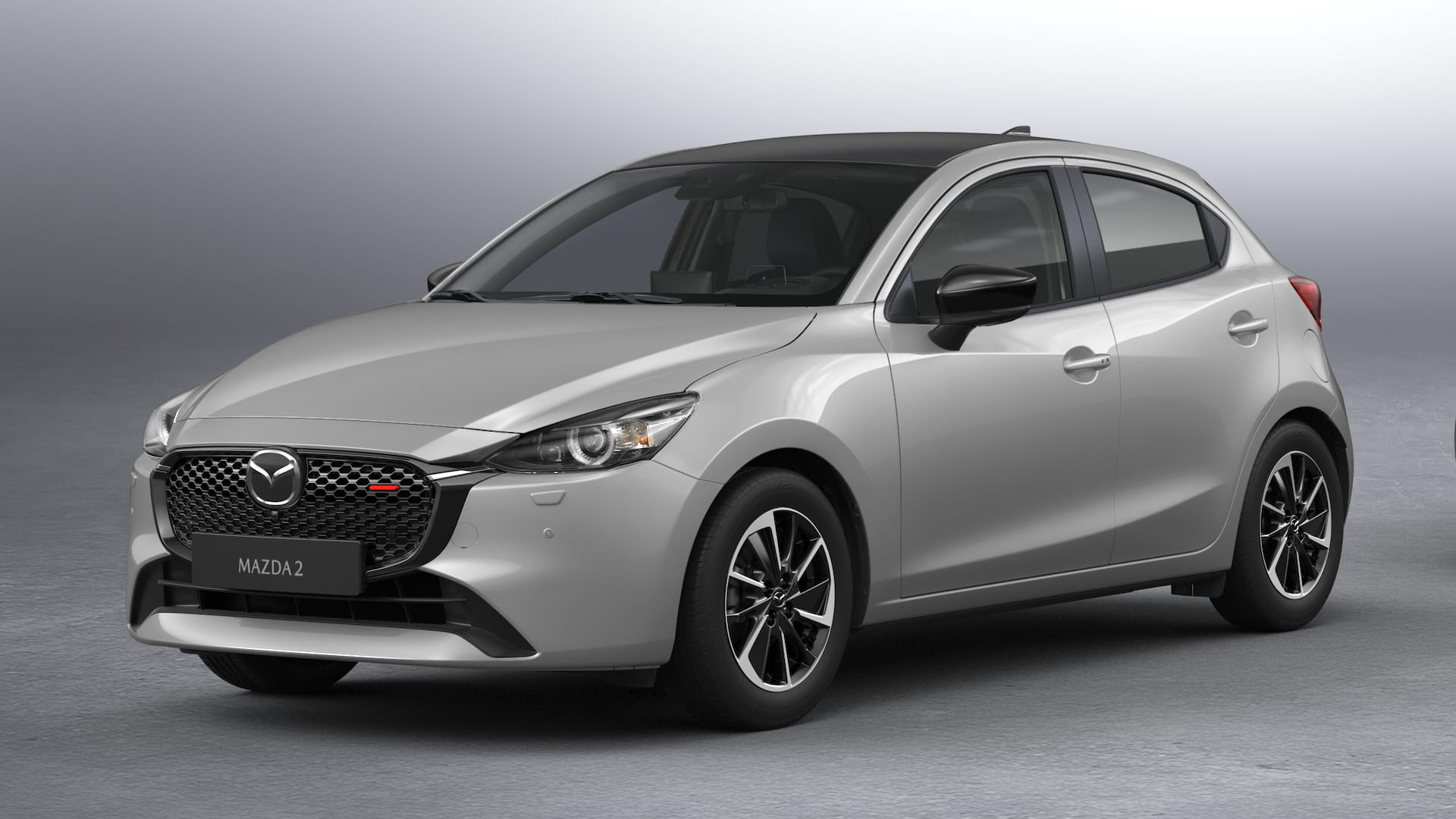
The key change for the 2023 Mazda 2 is a revised front grille, mirroring the design found on newer models such as the CX-60 SUV. Mazda’s ‘signature wing’ shape now stretches beneath the number plate, resulting in a more dynamic look for the front bumper.

Four new trim levels make up the revised Mazda 2 range: Centre-Line, Homura, Exclusive-Line and Homura Aka. Both the Centre-Line and Exclusive-Line models have bespoke front bumpers, combined with a yellow accent tab in the front grille.

The range-topping Homura Aka model wears a black honeycomb front grille with a red accent, along with black side mirror caps. A gloss black roof is also standard, along with a set of 16-inch black and silver machined alloy wheels.

Mazda has added Aero Grey and Air Stream Blue to the supermini’s paint colour options. The marque’s trademark Soul Red Crystal remains available, too.

Little luxuries

2023 Mazda 2 Update

A strong standard specification remains part of the Mazda 2 offering. Satellite navigation, cruise control, wireless Apple CarPlay connectivity and climate control air-con are fitted to all versions. 

Mazda has left the 1.5-litre naturally aspirated engine untouched for the 2023 update. This means the same selection of 75hp, 90hp and 115hp power outputs, with a six-speed manual gearbox as standard. An automatic transmission remains optional for 90hp and 115hp versions.  

Prices for the updated Mazda 2 start from £17,750, with customers able to place orders from late spring. The Toyota Yaris-derived Mazda 2 Hybrid will continue to be sold as a separate model.

ALSO READ:

New Mazda MX-30 R-EV revealed – with a range-extending rotary engine

Mazda CX-5 review

Rotary club: driving Mazda’s quirky classic sports cars

Advertisement

Rolls-Royce Spectre tested in extreme heat before late-2023 launch

0
Rolls-Royce Spectre Testing

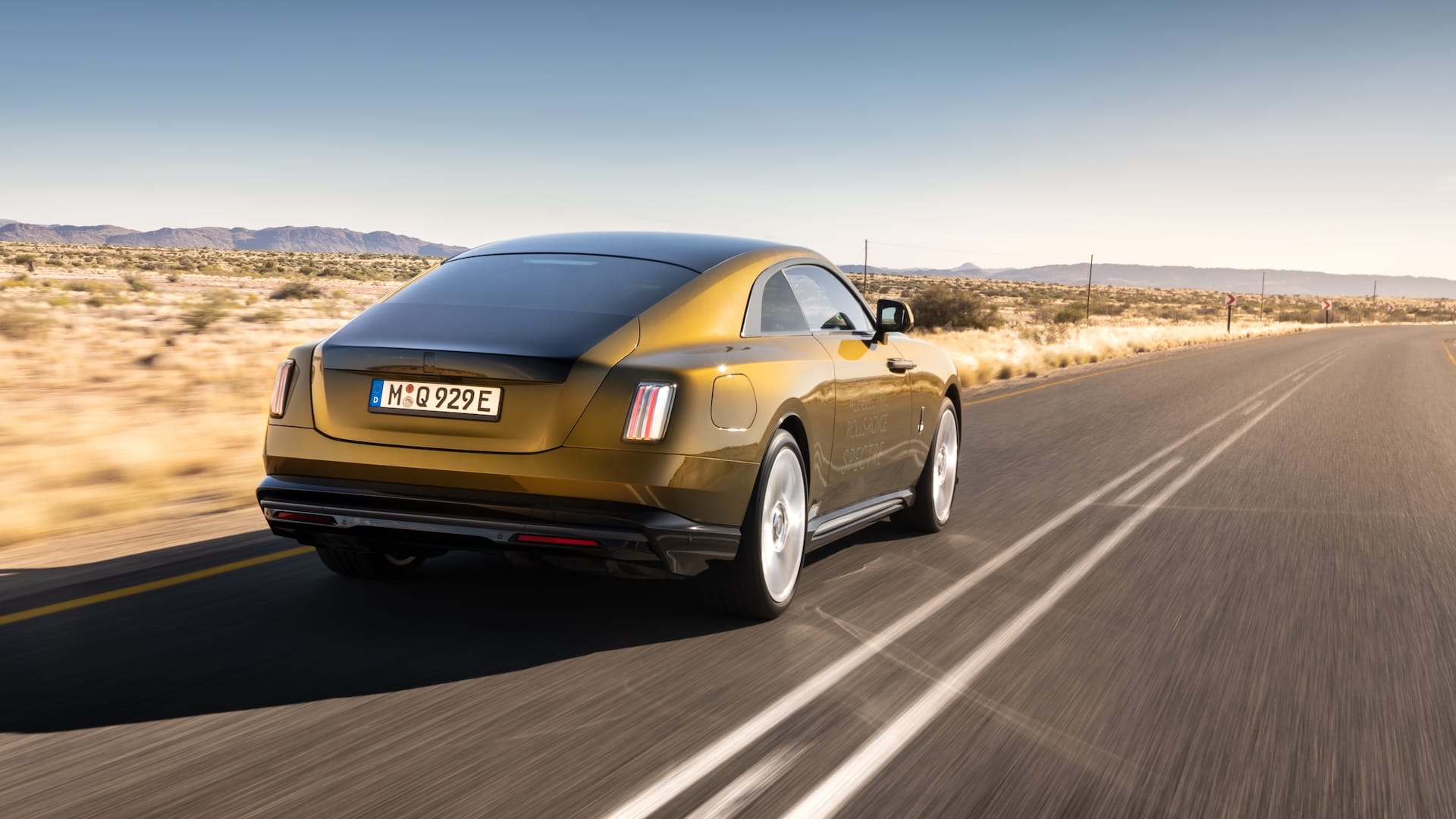
Rolls-Royce has reached a new milestone in testing its forthcoming Spectre electric coupe

Prototype versions of the Spectre have now covered more than two million kilometres – equivalent to 1.24 million miles, and the most arduous evaluation for any Rolls-Royce in history.

By the end of the testing programme, Rolls-Royce aims to reach a total of 2.5 million kilometres (1.6 million miles). 

The development process will see 25,000 separate functions evaluated and refined through the ‘Rolls-Royce Finishing School’.

Rough with the smooth

Rolls-Royce Spectre Testing

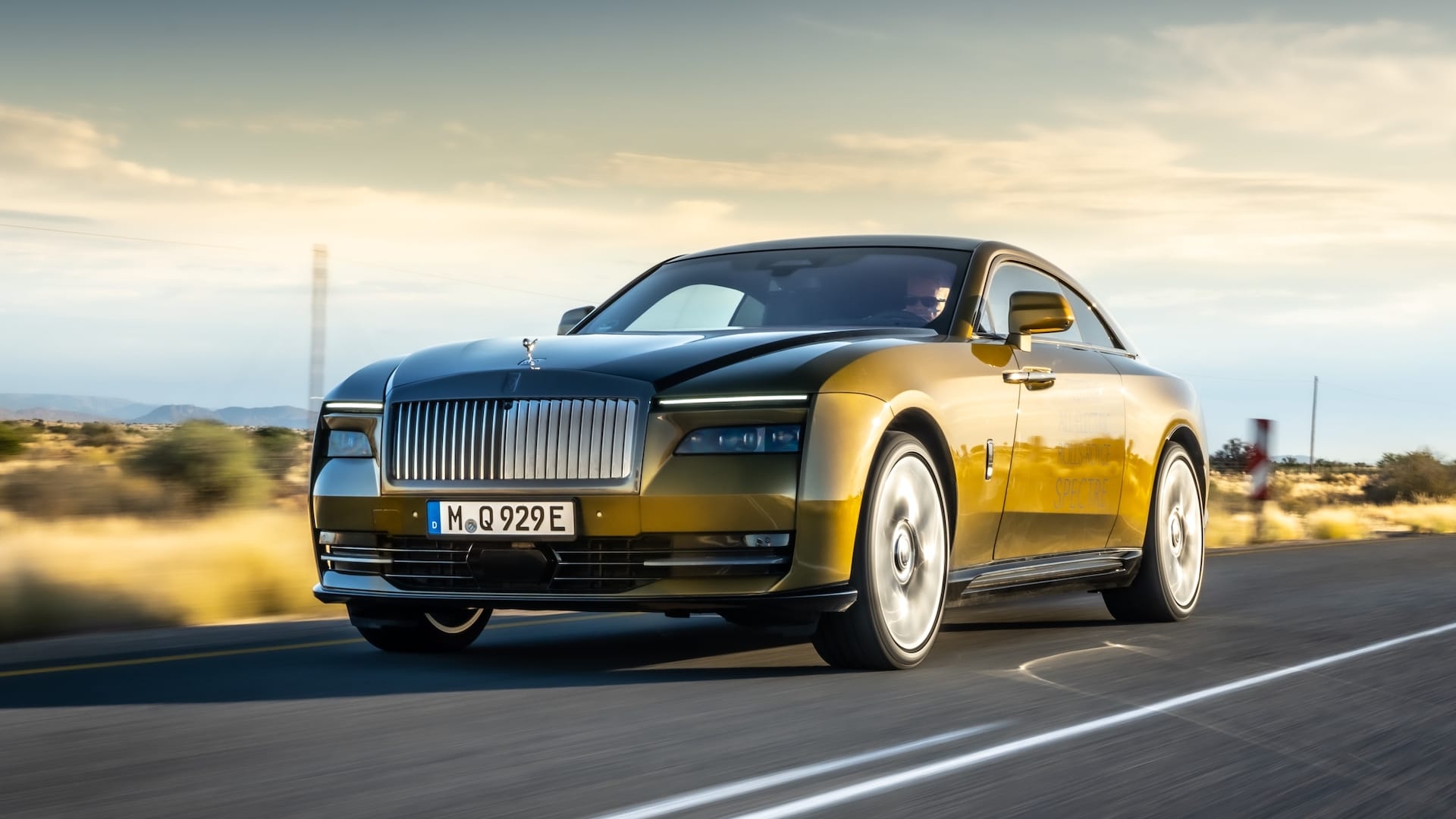
The latest round of punishment for the prototype Spectre involves extreme hot weather testing at two locations in South Africa.

Augrabies in the Northern Cape and Franschhoek in the Western Cape winelands both offer what Rolls-Royce describes as the ‘finest summer-weather driving in the world’.

Temperatures in the Northern Cape can reach a peak of 50 degrees centigrade, representing a stern test for any car. This contrasts with the -40 degrees centigrade experienced by the Spectre when cold-weather testing in Sweden. 

Other areas in South Africa deliver sinuous country roads, with surface gravel and dust adding an extra challenge. Uneven roads are particularly important to Rolls-Royce engineers, who want to ensure the Spectre offers a cosseting ‘Magic Carpet’ ride quality.

‘Super luxury situations’

Rolls-Royce Spectre Testing

As a Rolls-Royce, the level of quality demanded of the Spectre is high. Engineers have ensured the bespoke Starlight Headliner remains visible in strong sunlight, and that display panels have the correct colour quality. 

The speed at which the long, self-closing doors will shut has been considered, while the 17-speaker audio system is tuned for optimal sound quality – helped by a specially created playlist. 

Lifestyle analysis will form the final part of the Spectre’s testing, focusing on how an electric Rolls-Royce will function in ‘super luxury situations’. 

All this will be completed ahead of the first completed Spectre being delivered in winter 2023. Rolls-Royce set a new sales record in 2022, and the Spectre, which already has a substantial waiting list, is forecast to continue this successful trend.

ALSO READ:

New Rolls-Royce Spectre is the world’s most opulent electric car

Rolls-Royce Ghost Black Badge review

Phantom to the Opera: an amazing Rolls-Royce road trip

Advertisement