There has been speculation the big losers of the upcoming WLTP ‘true’ fuel economy regulations will be plug-in hybrid cars. Some have estimated average fuel economy and CO2 emissions could be significantly worse under the new testing regime.
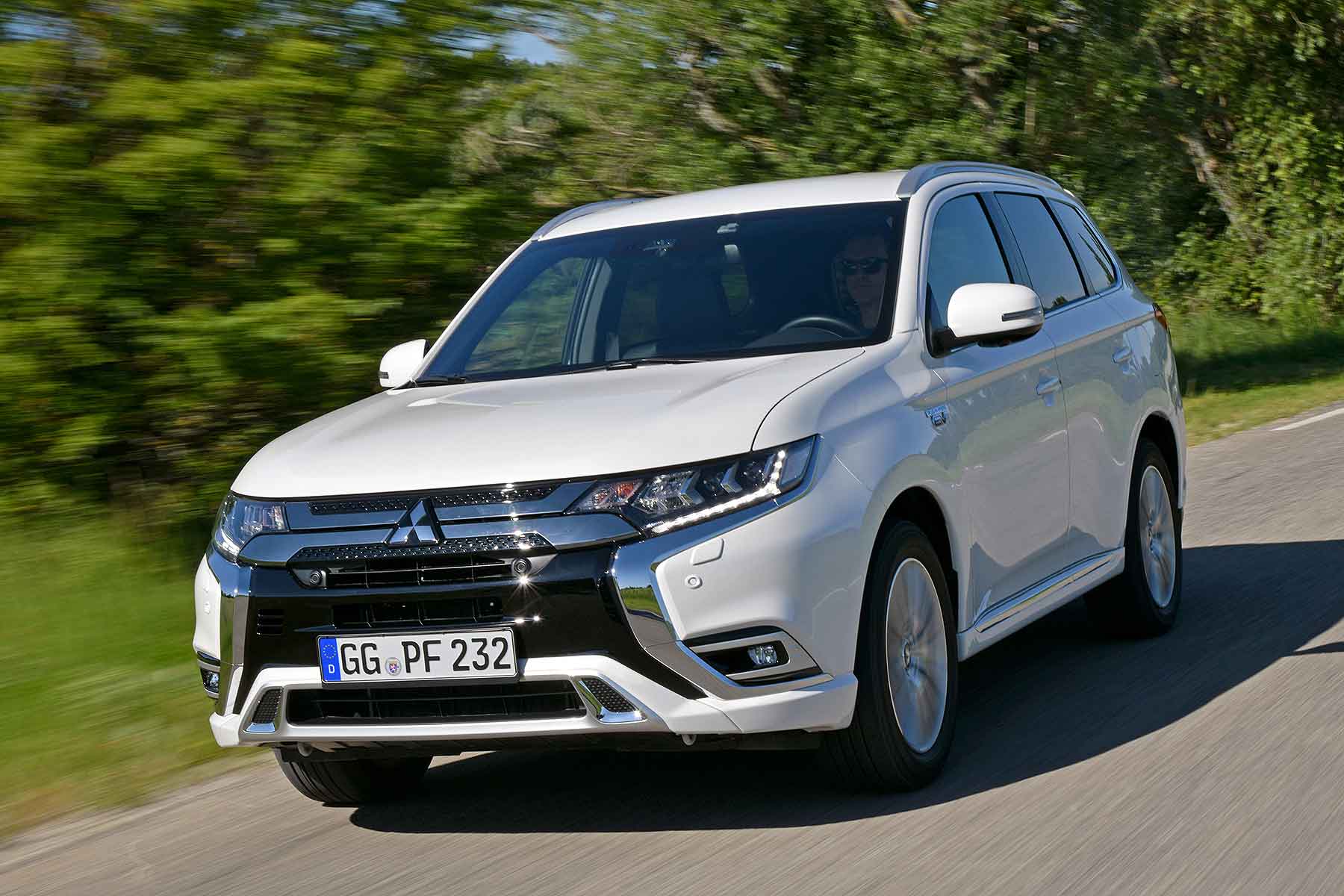
But Britain’s best-selling plug-in hybrid, the Mitsubishi Outlander PHEV, is one model that’s dodged the worst effects of the new system, which replaces the widely discredited NEDC fuel economy test.
Indeed, if you don’t look at the small print, the 2019 Outlander PHEV is no different to the outgoing car: it retains its 13 percent BIK classification and also, crucially, remains eligible for the £2,500 Government Plug-in Car Grant.
That’s because although CO2 emissions have risen a hefty 15 percent, they still remain below the crucial 50g/km mark required for Category 2 Plug-in Car Grant eligibility, so the Mitsubishi is still officially classified as an Ultra-Low Emission Vehicle.
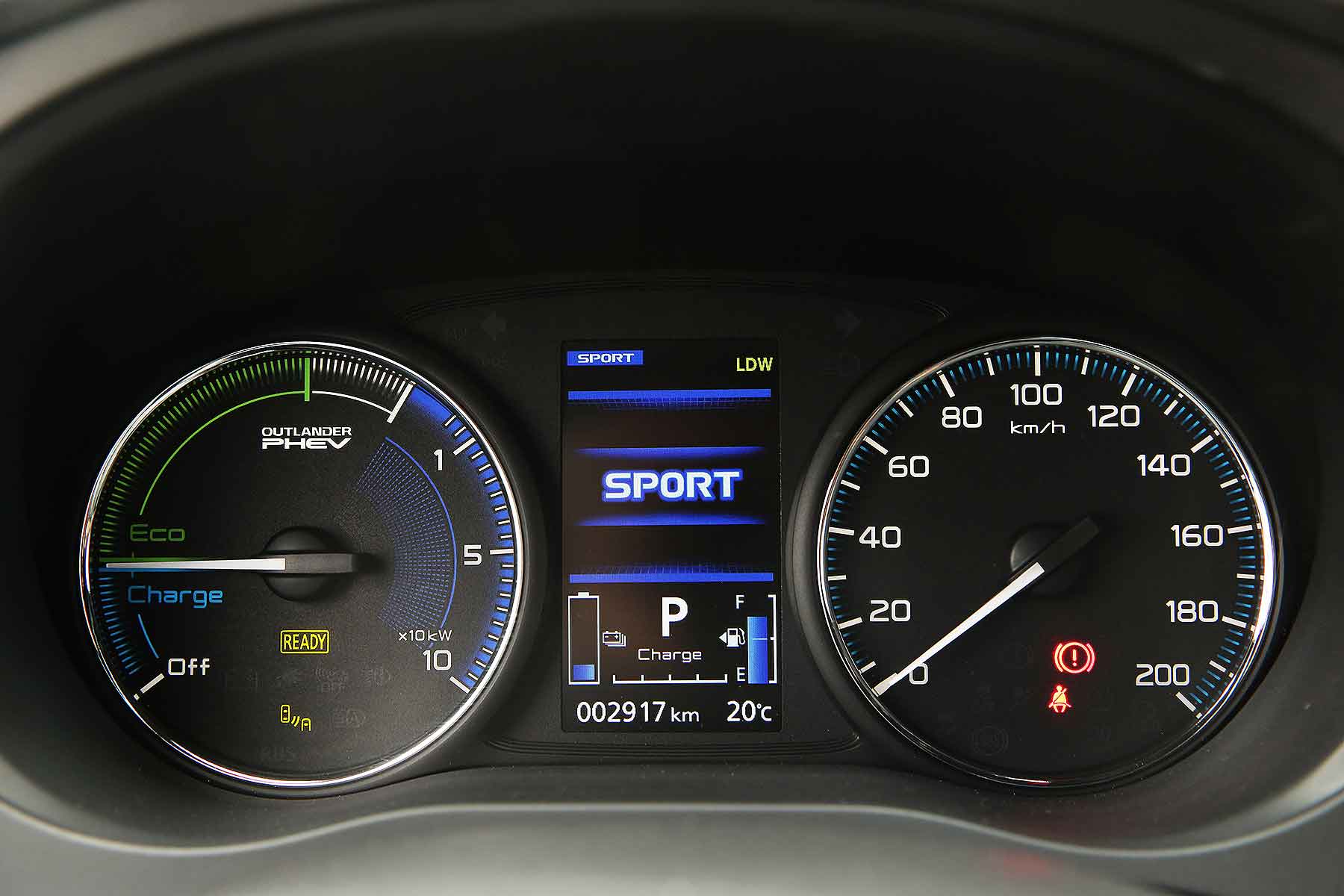
WLTP average fuel economy is a still impressive-sounding 141mpg which, in theory, is now a more realistic target (the old one claimed 156mpg), provided owners remember to charge the batteries. The electric range is 28 miles (down from 32.5 miles), again according to the more stringent real-world tests.
Whether other plug-ins on the fringes will retain their ultra-low emission status remains to be seen, but it’s relief at Mitsubishi’s British importer as the Outlander has dodged a penalty.
New engine for Outlander PHEV
The new model, which goes on sale in September 2018, visually doesn’t look all that much different to the current car. It’s had a big change beneath the skin, though: the current 2.0-litre engine has been replaced by a larger and more high-tech 2.4-litre engine (so, upsizing rather than downsizing….
The new engine has MIVEC variable valve timing, and can switch between regular Otto and fuel-saving Atkinson combustion cycles. In an Atkinson cycle, used during gentle running, the inlet valve remains open for longer: this reduces the compression stroke, effectively making the engine ‘smaller’ – using less fuel in the process.
Mitsubishi’s also improved the electric drive system, with a 10 percent more powerful generator and a bigger rear electric motor. The drive battery is also 10 percent bigger (now 13.8kWh), which raises the Outlander PHEV’s all-electric top speed from 78mph to 84mph. Acceleration is faster too.
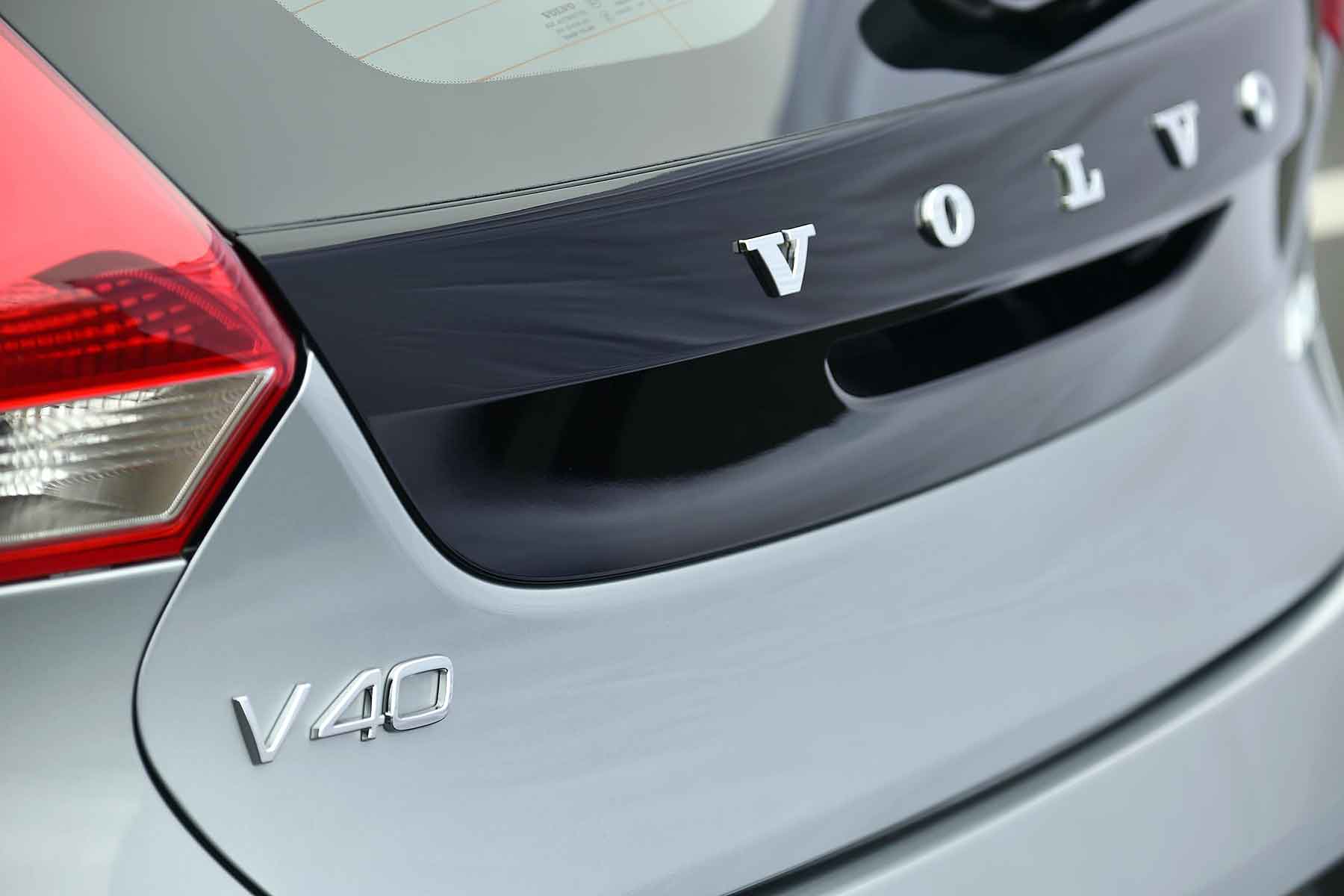
Volvo recently became the first car manufacturer to offer test drives via Amazon Prime Now – and the service proved so popular, the firm is running the offer again this weekend, to give those who missed out the first time a second chance.
Running in London, Volvo said it was “heavily subscribed” and 100 test drives were carried out during the weekend of 9-10th June. It was “incredibly well received,” said Volvo Car UK MD Jon Wakefield, “with customers welcoming the fact the V40 was delivered to them to fit in with their busy schedules.”
Volvo reports glowing feedback, with 95 percent of drivers happy to rate the service as ‘excellent’.
“This hassle-free test drive approach certainly caught their imagination,” added Wakefield, “and we are pleased to be able to extend it in London for a second weekend.”
Londoners, find out if it’s running in your area by checking Volvo Amazon Prime Now.
Volvo Amazon Prime Now test drives: how do they work?
Motorists book the test drives through a special Volvo section on Amazon Prime Now. They can choose a convenient time and request the car be delivered either to their home or workplace. Users enter their postcode, select their location, then choose a time slot. That’s it.
Test drives take 45 minutes, and a fully trained expert wakes them through the car in detail before heading out onto the road. And if they want to buy? The expert will put them in touch with their nearest Volvo car dealer: they don’t (yet) sell cars.
Make sure you know your Amazon Primes from your Prime Nows, though. Prime Now is an add-on to Amazon Prime, that lets users select same-day delivery: it currently operates across 30 percent of the UK population, in areas such as London, Birmingham, Newcastle, Manchester, Liverpool, Surrey, West Yorkshire and Glasgow.
And the Volvo V40? It’s getting on a bit these days, and will be replaced sooner rather than later, but it’s still one of Volvo’s best sellers in the UK. Prices start from £21,410.
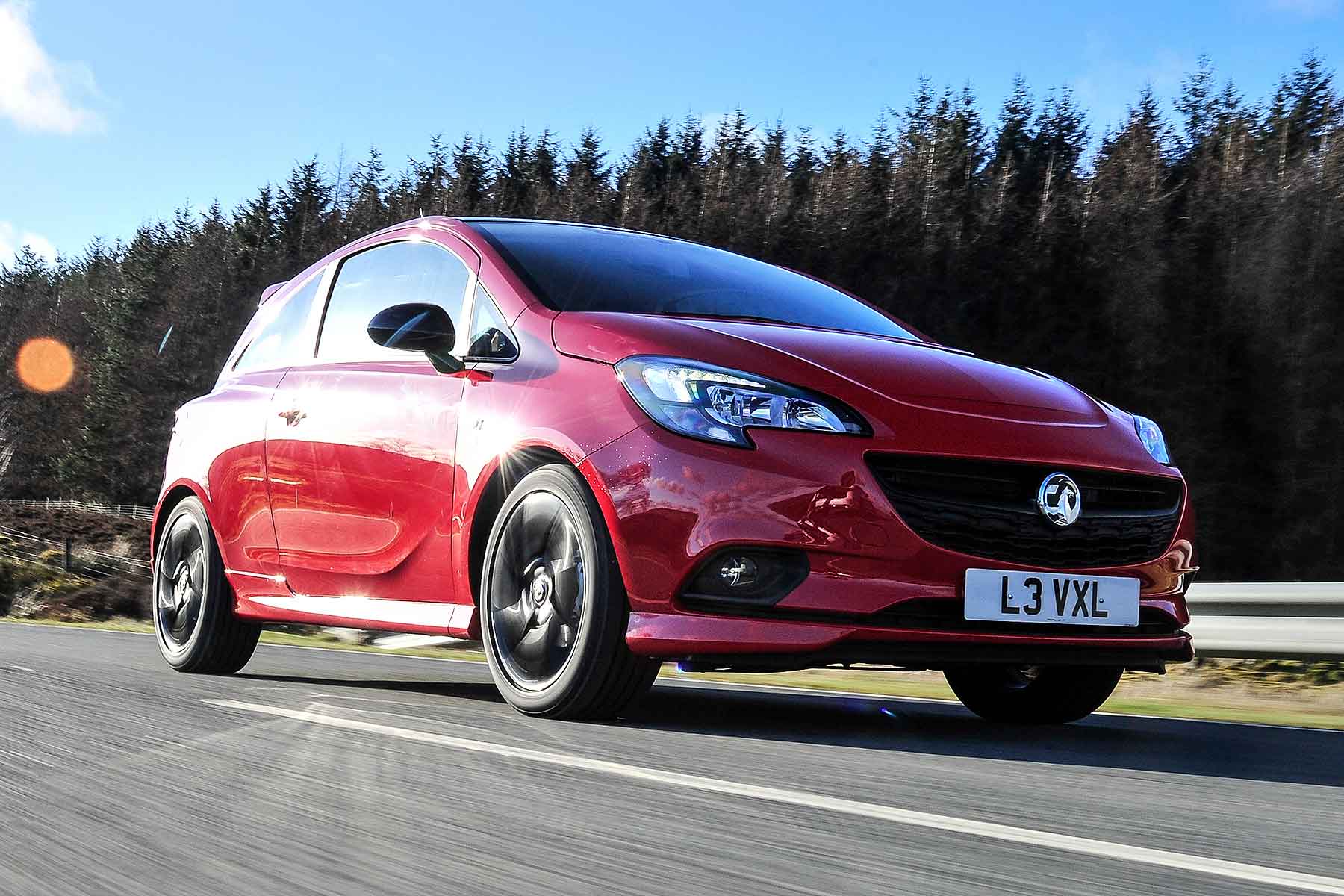
Vauxhall sales have been under the cosh in recent years, but the Corsa still helps it maintain a place in the UK top 10 best-sellers chart. As a replacement for the ageing supermini is still some way off, Vauxhall has taken an axe to both its model range and its prices.
Motorists can now pick up a 75hp 1.4-litre Corsa Active three-door for just £11,250, which looks a bit of a steal alongside a 70hp 1.1-litre Ford Fiesta Style three-door; that retails for £13,715.
Want a Corsa with air con? Move up to Design – and even this undercuts the base-spec Fiesta: it is priced at £12,975 as a three-door, £13,575 as a five-door. It also includes a big touchscreen that incorporates Apple CarPlay and Android Auto, which has quickly become a must-have amongst younger new car drivers.
For further proof of how sharp the Corsa’s new prices are, look at the facelifted Hyundai i20 range we reported on earlier this week – a base 75hp 1.2-litre S costs… £13,995, and the next-cheapest after that is £15,495.
Other Corsa variants include Energy, Sport, SRI Nav, SE Nav and SRI VX Nav Black (the latter trim proving that old habits of ultra-confusing model names die hard at Vauxhall).
It’s bundled a load of flash extras into a new Lux pack, which costs £1,550 on SE Nav models. It includes things such as climate control, dark rear glass, rear-view camera, 17-inch diamond cut alloys “and more”.
All 2018 Corsas are now compliant with new WLTP fuel economy regulations; the 1.4-litre engine does up to 50.4mpg and most of the range emits 130g/km CO2.
Notably, there’s not a single diesel Corsa on sale: it’s a choice of 75hp or 90hp 1.4-litre non-turbo petrol or a 100hp 1.4-litre turbo, and that’s it. It seems Chris Grayling didn’t speak up soon enough to save the Corsa diesel…
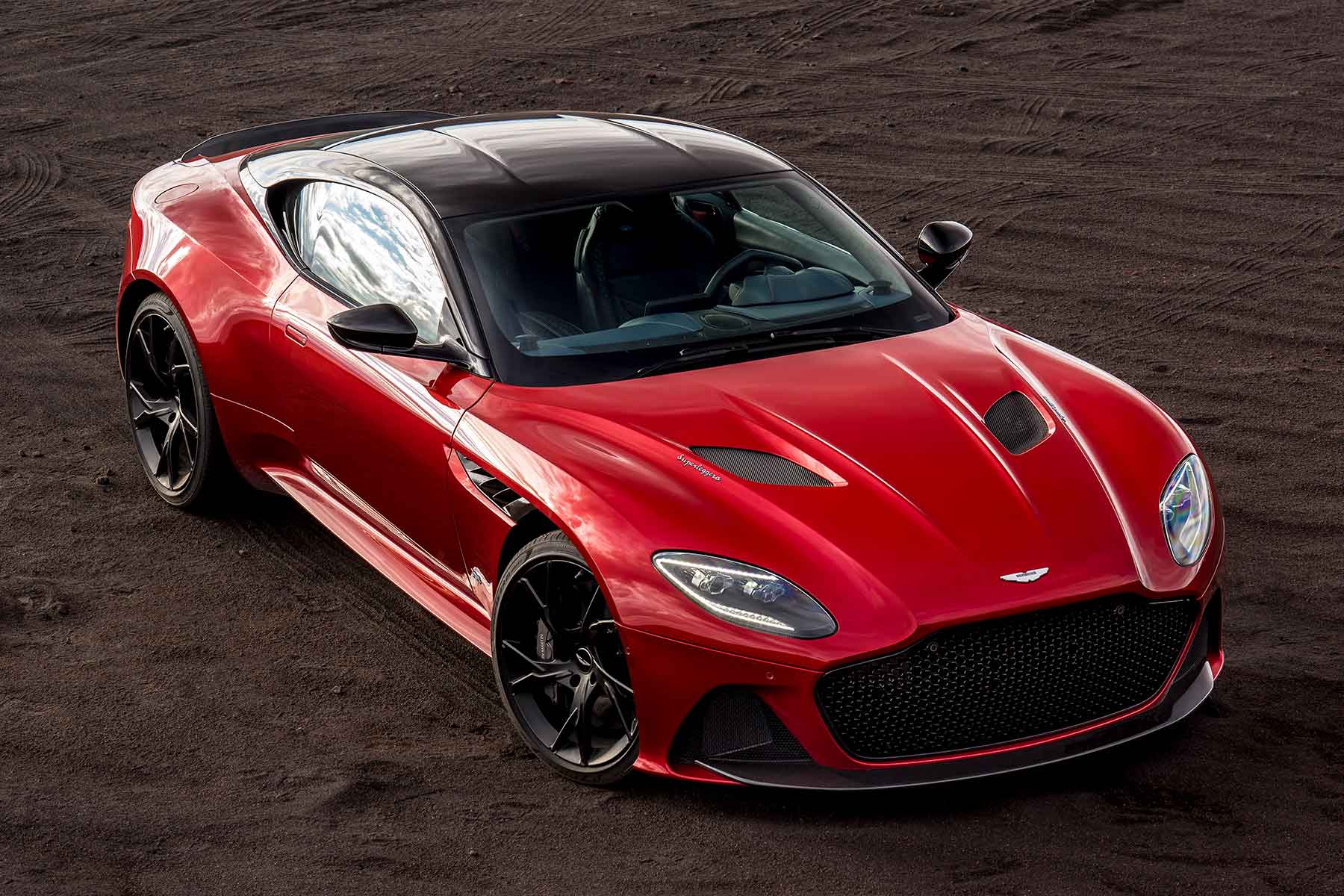
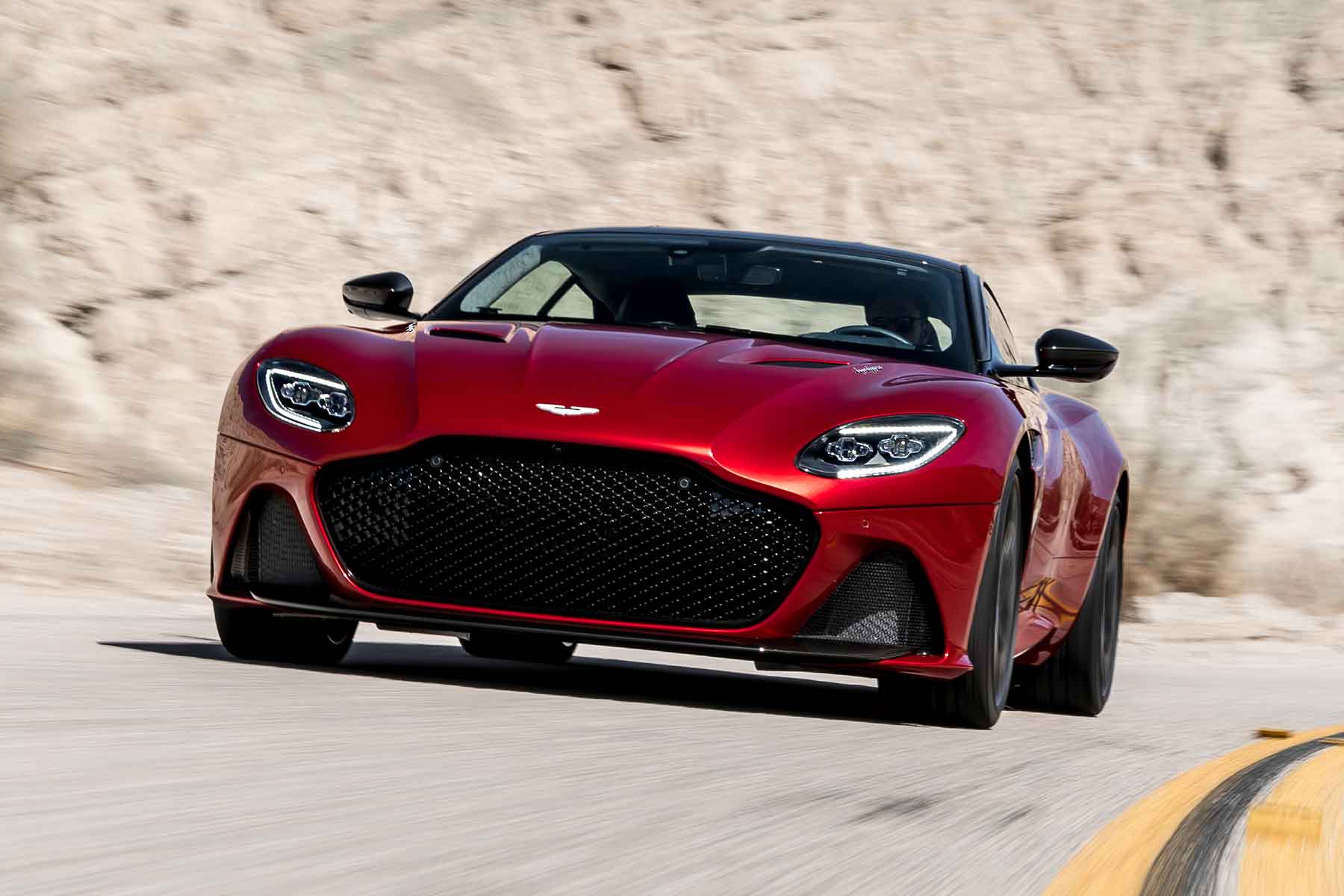
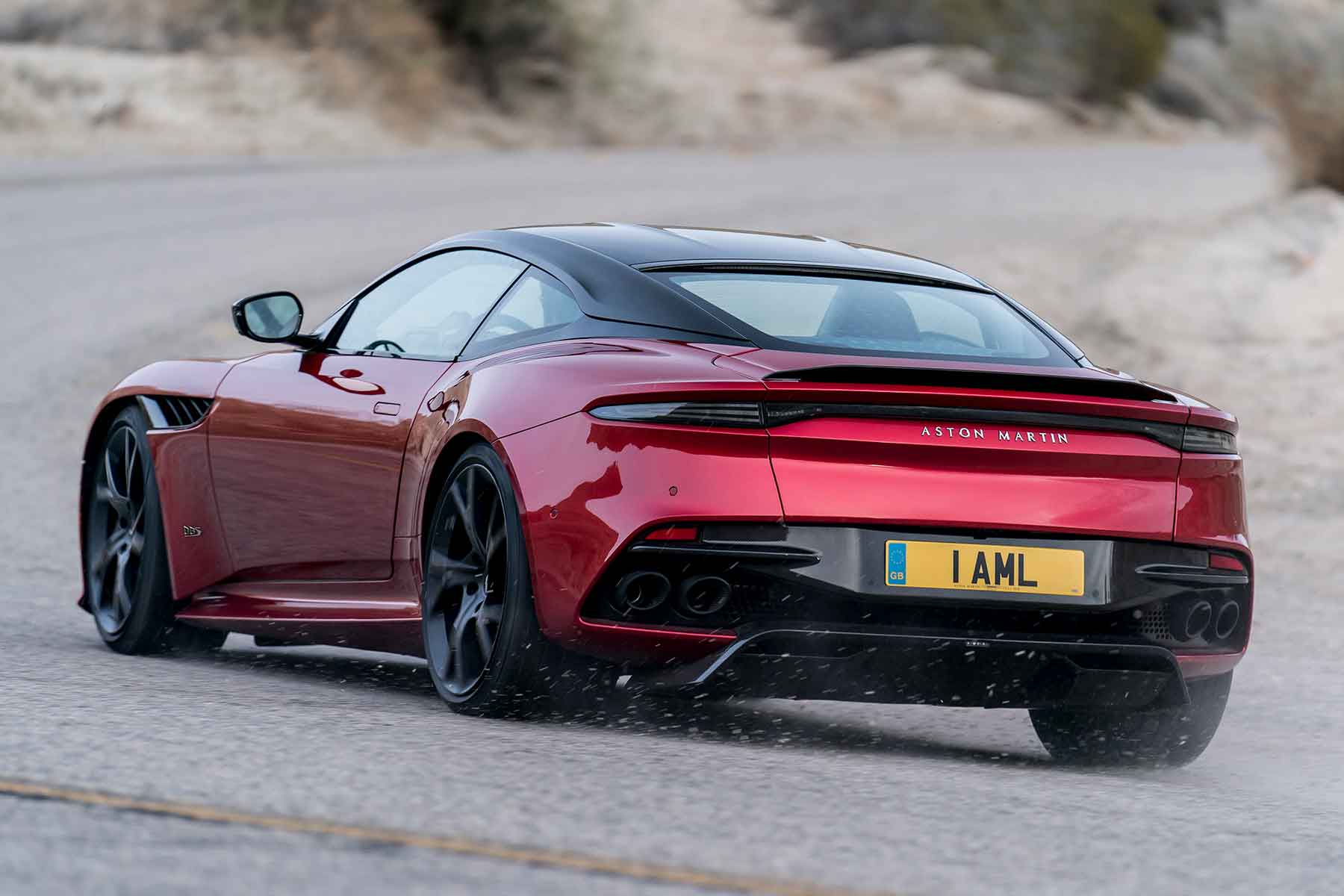
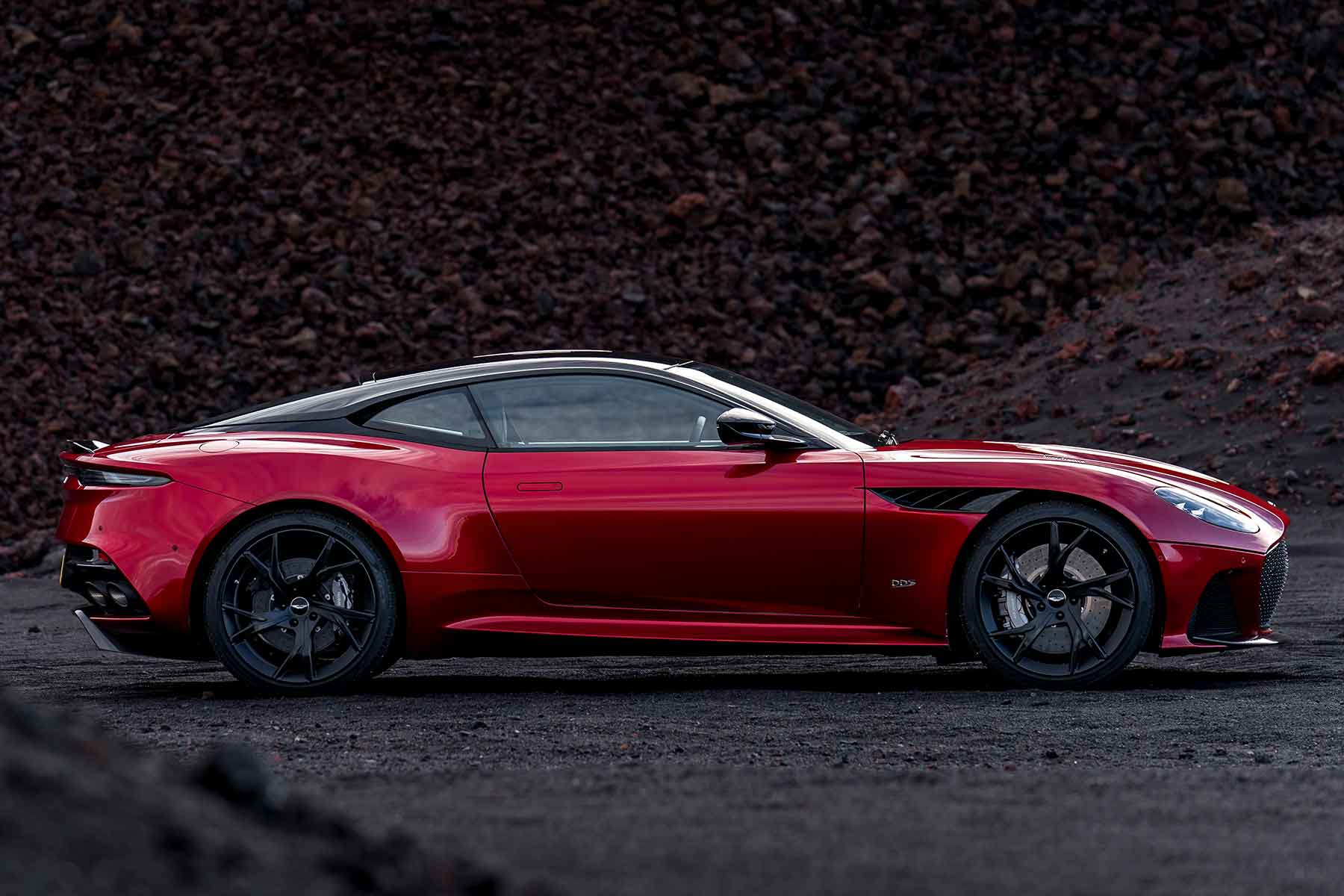
Aston Martin insiders have nicknamed the new range-topping DBS Superleggera their ‘brute in a suit’. And brutish it most certainly is – with 725-horsepower delivering a 0-62mph time of 3.4 seconds, 0-100mph in 6.4 seconds, and a 211mph top speed.
They also call it the ‘rogue’, and it most certainly is that.
Video: Aston Martin DBS Superleggera
Considered by Aston Martin to be a range-topping super GT, the firm is using the launch of the DBS Superleggera to draw in Ferrari 812 Superfast buyers – it’s a car the design team considers a genuinely compelling alternative to a car from Maranello (with, as we’ll see, the price tag to match).
Finally replacing the ageing Aston Martin Vanquish S, and sitting above the Vantage and DB11, the DBS Superleggera uses the firm’s latest aluminium architecture, derived from the DB11. Director of design Miles Nürnberger insists, however, it is not just a beefed up DB11, but is a bespoke creation. “Every modern Aston Martin must have its own unique character.”
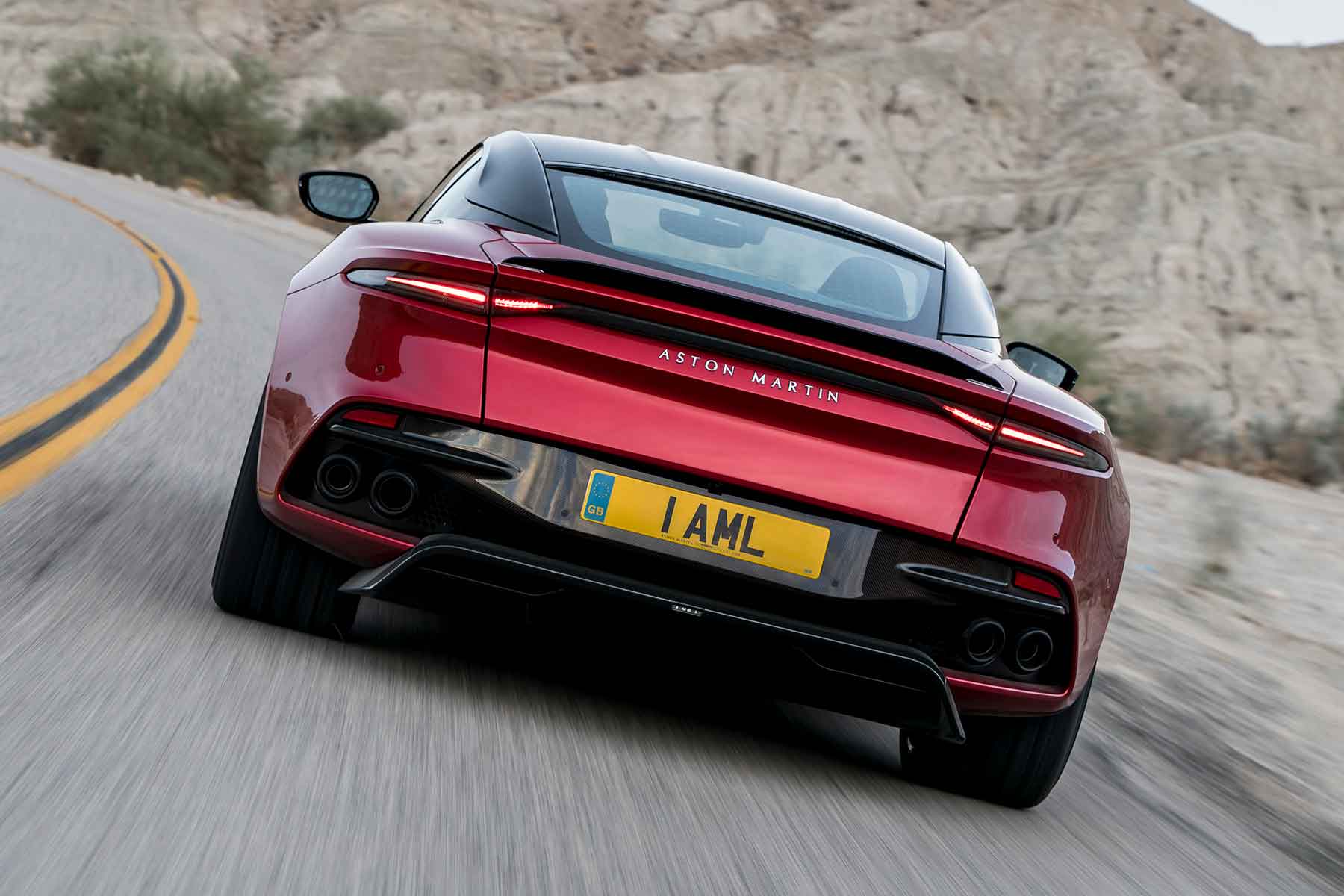
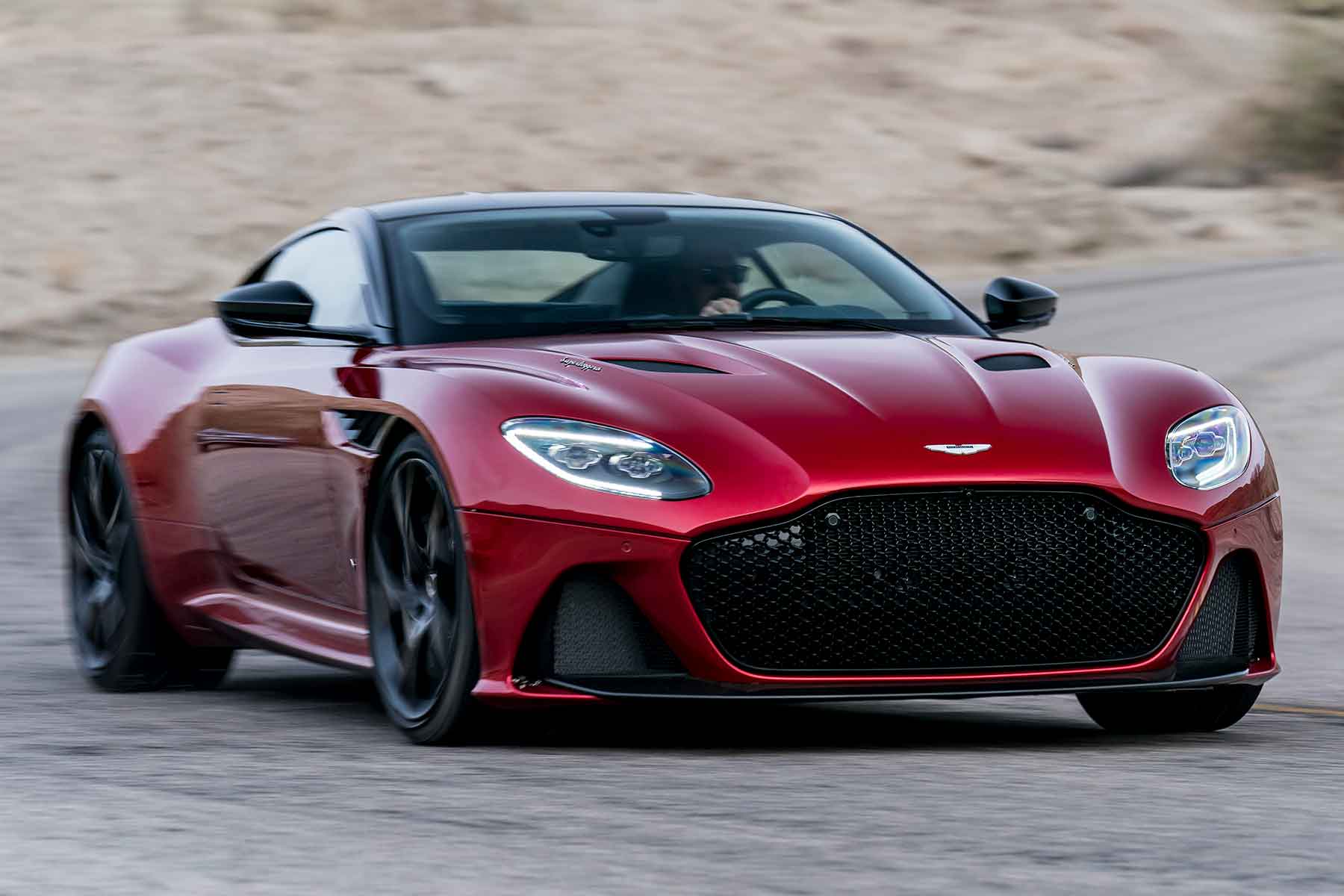
This has been achieved, he says, by giving the new DBS Superleggera an aggressive full-height grille (“you’ll definitely see it coming in your rear-view mirror”), pumped-up features to give a greater physical presence, and rear haunches a full 15mm wider than the DB11 to “exaggerate the feeling of muscle”.
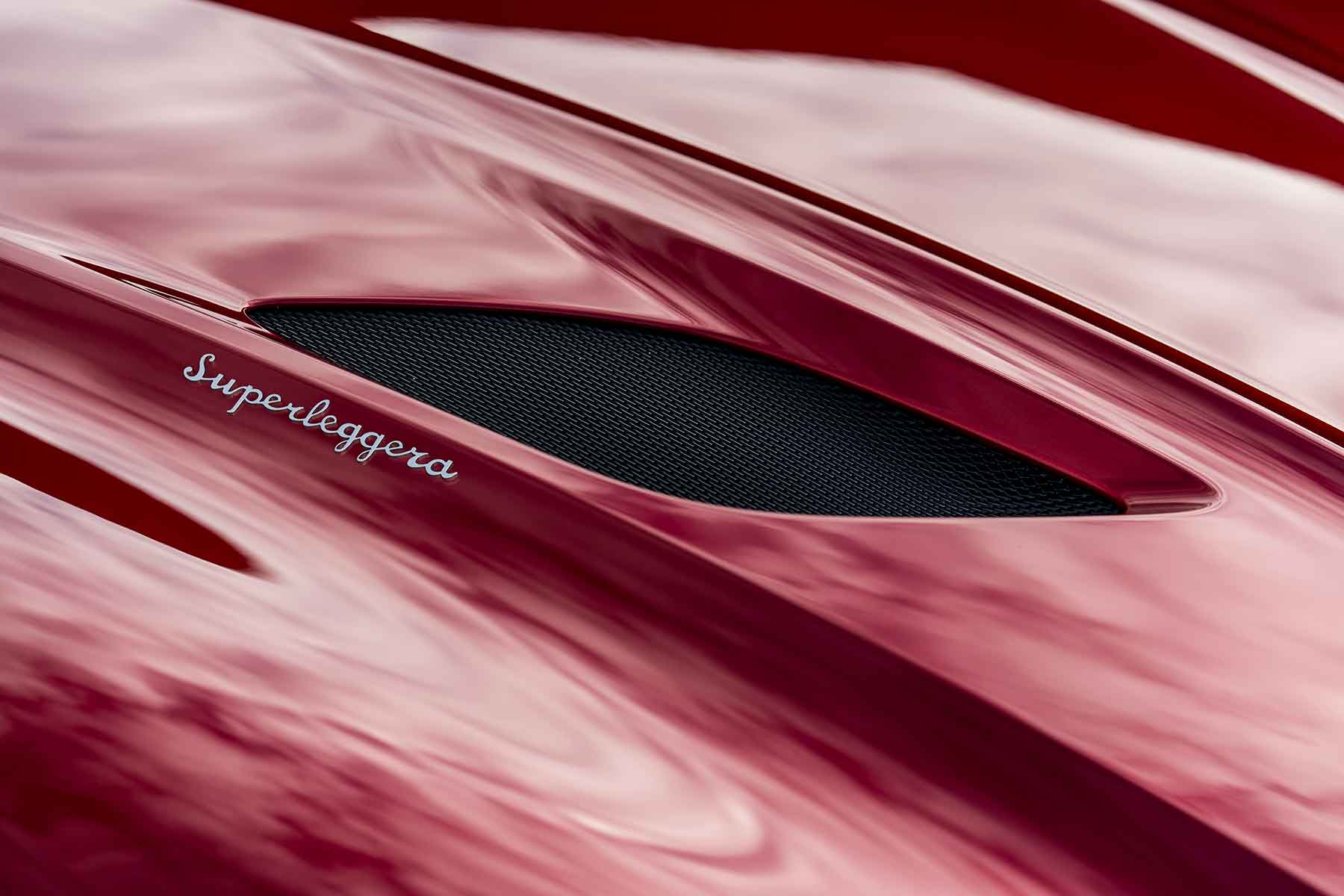
And the name? DBS is the revival of a nameplate first used in 1967, while Superleggera is a nod to classic Italian coachbuilder Touring, whose Superleggera script (it means superlight, in honour of its famed lightweight construction methods) appears on the bonnet. “DBS Superleggera not only marks the return of a great Aston Martin name, but signals our return to the very pinnacle of the super GT sector,” said Aston Martin president and CEO Dr Andy Palmer.
“Handsome beyond measure, immaculately styled, obsessively engineered and outrageously potent, the new DBS Superleggera is every inch the Aston Martin flagship.” And is duly priced accordingly: from £225,000 in the UK, €274,995 in Europe, and $304,995 in North America. Deliveries? They begin in autumn 2018.
Now let’s dive into some more of the delicious details within Aston Martin’s new halo car.
Aston Martin DBS Superleggera: in detail
The body is made entirely from extruded aluminium clad in carbon fibre, which has helped Aston’s designers achieve some of the extreme styling features, and also help the DBS Superleggera boast the highest carbon content of any road car Aston currently makes. At under 1,700kg, it’s also 72kg lighter than the DB11.
Its engine is suitably brutish. 725hp is delivered at 6500rpm, but it also puts out a massive 900Nm (663lb ft) of torque across a massive 1,800-5,000rpm rev range. The 5.2-litre V12 has two turbos, four camshafts, is entirely made from aluminium, and is ferociously fast in real-world use: 50-75mph in fourth gear takes just 2.2 seconds – from the inside lane to the overtaking lane of a motorway in a couple of heartbeats.
The engine has purposefully been tuned “to deliver maximum performance within the rev window in which most road driving typically occurs… shunning highly-strung, high rev delivery for effortless urgency and crushing overtaking ability”.
It’s so potent, Aston’s had to buy a new, stronger type of eight-speed automatic gearbox from German supplier ZF just to cope with its output.
Needless to say, it sounds the part. Not in normal driving – the car remains subdued in low-load and small accelerator pedal openings, says Aston. It does have some manners. But stick it in Sport and Sport Plus, and a new quad exhaust system increases the exhaust’s level and purity, complete with pops and bangs on overrun. Even the noise at a standstill has been enriched, thanks to a new design of wastegate.
“The term super GT is a relatively new one,” said the firm’s chief technical officer Max Szwaj, but it’s one that’s long been part of Aston DNA. The key to it is that ultra-high torque engine, but the rest of it has been honed to create a “formidable and fabulous machine”.
A double diffuser at the back – like the ones banned in F1 racing – combines with ‘Aeroblade II’ that’s twice the size of the clever aeroblade aperture on the DB11 (and fixed, not retractible) to help it generate a heavyweight 180kg of downforce at its top speed – impressively, without creating any extra drag. “It’s the highest level of downforce for any road-going Aston Martin ever,” chief engineer Matt Becker told us.
“The aero generates 120kg at the rear and 60kg of downforce at the front – this gives it a pinned and planted feel at high speed. You can drive it one-handed, if you wish.” Becker added Aston actually tuned the rear end downforce, to give it the best ‘feel’ at high speed, rather than simply chasing ever-bigger numbers. “It has a different feel [to the DB11] to match the different look.”
The ride is 5mm lower than the DB11, suspension geometry is all-new, the steering delivers more feedback and even the engine mounts have been tuned to improve steering response. There’s also a bigger-than-ever separation between the setup of the three driving modes: from GT, to Sport, and Sport Plus.
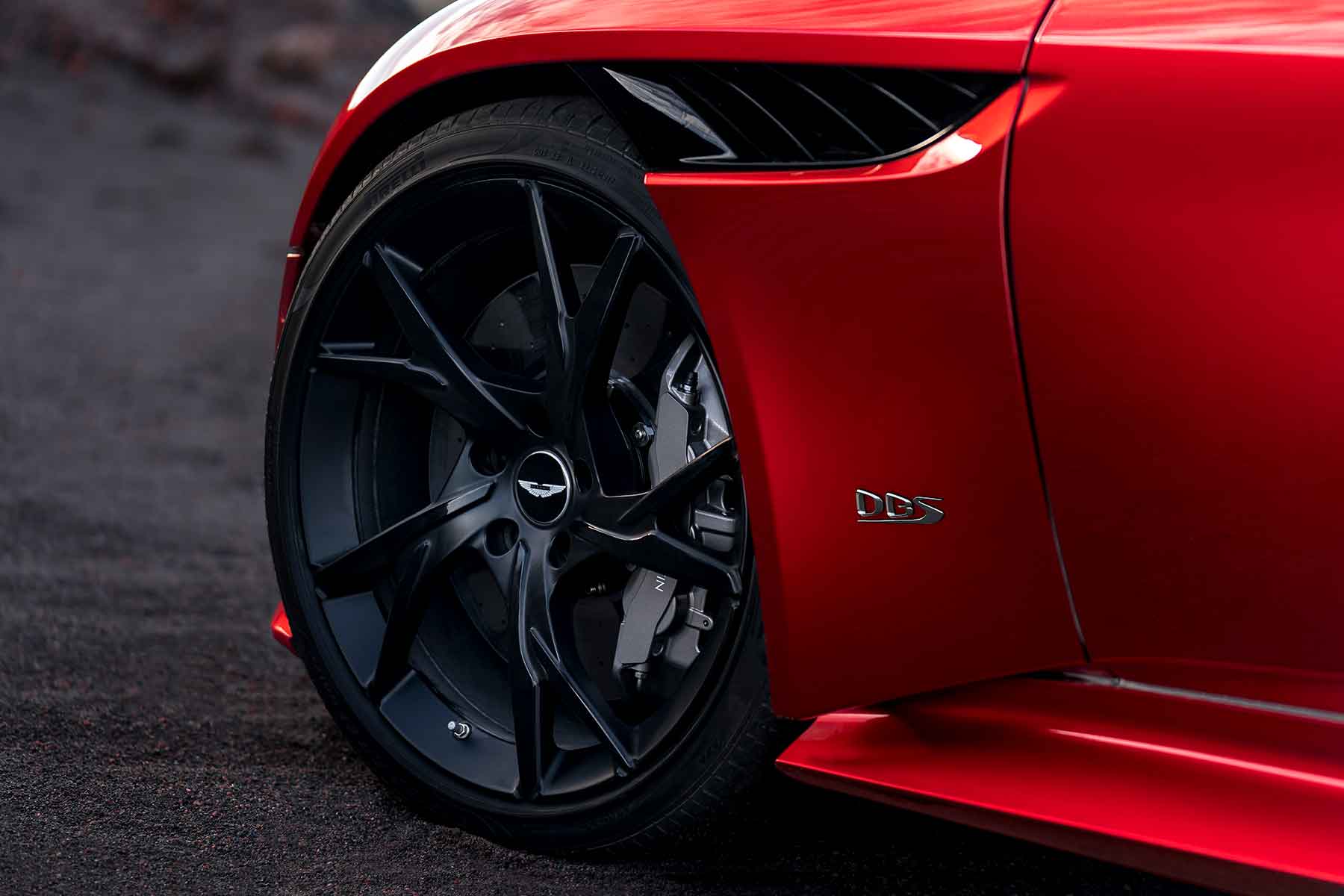
Even the wheels are bigger than the DB11. “21-inches don’t fit the DB11: we took the opportunity of creating a new body to go extra-wide and ensure they fitted,” said Nürnberger. Buyers can pick from standard Y-spoke forged rims, or optional lightweight twin-spoke forged wheels with a strong let light structurally-optimised design.
Bespoke Pirelli P-Zero tyres are fitted, 305/30-section on the rear, and they have noise-absorbing foam technology in their sidewalls to boost refinement.
“Every time I drive it, I’m blown away by its raw performance,” added Becker. “It’s explosively quick if you floor the throttle, bit has that relentless, effortless delivery that only a big turbocharged V12 can deliver. While we wanted to create a very, very fast car, it was crucial that it didn’t terrify less experienced driver… we’ve honed the dynamics so that it’s agile and connected, but also linear and progressive as you work towards its limits.”
And if you do panic, 410mm carbon ceramic brakes, gripped by six-piston front calipers, haul it down quickly – Aston’s even revised the master cylinder and booster so the brake pedal travel is shorter, and the feel firmer.
Oh, and because the brakes have a higher thermal capacity, the DBS Superleggera can operate its brake-nibbling Dynamic Torque Vectoring system more often, cornering more precisely and with more agility.
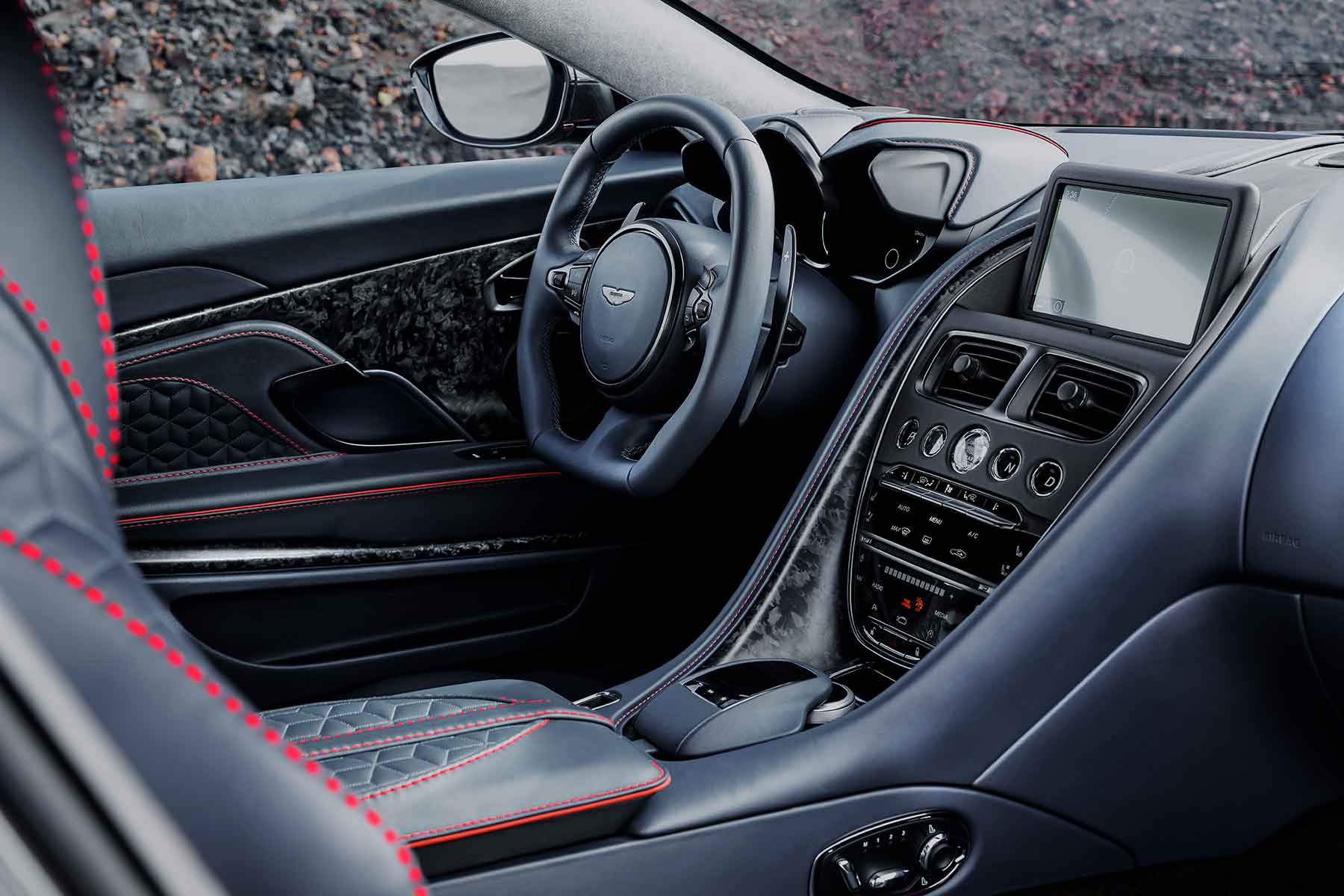
What’s life like inside the Aston Martin DBS Superleggera. Very plush, with what’s described as “aromatic’ leather and Alcantara upholstery, standard Sports Plus performance seats and complementary steering wheel, and a brace of special Designer Specifications that match bespoke outside finishes with matching ones inside.
Now click the images below to see more of the new 2019 Aston Martin DBS Superleggera…
Transport Secretary Chris Grayling MP has spoken out in favour of diesel cars as a stepping stone to future zero-emissions vehicles, during a keynote address to the UK automotive industry.
Responding to claims he advised people to ‘think twice’ before choosing a diesel car, Grayling said he was only partially quoted. It’s people in cities who should look at alternatives to diesel, such as electric cars and hybrids, he said.
“If you’re driving long distances, if you’re out and about for work, diesel is a perfectly sensible option. I think it’s a very important distinction to make.
“Diesels can still play a valuable role in reducing CO2 emissions during the transition period to that low emission future,” he said during his speech to delegates at the Society of Motor Manufacturers and Traders’ 2018 International Automotive Summit.
“There are horses for courses in today’s technology,” he said. “I hope consumers will think about the nature of the motoring they do and buy the right vehicle and the right technology for that usage.”
This may be positive news for the fleet car industry, which makes up more than half the UK new car sector. Some businesses and fleet managers have been questioning whether they should buy diesel or switch into less economical, higher-CO2 petrol cars: Grayling’s clarity will provide much-needed guidance.
Transport needs to clean up
Grayling also spoke about the need to continue reducing emissions of the UK transport system, which currently contributes 91 percent of British greenhouse gas emissions. The government last year published its clean growth strategy and more is planned soon, said Grayling.
“This summer, we will publish our Road to Zero Strategy. We’ve worked hard to get it right.” It will contain the roadmap that will outline how every new British car and van will be “effectively zero emission by 2040”.
Expectations are that it will clear up just what the government means by electric and electrified cars, and when it expects key steps to be achieved.
But again, he said, it will not favour one technology over another. “There are no plans to bar any specific technology – our strategy remains that we should be tech neutral.”
Grayling also noted that one in eight battery electric vehicles currently sold in Europe is built in the UK. The government is thus encouraging the development of next-generation electric car batteries in the UK, with the £246 million Faraday Challenge.
The technological change that’s in store for the automotive industry “is a great opportunity for this country, for the skilled people who work in this industry. There are opportunities that are unprecedented… a revolution lies ahead.”
Progress on Brexit needs to speed up in order to allay growing automotive industry concerns and address a marked slowdown in investment, the Society of Motor Manufacturers and Traders (SMMT) has warned.
The automotive industry trade body is today presenting its latest report on the health of the UK car sector, which shows that manufacturing turnover hit a record £82 billion in 2017. However, it says this success risks being reversed without the speedy conclusion of a deal that clarifies Britain’s regulatory and customs relations with the EU.
Already in 2018, inward investment in the car industry has suffered a marked slowdown. Less than £350 million has been committed to new models and factories in the UK – that’s half the amount invested in the first half of 2017. Production output has slowed and there have been job cuts.
“There is growing frustration in global boardrooms at the slow pace of negotiations,” said SMMT chief executive Mike Hawes. “The current position, with conflicting messages and red lines, goes directly against the interests of the UK automotive sector which has thrived on single market and customs union membership.
‘No Brexit dividend for cars’
“There is no credible ‘plan B’ for frictionless customs arrangements, nor is it realistic to expect that new trade deals can be agreed with the rest of the world that will replicate the immense value of trade with the EU.”
Hawes’ demand was stark: “Government must rethink its position on the customs union.
“There is no Brexit dividend for our industry, particularly in what is an increasingly hostile and protectionist global trading environment. Our message to government is that until it can demonstrate exactly how a new model for customs and trade with the EU can replicate the benefits we currently enjoy, don’t change it.”
Speaking earlier to the BBC, Hawes said the risk was “death by a thousand cuts”. The slowdown in investment would lead to a weakening of the UK car industry as manufacturers invested elsewhere.
“With decisions on new vehicle models in the UK due soon,” said the SMMT, “government must take steps to boost investor confidence and safeguard the thousands of jobs that depend on the sector.”
Billed as the ‘ultimate last chance auction’, two final editions of Dodge performance cars went under the hammer at the weekend.
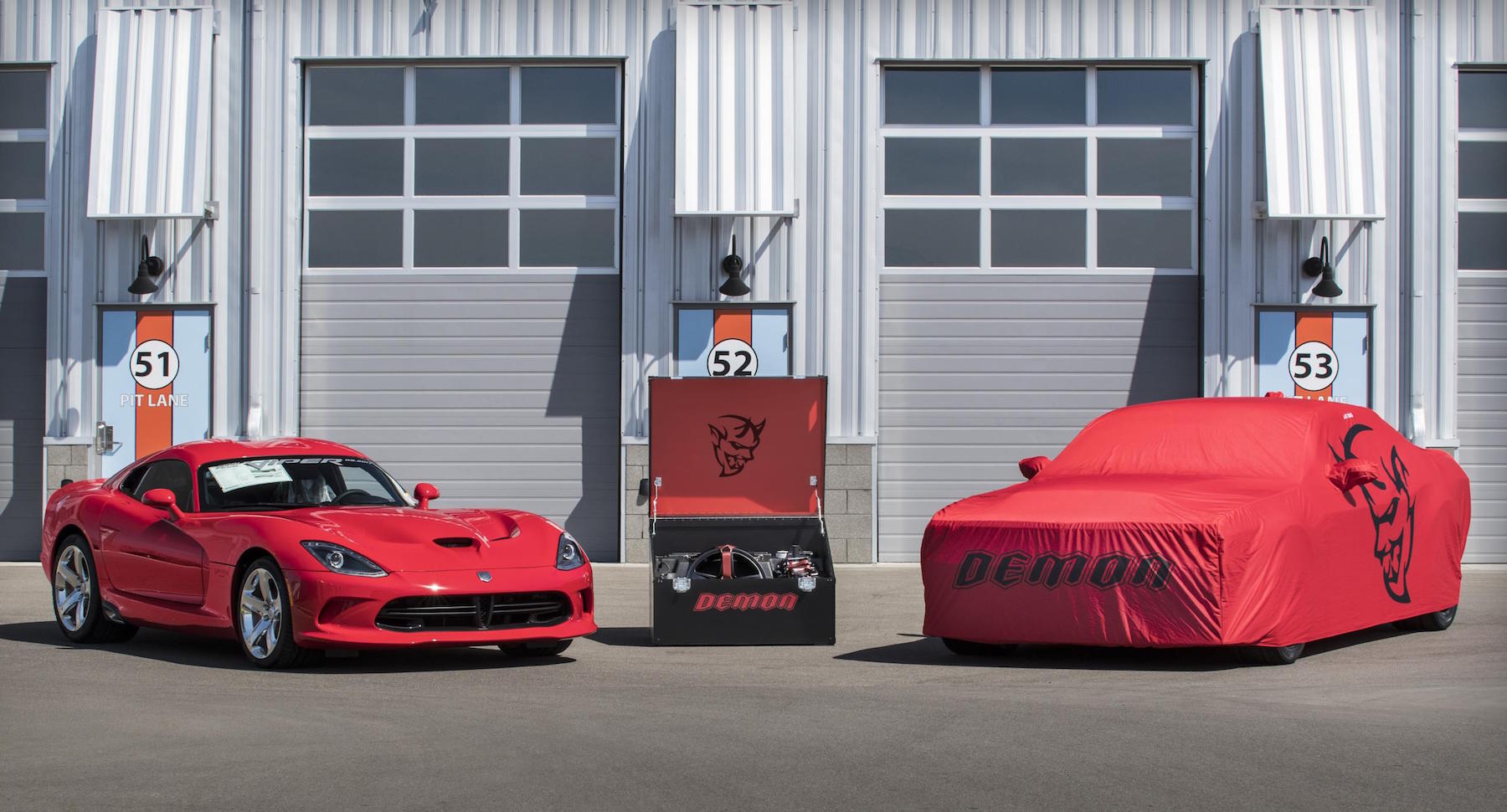
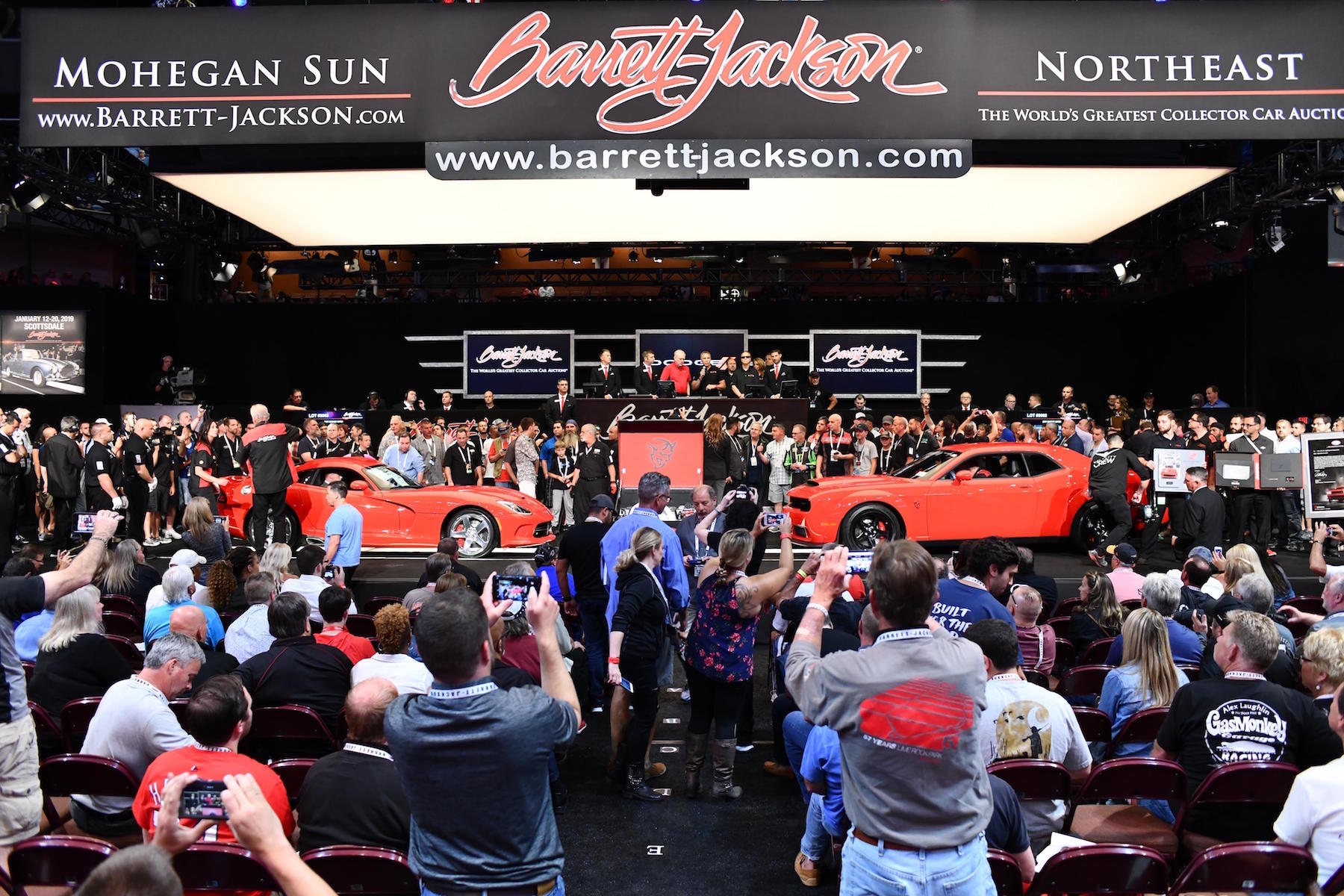
The Barrett-Jackson Northeast Auction took place in Mohegan Sun, Connecticut, and attracted huge interest in the chance to own this particular pairing. Sold together as one lot, the very last Dodge Viper was matched with the final Challenger SRT Demon muscle car.
All proceeds of the sale were destined from the outset to be given to charity, with the United Way organisation receiving the $1 million (£753,000). Given that the Viper was usually sold for $87,995, with the SRT Demon priced at $84,995, it shows just how hot the bidding war for the Dodge duo really was.
An $827,010 (£623,000) premium may seem steep, but the desirability of the two cars for collectors is already guaranteed.
Both cars were painted in the same Viper Red colour, a classic choice inspired by the original 1992 RT/10 Viper. This required the SRT Demon to be painted by hand to match, a process which had to be done especially after the car had been built on the regular production line.
Powered by a 645hp version of the 8.4-litre V10 engine, the Viper is capable of a top speed in excess of 200mph. Some 30,000 Vipers were built between the introduction of the first-generation in 1992, through to this special car rolling off the production line in August 2017.
The SRT Demon is the ultimate version of the current Challenger muscle car, created as little more than a thinly disguised road-legal dragster. In fact, the SRT Demon is so quick on a drag strip – setting the world’s fastest production car quarter-mile time – that it was banned from competition usage in the United States.
With a list of world firsts, including the first production car to pull a wheelie on acceleration, the 6.2-litre supercharged 840hp SRT Demon has proven to be a serious collectors item already. Sales being limited to just one year will no doubt push values even higher.
Along with making a charity very happy, and taking home two serious performance cars, the lucky auction winner collected numerous other special items. Along with a number of branded items, the buyer also received certificates of authenticity, and photos detailing the build of each car.
It might be the most unlikely motorsport machine in the Bentley range, but the Bentayga luxury SUV has become a racing winner.
Reaching the top of the 12.42-mile long Pikes Peak International Hill Climb course took the Bentayga 10 minutes 49.9 seconds. This slashed more than two minutes from the previous SUV class record, and saw the big 4×4 average 66.5mph on the way to the top.
Experienced New Zealand driver Rhys Millen added the class win to his previous two Pikes Peak victories, in what turned out to be a successful weekend in Colorado for the Volkswagen Group. The radical all-electric Volkswagen I.D. R having set a new outright Pikes Peak record, too.
Whilst there won’t be a road-going version to celebrate Volkswagen’s achievements, Bentley fans will be able to own a tribute to the Pikes Peak Bentayga.
Powered by the same 600hp and 664lb-ft W12 engine as the car driven by Rhys Millen, the special Pikes Peak Bentayga will be limited to just ten examples.
Each will be built by Mulliner, Bentley’s coachbuilding department, and offered in a choice of two colours. Beluga Black is the subtle option, whilst those wanting the full Pikes Peak replica can can pick the eye-watering Radium green colour.
The 22-inch alloy wheels are finished in a combination of Beluga and Radium, whilst all the chrome on the Bentayga is replaced with gloss black. Carbon fibre is used for the splitter, rear spoiler, diffuser, and side skirts.
A special Pikes Peak logo adorns the wheel arches, with similar branding applied to the tread plates and dashboard facias. The seats are upholstered in a combination of black leather with Key Lime Alcantara, with the same combination found on the doors.
With the Pikes Peak record-setter based on a production model, the ten buyers will be safe in the knowledge that they will have the same technical specification as Mr Millen. That means an eight-speed automatic gearbox, adaptive air suspension, carbon ceramic brakes, and a four-wheel-drive system, of course. A sports exhaust is also standard.
Those interested in recreating the Pikes Peak record will have to wait until August, when Bentley will start accepting orders for US and European customers. Plenty of time to learn the 156 corners that make up the hill climb course.
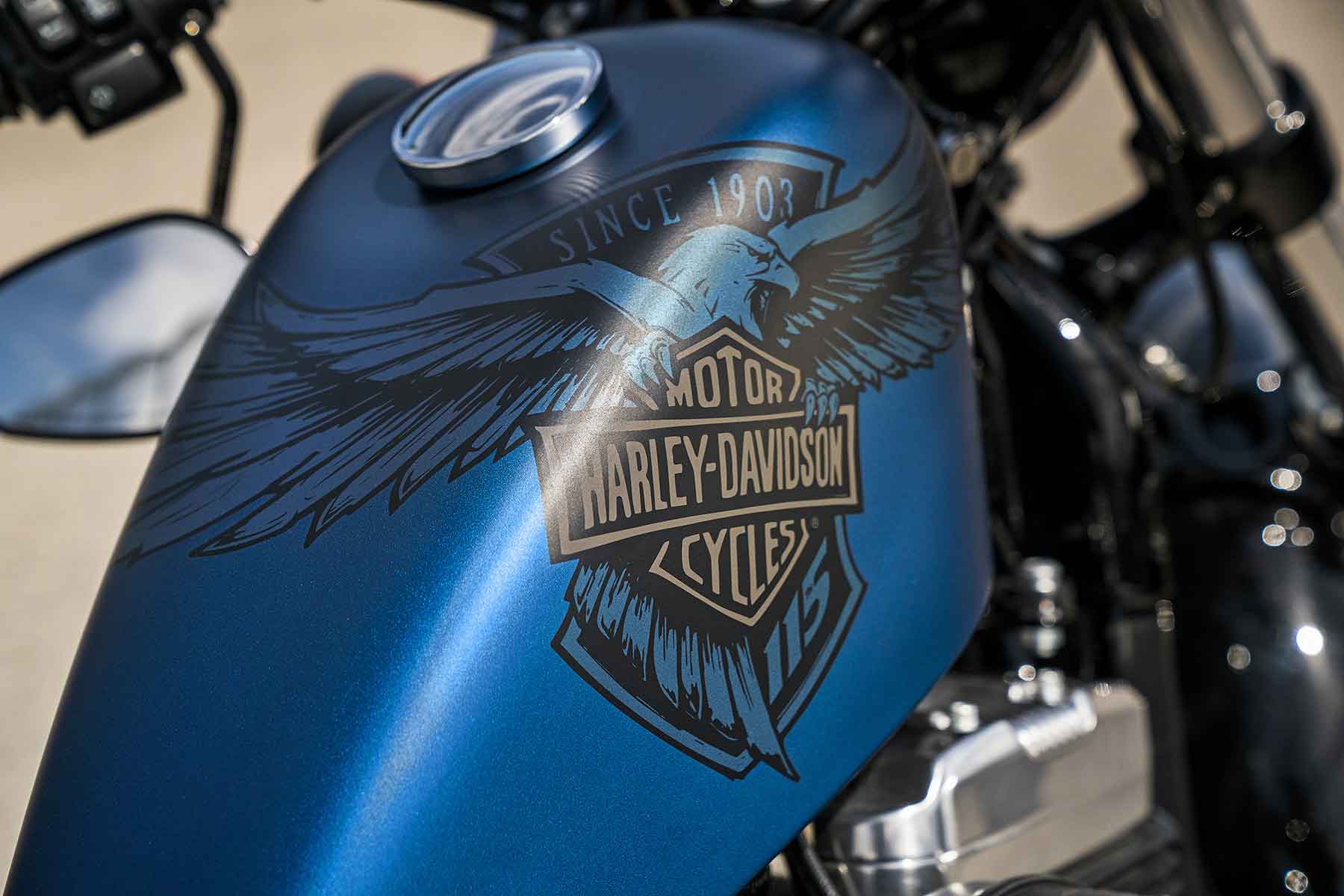
The trade war between the US and Europe stepped up a gear last week, with the European Union announcing a range of tariffs on products manufactured in North America, including Harley-Davidson motorcycles.
These would, says iconic American firm, result in an incremental cost of around $2,200 (£1,650) per motorcycle – so, to avoid having to put up prices and lose market competitiveness, it has announced plans to move production out of the US to other worldwide facilities.
It perhaps isn’t the result US President Donald Trump wanted, but it’s one that has been forced upon Harley-Davidson. Last year, it sold almost 40,000 motorcycles in Europe, making the region its second most profitable sales channel (behind North America).
“Increasing international production to alleviate the EU tariff burden is not the company’s preference,” it said in an 8-K filing to the United States Securities and Exchange Commission, “but represents the only sustainable option to make its motorcycles accessible to customers in the EU and maintain a viable business in Europe.”
The ramp-up of its international factories will take at least nine months, and could take up to 18 months – and the firm says the incremental cost for 2018 alone will be between $30 million to $45 million.
The full-year cost of the trade war tariffs to Harley-Davidson is estimated to be around £90 million to £100 million.
“Harley-Davidson’s purpose is to fulfil dreams of personal freedom for customers who live in the European Union and across the world,” it added. “The company remains fully engaged with government officials in both the US and the EU helping to find sustainable solutions to trade issues and rescind all tariffs that restrict free and fair trade.”
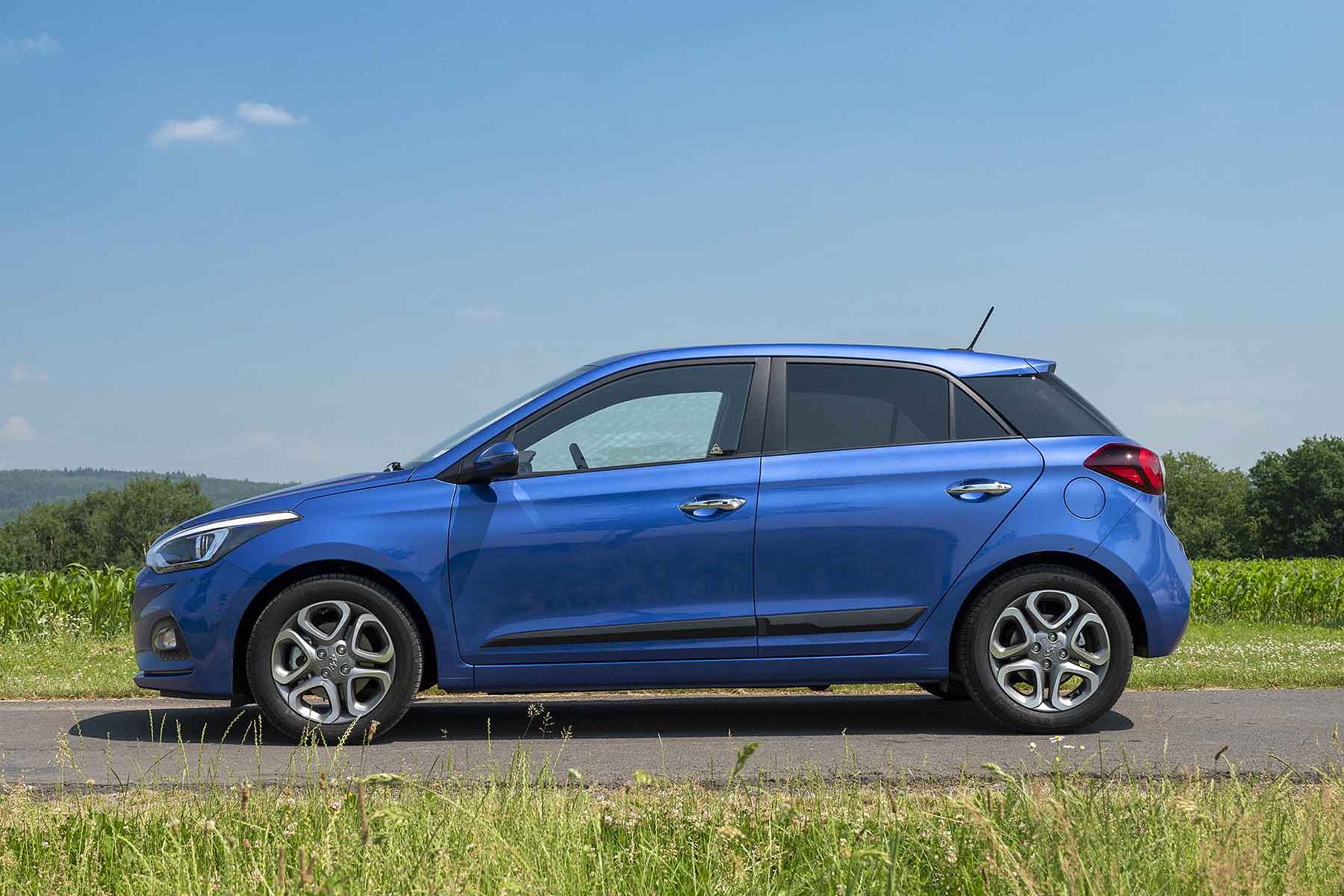
Hyundai has facelifted its i20 supermini for summer 2018, and has opened ordering with prices starting from £13,995.
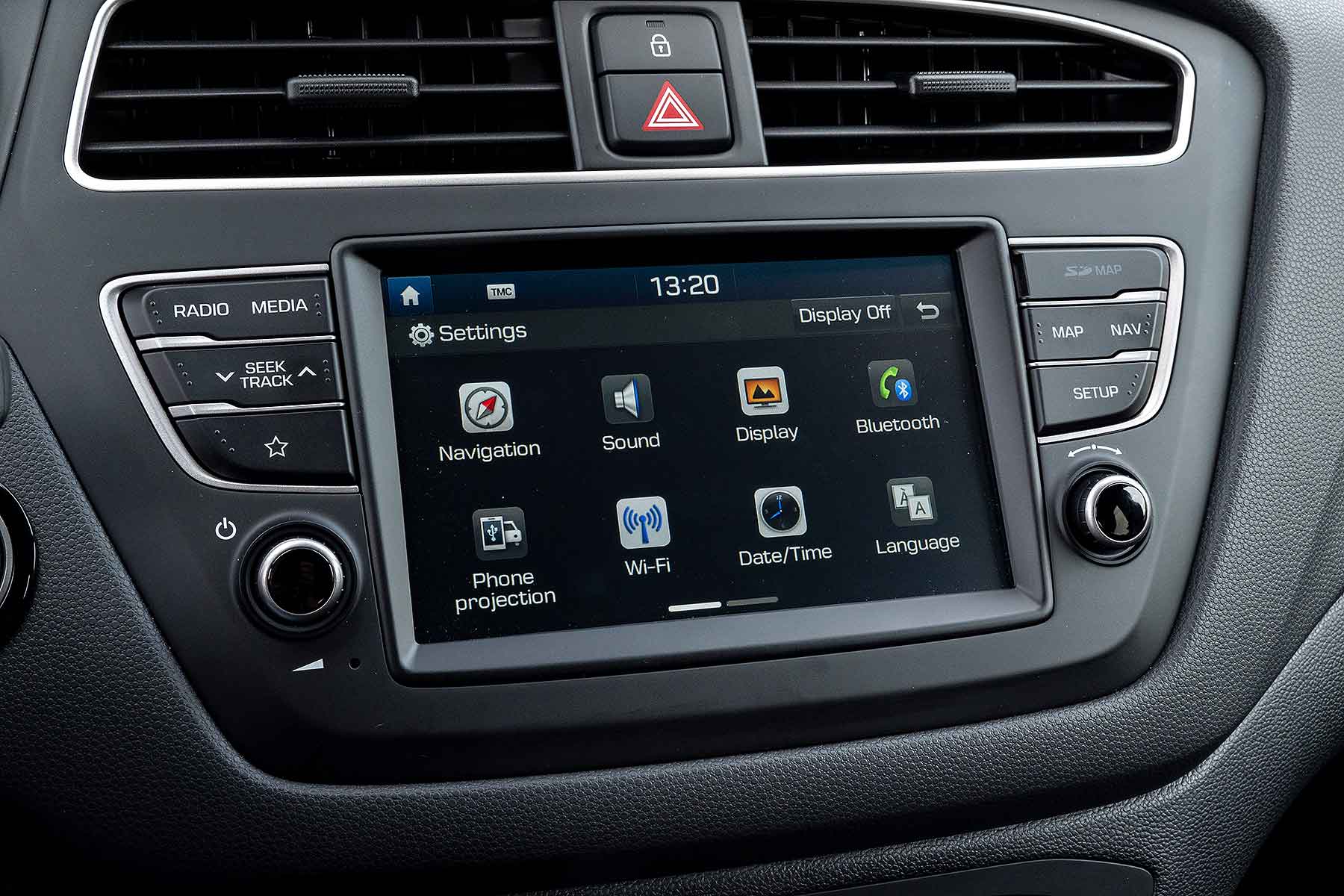
Responding to car buyers’ ever-greater desire for advanced infotainment systems, the firm has standardised Apple CarPlay and Android Auto on all models, as part of a 7.0-inch touchscreen display.
It means that all i20s effectively now come with standard sat nav, via car owners’ mobile devices, while DAB radio and Bluetooth connectivity are also included – and every i20 also comes with a reversing camera.
Other standard features for 2018 cars include engine stop-start, automatic headlamps, air con and steering wheel stereo controls. Pick an SE and safety also received a boost, with standard autonomous emergency braking, lane keep assist and high beam assist.
SE models and above also feature a standard driver attention monitor.
There are three new colours as part of the eight-colour paint range: Tomato Red (which is free), Clean Slate and Champion Blue (which both cost £550).
Hyundai’s also improved the appeal of the i20 to those who favour an automatic: a seven-speed dual clutch transmission replaces the fuel-hungry old automatic. It’s paired with the 100hp 1.0-litre T-GDI petrol engine, and now returns exactly the same 56.5mpg combined fuel economy of the regular five-speed manual.
Tony Whitehorn, president and CEO of Hyundai Motor UK said: “Alongside the i10, the i20 played a significant part in kick starting Hyundai’s growth, with over 125,000 i20’s sold in the UK since the first generation was launched in 2009.
“Whilst the small car segment has been a challenging place for all manufacturers over the past few years, we expect the new i20 to build on its predecessor’s solid and stable sales performance by offering customers the mix of connectivity, safety and efficiency that they demand.”
 There has been speculation the big losers of the upcoming WLTP ‘true’ fuel economy regulations will be plug-in hybrid cars. Some have estimated average fuel economy and CO2 emissions could be significantly worse under the new testing regime.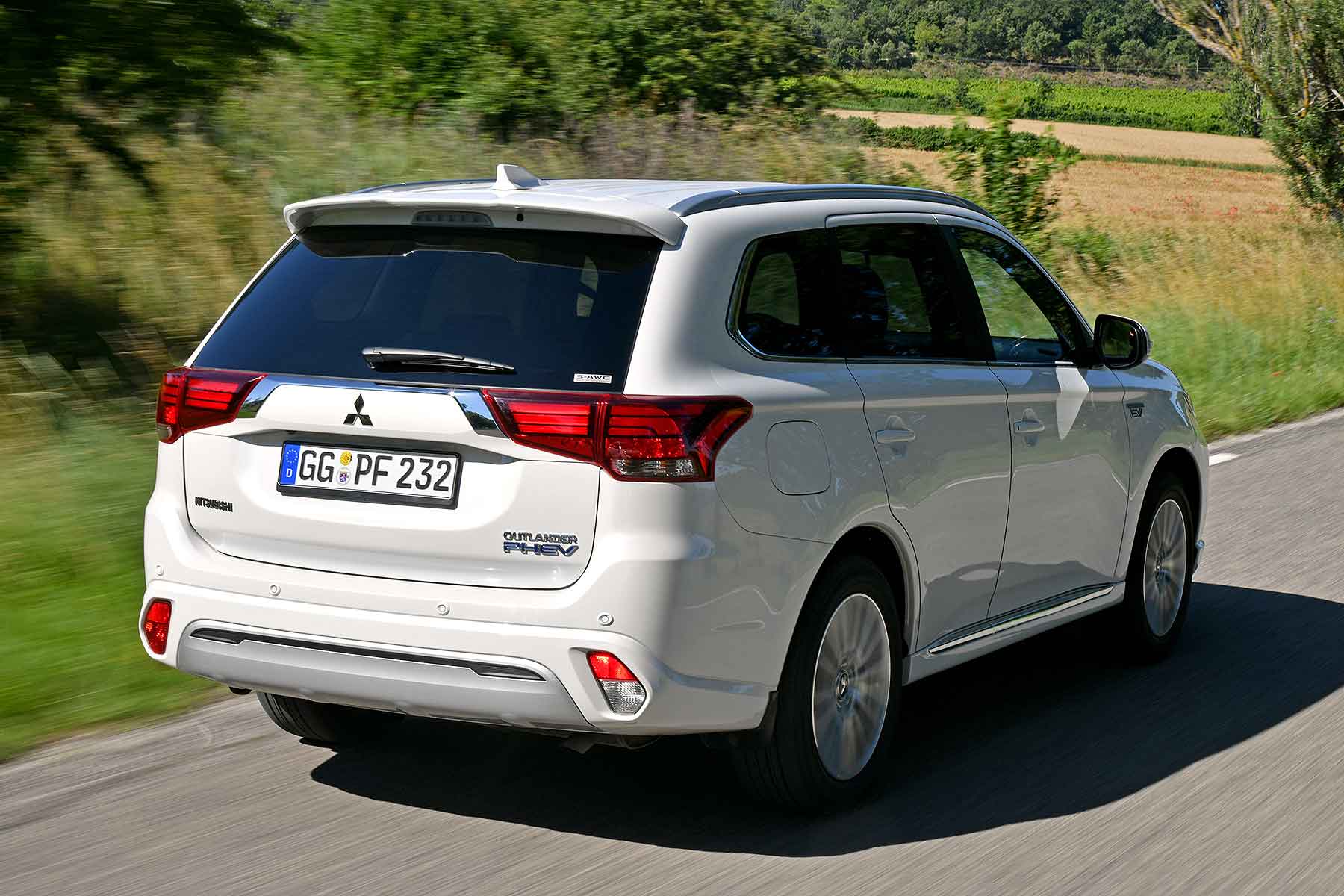
 Volvo recently became the first car manufacturer to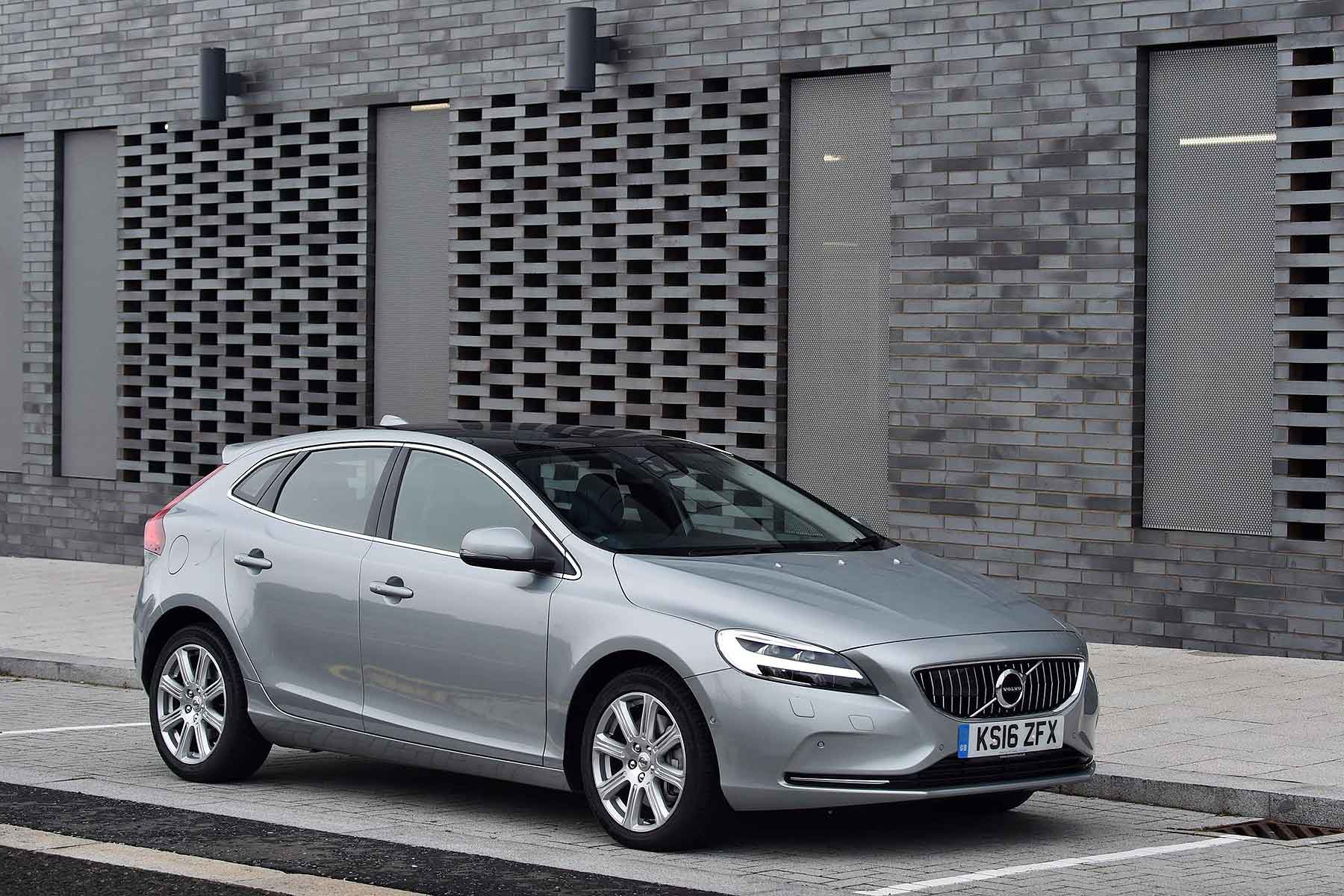
 Vauxhall sales have been
  Aston Martin insiders have nicknamed the new range-topping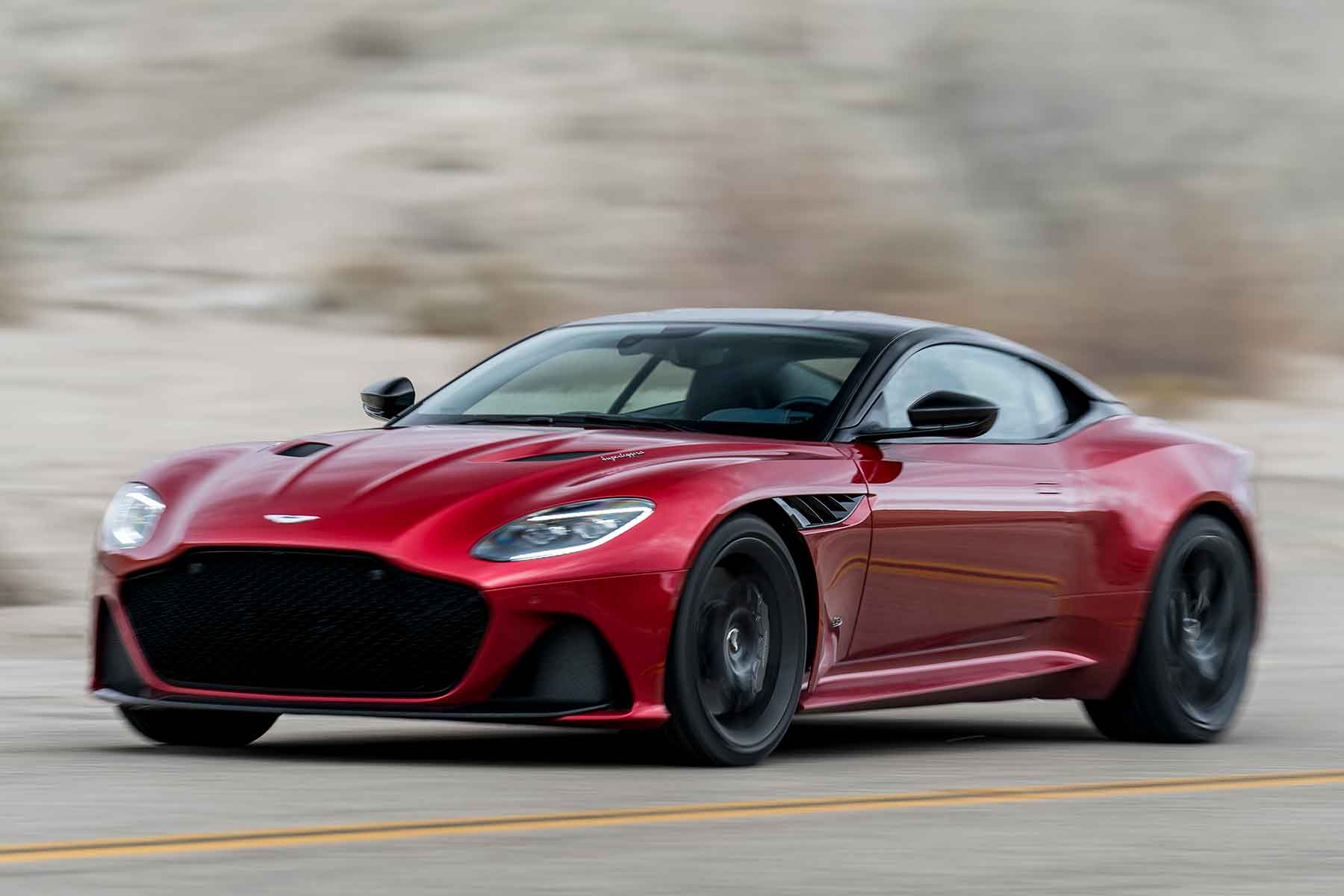


 Transport Secretary Chris Grayling MP has spoken out in favour of diesel cars as a stepping stone to future zero-emissions vehicles, during a keynote address to the UK automotive industry.
 Progress on Brexit needs to speed up in order to allay growing automotive industry concerns and address a marked slowdown in investment, the Society of Motor Manufacturers and Traders (SMMT) has warned.


 The trade war between the US and Europe stepped up a gear last week, with the European Union announcing a range of tariffs on products manufactured in North America, including Harley-Davidson motorcycles.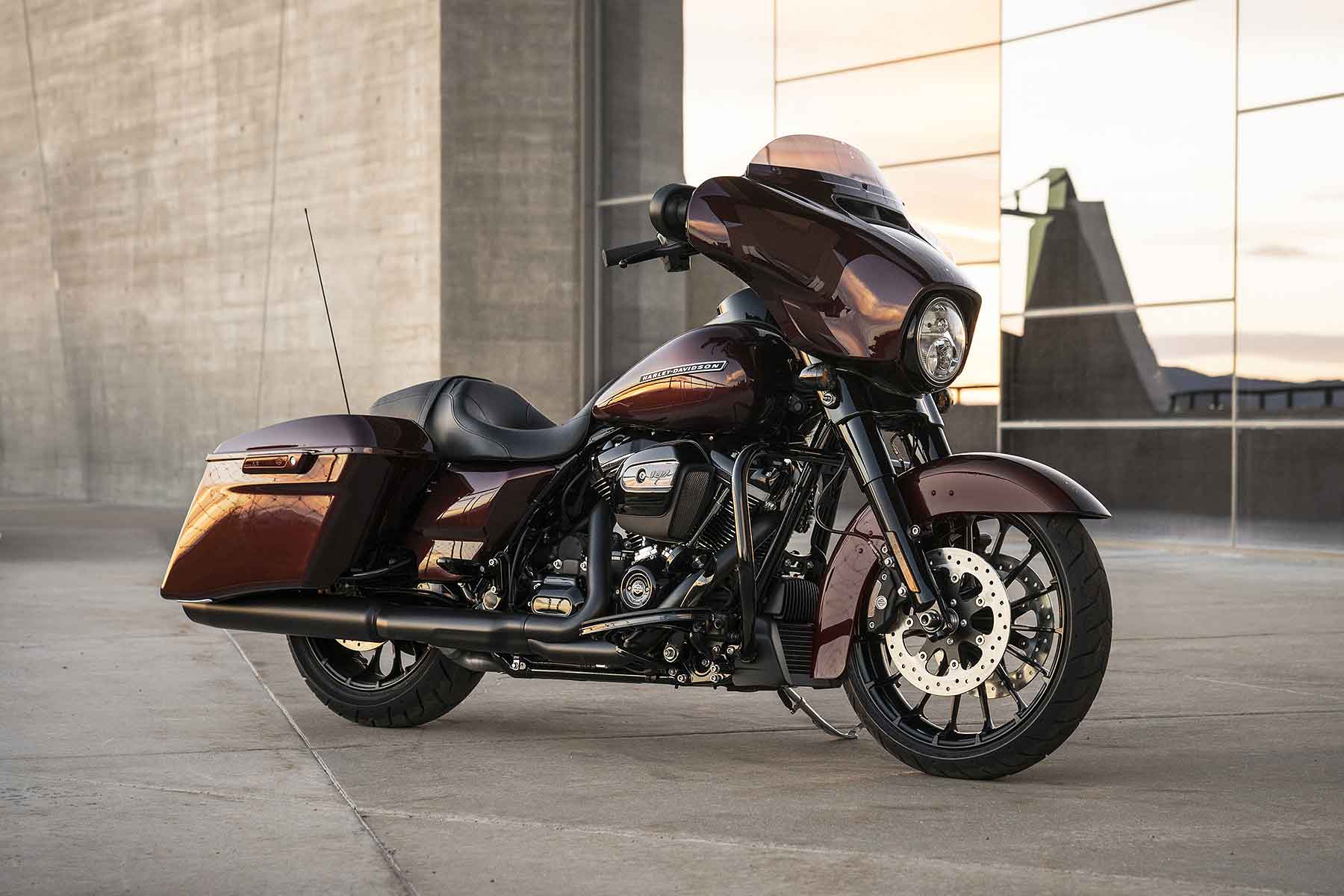
 Hyundai has facelifted its i20 supermini for summer 2018, and has opened ordering with prices starting from £13,995.