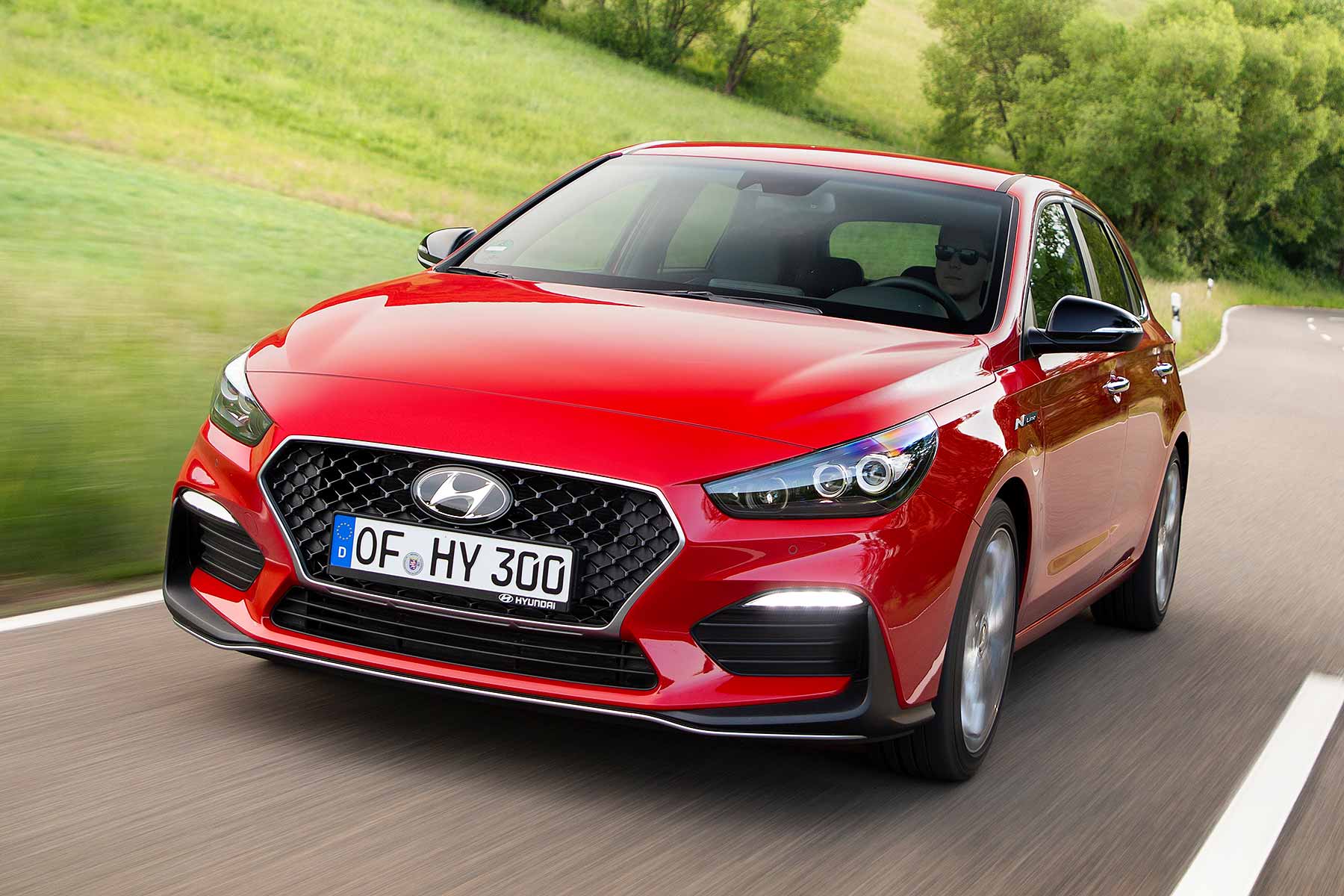
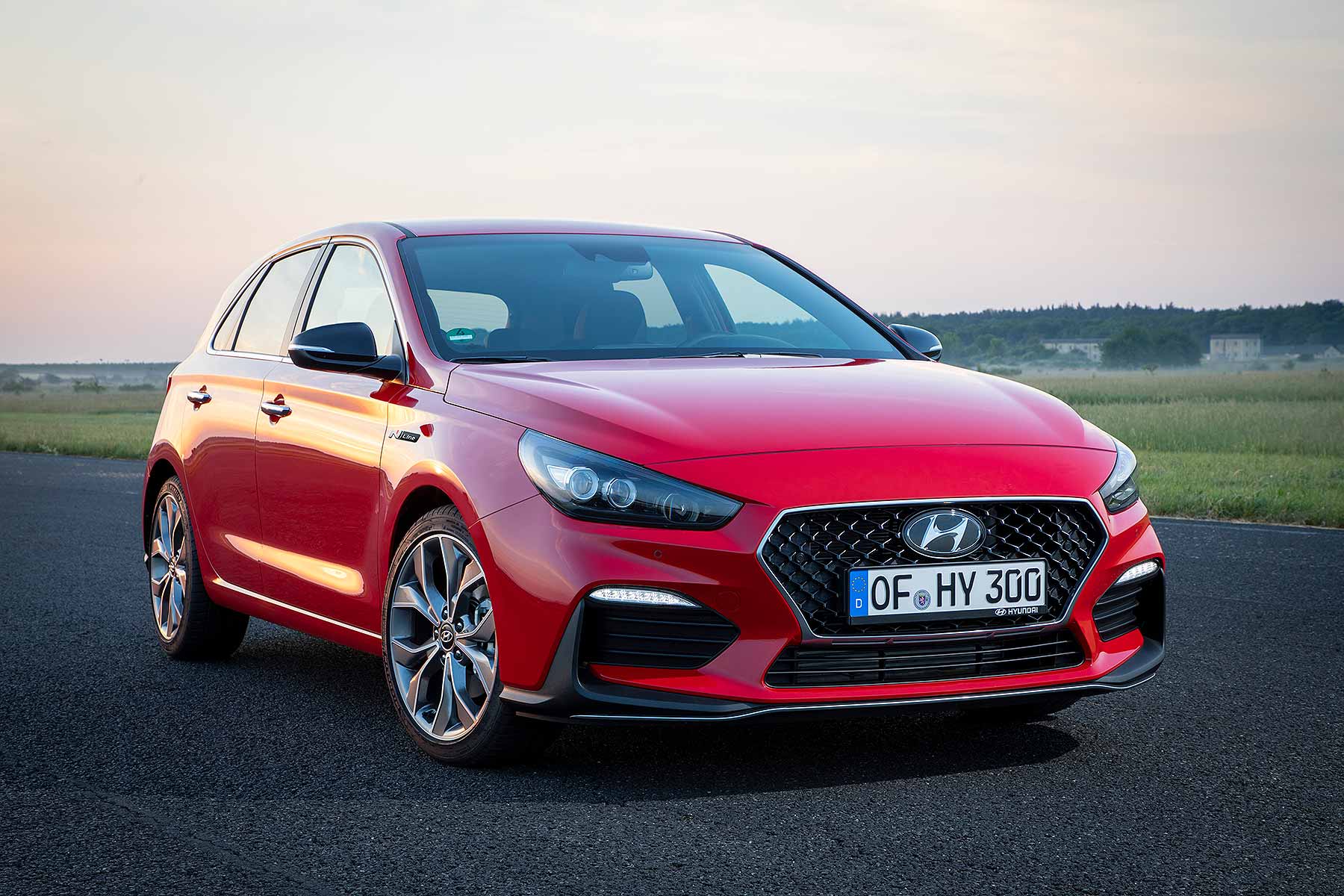
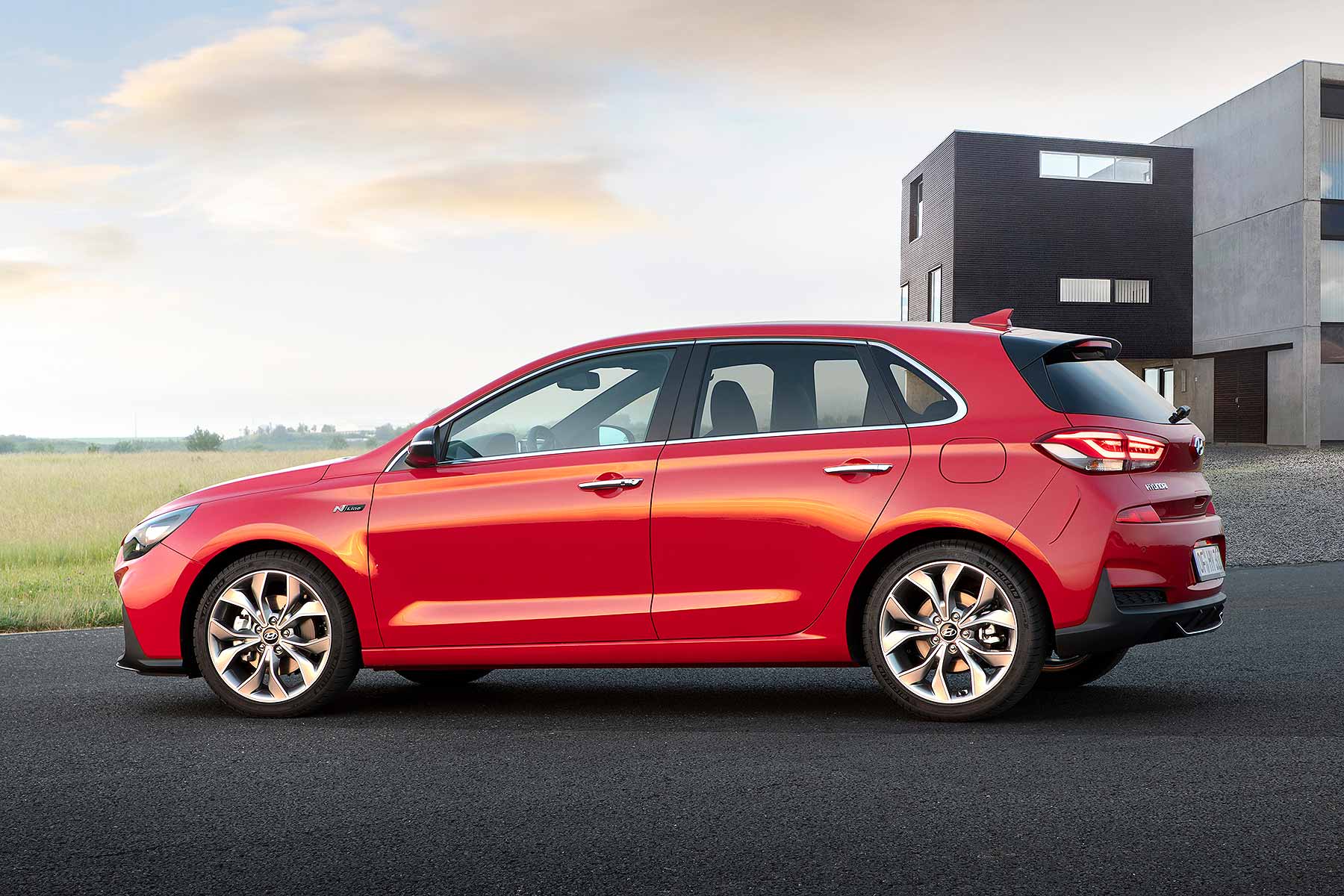
The new Hyundai i30 N Line is a ‘warm’ alternative to the i30 N hot hatch, which has so impressed critics since launch. It follows a tried-and-tested formula of combining a sporty appearance with a more fuel-efficient engine.
Unlike rivals such as the Volkswagen Golf R-line and Ford Focus ST-line, the i30 N Line is only offered with a single engine – and it’s a petrol, not a diesel. The 1.4-litre T-GDI motor produces 140hp, positioning it suitably far from the 250hp 2.0-litre turbo i30 N and 275hp N Performance.
Sales start in the summer, and prices will be announced soon.
N Line, looking fine
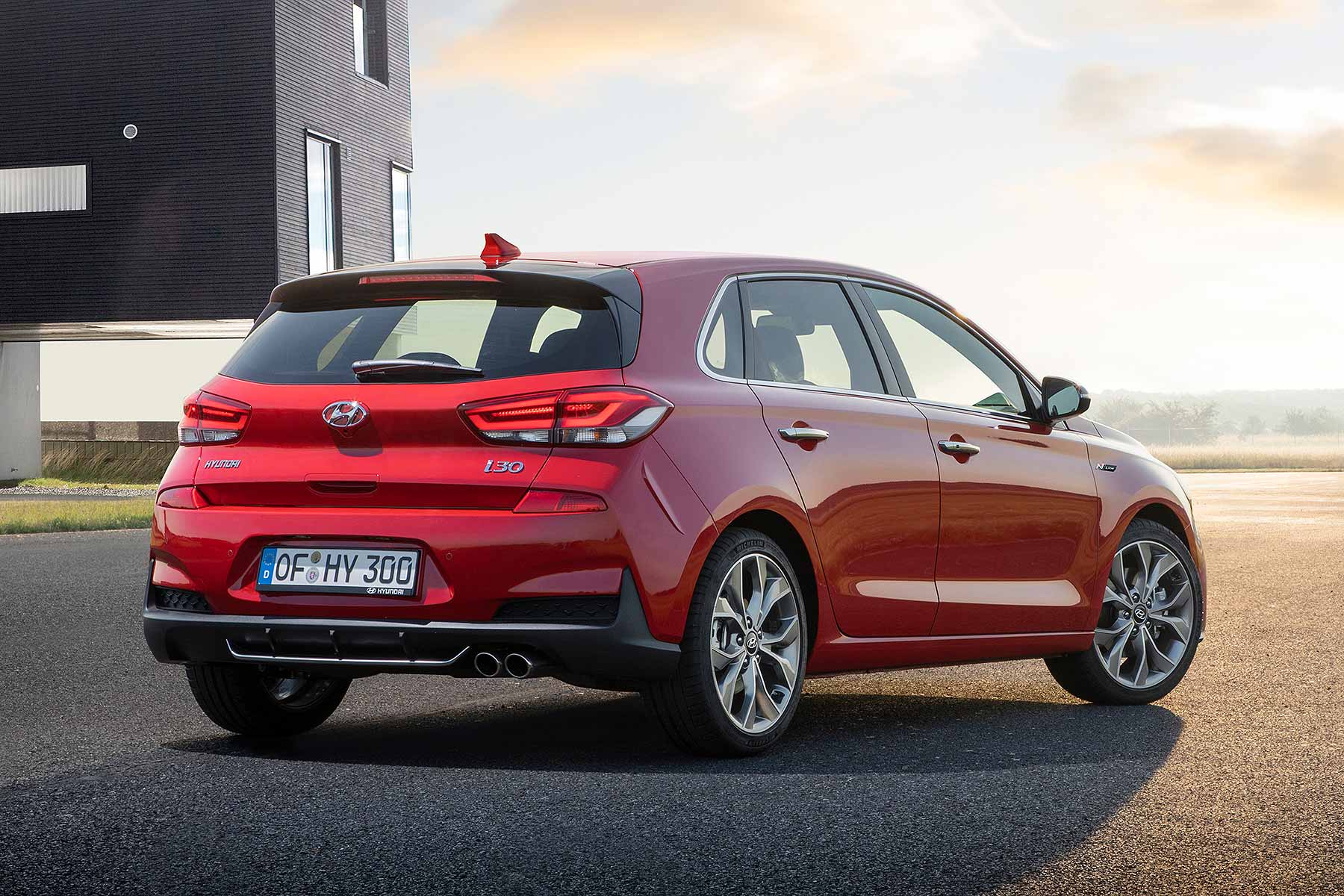
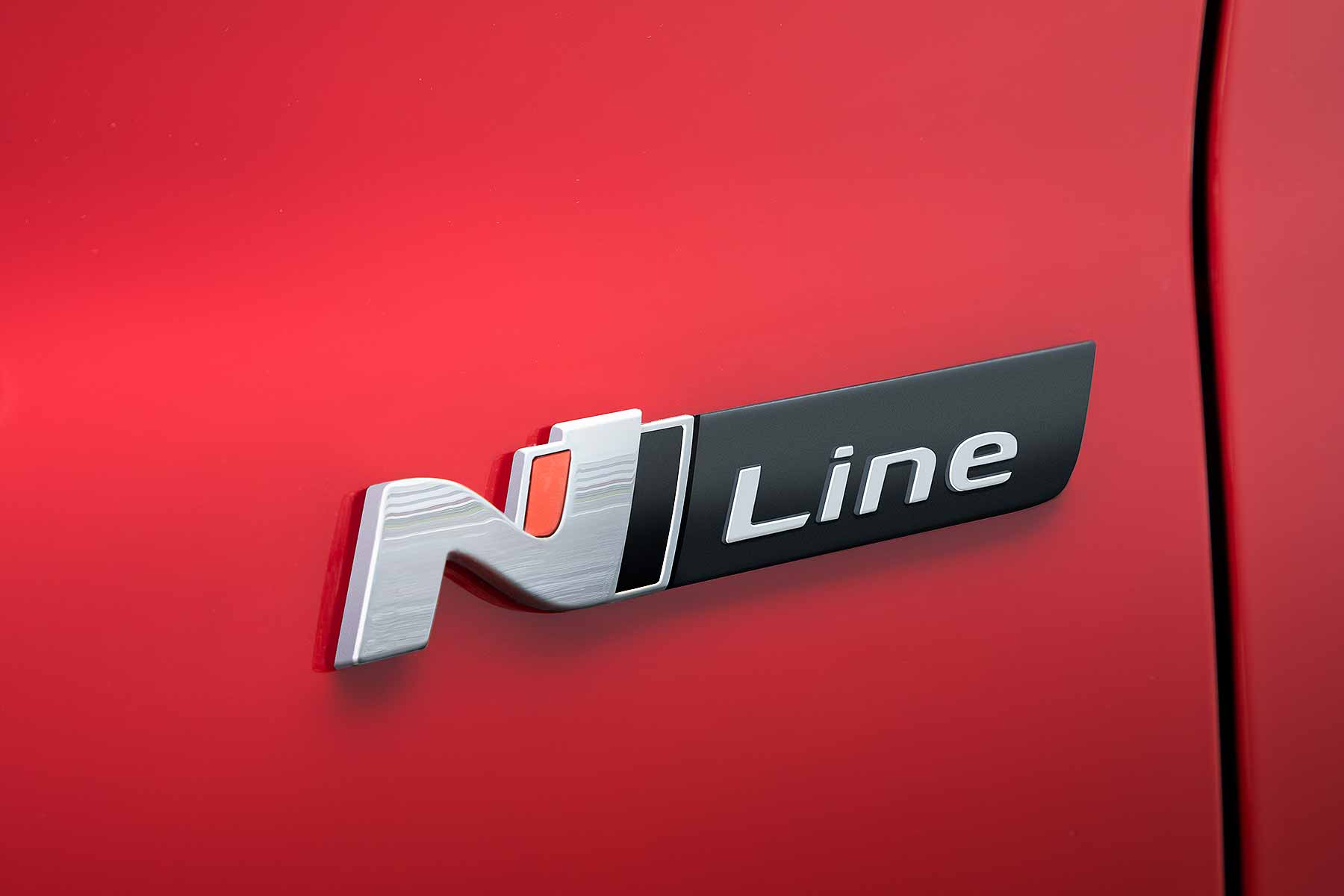
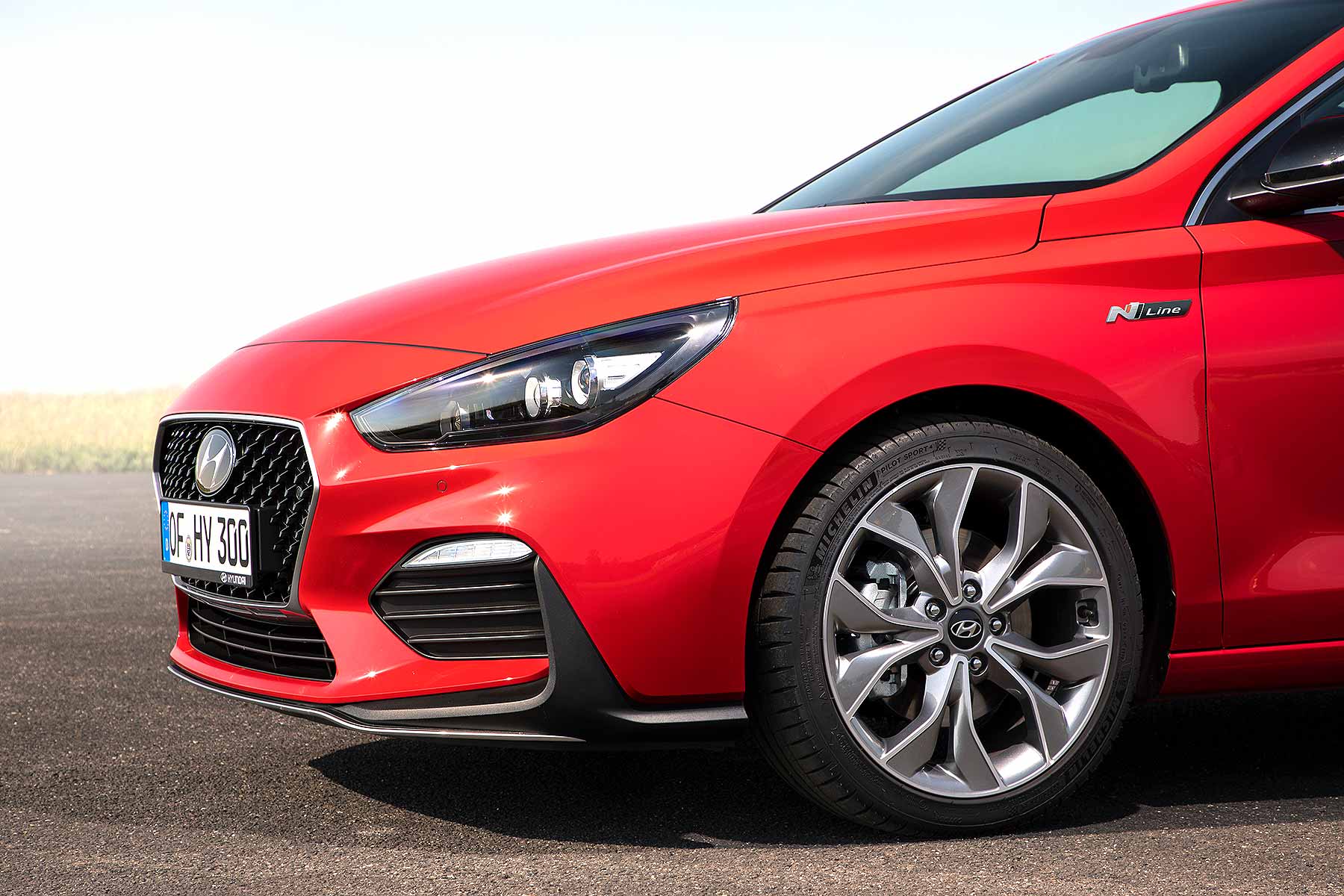
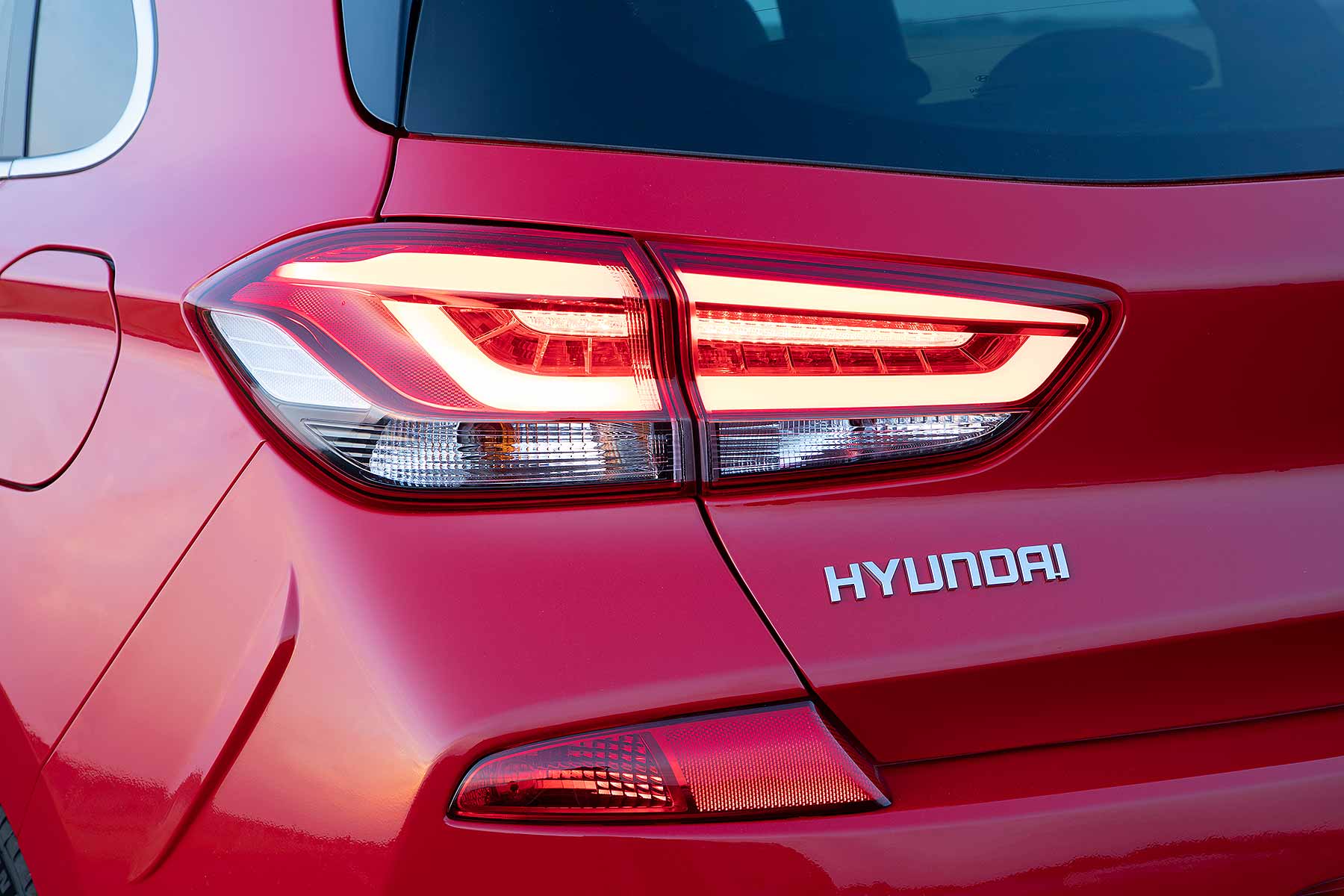
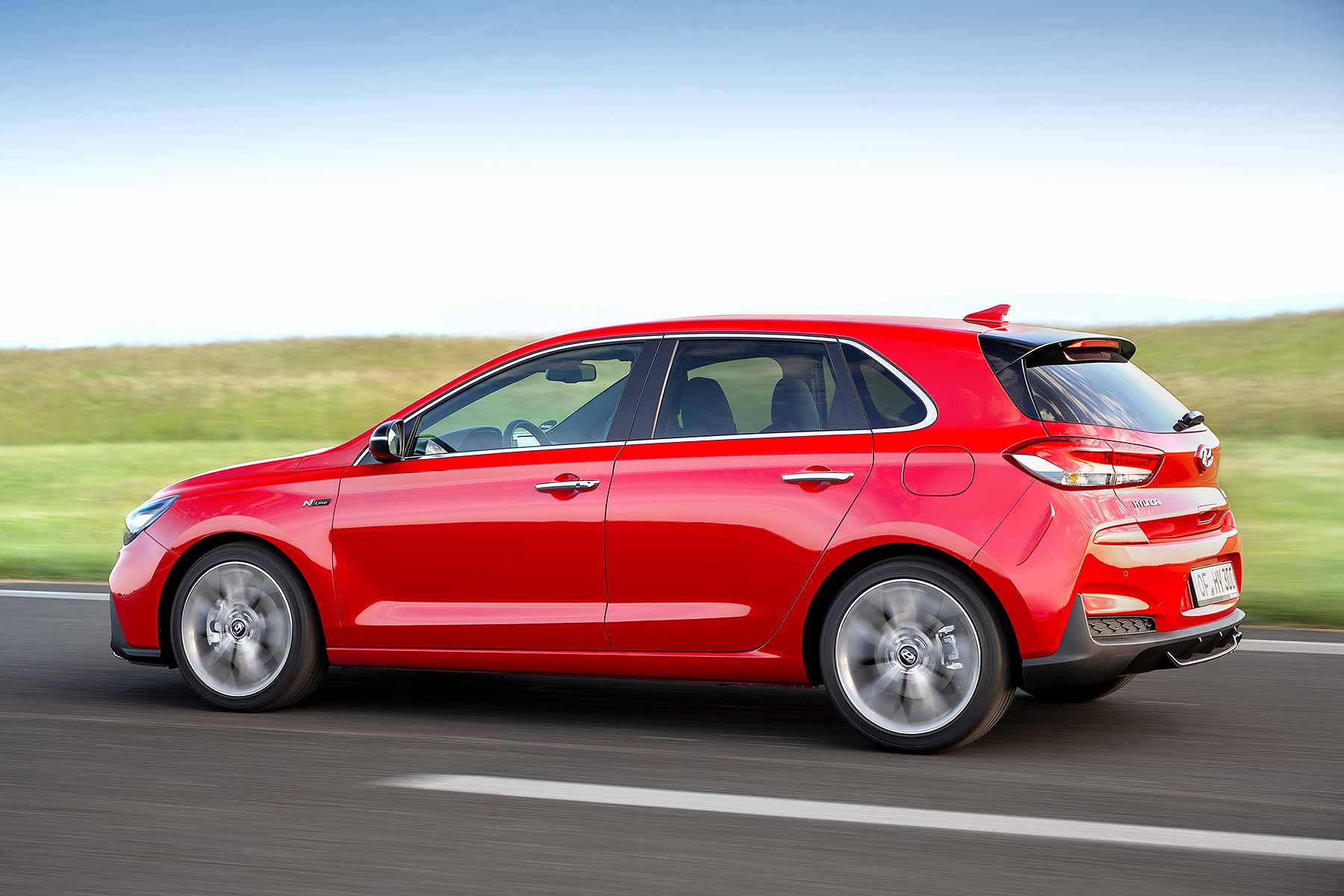
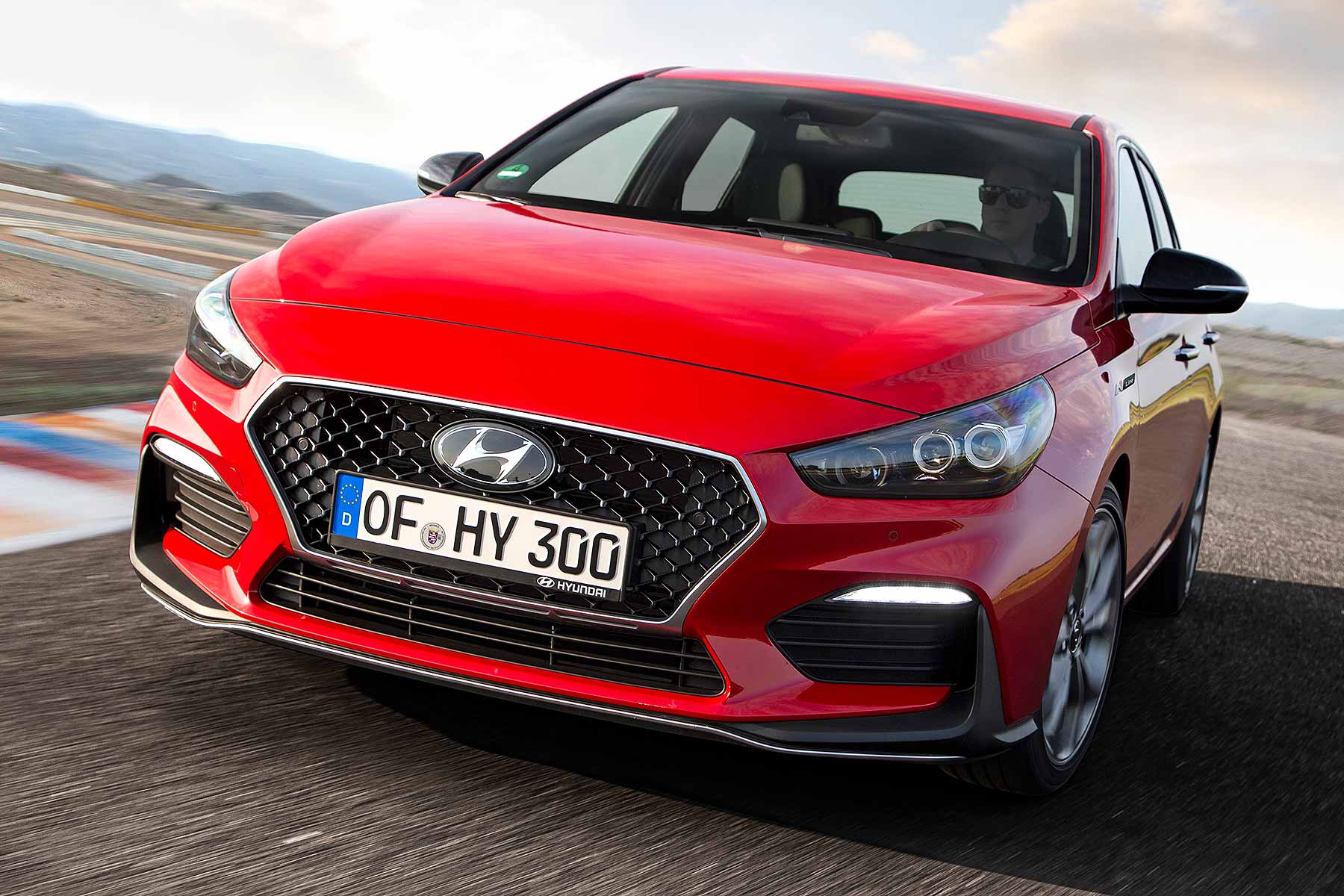
Typical of the breed, the i30 N Line gets special logos, new front and rear bumpers that carry an ‘N Line’ silver paint strip, twin exhausts and, for the first time on a five-door i30, 18-inch wheels. The black roof spoiler is a neat addition, and black door mirrors also help it stand out from the regular car.
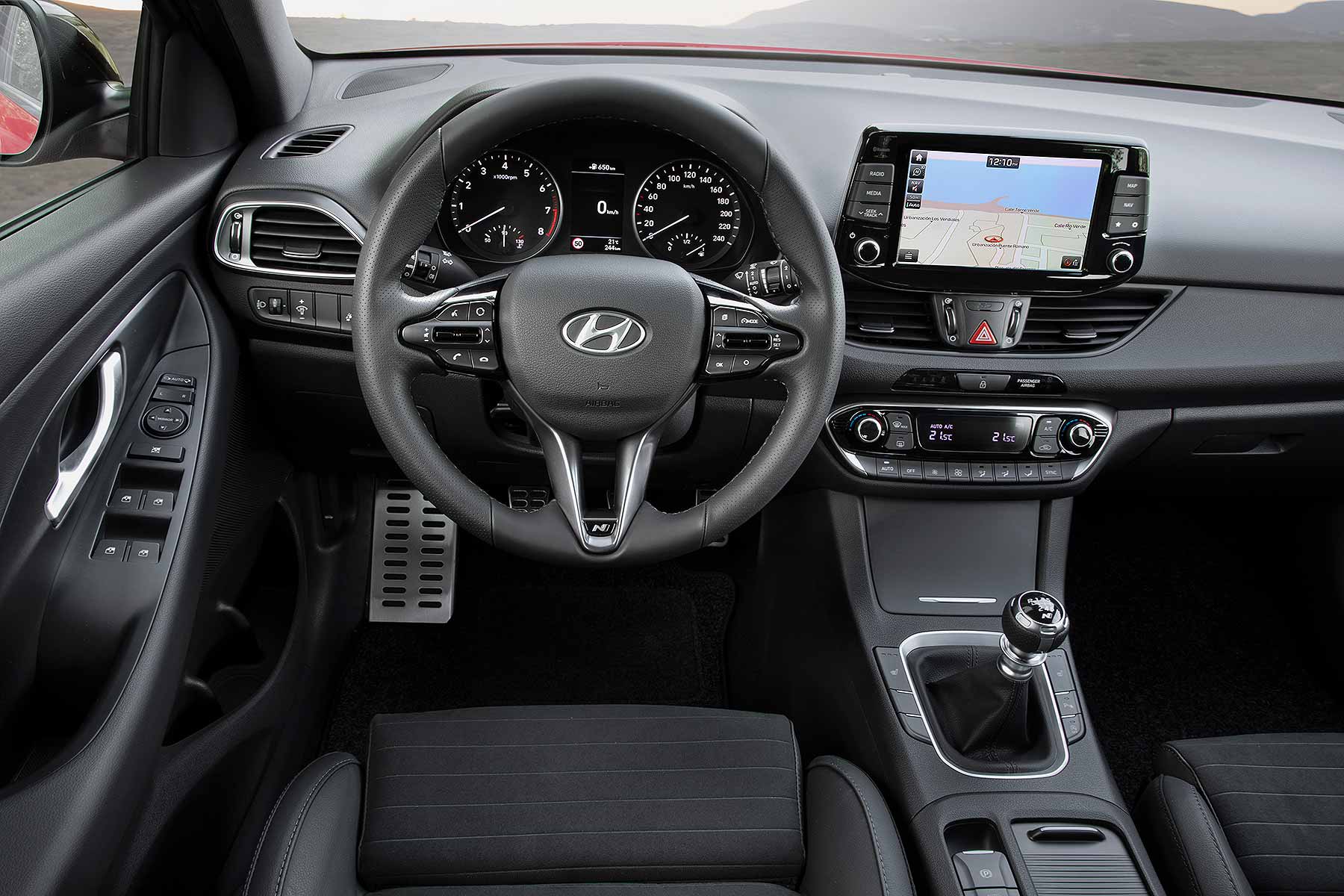
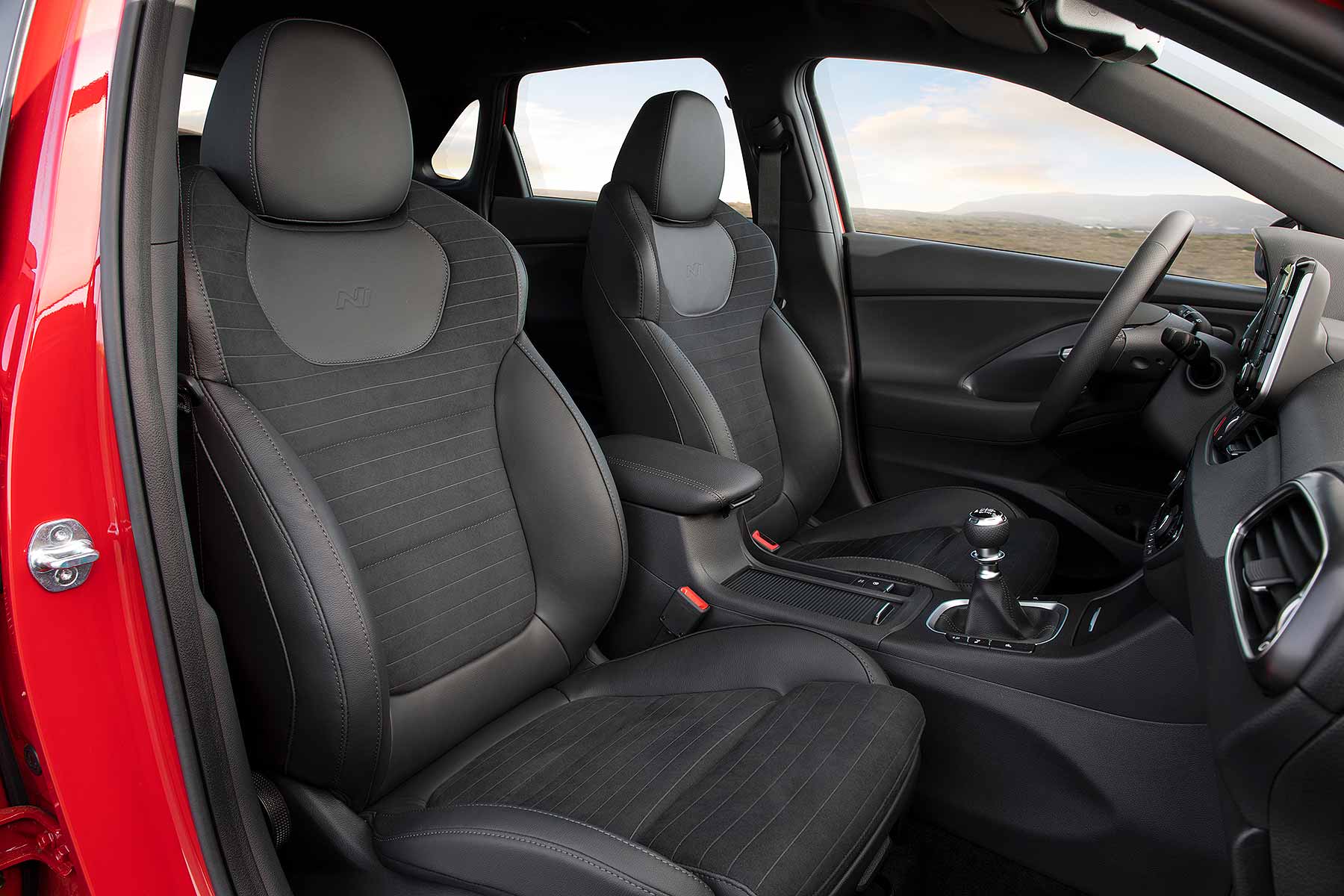
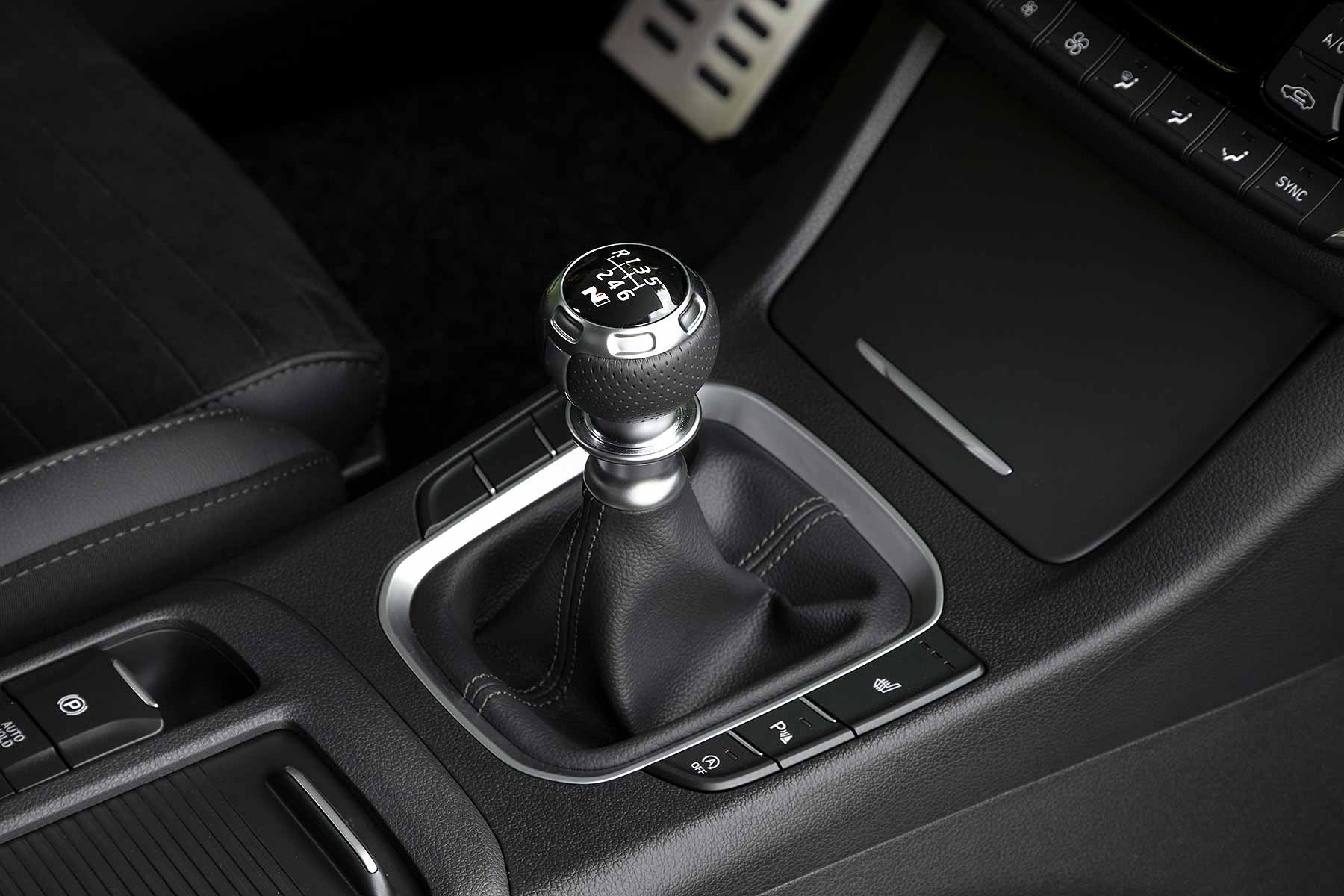
There’s a perforated leather steering wheel and N gearknob inside, plus Hyundai’s offering a set of N-branded suede sports seats. It otherwise looks little different to other i30s inside, presumably to keep costs sensible.
Mind you, Hyundai has, pleasingly, spent more on sharpening up the underpinnings – something that isn’t always guaranteed with this type of car. The firm says the suspension has been tuned to make it feel a bit sportier, and the response of the engine has also been sharpened up.
Bends and brakes
Michelin PS4 performance tyres are fitted, too, along with larger brake discs – an interesting move, given that the engine doesn’t have any more power. Presumably Hyundai is assuming people will be driving it harder, so will have more need for a decent set of anchors.
Andreas-Christoph Hofmann, vice president of marketing and product at Hyundai Motor Europe, rather forgettably said: “Our i30 N has been hugely successful since launch, showcasing our capabilities in high-performance engineering and emotionalising our brand with its fun-to-drive factor.
“Now we are extending that feeling to a wider audience with the new i30 N Line. We believe the comprehensive package of design and engineering enhancements will continue to attract more new customers to the Hyundai brand in Europe.”
100,000 people are going to visit Silverstone Classic 2018 – and how do they get there? Why, they drive, of course. And if you’re going to such a mecca for car enthusiasts as Silverstone Classic, you want to get there in style, no?
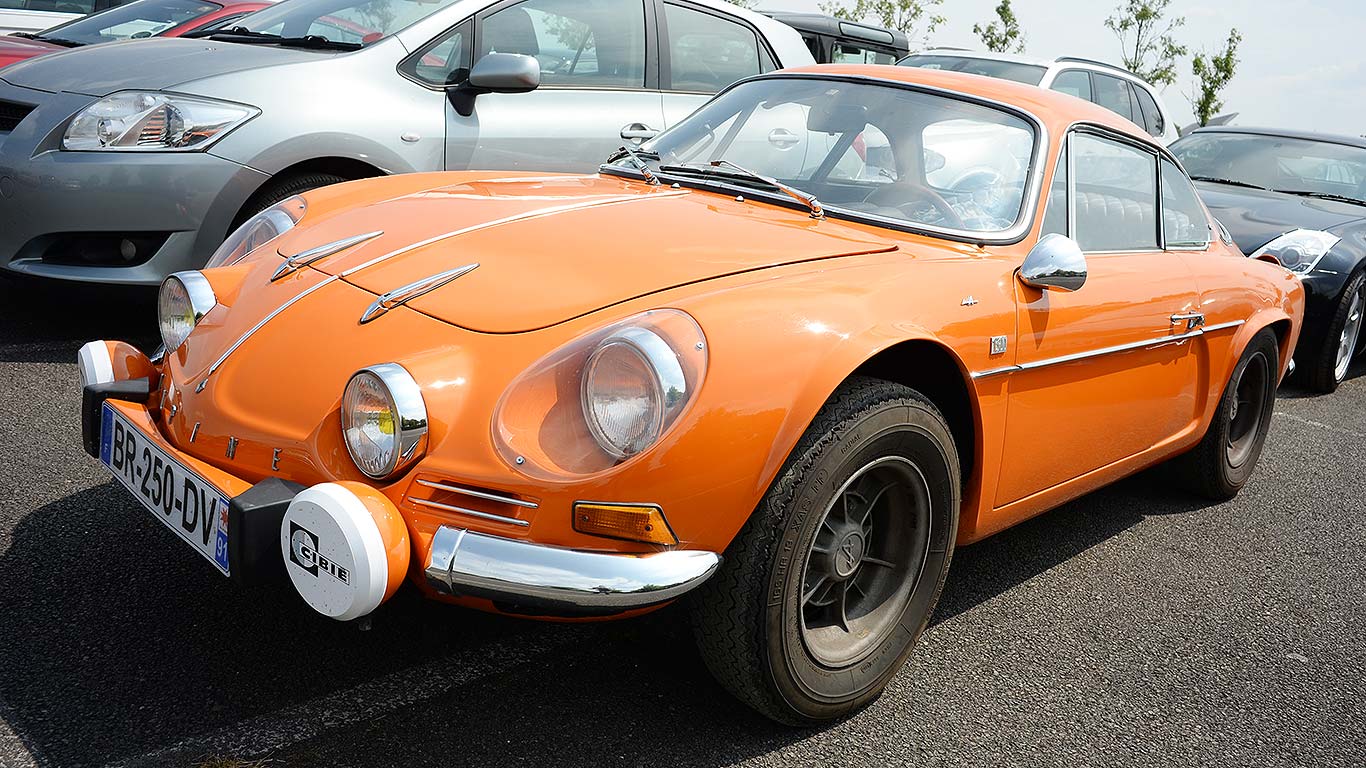
The gems hidden between the SUVs and the hatchbacks at this year’s event prove that many people have heeded this advice. Some even went the extra mile, by driving their beloved classics across continents to reach Silverstone – we’re doffing our caps to you, French driver of this orange Alpine A110.
Join us for a walk around some of the classics visiting Silverstone Classic 2018.
Porsche 991 911 GT3
We love this 911 GT3 owner. They have chosen a wonderful colour, fitted Porsche 70 logos on the doors – and gone for the full Le Mans 24 Hours look with yellow headlight covers. Divine.
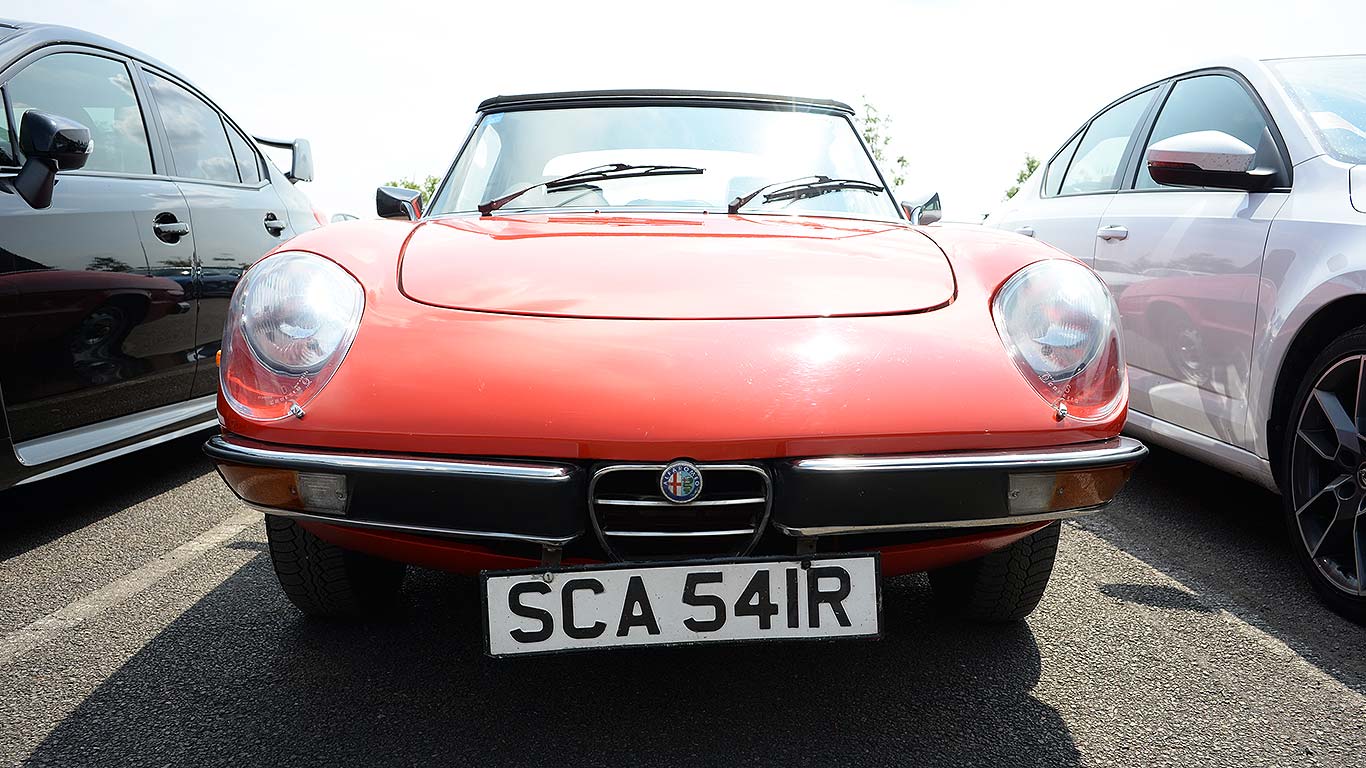
Alfa Romeo Spider
How period is this Alfa Romeo? Even the wonky number plate is in keeping, and the patina seems thoroughly original. Spider owner, please leave it just like this!
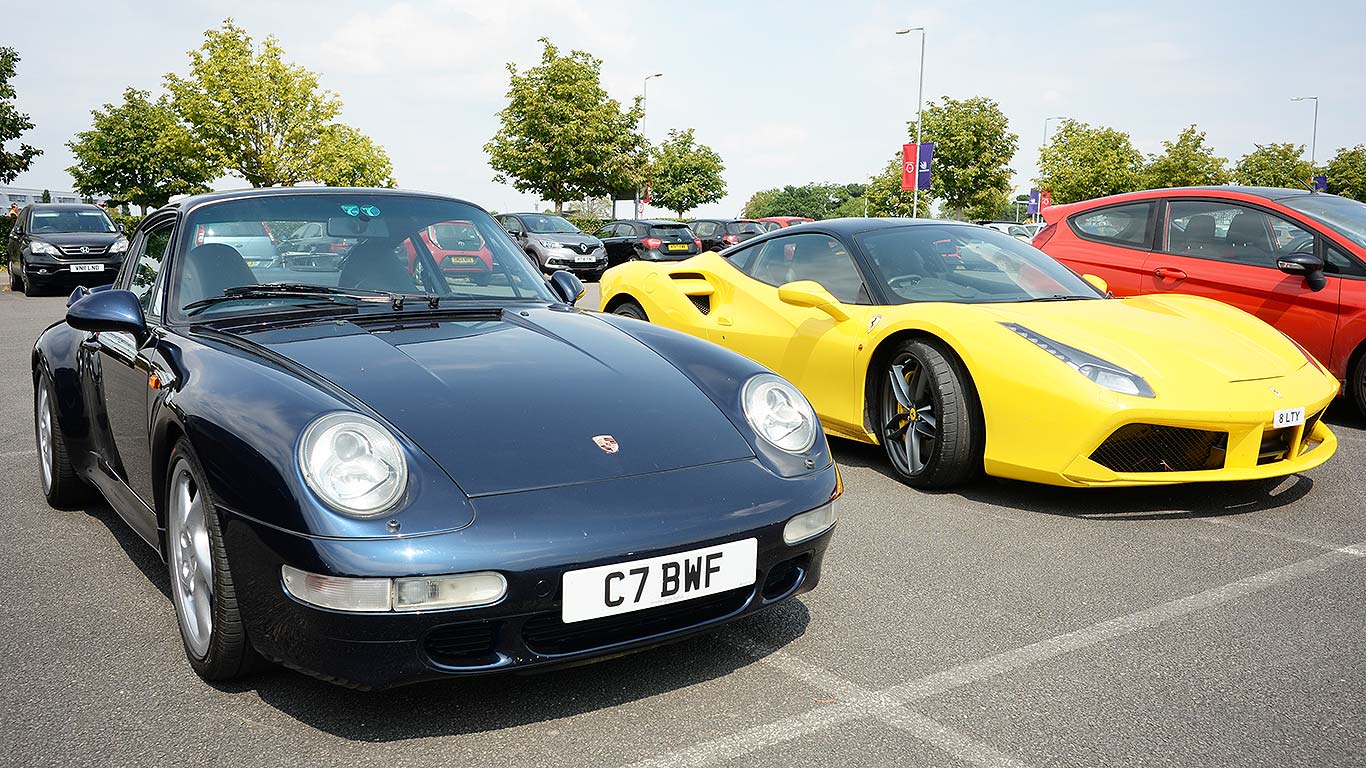
Porsche v Ferrari
OK, so which would you have: period Porsche 993 911 or a brand-new Ferrari 488 GTB?
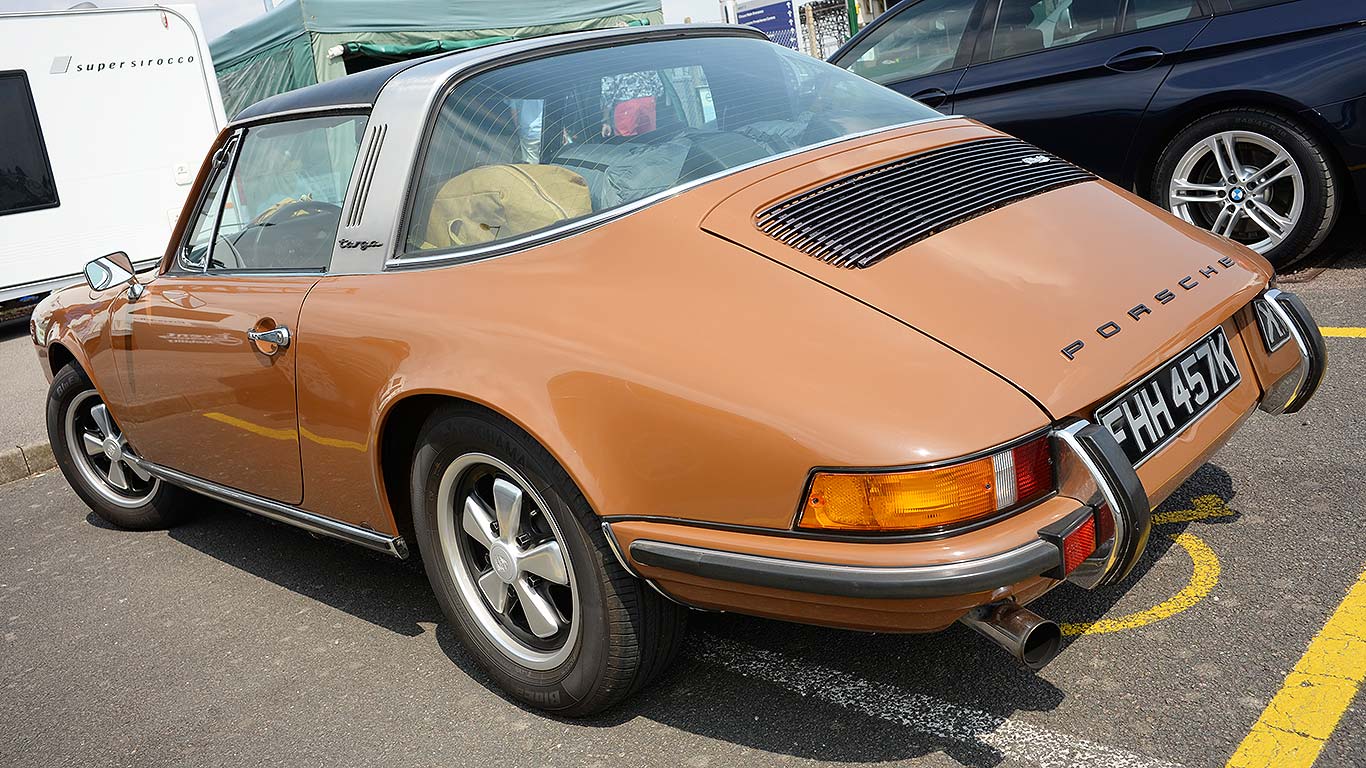
Porsche 911 Targa 2.4
Brown was a cool colour in the 1970s. It was like, ooh, matt grey is today. After, ahem, just a few years in the wilderness, it’s becoming cool all over again.
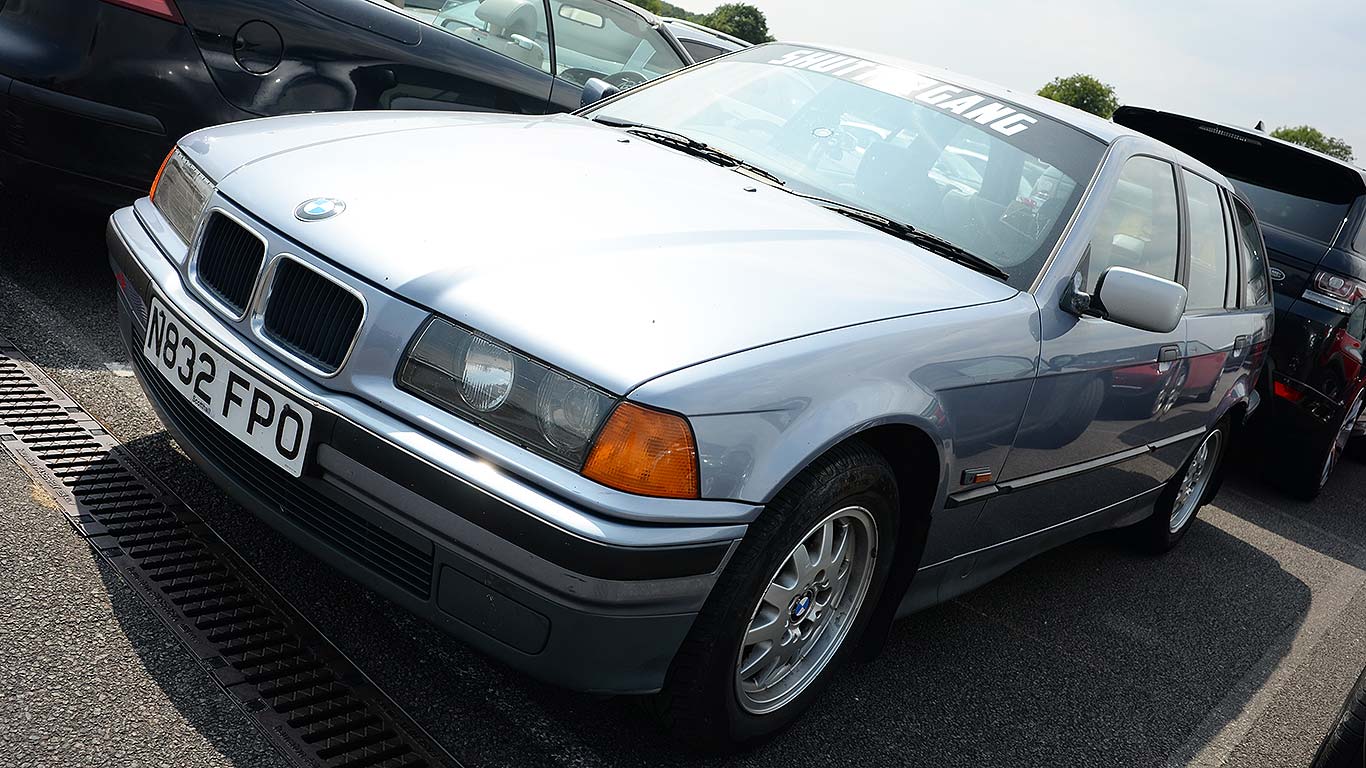
BMW E36 3 Series Touring
These lovely BMWs are developing a growing following, now people have realised how great they look and how rare they’re becoming. Props to this car’s owner for their subtle mods – the stance is to die for.
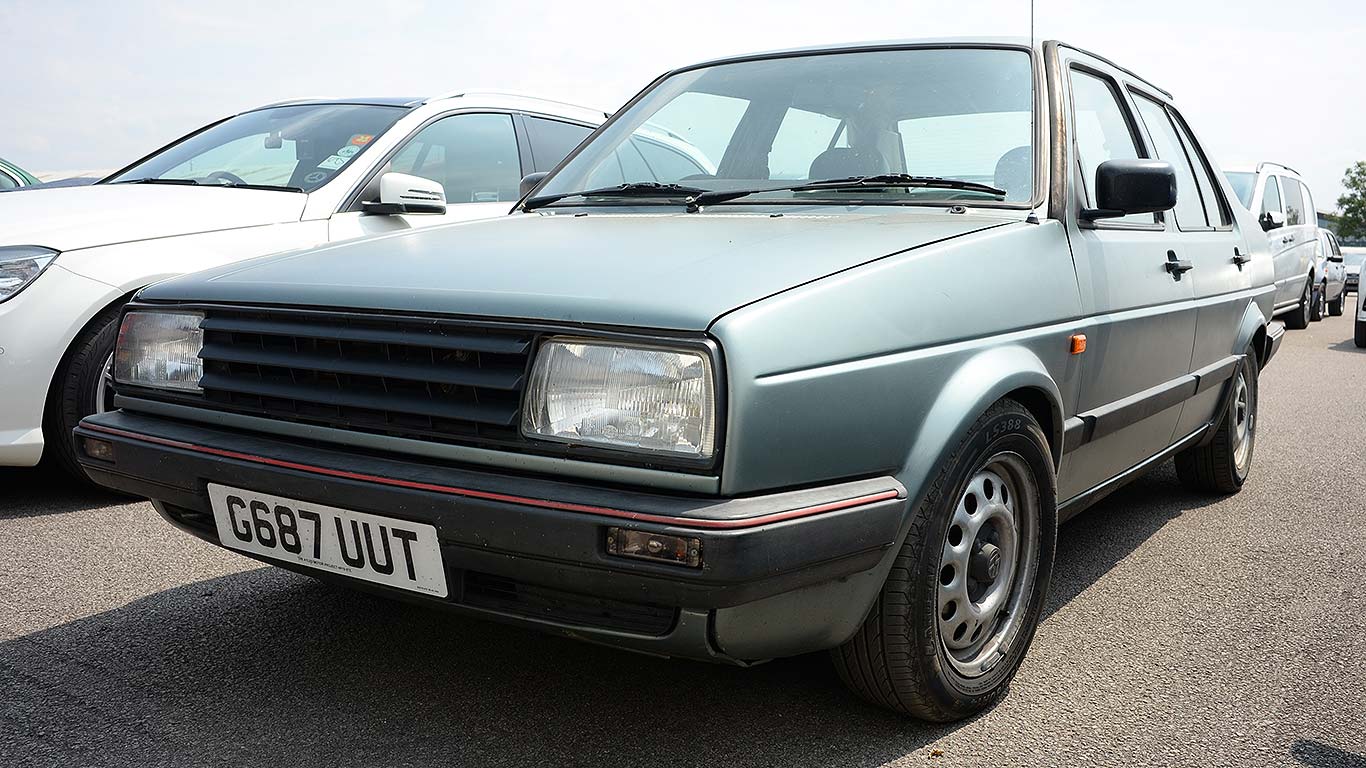
Volkswagen Jetta
The scene for Volkswagens is obviously strong, and it’s slightly rarer choices like this Golf GTI-engined Jetta that the fans celebrate.
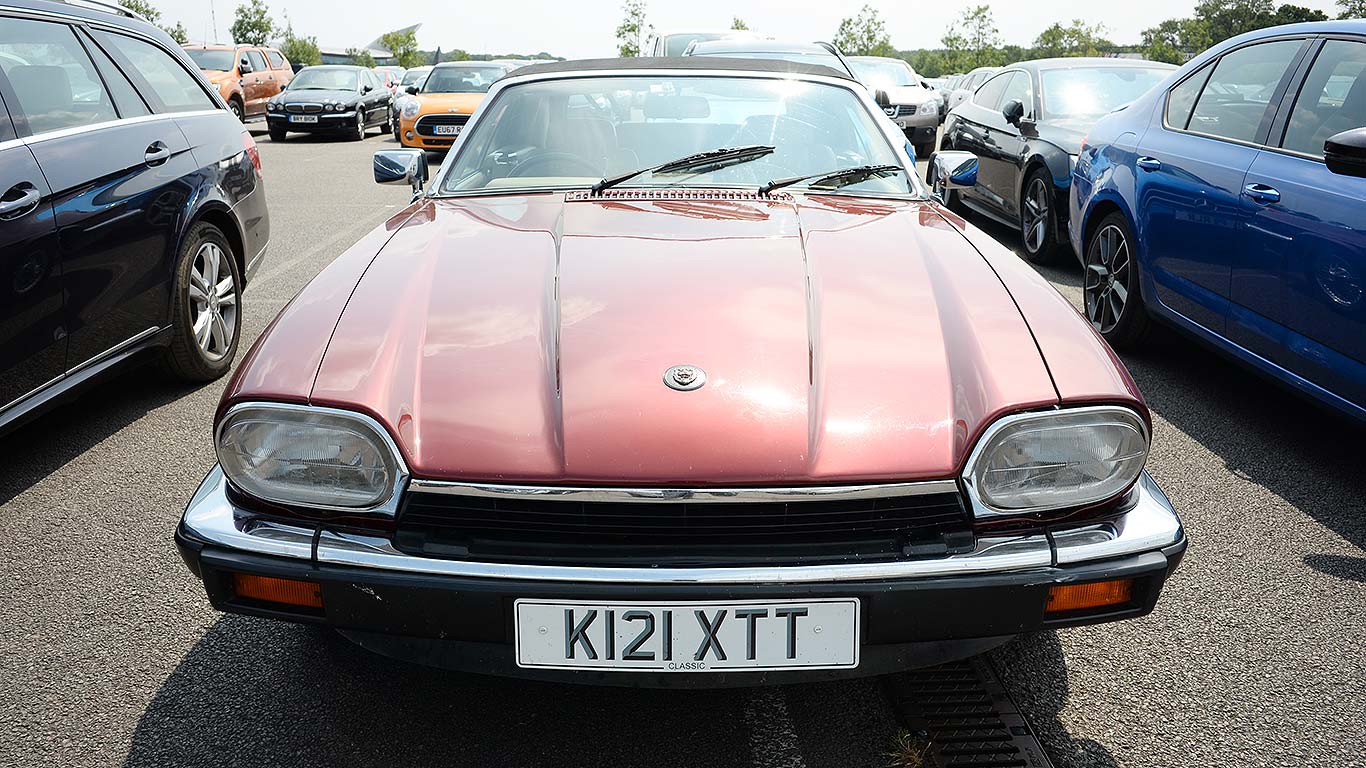
Jaguar XJ-S
A relatively late-model XJ-S and, resplendent in red, it looks like an extremely well-loved machine indeed. Saintly.
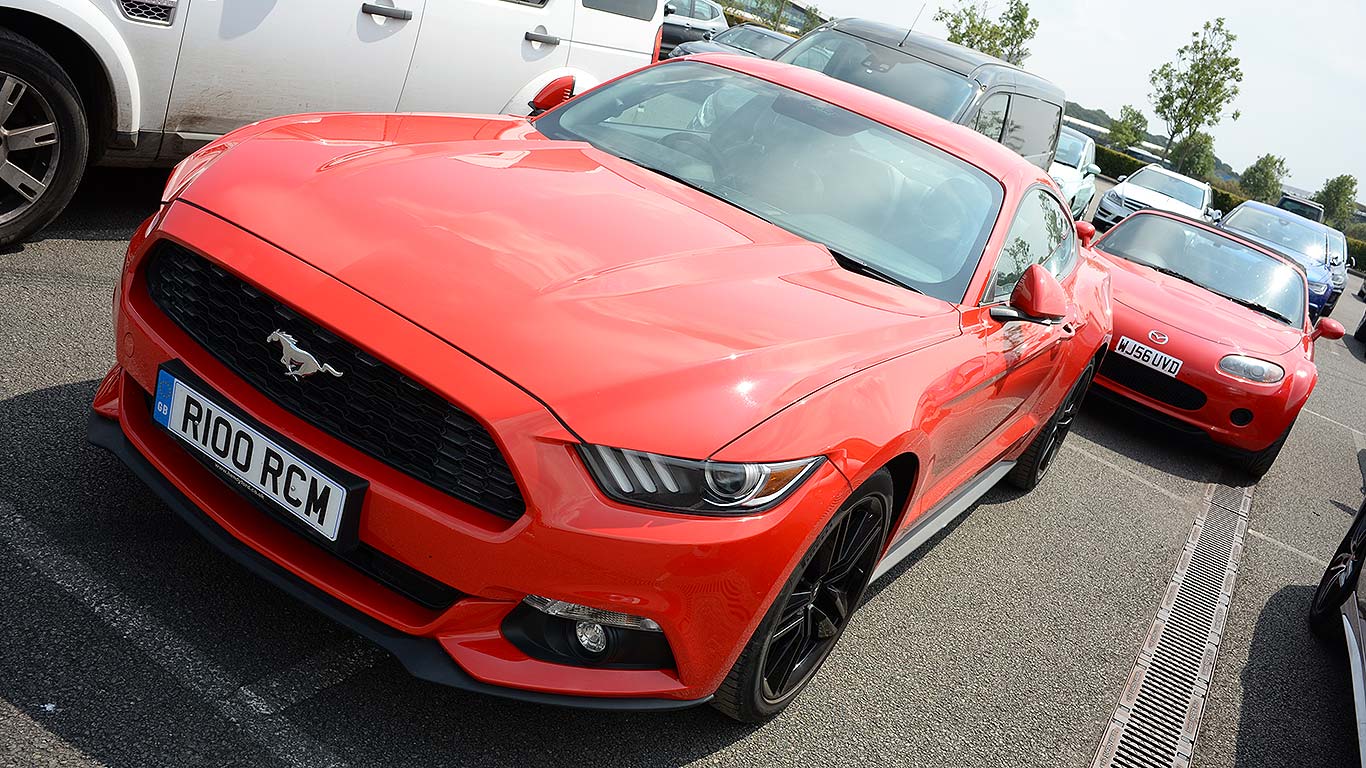
Ford Mustang and Mazda MX-5
We get Mustangs in the UK! In right-hand drive! It’s still so cool. We also get Mazda MX-5s, and have done for years. That’s why there are dozens of them at any British enthusiast event you may care to visit.
Alfa Romeo 145 Cloverleaf
The Cloverleaf had the raspy, revvy Alfa twin-cam 2.0-litre, putting out a tasty 155 horsepower. Apparently, the reason why the cloverleaf badge is blue rather than green is because it’s faded…
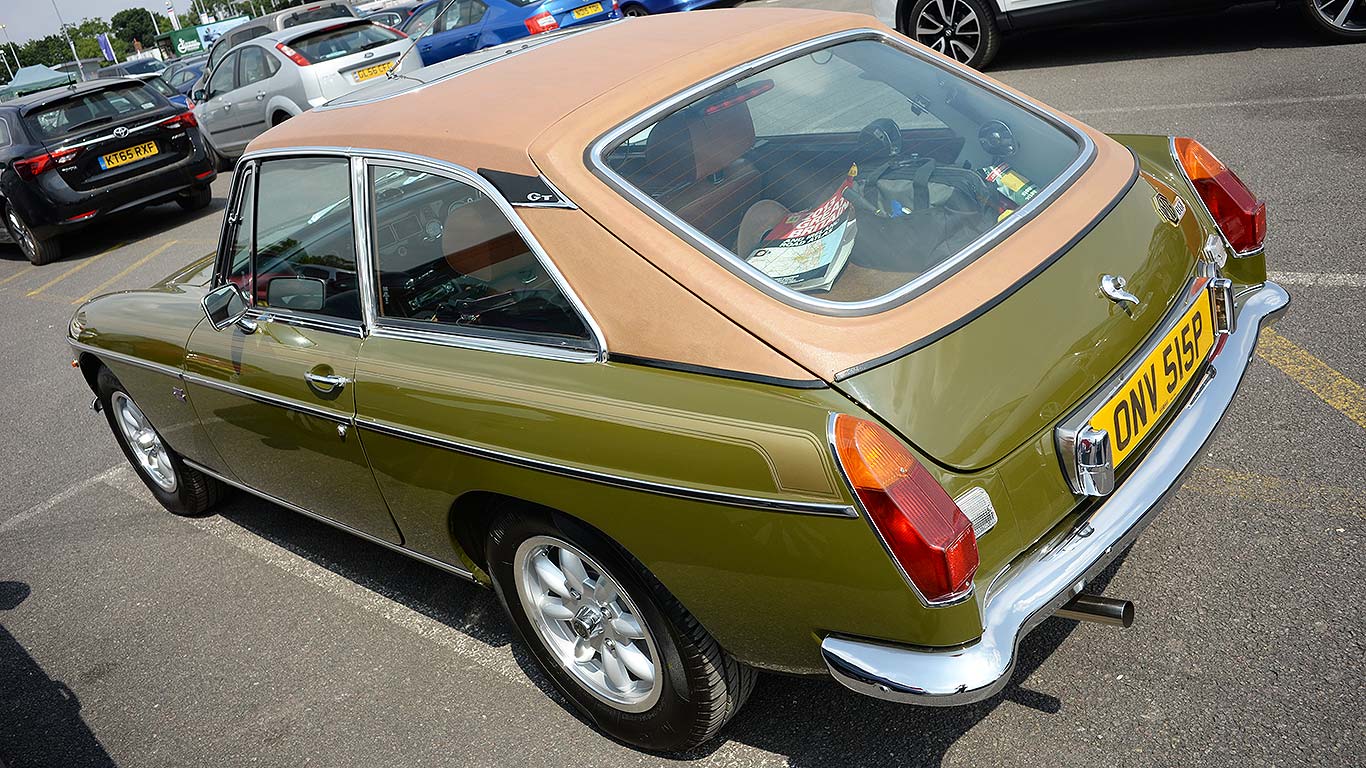
MGB GT
We all know that vinyl roofs are cool. What, you don’t think they are? Look at the image above some more and let us know when you’ve seen the light.
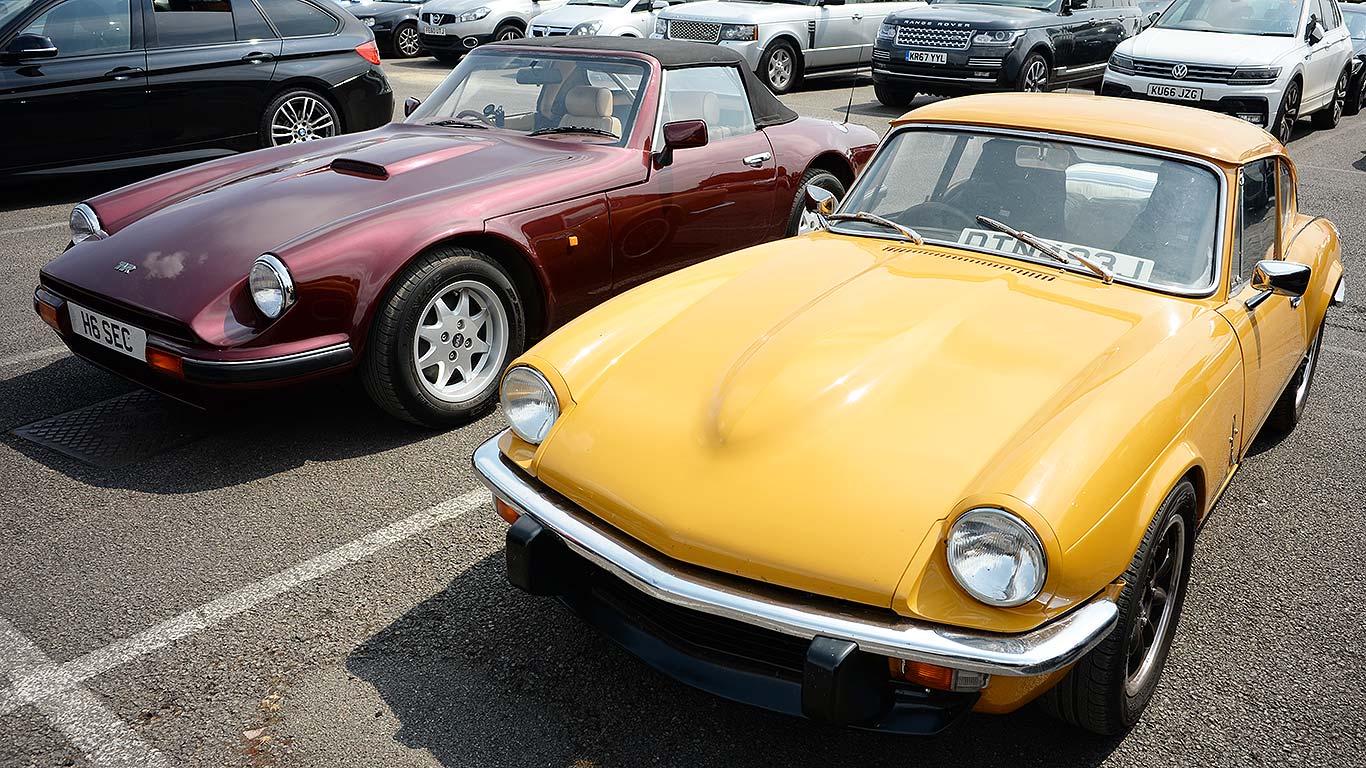
TVR S Series and Triumph Spitfire
Two classic British sports cars, both with the British sports car ‘look’. One of them has a little bit more power than the other.
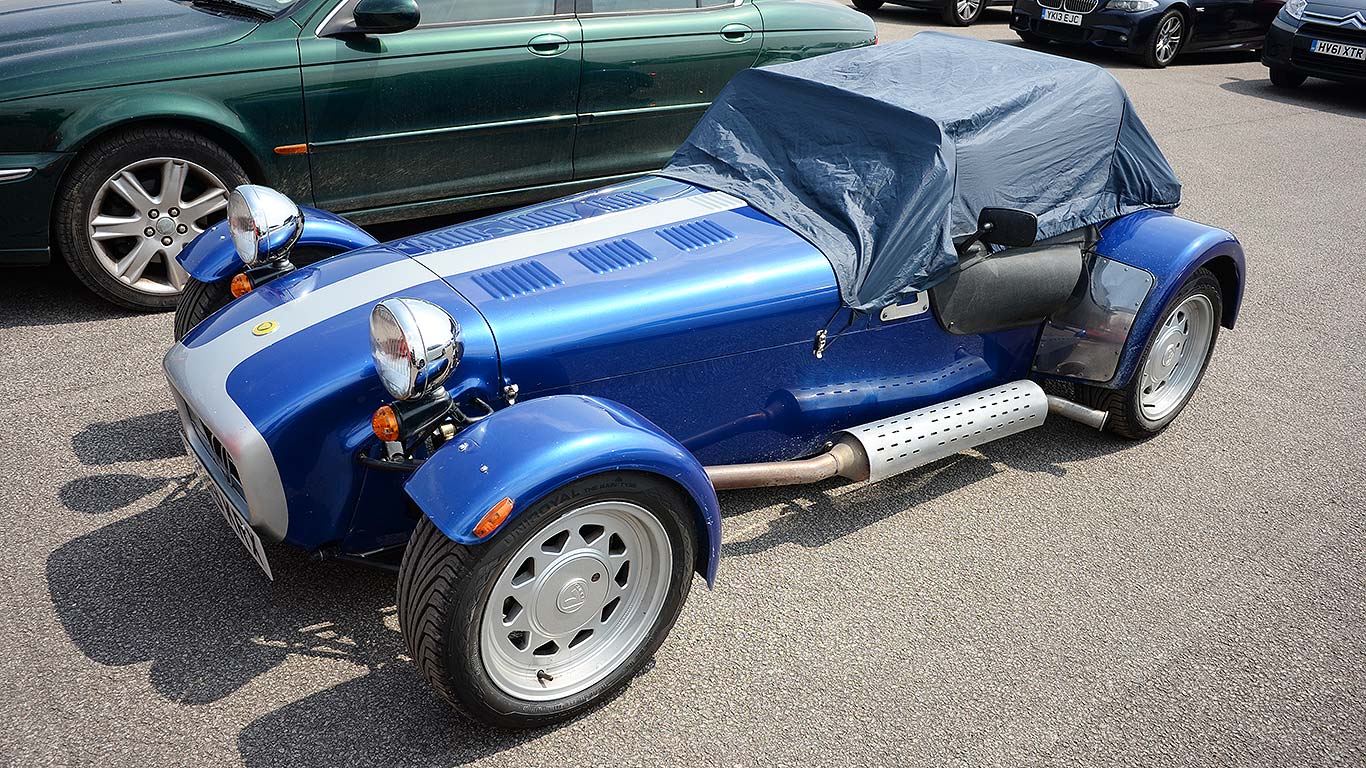
Caterham Seven
This is a suitably Heath Robinson solution to stopping your Caterham’s interior from melting in the British heatwave sun. Naturally staves off the inevitable rain, too.
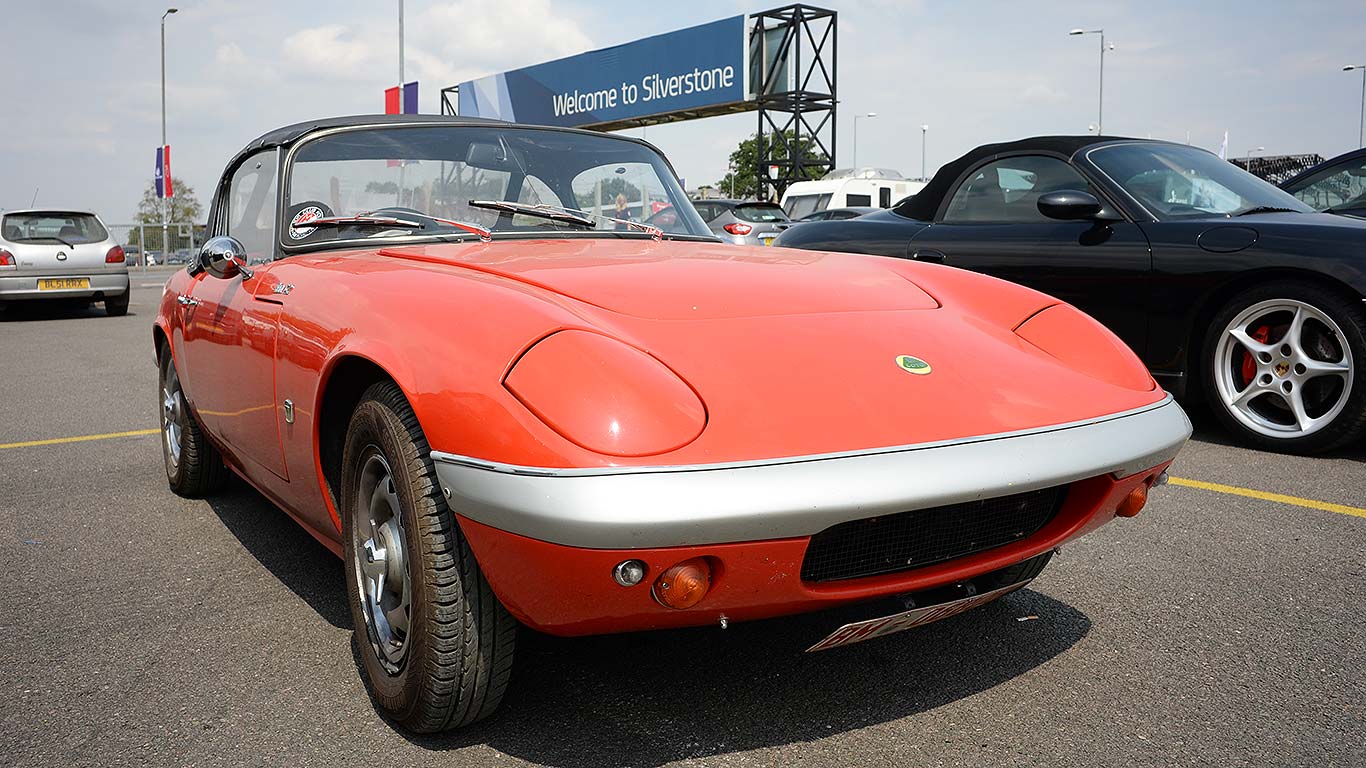
Lotus Elan
Another overseas visitor at Silverstone Classic 2018. And they say Lotus are unreliable.
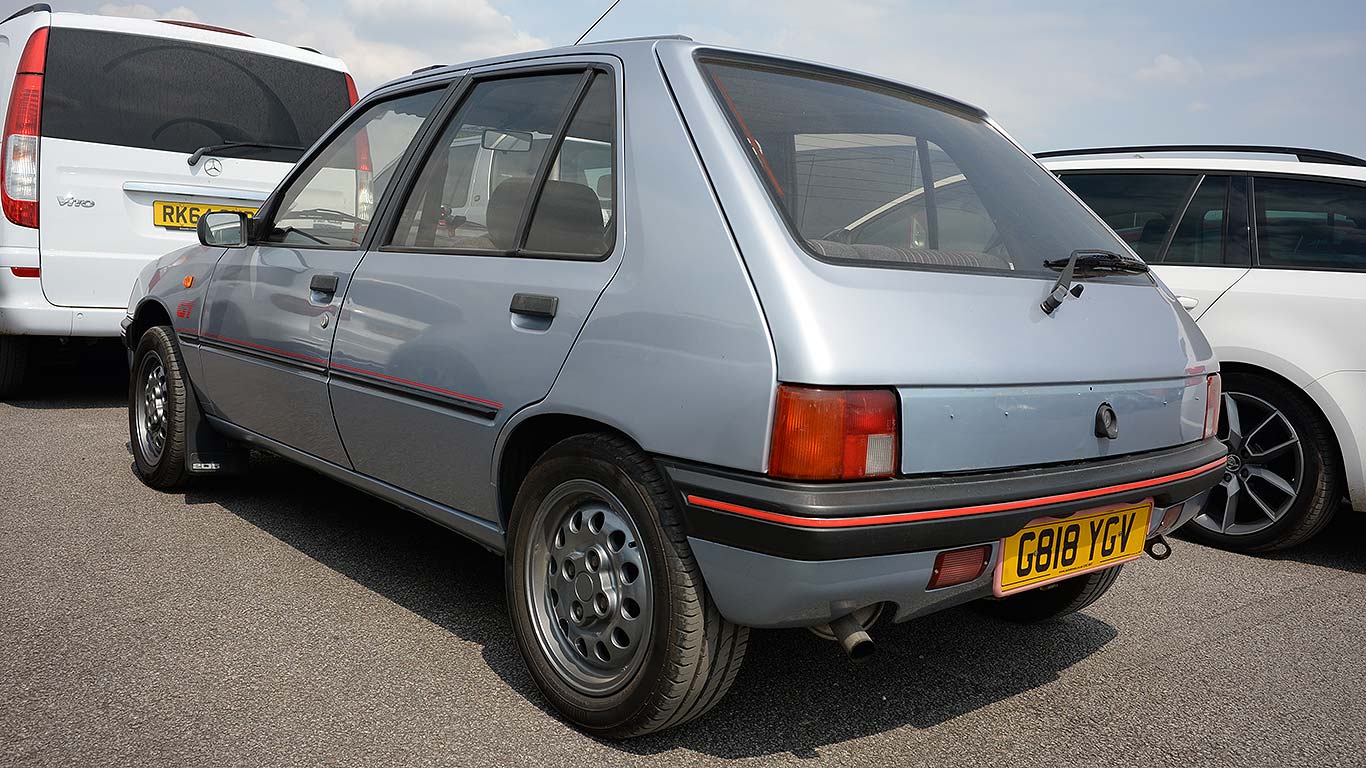
Peugeot 205 GT
Peugeot made a ‘warm’ 205 GTI called the XS, with a 1.4-litre engine boasting a twin-choke carburettor. What to call its five-door sibling? GT, it reckoned: it was ‘X’ for three-door, ‘G’ for five-door. Why it wasn’t thus GS is anyone’s guess. Perhaps they didn’t want to upset Citroen.
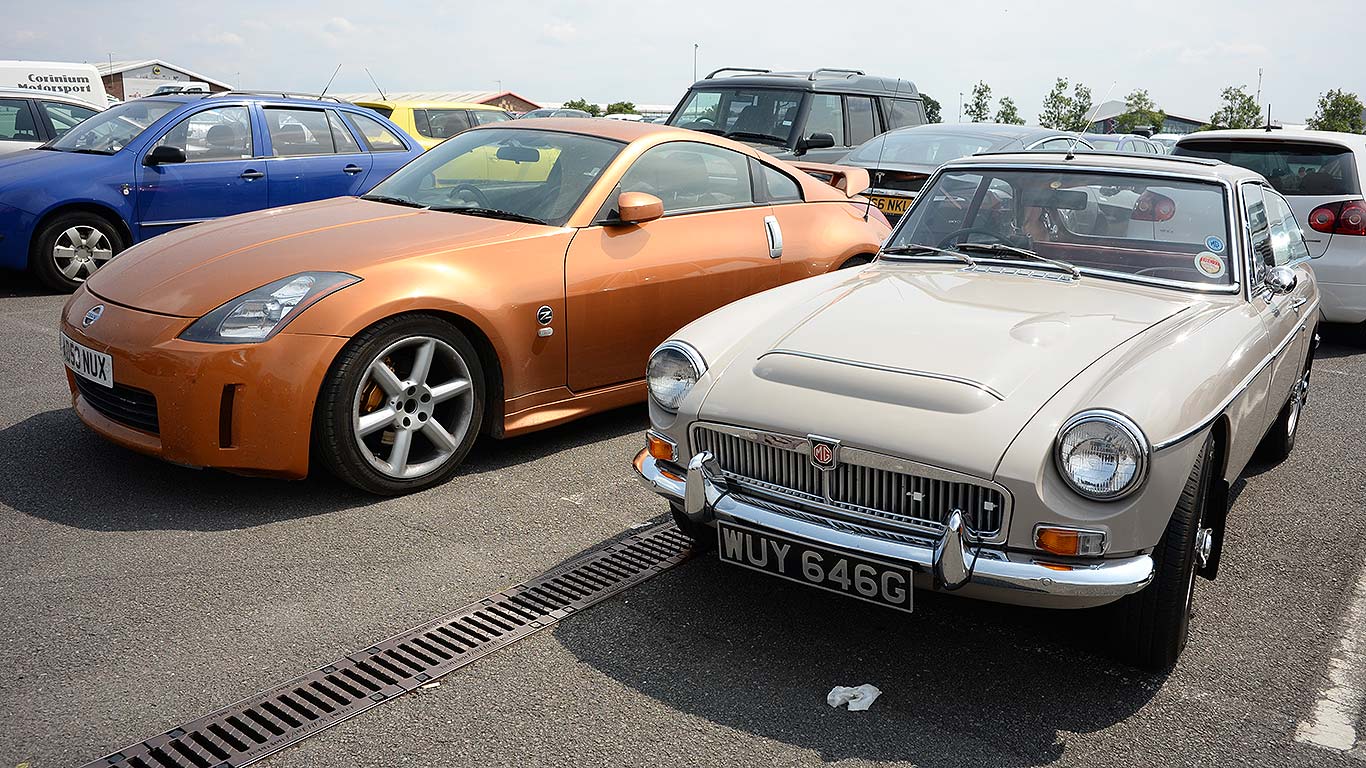
Nissan vs MG
Two classic rear-wheel drive coupes. It’s the Nissan that’s in the ascendancy: pick up a 350Z while you can still afford to…
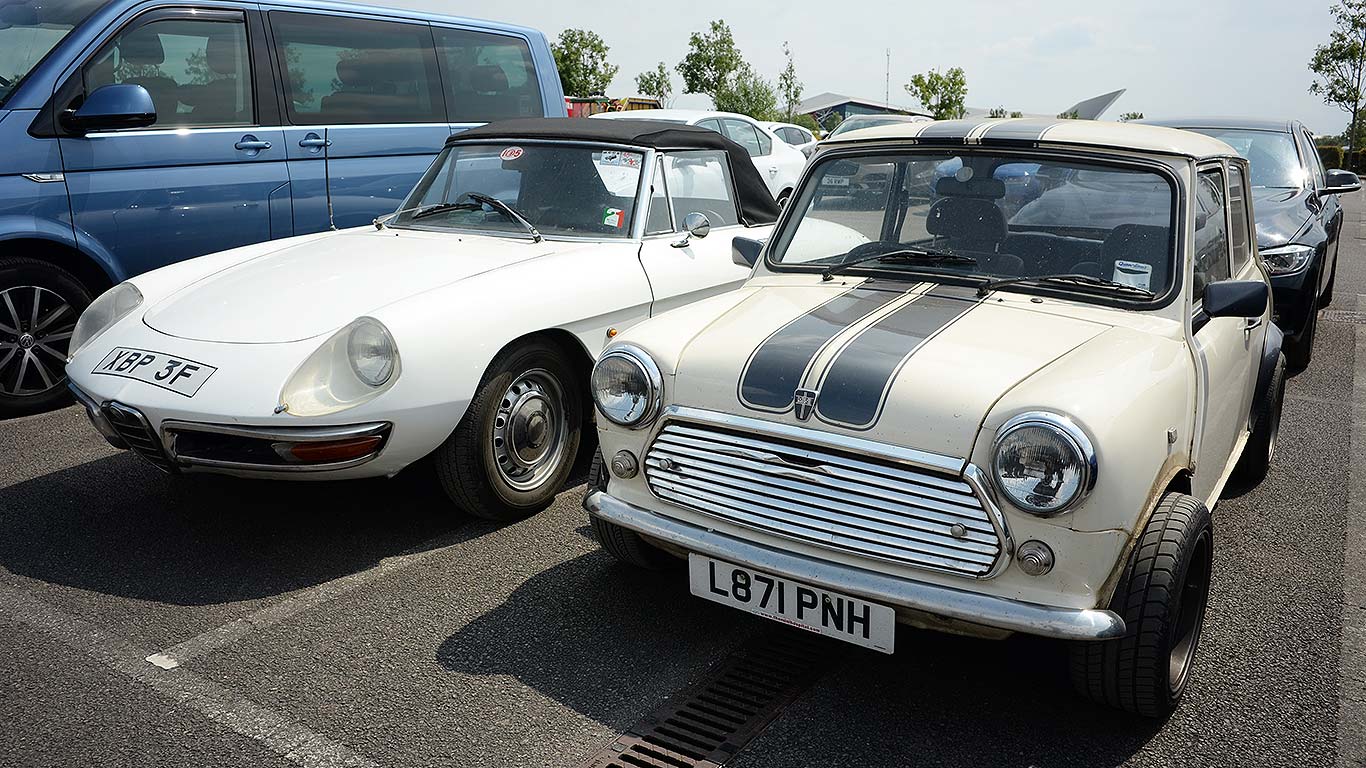
Alfa Romeo Spider vs Mini
Both were stars of the 1960s. Both will cost you a fortune today.
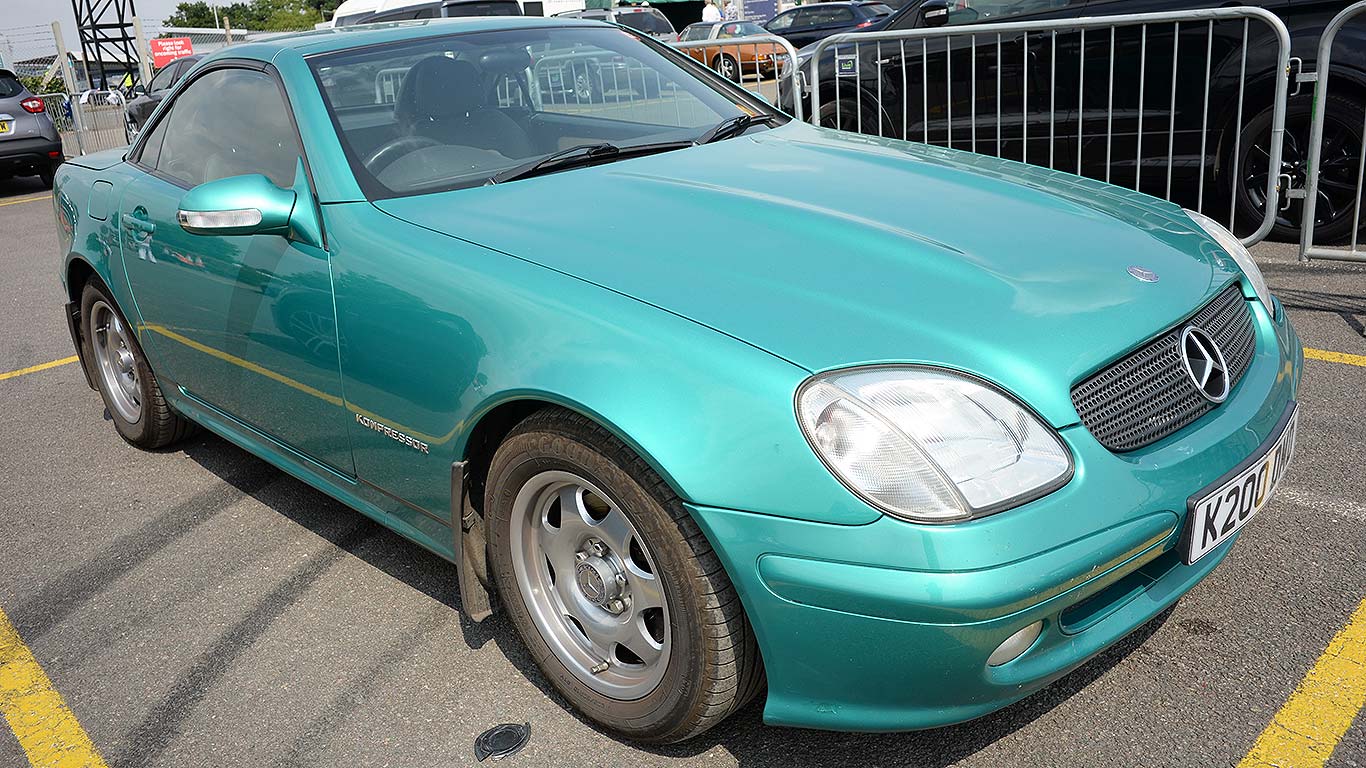
Mercedes-Benz SLK
The original SLK can still be picked up for fiendishly low prices. Our tip: do so, particularly if it’s in a period 1990s colour like this metallic green. This pretty car can’t stay this cheap for long.
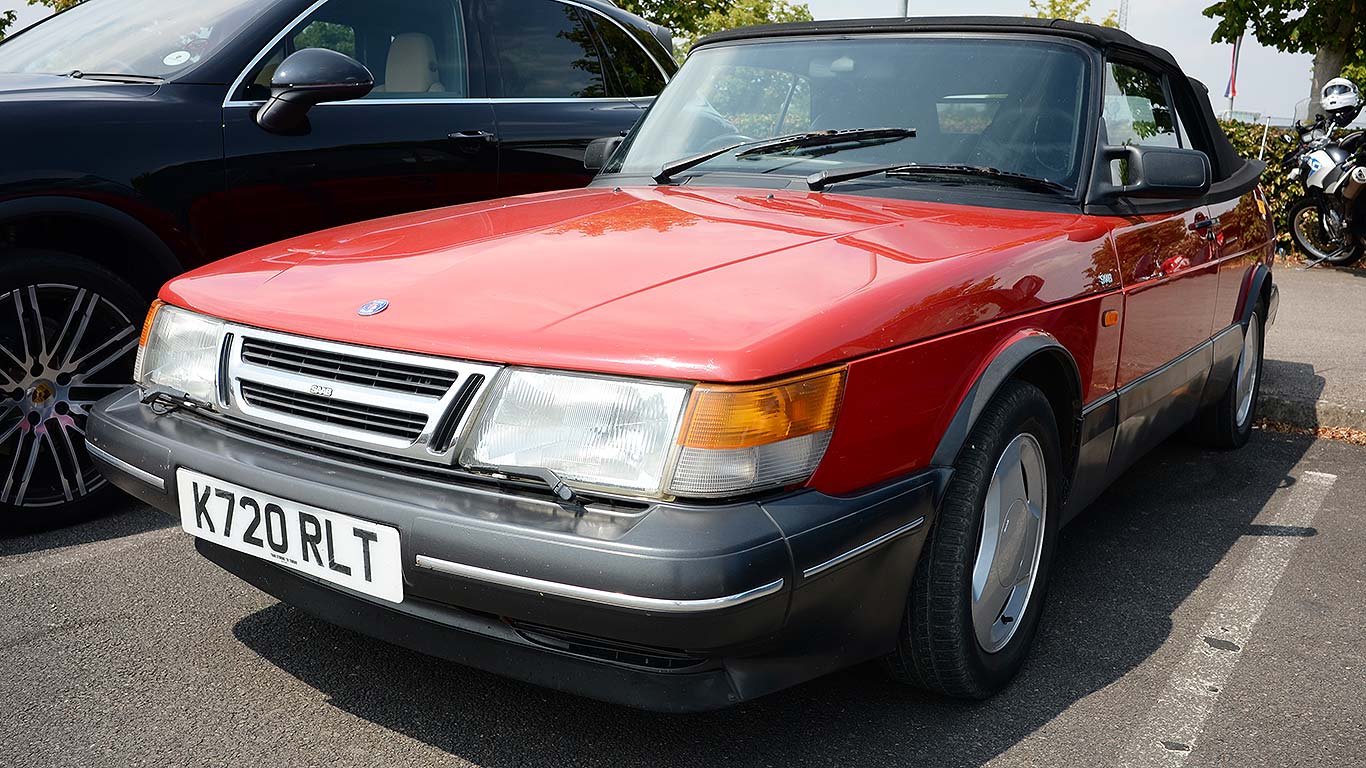
Saab 900 Convertible
Prices of the original 900 Convertible are already on the up. If you own one, keep it: investments don’t come much safer (or more satisfying).
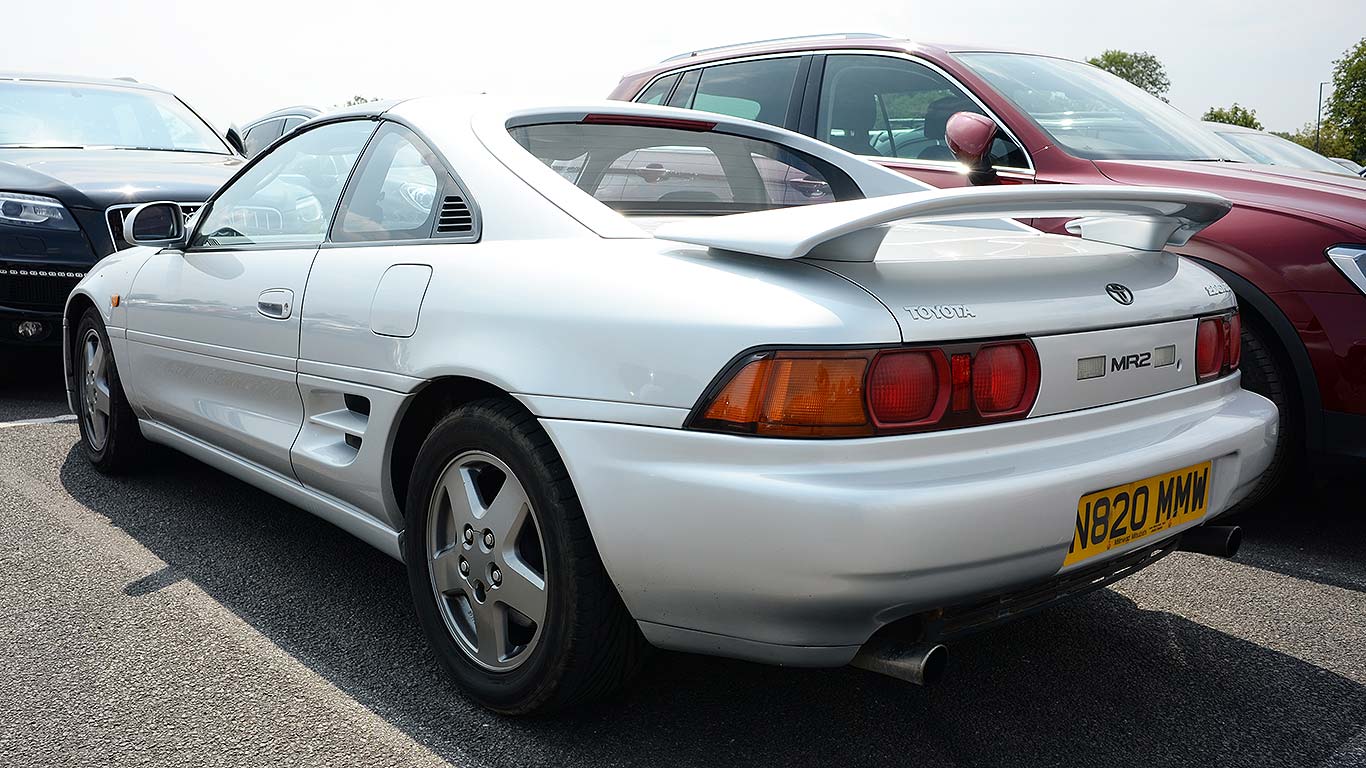
Toyota MR2 W20
The second-generation Toyota MR2 wasn’t wholly celebrated when new, because everyone loved the angular original. For years, it was overlooked. Its time, surely, is now. Another car we’d advice you buy now while you can still afford to.
Silverstone Classic 2018 car park: in pictures
Now click through to see some more classics from the Silverstone Classic 2018 car park – including the odd modern classic such as this 641 horsepower Chevy Camaro ZL1.
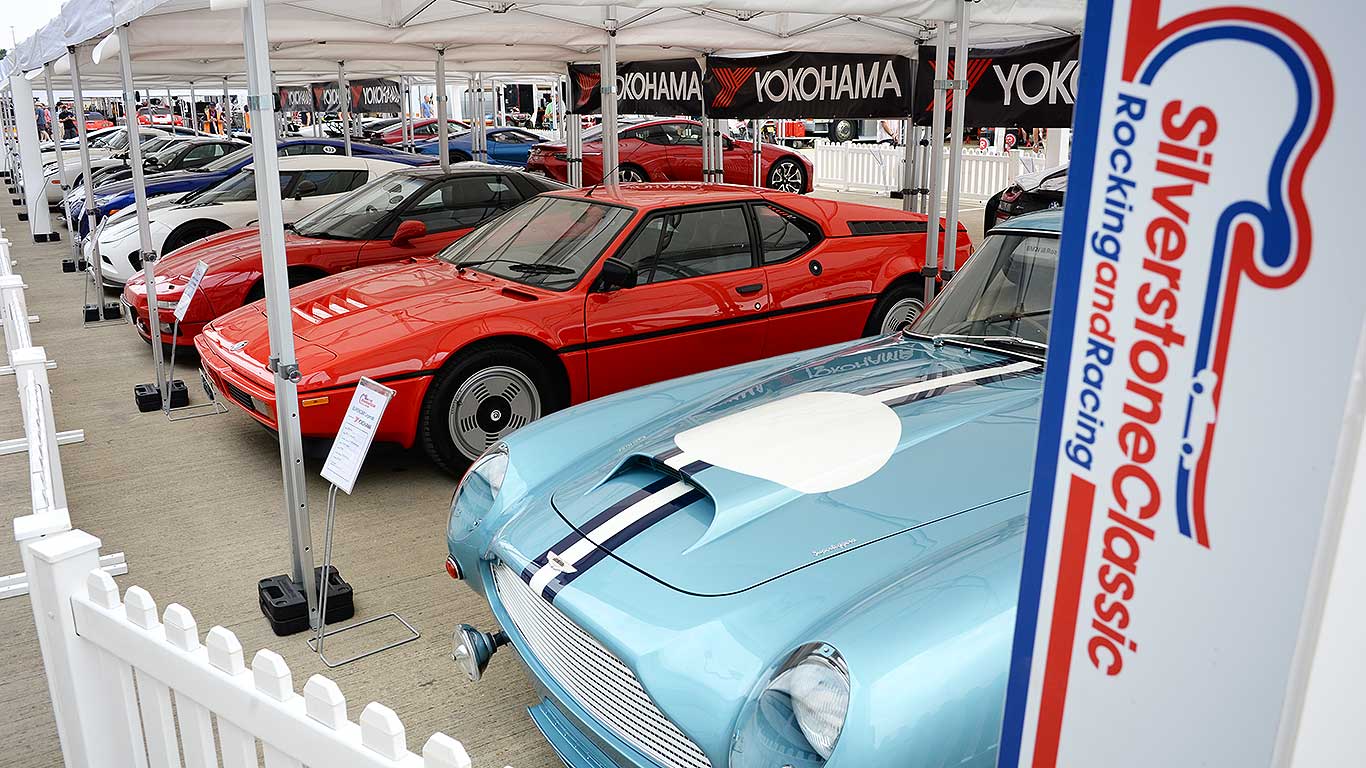
Silverstone Classic 2018 will attract 10,000 cars and 100,000 visitors. There are amazing classic machines wherever you look. However, because it wouldn’t be a contemporary car show without its fair share of supercars, the organisers have arranged for some exotica for display, too.
Royal Range Rover to star at Silverstone Classic 2018 sale
And what a showcase it is: not one but two Paganis, the new TVR, an ultra-rare TVR, a brand new classic Aston – and another so new, the first drive reviews haven’t even been published yet…
Picket line
Sensibly, the supercars are protected by a picket fence. Silverstone Classic is all about getting up close and personal with the cars, but when they’re worth as much as several million pounds apiece, you don’t want to get too close…
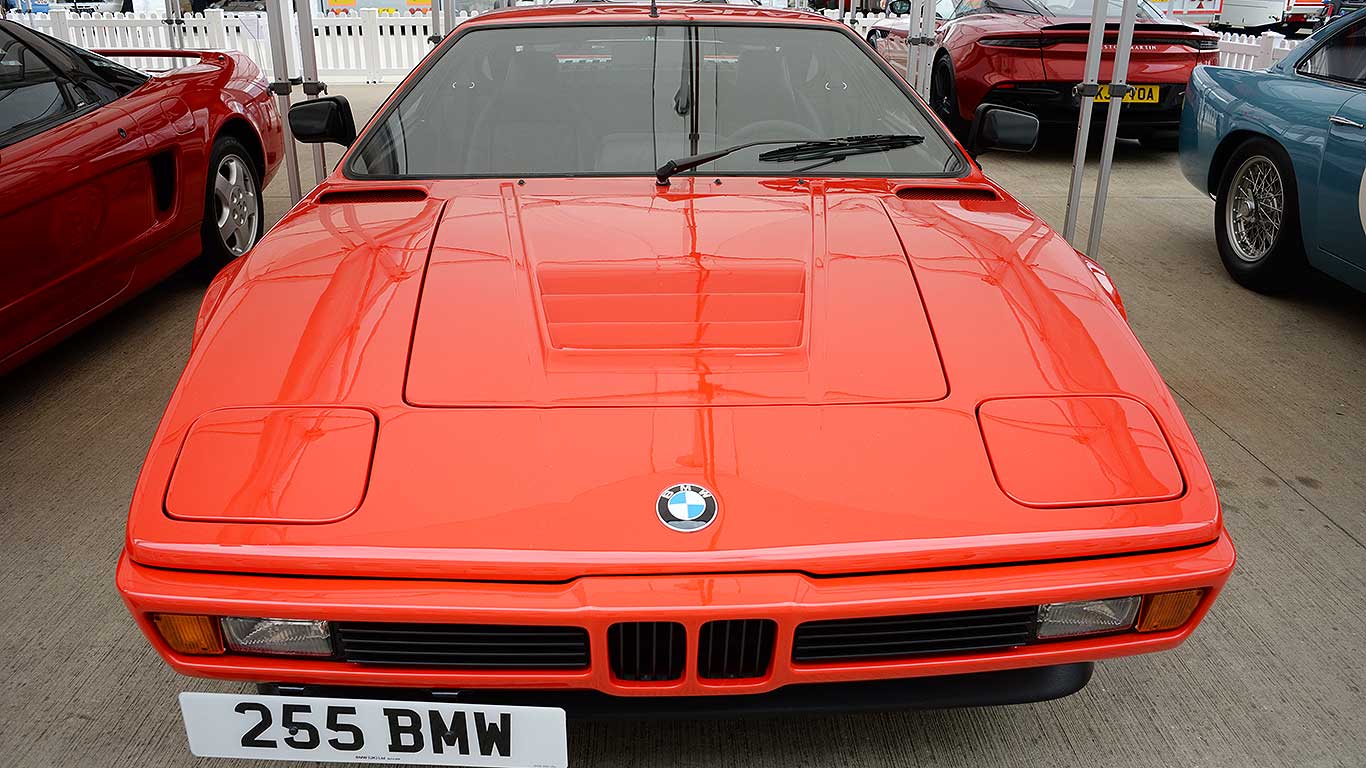
BMW M1
BMW’s supercar – designed and built in conjunction with Lamborghini – was originally conceived for racing. Italian timekeeping and racing rule-changes meant the M1 had passed its use-by date by the time it was homologated. On the plus side, we got a timeless supercar and BMW M-car.
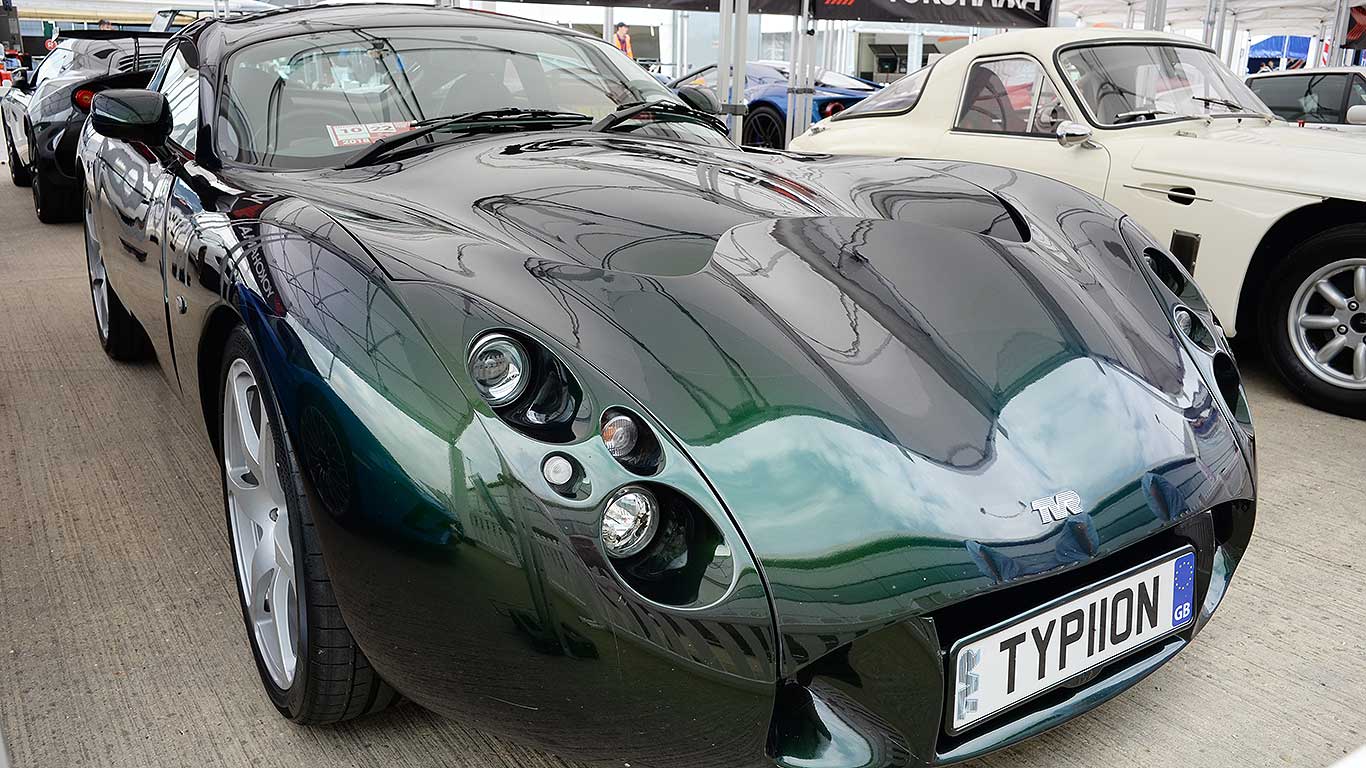
TVR Typhon
The last time TVR went to Le Mans (besides its Rebellion Racing affiliation this year) was with the Typhon/T400/T440R. Back in the early 2000s this was the ultimate TVR – the most extreme Wheeler-era car, and allegedly capable of 220mph and beyond.
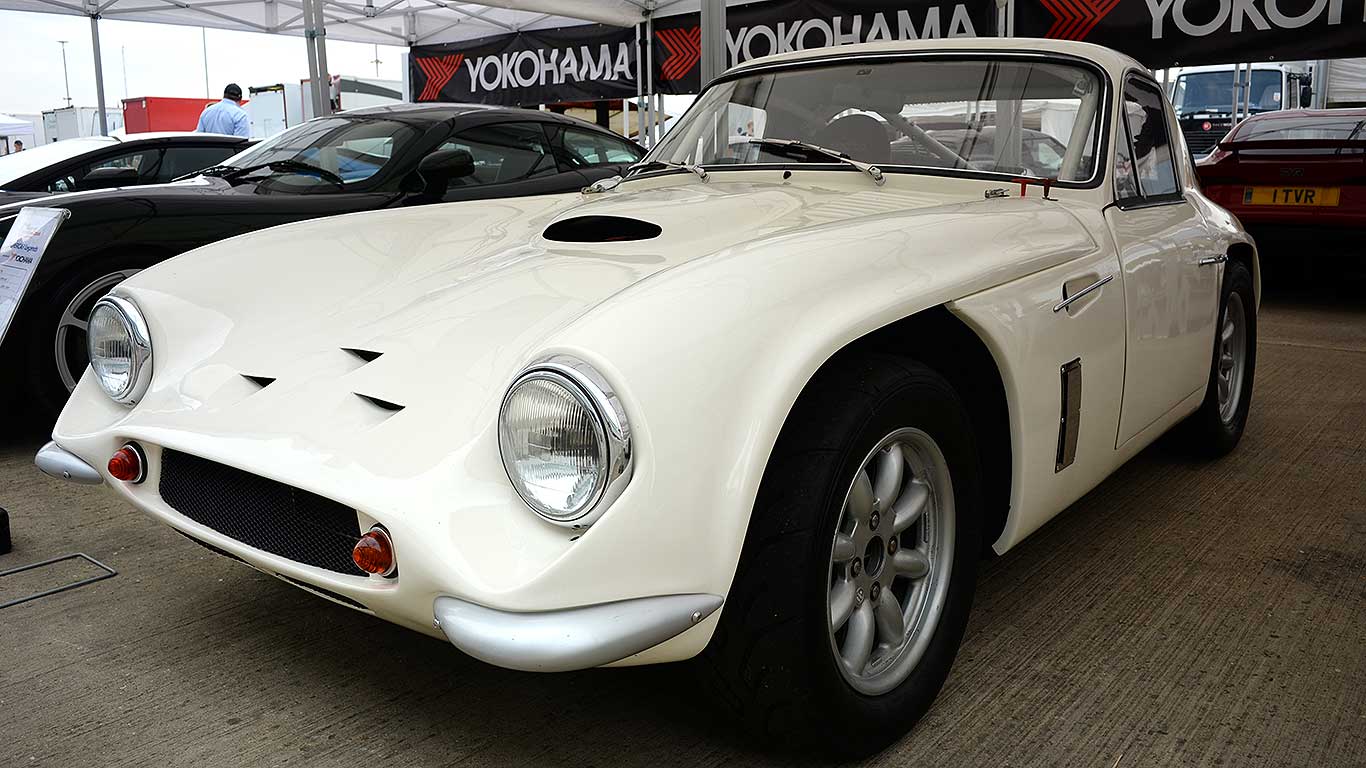
TVR Griffith 400 (1965)
Arguably the breakout model for TVR, the Griffith sold in numbers the company itself wasn’t prepared for. It was Bristol’s answer to the AC Cobra, with a diminutive body coupled and massive V8 engine. Griffs do well in historic racing these days, too.
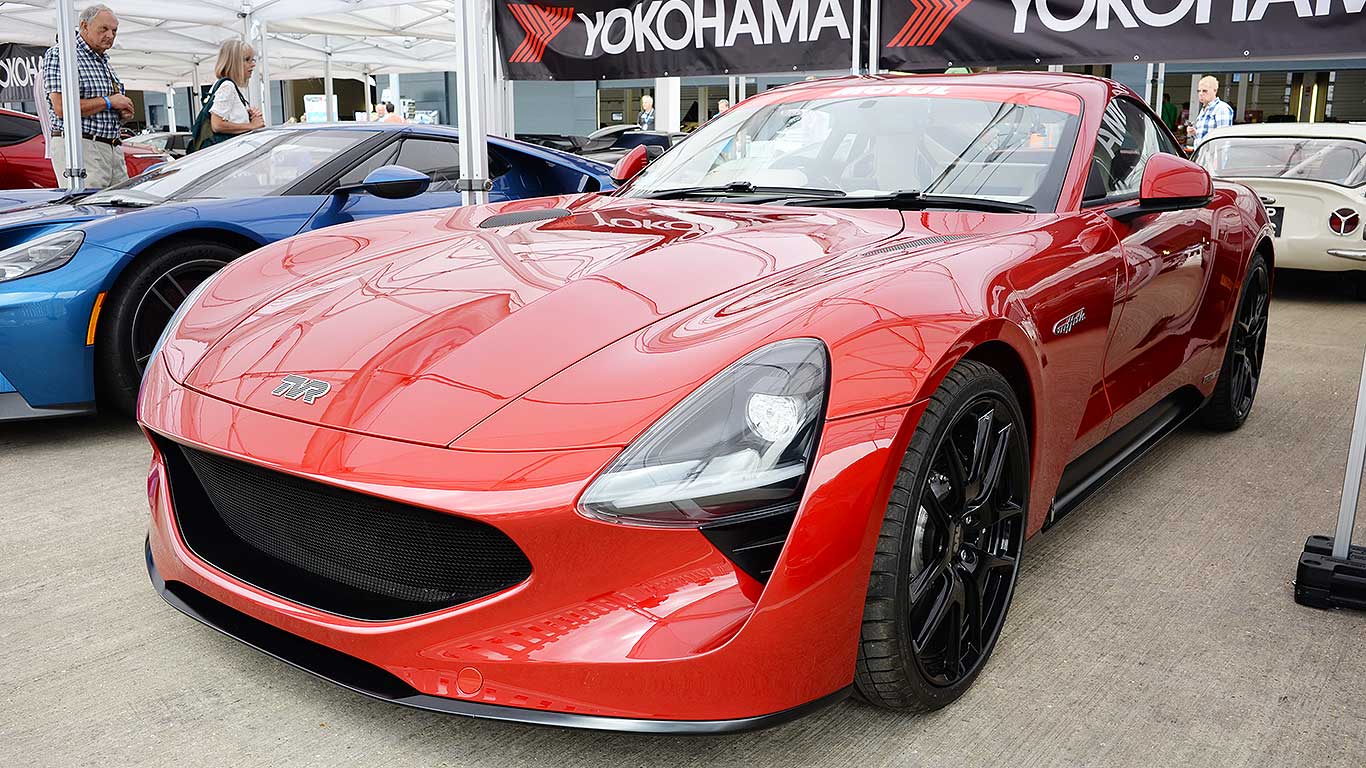
TVR Griffith (2018)
TVR’s return rides a tsunami-sized bow wave of anticipation. It should live up to expectations, though, given it was designed from the ground up by the legendary Gordon Murray – of McLaren F1 fame. First stop dealerships, next stop Le Mans…
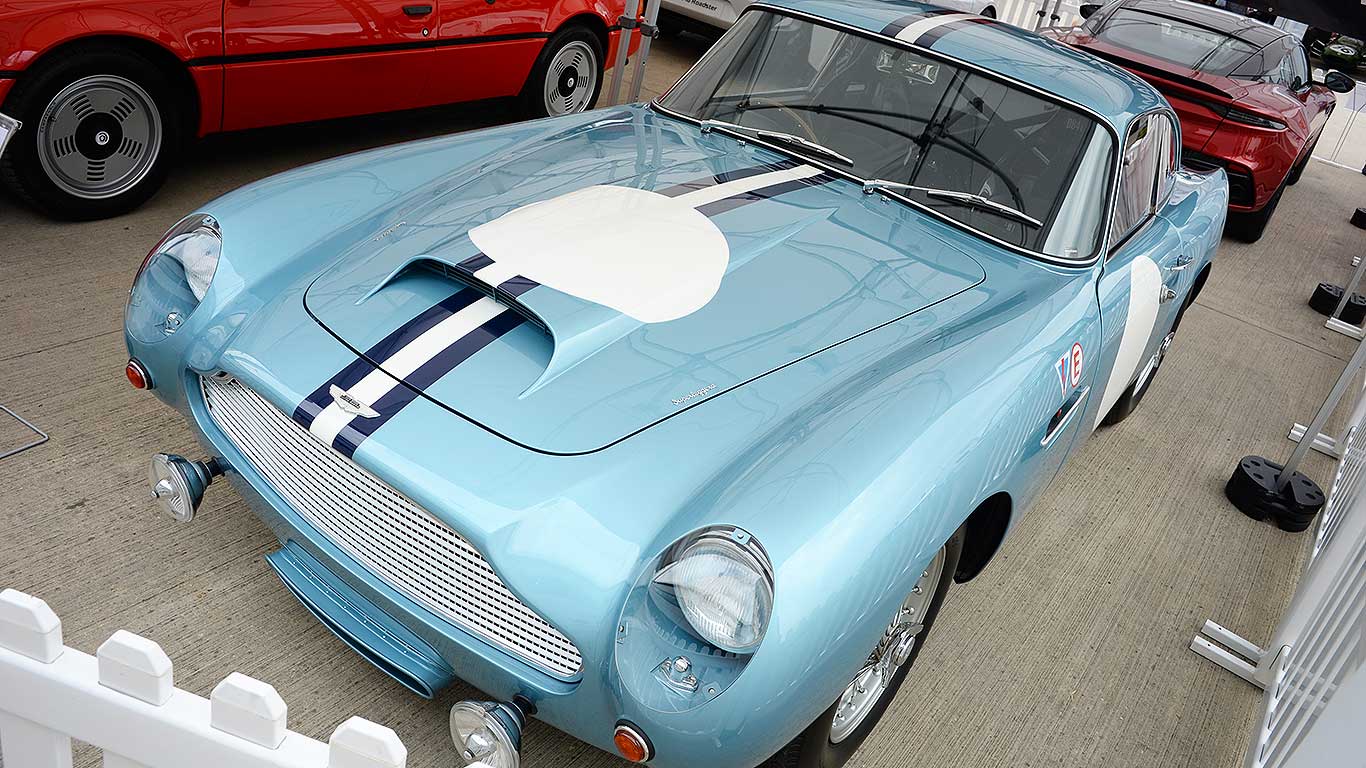
Aston Martin DB4 GT Continuation
It’s a wonderful automotive world we live in when, if we’re nostalgic enough for something, the manufacturer just brings it back. That’s what’s been happening lately with a veritable frenzy of ‘continuation’ cars – the latest and possibly loveliest being this DB4 GT from Aston Martin.
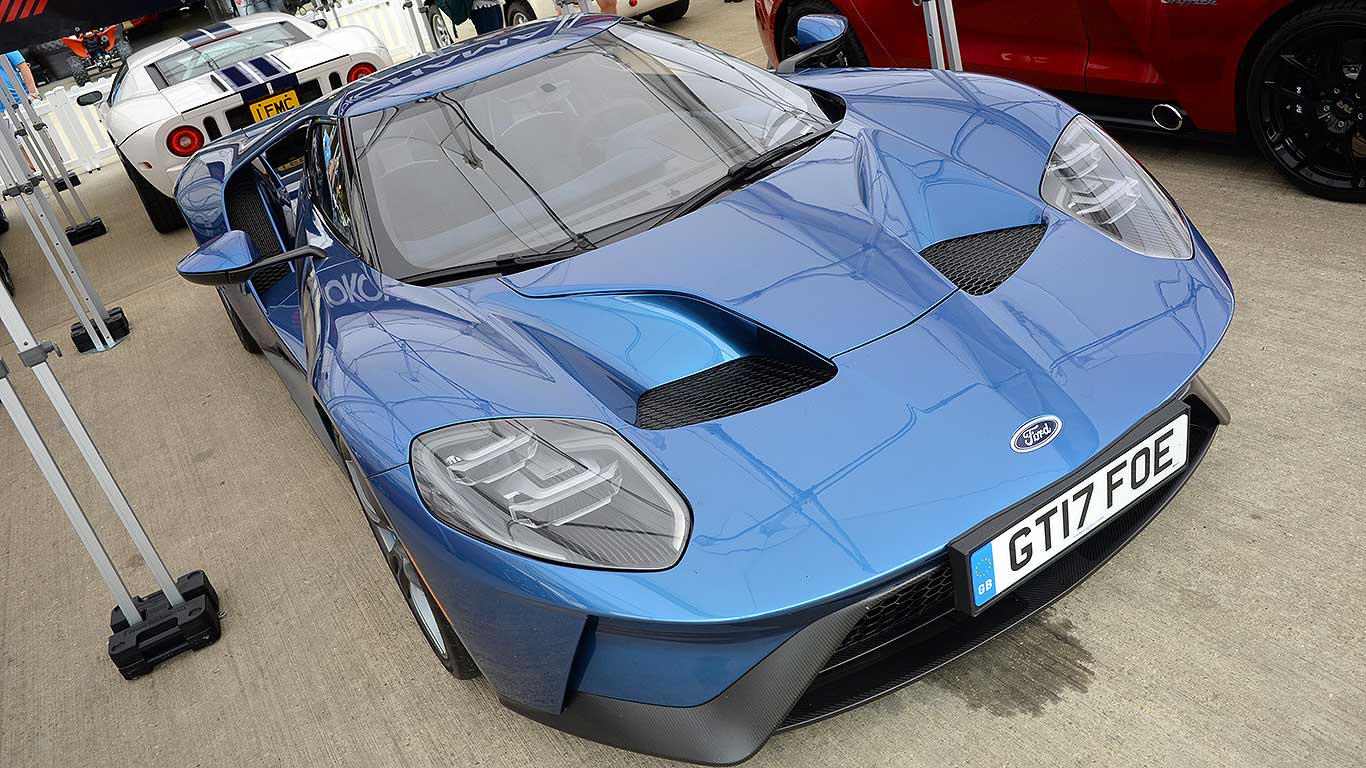
Ford GT (2018)
It’s been the supercar of the moment for the past two years and there’s no sign of that changing any time soon. The new GT is also a bona fide modern-day homologation special, with the road car being a necessary product of Ford’s GTE program.
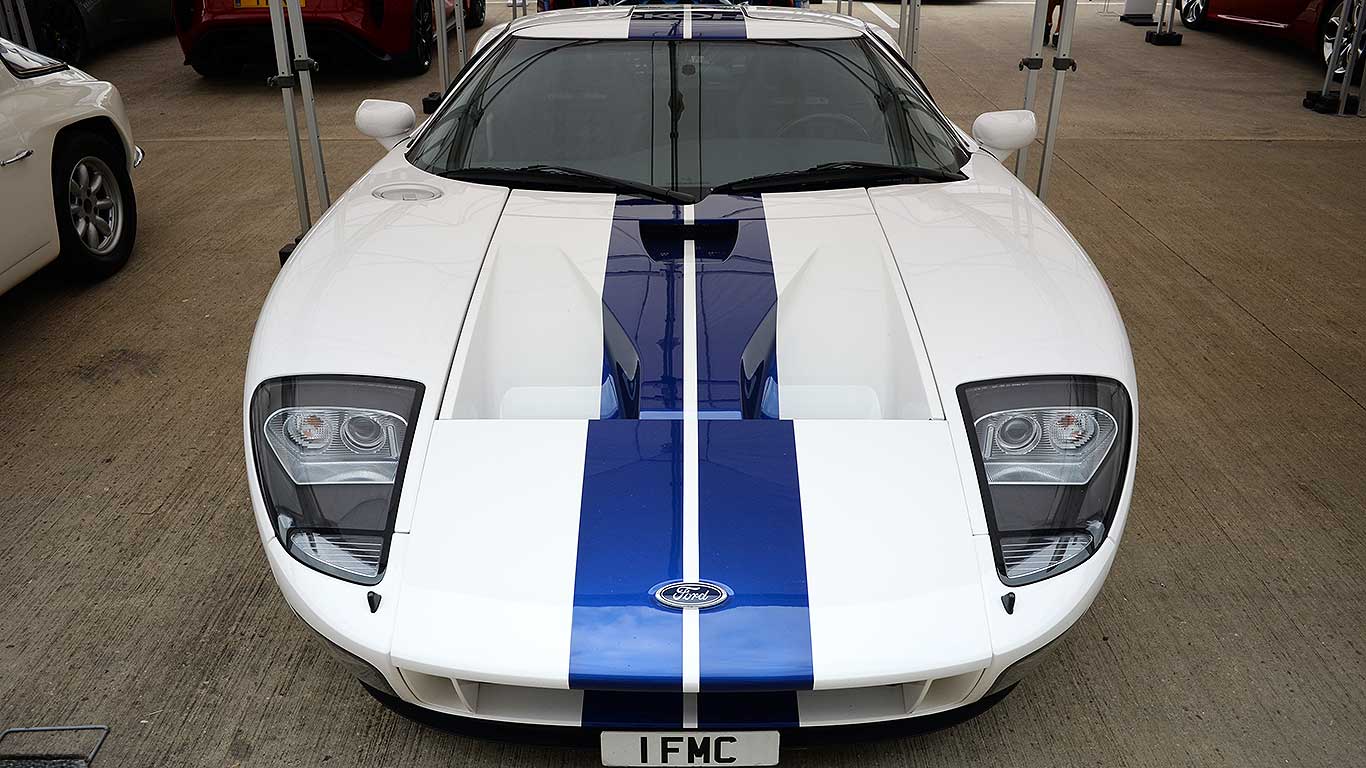
Ford GT (2005)
Can you think of a better 100th birthday present? The 2005 Ford GT was just that. Dear Henry, from Ford Motor Company. The Ricardo gearbox is a tonic and that 5.4-litre supercharged V8 is the ultimate slice of American muscle.
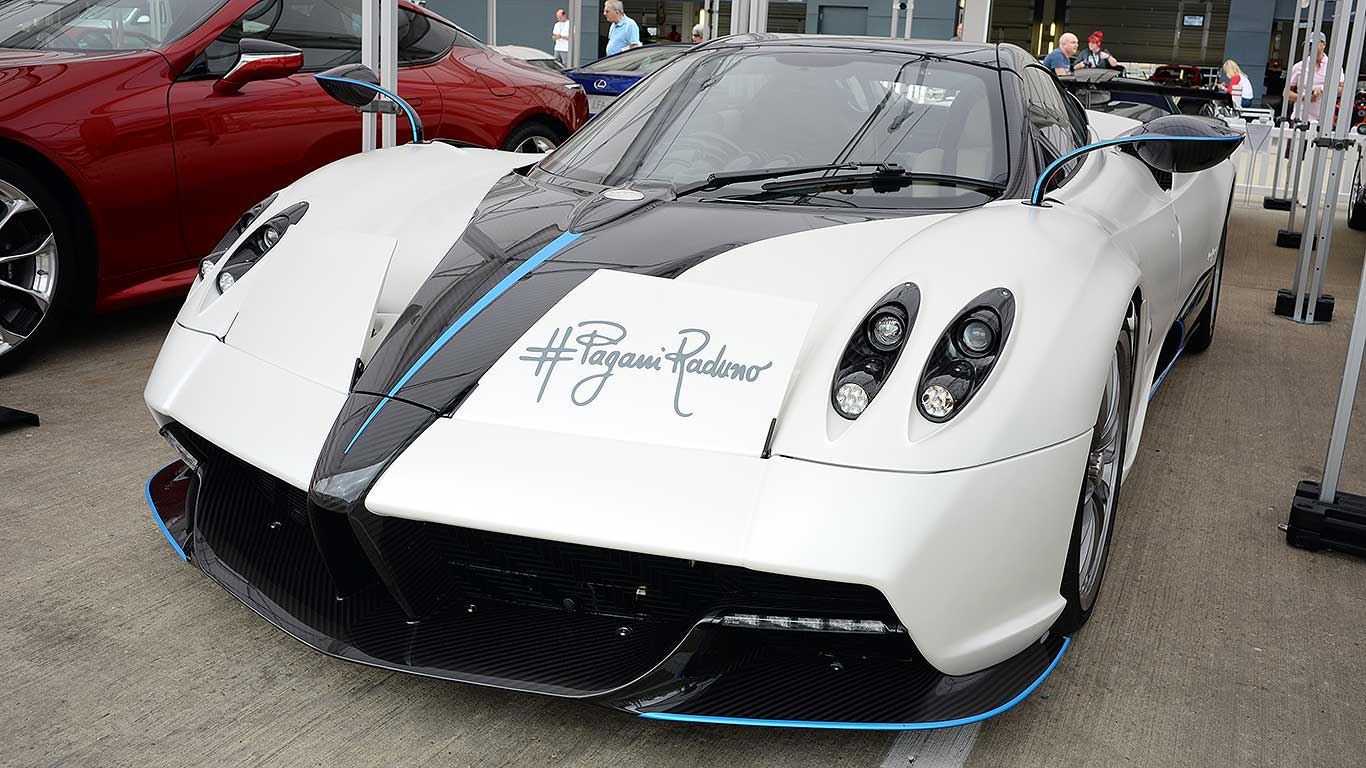
Pagani Huayra Roadster
The latest in a near-20-year line of Pagani hypercars, the Huayra Roadster packs 774hp of 6.0-litre twin-turbo V12 into a carbon titanium-wrapped boutique beast. Development constituted a total re-engineering of the original coupe to suit this al fresco version.
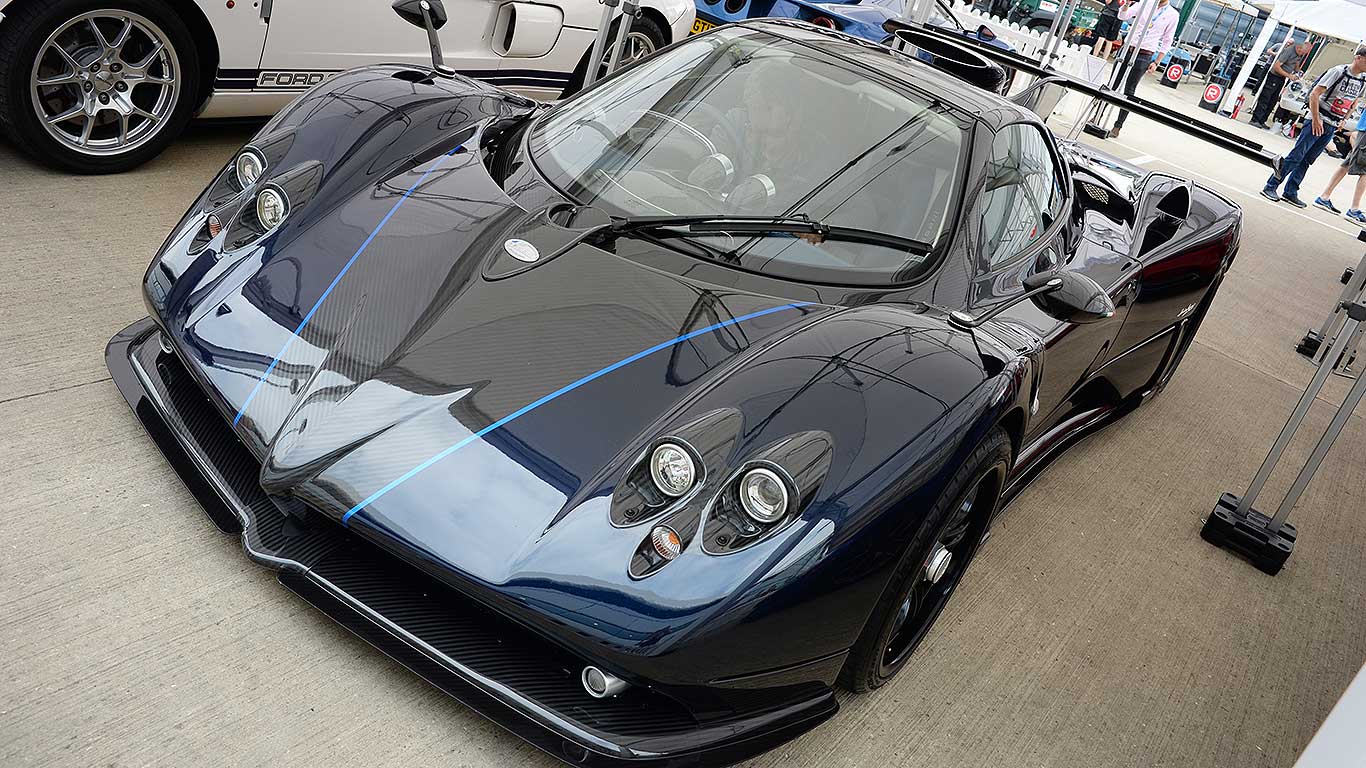
Pagani Zonda 760
The original. Pagani still struggles to escape the pull of the Zonda, with the Barchetta version only just rounding off production officially. Cars consistently come back into the factory for upgrades and makeovers – customisation is commonplace at this level of motoring.
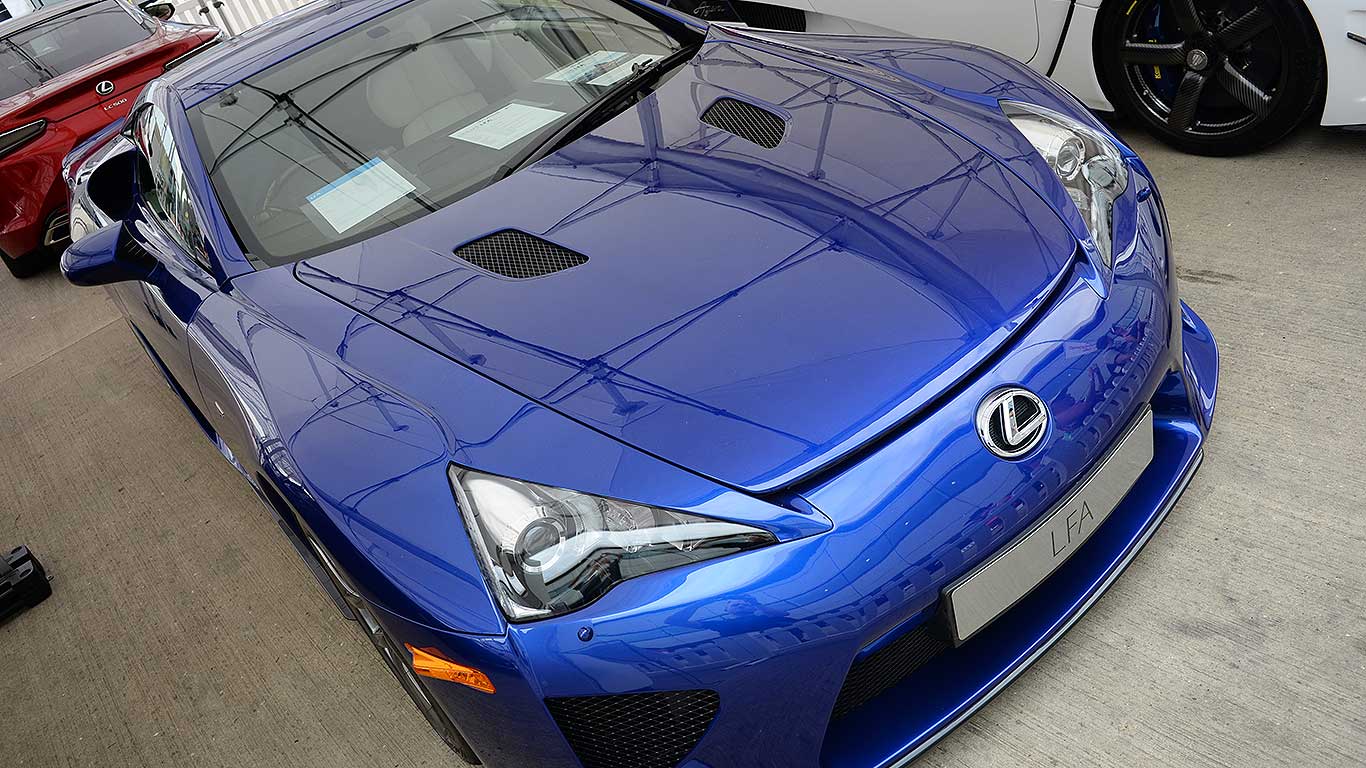
Lexus LFA
How do you get a fledgling performance brand off the ground? How about an ear-melting, obsessively-designed V10 supercar that can still stir the hearts of enthusiasts 10 years on? The LFA will forever be one of those immortal unicorns.
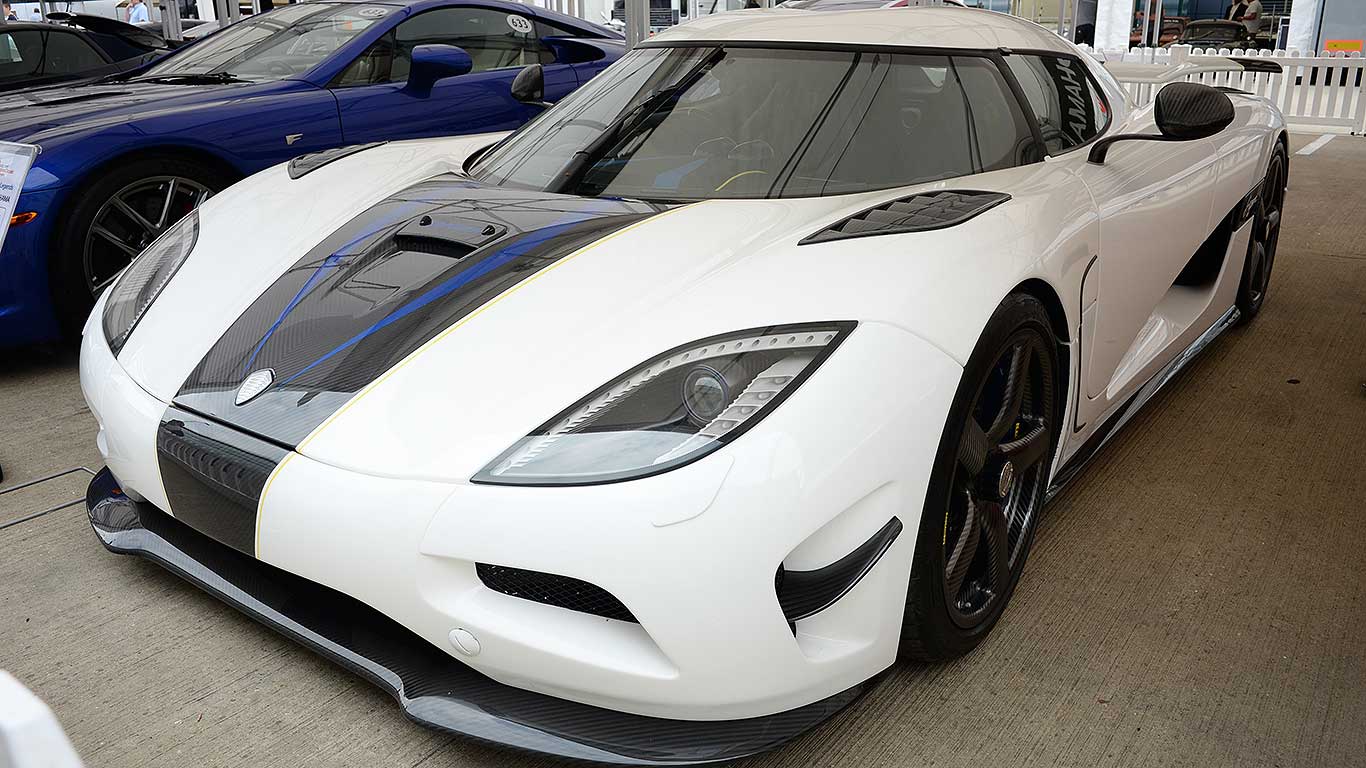
Koenigsegg Agera
Koenigsegg’s tower of power recently bowed out with two Final Edition models, but antiquity hasn’t dulled the ability of an Agera to stop a passer-by in his or her tracks. The RS model will likely retain its 284mph top speed record for some time, too.
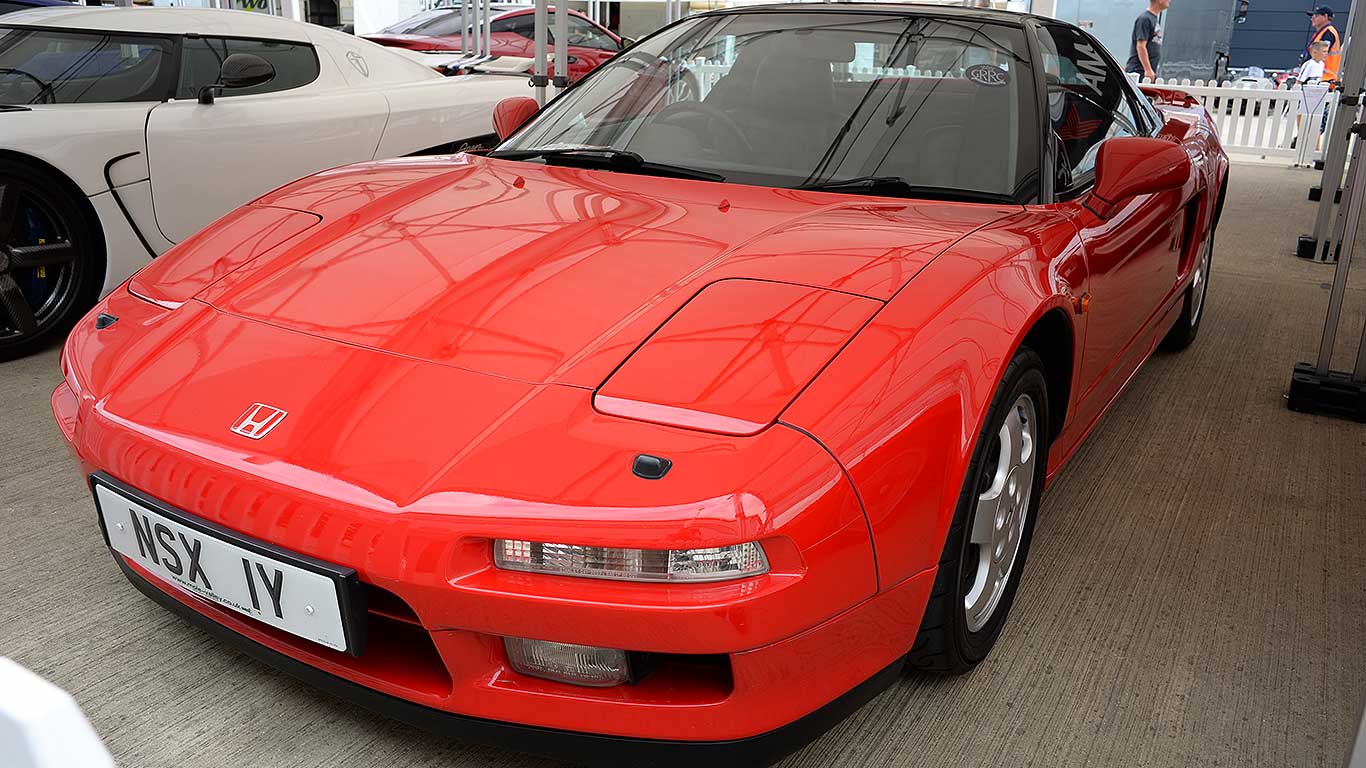
Honda NSX
Honda’s approach to the supercar back in 1991 was revolutionary, if unconventional at the time: build the ultimate driver’s car, and make it reliable. Although it didn’t sell especially well, it’s now a timeless icon credited with forcing Ferrari to pull its socks up.
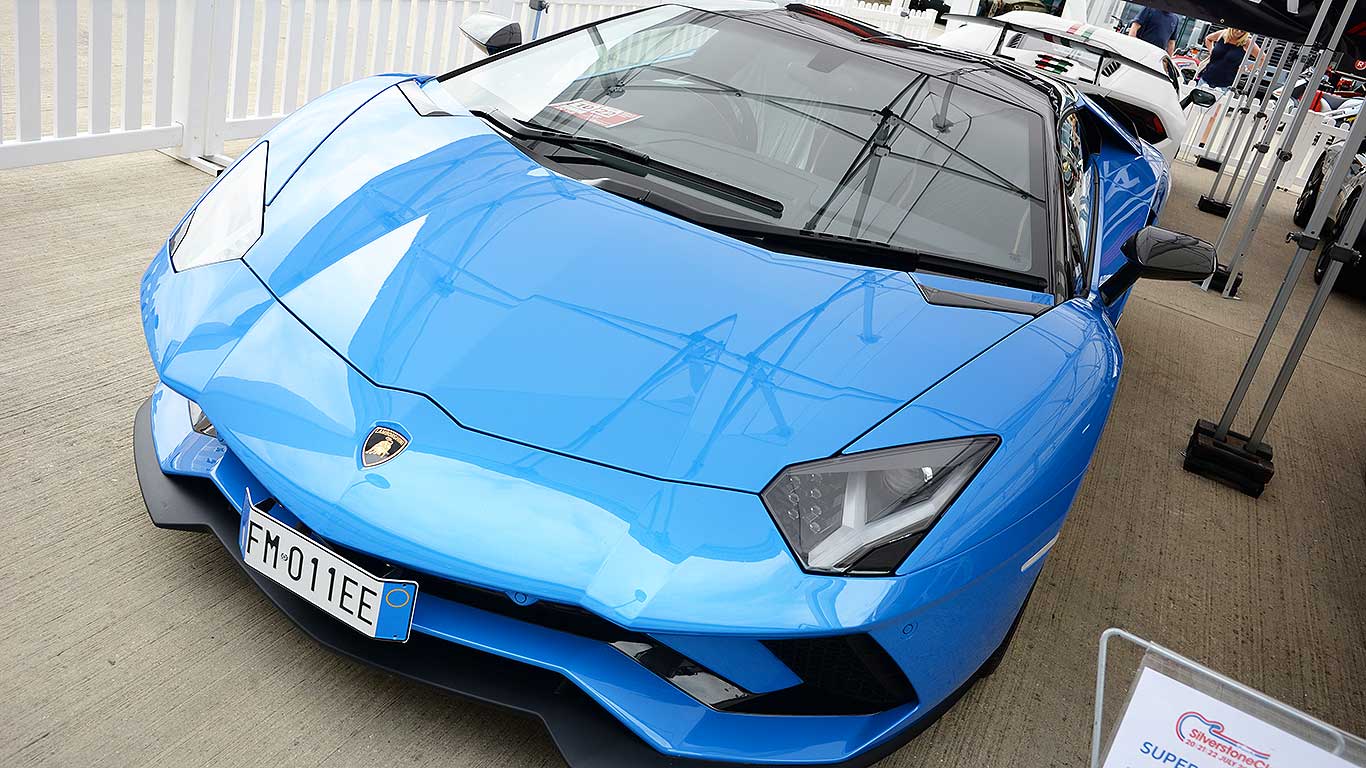
Lamborghini Aventador S Roadster
If you’re looking to define an era of exotic cars, a good place to start is by pointing straight at the flagship Lambo of the day. The Aventador is as definitive today as the Countach was in its day. In S form, it’s also more capable than ever.
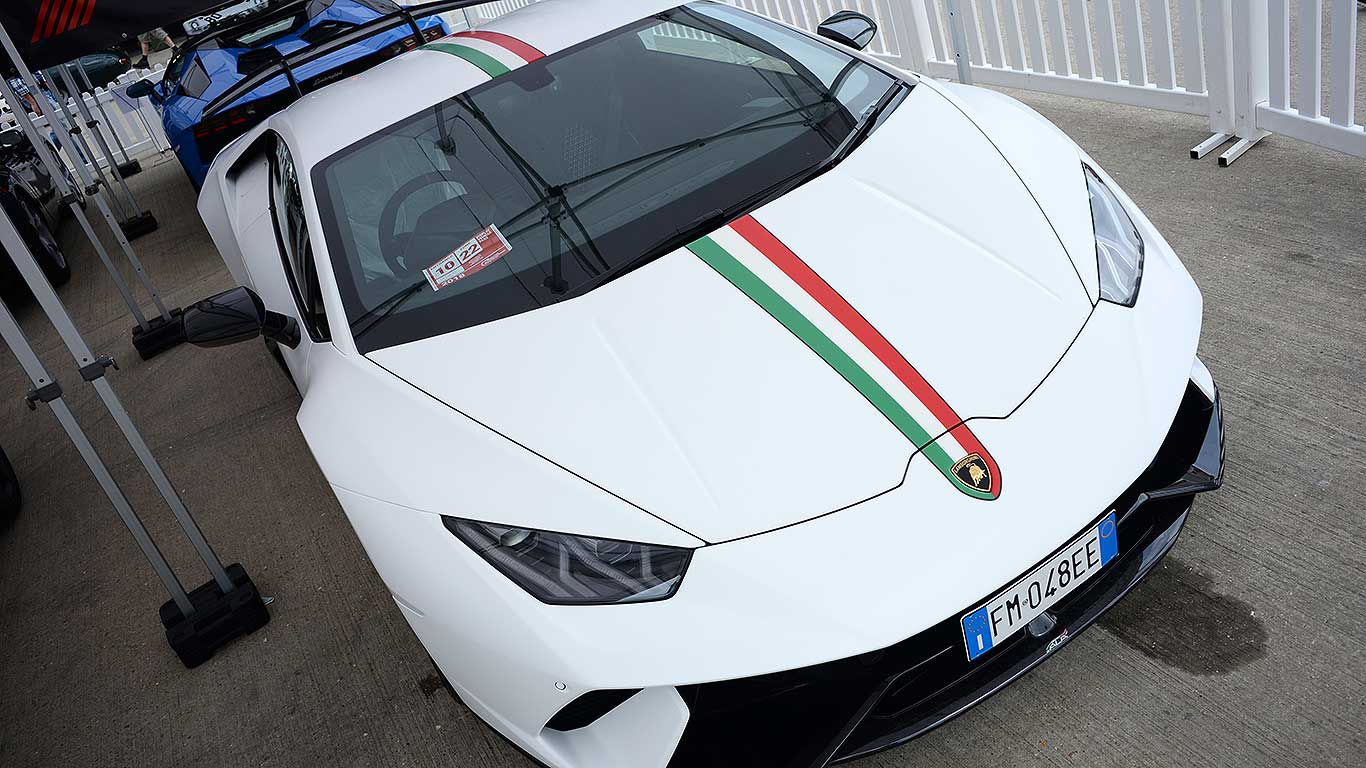
Lamborghini Huracan Performante
Lamborghini’s latest track-honed ‘baby’ V10 is a bona fide Ferrari slayer. Clever aerodynamics and a 640hp naturally-aspirated V10 make for an old-school supercar experience with very modern performance.
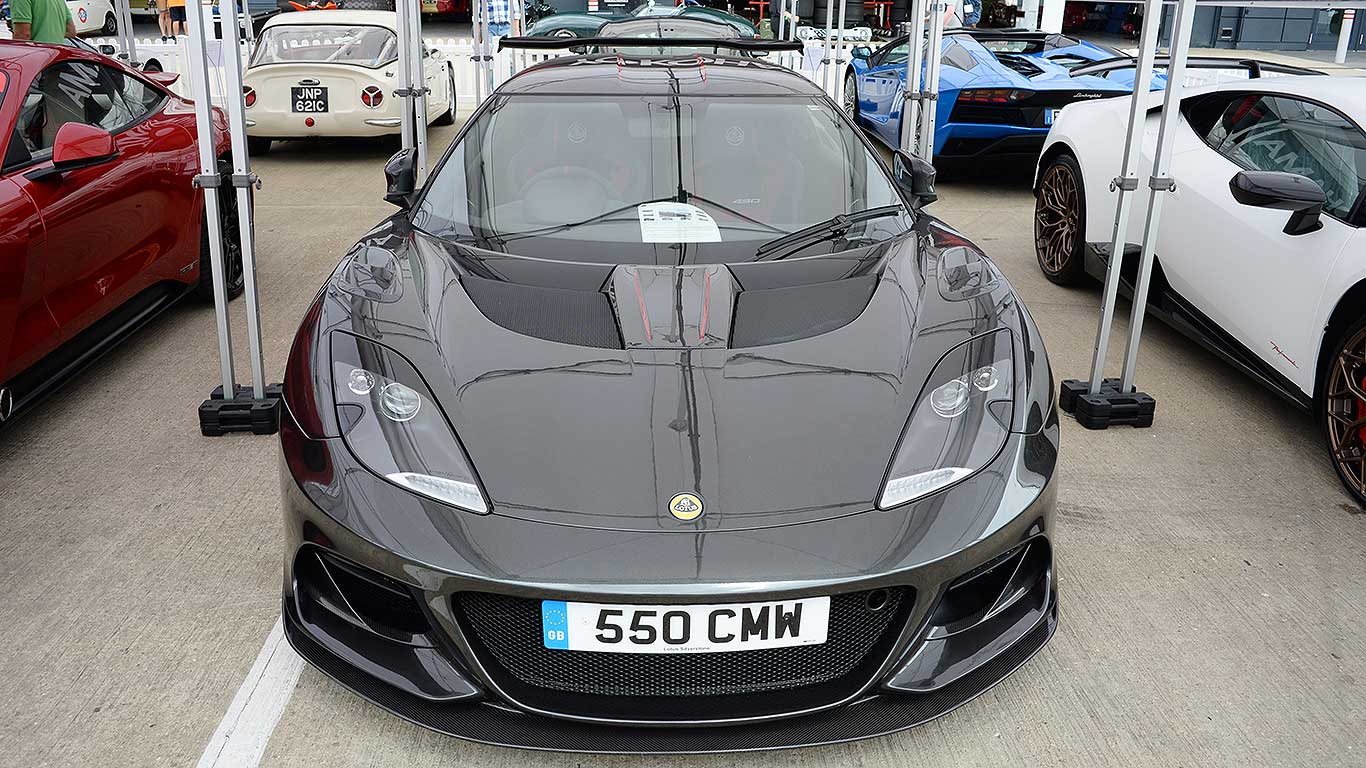
Lotus Evora GT430
Lotus has been on a mission to make the Evora the car it always should have been. This recent edition is the GT430, complete with aero addenda and a screaming supercharged V6 that’s about as far from its humble Camry origins as possible.
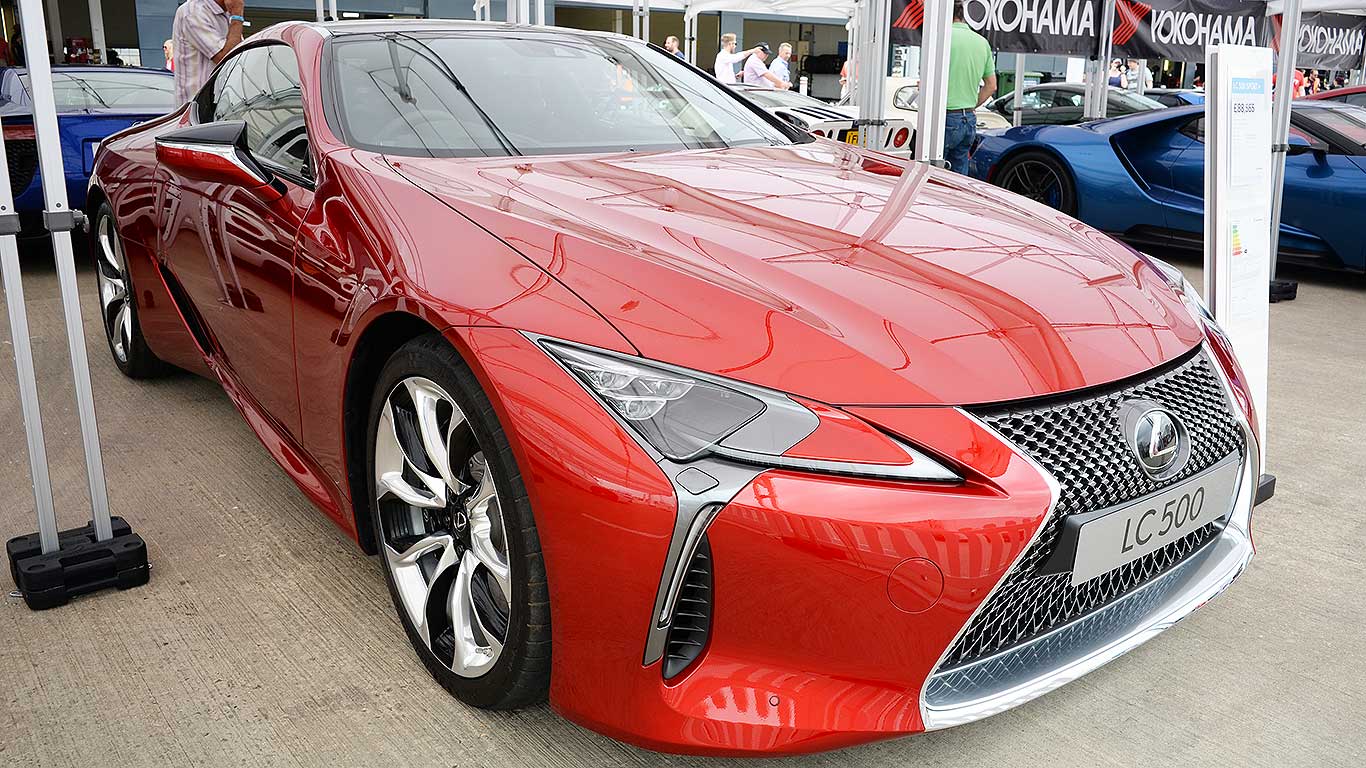
Lexus LC 500
The timeless LFA lives on in the Lexus LC 500 – an old-school V8 GT wrapped in the current art-deco futurist Lexus aesthetic. It’s one of the most enjoyable grand tourers on sale.
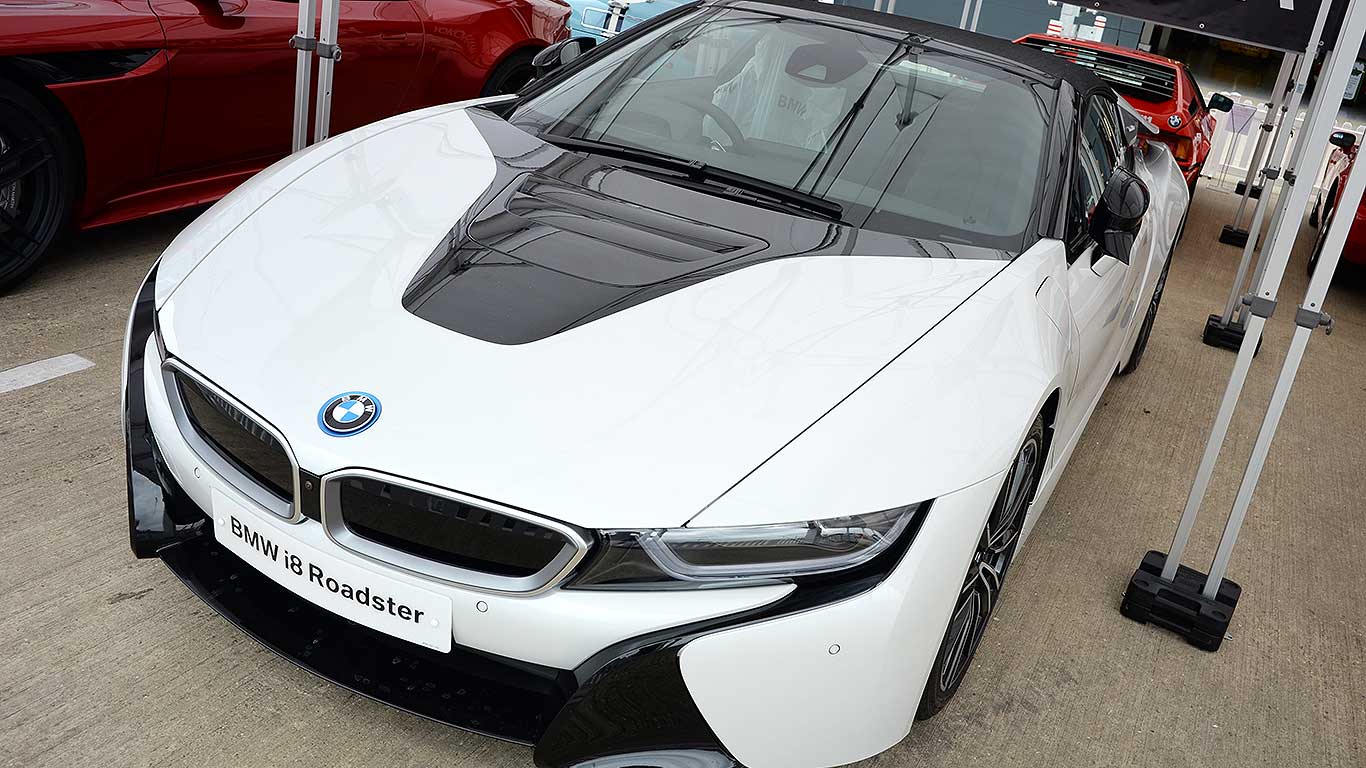
BMW i8
A possible preview of the supercar of the future, the BMW i8 is as exotic as a Lamborghini (with similar doors) but as economical as a Mini. Its three-cylinder engine, combined with electric motors, develops 360hp – with the carbon-tubbed i8 hitting 62mph in 4.4 seconds.
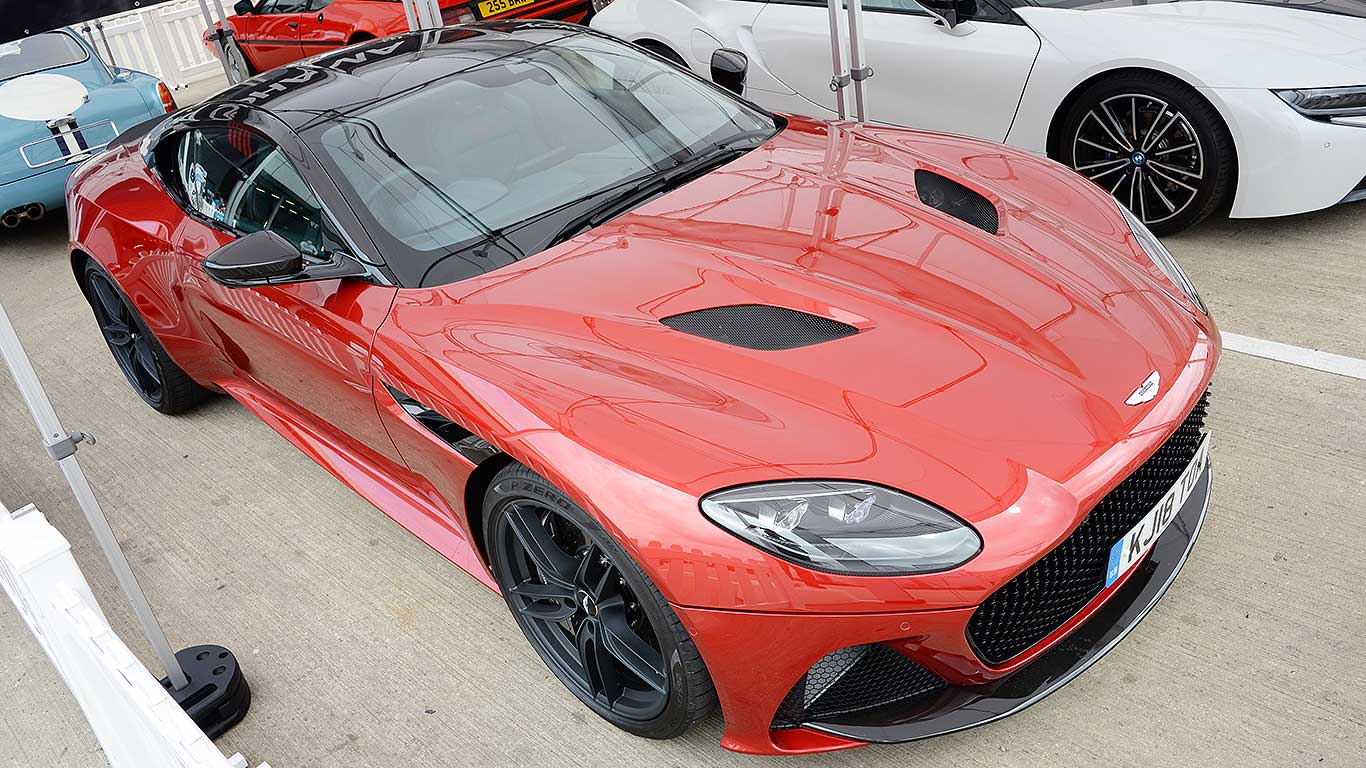
Aston Martin DBS Superleggera
Aston’s latest star performer is the DBS Superleggera. With a 725hp twin-turbo V12, it has performance enough to bother a certain superfast Italian rival. They can do no wrong at the moment.
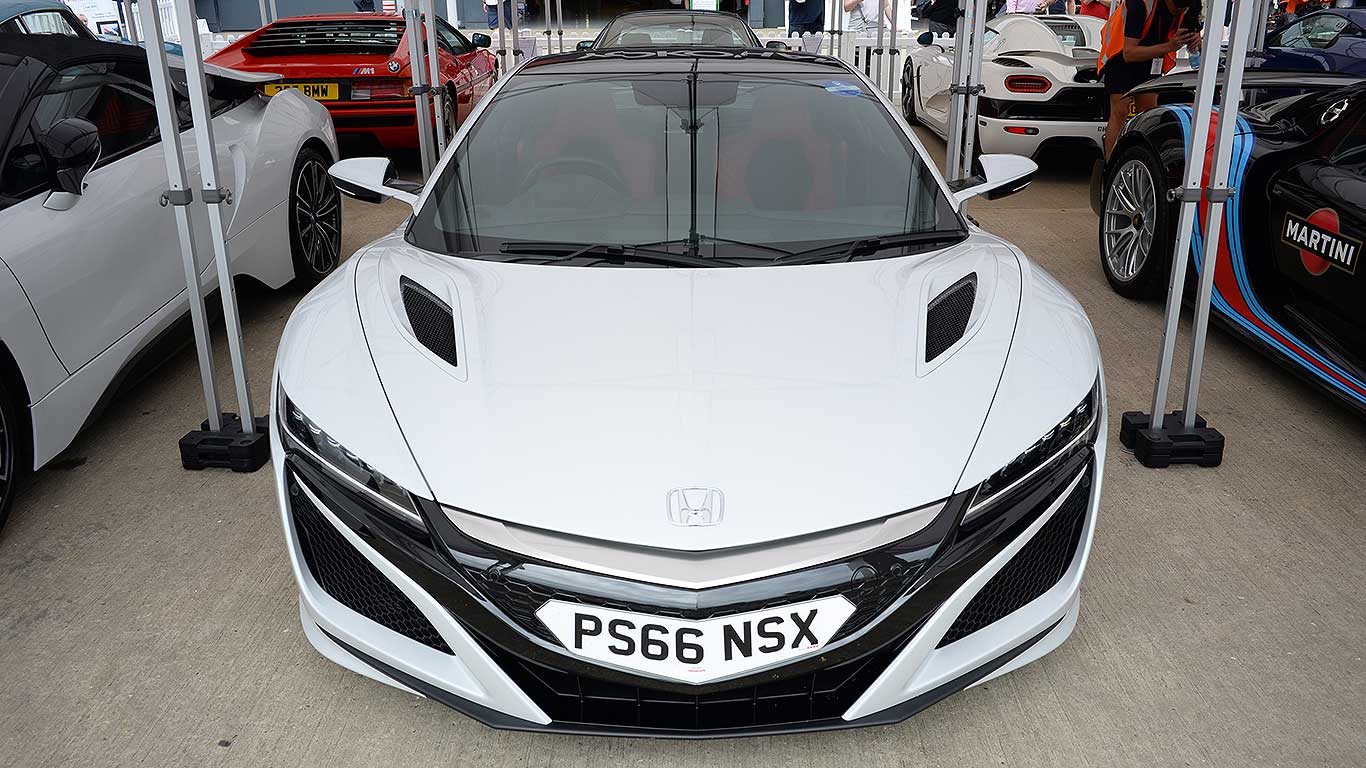
Honda NSX
The new Honda NSX takes the New Sports eXperimental ethos in a different direction to its predecessor. The experiment this time, as opposed to simple reliability, is hybridisation. The NSX is an enjoyable supercar that uses very latest petrol/electric and torque vectoring tech.
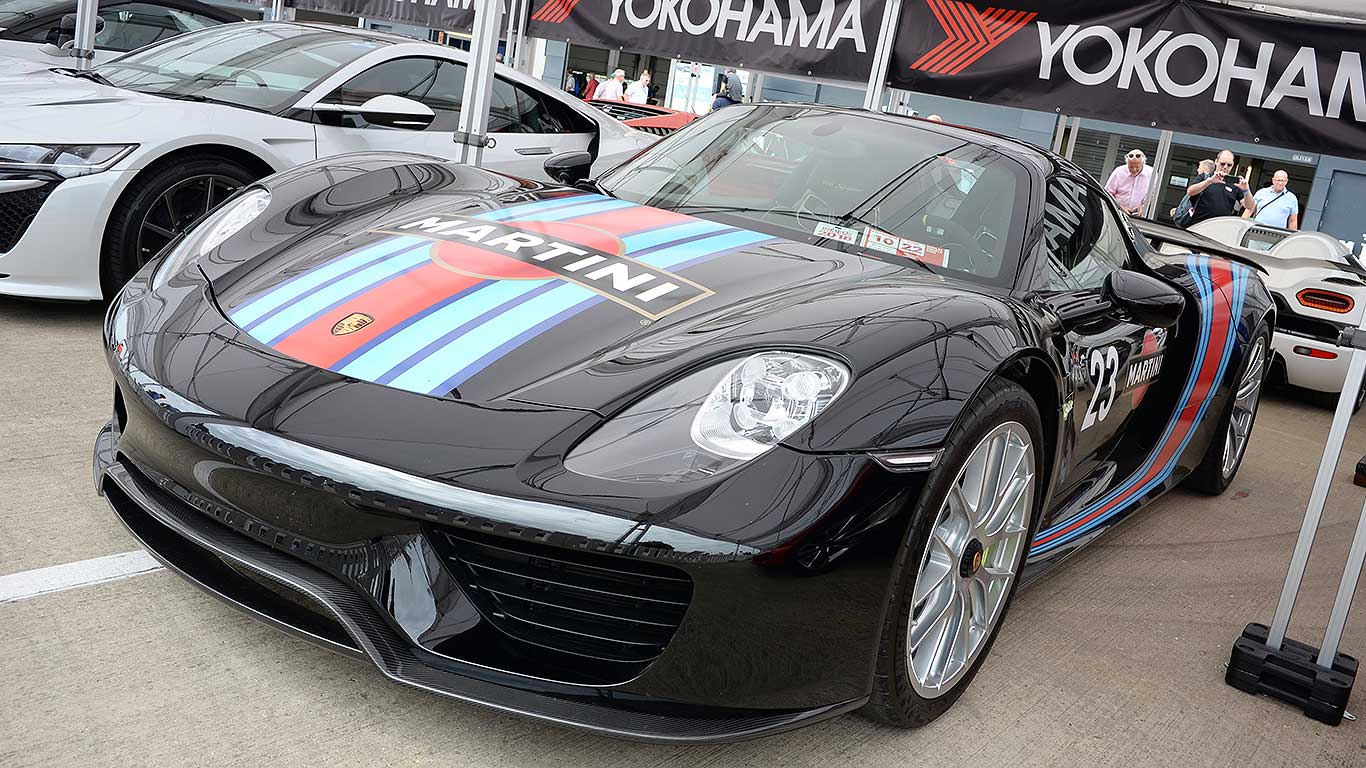
Porsche 918
Such hybrid technology was largely pioneered on this: the Porsche 918 Spyder. One of a trio of hybrid hypercars released around five years ago, the 918 has stood the test of time with spectacular performance and those stunning Porsche curves.
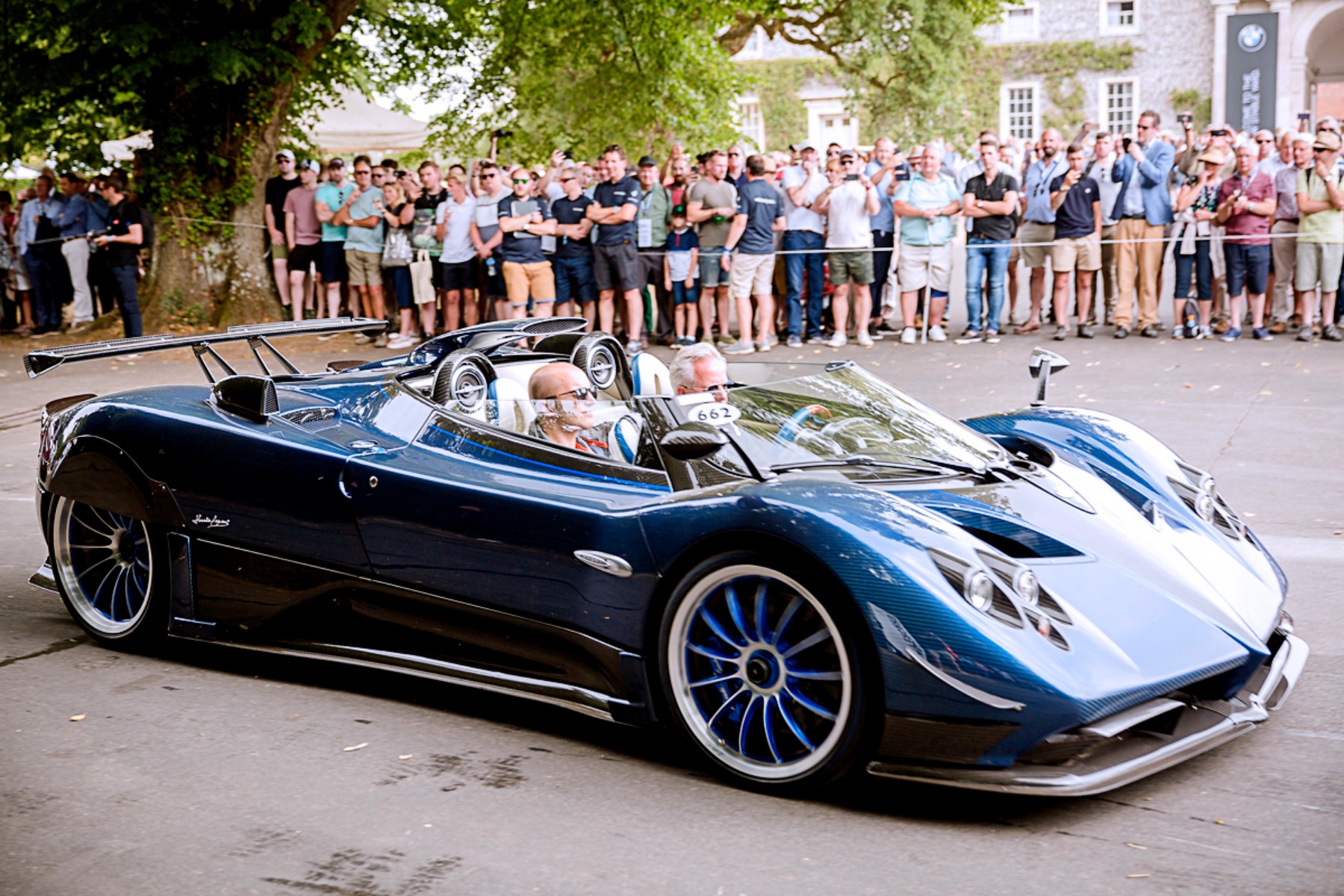
Hidden amongst all the news from the 2018 Goodwood Festival of Speed was the debut of the most expensive new car ever sold: the Pagani Zonda HP Barchetta. That this £13.5million (€15million) car has a Pagani badge comes as no surprise, given it’s the maker of some of the most exotic and sought-after cars of the last 20 years.
Ordinarily, you’d think the HP Barchetta is one of those cars that’s destined to be stored inside an air-conditioned bubble, tucked away in one of the world’s greatest car collections. Such an assumption would be wrong, however. Company founder Horacio Pagani himself drove his Barchetta from Modena to the Festival of Speed before its debut run up the hill.
Yes, HP stands for Horatio Pagani, and the first Barchetta is his own car.
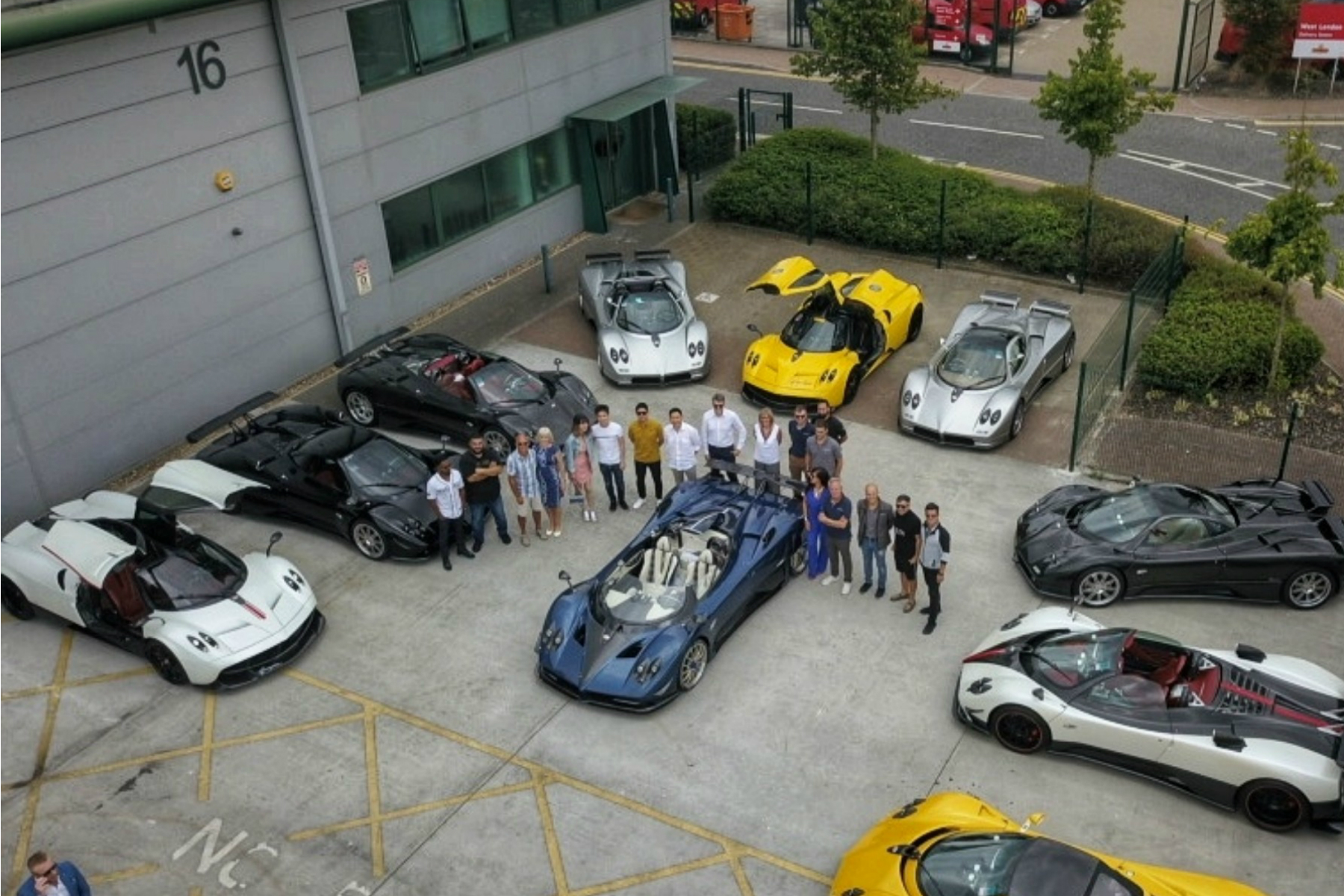
After landing on UK soil, Pagani made his way to the marque’s UK base in London, where £35million-worth of Zondas and Huayras were waiting to begin a convoy around London, before heading to Goodwood.
The marque’s latest monster, the 774hp Huayra Roadster, was also making its dynamic debut, but the six-times-more-expensive HP Barchetta arguably stole the show.
Furthermore, in scarcely believable news, the last of the three Barchettas to be built is indeed to be the last ever Zonda. Since its debut in 1999, the Zonda has been utterly transformed from sports car to supercar to fully-fledged 760hp+ hypercar, with a succession of special editions leading out the production run over the past few years.
Pagani could never quite let go of his breakout model until now. Suffice to say, three specials at £13million+ a pop counts as ‘going out with a bang’.
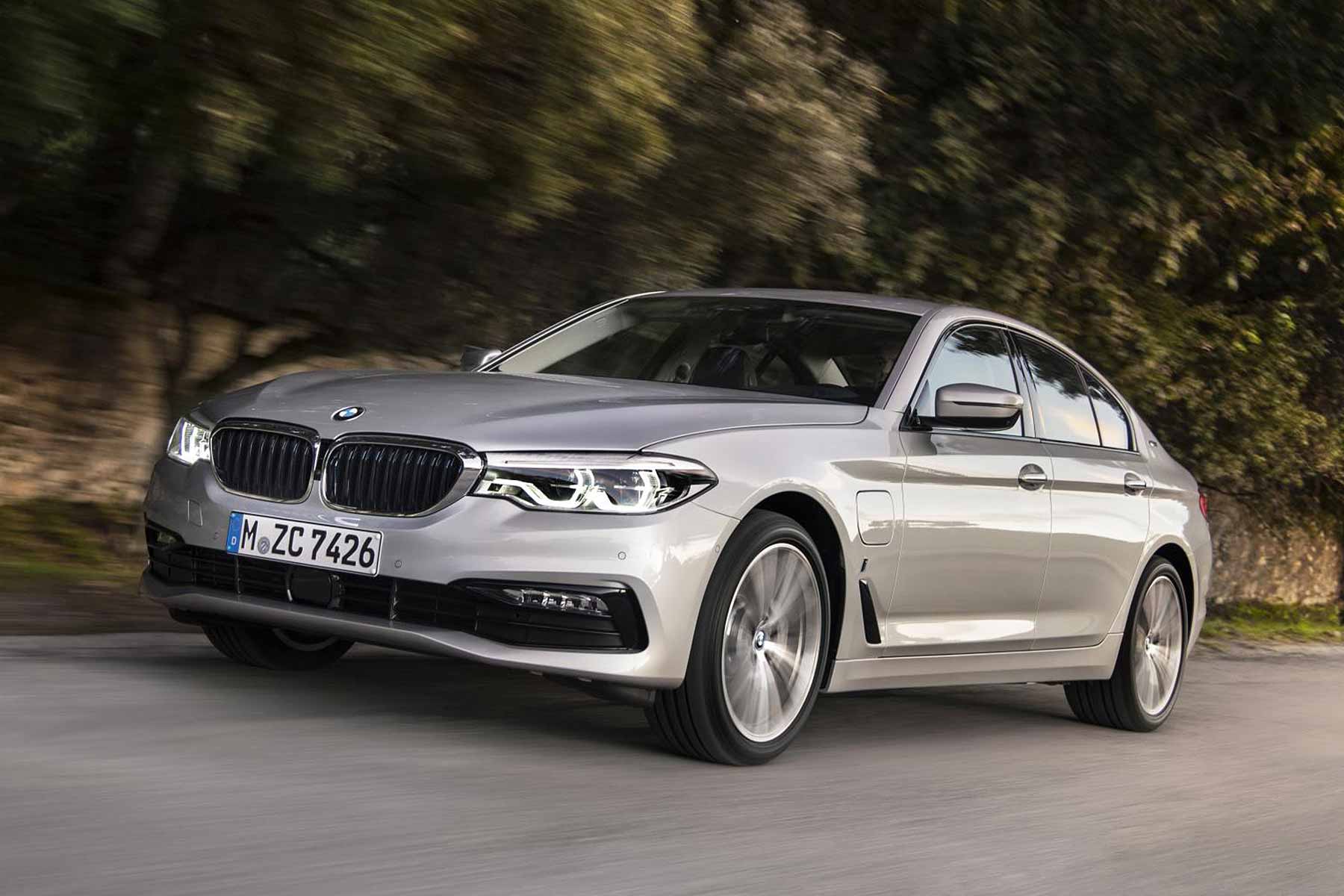
BMW has completed the switch-over of its UK car range from the outdated NEDC fuel economy figures to the more representative and realistic WLTP test. Every new BMW and Mini now displays WLTP fuel economy and CO2 figures, well ahead of the September 2018 deadline.
The firm hasn’t suffered big increases in official average fuel consumption as a result of the new, more ‘real world’ WLTP tests, either. CO2 emissions have increased on average by a manageable 8g/km.
Mini is even better, with a range-wide average increase of 5g/km.
Because WLTP tests aim to give a more realistic picture of a car’s fuel economy in everyday driving, figures are generally lower than in the outdated NEDC test. That BMW performs relatively well here suggests its cars are better than some at returning good real-world economy.
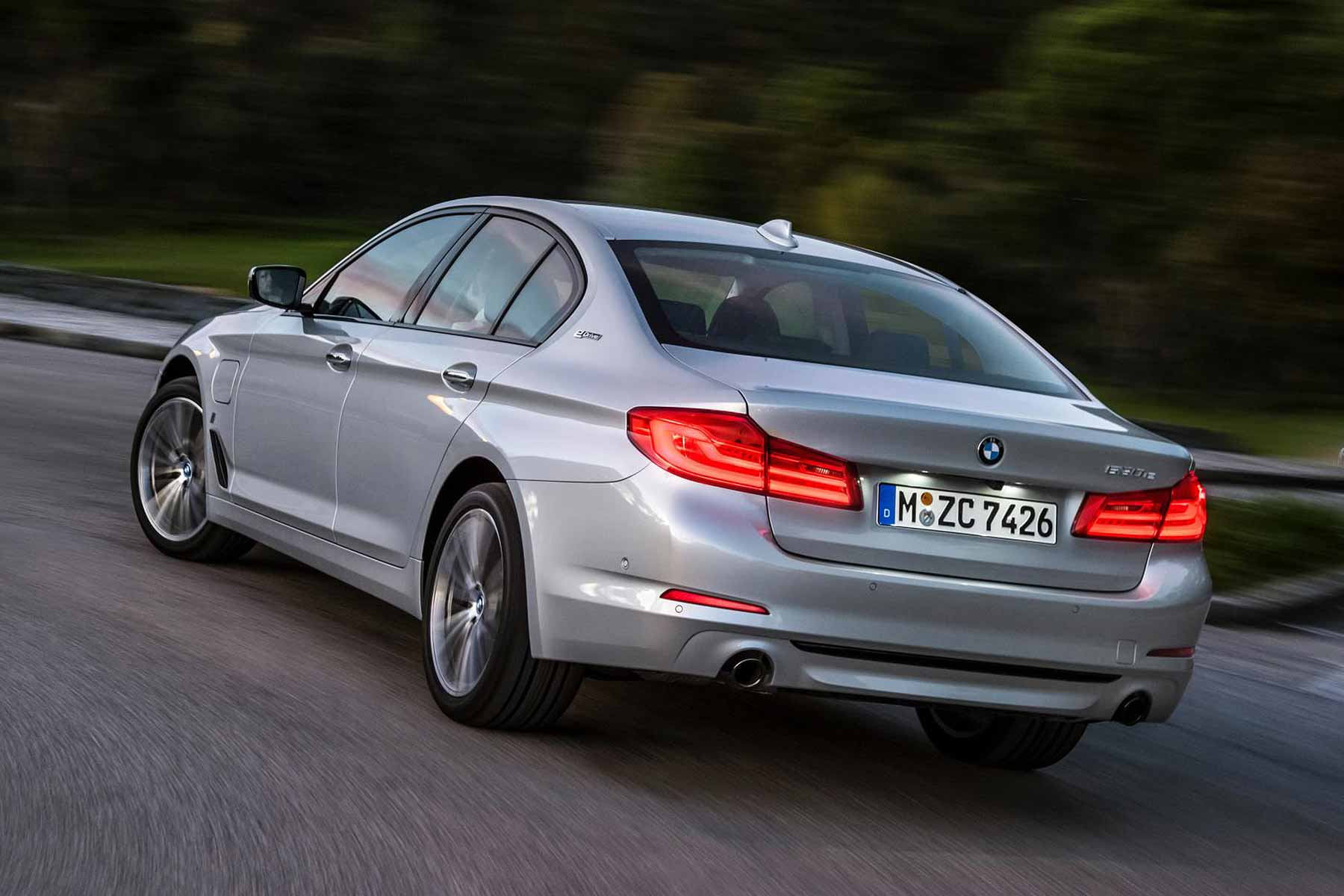
One big win for BMW is the 530e plug-in hybrid: the CO2 increase here was just 3g/km, taking it up to 49g/km – so it still dips below the 50g/km mark. That means it still qualifies for the £2,500 government Plug-in Car Grant for ‘Category 2’ vehicles.
Part of meeting WLTP has involved fitting every petrol and plug-in hybrid BMW with a particulate filter, to meet the new Euro 6d-TEMP standard. It means BMW’s petrol range joins its diesel line-up in offering multi-stage exhaust filters to minimise emissions.
While other manufacturers may find the WLTP switch-over challenging, BMW UK national leasing manager Adam Harley insists it is very well prepared. Not only are all its cars switched over to the new test, “we have good availability with factory orders available on all models”.
As the WLTP headaches for some brands grow in coming months, this could well prove to be a significant advantage for BMW…
Ford has launched a new online sale service called Ford Buy Online. It says the new internet purchase tool is in response to growing customer demand to buy cars online.
It will not, however, compromise Ford’s expansive dealer network, insists Ford of Britain chairman and MD Andy Barratt. “We have the most extensive dealership network, which will remain to serve the many customers wanting to visit a dealer and for specialist retail, van and service assistance.”
Ford Buy Online has been developed with Rockar, the online specialist that founded Hyundai’s groundbreaking online sales service. Customers can go through the entire buying experience on it: that’s speccing a car, completing finance terms, and ordering it. Even trade-in terms can be agreed.
The car can be delivered either to a dealer or the customer’s home. Ford says all deals come with exactly the same warranty and breakdown package dealer-bought cars are offered with.
New FordStore in Manchester
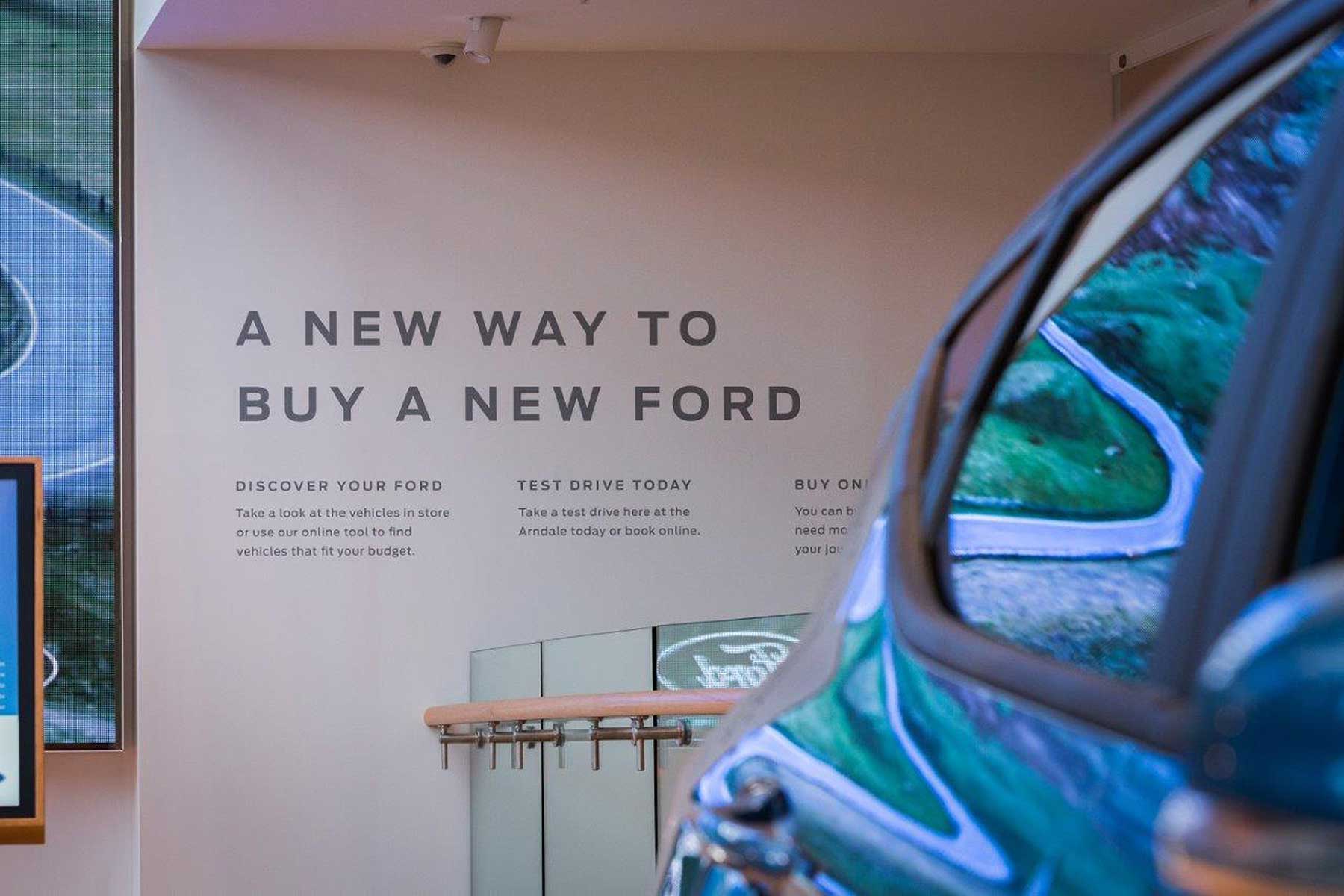
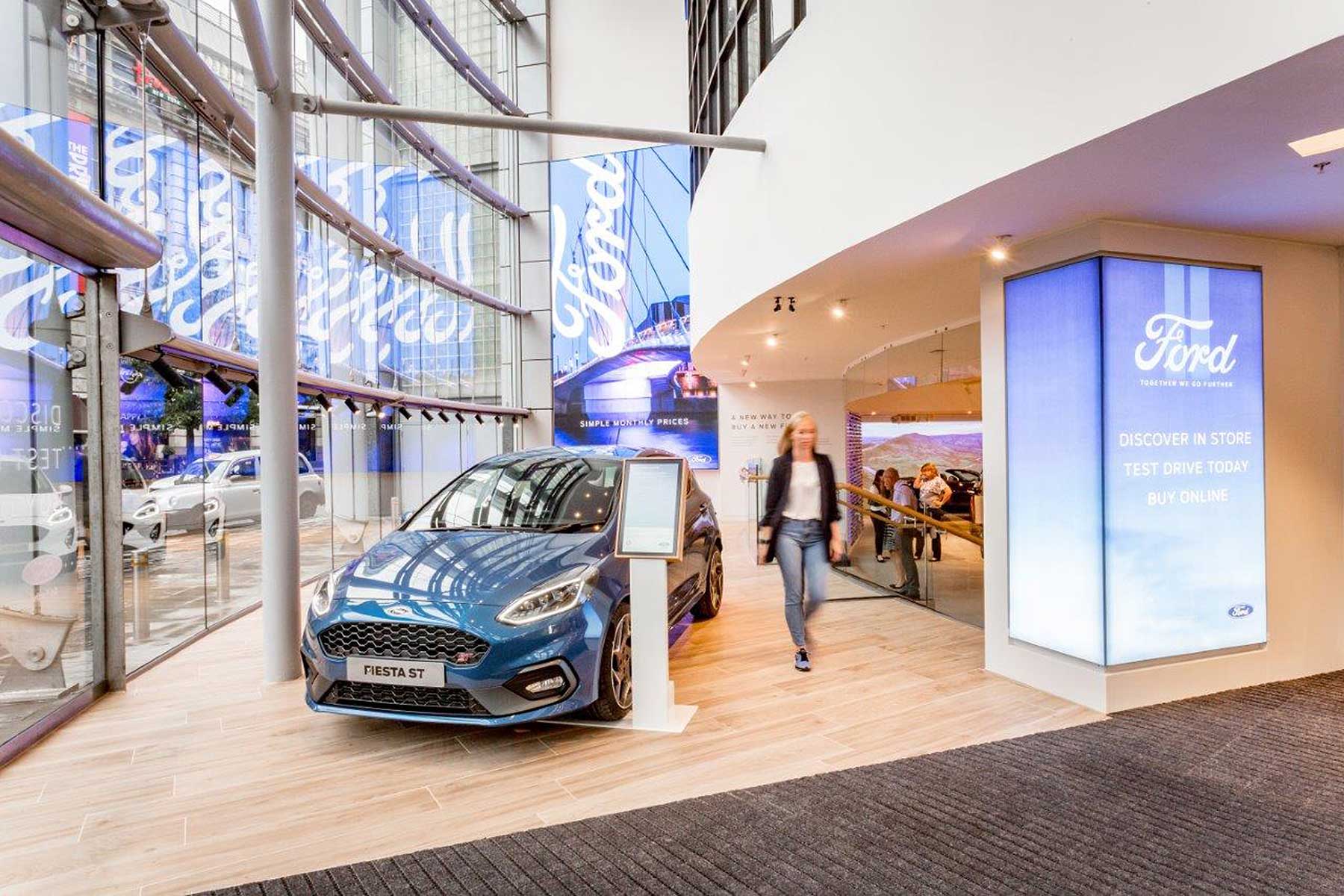
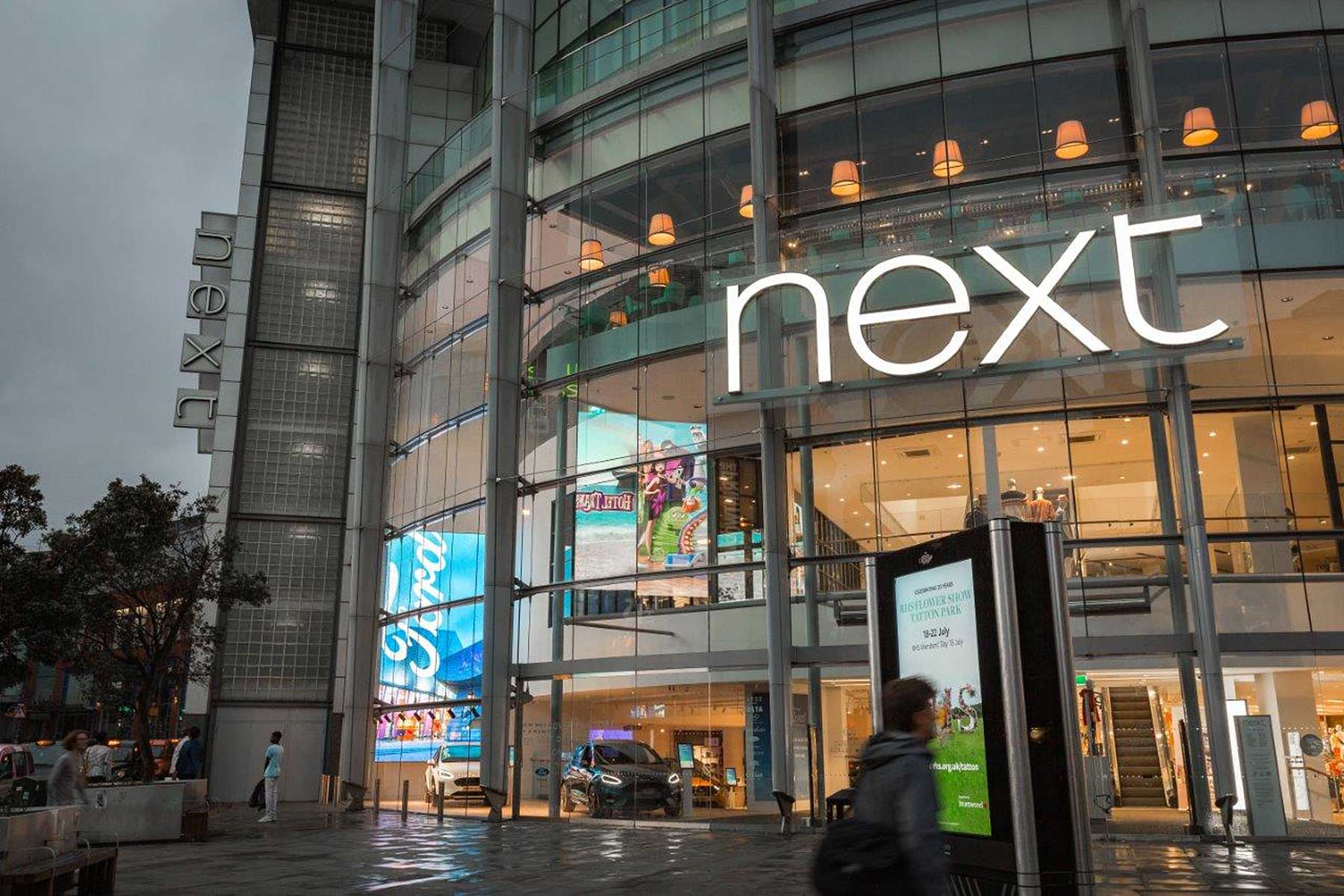
Ford has introduced the new Buy Online service to coincide with the opening of its first ‘retail experience’ FordStore. This is set within the new Next flagship store in Manchester’s Arndale shopping centre.
It’s Ford’s first ‘store’ experience, complementing the traditional dealer network. It allows customers to browse, finance and order cars direct from Ford Motor Company away from the regular dealer network.
Within the Ford Next store, there are plentiful interactive displays, a helpful 15-strong team of Ford hosts – and five cars including a Mustang and new Fiesta ST.
The new system offers much more flexibility. Customers can check out cars in the FordStore, then go away and complete the order later online. At no point do they need to speak with a traditional car salesperson: they can do everything themselves through the new platform.
“Ford recognises a growing appetite to browse for cars in other retail environment and online,” says Barratt. “We are excited to be able to respond, through the partnership with Next, to the changing way consumers want to shop and interact with our brand.”
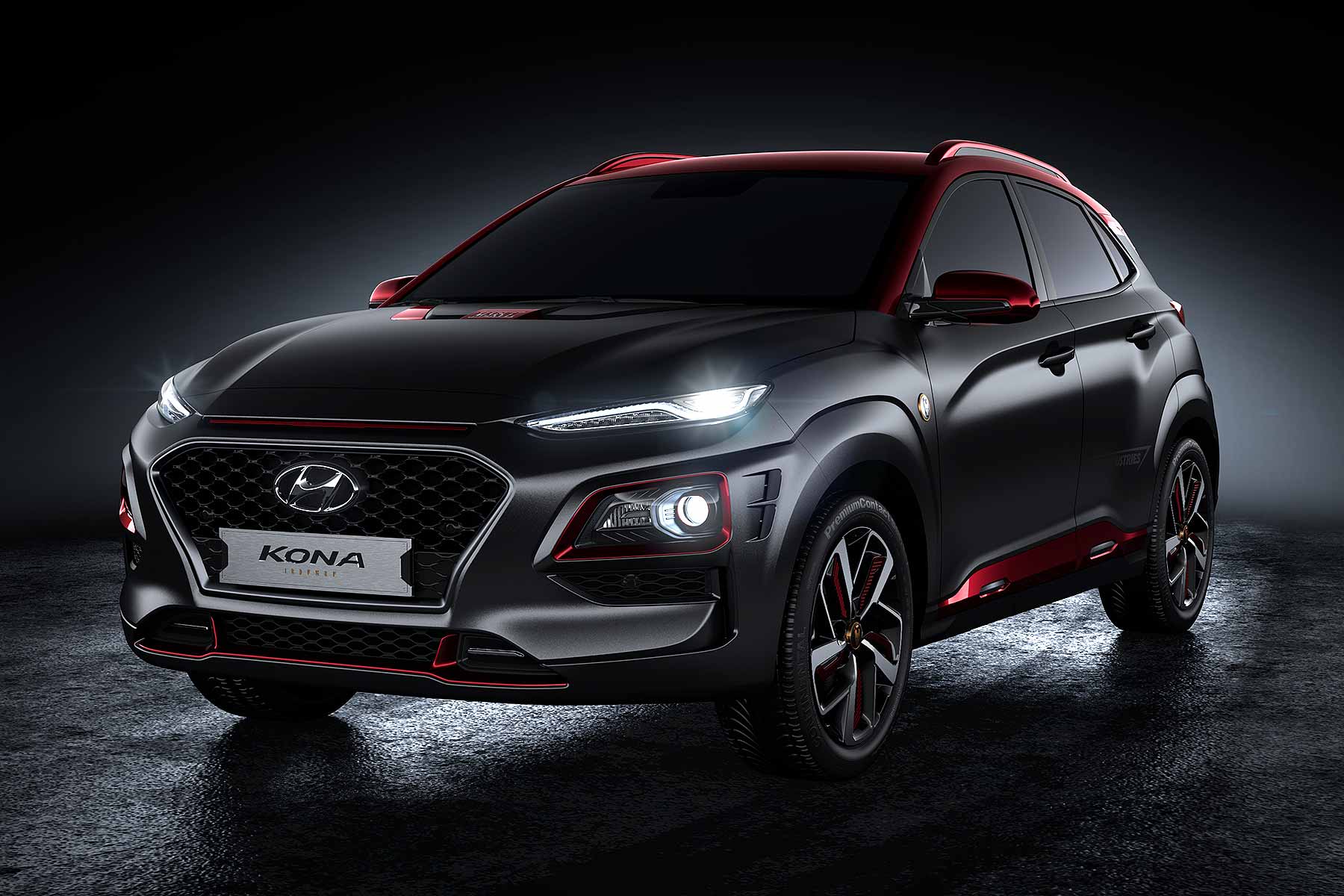
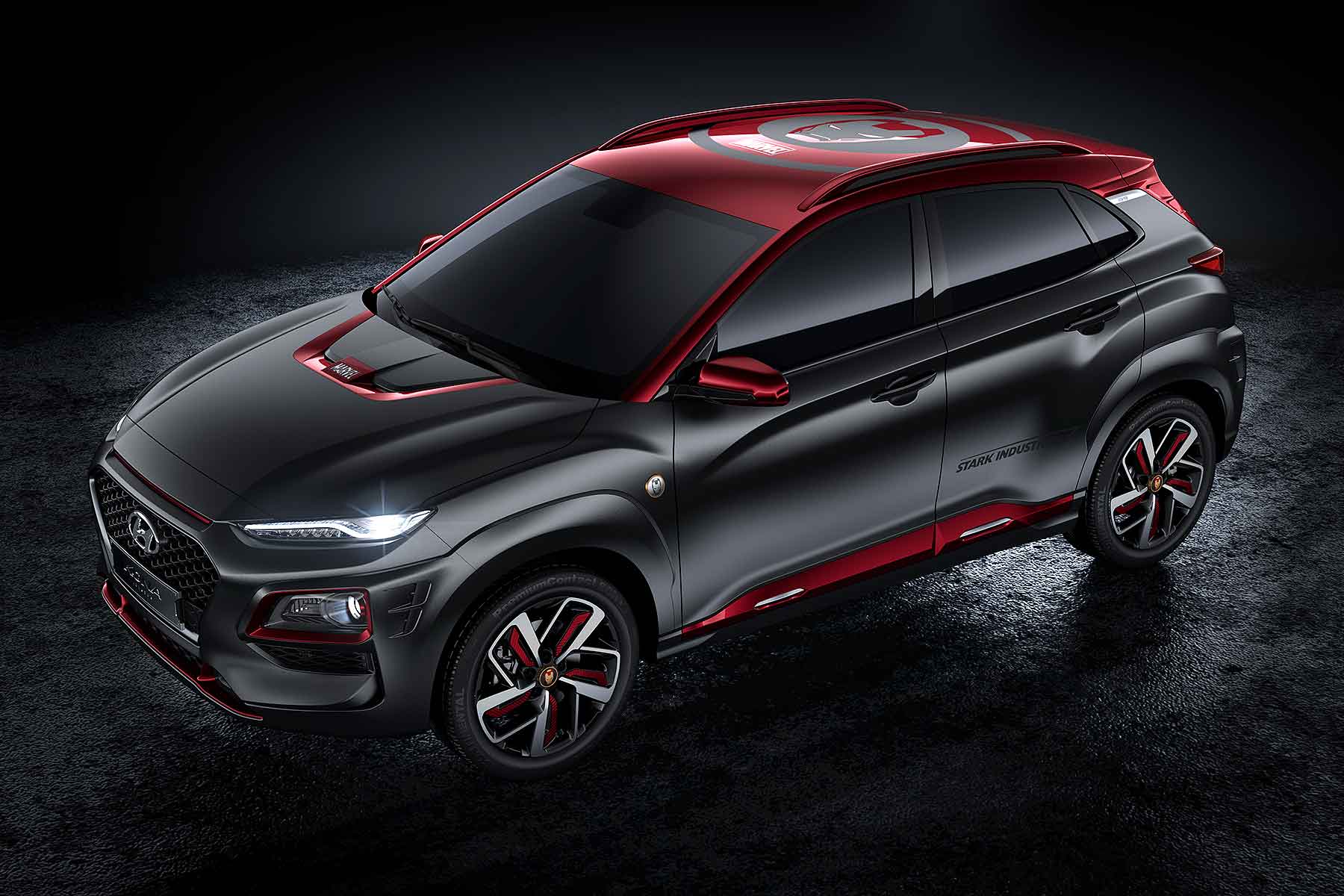
Hyundai has teamed up with Marvel to create a special Kona Iron Man Edition, which will be offered globally from December in very limited numbers.
Revealed at 2018 San Diego Comic-Con, the sure-fire collectable pays automotive homage to Iron Man and Tony Stark through, says Hyundai, body styling that ‘closely resembles and gives a nod to’ the iron man suit.
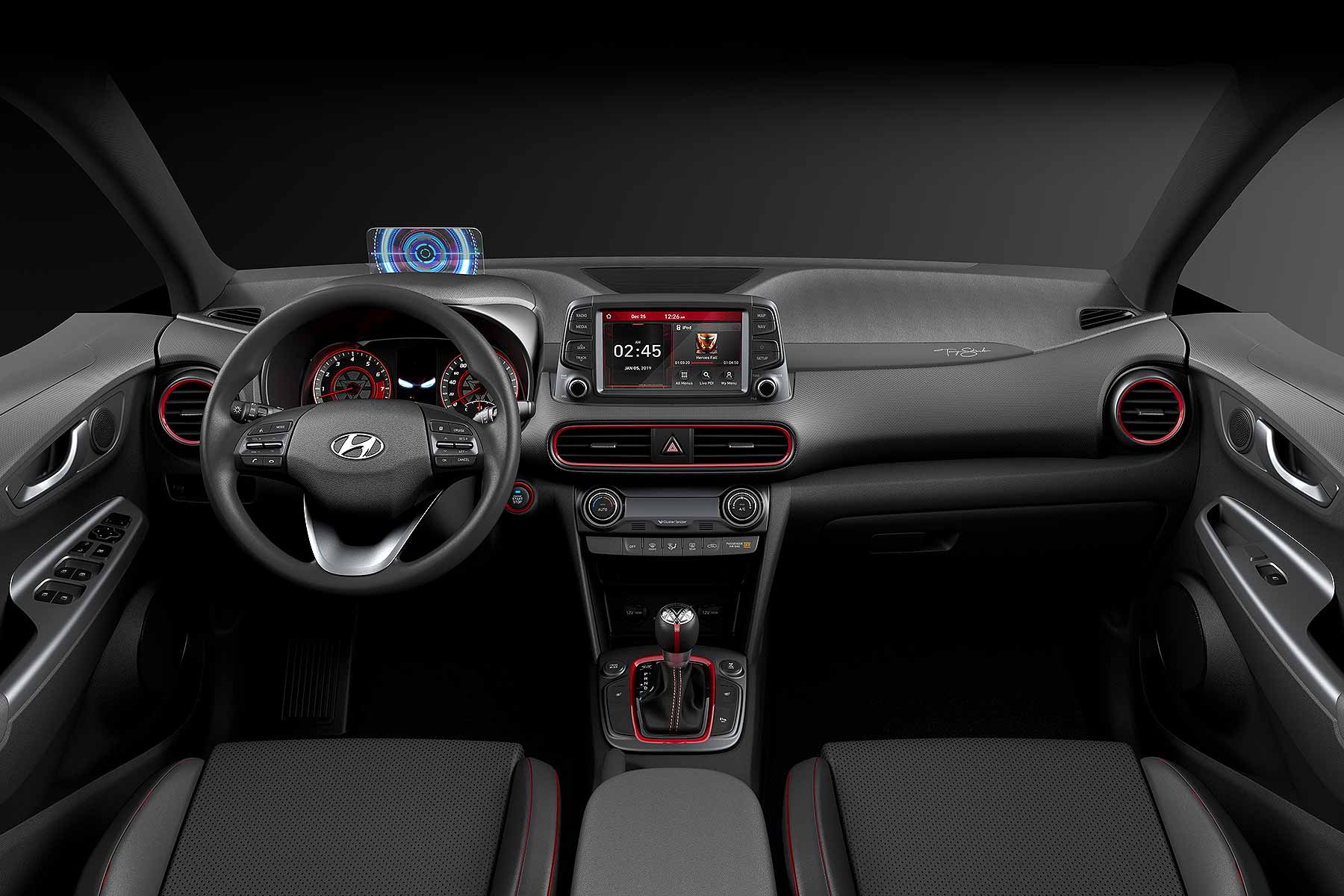
It also has an Iron Man-inspired interior makeover, which will be coming to showrooms from early 2019.
Rather unconvincingly, Hyundai Motor America chief marketing officer Dean Evans claimed: “The first time we saw the Kona, we knew its unique, rugged design drew a compelling resemblance to the strong and iconic Iron Man suit.”
Far more convincing is some of the detail development Hyundai’s put into the Iron Man Kona. Because this is a very desirable, very ‘special’ special edition. For example, it has a unique daytime running light that is modelled on the facemask and eye shape of the Iron Man Suit.
The roof has an Iron Man decal, a V-shaped bonnet garnish, Stark Industries body decals, Iron Man engraving for the rear pillars and new 18-inch alloys with Iron Man centre caps. Even the internals of the headlamps boast Iron Man engraving. Hard not to be impressed, isn’t it?
It has a unique, and seriously cool, body colour: Iron Man red over matt grey.
Hyundai’s fitted a new Iron Man gearknob, custom seats and an instrument panels with Tony Stark’s signature. There are Iron Man graphics on the centre console and, impressively, these stretch to an Iron Man graphical makeover for the head up display.
“Hyundai’s ongoing collaboration with Marvel is a great way for us to become a part of what people are interested in and engage with a highly passionate fan base,” said Hyundai marketing vice president Minsoo Kim.
What diesel witch-hunt? Hyundai prices clean-diesel Kona
“Our relationship is more than just product placement as we aim to create custom experiences that resonate with the Marvel audience. The Kona Iron Man Edition is a perfect example of blending our two worlds together into one special vehicle that we hope will excite fans of both brands all around the globe.”
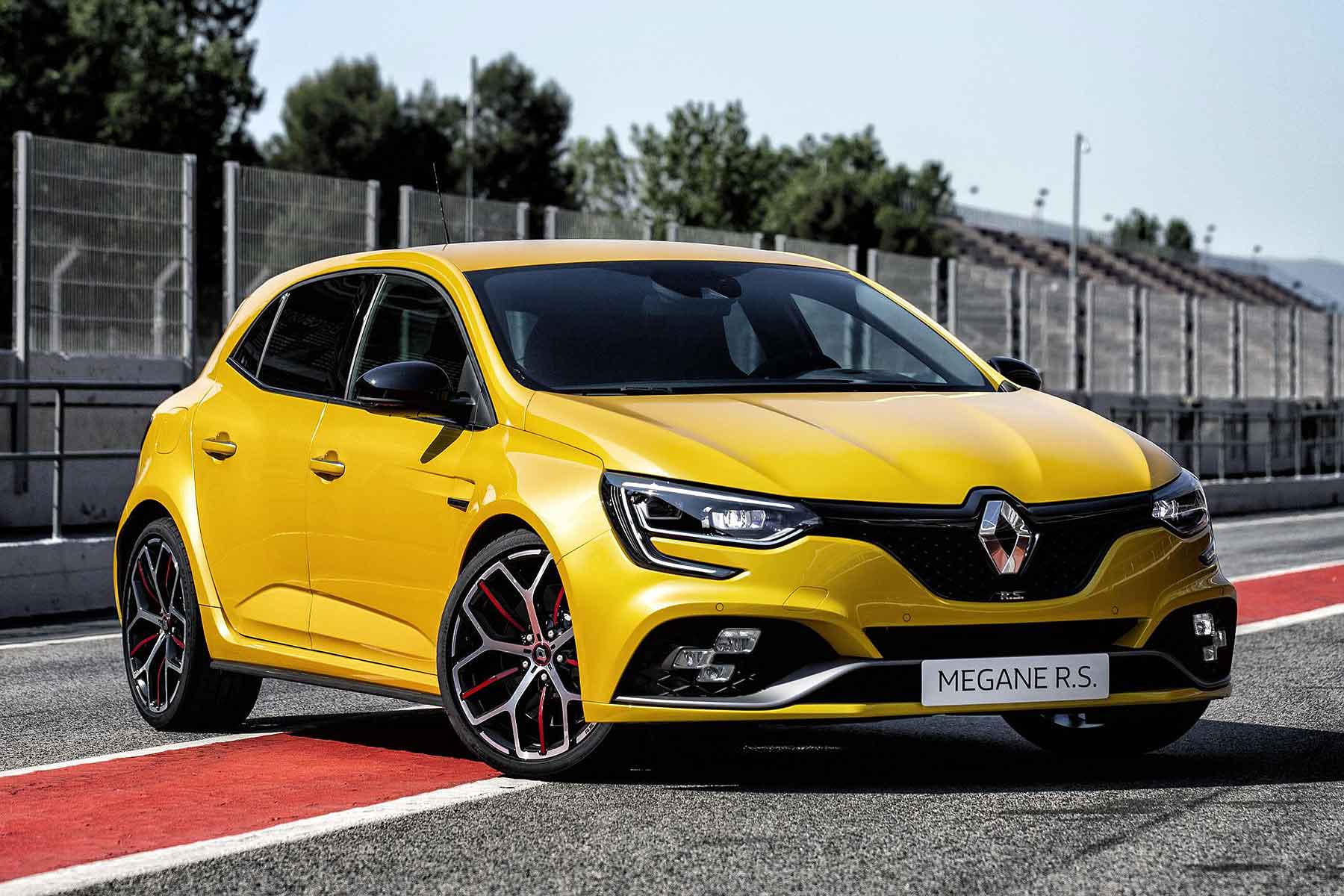
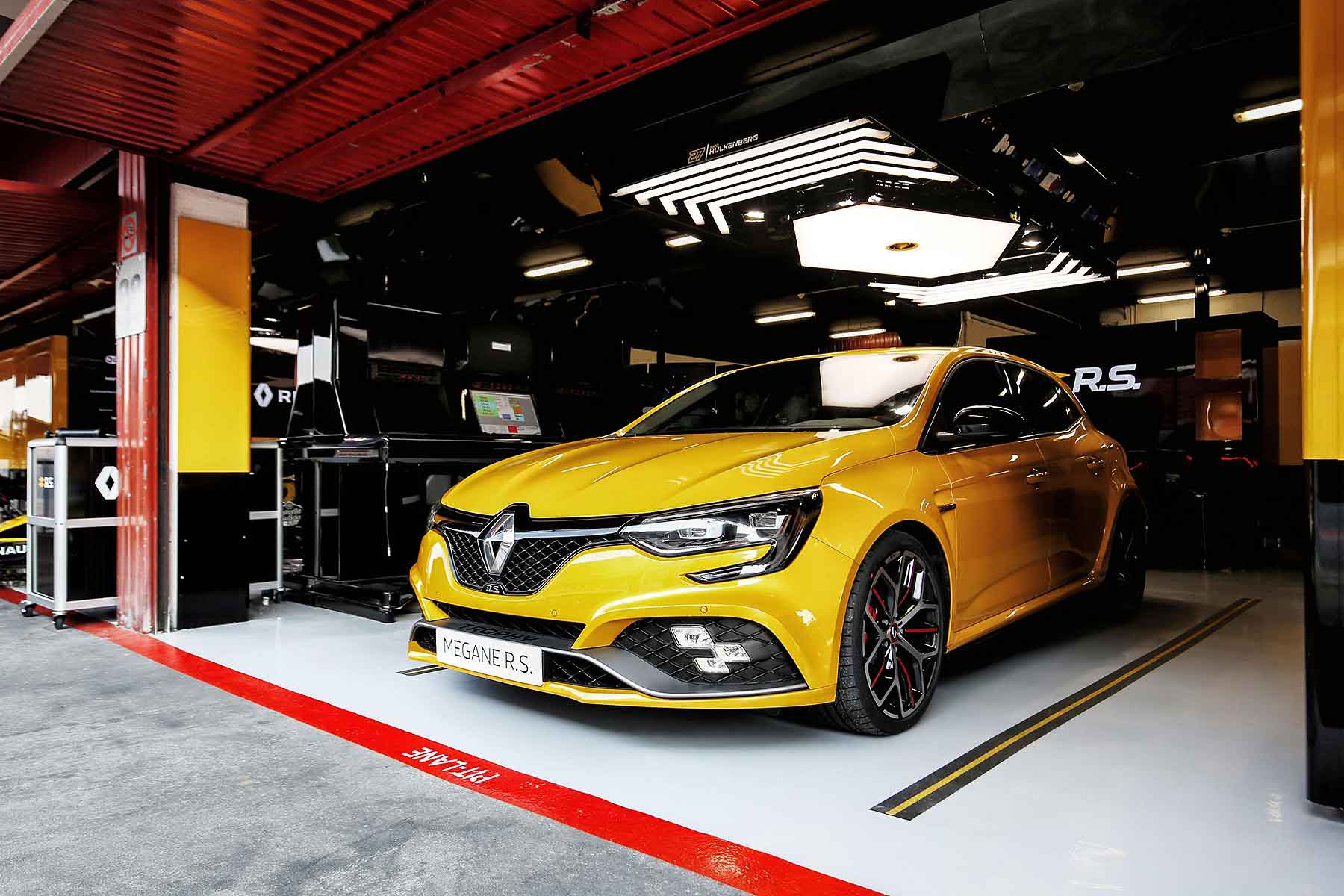
Renault has crowned its latest Megane hot hatch range with the new Megane R.S. Trophy – which, at 300hp, becomes the most powerful Renault Sport model ever launched by the firm’s crack performance division.
The car also has an upgraded chassis, that builds further upon the Cup option offered on the Renault Megane R.S. range. That car has stiffer suspension (25 percent firmer dampers, 30 percent stiffer springs, 10 percent stronger anti-roll bars) and a Torsen limited-slip differential: the Trophy adds lightweight bi-material front brake discs, new 19-inch alloys and performance Bridgestone Potenza S001 tyres.
Ultra-lightweight alloys can be optioned, reducing the car’s unsprung weight by a significant 8kg. Available from next year, these wheels will come with Bridgestone Potenza S007 tyres, developed specifically for Renault Sport and giving the Megane R.S. Trophy more direct steering, more grip and “greater durability” in performance driving.
The Trophy also has the 4CONTROL rear-wheel steering system and hydraulic bump-stops of regular Megane R.S. models.
Renault says the engine power has been boosted not through a simple ECU tune-up, but by fitting a bespoke turbo that uses tricks it’s learnt from its F1 programme. The turbine rests on a ceramic ball bearing, which reduces friction and makes the car more responsive: 0-62mph in 5.7 seconds proves its potency.
There’s also a new exhaust system with a mechanical valve in the rear silencer to alter the engine note – the first time a hot Megane has had such a system.
Both manual and EDC dual-clutch gearboxes are offered (the EDC has a little more torque than the manual, although both have improved pulling power over the regular car).
Renault Megane R.S. Trophy: yellow peril
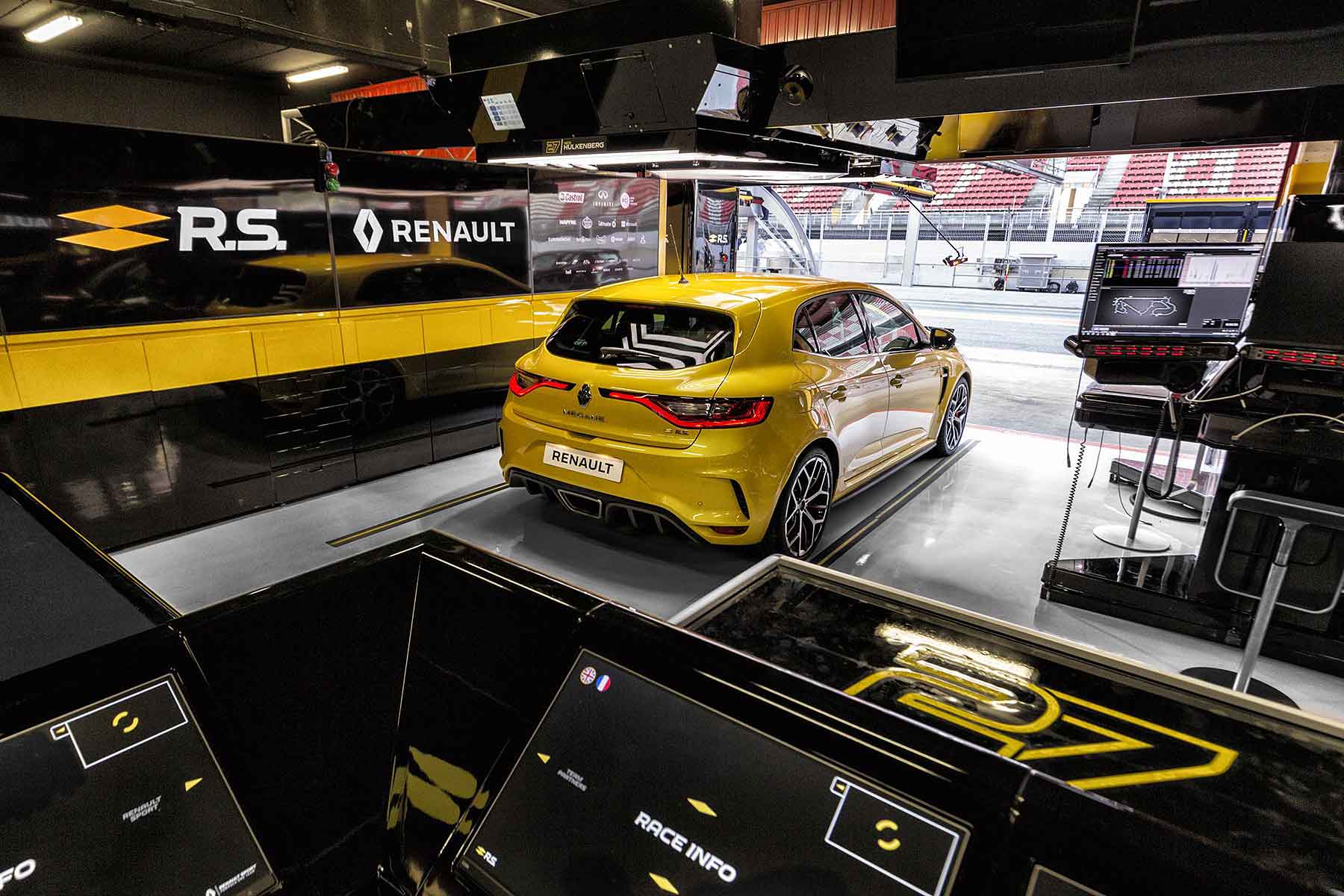
The Megane R.S. Trophy is offered in a vibrant Liquid Yellow paint, along with the other colours regular R.S. come in. It also stands out through its 19-inch Jerez alloys, and ‘Trophy’ branding added to the F1-alike blade in the front bumper.
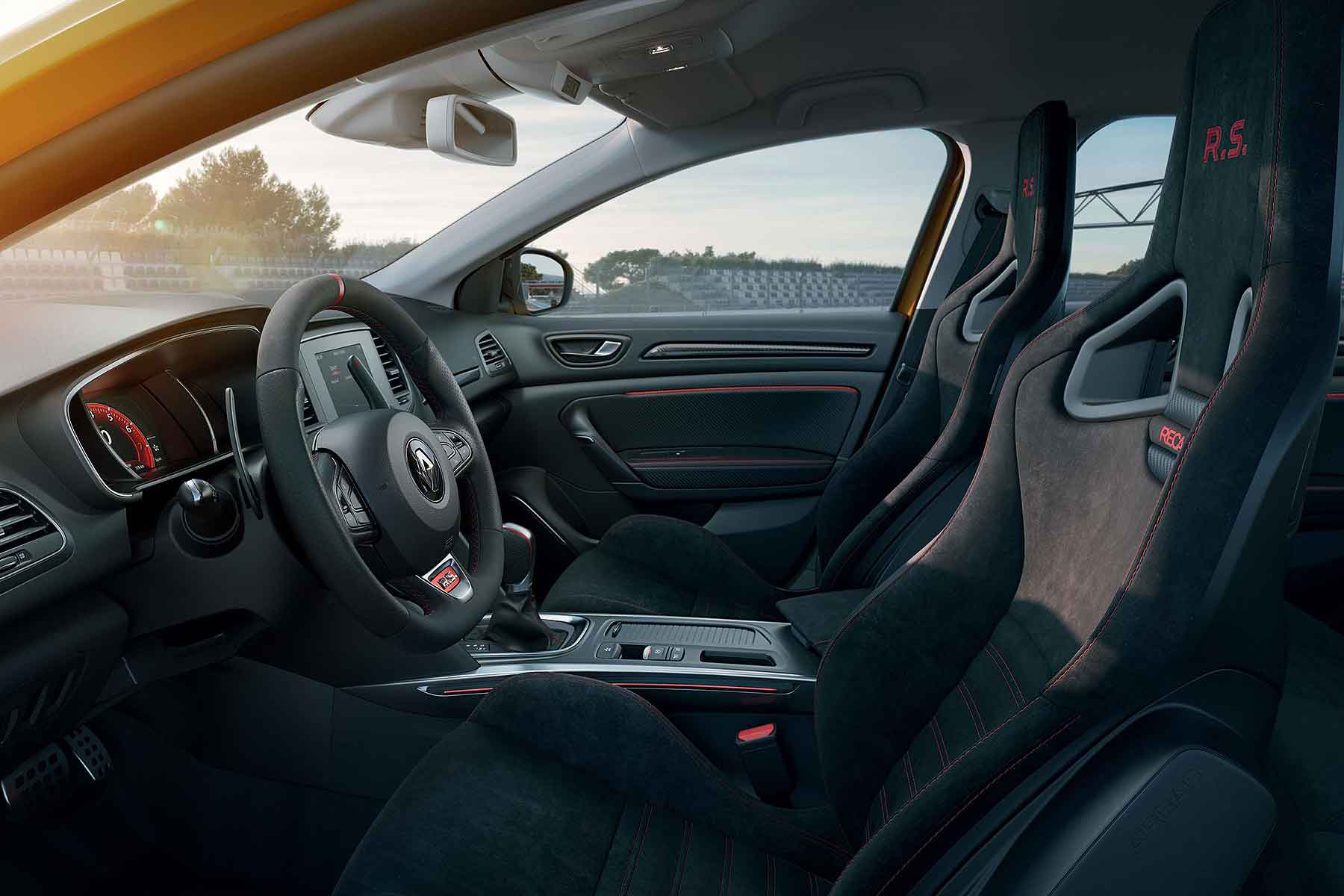
Inside, Renault offers optional Recaro seats, which can be positioned 20mm lower than the regular car. They’re clad in Alcantara for a racy feel and have a hard-shell design that mimics a racing car bucket seat.
Renault Sport F1 driver Nico Hulkenberg has been involved in the development of the Megane R.S. range since last year.
“Each of the new features on New Renault Megane R.S. Trophy offers greater sports performance and feel,” he said. “It’s obviously positive to have more power and better grip through the tyres and to benefit from improved braking endurance.”
Oh, and he’s certainly impressed by those Recaros. “I enjoyed the feeling offered by the new seats: the support they provide for sports driving is excellent.”
Pricing for the new Renault Megane R.S. Trophy will be confirmed nearer to ordering opening in the autumn; first deliveries are expected from the winter.
What is the most iconic car ever made? A car that means something to almost everyone – a pop culture hero, a timeless automotive star, almost of its own franchise? This is the question the boffins at Lego asked when tasked with picking something new for their Lego Creator Expert line.
Their conclusion is, we think, a just one – James Bond’s Aston Martin DB5 And the version immortalised in Lego has just been revealed.
For nearly 60 years this car, and subsequent Astons, have been the best-known automotive companions to the world’s most famous spy. The DB5 has served in no less than three outings of the world-famous Ian Fleming character – first in the immortal Goldfinger (1964), then in GoldenEye (1995) and once more in Skyfall (2012).
The DB5 is, and always will be, Bond’s most famous car. That makes it the world’s most famous car and as such, was the perfect next project for the guys at Lego to reimagine in brick form.
Now, the finished product is hitting shelves. We went to the global launch at the UK’s flagship Lego Store in Leicester Square, London.
Video: Lego releases James Bond Aston Martin DB5
Double-0 heaven/Lego paradise
A ride into the city in the back of a sumptuous Aston Martin Rapide S got us in the double-0 mood, as did the stunning full-size DB5 on display outside the shop itself. Walk in, and it’s as you’d expect: a Lego paradise, with an enormous and detailed Lego reproduction of Big Ben looming over the impressive historical Bond installations.
Speak of the devil, that’s the next thing that caught our eye. One-third scale replicas of Daniel Craig’s 007 DB5 – including the actual model used for the explosion scene in Skyfall – are proudly displayed. Even though it’s a scale model, the charred carcass of the DB5 reproduction was enough to muster a wince from us.
Other tidbits included the genuine ejector-seat gear-shifter used in the Goldfinger DB5, a few of modern Q’s bits and bobs (glasses, tea mug), M’s British bulldog and some 60s 007 figurine packaging, complete with a rather over-flattering drawn representation of Sean Connery in character.
“Now to your car, 007.”
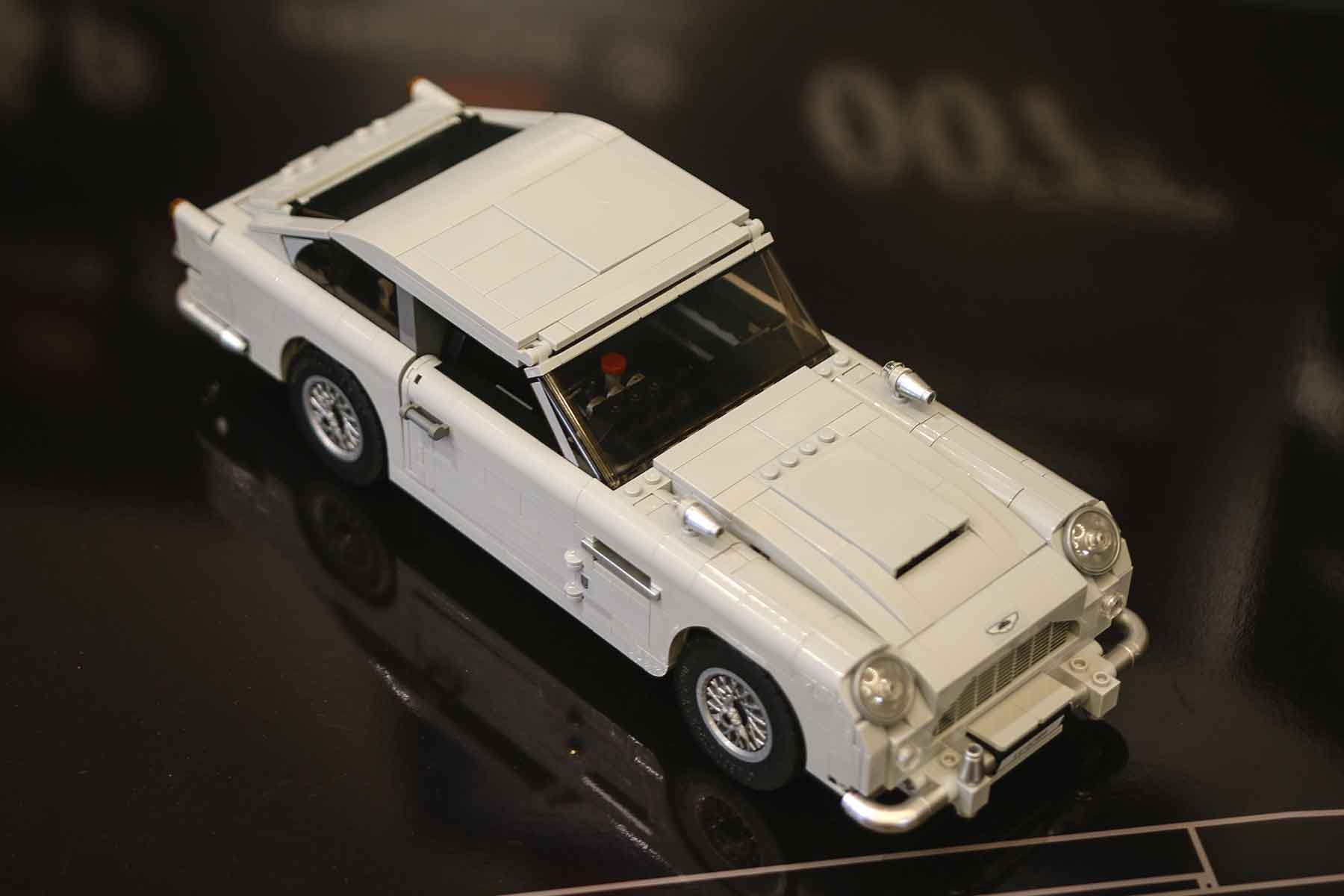
It’s something of a masterpiece. Bugatti Chirons and Porsche GT3 RSs are all well and good, but a Bond car is invariably possessed of trinketry not often found on the average car’s options list. Part of what makes the original ‘Goldfinger’ DB5 the ultimate Bond car is the arsenal of gadgets and weapons it featured. Remember them fondly, and find them all faithfully recreated on this new Lego version. Everything from the bullet-proof shield popping out behind the rear window, to fog light machine guns. The swivelling number plate, interior radar trackers and tyre-destroying wheel blades make useful features on Bond’s company hack. All of which is great, but what makes the Lego DB5 is the inclusion of the ultimate Bond car gadget. A twist of the central piece of the rear bumper retracts the roof, revealing a seat ready to burst out at your whim. “That was the hardest and most important part to get right in the DB5,” said Lego designer Michael Psiaki.
“We’re really proud of how we worked it all in intricately, without altering the look of the car. We’re also very pleased with how the front end turned out, given the range of functions implemented – from the swivelling number plate to the hidden machine guns.”
One of our favourite features on the Lego DB5 isn’t actually a moving part. Pop the bonnet, and you’ll find a lovely accurate representation of the inline-six that powers the DB5, complete with inlet hose and chunky cam covers. “When I looked under the hood of a DB5 I originally thought it was a ‘V’ engine, due to the two side-by-side cam covers you see in there. I later found out it was a straight-six – it’s one of the things we’re most proud of in our recreation of this car.” We collared a representative from Aston Martin and asked if Lego versions of Timothy Dalton’s DBS, Pierce Brosnan’s Vanquish, Daniel Craig’s DBS, DB10 or even his new car due in Danny Boyle’s to-be-titled Bond 25 were in the pipeline. He smiled vividly but declined to comment. Watch this space… The ultimate Dad-and-lad Lego build project that is the Lego Creator Expert James Bond Aston Martin DB5 is on sale now in store and online for £129.99. It’s a 1,290-piece build, but we’re sure Dads the world over will persevere long after the kids’ patience has dried up. Just as well that it’s a 16+, too. Four months of solid design work from Psiaki might have yielded the coolest Bond toy yet.
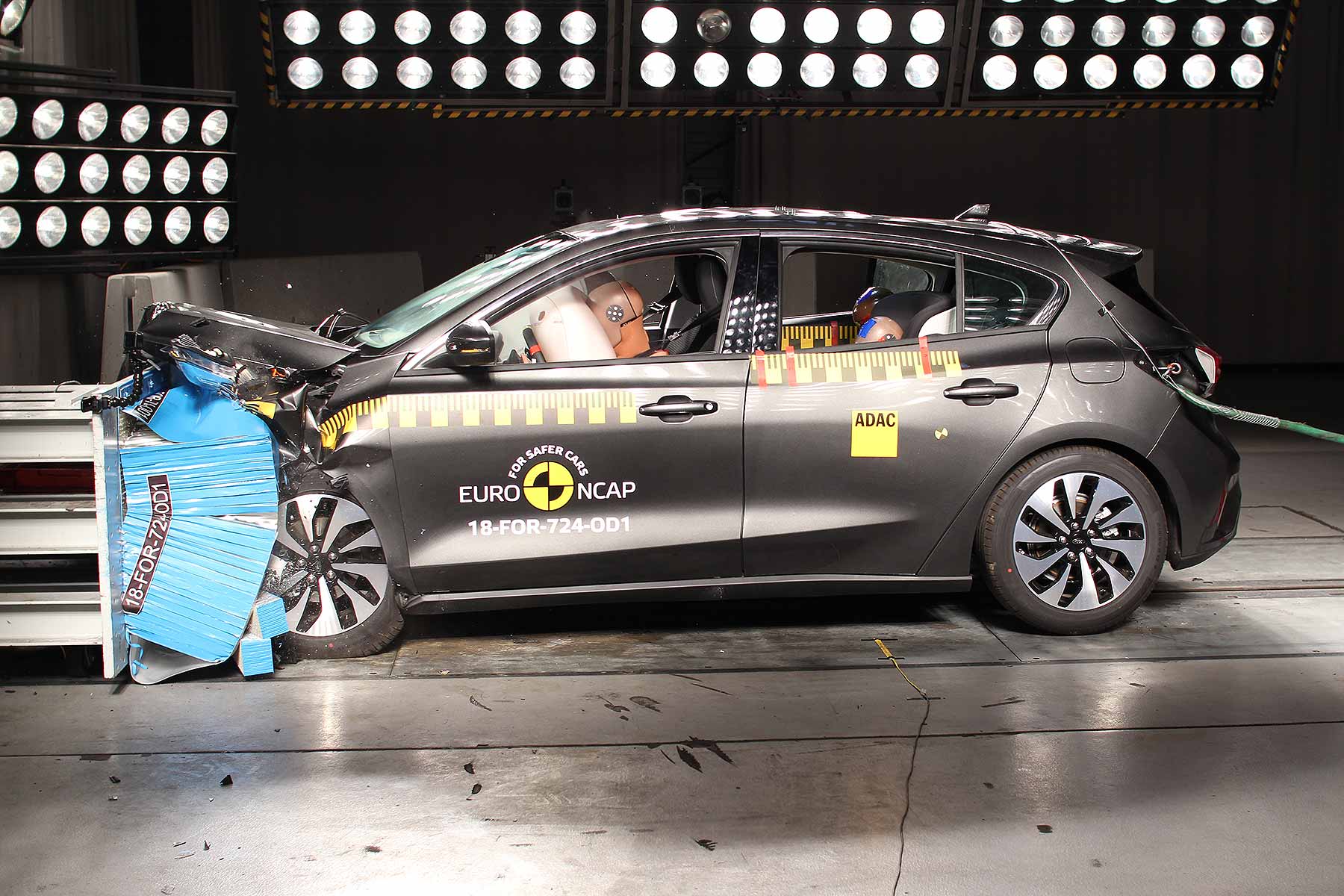
The new 2018 Volvo XC40 SUV and Ford Focus hatchback have both scored a maximum five-star rating in the latest round of Euro NCAP safety crash tests.
The XC40 performed particularly well, with a 97 percent score for adult occupant protection. Euro NCAP says this puts it in the top five cars tested in the past three years.
Both cars were praised by Euro NCAP for a high level of active safety kit. Autonomous emergency braking (AEB) is fitted as standard to both of them – which can detect cyclists as well as pedestrians.
The Volvo XC40 also has emergency lane-keeping technology (dubbed ELK), which the safety organisation says will stop the car leaving the road or being steered into the path of oncoming traffic.
“Technologies like AEB and ELK deliver immediate safety benefits but they are also enabling technologies for the autonomous vehicles of the future,” said Euro NCAP secretary general, Michiel van Ratingen.
“Euro NCAP’s roadmap sets a series of demanding tests for each of these ‘milestone’ technologies seeking to ensure that their performance saves lives today as well as tomorrow.”
He was also full of praise for the two models overall. “It’s good to see that manufacturers, both in the premium sector and the volume market, are responding to our tough new requirements introduced in 2018 by fitting technologies that will save lives.”
 100,000 people are going to visit Silverstone Classic 2018 – and how do they get there? Why, they drive, of course. And if you’re going to such a mecca for car enthusiasts as Silverstone Classic, you want to get there in style, no?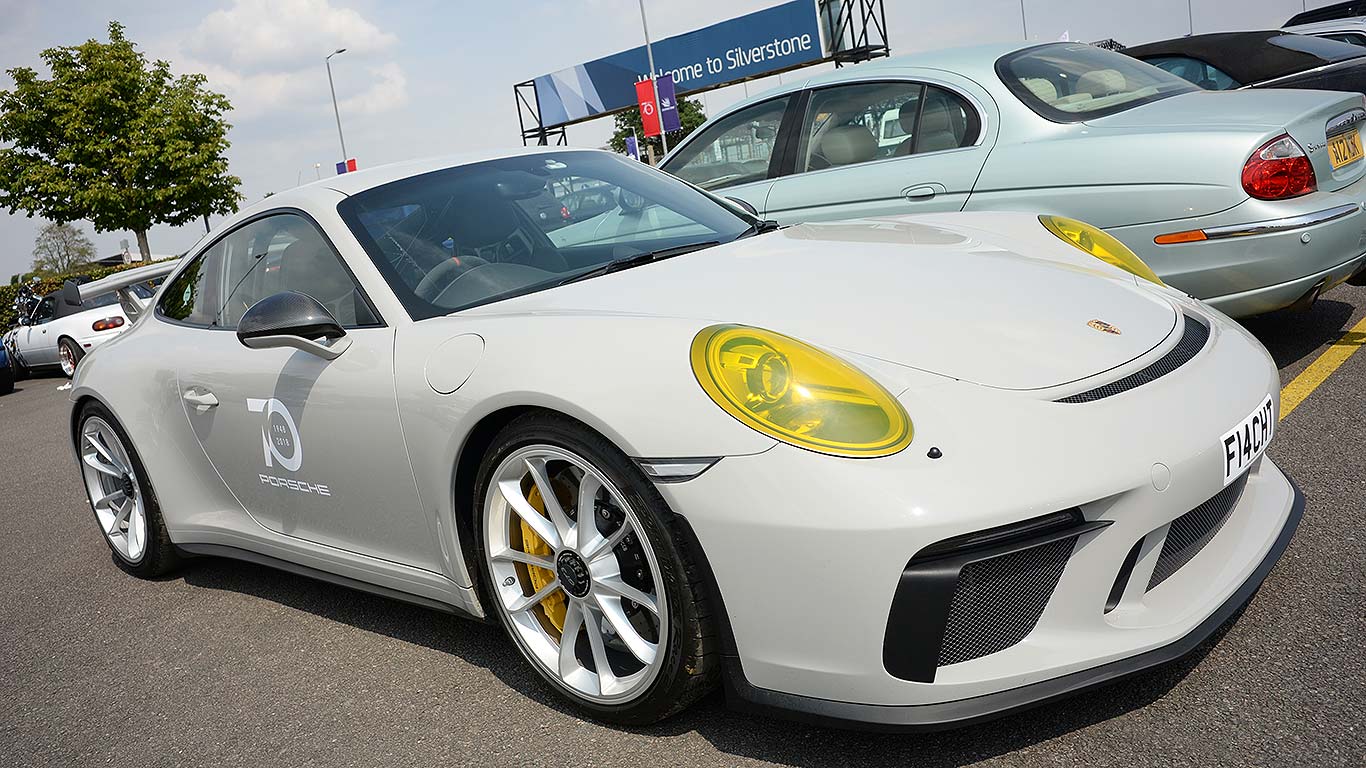



 Silverstone Classic 2018 will attract 10,000 cars and 100,000 visitors. There are amazing classic machines wherever you look. However, because it wouldn’t be a contemporary car show without its fair share of supercars, the organisers have arranged for some exotica for display, too.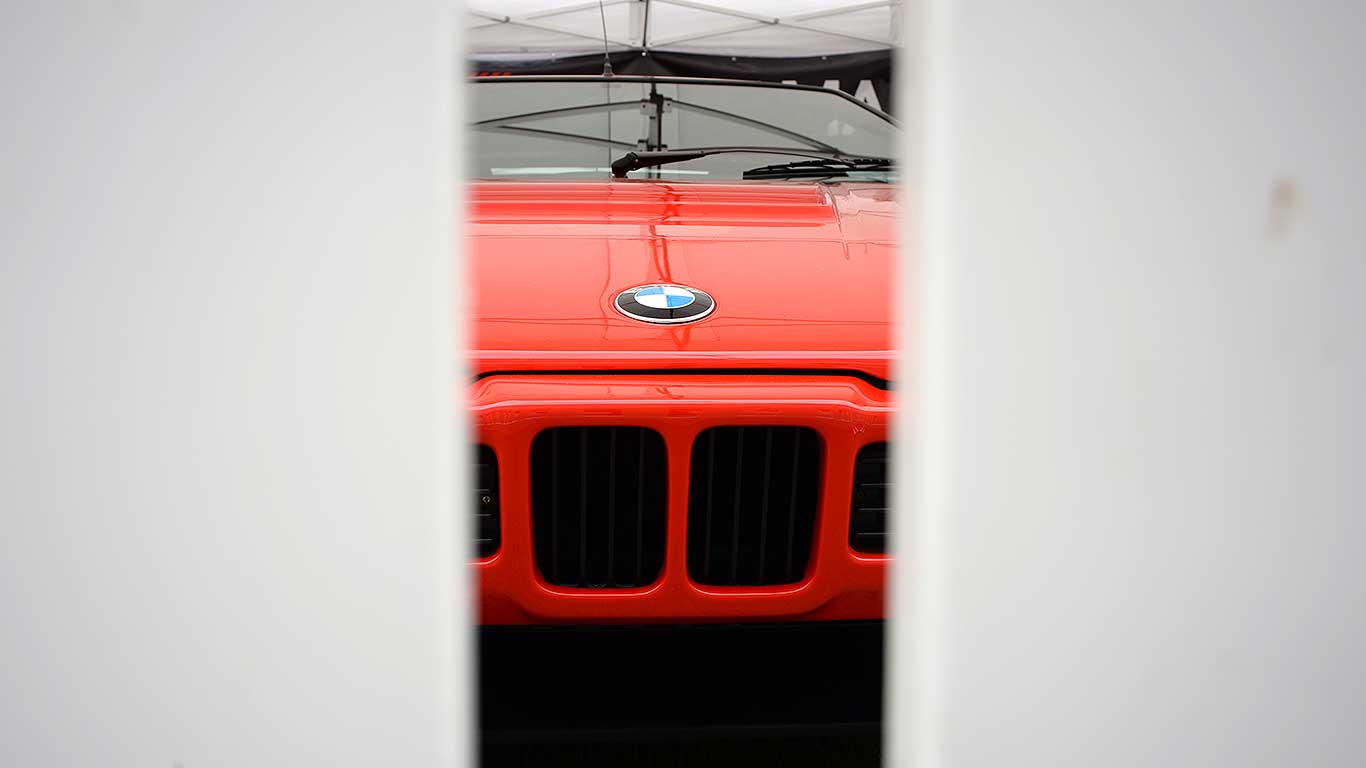
 BMW has completed the switch-over of its UK car range from the outdated NEDC fuel economy figures to the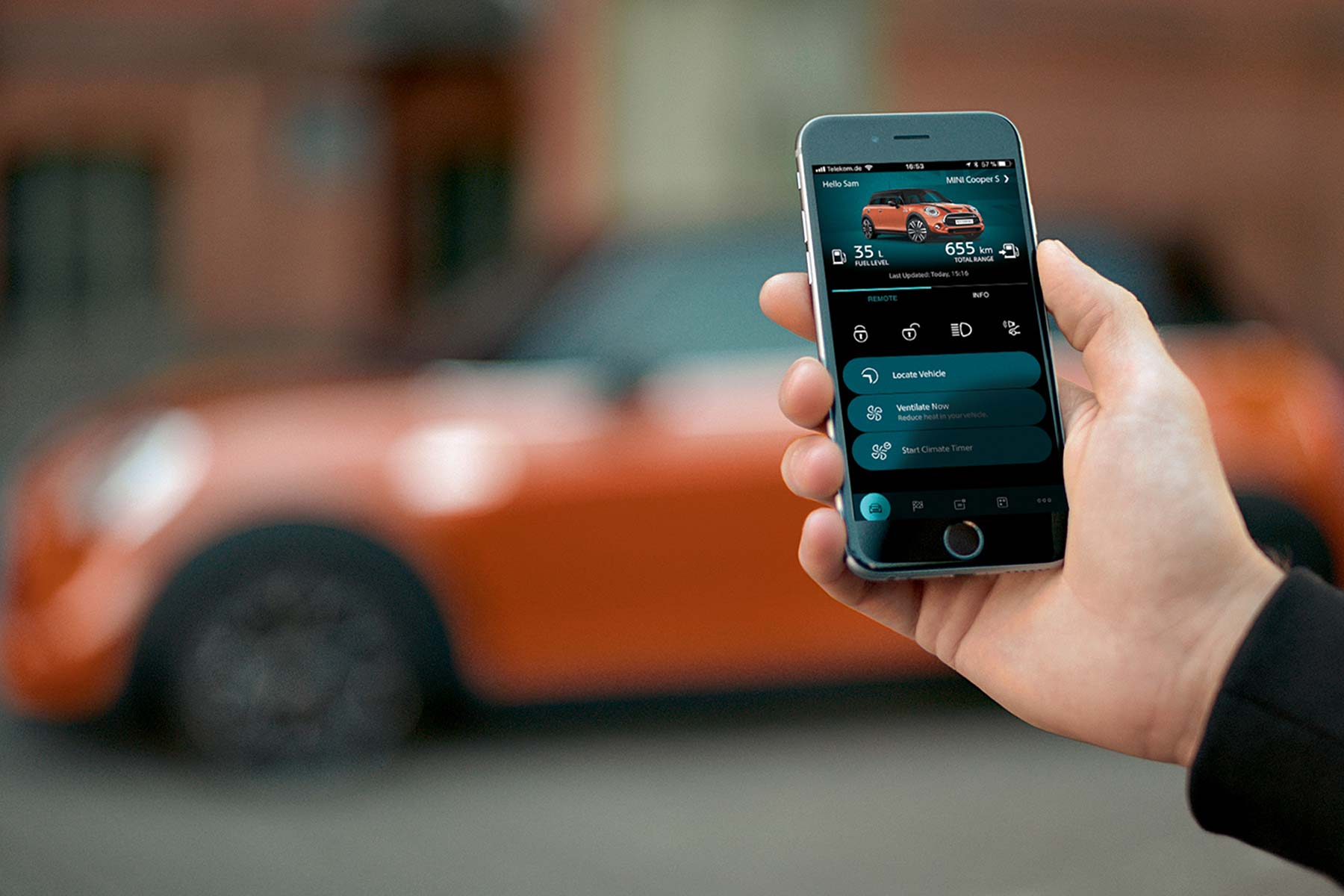
 Ford has launched a new online sale service called Ford Buy Online. It says the new internet purchase tool is in response to growing customer demand to buy cars online.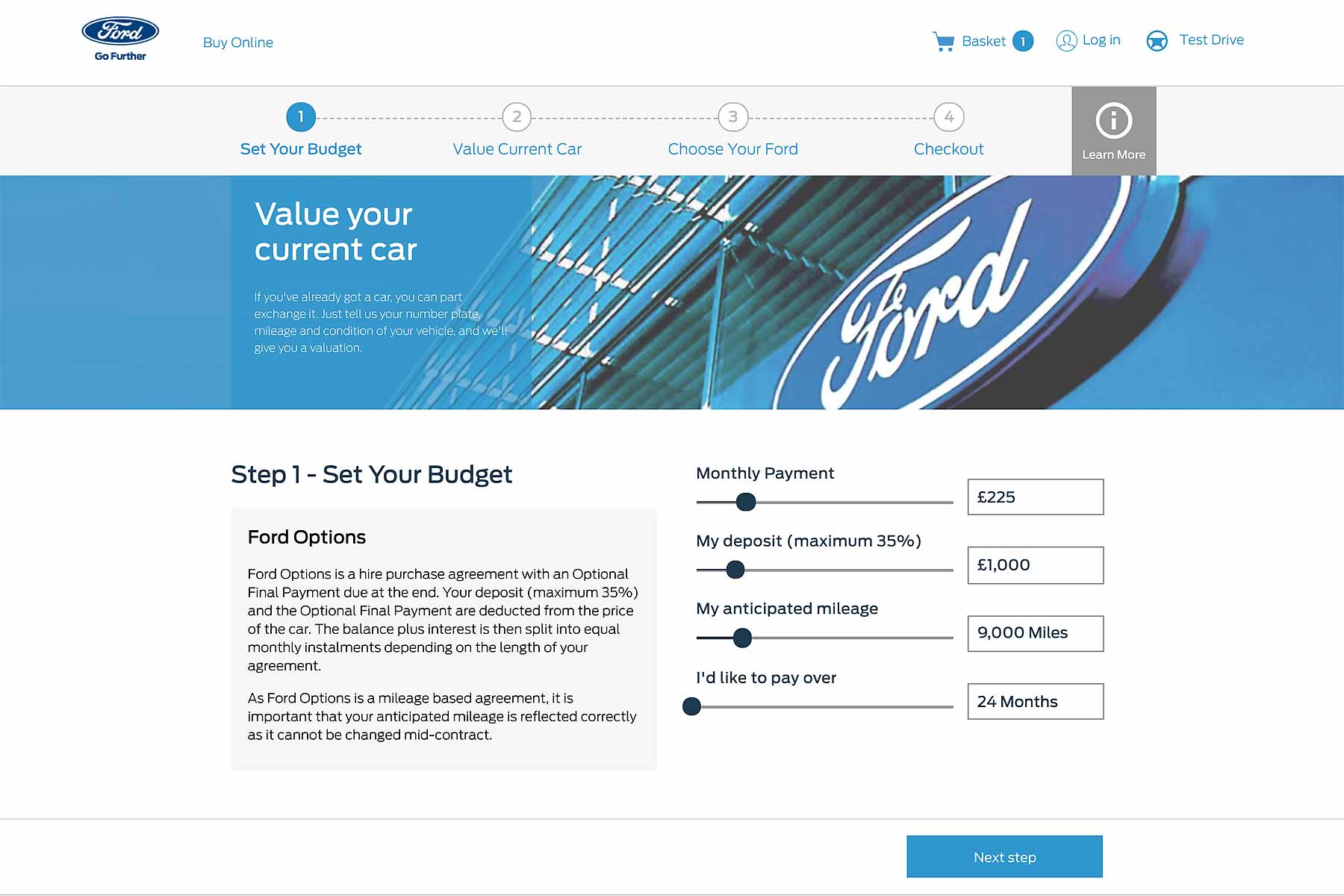
 Hyundai has teamed up with Marvel to create a special Kona Iron Man Edition, which will be offered globally from December in very limited numbers.
 Renault has crowned its latest Megane hot hatch range with the new Megane R.S. Trophy – which, at 300hp, becomes the most powerful Renault Sport model ever launched by the firm’s crack performance division.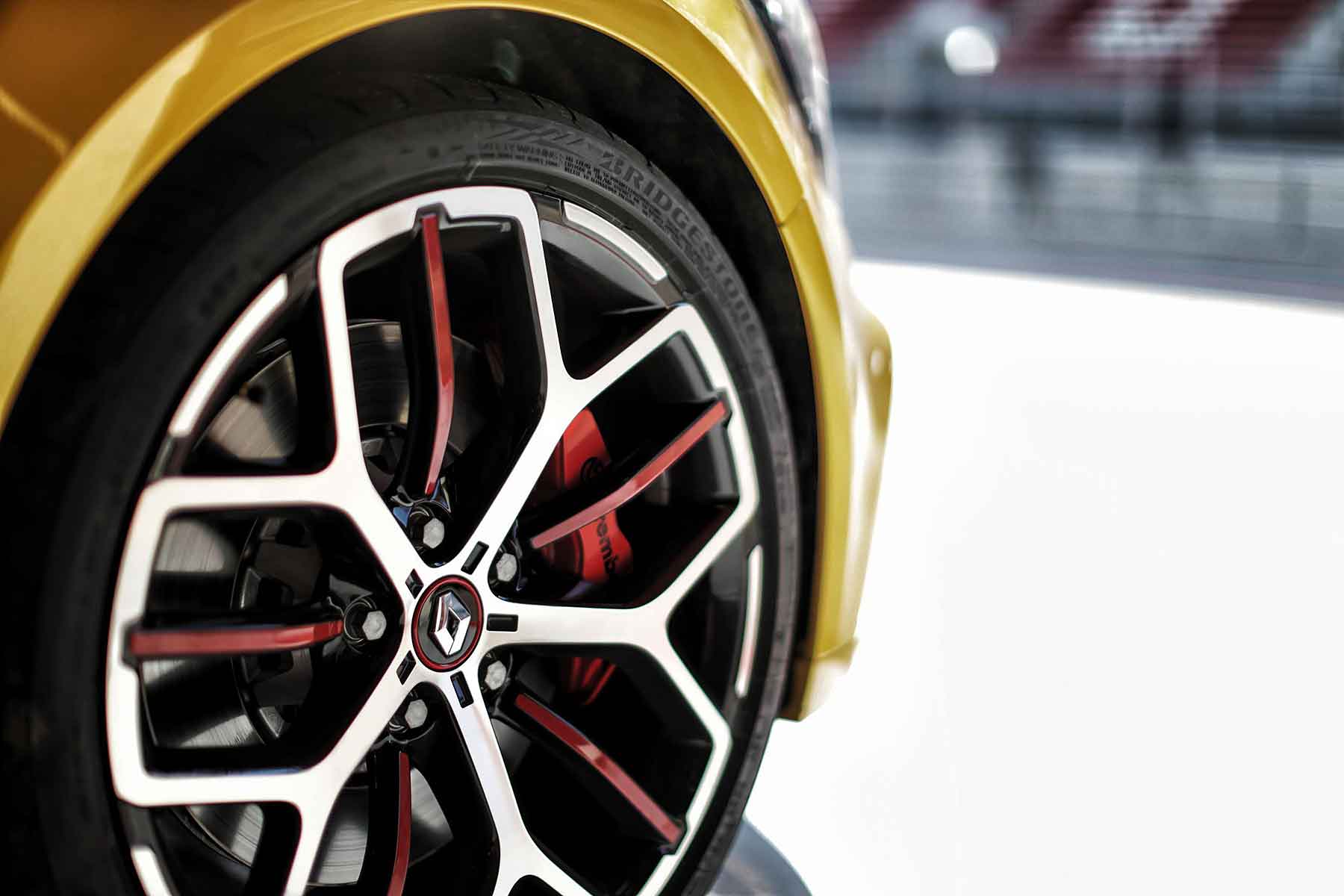


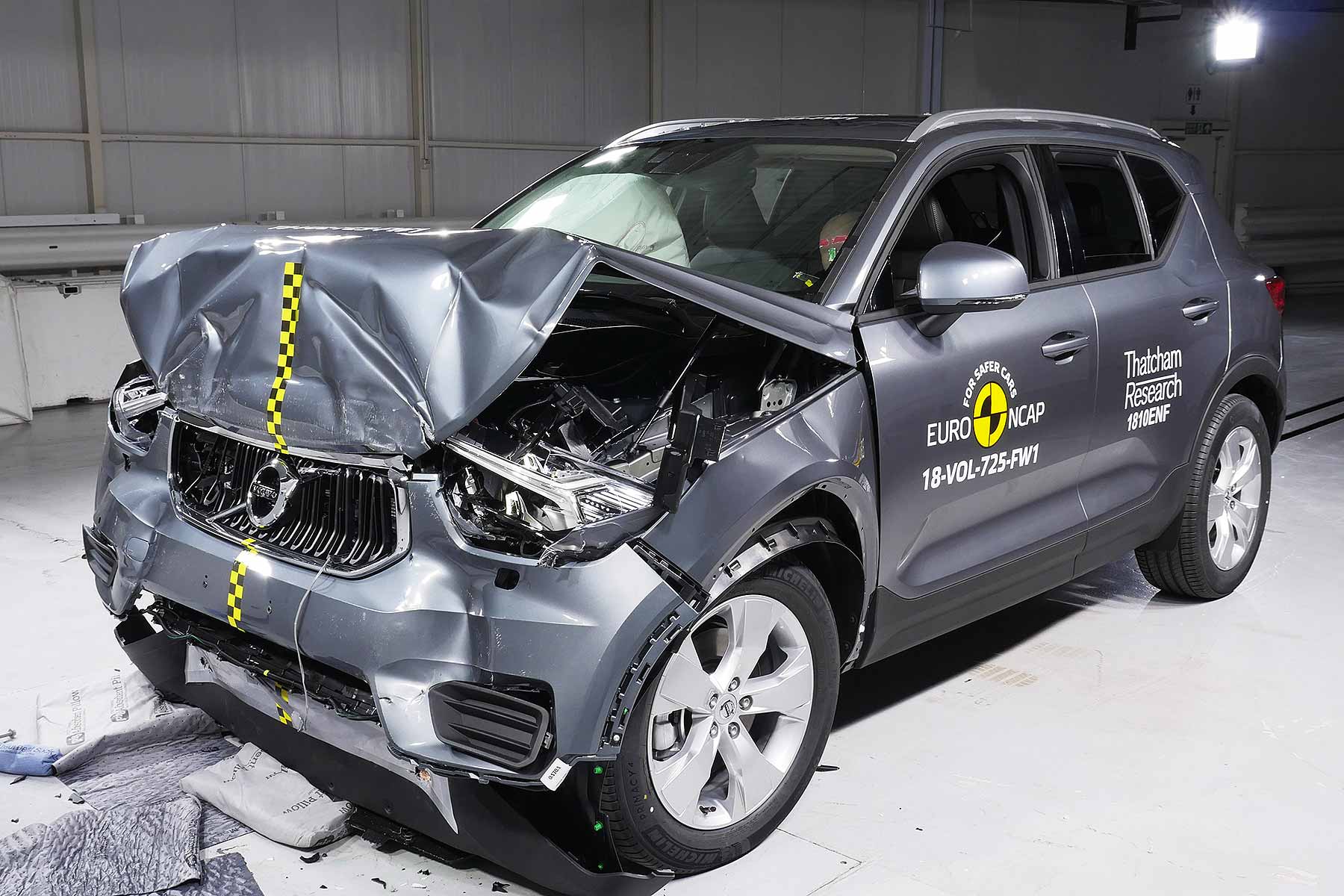 The new 2018 Volvo XC40 SUV and Ford Focus hatchback have both scored a maximum five-star rating in the latest round of Euro NCAP safety crash tests.