Home Blog Page 458

Brits bought 35% fewer British-built cars in July

0

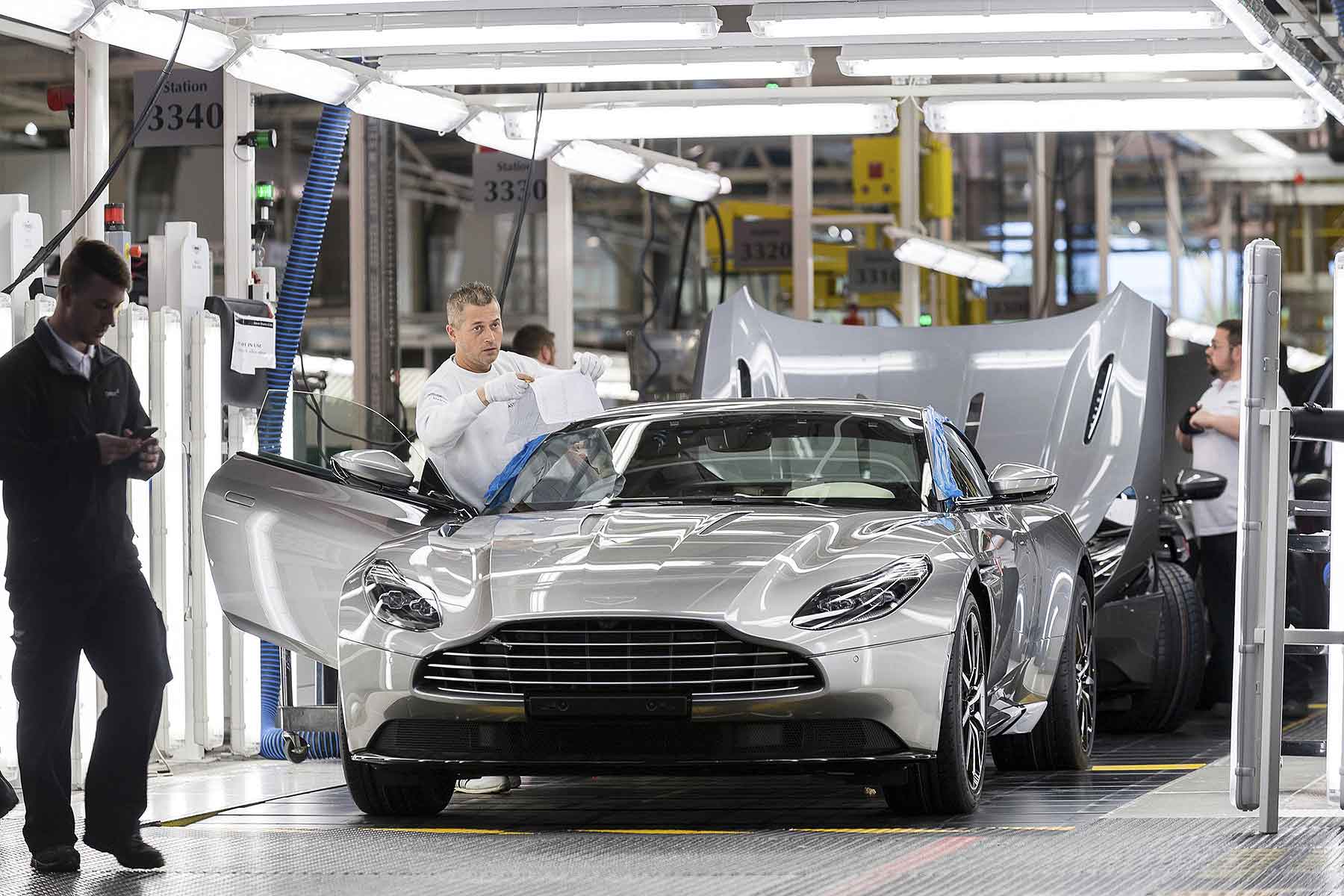
Aston Martin Gaydon manufacturingLatest UK car manufacturing data from the Society of Motor Manufacturers and Traders (SMMT) shows a dramatic 35 percent decline in the amount of British-built cars purchased by Brits in July 2018.

Export figures slipped slightly too, by 4.2 percent, resulting in an 11 percent drop in British-built cars in July.

The SMMT blames model changes and preparation for the upcoming new WLTP fuel economy regulations.

As for the UK decline, the SMMT points to “a particularly strong July in 2017”. This time last year, several new model introductions saw monthly figures grow by 17.7 percent. 

SMMT chief executive Mike Hawes also warned people not to be too alarmed by the July figures. “While the industry is undoubtedly feeling the effects of recent uncertainty in the domestic market, drawing long term conclusions from monthly snapshots requires a health warning.

“The bigger picture is complex and month by month fluctuations are inevitable as manufacturers manage product cycles, operational changes and the delicate balance of supply and demand from market to market.”

The decline in Brits buying home-built cars is still striking though: the July total fell to less than 20,000 cars, compared with exports of over 101,000 models. 

Exports now make up 84 percent of overall British car production, with more than 8 in 10 going to Europe.

Because of this, Hawes sounded another warning to UK politicians. “To ensure future growth, we need political and economic clarity at home, and the continuation of beneficial trading arrangements with the EU and other key markets.”

Year to date, just under 1 million cars have been built in Britain, a 4.4 percent decline over this time last year.

The UK car industry, added the SMMT, “remains broadly on track to meet 2018 expectations”. 
Advertisement

Will electric cars outsell diesel by 2020?

0

EV power

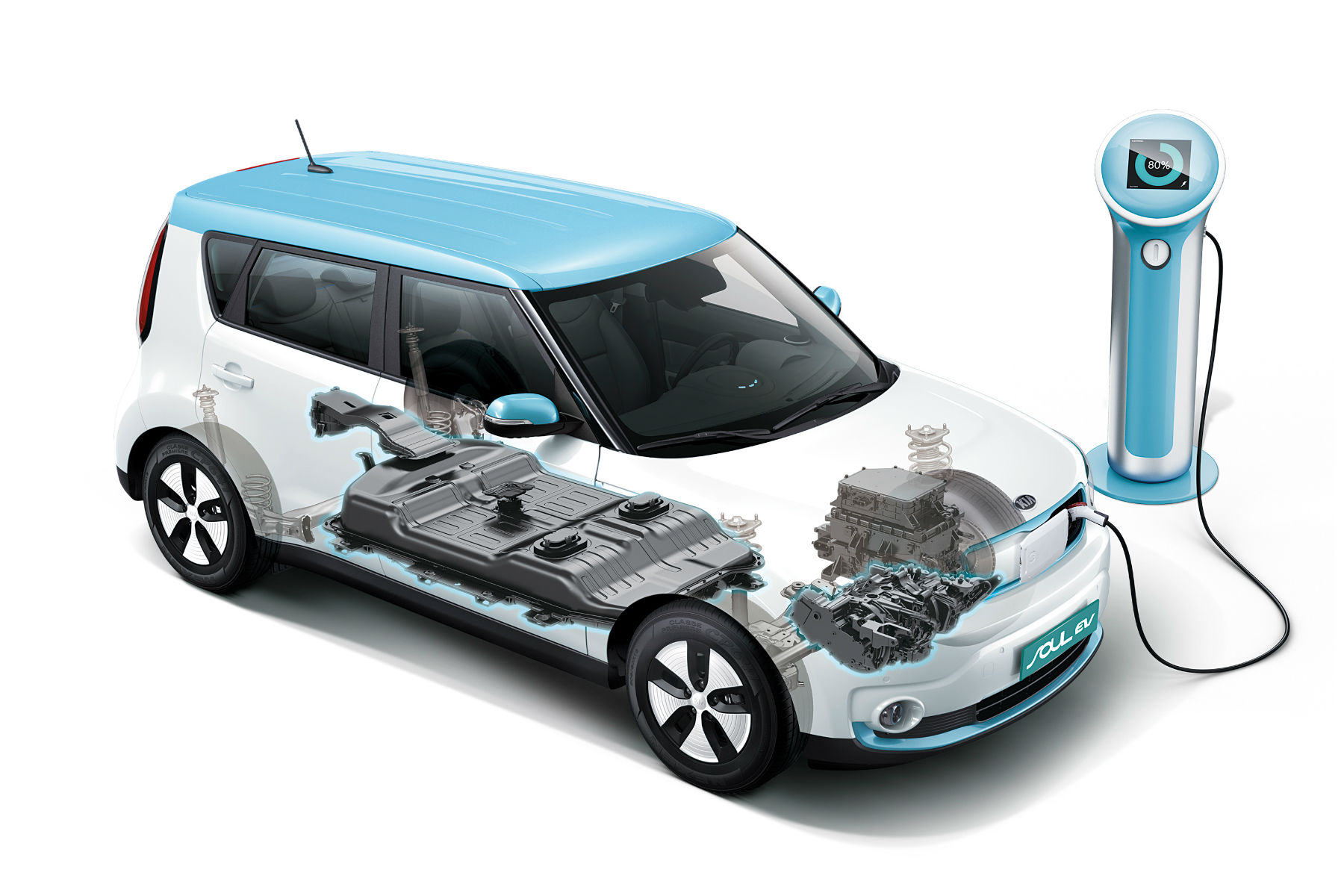
It will only be a matter of time before electric cars comprise a significant proportion of the new car marketplace. How long that would take has been very much up for debate… but one organisation has conducted a survey – and the surprising findings suggests the time may come sooner than you think.

Leasing company Leasing Options quizzed 2,000 people, who said they expect electric cars will outsell previously dominant diesel-powered cars by as soon as 2020. 

Yes, 2020, for EVs (full EVs, no less, rather than electrified plug-in hybrids) to outsell diesel cars. Seems remarkable, no?

Of course, the sudden fall from grace of diesel, rather than exponential growth in EVs, is a major factor in the predictions: SMMT new car registration data is, month after month, proving damning for oil-burners.

An overall new diesel car sales slump of 37.2 percent last year isn’t helped by the fact that manufacturers have been swift in slashing diesel-powered options, in some cases to nought.

Meanwhile, government policy and support of Alternative Fuel Vehicles, including buyer incentives, have supercharged AFV uptake in recent months and years. Pure EV sales increased 5.7 percent last year; AFV sales, including hybrids and plug-in hybrids, increased almost 35 percent.

The survey also quizzed drivers to find out where buyers’ faith and loyalties lie. Once again, it doesn’t look good for diesel. Around half said they believe diesel is actually a danger to the environment, while 56 percent said they were less likely to buy diesel than they were five years ago.

Diesel power

EVs still have some way to go in terms of public opinion, however, with over half of those surveyed suggesting they don’t know enough about them.

A whopping 63 percent fear EVs are too expensive for them, and good old range anxiety rears its head, with almost three in four worrying about the charging network.

Nevertheless, half of those surveyed still said they’d consider electric power if it was demonstrably as convenient and as cheap as fossil fuels. Over half suggested they’d buy into EVs as and when they became the norm.

Based on this survey, it seems that both the decline of diesel, and the rise of EVs, will be all but exponential going forward.

Read more: 

Advertisement

The famous Vespa scooter is going electric

0

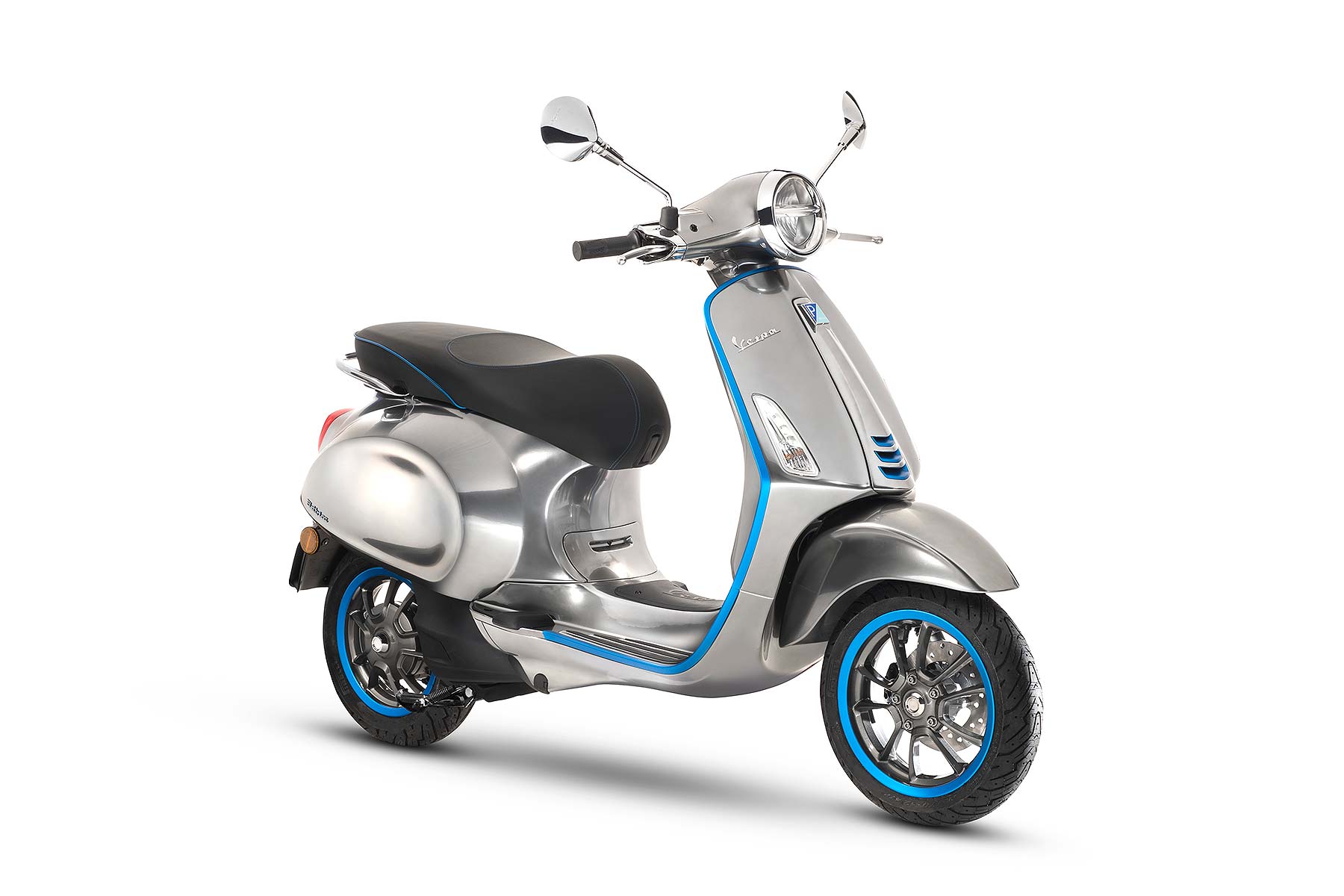
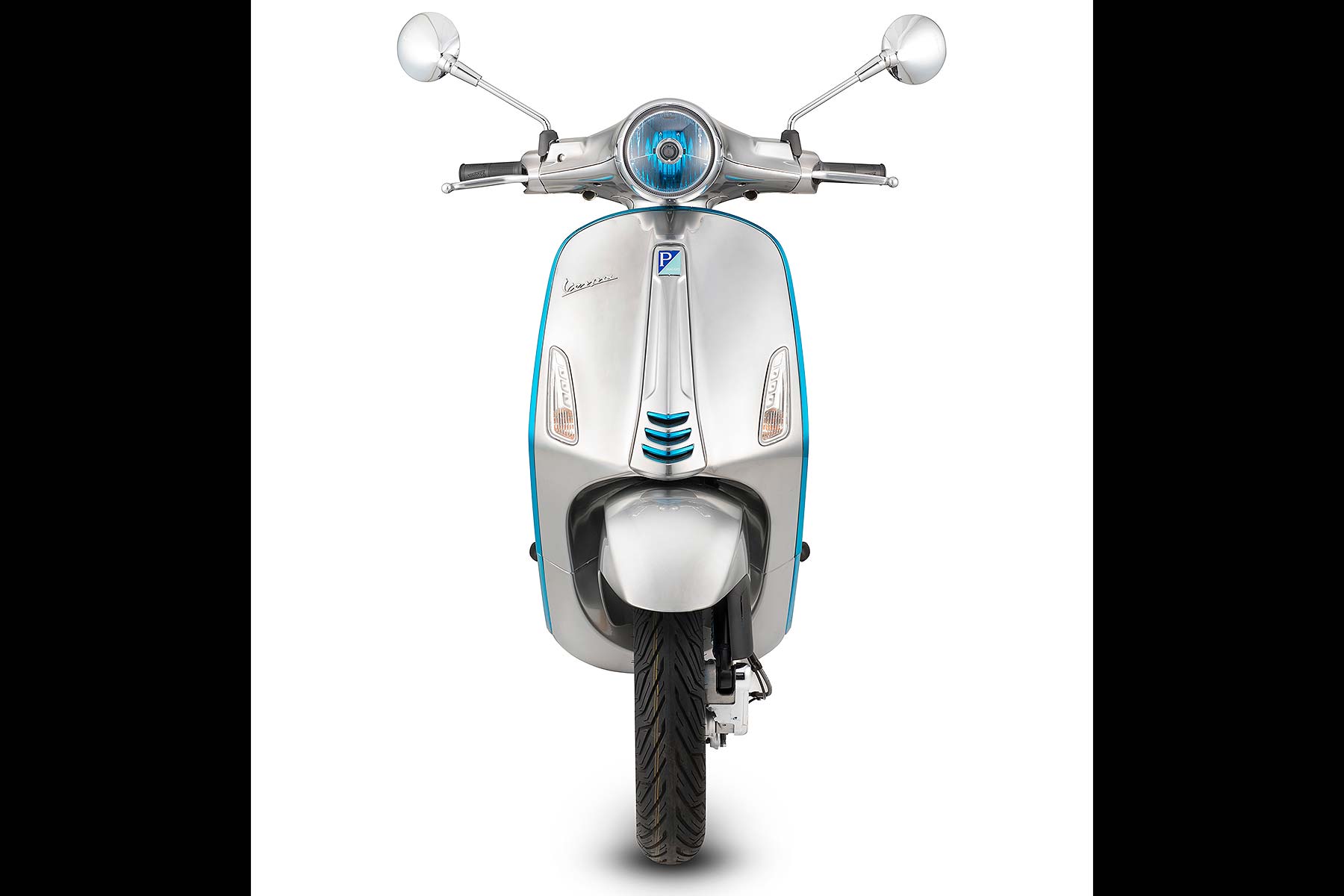
Vespa ElettricaVespa has been making scooters since 1946 and is arguably the world’s most famous manufacturer of iconic urban motorcycles. 
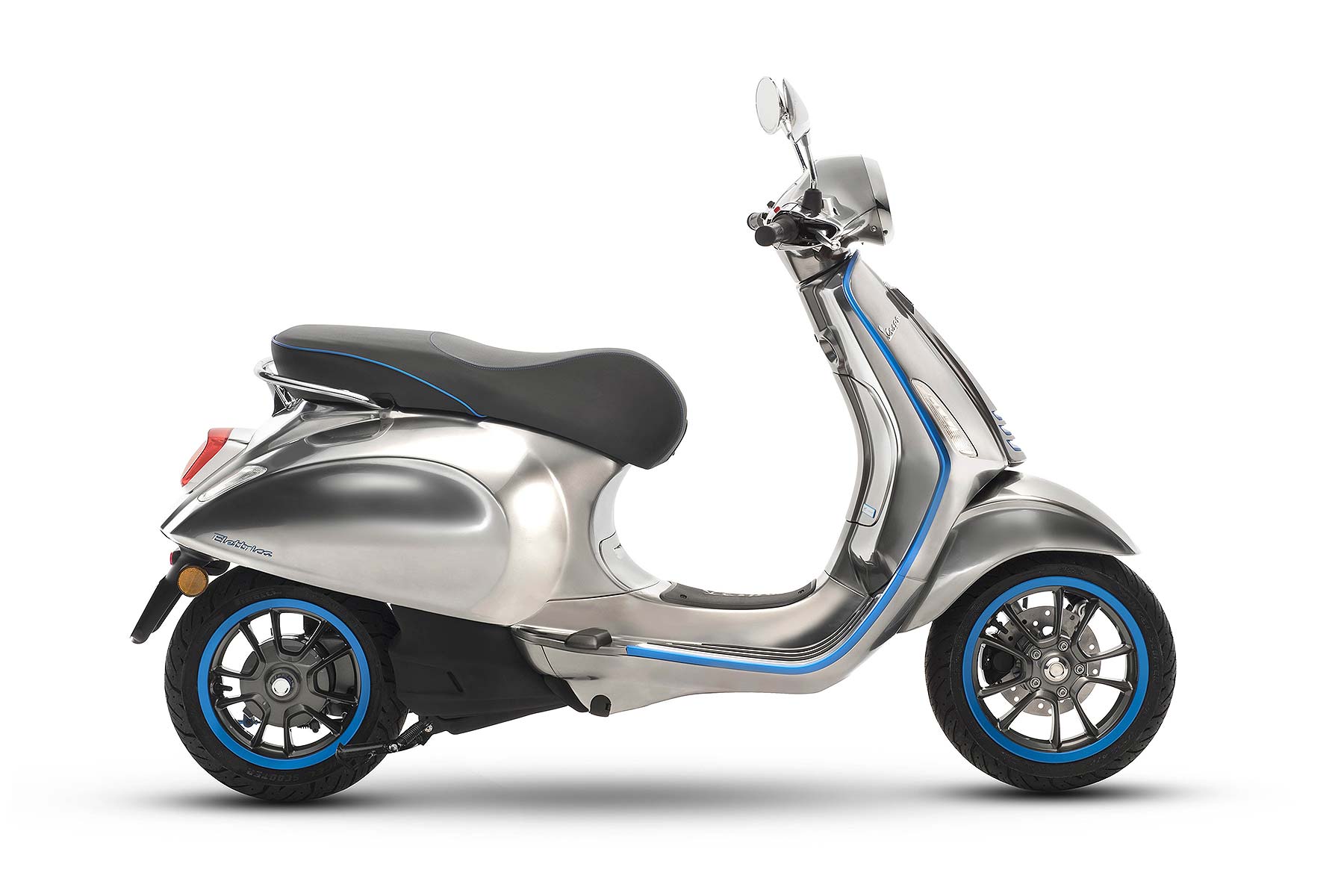
Now, it’s taking the retro machine into the 21st century with the launch of a zero-emissions, all-electric scooter called the Vespa Elettrica. 

Boasting a range of 62 miles and better performance than the 50cc petrol-powered alternative, Piaggio, makers of the Vespa scooter, says it’s tailor-made for urban riding. 

Vespa Elettrica

What’s more, with a remarkable torque figure of 147lb ft, it has pulling power the equal of a 125hp Ford Fiesta 1.0-litre Ecoboost, giving “brilliant” response and acceleration away from the line.

When riders slow down, it recharges the battery – Vespa’s calling it an F1-style KERS system, but really it’s just a regular battery-electric regen function.

Because the scooter is so lightweight, it can get away with using a tiny 4.2 kW lithium ion battery. Even using a regular domestic socket, the charge time is four hours: it will be faster still with higher-capacity public chargers. 

Vespa says the battery should remain in peak condition for 1,000 full charging cycles, which equates to around 43,000 miles or 10 years of use. Even then, it will still have 80 percent of its capacity remaining. 

The battery is located beneath the helmet compartment, so the Vespa Elettrica can still swallow a helmet safely when parked up.

Vespa Elettrica X

Vespa Elettrica

That’s not all. If you do need more range, the firm’s revealed a range-extender scooter, called the Vespa Elettrica X.

This combines a tiny petrol-powered generator, a three-litre fuel tank and a smaller battery pack: it will do 31 miles under full electric drive, then another 93 miles with the generator, giving a total range of almost 125 miles.

It’s “ideal for out of town riding,” says Vespa.

Both scooters come with a 4.3-inch TFT colour display, including a multimedia system that connects to smartphones. Vespa’s also developed a smartphone app that riders can use to see incoming calls and messages within the display.

The new Vespa Elettrica scooter range will go in sale in October, initially in Italy, before expanding to Europe. Sales will then expand to North America and Asia from early 2019.

Prices? Still to be confirmed. But don’t expect a retro price tag for this all-electric Vespa scooter…

Advertisement

Most Brits will wait almost 10 YEARS before buying an electric car

0

Jaguar I-PaceThe emphasis on the transition to alternative fuel vehicles is intense. With diesel all but circling the drain, and talk of the 2040 combustion engine ban in the air, we all have to ask ourselves when we’ll take the leap into an electric car.
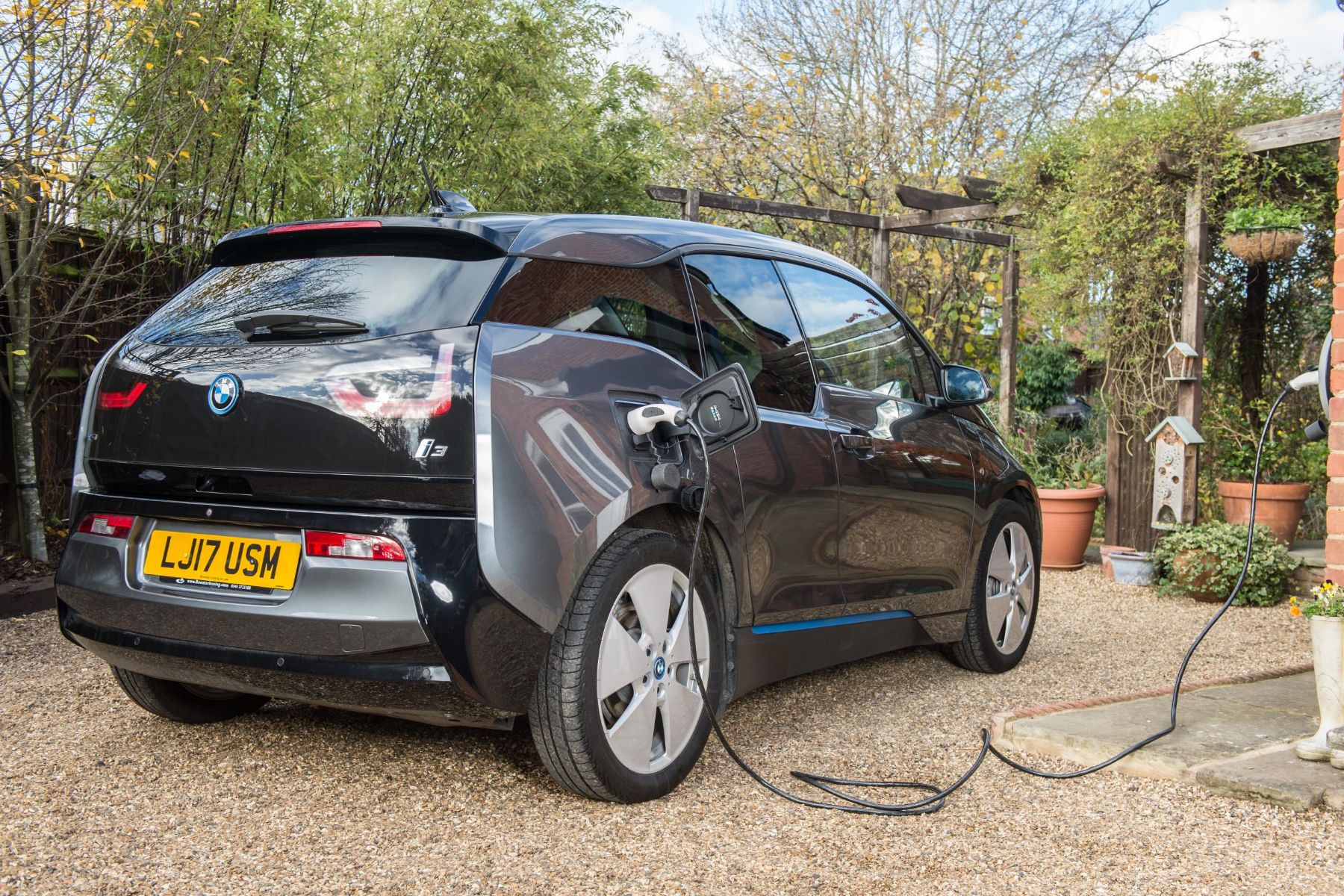
For many of us, that moment isn’t going to arrive any time soon.

That’s according to research conducted by Auto Trader. It found that drivers say they plan to wait an average of nine years before buying an electric car.

The research also discovered that motorists fall on both sides of the fence as to whether that 2040 ban is a good thing. While 20 percent were undecided, the remainder of the sample was evenly split in favour and against.

However, shockingly, nearly three quarters were not aware of the government assistance packages for buyers of electric cars and hybrids, such as the money-saving Plug-in Car Grant.

As for the recently-released Road to Zero report, over a third think it’s unrealistic to expect 50 percent of new cars sold to be electric by 2030.

The perceived price premiums, and what is seen as the inadequacy of the charging infrastructure, are why only one in four drivers would consider an EV or a hybrid for their next car.

i3

So what’s needed to convert buyers? In short, awareness, education, incentive and reassurance. We need to know what’s available, know that it’s viable and have good reasons to buy over what we’re used to.

The UK’s charging infrastrucutre needs to be improved, and confusing electric car terminology eliminated. 

“There’s no doubt that electric vehicles are the future,” said Auto Trader editorial director Erin Baker.

“However, our research indicates that there are still significant barriers to adoption, with greater investment in infrastructure and technology needed.

“It’s also crucial that car manufacturers and the government alike ensure that language to describe electric cars is clear and accessible, rather than laden with technological jargon that consumers may find alienating.”

Read more: 

Advertisement

Aston Martin confirms stock market IPO

0

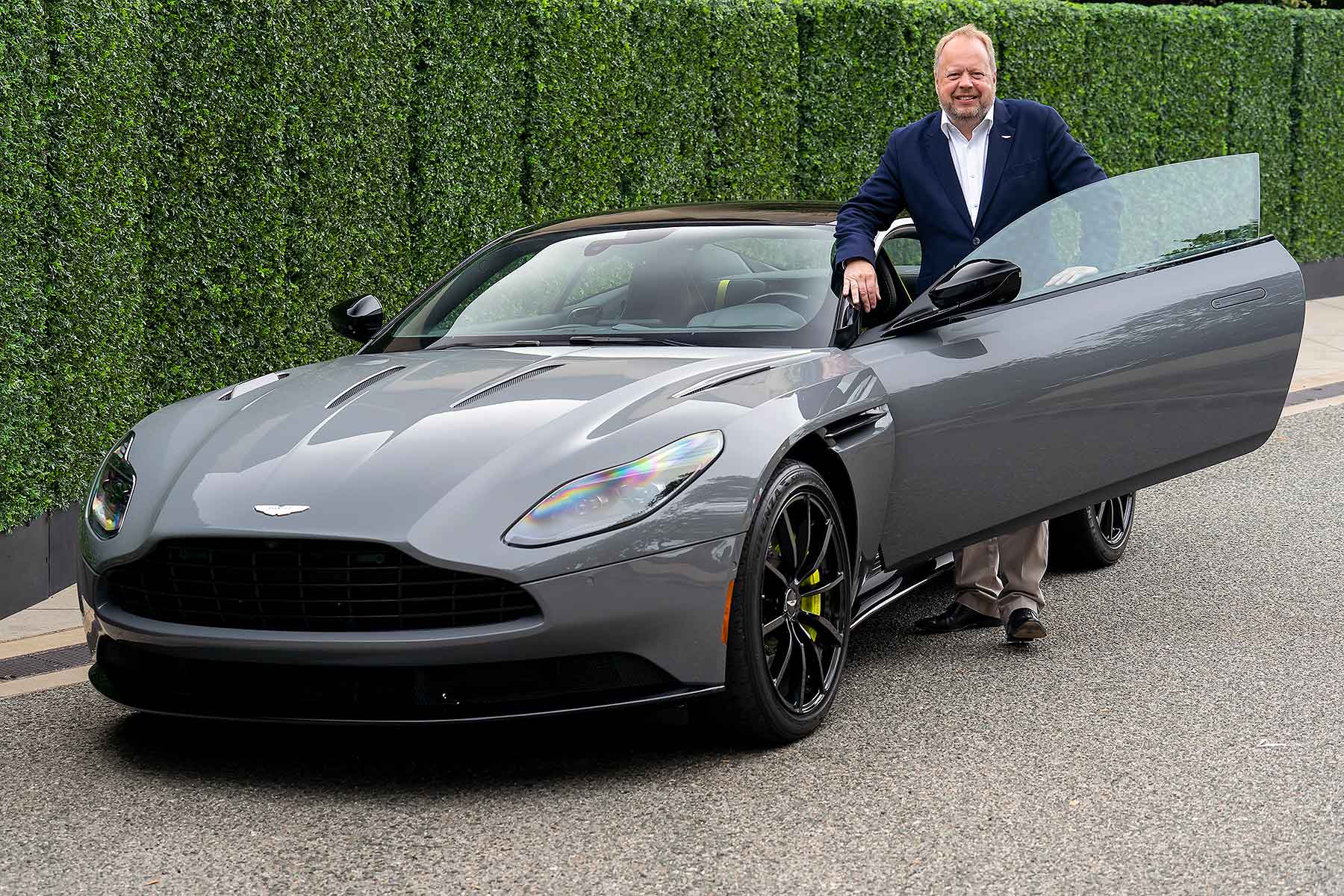
Aston Martin CEO Dr Andy PalmerAston Martin has confirmed its intention to launch an initial public offering (IPO) on the London Stock Exchange.

News of its intention to float comes as the British sports car firm announces an 8 percent rise in revenues and a 14 percent increase in profit.

Aston Martin to reveal £5 billion IPO stock market float

“Today’s announcement represents a key milestone in the history of the company,” said Dr. Andy Palmer, president and CEO of Aston Martin Lagonda (pictured above).

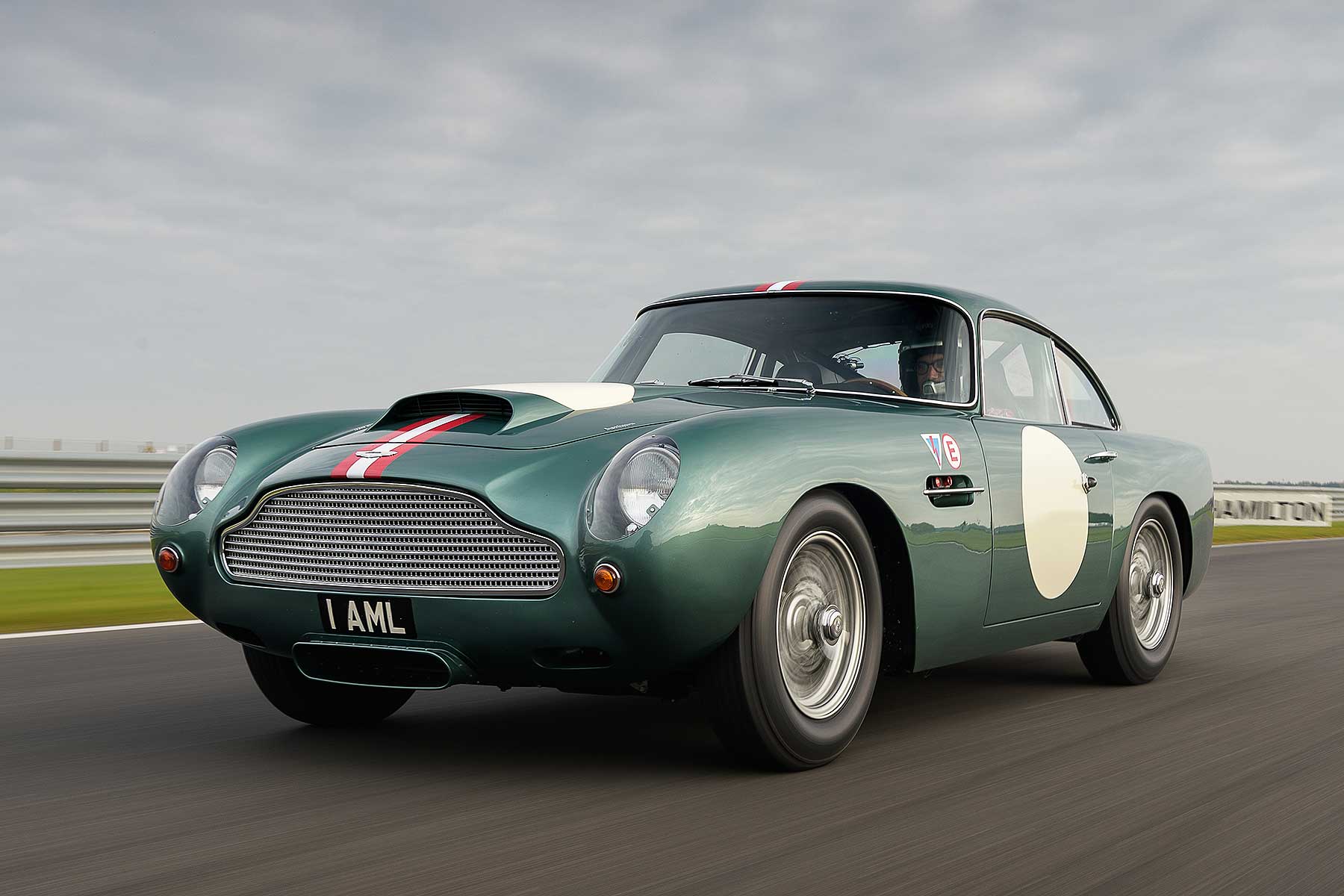
Aston Martin DB4 GT Continuation

Aston Martin, he said, has “the resources and balance sheet strength to continue delivering on our growth strategy. Today’s results show we have continued to deliver sustainable growth, margins and value for our shareholders”.

It’s the perfect time to announce plans for an IPO, believes the firm.

Dr. Palmer’s business strategy is called the Second Century plan. Since launching it in 2015, the firm “has been transformed into a luxury business focused on creating the world’s most beautiful high-performance cars.

“Our strategy is being implemented by an experienced management team that launched breakthrough new models, increased our brand value and built important partnerships in the luxury sector.”

Medium-term plans include boosting the company’s profit margin to more than 20 percent.

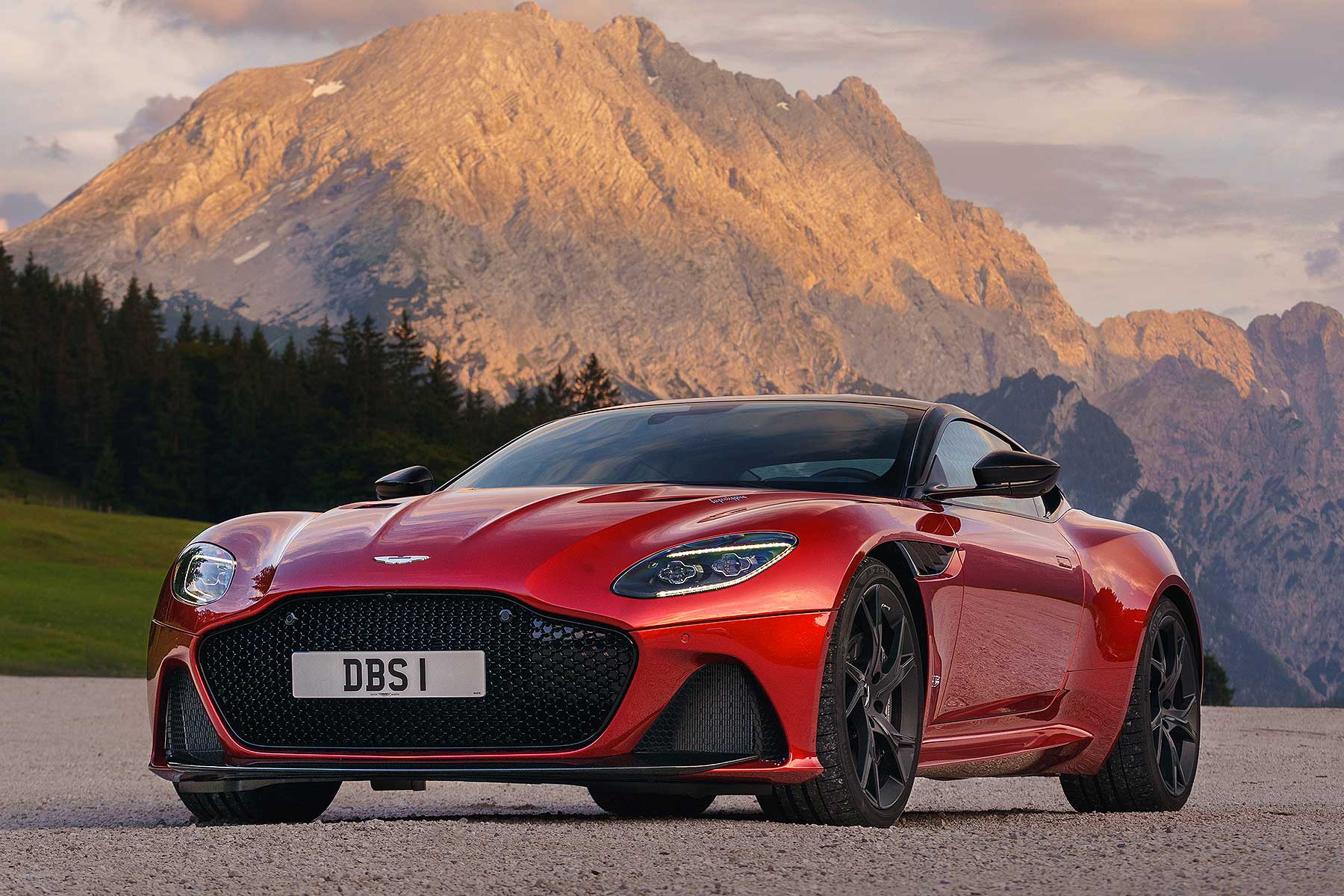
Aston Martin DBS Superleggera

The potential Aston Martin IPO will offer eligible employees and customers the opportunity to buy shares at the offer price. Daimler AG, which currently holds a stake of 4.9 percent in the firm, will remain as a shareholder.

Around 25 percent of the company is expected to float – and it’s predicted the company could be valued at up to £5 billion.

A full prospectus will be published on 20 September.


Advertisement

OK Google, build me a bespoke Rolls-Royce Dawn

0

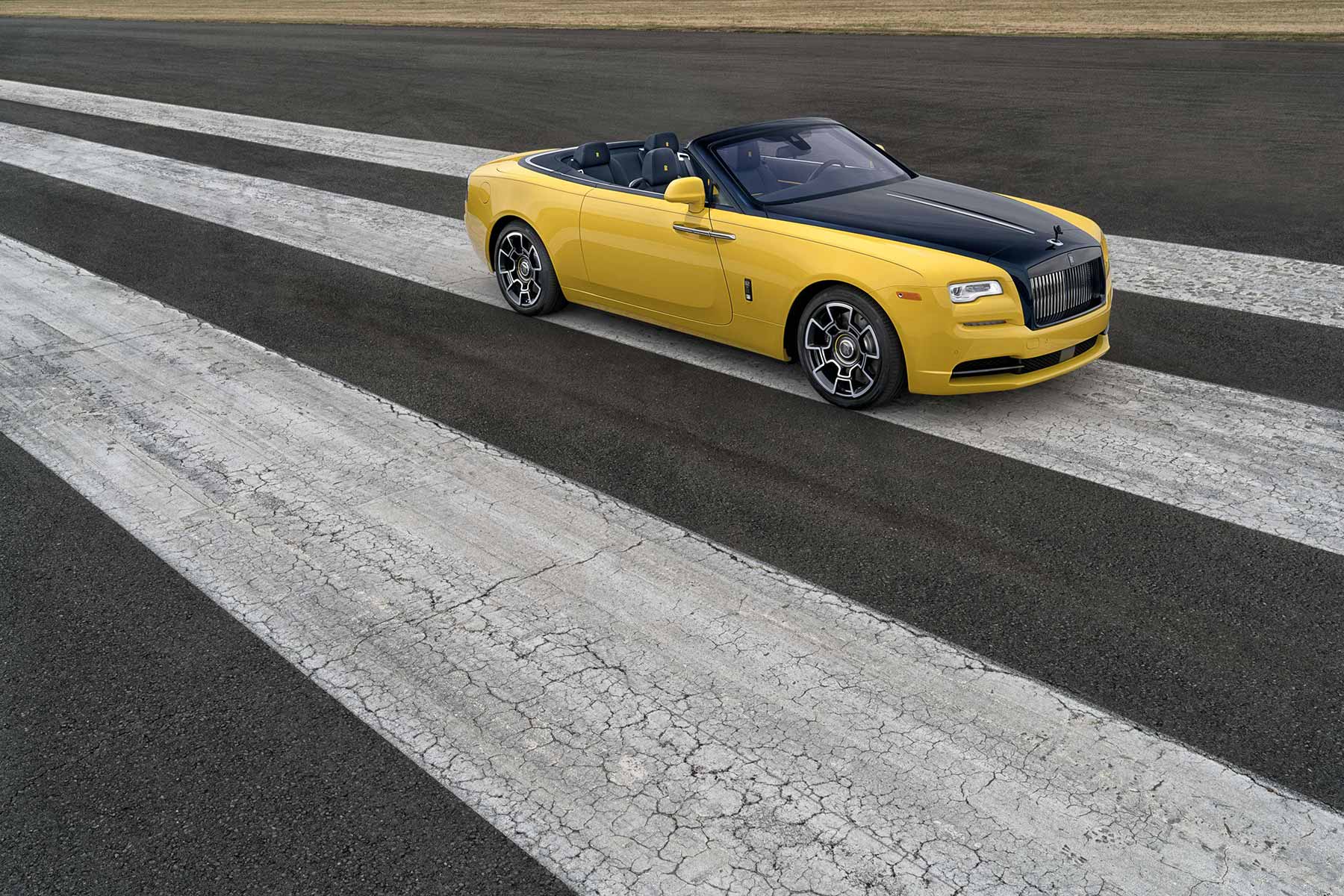
Custom Rolls-Royce for Google Exec Ben Treynor Sloss

Asking the Google Assistant on your Android smartphone to deliver you a one-off Rolls-Royce sadly only works if you happen to be Vice President of Engineering at the Silicon Valley firm.

After 15 years at the tech giant, being responsible for Site Reliability Engineering amongst other tasks, Benjamin Treynor Sloss is no stranger to expensive cars.

Dino at 50: the original baby Berlinettas gather in Maranello

In 2012 he purchased a $1.78million Ferrari 599XX at a charity auction, and has even shared photos of his cars adorned with bread to prove they were actually his.

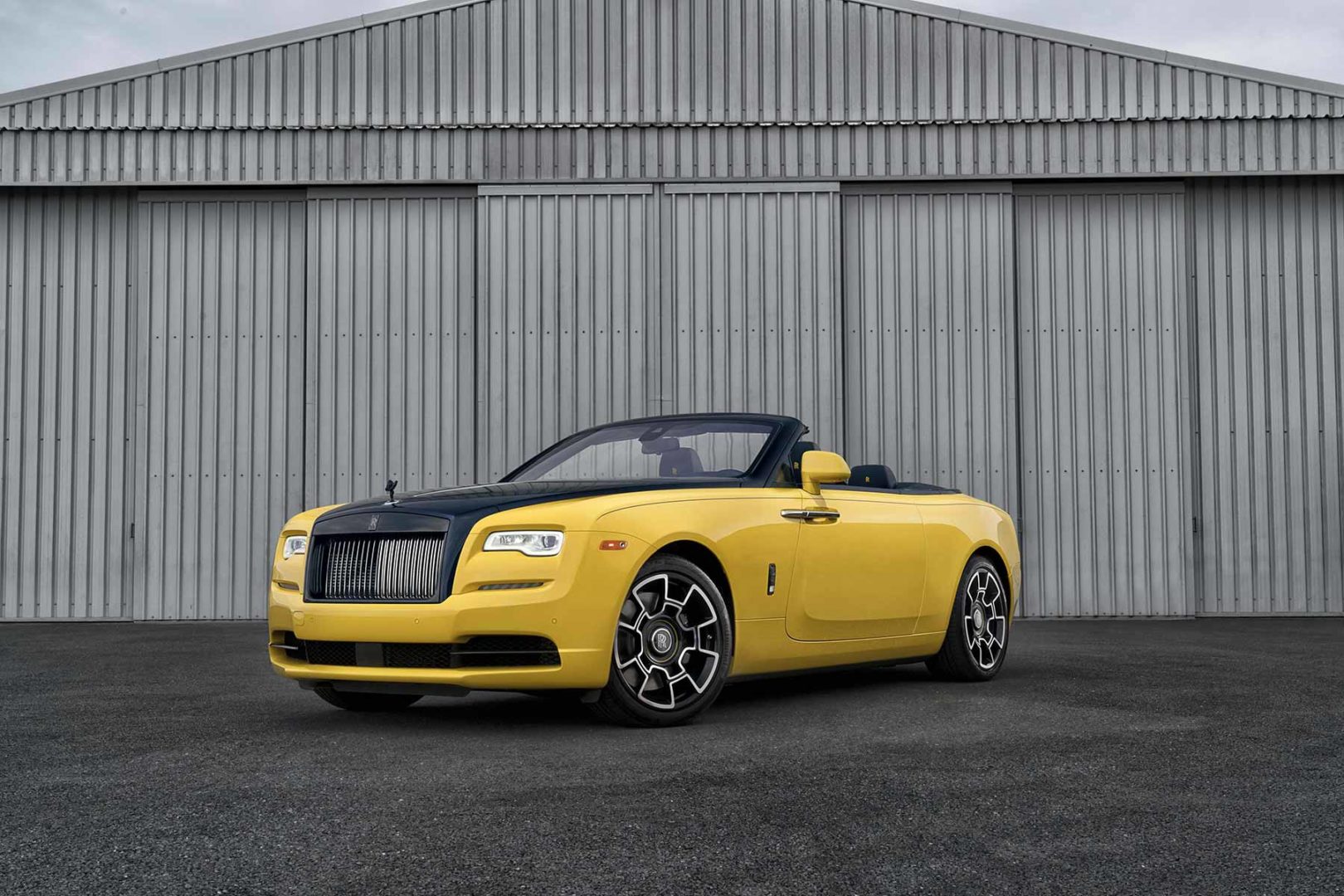
However, there should be no doubts about who owns the special Rolls-Royce Dawn presented to Mr. Sloss at this year’s Pebble Beach Concours d’Elegance event.

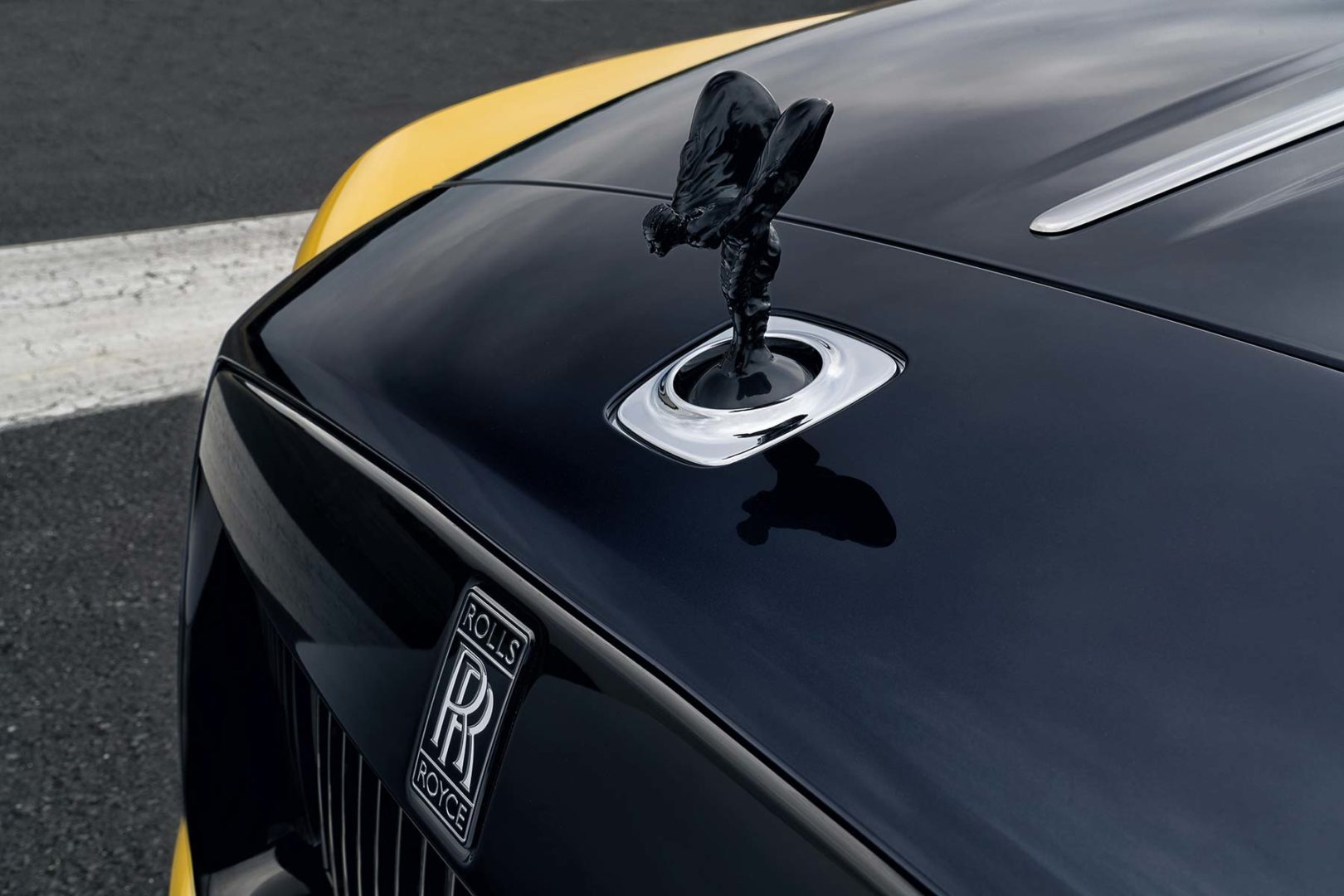
Personally commissioned by Sloss, the Dawn Black Badge was built in collaboration with the Bespoke Collective at the Rolls-Royce factory in Goodwood, England.

With wife Christine already owning a Rolls-Royce Dawn, Treynor Sloss knew he needed to make a big effort in order to stand out. Enter the brand-new bespoke ‘Superflare’ yellow paintwork, intended to replicate the Californian sun under which the Dawn will be driven.

The bright yellow is tempered with another unique hue – Pikes Peak Blue, named after the legendary hill climb course in Colorado. Mr. Sloss is said to be a big fan of the annual Pikes Peak event, even if an open-top Rolls-Royce might not be the most obvious of vehicles to tackle it in.

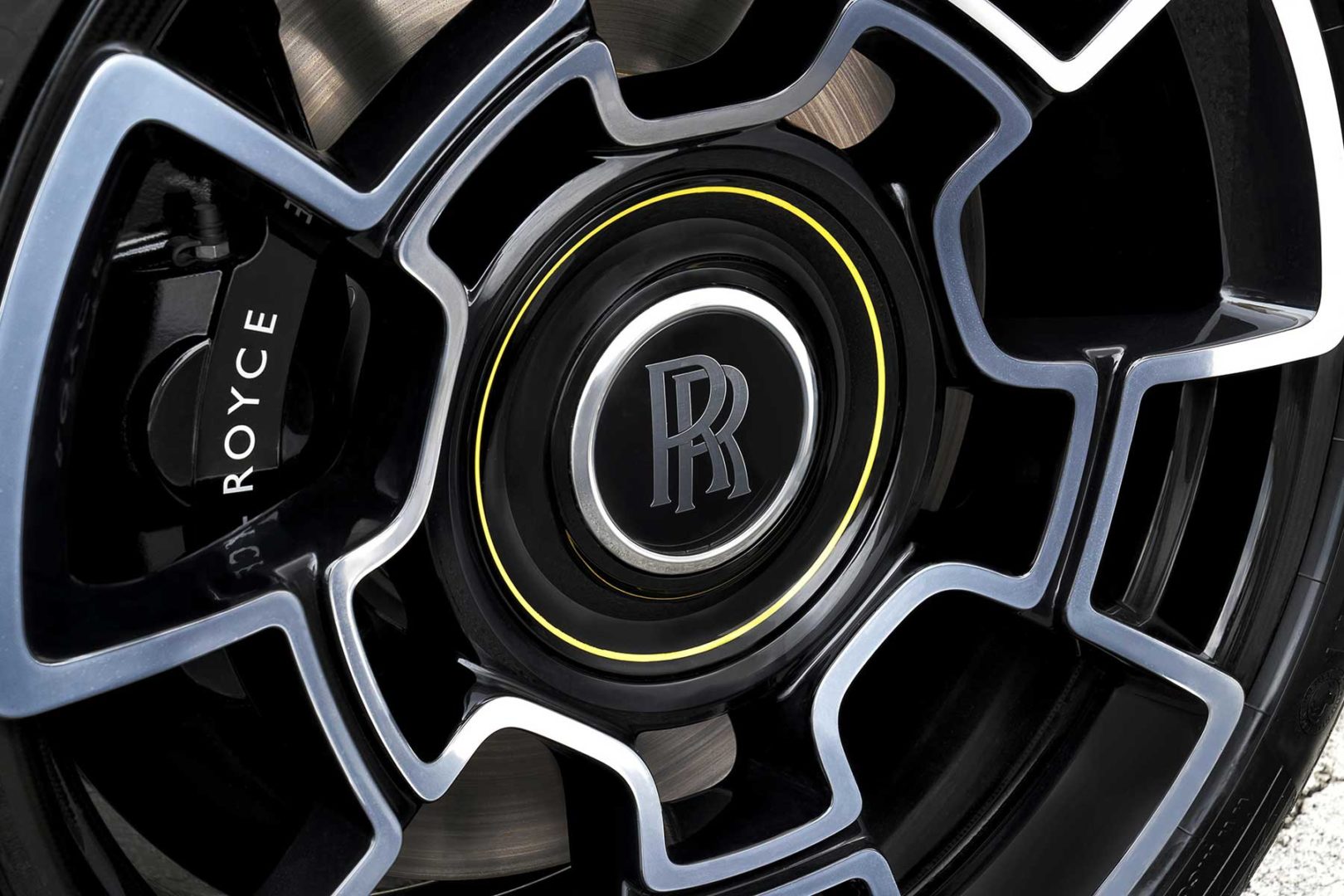
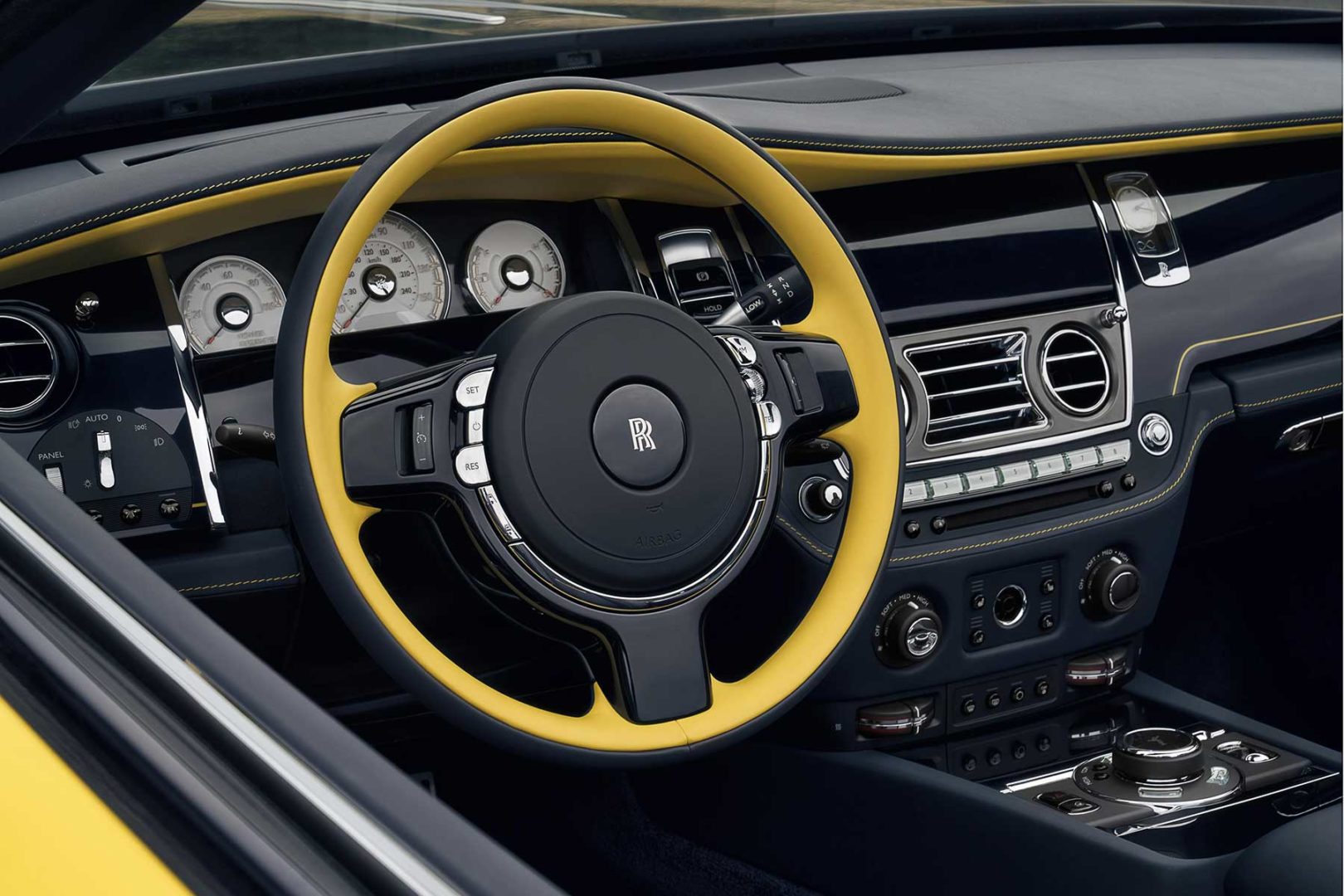
Eye-searing Superflare yellow even adorns the 21-inch alloy wheels, and also continues inside. Yellow piping is used on the dark blue leather seats, whilst the steering wheel and blue piano wood dashboard trim feature yellow detailing.

With a love for Italian racing machinery, the use of blue and yellow for the Sloss’ Rolls-Royce was inspired by the livery used on the Ferrari racers owned by the couple. In fact the Rolls-Royce should match perfectly with a garage said to include multiple LaFerrari models, and a track-only Ferrari FXX K, all finished in yellow.

Rolls-Royce has previously used the Pebble Beach event to unveil bespoke creations. Last year, car collector Michael Fux was presented with a Rolls-Royce Dawn, featuring a unique fuschia paint finish named Fuxia.


Advertisement

Aston Martin to reveal £5 billion IPO stock market float

0

Aston Martin V8 VantageAston Martin will announce plans on Wednesday to launch an Initial Public Offering (IPO) and float on the London Stock Exchange.
The plans, revealed by Sky News, value the company at between £4 billion and £5 billion.

Aston Martin will reveal the flotation plans alongside ‘healthy’ interim results. Sky News reports the IPO will see around £1 billion of shares sold. Public trading of shares will begin later in 2018.

The IPO is expected to offer stock to Aston Martin customers and existing investors. An employee share scheme is also expected to be launched.

Aston Martin announced its desire for an IPO earlier this year. It was considering New York, where Ferrari is listed (and valued at $10 billion) but appears to have chosen London instead.

Sky News describes the deal as “one of the City’s most prominent public offerings for years”.

Under the leadership of chief executive Andy Palmer, Aston Martin is being transformed, with critically acclaimed new cars such as the DB11 and new Vantage. It is also planning new range of Lagonda all-electric luxury cars, and is to build the first ever Aston Martin SUV, called Varekai.

Both will be built in a brand-new factory in St Athan, Wales: when it is fully on stream, it will double Aston Martin’s annual sales to around 15,000 cars.

Last year, Aston Martin reported its highest ever sales of almost £900 million, with pre-tax profits of £87 million.

Read more:

Advertisement

Automobili Pininfarina releases first PF0 hypercar image

0

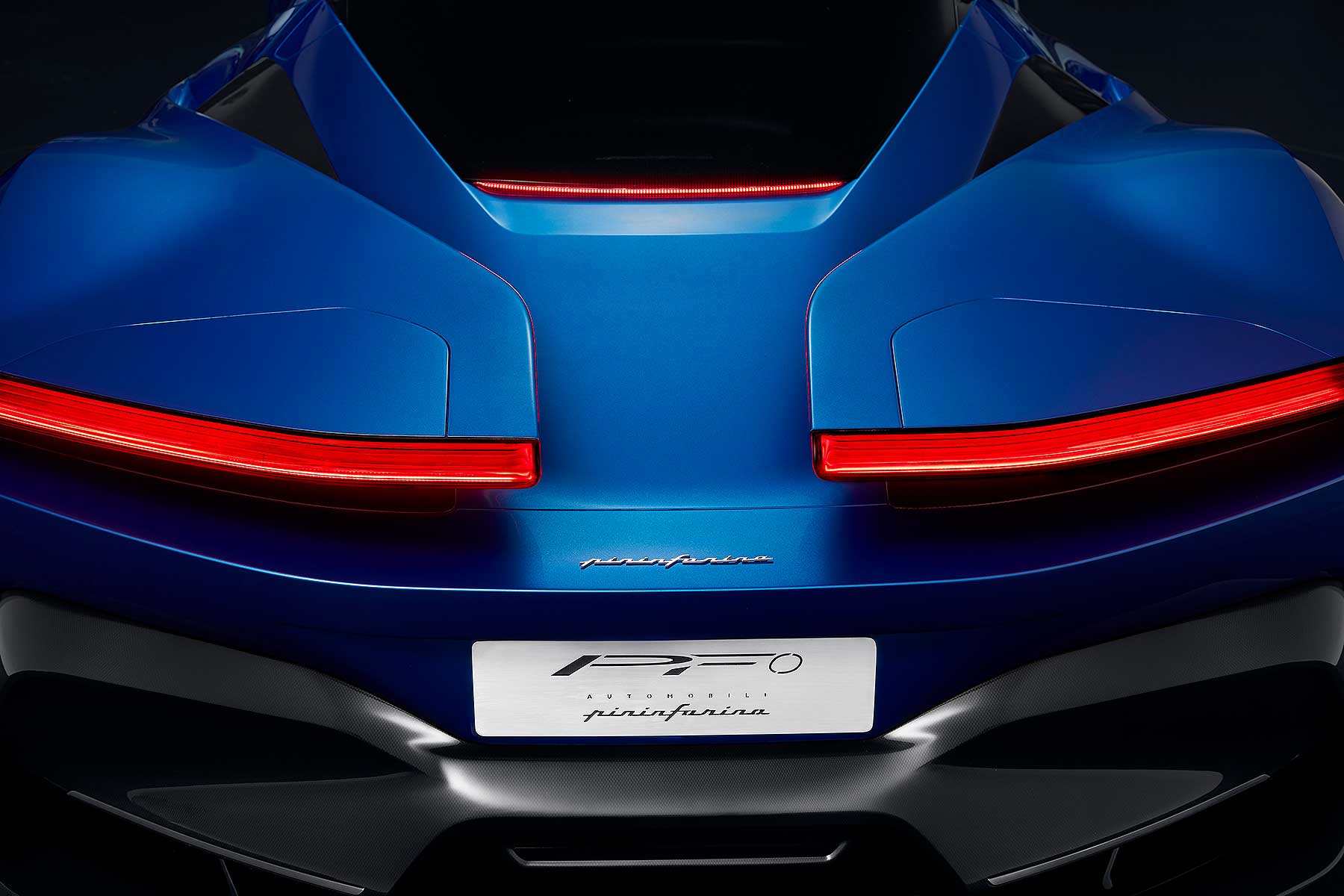
Automobili Pininfarina PF0 teser imageAt Monterey Car Week 2019, start-up supercar firm Automobili Pininfarina will reveal its all-electric hypercar, and it’s getting in on the teaser act early by releasing the first official shot of the PF0 concept.

Technically, we’re not quite the first to see it: for the past four days at Pebble Beach, the firm’s been carrying out private viewings which have led to “strong demand for limited PF0 allocation and significant interest from leading U.S. luxury car retailers”.

Pebble Beach marked the culmination of a six-week programme of launch activity in the U.S. – both of the car and the business plan that will support it. The U.S. was chosen for this debut activity because it will be the Munich-based firm’s strongest market.

10 brilliant Pininfarina designs – and 10 you can afford

Indeed, the firm’s already predicting demand for the first Pininfarina-designed, Pininfarina-branded hypercar will far outstrip supply.

CEO Michael Perschke admitted the U.S. launch programme was not easy, but “we had some great feedback from clients who have owned numerous Pininfarina-styled supercars… we know we are on the right track”.

The initial teaser image doesn’t reveal much, but does suggest this is going to be a hypercar packing drama. Luca Borgogno is Automobili Pininfarina design director and said it is based on classic Pininfarina principles: “To combine elegance and beauty with functional design that defines a new product vision.

“PF0 has to stand out in an emerging sector – beauty and performance to make your heart skip a beat. You can see that impact in the PF0 rear view treatment where the car’s performance potential is functionally defined by dramatic wings and its beauty highlighted by the overall form.”

Classic Pininfarina admirers, fear not: “Purity and elegance of design has not been lost to the battle for downforce and cooling.”

Like the look of this and are now eager to see more? Fear not: there are plenty of them on the way over the next year…

Advertisement

Jaguar Land Rover is testing new self-driving vehicles with EYES

0

JLR Virtual Eye autonomous test pod

No, you’re not watching Disney Pixar’s Cars. Jaguar Land Rover really is putting eyes on cars, albeit for the purposes of research into pedestrian trust of autonomous cars.

You won’t be seeing Range Rovers with big eyes on the windscreen anytime soon, though. The “virtual eyes” are only being fitted to self-driving pod research vehicles… for now.

It may sound quite amusing but it’s a chuckle-worthy means to a rather serious end – developing the software and modifying the ‘behaviour’ of autonomous cars so they’re better prepared to deal with the unpredictable, very human-infested world of commuting.

The project is the baby of a team of cognitive psychologists, hired by Jaguar Land Rover to find out more about how vehicle behaviour affects people’s confidence in new technologies. The autonomous pods are to drive around makeshift streets in Coventry while the behaviour of pedestrians is analysed.

This is where the ‘eyes’ come in, as the pods make ‘eye contact’ with nearby pedestrians on their travels. That, in theory, should put that passer-by at ease: making eye contact with the ‘eyes’ acknowledges they’ve been recognised by the car.

Trust levels are recorded in instances with and without use of the ‘eyes’, presumably to result in pedestrians trusting in the car that’s ‘seen’ them more. 

JLR is carrying out the study in response to previous studies which have suggested that nearly two in three pedestrians and cyclists say they’d feel less safe sharing the streets with self-driving cars.

“It’s second-nature to glance at the driver of the approaching vehicle before stepping into the road. Understanding how this translates in tomorrow’s more automated world is important” said Pete Bennett, Future Mobility Research Manager at Jaguar Land Rover.

“We want to know if it is beneficial to provide humans with information about a vehicle’s intentions or whether simply letting a pedestrian know it has been recognised is enough to improve confidence.”

Read more: 

Advertisement

Halfords launches breakdown cover for cars, vans, motorbikes – and bicycles

0

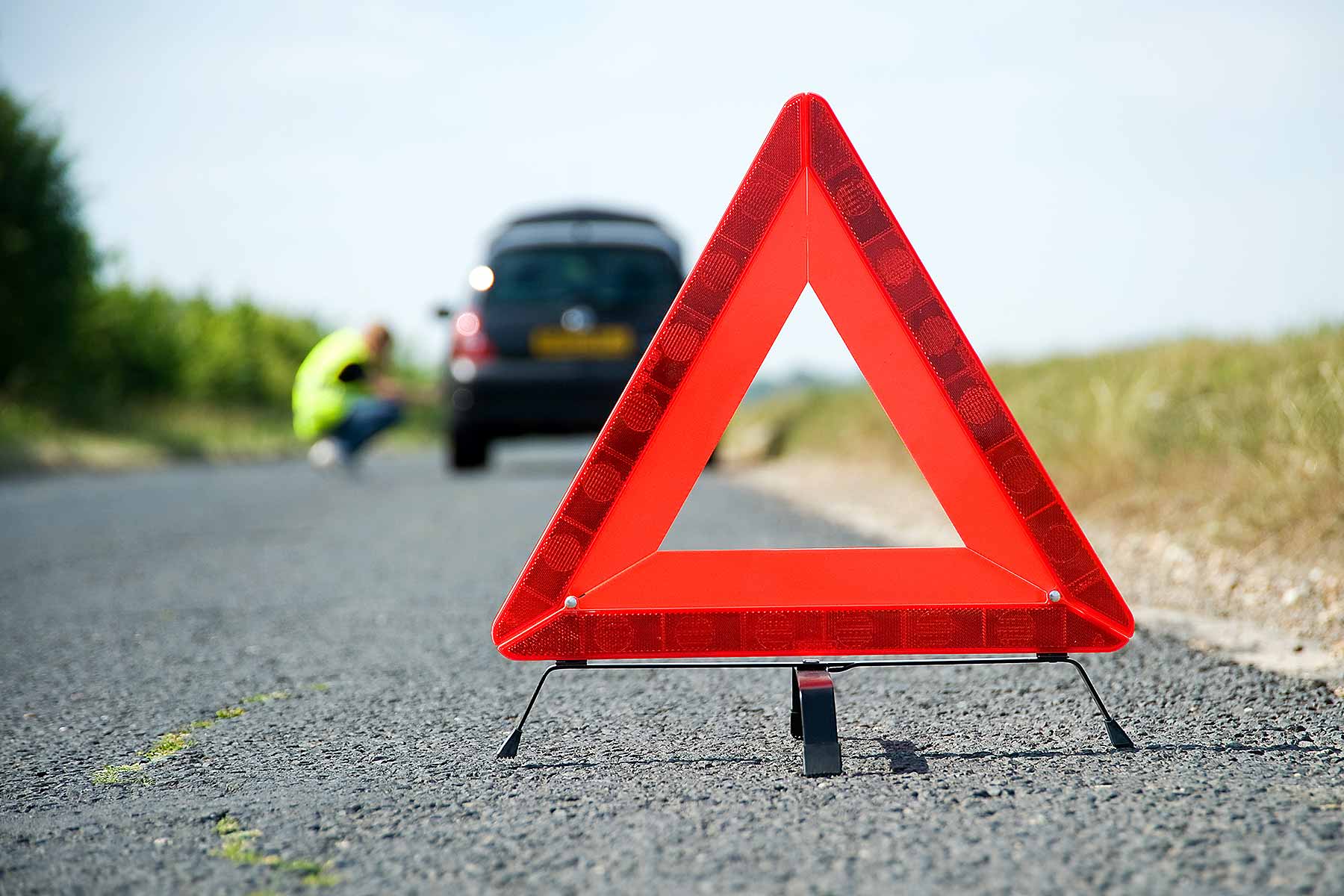
Broken down car in summerHalfords has joined the ranks of breakdown recovery providers with its new Breakdown Cover service providing roadside assistance for motorists – and for cyclists.

The firm says prices start from 40p a week and there are five different levels of cover. Motorists can choose to have a single vehicle covered, opt for personal cover that provides assistance in any car (even if they’re a passenger), and also arrange short-term EU cover.

There are several different grades of coverage too: roadside and local, nationwide, and home assist. Prices, naturally, rise accordingly.

Shocking image reveals why you should slow down past breakdowns

Cycle recovery will be a boon to city commuters – cycle recovery is included, so cyclists and their broken bicycles will be recovered to their home or workplace, railway station, car hire firm or hotel.

Halfords is using a nationwide network of over 400 independent recovery operators to run the breakdown cover service. Its target is reaching customers within 40 minutes – and it aims, where possible, to repair the vehicle at the roadside within 60 minutes.

If repairs are not possible, customers can choose to have their car taken to a garage of their choice or a Halfords Autocentre. It is not mandatory to use a Halfords garage… but policyholders will be offered discounts on repairs carried out at Halfords branches.

Cyclists can choose to have their bicycle taken to the nearest Halfords shop or independent bike shop.

Revealed: the UK’s most reliable cars 2018

Other incentives for policy holders include half price MOTs, 10 percent off servicing and a £10 gift voucher.

“We service and repair thousands of cars and bikes every week,” said a Halfords spokesperson. “Now, our customers will be able to access our range of services while out on their journeys.

“With the launch of our new Breakdown Cover, our policy holders will benefit from the expertise of over 700 Halfords shops and Autocentres.”

Advertisement