The Nissan Juke has been revised for 2018 to help it compete with a slew of more modern rivals, from the top-selling Renault Captur to the upcoming Volkswagen T-Cross.
As it’s getting late in the current Juke’s life, exterior changes are not extensive. They’re limited to a new dark chrome grille, plus dark-tint headlights and door mirror indicators.
Mid-range Acenta models and above get LED fog lights, and there’s a range of new alloy wheel designs. Probably the most striking exterior update is the launch of two bright new colours, Vivid Blue and Chestnut Bronze.
If that’s not enough, higher-grade models can be personalised with coloured body parts, for the front and rear bumpers, side sills and door mirrors.
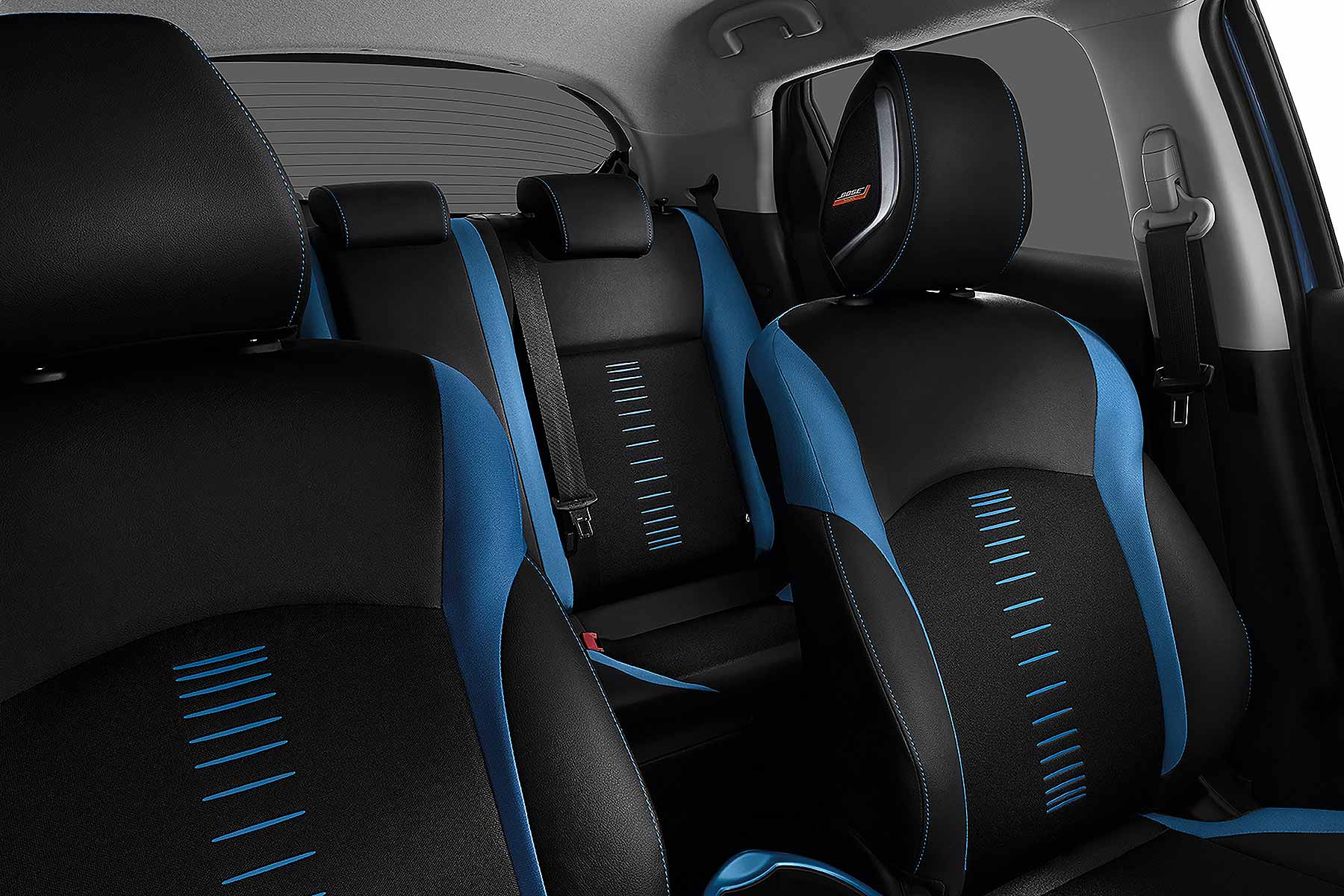
Nissan’s also offering a bit more personalisation inside. Buyers of top-spec Bose Personal Edition and Tekna models can choose to have the centre console, air vents, door inserts and seat upholstery accented in either Energy Orange or Powder Blue.
The details have been sweated as well: the grade of leather used on the steering wheel is richer, and the trip computer display within the instrument binnacle is clearer white-on-black, rather than orange.
But the biggest tech upgrade is fancy new audio tech for the aptly-named Bose Personal Edition variant. This sits just below top-spec Tekna, and comprises a pair of Bose UltraNearfield speakers built into the driver’s seat head rest.
Nissan says this provides “an immersive 360-degree listening experience through Bose digital sound processing”, ably backed up by six more high-end speakers for those not sitting in the driver’s surround sound seat. The tech is, currently, unique to Nissan.
There’s a price to pay, mind: from around £19,000, which is how much the cheapest 1.2 DiG-T 115 Bose Personal Edition costs.
If you’re on more of a budget, the cheapest Juke is the 1.6 94 Visia, priced from £15,505. Like all Juke, even this comes with air con, all-round electric windows and LED running lights.
Saying that, you’re better off spending around £2,000 more, if you can. This gets the 1.2 DiG-T 115 Acenta, which not only adds a turbocharger to the asthmatic base engine, but also includes climate control, USB port, Bluetooth connectivity, cruise control and the Nissan Dynamic Control System.
And if you’re spending that, we’re sure the dealer will suggest, why not go one further with the Bose Personal Edition, which includes NissanConnect infotainment, rear parking camera, keyless go, part-leather seats and folding door mirrors?
Naturally, Nissan has a complementary deal, too. The 1.2 DiG-T 115 Bose Personal Edition is currently on offer from £179 a month, on 0 percent finance, with Nissan chipping in £750 for those simply test-driving it. Rivals may be younger and fresher, but few have deals that sound as good as this…
London’s Concours of Elegance boasted a carefully picked selection of the finest road and racing cars – all tastefully scattered across the grounds of Hampton Court Palace. Here’s our round-up of the best cars at the event.
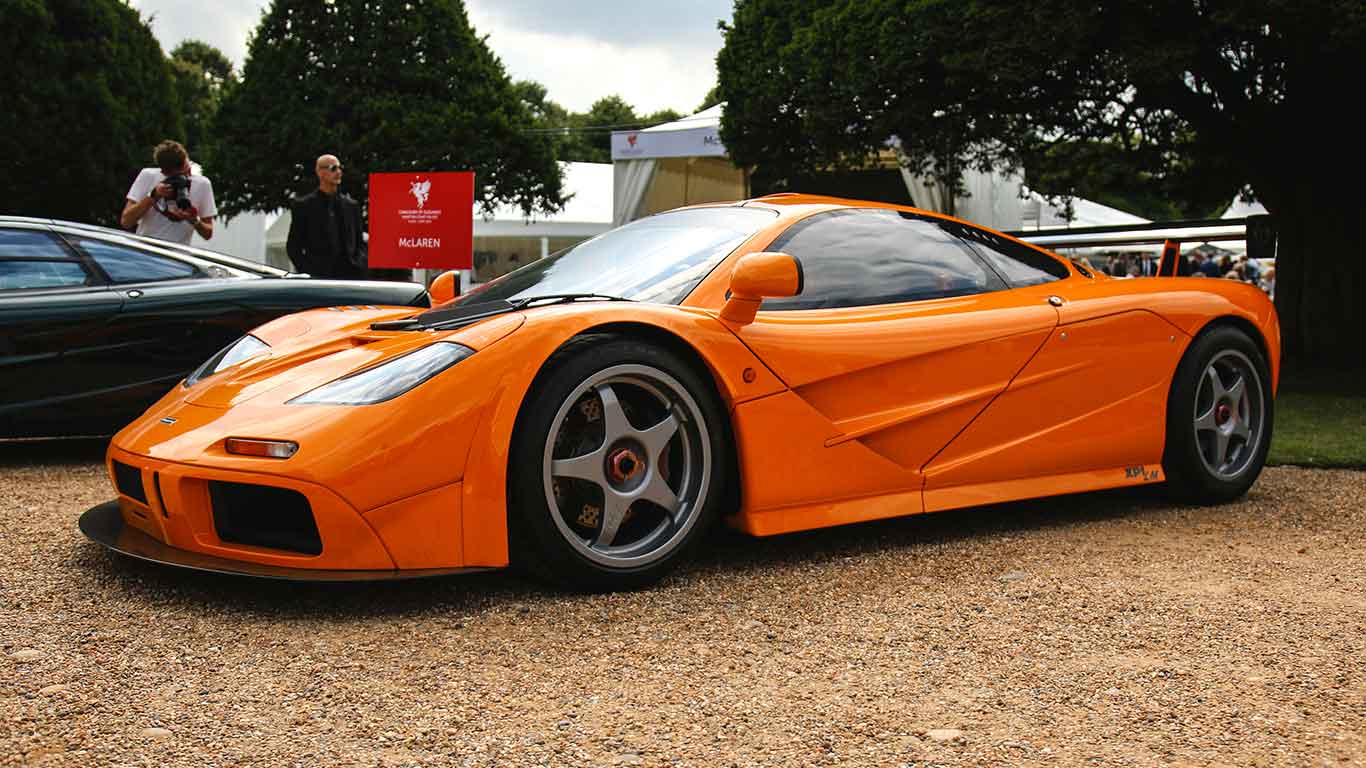
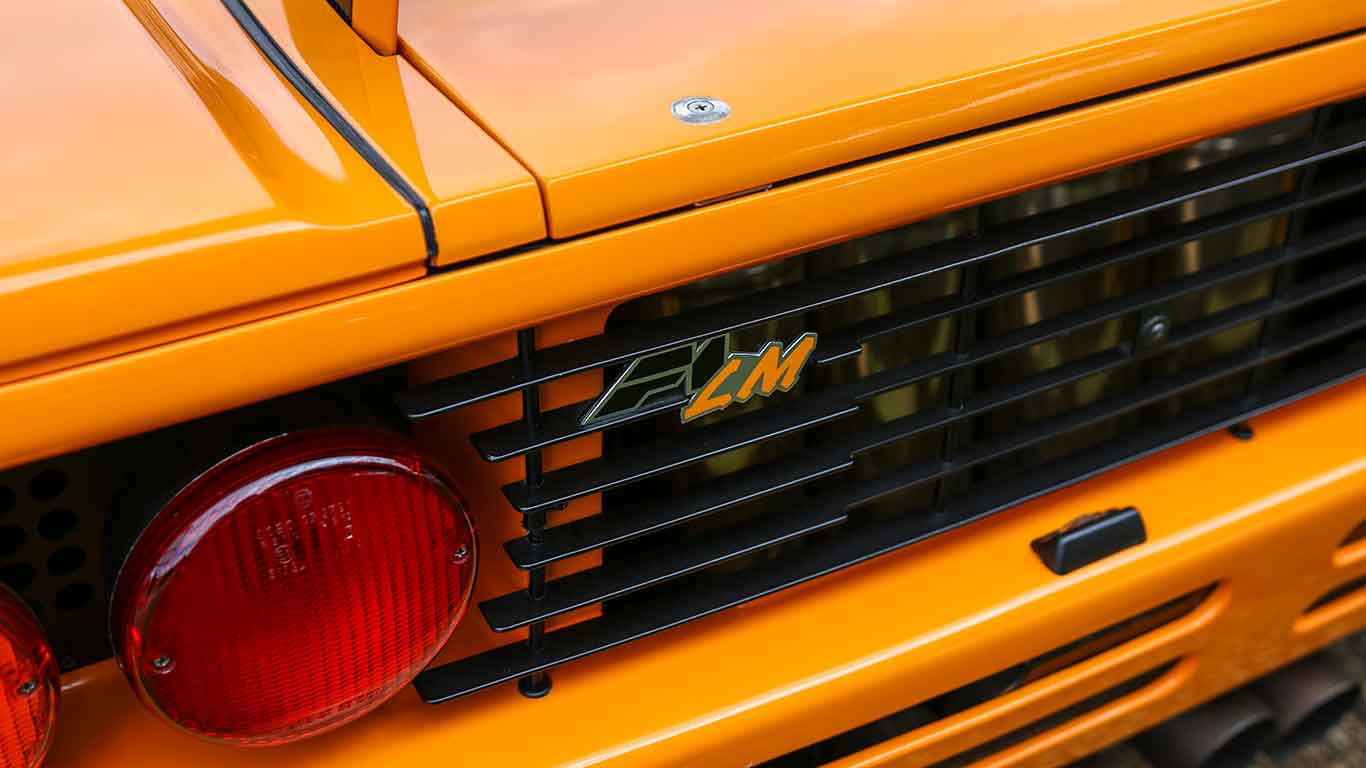
McLaren F1 LM
When is a McLaren F1 rendered semi-invisible? When the ultimate ‘LM’ variant of the F1 is parked next to it. Five LMs were made to commemorate the five F1 Le Mans 1995 finishers (including the overall winner). This is the prototype car once promised to Lewis Hamilton.
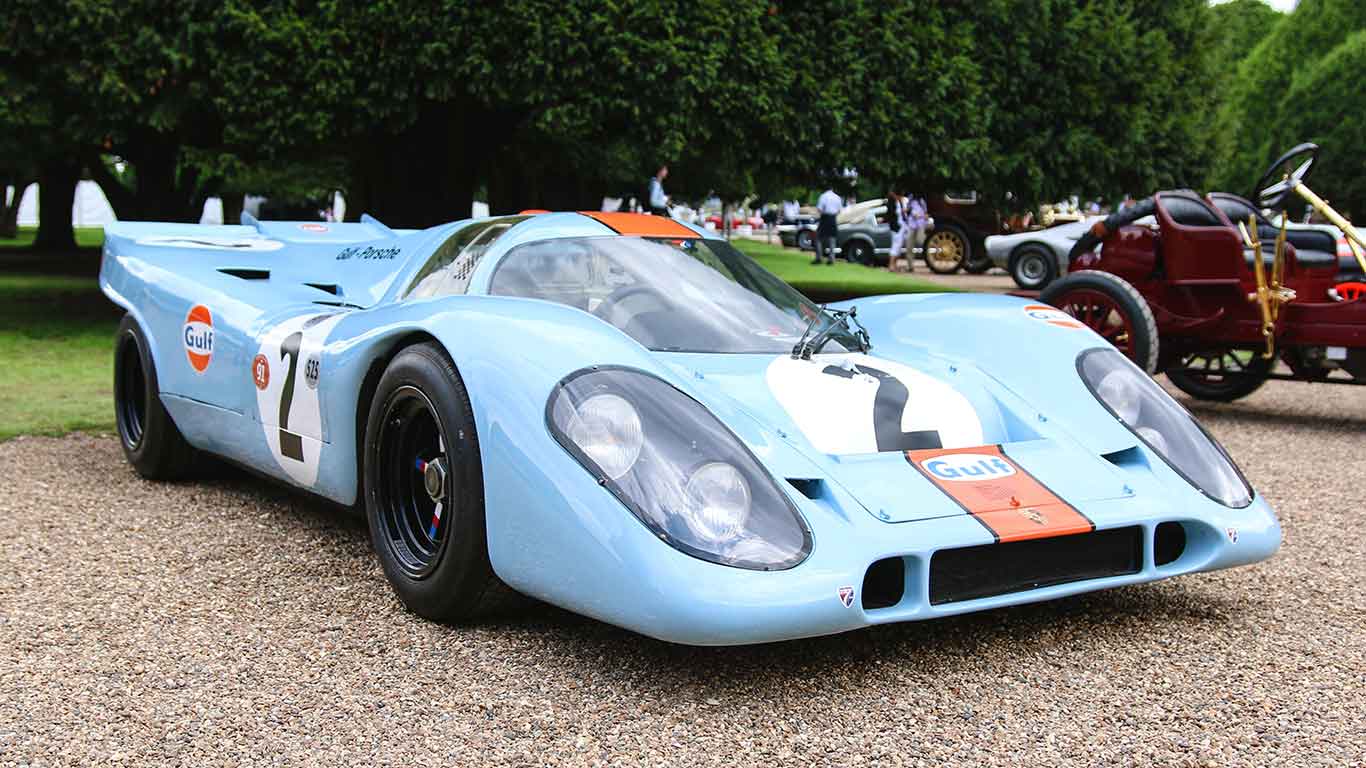
Porsche 917
Perhaps the greatest Porsche racing car of all time won the marque’s first Le Mans 24 Hours in 1970. The car at Concours, chassis no. 013/034, won the 1971 season-opener at Daytona. Since then it’s been a regular at Goodwood and other motoring events the world over.
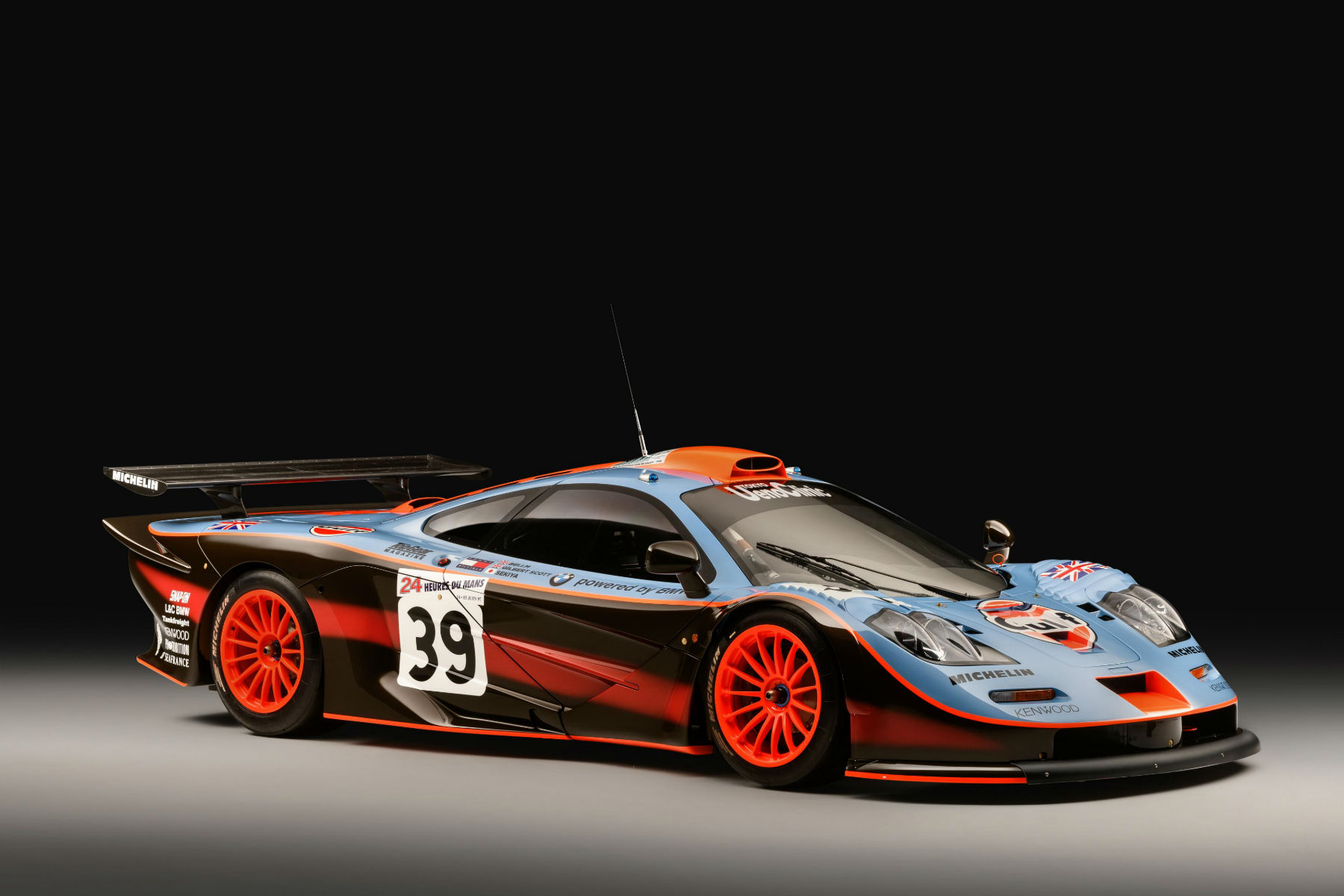
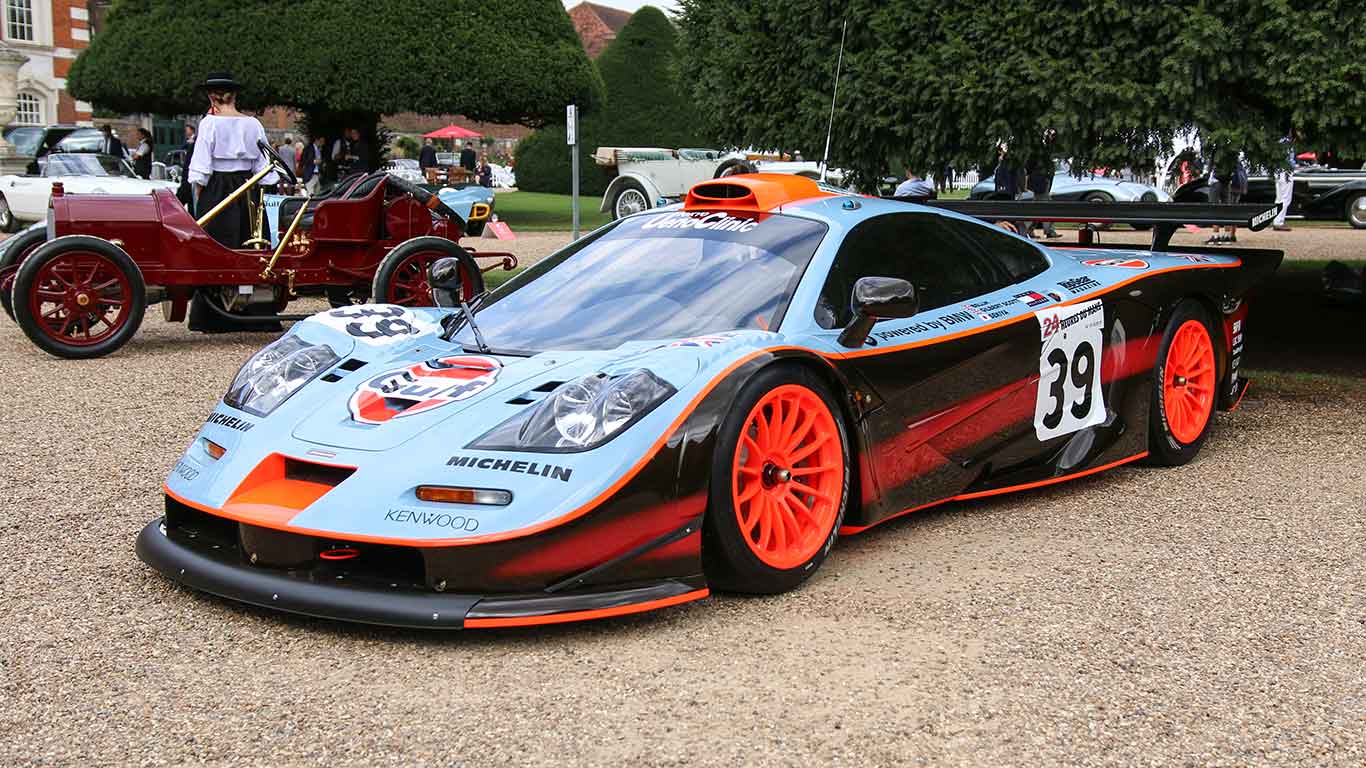
McLaren F1 GTR Longtail
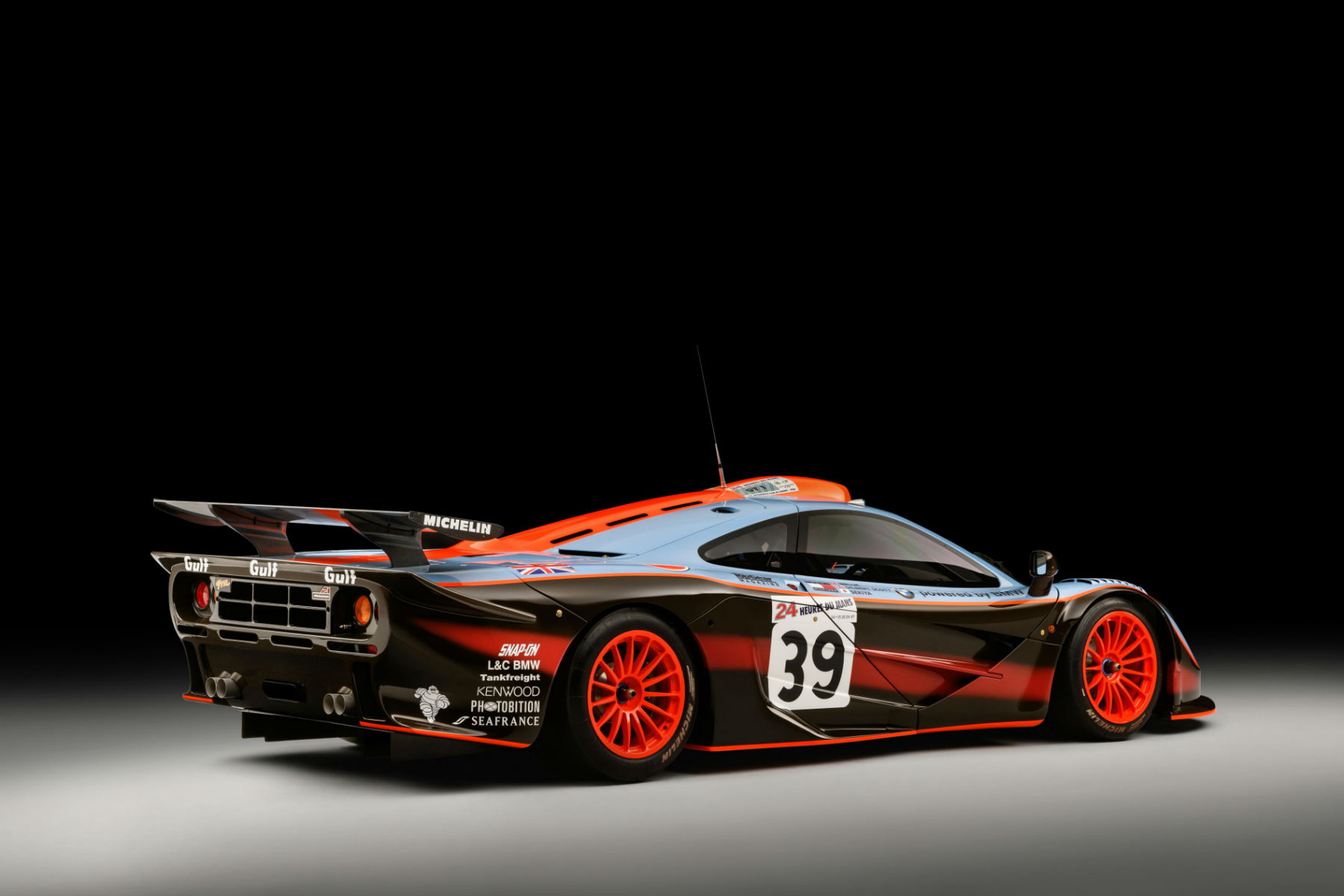
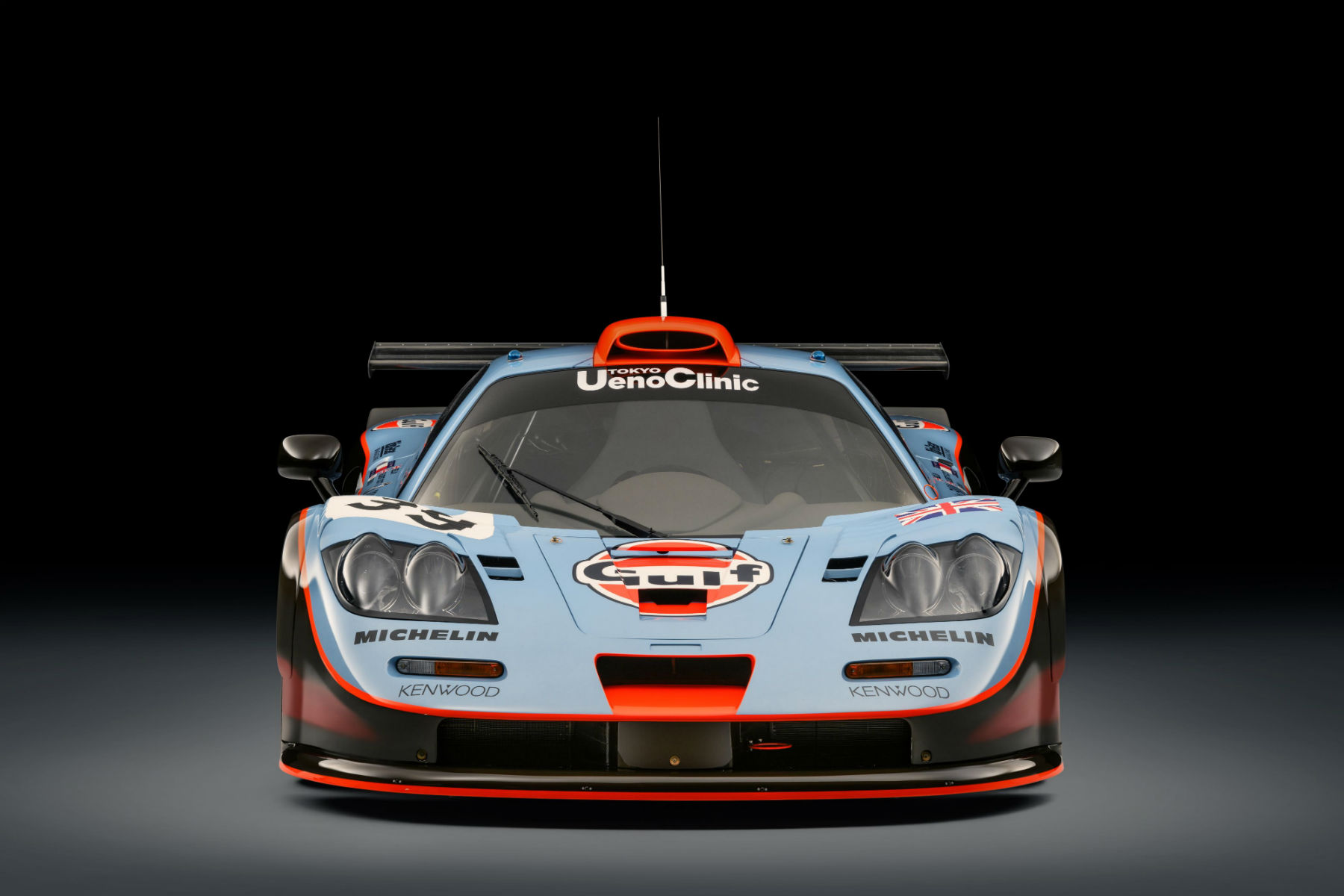
The Longtail was McLaren’s fightback against the monstrous Porsche 911 GT1 and Mercedes-Benz CLK GTR GT1 heavyweights. This car, GTR 25R, has been the guinea pig for McLaren’s ‘F1 Certified’ program and the results are superb. The Le Mans racer was presented in ‘as new’ condition.
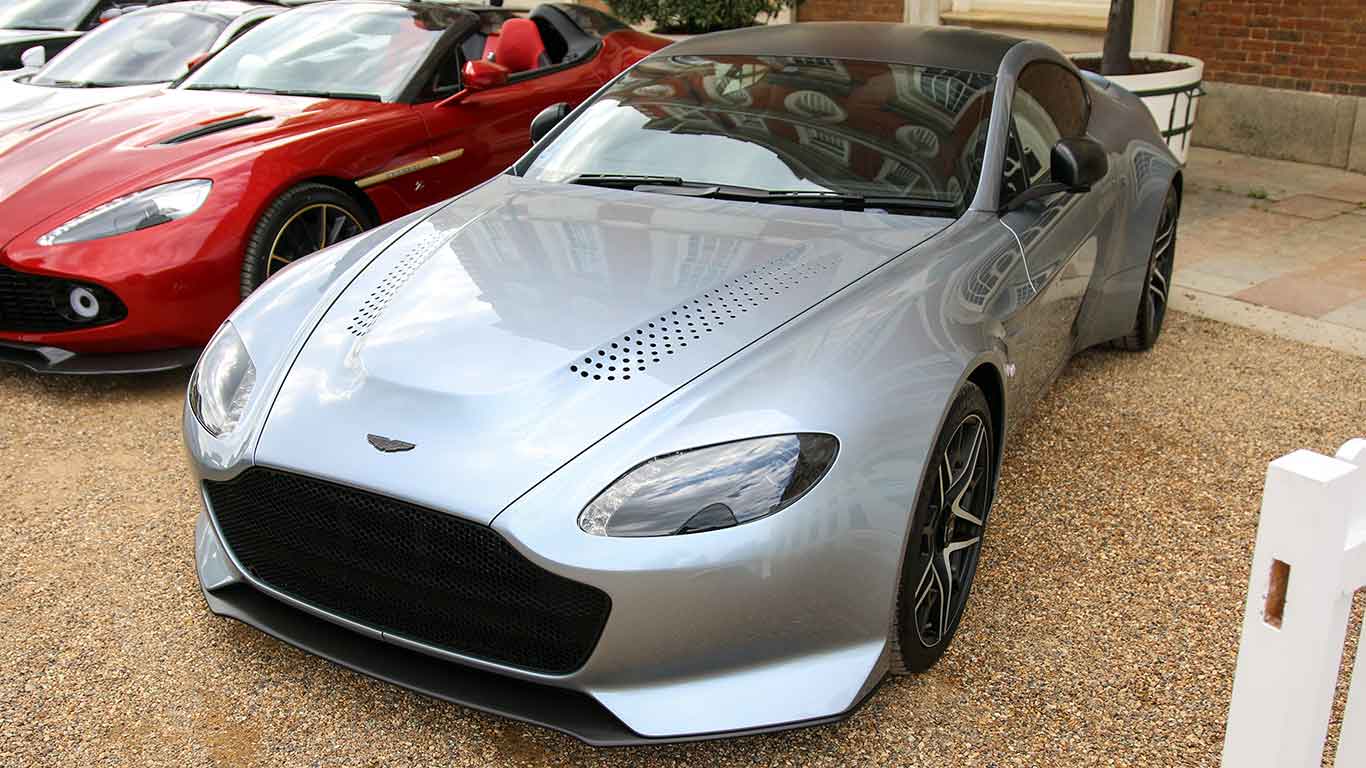
Aston Martin Vantage V600
The very last previous-generation Vantage exits with a bang. A 600hp V12 driving through a manual gearbox, plus a muscular yet tailored body, make this one-of-fourteen £1 million+ supercar a classic upon arrival. What we wouldn’t give for a go…
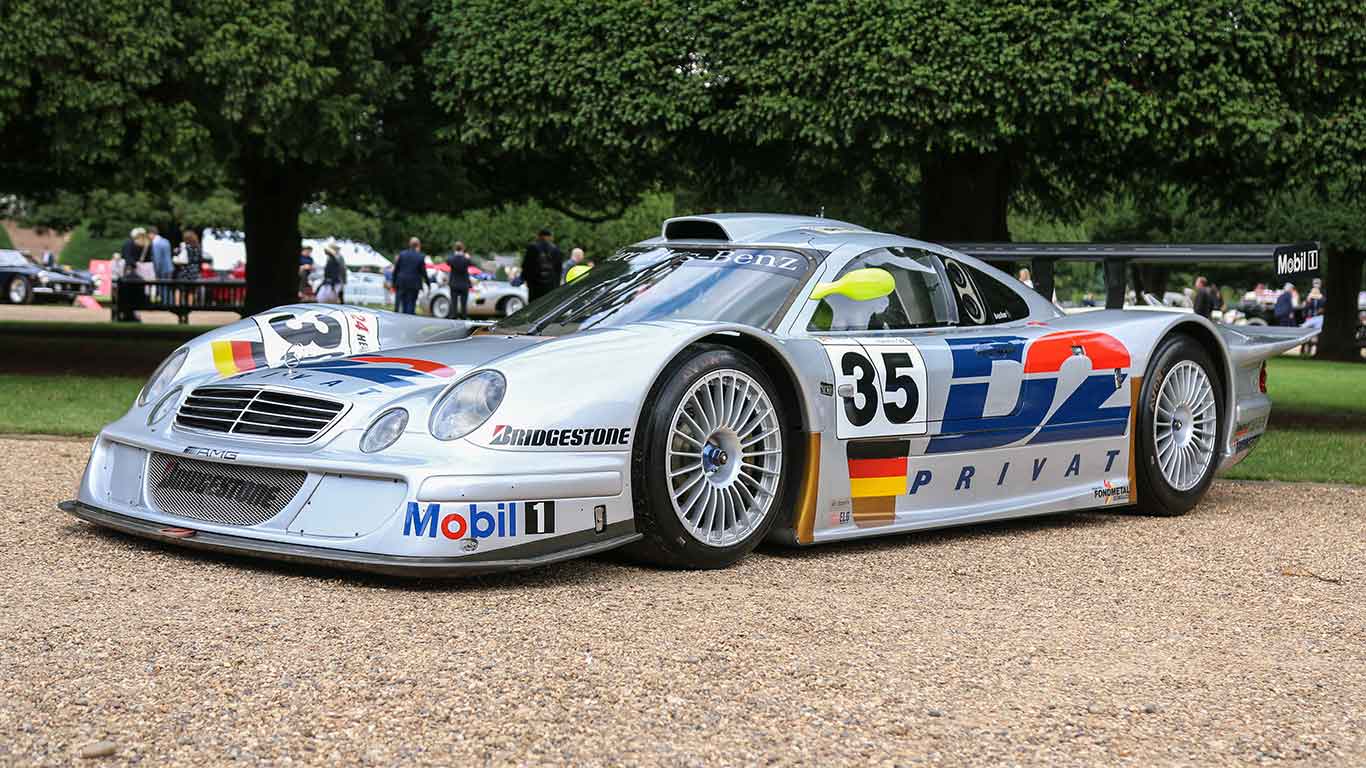
Mercedes CLK LM
The CLK GTR was Mercedes’ answer to the triumphant McLaren F1 in GT1 racing. The LM variant as displayed at Concours packed a Croup C V8 and was Mercedes’ crack at Le Mans following successful seasons in FIA GT. Engine failures plagued both cars come race day, though.
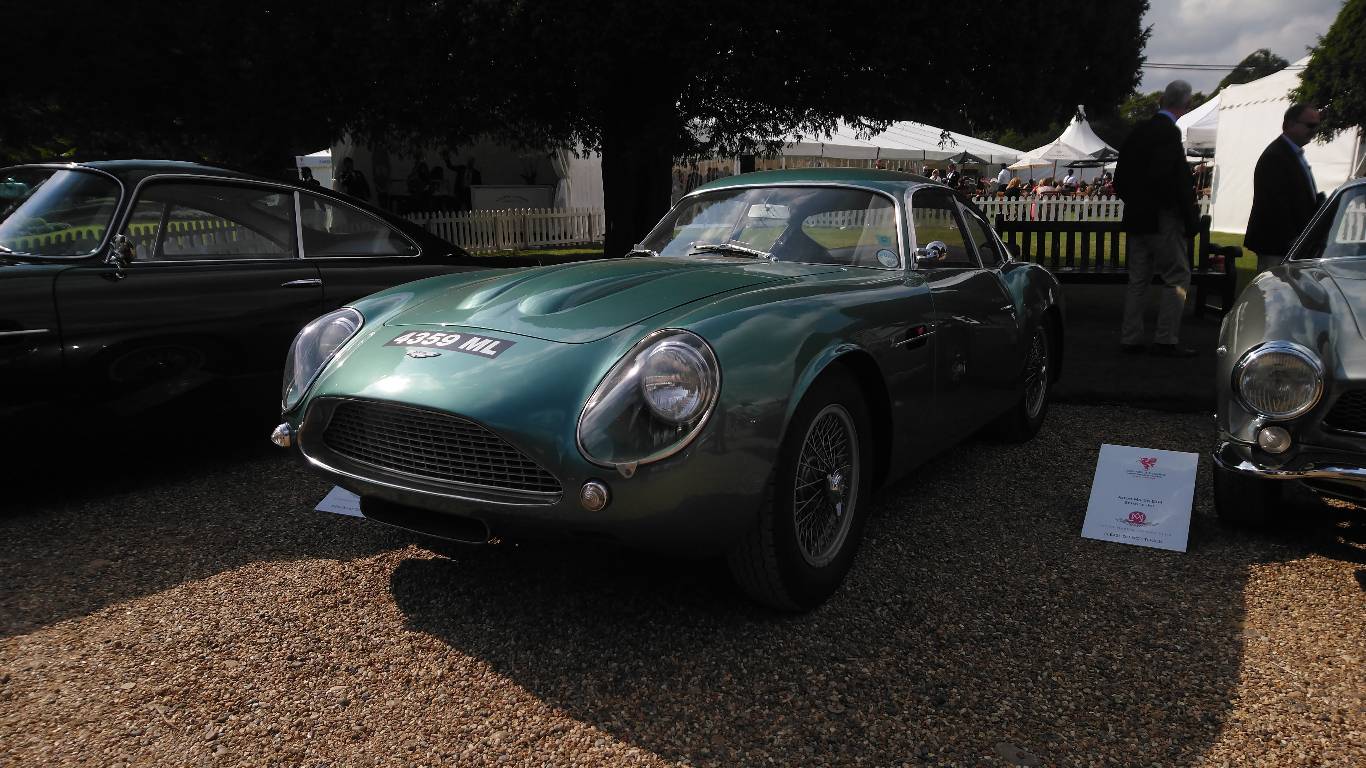
Aston Martin DB4 GT Zagato
If you’re looking at spending as much money as possible on a car, a Zagato-bodied Aston Martin DB4 is the next best thing to a Ferrari 250 GTO. It’s one of the most revered classics on the planet and an absolute catch if you can find one of the 25 built. This one was road-tested by Autocar in 1962.
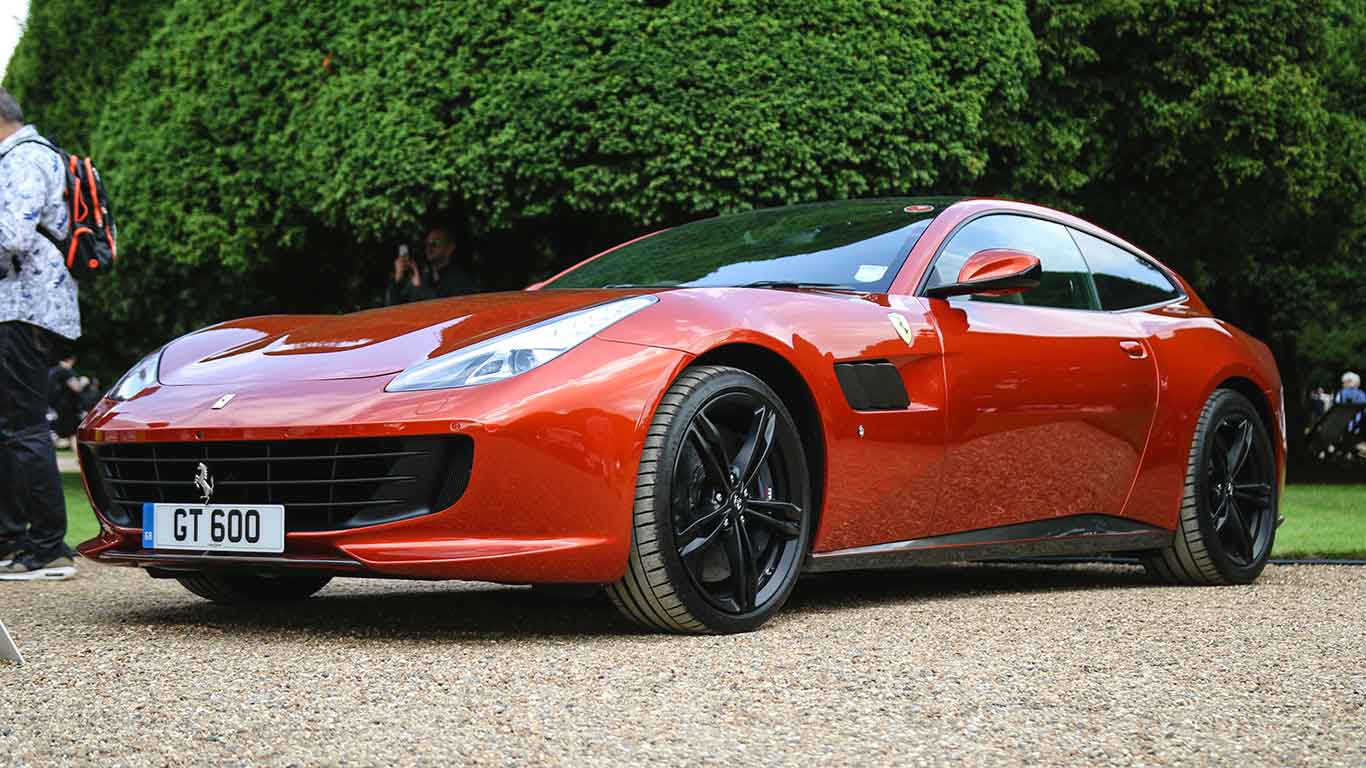
Ferrari GTC4Lusso
In this company, even a Ferrari GTC4Lusso is something of a shrinking violet – but bear with us. This particular Lusso is special for all its own reasons. The colour, named Aranci Rik, is a result of the ‘Tailor Made’ program. Why not make your already stunning V12 GT even more exclusive?
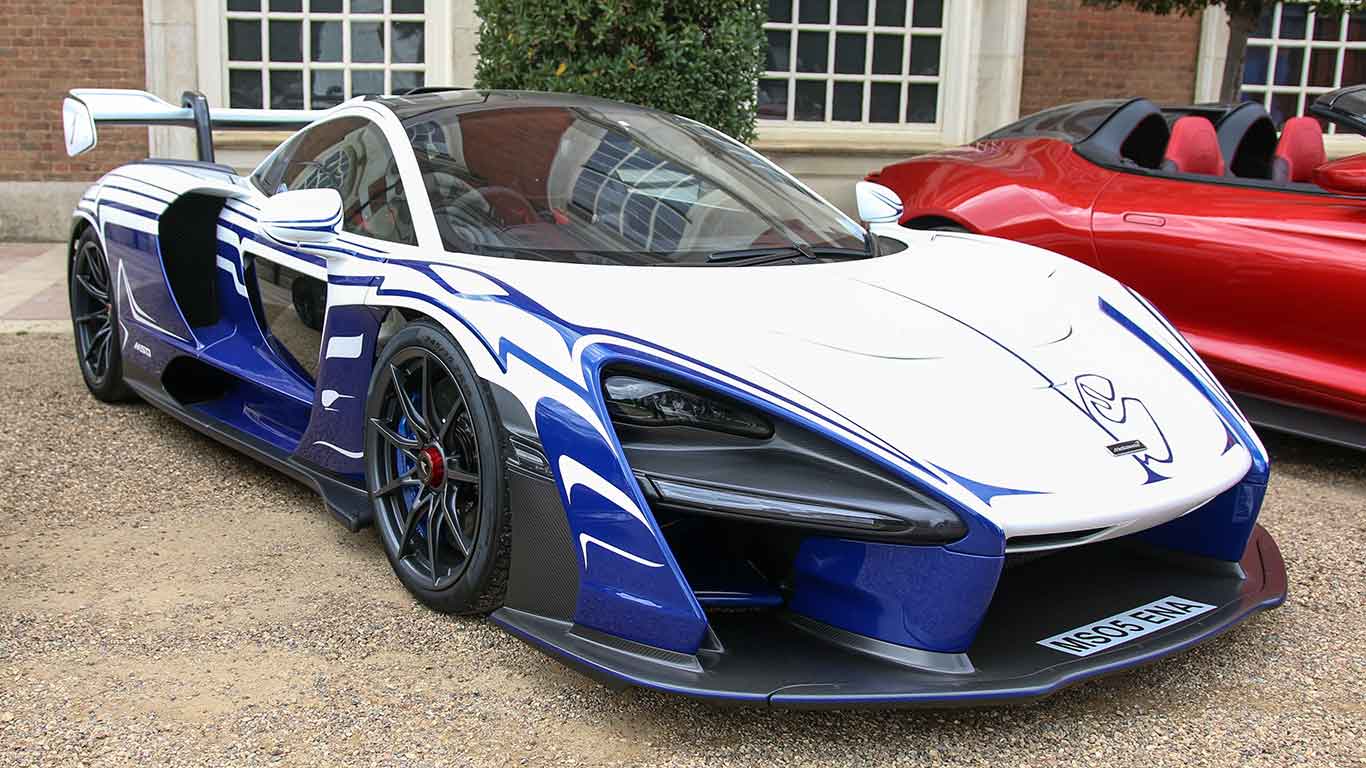
McLaren Senna
Highlights from McLaren included the aforementioned F1 ‘25R’ and ‘XP1’ F1 LM, along with the new Senna. This is the ultimate track toy, named after one of the greatest F1 drivers of all time. A big name to live up to…
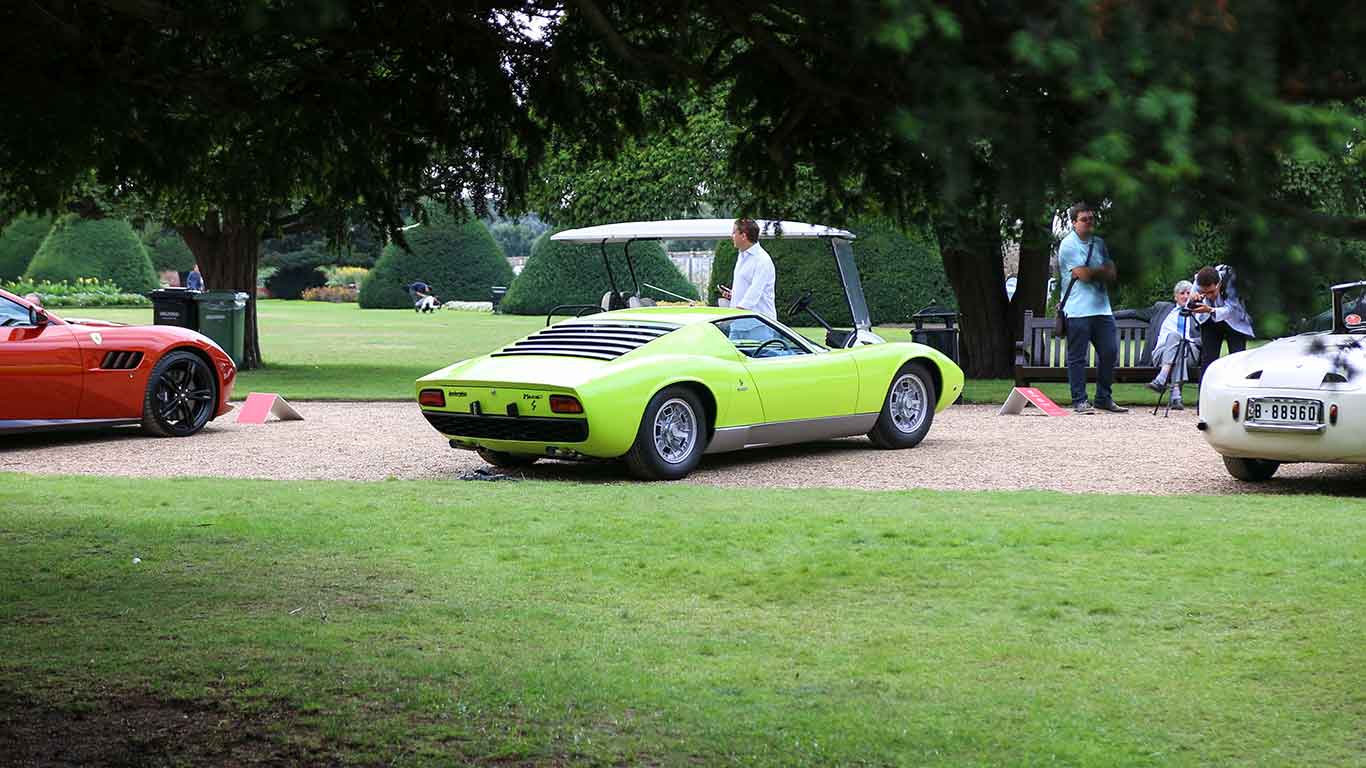
Lamborghini Miura
The original supercar has to be a staple for any concours worth its salt, so of course a stunning P400 was on show at Concours of Elegance. In the imperious setting of Hampton Court Palace, the lurid green Miura contrasts beautifully with the luscious lawns.
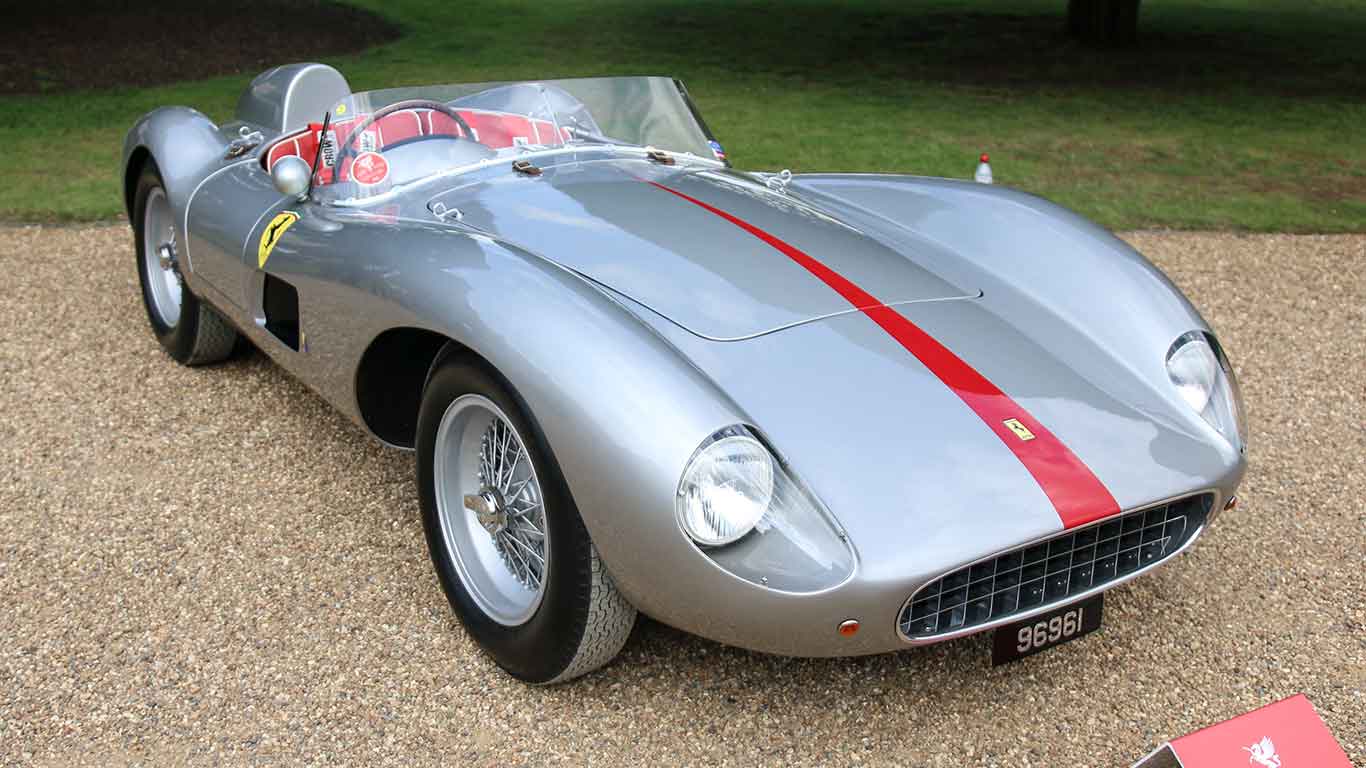
Ferrari 500 TRC
The 500 TRC is a significant car for Ferrari, being one of very few prancing horses to utilise a four-cylinder engine. Still, that doesn’t stop it from being a real Testa Rossa (‘Red Head’). You can thank the red valve covers for that.
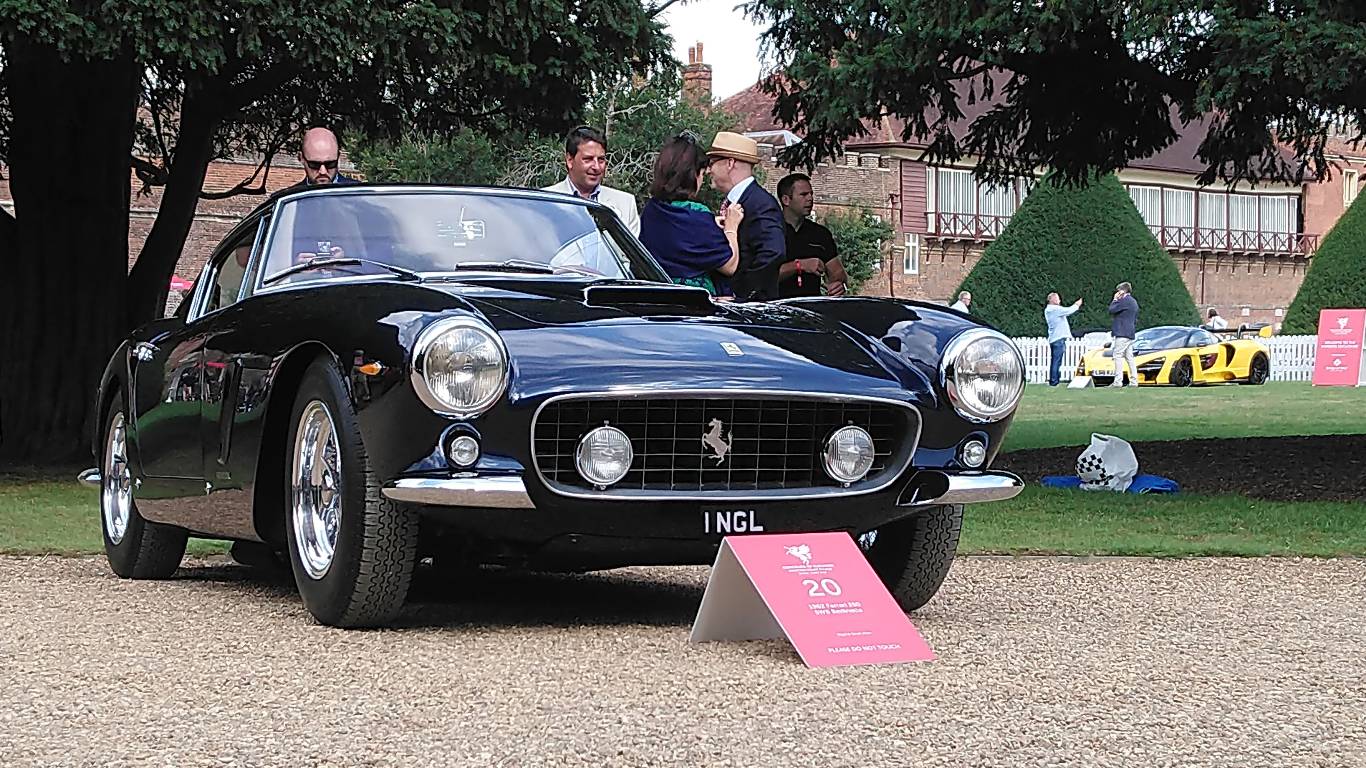
Low-key, and one of the prettiest Ferraris ever made, we reckon this tops the 250 GTO in the looks department. The ‘SWB’ was also a breakout success as a GT racer, winning the 1961 Constructors’ Championship for GTs.
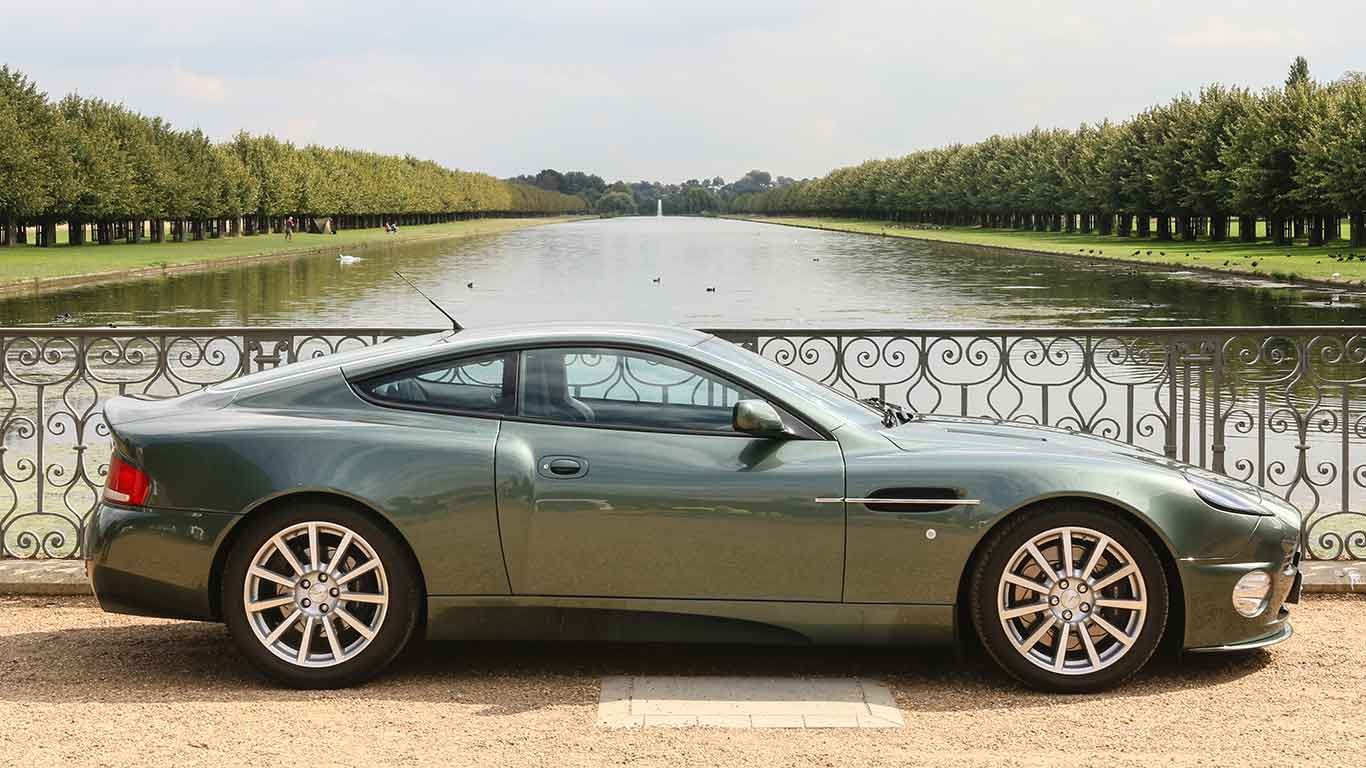
Aston Martin Vanquish S
Aston’s early-2000s gentleman’s express is a significant car in the marque’s history, if perhaps not a must-see exhibit at Concours of Elegance. Nevertheless, it’s drop-dead gorgeous – and we couldn’t miss the lake-side photo opportunity.
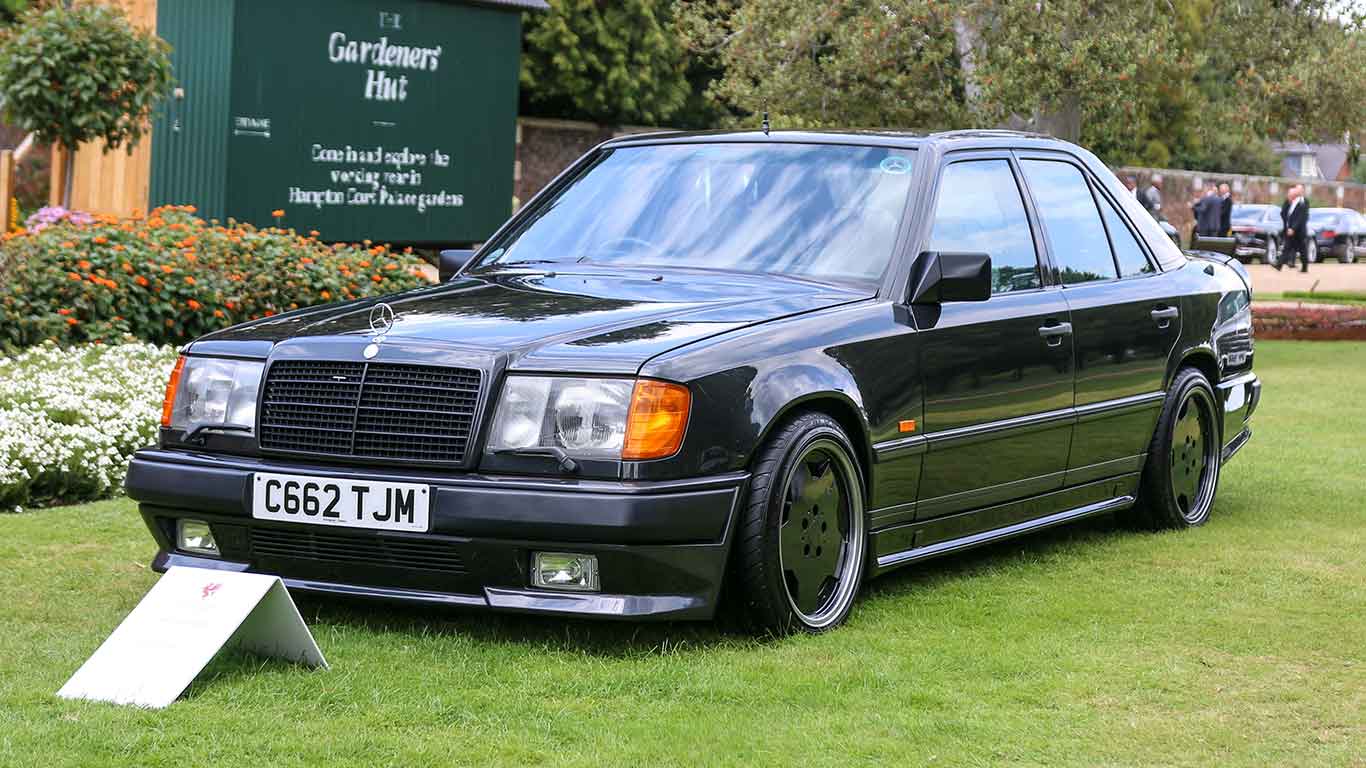
Mercedes-Benz 300E AMG ‘Hammer’
Among the glitterati and race veterans at Concours of Elegance, the big brutish ‘80s Merc would ordinarily seem out of place. In the Harry’s Garage ‘Four-Door Supercar’ display, however, the original AMG super saloon was royalty.
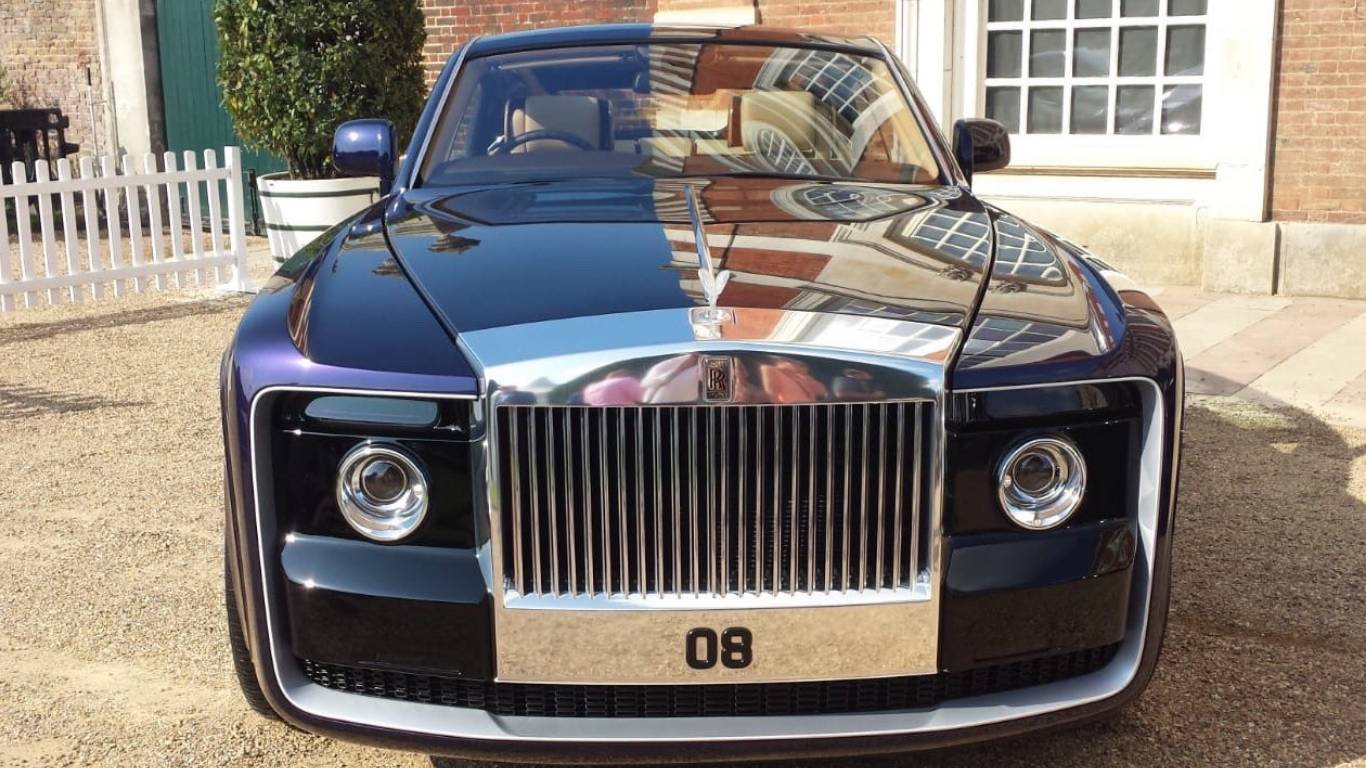
Rolls-Royce Sweptail
This one-off Rolls-Royce commission is a £10 million+ tribute to coachbuilders of the 1920s and 30s. As of its debut just over a year ago, it was the most expensive new car ever sold.
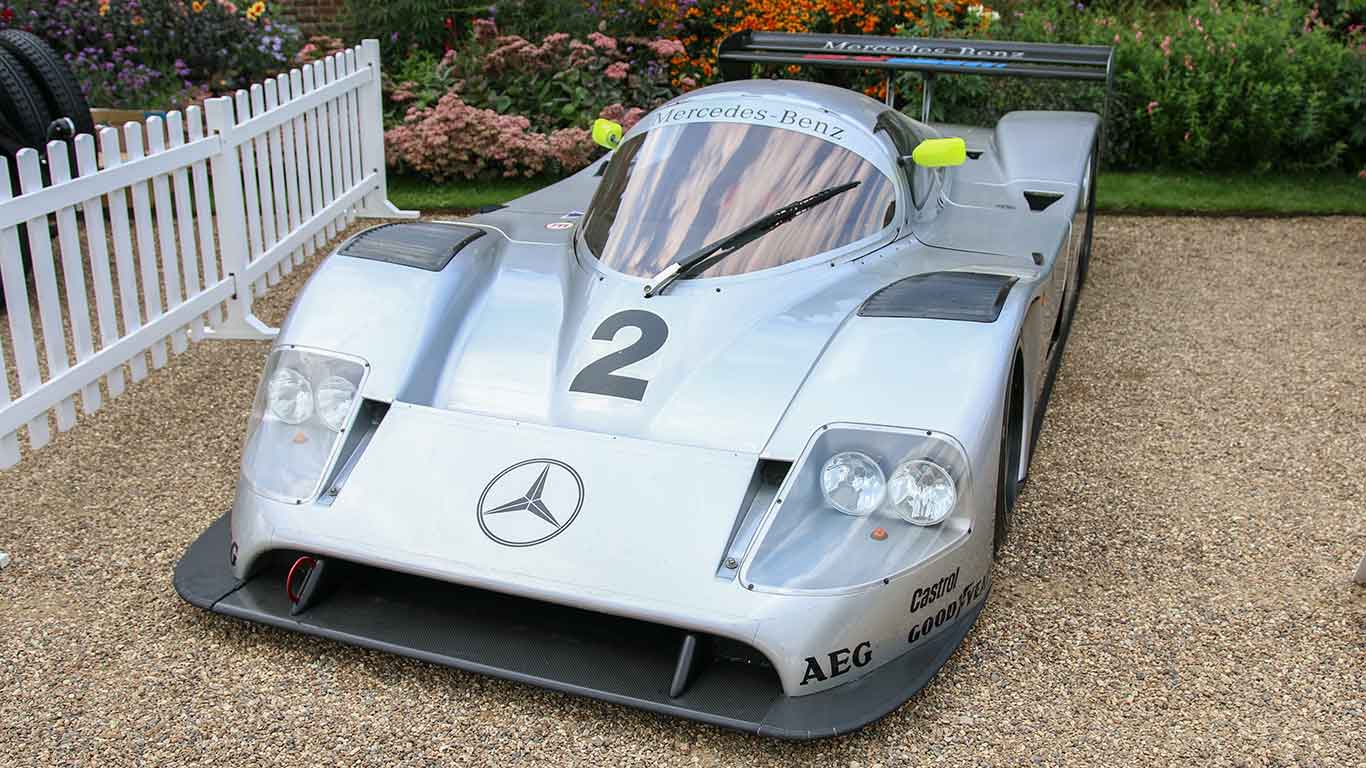
Sauber-Mercedes C11
The Sauber-Mercedes C11 is one of many dominant Silver Arrow racing cars spanning the entirety of the marque’s motorsport history. It dominated the 1990 World Sports Prototype Championship in 1990. The Schumacher/Mass car is seen here at Concours of Elegance.
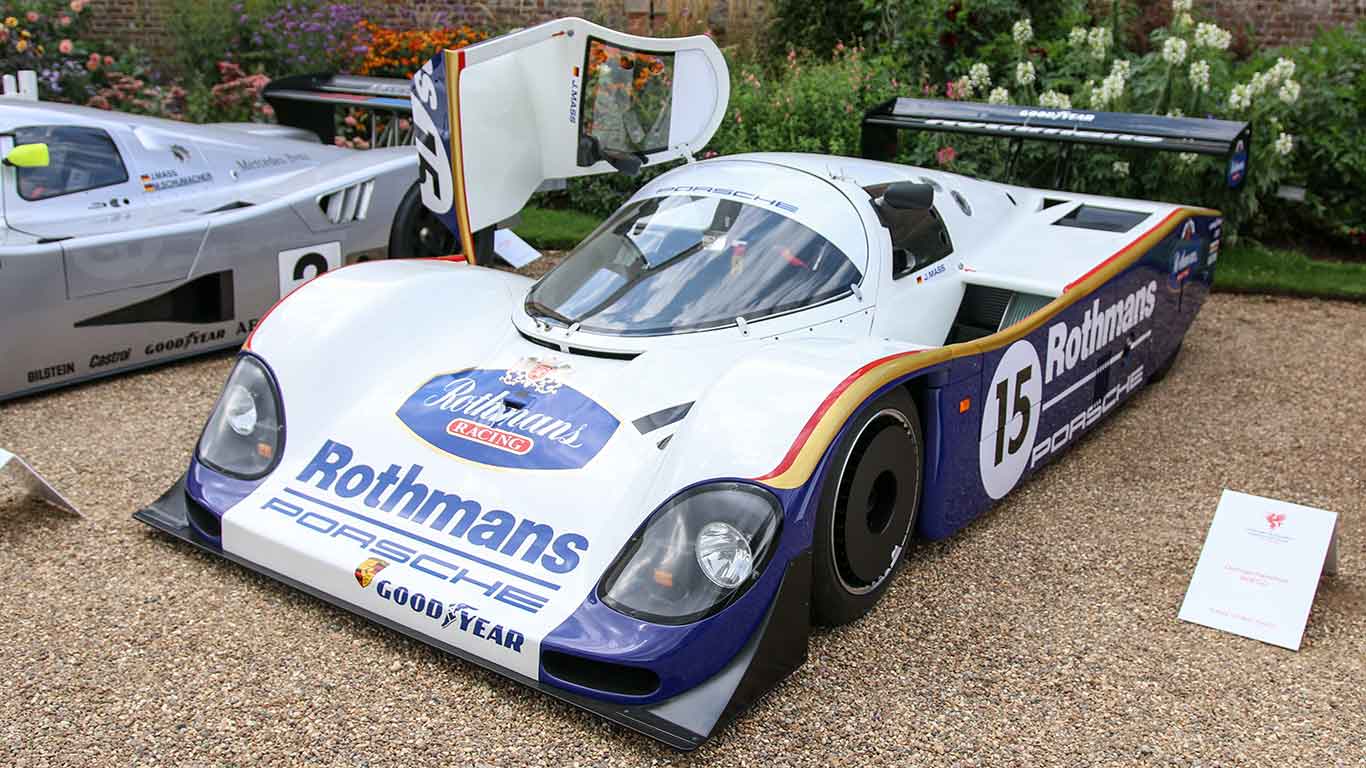
Porsche 962/C
Another ex-Jochen Mass monster comes in the form of this Kyalami-winning 1987 Porsche 962, seen here perfectly restored to the exact spec Mass drove – and won – in at the South African round. The Rothmans livery has to be one of the all-time greats, looking extra special on this svelte 962.
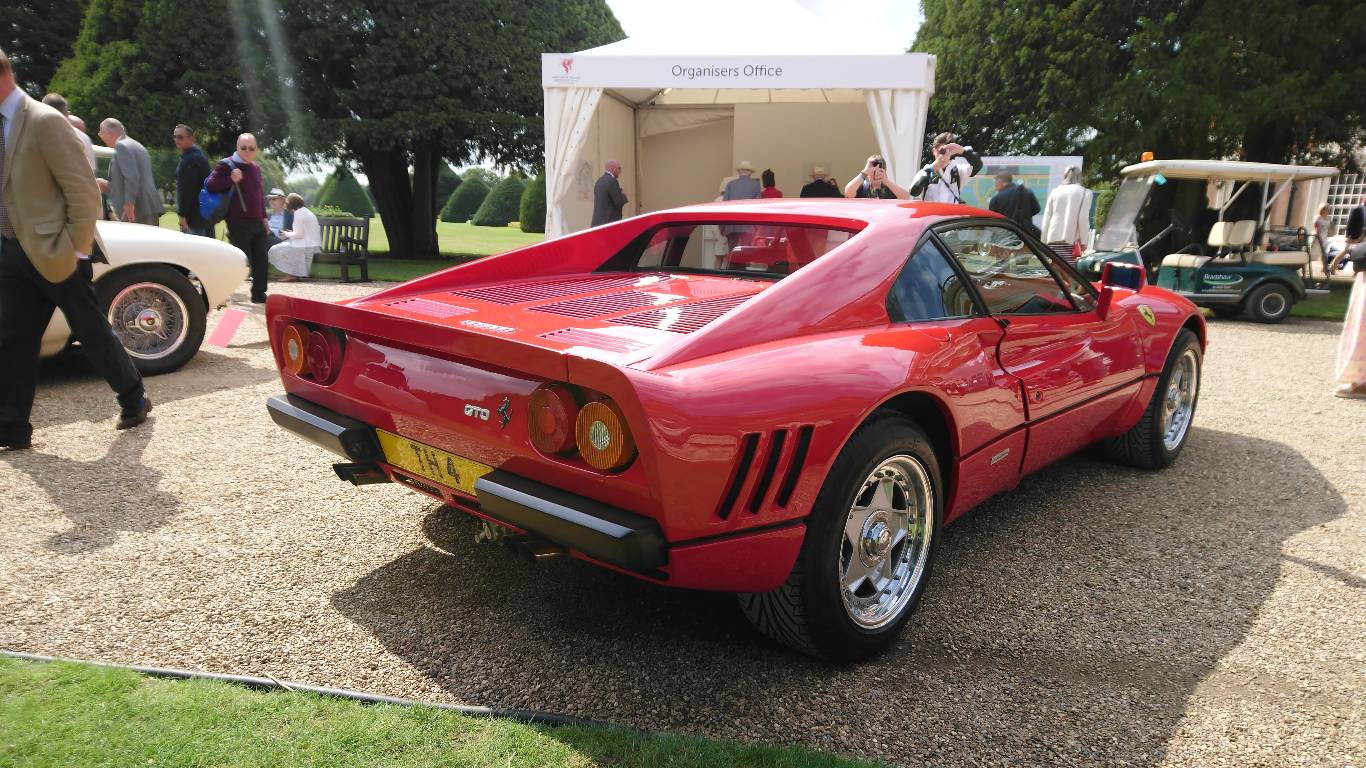
Ferrari 288 GTO
Never mind the F40, the original Ferrari supercar was the 288 GTO. Using a version of the 2.9-litre twin-turbo V8 that found its way into the F40, the GTO was, as its Omologato name suggests, originally a homologation car for a racer. Although it never competed, it remains an all-time Ferrari great.
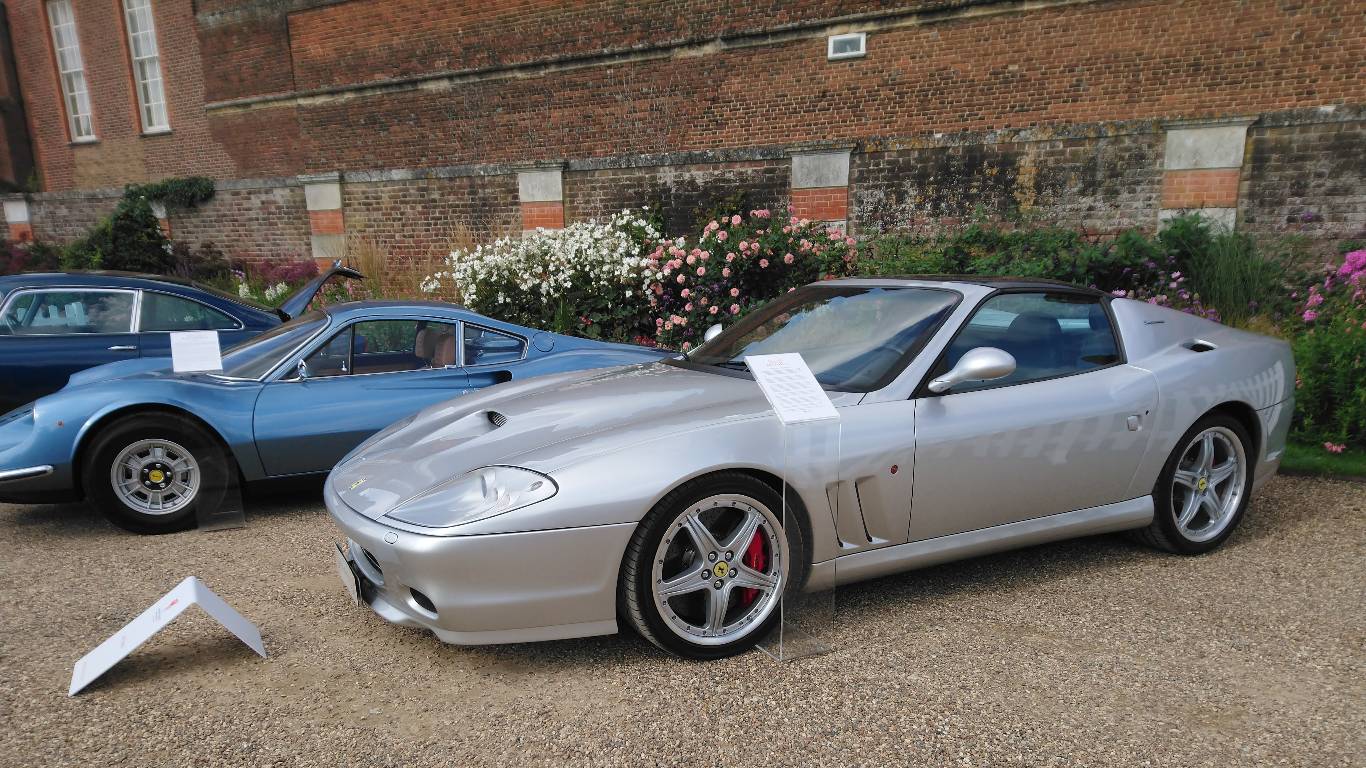
Ferrari 575 Superamerica
The Superamerica was perhaps the ultimate iteration of the long-serving 550/575 breed. Packing a whopping 540hp from its V12 engine, Ferrari claimed it was the fastest convertible in the world at the time. It can’t have been far off, with a top speed of 199mph – a rare beauty at Concours of Elegance.
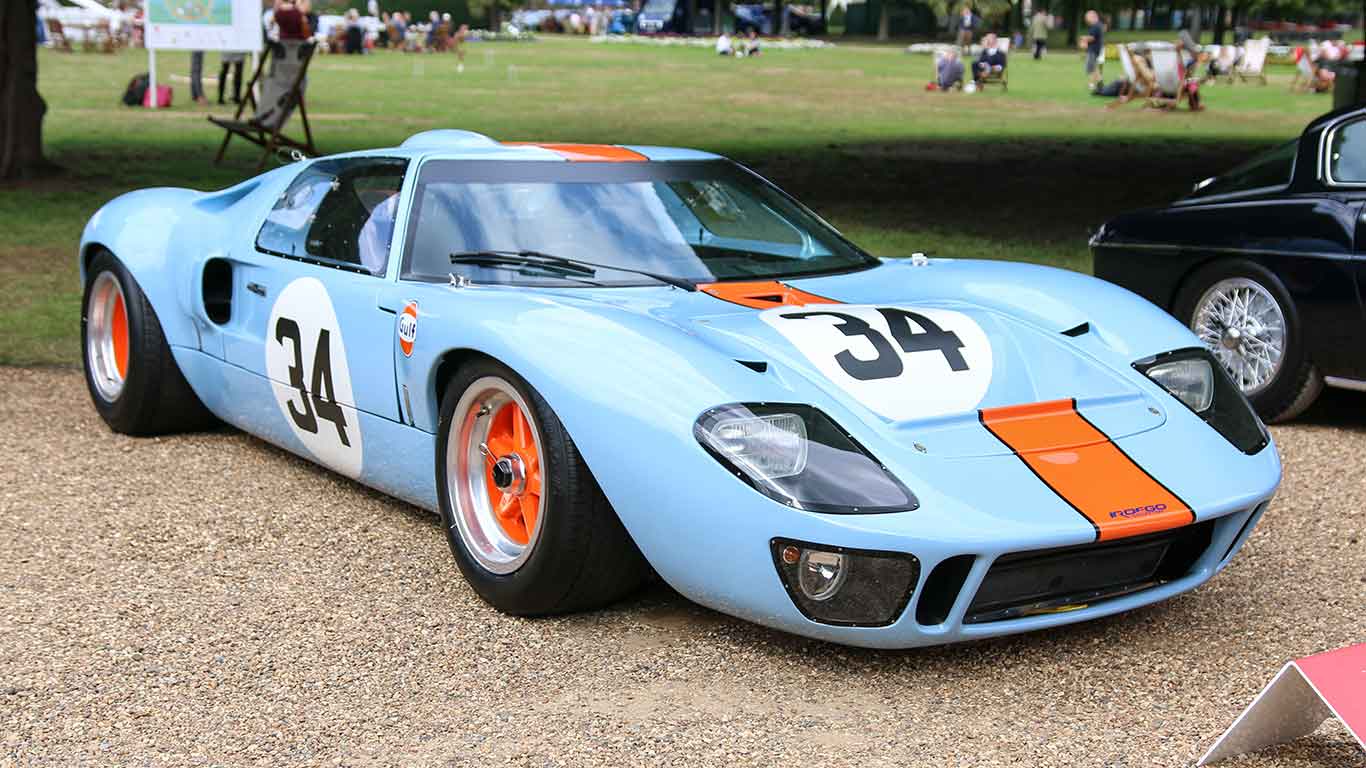
Ford GT40
The Rofgo collection was out in force at Concours of Elegance, with the resplendent Gulf-liveried Ford GT40 being perhaps the most spectacular of the lot. One of the greatest liveries of all time meets one of the most legendary sports racers to have turned a wheel in anger.
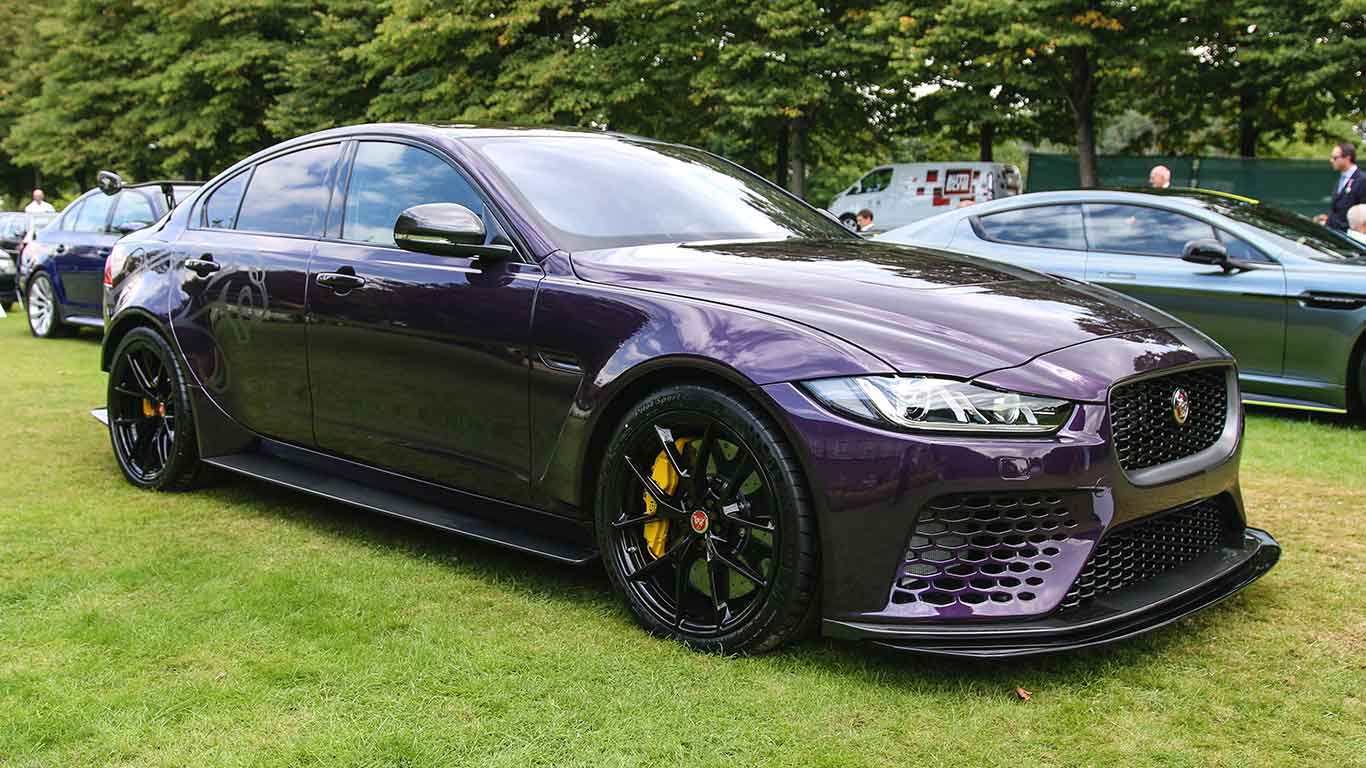
Jaguar XE SV Project 8
Another family hack in amongst the priceless gems? Well, yes – if your idea of a saloon comes with a 600hp supercharged V8, blistered bodywork, Cup 2 tyres and aero addenda worthy of the BTCC. This is the very definition of a four-door supercar.
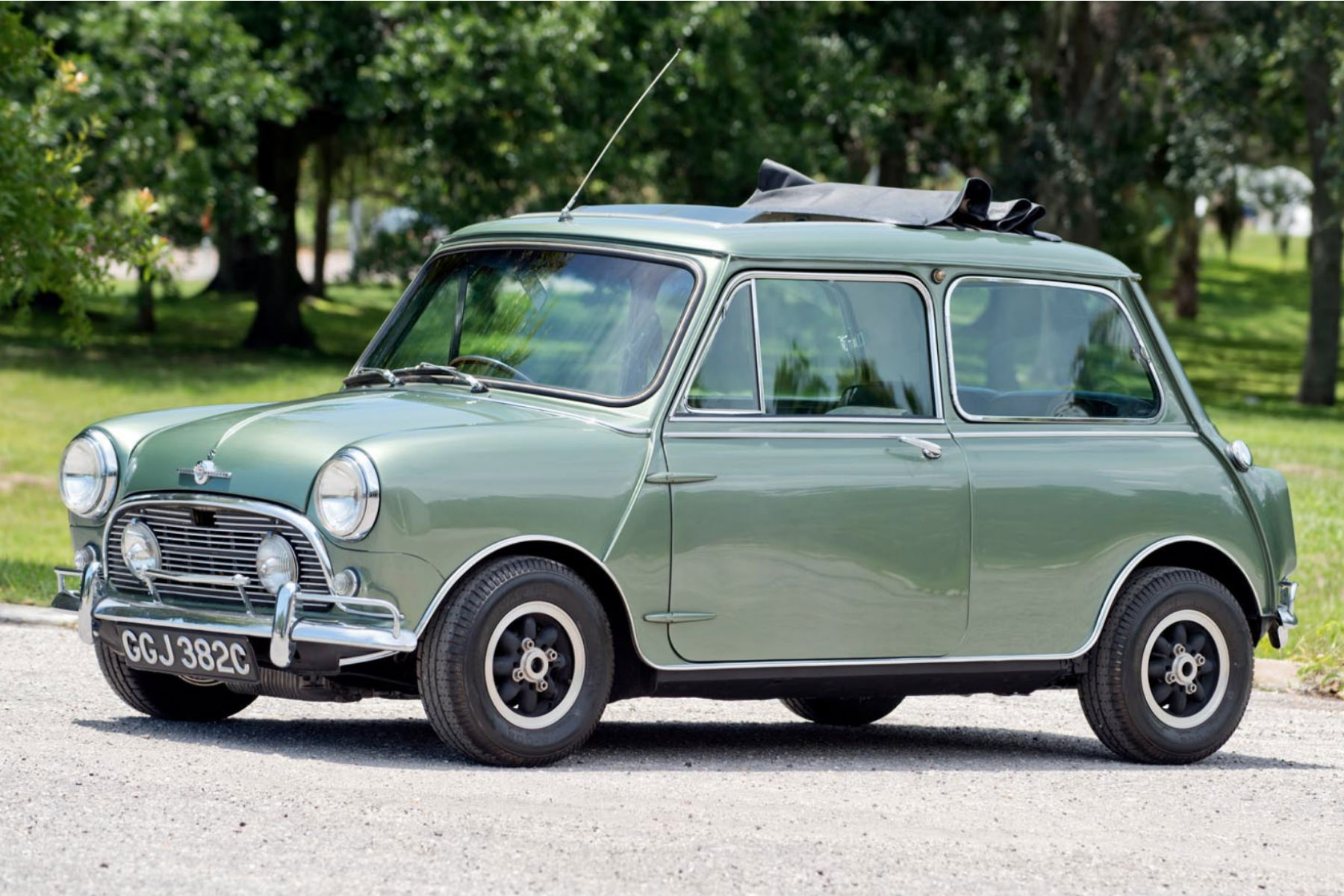
Ever wanted to drive a Mini once owned by a member of The Beatles? Well, you’re too late: this Radford-modified example originally owned by Paul McCartney has just sold for more than £182,000.
The car was offered without reserve at the Auburn Auction held by Worldwide Auctioneers on Saturday 1 September. It was presented in spectacular condition, having undergone a comprehensive restoration in 2001.
George Harrison’s Porsche 928 rescued from the scrapheap
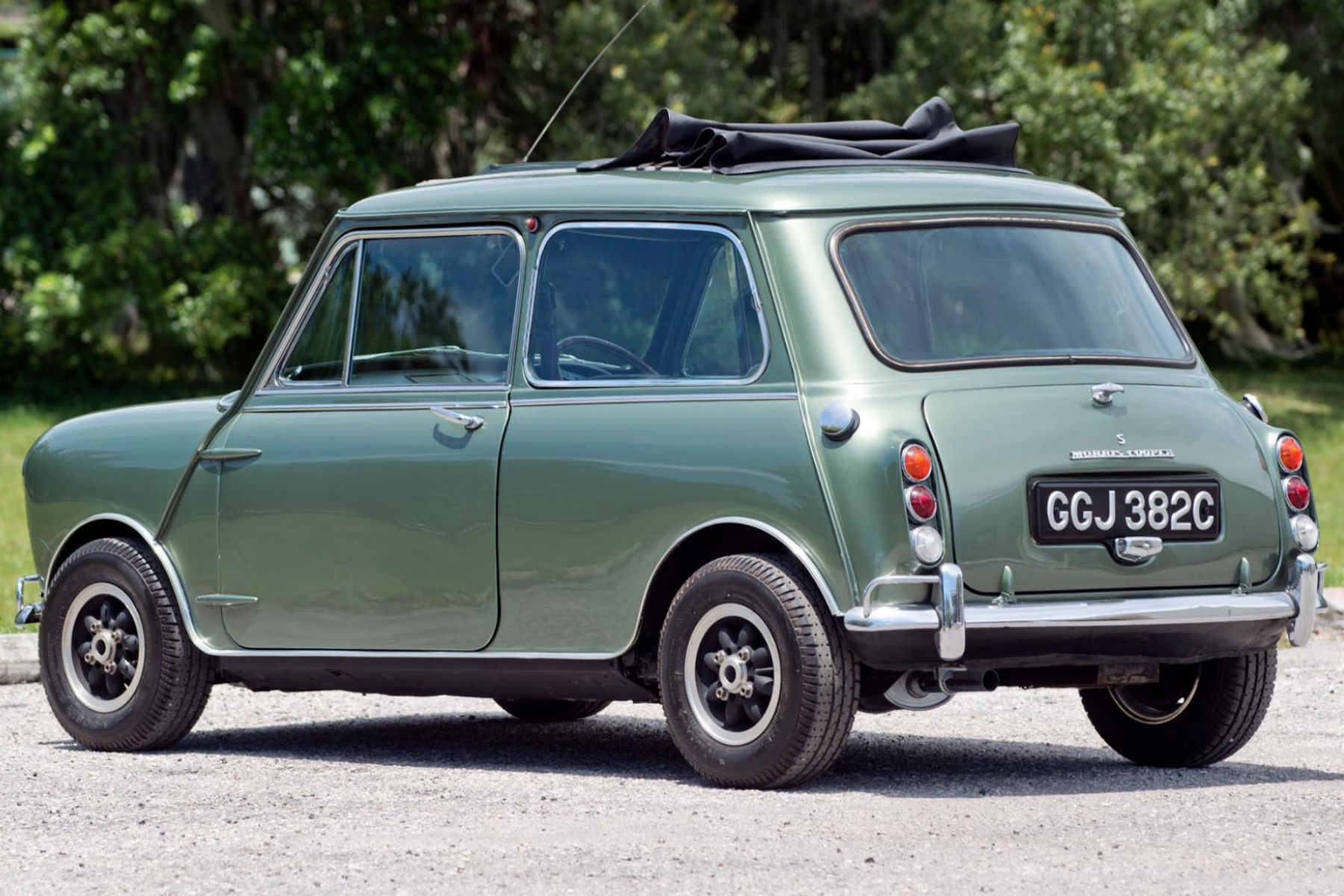
The Mini, along with three other Radford conversions, was originally ordered by the Beatles’ band manager, Brian Epstein. The McCartney car was right-hand drive and finished in California Sage Green. Modifications included twin driving lamps, a Webasto sliding sunroof, Aston Martin taillights and custom wheels.
On the inside, power windows, a custom three-spoke wooden steering wheel, woodgrain interior pieces, bucket seats and Smiths instruments completed the package. Radford were the kings of tarting up Minis, with a rich history of luxury car coachbuilding. GGJ 382C was the ultimate rock star’s urban runaround.
After McCartney moved it on, the car went to California and saw regular use in Hollywood. It enjoyed regular servicing at Hollywood Sports Cars and an eventual engine rebuild.
The Beatles Mini eventually wound up in Florida, where it received its cosmetic renovation. It was then moved on again and put on display at the Sarasota Classic Car Museum, with occasional trips out to shows and other events.
This is up there with the Italian Job and Mr Bean cars as important Minis go. Beatles provenance is not to be sniffed at, but whether it’s really worth £182,000 is another matter. Imagine if it were packaged with the other custom Minis made for the other band members. We could imagine the fab four going for over a million if all sold together…
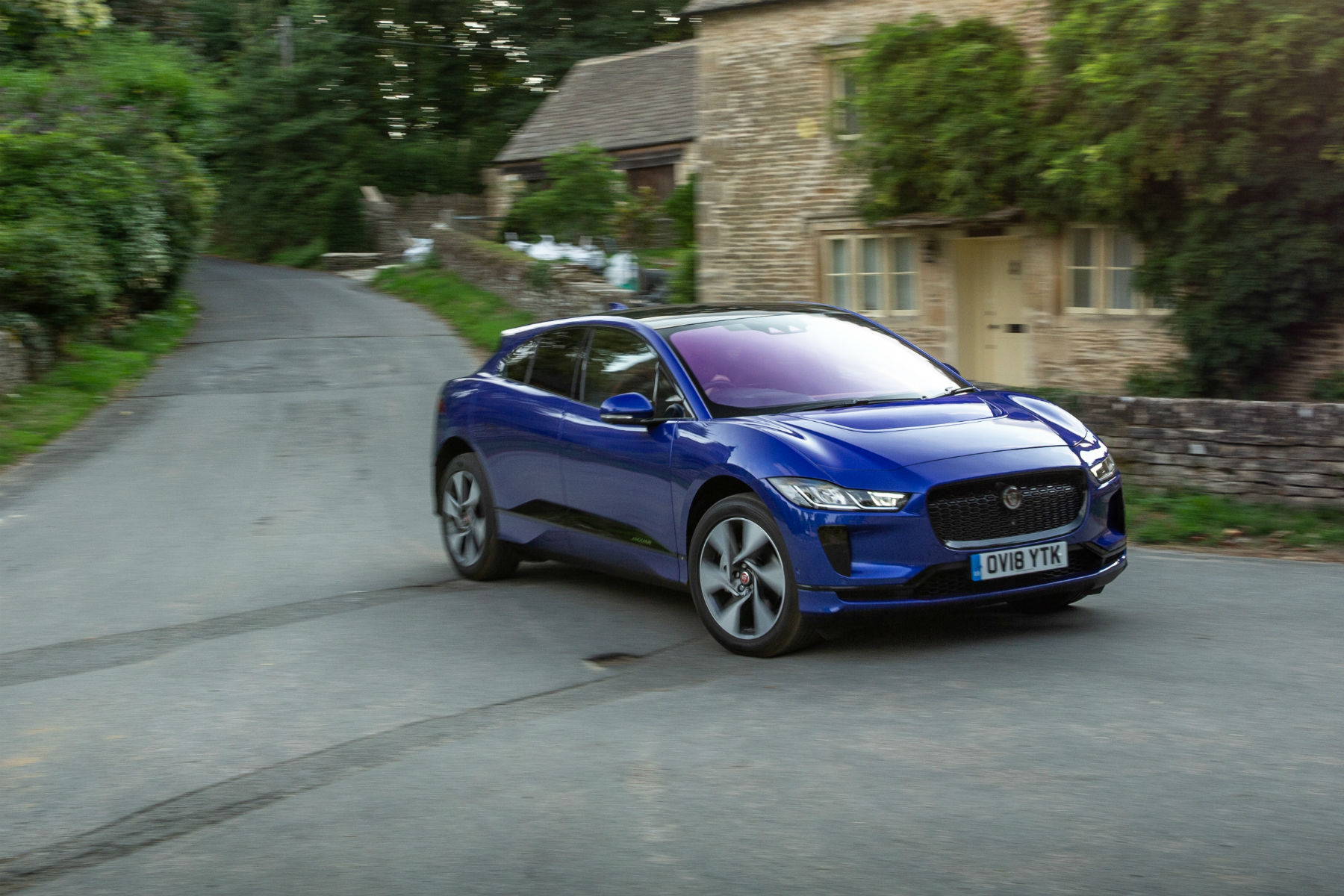
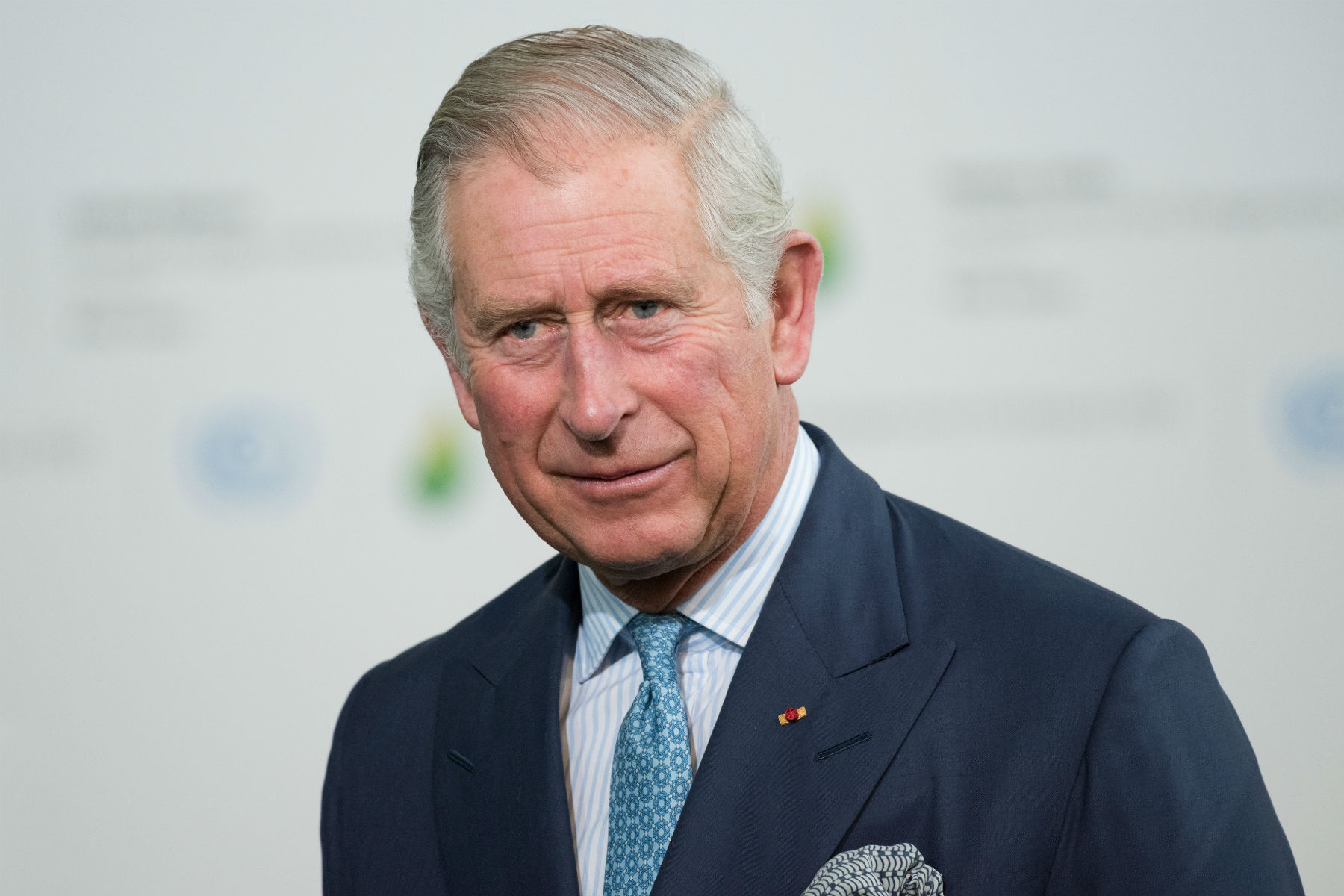
Prince Charles is well-known as a committed environmentalist, and his new car reflects this ethos. He’s bought an all-electric Jaguar I-Pace.
We say “bought”, because he actually has. It’s reported he’ll be leasing the £60,000 electric Jaguar SUV out of his own pocket.
It wouldn’t be a royal car without a few special touches, though, so HRH’s I-Pace will arrive in custom ‘Loire Blue’ paint – the only car finished as such. Ahead of his acquisition later this week, Charles has already had his Clarence House home prepared for EV ownership, with the installation of a fast charger.
The prince is no stranger to electric cars, either. He also test-drove a Tesla Model S, with a view to buying one, but preferred the handling of the Jaguar.
And Charles isn’t the only royal to have shown a keen interest in alternative-fuel vehicles. In front of millions of TV viewers, Prince Harry and Meghan Markle arrived at their wedding in an all-electric Jaguar E-type, the E-Zero.
The I-Pace will join an impressive garage of classic and luxury vehicles, including a biofuel-converted Aston Martin DB5.
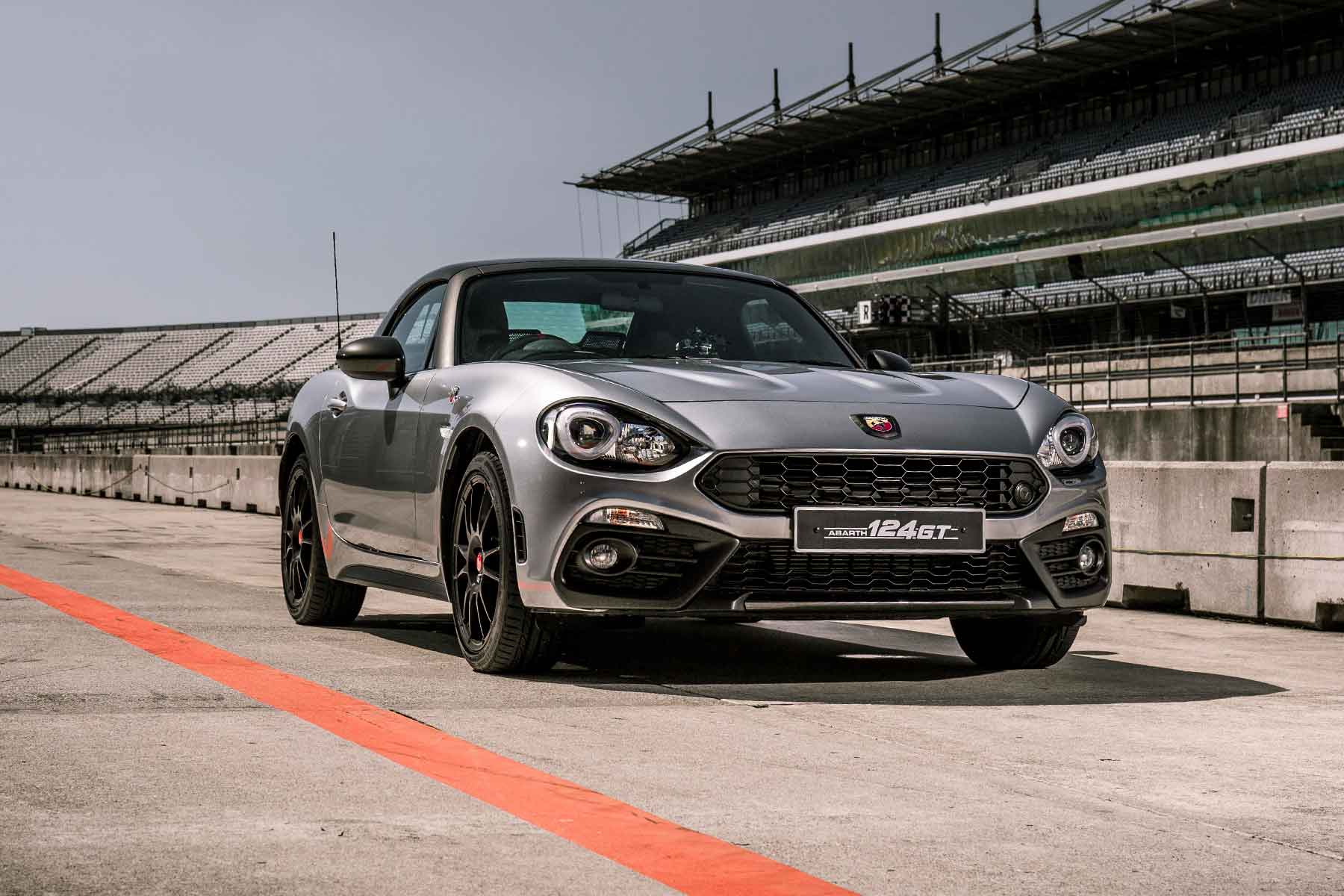
Abarth is no longer simply about go-faster versions of the Fiat 500. Since 2016, the Turinese tuner – treated as a standalone manufacturer within the Fiat-Chrysler group – has also sold its own sports car: the Abarth 124 Spider.
For the uninitiated, the 124 Spider is a faster, more focused take on its Fiat cousin (itself based heavily on the Mazda MX-5). Power climbs to 170hp for 0-62mph in 6.8 seconds, while stiffer suspension and a strut brace sharpen the handling.
Now, there’s a new GT version of the 124, and we were among the first to drive it. The key difference is a removable hard-top roof: a homage of sorts to the 1972 Abarth 124 Rally. Made of carbon fibre, it weighs just 16kg.
That modest weight gain is good news, as the standard fabric soft-top remains hidden beneath the rear deck. It’s there for when it rains and you’ve left the roof at home, making the GT the best of both worlds – apart from its £2,000 price premium.
Even with the hard-top in place, the 124 sounds brilliant, its snarling, quad-tailpipe exhaust echoing off the concrete walls of Rockingham circuit. Lively steering, a snappy gearshift and a revvy engine complete this fast and fun package.
Check out our video to see the Abarth 124 GT in action, plus other highlights from the Abarth range: a 595 Competizione, 695 Rivale and 695 Biposto Record – the latter with a dog ring gearbox from the Assetto Corse racer.
This summer’s heatwave might have had drivers reaching for their sunglasses, but prescription eyewear might be more appropriate for some.
The DVLA is seeking to remind drivers that they need to meet the minimum eyesight standards at all times. To do this, a campaign throughout the summer will aim to raise awareness, and remind drivers of the basic level their vision must meet.
Worryingly, some 50% of UK drivers are not even aware of the standards they are expected to meet for eyesight whilst out on the roads. Many may not have bothered to check since passing their driving test – potentially decades ago for some of the 48 million drivers on the road.
For those in need of a reminder, the basic test for drivers is if they can read a standard car number plate from 20 metres (65 feet) away. For those who don’t carry a tape measure around with them at all times, this is equivalent to around five car lengths.
DVLA figures show that 50,000 drivers having had their driving licence revoked or refused between 2012 and 2016 due to their eyesight. Some 3,000 accidents a year have also been linked to vision impairment.
Drivers can potentially be prosecuted for failing to meet those minimum standards. As such, the DVLA is encouraging drivers to see an optician should they be worried about their vision.
Furthering the message is the Driving Blind campaign, backed by road safety organisations including the FIA and GEM Motoring Assist.
This includes a petition to press for legislation to require drivers to undergo eye tests every ten years, along with a field of vision assessment.
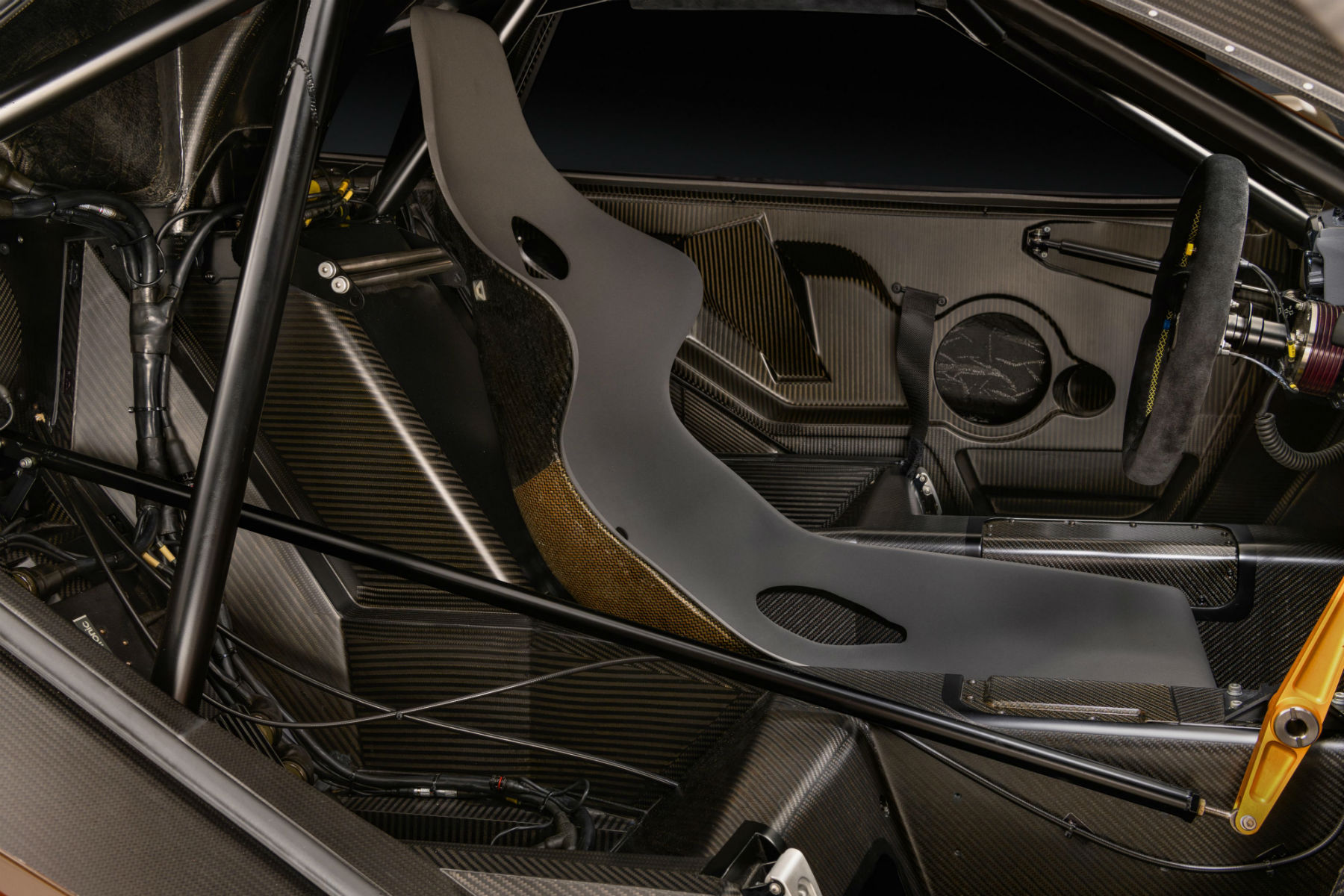
McLaren has launched a certification scheme for its iconic F1 supercar. F1 Certified aims to document the originality, service record, competition history and condition of the 106 F1s – 64 road cars and 28 racers – built between 1993 and 1998.
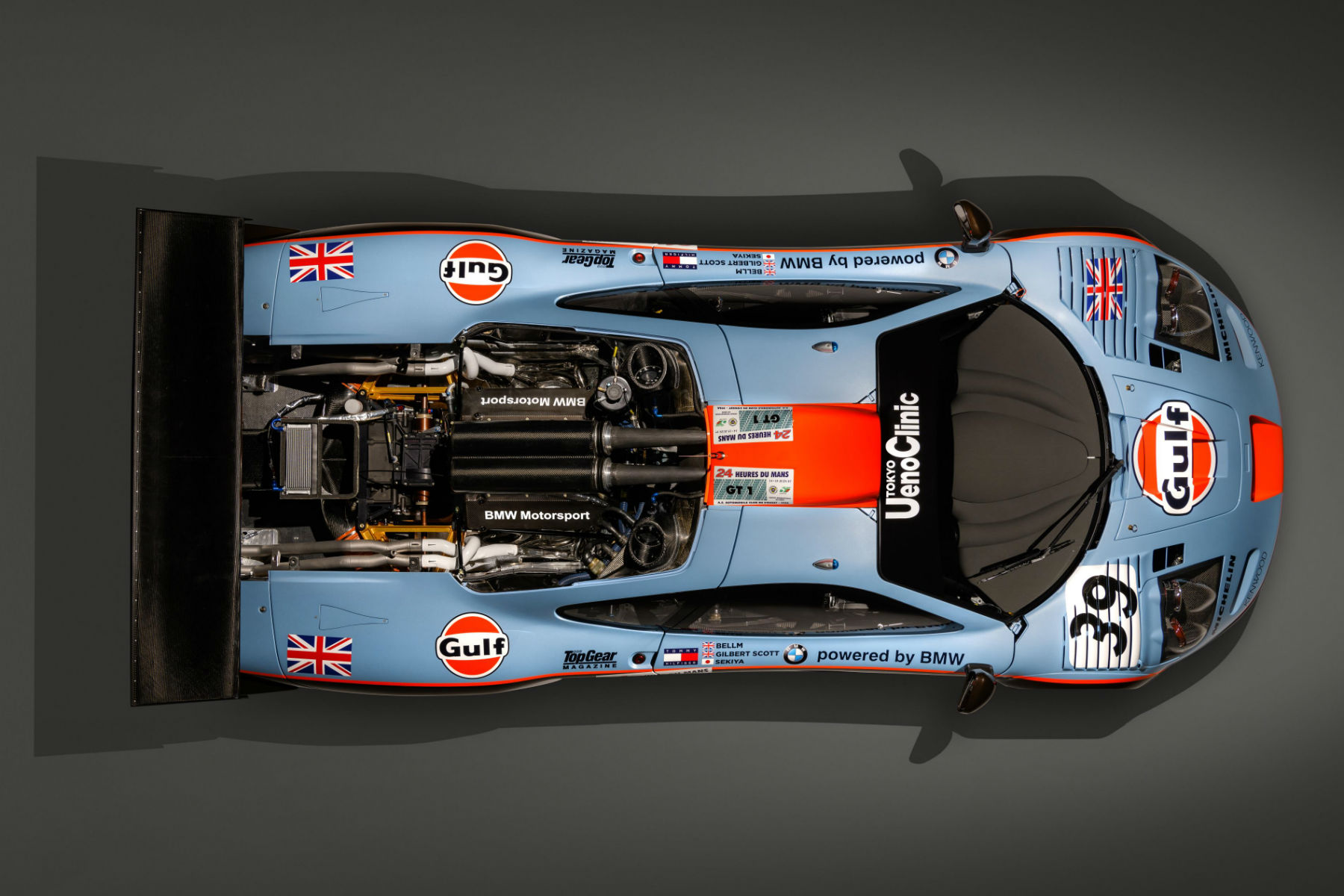
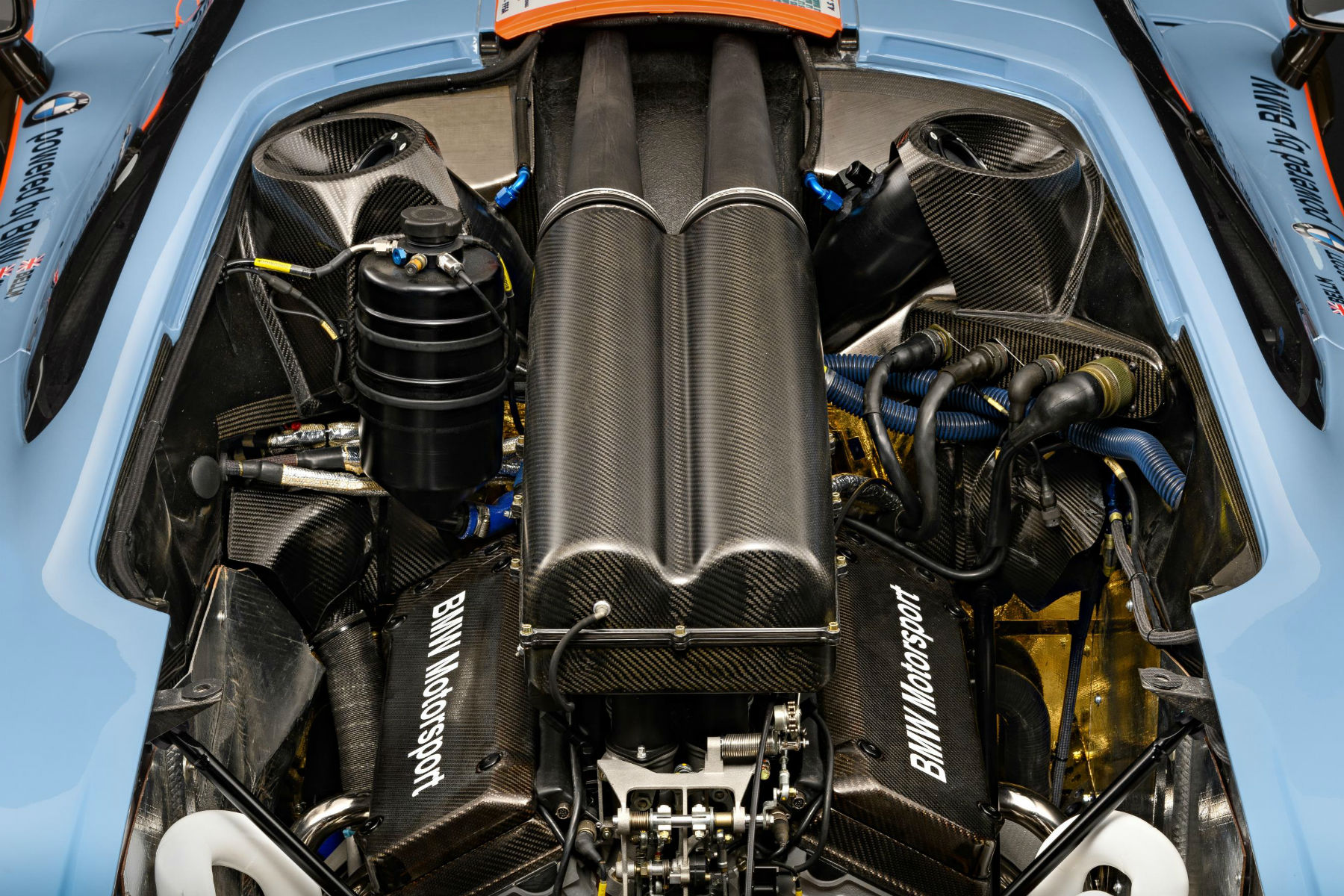
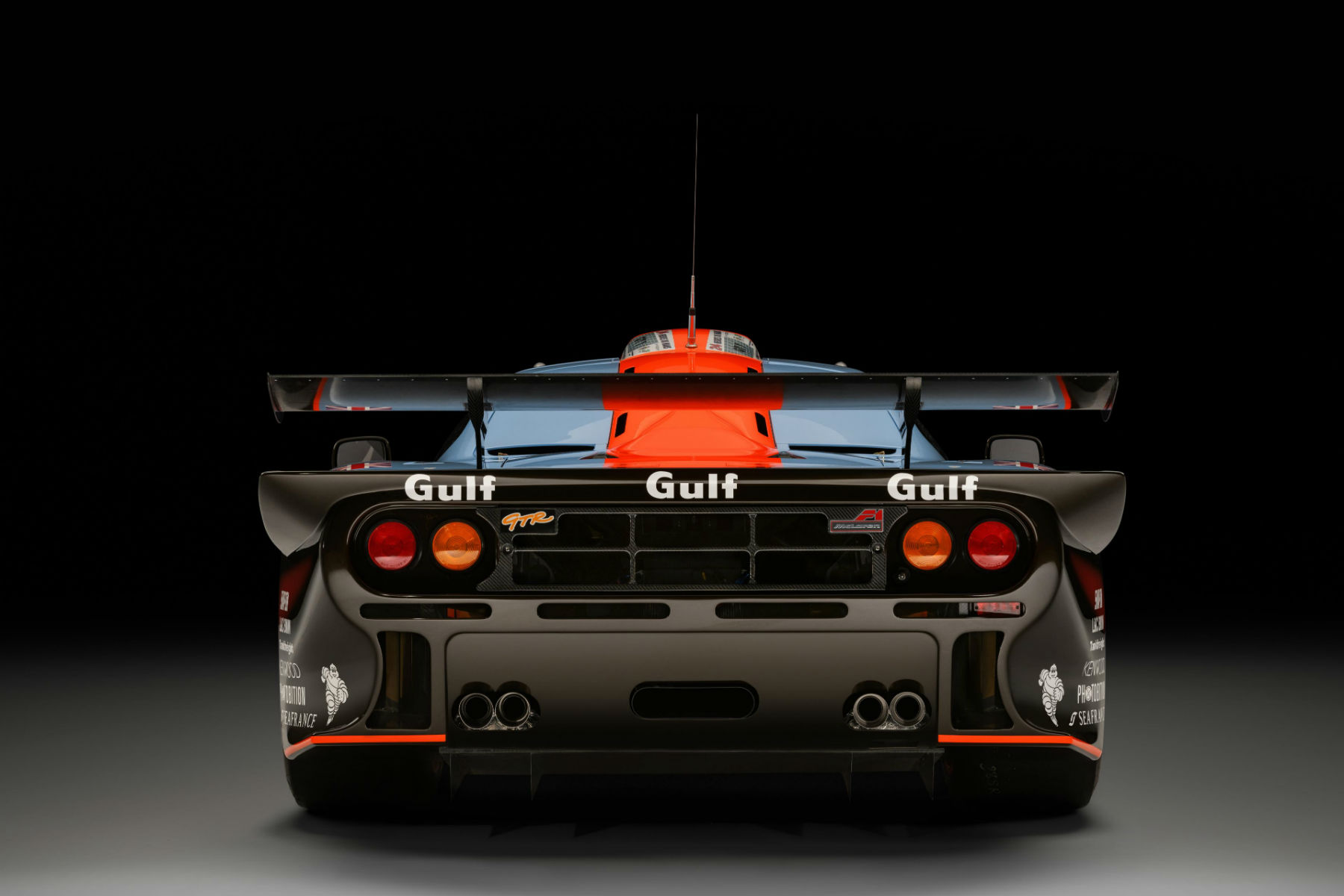
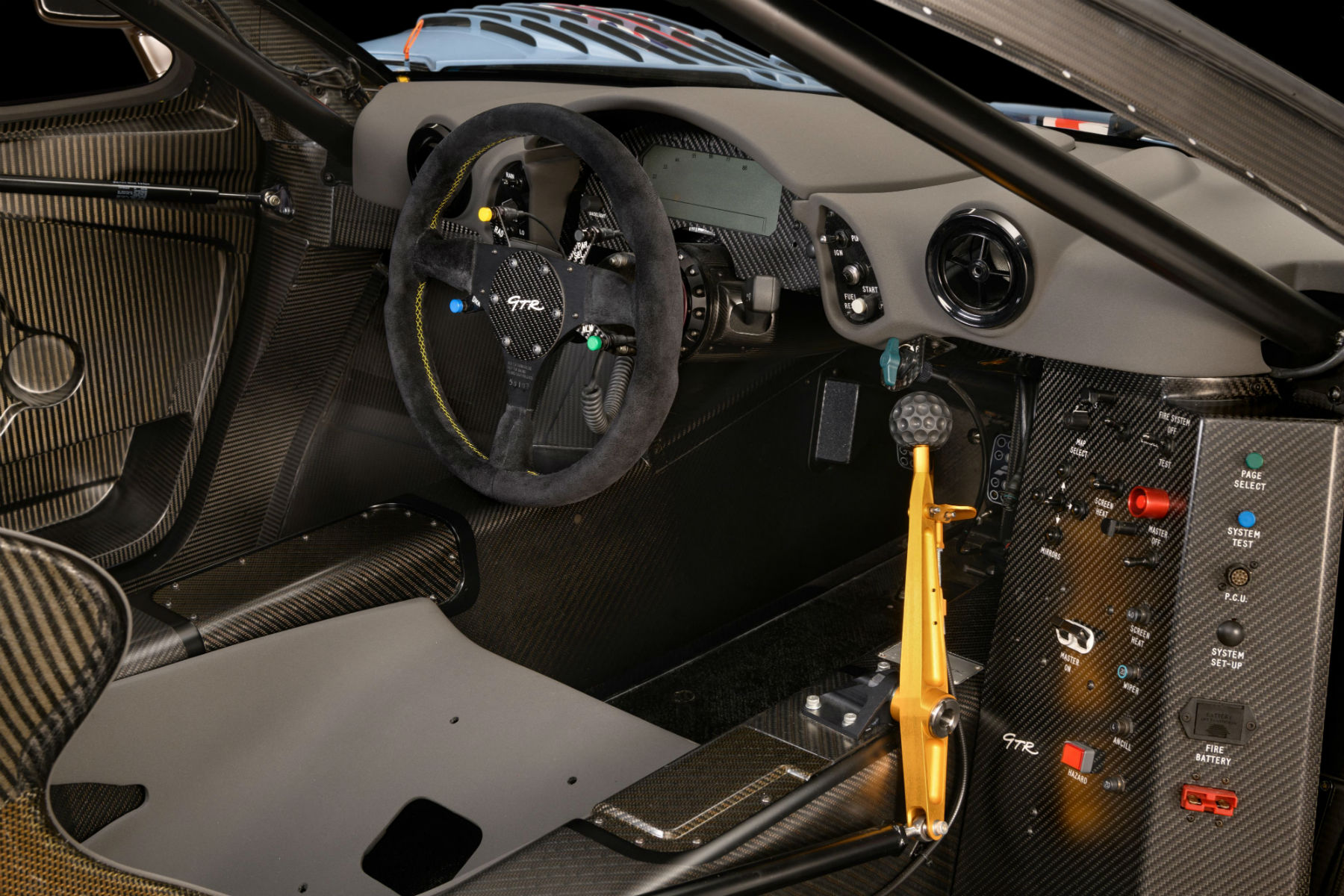
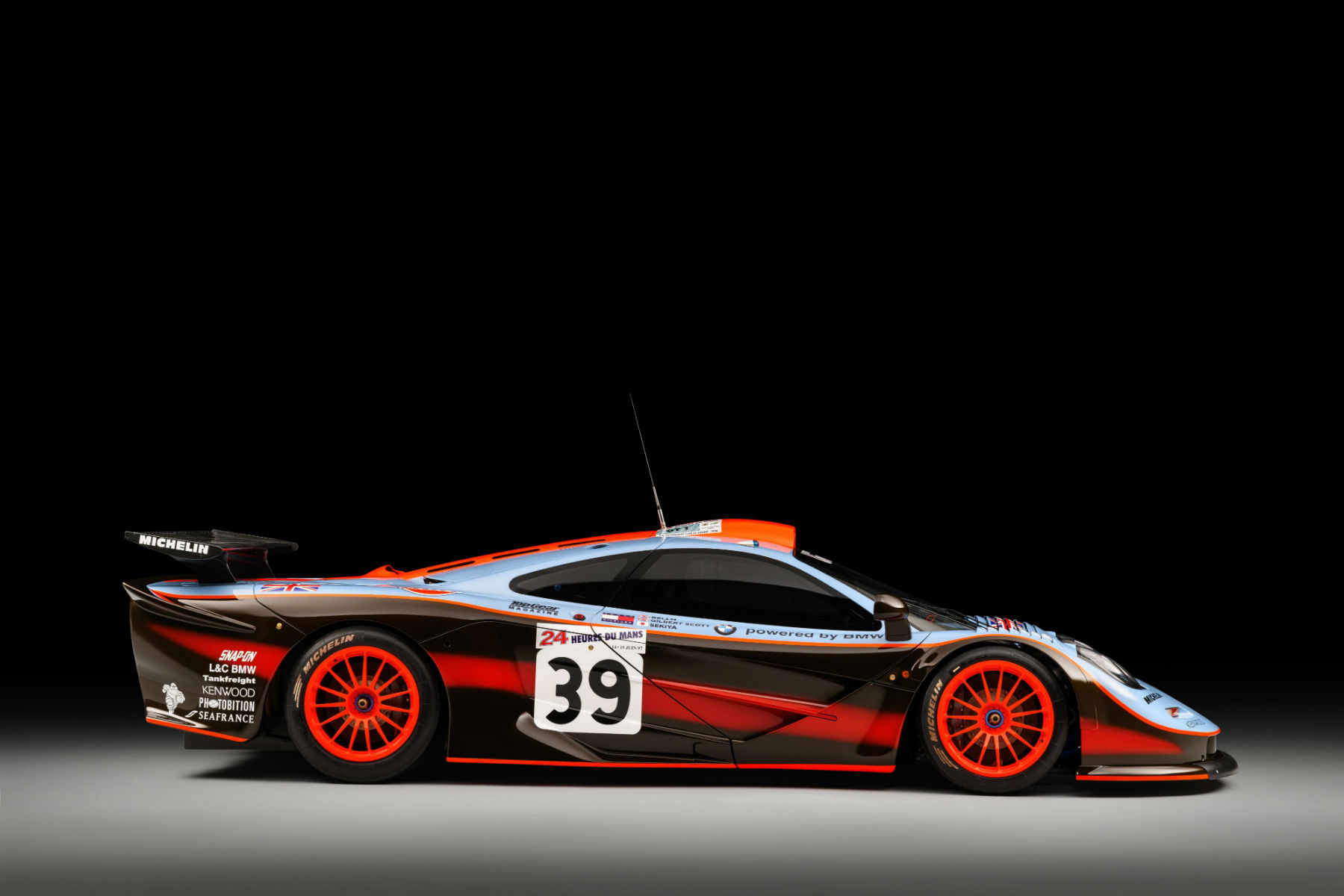
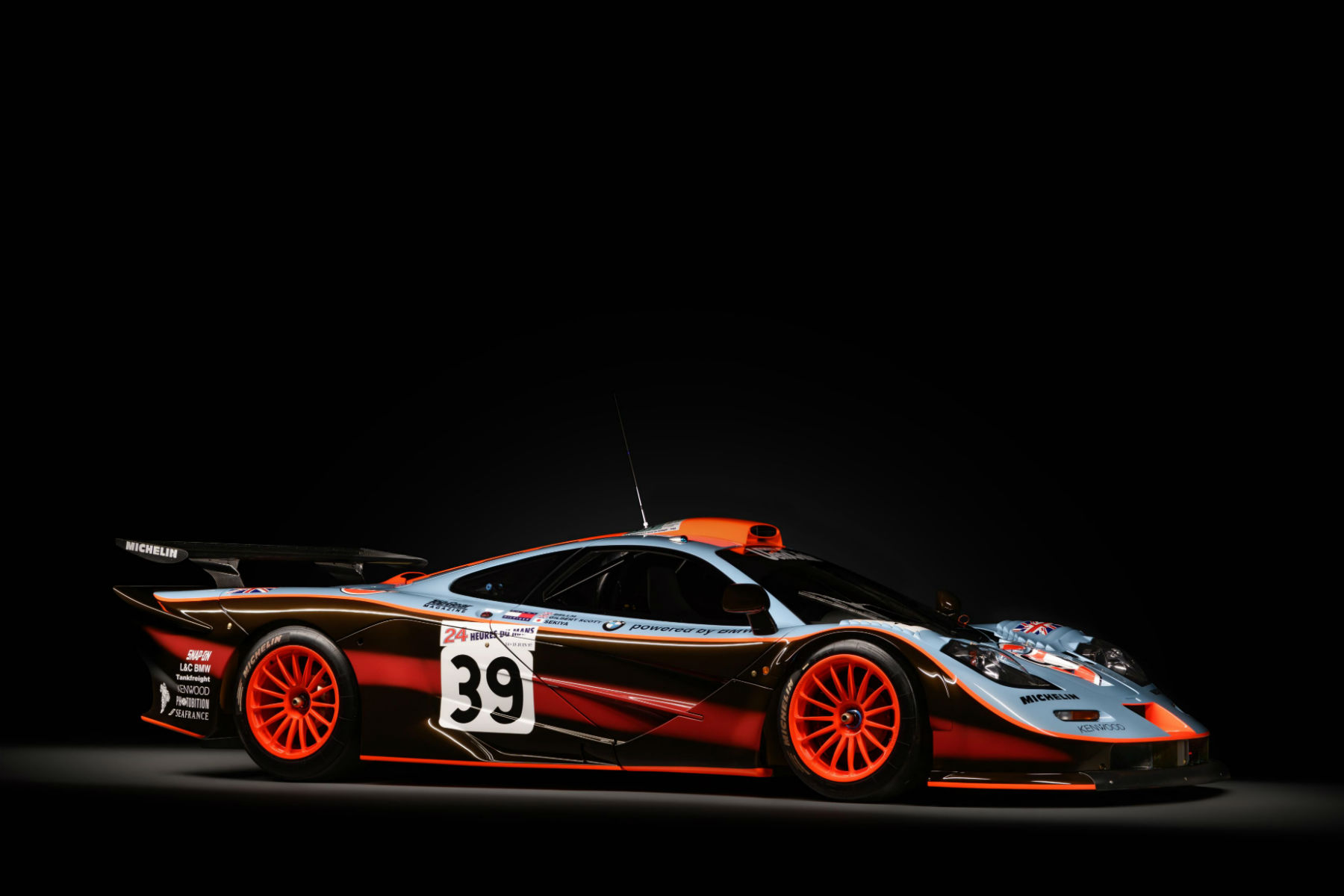
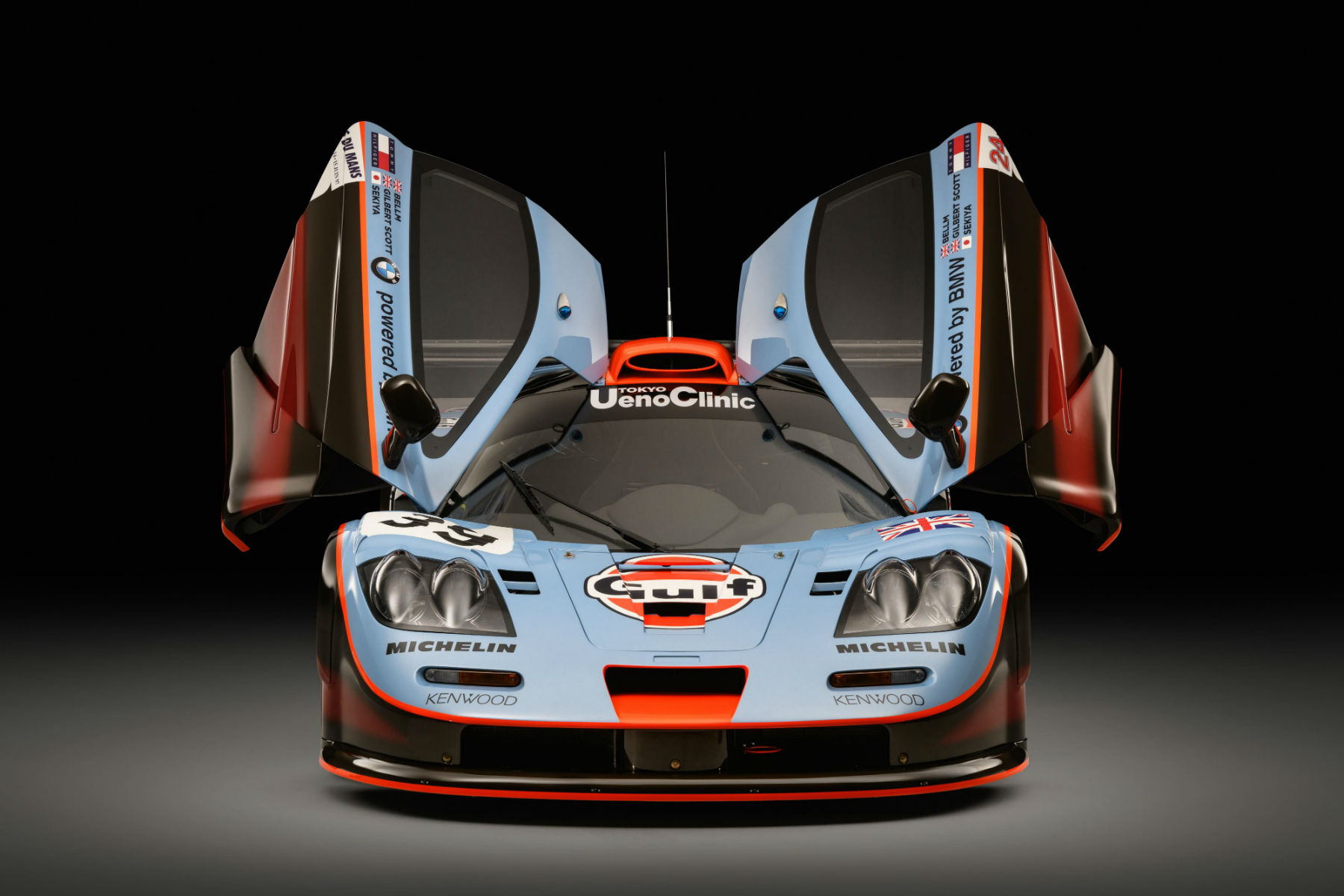
The first car to get factory-approved sign is the one-off F1 GTR ‘25R’, revealed today at London’s Concours of Elegance. Restored to ‘as new’ condition by McLaren Special Operations (MSO), it will be on display at Hampton Court Palace until 2 September.
Each F1 Certified car gets a certificate of authenticity, confirming its provenance with reference to the factory archives. Owners also receive a bespoke illustrated book documenting their particular F1. Much like Ferrari’s Classiche scheme, having the official thumbs-up from McLaren should boost the car’s value, too.
“Even among F1 GTRs, this car, designated ‘25R’, is unique – and now it is as near to being new as we can make it,” said Ansar Ali, Managing Director, MSO. “The car is the exemplar of everything that the new certification programme stands for and we are proud to have 25R as the very first McLaren F1 Certified car.”
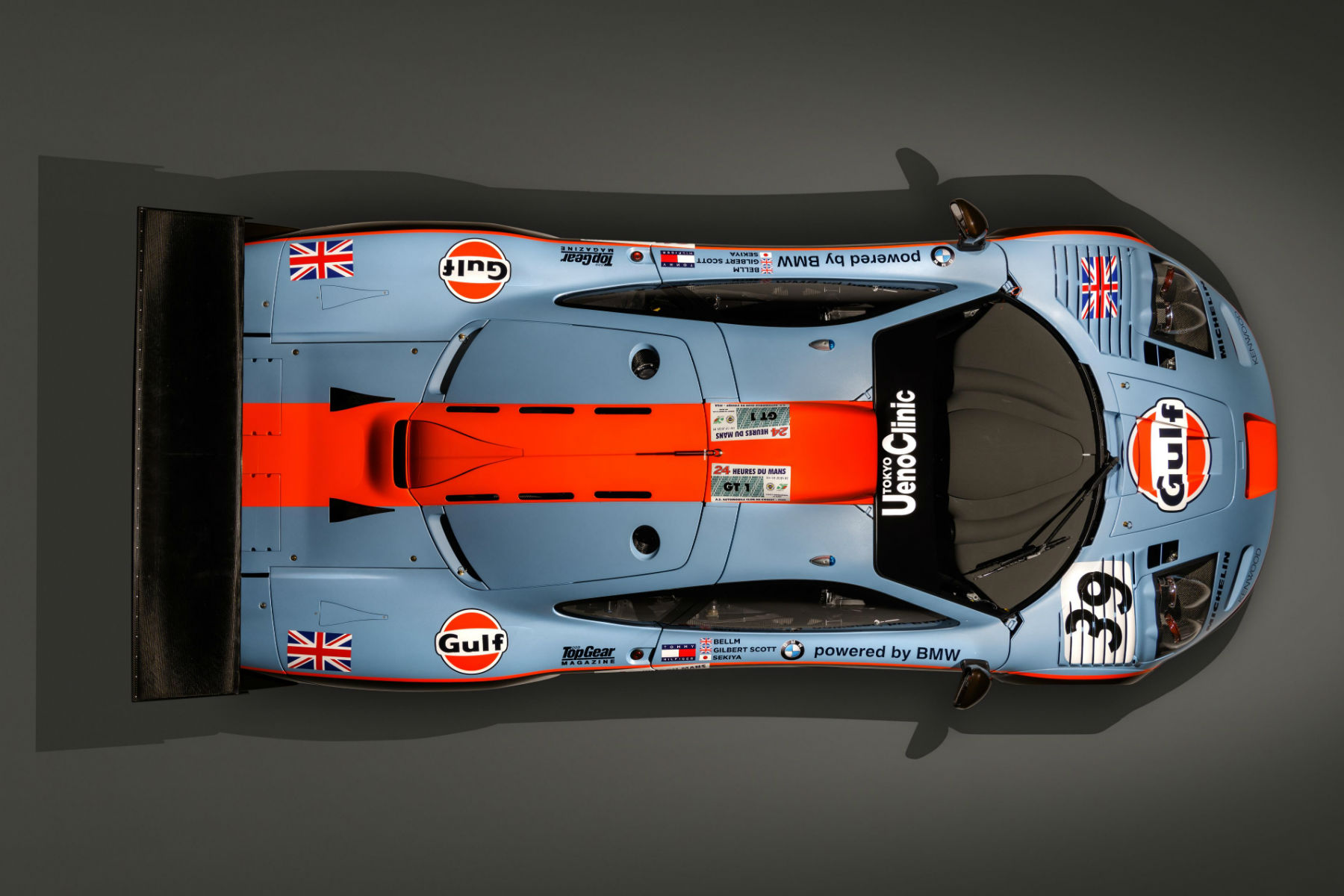
The 25R F1 GTR Longtail was the last F1 to compete in-period and has a rich racing heritage. Its highlight was the 1997 Le Mans 24 Hours, where it was driven by Ray Bellm, Andrew Gilbert-Scott and Masanori Sekiya. Sadly, 22 hours in, its race ended in retirement after an oil leak and subsequent fire.
MSO has painstakingly returned the car to the exact same specification – including Gulf Racing livery – as that 1997 Le Mans race. This includes tall Le Mans gearing for high speeds on the Mulsanne straight, plus blue roof identification lights that were originally fitted to an aircraft wing.
The 25R was later sold to a team in Japan where it raced until 2005. At the Fuji Speedway that year it was the last F1 GTR to compete in a contemporary (non-classic) race series.
After years sitting idle in a Japanese car collection, it returned to the UK in 2016. The subsequent restoration included old-stock GTR parts ‘stored at the factory in containers last opened 20 years ago’.
“McLaren cherishes its rich heritage of iconic and world-beating cars such as the F1,” said CEO, Mike Flewitt. “Maintaining the integrity of these historically significant cars is paramount and F1 Certified will play a big role in allowing us to do that for the peace of mind of owners today as well as preserving a wonderful heritage for future generations of car lovers.”
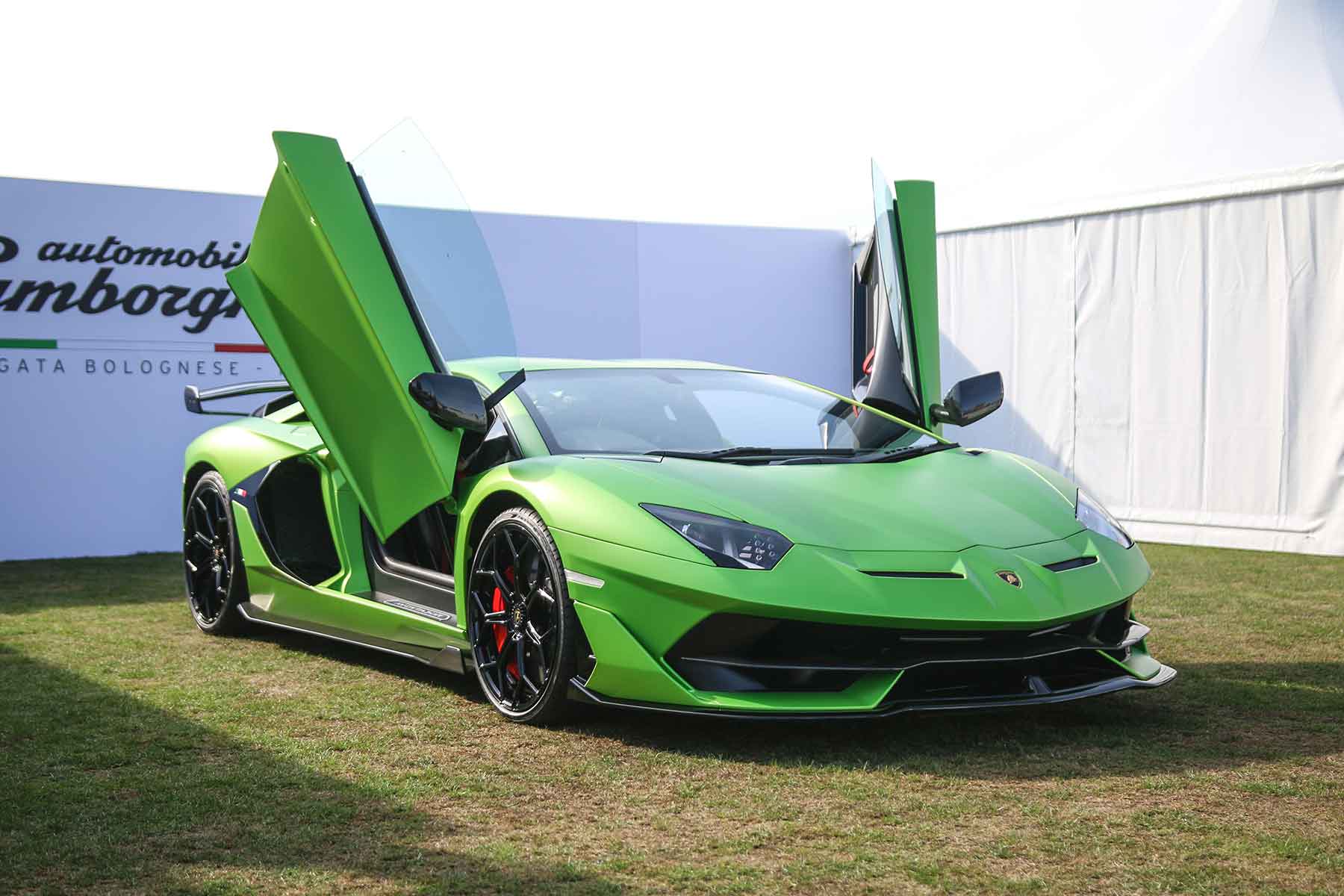
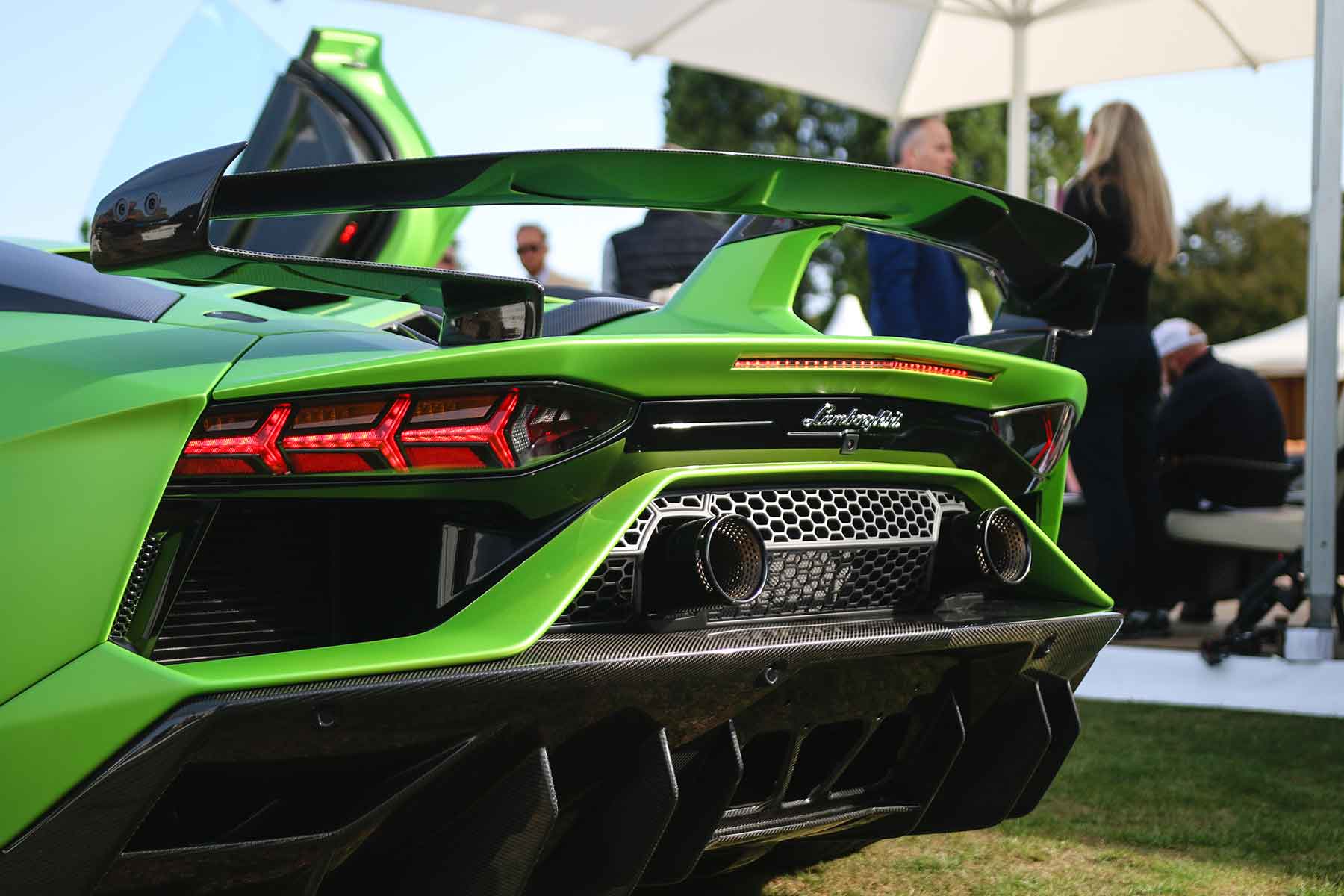
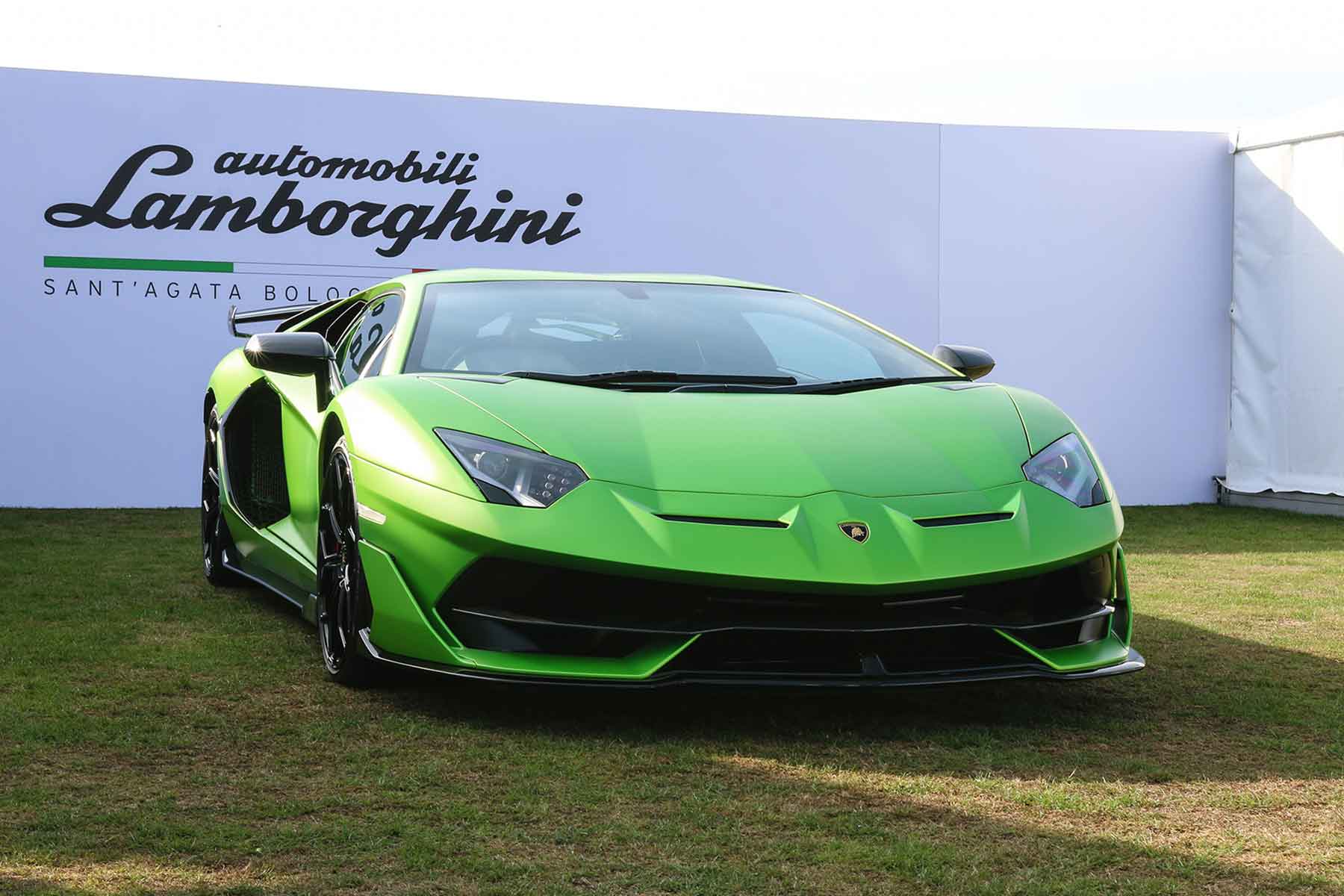
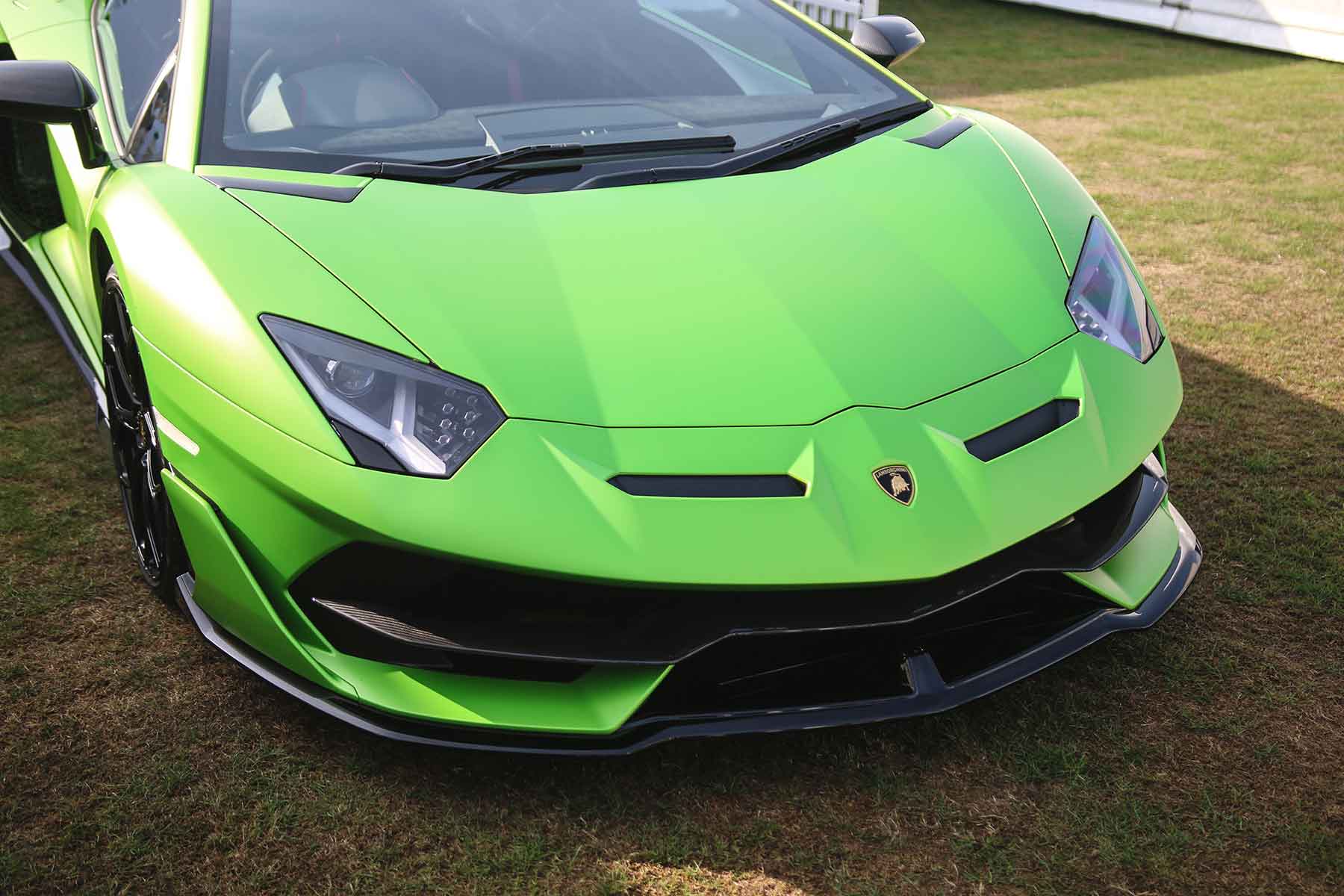
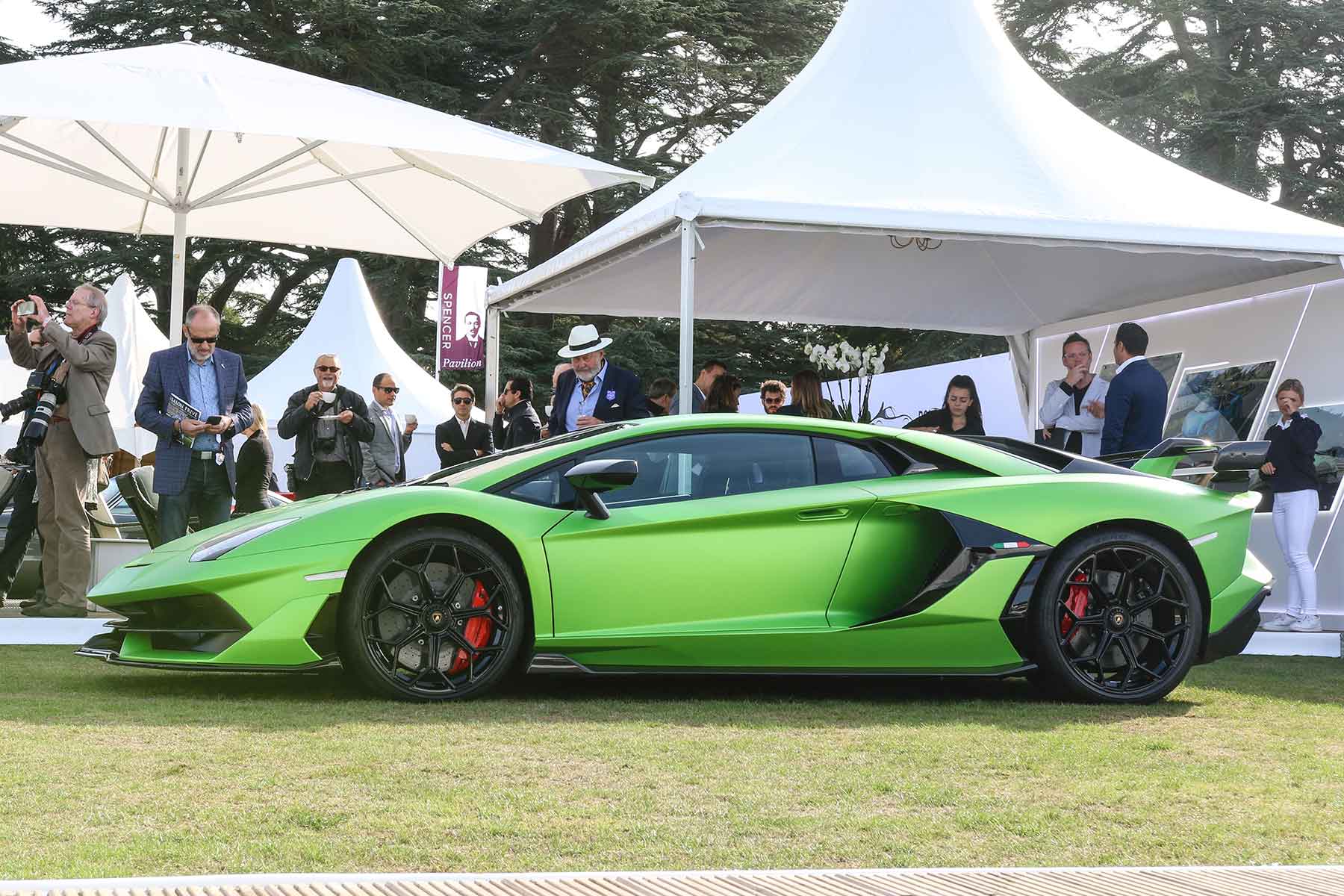
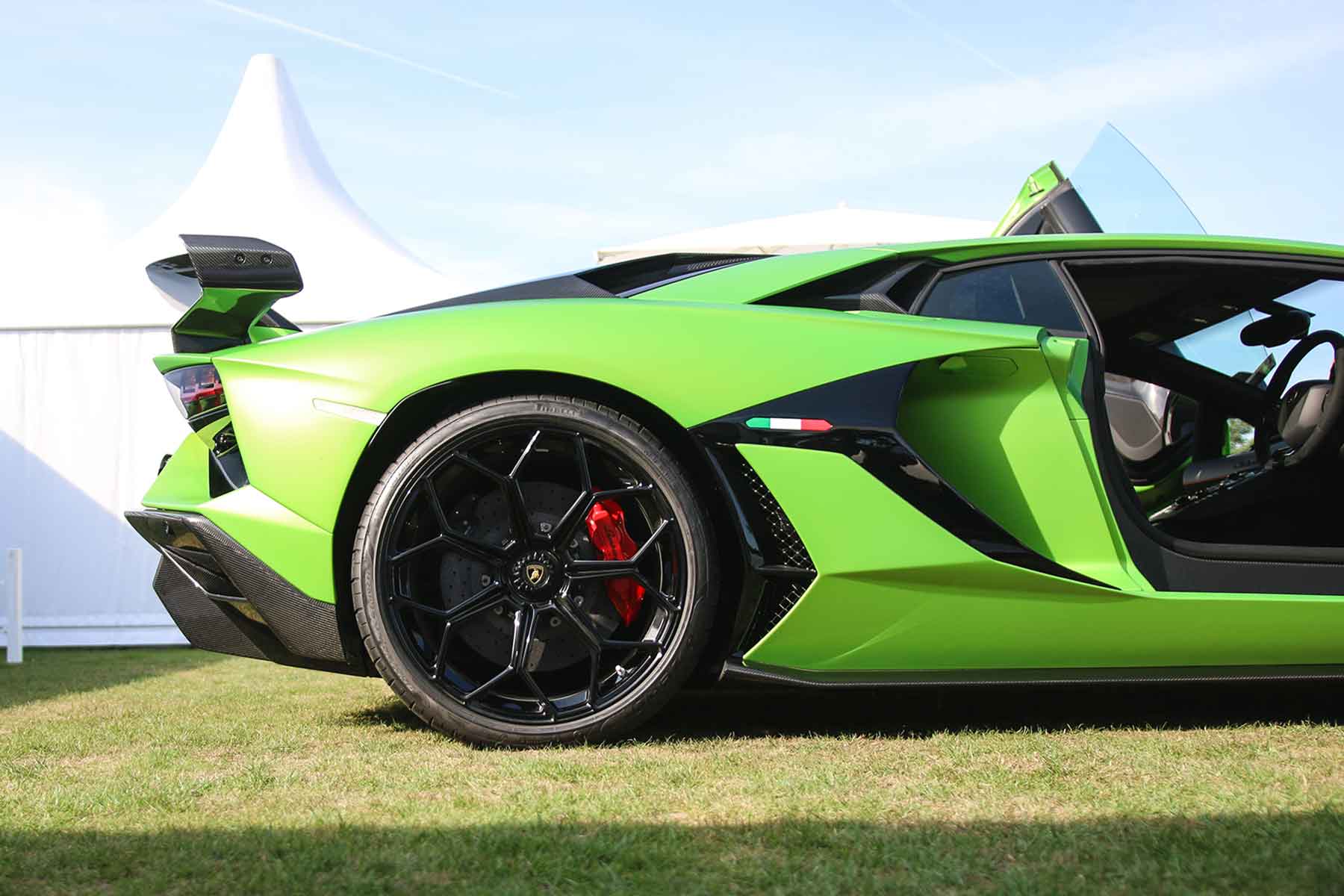
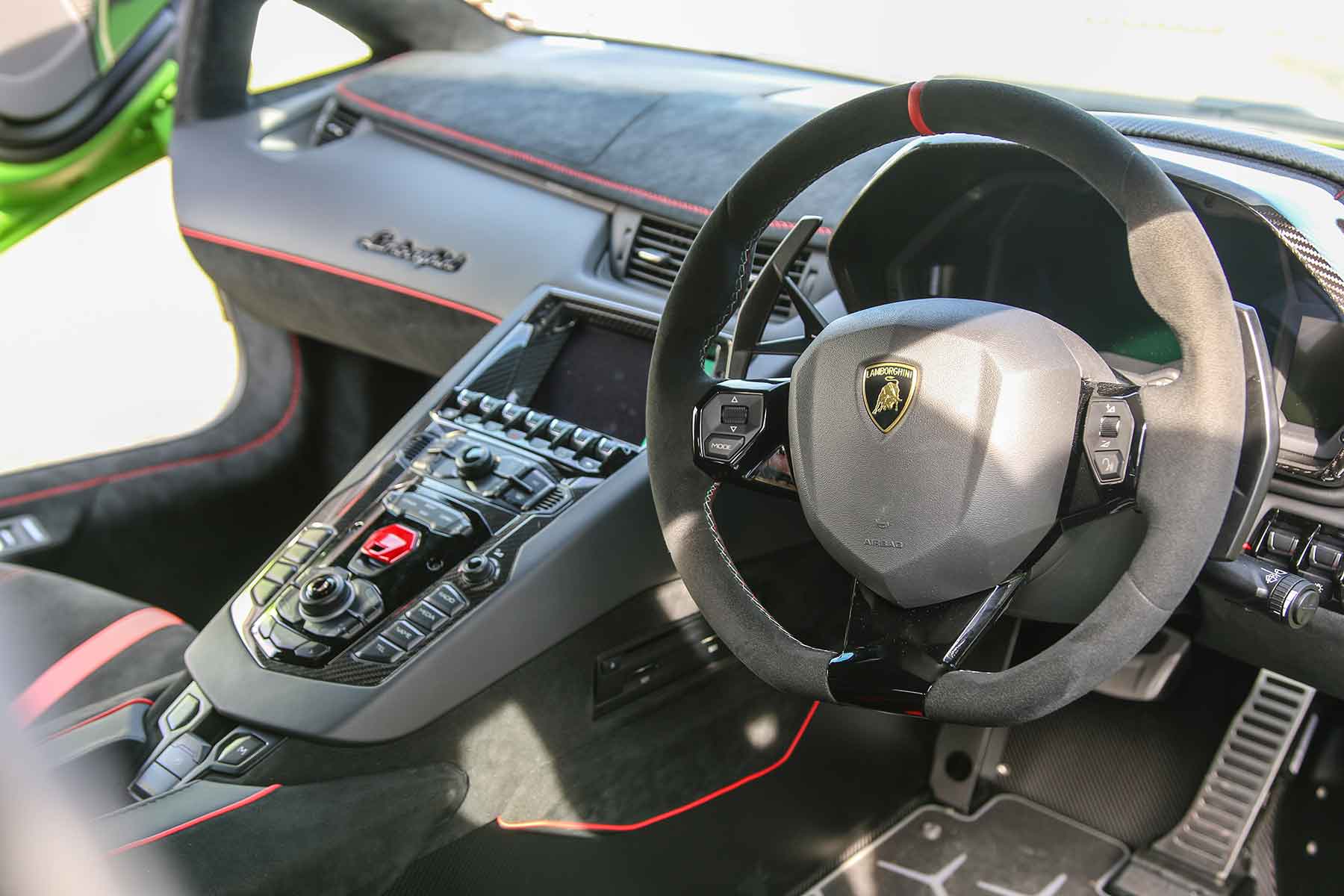
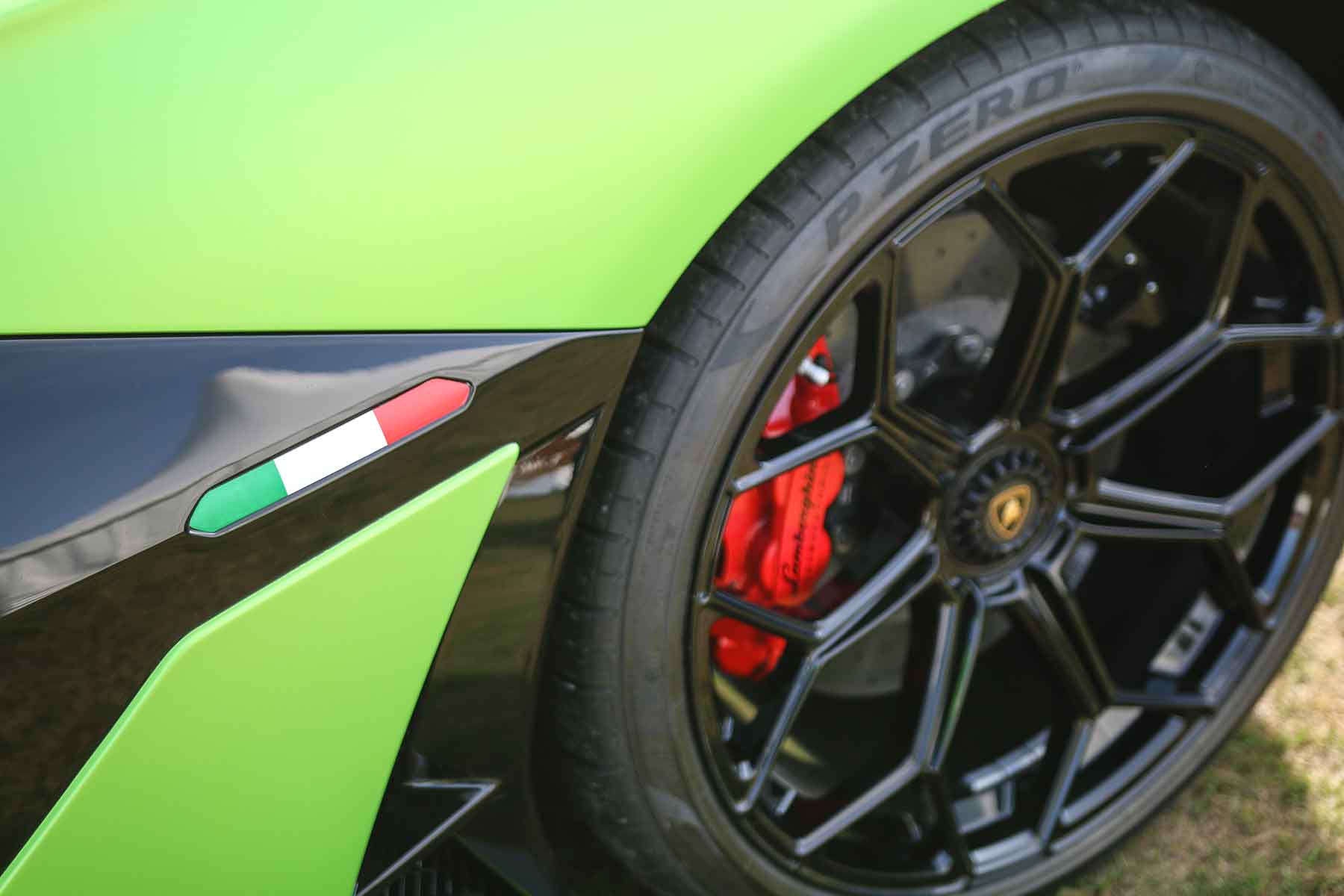
Last month, the Lamborghini Aventador SVJ claimed a new Nürburgring lap record. Today, in more sedate surroundings at Blenheim Palace, the flagship supercar made its European debut.
The SVJ is the ultimate Aventador and, potentially, the last naturally-aspirated V12 Lamborghini. Its SuperVeloce Jota name harks back to the near-mythical lightweight Miura of 1970.
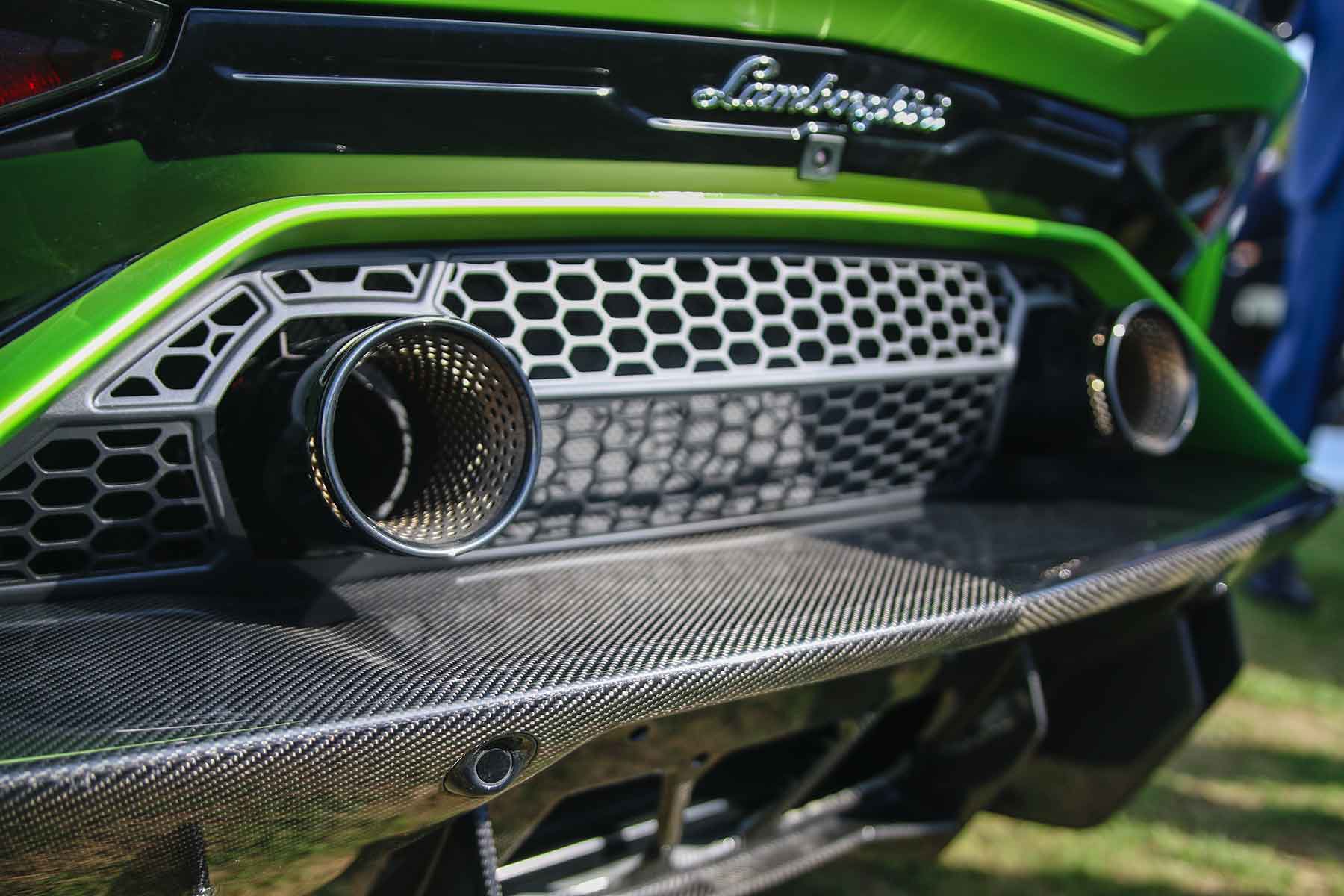
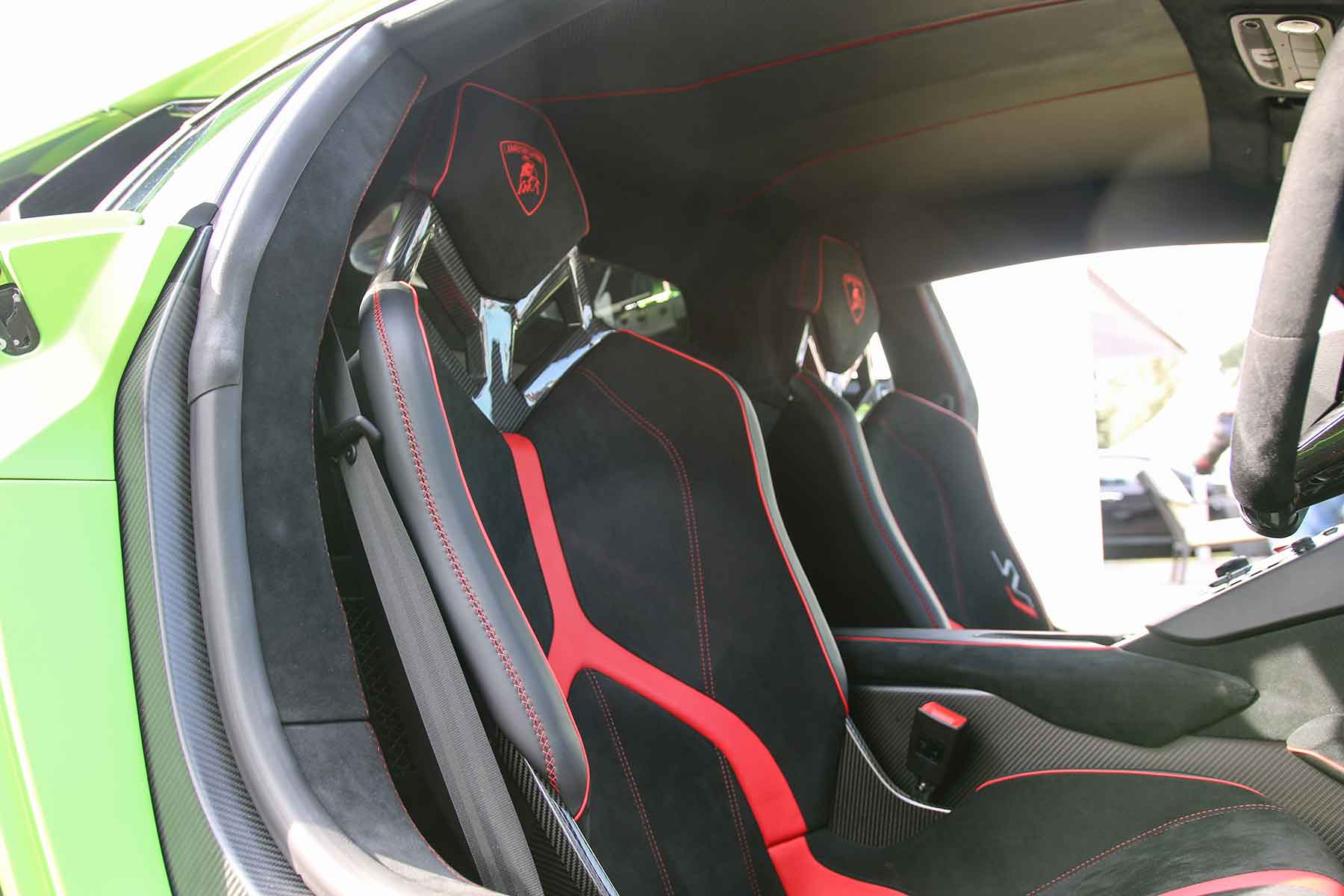
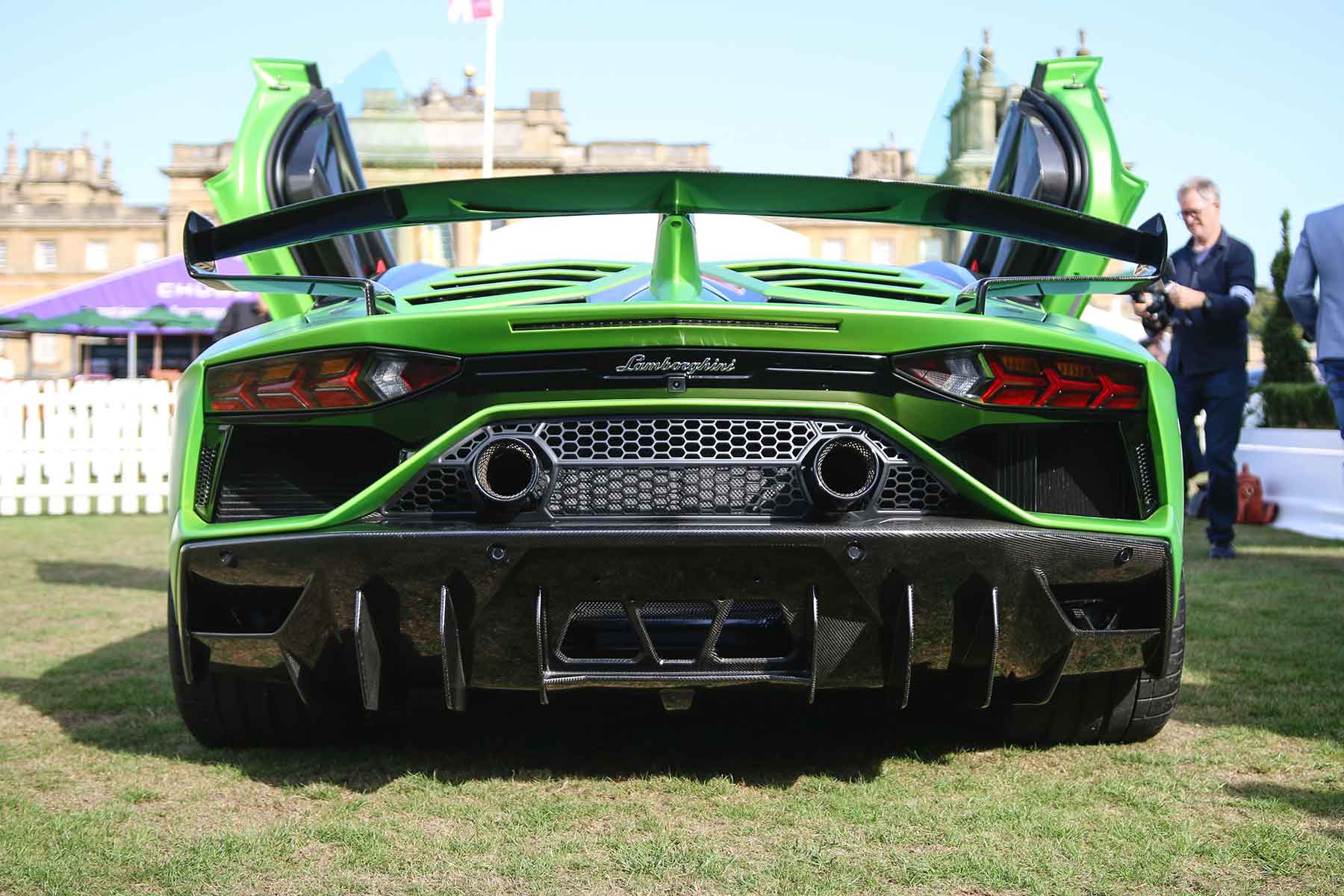
Cutting kilos is one way Lamborghini achieved that 6:44.97 Nordschleife lap (2.3 seconds quicker than the Porsche 911 GT2 RS). Prolific use of carbon fibre, aluminium wheels and a shortened exhaust system contribute to a dry weight of 1,525kg – 50kg less than a ‘standard’ Aventador S.
Video: Lamborghini Aventador SVJ at Salon Privé
Naturally, there’s also more power. Lurking beneath a new, quick-release engine cover, the 6.5-litre, dry-sumped V12 develops 770hp at 8,500rpm. Peak torque is 531lb ft at 6,750rpm. Driving all four wheels through a seven-speed paddleshift ’box, it reaches 62mph in 2.8 seconds and a top speed of 217mph. Just don’t mention fuel economy of 14.4mpg.
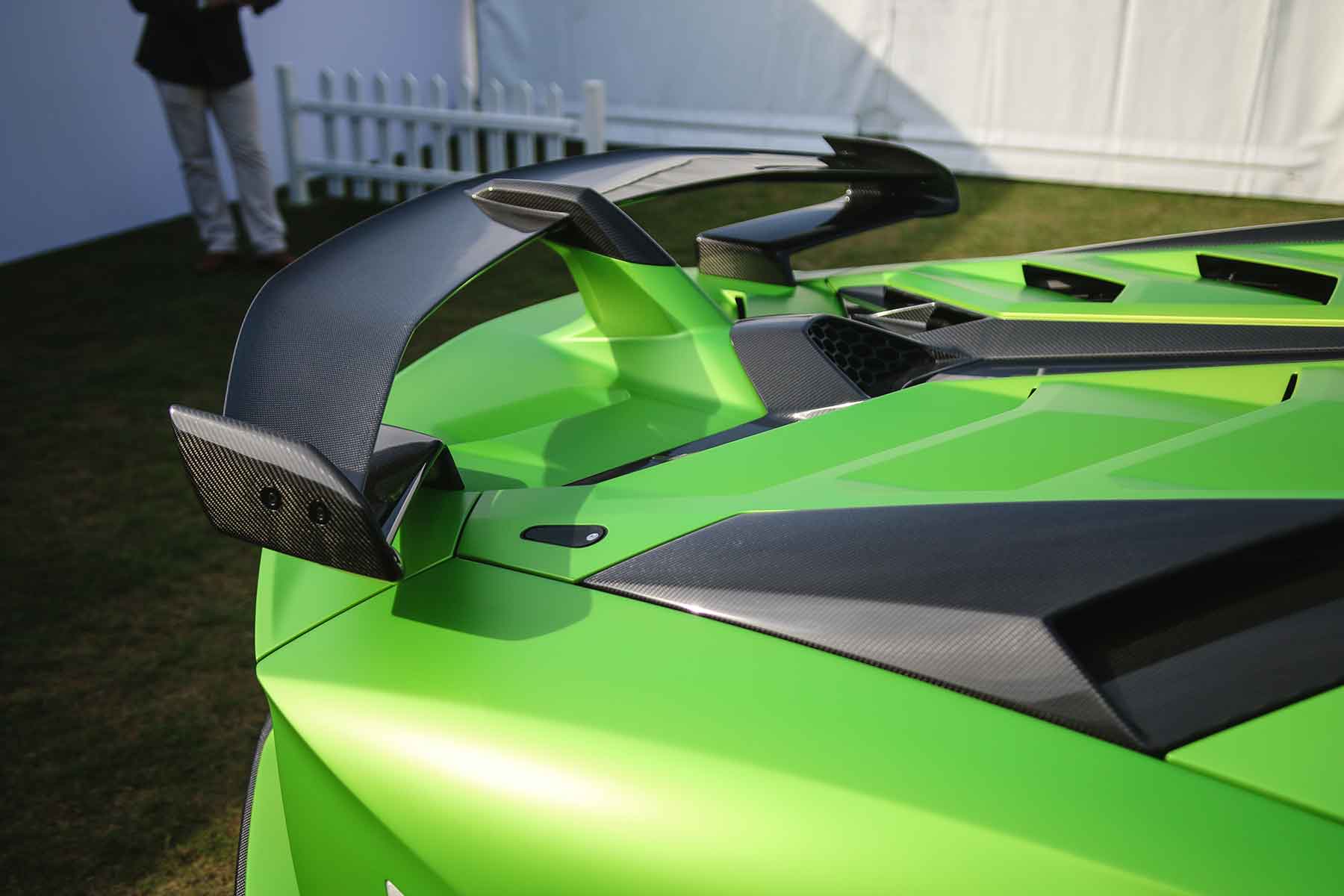
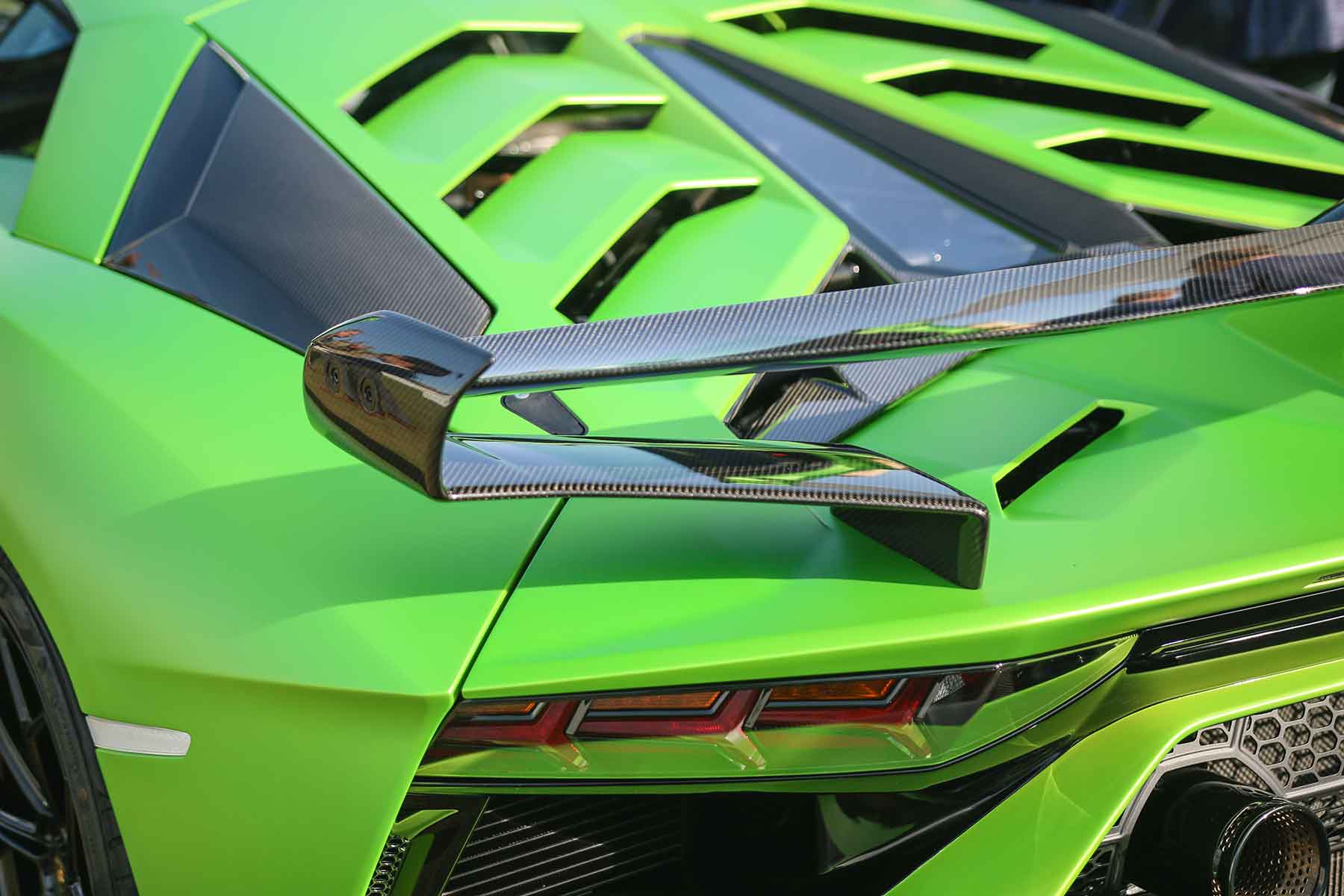
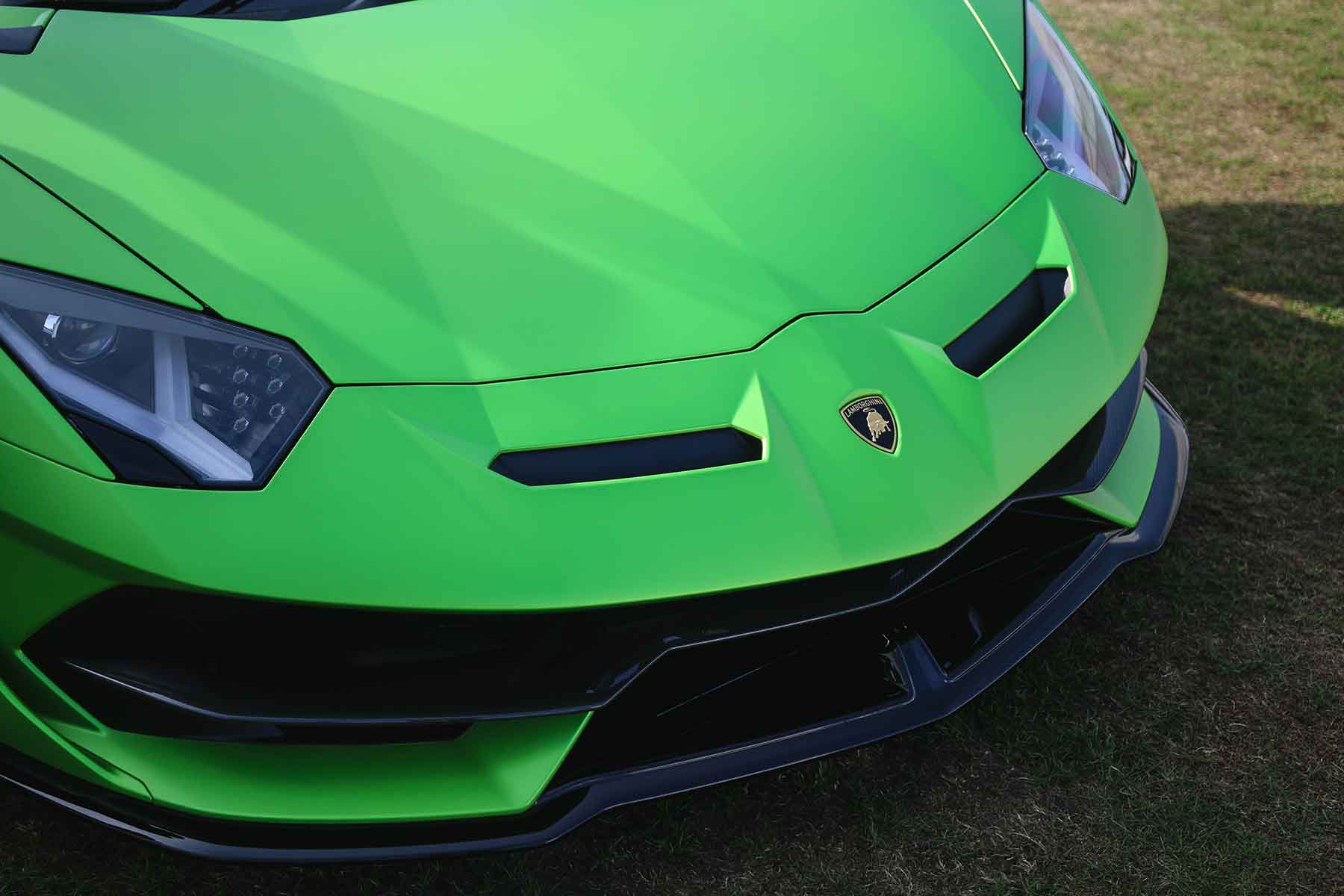
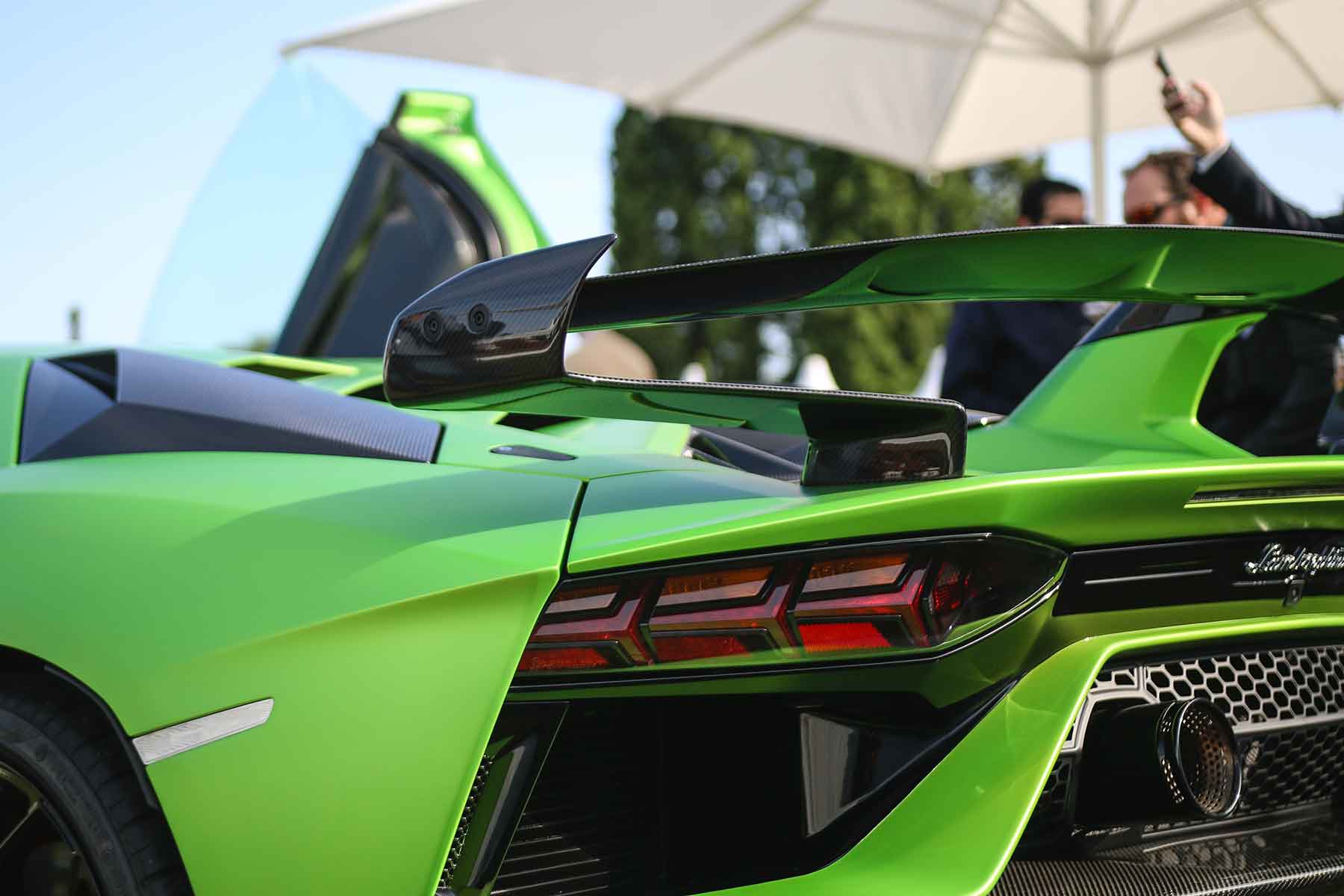
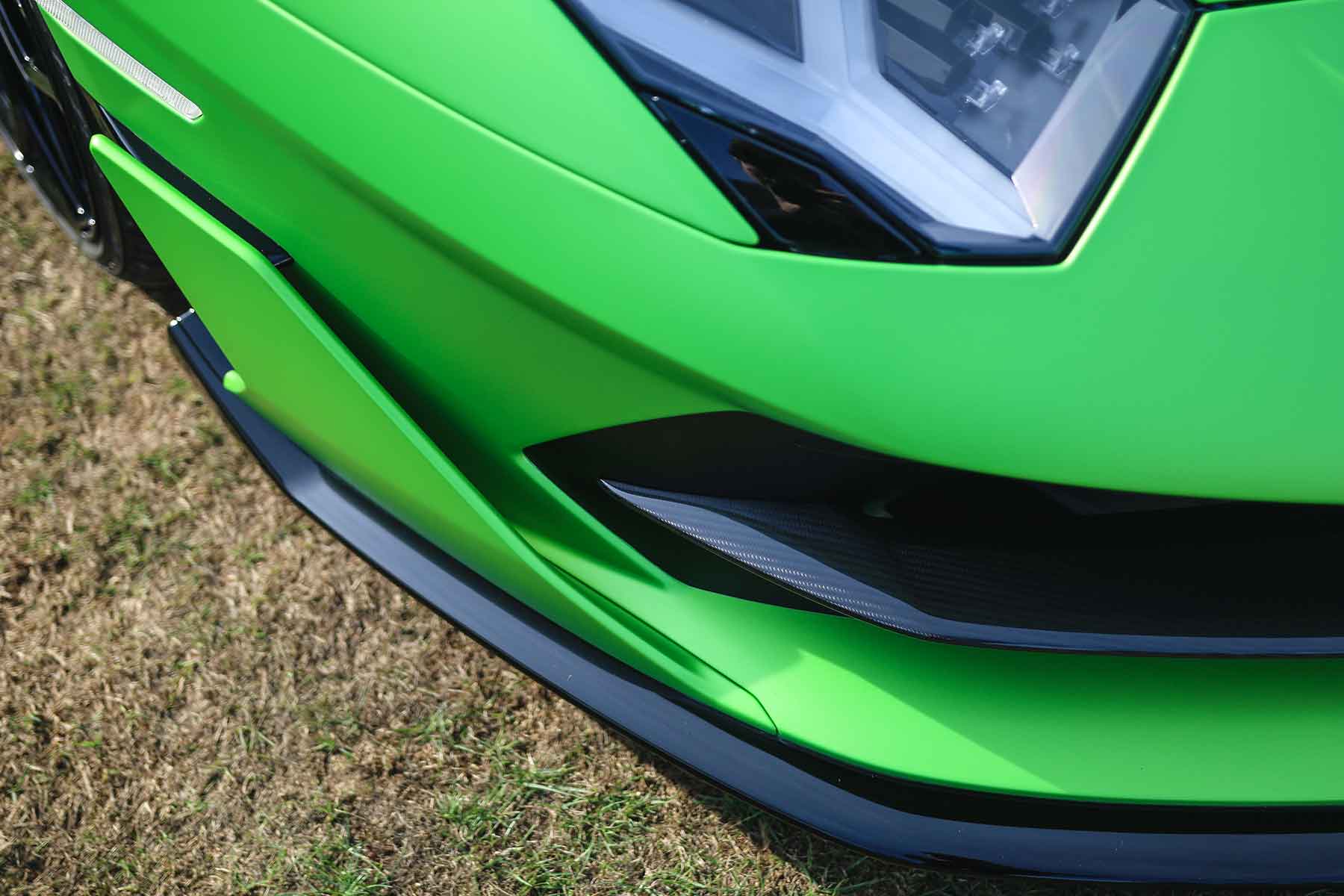
Active ‘ALA 2.0’ aerodynamics are the third weapon in the SVJ’s arsenal. A new bi-plane front splitter, larger underbody diffusers and that Airbus-sized rear wing boost downforce by 40 percent on both axles versus the Aventador SV. The system also simulates torque vectoring by opening or closing flaps on either side of the car when cornering.
Other notable tech includes racing-style pushrod suspension with magnetorheological dampers that actively resist body-roll, keeping the car as flat as possible for maximum aero efficiency. Lamborghini’s controversial variable-ratio Dynamic Steering is fitted, too, along with rear-wheel steering for improved low-speed manoeuvrability and high-speed stability.
“From a space ship to a jet fighter”
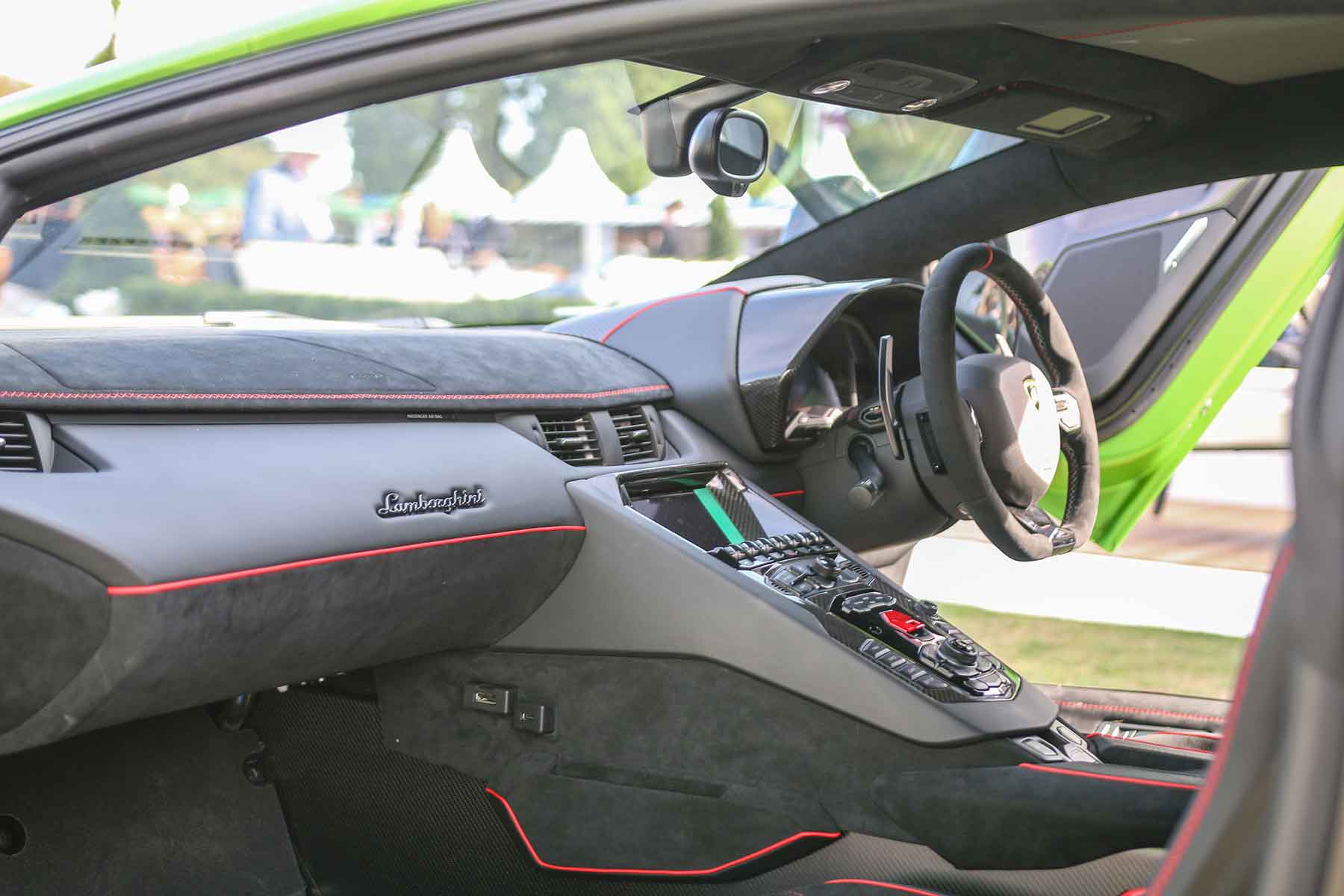
Whether on-track or lapping Harrods, there’s no mistaking the SVJ for anything else. New nostril air intakes, bare carbon side skirts, shotgun-style tailpipes and, of course, that preposterous wing all ramp up the aesthetic aggression. Lamborghini CEO Stefano Domenicali says the design “draws on every inspiration from a space ship to a jet fighter”.
At Salon Privé, the exclusive supercar show where the SVJ was revealed, the assembled journalists were also treated to a start-up and some gratuitous – and glorious – engine revving. Watch our video for the full effect, but rest assured the V12’s bark sounds every bit as brutal as its bite…
Even at “more than £360,000” the SVJ looks a safe bet for future investment. But you’d better be quick: only 900 cars will be made, and most have already found buyers. There will also be a “special edition of a special edition” SVJ 63, with more carbon and ‘63’ graphics that celebrate Lamborghini’s year of birth. All were pre-sold.
Check out our gallery to see more pictures of the Aventador SVJ – and other highlights from Salon Privé.
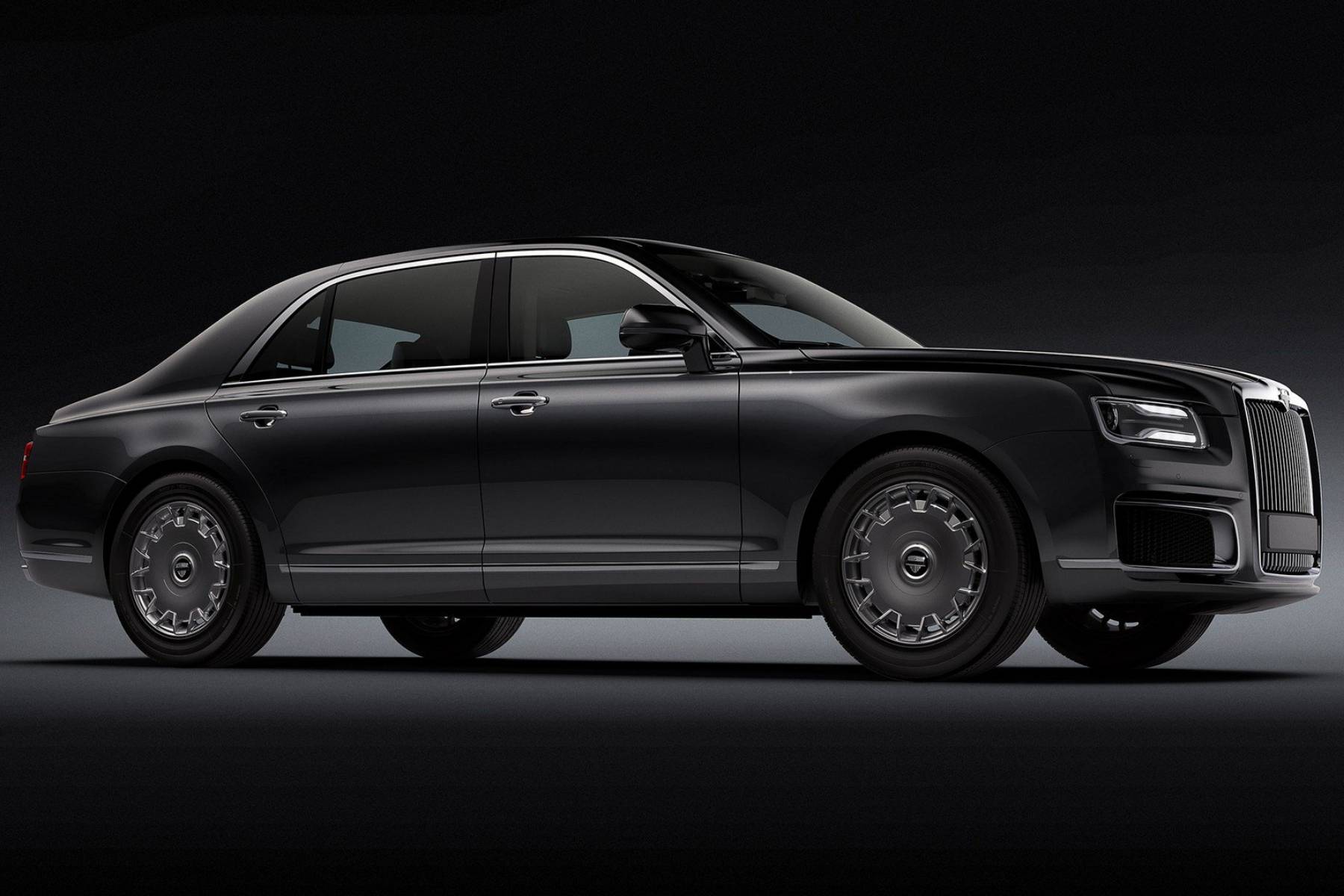
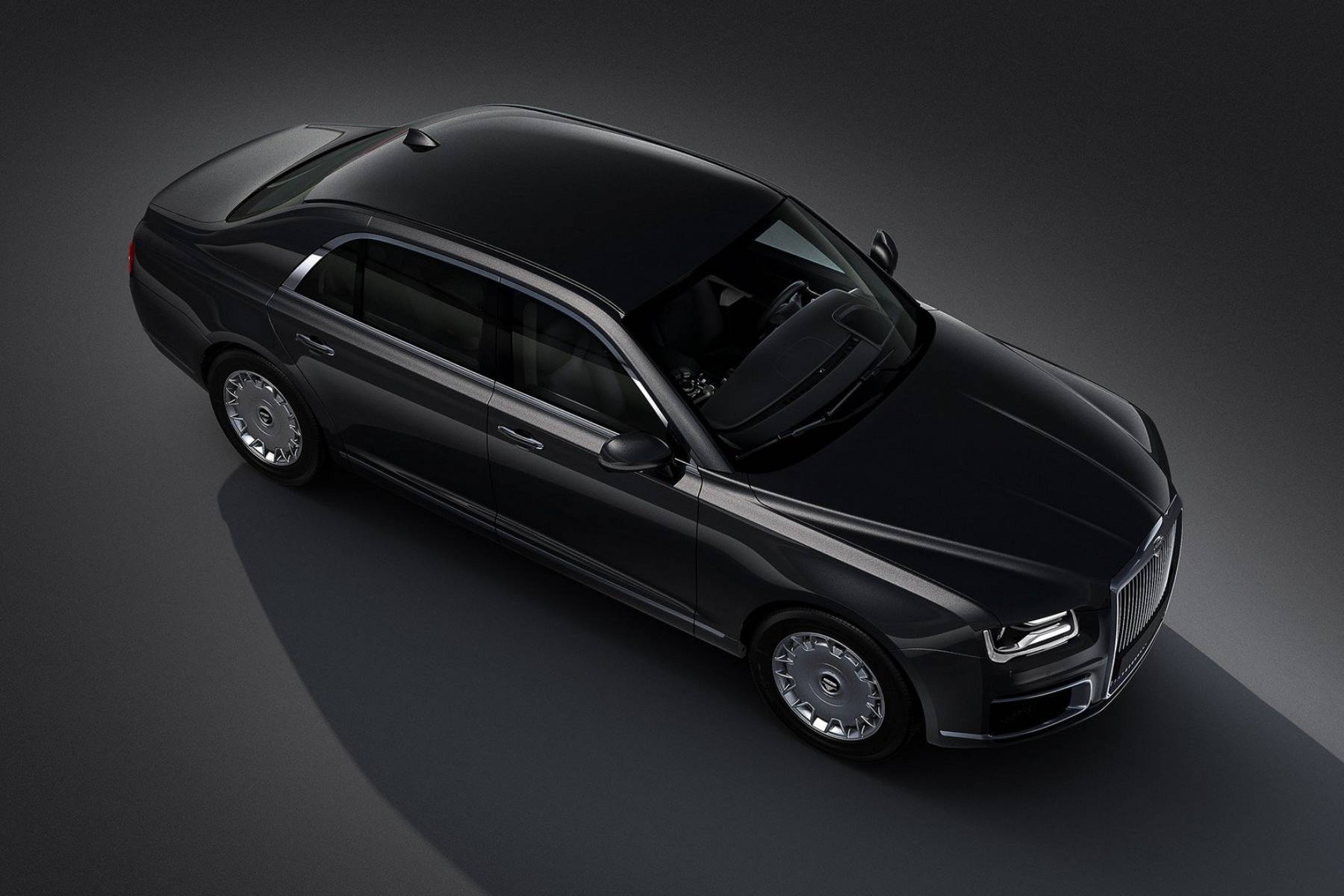
When is a Rolls-Royce Phantom just a little too subtle? When you’re the president of Russia, for starters. Vladimir Putin has been enjoying the services of his Aurus Senat limousine for a few months now, but this height of Russian automotive luxury will soon be available to all.
Aurus (not to be confused with Toyota’s now-discontinued family hatch, the Auris) is a new marque set up and run by Russia’s snappily-titled Central Scientific Research Automobile and Automotive Engine Institute.
Its new car is no pale imitation of the Roller, either, with a stately front end and confident profile, plus interior design and technology to rival the very best.
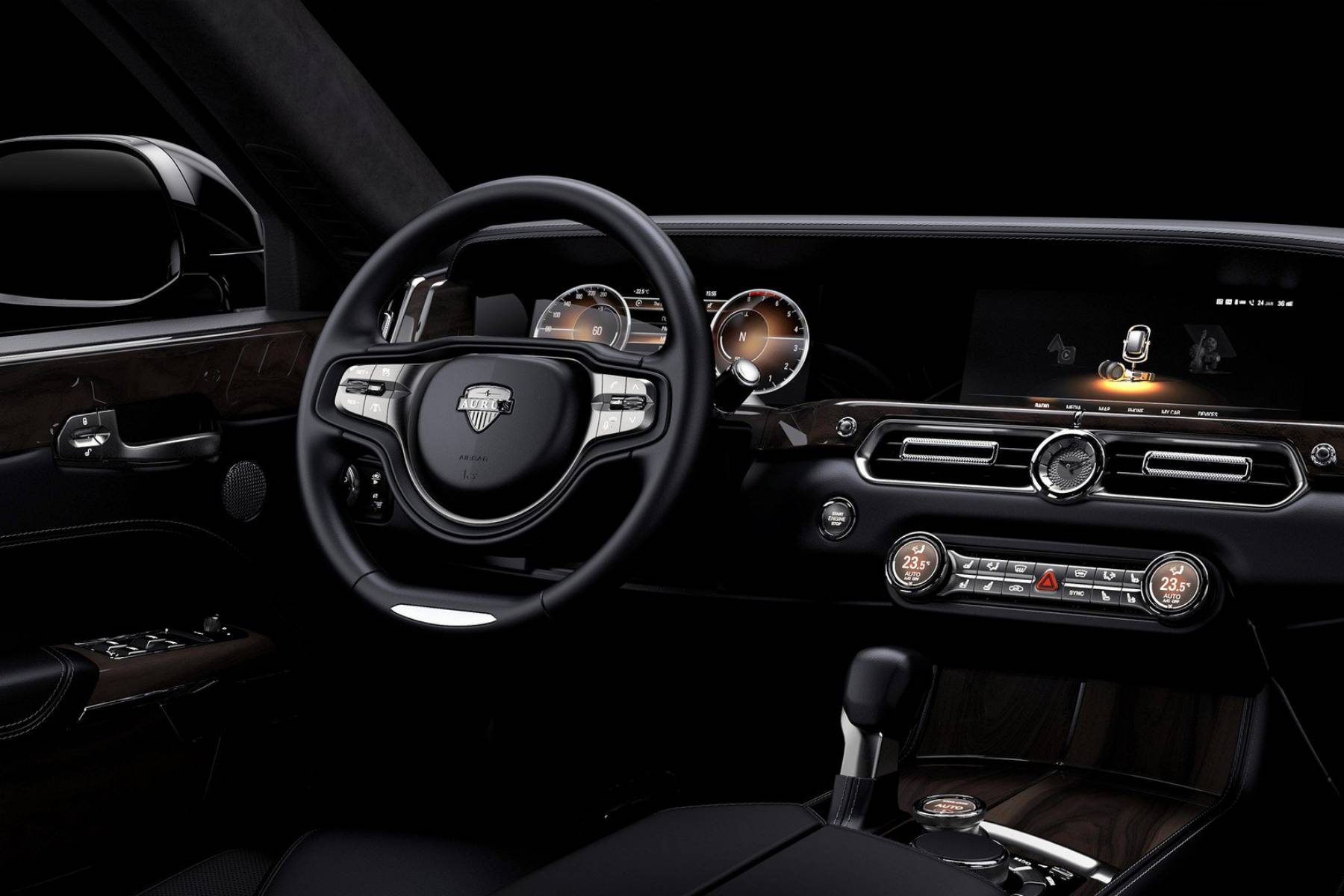
A digital instrument cluster, up-to-the-minute infotainment and swathes of wood, metal and leather maintain the best standards of luxury. You also get reclining rear seats, a fridge, fold-out tables and crystal drinking glasses.
Under the bonnet, things get a little mad. There are two engine options: a V8 and a V12. The V8 is a 4.4-litre attached to a hybrid system, good for 590hp. The V12 displaces 6.6 litres and puts out a titanic 848hp. That might seem excessive but you’ll need it if you’ve opted for the 21.7-foot long-wheelbase Senat. That’s a full two feet longer than an Extended Wheelbase Phantom.
Unlike the big Rolls, power is sent to all four wheels rather than just the rears. It does get quite snowy in Moscow, after all.
If you’re chomping at the bit to get hold of an Aurus Senat, you’ll have to wait until next year. No, it isn’t Russia-only: the car is confirmed for international markets. As for the price? We’ve no hard numbers yet, although a 20% saving versus an equivalent Rolls-Royce or Bentley was allegedly targeted.
Gran Turismo Sport has received a free 1.25 version update, which includes the Red Bull Ring circuit, as well as eight superb additions to the cars available to race.
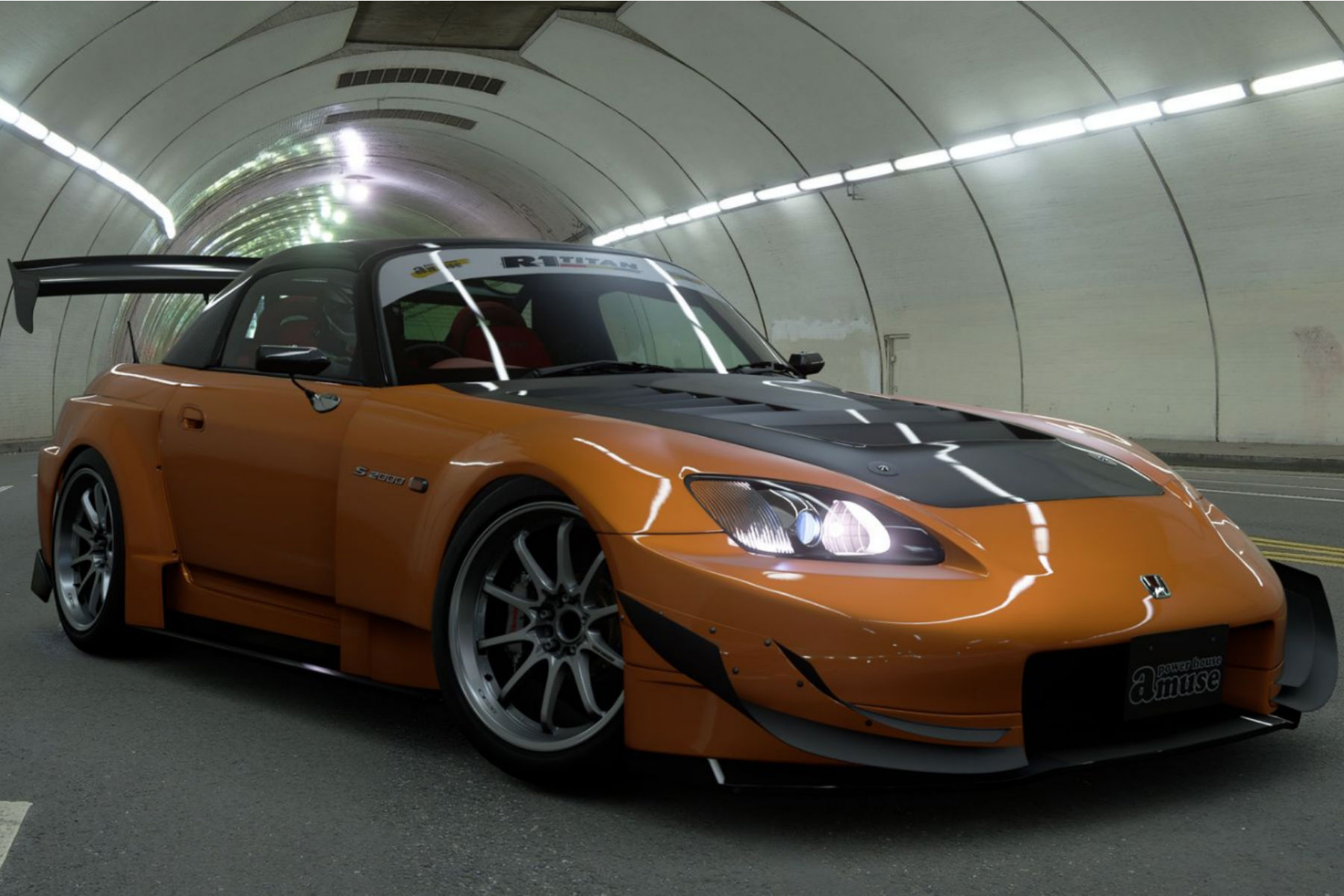
The list of cars in the update is a tribute to the variety that gamers love in Gran Turismo. Which other title bundles a JDM Amuse Honda S2000 tuner special in with a Shelby Daytona Cobra?
The historic racers
We get a hot and heavy dose of classic American racing power in this update, with the Shelby Daytona Cobra coupe and the Le Mans-winning Ford MKIV. Both are just as at home ripping their way up the Mulsanne straight as they are sat pretty on a concours lawn. You can drive both in the new Nostalgic 1979 historic racing league.
The iconic classics
The original Mini and VW Beetle are joined by… a Bertone-bodied Abarth 1500 Biposto. Yup, this coachbuilt classic probably won’t be up to much as a racer, but we can’t think of many prettier cars to fully take advantage of Gran Turismo Sport’s stunning graphics and epic photo mode. You can race the Beetle in the new ‘Beetle and Samba Bus Fest’ event, which comes with the update.
The Italian hot hatches
Granted, they come from two very different eras and were forged in very different fires. Nevertheless, the Lancia Delta HF Integrale Evoluzione and Abarth 500 share that Italian fizz that is so hard to quantify.
The monster JDM tuner
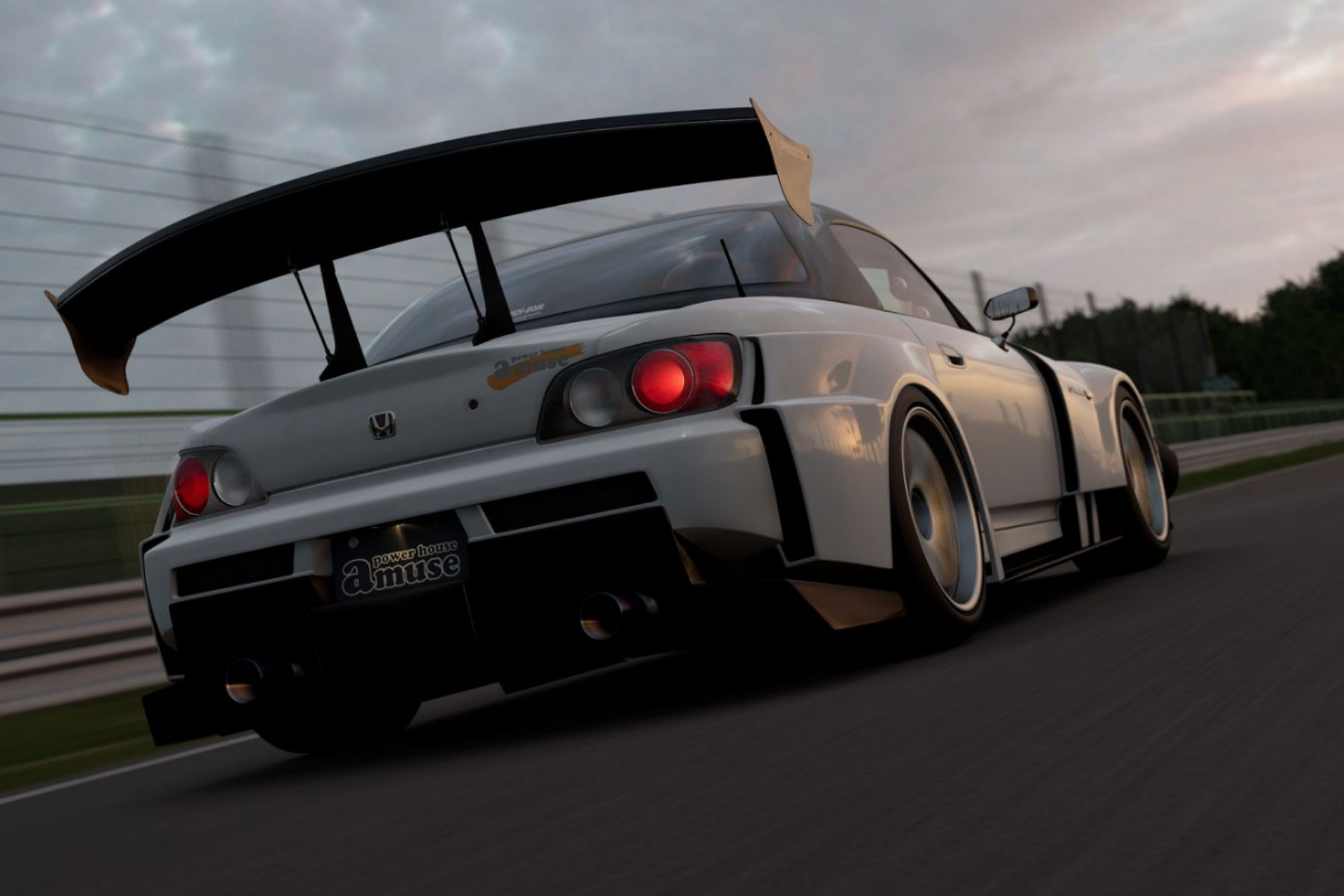
The odd one out has no fear of solitude as, for many, it’ll be the star of the show. The Amuse S2000 GT1 Turbo is an animalistic refugee of the mad Japanese tuner era. Be-winged and boosted up to the eyeballs, this S2K turbo is a tōge-destroying monster. A proper Gran Turismo car.
Other new game features
As well as the aforementioned Nostalgic 1979 and Beetle and Samba Bus Fest, the Group3 Cup adds to the line-up of new events.
A ‘Sport mode’ archive and internet connection quality check are two new facilities added, while Cuba has been added to the special featured section (Delta HF pictured there above).
 The Nissan Juke has been revised for 2018 to help it compete with a slew of more modern rivals, from the top-selling Renault Captur to the upcoming Volkswagen T-Cross.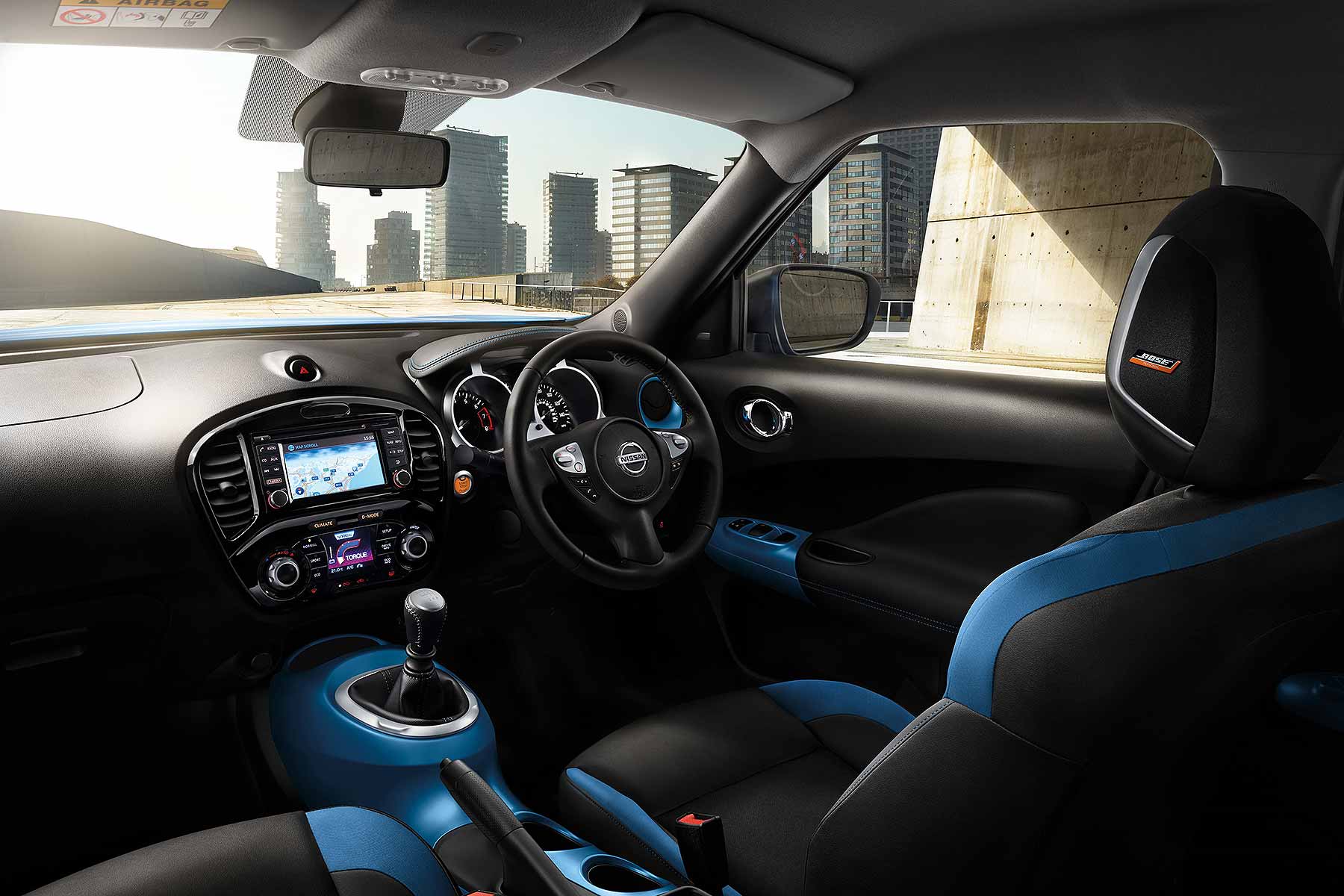

 McLaren has launched a certification scheme for its iconic F1 supercar. F1 Certified aims to document the originality, service record, competition history and condition of the 106 F1s – 64 road cars and 28 racers – built between 1993 and 1998.