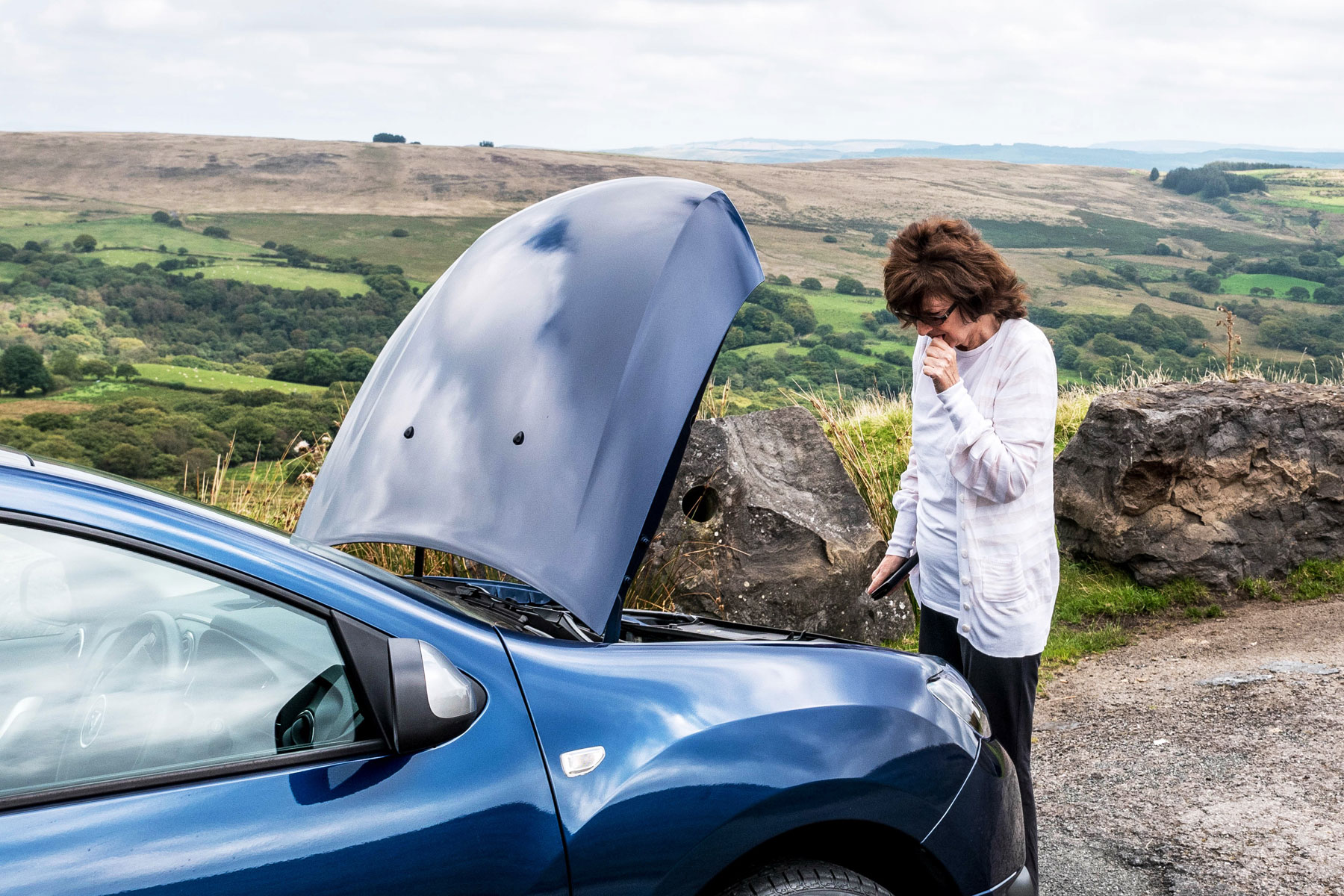
Gone are the days when a car breakdown would result in a long walk to a telephone box or pleading with a nearby homeowner to borrow their phone. Today, you simply call the breakdown company using your smartphone. Or do you?
According to research conducted by the RAC Foundation, there are 5,540 stretches of road in Britain where drivers would find it impossible to call for help because there is no mobile phone voice coverage from any network provider.
This represents two percent of the length of Britain’s road network, with a further 44,368 miles of road (18 percent) having only partial voice coverage. Maybe that dilapidated telephone box you pass on a daily basis might come in handy after all.
Unsurprisingly, it’s Britain’s rural extremities that fare the worst, with the Highland local authority area containing 910 miles of road with no voice coverage. If your car breaks down in Powys, Argyll & Bute, Cumbria or Dumfries & Galloway, be prepared for a walk in search of a signal.
In total, 90 local authority areas have one or more stretches of road where there is no voice signal available, making a call for help impossible. If, however, a motorist is in a location where their phone network provides no coverage but another network does, an emergency call can still be made.
‘Still work to be done’

Steve Gooding, director of the RAC Foundation, said: “The good news is that mobile coverage has improved a great deal across our road network. On our motorways, which carry around a fifth of all traffic, every mile should now have voice and basic data coverage plus a 4G signal for all but a couple of miles.
“As rapidly as the technology has advanced, so too have our expectations of enjoying uninterrupted connectivity. Hopes are high that autonomous and connected vehicles will make our roads safer and help cut congestion, but that is dependent on those vehicles being able to communicate with each other and the infrastructure around them.
“This analysis shows that there is still work to be done to make constant and comprehensive coverage a reality.”
The local authorities with the most miles of road with no voice coverage
- Highland (910 miles of road with no voice coverage)
- Powys (411 miles)
- Argyll & Bute (388 miles)
- Cumbria (296 miles)
- Dumfries & Galloway (266 miles)
- North Yorkshire (219 miles)
- Gwynedd (213 miles)
- Na h-Eileanan Siar (207 miles)
- Scottish Borders (192 miles)
- Devon (190 miles)
Read more:
- RAC reveals motoring mobile phone ‘epidemic’
- Safety groups urge phone companies to introduce ‘driving modes’
- Tailgating and mobile phone use revealed as drivers’ biggest gripes
 Williams Advanced Engineering and Unipart are teaming up to open Britain’s largest independent vehicle battery factory in Coventry. The new site will open for business in 2019 – and





 Aston Martin has announced its

 Silverstone race circuit is to get its long-awaited on-site hotel at last, with Hilton planning to open a 197-room Hilton Garden Inn development in 2020. The news follows






 Did you lust after a TVR Sagaris back in the day, but miss the (sinking) boat? Fear not: Blackpool’s last hero has now been resurrected as a kit car. Meet the Grex Sagaris GT.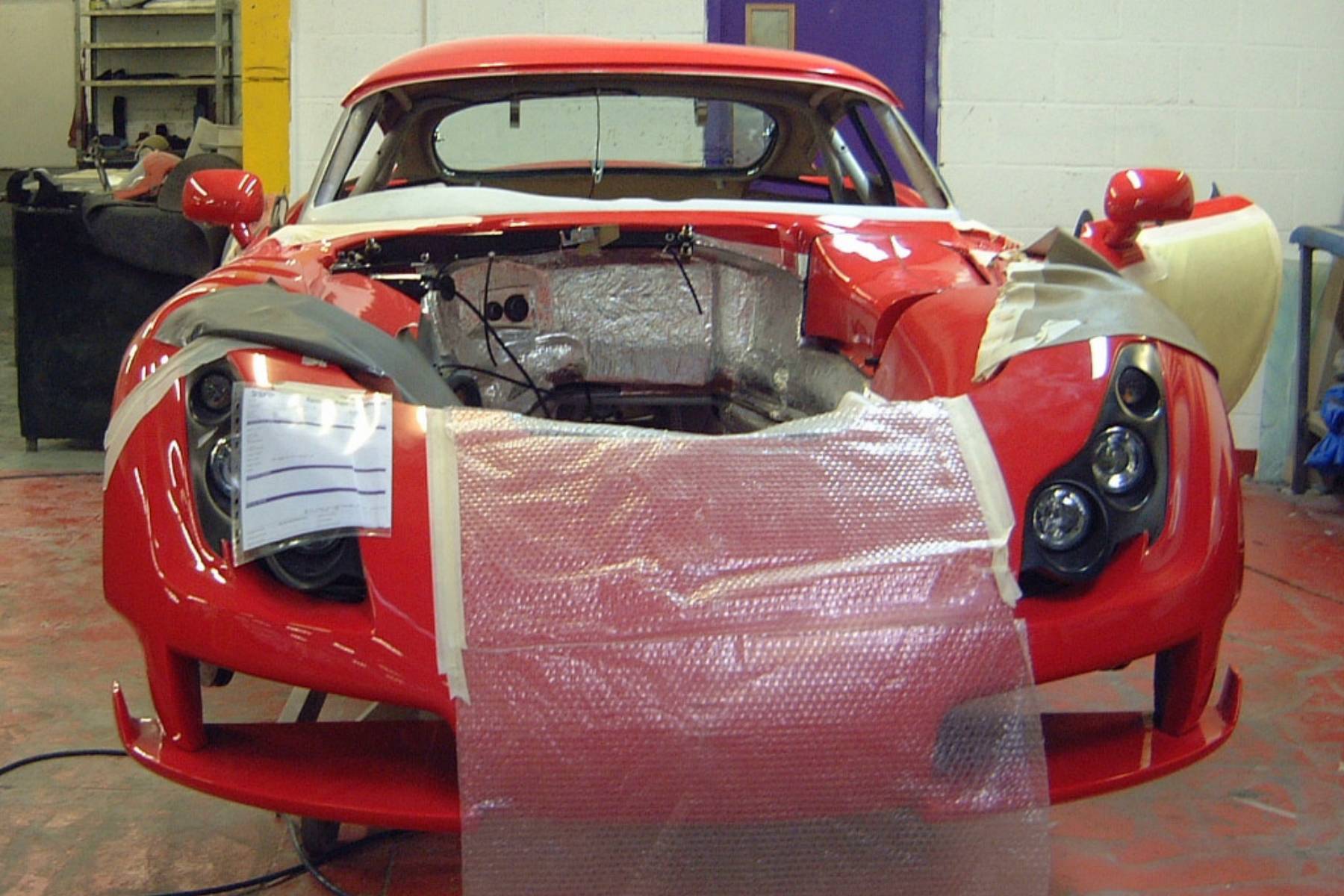
 A stolen car, obtained under stolen identities bought on the dark web, has been recovered following an extensive police investigation.