Home Blog Page 452

The £16,000 bracelet that can unlock a supercar

0

Senturion S177

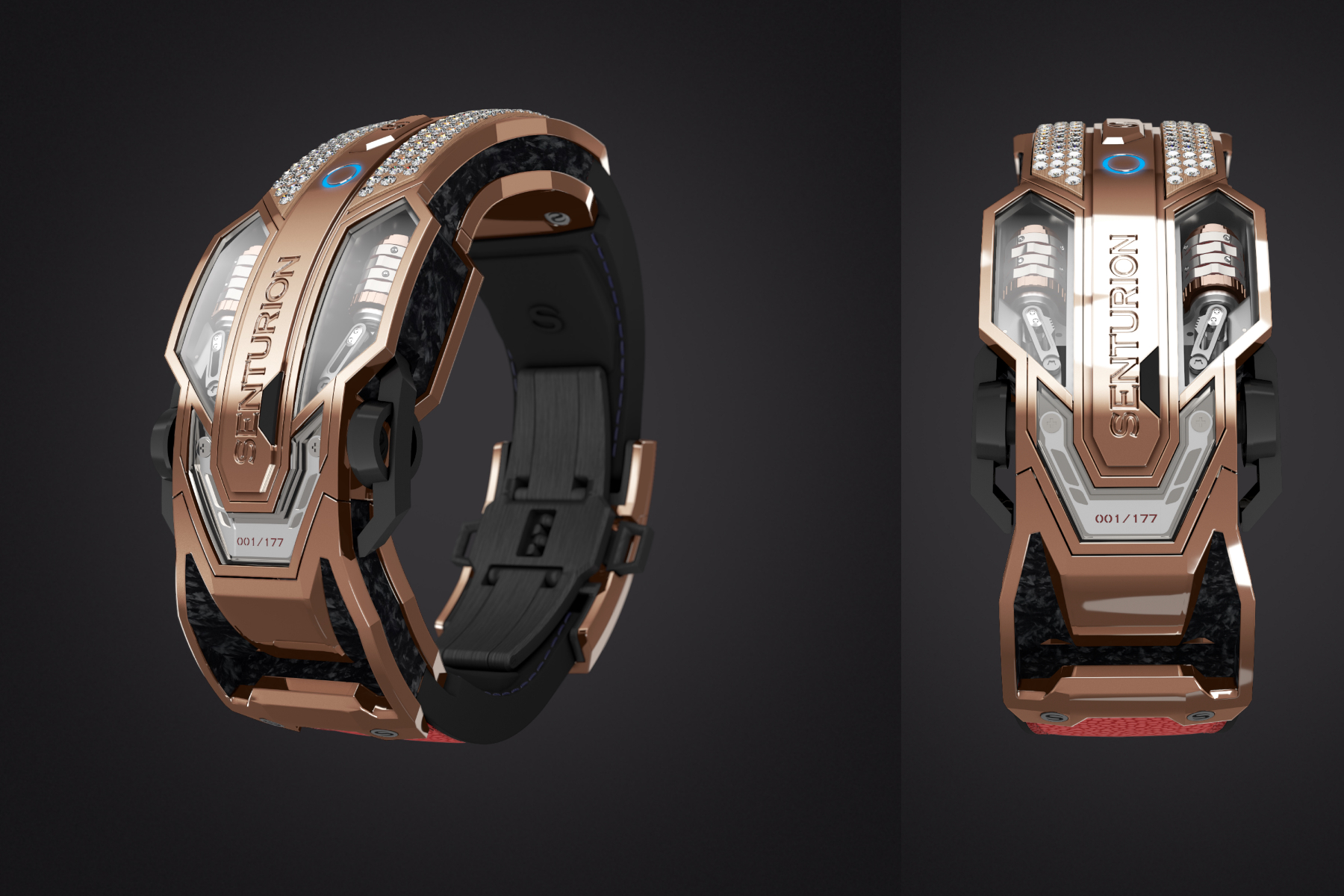
Is your Bugatti or McLaren key not showy enough? Need a super key to match your supercar? A company called Senturion has the answer, with what it calls the “world’s first ultra-luxury wristwear piece”.

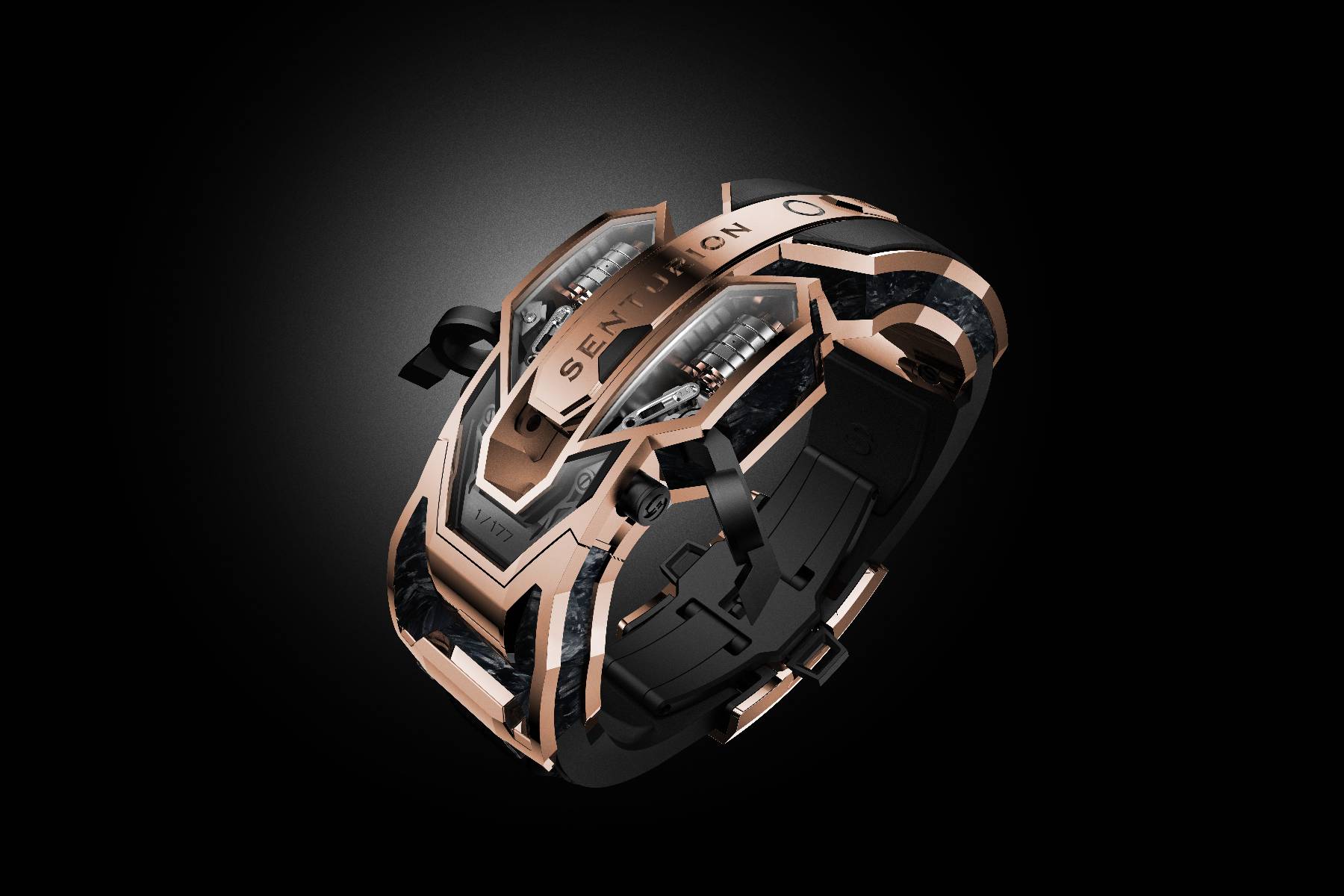
The Senturion S177 is both car key and jewellery, with bronze-coloured accenting (brushed titanium, don’t you know?). It’s fully customisable to suit your car, and production is limited to 177 pieces. Prices start from £15,580.

How does it work as a key?
Senturion S177

Senturion integrates the car’s existing encrypted security system into the S177. This enables the bracelet to take the place of a conventional key, unlocking your car as you approach. You might want to carry the key with you for good measure, however, just in case the battery is dead and you need to unlock your car manually.

There are cogs hidden behind a sapphire window that you can watch turning as you unlock your Lamborghini from afar. How relevant they are to the act of actually unlocking the car remains to be seen.

Senturion is allegedly a world leader in compact micro-circuitry, claiming ‘several world records’ in the area. The S177 has more than 1,000 components, with circuit boards ‘completed to the precision standards of astronaut equipment’.

Clever tech or tasteless tat? We’re erring towards the latter…

Read more:

Advertisement

Porsche confirms it has ditched diesel for good

0

Porsche dieselPorsche dropped diesel engines from its model range in February 2018. Now, it has confirmed it won’t be bringing diesel back in the future. 

The Porsche diesel is dead. 

“Porsche is not demonising diesel,” insisted Porsche AG CEO Oliver Blume. “It is, and will remain, an important propulsion technology.

“We as a sports car manufacturer, however, for whom diesel has always played a secondary role, have come to the conclusion that we would like our future to be diesel-free.”

But don’t panic, those who currently drive a diesel-engined Porsche, he added. “Naturally, we will continue to look after our existing diesel customers with the professionalism they expect.” You won’t be ostracized by the firm any time soon.

The diesel crisis caused us a lot of trouble… Porsche’s image has suffered

Porsche’s relationship with diesel has been short and, recently, tumultuous. It first offered diesel-engined Cayenne SUVs a decade ago, following them up with the Panamera diesel and Macan diesel. 

But it has been affected by the Volkswagen dieselgate scandal, and Blume later admitted “the diesel crisis caused us a lot of trouble… Porsche’s image has suffered”. 

That’s despite Porsche not actually developing the engines: it bought them in from Audi – inheriting the subsequent emissions software-cheating issues as they came to light. 

Sales have also plunged. In 2017, diesel sales took just 12 percent of Porsche worldwide sales. In contrast, 63 percent of Panamera sold in Europe are petrol-electric hybrid models. The firm has ditched diesel in favour of hybrid Panamera and Cayenne, and is now doubling down on electric drive.

The firm predicts 1 in 2 new Porsches will be either hybrid or pure electric, and its first all-electric car, the Taycan, goes on sale in 2019.

Porsche will now focus on “what we can do particularly well”. And that does not include diesel.

Advertisement

Petrol and diesel ban is needed by 2030 to meet global warming targets
0

CO2 Emissions 2030

A report by the Guardian newspaper reveals how climate change targets set in the Paris agreement will only be met if oil-burning cars are banned by 2030 – 10 years sooner than the government’s 2040 target. Countries including India, Germany and the Netherlands have already set their targets for 2030.

The target is less of a go-to number and more of a global warming limit – set as a maximum of 1.5 degrees centigrade above pre-industrial levels by 2100.

To put the issue into perspective, a study by the German Aerospace Centre (DLR), cited by the Guardian, claims a 2030 petrol and diesel car ban would be required for a little over 50 percent chance of not exceeding this maximum temperature change.

On the way to that, the number of oil-burning cars sold by 2022 would need to be as low as five million, versus 15 million sold this year. The study imagines that the last oil-burning car would be sold in 2028, and that they’d be fully legislated off the roads by 2040.

CO2 Emissions 2030

“Auto CO2-emissions need to peak as soon as possible,” said Professor Horst Friedrich, director of the DLR.

“Looking at the dwindling carbon budget, it is crucial to push low-emitting cars into the market – the earlier the better, to renew the fleet.”

We think the 2030 target seems unrealistic, barring an extreme hike in the offering and uptake of low- and zero-emissions vehicles. The rate of change is difficult to predict and, truthfully, out of the control of both manufacturers and legislators. It’s down to the former to offer products that appeal to the masses and the latter to install and upgrade infrastructure to suit.

Read more:

Advertisement

Amazon Echo Auto can bring Alexa into almost any car

0

Amazon Echo Auto

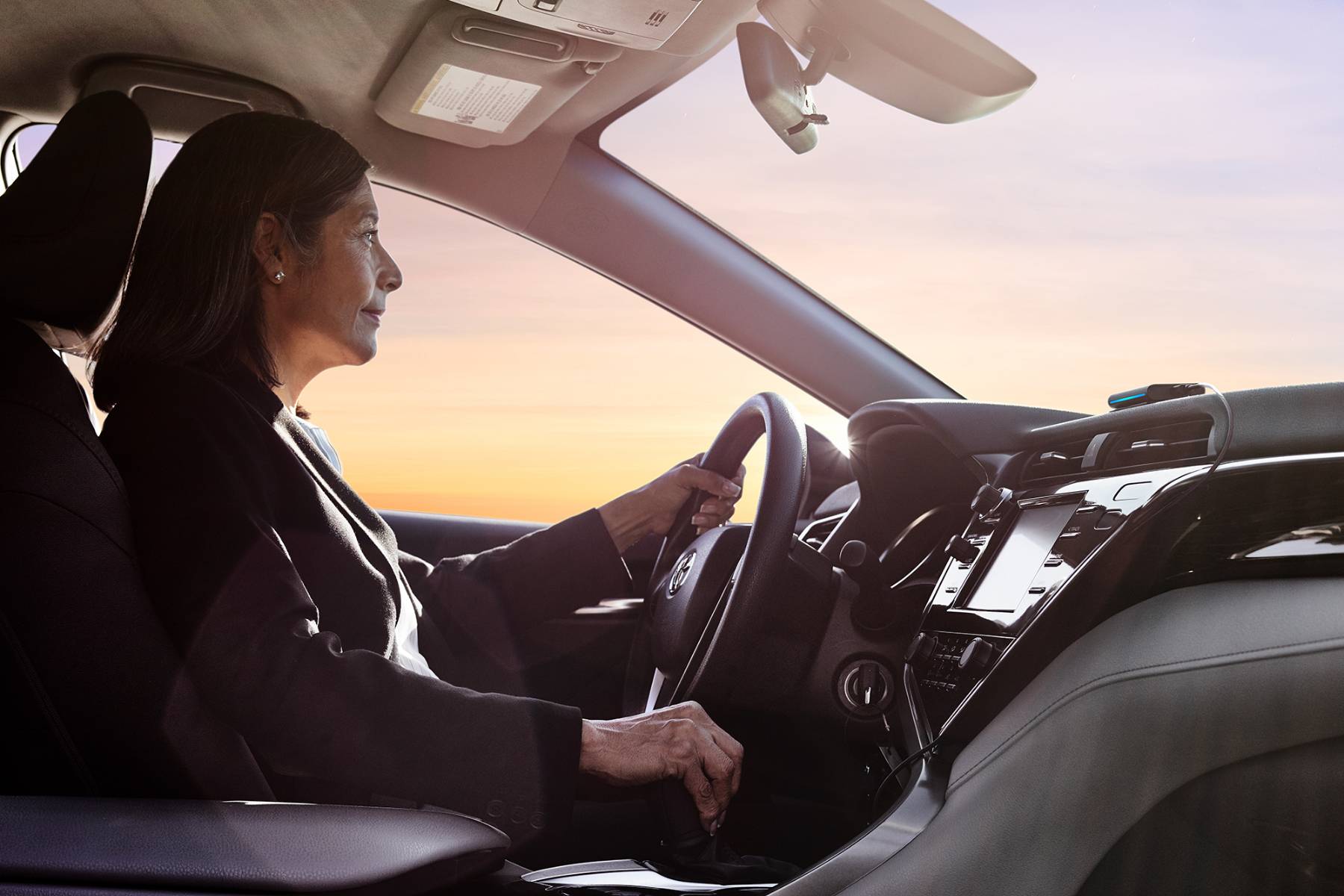
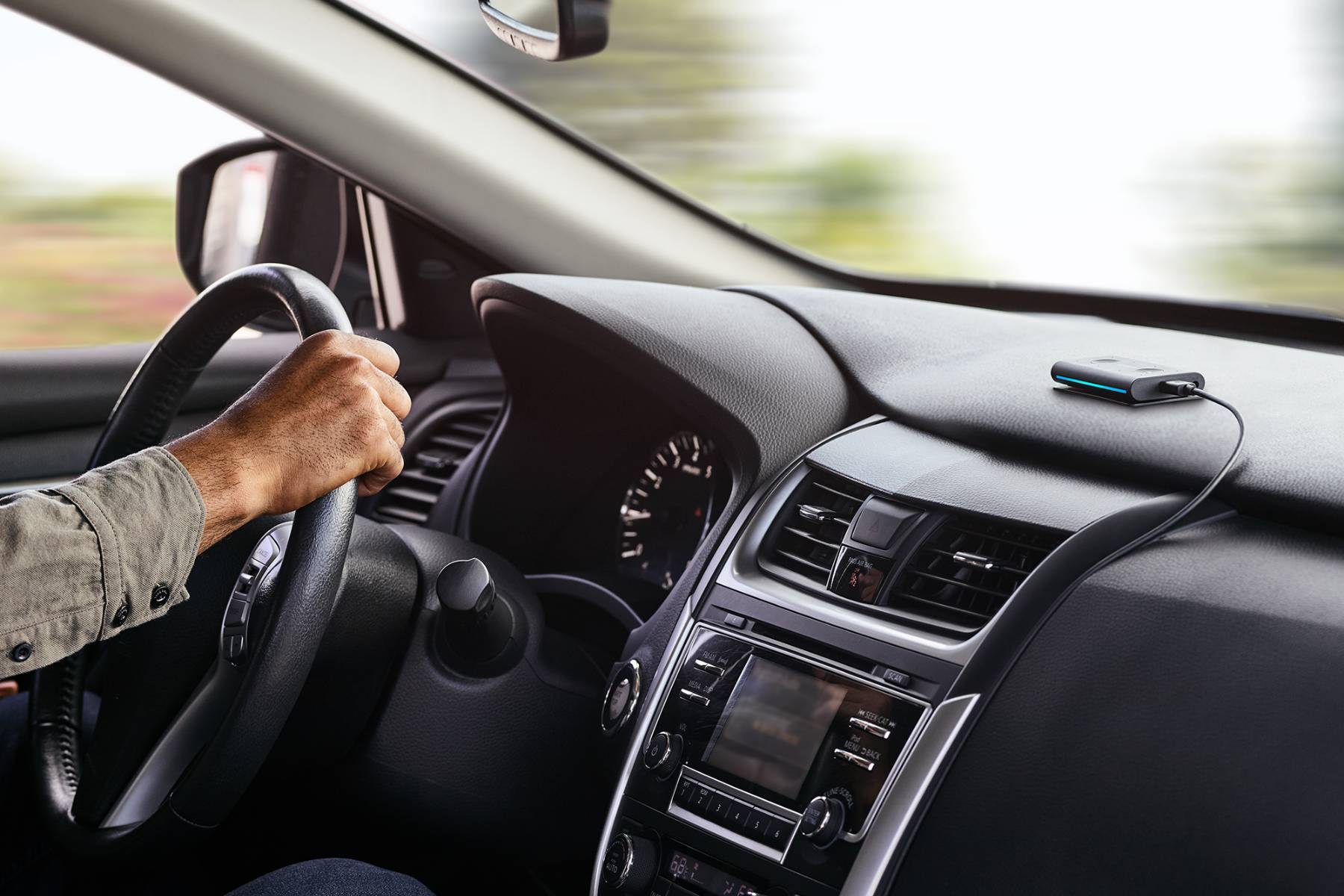
Just as an Amazon Fire Stick makes your TV smart, so the new Amazon Echo Auto makes your car smart. Never mind Android Auto, Apple Carplay, connected car systems and enormous infotainment screens – all Echo Auto needs to make your car intelligent is a USB socket (or 12V power) and an auxiliary cable.

How does Echo Auto work?

Effectively, Echo Auto offers 50,000 Alexa ‘skills’ you can activate using your voice from behind the wheel. That means apps like Spotify and Audible are controllable via Amazon’s well-resolved voice recognition system.

The little box rests on your dashboard and connects to your phone, using the Alexa app and your phone data plan to work. You power up with a USB or a 12-volt socket, and plug into the car’s speakers with either an auxiliary cord or Bluetooth.

Th box contains eight microphones designed for in-car acoustics. That means you can ask Alexa for traffic updates or call someone over the sound of air conditioning, road noise, your music, and so on. It can connect to your home Amazon systems, too. You can program it to turn your outside lights on when you pull into your driveway at night, for example.

Amazon Echo Auto

Given how poor some manufacturers own voice recognition systems are, we expect big things – especially given how much Amazon has put into the technology

Anything that lets us control facilities in-car, without taking attention off the road, gets our vote. It sounds better than scrolling through endless menus on a dashboard touchscreen, that’s for sure.

Read more:

Advertisement

Barely 1 in 3 new Ford Focus will be a diesel

0

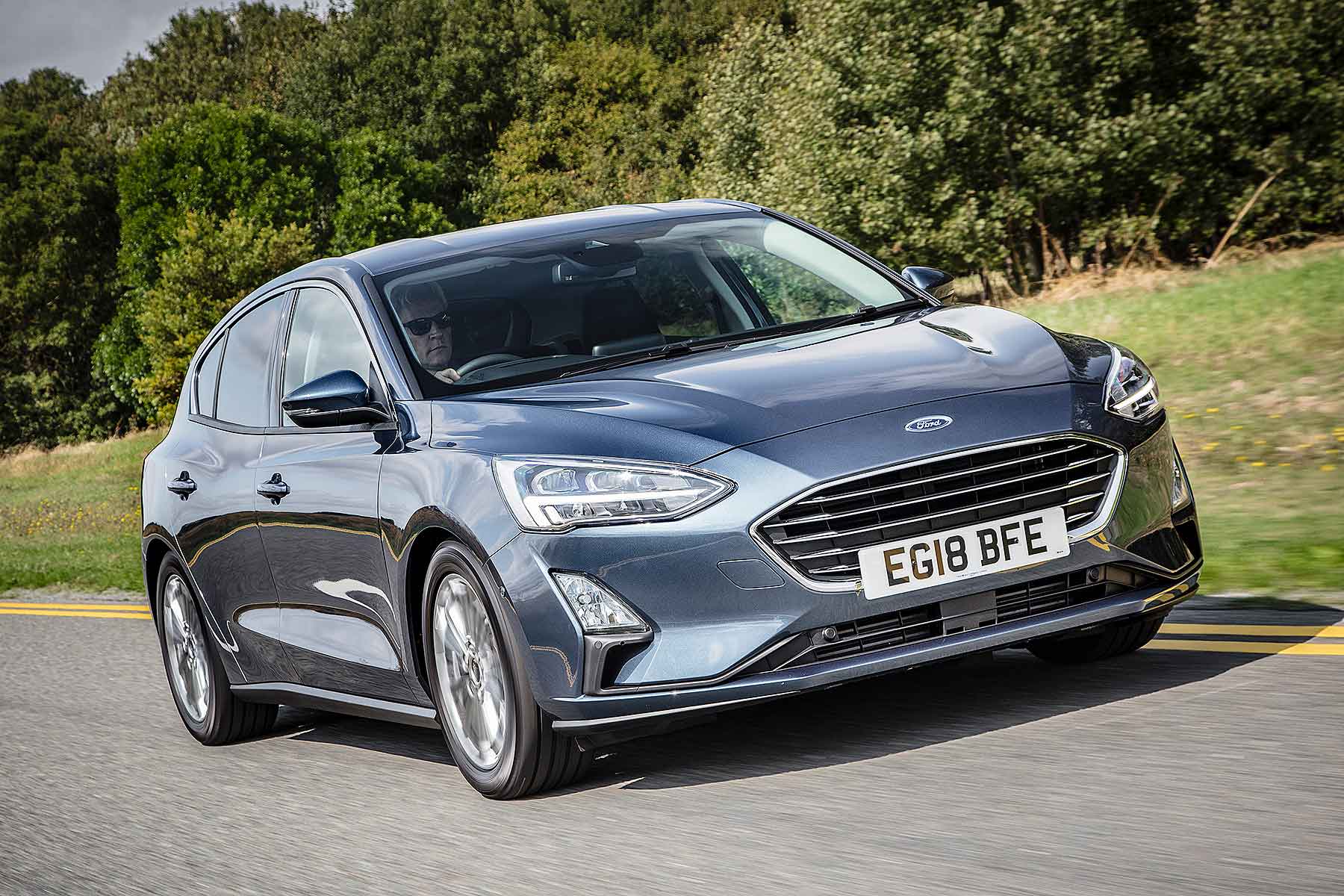
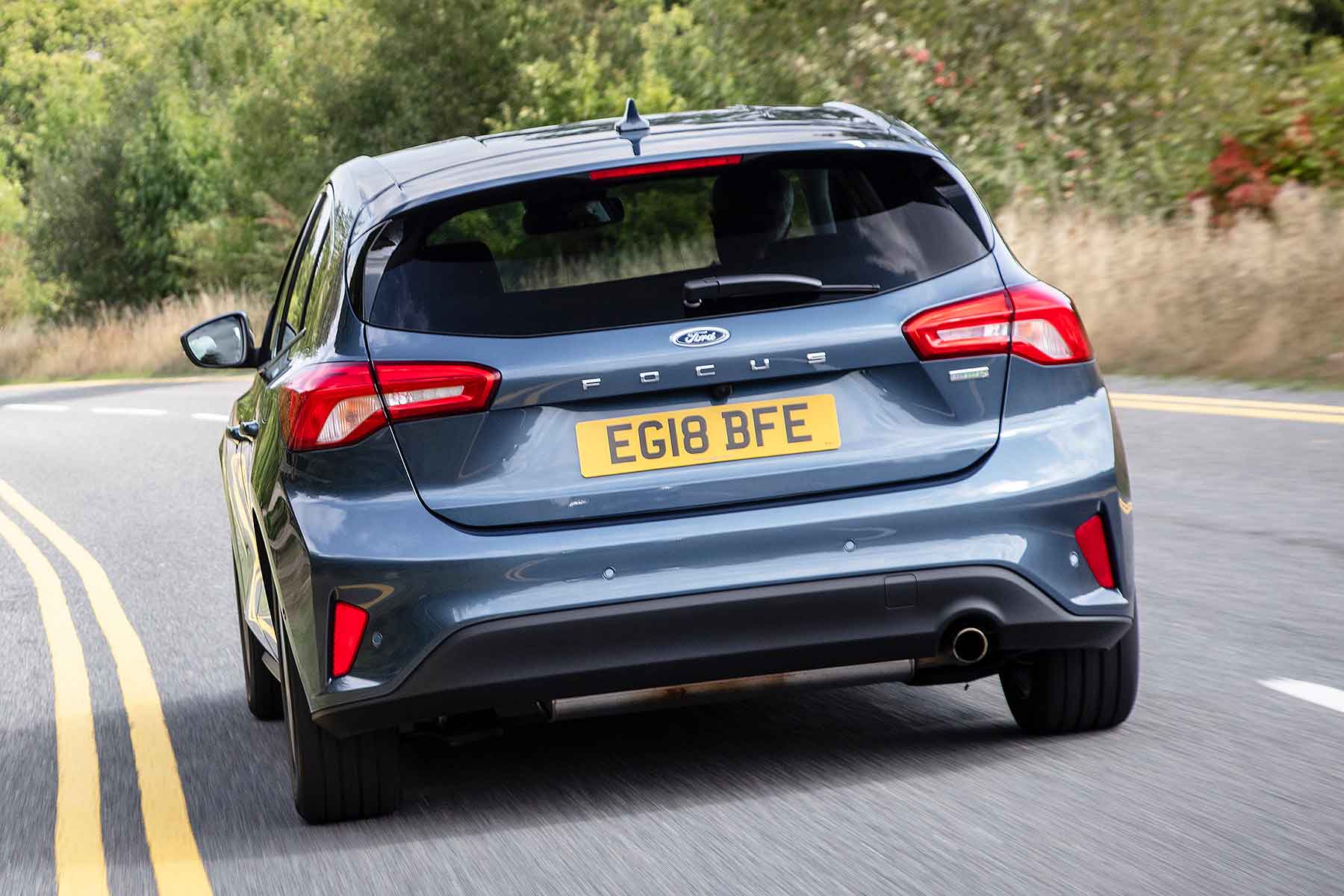
Ford Focus EcoBoostFord hopes the new Focus will reassert its status as Britain’s best-selling family hatchback – but, in a sign of the times, bosses are predicting fewer than 30 percent of registrations will be of diesel versions.

Almost two in three sales will, instead, be of the award-winning 1.0-litre EcoBoost petrol engine, Ford’s downsized motor that’s overcome Brits’ traditional love of larger engines.

Ford still offers a diesel engine that’s twice as large – but the 2.0-litre EcoBlue is predicted to take just 1 percent of new Ford Focus sales.

Ford Focus EcoBoost

The shift away from diesel has accelerated in recent years. With the previous Focus, diesel had declined, but was still taking over 40 percent of overall sales. The new car very much places the emphasis on petrol.

“There has been a shift,” said Ford of Britain sales director Kevin Griffin. “But diesel is still an important engine – it’s ideal for high-mileage drivers, and our research shows that many plan to stick with it.

“For fleets in particular, where overall cost of ownership is crucial, diesel is still the right product. It remains an important engine.”

Motoring Research recently gave the new Ford Focus 1.5 EcoBlue 120 diesel an extended test. In daily driving, we regularly saw fuel economy upwards of 55mpg recorded on the trip computer.

On one gentle 100-mile motorway run, we saw a high of 82.8mpg displayed – proof that even modern diesels can still record ultra-high economy figures if driven in the right way.

Advertisement

British car dependency hits ‘alarming’ all-time high

0

UK traffic jamBritish motorists are now more dependent on the car than ever – despite growing concerns about air pollution, rising costs and congestion. Three in four people now say they would find it hard to adjust to a car-free lifestyle.
The findings are revealed in the 2018 RAC Report on Motoring, which shows the decline in car dependency in recent years has dramatically reversed this year. There has been a significant 12 percent shift from less to more car use: that represents 4.8 million drivers.

“It is alarming to see that dependency on the car is actually the highest we have ever seen,” said RAC chief engineer David Bizley.

People are driving more not through choice either, but through necessity. 34 percent blame a greater need to transport family members for their increased car usage, and almost as many say it’s because of a longer commute to work.

‘No viable alternative’

Almost 1 in 4 say they’re driving more because public transport has deteriorated: 44 percent of them say reliability has declined, 39 percent blame higher fares and 33 percent are driving more because of cuts in local services.

Other sources back this up, adds the RAC – official government data reveals Brits are taking fewer bus journeys than a decade ago, and the Campaign for Better Transport reveals a 45 percent cut in bus services over the past eight years.

59 percent of motorists add that they’d use their car less if public transport was better. Only 11 percent said they would not.

“Our research clearly shows many people don’t think public transport offers a viable alternative to the car,” said Bizley. Those in rural areas are particularly dependent on the car – 84 percent would struggle with a car-free lifestyle.

“People end up driving by default as they feel public transport is either too expensive, non-existent or just doesn’t go where or when they need it to.

“Judging by the findings of this year’s RAC Report on Motoring, the car, however it is powered, is here to stay.”

Advertisement

Renault offers £5k to scrap your dirty old car for a clean new electric Zoe

0

Renault ZoeRenault remains determined to get dirty old cars off our roads, so has relaunched its scrappage scheme with better-than-ever savings of up to £5,000.
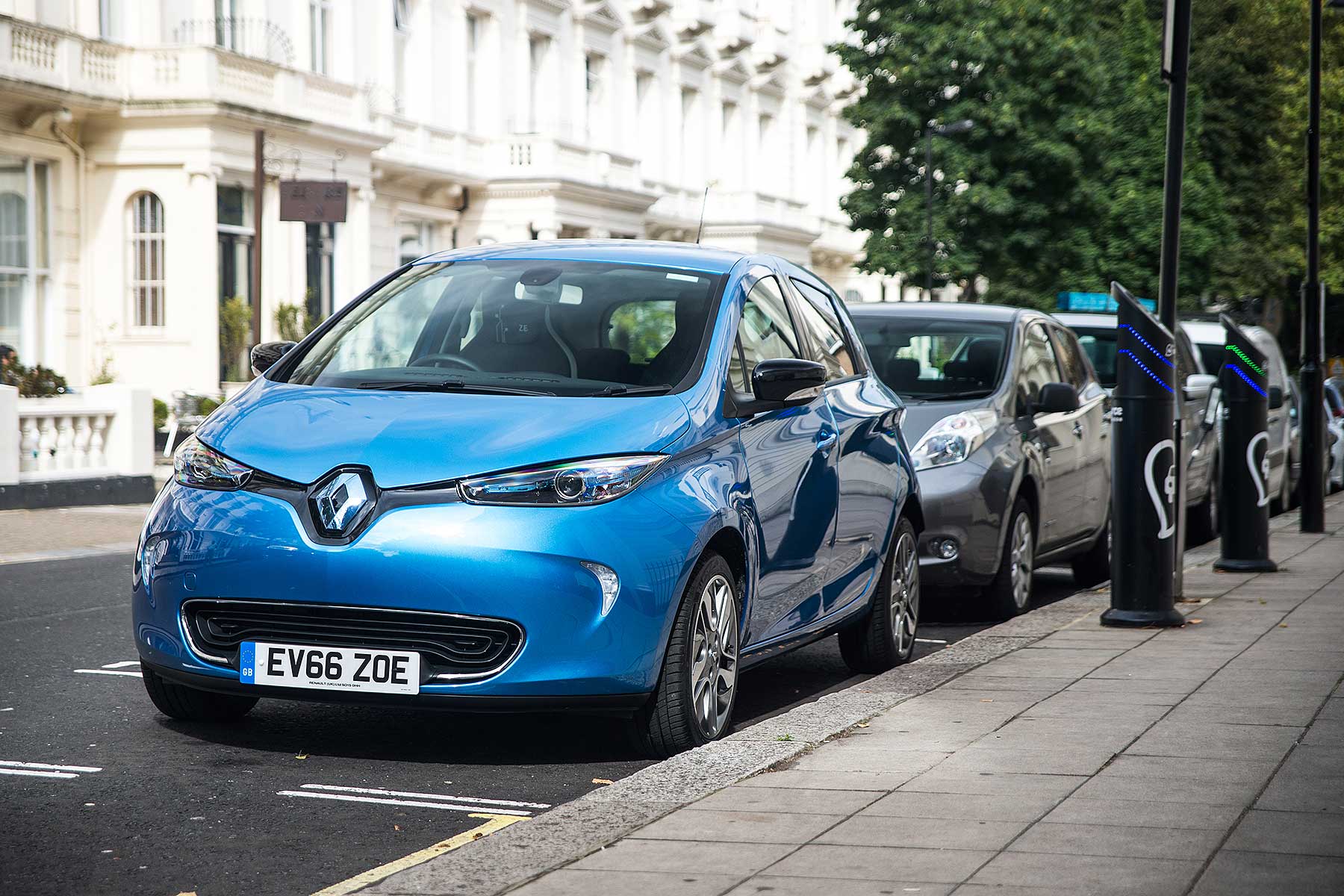
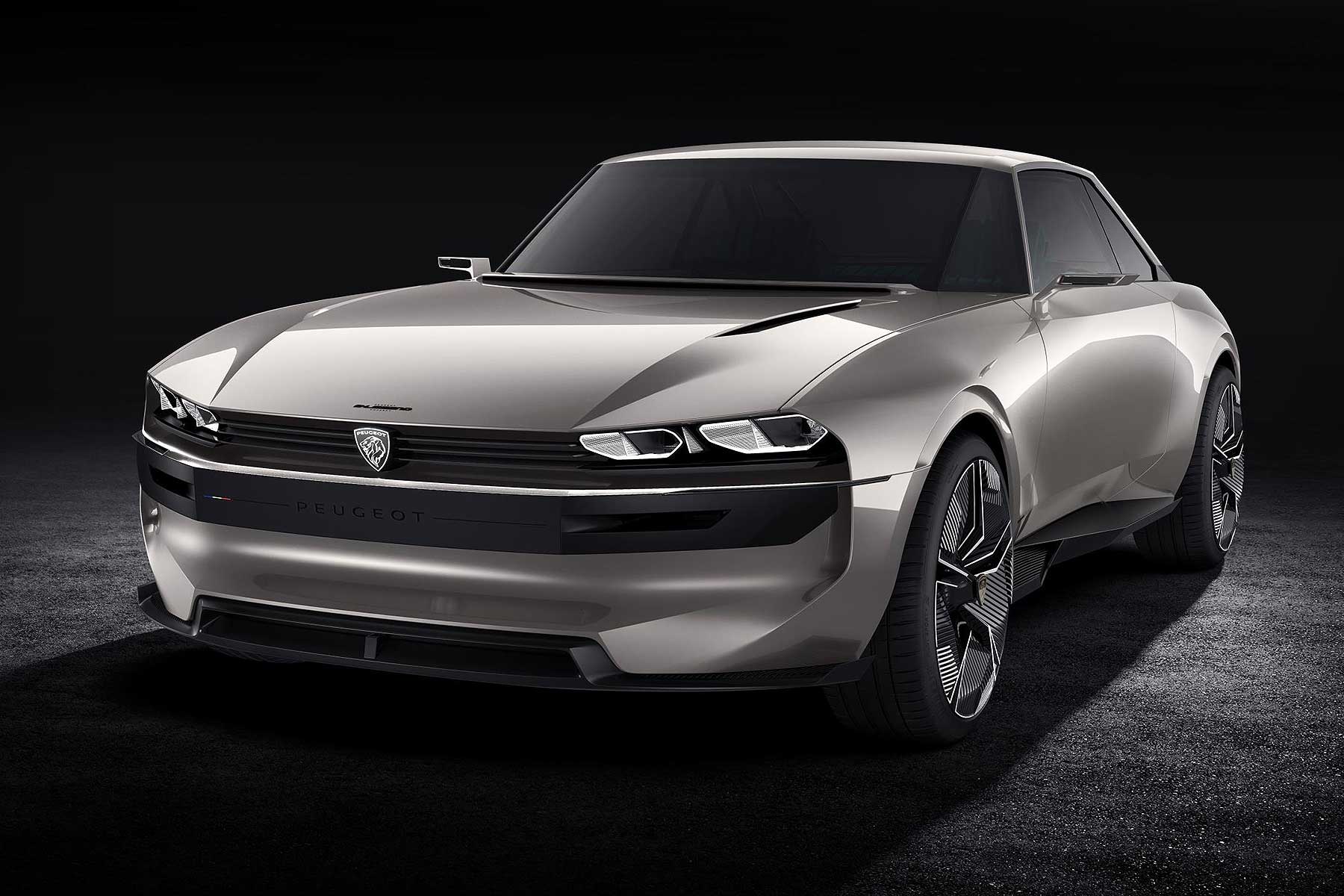
Even better still, the hefty £5k list price discount applies to the zero-emissions Renault Zoe electric car, making it one of the most effective air-cleansing scrappage incentives out there right now.

  • The best 0 percent finance car deals

Add together Renault’s scrappage saving and the government Plug-in Car Grant, and the price of a new Zoe drops down to from £13,420. That’s for the upgraded R110 model too, which has more power and a real-world electric range of 186 miles.

Renault Zoe

Renault chucks in a free Wallbox for home charging, although it doesn’t actually chuck in batteries – they still have to be rented, although buyers can pay more to get a Zoe with batteries included.

The Zoe is Europe’s best-selling electric car, but what if you’re not quite ready to go electric and prefer to follow today’s trend rather than tomorrow’s? Buy a Renault SUV: there’s £1,000 to be saved on a Koleos, £2,000 on a Captur and £3,000 on a Kadjar. Both the conventional Megane and Scenic offer a £1k saving.

City car fans can get £1,500 off Renault’s most affordable model, the Twingo, while the popular Clio supermini has a £2,000 scrappage discount.

All Renault asks for is that the old car (or van) was registered before 31 December 2011, and has been registered to the owner for at least 90 days.

The Renault scrappage offer runs until 7 January 2019, and all cars must be registered before the 19-plate registration kicks in – so, before 31 March 2019.

Scrappage savings can’t be used with any other finance or cash deal, although buyers are eligible for Renault’s £500 test drive offer – taking savings up to £5,500 on the electric Zoe, then. And the sense of doing a good deed is guaranteed, too: the scrapped car will be “permanently taken off the road,” adds Renault.

Sorry, classic car fans.

Renault scrappage savings

  • Zoe: £5,000
  • Kadjar: £3,000
  • Clio: £2,000
  • Captur: £2,000
  • Twingo: £1,500
  • Koleos: £1,000
  • Megane: £1,000
  • Scenic: £1,000
Advertisement

Retro-themed Peugeot e-Legend Concept Paris show car revealed

0

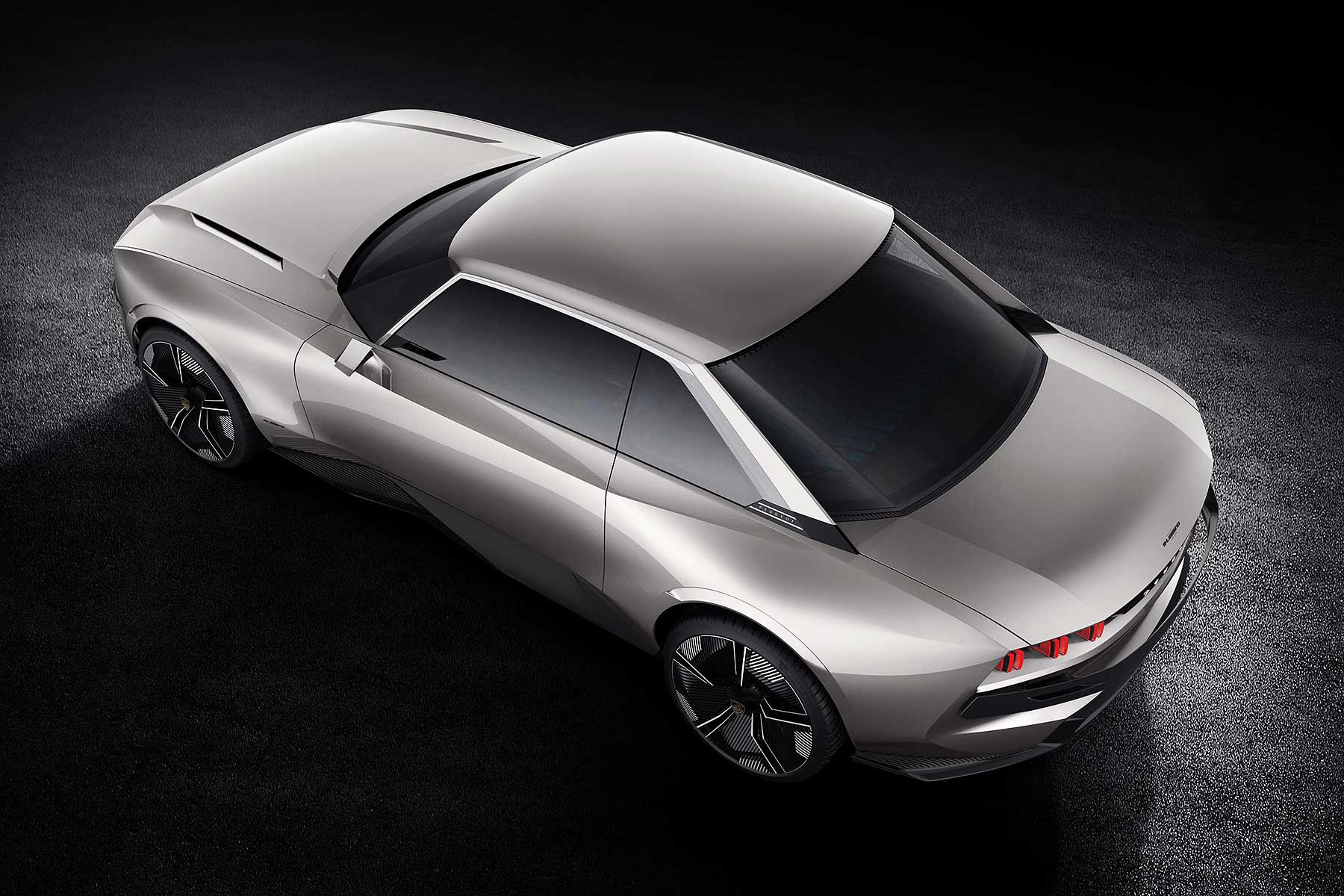
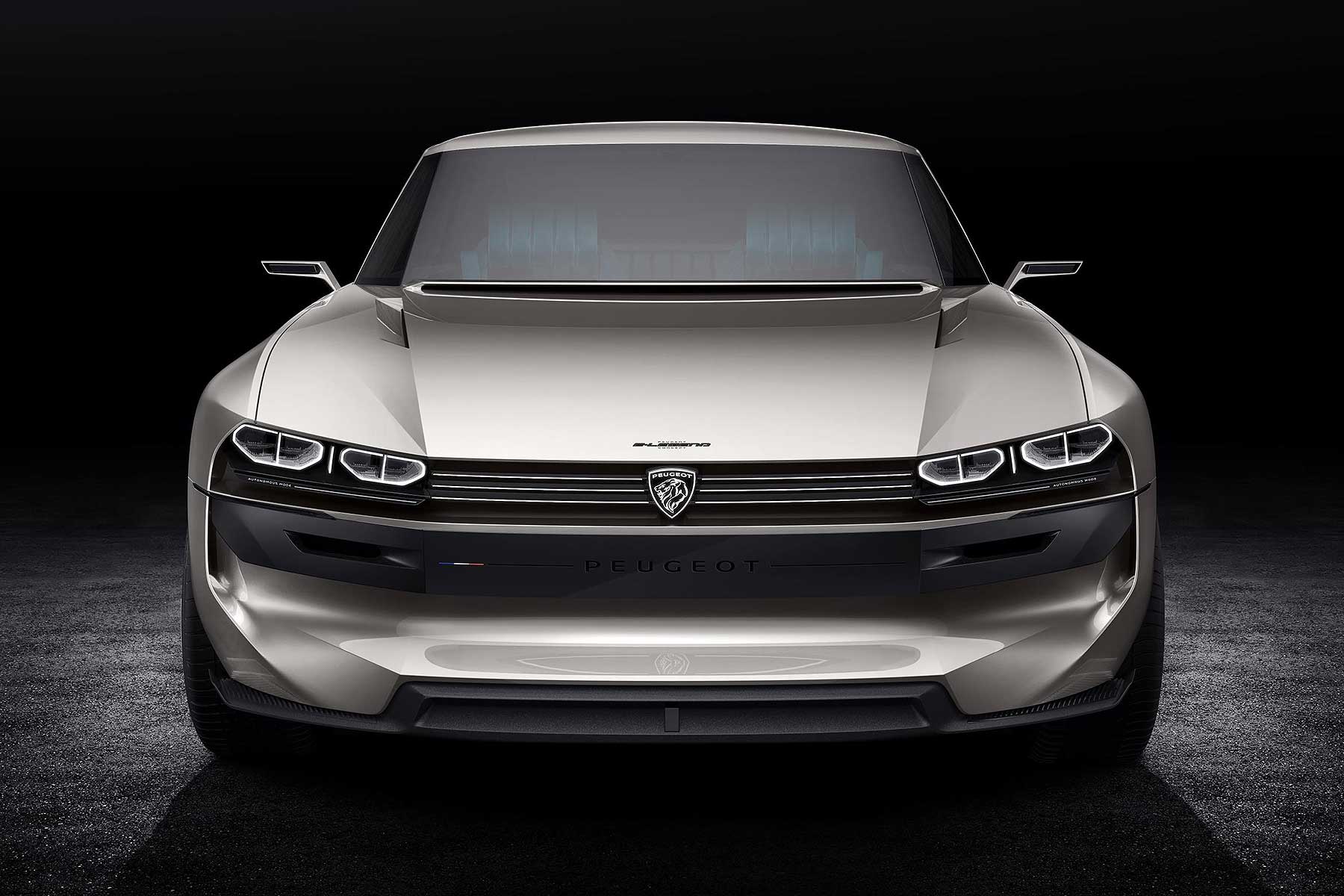
Peugeot e-Legend ConceptPeugeot is aiming to cause a stir with its all-electric, fully-autonomous show car at the 2018 Paris Motor Show: the e-Legend Concept is a futuristic preview with a retro design inspired by the famous 504 Coupe.
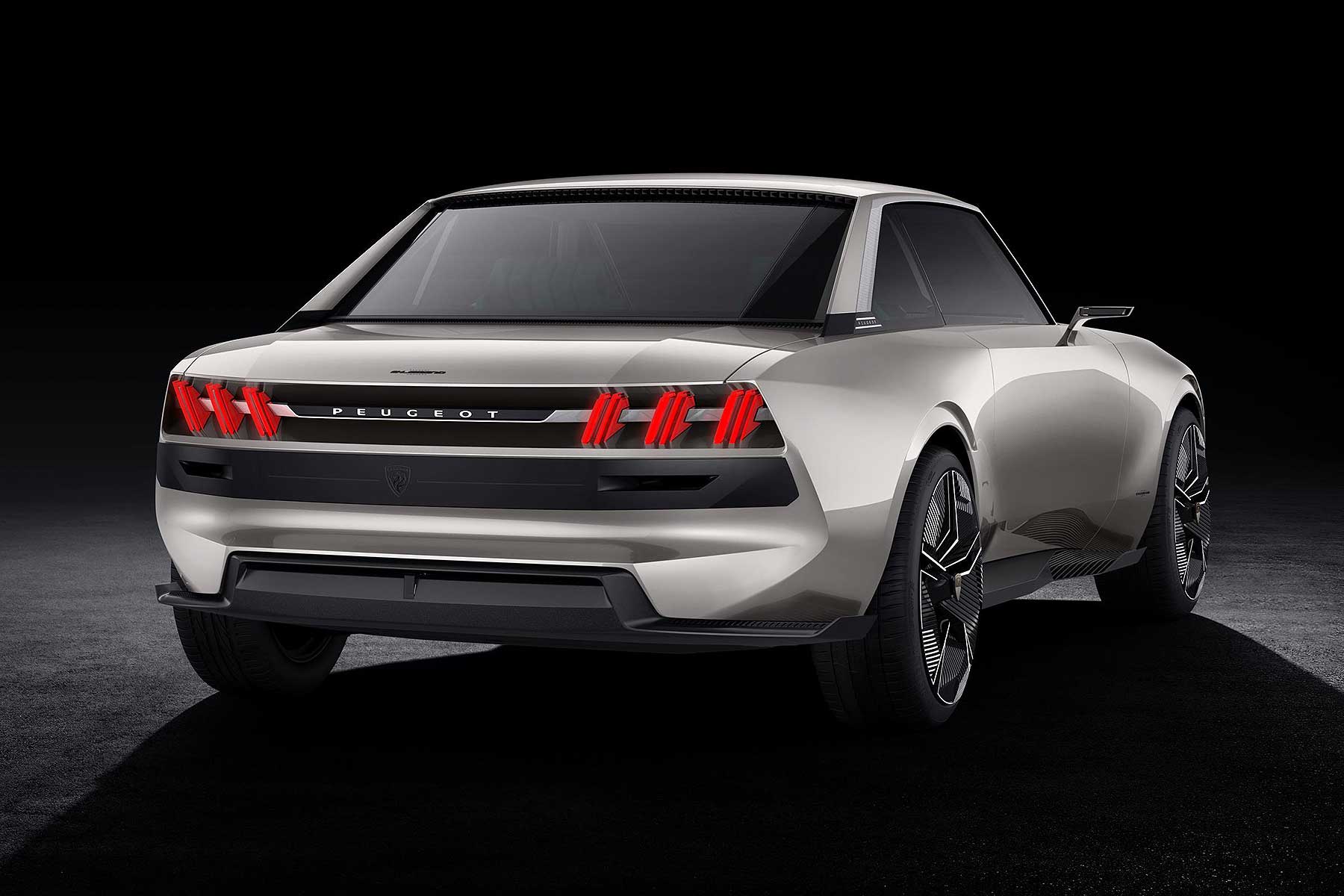
It’s part of Peugeot’s efforts to make the future seem exciting. “Boredom will never be part of our DNA,” said Peugeot CEO Jean-Philippe Imparato.

The e-Legend Concept is not just a tech showcase, he said, but “a vision of a brand actively focused on an optimistic and ultra-desirable future… for Peugeot, autonomy and electric are synonymous with even stronger sensations”.

Electric, self-driving Peugeots are, it seems, set to be even more exciting than today’s cars, rather than less so. And if they look as gorgeous as this, who are we to argue?

Peugeot e-Legend Concept

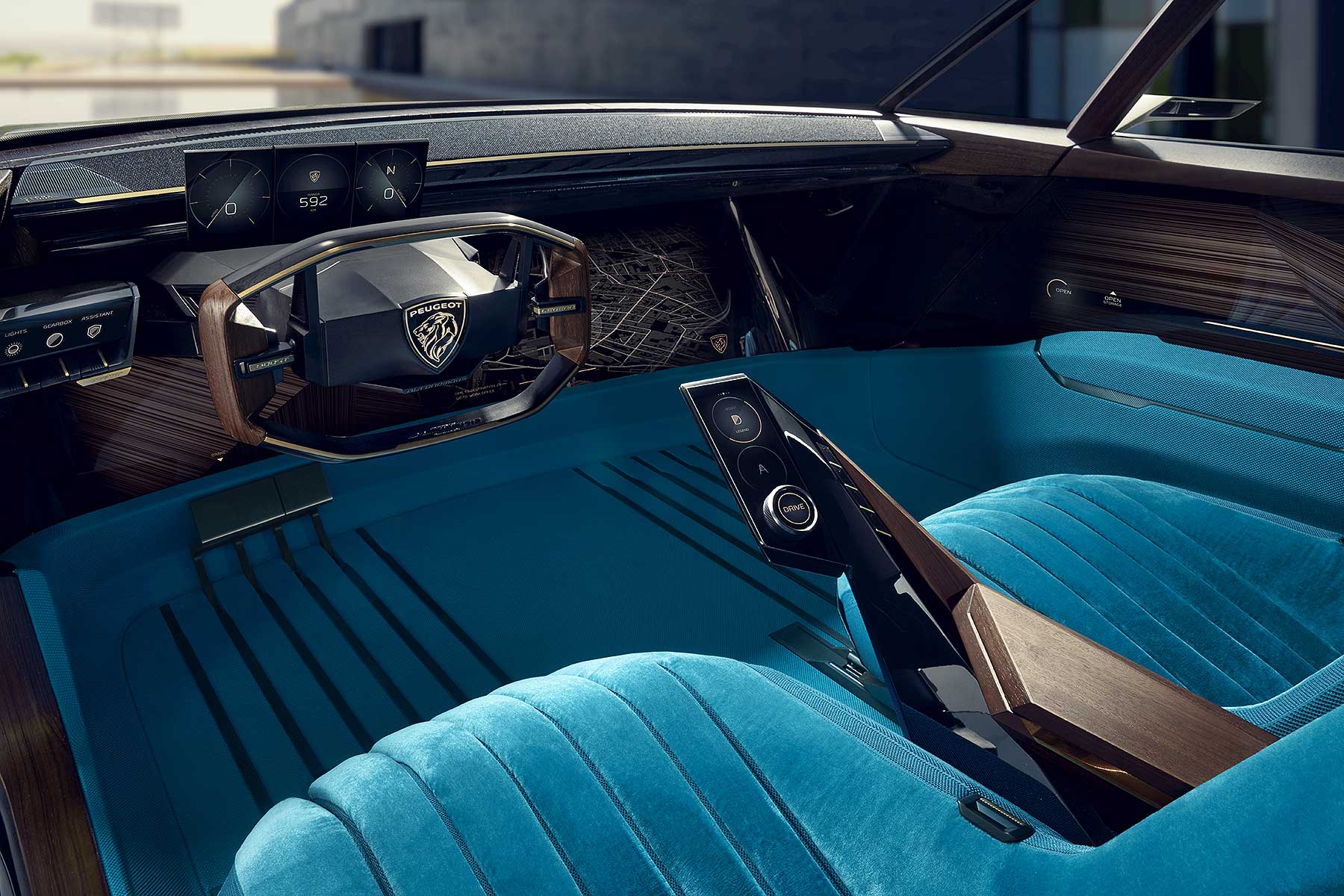
The 50-year-old 504 Coupe’s styling is mirrored inside, with a similarly modern interpretation of that car’s retro dashboard. Brilliant touches include digitised wood displayed on the car’s various screens, plus the 504’s three-dial binnacle electronically recreated.

Peugeot e-Legend Concept

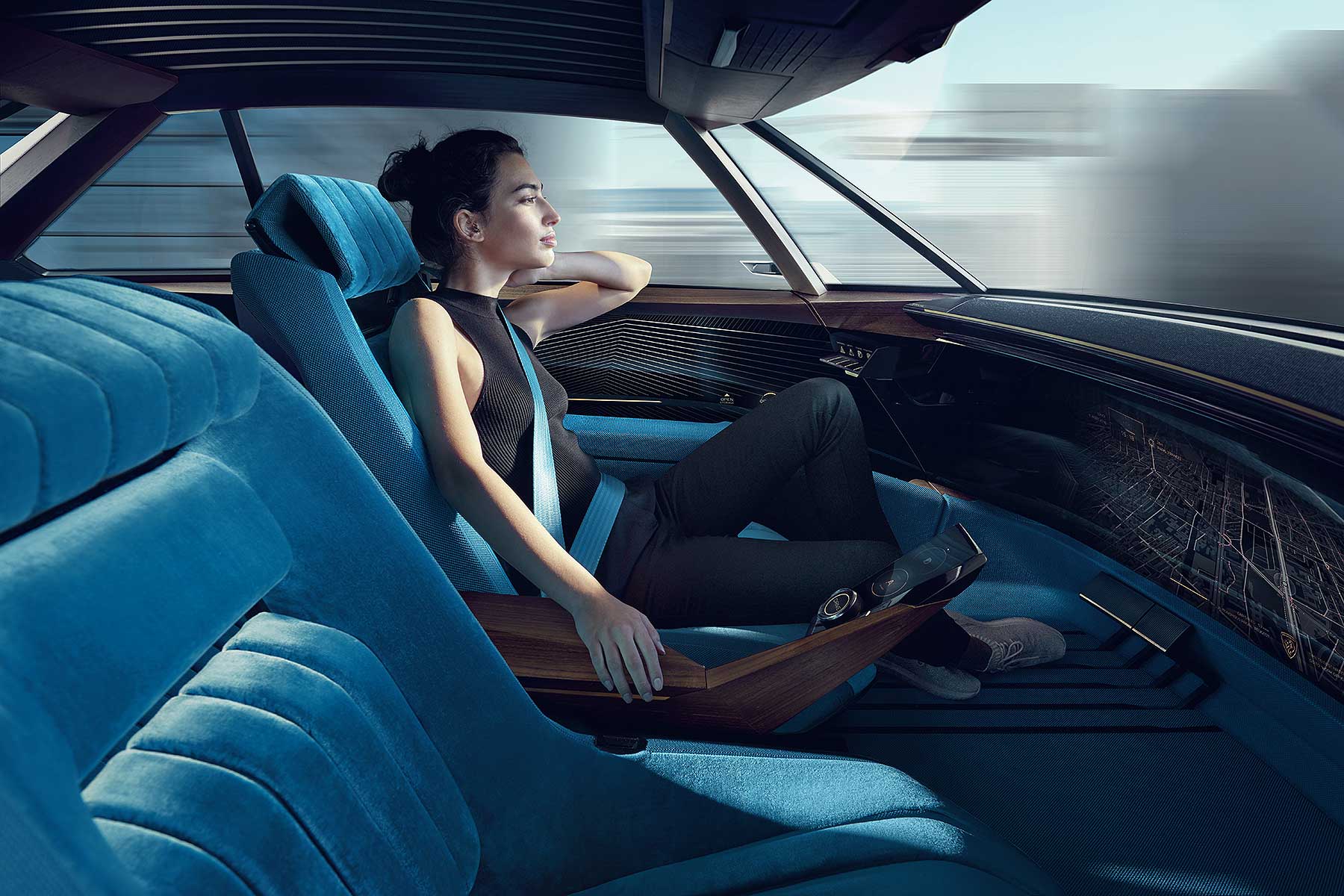
Futuristic features make the interior a luxurious place. French premium audio brand Focal has created technology that creates a ‘sound bubble’ for each occupant – each can listen to their own stuff without disturbing others.

Peugeot e-Legend Concept

AI tech company Soundhound Inc has created a voice-activated assistant that can change the driving style, music, and even open and close the doors. Peugeot adds that a production version of this tech will be in production within two years.

Peugeot e-Legend Concept

Powered by 100 kWh batteries, the 462 hp e-Legend Concept has four-wheel drive, a 136 mph top speed and 0–62 mph in less than four seconds. It also has a 442-mile range, so long as you don’t constantly deploy all its considerable 590lb ft of pulling power.

A fast-charge system adds 311 miles’ range in 25 minutes, and Peugeot’s planning inductive ‘wireless’ charging.

Peugeot e-Legend Concept

It has four driving modes – two autonomous and two manual. In autonomous guise, choose from ‘Soft’ (a soothing, distraction-free setup) or ‘Sharp’ (where all the screens go live and it’s fully connected).

Manual modes are ‘Legend’ (which brings in the 504 Coupe cues and the digital wood) and ‘Boost’ (which focuses more on the driver).

For each mode, the interior configuration changes – the steering wheel can dip beneath the dashboard sound bar, for example, revealing a massive 49-inch central screen in autonomous guise. The seats also recline and armrests are deployed, for added comfort. The perfect way to survey that lovely 21st century interpretation of the famed 504.

ALSO READ

Aston Martin sets share price range for October stock market float

How much profit do car companies make every second?

London Taxi TX4 Last of Line is the ‘Rolls-Royce cab’ you can’t buy

Advertisement

Mercedes-AMG Project One prototype is too noisy to keep secret

0

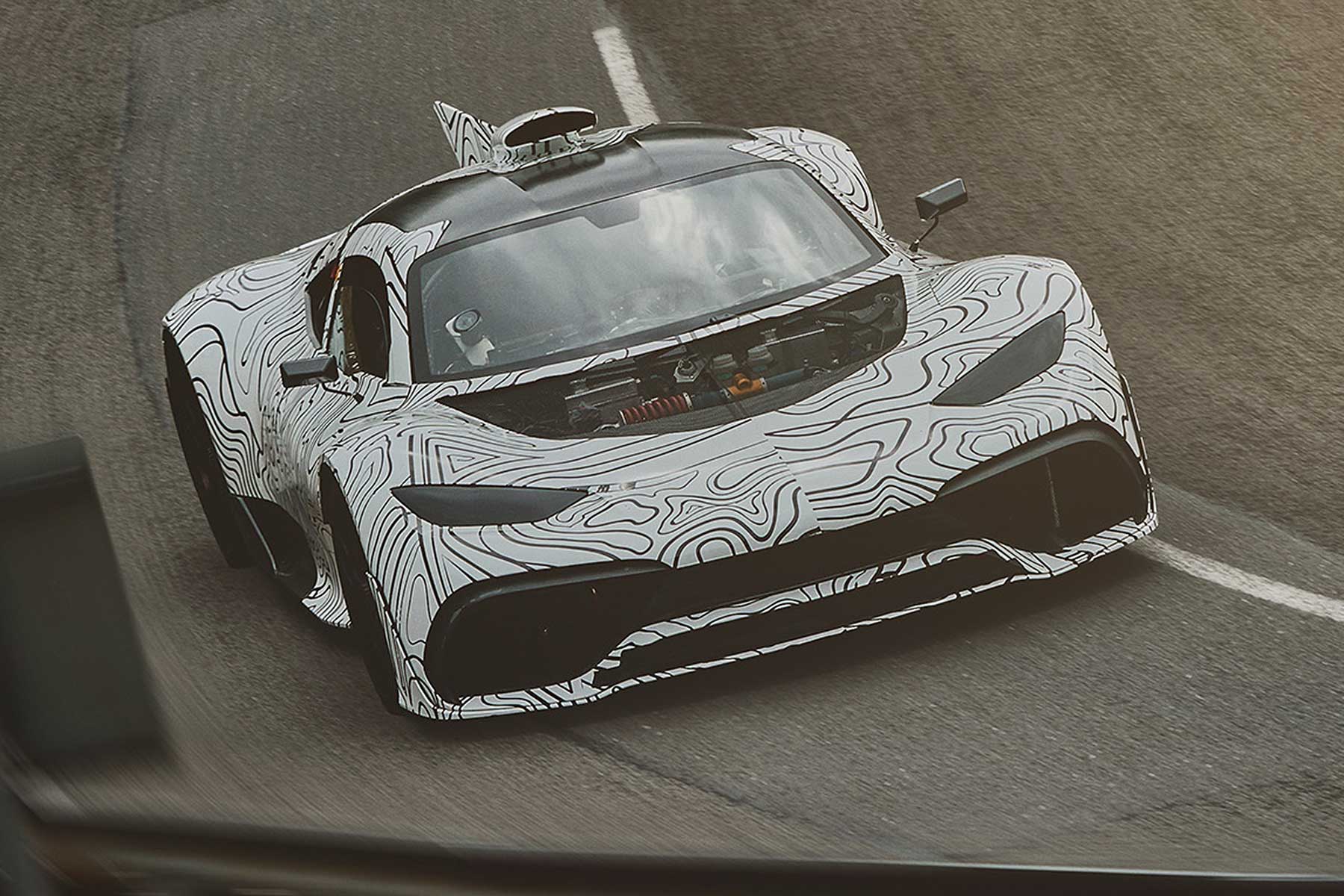
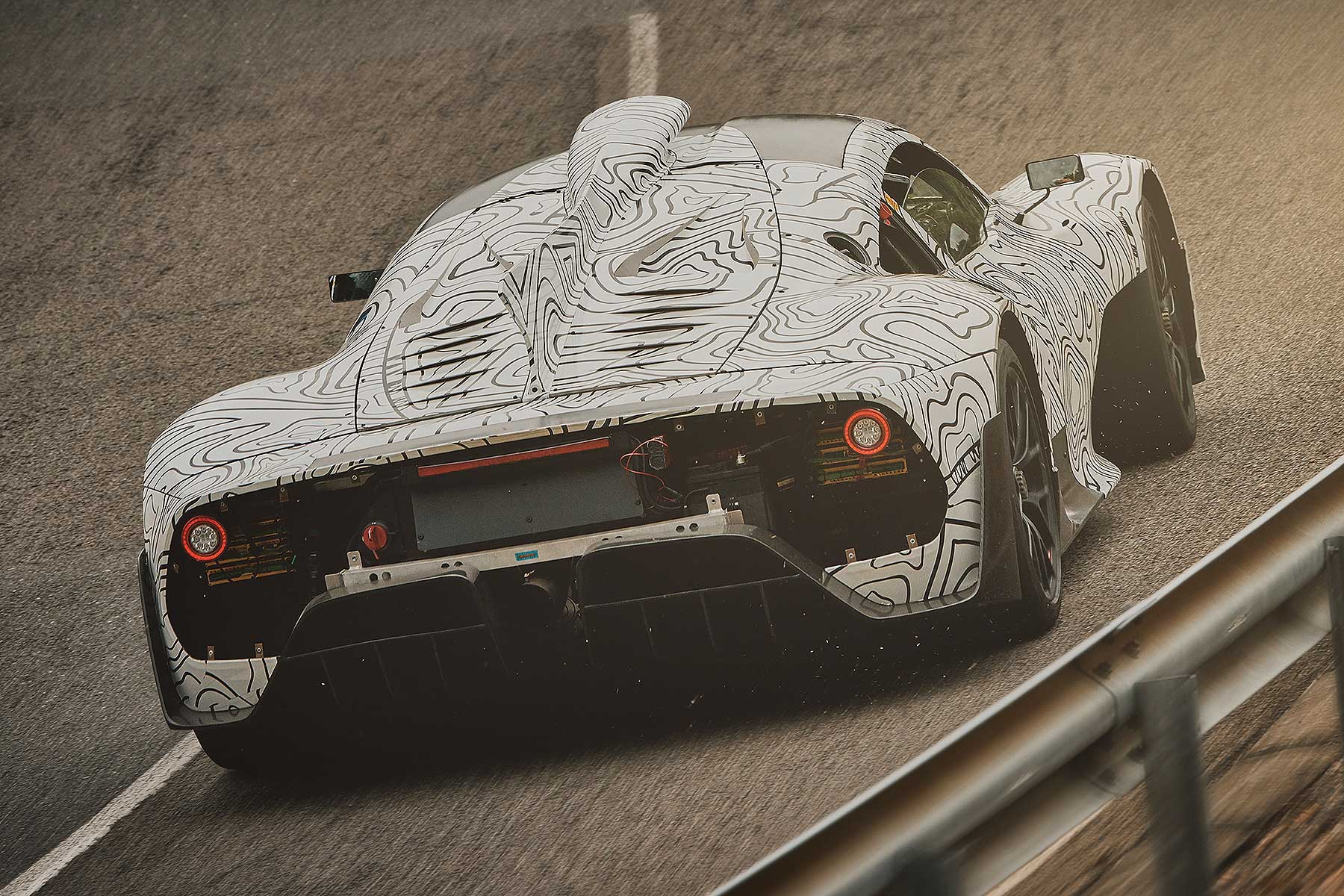
Mercedes-AMG Project One prototypeFormula One fans have long complained that the modern hybrid engines are too quiet, but one iteration of the 1.6-litre V6 turbo is facing the opposite challenge: the Mercedes-AMG Project One’s engine is too LOUD.
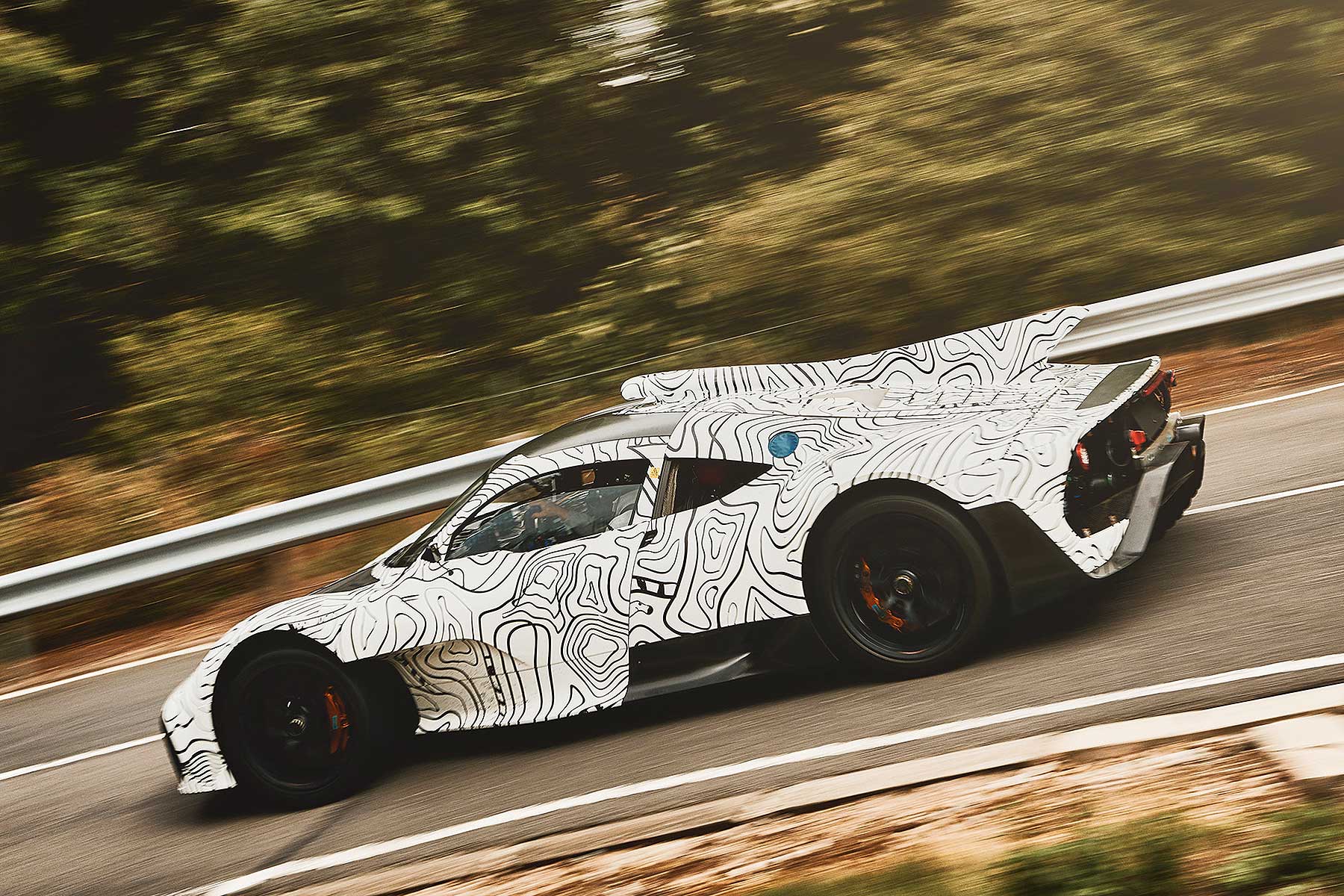
Certainly, too loud to keep secret. The firm has recently begun testing the first road-going prototypes of the new F1-engined hypercar, at locations such as the Millbrook Proving Ground in Bedfordshire, England.

However, its desire to keep the tests under wraps has failed, it says: “Because of their characteristic F1 sound, they are hard to keep from the public.”

Mercedes-AMG Project One prototype

This has scuppered the firm’s original plans to drive around unnoticed and pile on the many miles prototypes need to cover as part of vehicle development. And so, as it’s proving so hard to keep the testing confidential, Mercedes-AMG has now gone public with the first official shots of the production car in testing.

The hypercar’s goal is to put a contemporary F1 engine on the road. It’s actually technology built in Britain: since 1995, the Mercedes-AMG tech centre in Brixworth, Northamptonshire, has built every Mercedes-Benz F1 engine, and will do the same for the Project One motor.

Mercedes-AMG Project One prototype

Already, the engine has undergone hundreds of hours of dyno testing at Brixworth. The successful completion of this stage saw attention turn to the first prototypes.

And, now, a revision of the original plan to drive around unnoticed at Millbrook in Bedfordshire. As if even a highly camouflaged Mercedes-AMG Project One was ever going to pass unnoticed…

Advertisement

Aston Martin sets share price range for October stock market float

0

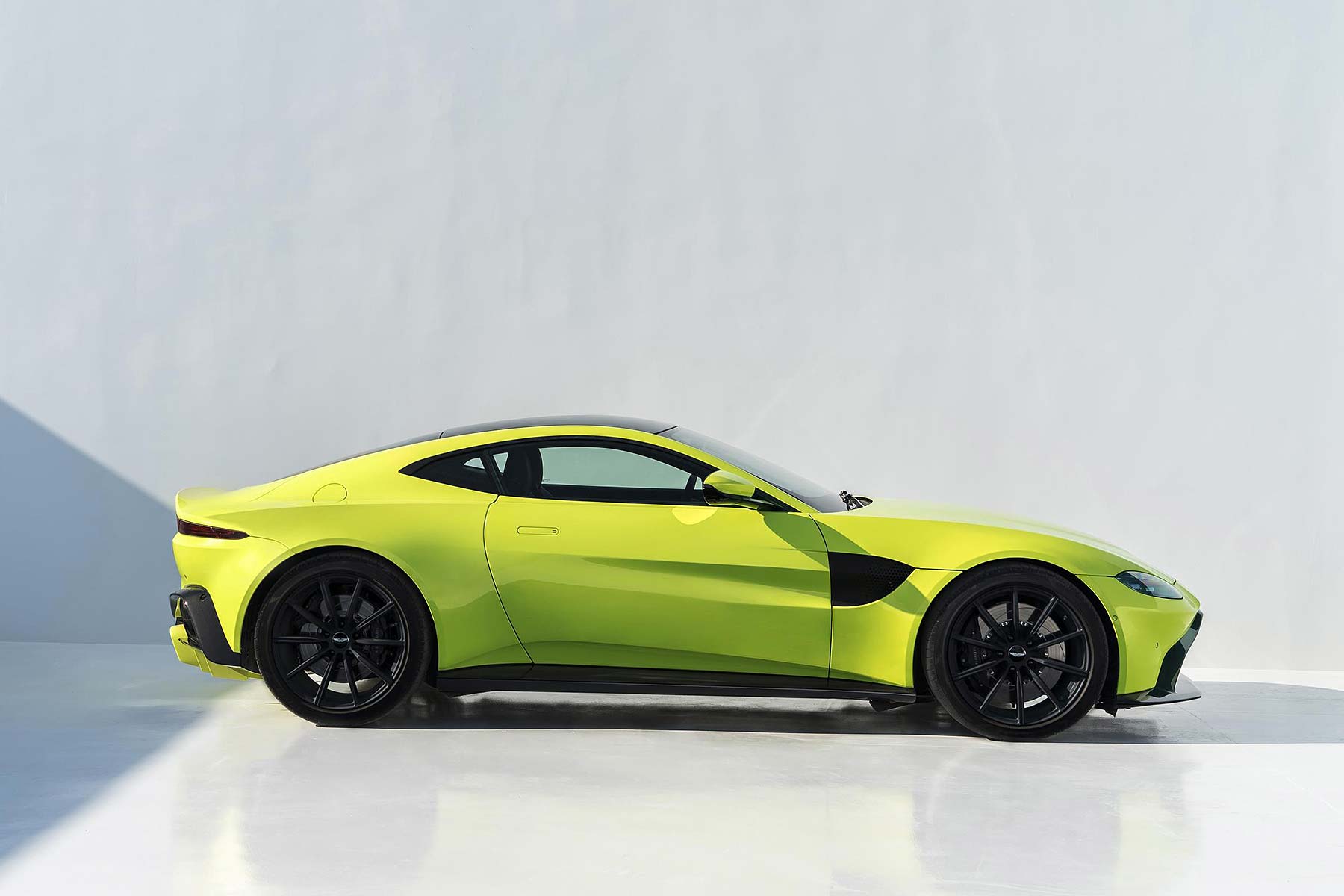
Aston Martin VantageAston Martin has announced its initial public offer of shares is set at £17.50 to £22.50 per share – giving the company a market capitalisation of between £4.02 billion and £5.07 billion.

The company will offer 25 percent of its shares in its initial public offer (IPO).

The final price will be set on 3 October, when initial share dealing will commence. Aston Martin’s shares will begin trading on the London Stock Exchange from 8 October.

Aston Martin Vantage

A final prospectus will be issued later today, says the Gaydon-based sports car firm, after which customers and employees will be able to apply for shares. All applications must be in by 28 September (and anyone looking to invest more than £15,000 will be subject to anti-money laundering checks).

Dr Andy Palmer, president and CEO, said: “By becoming the only automotive company listed on the London Stock Exchange, Aston Martin Lagonda will provide investors with a fitting opportunity to participate in our future success.

“Our Second Century Plan gives prospective investors deep insight into how we have executed our turnaround and how we are positioned for growth. Over the past four years the benefits of the Aston Martin turnaround to the UK economy have been profound.

“This track record has created significant interest in the Aston Martin Lagonda offer, and we are pleased to offer shares not only to institutional investors but also to our eligible UK resident employees, customers and members of the Aston Martin Owners Club.”

Aston Martin adds in the price range announcement that Daimler AG will remain a shareholder, locking in its 4.9 percent stake for 12 months after the company’s IPO.

Advertisement