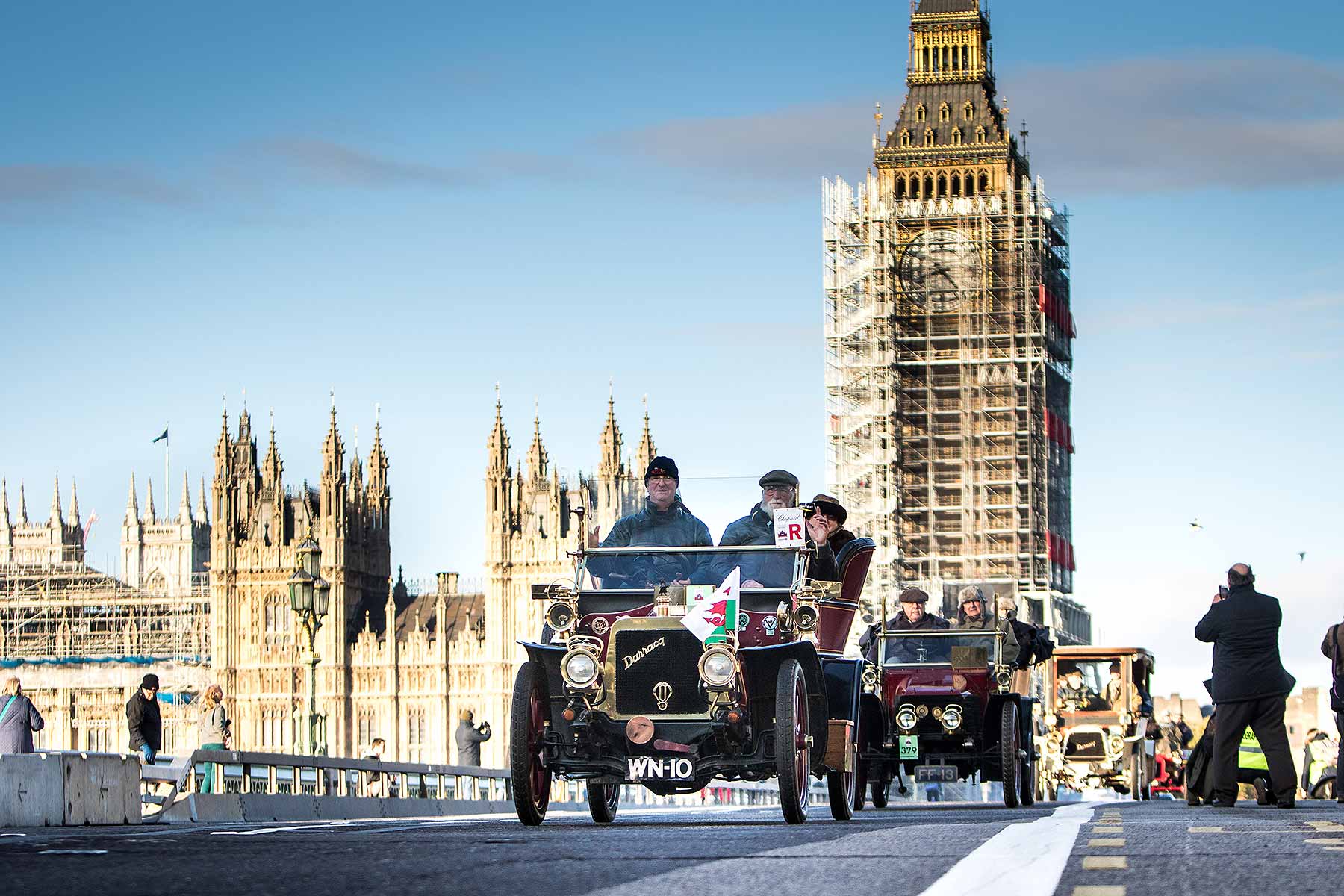
The London to Brighton run is back this Sunday (4 November), with veteran cars arriving at London’s Hyde Park before sunrise ready to set off. But how do vehicles gain entry to the longest-running motoring event in the world?
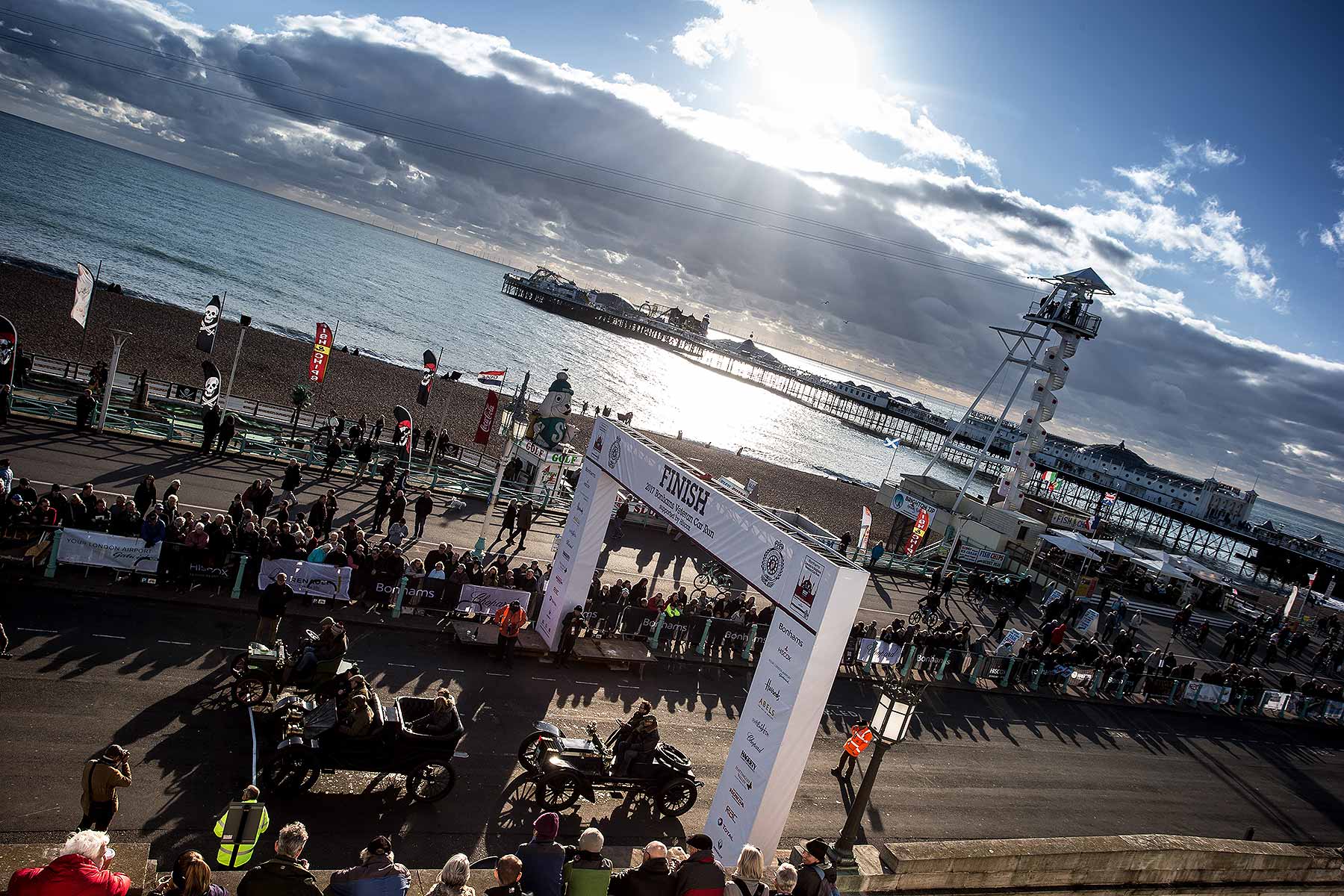
The London to Brighton has been going – on and off – since 1896. Wartime, periods of fuel rationing and other such historical blips have got in the way at points. It began as a celebration of the Locomotives on Highways Act of 1896, which increased the road speed limit to 14mph (from just 4mph). It was known at the time as ‘The Emancipation Run’.
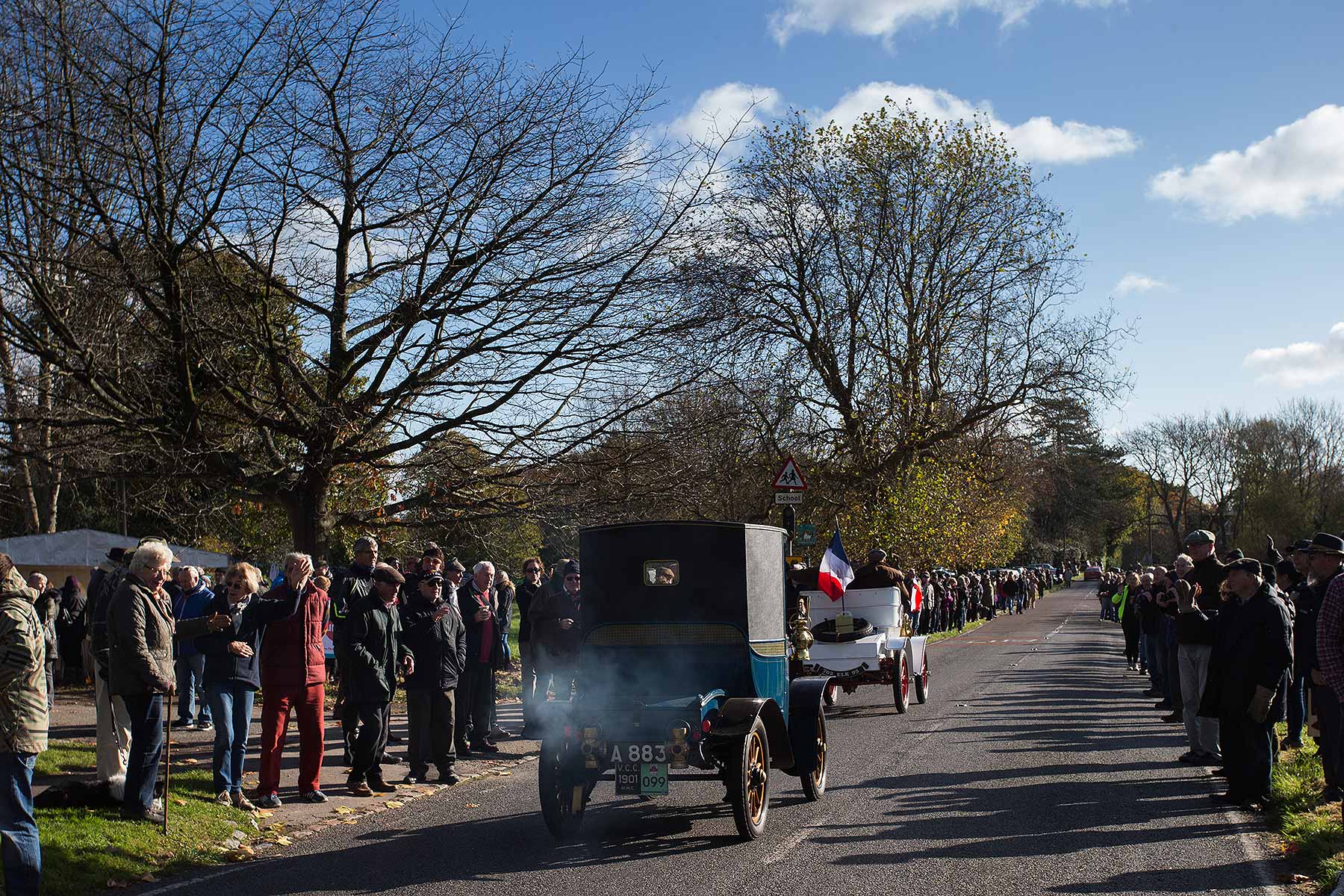
The event has garnered worldwide acclaim ever since. There were just 37 starters in the 1927 run, compared with 605 this year.
But which cars are eligible for the 60-mile London to Brighton run? Simply, any car registered before January 1st, 1905, is eligible to do the run. And those registered after, generally, are not.
There are, however, two circumstances under which some vehicles made later than this date can take part. The first is for cars with ‘Grandfather Rights’. These will have a history of running in the event, but have latterly been found to have been registered later than 01/01/1905.
The second is invited entries. Cars of outstanding interest can get entries by invite, even if they’re too young. Extra points for those of you who spot them on the London to Brighton run this weekend.
The 2018 London to Brighton Veteran Car Run is the 122nd running of the event. It is, easily, the world’s longest-running motoring event. Only war and petrol rationing (in 1947) has stopped it running. It takes place every November and, since 1930, has been supported by the Veteran Car Club of Great Britain.
Now read:
The stars of the National Historic Vehicle Register
Meet the new Ducati MIG-RR, the marque’s first e-mtb or e-bike. Yes, a Ducati that swaps internal combustion punch for mountain bike pedals and electric power.
Ducati has partnered up with Thok Ebikes to create this boosted electric mountain bike. It promises to help you take on hills that you’d otherwise have to avoid on a pedal-only machine. They’re no cop-outs: some hardcore mountain bikers swear by e-mtbs, as it means they can run more downhills without getting exhausted climbing back up them…
When car brands build bicycles
The Ducati electric bicycle is a derivation of the Thok MIG series, but features a selection of unique features. Different diameter wheels and different degrees of suspension travel (29″ and 170 mm at the front, 27.5″ and 160 mm at the rear) make it a more versatile proposition.
Fox Factory Kashima suspension, carbon fibre handlebars, 4-caliper S brakes, an 11-speed gear set and Mavic wheels make for superb spec reading. The electric motor is the E8000 from Shimano, putting out 250 watts powered by a 504 Wh battery.
It’s to make its public debut on the Ducati stand at the EICMA (Milan Motorcycle Shows) from the 8th to the 11th of November. There’s no word on price yet but the MIG-RR should be available from Ducati dealerships throughout Europe from spring 2019.
The Manthey-Racing-tuned 911 GT2 RS MR achieved the lap time, with driver Lars Kern behind the wheel. Although the 700hp machine has been set up especially for the Nürburgring by Manthey-Racing, it’s still road legal, so it still counts.
So, sorry, Lamborghini, your Aventador LP 770-4 SuperVeloce Jota (6:44.97) is no longer the ‘Ring record holder. But then, you did steal the time from the factory-standard Porsche 911 GT2 RS (6:47.25), so fair game…
Porsche owns a 51 percent share in Nürburgring-based Manthey-Racing, which now offers the GT2 RS performance kit for sale (there are modifications to both chassis and aerodynamics, but the firm insists its engineers still focused on road driving, not just in mastering the Nürburgring).
“In this test drive,” said Porsche head of motorsport and GT cars Dr. Frank-Steffen Walliser, “we simply wanted to assess the potential of the vehicle once more.”
It seems accidentally to have ended up with a new Nürburgring record. “The result is quite impressive,” said the understated Dr. Walliser. “It really is a fabulous time.”
Kern is a development engineer and VLN racing driver, and knows the Nürburgring well. “The drive was great fun. The balance of the car is very good with the new package. I did not have to take any great risks to be fast.”
Impressively, he had just one lap to set the time – this truly was a one-shot run. “It was already getting dark,” he said. “It worked out first time, though.” Manthey-Racing CEO Nicolas Raeder said the company is very proud. “It was a great challenge to make the already tremendously fast Porsche 911 GT2 RS even faster.”
Porsche adds the record car is exactly the same as the one customers can now order in 911 GT2 RS MR guise, apart from one modification: a racing bucket seat, installed for safety. “The modification did not provide any weight benefits,” adds the firm, as if to stem the internet haters before they start quibbling…
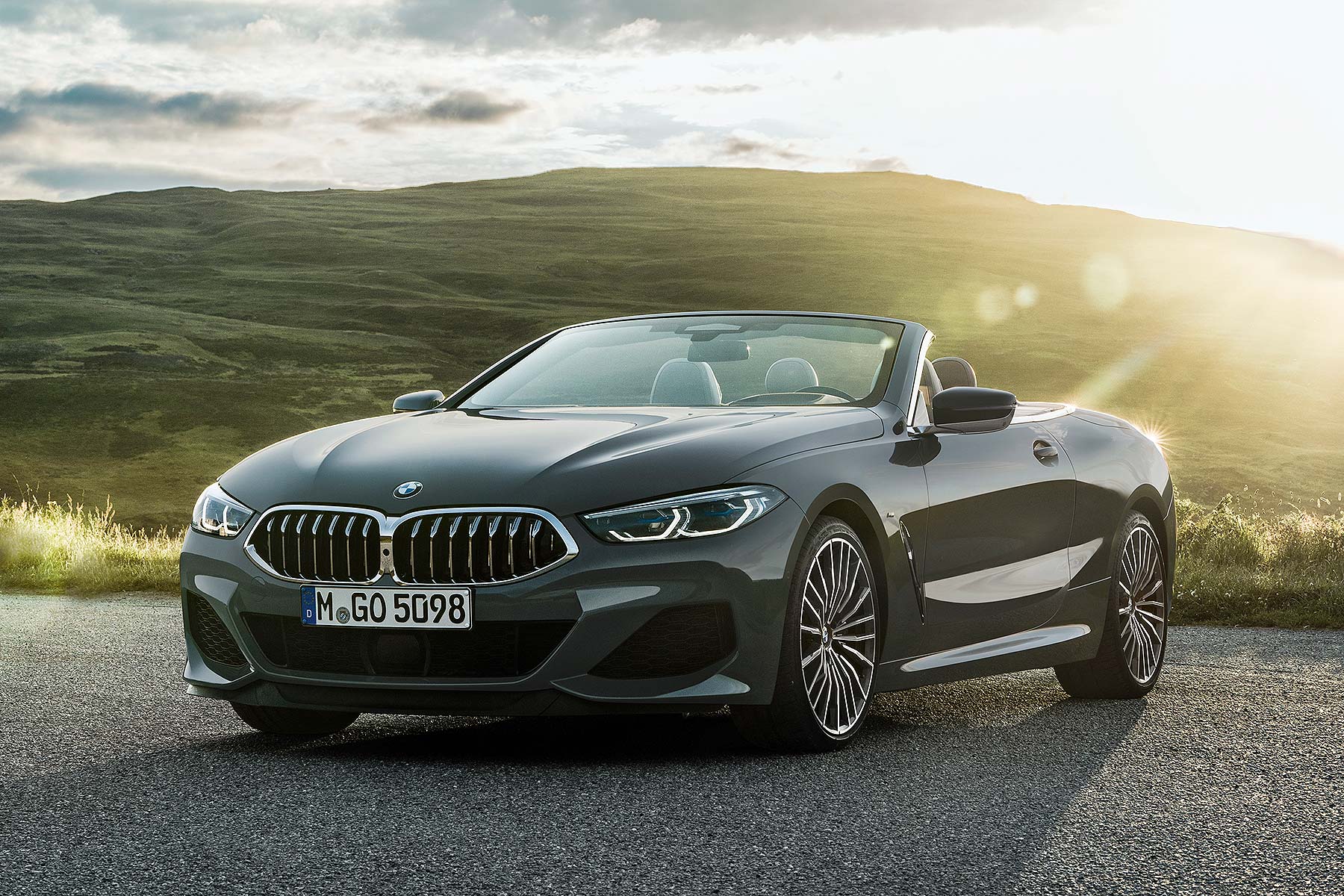
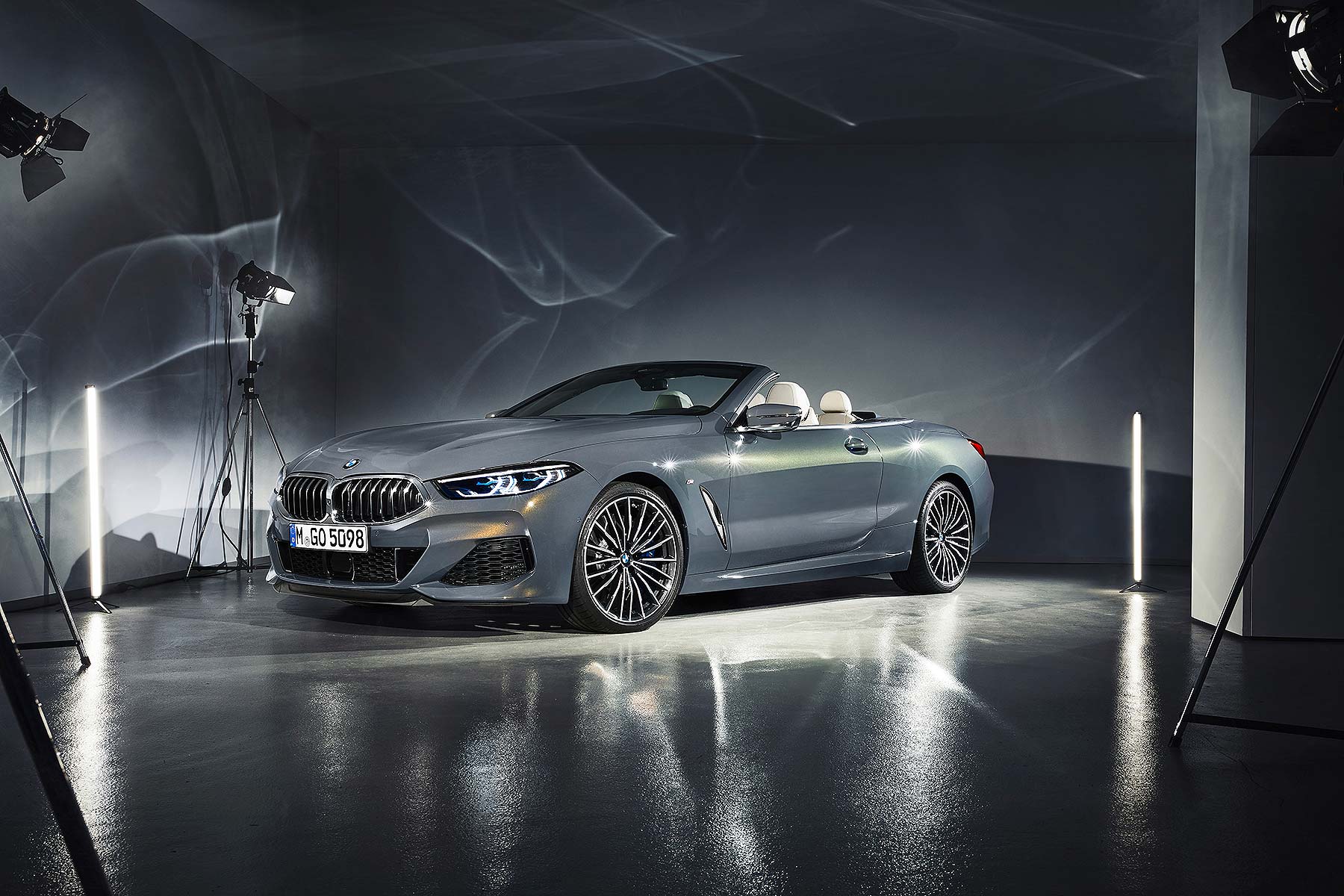
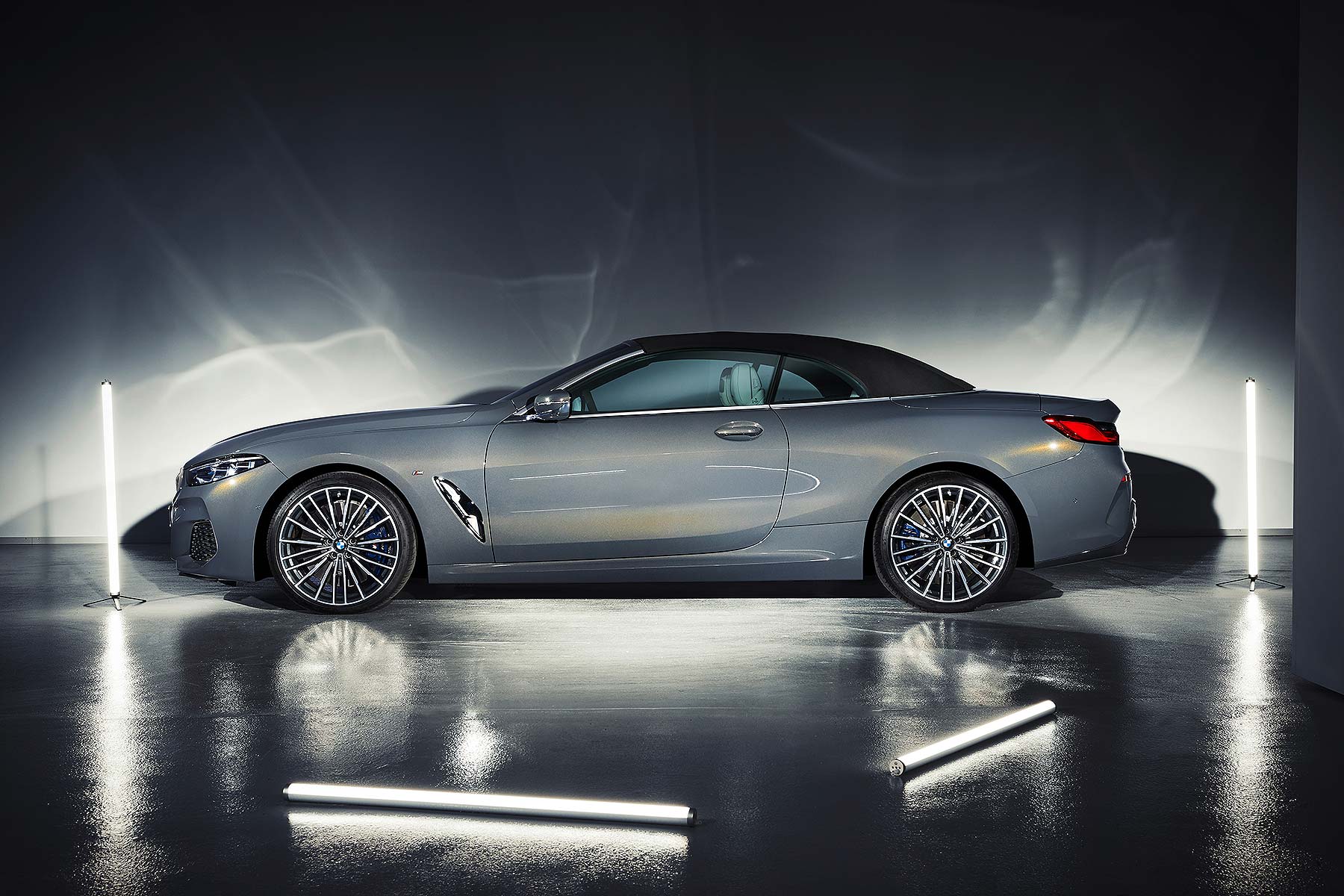
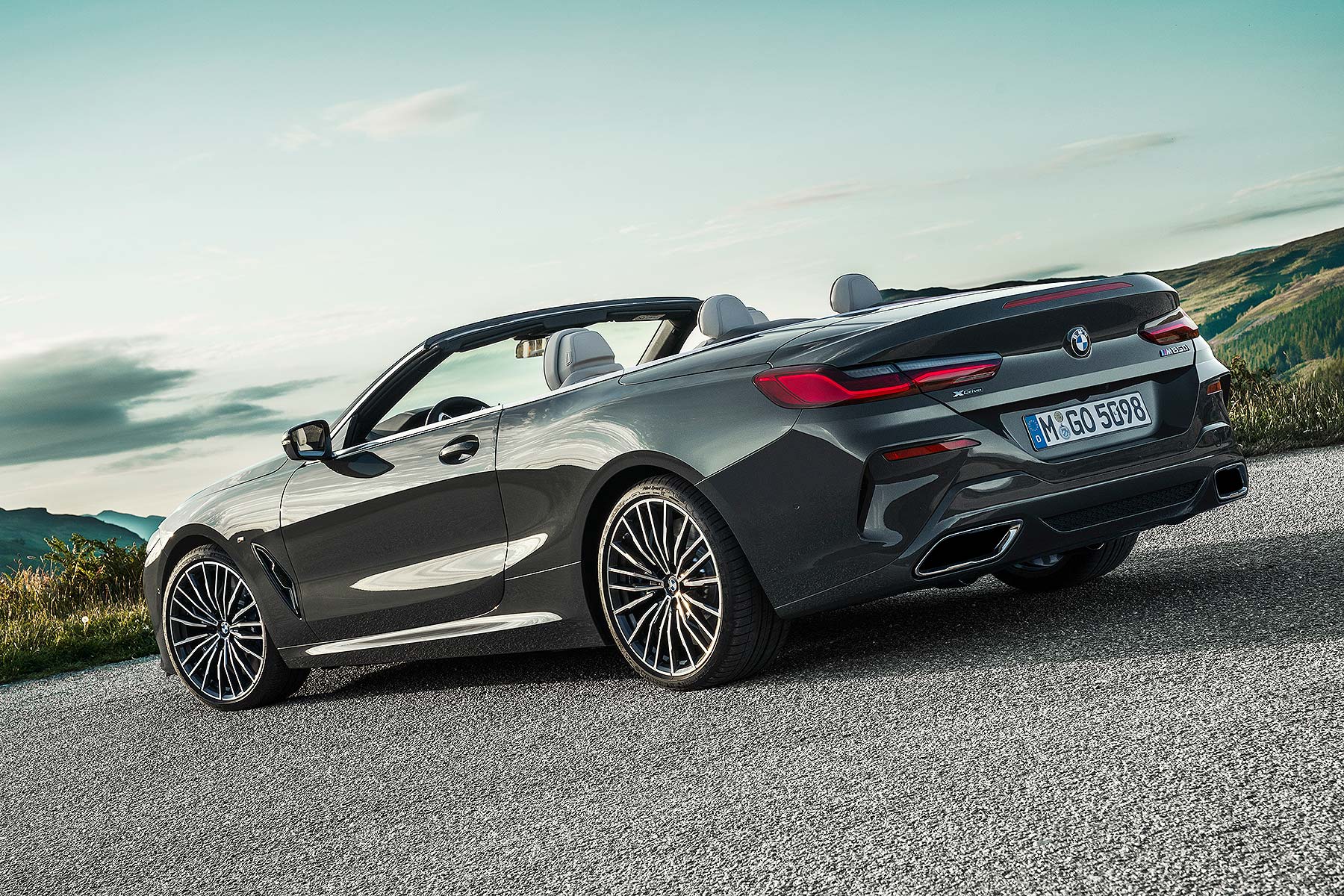
BMW has dabbled with the idea of building an 8 Series Convertible before. In the early 1990s, it even built prototypes, one of which (pictured below) is now housed in its secret collection of what if’s. Now, after reviving the 8 Series Coupe, it’s going one better, and launching a BMW 8 Series Convertible at last.
It goes on sale in April 2019 with prices starting from £83,270. That buys you a 320hp 840d xDrive Convertible, which will do 45.6mpg and 0-62mph in 5.2 seconds. BMW also offers it in M850i xDrive Convertible guise, with a 530hp V8 that will do 0-62mph in 3.9 seconds – but that costs £107,045. This is an expensive car, then.
It’s a big one too, 4.843mm long and over 1.9 metres wide. The dimensions are almost identical to the 8 Series Coupe, says BMW, and because it’s been designed from scratch with convertible conversion in mind, “only a small number of additional convertible-specific weight-increasing measures were required”. We wonder what was involved in turning the original from coupe to convertible…
It has a soft-top roof, because these are upmarket and lead to uncompromised shapes. It also folds almost flat into the car when it’s down – BMW’s proud of how, roof down, “the rear end appears extremely flat and low to the road”. The roof lowers and raises in 15 seconds, at speeds of up to 31mph.
M Sport trim is standard, so the aero-aiding Air Breathes are finished in pearl-effect chrome, and the rear diffuser in Dark Shadow. Eight colours are offered, and an extended range of BMW Individual hues, including matt finish ones. The roof? Black as standard, Anthracite Silver as an option. Both models get 20-inch wheels as standard.
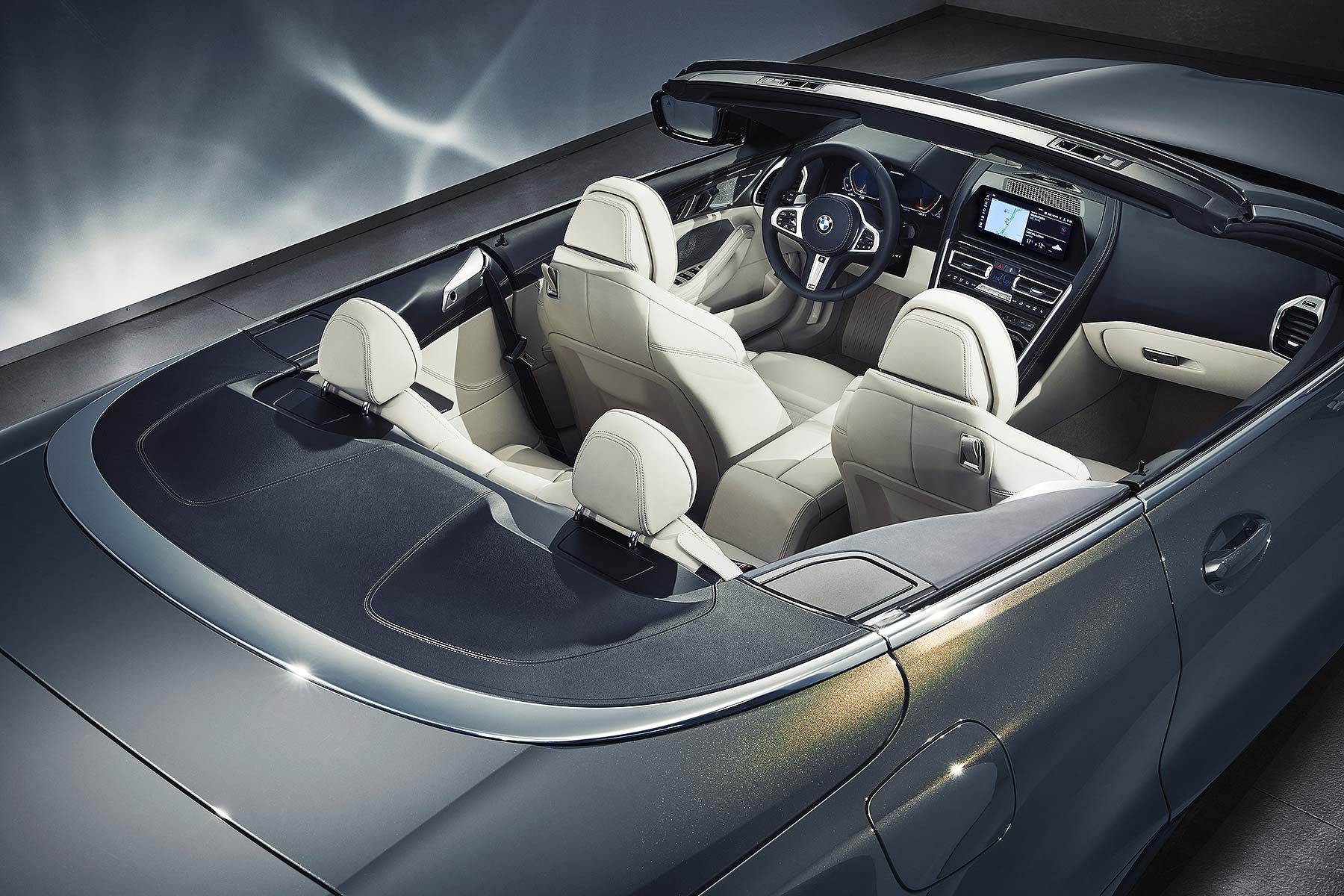
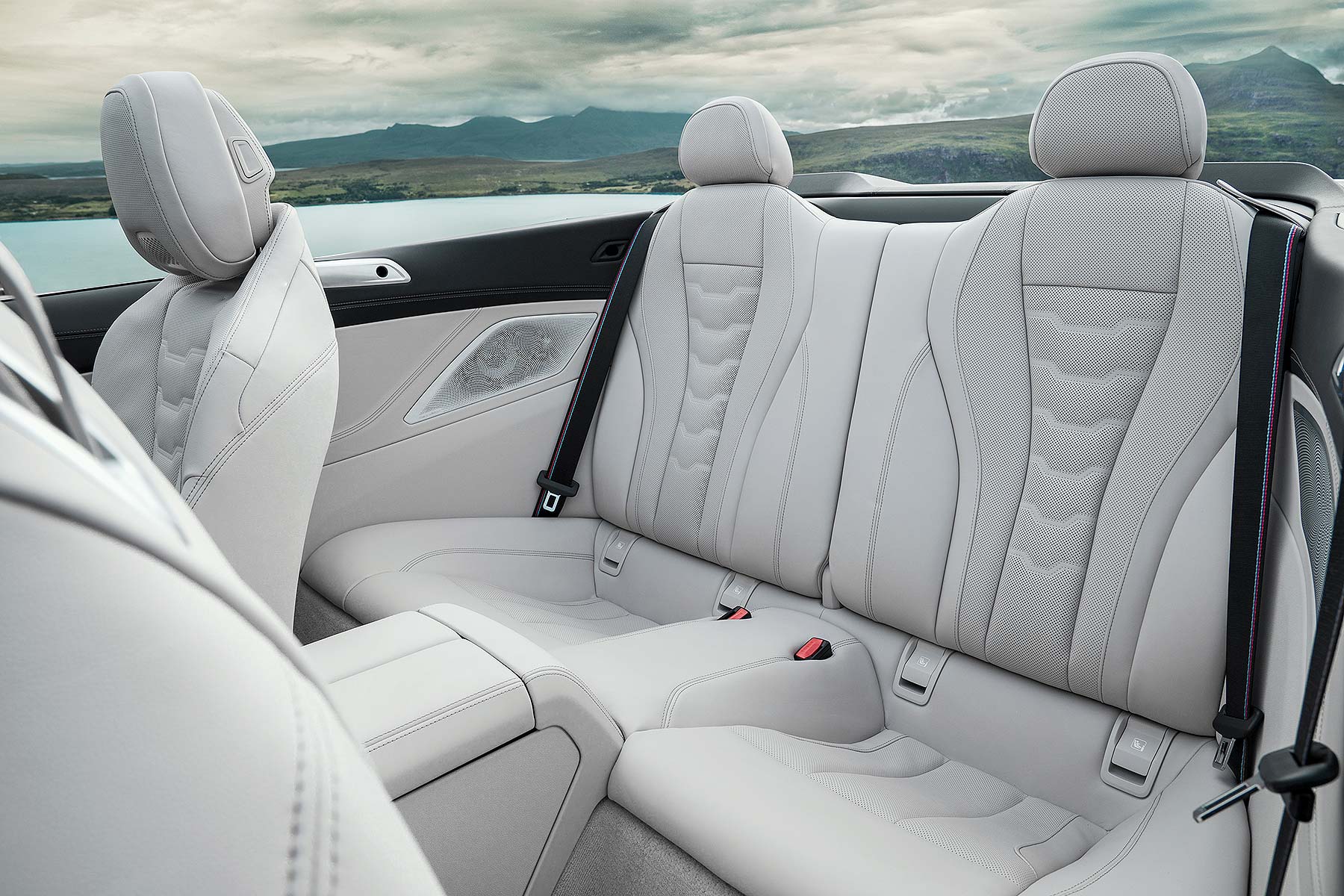
Inside, BMW says it’s a full four-seater, and the rear seats split 50:50 to open up the load bay. Roof up, it offers 350 litres’ space, although it does shrink with the roof down – but the through-load facility can still be used roof-down. If you’re travelling two-up, a standard wind deflector reduces turbulence; it folds up and can be stored in the boot. Neck warmers are standard too (but only for those in the front).
BMW has fitted Adaptative M suspension with electronic dampers as standard, along with BMW Integral Active Steering ‘rear-wheel steer’. For the ultimate in luxury four-seater open-top motoring, active anti-roll is offered on the BMW M850i xDrive Convertible, as part of the Adaptive M Professional suspension package.
Jenson Button’s old BMW M5 V10 could be yours
It will sound good too. A Harman Kardon surround sound audio system with 12 speakers is standard, with a Bowers & Wilkins Diamond Surround Sound setup optional. Apple CarPlay is standard, but only for a year: you have to subscribe to it after that. When a car is this expensive, you’d think they’d include it for life, wouldn’t you?
But we shouldn’t grumble. At last, we’re getting a BMW 8 Series Convertible, after enthusiasts yearned for years at the thought of what could’ve been. From April 2019, for upwards of £83,270, we’ll be able to see exactly that.
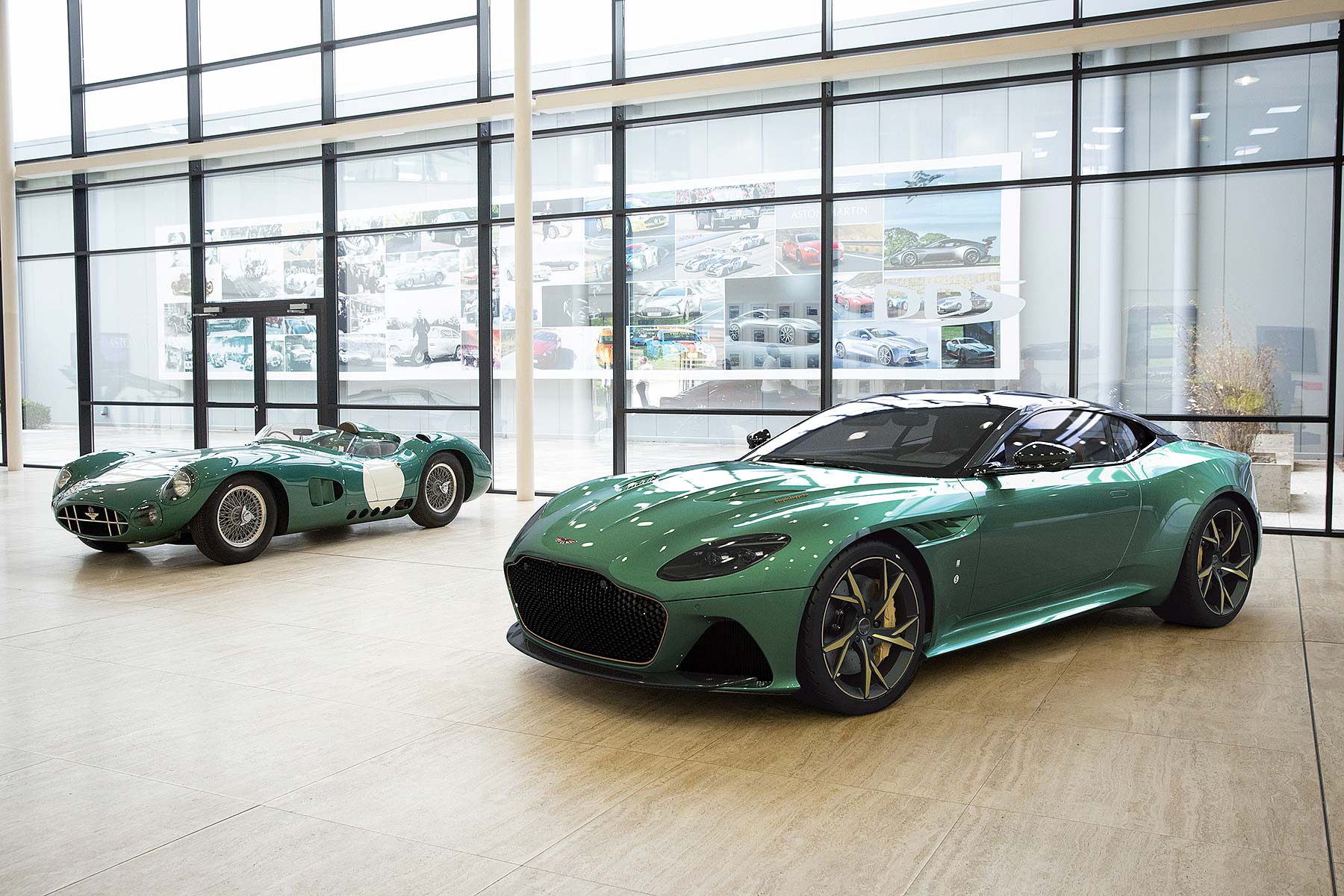
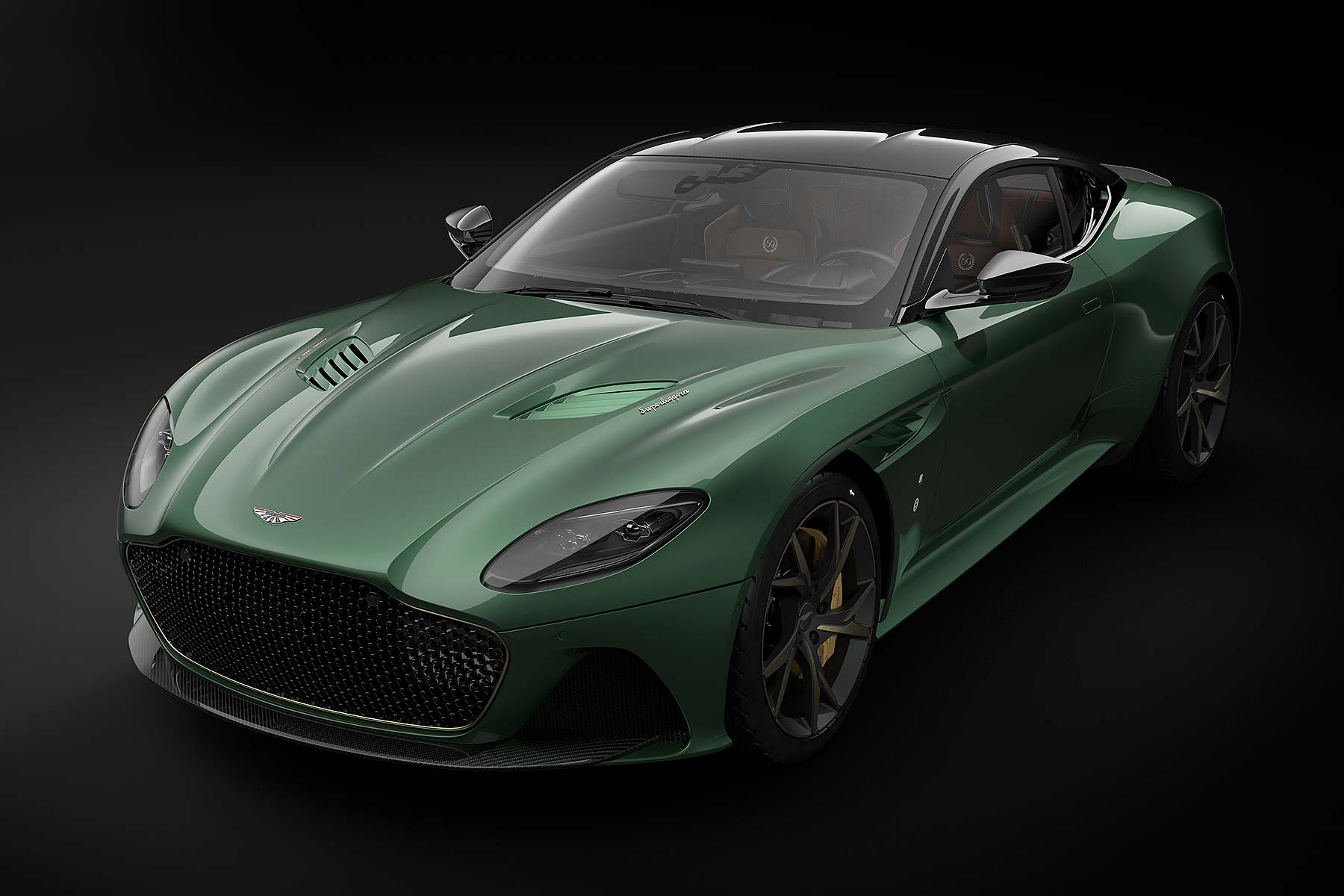
Aston Martin won the Le Mans 24 Hours in 1959. 60 years on, Aston Martin Cambridge has commissioned the firm’s bespoke Q division to create a run of 24 special editions: the DBS 59.
They’re derived from the DBS Superleggera, itself a name that first appeared in 1959, on the DB4 Superleggera. These days, the 715hp, 211mph machine is Aston’s fastest new car. The perfect base for a Le Mans-inspired edition.
Aston Martin actually finished 1-2 in the 1959 24 Hours of Le Mans, with Carroll Shelby’s DBR1 taking the chequered flag ahead of the rest – a field that included works Ferrari and Porsche entries, plus the famous Ecurie Ecosse Jaguars.
In Aston Martin folklore, then, the DBR1 is a very special car. One that inspired someone to pay £17.5 million for one at auction in 2017, making it the most valuable British car in history.
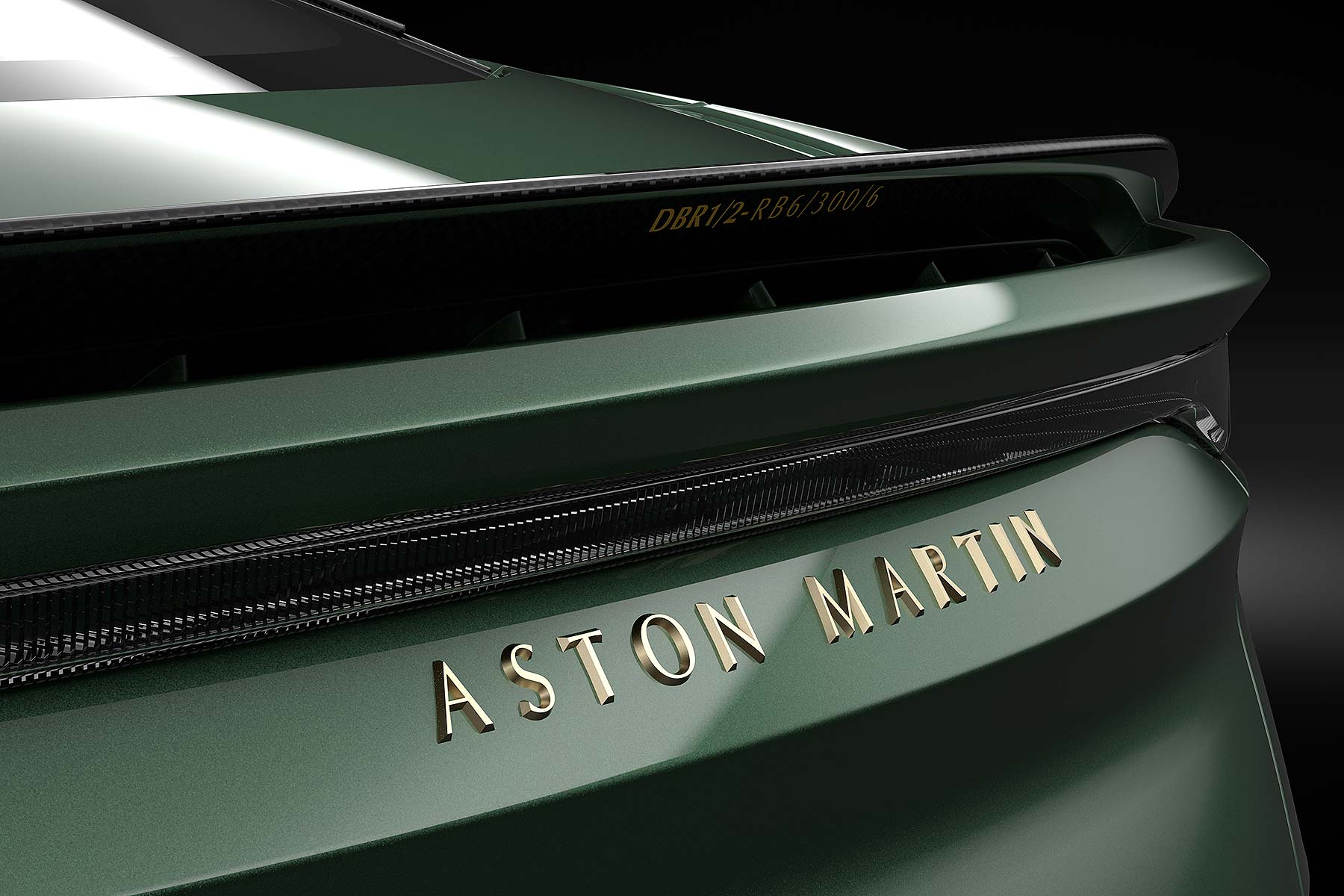
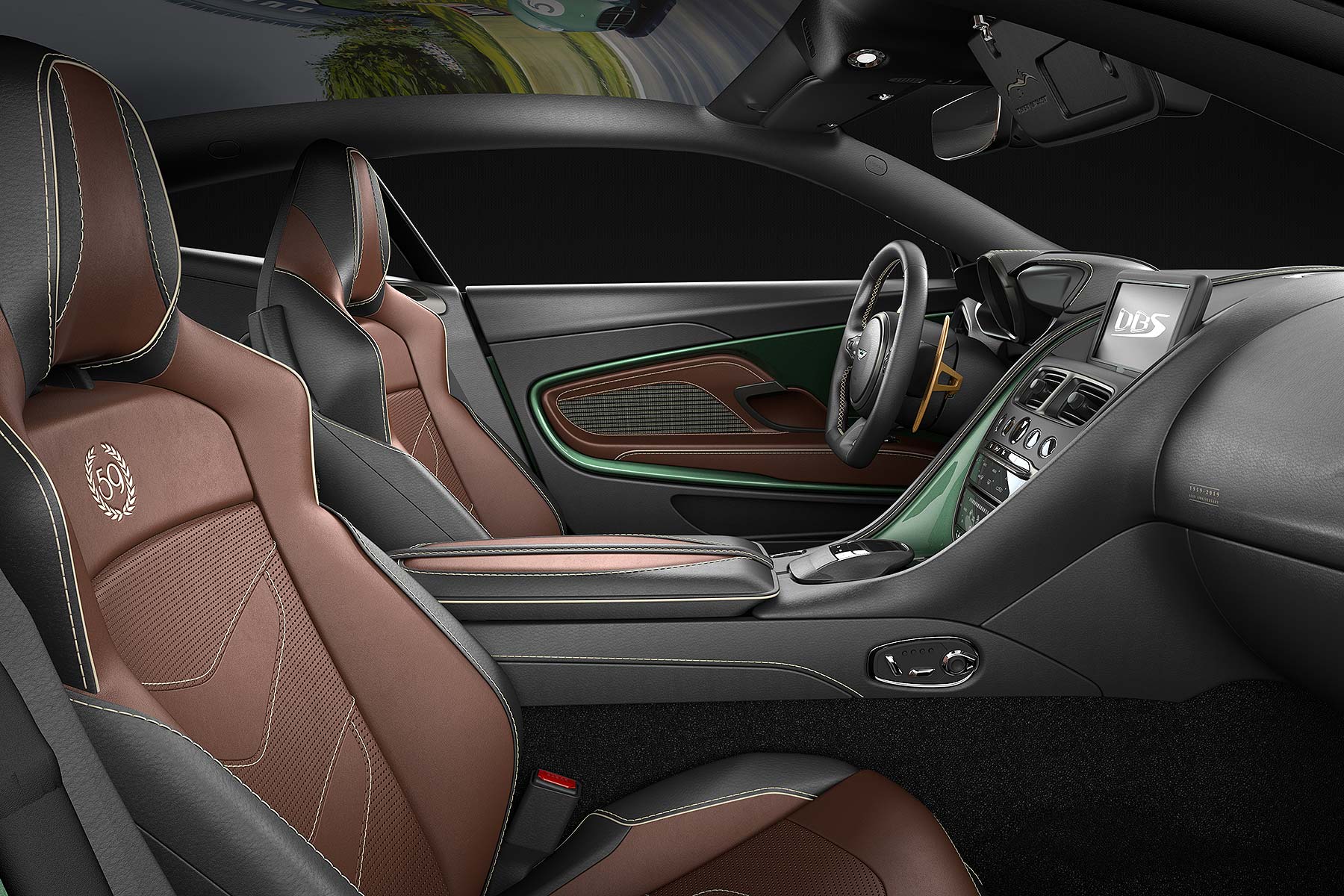
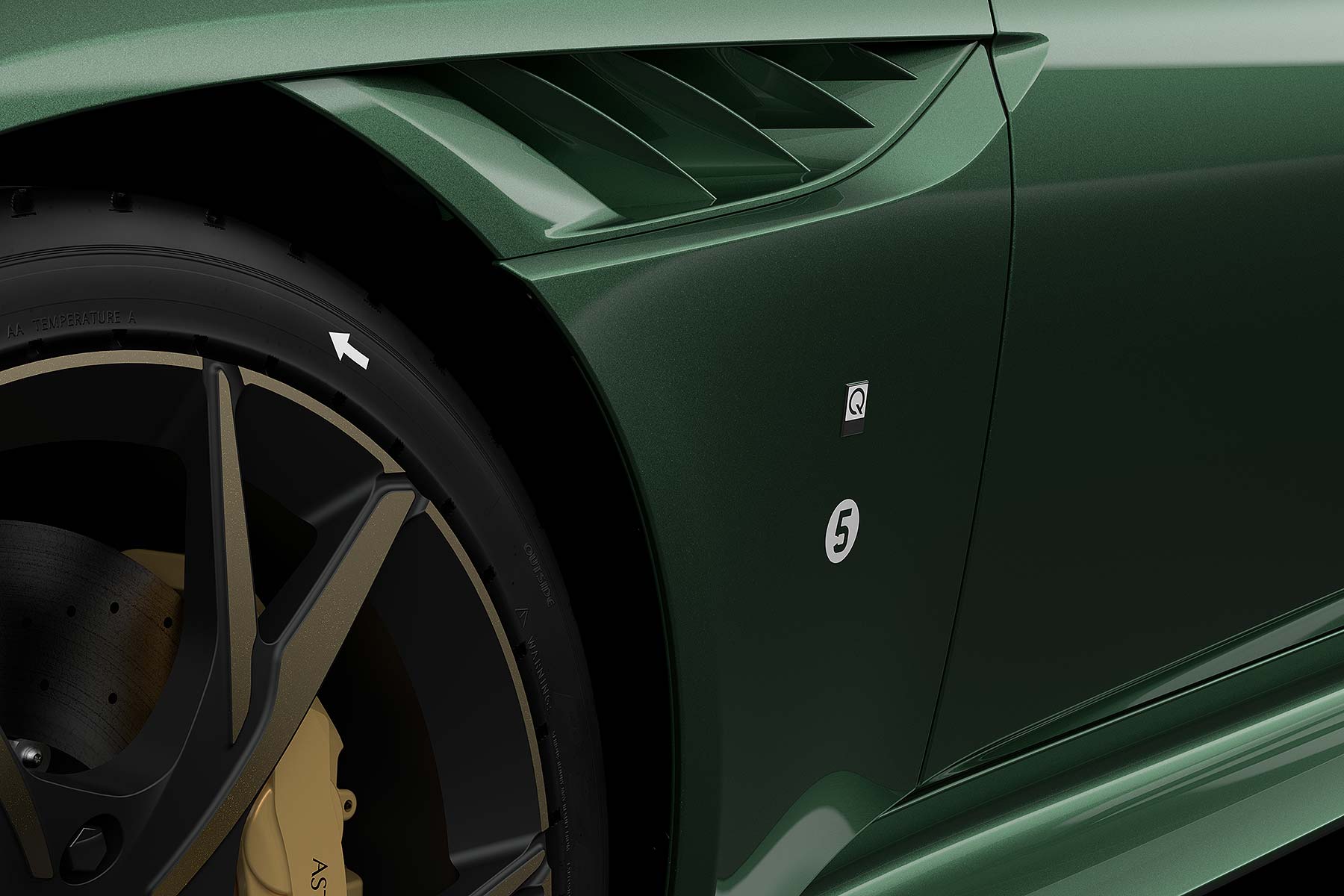
While not quite as famous, the DBS 59 is special in its own right. It is painted in the same Aston Martin Racing Green paint, with carbon fibre roof, bonnet louvres and other details. Chestnut tan leather features inside, and so too does DBR1-style fabric on the seat backs and door inserts. Note also the use of bronze, both outside and in.
Not special enough? Then you’ll love the saddle leather helmet pods in the rear – which hold bespoke DBS 59 race helmets, suits and gloves.
Aston will also sell you period blue race overalls with DBS 59 Aston Martin logos, string-backed gloves similar to Shelby’s own, some bespoke luggage and an Aston Martin Racing Green car cover.
How can you tell which of the 24 DBS 59 you have? From a painted white roundel next to the side strakes. Choose the car cover and the same number will feature on it.
Aston Martin VP and chief marketing officer Simon Sproule said: “When Aston Martin Cambridge expressed a desire to create a limited run of DBS Superleggeras inspired by the DBR1’s famous Le Mans victory we knew it had to be something special.
“My favourite element on the ‘DBS 59’ are the seat backs that feature fabric inspired by the DBR1 seat material, but there are countless touches that will intrigue and delight”.
Aston reminds us this is the fourth Q by Aston Martin: Commission car. The previous three? They are:
Red Arrows Edition Vanquish S
V12 Vantage S Spitfire 80 Edition
Vantage S Blades Edition
Want to order a DBS 59? Email Aston Martin Cambridge’s Simon Lane at simon.lane@jardinemotors.co.uk.
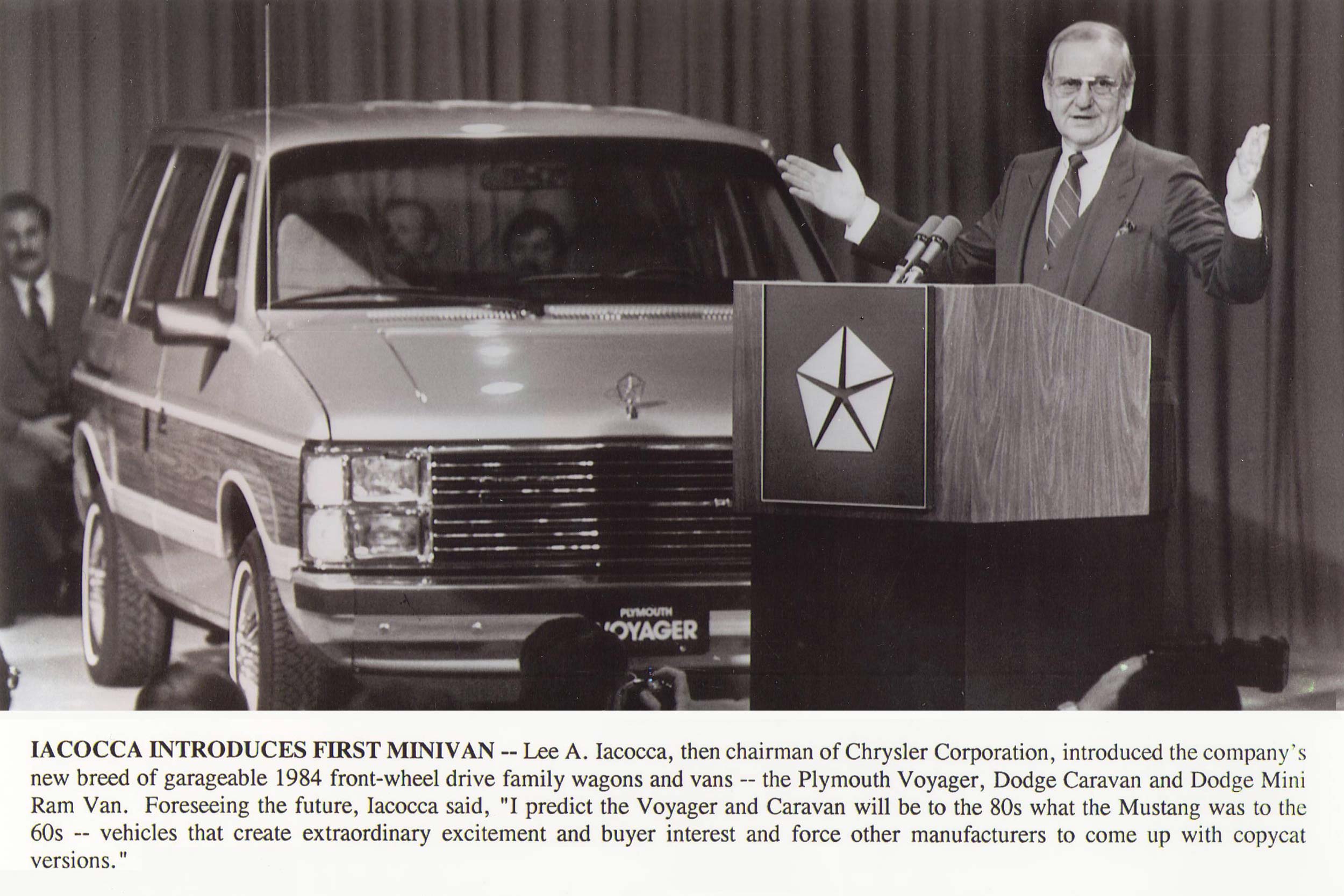
November 2 is the 35th birthday of the minivan. On that day back in 1983, the first example rolled off the line in Windsor, Ontario. The lauded vehicle was championed through design and development by then-CEO Lee Iacocca (above), the “Man Who Saved Chrysler”.
The new vehicle was a sales smash. It had the economy of a small car, could carry an entire family and all their stuff with the seats removed, and would even haul a whole 4’ x 8’ sheet of plywood with the seats removed. It was an instant success, and the rest of the industry was forced to create models of their own.
For the pedandtic, the design was preceded by the Stout Scarab before WWII and the DKW Schnellaster after, along with the VW Van (a.k.a. Microbus, Type 2, Transporter, Kombi . . . Stop it, pedants!) the Dodge A100, Chevy Greenbriar, and others. The Chrysler version is the first true minivan as we know it, however.
So while we’recertainlynot pedantic when it comes to cars, there is a lot to love and celebrate about the minivan. Let’s take a closer look at the history and also at the most exciting examples of the breed. Yes, there are some. We promise.
The stars of the National Historic Vehicle Register
Chrysler began working on a small family van around 1972. The concept shared much with the previous rear-wheel drive A100 van and never progressed beyond sketches and models.
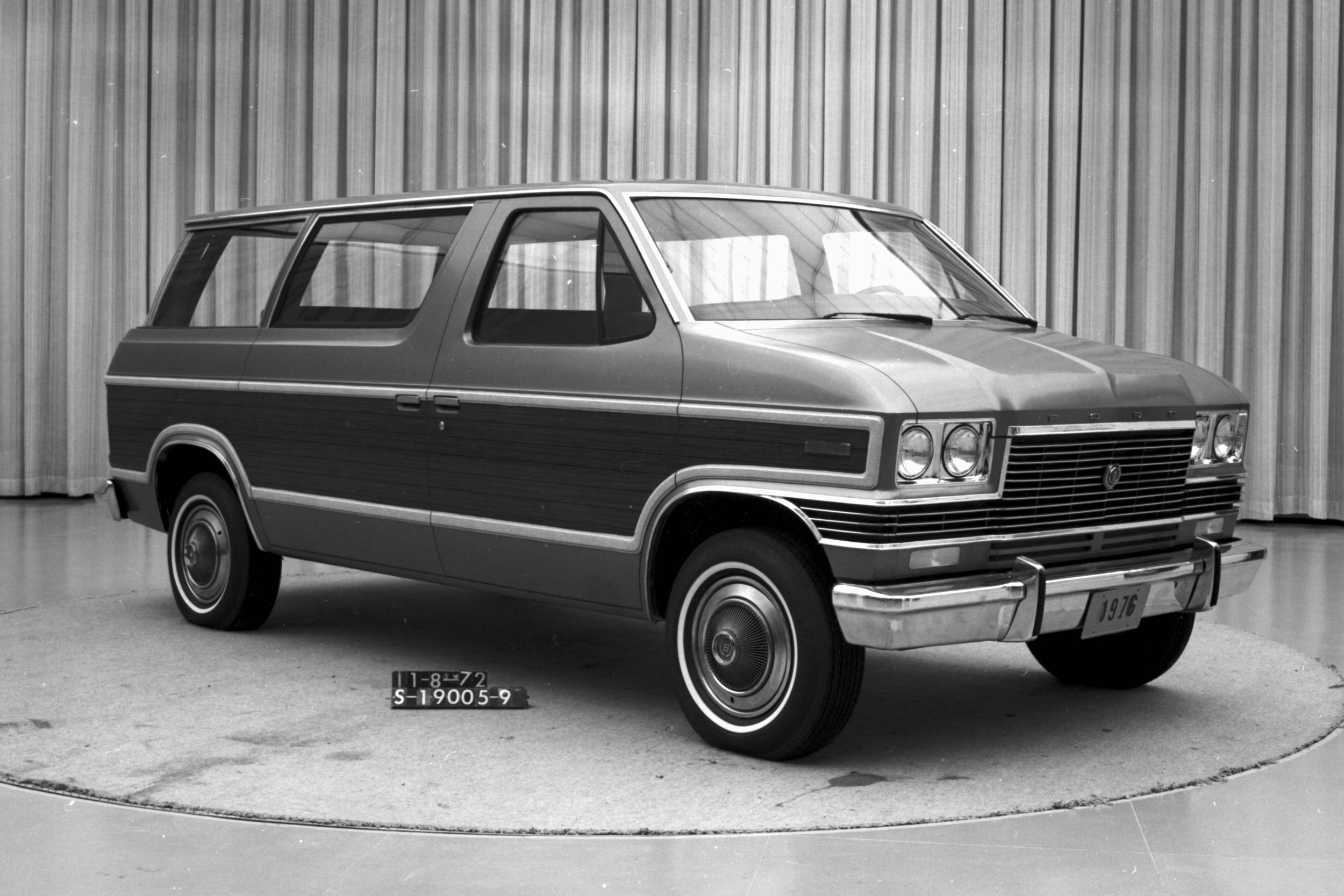
1972 Ford Carousel Concept
Before he moved across town to Chrysler, Iacocca was president of Ford. He approved a “garagable family van” project in 1972, slated to sit between the LTD Country Squire full-size station wagon and Club Wagon full-size van.
The Carousel had a roof height of approximately 6 feet, lower than the 6’4″ Volkswagen Microbus. A 460-cid/7.5-liter V8 from the Lincoln Continental was selected for power.
Then 1973 happened and, along with it, the OPEC oil embargo. The drivable prototype was garaged for good.
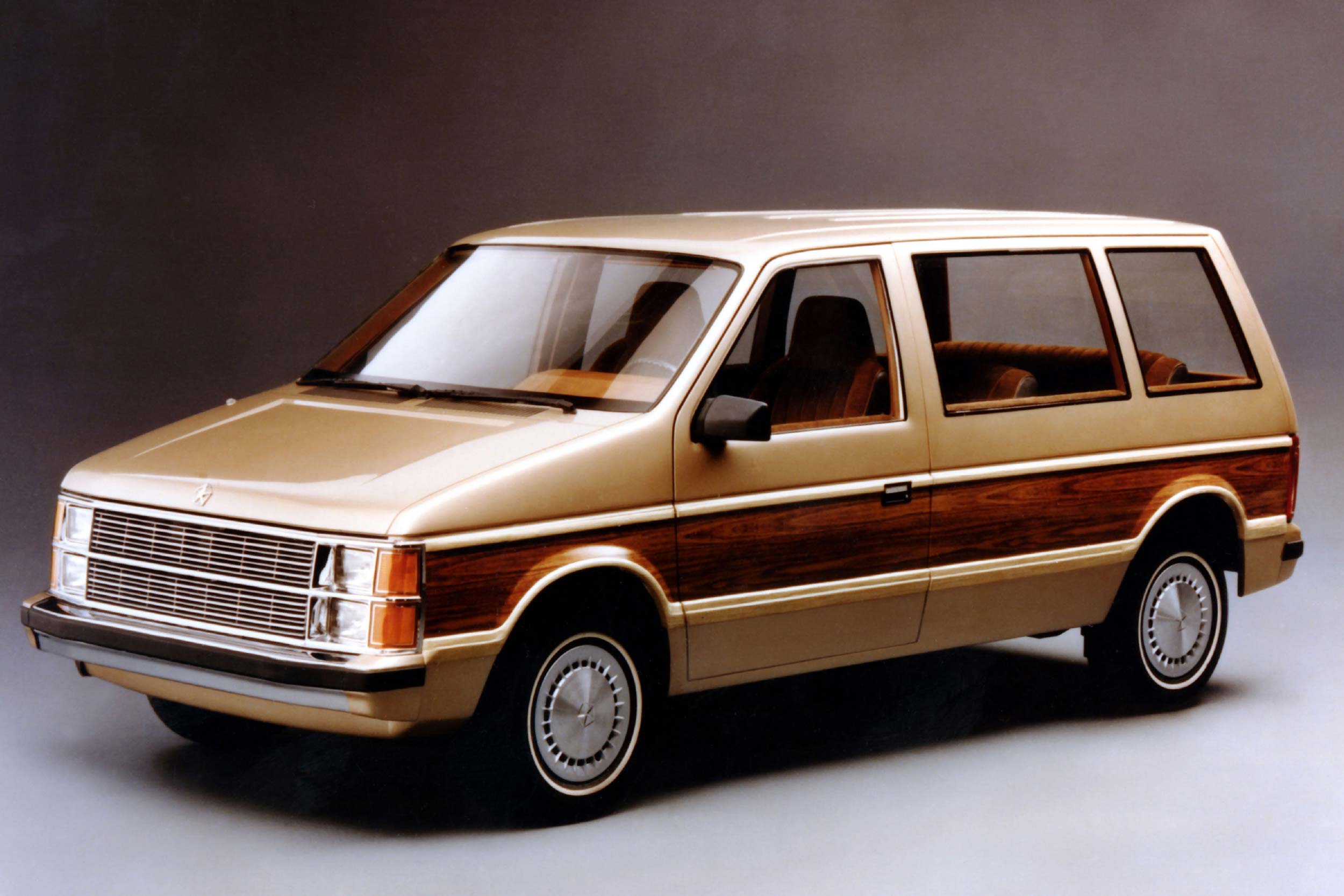
1984 Plymouth Voyager
Henry Ford II fired Lee Iacocca in 1978.
Around the same time, Chrysler was gasping its last breath, and hired Iacocca to turn the company around. He secured a $1.5 billion government bailout in late 1979 and invested in the creation of cars customers might actually want to buy.
Enter the K-Car. A common K-platform was used extensively across the brand range. Many parts were interchangeable, reducing the variety needed and saving much-needed cash. The company in turn passed the savings along to customers, and the new designs were a huge success. The company repaid the loan several years ahead of schedule and taxpayers realized a $350 million profit on the deal.
Iacocca had also secured the rights to the van concept from Ford, and took it with him to Chrysler. Designer Hal Sperlich (father of the Mustang) had worked on the design and soon followed Iacocca. Using the K-platform as a base, the modern minivan was born.
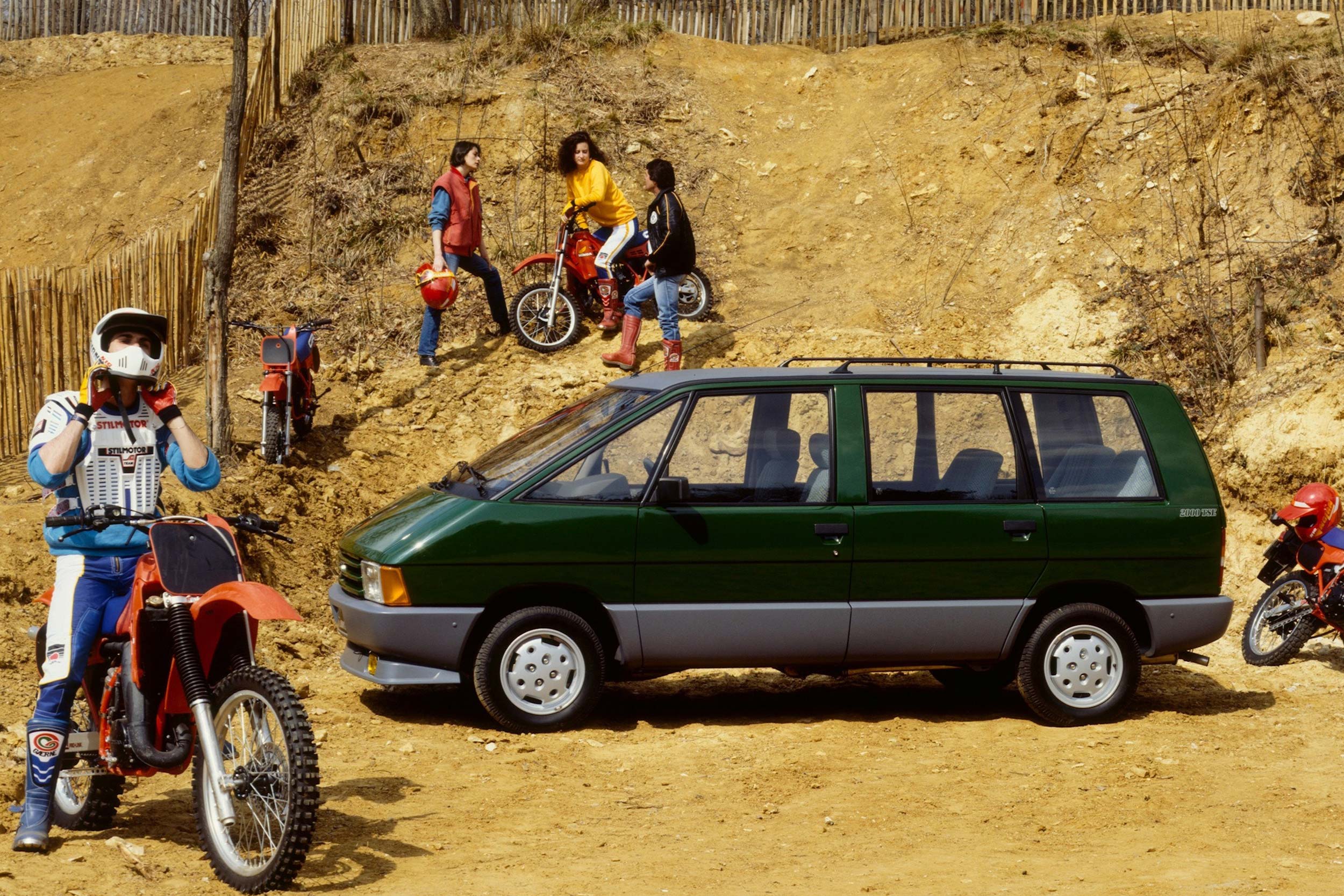
Renault Espace
As non-pedants, we must bring up the Renault Espace, released mere months after the Chrysler. It was the 1970s brainchild of Chrysler UK designer Fergus Pollock (we have no trouble believing he’s British with a name like that).
In 1978, Chrysler Europe was sold to PSA Peugeot Citroën for the princely sum of USD $1.00, arguably too much given Chrysler’s massive debt. The nascent Espace was deemed too risky a design and was handed off to Matra, who brought it to Renault.
The French minivan debuted July, 1984.
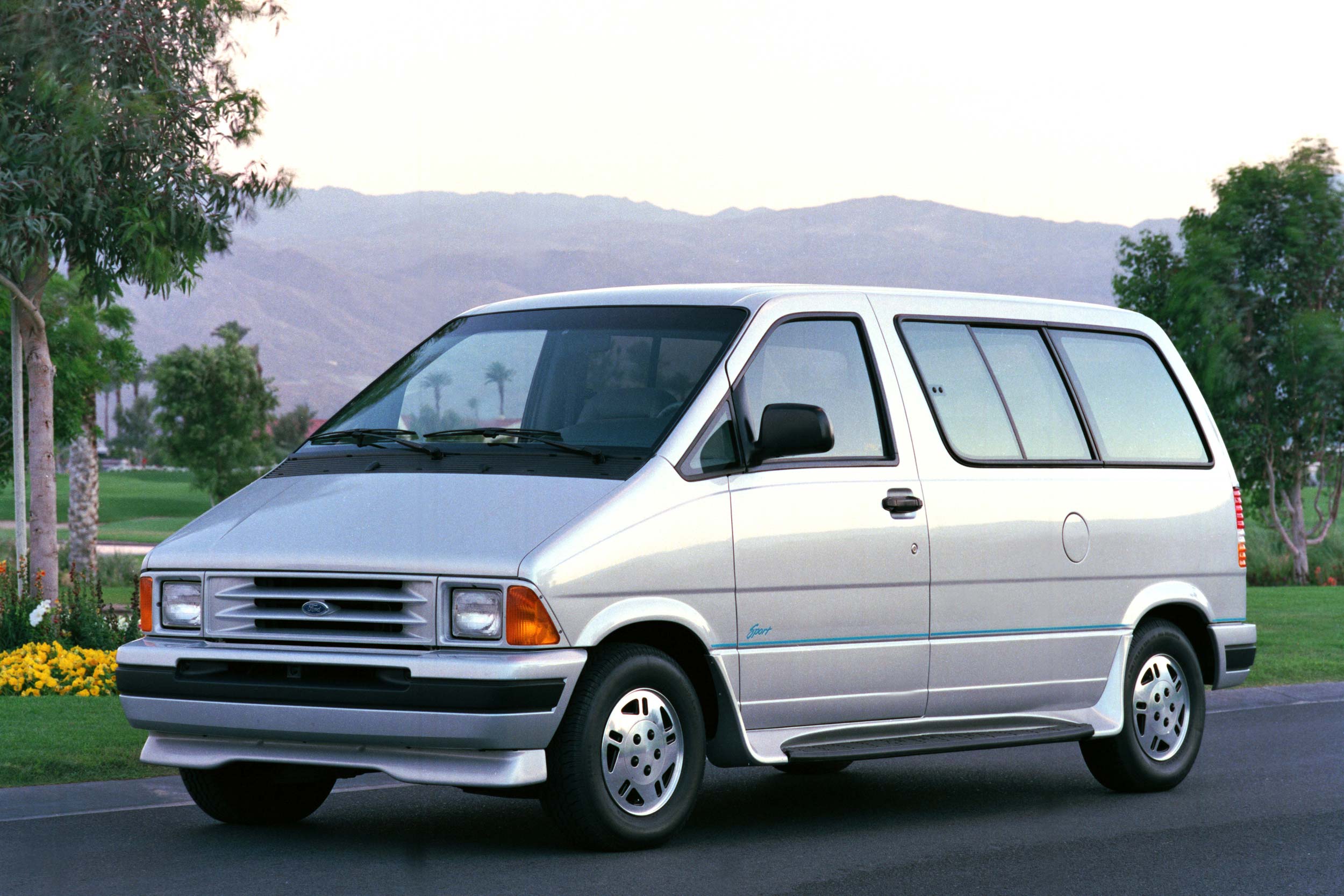
Ford Aerostar
Ford learned that Chrysler was developing a capacious family vehicle in the early 1980s and looked again at their “garageable van” concept. The oil crisis of the 1970s made the Carousel obsolete: it had been based on a full-size Econoline van and did not meet the economy needs of the time. The only thing that carried over to the new project was the six-foot height.
Ford mounted the powertrain from the rear-wheel drive Ranger compact pickup into a chassis designed solely for the new people mover, with model-distinct suspension. Plastic and aluminum were used extensively to save weight and improve efficiency.
The Ford Aerostar concept was unveiled in 1984 and went soon into production for 1985.
(Shown: 1991 Ford Aerostar Sport)
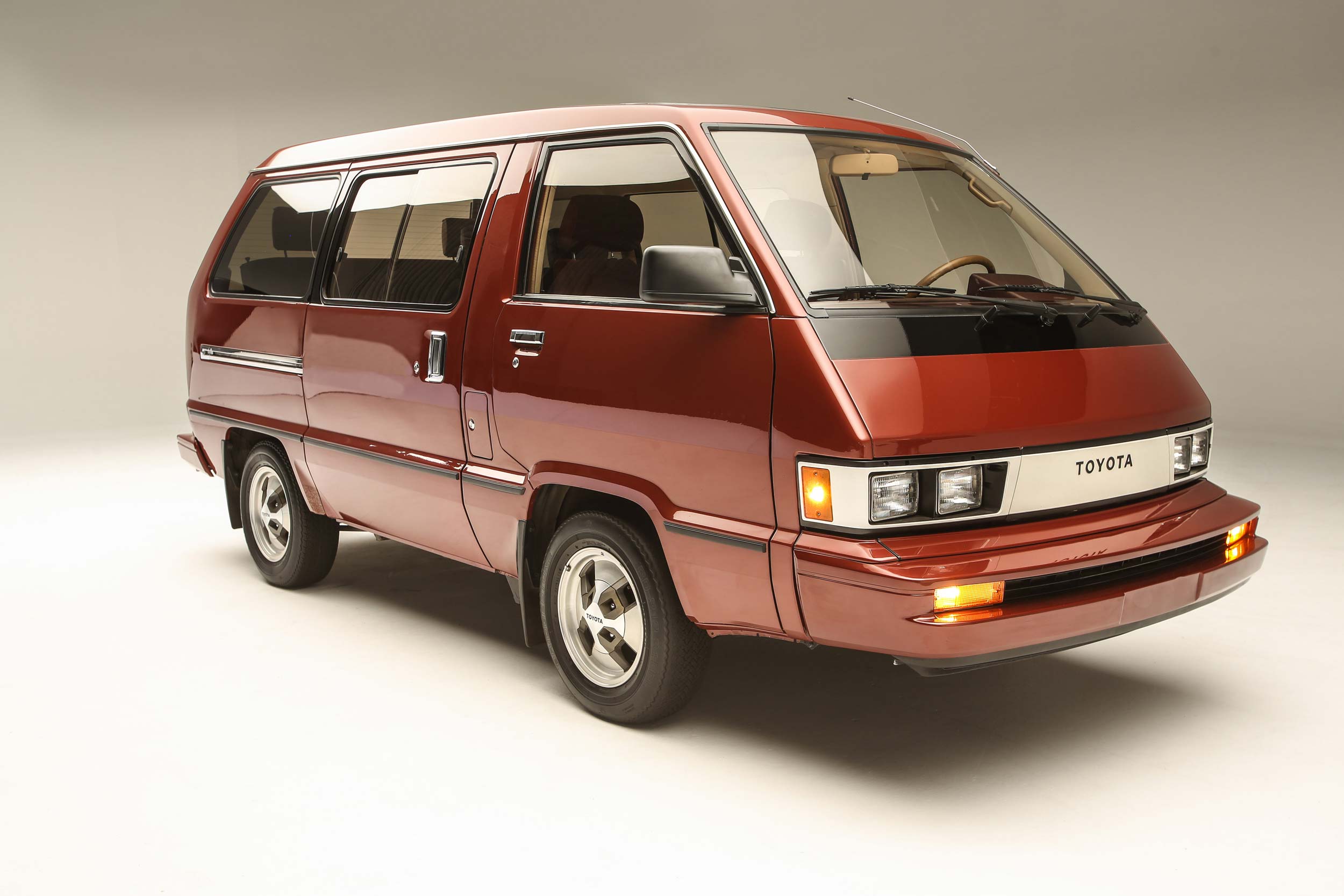
Toyota Van
“But, wait!” exclaims the pedant in a haughty tone. “What about the Toyota Van?”
Toyota’s entry into the minivan segment landed on our shores in 1984, the debut year of the Dodge Caravan and Plymouth Voyager. It was originally designed as a cargo van for city use, and was lightweight, economical, and highly maneuverable.
In passenger guise, it never quite caught on with American tastes. It was too small to be passenger van and too van-like to be a minivan. It had a short wheelbase and the engine was under the passenger seat. The driver sat on top of the front wheels, and the whole driving experience was unfamiliar to most.
Quirks aside, the Van proved to be a charismatic and nearly indestructible companion. Like many Toyota trucks of the era, they are highly prized today.
Plymouth Voyager III Concept
Remember Plymouth? Even though the company disappeared in the early days of the new millennium, the storied marque left an indelible imprint on automotive history.
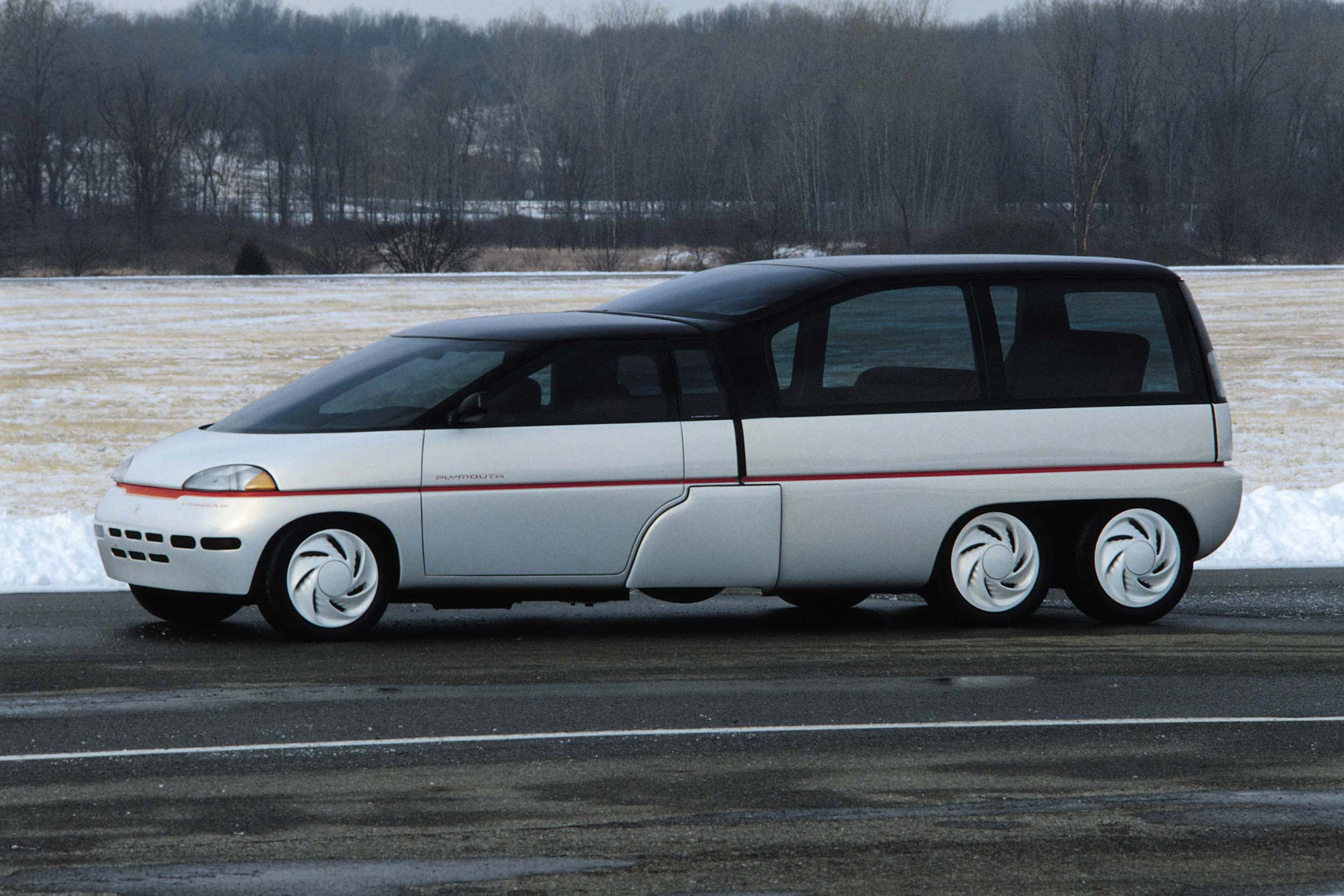
Chrysler designer Tom Gale of Dodge Viper and Plymouth Prowler fame is also credited with the 1989 Plymouth Voyager III concept vehicle. It’s actually two pieces: the front acts as a tractor and the rear as a trailer. When separated, the tiny front section drops two hidden rear wheels for easy in-town maneuverability. Connected, there’s plenty of room for the entire Kettle clan and all their kin, kith, and kit.
Each segment had an independent four-cylinder engine. When economy was needed, only one would operate. When power was needed, the units were electronically linked and all eight cylinders would rocker the Voyager down the road.
Renault Espace F1
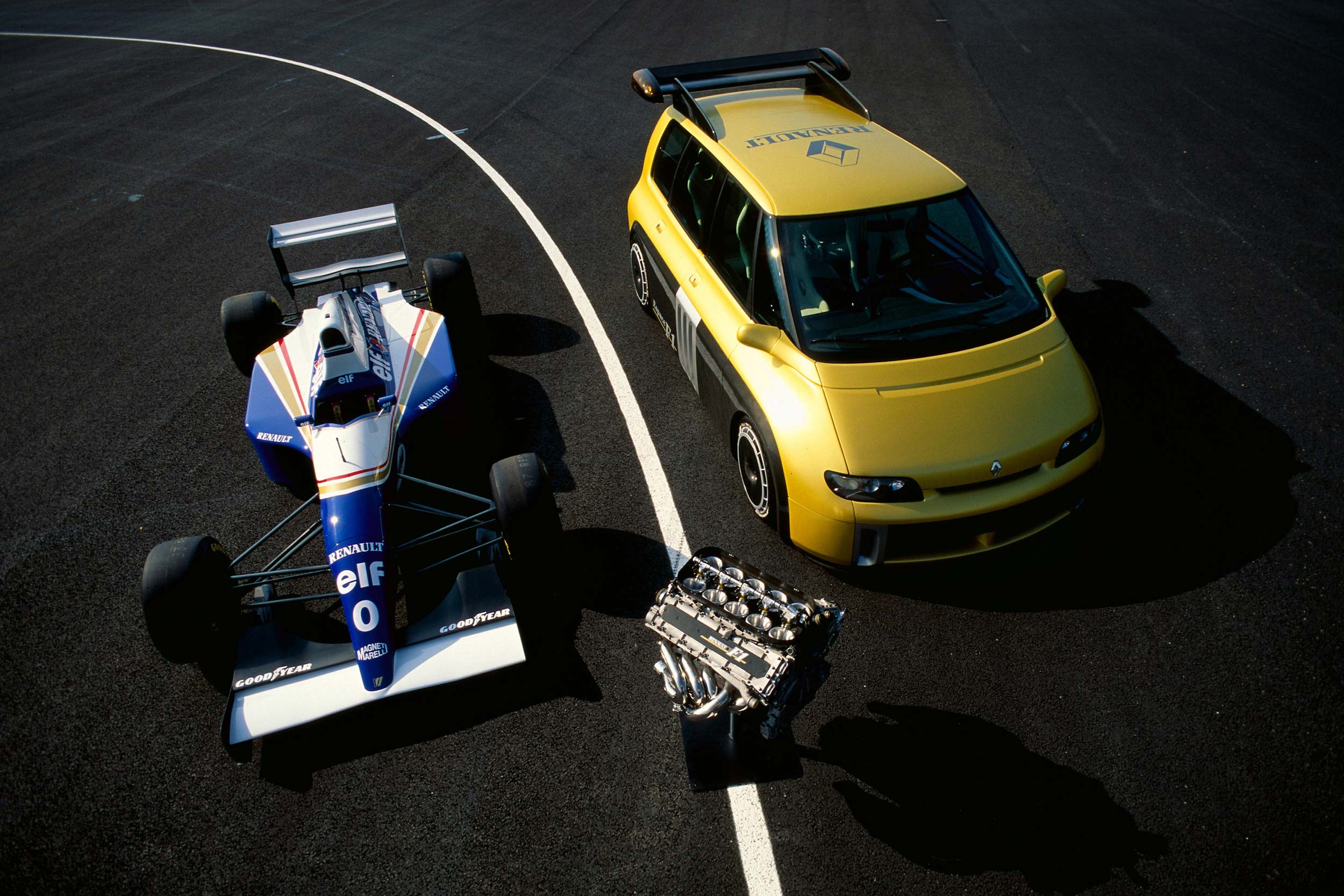
You’d be forgiven for looking at this French bit of buffoonery and wondering, “Sacrebleu! What in the petites pommes de terre am I looking at?” It combines three of the most unpopular things in America and makes them cool: minivans, French cars, and Formula 1 racing (get off your high horse, F1 fans. There’s, like, eight of you and your cars sound like leaf blowers).
Back in 1994, Renault decided to celebrate the tenth birthday of its Espace minivan by stuffing a V-10 engine from its Formula 1 program into 1 . . . um, one. The result would hit 60 mph in under three seconds and rocket all the way to 194 mph.
As the French say, “Quand je t’ai vu pour la première fois, c’était le coup de foudre.”
Toyota Previa
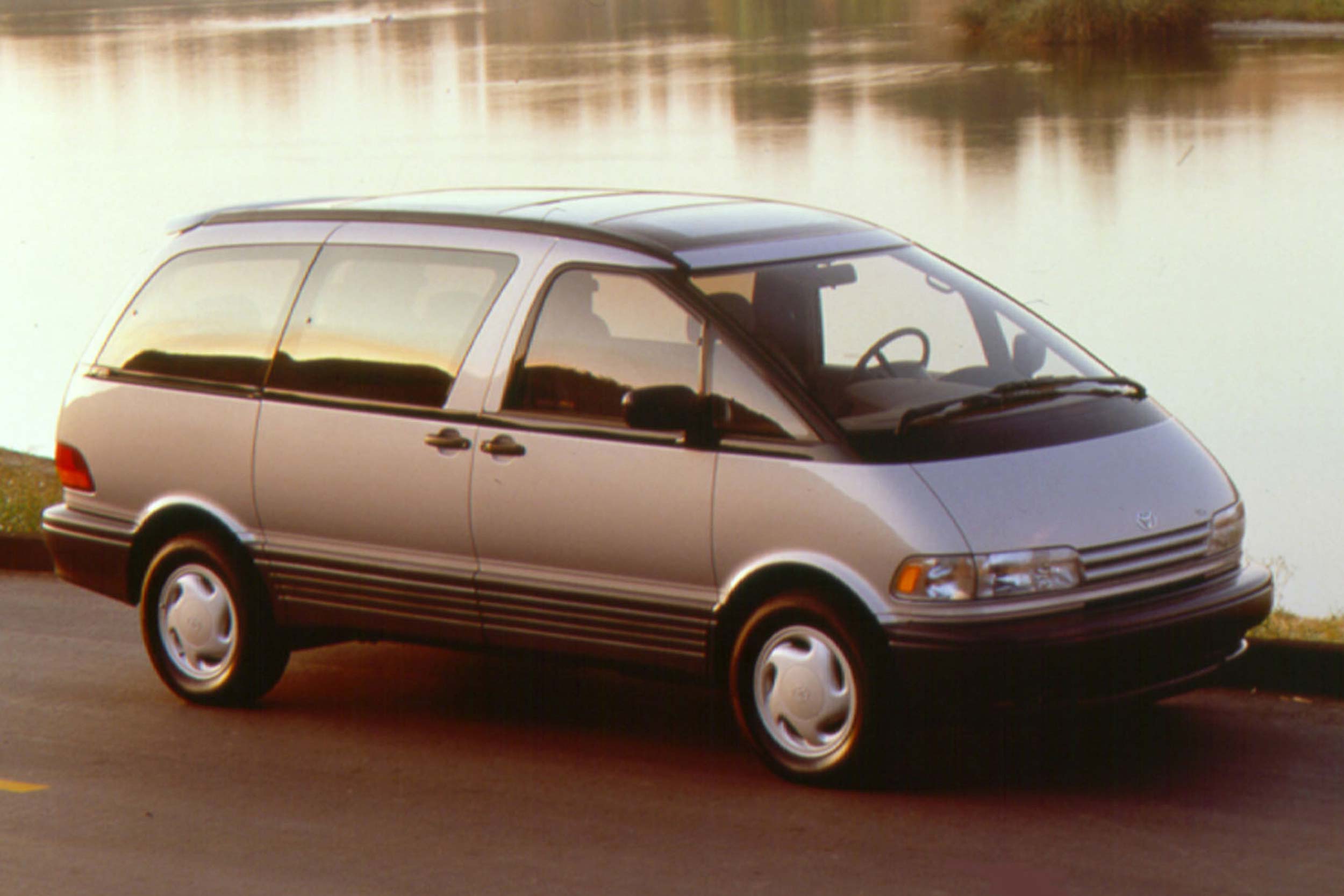
Adding a supercharger and all-wheel drive is a recipe for prefromance that we can get behind, even when the upgrades are installed in something as decidedly unsexy as a shearling-lined pair of winter Crocs (really, Canada?).
The Previa’s midengine design didn’t leave a lot of room for, well, engine, so Toyota engineers added a forward-mounted roots-type supercharger. All dressed up and ready to go, the four-banger churned out an blistering 161 horsepower. That might not seem like much by today’s standards, but it was a full stable of rearing thoroughbreds back in 1954.
Wait, this was 1995?
The Year 2000
Minivan sales peaked in 2000 with 1.25 million units sold. Buyers loved the undeniable utility and ease of use of the one box design. Every major manufactuer offered an example, and the segment made up 7.2 percent of the total market.
Industry analysts usually blame the demise of the minivan on the rise of the SUV. Though often using more fuel and offering less room that a minivan, American families flocked to the rugged image and feeling of imminent adventure.
Ford ceased minivan prodcution in 2006, and GM followed in 2008. The Hyundai Entourage disappeared in 2009.
By 2010, total minivan sales had dropped to just 415,00.
In 2017, the entire segment was outsold by just one SUV: the Nissan Rogue.
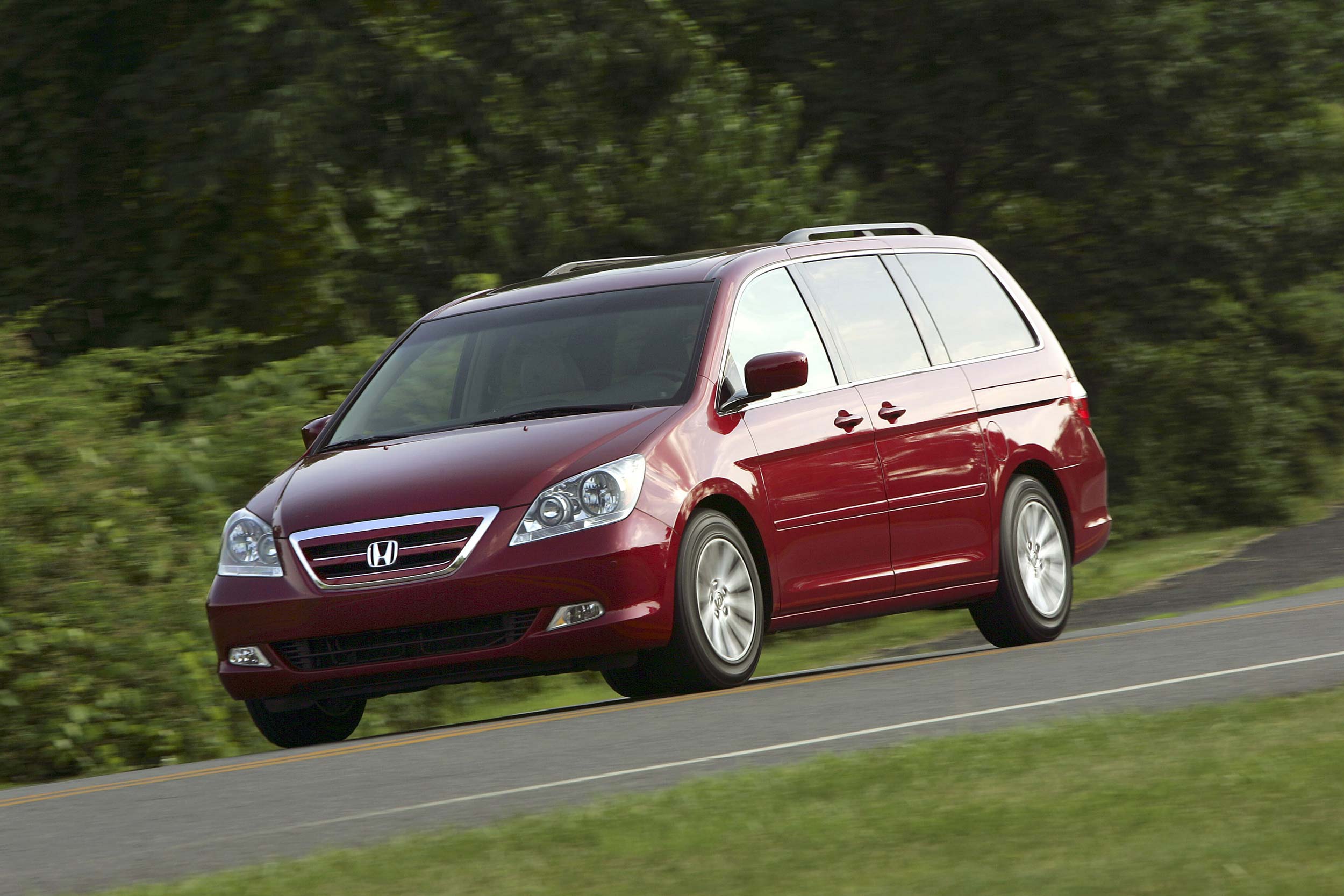
Honda Odyssey
The Honda Odyssey was all-new for 2005 and good enough to contend for Motor Trend’s prestigious Car of the Year award, as well as Consumer Reports top minivan pick for the year. While other manufactuers were leaving the segment in droves, Honda redefined what we now expect from a modern vehicle.
All models had side-curtain airbags and elecronic stability control, upping the segment’s safety game. Windows rolled down in the second row and there were sunshades in the rear doors. The straight second row bench was gone, replaced by a *gasp* 60/40 split folding design.
The 3.5-liter V6 under the hood made 255 horsepower and used active cylinder deactivation for economy.
By 2008, the Odyssey was the best-selling minivan in the U.S.
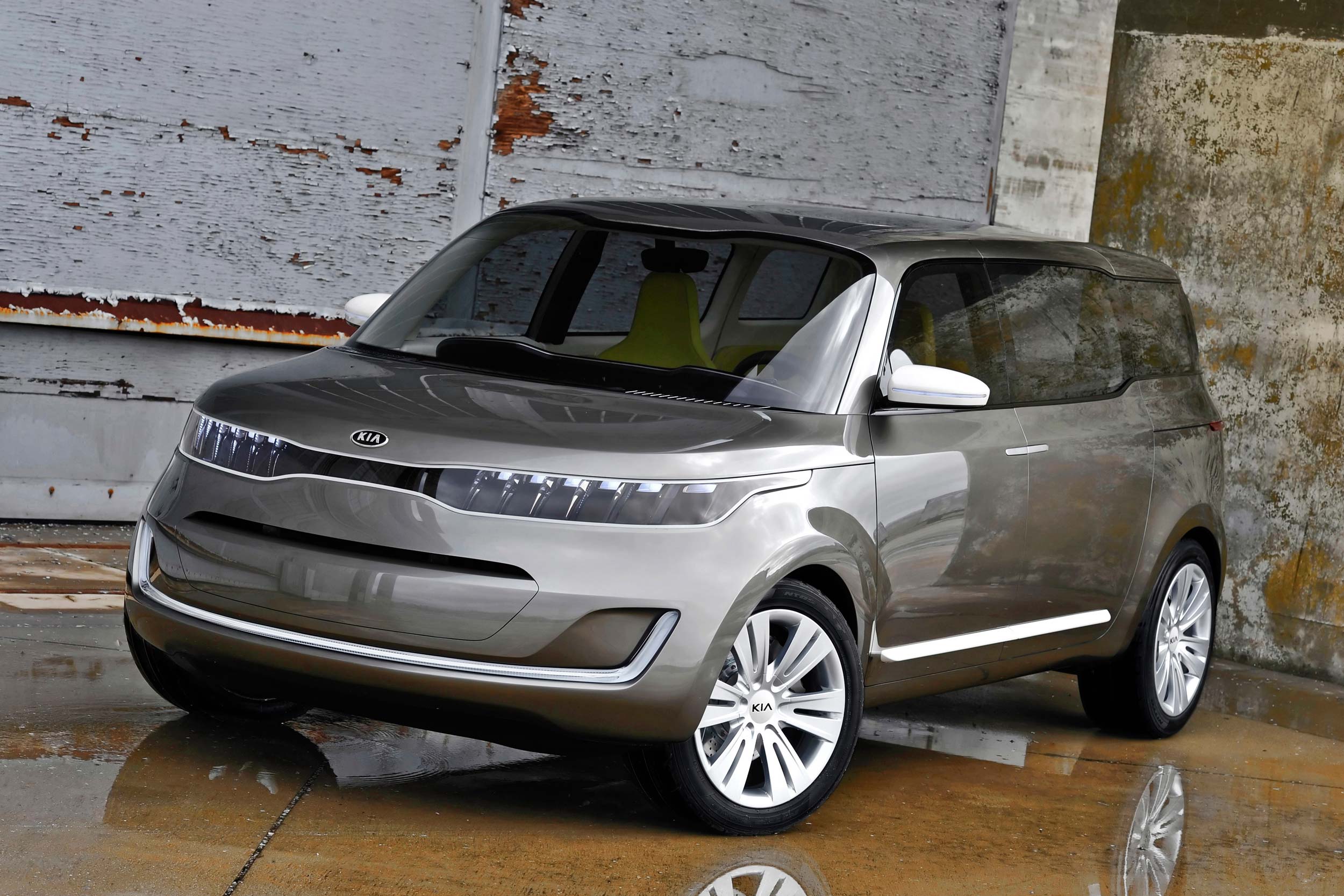
Kia KV7 Concept
Kia fought back agaisnt the minivan’s “soccer taxi” image with the KV7 concept vehicle in 2011. Debuting at the Detroit Auto Show, the design took a heaping helping of funk from its Soul stablemate, looking utterly unique and downright cool.
Inside, the Kia’s new minivan was aimed at “ringleaders,” people who organize activies and outings for their friends. In essence, the company defined the influencer before the advent of sociel media (Instagram was only founded in October, 2010).
The interior was open and loungey, with integrated Wi-Fi, internet connectivity, a multi-use display interface, and plenty of LED lighting. This was heady stuff in 2011, and Kia completely nailed the future.
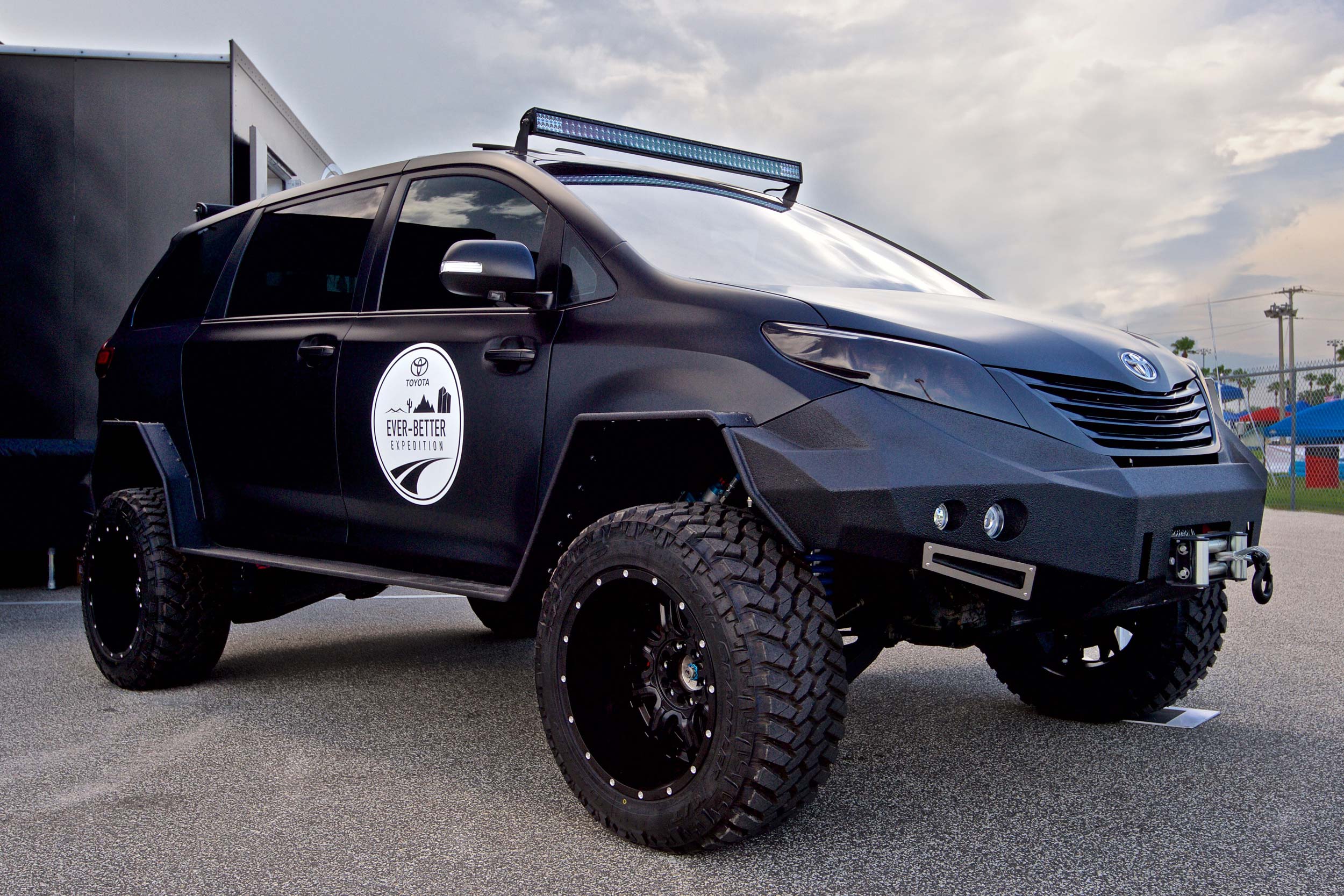
Toyota Ultimate Utility Vehicle
“That’s not a true minivan!” shouts the pedant. “That’s a Toyota Sienna body on a Tacoma pickup chassis!”
“Quiet, you!” say we. “Toyota’s Ultimate Utility Vehicle has all the features of a minivan with the added capability of a truck,” we continue. “It’s made to conquer the heat of Death Valley and the endless winter of Alaska. It’ll climb Pike’s Peak and can still maneuver through Manhattan.”
It actually did most of that, too. The vehicle was used as part of Toyota’s “Ever Better” iniative, a program to help Toyota team members gather new insights into the vehices, better understand performance, and connect with customers.
The vehicle was showcased at SEMA 2015, and we’re still talking about it.
Toyota Extreme Sienna
Not to be outdone by themselves, for SEMA 2016 Toyota gave a Sienna to Real Time Automotive’s hot rod builder, Rick Leos. A wide body was added, performance wheels, a splitter, rear diffuser, dual exhaust, and acres of carbon fiber.
The interior was extremed, as well, with a home theatre system, custom upholstery, a refrigerator, Wi-Fi connectivity, and Bluetooth speakers.
The whole vehicle is controlled by an iPad, for ultimate Millennial connecivity.
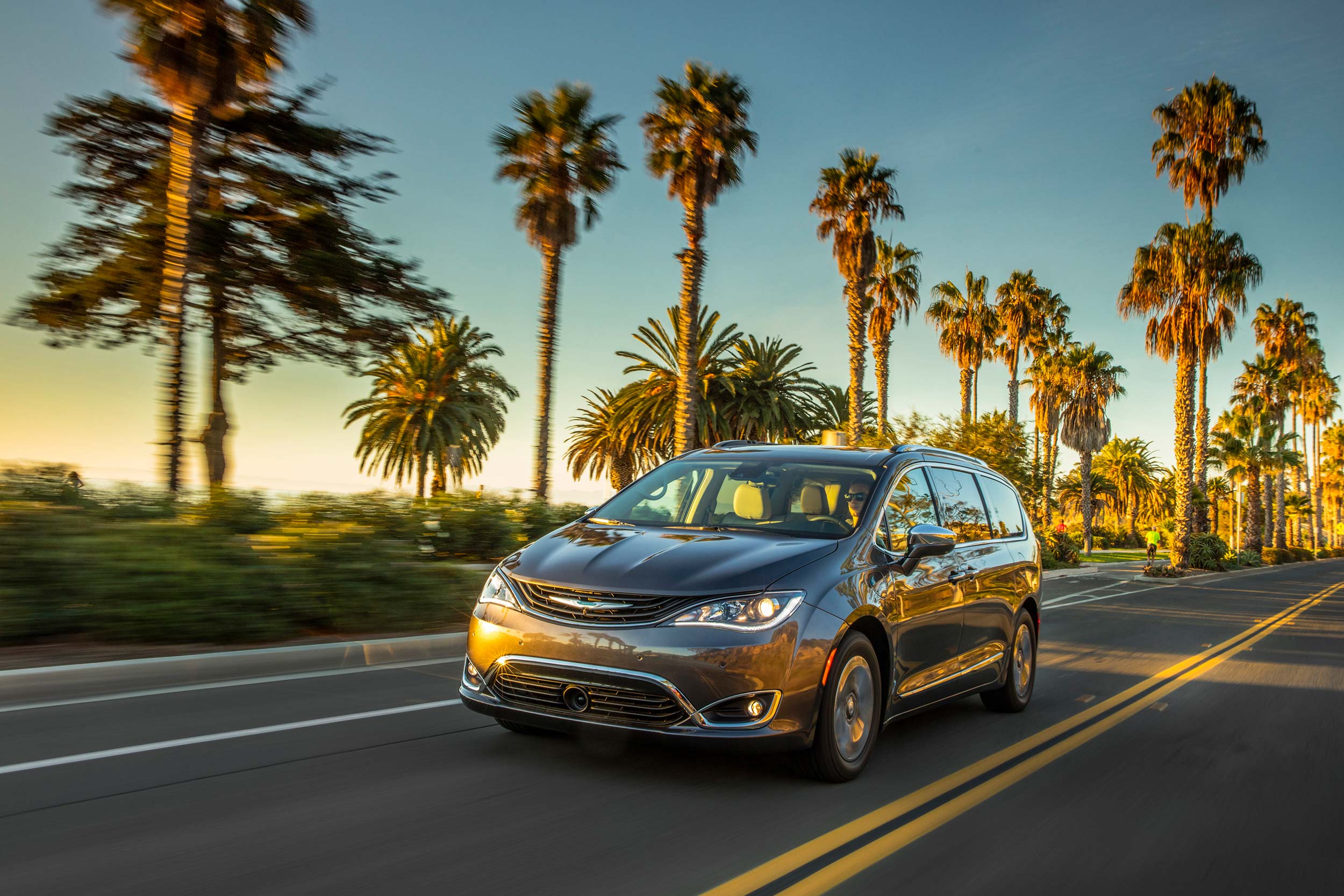
Chrysler Pacifica Hybrid
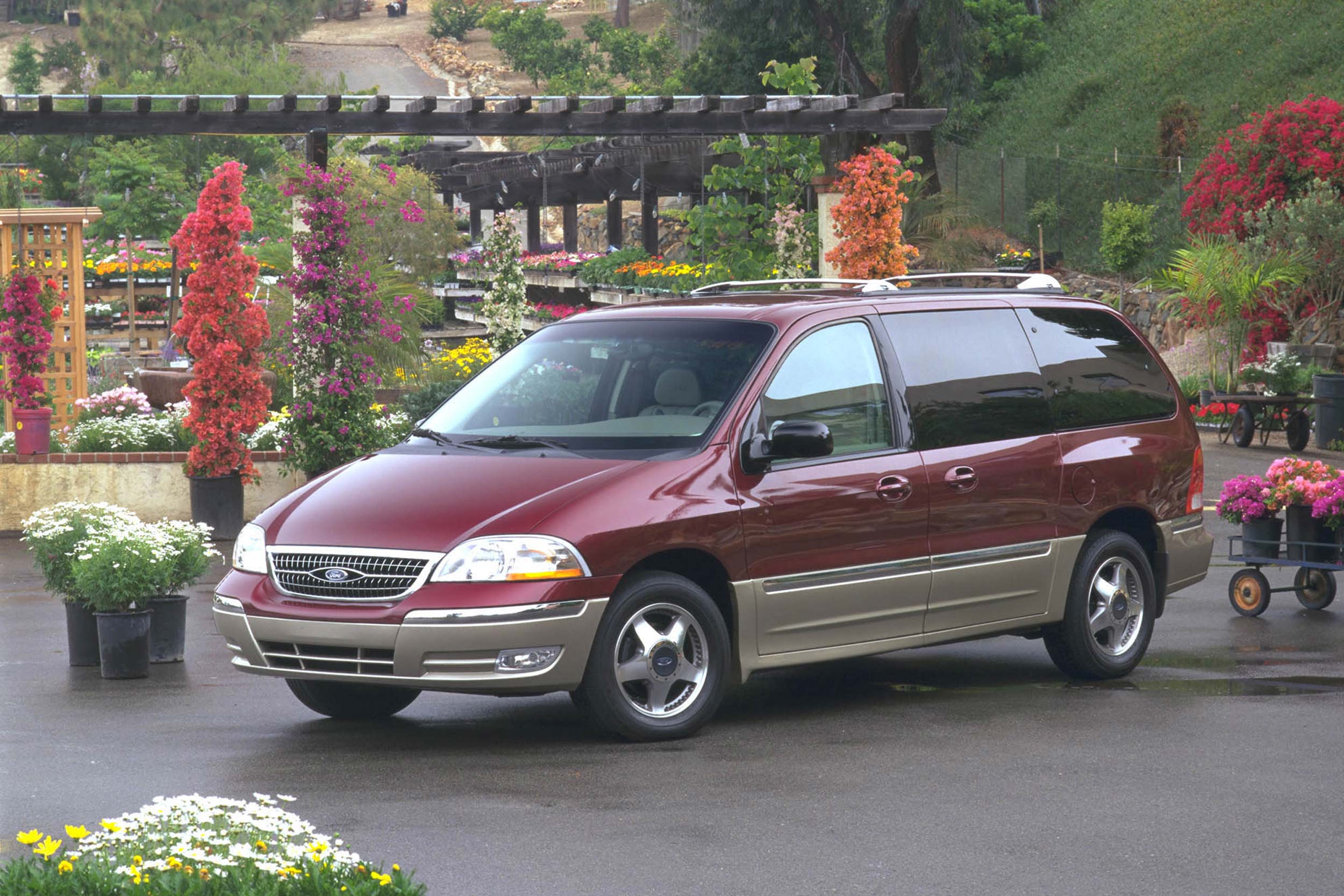
Fast forward to the year 2018 and Chrysler (Fiat-Chrysler) is still king of the minivan game. The company has many excellent rivals, but still manages to outsell them all. As of September, the Chrysler Pacifica and Dodge Grand Caravan control two-thirds of the American market.
The Pacifica has another neat trick up its sleeve: its the first and only plug-in hybrid minivan on the market. There’s a full electric drive mode that allows families to take advantage of cheap electric power for personal transportation, and overall range is exended to 566 miles.
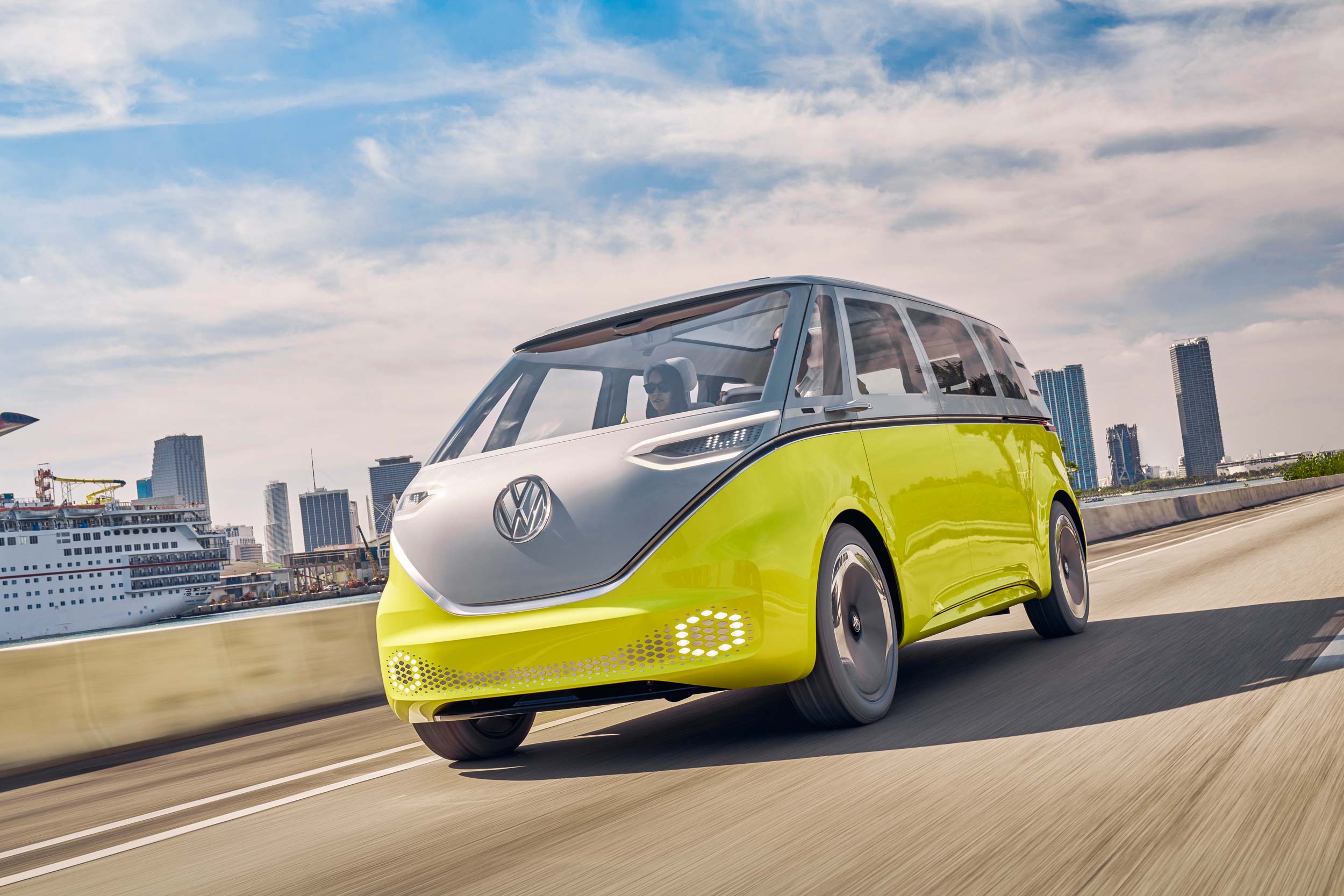
Volkswagen I.D. Buzz
This delightful take on the original Volkswagen Microbus is the I.D. Buzz concept vehicle. It showcases the VW group’s electric vehicle program and new modular electric drive architecture (MEB).
The Buzz was desinged from a clean sheet as an electric vehicle and makes the most of its arcitecture, with wheels far out to the corners and short overhangs. The result is a larger and more versatile interior.
Volkswagen announced in October that the company will be moving ahead with its I.D. program. Designs are said to be virtually complete and contracts with battery suppliers have been signed.
Target sales are 100,000 I.D. vehicles in the first year, and a total of one million by 2025.
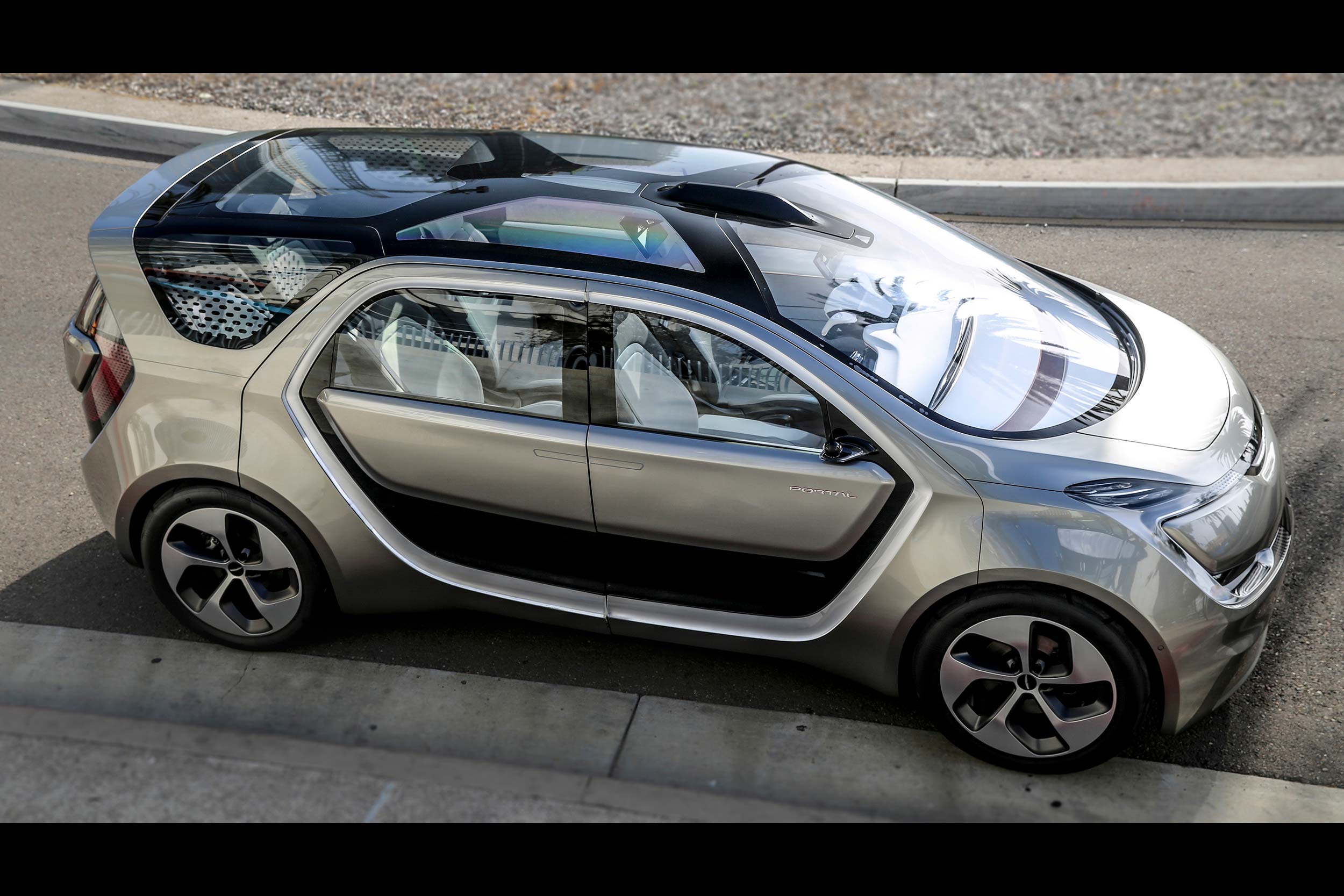
Chrysler Portal Concept
Perhaps seeking to change the dowdy reputation of the family truckster, Chrysler has invented a new descriptive language for their Portal concept. Rather than being a visually stunning minivan designed for active Millennial families on the go, the Portal is described as a “third space,” and “an alternative environment between work and home.”
Whatever you call it, it’s all-electric and expected to go 250 miles on a single charge. There are color-changing luminescent accents and trim on the exterior that can be animated, if desired. It will be capable of semi-autonomous operation. There’s facial recognition software installed so the infotainment system knows who the driver is and will acess favorite programming.
Even better, the runmor mill indicates that it is actually going into production. It’s expected to arrive in 2020, taking the place of the 300 sedan.
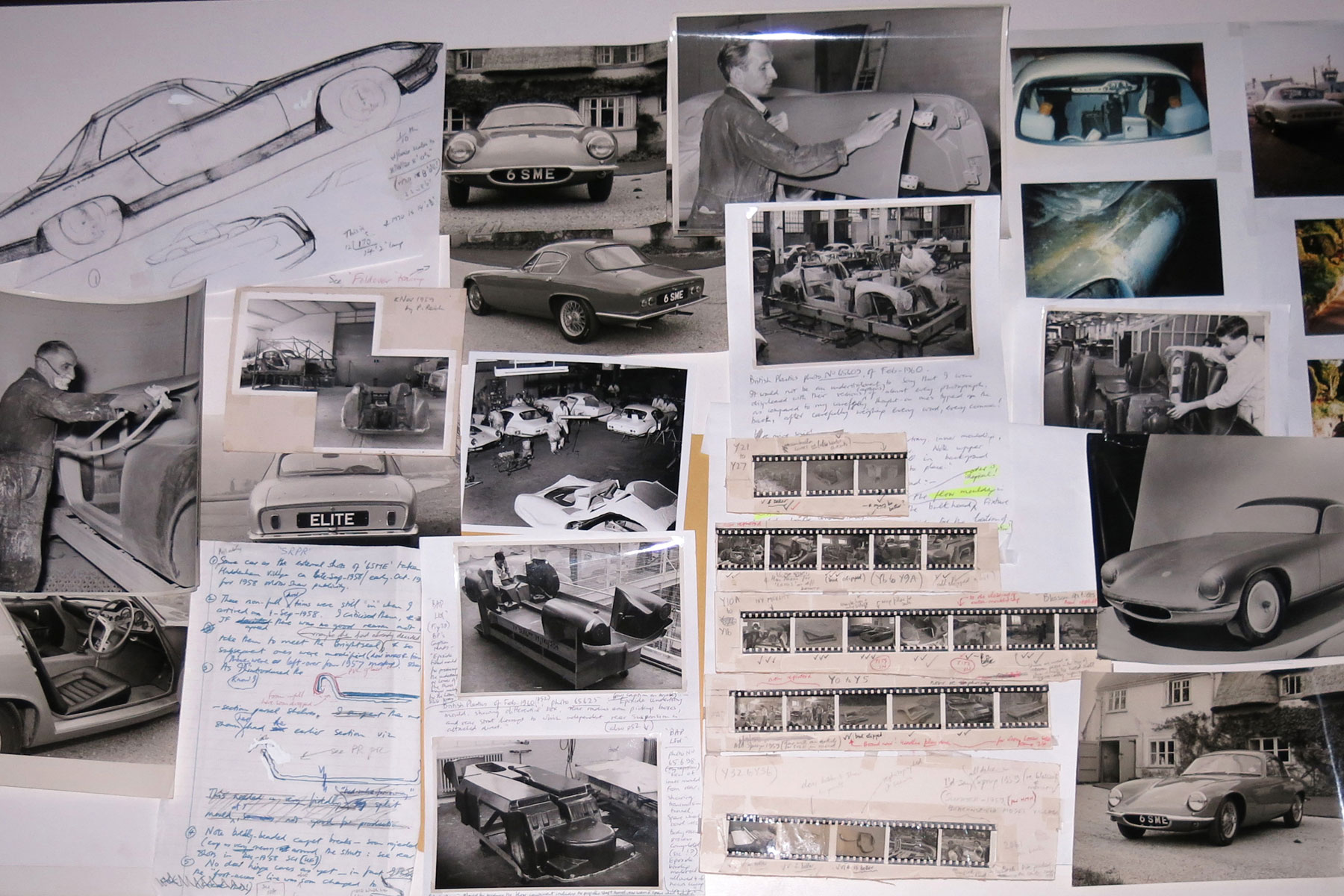
An important collection of drawings and documents belonging to the prolific designer and inventor Ron Hickman has been donated to the National Motor Museum Trust at Beaulieu.
Hickman was born in South Africa in 1932 but left the country in 1954, sailing to England with dreams of working as an automotive designer.
Having spent three years as a styling modeller with Ford, Hickman joined Lotus in the mid-1950s after a meeting with company founder Colin Chapman. It was here that the designer made a name for himself, firstly as part of the team responsible for the Elite, but later for his work on the Elan.
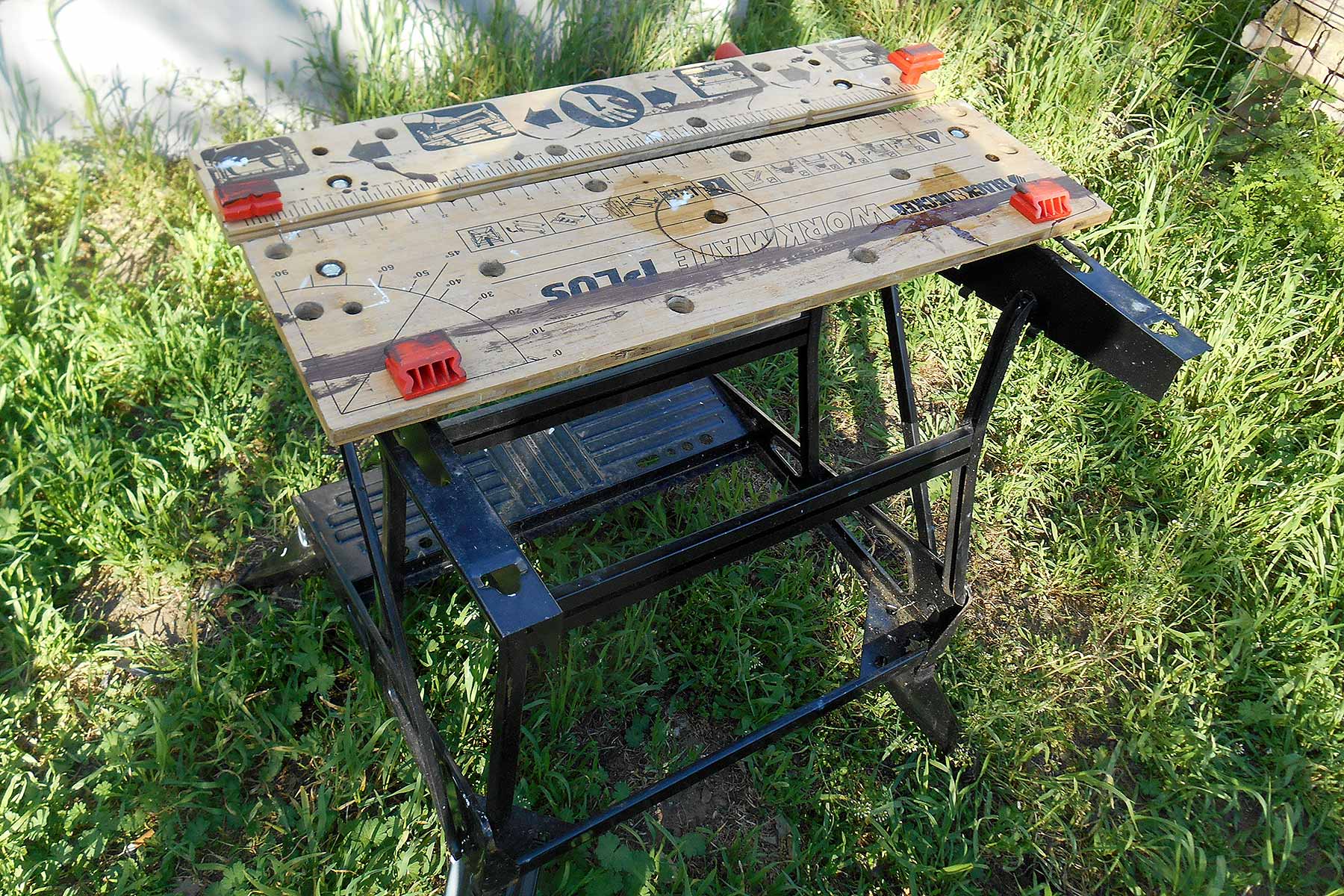
Having worked on the Elan 2+2 and Europa, he left the company in 1967, later achieving worldwide recognition for the design of the Workmate.
At the time of his death in 2011, nearly 70 million of the folding workbenches had been sold since Black & Decker put Hickman’s design into mass production in 1973.
Now, more than 100 automotive sketches and concept drawings, as well as supporting photographs and documents have been donated to the Trust by Hickman’s widow, Helen. There’s even a complete project showing his proposed redesign of the Caterham Seven.
‘A fascinating insight’
National Motor Museum Trust director of collections, Andrea Bishop, said: “We extend grateful thanks to Mrs Hickman for this generous and important donation.
“Ron Hickman’s significant contribution to automotive design adds a fascinating insight into the development of Lotus Cars to our motoring archive. We are looking forward to exploring this large collection and sharing some of its content on our website next year.”
World of Top Gear relaunched at Beaulieu
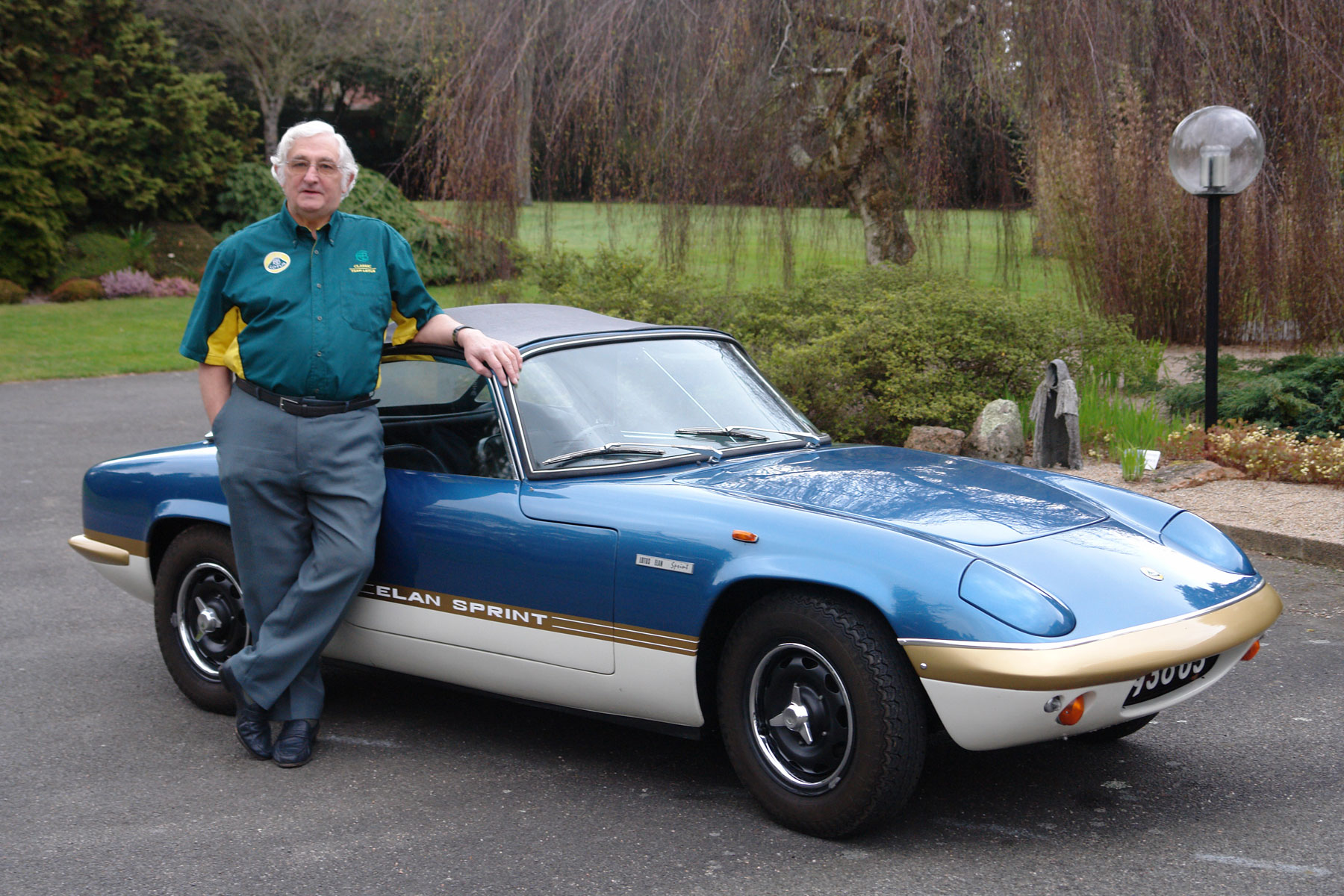
Hickman moved to Jersey in 1977 and retired a wealthy man in 1982, earning 3 percent royalties on every Workmate sold. He never lost his love of cars, assembling a collection including an Elan Sprint and a Cadillac V-16 drophead coupe built for a maharaja.
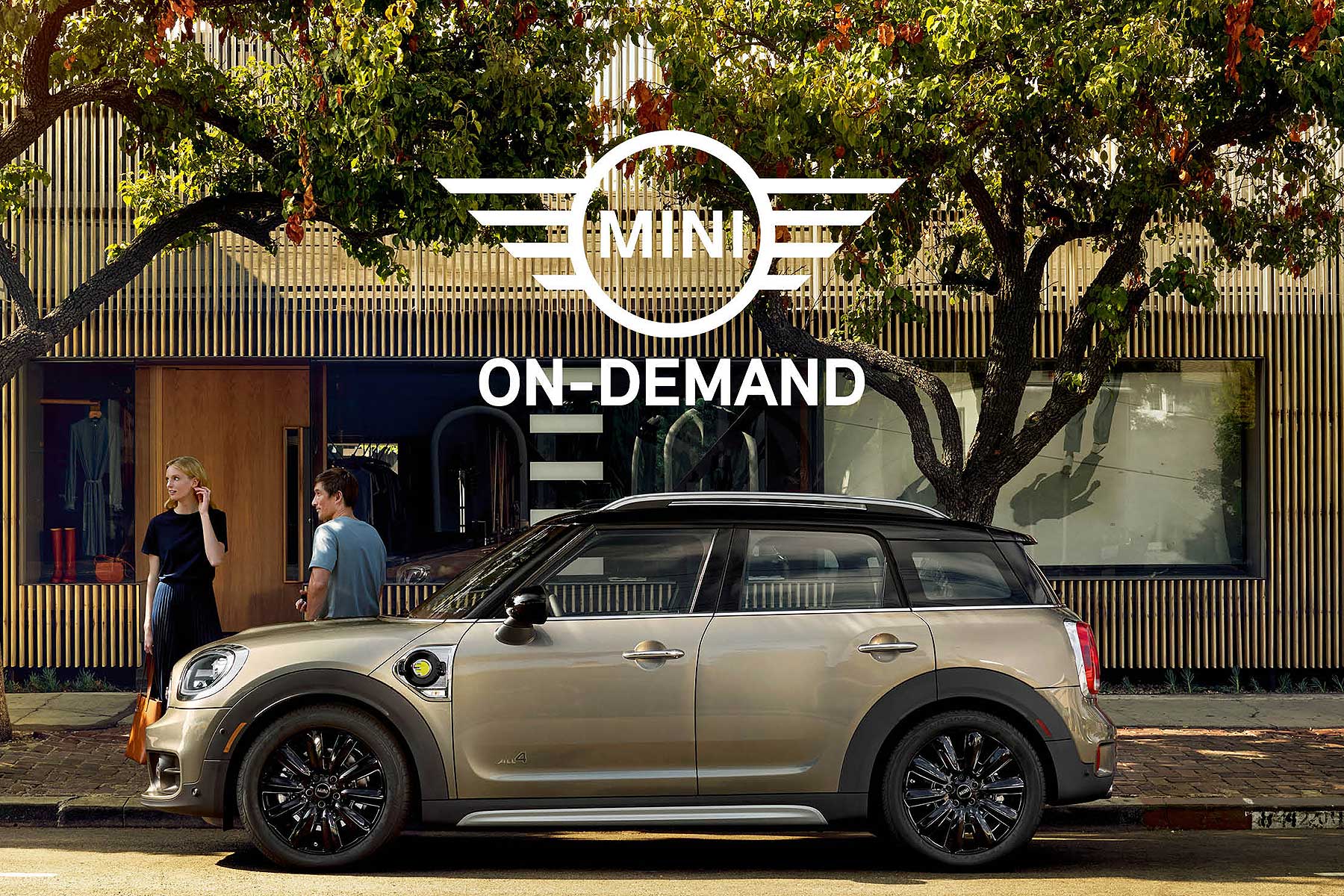
Mini is trialling test drives by Twitter in North America. It hopes the new scheme will attract interest from younger people who may find more traditional methods unappealing.
The initiative will run until 30 November in San Francisco and Los Angeles. The Mini Countryman and its plug-in hybrid sister car will be available to test.
How does it work? It couldn’t be easier, reckons Mini: tweet #miniondemand to @miniusa. A link will be DM’d by return, in which prospective buyers fill in delivery information and a preferred date and time for the drive.
Once submitted, Mini will arrange the test drive and turn up at the location at the agreed time, for an entirely no-obligation 30-minute test drive.
Mini’s working with technology provider Fooji for the drives. Its brand communications head, Patrick McKenna, said the collaboration “allows us to use innovative technology and the power of Twitter to simplify the test drive experience for car shoppers by offering quick and convenient test drives.
“We understand that today’s consumer expects a smooth and easy retail experience, and we’re hoping to deliver that right to their door.”
U.S. Mini owners take epic 14-state drive for charity
Twitter’s Rob Pietsch is very excited about the Mini ‘tweet to test drive’ initiative. “This type of creative execution is powerful not only in driving conversation among influential consumers, but it also brings the dealership straight to their front door in an incredibly innovative way.”
Would you like Mini to run a test drive by Twitter scheme over here? Let us know in the comments below.
The Financial Conduct Authority (FCA) is to investigate how customers are charged for their car and home insurance after initial research identified “potential consumer harm”.
General insurance (GI) represents a key part of the UK economy, generating over £78 billion in premium for UK insurers. Most UK adults (82 percent) have one or more GI products, with home and motor insurance the most commonly held policies.
But the FCA is concerned that consumers might be overcharged for their cover, with policies affected by a customer’s age, loyalty, postcode, marital status, employment and whether they are online.
Access to a computer is important leading up to the date of the renewal, as shopping around for alternative quotes can save policyholders hundreds of pounds.
Sticking with an existing provider can often lead to so-called ‘price walking’, with the cost of cover increasing every year, eventually making the policy more expensive than for a new customer. More costly for the consumer and more profits for the insurance provider.
The market study will give the FCA a deeper understanding of the scale of the problem, who it affects and what needs to be done in order to improve matters.
‘Potential consumer harm’
Andrew Bailey, FCA chief executive, said: “Our initial work has identified a number of areas of potential consumer harm. We want to make sure that general insurance markets deliver competitive and fair prices for all consumers.
“This market study will help us examine the outcomes from general insurance pricing practices and inform how, if necessary, we should intervene to improve the market.
“If change is needed to make the market work well for consumers, we will consider all possible remedies to achieve this.”
Tackling the loyalty penalty
In response, Gillian Guy, chief executive of Citizens Advice, commented: “We knew insurance companies were penalising loyal customers, but it is shocking that the FCA has found many companies don’t even seem to have oversight of how much they’re charging customers.
“The insurance industry has said they want to tackle the loyalty penalty – but it’s hard to see how they can achieve this when companies don’t even have these basics in place.
“The FCA is treating the loyalty penalty seriously by conducting this review and scrutinising firms through a market study. We now expect strong regulatory action to stamp out this problem and enforcement against firms who are overcharging loyal customers.
“This is symbolic of a wider issue across essential markets like mortgages, broadband, mobile and savings. The Competition and Markets Authority needs to look very carefully at this as they respond to our super-complaint on the loyalty penalty.”
Georgie Frost, consumer advocate at GoCompare said: “We welcome any investigation into this area because clearly something isn’t right and people feel they are being ripped off.
“Clearer rules and regulations will be better for everyone because we can’t have a system where it is the most vulnerable that are the hardest hit. Equally, some people who can switch aren’t doing so and we need to find out why and make sure they are fully engaged.
“It’s well-known that loyalty doesn’t pay when it comes to insurance. Just a glance at the feedback we receive from our customers shows that you can save hundreds of pounds on a policy without compromising cover.
The FCA is seeking input on the issues outlined in the market study by 3 December 2018 and will publish an interim report in summer 2019. The final report will be published by the end of 2019.
For many years, Volvo estate cars have been synonymous with green wellies, Labradors and the good life. Indeed, a 145 was the choice of wheels for Jerry and Margo in the hit BBC TV series, The Good Life.
So, hot on the heels of the launch of the new V60 Cross Country, we take a nostalgic look back at a history of Volvo estates.
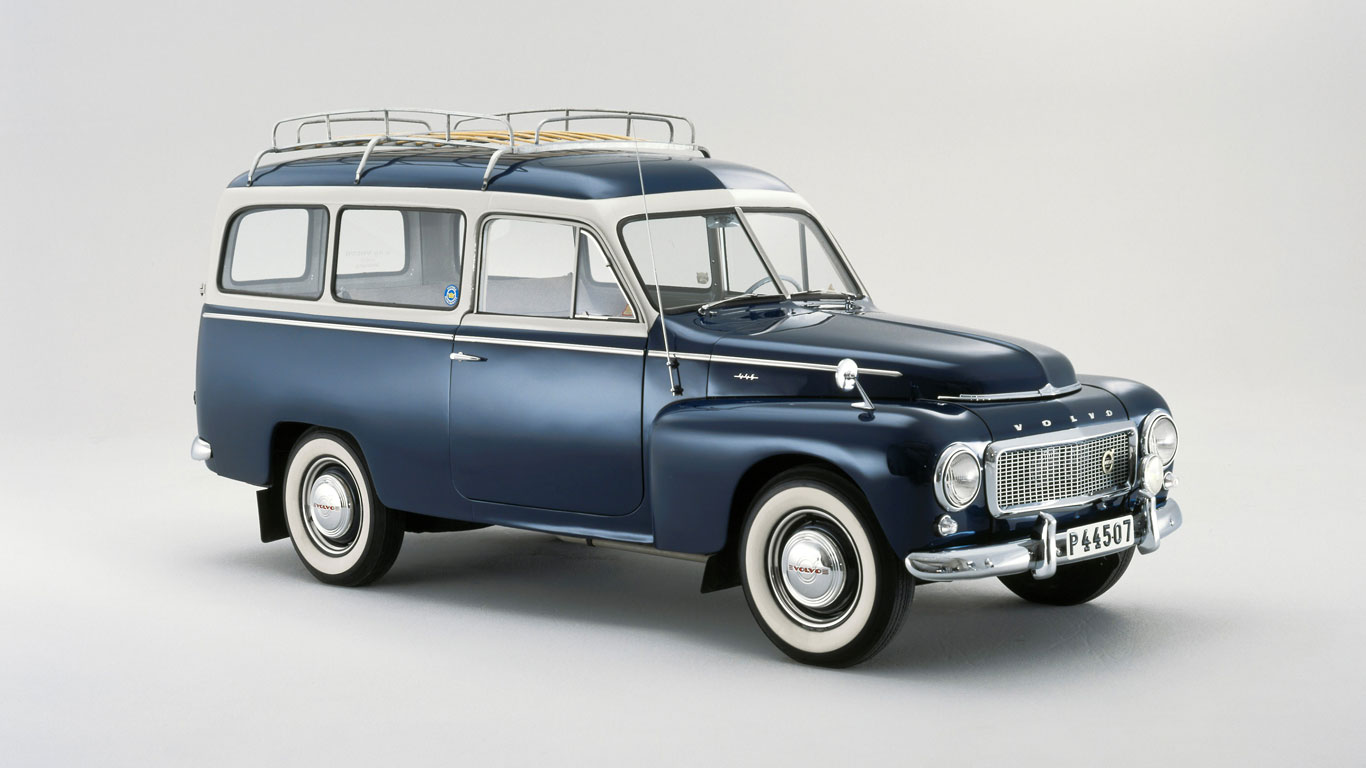
Volvo PV445 Duett – 1953
From 1949 to 1953, the PV445 formed the basis for small lorries, vans and estate cars, all of which were available through independent coachbuilders. In 1953, the PV445 Duett was introduced – a car widely regarded as the godfather of all Volvo estates. It was one of the first Volvos to be exported to the US and was even immortalised on its own Swedish postage stamp.
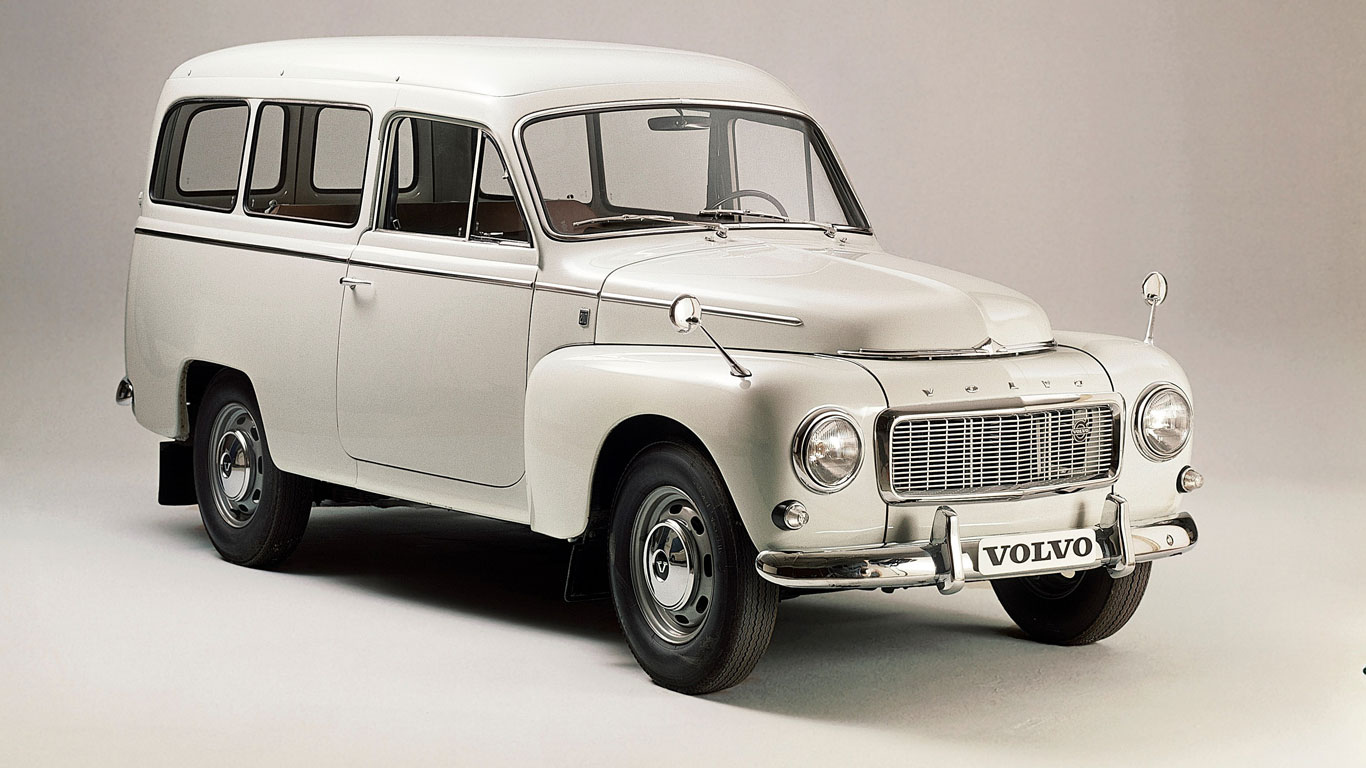
Volvo P210 Duett – 1960
The P210 Duett was introduced in 1960 and was essentially a continuation of the PV445 Duett. Times were changing, and although the P210 was available as a van or estate, the popularity of coachbuilt special editions was in decline. Production of the P210 continued until 1969, with sales focused on Nordic markets.
Volvo Amazon – 1962
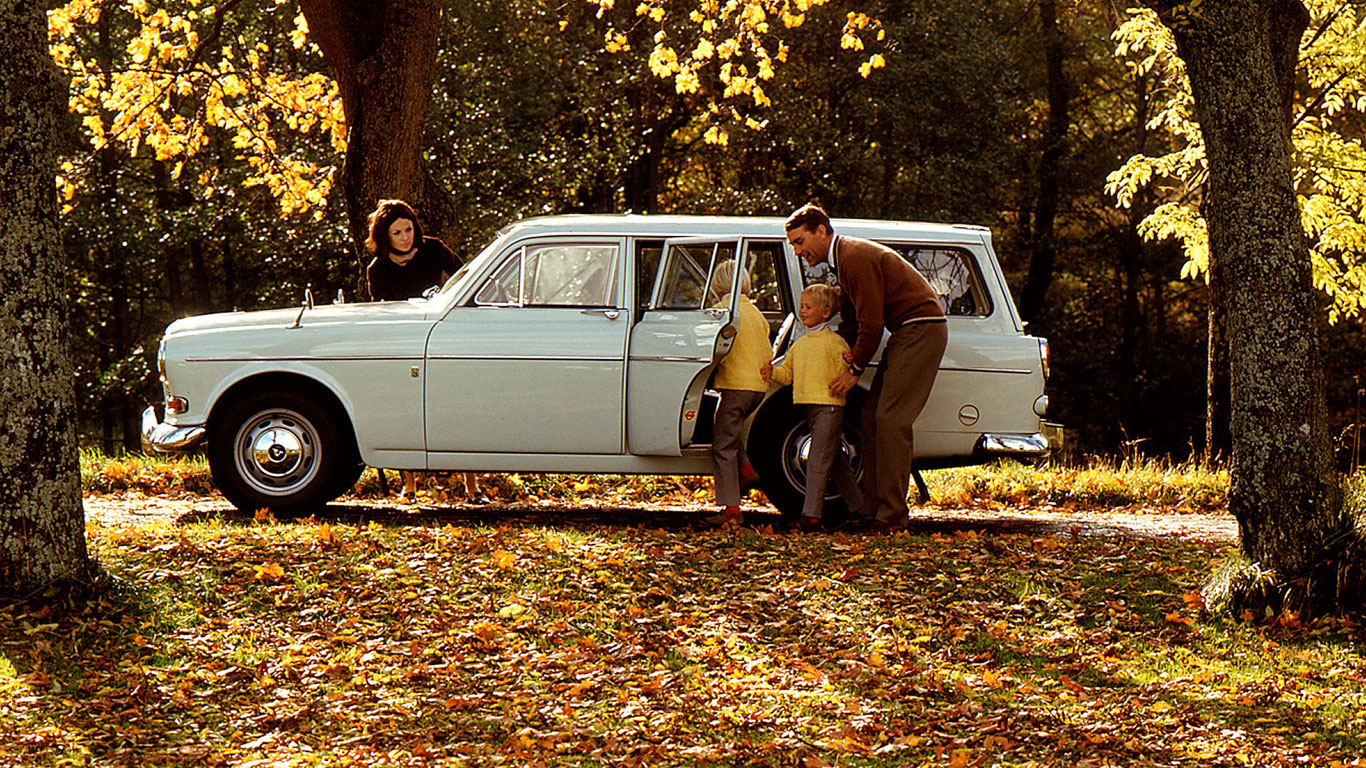
While the P210 enjoyed success in Nordic countries, the P220 – or Amazon – would become Volvo’s international bright young thing. Unlike Volvo estates of old, the Amazon wasn’t based on a delivery van and was more elegant as a result. It was practical, stylish and rather nice to drive.
Volvo 145 – 1967
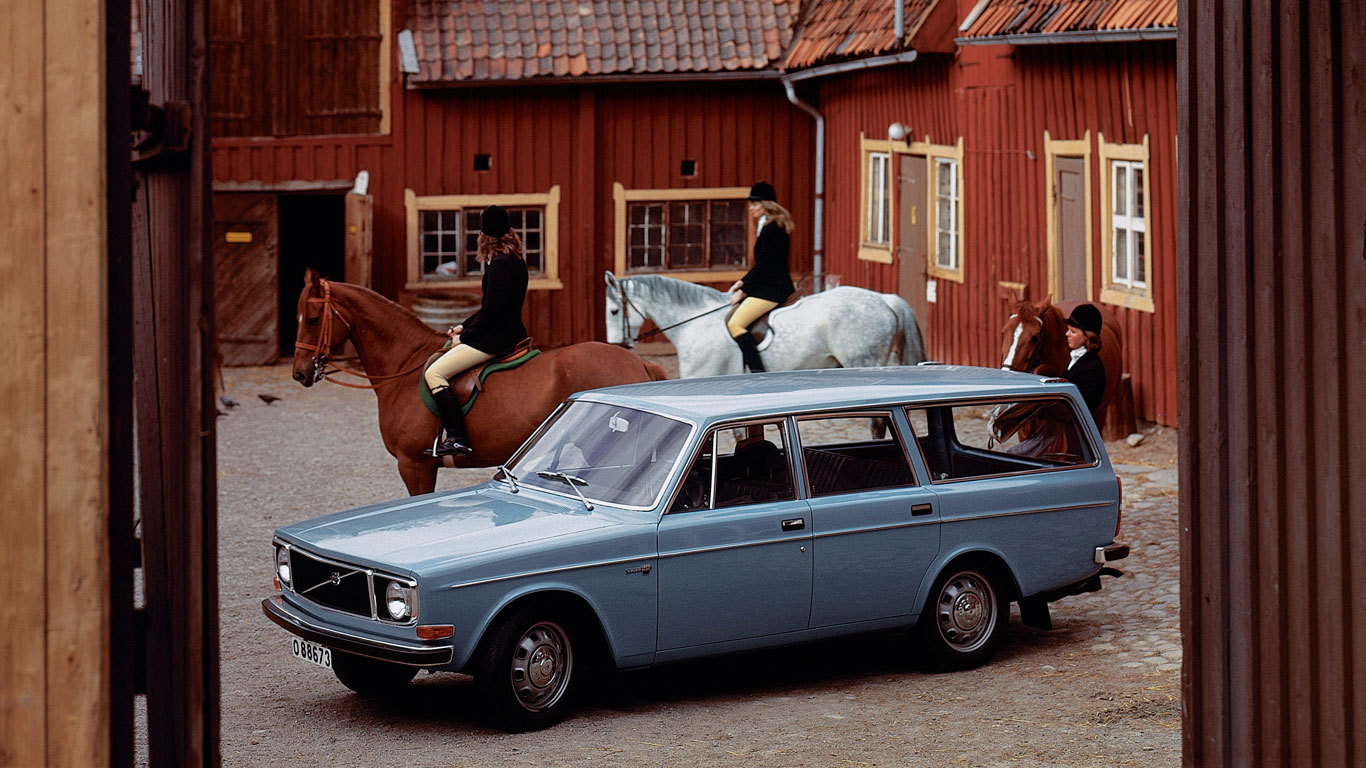
In 1967, Volvo launched the car that would lay the foundations for one of the most iconic shapes in the automotive world. The 145 was the estate version of the 140 Series and featured a near-vertical tailgate. At launch, the 145 featured a split in the rearmost side window, but this disappeared in 1970.
Volvo 1800 ES – 1971
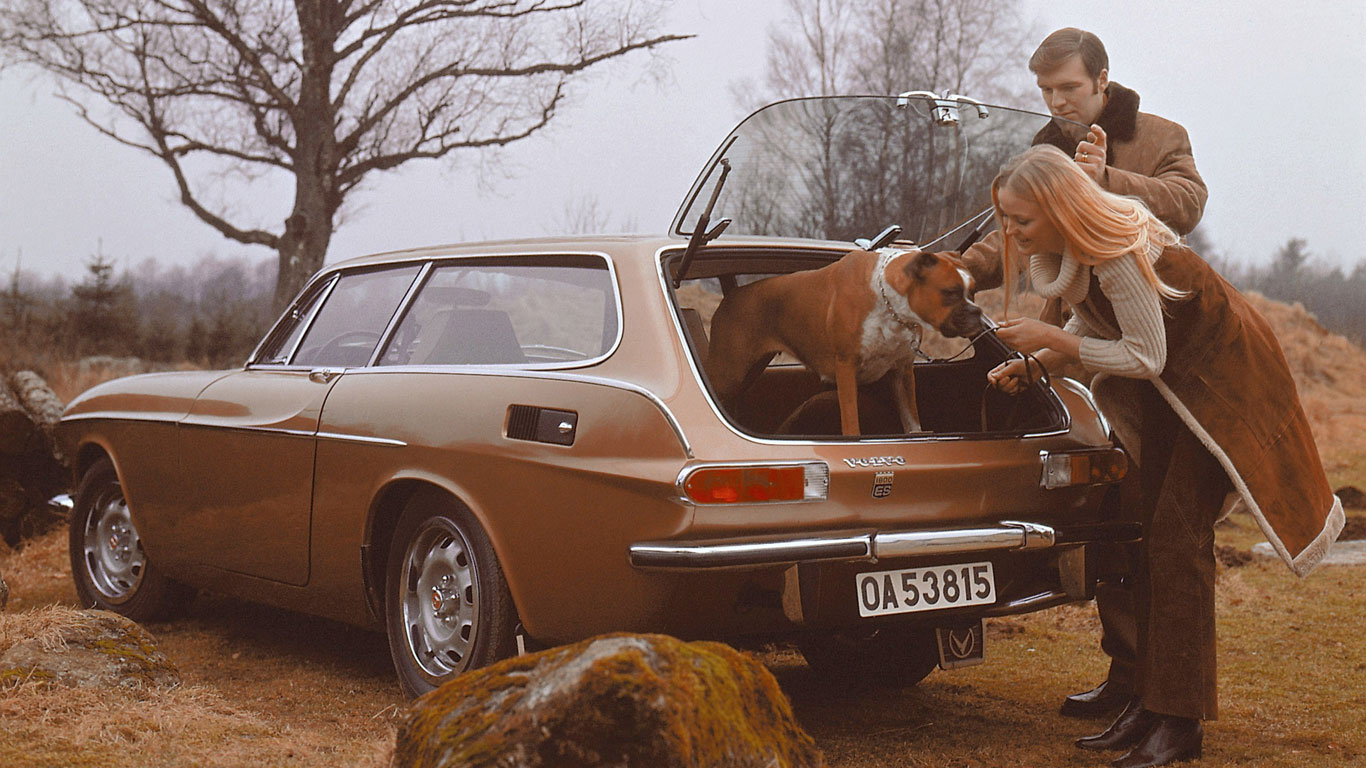
The 1800 ES was a shooting brake version of the beautiful P1800 coupe. It arrived in 1971 and featured an extended roofline and a profile reminiscent of an estate. Now, 1800 ownership was open to more people, with the ES offering four seats, a sizeable boot and decent levels of performance. Sadly, the 1800 ES died in 1973 – a victim of American safety legislation.
Volvo 245 – 1974
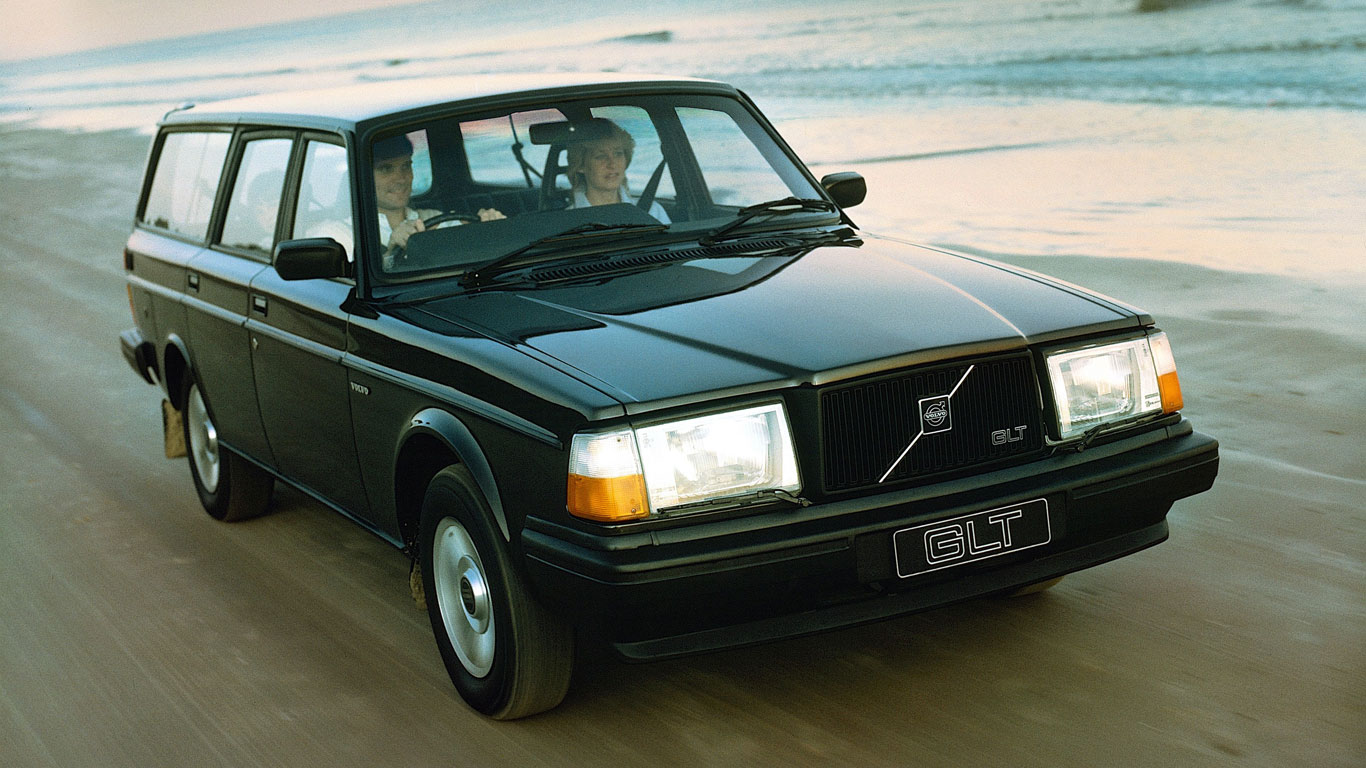
Is this the archetypal Volvo estate car? Absolutely. Launched in 1974, the 245 would live on until 1993, by which time it had cemented itself as the favourite amongst soccer moms and the middle classes. In 1981, the 245 Turbo became one of the fastest estate cars in the world, and the first to be fitted with a turbocharged engine.
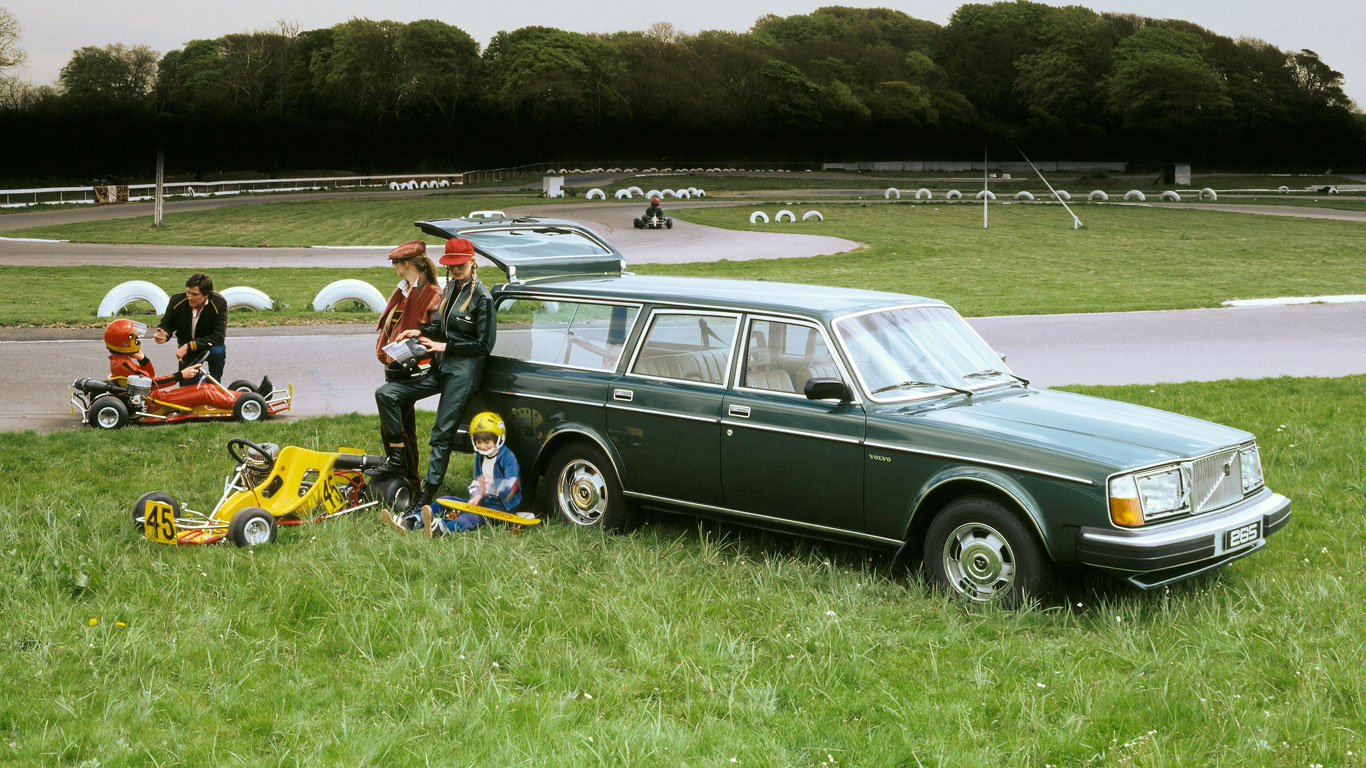
Volvo 265 – 1975
The Volvo 265 was the more upmarket version of the 245, fitted with a more powerful six-cylinder engine. It would enjoy a 10-year production life, offered with both 2.6- and 2.8-litre engines.
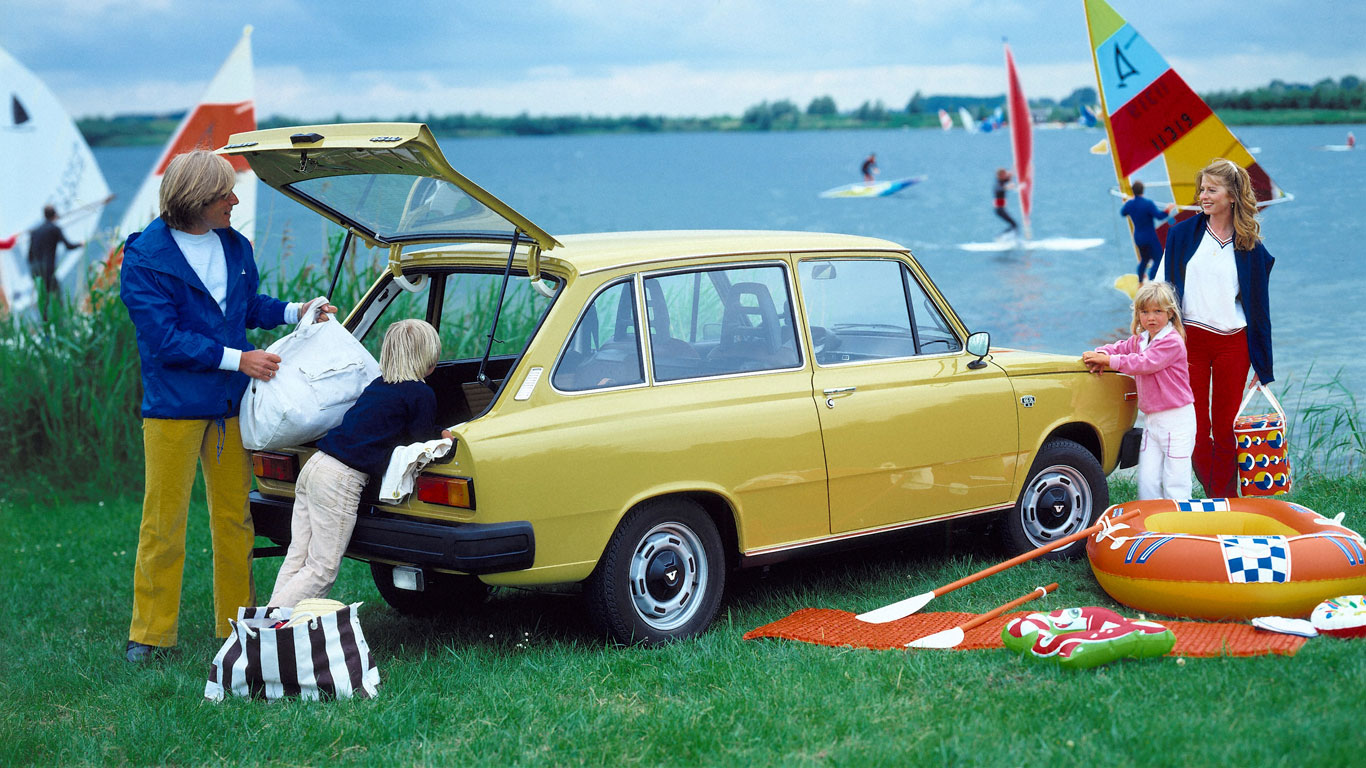
Volvo 66 – 1975
In the mid-seventies, Volvo took total control of DAF Car BV, and the first car to benefit from the change in ownership was the DAF 66. In 1975, it became the Volvo 66, featuring rear-wheel-drive and the famous Variomatic continuously variable transmission (CVT).
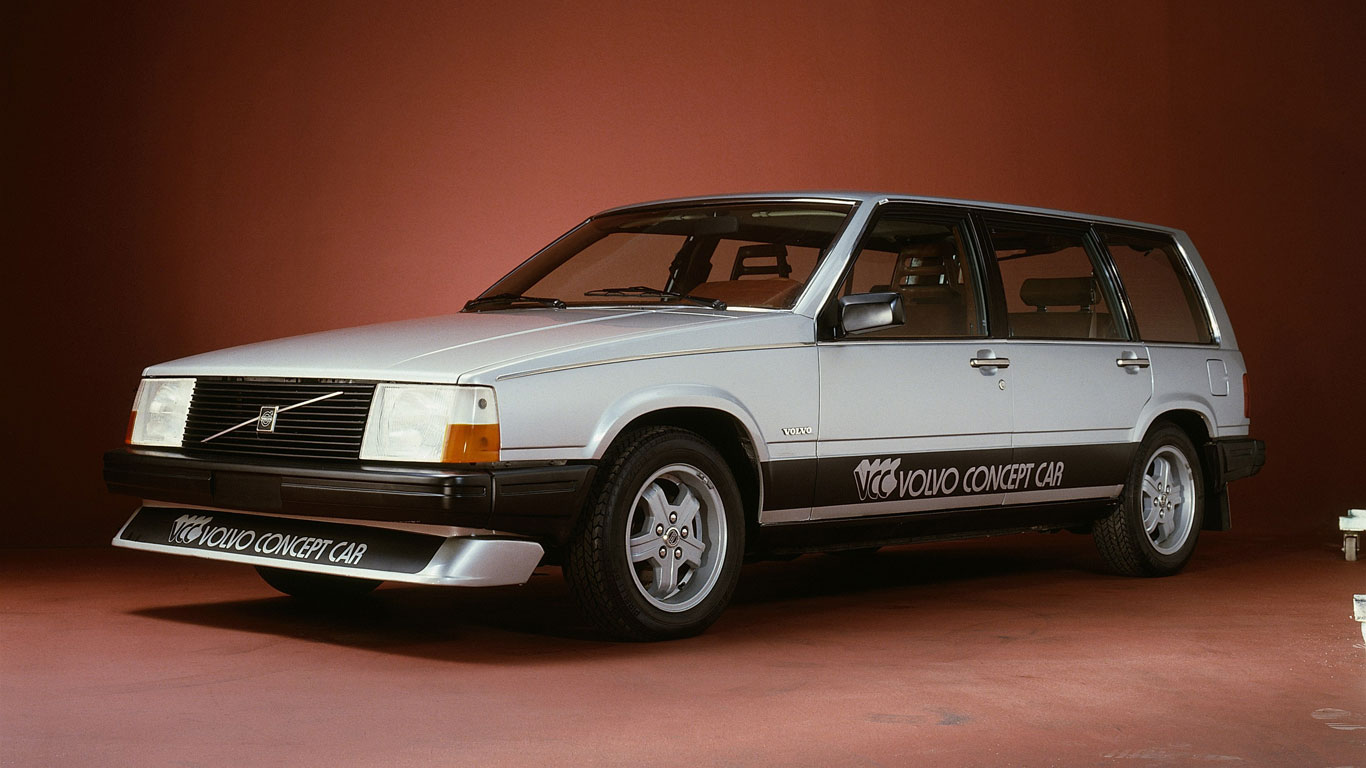
Volvo VCC – 1980
In 1980, Volvo launched its VCC experimental vehicle. The VCC – or Volvo Concept Car – was built to test concepts in the fields of energy and consumption and was equipped with monitors in place of a traditional dashboard. The VCC was a test bed for the 760, which would arrive in saloon form just two years later.
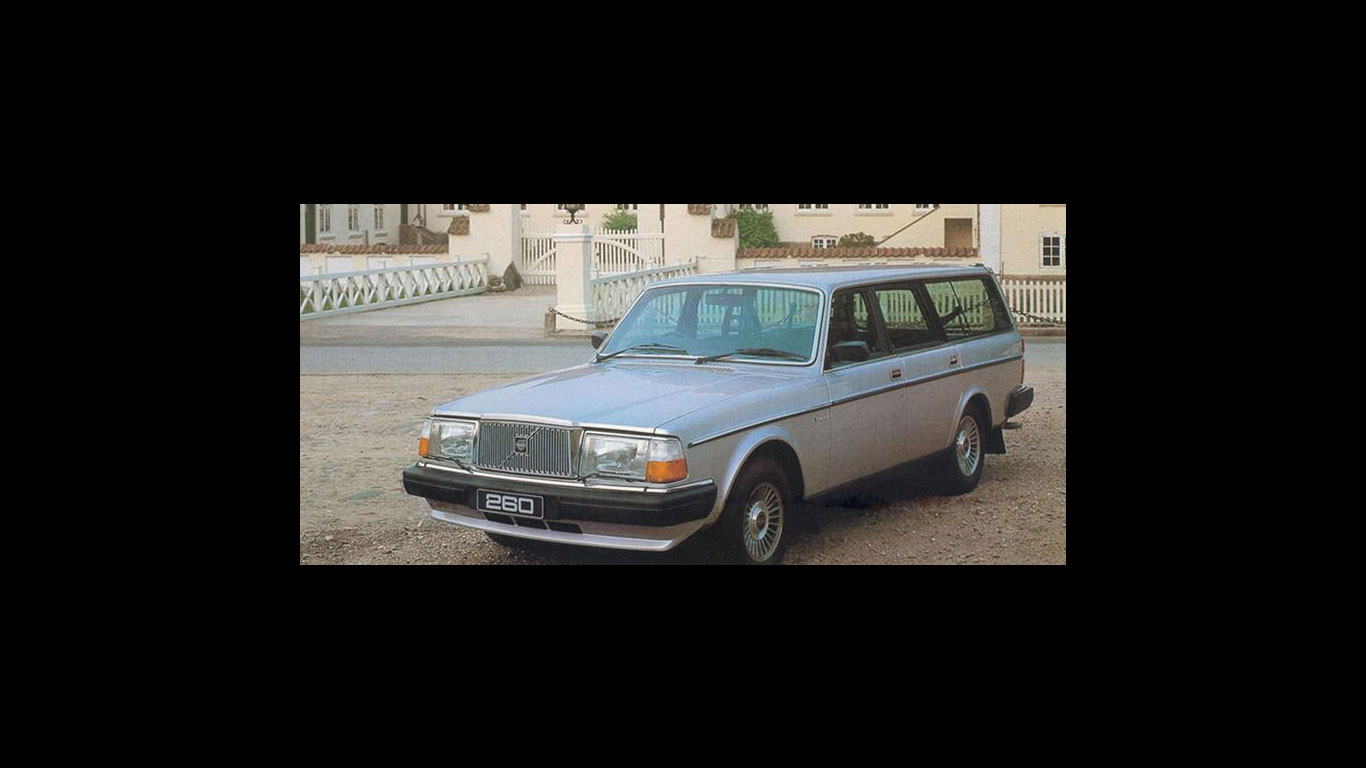
Volvo 260 – 1983
The Volvo 260 of 1983 was the result of little more than a badge-changing strategy, with the 265 becoming the 260. The Volvo 264 was replaced by the 760 GLE in 1982, but with the estate version still three years off, the five-door 260 estate remained in production until 1985.
Volvo LCP Concept – 1983
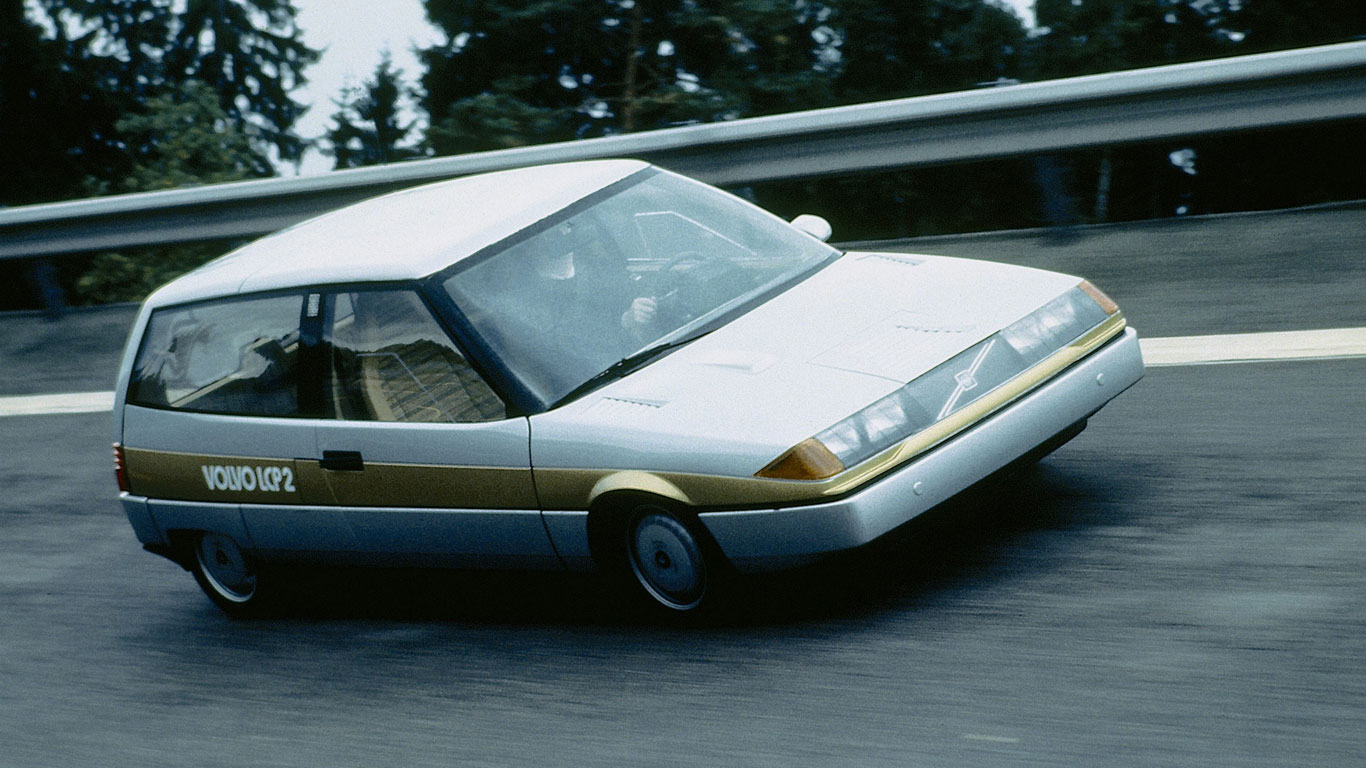
If the Volvo LCP 2000 had the whiff of fish and chips, this was no coincidence. The LCP – or Light Component Project – was Volvo’s vision of a lightweight and fuel-efficient car of the new millennium. It was fitted with a choice of engines, including a 1.4-litre unit that could run on rapeseed oil – hence the smell of Britain’s favourite takeaway.
Volvo 740/760 – 1985
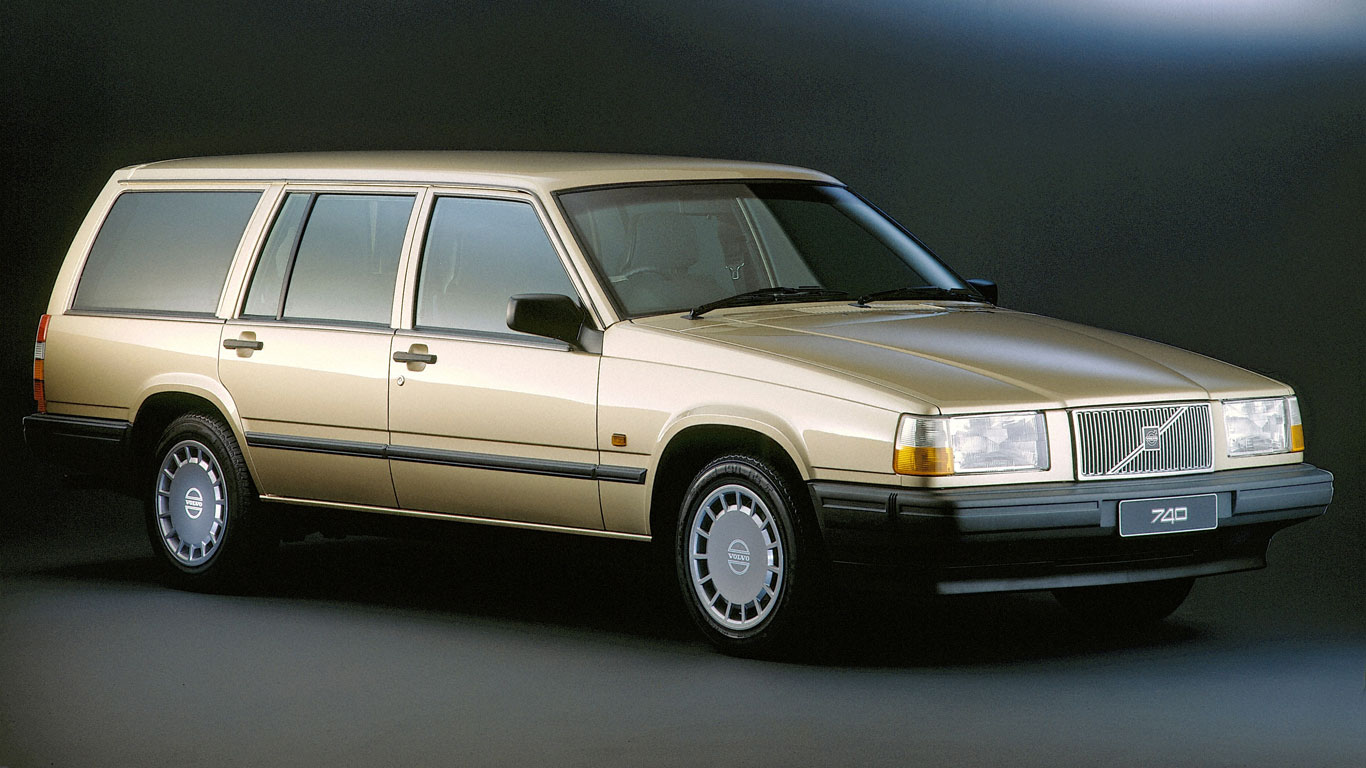
The Volvo 760 GLE was powered by a 2.8-litre ‘Douvrin’ engine it shared with Renault and Peugeot, but customers were given the option of four-cylinder turbocharged and six-cylinder diesel units. Unlike Volvos of old, the 4 and 6 in 740 and 760 no longer referred to four- or six-cylinder versions. Instead, the ‘6’ was the more luxurious of the two.
Volvo 940/960 – 1990
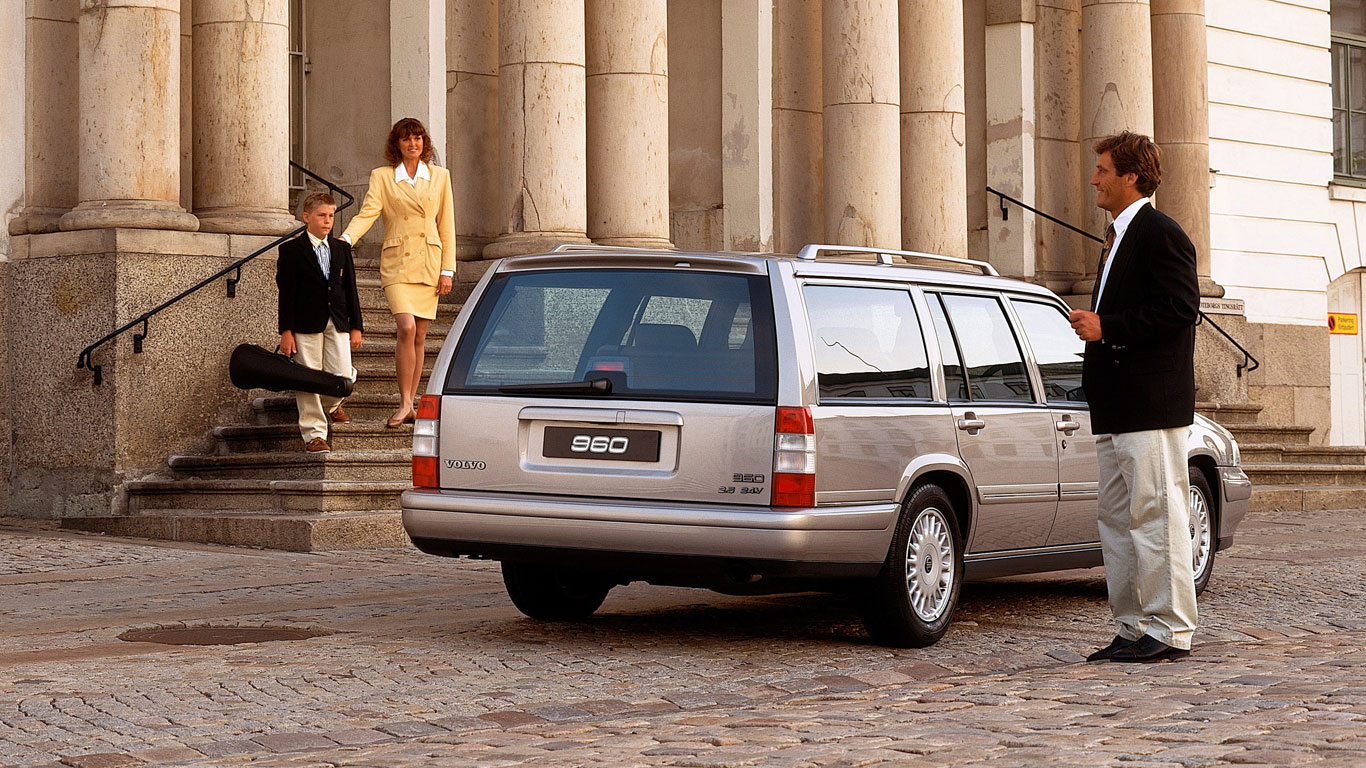
The 940 was introduced in 1990 and was – along with the S90/V90 – the last rear-wheel-drive Volvo to be built. The 960 was the more upmarket of the 900 range and was offered with a new aluminium 24-valve six-cylinder engine.
Volvo 850 – 1993
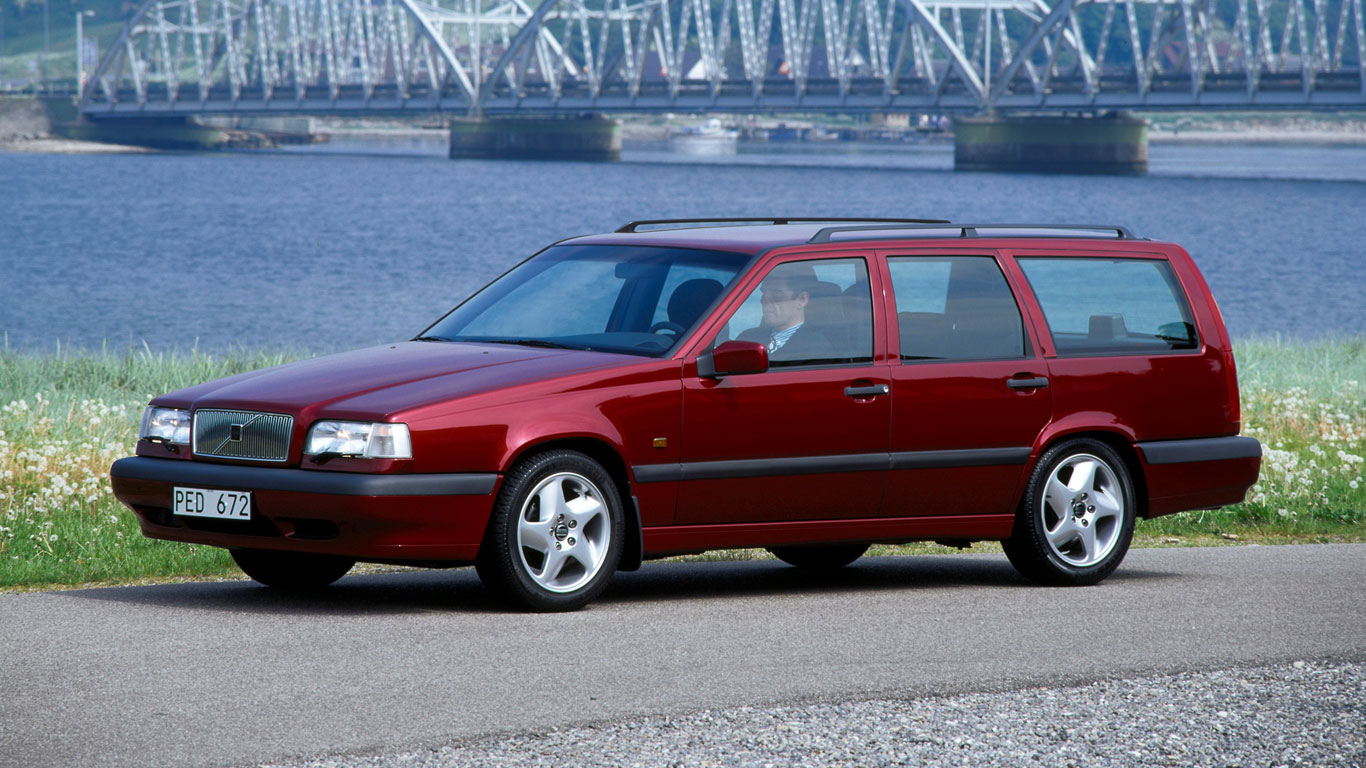
The 850 estate was unveiled in February 1993, two years after the launch of the 850 saloon. This was a significant car for Volvo, not least because it heralded the dawn of a new front-wheel-drive future for the brand. It was the first car in the world to offer a side-impact protection system (SIPS).
Volvo 850 T5-R – 1994
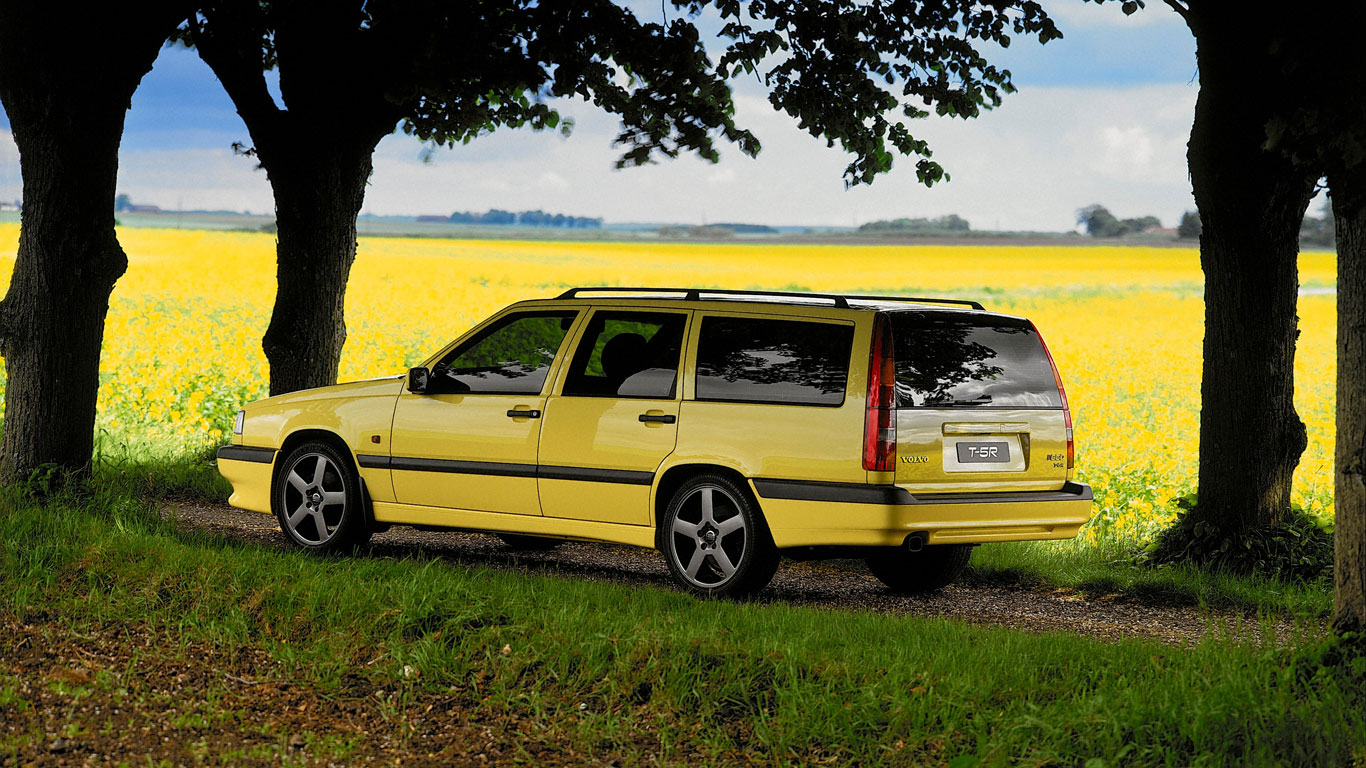
Keen to shake off its staid and dependable image, Volvo turned to Porsche for help. The Stuttgart company assisted with the engine tuning, transmission and interior of the 850 T5-R, helping it to a top speed limited to 155mph. The ultimate Q-car, assuming you didn’t tick the box marked Cream Yellow paint.
Volvo 850 BTCC – 1994
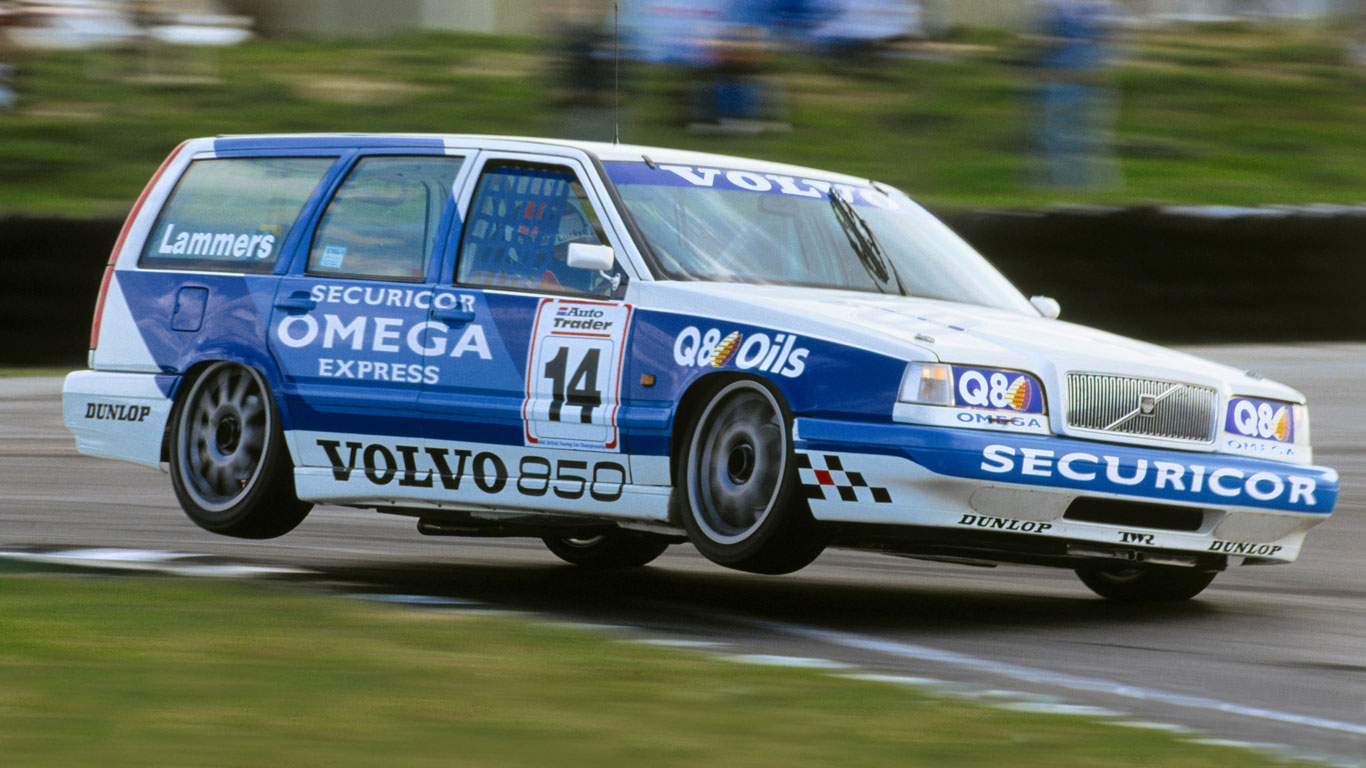
This is without doubt one of the most famous racing cars of all time. The Volvo 850 BTCC car was the first factory-entered racing estate car and it made its debut at Thruxton in April 1994.
Volvo V40 – 1995
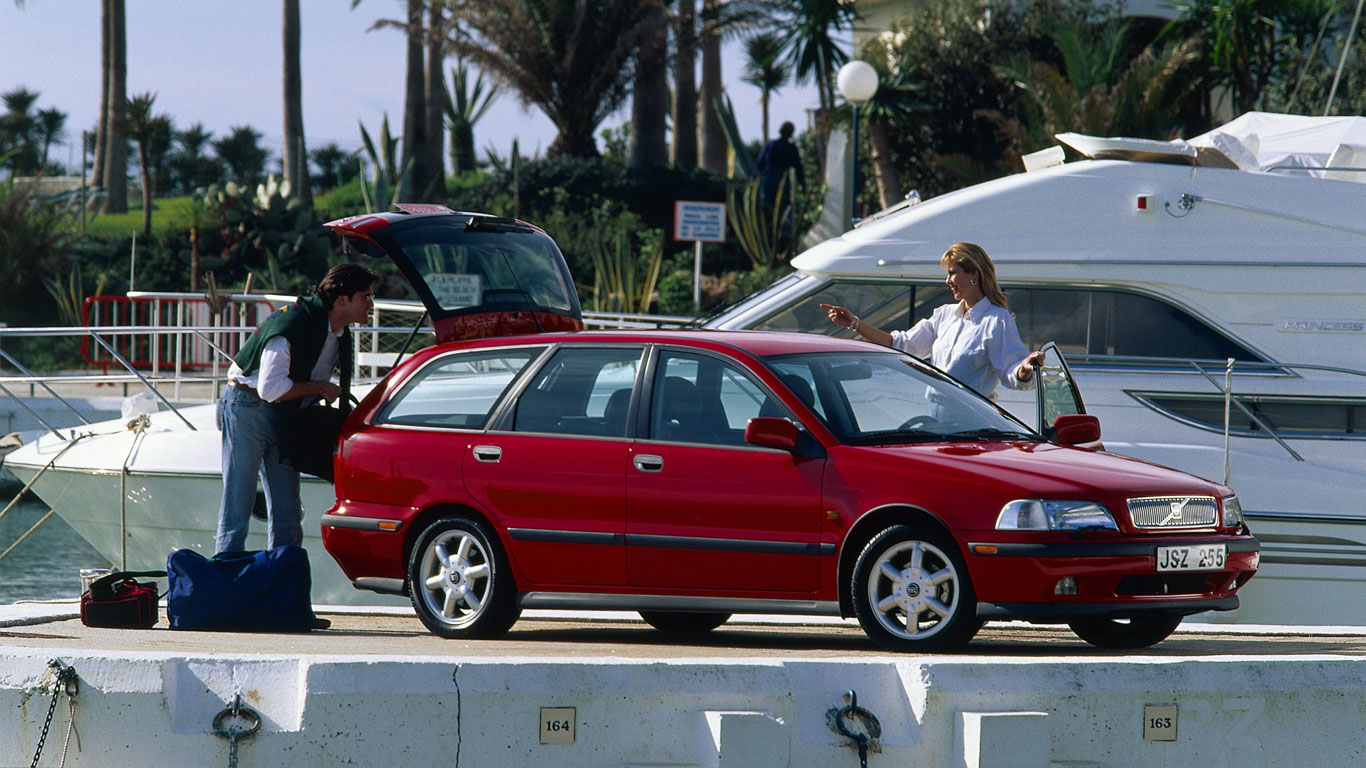
The V40 – mechanically identical to the S40 – arrived in 1995. Not to be confused with the current Volvo V40, this was a compact estate car built at the Nedcar factory in the Netherlands. The S40/V40 was actually based on the same platform as the Mitsubishi Carisma, meaning it is also related to the Proton Impian.
Volvo 850R –1996
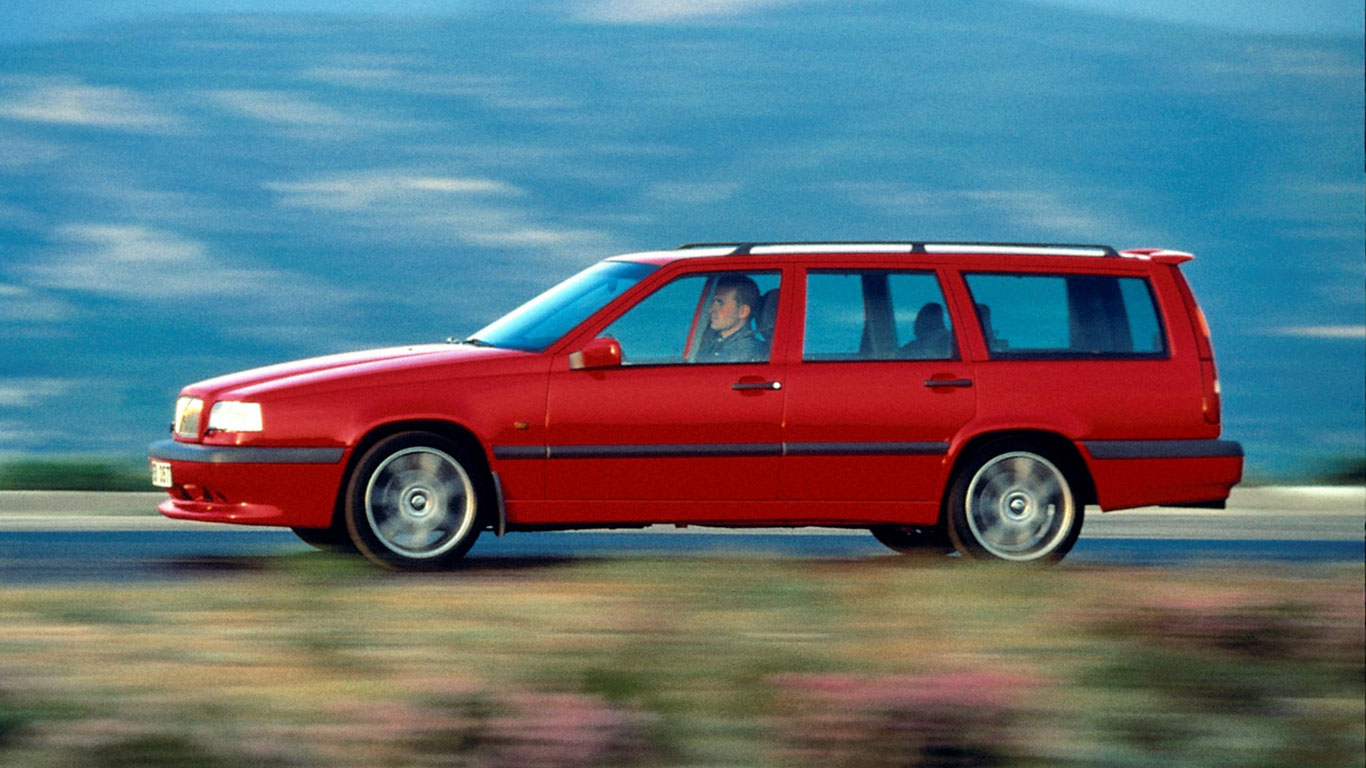
When it was launched in 1996, the 246hp 850R was the fastest and most powerful Volvo ever produced. Unlike the 850 T5-R, the 850R was not a limited-edition model and it is thought that between 5,000 and 7,000 were actually built. A future classic in the making.
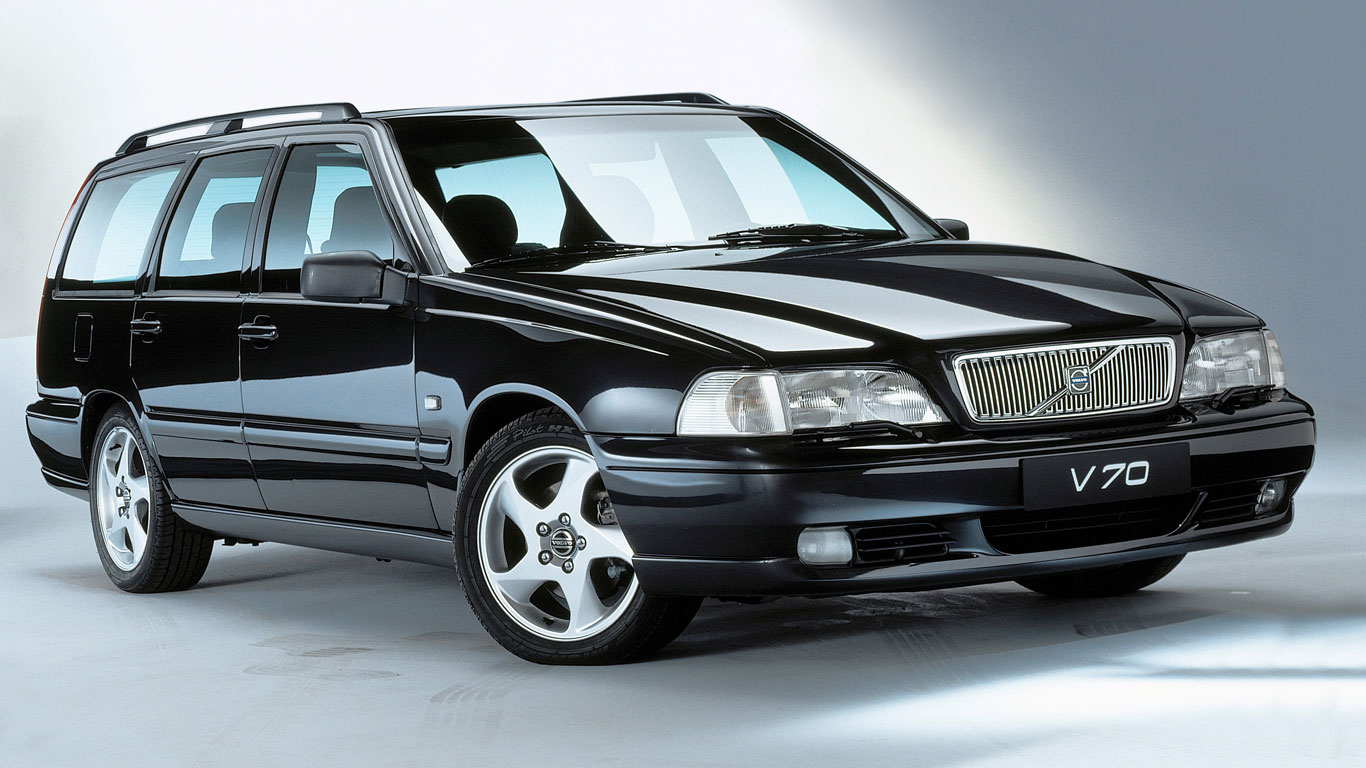
Volvo V70 – 1996
In 1996, the Volvo 850 seamlessly morphed into the V70, retaining its now familiar near-vertical tailgate. It may have been based on the 850, but the V70 spawned a few rather special editions…
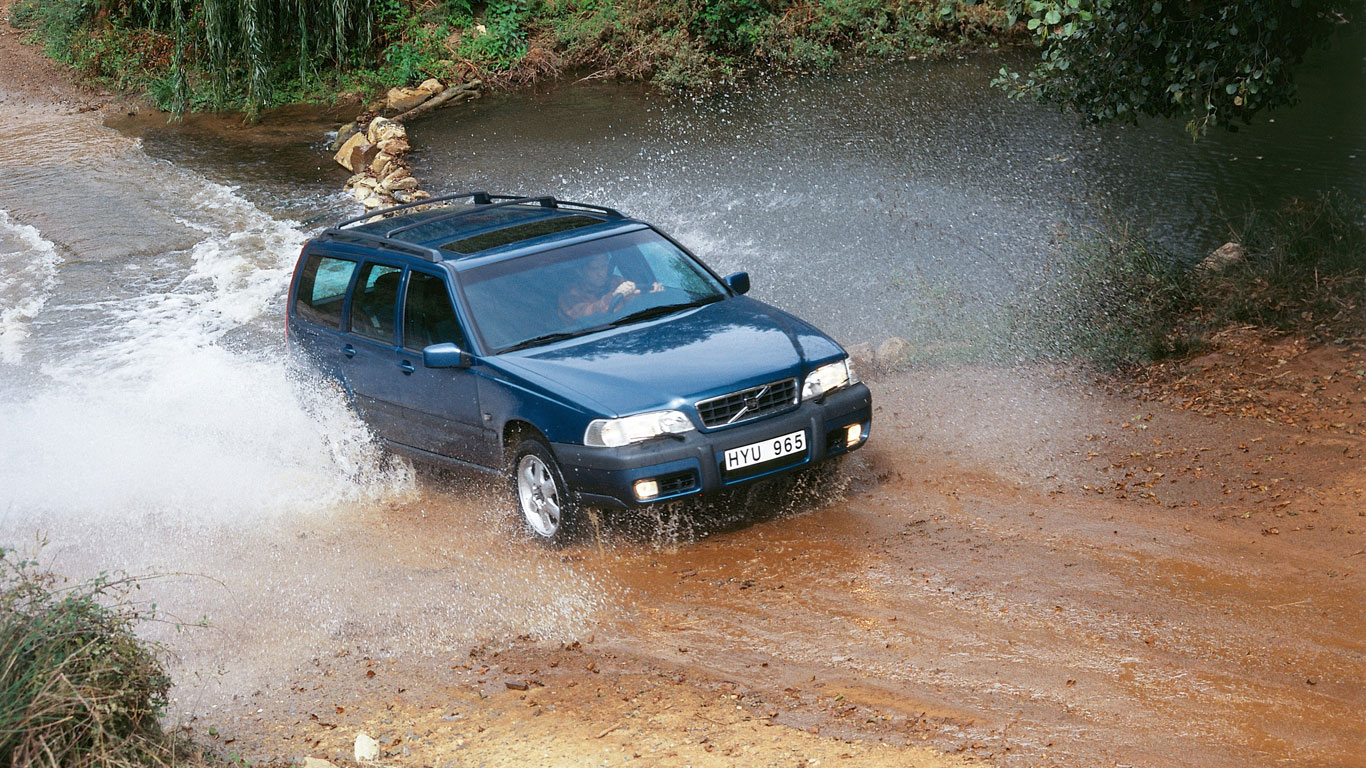
Volvo V70 XC – 1997
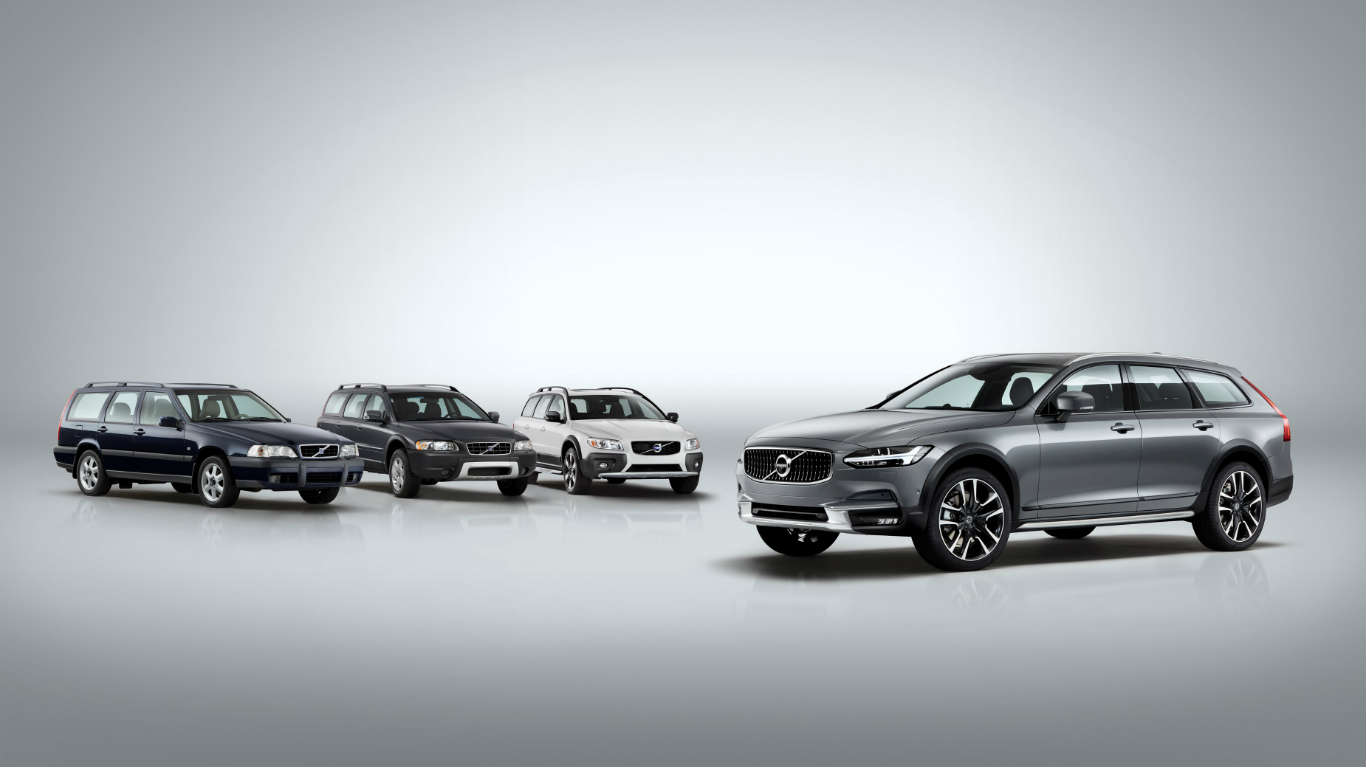
In 1997, Volvo introduced the X70 XC, which would later become the XC70. Alongside Audi and its Allroad model, Volvo pioneered the premium 4×4 estate car segment, combining the on-road dynamics of an estate with the off-road capabilities of an SUV.
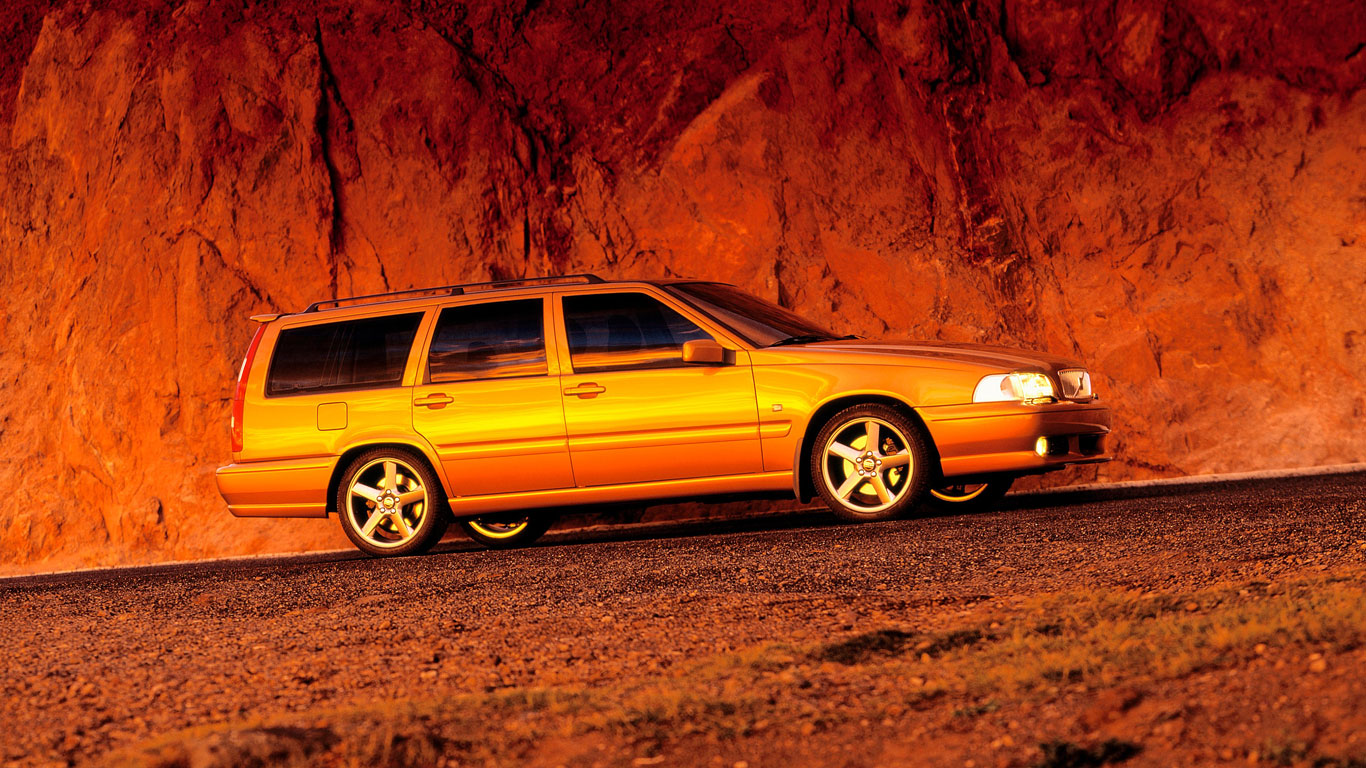
Volvo V70R – 1997
The V70 XC was developed off the back of the all-wheel-drive Volvo V70R. Up to 300hp was available, depending on the model year, with AWD tech successfully managing to harness the potential of that glorious five-cylinder engine. The 90s was a golden decade for fast Volvo wagons.
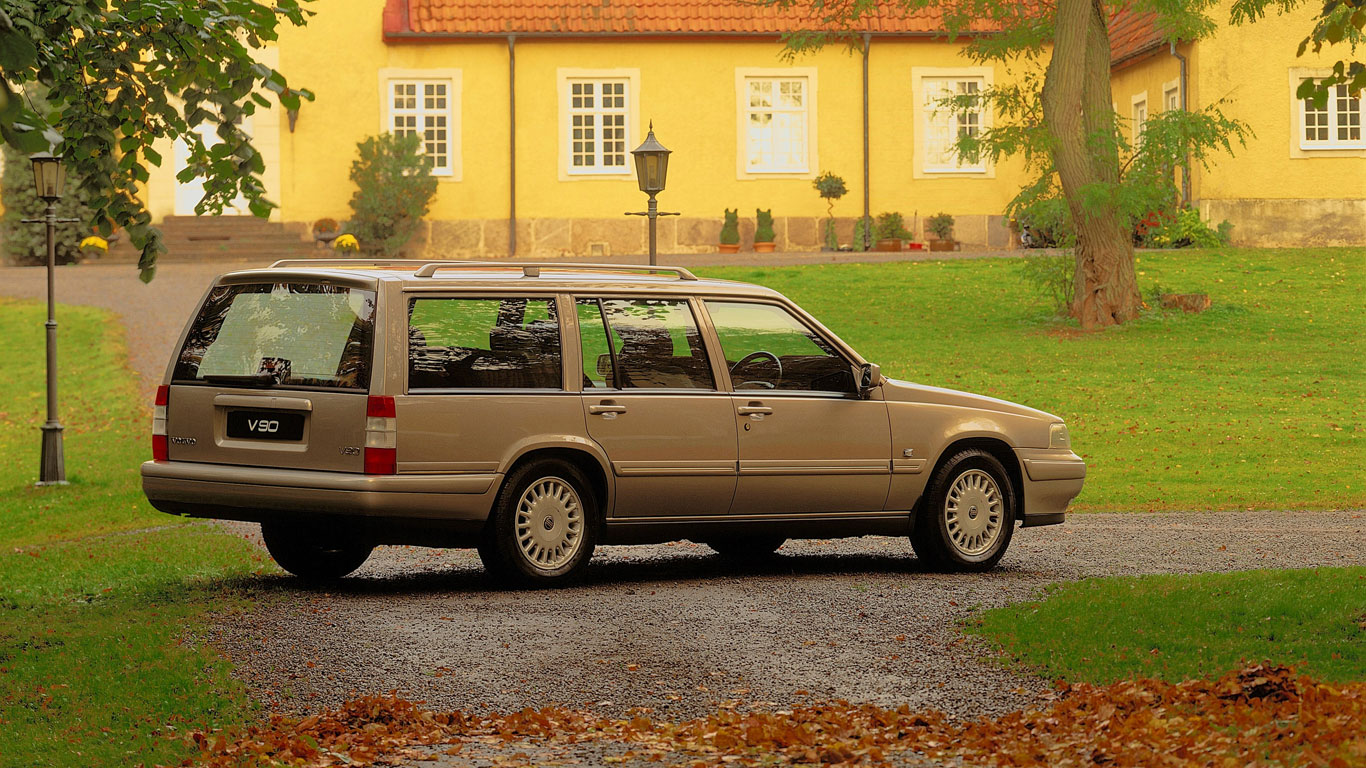
Volvo V90 – 1997
Although it featured some new interior and exterior colours, the original V90 of 1997 was little more than a badge-engineering exercise, designed to bring the 960 in line with the new model-name strategy. Just over 9,000 of these six-cylinder estate cars were built between 1997 and 1998.
Volvo PCC2 – 2001
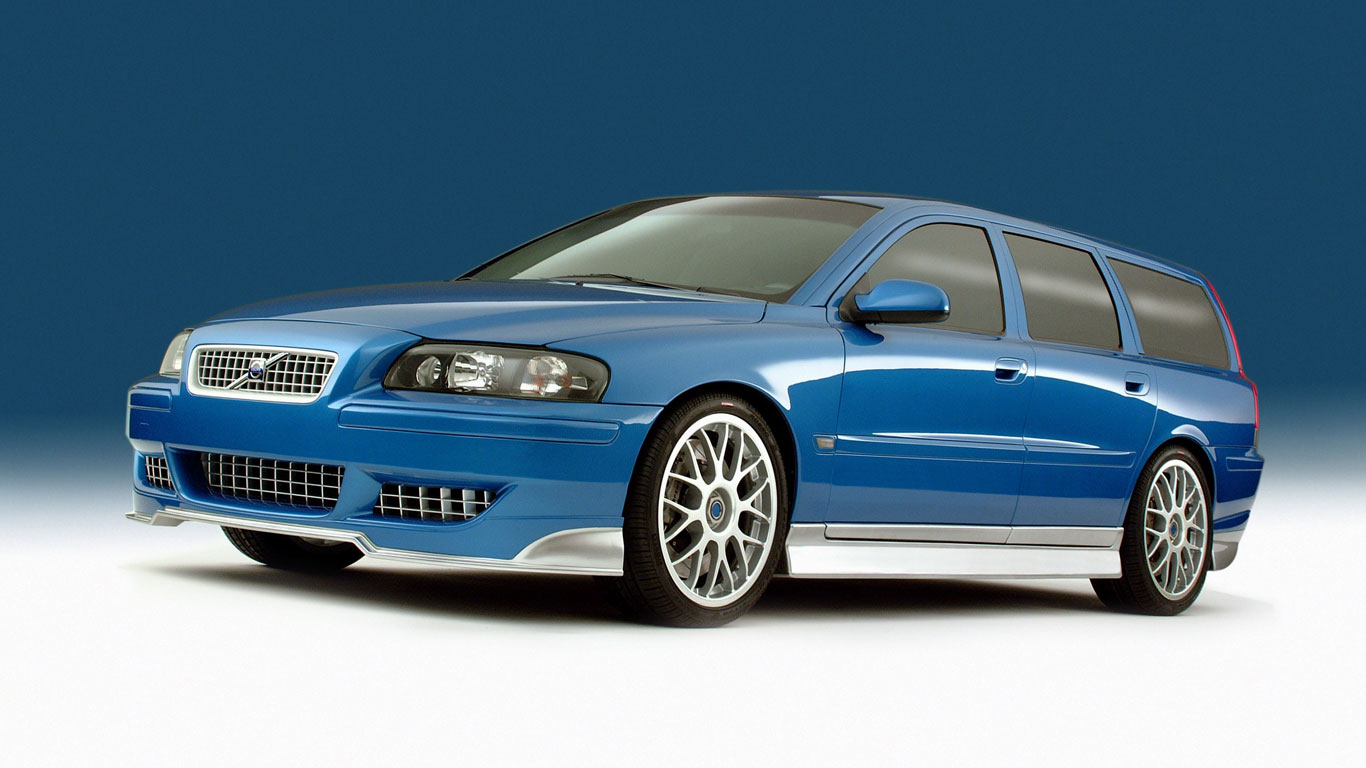
Could this be the best looking Volvo estate car never built? The PCC2 – or Performance Concept Car 2 – was introduced at the 2001 Frankfurt Motor Show and featured a 300hp five-cylinder engine and a trick suspension system. The V70-based concept was finished in Laser Blue.
Volvo ACC 2 – 2002
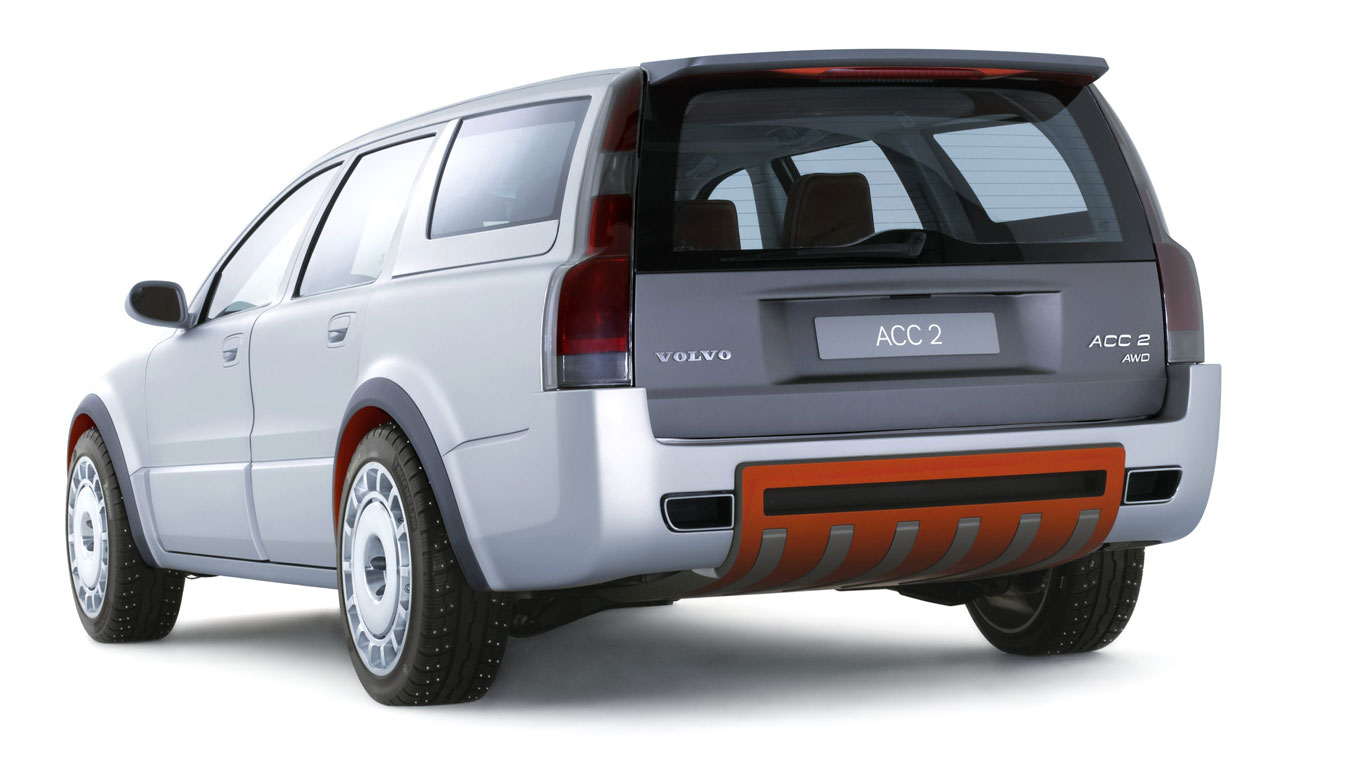
Another year, another concept car. According to Volvo, the Adventure Concept Car 2 (ACC 2) provided a “glimpse into the future of extreme winter transportation” and featured studded tyres and GPS-controlled headlights, which would automatically adjust for left- or right-hand-drive traffic conditions. The interior was said to be inspired by the Swedish Ice Hotel and the Swiss Army Knife.
Volvo V50 – 2003
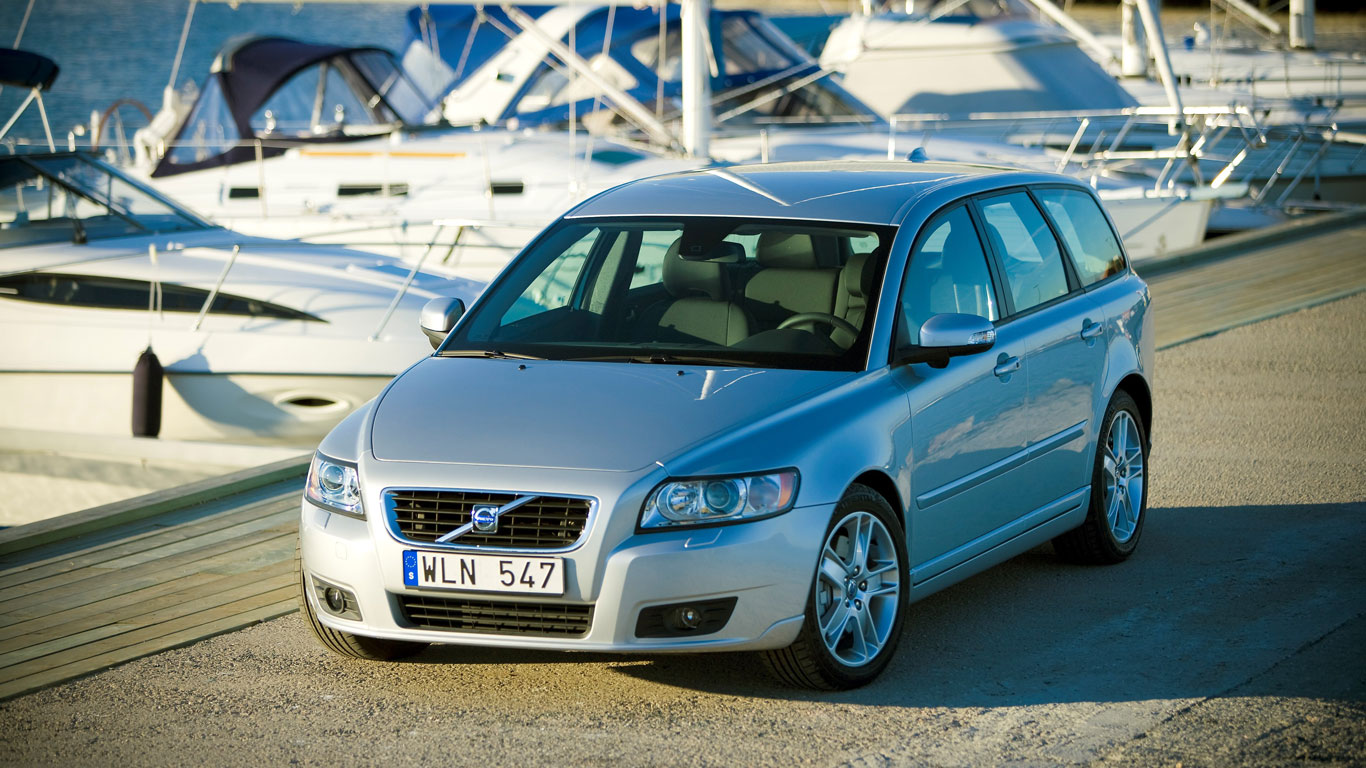
The V50 was the replacement for the V40 and it shared its platform with the Ford Focus and the Mazda 3. Highlights included the availability of all-wheel drive and a five-cylinder 2.5-litre engine. It also featured Volvo’s signature ‘floating console’ centre stack.
Volvo V50 SV Concept – 2004
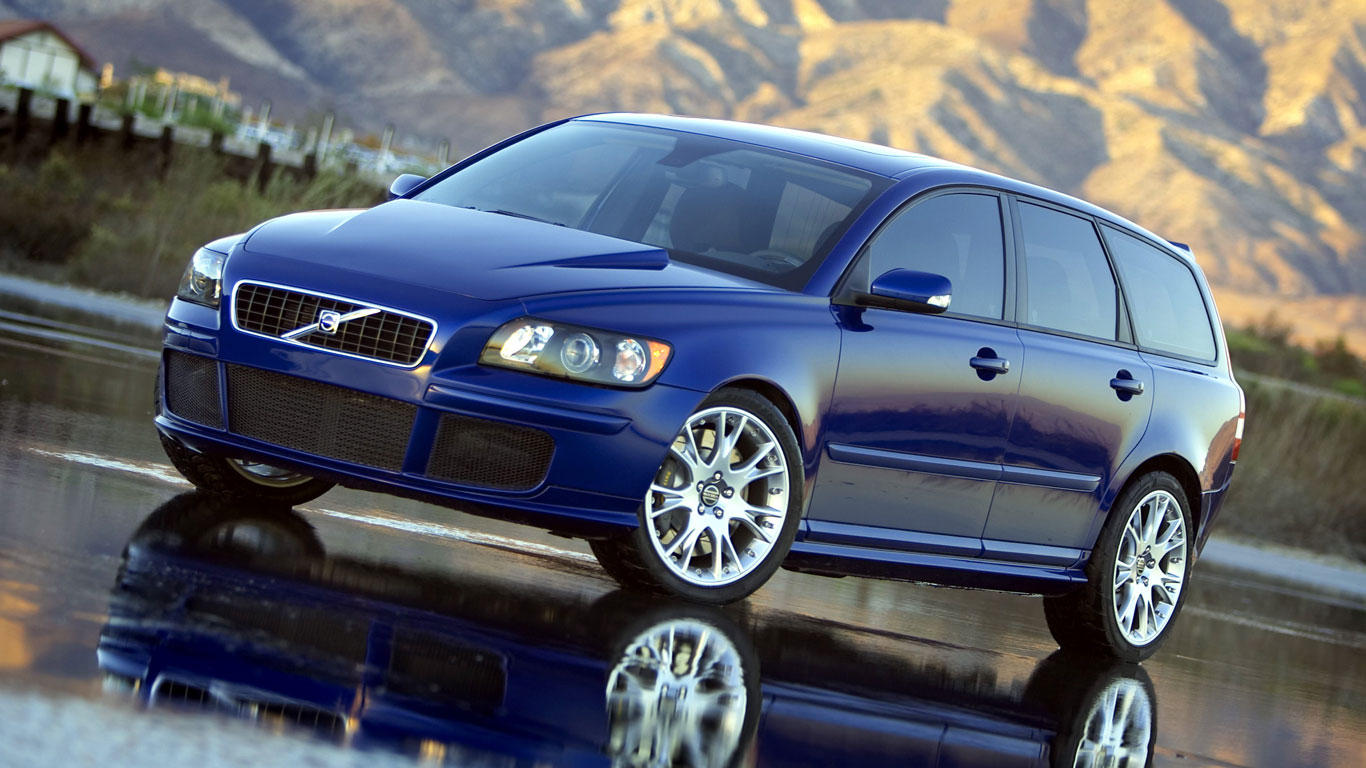
This was the first Volvo to be built by the firm’s Special Vehicle department in Gothenburg and it made its debut at the 2004 SEMA trade show in Las Vegas. It was designed to appeal to a younger audience, with its 2.5-litre engine developing an eye-watering 340hp. Other tweaks included a 12mm lower ride height, AP Racing brakes and race-bred Pirelli tyres.
Volvo XC70 AT Concept – 2005
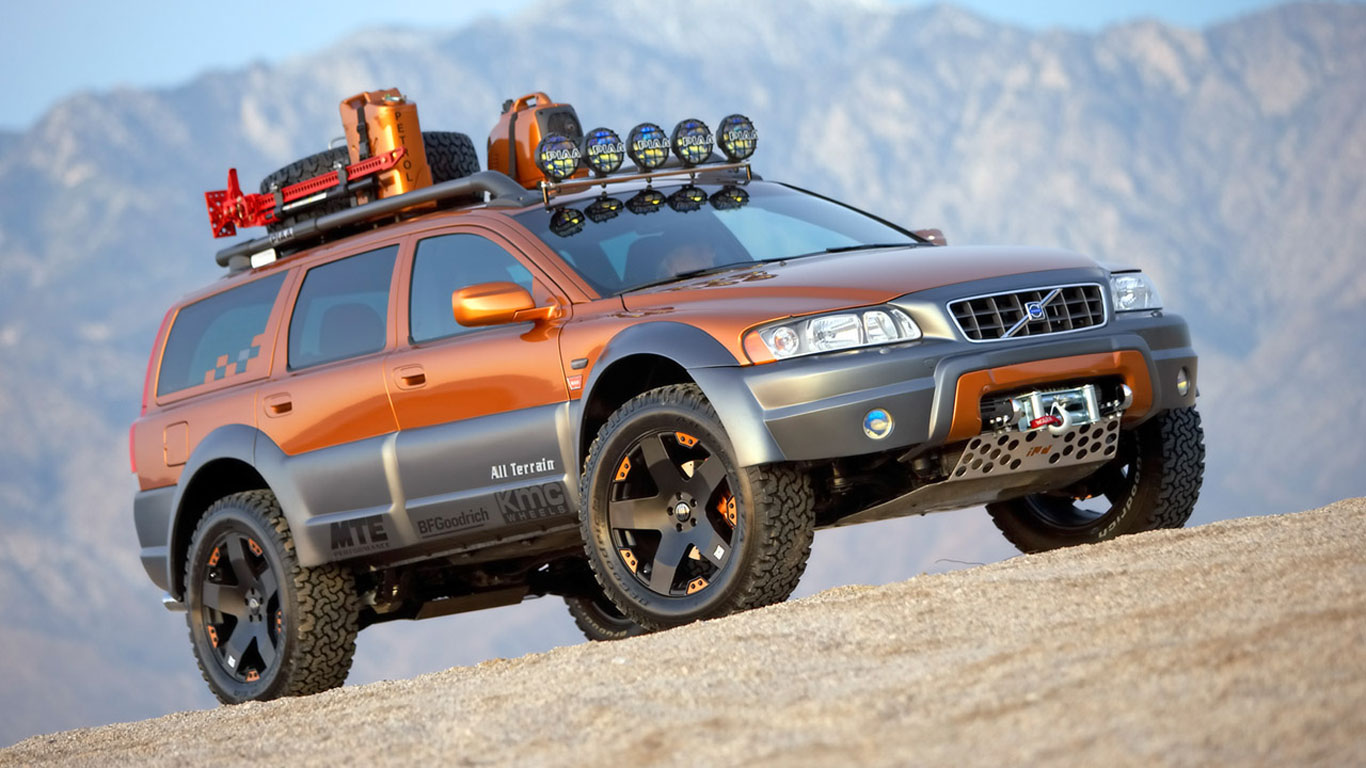
A year later, Volvo unveiled the XC70 AT Concept. It featured a 408hp 2.5-litre engine, a six-speed automatic transmission and – as is probably obvious from the photo – all-wheel drive. The air suspension could see the ride height increased by as much as eight inches compared with the standard XC70.
Volvo XC70 Surf Rescue Concept – 2007
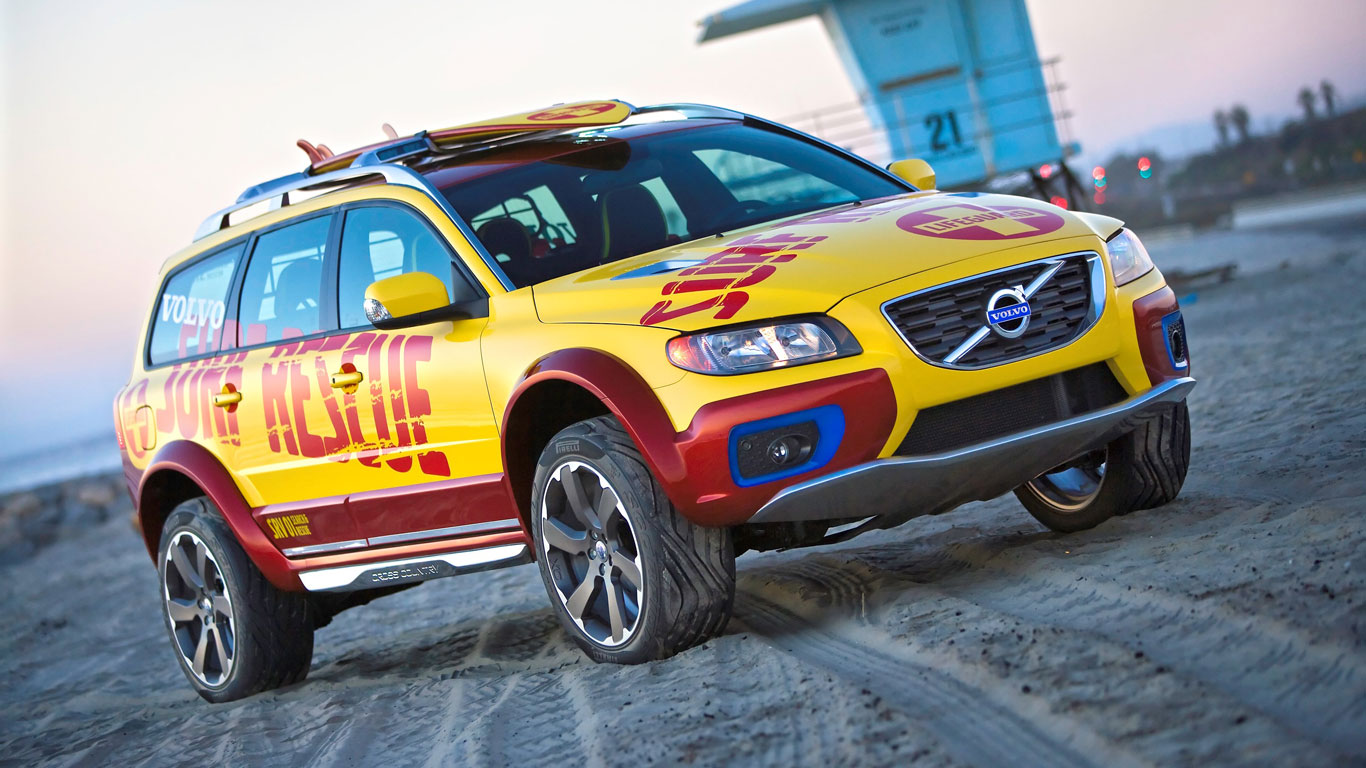
Inspired by the surf vehicles of the Californian coast, the XC70 Surf Rescue Concept was another SEMA show special. With its 20-inch wheels and 3.2-litre six-cylinder engine, this thing was perfect for would-be Pamela Andersons across the world. A neat idea, but if Volvo ruled the world, we doubt anyone would ever find themselves in danger on the beach.
Volvo V60 – 2011
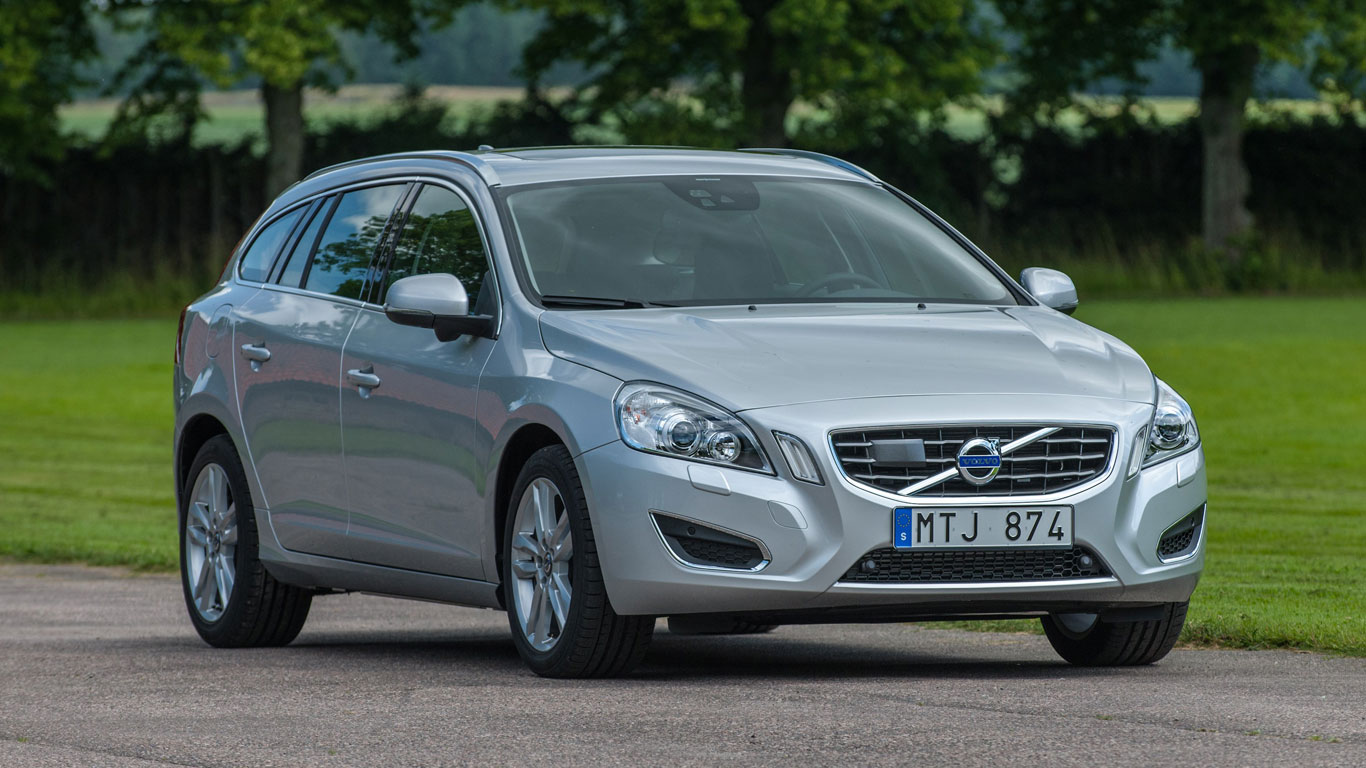
In many ways, the V60 flied in the face of Volvo’s estate car heritage, majoring on style and performance, as opposed to outright practicality. That said, with the V70, XC60 and XC90 in the range, you’d forgive Volvo for introducing what was essentially an alternative to a large hatchback.
Volvo V60 Plug-in Hybrid – 2013
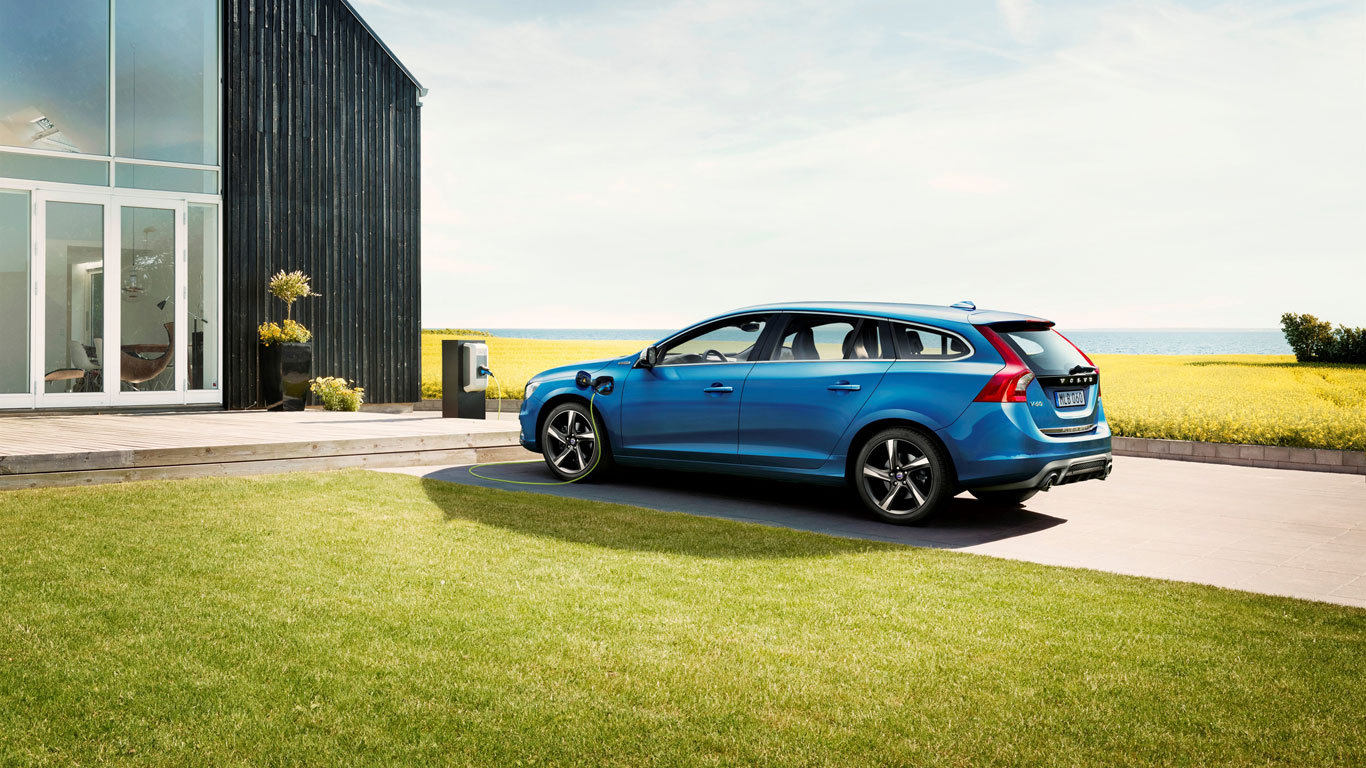
This was the world’s first diesel plug-in hybrid, combining 48g/km of CO2 with a claimed 155.2mpg. The combination of a 215hp five-cylinder diesel engine and a 70hp electric motor earned it the right to wear a D6 badge.
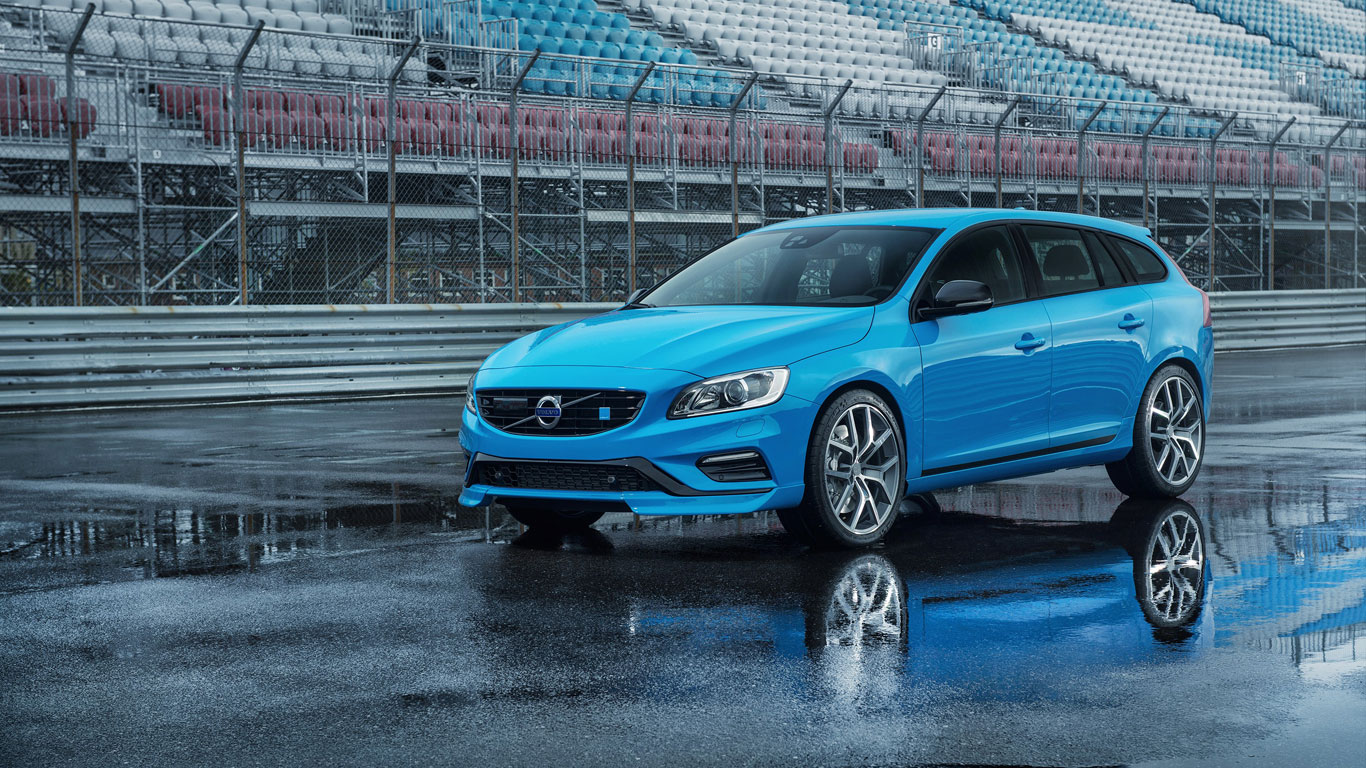
Volvo V60 Polestar – 2014
This was Volvo at its bonkers best. The V60 Polestar felt like an old-school performance wagon, lost in a new era for Volvo. But don’t let that put you off, because the combination of a 3.0-litre straight six engine and all-wheel drive made it one of the best all-weather wagons on the market.
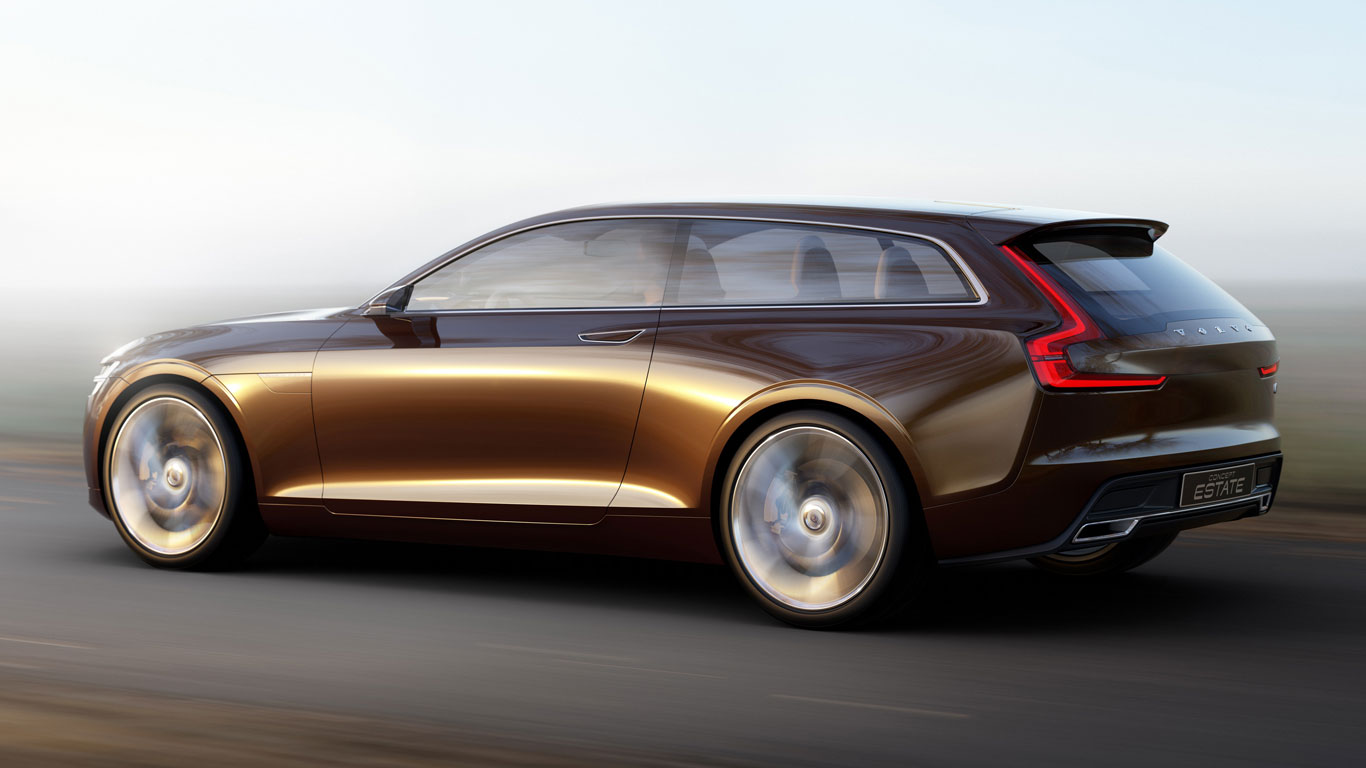
Volvo Concept Estate – 2014
Before it launched the all-new XC90, Volvo teased us with three glorious concepts. In our humble opinion, the Concept Estate was the best of the trio. A shooting brake finished in brown and blessed with a delightful interior – what’s not to like? Aside from the fact it was only a concept.
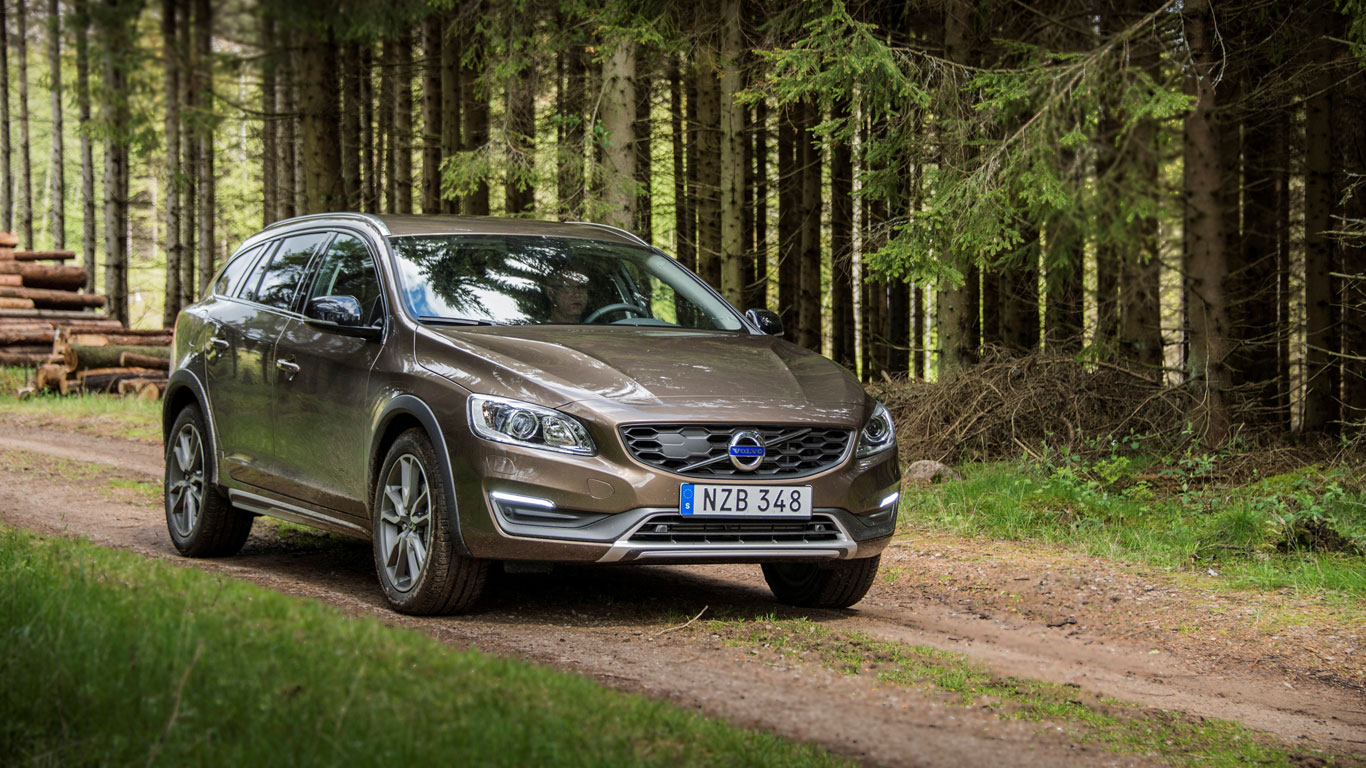
Volvo V60 Cross Country – 2015
We didn’t see this one coming. In 2015, Volvo launched the V60 Cross Country – a soft-road version of the larger XC70. It was available in both front- and four-wheel-drive guises, but either way it offered a ride height increased by 65mm.
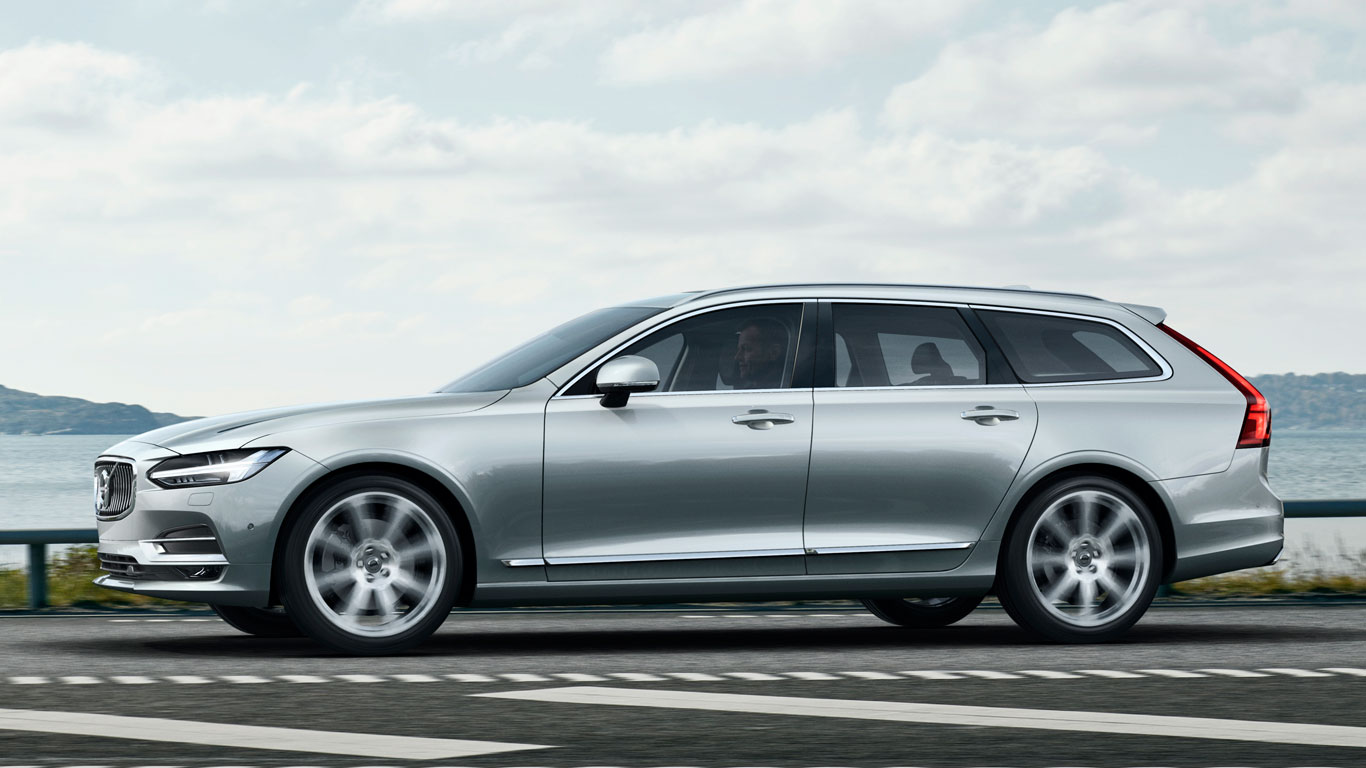
Volvo V90 – 2016
Volvo might be doing a fine job of making some of the world’s best SUVs, but it’s reassuring to know that it hasn’t given up on the estate car. “In many people’s minds we are known as the definitive estate brand. While the Volvo brand today stands for more than estates, we are proud to carry forward this rich heritage with the V90,” said Hakan Samuelsson, Volvo’s president and chief executive.
Volvo V90 Cross Country – 2016
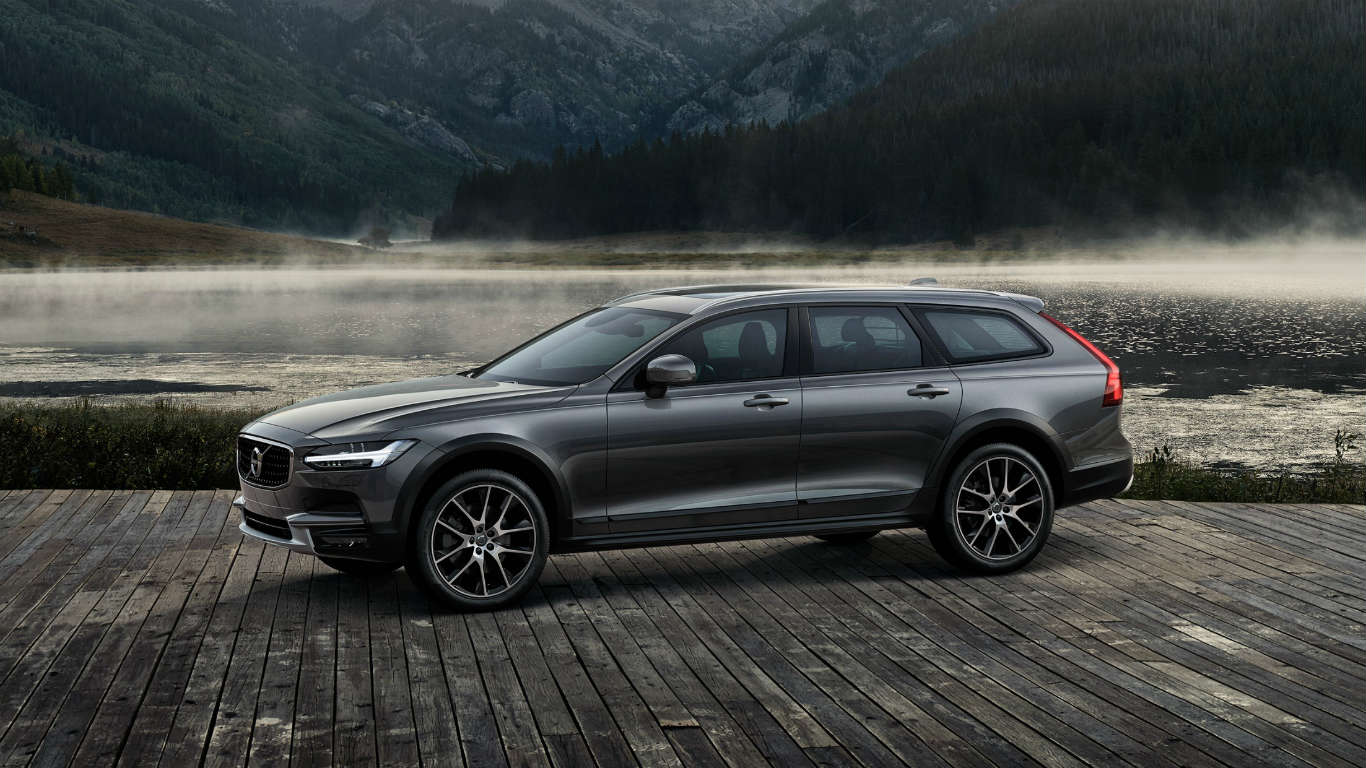
Twenty years after the launch of Volvo’s first off-road estate, the Swedish company unveiled the new V90 Cross Country. It was developed to cope with the extreme Scandinavian climate, so it should be more than up to the task of dealing with some light drizzle and a stiff breeze. It also looks more appealing than a crossover. Discuss…
Volvo V60 – 2018
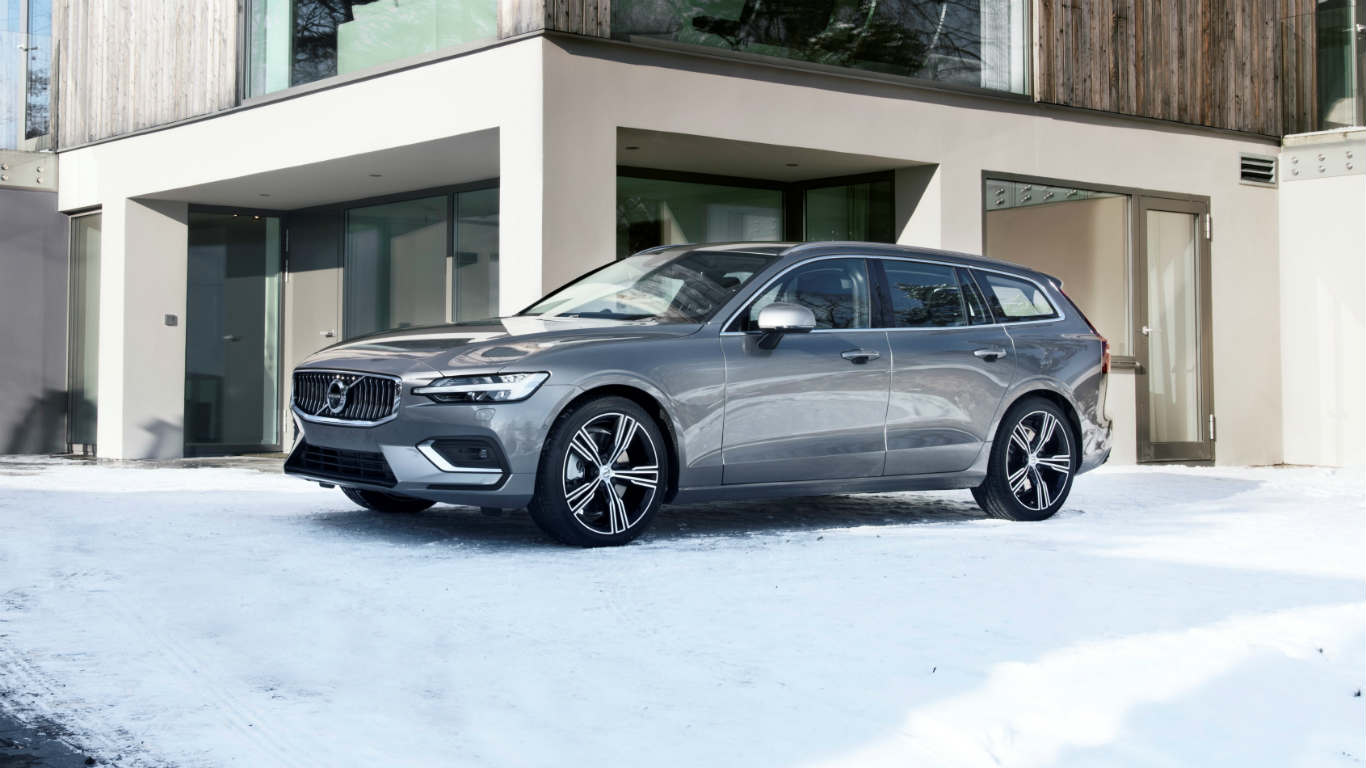
Volvo won’t stop until it has built the most attractive cars within each segment. The V60, which goes into battle against the BMW 3 Series, Mercedes-Benz C-Class and Audi A4, combines all that is great about the V90, but in a smaller, well-proportioned package. In true Volvo tradition, it features a huge boot, offering 539 litres of luggage space with the rear seats in their upright position.
Volvo V60 Cross Country – 2018
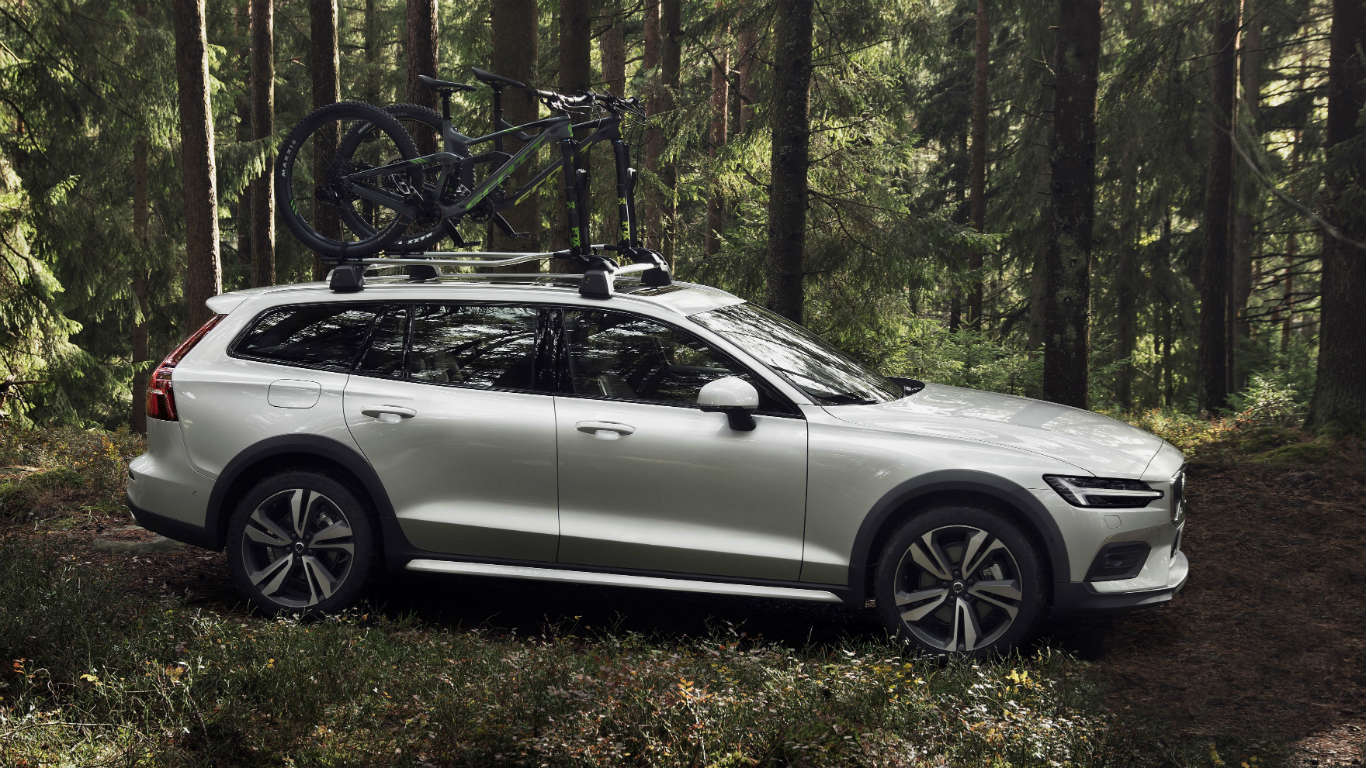
The V60 Cross Country sits 75mm higher than the standard wagon and features all-wheel-drive, hill descent control, corner traction control and an off-road driving mode as standard. According to Volvo, it takes the V60 from the suburb to the skogen (Swedish for forest).
Read more:
The new Volvo V60 could be yours for just £299 a month
 The London to Brighton run is back this Sunday (4 November), with veteran cars arriving at London’s Hyde Park before sunrise ready to set off. But how do vehicles gain entry to the longest-running motoring event in the world?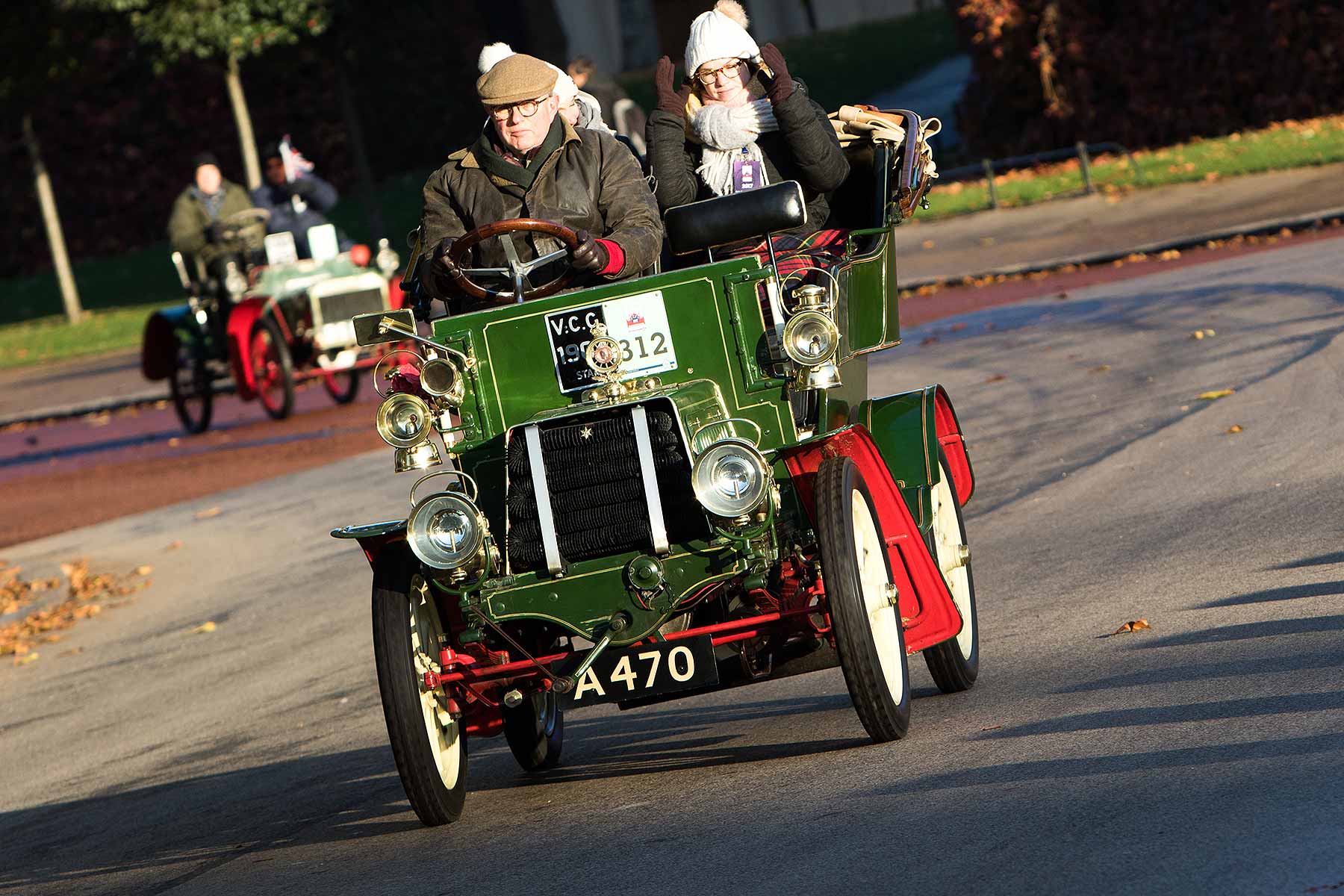


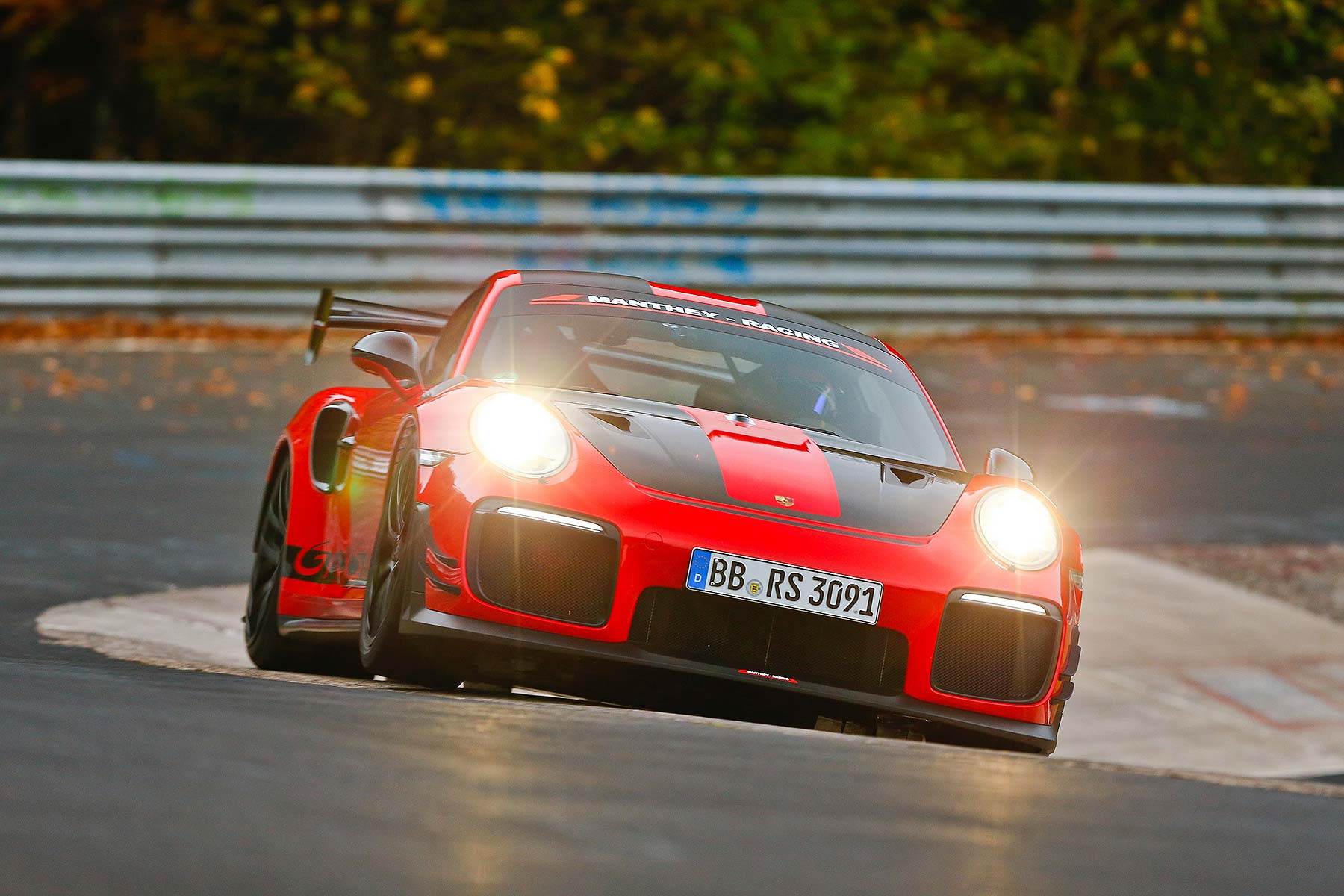 Porsche has reclaimed the title of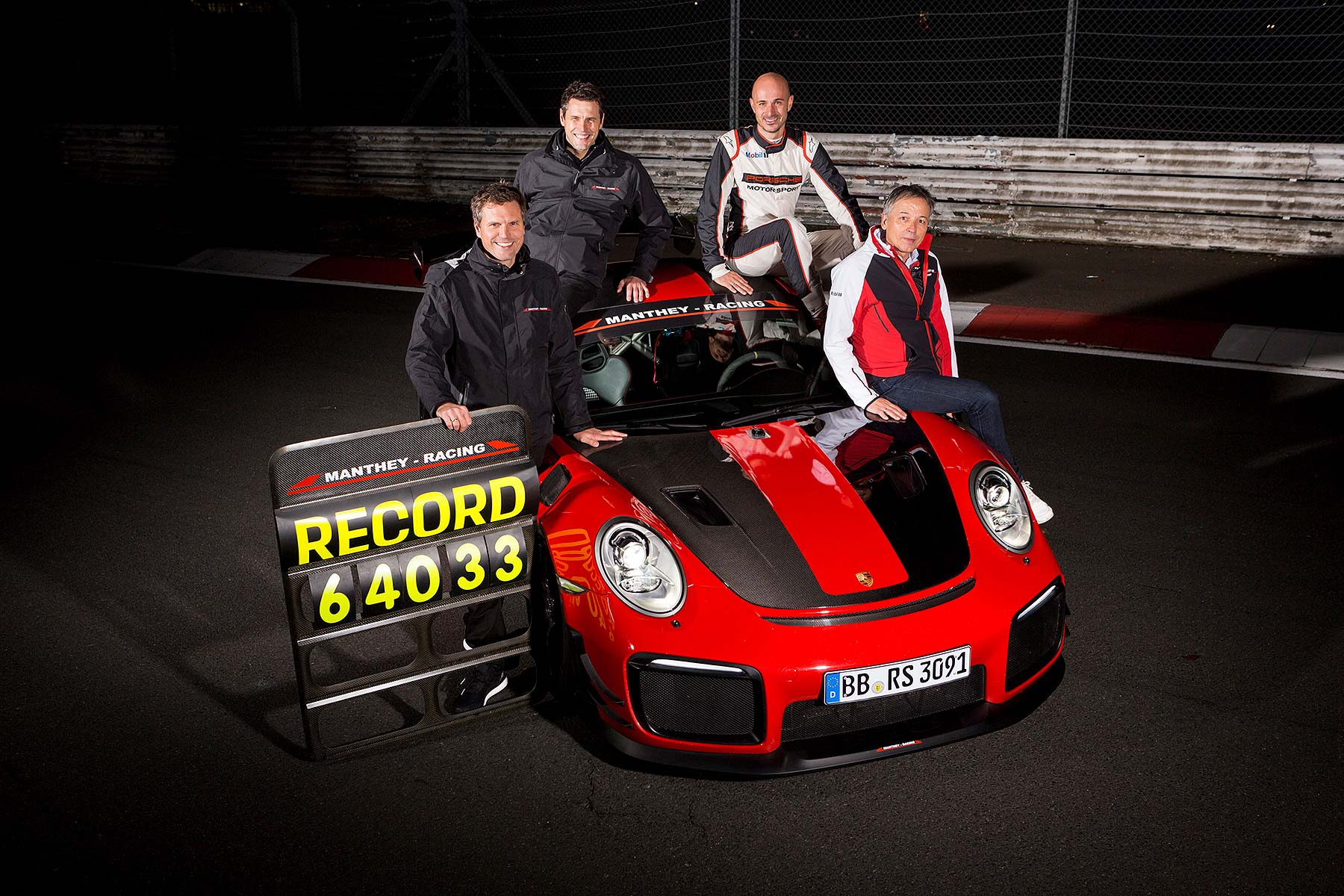

 BMW has dabbled with the idea of building an 8 Series Convertible before. In the early 1990s, it even built prototypes, one of which (pictured below) is now housed in its secret collection of what if’s. Now, after reviving the 8 Series Coupe, it’s going one better, and launching a BMW 8 Series Convertible at last.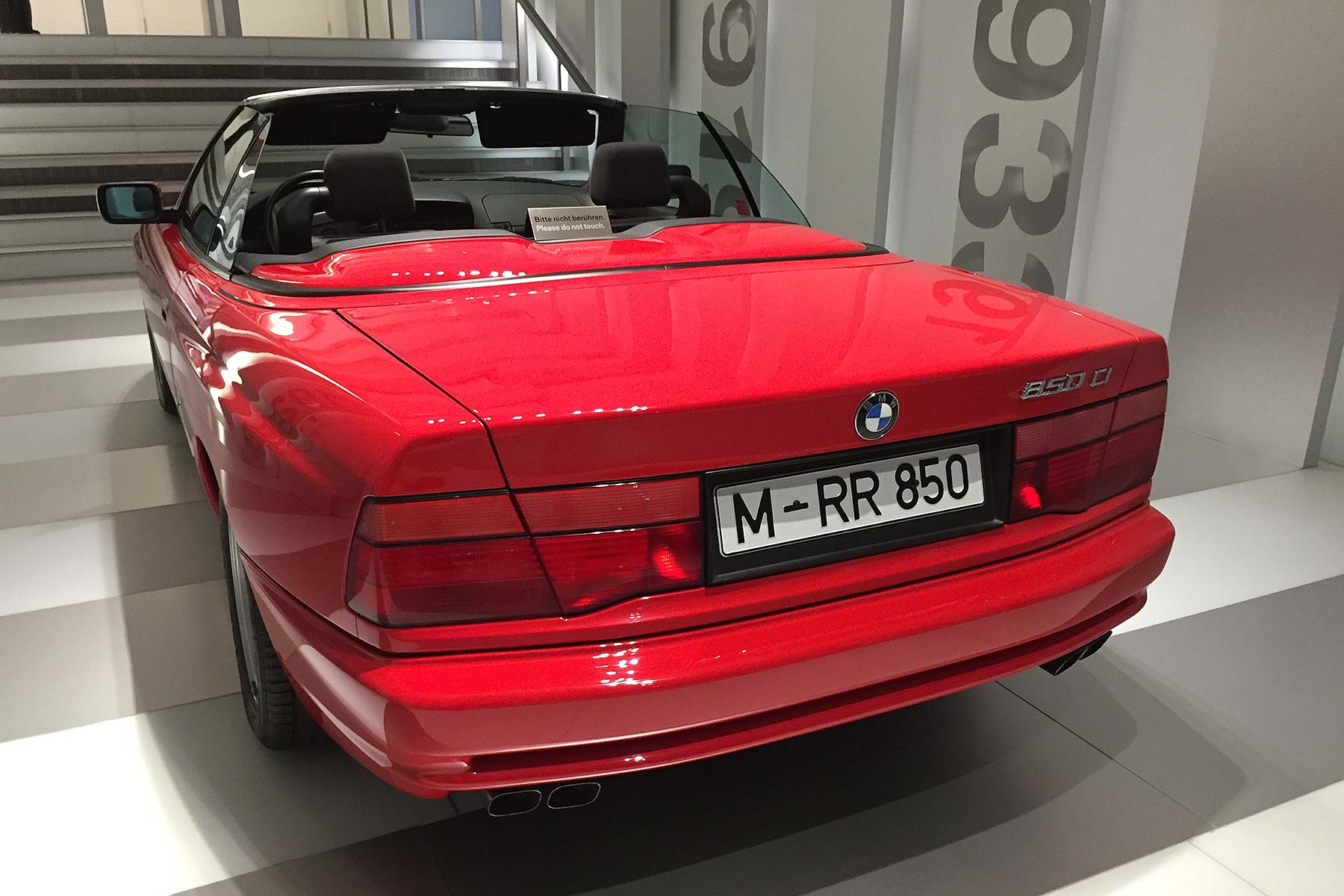


 November 2 is the 35th birthday of the minivan. On that day back in 1983, the first example rolled off the line in Windsor, Ontario. The lauded vehicle was championed through design and development by then-CEO Lee Iacocca (above), the “Man Who Saved Chrysler”.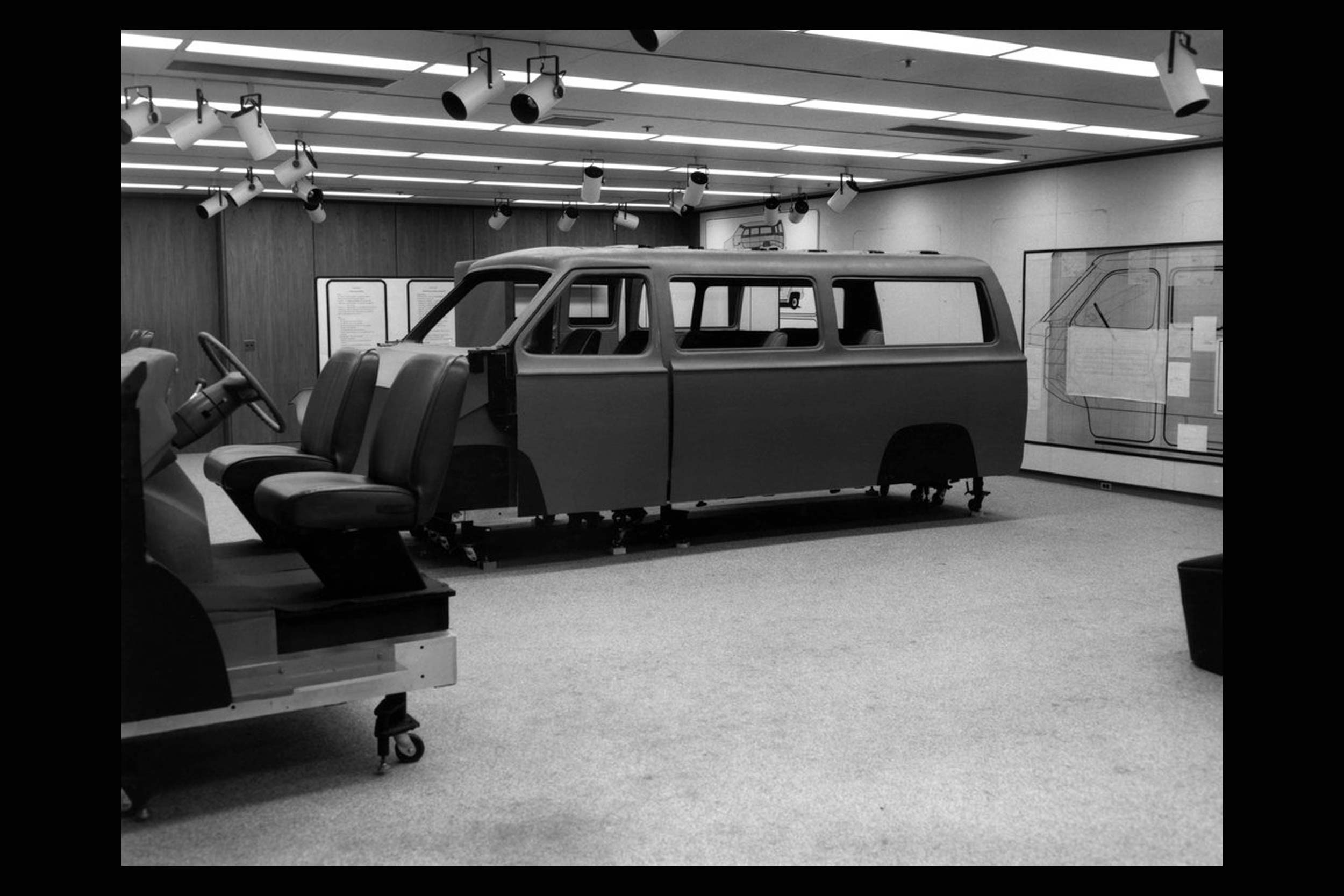

 Mini is trialling test drives by Twitter in North America. It hopes the new scheme will attract interest from younger people who may find more traditional methods unappealing.