Home Blog Page 433

The Car Years: Vicki Butler-Henderson and Alex Riley on new TV show

0

The Car Years NEC Classic Motor Show

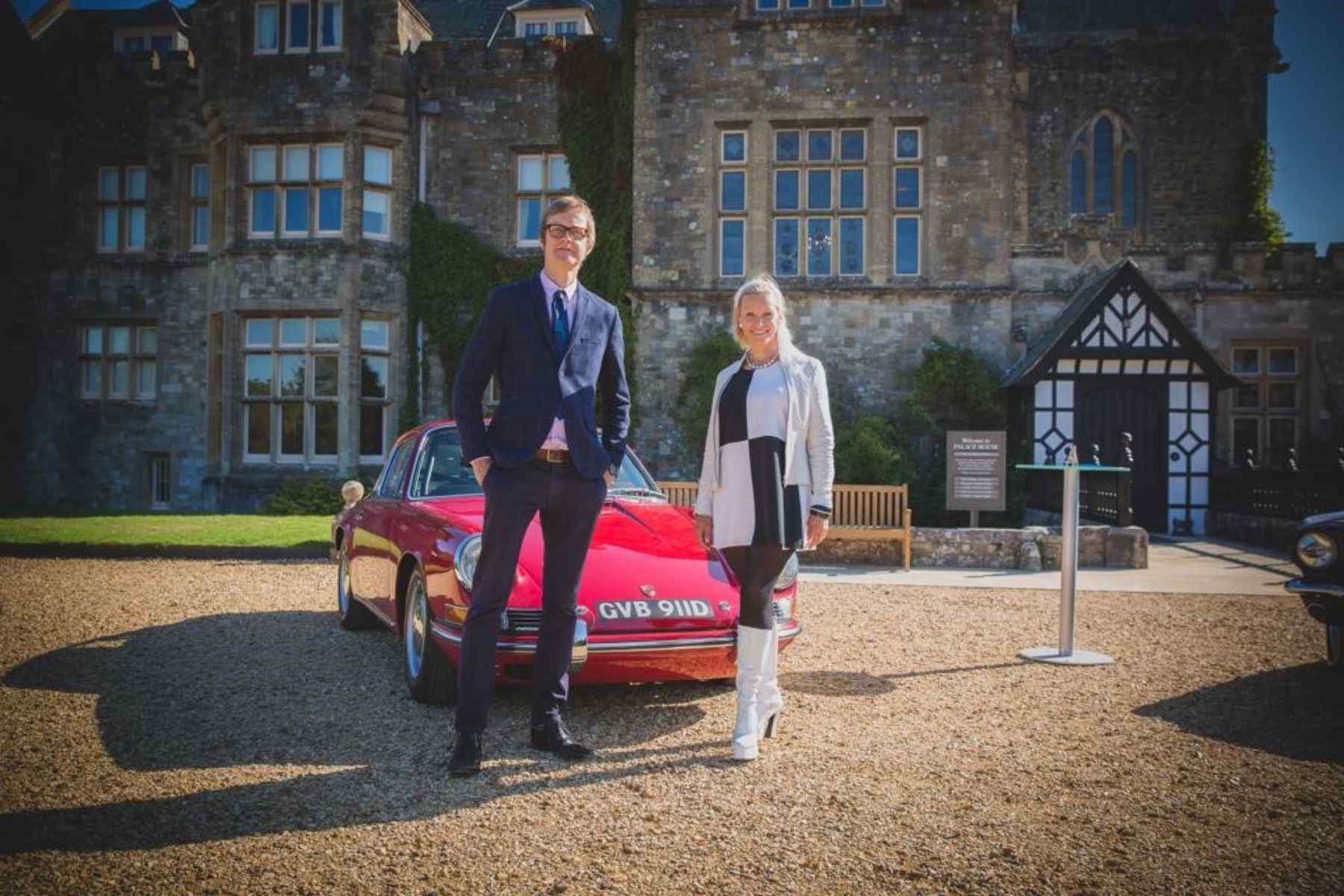
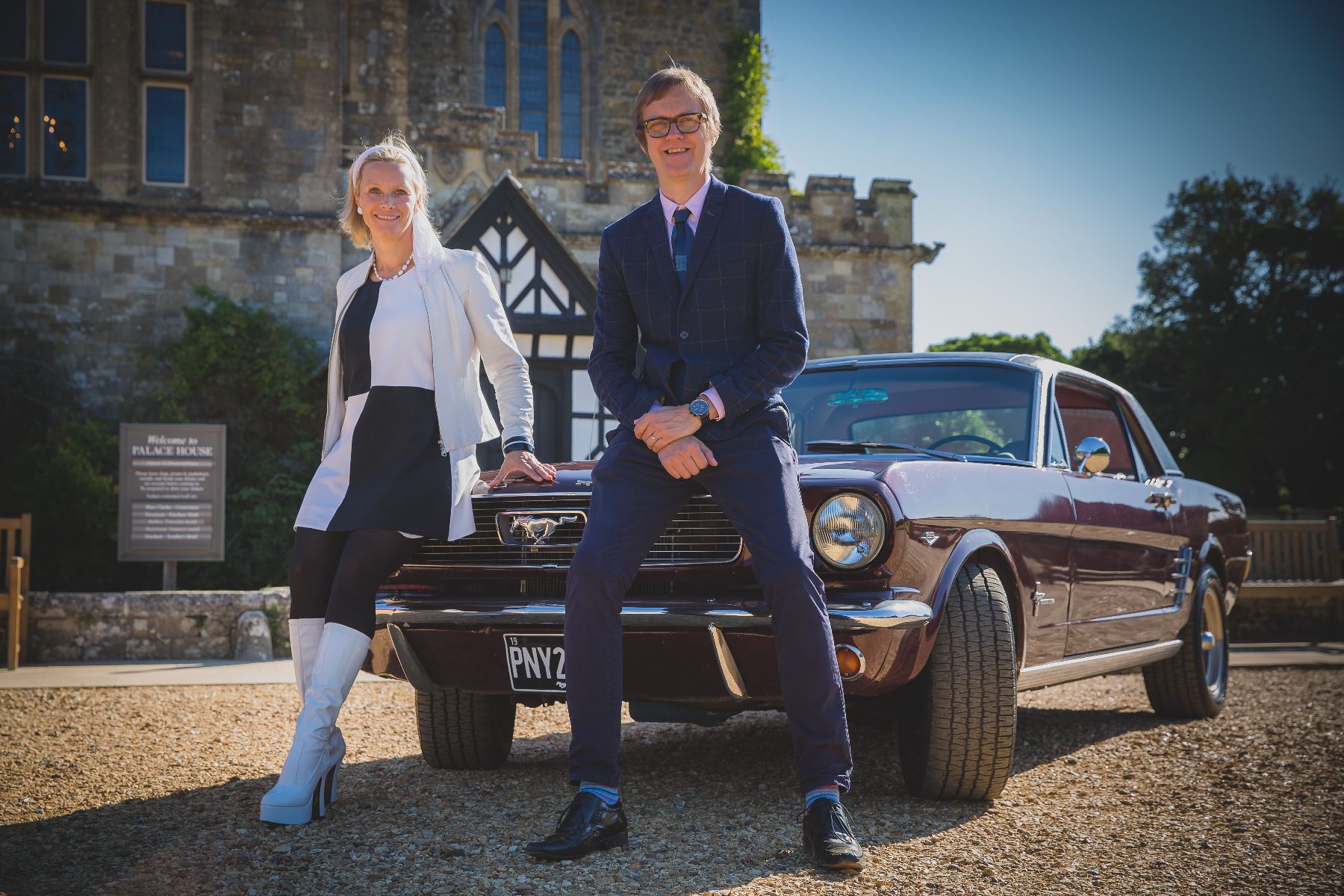
The Car Years is a new classic car show hosted by Vicki Butler-Henderson and Alex Riley, who’ve worked together on and off for 20 years. We chatted to Vicki and Alex at the NEC Classic Car Show, to find out what the show is all about.

Alex: It’s the best show ever that’s ever been on television, probably… It’s a car show. It’s not about buying or restoring, what’s a bargain or what will make you profits. They’re all fascinating cars, on their own terms and have their own significance.

Vicki: We’re telling a story rather than saying you have to go out and buy something. We’re looking at the birth of a particular car. I’m championing a car from a certain year. My esteemed colleague is trying to champion a car of the same year. So we tell each story and at the end we get some expert judges to decide which is the most important car of that year.
The Car Years Vicki Butler-Henderson

The key word there, is important, and is some way toward a one-word explanation of The Car Years’ grand vision. Not necessarily a car’s place on your drive, or in your bank account, but its place in history.

Alex: When you start looking at it in those terms, it might not be a car you like or what you want to drive, or it might be a car you’re absolutely crazy about. That doesn’t matter. You have to think in terms of what it represents. We set the scene. Back in 1964, what was the world like? What was happening? What do two massive iconic cars [the Porsche 911 and Ford Mustang] mean in that context? There might be one you prefer to own but that’s not what matters. We’re talking about which is the most important and how you decide that importance.

Each episode is 30 minutes long and in that time, Alex and Vicki each get their turn to present the case for ‘their’ car being the car of the year. It’s an in-depth and educational look at some of the most significant cars in history, both in the automotive world and in culture as a whole.

Vicki: What’s super-lovely is that we get footage that even I haven’t seen before. And I’m a car nut! Old motor shows where cars were shown. Moulds and development bucks from period. It is fascinating. The cars tell their own story and we’re there to curate and be passionate about it.

Alex: You’re watching it and you’re thinking, “Yeah, this one’s definitely the most important. And then you go: “Oh, hang on”. And the judges are going “Oooh”. And you don’t know really until the last minute when we open that envelope… that I’m gonna win!

Vicki: NOT!
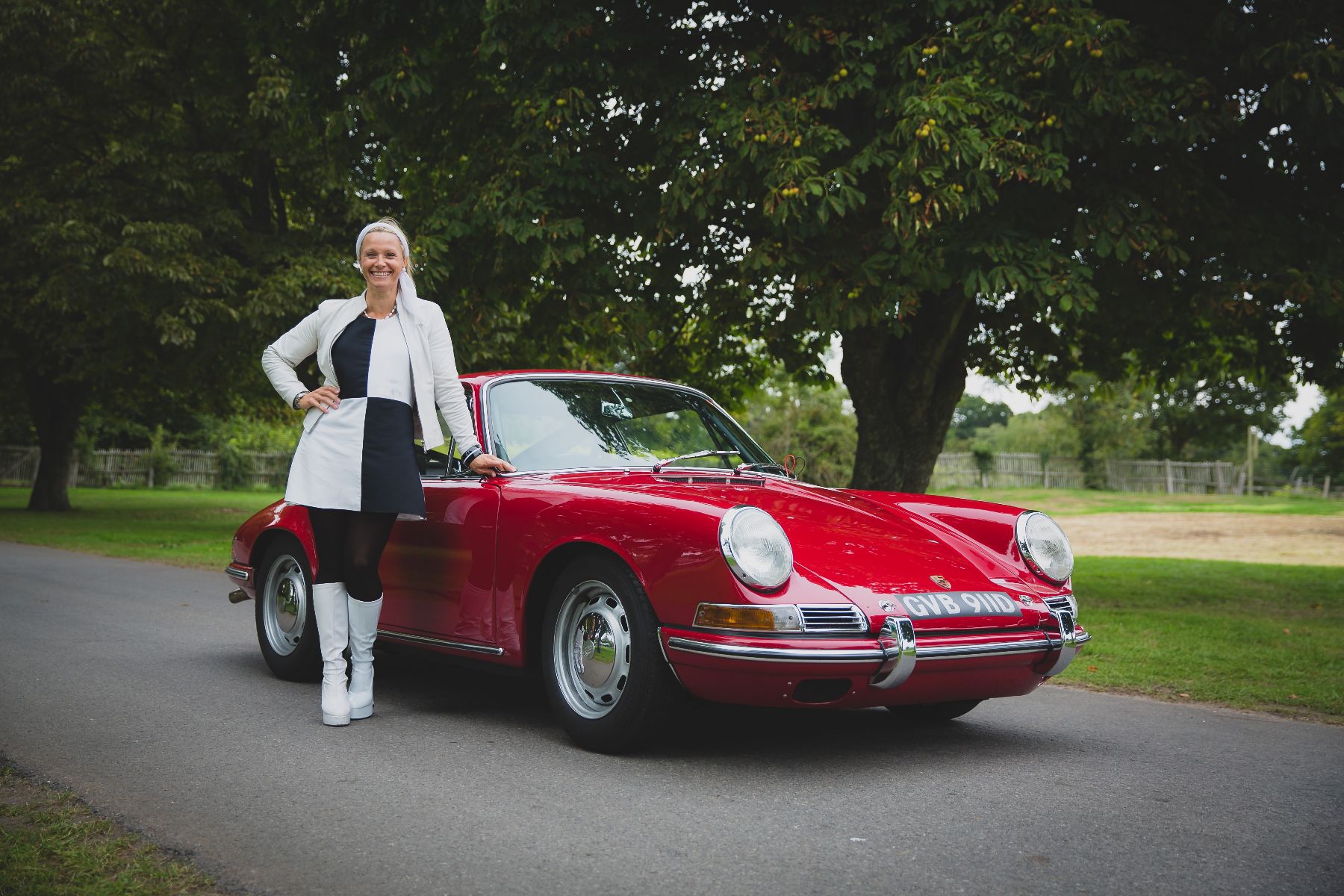
The Car Years Vicki Butler-Henderson

Is there a risk that personal preference comes into play?

Vicki: We’re human and we’re always gonna love one car over another. The judges have a little sway in that way too, so it’s going to be interesting. But then the importance transcends that.

Alex: You’re forced to think more about the cars you get. You have to build an argument and make out why this car deserves the win, not just on how you feel about it. It’s certainly yielded some unexpected results.

So while everyone has their preferences, the process’s effects on the presenters should hopefully be a metric for how the public reacts.

Speaking of the public, they have a role, of sorts

Alex: So far I’m doing a bit better than she is. I’m very magnanimous about it, she’s slightly bitter.

Vicki: Well that’s hopefully where social media will come into play. After every episode we’ll be asking the public their thoughts. Whether they think the judges are right or wrong and why I should win every week.

Alex: Both cars are always worthy. It’s about deciding in a historical context which is the most important.
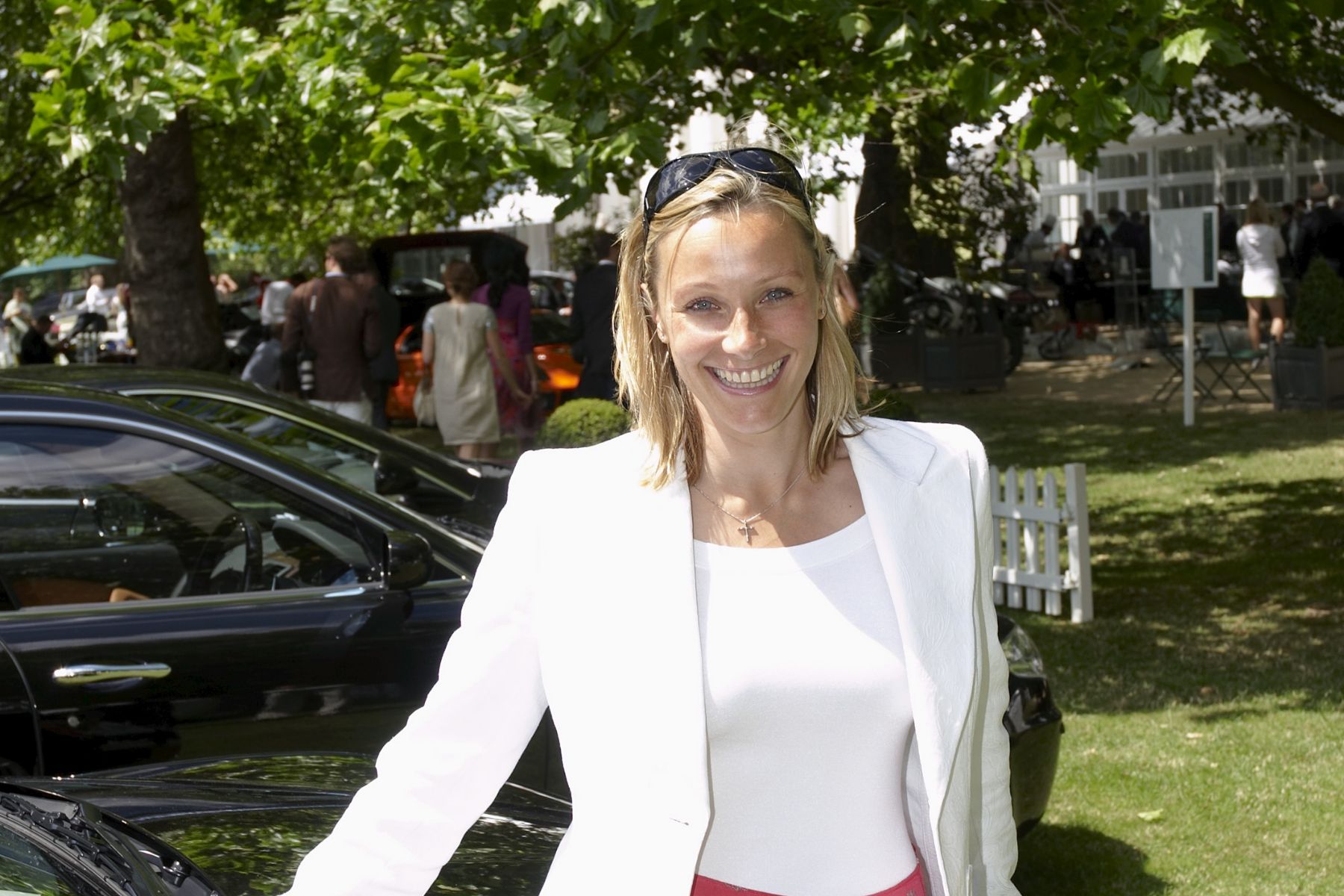
Vicki Butler-Henderson The Car Years

The first episode presents the mother of all cultural and motoring titans going head to head. Mustang vs. 911, in the context of the show, will be very interesting to watch play out.

What kinds of cars can we expect going forward?

Vicki: The wonderful thing about The Car Years is that there are endless opportunities. It is endless and it’s just a matter of fine-honing what we pick.

Alex: We want to capture the public’s imagination. We’re going for the big ones in the first series. We’re going 50s, 60s, 70s, 80s and 90s. Anything too much newer and it’s hard to quantify the social and cultural significance. At the moment we finish in the mid-1990s, with Boxster vs. Elise.

Vicki: Two amazing handling cars – I’m absolutely torn!
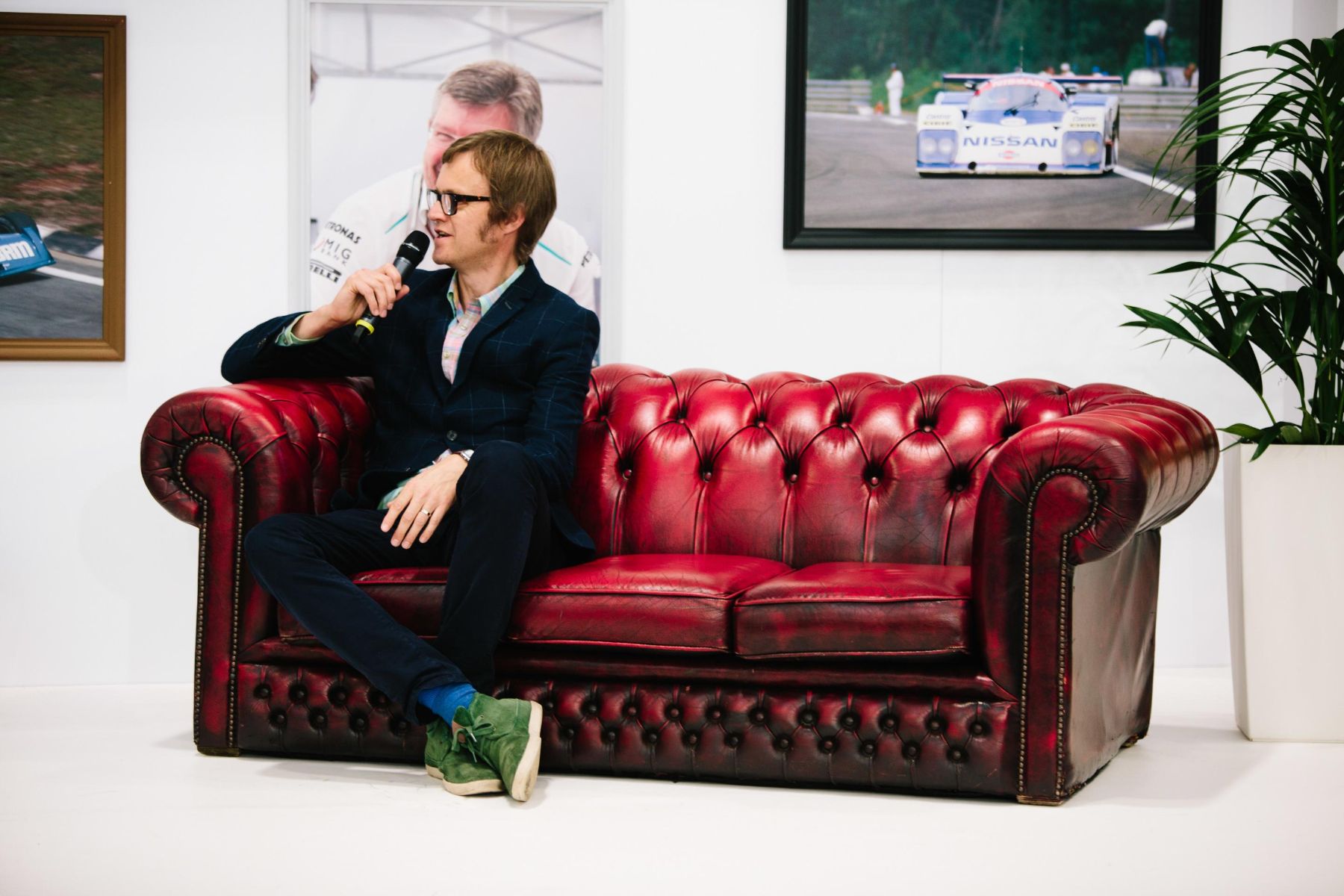
Alex Riley The Car Years

So there we have it. The Car Years looks to be a real deep-dive into the cars that mean everything to us. It’s not all about one thing – technical merit, sales, performance or otherwise. It’s about how all this adds up and how time has worn or polished that car in our hearts and minds.

Vicki and Alex have real chemistry. It could make for viewing that’s as informative as it is entertaining. We look forward to seeing how it turns out.

Read more:

Advertisement

This is the McLaren Speedtail test prototype… called Albert

0

McLaren Speedtail Attribute Prototype - Albert_image 02

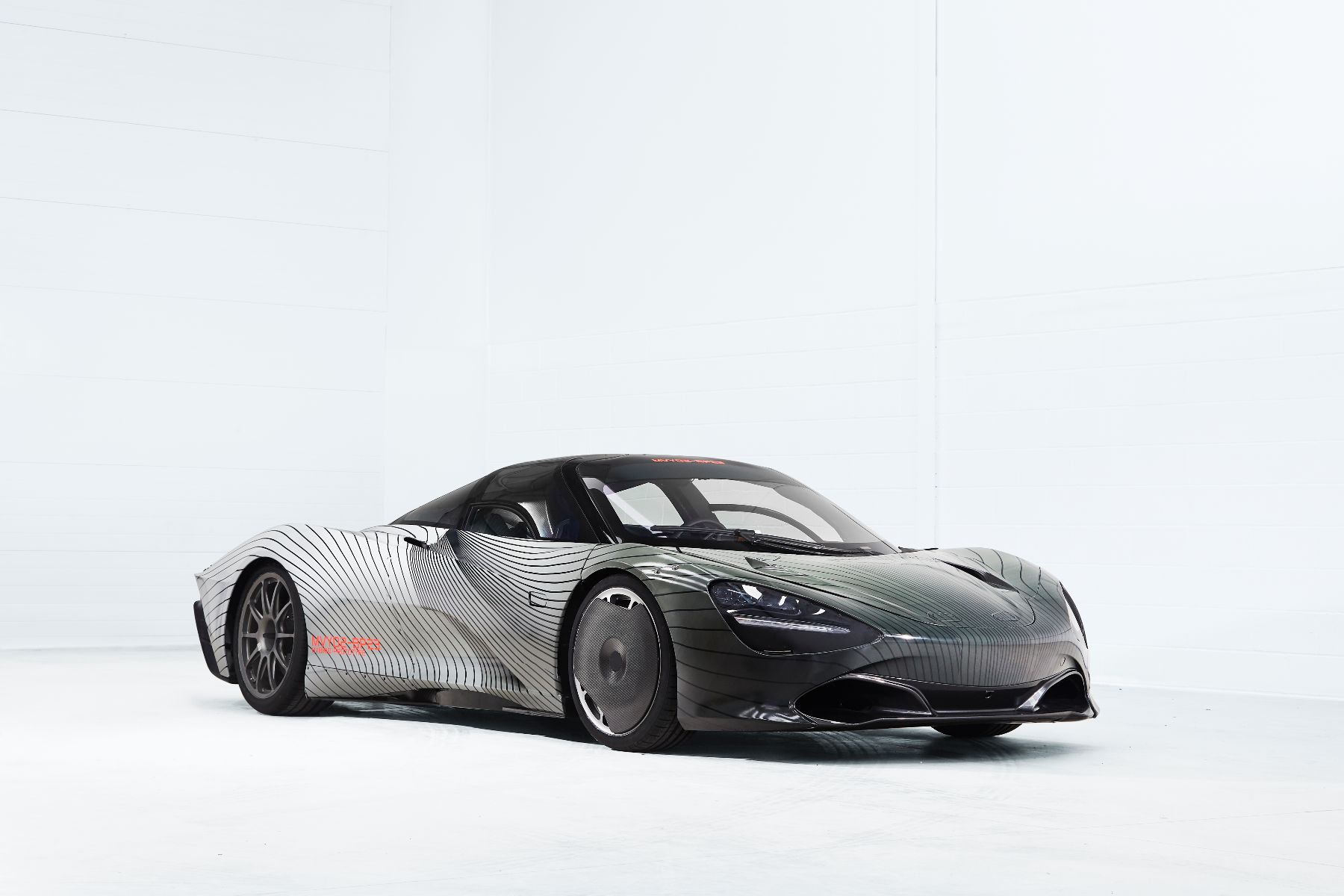
Now that the Speedtail is revealed, McLaren is wasting no time putting its prototype through a rigorous test regime.

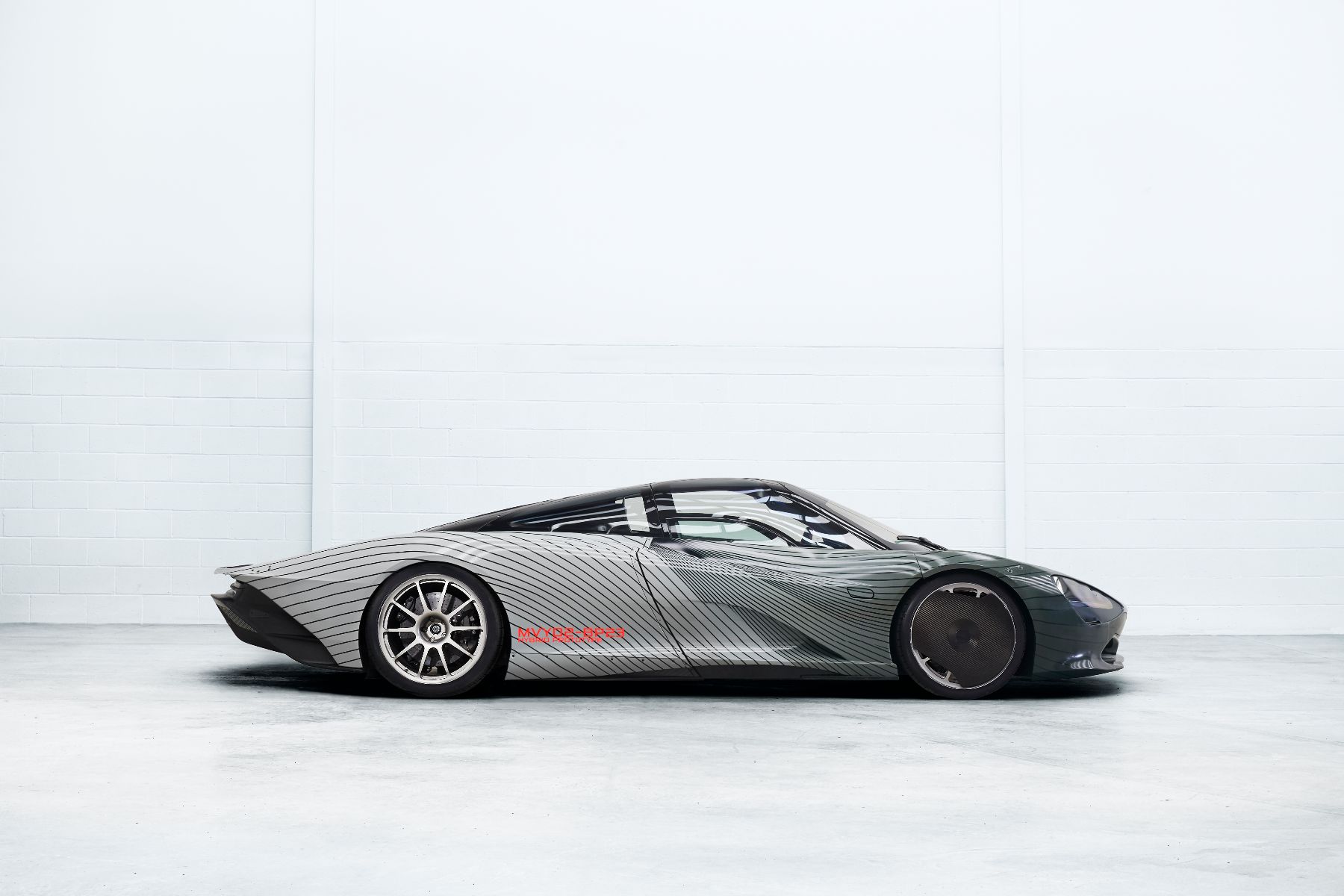
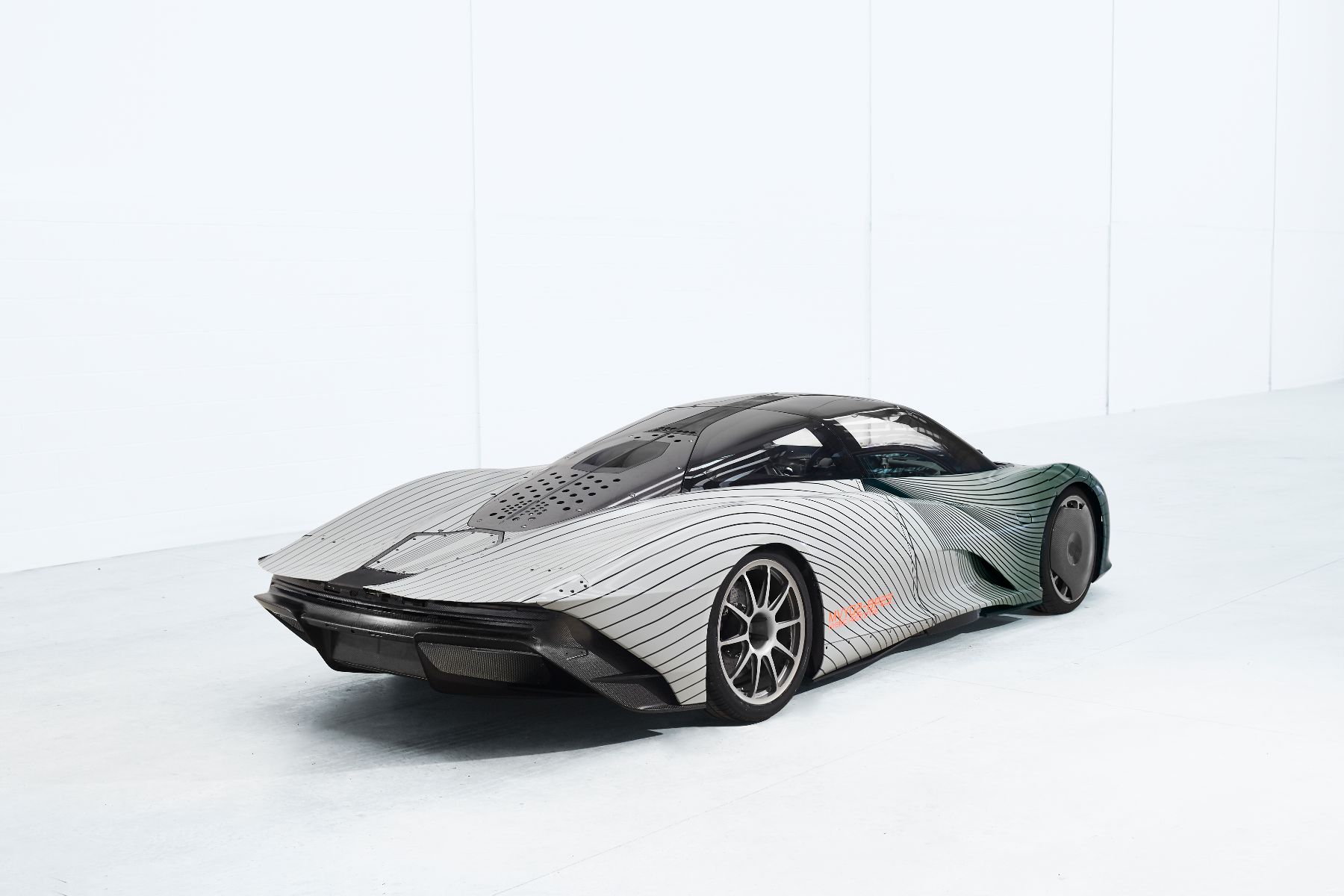
This Speedtail mule – affectionately christened ‘Albert’ by McLaren – is prototype MVY02. As you can see, it’s not quite the finished article visually. The face of a 720S has been grafted on to the flowing form of the Speedtail – beautifully exaggerated by an aero line graphic ‘disguise’. 

The origins of Albert

McLaren Speedtail Attribute Prototype - Albert_image 01

‘Albert’ was the name given to the original McLaren F1 test mule in the early 1990s. It relates to address of the premises where McLaren’s first road-going supercar was designed.

’MV’ is the initial for any McLaren project and the ‘Y’ refers to the central point in the XYZ axis in computer-aided design programmes. It’s a geeky nod to the Speedtail’s central driving position. ’02’ presumably means this is the second mule. That would make sense given McLaren was testing what looked like a disguised 720S with a central driving position last year.

That’s what makes Albert special. It’s the first proper (nearly) production-bodied prototype.

Underneath, the 1,050hp petrol-electric powertrain is running. Until we’re told otherwise, we’re assuming the petrol part is a derivation of Mclaren’s 4.0-litre twin-turbo V8.

A tough life of testing awaits Albert, including extreme heat and cold, plus high-speed testing up to a claimed 250mph top speed.

McLaren Speedtail Attribute Prototype - Albert_image 03

Indycar champion Kenny Bräck will be behind the wheel. He’s the madman who wrangled a P1 LM around the Nürburgring in six minutes, 43 seconds. We’d say Albert’s in safe hands.

Expect to see liveried Speedtail mules prowling around Woking and beyond very soon.

Read more:

Advertisement

Plug-in hybrid users branded ‘ridiculous’ for not charging their cars
0

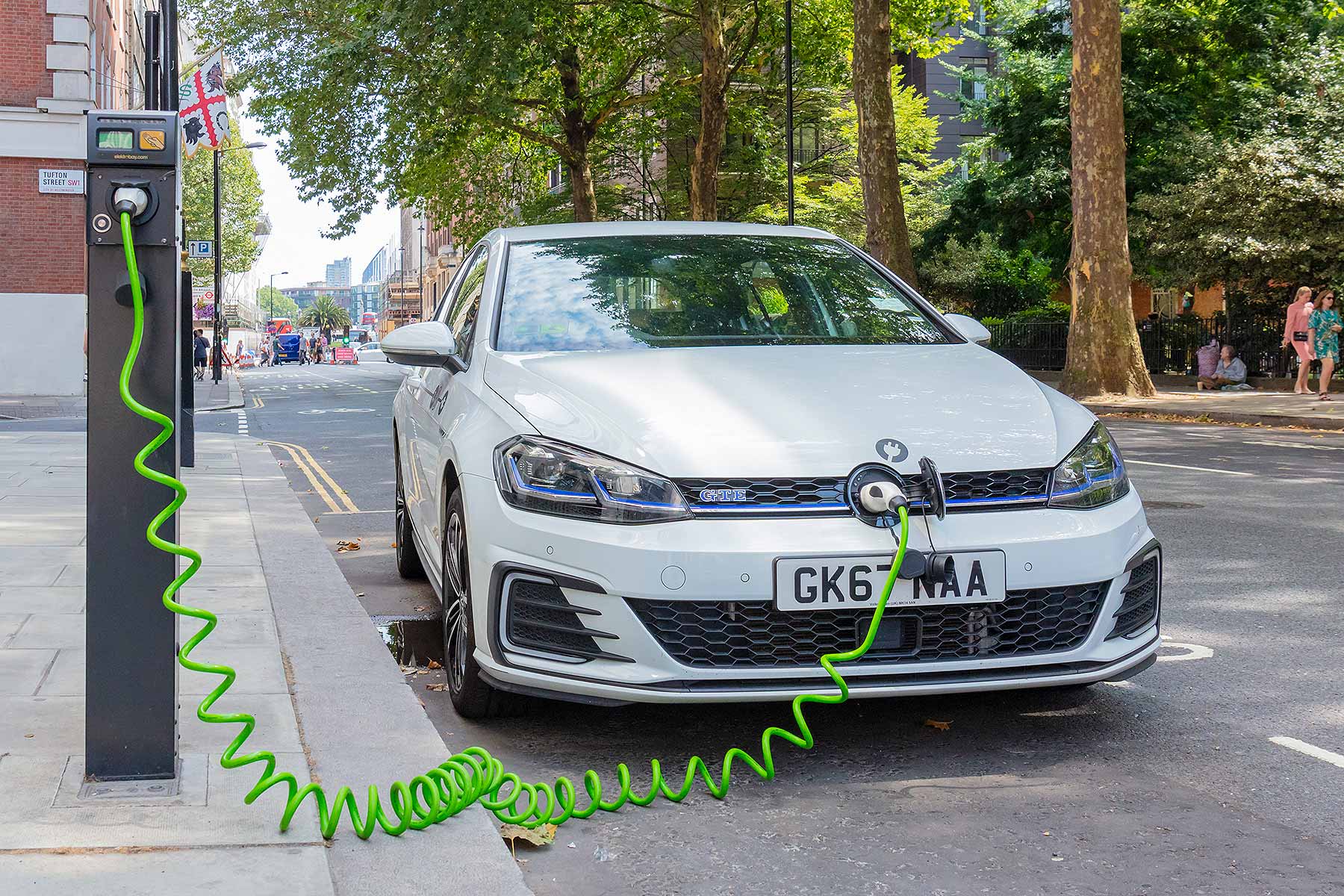
Volkswagen Golf GTE plug-in hybrid being charged in LondonA Cheshire fuel management company has analysed data from more than 1,500 plug-in hybrid cars – and discovered average fuel economy is around 90mpg LESS than what they should be achieving… because lazy drivers are not plugging them in.
Some, it adds, may never have been charged at all.

As reported by Motoring Research back in September 2017, many drivers have moved into plug-in hybrids for their tax-saving benefits, rather than their real-world fuel economy.

The reality is, according to an investigation by The Miles Consultancy and the BBC, fuel economy that’s no better than a conventional petrol-engined car. Dammingly, “many drivers may never have unwrapped their charging cables,” claimed the Cheshire firm’s MD Paul Hollick.

“The company and the employees are going in and out of petrol stations, paying for all of this additional fuel… [it is] ridiculous.”

The findings come weeks after the government controversially scrapped the £2,500 Plug-in Car Grant for plug-in hybrids and cut the amount for pure electric cars from £4,500 to £3,500.

More than 7 in 10 of the 37,000 plug-in hybrids sold this year have been to fleets, which could be compounding the bad practice. “Company drivers are choosing the vehicle based on their tax liability, rather than having the right vehicle for the job,” said Toby Postin, spokesman for trade body the British Vehicle Rental and Leasing Association.

Many companies have given plug-in hybrids to high-mileage motorway drivers, rather than those mainly doing shorter inner-city trips. Plug-in hybrids are best suited to urban driving, where distances are short and can be conducted mainly under electric power.

The combustion engine is meant to be there for emergency ‘range-extending’ use, rather than being the sole means of drive.

This is why the average fuel consumption of a plug-in hybrid is just 39.27mpg, compared to an overall average of 129.68mpg.

The UK is currently the largest market in Europe for plug-in hybrids, but the end of the money-saving government grant is now predicted to significantly shrink it, predict industry analysts.

Advertisement

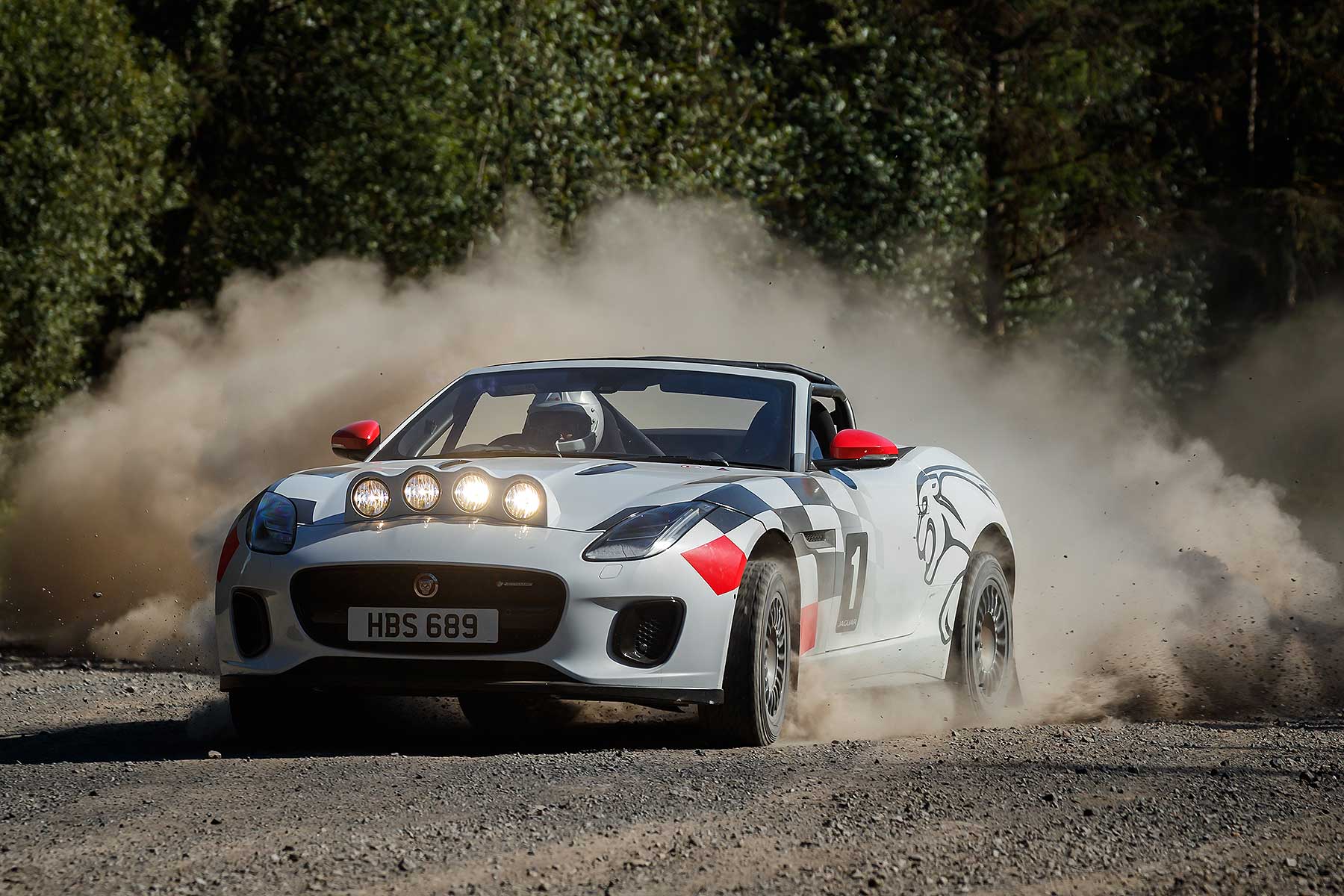
Jaguar has turned the F-Type into a rally car

0

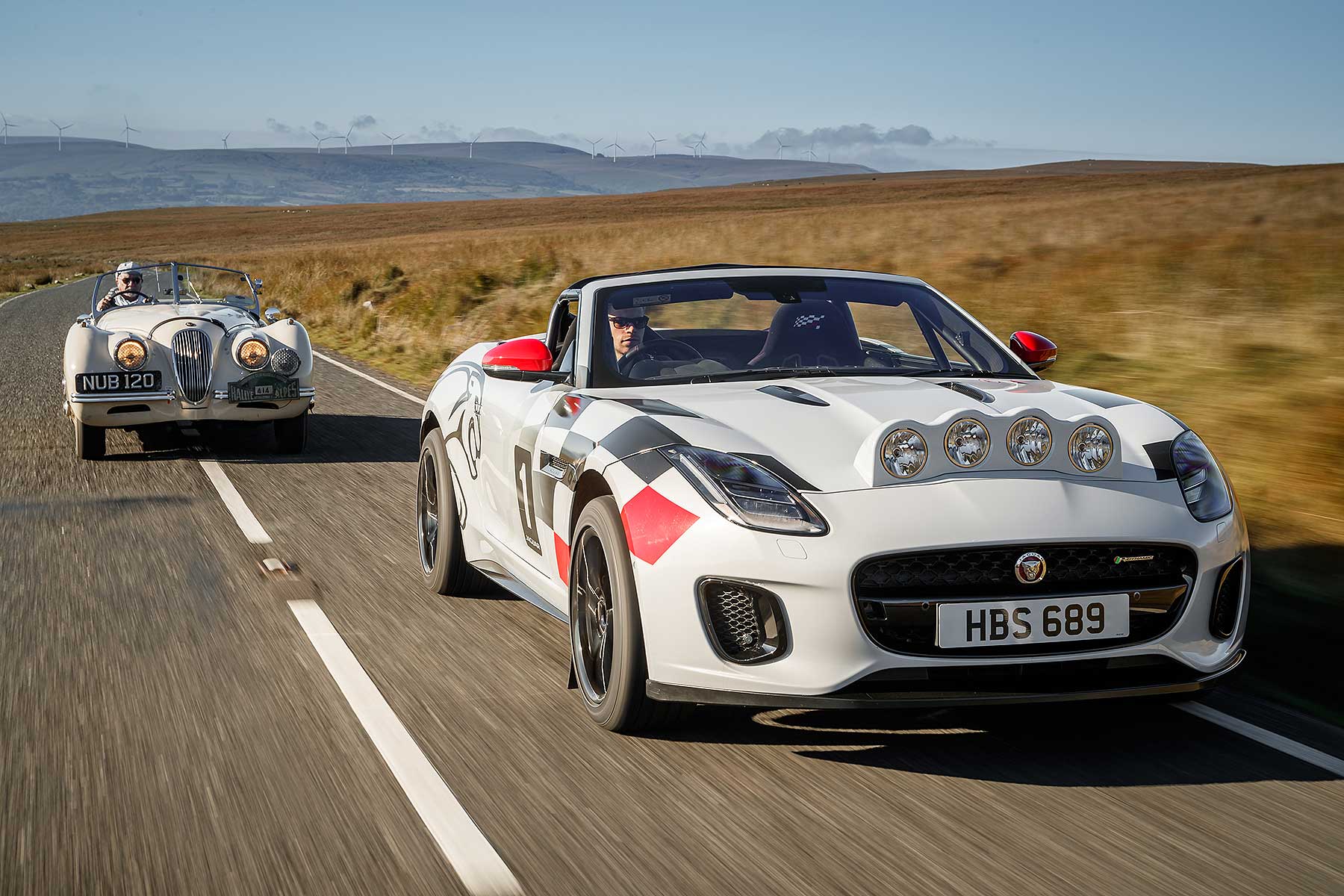
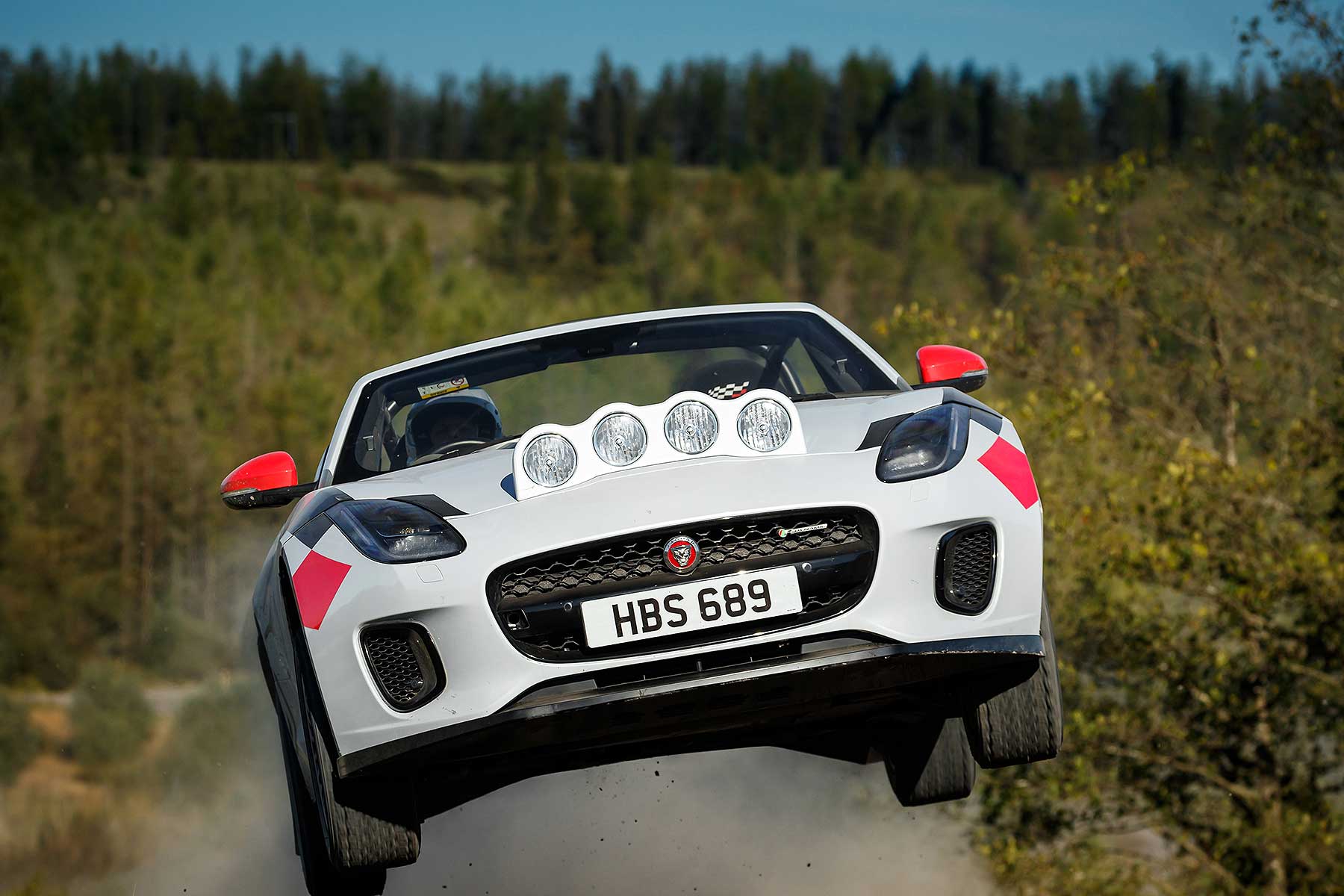
Jaguar F-Type rally car special70 years ago, Jaguar’s first sports car, the XK 120, began a dominant streak in international rallying. What better excuse to turn the contemporary F-Type into an FIA-spec rally car, Jaguar has reasoned: say hello to two unlikely new gravel-ready Jags.
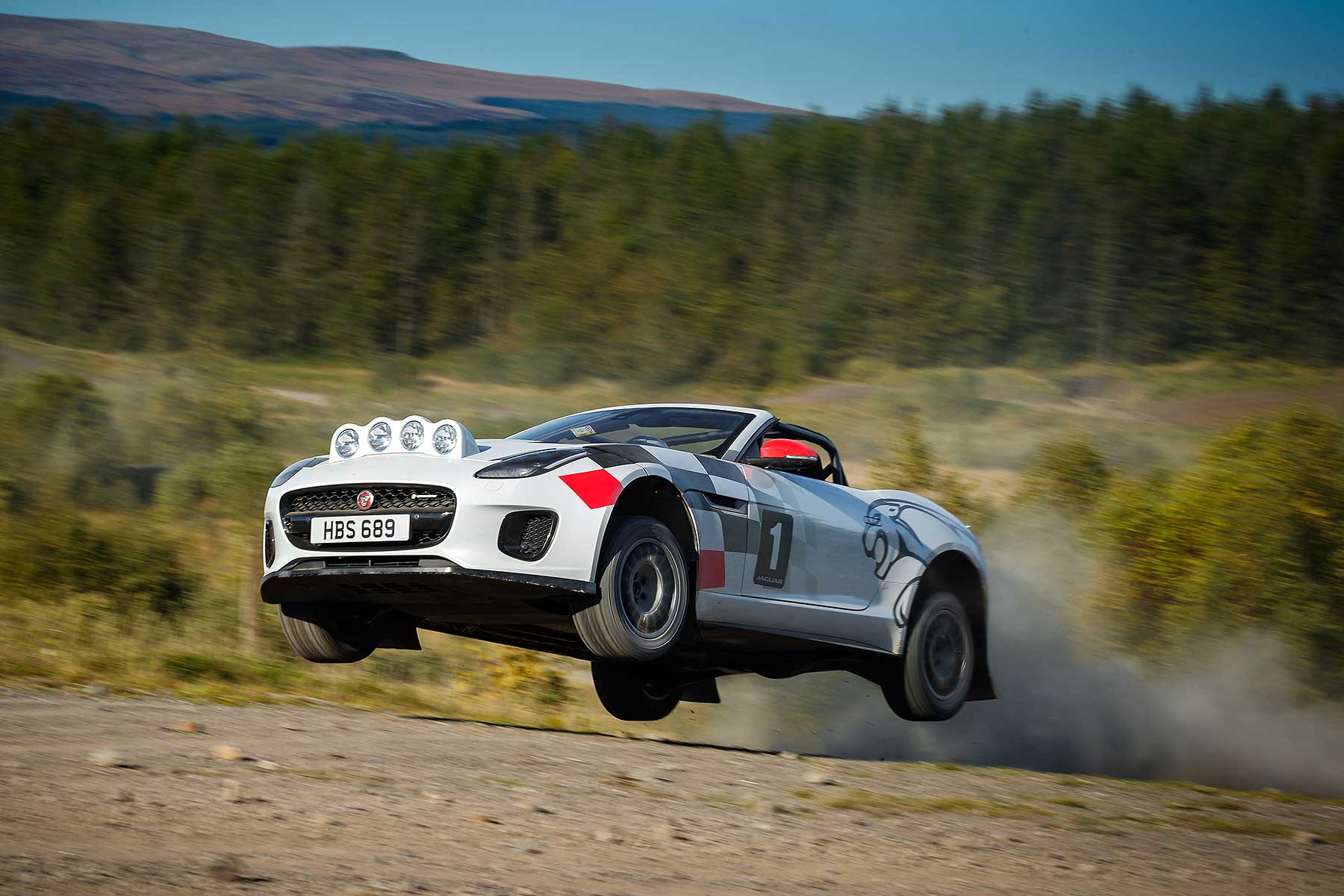
The two cars will, sadly, never actually enter an official rally; they’re built to (motorsport’s governing body) FIA specifications, but have not been homologated, and probably won’t be in the future, either.

  • Race series for over-50s will use 200mph Jaguar F-Type GT4s

No, Jaguar’s built them as showcases, and plans to use them on a number of Jaguar events in coming months – and the worse the weather, the better the demonstration will be.

Jaguar F-Type rally car special

That’s because these proper competition-spec machines. They have motorsport-spec hand-built dampers, paired with softer springs for ultimate special stage prowess. The wheels are rally-spec too, and the tyres are competition-grade.

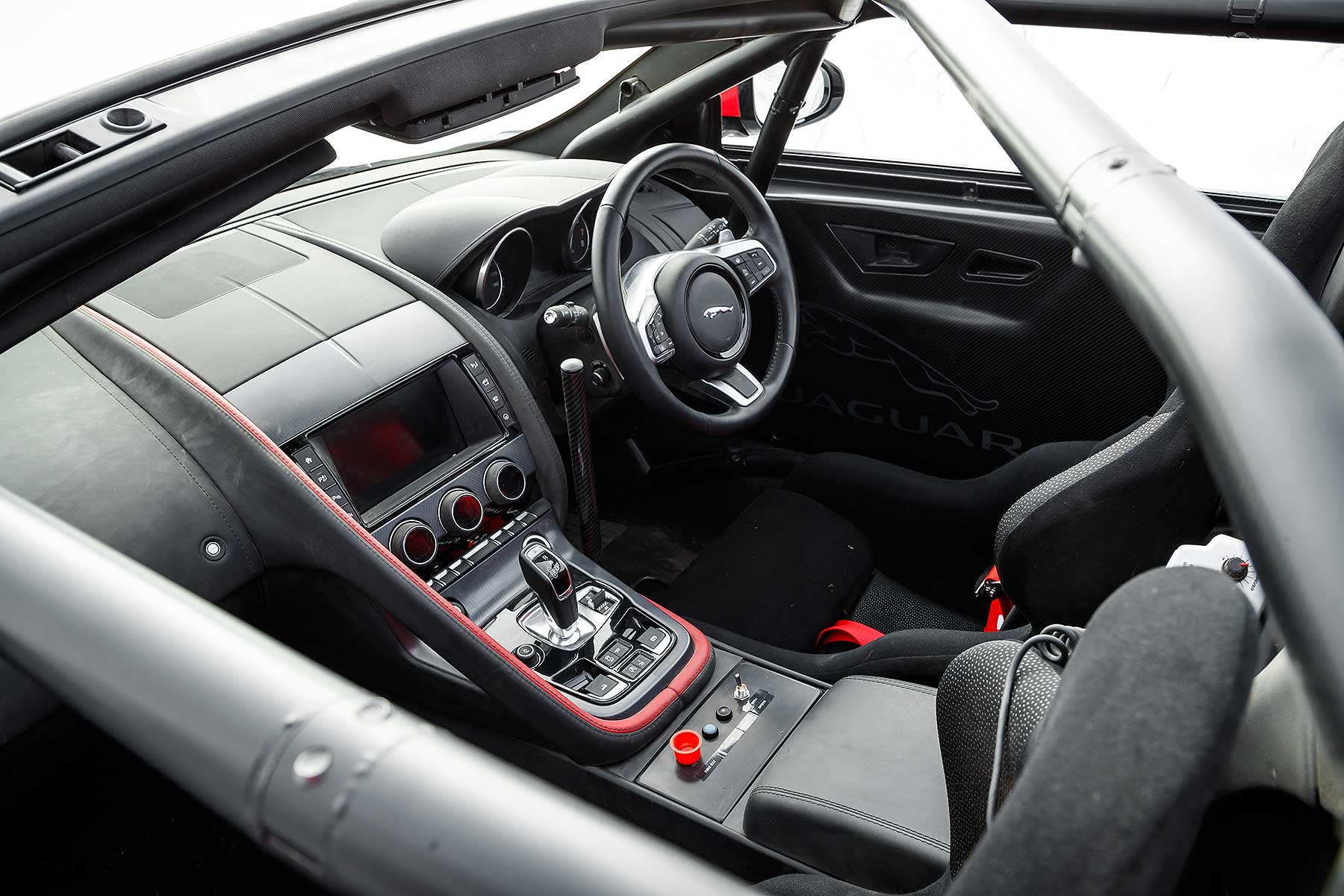
Jaguar’s uprated the brakes, fitted a limited-slip differential so it can put the power down more cleanly and, coolest of all, installed a hydraulic handbrake complete with massive handbrake lever sprouting up alongside the centre console.

Jaguar F-Type rally car special

It will be the best F-Type in the world for handbrake turns.

  • Lego Ford Fiesta WRC rally car is a £12.99 bargain

Under the bonnet is a stock 300hp 2.0-litre turbo engine, and the driver is protected by a full roll cage, race seats with six-point harnesses and a fire extinguisher. Brilliant night vision is guaranteed by a massive bonnet-mounted light pod.

Jaguar F-Type rally car special

Jaguar design director Ian Callum was involved in the design and admitted “the opportunity to design a rally car doesn’t come along very often so I was fascinated to see how we could take our modern-day sports car to a similar character.

“These models are a fitting tribute to the XK 120 and all the great Jaguar sports cars since its reveal 70 years ago.”

Jaguar F-Type rally car special

That XK 120 still holds a special place in the hearts of Jaguar enthusiasts like Callum. Wearing the registration number ‘NUB 120’, it was driven by Ian Appleyard and achieved three perfect scores in three consecutive Alpine Rallies, and it also won the RAC Rally back in the day.

It’s a shame we won’t see the F-Type rally cars competing on the world stage, but we also don’t expect Jaguar just to leave it here. Keep your eyes peeled in the coming months for some special runs of this new and unlikely rally car.

Watch: Jaguar F-Type rally cars in action

Advertisement

1 in 4 motorists switch car insurer after a claim

0

1 in 3 motorists switches car insurer after making a claimYou only realise how much you need car insurance when it comes to making a claim. But for more than a quarter of drivers, a below-par claims process shows that they don’t need their current insurer: 29 percent of those who’ve made a claim admit switching insurer when their policy comes up for renewal.

Surely car insurers should come into their own when their services are actually required? Use it as an opportunity to build customer loyalty?

Not so, according to a survey by comparethemarket, which found that 3 in 4 motorists find the claims process “frustrating and slow”.

Other complaints include “rude and abrupt claims handlers”, generally poor customer service and final pay-outs that didn’t fully measure up to overall costs.

Just 1 in 10 policyholders received a pay-out of more than £5,000.

And just to add salt to the wound, 44 percent of motorists said they noticed a “significant increase” to their renewal premium following the claim. That’s why 64 percent of people who did switch said the main reason was finding better value elsewhere.

“It is disappointing to see that so many drivers who made a claim, but weren’t at fault, are seeing their premiums rise at renewal”, said comparethemarket’s director of insurance Simon McCulloch.

“Most claimants do not feel properly trusted or supported by their insurer when making a claim. For drivers, making a claim is the ‘moment of truth’, and the potentially traumatic circumstances can make the claims process all the more difficult and stressful.”

The best antidote to this? Do as so many already are doing, and “vote with your feet”. Arguably, the boss of comparethemarket would say this.

But the fact nearly 30 percent of people do actually switch insurer following a claim still suggests too many people are experiencing poor car insurance service when they need it most.   

Advertisement

Take a tour of the 2018 NEC Classic Motor Show

0

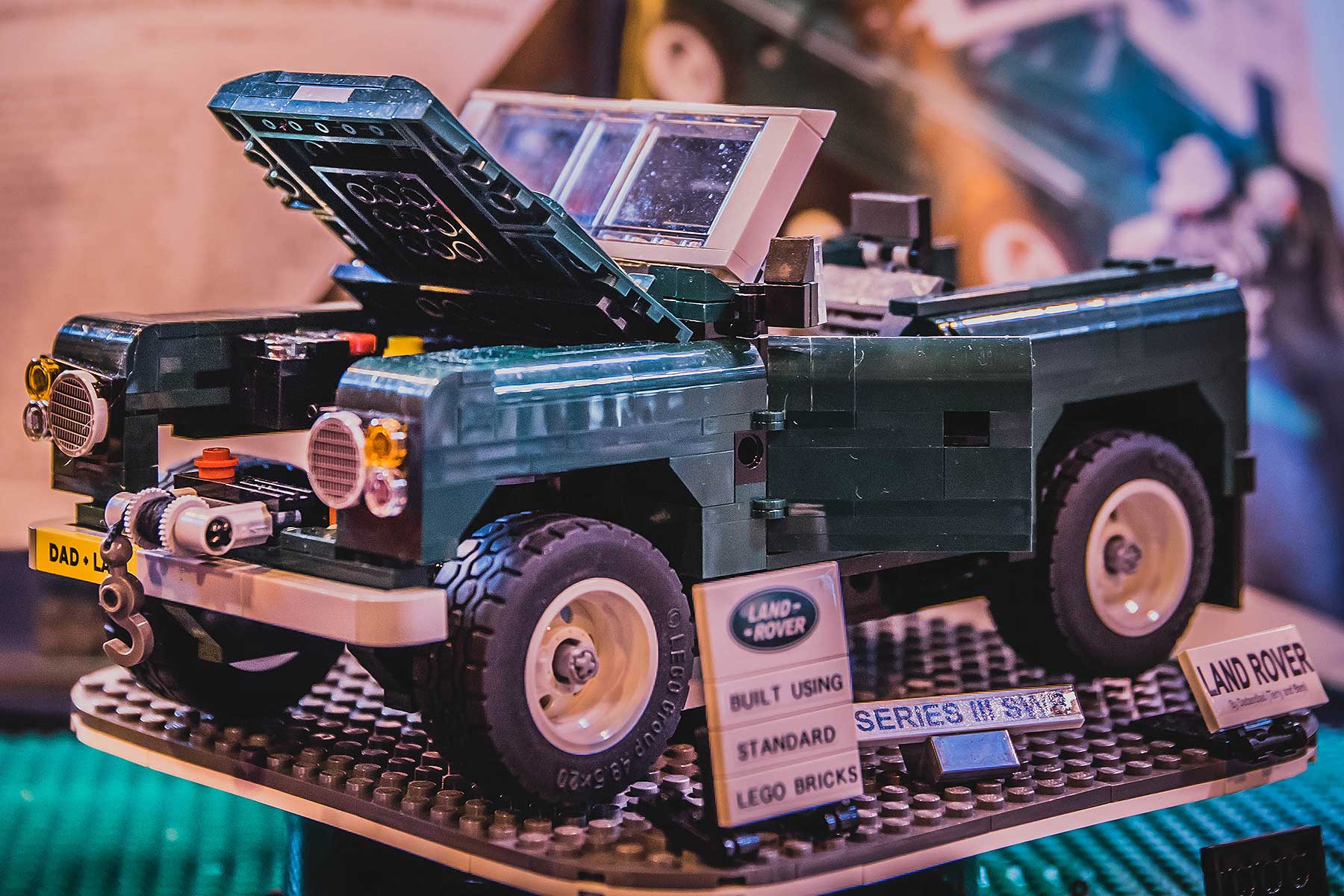
Fan-built LEGO Land Rover at the 2018 NEC Classic Motor ShowThe NEC Classic Motor Show is the annual year-end celebration of the classic car world. Everyone who loves retro motors makes sure they’re there, either visiting or, as we discovered, joining the many thousands in exhibiting. 

Whatever your taste, there are classics on show, as our run-through below of the many different types of hot hatch at Birmingham this year showcase.

So join us for a video tour of the 2018 NEC Classic Motor Show – and keep an eye out for our review of a rather special collection of Porsches on show…

NEC Classic Motor Show: the best hot hatchbacks

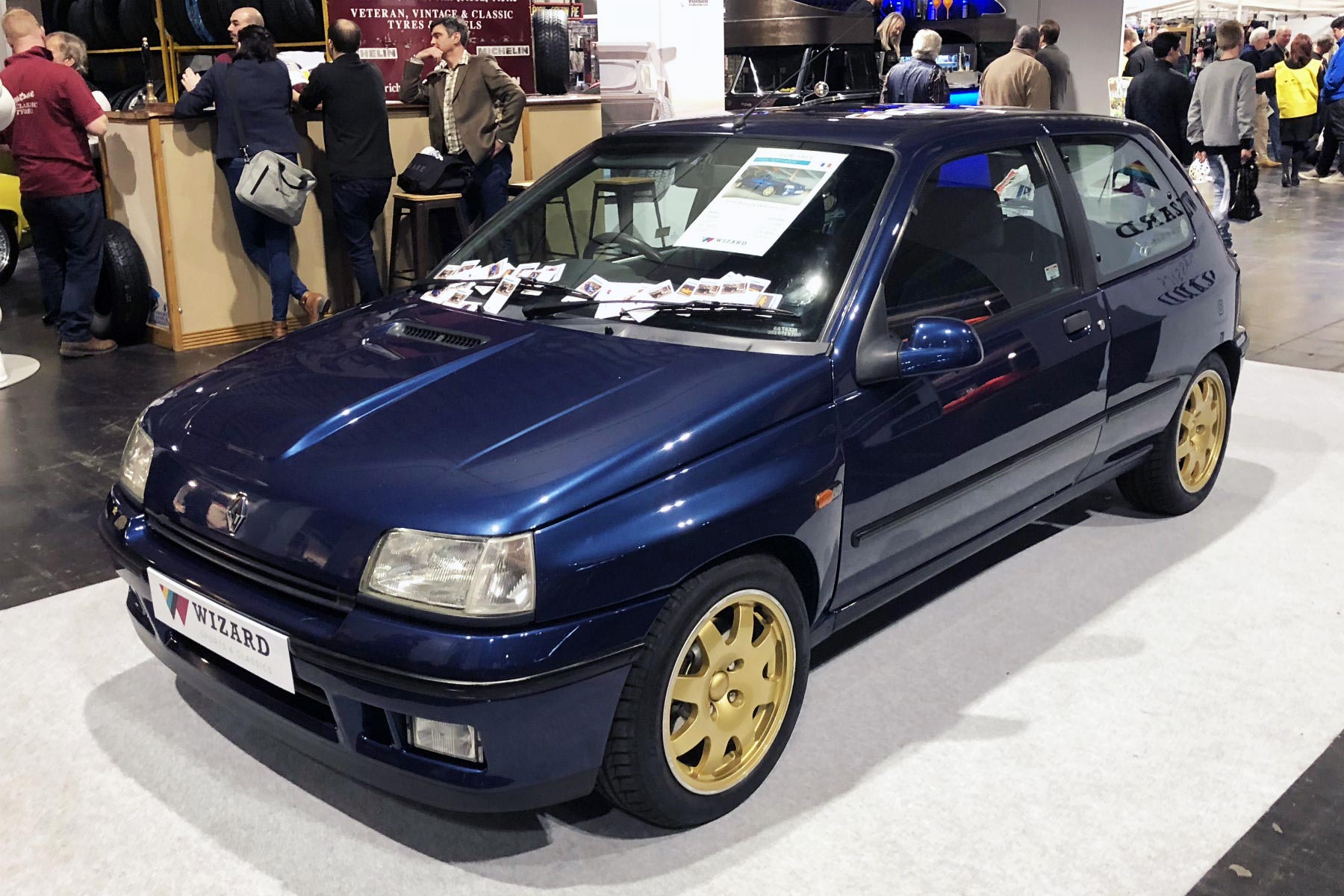
Renault Clio Williams at the 2018 NEC Classic Motor Show

We Brits love a hot hatchback: from cruises to concours events, they’re a huge part of our motoring culture. The NEC Classic Motor Show in Birmingham is stuffed with pocket rockets of all kinds, from roadgoing rally cars to a twin-engined Mini.

Here are some of the highlights.

Ford Escort RS Cosworth

Ford Escort RS Cosworth at the 2018 NEC Classic Motor Show

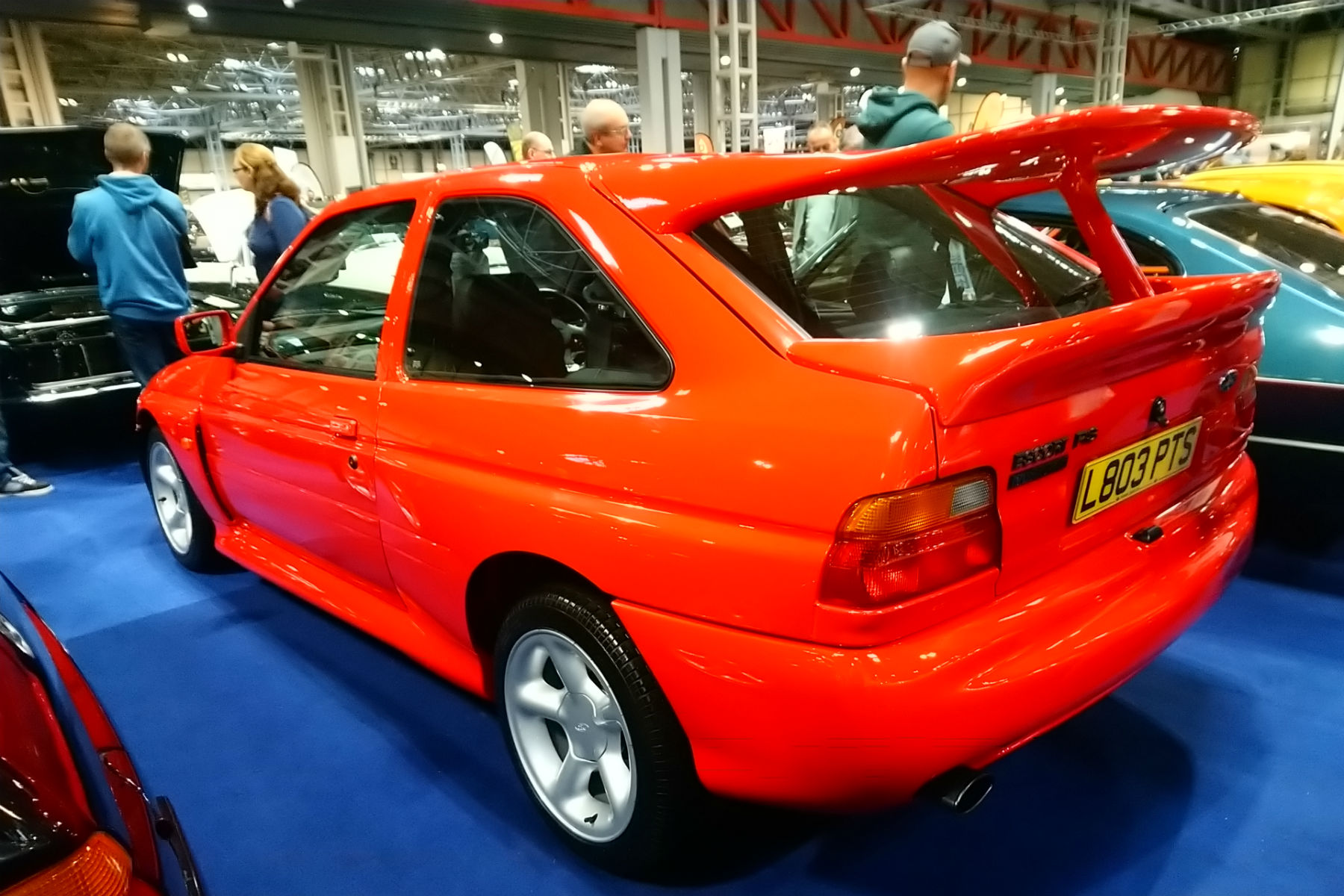
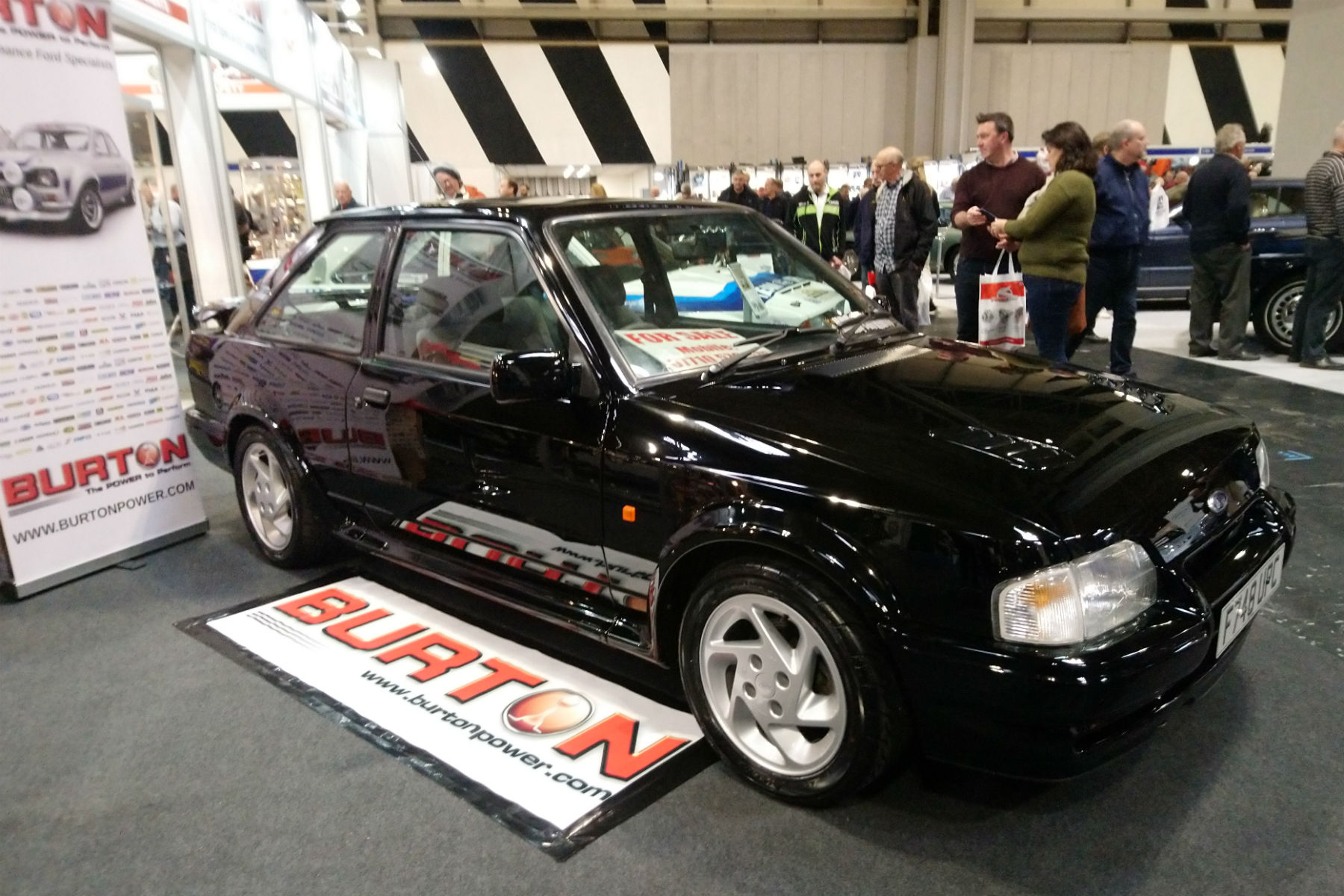
We kick off with a legendary fast Ford. The Escort RS Cosworth was a true homologation special, conceived to win rallies rather than show-and-shine competitions. Mechanically, it had more in common with the Sierra Sapphire than the much-maligned Mk5 Escort, packing a 227hp Cosworth YBT engine and four-wheel drive. That ‘whale tail’ wing was optional on later cars – deleting it added 3mph to the top speed.

MG Metro 6R4

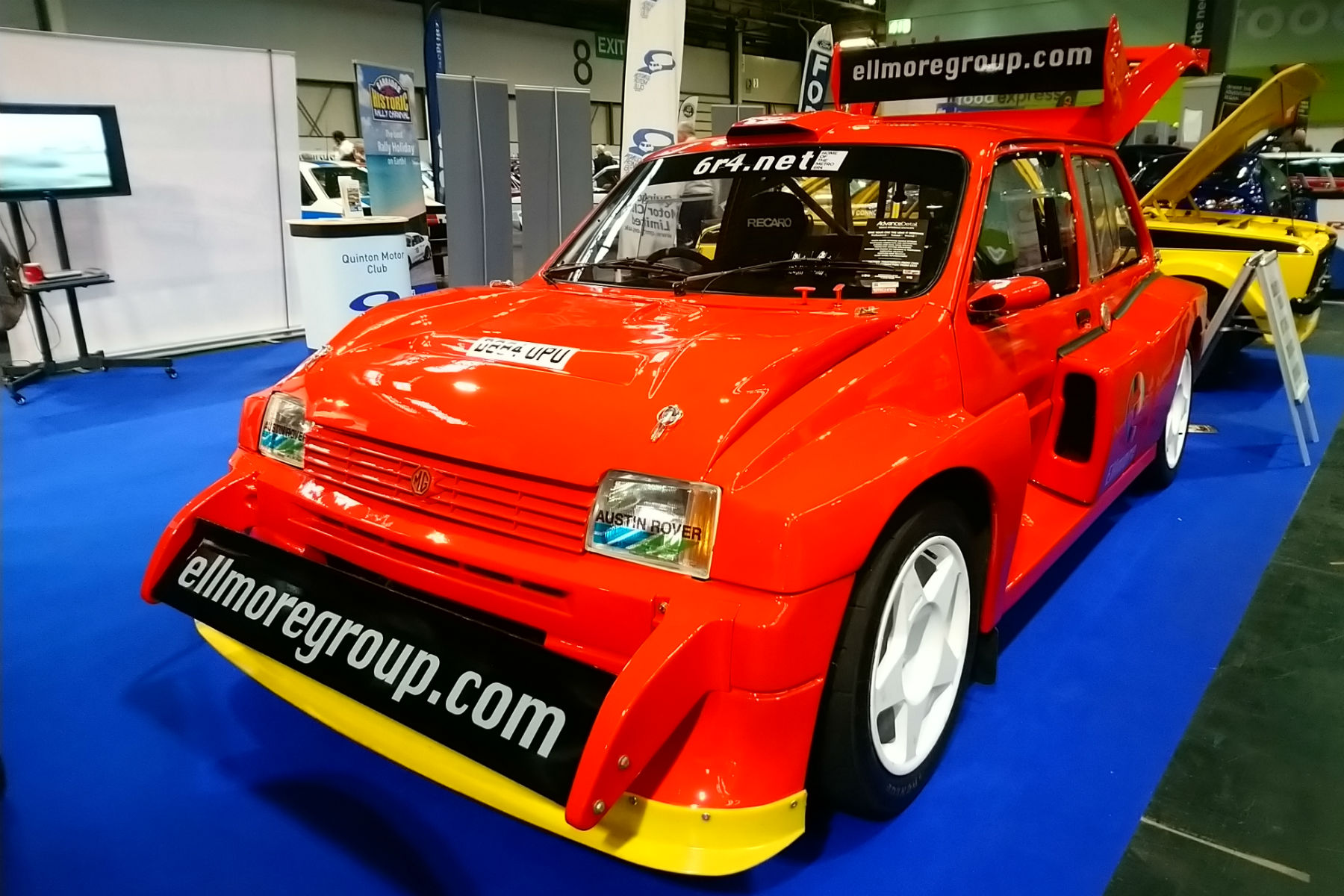
From one rally rocket to another, meet the MG Metro 6R4. Designed to race in Group B alongside the Audi Quattro and Peugeot 205 T16, the mid-engined 6R4 is perhaps the most aggressive (and absurd?) looking hot hatchback ever. Sadly, it only finished one race before Group B was banned, but the car maintains a cult following today.

Volkswagen Golf Rallye

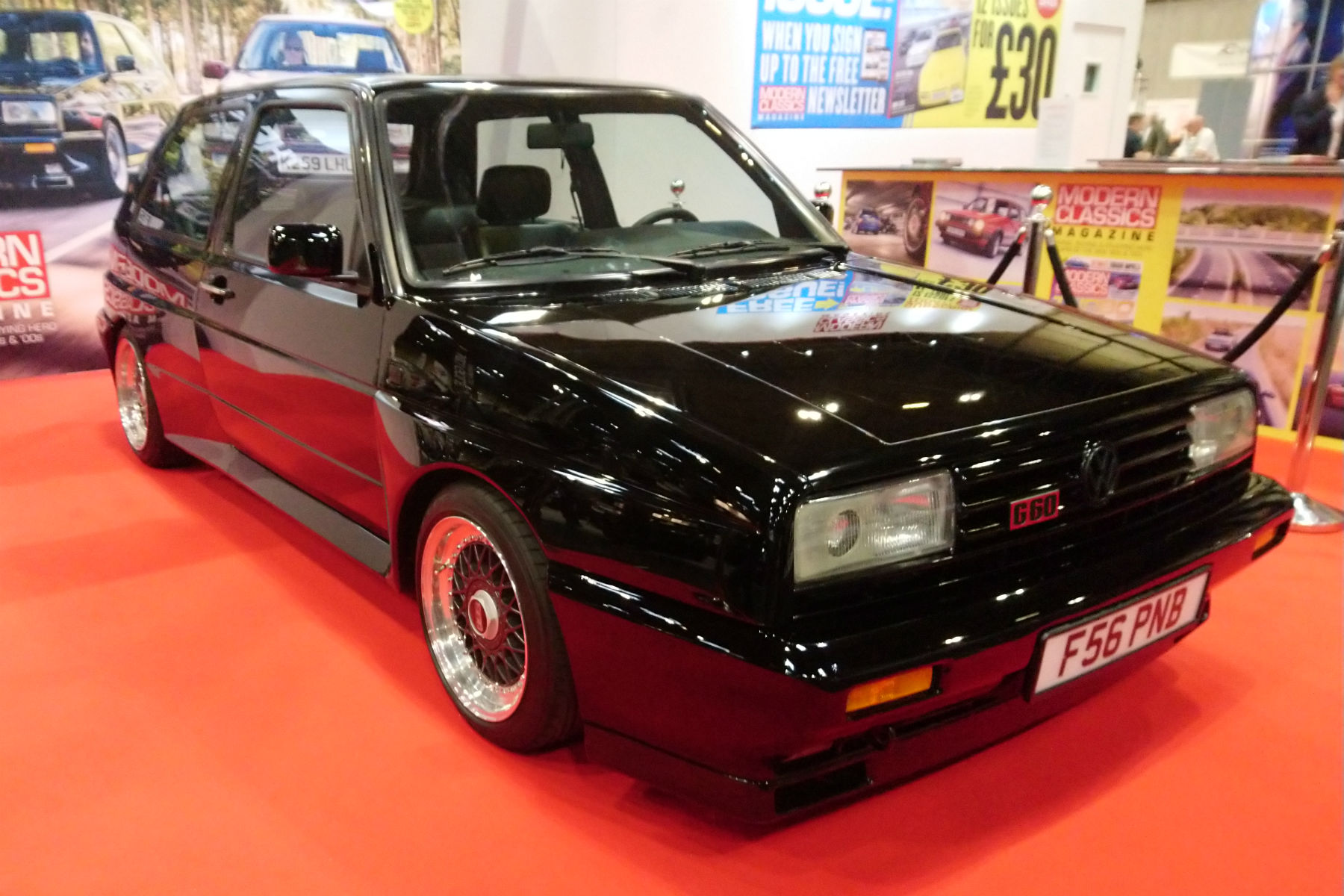
Our third rally refugee comes in the squared-off shape of the Golf Rallye. Based on the Mk2 GTI, the Rallye added a wider track, Syncro four-wheel drive and a G-Lader supercharger that boosted its 1.8-litre engine to 160hp. Like the 6R4, the Rallye never lived up to expectations but is highly sought-after today. Many have been tuned to 200hp and beyond using a smaller supercharger pulley.

Talbot Sunbeam Lotus SII

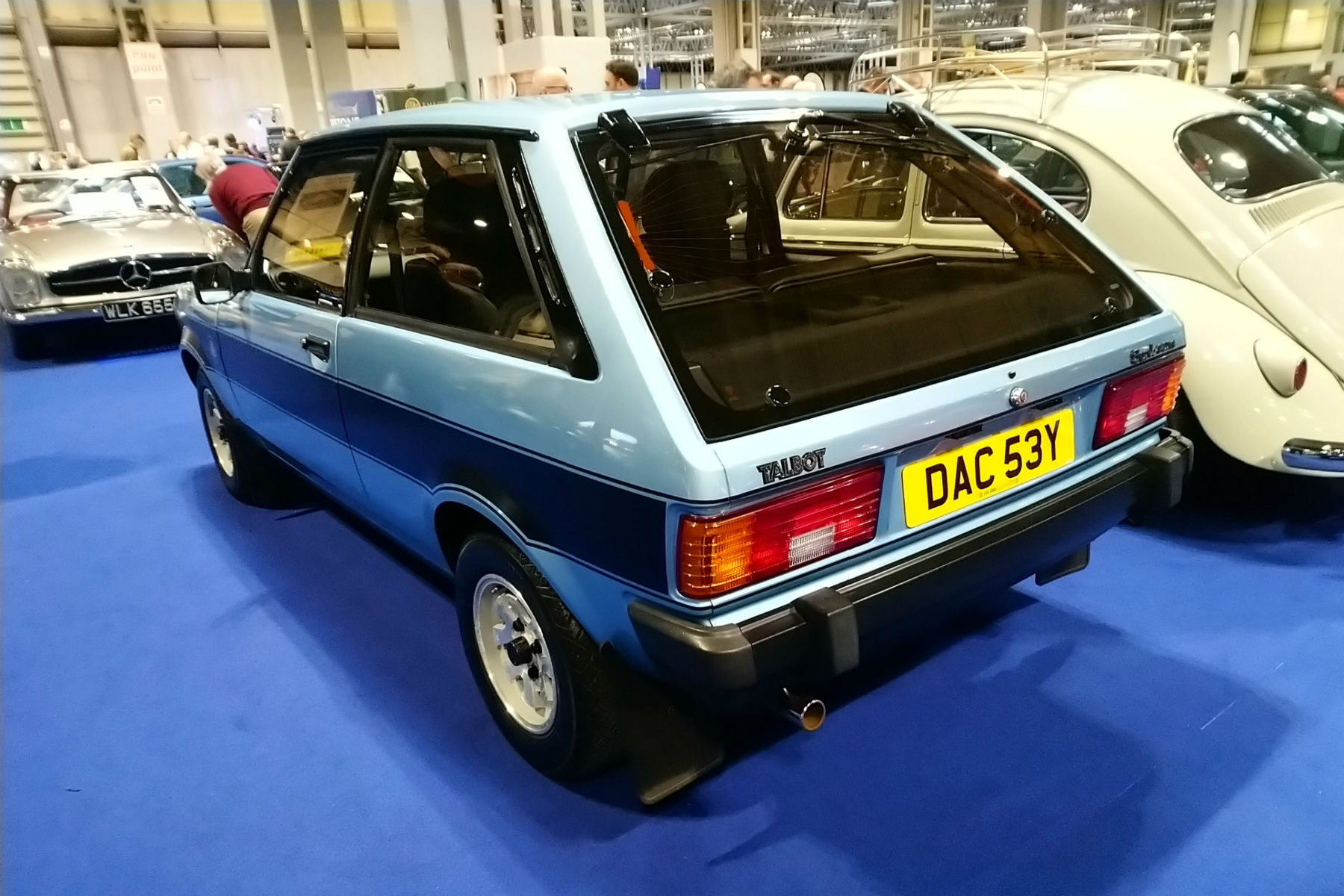
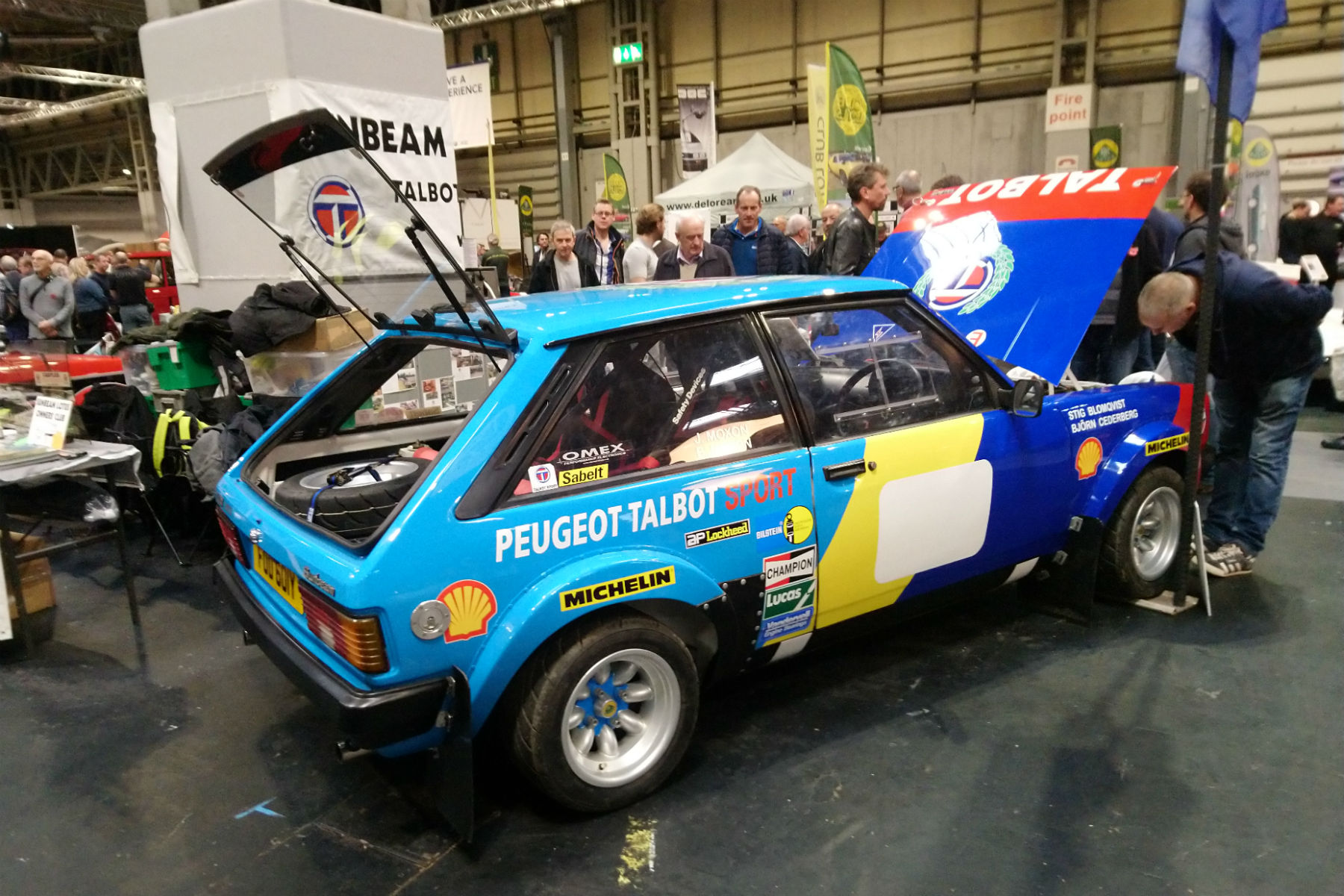
Remember the Proton Satria GTI? Well, it wasn’t the first hot hatch created with help from Lotus. Nineteen years earlier, the Talbot Sunbeam boasted a tuned Lotus engine, two-tone paint and pukka rallying pedigree. A 152hp output was serious stuff in 1979, and the Sunbeam’s rear-wheel-drive chassis served up engaging handling, too. It’s a rare beast – both then and now.

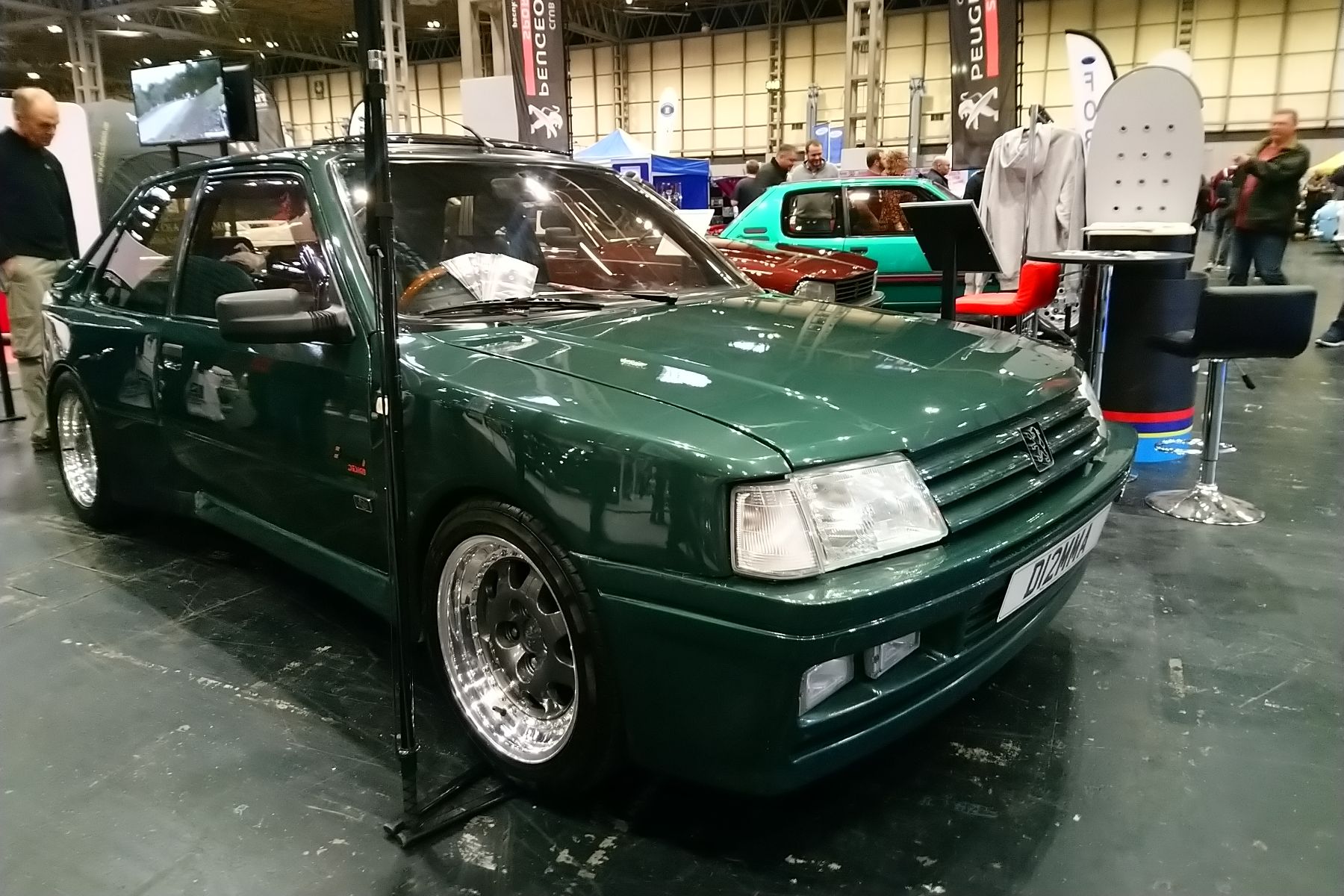
Peugeot 309 GTI Goodwood Dimma

The Peugeot 309 GTI is the (relatively) forgotten notch-backed twin of the 205 GTI, using the same engine as the famous hot hatch with different rear bodywork. Just 395 Goodwood editions were built, all in this stunning green shade. You may have noticed the wider wheelarches and dished split-rim alloys on this unique Dimma-bodied example. The coolest hot hatch at the NEC Classic Motor Show?

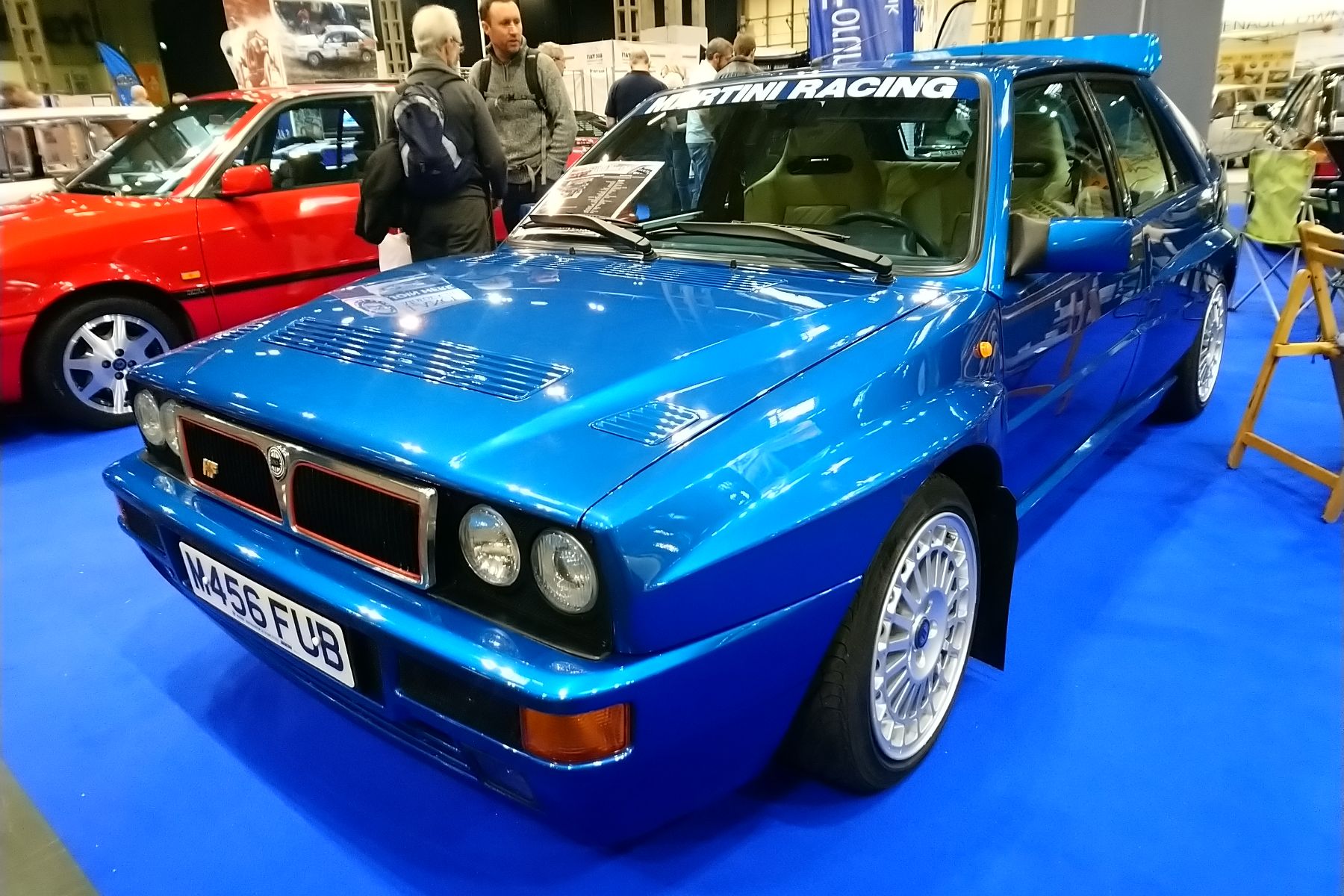
Lancia Delta HF Integrale Evo 2

The Delta Integrale is one of the definitive hot hatch rally heroes: blistered, bloated and bestowed with extra power by the demands of the World Rally Championship. This Evo 2 model is (short of a Delta S4) about as wide and mad as Deltas get – and one of just 205 cars manufactured in 1994. It looks stunning in Lagos Blue.

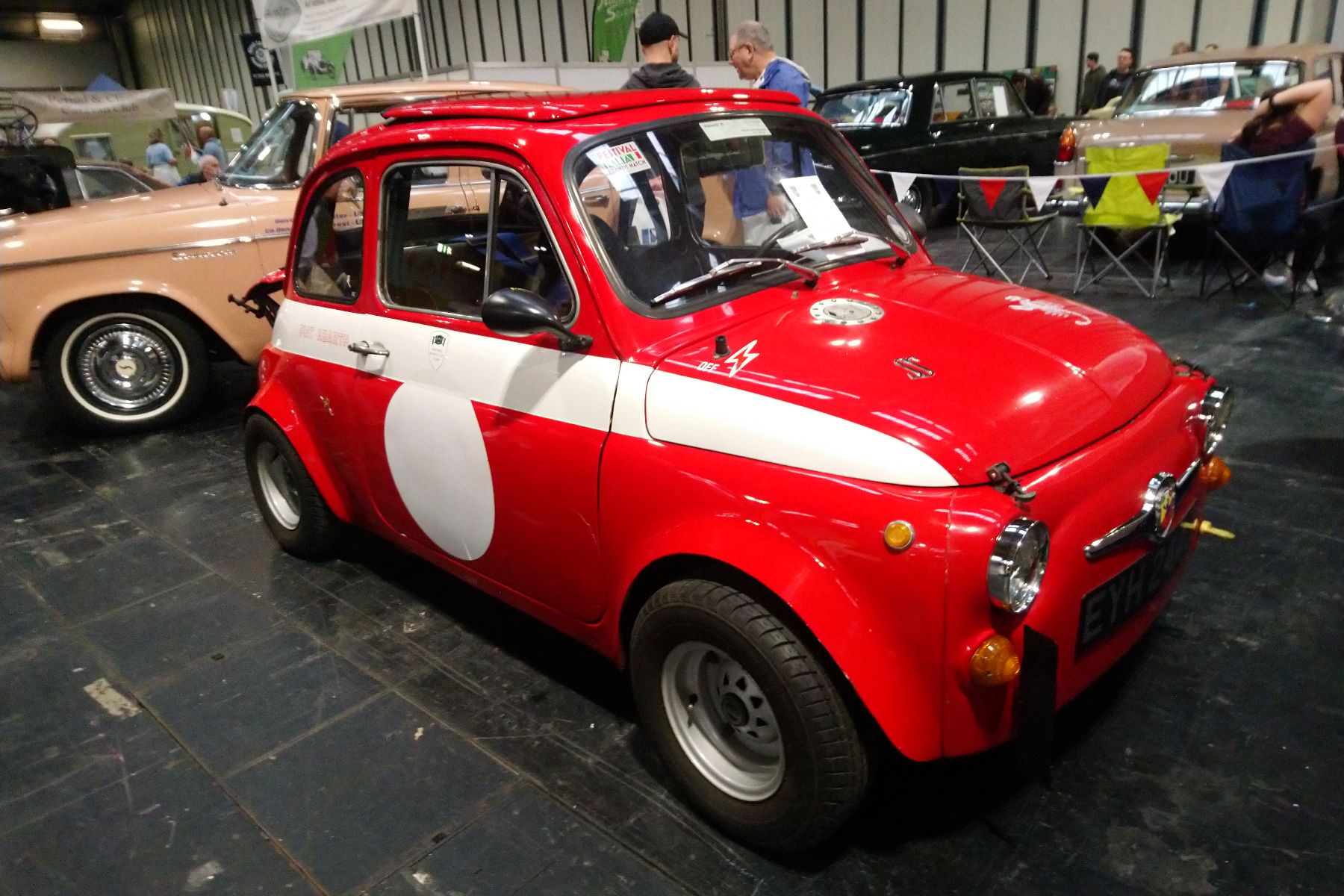
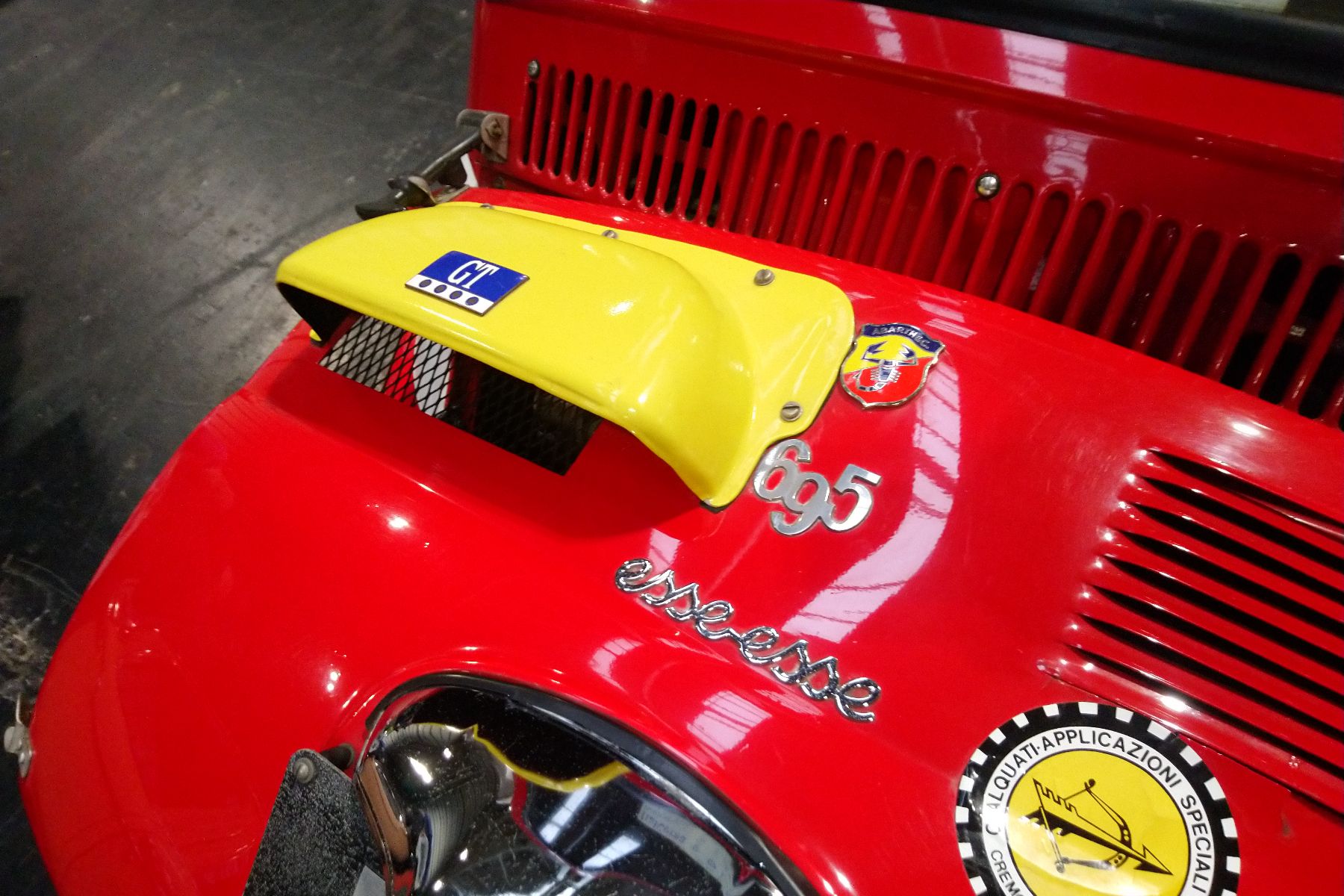
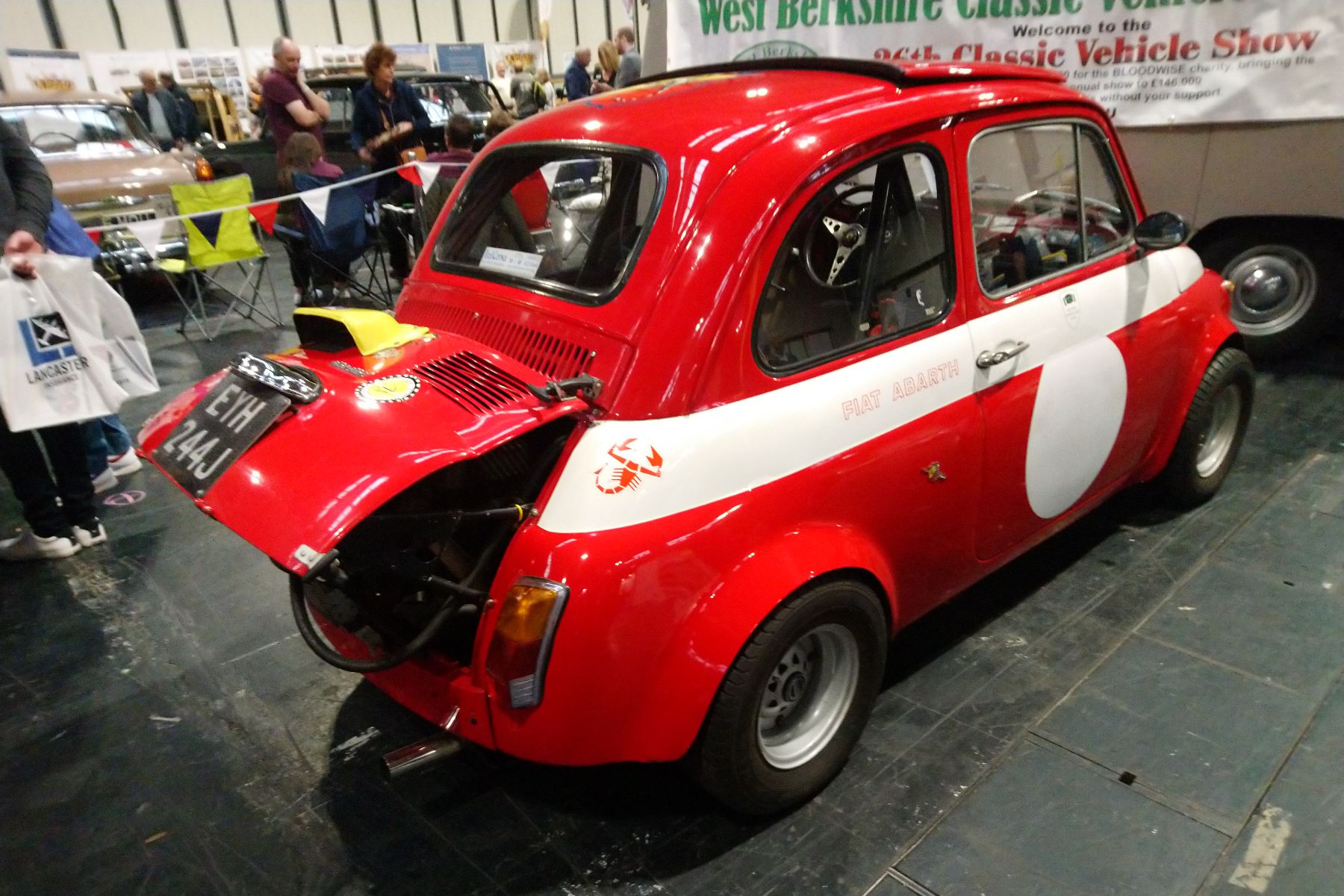
Fiat Abarth 695 Essesse

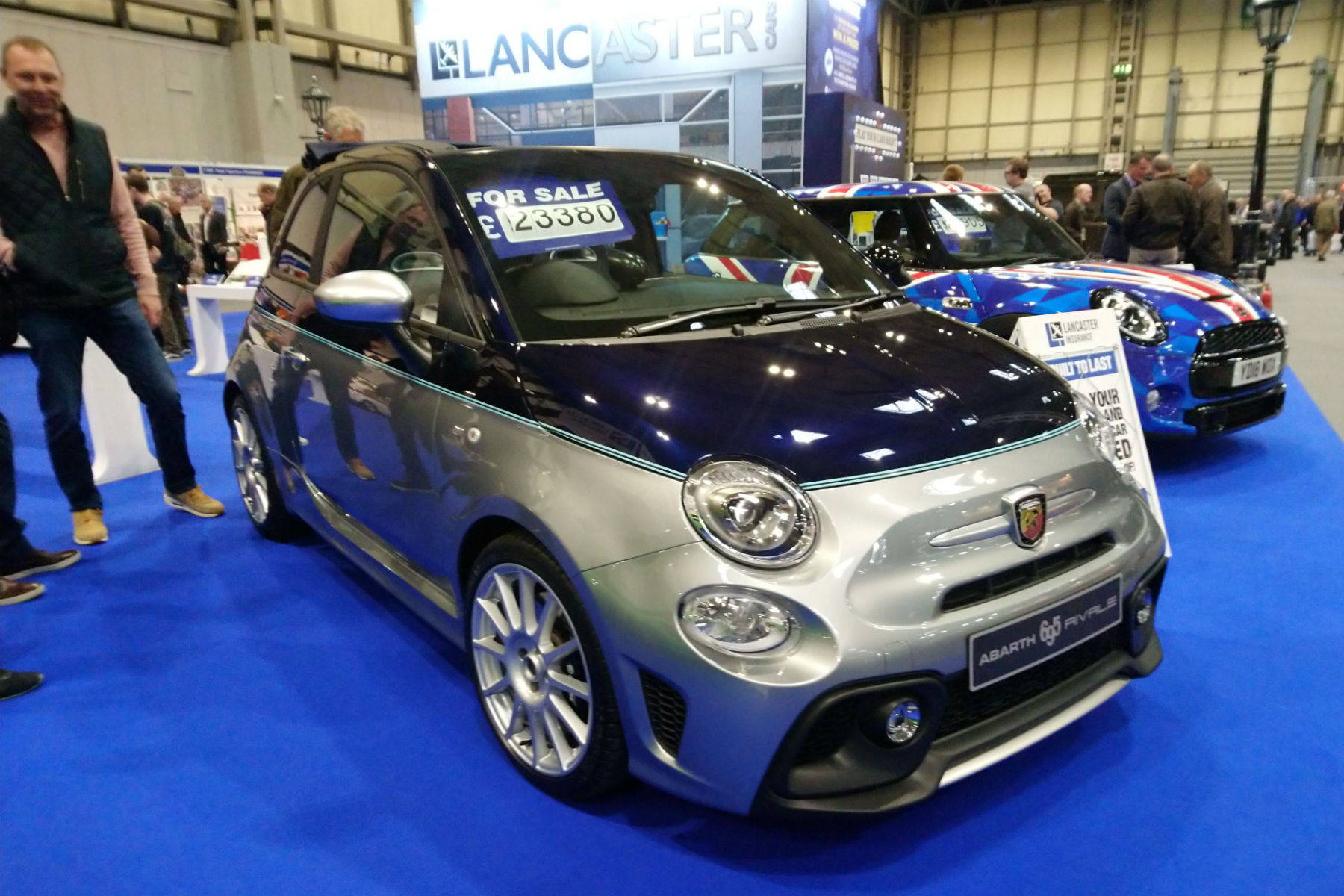
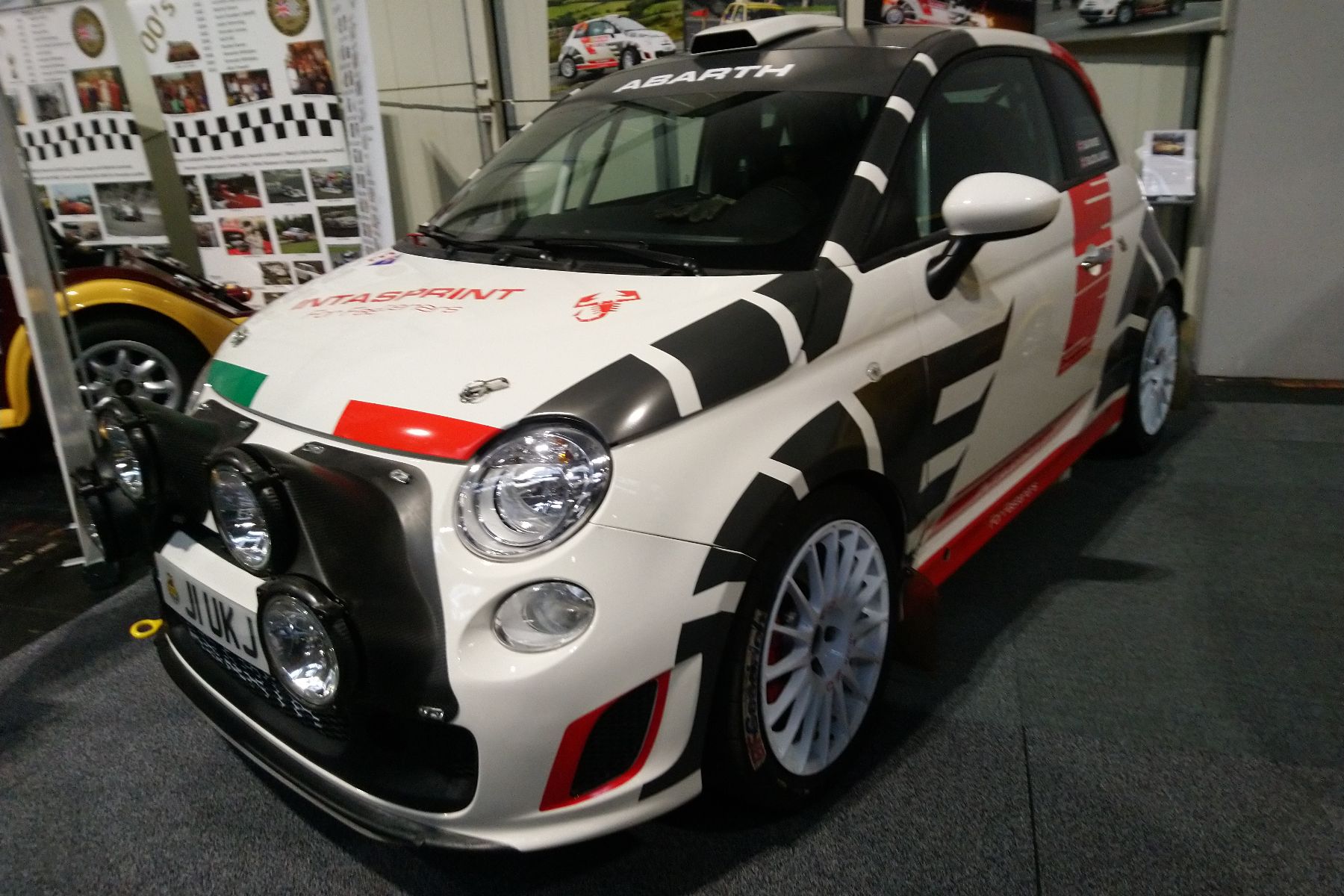
Everyone remembers the original Mini Cooper S. For budget thrill-seekers in the 1960s, though, there was only one way to go: an Abarth-fettled Fiat 500. This 695 Essesse is an immaculate slice of classic Abarth madness, complete with permanently open engine bay (for cooling). Streched wheelarches and dished alloys help render most Minis invisible by comparison.

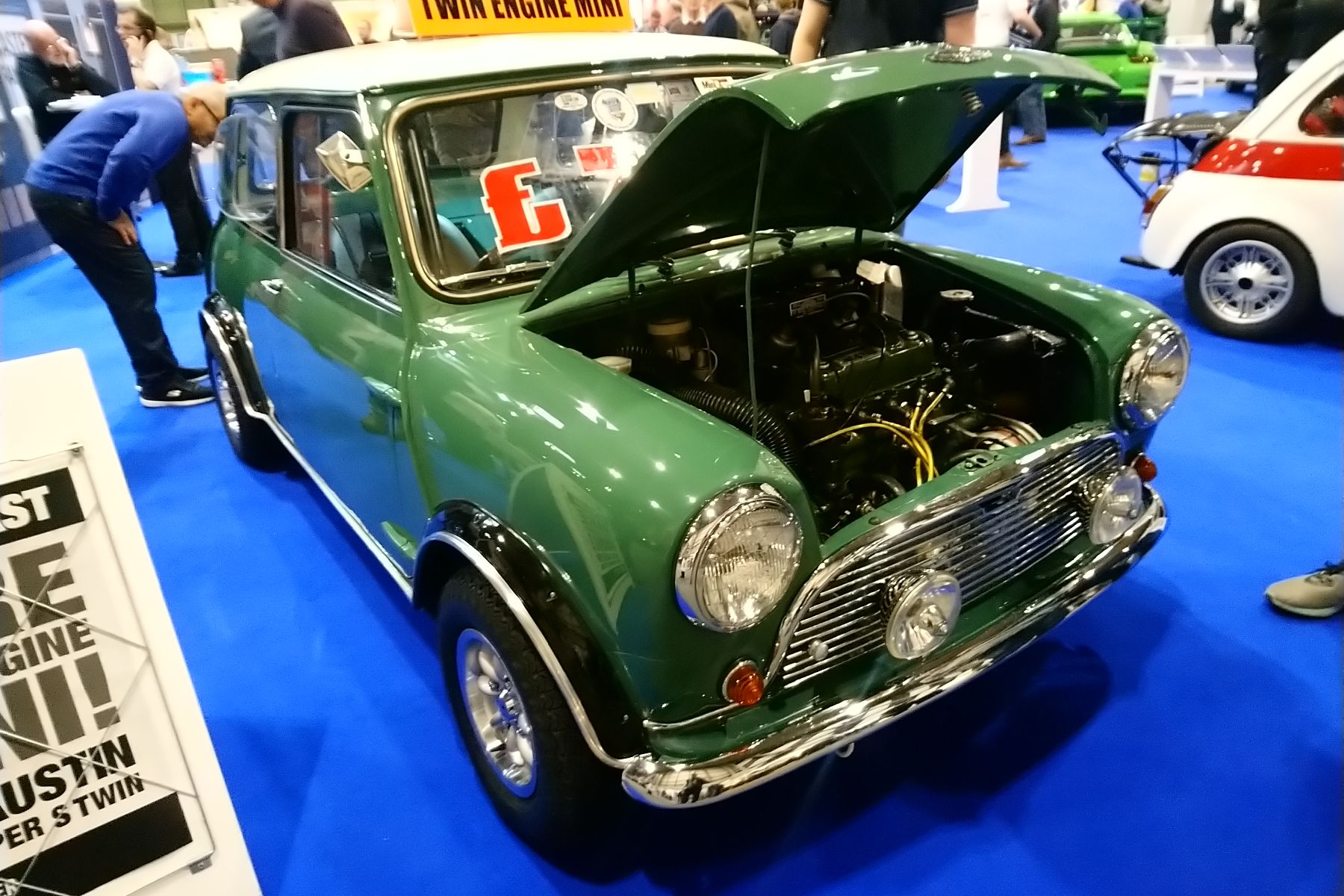
Twin-engine Mini

BMW was keen to capitalise on the Mini’s rallying success, and built a couple of four-wheel-drive prototypes – nicknamed ‘Twinis’. The first, developed by John Cooper Garages, was destroyed when Cooper himself crashed it. The second, powered by Downton Engineering, was entered into the 1963 Targa Florio but suffered a rear engine radiator failure. This is a fully-functional Twini replica.

Ford Fiesta RS Turbo

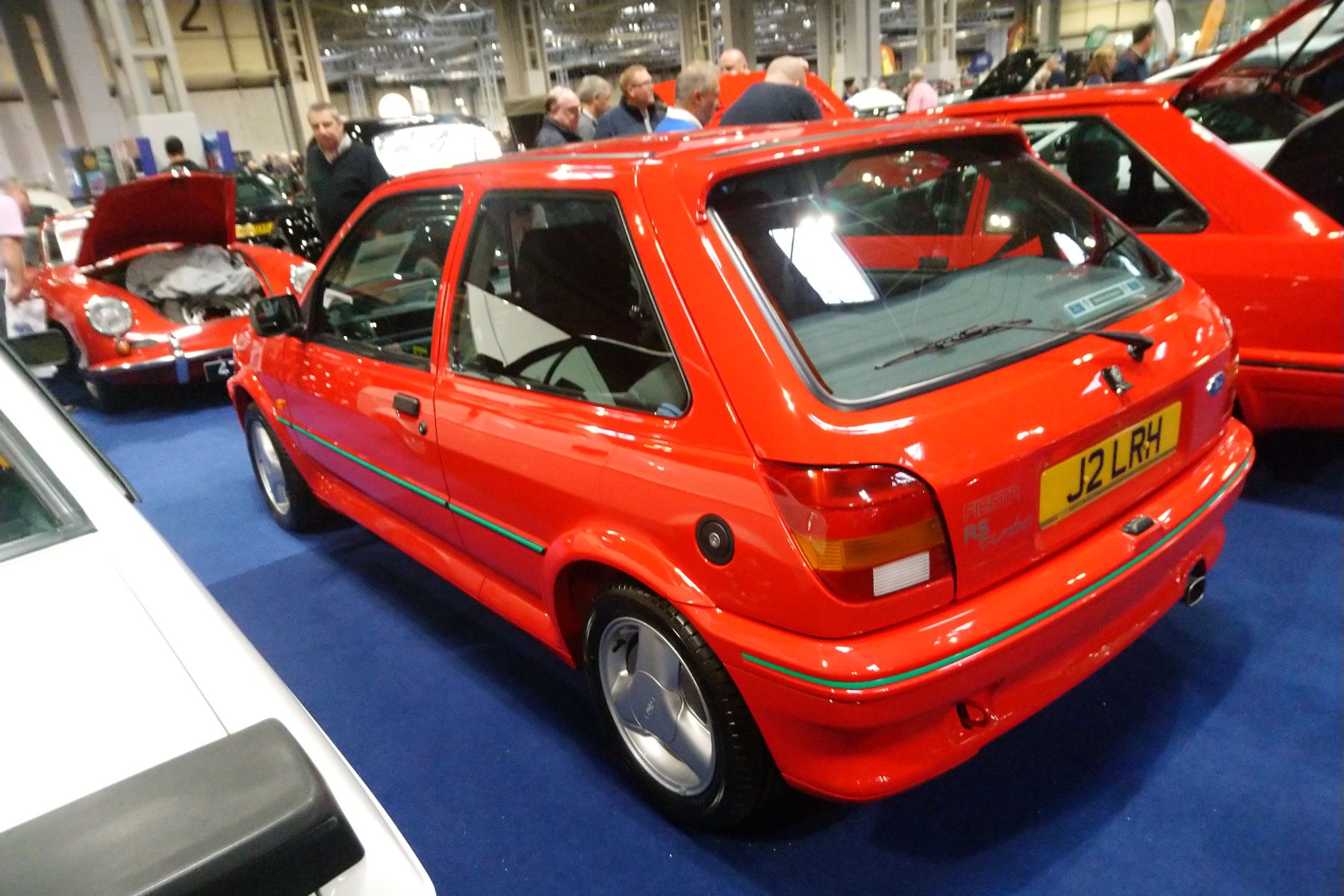
In 1990, Autocar & Motor said the Fiesta RS Turbo was “a crude performance machine that offers no finesse and little reward to the skilled driver”. Ford added a Garrett T2 turbocharger to the XR2i engine for 133hp and a top speed of 133mph. However, the feisty Fiesta gained a reputation for wayward torque steer and an unsophisticated chassis. There are better ways to spend five figures today.

Volkswagen Golf GTI Mk7

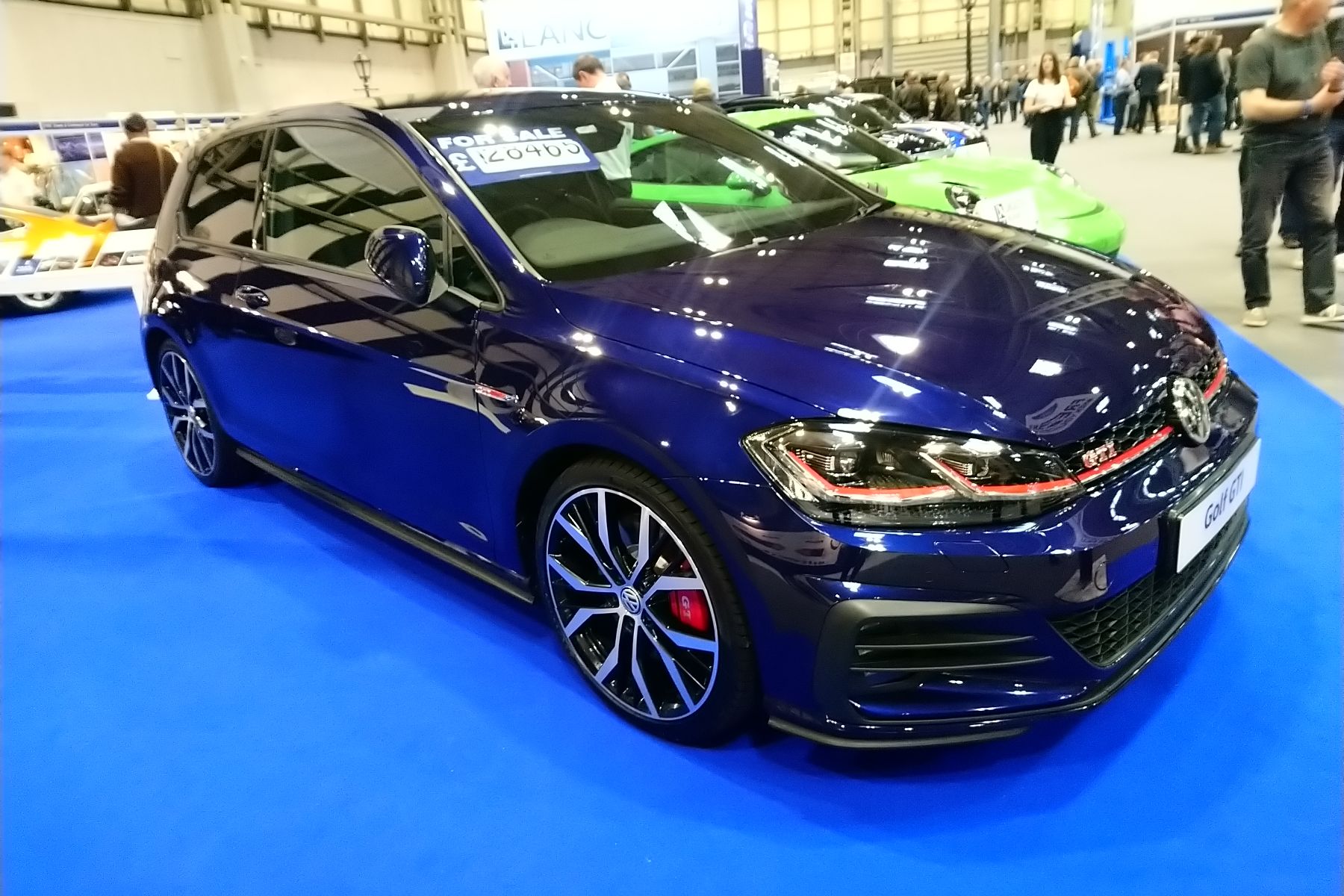
You could argue the current, seventh-generation Golf GTI is the best all-round hot hatch ever made. We wouldn’t disagree. Despite subtle styling, it offers punchy acceleration allied with excellent build quality, agile handling and a supple ride. We’ll have ours with the Performance Pack and a manual gearbox, please.

Fiat Strada Abarth 130TC

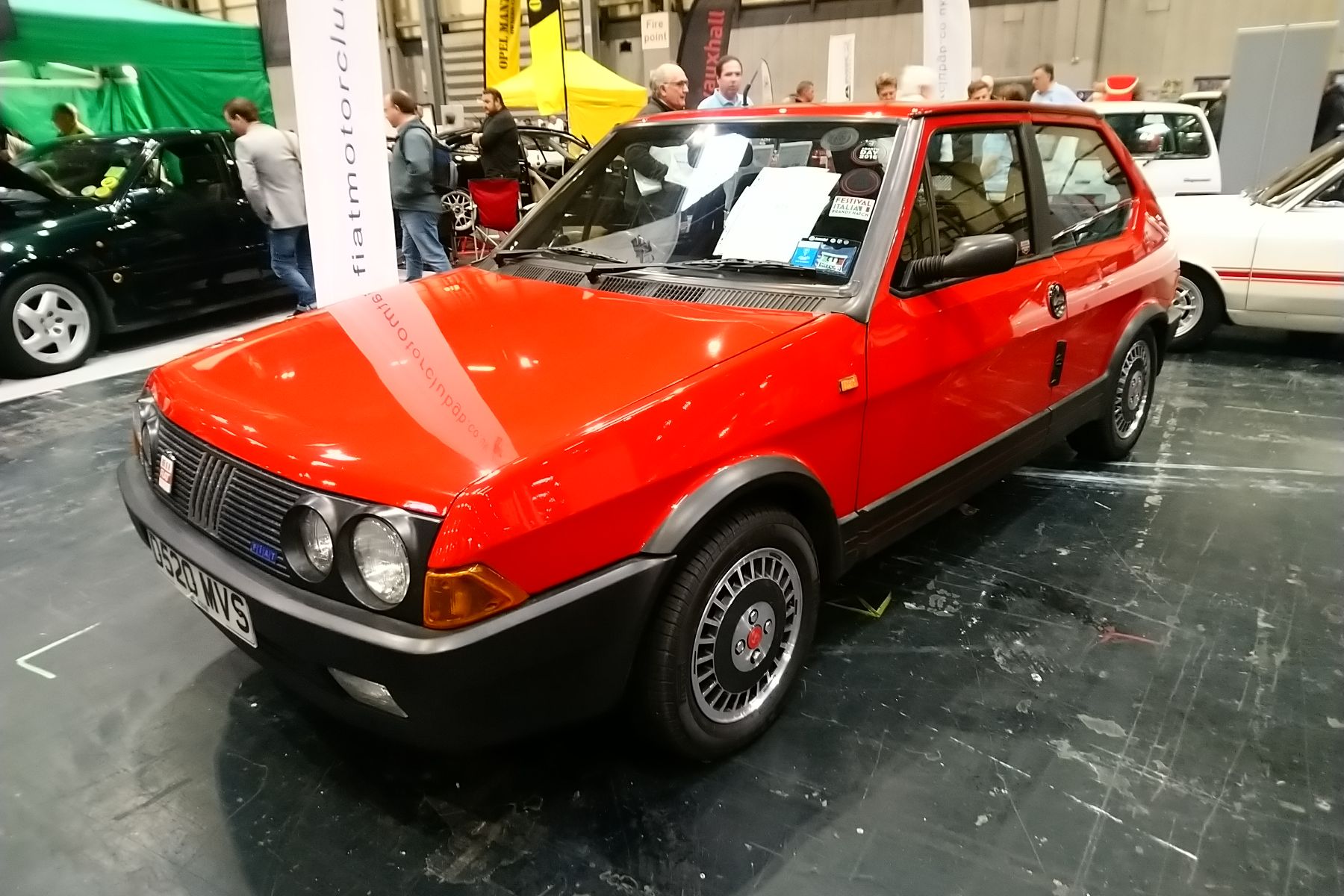
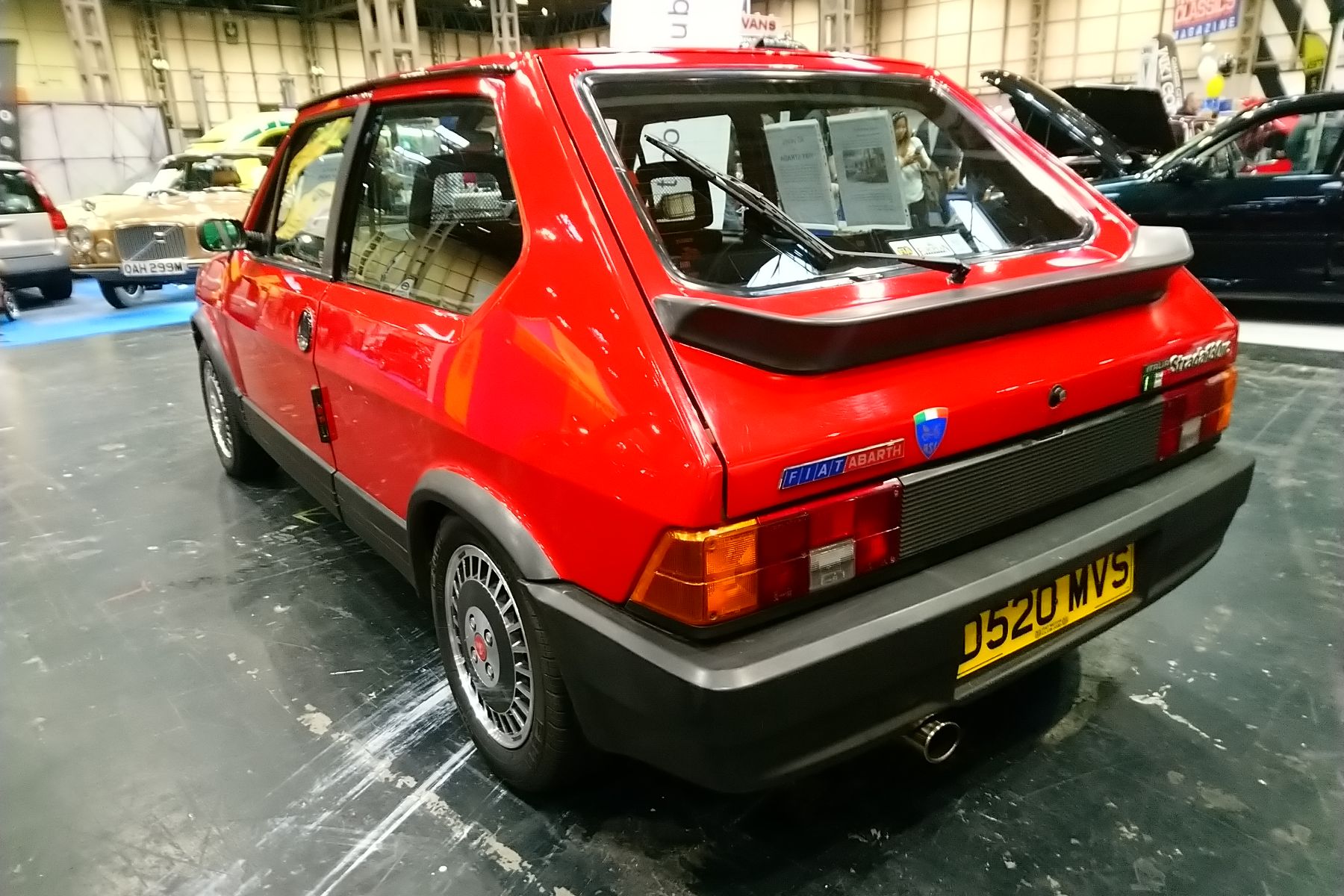
With 130hp, the Strada Abarth was one of the most powerful hot hatches of its era. It was unusual for having twin carburettors when all rivals had adopted fuel injection – and could hit 62mph in 7.8 seconds, plus 121mph flat-out. The hot Strada was called Ritmo in Europe and didn’t have the Recaro seats fitted as standard in the UK. Rust has claimed most of them, making this beautiful example a real rarity.

Ford Focus RS Mk2

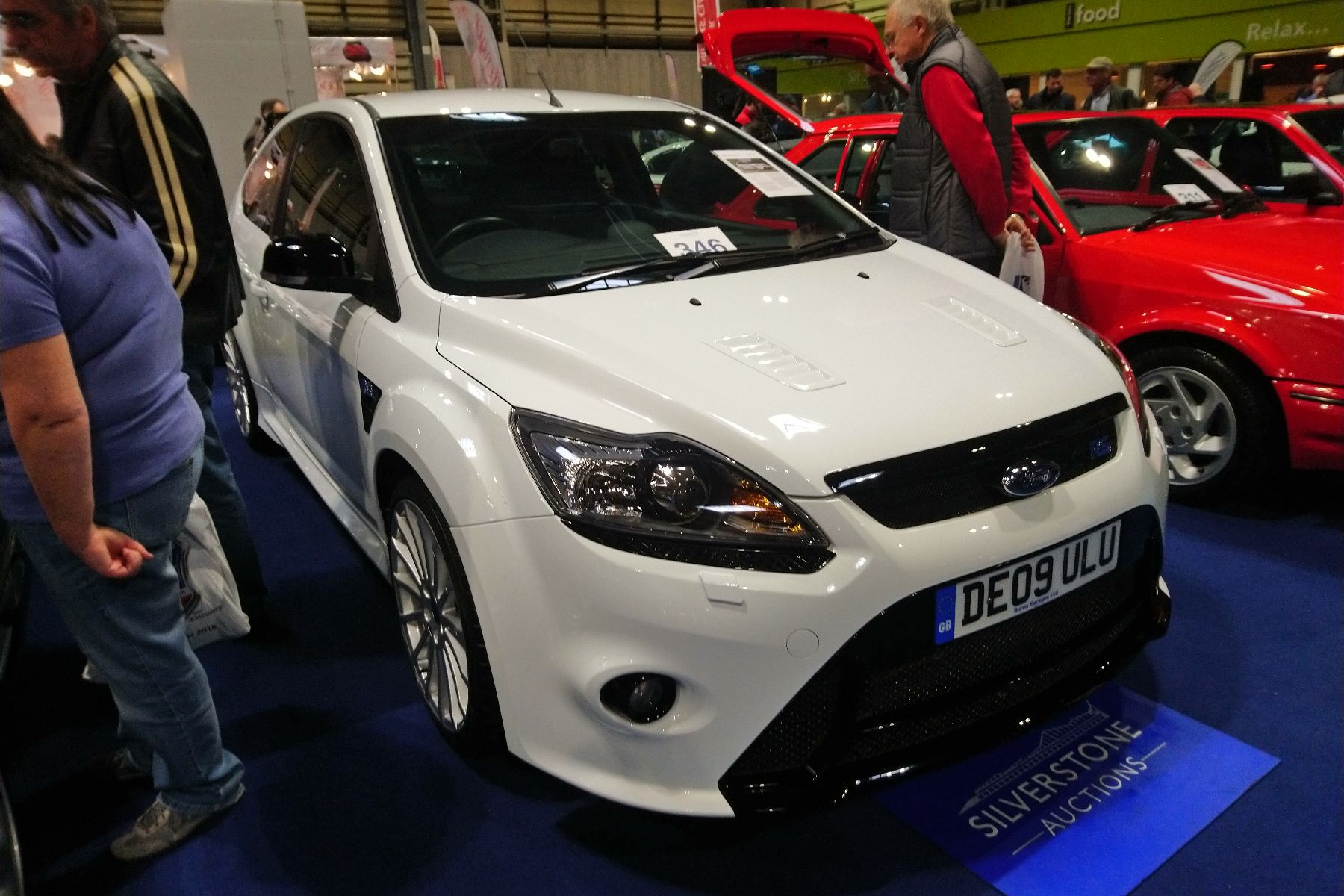
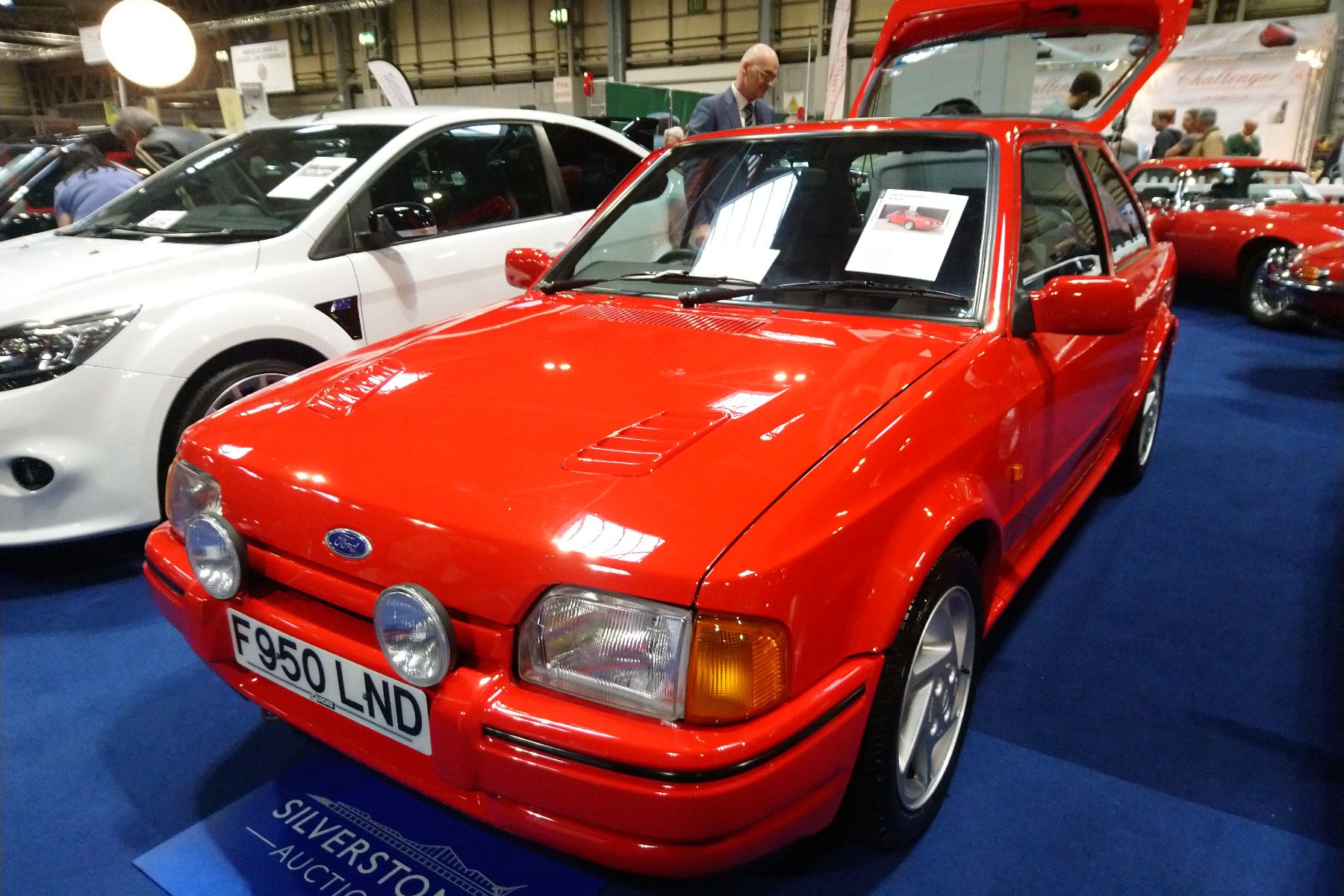
The Mk2 Focus RS was quite controversial in its day. It was a bit heavy, front-wheel drive and seemed compromised alongside contemporary offerings from Renault. What it did have in its arsenal was that incredible 300hp turbocharged five-cylinder engine, sweet handling and the option of luminous Ultimate Green paint (sadly not specified here). This example is up for sale with Silverstone Auctions.

MG Maestro Turbo

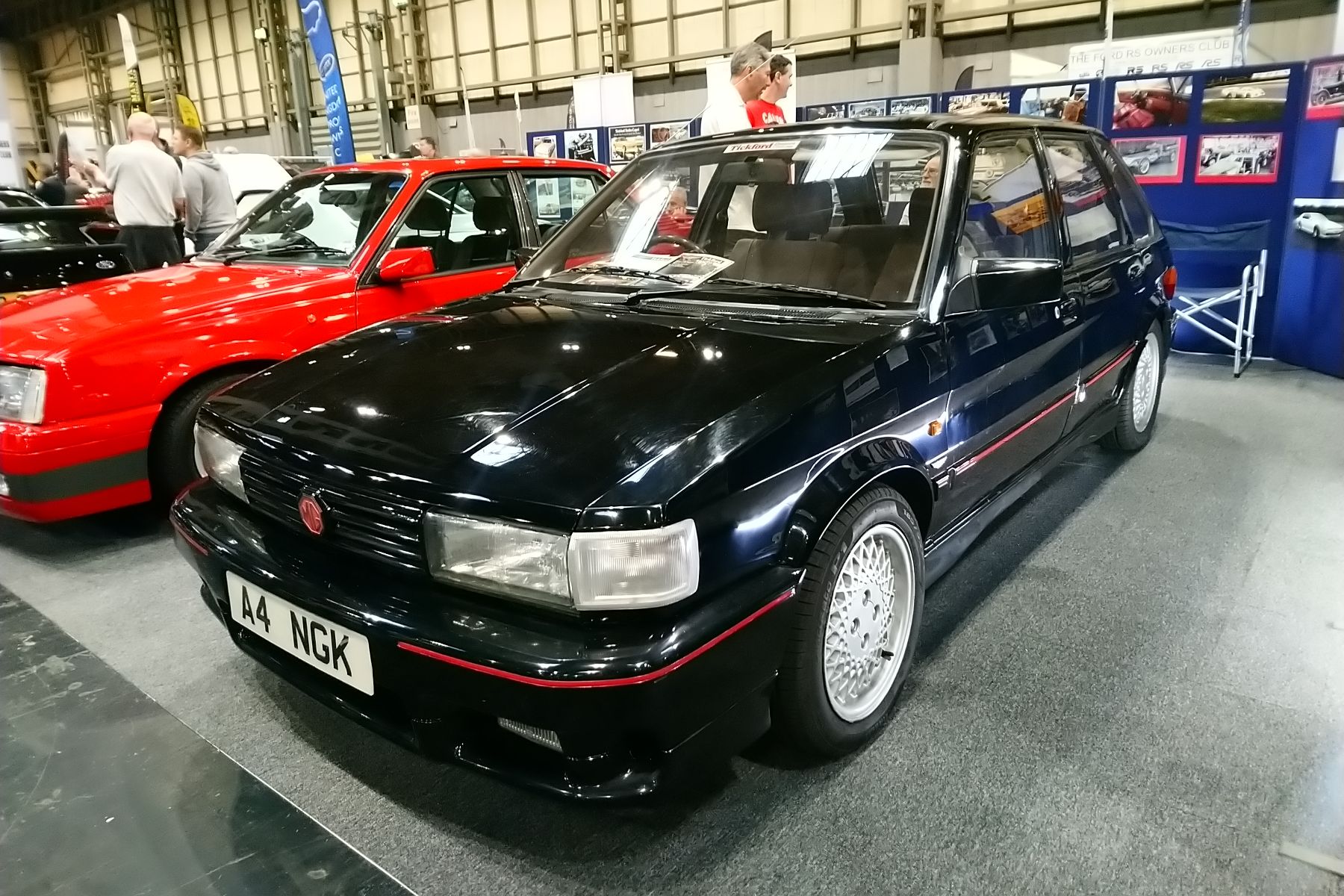
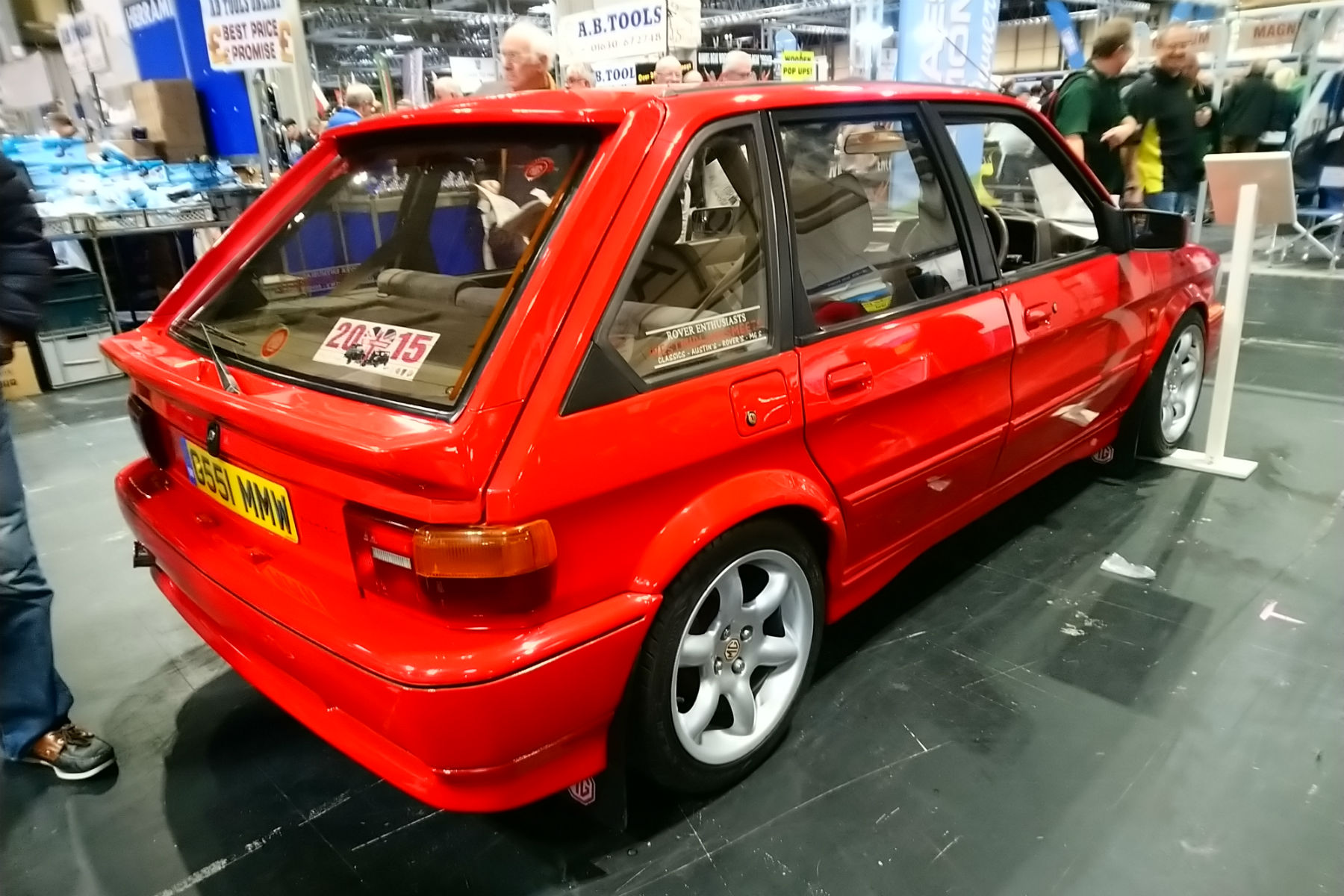
Certain folk in the MR office will get unreasonably excited about this. Like the aforementioned Strada Abarth, the ultimate Maestro used a carburettor-fed engine – albeit this time with a turbocharger. Top speed was 128mph, while a Tickford bodykit and cross-spoke alloys add a dash of style. The swansong for Austin Rover before it became simply ‘Rover’, only 505 MG Maestro Turbos were made.

Renault Clio V6

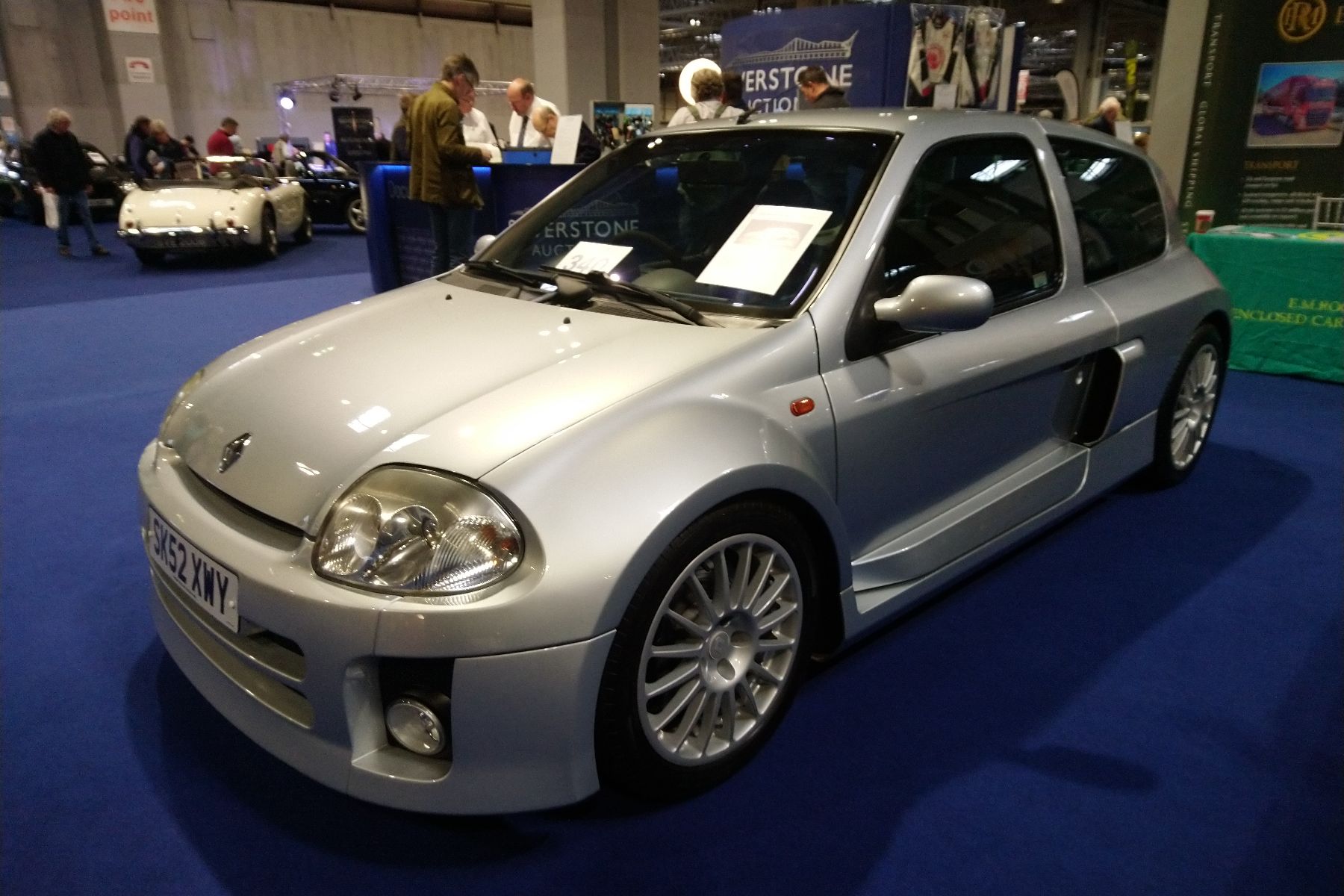
The Clio V6 begs the question: who at Renault said “yes” to this? We’re sure glad they did, though. The mid-engined Clio is one of the craziest (and scariest in pre-facelift form) hot hatches of the last 20 years. Inside, you’d be hard pressed to tell it was anything more than just a Clio, until you look behind and see the engine where the rear seats used to be….

Vauxhall Chevette HSR

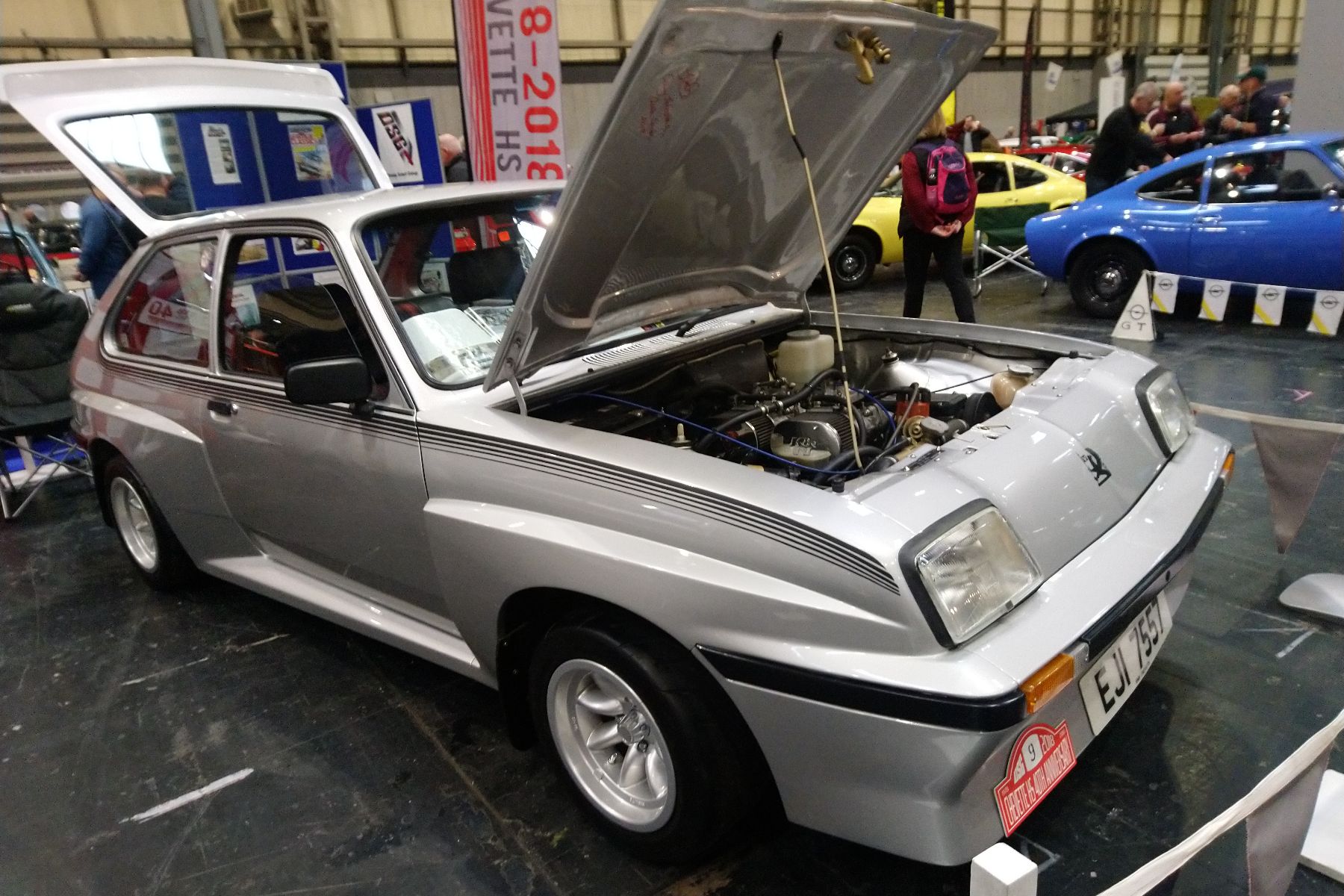
Cars homologated for rallying are a recurring theme in this round-up – and the Chevette HSR is no different. This pint-sized road racer packs a 2.3-litre 16v engine, complemented by lightweight fibreglass body panels. Just look at those brutally blistered wheelarches. Only 50 HSR-spec Chevettes were made to meet Group 4 regulations.

MG Metro 1300 Sport

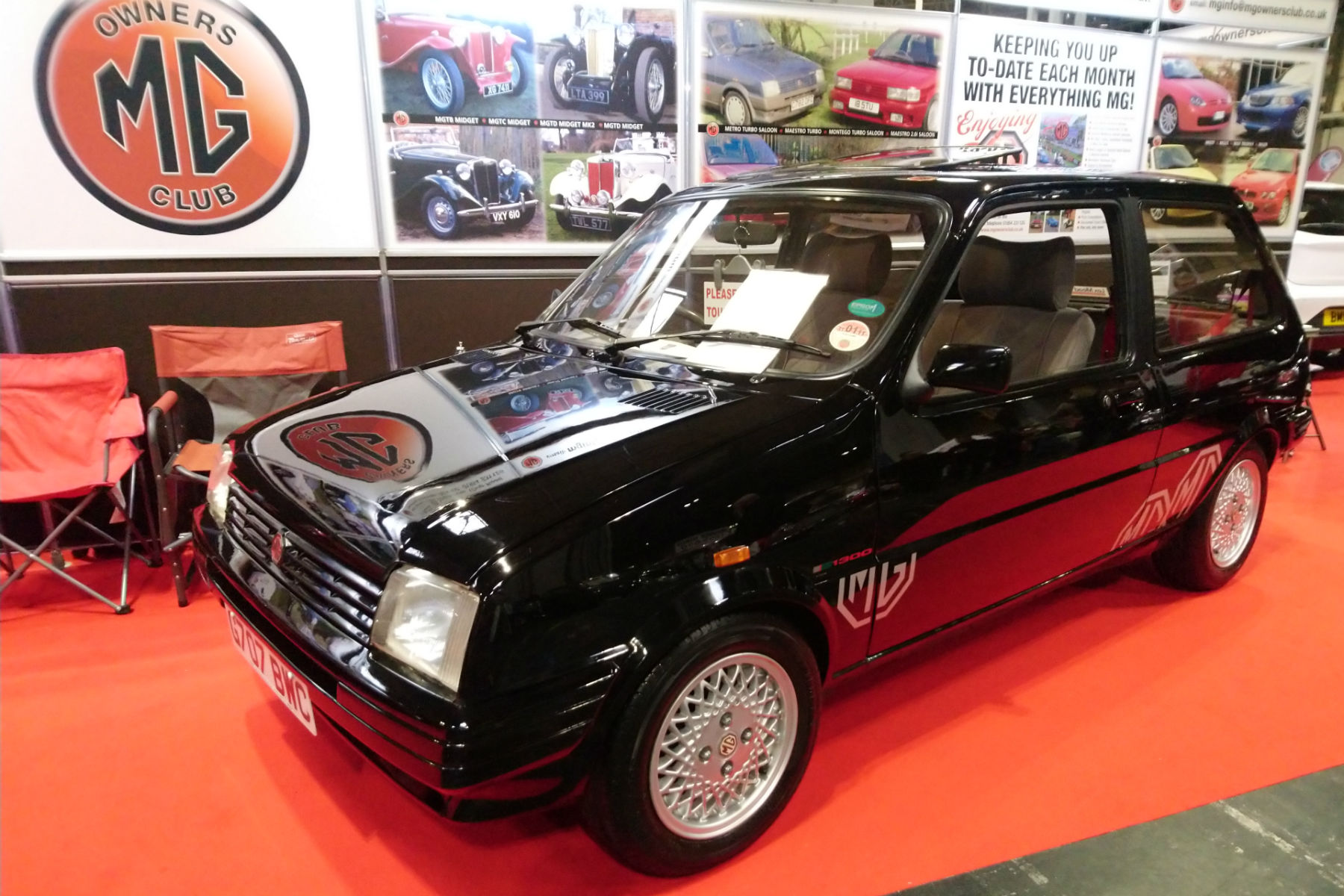
This late-model MG Metro was one of the last; within a year, it would be replaced by the Rover Metro, which came in hot GTi guise. The pumped-up Austin Metro didn’t have the warmest following when new, but it’s becoming a bit of a collectable now – particularly in such pristene condition as this.

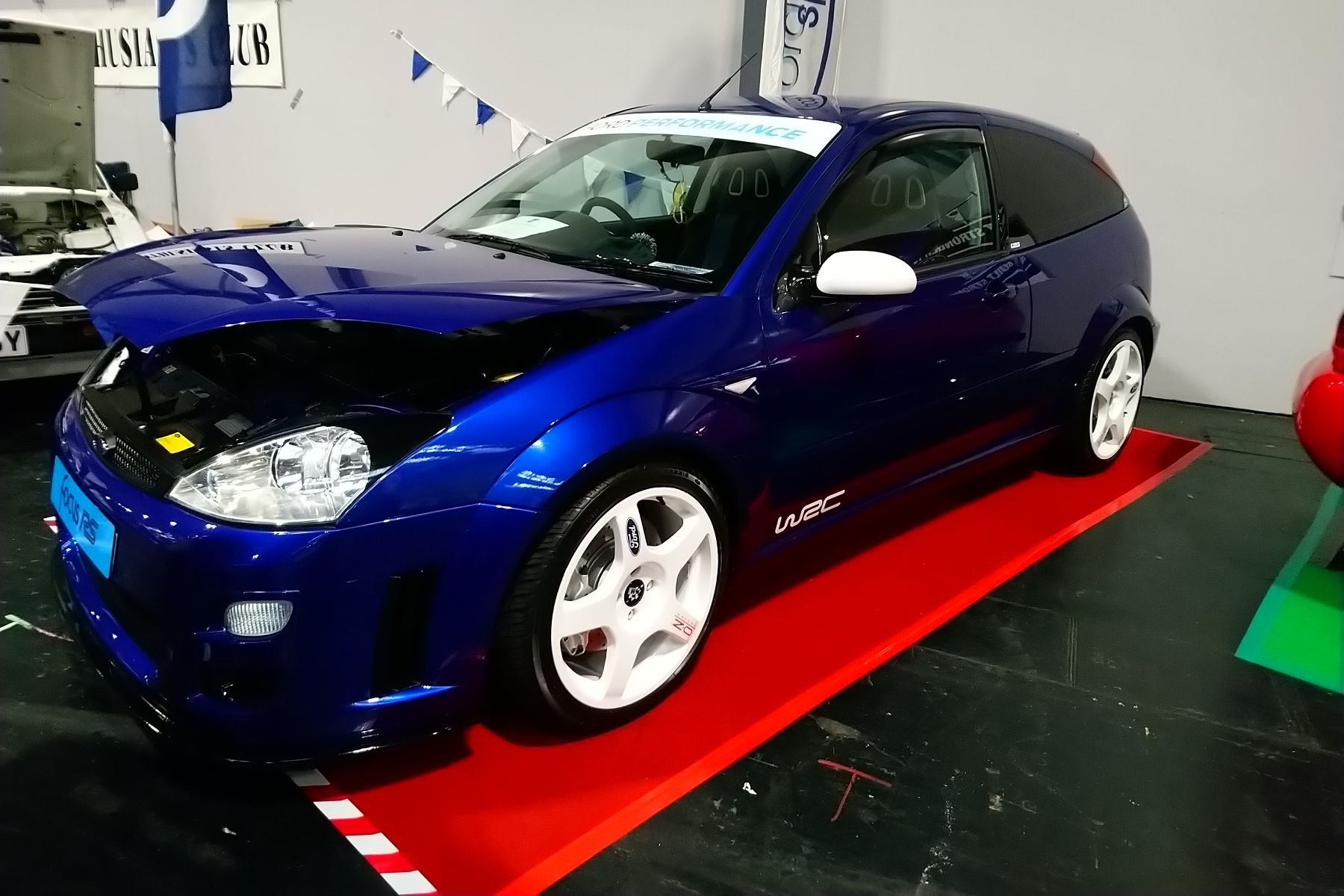
Ford Focus RS Mk1

A difficult follow-up to the Escort Cosworth, the Focus RS had neither all-wheel-drive or a Cosworth motor. What it did have was 212hp, a cracking bodykit, bucket seats and a proper limited-slip diff. This was the beginning of a new golden age of the hot hatch, where clever engineering would define some of the best fun cars you could buy on a budget. Don’t expect to find a Mk1 going cheap these days, mind.

More hot hatches from the 2018 NEC Classic Motor Show

Advertisement

The crazy world of Group B rally cars

0

Group B Audi Quattro rally carsOn 2 May 1986, Henri Toivonen and his co-driver Sergio Cresto were killed while racing in the Tour de Corse. It signalled the end for the notorious Group B rallying – the final act in a series of unfortunate events involving super-fast and super-light rally cars.

More than three decades on, and despite the deaths and serious injuries, Group B is remembered as one of rallying’s greatest periods. We mark the 30th anniversary with our favourite Group B cars.

It’s no coincidence that rallying’s most formative years were also its most dangerous. Back in the 1980s, the sport was more popular than F1, with rally drivers becoming household names. For carmakers, Group B was like being let off the leash – free to build crazy machines with only 200 road cars required for homologation purposes.

Horsepower went through the roof and the cars became ever lighter. It was a recipe for disaster, but the fans loved it, keen to line the tarmac, snow and gravel stages of the world, often within touching distance of the mega-horsepower machines.

Audi quattro / Sport quattro

Group B Audi Quattro rally cars

Four-wheel drive and turbocharging – today it sounds like a simple recipe, but when Audi launched its quattro, it was both radical and groundbreaking. Audi works driver, Stig Blomqvist described the difference between two- and front-wheel drive as “day and night”. Indeed, Audi was able to secure a formidable team, with Michele Mouton and Hannu Mikkola joining Blomqvist.

Hannu Mikkola drove the Audi quattro to the drivers’ championship in 1983, with Stig Blomqvist repeating the achievement in 1984. The German firm was totally dominating the sport, with success on the track translating to sales in the showroom. Its quattro technology revolutionised world rallying, forcing its competitors to play catch up. They did catch up, but it took a while.

Lancia Delta S4

Group B Lancia Delta S4

In 1983, the Lancia Rally 037 was the last rear-wheel drive car to win a World Rally Championship. Its replacement — the Delta S4 — was a mid-engined, four-wheel drive Group B monster, designed to take the fight to Audi. Indeed, aside from the Peugeot 205 T16, it was the only genuine rival to the all-conquering quattro.

Its supercharged and turbocharged engine produced between 450hp and 500hp, with its kerb weight of 890kg highlighting all that was good — and indeed bad — about Group B rallying. The Delta S4 was one of Group B’s wildest childs and will forever be remembered as the car crashed by Toivonen at the 1986 Tour de Corse. The Finn’s death signalled the end for Group B.

Ford RS200

Group B Ford RS200

Looking back, it’s as though the world’s carmakers were on some kind of drug in the 1980s. That’s the only rational explanation for Ford creating the RS200. Its birth was a direct result of the cancellation of the Ford Escort RS1700T, but it wouldn’t arrive until the 1986 season – the final year of Group B.

If it looks radical today, just think what it must have looked like in the mid 80s. Aside from Sierra rear lights and windscreen, the RS200 looked nothing like the standard Ford cars of the day, while its Kevlar body hid a 1.8-litre engine developing 420hp. Sadly, an RS200 driven by Joaquim Santos was involved in an incident in which three spectators died and a further 30 were injured. It was the first of many incidents which led to the eventual ban on Group B cars.

Peugeot 205 T16

Group B Peugeot T16

For many fans of rallying, three cars make up the Holy Trinity of Group B: the Audi quattro, the Lancia Delta S4 and the Peugeot 205 T16. Designed to take on the might of Audi, the 205 T16 was lighter and therefore more nimble than its German rival; winning the Drivers’ and Constructors’ titles in 1985 and 1986.

With 335hp on tap — a figure that would increase to 420hp and then 500hp — Jean Todt was able to assemble an all-star cast for his Peugeot Talbot Sport team. None other than Ari Vatanen, Timo Salonen and Juha Kankkunen took the wheel of the 205 T16 cars, creating a Group B match made in heaven.

MG Metro 6R4

Group B Metro 6R4

Rose-tinted glasses are a wonderful thing. Three decades on we look at the MG Metro 6R4 with a huge amount of affection, not least because of its success in ‘Clubman’ spec. But as a Group B rally car it has to go down as a failure, with a succession of engine failures leading to a series of DNF classifications.

Not to be confused with the Metro driven by your mother, the 6R4 featured a mid-mounted V6 engine, flared arches and integral roll cage. In case you were wondering, 6R4 stands for 6 cylinder, Rear engine, 4-wheel drive.

Ferrari 288 GTO

Group B Ferrari 288 GTO

When is a Group B car not a Group B car? When it’s a Ferrari 288 GTO. While many manufacturers chose to go rallying, a few ventured down the track route, one of which was Ferrari. The 288 GTO was designed to go racing and Ferrari was to build 200 road cars. But with the death of Group B, Ferrari was left with a car without a race series…

No matter, because such was the demand for the 288 GTO — first seen at the 1984 Geneva Motor Show — Ferrari pressed ahead with a production run of 272 examples. The world was glad it did, because the 400hp 288 GTO became one of the defining Ferraris of the 1980s. And it was all thanks to Group B…

Citroen BX 4TC

Group B Citroen BX 4TC

But while Ferrari created a Group B icon, Citroen created an embarrassment. The French firm was so ashamed of the BX 4TC, it cancelled the project and ordered all remaining cars be scrapped. Its ungainly looks were thanks to its engine, which was mounted too far forward, while the car itself was too heavy and suffered from horrendous understeer.

By 1988, some two years after the death of Group B, only 85 of the planned 200 cars required for homologation had been sold. Around half of these survived Citroen’s night of the long knives, making the 4TC highly collectable today. That said, it remains one of the cheapest entries into Group B ownership.

Porsche 959

Group B Porsche 959

Perhaps the most technologically advanced of all Group B cars, the Porsche 959 never actually entered a Group B race. Development of the Porsche ‘Gruppe B’ took far too long, which meant that by the time it was complete, Group B had already been consigned to the history books. But that didn’t stop the 959 from establishing itself as a legend.

Indeed, though rallying became less important to Porsche, the 959 did secure an impressive one-two in the Paris-Dakar Rally of 1986, while a track-focused car took a class win at Le Mans. At the time, this 197mph was the fastest road-going car in the world. Another reason to celebrate Group B.

Lancia Rally 037

Group B Lancia Rally 037

Some cars are born too soon for their own good. The stunning Lancia Rally 037 is a good case in point. Though it was successful in the 1983 World Rally Championship — securing the Constructors’ title — the writing was already on the wall, with Audi proving that four-wheel drive represented the future of world rallying.

It was the first Group B car to be built and was seriously quick on tarmac surfaces. But its rear-wheel drive nature meant it was unable to match the Audi quattro on snow and gravel, so its days on the podium were numbered. It was replaced by the Delta S4 and subsequently the Delta HF Group A.

Opel Manta 400

Group B Opel Manta 400

The greatest Group B car ever produced? Far from it, but we all have a soft spot for the Opel Manta 400. Work started on the car back in 1981, but FISA didn’t give it the stamp of approval until 1983. It made its debut in Corsica.

The Opel Manta 400 made extensive use of Kevlar, with the front wings, front panel, bonnet, doors, rear arches, boot lid, spoiler and headlight holders all made from the lightweight material. That’s the nature of Group B – anything goes.

Nissan 240RS

Group B Nissan 240RS

Nissan’s Group B entry was the 240RS coupe. It was powered by a 2.4-litre engine developed specifically for Group B, with power transferred to the rear wheels using a Nismo transmission.

Being rear-wheel drive, it enjoyed limited success on the world’s circuits, but it managed a second place in the New Zealand Rally.

Toyota Celica Twin-Cam Turbo

Group B Toyota Celica Twin-Cam Turbo

Thanks to its success in the Safari and Ivory Coast Rallies, the Toyota Celica Twin-Cam Turbo earned itself a nickname of ‘King of Africa’. While other carmakers were switching to four-wheel drive, Toyota stuck with rear-wheel drive, much to the disappointment of team boss Ove Andersson.

It made its debut on the 1983 1,000 Lakes Rally, where Juha Kankkunen drove it to a respectable sixth place. On its next outing it finished first on the 1984 Ivory Coast Rally. The end of Group B signalled the end for the Celica Twin-Cam Turbo and a new beginning for the Celica with a new four-wheel drive drivetrain.

Citroen Visa Mille Pistes

Citroen Visa Mille Pistes

The Citroen Visa Mille Pistes followed the earlier Visa Trophée and Visa Chrono models, providing entry-level access to Group B rallying. While it was never going to compete for honours, the Mille Pistes did achieve a number of class wins.

Its engine was a tuned version of the road-going 1.4-litre engine found in a number of Citroen and Peugeot models, but with four-wheel drive added for the first time in a Visa. Many fell into hands of privateers and — much like the BX 4TC — it provides one of the most affordable ways to experience Group B.

Skoda 130LR

Skoda 130LR

The Visa’s direct competitor was this – the Skoda 130LR. The rear-engined rally car was based on the Skoda 120 road car and was powered by a 1.3-litre engine developing 132hp.

After Group B was cancelled, the Skoda 130LR continued to be used in national events until 1988. In its day, the Skoda was quite a formidable and durable giant-killer.

Advertisement

Bentley Advanced Connectivity offers 5G internet speeds in your car

0

What does the car of the future look like? Is it electric? Almost certainly. Is it autonomous? Probably. Is it connected? Absolutely. But better-connected cars are what Bentley customers want right now. And what Bentley customers want, they often get.
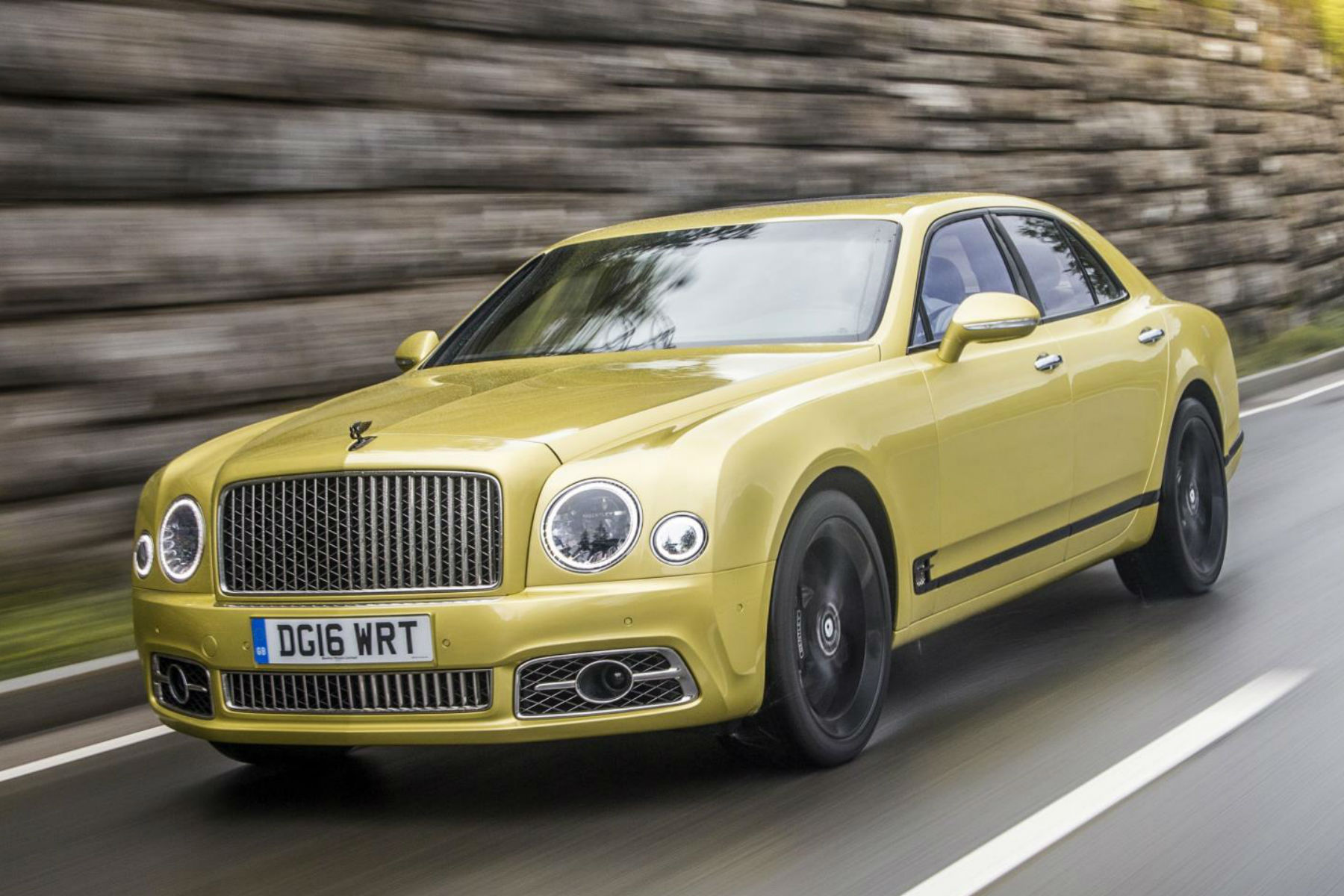
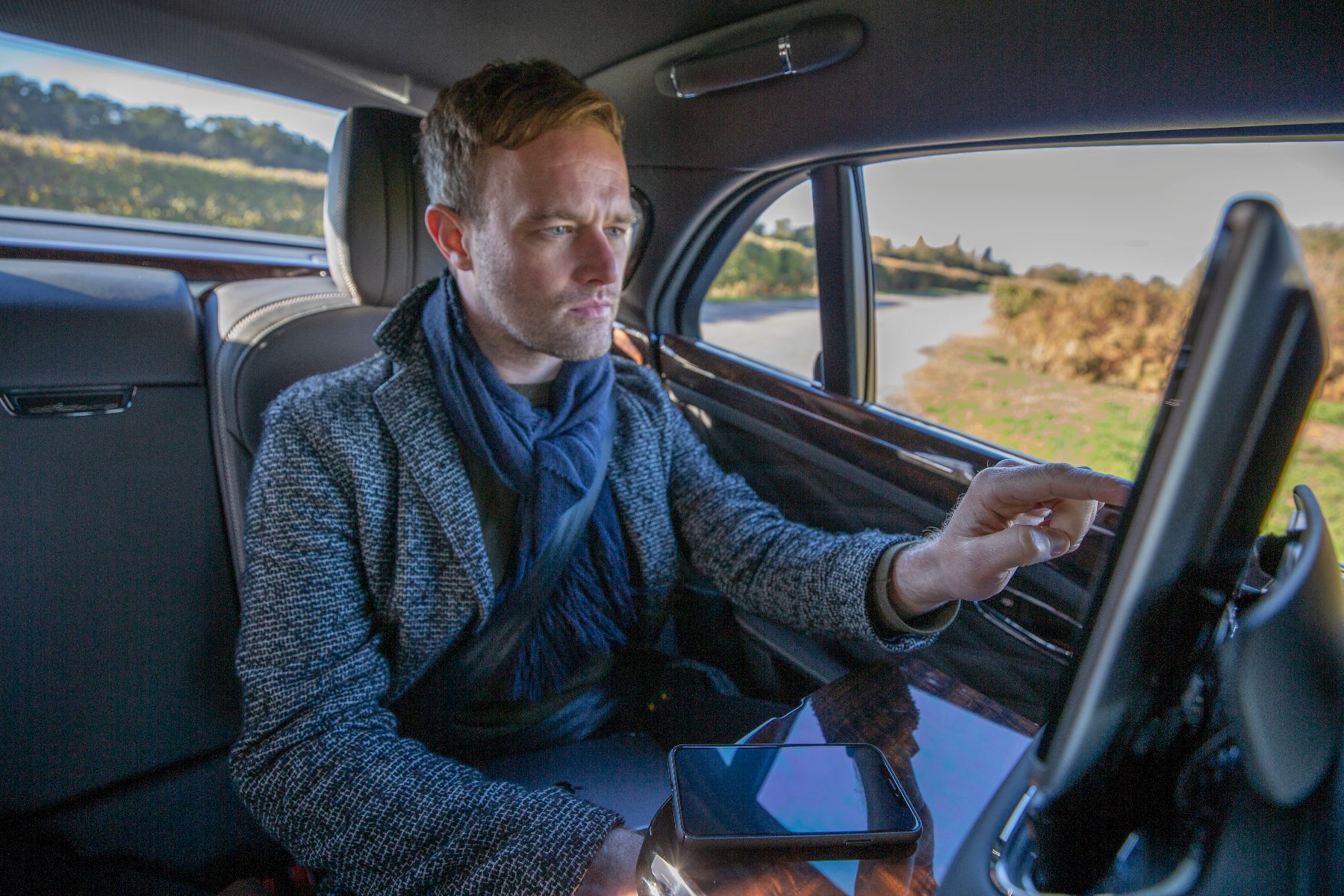
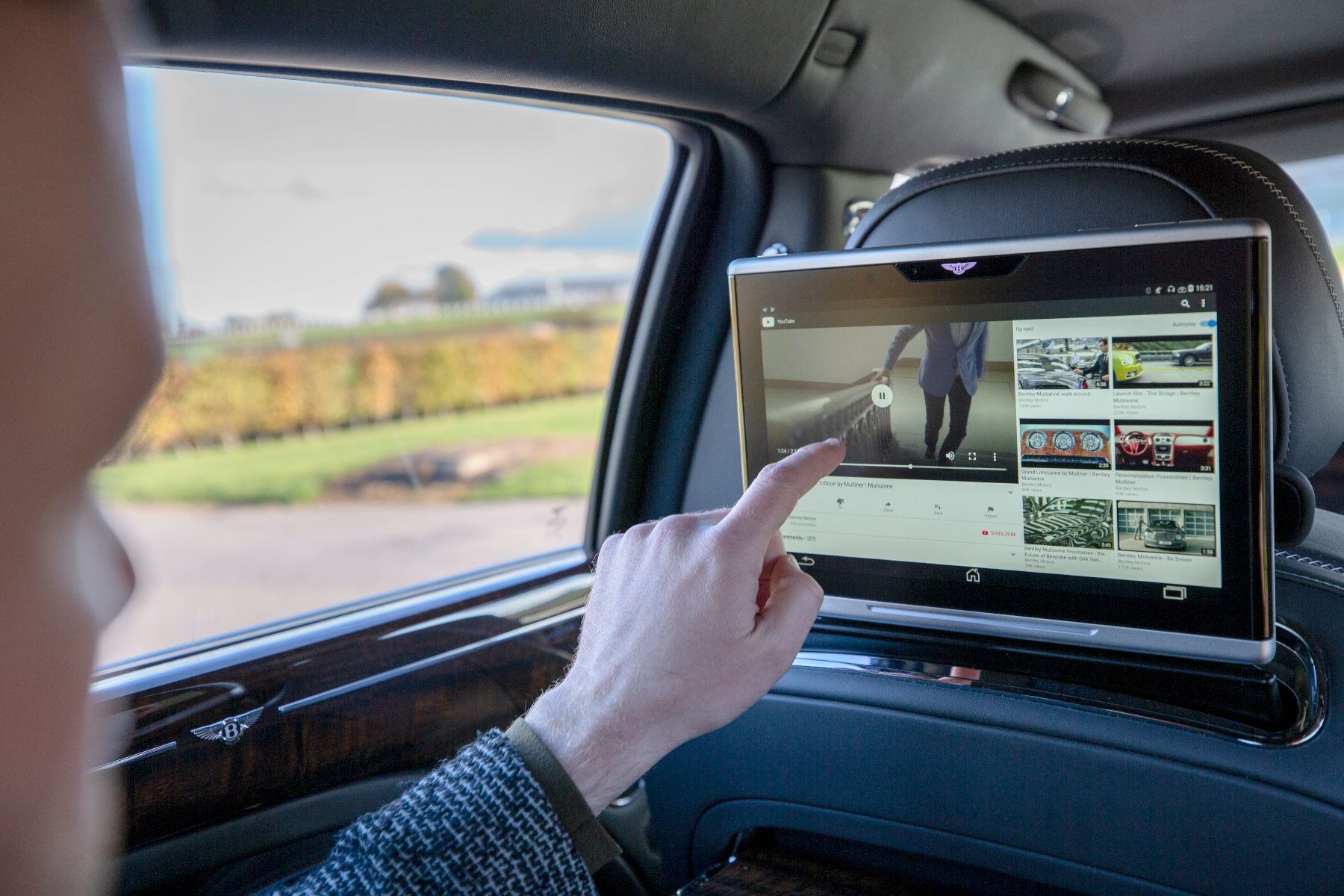
That’s where Bentley Advanced Connectivity comes in. We could all find ourselves passengers in our own cars at some point, but a good portion of Bentley owners have been ‘back-seat drivers’ throughout the marque’s 99-year history. That makes Bentley the perfect carmaker to begin carving out a connected future.

“It’s normal that Bentley is looking at these kinds of things because of who our customers are and what they need,” said Hamid Qureshi, connected car product manager at Bentley.

What is Bentley Advanced Connectivity?

Bentley Mulsanne Speed

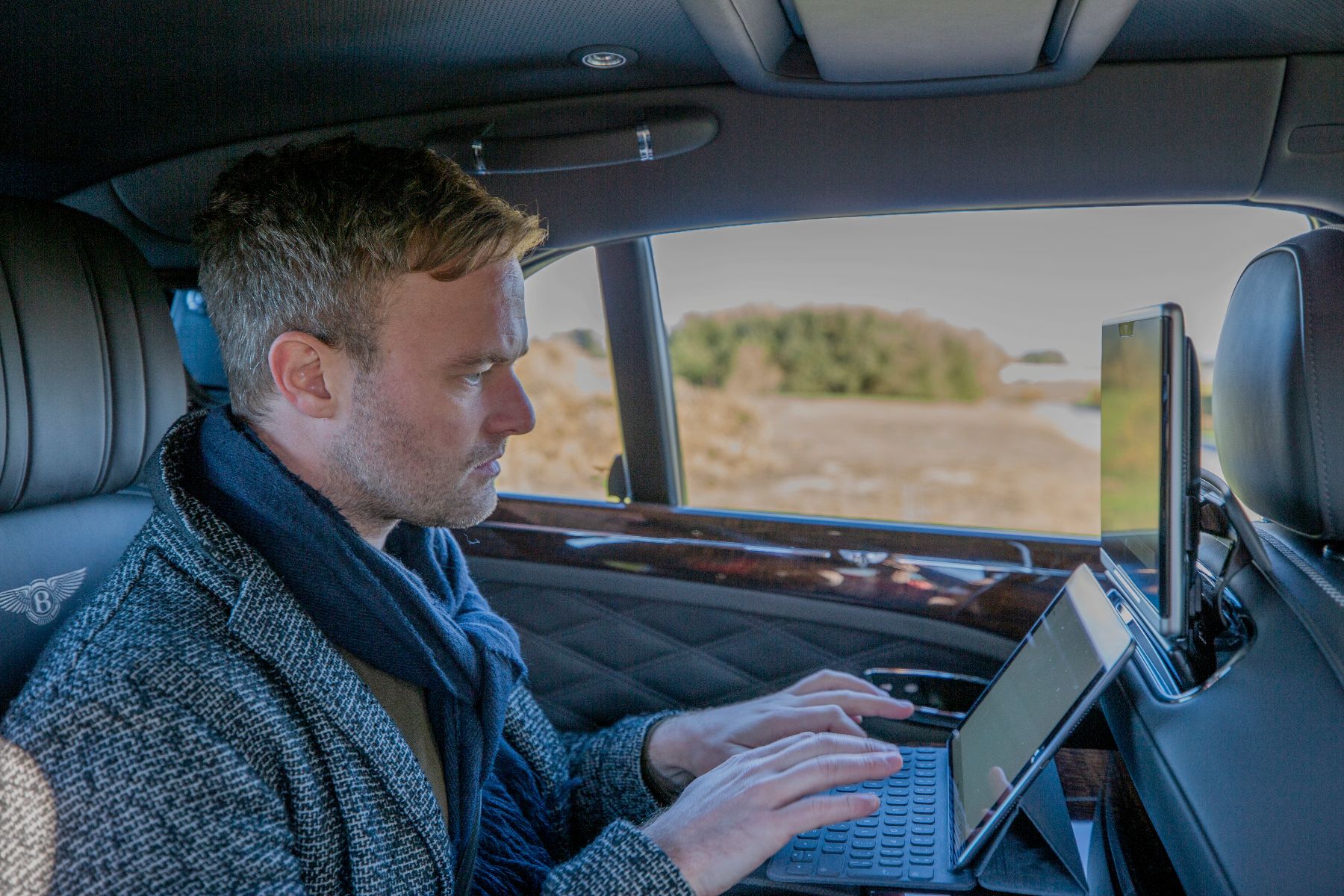
Bentley Advanced Connectivity is super-strength wi-fi that turns a Mulsanne into a “luxury automotive office and entertainment space”. That means your 4K video or very important Skype business call will stay smooth on the move. 

“Our customers, in particular, have a need,” continued Hamid, “whereby they’re often being driven somewhere, and the back of our cars is used as an office or entertainment space. That means data-intensive work, content streaming or otherwise.

“Whenever we’re in a fast moving object like a plane, train – or a Bentley – it’s difficult to keep connected. Wi-fi loss, signal loss… we all have different experiences of this. We wanted to provide a solution here and now.”

How does it work?

Bentley has partnered with Californian satellite communications company Viasatt to develop an in-car router. Interestingly, it takes advantage of improvements made in global connectivity via one of Viasatt’s secret military applications. 

The installation itself is a three-SIM router mounted in the car with two wi-fi antennas and eight – yes, eight – LTE antennas. Six are active and two are dormant – future-proofing for heightened internet speeds to come.

That router can connect to any super-fast wi-fi hotspot on the planet, be it at your home, office or yacht. Yes, Hamid cited a yacht as a possible connectivity, er, anchor.

You can expect speeds up to 50mbps when sat still. That’s more or less equivalent to the upcoming 5G signal strength.

The future of connected tech

For reasons that sound a lot like “we’re not showing you our hand”, Hamid ducked questions about the pie-in-the-sky autonomous concepts we’ve seen of late from the likes of Volvo and Renault. His only comment was that if it makes sense for the industry to be investigating something, Bentley probably is as well.

Bentley Advanced Connectivity is the functional gestation of that kind of future. Advancing and improving the experience of the passenger, not just in a traditional ‘luxury’ sense, but also in technological terms.

“We’re very much keen to frame it around the customer, understand his or her needs and wants. We want to centre it around the customer’s lifestyle.

“We within Bentley know that the industry and the infrastructure is gearing up. It’s not ready. It’s good to look at the technology but we need to know what our customers need now.”

A Bentley thus-equipped will offer industry-leading wi-fi strength anywhere on Earth. It’s not a film-set fantasy from Blade Runner or Minority Report, but rather what we all want here and now. It’s also something we’ll likely see in our conventional cars at some point. Not before Bentley customers get it first, though…

Pricing hasn’t been announced yet, but Bentley Advanced Connectivity will be available from next year.

Read more:

Advertisement

Seat and Segway are launching an electric scooter

0

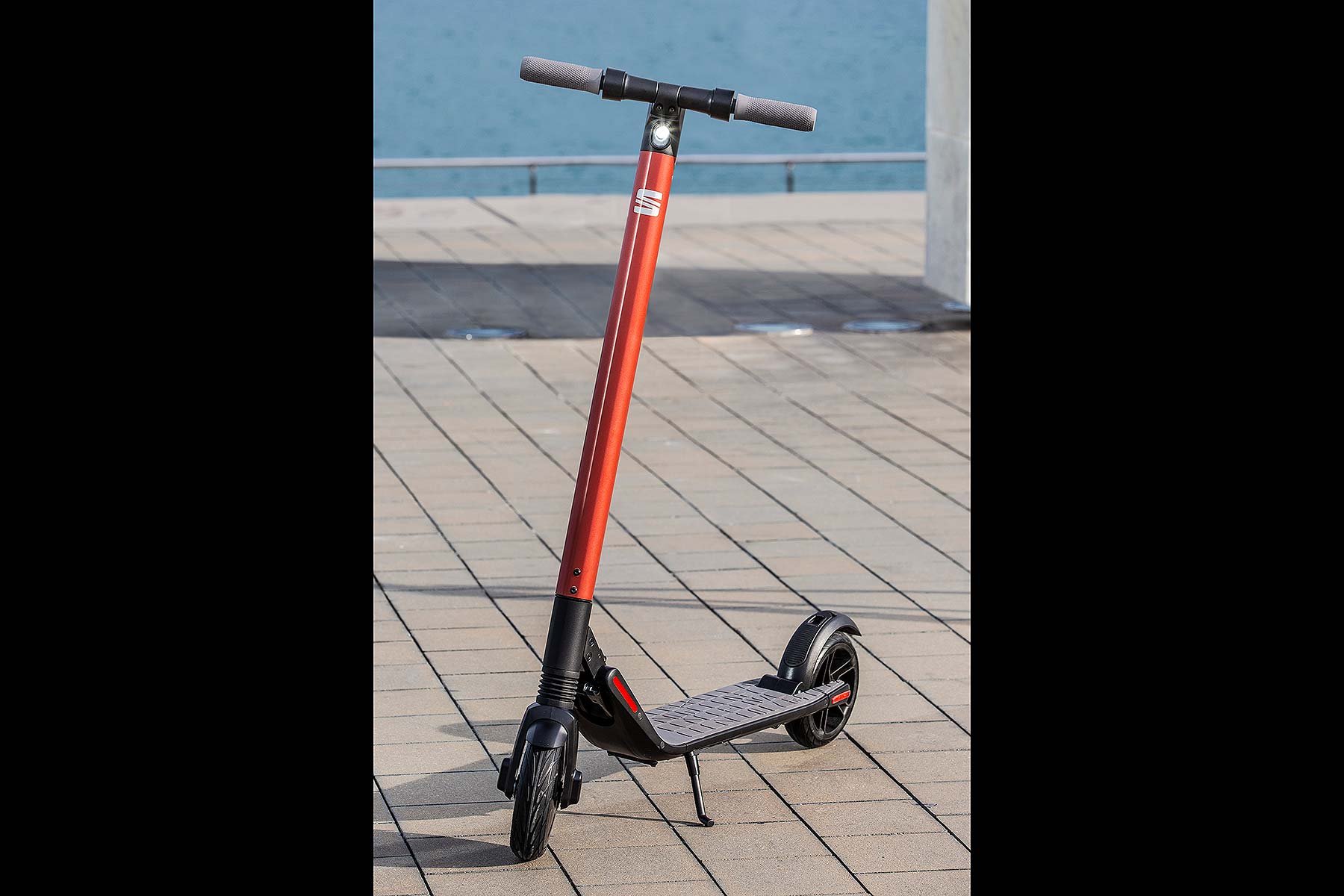
Seat and Segway eXS KickScooter electric scooterSeat is the latest brand to get in on the electric scooter craze, teaming up with Segway to launch its new eXS KickScooter at next week’s Smart City Expo World Congress in Barcelona
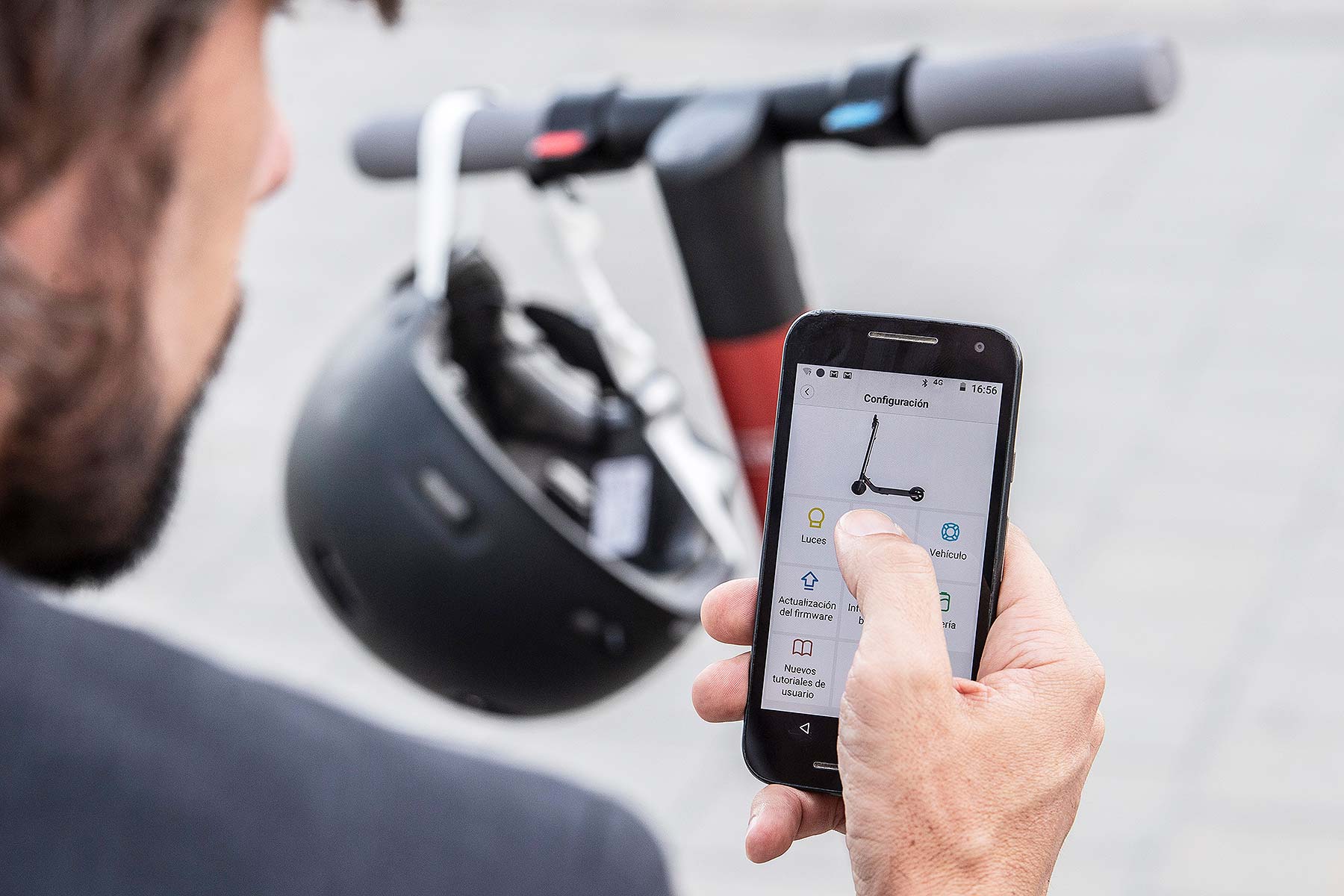
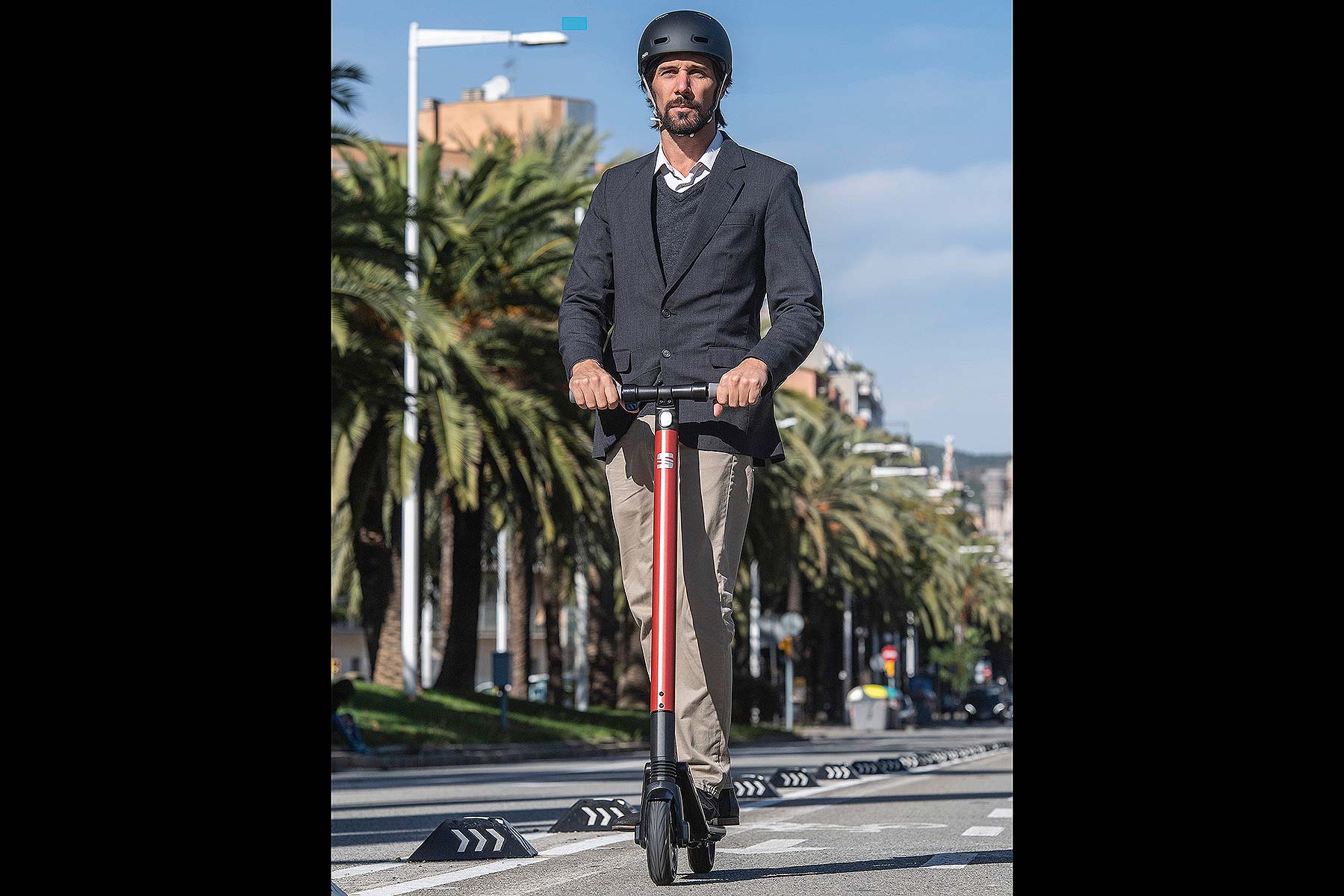
The firm’s first vehicle designed specifically for short-hop urban mobility, it’s part of Seat’s ambition to become a key player in the sector – and it’s now looking for Spanish cities to help launch a pilot test of shared electric scooters.

Users will unlock the ride-sharing scooter via a smartphone app.

Seat and Segway eXS KickScooter electric scooter

Seat also plans to run eXS scooters at its Martorell factory for employees to use.

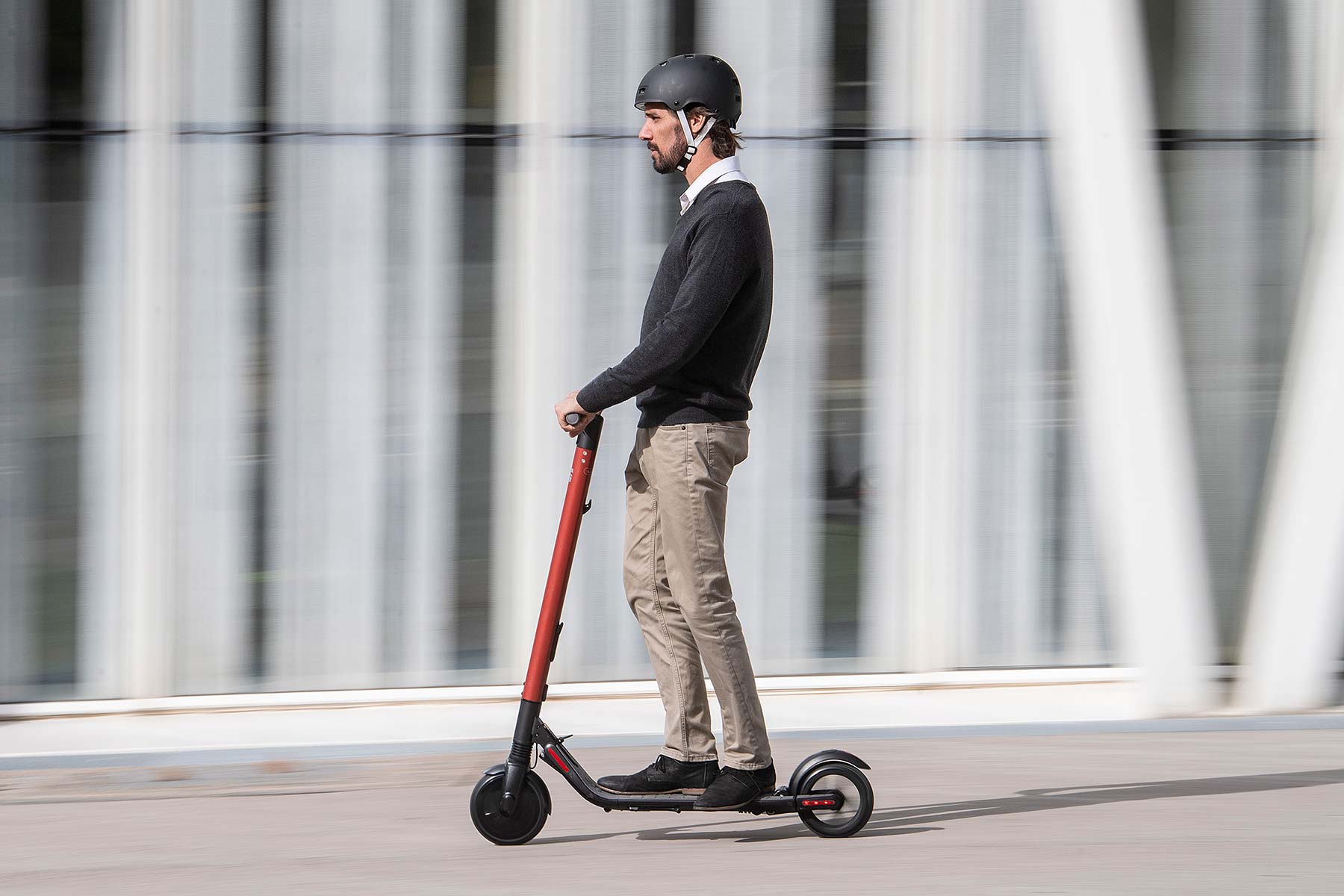
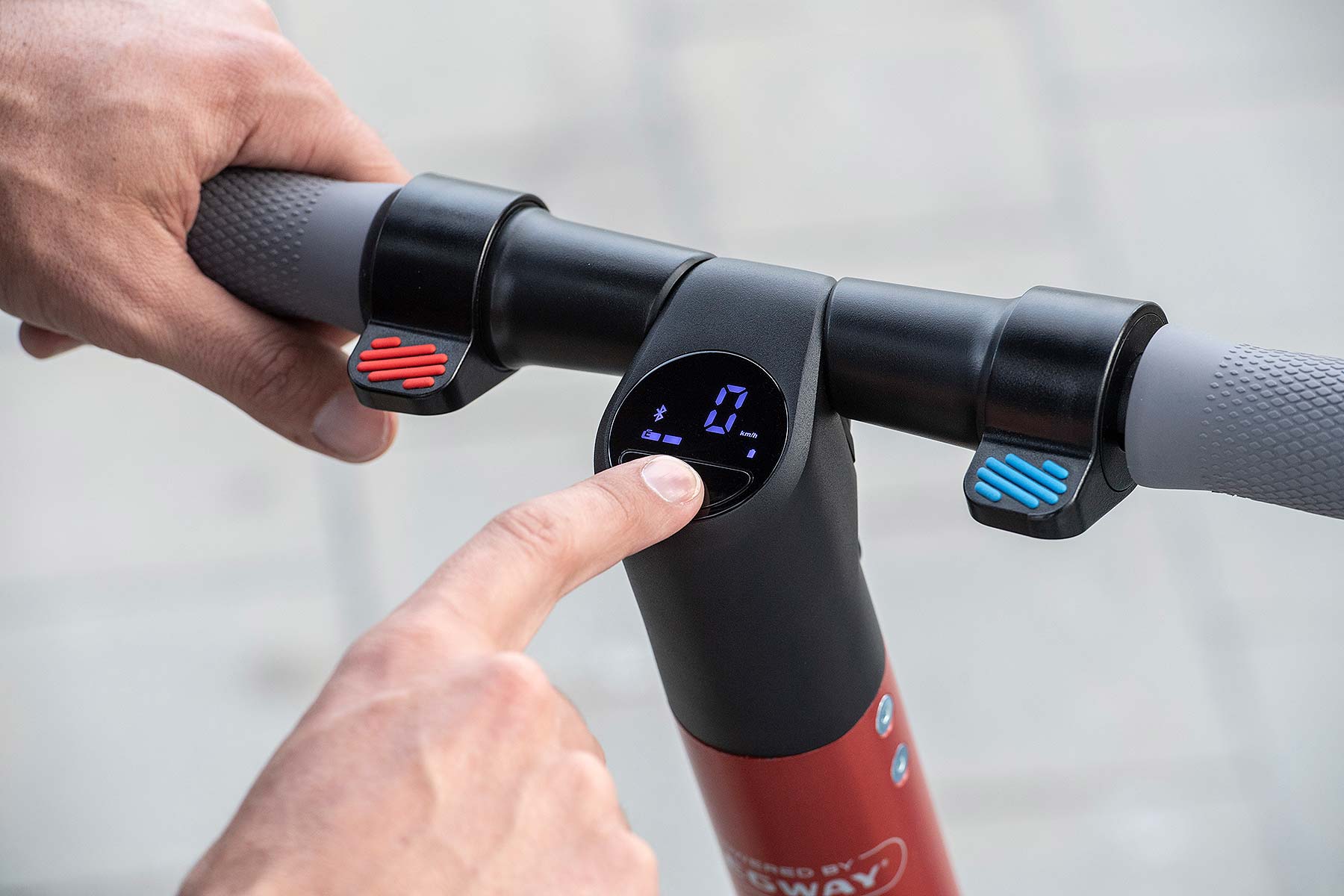
Developed in a strategic alliance with Segway, the eXS has a top speed of 25km/h (16mph) and comes equipped with LED lights, LCD screen, customisable ambient lighting and, impressively, cruise control. The range is around 45km (28 miles). It even has front and rear suspension for a comfy ride.

Launching an electric scooter is part of Seat’s strategy to respond to a predicted 20 percent fall in the number of customers under 30 buying a car; it has one of the youngest buyer profiles of any car company in Europe.

Seat and Segway eXS KickScooter electric scooter

The eXS is thus pitched as a ‘last-mile’ micromobility solution that’s efficient, green and perfect for traffic-dodging. Who knows, maybe its younger riders will one day move into buying or leasing a Seat car, too.

Seat wants to be “a benchmark in micromobility,” says product marketing director Lucas Casanovas. “Our aim is to ensure that everyone who lives in an urban setting is familiar with the options offered by Seat for getting around the city in an economical, sustainable, agile and fun way.”

Seat and Segway eXS KickScooter electric scooter

Electric scooters are currently not able to be used in the UK: legislation means they can’t be ridden on pavements, but as they’re a powered vehicle, they can’t be used on roads either.

Seat and Segway eXS KickScooter electric scooter

U.S. trend-setting scooter firm Bird this week launched a trial in East London and hopes it will help change UK legislation, and Seat UK MD Richard Harrison is also “looking forward to that changing in the future.

“Adapting to the changing city landscape and the mobility needs of our customers is an important part of Seat’s strategy, and the eXS KickScooter is a great example of that.”

Advertisement

London is the best city for Instagram supercar spotting

0

Supercar spotting instagram London

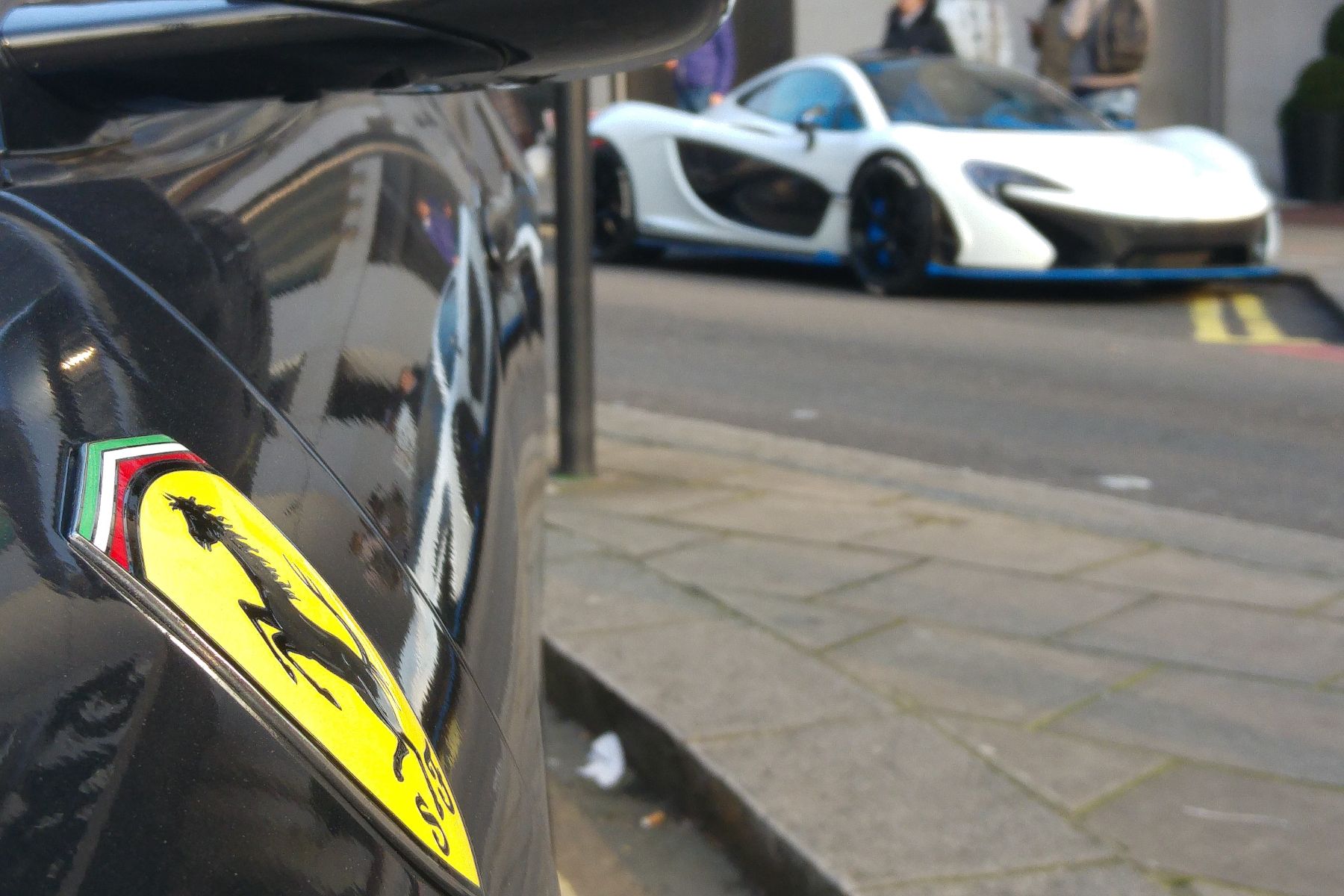
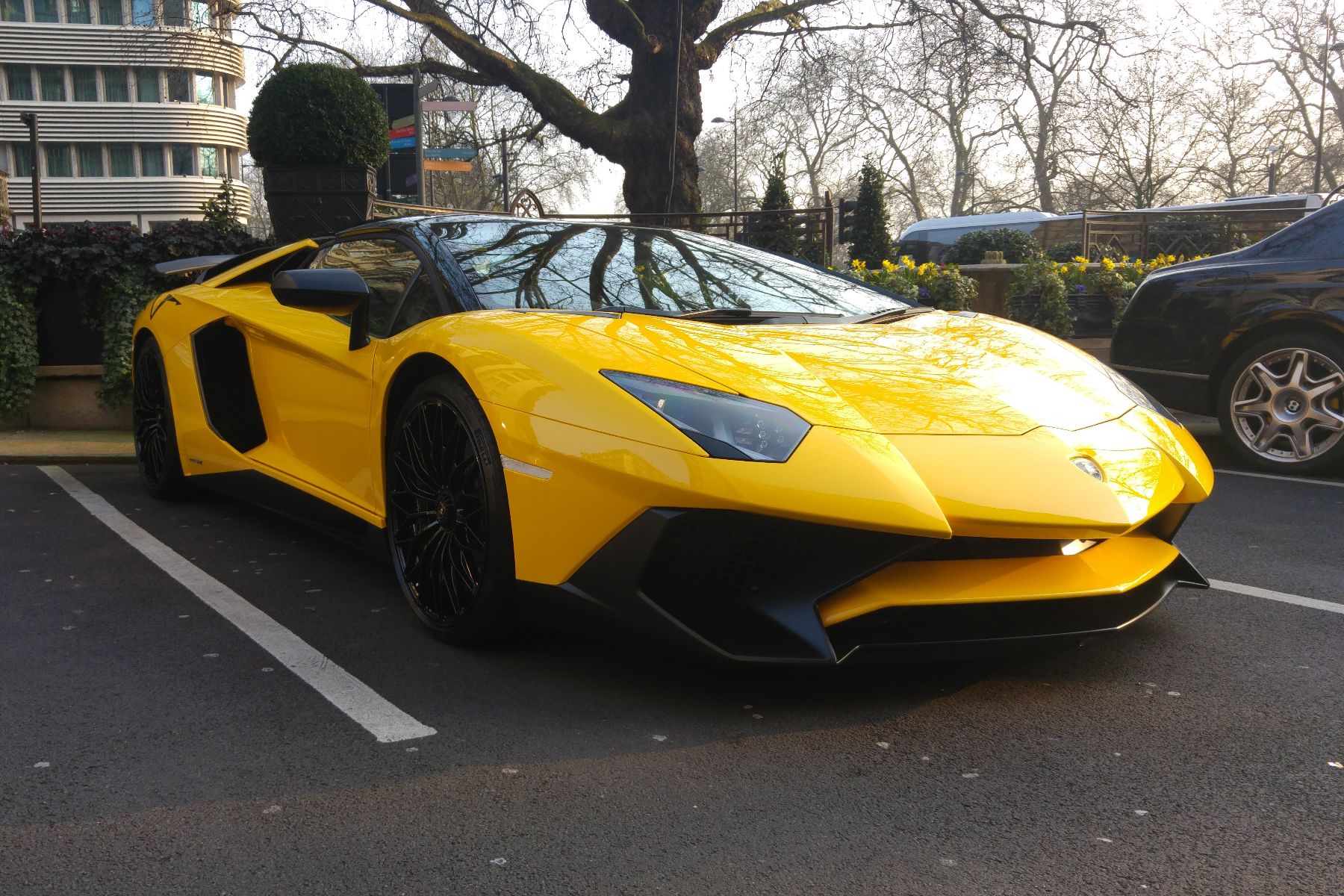
London is the best city in the world for spotting supercars, according to a study that analysed social media activity.

Activity Superstore collated data from Instagram, based on the use of hashtags in various cities around the world over the past three years. For #supercar, Moscow, with 5,909,934 uses, was second only to London, with 6,146,924.

Supercar posts make up 4.15 percent of Instagram content uploaded in London, compared to 3.99 percent in Moscow. Third on the table – and with two million fewer hashtags – is Los Angeles, with 4,073,263. New York, Dubai and Paris follow in fourth, fifth and sixth. Dubai is curiously low considering how popular supercars seem to be in the Middle East.

Supercar spotting instagram London

As for the supercar marques with the most mentions, naturally, Ferrari leads the list, with 52,846,260. That’s almost five million above second-placed Lamborghini and almost 10 million more than third-placed Porsche.

Again, Bugatti is lower than you might expect, at just less than 17,000,000 mentions, but then you’re much less likely to see a Bugatti sidling down a city street than a Ferrari.

The boutique upstarts of the early 2000s, Pagani and Koenigsegg, languish lower down, with 7,977,568 and 4,903,286 hashtags respectively. 

Read more:

Advertisement