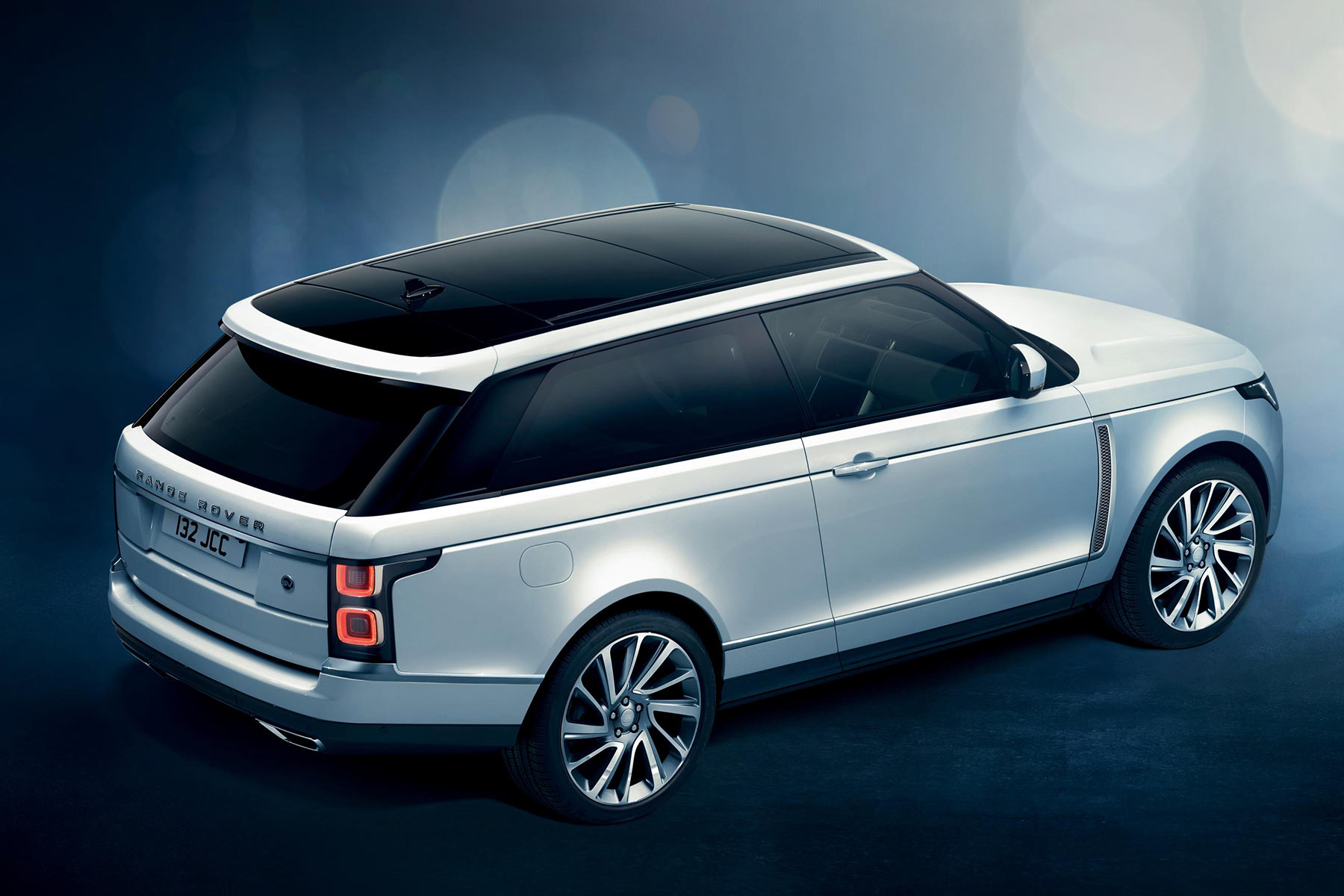
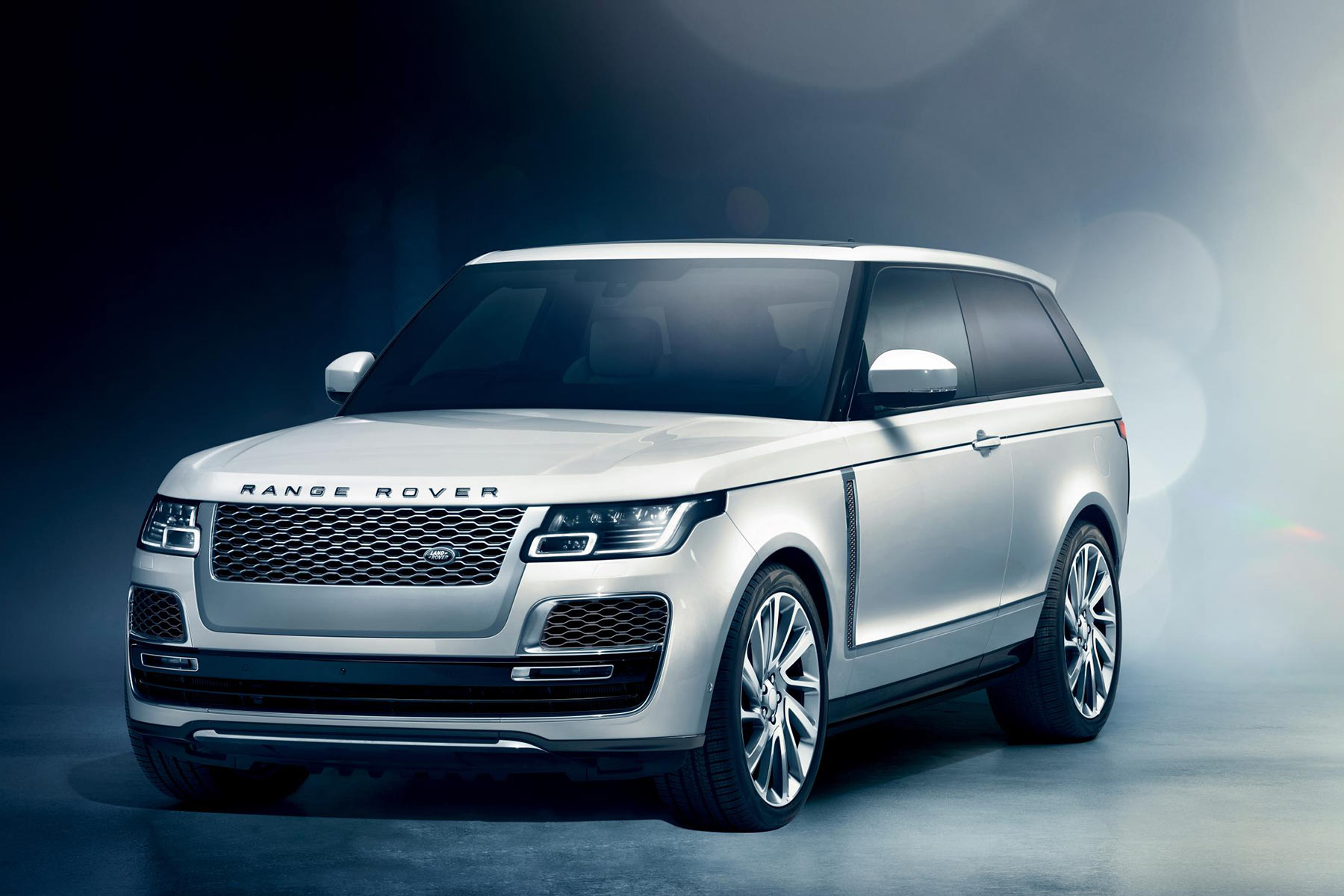
The exclusive Range Rover SV Coupe went home a winner from the recent Interior Design 2018 Best of Year Awards.
Held for the past 13 years, the ceremony saw Interior Design magazine dish out prizes in a wide range of categories. From flooring and rug patterns, to even large-scale architecture projects, the awards cover a staggeringly wide array of topics.
This year saw automotive categories held for only the second time, and the limited edition Range Rover SV Coupe took the prize in the ‘Automotive: Overall Design’ class.
High rollers
According to Cindy Allen, Editor-in-Chief of Interior Design magazine, the automotive categories are important as ”good design moves both of our industries forward.”
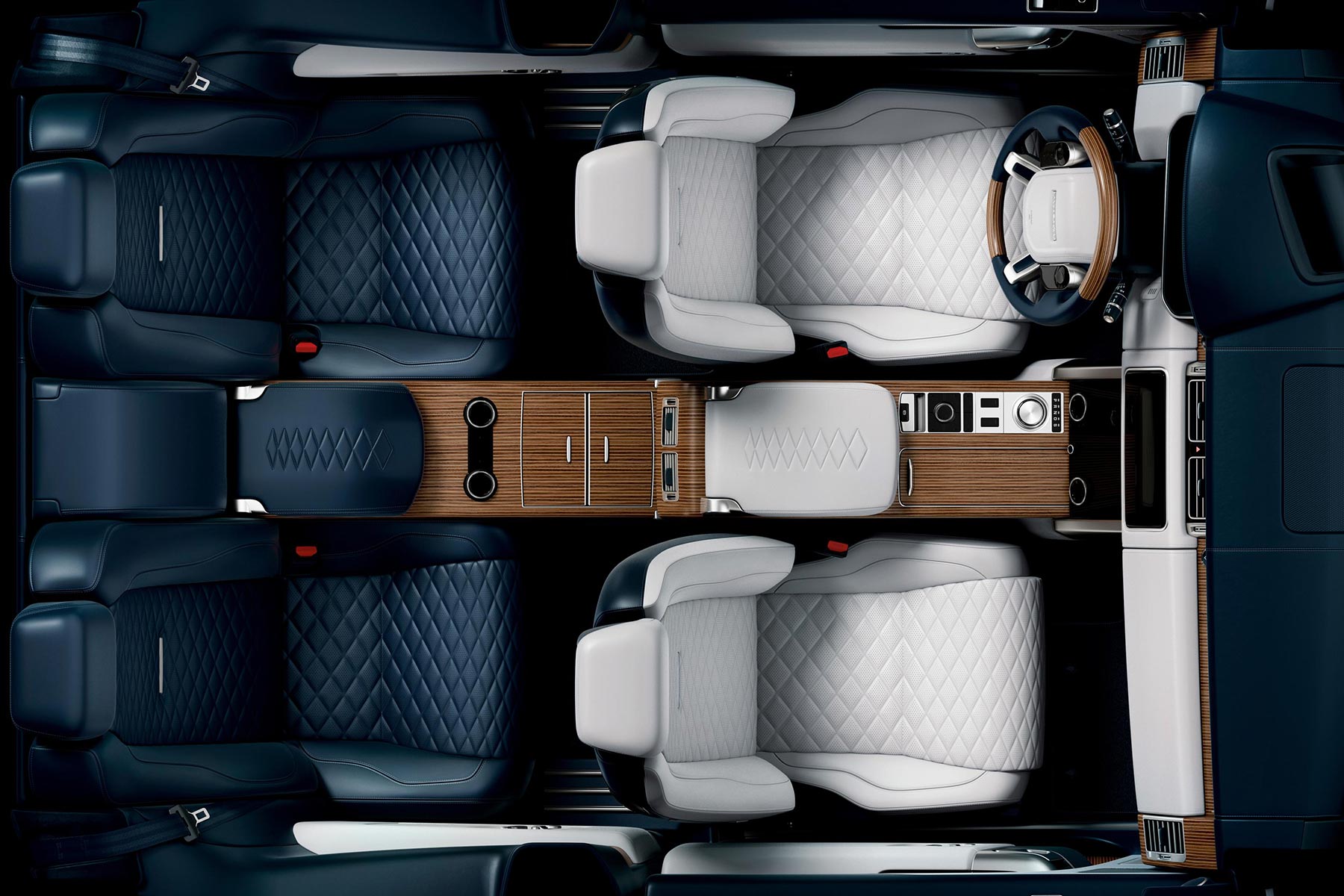
With a design that pays tribute to the original two-door Range Rover, the modern SV Coupe retains the signature floating roof and tapered tail. Unlike the 1970 model, the SV wears gigantic 23-inch wheels – the biggest ever fitted to a Range Rover.
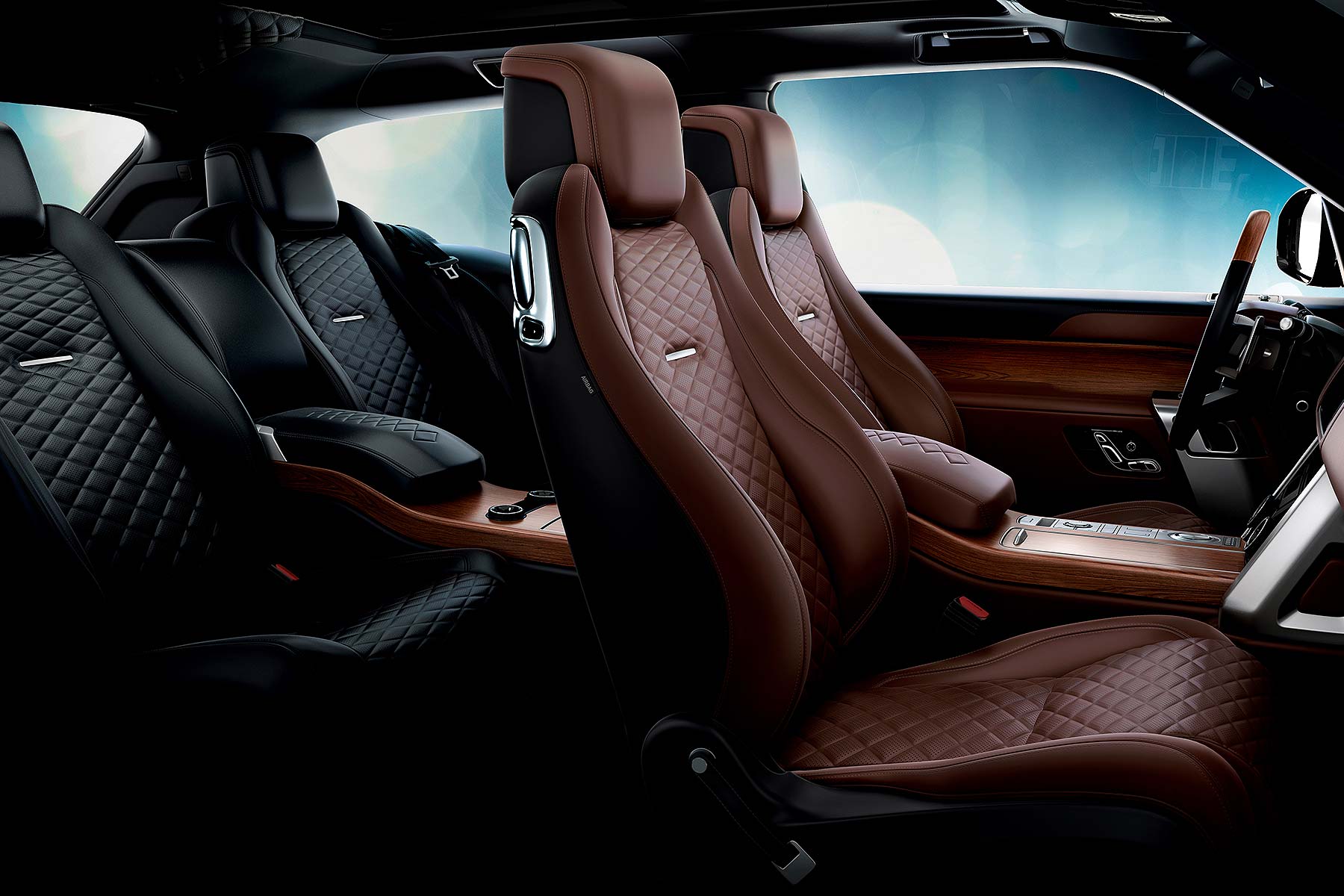
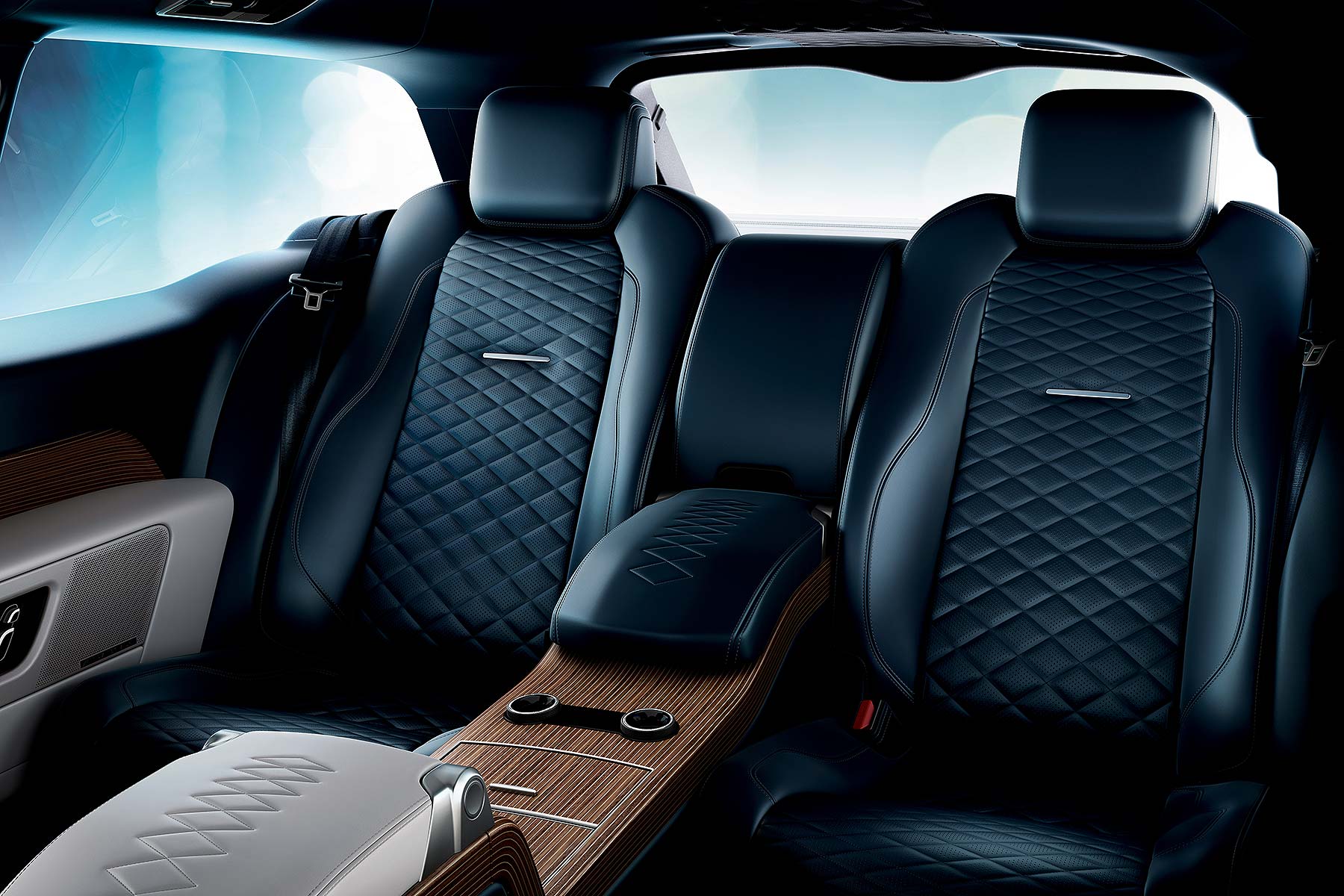
Such bling clearly impressed the judges at Interior Design, along with the contrasting interior trim options for the front and rear seats. Buyers can also specify a wealth of wood veneer options, plus bespoke badging and exterior paintwork.
Super luxury creation
Land Rover believes the SV Coupe is more analogous to a yacht or private jet in terms of interior accommodation. We imagine most of the 999 buyers for the big two-door creation already have boats and planes amongst their playthings.
Indeed, with a starting price tag of £250,000 ($295,000), the SV Coupe is certainly an exclusive offering.
Along with the knowledge that their SV Coupe is an award winner, buyers also have the satisfaction of owning the fastest full-size Range Rover. A top speed of 165mph is matched with a 0-60mph sprint in 5.0 seconds.
Honoree recognition went to the new Volvo XC40, and Infiniti QX50, making the Overall Design category an all-SUV affair.
Volvo did however win the prize in the Automotive: Innovation category, courtesy of the futuristic 360c concept, unveiled earlier this year.
Lighting a candle for some added cosiness this winter could be tantamount to firing up a diesel generator in your front room. That’s according to scientists at Copenhagen University, who have been investigating what else candles emit other than light and homeliness.
Joining the obvious dangers of fire are particles that reportedly cause more damage than the nitrogen oxide fumes from a diesel car engine. Yes, the very same NOx fumes that have so dominated newsrooms and courtrooms alike in recent years. Is this candlegate?
All joking aside, the scientists conducted tests on mice involving continuous exposure to the candles as they burned. Effects found included ageing on chromosomes in the lungs, lung inflammation and arteriosclerosis. The lead author of this study, Professor Peter Møller, reckons the issue of what these candles and other home combustibles emit is under-researched.
It seems to be a mostly Danish issue, however. The Danes burn more candles than any other country on Earth, according to Professor Lars Gunnarsen, who sits on the scientific advice committee for the Danish Health Authority.
House fire rates seem to jump in the region around this time of year, too. The numbers seem to correlate with this ‘hygge’ period – an originally Danish but now Europe-wide cultural phenomenon of cosiness and snuggling. “We have lots of candles inside homes so we can hygge; it is something we have done forever. But people do stupid things,” said Mads Dalgaard of the Danish emergency management agency BRS.
“Hygge is a wonderful thing… but beware of candles.”
Well, we’ve been warned. Not only can fashionable scented candles start fires, but they can also attack your lungs more aggressively than a dirty old diesel. Beware that the ambience isn’t all you’re basking in this Christmas.
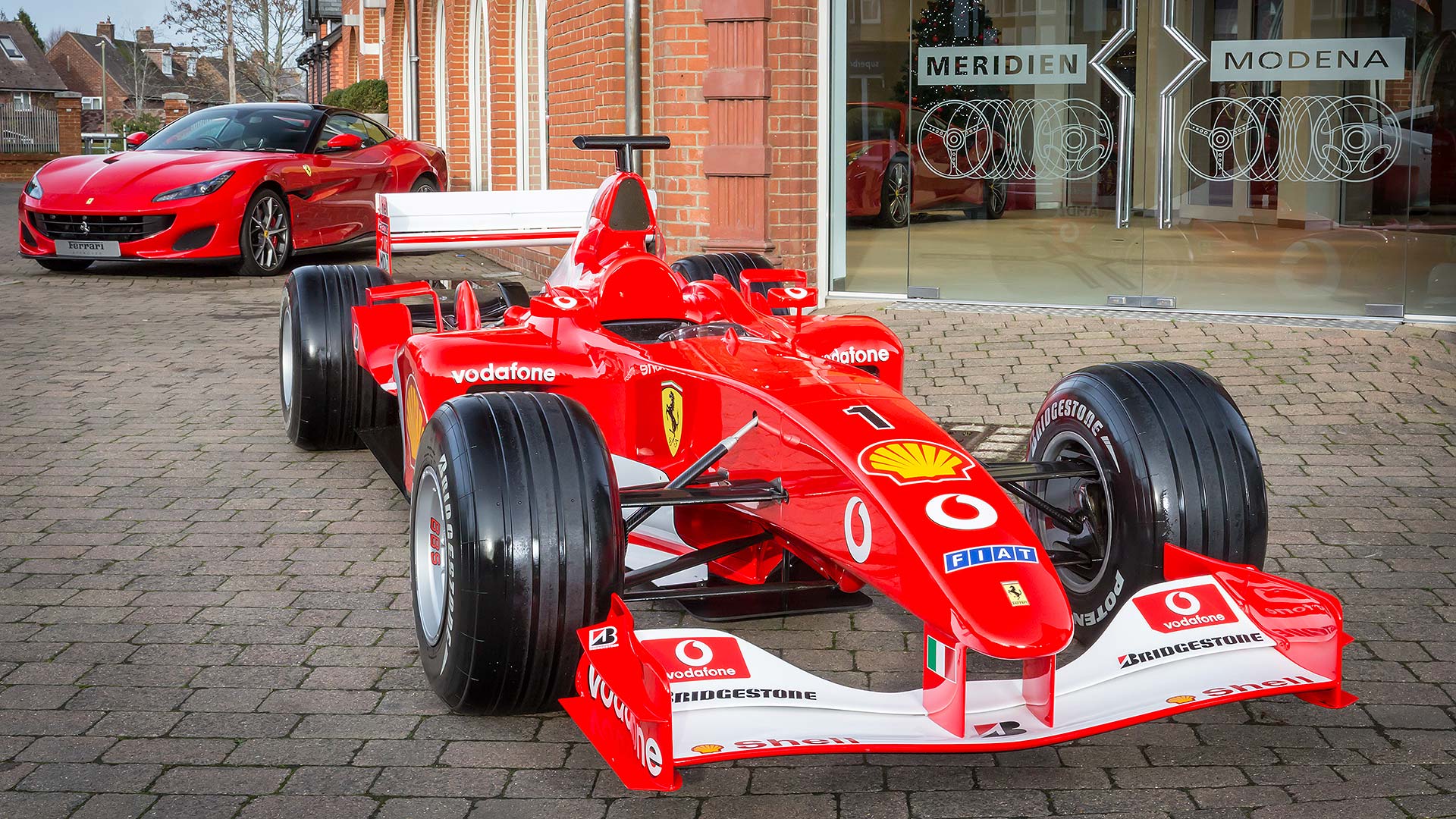
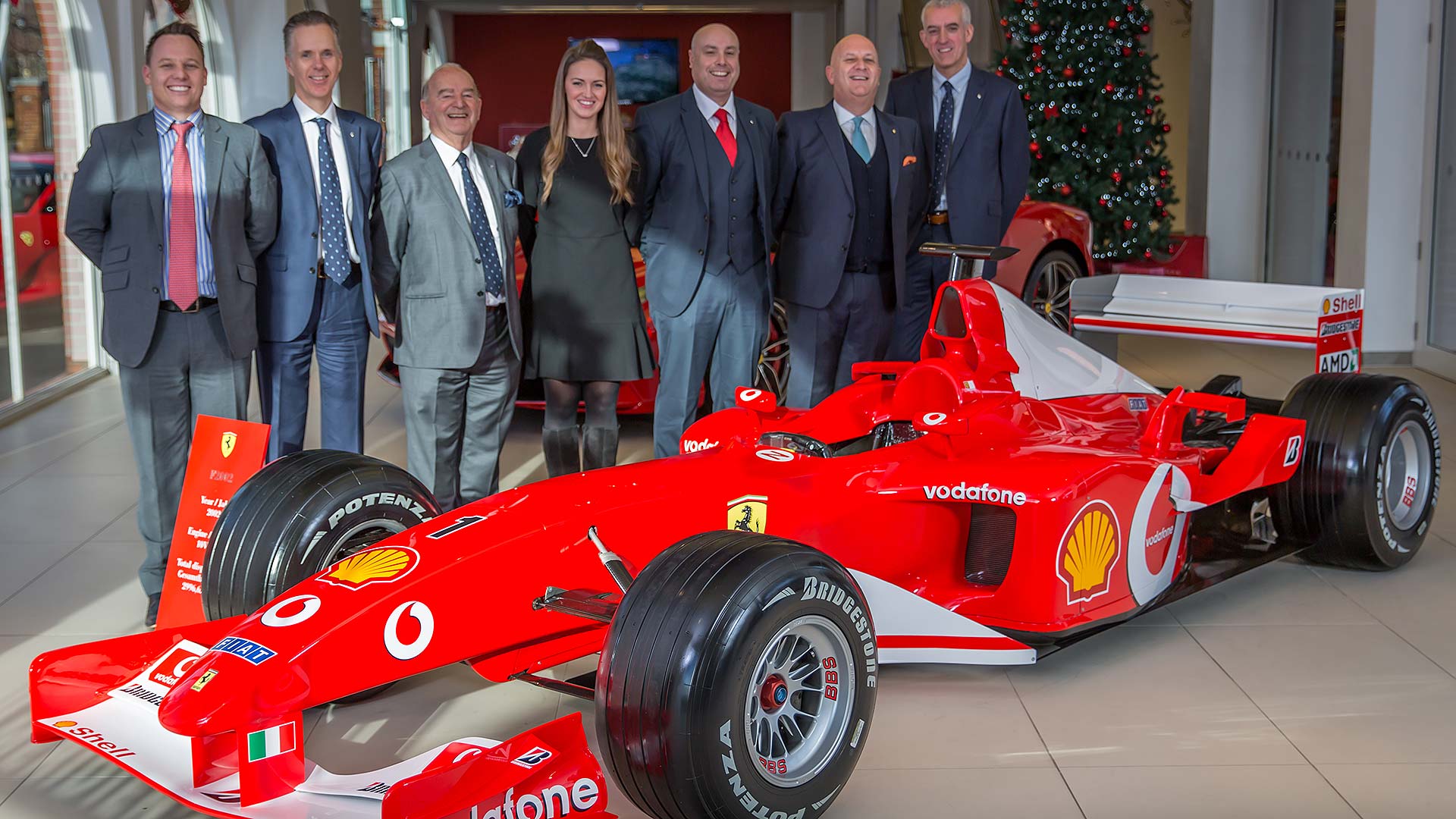
Meridien Modena in Lyndhurst has been named Ferrari Dealer of the Year 2018 and given an F1 car once raced by Michael Schumacher for its efforts.
The dealership, on the south coast of England, is now showing off the F1-2002 Scuderia Ferrari F1 car in its showroom, alongside other new and used Ferrari road cars.
The Dealer of the Year award is the highest accolade an official Ferrari dealer can receive.
It’s not the first time Meridien Modena has been honoured by Ferrari Maranello, though. In 2018, it was named Aftersales Dealer of the Year, and in 2014, it won the Showroom of the Year prize.
For those two awards, it was given an engine each time: one from the Ferrari FF and one from the Portofino. Stepping up to actually receiving a car marks Meridien Modena’s status as the only Ferrari dealer in the world to have ever received all three awards.
“Being recognised as Ferrari’s Dealer of the Year 2018 means so much to a family owned business like ours,” said Meridien director Glenn Butt.
“All of our customers are the driving force behind this achievement, and we would like to thank them for their continued support.”
Assessment criteria for Ferrari’s Dealer of the Year award include sales, aftersales, marketing and events – with special emphasis also placed on customer service and satisfaction.
Meridien Modena has been a Ferrari official dealer since 2000, after opening in Lyndhurst in 1988. The 70-strong team includes seven technicians trained at the Ferrari factory in Italy, and three apprentices from the official apprenticeship scheme.
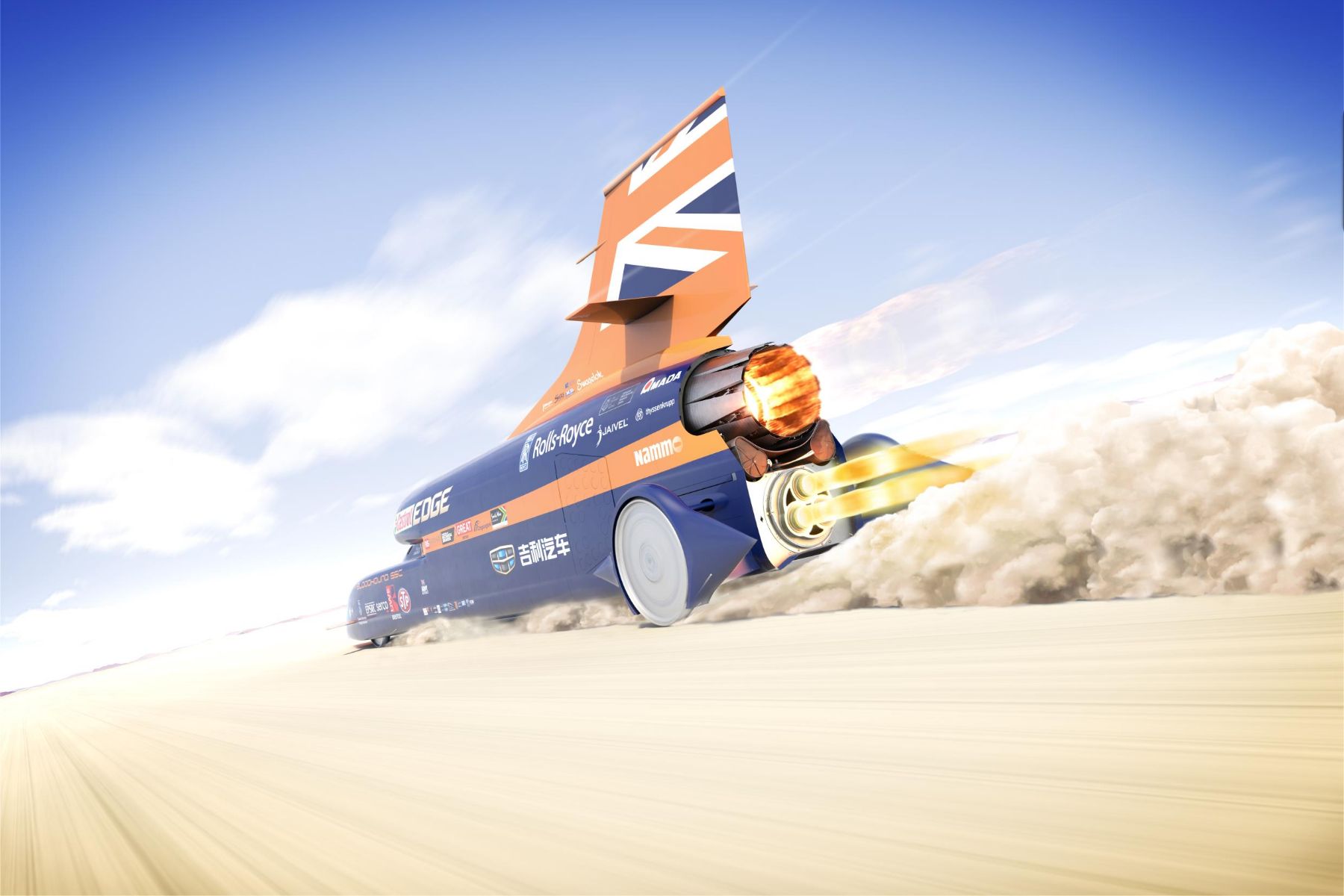
The Bloodhound land-speed record will continue under the ownership of a new investor, despite a previous announcement that appeals for funding had been unsuccessful.
“We have been overwhelmed by the passion that clearly exists for Bloodhound and are thrilled that we have been able to secure a buyer who is able to give this inspiring project a future,” said Andrew Sheridan, partner at specialist advisory firm FRP Advisory LLP.
The 1,000mph car’s future has been hanging in the balance since October, when the project went into administration. As of now, however, a Yorkshire-based investor by the name of Ian Warhurst has secured Bloodhound and all its associated assets for an undisclosed amount.
Bloodhound bleeding out: land-speed record project urgently seeks funding
“Ian has a strong background in managing highly successful businesses in the automotive engineering sector and he will bring considerable expertise to bear in taking the project forward,” said Sheridan of the project’s new custodian.
An update on what Warhurst’s plans are for the project is due early in 2019. The car has been tested up to 200mph and preparations for a track on which to make a full-speed run were underway.
By all accounts, a legitimate attempt was possible in the not-too-distant future. Here’s hoping this new-found funding is enough to get Bloodhound SSC to a new land-speed record.
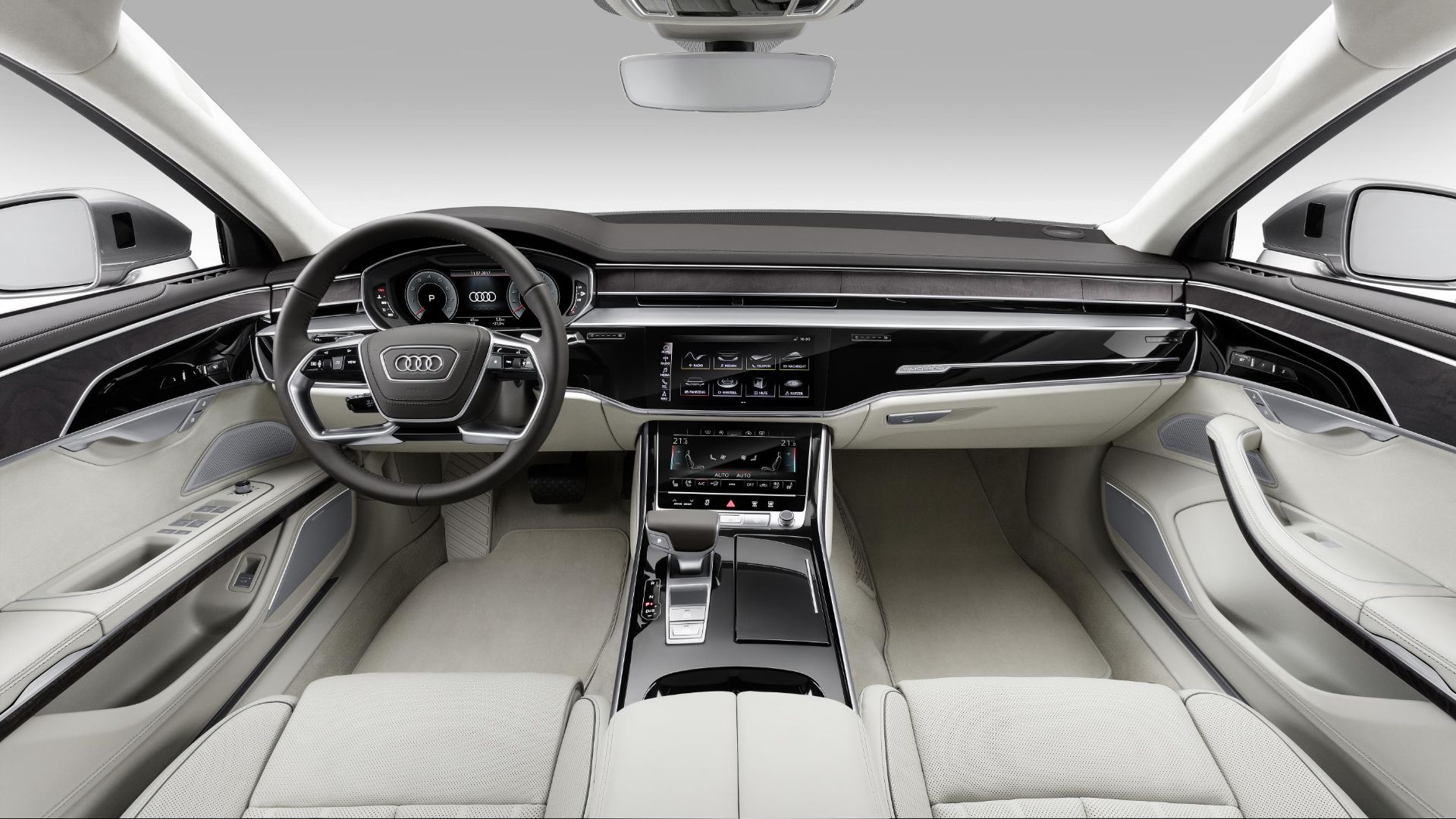
The chief executive of Highways England has expressed concerns about in-car touchscreens. Speaking at an event in London last week, Jim O’Sullivan stated “we don’t like them from a safety perspective,” citing “small, fiddly buttons” as a specific concern.
The problem boils down to distraction. The European Commission has estimated that as many as 30 percent of accidents (and at least 10 percent) are directly linked to drivers losing concentration. This, against an industry trend of sacrificing tactile buttons for touchscreens.
Worries about infotainment make sense, given that mobile phones and other hand-held devices are illegal to use while driving. What’s the difference in terms of distraction, after all, between a mobile phone and an in-car screen?
Using a phone while driving is prohibited by law – you’ll get six points and a £200 fine. Nevertheless, devoting too much of your attention to your car’s touchscreen can still land you in hot water. If your driving reflects a deficit in concentration, you can still be stopped for driving without due care and attention. The penalty is between three and nine points, plus a fine of up to £2,500.
As for lawmaking, it would be difficult to implement a ban on infotainment given that so many cars have the technology already. Then again, cars are capable of over 70mph but it’s still illegal to drive that fast…
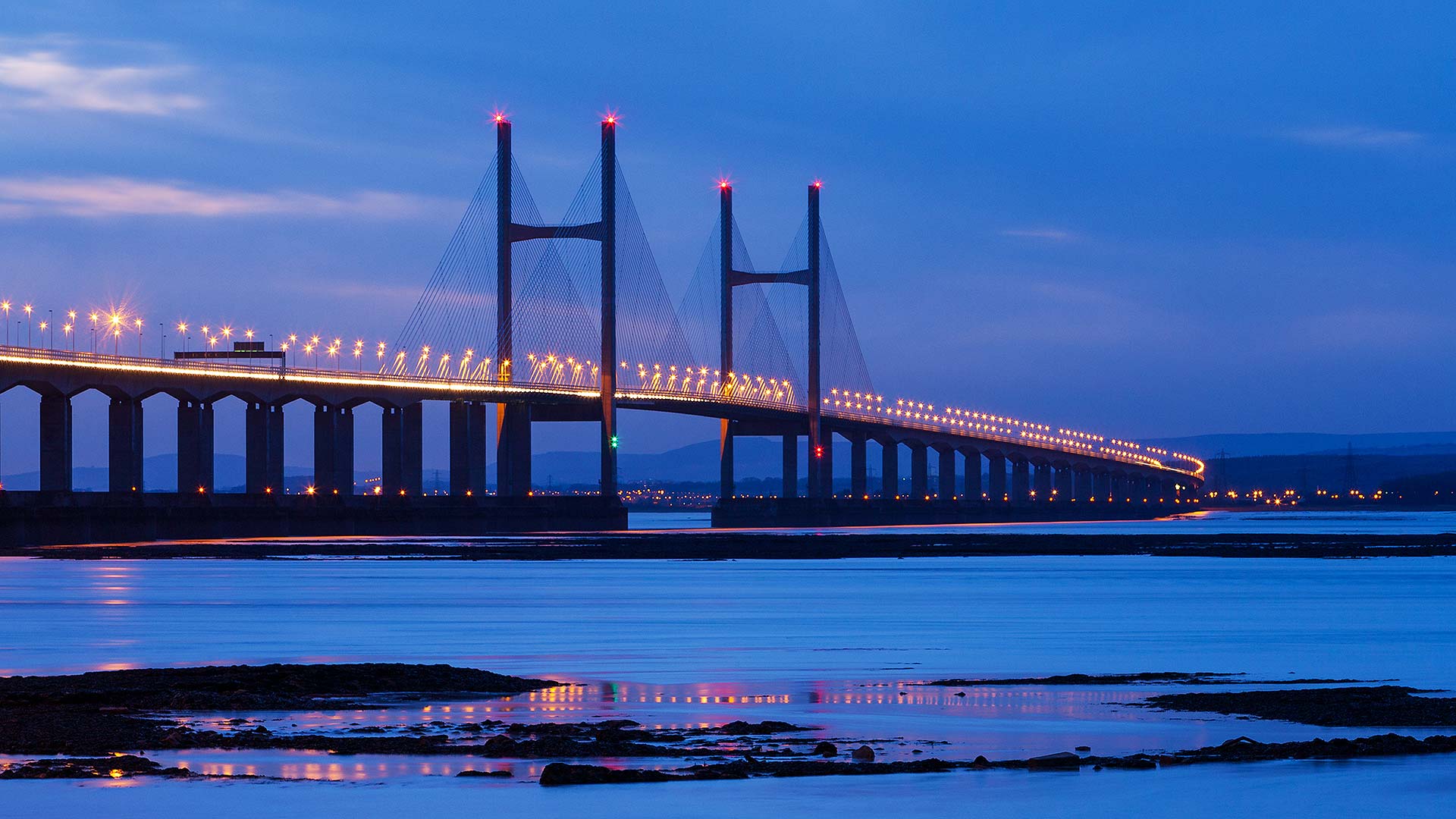
The M48 Seven Bridge and M4 Prince of Wales Bridge are both now free to use, as tolls are abolished on Monday 17 December for the first time in more than half a century.
The abolition of tolls has been timed to help people make a Christmas getaway into Wales for free, rather than paying a fee to use the Severn Crossings.
Government officials estimate it could save regular commuters as much as £1,400 a year. The Welsh economy will also get a £100 million boost.
“Businesses will also benefit from strengthened links between communities ranging from west Wales to the south west of England by making it easier for consumer and employees to cross the border.”
The fee for crossing the Severn was £5.60 for cars, £11.20 for double-cab pickups and £16.70 for HGVs and coaches. The fee only applied westbound, from England into Wales: the reverse journey was free.
The final person to pay the Severn Crossing toll was Welsh secretary Alun Cairns.
“The end of the tolls is a major limestone for the economies of south Wales and south west of England,” he said, “and will remove historic barriers between communities.
“Delivering this has been one of my key aims as Welsh secretary.
“A week before Christmas, drivers will no longer have to pay every time they cross the border… helping the cost of living and leaving them with more cash to spend in their local areas.”
The original Severn Bridge was opened in 1966 by Queen Elizabeth II. It was listed in 1999. The Second Severn Crossing opened in 1996, and was renamed the Prince of Wales Bridge earlier this year.
Cutting tolls was a manifesto pledge in the Conservatives’ 2017 General Election campaign.
Land Rover is the only car company to use the grounds of Eastnor Castle in Herefordshire to develop its vehicles. It also now becomes the only automaker to hold a festive winter wonderland there.
Running in the build-up to Christmas, the Land Rover Experience at Eastnor has become yet more magical with a wintery makeover, a magical off-road course and even Santa’s Grotto where the big man himself has taken up residence.
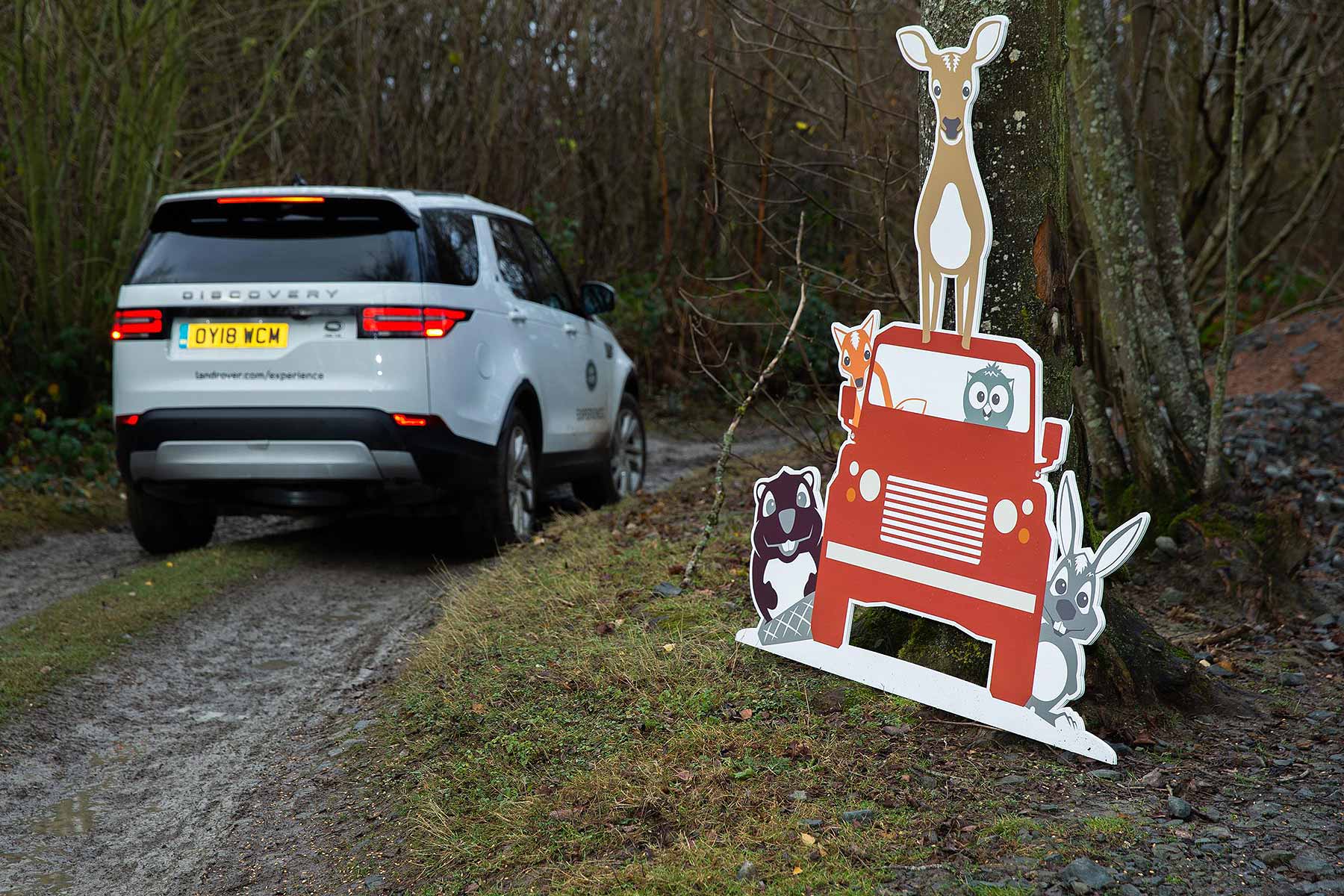
Land Rover will run the experience this weekend (15 December) and also on the 22 December. There’s something there for all ages to experience, it says – from bauble painting and tree decorating for the kids, to a fun off-road drive through the forest for adults (and there are ‘forest friends’ hidden along the way for children in the back to spot).
Eastnor venue manager Will Garrity says the package has been developed to “appeal to all ages [rather than] focus on entertainment for the younger members of the group”.
Two packages are on offer. The ‘Santa Package’ costs £35 for a family of four and includes the tree decorating activities and a visit to Santa’s Grotto.
The ‘Santa and Drive Package’ is £139 and this includes the 45-minute drive at Eastnor, taking in slippery inclines, muddy ruts, deep water and extreme drops.
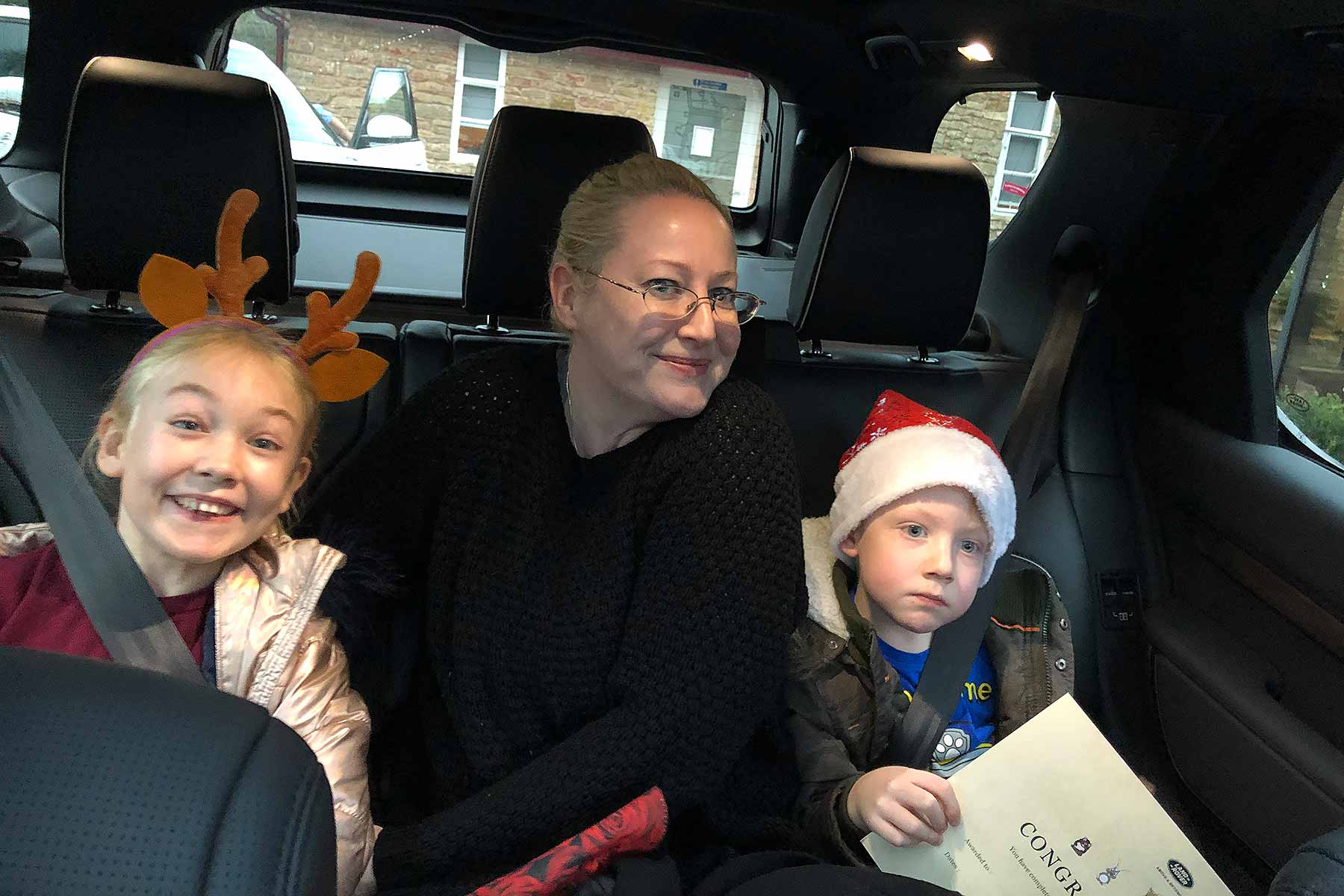
What’s it like? The Aucock clan tried it out on a pre-launch weekend, and it’s safe to say everyone loved it. Land Rover’s complex at Eastnor is a cheery place to visit anyway, but doubly so when you’re seven and four and about to go off-roading for the first time.
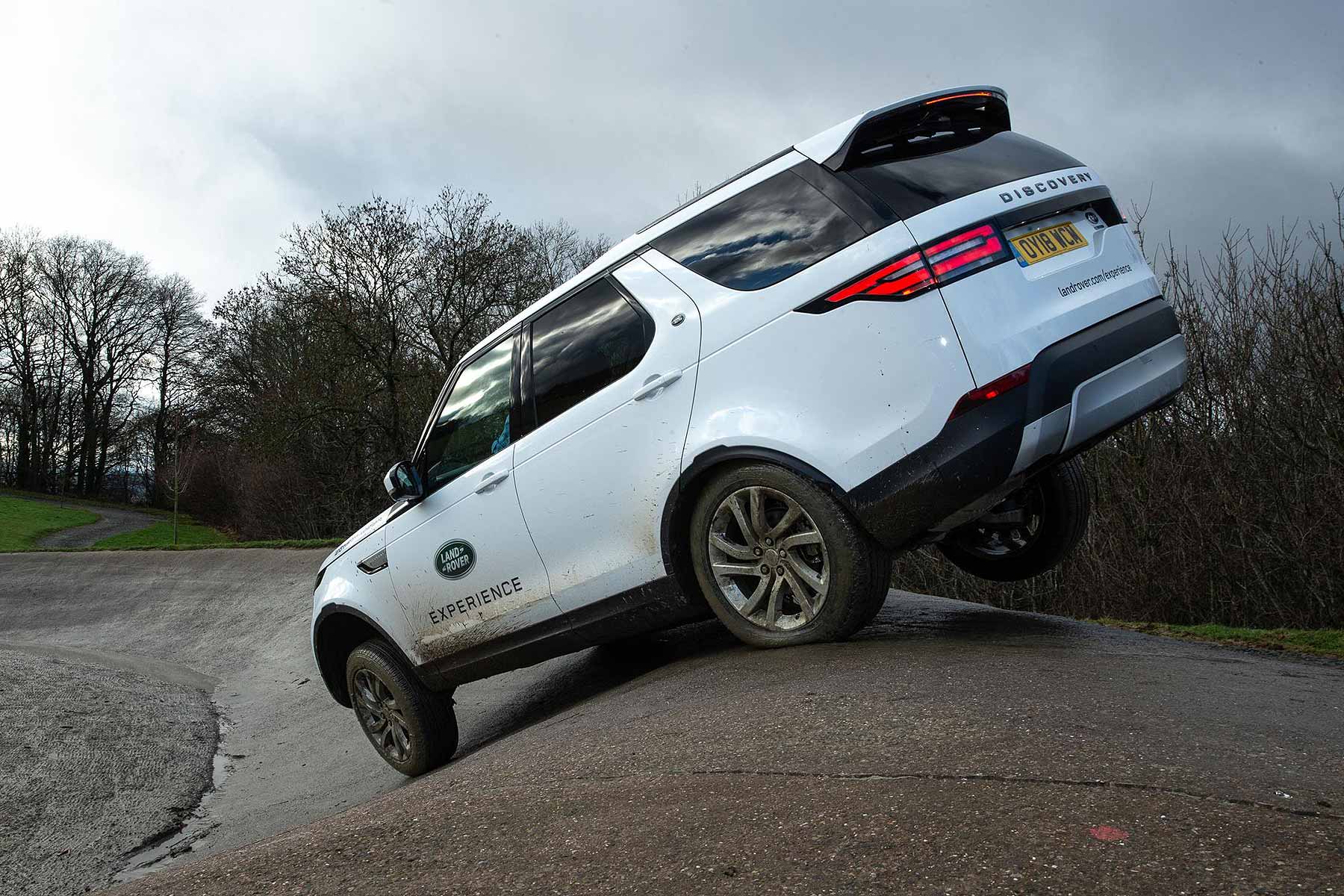
I drove the Discovery, our instructor was in the passenger seat and Daisy and George got the birds’ eye view out as Mrs. A sat in the middle. Well, they had forest friends to spot – and they got them all, despite pausing to scream every now and then as we drove down another sheer slope or crawled around a concrete slope at 30 degrees sideways.
Buzzing, we arrived back at base, for toasted marshmallows, cookies and mince pies, and SNOW!
Then, in to see Santa, before heading back out to consume more sugar before the drive home in darkness.
It was all really rather lovely, and helped get us in a cheery festive mood. If you like Land Rovers, and the countryside, and Father Christmas, I’m sure you’ll like it too. Follow the link to book a place… but be quick! Santa won’t be there for much longer as he’s got presents to load onto his sleigh, you know.
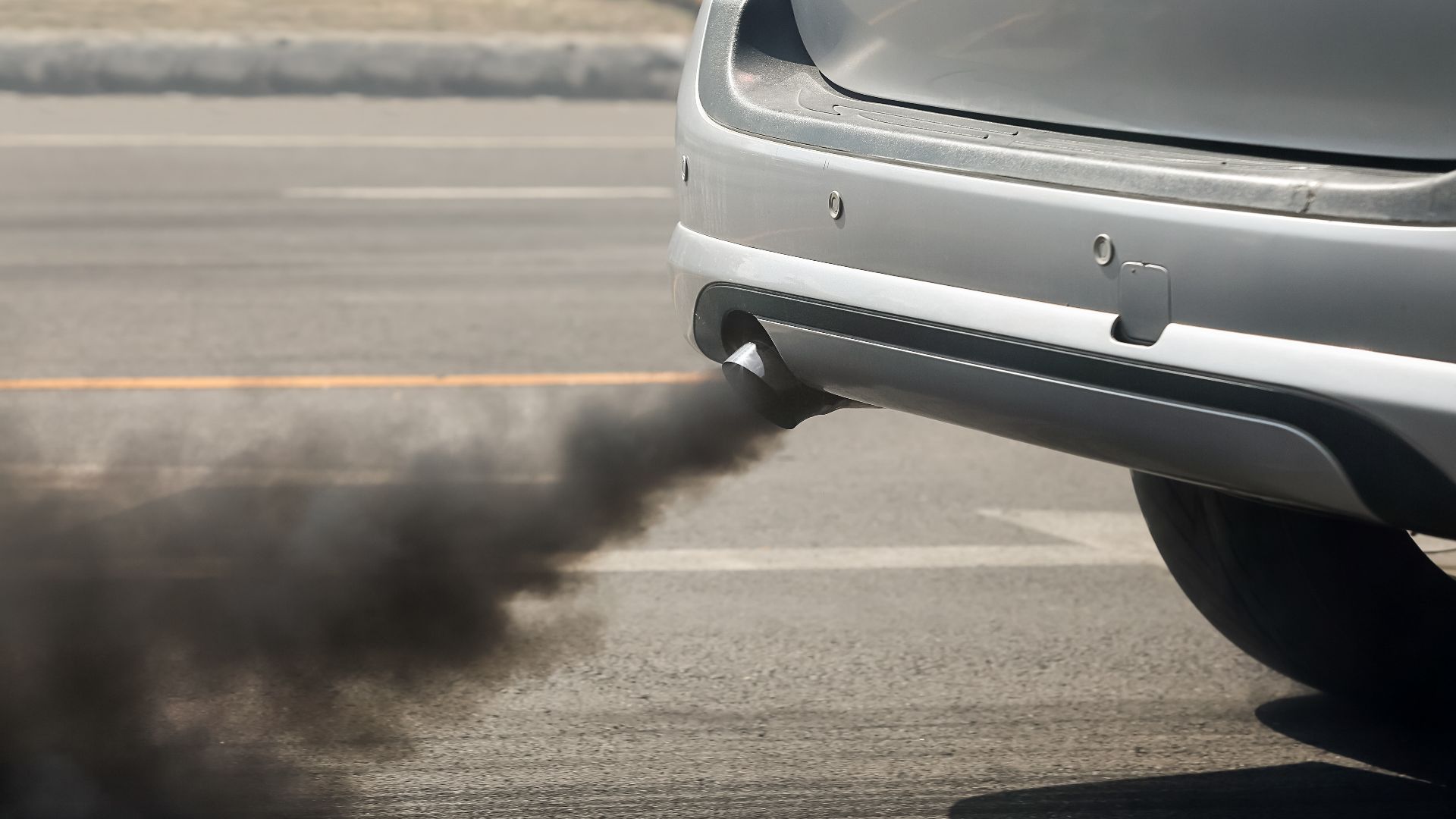
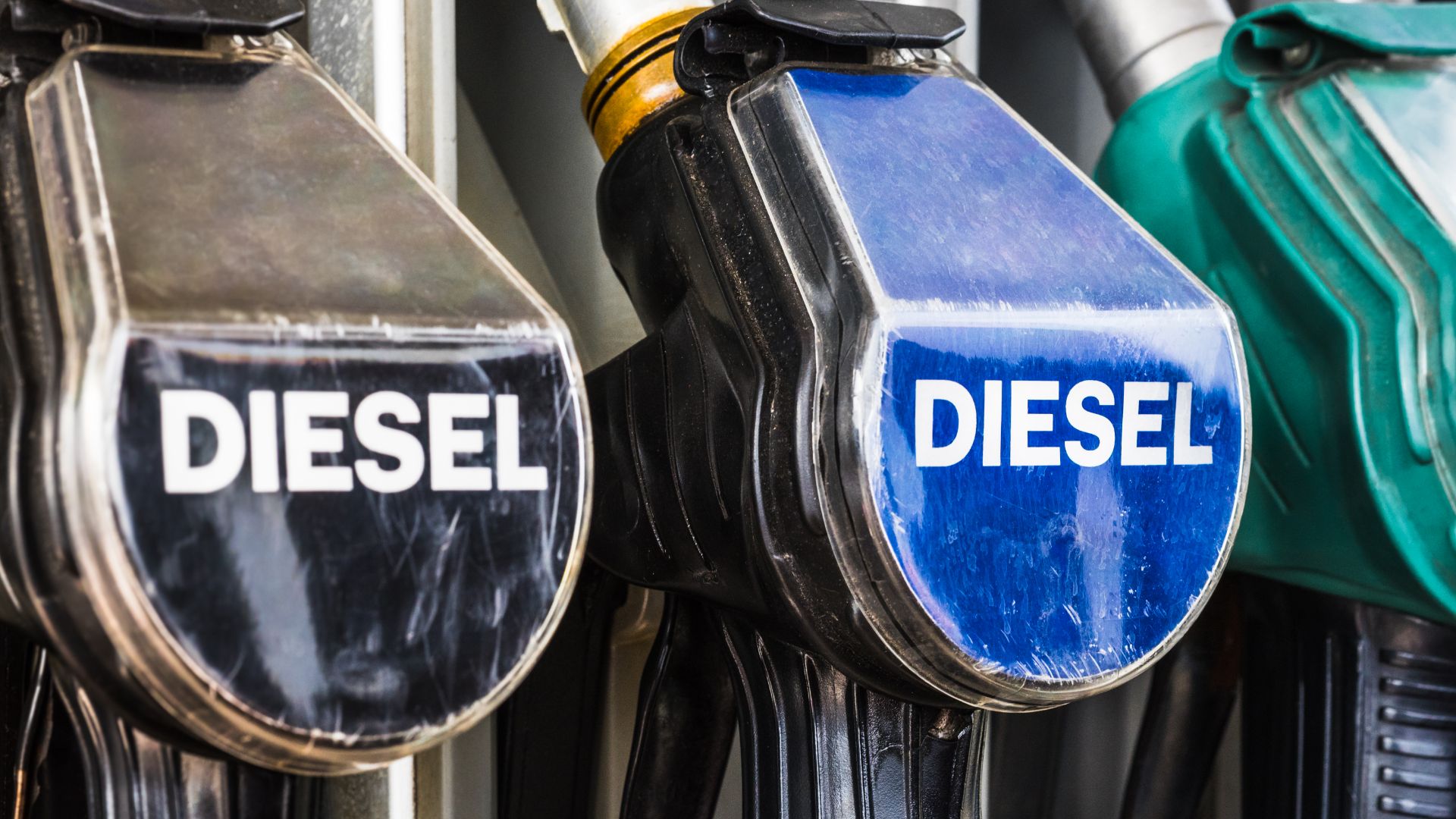
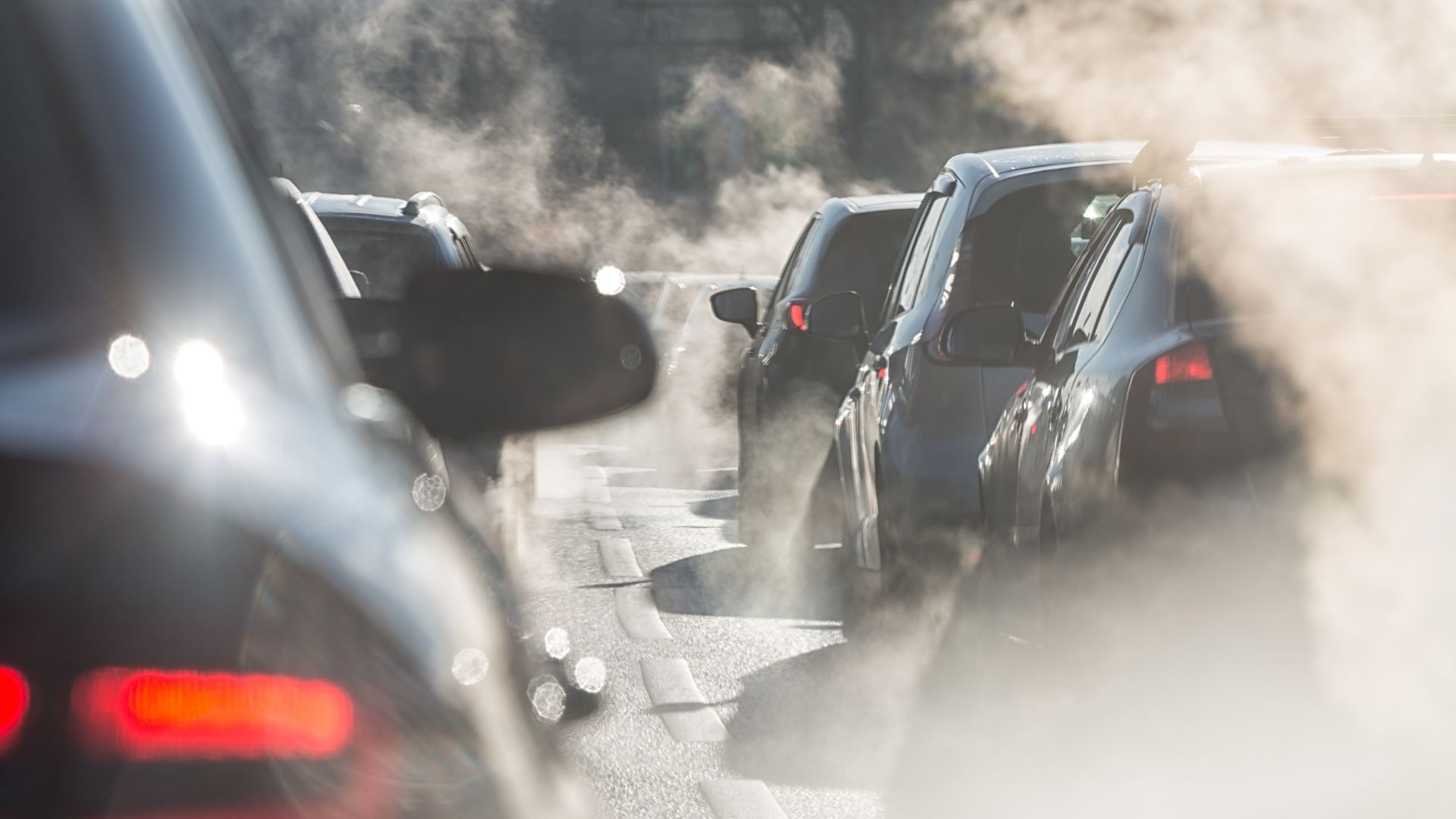
The European Commission and the General Court of the European Union have been locked in battle over diesel car emissions. And the Commission has lost the case, meaning certain European cities can elect to ban all diesel-powered cars. Yes, even modern diesels.
In summary, the Commission gave the nod to amend the latest Euro 6 diesel emissions limits – permitting higher nitrogen oxide limits – in response to new ‘real-world’ fuel economy tests. Put simply, they gave permission for diesels to be dirtier. The argument was that new tests would likely expose alarming figures anyway.
Where this becomes (apparently) illegal is that there was no alignment on the decision, be it with the General Court of the European Union, other senior regulatory bodies, or the public. As such, acting on behalf of city authorities such as Paris, Brussels and Madrid, the Court has held the Commission accountable for the unsanctioned amendment.
A bit of background on the Euro 6 emissions regulations is needed, we think. They dictate that any car registered after September 2015 must not emit more than 80 mg/km of nitrogen oxides (NOx).
In defence of the car manufacturers, that target was set with reference to the testing procedures at the time. In the comparison between old (NEDC) and new (WLTP) testing methods, for instance, we know the latter is more representative of real-world driving.
Unfortunately, more realistic testing means lower efficiency ratings and much higher emissions. That’s where the amendment comes in, sanctioned by the European Commission without further consultation, which stated cars could pass these new tests as long as emitted less than 168 milligrams per kilometre of NOx.
The court has given the European Commission a year to set things straight, which will, in turn, give carmakers a year to revise their offerings.
Our take is as follows. Diesel is fundamentally difficult to clean. This could well be the biggest nail in the coffin of oil-burners yet. Nevertheless, legislators do conveniently ignore the categorical U-turn they’ve taken in this demonisation of diesel. And not two decades after it was lauded as the saviour of eco- and money-conscious motorists alike. Industry and technology simply cannot make overnight U-turns in response to unfavourable PR, as politicians can.
Coming back to the difficulty of engineering ‘clean’ diesels, our fear is that it’s simply not possible. Even with the thickest ad-blue concoction and the brawniest catalytic converters carmakers can muster. We hope we’re wrong.
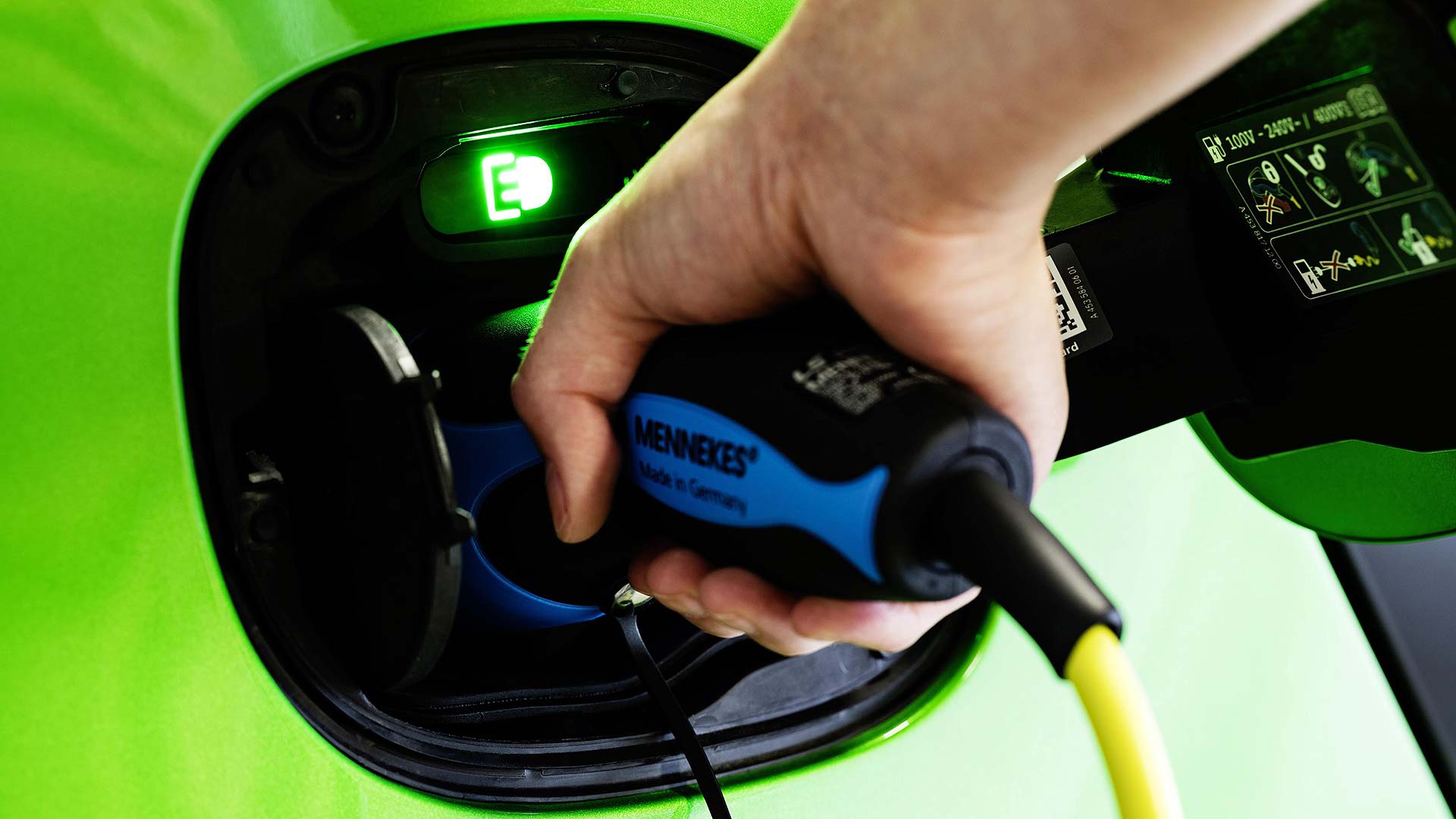
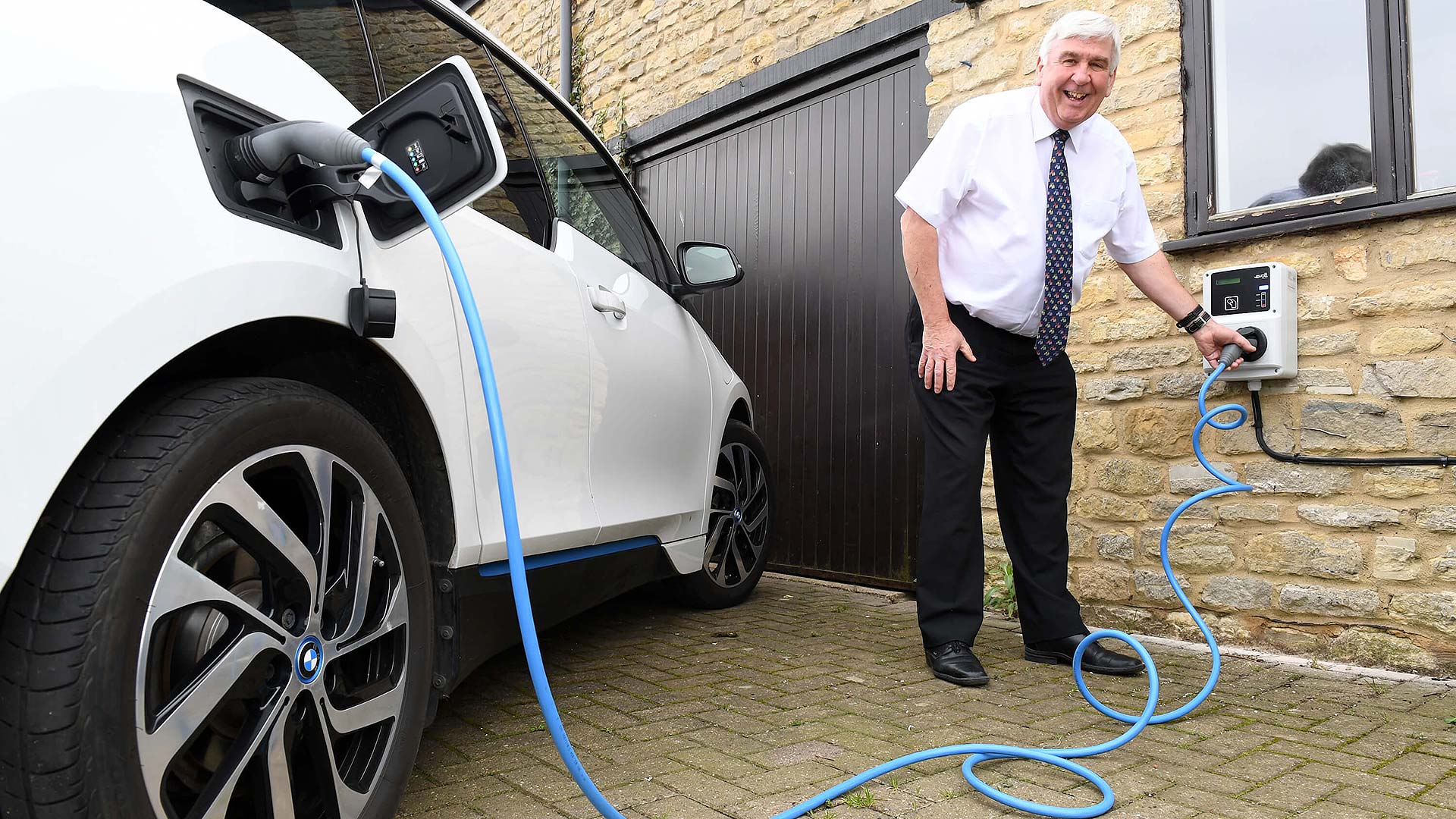
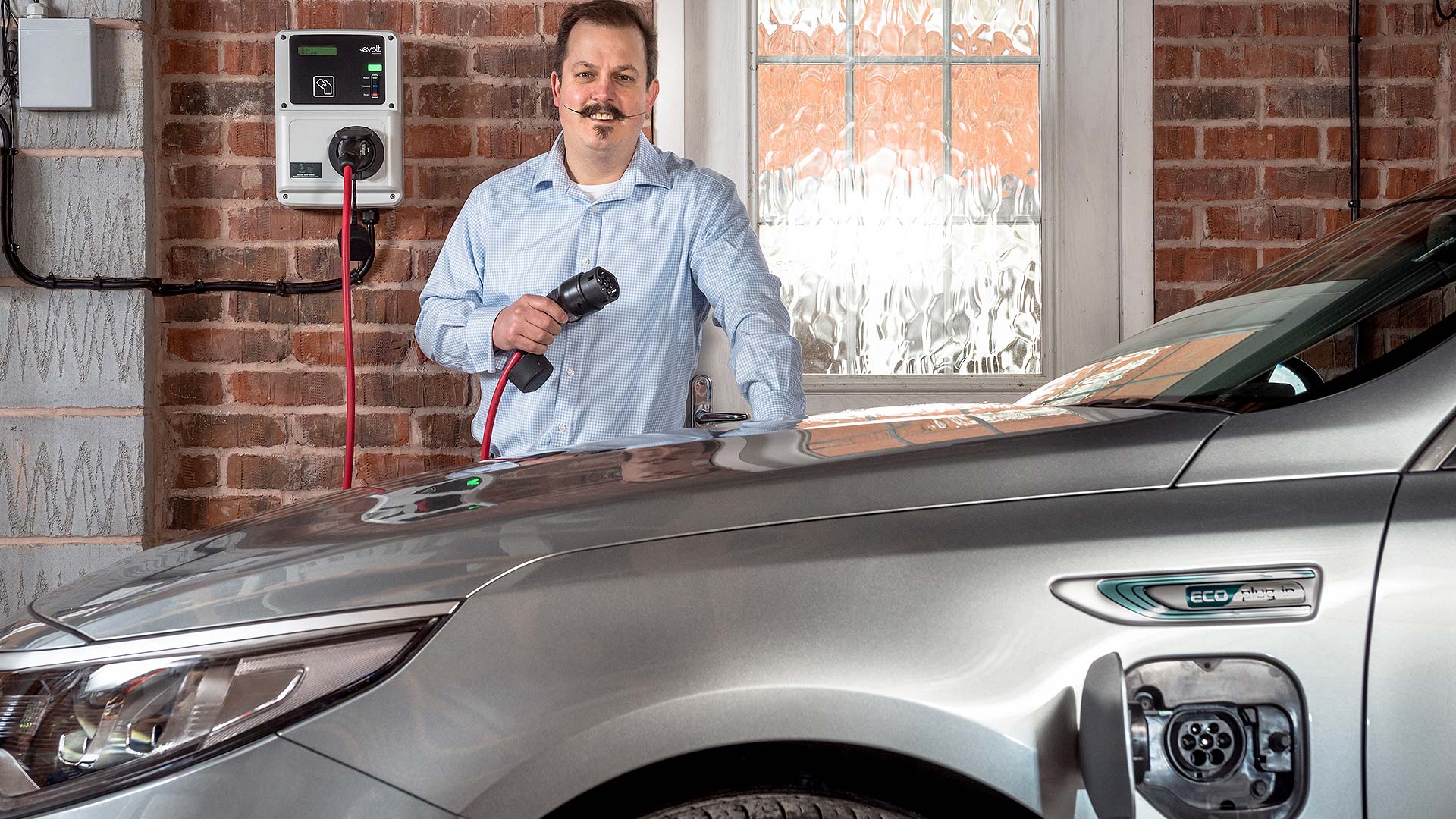
In committing to the existing chargepoint grant of £500, roads minister Jesse Norman hope to make the UK “the best place in the world to build and own an electric vehicle.
“We have already supported the installation of over 100,000 home chargepoints. Now the measures announced today will give more people the opportunity to make the move to electric.”
A smart chargepoint can be remotely accessed and is able to receive, interpret and react to a signal. This enables ‘smart charging’ – which will manage peak electricity demand and ensure the electricity grid is not overloaded.
Consumers will also benefit because a smart charger can tap into cheaper off-peak electricity.
Part of the Electric Vehicle Homecharge Scheme which was introduced in 2014, more than 60,000 grants have been supported to date. The government’s 2018 Road to Zero strategy, now targets all new cars to be “effectively zero emissions by 2040”.
If it is to deliver on this, in just 12 years’ time, it needs to start building the infrastructure now.
“Today’s measures will make it easier for consumers to move towards electric vehicles,” said automotive minister Richard Harrington.
The Road to Zero Strategy, adds the government, amounts to nearly £1.5 billion of investment “and represents one of the world’s most comprehensive packages of support for zero-emission vehicles”.
According to Kirstie What’s-her-face, location is everything when it comes to buying a home. But this isn’t a tale of bricks and mortar, although the wrong postcode might mean waking up in the morning to find your beloved motor on bricks.
Insurance comparison site Quotezone has analysed road accident and vehicle offences data to prepare a list of the best and worst places to own a car. Join us, as we go through the keyhole.
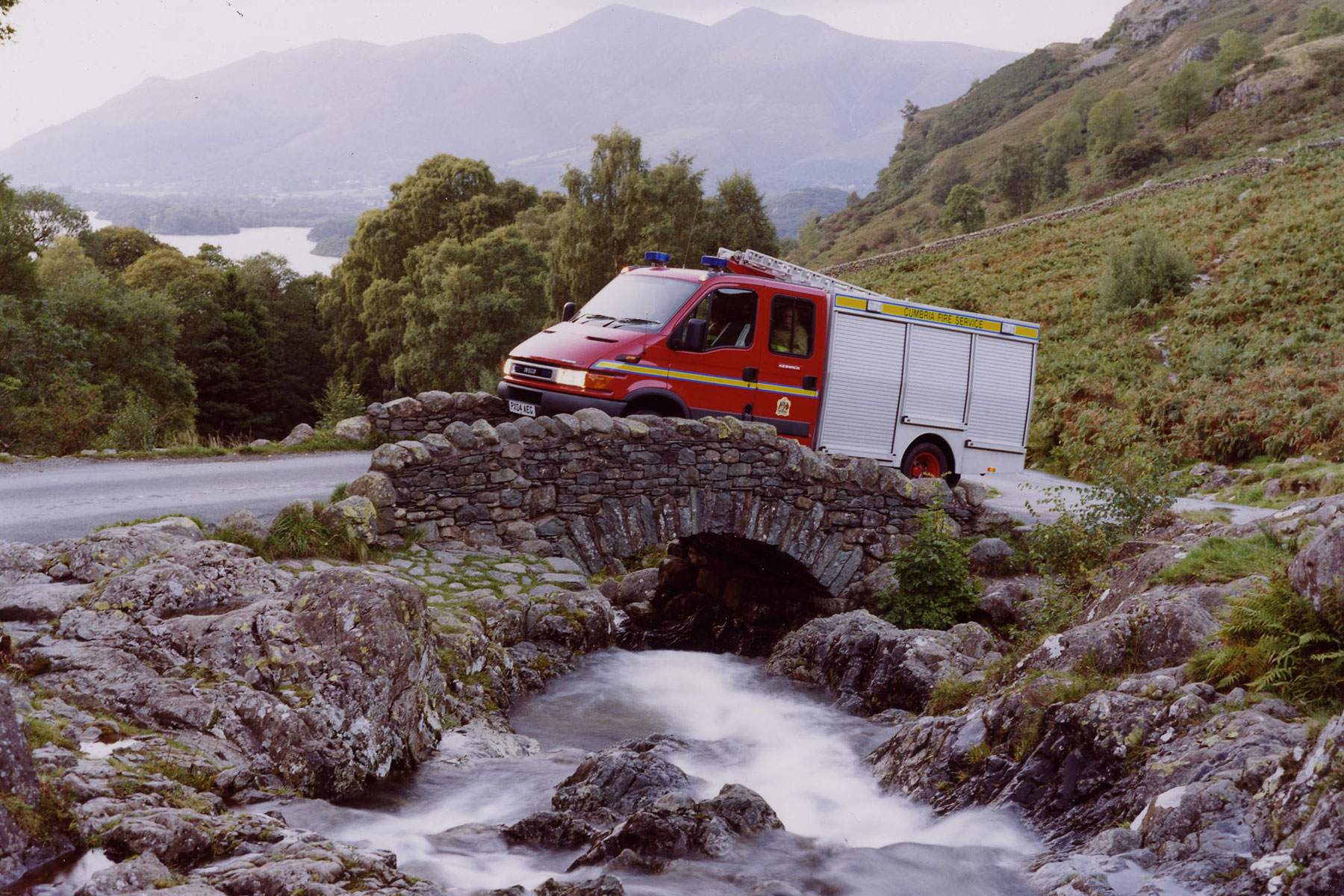
10th best – Cumbria
The road accident rate is calculated by dividing the population of each police force area by 1,000 and dividing the number of accidents or vehicle offences in each area. Vehicle offences include dangerous, careless or drunken-driving, theft of a motor vehicle, along with accident, speed limit, insurance and condition offences. In the case of Cumbria, this results in a ‘Car Danger Rate’ (CDR) of 10.12, making it the 10th best place to own a car.
9th best – Staffordshire
Next up is Staffordshire, with a CDR of 9.76. Quotezone’s analysis would suggest that rural areas tend to be safer than towns and cities, although Staffordshire includes large urban conurbations such as Stoke, Tamworth, Stafford and Lichfield.
8th best – North Yorkshire
North Yorkshire can boast some of the best driving roads in the country, which might explain why the road accident rate is relatively high. Conversely, the vehicle offences rate is very low, resulting in a CDR of 9.74. Things aren’t so good in West and South Yorkshire, as we’ll discover later.
7th best – West Mercia
West Mercia Police is the fourth largest geographic police area in England and Wales, with the force covering Herefordshire, Shropshire and Worcestershire. Many of the communities are rural, but urban areas include Hereford, Kidderminster, Redditch, Shrewsbury, Telford and Worcester. The CDR for West Mercia is 9.75.
6th best – Devon and Cornwall
With a CDR of 9.68, the area covered by Devon and Cornwall Police is ranked sixth in the Quotezone analysis. The geographical area is the largest for any police force in England and the fifth largest in the UK. Cornwall is home to 555,000 residents, but the summer population swells to between 770,000 and 850,000 at any one time.
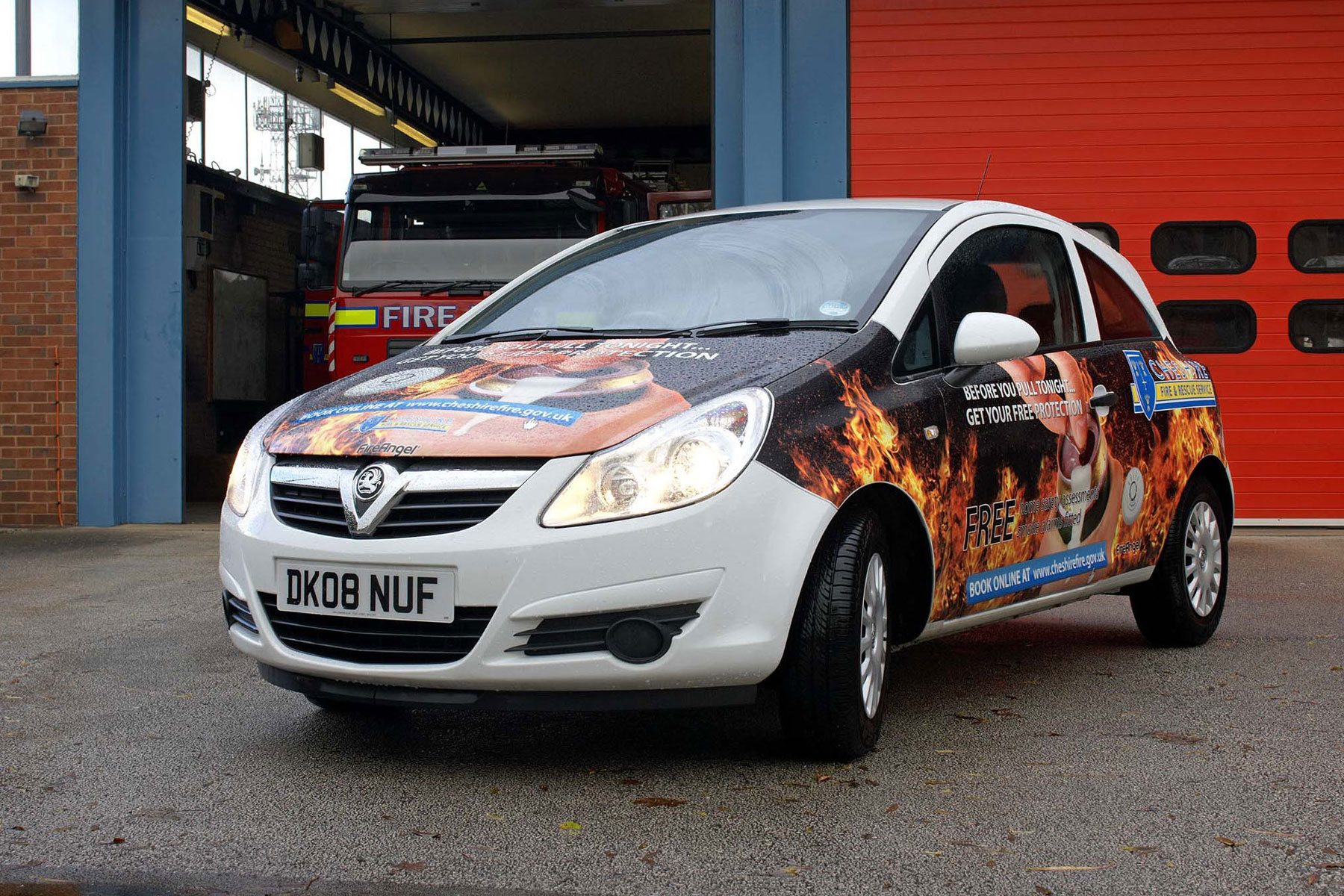
5th best – Cheshire
The Cheshire Constabulary serves a population of over one million people and covers an area measuring 919 square miles. The CDR is 9.35, making it the fifth safest place to own a car.
4th best – Gwent
Gwent Police covers an area of 600 square miles encompassing the five local authority areas of Caerphilly, Monmouthshire, Torfaen, Newport and Blaenau Gwent. The road network includes the M4 and the Second Severn Crossing. The CDR is 9.01.
3rd best – Norfolk
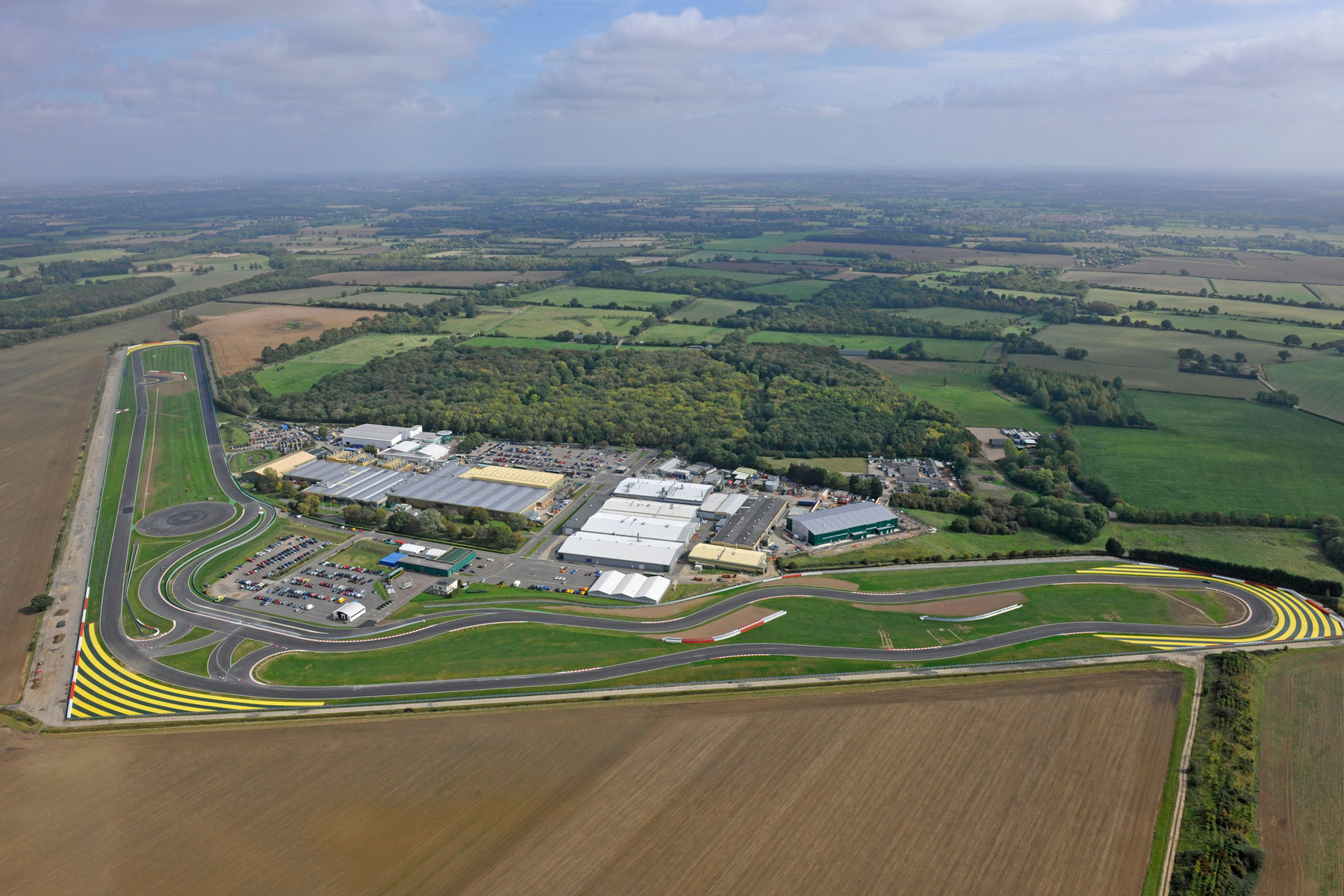
Norfolk is the home of Lotus and the third safest place to own a car. The CDR is 8.98.
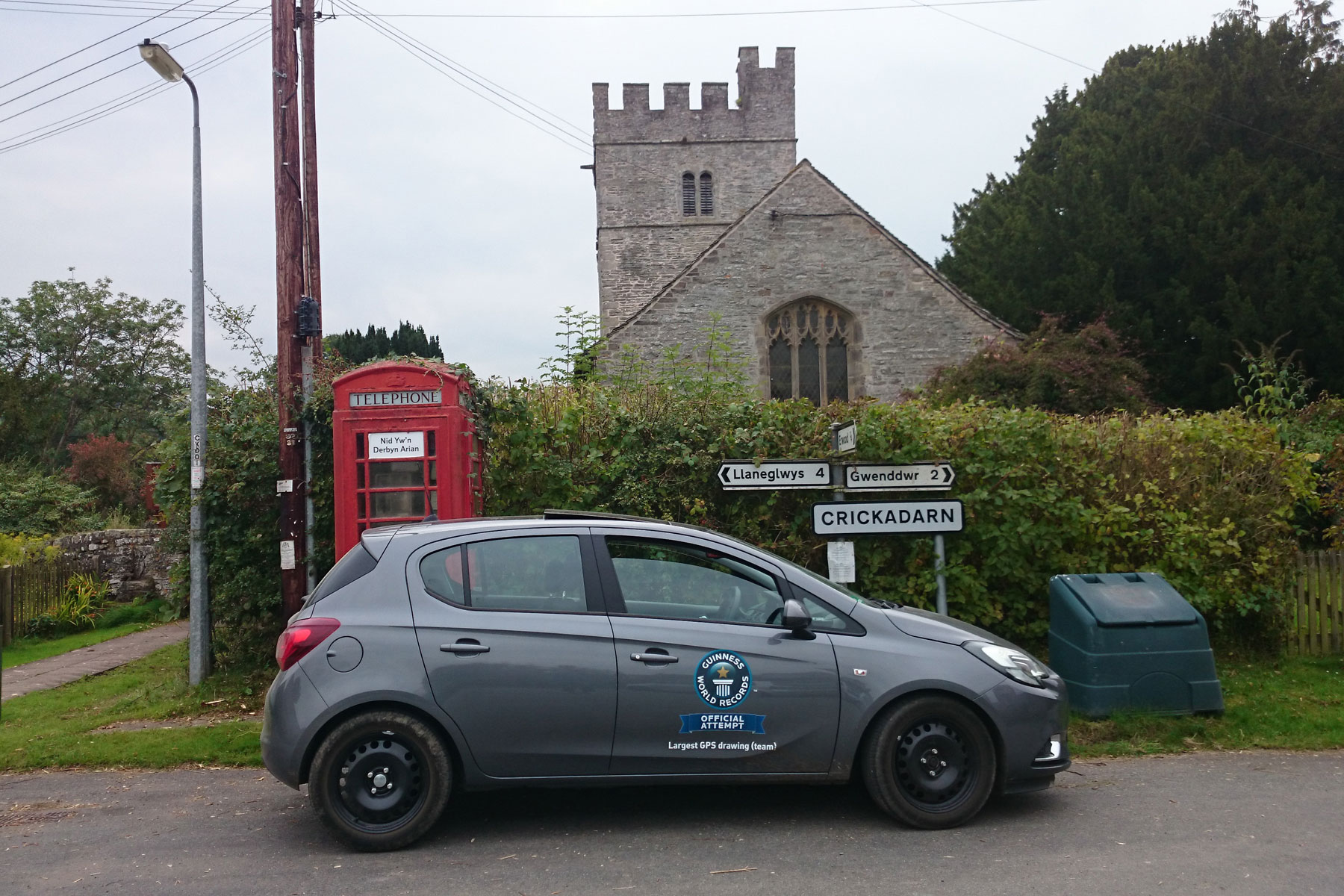
2nd best – Dyfed-Powys
Dyfed-Powys finishes second in the Quotezone table, boasting the second-lowest CDR (8.70), despite the fact that it’s also one of the largest police territories in England and Wales. The area also recorded the lowest number of vehicle offences, with Aberystwyth witnessing just one serious road accident in the past year.
The best – North Wales
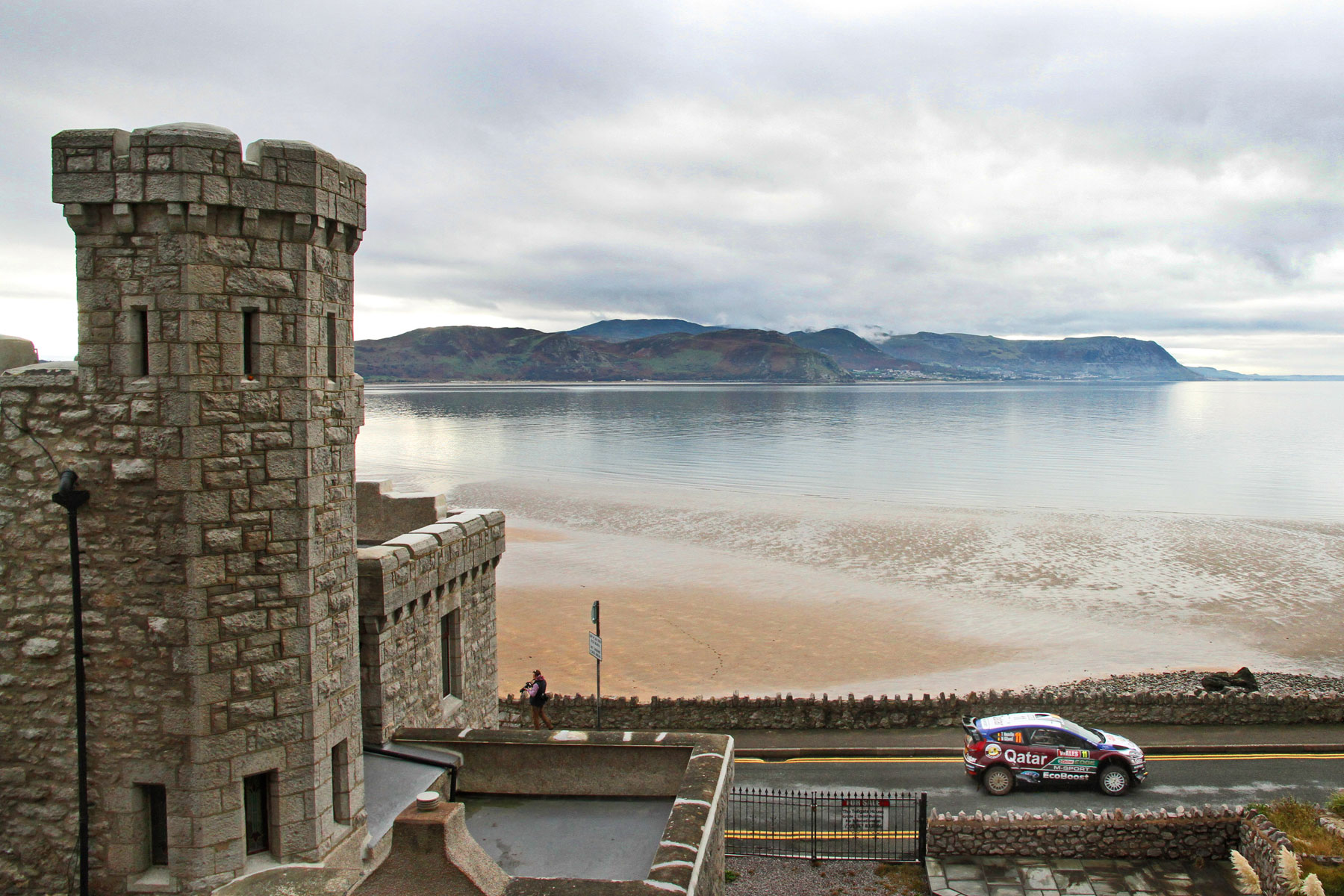
In 2016, North Wales was named one of the world’s top places to live by Lonely Planet, but it’s also the UK’s best place to own a car. A CDR of 7.29 puts it streets ahead of the other areas, with Wrexham recording just 14 vehicle crimes since January 2018. That said, you might want to avoid West Street or Gerald Street, which were home to the largest concentration of vehicle crimes in the town.
So, with the safest places named, what are the worst places? Read on to find out.
10th worst – Cambridgeshire
With a CDR of 15.00, Cambridgeshire creeps into the bottom 10. The road accident rate is actually lower than Cumbria, which was named as one of the safest locations, but Cambridgeshire recorded a relatively high number of vehicle offences.
9th worst – Greater Manchester
The road accident rate in Greater Manchester was actually lower than nine of the areas in the top 10, but a high number of vehicle offences results in a CDR of 15.29. “Car theft rates are particularly high at Manchester Airport, where the vehicles are left unattended for long periods of time, with 74 incidents in July,” said Greg Wilson, the founder of Quotezone.
8th worst – West Yorkshire
Next up is West Yorkshire with a CDR of 16.01. This area includes major conurbations such as Bradford, Leeds and Wakefield.
7th worst – South Yorkshire
Things are no better in South Yorkshire, with the area scoring 16.13. Quotezone advises motorists to keep valuables out of sight when parking a car – even phone cables and sat-nav mounts can attract the attention of thieves.
6th worst – Warwickshire
Quotezone also recommends turning your car wheels into the kerb to make the alloys harder to steal because they will be ‘locked’ in the wheelarch. Warwickshire is named as the sixth worst place to own a car, with a CDR of 16.20.
5th worst – Bedfordshire
Bedfordshire finishes fifth worst with a CDR of 16.38. The police force covers the county of Bedfordshire, including the unitary authorities of Bedford, Central Bedfordshire and Luton. It’s the fifth smallest geographic area of responsibility.
4th worst – West Midlands
The West Midlands, home to Birmingham and Wolverhampton, finishes fourth with a CDR of 18.48. Birmingham saw a colossal 100 vehicle crimes in July 2018 alone, with a worrying 11 percent of those happening near a local children’s hospital.
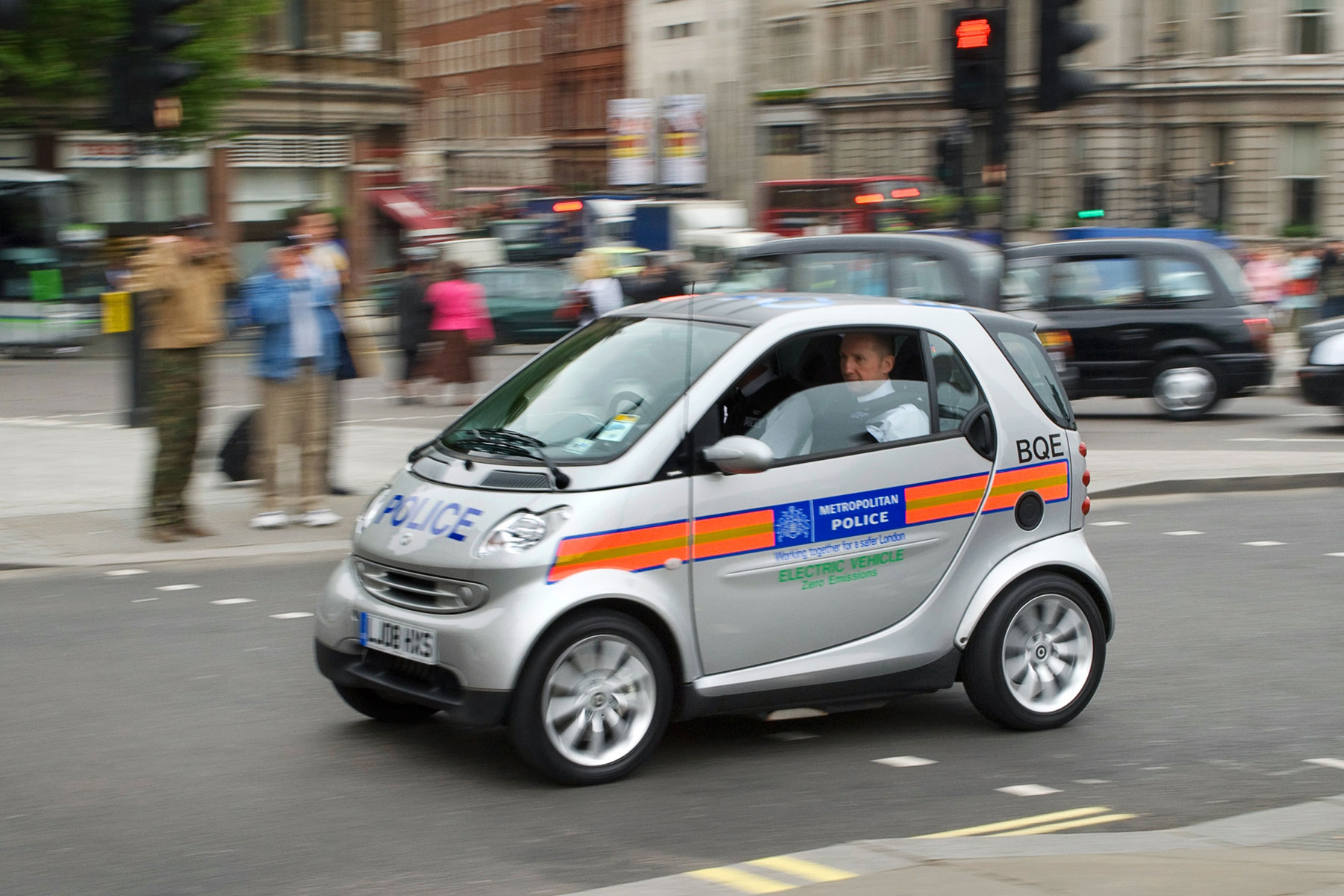
3rd worst – Metropolitan Police
The area covered by London’s Metropolitan Police finishes third with a CDR of 19.76. The road accident rate is the joint-highest of all the areas featured here, which is hardly surprising given the traffic levels in the capital.
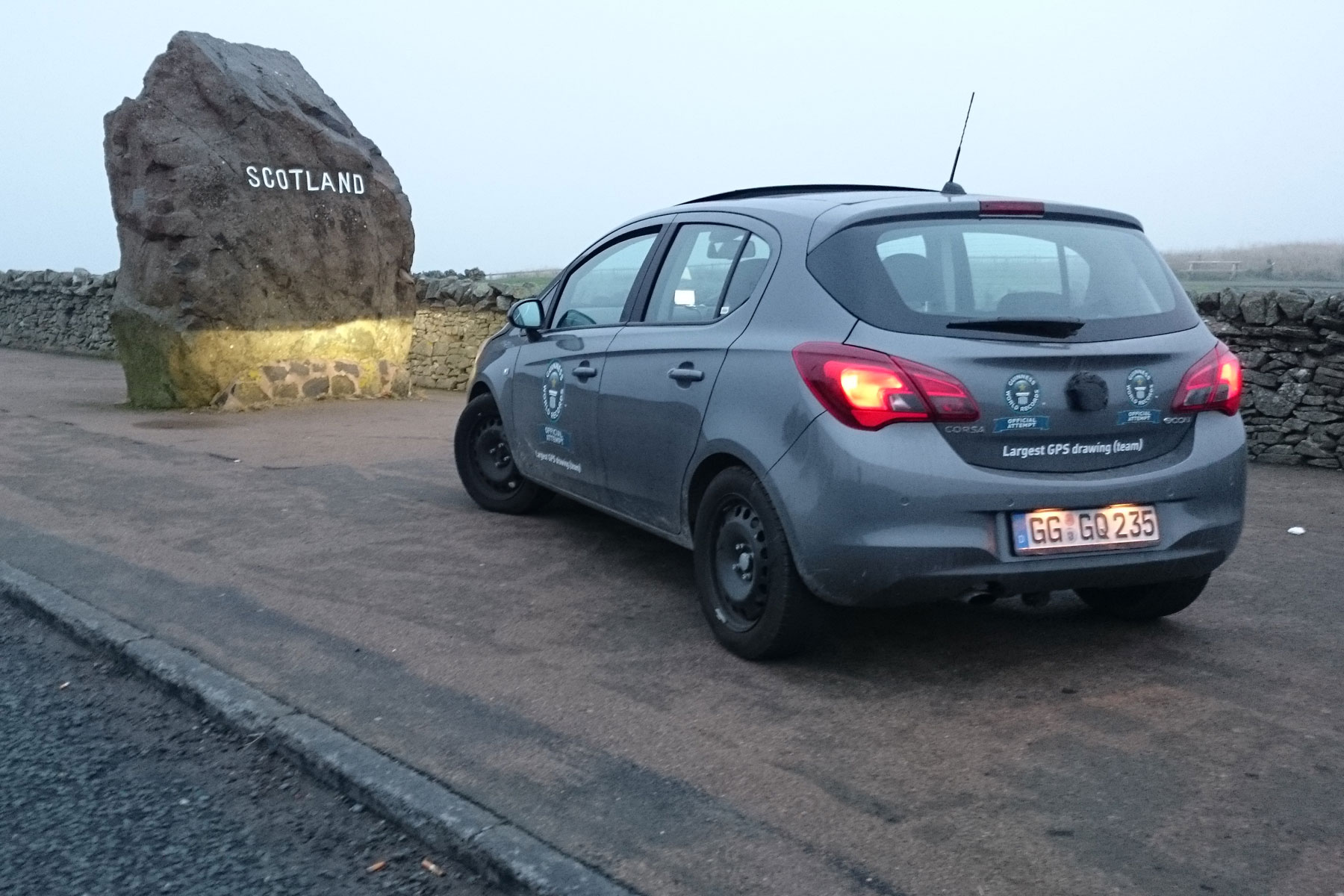
2nd worst – Police Scotland
Police Scotland was formed in 2013 following the merger of eight regional forces and is the second-largest force in the UK (after the Met Police). The road accident rate in Scotland is the lowest of all the areas featured in this gallery, but the high number of vehicle offences catapults Scotland into an unwelcome second place.
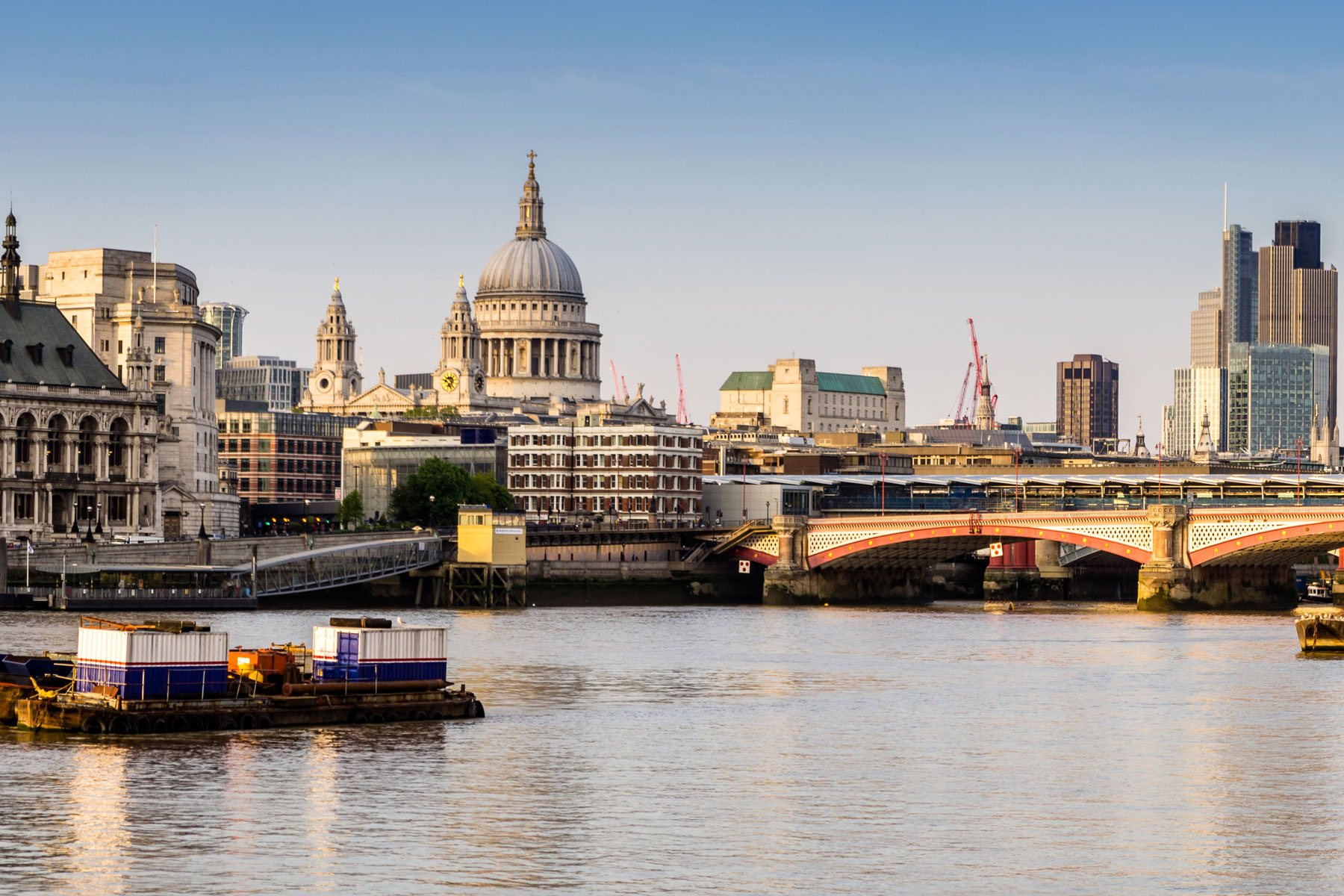
The worst – City of London
As pointed out by Quotezone, the data for the City of London is skewed because of the overall population and car ownership. Indeed, the small area is home to just 8,000 people, with around 400,000 people commuting into the City every day for work. A massive number of car accidents plays a major part in the eye-opening CDR score of 97.86.

 Meridien Modena in Lyndhurst has been named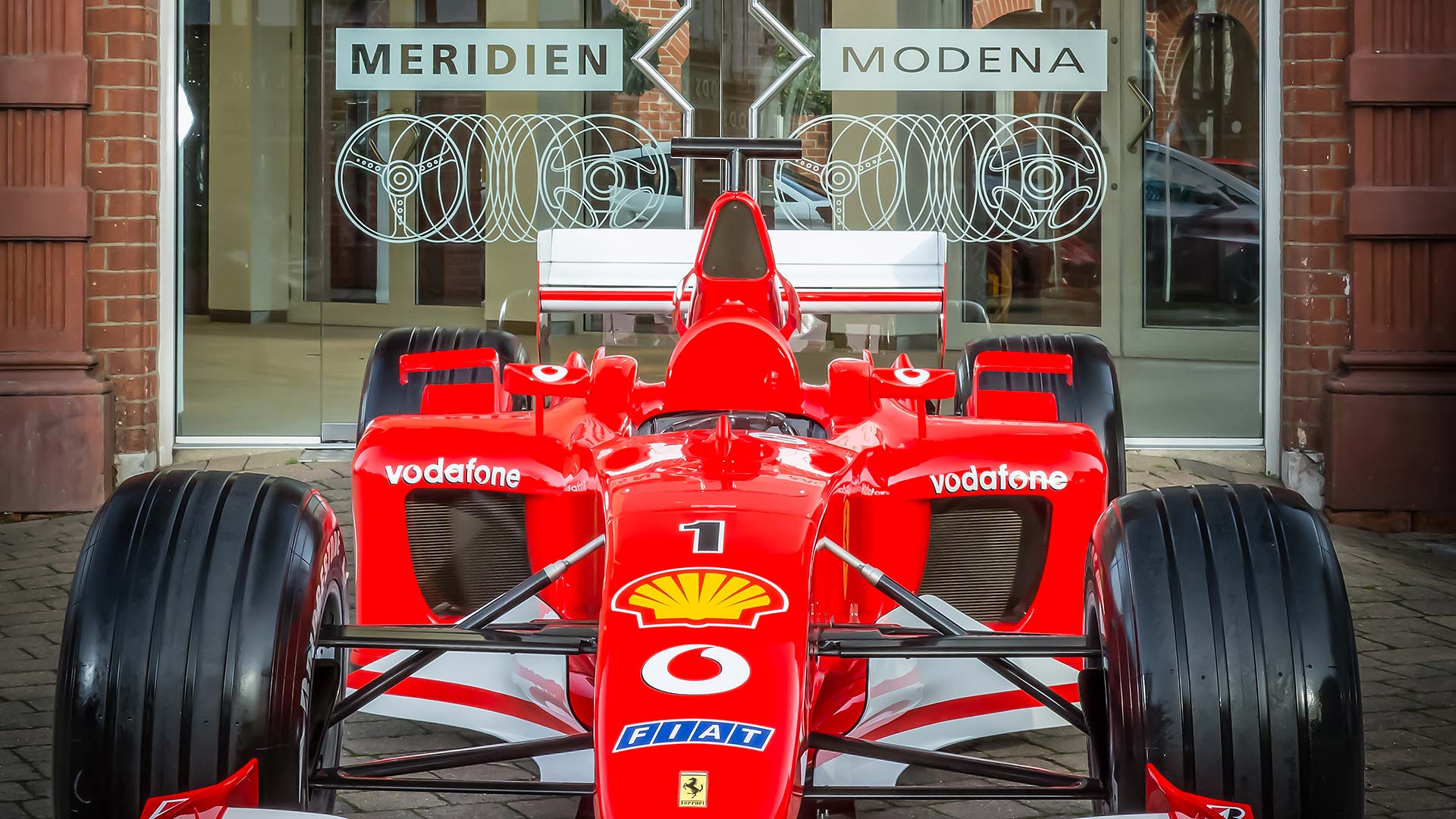


 The M48 Seven Bridge and M4 Prince of Wales Bridge are both
  Land Rover is the only car company to use the grounds of Eastnor Castle in Herefordshire to develop its vehicles. It also now becomes the only automaker to hold a festive winter wonderland there.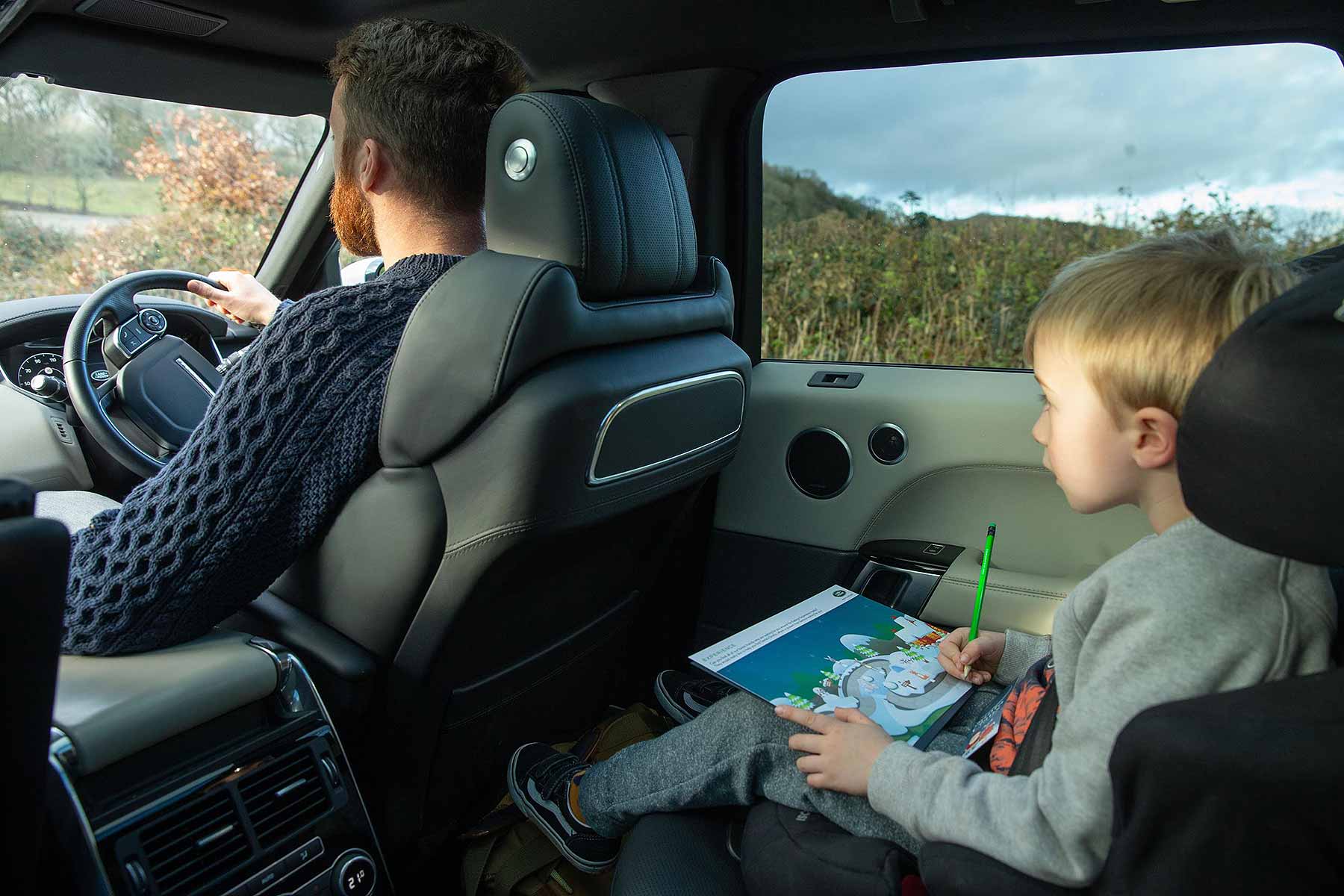


 Home
Home