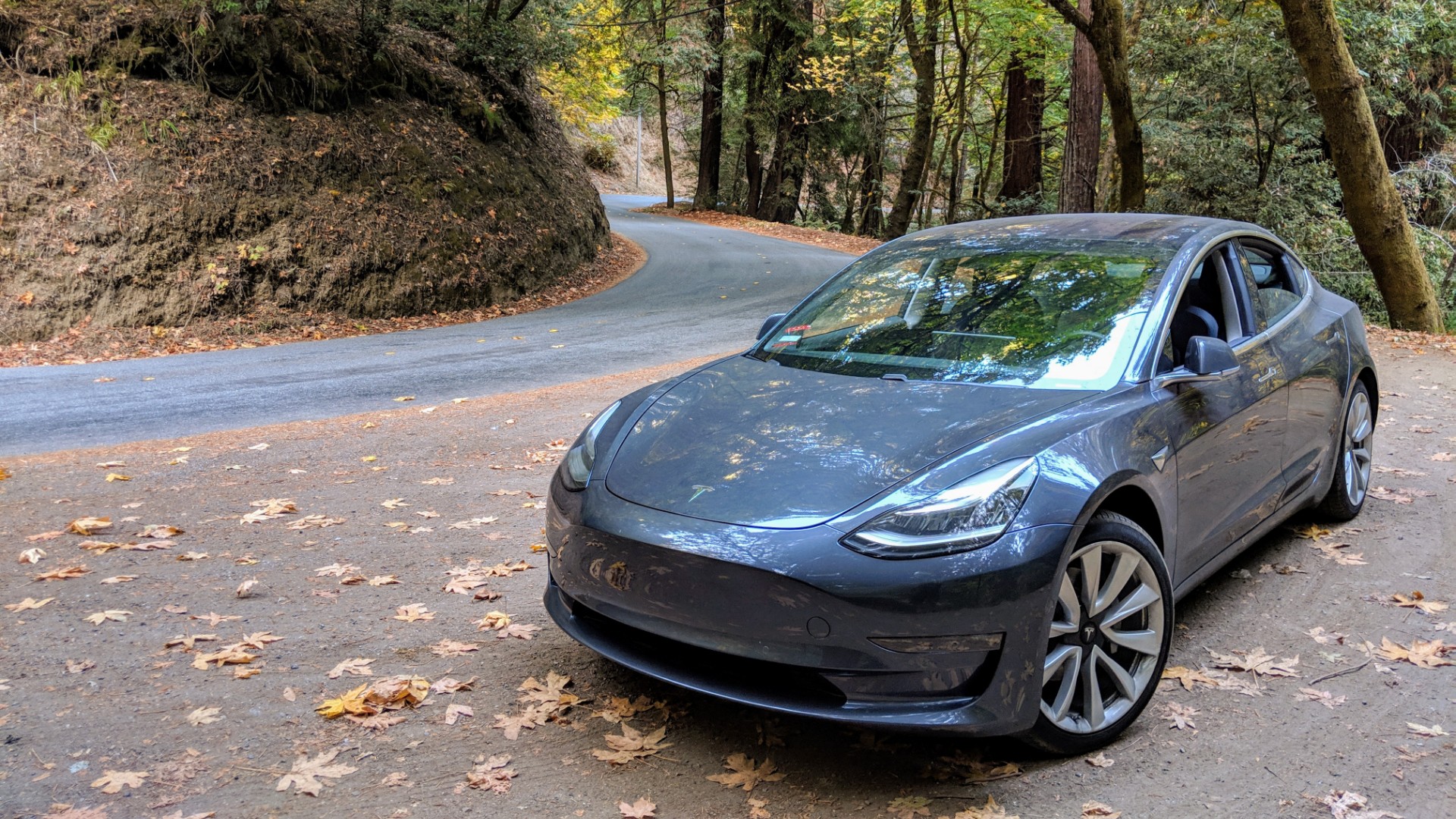
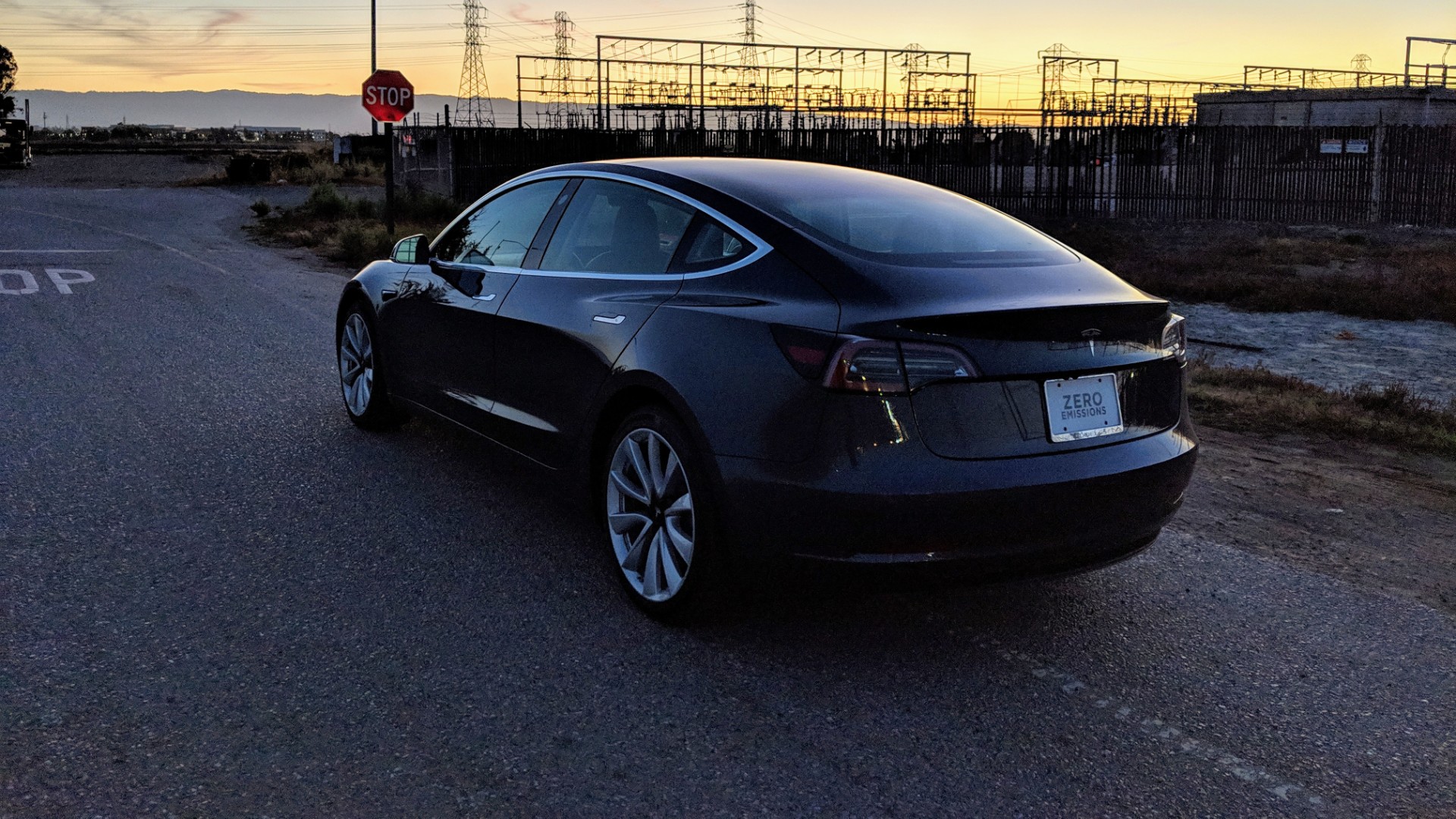
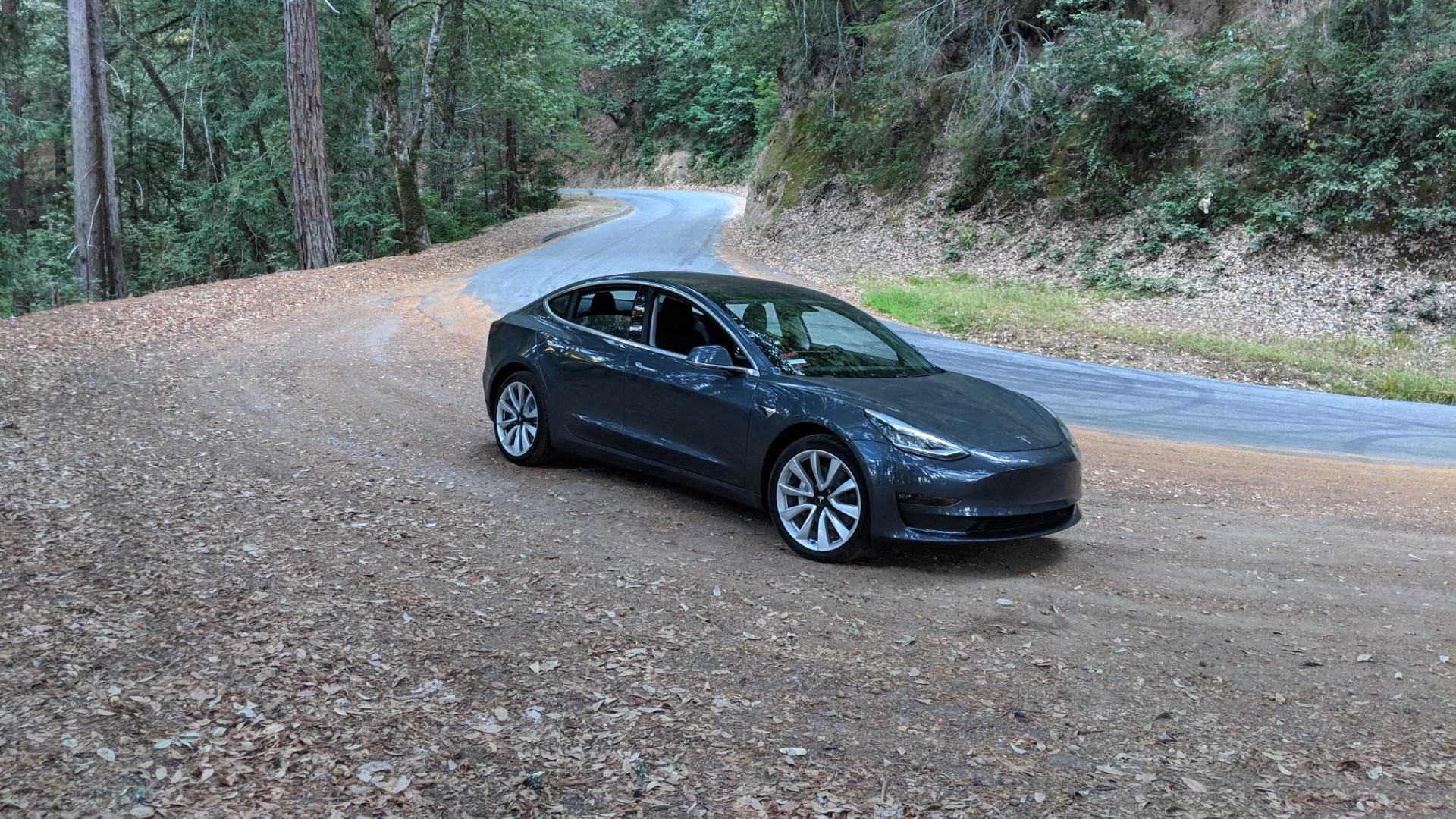
The government is consulting on plans to ban old tyres for buses, coaches, lorries and minibuses.
A new law banning tyres aged 10 years and older could be introduced this year and come into force in early 2020.
The 10-week consultation asks whether old tyres should be banned on commercial vehicles and seeks opinions on whether the ban should be extended to taxis and private hire vehicles.
Road safety minister Michael Ellis said: “Our priority is keeping people safe on our roads, and we are taking action to reduce the number of people killed or injured.
“There is increasing evidence that age affects the safety of tyres, which is why I think older tyres should not be used on large vehicles.”
The consultation follows a campaign by Frances Molloy, whose son died in a coach crash caused by a 19-year-old tyre in 2012. Her work with the ‘Tyred’ campaign led to the government consultation.
Time for a ban on old car tyres?
The proposed ban on old tyres for large vehicles begs the question: should similar legislation apply to old car tyres?
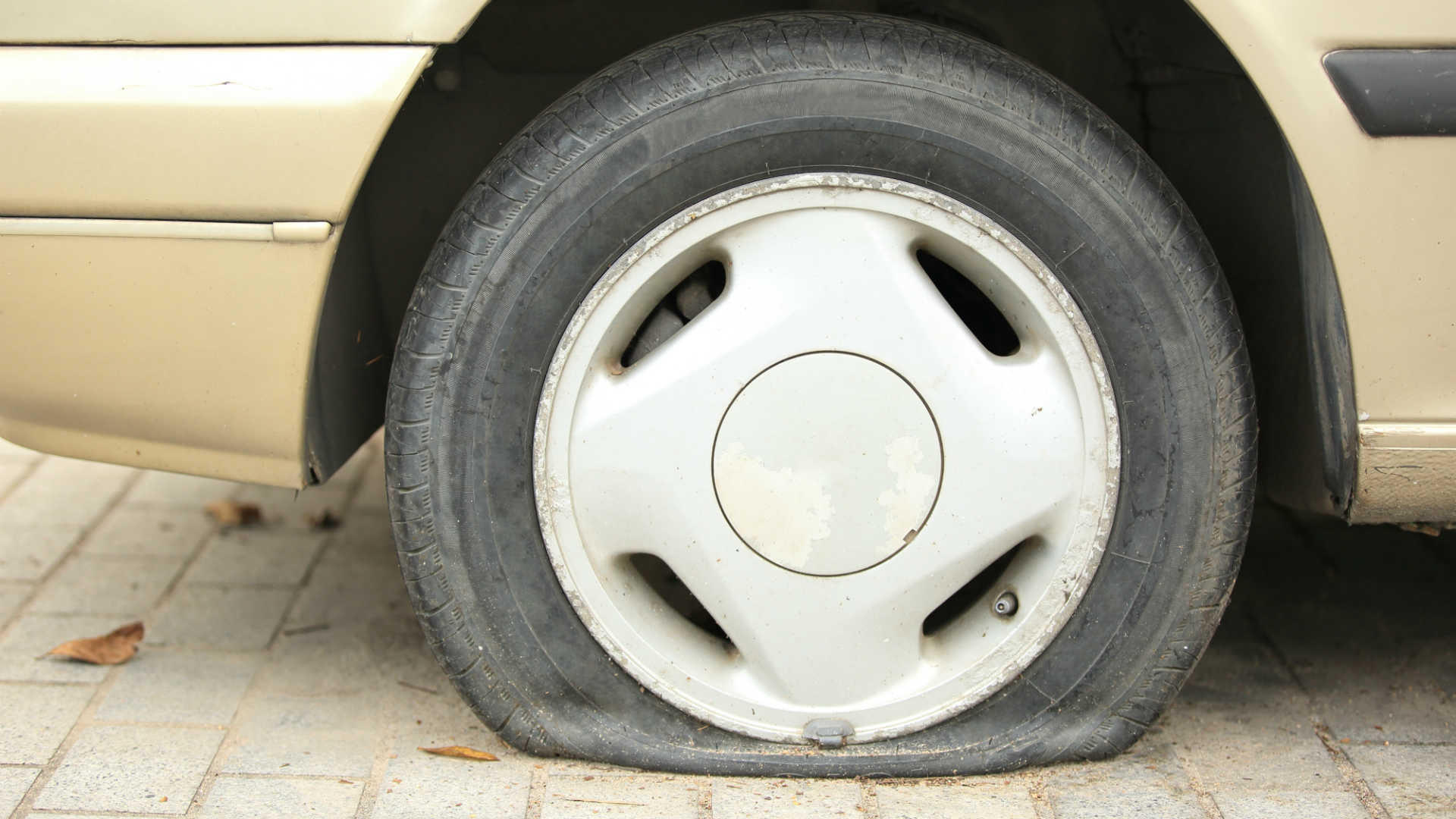
Even though tyres degrade with age, “there are no hard and fast rules on when they should be replaced”. Defects are likely to be spotted at an MOT test, but drivers should check their tyres for signs of ageing.
The Royal Society for the Prevention of Accidents (RoSPA) says that “tyres do deteriorate with age, which increases the risk of tyre failure”, and “tyre manufacturers do not seem to have a consistent recommendation because the roadworthiness of a tyre depends on many factors, including the condition in which they are stored, the use to which they are put, road conditions, how well they are maintained and the driver’s driving style.”
RoSPA’s recommendation is to regularly check tyres for age-related defects, such as
Cracking/crazing on the side wall of the tyre, caused by its flexing
Distortion of tyre tread
Deformation of the carcass of the tyre
Tyres that display these signs of ageing should be removed and not put to further use.
Although tyres must have at least 1.6mm of tread throughout a continuous band around the centre three quarters of the tyre, most manufacturers recommend that tyres are changed when they reach 3mm of tread depth.
Porsche Heritage Design: it sounds like it could be yet another generic design package like ‘Black Edition’, ’Shadow Edition’ or the like. But that’s not the case, according to Porsche.
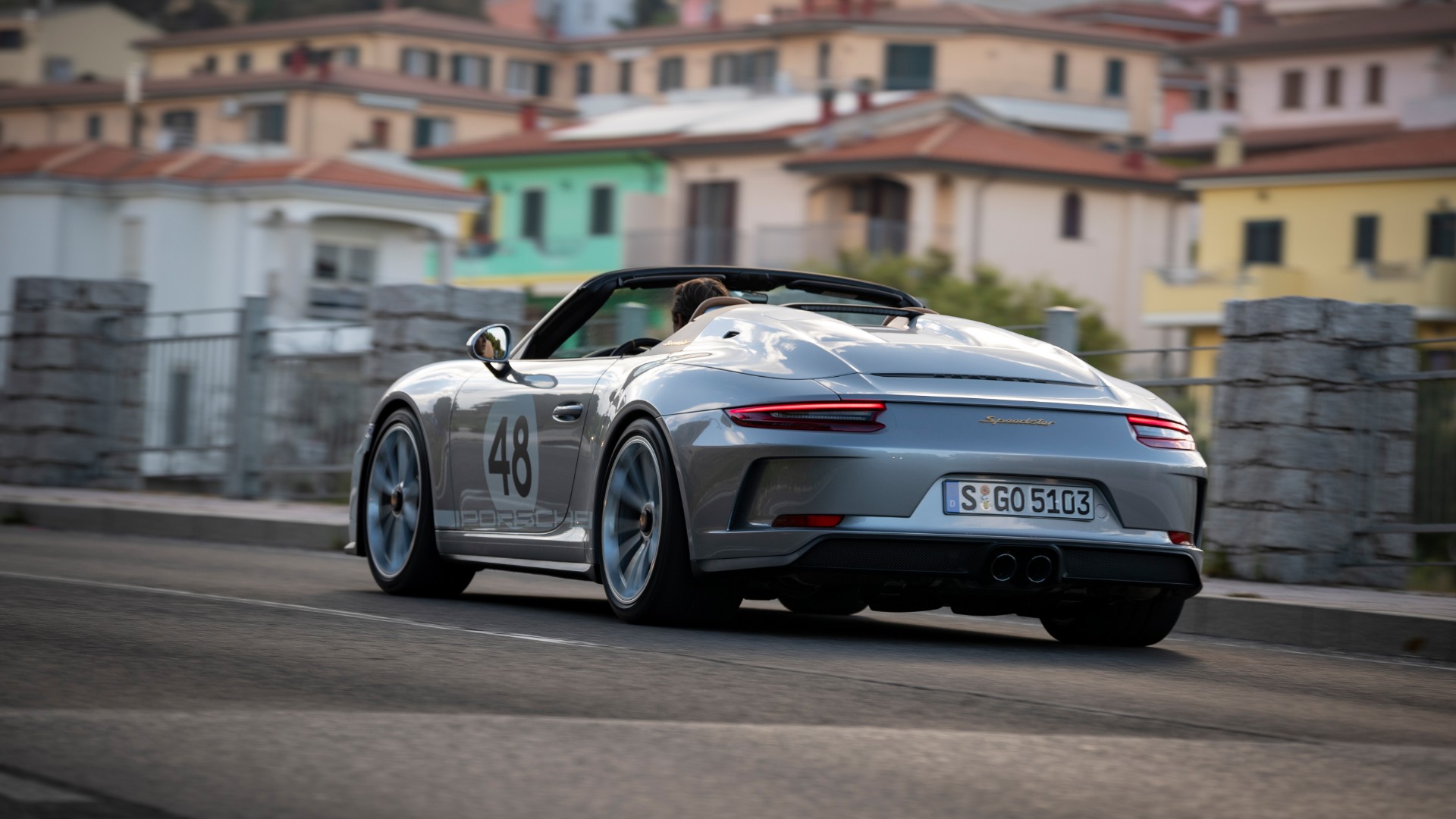
It’s a nomenclature that was first used to preview a special version of what its arguably the most special modern 911: the new 911 Speedster. Now, Porsche is saying we’re going to get even more examples, limited in number, that take influence from its colourful history.
Porsche Heritage Design: explained
The Speedster Porsche introduced at the New York Auto Show previewed the ‘lifestyle’ interpretations of classic elements. Flashes of gold hark back to the original Porsche Speedster, while the white-with-silver paintwork looks back at Porsche’s motorsport history. The tanned-leather cabin in combination with the exterior colour palette is a classic combo.
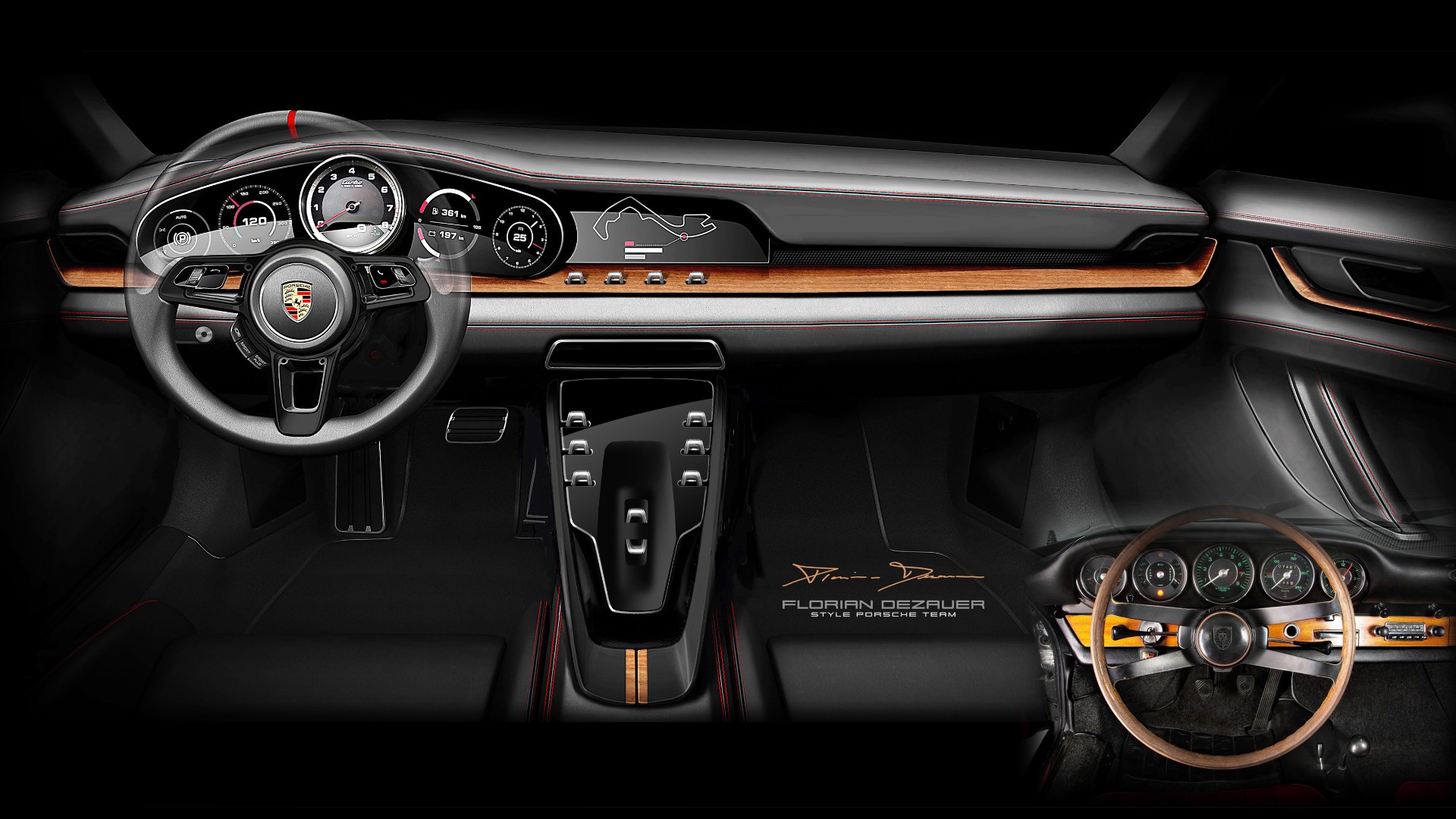
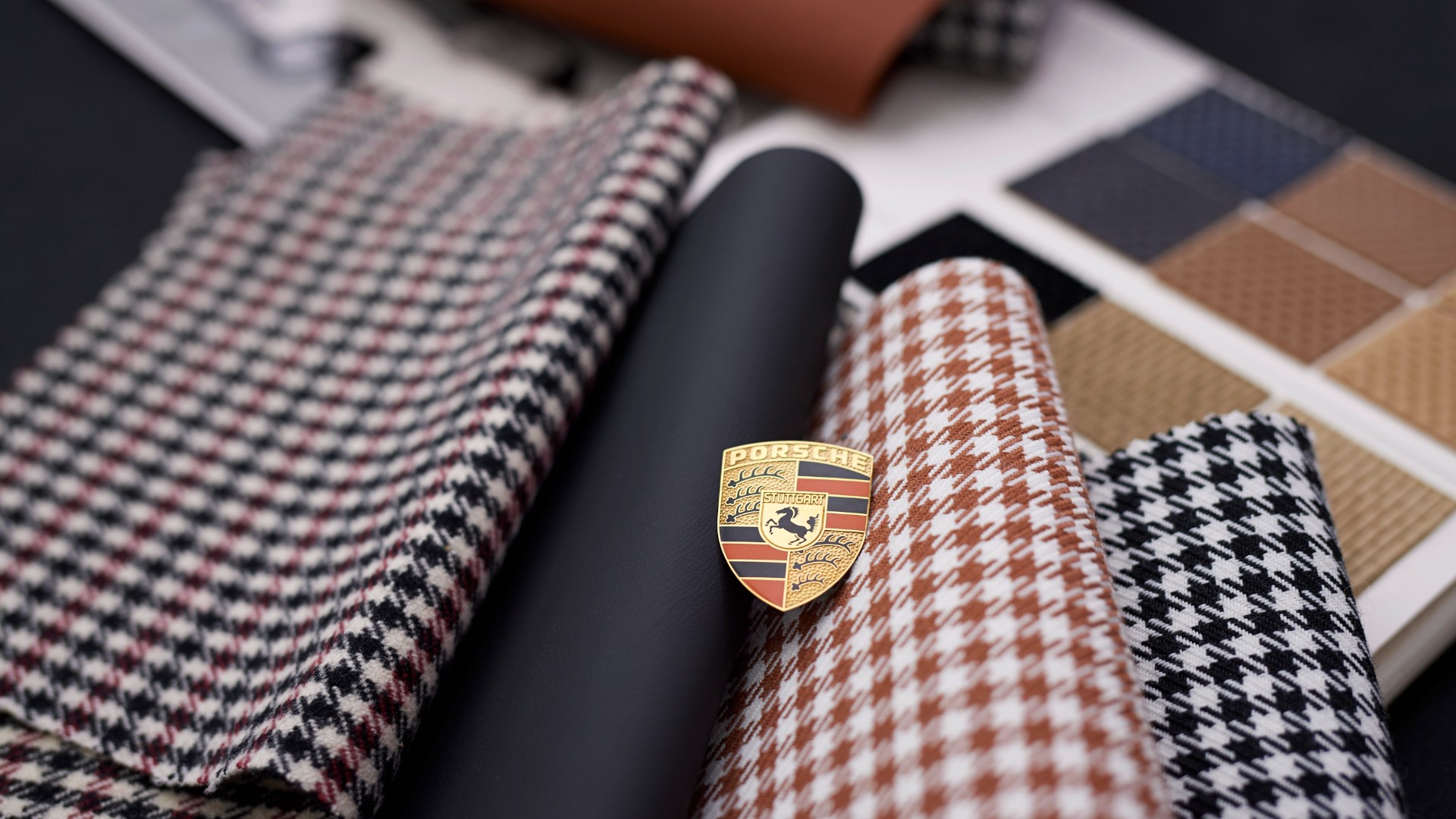
More of the same, Porsche Heritage Design editions will bring the style of the past into Porsche’s contemporary models. Special colours, materials, liveries and more will subtly pay tribute to unique historical styles and fashions. Take, for instance, houndstooth material on the seats, wooden dashboard elements, ‘fuchs’-style wheels.
“Old colour and equipment cards, museum vehicles, design elements from the corresponding era – we took all this as our inspiration to reinterpret the design language of the past”, explains Ivo van Hulten, director of interior design style at Porsche.
“Individual memories that are brought back to life by certain colour schemes, a feel or patterns – this is a trend we are also witnessing in fashion or interior design and it forms the fundamental idea of our approach.”
Contemporary cars, classic style
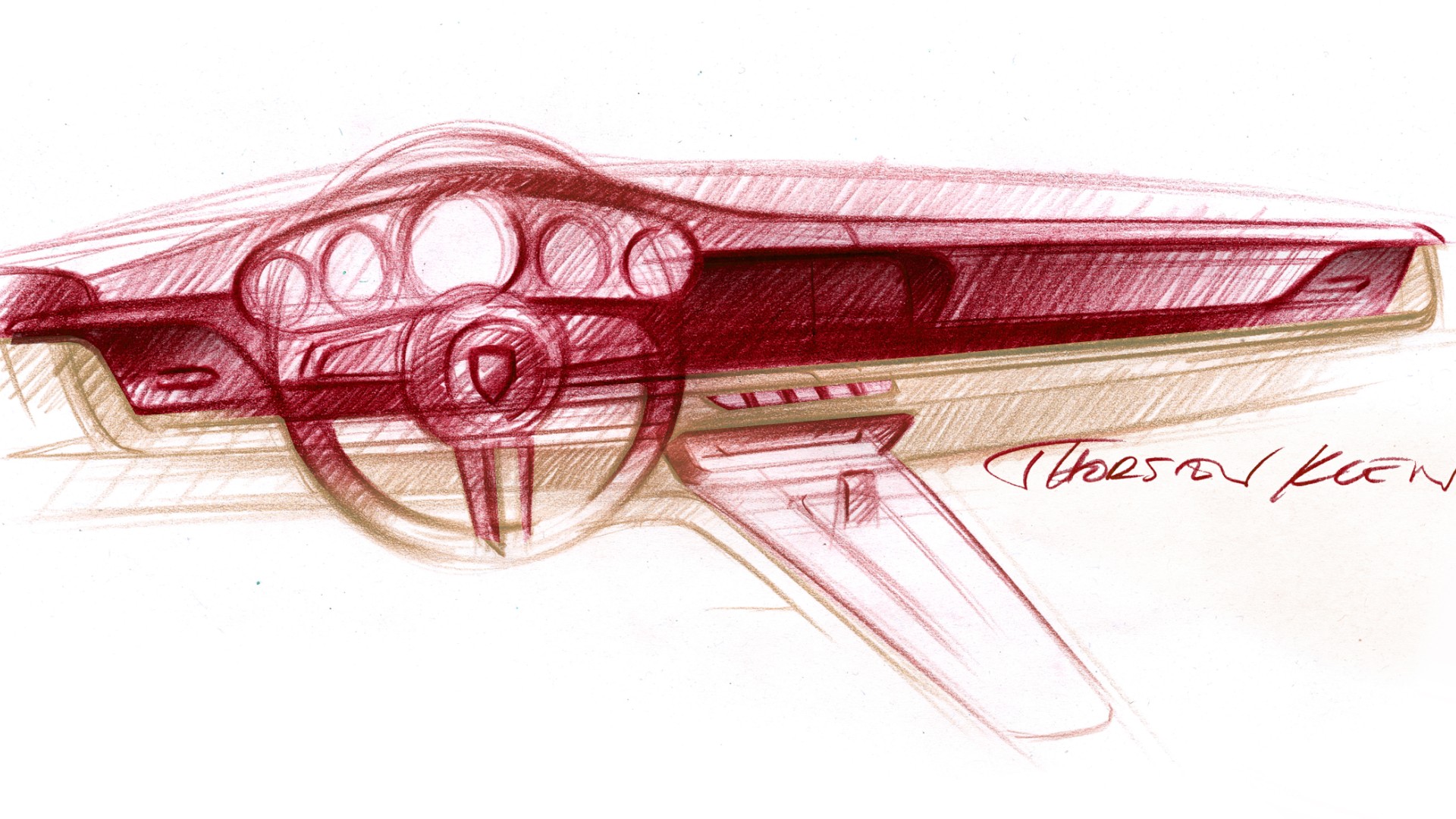
Porsche doesn’t exactly need to re-embrace its past. It’s not afraid to incorporate style elements of old cars into new models. The new 911’s central analogue dial, bonnet creases (not seen since the 993) and broadened hips are all nods to classic 911 design tropes, for instance.
As for what’s to come? Perhaps think back to the 911 50 edition, but not as far as the old 997 Sport Classic.
It sounds like Porsche’s intention is to invoke retro style in a more subtle fashion. Needless to say, there’s a precedent for Porsche referencing its past. Porsche Heritage Design should only add to that.
All new electric and hybrid vehicles are now legally required to have an external sound generator so they can be more easily heard by pedestrians and cyclists.
The EU-mandated system is called an Acoustic Vehicle Alert System, or AVAS. It becomes law on 1 July 2019 after years of campaigning by groups such as the European Blind Union.
AVAS systems need to work at speeds of up to 13 mph, and the volume must be at least 56 dB (similar to the volume of an electric toothbrush).
The volume must not be louder than 75 dB, equivalent to the noise of a conventional car.
The sound must also be continuous, and help road users understand the driving behaviour of the vehicle by sound alone – for example, by varying in volume and pitch when a vehicle is accelerating.
Harman, a supplier to the car industry, is already fitting its ‘external Electronic Sound Synthesis’ (eESS) to new cars, after developing it since 2009.
It works via speakers at the front and rear of a vehicle. It uses a speed sensor, and another sensor on the accelerator pedal, to meet the EU requirements of signalling a vehicle’s characteristics by sound.
The new law, applicable to all new silent electric cars and hybrid vehicles, comes into force Europe-wide on 1 July 2019. It applies to any vehicle with four or more wheels – which means electric motorcycles are not required by law to have it.
But what about inside the car?
The new EU law does not apply to the sound inside a vehicle – but Harman still offers a modular system that gives acoustic feedback inside a vehicle too.
This, it says, helps connect drivers to the vehicle. Because electric vehicles literally are silent, eESS gives acoustic cues when a vehicle is switched on or off. Otherwise, motorists may be unsure and could even think a vehicle is broken.
And addressing concerns that cars without engines will be boring or unengaging for enthusiast, Harman allows brands to create custom-designed sounds, for “a sound signature that reflects the brand DNA of their cars”.
The wailing V12 or burbling V8 may yet live on, albeit virtually…
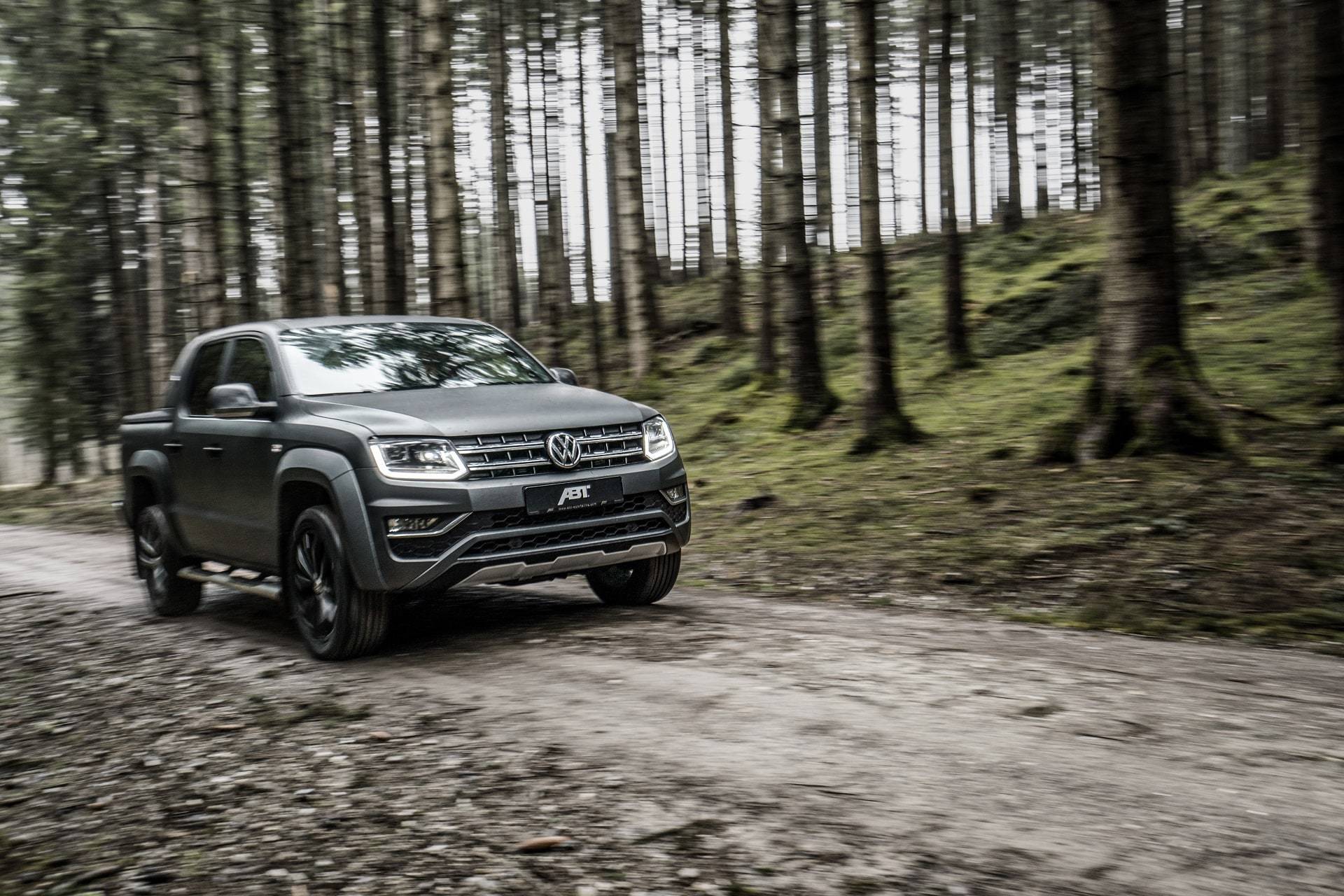
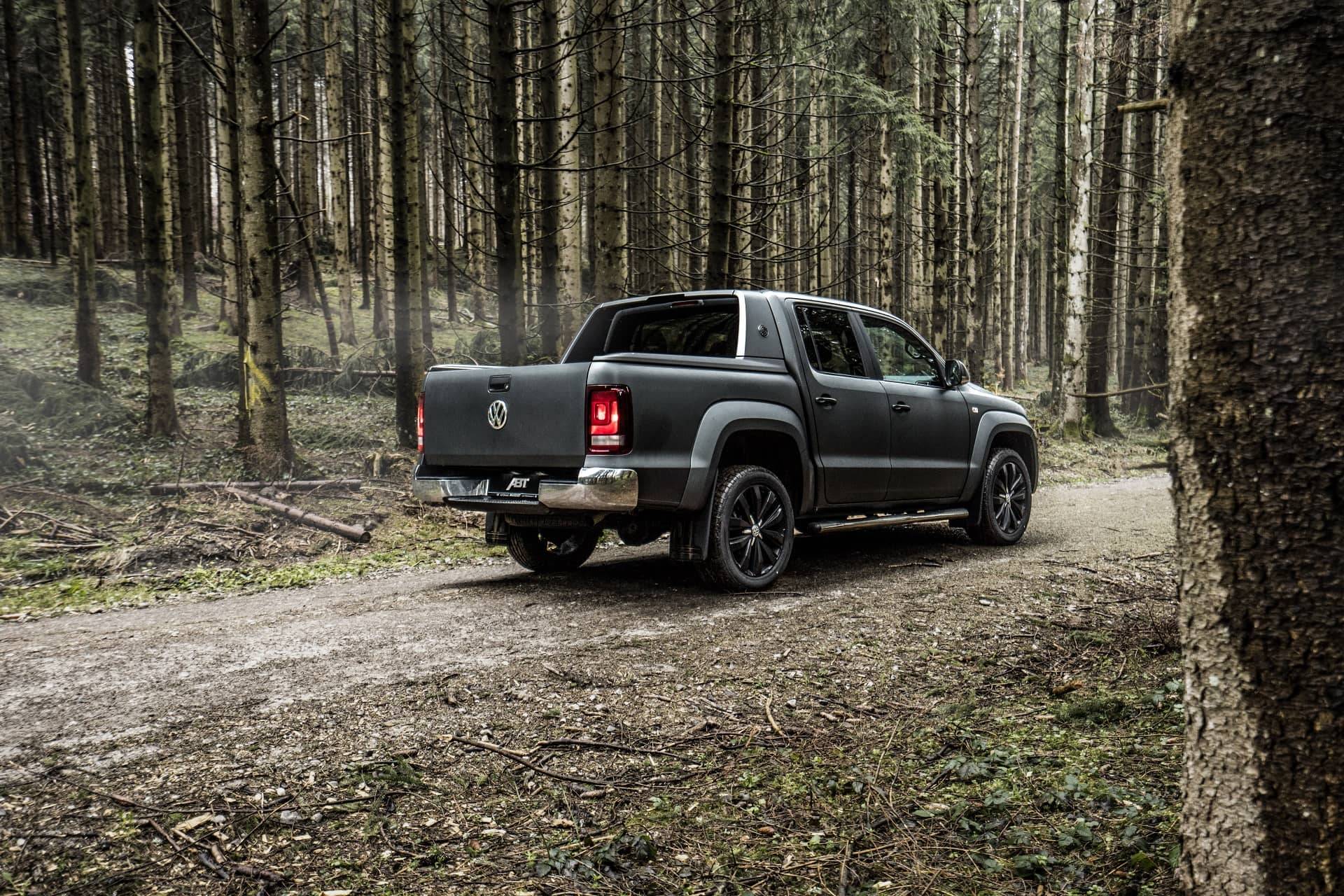
German tuning company ABT loves to increase the performance of Volkswagen Group products, and the Amarok pickup is the latest to benefit.
The upmarket commercial vehicle has proved to be a hit for Volkswagen, with more than 81,000 examples sold globally during 2018.
Last year also saw the introduction of a more powerful 3.0-litre V6 turbodiesel engine for the Amarok, producing 258hp and 428lb-ft of torque.
Ready to rock out
However, this was not enough for ABT, and the company immediately got to work on extracting more from the range-topping Amarok.
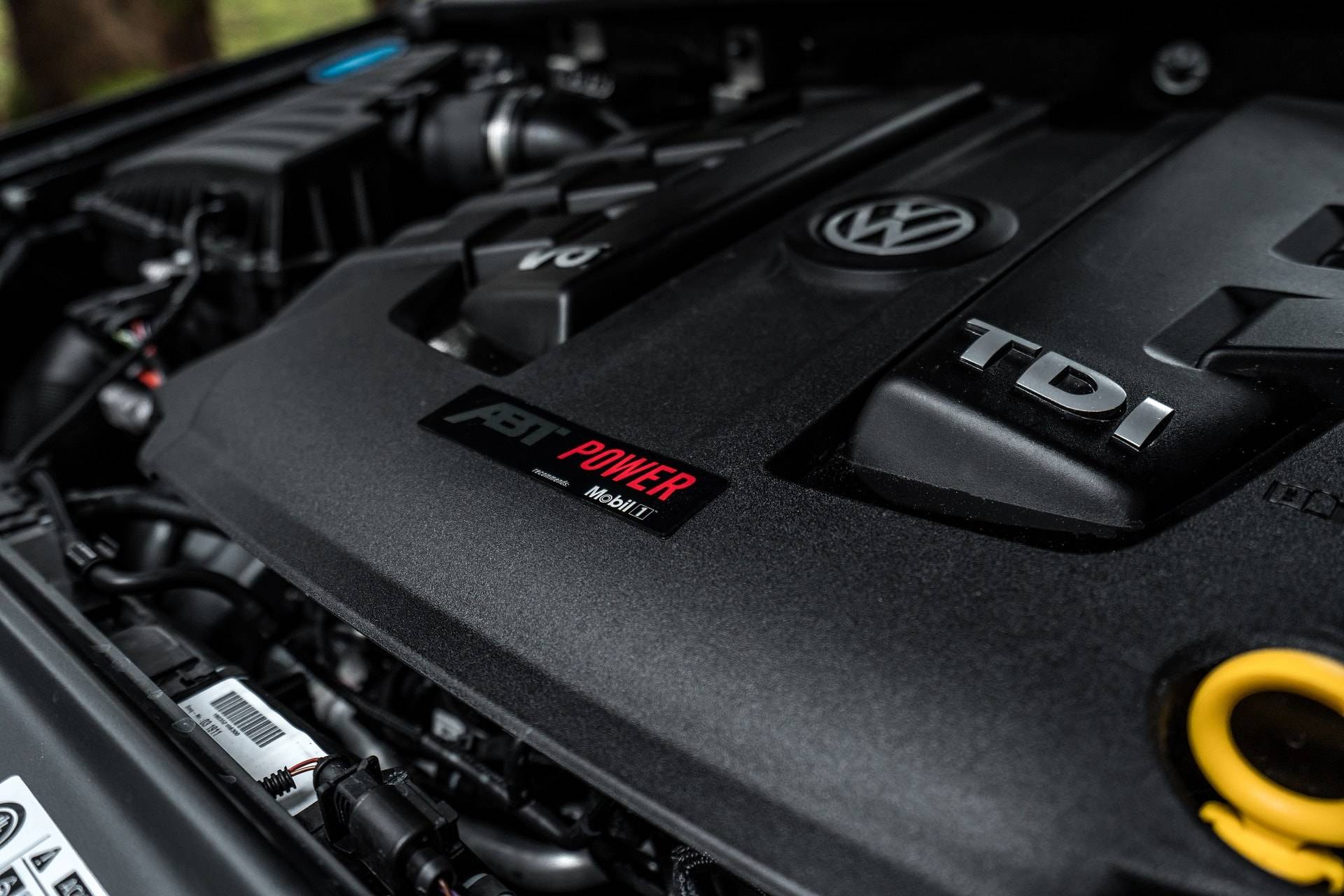
Following several months of development, ABT has now released their new plug-in tuning Electronic Control Unit. The result is an impressive output of 306hp and 465lb-ft of torque from the turbocharged diesel.
Both the increased power and torque are produced in the same rev range as the standard model, meaning no change in driveability for the extra output.
Between a rock and a hard place
The tuned Amarok also benefits from increased outright performance, with the 0-62mph time falling from 8.0 seconds to 7.8 seconds. Top speed also rises slightly from 128mph to 131.1mph as well.
With many Amaroks having to work for a living, ABT is also keen to stress that the extra power and torque make a noticeable difference when the pickup is towing, or carrying weight.
We imagine Volkswagen fans will be keen to note that the boosted V6 TDI Amarok comfortably outguns the Ford Ranger Raptor in the horsepower stakes.
Ford’s new product uses a twin-turbo 2.0-litre diesel engine, producing just 213hp and 369lb-ft of torque. Although the impressive off-road ability of the Ranger Raptor means it could well have the measure of the Volkswagen in the rough stuff.
ABT has also recently unveiled a modified version of the Lamborghini Urus SUV, taking peak power output to 710hp.
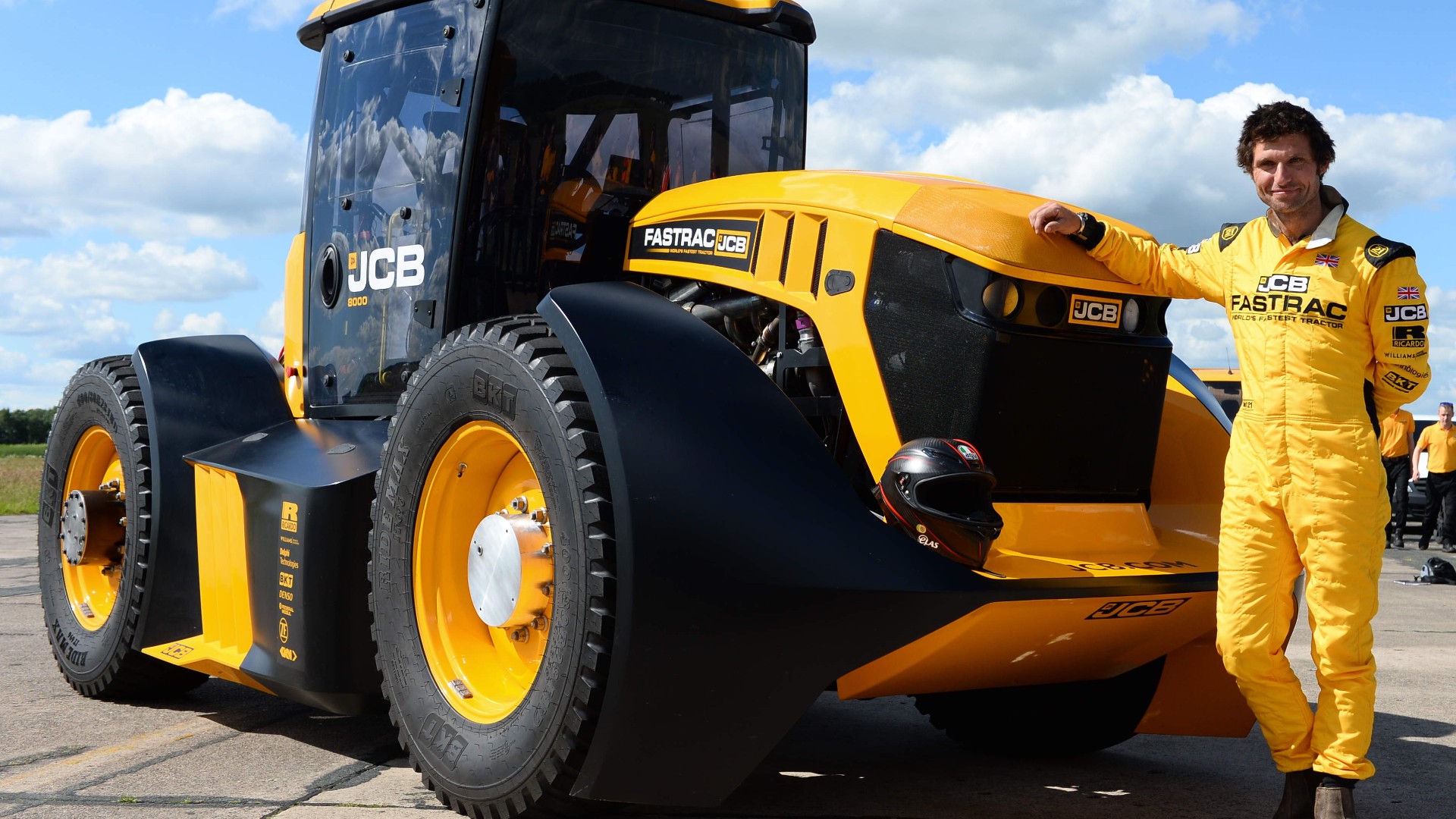
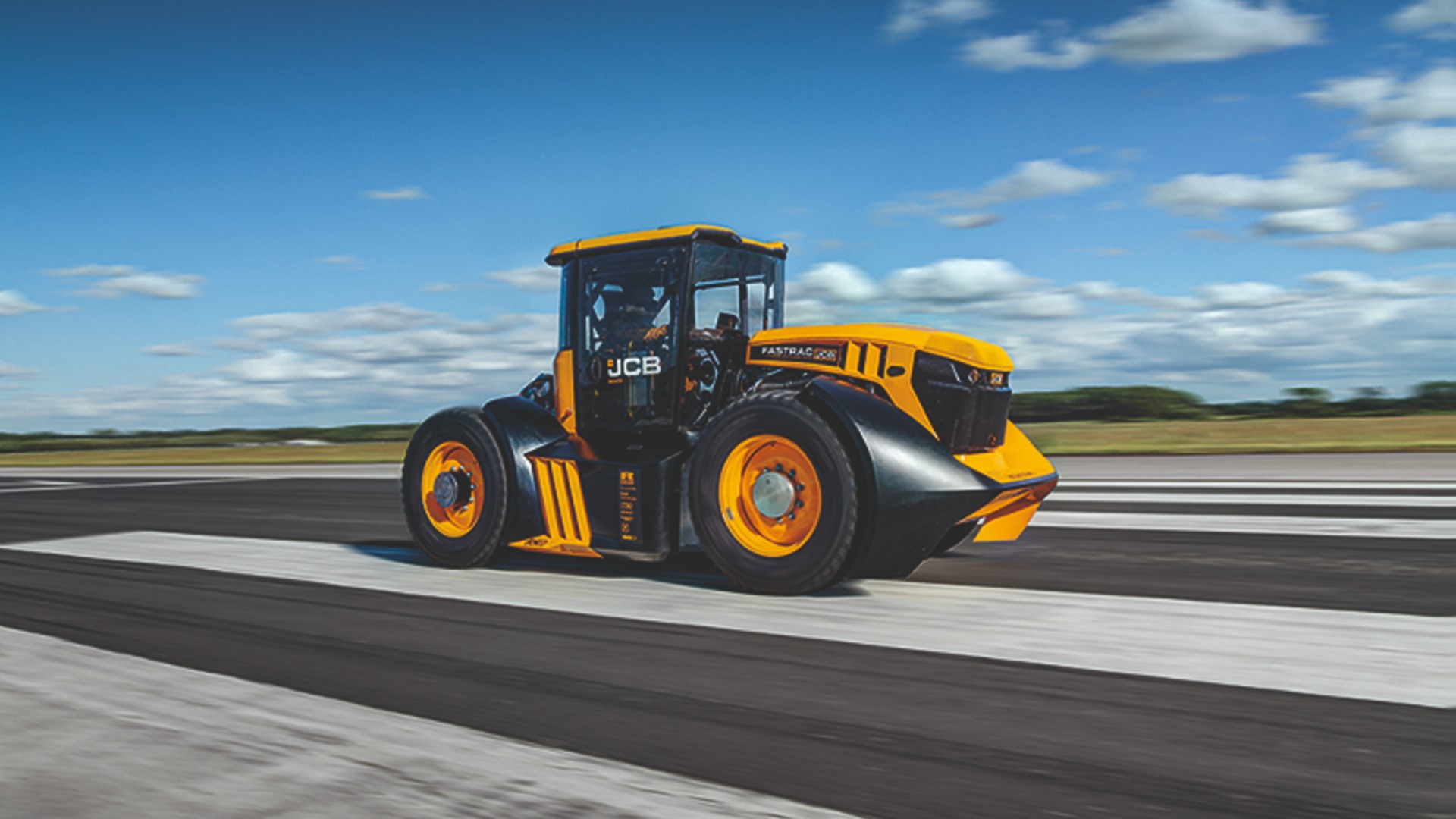
Speed records are never straightforward when it comes to mad hatter racer Guy Martin, and this latest one is no exception. He’s only gone and set a new British speed record… in a tractor.
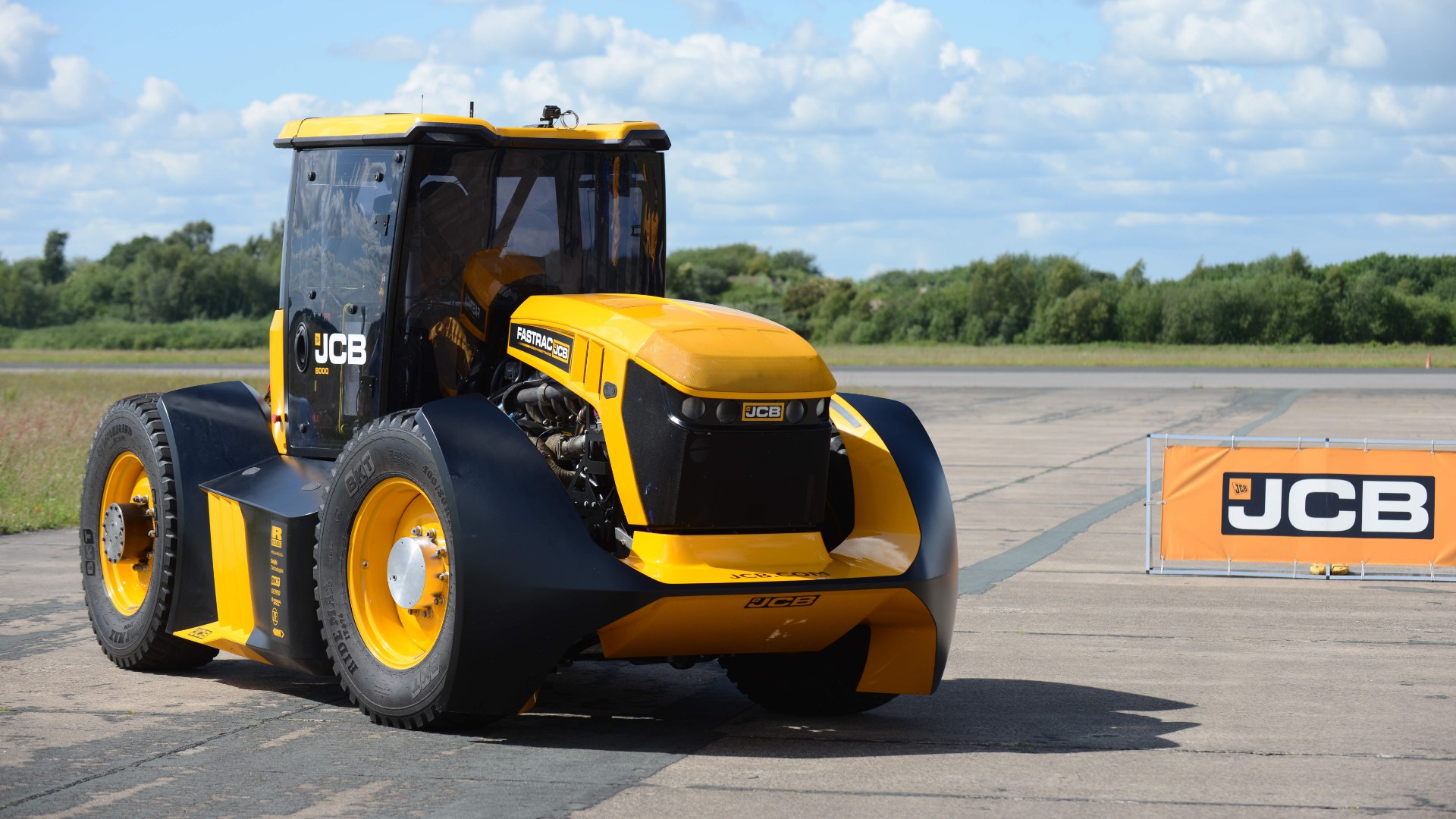
Yes, you read that right. Guy Martin took a JCB tractor to its absolute limit at Elvington Airfield.
And what limit was that? A not particularly impressive-sounding 103.6 mph, at least in the world of fast cars. But in the real world, where commuters get stuck behind tractors doing what feels like walking pace in a 60 zone, that sounds really rather fast.
So what is this 100 mph tractor? The clue is perhaps in the name of the JCB Fastrac. Powered by a 7.2-litre diesel six-cylinder engine with 1,000 horsepower (!), it also has aerodynamics developed with the help of Williams Advanced Engineering.
This skunkworks project has been in development at JCB with a team of engineers for the past few months. Its completion, and the subsequent record, was touted by JCB chairman Lord Bamford as an “amazing achievement”.
“We’ve long harboured a dream to attempt a speed record with the Fastrac and the whole team has worked tirelessly to achieve this amazing result.
“I’m extremely proud of what they have achieved in such a short space of time. It is British engineering at its best and it really does highlight the skills and innovation we have in our engineering team. They have done a truly fantastic job.”
“It had been a great day with the JCB at Elvington, proper job with some right proper engineers,” said Guy Martin of his record-breaking machine.
“She felt rock steady on the runway, job’s a peach.”
The record, as taken yesterday (20 June), comes 28 years to the day since JCB’s very first faster tractor, the great grandfather to the Fastrac, went into production.
Flick through the big ol’ book of the motoring industry and you’ll find many examples of children following in their parents’ footsteps. Which got us thinking about famous fathers and sons of the automotive world. Here are some high profile examples in the manufacturing and motorsport arenas.
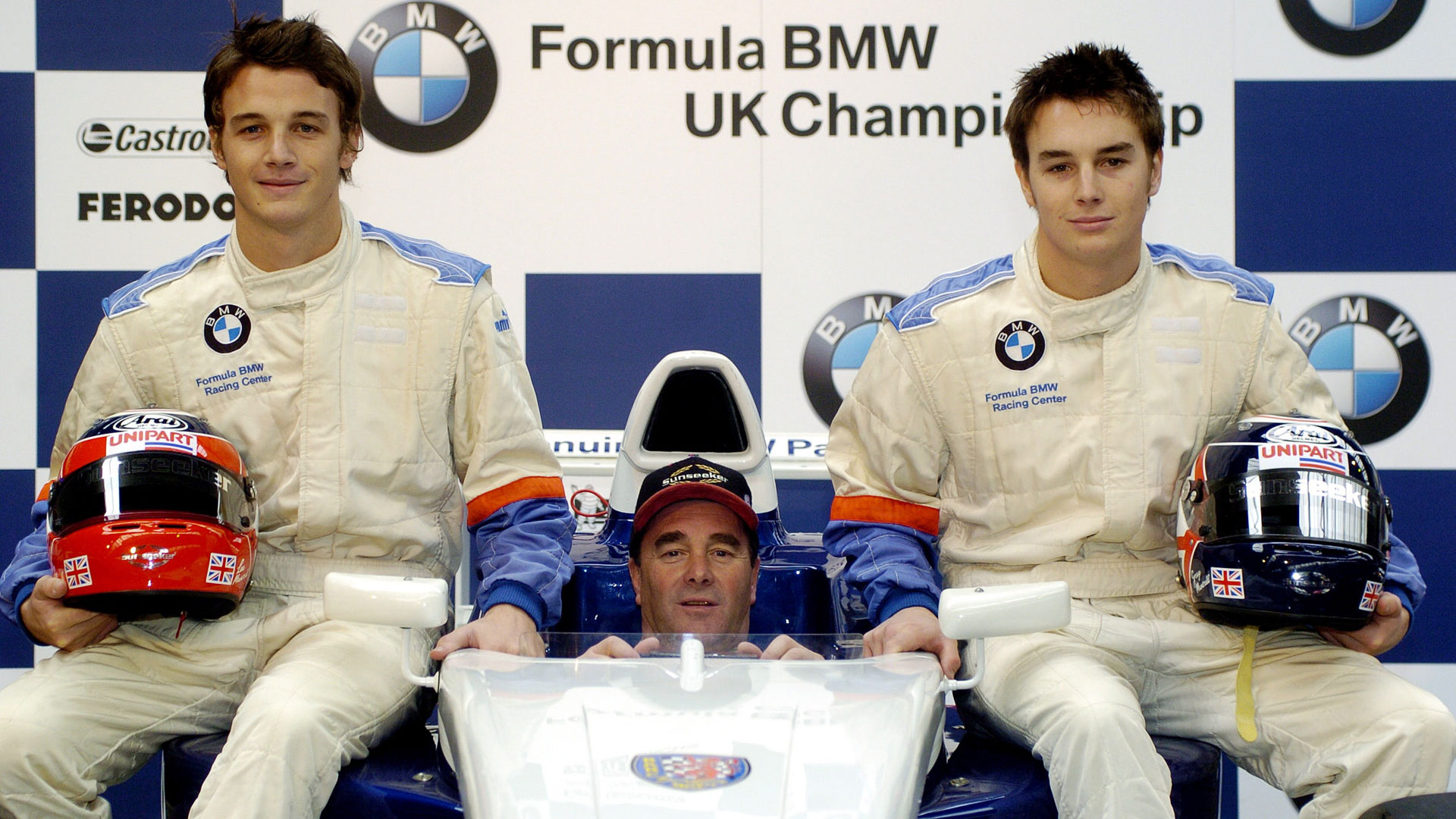
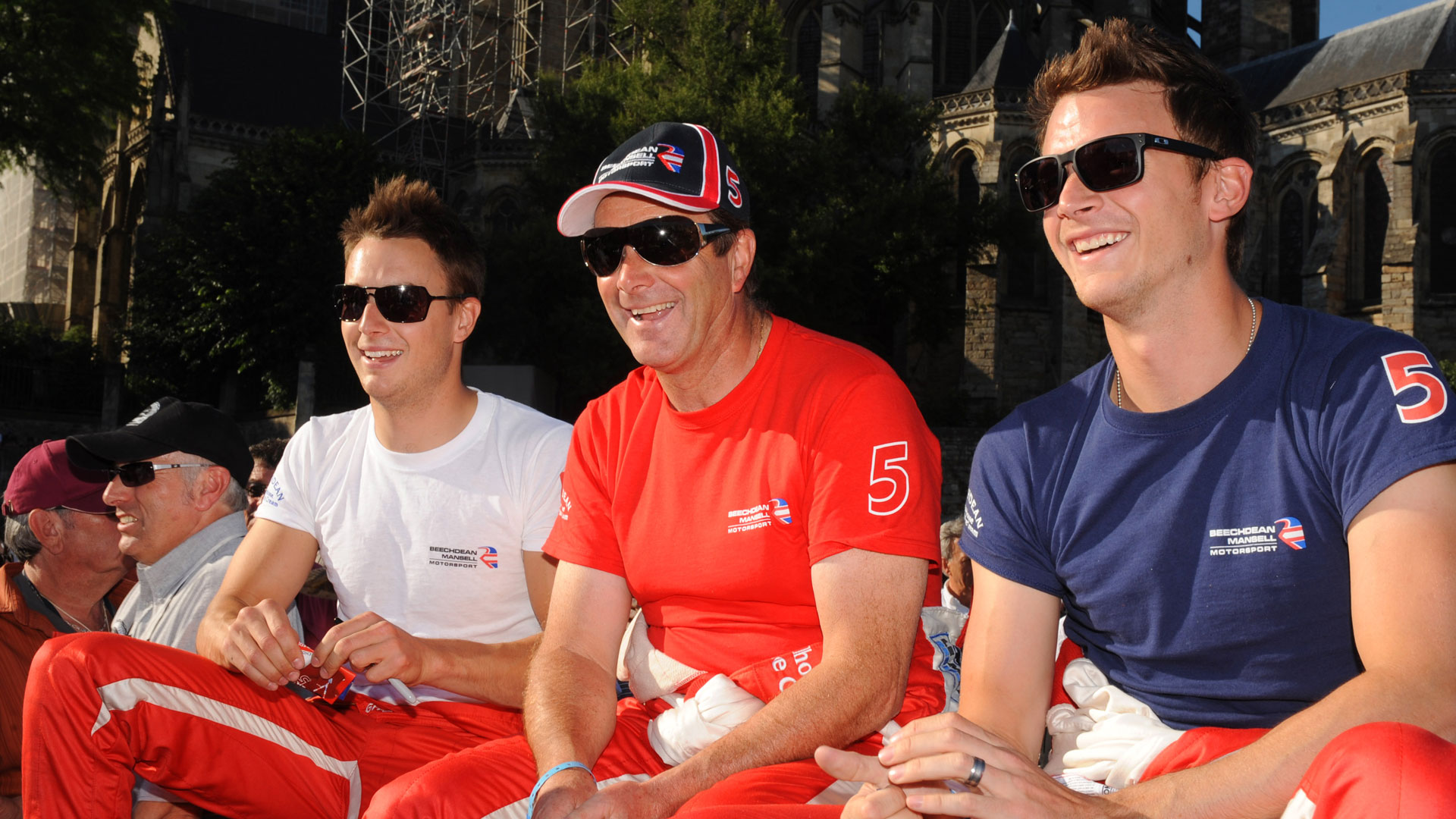
Nigel Mansell and sons
Nigel Mansell was one of Britain’s best motor racing drivers, securing back-to-back Formula One and IndyCar championships in 1992 and 1993. His sons Leo and Greg, both now in their 30s, progressed through the world of karting to become racing drivers, albeit without the same level of success as their famous father.
Graham and Damon Hill
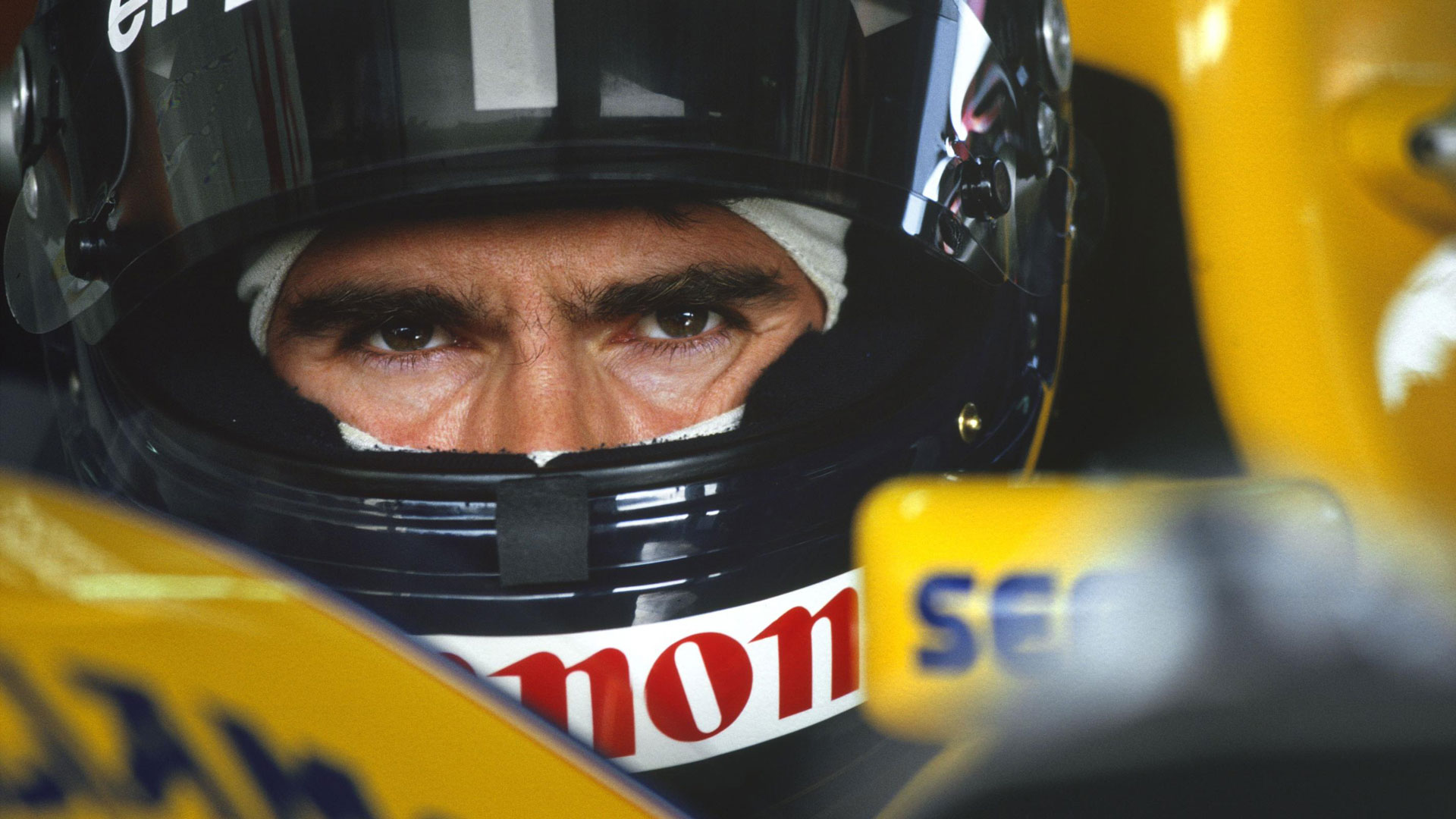
Amazingly, Graham Hill didn’t start driving until the age of 24, but he still managed to win two Formula One World Championships. His son Damon won the World Championship in 1996, making them the first father and son pair to achieve the feat.
Jean and Ettore Bugatti
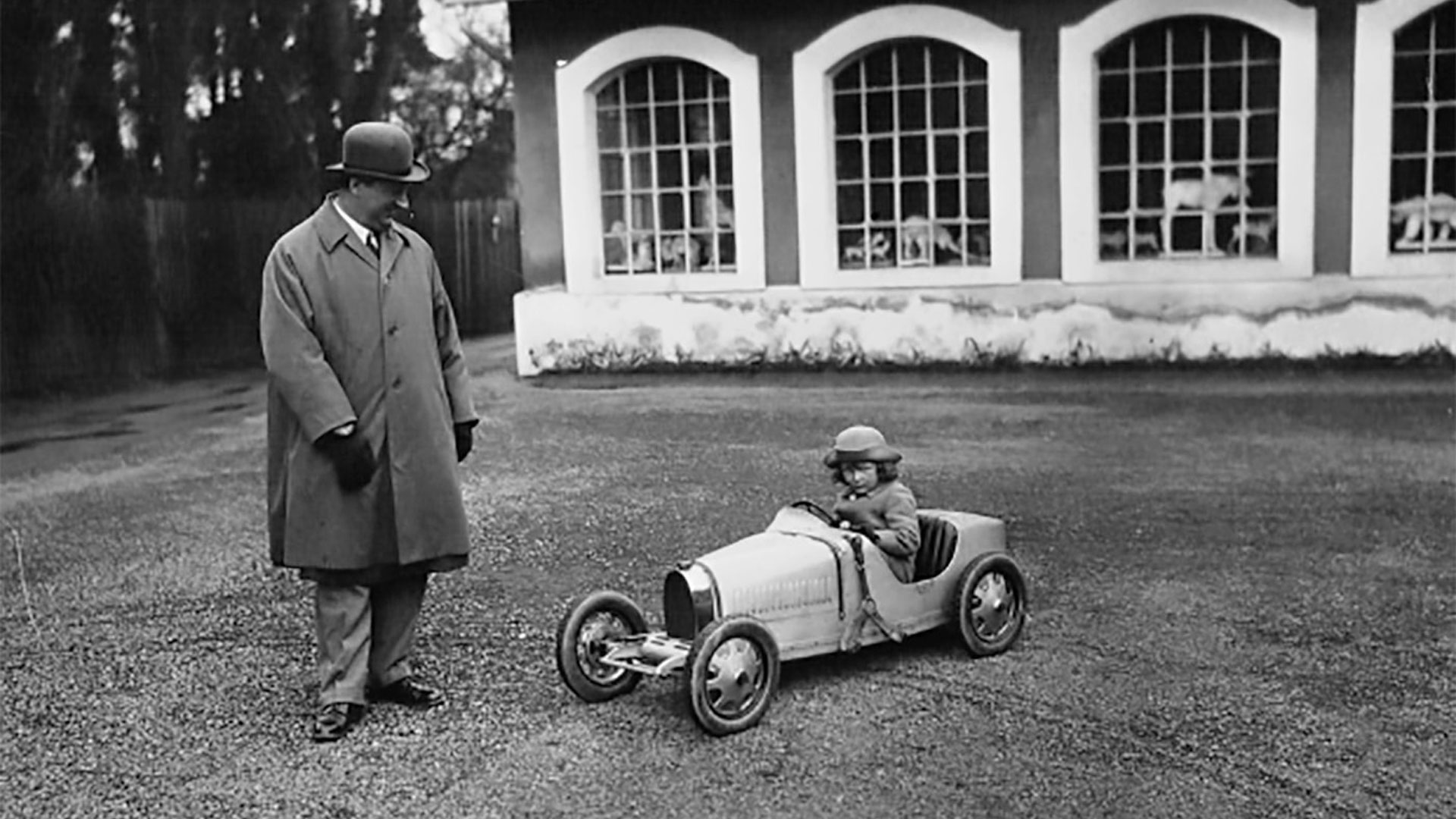
Ettore Bugatti was born in 1881 and set up a small factory in France in 1909. Famous for building and racing some of the most beautiful cars of the 1920s and 1930s, he was also the father of Jean Bugatti, the designer and creator of the Atlantic and Type 41. Jean died in 1939 at the age of 30, while his father lived on until 1947.
Mario and Michael Andretti
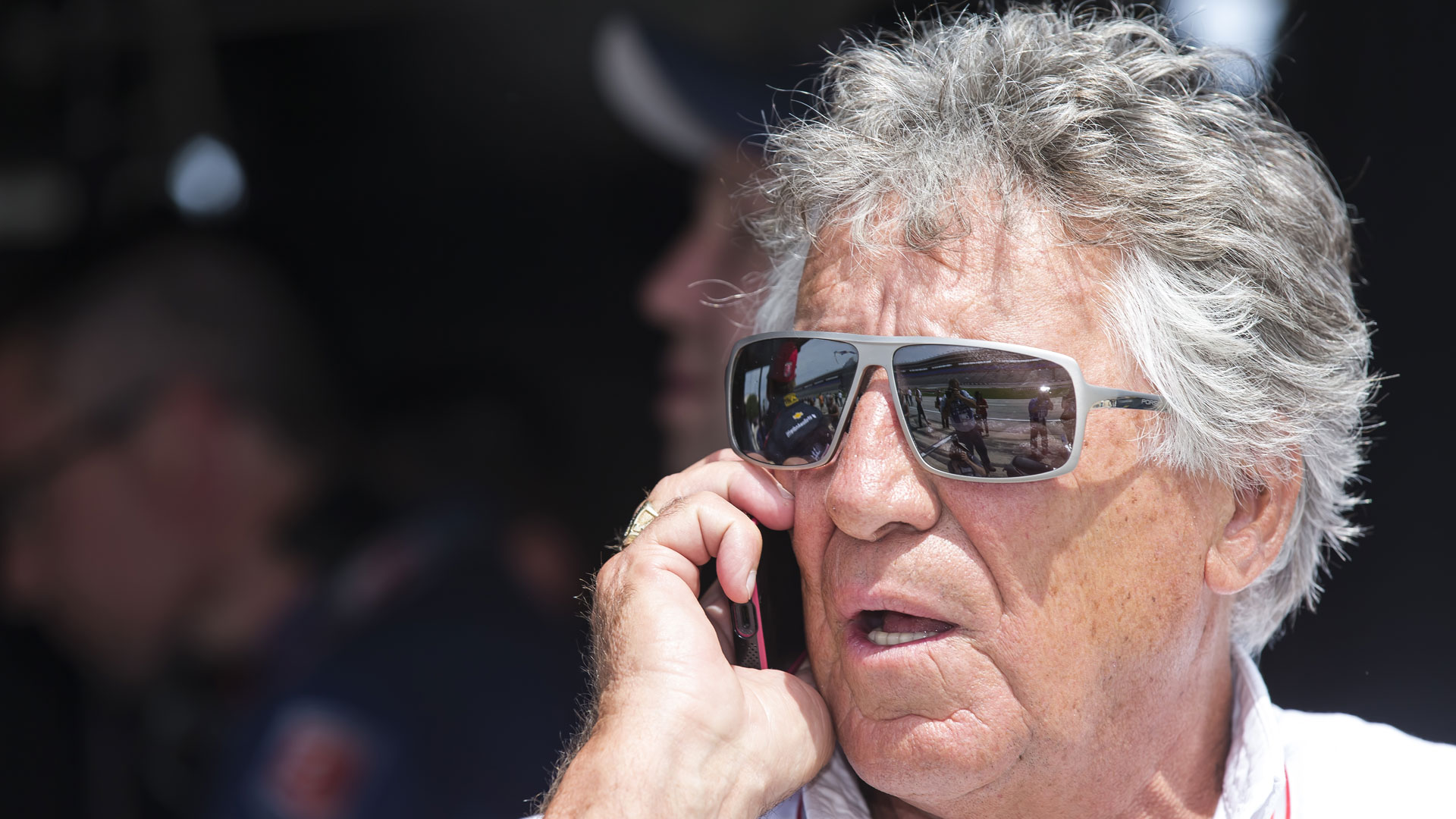
Mario Andretti (pictured) won the Indianapolis 500, the Daytona 500, the Formula One World Championship and the Pikes Peak Hillclimb. In fact, he’s one of only two drivers to have won races in F1, IndyCar, World Sportscar Championship and NASCAR. His son Michael won the CART season in 1991 and 42 races overall.
Henry and Edsel Ford
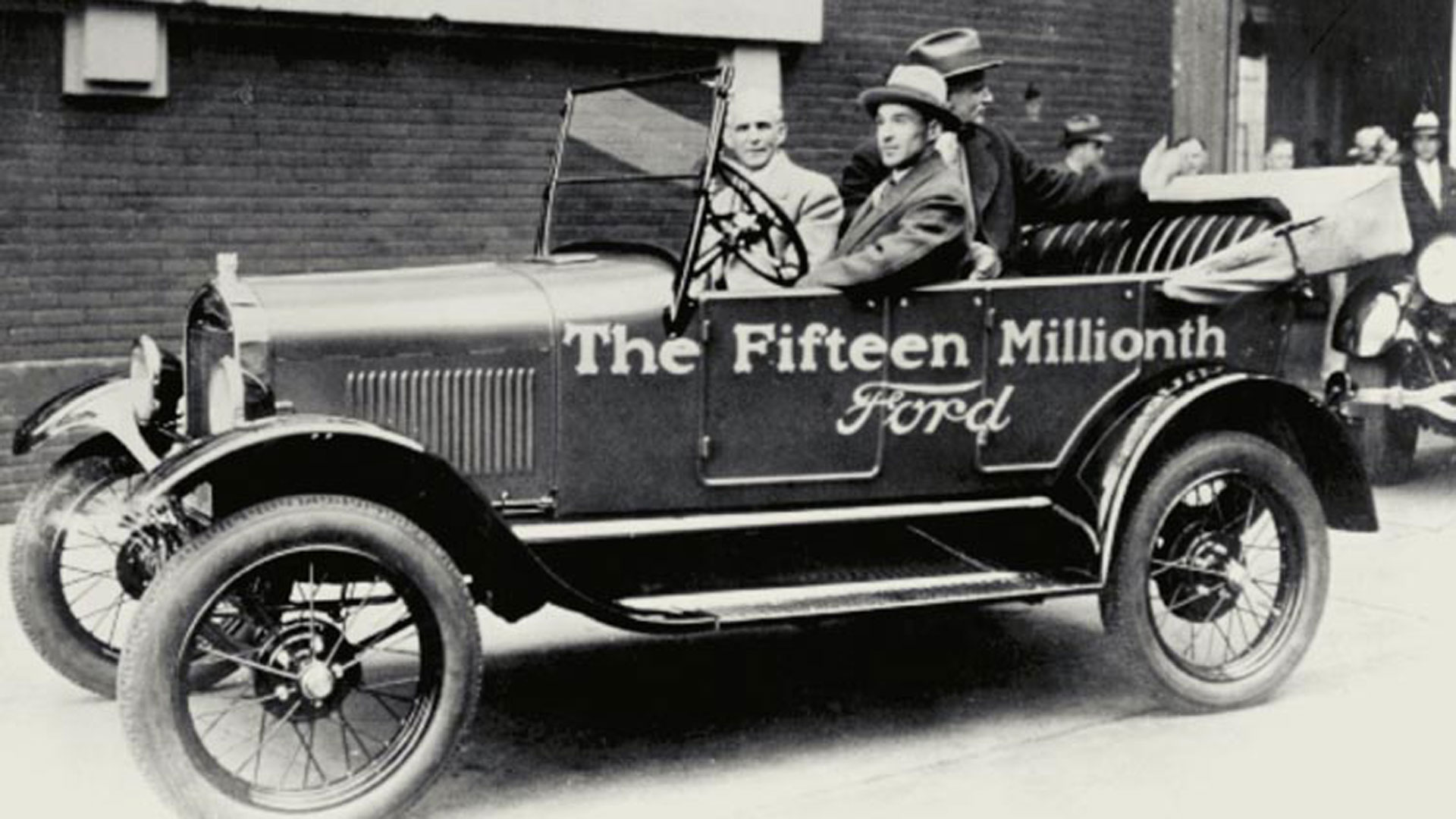
Henry Ford was born in 1863 and by the age of 15, he had constructed his first steam engine. In 1879, he left home for Detroit, where the Ford Model T was introduced in 1908. Here we see Henry Ford and his son Edsel in a Model T at the Highland Park Ford Plant. Edsel’s son Henry Ford II went on to lead the company.
Carlos Sainz and Carlos Sainz Jr.
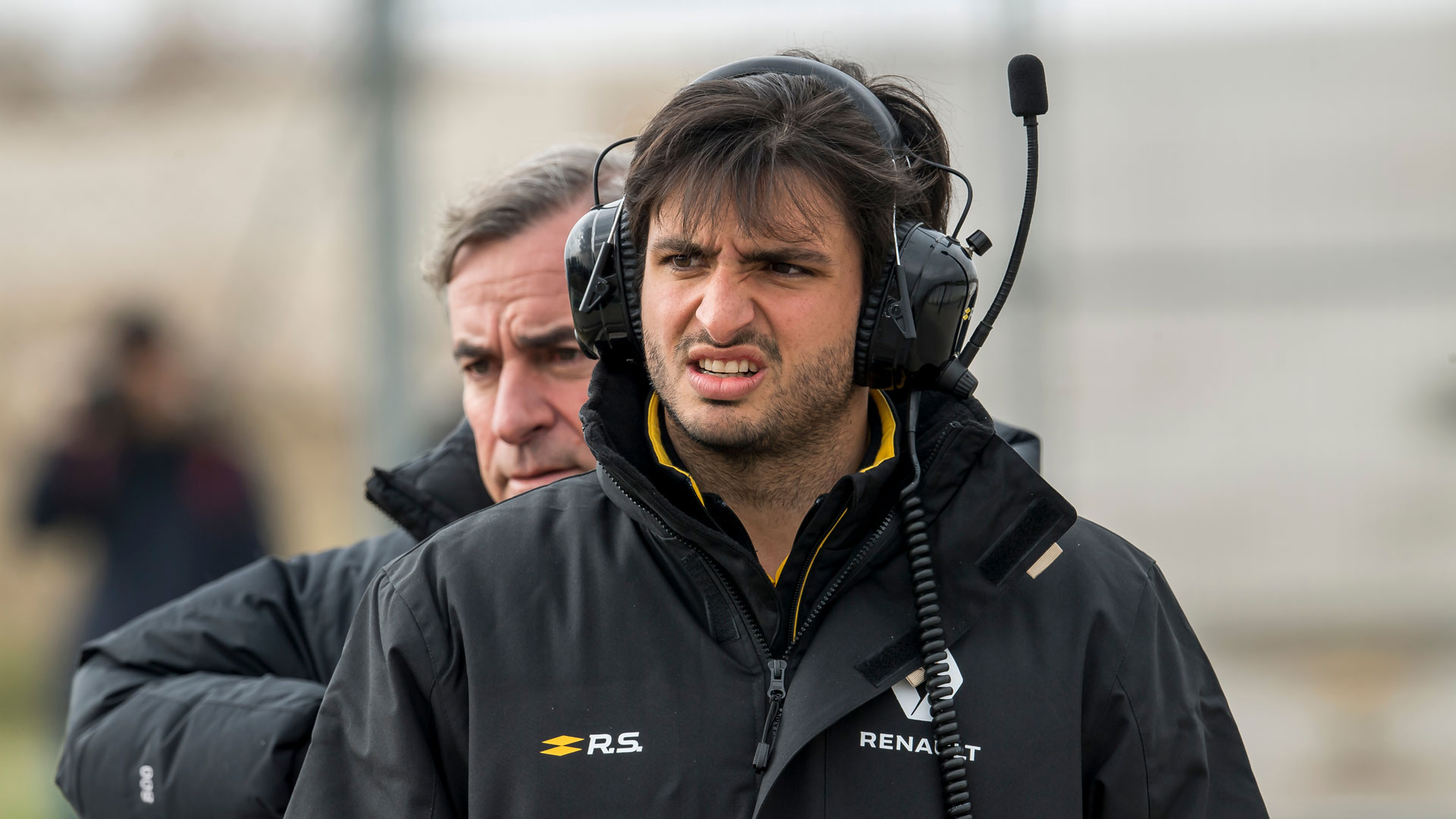
Carlos Sainz was always destined for a sporting career, having played national-level squash and securing trials for Real Madrid. His rallying career spanned 196 rallies and 18 seasons, winning 26 races and the WRC Championship twice. His son Carlos Sainz Jr. is an F1 driver for McLaren.
Enzo and Dino Ferrari
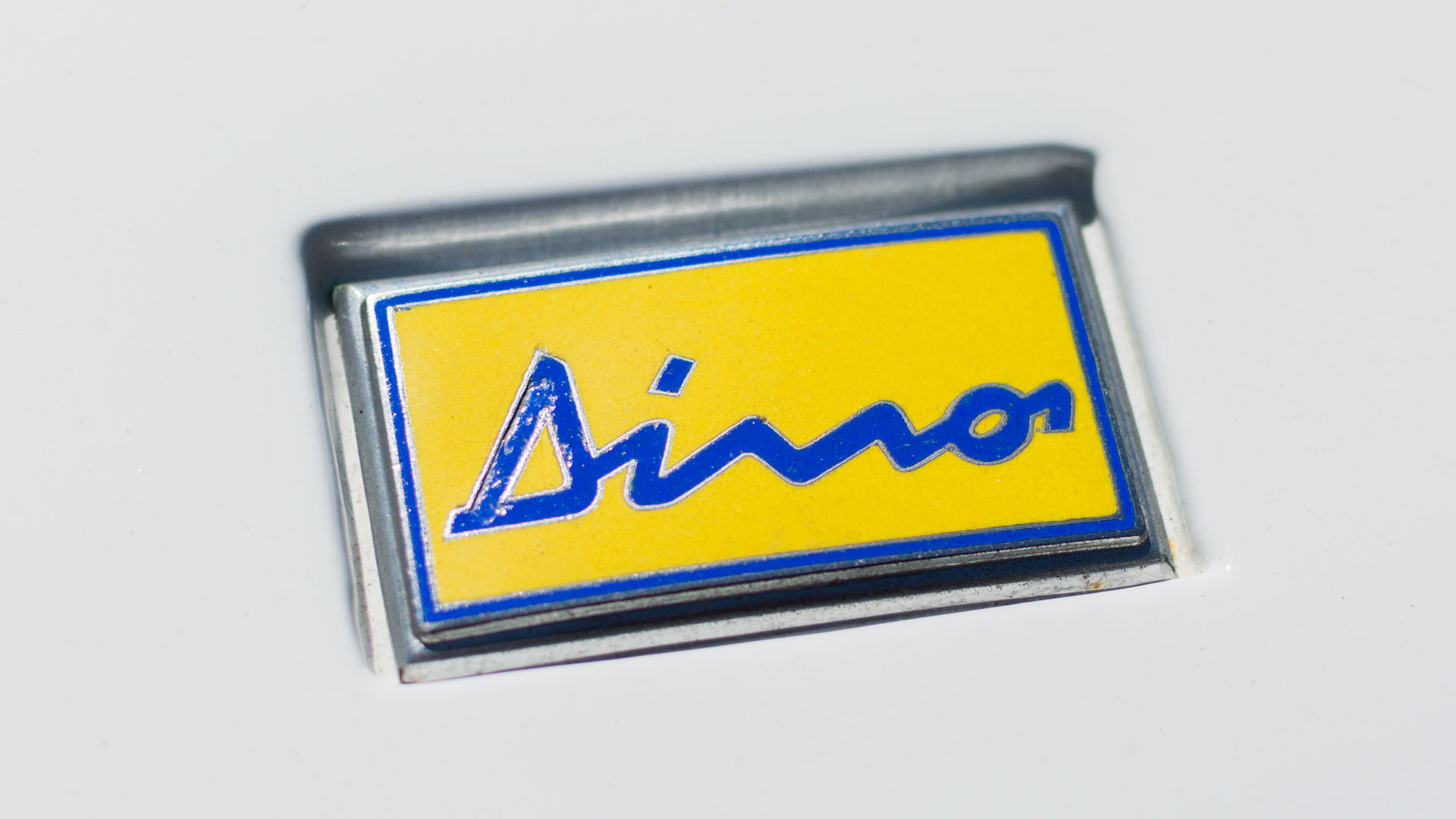
Enzo Anselmo Ferrari was born in Modena in 1898 and formed Scuderia Ferrari in 1929. The manufacturing company as we know it today was formed in 1939, but the first car built under the Ferrari marque didn’t appear until 1947. His son Alfredo – nicknamed Dino – was born in 1932 but died in 1954 aged just 24. His father named the Dino series of road cars in his honour.
Enzo and Piero Ferrari
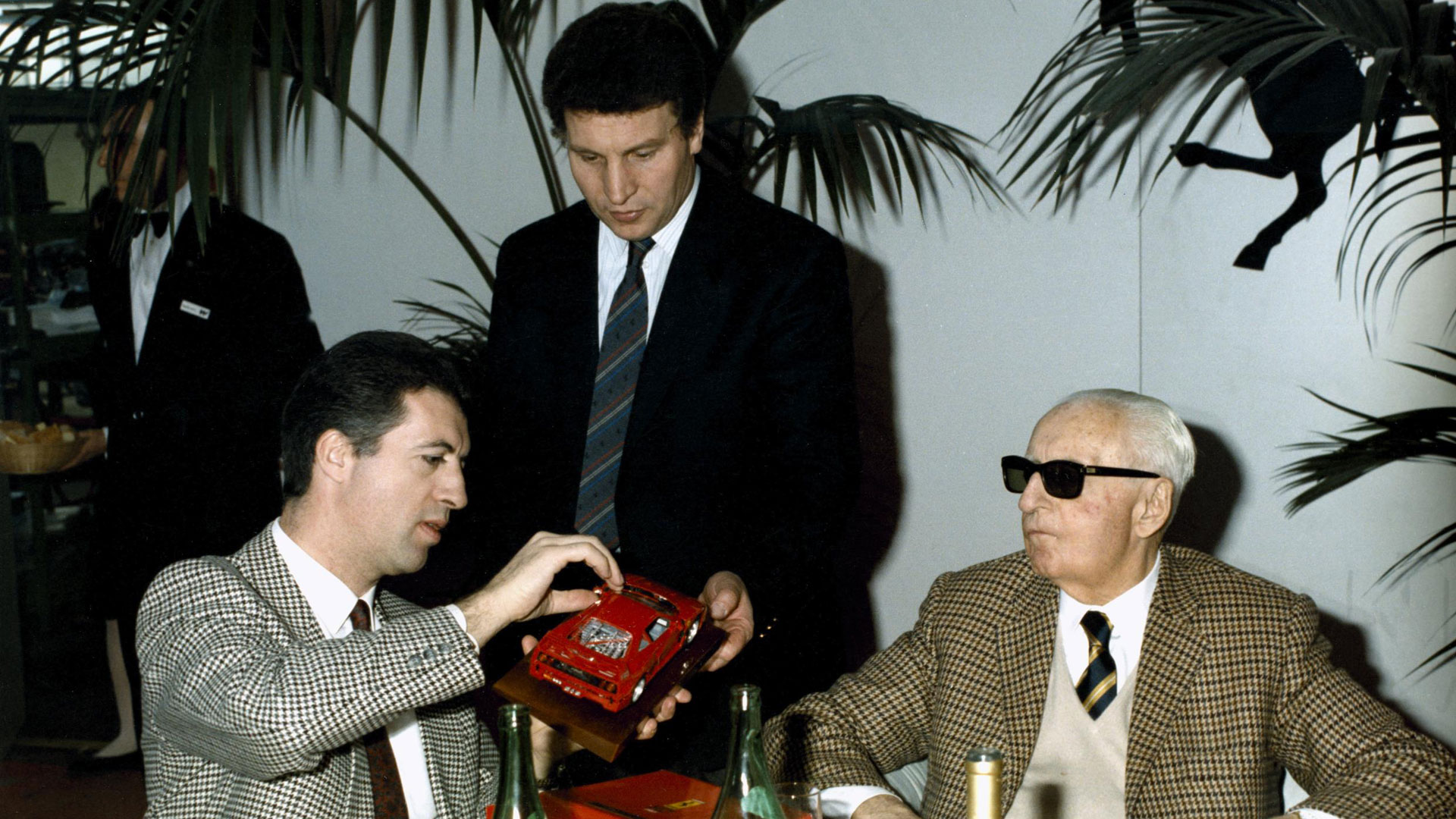
Enzo’s other son, Piero, is vice chairman and 10 percent owner of Ferrari. His mother was Enzo’s mistress, Lina Lardi, and he became the sole heir after his stepbrother died in 1956. He couldn’t be acknowledged as a Ferrari member until Enzo’s wife Laura died in 1978.
The Piech family
Anton Piech was the son-in-law of Ferdinand Porsche and the former head of Volkswagen. He married Louis Porsche in 1928 and had children, the most famous being Ferdinand Piech (pictured), the former Volkswagen Group chairman. But the dynasty doesn’t stop there, because his son Anton ‘Toni’ Piech has founded Piech Automotive, an electric car company based in Switzerland.
Pininfarina
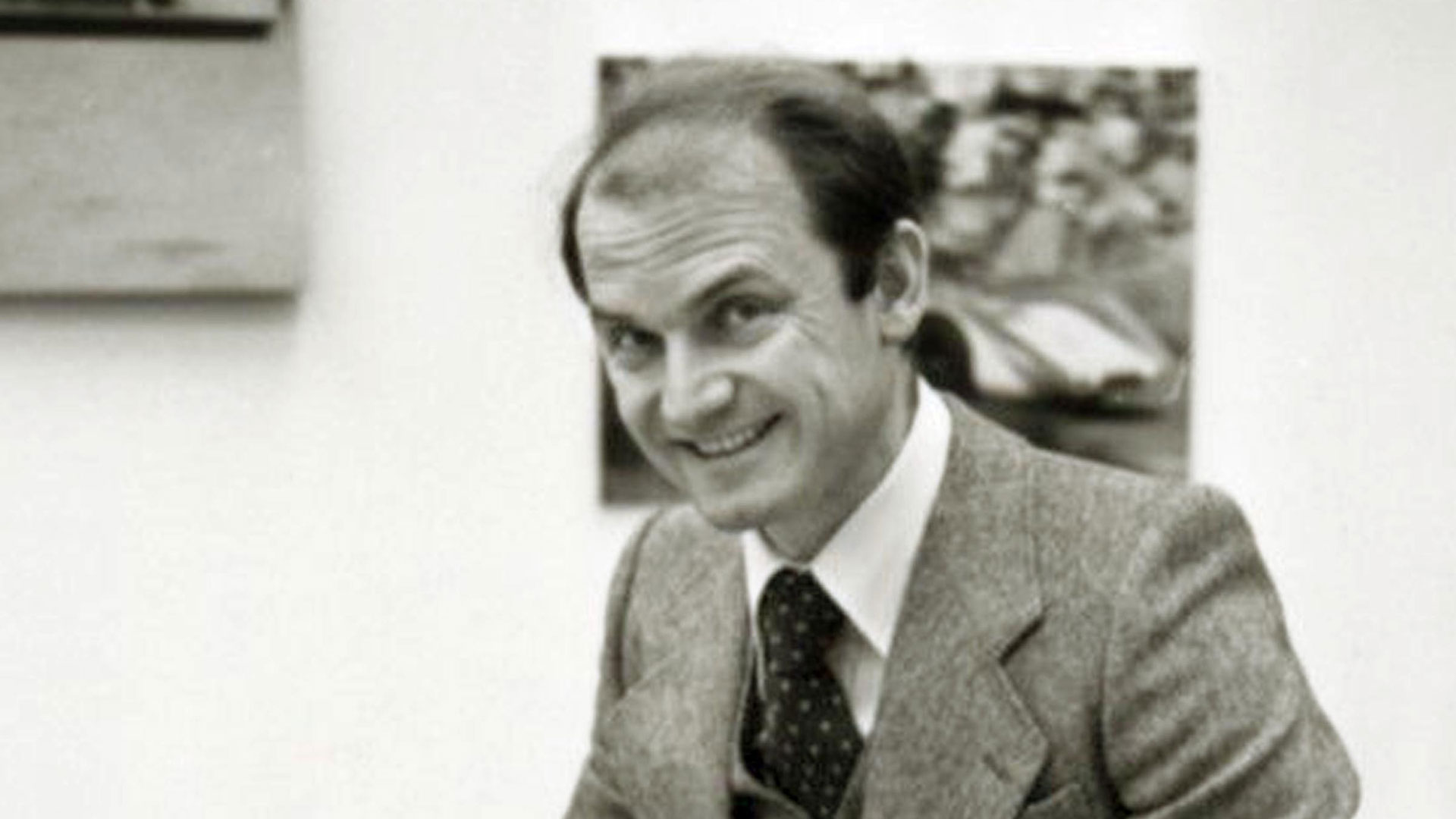
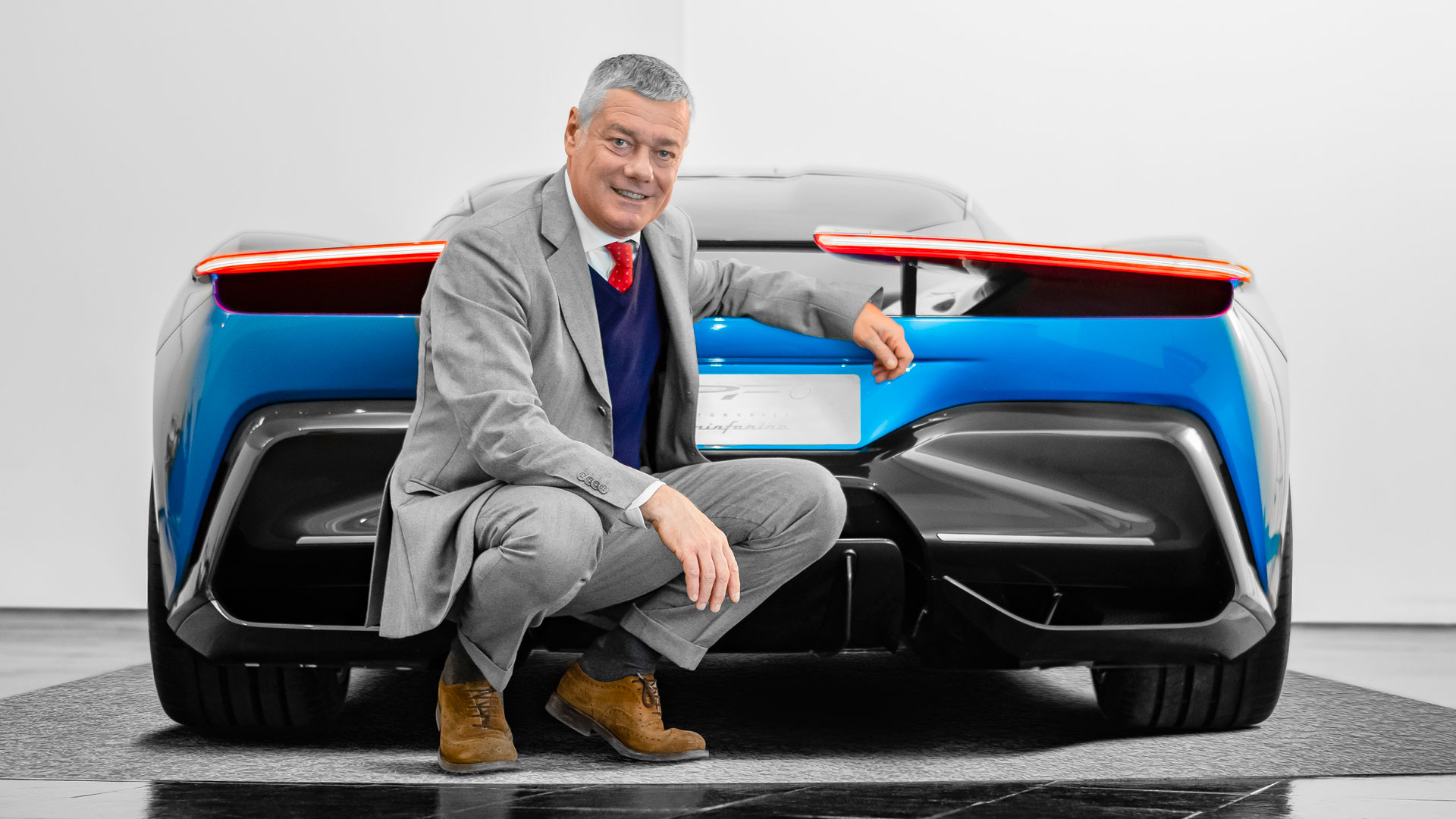
Battista Farina was born in Turin in 1893. He founded Pinin Farina in 1930, with a plan to build custom bodies to order and to sell limited edition cars to the public. His son Sergio, who was born in 1926, began working for the firm in 1950, before taking charge in 1957. His second son Paolo (pictured) is the current president of Pininfarina, while his first son held the role from 2001 until his death in 2008.
Bobby and Graham Rahal
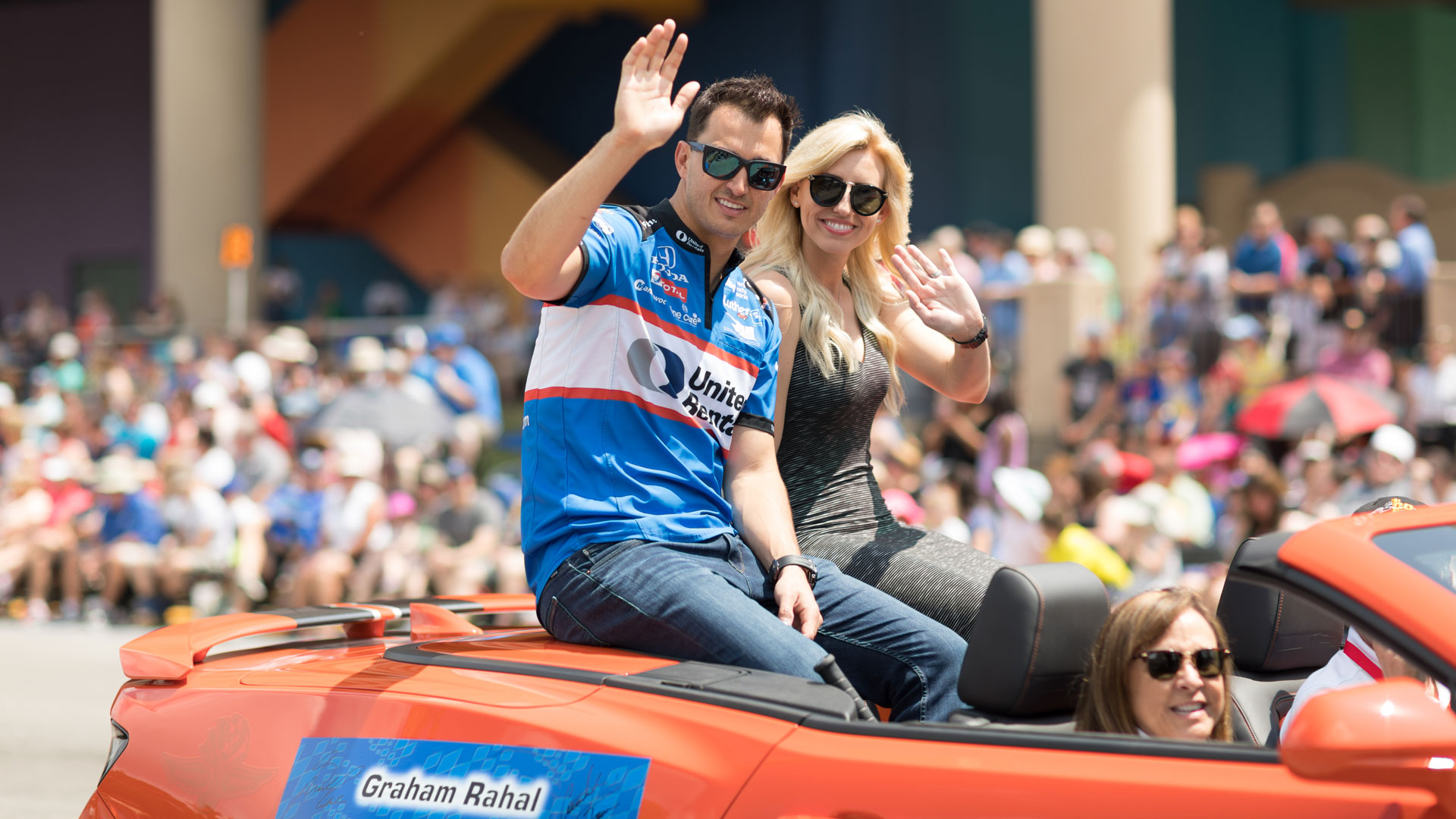
Bobby Rahal won three CART titles, securing 88 podiums and 24 race victories. His son Graham is an IndyCar driver for Rahal Letterman Lanigan Racing, a team partially owned by Bobby. Graham’s wife is Courtney Force, a former drag racer.
Dale Earnhardt and Dale Earnhardt Jr.
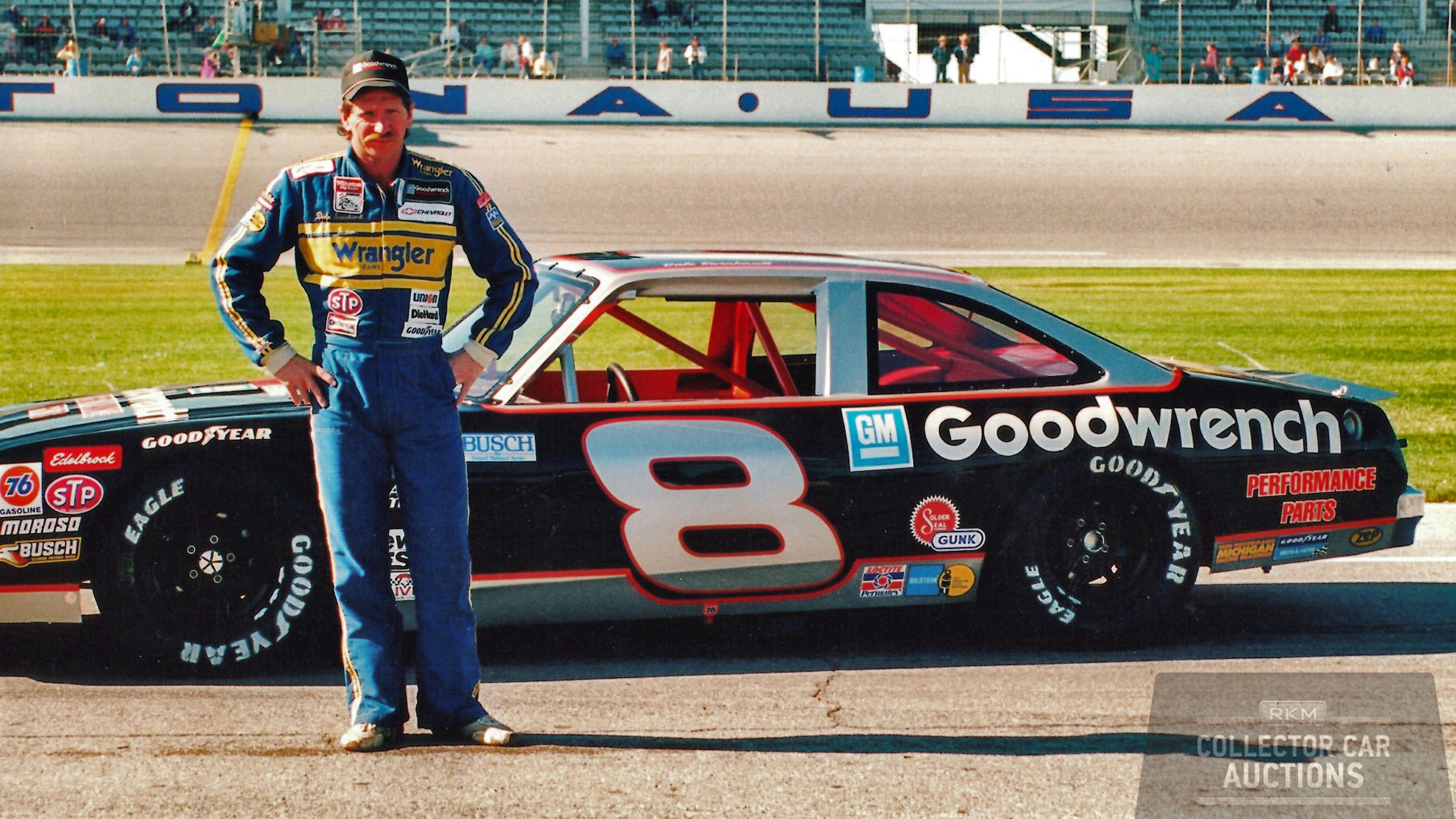
Dale Earnhardt followed his father Ralph into the world of motor racing. He made his race debut in 1975, before going on to win seven NASCAR championships. He died after crashing on the final lap of the Daytona 500 in 2001. His son Dale Earnhardt Jr. amassed 26 NASCAR victories, including two Daytona 500s. He’s also the only third-generation champion. His sister Kelley is a former driver and current co-owner of a NASCAR team.
Michael and Mick Schumacher
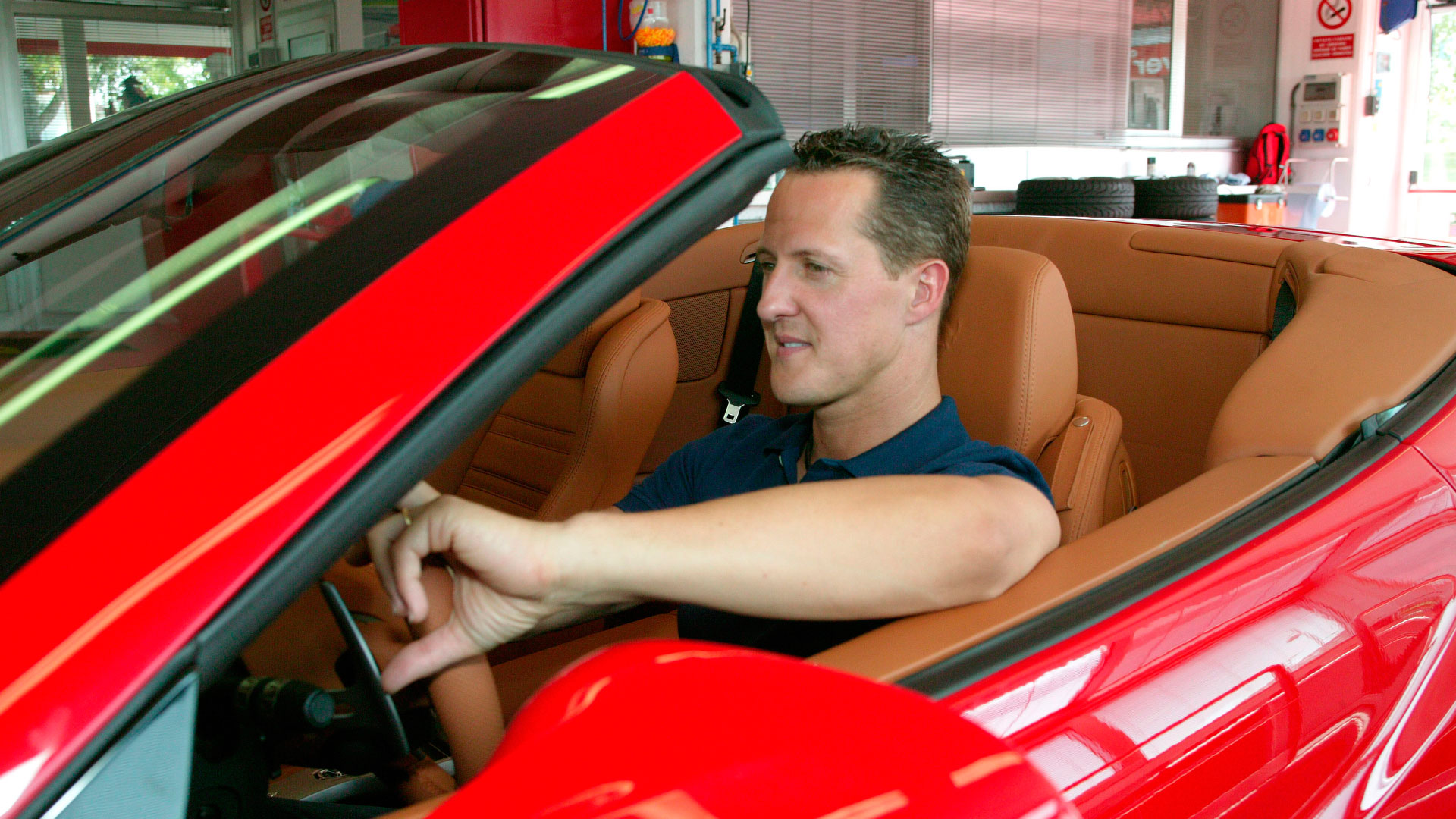
Michael Schumacher is the most successful Formula One driver in the history of the sport, securing seven World Championships. He retired in 2012, having returned to F1 in 2010. His brother Ralf is a former F1 driver, while Michael’s son Mick is currently a Formula 2 driver for the Prema racing team.
Keke and Nico Rosberg
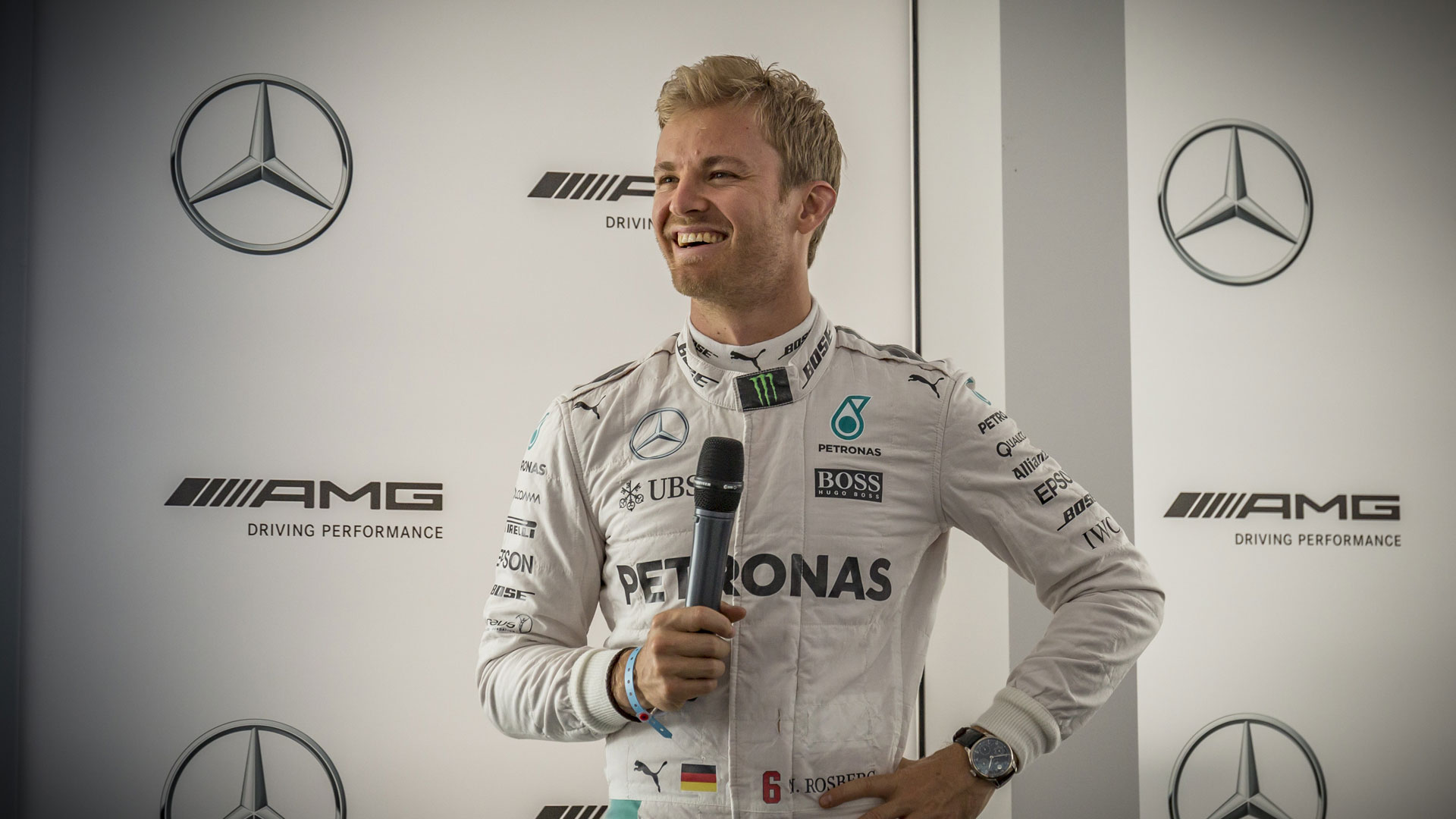
Keke Rosberg is notable for his fine ‘tache and for becoming the first Finn to win the Formula One World Championship. Amazingly, he won just one race in his title-winning season of 1982, but was victorious by the fact that his closest rival was unable to compete in the final five races of the season. His son Nico won the World Championship in 2016.
Gilles and Jacques Villeneuve
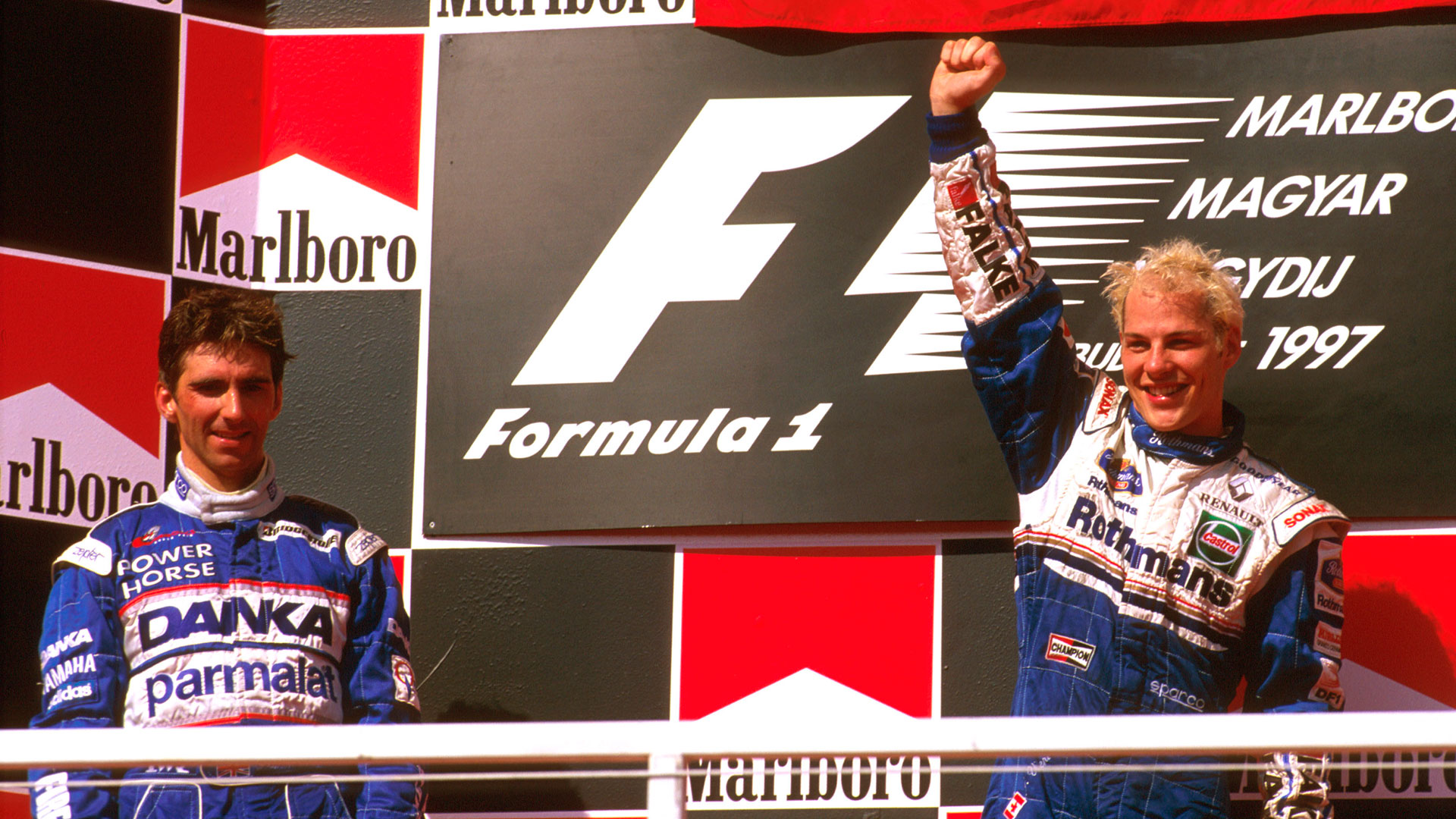
Gilles Villeneuve is remembered as one of the finest – not to mention, the quickest – Formula One drivers of all time, but he never won a World Championship. Sadly, he died during qualifying for the 1982 Belgian Grand Prix. His son Jacques won the World Championship in only his second season, with a memorable incident involving Michael Schumacher in the final race of the season.
Sir Jackie and Paul Stewart
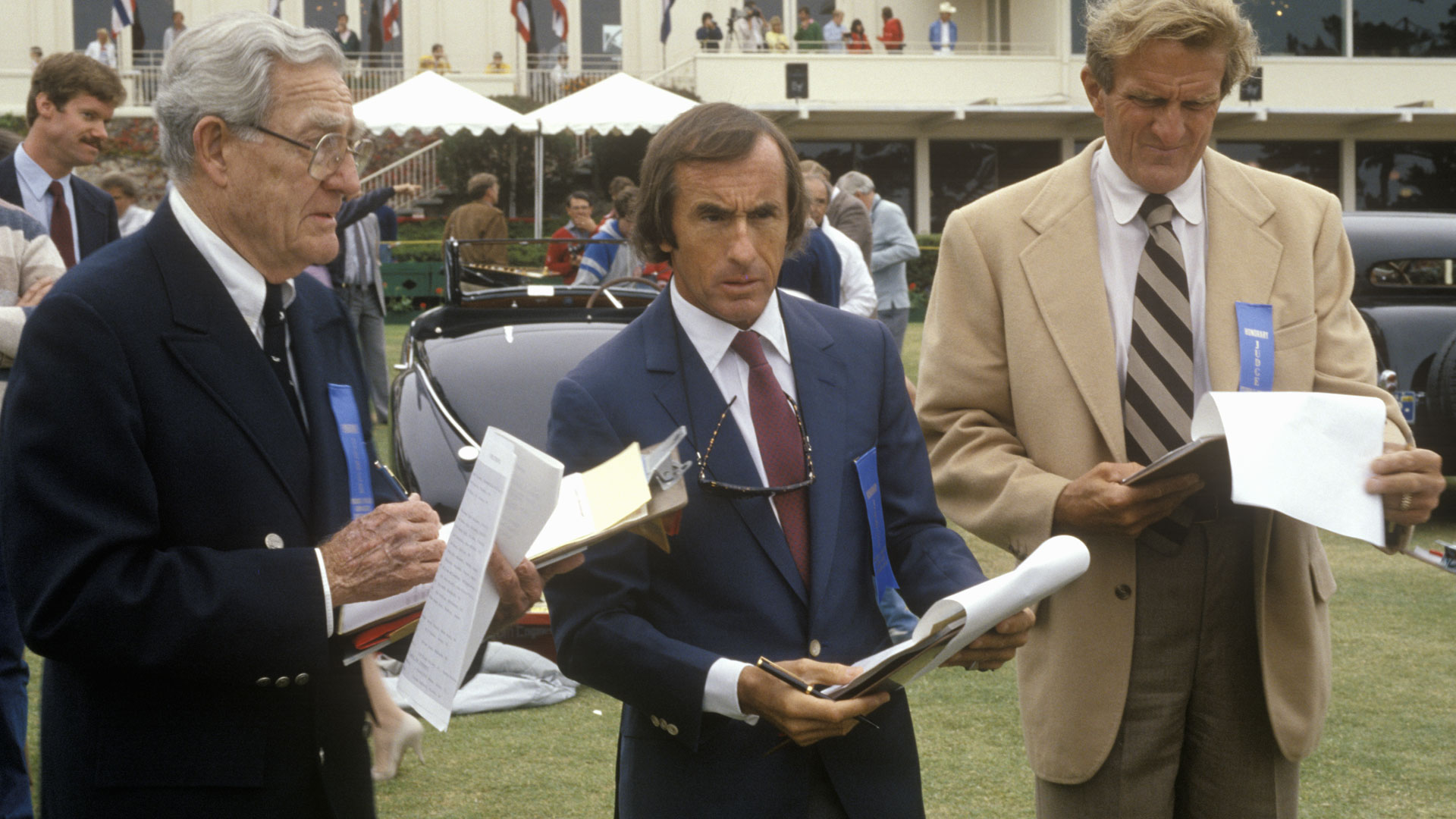
Sir Jackie Stewart won the Formula One World Championship on three occasions, winning 27 races out of 99 starts. In 1997, he launched his own Stewart Grand Prix F1 team with his son Paul. This was sold to the Ford Motor Company in 2000 and renamed Jaguar Racing.
The Brabham family
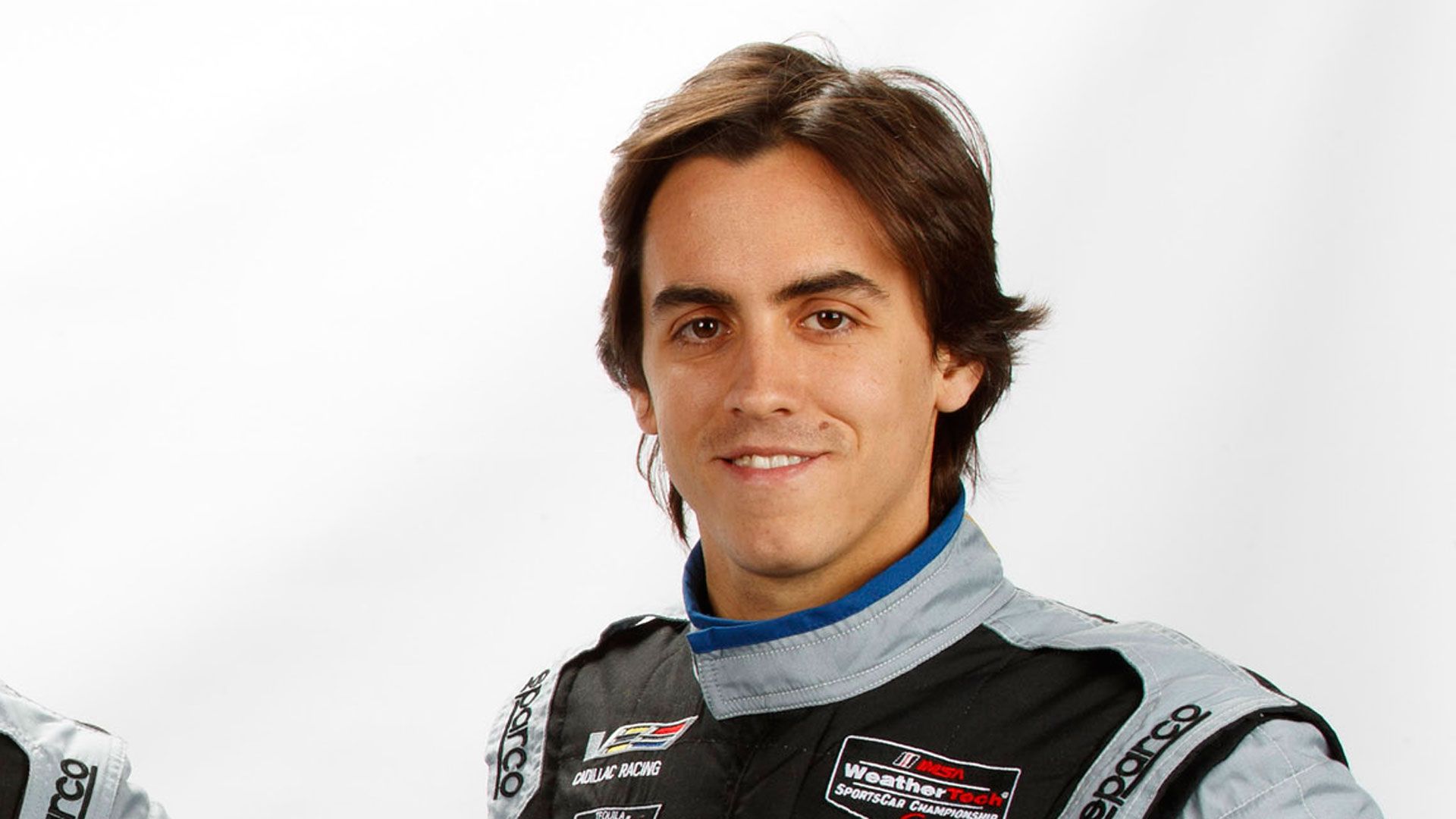
Sir Jack Brabham was another three-time Formula One world champion and the only driver to win a World Championship in a car bearing his own name. His son Geoff won the Le Mans 24 Hours in 1993 and four IMSA GTP Championship titles, while his other son David (pictured) is a two-time American Le Mans Series Champion and 2009 Le Mans 24 Hours winner. Grandsons Matthew and Sam are helping to keep the Brabham legend alive.
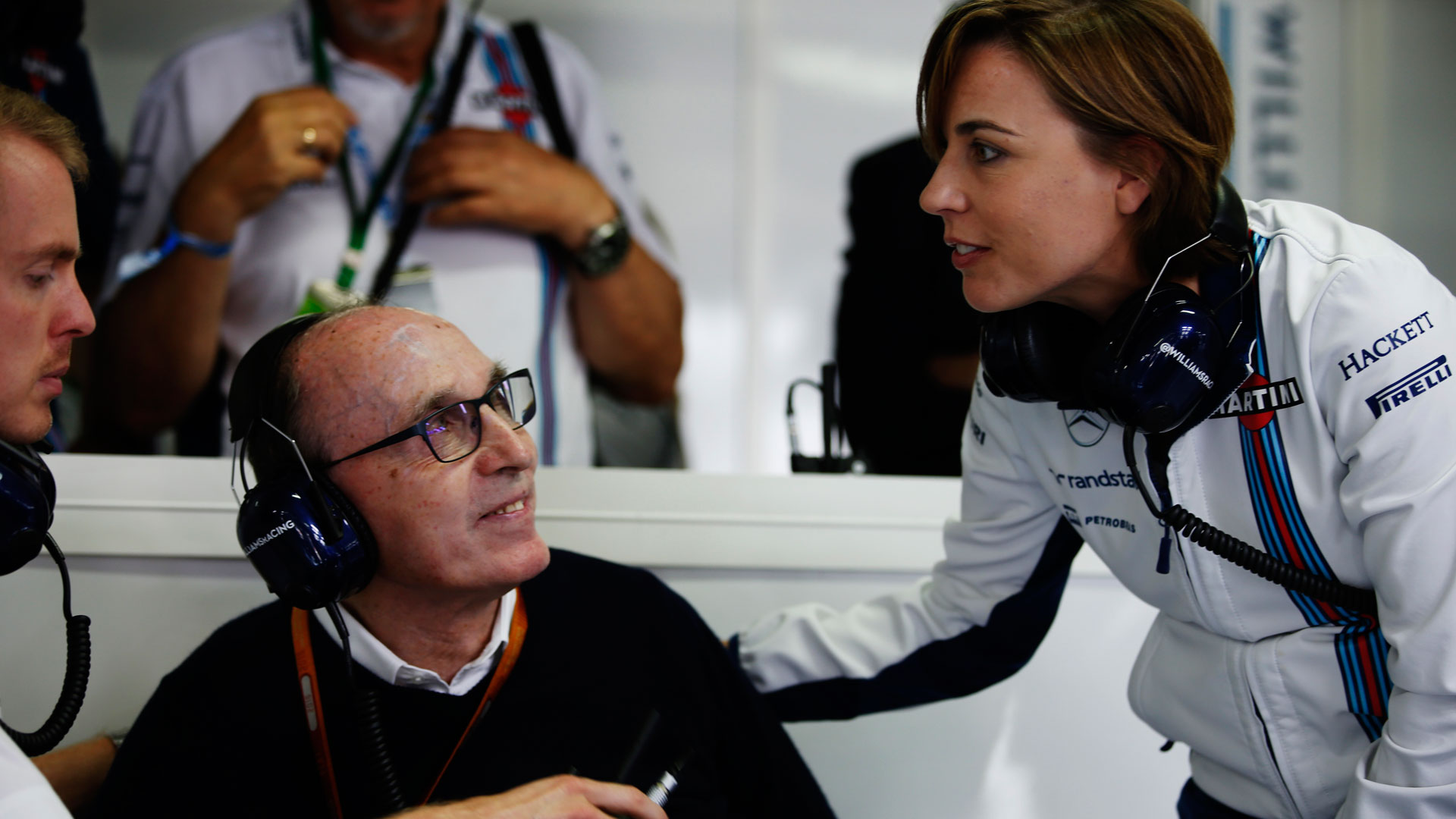
Sir Frank and Claire Williams
Like father, like daughter. Sir Frank Willaims founded his own racing team in 1966, before establishing Williams Grand Prix Engineering with Patrick Head in 1977. He was awarded a CBE in 1987 and was knighted in 1999, and is one of a few non-Frenchmen to have been made a Chevalier of France’s Légion d’honneur. His daughter Claire is the current Williams F1 deputy team principal.
Eddie Cheever & Eddie Cheever III
Born in America, Eddie Cheever grew up in Italy, where he raced karts as a teenager. He made his F1 debut in a one-off drive for Hesketh in 1978 before becoming a regular driver throughout the 1980s, making 132 starts for the likes of Tyrrell, Ligier and Renault. His son Eddie Cheever III has competed in Formula 3 and NASCAR.
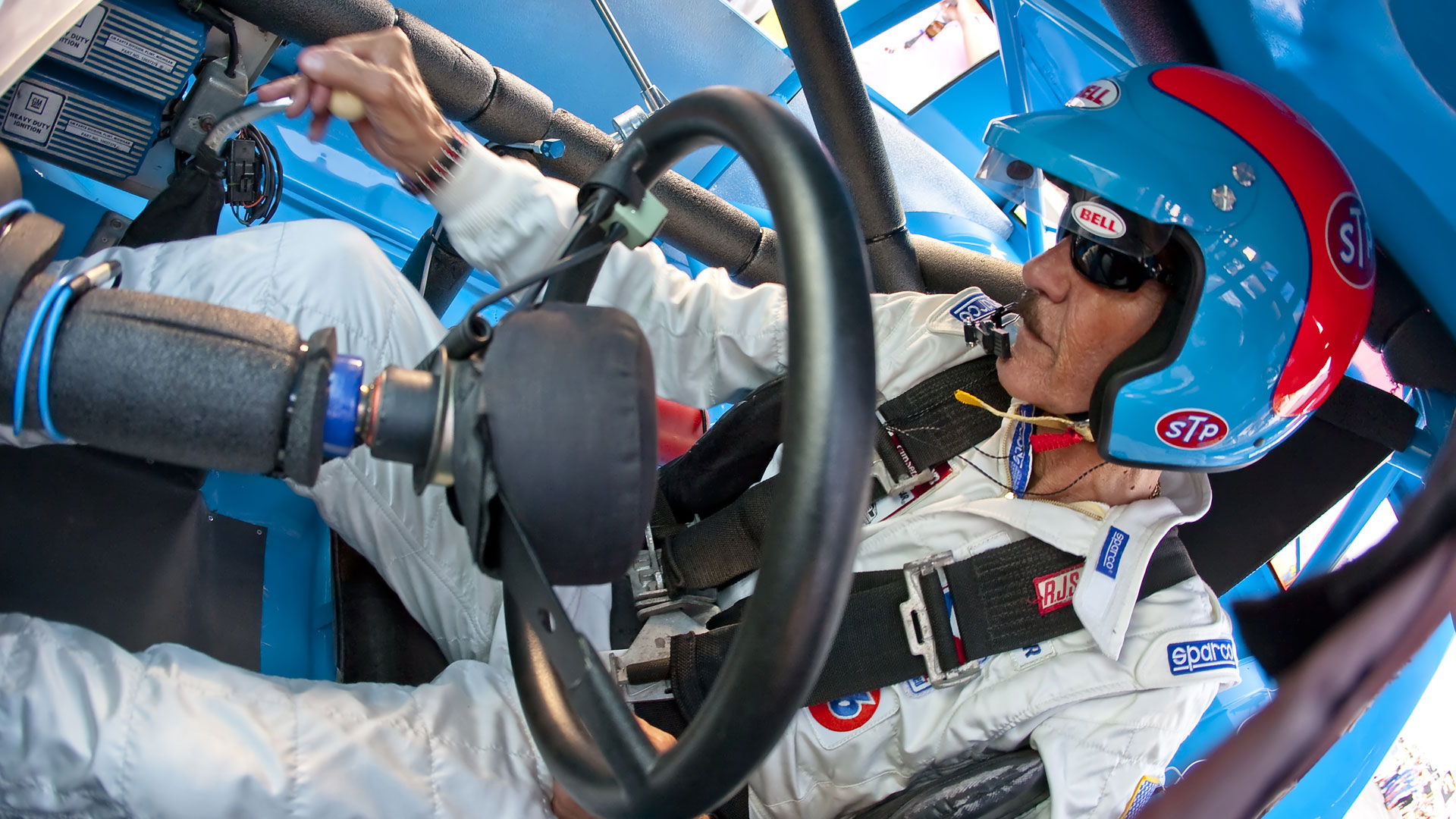
The Pettys
Richard Petty – known as The King – won a record 200 NASCAR races and was the first driver to win the NASCAR Cup Championship seven times. His father was Lee Petty, one of the first NASCAR superstars, while his son Kyle was another competitor in the race series. Sadly, his grandson Adam died on the track in 2000.
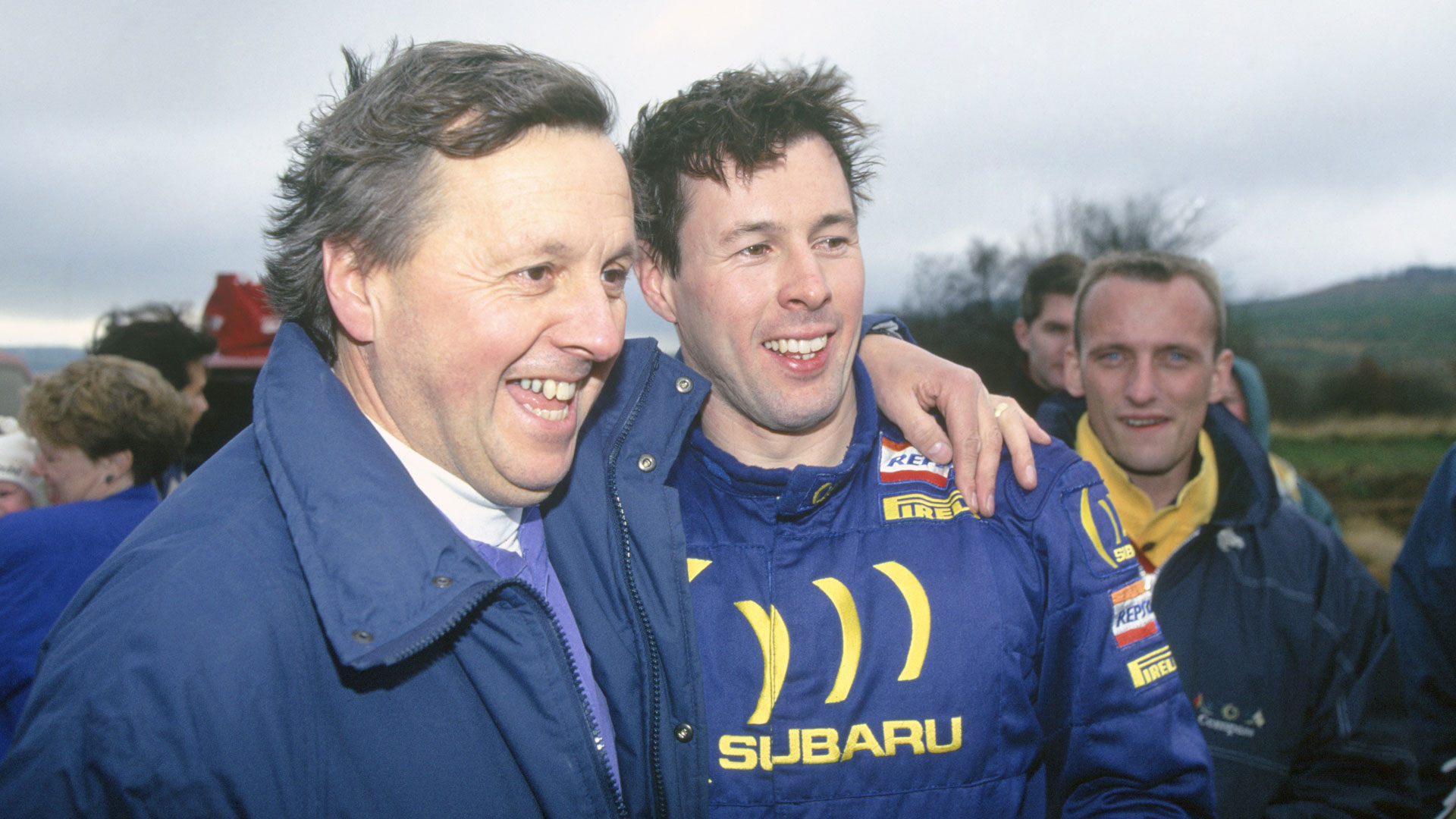
The McRaes
Jimmy McRae enjoyed a hugely successful career in motorsport, winning the British Rally Championship on five occasions and having seven Circuit of Ireland wins to his name. Thanks to a certain video game – not to mention a WRC title in 1995 – his late son Colin is perhaps the most famous McRae, while Alister has 78 rally wins to his name.
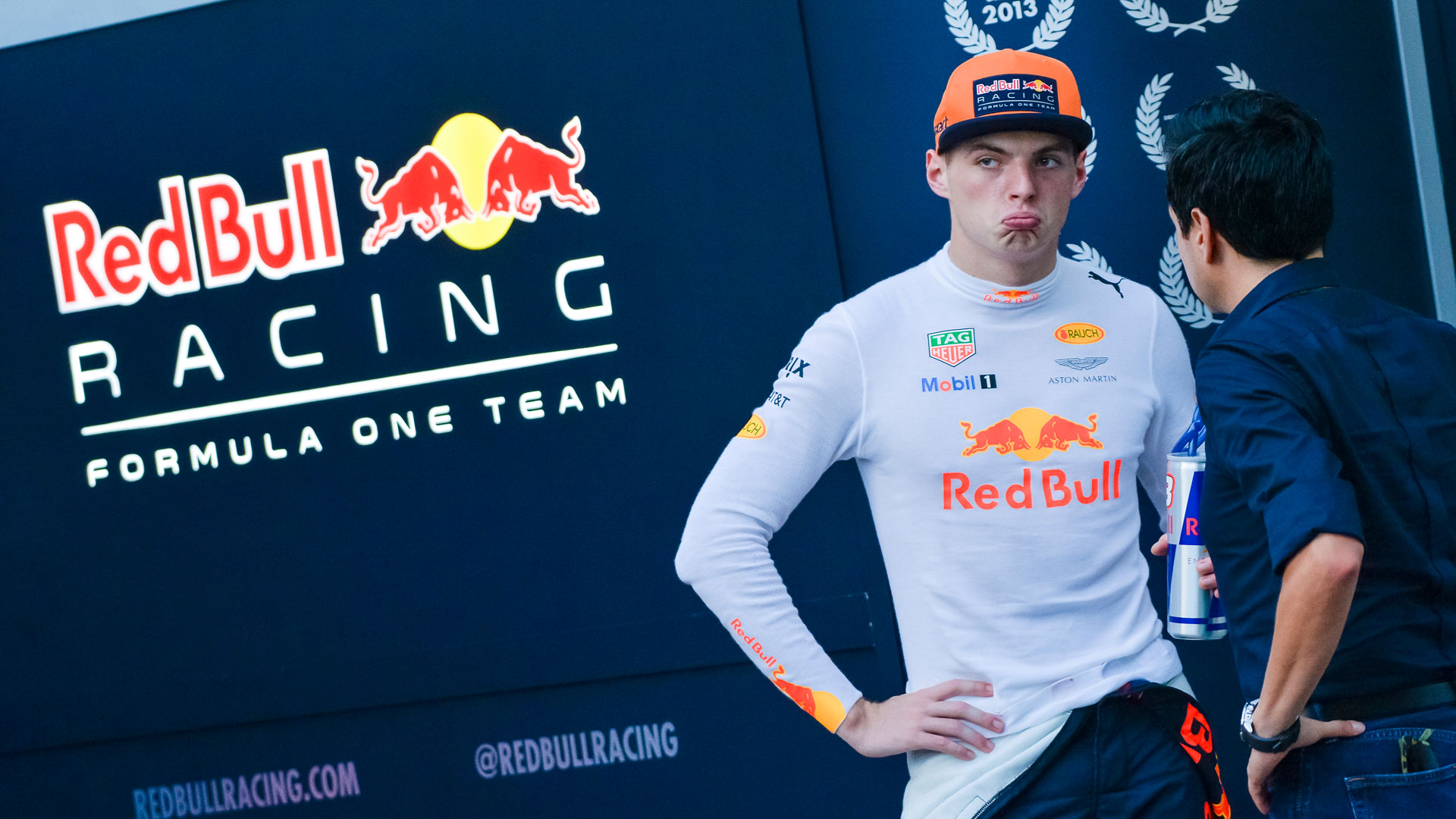
Jos and Max Verstappen
Dutchman Jos Verstappen made his F1 debut in 1994 before bowing out in 2003. He also has a Le Mans 24 Hours class win under his belt, along with three German Formula Three titles. In 2015, his son became the youngest driver to compete in Formula One when he drove for Red Bull Racing. At the age of 21, Max has claimed eight victories so far.
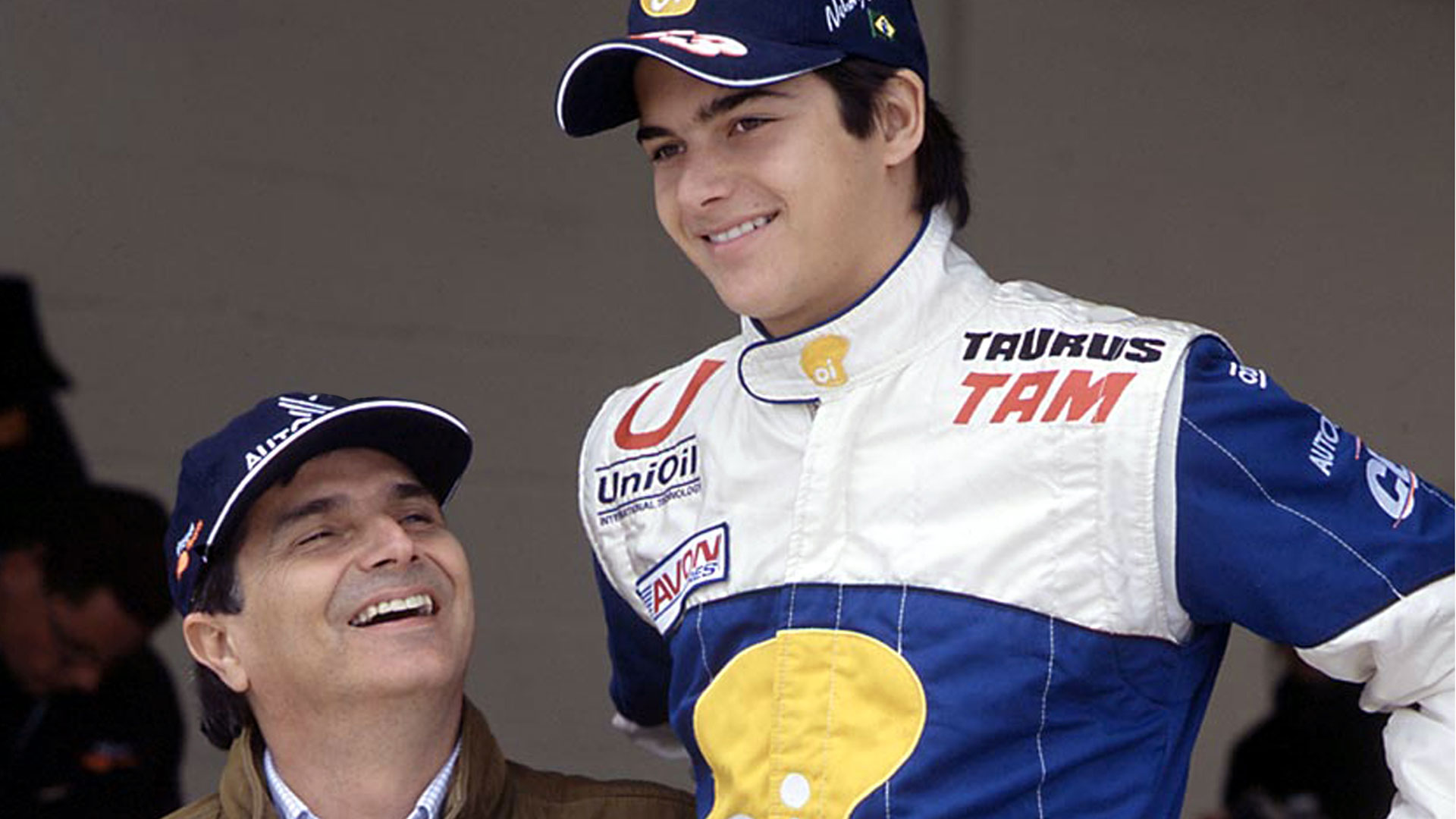
Nelson Piquet and Nelson Piquet Jr.
Brazilian Nelson Piquet made his Formula One debut in 1978 and won three World Championships. After leaving F1 he entered the Indy 500, before a big crash effectively ended his career. His son Nelson Piquet Jr. is a former F1 and Formula E driver, while Pedro has two Brazilian Formula 3 titles.
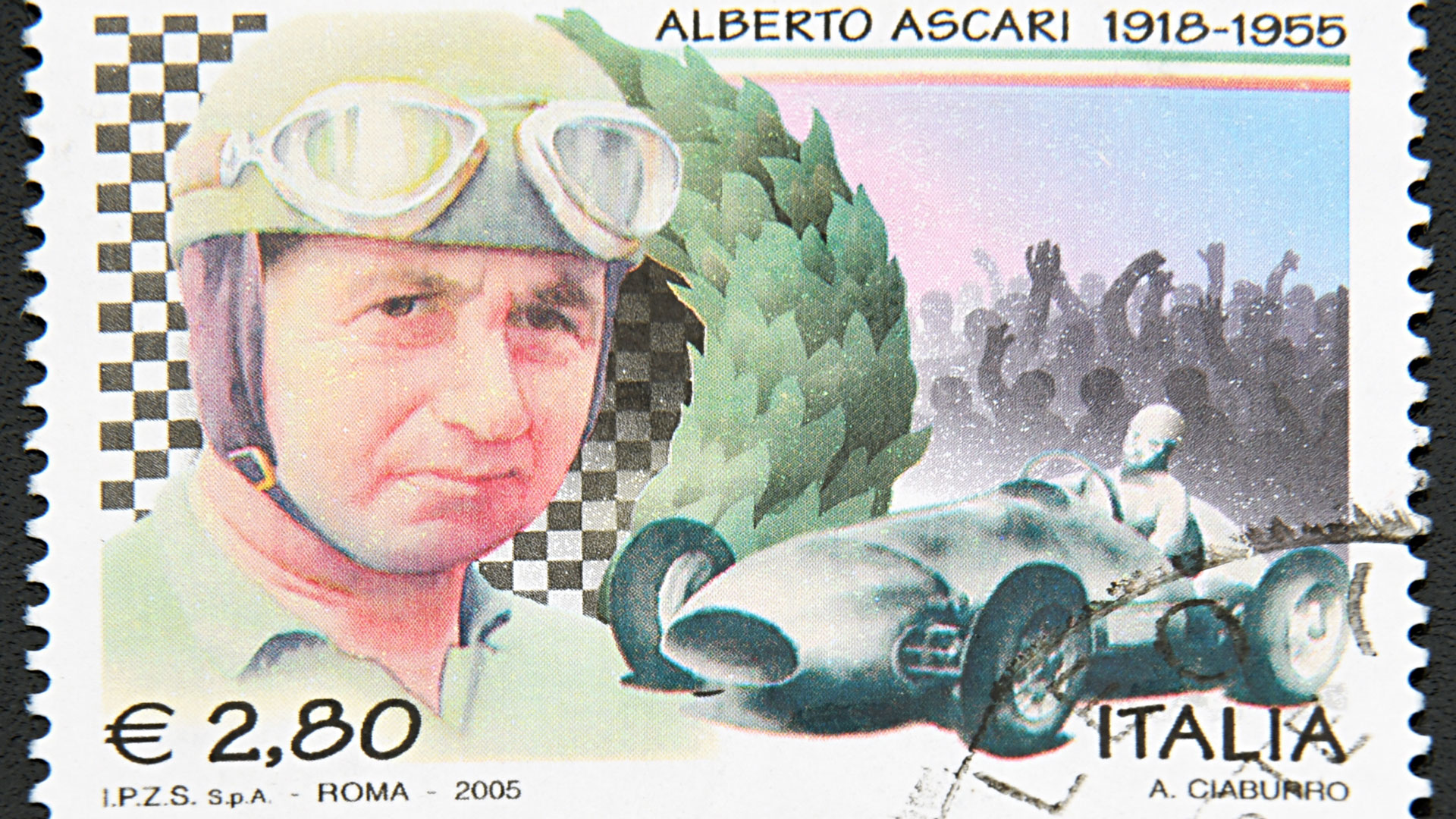
Antonio and Alberto Ascari
Antonio Ascari raced in the first Targa Florio and was the winner of the first Belgian Grand Prix. He died in 1925, following a crash at the French Grand Prix, leaving behind his son Alberto. Then aged seven, Alberto went on to win two Formula One World Championships, before he died at Monza in 1955.
Have you ever stopped to consider how much money you spend on fuel over the course of your lifetime?
If not, prepare to be shocked. New research conducted by EDF Energy has revealed that the figure could exceed £56,000. Maybe it’s time to fast-track the purchase of an electric vehicle…
The research found that the cost of petrol and diesel is a serious concern for drivers, with 84 percent of the 2,000 motorists surveyed saying that fuel is “too expensive”.
Meanwhile, a third of motorists have been put off driving due to the cost of fuel, while 75 percent have gone out of their way in search of cheaper prices.
40 percent are considering an EV
It’s hardly surprising, then, to discover that 40 percent of drivers are considering making the switch to electric, which could save them around £41,000 over their lifetime.
Beatrice Bigois, managing director of customers for EDF Energy, said: “Many of us aspire to owning an electric vehicle.
“This research shows that, not only will electric cars help motorists save money on their fuel costs, electric vehicles will help more people do more of the things they want to, like exploring more of the UK – all while helping the environment by reducing emissions.
“For this vision to become reality for more drivers, we have to make the decision as easy and attractive as possible for our customers.”
And 70 percent expect to own an EV
EDF Energy has partnered with DriveElectric to create a GoElectric leasing package for EV drivers. Customers leasing an electric car via EDF receive a free home charger and 10,000 miles of worth of charge at no cost.
Monthly rental costs start from £299, with the Tesla Model 3 available from £418 and the Jaguar I-Pace from £529.
Seventy percent motorists surveyed expect to own an electric car at some point in the future, with a quarter claiming they will go electric within the next five years.
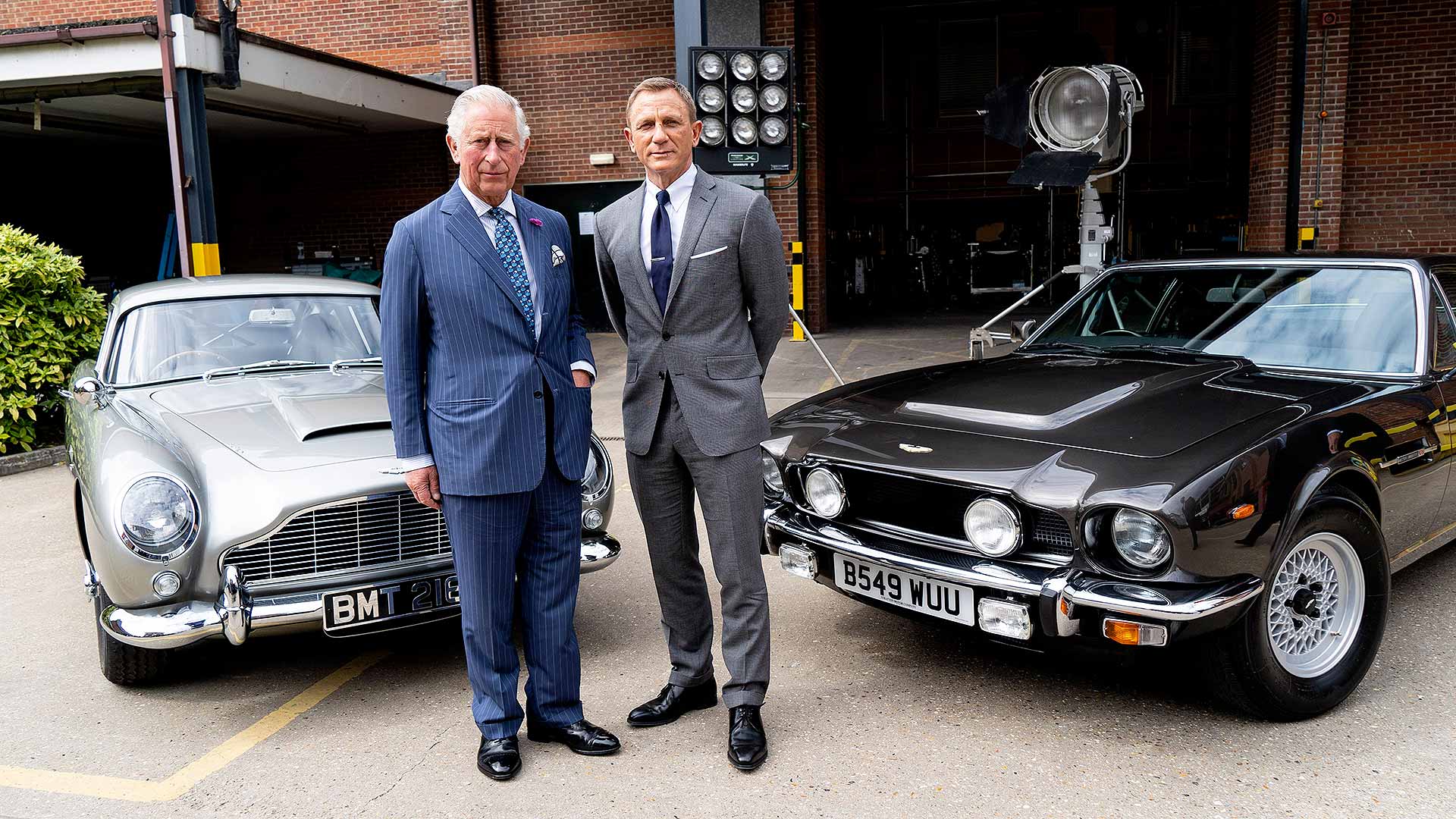
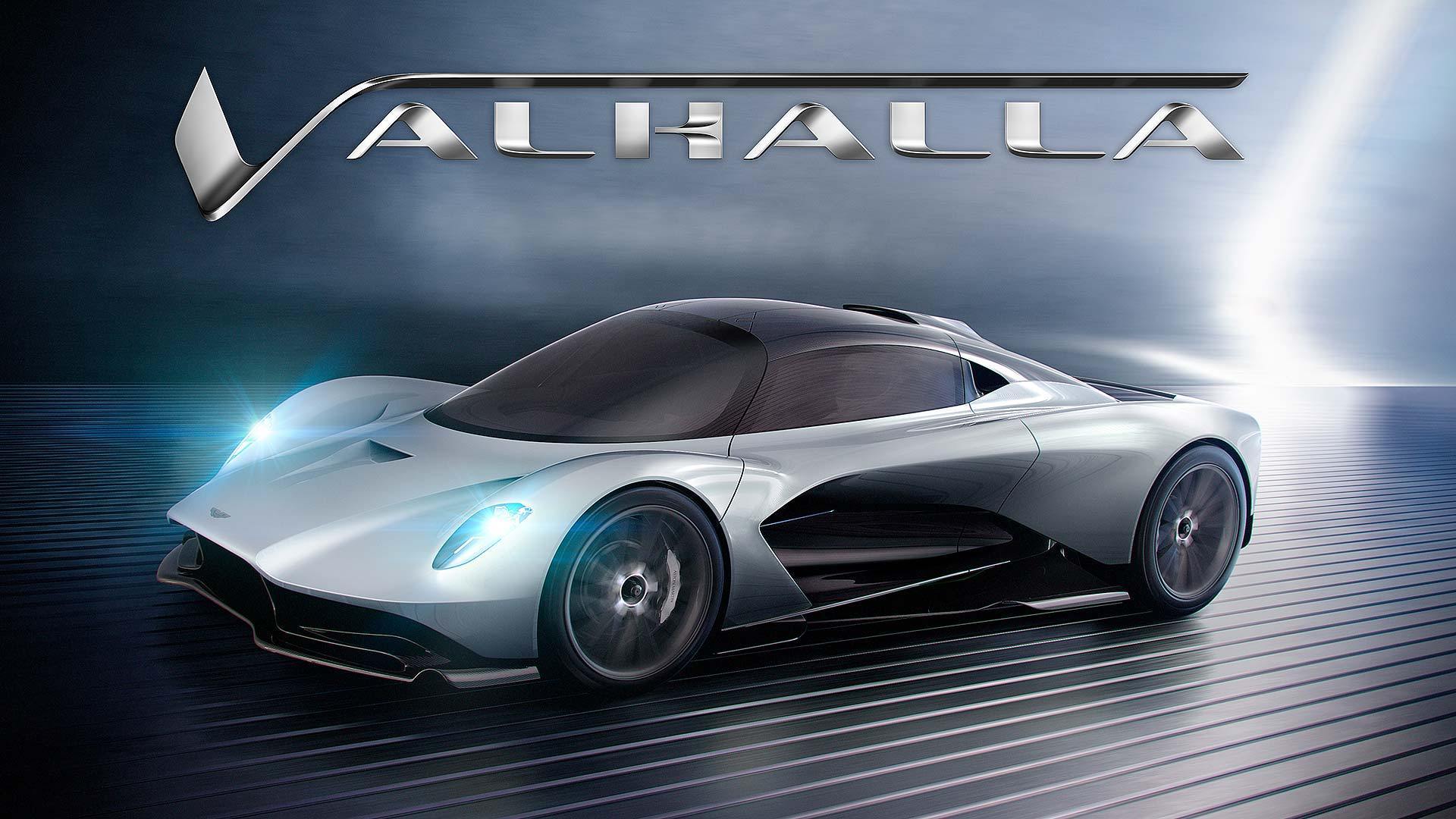
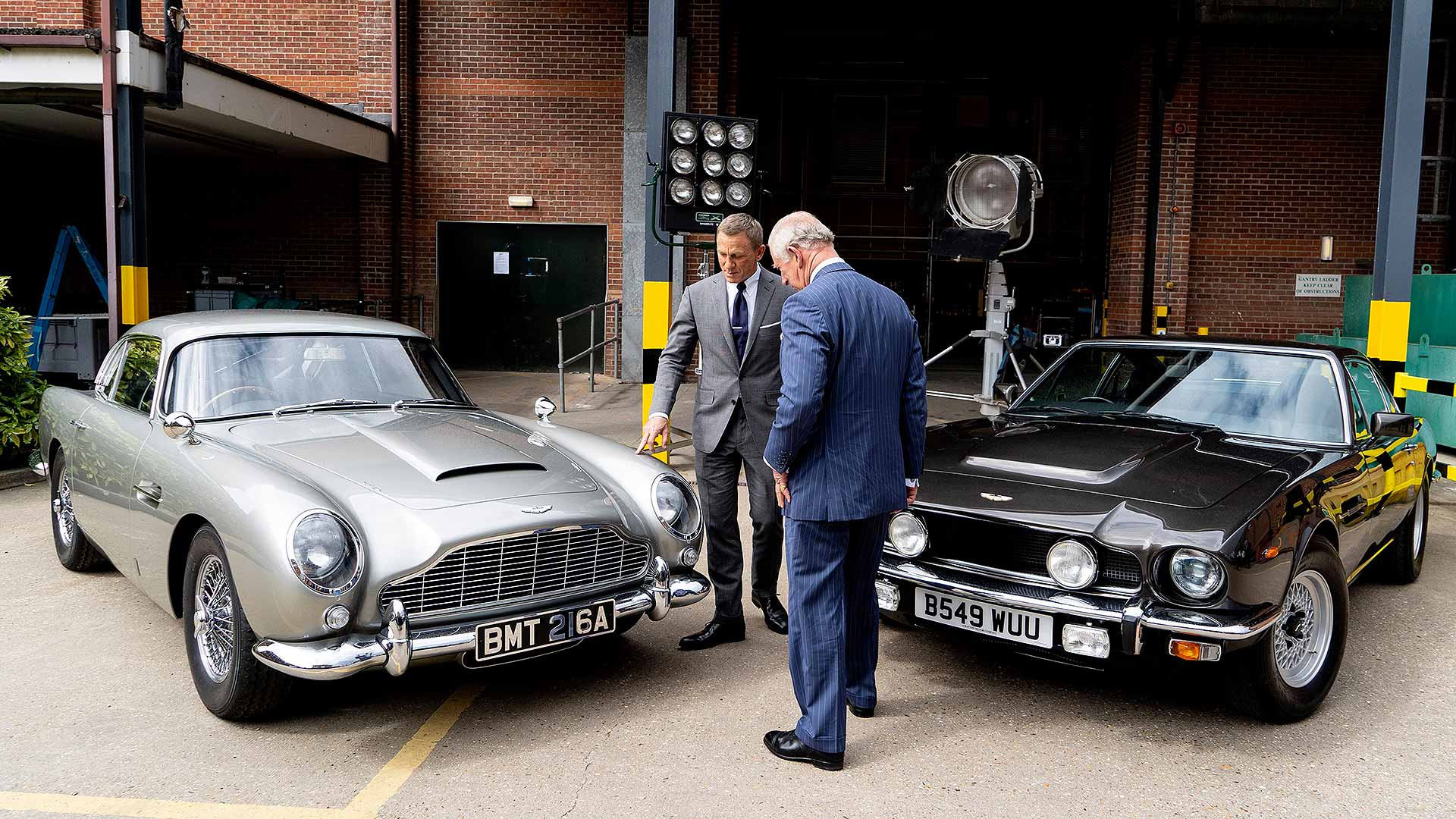
James Bond will drive the brand new Aston Martin Valhalla hypercar in the next instalment of the movie franchise, bosses have confirmed – and two more classic Astons will also star in next year’s new film.
During a visit to the set by HRH The Prince of Wales to the Bond 25 film set, the news that the new Aston Martin mid-engined hypercar will be Bond’s new motor was made official.
Earlier online speculation therefore proved a little wide of the mark.
Co-designed with Red Bull Advanced Technologies, the engineering of the new two-seater has been overseen by Formula 1 tech legend Adrian Newey.
The Aston Martin Valhalla will boast extraordinary performance, but will also see Bond go green for the first time: it is a battery-electric hybrid.
Both are pictured below, with Daniel Craig displaying them to HRH Prince Charles.
Bond should count himself lucky. Aston Martin will only make 500 Valhalla – and they’re already sold out.
Each will cost upwards of £1 million ($1.27 million).
The Bond 25 film will also feature the new Valhalla ahead of its market launch. Movie-goers expect it to be released on 3 April 2020; customers won’t get their cars until production starts in 2021.
Prices for the Model 3 EV start from £38,900, including the £3,500 government Plug-in Car Grant, increasing to £52,290 for the Porsche-beating Performance model with eyecatching Performance Upgrade.
Tesla hopes the global rollout of the Model 3 will help it now grow quickly. Of the 500,000 cars it has sold to date, almost 140,000 are already a Model 3 – which, in 2018, became the best-selling premium vehicle in North America.
It is the first time in decades that an American brand took the top spot in its home market, adds the firm. And in 2019, it’s already become Europe’s best-selling EV.
Tesla Model 3: UK specs
The entry-level UK Model 3 is the rear-wheel-drive Standard Range Plus, which has a 258-mile range. This costs £38,900 in solid black, the only standard colour.
Add £950 if you want Midnight Silver or Deep Blue, £1,450 for Pearl White multi-coat, or £1,900 for Red multi-coat.
Autopilot is free: the Model 3 will steer, accelerate and brake automatically within its lane, albeit ‘under active driver supervision’.
The Model 3 Performance costs from £48,950, and lives up to its name by cutting more than two seconds from the 0-60mph dash. It gets there in just 3.2 seconds, aided by all-wheel-drive traction.
It’s not just quicker, though, but also goes further – a bigger battery gives it a 329-mile range.
Adding on the Performance Upgrade pack takes the top speed up to 162mph. This version also has carbon fibre spoiler, 20-inch alloys, red brake calipers and an additional Track Mode setting.
What Tesla Model 3 UK buyers will not get, however, is free access to the Supercharger network, of which there are 50 locations in Britain. Instead, it’s pay-per-access – although European Model 3s do also have a built-in CCS charge port so they can also use third-party fast charging networks.
Standard Range Plus
Performance
Performance (with Performance Upgrade)
0-60mph
5.3 seconds
3.2 seconds
3.2 seconds
Top Speed (mph)
140 mph
145 mph
162 mph
WLTP Miles
258 miles
329 miles
329 miles
Starting Price
£38,900
£48,590
£52,290
Wheel Options
18” Aero
18” Aero
20” Performance
Drive
Rear-wheel drive
Dual Motor all-wheel drive
Dual Motor all-wheel drive
Vehicle Warranty
4 year / 50,000 miles
4 year / 50,000 miles
4 year / 50,000 miles
Battery and Drive Unit Warranty
8 year / 100,000 miles
8 year / 120,000 miles
8 year / 120,000 miles
Interior Cargo Volume
542 Litres including front trunk, rear boot and underfloor storage
This is the first of a series of reports on buying and living with a Tesla Model 3 – the compact all-electric executive car, UK-bound for 2019.
We haven’t been given the car by Tesla. Indeed, Tesla isn’t even aware we’re doing this. It belongs to a friend of Motoring Research who has bought a Model 3 with his own money. Also, he’s located in California, so we haven’t even physically seen it.
We’ll relay his experiences – positive and negative – of buying and running a Model 3. The volume and intensity of the conversation surrounding Elon Musk and Tesla is fairly steep. As such, a no-nonsense running report on this market disruptor seems timely, and hopefully useful.
Our friend was UK-based, but emigrated to the US for work. He had a passing interest in electric cars without ever owning one, so buying brand-new is no small commitment.
Importantly, he’s not a motoring journalist, so can offer a different (dare we say more realistic?) perspective. Don’t expect stories of measuring panel gapsor calling the press office about problems – although the quality of the Model 3 is something we’ll be asking about.
This is a real consumer giving his verdict on his new car. Whatever comes of it, we hope to provide a unique insight into the love-or-loathe world of Tesla via its most important car to date – the Model 3.
Excited to take delivery
The car was ordered on the 10th of September and delivered on the 14th, although we suspect it wasn’t built within those four days. Tesla’s US website site says typical order-to-delivery time is ‘within four weeks’ so it seems he bought an existing car.
Delivery time for the dual-motor all-wheel-drive model was quoted as three months. Our friend was a bit impatient and thus opted for rear-wheel drive. His Model 3 is the long-range version with Sport wheels in Midnight Silver.
On paper, figures for the Model 3 look impressive: a 310-mile range, 5.1 seconds to 60mph and 140mph flat-out. We’ll report back on how it fares in the real world, with a particular emphasis, we expect, on that range figure.
For now, we can confirm the feeling of anxiety upon ordering was fast replaced with excitement, especially when a box with the key inside landed in his possession. First impressions and driving updates will follow soon…
Remembering we’re trying to be impartial and stand aside from internet-wide Tesla hysteria here, the initial news isn’t good. The car arrived – brand new – with a dent in the door. Our friend accepted the car on the condition that it was repaired for free, a courtesy car was provided and that he got a year of free Supercharger access. Remember, the Model 3 doesn’t usually get free juice like the Model S and X do.
On the one hand, you expect a new car to be of a condition and quality that can’t be questioned. On the other, the compensation seems adequate. Our friend says that, other than the dent, quality is absolutely fine. The panels all fit correctly, there’s no peeling rubber, no mismatched interior trim or any other such blunders.
What many decide to forget when ranting about Tesla is that most car manufacturers have experienced and continue to experience quality control issues. Clichés don’t materialise out of thin air – car buyers have decades-long experience of continuous mis-steps in quality from certain manufacturers.
Learning curve
Where you can legitimately critique this car is with regard to something all buyers will face: the learning curve. If the future is now, it shouldn’t be intimidating. Teslas represent the future but they’re also cars we’re being asked to buy now.
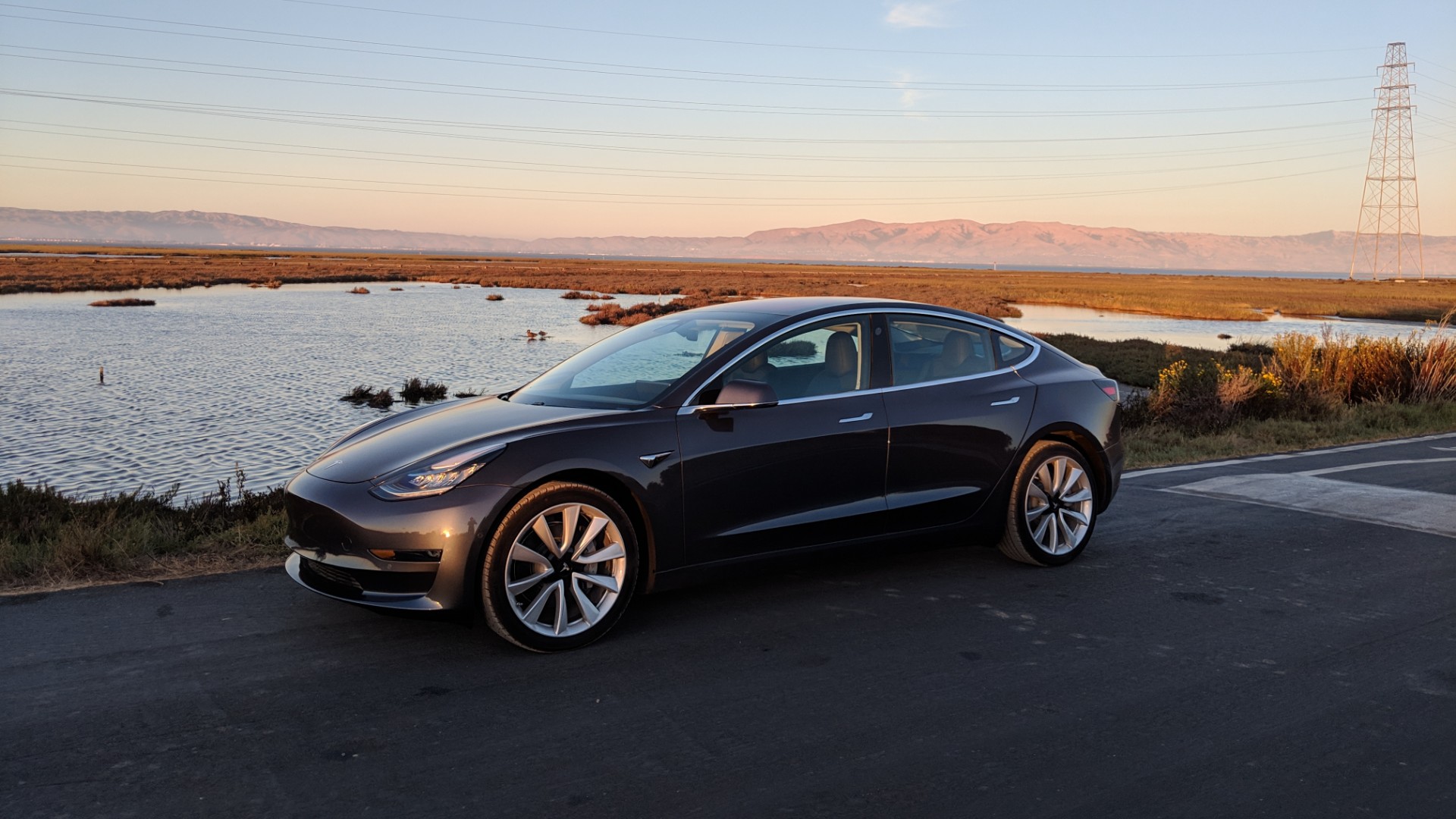
In terms of aesthetics, Tesla has nailed this. All of these cars are attractive in very contemporary sense. Generic and sleek rather than edgy and weird. Upmarket rather than prop-reject from a sci-fi film set.
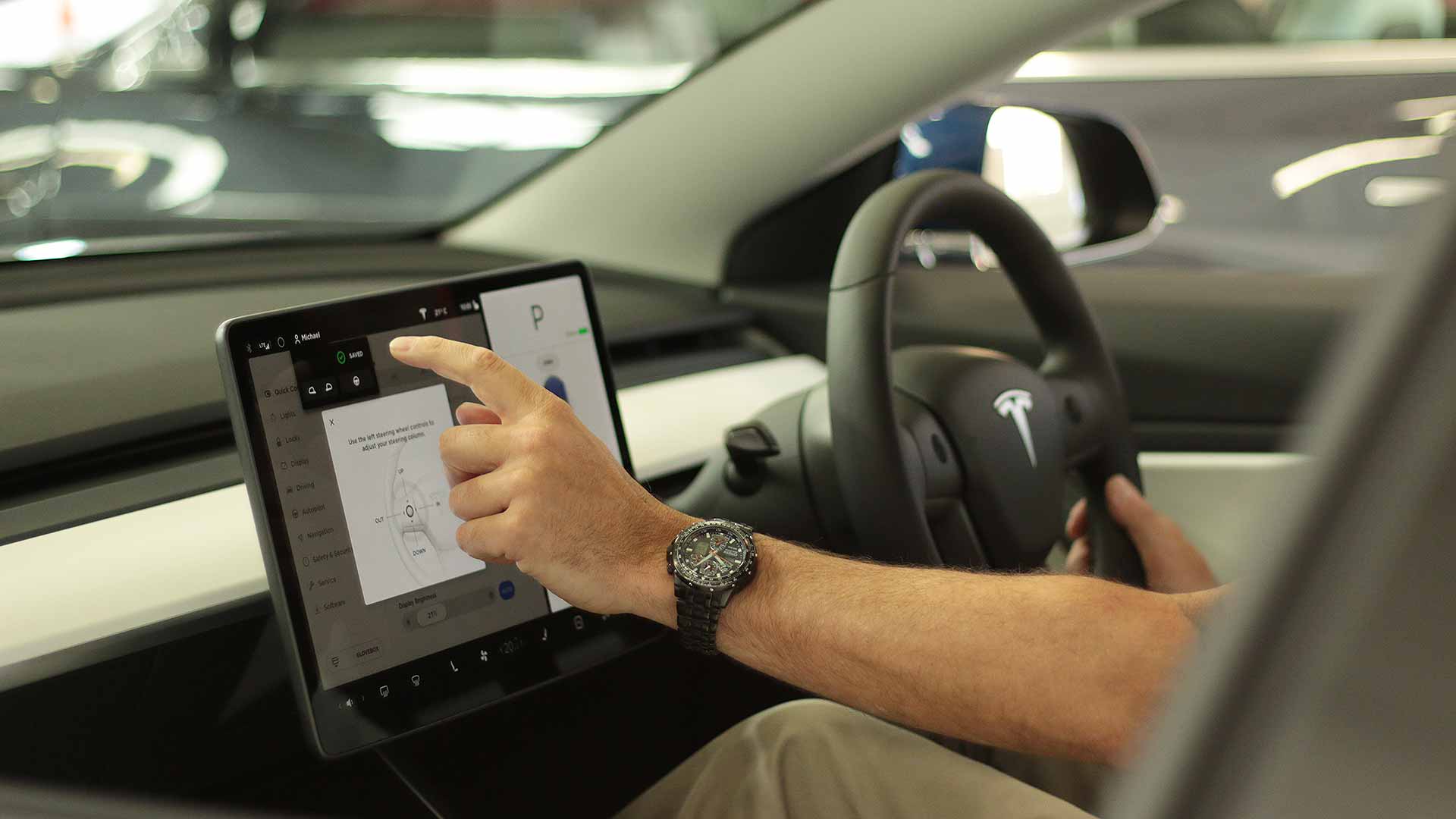
Inside, however, it’s a different story. Yes, it’s very attractive, but almost everything is digitally controlled. How does this work in real life? Our friend needed a few minutes to work out how to roll down the windows and even get the passenger door open. It’s all stuff you get around within minutes. An hour of sitting in it and familiarising yourself goes a long way, as it turns out. Nevertheless, some of the more change-resistant among us might jump in one to try it and be instantly put off.
Some of the futuristic toys are, of course, absolutely superb. Checking on and controlling the car via the Tesla app is a revelation. “I just cooled the inside of my car from 100F to 75F.Remotely,” our friend brags.
Torquing tough
Where better to give your Tesla its first proper run than Highway One? This is an aspect of the future we’re all happy to get on board with, and our friend was bowled over by the Model 3’s performance. “The torque at 50mph feels like pulling from standstill. It’s exhilarating”. “You’re going to break my neck” was one comment he received from his passenger.
It impresses in the turns, too – a good job given this is touted as a small executive car above all else. “The centre of gravity feels low like you’d expect. Very stable in corners”. That’s the benefit of much of the drivetrain weight sitting comfortably below the door handles.
In terms of braking, our friend was oddly comfortable with the idea of simply letting off the throttle. The Tesla Model 3, like many EVs and hybrids, has regenerative braking. Off-throttle, the motion of the car is translated back into electrical energy via the motors, with a side-effect of the car slowing down.
Home on the range
With a good part of a day spent driving and, shall we say, ‘testing’ the car, you might have expected the range to take a significant hit. Our friend charged the car to 90 percent the day before, with a view to taking it for a good run, after which it went from 90 percent to 66 percent charge. Apparently, the estimations of remaining range hold true, too: a solid 270 miles to a charge. What range anxiety?
Charging is something of another story. Unless you’re Supercharging, you need to commit extended periods of time to juicing up. “The phone app shows the time to charge 90 percent. It arrived with 40 percent charge and will take six hours to refuel,” was one comment.
There’s more to come soon on the day-to-day of running a new Tesla Model 3. We don’t think the honeymoon period will pass for a while yet…
A belated welcome back to our long-term Tesla Model 3 review. We planned semi-regular updates but, truth be told, there wasn’t a lot to report. We concluded our last entry by saying that we suspected the honeymoon period wouldn’t pass for a while yet. Nine months in, and it still hasn’t.
Now the Model 3 is finally available in the UK, so we thought we’d catch up with our American friend. Here are his latest thoughts on life with one.
Range-extended
Horror stories be damned, our friend’s Model 3 has put in a near-flawless shift over the 5,000 miles he’s driven it so far. Expected range is down from 290 miles to 280 when it’s fully juiced, although he suggests that’s due to his exuberant driving.
What’s more, that’s still 10 miles more than when he bought it, thanks to an over-the-air update that improved range. He’s also had the enjoyable experience of gaining 10 miles of range after a long period of coasting, using the regenerative brakes to pick up power.
The worst issue experienced is a charger that sometimes doesn’t automatically unlatch. All Teslas are supposed to automatically release at the end of the charge cycle. This means he’s had to go through menus in the car to ‘manually’ release the charger. In that process, the flap automatically closes on the adapter.
He’s had a nail in the tyre, too, although that’s no fault of the car. But he was rather shocked with the $400 cost of a replacement.
California love
Our friend is based in one of the most EV-friendly localities on Earth; California tends to treat electric car drivers quite well. He also has charging facilities at his office.
“I’ve only had to depend on charging infrastructure on two occasions since I bought it. One of those was really just an excuse not to park next to bangers in the Target car park,” (think broken glass, trolleys left next to cars).
As such, the car’s powertrain has almost never made him think twice about taking a journey, save for a few weeks ago: “Last weekend I forgot to charge it – I had 100 miles range left so I didn’t go. But it was more an excuse. A Tesla Supercharger would have sorted me if I’d really wanted to travel.”
“I’ve had my car for about 9 months. In total, I have paid about a quid for charging.”
It’s alright for some…
Overall, his experience has been overwhelmingly positive, but there are a couple of things that have really stood out:
“The instant torque never gets old and the continuous acceleration (no gear changes) from standstill to 70mph is amazing. It still gives me a rush.”
“The updates are brilliant. Imagine computer operating systems without updates; that is the car industry at the moment. I’ve received a range upgrade, power upgrade and a two-month trial of autonomous driving. Fun, too, are the games and ‘Easter eggs’. Fart noises that can be played from any speaker, for instance….”
“One of the updates resulted in the car cameras always recording, which means if you crash you have video evidence. And if the car is vandalised you get the ******* who did it.
“I think it may have saved me from a crash”
A final anecdote, regarding a near-miss: “So, I’m driving on the motorway and a person changes lanes without warning, dropping into my lane. I was very aware that I didn’t have time to check if there was anyone in the lane below me and the steering went hard and pushed me into the lower lane!”
A nice change in the narrative, then, to see Tesla’s autonomous functions preventing a crash rather than causing one.
Tesla Model 3: verdict so far
So far, we like what we’re hearing. We’re conscious that our friend is ‘testing’ in a very different environment. If temperature degradation is a worry for us, for example, it surely isn’t in Oakland CA. Nonetheless, the UK certainly has some catching up to do when it comes to infrastructure.
As for the car, it seems like a good ownership experience. Say what you like about Tesla, and about Elon Musk, but some of the ideas he and his cars have introduced are undeniably excellent, making long-standing rivals look a little archaic. It’s caused a fair amount of head-scratching in many car manufacturers’ boardrooms.
As for what Tesla will bring to the party once the car industry has fully caught up, we shall have to see.
 All new
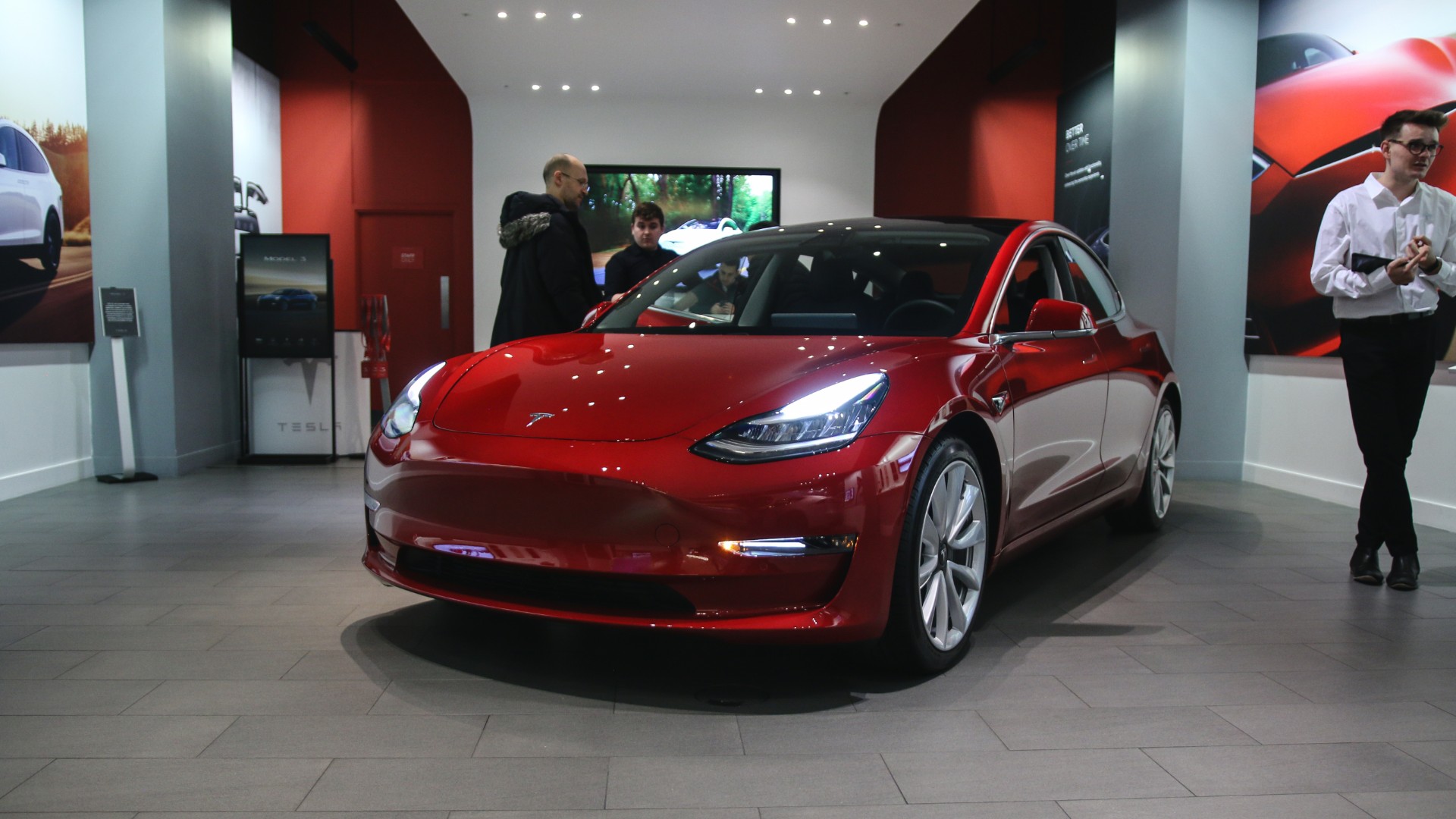
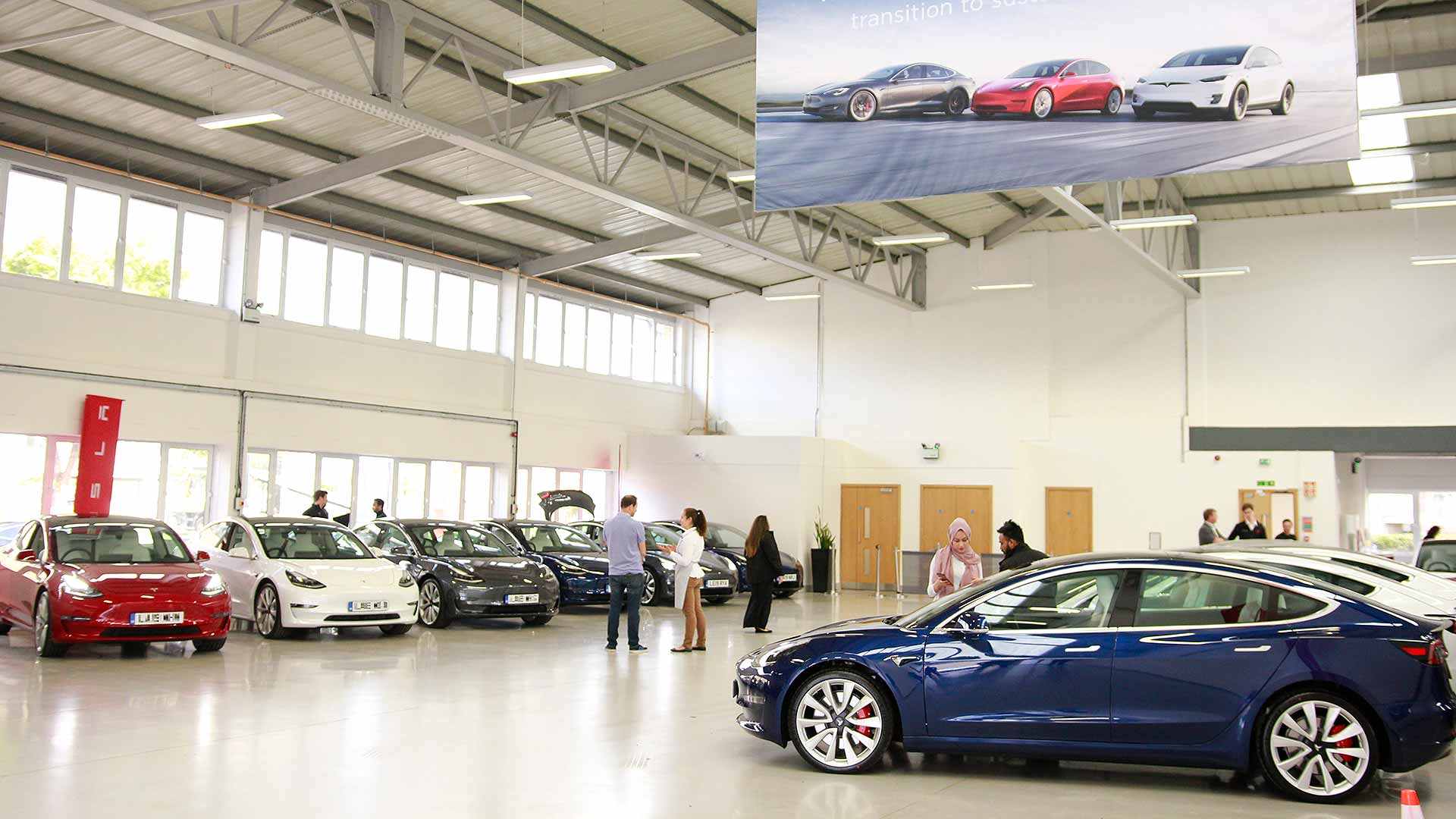
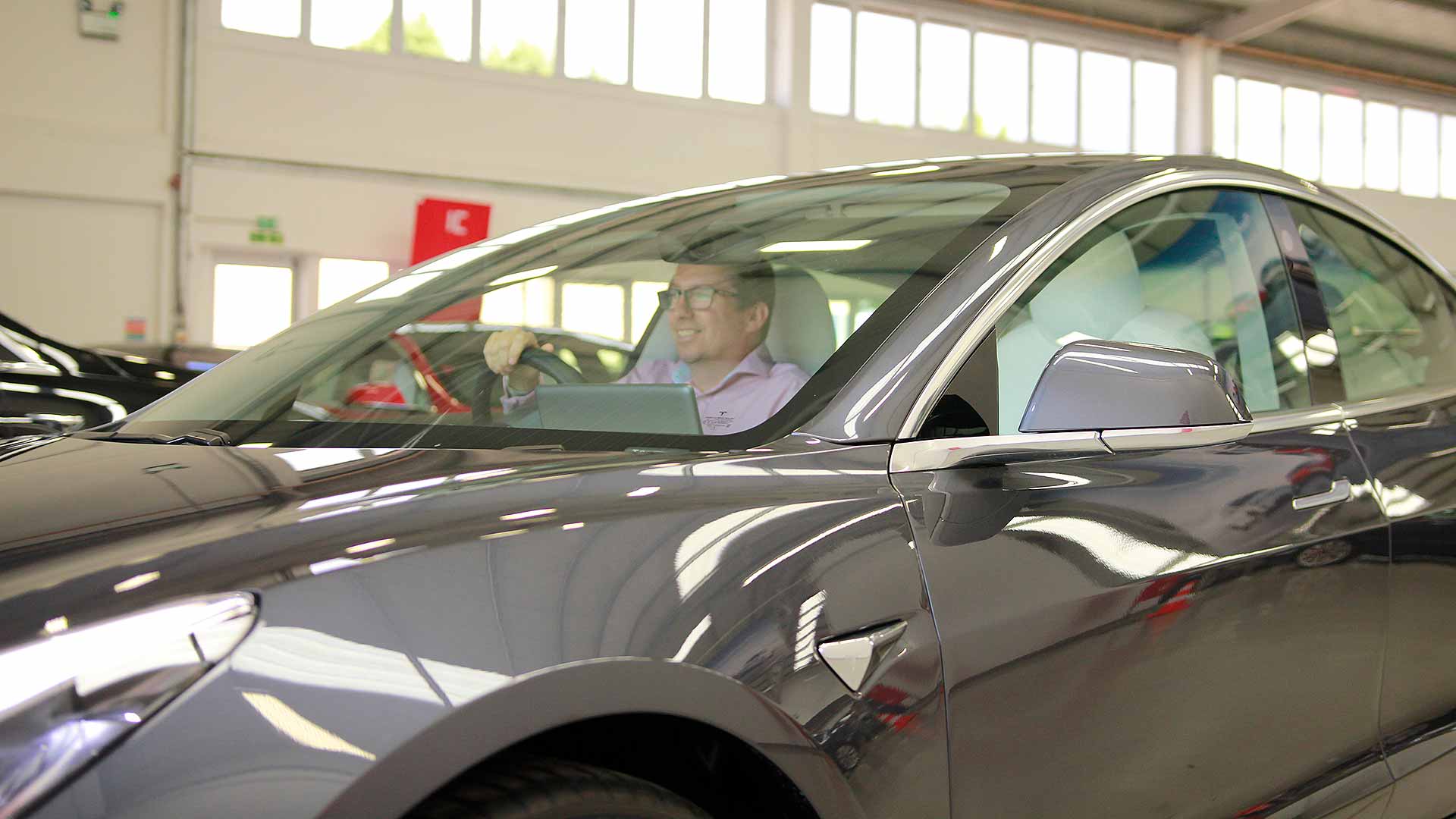
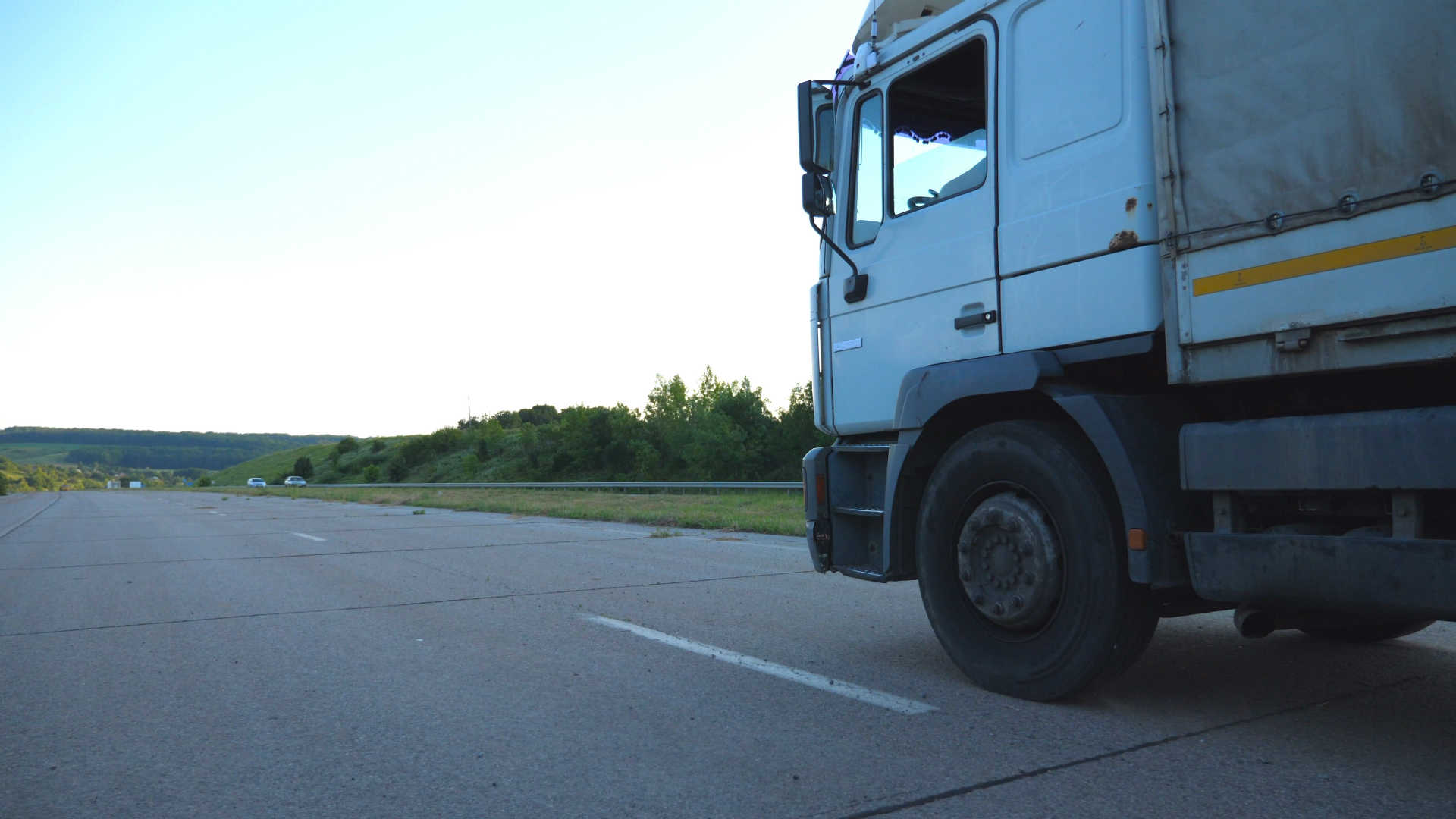
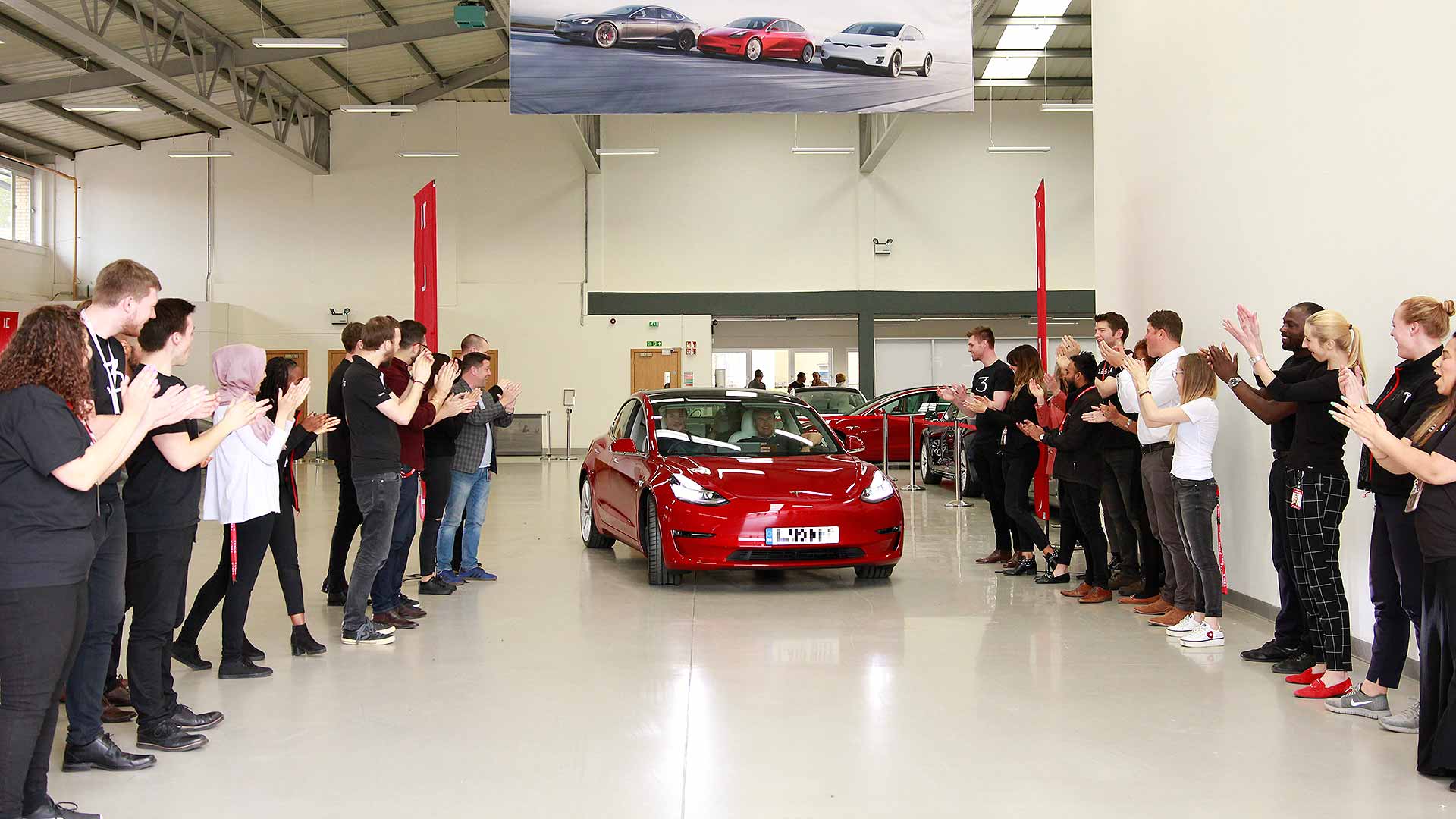 The Tesla Model 3 is finally taking to British roads as UK deliveries commenced at the firm’s Heathrow HQ – fittingly, on Clean Air Day.