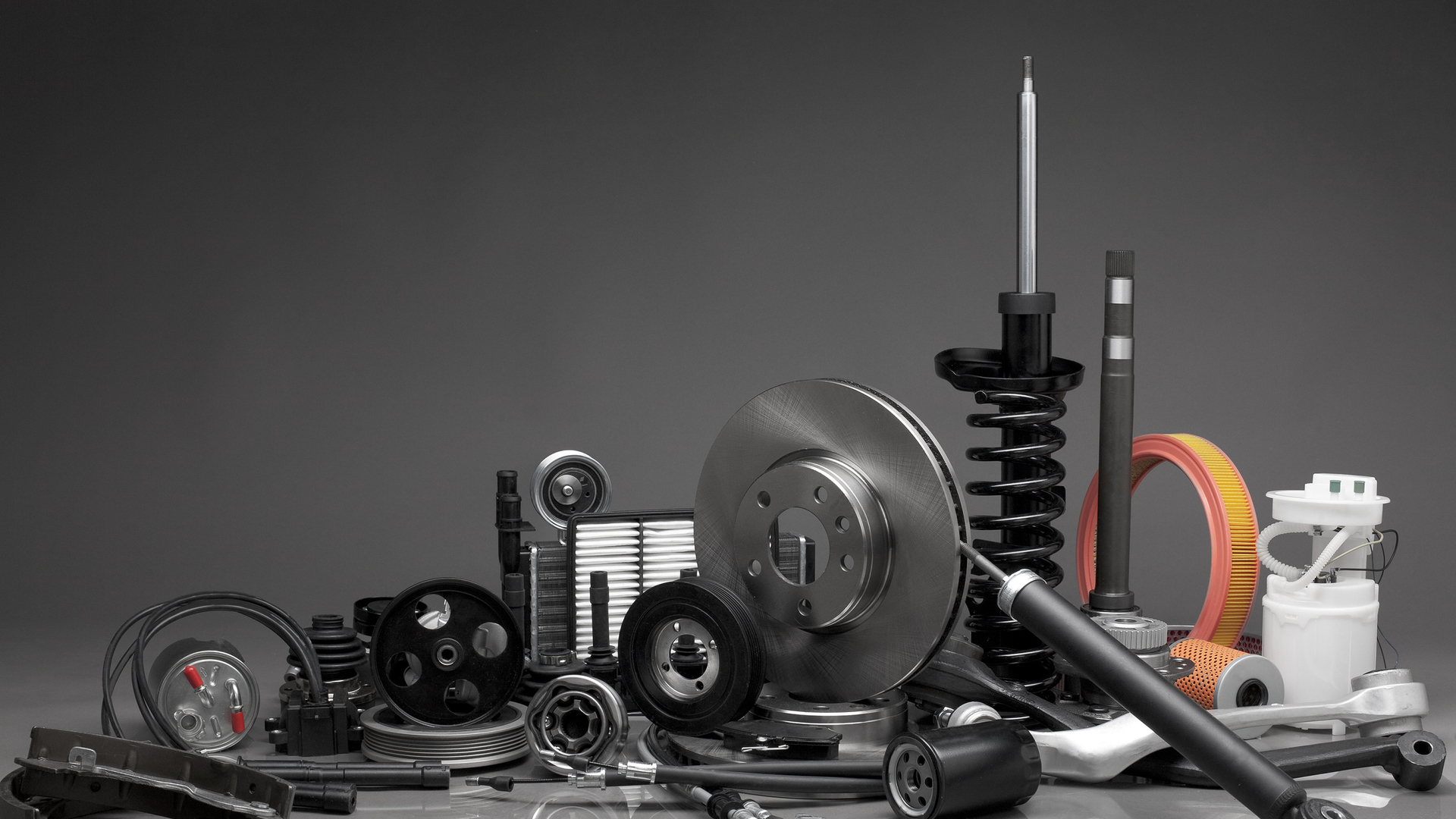
“The parts market is rife with counterfeits.” That was the warning from the Intellectual Property Office (IPO) last year as it reported on the dangers of fake car parts.
The production of fake parts is often seen as a victimless crime. After all, if a motorist is able to purchase a car part of equal quality to OEM (original equipment manufacturer) but for a cheaper price, what’s the harm?
Unfortunately, while the fake parts might look the same, the quality is likely to be very different. At best, the motorist could be left with an expensive repair bill. At worst, the consequences of fitting a part with a safety defect could be catastrophic.
Counterfeiting is also linked to other criminal activities such as organised crime, drugs, child exploitation and prostitution. Not so victimless after all.
Sparked by Australian discovery
The problem of fake car parts recently hit the headlines in Australia following the discovery of a large batch of counterfeit spark plugs purchased online. As many as 60 percent of spark plugs for sale over the internet have been verified as fraudulent parts being sold as genuine parts.
Drivers who have used the fake spark plugs will notice a major drop in engine power, particularly under heavy acceleration or load. If the plugs overheat, they will melt and cause extreme engine damage, costing the driver thousands in engine repair costs.
Tony Weber, chief executive of the Federal Chamber of Automotive Industries (FCAI) in Australia, said: “The best way to avoid a fake? Make certain your parts are purchased from the authorised dealer network.
“We have experts examining the packaging and spark plugs and even they can barely tell the difference. You won’t know it’s a fake until it’s too late.”
That’s the key: many parts are indistinguishable from the original. The most common fake vehicle parts worldwide include filters, brake pads, alloy wheels and airbags.
The FCAI has found oil filters that don’t filter oil, alloy wheels that shatter when they come into contact with potholes, brake components containing asbestos and, in one case, brake pads made of compressed grass clippings.
Closer to home, the European Union Intellectual Property Office (EUIPO) estimates that more than €2 billion is lost every year due to counterfeit tyres and batteries alone.
According to the IPO, an estimated 90 percent of counterfeit crime is unreported, while as many as one in six online purchases are fake goods. Around 10 percent of consumers are deceived into buying counterfeits, while seven percent of consumers intentionally seek them out.
As this video showing a BMW 5 Series demonstrates, saving money by using fake car parts is a false economy.
Last year, Porsche confiscated 33,000 fake car parts worth an estimated $2.2 million and believes 80 percent of the counterfeit items came from China. The vast majority are sold via online platforms like Amazon and eBay.
Thomas Fischer, a Porsche brand protector, said: “This is where things get dangerous. These spare parts are neither tested nor approved. It goes without saying that we want to prevent products like this ending up in our cars.”
How to reduce the risk of buying fake car parts
No such thing as a free lunch: if a spare part is too cheap, it may well be fake. If in doubt, research the seller and the product – improved product verification means that spare parts are now uniquely identified.
Prove the provenance: thanks to Manufacturers Against Product Piracy (MAPP), all spare parts have a unique barcode. In conjunction with holograms and digital fingerprints, all OEM parts can be verified.
Original equipment: vehicle manufacturers and legitimate parts producers provide original or approved spares. If in doubt, check with a reputable garage, dealership or parts distributor.
Too good to be true: vehicle design improves incrementally, meaning manufacturers will make ongoing adjustments to components. Counterfeiters are more likely to adopt a ‘one size fits all’ approach.
Dr. Daniel Dünnebacke of vehicle authenticity specialists OneIdentity+ said: “With the increasing networking of entire vehicles or individual components, the originality of the involved sender/receiver is of elementary importance. In addition to ‘classic’ mechanical defects, there is the risk of faulty sensor technology and IT.
“Trust in the supply chain, and thus in the dealer and workshop, is vital. The members of the Manufacturers Against Product Piracy (MAPP) initiative, well-known, trusted suppliers such as Bosch, Continental or Schaeffler, offer easily verifiable MAPP codes on their products and/or packaging. A real aid against counterfeiting.”
Knowingly purchasing fake car parts is a fool’s game, but unwittingly buying counterfeit goods could be an expensive mistake. Do your homework, and if it seems too good to be true, it most probably is.
Environment ministers from Denmark, with the backing of 10 other countries, have called for sales of internal combustion cars to be banned in the EU by 2030.
This would help Europe reach the goal of being the first climate-neutral continent by the year 2050. On the way to that target, emissions need to reduce by 40 percent over the next decade.
This call follows the recent announcement that the UK is to ‘investigate’ a 2035 ban. Transport Secretary Grant Shapps said arguments for the ban being brought forward from 2040 would be tested, and the government would work with the motor industry on the ban’s feasibility.
Denmark itself has suggested a 2030 ban before. However, it stumbled when the EU questioned its feasibility without a change in European law that wouldn’t pass in time.
The new approach is to try and get EU member states to enact their own bans at a national level.
The country presented its submission at a meeting of ministers in Luxembourg. Part of it stated: “No new diesel and petrol cars should be sold after 2040 in the EU to reach climate neutrality by 2050.
“To support the transition to climate neutrality by 2050 at the latest, we need an accelerated shift from petrol and diesel cars to a fleet of zero-emission passenger cars.”
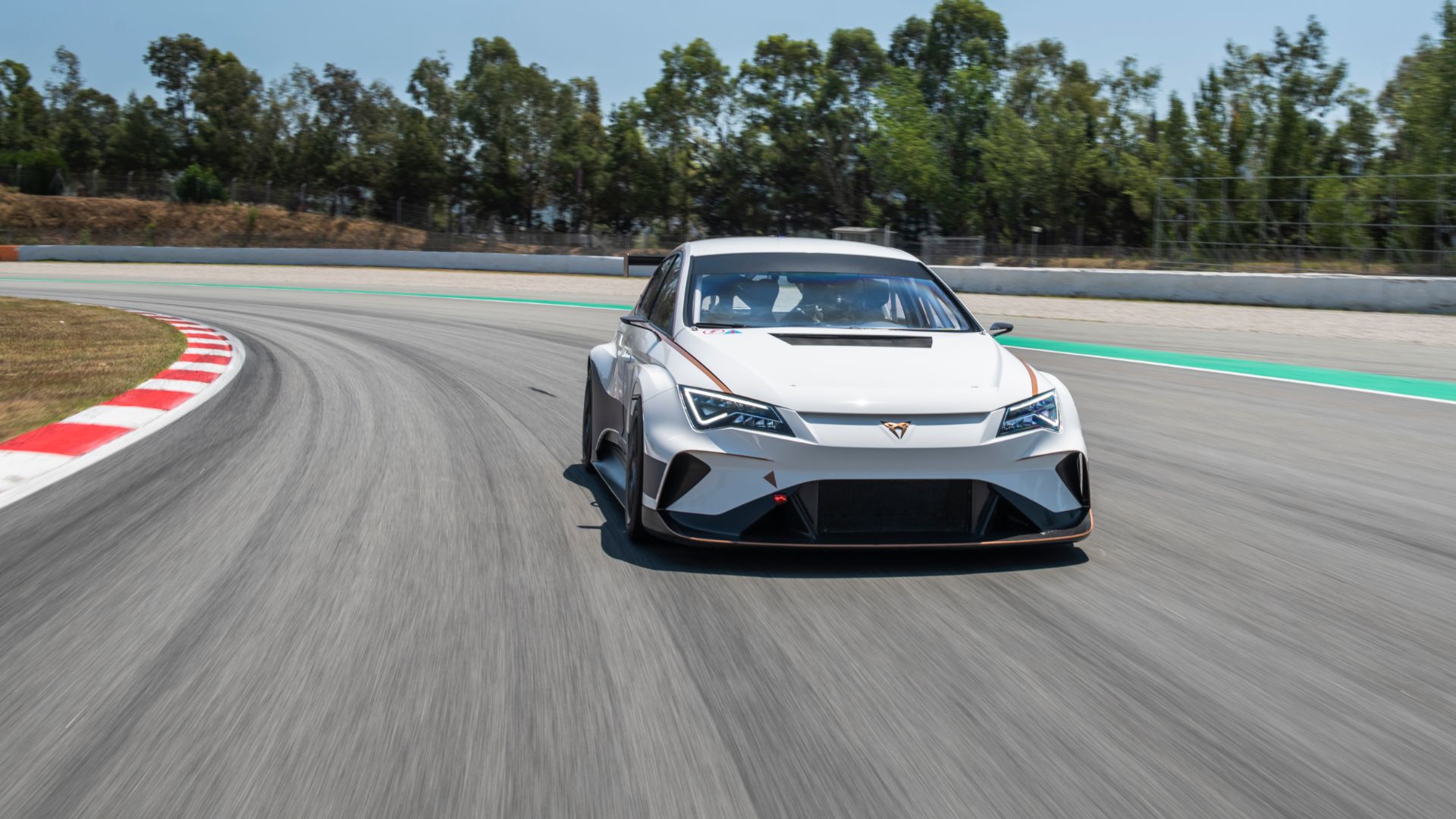
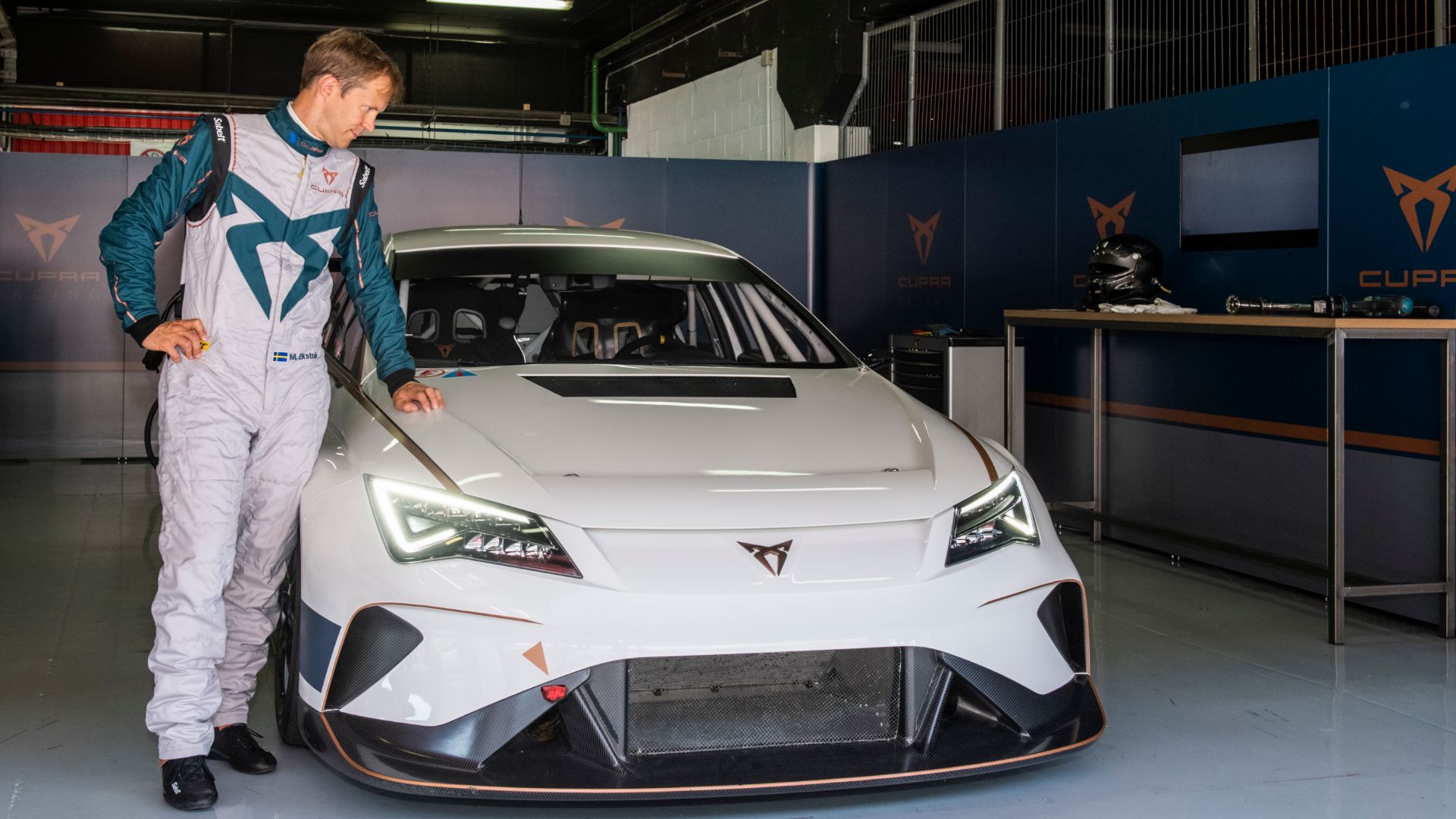
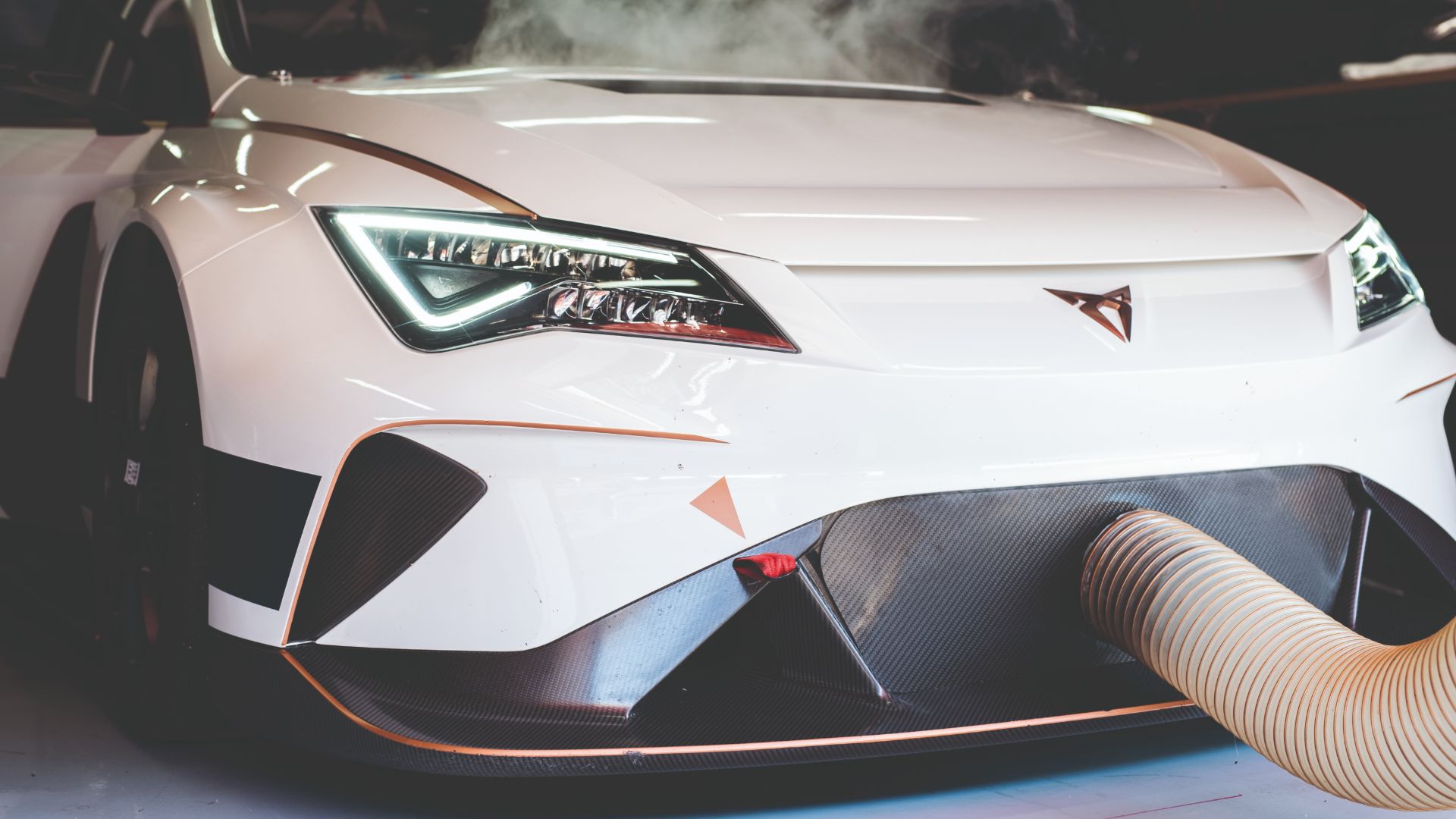
The Cupra e-Racer, the world’s first all-electric touring car, has driven its first laps in anger around a circuit.
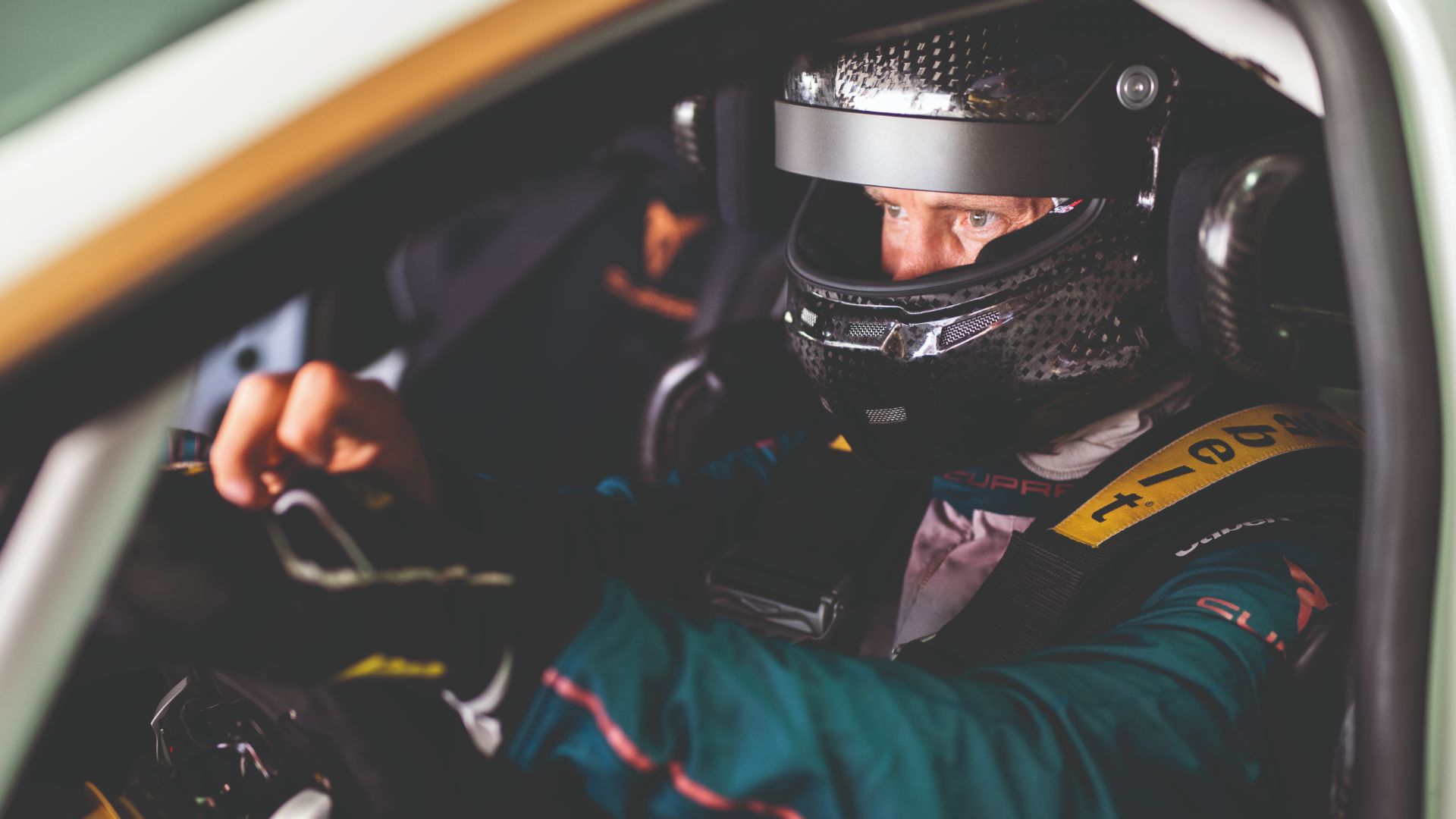
With Mattias Ekstrom at the wheel, the e-Racer took to the Montmelo track in Barcelona for a cautious first few laps. Packing over 670hp, the e-Racer can reach 62mph in 3.2 seconds and 124mph in 8.2 seconds.Top speed is 167mph.
Apart from its electric motors and 400kg of batteries, the e-Racer is standard-issue touring car. That means plenty of aero addenda and slick tyres.
“After a career dedicated to the racing world where I had explored all combustion engine formats I wanted to transition to electric racing with Cupra, which has been a pathfinder in this segment since its creation,” said Mattias Ekstrom.
Of the car’s performance, he said, “It felt really good, especially when reaching full power coming out of the slow curves on the circuit.
“I really enjoyed the first lap. The second also went well, although I began to notice that I was forcing the rear tyres.
Porsche Cayenne rallies to an unlikely new lap record
“I still need some time to get used to the sound of the engine. It’s much quieter than any other I’ve driven before, and I’m a very emotional driver.
“I think the biggest challenge is getting used to driving with no gearbox and without the roar of the engine as a reference for knowing, for example, how fast to go when taking curves.”
The Cupra e-Racer isn’t just a technical demonstrator. It’ll be taking to the track in the new Electric Touring Car series next year. It’s the racing side of Cupra’s electric future. A sporty electric SUV was previewed by the Tavascan concept at the Frankfurt Motor Show last month.
Almost every niche has been filled, and some exhausted, in today’s car world. It feels like everything is slowly melting into some sort of SUV or crossover. There are times, however, when free-thinking prevails when it comes to cars. Here’s a list of those ahead of their time, in easy-to-digest A-to-Z order.
AMC Eagle
The AMC Eagle landed in 1979 and arrived at a time when a crossover was merely something you did to get to the other side of the road. MotorWeek described it as a car that was “put together by a committee”, designed to carry passengers in comfort, in the foulest weather, and on the roughest roads. The Eagle was, if you like, a golden example of the kind of forward-thinking we can all applaud, even if the world wasn’t bold enough to accept it.
Aston Martin Lagonda
Launched in 1976, the wedgetastic Series 2 Lagonda featured a dashboard so futuristic, even the 1980s refused to let it in. Touch-sensitive controls and plasma displays were unheard of in the late 70s, and back then, Aston Martin engineers couldn’t WhatsApp NASA for some advice when things went wrong. So, the invisible touch controls and plasma screens were dropped in 1980, but the twin decks and digital instruments remained.
The A2: a car so advanced, Audi could launch it today, and it would still feel fresh and relevant. It’s hard to believe that it’s nearly two decades since the lightweight, low drag and highly-efficient aluminium A2 went on a tour of the London Eye, promising to herald the dawn of a new breed of superminis. For Audi, it was an unmitigated disaster – the firm reportedly lost £4,000 on every A2 it sold – but the thinking was so far ahead of the curve, we haven’t seen anything like it since. Except, maybe, the BMW i3.
The Audi A8 represents the future, right now. The flagship saloon is the first production car to be developed specifically for Level 3 autonomous driving, with self-driving technology so advanced, it cannot be used in the UK due to current legislation. Put simply, the technology is advancing at such a rate, the laws of the road cannot keep up.
Pity the poor Chevrolet Corvair. Launched in 1959, the Corvair was GM’s answer to the new wave of imported cars and a cost-effective alternative to the larger US saloon cars. But the combination of a rear engine and a swing axle resulted in unpredictable cornering characteristics, leading to a series of fatal single-vehicle accidents. In his book, Unsafe at Any Speed, Ralph Nader argued that GM wasted several years refusing to acknowledge the problem, delaying vital modifications. According to the book Fifty Cars That Changed The World: “Between them, Nader and the Corvair launched consumerism and changed forever the relationship between customer and manufacturer.”
Here we see the world’s first streamlined car pictured alongside the world’s first streamlined train: the Union Pacific M-10000. The year was 1934, and for the first time, a car had been designed with aerodynamics in mind. Nobody had seen anything quite like the Chrysler Airflow, but the combination of its radical design and the effects of the Great Depression resulted in weak sales.
“How different would America be now if we all drove turbine-powered cars?” ponders Steve Lehto in his excellent book on the Chrysler Turbine Car. It’s a fair question, because even today, the idea of jet-powered cars sounds futuristic and exciting. It could run on any fuel that would burn with oxygen – peanut oil, perfume, tequila, for example. How useful would that be in 2018? Sadly, the project was abandoned, and all but a handful of examples were scrapped.
As the first car to go on permanent display at the Museum of Modern Art in New York, the Cisitalia 202 has secured a paragraph in the big book of motoring history. For Pininfarina, this was a turning point in car design – an effortlessly elegant car, with no reliance on fins, chrome or excess. The Cisitalia would have looked contemporary in the 1960s, yet it was unveiled in 1947.
Citroen DS
“The most complicated car made anywhere in Europe; the most comfortable car made anywhere in the world.” This quote from Motor in 1956 encapsulates all that was great about the DS, a car so groundbreaking, Citroen had taken 12,000 orders by the end of the first day of the 1955 Paris Motor Show.
The Citroen Traction Avant wasn’t the world’s first front-wheel drive car, but with its low centre of gravity and all-steel monocoque aerodynamic body, it set the standard for ride and handling. In short, the car you drive today can probably trace its roots back to the Traction Avant.
The Enfield 8000 emerged out of a competition run by the United Kingdom Electricity Council in 1966 when companies were asked to submit proposals for a Battery Electric Vehicle (BEV). The little two-seater city car arrived in 1973, with 120 units built on the Isle of Wight, of which 65 were by the Electricity Council and electricity of boards of southern England. Pictured is Jonny Smith’s Flux Capacitor: the world’s fastest street-legal EV.
Ford Sierra
The Sierra proved to be incredibly popular for Ford, but things could have been so different. Mechanically, it might have been similar to the Cortina, but fleet managers and family guys were shocked and appalled by the jelly-mould styling. Buyers flocked to the Vauxhall Cavalier in their droves, but Ford stuck with it, and the rest of the world played catch-up.
When the Model T debuted in 1908, it was difficult not be a trailblazer. These were still the car’s fledgling years, after all. The Model T stands out because it brought motoring to the masses. It was arguably the world’s first affordable car, costing from just $260. It owes its success to the rate of production afforded by Ford’s new conveyor belt line. A Model T emerged from Detroit every 93 minutes. To this day, it’s one of the most-produced cars ever, with 16.5 million sold. The Volkswagen Beetle only surpassed its sales record in 1972.
GM EV1
Another case of what might have been, General Motors launched the world’s first mass-produced and purpose-built electric car in 1996. Customers in California and Arizona who paid $549 a month to lease the EV1 loved their pioneering leccy vehicle, but when the leases expired, GM pulled the plug and unceremoniously destroyed most of the cars.
GM Electrovan
Before the Toyota Mirai and Honda FCX Clarity, there was this: the General Motors Electrovan. Launched in 1966, the fuel cell-powered van was about 50 years ahead of its time, with its liquid hydrogen and oxygen tanks delivering up to 150 miles of range. Sadly, the van’s complexity, weight and cost meant that it never became a commercial reality.
GM LeSabre Concept Car
The General Motors LeSabre of 1951 was one of the world’s first concept cars, a relatively new idea at the time, with cars built as trendsetters and beacons of the future. As explained by Car Design News, the LeSabre introduced massive proportions, acres of chrome and rocketship styling. For a while, this was the personal car of Harley Earl, GM’s design chief.
Honda Insight
Today, hybrids are commonplace, but things were different at the turn of the millennium. Along with the Toyota Prius, the original Honda Insight pioneered the concept of hybrid technology, with power sourced from a three-cylinder 1.0-litre VTEC engine combined with an Integrated Motor Assist (IMA). As much as 83.1mpg could be achieved on a combined cycle, although you could expect less in the real world.
Boasting Italian styling and American power, the Jensen FF was advertised as “the world’s most advanced car”. Beneath the skin, the FF featured anti-lock brakes and four-wheel drive, with the latter developed by Ferguson Research over the course of many years. The Audi Quattro may have delivered all-weather traction to the masses, but Jensen got there first in the late 1960s.
Decades before Porsche launched the Cayenne, Lamborghini was the first performance brand to build an SUV. The LM002 was a Countach V12-powered monster of a thing. It started life as the Cheetah military vehicle, although Lamborghini was swift to adapt it for road use. Not that it was very useful on the road. Built between 1986 and 1993, the ‘Rambo Lambo’ sold just 300 units. Just 10 years after the LM002 went out of production, a super SUV would prove to be Porsche’s saviour.
Lamborghini Miura
Some would argue that the Lamborghini Miura was the world’s first supercar, but this alone wouldn’t be enough for it to secure a place in a gallery focused on cars ahead of their time. Besides, there are other candidates for this crown. No, the Miura is here thanks to it being the world’s first mid-engined road-going supercar.
Unveiled in 1978, the Italdesign Lancia Megagamma was way ahead of its time, built when monobox MPVs weren’t a thing. Based on the Lancia Gamma, Giugiaro’s concept featured a flat floor and a tall body to maximise space, with five doors and five seats. Four years later, Nissan launched the Prairie, with the MPV gaining universal appeal in 1984, with the launch of the Chrysler Minivan and Renault Espace.
Conceived by the Rover Company in 1947, the Land Rover was envisioned as a lightweight utility vehicle for the masses. It was a road-going car with the field-hopping credentials of a tractor, in the silhouette of the Willys Jeep. Cars capable of driving off-road were nothing new, but with the Land Rover, a boxy, utilitarian legend was born.
Lotus Elite
Colin Chapman’s first road car made low-volume sports car production a reality and featured the world’s first glass-fibre monocoque, built by Bristol Aircraft. The Lotus Elite was beautiful, aerodynamic and dynamically perfect. Sadly, although the Elite was ahead of the curve, Lotus was still playing catch-up, and the pretty sports car left many owners high and dry.
This might appear to be a slightly grainy photo of a 4.0-litre Jaguar, but it’s actually a semi-autonomous vehicle – from 1994. Lucas partnered with Jaguar to build a car with a highly advanced computer system and millimetric radar, delivering the kind of driver-assist systems we take for granted. The technology included adaptive cruise control, collision warning, lane guide centring and automatic emergency braking.
Matra-Simca Rancho
It might look like a full-fat 4×4, but the Matra-Simca Rancho was about as useful off-road as that Matchbox Superkings diecast model you probably owned as a kid. At the time, the press couldn’t understand the appeal of a front-wheel drive 4×4-lookalike, but the buying public disagreed, and some 56,700 Ranchos were built before production ceased in 1985. Today, the soft-roader or crossover is commonplace, but things were very different four decades ago.
Mazda Eunos Cosmo
Back in the early 90s, this was Mazda’s ‘Mystic Meg’: a glimpse into tomorrow’s world. As a result, the Eunos Cosmo was packed with the latest tech, complete with a touch-sensitive computer and the first twin-rotor Wankel engine. But the big news was the world’s first in-car GPS navigation system, featuring a roof-mounted antenna and an ability to pinpoint the car’s position to within 50 yards.
Was this the world’s first supercar? The Mercedes-Benz 300 SL made its debut at the New York International Motor Sports Show in 1954, a fitting venue for a car built at the request of MB’s US importer, Max Hoffman. It had everything: a motorsport pedigree, undiluted performance, unique styling, and those famous gullwing doors. “The sports car of the future has become a reality,” said Road & Track in 1955.
Many low and sleek four-doors came before the Mercedes-Benz CLS, not least the Aston Martin Lagonda at the head of this list. But the Merc put a name to the banana shape – it was the first ‘four-door coupe’. Previewed in concept form in 2003, it was a hit when it went into production in 2005. So much so that rivals from Audi, BMW and Porsche swiftly followed suit, with the A7, 6 Series Gran Coupe and Panamera. It even inspired Aston Martin to have another crack with the Rapide. Now Mercedes offers two luxury four-door coupes, splitting the sector with the AMG GT 4-Door and latest CLS.
Austin/MG Maestro
Look, don’t laugh, because the Maestro was quite the pioneer. To portray a forward-thinking image, Austin Rover used a solid state dashboard in high-end models, with the electronic package featuring a voice synthesiser. A computerised Nicolette McKenzie was on hand to warn you if you were about to run out of fuel or you had forgotten to fasten your belts. Sadly, for Austin Rover, Renault launched the 11 TXE Electronique a week before the Maestro’s press launch.
Looking at the NSU Ro80 today, it’s hard to believe that it was launched in 1967. The styling is more reminiscent of cars from the 1970s, even the 1980s, which is a credit to the genius of Claus Luthe. Innovations included glass-covered headlights, a clever three-speed automatic transmission with an H-pattern gear lever, and a body with the drag coefficient of just 0.36. Sadly, the rotary engine was hopelessly unreliable, with NSU replacing hundreds of engines under warranty.
Peugeot 401 Eclipse
The world’s first retractable hardtop appeared in 1935 with the launch of the Peugeot 401 Eclipse. It was the result of a collaboration between French coachbuilder Pourtout and Peugeot’s Paris dealer, and 79 examples were built. The idea was about two decades ahead of its time, with Ford launching the Fairlane 500 Skyliner in 1957.
You might not like the challenging styling, and that’s your prerogative, but the Pontiac Aztek dared to be different and said to car manufacturers that it’s OK to be gawky and left-field. Without the Aztek, we might not have seen the likes of the Nissan Juke, Toyota C-HR and Honda Element. Furthermore, Pontiac went to town with the whole ‘lifestyle’ thing, long before marketers realised the potential of pushing the weekender message.
The Porsche 959 couldn’t have been more different to its arch-rival, the Ferrari F40. While one represented the present – and indeed, a nod to 40 years in the business – the other was a tantalising look at the supercar of the future. Porsche developed an all-wheel drive system that could provide excellent traction while dealing with the problems associated with pushing the car to the limits. The current crop of all-weather Porsche models owe a great deal to the 959.
The Range Rover wasn’t the first luxury off-roader – that honour belongs to the Jeep Wagoneer – but it transformed the Land Rover brand and inspired countless copycats. Spen King’s hose-down original might be far removed from the super-posh Range Rover of today, but its impact on the segment cannot be underestimated.
The hatchback wasn’t a new idea, but the Renault 16 of 1965 was the first upmarket family car to feature a tailgate. It also featured a highly flexible boot, which – thanks to the sliding, folding and removable rear bench – could be organised in six different layouts. In 1966, it was named Car of the Year, beating the Rolls-Royce Silver Shadow into second place. As an aside, the Renault 16 was the first French car to feature a French-built automatic transmission.
If the Chrysler Minivan championed the MPV in North America, the Renault Espace did the same in Europe. It took a while for the idea to catch on – first month sales failed to get beyond single figures – but families grew to love the versatility and flexibility. Today, the MPV is a dying breed, set to be killed by the crossover.
In 1950, Rover unveiled the JET1, a two-seater car powered by a gas turbine engine. Rover became involved with the development of jet engines during World War II and joined forces with BRM to build a gas turbine car for the 1963 Le Mans 24-hour race. Early models were based on the Rover P4, but the T3 of 1956 (pictured) was the first car specifically designed to house a gas turbine engine. It was ahead of its time, but for the jet-powered car, the future never game, despite Chrysler’s best efforts.
Writing for Motoring Research, Richard Bremner said: “Some might say that the C5 was ahead of its time, but it’s doubtful that a tricycle travelling at snail-speed in the company of artics would be allowed on the road today. It would face the same construction and use troubles impeding the decidedly more brilliant Segway, which isn’t allowed on the road either, but has many more uses.” Harsh, but probably fair. Yet despite its apparent flaws, the Sinclair C5 was designed with the best intentions, albeit about three decades early.
Stout Scarab
The Stout Scarab of 1936 was arguably the world’s first MPV, complete with monoform construction and seating for six passengers. The driver’s seat and rear bench were fixed, but the other seats could be moved around to face each other or removed altogether. William Stout’s engineering credo, “Simplicate and add lightness”, would be adopted by Colin Chapman of Lotus fame.
Studebaker Avanti
From a styling perspective, the Studebaker Avanti was one of the most forward-looking cars of the 20th century, yet its light shone all too briefly. Famously doodled by Studebaker’s president during a flight, the Avanti was rushed into production in record time, with the design credited to Raymond Loewy and Associates. America’s first mass-produced fibreglass four-seat passenger car introduced the world to the likes of a built-in roll cage, padded interior and no front grille. Pictured is the last Avanti produced, sold by Bonhams for £10,000 in 2010.
Tatra T87
The Tatra T87: “It’s like a refugee from an alternate timeline of a world that never happened. Being around a T87 makes you feel like you live in a world that split off from ours somewhere in the early 30s, and continued on to this utopia of gleaming, benevolent, elegant machines and avoided all of the horrors of the Depression and WWII and all that mess.” Wonderful words by Jason Torchinsky on Jalopnik.
Toyota RAV4
Toyota claims to have “single-handedly created the compact sports utility vehicle segment” with the RAV4, and there’s little doubt that the original car successfully combined the chunky looks of a 4WD vehicle with car-like dynamics. Underneath the lifestyle-led body, you’d find a Corolla, while the mechanicals were lifted from the Camry, Carina and even the Celica GT-Four. In its earliest form, the 2.0-litre 16v RAV4 could give a hot hatch a run for its money.
Preston Tucker assembled an all-star cast and the largest factory building in the world to bring the Tucker 48 to market. History will recall that, while the project was ill-fated, the Tucker 48 had the potential to be a hugely successful car. Not only did it look magnificent, it also featured the likes of a central headlight that swivelled when cornering; disc brakes; a pop-out windscreen; rear engine; and a padded dashboard. Pictured is Preston Tucker’s personal car, which sold at an RM Sotheby’s auction for just shy of $1.8m (£1.3m).
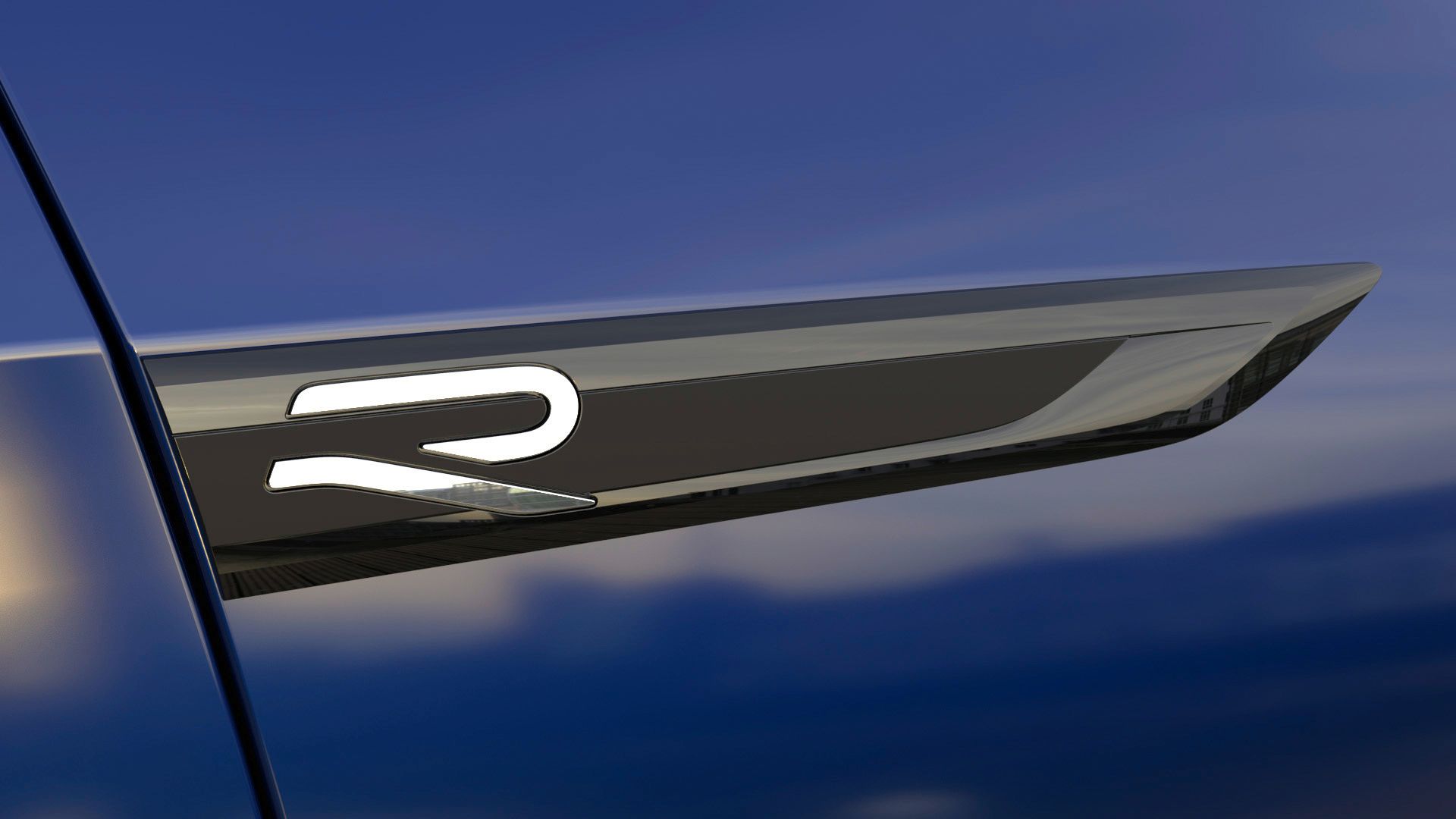
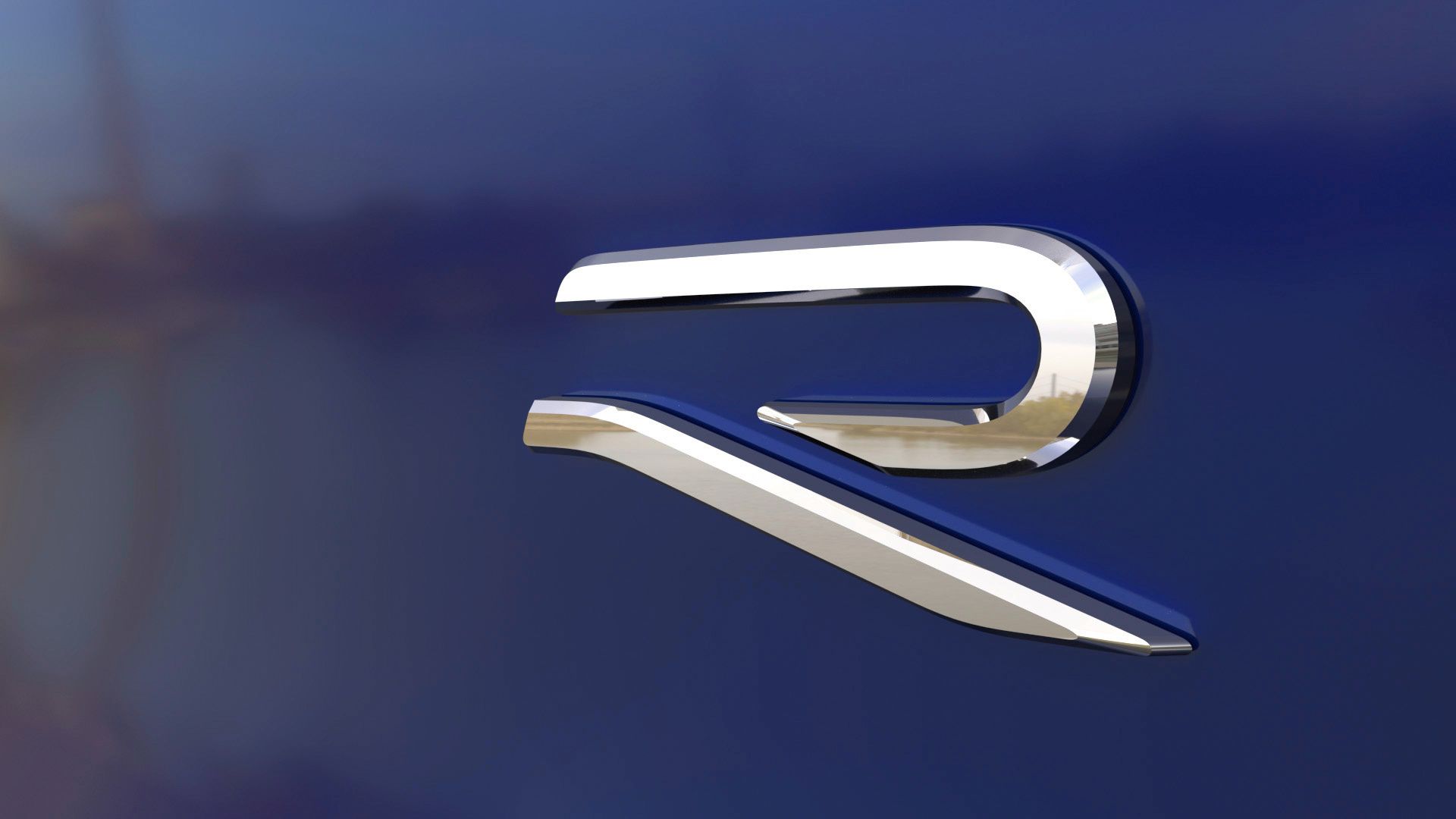
Volkswagen has revealed a revamped version of its high-performance brand. Meet the new Volkswagen ‘R’.
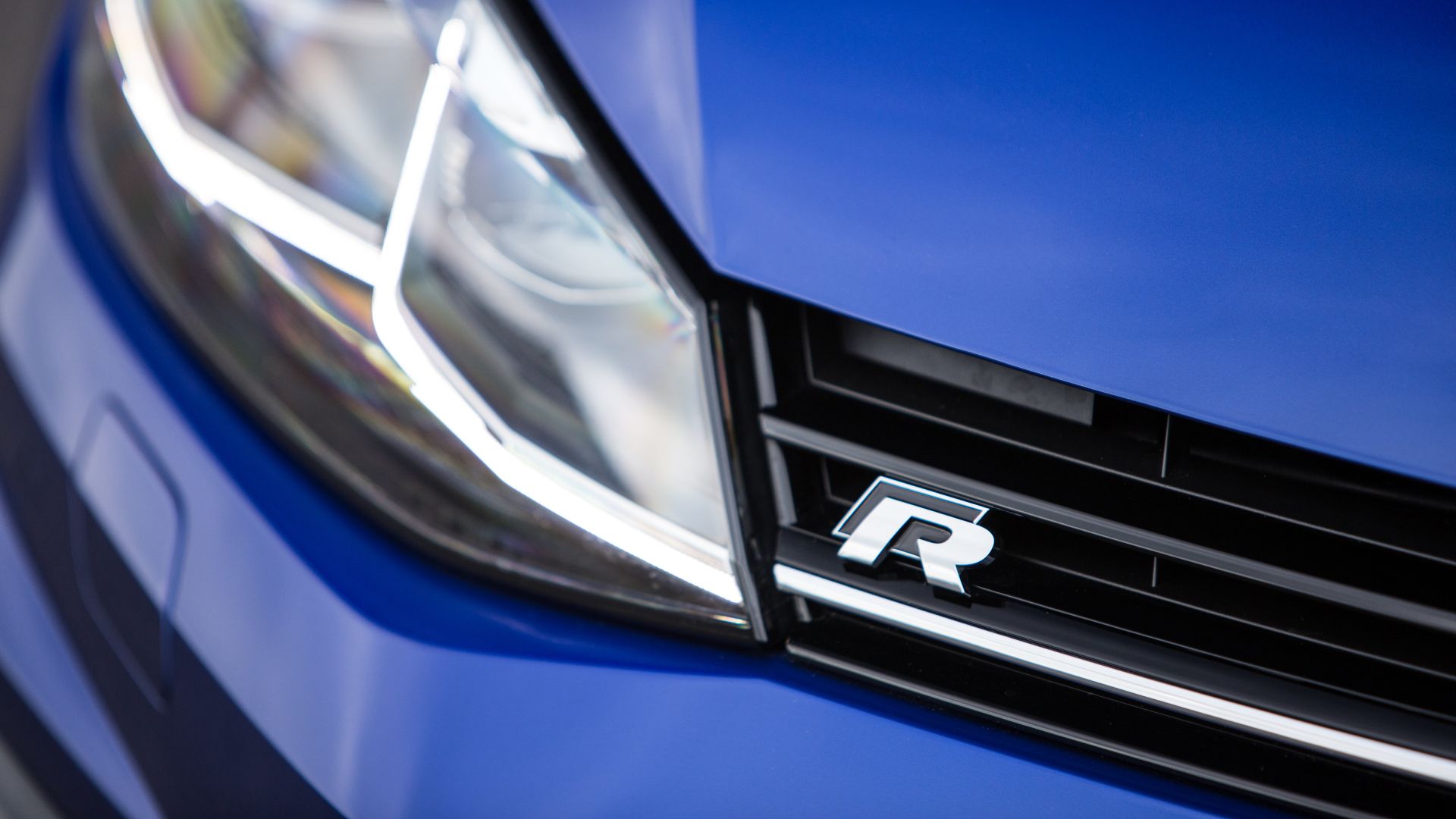
The new logo replaces the R badge used by Volkswagens since the original Golf R32 of 2002. It follows hot on the heels of the VW logo getting its own makeover.
The latest R is ‘more modern, distinct and sleek’, according to Volkswagen. It’s meant to be more progressive yet still underline the brand’s performance connotations. It’s physically bigger, too, with the elongated R creating a ‘broader, more powerful impression’.
“Volkswagen R is all about excitement and thrill,” said Jost Capito, managing director of Volkswagen R.
“The new logo for the R models and the R-Lines also goes hand in hand with the realignment of the Volkswagen R brand. Our entire team is intensely working on the brand and product image and we are looking forward to continuing to roll these out in the coming months.”
The new R logo will appear first, rather disappointingly, on an R-Line variant of the Atlas Cross Sport SUV in North America.
Re-branding while you’re ahead?
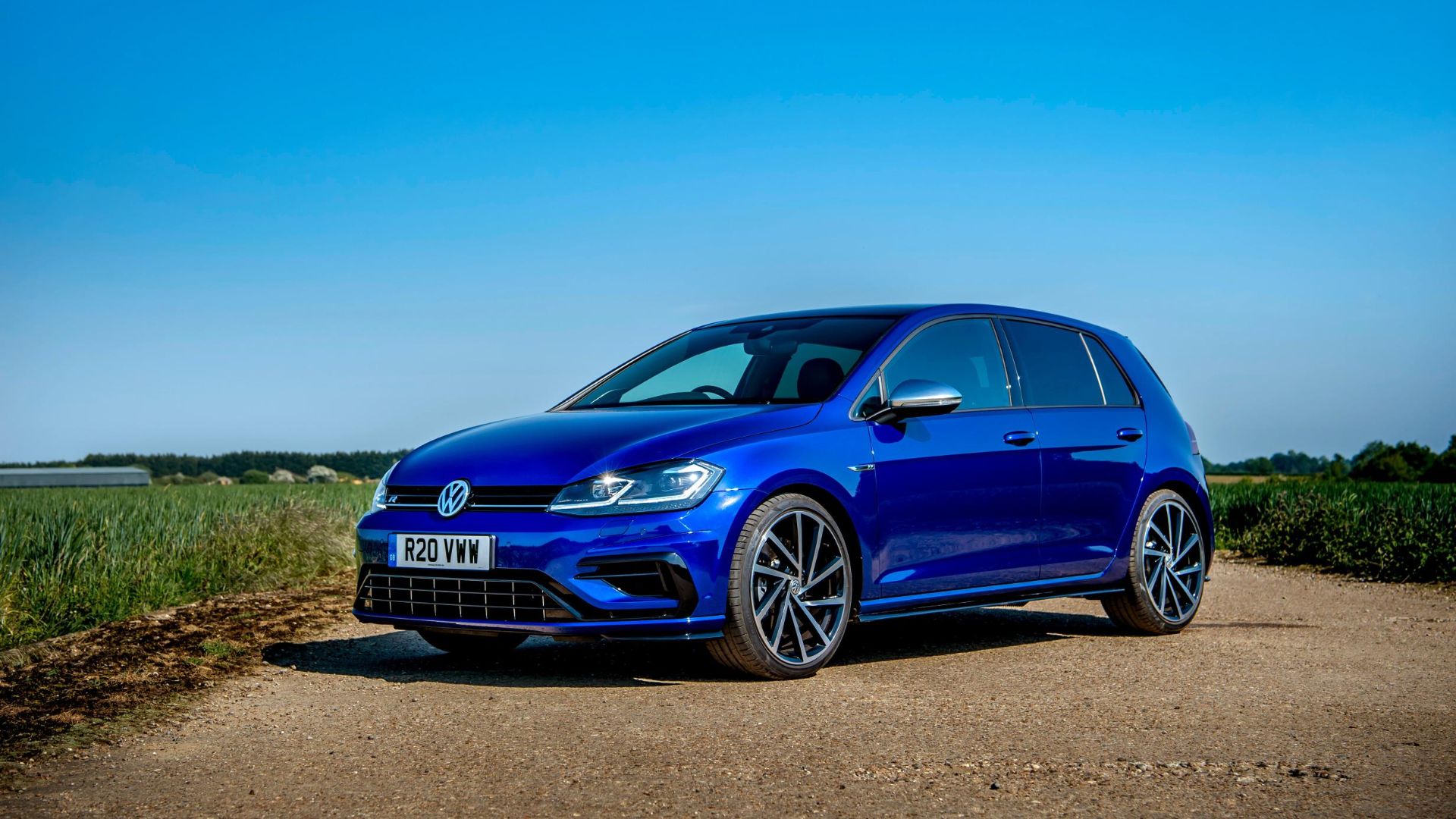
It’s a bold move to re-brand an existing badge (see above) that’s on a roll. The Mk7 Golf R has taken ‘R’ from slightly gratuitous halo brand to household name.
‘R’ used to signify a V6 engine, blistered bodykit and not much else. The current Golf R turned that on its head in 2014. It became the jack-of-all-trades hyper hatch to beat.
It didn’t only do well critically, either. It’s been an absolute slam-dunk sales success in the UK.
We look forward to seeing what this new ‘R’ means for the future The Mk8 Golf is due to be revealed later this month, with the next Golf R following some time in 2020.
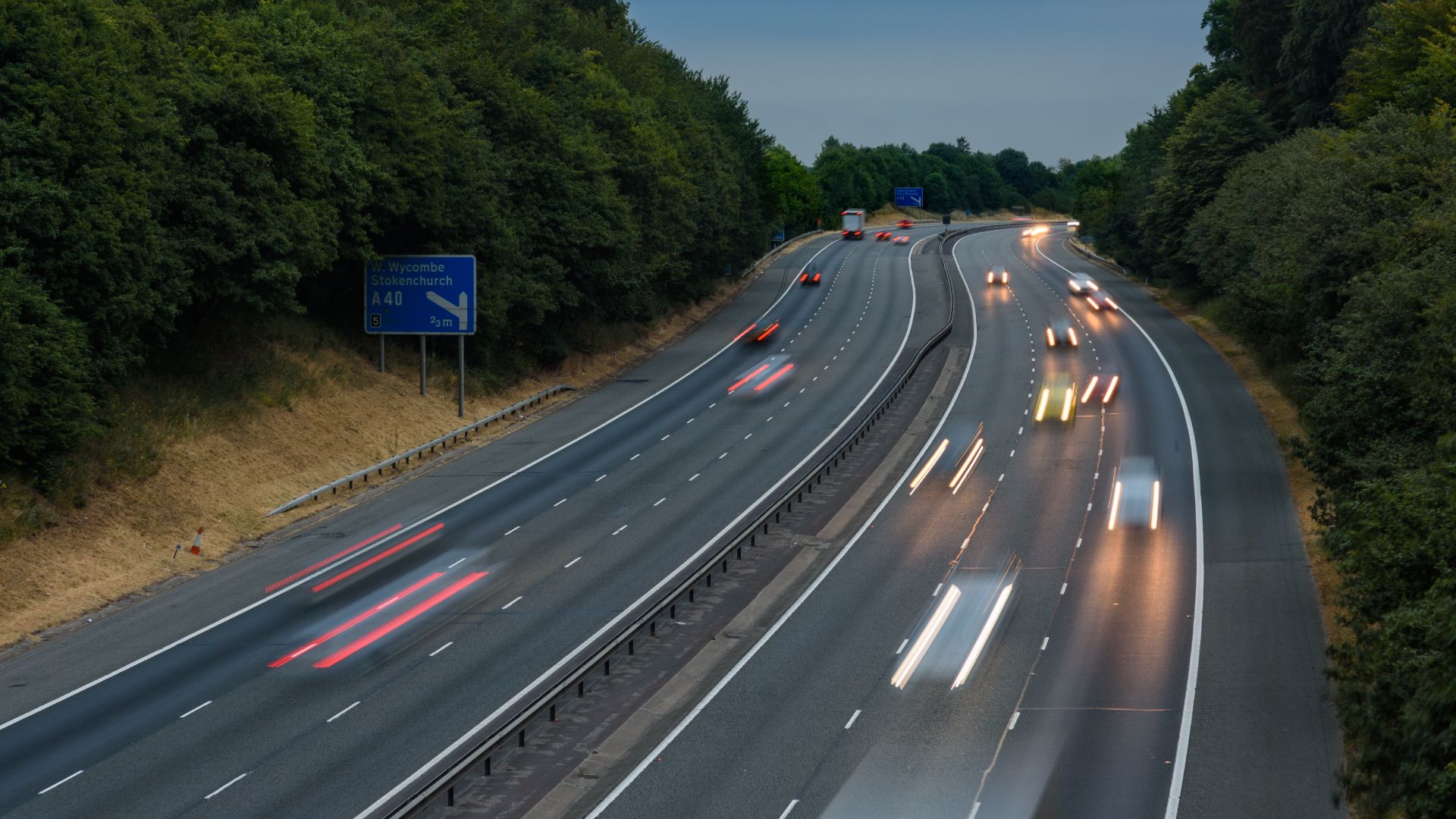
Government transport secretary Grant Shapps suggested at the recent Conservative party conference that a rise in the motorway speed limit to 80mph could happen, as more people switch to electric cars. The previous speed limit review concluded that an increase would be inappropriate due to concerns about emissions.
However, the RAC says a higher limit could prove dangerous for motorists who already take liberties.
Here’s what Grant Shapps had to say:
“On 80mph speed limits, I’ve been thinking about this issue and maybe even sought advice on the subject of late. I think there is an argument for looking at our speed limits, both in terms of higher speed limits and actually lower limits – 20mph outside of schools. When it was last looked at in 2011, reviewing the last submission to ministers on the subject, it was thought the carbon emission addition would be too great.
“But since I am a driver of an electric car myself I got to thinking about whether that would still be the case. I think there is an argument that once you have increased the level of electrification and therefore decreased or entirely removed carbon, that you might look at those things again.”
RAC: 80mph limit is ‘an issue of safety’
The RAC acknowledges that a speed limit increase could incentivise a large-scale move to electric cars, thereby reducing emissions. But RAC head of policy, Nicholas Lyes, raised concerns about safety:
“Any move to raise speed limits on motorways to 80mph is fundamentally an issue of safety. Part of the problem is that at present, there is a high proportion of drivers that break the 70mph limit, and drive nearer to 80mph. If the speed limit were to be changed to 80mph, there is a risk that the new default becomes even higher.
“Our motorways are currently the safest roads on the entire network, and we wouldn’t want to see anything happen that changes this. So unless there is compelling evidence that a change in the limit on some stretches of road would not adversely affect safety, the current limit should be retained.”
What it hasn’t considered, is whether less lenience at the higher end could keep people legal. Could the ‘10 percent plus two’ rule be pinned back in the case of the overall limit, to keep people closer to 80mph?
We also now drive on motorways that have constantly-changing speed limits based on prevailing conditions. Could an 80mph limit be the special preserve of motorways operating at or below a certain percentage of their capacity? Could it restricted to certain hours of the day and/or weather? These are all ideas that could be explored.
Conversely, we can’t help but wonder about whether there really would be no emissions penalty. It would definitely use more electricity – whether produced emissions-free or otherwise.
There’s also the question of infrastructure. Would the extra power needed for a 10mph increase be appropriate at a time when infrastructure is playing catch-up? It’s all food for thought.
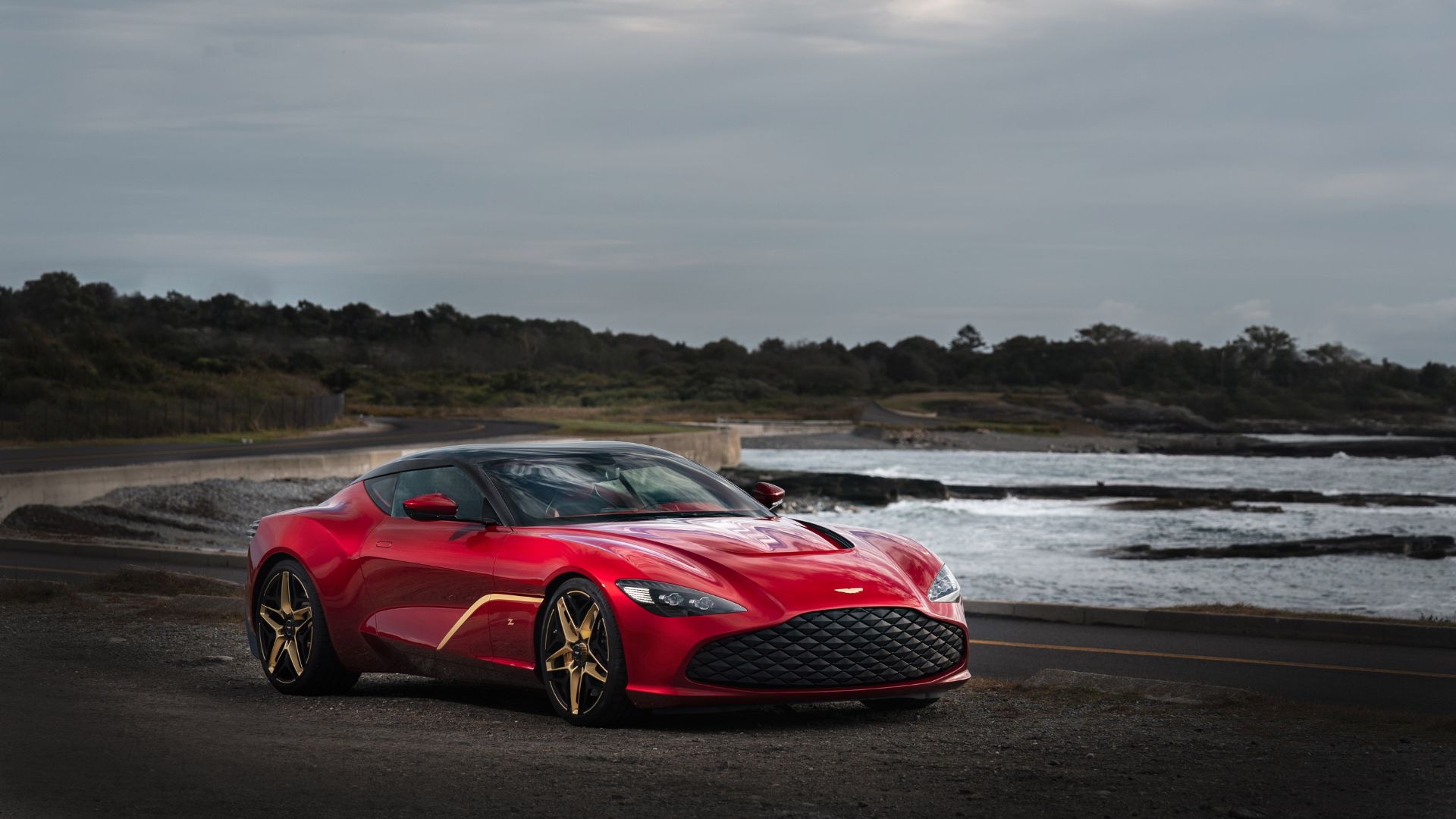
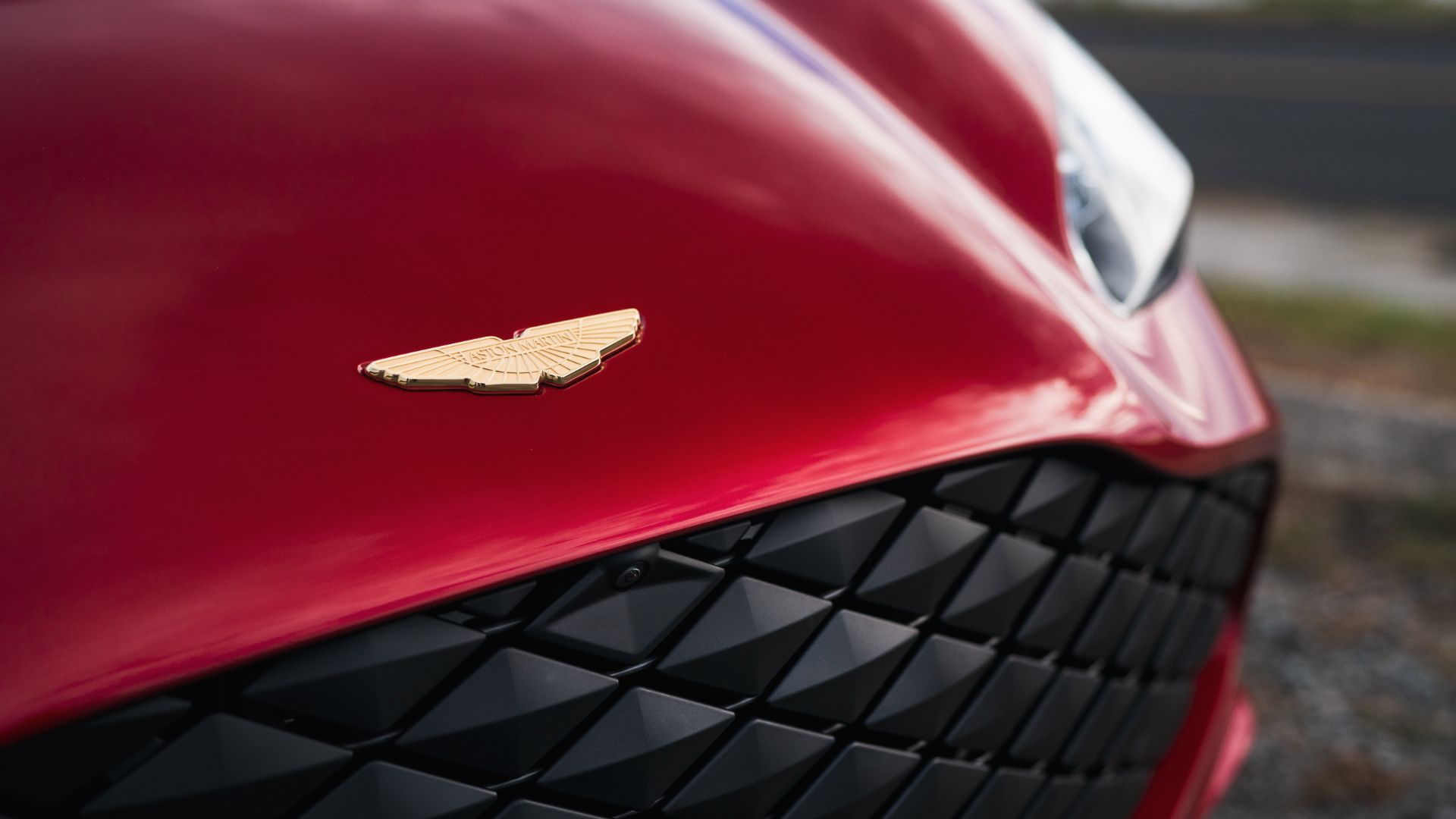
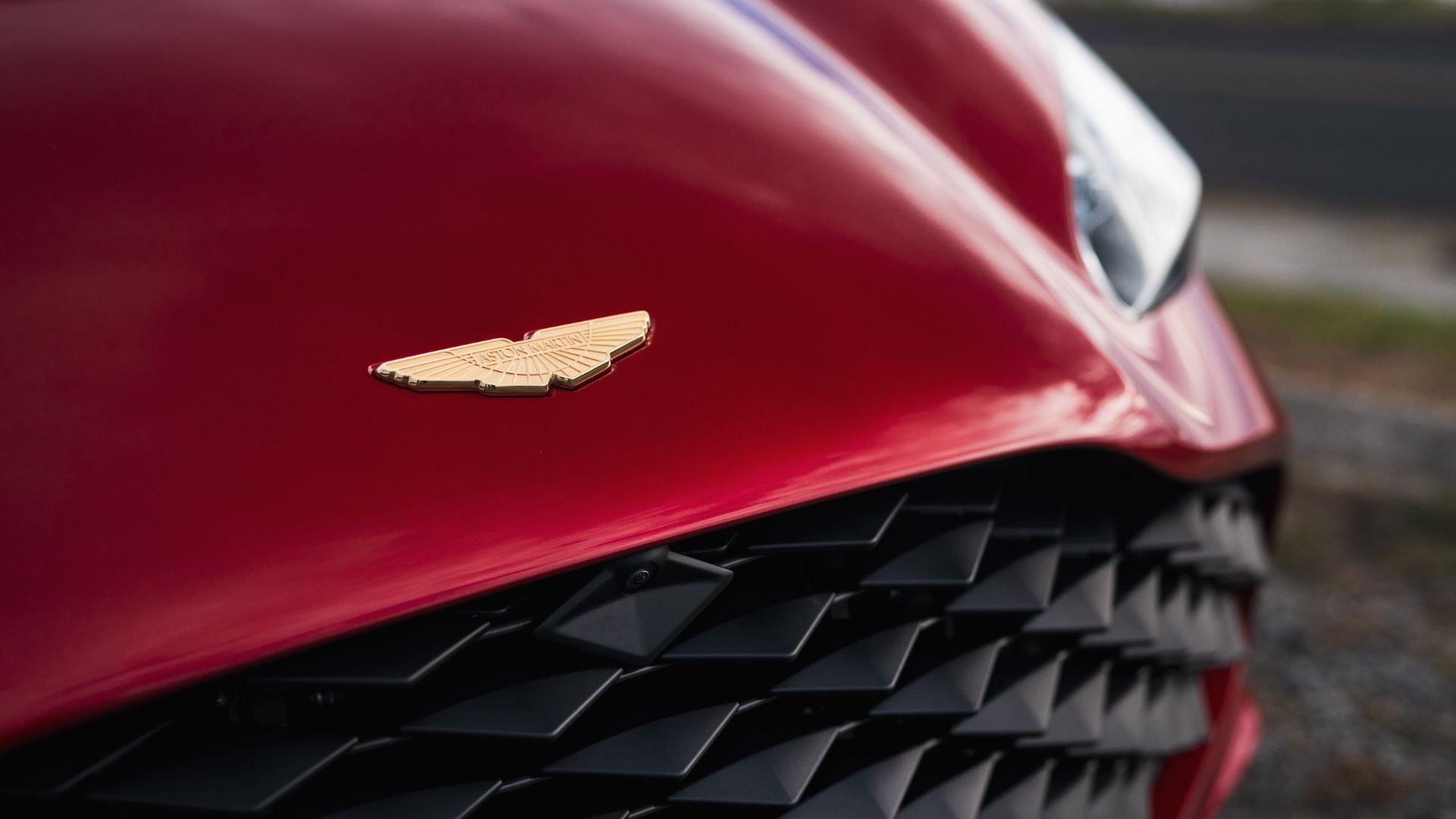
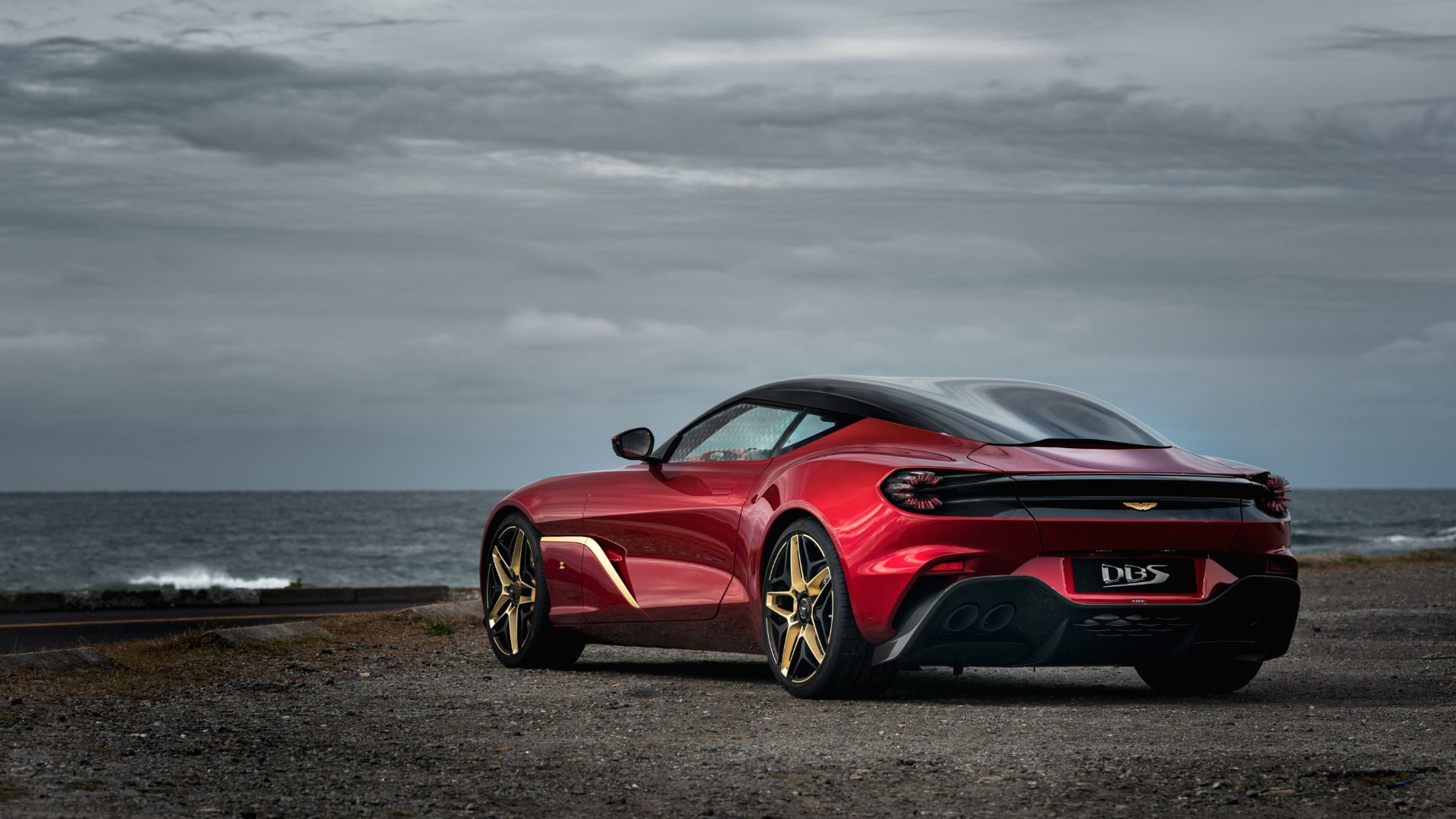
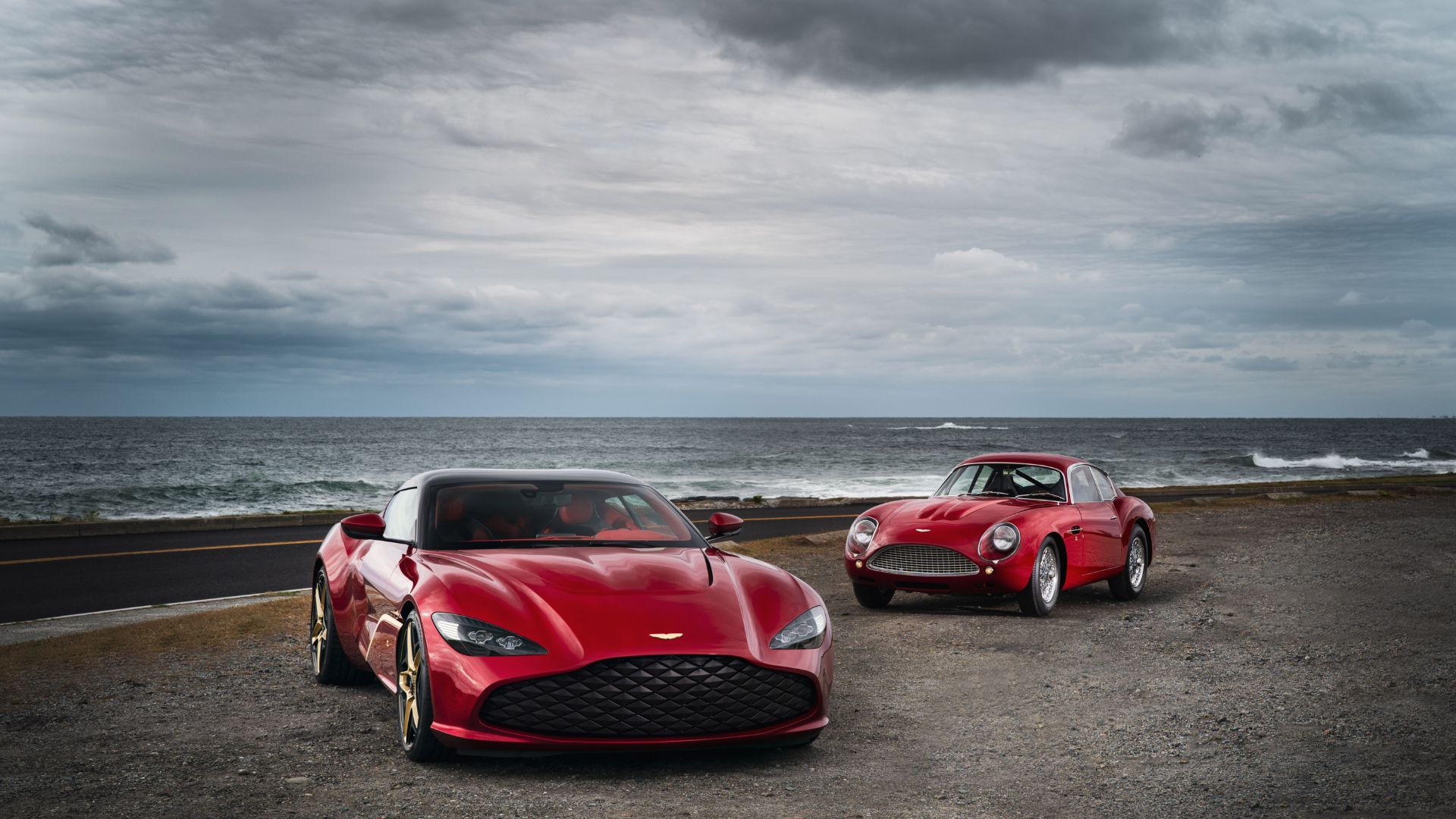
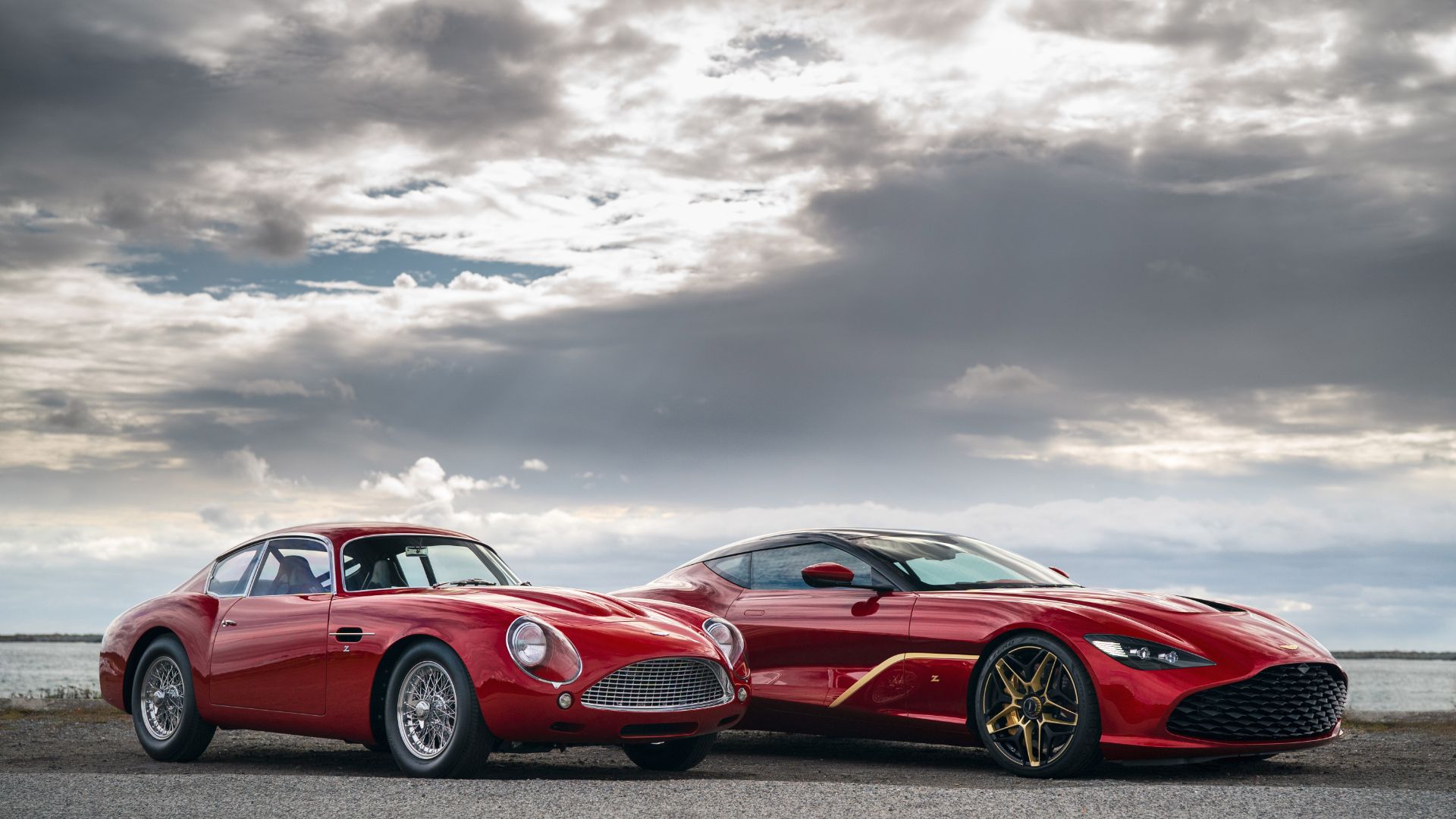
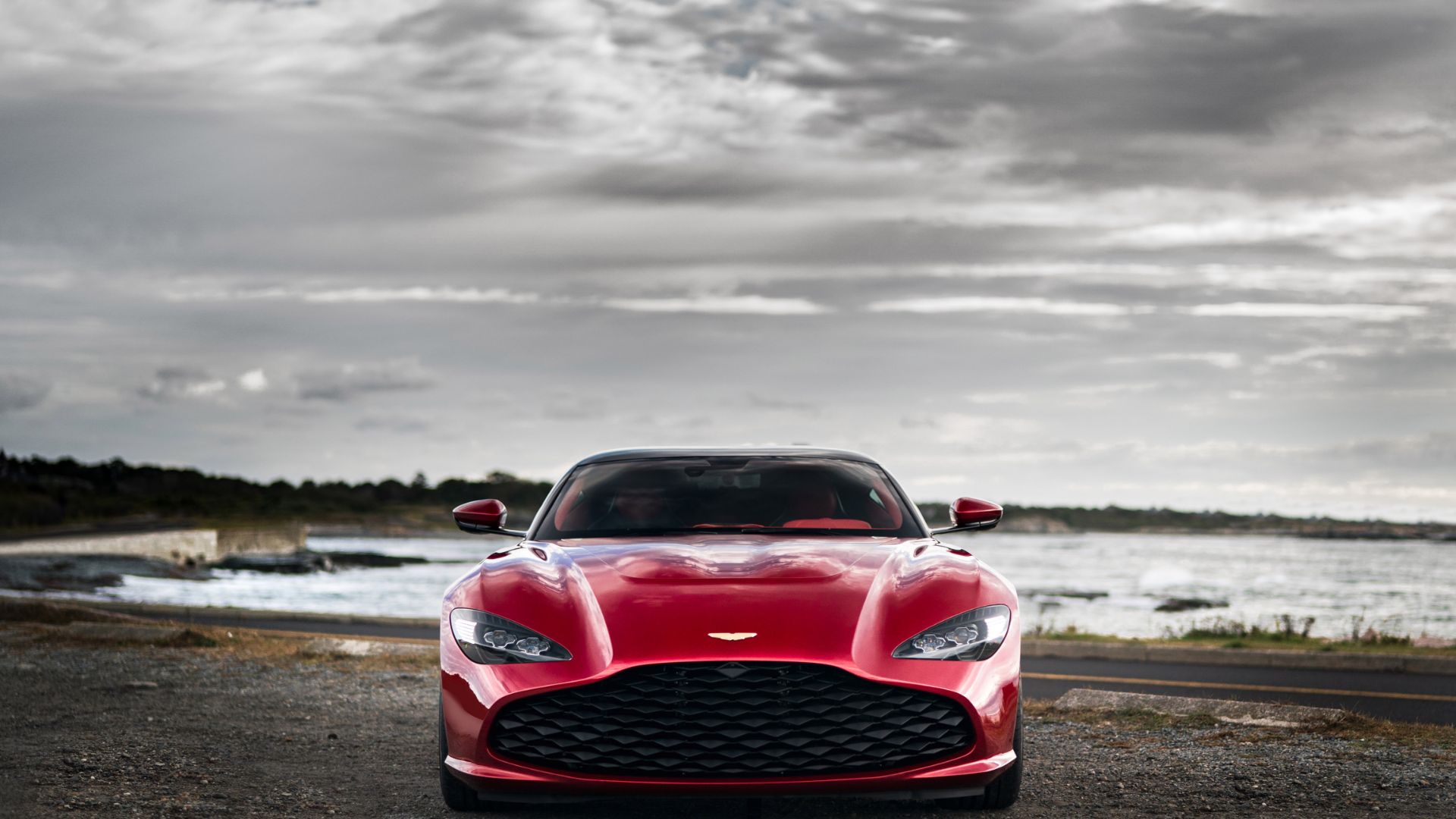
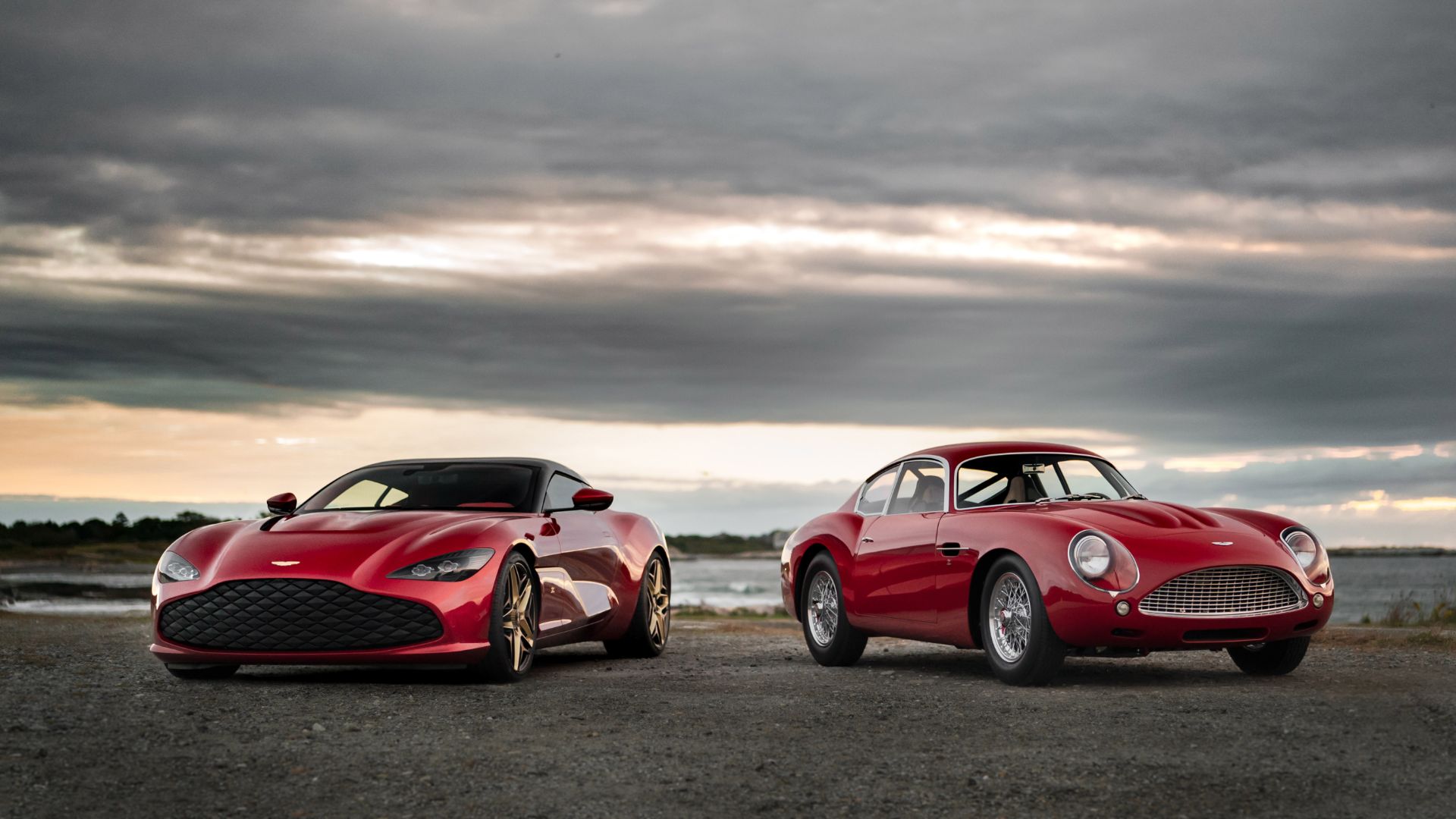
Aston Martin has revealed the new DBS Zagato in finished form at the Audrain’s Newport Concours on Rhode Island. It joins the DB4 GT Zagato continuation in the marque’s DBZ Centenary Collection, which celebrates 100 years of the Zagato design house.
With more than 760 horsepower from its twin-turbo 5.2-V12 – a healthy boost from the ‘standard’ DBS Superleggera – the DBS GT Zagato offers more than just unique styling.
We wonder if a perhaps a higher-spec version of the DBS is on the way, sharing the Zagato’s power upgrade. Still, ‘DBS S’ doesn’t quite roll off the tongue like Vanquish S did…
Never mind the performance, though: a Zagato is about style. And now we can drink in the details.
The Midas touch
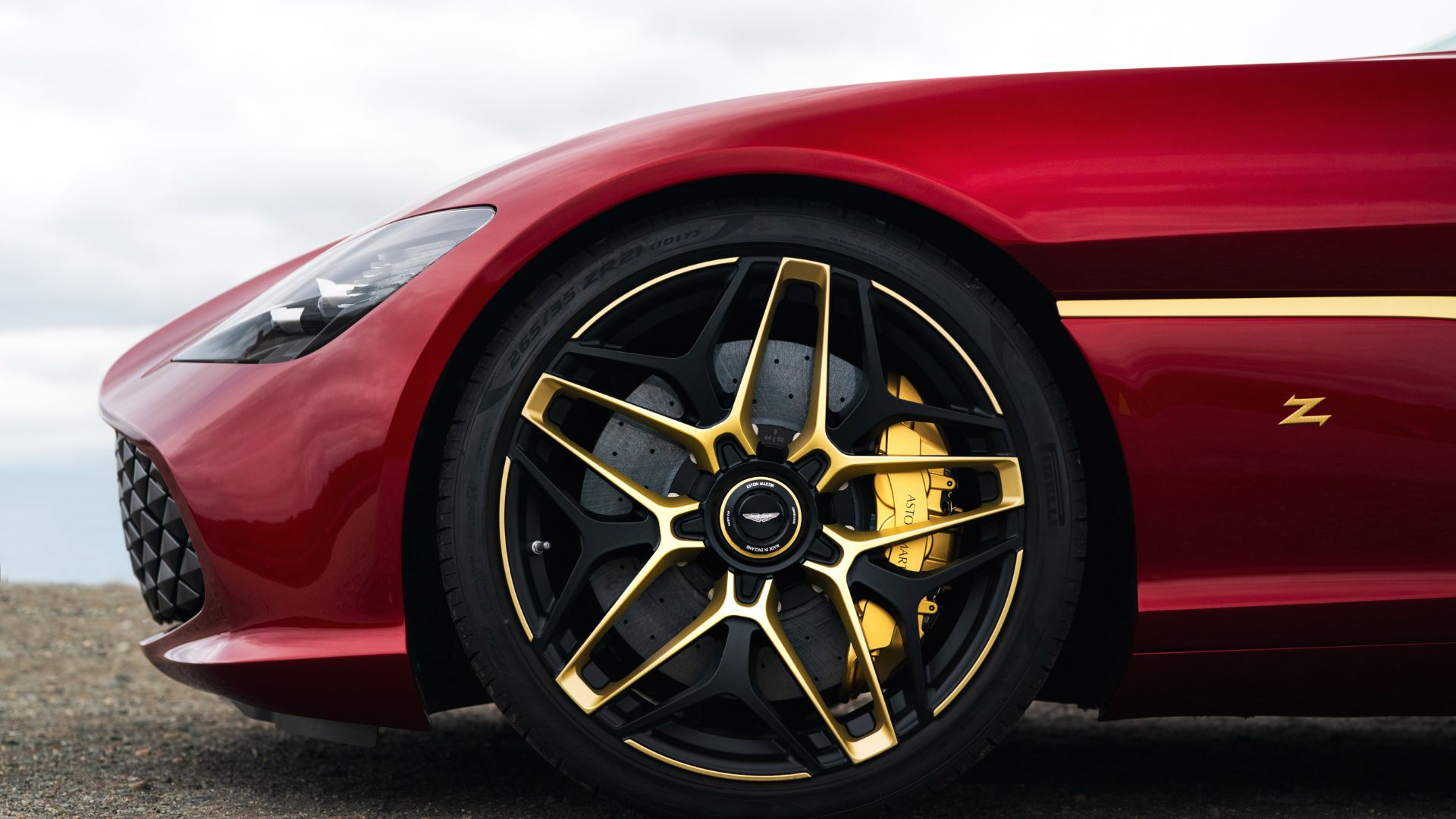
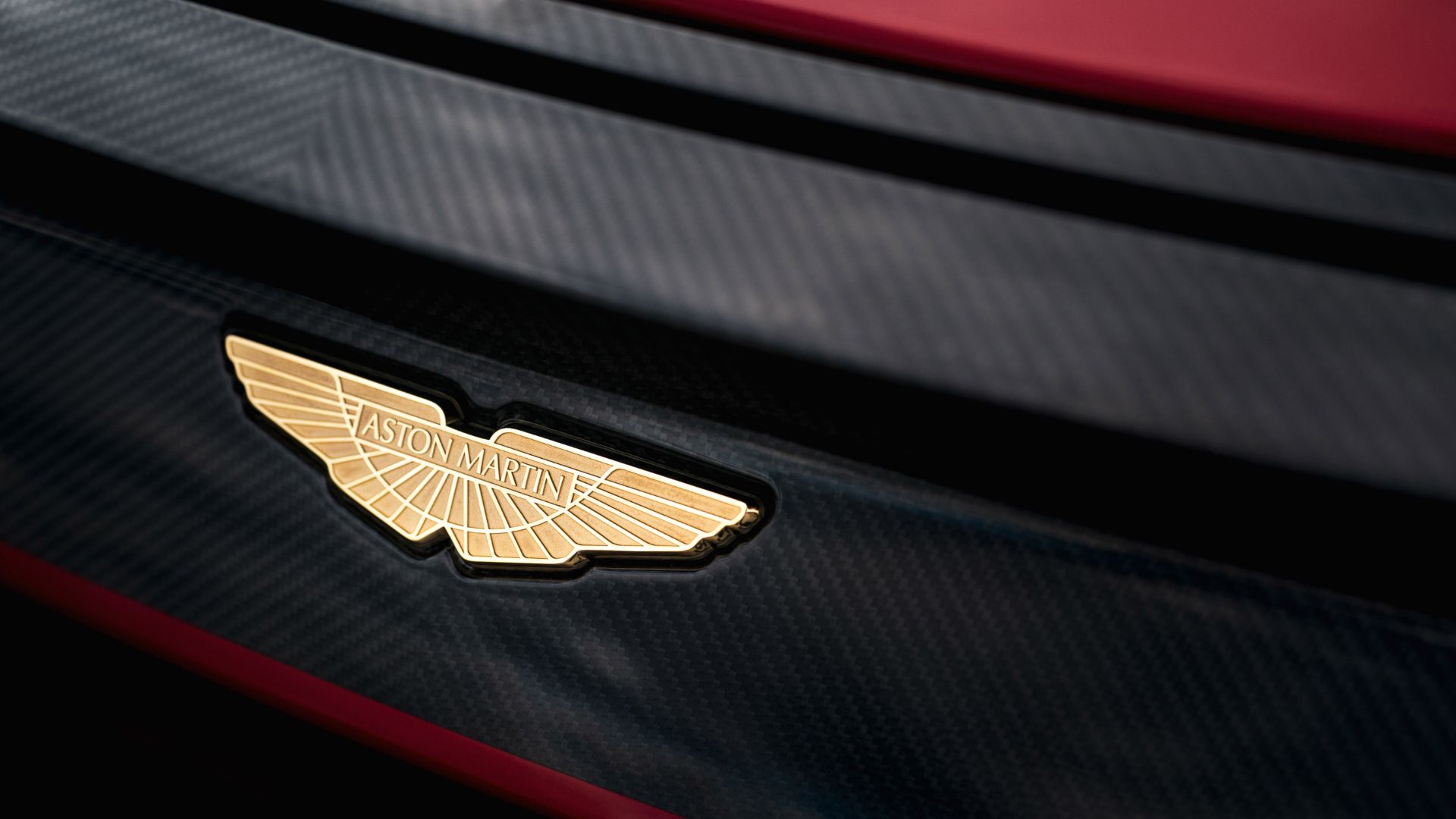
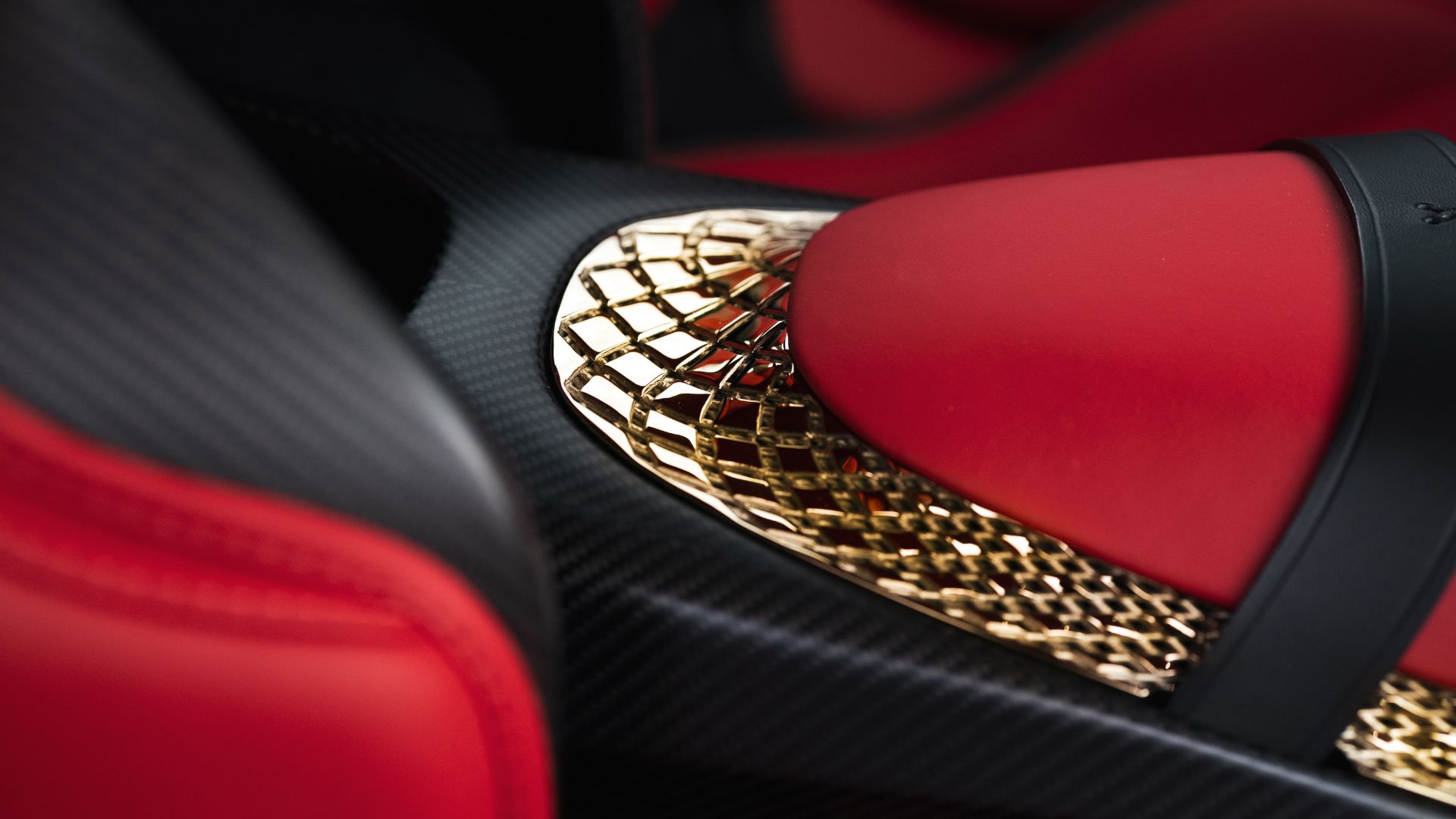
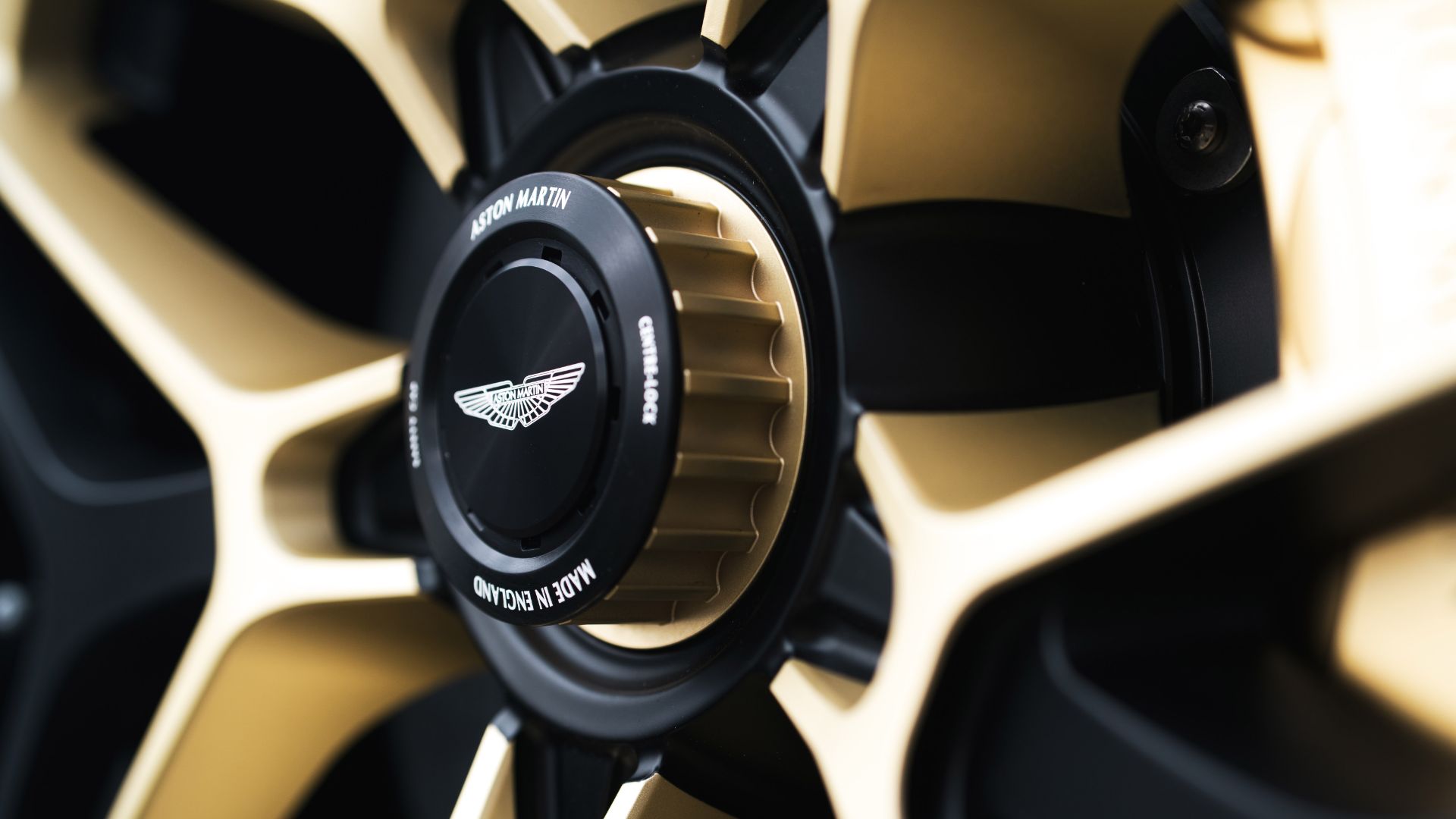
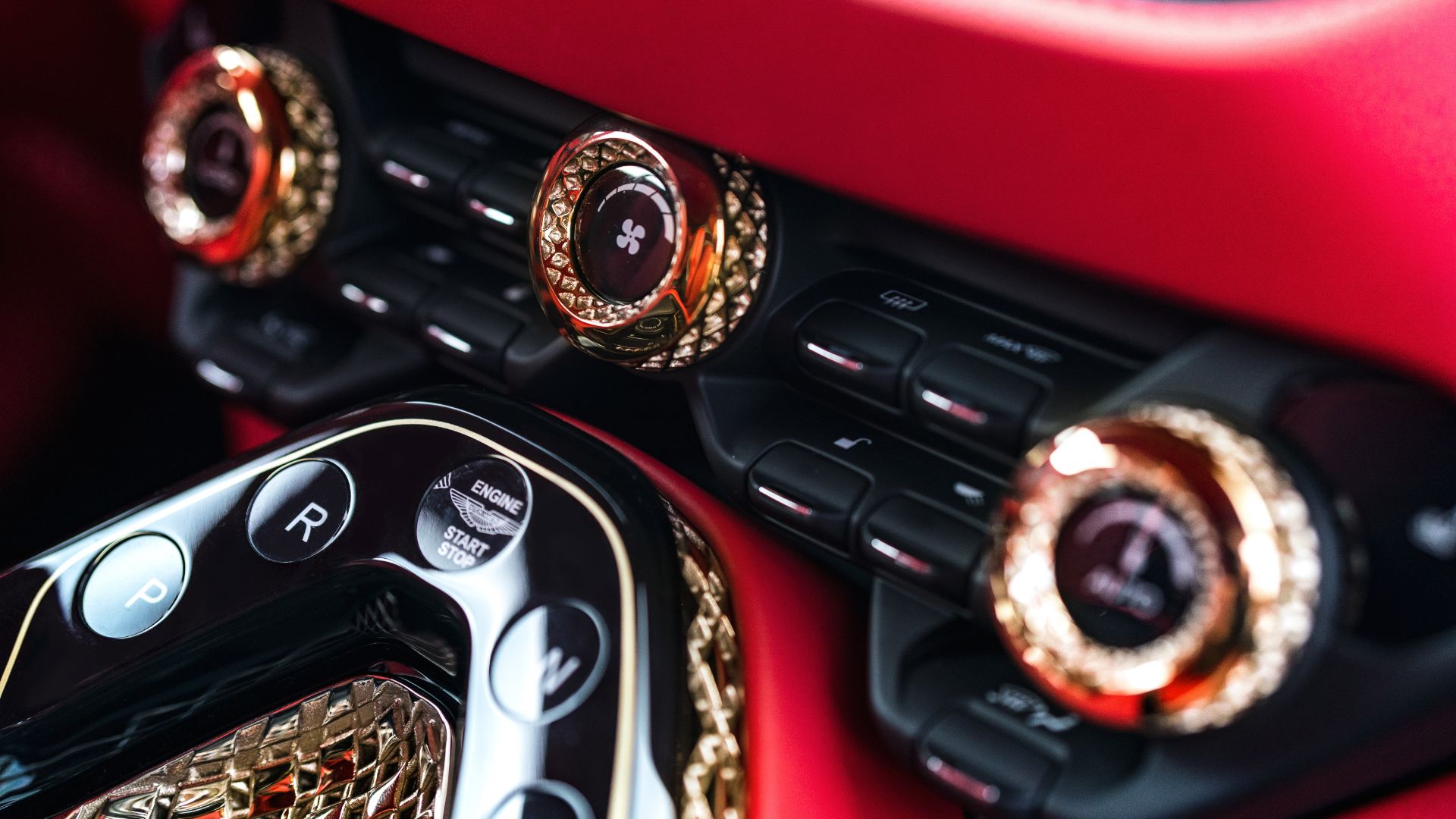
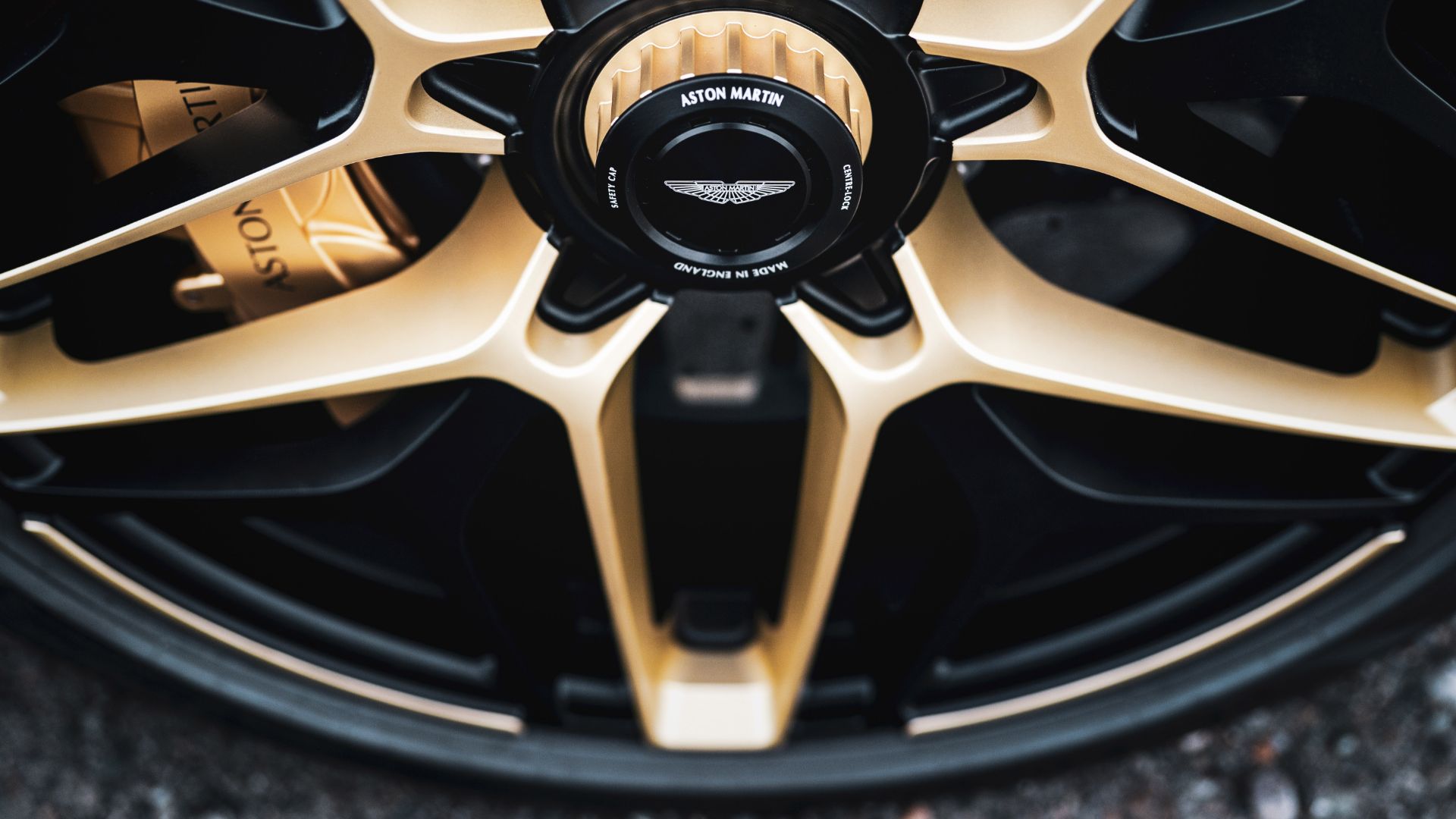
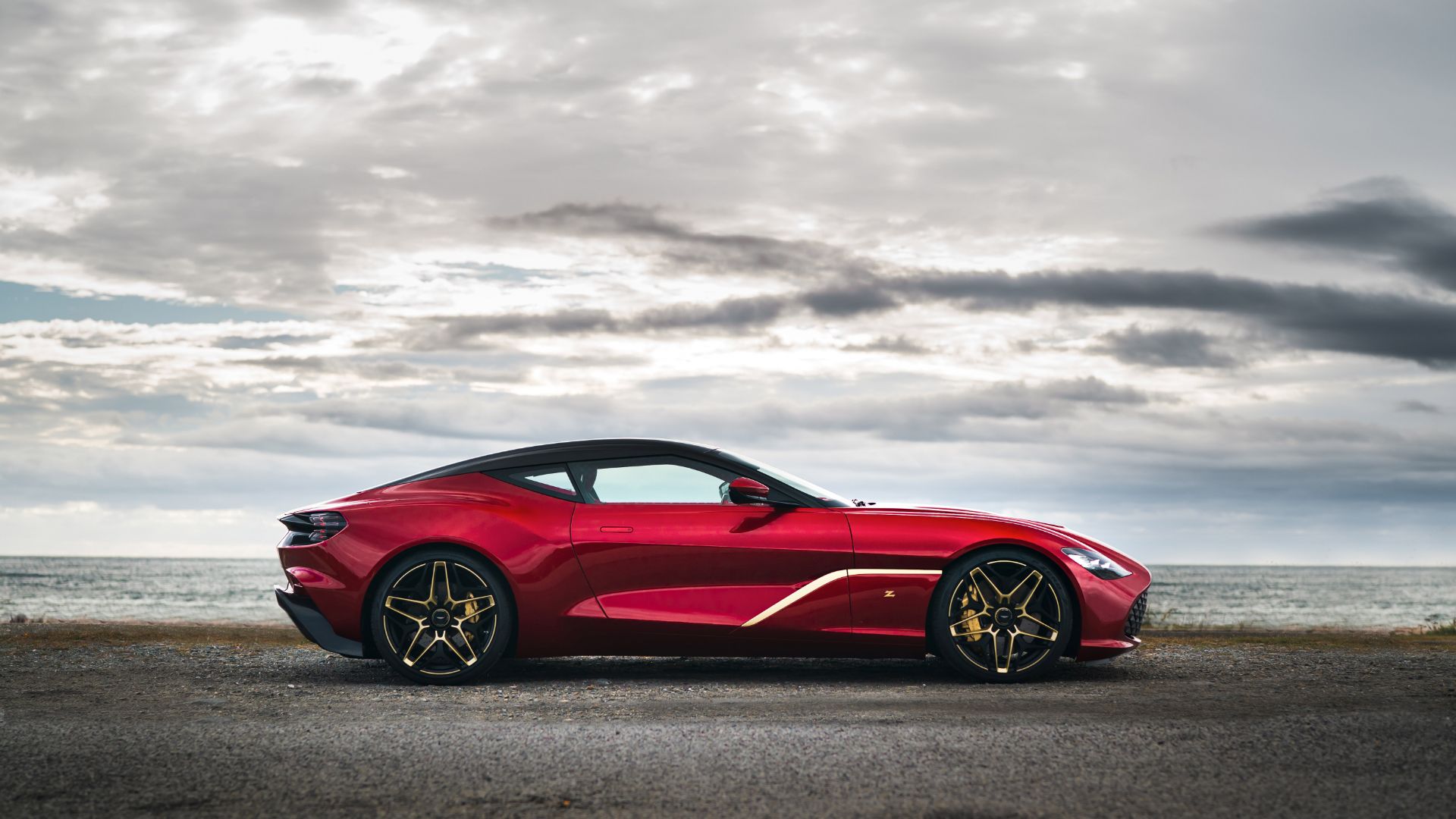
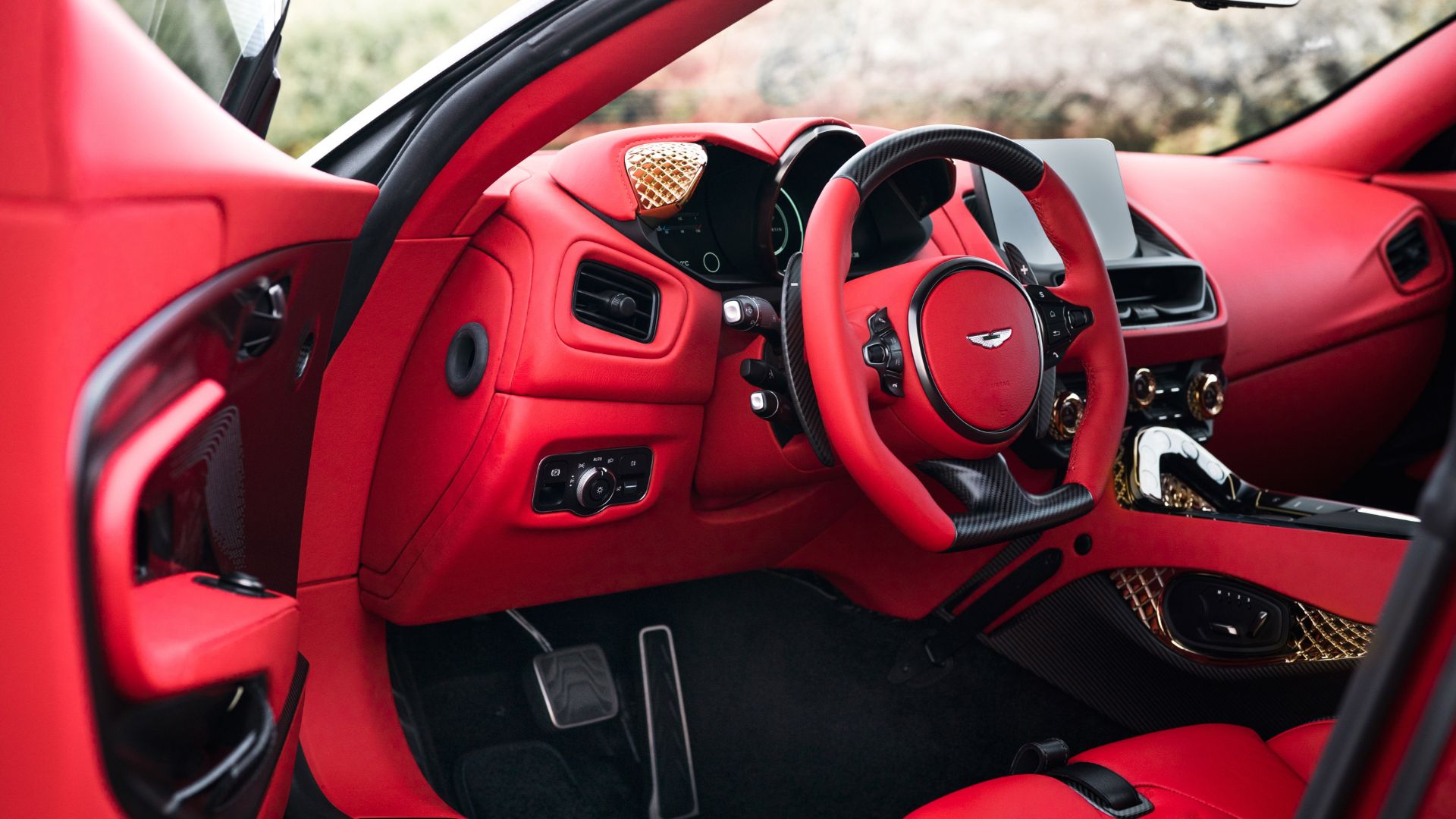
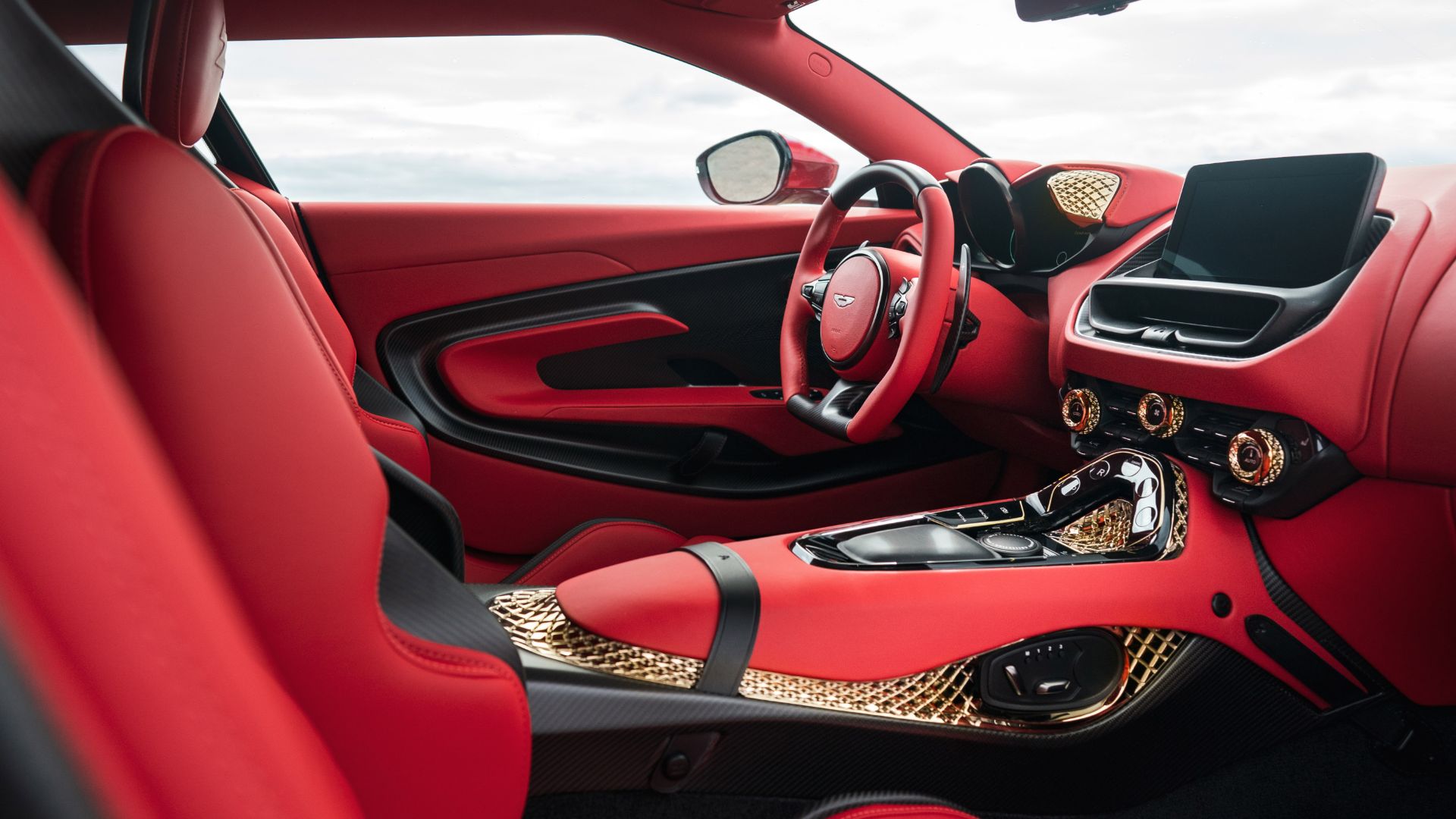
A large number of those details happen to be 18-carat gold, including the side strakes, badges, parts of the wheels and trimmings in the interior. The whole thing is a piece of jewellery.
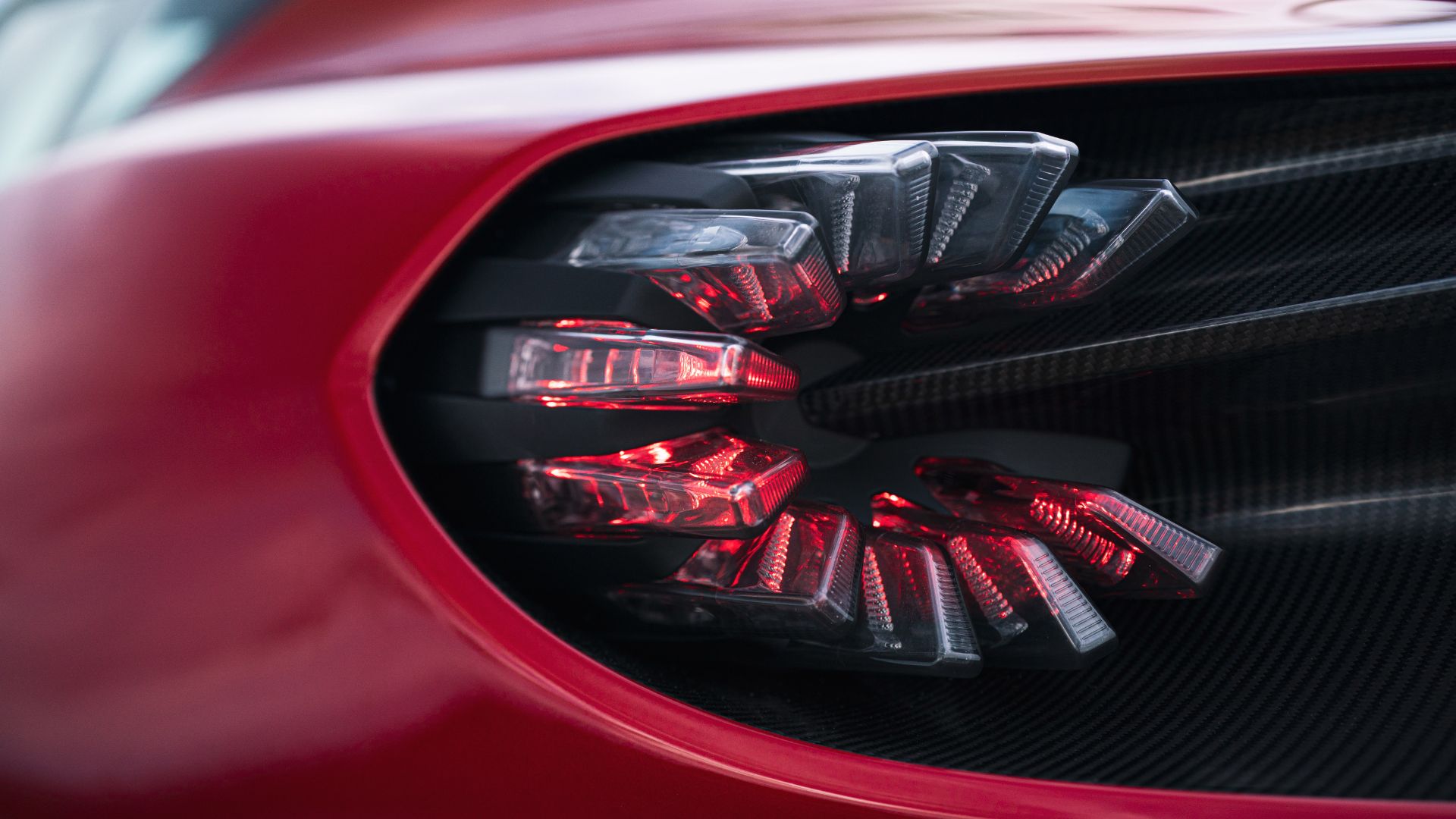
Even the black anodised active front grille looks like a DBS that has collided with a Gothic chandelier. If gold sounds a little old-world, consider the world-first 3D-printed carbon and metal cabin finishes. Other changes include the distinctive Zagato double-bubble roof and new rear lights.
It all adds up to a £6 million entry price for the DBZ Centenary Collection.
Aston Martin’s Q division can take things even further. Entirely bespoke components can be requested by customers, with specific parts, materials and finishes. The potential for customisation using 3D printing is almost limitless.
“The design studio at Aston Martin has risen to the task magnificently, working alongside Andrea [Zagato] and his team,” said Aston Martin chief stylist Marek Reichman.
“They have taken the already fabulous DBS Superleggera and shaped it into something that retains its Aston Martin identity, yet expresses itself as only a Zagato can. It is the modern expression of a timeless icon.”
Just 19 DBS GT and DB4 GT continuation DBZ Collection pairs will be built and sold. That will make the DBS GT Zagato one of the rarest Aston Martins of the modern era.
With interest rates stuck at paltry levels and the stock market wallowing due to Brexit, research from Footman James suggests more investors are considering buying exotic classic cars.
But a solicitor at law firm Clarke Willmott LLP, David Stedman, has warned that people risk losing large amounts of money if they make ill-informed investments.
He said: “The Footman James research suggests that 1 in 5 people are considering investing in classic vehicles in place of more traditional asset classes.
“I have acted on all too many occasions in cases when recent retirees, having decided to use their pension lump sum to purchase a classic as an investment, have ended up with a car worth a fraction of what they paid or, even worse, a car that they do not even have title to with the rogue trader disappearing over the horizon.”
‘Buy a Lamborghini with your pension’
The warning comes several years after former pensions minister Steve Webb suggested it wasn’t for the government to concern themselves if individuals chose to use their pension savings to buy a Lamborghini.
Stedman added: “In perhaps one of the best known such cases on which I assisted, Gray v Smith 2013, a rogue trader was paid many millions of pounds by an investor to build up a collection of classic cars including a McLaren F1. The actual ownership of the F1 was just one of the issues in the case.
“Although the values involved in this particular case were extreme, the case highlights the importance for the amateur investor to obtain legal advice from the outset and the need to be wary of provenance, misrepresentation, and title.”
Nike and Volkswagen will collaborate on a coast-to-coast adventure, celebrating the origins of the famous sportswear brand.
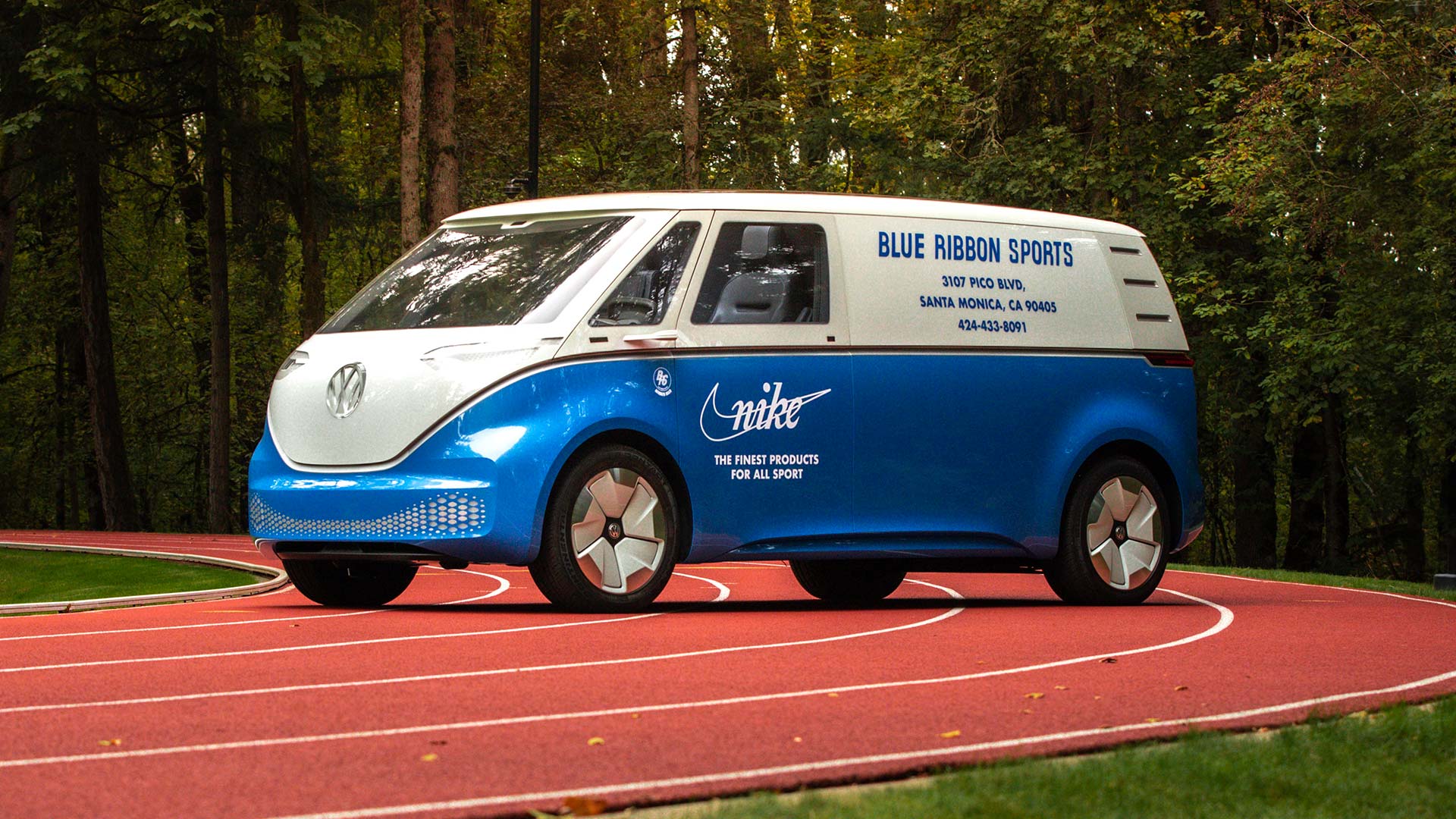
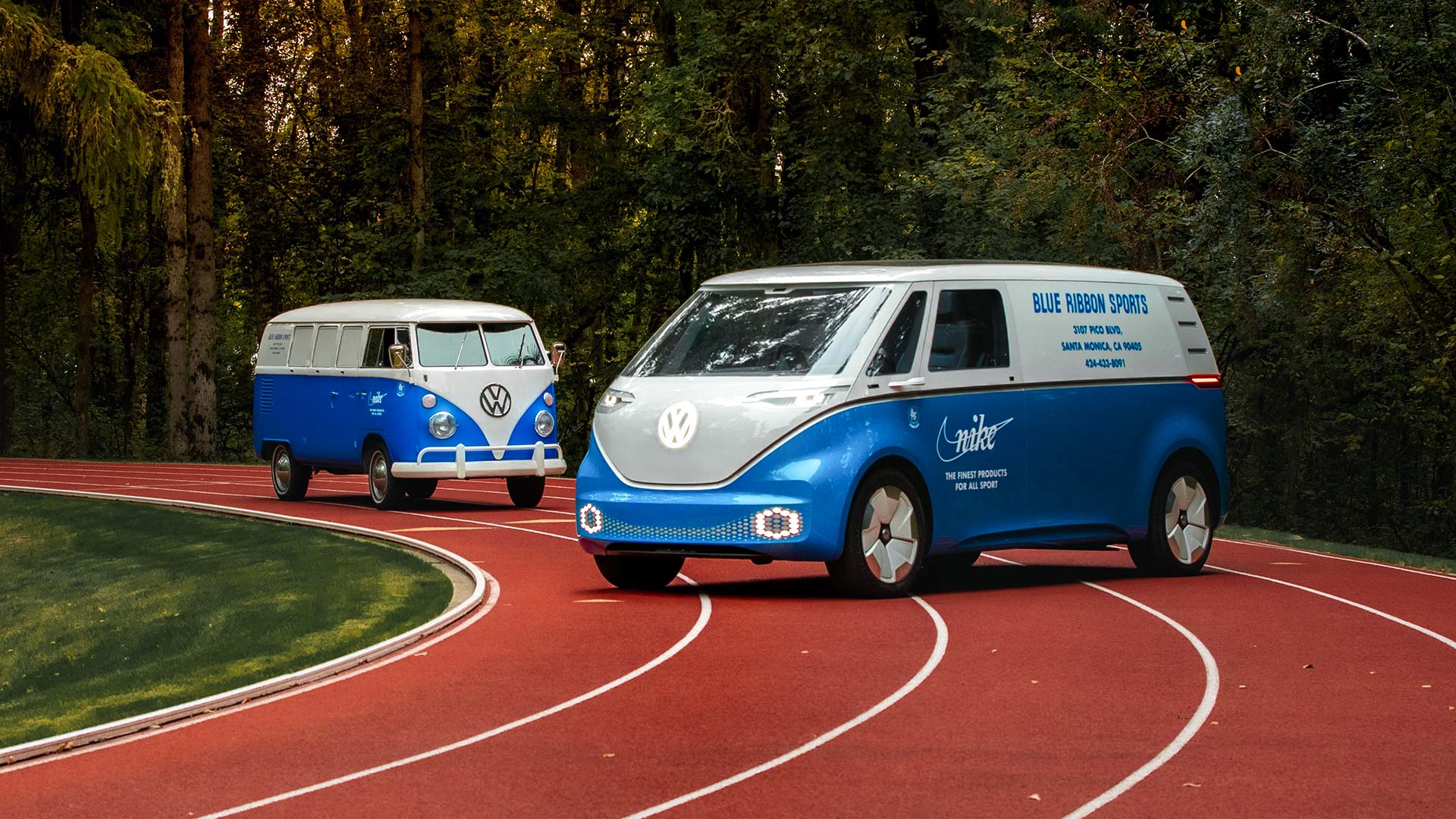
It involves a version of Volkswagen’s concept ID Buzz Cargo electric van dressed in the livery of Blue Ribbon Sports – the company which would lead to the foundation of Nike.
Through
98769978October, the ID Buzz Cargo will travel from the West Coast to the East, letting customers investigate the future of Volkswagen and the history of Nike.
So why a Volkswagen van?
Founded in 1964 by Phil Knight and Bill Bowerman, Blue Ribbon Sports began as a distributor for imported footwear.
Joined by Jeff Johnson in 1967, the trio opened a store in Santa Monica, California. Johnson would also attend local running track meets, selling products from his own Volkswagen Type 2 Bus. By 1971 the company would launch its own brand of shoes, wearing the Nike name and the distinctive ‘Swoosh’ logo.
Earlier this year, Nike reopened the original store at 3107 Pico Boulevard in Santa Monica. This will be the first stop on a cross-country tour, with the electric ID Buzz Cargo replicating the Type 2 used by Jeff Johnson in the 1960s.
Where the rubber meets the road
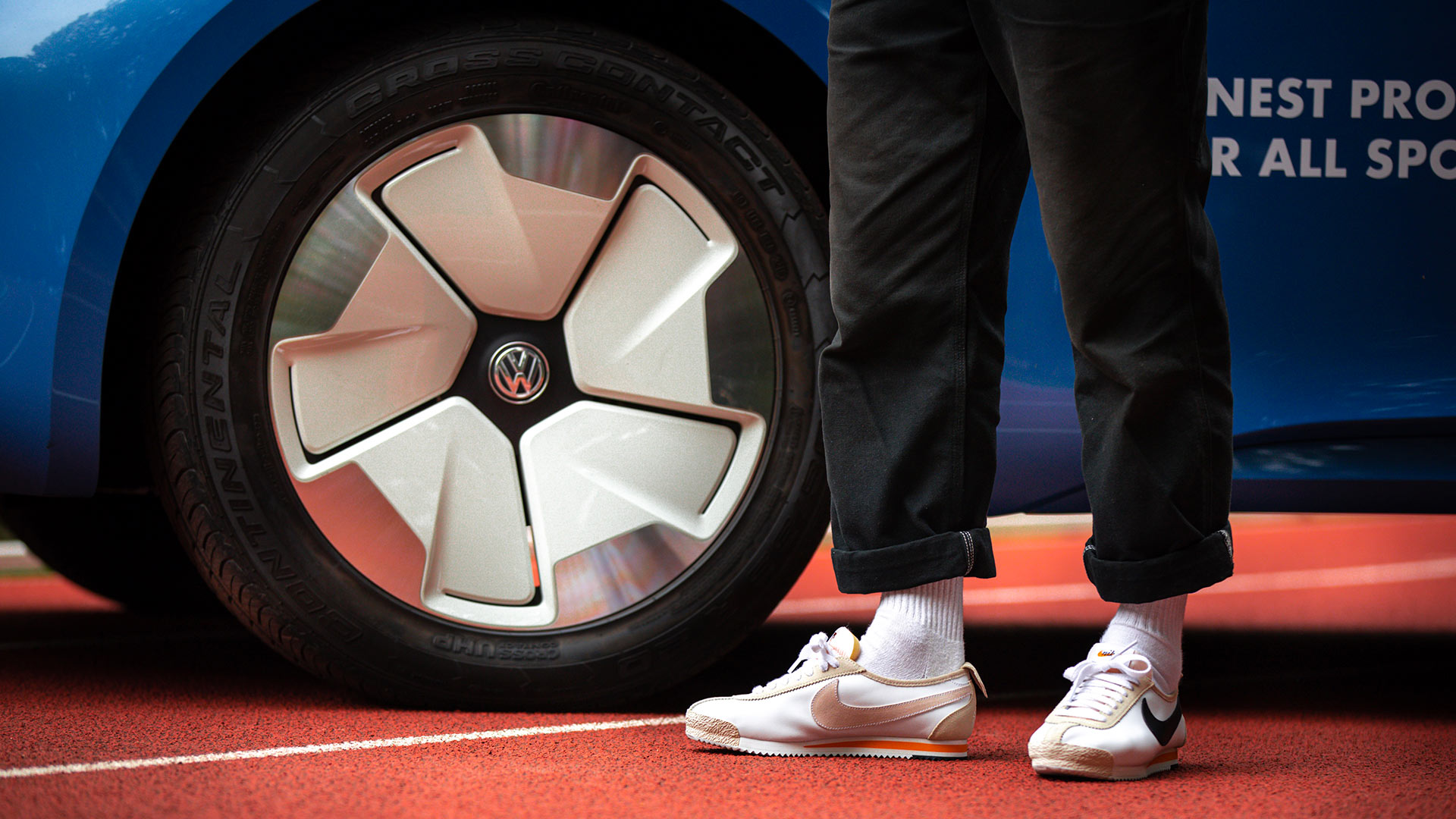
The Blue Ribbon Sports tour kicks off on Saturday, October 5th 2019, before hitting the road for Chicago on October 12th. Nike and the ID Buzz Cargo will cross the finish line in New York City on October 15th.
At each stop, Nike will operate a pop-up store to allow fans to buy exclusive Blue Ribbon Sports merchandise. The opportunity to donate old athletic shoes for recycling will also be offered as part of Nike’s ‘Reuse-A-Shoe’ program.
Saad Chehab, Senior Vice President, VW Brand Marketing, said that “the rebirth of BRS is the perfect platform to help promote the common values of our companies, while showing the world VW’s commitment to electrification isn’t just about personal transportation – it’s about moving everything in a smarter fashion.”
Luxury car manufacturer Bentley has today announced that its Crewe plant is the first automotive luxury factory to become officially carbon neutral. This, on the way to its goal of being the world’s most sustainable luxury automotive manufacturer.
What does it mean to say that the marque’s Crewe factory is carbon neutral? Well, the PAS 2060 standard reflects the factory’s exclusive use of renewable electricity.
It also takes into account other measures to reduce the carbon that the manufacturing process emits. All emissions that Bentley can’t eliminate, are offset. That means in investing in gold standard carbon credits, the money for which goes into offsetting projects.
“The Carbon Trust is pleased to certify Bentley’s factory headquarters to PAS 2060, demonstrating its carbon neutrality,” said John Newton, head of certification, at the Carbon Trust.
“The initiatives that Bentley has undertaken to achieve this certification demonstrate the company’s commitment to becoming more sustainable.”
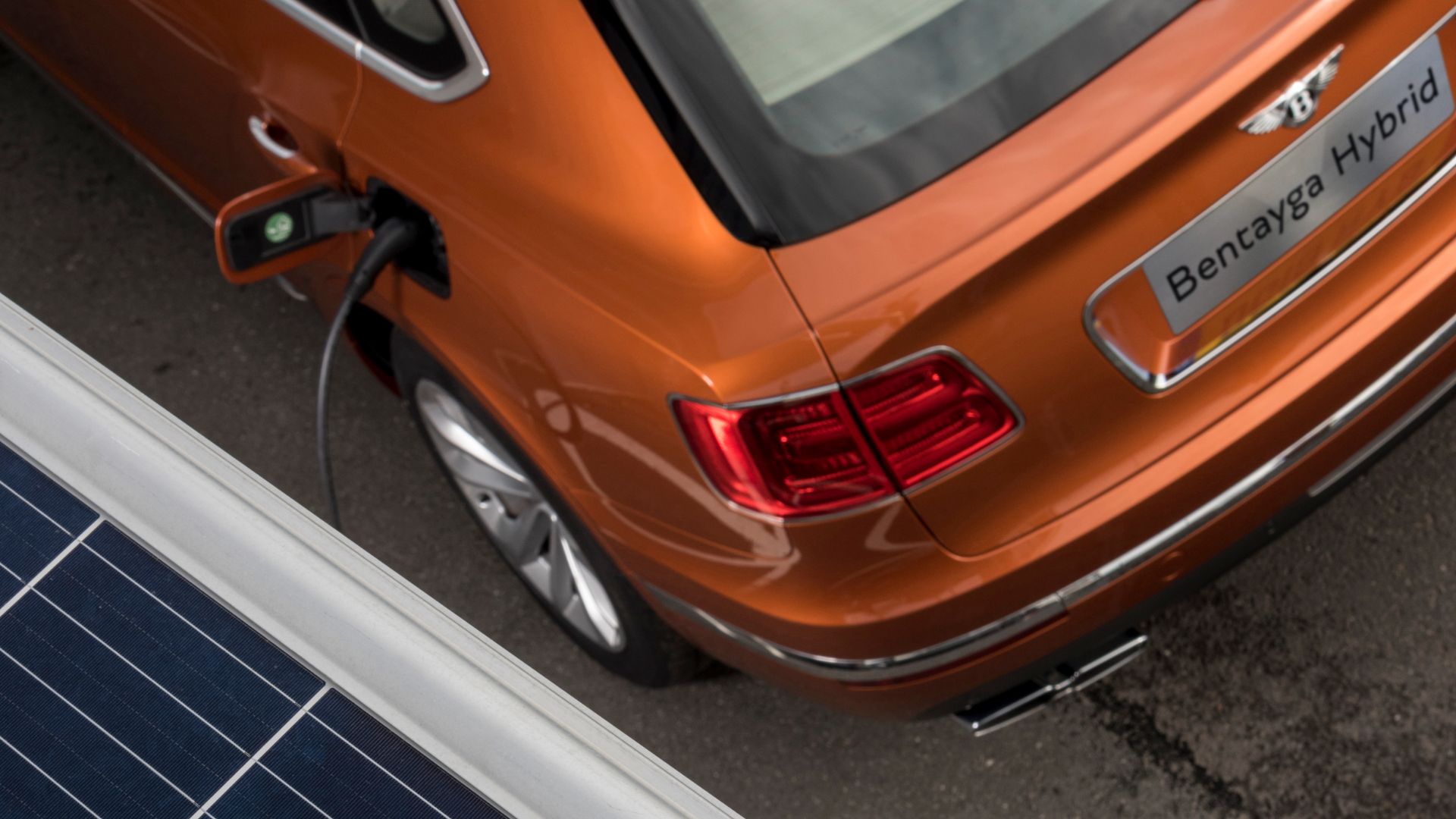
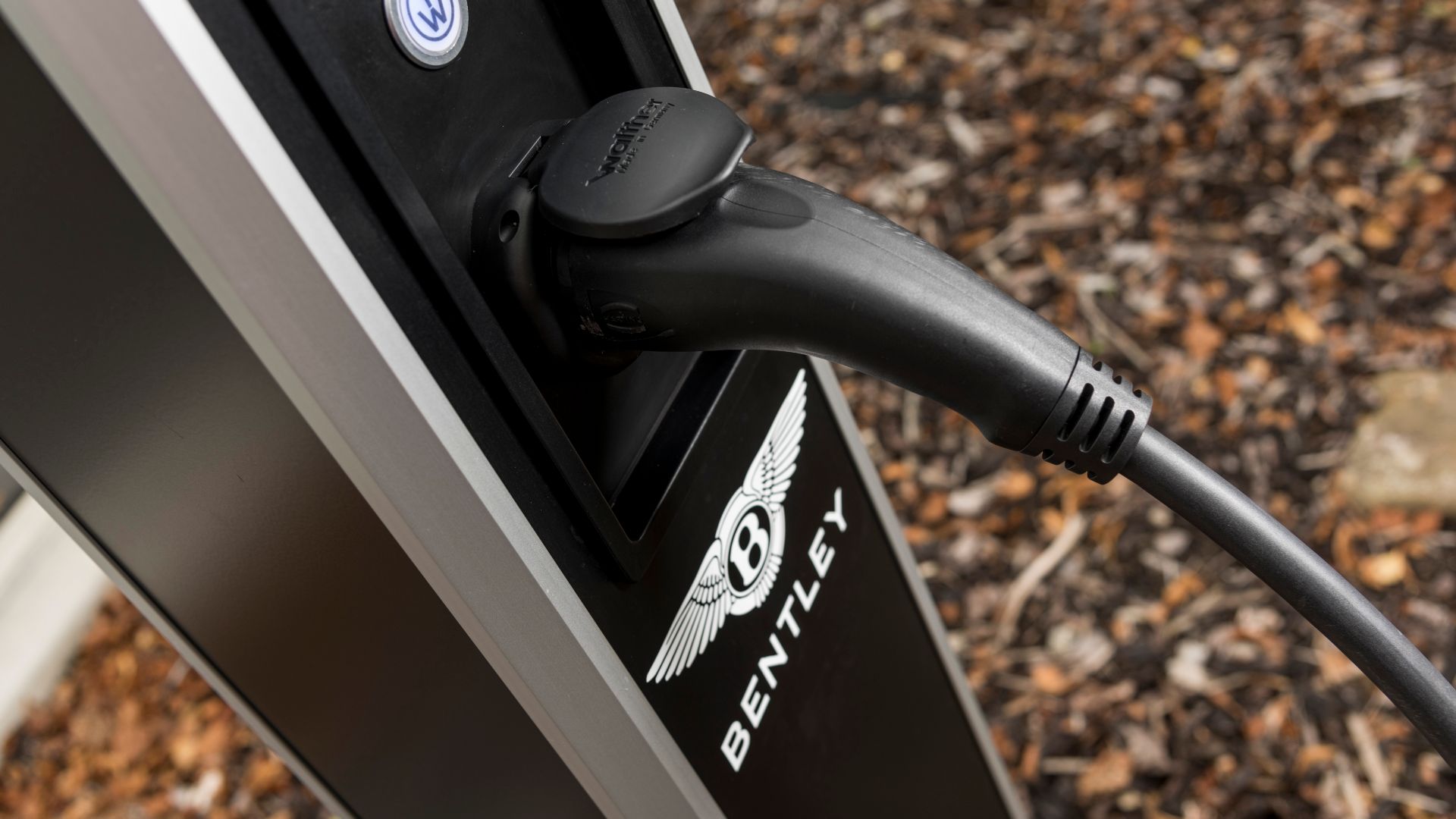
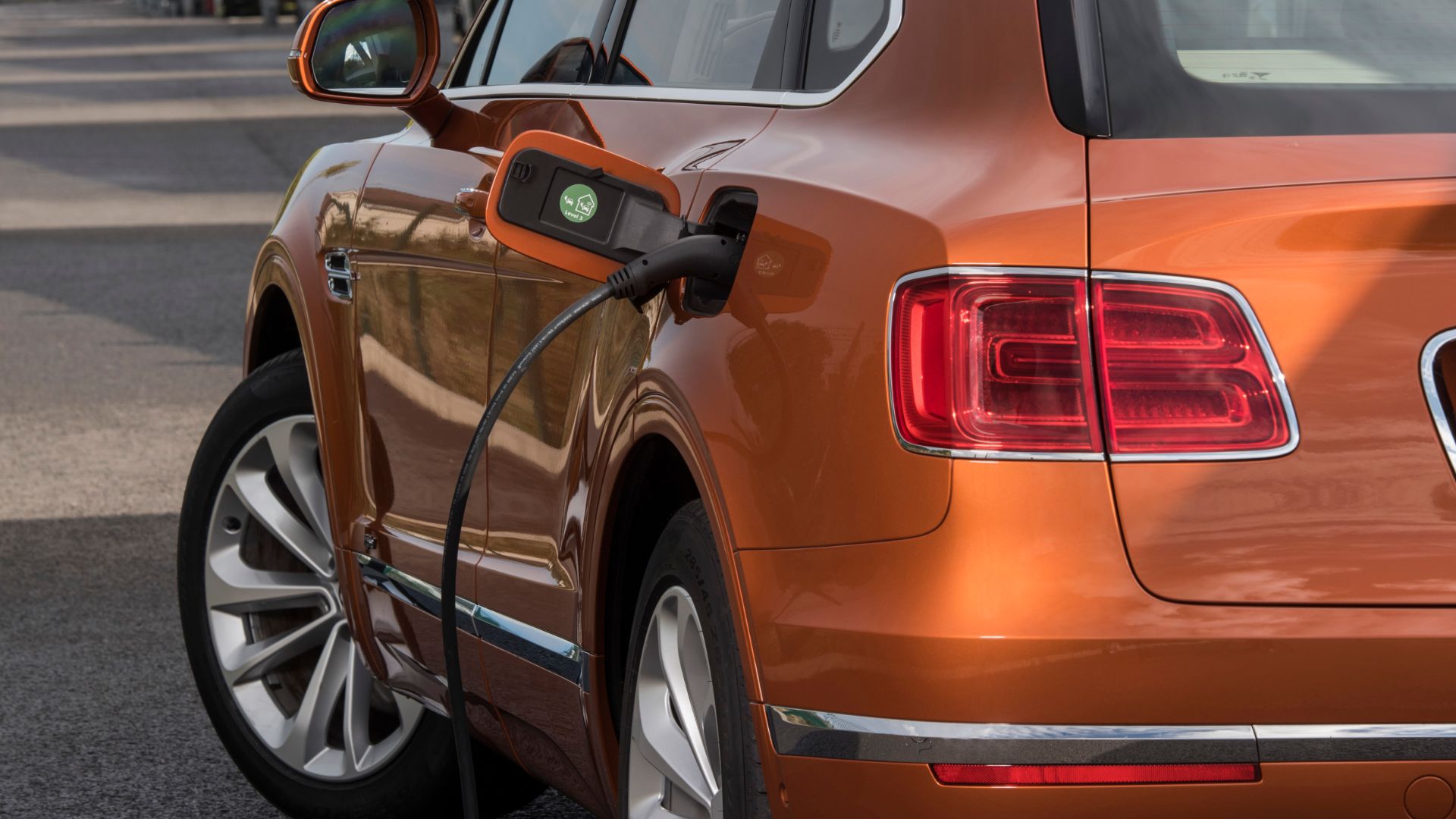
Bentley doesn’t just want to be green in the production of its cars. It wants its cars to be green too. The marque has said that it’s ‘accelerating its push towards electrification’. The Bentayga is the first Bentley to be hybridised. The rest of the range is to follow in 2023. All that’s left is the introduction of its first full EV in 2025.
Bentley’s solar car park
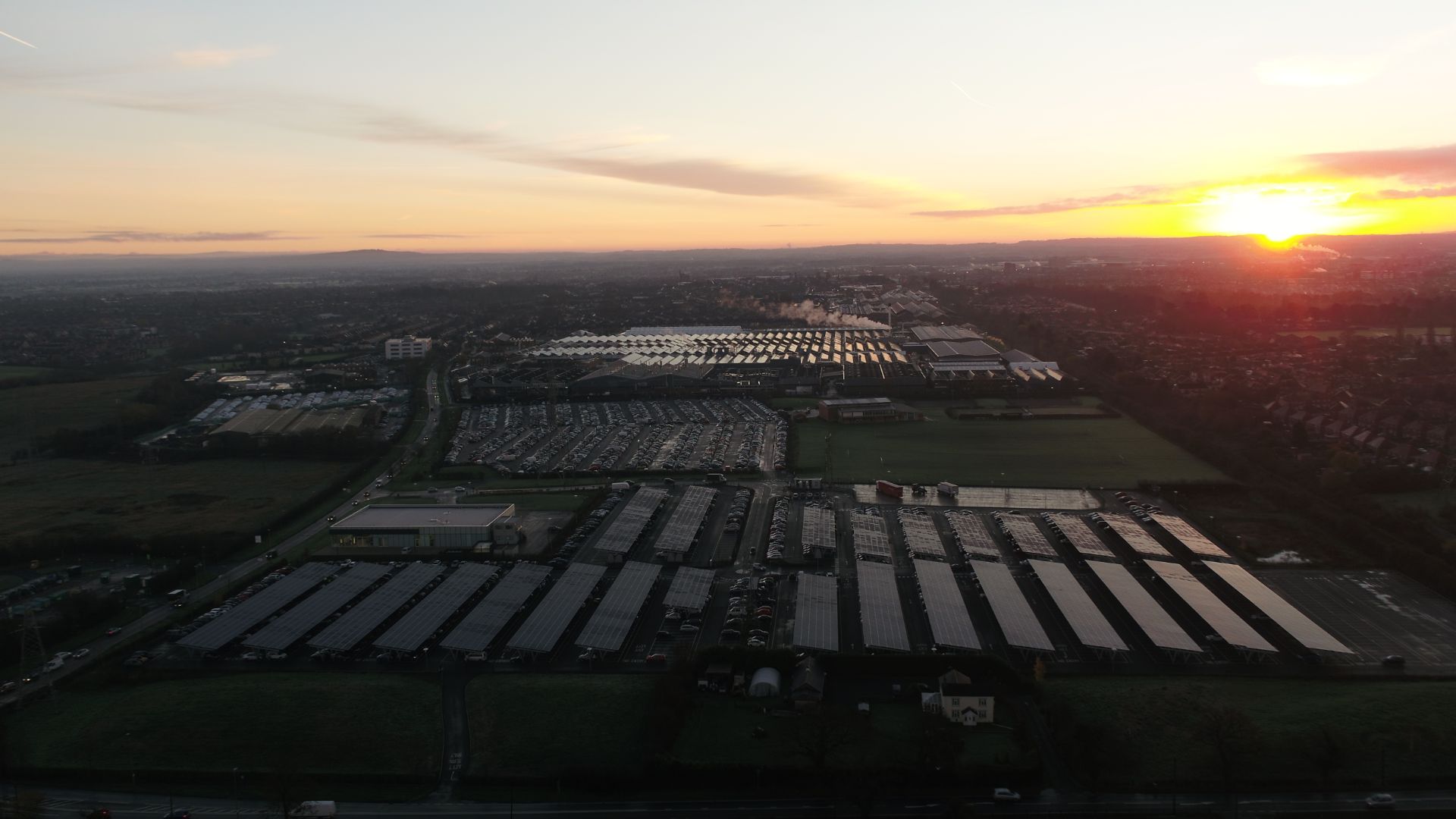
Bentley finished installing the UK’s largest solar car port earlier this year. Made up of 10,000 solar panels, it covers 1,378 parking spaces. That’s capable of generating 2.7mw of the sites total solar output of 7.7mw. In total, the Bentley factory produces enough solar energy to power 1,750 homes.
“While 2019 has marked Bentley’s centenary, our focus is now on preparing the business for the next 100 years,” said Adrian Hallmark, chairman and chief executive office of Bentley Motors.
“We want to lead the way in the delivery of sustainable luxury mobility – by providing our customers with products and services that reflect their own values.
We are very conscious of our responsibility to consider the environmental, social and economic impact of our organisation, and today’s news is just the latest stage in this journey.”



 The
The 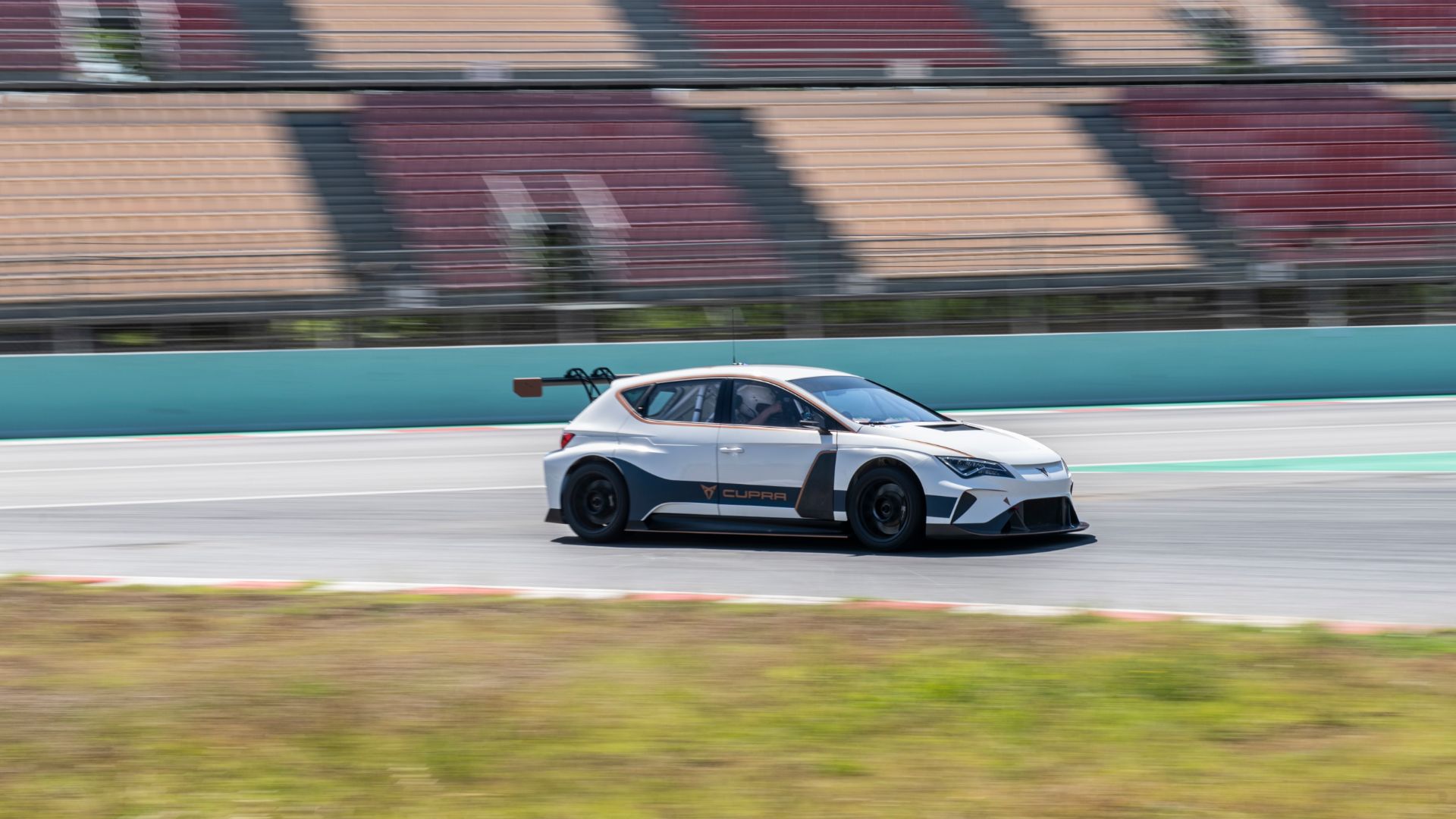









 Nike and
  Founded in 1964 by Phil Knight and Bill Bowerman, Blue Ribbon Sports began as a distributor for imported footwear.
  The Blue Ribbon Sports tour kicks off on Saturday, October 5th 2019, before hitting the road for Chicago on October 12th. Nike and the ID Buzz Cargo will cross the finish line in New York City on October 15th.