Home Blog Page 313

This Roush Ford Mustang has an incredible 775 HP supercharged engine

0

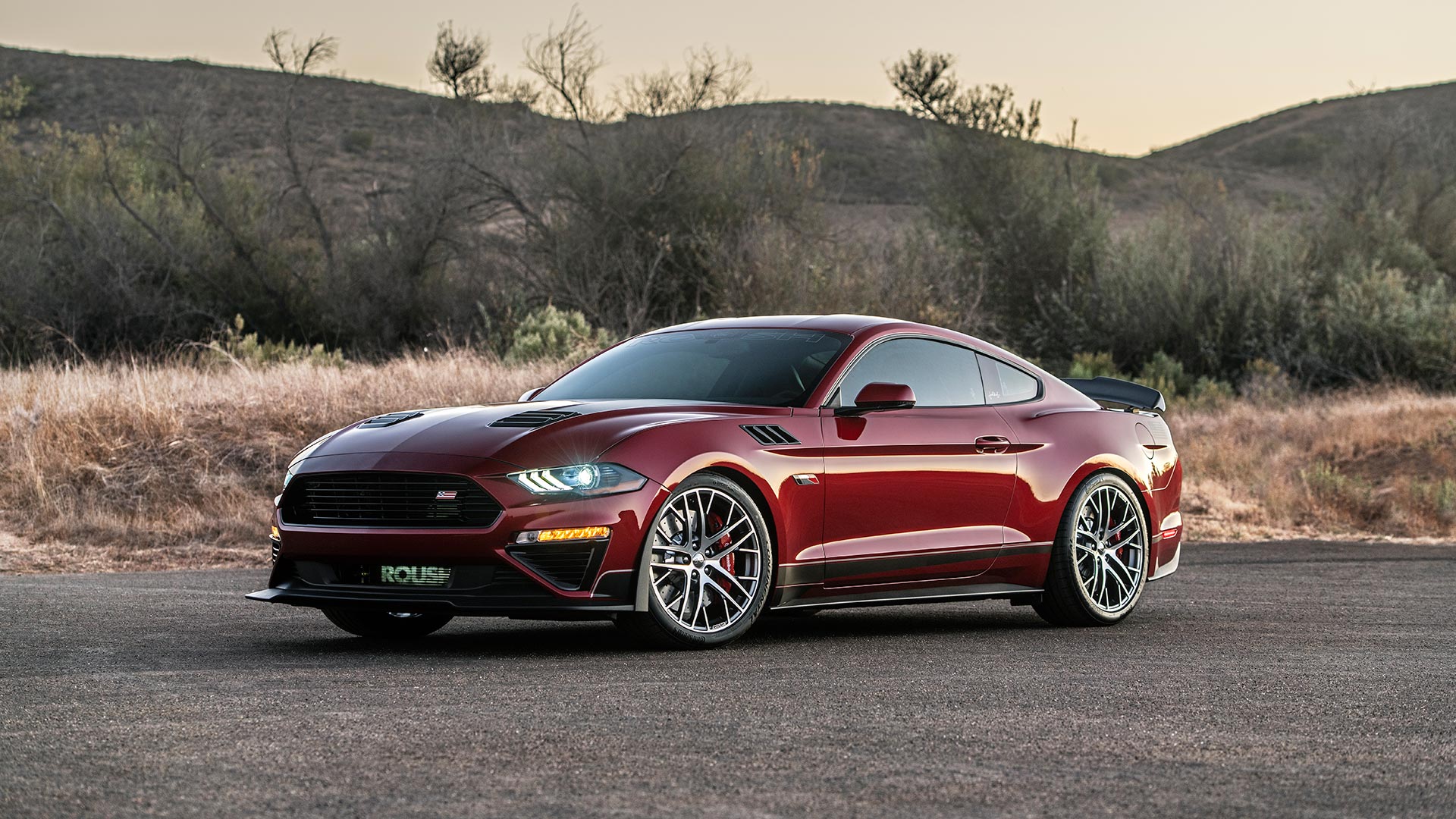
SEMA 2020 Jack Roush Edition MustangOne of the major stars of the 2019 SEMA Show was a new limited-edition Mustang by famed tuning company Roush Performance. 

Designed to celebrate the induction of company founder Jack Roush into the NASCAR Hall of Fame, the 2020 Jack Roush Edition Mustang will see just 70 units produced.

To be fair, commemorating success with a muscle car powered by a 775 horsepower supercharged V-8 engine is far more exciting than cake or balloons. 

A true motorsport legend
SEMA 2020 Jack Roush Edition MustangJack Roush began his automotive career in the 1960s, initially working for Ford followed by a year with Chrysler. Roush would ultimately leave the major manufacturers to start his own engineering company. Roush Performance would begin in 1995.

Alongside running his businesses, Roush competed in various forms of motorsport, including NHRA drag racing, the IMSA GT series, and also the 24 hours of Daytona.

He founded his flagship NASCAR team in 1988, which has since competed in over 3,500 top-level Cup Series races, and seen his drivers win eight championships between them. It makes him the most successful team owner in NASCAR history. 

Help save the manuals!
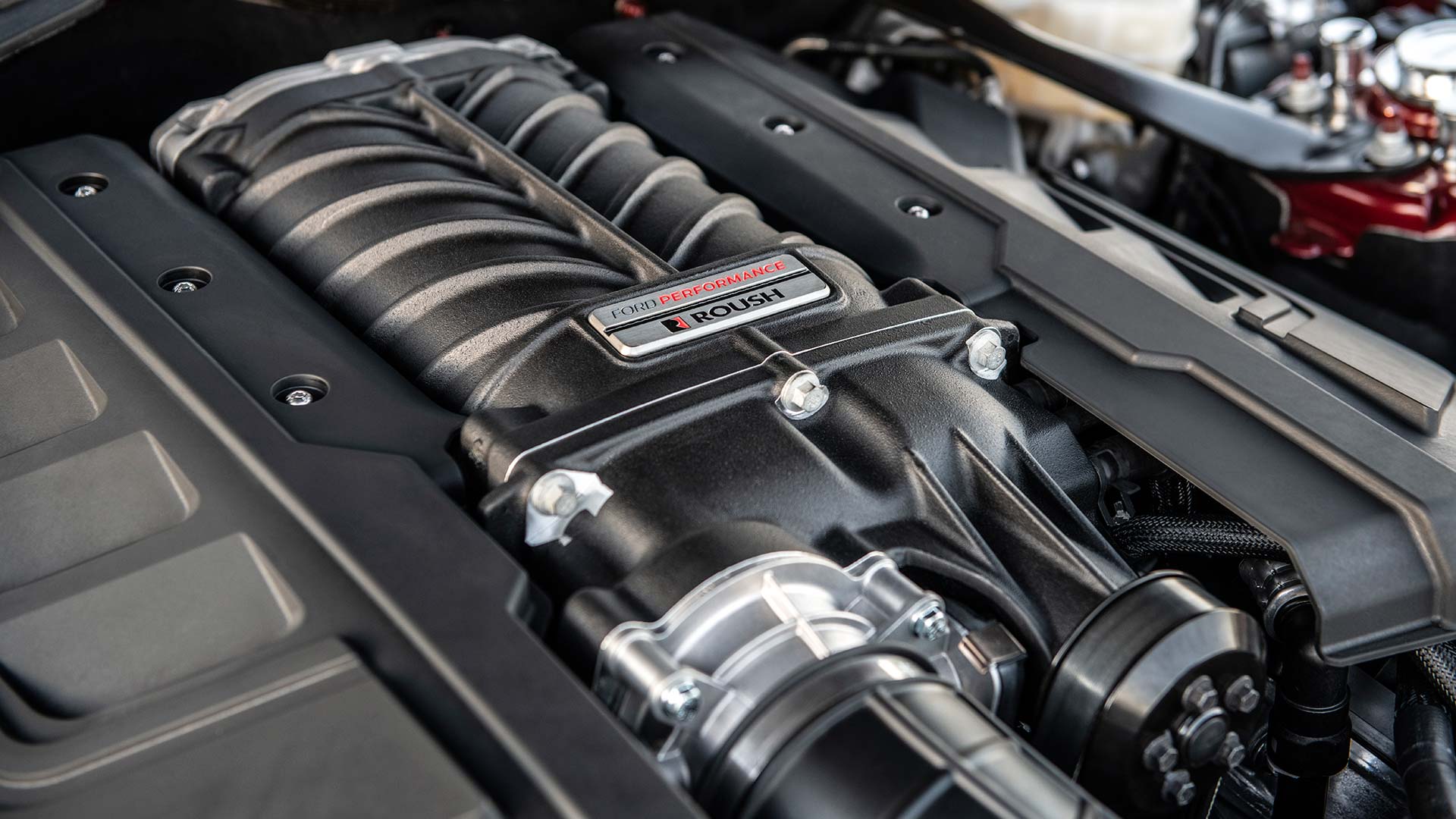
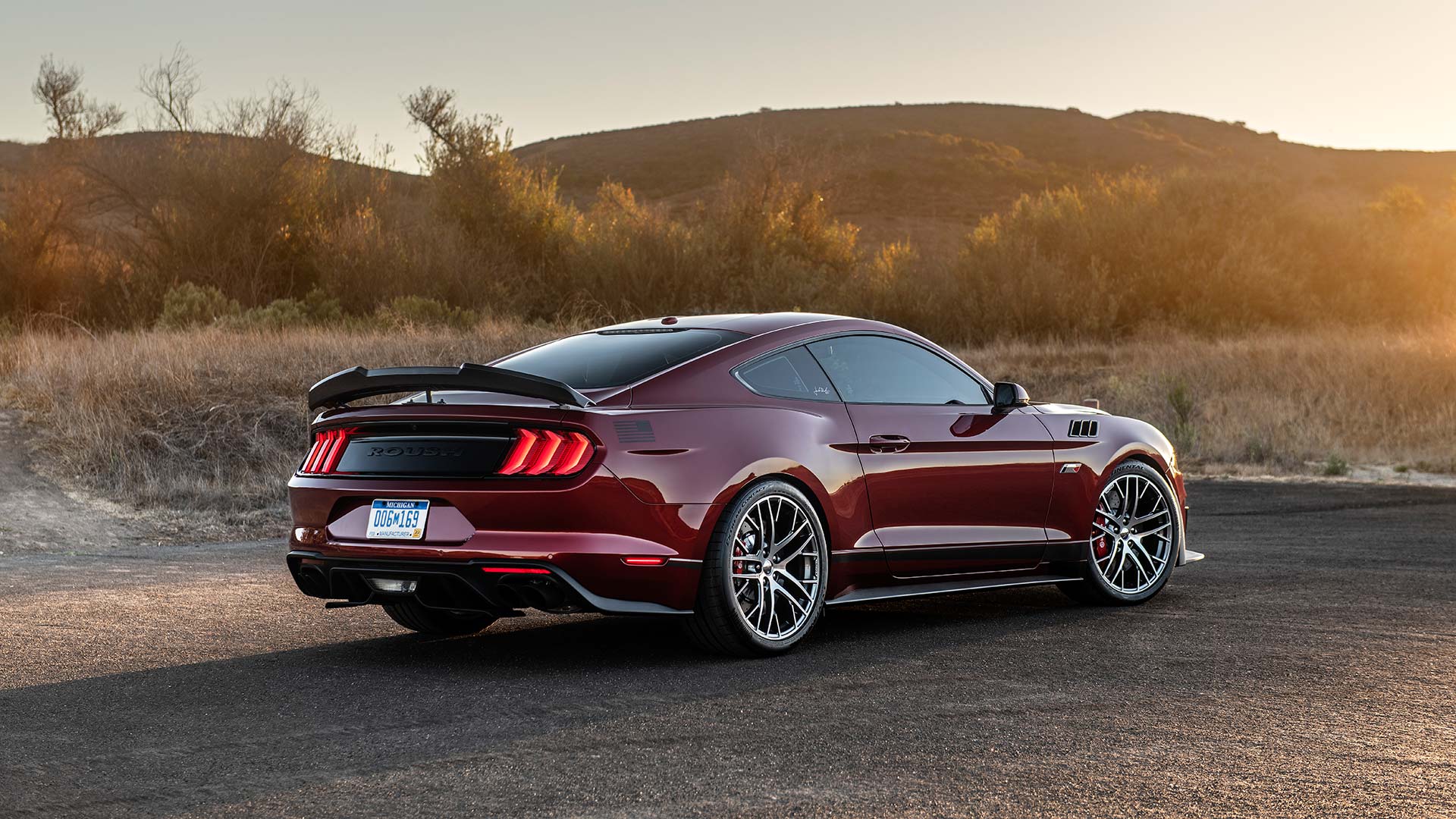
SEMA 2020 Jack Roush Edition MustangHelping honor those achievements is the 2020 Jack Roush Edition Mustang, which hosts the most powerful engine ever fitted to a Roush Performance ‘Stang. 

At the core of this Mustang is a 5.0-liter V-8, fitted with a Roush Phase 3 supercharger, responsible for boosting total output to 775 horsepower. Torque is rated at an impressive 670 lb-ft. 

Roush is also keen to note that a six-speed manual transmission is fitted, making it one of the few remaining sports cars with a stick option.

A Roush active exhaust system gets added, along with a Powertrain Cooling Package to keep the engine, transmission, and differential chilled during track activities. 

Ready for the track
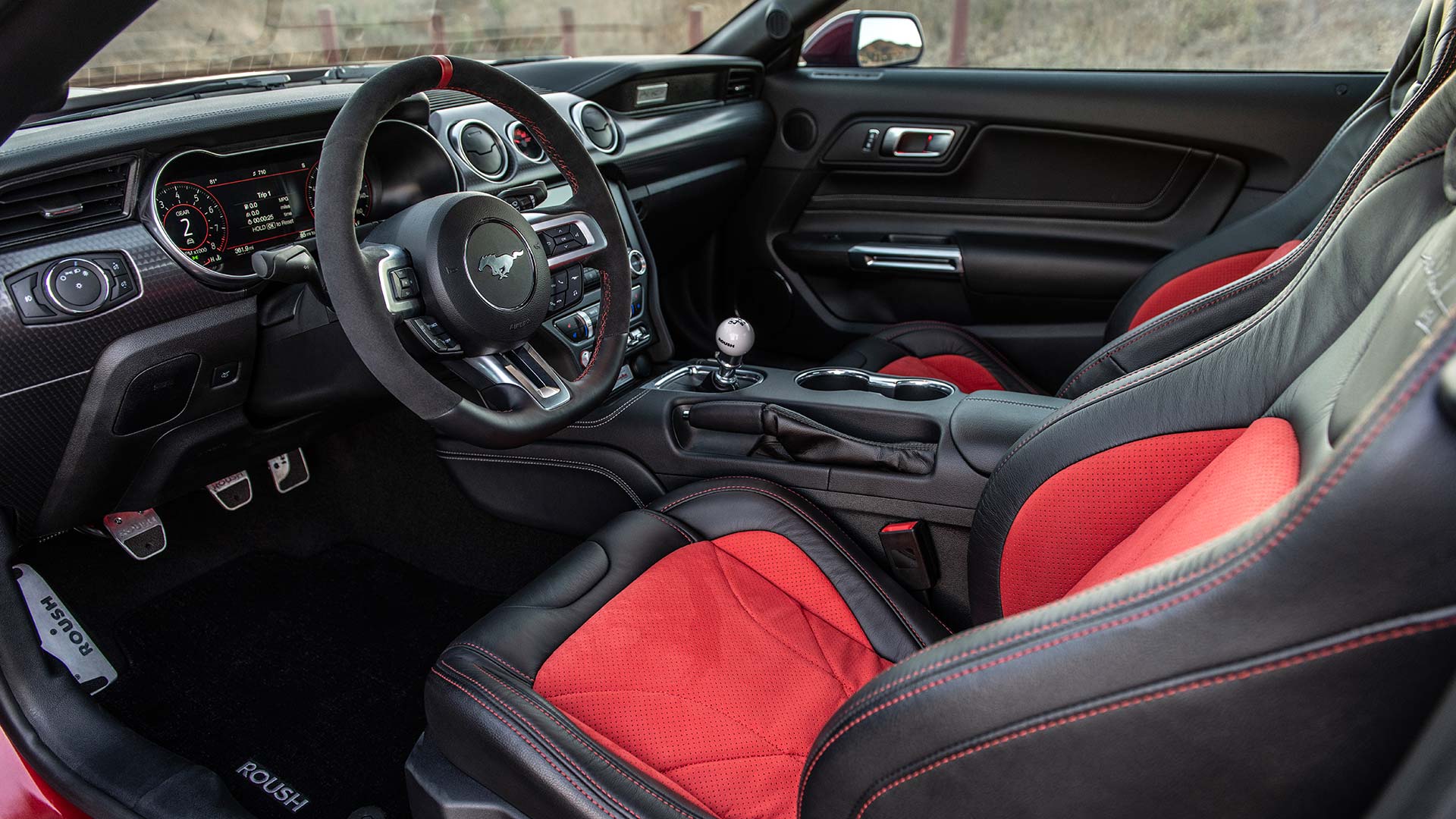
SEMA 2020 Jack Roush Edition MustangSuspension changes include the fitment of a custom-calibrated MagneRide setup, along with lowering springs and uprated Brembo brakes. Most impressive is the carbon fiber Active Aerodynamic rear spoiler, which adjusts to provide optimum downforce. 

An optional Competition Package can also be specified, which adds lightweight racing wheels combined with Continental racing slick rubber. Naturally, these can only be used on a race track, but do come with a track day-ready toolbox to help fit them.

For the interior, Roush fits a custom package that includes sports seats in a leather and suede combination. The steering wheel is also finished in suede for extra grip on track. 

Strictly limited supply
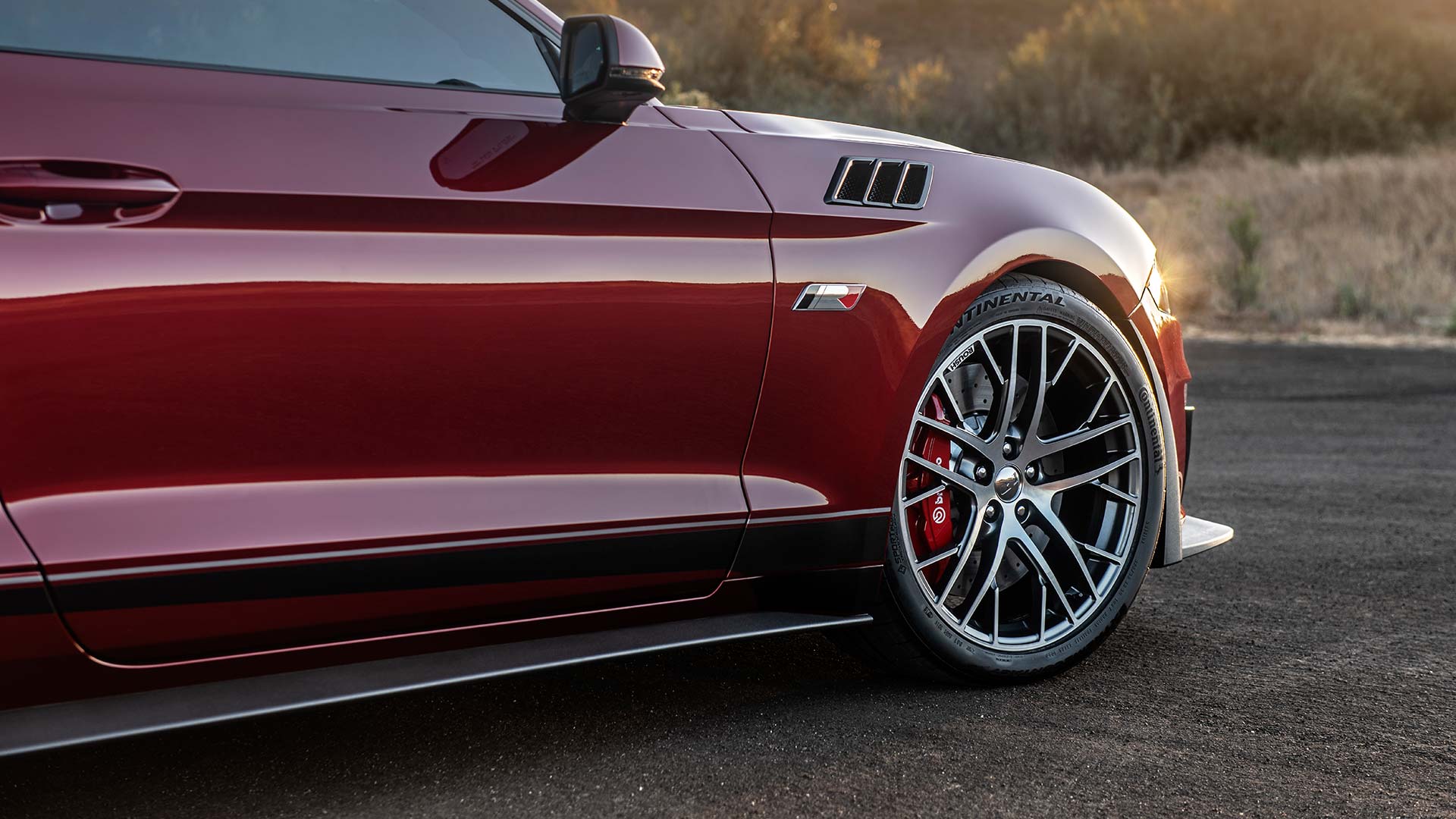
SEMA 2020 Jack Roush Edition MustangMaking sure everyone knows you have bought the Jack Roush Edition is an aero kit that includes a front splitter, functional hood vents, a rear diffuser, and a black rear panel. Special graphics and badging have also been added.

Roush plans to build just 70 examples of the Jack Roush Edition Mustang, with 60 of these allocated for North America. A further 10 have been reserved for international markets, with the first cars expected to be available in the spring of 2020.

It means if you happen to be a fan of Jack Roush, or just love quick Mustangs, you’ll need to be lucky to bag one of these special editions.
Advertisement

Opinion: Is the Volkswagen Golf R the ‘new Cosworth’?

0

Volkswagen Golf R

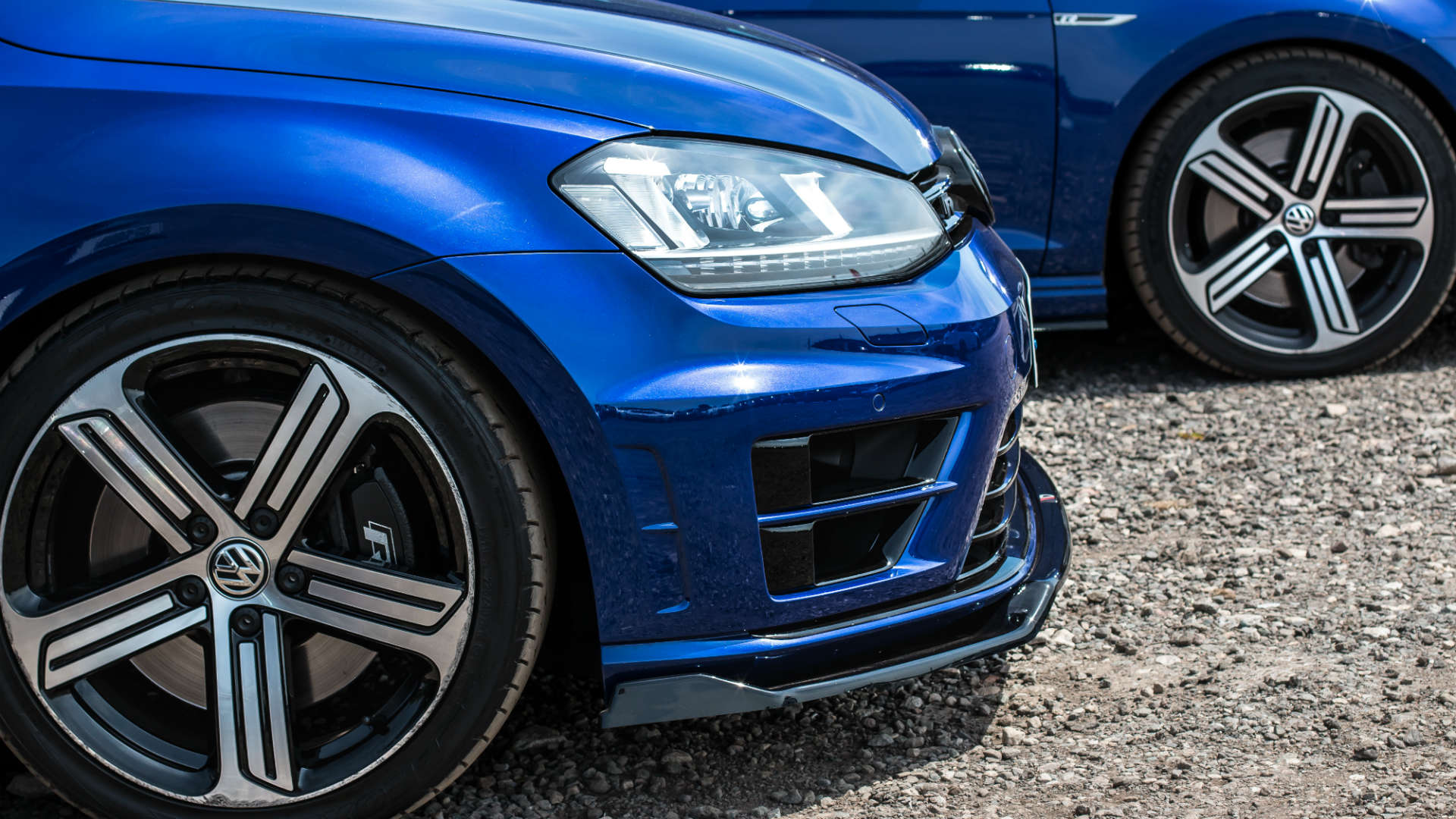
Search for ‘Golf R stolen’ on Google News and you’ll be presented with some grim stories. These aren’t exactly tales of the unexpected – the hot Golf has been a target for many years – but it’s the rate at which the cars are being stolen that’s most alarming.

Many are stolen from driveways in the middle of the night, with owners becoming the latest victims of the keyless theft epidemic. Even more chilling is the fact that some thieves are breaking into homes to grab the keys.

What’s the appeal, aside from the fact that the Volkswagen Golf is worryingly simple to steal? Put simply, the Golf R blends in. Plus it’s a very easy car to drive fast, with plenty of power and four-wheel-drive traction.

For armed robberies, ram-raiding and drug trafficking, the Golf R is the perfect vehicle. To passers-by, it looks like an ordinary Golf, but it packs enough punch to outrun the police if the thieves are caught in the act. Stick a pair of fake number plates on a Golf R and the criminals can move about undetected for weeks.

Last night, Harry Metcalfe tweeted a list of stolen vehicles in the Cotswolds area. Of the 32 cars on the list, 11 are Volkswagen Golf R hatchbacks or estates. That’s a third.

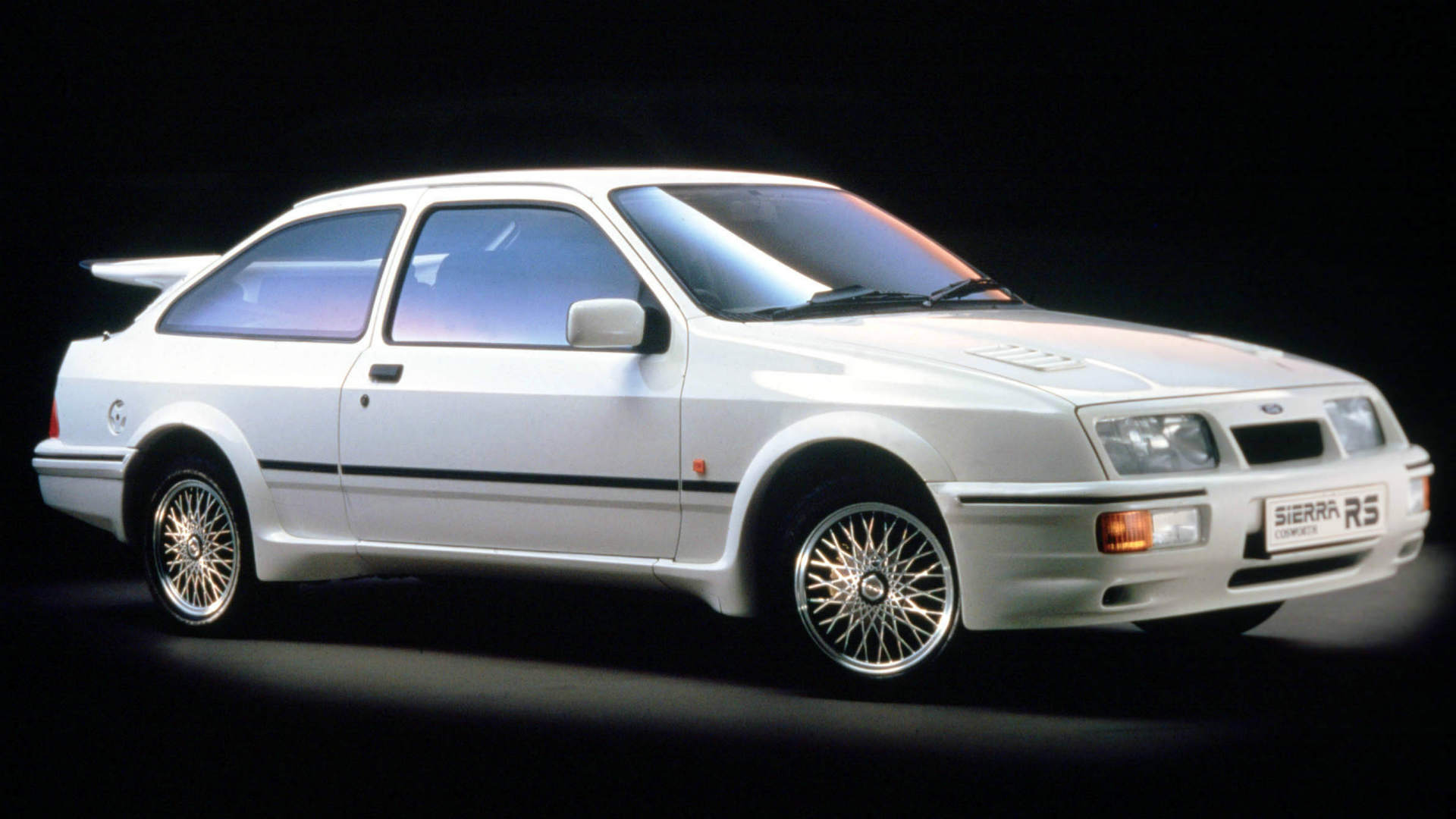
Metcalfe asked if the Golf R is “the new Ford Sierra Cosworth when it comes to nickability”, which is a fair question.

Like the Golf R, the ‘Cossie’ was stolen in large numbers and became the ram-raiders vehicle of choice in the 80s and 90s. The Sierra RS Cosworth was still being used as a getaway vehicle as recently as 2003.

There was a time when the RS Cosworth was virtually uninsurable. Park one outside your house and there’d be a good chance it would be gone in the morning. Some owners were followed home, with the thieves returning in the dead of the night once they knew where the car was parked overnight.

Ford Sierra RS Cosworth

It was a similar story for the Escort RS Cosworth. In common with the Sierra, its door locks were as useful as an umbrella in a blizzard, and many were stolen for some Roxette-inspired playtime. Jeremy Clarkson famously owned one and, although this might be an urban myth, I’m pretty sure he was quoted £20,000 to insure it.

What is true is the fact that he opened his front door one morning to find that somebody had half-inched the rear wing. Ford made the ‘Aero Pack‘ a delete option in 1993 – not that many owners chose to order their Cossie without the body furniture.

Few cars can boast a 20-page thread on Pistonheads entitled ‘Stolen Ford Cosworth stories’.

‘Secure your driveway’

Fast forward to 2019 and it’s easy to draw comparisons between the Cossies of the past and the Golf R of the present. Only last month, police in the North West advised Golf owners to review their home security. “Just to reiterate, we have seen a recent pattern of suspicious activity, attempt burglaries and burglaries at addresses with a Volkswagen Golf on the drive,“ the police said in a message.

“If you have a Golf, please review your home security, secure your driveway if possible. Check your CCTV and security lights work.“

Scary times if you’re a Volkswagen Golf R owner. Would you consider selling yours to buy something less likely to be stolen? Let us know in the comments section.

Advertisement

This tiny Mitsubishi is Japanese car journalists’ car of the year

0

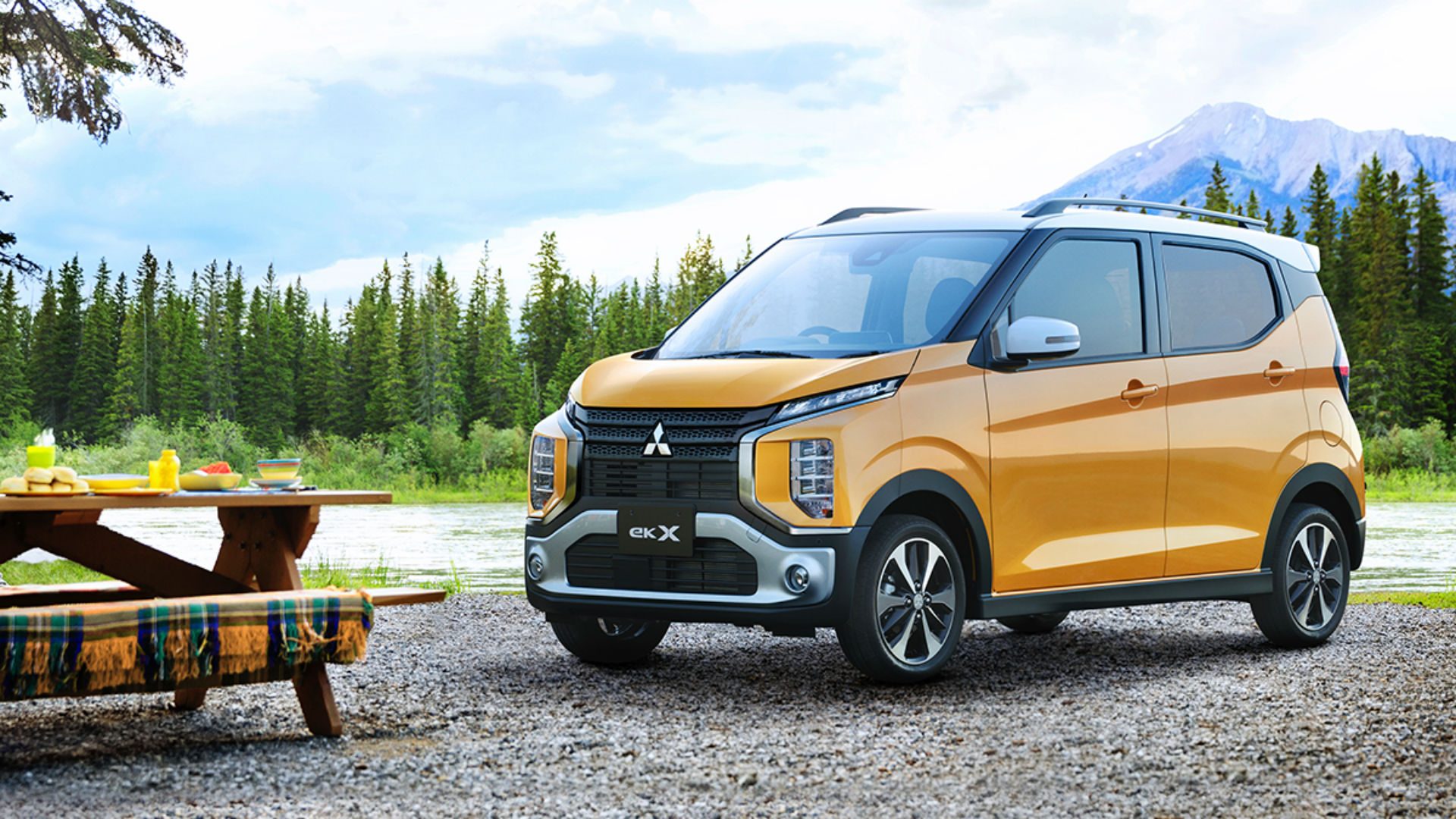
Mitsubishi ek X

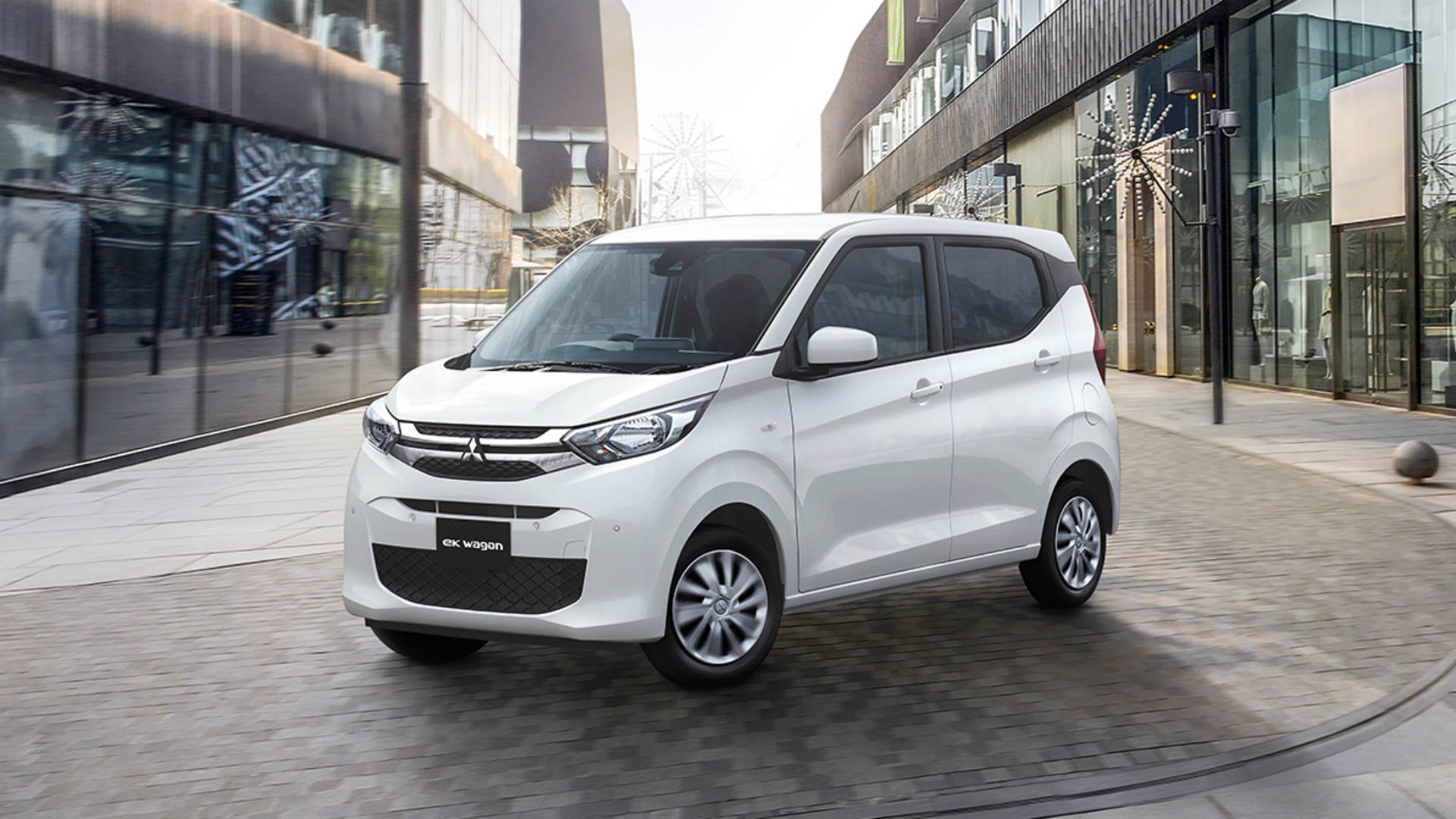
The Mitsubishi eK X and eK Wagon kei cars have been named 2020 Car of the Year in Japan.

The diminutive pair – which aren’t available in the UK – took the honours at the Automotive Researchers and Journalists Conference (RJC) in the country. 

RJC praised the pint-sized heroes’ comfortable cabin and interior space, as well as their performance and efficiency.

It’s the second win in a row for Mitsubishi, with the Mitsubishi Eclipse Cross named 2019 RJC Car of the Year at the conference in 2018.

Previous winners include the Suzuki Swift (2018), Nissan Note (2013), Nissan Leaf (2012), Honda Insight (2010), Mazda RX-8 (2004), Honda Civic (2001) and Toyota Prius (1998).

The first RJC Car of the Year was the rotary-engined Mazda RX-7, back in 1992.

Mitsubishi launched the eK Wagon and eK X (pronounced ‘eK Cross’) in March 2019. The eK X is the first crossover variant of the eK kei car.

The pair, developed by Mitsubishi and Nissan, boast all-new platforms, engines and CVT transmissions. They also feature MI-Pilot, a single-lane driver assistance system – the first of its kind in a Mitsubishi.

Mitsubishi ek wagon

MI-Pilot includes tech not normally associated with the kei car segment. Adaptive cruise control and forward collision mitigation have been the preserve of much larger vehicles.

The eK Wagon champions the customer’s “desire to seek out new destinations with greater assurance,” says Mitsubishi. Meanwhile, the eK X “responds to the wishes of adventurous customers seeking new challenges”.

At launch, the ek Wagon was priced from 1,296,000 to 1,506,600 JPY (£9,300 to £10,800), while the eK X cost 1,414,800 to 1,765,800 JPY (£10,100 to £12,600).

Of greater interest to UK customers is the launch of a new Mitsubishi Mirage in Thailand on 18 November.

The new Mirage will feature bold new styling to bring it into line with the rest of the Mitsubishi range, but other details will be confirmed next week. Could the Mirage make it three RJC wins in a row for Mitsubishi?

Advertisement

Coca-Cola has ‘ruined Christmas’, says waste company

0

Ban the Coca-Cola Christmas truck

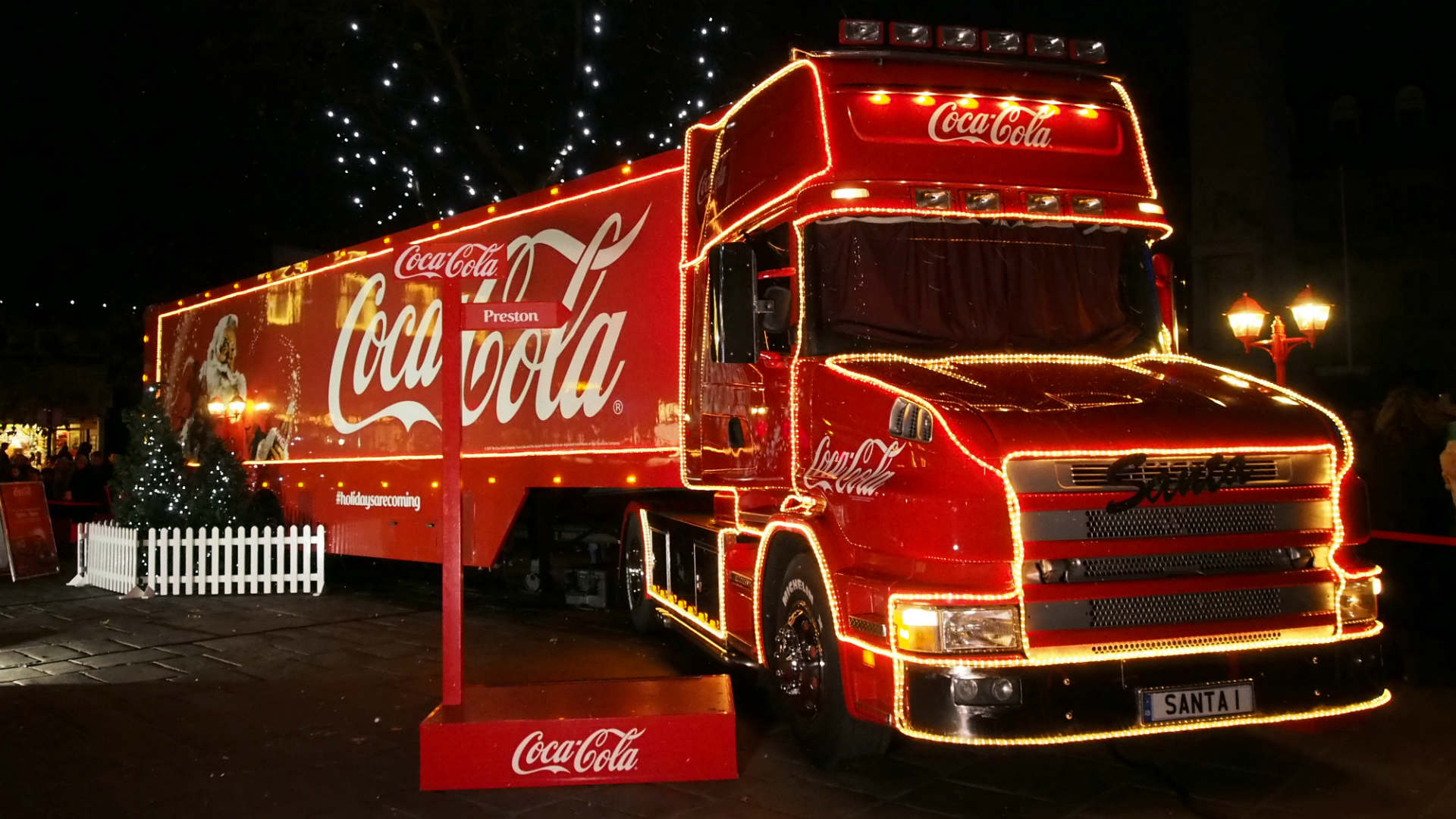
The Coca-Cola Christmas Truck will roll into Edinburgh today to start its UK tour. It’s confirmation that, like it or not, the holidays are coming.

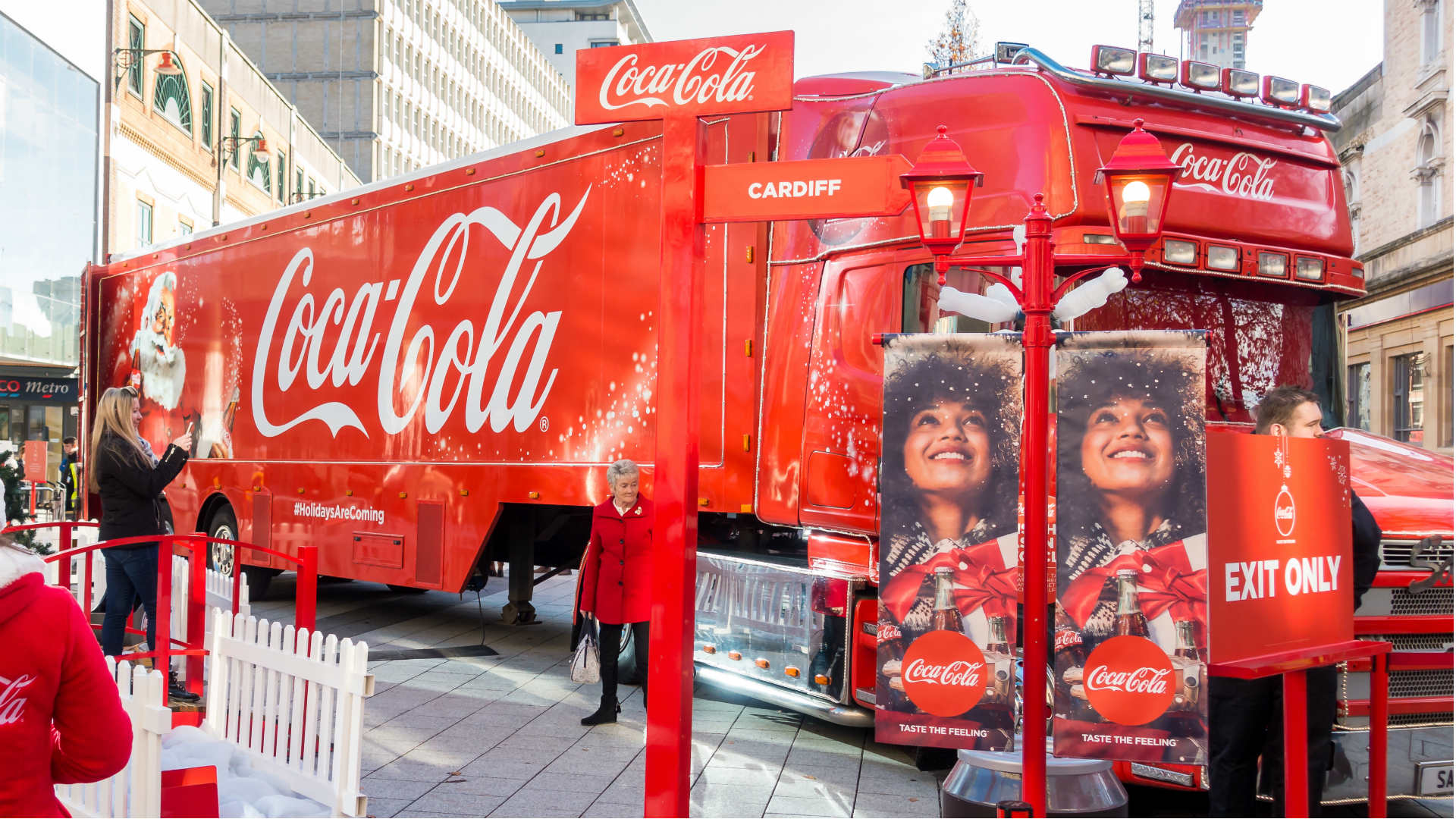
Actually, there’s more than one truck, unless the big red lorry has magical powers akin to the big fella in the red suit. It will also be in Cardiff today, with the tour drawing to close at the O2 Arena on Sunday 15 December.

But one waste company wants to ban the Coca-Cola truck, claiming it’s ‘one of the stupidest Christmas traditions’. 

“Driving a truck the length and breadth of the country for no clear purpose sets a bad example,” says Mark Hall of BusinessWaste.co.uk.

Coca-Cola would take issue with the ‘no clear purpose’ claim. According to its website, the truck will ‘spread holiday magic’ and bring ‘festive joy to people across the UK’.

There’s also the small matter of selling bottles of fizzy pop and ensuring the Coca-Cola name is spread far and wide via social media. 

As Buddy the Elf might say, “The best way to spread Christmas cheer is singing loud for all to hear… and taking a big red truck on a tour of the UK.”

‘Ruined Christmas’

Coca-Cola truck in Cardiff

BusinessWaste.co.uk says the Coca-Cola truck does 10.6mpg, weighs 40 tonnes and will use 287 gallons of diesel fuel. It also says that Santa’s sleigh is more efficient, but we’re not sure that’s been verified by the WLTP test.

Mark Hall doesn’t hold back. “Those fizzy pop guys night [sic] have invented the red-suited Santa, but they’ve ruined Christmas,” he ranted. 

“The fact is, they’re driving lorries over 3,000 miles up and down the country, then up and down the country, then up and down the country one final time on completely unnecessary journeys, with zero route planning.

“That’s the same as driving from London to Moscow – and back again!“

Which camp are you in? Will you welcome the big red truck and its band of Christmas helpers, or do you agree with Mark Hall?

The Coca-Cola truck: naughty or nice? You decide.

Advertisement

New Renault Zoe interior recycles seatbelts and plastic bottles

0

Renault Zoe 100 percent recyclable material cabin

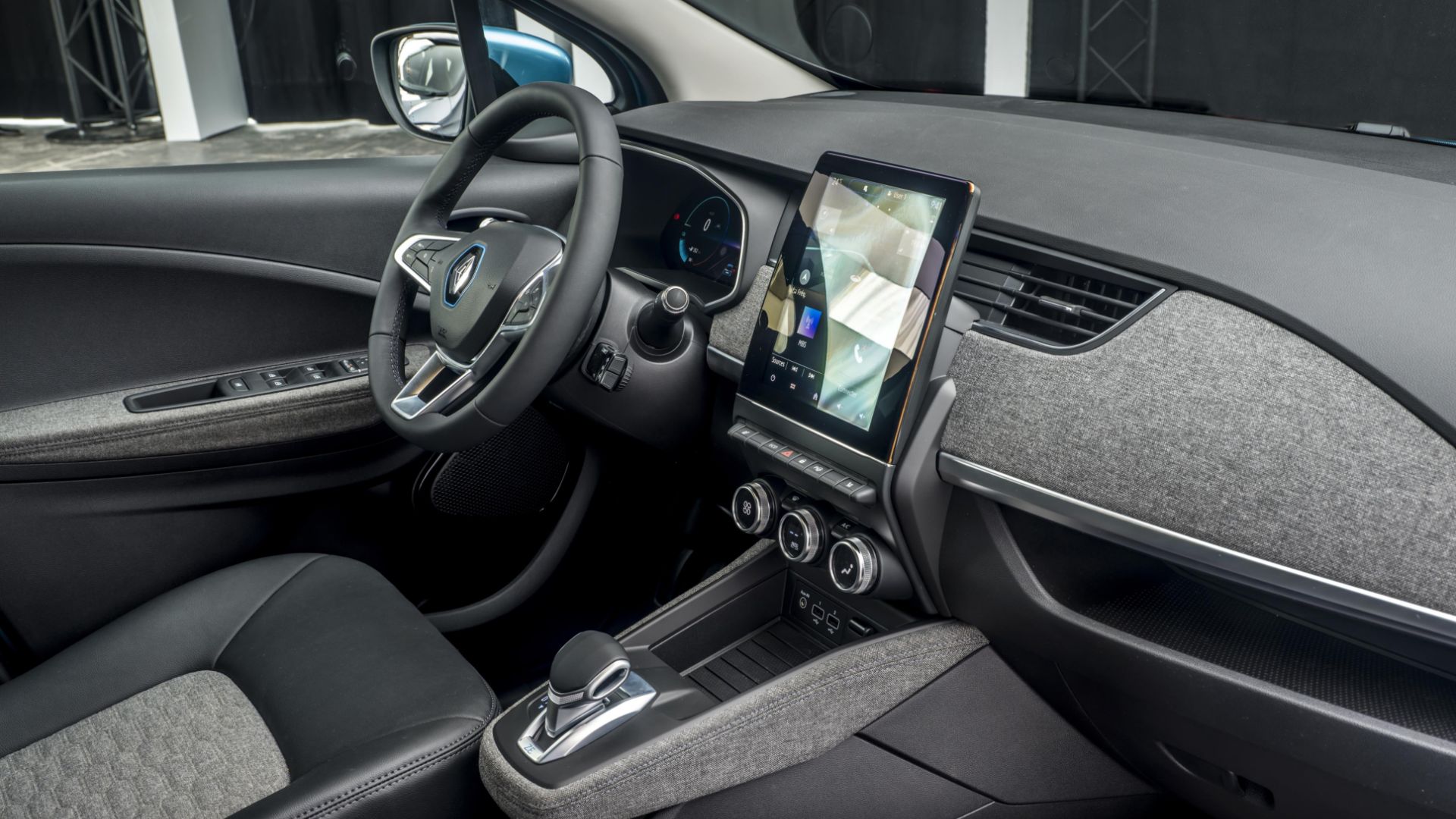
Renault will be using a new fabric for its car seats made of 100 percent recycled material. The patented fabric, which will be used in the Zoe electric car, is made out of recycled seatbelts, textile straps and plastic bottles.

A total of eight square metres of the Zoe’s cabin will be covered by the material. This includes the dashboard, gear lever surround and door fittings.

Renault Zoe 100 percent recyclable material cabin

The covering has been tested for the rigours of daily driving, including wear-resistance, ability to be cleaned and resisting sun damage.

CO2 emissions from manufacturing are reduced by more than 60 percent in comparison with conventional materials. The production process doesn’t use thermal transformation, which is very CO2-intensive.

Renault Zoe 100 percent recyclable material cabin

“Faced with the challenge of the energy transition, industries have an essential role to play in changing their production methods and reducing their environmental impact,” said Jean-Philippe Hermine, director of environmental strategy at Renault.

“This approach contributes to the Group’s commitment to reduce the environmental impacts of each vehicle throughout its life cycle and to reduce its global carbon footprint by -25% in 2022 compared to 2010.”

Advertisement

ASA rules Lexus self-charging hybrid ads ‘not misleading’

0

Lexus self-charging hybrid advert

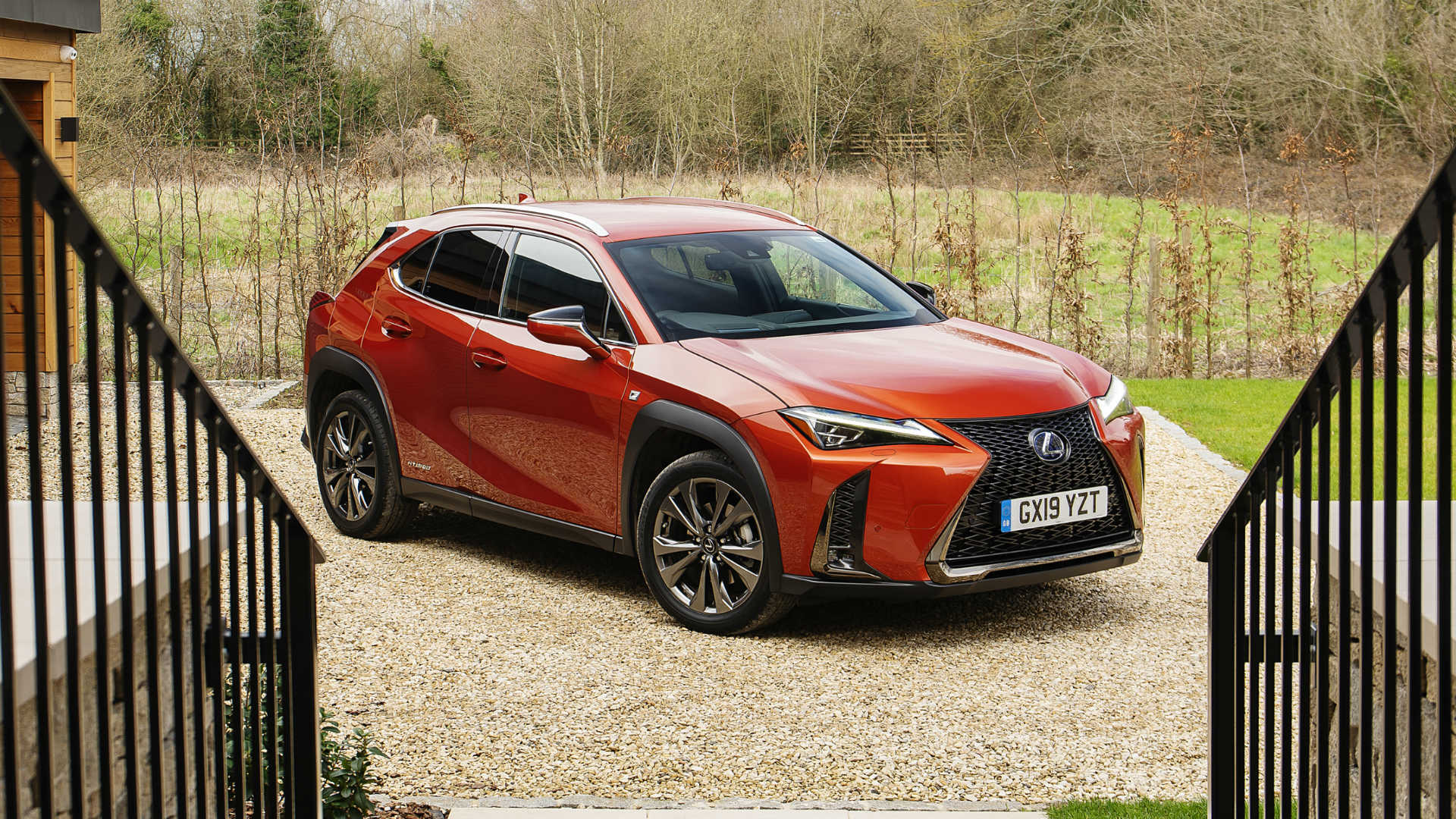
The Advertising Standards Authority (ASA) has rejected complaints about Lexus and its ‘self-charging hybrid’ adverts.

A total of 25 people challenged whether the claim ‘self-charging hybrid’ was misleading because they believed it misrepresented the way in which the battery was charged.

In response, the ASA said: “Because the ads did not misrepresent the way in which the electric battery was recharged by using the petrol engine, we concluded they were not misleading.”

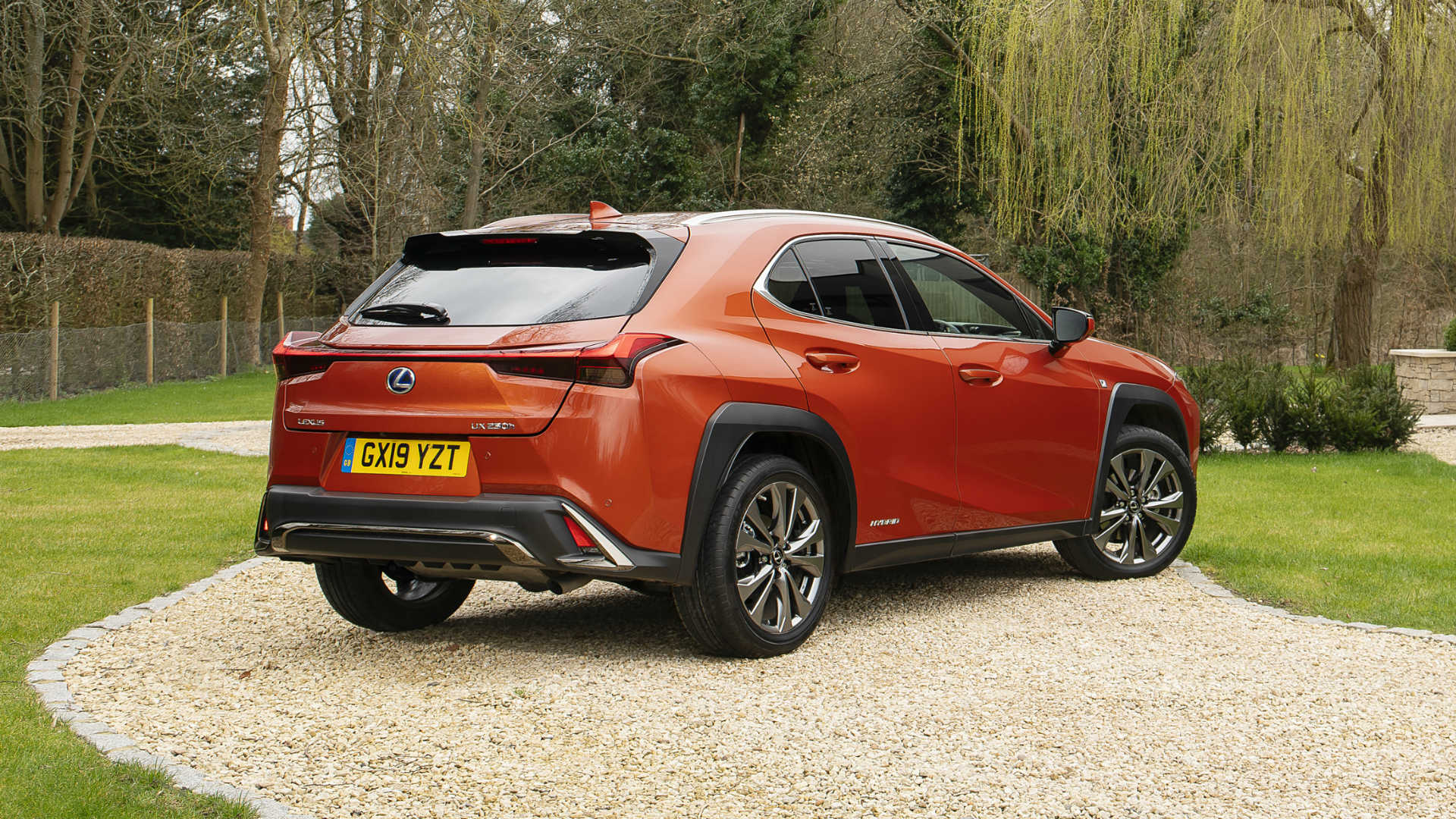
The complaints centred on a campaign for the Lexus UX, specifically a television advert, poster and Facebook post.

In the television ad, a voiceover said: “To capture something striking, you need to keep your eyes open, and the more you look the more you will see. So keep going. The all-new Lexus UX self-charging hybrid.”

In response to the complaints, Toyota GB said the hybrid electric vehicles use a petrol engine and and an electric motor that could operate independently to each other, as well as working in tandem.

In a statement, Toyota said it “believed that consumers would be aware that the hybrid vehicle was powered through a combination of petrol and electricity and that the ‘hybrid’ was descriptive of that dual source of power”.

Lexus UX self-charging hybrid

The ASA agreed with Toyota. “Consumers would interpret the ads to mean that the Lexus UX was a new model of ‘self-charging hybrid‘ car,” it said.

It was noted that the ads “did not include content which implied the battery was charged via plugging in”.

In conclusion, the ASA said: “We considered the ads did not contain any references to other types of car, ‘hybrid’ or otherwise, and did not make any stated or implied claims in relation to the car’s environmental impact.

”We therefore considered consumers would be unlikely to view the ads as a comparison which implied the ‘self-charging hybrid’ engine was an improvement, including by being more environmentally friendly, compared to other types of hybrid vehicle.”

The UX is the smallest of three SUVs in the Lexus range and prices start from just under £30,000. You can read our first drive review of the car here.

Advertisement

Opinion: Why must we go back for the future?

0

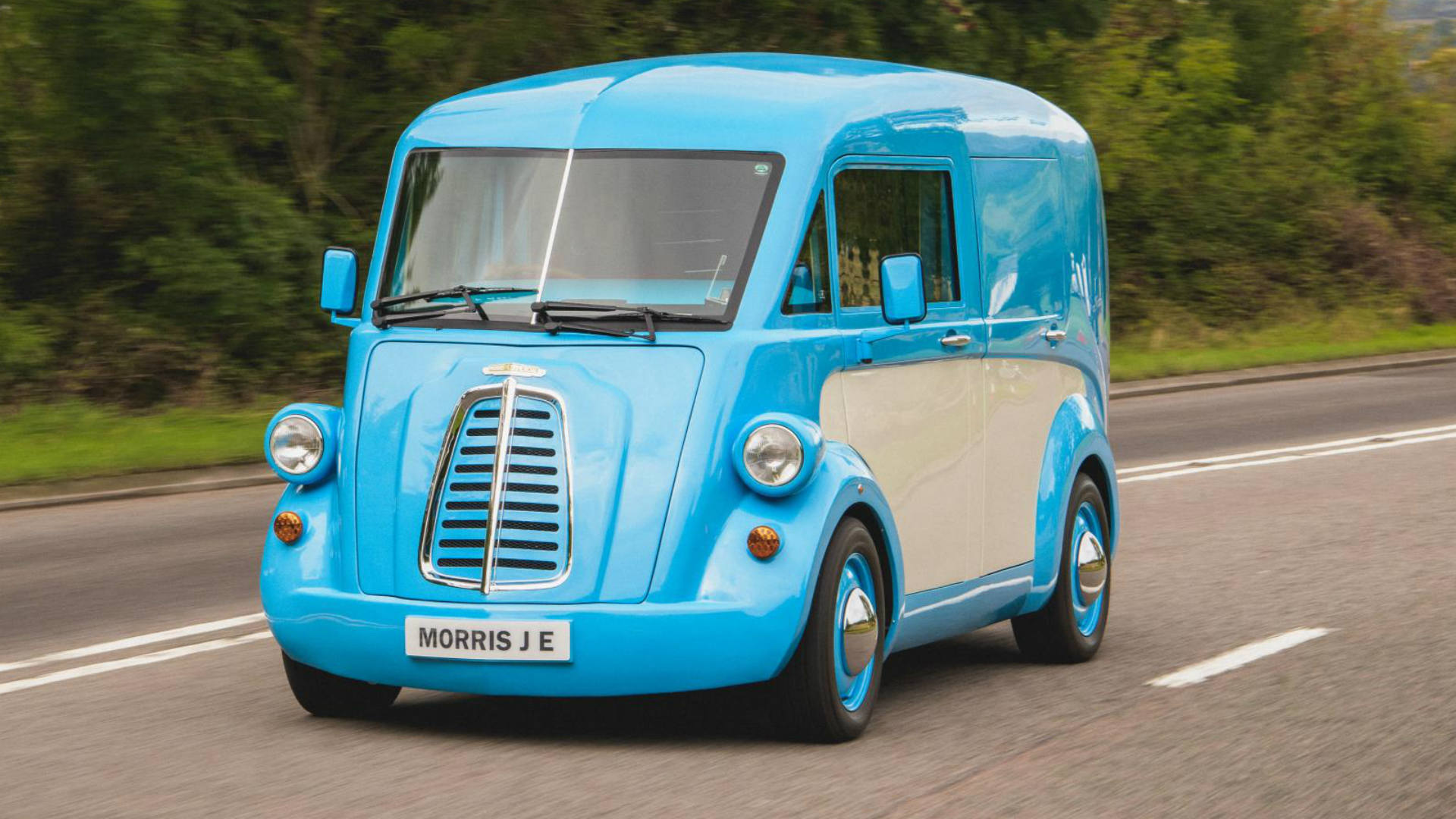
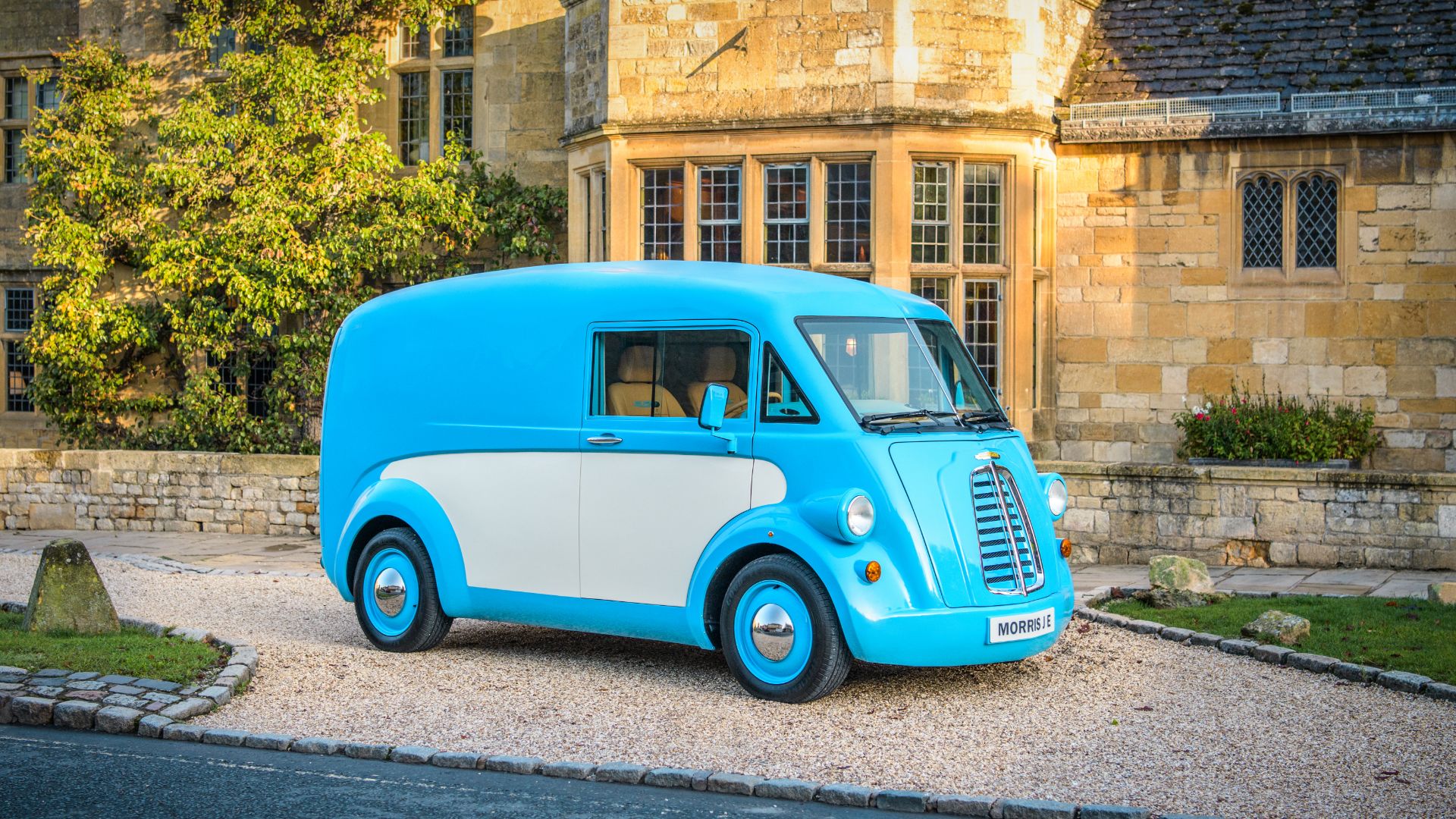
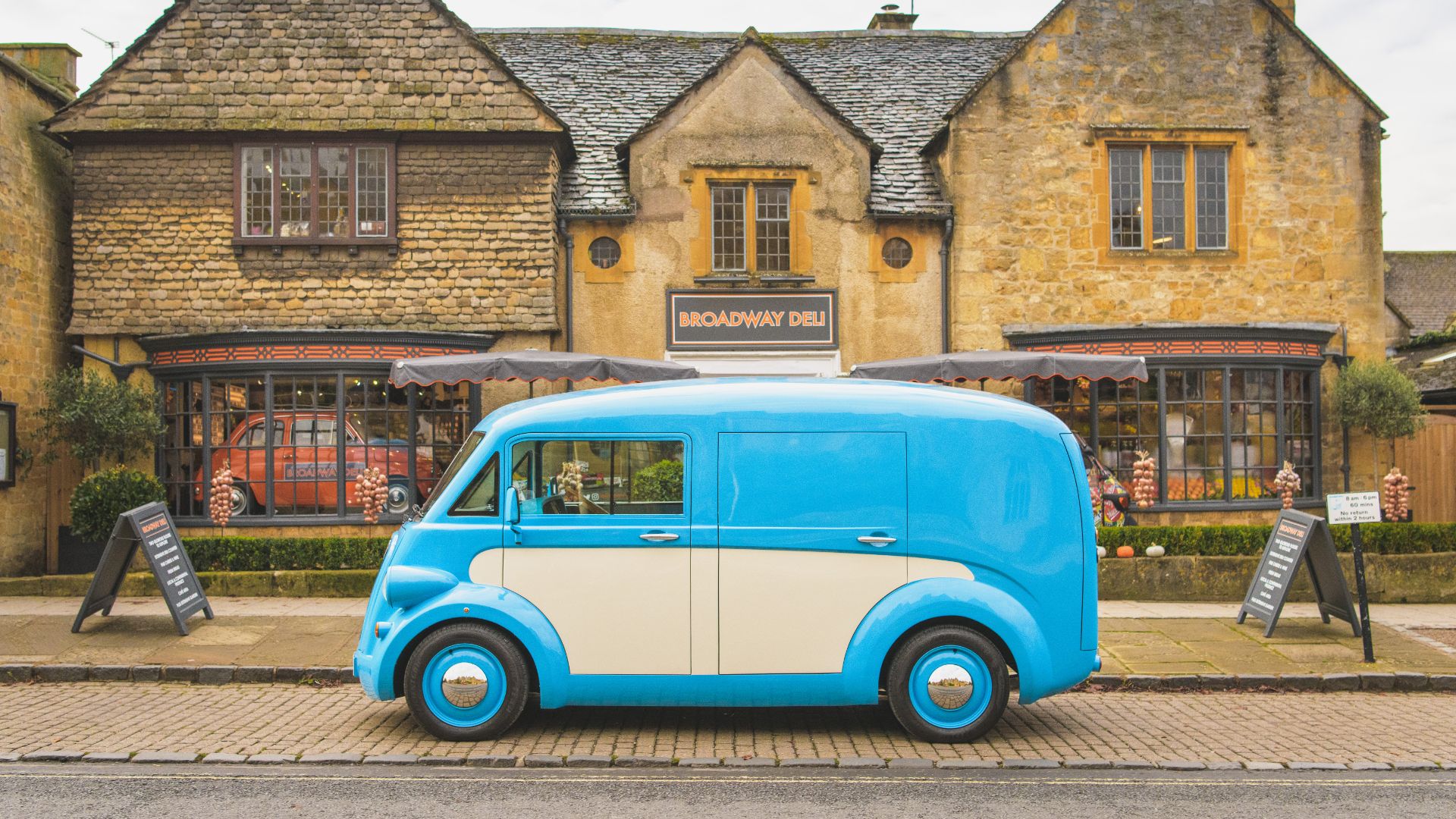
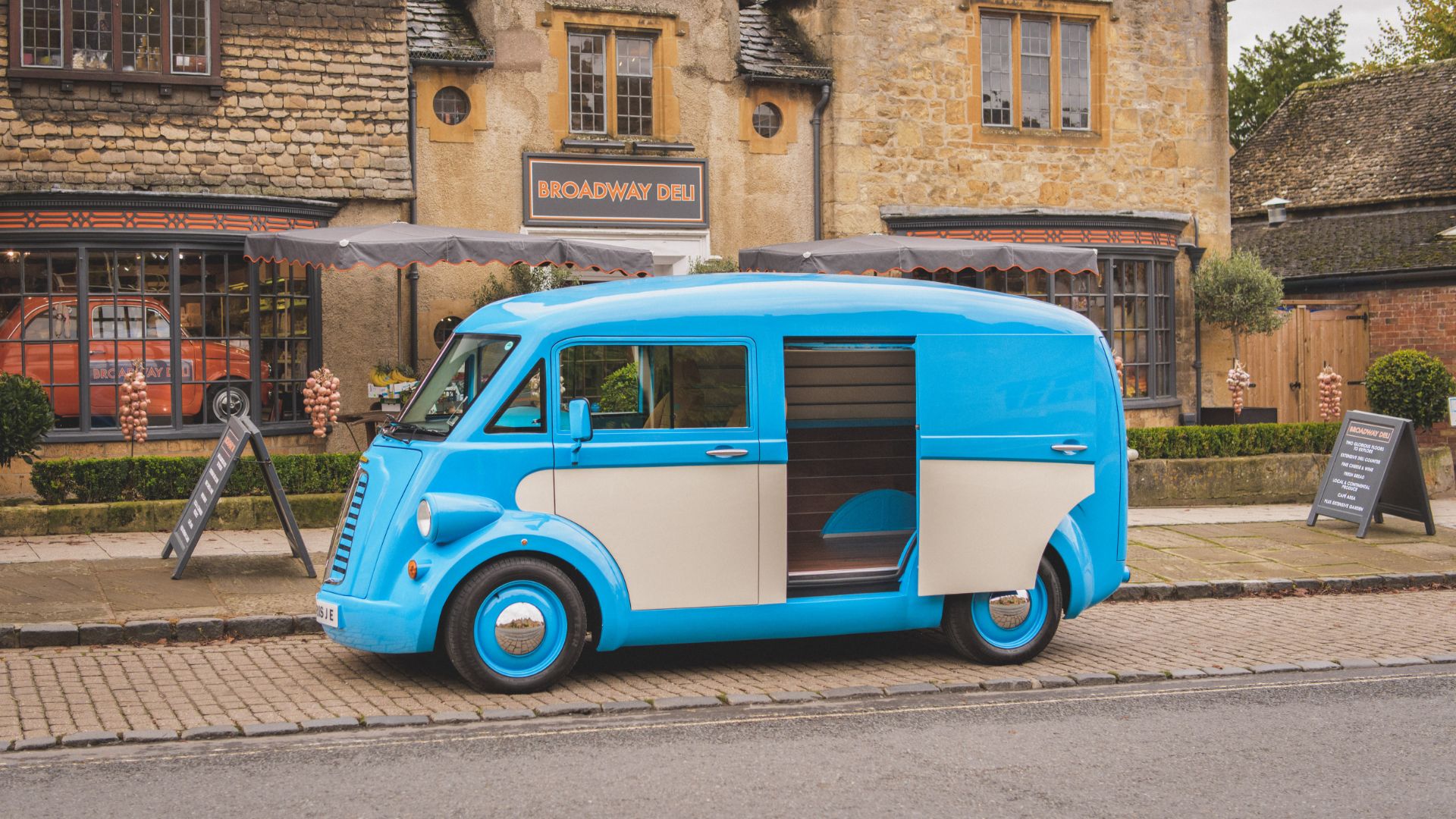
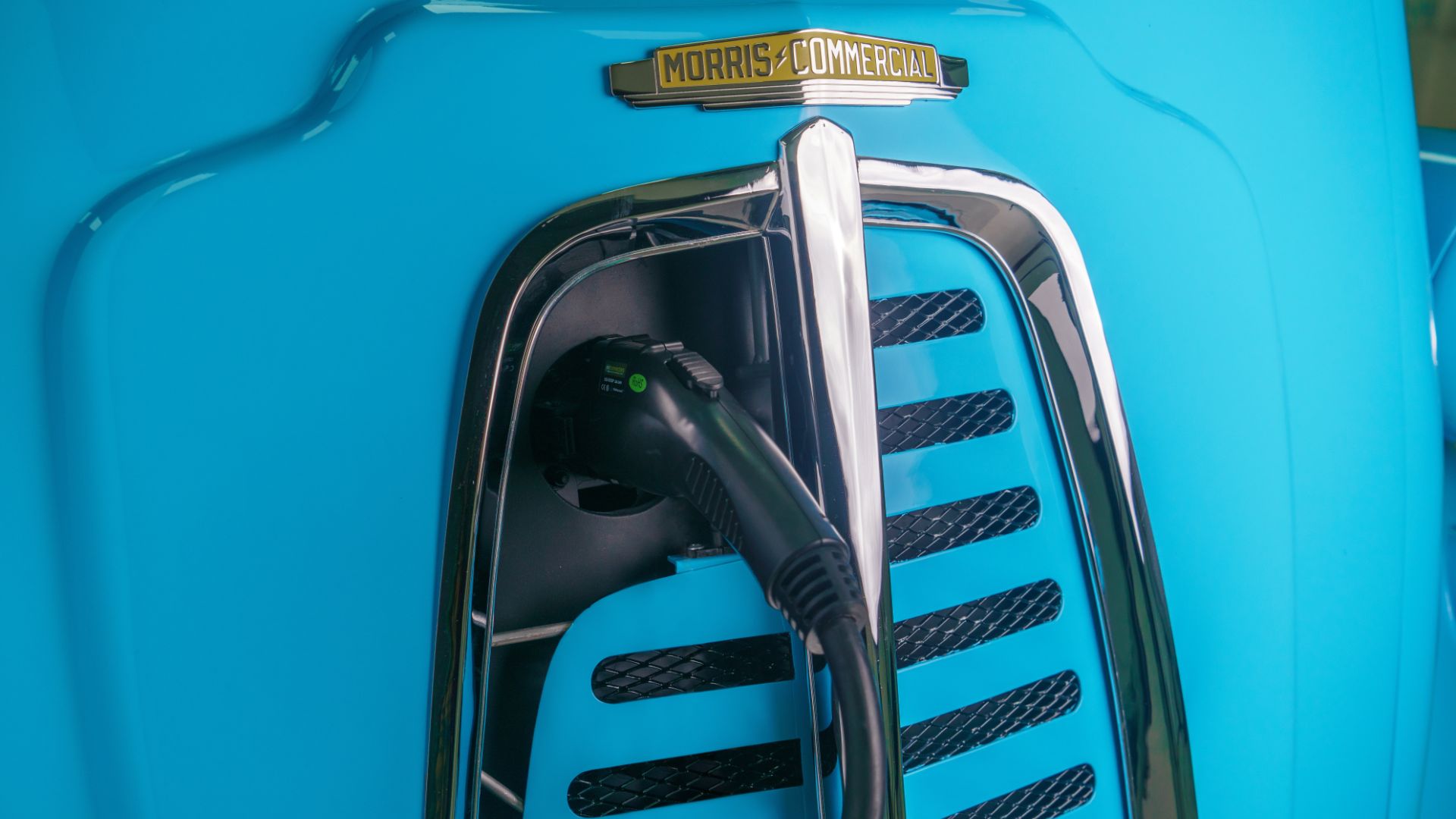
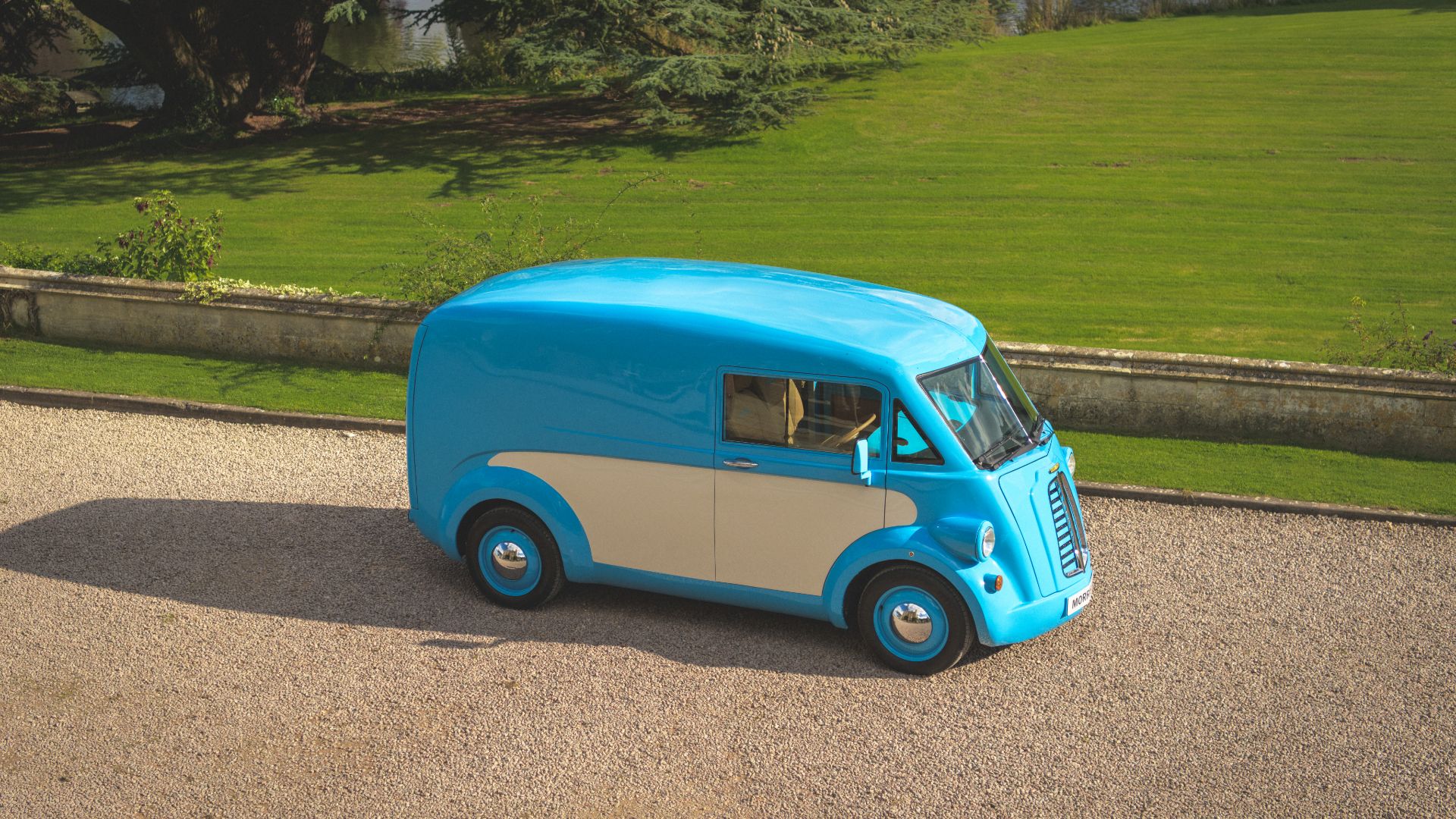
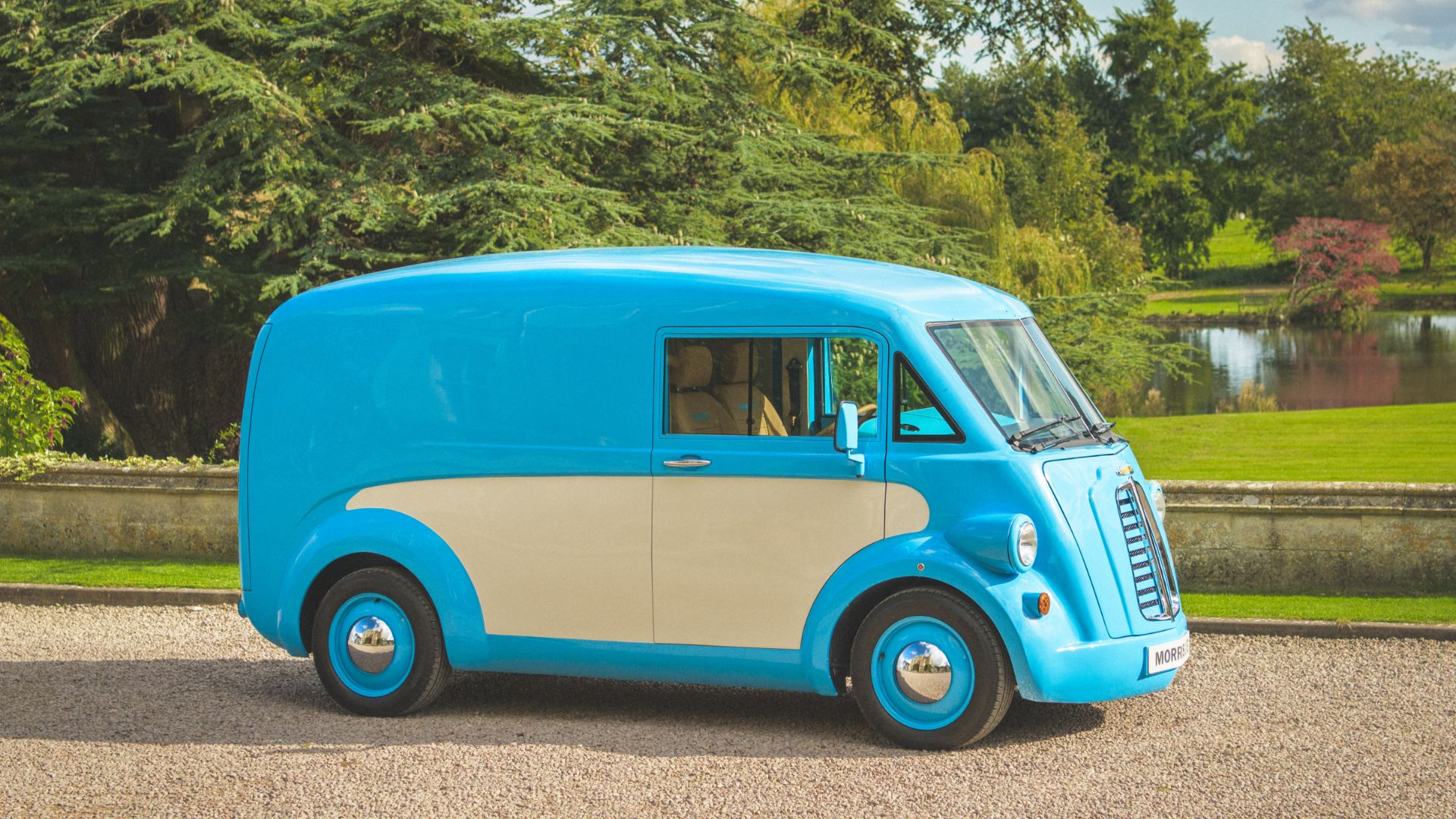
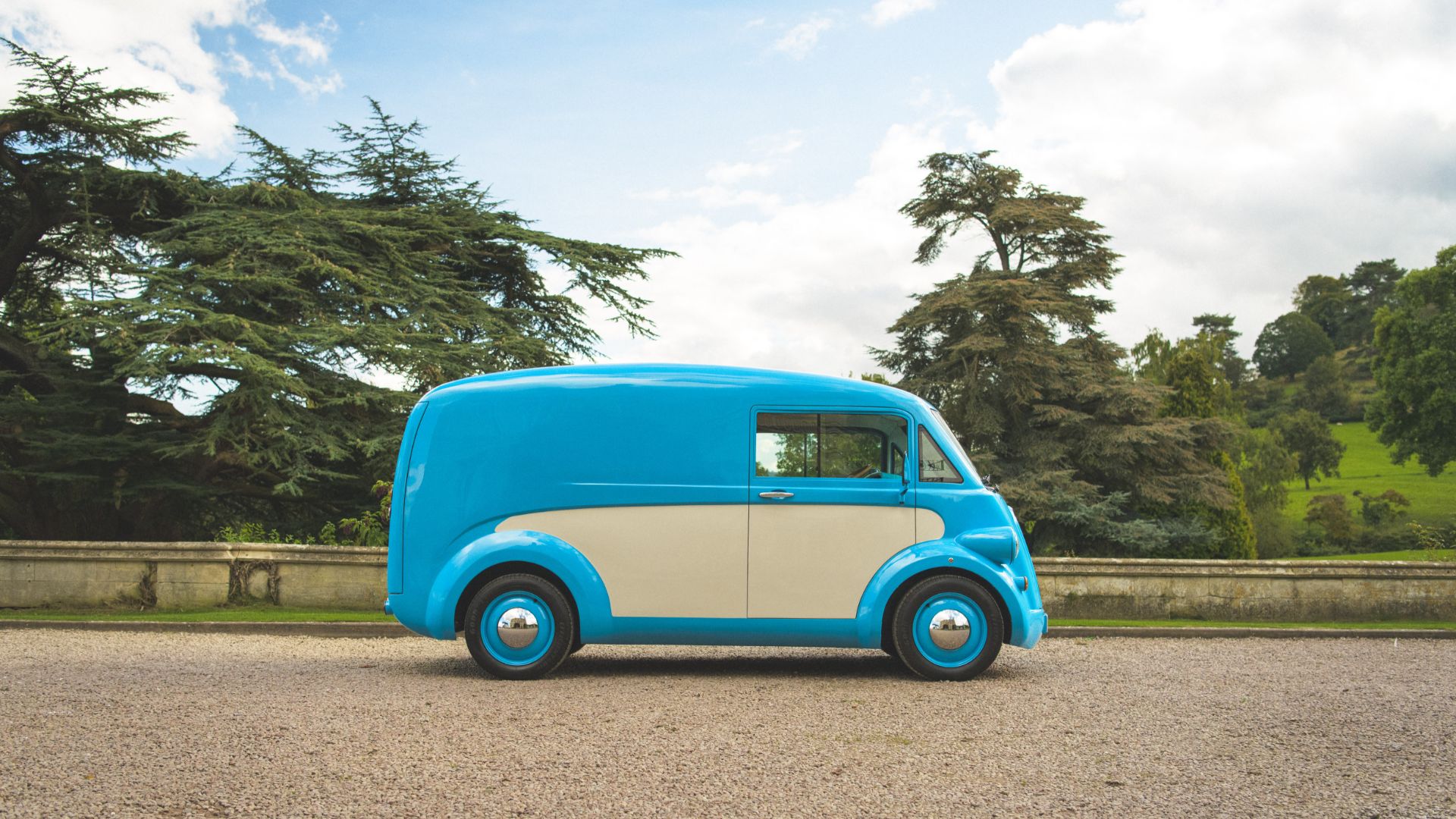
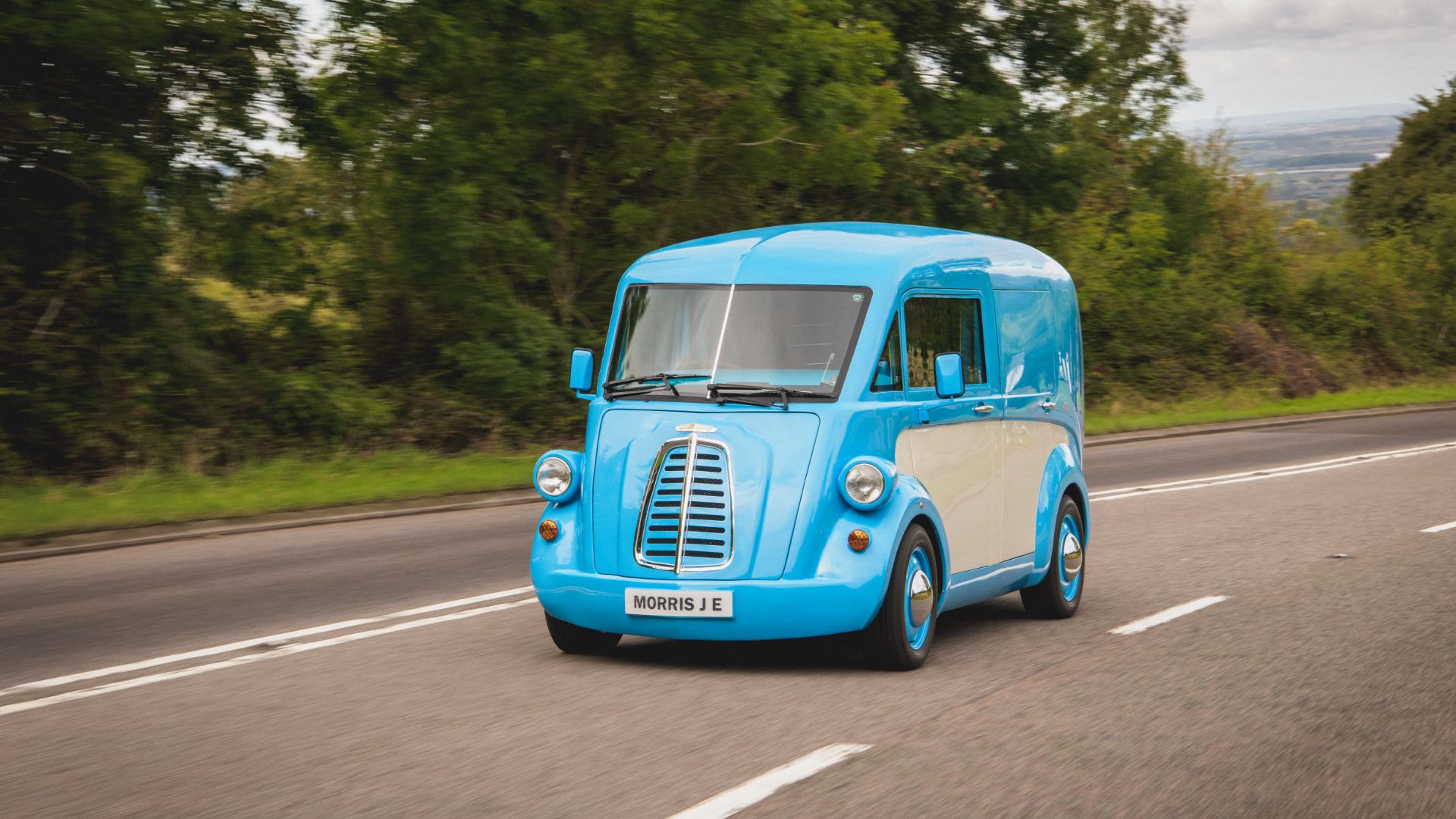
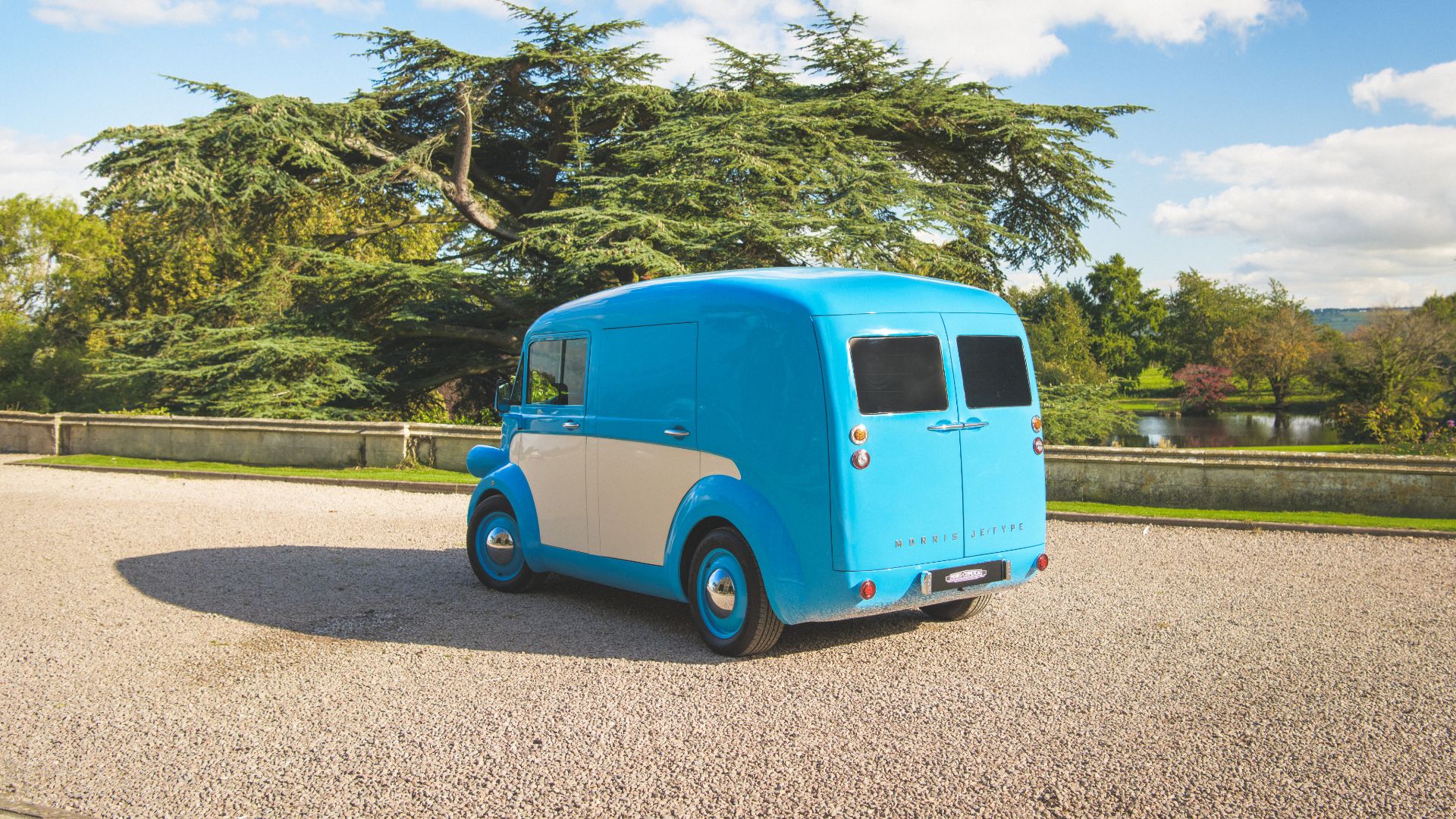
Morris JE electric van

‘A retro-styled electric masterpiece’, reads one headline for the Morris JE van. ‘Brilliantly retro’, says another. ‘Retro-cute’ and ‘the cutest electric van I’ve ever seen’ concludes this quartet of rather gushing and sickly-sweet intros.

I’m sorry, but I’m just not buying it. Quite literally, given the fact that the JE van is expected to sell for around £60,000 in 2021.

It’s a ‘reimagining of the original [and] iconic’ J-type van, says Morris Commercial, before describing the 1950s classic as ‘unapologetically distinctive’.

What’s the obsession with reimagining stuff from our past? What next, a reimagining of other distinctive elements of 1950s Britain, such as polio, pea-soupers and women tied to the twin-tub washing machine?

Mind you, there’s no knowing what Britain will look like two years from now.

Putting aside the pros and cons of electric vehicles for a moment, shouldn’t the designs be forward-thinking, progressive and challenging? I’m not sure a van that looks like something Mr Tumble might drive is going to do much for the EV market.

Morris JE van

The company claims it will appeal to a wide range of customers, but the list is exhausting, if not exhaustive.

Small boutique businesses, larger corporate fleets, luxury and lifestyle brands, the hospitality industry, the sport and leisure industry, high-end manufacturing, the events industry and green logistics.

And… breathe. Anyone for a game of monkey tennis?

Of those, who is going to want to drop £60k on Mr Tumble’s company wheels? I can’t see an artisan coffee company ditching the H-van for one of these. Is a fleet buyer going to say “no thank you” to the resources and support of Volkswagen, Renault, Nissan and the like?

The figures don’t add up. A range of 200 miles and a one-tonne payload might look acceptable in 2019, but the technology should have moved on by 2021. The LDV EV30 boasts another name from Britain’s ‘glorious past’, 200 miles of range and a one-tonne payload. The price? Rumoured to be in the region of £30,000.

Morris Commercial says it will create “an individuality in a market where dull, generic design is normal”. Which is one way of justifying an exorbitant price tag and a dashboard that looks straight outta LazyTown.

Vans are ‘dull’ and ‘generic’ because that’s what the market wants. These vehicles are built to do a job on time, reliably, efficiently and without fuss. Sure, there’s a place for vans without ‘clean me‘ perma-scrawled into the dirt on the back doors – I know folk who love their vans more than their family car.

It’s just that most vans I see look like they’ve been used as target practice at the local paintballing centre within a few months of hitting the road. How is the JE’s carbon-fibre body going to withstand even the lightest of damage?

I don’t doubt the hard work that’s gone into creating this ‘masterpiece’. But harking back to a bygone era hints at a lack of creativity and an absence of ideas. Besides, I have a feeling the ‘retro-cute’ market will be swallowed up by Volkswagen’s Buzz Cargo thingy.

I could be wrong (and it wouldn’t be the first time). Maybe the commercial sector is waiting for Mr Tumble to roll into LazyTown in a blaze of zero emission glory. Me, I’m just waiting for someone to unearth a barn-find Bedford CF Electric.

Advertisement

You’ll spend 8 MONTHS of your life stuck in traffic

0

British drivers stuck in traffic

If you drove to or from work today, the chances are you encountered some traffic along the way. But have you ever stopped to wonder just how long you spend top to toe in tailbacks? ‘Stopped’ being the operative word.

EIGHT MONTHS. You’ll spend eight months of your life stuck in traffic, staring at the rear lights of a compact crossover, wondering if you’ll make it home in time for The One Show

A study of 2,000 motorists found that we spend two months searching for a parking space and the equivalent of one year driving to work. Maybe it’s time to consider working from home.

Overall, you could spend nearly four years behind the wheel, racking up almost 600,000 miles in the process. This is still less than the mileage on the cab that took you home from the pub on Friday night.

A life in cars

UK traffic jam

The Webuyanycar.com study is quite revealing – and a little depressing. While it would be nice to think that time behind the wheel involves picturesque coastal drives, cruising along with the top down and banging tunes on the stereo, the reality is quite different.

Here are some of the figures:

  • Miles driven: 592,920
  • Time spent in car: 3.7 years
  • Time on the motorway: 11 months
  • Time on country lanes: 12.2 months
  • Time in cities: 10.4 months
  • Sitting in traffic: 8 months
  • Finding a parking space: 2 months
  • Driving to work: 12 months
  • Driving around lost: 15 days

Richard Evans, head of technical services at Webuyanycar.com, said: “This research highlights how much of our lives revolve around our cars. Driving almost 600,000 miles is no mean feat and we are tested on a daily basis with congestion, squabbling children, work demands and elusive parking spaces.

“For many of us our cars are a lifeline and we will experience a number of key life moments behind the wheel.”

Advertisement

Peugeot to enter Le Mans 2022 with hybrid hypercar

0

Peugeot Le Mans 2022

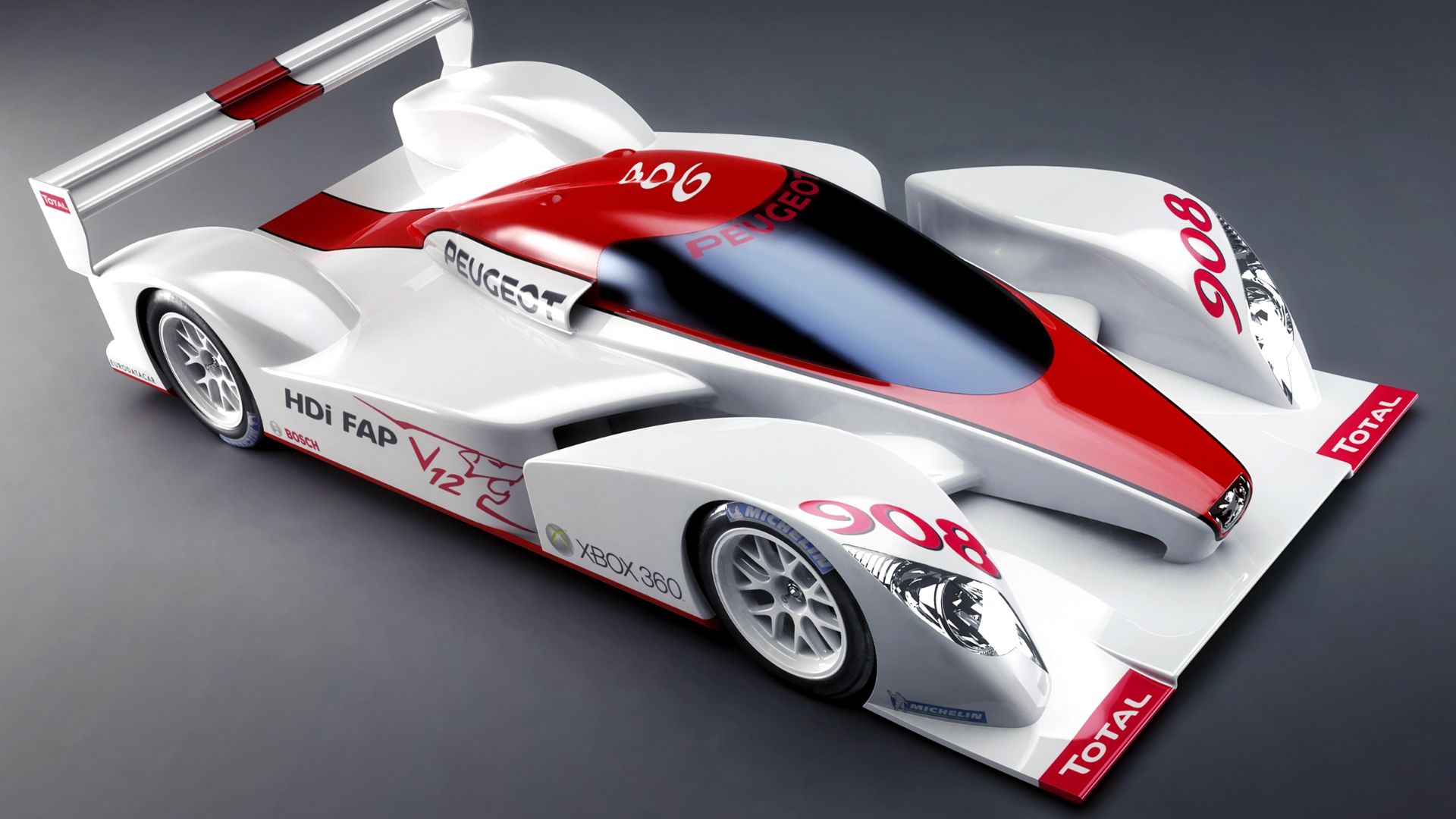
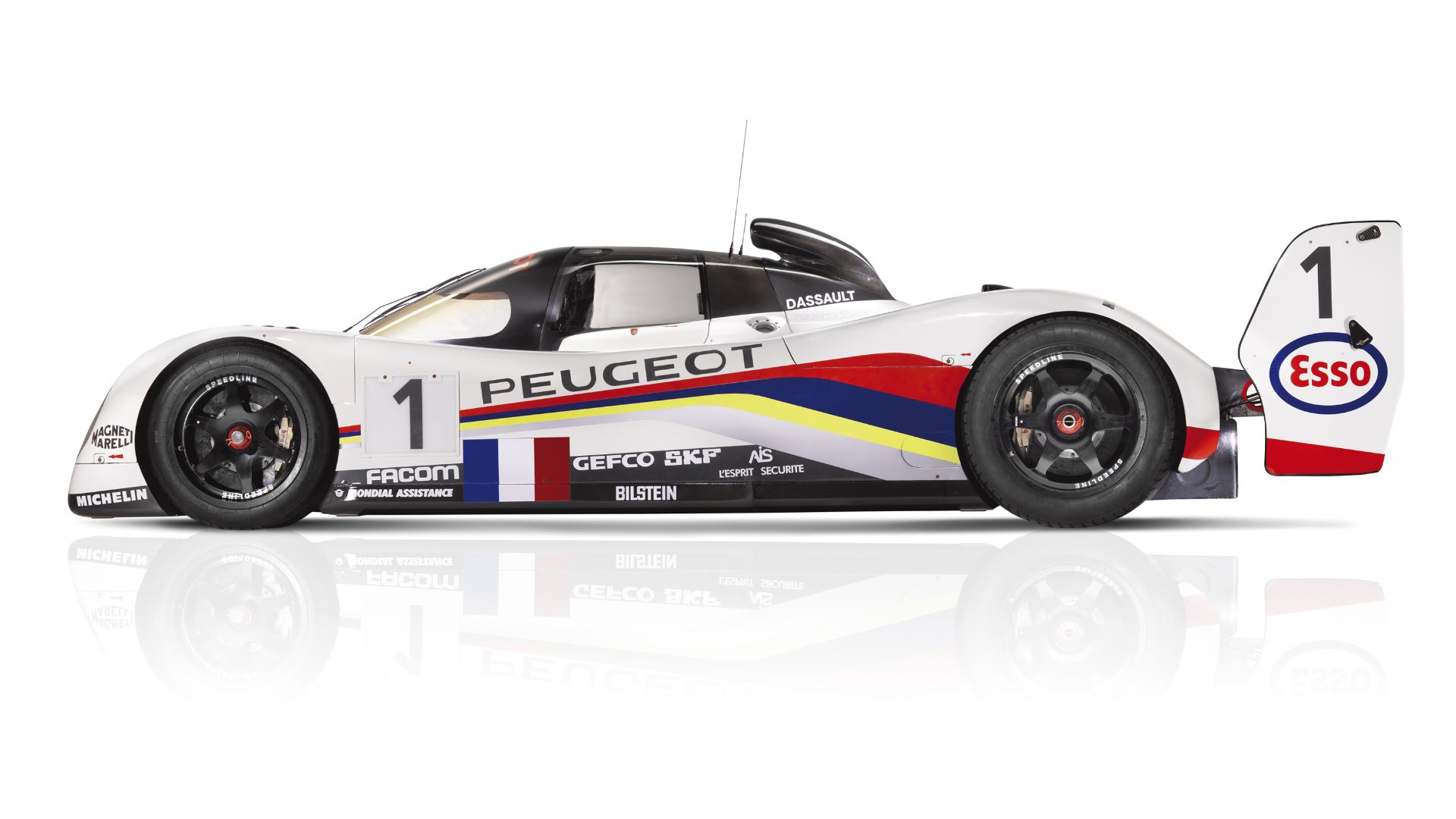
Peugeot has announced plans to return to Le Mans once the Hypercar class is well established. The new racer will join the Aston Martin Valkyrie and Toyota GR SuperSport on the grid in 2022.

Peugeot last won Le Mans in 2009 with the diesel-powered 908 HDI FAP. It was due to race in 2012, but backed out at the eleventh hour due to budgetary constraints. The more ‘affordable’ Hypercar class means that shouldn’t happen again.

Peugeot hypercar is comingPeugeot Le Mans 2022

One of the main goals of the new Hypercar class, as well as increasing the connection between race and road cars, is to significantly cut costs. LMP racing famously became so expensive that even Porsche and Audi pulled their support in recent years.

The aim for this new WEC class is to attract more manufacturers to a cheaper, more relatable series of top-level endurance racing. It seems to be working.

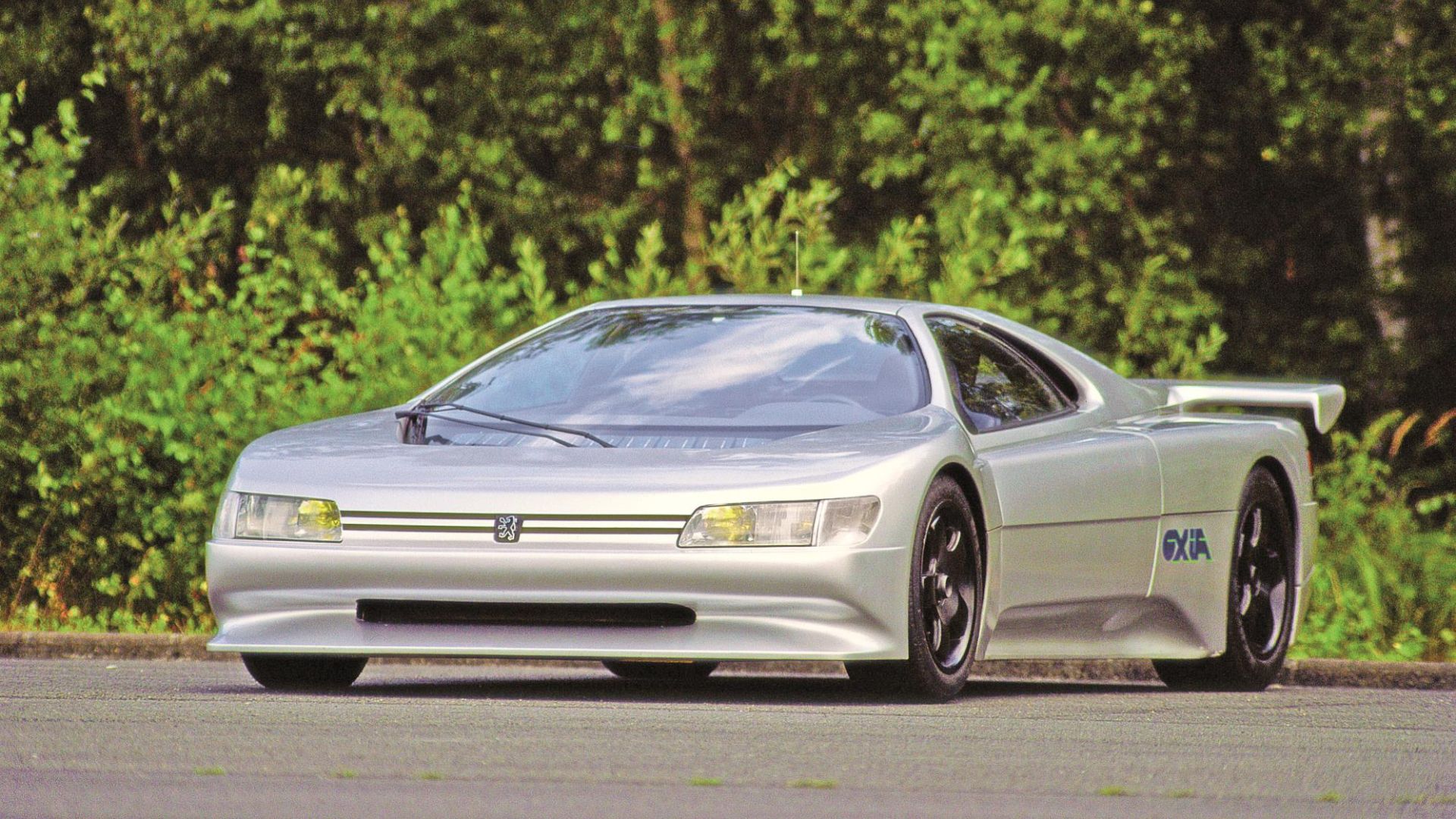
The new class will allow manufacturers to choose whether they race with hybrid power. Given Peugeot’s increasing focus on electric cars, we suspect its Le Mans contender will be electrically boosted. And there will be a production Peugeot hypercar, too. The rules mandate that 20 road-going versions must be produced in order to homologate the racers. We definitely wouldn’t say no to a modern interpretation of 1989’s Oxia Concept…

Peugeot Le Mans 2022

  • Porsche 917 meets Concorde – Golden jubilee of speed

“The Peugeot brand’s passion for motorsport has always played a core role in achieving the many victories we have scored in our history,” said Peugeot brand director, Jean-Philippe Imparato.

“The changes that the FIA WEC is introducing fit now with the transition we are undergoing ourselves with the electrification of our range and the launch of high-performance products, developed in close association with PSA Motorsport.”

Advertisement

Morris returns after 32 years – with a £60,000 electric van

0

Morris JE

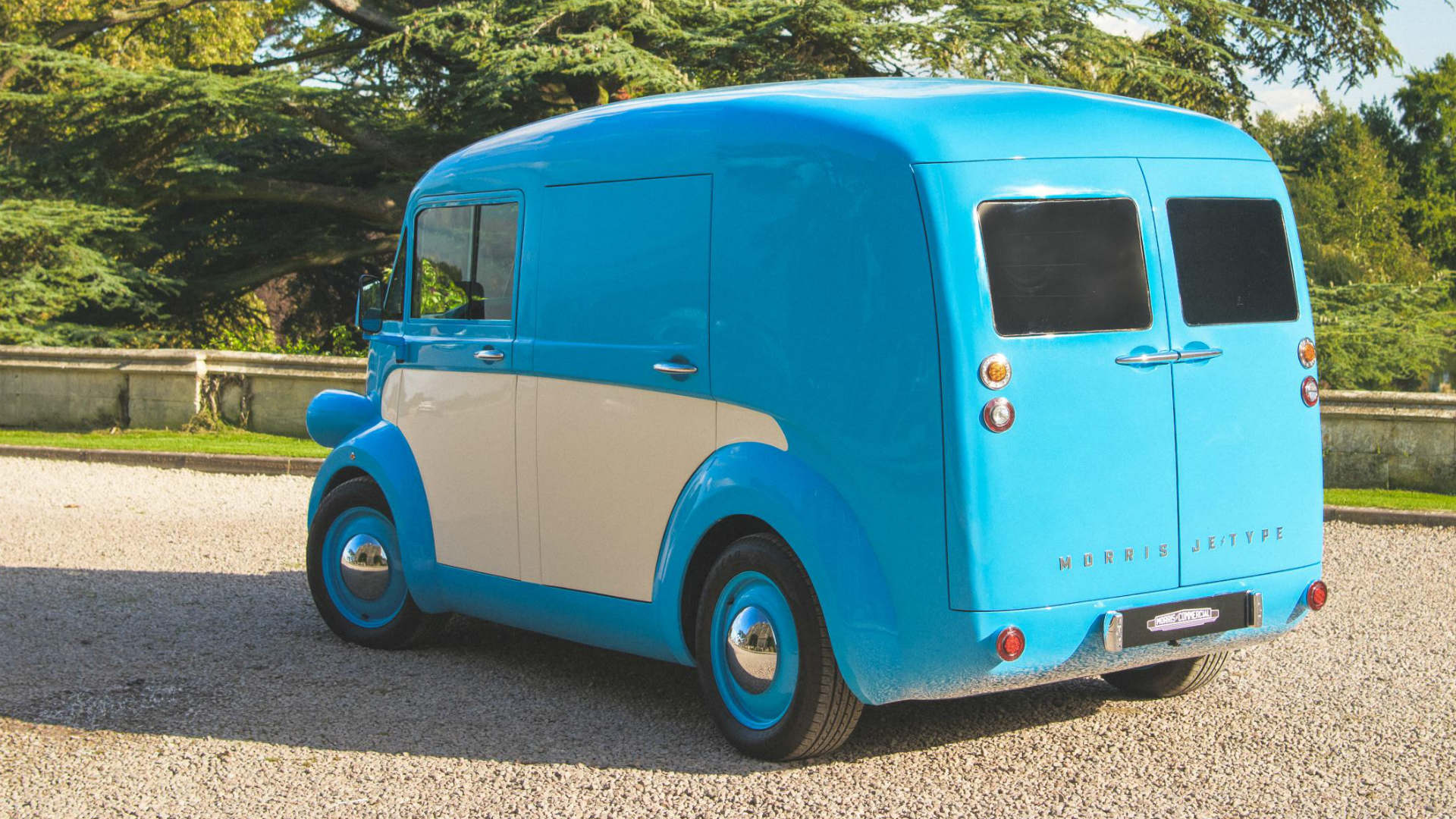
The new Morris JE electric van has been revealed in full and it looks as unapologetically retro as we’d hoped. Just a couple of obstacles stand in your way if you want one. Firstly, it won’t go into production until late 2021. And secondly, it will set you back around £60,000.

In spite of its quaint styling, the JE is very much a modern van, with carbon fibre panels to add strength and save weight.  A modular platform also means there can be different products spun off in future. These could include, says Morris, a pick-up, minibus and camper van.

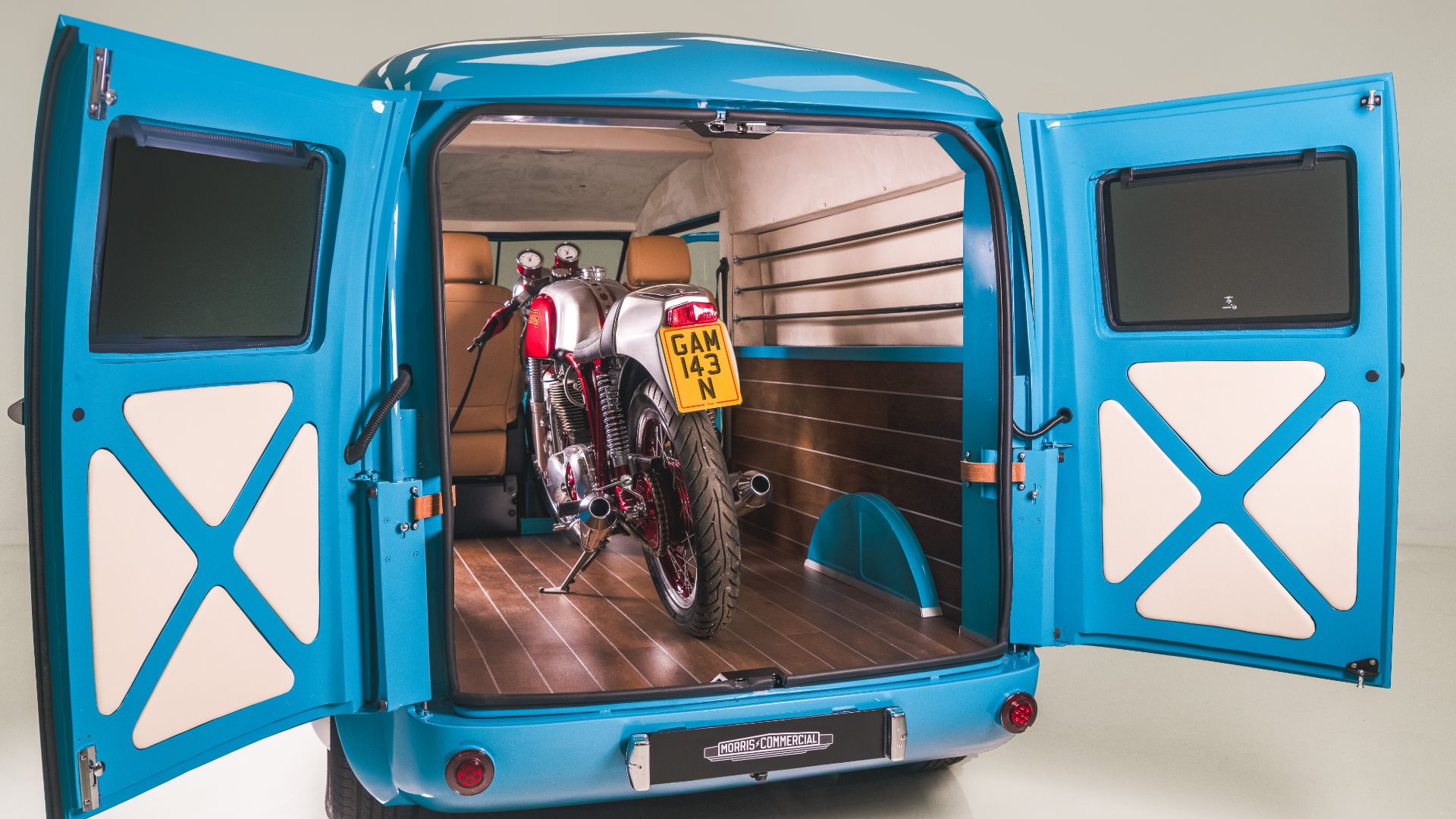
Morris JE

The JE is also electric, of course. With an expected 200-mile range, 1,000kg payload and a 5.5 cubic-metre carrying capacity, it is decently practical. Morris says that, in spite of it being within the 2.5 tonne segment, that kind of carrying ability is something you’d ordinarily see in the 3.5 tonne class.

“It is a delight to unveil the new Morris JE to the world and for us to show what we have been working so hard to achieve,” said Dr Qu Li, CEO of Morris Commercial.

“From the outset, our vision was to bring a new concept to the LCV market, not just in terms of the battery electric powertrain, but also to introduce a timeless design that takes the aesthetics and appeal of such a vehicle to a whole new level. What we have created is a beautiful, retro design that sits upon a cutting-edge, modular BEV platform, delivering practicality and functionality to compete with the best in its segment.”

Morris JE

  • Volvo uses blockchain tech to make EVs more ethical

Still, £60,000 remains a lot of money for a small van. But while builders or tradespeople may not see the appeal, there are more premium ‘lifestyle’ applications. Morris highlights the hospitality, sport and leisure industries, along with high-end manufacturing. 

We could quite easily imagine one of these as a vegan food truck parked up in Shoreditch. They’d make appropriate additions to Goodwood’s commercial fleet, too. The right buyers could well exist for the JE, then. But they will have to wait.

Advertisement