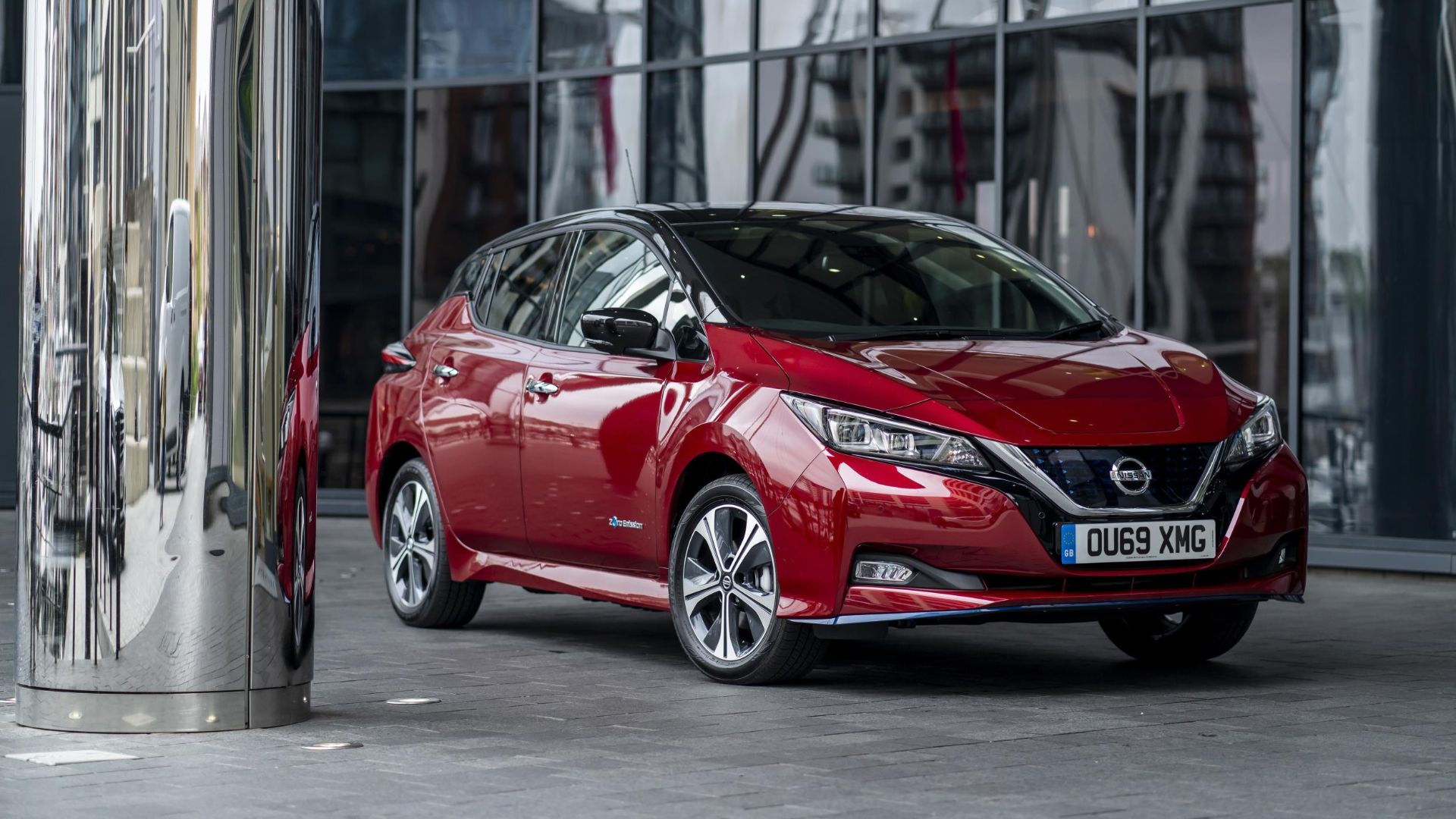
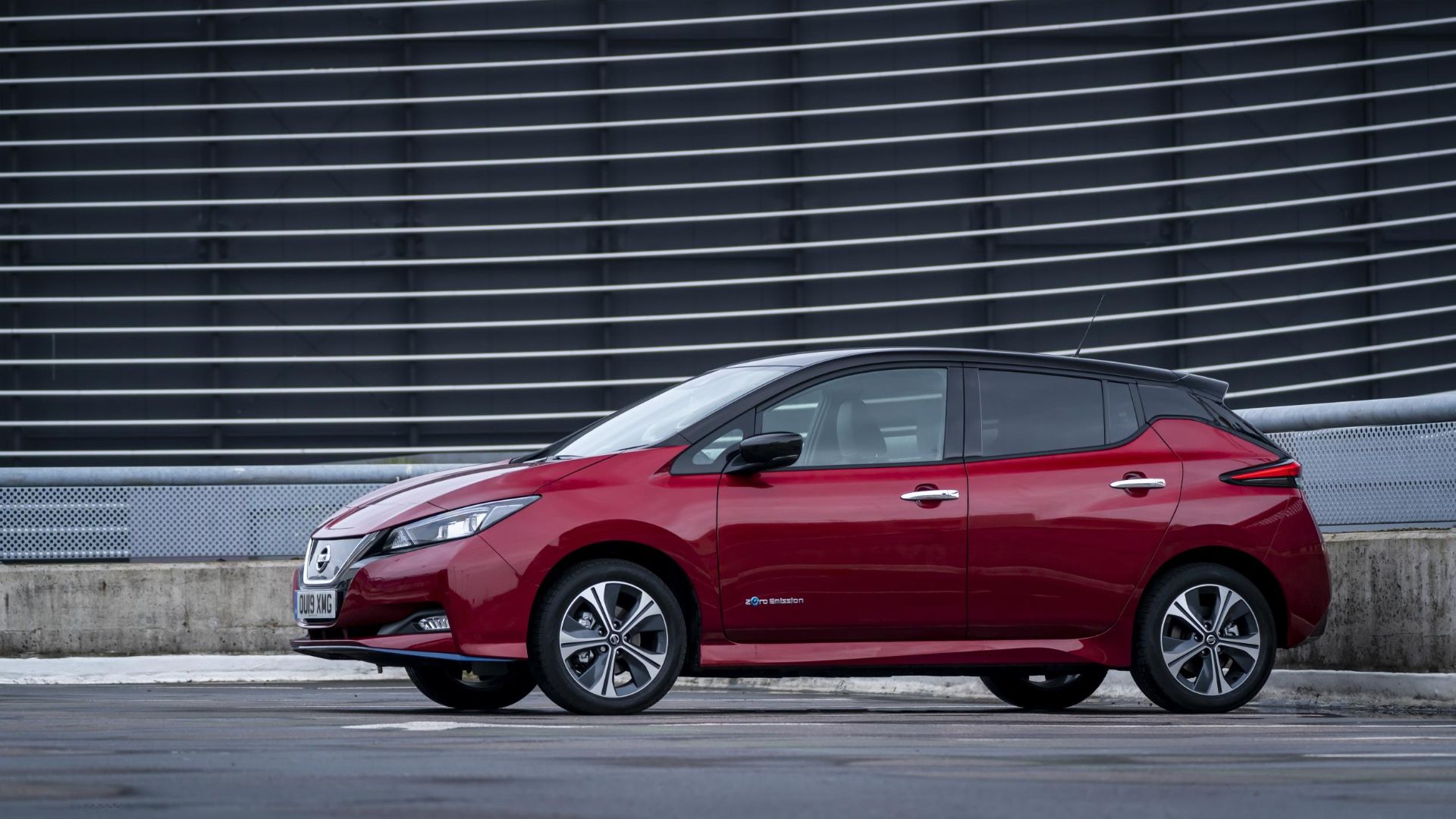
Nissan has signed a deal for up to 2,000 Leafs to be made available for Uber drivers in London. The move is a big step towards the ride-hailing company’s goal of making its entire London fleet electric from 2025.
The Leafs will be offered to app-using drivers as a part of the company’s ‘Clean Air Plan’, which launched a year ago. Nissan will also give Uber a dedicated EV education programme, a special price and a marketing plan to help accelerate EV uptake. At present, Uber has 45,000 drivers working in London.
Not fare: taxi costs to rise 21 percent if Uber leaves London
“Through innovation and collaboration, companies like Nissan and Uber can tackle the challenges of advancing personal urban mobility, whilst also improving air quality in our major cities,” said Andrew Humberstone, managing director of Nissan GB.
“As the UK’s best-selling EV, the Nissan Leaf is the perfect vehicle to support Uber’s ambition of a 100 percent electric fleet in London for 2025.”
The Clean Air Alan is designed to help Uber drivers move to EVs. A clean air fee of 15p per mile is added to all London journeys, which goes towards helping drivers with the cost of adopting one.
The company raised £80 million in the first year, while a further £200 million or more is expected over the coming years.
The plan is expected to save Uber drivers an average of £4,500 on the cost of switching to an EV. So far, 900,000 Uber journeys have been in EVs, an increase of 350 percent on 2018. On average, 500 drivers a week are using EVs exclusively.
“Our bold vision for London is for every driver on the Uber app to use an all-electric vehicle by 2025,” said Jamie Heywood, regional manager for Uber in northern and eastern Europe.
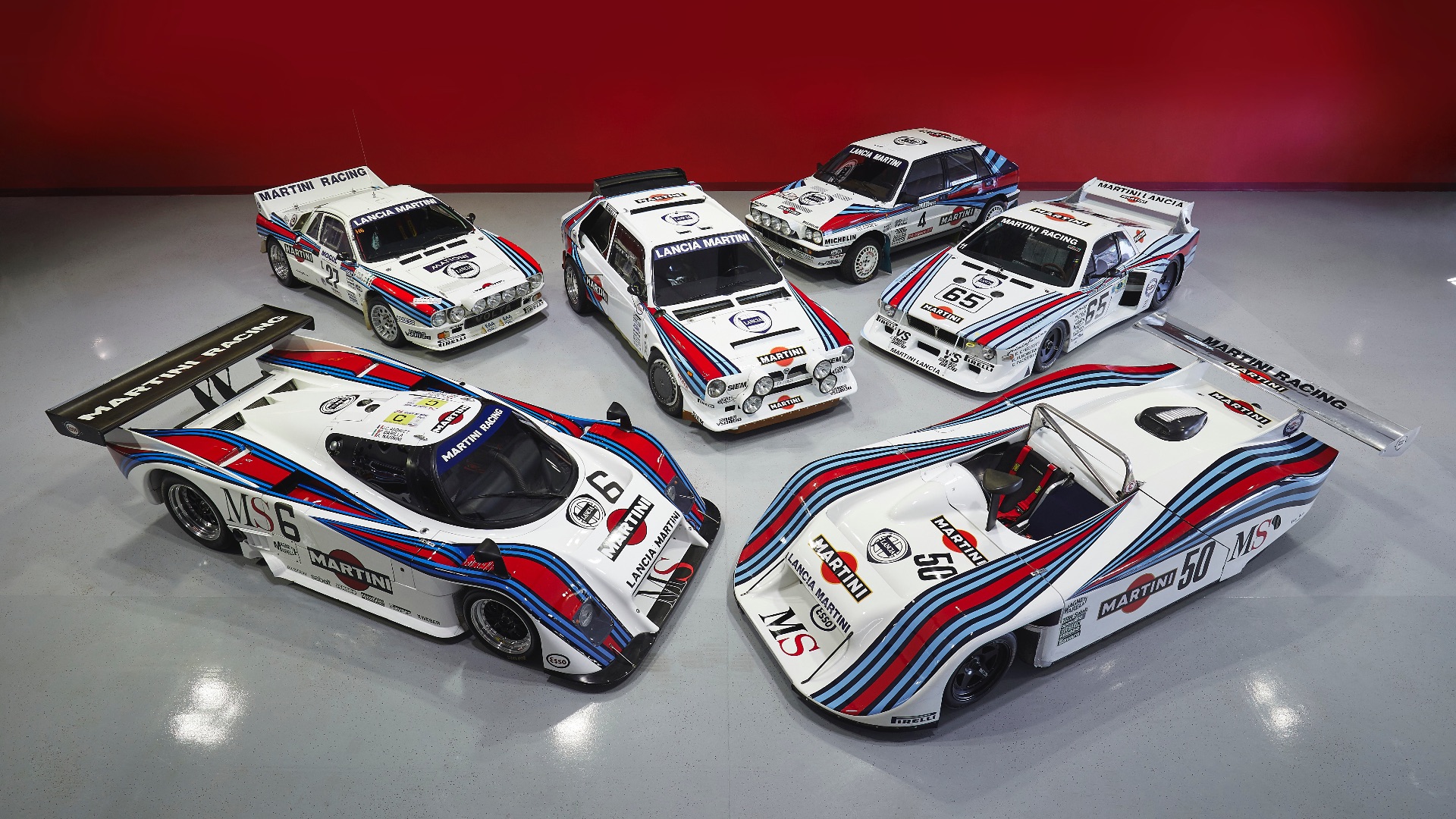
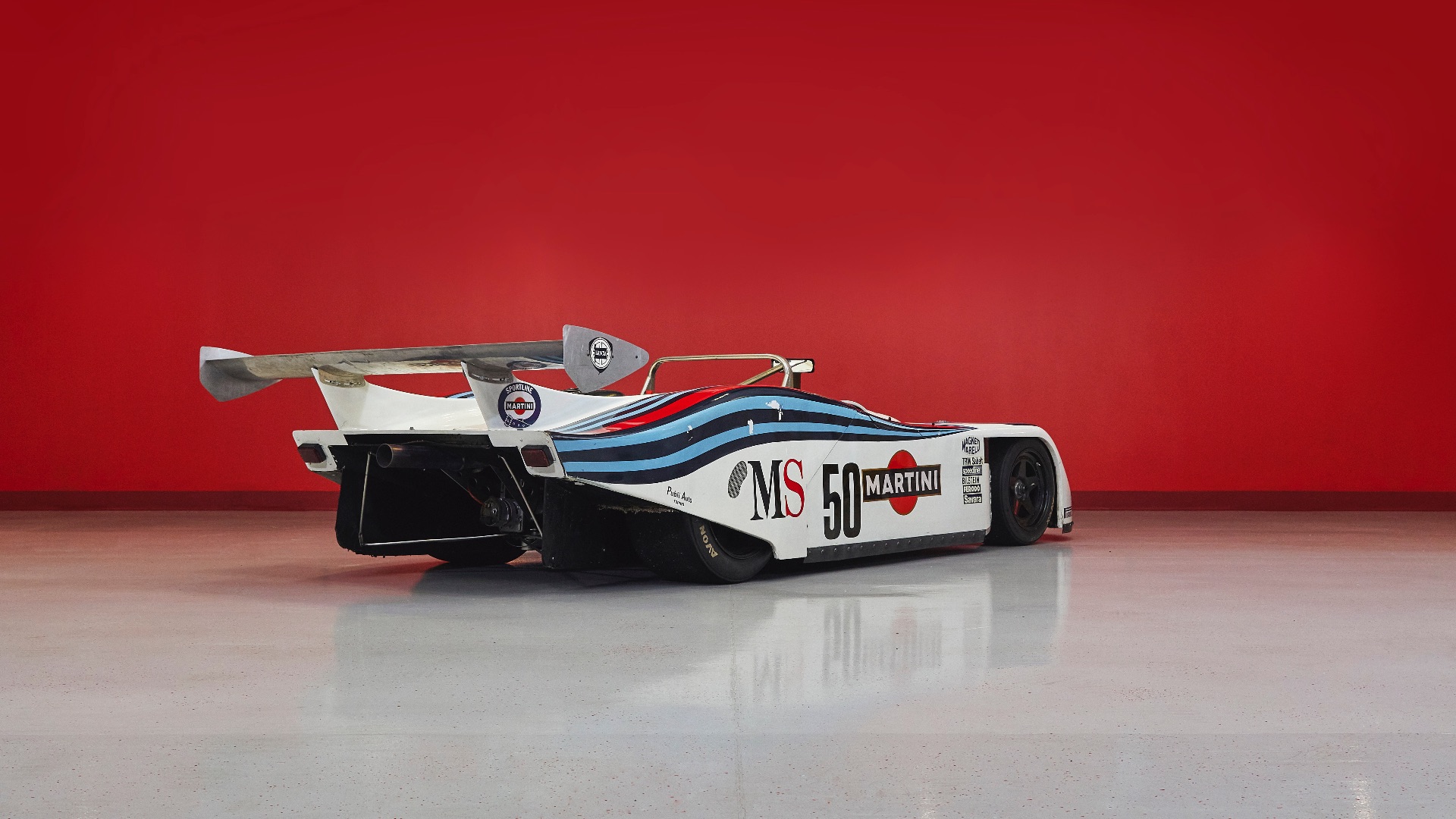
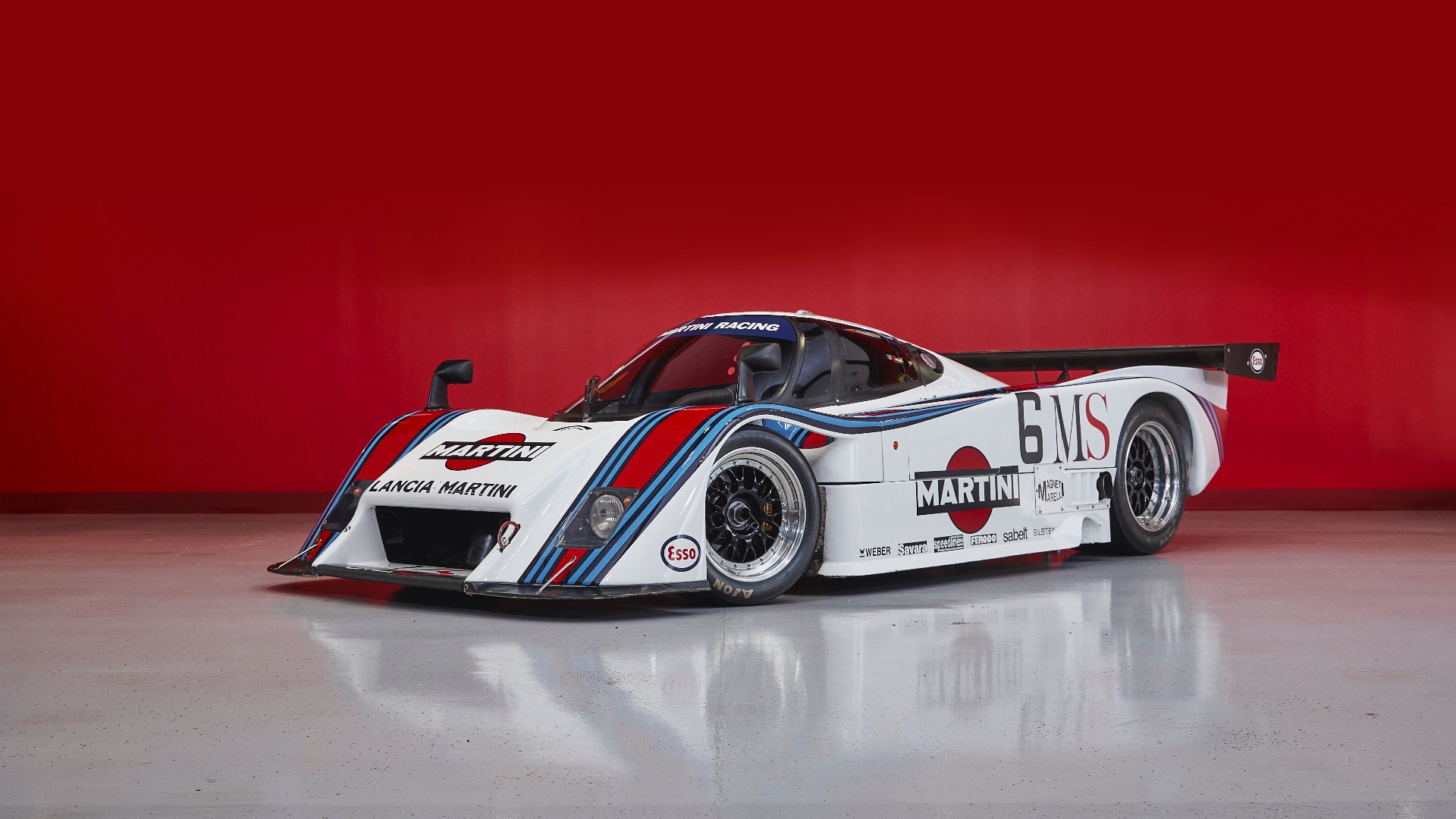
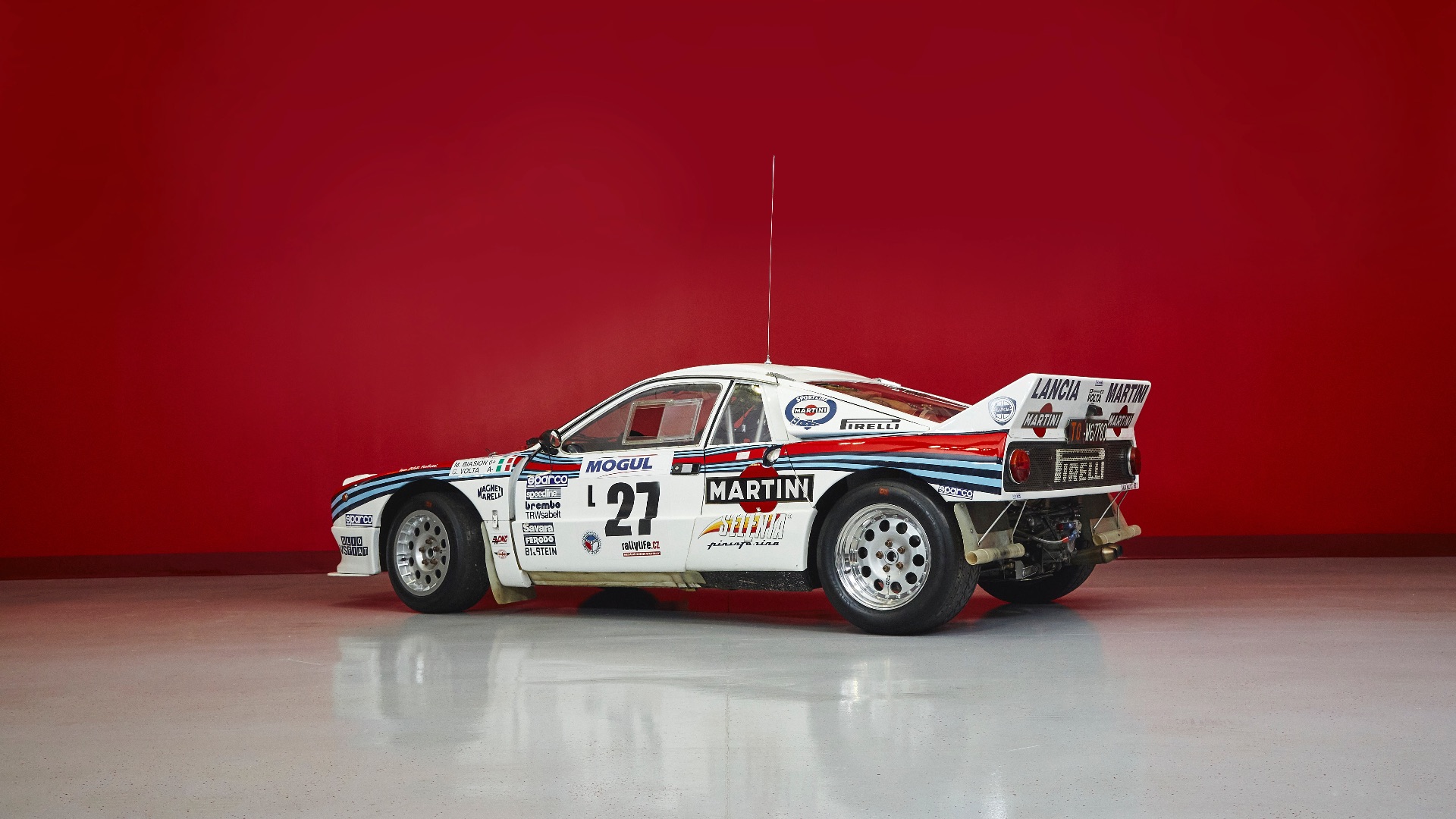
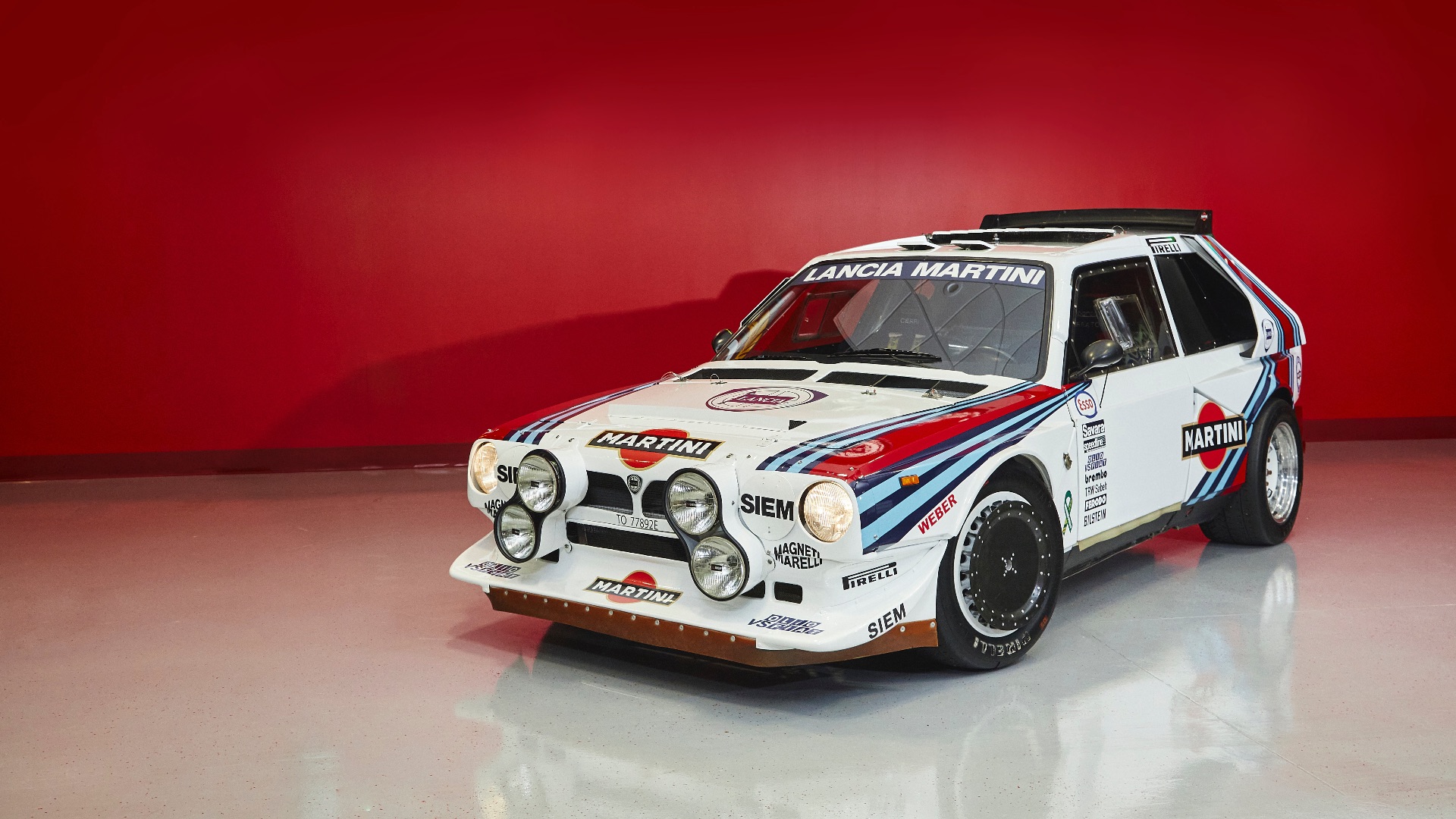
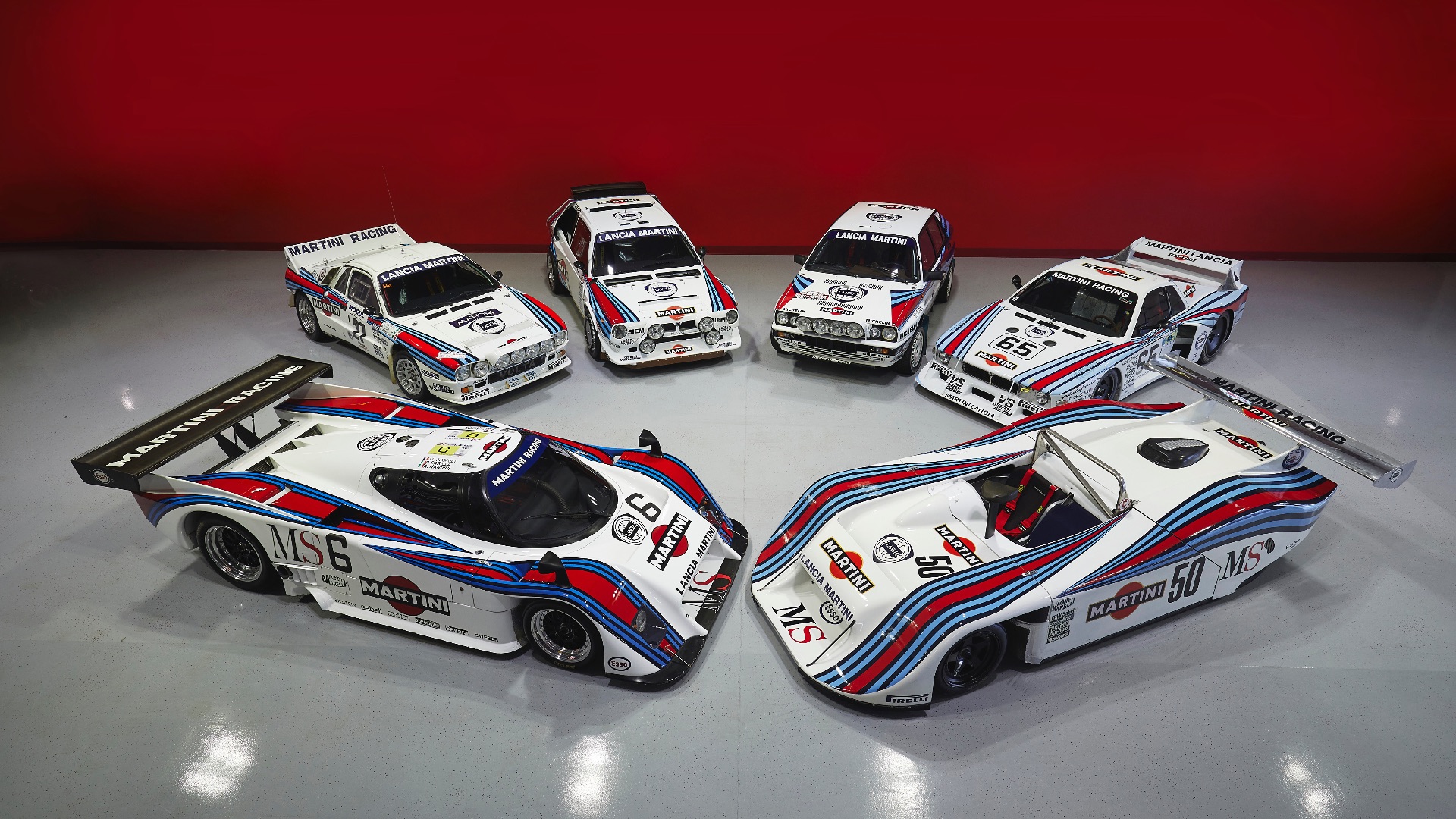
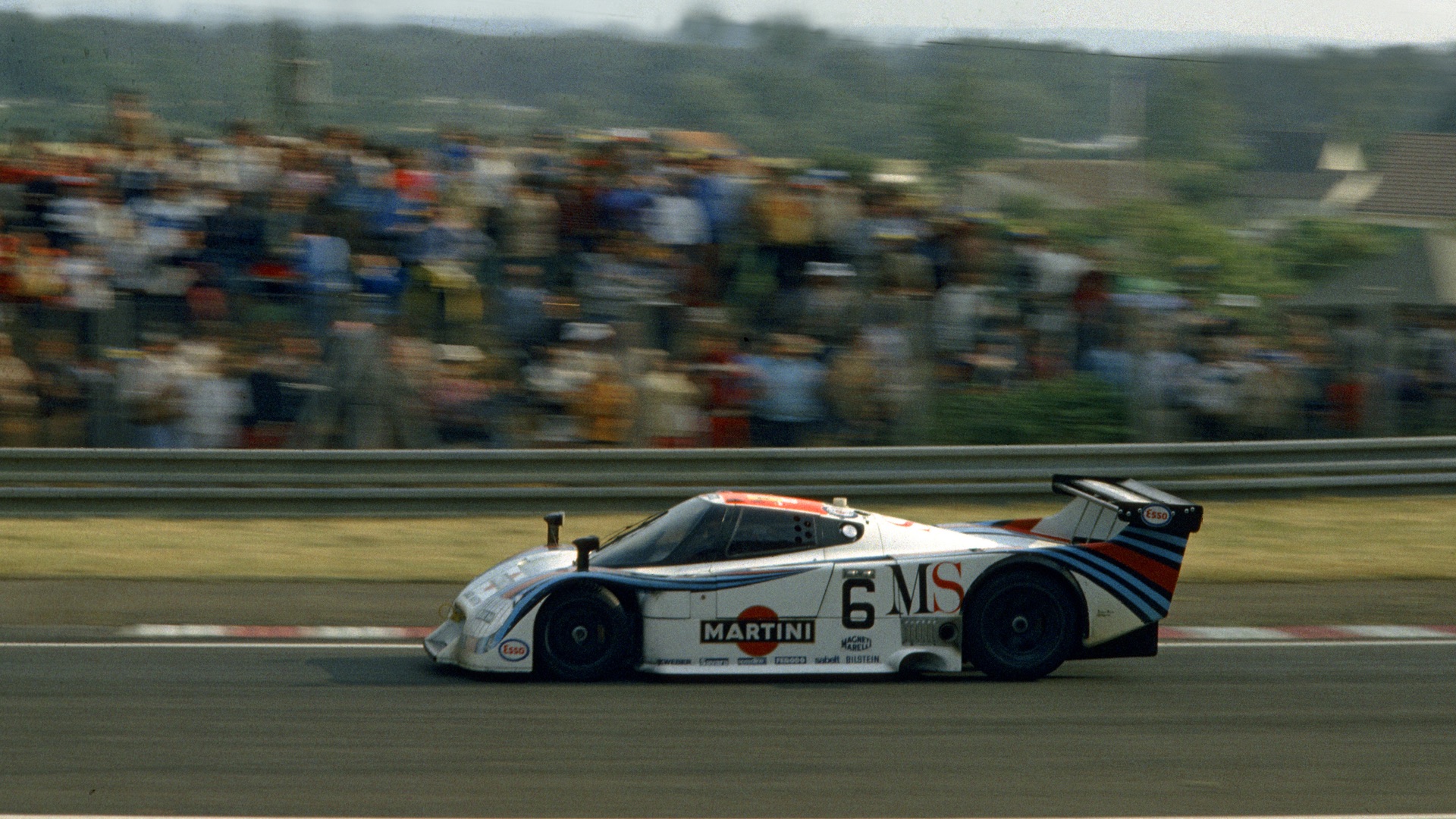
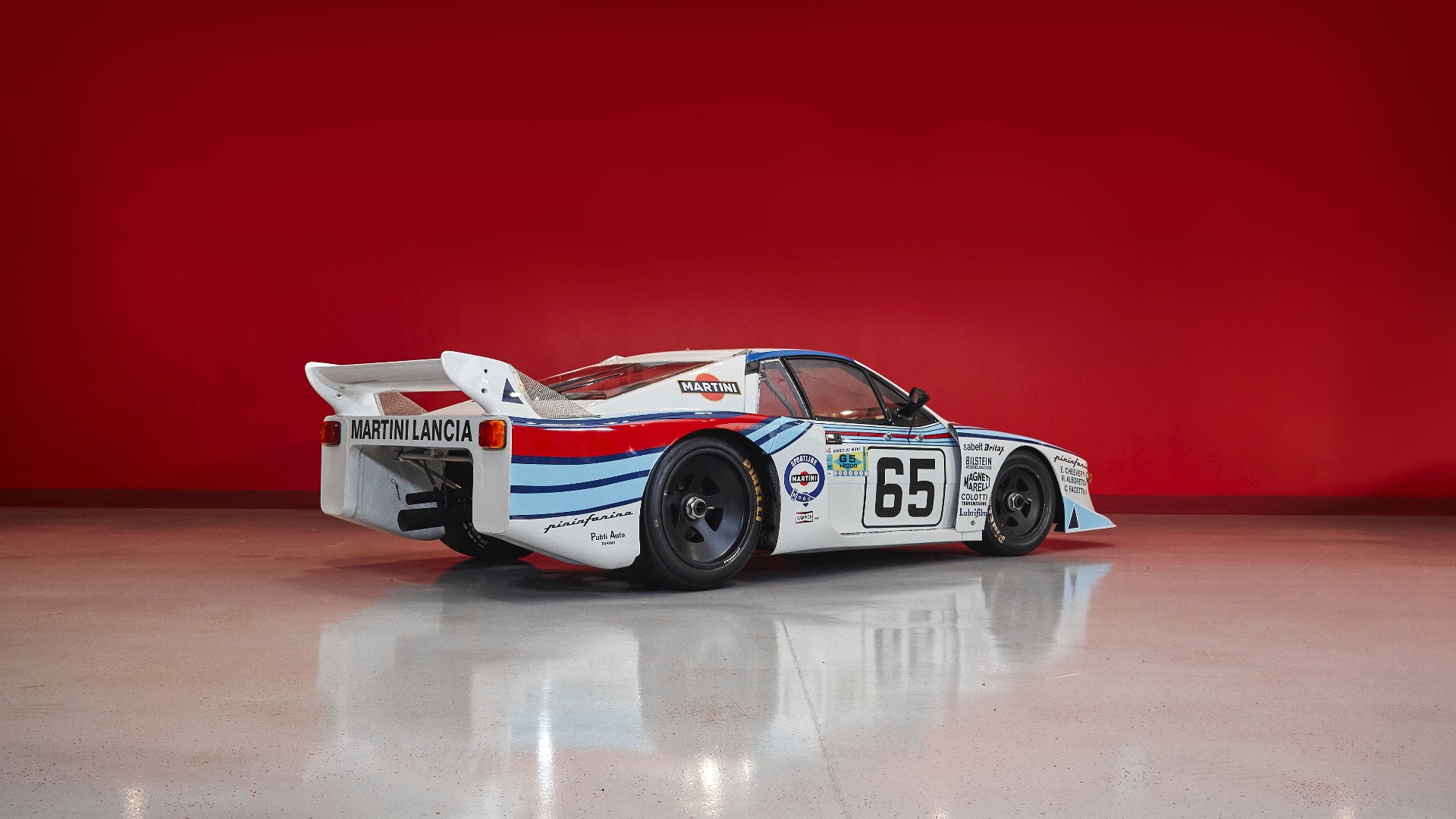
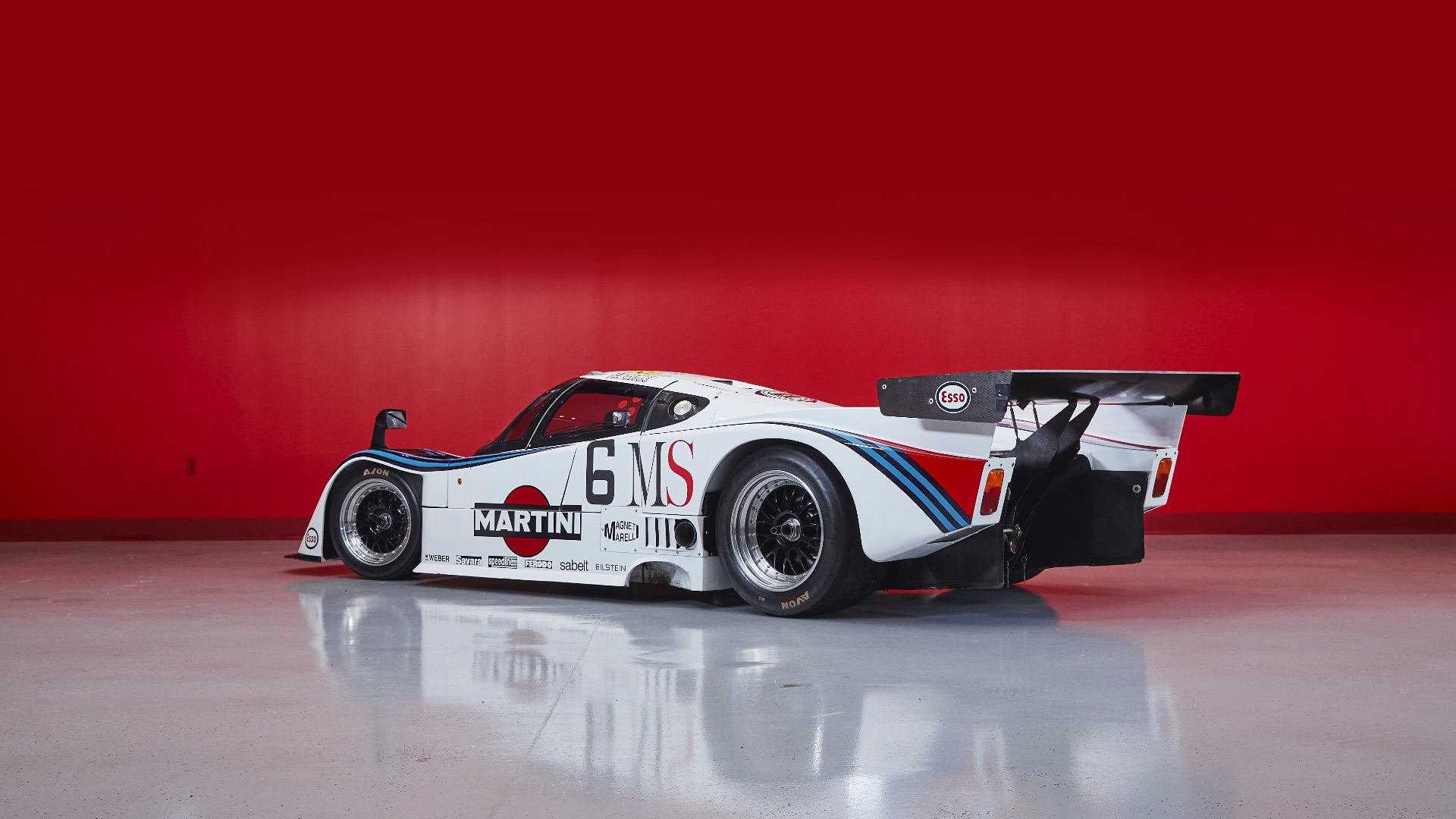
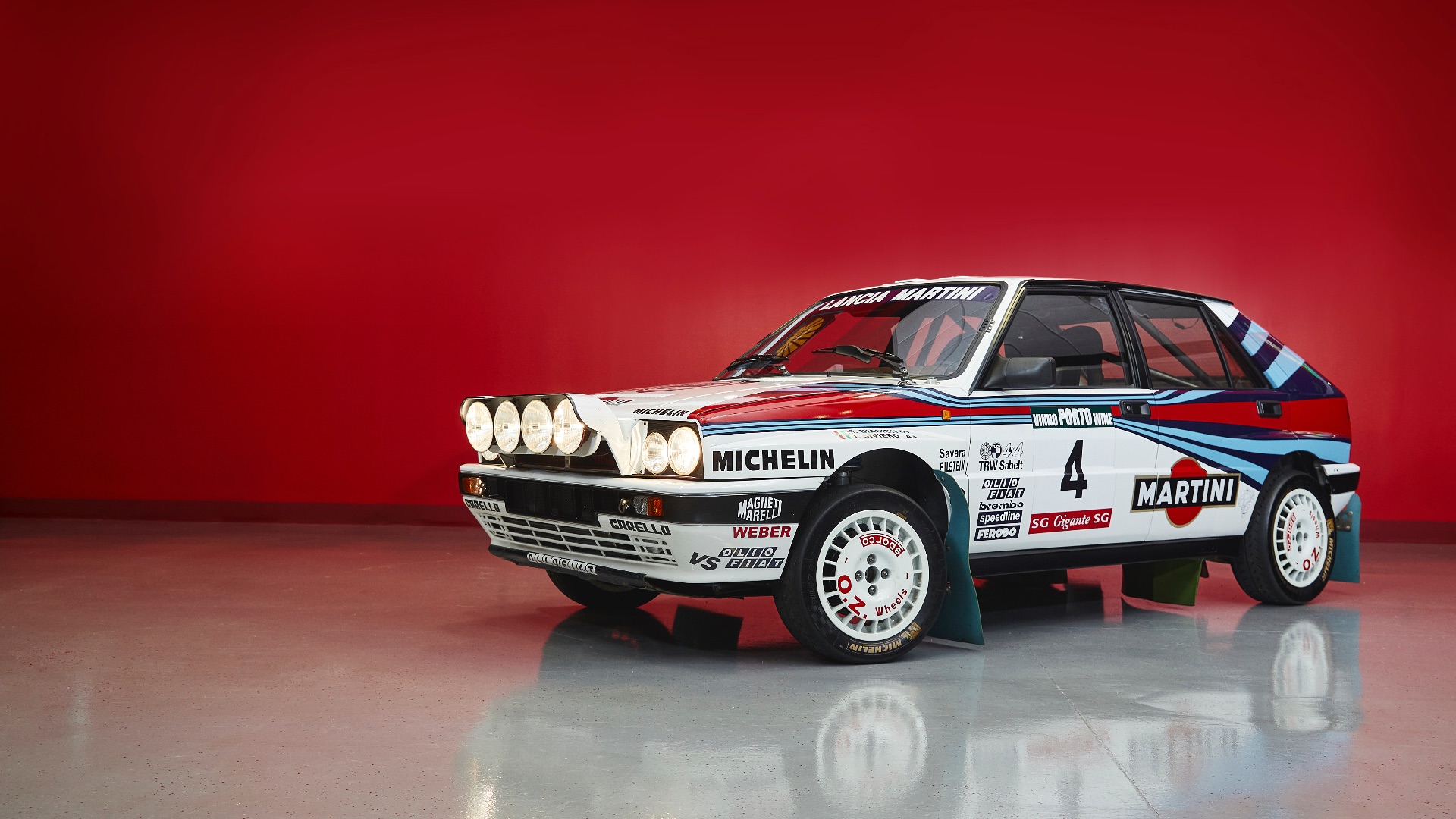
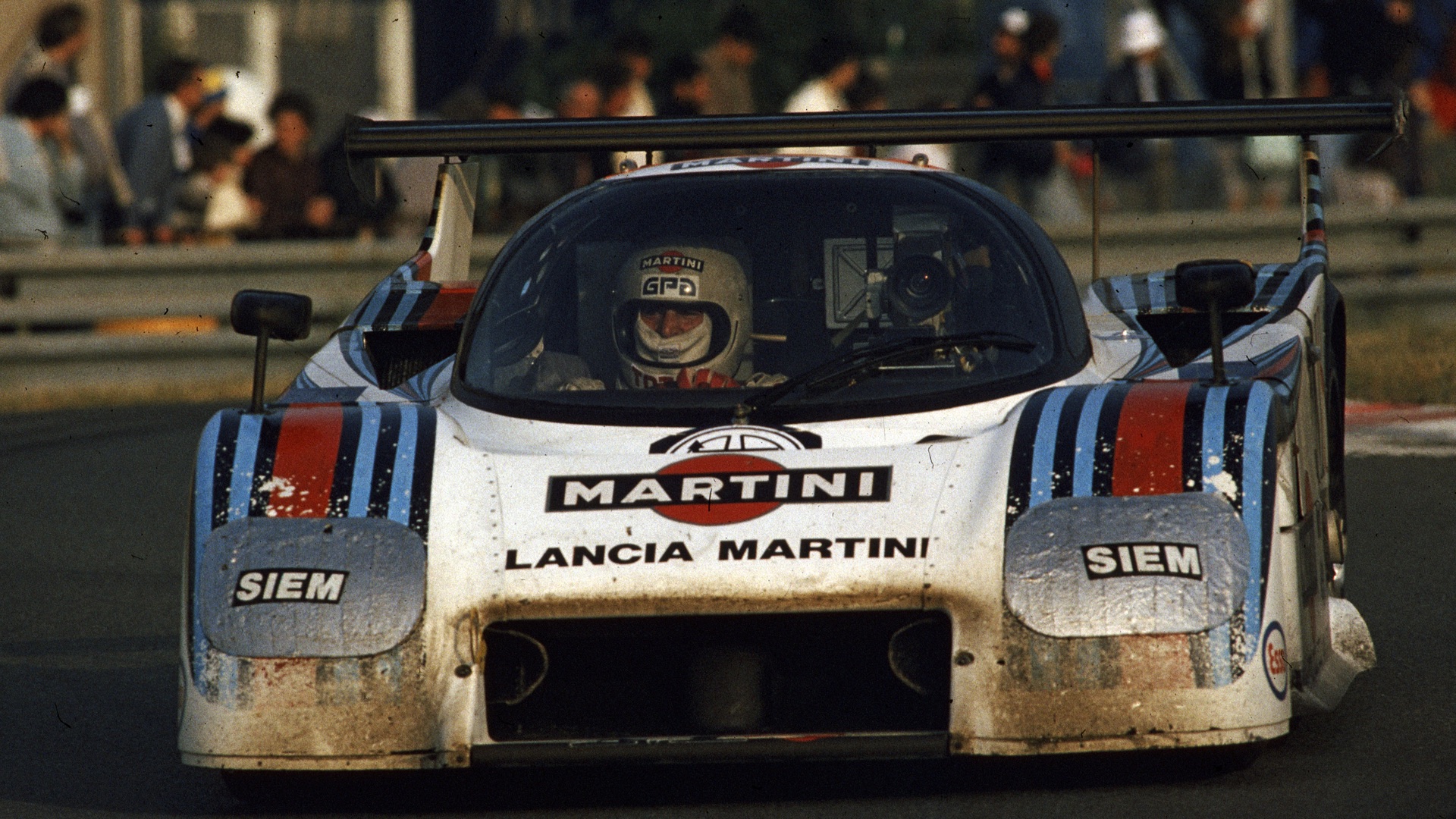
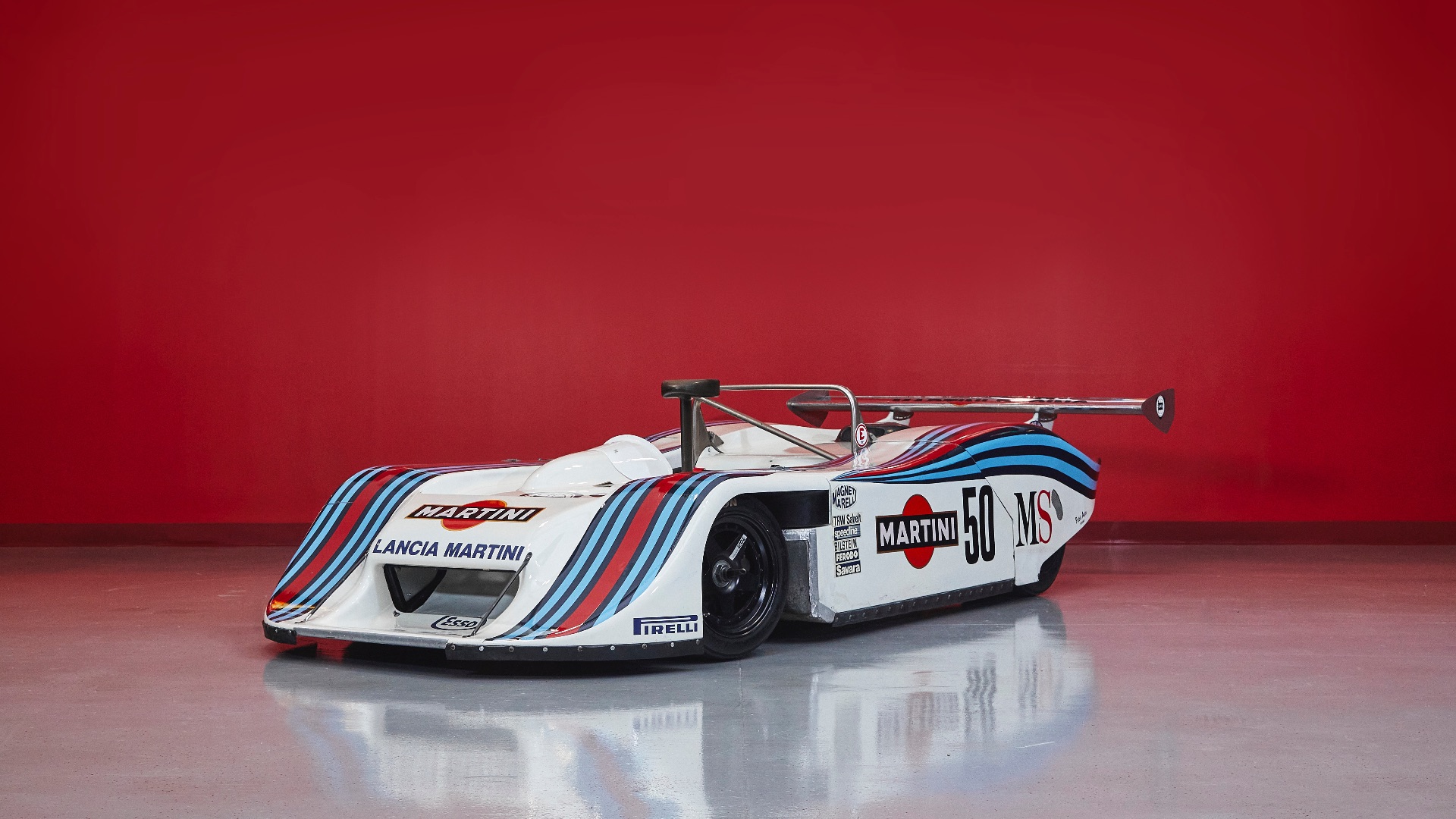
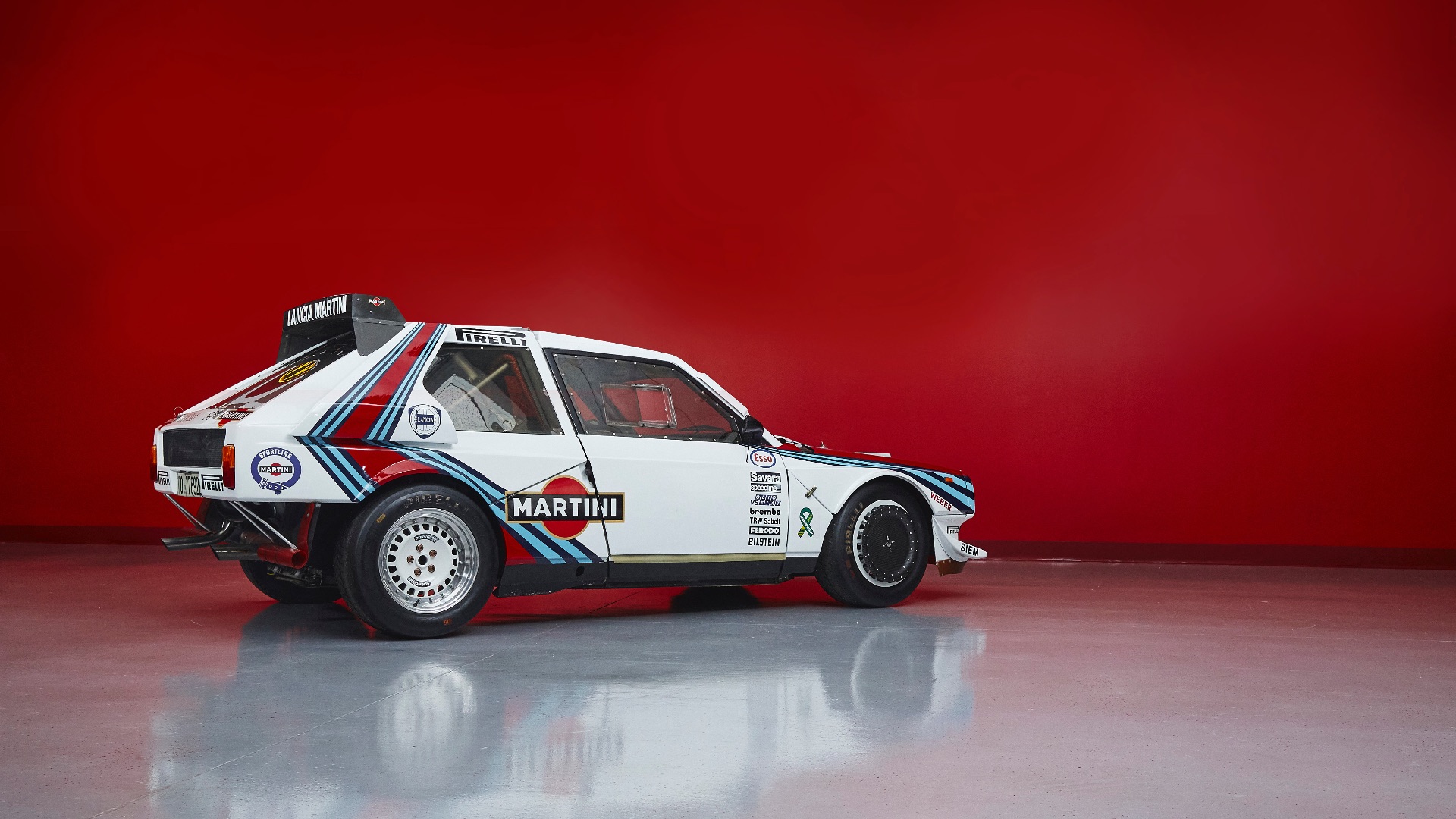
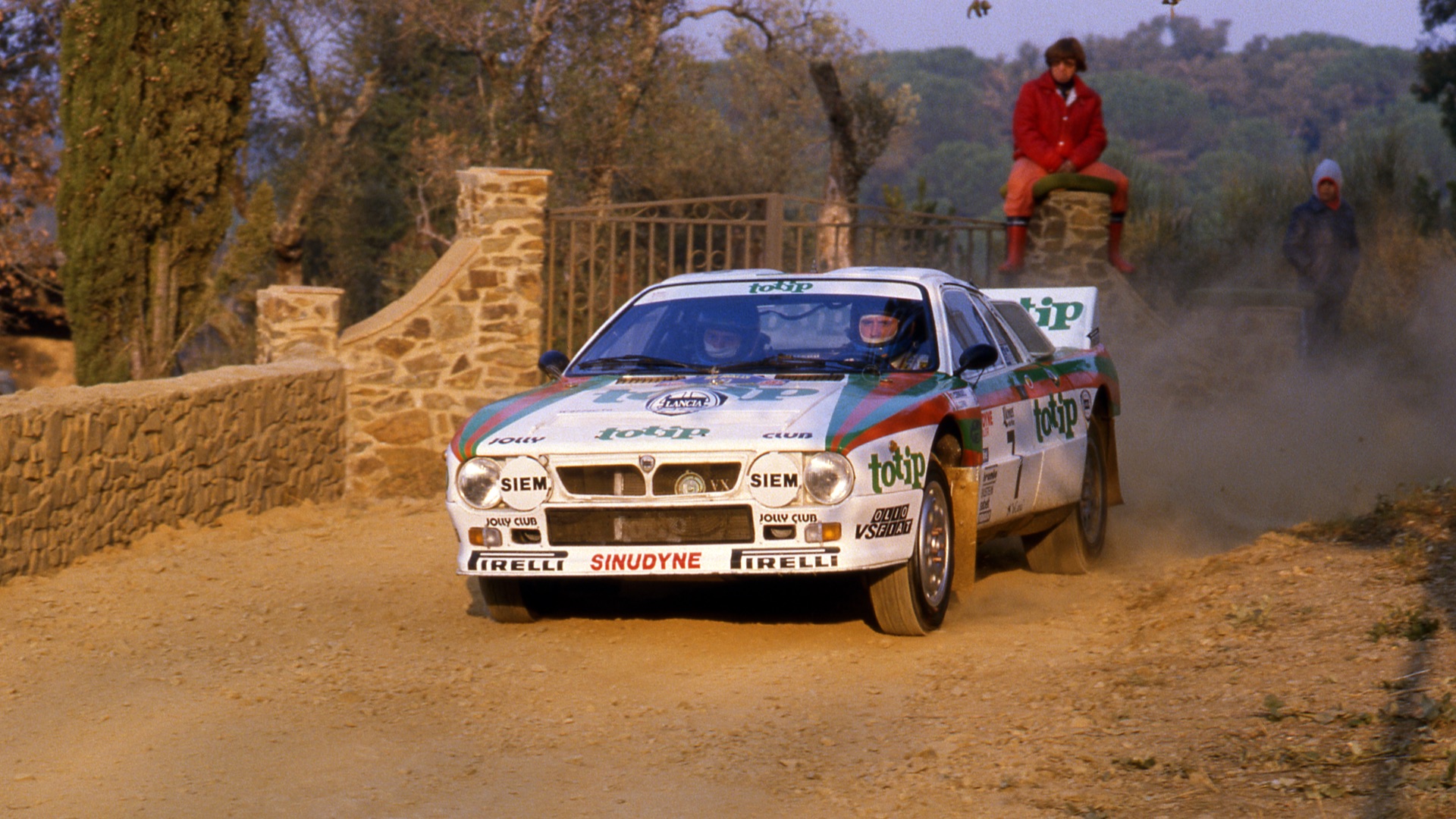
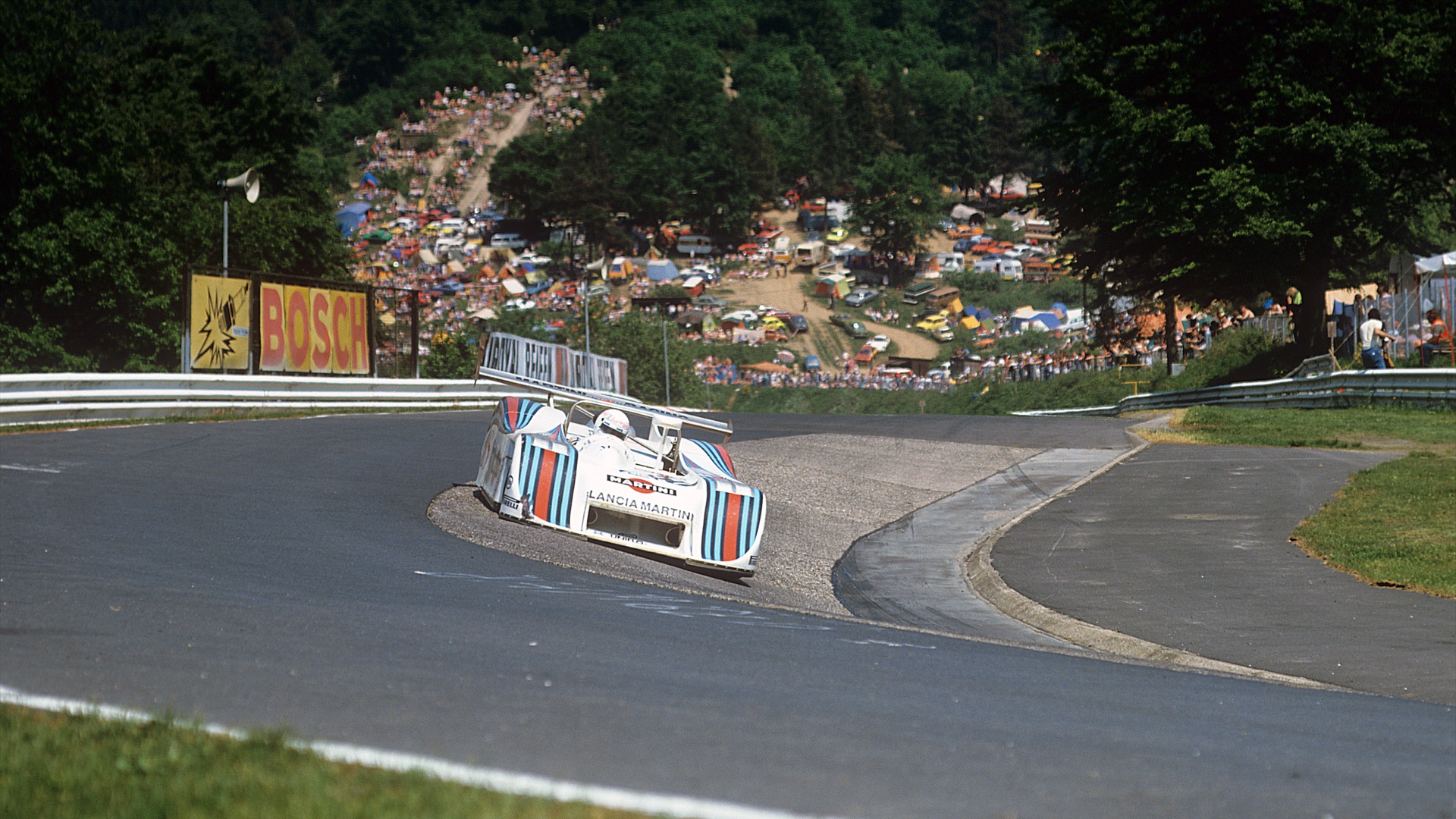
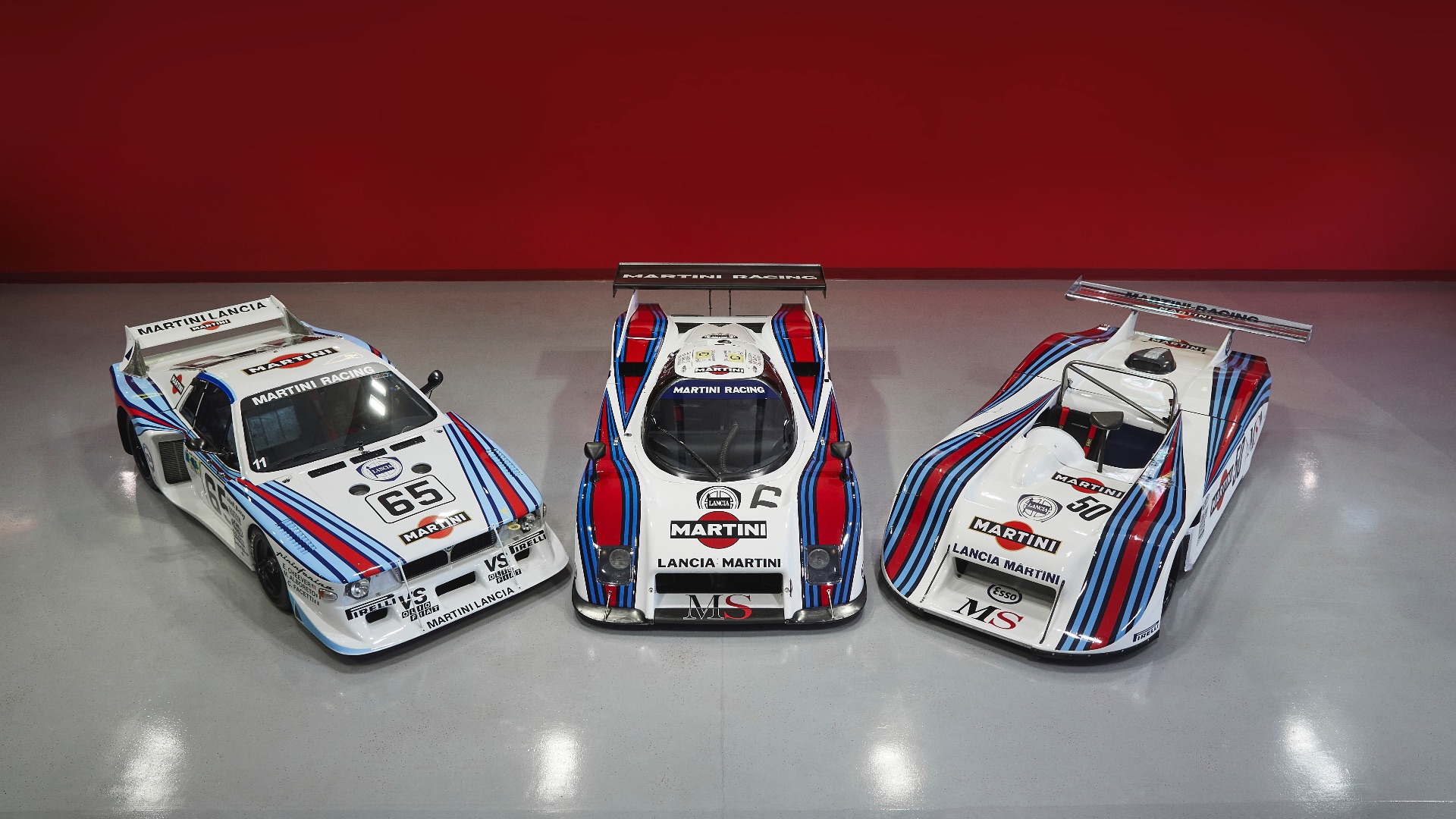
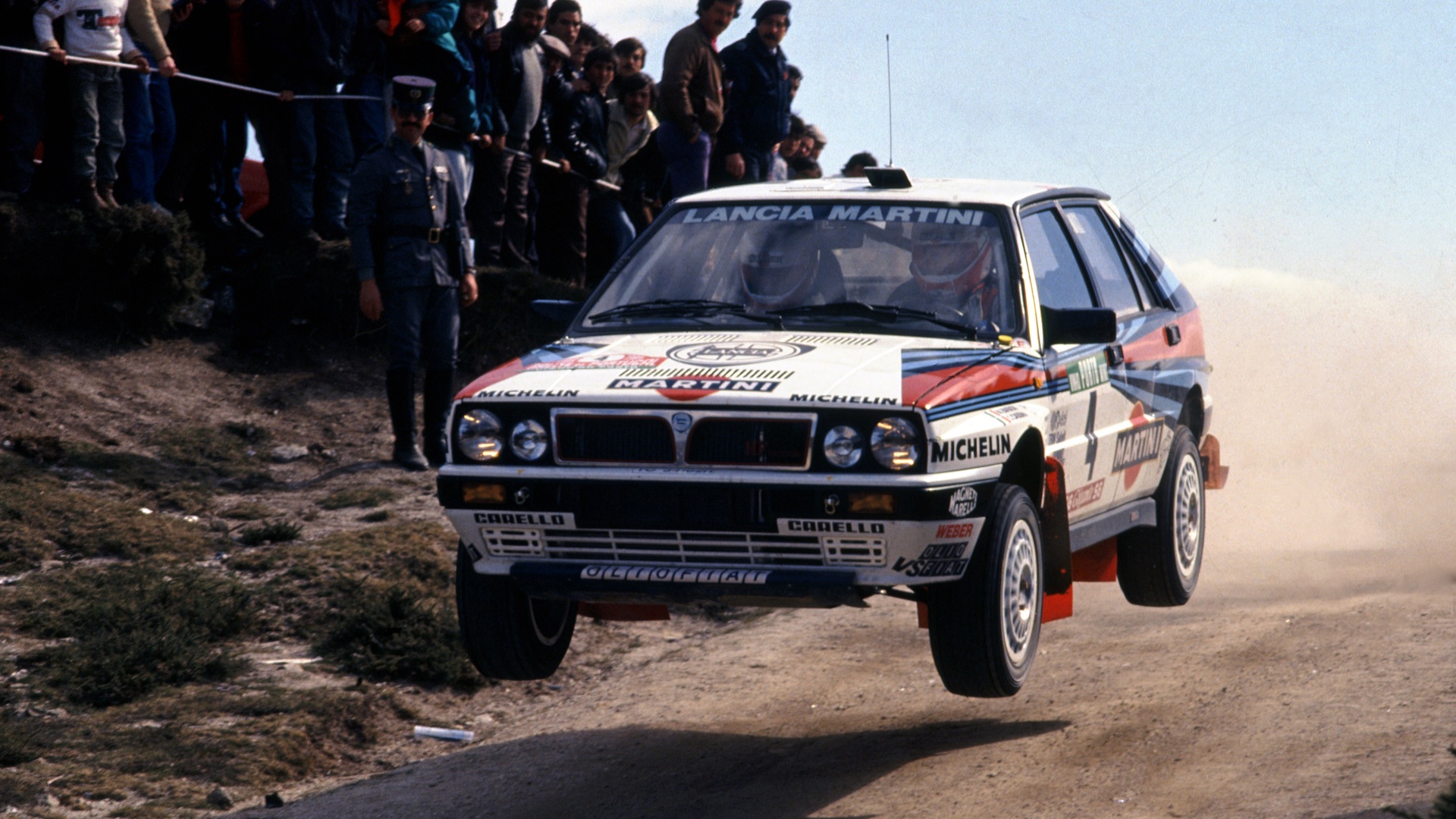
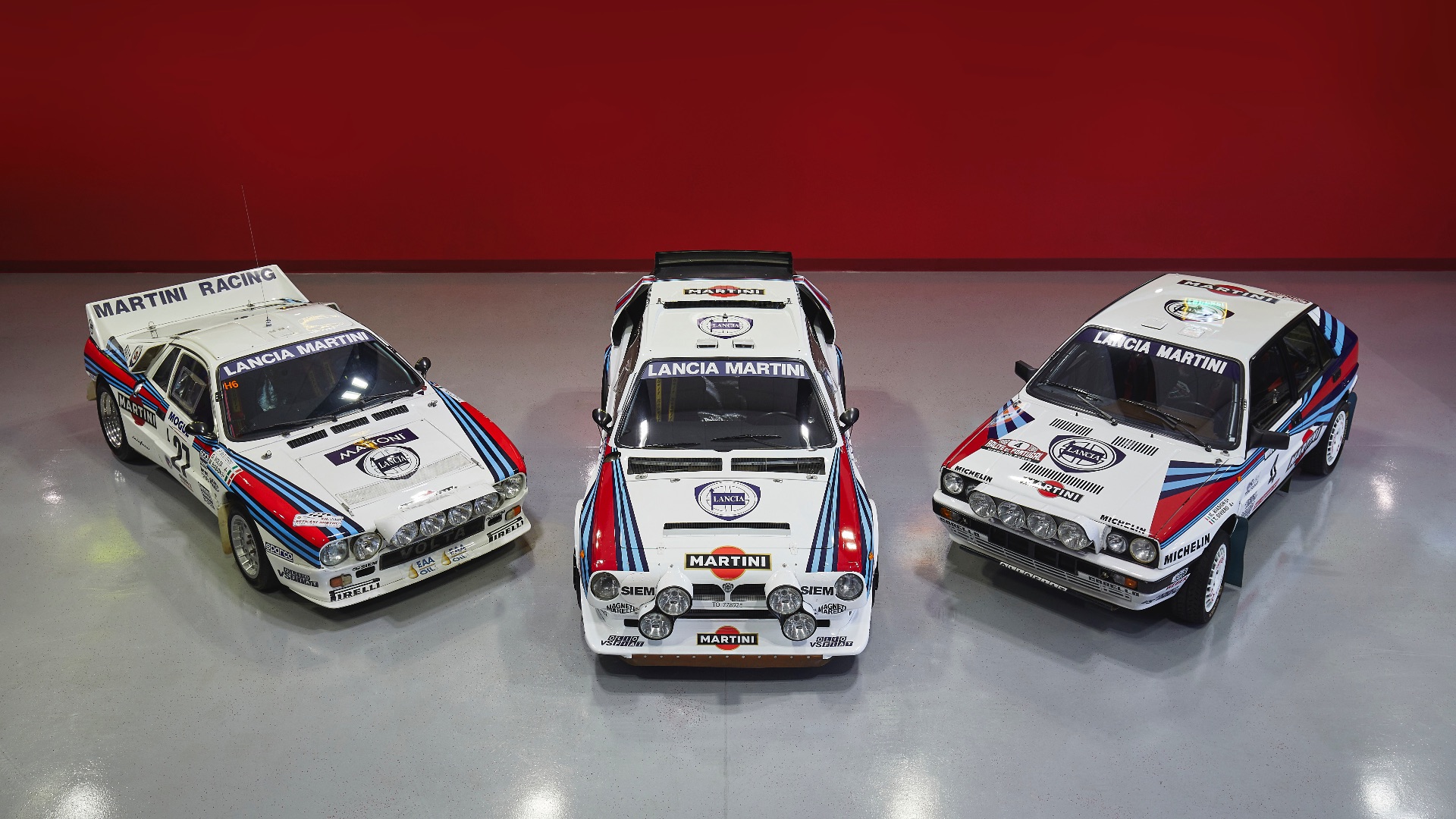
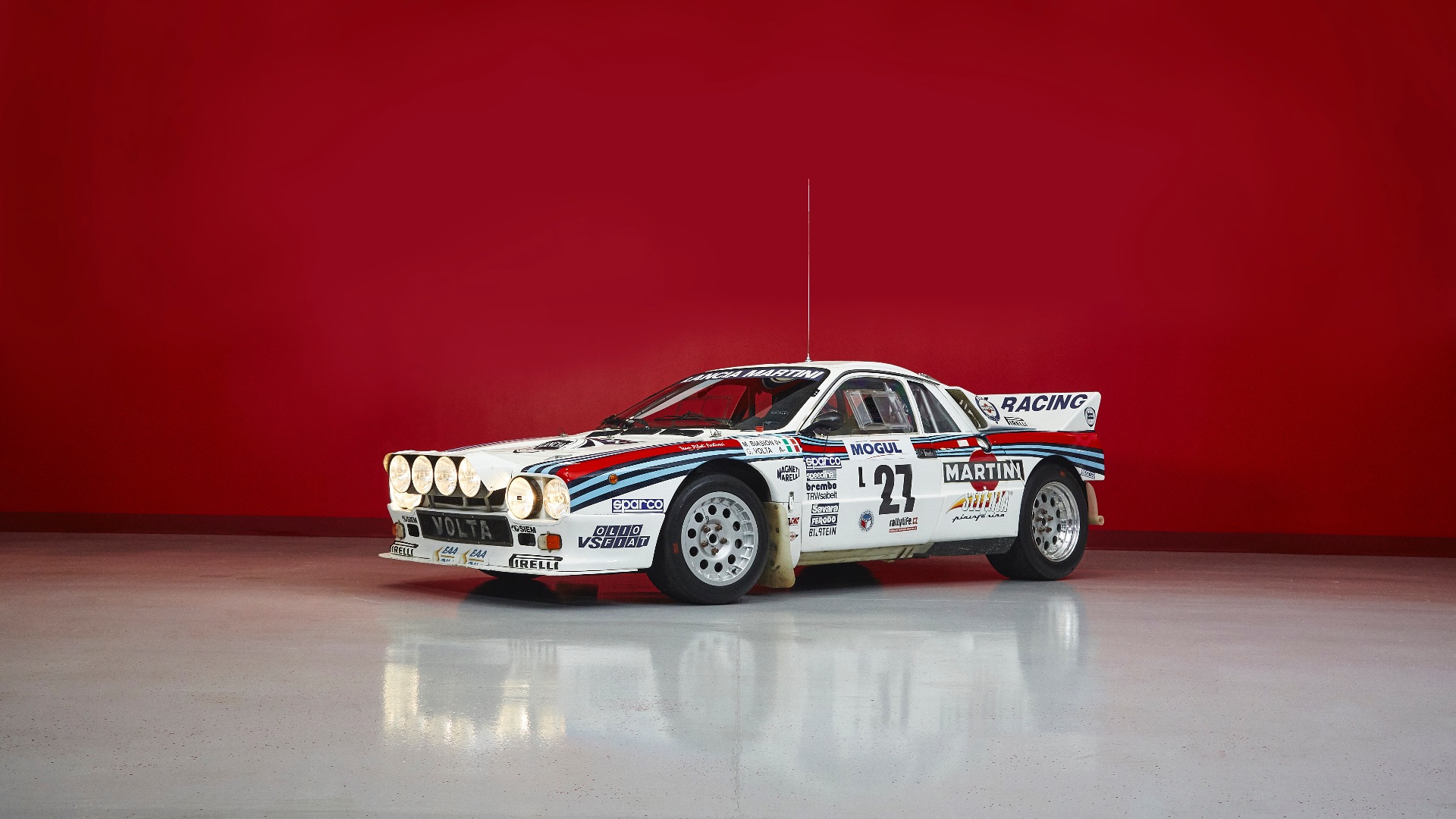
Lancia was once a motorsport superpower. From Le Mans to rallying, in the 1980s there wasn’t a race worth watching without a Martini-liveried Lancia putting in a shift. Now, Girardo & Co is offering an unprecedented collection of Martini Lancias for sale, priced at $7.5 million (£5.7 million). We look at the cars in detail, including period photos of these amazing machines in action.
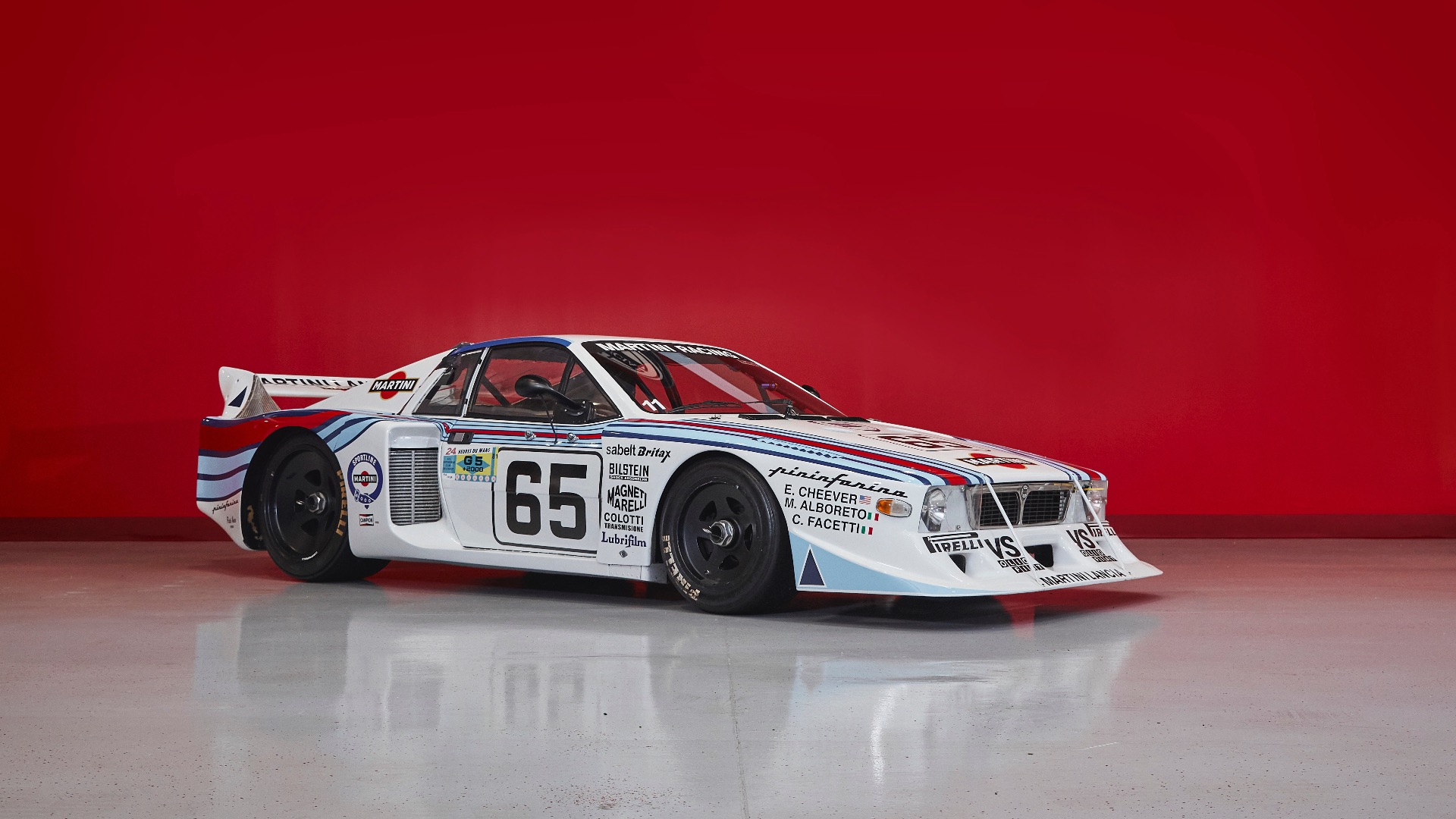
Lancia Beta Montecarlo
This was Lancia’s submission to the Group 5 special production class of sports racers in the late 1970s and early 80s. Based on the diminutive Montecarlo road car – albeit very loosely – it was the marque’s first entry into racing for eight years when it debuted in 1979. A fan-favourite today, it rarely met the challenge of Porsche’s dominant 935.
This car, chassis 1009, was also the first works Lancia to race at Le Mans since the 1950s. It won its under-2.0-litre class in both 1981 and 1982.
Lancia LC1
The Beta’s reign was short-lived, as Group 5 special production made way for Group 6 dedicated prototypes. The LC1 was Lancia’s entry, installing a 400hp+ Abarth 1.4-litre turbocharged engine in a lightweight open-top chassis.
This LC1 was a force to be reckoned with, scoring an overall win at the 1982 Nurburgring 1,000km, with F1 aces Michele Alboreto and Riccardo Patrese at the helm.
Lancia LC2
The LC2 took things up a notch in 1983. Now in the monstrous Group C class, it ditched the four-cylinder turbo for a Ferrari V8 with two KKK turbochargers. It was good for 850hp in qualifying trim, but still wasn’t quite up to the might of Porsche’s legendary 956.
This car is actually the first LC2 made, for the 1983 season. It didn’t get off to a flying start, crashing out at Monza and retiring from Le Mans with turbo failure. Ever the underdog but hugely desirable, it’s one of the coolest pieces in the Campion Collection.
Lancia 037 Evo 2
Off the racetracks and into the wilderness, Lancia was a rallying superpower in the 80s. Like the Beta, the 037 also used the Montecarlo as a base, but to much greater effect. It won the 1983 World Rally Championship for Lancia, beating the legendary Audi Quattro.
However, the tide turned a year later, as all-wheel-drive started to dominate rallying. That’s why this particular car, a 1984 Evo 2, didn’t find the success of its 1983 predecessor.
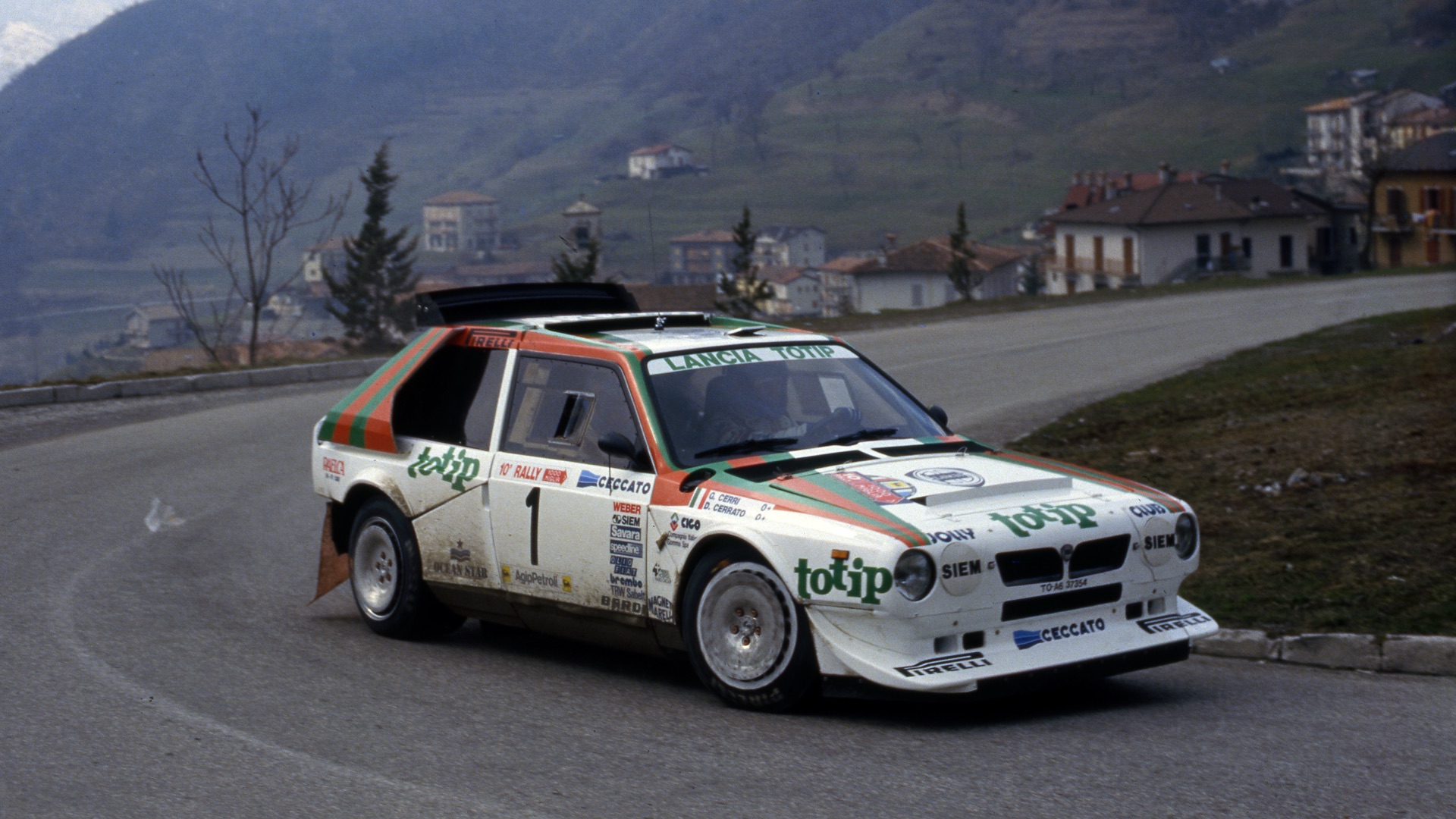
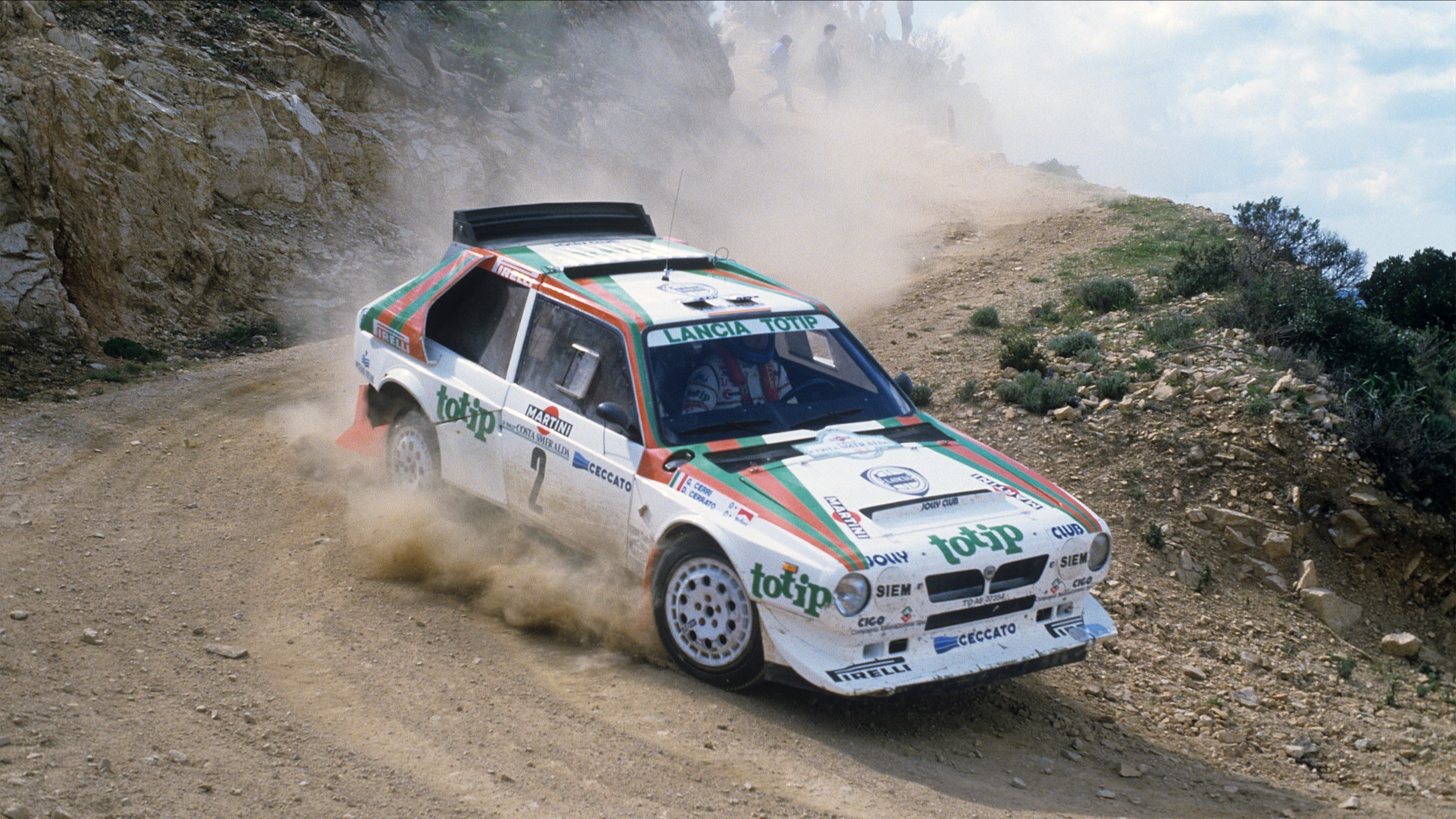
Lancia Delta S4
The Delta S4 was Lancia’s all-wheel-drive answer, turning an agreeable hatchback into a turbocharged and supercharged mutant. All in, the Delta S4 racked up five rally wins during 1985 and 1986. It’s also infamous for being the car that ended Group B rallying. The class was abolished after a fatal accident with an S4 in 1986, which claimed the lives of Henri Toivonen and Sergio Cresto.
This particular car won the 1986 Rally 1,000 Miglia with reigning European Rally Champion Dario Cerrato at the wheel. World Rally Champions Markku Alen and Miki Biasion also tested in car number 208.
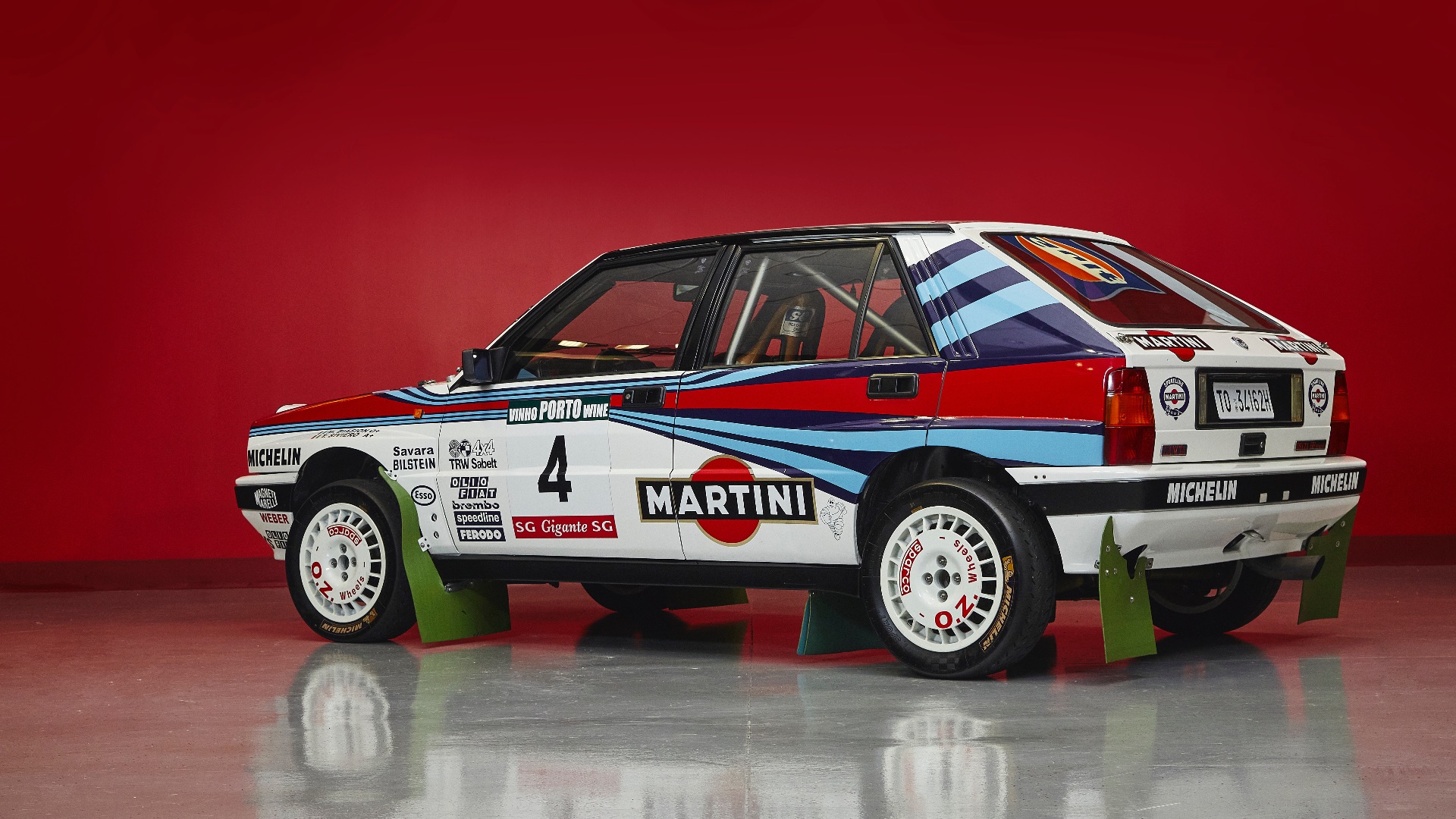
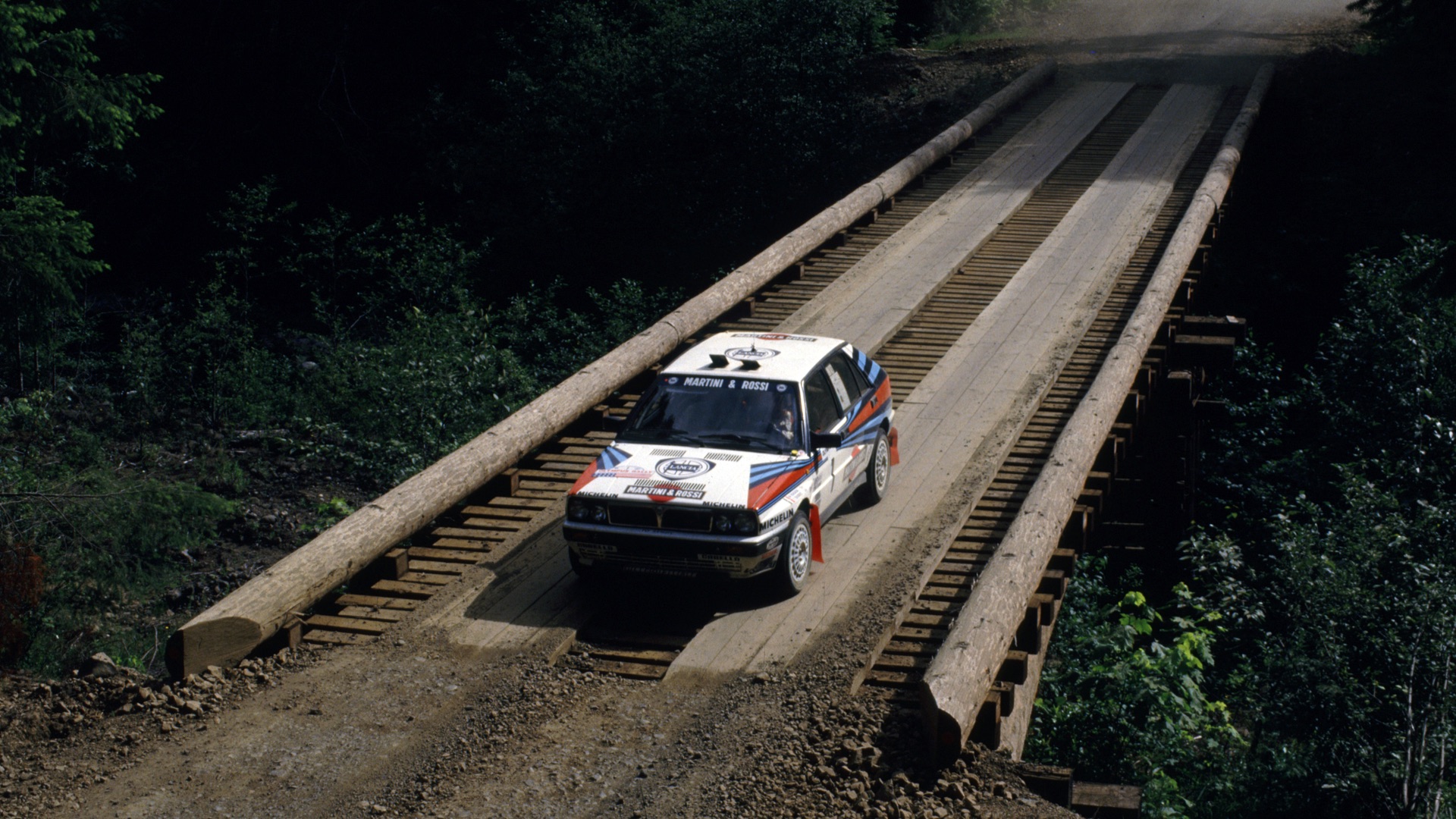
Lancia Delta HF Integrale
Now, perhaps the most famous racing Lancia. The post-S4 years for the Delta were fruitful, as the marque hit the ground running in the new Group A category. Juha Kankkunen and Miki Biasion took overall championship victories in 1987, 1988 and 1989.
This car, a 1988 Delta HF Integrale, helped Miki Biasion on his way to the top. It took overall victories at the Portugal Rally and USA Rally in 1988, helping Miki to a drivers’ championship and Lancia to the manufacturers’ championship. Lancia racing at its peak?
Criminals described as ‘devious and ruthless’ are targeting innocent car buyers in the North West of England.
Using fake online adverts – predominantly on the auction site eBay – criminals are luring car buyers to various locations in Manchester and Oldham.
Upon arrival, the victims are threatened with various weapons, including a gun, hammer and machetes.
According to one report, a victim and his girlfriend arrived to buy a car advertised online. Two men approached the victims and held a gun to the woman’s head. The armed robbers left with a large quantity of cash.
In another incident, a victim had a car jack thrown through the window of his car and was punched in the face. He managed to flee the scene.
Police in Manchester are linking 10 robberies that took place between 19 November and 22 January. Detectives are urging car buyers to be vigilant.
‘No compassion’
Detective Sergeant Kat McKeown of Greater Manchester Police said: “These offenders are targeting innocent members of the public via the internet and have no compassion at all for their victims who they have subjected to a number of terrifying ordeals.
”They are devious and ruthless and need to be caught. For this reason, we have a dedicated team of detectives working around the clock to identify those responsible.”
An eBay spokesperson told the BBC: “We have suspended a number of accounts and continue to cooperate with the authorities while the investigation is ongoing.”
How to spot a fake online car advert
Car buyers have been targeted by fake online car adverts for many years, but these incidents elevate the problem to a new and brutal level. The criminals may use images and descriptions from legitimate online adverts to make them appear genuine. They’re simply copy and pasted, with new contact details used.
The first signs of a potential crime may only appear once contact is made. Maybe the seller insists on using a nameless Hotmail account. Maybe they insist on calling you via a withheld number.
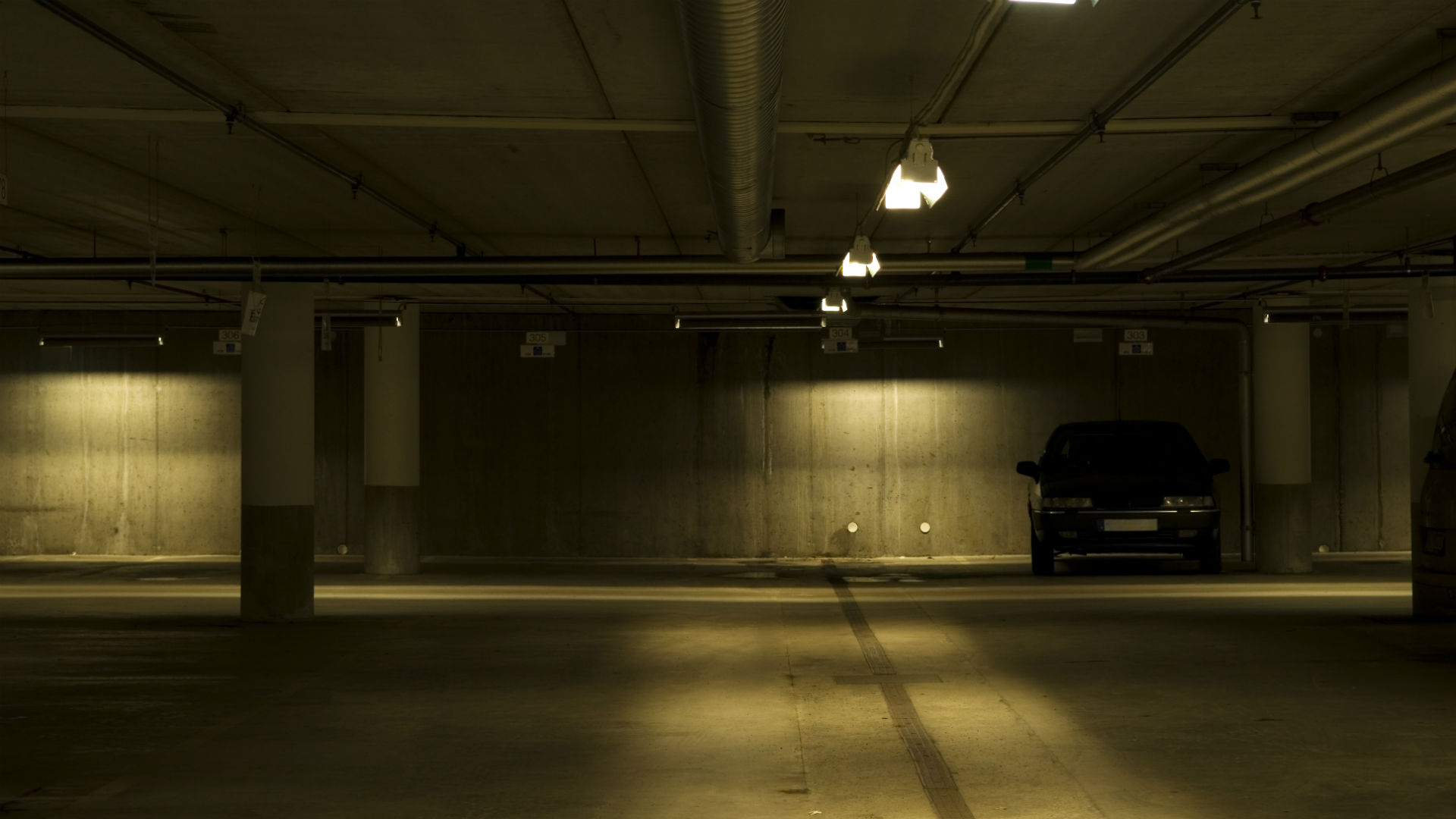
You should always arrange to meet at the seller’s house. Arranging to view a car after dark in a remote or isolated location should raise suspicion.
In the past, online scammers have used unrealistically cheap prices to encourage unsuspecting car buyers to part with substantial deposits. The car doesn’t exist and the buyer may never meet the scammer, but they could end up out of pocket to the tune of thousands of pounds.
If it seems to good to be true, the chances are it is.
Are petrol pumps sexist? A female private tutor from south west London certainly thinks so. She has complained publicly about how large the hand-held pumps are, and how they hurt her small hands.
Melanie Morgan posted on social media showing how she struggles to hold petrol pumps, accusing garages of ‘everyday sexism’. It was initially to ‘prove her point’ to her partner that filling up was difficult, even painful, because of the equipment – which she believes is designed mostly with men in mind.
The issue is even causing her to consider an electric car, in order to avoid using unwieldy petrol pumps ever again.
How far does a £50 fill-up get you in different countries around the world?
While her Smart with its small petrol tank isn’t so much of an issue, the large tank in the couple’s diesel van is more of a problem. “I know when I’m filling it up, I’m waiting for it to end,” Morgan told The Daily Mail.
“I’d come back to the van having got out and filled up and when I got back in I was flexing my hand, like when you’ve been writing a lot, and I was like ‘ooh actually that quite hurts’.
“I said this to my partner and he kind of laughed it off and I said ‘no really it hurts, you have to grip it really hard when you’ve got smaller hands. It’s ridiculous that that’s something I have to think about.”
“It’s enough of a problem that I just don’t want to deal with it. But I should imagine for some people it is something they cannot do – if you are weaker or smaller than me.”
In America, many petrol pump nozzles go into the car and fill automatically, so the driver doesn’t have to hold a trigger. Likewise, at others, attendants come out and do it for you. Are these developments we want to see in the UK? Do you think Melanie has a point? Let us know…
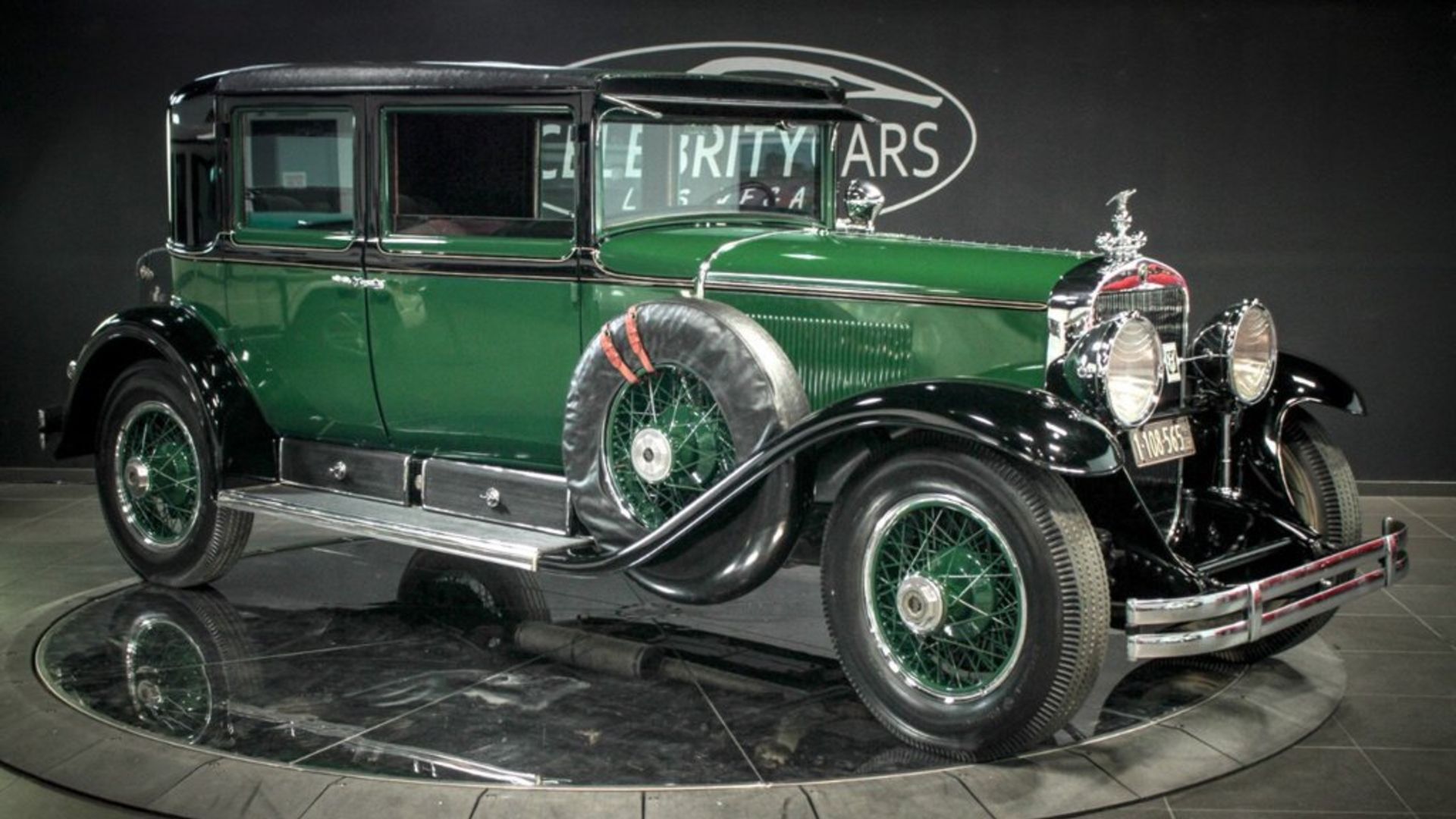
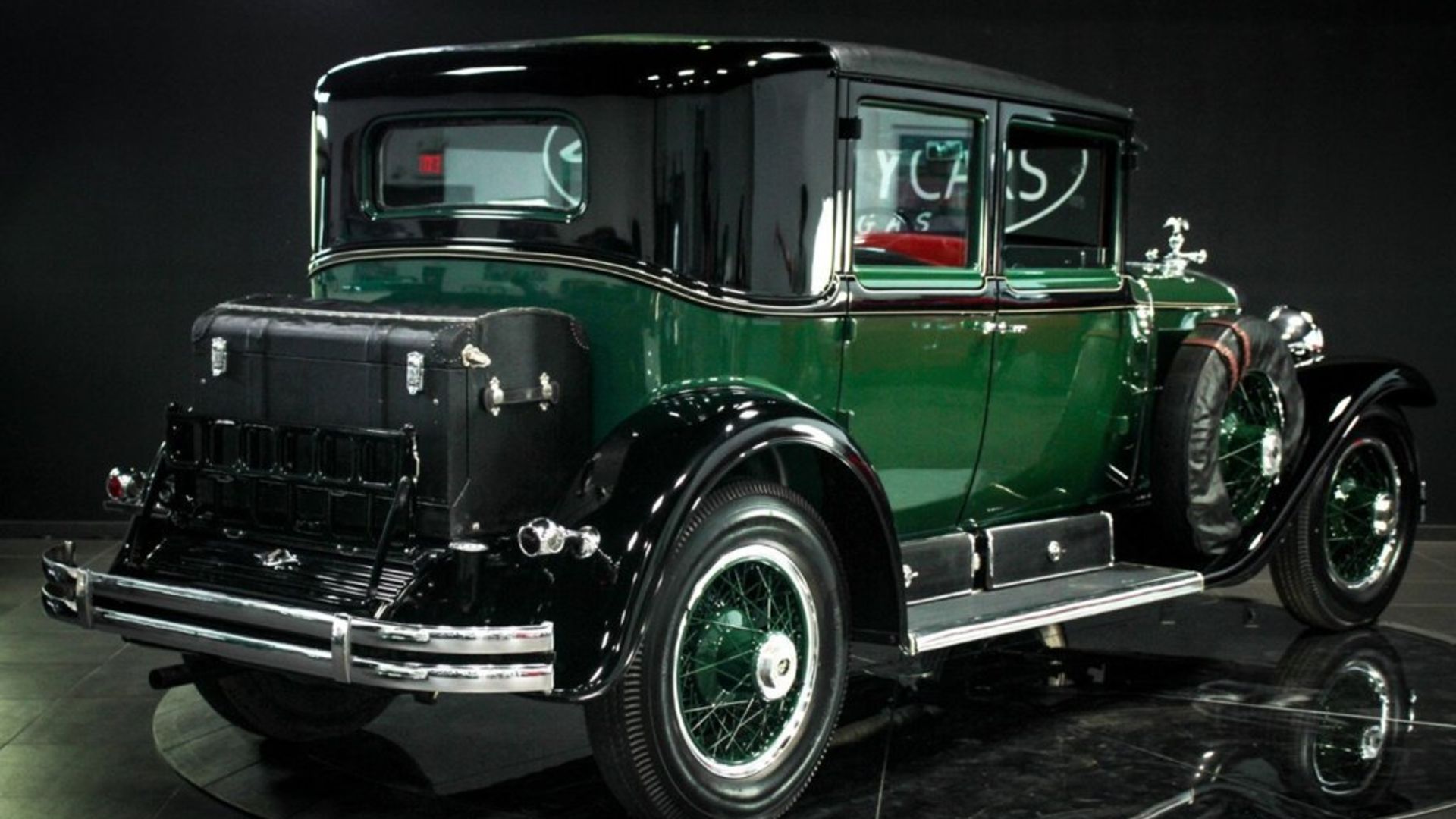
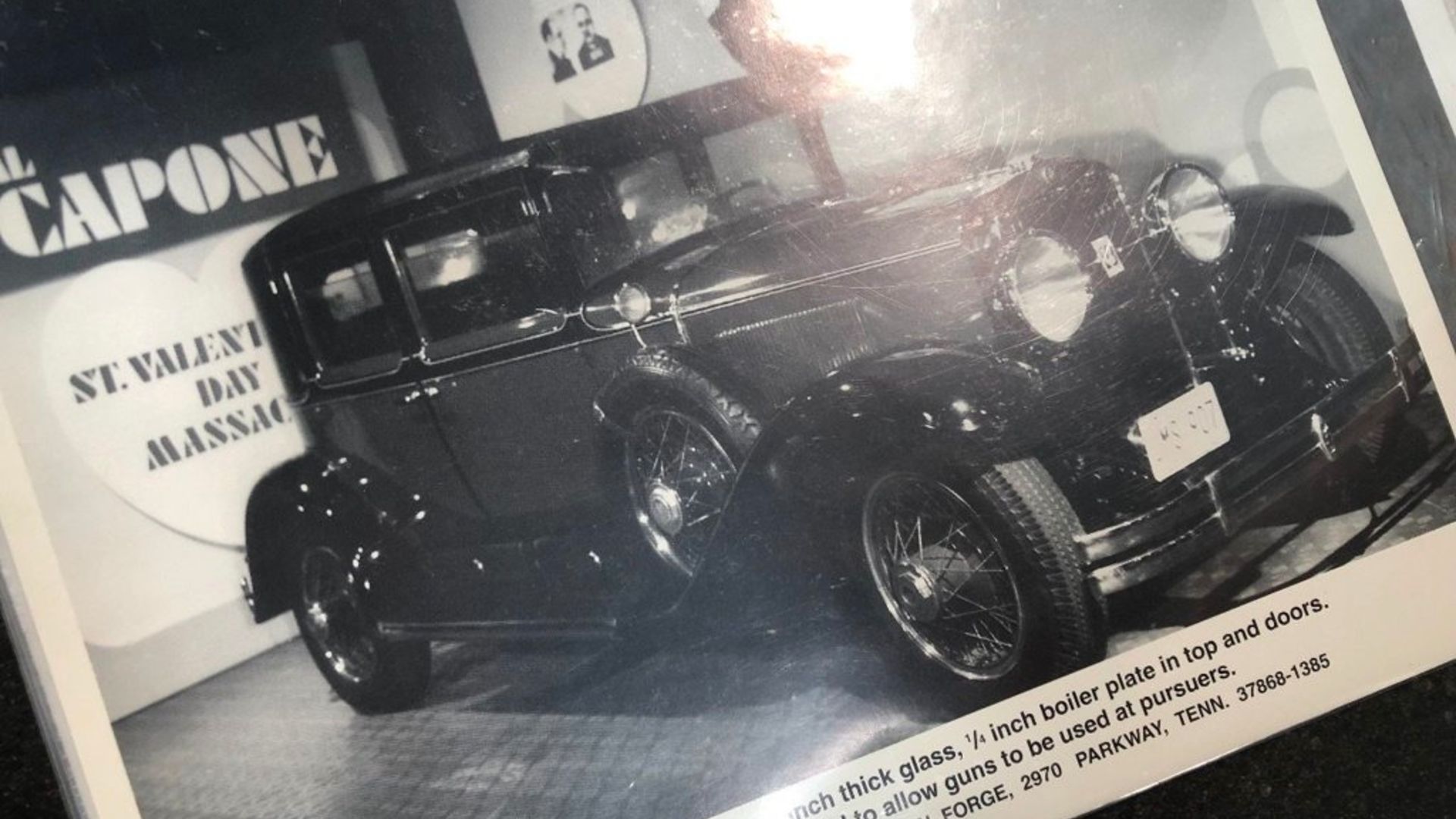
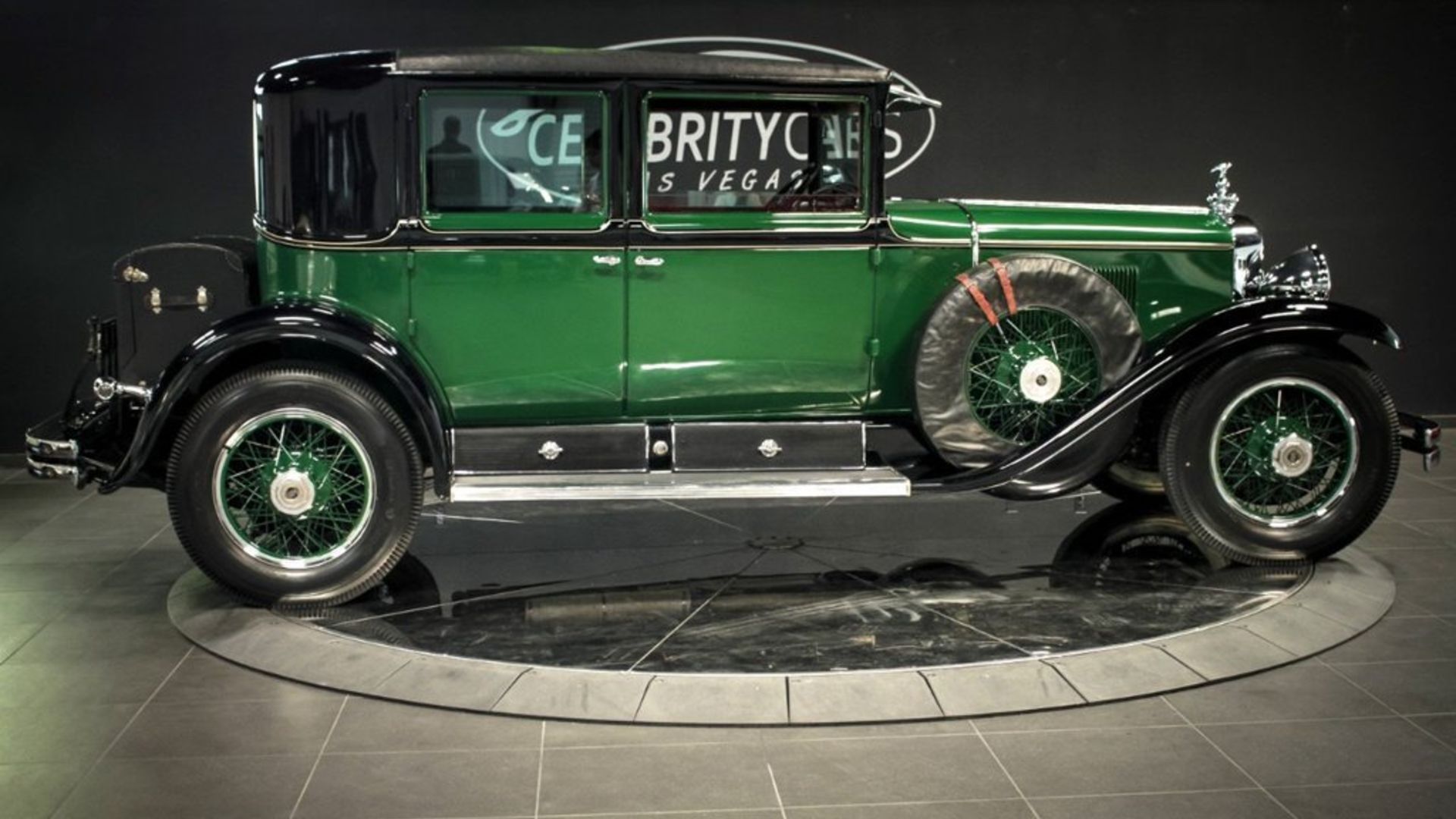
This 1928 Cadillac was once owned by arguably the world’s most famous gangster: Al Capone. And it could be yours for $1 million (£760,000).
A Cadillac Town Sedan of this vintage is special thing, even without the sinister ownership history. This one, however, is extra special, not only because of its former keeper, but due to how he modified it.
Yours for £1.3 million: the BMW that rapper Tupac was shot in
One-inch thick bulletproof glass features all round. The side windows can actually be cranked down, to allow room to shoot out with a Tommy gun. The rear window also opens for the same purpose. The doors, meanwhile, are plated steel.
It’s supposed this is one of the earliest armoured cars. The man who helped his dad armour-plate the Caddy, recalled the exchange between his father and Capone’s men. When he claimed that “We don’t do that kind of work here”, they responded “You do now”.
The car comes with a siren, flashing lights and a radio, so the occupants can keep up with the comings and goings of the local police. It’s even been repainted to look like the police cars of the day.
One thing a gangster car also needs is performance. To that end, Capone had the V8 upgraded so it could top out at 110mph. Happily, the car comes without any car chase or shootout damage.
The big Caddy escaped the attention of the police in the end. That’s more than can be said for much of the rest of Capone’s fleet, and indeed his other assets.
With 1,111 miles, the car is in near-immaculate condition, and comes with a pile of paperwork, articles and historical documents.
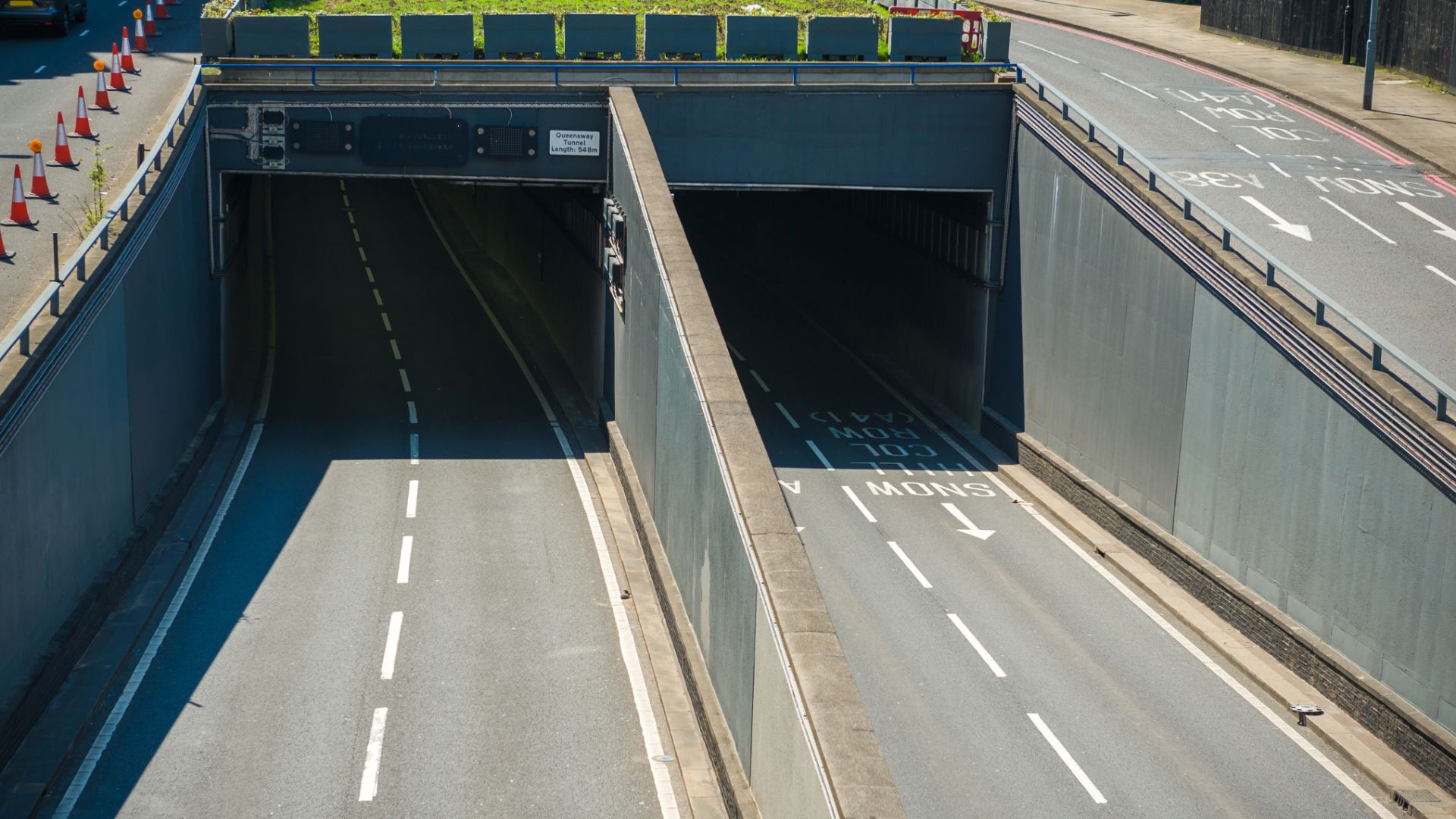
Highways England is planning what it calls ‘Britain’s most ambitious roads project in a generation’. Plans for a 70mph tunnel under the river Thames enter the next phase of public consultation next week.
The multi-billion-pound Lower Thames crossing will connect Essex, Thurrock and Kent. The latest consultation will allow people to have their say on the current state of the project’s design.
It will be an eight-week process, running from Wednesday January 29 to Wednesday March 25. There will be 20 events along the route at which people can offer their thoughts. You can also complete an online survey.
Changes have been made since the last public consultation in 2018. These are with reference to the 29,000 responses Highways England received on the project, as well as new technical information from ground investigations and surveys.
The Lower Thames Crossing in its current state would be a 14.3-mile 70mph road – the longest road tunnel in the UK. Road capacity to the East of London across the Thames will be doubled.
“The Lower Thames Crossing is Highways England’s most ambitious scheme in 30 years,” said Chris Taylor, director of Highways England’s Complex Infrastructure Programme.
“We are designing a new route that will boost the local and regional economy, while providing quicker and more reliable journeys.”
Why a football team sticker could void your car insurance
“We have made some changes to the design of the scheme based on new information, feedback from our consultation in 2018 and ongoing engagement with the local community and organisations.
“This further consultation is an opportunity for people to have their say on the changes before we submit our planning application later this year.”
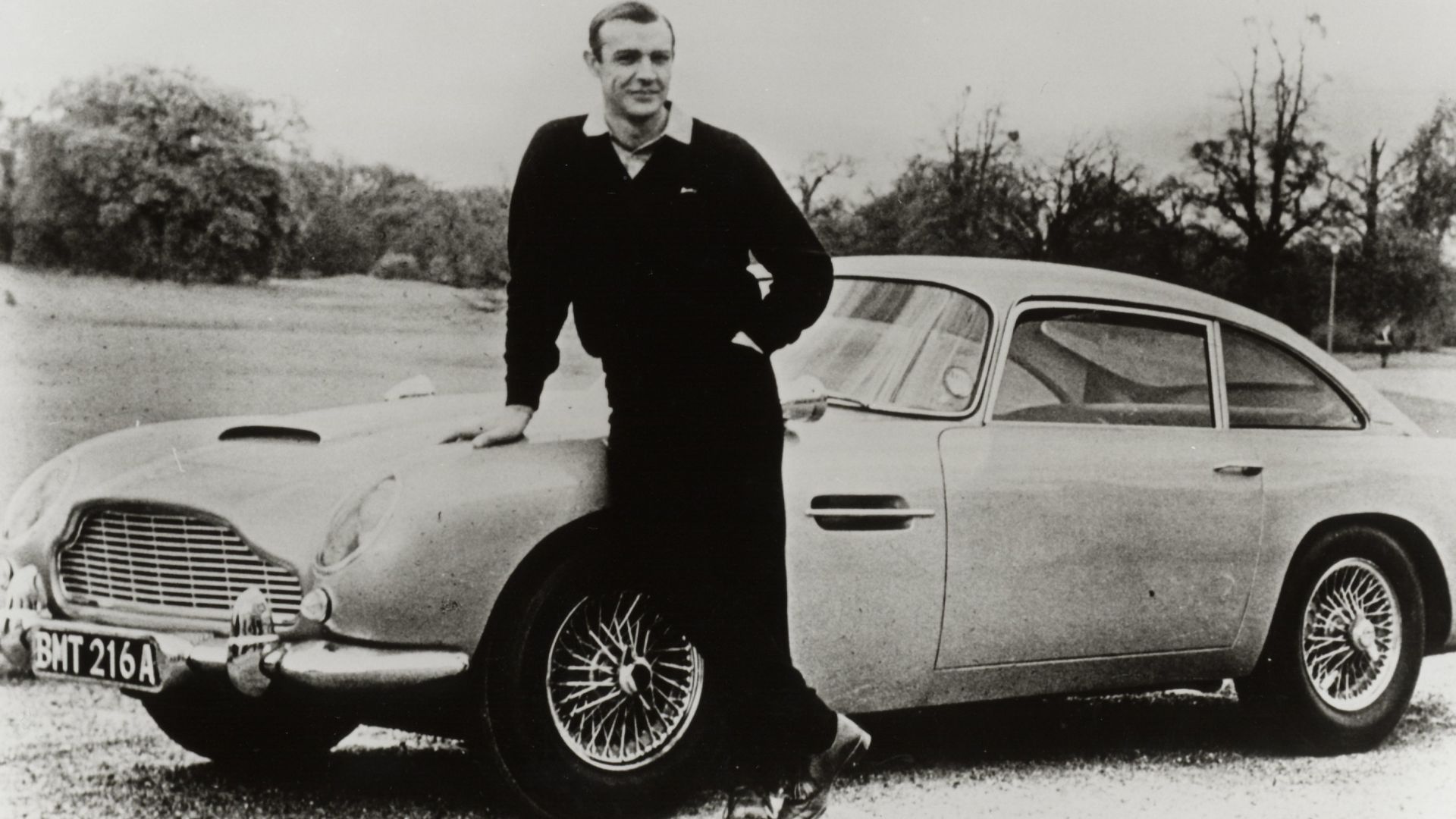
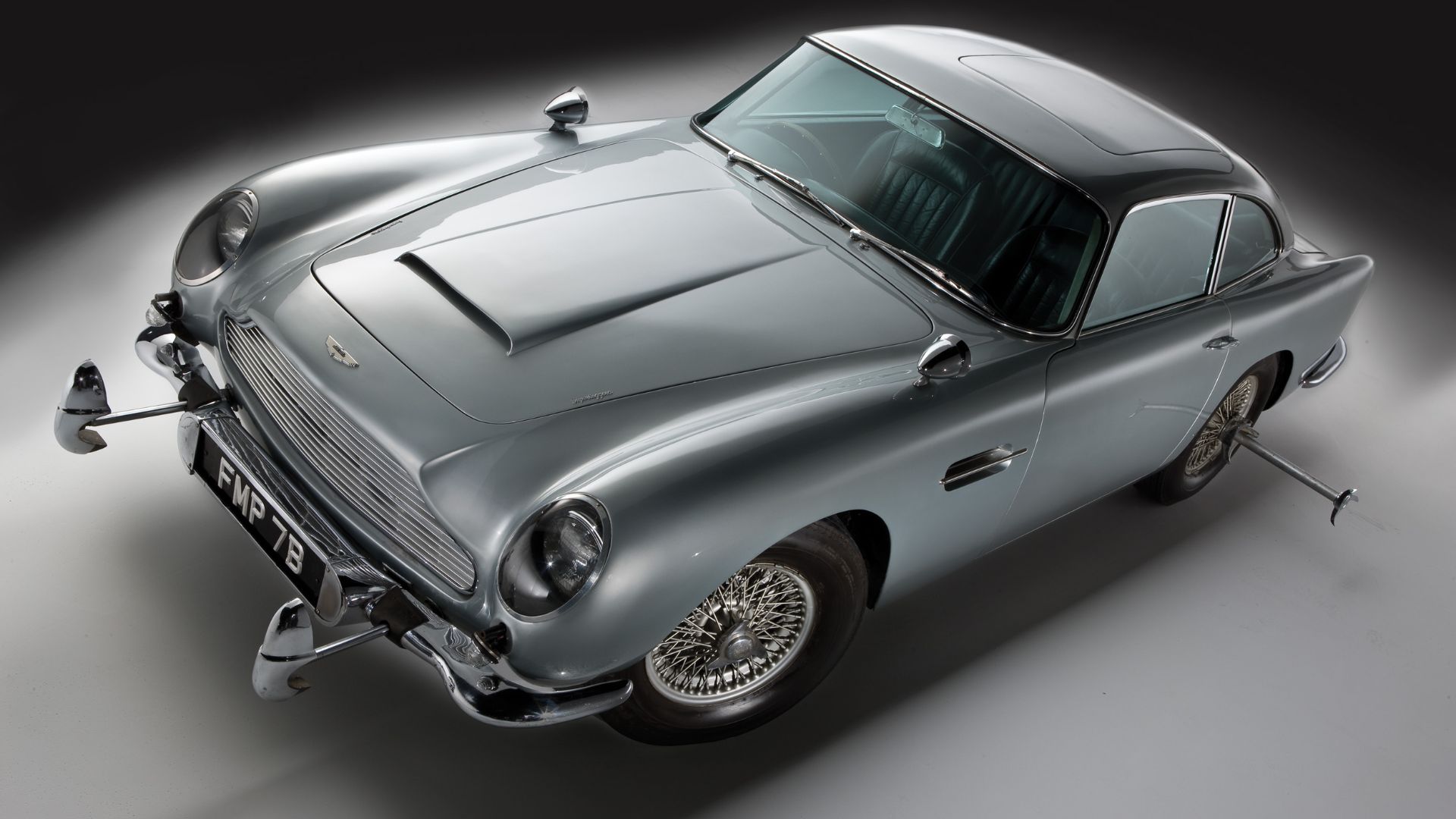
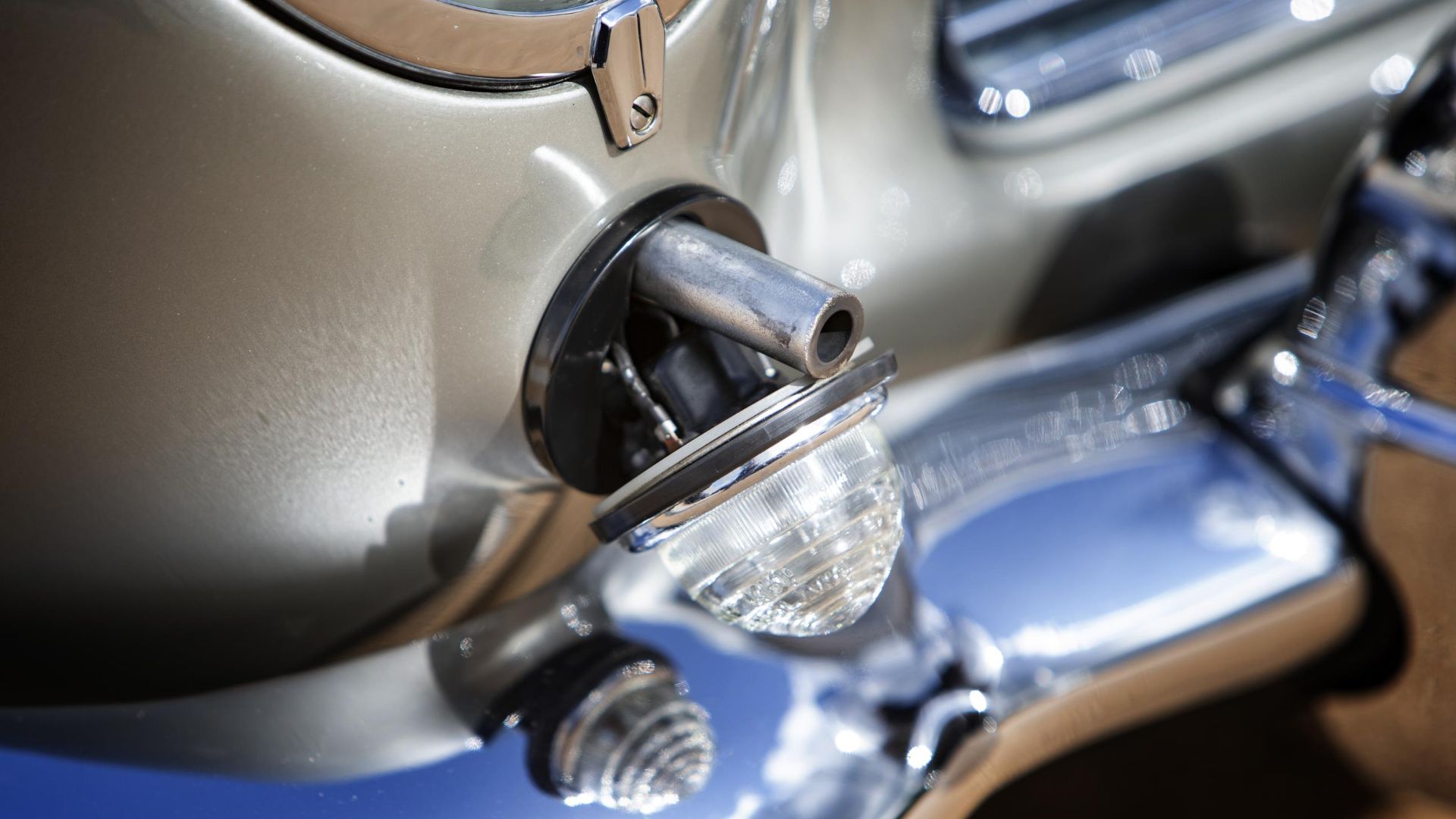
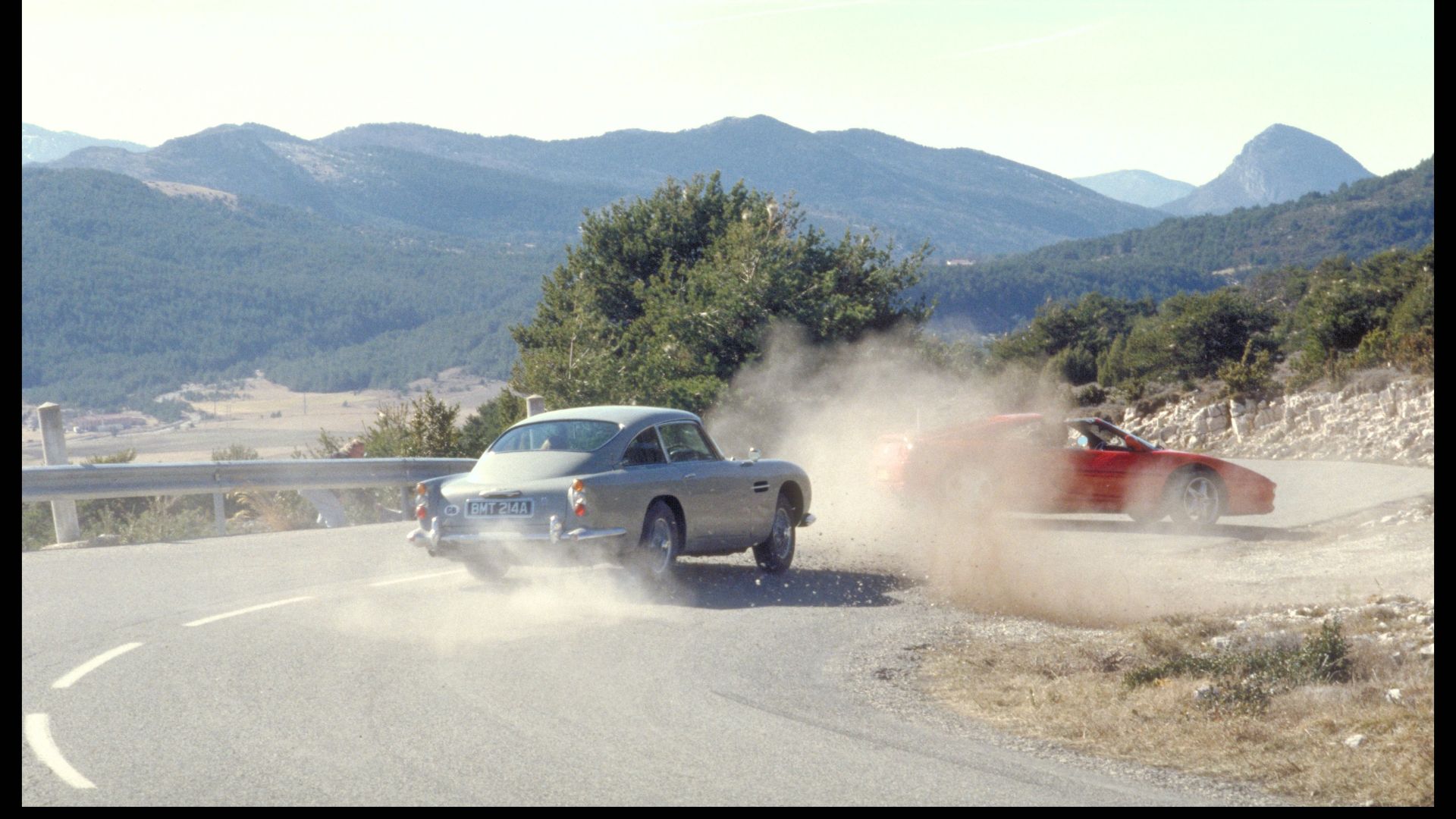
James Bond’s Aston Martin is having something of a restoration at Q branch, in preparation for its performance in No Time To Die. But how much does it cost to outfit a DB5 with machine guns, an ejector seat and bulletproof glass?
Movie motor buff Mike Renaut has priced it the cost of making an Aston Martin DB5 mission-ready, as well as some other famous movie cars.
Although a DB5 will set you back £795,000 (at least), the modifications are surprisingly affordable. You can go from boulevard cruiser to bulletproof bruiser for less than £70,000.
Let’s open with the small stuff: the revolving number plates and smokescreen. They’ll set you back £500 (£400+£100). The first really big expense is the bulletproof glass. Based on a £60 per square foot, plus shaping, tooling and fitting, it’ll cost £7,000.
Now the really cool bits. An ejector seat, albeit a replica, will set you back £1,500. If you want it to work, it’ll be more like £20,000. A removable roof will be useful if the ejector is working, which will be a further £600.
The bulletproof rear shield is a £1,550 job, involving the fitment of a £550 police-spec riot shield. From back to front, and from defence to offence, the twin Browning machine guns will set you back £4,600.
Finally, the rear tyre slashers. These, surprisingly, are the most expensive bit. Because the rear axle will need re-engineering, it adds up to £50,000.
So, there you have it. A breakdown of what Bond’s Aston ends up costing Q branch. Now add that to multiple replacement cars (and replacement mods) every time 007 destroys his long-serving classic…
Preparing other movie cars for battle
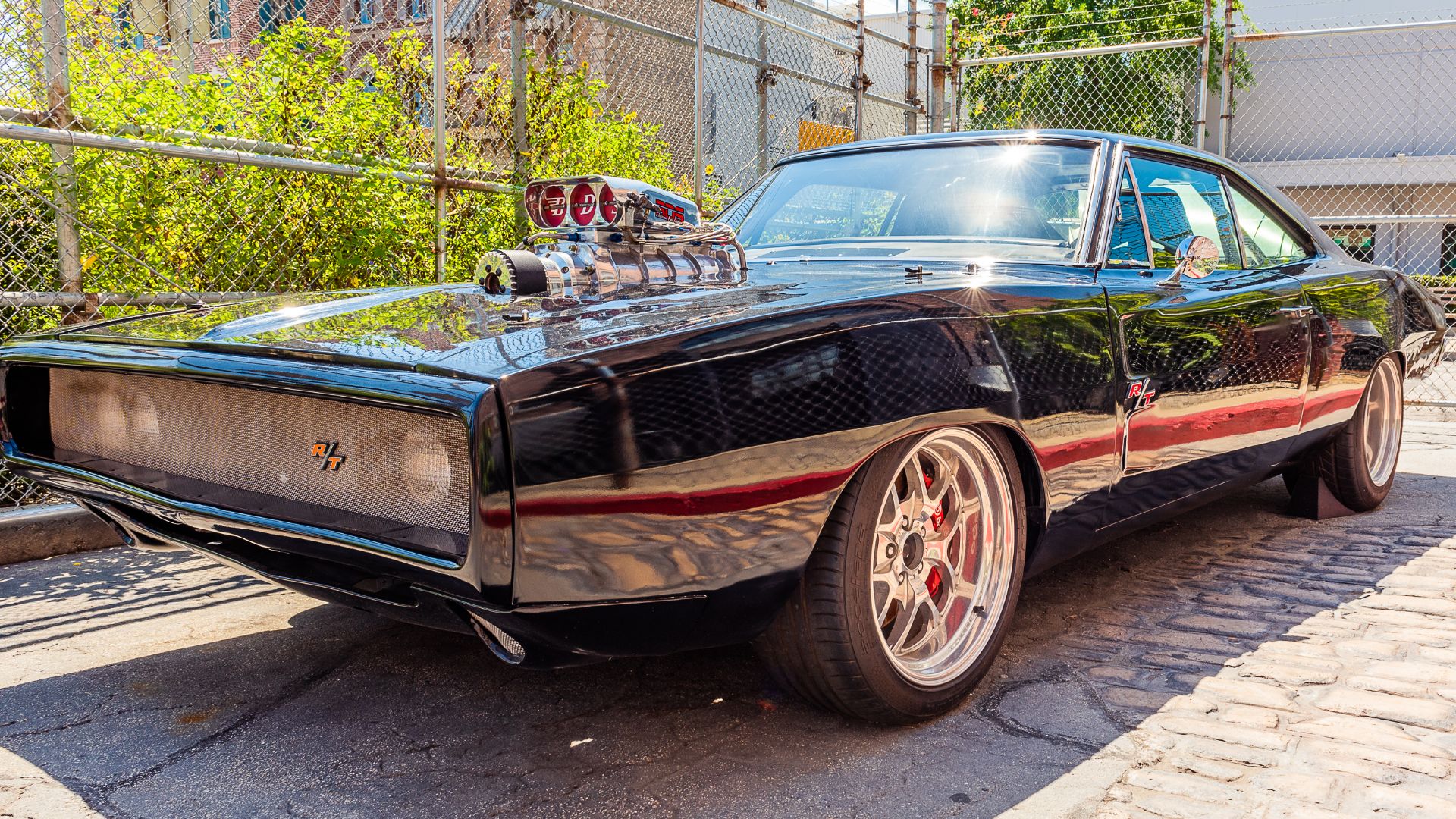
Bond’s needs are different to those of, say, a California street racer. What makes Dominic Torretto’s The Fast and The Furious Dodge Charger so, well, fast and furious? Far from the minimum six-figure sum a DB5 will set you back, a Charger can be had for £30,000.
Mike research for Northgate Vehicle Hire reveals £45,000-worth of modifications, all in the name of performance. These include a 426 cubic inch Hemi V8 for £20,000, drag tyres for £700, race suspension for £3,000 and nitrous injection for £1,500.
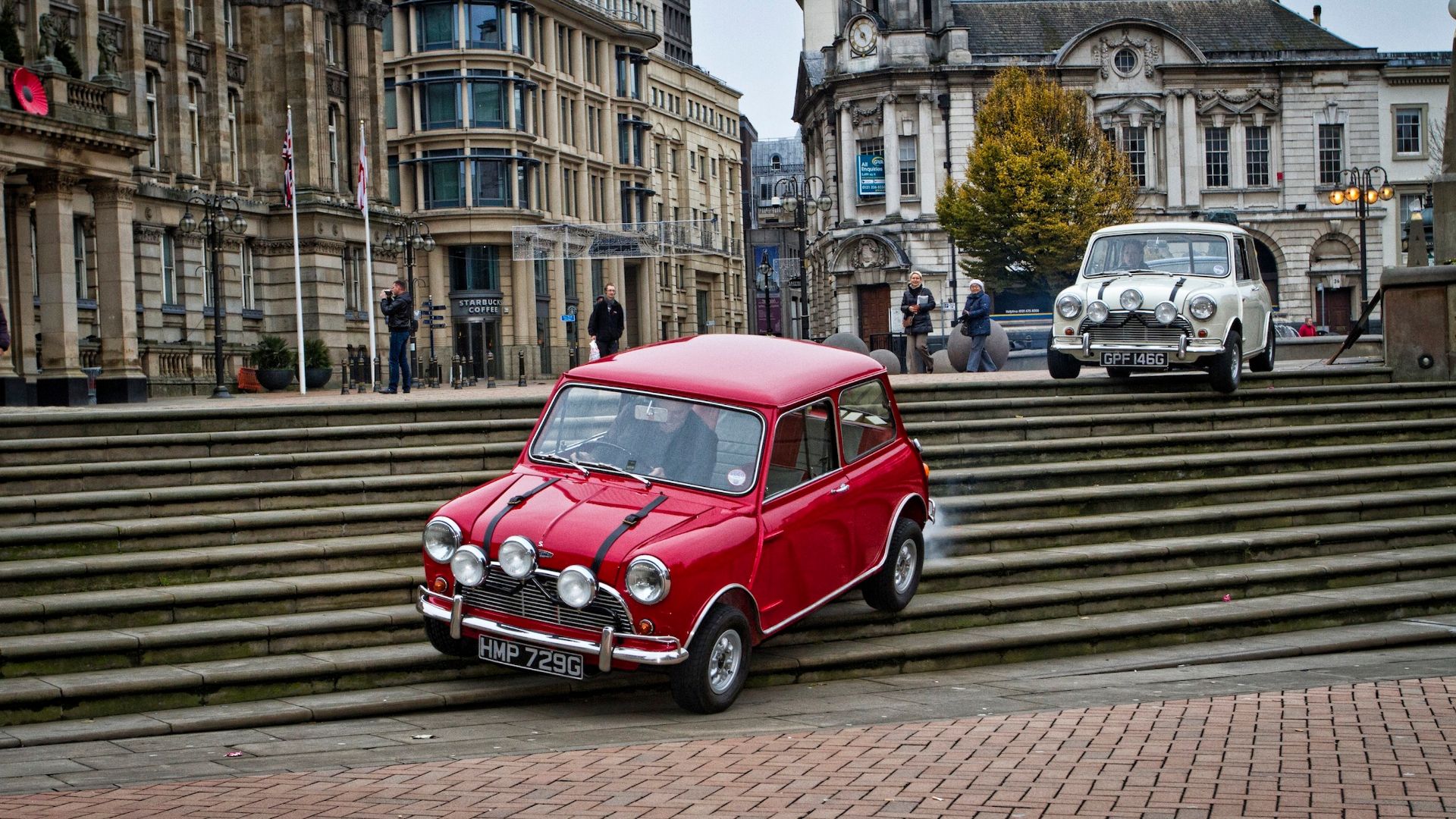
From Race Wars to the streets of Turin, what about getting a Mini ready for the gruelling The Italian Job chase? Well, on top of the £7,000 that a classic Mini will cost, you’ll need £8,000 for modifications.
These include a strengthened boot floor for £750, a second fuel tank for £400, upgraded shock absorbers for £275, plus a three-point rollcage for £200. What we’re wondering is why a special roof paint job is estimated to cost £4,000.
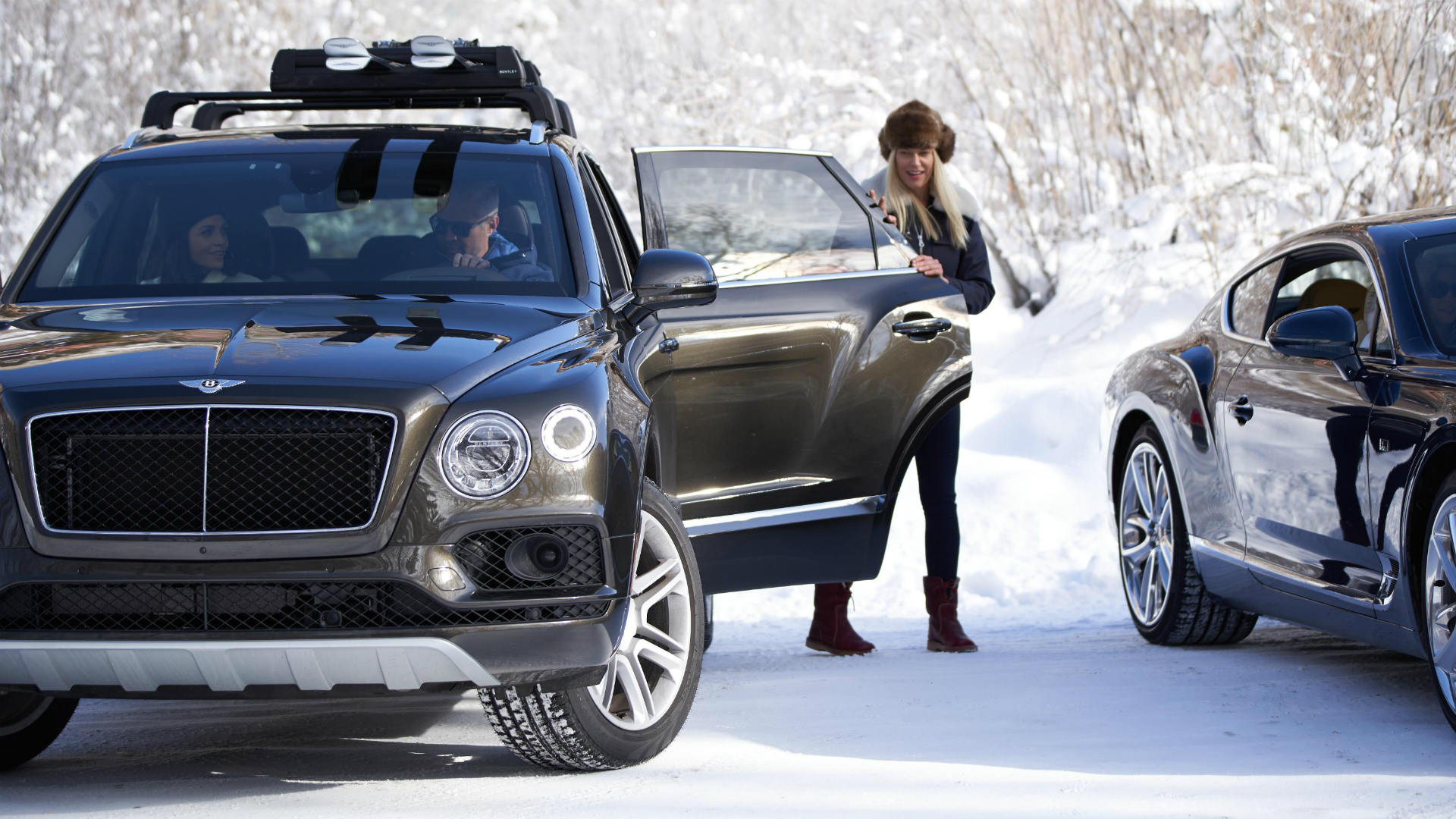
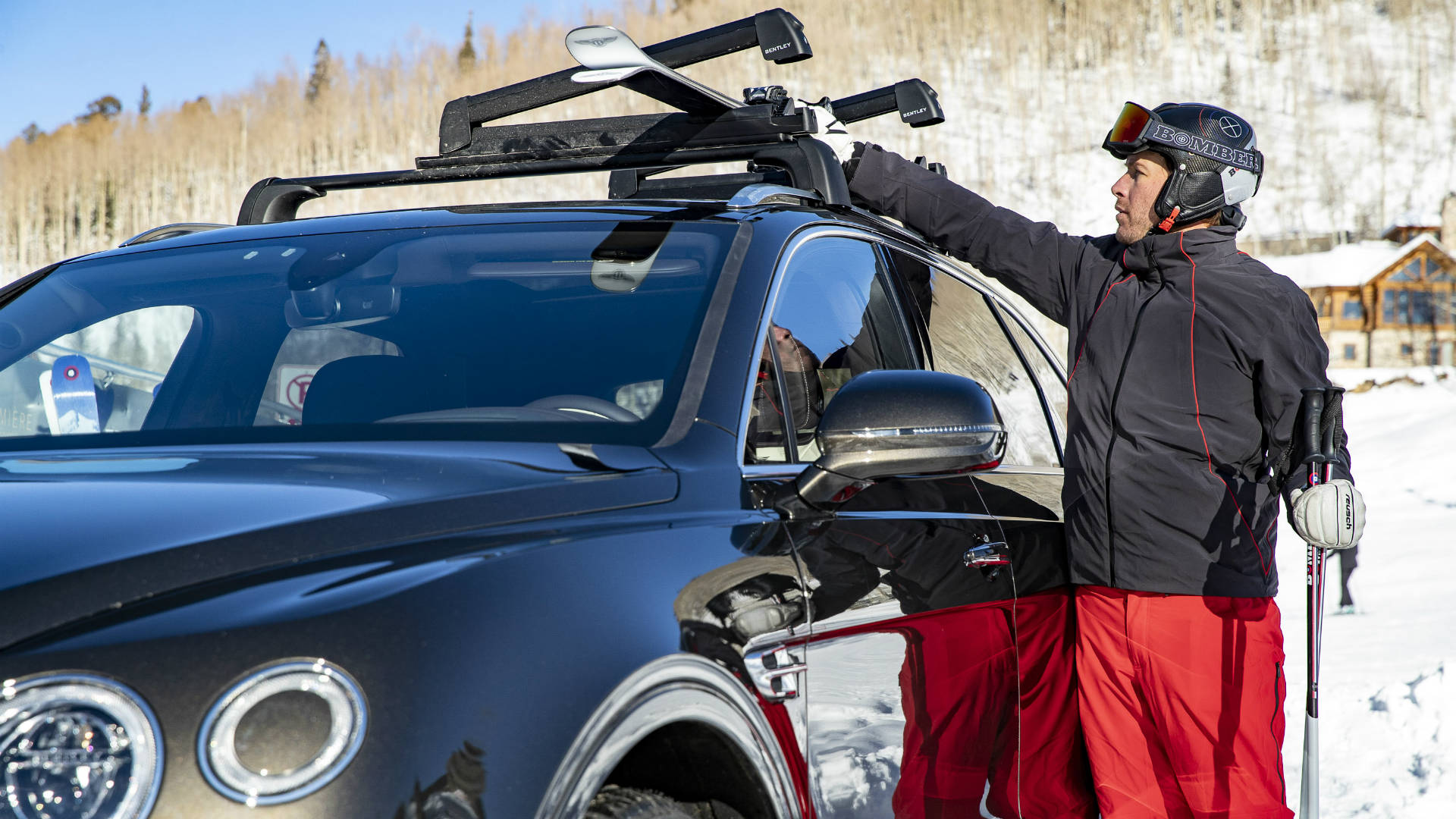
Bentley and Bomber Ski have joined forces to create a skiing and driving holiday experience.
Set in the Rocky Mountains, Bentley and Bomber will host a group of ski enthusiasts at a six-day, five-night experience. Eighteen places are available on this ‘once-in-a-lifetime experience’.
Six-time Olympic medallist and five-time World Champion skier Bode Miller will be on hand to provide expert guidance and coaching to skiers of all abilities.
Skiers are promised access to areas only accessible by Snowcat, allowing them to ‘catch the first glimpse of the sunrise before skiing untouched, pristine powder’.
Additional activities include snow-shoeing, a helicopter ride over the Rocky Mountain range and fine dining in the best restaurants.
Guests can expect a morning visit from the in-house ski valet when they stay at the five-star Lumiere Hotel in Telluride. Later, a private aviation transfer will fly the 18 guests to the Montage Deer Valley in Utah, where the trip will conclude.
The Bomber for Bentley Ski & Drive Experience follows the debut of the Limited Edition Centenary Ski and the Black Diamond Edition Ski that were launched last month.
Each design features diamond motifs, textures and patterns, inspired by Bentley’s EXP 100 GT concept car launched in July 2019.
‘Curated global experiences’
Developed with Chris Cooke, head of product design at Bentley Motors, the ‘Bomber for Bentley’ skis are handcrafted in Bomber’s boutique factory in Italy, with each pair of skis taking roughly 32 hours to complete.
Predictably, the Bentley skiing and driving holiday isn’t cheap. The price of double occupancy is $28,950 (£22,257) or $17,950 (£13,800) for single occupancy.
Don’t worry if you can’t make the inaugural event which takes place from 4 to 9 March 2020. Bentley is promising additional ‘curated global experiences’ throughout the year.
Money put aside for reducing the road network’s impact on the historic environment is being used to revitalise historic buildings.
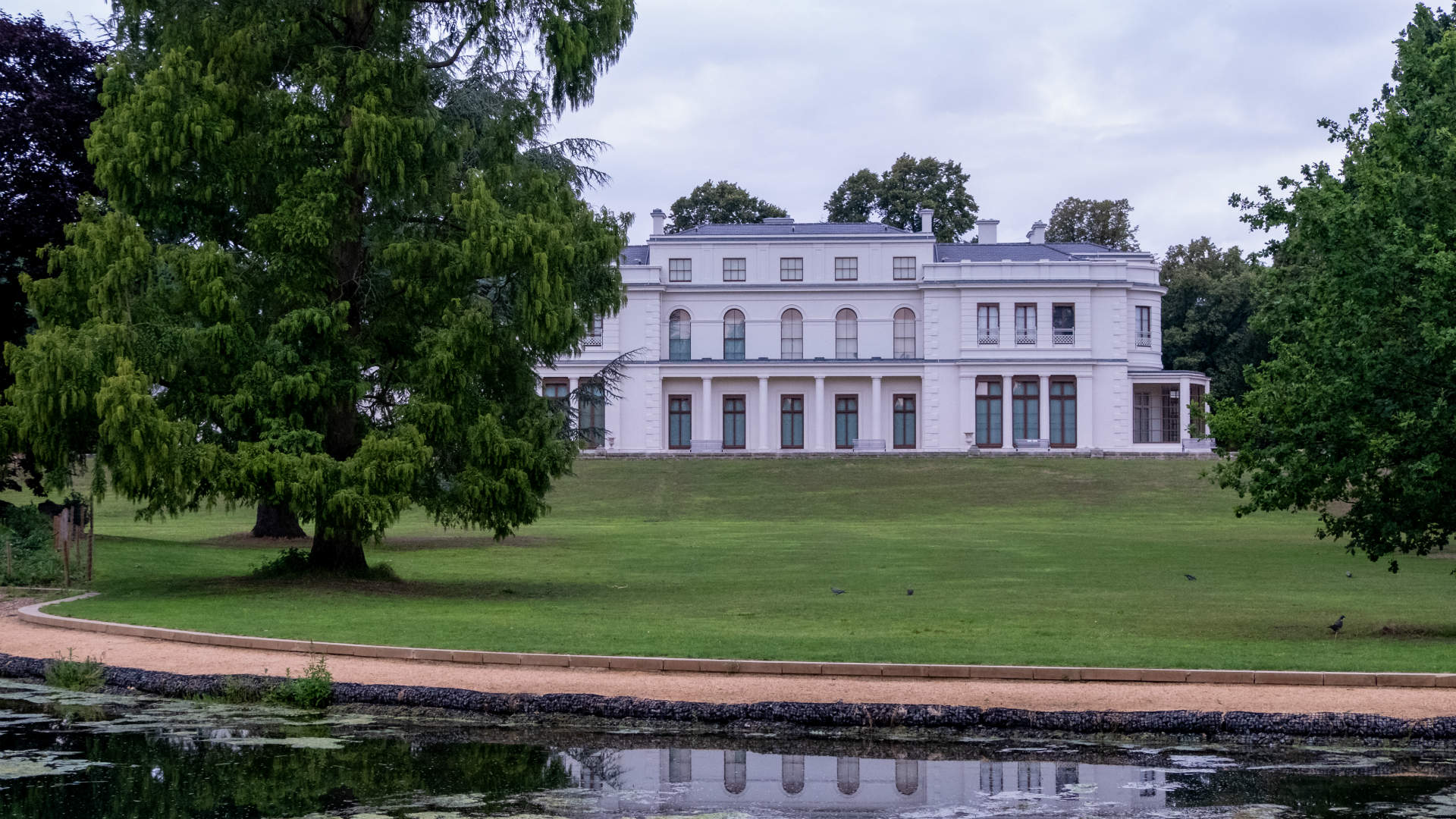
Highways England has awarded £340,000 to Gunnersbury Park – a 75-hectare park near the M4 motorway in West London.
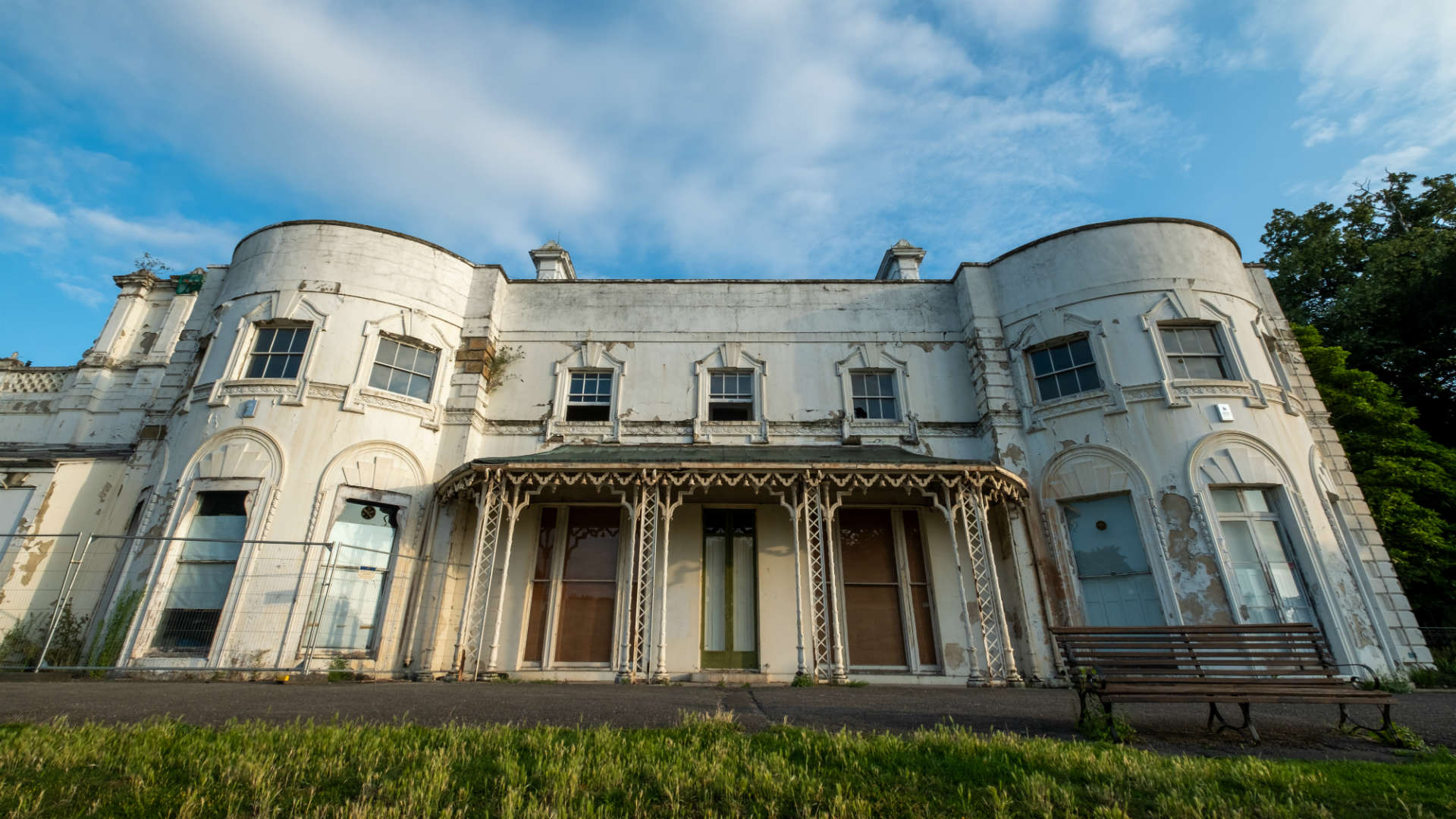
In 2009, eight of the listed buildings in the park were placed on Historic England’s Heritage At Risk Register. There are 22 listed buildings in the park, many of which have fallen into disrepair.
The Highways England cash is being put towards securing three of the threatened buildings. The plan is to transform them into cultural and artistic facilities for the local community.
Last year, Highways England awarded £90,000 towards the cost of specialist surveys of the small mansion and stable buildings. Now, a further £250,000 has been allocated to the cost of repair.
In the future, Gunnersbury Park will boast a multi-million-pound sports hub, offering tennis, football, cricket, gym facilities and angling to local people.
‘Derelict for decades’
Highways England principal cultural heritage advisor Jim Hunter said: “I am delighted that Highways England has been able to contribute to this scheme which will help ensure a sustainable future for this beautiful park and its important buildings for generations to come.
“We believe in operating and improving our roads in a way that protects and supports people and the things we value for our quality of life, and helping to enhance the historic environment on or close to our road network is what our Designated Fund for Cultural Heritage is all about.”
Emily Gee, Historic England’s regional director for London and the South East, added: “These special historic buildings within Gunnersbury Park have been derelict for decades and it’s wonderful that they are set to be transformed into cultural and arts facilities for the local community.
“We are delighted that Highways England’s funding has helped to secure the future of this precious landscape together with the commitment of Ealing and Hounslow councils.”
The fund is part of a £675 million fund allocated to Highways England over a five-year period from 2015. Its aim is to mitigate the road network’s impact, focusing on air quality, the environment, cycling, safety, integration and innovation.
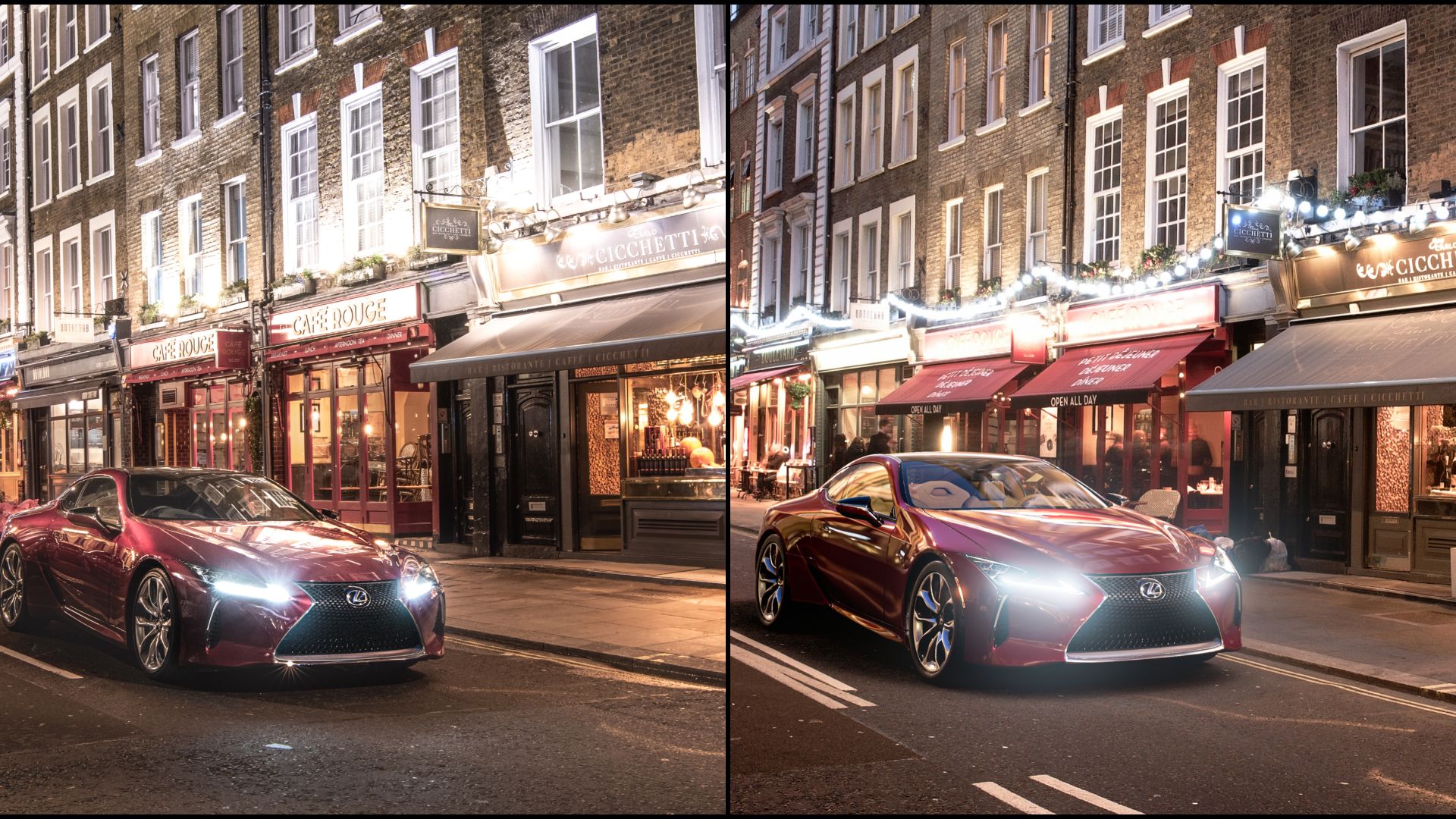
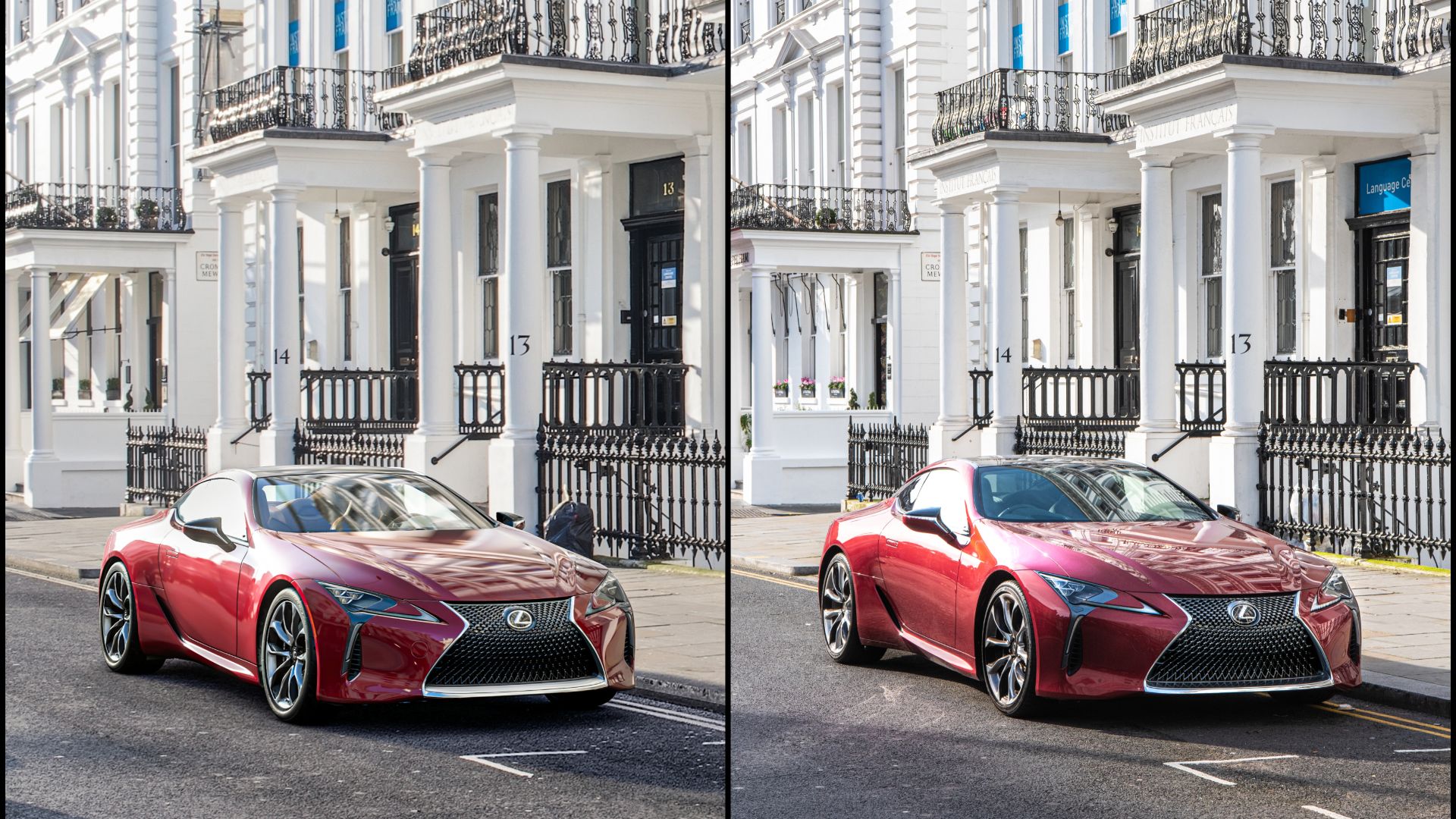
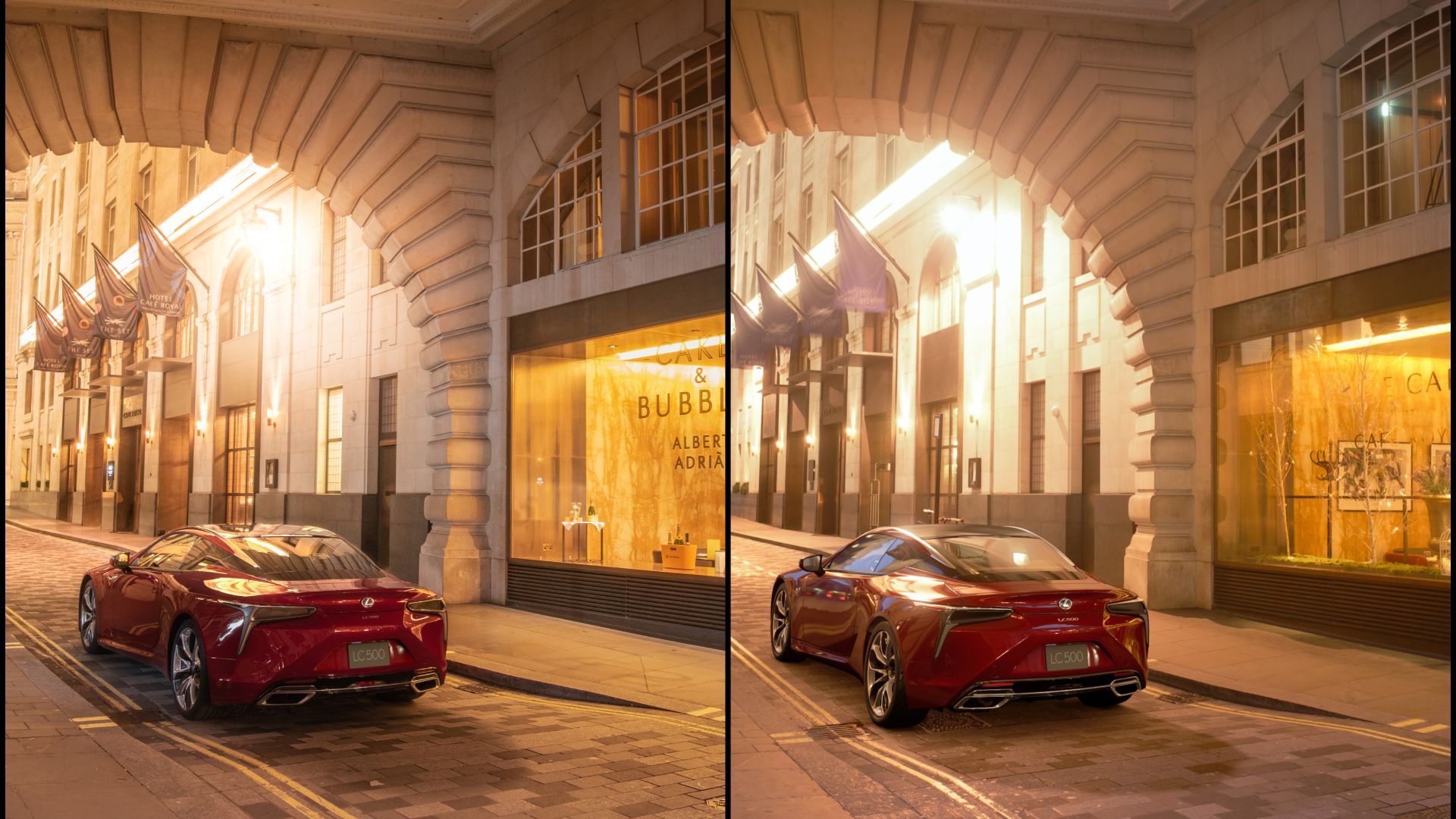
Can you spot the difference between these images? The subject is a Sonic Red Lexus LC500, photographed at various London locations. One of the slides is shot in Gran Turismo Sport’s excellent photo mode, the other is a real shot.
To test the theory that modern game graphics are truly lifelike, Lexus enlisted the help of professional photographer Jayson Fong to help create some images in-game, and then retake them in real life. They picked Air Street, Cromwell Place and Wellington Street in London, as featured in the game’s ‘Scapes’ mode.
As for the car? It’s a good one to test both photographer and observer. With a nice mix of clean and harsh lines, we love the way the LC500 looks in certain environments, reflecting what’s around it.
Then, once the images were taken on the game, Jayson and his team noted down the exact geometry, time of day and light settings to replicate the pictures in real life. As Jayson follows, lighting was the biggest challenge.
“For some locations, we had to be on the street at 4am and it was difficult to get the timings right because the sky was always going to be one of the biggest giveaways.”
It proved a tall task practically when it came to shooting the car for real, then. Given the closeness of the results, we wouldn’t blame you for leaving it to the professionals and taking to the PlayStation for some artistic automotive photography.
The results really are spectacular, given that we’re never quite sure which is real. Especially in the case of the Cromwell Place daytime shot. We’re unsure what the giveaway is. The bin bag? The reflections on the car? The yellow lines? The scaffolding? They’ve done a great job of matching the shots.