Home Blog Page 113

Porsche reveals ultimate Manthey-modified Cayman GT4 RS

0
Porsche 718 Cayman GT4 RS with Manthey Kit

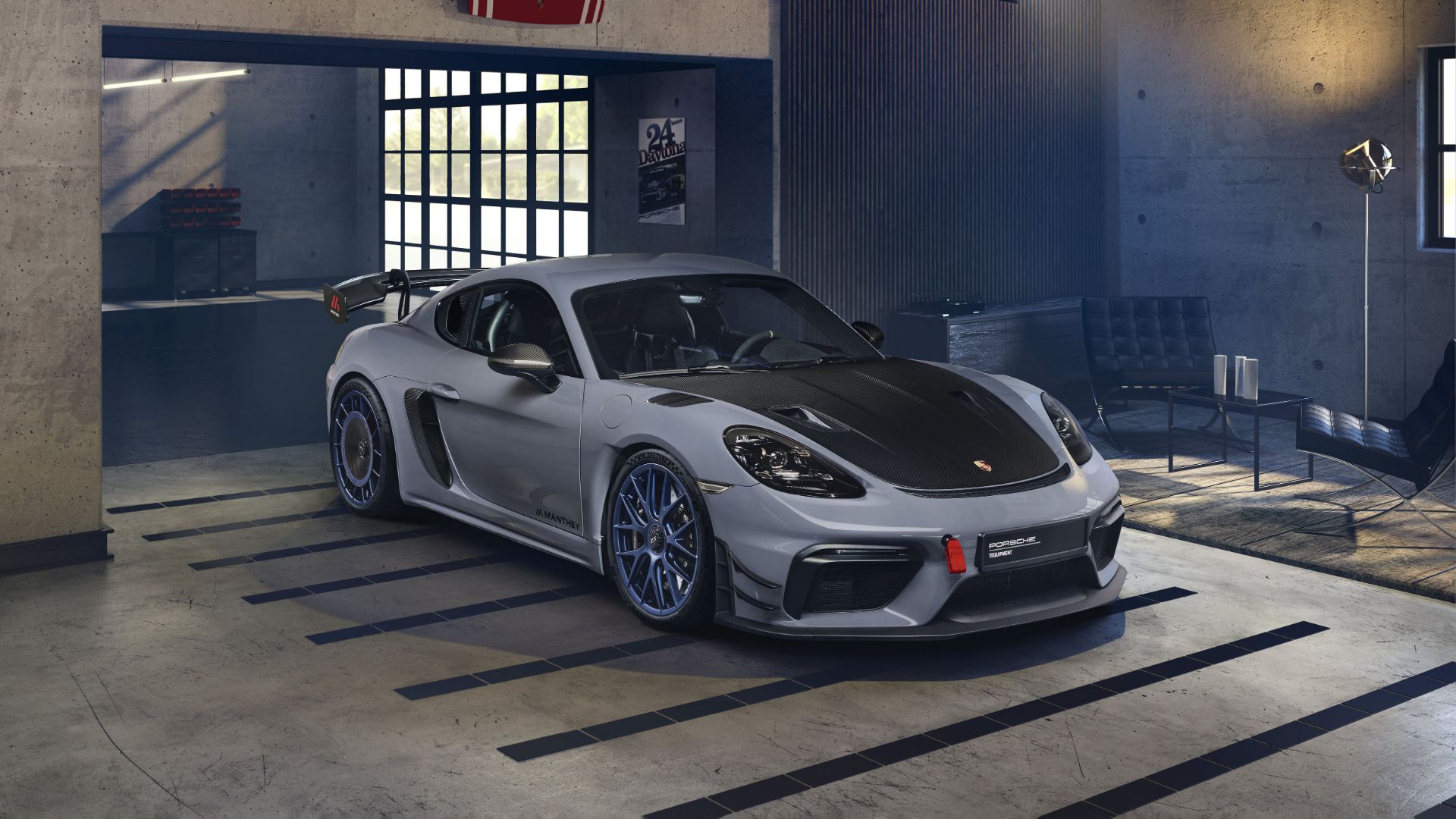
The Porsche 718 Cayman GT4 RS is already a pint-sized supercar-slayer. Now an optional Manthey Kit, with enhanced aero and better brakes, stretches its potential still further.

The upgraded GT4 RS is a joint effort between the ‘Nordschleife specialists’ at Manthey and Porsche Motorsport. Never heard of Manthey? The respected German racing team has seven Nürburgring 24 Hours victories to its name, and has been majority-owned by Porsche AG since 2013.

As the top rung on the 718 Cayman ladder, the GT4 RS starts from £123,000, although a long waiting list means we’ve seen ‘flipped’ cars advertised for twice that amount. The price for the Manthey Kit is still to be confirmed, but it will be sold through UK Porsche dealers from December.

Disc jockey
Porsche 718 Cayman GT4 RS with Manthey Kit

The first thing to note is that the Manthey Kit doesn’t include any extra power. The 4.0-litre naturally aspirated flat-six engine – shared with the 911 GT3 – still develops 500hp at a heady 8,400rpm: good for 0-62mph in 3.4 seconds and a top speed of 194mph.

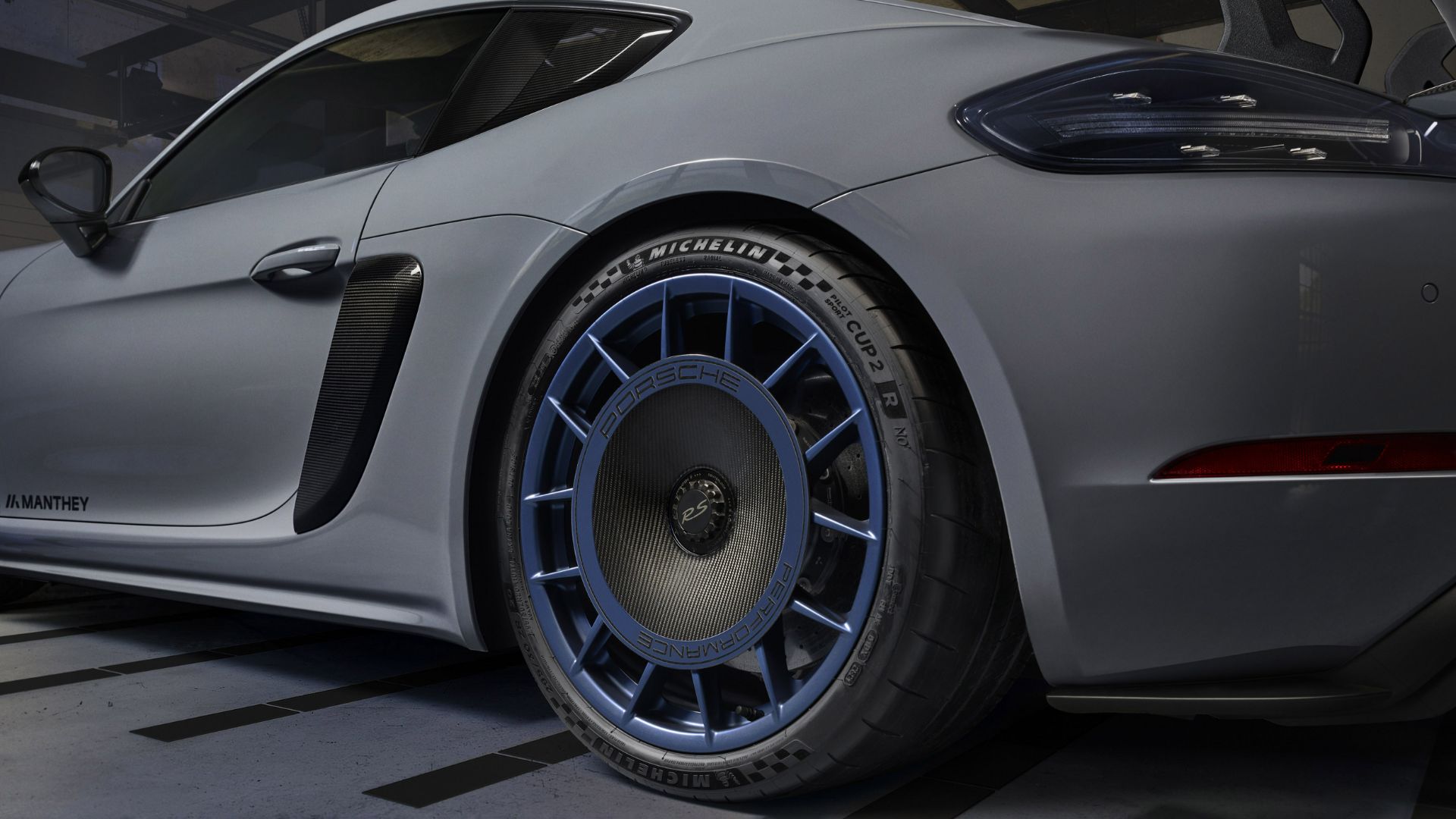
Instead, the improvements are mainly focused on aerodynamics. The front of the car incorporates new air curtains, wheelarch Gurney flaps and a carbon fibre undertray with built-in diffusers. At the rear, CFRP aerodisc wheels help reduce turbulence, while an 85mm wider spoiler offers four stages of adjustment, almost doubling downforce to 169kg at 200kph (124mph) in its Performance setting.

Further modifications by Manthey (say it: ‘Man-tie’) include 20 percent stiffer springs for the coilover suspension and optional racing brake pads. You can also specify front and rear towing loops, in case it all ends in the crash barrier, along with some – rather less functional – illuminated door sill guards with the Manthey logo.

Purple reign
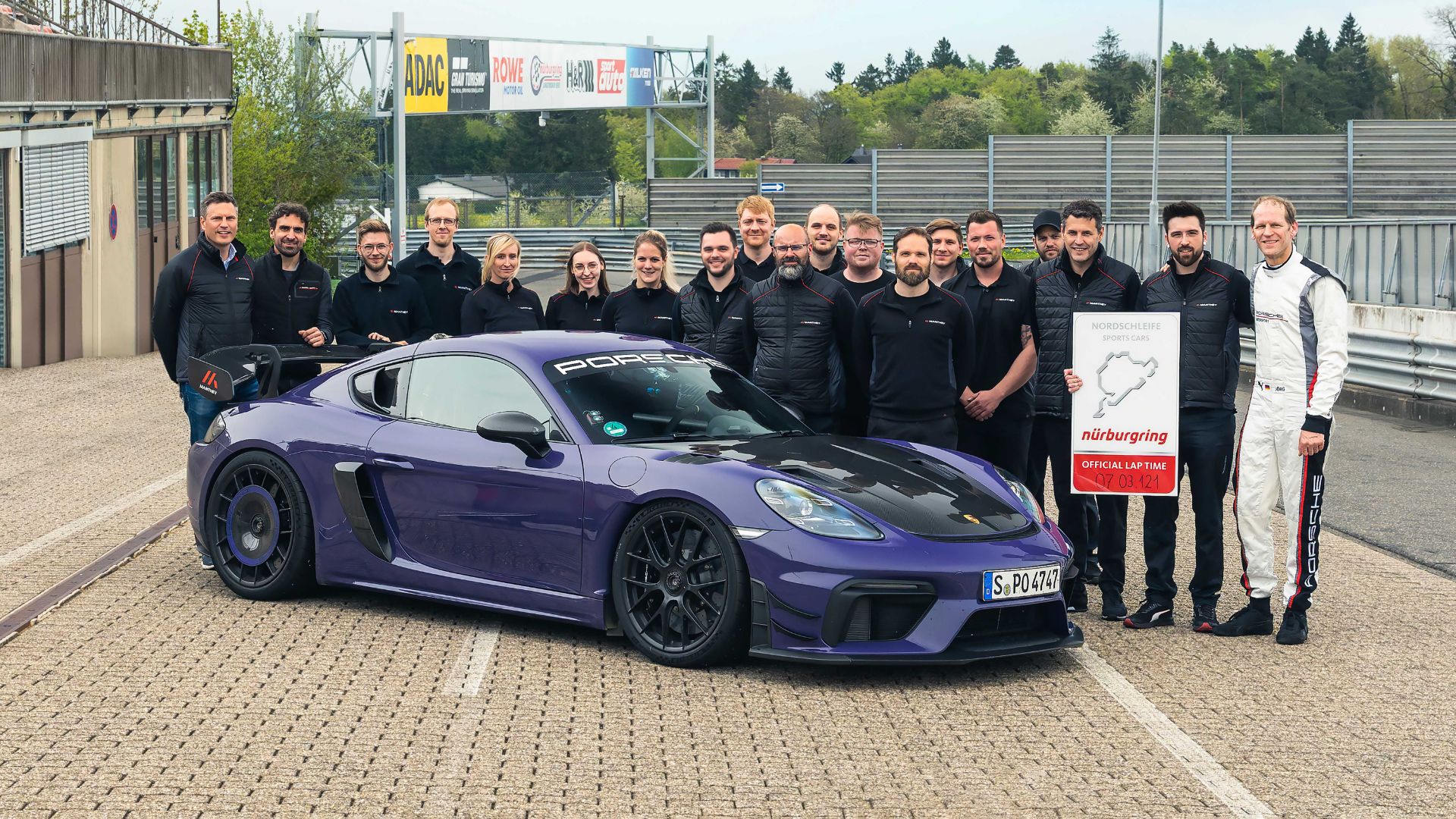
Porsche 718 Cayman GT4 RS with Manthey Kit

Inevitably, all this fine-tuning and obsessive attention to detail leads to a Nürburgring lap-time. Driven by Jörg Bergmeister, and wearing super-sticky (but road-legal) Michelin Pilot Sport Cup 2 R tyres, the Manthey GT4 RS lapped the ‘Green Hell’ in 7min 3.12sec. That’s 6.18 seconds quicker than the standard car, albeit still behind the latest Porsche 911 GT3 RS (6min 49.33sec).

How much difference the Manthey Kit makes in the real world, even for those tackling the occasional track day, is open to question, but there’s an obvious allure to owning the ultimate GT4 RS – and indeed the fastest, most extreme Cayman before its electric successor arrives in 2025.

Lastly, if you’re less concerned about lap times and want even more emotional appeal, Porsche recently revealed the drop-top 718 Spyder RS. We’ll be driving it this week, so come back to Motoring Research soon for our review.

ALSO READ:

Porsche Cayman GT4 RS review

Porsche 911 Dakar review

The story of the classic Porsche 911

Advertisement

How to stay awake and alert when driving long distances

0
How to stay awake behind the wheel

A fifth of road accidents in the UK are caused by tiredness. Perhaps it’s no surprise, then, that a third of UK motorists are scared of driving in the dark.

According to the Royal Society for the Prevention of Accidents (RoSPA), driver fatigue also plays a part in up to a quarter of fatal and serious-injury accidents.

And another worrying stat: such crashes are 50 percent more likely to result in death or serious injury. That’s because because a driver who has fallen asleep cannot take action to mitigate an impact.

RoSPA says accidents caused by tired drivers are most likely to happen:

  • On long journeys and on monotonous roads, such as motorways
  • Between 2am and 6am
  • Between 2pm and 4pm (especially after eating, or drinking even one alcoholic drink)
  • After a night of interrupted or reduced sleep
  • After drinking alcohol
  • If taking medicines that can cause drowsiness
  • After working long hours or a night shift

Identify the signs of tiredness

Half of van drivers falling asleep at the wheel

It’s important to recognise the signs of tiredness. Failure to do so could result in a car accident caused by reduced reaction times, decreased attention levels and an inability to judge risks.

Symptoms include:

  • Yawning or rubbing your eyes
  • Frequent blinking
  • Daydreaming
  • Trouble remembering the last few miles driven
  • Missing exits or traffic signs
  • Drifting from your lane

How to stay awake when driving

Why sleep is the best prevention for drowsy driving

Not getting behind the wheel when tired is a good place to start, but the following tips will help you stay awake:

  • Prevent tiredness: make sure you get between seven and eight hours of sleep the night before you drive. If you’re regularly feeling tired, even after a full night’s sleep, arrange to see your doctor.
  • Plan ahead: design your journey to allow you to take regular rest breaks, especially if you’re driving during peak tiredness times.
  • Minimise the risk: plan to stop at a motorway services for a quick rest. Arrange to share the driving with a friend or family member. Coffee will help, but it’s NOT a solution to tired driving.
  • Stay cool: excessive use of in-car heating will make you feel sleepy. Keep the car comfortably cool and open the windows to get some fresh air.

Rule number 91 of the Highway Code also states that a minimum break of at least 15 minutes after every two hours of driving is recommended.

ALSO READ:

What are green number plates and which cars can use them?

How to find the cheapest petrol and diesel near you

What is keyless car theft – and how can you prevent it?


Advertisement

Lotus reveals prices and specs for AMG-powered Emira sports car

0
Lotus Emira Four Cylinder Turbo

Lotus is now taking orders for the four-cylinder version of its Emira coupe. Following the launch of the 400hp supercharged 3.5-litre V6 model, the new 2.0-litre turbocharged version expands the Emira range. 

Supplied by Mercedes-AMG, its mid-mounted engine is closely related to that in the AMG A45 hot hatchback. A 365hp output makes this the most powerful four-cylinder Lotus sports car ever made. 

It’s also the end of a long bloodline of four-cylinder Lotus models, including the Elise, Exige and Esprit, as the British brand prepares to go fully electric.

Small and mighty

Lotus Emira Four Cylinder Turbo

Helped by a twin-scroll turbocharger, the Lotus Emira’s engine generates a substantial 317lb ft of torque. An eight-speed dual-clutch transmission is fitted as standard (there’s no manual option), with steering wheel-mounted paddles for rapid shifts. 

Combined with a relatively low kerb weight of 1,446kg, the Emira delivers impressive performance. Sprinting to 62mph takes just 4.4 seconds: a mere 0.1 seconds behind the V6. Top speed is 180mph.

As you’d expect, Lotus has also tuned the handling of the Emira to suit its new engine. An aluminium rear subframe saves 12kg compared to the V6 model, plus there is a choice of Tour or Sport chassis settings. The car rides on bespoke tyres, and features a specially calibrated stability control system.

First Edition ready to go

Lotus Emira Four Cylinder Turbo

A fully-loaded First Edition model marks the start of four-cylinder Emira production, and is offered in a choice of 13 paint colours. The standard power-adjustable and heated sports seats can be upholstered in a leather or Alcantara (artificial suede) trim.

Along with a 10.25-inch multimedia touchscreen in the centre of the dashboard, the Emira also features a 12.3-inch digital instrument panel and a 10-speaker 560W audio system.

Orders for the Lotus Emira First Edition can be placed now, with prices starting from £81,495 – a modest £4,500 less than the V6. A cheaper standard version should join the range in 2024.

ALSO READ:

New Hilo One e-scooter is designed by Lotus, with clever safety tech

Lotus Emira V6 review

Great Motoring Disasters: Lotus Europa S

Advertisement

What is E10 petrol and is it suitable for older cars?

0
Consultation begins on standardisation of E10 petrol

E10 petrol was introduced across the UK from September 2021. However, many drivers remain unaware of the change – and up to 600,000 cars on British roads aren’t compatible with it.

In this guide, we explain what E10 is – and examine its pros and cons.

The difference between the old E5 and current E10 grades of petrol is quite simple. The numbers refer to the percentage of bioethanol in the fuel. E5 has five percent and E10 contains 10 percent.

Petrol and diesel had already been renamed at the pumps before the switchover, to E5 and B7, to inform motorists of their biofuel content.

Why the switch to E10 petrol?

E10 petrol to reduce emissions

The main reason for bringing in E10 is to reduce carbon dioxide (CO2) emissions. The Department for Transport says CO2 output has been cut by around 750,000 tonnes a year. 

This is around two percent less CO2 per car, or equivalent to taking 350,000 cars off UK roads.

In conjunction with the gradual switchover to electric cars, the move will help achieve Britain’s climate change targets, and meet the government’s Renewable Transport Fuel Obligation. The latter is designed to encourage the use of biofuels.

What are the problems with E10 fuel?

Volkswagen Beetle

The worry is that some older cars can suffer when filled with E10 petrol. The bioethanol, which is created from fermented plants, can be corrosive to certain components. These include hoses, seals, plastics, gaskets and even certain metals in the fuel system.

The process can damage fuel pumps, injectors, pressure regulators, carburettors and fuel tanks. And it’s worth noting that ‘older’ doesn’t necessarily mean classic cars. Many more recent vehicles could sustain damage if filled with E10.

When asked in parliament what assessment she had made of the issues with E10 for older vehicles, Rachel Maclean, Parliamentary Under Secretary (DFT) said: “One of the main barriers to introducing E10 has been vehicle compatibility. Currently, around 95 percent of petrol cars used in the UK can use E10.”

Jaguar E-type

“This number is expected to decrease as vehicles come to the end of their life. However, some classic and cherished vehicles that are not advised to use E10 will remain in use. The prolonged use of E10 fuel in those older and classic vehicles not under manufacturer warranty can cause corrosion of some rubbers and alloys used in the engine and fuel systems. For those vehicles, the department remains committed to ensuring that E5 is retained as a protection grade.”

On the latter point, the official government statement says: ‘We’ll also require the higher-octane Super grade to remain E5 to provide protection for owners of older vehicles.’

So drivers still have the option of E5 fuel, albeit at a significantly higher cost (typically around 12p more per litre than standard unleaded).

Moving the CO2 around

Emissions reduction congestion charge zone

The RAC has raised concerns about the retention of E5 as a ‘protection grade’ of petrol. While perhaps less of an issue for classic car owners, its higher cost could put a strain on low-income drivers.

Furthermore, fuel station forecourts may not have the capacity to incorporate both E5 and E10 grades. That could further affect motorists, particularly in rural areas.

A more general issue, highlighted by the Federation of British Historic Vehicle Clubs, is logistics. It was reported that the only UK refinery for the E10 fuel additive is no longer running. The environmental benefit of the E10 rollout could thus be negated by the emissions cost from shipping.

Getting the word out about E10

petrol

Drivers of older cars clearly need to be aware of the change to fuel grades. If you’re part of a classic car club, it’s an issue worth highlighting.

Helpfully, ou can check if your car is compatible with E10 fuel by using the tool on the official GOV.UK website.

Finally, some words of reassurance from RAC fuel spokesperson, Simon Williams: “For the overwhelming majority of drivers with compatible vehicles, the introduction of E10 petrol will make little difference, other than a possible slight reduction in fuel economy.”

ALSO READ:

What is a historic vehicle – and what are the benefits?

Car dashboard warning lights: what do they all mean?

Classic car news and reviews on Retro Motor

Advertisement

Triumph returns with radical TR25 electric sports car

0
Triumph TR25

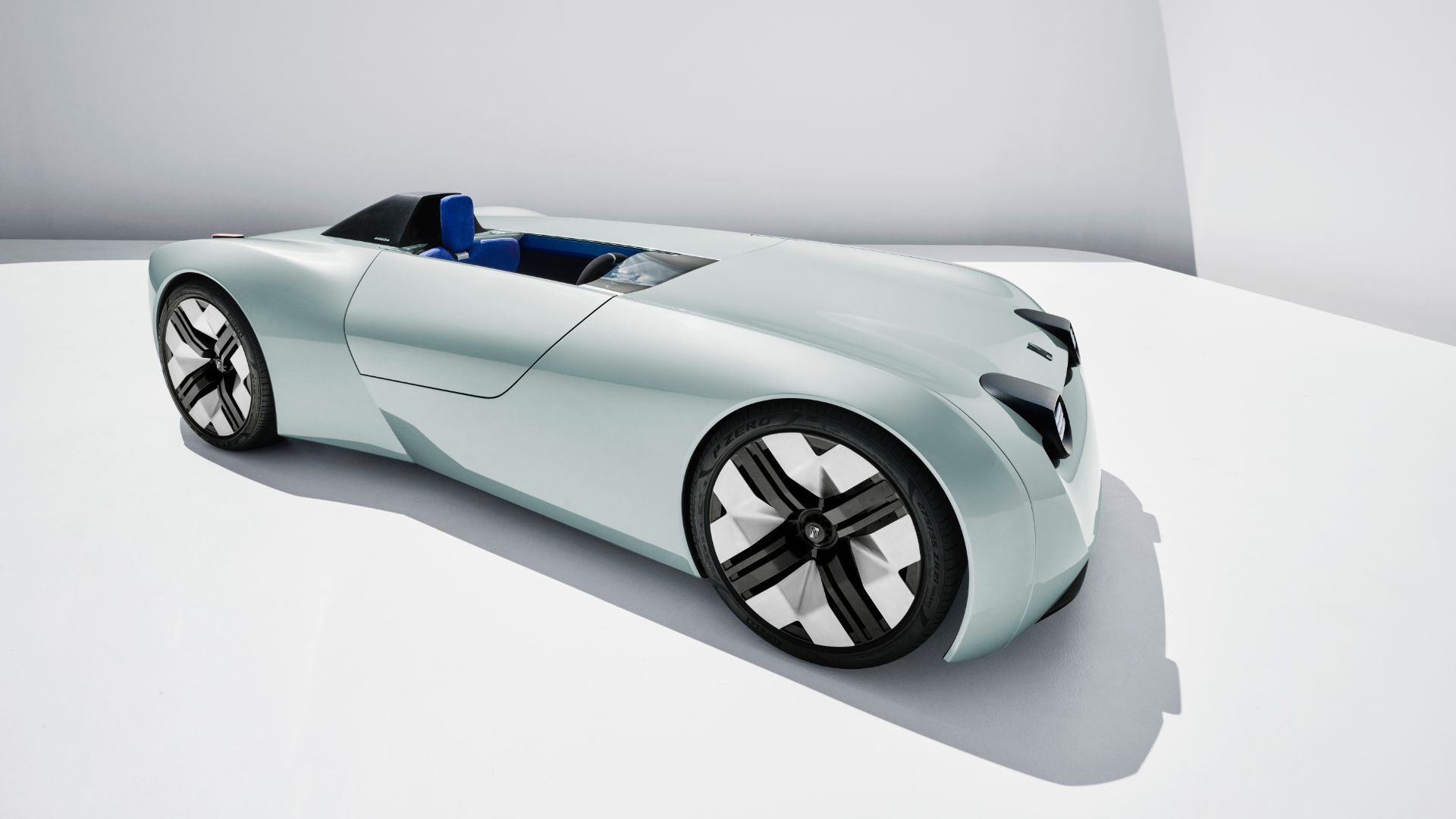
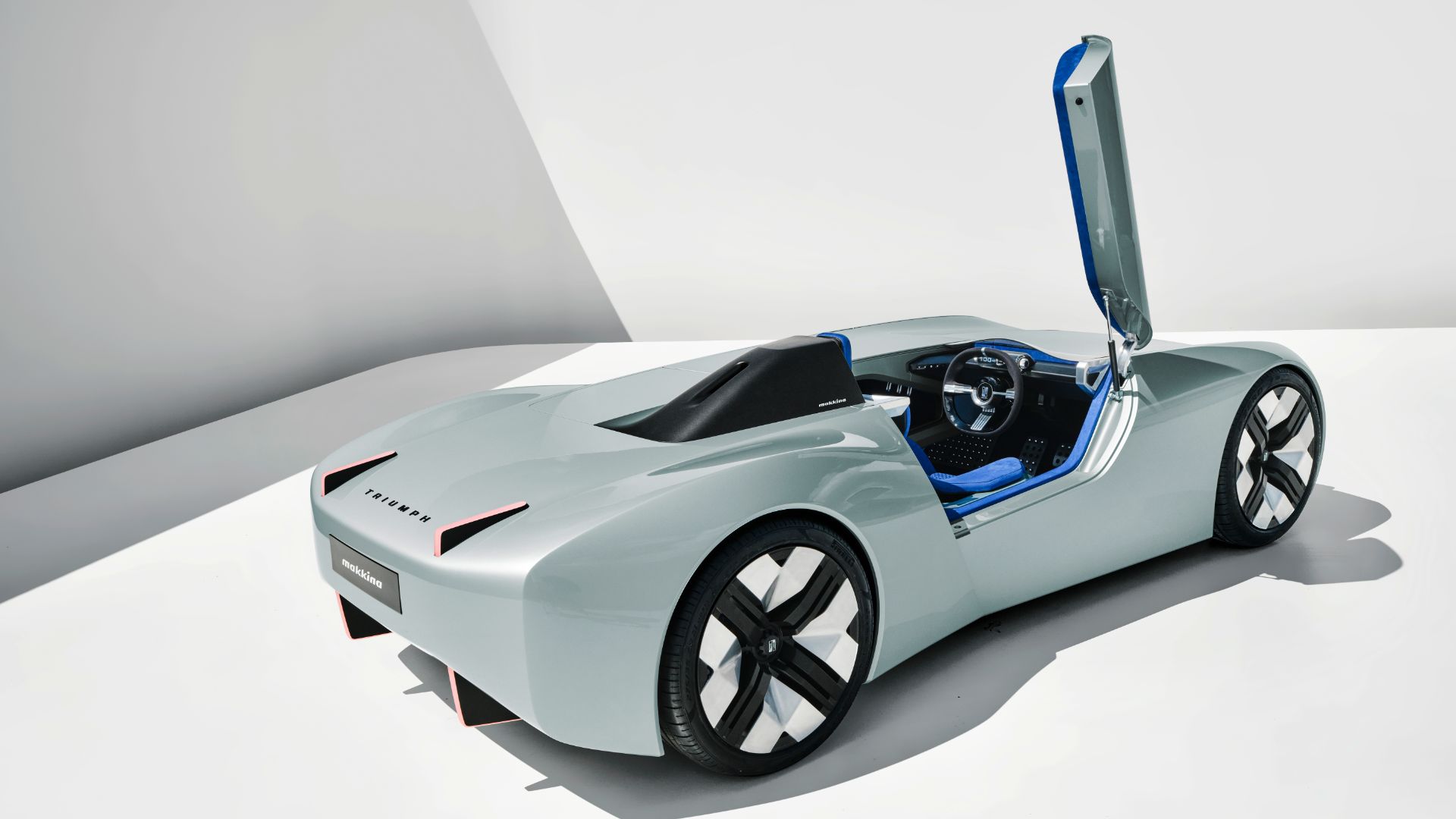
Do not adjust your screen. This really is a new Triumph sports car – the first since the TR8 of 1978 – although the TR25 remains very much a concept for now. Revealed in London, the radical roadster celebrates the 100th anniversary of the Triumph Motor Company.

The TR25 was inspired by the ‘Jabbeke’ Triumph TR2, which broke the production car speed record in 1953. The one-off streamlined special has been reimagined by Makkina, a British design house that usually works behind the scenes for major car manufacturers.

The project has the blessing of the BMW Group, which owns the Triumph name, and its electric powertrain comes from an i3S. After BMW’s successful reinvention of Mini and Rolls-Royce, could the TR25 herald (sorry, car joke) a comeback for this much-loved British brand?

‘Pure driving pleasure’

Triumph TR25

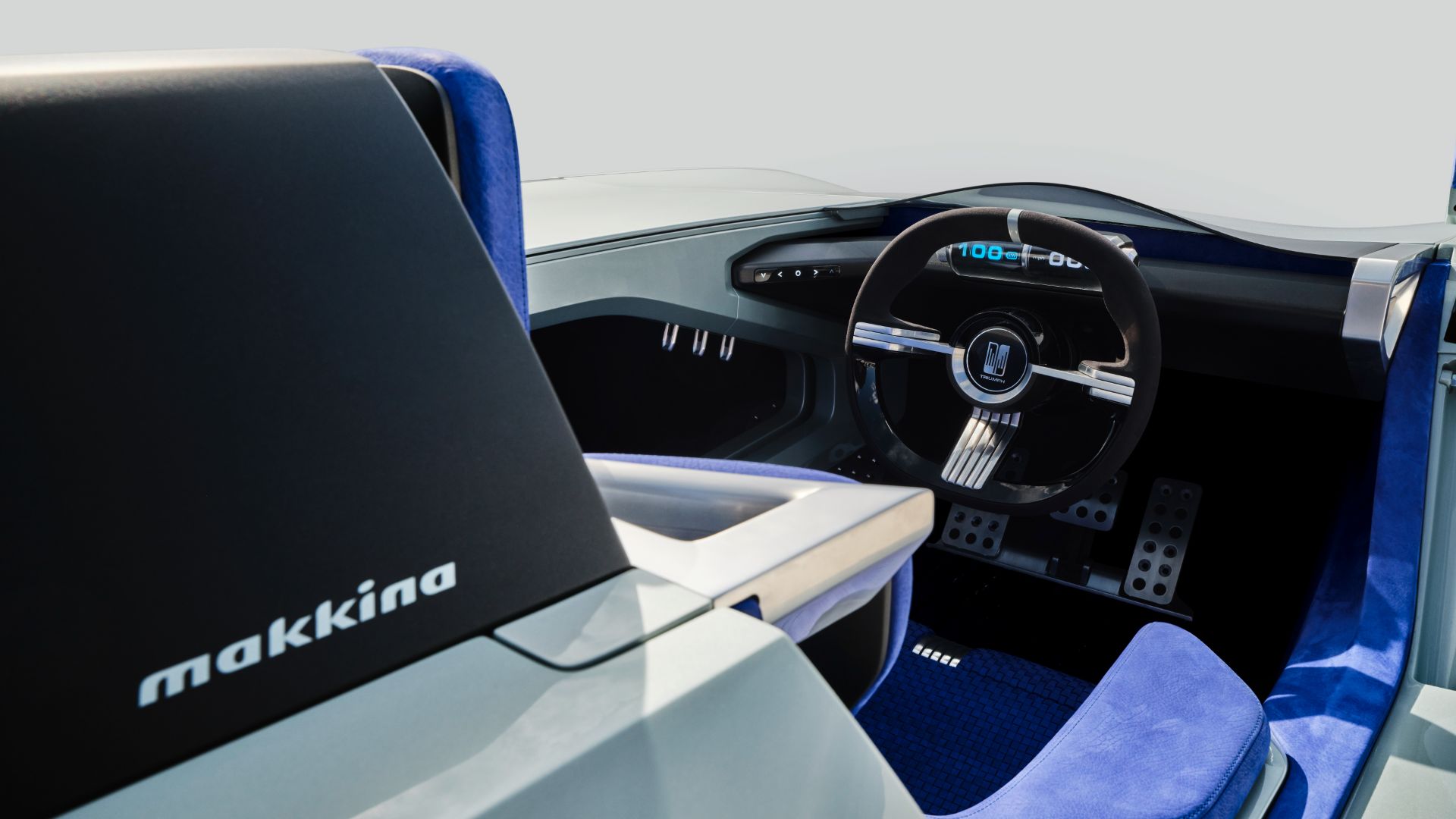
Bold without being brash, and both retro (the bug-eyed headlights) and futuristic (the aero-enhancing LED tail lights), the TR25 concept is an alternative vision for a modern sports car. Its doors open vertically, the rear buttress incorporates a reversing camera and a modest fly screen is the sum total of its weather protection.

The Triumph’s chassis and body panels are made from carbon fibre, with a default single-seat layout to ‘emphasise the fact that this car is about pure driving pleasure’. Makkina also claims near-perfect weight distribution for ‘superior handling on the roads it’s designed to tackle’.  

The minimalist aesthetic continues inside, with simple digital readouts, tactile toggle switches and plenty of exposed metal. The position of the driver’s seat is fixed, but the steering wheel and pedals both adjust. Remove the cockpit cover and there’s also a flip-out jump seat suitable for short trips – perhaps a jaunt to the pub on a summer evening.

Less is more

Triumph TR25

The ‘Jabbeke’ TR2 used a boisterous 90hp 2.0-litre four-cylinder engine to achieve its record-breaking velocity of 124.889mph. Makkina’s 21st century remake has twice the power, with a 42.2kWh battery and 181hp electric motor. Weighing in at 1,090kg (nearly 200kg lighter than an i3S), it reaches 62mph in 5.3 seconds – a second quicker than a Golf GTI. A maximum speed of 115mph won’t worry the 1953 original, though.

Makkina founder and director Michael Ani is a big fan of the BMW i3. He first bought one at the Frankfurt Motor Show in 2013 and has been driving them ever since. “The i3S platform proves that driving an electric car can be fun,” he said. “The combination of instant torque, acceleration, agility and silence are as compelling now as ever.”

The TR25 is that rare thing: an EV that tugs at the heart strings. A production version is unlikely, we suspect, but it certainly propels Triumph back into the public consciousness. Your move, BMW…

ALSO READ:

Best sports cars to buy in 2023

Your EV questions answered on Motoring Electric

Classic cars news and review on Retro Motor

Advertisement

F1-tribute Pininfarina hypercar to make Goodwood FOS debut

0
Pininfarina Battista Edizione Nino Farina

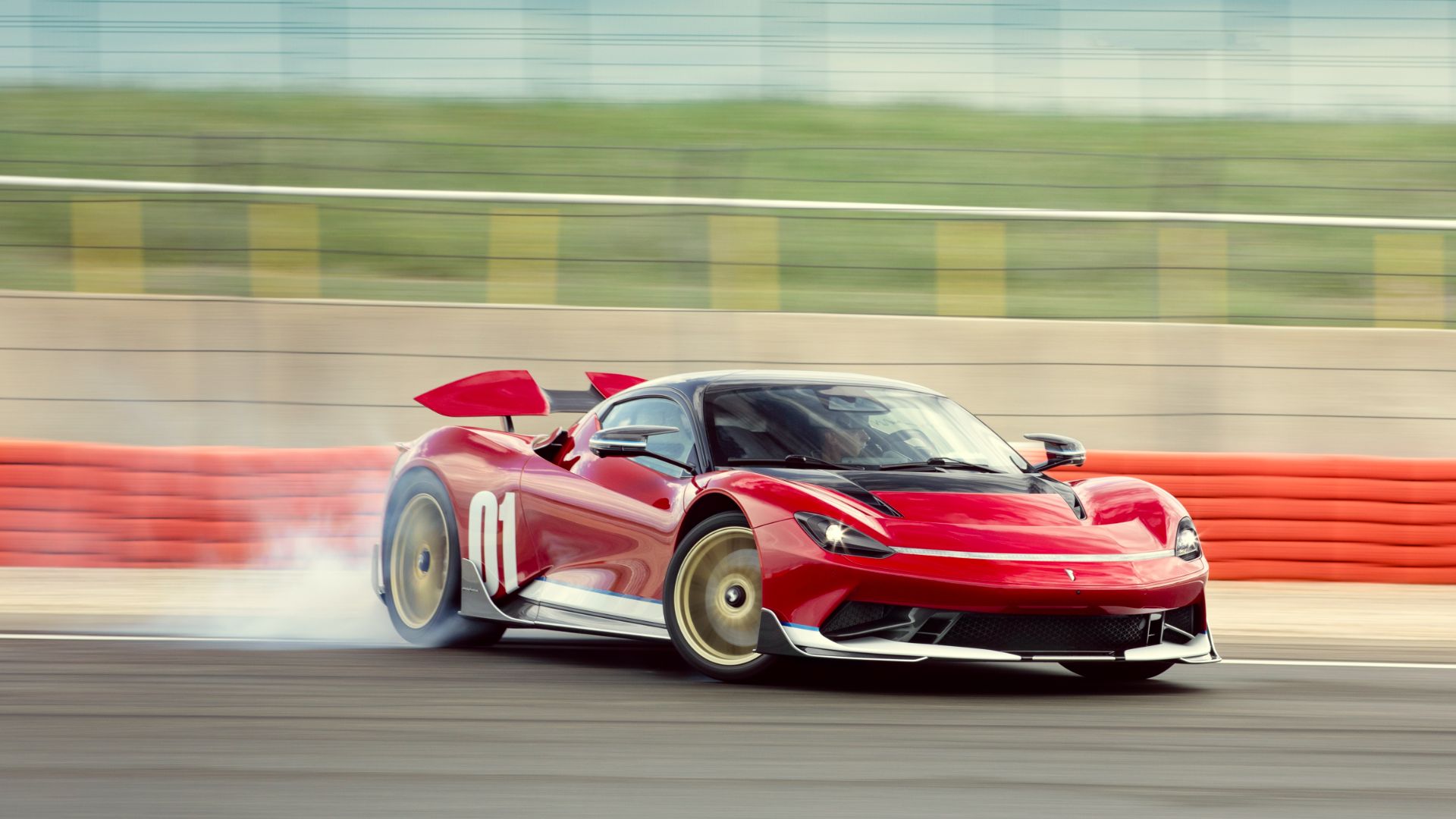
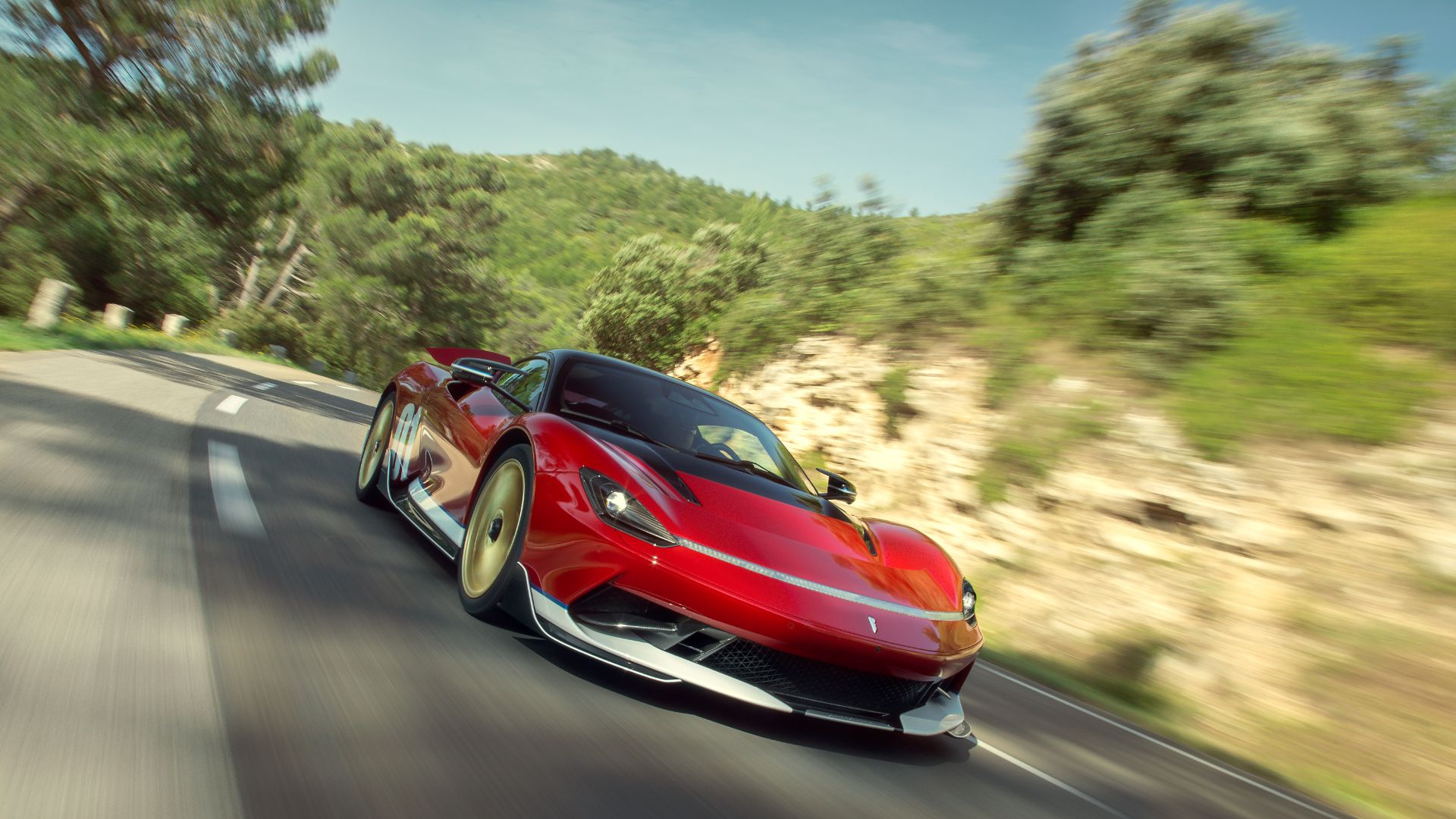
A new evolution of the Pininfarina Battista electric hypercar will be in action at Goodwood later this week. The Battista Edizione Nino Farina will make its world debut at the 2023 Festival of Speed, driven by former Goodwood hillclimb record-holder Nick Heidfeld.

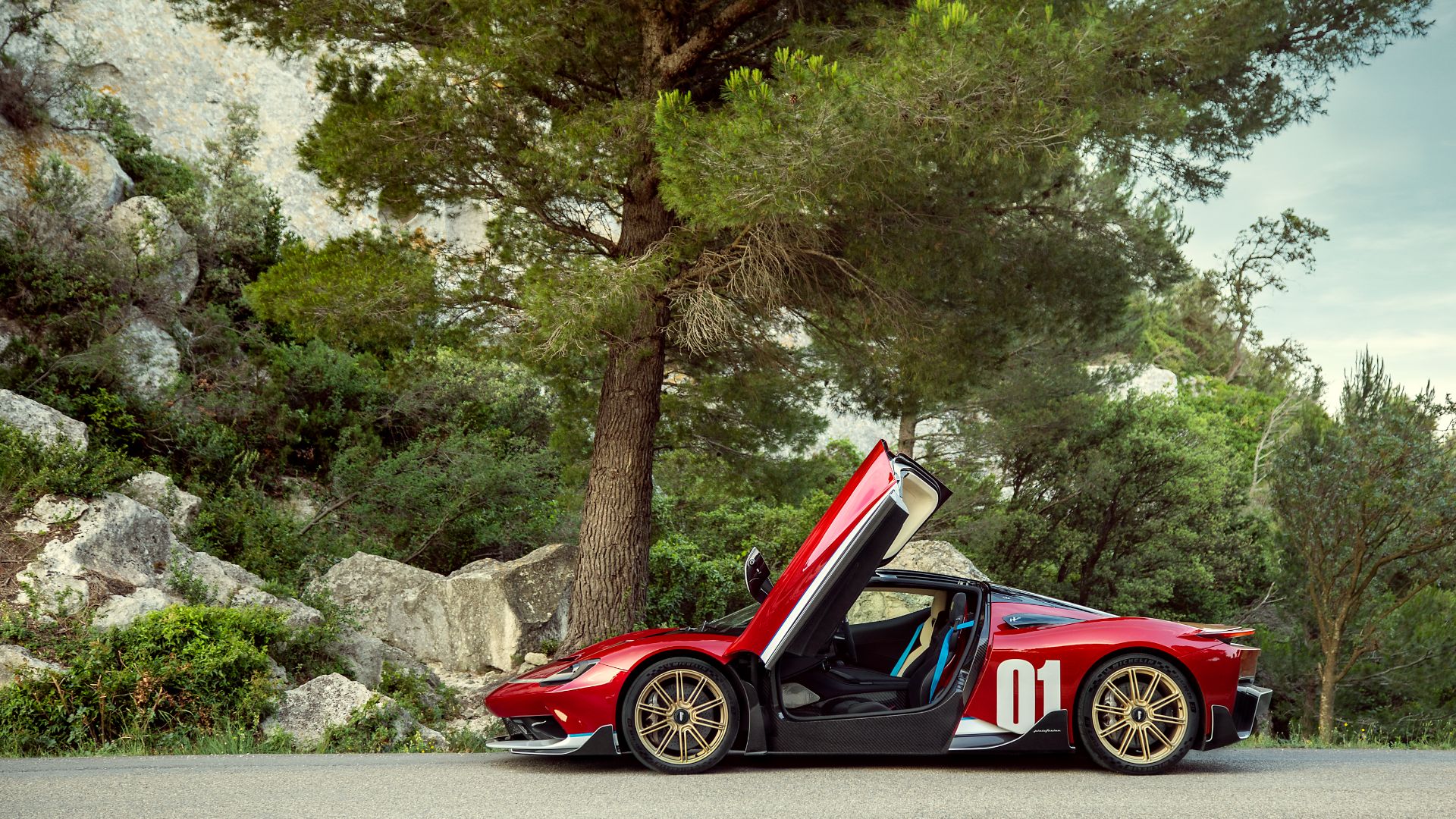
The 1,900hp ‘hyper GT’ is named after Nino Farina, the first F1 world champion and nephew of company founder Battista ‘Pinin’ Farina. Its carbon fibre body is finished in bespoke Rosso Nino paint, with bold ’01’ side graphics and satin gold alloy wheels.

Automobili Pininfarina plans to build up to 150 examples of the £2 million Battista at its facility in Turin. The £2.7 million Edizione Nino Farina is limited to five cars, each with a unique aluminium plaque to celebrate five landmarks in Nino’s life and racing career.

Electric shock

Pininfarina Battista Edizione Nino Farina

One of the world’s fastest road cars, the Battista is closely related to the Croatian-built Rimac Nevera. With a 120kWh battery and four electric motors – one driving each wheel – producing a monstrous 1,726lb ft of torque, it can rocket to 60mph in 1.79 seconds and 120mph in 4.49 seconds. Top speed is 217mph.

As you’d hope from a company with the most famous name in car design, the Pininfarina is also rather beautiful. If the Nevera is slightly generic and the rival Lotus Evija looks entirely sculpted by aerodynamics, the Battista combines function with elegant form. Look closely and you can spot Nino Farina’s name engraved into each headlight and his signature on the side wings.

Unusually, the Edizione Nino Farina has two seats in contrasting colours. The driver’s side is black leather, while the passenger gets beige and black Alcantara. The seat-backs are painted in Rosso Nino, and they feature blue seatbelts and an embroidered Pininfarina logo.

Ready for Quick Nick

Pininfarina Battista Edizione Nino Farina

The Battista Edizione Nino Farina will be put through its paces at the Goodwood Festival of Speed by Nick Heidfeld. Now a development driver for Pininfarina, Heidfeld has previously raced in F1 for Williams, Jordan and others.

In 1999, ‘Quick Nick’ also set the fastest time on the famous Goodwood hillclimb in a McLaren MP4/13 – a record that stood for 20 years. So we can expect him to make full use of the Battista’s prodigious power when he races up the Duke of Richmond’s driveway.

“Driving this car will be an experience much like pulling on the suit of a superhero. An exceptional and emotional experience is assured,” says Paolo Dellachà, CEO of Automobili Pininfarina. We can well believe it.

ALSO READ:

Aston Martin DB12 2023 review

The story of the electric supercar

Best supercars to buy in 2023

Advertisement

PCP car finance: How to avoid charges when you return the keys

0
PCP costs and charges

Personal Contract Purchase (PCP) and Personal Contract Hire (PCH) finance have enabled millions of motorists to drive a new car. PCP in particular has become hugely popular in recent years, with the vast majority of new private vehicles now bought this way.

There is a catch to PCP car finance, however. At no point, unless you pay the ‘balloon’ fee at the end of the agreement, do you actually own the vehicle on your driveway. You eventually have to give it back and that can mean unexpected costs. In this short guide, we look at the reasons for these – and how to avoid them.

This article was produced with help from DMN, a logistics company that completes thousands of car leasing inspections and collections every year. 

Condition and equipment PCP costs and charges

Just as you wouldn’t buy a dirty car that was missing pieces of trim or equipment, nor does a dealer want to take one back. Make sure your car is clean and complete on hand-back day. 

For starters, you could face a car cleaning bill of at least £50. Spare keys and tyre inflation kits commonly incur fines if they are missing, too. A lost key could set you back £250 or more, while a missing tyre inflation kit might see you fined £120.

Another common item that people remove from their cars, never to return, is the parcel shelf. Supply the car with this fitted or face a potential fine of around £100.

Stamp that service bookPCP costs and charges

Most of us would avoid buying a car without a proper record of servicing. It will thus reduce the car’s value – and cost you money at handover – if maintenance hasn’t been kept to the manufacturer’s schedule.

Charges begin in the hundreds of pounds for returning a financed car that hasn’t been serviced as required.

Don’t pile on the miles

Most, if not all, PCP and PCH contracts come with a mileage limit. Whether your annual allowance is 5,000 or 15,000 miles, you will feel the pinch if you exceed it.

Charges per excess mile can range from 4p to 72p, depending on the car, according to Parkers. That means a 10,000-mile per-year contract that you’ve exceeded by 6,000 miles could cost between £240 (for a Ford) and £4,320 (for a Bentley).

Follow the above advice and you should be fine. Keep the car clean and serviced, give it back without anything missing and watch your mileage.

To be extra sure – and this should go without saying – read the terms of your finance agreement very carefully before you sign on the dotted line. Do so well in advance, so you have time to prepare your car for its return.

PCP costs and charges

“Experience tells us people often neglect the same things when it comes to end of vehicle contracts, which can often end up costing them unnecessarily,” said Nick Chadaway of DMN.

“It’s these small details which, potentially, can add up to costly outlays. With a little bit of foresight and planning, these pitfalls can be easily avoided, saving drivers money, time and stress.”

ALSO READ:

What does representative APR mean in car finance ads?

The best new cars to buy in 2023

Your EV questions answered on Motoring Electric

Advertisement

‘Bargain’ Dacia Spring electric car IS coming to the UK

0
Dacia Spring

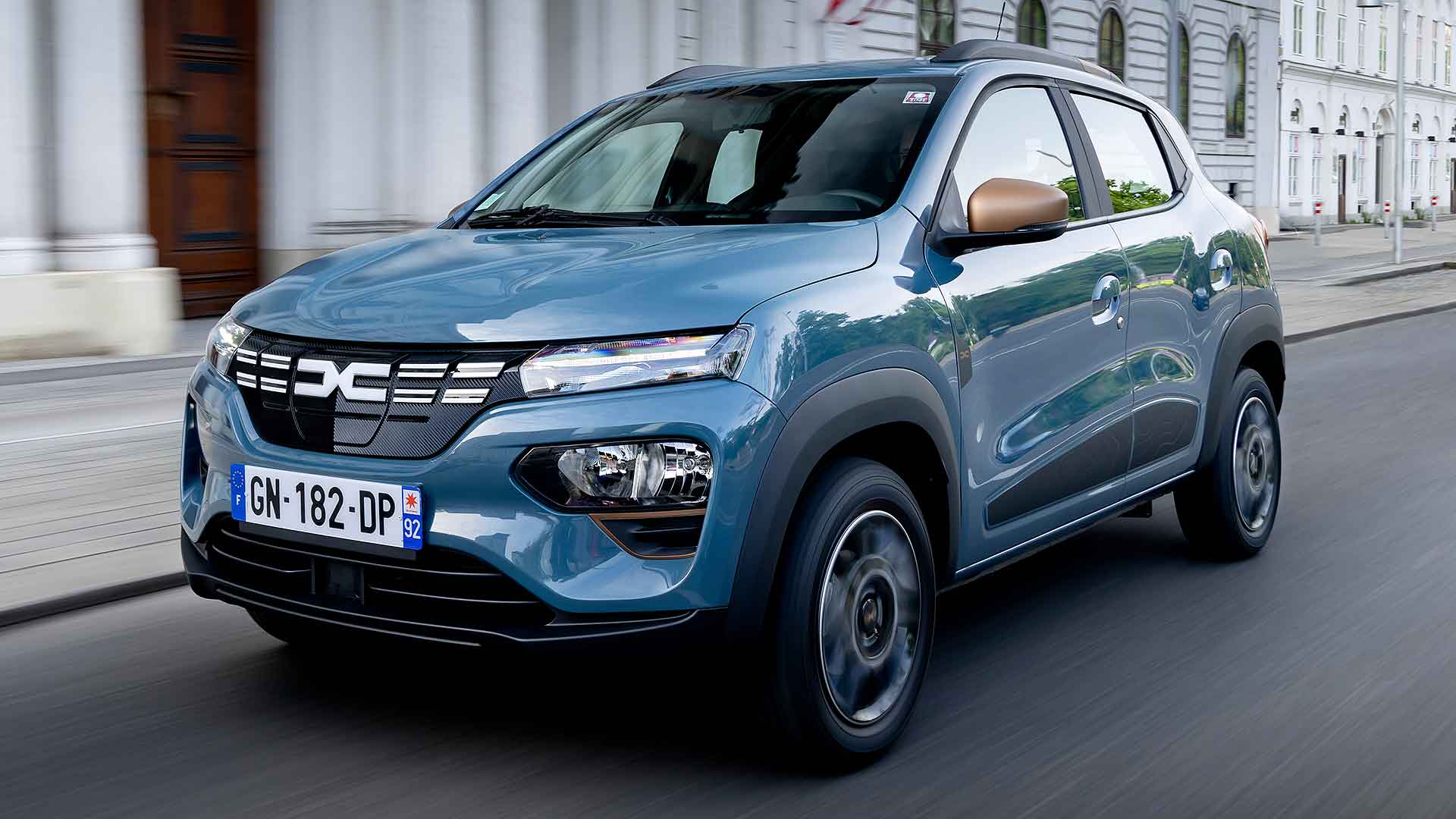
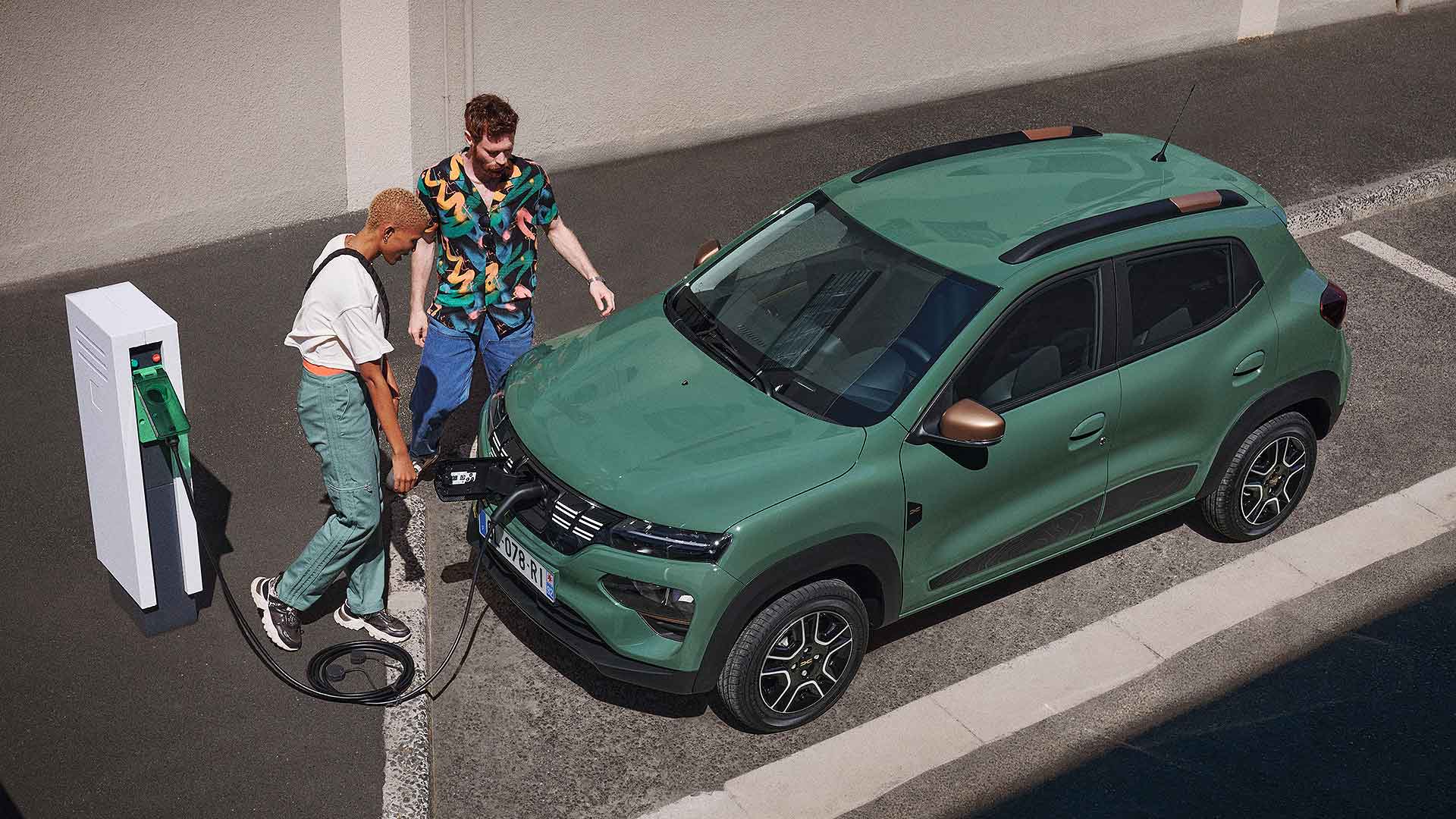
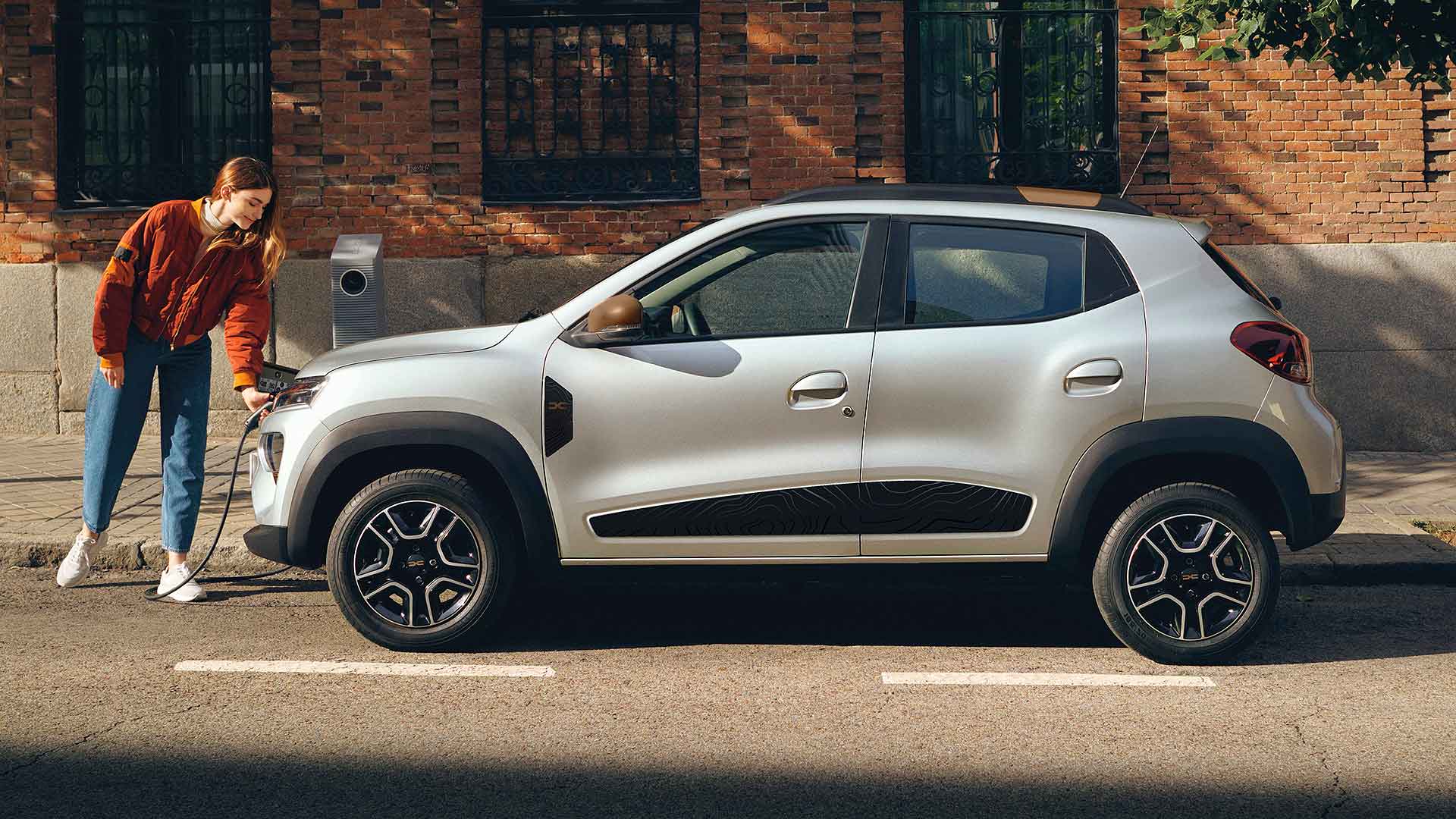
The Dacia Spring, Europe’s most affordable new electric car, will launch in the UK in 2024, bosses have confirmed.

Winner of the AUTOBEST Best Buy Car of Europe 2022, the Dacia Spring was introduced in left-hand drive markets in 2021.

UK interest has remained high ever since – there was even a #BringtheSpring campaign on social media.

Now, the Dacia Spring is finally set to go on sale in the UK, with Dacia targeting a mid-2024 market launch.

The UK Dacia Spring is being described as an “all-new version” with “several significant improvements in design and equipment”.

The five-door city-sized car – it measures around 3.7 metres long, similar in size to a Toyota Aygo X – is expected to have a more SUV-style appearance than today’s car, plus an upgraded interior.

Affordable electric car

Dacia Spring

The Dacia Spring is currently on sale in France for €15,800, the equivalent of just £13,500.

However, this price includes a generous €5,000 grant from the French government. Take this out, and the price is equal to around £18,000.

This would still easily make the Dacia Spring the UK’s cheapest new electric car; Fiat 500 Electric prices currently start from £28,195.

The Dacia Spring has a 26.8kWh battery, which gives a range of 143 miles – or 189 miles in the urban environment Dacia says most Spring owners mainly drive.

All Dacia Spring have air con as standard, and all but the base model have a 7.0-inch touchscreen that offers Apple CarPlay and Android Auto.

The five-door, four-seat Dacia Spring also has a decent 290-litre boot, similar in size to a Ford Fiesta.

Dacia is targeting private car buyers, rather than company car drivers, noting that 3 in 4 European Spring have been sold to retail buyers.

Plug a gap

Dacia Spring

The Dacia Spring will “literally plug a gap in the UK electric car market for a highly usable, quality EV that won’t break the bank and which makes electric vehicle ownership more realistic than ever,” said Dacia brand director Luke Broad.

He noted that 120,000 have already been sold in Europe.

“The UK is an important market for us,” said Xavier Martinet, Dacia SVP of sales, marketing and operations.

“With UK sales surging year-on-year and many British buyers having a recognised appetite for the brand, it is now the right time to introduce a pure electric vehicle.

“Spring has democratised electric vehicle ownership in Europe… I’m confident that Spring will be as popular in the UK.”

More details of the Dacia Spring launch, including timings, pricing and specification, will be announced in 2024.

In the meantime, the firm is encouraging early adopters to register their interest at a special Dacia Spring UK hub.

ALSO READ

Tesla Model Y is UK’s best-selling car in June 2023

Dacia Spring gets five-star green rating. But there’s a catch…

New ‘Sleep Pack’ transforms your Dacia Jogger into a bedroom

Advertisement

Tesla Model Y is UK’s best-selling car in June 2023

0
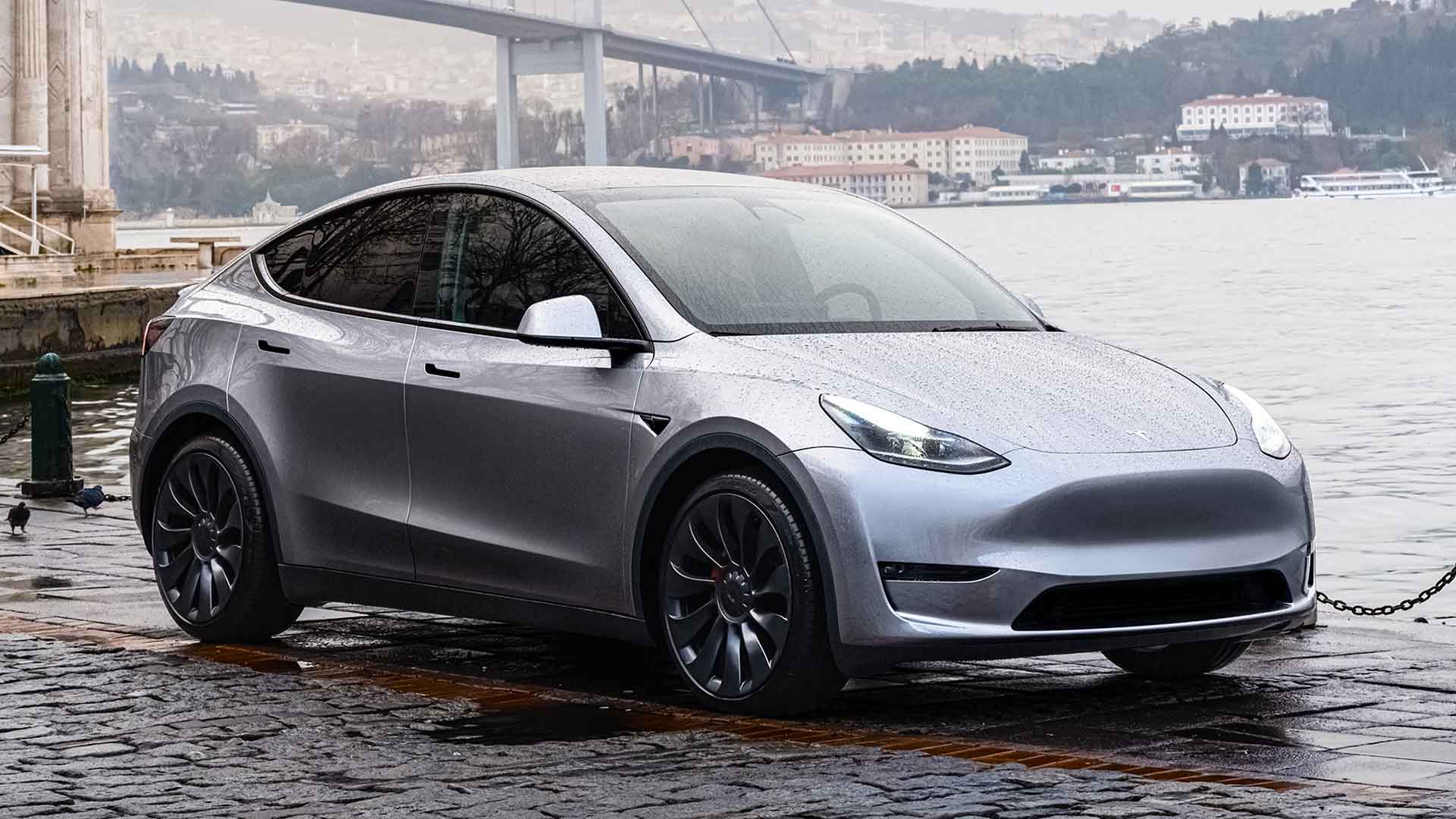
Tesla Model Y

The Tesla Model Y electric car was the UK’s best selling car in June 2023 as overall registrations saw their 11th consecutive month of growth.

The family-friendly Tesla just pipped the Ford Puma, with the award-winning Vauxhall Corsa in third place.

The June 2023 performance means the Tesla Model Y is now the UK’s fourth best-selling car so far in 2023.

The Ford Puma leads the year-to-date performance by a clear margin over the Vauxhall Corsa, with the British-built Nissan Qashqai in third.

New car recovery

New car registrations grew an impressive 25.8 percent in June 2023 as supply chain shortages eased.

This, says industry body the Society of Motor Manufacturers and Traders (SMMT), means waiting times are easing and pent-up demand is being met.

The automotive sector is “a rare bright spot in a gloomy economic landscape”.

It did add, however, that the overall market volume still remains below pre-pandemic levels.

It is company car drivers that are driving new car demand, with fleet and business sales up 37.9 percent. Sales to private buyers, in contrast, grew by a below-average 14.8 percent.

Year to date, new car registrations in the UK are up 18.4 percent, with the first half of 2023 seeing just under 1 million new cars registered.

Electric up, diesel down

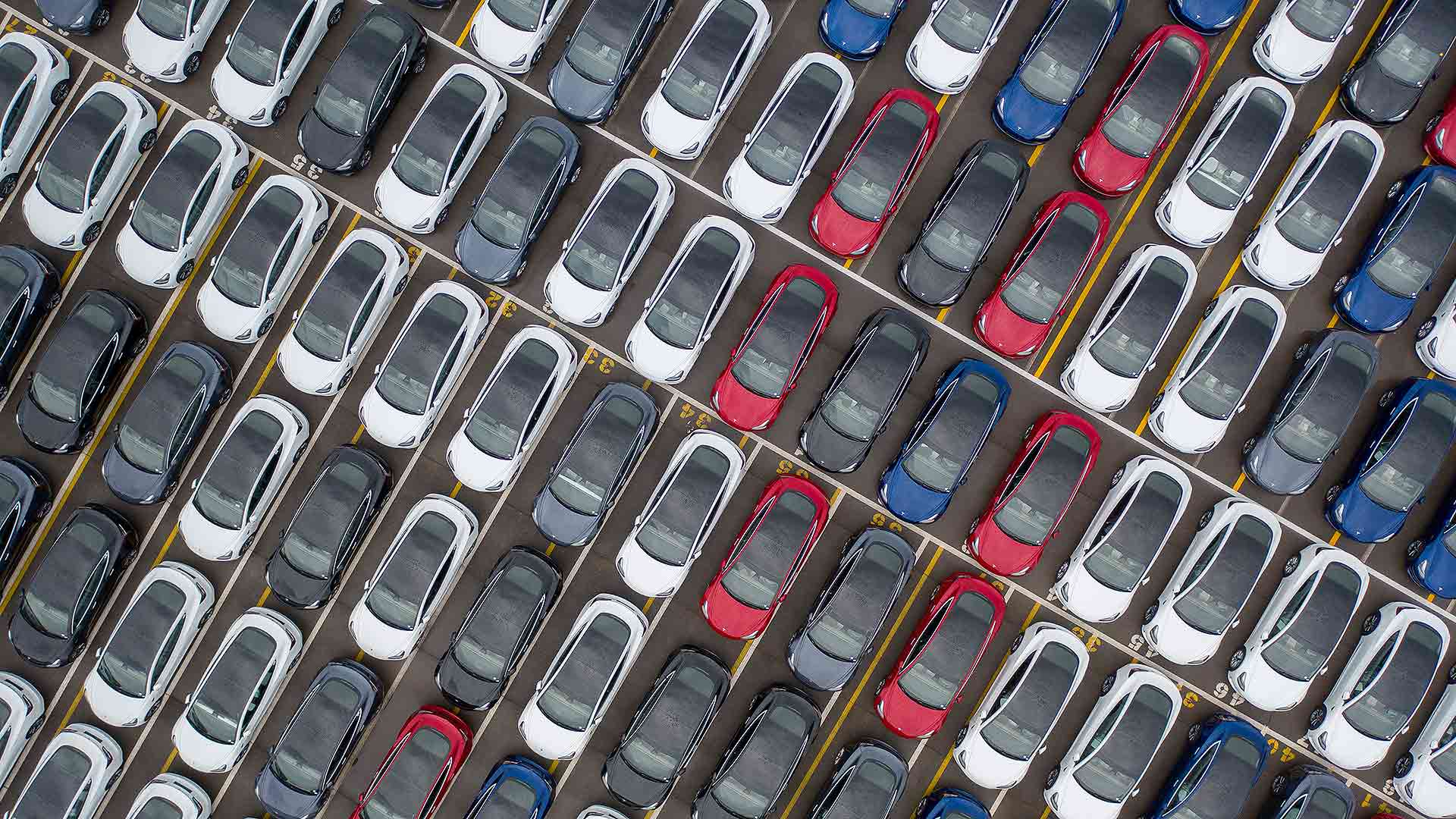
Tesla Model Y car park

Demand for electric cars continued to surge, growing by nearly 40 percent in June 2023. This is despite recent negative press around EVs.

So far in 2023, electric car registrations are up 32.7 percent, meaning electric cars are the second-most popular type of car in the UK, with a 16.1 percent share.

Petrol car demand is still growing too though: so far in 2023, nearly 6 in 10 of all new cars sold had a petrol engine.

Hybrids boast a 12.6 percent share of the market and plug-in hybrids have a 6.5 percent share.

Diesel car demand, in contrast, was down 18.6 percent, with diesels boasting an overall market share of just 7.9 percent – more than half that of EVs.

EV public charging VAT cut

To further bolster EV demand, the SMMT is calling for a VAT cut on public charging to accelerate uptake.

Electricity at home is charged at 5 percent VAT; public charging, in contrast, is hit with the full 20 percent rate.

As charging at home is up to 70 percent cheaper than public charging, the SMMT wants VAT to be cut on public charging.

“Most electric vehicle owners enjoy the convenience and cost saving of charging at home but those that do not have a driveway or designated parking space must pay four times as much in tax for the same amount of energy,” said SMMT chief executive Mike Hawes.

“This is unfair and risks delaying greater uptake, so cutting VAT on public EV charging will help make owning an EV fairer and attractive to even more people.”  

ALSO READ

London ULEZ expansion means Heathrow drop-off charge could soar to £17.50

UK car industry launches ‘five pledges’ manifesto for politicians

Call to cut VAT on new electric cars

Advertisement

UK car industry launches ‘five pledges’ manifesto for politicians

0
Mini union flag door mirror

Automotive trade body the Society of Motor Manufactures and Traders (SMMT) has published a new manifesto for the industry based around five pledges for cross-party adoption.

It wants all political parties to adopt its five pledges, which it says would supercharge the competitiveness of UK automotive.

The carrot could be a £106bn boost in UK EV production between now and the end of the next parliament.

SMMT chief executive Mike Hawes says the five pledges are the basis of a simple deal between UK automotive and politicians.

“Back us with the right conditions, and we will turn our obligations into opportunities for our industry, for jobs, for the environment and for the UK.”

Transforming UK automotive

The manifesto is multi-faceted and aims to transform UK automotive production, give all motorists the confidence to go electric, upskill the workforce, ensure British-built EVs can be sold globally and drive down the cost of clean energy.

Achieving all this would “unleash the sector to lead the UK’s net zero revolution”.

The SMMT wants every political party to recognise the importance of UK automotive and help create the right conditions for a 10-fold increase in EV production, to 750k vehicles a year by 2030.

This would be worth £106bn.

“We are in the middle of the most fiercely competitive investment landscape of a generation and need a UK response, urgently, using every policy, every fiscal and regulatory lever, to make Britain the most attractive place to invest.”

Fundamentally strong

UK automotive has many fundamental strengths, says the SMMT – despite challenges including ongoing post-Brexit trade issues with the UK, inflationary pressures and energy costs twice as high as EU rivals.

The UK supply chain is diverse, the workforce is flexible and highly skilled, and Britain’s brands and R&D capabilities are world renowned.

This has helped UK automotive achieve annual turnover of £78bn, contributing £16bn to the UK economy. It also invest £3bn a year in R&D.

The sector supports 800k jobs and is primed to deliver a decade of benefits for wider society – with the right conditions and backing.

SMMT five pledges

1: A green automotive transformation strategy for a stronger economy

2: Net zero mobility for everyone

3: Green skills for a greener future

4: Made in Britain – made for the world

5 Powering the UK clean tech revolution

ALSO READ

EU car firms warn of £3.bn hit if ‘no-deal’ on post-Brexit EV trade

Mazda UK switches classic cars to sustainable petrol

International Driving Permits and Brexit: what you need to know

Advertisement