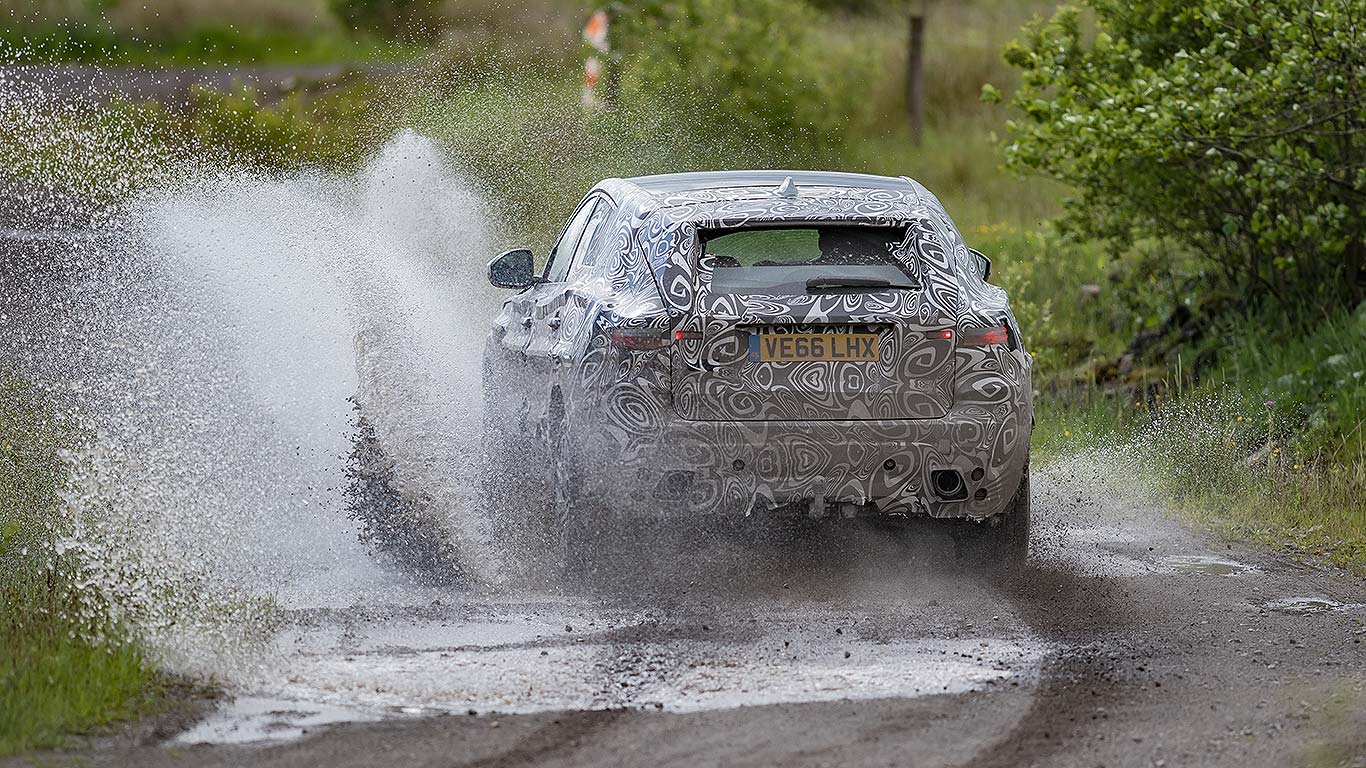
The new Jaguar E-Pace baby SUV will be revealed next week (13 July) and ahead of the debut, some of the firm’s 150-strong prototype test fleet have been shown in action.
Jaguar says it has been testing the new E-Pace, a rival to the Audi Q3 and BMW X1, for more than two years and its engineers have conducted trials on four continents. It’s all to ensure the new baby Jag SUV hits the ground running, free from faults and gremlins.
This is important: some are suggesting the new E-Pace could in time become Jaguar’s best-selling model.
More Jaguar news on Motoring Research:
New Jaguar E-Pace small SUV teased
Gorillaz app will help you get a job at Jaguar Land Rover
600hp Jaguar XE SV Project 8 is the most powerful Jag ever
Plentiful miles have been conducted at the Nürburgring (engineers have counted more than 400 laps) to nail the handling and help Jaguar achieve its aim of creating a dynamic, entertaining driver’s SUV. But it’s also been driven in -40 degrees C and +48 degrees C during more than 120,000 hours of testing. Over 500 engineers have worked on the Jaguar E-Pace test programme.
“Our team of world class engineers and dynamics specialists have meticulously tuned and developed a true Jaguar,” said Graham Wilkins, Jaguar E-Pace chief product engineer. He says the firm has delivered “a compact performance SUV that is true to Jaguar’s performance DNA”.
Jaguar’s conducted durability as well as dynamics tests. One challenge consisted of driving an E-Pace into the middle of a 0.5m deep pool of water, turning off the engine and opening all the doors. The car was then left for an hour… before being stated back up and driven out.
Watch the video for an early dynamic look at disguised prototype Jaguar E-Pace. Want to see the real thing? Come back at 8pm next Thursday, 13 July, for the car’s full global reveal in London. Motoring Research will be there and bringing you all the action – live.
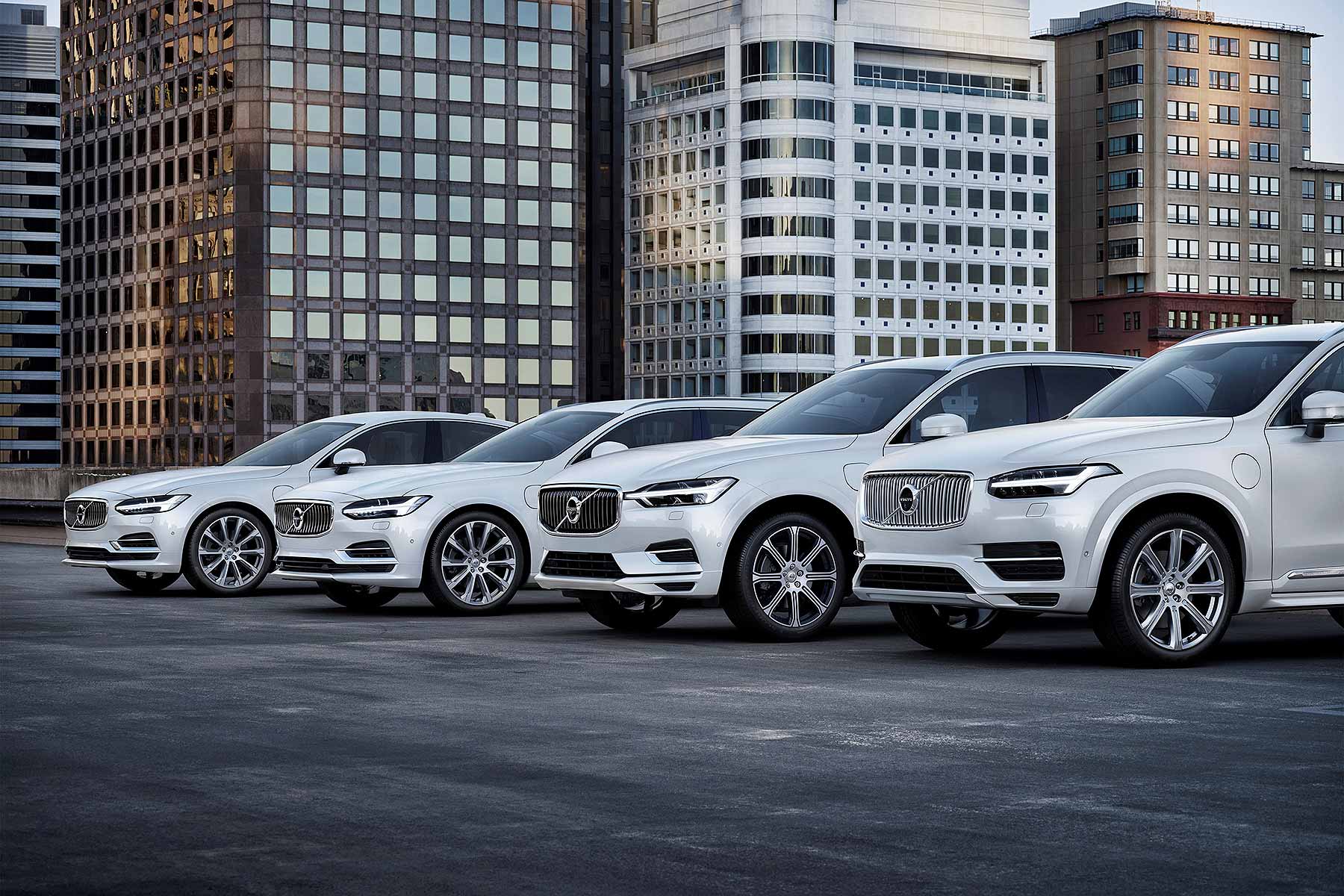
Volvo has announced every new car it launches from 2019 will feature an electric motor, a move it says heralds the “historic end of cars that have only an internal combustion engine”. Volvo’s commitment will see a range of electrified cars offered, including full EVs as well as hybrids and plug-in hybrids.
The commitment means that in the future, as older cars are phased out, no Volvo car will be sold without an electric motor.
Volvo believes the move will see it offer one of the broadest range of electrified cars in the world. “People increasingly demand electrified cars,” said Hakan Samuelsson, president and chief executive of Volvo Cars. “We want to respond to our customers’ current and future needs. You can now pick and choose whichever electrified Volvo you wish.”
The technology will include petrol and diesel-engined plug-in hybrids, advanced 48-volt mild hybrids and full EVs. Volvo Cars will launch five fully electric cars between 2019 and 2021: three Volvos and two performance Polestar EVs.
It’s part of Volvo’s previously-stated commitment to have sold 1 million electrified cars by 2025. “When we said it, we meant it,” said Samuelsson. “This is how we are going to do it.”
Volvo believes the announcement is one of the most significant moves yet in the car industry to phase out pure internal combustion engine cars in favour of zero emissions-capable electrified cars. “Electrification is paving the way for a new chapter in automotive history,” says Volvo.
Volvo’s current electrified range includes T8 Twin Engine versions of the S90 and V90, plus XC60 and XC90 SUVs. This tech combines a high-performance 2.0-litre turbo petrol engine with plug-in hybrid tech. It provides around 30 miles’ zero-emissions fully electric running with an extended range under petrol power when the batteries run flat.
Porsche has revealed the new 911 GT2 RS at the Goodwood Festival of Speed – a 700hp 3.8-litre twin-turbo beast that’s the most powerful Porsche road car ever made.
It can do 211mph, 0-62mph in 2.8 seconds, weighs less than 1500kg and, simply, is the most ferocious iteration yet of the world’s most famous sports car.
Porsche already pushed the turbo motor from 580hp to 607hp in the 911 Turbo S Exclusive Series. The GT2 RS adds a ludicrous amount of extra power, so much so that it needs a custom-built seven-speed PDK gearbox that’s strong enough to cope. Porsche is promising a mesmerising sound, even for a turbo engine, thanks to a lightweight titanium exhaust that weighs a hefty 7kg less than the standard system and delivers a noise that’s “without precedent”.
It puts all this power to the ground through steamroller-like 325/30 ZR21 rear tyres (the widest ever fitted to a 911), with 265/35 ZR 20s at the front. Stopping is courtesy of standard Porsche Ceramic Composite Brakes and, through the corners, rear axle steering and specially calibrated stability control give it the dynamics to match its crazy power output.
Of course, there’s lots of lightweight stuff: carbon fibre reinforced plastic is used for the front wings (and their vents), door mirrors, air intakes, bonnet and some of the rear end. Meanwhile, Porsche has actually made the roof from magnesium.
You can go further, too. Remember how you could have an optional Weissach package with the 918 Spyder hypercar? You now can with the new GT2 RS. Saving 30kg, it includes yet more carbon fibre reinforced plastic and titanium bits: we’re talking carbon fibre anti-roll bars here, magnesium wheels, a carbon fibre roof – with a body-coloured central stripe on the luggage compartment lid and roof to differentiate the Weissach cars.
Surprisingly, Porsche leaves the Chrono Package on the options list, so you’ll have to pay extra if you want to monitor your lap times. As you undoubtedly will, particularly as the system now includes a lap trigger – with the Porsche Track Precision app and some external timing markers on a course, you can ‘cross the beam’ just like they do in F1. That’s surely a must-have, no?
This is the second special Porsche to have its own watch. Porsche Design has worked with Porsche Motorsport to create the 911 GT2 RS Chronograph – using Porsche Design’s very first clock movement, which took it three years to develop. It includes a motorsport-inspired ‘flyback’ function, that automatically does all the choreography used when timing laps. Again, priorities.
The watch costs €9,450 in Germany. The car? It’s from €285,220, which equates to roughly £251,000 in the UK (and £8,300 for the watch). We’re at Goodwood this weekend to hear more from Porsche bosses about the new 911 GT2 RS.
Mark Webber: “She’s a beast”
Porsche racer Mark Webber helped reveal the new 911 GT2 RS at the Goodwood Motor Circuit. “This is probably the 911 I’ve driven most pre-launch,” he said. “Andreas (Preuninger, Porsche GT boss) got me on board… I’ve already driven it plenty, including at the Nürburgring. Believe me, it’s a beast…”
Apparently, some of Webber’s ex-F1 buddies are already on the phone to him, seeing if he can get them ahead in the waiting list. But it sounds like it’s on Webber’s hit list, too – because of it’s all-round usability. It’s comfortable and usable on public roads,” says Porsche. “Compared to the last GT2 RS, we have civilised it, a little bit.”
Webber picked up on this. “A lot of the GT cars I have in the family… I always take navi and air con.” Not that this has at all softened it, he added. “In general, she’s a thoroughbred, an absolute beast, but you can take it on the road no problem.”
In order to be considered for the award, all cars must be a supermini or city car, have a five-star Euro NCAP rating, CO2 emissions of 120g/km or less, available to purchase used for £5,000 or less, and have a low insurance group rating. So while you can’t drive a Ford Mustang, the Kia Rio is within reach. Oh, you lucky things.
4. Toyota Yaris
The excitement continues with the news that the Toyota Yaris is named as the fourth best safest used car for young drivers. Quentin Willson said: “I’m really pleased that Co-op Insurance is revisiting their safest used car campaign and even more so that they’re focusing on safety on second hand cars for young drivers.”
3. SEAT Mii
According to Co-op Insurance, only 31% of young drivers say they consider safety when choosing a vehicle, while 75% of young drivers don’t know about vital safety devices including ESC (Electronic Stability Control) and AEB (Autonomous Emergency Braking). Meanwhile, the SEAT Mii finishes third.
2. Volkswagen Up
Next up is the, ahem, Volkswagen Up. In fact, without wishing to ruin the potential cliffhanger, we can reveal that Volkswagen Group’s city car dominates the top three places. Which means there are no prizes for guessing the car at the top of the class…
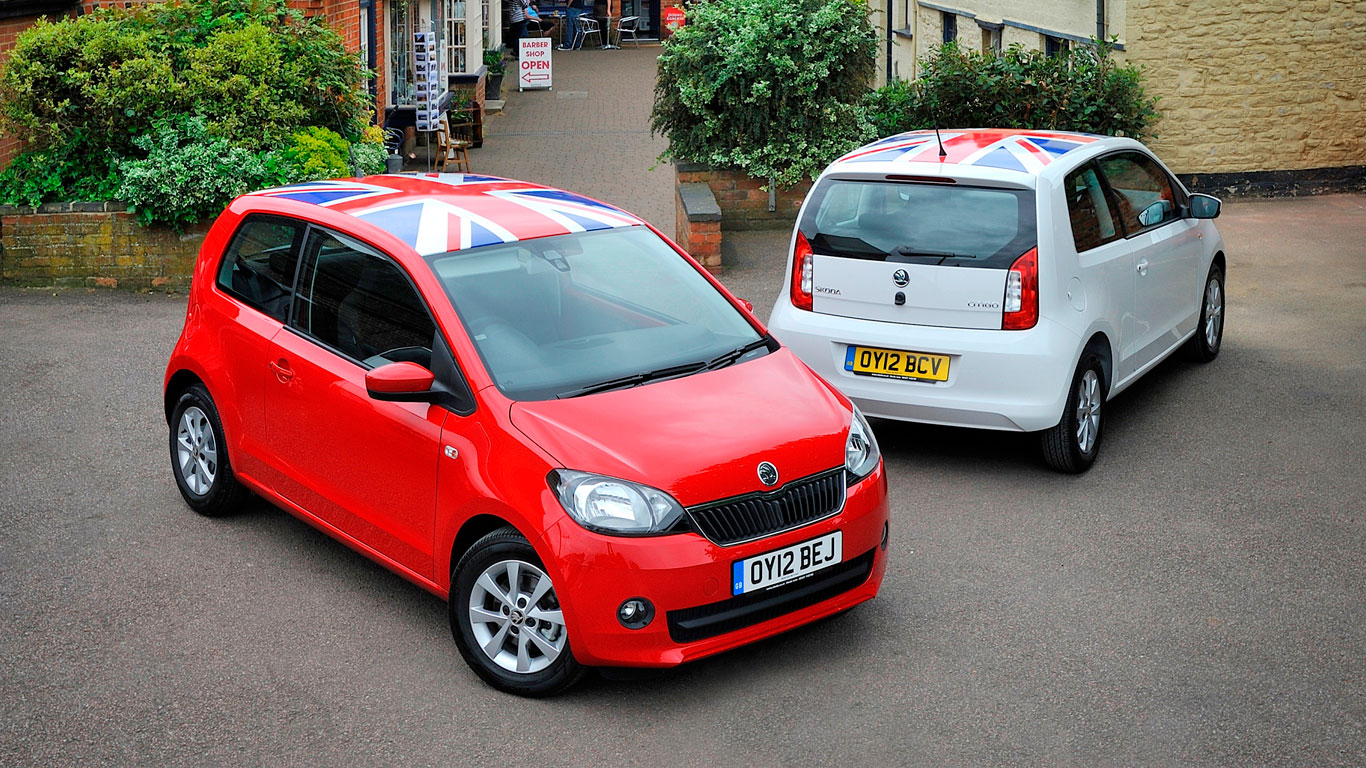
1. Skoda Citigo
Yes, it’s the Skoda Citigo. Quentin Willson said: “Generally, first time drivers have less disposable income to spend on first cars and so price does become a priority, but just because they’re buying second hand doesn’t mean that they should compromise on safety.” Truth is, the Up, Mii and Citigo are probably the best city cars money can buy.
Safest used cars for families
But what if you’re all grown up and your first car is a dim and distant memory? Good news: Co-op Insurance and Thatcham Research has created a list of the top 10 safest used cars of 2017. To be considered, all cars must have a five-star Euro NCAP rating, CO2 emissions of 120g/km or less, and be available for £15,000 or less.
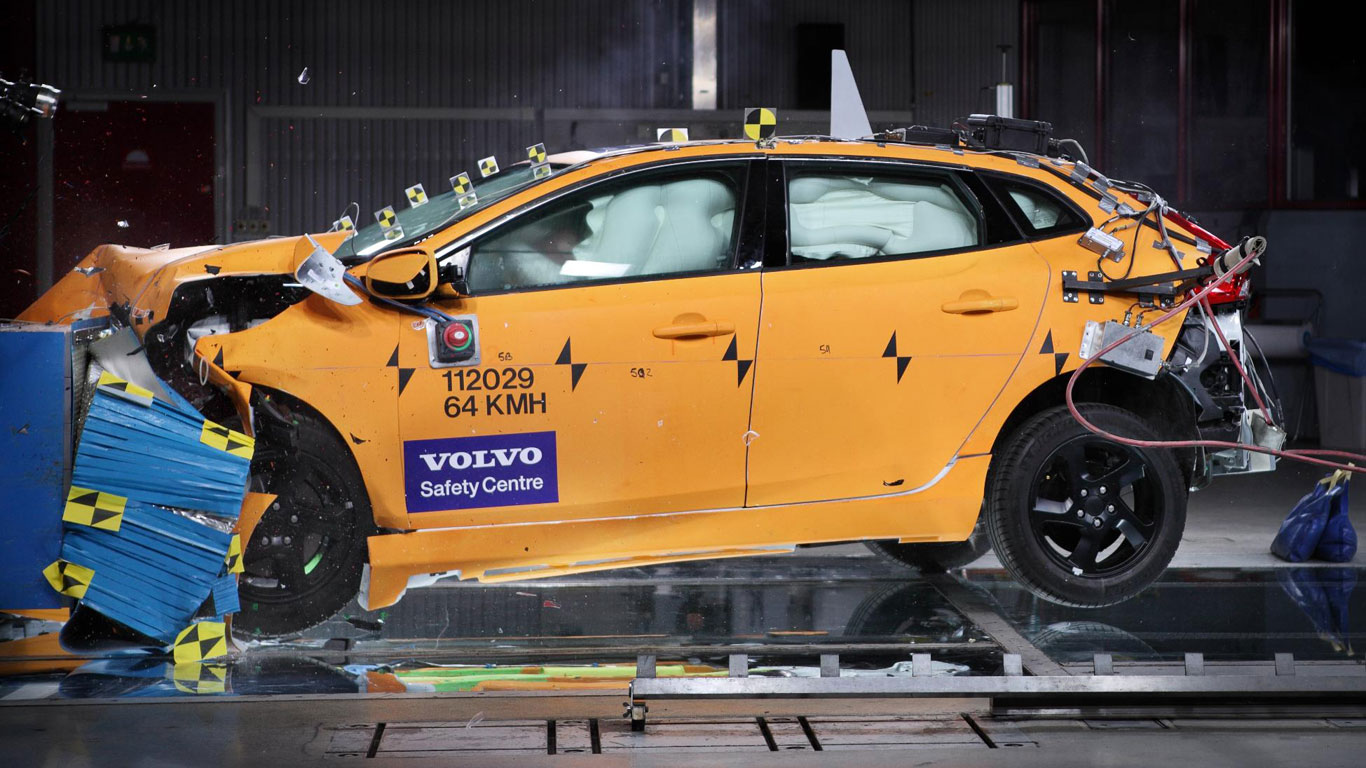
10. Volvo V40
Perhaps unsurprisingly, we find a Volvo on the list. The V40 made the headlines in 2012 when it set a new record safety score in the Euro NCAP crash test. The five-door hatchback scored 98% for adult protection, with the V40 praised for its main structure, driver assistance systems and pedestrian safety.
9. Peugeot 308
The Peugeot 308, a former European Car of the Year, was tested back in 2013 when it was awarded the maximum five-star safety rating. It scored particularly well for adult protection (92%) and safety assist (81%). Prices start from around the £7,000 mark.
8. Nissan Qashqai
The Safest Used Car Awards were launched in 2016. Last year, the Nissan Qashqai finished third, but just like the Peugeot 308, it falls five places in 2017. Such is the popularity of the crossover, there’s no shortage of Qashqai models for sale on the used market.
7. Volkswagen Golf
All cars in the Co-op awards were evaluated for crashworthiness, including ratings for adult and pedestrian protection, ESC as standard and the availability of AEB. The Volkswagen Golf is a new entry in the 2017 awards.
6. Volkswagen Touran
Matthew Avery, director of research at Thatcham Research, commented: “Autonomous Emergency Braking and Electronic Stability Control are second only to the seatbelt in terms of being life savers. They are critical in preventing the most common crashes that young drivers have.” The Volkswagen Touran finishes sixth.
5. BMW 2 Series Active Tourer
The front-wheel drive 2 Series Active Tourer might upset the BMW purists, but it has done enough to impress the judges. BMW’s first compact MPV was launched in 2014 and used prices sneak below the Co-op’s £15,000 or less criteria.
4. Volkswagen Golf SV
The Volkswagen Golf SV is the more practical version of the Golf hatchback and a replacement for the earlier model: the Golf Plus. In Europe, it is known as the Sportsvan, hence the SV. Not that there’s anything remotely sporty about this Golf, but at least it offers more hat room.
3. Toyota Auris
In third place we find the British-built Toyota Auris. It offers a choice of petrol, diesel and petrol-hybrid powertrains and is available in hatchback and estate body styles. The name is based on the latin word for ‘gold’. Sadly, the Auris could only manage a bronze medal in the Co-op awards…
2. Mazda 3
Without wishing to go all ‘Top of the Pops’, the Mazda 3 climbs three places in the 2017 chart. It’s one of the most underrated cars in the family hatchback segment and as such makes a great used buy. A 2014 model could set you back as little as £7,500.
1. Volvo V40 with safety pack
Wait, haven’t we seen the Volvo V40 already? This time, the family hatchback is fitted with the optional safety pack, cementing its place at the top of the Co-op chart. Quentin Willson didn’t provide a quote about the V40, but if he did he’d probably say “jolly well done, Volvo”.
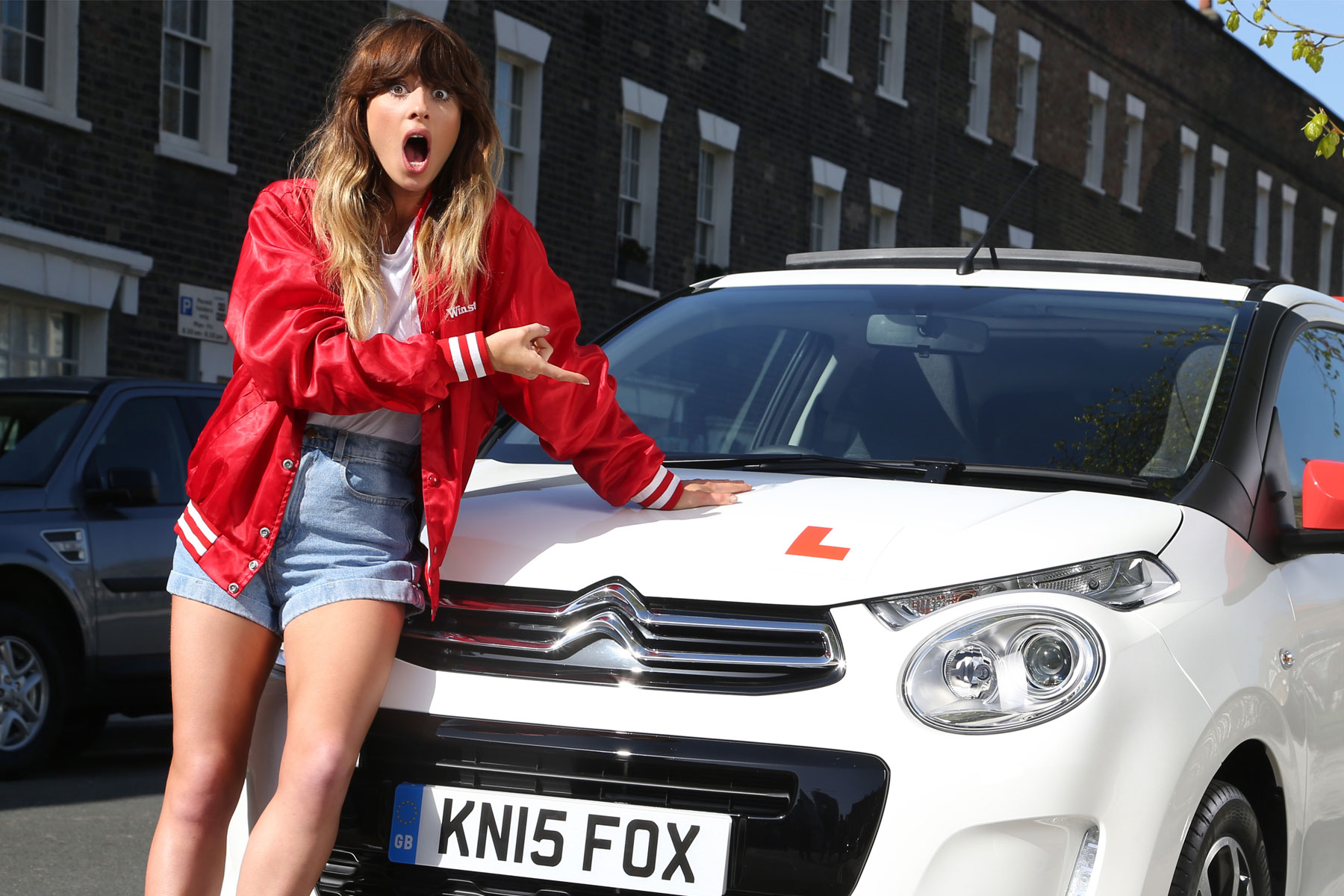
Rising insurance costs, mounting debts and the cost of lessons are to blame for young people being priced out of driving. That’s according to research commissioned by InsuretheGap, which found that 22% of under 25s cannot afford to learn to drive.
The Driving Standards Agency (DSA) says that the average cost of a driving lesson in the UK is £24, and you’ll need to factor in the cost of a provisional licence (£34 if you pay online), the theory test (£23), and a practical driving test (£62 weekdays or £75 evenings, weekends and bank holidays).
Assuming you have 10 lessons, that’s a total cost of £359, before you’ve considered the cost of insurance and the actual car. Passing first time could save you time and money.
Young drivers in UK most likely to be distracted by ‘attractive pedestrians’
Car insurance is a further barrier, with the average cost of a policy just under £3,900 for a 17- to 20-year-old driver. Little wonder, then, that an online petition called for car insurance for 18- to 25-year-olds to be capped at £1,200 a year.
InsuretheGap’s survey went on to say that without the support of parents or a bank loan, a quarter of young drivers would be unable to buy a car, and 24% said they would like to buy a car but would be unable to cover the running costs.
“When one in six jobs specifies that the applicant must have a driving licence, this generation are potentially being held back by their lack of wheels,” said Ben Wooltorton, director at InsuretheGap.com.
“The RAC Foundation analysed 847,000 job vacancies last year and found that jobs requiring a valid licence ranged from a zoo worker, a chef, sales consultant, security guard, hairdresser and even gymnastics coach, so we’re not just talking about driving jobs here”.
If you want to go out, don’t buy a car
Meanwhile, a similar study into the cost of motoring conducted by Admiral found that motorists under the age of 25 are having to fork out £3,435 a year to stay behind the wheel. This cost is broken as follows:
Fuel: £1,077
Insurance: £1,014
Maintenance: £558
Vehicle Excise Duty: £411
MOT costs: £375
The research claims that motoring is forcing young drivers to sacrifice social plans to stay on the road. Around two-thirds shelved plans to go shopping, while 60% decided against attending a music festival. Nearly half of under 25s were forced into abandoning holiday plans and smartphone upgrades, while 60% cancelled a romantic date.
Let’s just hope you love your car enough to forgo the opportunity for a candlelit meal with somebody you ‘met’ on Tinder.
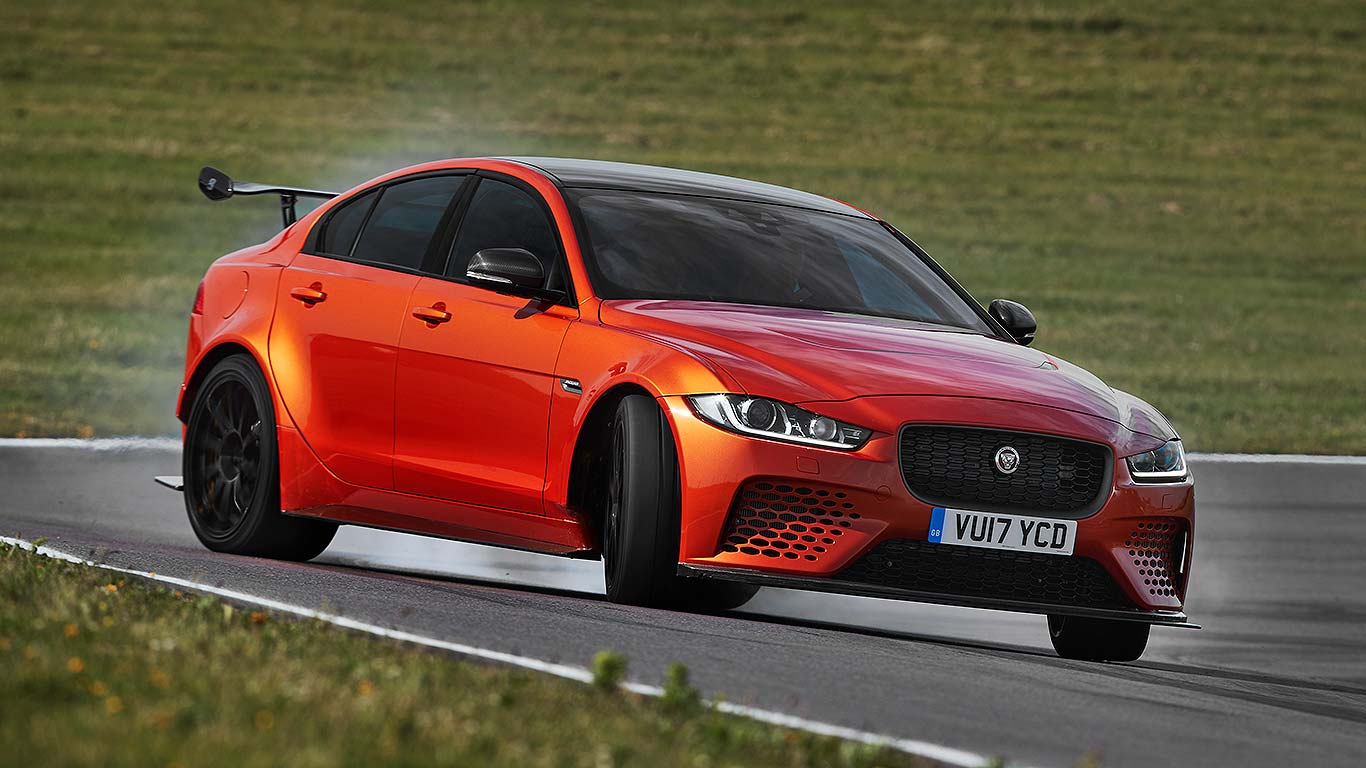
Jaguar has unleashed an amazing 600hp 5.0-litre V8 saloon car, the XE SV Project 8, which it says belongs on the track, delivers supercar performance – and is soon to go on sale in limited numbers, each retailing for £149,995.
The latest Jaguar ‘Project’ car developed by the firm’s crack new Special Vehicle Operations (SVO) division in Coventry, the XE SV Project 8 follows on from the limited-to-250 F-Type Project 7. This time, it’s making 300, each capable of hitting 200mph and rushing from 0-60mph in just 3.3 seconds. The company is not exaggerating when it says it’s a four-door supercar.
Why has Jaguar created it? Why, because it can, says SVO director Mark Stanton. More specifically, because it wants to: it’s created a huge buzz within the division’s still-new team, he said. “This is the car we came here to do.” It’s also a car virtually without rival – not even the mighty BMW M4 GTS can live with it, bosses cheerily point out.
The lengths Jaguar has gone to with the engineering are remarkable. Aside from the stupendous power and pace, the chassis has been given a full track-focused makeover, with adjustable ride height and aerodynamics, all-new Carbon Ceramic Braking system, F1-spec silicon nitride ceramic wheel bearings and an oil-cooled active rear electronic differential. Jaguar fits 20-inch forged alloy wheels with Michelin Pilot Sport Cup 2 tyres.
But as you can probably tell from the images, the aero upgrades are even more extreme, all done to keep the car stable at 200mph yet with lots of downforce for corners. Only the roof and front doors are unchanged; everything else is new, from 55mm wider rear wings, to new and more flared aluminium rear doors, to carbon fibre front wings that are flared 19mm and have cut-away lower edges. The front bumper is carbon fibre as well, as is the front splitter, as is the bonnet.
The body changes are so extensive, even the headlights have moved forward – an almost unprecedented engineering change, mainly because doing so is very expensive. Jaguar could do it because every relevant panel was changing anyway… and moving the headlights was the only way to fit in those 20-inch Michelin Sport Cup 2 tyres it said were essential to deliver the on-track performance. Literally, it’s a no-compromise car.
Hence the rear wing. Not everyone will like it, say the team, but it’s a must-have, because it defines this car. “With such extensive aero changes at the front, the only way to balance it is with this size of rear wing. It’s thus a fundamental part of this car.” The aero pack delivers a massive 205 percent reduction in weight, and it generates 122kg of downforce at 186mph. “25 percent more than Project 8’s nearest competitor,” Jaguar gleefully points out.
It gets better. You can actually get a two-seater version – yes, an XE Project 8 with opening rear doors, but no rear seats… because a half roll cage has been welded in instead. It’s 12.2kg lighter thanks to carbon fibre racing front seats, complete with harnesses, and Track Pack Project 8s also get a gloss black roof and racing stripe decals. Sadly, North American customers, the Track Pack is not available in the US or Canada: blame homologation regulations…
Track-focused attention to detail stretches inside to the instrument binnacle, which has an Alcantara covering so it doesn’t reflect in the windscreen. There are aluminium gearshift paddles and instead of Jag’s normal rotary gearshifter, the pistol-grip level from the F-Type has been fitted instead.
Colours comprise a basic choice of eight: the normal XE Fuji White, Narvik Black or Caldera Red, plus five SVO Design colours: Valencia Orange, Velocity Blue, Meribel White, Verbier Silver or Corris Grey satin matt. There’s plenty more personalisation options on top and SVO bosses reckon no two Project 8s will look the same.
For the first time, all Project 8 XEs will be built from the ground up at the bespoke JLR Oxford Road site in Coventry – by hand, on a brand new production line. “Project 8 is a great example of what happens when enthusiastic designers, engineers and manufacturing specialists are given the opportunity to create an extreme performance sports car without compromise,” said SVO MD John Edwards.
The Jaguar XE SV Project 8 will make it world dynamic debut at the Goodwood Festival of Speed on 30 June; production will begin later this year for what Jaguar design director says “is one of the most extreme vehicles we have ever created, but [which is] still very much a Jaguar”.
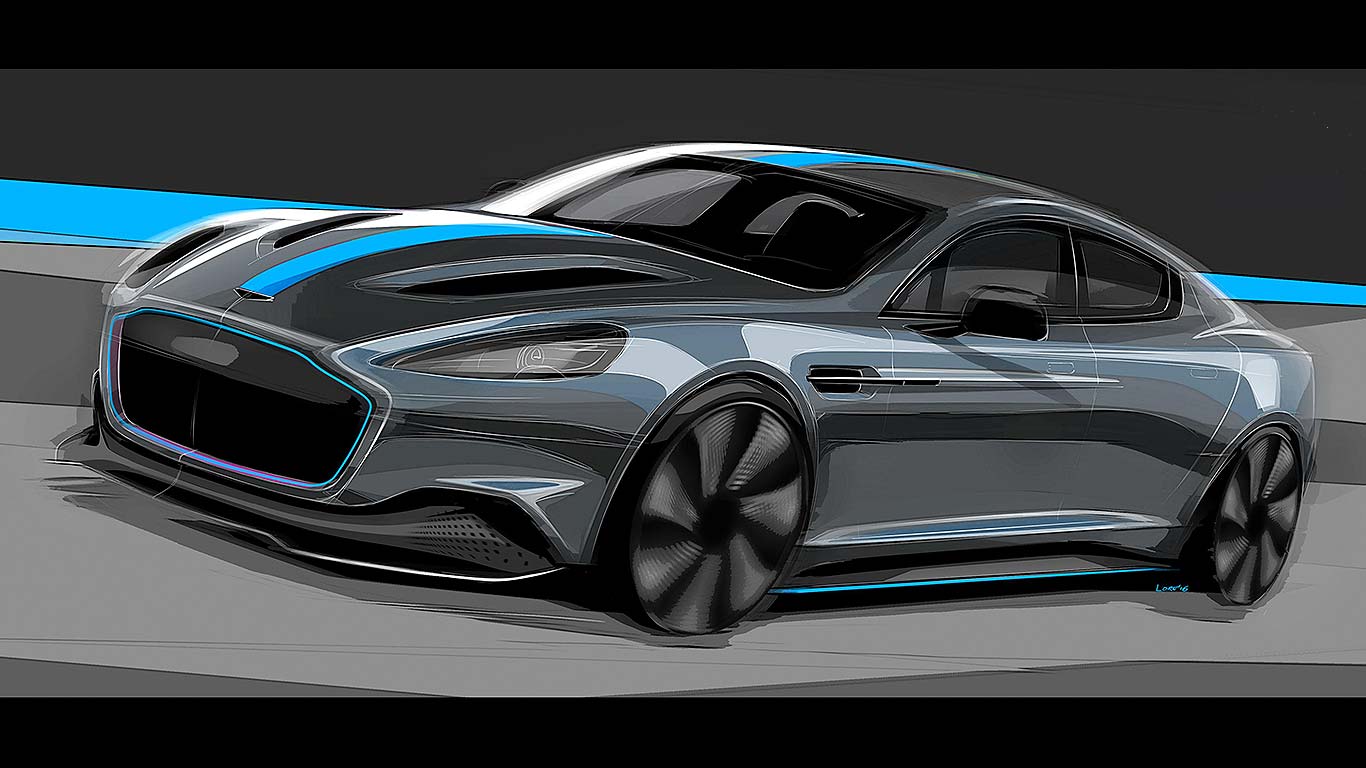
Aston Martin will launch its first all-electric car in 2019 with a zero-emissions version of the Rapide AMR supercar four-door called RapidE. It will be developed and built by F1 legends Williams Advanced Engineering.
A production version of the 2015 RapidE Concept, the first-ever electric Aston Martin will be built in a limited run of 155 cars, all with an electric drivetrain replacing the current car’s 6.0-litre V12 engine.
It will be the first in an upcoming series of low- and zero-emissions Aston Martins planned for launch as part of the firm’s ‘Second Century Plan’ – including the all-new DBX electric SUV that’s to be built in Wales from 2019.
Aston Martin president and CEO Dr Andy Palmer said “we reach another milestone with the confirmation that we are now putting the first all-electric Aston Martin into production”.
He said the car would showcase a sustainable future where the zero-emissions powertrain enhances an Aston’s style and performance, rather than “merely co-existing alongside a new zero-emissions powertain”.
But traditionalists can rest easy for a while yet. “The internal combustion engine has been at the heart of Aston Martin for more than a century, and will continue to be for years to come. RapidE will showcase Aston Martin’s vision, desire and capability to successfully embrace radical change, delivering a new breed of car that stays true to our ethos and delights our customers.”
More Aston Martin news on Motoring Research
Aston Martin Vantage AMR range launched
UK election: Aston Martin demands clarity over Europe
Aston Martin christens new factory with $80 million hoon
Williams Advanced engineering is delighted with the deal. Technical director Paul McNamara said the project “will draw on the extensive battery and EV experience we have accumulated and we are extremely pleased to be supporting this prestigious British company with their future electrification strategy.”
Williams Advanced Engineering is the sole supplier for battery technology to the growing Formula E all-electric racing series; this season, it introduced an advanced development that incorporated everything it had learnt from previous seasons.
The F1 engineering spin-off company also helped Aston Martin develop the original 2015 RapidE concept car.
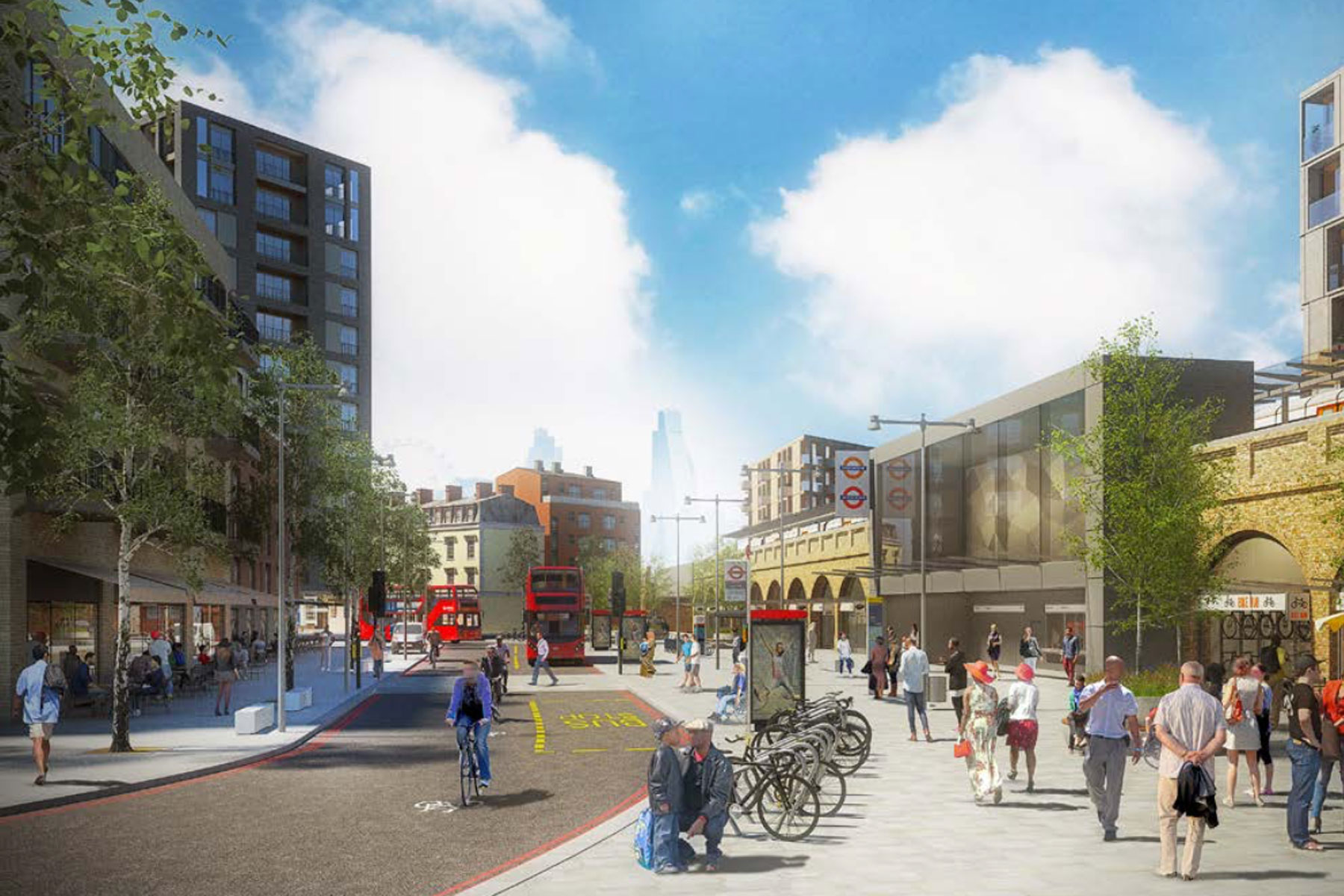
London’s mayor, Sadiq Khan, has revealed plans to make the city’s entire public transport system zero emission by 2050. It’s part of an ambitious set of proposals that form part of the Mayor’s Transport Strategy, which seeks to reshape transport in London over the next 25 years.
The draft document for public consultation pledges to change the way Londoners choose to travel across the city, with a hope that 80% of all trips will be made on foot, by cycle or by public transport. Today, that figure stands at 64%.
Without further action, the mayor claims that by 2041, rising public transport demand would mean that 71% of travel on the London Underground and 65% of travel on National Rail would be crowded during the morning peak. Khan is thus calling for a significant increase in capacity.
The pledge to make the entire transport system zero emission by 2050 is the final point of a series of step changes designed to deliver what the mayor is calling ‘healthy streets and healthy people’. Under the plans, taxis and private hire vehicles will be zero emission by 2033, buses by 2037 and all new road vehicles by 2040.
‘Dire potential consequences’
Without drastic changes London will face “dire potential consequences”, warned Sadiq Khan, before claiming that “London will provide international leadership” in this key area.
London’s population is expected to grow from 8.7 million today to an estimated 10.5 million over the next 25 years, putting severe pressure on transport, housing and jobs. Around 50,000 new homes are required to accommodate the rising number of people living in the city, and by 2041 around 1.2 million jobs will need to be created.
Further keynote plans outlined by the “ambitious strategy” include:
No one to be killed in or by a London bus by 2030
Deaths and serious injuries as a result of road collisions to be eliminated by 2041
Reduce freight traffic in the morning peak by 10% by 2026
Reduce total London traffic by 10-15% by 2041
Open Crossrail 2 by 2033
Create a London suburban metro by 2020
Time to clean up London’s ‘filthy air’
“A shift away from car use will help London’s streets work more efficiently, reducing congestion so bus services can run reliably, and essential freight and business journeys can keep London operating,” says the strategy document.
“Today I’ve set out my plans to improve public transport, cut car journeys and clean up our city’s filthy air,” said Sadiq Khan on Twitter.
The draft transport strategy will be open for consultation until 2 October 2017. The results will be published in 2018.
21.5 million UK motorists – that’s nearly 6 in 10 drivers – believe Brexit is going to result in an increase in the price new cars, new research reveals. 17 percent of them are actually expecting ‘significant’ increases in new car prices.
More than half of motorists also believe Brexit will push up the cost of fuel and car spares, and more than one in three think even used cars will become more expensive because of the UK’s decision to leave the EU.
The figures were revealed in an ICM poll for Kwik Fit, which asked 2043 British drivers what they think Brexit will do to motoring costs. The headline figure is that only 3 percent think it will lead to lower new car prices: everyone else expects them either to remain the same or increase. Just 5 percent are expecting cheaper used cars because of Brexit.
Many also believe car insurance and servicing will become more expensive due to Brexit, the former adding yet further pressure on insurance premiums that have already risen 15.7 percent in the past year.
Brexit is, however, having little effect on motorists’ patriotism. Only 13 percent of drivers say they’re more likely to buy British as a result of Brexit – more than 7 in 10 admit it’s made no difference to the nationality of the new or used car they plan to buy.
1.2 million drivers actually say Brexit has made them less likely to buy a British car.
Kwik-Fit’s Roger Griggs said: “The cost of motoring is understandably a major concern for people as the country prepares to leave the European Union and this perhaps is one reason for last month’s fall in new car sales.”
The SMMT this week called upon the government to seek an interim post-Brexit deal with the EU, because the automotive industry faced a “cliff-edge” if no deal was forthcoming. The car industry trade body has previously warned that Brexit could add £1500 to the average price of a new car.
More on Motoring Research
Car industry warns of Brexit cliff-edge if no deal reached
Car prices soar since Brexit, but you can bag these great deals
We all know that the purchase price is just the beginning when it comes to the cost of running a new car. Which is why CAP HPI’s total cost of ownership (TCO) data could prove to be so valuable. It takes into account service and maintenance, depreciation and fuel to provide a true cost over the first three years.
As you’d expect, the top 25 is dominated by frugal city cars and superminis, but if you’re looking to run a car for as little as possible, these are definitely worth a look. In all cases, the image used is for illustrative purposes only. And don’t forget to factor in the cost of purchase.
25. Fiat Panda 1.2 Pop 5dr
Total cost of ownership (three years): £10,493.29
The current Fiat Panda has been on sale since 2011, but it manages to secure a top 25 slot in the CAP HPI analysis. You might be tempted to fork out for the more-frugal-on-paper but more expensive TwinAir engine, but these figures suggest it’s the basic Panda Pop 1.2 that’s the economy hero.
24. Kia Rio 1.4 1 5dr
Total cost of ownership (three years): £10,466.20
The Kia Rio 1.4 CRDi in basic ‘1’ spec is one of three diesel cars to make the top 25. At a cost of £1,994.20, the Rio is joint-lowest when it comes to fuel, but is let down by depreciation. The Korean supermini will lose £7,465 in three years, which is surprising given the fact that it will have the remainder of Kia’s seven-year warranty.
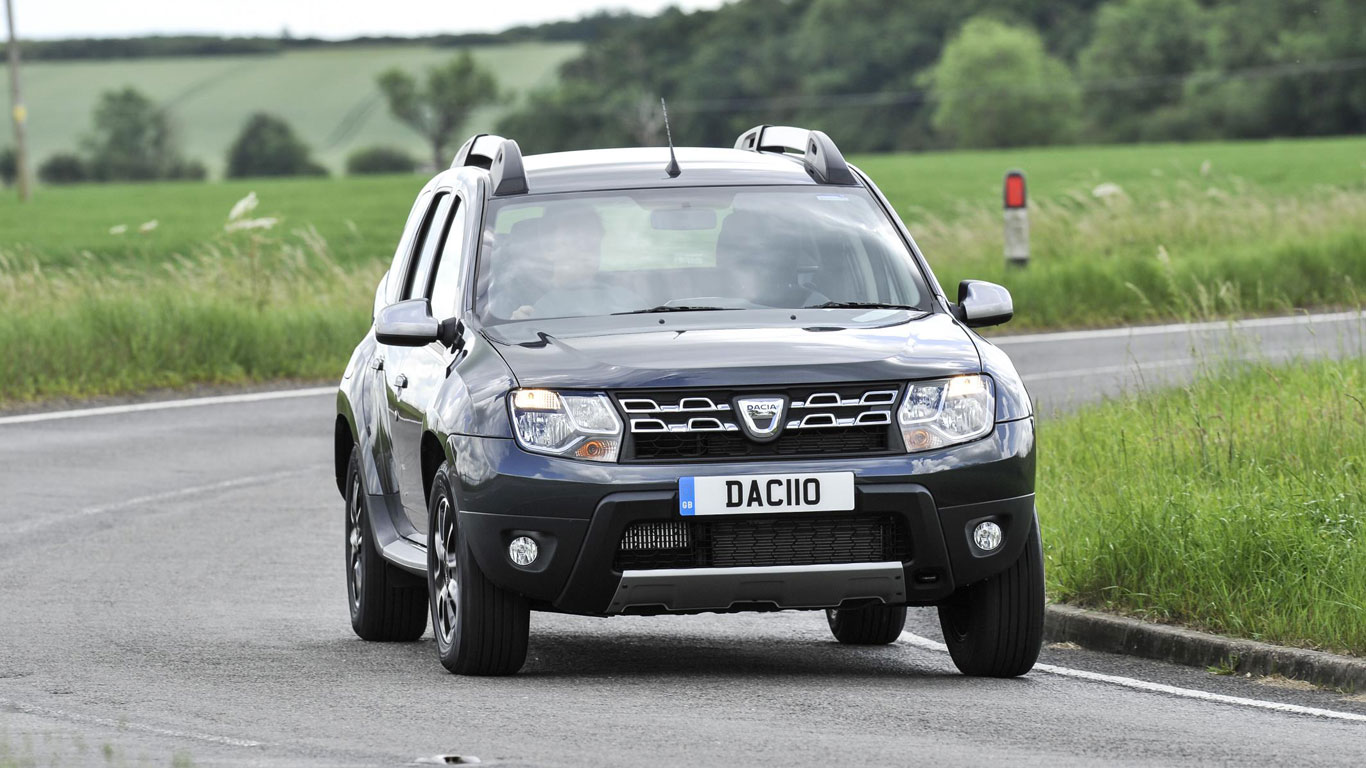
23. Dacia Duster 1.6 115 Access
Total cost of ownership (three years): £10,405.32
The Dacia Duster is the only proper-size SUV to make the list, but you’ll need the front-wheel drive version if you’re planning to economise. It’s the only 1.6-litre petrol car on the list, which might explain why the fuel cost is so high. The £5,315 figure is nearing the cost of a brand new Sandero.
22. Skoda Fabia 1.0 S 5dr
Total cost of ownership (three years): £10,306.04
With the Seat Ibiza and Volkswagen Polo absent from the list, it’s left to the Skoda Fabia to fly the flag for the trio of superminis. Not only is the Fabia cheap to buy, it also offers the lowest cost of service and maintenance. You’ll spend a mere £581 on servicing over the first three years.
21. Citroen C3 1.2 Touch
Total cost of ownership (three years): £10,303.04
We think the new Citroen C3 is at its best in one of the higher trim levels, so you’ll need to make a few sacrifices if you’re looking to run this supermini on a budget. The 1.2 Touch represents basic motoring – there’s no 7-inch touchscreen, alloy wheels or alarm – but it should be cheap to run.
20. MG3 1.5 3Time
Total cost of ownership (three years): £10,235.55
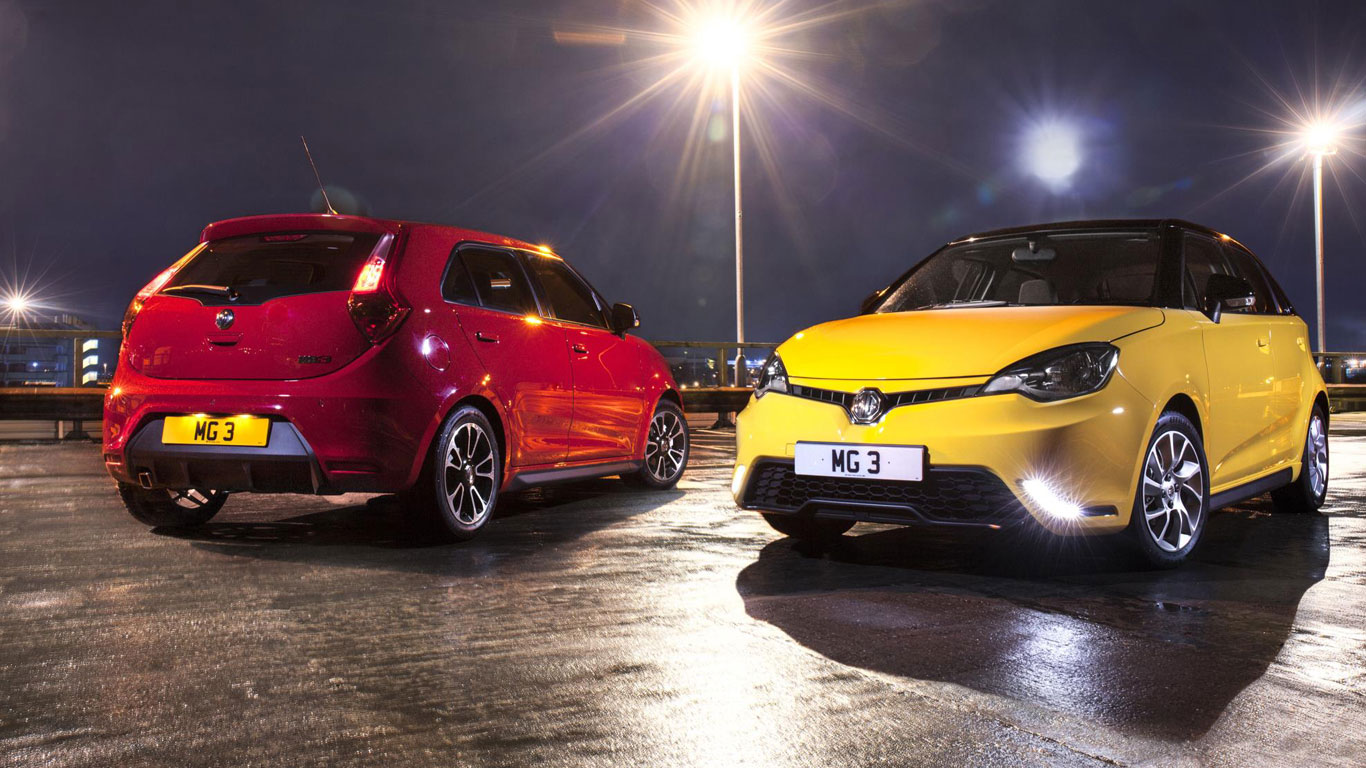
The majority of engines in the top 25 are either 1.0- or 1.2-litre units, so the 1.5-litre petrol engine in the MG3 puts it at a disadvantage. Its biggest problem is the cost of fuel which, at £3,276.55, is one of the highest on the list. CAP HPI has based the figures on 10,000 miles per annum.
19. Suzuki Swift 1.2 SZ2 3dr
Total cost of ownership (three years): £10,076.21
Before you rush out and buy a new Suzuki Swift, it’s worth noting that this figure is based on the old model. Indeed, Suzuki has ditched the option of three doors and the SZ2 trim level. If you bought one before the axe fell you can expect to spend a little over £10,000 over the next three years.
18. Seat Mii 1.0 S 3dr
Total cost of ownership (three years): £9,911.89
All three of the Up, Citigo and Mii trio of city cars made the top 25, but the Seat is the most expensive to run. We’re surprised to find the fuel cost marginally higher in the Mii (they’re powered by the same 1.0 engine), but the higher cost of depreciation makes sense as the Mii is the least popular of the three
17. Ford Ka+ 1.2 Studio
Total cost of ownership (three years): £9,828.21
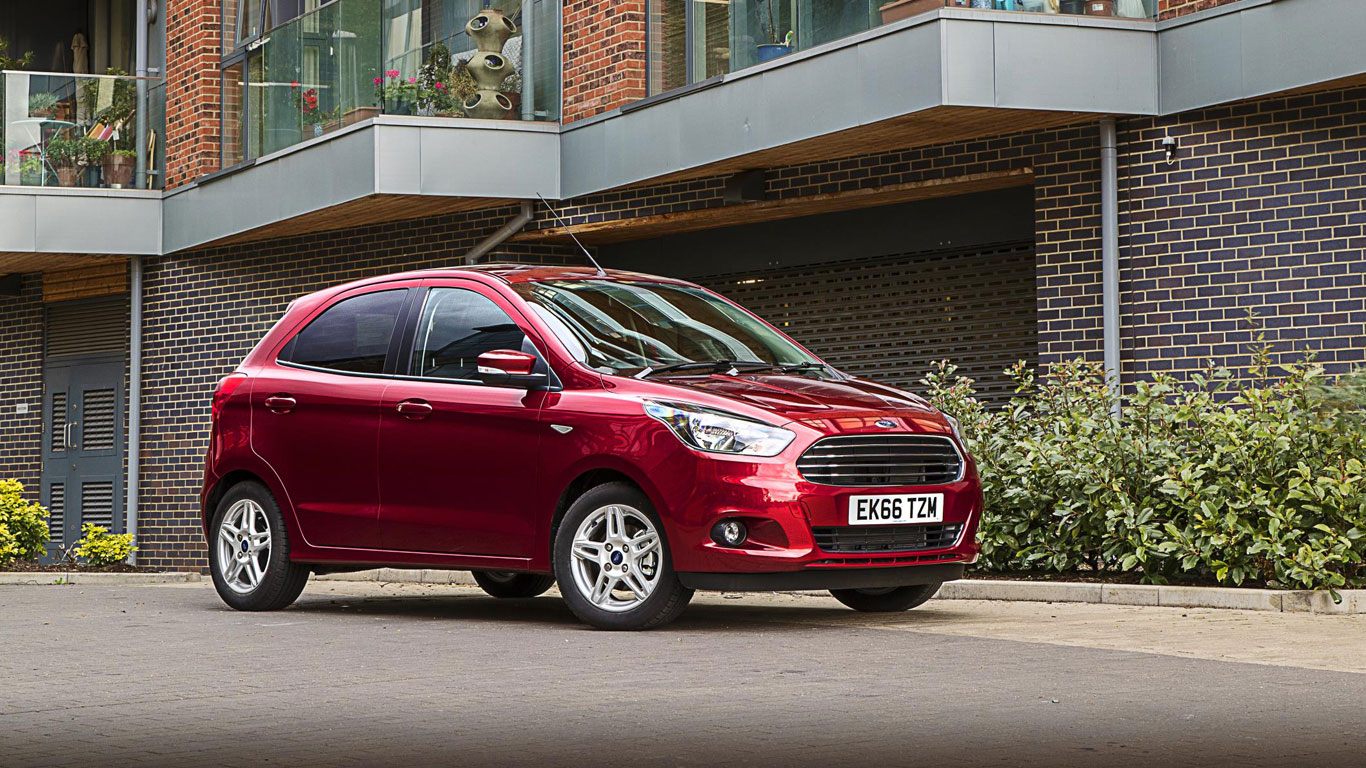
Only a hefty cost of service and depreciation prevents the Ford Ka+ from finishing higher in the CAP HPI analysis. At £1,109 over the first three years, the Ka+ is the most expensive car to service.
16. Skoda Citigo 1.0 S 3dr
Total cost of ownership (three years): £9,758.48
Surprised to find the Skoda Citigo finishing below the Volkswagen Up? While the fuel costs are identical and the Citigo is marginally less expensive to maintain, the Up is more desirable on the used car market, which means depreciation is lower. The Citigo loses £6,015 in three years, while the Up loses £5,665.
15. Hyundai i10 1.0 S 5dr
Total cost of ownership (three years): £9,524.04
The Hyundai i10 has come a long way since the days when it was piled high and sold cheap. Indeed, the basic i10 was one of the major beneficiaries of the government’s scrappage scheme, as owners rushed to buy a new car. The basic i10 is hardly exciting, but it should be cheap to run. Hyundai’s excellent five-year warranty is an added bonus.
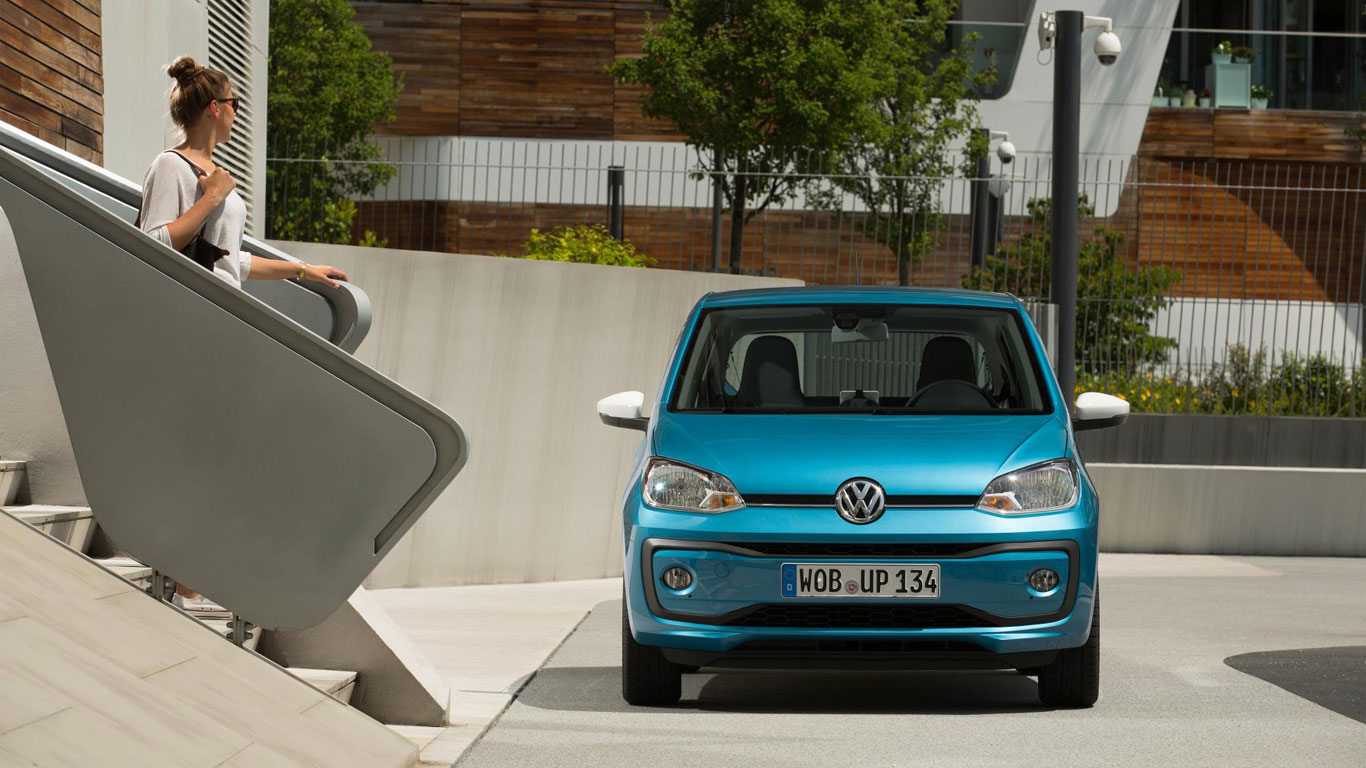
14. Volkswagen Up 1.0 Take Up 3dr
Total cost of ownership (three years): £9,440.48
The Volkswagen Up demonstrates why depreciation is such an important and often overlooked consideration when buying a new car. The Up might be more expensive to buy and cost more to service, but used car buyers prefer the prestige of the Volkswagen badge, which means it commands a premium on the secondhand market.
13. Suzuki Ignis 1.2 Dualjet SZ3
Total cost of ownership (three years): £9,432.83
Classing the new Ignis as a compact SUV is a bit of a stretch, even if it is available with Suzuki’s Allgrip all-wheel drive system. We’re delighted to see the Ignis in the top 25, as we’re big fans of the quirky small car. The only disappointment is the £1,035 you’ll spend on service and maintenance, which is the highest figure in the top 25.
12. Citroen C1 1.0 Touch 3dr
Total cost of ownership (three years): £9,361.94
If you’re finding it hard to choose between the platform-sharing Citroen C1, Peugeot 108 or Toyota Aygo, the CAP HPI data might help. Predictably, the cost of fuel is the same for each car, but although the C1 is the cheapest to buy, it ranks the lowest of the three thanks to the cost of depreciation.
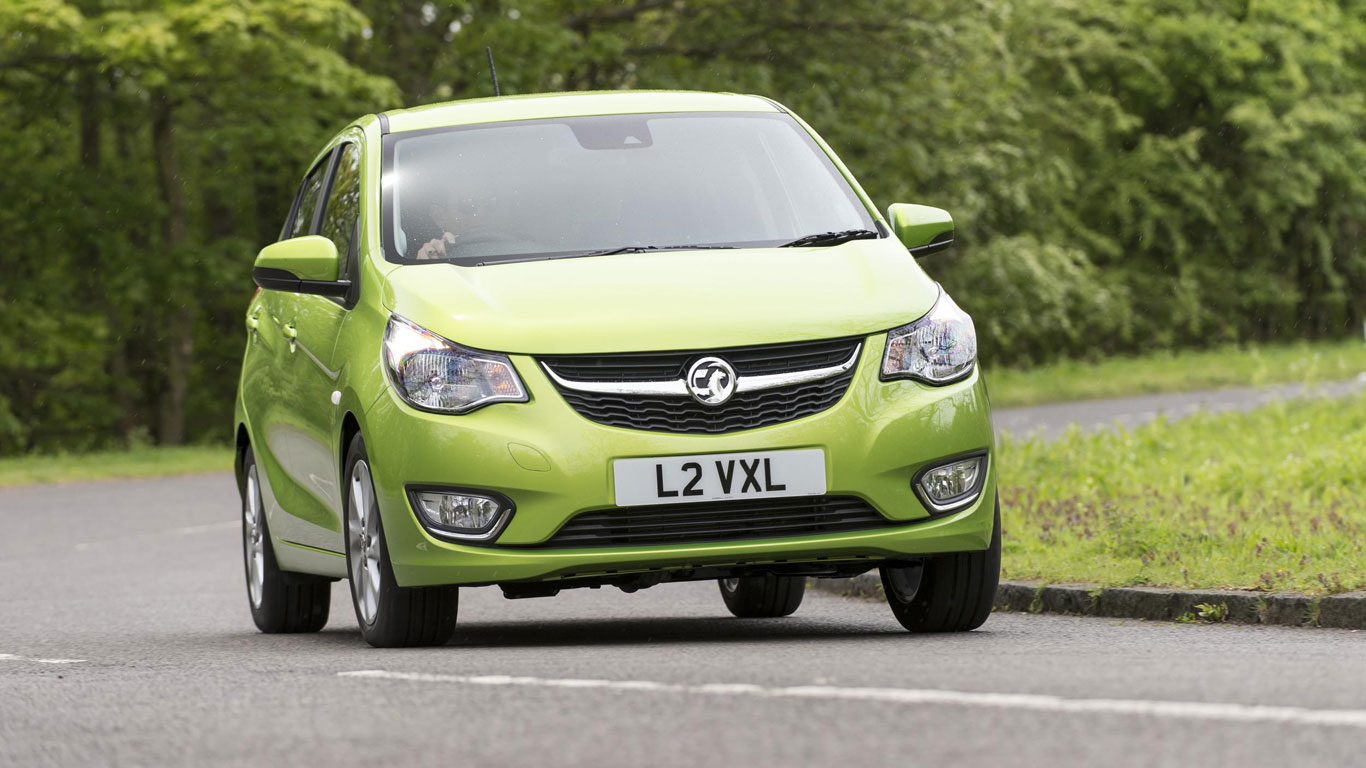
11. Vauxhall Viva 1.0 SE
Total cost of ownership (three years): £9,340.83
The Viva is Vauxhall’s budget-driven small car, so it’s no surprise to find it sitting just outside the top 10. The entry-level SE costs £9,315, but the lack of air-con might tempt you into the more expensive and aptly-named SE A/C model.
10. Kia Picanto 1.0 1 3dr
Total cost of ownership (three years): £9,178.89
Not one but two Kia Picanto models make the top 25, including the old 1.0-litre model in basic ‘1’ trim level. This model has been superseded by a third generation Picanto.
9. Nissan Micra 1.2 Visia Limited Edition 5dr
Total cost of ownership (three years): £9,143.21
Another car superseded by a newer model is the Nissan Micra, which has just cranked up the funk-o-meter to the max. If you fancy an older model, the 1.2-litre Visia Limited Edition is the frugal choice.
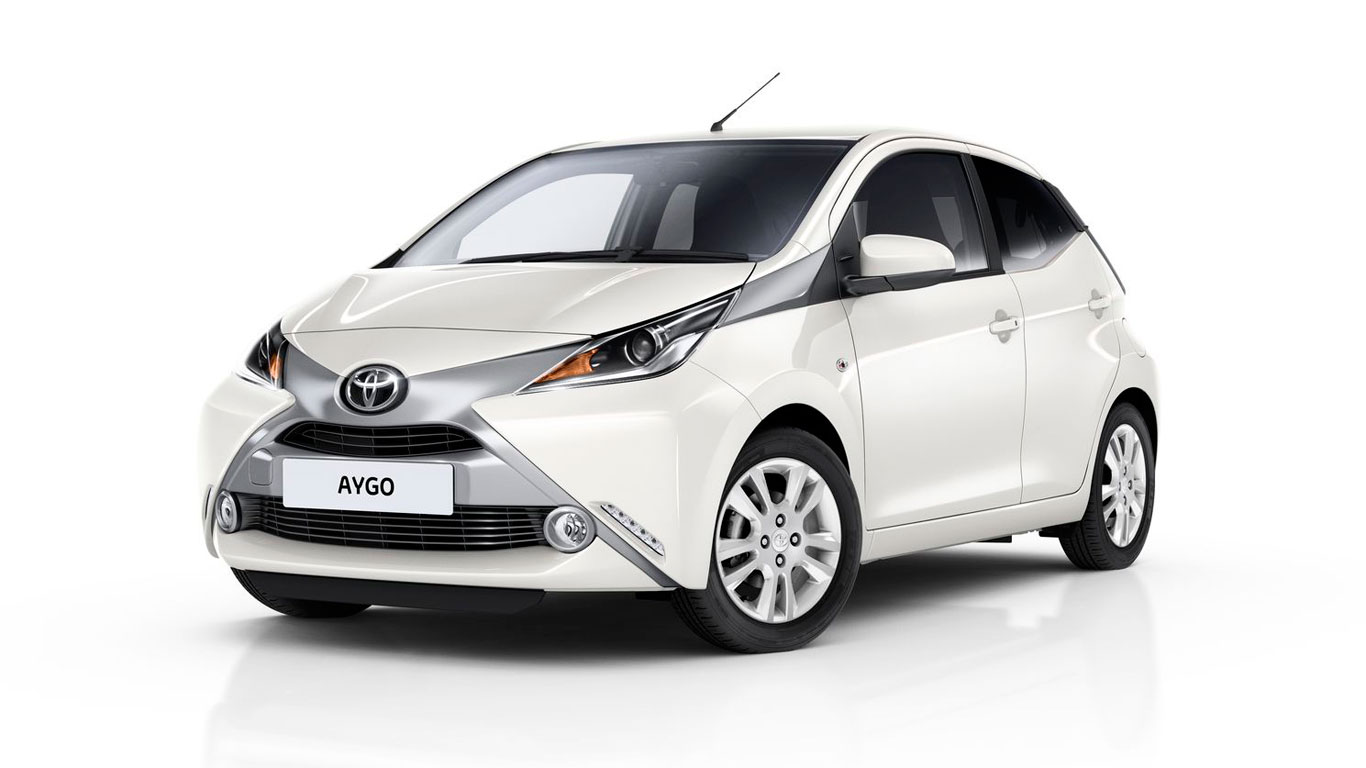
8. Toyota Aygo 1.0 X 3dr
Total cost of ownership (three years): £8,991.94
The difference between a basic Toyota Aygo and a boggo Peugeot 108 is just £50 over three years, so your choice will come down to brand loyalty, styling, and the proximity of your nearest dealer. It’s interesting to note that the Aygo is the cheapest to service and maintain.
7. Peugeot 108 1.0 Access 3dr
Total cost of ownership (three years): £8,945.94
Peugeot’s ‘Just Add Fuel’ initiative has proved to be rather popular and has helped to shift many units of its smaller cars. The 108 in Access trim is rather basic, so we’d recommend splashing a bit more cash on an Active or Allure model.
6. Dacia Logan MCV 1.5 Ambiance
Total cost of ownership (three years): £8,908.20
Spoiler alert: four of the top six cars wear a Dacia badge, so be prepared for a Romanian overload. The Dacia Logan MCV has been updated, but the CAP HPI data is based on the pre-facelift 1.5-litre diesel in Ambiance trim.
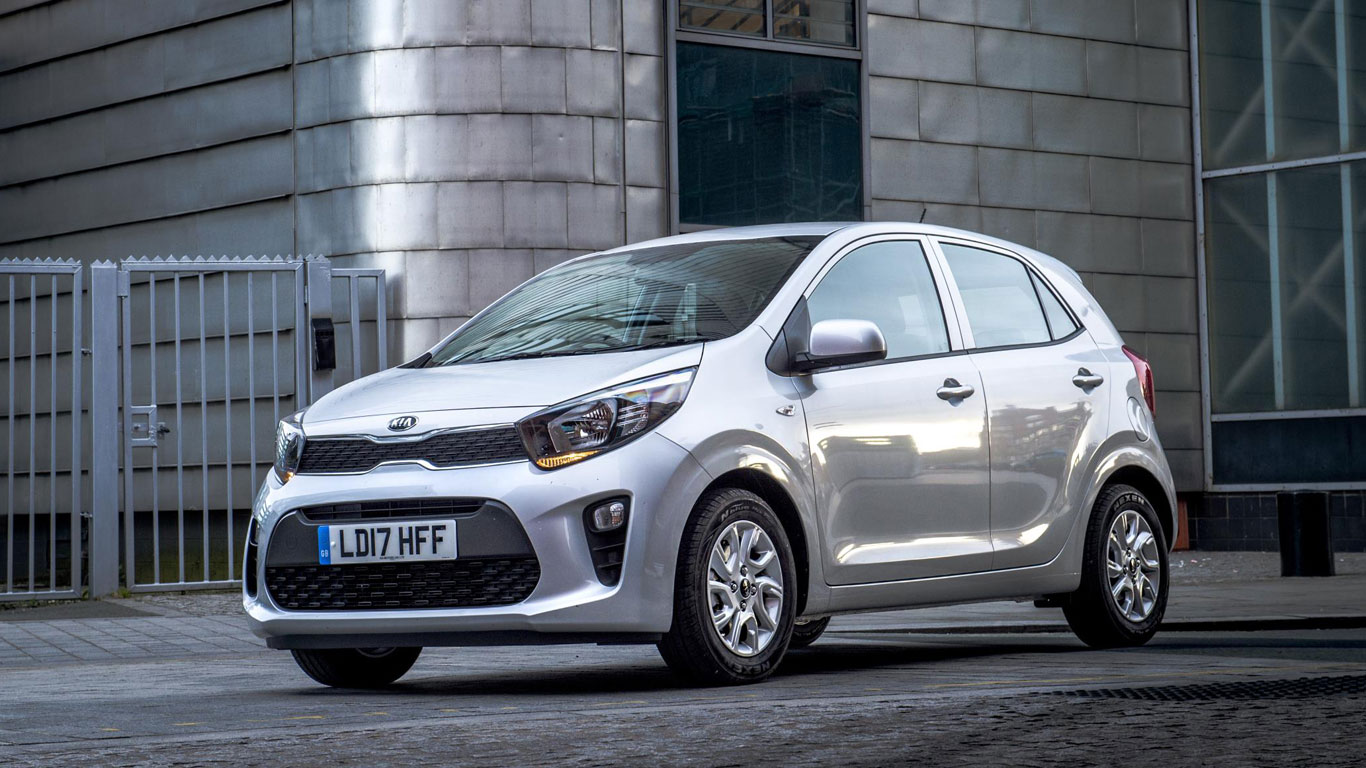
5. Kia Picanto 1.0 1 5dr
Total cost of ownership (three years): £8,840.48
The second appearance for the Kia Picanto, this time in third generation guise. The newer model is expected to retain more value and be more fuel-efficient than the old Picanto, hence its appearance in the top five.
4. Dacia Logan MCV 1.2 Access
Total cost of ownership (three years): £8,493.55
Dacia has ditched the 1.2-litre 16v petrol engine from the Logan MCV range, but the good news is that it has been replaced by the excellent 1.0-litre three-cylinder unit. According to the CAP HPI figures, the Logan MCV is both cheap to buy and cheap to run.
3. Suzuki Celerio 1.0 SZ2
Total cost of ownership (three years): £8,350.74
Suzuki muscles in on the Dacia party with its Celerio model taking third spot. The budget-driven city car feels cheap but is very well equipped, even in the basic SZ2 trim. It’s not exciting, but it is frugal.
2. Dacia Sandero 1.5 Ambiance
Total cost of ownership (three years): £8,059.20
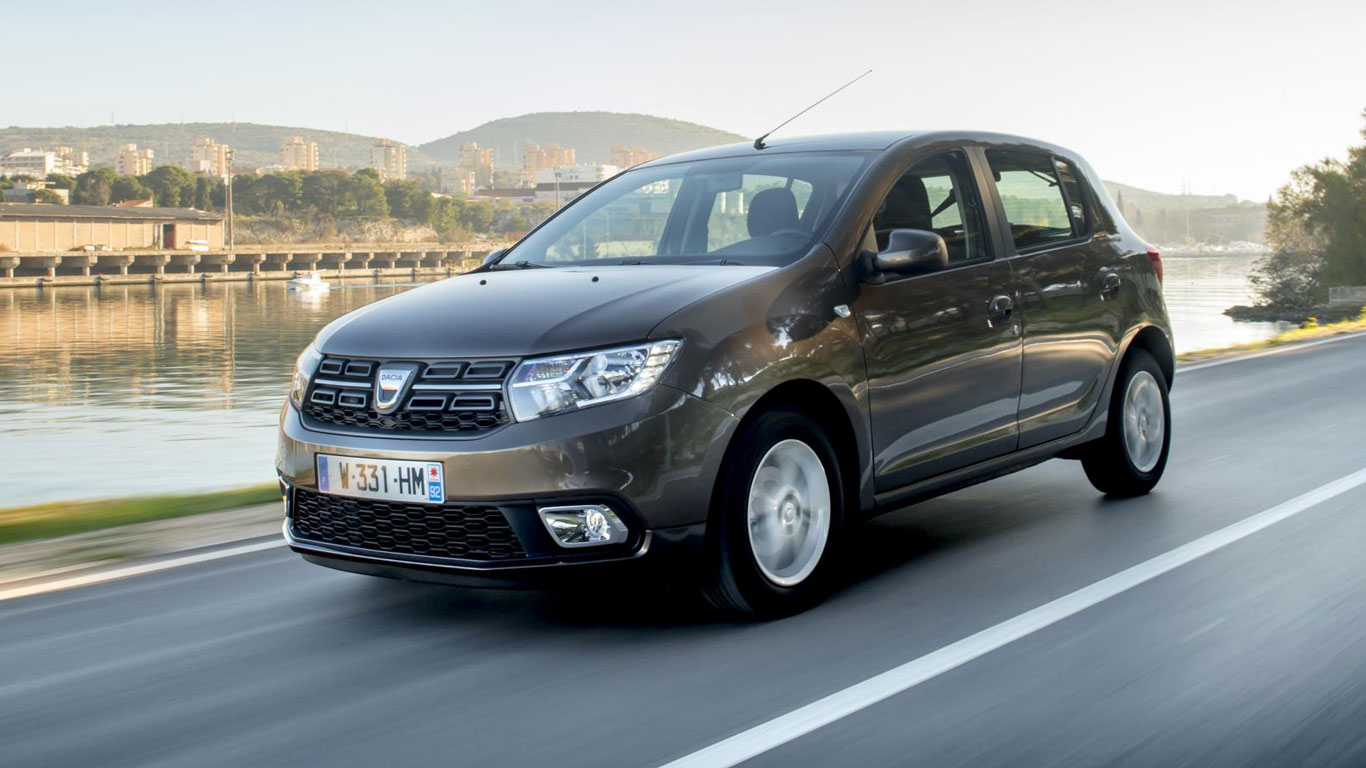
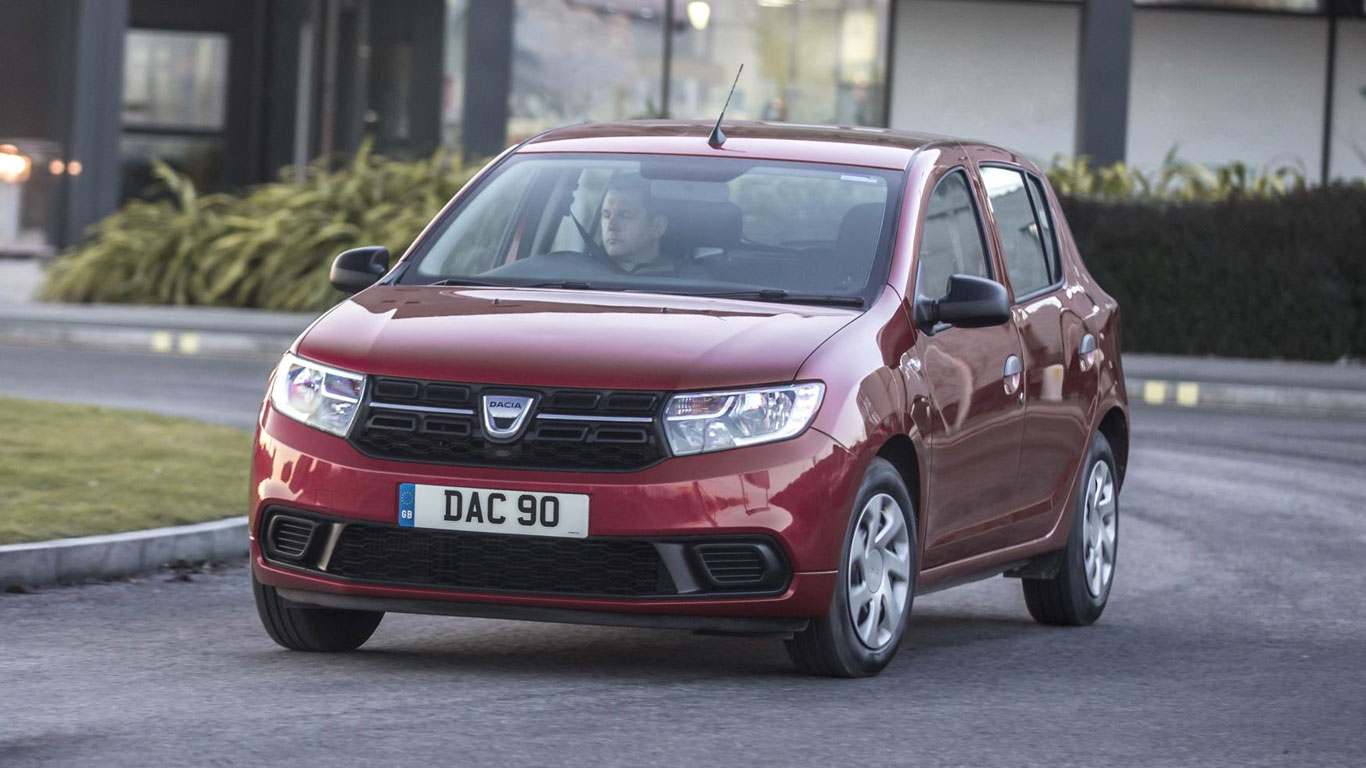
Petrol engines might dominate the top 25, but it’s a diesel-powered Dacia Sandero in second place. The Sandero in Ambiance trim will cost £223.87 a month to run over the first three years. But you can buy even cheaper…
1. Dacia Sandero 1.0 Access
Total cost of ownership (three years): £7,419.64
If CAP HPI’s figures are to be believed, Britain’s cheapest new car is also the cheapest to run. The Dacia Sandero Access costs £5,995 and will have lost £3,205 in depreciation by the end of the third year. Service and maintenance costs a reasonable £836 over three years.
 The new Jaguar E-Pace baby SUV will be revealed next week (13 July) and ahead of the debut, some of the firm’s 150-strong prototype test fleet have been shown in action.
  Volvo has announced every new car it launches from 2019 will feature an electric motor, a move it says heralds the “historic end of cars that have only an internal combustion engine”. Volvo’s commitment will see a range of electrified cars offered, including full EVs as well as hybrids and plug-in hybrids.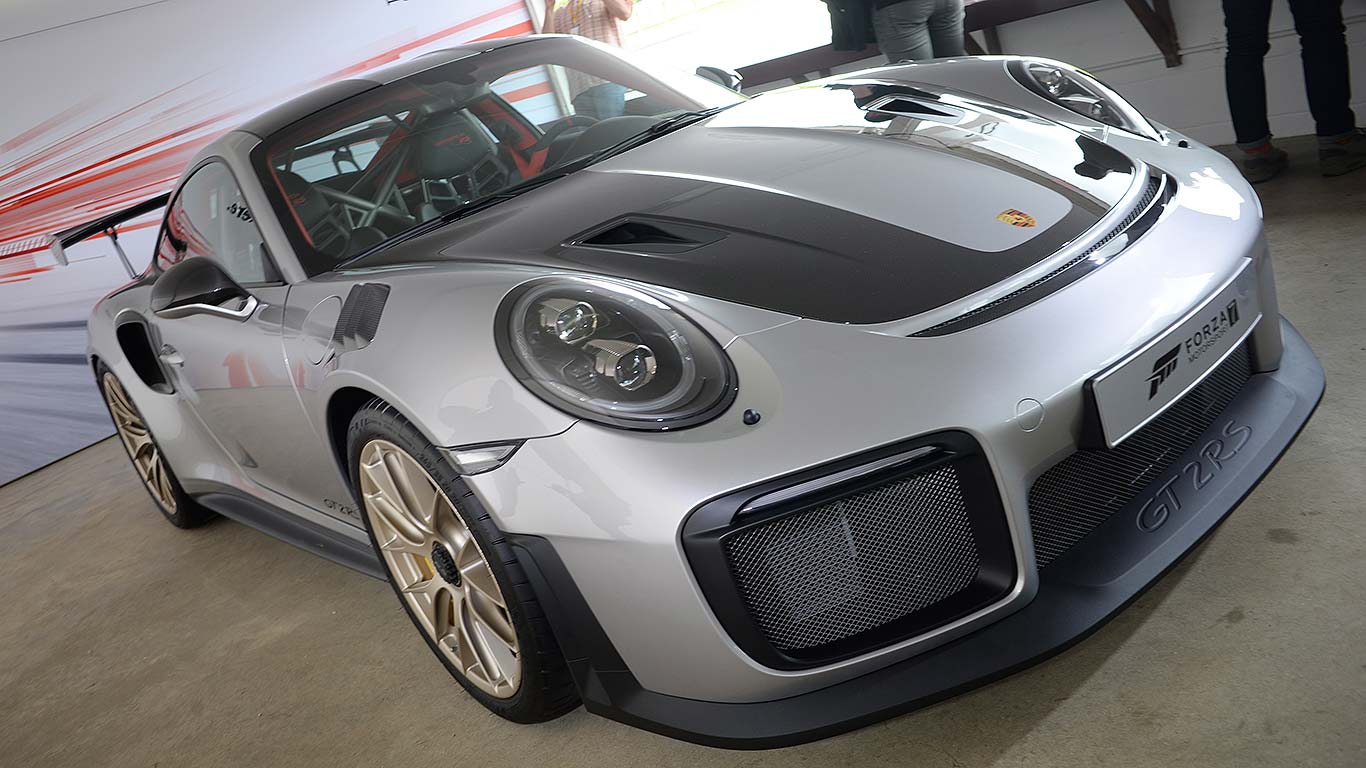
 Jaguar has unleashed an amazing 600hp 5.0-litre V8 saloon car, the XE SV Project 8, which it says belongs on the track, delivers supercar performance – and is soon to go on sale in limited numbers, each retailing for £149,995.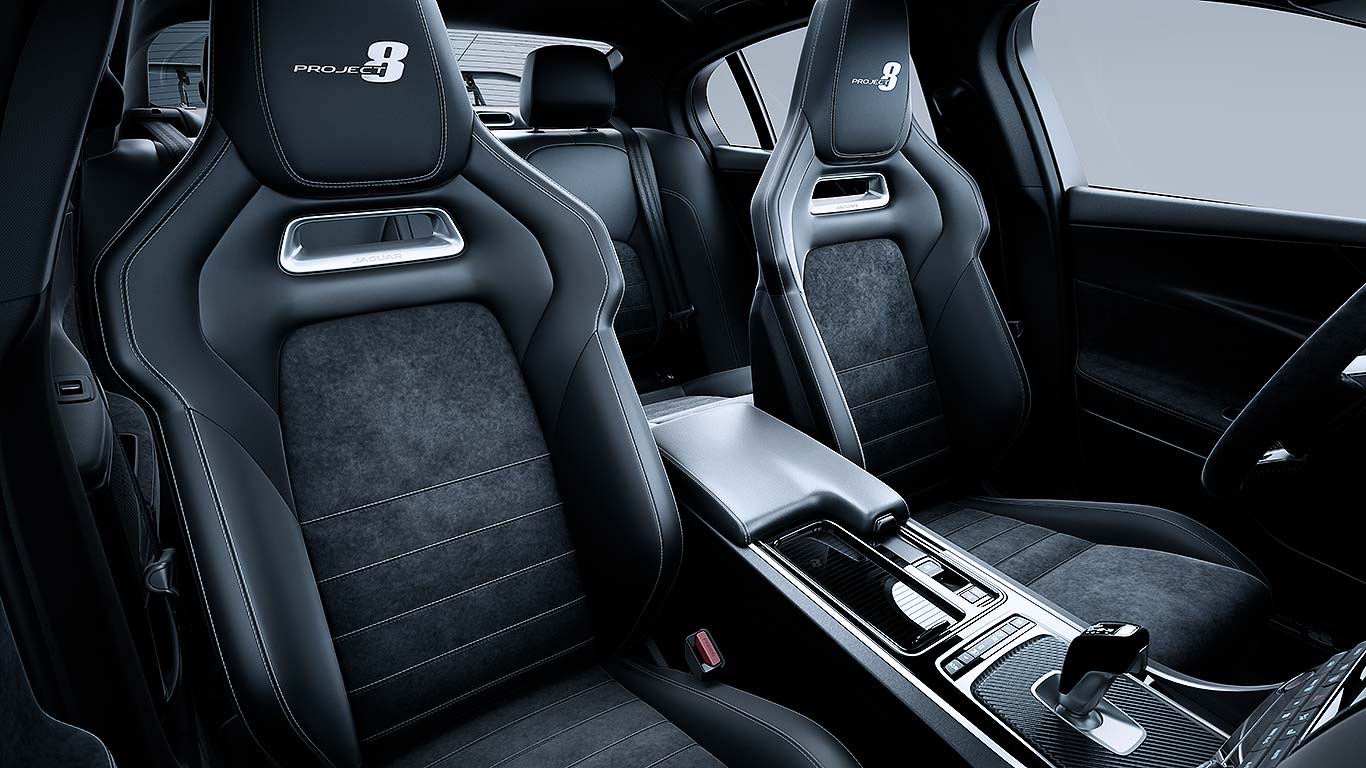
 Aston Martin will launch its first all-electric car in 2019 with a zero-emissions version of the Rapide AMR supercar four-door called RapidE. It will be developed and built by F1 legends Williams Advanced Engineering.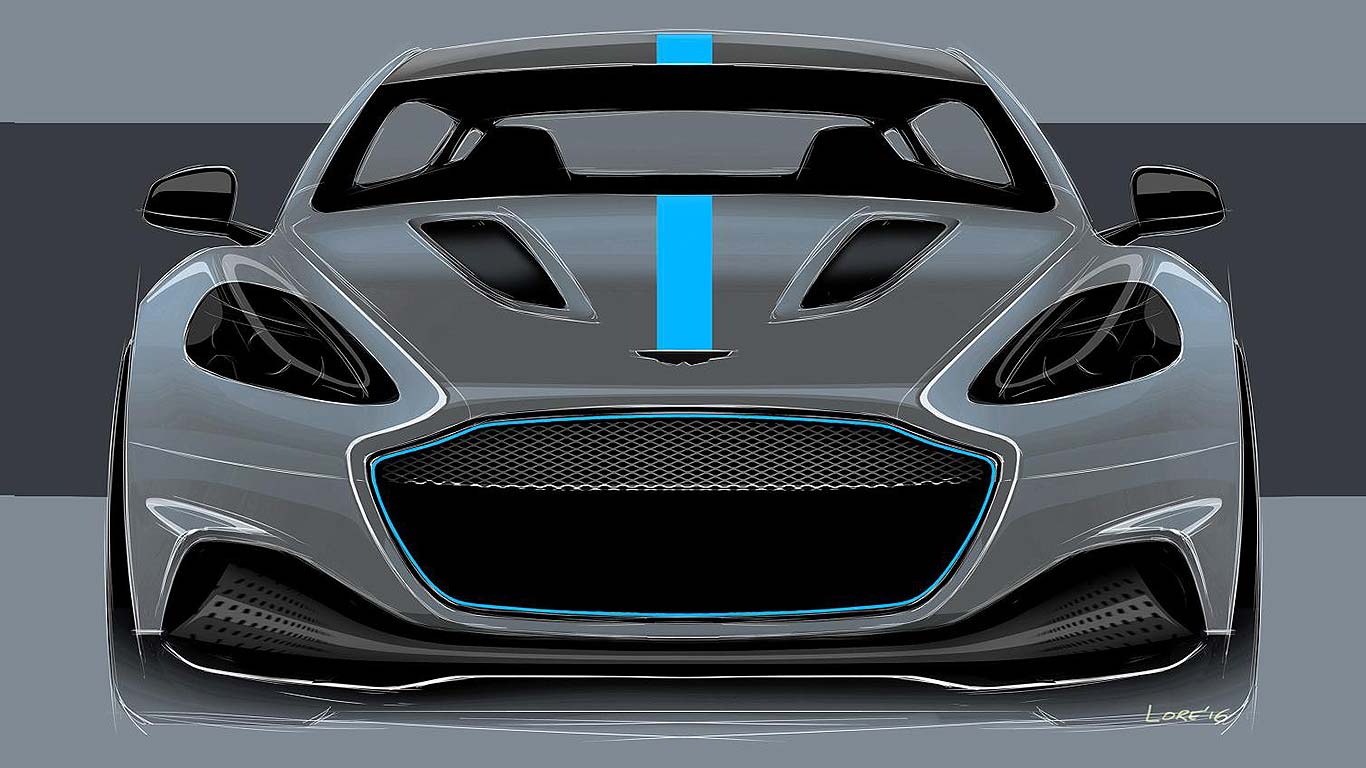
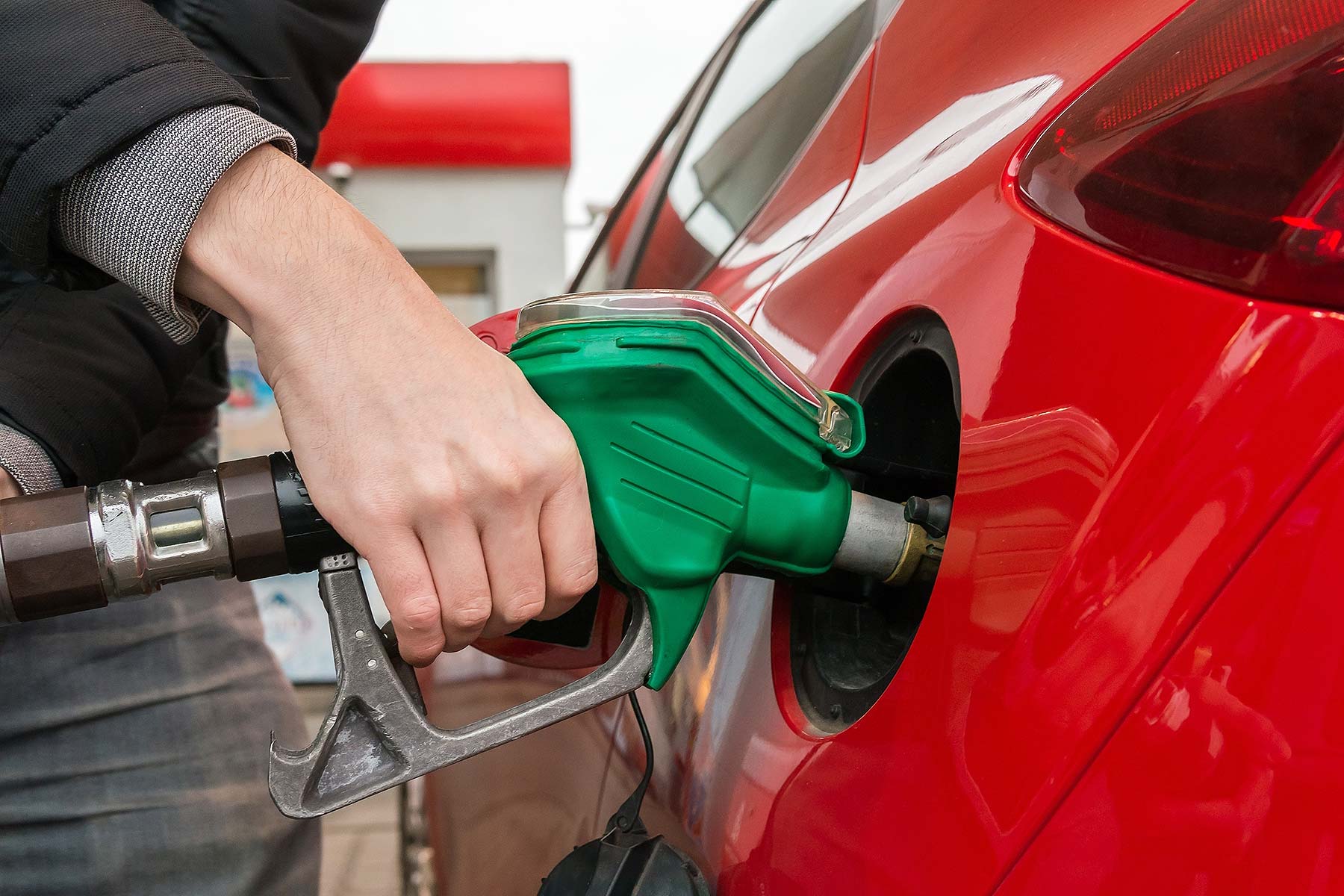 21.5 million UK motorists – that’s nearly 6 in 10 drivers – believe Brexit is going to result in an increase in the price new cars, new research reveals. 17 percent of them are actually expecting ‘significant’ increases in new car prices.